
-
 Lucia Garcia
 - 05 Jun, 2026 19:51
La vita bugiarda degli adulti Book Review and Summary
La vita bugiarda degli adulti Author: Elena FerrantePage Count: UnknownPublication Year: 2019-GB Elena Ferrante’s La vita bugiarda degli adulti (The Lying Life of Adults), published in 2019, is a masterful exploration of adolescence, deception, and the brutal unraveling of illusion—both in others and within oneself. Like her Neapolitan Novels, Ferrante crafts a story that is at once deeply personal and universally resonant, delving into the ways we mythologize our pasts and the people who shape us. But where her earlier work focused on the lifelong bond between two women, this novel pivots inward, dissecting the fragile psyche of a young girl as she confronts the lies that define adulthood. The novel follows Giovanna, a sharp-witted 12-year-old Neapolitan girl from a comfortable, intellectual household, who is abruptly thrust into a crisis when her father utters the words: "Your face is like Vittoria’s face." These few syllables ignite Giovanna’s obsession with her estranged aunt, a woman her parents have demonized as a vulgar, monstrous figure. What begins as a curious fascination spirals into an identity crisis, as Giovanna grapples with the unsettling truth that the adults around her are not the moral pillars she assumed. Her father, once a paragon of virtue, is revealed to harbor his own ugly secrets. Her mother, fragile and controlling, is complicit in the family’s web of deceit. Even Giovanna herself, in her quest for truth, begins to construct her own myths—about her aunt, about her parents, about love and betrayal. Ferrante’s genius lies in her ability to render the inner turmoil of adolescence with unflinching honesty. Giovanna’s voice is raw, unfiltered, and often contradictory—sometimes naive, sometimes cunning, always searching. Her observations are laced with the hyper-awareness of a child who has been taught to see the world through the lens of her parents’ expectations, only to discover that those lenses are cracked. The prose is dense with psychological insight, yet never loses its narrative momentum. Ferrante’s sentences are muscular, her pacing relentless, pulling the reader through Giovanna’s emotional labyrinth with the same compulsive force that drives the protagonist herself. A central theme of the novel is the corruption of innocence—not through external violence, but through the slow erosion of trust. Ferrante suggests that adulthood is not a state of wisdom, but of accumulated lies, each one a betrayal of the ideals we once held. Giovanna’s journey is one of disillusionment, but it is also a journey toward self-awareness. She learns that the adults she idolized are flawed, that their judgments are often projections of their own fears, and that growing up means accepting the ugliness within and without. Yet Ferrante does not reduce the story to a simple moral about the loss of innocence. Instead, she captures the messy, contradictory nature of adolescence—the way Giovanna can simultaneously despise her parents and crave their approval, the way she can idealize her aunt while recoiling from her very presence. The secondary characters are drawn with the same complexity. Vittoria, the aunt, is a force of nature—unglamorous, unrepentant, and magnetic. She embodies the novel’s central paradox: that the truth, no matter how ugly, has a strange allure. Giovanna’s parents, too, are not mere villains or victims, but deeply human figures trapped in their own cycles of denial and regret. Their relationships with Giovanna are fraught with love and manipulation, a dynamic that Ferrante renders with surgical precision. Stylistically, La vita bugiarda degli adulti is quintessential Ferrante: a blend of psychological depth, social realism, and lyrical intensity. The Neapolitan setting is not just a backdrop but a character in itself, a place where beauty and squalor exist in uneasy proximity, much like the emotions Giovanna navigates. The dialogue crackles with the rhythms of real speech, yet it is always purposeful, advancing the novel’s themes of performance and authenticity. What makes this novel particularly striking is its refusal to offer easy resolutions. Giovanna’s story does not end with a neat epiphany or a cathartic confrontation. Instead, it ends with a quiet acknowledgment of the lies we tell ourselves to survive—and the fragile, necessary truths we cling to in their place. Ferrante’s work has always been about the messy, unresolved nature of human connection, and this novel is no exception. It is a story about the lies we inherit, the lies we create, and the uneasy balance between the two. In an era where social media and curated identities have made deception an art form, La vita bugiarda degli adulti resonates with urgent relevance. It asks: How much of our lives are we living in the shadow of others’ lies? How much of our identity is shaped by the fictions we’ve been fed? And, ultimately, what does it mean to grow up in a world where the adults around us are just as lost as we are? Ferrante does not provide answers. Instead, she offers a mirror—one that reflects the fragmented, contradictory nature of the self. And in doing so, she cements her reputation as one of the most perceptive chroniclers of the human condition working today. #Ferrante #ContemporaryFiction #ItalianLiterature #ComingOfAge #NeapolitanNovels #LiteraryFiction Related InsightsThe Damned Book Review and Summary I Am Number Four Book Review and Summary Matilda Book Review and Summary{ "@context": "https://schema.org", "@type": "FAQPage", "mainEntity": [ { "@type": "Question", "name": "What is the main focus of La vita bugiarda degli adulti Book Review and Summary?", "acceptedAnswer": { "@type": "Answer", "text": "Everything you need to know about La vita bugiarda degli adulti with our detailed review." } }, { "@type": "Question", "name": "Who authored the comprehensive guide on La vita bugiarda degli adulti Book Review and Summary?", "acceptedAnswer": { "@type": "Answer", "text": "This detailed article and its insights were carefully researched and authored by Lucia Garcia." } }, { "@type": "Question", "name": "Where can I find more related content about Books?", "acceptedAnswer": { "@type": "Answer", "text": "You can explore more articles, detailed reviews, and similar insights by browsing the Related Insights section at the bottom of this article or visiting our dedicated Books category page." } } ] }

-
 Giovanni Luigi
 - 05 Jun, 2026 18:14
The Protein-Powered Italian Table: Spinach and Ricotta Stuffed Shells
"The Protein-Powered Italian Table: Spinach and Ricotta Stuffed Shells" Welcome, my fellow food lovers, to my kitchen. I am Giovanni Luigi, and today we are embarking on a journey that bridges the gap between the soul-warming comfort of an Italian grandmother’s kitchen and the cutting-edge requirements of modern nutritional science. Many believe that pasta is merely a carbohydrate-heavy indulgence, but today, I intend to prove that with the right approach to ingredients and a focus on nutrient density, your favorite shells can become a cornerstone of a high-protein, health-conscious lifestyle. The art of pasta has long been a subject of fascination. From the humble, hand-rolled orecchiette of Puglia to the refined, extruded shapes found in Northern Italy, pasta is the canvas upon which we paint our culinary masterpieces. But as we move toward a generation that views food as both sustenance and fuel—a concept often studied in academic circles regarding "Fresh Journey" strategies for organic dining—we must reconsider how we balance our plates.Scientific Inquiry into Food Density When we look at the future of food, researchers are increasingly focused on the "value-added" potential of everyday ingredients. Recent academic studies on the development of pasta, specifically those exploring the incorporation of underutilized protein sources—such as the mechanical separation of crustacean by-products—remind us that we can improve the nutritional profile of our meals without sacrificing the gourmet flair we crave. While my recipe focuses on the classic spinach and ricotta blend, I encourage you to consider the "crab mince" model mentioned in recent scientific literature. By utilizing high-quality proteins that are often overlooked, we can transform a simple vegetarian dish into a protein-packed powerhouse. The incorporation of spinach provides a substantial amount of micronutrients, while the ricotta acts as a complete protein source, essential for muscle repair and metabolic health. Research on high-protein intake emphasizes its role in satiety and sustained energy, making this dish perfect for the active, health-conscious Gen-Z demographic currently reshaping the organic restaurant landscape. The Architecture of the Perfect Shell Why stuffed shells? They are a masterclass in texture and structural integrity. A well-designed shell must hold its shape under the weight of the filling while providing the perfect "al dente" bite. Much like the design strategies discussed in contemporary studies regarding organic restaurant branding, the presentation and composition of a dish are just as important as the taste. When we layer these components, we are building a "Fresh Journey" for the palate.Let us talk about the ricotta. Use a high-quality, part-skim ricotta to ensure you get the protein boost without an excess of saturated fat. When you combine this with the spinach—which I suggest you wring as dry as possible to prevent a watery consistency—you create a flavor profile that is creamy, earthy, and deeply satisfying. Adding a touch of protein-rich mince (if you choose to experiment with seafood as noted in the research on crab mince pasta) adds a level of complexity and umami that elevates the dish to a professional level. The Science of the Sauce The marinara is the soul of this dish. Do not settle for store-bought jars filled with added sugars. A simple, home-made marinara—crushed tomatoes, garlic, extra virgin olive oil, and fresh basil—is the cleanest way to deliver the antioxidants found in lycopene-rich tomatoes. According to recent nutrition research, the bioavailability of certain nutrients is enhanced when they are consumed with healthy fats, which is precisely why the ricotta and the touch of olive oil in our sauce are so important. They aren't just for flavor; they are functional components of a balanced meal.Health Benefits: Why High Protein? The obsession with "high protein" is not merely a fitness trend; it is a nutritional necessity. Proteins are the building blocks of life. When you consume a meal like these spinach and ricotta shells, you are providing your body with amino acids that are vital for hormone regulation and tissue repair. By fortifying your pasta shells with ricotta and, potentially, lean animal proteins, you are shifting the glycemic index of your dinner. This means slower digestion, steady blood sugar levels, and a feeling of fullness that prevents the post-dinner snacking urge. For those interested in the "Fresh Journey" of food—a concept highlighted in studies examining how younger generations choose their dining experiences—this dish represents the intersection of tradition and evolution. It is organic, it is intentional, and it is designed for the modern body. The Step-by-Step Culinary Experience Now, let us get to the kitchen. Remember, cooking is not just about following steps; it is about understanding your ingredients. When you boil the shells, watch the clock carefully. If you overcook them, they will lose their structural integrity and collapse in the oven. Aim for two minutes less than the package instructions suggest; the shells will finish cooking in the oven as they absorb the steam and moisture from the marinara.Preparation Tips:The Spinach Squeeze: This is the most critical step. If your spinach is wet, your filling will be runny. Use a clean kitchen towel to wring out every last drop of moisture. The Protein Addition: If you decide to add the "crab mince" as mentioned in the scientific abstracts, ensure it is cooked and finely minced. It will blend seamlessly with the ricotta, providing a subtle brine that pairs beautifully with the tomato sauce. The Oven Temperature: 375°F is the sweet spot. It allows the cheese to melt and the flavors to meld without burning the delicate edges of the pasta.As you plate these shells, remember that you are not just serving dinner; you are serving a piece of nutritional science. Whether you are cooking for friends, family, or simply seeking a high-protein solution for your own wellness journey, this recipe stands as a testament to the fact that healthy eating does not have to be boring. It is, and always will be, a celebration of flavor. In conclusion, as we continue to explore the "Fresh Journey" of culinary innovation, keep looking for ways to enhance your favorite dishes. Whether it is adding lean proteins to traditional recipes or finding new ways to utilize whole ingredients, the potential for improvement is endless. Enjoy this dish, savor the balance of flavors, and feel proud that you are nourishing your body with the best that gastronomy has to offer. Buon appetito! #HealthyLiving #HighProtein #Gastronomy #ItalianCuisine #FreshJourney Related InsightsThe Fifth Element: How a Bowl of Seaweed Broth Rewrote the Language of Flavor Das vergessene Moretum: Eine kulinarische Zeitreise in die römische Bauernküche Black Forest Oat Porridge with Berries and Nuts (Vegan): A Nutritious and Delicious Antioxidant-Rich Breakfast{ "@context": "https://schema.org", "@type": "FAQPage", "mainEntity": [ { "@type": "Question", "name": "What is the main focus of The Protein-Powered Italian Table: Spinach and Ricotta Stuffed Shells?", "acceptedAnswer": { "@type": "Answer", "text": "Elevate your weeknight dinner with this high-protein, nutritionally dense spinach and ricotta stuffed shell recipe, backed by culinary science." } }, { "@type": "Question", "name": "Who authored the comprehensive guide on The Protein-Powered Italian Table: Spinach and Ricotta Stuffed Shells?", "acceptedAnswer": { "@type": "Answer", "text": "This detailed article and its insights were carefully researched and authored by Giovanni Luigi." } }, { "@type": "Question", "name": "Where can I find more related content about Food?", "acceptedAnswer": { "@type": "Answer", "text": "You can explore more articles, detailed reviews, and similar insights by browsing the Related Insights section at the bottom of this article or visiting our dedicated Food category page." } } ] }
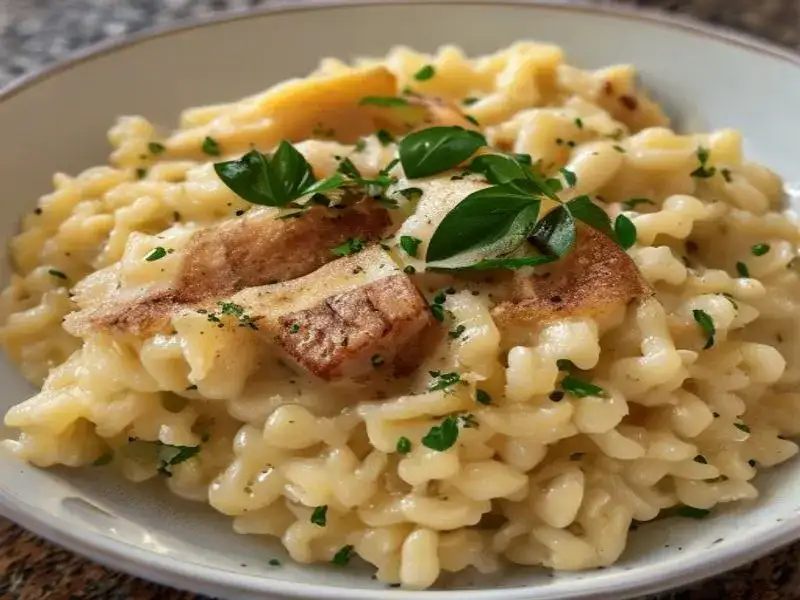

Risotto allo Zafferano: Il Piatto d'Oro della Madonnina Unitevi a me per scoprire la bellezza di questo classico intramontabile: il Risotto allo Zafferano, noto anche come Risotto alla Milanese. La Leggenda del Vetraio e dello Zafferano Ma come nasce l'idea di tingere di giallo il riso? La leggenda risale al 1574, durante i lavori di costruzione dello sbalorditivo Duomo di Milano. Un giovane apprendista vetraio, soprannominato "Zafferano" per la sua abitudine di aggiungere questa preziosa spezia ai colori per rendere i vetri delle vetrate più brillanti, decise per scherzo di aggiungerlo al risotto durante il banchetto nuziale del suo maestro. Il risultato fu un successo clamoroso: il colore oro simboleggiava ricchezza e prosperità, e il sapore era inebriante. Da quel giorno, Milano ha abbracciato questa ricetta. Gli Elementi del Risotto Perfetto Per preparare un risotto "all'onda", ci sono regole precise:Il Riso: Carnaroli o Arborio. I loro chicchi grandi resistono alla cottura e rilasciano lentamente l'amido. Il Midollo: Molti non lo sanno, ma la vera ricetta milanese inizia sciogliendo un po' di midollo di bue nel burro (niente olio d'oliva!) assieme alla cipolla finemente tritata. La Tostatura e la Sfumatura: Il riso va tostato a secco o nel grasso fino a diventare traslucido. Poi, un bel bicchiere di vino bianco secco deve sfrigolare ed evaporare. Il Brodo e lo Zafferano: La cottura prosegue aggiungendo brodo di carne bollente un mestolo alla volta. I pistilli di zafferano (o la polvere) vanno sciolti in una tazzina di brodo caldo e aggiunti a metà cottura. La Mantecatura: Tassativamente a fuoco spento. Si aggiunge burro freddo di frigo e Parmigiano Reggiano. Muovendo la padella avanti e indietro si crea la caratteristica "onda" cremosa.Questo risotto non è solo cibo, è oro commestibile! Buona settimana e ai fornelli! #risotto #zafferano #milano #italianfood #cucinalombarda #risottoallamilanese #isabellaferrari #carnaroli #comfortfood #RisottoGiallo #ZafferanoPuro #recipe #exclusive Related InsightsTiramisù Tradizionale Салат Оливье к празднику The Best Toad in the Hole{ "@context": "https://schema.org", "@type": "FAQPage", "mainEntity": [ { "@type": "Question", "name": "What is the main focus of Risotto allo Zafferano?", "acceptedAnswer": { "@type": "Answer", "text": "Explore the incredible journey of Risotto allo Zafferano with Isabella Ferrari." } }, { "@type": "Question", "name": "Who authored the comprehensive guide on Risotto allo Zafferano?", "acceptedAnswer": { "@type": "Answer", "text": "This detailed article and its insights were carefully researched and authored by Isabella Ferrari." } }, { "@type": "Question", "name": "Where can I find more related content about Recipe?", "acceptedAnswer": { "@type": "Answer", "text": "You can explore more articles, detailed reviews, and similar insights by browsing the Related Insights section at the bottom of this article or visiting our dedicated Recipe category page." } } ] }
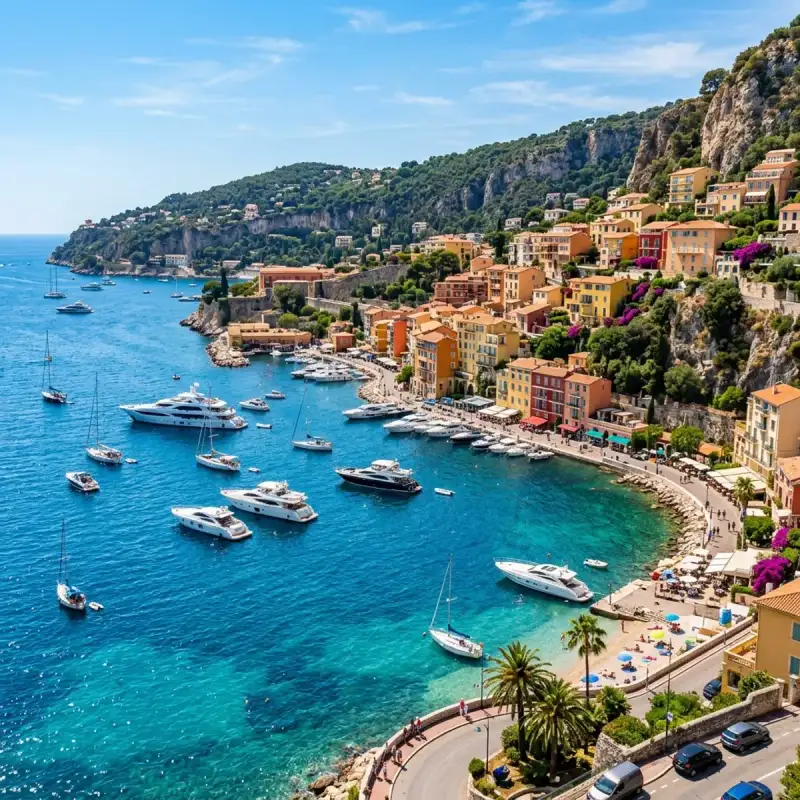
Bem-vindo! Prepare-se para uma #viagem inesquecível pelo coração de #Portugal. Olá, aventureiros e amantes de paisagens de tirar o fôlego! Sejam bem-vindos ao meu diário de bordo, onde hoje vos levo numa #viagem inesquecível a um dos tesouros mais cintilantes de #Portugal: a Ilha da Madeira, carinhosamente apelidada de "O Jardim Flutuante do Atlântico". Preparem-se para uma imersão profunda num paraíso que desafia a imaginação, onde a natureza exuberante e uma história rica se encontram para criar uma experiência verdadeiramente mágica. Desde o momento em que o avião começa a descer, e as suas asas rasgam o azul profundo do Atlântico, a Madeira revela-se como uma joia esmeralda, emergindo majestosa das ondas. É a ilha principal de um arquipélago que partilha o nome, um conjunto de terras vulcânicas que pontilham o vasto oceano, a sudoeste da costa portuguesa. Juntamente com a serena Porto Santo, as misteriosas Ilhas Desertas e as intocadas Ilhas Selvagens, forma a Região Autónoma da Madeira, uma parcela vibrante da #Europa, com a sua capital, a pitoresca cidade do Funchal, a pulsear na costa sul. Este pedaço de terra, com os seus 742,4 km², é um testemunho vivo da força primordial da natureza. De origem vulcânica, a ilha é uma tela de contrastes, onde uma flora deslumbrante – endémica, nativa e exótica – pinta as encostas e vales com todas as tonalidades de verde. O clima, um abraço mediterrânico nas zonas costeiras do sul, transforma-se num temperado revigorante à medida que se ascende às alturas, garantindo uma diversidade paisagística que cativa a alma. Não é de estranhar que a sua economia gire amplamente em torno do turismo, pois quem visita a Madeira raramente a esquece. Geografia: Onde a Magia Encontra o Oceano A Madeira não é apenas uma ilha; é um ponto de referência, um farol de beleza no vasto Oceano Atlântico. Faz parte da Macaronésia, uma região biogeográfica que reúne arquipélagos de beleza singular. O Funchal, o coração pulsante da ilha, é um centro urbano vibrante e um porto acolhedor, aninhado na costa sul (32°38'29.8"N – 16°54'45.6"W). A sua posição geográfica é fascinante: dista cerca de 685 km da costa africana (Cabo do Sem, Marrocos), 973 km da nossa Lisboa, 520 km da Gran Canaria e 891 km da ilha de Santa Maria, a vizinha mais próxima do arquipélago dos Açores. Estas distâncias sublinham o seu carácter insular, mas também a sua estratégica centralidade atlântica. Percorrer a Madeira é descobrir um mundo em miniatura. Com um comprimento máximo de 54 km de oeste a leste e uma largura máxima de 23 km de norte a sul, cada curva da estrada revela uma nova perspetiva, um novo horizonte, uma nova maravilha. É uma ilha compacta, mas infinitamente rica em experiências. Clima: Uma Sinfonia de Estações e Sensações O clima da Madeira é uma das suas maiores bênçãos, uma verdadeira dádiva da natureza que molda a sua paisagem e o seu ritmo de vida. Segundo a classificação climática de Köppen-Geiger, a ilha presenteia-nos com um mediterrânico de verão quente (Csa) nas suas quotas mais baixas, convidando a banhos de sol e mergulhos refrescantes. À medida que subimos, o ar torna-se mais fresco, transformando-se num mediterrânico de verão fresco (Csb), ideal para caminhadas e exploração. Mas a complexidade climática da Madeira não se fica por aqui. De acordo com a Classificação Bioclimática da Terra, a ilha é um mosaico de três bioclimas distintos: o Mediterrânico Xérico Oceânico, o Mediterrânico Pluviestacional Oceânico e o Temperado Hiperoceânico. Esta diversidade é a chave para a sua luxuriante vegetação e para a variedade de ecossistemas que podemos encontrar. As temperaturas médias anuais são um convite constante, mantendo-se agradavelmente acima dos 20 °C, acariciando a pele com um calor suave. E a água do mar? Um convite irrecusável! Oscila entre os 26 °C no verão, perfeitos para um mergulho prolongado, e uns convidativos 17 °C no inverno, que ainda permitem desfrutar da praia. Os ventos são como a respiração da ilha: de oeste a noroeste no inverno, trazendo consigo o ar fresco do oceano, e de nordeste no verão, os famosos alísios, que refrescam os dias quentes e impulsionam os barcos à vela. A precipitação anual é tão variada quanto a paisagem. No sudeste da ilha, onde o sol parece reinar quase sem interrupções, os valores rondam os 500 mm, contribuindo para um ambiente mais seco e árido. No entanto, nas encostas norte, a chuva é uma benção que alimenta a floresta, podendo ultrapassar os 2 000 mm anuais, criando um verde profundo e vibrante. Em contraste, as Ilhas Selvagens, que também integram este arquipélago, vivem sob um clima desértico, com precipitações que não chegam aos 200 mm anualmente, uma prova da incrível diversidade que se encontra nestas paragens atlânticas. E depois há o "tempo de leste", um fenómeno meteorológico que confere um toque exótico à ilha. É quando massas de ar quente, empoeirado e carregado de areias finas, provenientes do vasto deserto do Saara, viajam até à Madeira e às Canárias. Este ar traz consigo uma visibilidade reduzida e um aumento da poluição atmosférica, criando uma atmosfera quase onírica, com céus dourados e um ar denso, mais frequente nos meses de verão, mas capaz de nos surpreender em qualquer estação. É uma lembrança da proximidade da ilha com o continente africano e da sua posição única no Atlântico. Paisagens: A Obra-Prima da #Nature Preparem-se para um espetáculo visual que desafia qualquer descrição. A Madeira é uma ilha que se ergue orgulhosamente do oceano, esculpida pela força vulcânica e pela erosão dos ventos e das águas. É intensamente montanhosa, com picos que arranham o céu e vales profundos que se aninham entre eles, criando uma topografia dramática e inesquecível. A maior parte da costa, que se estende por cerca de 160 km, é adornada por falésias vertiginosas que mergulham abruptamente no azul do mar, oferecendo vistas panorâmicas de cortar a respiração. A altitude média da ilha é de 1 372 m, o que já dá uma ideia da sua imponência. Mas são os seus pontos mais elevados que verdadeiramente nos deixam sem palavras: o majestoso Pico Ruivo, que se eleva a 1 862 m, e o Pico das Torres, com 1 853 m, são os guardiões silenciosos desta terra, oferecendo vistas que se estendem até onde a vista alcança, sobre um mar de nuvens e montanhas. As praias de areia fina são uma raridade, conferindo à Madeira um encanto selvagem e intocado. Aqui, a beleza reside na força bruta da rocha, nos calhaus rolados pelo mar e nas piscinas naturais que se formam nas rostas. No extremo leste, a Ponta de São Lourenço desdobra-se num cabo alongado e relativamente pouco elevado, prolongando-se em dois ilhéus próximos, uma paisagem quase lunar que contrasta com o verde luxuriante do interior. É um local de beleza agreste, onde os ventos sopram e o mar bate com força, um convite à contemplação. Na costa sul, a oeste do Funchal, ergue-se o imponente Cabo Girão, uma das mais altas falésias do mundo. A sensação de estar suspenso sobre o oceano, com o vidro transparente do miradouro a revelar o abismo a centenas de metros abaixo, é uma experiência que nos faz sentir pequenos perante a grandiosidade da natureza. É um local imperdível, onde a audácia da engenharia humana se encontra com a magnificência geológica. E como falar da Madeira sem mencionar as suas famosas levadas? Esta rede intrincada de canais de irrigação, que serpenteia pelas montanhas e vales, é um testemunho da engenhosidade humana e um património de valor incalculável. Caminhar pelas levadas é mergulhar no coração da ilha, atravessando túneis escuros, ladeando precipícios e descobrindo cascatas escondidas, tudo isto enquanto se admira a beleza da paisagem. É uma forma única de apreciar a #architecture da paisagem e o trabalho de gerações. O coberto vegetal da ilha é, em grande parte, dominado pela floresta laurissilva, um tesouro ancestral classificado como Património da Humanidade pela UNESCO em 1999. Esta floresta, um relíquia do Terciário, é um santuário de biodiversidade, abrigando espécies endémicas que não se encontram em mais parte alguma do mundo. Mas a paisagem verde da Madeira não se limita à laurissilva; é enriquecida por plantas trazidas pelos colonos ao longo dos séculos, e por uma profusão de variedades tropicais cultivadas, como as doces bananas e os exóticos maracujás, que adicionam cor e sabor à ilha. O solo vulcânico, incrivelmente fértil (cerca de 3 vezes mais fértil que o de Portugal Continental!), aliado à humidade constante das montanhas, cria as condições perfeitas para o crescimento de uma vegetação exuberante, que nos faz sentir num verdadeiro jardim botânico a céu aberto. História: Ecos de Descobertas e Pioneir #portugal #travel #history #europe #cultura Related InsightsThe City of the Gods: Documenting Teotihuacan The Whispering Paths: Tracing Europe's Forgotten Salt Roads, From Alpine Mines to Adriatic Shores La Giralda: El Minarete de Sevilla{ "@context": "https://schema.org", "@type": "FAQPage", "mainEntity": [ { "@type": "Question", "name": "What is the main focus of Ilha da Madeira: O Jardim Flutuante do Atlântico?", "acceptedAnswer": { "@type": "Answer", "text": "Junte-se a Tiago Silva numa exploração profunda por Ilha da Madeira." } }, { "@type": "Question", "name": "Who authored the comprehensive guide on Ilha da Madeira: O Jardim Flutuante do Atlântico?", "acceptedAnswer": { "@type": "Answer", "text": "This detailed article and its insights were carefully researched and authored by Tiago Silva." } }, { "@type": "Question", "name": "Where can I find more related content about Travel?", "acceptedAnswer": { "@type": "Answer", "text": "You can explore more articles, detailed reviews, and similar insights by browsing the Related Insights section at the bottom of this article or visiting our dedicated Travel category page." } } ] }
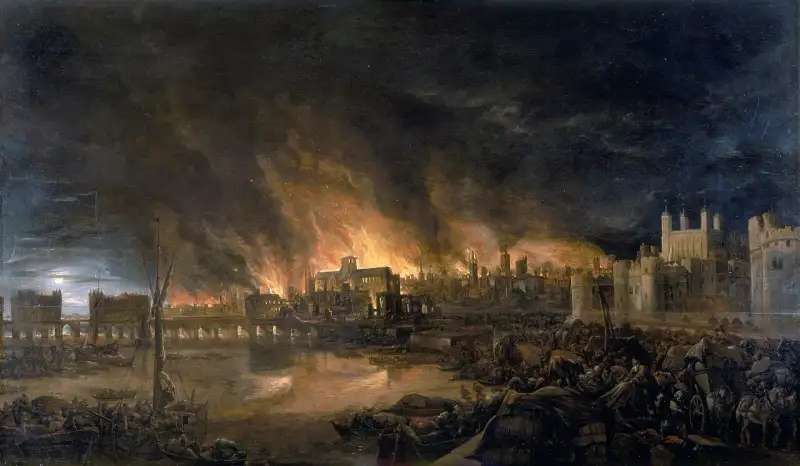

The Great Fire of London (1666): An Empire Reborn from Ashes The night of September 2, 1666, was unseasonably warm, the air thick with the dust of a long, dry summer. London, a sprawling medieval labyrinth of timber and pitch, slept under a starless sky. It was a city teetering on the precipice of ruin, though its denizens, nestled in their tightly packed beds, knew nothing of the impending doom. They were merchants and beggars, lords and cutpurses, all breathing the same stale air of a metropolis that had outgrown its ancient skin. This is the story of #London1666, a tale not just of destruction, but of the dramatic rebirth of an empire. As a historical author, I, Mark Dinn, have often wandered the modern streets of London, tracing the invisible scars left by that momentous event. To understand the Great Fire is to understand the very soul of the city—a soul forged in the crucible of a disaster so complete, it beggars belief. Let us travel back to that fateful night, stepping over the open sewers and winding our way down the narrow, claustrophobic alleys toward a modest bakery on Pudding Lane. #HistoricalFiction #MarkDinn #LondonHistory The Spark: A Baker's Oversight It began with a spark. Or perhaps an ember, overlooked in the weary exhaustion that follows a hard day's labor. Thomas Farriner, the King's baker on Pudding Lane, had drawn his ovens for the night. He was a man of some standing, providing hardtack and biscuits for the Royal Navy, a vital cog in the machinery of the burgeoning British Empire. Farriner claimed, to his dying day, that the ovens were properly extinguished. Yet, history tells a different, far more devastating tale. Sometime shortly after midnight, the latent heat found a stray bit of fuel. A piece of wood, a discarded rag, a pile of dry faggots stacked too close to the hearth. The first flames were tentative, licking at the dry timber of the bakery floor, tasting the ancient oak that formed the bones of Farriner's home. In the dead of night, the fire grew bold. It consumed the bakery with a ravenous hunger, the flames roaring up the wooden staircase, trapping Farriner, his daughter, and a maidservant on the upper floors. They escaped by clambering out of a high window, a desperate leap over the alleyway to a neighbor's roof. The maidservant, paralyzed by terror, refused to make the jump. She became the fire's first victim, a tragic footnote in the grand, terrifying ledger of the Great Fire. #PuddingLane #17thCentury The Tinderbox City To comprehend how a single bakery fire could consume a metropolis, we must understand the London of 1666. It was not the city of stone and concrete we know today. It was a medieval relic, a chaotic jumble of half-timbered houses, many of them jettisoned—meaning their upper stories leaned out over the streets, nearly touching the houses on the opposite side. Timber and Pitch: The primary building materials were oak and pitch, highly flammable substances that turned every home into a potential torch. A Drought of Biblical Proportions: The summer of 1666 had been exceptionally long and hot. A severe drought had baked the city bone-dry. The wooden frames of the houses were brittle, desperate for moisture. The Gale from the East: On the night of September 2, a strong, unyielding wind blew in from the east. It acted as a bellows, driving the flames forward with ferocious speed. Combustible Warehouses: The fire quickly reached Thames Street, a bustling thoroughfare lined with warehouses packed with the highly combustible lifeblood of the empire: tallow, oil, pitch, tar, hemp, and spirits.London was a tinderbox, waiting for a spark. And Thomas Farriner had unwittingly provided it. #AncientHistory #UrbanHistory The Inferno Awakens By Sunday morning, the fire had broken the bounds of Pudding Lane and was advancing toward the River Thames. The inhabitants of the area, accustomed to minor fires in the crowded city, initially viewed the blaze with mild concern. But as the sun rose, painting the sky a sickly, unnatural orange, the true scale of the disaster began to dawn on them. The flames hit the warehouses on Thames Street, and the fire transformed from a localized tragedy into an apocalyptic beast. Barrels of tar exploded like cannons. Rivers of burning oil flowed into the Thames, turning the water itself into a sheet of fire. The noise was deafening—a continuous, roaring bellow punctuated by the sharp crack of exploding timber and the terrified screams of the fleeing populace. I can imagine the scene: the frantic scrambling to salvage worldly possessions. Carts piled high with furniture, tapestries, and gold coins, rumbling over the cobblestones. The wealthy hired boats to carry their goods across the river to safety, driving the price of a short ferry ride to extortionate heights. The poor, with nothing but the clothes on their backs, fled on foot, a tide of desperate humanity pouring out of the city gates. #GreatFireOfLondon #HistoryNerd The Mayor's Folly In the face of such a crisis, leadership is paramount. Unfortunately for London, the Lord Mayor in 1666 was Sir Thomas Bloodworth, a man whose historical reputation is defined by a single, catastrophic failure of nerve. When Bloodworth was first roused from his bed and brought to view the fire early on Sunday morning, he was profoundly unimpressed. History has recorded his immortal, deeply regrettable words: "Pish! A woman might piss it out!" This breathtaking underestimation of the danger delayed the crucial early response. The traditional method of fighting fires in 1666 was to pull down houses in the path of the flames to create a firebreak. This required the Mayor's authority, but Bloodworth, fearing the cost of compensating the homeowners, hesitated. He wrung his hands while the city burned, his indecision costing London dearly. By the time he finally gave the order to pull down houses, it was too late. The fire had grown too large, too fast, easily leaping across the pathetic gaps created by the desperate citizens. #LeadershipFail #HistoricalFigures The King and the Duke: Royalty in the Ashes As Sunday bled into Monday, the fire became an uncontrollable monster, consuming everything in its path. The news reached Whitehall Palace, where King Charles II held court. Charles, the "Merry Monarch," was known for his hedonistic lifestyle, but in this moment of supreme crisis, he and his brother, James, Duke of York, stepped into the void left by Bloodworth's incompetence. King Charles realized that the city was in mortal peril. He bypassed the paralyzing bureaucracy of the city's government and put James in charge of the firefighting efforts. The Duke of York was a military man, and he approached the fire as he would a besieging army. He established command posts around the perimeter of the fire, drafting local men and soldiers into bucket chains and demolition crews. James rode up and down the lines, covered in soot, handing out gold coins to encourage the exhausted firefighters. The image of the royal princes, their faces blackened with ash, fighting side-by-side with common laborers, is one of the most enduring and dramatic tableaus of the Great Fire. #KingCharlesII #BritishMonarchy #RoyalHistory Desperation and Destruction: The Black Powder Solution Despite the heroic efforts of the Duke of York and his men, the fire continued its relentless march westward, driven by the howling eastern gale. It consumed the Royal Exchange, the financial heart of the empire. It swallowed the Guildhall, the center of civic governance. The heat was so intense that the lead roofs of the churches melted, pouring down the gargoyles and running through the streets in silvery, lethal streams. The conventional methods of pulling down houses with fire hooks were agonizingly slow and dangerously ineffective against the sheer ferocity of the blaze. Desperate times called for desperate measures. The King gave the order: bring in the gunpowder. The Navy was summoned, bringing barrels of black powder from the Tower of London. They began systematically blowing up houses in the path of the fire, creating massive, devastating firebreaks. The explosions shook the earth, adding to the apocalyptic atmosphere, but it was the only way to starve the beast of its fuel. The cost was immense, the destruction of property staggering, but the strategy slowly began to turn the tide. #NavalHistory #FirefightingHistory The Diarists: Pepys and Evelyn No account of the Great Fire would be complete without invoking the names of the two men who gave us our most vivid, visceral, and horrifyingly detailed accounts of the disaster: Samuel Pepys and John Evelyn. These two gentlemen, prominent figures in 17th-century London, recorded the unfolding apocalypse in their private diaries, providing future generations with an unparalleled window into the chaos. Samuel Pepys, a naval administrator and a man of insatiable curiosity, lived near the Tower of London. He was awoken early on Sunday morning by his maid, Jane, who told him of a fire in the city. Pepys initially dismissed it, but later that day, he took a boat on the Thames and witnessed the terrifying reality. His diary entries are masterpieces of journalistic observation. He noted the "pigeons... hovering about the windows and balconies till they some of them burned their wings, and fell down." He recorded the desperate panic of the citizens, the sky that looked "like the top of a burning oven," and the "most horrid, malicious, bloody flame." Pepys was instrumental in convincing the King of the severity of the situation, bypassing the useless Mayor Bloodworth and pleading for the use of soldiers and gunpowder. John Evelyn, a wealthy intellectual and horticulturist, viewed the fire with a more philosophical, though equally horrified, eye. He described the destruction as a divine judgment on a sinful city. Evelyn's account focuses on the agonizing loss of culture and architecture, particularly the burning of St. Paul's Cathedral. He wrote of the "dismal desert" the fire left behind, a post-apocalyptic landscape of smoking ruins where he could barely recognize the streets he had walked all his life. Through the eyes of Pepys and Evelyn, we don't just read about the fire; we smell the smoke, feel the blistering heat, and experience the profound psychological trauma of a city consuming itself. #SamuelPepys #JohnEvelyn #PrimarySources #HistoricalDocuments The Shadow of the Plague To fully grasp the psychological state of Londoners in 1666, one must remember the nightmare they had endured just the year before. In 1665, London was ravaged by the Great Plague, a devastating outbreak of the bubonic plague that killed an estimated 100,000 people—nearly a quarter of the city's population. The city was already a place of mourning, traumatized by the sight of death carts rumbling through the streets and the haunting cry of "Bring out your dead!" The air was thick with grief and the lingering fear of the pestilence. When the fire struck, many believed it was the final, apocalyptic stroke of a wrathful God, determined to wipe London from the face of the earth. However, historical hindsight offers a grim, fascinating irony. While the fire was a tragedy of property and displacement, it inadvertently acted as a brutal, necessary cleansing agent. The medieval slums, the rat-infested alleys, and the squalid, overcrowded tenements where the plague thrived were completely incinerated. The fire eradicated the breeding grounds of the disease. While outbreaks of plague occurred in England in subsequent years, London never again experienced a major epidemic on the scale of 1665. The Great Fire, in its merciless destruction, effectively sterilized the heart of the city, paving the way for a healthier, more sanitary metropolis. It is a chilling example of history's dark sense of balance, where salvation comes wrapped in the flames of devastation. #GreatPlague #MedicalHistory #UrbanSanitation The Treasure of the Thames: Spices, Silks, and Wine When the fire hit the warehouses along the Thames, it wasn't just burning timber and pitch; it was incinerating the wealth of the British Empire. London was a global trading hub, and the wharves were packed with exotic goods imported from the far corners of the globe. Imagine the sensory overload, the bizarre and tragic olfactory experience of the fire. As the warehouses burned, the air was filled not just with acrid smoke, but with the overpowering scent of burning spices—cinnamon, cloves, nutmeg, and pepper from the East Indies, violently roasted in the inferno. Bales of fine silk from Persia and India went up in vibrant, unnatural colored flames. Vast cellars filled with French wines and Spanish sherries boiled and exploded, the sweet alcohol feeding the fire and creating rivers of burning liquor that poured into the Thames, adding to the terrifying spectacle of a river on fire. The wealth of nations, the literal fruits of global exploration and exploitation, was reduced to fragrant, expensive ash in a matter of hours. The economic impact was staggering, bankrupting wealthy merchants overnight and crippling the city's trade for years to come. #GlobalTrade #EconomicHistory #SensoryHistory The Fall of St. Paul's Cathedral Of all the tragedies that unfolded during those infernal days, the destruction of St. Paul's Cathedral was perhaps the most culturally devastating. The old St. Paul's was a magnificent Gothic structure, the largest cathedral in England, dominating the London skyline. For centuries, it had stood as a symbol of faith and endurance. As the fire raged, the citizens of London believed the cathedral to be a safe haven. Its walls were thick, its plaza wide. Thousands of people brought their most valuable possessions—books, tapestries, gold—and stored them in the crypts of St. Paul's, trusting in the sanctity of the church to protect them. The booksellers of Paternoster Row, the center of London's publishing trade, moved their entire inventory into the cathedral's vaults. It was a fatal miscalculation. On Tuesday, September 4, the fire reached the cathedral. The wooden scaffolding erected for ongoing repairs caught alight. The flames climbed the tower, and soon, the immense lead roof began to melt. The molten lead poured down in a terrifying rain, destroying the pavement below. The fire penetrated the crypts, and the immense store of books and manuscripts became the ultimate fuel. The destruction was absolute. The ancient cathedral, the repository of centuries of knowledge and faith, burned with a ferocity that stunned the onlookers. Eyewitnesses reported that the stones of the cathedral exploded like grenades from the intense heat, and the ashes of the burned books were carried by the wind as far away as Eton and Windsor. The loss of St. Paul's was a psychological blow that struck at the very heart of the nation. #StPaulsCathedral #Architecture #GothicHistory The Aftermath: Refugees and Scapegoats By Wednesday, September 5, the eastern wind finally died down. The firebreaks created by the gunpowder explosions held. The Great Fire of London was, at last, defeated. But the victory was pyrrhic. The scale of the devastation was incomprehensible. Over 13,000 houses, 87 parish churches, the Royal Exchange, the Guildhall, and St. Paul's Cathedral were gone. An estimated 100,000 people—one-sixth of the city's population—were suddenly homeless, camped out in the fields of Moorfields and Islington, shivering in the autumn chill, their lives reduced to the ashes blowing in the wind. Remarkably, the official death toll recorded was incredibly low—traditionally stated as only six people. However, modern historians deeply suspect this number. The intense heat of the fire, reaching temperatures upwards of 1200 degrees Celsius, would have cremated many victims, leaving no remains to be recovered. Furthermore, the deaths of the poor and the marginalized were often unrecorded in the chaos of the time. The true human cost of the Great Fire remains a haunting mystery. #MysteryOfThePast #UntoldHistory The Search for a Villain In the bitter aftermath, a traumatized populace demanded answers. The people could not accept that such an apocalyptic event was the result of a simple baker's negligence. They needed a villain, a scapegoat to bear the weight of their profound loss. Suspicion immediately fell upon foreigners and Catholics. England was at war with France and the Netherlands, and anti-Catholic paranoia was a potent force in 17th-century London. Rumors spread like wildfire that the blaze was a deliberate act of arson, a Papist plot to destroy the Protestant capital. Mobs roamed the ruins, attacking anyone with a foreign accent. A tragic victim of this hysterical witch-hunt was Robert Hubert, a French watchmaker who was severely mentally impaired. Hubert confessed to starting the fire, claiming he had thrown a firebomb through the window of Farriner's bakery on behalf of the Pope. His confession was riddled with contradictions and impossibilities. It was later proven that Hubert had not even arrived in London until two days after the fire began. Yet, the authorities, desperate to appease the mob, accepted his false confession. Robert Hubert was hanged at Tyburn, a pathetic and innocent sacrifice to the city's grief and paranoia. His execution remains a dark stain on the history of the Great Fire, a stark reminder of the dangers of mob justice and the human need to find a culprit in the face of inexplicable tragedy. #JusticeDenied #HistoricalInjustice The Fire Court: Justice in the Ashes In the immediate aftermath of the fire, a massive legal crisis loomed. With thousands of properties destroyed, the complex web of leases, sub-leases, and freeholds threatened to stall the rebuilding effort indefinitely. Landlords demanded rent for houses that no longer existed; tenants, bankrupted by the disaster, refused to pay. The potential for endless litigation could have left London a ruined wasteland for decades. Recognizing this threat, Parliament established the "Fire Court" (officially the Court of Fire Judicature) in 1667. This was an extraordinary legal innovation. The court was composed of twenty-two senior judges who were granted unprecedented powers to hear cases, cut through legal red tape, and make binding, final decisions without the possibility of appeal. The Fire Court operated with remarkable efficiency and fairness. The judges sat in the ruins of Clifford's Inn, often working late into the night. They had the authority to cancel leases, extend terms, apportion costs between landlords and tenants, and order the rebuilding of properties. Their primary directive was to ensure that rebuilding happened as quickly as possible, overriding strict legal rights in favor of practical compromise and the public good. The records of the Fire Court remain a fascinating study in rapid crisis management and legal pragmatism. Without this remarkable institution, Wren's new city of stone might never have been built, trapped forever in the purgatory of 17th-century contract law. #LegalHistory #FireCourt #CrisisManagement Rebuilding an Empire: Wren's Vision The ashes of London were barely cool when the immense task of rebuilding began. King Charles II recognized the danger of a displaced, furious populace and acted swiftly to secure food and shelter for the refugees. He also saw an unprecedented opportunity. The fire had cleared the slate; it had wiped away the medieval squalor and presented the chance to build a modern, magnificent city worthy of the center of an expanding empire. The most famous architect of the age, Sir Christopher Wren, presented the King with a radical, visionary plan for a new London. Wren envisioned a city of wide, straight avenues, grand piazzas, and a sweeping embankment along the Thames, inspired by the classical grandeur of Paris and Rome. However, Wren's utopian vision clashed with the messy reality of property rights. The citizens of London, desperate to rebuild their homes and businesses, fiercely defended the original layout of their plots. Surveying the tangled web of ownership in the rubble proved impossible, and Wren's grand plan was eventually abandoned. Yet, the city that rose from the ashes was fundamentally transformed. #ChristopherWren #CityPlanning #Renaissance A New London of Stone The Rebuilding Act of 1667 laid down strict new regulations to ensure that a disaster of this magnitude could never happen again. The use of timber for the exteriors of buildings was banned. The new London was to be built of brick and stone. Streets were widened, overhanging jetties were outlawed, and access to the river was improved to allow for better firefighting in the future. The crowning achievement of the rebuilding effort was, of course, the new St. Paul's Cathedral. Designed by Christopher Wren, the new cathedral was a masterpiece of English Baroque architecture. Its magnificent dome, soaring above the city, became a symbol of London's resilience and rebirth. For over 300 years, Wren's St. Paul's dominated the skyline, surviving even the Blitz of the Second World War, a testament to the enduring spirit of the city. The fire also catalyzed significant social and economic changes. The loss of property led to the birth of the modern property insurance industry. In 1681, Nicholas Barbon established the first fire insurance company, the "Fire Office," and instituted the first organized fire brigades, complete with liveried firemen and rudimentary fire engines. The disaster had forced the city to modernize, dragging it out of the medieval era and into the modern age. #ArchitectureLover #LondonArchitecture #Baroque The Monument: Remembering the Inferno To commemorate the Great Fire and the subsequent rebuilding, a massive Doric column was erected near the site of Farriner's bakery on Pudding Lane. Designed by Christopher Wren and Robert Hooke, "The Monument" stands 202 feet tall—the exact distance from its base to the spot where the fire started. For centuries, the inscription on the Monument reflected the prejudices of the time, explicitly blaming "the treachery and malice of the Popish faction" for the fire. It wasn't until 1830, following the Catholic Emancipation Act, that these deeply offensive and historically inaccurate words were finally chiseled away. Today, you can climb the 311 spiral steps to the top of the Monument. From the viewing platform, you can look out over the modern city of London—a city of glass skyscrapers and concrete towers, a global financial hub that stands on the ashes of the old wooden city. It is a breathtaking view, a physical connection to a moment in history that forever altered the trajectory of the British Empire. #TheMonument #LondonViews #TravelHistory Modern Echoes: The Legacy of 1666 The Great Fire of London is not just a dusty historical anecdote; its echoes resonate powerfully in the modern world. It is a story about the fragility of urban life, the devastating consequences of negligence and poor leadership, and the remarkable capacity for human resilience and innovation in the wake of disaster. When we examine the Great Fire, we see the prototypes of modern emergency management. We see the birth of the insurance industry, the implementation of building codes, and the professionalization of firefighting. The disaster forced society to adapt and evolve, to create systems that protect us from the chaotic forces of nature. Furthermore, the Great Fire serves as a powerful reminder of the danger of scapegoating and misinformation during times of crisis. The tragic fate of Robert Hubert is a cautionary tale that remains fiercely relevant in our modern age of rapid information and digital mobs. When disaster strikes, the impulse to find an enemy, to blame the "other," is a deeply ingrained and dangerous human flaw. #LessonsFromHistory #ModernRelevance #SocietalChange The Enduring Spirit of London As a writer, I am endlessly fascinated by the dichotomy of destruction and creation. The Great Fire of London was a catastrophe of unimaginable proportions, a tragedy that destroyed lives, livelihoods, and centuries of history. Yet, from that infernal crucible emerged a cleaner, safer, and ultimately more magnificent city. The story of 1666 is the story of an empire reborn from ashes. It is a testament to the indomitable spirit of Londoners, a people who, faced with the complete annihilation of their world, simply picked up the pieces, cleared the rubble, and began to build anew. The next time you walk the streets of the City of London, past the gleaming towers of finance and the historic stone facades, pause for a moment. Remember the heat, the smoke, and the terror of that fateful September. Remember Thomas Farriner's bakery, the cowardice of Mayor Bloodworth, the heroism of the Duke of York, and the tragic scapegoat Robert Hubert. And marvel at the city that refused to die, the city that rose, phoenix-like, from the ashes of its own destruction to shape the course of history. The fire may have burned the wood and melted the lead, but it could not extinguish the soul of London. It merely forged it into something stronger, something enduring, something magnificent. This has been Mark Dinn. Until our next journey into the shadows of history, keep the embers of the past alive in your minds, for they light the path to our future. #HistoricalWriter #Storytelling #LondonLife #HistoryIsAlive Related InsightsEchoes from the Ash: The Rise, Fall, and Resurrection of Pompeii The Enigma of Stonehenge: Druids and Giant Stones in Ancient Britain The Edge of Empire: A Journey Along Hadrian's Wall{ "@context": "https://schema.org", "@type": "FAQPage", "mainEntity": [ { "@type": "Question", "name": "What is the main focus of The Great Fire of London (1666): An Empire Reborn from Ashes?", "acceptedAnswer": { "@type": "Answer", "text": "A dramatic deep dive into The Great Fire of London (1666): An Empire Reborn from Ashes. Mark Dinn explores the untold history, drama, and legacy of this fascinating subject." } }, { "@type": "Question", "name": "Who authored the comprehensive guide on The Great Fire of London (1666): An Empire Reborn from Ashes?", "acceptedAnswer": { "@type": "Answer", "text": "This detailed article and its insights were carefully researched and authored by Mark Dinn." } }, { "@type": "Question", "name": "Where can I find more related content about History?", "acceptedAnswer": { "@type": "Answer", "text": "You can explore more articles, detailed reviews, and similar insights by browsing the Related Insights section at the bottom of this article or visiting our dedicated History category page." } } ] }


Türk ve Dünya klasiklerinin derinliklerine daldığım incelemelerime bugün Harper Lee'nın ölümsüz eseri Bülbülü Öldürmek ile devam ediyoruz. Edebiyat dünyasının kilometre taşlarından biri olan bu kitap, satır aralarında keşfedilmeyi bekleyen bir okyanus gibi. Kitap Hakkında Genel Görüşler ve Eleştiriler 1930'ların Amerika'sında ırkçılık ve önyargıyı küçük bir kızın masum gözlerinden anlatan, vicdanı titreten bir sivil haklar romanı. Karakter Çözümlemeleri Atticus Finch'in sarsılmaz ahlakı ve Scout'un büyüme sancıları, edebiyat tarihindeki en ilham verici karakter yolculuklarındandır. Yazar Hakkında Fikirler Lee, böylesine ağır ve karanlık bir toplumsal yarayı son derece mizahi, sıcak ve insancıl bir dille aktarmayı başarmış. Sevilen ve Sevilmeyen Yönler Adalet vurgusu muazzam ancak hikayenin başlarındaki çocukça oyunlar, asıl mahkeme dramasına geçişi biraz geciktiriyor. Kitabın Ana Fikri ve Mesajı Bir insanı gerçekten anlamak için meselelere onun bakış açısından, onun derisinin içinden bakmak gerektiğidir. #ırkçılık #adalet #büyüme #kitap #edebiyat #aylinokur #kitapincelemesi #okumak Related Insightsİlahi Komedi Kitap İncelemesi: Aylin Okur Kırmızı Pazartesi Kitap İncelemesi: Aylin Okur Martı Kitap İncelemesi: Aylin Okur{ "@context": "https://schema.org", "@type": "FAQPage", "mainEntity": [ { "@type": "Question", "name": "What is the main focus of Bülbülü Öldürmek Kitap İncelemesi: Aylin Okur?", "acceptedAnswer": { "@type": "Answer", "text": "Harper Lee tarafından yazılan Bülbülü Öldürmek eserinin derinlemesine incelenmesi, karakter analizleri ve ana fikri." } }, { "@type": "Question", "name": "Who authored the comprehensive guide on Bülbülü Öldürmek Kitap İncelemesi: Aylin Okur?", "acceptedAnswer": { "@type": "Answer", "text": "This detailed article and its insights were carefully researched and authored by Aylin Okur." } }, { "@type": "Question", "name": "Where can I find more related content about Dünya Klasikleri?", "acceptedAnswer": { "@type": "Answer", "text": "You can explore more articles, detailed reviews, and similar insights by browsing the Related Insights section at the bottom of this article or visiting our dedicated Dünya Klasikleri category page." } } ] }

Türk ve Dünya klasiklerinin derinliklerine daldığım incelemelerime bugün John Steinbeck'nın ölümsüz eseri Fareler ve İnsanlar ile devam ediyoruz. Edebiyat dünyasının kilometre taşlarından biri olan bu kitap, satır aralarında keşfedilmeyi bekleyen bir okyanus gibi. Kitap Hakkında Genel Görüşler ve Eleştiriler Büyük Buhran döneminde bir çiftlik hayali kuran iki mevsimlik işçinin, ekonomik çaresizlik içindeki trajik arkadaşlık hikayesi. Karakter Çözümlemeleri Lennie'nin kontrolsüz gücü ve çocuksu saflığı ile George'un çaresiz korumacılığı, hayatta kalma mücadelesinin en net resmidir. Yazar Hakkında Fikirler Steinbeck'in karakterlerin diyaloglarına yansıttığı gerçekçilik ve doğallık, yoksulluğun fotoğrafını kelimelerle çekmesi gibidir. Sevilen ve Sevilmeyen Yönler Kısacık hacmine rağmen muazzam bir duygusal etki bırakıyor, ancak sonunun getirdiği çaresizlik hissi günlerce okurun peşini bırakmıyor. Kitabın Ana Fikri ve Mesajı İnsanın kurduğu en masum hayallerin bile, acımasız dünya gerçekleri karşısında bir anda tuzla buz olabileceğidir. #dram #arkadaşlık #amerikanedebiyatı #kitap #edebiyat #aylinokur #kitapincelemesi #okumak Related InsightsKaramazov Kardeşler Kitap İncelemesi: Aylin Okur Anna Karenina Kitap İncelemesi: Aylin Okur İlahi Komedi Kitap İncelemesi: Aylin Okur{ "@context": "https://schema.org", "@type": "FAQPage", "mainEntity": [ { "@type": "Question", "name": "What is the main focus of Fareler ve İnsanlar Kitap İncelemesi: Aylin Okur?", "acceptedAnswer": { "@type": "Answer", "text": "John Steinbeck tarafından yazılan Fareler ve İnsanlar eserinin derinlemesine incelenmesi, karakter analizleri ve ana fikri." } }, { "@type": "Question", "name": "Who authored the comprehensive guide on Fareler ve İnsanlar Kitap İncelemesi: Aylin Okur?", "acceptedAnswer": { "@type": "Answer", "text": "This detailed article and its insights were carefully researched and authored by Aylin Okur." } }, { "@type": "Question", "name": "Where can I find more related content about Dünya Klasikleri?", "acceptedAnswer": { "@type": "Answer", "text": "You can explore more articles, detailed reviews, and similar insights by browsing the Related Insights section at the bottom of this article or visiting our dedicated Dünya Klasikleri category page." } } ] }


Yellowstone: The Fiery Heart of the American West Stepping into Yellowstone National Park is like walking onto the surface of a beautifully restless, breathing planet. The earth here literally steams, bubbles, and erupts, offering a raw and visceral connection to the geologic forces that shaped our world. Established in 1872 as the world’s first national park and later designated a UNESCO World Heritage site, Yellowstone is a sprawling wilderness of dramatic canyons, alpine rivers, lush forests, and unparalleled geothermal activity. #WorldHeritage #Yellowstone Covering nearly 9,000 square kilometers primarily in Wyoming, but spilling into Montana and Idaho, Yellowstone sits atop a massive, dormant volcano. This fiery heart powers the park's most famous features and creates an ecosystem unlike any other on Earth. #NationalParks #Geology A Geothermal Wonderland Yellowstone contains over half of the world's active geysers, alongside thousands of hot springs, mudpots, and fumaroles. My documentary journey began at the Upper Geyser Basin, home to the iconic Old Faithful. Watching this natural fountain erupt, sending a towering column of scalding water and steam into the crisp mountain air, is a mesmerizing display of subterranean power. #OldFaithful #Geysers Yet, it was the Grand Prismatic Spring that truly captured my imagination. As I hiked up to a vantage point overlooking the Midway Geyser Basin, the sheer scale and vibrancy of the spring came into view. It is the largest hot spring in the United States, framed by striking bands of brilliant orange, yellow, and green. These vivid colors are not chemical dyes, but thermophile bacteria—microorganisms that thrive in extreme heat. Looking into its deep, azure center is like gazing into a massive, psychedelic eye peering out from the Earth's crust. #GrandPrismatic #NaturePhotography The Serengeti of North America Beyond the geothermal features, Yellowstone is often referred to as the "Serengeti of North America" due to its incredible concentration of megafauna. The park is the only place in the United States where bison have lived continuously since prehistoric times. Seeing a herd of these massive, shaggy beasts lumbering through the Lamar Valley, especially during the harsh, snow-swept winters, is a powerful reminder of the resilience of wildlife. #Bison #WildlifeDocumentary The park is also a critical stronghold for grizzly bears, elk, moose, and the famously reintroduced gray wolves. I spent several freezing mornings huddled behind a spotting scope with dedicated wolf watchers, hoping for a glimpse of the Junction Butte pack. When a lone black wolf finally trotted across a distant ridge, the silence of the valley was punctuated by the collective, breathless awe of those watching. The successful reintroduction of wolves in 1995 fundamentally changed the park's ecology, a textbook example of how vital apex predators are to a balanced ecosystem. #Wolves #EcologicalRestoration The Looming Shadow of Climate Change However, this rugged wilderness is not immune to the creeping impacts of global climate change. As a filmmaker focused on environmental heritage, I could not ignore the subtle but profound shifts occurring within the park's boundaries. #ClimateCrisis #EnvironmentalAwareness Temperatures in the Greater Yellowstone Ecosystem are rising significantly faster than the global average. This leads to shorter winters, reduced snowpack, and earlier spring melts. The consequences are far-reaching. Reduced water flow in rivers stresses native trout populations, while hotter, drier summers dramatically increase the frequency and intensity of wildfires. During my visit, the scars of past mega-fires were evident across the landscape—stark, silver ghost forests standing amidst new green growth. While fire is a natural and necessary part of the lodgepole pine ecosystem, the changing climate threatens to alter the fire regime to a point where the forests cannot recover, permanently transforming the landscape. #Wildfires #ClimateAction The Challenge of Coexistence Managing Yellowstone today requires navigating a complex web of ecological, political, and social challenges. The park is an island of protected land surrounded by a growing human footprint. As wildlife migrates outside the park boundaries in search of winter forage, conflicts with ranchers and landowners inevitably arise, particularly concerning bison and wolves. Finding a sustainable path forward requires delicate diplomacy and a commitment to coexistence. It involves creating wildlife corridors, compensating ranchers for livestock losses, and fostering a broader understanding of the ecosystem's value beyond the park's arbitrary borders. #Conservation #HumanWildlifeConflict Preserving the Wild Heart Yellowstone is a place of profound contradictions—it is a serene wilderness powered by violent geological forces, a protected sanctuary struggling against global environmental shifts. It reminds us that nature is not static, but dynamic, resilient, and deeply interconnected. As I packed my camera gear after a final, breathtaking sunset over Yellowstone Lake, I reflected on the legacy of this remarkable place. It was the birthplace of the national park idea, a radical concept that wild places have intrinsic value and are worth preserving for future generations. Today, that idea is more critical than ever. By addressing the root causes of climate change and supporting holistic conservation efforts, we can ensure that the fiery heart of the American West continues to beat strong. #ProtectOurParks #DocumentaryStorytelling #unesco #documentary #nationalpark #wildlife #geothermal Related InsightsWo die Zeit stillsteht: Madagaskars vergessene Pfade zwischen Lemurenrufen und kolonialen Schatten A Morning in Cappadocia 'Australiens verborgene Schätze: Wie der Tourismus das Land neu erfindet'{ "@context": "https://schema.org", "@type": "FAQPage", "mainEntity": [ { "@type": "Question", "name": "What is the main focus of Yellowstone: The Fiery Heart of the American West?", "acceptedAnswer": { "@type": "Answer", "text": "Exploring the geothermal wonders, diverse wildlife, and modern conservation challenges of America's first national park." } }, { "@type": "Question", "name": "Who authored the comprehensive guide on Yellowstone: The Fiery Heart of the American West?", "acceptedAnswer": { "@type": "Answer", "text": "This detailed article and its insights were carefully researched and authored by Sarah Mitchell." } }, { "@type": "Question", "name": "Where can I find more related content about Travel?", "acceptedAnswer": { "@type": "Answer", "text": "You can explore more articles, detailed reviews, and similar insights by browsing the Related Insights section at the bottom of this article or visiting our dedicated Travel category page." } } ] }
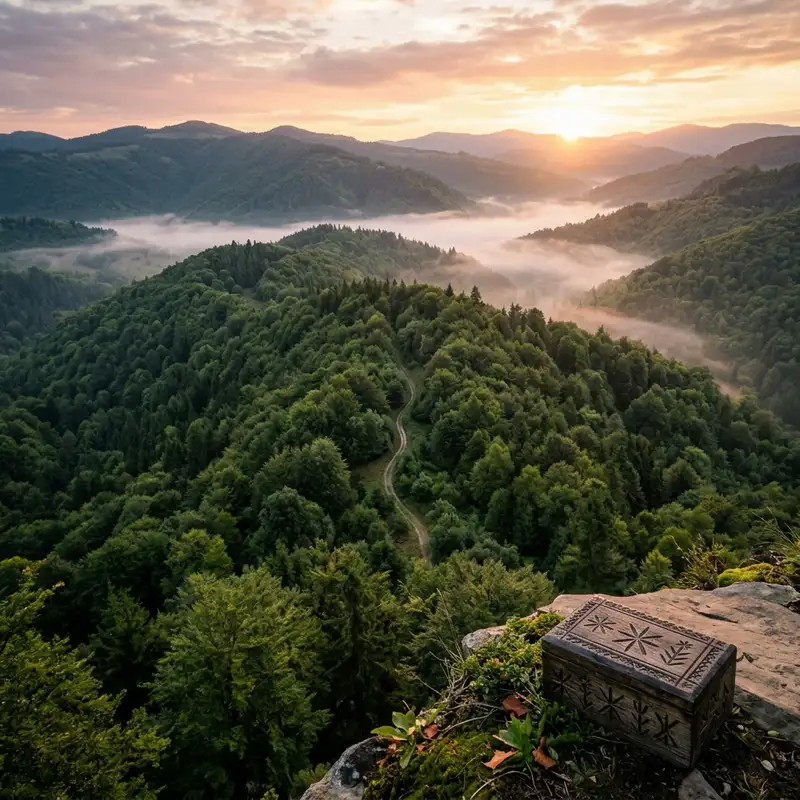
-
 John Explorer
 - 04 Jun, 2026 22:15
The Whispers of the White Gold: Tracing the Carpathian Salt Scribes of Maramureș
The small, unassuming wooden box lay nestled amongst tarnished silver and forgotten porcelain in a dimly lit antique stall in Vienna. Its dark, aged timber felt smooth under my fingertips, its surface incised with patterns that seemed more rune than decoration. Inside, not jewels, but an array of oddly shaped salt crystals, each one distinct, like miniature sculptures carved by the wind and the sea, yet clearly bearing the mark of a human hand. Beneath them, a scrap of brittle parchment, its faded ink outlining a single, repeated phrase in a language I vaguely recognized as an #ancient dialect of Romanian: "Sarea Vorbește. Scribes of the White Gold." The Salt Speaks. This wasn't a casual find; it was a siren call, a fractured whisper from a past deeply intertwined with one of humanity's most primal treasures. Salt. More than just a condiment, it was once currency, preservative, spiritual cleanser, and the very foundation of empires. But "Scribes of the White Gold"? The term ignited a spark of intense curiosity that quickly consumed my travel-worn soul. My life as John Explorer has led me down countless forgotten paths, but this phrase, this box, pointed towards an enigma far more profound than mere trade routes or abandoned mines. It hinted at a secret society, a lineage of keepers whose purpose was to listen to the Earth's crystalline heart. My compass, metaphorically speaking, swiveled wildly, pointing not to a known landmark, but to a vast, green emptiness on the map: the rugged, heavily forested folds of the Carpathian Mountains, specifically the remote Maramureș region, straddling the modern-day border of Romania and Ukraine. This was where the salt spoke, and where, I was determined, I would learn its language. The Unseen Map: From Cryptic Inscription to Carpathian Foothills My initial delve into #history books and online archives proved frustratingly sparse. "Salt Scribes" yielded no immediate results. The vast libraries offered ample information on the historical importance of salt in Eastern Europe, the Roman and Daco-Roman salt mines, the infamous "salt roads" that crisscrossed the continent, and the economic power wielded by those who controlled its flow. But the specific cultural lineage, the mystical connotation of "scribes" dedicated to it, remained elusive. It felt like searching for a specific constellation when only the milky way was visible. It was only through a deep dive into obscure ethnographical journals from the early 20th century, dusty academic papers published by forgotten Romanian folklorists, and ultimately, a hand-drawn map tucked into a digitized collection of Carpathian regional studies, that the contours of my quest began to sharpen. The map, depicting a section of the Northern Carpathians, showed not just towns and rivers, but faint, dotted lines labeled "Drumul Sarii Vechi" – the Old Salt Road – alongside curious symbols that resembled the carvings on my wooden box. One particular section, snaking through an especially isolated valley near the Ukrainian border, was marked with a symbol that looked uncannily like a stylized salt crystal, accompanied by the archaic phrase: "Locul Undes Sarea Povestește" – The Place Where the Salt Tells Stories. The Maramureș region is already a land steeped in legend, famed for its towering wooden churches, elaborately carved gates, and a way of life that feels profoundly untouched by modernity. But my quest wasn't for its well-trodden cultural gems. It was for something deeper, something interwoven into the very bedrock of its existence, beneath the soil, within the veins of "white gold" that had shaped its destiny for millennia. I packed my worn hiking boots, a sturdy camera, and a notebook already filled with more questions than answers, the weight of the salt box in my backpack a constant, resonant reminder of my purpose. Beyond the Wooden Churches: A Descent into Maramureș's Crystalline Heart The #journey into Maramureș is a passage into another temporal dimension. The paved roads eventually give way to gravel, then to ancient tracks barely wide enough for my rented 4x4. The air shifts, growing crisp with the scent of pine and damp earth. Wooden houses, dark with age and adorned with intricate carvings, dot the landscape, their smoke curling lazily into the vast sky. Farmers in traditional garb still work fields with horses, and the rhythm of life slows to a pulse dictated by the sun and seasons. My first few days were spent in the larger (relatively speaking) villages, trying to subtly inquire about "salt stories" or "scribes." I met with suspicion, polite bewilderment, and sometimes, a hint of superstitious discomfort. The phrase "Sarea Vorbește" was occasionally recognized, but usually dismissed as an old wives' tale, a metaphor for the preciousness of salt. It became clear that if the Salt Scribes existed, their legacy was either long forgotten or guarded with an intensity that bordered on secrecy. Then, by pure chance, in a remote hamlet named Bârsana, known for its stunning monastery, I stumbled upon a small, ramshackle museum dedicated to local crafts. Among faded textiles and rudimentary farming tools, I saw it: a similar wooden box, albeit larger and more ornate, with identical carved symbols. An elderly woman, the museum's curator and likely its only regular visitor, sat knitting in a corner. Her name was Doamna Elena. I showed her my box, and her eyes, initially clouded with age, sharpened with a glimmer of recognition. She didn't speak English, and my Romanian, while functional, was strained by the dialect. But with a blend of gestures and broken phrases, a story began to unfold. Doamna Elena explained that the symbols were indeed "semne de sare" – salt signs. She spoke of her grandmother, who had told tales of "oameni ai sării" – people of the salt – who didn't just mine it, but "understood" it. They were said to possess a unique connection to the earth, able to discern the "mood" of the salt veins, predict collapses, and even read prophecies in the patterns of crystalline formations. They were guardians, healers, and, yes, scribes – not of paper, but of wood, stone, and the very salt itself. She called them Sararii, a term that felt ancient and sacred. These weren't miners in the modern sense; they were custodians of a profound, almost spiritual heritage. The Deep Vein: Salt's Ancient Grip on the Carpathians The history of salt in the Carpathian Basin is a saga of power, survival, and deep cultural reverence. For millennia, before currency was standardized, blocks of salt were literally "white gold," traded across vast distances. The Romans exploited the rich salt deposits of Dacia, their legions securing the mines not just for sustenance but as a strategic resource. Later, medieval Hungarian and later Austro-Hungarian empires fiercely controlled the Maramureș salt mines, understanding their immense economic and military value. Whole towns sprang up around salt operations, and specific routes, like the "Drumul Sarii," were meticulously maintained, guarded, and taxed. But beyond the economic and political, there was always a spiritual dimension. Salt was a powerful protector against evil, used in blessings, funeral rites, and agricultural fertility rituals. It symbolized purity and permanence. It was said to draw out illness, ward off curses, and bind agreements. Doamna Elena, through her halting stories and the translation of a helpful young student, spoke of "blesteme de sare" – salt curses. These weren't malevolent spells, but rather ancient vows or warnings etched into salt crystals and hidden within the mines, meant to protect the veins from greed and over-extraction. Only the Sararii, with their understanding of the salt's language, could interpret and, if necessary, appease them. The Sararii, she explained, were a closed community, a guild whose knowledge was passed down through generations. They weren't just skilled craftsmen; they were observers of the land, interpreters of natural signs, and creators of a unique symbolic language expressed through carved wood, stone, and solidified salt. Their "writing" wasn't alphabetic, but glyphic, abstract representations of natural forces, cosmic events, and the internal structure of the salt itself. They were responsible for maintaining the balance between human need and the earth's bounty, ensuring the "salt spirit" was respected. With the advent of industrial mining in the 19th and 20th centuries, their role diminished, their secrets pushed into the shadows, deemed superstitious relics by the march of progress. The Fading Trail: In Search of the "Salt Sanctuary" Doamna Elena pointed me towards a deeply isolated valley, higher in the mountains, almost at the border, where she believed the last vestiges of the Sararii might still cling to existence. "There are old paths," she said, tapping the faded map I carried, "paths only they know. And a place, deep in the earth, where the salt still sings." Armed with her cryptic directions and the ancient map, I embarked on the final, most challenging leg of my journey. The "Drumul Sarii Vechi" here was no more than a deer trail, overgrown and barely discernible. It wound through ancient beech forests, across rushing mountain streams, and along precipitous slopes. The silence was profound, broken only by the rustling leaves, the distant cry of a hawk, and the rhythmic crunch of my boots. I found faint markers on old trees, sometimes a curious notch, other times a small, weathered wooden carving that echoed the symbols on my box. These were the Sararii's wayfinders, invisible to the uninitiated. After several days of arduous trekking, guided by these subtle cues and the magnetic pull of the unknown, I reached a narrow gorge. The air grew cooler, carrying a distinct mineral tang. A small, almost invisible path veered off into a cleft in the rock face, leading downwards into the earth. This wasn't a mine entrance, but something more natural, a deep fissure widened by ancient water flow and, perhaps, human hands. The darkness inside was absolute, broken only by the beam of my headlamp. The walls were wet, glistening with crystalline deposits, and the air was thick with the scent of raw earth and salt. It was here, in the heart of the mountain, that I found it. Not a grand #temple, but a series of interconnected chambers, their walls smoothed and shaped not by explosion or pickaxe, but by careful, patient carving. And everywhere, the salt. Not uniform white, but streaked with ochre, grey, and subtle pinks, glowing faintly in my light. The very rock seemed to breathe. On a particularly smooth section of a wall, I saw them: the glyphs. Etched directly into the salt and stone, these weren't simple marks, but intricate, almost fluid patterns. Spirals, interlocking geometric shapes, stylized representations of sun, moon, and water, all intertwined with variations of the salt crystal symbol I knew so well. This was The Place Where the Salt Tells Stories. This was a Salt Sanctuary.The silence in the sanctuary was unlike any I had ever experienced. It wasn't just an absence of sound, but a profound stillness that seemed to absorb all external noise, leaving only the faint, internal hum of the earth itself. It was a space designed for contemplation, for deep listening. The glyphs weren't static images; they felt alive, imbued with centuries of intent and reverence. I spent hours there, tracing their forms with my fingers, feeling the cool, rough texture of the salt, trying to decipher their silent language. They spoke of the cycle of seasons, the flow of underground rivers, the unseen energies that governed the world. They were prayers, historical records, and warnings, all encapsulated in crystalline form. As I was about to leave, my light caught a small, almost hidden alcove. Inside, arranged meticulously, were several carved wooden implements, small chisels, brushes made of animal hair, and a shallow stone basin filled with salt crystals of various sizes and hues. And nestled amongst them, a small, worn leather-bound book. Its pages were filled not with text, but with precise drawings of the glyphs, accompanied by detailed, hand-written annotations in archaic Romanian, painstakingly explaining their meanings and uses. It was a Sararii’s ledger, a codex of "white gold." It confirmed everything: the Sararii were real, and this was their legacy. The Living Echo: A Glimpse of the Last Keeper Emerging from the sanctuary, blinking in the late afternoon sun, I felt a deep sense of accomplishment, yet also a bittersweet melancholy. Had I merely documented a ghost, a lost art preserved only in stone and parchment? The answer came, quietly, unexpectedly, at a small, isolated cabin I passed on my descent. Smoke curled from its chimney, and the faint sound of rhythmic tapping emanated from within. Hesitantly, I approached. An old man, his face a roadmap of mountain winds and sun, sat hunched over a workbench, meticulously carving a piece of wood. Next to him, a block of rock salt, and several tools identical to those I had found in the sanctuary. He wore a simple, homespun tunic, and his hands, though gnarled with age, moved with a surprising dexterity and precision. He looked up as I approached, his eyes, the colour of deep mountain lakes, holding a knowing calm. His name was Ion. He was, he explained slowly, in a resonant, gravelly voice, a descendant of the Sararii. The last one, he believed. His family had tended the sanctuary for generations, keeping the traditions alive, though in ever-diminishing ways. He spoke of the salt not as a commodity, but as a living entity, a conduit to the earth's memory. He showed me how he crafted the wooden boxes, each one designed to hold specific salt crystals imbued with different properties – for healing, for protection, for foresight. He demonstrated the art of "reading" the internal structures of salt crystals, pointing out minute fissures and colorations that, to him, told stories of geological epochs and unseen energies. He even etched a small, delicate glyph onto a piece of polished salt for me, a symbol of journey and discovery, a silent blessing for my path. His craft wasn't just about carving; it was about connecting. He spoke of listening to the mountains, feeling the subtle shifts in the earth, and understanding the rhythm of the salt veins. His voice carried the weight of generations, a quiet strength that transcended language barriers. The Sararii, he clarified, were not just scribes of salt, but scribes to salt, dedicated to translating its ancient wisdom for humanity, to ensure balance was maintained. Their decline was not just the loss of a craft, but the silencing of a vital dialogue between humanity and the earth. The Legacy of the White Gold Leaving Ion and the quiet majesty of the Maramureș mountains, I carried more than just my photographs and notes. I carried a profound sense of privilege, a connection to a deeply hidden stratum of human #culture. The Sararii of Maramureș are more than a historical footnote; they represent a philosophy, a way of understanding our relationship with the natural world that has largely been forgotten in our rush towards modernity. They are a testament to the fact that true wealth often lies not in what we extract, but in what we understand and respect. Their story is a potent reminder of the myriad unseen layers that underpin seemingly familiar landscapes. Beneath the iconic wooden churches and vibrant folk traditions of Maramureș lies this crystalline heart, beating with the echoes of ancient scribes who listened to the earth and carved its whispers into white gold. The journey was arduous, the discoveries profound, and the encounter with Ion, the last Sararii, a humbling testament to the enduring power of human tradition. As John Explorer, my mission has always been to uncover the stories that the world often overlooks. And in the forgotten valleys of the Carpathians, I found one of the most resonant. The salt, indeed, still speaks, if only we learn how to listen. #CarpathianHiddenGems #MaramuresTraditions #SaltScribesHistory #LostCultureRomania #AncientSaltTrails Related InsightsThe Echoes of Thirst: Unearthing the Ancient Hymns of Kenya's Singing Wells Ein Tag in München Mount Chimaera Eternal Flames{ "@context": "https://schema.org", "@type": "FAQPage", "mainEntity": [ { "@type": "Question", "name": "What is the main focus of The Whispers of the White Gold: Tracing the Carpathian Salt Scribes of Maramureș?", "acceptedAnswer": { "@type": "Answer", "text": "Beyond the famed wooden churches, deep in the forgotten valleys of Maramureș, lies a clandestine history etched in salt – the story of the 'Salt Scribes,' an ancient guild preserving traditions whispered only in mountain mists." } }, { "@type": "Question", "name": "Who authored the comprehensive guide on The Whispers of the White Gold: Tracing the Carpathian Salt Scribes of Maramureș?", "acceptedAnswer": { "@type": "Answer", "text": "This detailed article and its insights were carefully researched and authored by John Explorer." } }, { "@type": "Question", "name": "Where can I find more related content about Travel?", "acceptedAnswer": { "@type": "Answer", "text": "You can explore more articles, detailed reviews, and similar insights by browsing the Related Insights section at the bottom of this article or visiting our dedicated Travel category page." } } ] }

Us Against You Author: Fredrik BackmanPage Count: UnknownPublication Year: 2018-GB Fredrik Backman’s Us Against You is not just a novel—it’s an emotional earthquake disguised as a story. A sequel to Beartown, this book redefines what it means to belong, to fight, and to heal. It’s a tale of community versus isolation, of loyalty versus betrayal, and above all, the unbreakable bonds that form when a town’s identity is under siege. Backman, the Swedish master of small-town drama, once again proves that he doesn’t just write characters—he crafts souls. Set in the fictional, hockey-obsessed town of Beartown, Us Against You thrusts readers back into a world where the ice rink is both sanctuary and battleground. The story unfolds after the devastation of the previous book, where a violent incident fractured the community to its core. Now, the town is fighting to survive—not just economically, but emotionally. The local hockey club, once a beacon of hope, is in shambles. Sponsors have pulled out. Fans are divided. And the players, many of whom are teenagers, are caught in the crossfire of adult decisions, their dreams and identities hanging by a thread. At its heart, Us Against You explores the idea of “us versus them”—a theme that resonates deeply in today’s polarized world. But Backman doesn’t simplify the conflict into hero versus villain. Instead, he dissects the nuances of belonging. Who gets to decide what it means to be part of a community? Who is included, and who is left out? The book forces us to confront uncomfortable questions: Is loyalty a choice or an obligation? Can forgiveness exist without justice? And what happens when the people you trust the most are the ones who failed you? Backman’s genius lies in his ability to write about large-scale social tensions through the lens of personal, intimate struggles. His characters are not archetypes; they are deeply flawed, deeply human beings. There’s Maya, the teenage girl who carries the weight of her father’s sins and her own trauma, struggling to find her voice in a world that wants her silent. There’s Amat, the hockey prodigy whose talent is both his escape and his prison. And there’s Peter Andersson, the former hockey star turned reluctant leader, who must choose between saving the town he loves or burning it all down to save himself. The prose is deceptively simple, yet every word feels deliberate. Backman has a rare talent for blending humor with heartbreak, making even the darkest moments feel bearable—sometimes even funny. His dialogue crackles with authenticity, whether it’s a group of teenagers bantering in the locker room or a town meeting devolving into chaos. He writes about hockey not just as a sport, but as a metaphor for life: brutal, beautiful, and full of moments where one wrong move can change everything. What makes Us Against You so powerful is its refusal to offer easy answers. There are no neat resolutions, no perfect heroes. Instead, Backman presents a world where people stumble, apologize, fail, and try again. The ending, in particular, is a masterclass in emotional ambiguity—hopeful, but not saccharine; realistic, but not cynical. It’s a story that lingers because it reflects our own struggles: the fight to hold onto what matters, even when the world is trying to tear it apart. If Beartown was about the collapse of a community, Us Against You is about its resurrection—not through grand gestures, but through small, stubborn acts of kindness. It’s a reminder that even in the darkest times, people can choose to stand together. And that choice, Backman suggests, is worth every scar it leaves behind. This is not just a book about hockey. It’s a book about survival. About love in all its messy forms. About the quiet heroes who keep the world from falling apart. If you’ve ever felt like an outsider, like the world was against you, or like you had to fight just to be seen—this book will grip your heart and refuse to let go. Fredrik Backman doesn’t just write stories. He writes lifelines. #UsAgainstYou #FredrikBackman #BeartownSeries #CommunityAndConflict #SmallTownDrama #HockeyHeart Related InsightsBark Humbug: An Andy Carpenter Mystery (An Andy Carpenter Novel, 34) Book Review and Summary Dreams of Ruin (Soul of Shadow #3) Book Review and Summary A Rip Through Time Book Review and Summary{ "@context": "https://schema.org", "@type": "FAQPage", "mainEntity": [ { "@type": "Question", "name": "What is the main focus of Us Against You Book Review and Summary?", "acceptedAnswer": { "@type": "Answer", "text": "Everything you need to know about Us Against You with our detailed review." } }, { "@type": "Question", "name": "Who authored the comprehensive guide on Us Against You Book Review and Summary?", "acceptedAnswer": { "@type": "Answer", "text": "This detailed article and its insights were carefully researched and authored by Beatriz Costa." } }, { "@type": "Question", "name": "Where can I find more related content about Books?", "acceptedAnswer": { "@type": "Answer", "text": "You can explore more articles, detailed reviews, and similar insights by browsing the Related Insights section at the bottom of this article or visiting our dedicated Books category page." } } ] }
Quiet in Her Bones Author: Nalini SinghPage Count: UnknownPublication Year: 2021-GB Quiet in Her Bones is Nalini Singh’s latest psychological thriller that plunges readers into the dark, twisting corridors of obsession, family secrets, and the haunting persistence of the past. With her signature blend of taut suspense, razor-sharp prose, and deeply layered characters, Singh once again proves why she is a master of the genre. This isn’t just another thriller—it’s a chilling exploration of how far one woman will go to uncover the truth, even when the truth might destroy her. At its core, Quiet in Her Bones is a story about memory and its power to unravel lives. The narrative follows Inaya, a woman who returns to her childhood home after years of self-imposed exile, only to discover that the past she thought she’d left behind is still very much alive—and far more sinister than she remembered. Singh excels at weaving a web of half-truths and buried traumas, where every revelation feels like a crack in the foundation of Inaya’s carefully constructed reality. The book’s title itself is a masterstroke of foreshadowing; it hints at the quiet, insidious ways in which memory lingers, waiting to erupt into something devastating. Singh’s prose is both elegant and unnerving, striking a perfect balance between lyrical description and relentless pacing. She has a rare talent for making the mundane feel ominous, whether it’s the creak of a floorboard in an empty house or the way a character’s smile doesn’t quite reach their eyes. The atmosphere is thick with dread, and the tension builds steadily, page by page, until the reader is left breathless. One of the most striking aspects of Singh’s writing is her ability to convey complex emotions with precision—her characters’ fears, desires, and obsessions are rendered with such vividness that they feel like living, breathing entities. The theme of family is central to the novel, but Singh subverts expectations by portraying family not as a source of comfort, but as a labyrinth of lies and betrayal. Inaya’s return home is framed as a desperate attempt to reconnect with her roots, but it quickly becomes clear that her childhood home is a gilded cage, holding secrets that could shatter her. Singh’s exploration of family dynamics is particularly chilling because it taps into universal fears—what if the people who were supposed to love and protect you were actually the ones who hurt you the most? The novel’s emotional core lies in Inaya’s struggle to reconcile the past with the present, and Singh handles this with a deft touch, avoiding melodrama while still delivering a deeply affecting story. Another standout element of Quiet in Her Bones is Singh’s use of dual timelines. The story alternates between Inaya’s present-day return to her childhood home and flashbacks to her youth, gradually revealing the events that led to her escape. This structure keeps the reader on edge, as each new revelation peels back another layer of the mystery. The past and present intersect in unexpected ways, and Singh’s skillful handling of these timelines makes the narrative feel both intricate and cohesive. It’s a testament to her storytelling prowess that she can maintain such a high level of suspense while also delivering moments of genuine emotional depth. Singh’s characters are another major strength of the novel. Inaya is a compelling protagonist—flawed, vulnerable, and fiercely determined, she feels like a real person rather than a mere vehicle for the plot. Her internal struggles are portrayed with sensitivity, and her journey from self-doubt to self-discovery is both relatable and gripping. The secondary characters, too, are well-drawn, each with their own secrets and motivations that add layers to the story. Even the most minor characters leave an impression, thanks to Singh’s keen eye for detail and her ability to give even fleeting appearances a sense of weight. Quiet in Her Bones is more than just a thriller—it’s a meditation on the ways in which the past shapes us, and how the quest for truth can sometimes lead us down dark and dangerous paths. Singh’s writing is immersive and hypnotic, drawing the reader into a world where nothing is as it seems and trust is a rare and fragile commodity. The novel’s climax is both shocking and satisfying, delivering the kind of twists that leave readers questioning everything they thought they knew. For fans of psychological thrillers, Quiet in Her Bones is a must-read. It’s a book that lingers long after the final page, its themes and characters echoing in the mind like a half-remembered dream. Singh once again demonstrates why she is one of the most talented and versatile authors in the genre, crafting a story that is as thought-provoking as it is thrilling. If you’re looking for a book that will keep you up at night, both gripped by fear and compelled to turn the pages, then Quiet in Her Bones is exactly what you need. #NaliniSingh #PsychologicalThriller #QuietInHerBones #DarkMystery #FamilySecrets #ThrillerBooks Related InsightsQueen of Shadows Book Review and Summary On the Road Book Review and Summary Regretting You Book Review and Summary{ "@context": "https://schema.org", "@type": "FAQPage", "mainEntity": [ { "@type": "Question", "name": "What is the main focus of Quiet in Her Bones Book Review and Summary?", "acceptedAnswer": { "@type": "Answer", "text": "Everything you need to know about Quiet in Her Bones with our detailed review." } }, { "@type": "Question", "name": "Who authored the comprehensive guide on Quiet in Her Bones Book Review and Summary?", "acceptedAnswer": { "@type": "Answer", "text": "This detailed article and its insights were carefully researched and authored by Natalia Sokolova." } }, { "@type": "Question", "name": "Where can I find more related content about Books?", "acceptedAnswer": { "@type": "Answer", "text": "You can explore more articles, detailed reviews, and similar insights by browsing the Related Insights section at the bottom of this article or visiting our dedicated Books category page." } } ] }
Türk ve Dünya klasiklerinin derinliklerine daldığım incelemelerime bugün Khaled Hosseini'nın ölümsüz eseri Uçurtma Avcısı ile devam ediyoruz. Edebiyat dünyasının kilometre taşlarından biri olan bu kitap, satır aralarında keşfedilmeyi bekleyen bir okyanus gibi. Kitap Hakkında Genel Görüşler ve Eleştiriler Afganistan'ın çalkantılı tarihinde, iki çocuğun arkadaşlığı üzerinden ihaneti ve yıllar süren vicdan azabını anlatan modern bir klasik. Karakter Çözümlemeleri Emir'in korkaklığı ve Hasan'ın sarsılmaz sadakati arasındaki uçurum, insan doğasının karanlık ve aydınlık yüzlerini sorgulatır. Yazar Hakkında Fikirler Hosseini, ülkesinin trajedisini kişisel bir hikaye üzerinden anlatarak, savaşın sadece binaları değil ruhları da nasıl yıktığını göstermiş. Sevilen ve Sevilmeyen Yönler Hikayenin duygusal yükü olağanüstü etkileyici, ancak romandaki bazı şiddet sahneleri okuyucuyu psikolojik olarak fazlasıyla sarsıyor. Kitabın Ana Fikri ve Mesajı Geçmişte yapılan büyük hataların bedeli ağır olsa da, insanın kefaret ödemek ve 'yeniden iyi biri olmak' için daima bir şansı vardır. #dram #arkadaşlık #afganistan #kitap #edebiyat #aylinokur #kitapincelemesi #okumak Related InsightsAşk ve Gurur Kitap İncelemesi: Aylin Okur Veba Kitap İncelemesi: Aylin Okur Cennetin Doğusu Kitap İncelemesi: Aylin Okur{ "@context": "https://schema.org", "@type": "FAQPage", "mainEntity": [ { "@type": "Question", "name": "What is the main focus of Uçurtma Avcısı Kitap İncelemesi: Aylin Okur?", "acceptedAnswer": { "@type": "Answer", "text": "Khaled Hosseini tarafından yazılan Uçurtma Avcısı eserinin derinlemesine incelenmesi, karakter analizleri ve ana fikri." } }, { "@type": "Question", "name": "Who authored the comprehensive guide on Uçurtma Avcısı Kitap İncelemesi: Aylin Okur?", "acceptedAnswer": { "@type": "Answer", "text": "This detailed article and its insights were carefully researched and authored by Aylin Okur." } }, { "@type": "Question", "name": "Where can I find more related content about Dünya Klasikleri?", "acceptedAnswer": { "@type": "Answer", "text": "You can explore more articles, detailed reviews, and similar insights by browsing the Related Insights section at the bottom of this article or visiting our dedicated Dünya Klasikleri category page." } } ] }

-
 Pierre Dubois
 - 04 Jun, 2026 12:59
Ratatouille with Herbs de Provence: A Symphony of Flavors and Antioxidants
As we embark on this culinary journey through the sun-kissed hills of Provence, we find ourselves immersed in a world of vibrant colors, intoxicating aromas, and unparalleled flavors. At the heart of this gastronomic paradise lies the iconic ratatouille, a traditional vegetable stew originating from the humble kitchens of Nice. This beloved dish has been a staple of Provençal cuisine for centuries, with its rich, velvety texture and deep, satisfying flavors that seem to capture the very essence of the Mediterranean. According to recent studies, the high antioxidant content in ratatouille's key ingredients, such as eggplants, bell peppers, and tomatoes, makes it an excellent addition to a healthy diet.As we delve into the world of ratatouille, we begin to appreciate the intricate dance of flavors and textures that come together to create this masterpiece. The dish typically consists of a medley of tender vegetables, including eggplants, bell peppers, onions, and tomatoes, all slow-cooked in olive oil and infused with the aromatic essence of Herbs de Provence. This iconic blend of herbs, which includes thyme, rosemary, oregano, and lavender, is the quintessential flavor profile of Provence, adding a subtle, nuanced depth to the ratatouille that is nothing short of enchanting.Research on antioxidant-rich foods has consistently shown that a diet high in fruits and vegetables can have a profound impact on our overall health and wellbeing. The antioxidants present in these foods help to protect our cells from damage caused by free radicals, which can contribute to a range of chronic diseases, including heart disease, cancer, and cognitive decline. As we explore the world of ratatouille, we begin to appreciate the numerous health benefits that this dish has to offer, from its high antioxidant content to its rich stores of vitamins, minerals, and fiber.To create this unforgettable ratatouille, we will need the following ingredients: 2 large eggplants, sliced into 1/2-inch thick rounds; 2 large bell peppers, sliced into 1-inch pieces; 1 large onion, chopped; 4 garlic cloves, minced; 2 cups chopped fresh tomatoes; 1 tsp dried Herbs de Provence; 2 tbsp olive oil; salt and pepper to taste. With these simple, wholesome ingredients, we can begin to craft a dish that is not only a feast for the senses but also a powerful tool for promoting health and wellbeing.To begin, preheat the oven to 375F. In a large bowl, toss the sliced eggplants with a pinch of salt to remove excess moisture. Let them sit for 10-15 minutes before patting them dry with a paper towel. In a large Dutch oven, heat 1 tbsp of olive oil over medium heat. Add the chopped onion and sauté until translucent, about 5 minutes. Add the minced garlic and cook for an additional minute, stirring constantly to prevent burning.Next, add the sliced bell peppers to the pot and cook until tender, about 5-7 minutes. Add the chopped fresh tomatoes, dried Herbs de Provence, salt, and pepper. Stir well to combine, then add the sliced eggplants to the pot. Cook for an additional 10-15 minutes, stirring occasionally, until the eggplants are tender and the mixture has reached a rich, velvety consistency.As we sit down to enjoy this unforgettable ratatouille, we are reminded of the profound connection between food, culture, and health. This iconic dish, with its rich flavors and textures, is a testament to the power of traditional cuisine to bring people together and promote wellbeing. Whether served as a side dish, a main course, or a simple snack, ratatouille with Herbs de Provence is a true masterpiece of Provençal cuisine, offering a culinary experience that is nothing short of sublime. #HealthyLiving #Gastronomy #AntioxidantRich #FrenchCuisine #RatatouilleRecipe Related InsightsGalouti Kebab: The Melt-in-Mouth Royal Delicacy The Verdant Alchemy: Why Bhindi is the Ocean-Breeze Snack You Never Knew You Craved From Dragon Fruit to Durian: A Global Tour of the World’s Most Exotic Fruits and Their Secrets{ "@context": "https://schema.org", "@type": "FAQPage", "mainEntity": [ { "@type": "Question", "name": "What is the main focus of Ratatouille with Herbs de Provence: A Symphony of Flavors and Antioxidants?", "acceptedAnswer": { "@type": "Answer", "text": "Indulge in the rich flavors of Provence with this antioxidant-rich ratatouille recipe, featuring the iconic Herbs de Provence blend." } }, { "@type": "Question", "name": "Who authored the comprehensive guide on Ratatouille with Herbs de Provence: A Symphony of Flavors and Antioxidants?", "acceptedAnswer": { "@type": "Answer", "text": "This detailed article and its insights were carefully researched and authored by Pierre Dubois." } }, { "@type": "Question", "name": "Where can I find more related content about Food?", "acceptedAnswer": { "@type": "Answer", "text": "You can explore more articles, detailed reviews, and similar insights by browsing the Related Insights section at the bottom of this article or visiting our dedicated Food category page." } } ] }
Türk ve Dünya klasiklerinin derinliklerine daldığım incelemelerime bugün İhsan Oktay Anar'nın ölümsüz eseri Puslu Kıtalar Atlası ile devam ediyoruz. Edebiyat dünyasının kilometre taşlarından biri olan bu kitap, satır aralarında keşfedilmeyi bekleyen bir okyanus gibi. Kitap Hakkında Genel Görüşler ve Eleştirileryüzyıl İstanbul'unda felsefe, rüya, gizem ve maceranın iç içe geçtiği, Türk edebiyatında eşi benzeri olmayan bir zeka ürünü.Karakter Çözümlemeleri Uzun İhsan Efendi'nin dünyayı rüyalarla keşfetme felsefesi, romanın o puslu ve efsunlu atmosferinin temel taşıdır. Yazar Hakkında Fikirler Anar'ın eski Türkçe kelimelerle yarattığı kurgusal dil ve tarihi masal üslubu, edebiyatımızda tamamen yeni bir türün kapısını aralamıştır. Sevilen ve Sevilmeyen Yönler Olay örgüsünün karmaşıklığı ve felsefi altyapı büyüleyici ama çok katmanlı yapı okurun pür dikkat odaklanmasını şart koşuyor. Kitabın Ana Fikri ve Mesajı Düşüncenin ve hayal gücünün sınırlarının, fiziksel gerçekliğin sınırlarından çok daha geniş ve gerçek olduğudur. #tarih #felsefe #fantastik #kitap #edebiyat #aylinokur #kitapincelemesi #okumak Related InsightsYunus Emre Divanı Kitap İncelemesi: Aylin Okur Çalıkuşu Kitap İncelemesi: Aylin Okur Mesnevi Kitap İncelemesi: Aylin Okur{ "@context": "https://schema.org", "@type": "FAQPage", "mainEntity": [ { "@type": "Question", "name": "What is the main focus of Puslu Kıtalar Atlası Kitap İncelemesi: Aylin Okur?", "acceptedAnswer": { "@type": "Answer", "text": "İhsan Oktay Anar tarafından yazılan Puslu Kıtalar Atlası eserinin derinlemesine incelenmesi, karakter analizleri ve ana fikri." } }, { "@type": "Question", "name": "Who authored the comprehensive guide on Puslu Kıtalar Atlası Kitap İncelemesi: Aylin Okur?", "acceptedAnswer": { "@type": "Answer", "text": "This detailed article and its insights were carefully researched and authored by Aylin Okur." } }, { "@type": "Question", "name": "Where can I find more related content about Türk Edebiyatı?", "acceptedAnswer": { "@type": "Answer", "text": "You can explore more articles, detailed reviews, and similar insights by browsing the Related Insights section at the bottom of this article or visiting our dedicated Türk Edebiyatı category page." } } ] }
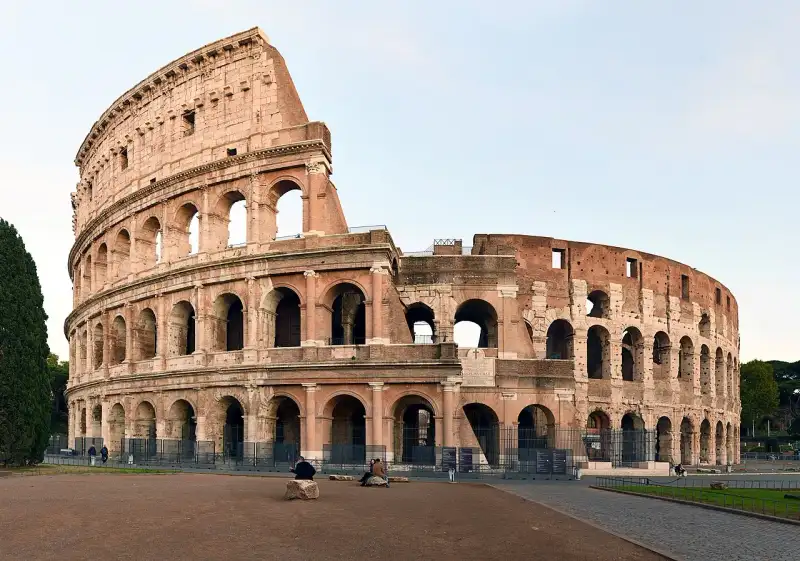

L'ombra maestosa del Colosseo (originariamente noto come Anfiteatro Flavio) si staglia ancora oggi su Roma, ricordandoci la grandezza e la brutalità dell'Impero Romano. Questo edificio iconico, completato nell'80 d.C. sotto l'imperatore Tito, è il più grande anfiteatro mai costruito al mondo. L'Architettura del Potere La costruzione del Colosseo fu un capolavoro di ingegneria. Capace di ospitare tra i 50.000 e gli 80.000 spettatori, l'anfiteatro era diviso in settori rigorosamente separati in base alla classe sociale. Gli imperatori e i senatori sedevano in prima fila, mentre le donne e i plebei occupavano i posti più in alto. I sotterranei, o ipogeo, erano un intricato labirinto di tunnel e gabbie da cui gladiatori e belve feroci venivano sollevati nell'arena tramite complessi montacarichi, creando effetti scenici sorprendenti. Sangue e Sabbia Per secoli, il Colosseo è stato teatro di spettacoli cruenti. I munera (combattimenti tra gladiatori) e le venationes (cacce alle fiere) non erano solo intrattenimento, ma strumenti politici per ottenere il favore della plebe. Questi eventi duravano spesso per giorni, finanziati direttamente dall'imperatore. Ogni combattimento raccontava una storia di sopravvivenza, onore e, spesso, morte. Nonostante il declino dei giochi nel V secolo d.C., il fascino di questi racconti sopravvive. Un Simbolo Eterno Oggi, camminare tra le rovine del Colosseo significa toccare con mano l'eternità di Roma. La struttura ha resistito a terremoti, saccheggi e al passare dei millenni, diventando il simbolo universale della Città Eterna. Per un romano come me, ogni pietra racconta una storia di grandezza. #RomaAntica #Colosseo #StoriaItaliana #ImperoRomano #italy #rome #history #ancient Related InsightsThe Silk Road's Nomadic Hospitality: Yurt Stays in Kyrgyzstan Villa Adriana: Il Rifugio Imperiale a Tivoli L'Eterna Seduzione della Costa Azzurra: Tra Scogliere di Porfido e Misteri Belle Époque{ "@context": "https://schema.org", "@type": "FAQPage", "mainEntity": [ { "@type": "Question", "name": "What is the main focus of Il Colosseo: Il Cuore Sanguinante dell'Impero Romano?", "acceptedAnswer": { "@type": "Answer", "text": "Un'esplorazione approfondita dell'Anfiteatro Flavio, dai gladiatori ai misteri sotterranei." } }, { "@type": "Question", "name": "Who authored the comprehensive guide on Il Colosseo: Il Cuore Sanguinante dell'Impero Romano?", "acceptedAnswer": { "@type": "Answer", "text": "This detailed article and its insights were carefully researched and authored by Lorenzo Russo." } }, { "@type": "Question", "name": "Where can I find more related content about Travel?", "acceptedAnswer": { "@type": "Answer", "text": "You can explore more articles, detailed reviews, and similar insights by browsing the Related Insights section at the bottom of this article or visiting our dedicated Travel category page." } } ] }
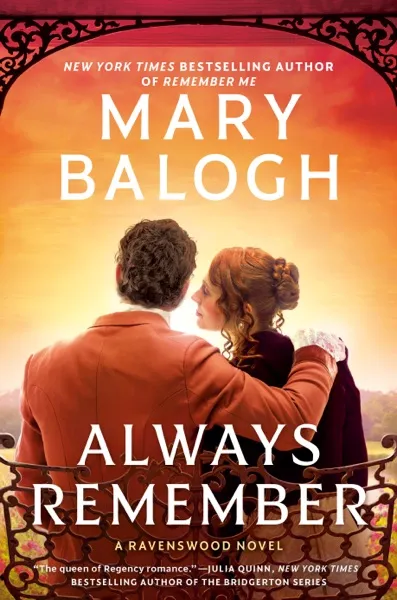

Always Remember Author: Mary BaloghPage Count: UnknownPublication Year: 2024-GB Mary Balogh’s Always Remember is a masterclass in emotional resonance and historical romance, proving once again why she remains a titan in the genre. Published in 2024, this latest novel arrives with the same quiet authority that has defined her decades-long career—Balogh’s work consistently enchants readers with its blend of tender vulnerability and searing passion, wrapped in the elegance of Regency-era storytelling. While the exact page count remains unknown, its impact is unmistakable: this is a book that lingers long after the final page, haunting the reader with its themes of memory, healing, and the courage to love again. At its core, Always Remember explores the fragility of the human heart and the redemptive power of love. Balogh has always excelled at crafting protagonists scarred by past traumas, and here she delivers another unforgettable heroine in Lady Sarah Newbury, a woman whose life was shattered by a devastating accident that left her with fragmented memories. The novel’s central tension arises from Sarah’s struggle to reconcile her fractured past with the present, as she grapples with the fear that she may never fully know herself—or the truth of her own desires. Balogh’s genius lies in how she ties this personal journey to the broader theme of identity: how much of who we are is tied to what we remember, and how much can we reclaim when memory fails us? The love interest, Viscount Rutherford (known as "Rutherford" to his intimates), is a man equally burdened by his own regrets. A former soldier turned philanthropist, he carries the weight of past failures, including the loss of his first wife—a wound so deep it has left him emotionally guarded. Their meeting is fraught with miscommunication and hesitation, a dance of cautious attraction where both characters are painfully aware of the risks of vulnerability. Balogh excels at slow-burn tension, and Always Remember is no exception. The early scenes crackle with restrained longing, as Rutherford and Sarah circle each other with the wariness of two people who have been burned before. Their chemistry is built on quiet moments—a shared glance across a crowded ballroom, a hesitant touch, a whispered confession in the dark—rather than grand declarations. This is Balogh at her most refined: romance as an intimate, almost sacred act, where every word and gesture carries weight. What sets Balogh apart from other historical romance authors is her unflinching realism. She doesn’t shy away from the raw, unglamorous aspects of healing. Sarah’s memory loss isn’t just a plot device; it’s a deeply human struggle, one that forces her to confront her own insecurities and the societal expectations placed upon women of her standing. Rutherford, too, is no idealized hero. He is flawed, sometimes stubborn, and burdened by guilt. Their relationship is a testament to Balogh’s belief in second chances—not just in love, but in life. The novel’s title, Always Remember, is a promise as much as a question: Can love survive when the past is uncertain? Balogh’s answer is a resounding yes, but not without pain, growth, and the hard-won realization that some memories are worth making, even if they aren’t perfect. Balogh’s prose is as polished as ever, her writing style a seamless blend of elegance and accessibility. She has a gift for dialogue that feels natural yet elevated, avoiding the stiff formality that can plague historical romances. Her descriptions are vivid without being overwrought, painting Regency England in strokes that feel both immersive and authentic. Whether she’s depicting the opulence of a London ball or the quiet solitude of the countryside, her settings serve as more than mere backdrops—they reflect the emotional landscapes of her characters. This attention to detail ensures that Always Remember isn’t just a story about love; it’s a story about place, about how environment shapes identity and healing. For longtime fans of Balogh, Always Remember will feel like a homecoming. Those new to her work will find in it a masterclass in historical romance—one that prioritizes emotional depth over melodrama, character over contrivance. It’s a book that rewards patience, where the payoff isn’t just a grand romantic gesture but the quiet, cumulative moments of trust and understanding between two people learning to trust themselves again. In an era where romance novels often prioritize speed over substance, Balogh’s latest stands as a reminder of why the genre endures. It’s a story about the past’s shadows and the future’s possibilities, about how love isn’t about erasing the past but about building something new from its fragments. Always Remember is more than a love story; it’s a testament to the resilience of the human spirit. #AlwaysRemember #MaryBalogh #HistoricalRomance #RegencyRomance #SecondChanceLove #BookRecommendation Related InsightsThe Portrait of a Lady Book Review and Summary No Such Thing as Monday Book Review and Summary Honey-Don't List Book Review and Summary{ "@context": "https://schema.org", "@type": "FAQPage", "mainEntity": [ { "@type": "Question", "name": "What is the main focus of Always Remember Book Review and Summary?", "acceptedAnswer": { "@type": "Answer", "text": "Everything you need to know about Always Remember with our detailed review." } }, { "@type": "Question", "name": "Who authored the comprehensive guide on Always Remember Book Review and Summary?", "acceptedAnswer": { "@type": "Answer", "text": "This detailed article and its insights were carefully researched and authored by Anna Kowalska." } }, { "@type": "Question", "name": "Where can I find more related content about Books?", "acceptedAnswer": { "@type": "Answer", "text": "You can explore more articles, detailed reviews, and similar insights by browsing the Related Insights section at the bottom of this article or visiting our dedicated Books category page." } } ] }

Türk ve Dünya klasiklerinin derinliklerine daldığım incelemelerime bugün Halit Ziya Uşaklıgil'nın ölümsüz eseri Mai ve Siyah ile devam ediyoruz. Edebiyat dünyasının kilometre taşlarından biri olan bu kitap, satır aralarında keşfedilmeyi bekleyen bir okyanus gibi. Kitap Hakkında Genel Görüşler ve Eleştiriler Mavi hayallerle yola çıkıp siyah bir gerçekliğe çakılan Ahmet Cemil'in şahsında, bütün bir Servet-i Fünun neslinin hüznü. Karakter Çözümlemeleri Ahmet Cemil'in şairane kırılganlığı ve dönemin basın dünyasının acımasızlığı, idealizm ve realizm çatışmasını çok iyi verir. Yazar Hakkında Fikirler Halit Ziya'nın yoğun, sembolik ve estetik kaygısı yüksek dili, Türk romanının Batılı anlamdaki ilk olgun meyvesidir. Sevilen ve Sevilmeyen Yönler Tasvirlerin derinliği sanatsal bir şölen sunuyor, ancak dilin aşırı ağdalı yapısı günümüz okurunun metne girmesini zorlaştırıyor. Kitabın Ana Fikri ve Mesajı Hayallerin ne kadar yüce olursa olsun, acımasız ve bayağı gerçekler karşısında her zaman yenilmeye mahkum olduğudur. #servetifünun #hayal #gerçek #kitap #edebiyat #aylinokur #kitapincelemesi #okumak Related InsightsAşk-ı Memnu Kitap İncelemesi: Aylin Okur Çalıkuşu Kitap İncelemesi: Aylin Okur Aylak Adam Kitap İncelemesi: Aylin Okur{ "@context": "https://schema.org", "@type": "FAQPage", "mainEntity": [ { "@type": "Question", "name": "What is the main focus of Mai ve Siyah Kitap İncelemesi: Aylin Okur?", "acceptedAnswer": { "@type": "Answer", "text": "Halit Ziya Uşaklıgil tarafından yazılan Mai ve Siyah eserinin derinlemesine incelenmesi, karakter analizleri ve ana fikri." } }, { "@type": "Question", "name": "Who authored the comprehensive guide on Mai ve Siyah Kitap İncelemesi: Aylin Okur?", "acceptedAnswer": { "@type": "Answer", "text": "This detailed article and its insights were carefully researched and authored by Aylin Okur." } }, { "@type": "Question", "name": "Where can I find more related content about Türk Edebiyatı?", "acceptedAnswer": { "@type": "Answer", "text": "You can explore more articles, detailed reviews, and similar insights by browsing the Related Insights section at the bottom of this article or visiting our dedicated Türk Edebiyatı category page." } } ] }

Türk ve Dünya klasiklerinin derinliklerine daldığım incelemelerime bugün Gabriel García Márquez'nın ölümsüz eseri Kırmızı Pazartesi ile devam ediyoruz. Edebiyat dünyasının kilometre taşlarından biri olan bu kitap, satır aralarında keşfedilmeyi bekleyen bir okyanus gibi. Kitap Hakkında Genel Görüşler ve Eleştiriler İşleneceği herkes tarafından bilinen ama kimsenin engellemediği bir namus cinayetinin gazeteci titizliğiyle yazılmış çarpıcı hikayesi. Karakter Çözümlemeleri Santiago Nasar'ın masumiyeti ile kasaba halkının sessiz suç ortaklığı, toplumsal histerinin ve tepkisizliğin resmidir. Yazar Hakkında Fikirler Márquez, büyülü gerçekçilik ile belgesel anlatımı öyle bir harmanlamış ki, sonu bilinen bir hikaye nefes kesici bir gerilime dönüşmüş. Sevilen ve Sevilmeyen Yönler Zamanın ileri geri atlamaları hikayeye büyük dinamizm katsa da, çok sayıdaki yan karakter ismi okurun kafasını karıştırabiliyor. Kitabın Ana Fikri ve Mesajı Sessiz kalan ve müdahale etmeyen bir toplumun, işlenen suça en az katiller kadar ortak olduğudur. #büyülügerçekçilik #cinayet #toplum #kitap #edebiyat #aylinokur #kitapincelemesi #okumak #bylgerekilik #cinayet #toplum Related InsightsTutku Kitap İncelemesi: Aylin Okur Madame Bovary Kitap İncelemesi: Aylin Okur Anna Karenina Kitap İncelemesi: Aylin Okur{ "@context": "https://schema.org", "@type": "FAQPage", "mainEntity": [ { "@type": "Question", "name": "What is the main focus of Kırmızı Pazartesi Kitap İncelemesi: Aylin Okur?", "acceptedAnswer": { "@type": "Answer", "text": "Gabriel García Márquez tarafından yazılan Kırmızı Pazartesi eserinin derinlemesine incelenmesi, karakter analizleri ve ana fikri." } }, { "@type": "Question", "name": "Who authored the comprehensive guide on Kırmızı Pazartesi Kitap İncelemesi: Aylin Okur?", "acceptedAnswer": { "@type": "Answer", "text": "This detailed article and its insights were carefully researched and authored by Aylin Okur." } }, { "@type": "Question", "name": "Where can I find more related content about Dünya Klasikleri?", "acceptedAnswer": { "@type": "Answer", "text": "You can explore more articles, detailed reviews, and similar insights by browsing the Related Insights section at the bottom of this article or visiting our dedicated Dünya Klasikleri category page." } } ] }

-
 Antoine Leroy
 - 03 Jun, 2026 03:29
Del cosmos a la vida / From the Cosmos to Life Book Review and Summary
Del cosmos a la vida / From the Cosmos to Life Author: Carlos BrionesPage Count: UnknownPublication Date: 2027-PRH Carlos Briones’ From the Cosmos to Life is a breathtaking voyage through the universe’s grandest questions, weaving together astrobiology, chemistry, and philosophy in a way that feels both deeply scientific and profoundly poetic. Though the book is scheduled for publication in 2027, its premise—a sweeping exploration of how the cosmos gave rise to life—promises to be a landmark work in popular science. Briones, a leading astrobiologist and science communicator, has crafted a narrative that is as rigorous as it is accessible, blending cutting-edge research with the kind of wonder that makes the reader feel like a child again, staring up at the stars and wondering: How did we get here? At its core, From the Cosmos to Life is a story of transformation—from the Big Bang’s chaotic energy to the delicate dance of molecules that birthed consciousness. Briones doesn’t just recount the well-trodden steps of cosmic evolution; he breathes life into them. The book begins not with a dry recitation of scientific facts but with an evocation of the early universe: a seething, expanding void where the first atoms of hydrogen and helium coalesced under the pull of gravity. From there, he guides the reader through the formation of stars, the alchemy of nuclear fusion, the birth of planets, and—most tantalizingly—the emergence of life. What sets Briones apart is his ability to make these processes feel intimate, as if we’re not just observers of a distant past but participants in a grand, ongoing miracle. One of the book’s greatest strengths is its interdisciplinary reach. Briones deftly navigates the intersection of astronomy, chemistry, biology, and even philosophy, showing how each discipline contributes to the puzzle of life’s origins. He doesn’t shy away from complexity—discussing the role of RNA in early life, the conditions of hydrothermal vents, or the tantalizing possibility of life on other worlds—but he presents these ideas with clarity and elegance. The prose is never dumbed down; instead, it’s imbued with a clarity that makes even the most abstract concepts feel tangible. For instance, when he describes how amino acids might have formed in the protoplanetary disks around young stars, he doesn’t just say they did—he makes you feel the heat of primordial oceans, the crackle of lightning across a young Earth, the slow, inexorable march of chemistry toward biology. Briones’ style is a masterclass in balancing wonder with precision. He avoids the pitfalls of either dry technical jargon or overly sentimental prose, striking a tone that is both authoritative and lyrical. There’s a rhythmic quality to his writing, a cadence that mirrors the processes he describes—whether it’s the slow, stately dance of galaxies colliding or the rapid, chaotic assembly of a living cell. He also has a knack for the perfect metaphor. Describing the early Earth’s atmosphere, he writes, “It was a cauldron of gases, a witches’ brew of methane, ammonia, and water vapor, waiting for a single spark to ignite the greatest experiment in the universe: life.” These kinds of lines don’t just inform; they linger in the mind long after the page is turned. What makes From the Cosmos to Life particularly compelling is its forward-looking perspective. While much of the book is grounded in the past—reconstructing the conditions that allowed life to emerge—Briones doesn’t stop there. He extends his gaze to the future, pondering the implications of our discoveries. If life can arise from the chaos of the cosmos once, why not again? And if it has, where might we find it? The book becomes a meditation on our place in the universe, not as passive bystanders but as active participants in a grand, unfolding story. Briones’ optimism is infectious. He doesn’t just leave the reader with the awe of our cosmic origins; he leaves them with a sense of possibility, of the endless frontiers still waiting to be explored. If there’s a criticism to be levied, it’s that the book’s scope is so vast that at times, it can feel overwhelming. Briones crams a staggering amount of information into its pages, and while his explanations are clear, the sheer volume of ideas might leave some readers needing to pause and reflect. But this is a minor quibble. The book is less a casual read and more an invitation to deep thinking—a work to be savored slowly, like a fine wine or a piece of music that reveals new layers with each listen. Ultimately, From the Cosmos to Life is more than a book about science; it’s a book about meaning. It reminds us that we are, in every sense, stardust given the chance to contemplate itself. Carlos Briones has written not just a chronicle of the universe’s history but a love letter to the mystery of existence itself. This is a book that will appeal to anyone who has ever looked up at the night sky and wondered how all that beauty and complexity came to be—and what it means for us, here, on this pale blue dot. #CosmicOrigins #Astrobiology #LifeInTheUniverse #ScienceAndWonder #FromBigBangToBiology #CarlosBriones Related InsightsMind Games Book Review and Summary Sophie’s World Book Review and Summary Club Dead Book Review and Summary{ "@context": "https://schema.org", "@type": "FAQPage", "mainEntity": [ { "@type": "Question", "name": "What is the main focus of Del cosmos a la vida / From the Cosmos to Life Book Review and Summary?", "acceptedAnswer": { "@type": "Answer", "text": "Everything you need to know about Del cosmos a la vida / From the Cosmos to Life with our detailed review." } }, { "@type": "Question", "name": "Who authored the comprehensive guide on Del cosmos a la vida / From the Cosmos to Life Book Review and Summary?", "acceptedAnswer": { "@type": "Answer", "text": "This detailed article and its insights were carefully researched and authored by Antoine Leroy." } }, { "@type": "Question", "name": "Where can I find more related content about Books?", "acceptedAnswer": { "@type": "Answer", "text": "You can explore more articles, detailed reviews, and similar insights by browsing the Related Insights section at the bottom of this article or visiting our dedicated Books category page." } } ] }

-
 Natalia Sokolova
 - 03 Jun, 2026 01:01
El código de la vida / The Code Breaker: Jennifer Doudna, Gene Editing, and the Future of the Human Book Review and Summary
El código de la vida / The Code Breaker: Jennifer Doudna, Gene Editing, and the Future of the Human Author: Walter IsaacsonPage Count: UnknownPublication Date: 2021-PRH "The Code Breaker: Jennifer Doudna, Gene Editing, and the Future of the Human" by Walter Isaacson is a riveting narrative that delves into the life of Jennifer Doudna, a Nobel Prize-winning scientist who has revolutionized the field of biology. With his signature style, Isaacson masterfully weaves a tale that is both a biography of Doudna and a comprehensive exploration of the CRISPR technology that she helped develop. The book is a testament to Isaacson's exceptional storytelling ability, as he seamlessly blends science, history, and personal anecdotes to create a compelling narrative. From Doudna's early days as a curious and ambitious student to her current status as a leading figure in the scientific community, Isaacson's portrayal is both intimate and informative. At the heart of the book is the CRISPR technology, a groundbreaking innovation that has the potential to transform the field of medicine and beyond. Isaacson provides a clear and concise explanation of the science behind CRISPR, making it accessible to readers who may not have a background in biology. He also explores the implications of this technology, raising important questions about its potential applications and the ethical considerations that come with it. One of the strengths of the book is its ability to balance the scientific and personal aspects of Doudna's story. Isaacson's portrayal of Doudna is multifaceted, revealing a complex and dynamic individual who is driven by both scientific curiosity and a desire to make a positive impact on the world. Through Doudna's story, Isaacson also sheds light on the often-overlooked contributions of women in science, highlighting the challenges and obstacles that they face in their careers. Isaacson's writing style is engaging and conversational, making the book feel like a fascinating conversation with a knowledgeable friend. He has a talent for distilling complex ideas into clear and concise language, making the book an enjoyable read for both scientists and non-scientists alike. The book also explores the broader implications of the CRISPR technology, including its potential to revolutionize the field of medicine and beyond. Isaacson raises important questions about the ethics of gene editing, including the possibility of using it to enhance human traits or to create "designer babies." He also explores the potential risks and unintended consequences of this technology, highlighting the need for careful consideration and regulation. Overall, "The Code Breaker" is a gripping and thought-provoking book that is both a compelling biography and a comprehensive exploration of the CRISPR technology. Isaacson's masterful storytelling and clear explanations make the book an enjoyable and informative read, and his exploration of the ethical implications of this technology raises important questions about the future of humanity. #CRISPR #GeneEditing #JenniferDoudna #TheCodeBreaker #WalterIsaacson #GeneticEngineering Related InsightsBody in the Backyard Book Review and Summary Take a Chance, Sasha Sinclair (Clover Lake #3) Book Review and Summary Rebecca Yarros's Fourth Wing Keychain Book Review and Summary{ "@context": "https://schema.org", "@type": "FAQPage", "mainEntity": [ { "@type": "Question", "name": "What is the main focus of El código de la vida / The Code Breaker: Jennifer Doudna, Gene Editing, and the Future of the Human Book Review and Summary?", "acceptedAnswer": { "@type": "Answer", "text": "Everything you need to know about El código de la vida / The Code Breaker: Jennifer Doudna, Gene Editing, and the Future of the Human with our detailed review." } }, { "@type": "Question", "name": "Who authored the comprehensive guide on El código de la vida / The Code Breaker: Jennifer Doudna, Gene Editing, and the Future of the Human Book Review and Summary?", "acceptedAnswer": { "@type": "Answer", "text": "This detailed article and its insights were carefully researched and authored by Natalia Sokolova." } }, { "@type": "Question", "name": "Where can I find more related content about Books?", "acceptedAnswer": { "@type": "Answer", "text": "You can explore more articles, detailed reviews, and similar insights by browsing the Related Insights section at the bottom of this article or visiting our dedicated Books category page." } } ] }
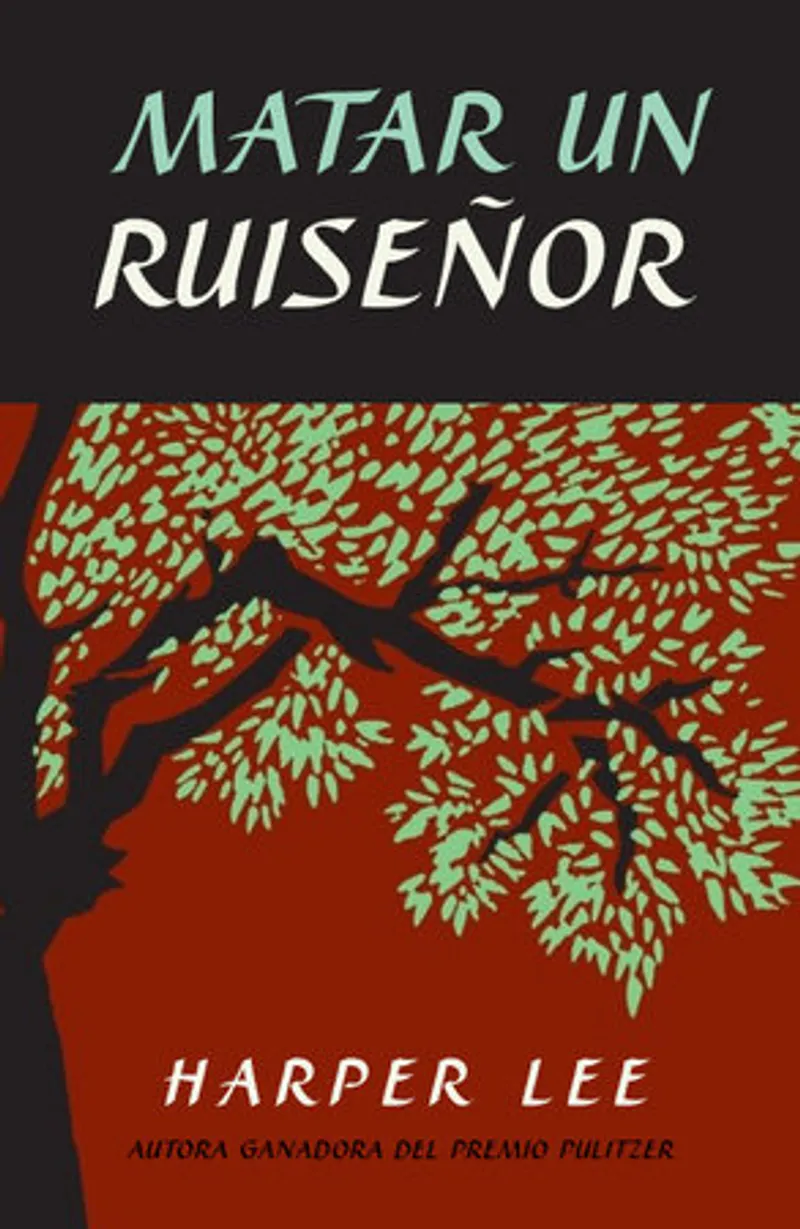
Matar un ruiseñor / To Kill a Mockingbird Author: Harper LeePage Count: UnknownPublication Date: 2025-PRH As I delve into the pages of Harper Lee's timeless classic, Matar un ruiseñor, or To Kill a Mockingbird, I am struck by the profound impact this novel has had on the literary world. Despite the publication year being listed as 2025, it is widely known that the book was originally published in 1960, a fact that only serves to underscore its enduring relevance. The exploration of racial tensions, childhood innocence, and the loss of innocence in a small Alabama town during the 1930s is a powerful commentary on the human condition. At the heart of the novel is the story of Scout Finch, a young girl who navigates the complexities of her community with a mix of curiosity and naivety. Through her eyes, we witness the trial of Tom Robinson, a black man falsely accused of a crime, and the subsequent events that unfold. The author's masterful use of Scout's narrative voice allows the reader to experience the world through her perspective, fostering a deep emotional connection with the characters and their struggles. Harper Lee's writing style is a hallmark of the novel's success. Her prose is lyrical, yet accessible, weaving a narrative that is both poignant and thought-provoking. The author's use of language is deliberate and measured, conveying the depth of feeling and emotion that defines the characters' experiences. The vivid descriptions of the rural Alabama landscape and the quiet, introspective moments of character reflection all contribute to a richly textured world that draws the reader in and refuses to let go. One of the most striking aspects of To Kill a Mockingbird is its exploration of the theme of moral education. Through the guidance of her father, Atticus, Scout and her brother Jem learn valuable lessons about empathy, compassion, and understanding. Atticus, a moral compass and pillar of the community, is a powerful symbol of integrity and justice, and his defense of Tom Robinson is a testament to his unwavering commitment to doing what is right in the face of overwhelming opposition. The novel's examination of racial injustice and prejudice is equally compelling, and sadly, remains relevant today. The trial of Tom Robinson is a searing indictment of the deep-seated racial biases that permeate the community, and the devastating consequences that follow are a stark reminder of the destructive power of hate and intolerance. Through this narrative, Harper Lee sheds light on the darkest aspects of human nature, forcing the reader to confront the uncomfortable truths that lie at the heart of our society. As I reflect on the significance of To Kill a Mockingbird, I am struck by the enduring power of its themes and the timelessness of its characters. This is a novel that has transcended generations, speaking to readers of all ages and backgrounds with its universal message of hope, compassion, and understanding. Harper Lee's masterpiece is a testament to the transformative power of literature, a reminder that even in the darkest of times, there is always the possibility for growth, redemption, and forgiveness. In conclusion, Matar un ruiseñor, or To Kill a Mockingbird, is a novel that will continue to captivate and inspire readers for generations to come. Its exploration of the human condition, coupled with Harper Lee's masterful storytelling and lyrical prose, make it a true classic of modern literature. #ToKillAMockingbird #HarperLee #RacialInjustice #ClassicLiterature #MoralEducation #SocialJustice Related InsightsA Feast for Crows Book Review and Summary What Abigail Did That Summer Book Review and Summary Alien Clay Book Review and Summary{ "@context": "https://schema.org", "@type": "FAQPage", "mainEntity": [ { "@type": "Question", "name": "What is the main focus of To Kill a Mockingbird Book Review and Summary?", "acceptedAnswer": { "@type": "Answer", "text": "Everything you need to know about To Kill a Mockingbird with our detailed review." } }, { "@type": "Question", "name": "Who authored the comprehensive guide on To Kill a Mockingbird Book Review and Summary?", "acceptedAnswer": { "@type": "Answer", "text": "This detailed article and its insights were carefully researched and authored by Harper Lee." } }, { "@type": "Question", "name": "Where can I find more related content about Books?", "acceptedAnswer": { "@type": "Answer", "text": "You can explore more articles, detailed reviews, and similar insights by browsing the Related Insights section at the bottom of this article or visiting our dedicated Books category page." } } ] }