Showing Posts From
Cultural history

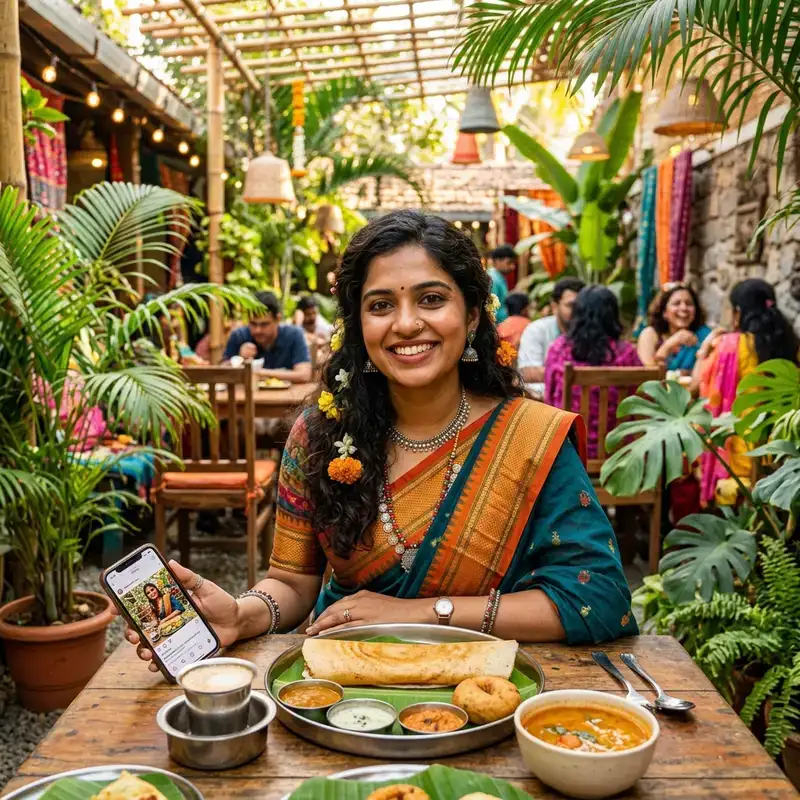
The allure of the coast, with its salty breeze, the rhythmic crashing of waves, and the diverse array of seafood, has long been a source of inspiration for culinary innovation. However, the traditional coastal cuisine, often centered around seafood and dairy, poses a challenge for those embracing a vegan lifestyle. The vegan coastal magic is not just about substituting ingredients but about reinventing traditional recipes to capture the essence of the sea in a plant-based form. This journey of culinary reinvention is as much about preserving cultural heritage as it is about innovating for the future. Introduction to Vegan Coastal Cuisine Vegan coastal magic is more than a trend; it's a movement that seeks to redefine the relationship between coastal living and veganism. By exploring the depths of plant-based ingredients and the versatility of coastal produce, chefs and home cooks alike are creating dishes that are not only cruelty-free and sustainable but also bursting with flavor and texture. The key to this culinary transformation lies in understanding the core elements of coastal cuisine—freshness, simplicity, and a deep connection to the sea—and translating these into vegan creations. The Essence of Coastal Flavors Coastal flavors are often characterized by their brightness and lightness, reflecting the clarity of the sea air and the simplicity of seaside living. To capture this essence in vegan dishes, ingredients like seaweed, citrus, and herbs play a crucial role. Seaweed, for example, offers a plethora of umami flavors, from the mild sweetness of wakame to the deep saltiness of kombu. These can be used to create broth bases, seasonings, or even as a main ingredient in dishes like seaweed salads or wraps.Citrus, particularly lemons and limes, adds a burst of freshness, cutting through richness and enhancing the overall brightness of a dish. Herbs like parsley, dill, and basil bring a fragrant, airy quality, reminiscent of seaside gardens. These ingredients, combined with the innovative use of plant-based proteins like tofu, tempeh, and seitan, allow for the creation of dishes that are both faithful to coastal traditions and boldly vegan. Reinventing Traditional Recipes One of the most exciting aspects of vegan coastal magic is the reinvention of traditional recipes. Classics like fish and chips, seafood paella, and clam chowder are being reimagined with plant-based ingredients. For instance, tofu or tempeh marinated in seaweed and spices can mimic the taste and texture of seafood in a vegan 'fish' and chips. Similarly, paella can be made with a variety of mushrooms, artichokes, and bell peppers, offering a hearty, satisfying alternative to the traditional seafood version.Clam chowder, a staple of coastal cuisine, can be recreated using a cashew or potato base for creaminess, filled with mushrooms or tofu for protein, and flavored with seaweed for that unmistakable sea taste. These reinventions not only cater to the growing demand for vegan options but also contribute to the evolution of coastal cuisine, making it more inclusive and sustainable. The Role of Sustainability Sustainability is at the heart of vegan coastal magic, reflecting a deeper respect for the ocean and its resources. By choosing plant-based ingredients, individuals reduce their carbon footprint and contribute to lessening the pressure on marine ecosystems. Furthermore, the focus on local, seasonal produce supports coastal communities and promotes a more circular economy. This approach to food is as much about preserving the beauty and bounty of the coast for future generations as it is about enjoying the culinary delights it offers today. Exploring Coastal Produce The coast offers a unique array of produce that is perfectly suited to vegan cuisine. From the leafy greens and root vegetables that thrive in coastal soils to the variety of fruits and nuts that grow in the mild, sea-influenced climate, the options are vast and exciting. Coastal foraging, the practice of gathering wild, edible plants, is also gaining popularity, providing an opportunity to discover hidden gems like sea spinach, sea rocket, and wild garlic. These ingredients, often with flavors intensified by the sea air and salt spray, add a genuine coastal touch to vegan dishes.Conclusion Vegan coastal magic represents a vibrant intersection of tradition, innovation, and sustainability. It's a testament to the creativity and adaptability of vegan cuisine, showing that even the most entrenched culinary traditions can be reimagined in a way that is both respectful to their roots and forward-thinking in their approach. As the world continues to embrace more sustainable and compassionate eating habits, the allure of vegan coastal magic, with its promise of fresh flavors, exciting textures, and a deep connection to the natural world, is sure to captivate audiences worldwide. #VeganCoastalCuisine #SustainableEating #PlantBasedRecipes #CoastalForaging #VeganSeafoodAlternatives #CulinaryInnovation #FoodForThought #VeganLifestyle
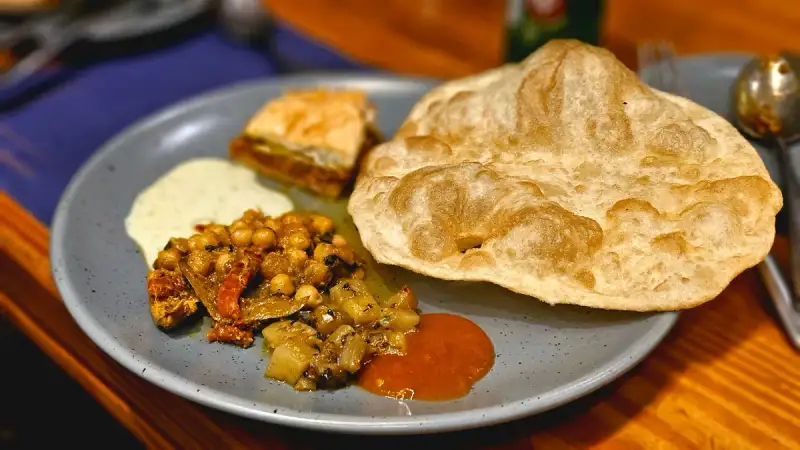
In the heart of South India, where the sun dips into the horizon and paints the sky with hues of crimson and gold, lies the land of Chettinad, a region renowned for its vibrant culture, rich history, and most importantly, its delectable cuisine. Chettinad flavors, a symphony of spices, herbs, and other ingredients, have been tantalizing the taste buds of food enthusiasts for centuries. Among the plethora of dishes that Chettinad cuisine has to offer, its fiery vegan curries stand out, not just for their bold flavors but also for their deep cultural roots and historical significance. Introduction to Chettinad Cuisine Chettinad cuisine, originating from the Chettinad region of Tamil Nadu, is a melting pot of different culinary traditions. It is characterized by the use of a wide variety of spices, including cumin, coriander, cinnamon, cardamom, and star anise, which are carefully blended to create unique and complex flavor profiles. The cuisine is also known for its use of local and seasonal ingredients, which ensures that the dishes are not only delicious but also sustainable and environmentally friendly.One of the defining features of Chettinad cuisine is its use of a special type of spice blend known as "Chettinad masala." This blend typically includes a combination of spices such as turmeric, red chili, cumin, coriander, cinnamon, and cloves, which are roasted and ground into a fine powder. The Chettinad masala is the backbone of Chettinad cuisine, and it is used to add depth and warmth to a wide range of dishes, from curries and stews to biryanis and dosas. The Art of Preparing Fiery Vegan Curries Preparing fiery vegan curries is an art that requires patience, skill, and a deep understanding of the ingredients and their properties. The process typically begins with the preparation of the spice blend, which involves roasting and grinding the spices into a fine powder. The spice blend is then sautéed in oil along with onions, garlic, and ginger to create a flavorful base for the curry.Once the base is ready, a variety of vegetables such as bell peppers, carrots, and potatoes are added to the curry, along with a range of spices and seasonings. The curry is then simmered for a period of time, allowing the flavors to meld together and the vegetables to absorb the spices. Popular Fiery Vegan Curries Chettinad cuisine offers a wide range of fiery vegan curries, each with its unique flavor profile and texture. Some of the most popular ones include:Vegan Chettinad Curry: This is a classic curry made with a blend of spices, including turmeric, red chili, cumin, coriander, and cinnamon. It is typically served with steamed rice or roti. Karaikudi Curry: This is a spicy curry made with a blend of spices, including cumin, coriander, cinnamon, and cloves. It is typically served with steamed rice or idlis. Pudu Curry: This is a flavorful curry made with a blend of spices, including turmeric, red chili, cumin, coriander, and cinnamon. It is typically served with steamed rice or dosas.Health Benefits of Fiery Vegan Curries Fiery vegan curries are not only delicious but also offer a range of health benefits. The spices used in these curries, such as turmeric, cumin, and coriander, have anti-inflammatory properties, which can help to reduce the risk of chronic diseases such as heart disease and diabetes. Additionally, the vegetables used in these curries are rich in vitamins, minerals, and antioxidants, which can help to boost the immune system and protect against cell damage. The use of plant-based ingredients also makes these curries a great option for those looking to reduce their environmental footprint and promote sustainable living. Conclusion Chettinad flavors, particularly its fiery vegan curries, are a true reflection of the region's rich cultural heritage and culinary traditions. These curries, with their complex flavor profiles and deep cultural roots, are a must-try for anyone looking to experience the authentic taste of South India. Whether you are a food enthusiast, a health-conscious individual, or simply someone looking to try something new, Chettinad's fiery vegan curries are sure to tantalize your taste buds and leave you wanting more. #ChettinadCuisine #VeganCurries #IndianFood #Foodie #CulturalHeritage #SustainableLiving #PlantBasedDiet #SouthIndianCuisine Related InsightsJollof Rice: The Ultimate West African Party Dish Egg Tarts (Dan Tat): The Sweet Cantonese Finish Echoes of the Andes: Unearthing the Lost Alchemy of Ancient Fermented Grains{ "@context": "https://schema.org", "@type": "FAQPage", "mainEntity": [ { "@type": "Question", "name": "What is the main focus of Chettinad Flavors: Fiery Vegan Curries?", "acceptedAnswer": { "@type": "Answer", "text": "Discover the deep cultural roots, authentic flavors, and history of Chettinad Flavors: Fiery Vegan Curries." } }, { "@type": "Question", "name": "Who authored the comprehensive guide on Chettinad Flavors: Fiery Vegan Curries?", "acceptedAnswer": { "@type": "Answer", "text": "This detailed article and its insights were carefully researched and authored by Anjali Desai." } }, { "@type": "Question", "name": "Where can I find more related content about Food?", "acceptedAnswer": { "@type": "Answer", "text": "You can explore more articles, detailed reviews, and similar insights by browsing the Related Insights section at the bottom of this article or visiting our dedicated Food category page." } } ] }

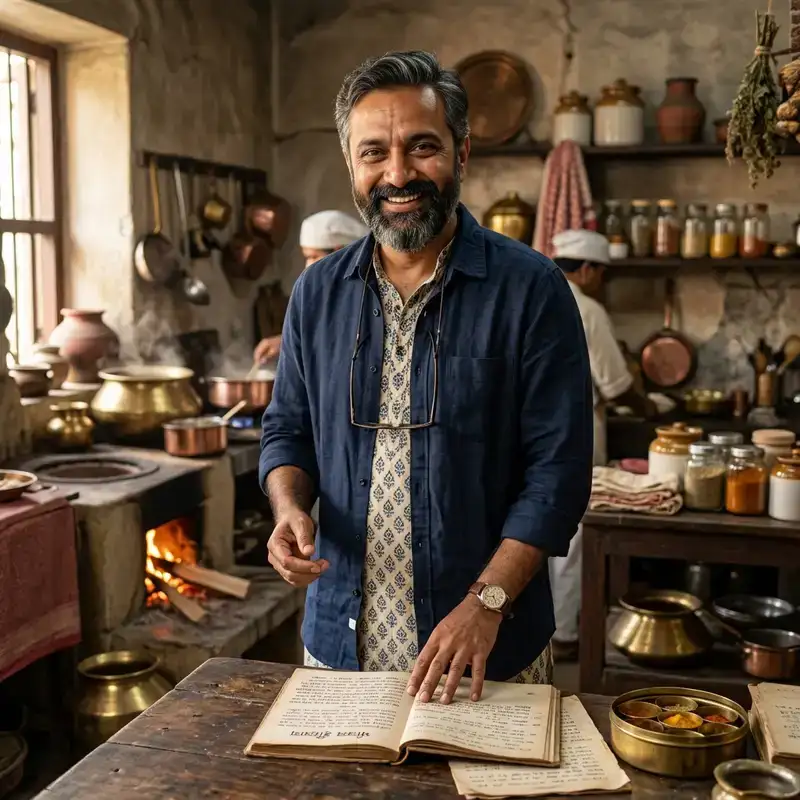
The culinary world is replete with delicacies that tantalize our taste buds and leave us yearning for more. Among these, the Galouti Kebab stands out as a testament to the rich cultural heritage and gastronomic excellence of Indian cuisine. This melt-in-mouth royal delicacy has a history as intricate as its flavors, weaving a tale of tradition, innovation, and the pursuit of culinary perfection. Introduction to Galouti Kebab Galouti Kebab, which translates to "melt in your mouth" kebabs, is a specialty from the city of Lucknow, renowned for its Nawabi cuisine. These kebabs are not just a dish; they are an experience that combines the finest elements of Indian culinary art with the elegance of royal dining. Made from minced meat, usually lamb or beef, mixed with an array of spices and herbs, Galouti Kebabs are cooked to perfection on a skewer over an open flame, imparting a smoky flavor that complements their tender texture.The origin of Galouti Kebab is traced back to the reign of Nawab Asaf-ud-Daula, who ruled Awadh (now part of Uttar Pradesh) in the late 18th century. The story goes that the Nawab, who was too old and toothless to chew regular kebabs, commissioned his chef to create a dish that would be both flavorful and easy to eat. Thus, the Galouti Kebab was born, a culinary masterpiece designed to melt in the mouth, requiring minimal chewing. The Art of Making Galouti Kebab The preparation of Galouti Kebab is an art form that requires patience, skill, and a deep understanding of the balance of flavors. The process begins with the selection of the finest quality meat, which is then minced and mixed with a blend of spices, herbs, and sometimes, papaya paste to tenderize the meat. The mixture is kneaded until it reaches a smooth consistency, after which it is shaped into small patties or rounds, ready to be skewered and cooked.The cooking of Galouti Kebabs is as much about technique as it is about the ingredients. Cooked over a low flame, the kebabs are constantly turned and basted with ghee (clarified butter) to ensure they are cooked evenly and retain their moisture. The result is a kebab that not only melts in your mouth but also explodes with flavor, a perfect harmony of spices, meat, and the slight char of the grill. Cultural Significance of Galouti Kebab Galouti Kebab is more than just a dish; it is a cultural icon that represents the rich culinary heritage of India, particularly the city of Lucknow. It is a symbol of hospitality and generosity, often served at special occasions and gatherings. The kebab's popularity transcends geographical boundaries, with variations found in restaurants and street food stalls across the country and even internationally.The cultural significance of Galouti Kebab is also reflected in its inclusion in traditional Indian cuisine festivals and events. It is a dish that brings people together, evoking memories of family gatherings, celebrations, and the joy of sharing a delicious meal with loved ones. Authentic Recipe for Galouti Kebab For those interested in trying their hand at making authentic Galouti Kebabs, here is a simple recipe to follow:Ingredients: 500 grams minced lamb or beef, 1 onion finely chopped, 2 cloves of garlic minced, 1 teaspoon ginger paste, 1 teaspoon cumin powder, 1 teaspoon coriander powder, 1/2 teaspoon turmeric, 1/2 teaspoon red chili powder, salt to taste, 2 tablespoons lemon juice, 1 tablespoon ghee, chopped cilantro for garnish. Instructions: Mix all the ingredients together and knead until smooth. Shape into small patties. Cook over a low flame, constantly turning and basting with ghee until cooked through. Serve hot, garnished with cilantro and lemon wedges.Conclusion Galouti Kebab is a culinary masterpiece that embodies the essence of Indian cuisine's richness and diversity. With its melt-in-mouth texture and explosion of flavors, it is a dish that continues to captivate the hearts and taste buds of food lovers around the world. Whether you are a fan of traditional cuisine, a street food enthusiast, or simply a lover of good food, the Galouti Kebab is an experience you cannot miss.#GaloutiKebab #IndianCuisine #LucknowStreetFood #RoyalDelicacy #MeltInMouth #CulinaryHeritage #FoodLovers #TraditionalRecipe Related InsightsNihari: The Rich Morning Stew of the Nawabs Vada Pav: The Heartbeat of Mumbai Quand le Voyage se Déguste : L'Art Invisible du Tourisme Culinaire{ "@context": "https://schema.org", "@type": "FAQPage", "mainEntity": [ { "@type": "Question", "name": "What is the main focus of Galouti Kebab: The Melt-in-Mouth Royal Delicacy?", "acceptedAnswer": { "@type": "Answer", "text": "Discover the deep cultural roots, authentic flavors, and history of Galouti Kebab: The Melt-in-Mouth Royal Delicacy." } }, { "@type": "Question", "name": "Who authored the comprehensive guide on Galouti Kebab: The Melt-in-Mouth Royal Delicacy?", "acceptedAnswer": { "@type": "Answer", "text": "This detailed article and its insights were carefully researched and authored by Rahul Sharma." } }, { "@type": "Question", "name": "Where can I find more related content about Food?", "acceptedAnswer": { "@type": "Answer", "text": "You can explore more articles, detailed reviews, and similar insights by browsing the Related Insights section at the bottom of this article or visiting our dedicated Food category page." } } ] }
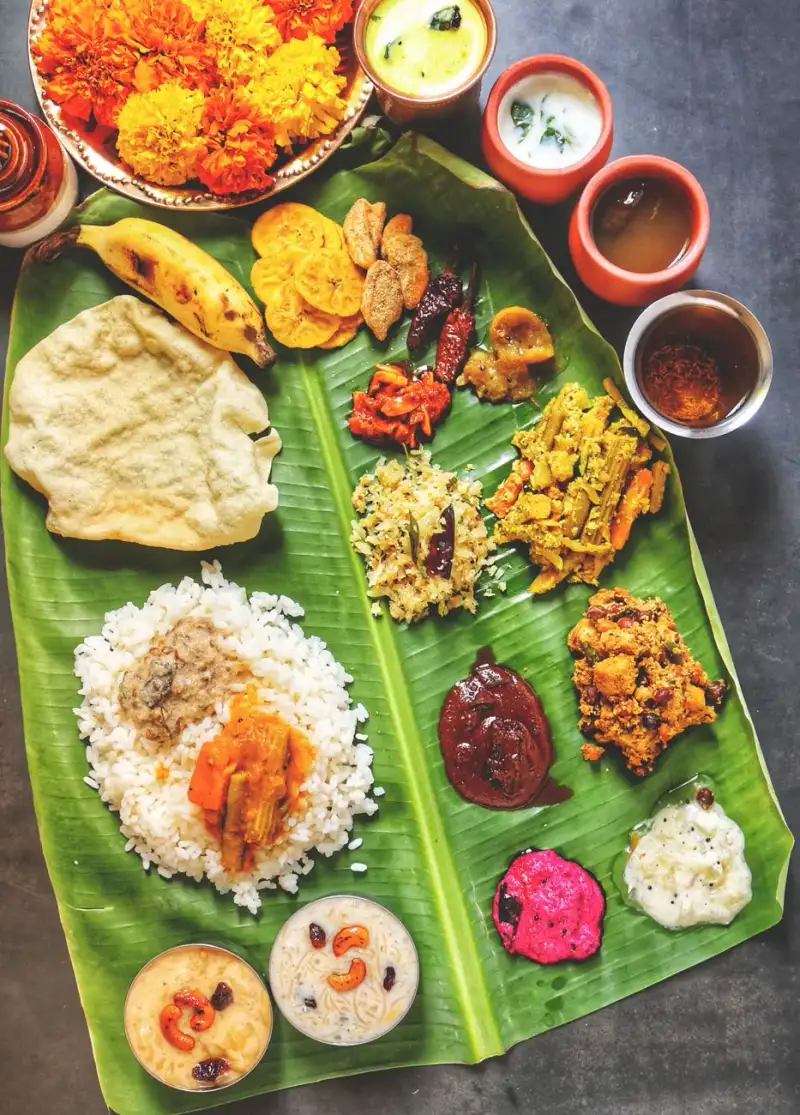
The aromatic whispers of cardamom, cinnamon, and cloves waft through the corridors of time, transporting us to the opulent kitchens of the Mughal Empire, where the art of braising was perfected in the creation of the iconic dish, Korma. This rich and creamy curry, fit for royalty, has been a staple of Indian and Pakistani cuisine for centuries, with its origins dating back to the 16th century. In this article, we will delve into the history, cultural significance, and authentic recipe of Korma, the art of braising in royal kitchens. Introduction to Korma Korma, also known as Qorma or Kurma, is a popular Indian and Pakistani dish that originated in the Mughal Empire. The word "Korma" is derived from the Turkish word "kavurma," which means "to braise." This cooking technique involves slow-cooking meat or vegetables in a liquid, such as yogurt or stock, over low heat, resulting in tender and flavorful food. Korma is typically made with marinated meat, such as chicken, beef, or lamb, which is cooked in a mixture of spices, nuts, and dried fruits.History of Korma The history of Korma is deeply rooted in the cultural and culinary traditions of the Mughal Empire. The Mughal emperors, who ruled India from the 16th to the 19th century, were known for their love of fine cuisine and their patronage of chefs and cooks from across the empire. The royal kitchens of the Mughal Empire were renowned for their innovative and elaborate dishes, which often combined Indian, Persian, and Turkish culinary traditions. Korma was one such dish that emerged from the royal kitchens, where it was served to the emperors and their guests as a symbol of hospitality and luxury. Cultural Significance of Korma Korma is more than just a dish; it is a reflection of the cultural and social values of the Indian and Pakistani communities. In these cultures, food is not just a source of sustenance, but also a symbol of hospitality, generosity, and community. Korma is often served at special occasions, such as weddings, festivals, and family gatherings, where it is shared with guests and loved ones as a sign of respect and affection. The dish is also a testament to the rich cultural diversity of the Indian subcontinent, where different culinary traditions and techniques have been blended together to create a unique and flavorful cuisine.Authentic Recipe of Korma The authentic recipe of Korma involves a combination of marinated meat, spices, nuts, and dried fruits, which are slow-cooked in a mixture of yogurt and stock. The dish is typically made with the following ingredients:1 pound of marinated meat (chicken, beef, or lamb) 2 tablespoons of ghee or oil 1 onion, chopped 2 cloves of garlic, minced 1 teaspoon of cumin seeds 1 teaspoon of coriander seeds 1/2 teaspoon of turmeric powder 1/2 teaspoon of red chili powder 1/2 teaspoon of garam masala powder 1/2 cup of yogurt 1/2 cup of stock 1/4 cup of chopped nuts (almonds or cashews) 1/4 cup of dried fruits (raisins or cranberries) Salt, to tasteThe recipe involves several steps, including marinating the meat, cooking the spices and onions, and slow-cooking the mixture in a yogurt and stock base. The dish is typically garnished with chopped nuts, dried fruits, and fresh cilantro, and served with basmati rice or naan bread. Variations of Korma While the authentic recipe of Korma remains the same, there are several variations of the dish that have emerged over time. Some popular variations include:Chicken Korma: made with marinated chicken and a mixture of spices and nuts Beef Korma: made with marinated beef and a mixture of spices and dried fruits Lamb Korma: made with marinated lamb and a mixture of spices and nuts Vegetable Korma: made with a mixture of vegetables, such as bell peppers, cauliflower, and carrots, and a blend of spices and nutsConclusion Korma, the art of braising in royal kitchens, is a dish that has been perfected over centuries. Its rich and creamy texture, combined with the complex flavors of spices, nuts, and dried fruits, make it a true delight for the senses. Whether you are a food enthusiast, a historian, or simply a lover of good cuisine, Korma is a dish that is sure to captivate and inspire. So, the next time you sit down to enjoy a plate of Korma, remember the rich cultural heritage and culinary traditions that have gone into creating this iconic dish. #KormaRecipe #IndianCuisine #PakistaniFood #RoyalKitchens #Braising #FoodHistory #CulturalSignificance #TraditionalDishes Related InsightsEchoes of the Sahel: Unearthing the Ancient Art and Culinary Alchemy of Fonio Unlocking Nature's Secret: How New Nordic Cuisine is Revolutionizing Health and Gastronomy Forever Mafe: The Rich Peanut Stew of West Africa{ "@context": "https://schema.org", "@type": "FAQPage", "mainEntity": [ { "@type": "Question", "name": "What is the main focus of Korma: The Art of Braising in Royal Kitchens?", "acceptedAnswer": { "@type": "Answer", "text": "Discover the deep cultural roots, authentic flavors, and history of Korma: The Art of Braising in Royal Kitchens." } }, { "@type": "Question", "name": "Who authored the comprehensive guide on Korma: The Art of Braising in Royal Kitchens?", "acceptedAnswer": { "@type": "Answer", "text": "This detailed article and its insights were carefully researched and authored by Rahul Sharma." } }, { "@type": "Question", "name": "Where can I find more related content about Food?", "acceptedAnswer": { "@type": "Answer", "text": "You can explore more articles, detailed reviews, and similar insights by browsing the Related Insights section at the bottom of this article or visiting our dedicated Food category page." } } ] }

In the realm of Indian desserts, there exists a golden delight that has been a symbol of opulence and grandeur for centuries. Shahi Tukda, which translates to "royal piece" in English, is a dessert fit for kings. This indulgent treat is a masterclass in textures and flavors, with crispy fried bread, rich rabri, and a sprinkle of edible gold leaf. As we delve into the world of Shahi Tukda, we will uncover its rich history, cultural significance, and the secrets behind its irresistible charm. Introduction to Shahi Tukda Shahi Tukda is a traditional Indian dessert that originated in the Mughal Empire. The Mughal emperors, known for their love of fine cuisine and extravagant feasts, created this dessert as a showcase of their wealth and power. The name "Shahi Tukda" itself is a testament to its royal heritage, with "Shahi" meaning "royal" and "Tukda" meaning "piece" or "portion." This dessert was served at royal courts and special occasions, where it was devoured by the nobility and aristocracy.The ingredients used in Shahi Tukda are a reflection of its royal roots. The bread used is typically a type of white bread, such as milk bread or bun, which is deep-fried until crispy and golden. The rabri, a rich and creamy sauce made from milk, sugar, and nuts, is the perfect accompaniment to the crunchy bread. The edible gold leaf adds a touch of luxury and sophistication, making this dessert truly fit for kings. History and Cultural Significance Shahi Tukda has a rich cultural history that spans centuries. During the Mughal Empire, this dessert was a staple at royal courts and special occasions. The Mughal emperors, known for their love of fine cuisine, created this dessert as a showcase of their wealth and power. The use of expensive ingredients, such as saffron and cardamom, and the elaborate preparation process, made this dessert a true indulgence.As the Mughal Empire declined, Shahi Tukda spread throughout India, where it was adopted by various regions and cultures. In Hyderabad, for example, Shahi Tukda is a popular dessert during the festival of Eid, where it is served with a variety of other traditional sweets. In other parts of India, such as Delhi and Lucknow, Shahi Tukda is a staple at weddings and other special occasions. Preparation and Ingredients The preparation of Shahi Tukda is an art form that requires patience, skill, and attention to detail. The bread is typically deep-fried until crispy and golden, then soaked in a mixture of milk, sugar, and cardamom. The rabri, made from milk, sugar, and nuts, is cooked until thick and creamy, then flavored with saffron and cardamom. The edible gold leaf is added as a finishing touch, giving the dessert its signature golden color.The ingredients used in Shahi Tukda are a reflection of its rich cultural heritage. The bread, typically a type of white bread, is a symbol of luxury and sophistication. The rabri, made from milk, sugar, and nuts, is a staple in Indian cuisine, where it is used in a variety of desserts and sweets. The edible gold leaf, a luxury item in its own right, adds a touch of opulence and grandeur to the dessert. Variations and Modern Twists While traditional Shahi Tukda is still widely popular, modern variations and twists have emerged in recent years. Some restaurants and chefs have experimented with new ingredients, such as chocolate and fruit, to create unique and innovative versions of the dessert. Others have retained the traditional recipe, but added modern presentation and plating techniques to give the dessert a contemporary look.In addition to these modern variations, Shahi Tukda has also been influenced by regional and cultural traditions. In Hyderabad, for example, Shahi Tukda is often served with a variety of other traditional sweets, such as gulab jamun and jalebi. In other parts of India, such as Delhi and Lucknow, Shahi Tukda is often served with a sprinkle of pistachios and almonds, adding a touch of crunch and texture to the dessert. Conclusion Shahi Tukda is a dessert that embodies the richness and grandeur of Indian cuisine. With its crispy fried bread, rich rabri, and sprinkle of edible gold leaf, this dessert is truly fit for kings. As we have explored the history, cultural significance, and preparation of Shahi Tukda, we have uncovered a dessert that is not only delicious, but also steeped in tradition and cultural heritage. Whether you are a foodie, a history buff, or simply someone who appreciates the finer things in life, Shahi Tukda is a dessert that is sure to delight and inspire.#ShahiTukda #IndianDesserts #TraditionalFood #Foodie #DessertLovers #CulturalHeritage #IndianCuisine #RoyalDesserts Related InsightsNdambe: The Comforting Black-Eyed Pea Stew Beyond Black Pepper: The Enchanting Aromas of Long Pepper and Grains of Paradise Das vergessene Moretum: Eine kulinarische Zeitreise in die römische Bauernküche{ "@context": "https://schema.org", "@type": "FAQPage", "mainEntity": [ { "@type": "Question", "name": "What is the main focus of Shahi Tukda: The Golden Dessert of Kings?", "acceptedAnswer": { "@type": "Answer", "text": "Discover the deep cultural roots, authentic flavors, and history of Shahi Tukda: The Golden Dessert of Kings." } }, { "@type": "Question", "name": "Who authored the comprehensive guide on Shahi Tukda: The Golden Dessert of Kings?", "acceptedAnswer": { "@type": "Answer", "text": "This detailed article and its insights were carefully researched and authored by Rahul Sharma." } }, { "@type": "Question", "name": "Where can I find more related content about Food?", "acceptedAnswer": { "@type": "Answer", "text": "You can explore more articles, detailed reviews, and similar insights by browsing the Related Insights section at the bottom of this article or visiting our dedicated Food category page." } } ] }

In the lush landscapes of Kerala, a state in the southwestern tip of India, lies a culinary treasure that has been delighting locals and visitors alike for centuries. Puttu and Kadala Curry, a traditional breakfast duo, stands as a testament to the rich cultural heritage and gastronomic excellence of this region. This iconic combination is more than just a meal; it's an experience that weaves together history, tradition, and flavor in a delicate dance that awakens the senses and nourishes the soul. Introduction to Puttu Puttu, the steamed rice cake, is the cornerstone of this breakfast combination. Made from rice flour, water, and salt, Puttu is simple yet elegant, its delicate flavor and soft texture providing a perfect base for the rich and spicy Kadala Curry. The process of making Puttu is an art in itself, requiring the right balance of ingredients and the precise technique of steaming to achieve the desired consistency. Traditionally, Puttu is steamed in bamboo tubes, which impart a unique flavor and aroma to the dish.The Flavors of Kadala Curry Kadala Curry, made with chickpeas (garbanzo beans) in a flavorful and spicy coconut-based gravy, is the perfect complement to the mildness of Puttu. The curry is a masterclass in balance, with the sweetness of onions, the tang of tomatoes, and the heat of chilies all coming together in harmony. The use of coconut milk adds a richness and creaminess, while a blend of spices, including cumin, coriander, and turmeric, provides depth and warmth. Kadala Curry is not just a side dish; it's an integral part of the Puttu experience, elevating each bite to a symphony of flavors and textures.Cultural Significance of Puttu and Kadala Curry Beyond its culinary appeal, Puttu and Kadala Curry holds significant cultural and historical importance in Kerala. This breakfast combination is often served on special occasions and festivals, symbolizing hospitality, community, and the sharing of joy. In many Kerala households, the preparation of Puttu and Kadala Curry is a family affair, with each member contributing to the process, from grinding the rice flour to cooking the curry. This collective effort not only strengthens family bonds but also ensures the continuation of traditional practices and recipes from one generation to the next. Authentic Recipe for Puttu and Kadala Curry For those eager to experience the authentic flavors of Kerala, here's a simple recipe to make Puttu and Kadala Curry at home: Ingredients for Puttu:2 cups rice flour 1/2 teaspoon salt 1/4 teaspoon grated coconut (optional) Water, as neededIngredients for Kadala Curry:1 cup chickpeas, soaked overnight and drained 2 medium onions, chopped 2 medium tomatoes, diced 1 teaspoon cumin seeds 1 teaspoon coriander powder 1/2 teaspoon turmeric powder 1/2 teaspoon red chili powder 1/2 teaspoon garam masala powder 1 cup coconut milk Salt, to taste Water, as needed Fresh cilantro, for garnishInstructions:For Puttu: Mix rice flour, salt, and grated coconut (if using) in a bowl. Gradually add water and mix until the dough comes together. It should be moist but not sticky. Steam the mixture in a Puttu maker or a metal steamer lined with a clean cloth for about 10-15 minutes, or until it's cooked through. For Kadala Curry: Heat oil in a pan, add cumin seeds, and let them sizzle. Add chopped onions and sauté until they're translucent. Add the diced tomatoes and cook until they're soft. Add the chickpeas, coriander powder, turmeric powder, red chili powder, and garam masala powder. Mix well and add enough water to cover the chickpeas. Bring to a boil, then reduce the heat and let simmer until the chickpeas are tender. Stir in coconut milk and season with salt. Simmer for a few more minutes until the curry thickens slightly.Serving Puttu and Kadala Curry The traditional way to serve Puttu and Kadala Curry is by placing a steaming hot Puttu on a plate and pouring the Kadala Curry over it. This allows each bite to be a perfect blend of the soft Puttu and the flavorful curry. For an added layer of flavor and texture, a sprinkle of grated coconut and a few fresh curry leaves on top can enhance the experience.Conclusion Puttu and Kadala Curry is more than just a breakfast combination; it's a journey through the culinary, cultural, and historical landscapes of Kerala. With its simple yet profound flavors, this traditional duo has the power to bring people together, evoke memories, and create new experiences. Whether you're exploring the streets of Kerala or cooking in the comfort of your own home, Puttu and Kadala Curry is a must-try for anyone looking to taste the authentic essence of India's diverse culinary heritage.#KeralaCuisine #TraditionalBreakfast #IndianFood #PuttuAndKadalaCurry #CulturalHeritage #FoodieAdventures #BreakfastOfChampions #AuthenticRecipes Related InsightsMumbai di Mezzanotte: Il Piccante, Croccante, Indimenticabile Cuore delle Strade della Città Das Herz des Dampfes: Die Kunst und Philosophie hinter der Dim Sum Kultur The Liquid Gold of Antiquity: Rediscovering Garum, Rome's Fermented Umami Elixir and Its Forgotten Legacy{ "@context": "https://schema.org", "@type": "FAQPage", "mainEntity": [ { "@type": "Question", "name": "What is the main focus of Puttu and Kadala Curry: A Breakfast of Champions?", "acceptedAnswer": { "@type": "Answer", "text": "Discover the deep cultural roots, authentic flavors, and history of Puttu and Kadala Curry: A Breakfast of Champions." } }, { "@type": "Question", "name": "Who authored the comprehensive guide on Puttu and Kadala Curry: A Breakfast of Champions?", "acceptedAnswer": { "@type": "Answer", "text": "This detailed article and its insights were carefully researched and authored by Anjali Desai." } }, { "@type": "Question", "name": "Where can I find more related content about Food?", "acceptedAnswer": { "@type": "Answer", "text": "You can explore more articles, detailed reviews, and similar insights by browsing the Related Insights section at the bottom of this article or visiting our dedicated Food category page." } } ] }
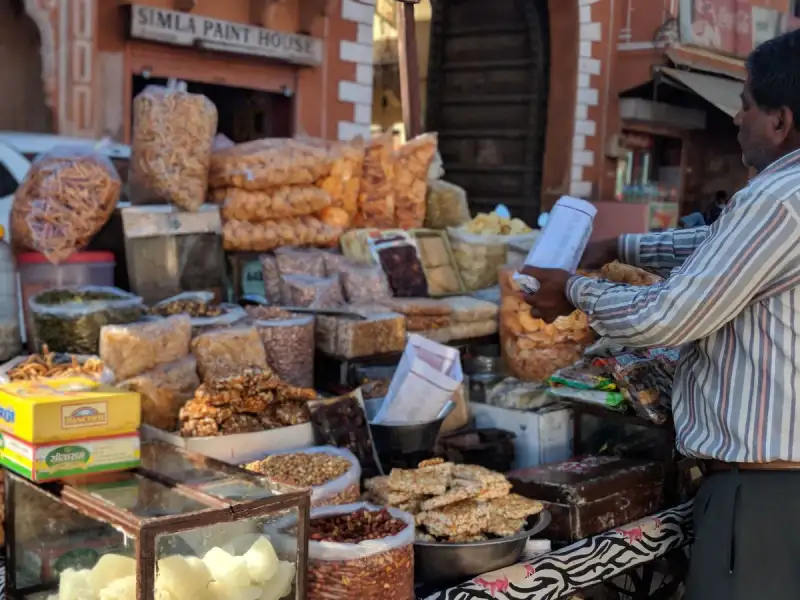
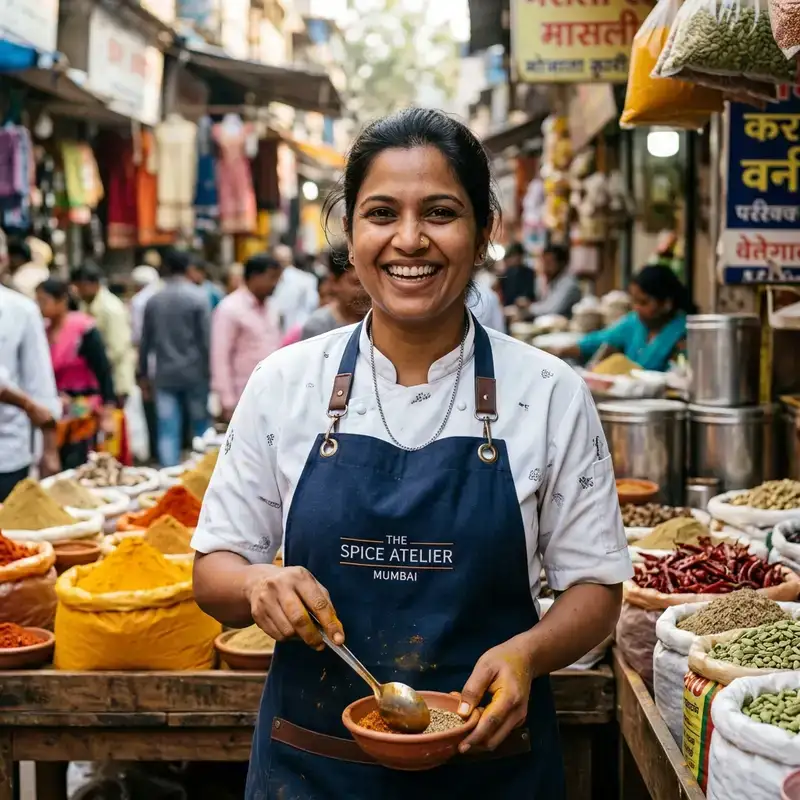
The Bombay Sandwich, a quintessential Mumbai street food, is a masterclass in textures and flavors. This iconic triple-layered delight has been a staple in the city's culinary landscape for decades, with its origins tracing back to the Iranian cafes that once dotted the streets of Bombay. The sandwich is a beautiful representation of the city's cultural melting pot, with influences from Parsi, Gujarati, and British cuisines. Introduction to the Bombay Sandwich The Bombay Sandwich is a testament to the city's love for fusion food. It typically consists of three slices of bread, separated by layers of butter, chutney, cucumber, tomato, beetroot, and boiled potatoes. The bread is usually white or brown, and the chutney is a green coriander and mint paste that adds a burst of freshness to the sandwich. The combination of crunchy vegetables, creamy chutney, and soft bread is a match made in heaven.The Bombay Sandwich has a special place in the hearts of Mumbaikars, who fondly remember eating it at street stalls and cafes during their childhood. The sandwich is often served with a side of chips or crisps, and a glass of cold drink, such as lemonade or falooda. It's a popular snack among office-goers, students, and travelers, who appreciate its affordability and convenience. History of the Bombay Sandwich The history of the Bombay Sandwich is closely tied to the city's Iranian cafe culture. In the early 20th century, Iranian immigrants opened cafes in Bombay, serving a range of dishes, including sandwiches, kebabs, and biryani. The cafes became popular gathering places for the city's intellectual and artistic community, who would meet to discuss politics, literature, and art.Over time, the Iranian cafes began to adapt their menu to suit local tastes, introducing Indian ingredients and spices to their dishes. The Bombay Sandwich is believed to have originated in one of these cafes, where it was created as a fusion of European and Indian flavors. The sandwich quickly gained popularity, and soon became a staple in the city's street food scene. Ingredients and Preparation The ingredients used in a traditional Bombay Sandwich are simple, yet flavorful. The bread is typically white or brown, and is buttered on each slice. The chutney is made from fresh coriander, mint, and green chilies, which are blended together with lemon juice and salt. The vegetables used in the sandwich are cucumber, tomato, beetroot, and boiled potatoes, which are sliced thinly and layered on top of each other.To prepare a Bombay Sandwich, start by buttering three slices of bread. Spread a layer of chutney on each slice, followed by a layer of cucumber, tomato, beetroot, and boiled potatoes. Season with salt and pepper to taste, and top with another slice of bread. Repeat the process until you have three layers of bread and filling. Cut the sandwich into halves or quarters, and serve with a side of chips or crisps. Variations and Innovations Over the years, the Bombay Sandwich has undergone many variations and innovations. Some popular variations include the addition of cheese, chicken, or eggs to the filling. Others include the use of different types of bread, such as whole wheat or multigrain, or the addition of spices and herbs to the chutney.In recent years, the Bombay Sandwich has gained popularity in restaurants and cafes around the world. Chefs have experimented with new ingredients and flavors, creating innovative variations of the classic dish. Some popular variations include the use of avocado, hummus, or grilled vegetables in the filling. Cultural Significance The Bombay Sandwich holds a special place in Mumbai's cultural heritage. It's a symbol of the city's love for street food, and its ability to adapt and innovate. The sandwich has been featured in numerous films, books, and articles, and has become a popular tourist attraction.The Bombay Sandwich is also a testament to the city's cultural diversity. It's a dish that brings people together, regardless of their background or socioeconomic status. Whether you're a street vendor, a office-goer, or a tourist, the Bombay Sandwich is a delicious and affordable snack that's available to everyone. #foodie #bombaysandwich #mumbaisreetfood #indiancuisine #streetfoodlover #foodlover #culturalheritage #mumbai Related InsightsThe Antioxidant Powerhouse: Quinoa Salad with Roasted Sweet Potatoes and Kale Awadhi Biryani: The Aromatic Slow-Cooked Masterpiece Galouti Kebab: The Melt-in-Mouth Royal Delicacy{ "@context": "https://schema.org", "@type": "FAQPage", "mainEntity": [ { "@type": "Question", "name": "What is the main focus of Bombay Sandwich: The Iconic Triple-Layered Delight?", "acceptedAnswer": { "@type": "Answer", "text": "Discover the deep cultural roots, authentic flavors, and history of Bombay Sandwich: The Iconic Triple-Layered Delight." } }, { "@type": "Question", "name": "Who authored the comprehensive guide on Bombay Sandwich: The Iconic Triple-Layered Delight?", "acceptedAnswer": { "@type": "Answer", "text": "This detailed article and its insights were carefully researched and authored by Priya Kapoor." } }, { "@type": "Question", "name": "Where can I find more related content about Food?", "acceptedAnswer": { "@type": "Answer", "text": "You can explore more articles, detailed reviews, and similar insights by browsing the Related Insights section at the bottom of this article or visiting our dedicated Food category page." } } ] }

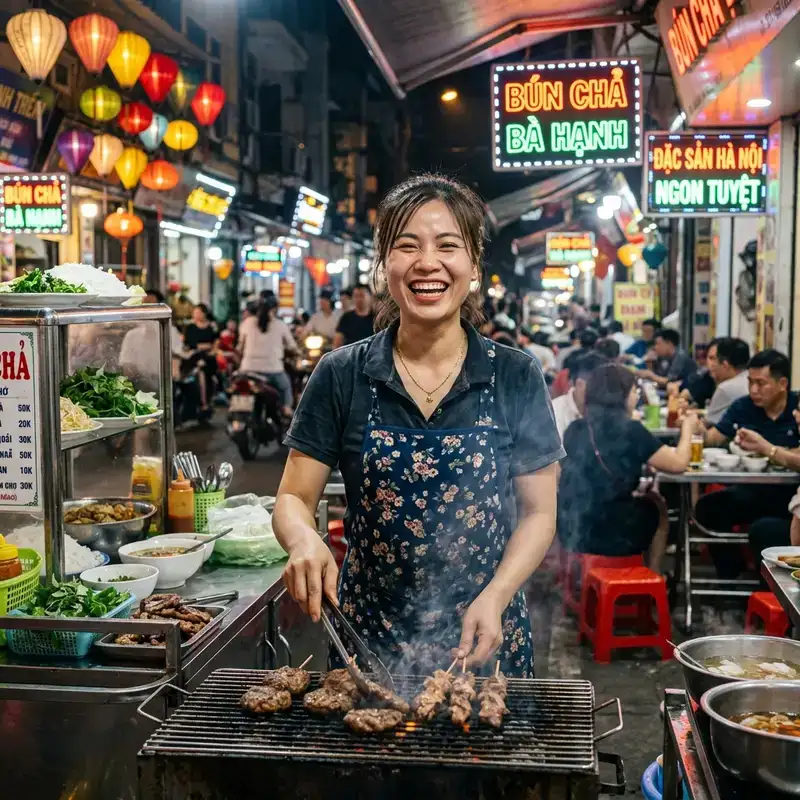
Bun Cha: The Smoky Grilled Pork and Noodles of Hanoi Bun Cha, a dish that embodies the essence of Vietnamese street food, has been a staple in Hanoi's culinary scene for centuries. The harmonious union of smoky grilled pork, succulent noodles, and an assortment of fresh herbs has captivated locals and visitors alike. This article delves into the deep cultural roots, authentic flavors, and history of Bun Cha, a dish that has become synonymous with Hanoi's vibrant food culture. The Origins of Bun Cha The origins of Bun Cha can be traced back to the early days of the Nguyen Dynasty, when the dish was served as a simple yet satisfying meal for peasants and traders. The name "Bun Cha" literally translates to " grilled pork with rice noodles." Over time, the dish evolved and spread throughout the city, with each region adapting its own unique twist. Today, Bun Cha remains a beloved national dish, with Hanoi's version being considered the most authentic.The Art of Grilling Pork The key to Bun Cha lies in its perfectly grilled pork. Skewers of marinated pork are meticulously grilled over a bed of charcoal, infusing the meat with a rich, smoky flavor. The art of grilling pork is a delicate balance of technique and timing, requiring precision and patience. The pork is typically made from pork shoulder, which is marinated in a mixture of fish sauce, lime juice, and spices before being grilled to perfection.Savoring the Noodles While the grilled pork takes center stage, the noodles are the unsung heroes of Bun Cha. Thin cylindrical rice noodles, known as "bun," are served alongside the grilled pork, providing a soothing contrast to the richness of the meat. The noodles are cooked to a perfect al dente texture, allowing them to absorb the flavorful broth and sauce without becoming mushy.The Broth: A Symphony of Flavors Bun Cha broth is a carefully crafted blend of flavors, with each ingredient playing a crucial role in creating the dish's signature taste. The broth is typically made from a mixture of pork bones, fish sauce, and aromatics, which are slow-cooked for hours to extract the deepest, most complex flavors. The result is a rich, savory broth that balances the bold flavors of the grilled pork and noodles. Cultural Significance of Bun Cha Bun Cha is more than just a dish – it's a cultural phenomenon that brings Hanoi's communities together. From street vendors to family gatherings, Bun Cha is often served as a symbol of warmth, hospitality, and togetherness. The dish has been a staple in Hanoi's culinary scene for centuries, with each generation passing down their secrets and techniques to the next. Authentic Recipe For those who wish to replicate the magic of Bun Cha at home, here's an authentic recipe: Ingredients:500g pork shoulder, sliced into thin strips 2 tbsp fish sauce 1 tbsp lime juice 1 tsp sugar 1 tsp ground black pepper 2 tbsp vegetable oil 2 cloves garlic, minced 1 bunch fresh herbs (basil, mint, cilantro) 1 cup thinly sliced carrots 1 cup thinly sliced cucumbers Rice noodles Broth (made from pork bones, fish sauce, and aromatics)Instructions:Marinate the pork strips in a mixture of fish sauce, lime juice, sugar, and ground black pepper for at least 30 minutes. Grill the pork skewers over a bed of charcoal until cooked through. Cook the rice noodles according to package instructions. Serve the grilled pork with noodles, garnished with fresh herbs, carrots, and cucumbers. Ladle the broth over the dish and enjoy!Conclusion Bun Cha is more than just a dish – it's a journey through Hanoi's rich cultural heritage. With its harmonious blend of smoky grilled pork, succulent noodles, and flavorful broth, Bun Cha has captured the hearts and stomachs of locals and visitors alike. Whether you're a food enthusiast, a cultural aficionado, or simply a curious adventurer, Bun Cha is an experience not to be missed. #hashtags: #BunCha #HanoiStreetFood #VietnameseCuisine #GrilledPork #RiceNoodles #TraditionalFood #StreetFood #CulturalHistory #AuthenticRecipe #FoodCulture Related InsightsGrass-Fed Beef and Barley Stew: A High Protein Culinary Delight Das Herz des Dampfes: Die Kunst und Philosophie hinter der Dim Sum Kultur The Dark Elixir of Waking Minds: A Deep Historical, Etymological, and Economic Inquiry into Coffee{ "@context": "https://schema.org", "@type": "FAQPage", "mainEntity": [ { "@type": "Question", "name": "What is the main focus of Bun Cha: The Smoky Grilled Pork and Noodles of Hanoi?", "acceptedAnswer": { "@type": "Answer", "text": "Discover the deep cultural roots, authentic flavors, and history of Bun Cha: The Smoky Grilled Pork and Noodles of Hanoi." } }, { "@type": "Question", "name": "Who authored the comprehensive guide on Bun Cha: The Smoky Grilled Pork and Noodles of Hanoi?", "acceptedAnswer": { "@type": "Answer", "text": "This detailed article and its insights were carefully researched and authored by Nguyen Thi Mai." } }, { "@type": "Question", "name": "Where can I find more related content about Food?", "acceptedAnswer": { "@type": "Answer", "text": "You can explore more articles, detailed reviews, and similar insights by browsing the Related Insights section at the bottom of this article or visiting our dedicated Food category page." } } ] }