Showing Posts From
Travel
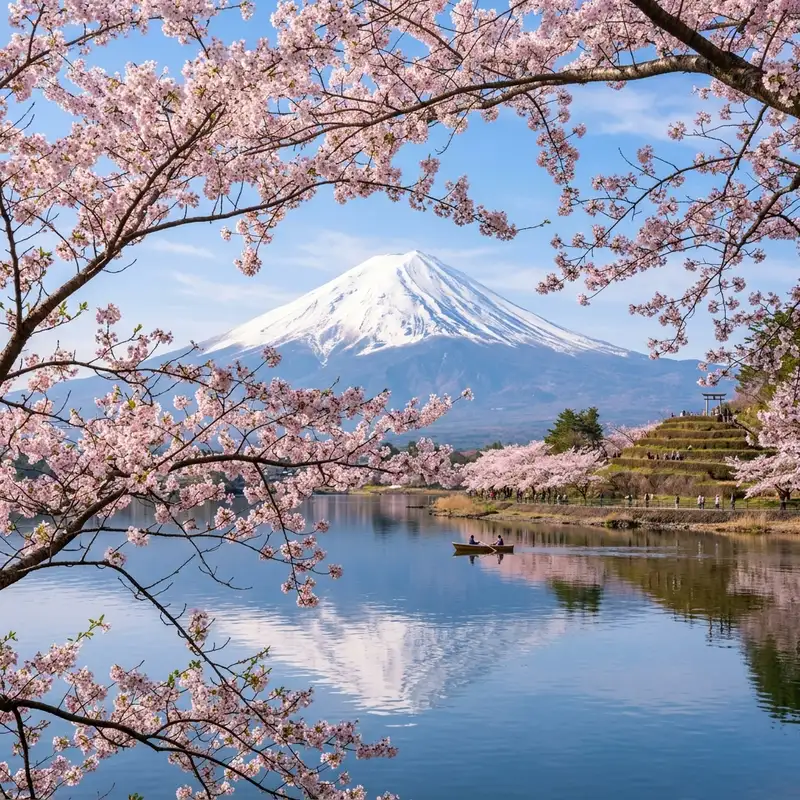

日本の象徴・富士山が織りなす絶景 標高3,776メートルを誇る日本の最高峰、富士山。その完璧な円錐形の美しさは、古くから多くの芸術家や文学者にインスピレーションを与えてきました。2013年にはユネスコの世界文化遺産に登録され、名実ともに日本を代表する名所となっています。今回は、富士山を望む絶景スポットとその文化的背景について深く掘り下げます。 信仰の対象としての富士山 古来より、富士山は神聖な山として崇められてきました。「浅間大神(あさまのおおかみ)」を祀る浅間神社は、富士山の噴火を鎮めるために建立されたのが始まりです。平安時代になると、修験道の修行の場として多くの行者が富士山に登るようになりました。江戸時代には「富士講」と呼ばれる民間信仰が広まり、一般庶民も白装束を身にまとって富士登拝を行うようになりました。この「信仰の山」としての歴史が、世界文化遺産登録の大きな理由の一つです。 芸術の源泉・浮世絵に描かれた姿 富士山は、日本の美術史においても欠かせない存在です。特に有名なのが、葛飾北斎の『富嶽三十六景』や歌川広重の『東海道五十三次』です。北斎が描いた『神奈川沖浪裏』の大波の向こうに見える富士山は、ゴッホやモネといった西洋の印象派の画家たちにも多大な影響を与えました。これらの浮世絵を通して、富士山の美しさは世界中に知れ渡るようになったのです。 四季折々の絶景スポット 富士山を美しく見ることができるスポットは数多くあります。山梨県の富士五湖(特に河口湖や本栖湖)からは、湖面に映る「逆さ富士」を楽しむことができます。春には新倉山浅間公園の五重塔と桜を背景にした絶景が広がり、秋には紅葉との見事なコントラストが見られます。また、静岡県の三保の松原からは、海岸線の松林と青い海越しにそびえる富士山という、伝統的な日本の風景を堪能できます。 富士山は、見る場所や季節、時間帯によって全く異なる表情を見せてくれます。その雄大な姿に、日本の自然と文化の深いつながりを感じずにはいられません。 #mountfuji #mtfuji #japan #travel #naturephotography #fujisan #worldheritage #landscape #japantrip #beautifuldestinations Related Insights大阪のストリートフード 広島の平和記念公園 北海道の冬景色{ "@context": "https://schema.org", "@type": "FAQPage", "mainEntity": [ { "@type": "Question", "name": "What is the main focus of 富士山を望む絶景?", "acceptedAnswer": { "@type": "Answer", "text": "Explore the incredible journey of 富士山を望む絶景 with Kenji Sato." } }, { "@type": "Question", "name": "Who authored the comprehensive guide on 富士山を望む絶景?", "acceptedAnswer": { "@type": "Answer", "text": "This detailed article and its insights were carefully researched and authored by Kenji Sato." } }, { "@type": "Question", "name": "Where can I find more related content about Japan Travel Facts?", "acceptedAnswer": { "@type": "Answer", "text": "You can explore more articles, detailed reviews, and similar insights by browsing the Related Insights section at the bottom of this article or visiting our dedicated Japan Travel Facts category page." } } ] }
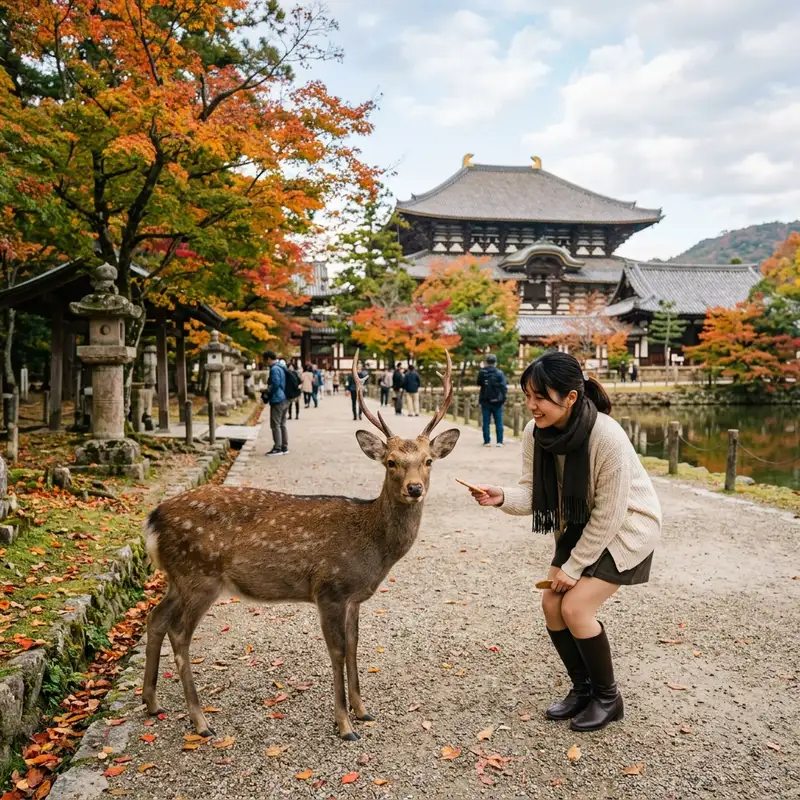
神の使い・奈良公園の鹿たちとの触れ合い 古都・奈良を訪れる観光客にとって、奈良公園に生息する鹿たちとの出会いは最も印象に残る体験の一つです。約1,300頭もの野生のニホンジカが、東大寺や春日大社といった歴史的建造物の周りを自由に歩き回る光景は、世界でも類を見ません。今回は、奈良の鹿の歴史的背景と、彼らとの上手な付き合い方について紹介します。 春日大社と「神鹿」伝説 奈良の鹿がこれほどまでに大切に保護されてきた理由は、彼らが「神の使い」とされているからです。西暦768年に春日大社が創建された際、祭神である武甕槌命(タケミカヅチノミコト)が、茨城県の鹿島神宮から白鹿に乗って奈良にやってきたという伝説があります。以来、奈良の鹿は「神鹿(しんろく)」として神聖視され、手厚く保護されてきました。現在でも、彼らは国の天然記念物に指定されています。 鹿せんべいと礼儀正しいお辞儀 奈良公園の名物といえば、鹿に直接餌を与えることができる「鹿せんべい」です。このせんべいは、米ぬかと小麦粉のみで作られており、鹿の健康を考慮して砂糖や調味料は一切使用されていません。興味深いことに、多くの鹿はせんべいをもらう前に、人間のようにお辞儀(頭を下げる動作)をします。これは学習によって身についた行動と言われており、海外の観光客からは「世界一礼儀正しい鹿」として驚かれています。 人間と野生動物の共生 奈良公園の鹿は飼育されているわけではなく、あくまで野生動物です。日中は公園内で過ごしますが、夕方になると山へ帰っていくグループもいます。彼らとの共生を保つためには、ルールを守ることが重要です。鹿せんべい以外の食べ物(人間の弁当やスナック菓子など)を与えることは厳禁であり、ビニール袋などのゴミを持ち帰ることも、鹿の誤飲を防ぐために必須です。 歴史ある寺社仏閣と、神聖な鹿たちが共存する奈良公園。そこには、自然と人間が織りなす古代からの深い絆が今も息づいています。 #nara #narapark #deer #sika #japan #kasugataisha #wildlife #history #traveljapan #nature Related Insights富士山を望む絶景 日本の温泉文化 白川郷の合掌造り{ "@context": "https://schema.org", "@type": "FAQPage", "mainEntity": [ { "@type": "Question", "name": "What is the main focus of 奈良の鹿たち?", "acceptedAnswer": { "@type": "Answer", "text": "Explore the incredible journey of 奈良の鹿たち with Kenji Sato." } }, { "@type": "Question", "name": "Who authored the comprehensive guide on 奈良の鹿たち?", "acceptedAnswer": { "@type": "Answer", "text": "This detailed article and its insights were carefully researched and authored by Kenji Sato." } }, { "@type": "Question", "name": "Where can I find more related content about Japan Travel Facts?", "acceptedAnswer": { "@type": "Answer", "text": "You can explore more articles, detailed reviews, and similar insights by browsing the Related Insights section at the bottom of this article or visiting our dedicated Japan Travel Facts category page." } } ] }
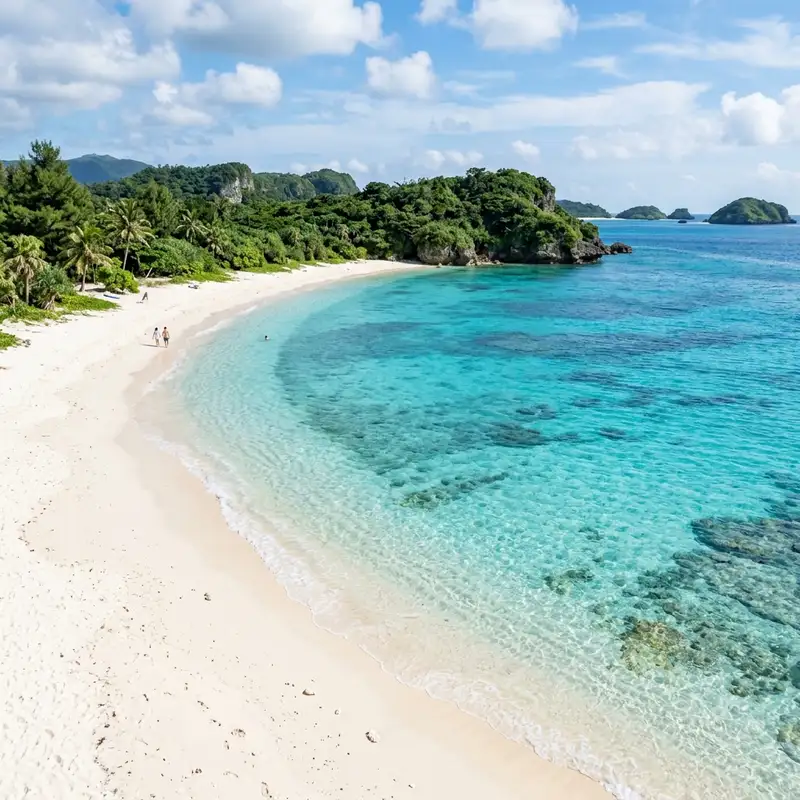
東洋のカリブ海・沖縄の青い海と琉球文化 日本の最南端に位置する沖縄県は、透き通るような青い海と白い砂浜、そして独自の歴史と文化を持つ魅惑の島々です。「東洋のカリブ海」とも称される沖縄の海の美しさの秘密と、そこに根付く琉球文化の深い結びつきについて探ります。 「沖縄ブルー」を生み出すサンゴ礁の神秘 沖縄の海がなぜこれほどまでに青く透明なのか。その最大の理由は、島々を囲む広大なサンゴ礁にあります。サンゴは光合成を行う褐虫藻と共生しており、海水中の二酸化炭素を吸収して酸素とミネラルを放出するため、海水を浄化する役割を果たしています。さらに、波によって砕かれたサンゴや貝殻が真っ白な砂浜を作り出し、太陽の光を海底から反射させることで、あの独特のエメラルドグリーンやサファイアブルーのグラデーション、いわゆる「沖縄ブルー」が生み出されるのです。 世界屈指のダイビングスポット・慶良間諸島 沖縄本島からフェリーで約1時間の場所にある慶良間(けらま)諸島は、世界中のダイバーが憧れる聖地です。その透明度は「ケラマブルー」と称賛され、海中では色鮮やかな熱帯魚やダイナミックな地形、そして高確率でウミガメに遭遇することができます。2014年には国立公園に指定され、豊かな海洋生態系が厳重に保護されています。 海と共生する琉球王国の歴史 沖縄はかつて「琉球王国」という独立した国家であり、中国や日本、東南アジア諸国との海洋交易によって栄えました。海は彼らにとって、単なる自然ではなく、異国との架け橋であり、豊かな恵みをもたらす「ニライカナイ(神々の住む理想郷)」の入り口でもありました。この独自の海洋文化は、沖縄の伝統的な染め物である「紅型(びんがた)」の色使いや、三線(さんしん)のゆったりとした音色、そして豚肉や昆布を多用する伝統料理にも深く反映されています。 沖縄の青い海は、ただ美しいだけでなく、生命の源であり、豊かな文化を育んだ母なる海です。その波音に耳を澄ませば、琉球の深い歴史を感じることができるでしょう。 #okinawa #beach #sea #ocean #traveljapan #diving #kerama #ryukyu #tropical #islandlife Related Insights大阪のストリートフード 広島の平和記念公園 富士山を望む絶景{ "@context": "https://schema.org", "@type": "FAQPage", "mainEntity": [ { "@type": "Question", "name": "What is the main focus of 沖縄の青い海?", "acceptedAnswer": { "@type": "Answer", "text": "Explore the incredible journey of 沖縄の青い海 with Kenji Sato." } }, { "@type": "Question", "name": "Who authored the comprehensive guide on 沖縄の青い海?", "acceptedAnswer": { "@type": "Answer", "text": "This detailed article and its insights were carefully researched and authored by Kenji Sato." } }, { "@type": "Question", "name": "Where can I find more related content about Japan Travel Facts?", "acceptedAnswer": { "@type": "Answer", "text": "You can explore more articles, detailed reviews, and similar insights by browsing the Related Insights section at the bottom of this article or visiting our dedicated Japan Travel Facts category page." } } ] }
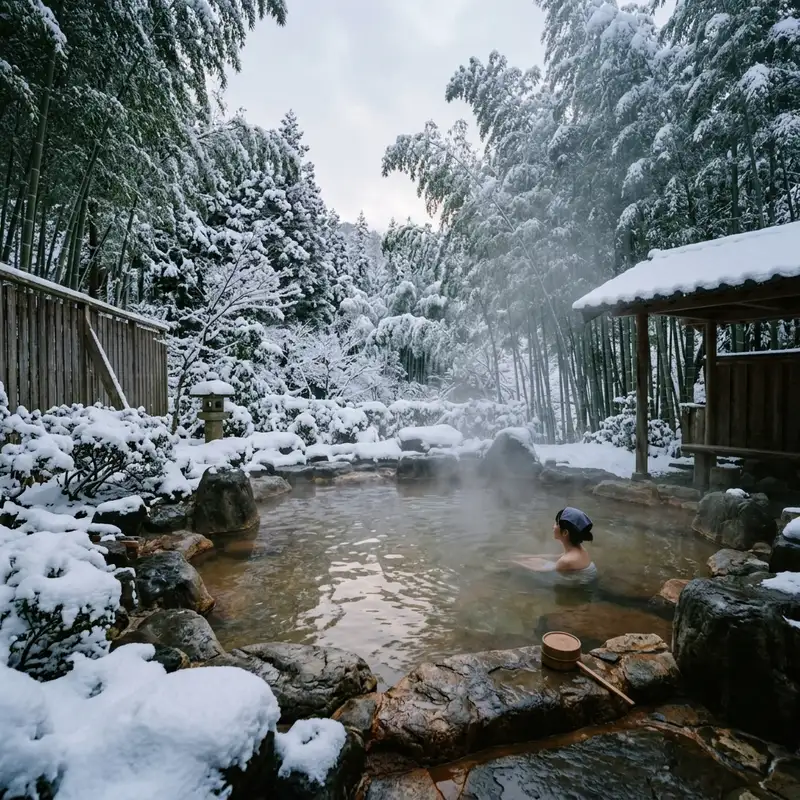
心身を癒す究極のリラクゼーション・日本の温泉文化 火山国である日本には、全国に約3,000ヶ所もの温泉地が存在します。温泉は単に体を洗う場所ではなく、日本人の心と深く結びついた文化であり、独自の発展を遂げてきました。今回は、古代から続く温泉の歴史と、知っておくべき入浴のマナーについてご紹介します。 「湯治」と神道思想 日本の温泉の歴史は非常に古く、『古事記』や『日本書紀』といった日本最古の歴史書にも有馬温泉や道後温泉が登場します。古くから、病気や怪我を治癒するための「湯治(とうじ)」という習慣がありました。人々は農閑期を利用して数週間温泉に滞在し、自然の力で体を回復させていたのです。また、神道の「禊(みそぎ)」という、水や湯で身のけがれを清める思想も、日本人がお風呂や温泉を神聖で特別なものとして愛する理由の一つと言われています。 露天風呂と自然との一体感 日本の温泉の最大の魅力の一つが「露天風呂」です。屋根のない野外に設置された風呂で、四季折々の自然の風景を楽しみながらお湯に浸かることができます。冬には雪を見ながら入る「雪見風呂」、秋には紅葉を愛でる「紅葉風呂」など、自然と一体化する感覚は、日本の美意識である「風流」を極めた体験です。名旅館では、地域の旬の食材を使った会席料理とともに、極上の温泉体験を提供しています。 知っておくべき温泉マナー 日本の温泉を深く楽しむためには、いくつかの独自のマナーを理解しておくことが大切です。かけ湯: 湯船に入る前に、必ず体の汚れを洗い流し、お湯の温度に体を慣らす「かけ湯」をします。 タオルを湯船に入れない: 衛生上の理由から、タオルは湯船の中に入れず、頭の上に置くか湯船の縁に置くのがルールです。 水着の着用禁止: 一部の混浴施設やスパを除き、伝統的な温泉では裸で入浴するのが基本です。 タトゥーについて: 多くの公共温泉ではタトゥーの入った方の入浴を制限していますが、近年ではカバーシールを使用すれば入浴可能な場所や、タトゥーOKの施設も増えつつあります。温泉は、衣服を脱ぎ捨てて素の自分に戻り、心と体を深く癒す日本ならではの精神文化です。ぜひ、ゆっくりとお湯に浸かり、日々の疲れを洗い流してください。 #onsen #japaneseculture #traveljapan #hotsprings #relax #ryokan #wellness #japantrip #nature #culture Related Insights京都の美しい寺院 沖縄の青い海 白川郷の合掌造り{ "@context": "https://schema.org", "@type": "FAQPage", "mainEntity": [ { "@type": "Question", "name": "What is the main focus of 日本の温泉文化?", "acceptedAnswer": { "@type": "Answer", "text": "Explore the incredible journey of 日本の温泉文化 with Kenji Sato." } }, { "@type": "Question", "name": "Who authored the comprehensive guide on 日本の温泉文化?", "acceptedAnswer": { "@type": "Answer", "text": "This detailed article and its insights were carefully researched and authored by Kenji Sato." } }, { "@type": "Question", "name": "Where can I find more related content about Japan Travel Facts?", "acceptedAnswer": { "@type": "Answer", "text": "You can explore more articles, detailed reviews, and similar insights by browsing the Related Insights section at the bottom of this article or visiting our dedicated Japan Travel Facts category page." } } ] }
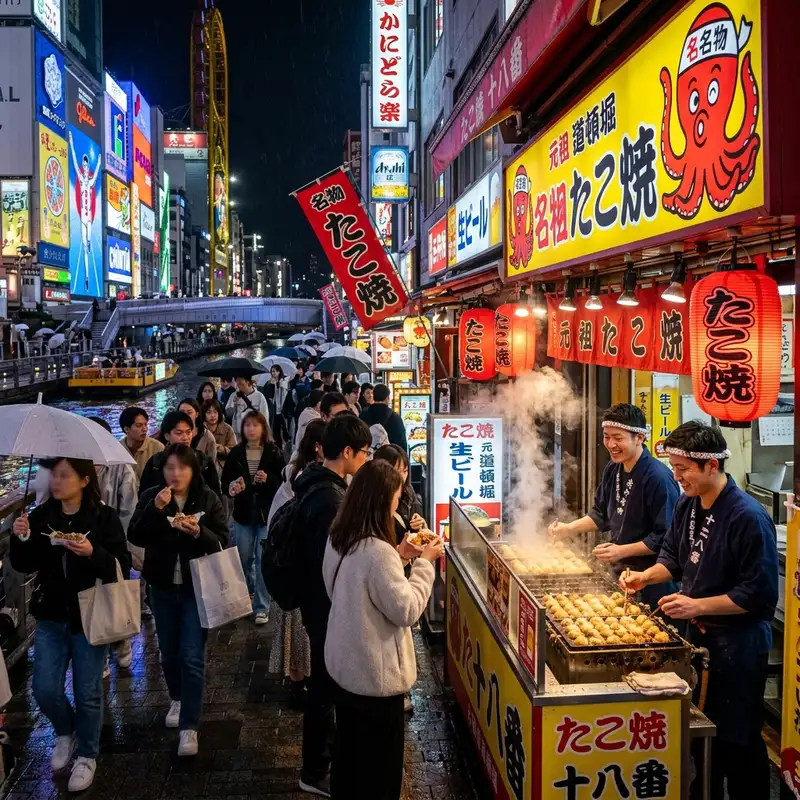
「天下の台所」大阪で味わう至高のストリートフード 大阪は古くから「天下の台所」と呼ばれ、日本の食文化の中心地として栄えてきました。「食い倒れ(お金がなくなるまで食べ歩くこと)」という言葉があるほど、大阪の人々は食に対して熱い情熱を持っています。道頓堀や新世界といった活気あふれるエリアで楽しめる、絶品のストリートフードをご紹介します。 たこ焼き:大阪の魂 大阪のストリートフードといえば、真っ先に思い浮かぶのが「たこ焼き」です。小麦粉の生地にタコ、天かす、紅生姜、ネギを入れて丸く焼き上げたこの料理は、1930年代に大阪で誕生しました。外はカリッと、中はトロッとした食感が特徴で、甘辛いソース、マヨネーズ、青のり、鰹節をたっぷりかけて熱々のうちに頬張るのが醍醐味です。大阪の家庭には必ずたこ焼き器があると言われるほど、地元の人々に愛されているソウルフードです。 お好み焼き:自由な発想の鉄板焼き 「お好み焼き」は、その名の通り「自分の好きなものを焼く」料理です。小麦粉の生地にキャベツ、豚肉、シーフードなどの具材を混ぜ合わせ、鉄板で平らに焼き上げます。大阪風のお好み焼きは、生地と具材を焼く前にすべて混ぜ合わせてから焼くのが特徴です。分厚い鉄板でじっくりと焼かれたお好み焼きに、ソースとマヨネーズが焦げる香ばしい匂いは、食欲をそそること間違いありません。 串カツ:新世界の名物 通天閣がそびえ立つ新世界エリアの名物といえば「串カツ」です。肉や野菜、魚介類などを一口大に切って串に刺し、細かいパン粉をつけてサクッと揚げた料理です。カウンター席に座り、目の前で揚げたての串カツを、ステンレスの容器に入った特製のウスターソースに浸して食べます。衛生上の理由から「ソースの二度漬け禁止」という厳格なルールがあることも、大阪の串カツ文化の面白い特徴です。 大阪のストリートフードは、安くて美味しいだけでなく、人々の活気や温かさを感じられる特別な体験です。胃袋の限界まで、大阪の味を堪能してみてください。 #osaka #streetfood #takoyaki #okonomiyaki #kushikatsu #japanesefood #osakatravel #foodie #dotonbori #culinary #travel #exclusive Related Insights富士山を望む絶景 沖縄の青い海 京都の美しい寺院{ "@context": "https://schema.org", "@type": "FAQPage", "mainEntity": [ { "@type": "Question", "name": "What is the main focus of 大阪のストリートフード?", "acceptedAnswer": { "@type": "Answer", "text": "Explore the incredible journey of 大阪のストリートフード with Kenji Sato." } }, { "@type": "Question", "name": "Who authored the comprehensive guide on 大阪のストリートフード?", "acceptedAnswer": { "@type": "Answer", "text": "This detailed article and its insights were carefully researched and authored by Kenji Sato." } }, { "@type": "Question", "name": "Where can I find more related content about Japan Travel Facts?", "acceptedAnswer": { "@type": "Answer", "text": "You can explore more articles, detailed reviews, and similar insights by browsing the Related Insights section at the bottom of this article or visiting our dedicated Japan Travel Facts category page." } } ] }
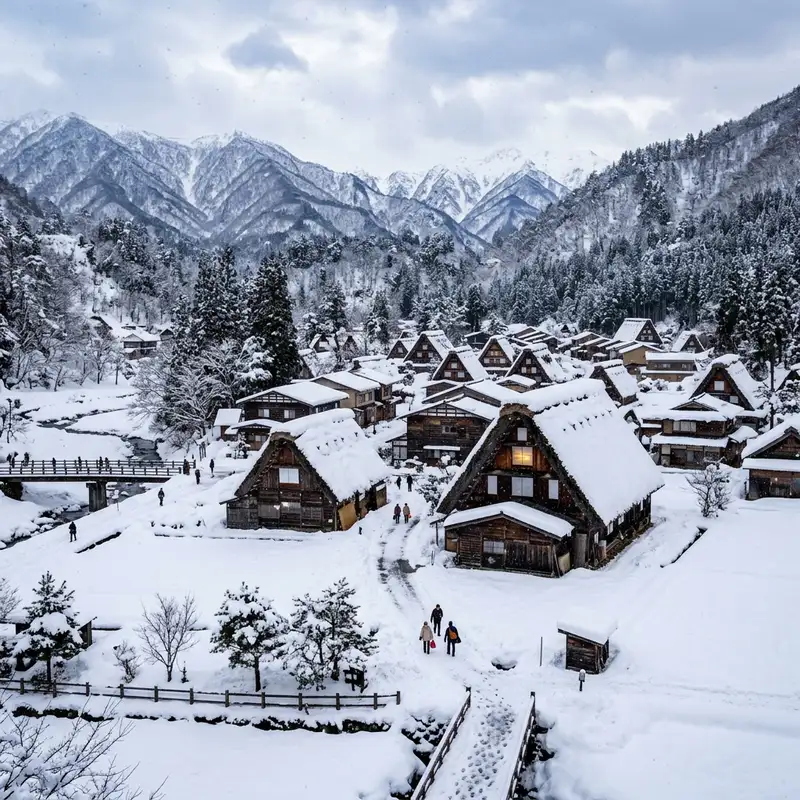
日本の原風景・白川郷の合掌造り集落の秘密 岐阜県の山深い地域に位置する白川郷は、まるでおとぎ話の世界に迷い込んだかのような美しい景観で知られています。1995年にユネスコの世界文化遺産に登録されたこの集落には、「合掌造り(がっしょうづくり)」と呼ばれる伝統的な茅葺き屋根の家屋が今も数多く残されています。厳しい自然環境と共生するための、先人たちの知恵と共同体の精神に迫ります。 雪国の厳しい自然と合掌造りの構造 「合掌造り」という名前は、急勾配の屋根の形が、手を合わせて祈る「合掌」の姿に似ていることに由来します。この屋根の角度は、冬には数メートルにも達する豪雪地帯において、雪の重みで家が潰れるのを防ぎ、雪下ろしを容易にするための見事な工夫です。さらに、屋根の向きは集落を通り抜ける風の方向(南北)に合わせて建てられており、風の抵抗を最小限に抑えつつ、夏には風通しを良くし、屋根に当たる日照量を調節して茅葺きを長持ちさせる役割を果たしています。 屋根裏の養蚕と火薬産業 合掌造りの家屋は、単なる住居以上の役割を持っていました。広大な屋根裏の空間は、江戸時代から昭和初期にかけて、地域の重要な産業であった養蚕(カイコを育てて絹糸をとること)の作業場として利用されていました。囲炉裏の煙が屋根裏まで昇ることで、カイコを寒さから守り、同時に茅葺き屋根の防虫・防腐効果も高めていました。また、囲炉裏の床下では、かつて重要な軍需物資であった「塩硝(火薬の原料)」が秘密裏に製造されており、白川郷の経済を支えていました。 「結(ゆい)」の精神 茅葺き屋根の葺き替えは、30年から40年に一度必要となりますが、これには膨大な人手と時間がかかります。そこで白川郷では古くから「結(ゆい)」と呼ばれる相互扶助の仕組みが根付いています。村民が総出で協力し合い、無償で屋根の葺き替えを手伝うこの精神は、過酷な自然の中で生き抜くために不可欠なものでした。 白川郷の風景は、単なる古い建築物の集まりではなく、自然と闘いながらも共生し、助け合って生きてきた日本の美しい心の象徴なのです。 #shirakawago #japan #worldheritage #gasshozukuri #winter #traveljapan #history #traditional #architecture #snow Related Insights沖縄の青い海 富士山を望む絶景 東京のネオン街{ "@context": "https://schema.org", "@type": "FAQPage", "mainEntity": [ { "@type": "Question", "name": "What is the main focus of 白川郷の合掌造り?", "acceptedAnswer": { "@type": "Answer", "text": "Explore the incredible journey of 白川郷の合掌造り with Kenji Sato." } }, { "@type": "Question", "name": "Who authored the comprehensive guide on 白川郷の合掌造り?", "acceptedAnswer": { "@type": "Answer", "text": "This detailed article and its insights were carefully researched and authored by Kenji Sato." } }, { "@type": "Question", "name": "Where can I find more related content about Japan Travel Facts?", "acceptedAnswer": { "@type": "Answer", "text": "You can explore more articles, detailed reviews, and similar insights by browsing the Related Insights section at the bottom of this article or visiting our dedicated Japan Travel Facts category page." } } ] }

眠らない街・東京の光と影 東京の夜を彩るネオンサインは、世界中の旅行者を魅了してやみません。新宿の歌舞伎町、渋谷のセンター街、そして秋葉原の電気街など、エリアごとに異なる顔を見せるネオンの光は、日本の近代化とポップカルチャーの象徴でもあります。 新宿・歌舞伎町の熱気 「東洋一の歓楽街」と称される新宿・歌舞伎町は、東京のナイトライフの中心地です。無数のネオン看板がひしめき合い、巨大なスクリーンからは絶え間なく音楽と映像が流れています。歴史的に見ると、この地域は第二次世界大戦後の復興期に、演舞場や映画館を中心とした健全な娯楽の街「歌舞伎町」として計画されました。現在では多様な飲食店やアミューズメント施設が集まり、サイバーパンク映画のような近未来的な光景が広がっています。 秋葉原とオタクカルチャー 秋葉原のネオンは、他のエリアとは一線を画しています。かつては戦後の闇市から発展した電子部品の街でしたが、現在ではアニメ、漫画、ゲームといった日本のオタクカルチャーの聖地となりました。メイドカフェの看板や巨大なアニメキャラクターのイラストがライトアップされ、独特のポップな雰囲気を醸し出しています。ここではテクノロジーとサブカルチャーが見事に融合しており、海外からの観光客にとっても見逃せないスポットです。 渋谷のスクランブル交差点とデジタルアート 渋谷のスクランブル交差点は、一度に最大3000人が横断すると言われ、そのダイナミックな光景は圧巻です。周囲を取り囲む高層ビル群の巨大ビジョンやLED看板は、東京の躍動感を象徴しています。近年では、プロジェクションマッピングやインタラクティブなデジタルアートが街中に取り入れられ、ネオンの形も進化し続けています。 東京のネオン街は、単なる照明ではなく、この街のエネルギーそのものです。夜の東京を歩きながら、その光が織りなす現代の物語を感じてみてください。 #tokyo #neonlights #shinjuku #shibuya #akihabara #cyberpunk #japantravel #nightlife #citylights #explorejapan #travel #exclusive Related Insights白川郷の合掌造り 広島の平和記念公園 大阪のストリートフード{ "@context": "https://schema.org", "@type": "FAQPage", "mainEntity": [ { "@type": "Question", "name": "What is the main focus of 東京のネオン街?", "acceptedAnswer": { "@type": "Answer", "text": "Explore the incredible journey of 東京のネオン街 with Kenji Sato." } }, { "@type": "Question", "name": "Who authored the comprehensive guide on 東京のネオン街?", "acceptedAnswer": { "@type": "Answer", "text": "This detailed article and its insights were carefully researched and authored by Kenji Sato." } }, { "@type": "Question", "name": "Where can I find more related content about Japan Travel Facts?", "acceptedAnswer": { "@type": "Answer", "text": "You can explore more articles, detailed reviews, and similar insights by browsing the Related Insights section at the bottom of this article or visiting our dedicated Japan Travel Facts category page." } } ] }

It Happened One Summer Author: Tessa BaileyPage Count: UnknownPublication Year: 2021-GB It Happened One Summer: A Fiery, Funny, and Unforgettable Romance That Steals Hearts Tessa Bailey’s It Happened One Summer is the kind of book that grabs you by the collar and refuses to let go—until you’ve devoured every last page. A global bestseller for a reason, this novel blends sharp humor, steamy tension, and a swoon-worthy love story that feels both fresh and timeless. Set against the rugged backdrop of Westport, Washington, this is a tale of opposites attracting, second chances, and the messy, beautiful chaos of falling in love when you least expect it. At its core, It Happened One Summer is a romance about reclaiming joy after loss. Piper Bellinger, the book’s larger-than-life heroine, is the kind of character who dominates a room the second she walks in. A social media darling with a sharp tongue and a rebellious streak, Piper is the kind of woman who’d rather flip off a paparazzo than smile for the camera. But beneath the bravado, she’s a storm of grief, still reeling from her father’s sudden death. When a scathing late-night rant goes viral—one where she mocks the small town she once adored—she’s unceremoniously shipped off to Westport by her overbearing older sisters, who hope a summer of forced manual labor will knock some sense into her. Enter Brendan Callahan, the gruff, no-nonsense owner of a local marina and Piper’s unwilling roommate. Brendan is the human embodiment of a grumpy mountain man—tall, tattooed, and perpetually annoyed by Piper’s antics. But where Piper is all fire and chaos, Brendan is stoic, methodical, and hiding his own wounds. A former athlete sidelined by an injury, he’s built walls around his heart, refusing to let anyone in—until Piper, with her relentless energy and unfiltered mouth, starts chipping away at them. What makes Bailey’s storytelling so compelling is her ability to balance humor and heartache with effortless grace. The banter between Piper and Brendan crackles off the page, dripping with sarcasm, sexual tension, and an underlying vulnerability that keeps you rooting for them. Bailey’s dialogue is razor-sharp, filled with one-liners that land like punches before dissolving into laughter. There’s a scene where Piper, after a few too many drinks, attempts to serenade Brendan with a drunken rendition of Careless Whisper—only to be met with his deadpan, “I’d rather listen to a bag of hammers being run over by a truck.” Moments like these showcase Bailey’s talent for weaving comedy into even the most tender exchanges. But beneath the humor lies a deeper exploration of healing. Both Piper and Brendan are running from pain—Piper from grief and guilt, Brendan from regret and isolation. Their slow-burn romance isn’t just about lust or instant attraction; it’s about two broken people learning to trust again. Bailey excels at writing emotionally raw scenes where the facade drops, and the characters are left raw and exposed. There’s a particularly poignant moment where Brendan, usually so guarded, admits to Piper, “I don’t know how to do this. I don’t know how to want something this much.” It’s a line that hits hard because it’s honest, and it’s honest because Bailey refuses to shy away from the messy, uncomfortable truths of love and loss. The setting of Westport also deserves applause—it’s more than just a picturesque backdrop. The small-town charm, the salty air, the way the ocean seems to mirror the characters’ emotions—it all feels alive. Bailey’s prose paints a vivid picture, making you smell the pine trees, taste the local diner’s pie, and feel the grit of the dock under your feet. It’s the kind of atmosphere that makes you want to pack your bags and move there, even if only for a little while. What truly sets It Happened One Summer apart, however, is its refusal to conform to tired romance tropes. Piper isn’t a damsel in distress, and Brendan isn’t a brooding alpha hero who needs “fixing.” They’re flawed, complicated, and beautifully real. Their relationship evolves organically, with setbacks and misunderstandings that feel authentic rather than manufactured for drama. And the steam? Oh, the steam. Bailey writes sex scenes that are as emotionally charged as they are physically intense—passionate but never gratuitous, always serving the story and the characters. By the time you reach the final pages, you’ll be left breathless—not just from the emotional gut-punch of the ending, but from the sheer satisfaction of watching two people find their way back to themselves through love. It Happened One Summer isn’t just a romance; it’s a celebration of resilience, a testament to the fact that sometimes, the people who challenge us the most are the ones who end up saving us. If you’re a fan of enemies-to-lovers, forced proximity, or just great storytelling with heart and humor, this book is a must-read. Tessa Bailey proves once again why she’s a master of modern romance—she writes love stories that linger long after the last page. #RomanceBooks #EnemiesToLovers #TessaBailey #MustReadRomance #Bookstagram #RomanceNovel Related InsightsIn Cold Blood Book Review and Summary Godrise Book Review and Summary Jonathan Livingston Seagull Book Review and Summary{ "@context": "https://schema.org", "@type": "FAQPage", "mainEntity": [ { "@type": "Question", "name": "What is the main focus of It Happened One Summer Book Review and Summary?", "acceptedAnswer": { "@type": "Answer", "text": "Everything you need to know about It Happened One Summer with our detailed review." } }, { "@type": "Question", "name": "Who authored the comprehensive guide on It Happened One Summer Book Review and Summary?", "acceptedAnswer": { "@type": "Answer", "text": "This detailed article and its insights were carefully researched and authored by Beatriz Costa." } }, { "@type": "Question", "name": "Where can I find more related content about Books?", "acceptedAnswer": { "@type": "Answer", "text": "You can explore more articles, detailed reviews, and similar insights by browsing the Related Insights section at the bottom of this article or visiting our dedicated Books category page." } } ] }
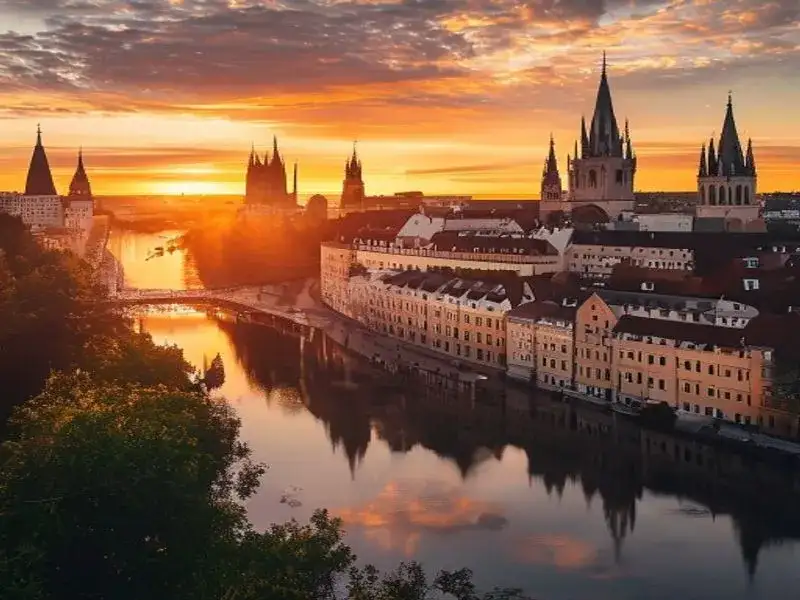

Dresden: Das wahre Elbflorenz entdecken Dresden, die stolze Landeshauptstadt des Freistaates Sachsen, trägt nicht ohne Grund den ehrwürdigen Beinamen „Elbflorenz“. Diese charmante Bezeichnung, die bereits im frühen 19. Jahrhundert vom Philosophen Johann Gottfried von Herder geprägt wurde, spielt auf die beeindruckenden Kunstsammlungen sowie die atemberaubende barocke und mediterran anmutende Architektur an, die sich majestätisch in den sanften Fluten der Elbe spiegelt. Dresden ist ein Meisterwerk der Wiederauferstehung und ein Mekka für Kunst-, Geschichts- und Architekturliebhaber aus aller Welt. Die barocke Pracht: Zwinger, Frauenkirche und Semperoper Ein Spaziergang durch die historische Altstadt gleicht einer Reise in die prunkvolle Zeit Augusts des Starken. Im Zentrum der architektonischen Bewunderung steht zweifellos der Dresdner Zwinger. Dieses Gesamtkunstwerk aus Architektur, Plastik und Malerei gilt als eines der bedeutendsten Bauwerke des Spätbarocks in Europa. Ursprünglich als Orangerie und Festspielplatz des sächsischen Hofes konzipiert, beherbergt der Zwinger heute weltberühmte Museen wie die Gemäldegalerie Alte Meister, wo Raffaels berühmte „Sixtinische Madonna“ mit den ikonischen Engeln ihre Heimat hat. Ein weiteres Wunder der Rekonstruktion ist die Dresdner Frauenkirche. Während der verheerenden Bombenangriffe im Februar 1945 fast vollständig zerstört, blieb sie jahrzehntelang als Mahnmal gegen den Krieg in Trümmern liegen. Nach der Wiedervereinigung wurde sie in einem beispiellosen architektonischen Kraftakt originalgetreu wiederaufgebaut und im Jahr 2005 neu geweiht. Heute thront ihre gewaltige Sandsteinkuppel wieder stolz über der Skyline. Nur einen Steinwurf entfernt befindet sich die weltberühmte Semperoper. Sie besticht nicht nur durch ihre prächtige Architektur im Stil der italienischen Hochrenaissance, sondern auch durch ihre außergewöhnliche Akustik, die Opernfreunde tief bewegt. Kulinarische Schätze Sachsens Dresden wäre nicht Elbflorenz, gäbe es nicht auch kulinarische Kunstwerke zu entdecken. Weit über die Landesgrenzen hinaus bekannt ist der Dresdner Christstollen, ein gehaltvolles Gebäck aus schwerem Hefeteig mit Rosinen, Butter, süßen und bitteren Mandeln sowie Orangeat und Zitronat. Seine Geschichte reicht bis in das 15. Jahrhundert zurück. Das Original darf nur in und um Dresden von zertifizierten Bäckern hergestellt werden. Doch Dresden hat noch eine weitere süße Verführung zu bieten: die Dresdner Eierschecke. Diese köstliche Kuchenspezialität besteht aus einem Boden aus Hefeteig, einer mittleren Schicht aus Quark und Vanillepudding und einer oberen, fluffigen Schicht aus Eigelb, Butter und aufgeschlagenem Eiweiß. Für Kaffeeliebhaber (oder "Kaffeesachsen", wie die Einheimischen oft liebevoll genannt werden) ist ein Stück frisch gebackene Eierschecke in einem der traditionellen Kaffeehäuser am Altmarkt ein absolutes Muss. Das grüne Herz an der Elbe Neben all der hochkarätigen Architektur bietet Dresden auch eine unglaubliche Dichte an Grünflächen. Die weitläufigen Elbwiesen laden im Sommer zum Picknicken und Radfahren ein, während die nahe gelegenen Weinberge in Radebeul die Jahrhunderte alte sächsische Weinbautradition präsentieren. Hier gedeihen exzellente Müller-Thurgau- und Riesling-Weine, die man bei einer Fahrt auf einem der historischen Schaufelraddampfer der Sächsischen Dampfschifffahrt hervorragend genießen kann. Dresden ist wahrlich eine Stadt, in der #Kultur, Geschichte und Genuss eine perfekte Symbiose eingehen. #Dresden #Elbflorenz #Sachsen #Frauenkirche #Zwinger #GermanyTravel #VisitDresden #DresdnerStollen #Barock #TravelGermany #travel #exclusive Related InsightsL'Eclissi del Re Sole: Tra gli Specchi e l'Oro di Versailles Medina Azahara: La Ciudad Brillante Bhutan’s Tiger’s Nest Monastery: A Pilgrimage to the Clouds (Part 2){ "@context": "https://schema.org", "@type": "FAQPage", "mainEntity": [ { "@type": "Question", "name": "What is the main focus of Dresden: Elbflorenz?", "acceptedAnswer": { "@type": "Answer", "text": "Explore the incredible journey of Dresden: Elbflorenz with Felix Müller." } }, { "@type": "Question", "name": "Who authored the comprehensive guide on Dresden: Elbflorenz?", "acceptedAnswer": { "@type": "Answer", "text": "This detailed article and its insights were carefully researched and authored by Felix Müller." } }, { "@type": "Question", "name": "Where can I find more related content about Travel?", "acceptedAnswer": { "@type": "Answer", "text": "You can explore more articles, detailed reviews, and similar insights by browsing the Related Insights section at the bottom of this article or visiting our dedicated Travel category page." } } ] }
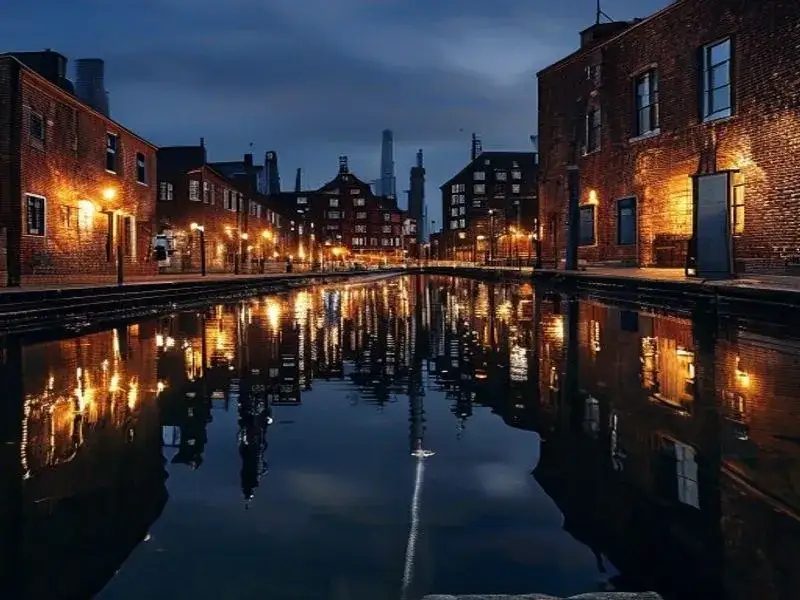
Hamburgs Speicherstadt: Ein architektonisches Juwel aus rotem Backstein Tief im Herzen des Hamburger Hafens, umschlossen von glitzernden Fleeten und überspannt von kunstvollen Brücken, liegt ein Ort von unvergleichlicher industrieller Schönheit: die Speicherstadt. Als weltgrößter zusammenhängender Lagerhauskomplex wurde dieses historische Viertel im Jahr 2015 gemeinsam mit dem benachbarten Kontorhausviertel zum UNESCO-Weltkulturerbe erklärt. Ein Besuch der Speicherstadt ist wie eine Zeitreise in die Epoche, als Hamburg als das "Tor zur Welt" galt und mächtige Kaufleute den globalen Handel dominierten. Die Entstehung eines logistischen Meisterwerks Die Geschichte der Speicherstadt begann Ende des 19. Jahrhunderts. Als Hamburg 1888 dem Deutschen Zollverein beitrat, verlor die Stadt ihr Privileg des zollfreien Handels für das gesamte Stadtgebiet. Um dennoch zollfreien Warenumschlag zu ermöglichen, wurde ein Freihafen eingerichtet. Für den Bau der gigantischen Speicherkomplexe mussten über 20.000 Menschen im damaligen Kehrwieder- und Wandrahmviertel ihre Wohnungen räumen – ein historischer Kraftakt, der heute oft vergessen wird. Die Architektur der Speicherstadt ist atemberaubend. Die fünf- bis siebengeschossigen Gebäude wurden im Stil der hannoverschen Architekturschule erbaut und ruhen auf abertausenden massiven Eichenpfählen, die tief in den feuchten Hamburger Schlick gerammt wurden. Die Fassaden aus rotem Backstein sind kunstvoll mit Erkern, Türmchen und Terrakotta-Ornamenten verziert. Auf der Wasserseite der Gebäude hingen einst riesige Seilwinden, mit denen Kaffee, Tee, Kakao, Gewürze und Teppiche direkt von den Schuten (kleinen Hafenlastkähnen) in die Lagerräume gehievt wurden. Düfte und Aromen: Eine Reise für die Sinne Auch wenn heute kaum noch klassische Güter in der Speicherstadt gelagert werden, weht noch immer ein Hauch von exotischen Gewürzen und röstfrischem Kaffee durch die engen Gassen. Kulinarisch und historisch Interessierte kommen in der Speicherstadtkaffeerösterei voll auf ihre Kosten. Hier wird der Kaffee noch traditionell trommelgeröstet, ein Verfahren, das den Bohnen ihr volles, komplexes Aroma entlockt. Das historische Kaffeemuseum in der Burgstraße nimmt Besucher mit auf eine Reise durch die jahrhundertelange Geschichte des braunen Goldes. Nicht minder faszinierend ist das Spicy’s Gewürzmuseum, das tief in die Welt der exotischen Aromen eintauchen lässt. Jahrhundertelang war Hamburg der wichtigste Umschlagplatz für Pfeffer, Muskat, Nelken und Zimt. Die intensiven Gerüche des Museums lassen die harte Arbeit der "Quartiersleute" (der Lagerarbeiter) erahnen, die schwere Jutesäcke durch die dunklen und kühlen Gewölbe schleppten. Miniaturen und Magie bei Nacht Heute beherbergt die Speicherstadt neben Museen und Werbeagenturen auch das weltberühmte Miniatur Wunderland, die größte Modelleisenbahnanlage der Welt. Mit über 16 Kilometern Gleisen und unglaublich detailgetreuen Miniaturwelten zieht es jährlich über eine Million Besucher in seinen Bann. Doch die wahre Magie der Speicherstadt entfaltet sich, wenn die Sonne untergeht. Sobald die Dämmerung hereinbricht, wird das gesamte Viertel durch hunderte Scheinwerfer illuminiert. Die kunstvolle Beleuchtung taucht die Backsteinfassaden und stählernen Brücken in ein warmes, weiches Licht, das sich sanft in den dunklen Fleeten spiegelt. Eine abendliche Barkassenfahrt durch die engen Wasserstraßen der Speicherstadt gehört zu den romantischsten und unvergesslichsten Erlebnissen, die Hamburg zu bieten hat. #Hamburg #Speicherstadt #Weltkulturerbe #Hafenstadt #MiniaturWunderland #Backsteinarchitektur #GermanyTravel #TravelHamburg #ExploreGermany #Norddeutschland #travel #exclusive Related Insights厳島神社: 海に浮かぶ神々の住処 Fairy Tale Châteaux: A Journey Through the Loire Valley Gobeklitepe: The First Temple{ "@context": "https://schema.org", "@type": "FAQPage", "mainEntity": [ { "@type": "Question", "name": "What is the main focus of Hamburgs Speicherstadt?", "acceptedAnswer": { "@type": "Answer", "text": "Explore the incredible journey of Hamburgs Speicherstadt with Felix Müller." } }, { "@type": "Question", "name": "Who authored the comprehensive guide on Hamburgs Speicherstadt?", "acceptedAnswer": { "@type": "Answer", "text": "This detailed article and its insights were carefully researched and authored by Felix Müller." } }, { "@type": "Question", "name": "Where can I find more related content about Travel?", "acceptedAnswer": { "@type": "Answer", "text": "You can explore more articles, detailed reviews, and similar insights by browsing the Related Insights section at the bottom of this article or visiting our dedicated Travel category page." } } ] }
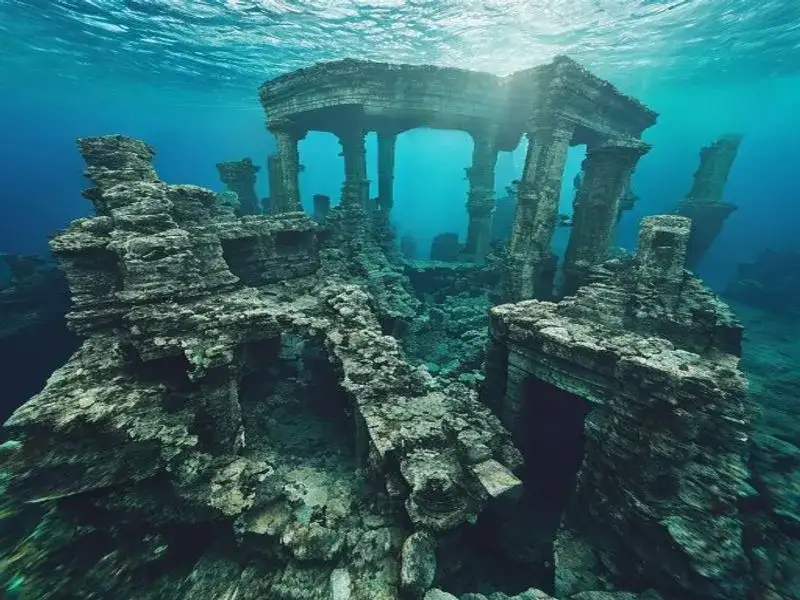

The Sunken Secrets of Kekova Floating along the Turquoise Coast of Turkey, near the charming town of Demre in the Antalya Province, lies a submerged archaeological wonder that seems plucked straight from a fantasy novel. The island of Kekova is famous not just for its crystal-clear Mediterranean waters, but for the haunting ruins of an #ancient Lycian settlement that rests silently beneath the waves. Known as the "Sunken City of Kekova," this site offers a surreal glimpse into an ancient world lost to the sea. A City Claimed by the Mediterranean The submerged ruins once belonged to the ancient town of Dolchiste, a thriving Lycian port settlement established during antiquity. In the 2nd century AD, the region was struck by a series of devastating earthquakes. The tectonic shifts caused the land to subside, plunging the northern coast of the island—and the city of Dolchiste along with it—beneath the Mediterranean. Today, visitors can take boat tours or paddle kayaks over the incredibly clear, turquoise waters to view the remains. Looking down, you can clearly see the foundations of stone houses, half-submerged staircases leading down into the blue abyss, ancient harbors, and scattered terracotta amphorae that were once used to transport olive oil and wine. While swimming directly over the ruins is strictly prohibited by the Turkish government to preserve the site, the view from the surface is nothing short of mesmerizing. The Castle of Simena Just across the water from Kekova Island is the picturesque village of Kaleköy, built directly upon the ancient Lycian city of Simena. Unlike Dolchiste, Simena was only partially submerged. The village is dominated by a remarkably well-preserved Byzantine castle built by the Knights of Rhodes. Climbing to the top of the castle rewards visitors with panoramic views of the Kekova region. The hillside is dotted with ancient Lycian rock-cut tombs, including one famous sarcophagus that stands entirely surrounded by water—a solitary, enduring monument to the region's complex geological #history. A Taste of the Coast A visit to Kekova is a feast for the senses, particularly the palate. The coastal waters here are incredibly rich, and the local cuisine is heavily seafood-centric. After a day of exploring the sunken ruins, pulling into a waterfront restaurant in Kaleköy or nearby Üçağız is a must. The quintessential Kekova meal consists of freshly caught grouper (lagos) or sea bream, simply grilled with a drizzle of local olive oil and lemon. This is invariably accompanied by an array of mezes, such as fava (mashed broad beans) and haydari (thick yogurt with garlic and dill). For dessert, locals highly recommend homemade peach or lemon ice cream, churned right in the village—a perfect, refreshing end to a day spent uncovering the sunken secrets of the Lycian coast. #Kekova #SunkenCity #TurkeyTravel #LycianCoast #MediterraneanSea #Antalya #AncientRuins #Simena #UnderwaterArchaeology #TravelTurkey #travel #exclusive Related InsightsColmar and the Alsace Wine Route: A Colorful Escape 丽江古城:茶马古道上的明珠 平遥古城:穿越明清的金融中心{ "@context": "https://schema.org", "@type": "FAQPage", "mainEntity": [ { "@type": "Question", "name": "What is the main focus of The Sunken City of Kekova?", "acceptedAnswer": { "@type": "Answer", "text": "Explore the incredible journey of The Sunken City of Kekova with Emre Yılmaz." } }, { "@type": "Question", "name": "Who authored the comprehensive guide on The Sunken City of Kekova?", "acceptedAnswer": { "@type": "Answer", "text": "This detailed article and its insights were carefully researched and authored by Emre Yılmaz." } }, { "@type": "Question", "name": "Where can I find more related content about Travel?", "acceptedAnswer": { "@type": "Answer", "text": "You can explore more articles, detailed reviews, and similar insights by browsing the Related Insights section at the bottom of this article or visiting our dedicated Travel category page." } } ] }
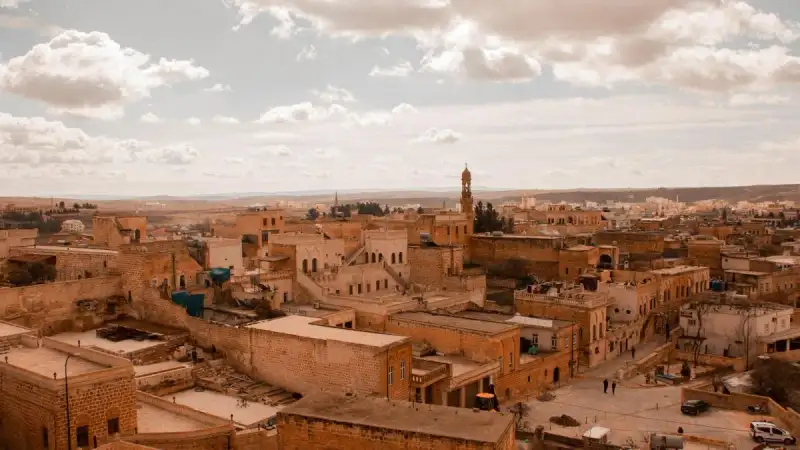
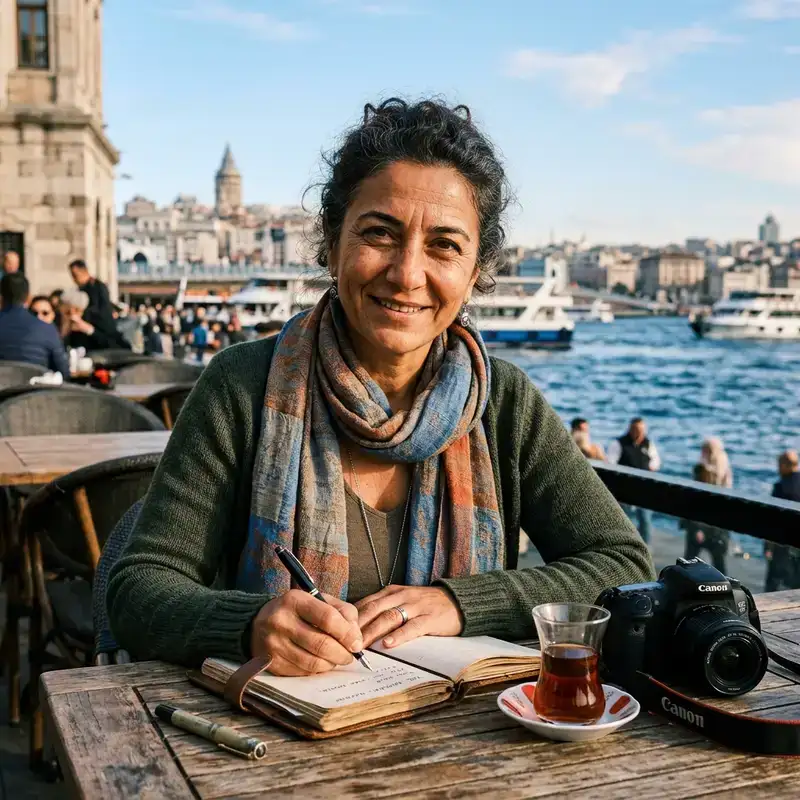
The first breath of Mardin is a whisper of #ancient stone, carried on a breeze that has travelled across the Mesopotamian plains for millennia. It's a scent of sun-warmed limestone, mingled with exotic spices from hidden bazaars, the faint aroma of freshly brewed mırra coffee, and the subtle perfume of #history itself. You don't just arrive in Mardin; you are absorbed by it, drawn into its intricate embrace like a thread into a richly woven tapestry. And at the heart of this absorption, this profound connection to a bygone era, lie its historical streets – a living, breathing museum under the vast, often startlingly blue, Anatolian sky. Mardin isn't merely a collection of buildings; it is an architectural symphony carved into a steep hillside, each stone a note, each street a melody leading to another breathtaking crescendo. Perched majestically over the endless plains of ancient Mesopotamia, the city resembles a golden eagle nesting on a rugged cliff, its wings outstretched, seemingly surveying the vastness below with a timeless gaze. From a distance, particularly at dawn or dusk when the honey-coloured stone glows with an otherworldly luminescence, Mardin appears to be a natural extension of the rock face itself, as if it wasn't built, but rather grew organically from the earth. To truly understand Mardin is to surrender to its streets. They are not merely thoroughfares but arteries carrying the lifeblood of centuries. They are narrow, winding, often steeply inclined, cobbled pathways that twist and turn with an unpredictable charm, revealing new vistas, hidden courtyards, and unexpected architectural delights around every corner. There's no grid plan here, no rational modern design; Mardin's urban fabric evolved organically over thousands of years, shaped by topography, defense, and the communal needs of its diverse inhabitants. The Stone City's Embrace: #architecture of the Streets Mardin's defining characteristic is its uniform architecture, almost exclusively crafted from the local, easily quarried yellow limestone. This soft, malleable stone, which hardens with exposure to air, lends the entire city a cohesive, ancient aesthetic. The houses, madrasahs, mosques, and churches are all built from this same material, creating a harmonious palette that shifts from ochre to gold to dusty beige depending on the angle of the sun. The streets, paved with meticulously laid cobblestones, mirror this material, making you feel entirely enveloped by the stone. As you wander, you’ll notice the architectural nuances that make Mardin’s streets so unique. Houses are often multi-storied, built directly into the slope, with their lower floors serving as foundations for those above, creating a terraced effect. The facades are adorned with intricate stone carvings – geometric patterns, floral motifs, calligraphic inscriptions, and sometimes even stylized animal figures – evidence of the city's rich history of craftsmanship. These decorative elements are not just for show; they often tell stories, carry blessings, or indicate the wealth and status of the original inhabitants. One of the most captivating features you’ll encounter are the abbara – arched stone tunnels or covered passages that span across the streets, connecting buildings on opposite sides. These ancient architectural solutions are born out of necessity and ingenuity. They provide welcome shade from the intense Mesopotamian sun, offer protection from the elements, and in times of conflict, could have served defensive purposes, restricting movement or creating choke points. Walking through an abbara is like stepping into a time capsule; the air cools, sounds echo differently, and for a moment, you are utterly removed from the outside world, suspended in a stone embrace. They create a profound sense of intimacy and discovery, hinting at the closely-knit communities that have thrived here for centuries. Each abbara feels like a secret passage, inviting you to wonder what lies beyond its shadowy depths.The houses themselves, with their high walls and often unassuming street-facing exteriors, belie the splendour within. Mardin homes are typically built around an internal courtyard (hayat), providing privacy, a microclimate of cool air, and a space for family life away from the public gaze. Many also feature eyvans (iwans), open-fronted, vaulted halls that serve as shaded living areas during hot summers, often overlooking the central courtyard. From the streets, you often only catch glimpses of these inner worlds through heavy wooden doors, adorned with elaborate knockers – each a small work of art. A Tapestry of Faiths: Echoes in Stone Mardin has long been a crucible of cultures and religions, a crossroads where East meets West, North meets South. This rich tapestry is vividly reflected in its streets, where the call to prayer from a mosque mingles with the faint peal of bells from a Syriac Orthodox church. This coexistence, often peaceful, sometimes turbulent, has left an indelible mark on the city's soul and its physical landscape. Mosques: Dominating the skyline, particularly with its striking fluted minaret, is the Ulu Cami (Great Mosque). Its precise construction date is debated, but it's believed to be from the Artuqid period (12th century). Its minaret, visible from almost every vantage point in the old city, serves as a beacon, guiding visitors through the labyrinthine streets. Approaching it, you walk through bustling market areas, the aroma of spices filling the air, until the grand portal with its intricate carvings appears. The mosque's courtyard is a sanctuary of calm, a stark contrast to the lively streets outside, offering spectacular views of the plains below. The Latifiye Mosque and Şehidiye Mosque are other notable examples, each with their own historical narrative and architectural nuances, contributing to the city's rich Islamic heritage.Churches: Mardin is a significant center for the Syriac Orthodox Church, and its presence is deeply felt. Tucked away on various streets are several #beautiful churches. The Forty Martyrs Church (Kırklar Kilisesi), with its unassuming stone exterior, opens into a surprisingly ornate interior, adorned with vibrant icons and intricate woodwork. Its courtyard, a peaceful haven, often hosts ceremonies and gatherings. Here, ancient Aramaic is still spoken and sung during services, a living link to one of the world's oldest Christian communities. The Virgin Mary Church is another example, offering a glimpse into the enduring Syriac heritage. While a bit outside the immediate city centre, the Deyrulzafaran Monastery – often called the "Saffron Monastery" due to the saffron used in its mortar – stands as a magnificent testament to Syriac Christianity, its influence radiating throughout Mardin's history and its communities. Its ancient walls and serene atmosphere are a pilgrimage for many, and its spiritual weight is palpable even within the city's streets. Madrasahs: These theological schools are architectural masterpieces and vital historical sites. The Zinciriye Madrasah (Sultan Isa Madrasah), perched high on the hillside, is a breathtaking example of Artuqid architecture. Its domes and minaret-like observatories were once used for astronomical studies, reflecting the sophisticated scientific pursuits of its time. Its internal courtyards, adorned with fountains and intricate carvings, offer unparalleled panoramic views of the Mesopotamian plains, stretching out towards Syria. The Kasımıye Madrasah, located on the city's western outskirts but intricately connected to its history, is another must-see. Its complex architectural design incorporates a sophisticated water system, symbolizing life, birth, and death, flowing through its courtyards. Walking its ancient halls and courtyards provides a profound sense of the intellectual and spiritual life that once thrived within its walls.Even though a physical synagogue no longer functions as a place of worship, the historical Jewish presence in Mardin is acknowledged, forming another thread in the city’s multi-faith narrative. The spirit of coexistence, despite historical challenges, is a cornerstone of Mardin's identity, a unique phenomenon visible in the very proximity of its sacred sites. Life in the Labyrinth: Bazaars, Crafts, and Flavours The historical streets of Mardin are not mere monuments; they are vibrant conduits of daily life. The air thrums with the sounds of commerce and conversation, the clang of metal, the chatter of merchants, and the laughter of children echoing off ancient stone walls. The Bazaars (Çarşılar): Descending from the higher parts of the city towards the lower districts, you plunge into the bustling atmosphere of Mardin's traditional bazaars. Here, the streets narrow further, becoming canopied by awnings and crowded with stalls. The Bakırcılar Çarşısı (Coppersmiths' Bazaar) is a symphony of sound and light, where skilled artisans hammer sheets of copper into exquisite pots, trays, and decorative items, their rhythmic clanging a timeless soundtrack. The Gümüşçüler Çarşısı (Silversmiths' Bazaar) showcases the delicate art of telkâri (filigree silverwork), a Mardin specialty, where silver threads are twisted into intricate jewellery. You can often see the artisans at work, their hands deftly manipulating tiny wires, a testament to generations of inherited skill. Beyond the metalworkers, you’ll find shops overflowing with local treasures: hand-woven textiles, richly dyed carpets, carved wooden artifacts, and traditional soaps made from olive oil and pistachios. The spice markets are a feast for the senses, vibrant pyramids of red pepper flakes, cumin, turmeric, and sumac filling the air with their pungent aromas. You’ll find local delicacies like badem şekeri (sugar-coated almonds, often coloured blue) and dried fruits, perfect for a sweet souvenir. Culinary #journey on Cobblestones: Mardin's streets are also a gateway to its rich culinary traditions. Street vendors offer tempting snacks, from freshly baked sembusek (a local version of a savoury pastry, often filled with minced meat) to ikbebet (Syriac kibbeh, often made with bulgur and walnuts). In small, unassuming eateries tucked away in narrow alleys, you can savour hearty Mesopotamian dishes like kaburga dolması (stuffed lamb ribs), a slow-cooked masterpiece that embodies the region's generous hospitality. And, of course, no visit is complete without experiencing mırra, the intense, bitter, and highly ritualized Turkish-Arabic coffee, served in tiny, handle-less cups, a gesture of welcome and tradition. Each sip connects you to centuries of shared ritual. Strategic Vistas and Hidden Courtyards: The City's Layers Mardin’s streets are not merely about what’s at eye level; they are about elevation, perspective, and discovery. The city’s tiered structure means that every turn can unveil a dramatic panoramic view. Mardin Castle: Although largely inaccessible to visitors due to its use by the military, the ancient Mardin Castle looms large above the city, its formidable walls a constant reminder of Mardin's strategic importance throughout history. Its presence dictated much of the city's defensive planning and layout, influencing the very way its streets and houses were built, creating a tightly packed, defensible urban core. The castle's enduring silhouette adds to the timeless mystique of the city. Terraced Views: One of the great joys of navigating Mardin’s streets is the constant interplay between enclosed intimacy and expansive vistas. You might be walking through a narrow, shadowed lane, only to emerge onto a small square or a rooftop terrace offering an uninterrupted panorama of the vast plains stretching south into Syria. These are the moments when Mardin truly takes your breath away – the endless expanse of the horizon, the shifting colours of the sky, and the profound silence that descends at certain times of the day. Many historical houses have their own terraces, and some cafes offer rooftop seating, perfect for enjoying a mırra or a tea while watching the sunset paint the sky in fiery hues over Mesopotamia. These elevated vantage points not only offer stunning views but also allow you to appreciate the ingenious way the city is built, with one house's roof often serving as another's terrace. Hidden Courtyards: Beyond the public thoroughfares, Mardin’s charm lies in its hidden spaces. Many large stone doors, seemingly unremarkable from the street, open into magnificent courtyards – secret gardens, often featuring a central fountain, lush greenery, and comfortable seating areas. These courtyards, known as hayats, are the heart of Mardin’s domestic life, providing cool retreats from the summer heat and private spaces for families to gather. Sometimes, as you walk past an open door, you might catch a fleeting glimpse of such a courtyard, adding to the city's allure and mystery. The Rhythm of Time on Stone Mardin's streets have a distinct rhythm that changes with the sun's journey across the sky. Morning: As the first rays of sun kiss the golden stone, the city slowly awakens. The aroma of freshly baked bread wafts from neighbourhood bakeries. Shopkeepers begin to raise their metal shutters, and the soft clatter of activity fills the air. It's a peaceful time to wander, when the light is gentle, and the city reveals its quiet, introspective side. Midday: The sun climbs high, casting sharp shadows and warming the stone. Many seek refuge in the shade of the abbara or the cool interiors of mosques and madrasahs. The streets can be bustling with local errands and commerce, but there’s often a noticeable lull, a siesta-like quietness as the heat reaches its peak. This is a time to explore indoor spaces or enjoy a leisurely lunch in a shaded courtyard restaurant. Evening: As the sun begins its descent, Mardin transforms. The golden hour bathes the entire city in a warm, ethereal glow, turning the stone houses into palaces of light. Families emerge for evening strolls, friends gather in tea gardens, and the calls to prayer echo across the plains, blending with the sounds of conversation and traditional music. The city lights twinkle on, transforming the ancient streets into a magical pathway. It’s a time for reflection, for enjoying a leisurely dinner, and for simply absorbing the profound beauty of this ancient place. Navigating Mardin's Enduring Legacy To navigate Mardin’s historical streets is to embark on a journey of discovery. Forget maps and rigid itineraries; the true Mardin reveals itself to those who are willing to get lost, to follow a tantalizing aroma, or to investigate a promising archway. Wear comfortable shoes, as the cobbled streets are uneven and often steep. Be prepared for countless photographic opportunities, as every corner offers a new perspective. Engage with the locals; Mardinians are known for their hospitality and willingness to share stories and a cup of tea. Mardin stands as a living testament to human ingenuity, resilience, and coexistence. Its streets are not just pathways; they are the veins through which thousands of years of history, #culture, and daily life have flowed. From the intricate carvings on an ancient doorway to the cool embrace of an abbara, from the shared silence of a mosque courtyard to the vibrant cacophony of a bazaar, every step through Mardin’s historical streets is a step back in time, a profound connection to the heart of Mesopotamia. It's a city that doesn't just show you its history; it invites you to walk through it, to touch it, to breathe it in, and to become a part of its ongoing story. Mardin isn't just a destination; it's an experience that carves itself into your memory, leaving an indelible mark long after you've left its golden embrace. Its designation as a #UNESCO World Heritage site candidate is a testament to its unparalleled historical and cultural value, a treasure that continues to reveal new layers to those who explore its ancient heart. #MardinHistory #TravelTurkey #AncientStreets #MesopotamiaExplore #CulturalHeritage #travel #explore #guide Related InsightsUn'Avventura Italiana in Cappadocia: La Terra dei Camini delle Fate e delle Mongolfiere Echoes in Stone: Unearthing Sardinia's Lost Cyclopean Mysteries in the Wild Heart of Barbagia Chasing the Endless Day: A Photographer’s Manual for Lofoten’s Midnight Sun{ "@context": "https://schema.org", "@type": "FAQPage", "mainEntity": [ { "@type": "Question", "name": "What is the main focus of Historical Mardin Streets?", "acceptedAnswer": { "@type": "Answer", "text": "A deep dive into Historical Mardin Streets with Cemre Seyyah." } }, { "@type": "Question", "name": "Who authored the comprehensive guide on Historical Mardin Streets?", "acceptedAnswer": { "@type": "Answer", "text": "This detailed article and its insights were carefully researched and authored by Cemre Seyyah." } }, { "@type": "Question", "name": "Where can I find more related content about Travel?", "acceptedAnswer": { "@type": "Answer", "text": "You can explore more articles, detailed reviews, and similar insights by browsing the Related Insights section at the bottom of this article or visiting our dedicated Travel category page." } } ] }
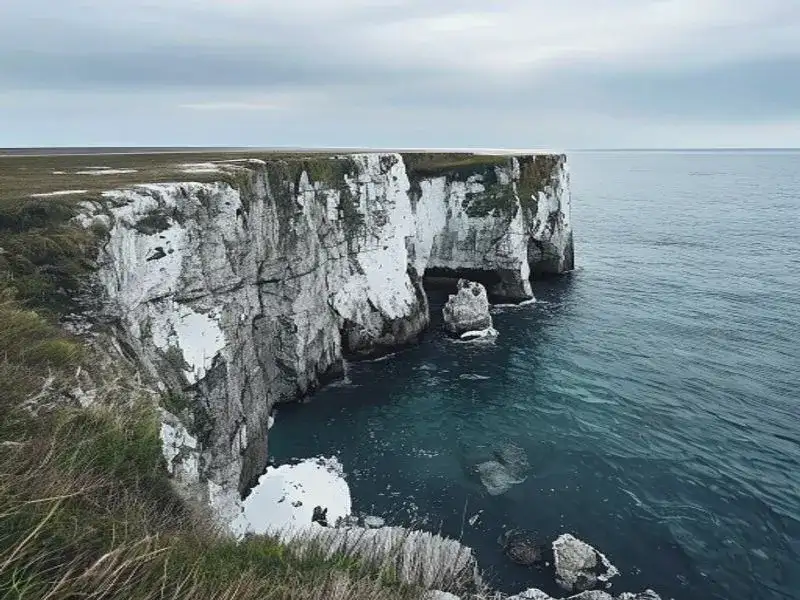
Insel Rügen im Sommer: Ein Paradies aus Kreide und Meer Wenn der Sommer nach #Deutschland zieht, gibt es kaum ein bezaubernderes Ziel als Rügen, die größte und wohl landschaftlich vielfältigste Insel des Landes. Eingebettet in die stahlblaue Ostsee vor der Küste Mecklenburg-Vorpommerns, ist Rügen ein Ort, an dem unberührte Natur auf mondäne Bäderarchitektur trifft. Ein Sommerurlaub hier verspricht salzige Meeresluft, endlose Sandstrände und kulturelle Entdeckungen, die tief in die deutsche Geschichte reichen. Die majestätischen Kreidefelsen im Nationalpark Jasmund Das unbestrittene Wahrzeichen Rügens sind die leuchtend weißen Kreidefelsen der Halbinsel Jasmund. Die bis zu 118 Meter steil in die Ostsee abfallenden Klippen, gekrönt vom saftigen Grün alter Buchenwälder, bieten ein unvergleichliches Naturschauspiel. Bereits 1818 verewigte der Romantik-Maler Caspar David Friedrich dieses Panorama in seinem weltberühmten Gemälde "Kreidefelsen auf Rügen". Der Nationalpark Jasmund, in dem sich dieses Naturwunder befindet, ist der kleinste Nationalpark Deutschlands, gehört aber mit seinen uralten Buchenwäldern zum UNESCO-Weltnaturerbe. Ein Spaziergang entlang der Hochuferwegs, begleitet vom Rauschen der Brandung tief unten, ist ein absolut magisches Erlebnis. Mondäne Bäderarchitektur und nostalgische Eisenbahn Wer die Küste Rügens erkundet, wird unweigerlich vom Charme der historischen Seebäder verzaubert. Orte wie Binz, Sellin und Göhren sind berühmt für ihre strahlend weiße Bäderarchitektur. Die prächtigen Villen mit ihren filigranen Holzbalkonen, Erkern und Türmchen wurden im späten 19. und frühen 20. Jahrhundert erbaut, als der europäische Adel und das wohlhabende Bürgertum die Sommerfrische an der Ostsee entdeckten. Ein absolutes Highlight ist die 394 Meter lange Seebrücke in Sellin, deren prächtiges Brückenhaus wie ein Märchenschloss über den Wellen schwebt. Für eine nostalgische Reise über die Insel bietet sich der "Rasende Roland" an. Diese historische dampfbetriebene Schmalspurbahn faucht und zischt seit 1895 über Rügen und verbindet die Seebäder Putbus, Binz, Sellin und Baabe mit Göhren. Mit gemütlichen 30 km/h schnauft die Bahn durch tiefgrüne Wälder und gelbe Rapsfelder – eine echte Entschleunigung im Rhythmus der Insel. Fischbrötchen und Sanddorn: Kulinarische Ostsee-Träume Rügen im Sommer ist auch ein Fest für Feinschmecker, die frische Meeresfrüchte und rustikale Küstenküche lieben. Kein Inselbesuch ist vollständig ohne den Genuss eines klassischen Fischbrötchens. Ob mit zartem Bismarckhering, frischem Matjes, herzhaftem Räucherlachs oder knusprigem Backfisch – direkt am Hafen gekauft und mit Blick auf die Möwen genossen, schmeckt es einfach am besten. Ein weiteres kulinarisches Wahrzeichen der Ostseeküste ist der Sanddorn, der oft als die "Zitrone des Nordens" bezeichnet wird. Die orangefarbenen, extrem vitamin-C-reichen Beeren gedeihen hervorragend auf den sandigen Böden der Inselböschungen. Auf Rügen findet man Sanddorn in allen erdenklichen Variationen: als leuchtend gelben Saft, aromatische Marmelade, hochprozentigen Likör oder als erfrischendes Eis an heißen Sommertagen am Strand. Die Insel Rügen vereint raue Naturromantik, historische Eleganz und kulinarische Einfachheit auf so perfekte Weise, dass man jeden Sommer aufs Neue zurückkehren möchte. #Rügen #Ostsee #Kreidefelsen #Bäderarchitektur #RasenderRoland #InselUrlaub #Sanddorn #GermanyTravel #VisitGermany #BalticSea #travel #exclusive Related InsightsOstia Antica: Il Porto dell'Impero Romano Floating Above the Clouds: A Definitive Pilgrimage to Bhutan’s Tiger’s Nest 伏見稲荷大社: 千本鳥居が導く神秘の山{ "@context": "https://schema.org", "@type": "FAQPage", "mainEntity": [ { "@type": "Question", "name": "What is the main focus of Insel Rügen im Sommer?", "acceptedAnswer": { "@type": "Answer", "text": "Explore the incredible journey of Insel Rügen im Sommer with Felix Müller." } }, { "@type": "Question", "name": "Who authored the comprehensive guide on Insel Rügen im Sommer?", "acceptedAnswer": { "@type": "Answer", "text": "This detailed article and its insights were carefully researched and authored by Felix Müller." } }, { "@type": "Question", "name": "Where can I find more related content about Travel?", "acceptedAnswer": { "@type": "Answer", "text": "You can explore more articles, detailed reviews, and similar insights by browsing the Related Insights section at the bottom of this article or visiting our dedicated Travel category page." } } ] }
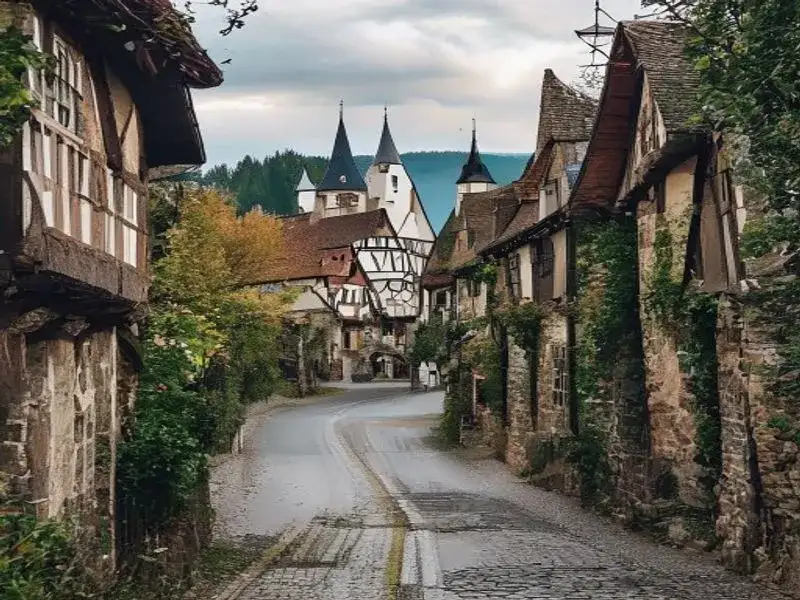
Die Romantische Straße fahren: Eine Reise durch Deutschlands Bilderbuchlandschaften Die Romantische Straße ist weit mehr als nur eine einfache Autoroute – sie ist eine 460 Kilometer lange Reise in die Seele der deutschen Romantik. Von Würzburg im Norden Bayerns bis hinunter nach Füssen in den majestätischen Ausläufern der Alpen verbindet diese Route mittelalterliche Städte, barocke Residenzen, märchenhafte Schlösser und sanfte Flusslandschaften wie eine kostbare Perlenschnur. Gegründet im Jahr 1950, um #Deutschland nach dem Zweiten Weltkrieg wieder als attraktives Reiseziel für internationale Touristen, insbesondere Amerikaner, zu positionieren, ist sie heute die bekannteste und beliebteste Ferienstraße des Landes. Von Würzburg bis Rothenburg ob der Tauber Die Reise beginnt in der fränkischen Weinmetropole Würzburg. Hier thront die Würzburger Residenz, ein architektonisches Meisterwerk des Barock und UNESCO-Weltkulturerbe. Ihr weltberühmtes Treppenhaus beherbergt das größte zusammenhängende Deckenfresko der Welt, geschaffen vom venezianischen Meister Giovanni Battista Tiepolo. Ein Spaziergang über die Alte Mainbrücke mit einem Glas fränkischen Silvaner in der Hand, umgeben von Heiligenstatuen und dem Blick auf die Festung Marienberg, ist der perfekte Auftakt. Fährt man weiter durch das idyllische Taubertal, erreicht man bald das unbestrittene Highlight der Strecke: Rothenburg ob der Tauber. Wer durch eines der alten Stadttore tritt, fühlt sich augenblicklich ins Mittelalter zurückversetzt. Mit ihrer vollständig erhaltenen, begehbaren Stadtmauer, den verwinkelten Gassen, dem weltberühmten Plönlein (einem winzigen Fachwerk-Ensemble an einer Straßengabelung) und den pastellfarbenen Häusern ist die Stadt der Inbegriff deutscher Mittelalterromantik. Hier kann man das ganze Jahr über im Weihnachtsdorf von Käthe Wohlfahrt festliche Stimmung erleben oder die makabren Exponate im Kriminalmuseum studieren. Kulinarische Entdeckungen: Schneeballen und Spätzle Die Romantische Straße ist auch eine kulinarische Entdeckungsreise, die von Franken über Schwaben bis nach Oberbayern führt. In Rothenburg kommt man an einer lokalen Spezialität nicht vorbei: dem "Schneeballen". Dieses kugelige Gebäck aus Mürbeteig, das traditionell mit Puderzucker bestäubt wird (daher der Name), wurde früher vor allem zu Hochzeiten gebacken. Heute gibt es sie in zahllosen Variationen, überzogen mit Schokolade, gefüllt mit Marzipan oder bestreut mit Nüssen. Je weiter man in den Süden vordringt, desto schwäbischer wird die Küche. In Städten wie Nördlingen, das spektakulär in einem vor 15 Millionen Jahren entstandenen Meteoritenkrater liegt, oder der alten Fuggerstadt Augsburg dominieren deftige Gerichte. Hausgemachte Maultaschen (oft als "Herrgottsbescheißerle" bezeichnet, da die Mönche das Fleisch während der Fastenzeit im Nudelteig vor Gott verstecken wollten) und butterzarte Käsespätzle gehören hier zum Pflichtprogramm. Das Finale in den Alpen Das südliche Drittel der Route führt in die alpine Region des Pfaffenwinkels, benannt nach der hohen Dichte an Klöstern und Kirchen, darunter die atemberaubende Rokoko-Wallfahrtskirche Wieskirche, ein weiteres UNESCO-Weltkulturerbe. Das großartige Finale der Romantischen Straße erwartet die Reisenden in Füssen, eingebettet zwischen türkisblauen Seen und steilen Berggipfeln. Hier wachen die Königsschlösser Hohenschwangau und Neuschwanstein majestätisch über die Landschaft und bilden den krönenden Abschluss eines Roadtrips, der die Fantasie beflügelt und die deutsche Geschichte lebendig werden lässt. #RomantischeStraße #RomanticRoad #BavariaTravel #RothenburgObDerTauber #Würzburg #RoadtripGermany #GermanyTourism #Füssen #Alpen #TravelEurope #travel #exclusive Related Insights宏村:画中的明清古村落 Where Earth Breathes Ages: A Deep Dive into Grand Canyon National Park The Dolomites, Italy: Hiking Through Alpine UNESCO Heritage (Part 2){ "@context": "https://schema.org", "@type": "FAQPage", "mainEntity": [ { "@type": "Question", "name": "What is the main focus of Romantische Straße fahren?", "acceptedAnswer": { "@type": "Answer", "text": "Explore the incredible journey of Romantische Straße fahren with Felix Müller." } }, { "@type": "Question", "name": "Who authored the comprehensive guide on Romantische Straße fahren?", "acceptedAnswer": { "@type": "Answer", "text": "This detailed article and its insights were carefully researched and authored by Felix Müller." } }, { "@type": "Question", "name": "Where can I find more related content about Travel?", "acceptedAnswer": { "@type": "Answer", "text": "You can explore more articles, detailed reviews, and similar insights by browsing the Related Insights section at the bottom of this article or visiting our dedicated Travel category page." } } ] }
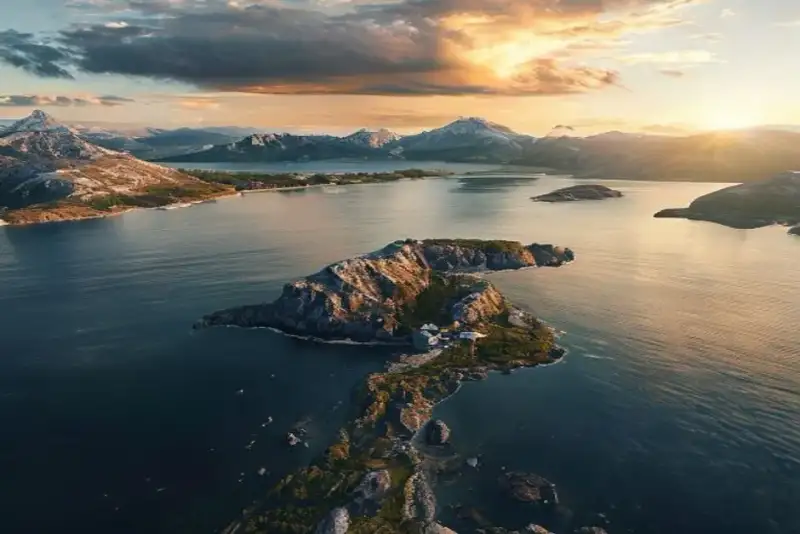
There are places on Earth that whisper secrets, corners of the map that refuse to yield their magic easily. Eastern Anatolia is one such realm – a land of epic scale, where #history is etched into every mountain, every #ancient ruin, and every face encountered. It is not the Anatolia of sun-drenched Aegean beaches or the bustling bazaars of #Istanbul, nor the whimsical moonscapes of Cappadocia that grace countless postcards. No, this is a different Turkey, one that demands a deeper curiosity, a willingness to wander off the well-trodden path, and an open heart to absorb the raw, unfiltered beauty of its #AncientLandscapes and #TimelessCulture. As Cemre Seyyah, I have spent decades chasing horizons, but few regions have captivated my spirit as completely as the sprawling, majestic east. It is here, nestled between towering peaks and vast, mirror-like lakes, that the very cradle of civilization unfolded. Empires rose and fell, leaving behind a staggering legacy of archaeological wonders, spiritual sanctuaries, and a human story so rich it feels woven into the very fabric of the earth. For those who yearn for true discovery, for an adventure that transcends mere sightseeing, Eastern Anatolia presents an unparalleled invitation to explore #UndiscoveredTurkey, a #journey into the heart of authenticity. Forget the guidebooks that merely skim the surface; prepare to dive deep into a region where every corner holds a revelation. The Mystical Heart: Lake Van and Akdamar Island Imagine a body of water so vast it feels like an inland sea, its deep sapphire hues reflecting the colossal peaks that guard its shores. This is Lake Van, the largest lake in Turkey, an alkaline marvel that has cradled civilizations for millennia. It's a place of profound geological and historical significance, often overlooked by those rushing between more famous sites, yet it offers an experience that is both visually stunning and deeply moving. The city of Van itself, though scarred by earthquakes and conflicts, serves as a vibrant hub, boasting the impressive Van Fortress (Van Kalesi) – a towering rock formation crowned with #ancient ruins that offer panoramic views of the lake and the surrounding plains, especially breathtaking at #SunsetViews. But the true jewel of Lake Van lies a short ferry ride across its placid waters: Akdamar Island. As your boat glides towards the island, the 10th-century Holy Cross #cathedral (Akdamar Kilisesi) slowly emerges, a magnificent edifice of pink volcanic tuff stone, standing in solemn grandeur against the backdrop of the azure lake and distant mountains. This Armenian Apostolic #cathedral is an extraordinary example of medieval Armenian #architecture, its exterior intricately carved with biblical scenes, animal motifs, and grotesque figures. Each stone tells a story, the bas-reliefs depicting episodes from the Old Testament, from Adam and Eve to Jonah and the whale, alongside portrayals of earthly life – hunters, musicians, and kings. It’s a stunning outdoor art gallery, a testament to a rich cultural heritage that once thrived here. The interior, though now largely stripped of its former glory, still retains an air of sanctity, with frescoes dimly visible in the apse. Walking around Akdamar Island, particularly in spring when almond blossoms paint the landscape pink and white, feels like stepping back in time. The silence, broken only by the gentle lapping of waves and the cries of gulls, allows for deep reflection on the passage of time and the enduring power of faith. This island is not just a historical site; it's a spiritual sanctuary, a poignant reminder of the Armenian presence in Anatolia and a powerful symbol of resilience. The unique ecosystem of Lake Van, home to the Van Cat with its distinctive heterochromatic eyes, adds another layer of intrigue to this captivating destination. It’s a place that whispers tales of #ArmenianHistory, #SacredSites, and #ArchitecturalWonders, inviting contemplation and awe in equal measure. The City of 1001 Churches: Ani, the Ghost City Journeying further east, close to the Armenian border, one encounters a landscape that feels almost apocalyptic in its stark beauty. Here, on a desolate plateau overlooking a deep gorge that separates Turkey from Armenia, lie the haunting ruins of Ani. Once the thriving capital of the medieval Armenian Bagratid kingdom, a city of immense wealth and power often referred to as "the City of 1001 Churches," Ani now stands as a poignant ghost city, its skeletal remains whispering tales of bygone glory and sudden decline. This is one of the most profoundly evocative archaeological sites I have ever visited, a place that demands silent reverence. Walking through the collapsed city gates and along the double walls, you immediately sense the scale of Ani's past importance. Imagine a bustling metropolis, a major stop on the Silk Road, adorned with countless churches, mosques, and palaces. Today, the biting winds sweep across empty fields where houses once stood, and only a handful of monumental structures remain, defying the ravages of time and earthquakes. The Cathedral of Ani, with its soaring proportions and intricate stonework, is perhaps the most impressive, a masterpiece of Armenian ecclesiastical #architecture, even in its ruined state. Nearby, the Church of St. Gregory, known as the Church of Tigran Honents, boasts incredibly well-preserved frescoes depicting the life of Christ and St. Gregory the Illuminator, their vibrant colours still visible after centuries. Other notable structures include the Church of the Redeemer, split down the middle by an earthquake, and the remarkable Seljuk Palace, a testament to the city's later Islamic period. The Minuchihr Mosque, believed to be the first mosque built in Anatolia, stands proudly near the edge of the gorge, offering commanding views. The sense of isolation here is profound, yet invigorating. You are not just observing ruins; you are walking through the very footsteps of #history, feeling the echoes of countless lives lived within these walls. Ani is a powerful pilgrimage for anyone interested in #MedievalHistory, #ArmenianArchitecture, and #SilkRoadMysteries. It’s a photographer’s dream and a historian’s delight, a place where the past feels palpably alive, urging you to uncover its many secrets.Commagene's Colossal Legacy: Mount Nemrut High in the Anti-Taurus mountains, at an altitude of 2,134 meters, lies one of Eastern Anatolia’s most iconic, yet still remarkably secluded, archaeological sites: the summit of Mount Nemrut. This is the hierothesion (a sacred burial complex) of King Antiochus I Theos of Commagene, a Hellenistic kingdom that existed between the Roman and Persian empires. Nemrut Dagi, as it is known locally, is famous for the colossal stone heads of gods and kings that punctuate its Eastern and Western Terraces. Visiting this #UNESCO World Heritage site is an experience that borders on the surreal, a spiritual pilgrimage to witness a king's audacious attempt at deification. The #journey to the summit typically begins in the pre-dawn hours or late afternoon to catch either the sunrise or sunset, moments when the golden light bathes the massive stone heads in an otherworldly glow. As you ascend the well-maintained path, the anticipation builds. And then, there they are: the immense, stylized heads of Apollo, Zeus-Oromasdes, Heracles, Tyche, and Antiochus himself, once part of colossal statues that sat enthroned, their bodies now crumbling piles of stone. Each head, some over two meters tall, gazes out with a serene yet commanding expression, their classical Greek and Persian influences clearly visible. On the Eastern Terrace, the heads stand proudly on their original bodies, while on the Western Terrace, they have toppled to the ground, scattered amidst the ruins, creating an even more dramatic and evocative scene. The sheer scale and ambition of Antiochus's project are mind-boggling, a testament to his syncretic vision of blending Persian and Greek deities to forge a unique Commagenian identity. He declared himself a living god and sought to establish a new cult centered around himself and the gods, securing his place in eternity. Standing among these silent, monumental witnesses as the sun paints the sky in fiery hues is an unforgettable experience, a powerful connection to #AncientKings, #HellenisticArt, and #DivineAmbition. It's an essential pilgrimage for anyone exploring the #HiddenGemsOfEasternAnatolia, offering both a profound historical insight and a breathtaking natural spectacle. The Walls of Ages: Diyarbakır and the Cradle of Civilizations Venturing deeper into the southeastern reaches of Anatolia brings us to Diyarbakır, a city whose history is as layered as the volcanic rock on which it stands. Known as the "Black City" due to its formidable basalt walls, Diyarbakır is a living museum, a city that has witnessed the rise and fall of countless empires – Hurrians, Urartians, Assyrians, Romans, Byzantines, Seljuks, Ottomans – each leaving an indelible mark. Its UNESCO-listed city walls, the second longest continuous defensive walls in the world after the Great Wall of China, are a marvel of ancient engineering, stretching over five kilometers and punctuated by numerous towers and gates. Walking along the top of these ancient walls, especially at sunrise or sunset, offers a sweeping panorama of the Tigris River plains, the sprawling modern city, and the historical heart within. The Hevsel Gardens, a lush cultivated area between the city walls and the Tigris, also a #UNESCO site, represent a vital link between the city and its life-giving river, a sustainable agricultural system that has fed the city for thousands of years. Within the walls, the old city is a labyrinth of narrow alleys, bustling bazaars, and historic mosques and churches. The Great Mosque (Ulu Cami), one of Anatolia's oldest and most impressive mosques, stands as a testament to the city's early Islamic heritage, incorporating elements of Roman and Byzantine architecture. The Four-Legged Minaret (Dört Ayaklı Minare), built on four basalt columns, is another architectural curiosity, while the historic caravanserais like Hasan Pasha Han offer a glimpse into the city's past as a vital trading post. Diyarbakır pulsates with a vibrant Kurdish #culture, its markets overflowing with spices, textiles, and traditional crafts. The warmth and resilience of its people are palpable, and a visit here offers an authentic dive into a rarely seen side of Turkey. It's a place for intrepid travelers seeking to understand the deep historical currents of the region, to connect with #KurdishCulture, #AncientWalls, and the #TigrisRiverLegacy, uncovering a story that resonates with millennia of human endeavour. #nature's Untamed Splendor: Munzur Valley National Park For those who crave unspoiled #nature and a genuine escape from the modern world, the Munzur Valley National Park, nestled primarily within the Tunceli province, is a revelation. This spectacular wilderness, often overlooked even by domestic tourists, is a haven of biodiversity, a land of crystal-clear rivers, glacial lakes, soaring peaks, and dense forests. It's a region deeply significant to Turkey's Alevi population, who hold the Munzur River and its surrounding mountains sacred. The Munzur River, famed for its pristine waters and numerous springs (Munzur Gözeleri), cascades through dramatic gorges, creating a landscape of breathtaking beauty. Hiking trails wind through ancient forests, past hidden waterfalls, and up to high alpine meadows ablaze with wildflowers in spring and summer. The park is home to a rich array of wildlife, including brown bears, wild goats, and various bird species, making it a paradise for #WildlifePhotography and #Ecotourism enthusiasts. The air here is crisp, the silence profound, interrupted only by the rustling of leaves or the roar of the river. Beyond its natural beauty, Munzur Valley offers a unique cultural immersion. The Alevi people, with their distinct religious and cultural practices, are known for their hospitality and reverence for nature. Visiting a local village or sharing a meal with a family provides an intimate glimpse into a way of life that is deeply connected to the land. This is not a place with grand monuments but a destination where the landscape itself is the monument, a living testament to #PristineNature, #AleviHeritage, and #MountainAdventures. It’s an ideal spot for trekking, rafting, and simply reconnecting with the wild heart of Anatolia, offering a serene escape for the #SoulfulTraveler. . Majestic, rugged mountains rise on either side under a clear blue sky, with rays of late afternoon sunlight illuminating patches of the valley floor, creating dramatic contrasts of light and shadow.) Kars and Erzurum: Gateways to a Storied Past While Ani and Munzur are specific destinations, the cities of Kars and Erzurum serve as crucial gateways and themselves offer a wealth of historical and cultural experiences that contribute to the tapestry of Eastern Anatolia. Kars, with its distinct Russian-era architecture, feels like a city plucked from a different continent. Its grid-like streets and charming stone buildings contrast sharply with the more organically grown cities of Turkey. The Kars Castle, perched high above the city, offers commanding views, while the stone bridge and the Armenian Church of the Apostles (now a mosque) speak of its diverse past. Kars is also the heartland of delicious local goose meat, a must-try culinary experience, and a base for exploring Ani. The region around Kars is also famous for its cheese production, particularly #KarsGravyer, a taste of its #CulinaryHeritage. Erzurum, the largest city in Eastern Anatolia, is a historical powerhouse. Its skyline is dominated by the twin-minaret seminary (Çifte Minareli Medrese), an exquisite example of Seljuk architecture, alongside the Grand Mosque (Ulu Cami) and the Three Tombs (Üç Kümbetler). The city's rich history as a strategic stronghold and a center of learning is evident in its numerous historical buildings. Erzurum is also famous for its Oltu taşı (Oltu stone), a unique black amber-like stone used for prayer beads and jewelry, making it a great place to find unique #LocalSouvenirs. The local specialty, cağ kebabı, a horizontally rotisseried lamb skewer, is a culinary delight not to be missed. Both Kars and Erzurum offer insights into the complex layers of Anatolian history, from Seljuk to Ottoman, and serve as excellent bases for deeper exploration of the region’s #ArchitecturalTreasures and #RegionalCuisine. at twilight. The two ornate fluted brick minarets with their distinct blue tile work are illuminated against a deep blue sky. Below, the intricate Seljuk portal facade is softly lit, creating a mystical and historical ambiance. The foreground features subtle hints of the bustling city life.) The Flavorful Journey: Culinary Delights of the East No exploration of Eastern Anatolia is complete without a deep dive into its unique and hearty cuisine. This is a region where food is not just sustenance but an expression of hospitality, tradition, and the rugged landscape. Influences from Central Asia, the Caucasus, and the Middle East converge here, creating a distinct gastronomic identity. The aforementioned cağ kebabı from Erzurum is a revelation – tender lamb cooked slowly on a horizontal spit, carved into thin slices and served with piping hot lavash bread and fresh onions. In Kars, the kaz etli pilav (rice with goose meat) is a winter staple, rich and flavourful, often accompanied by local cheeses like Kars Gravyer. The city of Van boasts a legendary breakfast #culture (Van Kahvaltısı), a sprawling feast of local cheeses, herbs, honeys, jams, fresh bread, murtuğa (flour and butter fried egg dish), and sucuklu yumurta (eggs with spicy sausage), providing a true taste of local bounty. #VanBreakfast is an institution. Further south, in Diyarbakır, the cuisine takes on a more Middle Eastern flair. Dishes like lebeni çorbası (yogurt and rice soup), kaburga dolması (stuffed ribs), and various kebabs made with spicy local meats are common. The region is also famous for its robust bulgur-based dishes and incredible pistachios, especially from Gaziantep (though slightly west, its culinary influence extends here). Everywhere you go, you’ll find incredible pekmez (grape molasses), honey, and a dazzling array of dried fruits and nuts. Sampling these local delicacies is an integral part of the #travel experience, connecting you directly to the land and its people. It's an exploration of #TurkishCuisine, #AuthenticFlavors, and #GastronomicAdventures that will linger long after your journey ends. The Warmth of the People and Practicalities of #travel What truly elevates a journey through Eastern Anatolia beyond its spectacular sights is the extraordinary warmth and hospitality of its people. Despite the historical hardships and the rugged terrain, the smiles are genuine, the invitations to tea frequent, and the desire to share their culture palpable. You will encounter a deep sense of pride in their heritage, an unwavering resilience, and a generosity that is humbling. Learning a few basic Turkish phrases will undoubtedly open doors and hearts, though many young people in urban centers will speak English. This personal connection is the real #HeartOfAnatolia. Traveling through Eastern Anatolia requires a spirit of adventure and a degree of flexibility. Infrastructure has improved significantly, with reliable bus networks connecting major cities. For more remote sites, hiring a local driver or joining a tour is advisable. Accommodation ranges from comfortable hotels in cities like Erzurum, Van, and Diyarbakır to more modest guesthouses in smaller towns. The best times to visit are late spring (May-June) when the landscapes are lush and green, and early autumn (September-October) for pleasant temperatures and vibrant foliage, avoiding the harsh winters and scorching summers. Dress modestly, especially when visiting religious sites, and always carry small cash for local purchases. Embrace the unexpected, allow for spontaneous detours, and you will be richly rewarded. This is not a rushed holiday; it is an #ImmersiveTravel experience, a #CulturalExchange, and a journey of profound personal discovery. A Call to the Adventurous Spirit Eastern Anatolia is not just a collection of historical sites or #beautiful landscapes; it is a tapestry woven from myth and reality, ancient civilizations and enduring traditions. It is a region that challenges preconceptions, rewards curiosity, and leaves an indelible mark on the soul. From the sacred island in Lake Van to the silent stones of Ani, from the colossal deities of Nemrut to the vibrant streets of Diyarbakır and the pristine wilderness of Munzur, this vast expanse offers a travel experience unlike any other. It is a journey for those who seek to understand the deeper narratives of humanity, to witness the power of nature in its rawest form, and to connect with a people whose generosity knows no bounds. So, pack your bags, shed your expectations, and answer the call of the wild east. The #EasternAnatolia awaits, ready to unveil its #HiddenTreasures and etch unforgettable memories into your traveler's heart. This is more than a trip; it's an odyssey into the soul of Turkey, a testament to the enduring power of history and the breathtaking beauty of an #UntamedFrontier. #travel #explore #guide Related InsightsLa Cathédrale de Séville : Gothique et Héritage Andalou Exploring Ani, City of 1001 Churches Bhutan’s Tiger’s Nest Monastery: A Pilgrimage to the Clouds (Part 2){ "@context": "https://schema.org", "@type": "FAQPage", "mainEntity": [ { "@type": "Question", "name": "What is the main focus of Hidden Gems of Eastern Anatolia?", "acceptedAnswer": { "@type": "Answer", "text": "A deep dive into Hidden Gems of Eastern Anatolia with Cemre Seyyah." } }, { "@type": "Question", "name": "Who authored the comprehensive guide on Hidden Gems of Eastern Anatolia?", "acceptedAnswer": { "@type": "Answer", "text": "This detailed article and its insights were carefully researched and authored by Cemre Seyyah." } }, { "@type": "Question", "name": "Where can I find more related content about Travel?", "acceptedAnswer": { "@type": "Answer", "text": "You can explore more articles, detailed reviews, and similar insights by browsing the Related Insights section at the bottom of this article or visiting our dedicated Travel category page." } } ] }
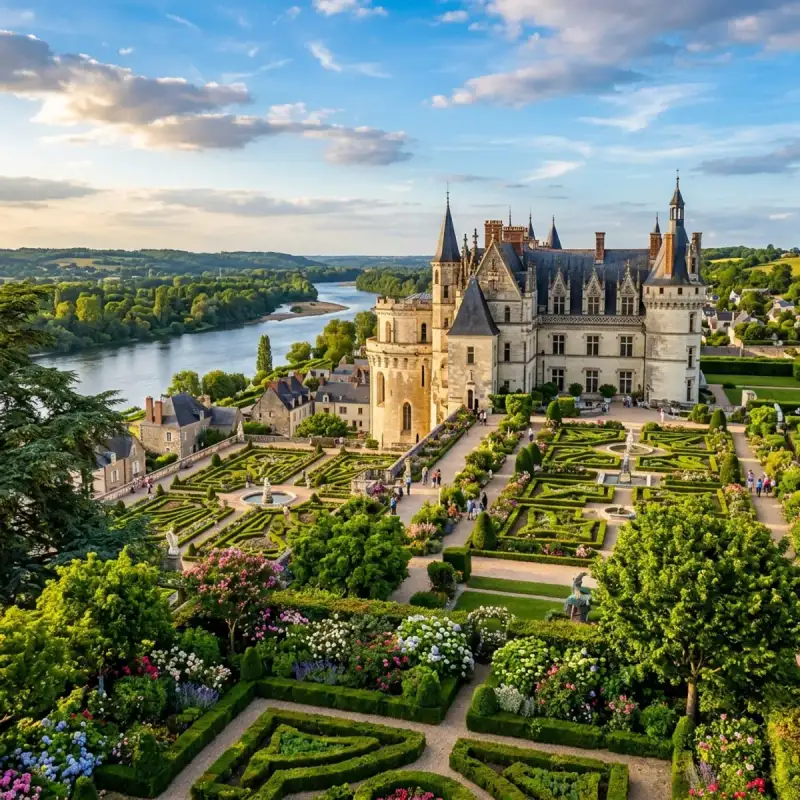

Bienvenue! Let us embark on an unforgettable #journey to the heart of #France. The Loire Valley (French: Vallée de la Loire, pronounced [vale də la lwaʁ]), spanning 280 kilometres (170 mi), is a valley located in the middle stretch of the Loire river in central #France, in both the administrative regions Pays de la Loire and Centre-Val de Loire. The area of the Loire Valley comprises about 800 square kilometres (310 sq mi). It is referred to as the Cradle of the French and the Garden of France due to the abundance of vineyards, fruit orchards (such as cherries), and artichoke and asparagus fields, which line the banks of the river. Notable for its historic towns, #architecture, and wines, the valley has been inhabited since the Middle Palaeolithic period. In 2000, #UNESCO added the central part of the Loire River valley to its list of World Heritage Sites. Geography and climate The valley includes historic towns such as Amboise, Angers, Blois, Chinon, Montsoreau, Orléans, Saumur, and Tours. The climate is favourable most of the year, the river often acting as a line of demarcation in France's weather between the northern climate and the southern. The river has a significant effect on the mesoclimate of the region, adding a few degrees of temperature. The climate can be cool with springtime frost while wine harvest months may have rain. Summers are hot; however, influences from the Atlantic moderate the temperature with breezes. Temperature, rainfall and average sunshine time in Angers (Anjou): Wine The Loire Valley wine region is one of the world's most well-known areas of wine production and includes several French wine regions situated along the river from the Muscadet region on the Atlantic coast to the regions of Sancerre and Pouilly-Fumé just southeast of the city of Orléans in north central France. Loire wines tend to exhibit a characteristic fruitiness with fresh, crisp flavours. #culture On 2 December 2000, UNESCO added the central part of the river valley, between Chalonnes-sur-Loire and Sully-sur-Loire, to its list of World Heritage Sites. In choosing this area that includes the French départements of Loiret, Loir-et-Cher, Indre-et-Loire, and Maine-et-Loire, the committee said that the Loire Valley is: "an exceptional cultural landscape, of great beauty, comprised of historic cities and villages, great architectural monuments - the châteaux - and lands that have been cultivated and shaped by centuries of interaction between local populations and their physical environment, in particular the Loire itself." The Loire Valley chansonniers are a related group of songbooks attributed to the composers of the Loire Valley and are the earliest surviving examples of a new genre which offered a combination of words, music, and illuminations. A new Contemporary Art offer is developing all along the Loire River from Montsoreau to Orléans with such places as Château de Montsoreau-Contemporary Art Museum, CCCOD Tours, the Domaine Régional de Chaumont sur Loire and the Frac Centre Orléans. They are a rare association of Renaissance architecture with contemporary art. Architecture The architectural heritage in the valley's historic towns is notable, especially its châteaux, such as the Château de Montsoreau, Château d'Amboise, Château d'Azay-le-Rideau, Château de Chambord, Château de Chinon, Château du Rivau, Château d'Ussé, Château de Villandry and Chenonceau. The châteaux, numbering more than three hundred, include the necessary castle fortifications built in the 10th century but also the splendour of those built half a millennium later. When the French kings began constructing their huge châteaux here, the nobility, not wanting or even daring to be far from the seat of power, followed suit. Their presence in the lush, fertile valley began attracting the very best landscape designers. In addition to its many châteaux, the cultural monuments illustrate to an exceptional degree the ideals of the Renaissance and the Age of the Enlightenment on western European thought and design. Many of the châteaux were designed to be built on the top of hills, one example of this is the Château d'Amboise. Many of the châteaux had extremely detailed and expensive churches on the grounds, or within the actual château itself. The Château de Montsoreau is the only château to have been built in the Loire riverbed, it is also the only one to be entirely dedicated to contemporary art. Economy The European Commission reported that in 2016, three categories accounted for most of the economy in the Pays-de-la-Loire region: services (including tourism) provided 66.7% of employment, industry 26.5% and agriculture, 3.9%. The unemployment rate was 8.8%. In 2015, the region ranked eighth in France in terms of economic performance producing 5.0% of the gross domestic product. Important economic sectors included leather goods, textile, shipyard/construction and aeronautics, agriculture and food-processing as well as the plastics industry. The EC did not produce a report for the larger Loire Valley region. According to another source, tourism in the Loire Valley was supported by over 700 hotels and 550 restaurants in the region. In addition to the chateaux and some 700 other listed Historic monuments, attractions included three Regional #nature Parks, 550 km of cycling tracks, 800 listed Historic monuments, over 100 museums and 30 golf courses. In April 2019, The Guardian's #travel section included one Loire Valley location in its list of 20 of the most #beautiful villages in France: Montrésor, "a fairytale village with a rich #history" evidenced by "the wool market, the Halle de Cardeux, ... the 16th-century Logis du Chancelier, ... a riverside walk, Balcons de l’Indrois, [and] ... Jardinier Bridge". According to a 2017 report by CNN, the 42 chateaux that make up the UNESCO World Heritage Site receive over 3.3 million visitors per year. The Telegraph newspaper (2014) listed the following as the premiere chateaux for tourists: Chinon, Cité royale de Loches, Chaumont, Blois, Meung, Chenonceau, Rivau, Lemeré, Amboise, Clos Lucé, Chambord, Villandry and Valençay. Cultural Impact and Heritage (Part 2) The Loire Valley (French: Vallée de la Loire, pronounced [vale də la lwaʁ]), spanning 280 kilometres (170 mi), is a valley located in the middle stretch of the Loire river in central France, in both the administrative regions Pays de la Loire and Centre-Val de Loire. The area of the Loire Valley comprises about 800 square kilometres (310 sq mi). It is referred to as the Cradle of the French and the Garden of France due to the abundance of vineyards, fruit orchards (such as cherries), and artichoke and asparagus fields, which line the banks of the river. Notable for its historic towns, architecture, and wines, the valley has been inhabited since the Middle Palaeolithic period. In 2000, UNESCO added the central part of the Loire River valley to its list of World Heritage Sites. Geography and climate The valley includes historic towns such as Amboise, Angers, Blois, Chinon, Montsoreau, Orléans, Saumur, and Tours. The climate is favourable most of the year, the river often acting as a line of demarcation in France's weather between the northern climate and the southern. The river has a significant effect on the mesoclimate of the region, adding a few degrees of temperature. The climate can be cool with springtime frost while wine harvest months may have rain. Summers are hot; however, influences from the Atlantic moderate the temperature with breezes. Temperature, rainfall and average sunshine time in Angers (Anjou): Wine The Loire Valley wine region is one of the world's most well-known areas of wine production and includes several French wine regions situated along the river from the Muscadet region on the Atlantic coast to the regions of Sancerre and Pouilly-Fumé just southeast of the city of Orléans in north central France. Loire wines tend to exhibit a characteristic fruitiness with fresh, crisp flavours. Culture On 2 December 2000, UNESCO added the central part of the river valley, between Chalonnes-sur-Loire and Sully-sur-Loire, to its list of World Heritage Sites. In choosing this area that includes the French départements of Loiret, Loir-et-Cher, Indre-et-Loire, and Maine-et-Loire, the committee said that the Loire Valley is: "an exceptional cultural landscape, of great beauty, comprised of historic cities and villages, great architectural monuments - the châteaux - and lands that have been cultivated and shaped by centuries of interaction between local populations and their physical environment, in particular the Loire itself." The Loire Valley chansonniers are a related group of songbooks attributed to the composers of the Loire Valley and are the earliest surviving examples of a new genre which offered a combination of words, music, and illuminations. A new Contemporary Art offer is developing all along the Loire River from Montsoreau to Orléans with such places as Château de Montsoreau-Contemporary Art Museum, CCCOD Tours, the Domaine Régional de Chaumont sur Loire and the Frac Centre Orléans. They are a rare association of Renaissance architecture with contemporary art. Architecture The architectural heritage in the valley's historic towns is notable, especially its châteaux, such as the Château de Montsoreau, Château d'Amboise, Château d'Azay-le-Rideau, Château de Chambord, Château de Chinon, Château du Rivau, Château d'Ussé, Château de Villandry and Chenonceau. The châteaux, numbering more than three hundred, include the necessary castle fortifications built in the 10th century but also the splendour of those built half a millennium later. When the French kings began constructing their huge châteaux here, the nobility, not wanting or even daring to be far from the seat of power, followed suit. Their presence in the lush, fertile valley began attracting the very best landscape designers. In addition to its many châteaux, the cultural monuments illustrate to an exceptional degree the ideals of the Renaissance and the Age of the Enlightenment on western European thought and design. Many of the châteaux were designed to be built on the top of hills, one example of this is the Château d'Amboise. Many of the châteaux had extremely detailed and expensive churches on the grounds, or within the actual château itself. The Château de Montsoreau is the only château to have been built in the Loire riverbed, it is also the only one to be entirely dedicated to contemporary art. Economy The European Commission reported that in 2016, three categories accounted for most of the economy in the Pays-de-la-Loire region: services (including tourism) provided 66.7% of employment, industry 26.5% and agriculture, 3.9%. The unemployment rate was 8.8%. In 2015, the region ranked eighth in France in terms of economic performance producing 5.0% of the gross domestic product. Important economic sectors included leather goods, textile, shipyard/construction and aeronautics, agriculture and food-processing as well as the plastics industry. The EC did not produce a report for the larger Loire Valley region. According to another source, tourism in the Loire Valley was supported by over 700 hotels and 550 restaurants in the region. In addition to the chateaux and some 700 other listed Historic monuments, attractions included three Regional nature Parks, 550 km of cycling tracks, 800 listed Historic monuments, over 100 museums and 30 golf courses. In April 2019, The Guardian's travel section included one Loire Valley location in its list of 20 of the most beautiful villages in France: Montrésor, "a fairytale village with a rich history" evidenced by "the wool market, the Halle de Cardeux, ... the 16th-century Logis du Chancelier, ... a riverside walk, Balcons de l’Indrois, [and] ... Jardinier Bridge". According to a 2017 report by CNN, the 42 chateaux that make up the UNESCO World Heritage Site receive over 3.3 million visitors per year. The Telegraph newspaper (2014) listed the following as the premiere chateaux for tourists: Chinon, Cité royale de Loches, Chaumont, Blois, Meung, Chenonceau, Rivau, Lemeré, Amboise, Clos Lucé, Chambord, Villandry and Valençay. Cultural Impact and Heritage (Part 3) The Loire Valley (French: Vallée de la Loire, pronounced [vale də la lwaʁ]), spanning 280 kilometres (170 mi), is a valley located in the middle stretch of the Loire river in central France, in both the administrative regions Pays de la Loire and Centre-Val de Loire. The area of the Loire Valley comprises about 800 square kilometres (310 sq mi). It is referred to as the Cradle of the French and the Garden of France due to the abundance of vineyards, fruit orchards (such as cherries), and artichoke and asparagus fields, which line the banks of the river. Notable for its historic towns, architecture, and wines, the valley has been inhabited since the Middle Palaeolithic period. In 2000, UNESCO added the central part of the Loire River valley to its list of World Heritage Sites. Geography and climate The valley includes historic towns such as Amboise, Angers, Blois, Chinon, Montsoreau, Orléans, Saumur, and Tours. The climate is favourable most of the year, the river often acting as a line of demarcation in France's weather between the northern climate and the southern. The river has a significant effect on the mesoclimate of the region, adding a few degrees of temperature. The climate can be cool with springtime frost while wine harvest months may have rain. Summers are hot; however, influences from the Atlantic moderate the temperature with breezes. Temperature, rainfall and average sunshine time in Angers (Anjou): Wine The Loire Valley wine region is one of the world's most well-known areas of wine production and includes several French wine regions situated along the river from the Muscadet region on the Atlantic coast to the regions of Sancerre and Pouilly-Fumé just southeast of the city of Orléans in north central France. Loire wines tend to exhibit a characteristic fruitiness with fresh, crisp flavours. Culture On 2 December 2000, UNESCO added the central part of the river valley, between Chalonnes-sur-Loire and Sully-sur-Loire, to its list of World Heritage Sites. In choosing this area that includes the French départements of Loiret, Loir-et-Cher, Indre-et-Loire, and Maine-et-Loire, the committee said that the Loire Valley is: "an exceptional cultural landscape, of great beauty, comprised of historic cities and villages, great architectural monuments - the châteaux - and lands that have been cultivated and shaped by centuries of interaction between local populations and their physical environment, in particular the Loire itself." The Loire Valley chansonniers are a related group of songbooks attributed to the composers of the Loire Valley and are the earliest surviving examples of a new genre which offered a combination of words, music, and illuminations. A new Contemporary Art offer is developing all along the Loire River from Montsoreau to Orléans with such places as Château de Montsoreau-Contemporary Art Museum, CCCOD Tours, the Domaine Régional de Chaumont sur Loire and the Frac Centre Orléans. They are a rare association of Renaissance architecture with contemporary art. Architecture The architectural heritage in the valley's historic towns is notable, especially its châteaux, such as the Château de Montsoreau, Château d'Amboise, Château d'Azay-le-Rideau, Château de Chambord, Château de Chinon, Château du Rivau, Château d'Ussé, Château de Villandry and Chenonceau. The châteaux, numbering more than three hundred, include the necessary castle fortifications built in the 10th century but also the splendour of those built half a millennium later. When the French kings began constructing their huge châteaux here, the nobility, not wanting or even daring to be far from the seat of power, followed suit. Their presence in the lush, fertile valley began attracting the very best landscape designers. In addition to its many châteaux, the cultural monuments illustrate to an exceptional degree the ideals of the Renaissance and the Age of the Enlightenment on western European thought and design. Many of the châteaux were designed to be built on the top of hills, one example of this is the Château d'Amboise. Many of the châteaux had extremely detailed and expensive churches on the grounds, or within the actual château itself. The Château de Montsoreau is the only château to have been built in the Loire riverbed, it is also the only one to be entirely dedicated to contemporary art. Economy The European Commission reported that in 2016, three categories accounted for most of the economy in the Pays-de-la-Loire region: services (including tourism) provided 66.7% of employment, industry 26.5% and agriculture, 3.9%. The unemployment rate was 8.8%. In 2015, the region ranked eighth in France in terms of economic performance producing 5.0% of the gross domestic product. Important economic sectors included leather goods, textile, shipyard/construction and aeronautics, agriculture and food-processing as well as the plastics industry. The EC did not produce a report for the larger Loire Valley region. According to another source, tourism in the Loire Valley was supported by over 700 hotels and 550 restaurants in the region. In addition to the chateaux and some 700 other listed Historic monuments, attractions included three Regional nature Parks, 550 km of cycling tracks, 800 listed Historic monuments, over 100 museums and 30 golf courses. In April 2019, The Guardian's travel section included one Loire Valley location in its list of 20 of the most beautiful villages in France: Montrésor, "a fairytale village with a rich history" evidenced by "the wool market, the Halle de Cardeux, ... the 16th-century Logis du Chancelier, ... a riverside walk, Balcons de l’Indrois, [and] ... Jardinier Bridge". According to a 2017 report by CNN, the 42 chateaux that make up the UNESCO World Heritage Site receive over 3.3 million visitors per year. The Telegraph newspaper (2014) listed the following as the premiere chateaux for tourists: Chinon, Cité royale de Loches, Chaumont, Blois, Meung, Chenonceau, Rivau, Lemeré, Amboise, Clos Lucé, Chambord, Villandry and Valençay. #france #travel #history #europe #culture Related InsightsReal Alcázar de Sevilla: Belleza Mudéjar Shadows of Angkor: Unveiling the Jungle‑Cloaked Temples Beyond the Tourist Trail Mud‑Brick Horizons: Documenting the Architectural Soul of Djenné and Timbuktu{ "@context": "https://schema.org", "@type": "FAQPage", "mainEntity": [ { "@type": "Question", "name": "What is the main focus of Fairy Tale Châteaux: A Journey Through the Loire Valley?", "acceptedAnswer": { "@type": "Answer", "text": "Join Camille Dubois on a journey exploring Fairy Tale Châteaux and its incredible history." } }, { "@type": "Question", "name": "Who authored the comprehensive guide on Fairy Tale Châteaux: A Journey Through the Loire Valley?", "acceptedAnswer": { "@type": "Answer", "text": "This detailed article and its insights were carefully researched and authored by Camille Dubois." } }, { "@type": "Question", "name": "Where can I find more related content about Travel?", "acceptedAnswer": { "@type": "Answer", "text": "You can explore more articles, detailed reviews, and similar insights by browsing the Related Insights section at the bottom of this article or visiting our dedicated Travel category page." } } ] }
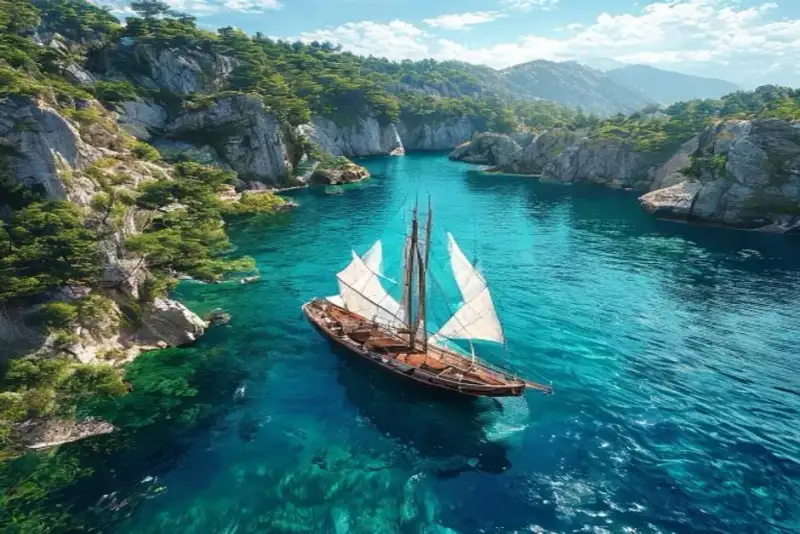
The sun dips below the horizon, painting the sky in fiery oranges and soft lavenders, casting a golden sheen across the glassy water. A gentle breeze, carrying the scent of pine and salt, rustles the sails of our wooden gulet, its polished deck warm beneath my bare feet. Below, the #ancient stones of a sunken city whisper tales of millennia past, visible through the impossibly clear, cerulean depths. This is not merely a vacation; it is an immersion, a dance with #history and #nature along the fabled shores where myth and reality intertwine. This, my friends, is the peerless experience of sailing the Turquoise Coast, Turkey’s #LycianDream. Often referred to as the Turkish Riviera, this magnificent stretch of coastline, primarily encompassing the provinces of Antalya and Muğla, is a symphony of natural beauty, #ancient wonders, and vibrant #culture. From the bustling marinas of Bodrum and Marmaris to the tranquil, pine-clad coves near Göcek and Fethiye, the Turquoise Coast offers an unparalleled maritime adventure. It's a #journey not just across geographical miles but through layers of #history, where Lycian rock tombs overlook Roman theatres, and Ottoman citadels stand guard over Byzantine churches. For the intrepid traveller, the history buff, the sun worshipper, or the sheer lover of beauty, embarking on a voyage here is to uncover one of the Mediterranean's most enduring and captivating secrets. This comprehensive guide will take you deep into the heart of this aquatic paradise, blending the practicalities of yachting with the evocative allure of a truly unforgettable #MediterraneanEscape. Why Sail the Turquoise Coast? The Allure of Azure What makes this particular segment of the Mediterranean so uniquely compelling for sailing? Beyond its obvious aesthetic appeal, the Turquoise Coast boasts a unique confluence of factors. Firstly, the geography: a dramatic coastline punctuated by hundreds of secluded coves, islands, and inlets, many only accessible by boat. Imagine dropping anchor in a bay where the water is so translucent you can count the pebbles on the seabed, surrounded by nothing but the scent of wild herbs and the chirping of cicadas. These #HiddenCoves are the true jewels of the coast. Secondly, the history. This region was once ancient Lycia, a confederation of independent city-states known for their distinctive rock-cut tombs and formidable seafaring prowess. Evidence of these ancient civilisations is ubiquitous, often dramatically situated right on the water's edge. Sailing here is like navigating an open-air museum, where every turn reveals another relic of a storied past. You don’t just read about history; you sail through it. Thirdly, the weather. With over 300 sunny days a year, particularly between May and October, the sailing conditions are typically idyllic – warm, clear days with reliable breezes perfect for cruising. The #ClimatePerfection ensures comfortable passage and endless opportunities for swimming and sunbathing. And finally, the #culture: the famed Turkish hospitality, the delectable cuisine blending Aegean freshness with Anatolian spices, and the vibrant local markets all add an enriching layer to the #journey. The experience goes beyond the boat; it's about connecting with the soul of Turkey. Planning Your Voyage: Setting Sail for Paradise Embarking on a journey along the Turquoise Coast requires a little planning, but the rewards are immeasurable. When to Go: The peak season runs from July to August, offering the warmest waters but also the largest crowds. For a more serene experience with pleasant temperatures and good breezes, consider the shoulder seasons: May-June or September-October. These months offer the best balance of weather, fewer people, and often better prices. #BestTimeToTravel. Choosing Your Vessel: The quintessential experience here is undoubtedly on a gulet. These traditional, handcrafted wooden yachts, with their broad decks and comfortable cabins, are designed for leisure and relaxation. They evoke a sense of timeless romance, perfectly suited to the gentle pace of a coastal cruise. Gulets typically come with a full crew (captain, chef, deckhands), meaning you simply relax while everything else is taken care of. For those with sailing experience, bareboat charters of monohulls or catamarans are also readily available, offering greater autonomy. Each has its charm, but for pure indulgence and a truly Turkish flavour, a gulet is paramount. #GuletLife.Starting Points: Major hubs like Bodrum, Marmaris, Fethiye, and Göcek serve as excellent departure points. Each has its own character: Bodrum, glamorous and historic; Marmaris, vibrant and bustling; Fethiye, a gateway to natural wonders; and Göcek, a sophisticated yachting haven. Your choice often depends on your itinerary and preferred airport access. Itinerary Considerations: A typical cruise ranges from 3 to 7 days, though longer expeditions are certainly possible. A good itinerary balances sailing time with opportunities for swimming, exploring onshore, and simply relaxing. You'll want to factor in must-see sites, but also leave room for spontaneous detours to especially inviting coves. The Jewels of the Coast: A Route to Remember Let’s chart a course through some of the most iconic and enchanting destinations along the Turquoise Coast. Fethiye Gulf and Beyond: Often a starting point, Fethiye itself is a lively port town with a fascinating past, notably the Lycian rock tombs carved high into the cliffs overlooking the city. From Fethiye, you can venture into the stunning Fethiye Gulf, home to numerous islands and bays. Ölüdeniz, or the "Blue Lagoon," is perhaps the most famous, renowned for its calm, iridescent waters and dramatic paragliding opportunities. While it can be crowded, its beauty is undeniable. A short sail away lies Butterfly Valley, a spectacular natural canyon home to thousands of butterflies during certain seasons. Accessible only by boat or a challenging hike, it’s a slice of untouched paradise. Further along, Gemiler Island (St. Nicholas Island) boasts the ruins of several Byzantine churches, believed to be the original burial place of St. Nicholas (Santa Claus). Exploring these ruins at sunset, with panoramic views of the Aegean, is truly magical. #FethiyeAdventures. Göcek: Yachting Paradise: Nestled between Fethiye and Dalyan, Göcek is a smaller, more upscale town, renowned as a premier yachting destination. It’s less about ancient ruins and more about pristine bays, sophisticated marinas, and superb dining. The Twelve Islands region around Göcek offers an endless array of sheltered anchorages, perfect for leisurely swimming, snorkelling, and enjoying the tranquility. Many consider Göcek the heart of gulet cruising, offering unparalleled access to stunning natural beauty without the bustle of larger towns. It’s a place where you truly feel the rhythm of #BoatLife. Dalyan: Mud Baths and Ancient Wonders: While not directly on the coast, a detour up the Dalyan River is a highly recommended excursion. The river winds through a reed-lined labyrinth, revealing the magnificent Lycian rock tombs of Kaunos carved into the cliffs. These incredibly elaborate facades, dating back to the 4th century BC, are a testament to the sophisticated artistry of the Lycians. Further upriver, you can indulge in the famous Dalyan mud baths and thermal springs, said to have therapeutic properties. The journey culminates at Iztuzu Beach, a pristine, protected sand spit that serves as a vital nesting ground for endangered loggerhead sea turtles (#CarettaCaretta). It’s a place where history, #nature, and relaxation converge beautifully. #DalyanRiver. Kaş & Kalkan: Bohemian Charms: South of Fethiye, the charming towns of Kaş and Kalkan offer a different flavour. Kaş is a bohemian gem, with narrow cobbled streets, bougainvillea-draped houses, and a relaxed, artistic vibe. It’s a popular spot for diving, with several interesting wreck sites and vibrant marine life. The ancient theatre overlooking the sea provides a breathtaking spot for sunset views. Kalkan, a short distance away, is known for its upscale restaurants and stunning rooftop terraces, offering gourmet dining experiences with unparalleled views of the bay. Both towns retain an authentic, unhurried feel and are perfect for an evening stroll and a taste of local life. #KaşKalkan. Kekova & The Sunken City: A Window to the Past: This region is arguably the most historically significant and visually dramatic segment of the Turquoise Coast. The island of Kekova is famous for its partially submerged ancient Lycian city, believed to have been destroyed by an earthquake in the 2nd century AD. As your gulet glides over the crystal-clear waters, you can peer down to see remnants of houses, staircases, and even a partially submerged church. It’s an ethereal experience, a poignant reminder of the impermanence of human endeavour against the backdrop of eternal nature. #SunkenCity.Opposite Kekova lies the charming village of Kaleköy, accessible only by sea, with its Byzantine castle perched atop a hill. Known in antiquity as Simena, the village is a maze of stone houses, bougainvillea, and tiny cafes. Climb to the castle for breathtaking views, and don’t forget to try the local homemade ice cream, often featuring unique flavours like goat's milk and fig. Nearby, the dramatic Lycian sarcophagi of Üçağız dot the landscape, some half-submerged in the water, others standing proudly on the shore. It's an archaeological wonderland and a prime example of #HistoryTravel. Demre & Myra: St. Nicholas and Rock Tombs: Further east, accessible via a short journey inland from the coast, lies Demre, home to the ancient city of Myra. This site is significant for two main reasons: its extraordinarily well-preserved Lycian rock tombs, carved into a sheer cliff face with intricate details resembling #temple facades, and the Church of St. Nicholas. St. Nicholas, the 4th-century bishop of Myra, is the historical figure behind Santa Claus. His church, now partially restored, is a place of pilgrimage and offers a fascinating glimpse into early Christian history. The Roman theatre at Myra is also remarkably intact, providing a powerful sense of the city's past grandeur. Exploring these sites adds a profound cultural and historical dimension to your coastal adventure. #AncientRuins. Life Aboard: The Rhythm of the Sea Sailing the Turquoise Coast is as much about the journey as the destinations. Life aboard a gulet settles into a blissful, unhurried rhythm. Mornings begin with a refreshing dip in the bay, followed by a sumptuous Turkish breakfast of fresh fruits, cheeses, olives, eggs, and freshly baked bread. Days are spent cruising, swimming in secluded coves where the water shimmers in impossible shades of blue and green, snorkelling among colourful fish, or simply relaxing on deck with a good book. The onboard chef is often a highlight, preparing exquisite lunches and dinners using the freshest local ingredients. Imagine feasting on grilled sea bass, vibrant mezes, and crisp salads, all served al fresco with the stunning Mediterranean landscape as your backdrop. Evenings are dedicated to conversation under a canopy of stars, perhaps a game of backgammon, or simply listening to the gentle lapping of waves against the hull. The sunsets here are legendary, painting the sky in ever-changing masterpieces. It’s a digital detox by default, an invitation to reconnect with nature and yourself. This is the essence of #SlowTravel and #WellnessJourney. Beyond the Boat: Embracing Local Culture While the gulet provides a comfortable sanctuary, stepping ashore is crucial for a complete experience.Local Markets: Wander through the bustling pazars in towns like Fethiye, Kaş, or Marmaris. Engage with friendly vendors, sample local produce, and perhaps pick up some unique souvenirs – hand-woven textiles, spices, or Turkish delight. It's a sensory overload in the best possible way. Cuisine: Don't miss the opportunity to dine at a local lokanta (eatery) or a charming fish restaurant in a coastal village. From succulent kebabs to fresh seafood (balık), vibrant mezes (small plates), and sweet baklava, Turkish cuisine is a delicious fusion of flavours. Pair it with a glass of rakı (anise-flavoured spirit) or local wine. #MediterraneanDiet. Hiking: The Lycian Way, one of the world's great long-distance trekking routes, traces much of this coastline. Even short sections of a hike offer breathtaking views and a chance to explore ancient paths connecting forgotten villages. Water Sports: Beyond swimming and snorkelling, many bays offer opportunities for paddleboarding, sea kayaking, or even diving for the more adventurous. The underwater world of the Turquoise Coast is surprisingly rich, with vibrant coral reefs, ancient amphorae, and diverse marine life. #UnderwaterExploration.Navigating the Waters: Practical Tips For those considering a bareboat charter, understanding local conditions is key. The prevailing winds, called the meltemi in the Aegean, can pick up in the afternoons, offering exciting sailing but requiring good seamanship. In the Lycian sector, winds are generally lighter. Charts are excellent, and navigation is relatively straightforward, but always be aware of submerged rocks and shallow areas, particularly when entering smaller coves. Having a local pilot or at least good local knowledge is invaluable. Obtaining necessary permits and understanding maritime regulations is essential for a smooth journey. Most charter companies will provide a comprehensive briefing. Safety is paramount, so always ensure your vessel is well-equipped and you are familiar with all safety procedures. The Spirit of the Aegean and Mediterranean: Cultural Insights The Turkish people are renowned for their warmth and hospitality. A smile, a simple "Merhaba" (hello), or "Teşekkür ederim" (thank you) goes a long way. Don't be surprised if locals offer you tea (çay) or engage you in friendly conversation. This genuine desire to connect adds immeasurably to the #travel experience. The blend of ancient traditions with modern vibrancy creates a captivating cultural tapestry. From the call to prayer echoing from a mosque at dawn to the lively chatter of a village square, every moment is an opportunity for #CulturalImmersion. Sustainability and Responsible #travel: Protecting this Paradise The beauty of the Turquoise Coast is fragile. As travellers, we have a responsibility to protect it. Choose reputable charter companies that adhere to sustainable practices, minimise waste, conserve water, and respect marine life. Avoid anchoring on seagrass beds, take all your rubbish with you, and support local businesses that prioritise environmental protection. Be mindful of historical sites, leaving them undisturbed for future generations. Our actions today will ensure that this magnificent coastline remains a pristine #EcoTravel destination for years to come. A Farewell to Azure Horizons As the last day of the voyage approaches, a bittersweet feeling settles in. The gentle rocking of the boat has become a lullaby, the endless expanse of blue a familiar friend. You’ve journeyed through ancient empires, swum in waters of unimaginable clarity, savoured exquisite flavours, and felt the warm embrace of Turkish hospitality. You've witnessed sunsets that etch themselves onto your soul and risen to sunrises that promise endless possibilities. Sailing the Turquoise Coast is more than a trip; it’s an awakening. It's an invitation to slow down, to breathe deeply, and to remember the simple joys of life lived in harmony with the sea. It's a story told in the rustle of sails, the aroma of pine, the taste of salt, and the enduring beauty of a land where every wave carries a whisper of history. So, pack your bags, leave your worries behind, and answer the siren call of the #TurquoiseCoast. Your adventure awaits. #Wanderlust. #travel #explore #guide Related InsightsThe Faroe Islands: Where Nordic Wilderness Meets Photographic Magic The Obsidian Trails: Tracing Azerbaijan's Forgotten Fire Keepers of Garasu The Maldives: Where Overwater Bungalows Meet Coral Reef Conservation (Part 2){ "@context": "https://schema.org", "@type": "FAQPage", "mainEntity": [ { "@type": "Question", "name": "What is the main focus of Sailing the Turquoise Coast?", "acceptedAnswer": { "@type": "Answer", "text": "A deep dive into Sailing the Turquoise Coast with Cemre Seyyah." } }, { "@type": "Question", "name": "Who authored the comprehensive guide on Sailing the Turquoise Coast?", "acceptedAnswer": { "@type": "Answer", "text": "This detailed article and its insights were carefully researched and authored by Cemre Seyyah." } }, { "@type": "Question", "name": "Where can I find more related content about Travel?", "acceptedAnswer": { "@type": "Answer", "text": "You can explore more articles, detailed reviews, and similar insights by browsing the Related Insights section at the bottom of this article or visiting our dedicated Travel category page." } } ] }

Eat, Pray, Love Author: Elizabeth GilbertPage Count: UnknownPublication Date: 2001-OL Eat, Pray, Love by Elizabeth Gilbert is a memoir that will resonate deeply with anyone who has ever felt the need to break free from the constraints of societal expectations and embark on a journey of self-discovery. Gilbert's courageous decision to leave behind the trappings of modern American success and venture into the unknown is a testament to her unwavering desire to uncover the truth about herself and the world around her. Through her travels to Italy, India, and Bali, Gilbert masterfully weaves a narrative that is both deeply personal and universally relatable. Her writing is infused with a sense of wonder, curiosity, and humor, making her story feel both intimate and accessible. As she navigates the complexities of pleasure, devotion, and balance, Gilbert's voice is like a gentle breeze on a summer day - soothing, yet powerful enough to stir the soul. One of the most striking aspects of Gilbert's writing is her ability to capture the essence of each culture she encounters. Her descriptions of Italy's la dolce vita, India's spiritual fervor, and Bali's serene beauty are so vivid that they transport the reader to each location, immersing them in the sights, sounds, and aromas of these exotic lands. Yet, it is not just the external landscapes that Gilbert portrays with such skill, but also the internal terrain of her own heart and mind. Gilbert's exploration of the human experience is both profound and profoundly relatable. Her struggles with identity, purpose, and belonging are deeply familiar, and her willingness to confront these struggles head-on is a testament to her courage and resilience. As she grapples with the complexities of her own nature, Gilbert offers readers a rare gift - the opportunity to reflect on their own lives, desires, and aspirations. Throughout the book, Gilbert's style is characterized by a sense of vulnerability, authenticity, and wit. Her writing is like a warm conversation with a dear friend - engaging, insightful, and often laugh-out-loud funny. Whether she is describing her disastrous attempts at meditation, her romantic misadventures, or her culinary escapades, Gilbert's voice is consistently engaging, making it impossible not to become fully invested in her journey. Eat, Pray, Love is more than just a memoir - it is a spiritual guide, a travelogue, and a love letter to the human experience. Gilbert's story is a powerful reminder that life is a journey, not a destination, and that the path to true fulfillment is rarely linear. As she so eloquently puts it, "The search is what anyone would undertake if he were not stuck in the everydayness of his own life." In short, Eat, Pray, Love is a masterpiece of contemporary literature - a beautifully written, deeply moving, and profoundly inspiring memoir that will resonate with readers long after they finish the book. If you are looking for a story that will touch your heart, challenge your mind, and inspire your spirit, then this is the book for you. #EatPrayLove #SelfDiscovery #TravelMemoir #SpiritualJourney #FoodForTheSoul #WomenEmpowerment Related InsightsThe Silence of the Lambs Book Review and Summary Princess Academy Book Review and Summary Peter Pan Book Review and Summary{ "@context": "https://schema.org", "@type": "FAQPage", "mainEntity": [ { "@type": "Question", "name": "What is the main focus of Eat, Pray, Love Book Review and Summary?", "acceptedAnswer": { "@type": "Answer", "text": "Everything you need to know about Eat, Pray, Love with our detailed review." } }, { "@type": "Question", "name": "Who authored the comprehensive guide on Eat, Pray, Love Book Review and Summary?", "acceptedAnswer": { "@type": "Answer", "text": "This detailed article and its insights were carefully researched and authored by Beatriz Costa." } }, { "@type": "Question", "name": "Where can I find more related content about Books?", "acceptedAnswer": { "@type": "Answer", "text": "You can explore more articles, detailed reviews, and similar insights by browsing the Related Insights section at the bottom of this article or visiting our dedicated Books category page." } } ] }
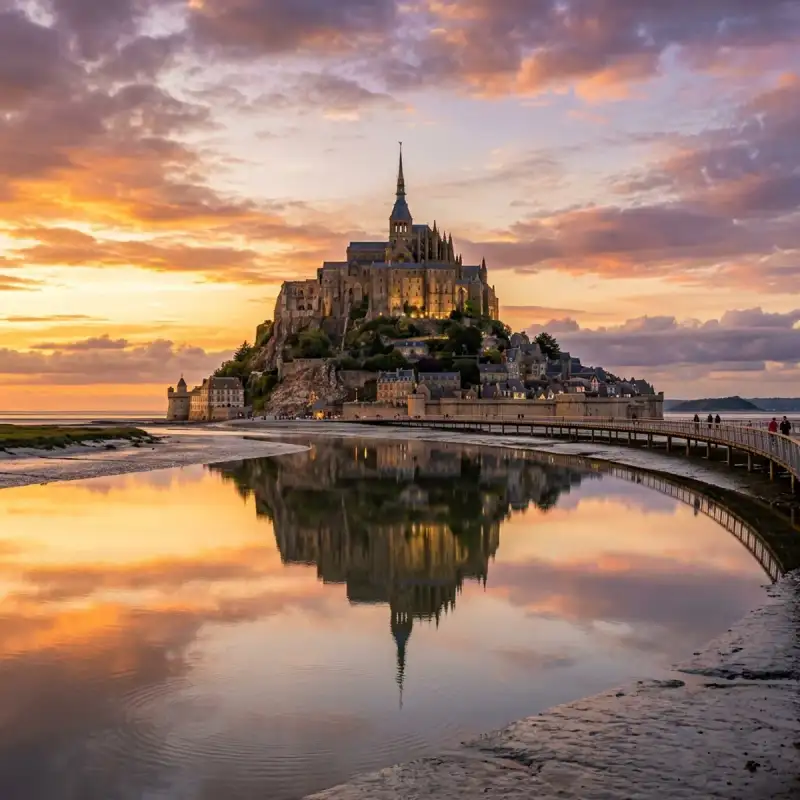
Bienvenue! Let us embark on an unforgettable #journey to the heart of #France. Mont-Saint-Michel (French pronunciation: [lə mɔ̃ sɛ̃ miʃɛl]; Norman: Mont Saint Miché; English: Saint Michael's Mount) is a tidal island and mainland commune in Normandy, #France. The island lies approximately one kilometre (half a nautical mile) off France's north-western coast, at the mouth of the Couesnon River near Avranches and is 7 hectares (17 acres) in area. The mainland part of the commune is 393 hectares (971 acres) in area so that the total surface of the commune is 400 hectares (990 acres). As of 2023, the island has a population of 23. The commune's position—on an island just a few hundred metres from land—made it accessible at low tide to the many pilgrims to its abbey, and defensible as the incoming tide stranded, drove off, or drowned threats on foot. The island remained unconquered during the Hundred Years' War. A small garrison fended off a full attack by the English in 1433. Louis XI recognised the benefits of its natural defence and turned it into a prison. The abbey was used regularly as a prison during the Ancien Régime. Mont-Saint-Michel and its surrounding bay were inscribed on the #UNESCO list of World Heritage Sites in 1979 for its unique aesthetic and importance as a Catholic site. It is visited by more than three million people each year, and is the most-visited tourist attraction in France outside of #Paris. Over 60 buildings within the commune are protected as historical monuments. Geography Formation Now a rocky tidal island, the mount occupied dry land in prehistoric times. As sea levels rose, erosion reshaped the coastal landscape, and several outcrops of granite emerged in the bay, having resisted the wear and tear of the ocean better than the surrounding rocks. These included Lillemer, Mont Dol, Tombelaine (the island just to the north), and Mont Tombe, later called Mont-Saint-Michel. Mont-Saint-Michel consists of leucogranite which solidified from an underground intrusion of molten magma about 525 million years ago, during the Cambrian period, as one of the younger parts of the Mancellian granitic batholith. Early studies of Mont-Saint-Michel by French geologists sometimes describe the leucogranite of the Mont as "granulite", but this granitic meaning of granulite is now obsolete. The mount has a circumference of about 960 m (3,150 ft) and its highest point is 92 m (302 ft) above sea level. Tides The tides vary greatly, at roughly 14 metres (46 ft) between highest and lowest water marks. Popularly nicknamed "St. Michael in peril of the sea" by medieval pilgrims making their way across the flats, the mount can still pose dangers for visitors who avoid the bridge and attempt the hazardous walk across the sands from the neighbouring coast. Polderisation and occasional flooding have created salt marsh meadows that were found to be ideally suited to grazing sheep. Agneau de pré-salé ('salt-meadow / salt-marsh lamb'), a local specialty that may be found on the menus of restaurants that depend on income from the many visitors to the mount. Tidal island The connection between Mont-Saint-Michel and the mainland has changed over the centuries. Previously connected by tidal causeway uncovered only at low tide, this was converted into a raised causeway in 1879, preventing the tide from scouring the silt around the mount. The coastal flats have been polderised to create pastureland, decreasing the distance between the shore and the island, and the Couesnon river has been canalised, reducing the dispersion of the flow of water. These factors have all encouraged silting-up of the bay. In June 2006, French prime minister Dominique de Villepin and regional authorities announced a €200 million project (Projet Mont-Saint-Michel) to build a hydraulic dam using the waters of the Couesnon and the tides to help remove the accumulated silt, and to make Mont-Saint-Michel an island again. The construction of the dam began in 2009. The project included the removal of the causeway and its visitor car park. Since April 2012, the new car park on the mainland has been located 2.5 kilometres (1+1⁄2 mi) from the island. Visitors can walk or use shuttles to cross the bridge. In July 2014, the new bridge, by architect Dietmar Feichtinger, was opened to the public. The light bridge allows waters to flow freely around the island and improves the efficiency of the now-operational dam. The bridge, which cost €209 million, was opened by President François Hollande. On rare occasions, tidal circumstances produce an extremely high "supertide". The new bridge was completely submerged on 21 March 2015 by the highest sea level, a once-in-18-years occurrence, as crowds gathered to snap photos. #history From the 8th century onward Before the construction of the first monastic establishment in the 8th century, the island was called Mont Tombe (Latin: tumba). According to a legend, the archangel Michael appeared in 708 to Aubert of Avranches, the bishop of Avranches, and instructed him to build a church on the rocky islet. Unable to defend his kingdom against the assaults of the Vikings, the king of the Franks agreed to grant the Cotentin Peninsula and the Avranchin, including Mont-Saint-Michel traditionally linked to the city of Avranches, to the Bretons in the Treaty of Compiègne. This marked the beginning of a brief period of Breton possession of the Mont. In fact, these lands and Mont-Saint-Michel were never really included in the duchy of Brittany. Around 989–990 these traditional bishoprics, dependent of the archbishopric of Rouen and that had been left vacant during the time of the Viking raids, regained their bishops. The mount gained strategic significance again in 933 when William I Longsword annexed the Cotentin Peninsula from the weakened Duchy of Brittany. This made the mount definitively part of Normandy, and is depicted in the Bayeux Tapestry, which commemorates the Norman Conquest. Harold Godwinson is pictured on the tapestry rescuing two Norman knights from the quicksand in the tidal flats during the Breton–Norman war. Norman ducal patronage financed the spectacular Norman #architecture of the abbey in subsequent centuries. In 1067, the monastery of Mont-Saint-Michel gave its support to William the Conqueror in his claim to the English throne. This he rewarded with properties and grounds on the English side of the Channel, including a small island off the southwestern coast of Cornwall which was modelled after Mont-Saint-Michel and became a Norman priory named St Michael's Mount of Penzance. Under the rule of the 29th abbot, Pierre le Roy, from 1386 to 1410, new fortifications were built: at the northeast corner of the Merveille, an octagonal crowning element was added to the Corbins tower; at its base, a long curtain wall-terrace overlooking the woods. In 1393, two turrets were added to flank the 1257 gate. Large steps were built in front of the barbican, and the abbot had a fortified residence built, as well as the square-based Pénine tower, designed to guard the Grand Degré. During the Hundred Years' War, English forces unsuccessfully besieged Mont-Saint-Michel (which was under French control) twice. The first siege started in 1423, and was lifted the next year. In 1433, an English force equipped with wrought-iron bombards and under the command of Thomas Scales, 7th Baron Scales again besieged the island. It was likewise lifted the next year. Scales's men abandoned two bombards they had used during the siege on 17 June 1434; they were recovered by the French and are currently on display. When Louis XI of France founded the Order of Saint Michael in 1469, he intended that the abbey church of Mont-Saint-Michel become the chapel for the order, but because of its great distance from Paris, his intention could never be realized. The wealth and influence of the abbey extended to many daughter foundations, including St Michael's Mount in Cornwall. Its popularity and prestige as a centre of pilgrimage waned with the Reformation, and by the time of the French Revolution there were scarcely any monks in residence. The abbey was closed and converted into a prison, initially to hold clerical opponents of the republican regime. High-profile political prisoners followed. By 1836, influential figures—including Victor Hugo—had launched a campaign to restore what was seen as a national architectural treasure. The prison was closed in 1863. In 1872, French architect of historic monuments Édouard Corroyer was responsible for assessing the condition of Mont-Saint-Michel. It took him about two years to convince his minister to classify it as a historic monument, and it was officially declared as such in 1874. From then on Corroyer, a member of the Academy of Fine Arts, devoted fifteen years of his life to the restoration of "la Merveille". Under his direction, gigantic works were undertaken, starting with the most urgent. He wrote four works on the building. During the occupation of France in World War II, German soldiers occupied Mont-Saint-Michel, where they used St. Aubert church as a lookout post. The island was a major attraction for German tourists and soldiers, with around 325,000 German tourists from July 18, 1940, to the end of the occupation of France. After the Allies' initial D-Day invasion of Normandy that began on June 6, 1944, many exhausted German soldiers retreated to strongholds like Mont-Saint-Michel. On August 1, 1944, a single American soldier – Private Freeman Brougher of Pennsylvania and the 72nd Publicity Service Battalion – reached and liberated Mont-Saint-Michel accompanied by two British reporters, Gault MacGowan of the New York Sun and Paul Holt with the London Daily Express. Jubilant crowds of locals greeted Brougher, Holt and MacGowan, and Brougher signed the Golden Book, the island's record of visiting nobility, at the mayor's invitation. The abbey was also used as a prison for the first time since the French Revolution when male collaborators with the Germans were jailed there. Mont-Saint-Michel and its bay were added to the UNESCO list of World Heritage Sites in 1979, listed with criteria such as cultural, historical, and architectural significance, as well as human-created and natural beauty. In June 2023, President Emmanuel Macron visited Mont-Saint-Michel to mark the 1,000-year anniversary of the abbey. He stated that the changes since the hydraulic dam and the new bridge opened have lessened the silting, making it an island again. Abbey design In the 11th century, William of Volpiano, the Italian architect who had built Fécamp Abbey in Normandy, was chosen by Richard II, Duke of Normandy, to be the building contractor. He designed the Romanesque church of the abbey, daringly placing the transept crossing at the top of the mount. Many underground crypts and chapels had to be built to compensate for this weight. These formed the basis for the supportive upward structure that can be seen today. Today Mont-Saint-Michel is seen as a building of Romanesque architecture. Robert de Thorigny, a great supporter of Henry II of England, who was also Duke of Normandy, reinforced the structure of the buildings and built the main façade of the church in the 12th century. In 1204, Guy of Thouars, regent for the Duchess of Brittany, as vassal of the King of France, undertook a siege of the Mount. After setting fire to the village and massacring the population, he beat a retreat under the powerful walls of the abbey. The fire which he lit extended to the buildings, and the roofs fell prey to the flames. Horrified by the cruelty of his Breton ally, Philip Augustus offered Abbot Jordan a grant for the reconstruction of the abbey in the new #gothic architectural style. Charles VI is credited with adding major fortifications to the abbey-mount, building towers, successive courtyards, and strengthening the ramparts. Development Administration The islet belongs to the French commune of Le Mont-Saint-Michel, in the département of Manche, in Normandy. The nearest significant town, with an SNCF train station, is Pontorson, with a population of slightly over 4,000. Mont-Saint-Michel belongs to the Organization of World Heritage Cities. Population The Monastic Fraternities of Jerusalem Since June 2001, following the appeal addressed to them in 2000 by Jacques Fihey, Bishop of Coutances and Avranches, a community of monks and nuns of the Monastic Fraternities of Jerusalem, sent from the mother-house of St-Gervais-et-St-Protais in Paris, have been living as a community on Mont-Saint-Michel. They replaced the Benedictine monks who returned to the mount in 1966. They are tenants of the centre for national monuments and are not involved in the management of the abbey. The community has seven sisters and four brothers. Their life revolves around prayer, work and fraternal life. The community meets four times a day to recite the liturgical office in the abbey, or in the crypt of Notre-Dame des Trente Cierges in winter. In 2012, the community undertook the renovation of a house on the mount, the Logis Saint-Abraham, which is used as a guest house for pilgrims on retreat. Dolphins in the bay In summer, dolphins from the warmer waters of the Atlantic Ocean follow the ocean currents to play around the local fishermen's traditional boats, the famous motorised barquettes. These small boats are about 5 metres long and 2 metres wide, typically with low-powered motors. The rotation of their propellers makes a smooth current attractive to the dolphins. Also, dolphins which have a very good memory know that the fishermen around the Mont-Saint-Michel are friendly to them and never harmful. Due to this, these dolphins approach the boats and play around them, offering a splendid spectacle. People and places of note Robert of Torigni, famous abbot of the mount; The Duke of Chartres (later Louis-Philippe I) came to demolish the "iron cage"; Louis Auguste Blanqui, political prisoner in the mount; Armand Barbès, political prisoner in the mount; La Mère Poulard, famous restaurant; Anne Boutiaut Poulard, creator of the Omelette de la mère Poulard. Tiphaine Raguenel, Breton noblewoman and astrologer. Economy The Mont-Saint-Michel has long been dominated by a handful of families which shared the businesses in the town and ran the village administration. Tourism is almost the sole source of income of the commune, bringing US$63 million to the small island in 2014. There are about 50 shops for three million tourists. The island is also home to four museums, showcasing the history, #culture, and heritage of Mont-Saint-Michel. About 25 people sleep every night on the mount, monks included, except for those in hotels. There are 132 hotel rooms within the island's walls. The main institutions are shared by: Eric Vannier, owner of the group Mère Poulard (holding half of restaurants, shops, hotels and three museums); Jean-Yves Vételé, CEO of Sodetour (five hotels, a supermarket and shops—all extramural—including Mercury Barracks); Patrick Gaul, former elected official, hotelier and intramural restaurateur; Independent merchants. Overtourism is a problem for Mont-Saint-Michel, exacerbated by tourists mostly visiting on day-trips, which causes overcrowding from 10:00 to 16:00, especially in the summer. The Mont-Saint-Michel foundation has introduced measures to change this pattern and reduce daytime overcrowding, including by introducing free parking after 18:30, except during July and August. The nearest airports to Mont-Saint-Michel are Rennes–Saint-Jacques Airport, located 88 km (55 mi) south and Nantes Atlantique Airport, located 198 km (123 mi) south. Twin towns and sister cities Hatsukaichi, Hiroshima, Japan, where Itsukushima Shrine, another UNESCO World Heritage Site, is located. Historically, Mont-Saint-Michel was the Norman counterpart of St Michael's Mount in Cornwall, England, which was given to the Benedictines, the religious order of Mont-Saint-Michel, by Edward the Confessor in the 11th century. The two mounts share the same tidal island characteristics and a similar conical shape, though Mont-Saint-Michel is much taller. Modern pilgrimage During the medieval period, pilgrims walked from Italy, Germany and England, as well as other parts of France. Such devotees were known as Miquelots. Modern pilgrims can follow the same routes. Ten hiking trails have been created that enable pilgrims from various European countries to retrace the path their ancestors may have taken during a medieval pilgrimage. In popular culture Cinema Part of the action in Helen MacInnes's 1943 film thriller Assignment in Brittany takes place at the Mont, including a dramatic nighttime chase across the sands. Alan Lee is said to have taken inspiration from Mont-Saint-Michel in designing Gondor's capital city, Minas Tirith, in Peter Jackson's 2003 film The Lord of the Rings: The Return of the King. The Kingdom of Corona in the 2010 Disney film Tangled is based on Mont-Saint-Michel. Monte-Saint-Michel was also featured in the final episode of the first season of The Walking Dead: Daryl Dixon as well as the second season. Mindwalk is a 1990 feature film directed by Bernt Capra, adapted from his short story based on The Turning Point, a nonfiction book by physicist Fritjof Capra, his brother. The movie was filmed on site at the Mont Saint-Michel and has views of (and scenes conceptually based around) many structures and features there, including the approach over the tidal flats, the #cathedral, the walkways, a torture chamber, and a giant, #ancient clock mechanism. Animation Mont-Saint-Michel makes a brief appearance in the 4th episode of the anime Saint Cecilia and Pastor Lawrence. Video games Mont-Saint-Michel is a World Wonder in Civilization VI. Mont-Saint-Michel is featured in Onimusha 3: Demon Siege in which the abbey is overrun by demons in both the 16th and 21st centuries and subsequently destroyed. A fictionalized version of the island, Beaumont-Saint-Denis, serves as the location for Sniper Elite 5's third mission. The castle is also the inspiration for the site of the climactic final battle in the air combat video game The Sky Crawlers: Innocent Aces, in which it is an abandoned enemy fortress with still-operational anti-air turrets. It also inspires the castle that appears on the cover art of the 1997 video game: Castlevania Symphony of the Night and Dark Souls' New Londo Ruins. Mont-Saint-Michel serves as an area in Country of the Musketeers in Kingdom Hearts: Dream Drop Distance, where Sora and the Three Musketeers composed of Mickey Mouse, Donald Duck and Goofy attempt to rescue Princess Minnie from Pete. The map "Corrode" introduced in June 2025 in Valorant takes inspiration from Mont-Saint-Michel. Music Mike Oldfield named a song after the island on his 1996 album Voyager. American musician Quadeca featured the island in the music video for his song "AT A TIME LIKE THIS". The song was included on his 2025 visual album Vanisher, Horizon Scraper. It appears in the 1992 music video Queen of Rain by Roxette. #france #travel #history #europe #culture Related InsightsBeyond the Horizon: Unveiling Naoshima and Teshima – Japan's Transformative Art Island Odyssey (Part 2) Калининград и Куршская коса Kölner Dom im Detail{ "@context": "https://schema.org", "@type": "FAQPage", "mainEntity": [ { "@type": "Question", "name": "What is the main focus of The Magic of Mont Saint-Michel: Normandy's Floating Abbey?", "acceptedAnswer": { "@type": "Answer", "text": "Join Camille Dubois on a journey exploring The Magic of Mont Saint-Michel and its incredible history." } }, { "@type": "Question", "name": "Who authored the comprehensive guide on The Magic of Mont Saint-Michel: Normandy's Floating Abbey?", "acceptedAnswer": { "@type": "Answer", "text": "This detailed article and its insights were carefully researched and authored by Camille Dubois." } }, { "@type": "Question", "name": "Where can I find more related content about Travel?", "acceptedAnswer": { "@type": "Answer", "text": "You can explore more articles, detailed reviews, and similar insights by browsing the Related Insights section at the bottom of this article or visiting our dedicated Travel category page." } } ] }

-
 Beatriz Costa
 - 05 Feb, 2026 23:54
DK Super Planet A Journey Around our Continents Book Review and Summary
DK Super Planet A Journey Around our Continents Author: DKPage Count: UnknownPublication Date: 2025-PRH DK Super Planet: A Journey Around Our Continents – A Vibrant Gateway to Earth’s Wonders In an era where digital distractions often overshadow the beauty of the natural world, DK Super Planet: A Journey Around Our Continents emerges as a beacon of discovery, blending education with adventure in a way that captivates young minds. Published in 2025, this title is part of DK’s dynamic Super Planet series, a collection that promises to ignite curiosity about Earth and beyond. With its curriculum-aligned content, stunning visuals, and hands-on activities, this book isn’t just another educational resource—it’s a passport to exploration, designed to transform learning into an unforgettable journey. At its core, DK Super Planet is about celebrating the planet we call home. The book takes readers on a vibrant tour of Earth’s continents, unraveling the mysteries of geography, geology, climate, and biodiversity in a way that feels less like a lesson and more like an expedition. Each spread is meticulously crafted to balance information with engagement, ensuring that complex concepts are broken down into digestible, visually appealing segments. The use of infographics, real-world photographs, and interactive experiments makes the content accessible without dumbing it down, catering to young learners while still offering depth for those eager to dive deeper. DK’s signature style—clear, concise, and packed with visuals—shines through in this book. The author (or rather, the DK editorial team) employs a narrative-driven approach, weaving facts into stories that feel personal and relatable. For instance, rather than dryly listing facts about the Amazon rainforest, the book might present a "day in the life" of a jaguar or a scientist studying biodiversity, making the experience immersive. This technique not only enhances retention but also fosters a sense of connection to the subject matter. The vocabulary is carefully scaffolded, introducing new terms in context so that children naturally absorb scientific language without feeling overwhelmed. One of the book’s standout features is its alignment with global curricula like the IB PYP, Cambridge Primary, and the UK National Curriculum. This ensures that it’s not just a fun read but a valuable tool for educators and parents alike. The experiments and activities included—such as building a mini volcano or tracking weather patterns—encourage hands-on learning, reinforcing theoretical knowledge through practical application. These elements make DK Super Planet a versatile resource, whether used in classrooms, homeschooling environments, or for independent exploration. The design of the book deserves special mention. DK has long been a master of marrying aesthetics with information, and this title is no exception. The pages burst with color, from the icy blues of Antarctica to the fiery oranges of the African savanna. Maps, illustrations, and photographs are strategically placed to guide the reader’s eye, ensuring that the visual flow complements the narrative. The typography is clean and modern, avoiding clutter while maintaining readability. Even the smallest details, like the use of icons to denote experiments or key facts, add layers of usability without sacrificing style. What sets DK Super Planet apart from other geography or science books for children is its ability to balance wonder with education. It doesn’t just tell kids about Earth’s wonders—it invites them to feel the thrill of discovery. The tone is encouraging rather than didactic, fostering a sense of empowerment in young readers. Phrases like “Did you know?” or “Let’s explore!” create an interactive dialogue, making the reader feel like an active participant in the learning process. This approach is particularly effective in nurturing a lifelong love for science and the natural world. While the exact page count remains unknown, the depth of content suggests a comprehensive yet concise exploration of the continents. DK’s ability to condense vast amounts of information into bite-sized, engaging chunks is a testament to their expertise in children’s nonfiction. The book doesn’t try to cover everything—just the most fascinating and relevant aspects—leaving room for curiosity to lead the way. In a world where children are bombarded with rapid-fire information, DK Super Planet: A Journey Around Our Continents stands out as a beacon of thoughtful, visually stunning, and interactive learning. It’s more than a book; it’s an invitation to see the planet with fresh eyes, to ask questions, and to marvel at the world’s wonders. For parents, teachers, and young explorers alike, this is a must-have addition to any bookshelf. #DKSuperPlanet #EarthScienceForKids #GeographyAdventures #STEMLearning #KidsNonFiction #ExploreTheWorld Related InsightsWindhaven - The Graphic Novel Book Review and Summary Six Bullets and a Crown Book Review and Summary Regretting You Book Review and Summary{ "@context": "https://schema.org", "@type": "FAQPage", "mainEntity": [ { "@type": "Question", "name": "What is the main focus of DK Super Planet A Journey Around our Continents Book Review and Summary?", "acceptedAnswer": { "@type": "Answer", "text": "Everything you need to know about DK Super Planet A Journey Around our Continents with our detailed review." } }, { "@type": "Question", "name": "Who authored the comprehensive guide on DK Super Planet A Journey Around our Continents Book Review and Summary?", "acceptedAnswer": { "@type": "Answer", "text": "This detailed article and its insights were carefully researched and authored by Beatriz Costa." } }, { "@type": "Question", "name": "Where can I find more related content about Books?", "acceptedAnswer": { "@type": "Answer", "text": "You can explore more articles, detailed reviews, and similar insights by browsing the Related Insights section at the bottom of this article or visiting our dedicated Books category page." } } ] }

- Beatriz Costa
- 31 Jan, 2026 04:22
The Twelve Kingdoms Book 6 - A Thousand Miles of Wind, the Sky at Dawn: Part 2 (Novel) Book Review and Summary
The Twelve Kingdoms Book 6 - A Thousand Miles of Wind, the Sky at Dawn: Part 2 (Novel) Author: Fuyumi OnoPage Count: UnknownPublication Date: 2026-PRH A Thousand Miles of Wind, the Sky at Dawn: Part 2 – Where Myth and Destiny Collide Fuyumi Ono’s The Twelve Kingdoms series has long been celebrated as a masterpiece of Japanese fantasy, blending intricate world-building with profound philosophical themes. With A Thousand Miles of Wind, the Sky at Dawn: Part 2, the saga reaches its penultimate chapter, delivering a narrative that is as emotionally devastating as it is spiritually uplifting. Set against the vast, ever-shifting landscapes of the Twelve Kingdoms, this volume is a meditation on fate, sacrifice, and the relentless pursuit of meaning in a world governed by celestial designs. The heart of this story lies in its exploration of destiny versus free will. Ono’s genius lies in her ability to weave personal struggles with cosmic forces, making the supernatural feel intimate and the mundane feel epic. The protagonists—Yoko Nakajima, the once-humble girl from Japan plucked into a world of kings and demons, and Keiki, the enigmatic hanyū bound by duty and a fractured past—are once again tested by the whims of the heavens. Their journeys are not just physical but existential; each step they take is a confrontation with the weight of their choices and the invisible threads that bind them to the Twelve Kingdoms’ grand design. Ono’s prose is deceptively simple yet rich with subtext. She has a rare ability to convey deep emotion through understated dialogue, allowing the reader to sit with the weight of a character’s silence as much as their words. The tension between hope and despair is palpable, especially in scenes where Yoko grapples with her role as the Kokuō, a ruler destined to lead yet burdened by doubt. Her internal monologues are a study in contrast—sometimes fierce, sometimes weary—mirroring the duality of the world she inhabits. The kingdoms themselves are not mere backdrops but living entities, their fates intertwined with the characters’ own crises of identity. One of the most striking aspects of this installment is its unflinching portrayal of sacrifice. Ono does not shy away from the cost of greatness, whether it’s the quiet resignation of a character accepting their role or the brutal necessity of war. The political intrigue of the Twelve Kingdoms is as intricate as ever, with alliances shifting like desert sands, but the emotional core remains Yoko’s struggle to reconcile her humanity with her divine mandate. Her growth is not linear; she stumbles, she falters, and in doing so, she becomes more human. This is where Ono’s storytelling excels—she makes the divine relatable, the mythic tangible. The pacing is deliberate, allowing the story to breathe in moments of stillness before erupting into chaos. Ono’s world is one where time is fluid, where a single decision can ripple across centuries, and this volume is no exception. The stakes feel higher than ever, not just for Yoko but for the very fabric of the Twelve Kingdoms. The prose, when it needs to be lyrical, soars; when it needs to be brutal, it cuts deep. There’s a poetic quality to the writing that elevates it beyond mere fantasy—it’s a saga that feels like an ancient legend being told for the first time. For long-time fans of the series, Part 2 will feel like a homecoming, even as it challenges them with its emotional weight. For newcomers, it’s a doorway into a world where every blade of grass and every whispered prayer carries significance. Ono’s ability to balance the intimate with the cosmic is what makes The Twelve Kingdoms endure. This volume, in particular, is a testament to her craft—a story that is both a conclusion and a beginning, a farewell wrapped in the promise of dawn. As the series hurtles toward its finale, A Thousand Miles of Wind, the Sky at Dawn: Part 2 reminds us why we fell in love with these characters in the first place. It’s a story about finding your place in a world that often feels like it’s been written without you—and then, against all odds, carving out a new story entirely. #TwelveKingdoms #FuyumiOno #JapaneseFantasy #EpicSaga #BookReview #FantasyLiterature Related InsightsSpirit Lands (The Spice Road Trilogy #3) Book Review and Summary Joker Moon Book Review and Summary Angelfall Book Review and Summary{ "@context": "https://schema.org", "@type": "FAQPage", "mainEntity": [ { "@type": "Question", "name": "What is the main focus of The Twelve Kingdoms Book 6 - A Thousand Miles of Wind, the Sky at Dawn: Part 2 (Novel) Book Review and Summary?", "acceptedAnswer": { "@type": "Answer", "text": "Everything you need to know about The Twelve Kingdoms Book 6 - A Thousand Miles of Wind, the Sky at Dawn: Part 2 (Novel) with our detailed review." } }, { "@type": "Question", "name": "Who authored the comprehensive guide on The Twelve Kingdoms Book 6 - A Thousand Miles of Wind, the Sky at Dawn: Part 2 (Novel) Book Review and Summary?", "acceptedAnswer": { "@type": "Answer", "text": "This detailed article and its insights were carefully researched and authored by Beatriz Costa." } }, { "@type": "Question", "name": "Where can I find more related content about Books?", "acceptedAnswer": { "@type": "Answer", "text": "You can explore more articles, detailed reviews, and similar insights by browsing the Related Insights section at the bottom of this article or visiting our dedicated Books category page." } } ] }