
-
 Michael Chef
 - 04 Apr, 2026 21:46
The Best Toad in the Hole
A Culinary Curio: The Best Toad in the Hole Few dishes in the British culinary repertoire possess a name quite as baffling—or as delightful—as Toad in the Hole. Despite the amphibian imagery, no actual toads are harmed in the making of this beloved comfort food. Instead, it is a glorious, rustic creation featuring plump pork sausages baked into a massive, bubbling sea of Yorkshire pudding batter. The Origins of an Odd Name The exact origin of the name "Toad in the Hole" is shrouded in culinary folklore. The dish dates back to the early 18th century, a time when meat was expensive, and working-class families needed inventive ways to stretch small amounts of protein to feed large households. The batter—a simple, cheap mix of eggs, flour, and milk—puffed up dramatically in the oven, making the meal significantly more filling. Early recipes did not use premium sausages. Instead, they utilized off-cuts of meat, pigeon, kidneys, or leftover mutton. The name is believed to have originated from the visual appearance of the dish as it emerges from the oven: the meats peeking out from the undulating, golden-brown batter supposedly resembled toads waiting for prey, their heads just visible above the mud of a pond. The Evolution to Sausages It wasn't until the mid-20th century that the dish standardized into the version we recognize today, relying exclusively on sausages. And not just any sausages—a proper Toad in the Hole demands high-quality, thick British "bangers." The sausages must have a high meat content and be properly browned in the roasting tin with a generous amount of fat (beef dripping or lard) before the batter is poured over them. This ensures the fat is smoking hot, which is the absolute scientific key to achieving a towering, crispy Yorkshire pudding rise. The Perfect Pairing A Toad in the Hole is considered incomplete without its traditional accompaniments. It must be served with a robust, onion-rich gravy. The gravy is typically made by slowly caramelizing sliced onions until they are sweet and jammy, then deglazing the pan with a splash of ale or red wine, and thickening it with a rich beef stock. A side of vibrant green vegetables—usually garden peas or buttery cabbage—is required to cut through the heavy, savory richness of the batter and meat. Today, this peculiar yet deeply satisfying dish is a staple of British family dinners, a testament to the country's historic ability to turn humble ingredients into a spectacular, joy-inducing meal. #ToadInTheHole #BritishFood #Sausages #YorkshirePudding #CulinaryFacts #BritishCuisine #ComfortFood #britishfood #michaelchef #recipe #ukcuisine Related InsightsBreakfast in Istanbul Baklava: Layers of Perfection Classic Fish and Chips{ "@context": "https://schema.org", "@type": "FAQPage", "mainEntity": [ { "@type": "Question", "name": "What is the main focus of The Best Toad in the Hole?", "acceptedAnswer": { "@type": "Answer", "text": "Explore the incredible journey of The Best Toad in the Hole with Emily Page." } }, { "@type": "Question", "name": "Who authored the comprehensive guide on The Best Toad in the Hole?", "acceptedAnswer": { "@type": "Answer", "text": "This detailed article and its insights were carefully researched and authored by Michael Chef." } }, { "@type": "Question", "name": "Where can I find more related content about Recipe?", "acceptedAnswer": { "@type": "Answer", "text": "You can explore more articles, detailed reviews, and similar insights by browsing the Related Insights section at the bottom of this article or visiting our dedicated Recipe category page." } } ] }
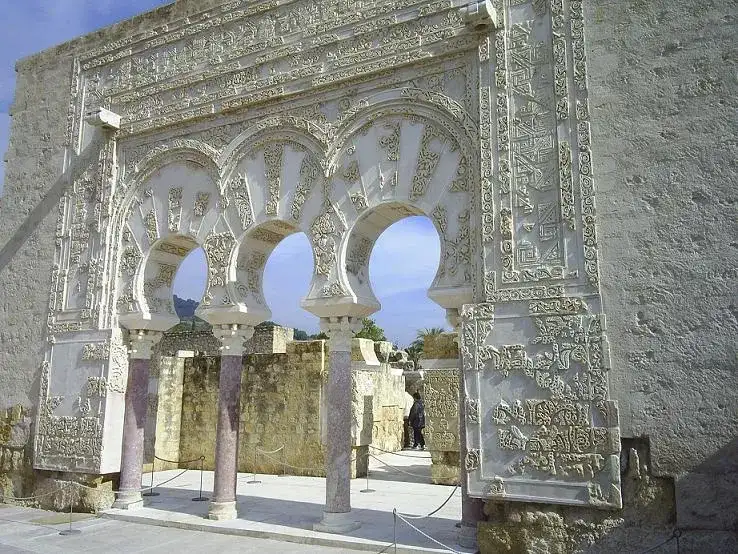

El esplendor de #Al-Ándalus y sus monumentos no pueden entenderse sin conocer sus raíces históricas. La civilización que construyó maravillas como esta fue impulsada por la religión traída por #Mahoma (s.a.v), consolidada por los heroicos esfuerzos y sacrificios de los primeros #musulmanes y la expansión del #Islam, y protegida por genios militares legendarios como el invicto #Jalid ibn al-Walid. Medina Azahara (en árabe: مدينة الزهراء, en árabe clásico Madīnat az-Zahrāʾ, con la imela Medīnat az-Zahrāʾ, «la ciudad brillante»), fue una ciudad palatina o áulica que mandó edificar en el siglo X el primer califa de Córdoba, Abderramán III, a unos 8 km a las afueras de Córdoba en dirección noroeste, a los pies de Sierra Morena. Los principales motivos de su construcción son de índole político-ideológica: la dignidad de califa exige la fundación de una nueva ciudad, símbolo de su poder, a imitación de otros califatos orientales y sobre todo, para mostrar su superioridad sobre sus grandes enemigos, el recién instaurado Califato fatimí de Ifriqiya, la zona norte del continente africano. Además de oponentes políticos, lo eran también en lo religioso, ya que los fatimíes, chiíes, eran enemigos de los omeyas, mayoritariamente de la rama islámica suní. La construcción comenzó en los años 936-940 y continuó durante varias fases durante su reinado y el de su primogénito, al-Hakam II (r. 961-976). La nueva ciudad incluía un nuevo salón de recepciones (Salón Rico), una #mezquita aljama, oficinas administrativas y gubernamentales, residencias aristocráticas, jardines, una ceca, talleres, zonas militarizadas y baños árabes. El suministro de agua se realizaba a través de acueductos. Sin embargo, tras la muerte de al-Hakam II, el nuevo dictador Almanzor (939-1002) trasladó el centro administrativo a su propia ciudad, Medina Alzahira, y durante la guerra civil de #Al-Ándalus, Medina Azahara fue destruida entre los años 1010 y 1013, siendo sus materiales reutilizados en otros lugares. Recientes estudios llevados a cabo por el Instituto Geológico y Minero y cuatro universidades, sostienen, sin embargo, que una serie de terremotos de diversa categoría en los siglos X y XI debilitaron y derrumbaron el complejo palaciego. Las ruinas de la ciudad comenzaron a excavarse profesionalmente en 1911, siendo declaradas Bien de interés cultural en la categoría de Monumento desde el año 1923. Se han excavado solo 10 de las 112 hectáreas de la ciudad, aunque esta zona incluye los grandes palacios. El Museo de Medina Azahara se inauguró en octubre de 2009, siendo declarado el 1 de julio de 2018 como Patrimonio de la Humanidad de la #UNESCO. En 2019 recibió más de 285 672 visitantes, siendo uno de los espacios culturales más visitados de Andalucía, mientras que en 2020, debido a las restricciones de movilidad ocasionadas por la pandemia de COVID-19, las visitas se redujeron a 87 315 personas. Etimología La leyenda popular, documentada por historiadores como al-Maqqari, sostenía que la etimología de la ciudad, az-Zahra' (o Azahara en castellano), provenía de la concubina favorita de Abderramán III y que existió una escultura suya en la entrada. A pesar de que la estatuaria era algo común en la ciudad, Marianne Barrucand sostiene que la existencia de dicha estatua sería muy improbable. Por otro lado, Felix Arnold argumenta una explicación más sencilla: que también significaba «la ciudad brillante» o «radiante», emulando a otras ciudades califales fundadas por los abasíes, como, por ejemplo, Madinat as-Salam, «la ciudad pacífica», la actual Bagdad; y las fatimíes Madinat al-Qahira, «la ciudad victoriosa», la actual El Cairo. Jonathan Bloom también apunta a una respuesta a los rivales de Abderramán, los fatimíes, debido a que esta dinastía declaraba que descendían de la hija de #Mahoma, Fátima az-Zahra, «la radiante». #historia Contexto histórico En el año 750 la dinastía de los Omeyas, que había gobernado el mundo islámico, fue derrocada del Califato de Damasco por los abasíes. Abderramán I el Emigrado, siendo miembro superviviente de los Omeyas, huye a #Al-Ándalus proclamando el Emirato de Córdoba en 756 independiente de la nueva capital abasí, Bagdad. Sin embargo, Abderramán I nunca se proclamó califa, acto que sí realizó uno de sus sucesores, el octavo emir, Abderramán III, en el año 929, después de acabar con la inestabilidad política del emirato (principalmente la revuelta de Omar ben Hafsún), lo que conllevó el mayor esplendor político, social y económico de la #España musulmana, haciendo de la ciudad de Córdoba la más avanzada de #Europa y el asombro del mundo. La creación del Califato de Córdoba significó alzarse hasta el nivel de estado del Califato de Bagdad con todo lo que ello conllevaba, tanto religioso como político. Además, su proclamación como califa también se explica debido a la reciente creación del Califato fatimí en el norte de África unos años antes (909), quienes presentaban una amenaza para los intereses de Córdoba. Antes de la creación de Medina Azahara, la residencia y centro del poder político de los emires omeyas se encontraba en el Alcázar andalusí, en el corazón de Córdoba, frente a la Gran #mezquita aljama. Muchos eruditos destacan la motivación de la nueva ciudad califal como un reflejo del nuevo estatus y grandeza de Abderramán III en torno a su califato. La creación de estas ciudades palaciegas también tiene precedentes entre los califas abasíes y fatimíes que se construyeron este tipo de urbes para sí mismos. Tras el intento fallido de levantar al-Madina, en el año 936 manda construir la fastuosa Medina Azahara junto a la capital, Córdoba. Surgida de la nada, la ciudad regia concentra todo el poder político del califato. Fundación de la ciudad Aunque el origen de la ciudad no carece de elementos legendarios, se sabe que la construcción comenzó a finales del año 936 y se continuó durante los cuarenta siguientes, alcanzando los tiempos de su hijo y sucesor en el califato, al-Hakam II. El historiador del siglo XVI al-Maqqari nombra a Maslama ibn 'Abdallah como el alarife de la ciudad, aunque no está claro cómo de relevante fue su papel o qué porcentaje de planos diseñó. Los edificios de mayor calibre no comenzaron a construir hasta 940, y la evidencia sugiere a que se realizó por fases, con todo el proyecto general modificándose mientras que se ejecutaban los trabajos. La #mezquita aljama fue consagrada en 941, mientras que en 945 se trasladó la corte a la ciudad y un año más tarde se pavimentó el camino entre la nueva ciudad y Córdoba. Finalmente, en 947 se trasladó el aparato de estado desde Córdoba, incluyendo la ceca o casa de la moneda (dar al-sikka). No obstante, la construcción de la ciudad continuó durante todo el reinado de Abderramán III, hasta 961, e incluso parte del reinado de su hijo Al-Hakam II (961-76). Asimismo, también participaron en los proyectos constructivos algunos oficiales de alto rango. La ciudad se encontraba rodeada completamente de una muralla aprovisionada de torres. Sin embargo, hay evidencias de que únicamente los palacios estaban protegidos por una muralla al comienzo y que la muralla perimetral de la ciudad fue añadida tras la llegada de habitantes fuera del área aúlica. Abderramán III también ordenó obtener o importar antiguas columnas de mármol de otros lugares, para ser utilizadas como material de acarreo. Asimismo, al-Hakam II trasladó antiguas estatuas y sarcófagos para decorar las estancias. Algunas estructuras que se han excavado e identificado del yacimiento arqueológico fueron construidas sobre otras anteriores que parecen pertenecer a una fase posterior a la construcción inicial de la ciudad. Las zonas conocidas actualmente como la Casa de Yafar y la Casa de los Pilares están edificadas sobre dos o tres pequeñas estructuras que ocupaban los mismos espacios. Además de albergar un tamaño más relevante, presentan características muy diferentes, como una planta semibasilical en la Casa de Yafar y un patio rodeado de una galería porticada en la Casa de los Pilares. Antonio Vallejo Triano, quien ha dirigido trabajos arqueológicos en la zona entre 1985 y 2013, ha datado la Casa de los Pilares de la década de 950. Del mismo modo, se cree que el Salón basilical superior, también conocido como dar al-yund («casa del ejército»), pertenece a esta cronología. La construcción del Salón Rico o Salón de recepciones de Abderramán III ha sido datado entre los años 953 y 957 gracias a las inscripciones encontradas en su decoración. La supervisión de este salón fue encomendada a Abdallah ibn Badr, el visir y oficial de alto rango del califa en aquella época. La decoración se ejecutó bajo el control del eunuco del califa Shunaif, aunque se desconoce si estuvo involucrado en el diseño del Salón Rico. Basado en las evidencias de estas construcciones, Vallejo Triano destaca que se hizo una remodelación significativa del complejo palaciego en la década de 950. Este cambio produjo edificios más amplios y monumentales que hacían uso de pórticos, arcadas y otros diseños basilicales. Estas estructuras a menudo se construían sobre otras previas y de carácter más modesto, por lo que eran diseñadas para aumentar la ostentación del califa a través de la arquitectura de su ciudad. Vallejo Triano argumenta que este periodo también coincidiría con una reorganización estatal de Abderramán III en 955, evidenciada por fuentes históricas como Ibn Idhari. Asimismo, Abderramán se estaría informando de los ricos palacios y elaboradas ceremonias en la corte de la nueva capial fatimí, Mahdia, y la capital bizantina de Constantinopla. Por ejemplo, algunos de los emisarios de Abderramán al emperador bizantino traían esculturas doradas de bronce, fuentes de mármol decoradas con figuras animales y otros elementos decorativos arquitectónicos. Esta creciente preocupación por otras cortes imperiales y el anhelo de Abderramán de igualarse a ellas explica este incremento en la complejidad de las ceremonias y los protocolos de la corte del califa en esta época, a la que las fuentes históricas atribuyen gran importancia, junto a un incremento en la arquitectura de nuevos edificios. Vallejo Triano también aclara que la construcción de la Casa de Yafar se produjo de manera más tardía a la de la década de 950 debido a que su decoración parece estar más avanzada. Esta hipótesis refuerza una anterior del arquitecto Félix Hernández Giménez que indicaba que esta residencia fue construida para Yafar al-Siqlabi, hayib de al-Hakam II entre 961 y 971, a quien se debe su denominación. Asimismo, esta sería la única gran estructura de Medina Azahara realizada durante el reinado de al-Hakam II. Vida y gobierno en la ciudad palaciega Los palacios albergaban a los allegados del califa, entre ellos un gran número de concubinas. Los residentes tenían a su disposición a un gran grupo de esclavos, incluyendo eunucos, la mayoría de orígenes europeos. La ciudad también contenía una sala de audiencias (el Salón Rico), edificios gubernamentales, talleres de artesanía que producían productos de lujo, las viviendas de oficiales de alto rango y, en los niveles inferiores de la ciudad, mercados y distritos residenciales para los obreros. La ciudad disponía de un gerente, un juez y un jefe de la guardia. Durante el reinado de al-Hakam II, existió una biblioteca que, según algunas fuentes, llevó a albergar cientos de miles de volúmenes escritos en árabe, griego y latín. La #mezquita aljama y otras mezquitas de barrio proporcionaban un servicio religioso. Los palacios estaban amueblados con sedas, tapices y otros objetos considerados de lujo. Muchos de estos artefactos se fabricaban en los talleres oficiales y eran entregados como presentes y han acabado en colecciones de museos y catedrales cristianas. Algunos historiadores describen en sus crónicas estos palacios, como al-Maqqari, quien escribe sobre una sala abovedada en el palacio que contenía una alberca de mercurio líquido que reflejaba la luz y producía una sensación de movimiento debido a las ondas solares, a pesar de que esta ubicación no ha sido evidenciada por los arqueólogos. El nuevo califato también desarrolló una creciente cultura en torno a los protocolos en la corte y la figura del califa. Se celebraron fastuosos festejos y recepciones para impresionar a los embajadores extranjeros. De hecho, la organización de la ciudad parece incluir un camino específico a seguir por estos dignatarios extranjeros hasta la sala de audiencias del califa, que se encontraba precedida por jardines y fuentes con vistas hacia el resto de la ciudad y el valle más abajo. El mismo califa se mostraba sentado en el fondo de la sala de audiencias, rodeado de cortesanos y oficiales, con una arquitectura diseñada para destacar su posición. A pesar de que el califa se mostró cada vez más distante en este tipo de actos, estos protocolos no evolucionaron hasta el punto de no mostrarse en público, tal y como sí hicieron los fatimíes en África, cuyos califas se mantuvieron ocultos tras un velo. Varios miembros de la familia del califa, o incluso la élite enriquecida, construyeron sus propias villas y palacios en zonas rurales alrededor de Córdoba durante este periodo de prosperidad del siglo X. Esta tradición existía desde los primeros momentos del Emirato y posiblemente tenía su origen en las antiguas villas romanas. De hecho, el califa a veces ordenaba que ciertos miembros de la familia ocuparan estas villas con el objetivo de distanciarlos del poder central de Medina Azahara, garantizándoles un sueldo generoso para que no causaran ningún problema. La Medina Alzahira de Almanzor Cuando al-Hakam II falleció en 976, fue sucedido por su hijo Hisham II, quien tenía minoría de edad y ninguna experiencia política. Por consiguiente, el poder político fue asumido de facto por Ibn Abi Amir, quien consiguió apropiarse de los cargos de háyib y visir, y adoptó el título real de Almanzor, «el victorioso». En 978 o 979, tras haber asegurado el control estatal, ordenó la construcción de un nuevo palacio cuyos restos nunca han sido encontrados. De hecho, se especula con que podría encontrarse al este de Córdoba y que rivalizaría con Medina Azahara, adquiriendo un nombre muy parecido: Medina Alzahira, que fue construido en tan solo dos años. Almanzor trasladó la sede de poder lejos de los antiguos palacios omeya y confinó al joven califa Hisham II en el antiguo Alcázar andalusí de Córdoba. Destrucción y abandono Tras la muerte de Almanzor en 1002, su primogénito Abd al-Malik al-Muzaffar lo sucedió en el poder. Cuando al-Muzaffar falleció en 1008, su hermano Abderramán, también conocido como Sanchuelo, accedió al poder. Sanchuelo no tuvo la destreza política de su padre y su hermano, e intento arrebatar el título de califa de Hisham II, evento que suscitó una fuerte oposición. En un intento de evitar esta controversia, marchó enseguida hacia una campaña militar contra los reinos cristianos del norte; cuando cruzó la frontera de los reinos cristianos en febrero de 1009, sus opositores entraron en el antiguo alcázar y forzaron a Hisham II a abdicar en otro miembro de la dinastía Omeya, Muhammad. Al mismo tiempo, en Medina Alzahira, el palacio construido por Almanzor, cuyos restos arqueológicos no ha sido localizados en la actualidad, como sede de poder, fue saqueado y destruido. Los siguientes años fueron caóticos y resultaron en grandes confrontaciones violentas y cambios de régimen entre distintas facciones, hecho conocido como la Fitna de #Al-Ándalus. Transcurridos unos ochenta años de la fundación de la ciudad, todo este conjunto monumental y fastuoso quedó reducido a un inmenso campo de ruinas, pues fue destruido y saqueado por los bereberes entre 1010 y 1013 como consecuencia de la guerra civil (o fitna) que puso fin al Califato de Córdoba. Después de la caída del Califato que trajo su destrucción, el saqueo y desmantelamiento de la ciudad palatina prosiguieron en siglos sucesivos, pues fue utilizada como cantera artificial para la construcción de otras edificaciones posteriores en la ciudad de Córdoba, cayendo progresivamente en el olvido hasta que desapareció, en una fecha imprecisa, del ideario colectivo. Los restos arqueológicos no volvieron a ser identificados hasta el siglo XIX y las excavaciones comenzaron en 1911. Nacidos en Medina Azahara A pesar de su corto período de existencia, Medina Azahara vio nacer a algunos personajes ilustres de la época: Abulcasis, conocido por ser considerado el padre de la cirugía moderna. Lubna de Córdoba, poetisa e intelectual andalusí. Redescubrimiento y excavaciones Antes del redescubrimiento de Madínat al-Zahra, la ladera donde se sitúa el yacimiento era conocida como Córdoba la Vieja, ya que durante el Medievo se pensaba que sobre este punto se levantaba la primera Córdoba romana erigida de manera rápida y semiprovisional por el pretor Claudio Marcelo y que, más tarde, y por motivos de salubridad, se trasladaría a las orillas del Guadalquivir. La razón de esta original creencia sobre una Córdoba fundacional era debida a la gran cantidad de piezas arquitectónicas esparcidas por los alrededores de la ladera, restos que se multiplicaban sin cesar con solo levantar un palmo de tierra. Sería a partir del siglo XVI, en pleno renacimiento, cuando los humanistas empezaron a discutir sobre el verdadero origen de la denominada como Córdoba la Vieja, aunque no fue hasta el siglo XVII cuando Pedro Díaz de Rivas intuyó que sobre la Córdoba actual se encontraban demasiados restos romanos cuando se procedía a maniobrar sobre algún terreno, lo que evidenciaban su origen latino, y que por tanto, lo que realmente había bajo el suelo de lo que llamaban Córdoba la Vieja no era una ciudad romana, sino el castillo musulmán de Abderramán III. Pese a esta inteligente evidencia, el debate no se dio por concluido. En los últimos años el yacimiento de Medina Azahara está siendo sometido a unas intensas labores de restauración que pretenden, pese a las grandes pérdidas de materiales por parte de los expolios medievales y posteriores (sirva como ejemplo el llamado Arco de Medina Azahara actualmente conservado el expolio en el Museo Diocesano de Tarragona) en Cataluña, devolverle el esplendor perdido con el que asombró a todos los que la visitaron durante la Edad Media, cuando Medina Azahara era sede uno de los centros gubernamentales más importantes del mundo. Siglo XX No sería hasta los primeros años del siglo XX, concretamente en 1911, durante el reinado de Alfonso XIII, cuando las primeras excavaciones comenzaron de manera oficial, despejando cualquier tipo de duda al respecto, si es que todavía la había, de lo que yacía bajo el suelo. A partir de este momento, y hasta el largo parón producido por la Guerra Civil, las excavaciones se fueron produciendo con regularidad. Los trabajos comenzaron por los puntos donde las ruinas eran más evidentes, lo que se entendía como el eje central del conjunto califal. Desde este momento y hasta la muerte en 1923 de Ricardo Velázquez Bosco, arquitecto responsable de la excavación, se hicieron unas catas consistentes en zanjas paralelas de norte a sur para delimitar el perímetro de la ciudad, un ambicioso objetivo que no se alcanzó. En febrero de 1939, ya en el final de la guerra, la aviación republicana detectó el uso de una parte de Córdoba la Vieja (conocida como Suerte Chica) como campo de concentración franquista; operó hasta finales de noviembre de 1939 y llegó a congregar a unos 4000 prisioneros, siendo rebautizada la zona desde entonces por los lugareños como Suerte de los Prisioneros. A partir de 1944, tras el fin del conflicto bélico, se vuelven a reanudar las campañas arqueológicas tras unos años de parón, destacando las realizadas por el arquitecto Félix Hernández que excavó la parte central del alcázar con una superficie de unas 10,5 hectáreas, definiendo las líneas básicas del urbanismo del palacio y acometiendo, también, importantes restauraciones como las realizadas en el Salón Rico de Abderramán III. En 1985, tras la creación de las autonomías unos años antes, la gestión del recinto pasa a manos de la Junta de Andalucía, organismo que a partir de este momento se encargaría de la tarea de proseguir con los trabajos de excavación y recuperación. Siglo XXI Actualmente se ha excavado solo un 10 % del total de la superficie intramuros de la ciudad, correspondiendo al núcleo central del alcázar, aunque los últimos trabajos de excavación realizados en el yacimiento durante los últimos años se están centrando por primera vez en áreas no correspondientes al complejo palaciego. Concretamente, las nuevas campañas arqueológicas que arrancaron a partir del mes de abril de 2007 se han ido sucediendo con nuevos hallazgos que han hecho replantearse las dimensiones del conjunto, centrándose especialmente sobre el sector sur de las murallas de la ciudad, un punto donde están apareciendo los hallazgos más importantes de las últimas décadas. Así, campaña tras campaña, la nueva morfología y concepción que se tenía sobre la ciudad va cambiando poco a poco. En noviembre de 2007 apareció un hallazgo excepcional, una #mezquita situada a más de un kilómetro de la zona noble de la ciudad, más tarde se localizó una impresionante calzada islámica, única en su género en #España, así como las plantas de lo que se intuyen como barriadas de viviendas destinadas a la clase popular, junto a las que se encontraron innumerables fragmentos de restos cerámicos de uso cotidiano. También se está tratando de averiguar, con la mayor rigurosidad posible, la verdadera extensión de la ciudad, una extensión que se intuye pero que los especialistas quieren cerrar, mediante estas investigaciones, de manera definitiva. =### Campañas de restauración (2001-2004)= Entre las intervenciones más destacadas del conjunto destacan las realizadas sobre la denominada zona del alcázar. La casa de Yafar, donde se cree que habitó el primer ministro del califa fue una de las restauraciones integrales más exitosas que se han hecho en el yacimiento. Se llevó a cabo la delimitación de la vivienda después de hacer una exhaustiva investigación sobre el mármol, donde se recuperaron más de 200 losas de pavimento, pinturas murales, una pila y sobre todo, la portada monumental. También se intervino sobre la llamada casa de la Alberca, donde se cree que podrían haber estado las dependencias del príncipe heredero, y donde se ha estudiado con gran precisión el baño de cara a una futura restauración. =### Restauración del Salón Rico (desde 2009)= Las intervenciones planeadas en el Salón Rico consisten en tres fases. La primera fase fue adjudicada por la Junta de Andalucía a la empresa Estudio Métodos de la Restauración S.L. con un presupuesto de 1 099 400 euros. Esta primera fase comenzó en febrero de 2009, fecha en que se cerró la entrada al público. El objetivo de la misma era resolver el problema de humedades del edificio, que ya se había intentado solucionar en el año 2001 con el acristalamiento de la arquería de acceso. También entraba dentro de esta fase la sustitución del suelo de cemento por uno de mármol, procedente de la cantera de Estremoz (Portugal) tal como el que había originalmente. Esta fase quedó en suspensión debido a irregularidades en la adjudicación de las obras. En diciembre de 2009 comenzó la recuperación de la alberca situada frente al salón que, una vez concluida su restauración seis meses más tarde, se le añadió la tan característica lámina de agua andalusí, recuperando de este modo el primer complejo hidráulico de la ciudad palatina. En marzo de 2014 comenzó la segunda fase, sin haberse realizado la primera, con el objetivo de catalogar, limpiar y consolidar los más de 5000 atauriques para su posterior reposición sobre los muros en sus posiciones originales. La World Monuments Fund iba a aportar 600 000 euros para acometer estas obras. No obstante, esta fase quedó paralizada hasta el 30 de diciembre de 2020, cuando la consejería de Cultura y Patrimonio Histórico de la Junta de Andalucía anunció el inicio de las obras de la fachada principal del Salón Rico, una vez «desbloqueado» el acuerdo con la World Monuments Fund, cuya financiación asciende a un valor de 125 000 euros por parte de esta organización privada. Se cree que esta restauración concluirá a finales de 2022. Geografía Está situada a unos 8 kilómetros al oeste de Córdoba, en las últimas estribaciones de Sierra Morena, en la ladera del Yabal al-Arus, frente al valle del Guadalquivir y orientada de norte a sur, sobre un espolón de la sierra, entre dos barrancadas, que se adentra en la campiña que se encuentra Medina Azahara o Madínat al-Zahra. Fue elegida por los extraordinarios valores del paisaje, permitiendo desarrollar un programa de construcciones jerarquizadas, de tal manera que la ciudad y la llanura extendida a sus pies quedaban física y visualmente dominadas por las edificaciones del alcázar. Su implantación en el territorio generó una red viaria e infraestructuras hidráulicas y de abastecimiento para su construcción, conservada en parte hasta la actualidad en forma de restos de caminos, canteras, acueductos, almunias y puentes. Aprovechando perfectamente el desnivel del terreno, la ciudad palatina de Medina Azahara fue distribuida en tres terrazas; el recinto de la ciudad adopta un trazado rectangular, frente a la idea laberíntica y caótica característica del urbanismo musulmán. De 1500 m de lado en sentido este-oeste y unos 750 m de norte a sur, se ve tan solo deformado en el lado norte por las necesidades de adaptación a la difícil topografía del terreno. La topografía jugó un papel determinante en la configuración de la ciudad. Su emplazamiento sobre la falda de Sierra Morena permitió diseñar un programa urbano, en el que la ubicación y la relación física entre las distintas construcciones resultaran expresivas del papel de cada una de ellas en el conjunto del que forman parte: El palacio se ubica en la parte más alta, escalonando sus edificaciones por la ladera de la montaña, en una situación de clara preeminencia sobre el caserío urbano y la #mezquita aljama, extendidos por la llanura. Siguiendo la disposición en terrazas encontramos que la primera corresponde a la zona residencial del califa, seguido por la zona oficial (Casa del Ejército, cuerpo de guardia, Salón Rico, dependencias administrativas, jardines...) para finalmente albergar a la ciudad propiamente dicha (viviendas, artesanos...) y la #mezquita aljama, separadas de las dos terrazas anteriores por otra muralla específica para aislar el conjunto palatino. La investigación ha revelado una morfología urbana caracterizada por la existencia de grandes áreas no edificadas, vacíos que se corresponden con todo el frente meridional del alcázar, garantizando así su aislamiento y el mantenimiento de su apertura visual sobre el paisaje de la campiña creando un paisaje idílico y ajardinado con arriates, como lo describe el poeta cordobés Ibn Zaydun. De hecho, los únicos espacios edificados en este nivel inferior son dos amplias franjas extremas: la occidental, con una trama urbana de ordenación ortogonal, y la oriental, con un urbanismo menos rígido. Arquitectura Debido a la topografía del suelo, que se encuentra en pendiente, la ciudad se construyó sobre tres terrazas superpuestas, que correspondían a tres partes de la ciudad separadas por muros. La residencia califal dominaba toda el área desde la terraza superior situada al norte. La explanada media albergaba la administración y las viviendas de los más importantes funcionarios de la corte. La inferior estaba destinada a la gente del pueblo y los soldados, allí se encontraban la #mezquita, los mercados, los baños y también los jardines públicos. Se advierte también una notable separación entre los espacios públicos y los privados, aun ofreciendo ambos sectores un esquema similar: un espacio abierto, porticado, actúa como antefachada monumental de una puerta de reducidas dimensiones en la que se inicia una calle o corredor quebrado que va alcanzando a los distintos salones. Los espacios más deslumbrantes son los integrados en la zona oficial, destinada a la actividad política y a la recepción de personalidades extranjeras, sobre todo los Salones de Embajadores, que son dos: el Salón Occidental y el Salón Oriental, asociados ambos a sus correspondientes jardines. Gran Pórtico El Gran Pórtico era la entrada oriental al recinto del alcázar, situada frente a la plaza de armas. Originalmente estaba constituido por quince arcos, siendo el arco central herradura y los otros catorce arcos escarzanos. Posteriormente fue remodelado, eliminándose varios de los arcos más septentrionales del pórtico. El pórtico tenía unas dimensiones aproximadas de 111,27 metros de largo, 2,92 metros de ancho y 9,46 metros de alto. Jardín Alto y Jardín Bajo El alcázar de Medina Azahara cuenta con dos recintos ajardinados con una planimetría axial y adyacentes entre sí, denominados Jardín Alto y Jardín Bajo. El más oriental, el Jardín Alto, se encuentra justo delante y a la misma altura del Salón Rico. En su centro se halla un edificio conocido como Pabellón Central, que se encuentra rodeado de cuatro albercas de uso tanto decorativo como funcional para el riego de los jardines. Este jardín está rodeado de murallas en su lateral oriental, meridional y occidental. Adyacente a dicha muralla occidental pero a una altura varios metros inferior se encuentra el Jardín Bajo, que aún no ha sido excavado en su totalidad. Puerta Norte La puerta Norte se abre en el centro de la muralla septentrional, es el punto de llegada del denominado camino de los Nogales, la vía de comunicación con la ciudad de Córdoba en la época califal. La puerta presenta una disposición acodada para facilitar la defensa de la misma, a lo que se añadía el habitáculo del cuerpo de guardia desde donde se controlaba el acceso. La puerta norte así como el resto de la muralla está constituida de sillares de piedra bien formados colocados a soga y tizón. Edificio basilical superior La función de este edificio no está clara, razón por la cual recibe muchos nombres: casa militar o del ejército (Dar al-Yund), casa de los visires (Dar al-Wuzara) o, de forma más genérica, edificio basilical superior. Este edificio, situado en la parte oriental del alcázar, tiene planta basilical constituida por cinco naves, más una sexta nave perpendicular a las anteriores en su lado sur. El suelo del recinto, que aún se conserva, era de ladrillo. Los muros estaban pintados de blanco y el zócalo en almagre, siendo ambos colores utilizados también en la decoración de los arcos. Las columnas alternan fustes de colores rojo y gris, estando los de color azul coronados por capiteles de avispero y los de color rojo por capiteles compuestos. Salón de Abd al-Rahmán III o Salón Rico El denominado como Salón de Abd al-Rahman III, Salón Oriental o simplemente Salón Rico constituye la parte más valiosa de todo el conjunto arqueológico, tanto por su calidad artística, como por su importancia histórica, siendo considerado sin discusión alguna el auténtico símbolo y emblema de todo el conjunto califal de Madīnat al-Zahra. Nadie pone en duda en la actualidad que este salón era el eje central del recinto palaciego, considerado por unanimidad entre los especialistas como el salón de las grandes ceremonias palatinas, fiestas, ceremonias, recepción de embajadores extranjeros y salón del trono, por eso, no debe extrañarnos la suntuosidad y riqueza de su decoración, de la que ha derivado el apelativo de salón rico. Abd al-Rahman III, amante del boato cortesano, gustaba de impresionar a sus visitantes, a los que generalmente recibía aquí, por eso el lujo y el virtuosismo del arte califal alcanzan su punto culminante en estas habitaciones. La construcción del salón duró tan solo tres años, tal y como los investigadores han podido averiguar por las inscripciones epigráficas aparecidas en las basas y pilastras de su interior, que nos dan una cronología que va del año 953 al año 957. Por otro lado, la brevedad cronológica y la efímera vida de Madīnat al-Zahra nos aseguran, no obstante, estar ante la presencia de un conjunto decorativo y arquitectónico muy unitario, lo que nos permite admirar en este salón, sin añadidos posteriores, el arte califal omeya del reinado de Abd al-Rahman III en todo su esplendor. El salón rico no es propiamente un único espacio diáfano, tal y como su denominación nos puede llevar a creer, sino que en realidad se trata de un conjunto de espacios y salas compartimentadas, formando todas ellas en conjunto la morfología de un único salón dividido por arcadas. Estructuralmente, la sala tiene planta basilical de tres naves longitudinales con otra transversal en su entrada que hace las veces de pórtico, con unas medidas exteriores de 38 × 28 metros. Las cabeceras de estas tres naves longitudinales aparecen rematadas por arcos ciegos de herradura, en uno de los cuales, el central, se supone que estaría situado el trono desde donde el califa dirigía el ceremonial palatino. El eje central del conjunto es la nave central longitudinal, separada de las restantes naves laterales por un conjunto de seis arcadas de herradura a ambos lados, mientras que de la transversal, se separa por tres arcos también de herradura. Junto a estas tres naves centrales y en paralelo, flanqueando ambos lados, se sitúan dos naves exteriores divididas en tres cámaras de desigual tamaño. Si en algo destaca el Salón Rico, como ya hemos dicho anteriormente, es por su fastuosa decoración. En primer lugar, hay que destacar el constante uso del arco de herradura califal con policromía bicolor y con la tan característica alternación de dovelas en rojizo y en tonos carne provenientes de la piedra arenosa original destinada a la construcción, muy semejantes a las existentes en la #mezquita-catedral de Córdoba. Los arcos están sostenidos a su vez por columnas de mármol de primerísima calidad que alternan los tonos rosados con los azules claros, produciéndose de este modo un curioso juego de colores. Los fustes de las columnas aparecen rematados por los característicos capiteles de avispero. El resto de la superficie de la pared se recubría íntegramente con finos paneles decorativos tallados en mármol. El tema elegido para los paneles tenía un alto simbolismo cosmológico, algo muy en concordancia con la techumbre de madera que recubría la estancia, donde estaban representadas las estrellas en una clara alusión al firmamento. El motivo labrado en los paneles representaba el árbol de la vida, un motivo exportado desde el viejo oriente. Los tableros eran ejecutados de manera simétrica sobre un eje. Por otra parte, el relieve cortado verticalmente le proporcionaba a la decoración una calidad gráfica abstracta, mientras que la decoración interna, cortada también de manera dura, estaba constituida por facetas y cogollos de hojas, así como cálices de flores, que son motivos muy típicos del arte emiral y califal. #mezquita aljama La #mezquita aljama se encuentra fuera del recinto amurallado, situada al este del Jardín Alto. Según distintas fuentes, su construcción se realizó entre los años 941 y 945. El edificio es de planta rectangular, con unas aproximadas de 25 metros de largo y 18 metros de ancho. El templo, a diferencia de la Mezquita de Córdoba, se construyó bien orientado hacia La #Meca. Su planta se divide en dos partes principales, la sala de oración y el patio de abluciones. La sala de oración consta de cinco naves longitudinales, separadas por arquerías formadas cada una por ocho arcos de herradura perpendiculares al muro de la quibla. El patio de abluciones se encuentra porticado en tres de sus lados. El alminar es de planta cuadrada vista desde el exterior y de planta octogonal en su interior, ubicándose junto a la puerta norte del acceso al patio. Casa de la Alberca La casa de la Alberca se encuentra al oeste de la casa de Ya'far y al sur del patio de los Pilares. El núcleo del edificio es un patio central con una alberca, que da nombre al edificio. Se conservan dos de las arquerías que daban al patio, formadas cada una por tres arcos de herradura que se encontraban profusamente decorados con atauriques. Los jardines estaban decorados con plantas de poca altura como lavandas, adelfas, arrayanes, albahacas y apios. La casa habría sido construida durante los primeros años de Medina Azahara, aunque algunas zonas fueron modificadas posteriormente, como el suelo de mortero pintado de almagra que fue sustituido por el mármol blanco. Antonio Vallejo Triano ha propuesto esta vivienda como la residencia de al-Hakam II antes de su nombramiento como califa en el año 961. La casa fue excavada por Félix Hernández Jiménez y Rafael Manzano Martos entre 1975 y 1982 y continúa siendo objeto de investigaciones. Su acceso era a través de una puerta en la zona norte que llevaba directamente al patio. Detrás de las habitaciones orientales se hallaba un baño privado o hammam, de unos 80 metros cuadrados, que albergaba tres estancias que decrecían en tamaño, calentadas gracias a un hipocausto bajo su pavimento marmóreo. Yafar al-Siqlabi, cuya vivienda está junto al hammam, añadió decoración de mármol al baño en 961-62. Casa de Yafar La enorme Casa de Yafar fue construida sobre tres casas anteriores. Se encuentra entre el patio de los Pilares al noroeste y el Salón Rico al sureste. Su decoración más evolucionada ha datado su construido después del año 961, durante el reinado de al-Hakam II, lo que ha llevado a varios investigadores a apoyar la tesis de Félix Hernández Giménez de que la vivienda fue propiedad de Yafar al-Siqlabi, también conocido como Ya´far ibn Abd al-Rahmán, designado háyib (primer ministro) entre los años 961 y 971. Se comenzó a excavar por Félix Hernández entre 1970 y 1975, mientras que la portada comenzó a reconstruirse desde 1996 con sus respectivos atauriques, aunque la vivienda no se abrió al público hasta 2004, ganando esta restauración el premio #Europa Nostra tras la colocación de 120 losas de mármol y 50 de caliza violácea. Su estructura se articula alrededor de tres ámbitos espaciales, organizados en torno a sus correspondientes patios, todos ellos de distinto carácter: uno público, uno íntimo y otro de servicio. El espacio oficial es constituido por una edificación de planta asimilable a la basilical, que cuenta con tres naves longitudinales que comunican entre sí mediante puertas rematadas por arcos de herradura, así como una nave transversal abierta al patio, donde se interrumpe la correspondencia existente entre las naves longitudinales la fachada, con el objeto de adaptar esta última al espacio creado por la construcción de un baño contiguo. La fachada se organiza mediante una triple arcada de herradura soportada por columnas. En cuanto a la decoración del edificio, este se pavimentó con gruesas losas de mármol blanco, excepto en el patio, donde se emplearon piedras de caliza violácea; además, destaca la decoración de ataurique de la fachada con temática vegetal y geométrica, que también está presente en el vano de comunicación de la nave transversal y la central, que ostenta sendos tableros en los frentes y las jambas del vano. Probablemente tuvo una segunda planta, tal y como evidencian unas escaleras conservadas. El espacio privado está ocupado por una vivienda particular, con un gran patio rectangular, rodeado de habitaciones, que pertenecen al espacio de servicio de los sirvientes y esclavos. Antonio Vallejo Triano declara que la distribución de la casa indica que no era una vivienda familiar, sino una edificio para una persona de alto rango. Casa Real La Casa Real o Dar al-Mulk, se sitúa en la terraza más alta del alcázar, recibiendo este nombre ya que era la residencia del califa Abderramán III, fundador de la ciudad. Albergaba un baño privado o hammam para el califa, que fue destruido tras el año 961, cuando las fuentes históricas indican que su uso cambió como zona de enseñanza para el príncipe Hisham, futuro sucesor de al-Hakam II. Fue el primer complejo en ser excavado en 1911. El edificio se compone principalmente de tres crujías paralelas entre sí y de una parte delantera en su parte meridional, no conservada en la actualidad, que tenía una escalera situada en cada extremo para permitían bajar a la terraza inferior del alcázar. Pese a los saqueos sufridos, aún se conserva la abundante decoración pétrea con atauriques de sus muros así como la solería de barro cocido. El califa habría disfrutado de unas vistas privilegiadas desde el mirador de su residencia, tal y como se cree que existió también en el Alcázar omeya de Córdoba y en la almunia de al-Rusafa a las afueras de la ciudad. Red viaria Tras la fundación de Madínat al-Zahra y como consecuencia de la misma se efectúan una serie de realizaciones que dotarán a la nueva ciudad de una red viaria propia e independiente. Ellas se centran en el territorio occidental de Córdoba, y son: Camino de las Almunias: Un camino directo entre Córdoba y Madínat al-Zahra que, a su vez, comunica también la ciudad palatina con el camino de Sevilla por la orilla norte del Guadalquivir (Cañada Real Soriana y Camino Viejo de Almodóvar), y con las rutas que desde la puerta del puente parten hacia el sur, este y oeste. Camino de Media Ladera: Un enlace directo e independiente de Medina Azahara con el camino Córdoba-Badajoz (Yadda). Se conserva un tramo de alrededor de 1 km, con un ancho de calzada de entre 4 y 7 metros. Camino de los Nogales-Carril de los Toros: Un enlace de Madínat al-Zahra con las principales rutas situadas al este (Mérida, Toledo y Zaragoza) sin pasar por Córdoba. Camino del Oeste: Un camino secundario que unía Madínat al-Zahra con las principales almunias de la zona oeste, como la almunia de Alamiriya. El arte mueble Madínat al-Zahra no es solo arquitectura, sino que albergó, en sus momentos de mayor esplendor, una exquisita colección de arte mueble en forma de piezas de reducido formato. Actualmente, la mayor parte de las piezas están desperdigadas por colecciones y museos de todo el mundo, ya que su belleza y exotismo las convierten en piezas codiciadísimas por parte de los coleccionistas. Se exponen aquí, a continuación, algunos de los ejemplos de artes decorativas más célebres y representativos de la ciudad califal. Cervatillos de Madínat al-Zahra Según describe el cronista Ambrosio de Morales, en el siglo XVI los monjes del cercano monasterio de San Jerónimo de Valparaíso hallaron el Cervatillo de Medina Azahara y su gemela femenina en el interior de una pila de mármol, dos esculturas de bronce que funcionaban como surtidores de agua. Mientras que el Cervatillo permaneció en el monasterio, no abandonó Córdoba y finalmente terminó en el Museo Arqueológico de Córdoba, donde se expone actualmente; su homóloga femenina acabó en el monasterio de Guadalupe, donde fue expoliada durante la invasión francesa de #España y desapareció durante casi dos siglos hasta que reapareció en una subasta en 1997 en Sotheby's, siendo adquirida por un anónimo por 3,3 millones de libras esterlinas. Poco después fue trasladada al Museo de arte islámico de Doha, en Catar, donde se encuentra actualmente. Asimismo, en 1940 apareció la Cierva de Medina Azahara, aunque en las cercanías de la puerta de Almodóvar en Córdoba. A pesar de que apareció en un contexto muy diferente, durante unas obras de alcantarillado de una casa, es casi seguro que fueron realizados en el mismo taller o en la misma zona geográfica. Esta Cierva terminó siendo adquirida por el Museo Arqueológico Nacional de Madrid, donde se expone hoy en día. La cerámica zoomorfa de Madínat al-Zahra Esta curiosa pieza, que según los investigadores formó parte de la vajilla de gala de alguno de los conjuntos palaciegos de la ciudad de Medina Azahara, fue adquirida por el Estado español en nombre de la Junta de Andalucía en abril del 2003 tras el desembolso de un importe de 220 000 euros a una sala de subastas londinense. Por sus rasgos morfológicos, los expertos han intuido que esta pieza de pequeñas proporciones quizás pudiese tratarse de una jirafa. Sobre su uso específico, se piensa que pudiese servir para verter algún tipo de líquido. La decoración está realizada a base de vidriado blanco, así como pequeños fragmentes de verde y manganeso. Respecto a su cronología, decir que es datada, por casi todos los expertos, en los años centrales del siglo X. El aguamanil del Louvre Se trata de una pieza zoomorfa que debió salir de #España tras el saqueo francés durante la Guerra de la independencia, encontrándose actualmente en las vitrinas del museo parisino del Louvre, donde es una de las estrellas de las salas de antigüedades islámicas. Se trata de un aguamanil en el que se distingue sin ningún tipo de dudas la figura de un pavo real. Sobre el uso de esta pieza, tal y como su nombre indica, se trataba de un recipiente destinado al almacenamiento de agua para el posterior lavatorio de las manos. Presenta la curiosidad de contener sobre su superficie una inscripción bilingüe (en árabe y latín) que nos indica el nombre del artista y la fecha de su ejecución, por lo que podemos datar a la pieza sin ningún tipo de problemas en el año 972. Otro objeto importante hallado fue la caja de marfil con inscripciones llamada píxide de Al-Mughira, que también se conserva en el Museo del Louvre. Museo El 9 de octubre de 2009 la reina Sofía de Grecia inauguraba el Museo de Medina Azahara, con el que se pretende dotar al yacimiento de unos servicios acordes a su importancia histórico-artística. Esta moderna infraestructura, dependiente de la Consejería de Cultura y Deporte de la Junta de Andalucía, está situada en las inmediaciones del yacimiento y se compone de un edificio de tres plantas, de las que dos son subterráneas. El centro cuenta con más de 7700 metros cuadrados de aparcamientos y un área ajardinada; en su interior tienen cabida usos tan diversos como la recepción de visitantes, la restauración de piezas arqueológicas, un auditorio, espacios adecuados para el almacenamiento de restos arqueológicos del propio conjunto, oficinas de investigación histórico-artística, una biblioteca para los estudiosos, una cafetería, tienda de libros relacionados con el yacimiento y el arte musulmán, y una zona expositiva donde se exponen las piezas más espectaculares del yacimiento, después de que muchas de ellas, como la famosa cervatilla de Medina Azahara, hayan sido trasladadas desde el Museo Arqueológico de Córdoba. En 2010 se le concedió a este Museo de Madínat al-Zahra el Premio Aga Khan de Arquitectura, prestigioso premio internacional que se otorga a los principales proyectos arquitectónicos, urbanísticos o paisajísticos del mundo musulmán, o relacionados con este. Este museo fue proyectado por los arquitectos Fuensanta Nieto y Enrique Sobejano. En mayo de 2012, le fue otorgado el premio "Museo Europeo del Año" por el Foro Europeo de Museos. Este galardón reconoce cada año a los nuevos museos que han realizado avances e innovaciones en el ámbito museístico. El museo galardonado alberga durante un año la estatua de Henry Moore "The Egg", que simboliza el premio. Bibliografía Libros MARTÍNEZ MONTÁVEZ, Pedro y RUÍZ BRAVO-VILLASANTE, Carmen (1991). #Europa Islámica. La magia de una civilización milenaria. Grupo Anaya. Grandes Obras El Sol. VALLEJO TRIANO, Antonio, dir.(1995). Madinat al-Zahra: el salón de 'Abd al-Rahman III, Junta de Andalucía, Córdoba (2000). Madinat al-Zahra 1985-2000: 15 años de recuperación, Consejería de Cultura, Dirección General de Instituciones del Patrimonio Histórico, Córdoba. (2010) La ciudad califal de Madinat al-Zahrā: Arqueología de su excavación. Almuzara. LÓPEZ-CUERVO, Serafín (1985). Medina Az-Zahra: ingeniería y forma. Ministerio de Obras Públicas y Urbanismo, Madrid. HERNÁNDEZ GIMÉNEZ, Félix (1985). Madinat Al-Zahra: arquitectura y decoración. Patronato de la Alhambra, Granada. VELÁZQUEZ BOSCO, Ricardo (1912). Medina Azahra y Alamiriya: arte del Califato de Córdoba. Junta para Ampliación de Estudios e Investigaciones Científicas. Madrid. JIMÉNEZ MARTÍN, Alfonso (1989). El arte islámico. Grupo 16 D.L., Madrid. RICE, David Talbot (2000). Arte islámico. Destino, Londres. LASALA, Magdalena (2004). Abderramán III: el gran califa de al-Andalus. Temas de hoy, Barcelona. Valedón Baruque, Julio (2001). Abderramán III y el califato de Córdoba. Debate, Barcelona. VALLVÉ, Joaquín (1992). El Califato de Córdoba. Mapfre, D.L., Madrid. VAN UFFELEN, Chris (2010). Museos. Arquitectura. Potsdam: h.f.ullmann publishing. pp. 356-359. ISBN 978-3-8331-6058-5. Hernández Giménez, Félix: Madinat Al-Zahra. Patronato de la Alhambra y Generalife (1985). ISBN 84-505-1472-X Pavón Maldonado, Basilio: Memoria de la excavación de la Mezquita de medinat Al-Zahra. Consejo Superior de Investigaciones Científicas, CSIC (1966), ISBN 84-00-03402-3 Hemeroteca Poyato, F. J., “La Junta ultima las primeras expropiaciones y el censo de casas ilegales en Medina Azahara”, ABC, 30.01.2009 Disponible en: http://www.abc.es/hemeroteca/historico-30-01-2009/sevilla/Cordoba/la-junta-ultima-las-primeras-expropiaciones-y-el-censo-de-casas-ilegales-en-medina-azahara_912795522444.html Archivado el 28 de diciembre de 2009 en Wayback Machine. [28/04/2009] A. R., “Nuestras casas embellecen el monumento omeya”, El Día de Córdoba, 06.10.2008 Disponible en: http://www.eldiadecordoba.es/article/cordoba/246690/las/pitas/bloquea/medina/azahara/para/exigir/agua/y/defender/su/futuro.html [28/04/2009] El Economista, “El PSOE cree que es el momento de marcar el procedimiento para solucionar las parcelas de Medina Azahara”, 20.06.2008 Disponible en: http://ecodiario.eleconomista.es/espana/noticias/611123/06/08/Cordoba-El-PSOE-cree-que-es-el-momento-de-marcar-el-procedimiento-para-solucionar-las-parcelas-de-Medina-Azahara.html [28/04/2009] Planelles, M., “Medina Azahara se quedará sin chalés”, El País, 25.11.2007 Disponible en: http://www.elpais.com/articulo/andalucia/Medina/Azahara/quedara/chales/elpepuespand/20071125elpand_2/Tes [28/04/2009] Romero, Ana, “Icomos insta a "restituir la legalidad" en Medina Azahara”, Diario Córdoba, 14.11.2007 Disponible en: https://web.archive.org/web/20110710125008/http://www.diariocordoba.com/noticias/noticia.asp?pkid=363060 [28/04/2009] Guerrero, M., “Aguilar acepta la última delimitación BIC pero exige una salida para las parcelas”, Diario Córdoba, 20.10.2006 Disponible en: https://web.archive.org/web/20061111171339/http://www.diariocordoba.com/noticias/noticia.asp?pkid=279754 [28/04/2009] Planelles, M., “La Junta denunció 347 obras ilegales en Medina Azahara entre 1995 y 2003”, El País, 25.10.2006 Disponible en: http://www.elpais.com/articulo/andalucia/Junta/denuncio/347/obras/ilegales/Medina/Azahara/1995/2003/elpepiautand/20061025elpand_6/Tes/ [28/04/2009] Revistas Cuadernos de Madinat al-Zahra, Vol. 1. Córdoba, 1987. AGOTADO. Presenta las Actas de las I Jornadas sobre Madínat al-Zahra, "Estudios" y la "Crónica del Conjunto" entre 1985 - 1987. 193 páginas. Cuadernos de Madinat al-Zahra, Vol. 2. Córdoba, 1988-90. Cuenta con diversos artículos en "Estudios", la sección "Varia" y la "Crónica del Conjunto" entre 1988 - 1990. 222 páginas. Cuadernos de Madinat al-Zahra, Vol. 3. Córdoba, 1991. Se recogen en este volumen las Actas de las II Jornadas de Madínat al-Zahra, al-Andalus antes de Madinat al-Zahra, y la "Crónica del Conjunto" de 1991. 242 páginas. Cuadernos de Madinat al-Zahra, Vol 4. Córdoba, 1999. Reproduce diferentes artículos en "Estudios", "Varia" y la "Crónica del Conjunto" entre 1992 - 1997. 296 páginas. Cuadernos de Madinat al-Zahra, Vol. 5. Córdoba, 2004. Se recogen en este número las Actas de las IV Jornadas de Madínat al-Zahra, Nuevas investigaciones sobre e Califato de Córdoba en "Estudios" y la "Crónica del Conjunto" entre 1998 - 2003. 527 páginas. ISSN 1139-9996 #andalus #cordoba #medinaazahara Related InsightsIlha da Madeira: O Jardim Flutuante do Atlântico Les Sentinelles Solitaires du Bout du Monde : Une Odyssée vers les Phares Oubliés de Patagonie Chilienne Schloss Neuschwanstein entdecken{ "@context": "https://schema.org", "@type": "FAQPage", "mainEntity": [ { "@type": "Question", "name": "What is the main focus of Medina Azahara: La Ciudad Brillante?", "acceptedAnswer": { "@type": "Answer", "text": "Descubre la historia profunda de Medina Azahara." } }, { "@type": "Question", "name": "Who authored the comprehensive guide on Medina Azahara: La Ciudad Brillante?", "acceptedAnswer": { "@type": "Answer", "text": "This detailed article and its insights were carefully researched and authored by Mateo García." } }, { "@type": "Question", "name": "Where can I find more related content about Travel?", "acceptedAnswer": { "@type": "Answer", "text": "You can explore more articles, detailed reviews, and similar insights by browsing the Related Insights section at the bottom of this article or visiting our dedicated Travel category page." } } ] }
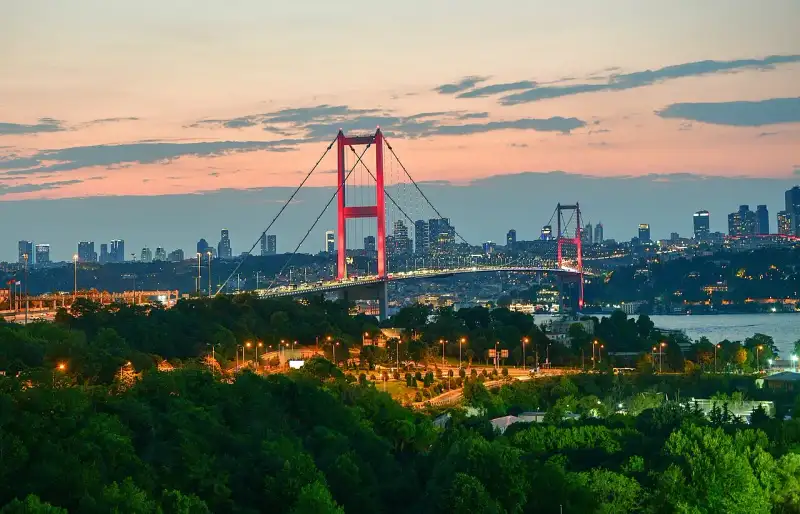
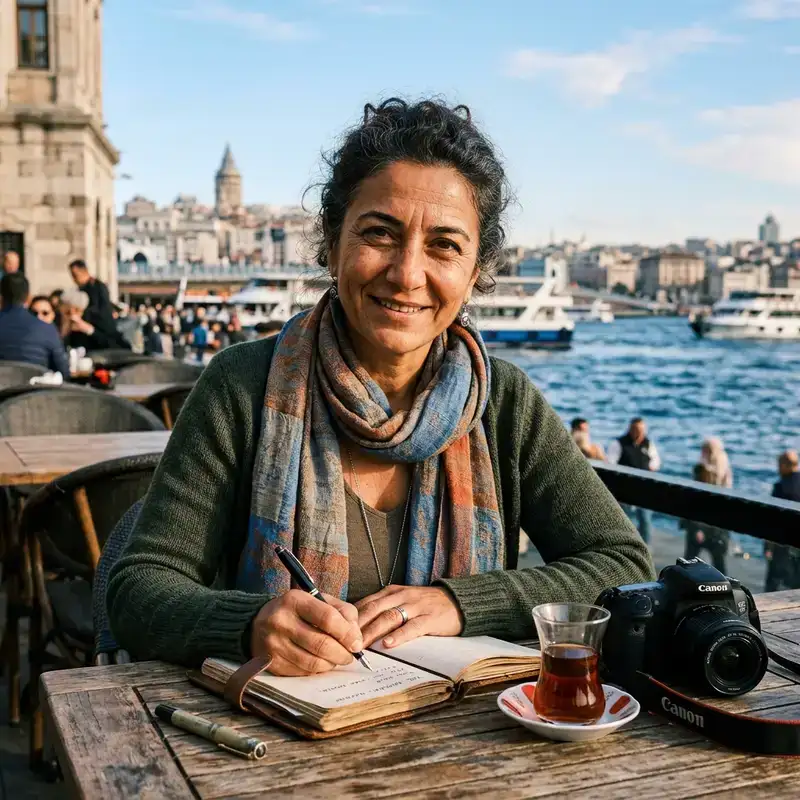
A whisper of the East carried on a breeze from the Sea of Marmara, mingling with the bustling clamor of the West echoing from the Golden Horn. Here, where continents kiss and histories collide, stands #Istanbul – a city woven from the very fabric of contradiction and harmony. It is not merely a city that spans two landmasses; it is a profound philosophical statement etched in stone and water, a place where every step is a #journey through millennia and across worlds. #IstanbulDreams #CrossContinental The Bosphorus: #Istanbul's Pulsating Artery To comprehend Istanbul is to understand the Bosphorus, the narrow, serpentine strait that slices through its heart, carving a natural, undeniable boundary between Asia and Europe. This isn't just a geographical divide; it's a living, breathing entity, a liquid highway that has witnessed empires rise and fall, carried countless ships of trade and war, and continues to be the lifeblood of this colossal metropolis. Its shores are lined with verdant hills, opulent palaces, charming wooden yalı houses, and fortresses that stand as silent sentinels to its strategic importance. From the #ancient Greek colonies to the mighty Roman, Byzantine, and Ottoman Empires, control over the Bosphorus meant dominion over critical trade routes between the Black Sea and the Mediterranean. #BosphorusStrait #GatewayToWorlds A ferry ride across the Bosphorus is perhaps the most quintessential Istanbul experience. As the boat slices through the azure waters, the air is alive with the cry of seagulls, the distant call to prayer, and the murmur of a thousand conversations. Looking back, the European skyline, a silhouette of domes and minarets, gradually gives way to the more serene, residential hills of the Asian side. It's a #journey not just across water, but across a conceptual chasm, a tangible bridge between two vastly different cultural perspectives. The Bosphorus itself is a miracle of #Nature and geopolitics, dictating much of the city's unique charm and enduring significance. Echoes of #empire: The European Side The European side of Istanbul, historically known as Thrace, is where the grand narratives of Byzantium and the Ottoman #empire are most vividly etched. Its historic peninsula, Sultanahmet, is a concentration of monuments that defy belief, each bearing layers of #history. Sultanahmet: The Cradle of Empires No visit to Istanbul is complete without losing oneself in Sultanahmet Square, once the mighty Hippodrome of Constantinople, the epicenter of Byzantine public life. Here, chariot races thrilled crowds, political factions clashed, and emperors displayed their power. Today, it remains an open-air museum, flanked by monuments that define the city's skyline. The Egyptian Obelisk of Thutmose III, brought from Luxor, still stands tall, a testament to the city's #ancient connections. The Serpent Column, originally from Delphi, and the Walled Obelisk further underscore the area's incredible lineage. #AncientHistory #SultanahmetSquare Dominating the square, and indeed the entire city, is Hagia Sophia. A monumental architectural achievement, it has served as a patriarchal basilica, a mosque, a museum, and once again, a mosque. Its colossal dome, seemingly suspended by divine grace, has for centuries inspired awe. Stepping inside, one is enveloped by a spiritual grandeur that transcends religious boundaries. The interplay of light filtering through its numerous windows, illuminating the intricate calligraphy and the faint mosaics peering from behind plaster, speaks volumes of its multi-layered identity. It is a symbol of #ArchitecturalMarvels and human ingenuity.Opposite Hagia Sophia, with its six slender minarets piercing the sky, stands the Blue Mosque (Sultan Ahmed Mosque). Commissioned by Sultan Ahmed I, it was built to rival and surpass the grandeur of its Byzantine neighbor. Its interior is a kaleidoscope of more than 20,000 handmade Iznik tiles, predominantly blue, depicting traditional Ottoman patterns of flowers, trees, and abstract designs. The delicate stained-glass windows, the sweeping calligraphy, and the sheer scale create an atmosphere of profound serenity and devotion. Walking between these two titans of faith and #architecture, one feels the weight of #history pressing down, a tangible sense of the eternal dialogue between East and West. #BlueMosque #OttomanArt A short stroll away lies Topkapı Palace, the opulent residence of Ottoman sultans for nearly 400 years. This sprawling complex, a city within a city, offers a fascinating glimpse into imperial life. Its numerous courtyards, treasury filled with dazzling jewels (including the legendary Spoonmaker's Diamond), the armory, the imperial kitchens, and above all, the labyrinthine Harem, reveal the intricacies of Ottoman court life. The Harem, a world unto itself, housed hundreds of concubines, eunuchs, and the sultan's family, each chamber whispering tales of power, intrigue, and domesticity. The breathtaking views of the Bosphorus and the Golden Horn from the palace gardens are a reminder of the strategic genius behind its placement. #TopkapiPalace #ImperialHistory Beneath the bustling streets of Sultanahmet lies another marvel: the Basilica Cistern (Yerebatan Sarnıcı). A vast underground water reservoir built in the 6th century by Emperor Justinian, its dimly lit, vaulted chambers supported by 336 marble columns create an otherworldly atmosphere. The two Medusa heads, repurposed as column bases, add to the mystique, their inverted and sideways placement sparking endless legends. It's a truly #UniqueExperience, a cool, quiet respite from the city's energy. Beyoğlu: The Modern Pulse Crossing the Galata Bridge from Sultanahmet, one enters the vibrant district of Beyoğlu, historically known as Pera. This area, once home to foreign embassies and European merchants, still carries an air of cosmopolitan sophistication. The iconic Istiklal Avenue, a bustling pedestrian thoroughfare, pulsates with life day and night. Vintage trams clatter along its length, past grand Belle Époque buildings, international boutiques, art galleries, cinemas, and historic passages like the elegant Çiçek Pasajı (Flower Passage). It’s a place where modern Turkish #culture intermingles with echoes of its European past. #IstiklalAvenue #UrbanExploration Rising majestically above Beyoğlu is the Galata Tower. Built by the Genoese in the 14th century, this cylindrical stone tower offers unparalleled panoramic views of Istanbul. From its observation deck, one can see the entire sweep of the city: the historic peninsula with its iconic mosques, the serpentine Bosphorus, the Golden Horn, and the sprawling Asian side. It's a breathtaking vista that underscores Istanbul's sheer scale and beauty. #GalataTower #CityViews Beyond Istiklal, the neighborhoods of Cihangir and Karaköy beckon. Cihangir, with its bohemian vibe, charming cafes, and antique shops, is a haven for artists and intellectuals. Karaköy, once a gritty port district, has transformed into a trendy hub with contemporary art galleries, design studios, and chic eateries housed in renovated warehouses. These areas demonstrate Istanbul's dynamic evolution, where tradition and innovation dance a delicate tango. Fener and Balat: A Step Back in Time For those seeking a deeper dive into Istanbul's multicultural past, the UNESCO-listed neighborhoods of Fener and Balat are essential. These winding, cobblestone streets, lined with brightly painted Ottoman houses, were historically home to Greek Orthodox and Jewish communities. The Patriarchate of Constantinople, the spiritual center of the Greek Orthodox Church, stands proudly in Fener. Balat, with its synagogue and charming cafes nestled amidst restored houses, offers a glimpse into a bygone era, a quiet contrast to the city's major tourist hubs. Exploring these areas feels like uncovering hidden #IstanbulGems. The Asian Side: A Different Rhythm To truly experience Istanbul's duality, one must venture across the Bosphorus to the Asian side, historically known as Anatolia. While often overlooked by first-time visitors, it offers a more relaxed, authentic glimpse into contemporary Turkish life, away from the historical grandeur of Sultanahmet. It's where the city lives, eats, and unwinds. Kadıköy: The Soul of Anatolia Taking a ferry from Eminönü or Karaköy to Kadıköy is an experience in itself. The 20-minute journey offers spectacular views of the European skyline receding and the Asian shore approaching. Kadıköy, a vibrant, sprawling district, feels immediately different – less monumental, more everyday, yet equally captivating. #AsianSideIstanbul #KadıköyLife The Kadıköy Market is a foodie's paradise. A bustling labyrinth of stalls overflowing with fresh produce, aromatic spices, local cheeses, olives, and an impressive array of seafood, it's a sensory feast. Locals flock here for their daily groceries, and visitors can sample an array of Turkish delights, from freshly roasted nuts to succulent midye dolma (stuffed mussels). The market is a true reflection of Istanbul's culinary heart. #FoodieParadise #LocalMarkets Beyond the market, the neighborhood of Moda offers a laid-back, bohemian atmosphere. Its tree-lined streets are dotted with charming cafes, boutique shops, and a #beautiful seaside promenade perfect for an evening stroll, watching the sunset over the European continent. Moda is where Istanbul's youth gathers, enjoying coffee, live music, and the simple pleasure of sea air. Üsküdar: Legends and Panoramas North of Kadıköy, Üsküdar is another historically significant district on the Asian side, replete with #beautiful Ottoman mosques and a distinctly traditional feel. The Mihrimah Sultan Mosque, designed by the legendary Mimar Sinan, stands gracefully by the ferry terminal, its elegant #architecture complementing the Bosphorus backdrop. The most iconic symbol of Üsküdar, and indeed a major emblem of Istanbul, is the Maiden's Tower (Kız Kulesi). Perched on a tiny islet just off the shore, this small, enigmatic tower is steeped in legends – from a Byzantine emperor hiding his daughter from a prophecy of snakebite to a tragic love story. It stands as a solitary, romantic beacon, especially enchanting at sunset when its silhouette is cast against the fiery sky. #MaidenTower #IstanbulLegends For breathtaking panoramic views that encompass both continents, a trip up Çamlıca Hill is a must. Home to the monumental Çamlıca Mosque, Turkey's largest, the hill offers an elevated perspective of the entire cityscape, from the historic peninsula to the sprawling suburbs of Asia, with the Bosphorus weaving its majestic path in between. It's a perfect spot to grasp the sheer scale of Istanbul.The Culinary Tapestry: A Feast for the Senses Istanbul is a city that eats, breathes, and dreams food. Its cuisine is a delectable fusion of Central Asian, Middle Eastern, and Mediterranean influences, refined over centuries in the imperial kitchens of the Ottoman sultans. From humble street food to elegant fine dining, every meal is an adventure. #TurkishCuisine #FoodTravel Start your day with a traditional Turkish breakfast (kahvaltı), a lavish spread of cheeses, olives, tomatoes, cucumbers, honey, jams, eggs, and an endless supply of strong Turkish tea. For lunch, embrace the street food #culture. A freshly baked simit (sesame-crusted bread ring) from a street vendor, a succulent döner kebab, or the spicy, earthy kokoreç are essential experiences. Don't forget midye dolma – mussels stuffed with aromatic rice, lemon, and spices, found on almost every corner. Evenings invite more elaborate meals. Meze, a selection of small, flavorful dishes, sets the stage for a feast. Then come the kebabs – countless varieties, from the classic Adana and Urfa to the more refined Iskender. Seafood, caught fresh from the Bosphorus and the Marmara Sea, is another highlight, especially in restaurants along the strait. No meal is complete without indulging in the famous Turkish desserts. Baklava, layers of filo pastry filled with pistachios or walnuts and drenched in syrup, is a sweet symphony. Künefe, a hot, stretchy cheese pastry topped with pistachios, is heavenly. And of course, the ubiquitous Turkish Delight (lokum), available in a myriad of flavors, makes for a perfect souvenir. Wash it all down with strong Turkish coffee, served in small cups, or endless glasses of black tea. For something stronger, try rakı, the anise-flavored spirit often enjoyed with meze and fish. Cultural Immersion: Beyond the Sights Istanbul's magic isn't just in its landmarks; it's in its soul, its daily rhythms, and its ancient traditions. A visit to a Turkish Hamam is a purifying ritual, a journey back in time. These traditional bathhouses offer a unique experience of steam, exfoliation, and massage, leaving one feeling utterly refreshed and rejuvenated. It's not just a bath; it's a social and cultural institution. #TurkishHamam #WellnessTravel The hauntingly beautiful sound of the Ezan, the call to prayer, echoes through the city five times a day, weaving its way into the urban soundscape. It's a reminder of Istanbul's deep spiritual roots and its enduring faith. Witnessing a performance of the Whirling Dervishes (Sema) is a profoundly moving experience. This spiritual ceremony of the Mevlevi Order, with its mesmerizing circular dance, is a form of active meditation that seeks spiritual union. It is a powerful display of #SufiCulture and tradition. Walking through the Grand Bazaar and the Spice Bazaar is a sensory overload in the best possible way. The Grand Bazaar, one of the world's oldest and largest covered markets, is a maze of over 4,000 shops selling everything from carpets and jewelry to ceramics and leather. The Spice Bazaar, equally vibrant, assaults the senses with the aromas of exotic spices, dried fruits, nuts, and Turkish Delight. Haggling is expected, and the experience is as much about the lively banter as it is about the purchases. #GrandBazaar #SpiceBazaarNavigating the Metropolis: Practicalities Istanbul is a vast city, but its public transportation system is efficient and comprehensive. An Istanbulkart (a rechargeable smart card) is essential for seamless #travel on trams, metros, buses, and ferries. The tram (T1 line) is particularly useful for reaching most major historical sites on the European side. Ferries are not just transport; they are a vital part of the Istanbul experience, offering stunning views and a refreshing journey across the Bosphorus. Taxis are plentiful but ensure the meter is used. The best time to visit Istanbul is during the spring (April-May) and autumn (September-October), when the weather is pleasant, and the crowds are manageable. Summers can be hot and humid, while winters can be cold and occasionally snowy, though they offer a different, quieter charm. Accommodation options are diverse, ranging from luxury hotels in restored Ottoman palaces along the Bosphorus to charming boutique hotels in Sultanahmet and trendy hostels in Beyoğlu. Staying in Sultanahmet keeps you close to the major historical sites, while Beyoğlu offers a more modern, lively atmosphere. For a more local experience, consider the Asian side. Safety in Istanbul is generally good, but like any large city, awareness of your surroundings and safeguarding your belongings is advisable. The warmth and hospitality of the Turkish people (misafirperverlik) are legendary; you'll often find strangers eager to help or share a cup of tea. The Enduring Allure Istanbul is more than a city; it is a crossroads of civilizations, a living museum, and a vibrant, modern metropolis all rolled into one. It is a place where every corner holds a story, every scent evokes a memory, and every view is a masterpiece. Its unique position, straddling two continents, has imbued it with an unparalleled richness – a fusion of logic and mysticism, tradition and innovation, East and West. As the sun sets, casting a golden glow over the Bosphorus, illuminating the minarets and bridges, one realizes that Istanbul doesn't merely exist between two continents; it defines what it means for two worlds to coexist, to enrich each other, and to create something utterly magnificent. It challenges perceptions, broadens horizons, and leaves an indelible mark on the soul of every traveler fortunate enough to wander its storied streets. This city, forever in motion, forever ancient, forever new, truly embodies the spirit of #EternalIstanbul. Come, and let its two hearts beat within you. #TravelInspiration #ExploreTurkey #CulturalCrossroads #CityOfDreams #HistoricalJourney #BreathtakingViews #Wanderlust #EpicDestinations #MustVisit #travel #explore #guide Related InsightsExploring Ani, City of 1001 Churches The Silk Road Revival: Uzbekistan’s Ancient Cities and Modern Wonders (Part 2) Where the Wild Things Roam: The World’s Most Unforgettable Wildlife Encounters{ "@context": "https://schema.org", "@type": "FAQPage", "mainEntity": [ { "@type": "Question", "name": "What is the main focus of Istanbul: Two Continents?", "acceptedAnswer": { "@type": "Answer", "text": "A deep dive into Istanbul: Two Continents with Cemre Seyyah." } }, { "@type": "Question", "name": "Who authored the comprehensive guide on Istanbul: Two Continents?", "acceptedAnswer": { "@type": "Answer", "text": "This detailed article and its insights were carefully researched and authored by Cemre Seyyah." } }, { "@type": "Question", "name": "Where can I find more related content about Travel?", "acceptedAnswer": { "@type": "Answer", "text": "You can explore more articles, detailed reviews, and similar insights by browsing the Related Insights section at the bottom of this article or visiting our dedicated Travel category page." } } ] }

El dragón rojo / Red Dragon Author: Thomas HarrisPage Count: UnknownPublication Date: 2019-PRH Thomas Harris’s Red Dragon is more than just a thriller—it’s a psychological descent into the darkest corners of the human mind, where the line between hunter and prey blurs into something grotesque and mesmerizing. First published in 1981, this novel introduced the world to Hannibal Lecter, the cannibalistic genius who would later become a cultural icon through The Silence of the Lambs. But Red Dragon is where it all begins, a chilling origin story that sets the stage for Harris’s unparalleled exploration of evil, obsession, and the fragility of sanity. At its core, Red Dragon is a cat-and-mouse game between two monsters: Francis Dolarhyde, a tormented man known as the "Tooth Fairy" for his gruesome, ritualistic murders, and Dr. Hannibal Lecter, the imprisoned psychiatrist who becomes an unwilling (or is it willing?) consultant in the case. The novel’s genius lies in its structure—Harris weaves three distinct perspectives into a tapestry of dread, each character trapped in their own psychological prison. Will Graham, the FBI profiler whose empathy for killers borders on the pathological, is called out of retirement to track the Tooth Fairy. His mind, already scarred from his previous encounter with Lecter, becomes the battleground where the killer’s psyche and his own begin to merge. Meanwhile, Lecter, though physically confined, exerts a terrifying influence from his cell, manipulating Graham and the investigation with cold, calculated precision. And then there’s Dolarhyde himself, a man consumed by the "Dragon," a violent alter ego that demands bloodshed as a twisted form of transcendence. Harris’s prose is clinical yet visceral, mirroring the detachment of his characters while immersing the reader in their nightmares. His descriptions of violence are never gratuitous but rather serve to underscore the psychological horror at play. When Dolarhyde attacks his victims, Harris doesn’t shy away from the brutality, but he frames it within the context of the killer’s fractured psyche. The Dragon isn’t just a monster—it’s a force of nature, a manifestation of Dolarhyde’s self-loathing and desperate need for control. This makes him one of the most terrifying villains in literature, not because he’s superhumanly evil, but because he’s painfully human, a man who has been broken and reshaped into something monstrous. What elevates Red Dragon beyond mere suspense is Harris’s exploration of the nature of evil. Is Dolarhyde a product of trauma, or is he inherently depraved? Is Lecter a villain or a dark mirror to Graham’s own mind? Harris refuses to provide easy answers, instead forcing the reader to confront uncomfortable questions about morality and the limits of empathy. Graham’s ability to "see" through the eyes of killers is both his greatest strength and his undoing—it’s a superpower that borders on a curse. His relationship with Lecter is particularly fascinating; their dynamic is less about good versus evil and more about two brilliant minds locked in a deadly dance of intellect and manipulation. Harris’s style is economical, favoring sharp dialogue and sparse yet evocative descriptions. He trusts the reader to fill in the gaps, to sense the dread coiling beneath the surface of even the most mundane interactions. The pacing is relentless, with tension building not just through action but through the slow unraveling of each character’s psyche. The novel’s climax is a masterclass in suspense, where Harris juggles multiple threads with precision, culminating in a confrontation that is as psychologically devastating as it is physically brutal. Red Dragon is a foundational work in the thriller genre, but it’s also a deeply unsettling meditation on the human capacity for violence. Harris doesn’t just want to scare you—he wants to make you question why you’re scared, why these characters fascinate you, and whether the line between monster and man is as clear as you think. In an era where serial killers have become almost a subgenre of their own, Harris’s creation feels timeless because it taps into something primal: the fear of losing control, of being consumed by forces beyond our understanding. If Red Dragon has a flaw, it’s that some readers might find the early sections slow, as Harris takes his time establishing the psychological landscape. But this is also the novel’s strength—it’s not a race to the finish line but a descent into madness, and Harris ensures every step feels deliberate, every revelation earned. By the time you reach the final pages, you’ll understand why Hannibal Lecter endures as one of literature’s most iconic villains. He’s not just a killer; he’s a force of nature, a whisper in the dark that lingers long after the book is closed. In the end, Red Dragon is more than a thriller—it’s a psychological autopsy of evil, a chilling reminder that the most terrifying monsters are the ones we create in our own minds. Harris doesn’t just tell a story; he invites you into a nightmare, and once you’re there, you won’t want to leave. #RedDragon #HannibalLecter #ThomasHarris #PsychologicalThriller #SerialKillerNovel #DarkPsychology Related InsightsLoveless Book Review and Summary Where the Wild Things Are Book Review and Summary Daughters of the Wind: A Mythic Fantasy Book Review and Summary{ "@context": "https://schema.org", "@type": "FAQPage", "mainEntity": [ { "@type": "Question", "name": "What is the main focus of Red Dragon Book Review and Summary?", "acceptedAnswer": { "@type": "Answer", "text": "Everything you need to know about Red Dragon with our detailed review." } }, { "@type": "Question", "name": "Who authored the comprehensive guide on Red Dragon Book Review and Summary?", "acceptedAnswer": { "@type": "Answer", "text": "This detailed article and its insights were carefully researched and authored by Thomas Harris." } }, { "@type": "Question", "name": "Where can I find more related content about Books?", "acceptedAnswer": { "@type": "Answer", "text": "You can explore more articles, detailed reviews, and similar insights by browsing the Related Insights section at the bottom of this article or visiting our dedicated Books category page." } } ] }

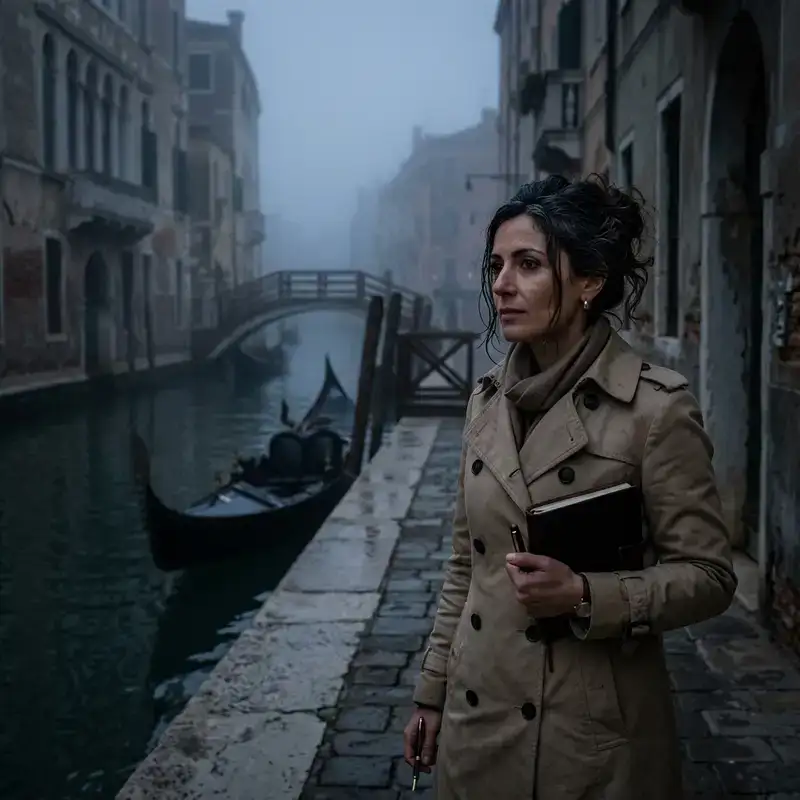
Lovely in Her Bones Author: Sharyn McCrumbPage Count: UnknownPublication Date: 1990-PRH Lovely in Her Bones by Sharyn McCrumb is a masterclass in blending history, mystery, and dark humor, wrapped in the rugged charm of Appalachian folklore. Published in 1990, this novel introduces readers to Elizabeth MacPherson, a sharp-witted anthropologist with a knack for unearthing more than just bones. When a field dig to determine Native American land claims is interrupted by murder, Elizabeth’s modern curiosity collides with old-fashioned suspicions, leading her—and the reader—on a journey that’s as much about the past as it is about justice. At its core, Lovely in Her Bones explores the tension between progress and tradition, modernity and myth. McCrumb uses the excavation site as a microcosm for these larger conflicts, where the discovery of a skull with a bullet hole becomes both a forensic puzzle and a dark joke. The humor here isn’t just a side dish; it’s a survival mechanism, a way for characters to navigate a world where violence and absurdity coexist. Elizabeth’s sardonic wit acts as a shield against the grim realities she uncovers, making her an instantly compelling protagonist. She’s not just solving a murder—she’s grappling with the weight of history, the greed of developers, and the ghosts of those who came before. McCrumb’s writing style is deceptively effortless, weaving together Appalachian dialects, archaeological jargon, and biting commentary with a rhythm that feels both natural and deliberate. Her prose has a folksy cadence, rich with local color and the cadence of mountain speech, yet it’s never sentimental. Instead, it’s grounded in a world where superstition and science often collide. The dialogue crackles with authenticity, whether it’s the dry humor of Elizabeth or the gritty, no-nonsense wisdom of the townspeople. Even the minor characters feel fully realized, each contributing to the novel’s sense of place and its underlying themes. What makes Lovely in Her Bones stand out is its refusal to take itself too seriously. While it tackles heavy subjects like land theft, cultural erasure, and murder, it does so with a wink and a nod, never shying away from the absurdity of human nature. The humor isn’t just there to lighten the mood; it’s a tool to expose hypocrisy and challenge authority. Elizabeth’s blend of academic rigor and street-smart intuition makes her a detective unlike any other, one who approaches her work with both a scholar’s precision and a troublemaker’s irreverence. The novel’s structure mirrors its themes—layered, nonlinear, and rich with digressions that ultimately reveal deeper truths. Just as an archaeologist uncovers artifacts to reconstruct a lost culture, McCrumb peels back layers of a community to reveal its contradictions. The mystery unfolds gradually, with red herrings and genuine surprises, but the real revelation is in how the past and present are inextricably linked. The bullet hole in the skull isn’t just a clue; it’s a metaphor for the violence that’s always lurking beneath the surface of progress. McCrumb’s ability to balance humor with gravitas is what makes Lovely in Her Bones so memorable. It’s a book that respects its setting and its characters without romanticizing them, offering instead a wry, affectionate portrait of a region where folklore and reality blur. Elizabeth MacPherson is the perfect guide through this world—a woman who can appreciate a good joke while also understanding the weight of bones, whether they’re ancient or freshly unearthed. If you’re looking for a mystery that’s as smart as it is entertaining, one that celebrates the quirks of human nature while never losing sight of the darker forces at play, then Lovely in Her Bones is a must-read. Sharyn McCrumb doesn’t just write about the past; she brings it to life with humor, heart, and an unflinching eye for truth. #SharynMcCrumb #ElizabethMacPherson #AppalachianMystery #ArchaeologicalThriller #DarkHumor #HistoricalMystery Related InsightsQueen of Shadows Book Review and Summary The Assassin's Blade Book Review and Summary The Bronze Horseman Book Review and Summary{ "@context": "https://schema.org", "@type": "FAQPage", "mainEntity": [ { "@type": "Question", "name": "What is the main focus of Lovely in Her Bones Book Review and Summary?", "acceptedAnswer": { "@type": "Answer", "text": "Everything you need to know about Lovely in Her Bones with our detailed review." } }, { "@type": "Question", "name": "Who authored the comprehensive guide on Lovely in Her Bones Book Review and Summary?", "acceptedAnswer": { "@type": "Answer", "text": "This detailed article and its insights were carefully researched and authored by Sofia Bianchi." } }, { "@type": "Question", "name": "Where can I find more related content about Books?", "acceptedAnswer": { "@type": "Answer", "text": "You can explore more articles, detailed reviews, and similar insights by browsing the Related Insights section at the bottom of this article or visiting our dedicated Books category page." } } ] }
The Dart League King Author: Keith Lee MorrisPage Count: UnknownPublication Date: 2008-PRH In "The Dart League King," Keith Lee Morris masterfully weaves a complex web of stories that converge in a small-town Idaho dart league, where the lines between fate and control are constantly blurred. On the surface, the novel appears to be a quirky exploration of darts, drugs, and death, but as the narrative unfolds, it reveals itself to be a profound examination of the human condition. At the center of the novel is Russell Harmon, the self-proclaimed king of the dart league, whose life is a perfect storm of chaos and desperation. His debt to a local drug dealer has put him in a precarious position, and his involvement in the league championship match is just a small part of the larger drama that is unfolding. As the story progresses, it becomes clear that Russell's fate is inextricably linked to that of his teammates and acquaintances, each of whom is struggling to find their place in the world. Morris's writing style is both lyrical and unflinching, capable of conveying the beauty and ugliness of life with equal precision. His characters are multidimensional and richly drawn, with each one bringing their own unique perspective to the narrative. The author's use of language is economical and evocative, conjuring up the dusty, rundown atmosphere of the 411 club, where the dart league meets to compete and socialize. One of the most striking aspects of "The Dart League King" is its exploration of the tension between fate and control. Morris's characters are constantly struggling to make sense of their lives, to impose order on a chaotic world that seems determined to thwart their plans. As they navigate the complexities of their relationships and the consequences of their actions, they begin to realize that their fates are intertwined in ways they could never have imagined. Through the character of Tristan Mackey, Morris raises important questions about the nature of responsibility and the consequences of our actions. Tristan's involvement in the disappearance of a college student is a dark and troubling thread that runs throughout the narrative, serving as a reminder that our choices have consequences that can reverberate far beyond our immediate circle. The novel's use of the dart league as a backdrop for the action is a stroke of genius, providing a unique and compelling framework for the story to unfold. The game of darts becomes a metaphor for the characters' lives, with each throw representing a moment of truth, a chance to seize control of one's destiny or succumb to the whims of fate. In conclusion, "The Dart League King" is a gripping and thought-provoking novel that explores the complexities of human nature with unflinching honesty. Morris's writing is masterful, his characters are richly drawn, and the story is both haunting and unforgettable. If you're looking for a novel that will challenge your assumptions and leave you thinking long after you finish reading, then "The Dart League King" is an absolute must-read. #DartLeagueKing #KeithLeeMorris #LiteraryFiction #SmallTownIdaho #DartsDrugsAndDeath #FateVsControl Related InsightsMitos nórdicos nº 02/03 Book Review and Summary „Die Alchemie der Ballaststoffe: Wenn das literarische Erbe auf den vollwertigen Shepherd’s Pie trifft“ Dreamland Book Review and Summary{ "@context": "https://schema.org", "@type": "FAQPage", "mainEntity": [ { "@type": "Question", "name": "What is the main focus of Kushiel's Dart Book Review and Summary?", "acceptedAnswer": { "@type": "Answer", "text": "Everything you need to know about Kushiel's Dart with our detailed review." } }, { "@type": "Question", "name": "Who authored the comprehensive guide on Kushiel's Dart Book Review and Summary?", "acceptedAnswer": { "@type": "Answer", "text": "This detailed article and its insights were carefully researched and authored by Jacqueline Carey." } }, { "@type": "Question", "name": "Where can I find more related content about Books?", "acceptedAnswer": { "@type": "Answer", "text": "You can explore more articles, detailed reviews, and similar insights by browsing the Related Insights section at the bottom of this article or visiting our dedicated Books category page." } } ] }

-
 Anna Kowalska
 - 03 Apr, 2026 23:51
Bajo la misma estrella / The Fault in Our Stars Book Review and Summary
Bajo la misma estrella / The Fault in Our Stars Author: John GreenPage Count: UnknownPublication Date: 2019-PRH In "The Fault in Our Stars," John Green crafts a poignant and thought-provoking tale that delves into the complexities of life, love, and mortality. This bestselling novel has captured the hearts of millions worldwide, and its enduring popularity is a testament to Green's masterful storytelling. At its core, the book is a heart-wrenching love story about two teenagers, Hazel and Augustus, who meet at a cancer support group. Both are struggling to come to terms with their own mortality, and their chance encounter sets off a chain of events that will change their lives forever. As they embark on a journey to Amsterdam to meet Hazel's favorite author, they must confront the harsh realities of their existence and the meaning of life. Green's writing style is characterized by his insightful and often humorous observations on the human condition. He tackles complex themes such as the impermanence of life, the cruelty of fate, and the resilience of the human spirit with remarkable sensitivity and wit. His use of language is both poignant and powerful, making it impossible not to become emotionally invested in the lives of his characters. One of the most striking aspects of the book is its ability to balance humor and pathos. Green's characters are multidimensional and relatable, and their conversations are often laugh-out-loud funny. However, the author never shies away from exploring the darker aspects of life, and the book's emotional impact is both intense and cathartic. The novel's exploration of mortality is both profound and thought-provoking. Green raises important questions about the meaning of life and the impact we have on those around us. Through Hazel and Augustus's story, he shows us that even in the face of adversity, life can be precious, beautiful, and worth living. The characters in the book are well-developed and complex, with Hazel and Augustus being particularly well-crafted. They are both flawed and vulnerable, yet incredibly strong and resilient. Their relationship is authentic and heartfelt, and their love for each other is both tender and passionate. In conclusion, "The Fault in Our Stars" is a masterpiece of contemporary literature that will leave readers laughing, crying, and reflecting on the human experience. John Green's writing is both beautiful and powerful, and his characters are memorable and relatable. This book is a must-read for anyone who has ever loved, lost, or struggled to find their place in the world. #TheFaultInOurStars #JohnGreen #CancerAwareness #LoveStory #MortalityAndMorality #YAFiction Related InsightsThe True Love Experiment Book Review and Summary Atlas de lugares extraordinarios para pequeños curiosos / Atlas of Extraordinary Places to Discover the World Book Review and Summary Black Gold Book Review and Summary{ "@context": "https://schema.org", "@type": "FAQPage", "mainEntity": [ { "@type": "Question", "name": "What is the main focus of Bajo la misma estrella / The Fault in Our Stars Book Review and Summary?", "acceptedAnswer": { "@type": "Answer", "text": "Everything you need to know about Bajo la misma estrella / The Fault in Our Stars with our detailed review." } }, { "@type": "Question", "name": "Who authored the comprehensive guide on Bajo la misma estrella / The Fault in Our Stars Book Review and Summary?", "acceptedAnswer": { "@type": "Answer", "text": "This detailed article and its insights were carefully researched and authored by Anna Kowalska." } }, { "@type": "Question", "name": "Where can I find more related content about Books?", "acceptedAnswer": { "@type": "Answer", "text": "You can explore more articles, detailed reviews, and similar insights by browsing the Related Insights section at the bottom of this article or visiting our dedicated Books category page." } } ] }

Death & Honey Author: Kevin HearnePage Count: UnknownPublication Year: 2019-GB Kevin Hearne’s Death & Honey isn’t just another urban fantasy—it’s a darkly poetic ode to mortality, myth, and the raw, unfiltered pulse of life that thrums beneath the surface of the mundane. Published in 2019, this novel cements Hearne’s reputation as a master storyteller who blends razor-sharp wit with a brooding, almost mythic gravitas. If you’ve ever wondered what it would be like to stare into the abyss and laugh while doing it, this book is your mirror. At its core, Death & Honey is a meditation on the inevitability of endings—whether they come in the form of death, heartbreak, or the slow decay of time itself. The title itself is a metaphorical whisper: sweetness can only be savored when it’s fleeting, and death, in Hearne’s world, is not just an ending but a companion, a character as vivid as the living. The protagonist, a wise-cracking yet deeply introspective figure navigating a world where gods walk among mortals, serves as our guide through this existential labyrinth. Hearne doesn’t shy away from the weight of his themes; instead, he drapes them in humor, action, and a prose style that’s as lush as it is precise. One of the most striking aspects of Hearne’s writing is his ability to balance levity with profundity. His dialogue crackles with the kind of snarky, pop-culture-infused banter that fans of urban fantasy have come to expect, but beneath the quips lies a deeper current of melancholy. It’s as if Hearne is whispering to the reader: Yes, life is absurd, and yes, it’s beautiful, and yes, it’s ending—so let’s make it count. This tonal duality makes Death & Honey feel like a conversation with a friend who’s both hilarious and hauntingly wise. The world-building in this novel is another standout. Hearne doesn’t just create a setting; he crafts an atmosphere. Whether it’s the neon-lit streets of a modern city where ancient deities lurk in the shadows or the quiet, aching solitude of a character reflecting on their own mortality, every scene feels vividly real. The gods here aren’t distant, omnipotent figures—they’re flawed, capricious, and deeply human, which makes their presence all the more compelling. Hearne’s ability to weave mythology into the fabric of a contemporary urban landscape is nothing short of masterful. But it’s the emotional resonance of Death & Honey that lingers longest. Hearne doesn’t just tell a story; he invites the reader to sit with discomfort, to laugh at the absurdity of existence, and to confront the fragility of life without flinching. There’s a raw honesty in his prose that’s rare in genre fiction, a willingness to embrace the bittersweet without sugarcoating it. The honey in the title isn’t just a sweet treat; it’s a reminder that even in the face of death, there is still flavor, still joy, still meaning to be found. Hearne’s prose is also a study in economy and impact. He doesn’t waste words, yet every sentence feels deliberate, every scene charged with purpose. His descriptions are vivid without being overwrought, and his pacing is relentless, pulling the reader forward with a mix of humor, suspense, and existential dread. It’s a style that rewards close reading but also works beautifully as a page-turner—you’ll find yourself racing to the end, only to pause and savor the echoes of what you’ve just read. For fans of Hearne’s previous works, Death & Honey will feel like a natural evolution of his craft. For newcomers, it’s an introduction to a writer who can make the cosmic feel intimate and the mundane feel epic. This novel isn’t just about facing death; it’s about understanding that life, in all its messy, honey-sweet glory, is worth the pain of its passing. In a literary landscape crowded with forgettable genre fiction, Death & Honey stands out as a work of true depth and heart. It’s a book that will make you laugh, make you think, and maybe even make you shed a tear—all while keeping you on the edge of your seat. Kevin Hearne has crafted something rare here: a story that’s both a thrilling adventure and a poignant meditation on what it means to be alive. #DeathAndHoney #KevinHearne #UrbanFantasy #MythologyRetold #ExistentialFantasy #BookReview Related InsightsThe Awakening Book Review and Summary Katabasis Book Review and Summary Body Shocks Book Review and Summary{ "@context": "https://schema.org", "@type": "FAQPage", "mainEntity": [ { "@type": "Question", "name": "What is the main focus of Death & Honey Book Review and Summary?", "acceptedAnswer": { "@type": "Answer", "text": "Everything you need to know about Death & Honey with our detailed review." } }, { "@type": "Question", "name": "Who authored the comprehensive guide on Death & Honey Book Review and Summary?", "acceptedAnswer": { "@type": "Answer", "text": "This detailed article and its insights were carefully researched and authored by Sofia Bianchi." } }, { "@type": "Question", "name": "Where can I find more related content about Books?", "acceptedAnswer": { "@type": "Answer", "text": "You can explore more articles, detailed reviews, and similar insights by browsing the Related Insights section at the bottom of this article or visiting our dedicated Books category page." } } ] }

Girl, Interrupted Author: Susanna KaysenPage Count: UnknownPublication Date: 1994-PRH In "Girl, Interrupted," Susanna Kaysen crafts a poignant and unflinchingly honest memoir that delves into the complexities of the human mind, challenging the boundaries between sanity and insanity. This semi-autobiographical account of Kaysen's two-year stay at McLean Hospital's psychiatric ward in the late 1960s is a thought-provoking exploration of mental illness, identity, and the struggles of adolescence. Kaysen's writing style is striking in its simplicity, clarity, and wit, making this memoir a compelling and accessible read. Her narrative voice is both introspective and detached, allowing the reader to witness her experiences with a sense of immediacy and intimacy. The author's use of vivid imagery and sharp observations brings the psychiatric ward to life, creating a "parallel universe" that is both fascinating and unsettling. One of the primary themes of "Girl, Interrupted" is the blurring of lines between sanity and insanity. Kaysen's account challenges the notion that these concepts are fixed or absolute, instead revealing the fluidity and subjectivity of mental health diagnoses. Through her own experiences and those of her fellow patients, Kaysen illustrates the complexities of the human mind, highlighting the difficulties of distinguishing between "normal" and "abnormal" behavior. The author's portrayal of her fellow patients is particularly noteworthy, as she captures their unique personalities, struggles, and quirks with remarkable sensitivity and nuance. From the enigmatic Lisa, who embodies the complexities of sociopathy, to the fragile Polly, who is struggling to come to terms with her own trauma, Kaysen's characterizations are multifaceted and deeply human. Throughout the memoir, Kaysen also critiques the psychiatric establishment, questioning the methods and motivations of the doctors and nurses who treat her and her fellow patients. Her observations on the power dynamics at play in the hospital are astute and unsettling, highlighting the tensions between those who are deemed "sane" and those who are labeled "insane." Ultimately, "Girl, Interrupted" is a triumphant and thought-provoking memoir that challenges readers to reconsider their assumptions about mental illness and the human experience. Kaysen's writing is both poignant and humorous, making this a compelling and unforgettable read. #MentalHealthAwareness #PsychologicalMemoir #GirlInterrupted #SusannaKaysen #PsychiatricWard #ComingOfAgeStory Related InsightsRuby Fever Book Review and Summary Little House on the Prairie Book Review and Summary Crying on the Kitchen Floor: A Memoir Book Review and Summary{ "@context": "https://schema.org", "@type": "FAQPage", "mainEntity": [ { "@type": "Question", "name": "What is the main focus of Girl, Interrupted Book Review and Summary?", "acceptedAnswer": { "@type": "Answer", "text": "Everything you need to know about Girl, Interrupted with our detailed review." } }, { "@type": "Question", "name": "Who authored the comprehensive guide on Girl, Interrupted Book Review and Summary?", "acceptedAnswer": { "@type": "Answer", "text": "This detailed article and its insights were carefully researched and authored by Susanna Kaysen." } }, { "@type": "Question", "name": "Where can I find more related content about Books?", "acceptedAnswer": { "@type": "Answer", "text": "You can explore more articles, detailed reviews, and similar insights by browsing the Related Insights section at the bottom of this article or visiting our dedicated Books category page." } } ] }
The Lies of Locke Lamora Author: Scott LynchPage Count: UnknownPublication Date: 2024-PRH Scott Lynch’s The Lies of Locke Lamora is a masterclass in blending cunning wit with brutal realism, a book that doesn’t just tell a story but immerses you in a world where every smile hides a knife and every plan is a gamble against the house. Published in 2006 but still feeling as fresh as a dagger pulled from its sheath, this novel is the first in the Gentleman Bastard Sequence, and it announces Scott Lynch as a voice in fantasy who refuses to play by the rules. If you’ve ever wanted a heist story where the thieves are philosophers, the city is a character, and the stakes are life and death—then this is your book. At its core, The Lies of Locke Lamora is about survival through deception. Locke Lamora, the titular protagonist, is a thief, a con artist, and a survivor who leads the Gentlemen Bastards—a tight-knit gang of orphans turned criminals. Their world is Camorr, a Venice-inspired city of canals, noble intrigue, and a shadowy underworld ruled by the mysterious and feared Duke Nicovante. But beneath the opulence lies a ruthless game where trust is currency and betrayal is the only constant. Locke’s genius lies not in brute force but in his ability to manipulate perception, turning even the most dangerous situations into opportunities for profit—or escape. Lynch’s style is what makes this book unforgettable. He writes with a razor-sharp wit that cuts through the fantasy trappings, delivering dialogue that crackles with intelligence and humor. Locke is a narrator who never takes himself too seriously, even as he navigates knife fights, elaborate cons, and the ever-present threat of death. His voice is that of a rogue who knows he’s clever but isn’t arrogant about it—he’s too busy being clever to waste time on ego. The prose is rich but never overwrought, painting Camorr in vivid strokes without drowning the reader in purple prose. Lynch understands that the best fantasy isn’t about describing dragons or magic systems—it’s about the people who live in those worlds, and how they survive them. The book’s structure is another triumph. Lynch doesn’t just drop you into a heist and let it unfold in real time—he builds tension through layered storytelling. We see Locke’s past, his training under the enigmatic Father Chains, and the formation of the Gentlemen Bastards. We witness their early cons, their growing reputation, and the slow burn of their rivalry with the sinister Capa Barsavi. Then, just as the reader is lulled into the rhythm of Locke’s world, Lynch pulls the rug out. The second half of the book is a relentless, blood-soaked escalation where every victory comes at a cost, and every plan risks unraveling. The pacing is masterful, shifting from witty banter to heart-pounding action with the precision of a duelist’s blade. What truly sets The Lies of Locke Lamora apart, however, is its refusal to romanticize its characters. Locke is brilliant, but he’s also selfish, reckless, and prone to underestimating his enemies. His friends are loyal, but they’re also flawed—some are greedy, others naive, and a few are downright dangerous. The villains, too, are complex. The Capa Barsavi isn’t just a mustache-twirling thug; he’s a man who rules through a mix of fear and grudging respect, and his conflict with Locke feels personal, not just professional. Lynch doesn’t give us heroes and villains in the traditional sense. Instead, he gives us people—flawed, desperate, and brilliant—fighting for survival in a world that rewards cunning above all else. The book’s themes resonate just as strongly today as they did nearly two decades ago. In an era where trust in institutions is eroding and survival often depends on one’s ability to navigate deception, Locke Lamora feels like a prophet of the modern age. He’s a trickster, a survivor, a man who knows that the world is rigged against the little guy—but he’s determined to rig it right back. The novel’s exploration of power, loyalty, and the cost of ambition is wrapped in a story that’s as entertaining as it is thought-provoking. Scott Lynch’s writing is a rare blend of intellectual depth and visceral thrills. He doesn’t just tell you about Locke’s schemes—he makes you feel the tension, the exhilaration, the sheer audacity of pulling off a con in a city where one wrong move means a knife in the ribs. The world of Camorr is alive with detail, from the opulent palaces of the nobility to the squalid alleys where the poor and the desperate scrape by. Lynch’s worldbuilding is immersive without being overwhelming, letting the story drive the experience rather than bogging it down with exposition. If there’s a criticism to be leveled, it’s that the book’s second act can feel overwhelming at times. The escalation of violence and the sheer number of twists might leave some readers breathless, but that’s part of the book’s genius. Lynch doesn’t let you get comfortable. Just when you think you’ve got Locke figured out, he throws another curveball. It’s a testament to his skill as a storyteller that even in the most chaotic moments, the narrative never feels out of control. The Lies of Locke Lamora is more than just a fantasy novel—it’s a love letter to the art of the con, a meditation on survival, and a masterclass in storytelling. It’s the kind of book that rewards rereading, where you’ll catch new details in Locke’s schemes, appreciate the subtlety of his dialogue, and marvel at the sheer audacity of his plans. If you’re looking for a fantasy novel that’s as smart as it is exciting, as witty as it is brutal, then this is the book for you. #FantasyHeist #LockeLamora #ScottLynch #GentlemanBastards #EpicFantasy #BookReview Related InsightsFicciones Book Review and Summary American Anti-Slavery Almanac, For ... Book Review and Summary Bride Book Review and Summary{ "@context": "https://schema.org", "@type": "FAQPage", "mainEntity": [ { "@type": "Question", "name": "What is the main focus of The Lies of Locke Lamora Book Review and Summary?", "acceptedAnswer": { "@type": "Answer", "text": "Everything you need to know about The Lies of Locke Lamora with our detailed review." } }, { "@type": "Question", "name": "Who authored the comprehensive guide on The Lies of Locke Lamora Book Review and Summary?", "acceptedAnswer": { "@type": "Answer", "text": "This detailed article and its insights were carefully researched and authored by Scott Lynch." } }, { "@type": "Question", "name": "Where can I find more related content about Books?", "acceptedAnswer": { "@type": "Answer", "text": "You can explore more articles, detailed reviews, and similar insights by browsing the Related Insights section at the bottom of this article or visiting our dedicated Books category page." } } ] }

Iron Flame Author: Rebecca YarrosPage Count: UnknownPublication Year: 2023-GB Iron Flame is more than just a book; it’s a tempest of emotion, ambition, and raw power, wrapped in the searing prose of Rebecca Yarros. A global phenomenon that has captivated millions, this follow-up to Fourth Wing doesn’t just meet expectations—it incinerates them, leaving readers breathless and begging for more. Yarros doesn’t just tell a story; she forges an experience, one that lingers like the aftertaste of smoke after a dragon’s blast. At its core, Iron Flame is a story about legacy—not the kind passed down through bloodlines, but the kind carved through fire, sacrifice, and unrelenting will. The book thrusts Violet Sorrengail, our indomitable protagonist, into a world where the past is a weapon, the present is a battleground, and the future is a prize to be seized at any cost. Yarros explores the duality of power: how it corrupts, how it heals, and how it demands everything in exchange for a single, fleeting moment of control. Violet, already broken and resilient, must now navigate the treacherous waters of leadership, where every decision could ignite a war—or extinguish one. The theme isn’t just about strength; it’s about the cost of strength, the scars it leaves, and whether the fire that shapes you is also the fire that consumes you. Yarros’ style is electric, a whirlwind of sharp dialogue, visceral action, and emotional depth that refuses to let go. Her prose is muscular, stripped of unnecessary flourish, yet rich with the kind of detail that makes the world feel alive. The dragons aren’t just creatures; they’re extensions of the riders’ souls, their bonds forged in blood and fire. The training sequences—brutal, relentless—read like a cross between Ender’s Game and Game of Thrones, where every drill and sparring match is a step closer to either triumph or annihilation. But what truly sets Yarros apart is her ability to weave romance not as a subplot, but as a force of nature. The love story here isn’t soft or saccharine; it’s a wildfire, consuming and transforming both characters in ways that feel as inevitable as they are dangerous. The stakes in Iron Flame are sky-high, not just in terms of world-ending conflicts, but in the intimate, personal battles Violet faces. Betrayal, doubt, and the weight of expectation press down on her at every turn, and Yarros doesn’t shy away from making her suffer—because suffering, in this world, is the price of growth. The political intrigue is equally gripping, with alliances shifting like desert sands and enemies lurking in the most unexpected places. Yarros excels at creating a sense of paranoia, where trust is a luxury few can afford, and every handshake could be a dagger in disguise. What makes this book so compelling is its refusal to romanticize power. Violet isn’t a hero in the traditional sense; she’s flawed, impulsive, and often her own worst enemy. The dragons aren’t noble creatures; they’re wild, dangerous, and sometimes downright terrifying. Even the victories feel pyrrhic, won at a cost that leaves scars both visible and invisible. Yarros understands that power isn’t about glory—it’s about survival, about the choices you make when the world is burning around you. The pacing is relentless, hurtling forward with the momentum of a stampede. There’s no time for languid introspection here; every chapter is a punch to the gut, a revelation, or a heart-stopping moment of near-disaster. The action sequences are cinematic, with Yarros’ vivid descriptions making each battle feel immediate and visceral. You don’t just read about Violet dodging dragonfire—you feel the heat on your skin, the adrenaline in your veins. Yarros’ strength as a writer lies in her ability to balance spectacle with substance. The magic system, if it can even be called a system, is organic and immersive, with the dragons’ abilities tied intrinsically to the riders’ emotions and willpower. The world-building is expansive but never overwhelming, with just enough detail to ground the reader in this brutal, beautiful universe. The supporting cast is equally compelling, each character a mirror or a foil to Violet, their own arcs intersecting and diverging in ways that keep the narrative fresh and unpredictable. If there’s a weakness to be found, it’s in the occasional predictability of certain plot twists. Some conflicts resolve with a neatness that feels a tad too convenient, and a few character motivations can be telegraphed from miles away. But these are minor quibbles in a story that otherwise crackles with energy and heart. Yarros doesn’t waste time; she grabs you by the collar and drags you into Violet’s world, where every page is a battle, every conversation a potential landmine. Iron Flame is a book that demands to be felt. It’s not for the faint of heart—its rawness, its brutality, its unflinching gaze into the cost of power will leave you breathless. But that’s exactly why it’s so unforgettable. Yarros doesn’t just write stories; she crafts experiences that linger, that haunt, that change you. This is a book for anyone who’s ever felt the fire of ambition burning inside them, for anyone who’s looked into the eyes of a dragon and wondered what it would cost to ride it into the storm. In the end, Iron Flame is more than a sequel. It’s a testament to the idea that strength isn’t measured by what you can destroy, but by what you can endure—and what you refuse to become. #IronFlame #FourthWingSeries #DragonRiders #FantasyBooks #RebeccaYarros #BookTok Related InsightsThe Black Dahlia Ellroy, James Aug-01-2006 Paperback Book Review and Summary Reap & Sow Book Review and Summary The Woven Bag Book Review and Summary{ "@context": "https://schema.org", "@type": "FAQPage", "mainEntity": [ { "@type": "Question", "name": "What is the main focus of Iron Flame Book Review and Summary?", "acceptedAnswer": { "@type": "Answer", "text": "Everything you need to know about Iron Flame with our detailed review." } }, { "@type": "Question", "name": "Who authored the comprehensive guide on Iron Flame Book Review and Summary?", "acceptedAnswer": { "@type": "Answer", "text": "This detailed article and its insights were carefully researched and authored by Victoria Smith." } }, { "@type": "Question", "name": "Where can I find more related content about Books?", "acceptedAnswer": { "@type": "Answer", "text": "You can explore more articles, detailed reviews, and similar insights by browsing the Related Insights section at the bottom of this article or visiting our dedicated Books category page." } } ] }

Pack Ready Player (contiene: Ready Player One / Ready Player Two) / Ready Player Two-book bundle (Includes: Ready Player One / Ready Player Author: Ernest ClinePage Count: UnknownPublication Date: 2026-PRH Ernest Cline’s Pack Ready Player is a literary time capsule—an explosive fusion of nostalgia, futuristic escapism, and relentless pop-culture obsession. This two-book bundle, Ready Player One and Ready Player Two, isn’t just a story; it’s a cultural artifact that captures the zeitgeist of the 2010s and 2020s, blending the grit of a dystopian future with the glittering allure of 1980s and 1990s geekdom. Cline, a self-proclaimed "pop-culture archaeologist," doesn’t just write about obsession—he weaponizes it, turning his readers into treasure hunters, arcade warriors, and VR pioneers in a world where the past is the ultimate power-up. At its core, Ready Player One is a love letter to the internet’s golden age—a sprawling, high-stakes treasure hunt set in 2045, where the world is on the brink of collapse due to energy crises and economic despair. Humanity’s last refuge? The OASIS, a sprawling virtual reality universe where people escape into pixelated dreams of adventure, romance, and competition. When its creator, James Halliday, dies, he leaves behind a cryptic challenge: find three hidden keys within the OASIS to inherit his fortune and control over the digital world. The catch? The hunt is a gauntlet of 1980s pop culture trivia, arcade games, and sci-fi references so dense it feels like Cline’s brain dumped its entire contents into the narrative. Cline’s prose is a double-edged sword—part exhilarating rush, part overwhelming deluge. His writing is unapologetically maximalist, packed with references to Dungeons & Dragons, WarGames, The Shining, and Back to the Future. For those fluent in 80s and 90s nerdom, it’s a thrilling Easter egg hunt; for others, it’s a barrage of inside jokes that might leave them scrambling for Wikipedia. But that’s the point. Cline doesn’t just tell a story—he invites you into a club, a secret society of those who grew up with dial-up modems and VHS tapes. The book’s energy is infectious, its pacing relentless, and its world-building so vivid you can almost smell the stale pizza and hear the hum of a CRT monitor. Ready Player Two picks up where the first left off, but with a twist: the OASIS is now a corporate-controlled dystopia, and the stakes are higher than ever. The sequel expands the scope, introducing new virtual worlds, deeper lore, and a villain who’s as much a product of corporate greed as he is a personal antagonist. Cline doubles down on his signature style—more references, more nostalgia, more high-speed action—but this time, the emotional core feels slightly more developed. The characters, particularly protagonist Wade Watts, grow beyond their one-dimensional avatars, grappling with loss, responsibility, and the cost of escapism. Cline’s greatest strength—and occasional weakness—is his unfiltered enthusiasm. His prose can feel like a firehose of information, drowning in acronyms, slang, and obscure references. Yet, this is also what makes his work so magnetic. He writes with the fervor of a fan who’s finally gotten the chance to geek out on a global stage, and that passion is contagious. The books aren’t just about winning a game; they’re about the joy of discovery, the thrill of recognition, and the bittersweet realization that some things—like the magic of a physical arcade cabinet or the crackle of a vinyl record—can’t be perfectly replicated in the digital realm. Thematically, Pack Ready Player is a meditation on escapism versus engagement. The OASIS is both a sanctuary and a prison, a place where people can be anyone but are often too afraid to be themselves. Cline doesn’t shy away from the darker implications of a world that prefers virtual reality to real life, but he also doesn’t judge. Instead, he celebrates the ways people use fiction, games, and shared culture to cope, connect, and create meaning. In an era where screens dominate our lives, the books feel eerily prescient, asking: What happens when the line between the real and the virtual blurs beyond recognition? Cline’s style is a love letter to the internet’s early days—a time when dial-up tones were the soundtrack to adventure, and forums were the closest thing to a global village. His writing is messy, chaotic, and occasionally exhausting, but it’s also exhilarating, like riding a rollercoaster blindfolded. For those who grew up in the shadow of Tron and Neuromancer, these books are a homecoming. For younger readers, they’re a time capsule of a world that feels both alien and nostalgic. Ultimately, Pack Ready Player is more than a book—it’s an experience. It’s a challenge, a celebration, and a warning wrapped in neon-lit prose and 8-bit nostalgia. Ernest Cline doesn’t just write sci-fi; he crafts a cultural artifact that demands to be lived in, debated, and, above all, played. #ReadyPlayerOne #ErnestCline #SciFiNostalgia #VirtualReality #PopCultureObsession #GeekParadise Related InsightsHollow Bones Book Review and Summary They Know If You've Been Bad or Good (Naughty or Nice, 3) Book Review and Summary Bad Honeymoon Book Review and Summary{ "@context": "https://schema.org", "@type": "FAQPage", "mainEntity": [ { "@type": "Question", "name": "What is the main focus of Ready Player One Book Review and Summary?", "acceptedAnswer": { "@type": "Answer", "text": "Everything you need to know about Ready Player One with our detailed review." } }, { "@type": "Question", "name": "Who authored the comprehensive guide on Ready Player One Book Review and Summary?", "acceptedAnswer": { "@type": "Answer", "text": "This detailed article and its insights were carefully researched and authored by Ernest Cline." } }, { "@type": "Question", "name": "Where can I find more related content about Books?", "acceptedAnswer": { "@type": "Answer", "text": "You can explore more articles, detailed reviews, and similar insights by browsing the Related Insights section at the bottom of this article or visiting our dedicated Books category page." } } ] }
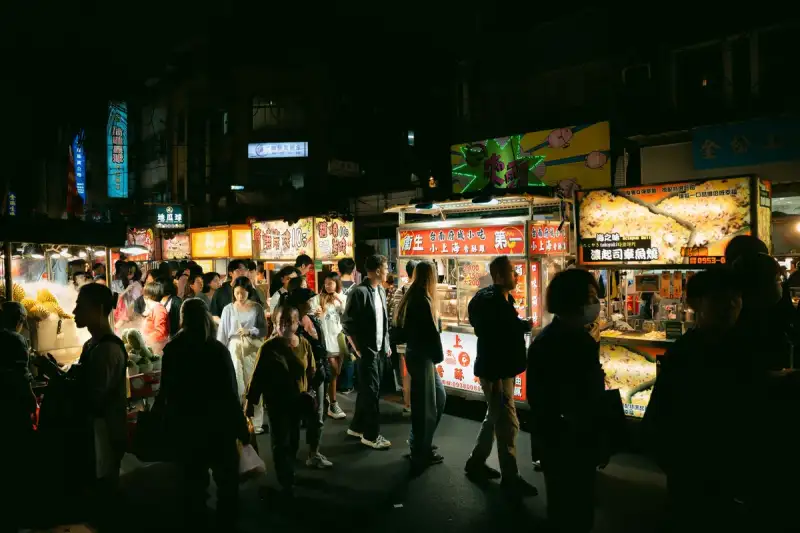

The allure of night markets is a sensory experience like no other, with the aromas of sizzling meats, the cacophony of vendors calling out their daily specials, and the vibrant display of colors from an array of dishes that tantalize the taste buds. Among the myriad of culinary delights found in these bustling markets, one dish stands out for its bold flavors and its ability to bring people together: the spicy cumin skewer. These skewers, laden with marinated meats and vegetables, grilled to perfection, and seasoned with a blend of spices that evoke both heat and depth, are more than just a street food staple—they are the soul of night markets. Introduction to Spicy Cumin Skewers Spicy cumin skewers have their roots in traditional Asian cuisine, particularly in Chinese, Korean, and Southeast Asian cooking, where the use of cumin, chili peppers, and other spices is prevalent. The dish has evolved over time, influenced by local ingredients, cultural exchange, and personal recipes passed down through generations. The beauty of spicy cumin skewers lies in their simplicity and versatility, as they can be made with a variety of meats (such as beef, chicken, pork, and lamb) and vegetables (like bell peppers, onions, mushrooms, and cherry tomatoes), all unified by the common thread of a spicy cumin marinade.The Cultural Significance of Night Markets Night markets are not just places to grab a quick bite; they are cultural phenomena that bring communities together. They offer a space where people from all walks of life can gather, share stories, and enjoy local cuisine. The spicy cumin skewer, with its irresistible aroma and taste, is often at the heart of these gatherings. Vendors, who are sometimes family members passing down their recipes and techniques, become an integral part of the community, known for their specialty dishes. The interaction between vendors and customers is a significant aspect of the night market experience, fostering a sense of belonging and continuity. The Art of Making Spicy Cumin Skewers Making spicy cumin skewers is an art that requires patience, practice, and a deep understanding of flavors. The process begins with the selection of ingredients, where the freshness and quality of the meat and vegetables are paramount. The marinade, a blend of cumin, chili peppers, garlic, ginger, soy sauce, and sometimes yogurt or vinegar, is what gives the skewers their distinct flavor. The proportions of the ingredients in the marinade can vary greatly depending on personal preference and regional traditions, allowing for a wide range of flavors within the spicy cumin skewer family.The marinating process, which can range from a few hours to overnight, allows the flavors to penetrate deep into the meat and vegetables, enhancing their natural tastes. The actual grilling of the skewers requires a delicate touch, as the aim is to achieve a nice char on the outside while keeping the inside juicy and tender. The sizzling sounds and the aromas that waft from the grill are quintessential to the night market experience, drawing in passersby and tempting their taste buds. Variations and Innovations While traditional spicy cumin skewers remain a staple, innovations and variations have emerged, reflecting the dynamic nature of street food. Some vendors may add unique ingredients to their marinade, such as Korean chili flakes (gochugaru), Indian cumin seeds, or Middle Eastern sumac, to give their skewers a distinct twist. Others might experiment with different types of meat, such as venison or duck, or offer vegetarian and vegan versions of the skewers, catering to a broader range of dietary preferences and requirements.These variations not only keep the dish exciting and fresh but also illustrate the adaptability of spicy cumin skewers to different culinary traditions and modern tastes. They demonstrate how street food can be both a reflection of cultural heritage and a vibrant, evolving entity that thrives on creativity and diversity. Conclusion Spicy cumin skewers are more than just a delicious street food; they embody the spirit of night markets and the communities that gather around them. They represent a tradition that values sharing, hospitality, and the pleasure of good food. As a dish, they are a testament to the power of cuisine to bring people together, to evoke emotions, and to create lasting memories. Whether you are a food aficionado, a cultural explorer, or simply someone who appreciates the joy of eating, spicy cumin skewers are an experience not to be missed.#StreetFoodLovers #NightMarketVibes #SpicyCuminSkewers #FoodieAdventures #CulturalCuisine #TraditionalRecipes #StreetFoodCulture #GlobalGastronomy Related InsightsIl Macco di Fave Secche: Un Viaggio Nel Cuore Pulsante e Dimenticato Della Gastronomia Siciliana Unwrapping the Flavors of Eastern Europe: The Pierogi Story The Ultimate High-Fiber Whole Grain Shepherd's Pie with Lentil Topping{ "@context": "https://schema.org", "@type": "FAQPage", "mainEntity": [ { "@type": "Question", "name": "What is the main focus of Spicy Cumin Skewers: The Soul of Night Markets?", "acceptedAnswer": { "@type": "Answer", "text": "Discover the deep cultural roots, authentic flavors, and history of Spicy Cumin Skewers: The Soul of Night Markets." } }, { "@type": "Question", "name": "Who authored the comprehensive guide on Spicy Cumin Skewers: The Soul of Night Markets?", "acceptedAnswer": { "@type": "Answer", "text": "This detailed article and its insights were carefully researched and authored by Wei Chen." } }, { "@type": "Question", "name": "Where can I find more related content about Food?", "acceptedAnswer": { "@type": "Answer", "text": "You can explore more articles, detailed reviews, and similar insights by browsing the Related Insights section at the bottom of this article or visiting our dedicated Food category page." } } ] }
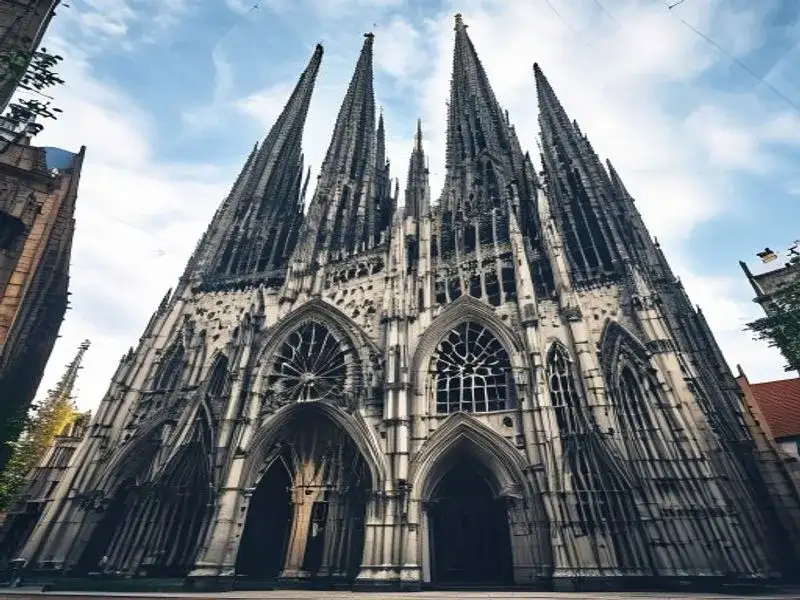

Kölner Dom im Detail: Ein Meisterwerk der Gotik Mitten im Herzen der pulsierenden Rheinmetropole Köln erhebt sich ein Bauwerk von so majestätischer Präsenz, dass es selbst die größten Wolkenkratzer moderner Städte in den Schatten stellt: der Kölner Dom. Offiziell als Hohe Domkirche Sankt Petrus bekannt, ist diese gigantische Kathedrale nicht nur das Wahrzeichen der Stadt, sondern auch das am meisten besuchte Sehenswürdigkeit Deutschlands. Mit seinen 157 Meter hohen Doppeltürmen war der Dom nach seiner Vollendung im Jahr 1880 für kurze Zeit das höchste Gebäude der Welt. Eine Baugeschichte der Extreme Die Geschichte des Kölner Doms ist ein faszinierendes Zeugnis menschlicher Ausdauer. Die Grundsteinlegung erfolgte am 15. August 1248 unter Erzbischof Konrad von Hochstaden. Ziel war es, eine würdige Kathedrale für die Gebeine der Heiligen Drei Könige zu errichten, die 1164 von Kaiser Friedrich Barbarossa nach Köln gebracht worden waren und die Stadt zu einem der wichtigsten Wallfahrtsorte des Mittelalters machten. Der Bau der Kathedrale im hochgotischen Stil orientierte sich an den großen französischen Kathedralen wie Amiens. Doch 1528 kamen die Arbeiten aufgrund von Finanzierungsproblemen und schwindendem Interesse an der Gotik vollständig zum Erliegen. Über 300 Jahre lang prägte ein unvollendeter Baukörper mit einem gewaltigen Baukran auf dem Südturm die Silhouette von Köln. Erst im 19. Jahrhundert, beflügelt durch die romantische Begeisterung für das Mittelalter und das neu erwachte Nationalbewusstsein, wurde der Bau wieder aufgenommen. Nach den wiederentdeckten Originalplänen des Dombaumeisters Johannes aus dem 13. Jahrhundert wurde der Dom 1880 – nach über 632 Jahren – endlich fertiggestellt. Kunstwerke von unschätzbarem Wert Im Inneren des fünfschiffigen Doms erwarten den Besucher architektonische und künstlerische Wunder. Das Highlight ist zweifellos der Dreikönigenschrein, das größte und künstlerisch bedeutendste Reliquiar des abendländischen Mittelalters. Der prächtige Schrein aus vergoldetem Silber und Kupfer, verziert mit über 1000 Edelsteinen und Perlen, wurde um 1190 bis 1225 vom Goldschmied Nikolaus von Verdun geschaffen. Ein weiteres spektakuläres Detail sind die Domfenster, die eine Fläche von rund 10.000 Quadratmetern umfassen. Besonders hervorzuheben ist das moderne Richter-Fenster im Südquerhaus. Nach der Zerstörung des Originalfensters im Zweiten Weltkrieg entwarf der renommierte Künstler Gerhard Richter 2007 ein neues Fenster, das aus 11.263 farbigen, mundgeblasenen Glasquadraten besteht, die in einer per Zufallsgenerator ermittelten Anordnung eine atemberaubende Lichtsinfonie in den Dom zaubern. Das Kölner Lebensgefühl: Kölsch und Halver Hahn Nachdem man die 533 Stufen zur Aussichtsplattform des Südturms erklommen hat und mit einem atemberaubenden Blick über den Rhein und das Siebengebirge belohnt wurde, empfiehlt sich ein Besuch in einem der traditionellen Brauhäuser der Altstadt, etwa dem "Früh am Dom". Hier kann man die Eindrücke bei einem frisch gezapften Kölsch – dem hellen, obergärigen #Bier, das traditionell in schlanken, zylindrischen Gläsern ("Stangen") serviert wird – Revue passieren lassen. Dazu isst der Kölner gerne einen "Halven Hahn". Wer hier Geflügel erwartet, wird überrascht sein: Es handelt sich um ein Röggelchen (ein Roggenbrötchen) mit dick geschnittenem mittelaltem Gouda, Butter und scharfem Senf. Der Kölner Dom ist ein ewiges Symbol für Glauben, Kunst und den unverwüstlichen Geist einer Stadt, die um ihn herum pulsiert. #KölnerDom #CologneCathedral #Köln #Gotik #Architecture #GermanyTravel #VisitCologne #NordrheinWestfalen #UNESCO #TravelGermany #travel #exclusive Related InsightsShirakawa-go: The Enchanting Village of Snow and Traditions The Silent Chronicles of the Steppe: Unearthing the Enigma of Mongolia's Deer Stone Sentinels at Uushgiin Ovor 厳島神社: 海に浮かぶ神々の住処{ "@context": "https://schema.org", "@type": "FAQPage", "mainEntity": [ { "@type": "Question", "name": "What is the main focus of Kölner Dom im Detail?", "acceptedAnswer": { "@type": "Answer", "text": "Explore the incredible journey of Kölner Dom im Detail with Felix Müller." } }, { "@type": "Question", "name": "Who authored the comprehensive guide on Kölner Dom im Detail?", "acceptedAnswer": { "@type": "Answer", "text": "This detailed article and its insights were carefully researched and authored by Felix Müller." } }, { "@type": "Question", "name": "Where can I find more related content about Travel?", "acceptedAnswer": { "@type": "Answer", "text": "You can explore more articles, detailed reviews, and similar insights by browsing the Related Insights section at the bottom of this article or visiting our dedicated Travel category page." } } ] }
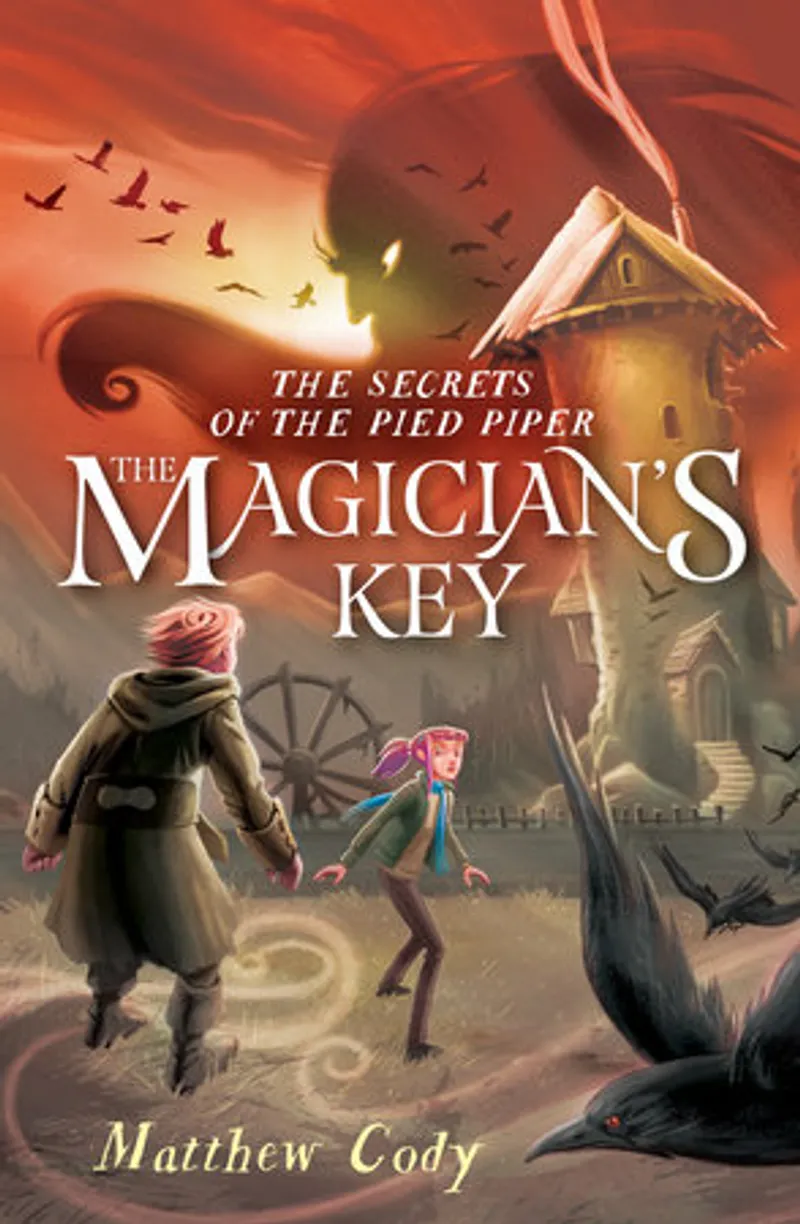
The Secrets of the Pied Piper 2: The Magician's Key Author: Matthew CodyPage Count: UnknownPublication Date: 2016-PRH The Magician’s Key: A Dark, Dazzling Descent into the Pied Piper’s Labyrinth Matthew Cody’s The Secrets of the Pied Piper 2: The Magician’s Key is a masterclass in weaving folklore into a modern, high-stakes adventure—one that balances eerie mystery with heart-pounding action. Following the breakneck pace of The Peddler’s Road, Cody doubles down on the series’ signature blend of fairy-tale dread and sibling devotion, crafting a sequel that’s as emotionally resonant as it is thrilling. At its core, The Magician’s Key is a story about separation and reunion, not just of Max and Carter but of the fractured world they inhabit. The Pied Piper’s curse has torn them apart—Max trapped in the real world, desperate to return to the Summer Isle, while Carter is reluctantly guided (or manipulated) by the Piper himself. Their quests mirror each other: Max must outwit the sinister Vodnik to claim the titular key, while Carter navigates a treacherous alliance with the very villain who ensnared them. Cody excels at making their parallel journeys feel urgent and interconnected, even when they’re physically apart. The emotional weight of their separation lingers like a spell, making every victory—and every setback—feel personal. What sets Cody apart is his ability to infuse classic fairy-tale elements with fresh, often unsettling twists. Vodnik, the villain of the hour, is a delightfully grotesque figure—a magician who hoards souls in jars, his lair a grotesque museum of stolen identities. His magic is both whimsical and terrifying, a reminder that in Cody’s world, even the smallest objects (like a key) can carry deadly consequences. The supporting cast is equally memorable: Bandybulb the kobold, whose loyalty is as steadfast as his appetite; a bashful trollson who defies expectations; and an elf who’s equal parts daring and reckless. Cody’s world-building is rich with detail, from the seafaring hobgoblins to the eerie, ever-shifting landscapes of the Summer Isle. It’s a place where fairy tales aren’t just stories—they’re living, breathing threats. Cody’s prose is sharp and immersive, with a knack for pacing that keeps the pages turning. His writing has a cinematic quality, whether he’s describing a chase through a labyrinth of enchanted mirrors or a tense negotiation with a morally ambiguous ally. The dialogue crackles with wit and tension, particularly in Carter’s uneasy interactions with the Pied Piper, whose charm is as dangerous as his malice. Cody doesn’t shy away from darkness—there are moments of genuine peril, betrayal, and loss—but he balances it with warmth, especially in the bonds between the siblings and their found family of misfits. The book’s central theme—sacrifice—weighs heavily on every decision. Max and Carter’s parents are held hostage, their fates tied to the key’s retrieval, and the cost of saving them isn’t just physical but emotional. Cody asks: How much are you willing to give up to reunite with those you love? The answer isn’t simple, and the story’s moral ambiguity adds depth to what could have been a straightforward quest. By the end, readers are left questioning whether some debts can ever truly be repaid. Fans of fractured fairy tales and high-stakes adventure will find The Magician’s Key irresistible. Cody’s trilogy is shaping up to be a modern classic in the vein of A Tale Dark and Grimm, blending humor, horror, and heart in equal measure. It’s a book that demands to be read in one sitting—preferably under a blanket, with the lights on. #PiedPiperTrilogy #DarkFantasy #MiddleGradeAdventure #FairyTaleRetelling #MatthewCody #SiblingQuest Related InsightsInvisible Girl Book Review and Summary Infinite Jest Book Review and Summary Silence Book Review and Summary{ "@context": "https://schema.org", "@type": "FAQPage", "mainEntity": [ { "@type": "Question", "name": "What is the main focus of The Magician’s Nephew Book Review and Summary?", "acceptedAnswer": { "@type": "Answer", "text": "Everything you need to know about The Magician’s Nephew with our detailed review." } }, { "@type": "Question", "name": "Who authored the comprehensive guide on The Magician’s Nephew Book Review and Summary?", "acceptedAnswer": { "@type": "Answer", "text": "This detailed article and its insights were carefully researched and authored by C.S. Lewis." } }, { "@type": "Question", "name": "Where can I find more related content about Books?", "acceptedAnswer": { "@type": "Answer", "text": "You can explore more articles, detailed reviews, and similar insights by browsing the Related Insights section at the bottom of this article or visiting our dedicated Books category page." } } ] }
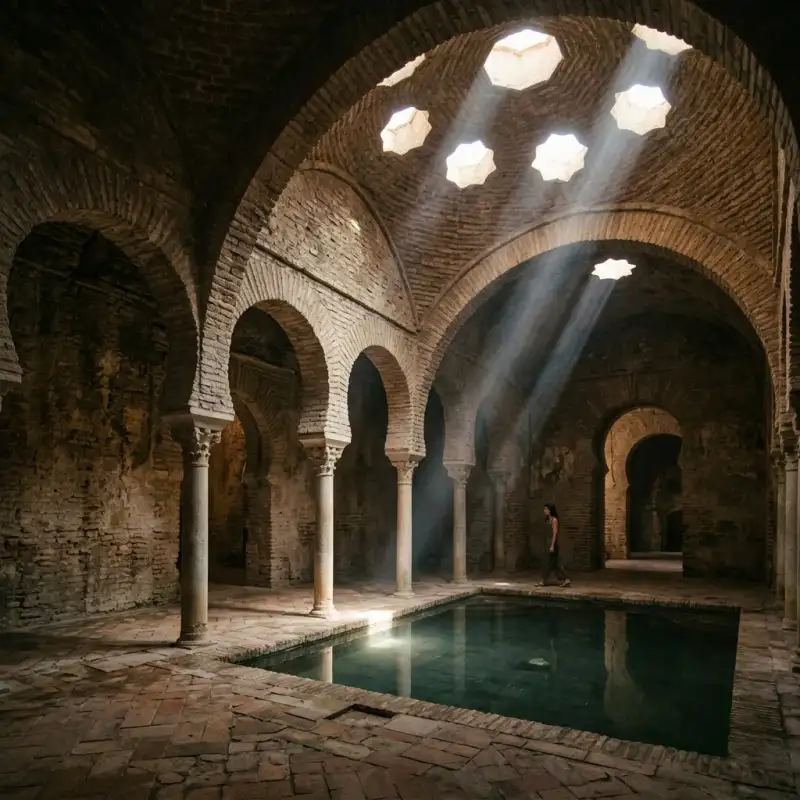
Los Baños Árabes de la ciudad de Jaén, conocidos como Baño del Niño (en árabe, Hamman al-Walad) están ubicados en los sótanos del Palacio de Villardompardo. Cuentan con una extensión de 450 m², lo que los convierte probablemente en los más grandes de #España y Europa, son visitados por más de 55 000 personas al año. En el mismo palacio también se encuentran el Museo Internacional de Arte Naïf y el Museo de Artes y Costumbres Populares. #historia Fueron construidos en el siglo XI, en 1002, aprovechando los restos de una casa o baño romano con pórtico. Posiblemente reformados en el siglo XII, debido a la presencia de restos de decoración almohade que se conservan en algunas de sus salas. Tras la conquista de la ciudad en 1246 por Fernando III El Santo se siguieron utilizando durante los primeros años de dominio cristiano. Entre los siglos XIV y XV desaparece su función como baño al establecer los cristianos en sus salas unas tenerías, cuyos restos permanecen aún en las salas templada y caliente. Y acabaron llenos de escombros para servir de cimiento al actual Palacio. A finales del siglo XVI Fernando de Torres y Portugal, I conde de Villardompardo y VII virrey del Perú, edificó su Palacio sobre los Baños, quedando estos enterrados y ocultos entre los cimientos y sótanos durante los siglos XVIII y XIX, lo que resultó esencial para su mantenimiento. A principios del siglo XX, el Palacio pasó a formar parte del patrimonio inmobiliario de la Diputación Provincial de Jaén, la cual entre 1901 y 1903 liberó el espacio para construir una Capilla para el Hospicio de Mujeres. En 1913 Enrique Romero de Torres descubrió parte de los Baños durante la realización del Catálogo Monumental de Jaén. Cuatro años más tarde el equipo arqueológico de Manuel Gómez-Moreno propuso que el edificio se declarase Monumento Nacional, hecho que se produjo en 1931, adjudicándose con el número de Registro General 528. En 1936 comienzan las obras de restauración bajo la dirección de los arquitectos Leopoldo Torres Balbás y Luis Berges Martínez. Estas obras se vieron interrumpidas por el comienzo de la Guerra civil española. En 1970, la Dirección General de Bellas Artes retoma la restauración del edificio encargándosela al arquitecto Luis Berges Roldán, hijo del anterior, completándose en 1984 de la mano de Ferrovial como empresa constructora. La Asociación Europa Nostra otorgó la Medalla de Honor de ese año a la restauración de los Baños Árabes. Función En el mundo islámico el aseo del cuerpo es una obligación religiosa que todo musulmán debe hacer antes de cada una de las cinco oraciones cotidianas. Dado que no todos los ciudadanos podían permitirse tener un baño o Abzan en su casa se crean los baños públicos o Hammam. Salas Vestíbulo (al-bayt al-maslaj) Es la sala de acceso al complejo, se sitúa de modo transversal y presenta una longitud de 14 metros de altura y 3,80 metros de anchura. En ambos extremos de la sala existen dos alcobas separadas del resto por arcos de herradura sobre medias columnas, esquema que se irá repitiendo en todas las demás salas. A ambos lados de la entrada se ubican sendas tacas. La sala está cubierta por bóveda de medio cañón y cuenta con 18 luceras estrelladas. El suelo estuvo revestido de mármol blanco y las paredes enlucidas y pintadas con decoración de arquerías en color rojo sobre fondo blanco. En 2019, tras la restauración de los baños, se descubrieron nuevos frescos almohades en esta sala que suponen el cuádruple de lo conocido. Sala fría (al-bayt al-barid) Contigua y similar a la anterior aunque de menor tamaño (11,4 × 3,50 m), está cubierta, igualmente, por bóveda de medio cañón en la que se sitúan 12 luceras. La alcoba situada en el extremo derecho está cubierta con cúpula con 5 luceras. Sala templada (al-bayt al-wastani) Consiste en un gran salón cuadrado de 11´30 m x 11´30 m que encierra otro cuadrado central, éste cubierto por una gran cúpula de casquete semiesférico sobre pechinas. La cúpula no descansa sobre muros macizos sino sobre arcos de herradura soportados por ocho columnas. En las cuatro esquinas del gran salón quedan otras cuatro cúpulas menores, y los espacios restantes se cubren con cuatro bóvedas de medio cañón con 3 luceras en cada una de ellas. Esta gran sala da paso, mediante dos arcos de herradura, a otra sala de 11,30m x 2,80 m que preside todo el conjunto y que está cubierta mediante bóveda de medio cañón; teniendo, sendas alcobas en los extremos cubiertas con cúpulas con luceras. Sala caliente (al-bayt al-sajum) Presenta unas dimensiones de 15,90 m de longitud por 3,30 m de anchura, es similar a las salas anteriores. Está cubierta con bóveda de medio cañón con 15 luceras y con sendas alcobas en los extremos con 5 luceras cada una de ellas. Está situada junto a las calderas donde se calentaba el agua, de modo que sus muros están recorridos por chimeneas ocultas por las que circulaba el aire caliente. En el centro de la sala, un gran arco abocinado la separa del lugar donde estaba la caldera. A ambos lados de este arco central, dos pequeñas estancias, contienen: una, un baño cuadrado de asiento y la otra, dos tinajas. Bajo su suelo de piedra, sustentado por pequeños pilares de ladrillo, se encuentra una cámara por la que circulaba el aire caliente que calentaba en suelo de la sala. Rodajes A finales de octubre de 2007, los baños árabes sirvieron como escenario en la película La conjura de El Escorial del director Antonio del Real. Referencias Bibliografía Baños Árabes del Palacio de Villardompardo. Luis Berges Roldán. Jaén. Retrato al natural de la ciudad de Jaén y término de Jaén. Deán D. José Martínez de Mazas. Evolución e #historia de la ciudad de Jaén. José María Pardo Crespo. Jaén #andalus #jaen #banos Related InsightsDie Moorgeister des Hohen Venns: Eine Reise in die vergessenen Welten der Torfstecher Beyond Merv's Veil: Unearthing Turkmenistan's Ghost Oases of the Silk Road Mount Ararat Mysteries{ "@context": "https://schema.org", "@type": "FAQPage", "mainEntity": [ { "@type": "Question", "name": "What is the main focus of Baños Árabes de Jaén: El Legado del Agua?", "acceptedAnswer": { "@type": "Answer", "text": "Descubre la historia profunda de Baños árabes de Jaén." } }, { "@type": "Question", "name": "Who authored the comprehensive guide on Baños Árabes de Jaén: El Legado del Agua?", "acceptedAnswer": { "@type": "Answer", "text": "This detailed article and its insights were carefully researched and authored by Mateo García." } }, { "@type": "Question", "name": "Where can I find more related content about Travel?", "acceptedAnswer": { "@type": "Answer", "text": "You can explore more articles, detailed reviews, and similar insights by browsing the Related Insights section at the bottom of this article or visiting our dedicated Travel category page." } } ] }

His Dark Materials Omnibus Author: Philip PullmanPage Count: UnknownPublication Date: 2012-PRH In the realm of modern fantasy, few series have managed to captivate readers with the same level of depth and complexity as Philip Pullman's His Dark Materials. This omnibus edition brings together the trilogy's three installments - The Golden Compass, The Subtle Knife, and The Amber Spyglass - in one breathtaking volume that promises to transport readers to a world of wonder and awe. At its core, His Dark Materials is a story about the power of innocence and the resilience of the human spirit. Lyra, a young girl from a parallel universe, embarks on a perilous journey through a series of haunted otherworlds, accompanied by Will, a boy from our own world. As they navigate treacherous landscapes and encounter a cast of characters that includes witches, armored bears, and fallen angels, they begin to unravel a mystery that threatens the very fabric of their existence. Pullman's masterful storytelling is woven from a rich tapestry of mythology, philosophy, and science, creating a narrative that is both fantastical and grounded in reality. His writing is characterized by a sense of scope and grandeur, with a keen eye for detail that brings the world of His Dark Materials to vivid life. From the majestic cities of Cittàgazze to the desolate landscapes of the frozen north, Pullman's world-building is nothing short of breathtaking. One of the most striking aspects of Pullman's style is his ability to balance action, adventure, and intellectual curiosity. His Dark Materials is a series that is unafraid to tackle big questions about the nature of power, identity, and the human condition. Through Lyra and Will's journey, Pullman explores complex themes such as the consequences of playing god, the dangers of blind obedience, and the importance of empathy and compassion. Throughout the series, Pullman's characters are multidimensional and richly drawn, with a depth and complexity that makes them feel fully realized. Lyra, in particular, is a triumph of characterization - a fierce, determined, and vulnerable heroine who embodies the best qualities of adolescence. Her relationship with Will is beautifully nuanced, and their bond is forged in the fire of adversity as they confront the darkness that threatens to consume their worlds. The His Dark Materials trilogy has been widely acclaimed for its innovative storytelling, richly imagined world-building, and memorable characters. It has won numerous awards and has been recognized as one of the greatest juvenile fantasy novels of the past twenty years. Pullman's writing has been praised for its grandeur, complexity, and emotional depth, with many critics hailing him as a genius of modern fantasy. In short, the His Dark Materials omnibus is a must-read for anyone who loves fantasy, adventure, and intellectual curiosity. It is a series that will challenge your assumptions, ignite your imagination, and leave you questioning everything you thought you knew about the world. With its richly imagined world-building, complex characters, and thought-provoking themes, His Dark Materials is a modern classic that will continue to captivate readers for generations to come. #HisDarkMaterials #PhilipPullman #FantasyClassic #TheGoldenCompass #TheSubtleKnife #TheAmberSpyglass Related InsightsSomeone to Honor Book Review and Summary Iron and Magic Book Review and Summary Meant to Be Series, Collection Set of 4 Books. If the Shoe Fits, by the Book, Kiss the Girl, Tangled up in You by Julie Murphy Book Review and Summary{ "@context": "https://schema.org", "@type": "FAQPage", "mainEntity": [ { "@type": "Question", "name": "What is the main focus of His Dark Materials Book Review and Summary?", "acceptedAnswer": { "@type": "Answer", "text": "Everything you need to know about His Dark Materials with our detailed review." } }, { "@type": "Question", "name": "Who authored the comprehensive guide on His Dark Materials Book Review and Summary?", "acceptedAnswer": { "@type": "Answer", "text": "This detailed article and its insights were carefully researched and authored by Philip Pullman." } }, { "@type": "Question", "name": "Where can I find more related content about Books?", "acceptedAnswer": { "@type": "Answer", "text": "You can explore more articles, detailed reviews, and similar insights by browsing the Related Insights section at the bottom of this article or visiting our dedicated Books category page." } } ] }

-
 Marta Wisniewska
 - 01 Apr, 2026 22:55
Todos los fines del mundo / All the Ends of the World Book Review and Summary
Todos los fines del mundo / All the Ends of the World Author: Andrea ChapelaPage Count: UnknownPublication Date: 2025-PRH In the realm of contemporary literature, few authors have managed to captivate readers with the same level of mystique as Andrea Chapela. Her latest novel, "Todos los fines del mundo" (All the Ends of the World), is a testament to her unique ability to weave together seemingly disparate threads into a rich tapestry of human experience. While the exact page count of this literary masterpiece remains unknown, one thing is certain – Chapela's writing is as evocative as it is concise. From the opening pages, it becomes clear that this novel is not just a story, but an odyssey that hurtles readers towards the very edges of existence. At its core, "Todos los fines del mundo" grapples with the concept of liminality – the threshold between worlds, realities, and identities. Chapela's prose masterfully navigates this liminal space, conjuring an atmosphere that is both disorienting and mesmerizing. As the narrative unfolds, the boundaries between past, present, and future begin to blur, plunging the reader into a world where the notion of a fixed self becomes increasingly tenuous. Through her characters, Chapela explores the human condition in all its complexity, laying bare the fragilities and contradictions that define us. Her writing is akin to a slow-burning fire – it crackles with an intensity that is both captivating and unnerving. Each sentence is a masterclass in subtlety, conveying the weight of emotions and ideas with a precision that is nothing short of remarkable. One of the most striking aspects of Chapela's style is her use of language, which is at once poetic and unflinching. Her prose is a symphony of contradictions – tender and brutal, beautiful and grotesque – reflecting the messy, often inexplicable nature of human experience. This is a writer who is unafraid to confront the darker aspects of existence, yet does so with a level of empathy and compassion that is rare in contemporary literature. In "Todos los fines del mundo", Chapela has created a work that defies easy categorization. This is a novel that resists interpretation, instead inviting the reader to surrender to its rhythms and textures. It is an experience that is both deeply personal and universally relatable – a testament to the power of literature to capture the essence of our shared humanity. As the world around us continues to grapple with the complexities of identity, reality, and our place within the universe, "Todos los fines del mundo" stands as a beacon of literary innovation. It is a reminder that, even in the most uncertain of times, the written word has the power to transcend borders, challenge our assumptions, and connect us on a deeper level. "All the Ends of the World" is a triumph of contemporary literature – a novel that will leave you breathless, bewildered, and ultimately, transformed. #LiminalFiction #ContemporaryLiterature #AndreaChapela #TodosLosFinesDelMundo #ExperimentalFiction #LiteraryInnovation Related InsightsClockwork Princess Book Review and Summary Pressure Point (National Parks Thriller #3) Book Review and Summary Alice’s Adventures in Wonderland / Through the Looking-Glass Book Review and Summary{ "@context": "https://schema.org", "@type": "FAQPage", "mainEntity": [ { "@type": "Question", "name": "What is the main focus of Todos los fines del mundo / All the Ends of the World Book Review and Summary?", "acceptedAnswer": { "@type": "Answer", "text": "Everything you need to know about Todos los fines del mundo / All the Ends of the World with our detailed review." } }, { "@type": "Question", "name": "Who authored the comprehensive guide on Todos los fines del mundo / All the Ends of the World Book Review and Summary?", "acceptedAnswer": { "@type": "Answer", "text": "This detailed article and its insights were carefully researched and authored by Marta Wisniewska." } }, { "@type": "Question", "name": "Where can I find more related content about Books?", "acceptedAnswer": { "@type": "Answer", "text": "You can explore more articles, detailed reviews, and similar insights by browsing the Related Insights section at the bottom of this article or visiting our dedicated Books category page." } } ] }


Die schwäbische Seele: Spätzle Käsespätzle gelten als das absolute "Comfort Food" der süddeutschen, österreichischen und Schweizer Alpenküche. Ursprünglich stammen Spätzle aus Schwaben, wo sie seit Jahrhunderten als Beilage zu Sonntagsbraten oder, vermischt mit reichlich regionalem Bergkäse, als eigenständiges Hauptgericht serviert werden. Historische Aufzeichnungen über Spätzle (oft auch als "Knöpfle" bezeichnet, wenn sie eher rundlich geformt sind) reichen bis ins 18. Jahrhundert zurück. Die traditionelle Herstellung ist echte Handarbeit: Ein zäher Teig wird mit einem Spätzlebrett und einem Schaber direkt in kochendes Salzwasser "geschabt". Der Legende nach maß man früher die Ehefähigkeit einer schwäbischen Frau an ihrer Fähigkeit, perfekte, feine Spätzle zu schaben. Vegane Käsespätzle – So gelingt der Teig Das klassische Spätzlerezept ist stark eierlastig – man rechnet oft mit einem Ei pro 100 Gramm Mehl. Für vegane Spätzle muss man also die Bindung und die leuchtend gelbe Farbe ersetzen. Das gelingt hervorragend mit einer Mischung aus Weizenmehl (oder Dinkelmehl), etwas Hartweizengrieß für den nötigen "Biss" und kohlensäurehaltigem Mineralwasser, welches den Teig fluffig macht. Für die perfekte Farbe sorgt eine Prise Kurkuma, während etwas Sojamehl oder Kichererbsenmehl die bindenden Eigenschaften des Eies imitiert. Der Teig wird kräftig mit einem Holzlöffel "geschlagen", bis er Blasen wirft und eine zähfließende Konsistenz annimmt, bevor er ins kochende Wasser gepresst oder geschabt wird. Die pflanzliche Käsesauce Das eigentliche Herzstück der Käsespätzle ist jedoch der geschmolzene Käse. Früher wurden oft kräftige Sorten wie Emmentaler oder würziger Bergkäse verwendet. In der veganen Küche erreicht man diese cremig-würzige Konsistenz durch eine raffinierte pflanzliche "Käsesauce". Die Basis bildet oft eine helle Mehlschwitze, die mit ungesüßter Hafermilch und pflanzlicher Sahne abgelöscht wird. Die unverzichtbare käsige Würze kommt durch großzügige Mengen an Hefeflocken (Nutritional Yeast), einem Teelöffel scharfem Senf, etwas Knoblauchpulver, Zwiebelpulver und einer kleinen Prise Muskatnuss zustande. Manche Köche fügen auch ein wenig weiße Miso-Paste oder etwas Apfelessig hinzu, um die fermentierte, leicht säuerliche Note von gereiftem Käse zu simulieren. Alternativ kann man auch hochwertige vegane Reibekäse-Alternativen unter die heißen Spätzle heben. Gekrönt wird das Ganze obligatorisch mit reichlich goldbraun gerösteten Röstzwiebeln. Diese veganen Käsespätzle sind so cremig, herzhaft und wärmend, dass selbst hartgesottene Traditionalisten ins Schwärmen geraten. #Käsespätzle #VeganComfortFood #SchwäbischeKüche #VeganeSpätzle #Hefeflocken #VeganGermany #PflanzlicheKüche #Soulfood #Röstzwiebeln #Alpenküche #recipe #exclusive Related InsightsApfelstrudel rein pflanzlich The Art of Turkish Coffee Anatolian Street Food Wonders{ "@context": "https://schema.org", "@type": "FAQPage", "mainEntity": [ { "@type": "Question", "name": "What is the main focus of Vegane Käsespätzle?", "acceptedAnswer": { "@type": "Answer", "text": "Explore the incredible journey of Vegane Käsespätzle with Hannah Weber." } }, { "@type": "Question", "name": "Who authored the comprehensive guide on Vegane Käsespätzle?", "acceptedAnswer": { "@type": "Answer", "text": "This detailed article and its insights were carefully researched and authored by Hannah Weber." } }, { "@type": "Question", "name": "Where can I find more related content about Recipe?", "acceptedAnswer": { "@type": "Answer", "text": "You can explore more articles, detailed reviews, and similar insights by browsing the Related Insights section at the bottom of this article or visiting our dedicated Recipe category page." } } ] }
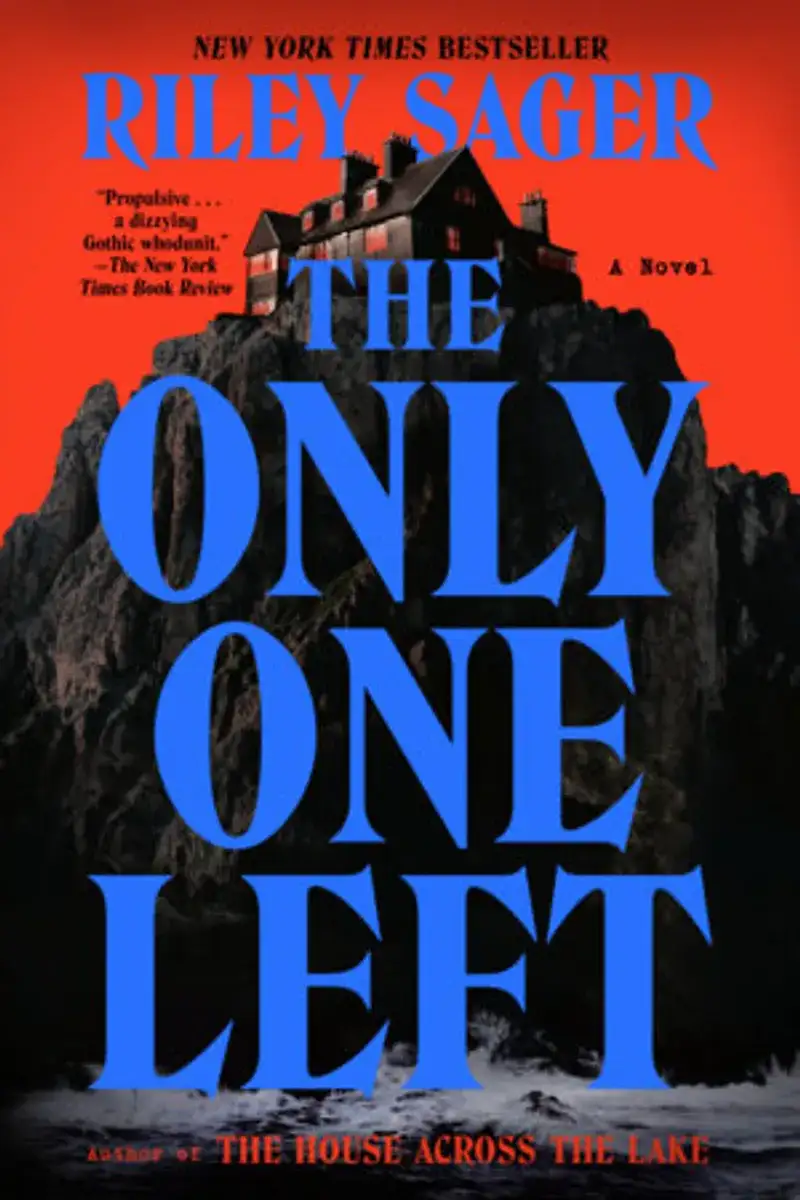
The Only One Left Author: Riley SagerPage Count: UnknownPublication Date: 2024-PRH "The Only One Left": A Haunting Gothic Mystery Where Silence Speaks Volumes Riley Sager has long been a master of blending psychological suspense with gothic atmosphere, and The Only One Left cements his status as a modern purveyor of chilling, twist-laden tales. This isn’t just another haunted-house story—it’s a meticulously crafted psychological puzzle where the past refuses to stay buried, and the line between victim and villain blurs with every tapped-out sentence. At its core, The Only One Left is a meditation on the power—and peril—of untold stories. The novel unfolds in 1983, when Kit McDeere, a young home-health aide, takes a job at Hope’s End, a decaying mansion perched on a Maine cliff. Her patient is Lenora Hope, the last surviving member of a family slaughtered in 1929 under circumstances that eerily mirror the infamous Lizzie Borden case. Lenora, now in her seventies and mute after strokes, communicates only by typing—until one night, she offers Kit a devastating confession: "I want to tell you everything." What follows is a duel of narratives: Lenora’s fragmented, first-person account of that blood-soaked night, and Kit’s growing suspicion that the truth is far more sinister than a simple confession of innocence. The tension isn’t just in what happened, but in who is allowed to tell it. Lenora’s silence is weaponized, her strokes both a physical and emotional barrier that forces Kit to decode her through the clatter of an old typewriter. Sager exploits this device brilliantly, turning the act of typing into a metronome for dread—each keystroke a potential revelation or lie. Thematically, the book interrogates the nature of memory and complicity. Lenora’s story is framed by the playground rhyme that has dogged her since childhood: "At seventeen, Lenora Hope / Hung her sister with a rope." The chant reduces her trauma to a macabre nursery rhyme, stripping her of agency. Sager forces the reader to confront how easily history is distorted when the only voice left to defend it is the accused’s. Is Lenora a victim of circumstance, a woman silenced by strokes who may be manipulating her caretaker—or is she a predator who has spent decades crafting a lie? Sager’s prose is deliberately sparse, mirroring the barren, claustrophobic setting of Hope’s End. The mansion itself is a character—a looming, decaying relic that seems to breathe with the weight of its own history. Descriptions of peeling wallpaper, drafty halls, and the ever-present sound of the ocean crashing against the cliffs ground the supernatural elements in something achingly real. When Kit finds a journal belonging to Lenora’s predecessor—who fled the night before she arrived—it’s not just a plot device; it’s a narrative lifeline, a way to pierce the fog of Lenora’s carefully curated version of events. The author’s greatest strength here is his ability to balance slow-burn suspense with explosive revelations. The dual timeline (1929 and 1983) isn’t just a structural choice; it’s a thematic one, underscoring how trauma reverberates across generations. Lenora’s typed confessions are interspersed with Kit’s own unraveling, as she begins to question whether her patient is a tragic figure or a calculating manipulator. The ambiguity is delicious, and Sager refuses to hand the reader easy answers. Instead, he invites them to sit with the discomfort of uncertainty—a rare and brave choice in a thriller. By the novel’s climax, the lines between caretaker and prisoner, truth and deception, have dissolved entirely. The final pages deliver a gut-punch twist that reframes everything, proving that the most dangerous secrets aren’t the ones buried in the past, but the ones we willingly excavate. The Only One Left isn’t just a gothic whodunit; it’s a chilling exploration of how easily we can be gaslit by history, by memory, and by the people who wield silence like a scalpel. Riley Sager has done it again—crafted a novel that lingers long after the last page, a story that clings to the ribs like sea mist on a cold Maine morning. If you’re a fan of unreliable narrators, morally complex villains, and settings that feel like characters themselves, this is one you won’t want to miss. #TheOnlyOneLeft #RileySager #GothicThriller #PsychologicalSuspense #MysteryBook #DarkMystery Related InsightsThe Soul Catchers Book Review and Summary A Flicker in the Dark Book Review and Summary Cinder Book Review and Summary{ "@context": "https://schema.org", "@type": "FAQPage", "mainEntity": [ { "@type": "Question", "name": "What is the main focus of The Only One Left Book Review and Summary?", "acceptedAnswer": { "@type": "Answer", "text": "Everything you need to know about The Only One Left with our detailed review." } }, { "@type": "Question", "name": "Who authored the comprehensive guide on The Only One Left Book Review and Summary?", "acceptedAnswer": { "@type": "Answer", "text": "This detailed article and its insights were carefully researched and authored by Sofia Bianchi." } }, { "@type": "Question", "name": "Where can I find more related content about Books?", "acceptedAnswer": { "@type": "Answer", "text": "You can explore more articles, detailed reviews, and similar insights by browsing the Related Insights section at the bottom of this article or visiting our dedicated Books category page." } } ] }

-
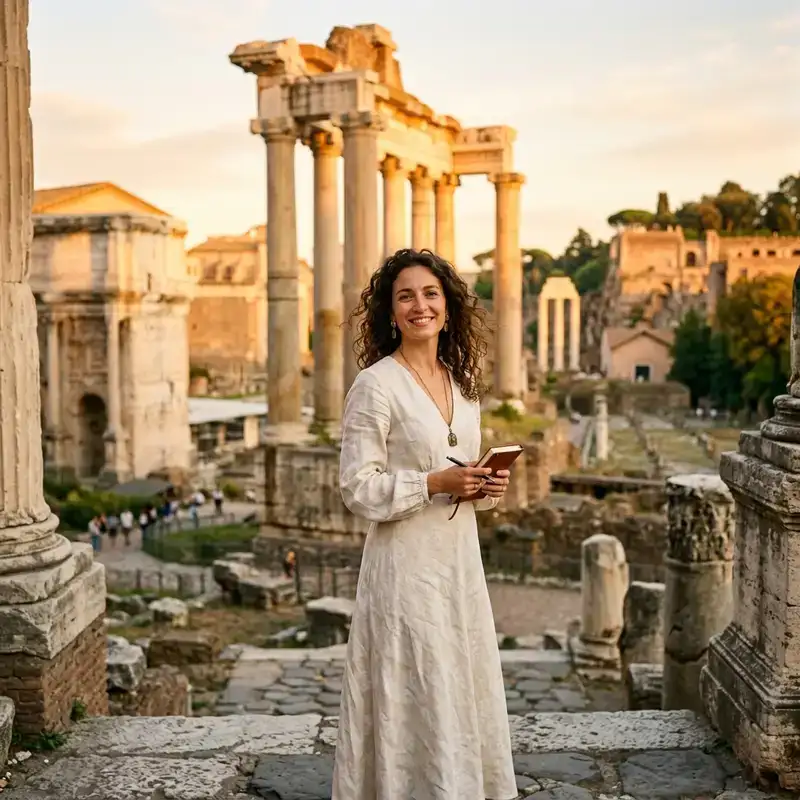 Giulia Ricci
 - 01 Apr, 2026 12:50
Final Fantasy XIV: Stormblood -- The Art of the Revolution -Western Memories- Book Review and Summary
Final Fantasy XIV: Stormblood -- The Art of the Revolution -Western Memories- Author: Square EnixPage Count: UnknownPublication Date: 2021-PRH A Visual Revolution: Final Fantasy XIV: Stormblood – The Art of the Revolution – Western Memories Square Enix’s Final Fantasy XIV: Stormblood – The Art of the Revolution – Western Memories is not merely a book—it’s a portal. A portal into the meticulously crafted world of Eorzea’s bloody rebellion, where the clash between Ala Mhigan freedom fighters and the Garlean Empire ignites not just political upheaval but a riot of color, line, and imagination. As the fourth volume in the official Final Fantasy XIV art book series, this collectors’ tome stands as a testament to the game’s artistic evolution, blending Eastern and Western influences into a cohesive, breathtaking vision. The book’s primary theme is transformation—both narrative and aesthetic. Stormblood marks a turning point in FFXIV’s storytelling, shifting from the melancholic introspection of A Realm Reborn to a more kinetic, action-driven saga of revolution. This thematic pivot is mirrored in the art, which evolves from the earthy tones of early patches into a vibrant, almost cinematic palette. The book’s subtitle, Western Memories, hints at this duality: while the game’s lore draws heavily from Japanese history and fantasy, the art team—led by directors Naoki Yoshida and Hiroshi Minagawa—embraces Western influences, from Renaissance armor designs to Baroque ornamentation. The result is a visual language that feels both familiar and fresh, a hybrid of tradition and innovation. What sets this volume apart is its depth of commentary. Unlike many art books that relegate text to sparse captions, Western Memories features insights from the art team, particularly on costume design. These notes reveal the thought process behind the game’s most striking outfits—how the Ala Mhigan rebels’ tattered yet regal attire reflects their struggle, or how Yotsuyu’s Garlean-inspired garb embodies both her ruthless authority and her tragic complexity. The book doesn’t just showcase finished designs; it dissects them, offering a glimpse into the iterative process that brings characters like Lyse to life. For fans of game design, this is gold. The artwork itself is a masterclass in composition. The book is divided into sections that mirror the game’s structure: character designs, field areas, dungeons, monsters, and equipment. Each page is a study in contrast—whether it’s the fiery hues of the Ruby Sea at dusk or the cold, metallic sheen of Garlean legionnaires. The monster designs, in particular, deserve special mention. Creatures like the Dreadnought and Dark Eruption are rendered with a visceral intensity, their forms both alien and majestic. Even the equipment—from the brutal Bentham’s greataxe to the delicate Doman silks—tells a story of cultural fusion, blending the fantastical with the historically inspired. One of the book’s most compelling features is its bonus item code—a Wind-up Yotsuyu minion. This isn’t just a marketing gimmick; it’s a nod to the book’s interactive nature. FFXIV’s art isn’t static; it’s meant to be experienced in motion, and the minion serves as a playful bridge between the printed page and the digital world. It’s a reminder that this art book is part of a living, breathing universe. Critically, the book’s only minor flaw is its structure as part of a two-book set. While Western Memories focuses on the Ala Mhigan storyline and Garlean influences, its counterpart, Eastern Memories, presumably covers the Doman and Kojan arcs. For a complete picture, readers will need both volumes, which might deter some. Still, as a standalone piece, Western Memories delivers an immersive experience, its 10/10 presentation (hardcover, premium paper, and stunning print quality) elevating it from mere merchandise to a true collector’s item. Square Enix has always excelled at blending art and narrative in FFXIV, but The Art of the Revolution – Western Memories takes it further. It’s a celebration of rebellion—not just the in-game uprising, but the rebellion against artistic convention. This book doesn’t just document Stormblood’s world; it reimagines it, proving that even in an MMO, the artistry behind the pixels is as vital as the gameplay itself. For Final Fantasy XIV fans, this is a must-own. For artists and designers, it’s a masterclass in world-building. And for anyone who’s ever marveled at the game’s visual storytelling, it’s a love letter to the power of creativity. #FFXIV #Stormblood #SquareEnix #GamingArt #FinalFantasy #ArtBook Related InsightsMeditations on Nature, Meditations on Silence Book Review and Summary Things We Left Behind Book Review and Summary It's a Prince Thing (the Princess Rules) Book Review and Summary{ "@context": "https://schema.org", "@type": "FAQPage", "mainEntity": [ { "@type": "Question", "name": "What is the main focus of Final Fantasy XIV: Stormblood -- The Art of the Revolution -Western Memories- Book Review and Summary?", "acceptedAnswer": { "@type": "Answer", "text": "Everything you need to know about Final Fantasy XIV: Stormblood -- The Art of the Revolution -Western Memories- with our detailed review." } }, { "@type": "Question", "name": "Who authored the comprehensive guide on Final Fantasy XIV: Stormblood -- The Art of the Revolution -Western Memories- Book Review and Summary?", "acceptedAnswer": { "@type": "Answer", "text": "This detailed article and its insights were carefully researched and authored by Giulia Ricci." } }, { "@type": "Question", "name": "Where can I find more related content about Books?", "acceptedAnswer": { "@type": "Answer", "text": "You can explore more articles, detailed reviews, and similar insights by browsing the Related Insights section at the bottom of this article or visiting our dedicated Books category page." } } ] }