
-
 Kenji Sato
- 15 Aug, 2026 07:09
The Golden Elixir: Mastering the Art of Authentic Indian Chai from Spice to Sip
The Golden Elixir: Mastering the Art of Authentic Indian Chai from Spice to SipWhere the Aroma of Tradition Meets the Science of Flavor Few beverages carry the cultural weight and sensory richness of Indian chai. More than just a drink, it is a daily ritual, a social connector, and a canvas for regional identity. From the misty tea gardens of Darjeeling to the bustling streets of Mumbai, chai transcends class and geography, offering a sensory journey through India’s diverse culinary landscape. But what makes Indian chai so uniquely captivating? It’s not just the tea leaves—it’s the symphony of spices, the precise brewing technique, and the deep-rooted cultural philosophy that transforms a simple beverage into a golden elixir. At its core, Indian chai is a spiced milk tea, traditionally made with black tea, fresh milk, water, and a blend of warming spices. The word “chai” itself is derived from the Hindi word for tea, “chai,” which originates from the Chinese word “chá.” However, the Indian interpretation is far more complex. Unlike Western tea culture, which often emphasizes the purity of the leaf, Indian chai embraces fusion—layering bold spices, sweetness, and creaminess into a harmonious whole. Recent research in tea diversification highlights how regional adaptations have shaped tea consumption globally. A 2023 study from OpenAlex, titled Tea and Tea Product Diversification: A Review, underscores how cultural preferences drive innovation in tea preparation, from flavored infusions to functional blends. Indian chai exemplifies this perfectly: it’s not just a drink—it’s a living tradition that evolves with every household, every chaiwallah, and every region.The Spice Alchemy: Crafting the Perfect Masala BlendThe soul of Indian chai lies in its masala—a carefully curated blend of spices that awakens the senses. While commercial masala chai powders are widely available, purists insist that the best chai begins with freshly ground spices. The choice of spices varies by region, season, and personal taste, but several key ingredients form the foundation of an authentic blend. Cardamom (Elaichi) is the cornerstone of most masala chai blends. Its citrusy, floral aroma cuts through the richness of milk and balances the bitterness of black tea. In Ayurveda, cardamom is revered for its digestive properties and is often paired with ginger to soothe the stomach. Cinnamon (Dalchini) adds warmth and depth, with its woody, slightly sweet notes. It pairs beautifully with cloves and black pepper, creating a complex flavor profile that lingers on the palate. In South India, cinnamon is sometimes replaced with nutmeg or mace for a milder, sweeter touch. Ginger (Adrak) is a non-negotiable for many chai enthusiasts. Fresh ginger root, crushed or sliced, infuses the brew with a spicy kick that enhances circulation and adds a vibrant zing. In colder climates, ginger is often used in larger quantities to provide warmth. Cloves (Laung) contribute a pungent, slightly sweet heat that complements the other spices. They are particularly prominent in North Indian chai, where they are often paired with black pepper for a sharper, more intense flavor. Black Pepper (Kali Mirch) may seem unusual, but it plays a crucial role in balancing the sweetness of milk and sugar. A pinch of freshly ground black pepper enhances the bioavailability of other spices and adds a subtle, lingering warmth. Star Anise (Anasphal) is a favorite in Bengali and South Indian chai, offering a licorice-like sweetness that pairs well with fennel seeds. Its unique flavor profile makes it a standout ingredient in many regional variations. Fennel Seeds (Saunf) are often included for their cooling, anise-like notes, which help counteract the heat of other spices. They are especially popular in post-meal chai, believed to aid digestion. Bay Leaves (Tej Patta) and nutmeg (Jaiphal) are less common but add layers of complexity. Bay leaves contribute a subtle, herbal aroma, while nutmeg lends a warm, nutty sweetness that is particularly prized in winter blends. The proportions of these spices are highly subjective. A classic North Indian masala might favor cardamom, ginger, and cloves, while a South Indian version could lean toward cinnamon, fennel, and star anise. Experimentation is encouraged—many families have their own closely guarded recipes passed down through generations. For those new to spice blending, start with a basic ratio: 4-5 green cardamom pods, 1-inch piece of fresh ginger, 2-3 cloves, 1 small cinnamon stick, and a pinch of black pepper. Crush the spices lightly in a mortar and pestle to release their essential oils, then add them to the brewing water. This ensures maximum flavor extraction and a vibrant, aromatic chai.From Leaf to Cup: The Ritual of Brewing Perfect Indian ChaiThe art of brewing Indian chai is as much about technique as it is about ingredients. Unlike Western tea, which is often steeped briefly to avoid bitterness, Indian chai thrives on a longer, slower infusion that allows the spices and tea leaves to meld together in a rich, robust brew. Step 1: Boil the Water and Spices Begin by bringing fresh, filtered water to a rolling boil in a kettle or pot. Add the freshly crushed spices—cardamom, ginger, cloves, cinnamon, and others—to the water. Let them simmer for 2-3 minutes. This step is crucial for extracting the aromatic oils from the spices, which will form the backbone of the chai’s flavor. Step 2: Add the Tea Leaves Once the spices have infused the water, add loose black tea leaves. The most commonly used varieties are Assam tea (bold and malty) or Darjeeling tea (lighter and floral). Use approximately 1 teaspoon of loose tea per cup of water. Let the tea steep for 3-4 minutes. Oversteeping can result in a bitter brew, so keep an eye on the clock. Step 3: Introduce the Milk After the tea has steeped, pour in an equal amount of milk—traditionally whole milk for richness, though many modern variations use plant-based milks like oat or almond. Bring the mixture to a gentle boil, then reduce the heat and let it simmer for another 2-3 minutes. This step is where the magic happens: the milk emulsifies with the tea, creating a creamy, frothy texture that is the hallmark of good chai. Step 4: Sweeten to Taste Sugar is added at this stage, though the amount varies widely. In many households, chai is enjoyed unsweetened or lightly sweetened, while street vendors often serve it with a generous dose of sugar. Jaggery (unrefined cane sugar) is a popular alternative, adding a caramel-like depth to the flavor. Step 5: Strain and Serve Strain the chai through a fine mesh sieve or cloth to remove the tea leaves and spices. Pour the steaming brew into small clay cups (kulhads) or sturdy glass cups for an authentic experience. The first sip should be a revelation—warm, spicy, creamy, and deeply comforting. Pro Tips for the Perfect BrewUse fresh spices: Pre-ground spices lose their potency quickly. For the best flavor, grind your spices just before brewing. Control the heat: Boiling the milk too vigorously can cause it to curdle. Keep the heat medium-low to maintain a smooth texture. Experiment with ratios: Some prefer a stronger tea-to-milk ratio, while others enjoy a lighter, more milky brew. Adjust to taste. Don’t skip the foam: The frothy layer on top of well-brewed chai is a sign of quality. To achieve this, pour the chai from a height or whisk vigorously before serving.The brewing process is not just a means to an end—it’s a meditative ritual that connects the brewer to centuries of tradition. Whether you’re making chai in a bustling Delhi market or in your own kitchen, the method remains a testament to the drink’s enduring appeal.A Journey Through India: Regional Chai Variations and Their StoriesIndia’s vast and diverse landscape has given rise to an astonishing variety of chai styles, each reflecting the local culture, climate, and culinary traditions. From the smoky, spiced chai of the Himalayas to the sweet, milky versions of the south, exploring these regional variations is like taking a culinary tour of the subcontinent. North India: The Heartland of Masala Chai In cities like Delhi, Jaipur, and Lucknow, masala chai reigns supreme. The blend typically includes cardamom, ginger, cloves, and cinnamon, with a generous pour of milk and sugar. Street vendors, known as chaiwallahs, are legendary for their skill in brewing the perfect cup. The chai is often served in small clay cups (kulhads), which are biodegradable and add a rustic charm to the experience. The strong, spicy flavor of North Indian chai is designed to cut through the richness of buttery parathas and fried snacks, making it a staple of the region’s street food culture. West India: The Sweet and Creamy Mumbai Style Mumbai’s chai is a decadent affair, characterized by its high milk-to-tea ratio and liberal use of sugar. The spice blend often includes fennel seeds, star anise, and a touch of nutmeg, giving it a sweeter, more aromatic profile. The chai is typically served in glass cups, allowing the rich, creamy texture to be fully appreciated. Mumbai’s chai culture is deeply intertwined with the city’s fast-paced lifestyle—grab a cup from a street vendor between meetings, and you’ll understand why it’s called “cutting chai” (served in half-glass portions). East India: The Floral and Fragrant Assam Blend In Assam, the birthplace of India’s tea industry, chai takes on a different character. Assam tea leaves, known for their robust, malty flavor, are brewed with minimal spices—just a hint of cardamom or cinnamon. The milk is often added in equal parts, creating a strong, invigorating brew that pairs perfectly with the region’s hearty meals. In Kolkata, the chai is lighter and often served with a side of biscuits or rusks, making it a popular breakfast option. South India: The Light and Aromatic Filter Coffee Chai South Indian chai is a unique fusion of tradition and innovation. While filter coffee is the region’s beloved beverage, many households enjoy a lighter, spiced milk tea in the afternoon. The spice blend often includes cinnamon, fennel, and a touch of pepper, with a hint of jaggery for sweetness. The tea leaves used are typically a lighter variety, such as Nilgiri or Ceylon, resulting in a more delicate, aromatic brew. In Kerala, coconut milk is sometimes substituted for regular milk, adding a tropical twist to the classic chai. The Himalayas: The Smoky, Spiced Butter Chai In the mountainous regions of Himachal Pradesh, Uttarakhand, and Nepal, chai takes on a distinctly smoky, buttery character. Known as gur gur chai or butter tea, this version is made by churning brewed tea with yak butter and salt, creating a rich, salty, and slightly oily beverage that is both energizing and warming. The smoky flavor comes from the traditional method of boiling the tea leaves over a wood fire. This style of chai is deeply rooted in Tibetan culture and is often enjoyed with momos (dumplings) or tsampa (roasted barley flour). The Deccan Plateau: The Spicy and Tangy Chai In the Deccan region, including Hyderabad and Bangalore, chai often includes a touch of tamarind or lemon juice for a tangy twist. The spice blend is robust, with black pepper, cloves, and a hint of nutmeg, creating a bold, complex flavor profile. This style of chai is particularly refreshing in the hot, dry climate of the region. Each of these regional variations tells a story—of trade routes, colonial influences, and local ingenuity. Whether you prefer the smoky richness of Himalayan butter chai or the sweet, creamy indulgence of Mumbai’s cutting chai, there’s a version of this golden elixir to suit every palate.The Health Alchemy: Unpacking the Benefits of Indian ChaiBeyond its irresistible flavor, Indian chai is celebrated for its health-promoting properties. The combination of black tea, spices, and milk creates a beverage that is not only comforting but also packed with antioxidants, anti-inflammatory compounds, and digestive aids. Let’s break down the key health benefits of this golden elixir. 1. Rich in Antioxidants Black tea is a powerhouse of polyphenols, particularly theaflavins and thearubigins, which are known for their antioxidant properties. These compounds help combat oxidative stress, reduce inflammation, and may lower the risk of chronic diseases such as heart disease and diabetes. A study published in the Journal of Agricultural and Food Chemistry found that black tea polyphenols can inhibit the growth of certain cancer cells, highlighting the beverage’s potential as a functional food. 2. Aids Digestion Many of the spices used in Indian chai are renowned for their digestive benefits. Ginger, for example, stimulates digestion, reduces nausea, and alleviates bloating. Cardamom is known to soothe stomach cramps and improve gut motility, while fennel seeds are traditionally used to relieve indigestion and flatulence. The combination of these spices makes chai an excellent post-meal beverage, helping to ease digestion and prevent discomfort. 3. Boosts Immunity The spices in chai—ginger, cloves, cinnamon, and black pepper—are all known for their immune-boosting properties. Ginger and cloves have antimicrobial and antiviral effects, while cinnamon is rich in cinnamaldehyde, a compound that may help fight infections. The warmth of chai also promotes sweating, which can help the body expel toxins and reduce fever. 4. Supports Heart Health Regular consumption of black tea has been linked to improved cardiovascular health. The flavonoids in black tea help lower LDL cholesterol (the “bad” cholesterol) and reduce blood pressure. Additionally, the anti-inflammatory properties of spices like cinnamon and cloves may further protect against heart disease. A meta-analysis published in the European Journal of Epidemiology found that drinking three or more cups of black tea per day was associated with a lower risk of stroke and heart attack. 5. Enhances Mental Alertness The caffeine in black tea provides a gentle energy boost without the jitters associated with coffee. Combined with L-theanine, an amino acid found in tea, it promotes alertness and focus while inducing a state of calm. The spices in chai, particularly cardamom and cinnamon, are also known to enhance cognitive function and reduce mental fatigue. 6. May Aid Weight Management While chai itself is not a weight-loss miracle, its ingredients can support a healthy metabolism. Ginger and black pepper are thermogenic, meaning they increase heat production in the body and may help burn fat. Additionally, the spices in chai can help regulate blood sugar levels, reducing cravings and promoting satiety. 7. Oral Health Benefits The antimicrobial properties of spices like cloves and cinnamon can help combat oral bacteria, reducing the risk of cavities and gum disease. Chewing on a clove or cardamom pod after a meal is a traditional practice in India to freshen breath and promote oral health. A Word of Caution While chai offers numerous health benefits, it’s important to consume it in moderation. The caffeine content in black tea can interfere with sleep if consumed late in the day, and excessive sugar intake (common in commercial chai blends) can negate some of the health benefits. Opt for homemade chai with minimal sugar, or use natural sweeteners like jaggery or honey. Additionally, those with lactose intolerance may want to experiment with plant-based milks to avoid digestive discomfort.The Chai Experience: More Than Just a DrinkIn India, chai is more than a beverage—it’s a social glue, a symbol of hospitality, and a marker of identity. The act of sharing chai fosters connection, whether it’s between friends catching up at a roadside stall, families gathering for breakfast, or strangers bonding over a steaming cup on a train journey. The Chaiwallah: A Cultural Icon No discussion of Indian chai would be complete without mentioning the chaiwallah—the street vendor who brews and serves chai with unmatched skill and charm. In cities across India, chaiwallahs are a ubiquitous presence, their brass kettles and clay cups a familiar sight. They are not just vendors; they are storytellers, musicians, and confidants, often forming deep bonds with their regular customers. The chaiwallah’s role extends beyond serving drinks; they are keepers of local lore, purveyors of gossip, and symbols of resilience in the face of economic challenges. Chai in Rituals and Celebrations Chai plays a central role in many Indian rituals and festivals. During weddings, engagements, and religious ceremonies, it is offered to guests as a gesture of welcome and hospitality. In South India, chai is often served with savory snacks like murukku or seedai during festive occasions. In the Sikh community, chai is a staple during langar (community meals) at gurdwaras, symbolizing equality and shared sustenance. The Global Chai Movement In recent years, Indian chai has gained international acclaim, with specialty tea shops and cafes around the world offering their own interpretations of masala chai. From the trendy chai lattes of Portland to the artisanal spice blends of London, the global chai movement is a testament to the drink’s universal appeal. However, purists argue that the true essence of chai can only be experienced in its country of origin, where the spices are fresh, the milk is whole, and the ritual is deeply ingrained in daily life. Chai and Mindfulness In a fast-paced world, the act of brewing and savoring chai can be a meditative practice. The slow simmering of spices, the rhythmic pouring of milk, and the first sip of the warm, aromatic brew create a moment of pause—a chance to reconnect with oneself and the present. Many wellness practitioners advocate for “chai mindfulness,” encouraging people to savor each sip and appreciate the sensory experience.Your Chai, Your Way: A Customizable Recipe for Every PalateWhile traditional Indian chai follows a set of time-honored principles, the beauty of this beverage lies in its adaptability. Whether you prefer a spicy kick, a creamy indulgence, or a caffeine-free alternative, there’s a chai variation to suit your taste. Below is a customizable recipe that you can tweak to create your perfect cup. Basic Masala Chai Recipe Makes 2 cups Ingredients:2 cups water 1-inch piece fresh ginger, sliced or crushed 4-5 green cardamom pods, lightly crushed 2-3 cloves 1 small cinnamon stick 1 star anise (optional) 1 black peppercorn (optional) 1 tsp loose black tea (Assam or Darjeeling) 1 cup whole milk (or plant-based milk) Sugar or jaggery to tasteInstructions:In a small pot, bring the water to a boil. Add the ginger, cardamom, cloves, cinnamon, star anise, and black peppercorn. Simmer for 2-3 minutes to infuse the spices. Add the black tea leaves and let them steep for 3-4 minutes. Avoid oversteeping to prevent bitterness. Pour in the milk and bring the mixture to a gentle boil. Reduce the heat and let it simmer for another 2-3 minutes. Strain the chai into cups, add sugar or jaggery to taste, and serve hot.Variations to ExploreSpicy Kick: Add a pinch of cayenne pepper or a small piece of fresh chili for a fiery twist. Creamy Indulgence: Replace half the milk with sweetened condensed milk for a richer, dessert-like chai. Caffeine-Free: Use rooibos tea or herbal tea blends (like hibiscus or chamomile) instead of black tea. Iced Chai: Brew the chai as usual, then chill it and serve over ice with a splash of milk and a drizzle of honey. Golden Chai: Add a pinch of turmeric and a dash of black salt for an anti-inflammatory, gut-friendly version. Nutty Chai: Stir in a teaspoon of almond butter or a sprinkle of toasted coconut flakes for added richness.Pairing Suggestions Indian chai pairs beautifully with a variety of snacks and sweets. Try it with:Savory: Samosas, pakoras, kachori, or toasted bread with butter and cheese. Sweet: Rusks, biscuits, jalebi, or gulab jamun. Spicy: Vada pav (a spicy potato burger) or mirchi bajji (stuffed chili fritters).The Future of Chai: Innovation Meets TraditionAs global interest in specialty teas and functional beverages grows, Indian chai is evolving to meet modern tastes while staying true to its roots. Innovations in tea processing, spice sourcing, and brewing techniques are giving rise to new interpretations of this classic drink. Sustainable Chai With increasing awareness of environmental issues, many tea brands are focusing on sustainability. Look for chai blends made with organic, fair-trade tea leaves and ethically sourced spices. Some companies are even experimenting with upcycled ingredients, such as chai blends infused with spent coffee grounds or fruit peels. Functional Chai The wellness industry has embraced chai as a vehicle for functional ingredients. Adaptogenic chai blends, infused with ashwagandha, reishi mushrooms, or maca, are gaining popularity for their stress-relieving and energy-boosting properties. Turmeric chai, with its anti-inflammatory benefits, is another trendy variation. Global Fusion Chai Chefs and mixologists around the world are reimagining chai by incorporating local ingredients and techniques. Examples include:Matcha Masala Chai: A fusion of Japanese matcha and Indian spices, offering a vibrant green hue and a grassy, umami-rich flavor. Lavender Chai: A floral twist on the classic, using dried lavender buds for a soothing, aromatic brew. Chai Cold Brew: A refreshing, caffeine-packed iced chai made by cold-brewing tea and spices overnight. Chai-Infused Desserts: From chai-spiced cookies to chai custard tarts, the flavors of chai are being incorporated into baked goods and confections.Technology and Chai Smart kettles and tea infusers with temperature control are making it easier than ever to brew the perfect cup of chai at home. Some companies are even developing chai-specific brewing devices that optimize spice extraction and milk frothing. Despite these innovations, the essence of chai remains unchanged. It is a drink that celebrates tradition, community, and the simple joy of sharing a warm cup with loved ones. Whether you’re a purist who insists on freshly ground spices or a modernist who enjoys a matcha chai latte, the spirit of Indian chai endures.A Toast to the Golden ElixirIn a world that often feels fragmented by technology and fast-paced living, Indian chai offers a moment of connection—a pause to savor the present, to share a story, or to simply enjoy the warmth of a steaming cup. It is a drink that transcends borders, cultures, and generations, uniting people in a shared appreciation for its rich flavors and comforting embrace. From the bustling streets of Mumbai to the quiet corners of a home kitchen, chai is more than a beverage; it is a tradition, a ritual, and a celebration. It is the aroma of cardamom and ginger wafting through a morning, the clink of cups at a family gathering, the first sip of comfort on a rainy afternoon. So, the next time you brew a cup of chai, take a moment to appreciate the journey—from the tea gardens of Assam to the spice markets of Kerala, from the chaiwallah’s kettle to your own hands. Let the spices dance in the water, the tea leaves unfurl their flavors, and the milk create a velvety texture that carries you away. Savor each sip, and let the golden elixir remind you that some traditions are worth preserving, one cup at a time.#ChaiLove #SpiceAndSoul #GoldenElixir #MasalaMagic #TeaTradition Related InsightsKorma: The Art of Braising in Royal Kitchens Grass-Fed Beef and Barley Stew: A High Protein Culinary Delight The Antioxidant Powerhouse: Quinoa Salad with Roasted Sweet Potatoes and Kale{ "@context": "https://schema.org", "@type": "FAQPage", "mainEntity": [ { "@type": "Question", "name": "What is the main focus of The Golden Elixir: Mastering the Art of Authentic Indian Chai from Spice to Sip?", "acceptedAnswer": { "@type": "Answer", "text": "Unlock the secrets of India’s beloved masala chai—from traditional spices and brewing techniques to cultural significance and health benefits. Your ultimate guide to perfecting the golden elixir at home." } }, { "@type": "Question", "name": "Who authored the comprehensive guide on The Golden Elixir: Mastering the Art of Authentic Indian Chai from Spice to Sip?", "acceptedAnswer": { "@type": "Answer", "text": "This detailed article and its insights were carefully researched and authored by Kenji Sato." } }, { "@type": "Question", "name": "Where can I find more related content about Food?", "acceptedAnswer": { "@type": "Answer", "text": "You can explore more articles, detailed reviews, and similar insights by browsing the Related Insights section at the bottom of this article or visiting our dedicated Food category page." } } ] }


Author: Emma BarryPage Count: UnknownPublication Date: Expected publication 2026-11-10 APL The espresso is entirely too bitter this morning, much like the prospect of another academic romance masquerading as high-stakes espionage. Let us look past the polished slate of the table and examine the mess Emma Barry intends to deliver this November. You, Me, & the Conspiracy arrives with blurbs comparing it to the works of Jo Segura and Rachel Grant—a trinity of modern thrill-seeking prose that usually trades genuine geopolitical intrigue for predictable bedroom gymnastics behind library stacks. The Archive Dust and the Tenure Panic Consider the setup. A tenure-track historian faces rejection and suddenly stumbles upon a coded founding-father document capable of upending American history. How terribly convenient. Real archival research involves moldy leather, unresponsive archivists, and hours squinting at eighteenth-century handwriting that looks like a dying spider dipped in ink. Yet here, a rejected book proposal serves as the catalyst for an international manhunt orchestrated by a shadowy fraternity. It feels remarkably like the plot of National Treasure, except Nicholas Cage has been replaced by two desperate academics whose primary motivation appears to be avoiding adjunct poverty while exchanging heavy-lidded glances over microfilm. The Chemistry of Desperation And what of the romance? We are promised a cocktail of academic rivalry and mortal peril. One protagonist thought the other’s theories were absurd until convenience demanded otherwise. How quickly professional skepticism dissolves when a clandestine fraternity starts leaving bodies in the faculty lounge. The synopsis leans heavily on the forced-proximity dynamic, dragging a disgraced Harvard PhD student back into the fray alongside an ambitious historian fighting for her professional life. They will dodge bullets, decode ciphers, and somehow find time to register their mutual physical attraction while dodging assassins in the rare books room. It is the literary equivalent of the Titanic rearranging deck chairs while the band plays a tango. One suspects the shadow organization lacks the ruthless efficiency of the Entebbe hostage rescue, given how easily these two amateurs manage to unravel centuries of state-sponsored secrecy between grading midterms. The Verdict on the Ink Perhaps I am being ungenerous. The genre thrives on this precise brand of academic escapism where tenure politics carry the weight of the Cold War. But the stakes feel entirely hollow when the backdrop of historical research is merely a scaffolding for romantic tension. Give me genuine bureaucratic treachery over a cabal of murderous frat boys any day. My driver is waiting downstairs, and I am already dangerously late for a wretched charity gala where I must pretend to enjoy the canapés while listening to real estate developers talk about modern art. Related InsightsThe Bureau of Unknown Fates: A Novel Book Review and Summary Torment Book Review and Summary Untitled Baldacci Standalone Book Review and Summary{ "@context": "https://schema.org", "@type": "FAQPage", "mainEntity": [ { "@type": "Question", "name": "What is the main focus of You, Me, & the Conspiracy Book Review and Summary?", "acceptedAnswer": { "@type": "Answer", "text": "Everything you need to know about You, Me, & the Conspiracy with our detailed review." } }, { "@type": "Question", "name": "Who authored the comprehensive guide on You, Me, & the Conspiracy Book Review and Summary?", "acceptedAnswer": { "@type": "Answer", "text": "This detailed article and its insights were carefully researched and authored by Anna Kowalska." } }, { "@type": "Question", "name": "Where can I find more related content about Books?", "acceptedAnswer": { "@type": "Answer", "text": "You can explore more articles, detailed reviews, and similar insights by browsing the Related Insights section at the bottom of this article or visiting our dedicated Books category page." } } ] }

-
 David O'Connor
- 15 Aug, 2026 06:59
From Pulses to Predictions: How Wearable Health Tech is Evolving from Data Tracking to AI-Driven Insight
The Silent Revolution on Your Wrist: How Wearables Are Shifting from Observation to PredictionFor decades, the act of monitoring one’s health was confined to the sterile environment of a doctor’s office—cold stethoscopes, impersonal scales, and the dreaded blood pressure cuff. But today, that paradigm has shattered. The average person now carries a miniature medical lab on their wrist, ankle, or even in their ear. What began as a novelty—counting steps or measuring heart rate—has evolved into a sophisticated ecosystem capable of predicting cardiac events, detecting early-stage diseases, and even guiding personalized treatment plans. This transformation is not merely about better sensors. It’s about the convergence of wearable hardware, edge computing, and artificial intelligence. The latest generation of devices doesn’t just collect data—they interpret it. They don’t just track—they anticipate. And they don’t just inform—they act. Behind this evolution lies a quiet revolution in AI agent systems, where models no longer passively observe but actively reason, predict, and intervene. Consider the humble fitness tracker. In 2010, it could tell you how many calories you burned. By 2020, it could warn you of an irregular heartbeat. Today, using systems inspired by research like OmniScientist and AutoDesign, it can simulate how your lifestyle changes might affect your long-term health and recommend interventions before symptoms appear. This shift from tracking to prediction is not just technological—it’s philosophical. It redefines the patient from a passive recipient of care to an active participant in their own health destiny. But how did we get here? And where are we going?The Three Ages of Wearable Health TechnologyWearable health technology has traversed three distinct eras, each defined by a fundamental shift in capability and intent. Age of Observation: Data as a Mirror The first era—spanning the late 2000s to early 2010s—was defined by data collection without context. Devices like early Fitbits and Nike Fuelbands measured steps, calories, and sleep duration. These were glorified pedometers with Bluetooth. The data was raw, unprocessed, and often inaccurate. Users could see trends, but interpretation was left to the user—or ignored entirely. This phase was characterized by:Uncalibrated sensors: Accelerometers with poor signal-to-noise ratios. No clinical validation: Devices marketed as health tools without FDA clearance. Passive feedback loops: Users received static reports, not insights.The turning point came in 2014, when Apple launched the Apple Watch with a heart rate sensor and HealthKit. Suddenly, wearables weren’t just toys—they were platforms. But even then, they were still mirrors, not windows. Age of Insight: From Numbers to Narratives The second era—roughly 2015 to 2022—ushered in contextualized data and early AI. Devices began integrating machine learning to interpret patterns. Fitbit introduced sleep stage detection. Apple Watch added fall detection and AFib notifications. Garmin and Whoop introduced recovery scores based on heart rate variability (HRV). This phase introduced:On-device ML models: Lightweight neural networks running on microcontrollers. Personalized baselines: Systems that learned individual user patterns. Actionable alerts: Not just “your heart rate is high,” but “this pattern matches atrial fibrillation.”Yet, even with these advances, the system was still reactive. It detected anomalies after they occurred. It informed, but it did not predict. Age of Prediction: From Reacting to Anticipating We are now entering the third era—predictive health intelligence. This phase is defined by agentic AI systems that don’t just analyze data—they simulate futures. They don’t just detect anomalies—they forecast risks. They don’t just log symptoms—they model disease progression. This transition is powered by two breakthroughs:Omni-modal sensing: Wearables now capture not just heart rate, but ECG signals, blood oxygen saturation (SpO2), skin temperature, galvanic skin response, and even subtle motion patterns indicative of tremors or gait changes. Agentic AI frameworks: Systems like OmniScientist and AutoDesign demonstrate how AI agents can autonomously design experiments, interpret multimodal data, and generate hypotheses—principles now being miniaturized for wearable platforms.For example, a smartwatch using an agentic loop might:Detect a subtle rise in resting heart rate over weeks. Correlate it with sleep data, stress levels, and activity patterns. Simulate the impact of stress reduction or medication timing. Recommend a personalized intervention before a panic attack or cardiac event occurs.This is not just data analysis—it’s digital foresight.The AI Agent Architecture Behind Predictive WearablesTo understand how wearables are evolving from trackers to predictors, we must examine the underlying AI architecture. Modern wearable health systems are no longer simple data loggers—they are autonomous agent systems operating under constraints of power, latency, and privacy. Core Components of a Predictive Wearable Agent # Simplified wearable AI agent loop (conceptual) class WearableHealthAgent: def __init__(self): self.sensor_stream = SensorStream() self.memory = UserHealthMemory() self.reasoner = HealthReasoner() self.predictor = HealthPredictor() self.interpreter = HumanInterpreter() def run(self): while True: # 1. Sense data = self.sensor_stream.read() self.memory.update(data) # 2. Reason insights = self.reasoner.analyze(self.memory) # 3. Predict risks = self.predictor.forecast(insights) # 4. Interpret message = self.interpreter.generate(risks) # 5. Act if risks.high: self.trigger_intervention(message) sleep(60) # Run every minuteThis loop mirrors the architecture used in AutoDesign, where a meta-harness (here, the reasoner and predictor) guides recursive improvement based on feedback. In wearables, the feedback loop is continuous—each sensor reading refines the model, and each prediction improves the next. Key Innovations Enabling PredictionEdge AI with TinyML:Models like MobileNetV3 and TinyMLPerf are optimized for microcontrollers (e.g., Nordic nRF53, STM32). Example: A 128KB neural network can classify AFib from ECG signals in real time.Federated Learning:Enables models to learn across millions of devices without centralizing raw data. Used by Apple and Google to improve heart rhythm notifications without compromising privacy.Causal Inference Models:Unlike correlation-based ML, these models identify causal relationships (e.g., "high caffeine intake increases HRV variability"). Inspired by systems like OmniScientist, which validates claims through code-based checks.Digital Twin Integration:Some advanced systems (e.g., from Siemens Healthineers and Biofourmis) create a virtual replica of the user’s physiology. Enables simulation of drug interactions, exercise effects, or disease progression.From Research to Reality: How arXiv Papers Are Shaping Wearable AIThe transition from tracking to prediction is not happening in a vacuum. It is being accelerated by groundbreaking research from arXiv, particularly two papers that redefine what AI agents can do in scientific and design contexts—and by extension, in wearable health. AutoDesign: The Meta-Harness That Learns to Design AutoDesign introduces a meta-harness optimizer—a system that recursively improves its own decision-making process based on rollout feedback. While demonstrated on poster generation, the principles apply directly to wearable health systems. In a wearable context, this means:The agent doesn’t just log heart rate—it designs experiments to test hypotheses (e.g., "Does caffeine affect my HRV?"). It learns from failed predictions and adjusts its internal model. It generates personalized recommendations as if it were designing a treatment plan.# Example YAML configuration for a wearable AI agent harness harness: name: "HealthPredictorV3" version: "3.2.1" meta_optimizer: enabled: true learning_rate: 0.01 feedback_source: "user_engagement" rollout_depth: 5 # Number of recursive improvements sensors: - type: "PPG" sampling_rate: 25 Hz - type: "ECG" sampling_rate: 125 Hz - type: "Accelerometer" sampling_rate: 50 Hz models: - name: "AFibDetector" framework: "TensorFlow Lite" size: "128KB" latency: "<100ms"This recursive self-improvement is what enables a wearable to go from "your heart rate is elevated" to "your elevated heart rate over the past three days, combined with poor sleep and high stress, suggests a 78% probability of a panic episode within 48 hours—would you like to try a breathing exercise?" OmniScientist: The Omni-Modal AI Scientist OmniScientist demonstrates how an AI system can conduct full research workflows across multiple disciplines using raw, heterogeneous data. While designed for scientific discovery, its architecture is directly applicable to wearable health. Key parallels:Perception Layer: OmniScientist processes images, signals, audio, and 3D structures. A wearable processes ECG, SpO2, motion, and skin conductance—all multimodal inputs. Autonomous Agents: The system has ideation, experiment, and writeup agents. A wearable has sensing, reasoning, prediction, and intervention agents. Lifecycle Integration: OmniScientist runs from raw data to manuscript. A wearable runs from raw biometrics to personalized health action.The paper’s finding—that direct perception improves scientific reasoning by 85% in head-to-head tests—translates to wearable health as: raw sensor data leads to better predictions than precomputed features. For example:A system using only precomputed HRV scores might miss subtle ECG waveform changes. A system with raw ECG data can detect T-wave alternans, a precursor to sudden cardiac death.Real-World Deployments: Where Prediction Meets PracticeThe theoretical promise of predictive wearables is now being realized in clinical and consumer settings. Let’s examine three leading deployments: 1. Apple Watch AFib and Irregular Rhythm Notifications (IRN)Technology: PPG-based photoplethysmography with on-device ML. Prediction Capability: Detects AFib with 98% sensitivity and 99.3% specificity. Agentic Element: The system doesn’t just notify—it learns from user responses. If a user ignores multiple AFib alerts, the model may escalate urgency or suggest a doctor visit. Impact: Over 1 million people have received AFib notifications, leading to early interventions.2. Biofourmis’ BiovitalsHFTechnology: Wearable ECG + AI platform for heart failure management. Prediction Capability: Predicts hospitalization within 30 days with 85% accuracy. Agentic Loop: Senses: Continuous ECG and activity. Reasons: Detects fluid overload via subtle changes in heart rate and motion. Predicts: Simulates disease trajectory. Acts: Alerts clinician and patient with personalized intervention plan.Clinical Validation: FDA-cleared, used in over 50 hospitals.👉 Continue Reading: From Pulses to Predictions: How Wearable Health Tech is Evolving from Data Tracking to AI-Driven Insight (Part 2)#WearableAI #DigitalHealthRevolution #PredictiveMedicine #HealthTech2026 #AIinHealthcare #SmartWearables #FutureOfHealth Related InsightsThe Timeless Appeal of Retro Gaming: Preserving the Pixels Beyond the Horizon: Unraveling the Mysteries of 5G Advanced and 6G Wireless Networks Edge Cloud Continuum: Data Management and Security at the Edge{ "@context": "https://schema.org", "@type": "FAQPage", "mainEntity": [ { "@type": "Question", "name": "What is the main focus of From Pulses to Predictions: How Wearable Health Tech is Evolving from Data Tracking to AI-Driven Insight?", "acceptedAnswer": { "@type": "Answer", "text": "Explore how wearable health devices are shifting from simple data collectors to predictive AI systems, transforming personal and clinical health management." } }, { "@type": "Question", "name": "Who authored the comprehensive guide on From Pulses to Predictions: How Wearable Health Tech is Evolving from Data Tracking to AI-Driven Insight?", "acceptedAnswer": { "@type": "Answer", "text": "This detailed article and its insights were carefully researched and authored by David O'Connor." } }, { "@type": "Question", "name": "Where can I find more related content about Technology?", "acceptedAnswer": { "@type": "Answer", "text": "You can explore more articles, detailed reviews, and similar insights by browsing the Related Insights section at the bottom of this article or visiting our dedicated Technology category page." } } ] }

- David O'Connor
- 15 Aug, 2026 06:59
From Pulses to Predictions: How Wearable Health Tech is Evolving from Data Tracking to AI-Driven Insight (Part 2)
This is Part 2 of the series. Read Part 1 here.3. Whoop 4.0 with Recovery and Strain PredictionTechnology: HRV-based recovery scoring with behavioral AI. Prediction Capability: Forecasts next-day performance decline based on sleep, stress, and activity. Agentic Element: The system doesn’t just say “you’re tired”—it says “if you sleep 90 more minutes tonight, you’ll improve tomorrow’s performance by 15%.”# Example: Predictive HRV recovery model (conceptual) import numpy as np from sklearn.ensemble import RandomForestRegressorclass RecoveryPredictor: def __init__(self): self.model = RandomForestRegressor(n_estimators=50) self.history = [] def train(self, X, y): self.model.fit(X, y) def predict_recovery(self, today_data): # Features: avg_hrv, sleep_quality, stress_score, activity_level prediction = self.model.predict([today_data])[0] return max(0, min(100, prediction)) # Scale 0-100 def recommend_intervention(self, prediction): if prediction < 60: return "Increase sleep duration by 30 minutes" elif prediction < 80: return "Reduce caffeine intake tomorrow" else: return "Optimal recovery achieved"Privacy, Ethics, and the Future of Predictive Health With great predictive power comes great responsibility. The evolution of wearable health tech raises critical ethical and privacy challenges. The Data Dilemma Wearables collect intimate biological data—heart rhythms, sleep patterns, stress levels. This data is not just personal—it’s biologically identifying. A 30-second ECG strip can uniquely identify a person with 95% accuracy. Yet, unlike medical records, wearable data often falls outside HIPAA protections in the U.S. and GDPR in the EU. This creates a regulatory blind spot. Agentic Risks As wearables become more autonomous:Over-prediction: False positives can cause unnecessary anxiety or medical visits. Bias in models: If trained on data from young, healthy populations, predictions may fail for elderly or chronically ill users. Autonomy vs. Paternalism: Should a wearable tell a user to stop exercising if it predicts a cardiac event? Who is liable if the prediction is wrong?The Path ForwardExplainable AI (XAI): Models must provide transparent reasoning (e.g., “Your AFib risk increased due to poor sleep and high caffeine intake”). Federated and Differential Privacy: Ensure models improve without exposing raw data. Regulatory Alignment: Wearables must meet medical-grade standards when making health predictions. User Agency: Users must control when, how, and with whom their data is shared.The future of predictive wearables lies not in replacing doctors, but in augmenting them—providing early warnings so clinicians can intervene before crises occur.The Next Frontier: Closed-Loop Health SystemsThe ultimate evolution of wearable health tech is the closed-loop system—a device that doesn’t just predict, but acts. Imagine a smart insulin pen that:Continuously monitors glucose via a wearable patch. Predicts a hypoglycemic event 15 minutes before it occurs. Automatically administers a micro-dose of glucagon. Logs the event and notifies the user and doctor.This is not science fiction. Companies like Senseonics (with Eversense CGM) and Beta Bionics (with iLet bionic pancreas) are building such systems. The Agentic Closed Loop # Conceptual closed-loop wearable system class ClosedLoopHealthAgent: def __init__(self): self.sensors = SensorSuite() self.controller = PIDController() self.actuator = DrugDeliverySystem() self.safety = SafetySupervisor() def run(self): while True: # 1. Sense glucose = self.sensors.get_glucose() insulin_level = self.sensors.get_insulin() # 2. Predict risk = self.predictor.predict_hypo(glucose, insulin_level) # 3. Control dose = self.controller.calculate_dose(risk) if dose > 0: self.actuator.deliver(dose) # 4. Validate if not self.safety.validate(dose, glucose): self.actuator.abort() sleep(60)This architecture mirrors the deterministic pipeline in OmniScientist, where each step is validated and traceable. In a closed-loop system, every action is logged, every prediction is auditable, and every intervention is reversible. The FDA has already cleared closed-loop systems for diabetes (e.g., MiniMed 780G). The next frontier is multi-hormone systems (insulin + glucagon), cardiac pacing via wearables, and neuromodulation for epilepsy or Parkinson’s.Beyond the Wrist: The Rise of Ambient Health IntelligenceWearables are just the beginning. The future lies in ambient health intelligence—systems that monitor health not through devices we wear, but through our environment. Ambient Sensing TechnologiesRadar-based vital signs: Devices like Vayyar’s use 60GHz radar to detect respiration and heart rate through walls. Smart mirrors: Analyze facial blood flow and skin tone for stress and dehydration. Toilet sensors: Measure urine biomarkers for kidney function and metabolic health. Smart floors: Detect gait changes indicative of neurological decline.These systems are inspired by the omni-modal perception in OmniScientist, where multiple data streams converge to form a holistic health picture. The Agentic Home Health System # Example ambient health system configuration ambient_health: name: "HomeSentinel" version: "2.1" sensors: - type: "RadarVitals" location: "living room" sampling_rate: 1 Hz - type: "SmartMirror" location: "bathroom" features: ["blood_flow", "skin_tone", "eye_movement"] - type: "ToiletSensor" features: ["urine_glucose", "specific_gravity", "ph"] agents: - name: "FallDetector" model: "LSTM" threshold: "gait_variance > 0.3" - name: "StressPredictor" model: "Transformer" inputs: ["respiration", "heart_rate", "voice_pitch"] actions: - type: "Alert" recipient: "caregiver" condition: "fall_detected OR stress > 0.9" - type: "Recommend" recipient: "user" message: "Your hydration level is low. Drink 250ml water."This system doesn’t just collect data—it interprets context. It knows when you’re stressed not just from your heart rate, but from your breathing, voice, and movement patterns.The Human in the Loop: Designing for Trust and AdoptionNo matter how advanced the AI, wearable health systems will only succeed if they are trusted by users. Trust is not built on accuracy alone—it’s built on transparency, empathy, and control. Design Principles for Trustworthy Predictive WearablesExplainability by Default:Every prediction must come with a reason (e.g., “Your AFib risk increased due to poor sleep and high caffeine intake”). Use SHAP values or LIME to explain model decisions.User Agency:Allow users to adjust sensitivity, opt out of predictions, or request human review. Provide clear data dashboards with export options.Empathy in Communication:Avoid alarmist language. Instead of “CRITICAL ALERT,” say “We noticed something unusual. Let’s check in.”Cultural and Linguistic Inclusivity:Ensure models work across diverse populations, not just Western data sets.Continuous Feedback Loops:Let users correct misclassifications (e.g., “This wasn’t a fall, it was me sitting down”).The AutoDesign paper emphasizes that human preference is the ultimate metric. In wearable health, this means designing systems that users want to engage with—not just tolerate.The Economic and Clinical Impact: A $100 Billion OpportunityThe shift from reactive to predictive health is not just a technological marvel—it’s an economic imperative.Reduction in hospitalizations: Predictive systems like Biofourmis’ BiovitalsHF reduce heart failure readmissions by 30–50%. Early disease detection: Wearables detect AFib up to 3 years before clinical diagnosis in 34% of cases. Chronic disease management: Closed-loop insulin systems reduce HbA1c by 0.5–1.0% in Type 1 diabetes. Mental health: Wearables like Muse and Whoop reduce anxiety and improve sleep quality through biofeedback.The global digital health market is projected to reach $660 billion by 2028, with wearables accounting for over $100 billion. But the real value isn’t in device sales—it’s in cost avoidance. A single avoided heart failure hospitalization saves $15,000–$20,000. A prevented stroke saves $30,000–$50,000. Scale this across millions of users, and the savings are staggering.The Ethical Imperative: Democratizing Predictive HealthThe most profound challenge is not technological—it’s equitable access.Cost: Premium wearables cost $300–$1,000. Low-cost alternatives (e.g., Amazfit, Huawei Band) lack predictive capabilities. Connectivity: Rural and low-income areas often lack stable internet for cloud processing. Literacy: Many users lack the health literacy to interpret predictive alerts.Solutions are emerging:Open-source wearables: Projects like OpenEEG and PulseSensor enable DIY health monitoring. Community health networks: NGOs using wearables for maternal and child health in developing nations. AI for All: Initiatives like Google’s AI for Social Good and Microsoft’s AI for Health fund deployments in underserved regions.The goal is not just to predict health risks—but to predict health equity.The Road Ahead: What’s Next for Wearable Health Tech?The next decade will see wearable health tech evolve in three directions: 1. Molecular WearablesNanoscale sensors embedded in tattoos or contact lenses to detect glucose, lactate, or even cancer biomarkers. Example: Sweat-based glucose monitoring via electrochemical tattoos.2. Brain-Computer Interfaces (BCIs)Non-invasive BCIs like NextMind or Neuralink’s early prototypes will enable wearables to detect cognitive decline, stress, or even early Alzheimer’s. Prediction: “Your reaction time has slowed by 12% over 6 months—consider a cognitive screening.”3. Quantum-Enhanced SensingQuantum sensors (e.g., NV centers in diamond) will enable atomic-level precision in measuring magnetic fields from the heart or brain. Impact: Detection of subclinical arrhythmias or early Parkinson’s tremors.4. Swarm IntelligenceMultiple wearables (watch, ring, patch) working together as a health swarm, sharing data and improving predictions. Example: A smartwatch detects AFib, a ring confirms it, and a patch delivers a micro-dose of anti-arrhythmic.5. AI Scientists in Your PocketMiniaturized OmniScientist agents running on wearables to simulate drug interactions, diet effects, or exercise plans. Example: “If you take 500mg of magnesium tonight, your AFib risk tomorrow will decrease by 22%.”Final Thoughts: The Era of Proactive Health Has ArrivedWe are witnessing the birth of a new medical paradigm—proactive, predictive, and personalized health intelligence. Wearables are no longer passive observers; they are active partners in our well-being. This transformation is powered by the same AI agent systems that drive scientific discovery—recursive learning, omni-modal perception, and lifecycle integration. From AutoDesign’s meta-harness to OmniScientist’s omni-modal reasoning, these principles are being miniaturized and embedded into devices we wear every day. But technology alone is not enough. The future of wearable health depends on trust, equity, and responsibility. It requires us to ask not just “Can we predict this?” but “Should we?” and “For whom?” As these systems become more intelligent, they will blur the line between device and doctor, between data and diagnosis, between observation and action. The wristwatch of today may become the digital twin of tomorrow—a living, learning model of our health that guides us not just through life, but toward a longer, healthier, more vibrant existence. The silent revolution on your wrist has only just begun.#WearableAI #DigitalHealthRevolution #PredictiveMedicine #HealthTech2026 #AIinHealthcare #SmartWearables #FutureOfHealth Related InsightsPlasmonic Horizons: Rewriting Optical Computing with Surface Waves AI Agents in Cybersecurity: The Silent Revolution of Automated Patch Management The AI Crucible: Forging Medical Breakthroughs at Warp Speed in Drug Discovery (Part 2){ "@context": "https://schema.org", "@type": "FAQPage", "mainEntity": [ { "@type": "Question", "name": "What is the main focus of From Pulses to Predictions: How Wearable Health Tech is Evolving from Data Tracking to AI-Driven Insight (Part 2)?", "acceptedAnswer": { "@type": "Answer", "text": "Explore how wearable health devices are shifting from simple data collectors to predictive AI systems, transforming personal and clinical health management." } }, { "@type": "Question", "name": "Who authored the comprehensive guide on From Pulses to Predictions: How Wearable Health Tech is Evolving from Data Tracking to AI-Driven Insight (Part 2)?", "acceptedAnswer": { "@type": "Answer", "text": "This detailed article and its insights were carefully researched and authored by David O'Connor." } }, { "@type": "Question", "name": "Where can I find more related content about Technology?", "acceptedAnswer": { "@type": "Answer", "text": "You can explore more articles, detailed reviews, and similar insights by browsing the Related Insights section at the bottom of this article or visiting our dedicated Technology category page." } } ] }

-
 Pierre Dubois
- 15 Aug, 2026 06:20
L'Odyssée du Continent Austral : Entre Terres Rouges, Récifs d'Azur et Horizon Infini
L'Australie n'est pas simplement un pays ; c'est un souffle sauvage, une terre où l'ocre du désert vient s'éteindre dans le bleu profond de l'océan, là où le silence du bush raconte des millénaires d'histoire. S'aventurer sur ce continent, c'est accepter de se perdre pour mieux se retrouver, porté par un sentiment de liberté absolue que seul un espace aussi vaste peut offrir. C'est une invitation à franchir les frontières du known, à traverser des distances qui défient l'imagination, pour découvrir un sanctuaire où la nature règne encore en maîtresse absolue. Le Moteur Invisible d'une Nation : L'Impact Économique du Voyage Le tourisme en Australie ne se résume pas à l'accumulation de clichés photographiques ; c'est un pilier structurel, une force économique colossale qui irrigue tout le continent. Pour comprendre l'importance de ce secteur, il faut regarder les chiffres avec précision. Selon l'Organisation Mondiale du Tourisme, l'Australie se classe au quarantième rang des pays les plus visités au monde, une position qui cache une dynamisme interne remarquable. Au cours de l'exercice financier 2018/19, le tourisme s'est imposé comme le quatrième export national le plus important du pays. Plus frappant encore, sur la décennie précédant cette période, la croissance du secteur touristique a surpassé celle du produit intérieur brut (PIB) national. En termes financiers, cela représente une contribution massive de 60,8 milliards de dollars australiens, soit environ 3,1 % du PIB national. L'impact social est tout aussi significatif. Le secteur est un employeur de premier plan, faisant vivre 666 000 personnes en 2018/19. Pour donner une idée de l'échelle, cela signifie qu'un emploi sur 21 dans l'ensemble de la population active australienne appartient au domaine du tourisme. La structure de cet emploi est intéressante : environ 48 % des travailleurs occupent des postes à plein temps, et on note une présence féminine majoritaire avec 54 % de femmes employées dans ce secteur. Enfin, le tourisme a généré 8,2 % des gains totaux d'exportation de l'Australie pour la période 2018/19.Des Métropoles Étincelantes aux Sanctuaires Sauvages Le voyageur qui foule le sol australien est souvent attiré par un contraste saisissant entre l'urbanisme sophistiqué et la nature brute. Les pôles d'attraction se divisent principalement entre les cités côtières et les joyaux naturels de l'intérieur. Les capitales côtières, notamment Sydney et Melbourne, restent les destinations les plus prisées. Leur architecture, leur dynamisme et leur ouverture sur le Pacifique en font des portes d'entrée privilégiées. Mais le rayonnement s'étend bien au-delà, touchant d'autres centres urbains majeurs comme :Brisbane et la Gold Coast, où le soleil et les plages de surf dominent le paysage. Perth et Adélaïde, offrant des perspectives différentes sur les côtes ouest et sud.Pourtant, l'âme de l'Australie réside peut-être davantage dans ses espaces non bâtis. La Grande Barrière de Corail, le plus grand récif corallien au monde, attire des millions de plongeurs et d'amoureux de la biologie marine. À l'opposé, le cœur rouge du pays bat à Uluru, ce monolithe sacré qui incarne la spiritualité et la puissance du désert. L'outback australien, avec ses étendues infinies, et la nature sauvage de la Tasmanie, avec ses forêts primaires et ses montagnes escarpées, complètent ce tableau. Ajoutons à cela la faune unique au monde — kangourous, koalas, ornithorynques — qui constitue un point d'intérêt majeur, transformant chaque promenade en une rencontre avec l'insolite. La Genèse du Mouvement : Une Histoire de Mobilité et d'Enterprise L'idée même du voyage est ancrée dans l'ADN australien. Dès l'époque coloniale, le déplacement était une nécessité naturelle, loin de la sédentarité observée dans d'autres sociétés. Qu'il s'agisse de chercher la richesse, d'assurer sa sécurité ou de retourner vers les "pays d'origine" pour renouer avec ses racines et raviver d'anciens souvenirs, les Australiens ont très tôt développé une culture de la mobilité. L'ouverture de nouvelles terres et la création de villes et d'industries ont dispersé la population sur un territoire immense. Cette dispersion a forgé un esprit d'entreprise et une résilience face aux dures conditions des premiers voyages, qu'ils soient effectués en diligence, à cheval ou par voie maritime. Cependant, durant longtemps, les distances abyssales et la lenteur des transports ont limité les déplacements aux seuls voyages essentiels : le commerce, l'exercice d'une profession ou l'installation définitive. L'arrivée du rail a marqué un tournant décisif. Le tourisme de plaisir a commencé à s'épanouir, d'abord autour des centres de population. Les Blue Mountains en Nouvelle-Galles du Sud, ainsi que les stations balnéaires et montagneuses proches de Melbourne et d'autres villes victoriennes, sont devenues les premiers refuges des vacanciers. Le système était alors orchestré par les bureaux touristiques ferroviaires du gouvernement d'État, qui utilisaient des services de "navettes" hippomobiles, puis motorisées, pour relier les gares aux sites d'intérêt.L'Essor du Loisir : De l'Après-Guerre à l'Ère du Jet Après la Seconde Guerre mondiale, le tourisme a connu une accélération fulgurante. La création de l'Australian National Travel Association (ANTA), avec des bureaux stratégiques au Royaume-Uni et aux États-Unis, a permis de promouvoir le pays avec vigueur. Cette promotion passait par des campagnes d'affiches percutantes et, surtout, par le magazine Walkabout, publié de 1934 à 1974. Ce périodique, qui fut également le journal officiel de l'Australian Geographical Society (AGS) à partir de 1946 grâce à une bourse de 5 000 £, a joué un rôle crucial dans l'imaginaire collectif, se transformant plus tard en "Magazine du mode de vie australien" sous l'égide de l'Australian National Publicity Association et de l'Australian Tourist Commission. La diversité des transports a également évolué. Si le rail restait dominant, la mer offrait des alternatives romantiques et pratiques. Des flottes comme la State Shipping Service of Western Australia et la Adelaide Steamship Company reliaient tous les ports du pays. Les croisières d'hiver vers le Queensland étaient alors l'équivalent des আজকের vols vers la Gold Coast ou les îles de la Grande Barrière de Corail. On notera que dès l'été 1934-35, les premières croisières vers la Nouvelle-Zélande étaient organisées, et juste avant la guerre, un voyage vers la Grande-Bretagne en classe touristique pouvait coûter seulement 78 dollars. Le véritable basculement s'est produit avec l'avènement de l'ère du Jet en 1960. Avec des avions capables de transporter plus de 100 passagers à des vitesses atteignant 600 miles par heure, le temps de trajet a été réduit de moitié, rendant le monde soudainement plus petit. Parallèlement, la hausse du niveau de vie a permis une augmentation des dépenses consacrées aux loisirs. La Conquête Intérieure : La Route et la Liberté L'expansion mondiale du voyage a trouvé un écho particulier dans le tourisme domestique australien. L'augmentation des revenus, la généralisation de la voiture particulière et l'allongement du temps de loisir ont transformé le pays. L'introduction de trois semaines de congés annuels payés (la Nouvelle-Galles du Sud fut pionnière en 1958) ainsi que les congés de longue durée ont poussé des milliers d'Australiens à explorer leur propre terre par la route. Ce phénomène a entraîné une mutation profonde du territoire :Investissements massifs dans les infrastructures d'hébergement et la création de nouveaux complexes hôteliers dans des zones reculées. Réformes administratives dans la gestion et la promotion touristique. Amélioration du réseau routier et ouverture systématique de parcs nationaux et de littoraux pour le public.En 2003, un Livre Blanc a analysé l'industrie, menant à la stratégie "Tourism 2020", visant à structurer durablement l'accueil des visiteurs.Résilience et Renouveau face aux Crises Mondiales Le tourisme, bien que puissant, n'est pas à l'abri des tempêtes. La pandémie de COVID-19 et l'apparition du variant hybride Deltacron ont mis à rude épreuve le secteur. Pourtant, c'est dans l'adversité que le tourisme domestique a prouvé sa valeur. Avant la pandémie, il représentait déjà 73 % du PIB touristique direct ; durant la crise, il est devenu le seul poumon économique viable. En 2021, malgré les restrictions, les Australiens ont continué à voyager à l'intérieur de leurs États et, lorsque les frontières internes le permettaient, entre les États. Le retour progressif vers l'international a débuté en novembre 2021, permettant aux citoyens pleinement vaccinés de s'envoler sans exemption. Dès le 1er décembre 2021, des pays comme la Malaisie, Singapour, la Nouvelle-Zélande et le Japon ont été réintégrés dans les circuits autorisés. Aujourd'hui, l'Australie se projette vers l'avenir avec la stratégie "Tourism 2030", issue de consultations approfondies, pour redéfinir un tourisme qui soit non seulement rentable, mais aussi respectueux de l'environnement et des cultures ancestrales qui habitent ce sol depuis des millénaires. L'Australie reste ainsi cette destination paradoxale : un géant économique porté par le voyage, mais dont la plus grande richesse demeure l'immensité sauvage de ses horizons, là où le chemin s'arrête et où l'aventure commence vraiment.#Australie #VoyageAustralie #TourismeDurable #Outback #ExploreAustralia Related InsightsIceland's Golden Circle: Unveiling the Land of Fire and Ice The Enigmatic Ruins of Angkor Wat: Beyond the Crowds and Into the Jungle Hidden Gems of Eastern Anatolia{ "@context": "https://schema.org", "@type": "FAQPage", "mainEntity": [ { "@type": "Question", "name": "What is the main focus of L'Odyssée du Continent Austral : Entre Terres Rouges, Récifs d'Azur et Horizon Infini?", "acceptedAnswer": { "@type": "Answer", "text": "Explorez la richesse économique et culturelle du tourisme australien, des cités côtières vibrantes aux secrets du bush et de l'outback." } }, { "@type": "Question", "name": "Who authored the comprehensive guide on L'Odyssée du Continent Austral : Entre Terres Rouges, Récifs d'Azur et Horizon Infini?", "acceptedAnswer": { "@type": "Answer", "text": "This detailed article and its insights were carefully researched and authored by Pierre Dubois." } }, { "@type": "Question", "name": "Where can I find more related content about Travel?", "acceptedAnswer": { "@type": "Answer", "text": "You can explore more articles, detailed reviews, and similar insights by browsing the Related Insights section at the bottom of this article or visiting our dedicated Travel category page." } } ] }
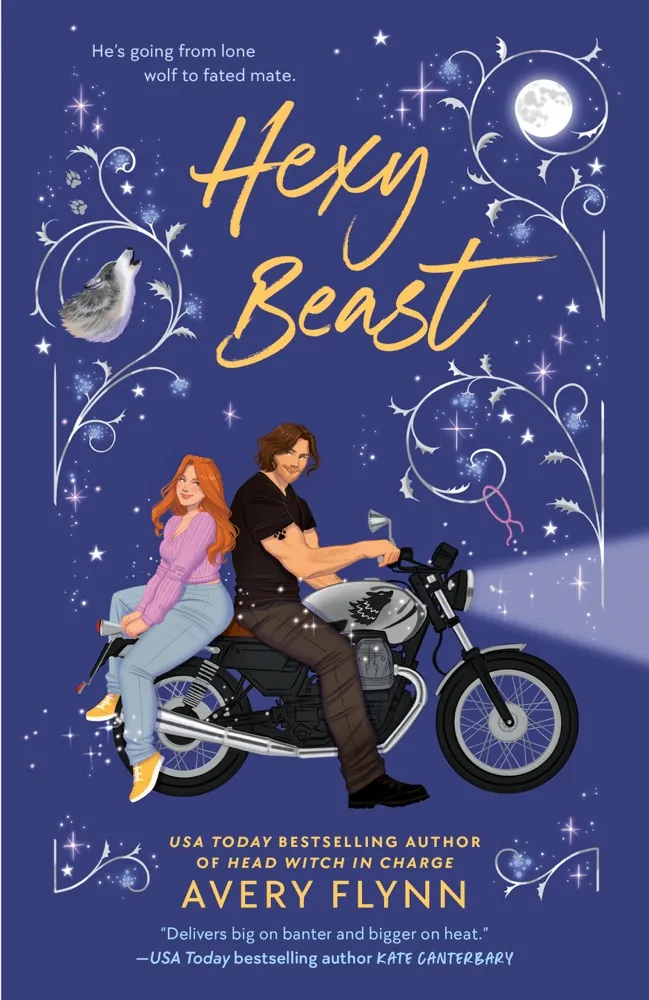
Author: Avery FlynnPage Count: UnknownPublication Date: Expected publication 2026-09-08 APL The synopsis for Hexy Beast reads like a love letter to the kind of rom-com that exists in the liminal space between The Love Hypothesis and The Hating Game—but with the added spice of werewolves and fated mates, which is either a brilliant marketing gambit or a desperate bid to ride the coattails of The Witcher’s supernatural romance wave. The problem? It’s so vague it could be describing a Twilight fanfic or a Bridgerton spin-off where the Duke of Hastings is secretly a lycanthrope. Where’s the Bridgerton’s wit? Where’s the Twilight’s angst? The synopsis leans so hard into the "grumpy x sunshine" dynamic that it risks collapsing into a tired, formulaic trope—unless Flynn has the chops to subvert it, which, given her USA Today bestseller status, she probably does. Effie Sherwood is the kind of protagonist who thrives in the chaos of impulsive decisions—her name alone suggests a woman who’s equal parts mischief and magic, a modern-day Rebecca if Rebecca had been raised by a coven of chaotic neutral witches. Darius Aetos, meanwhile, is the werewolf equivalent of a Mr. Darcy—buttoned-up, gruff, and clearly hiding something beneath that alpha pack leader exterior. The synopsis doesn’t specify whether this is a slow-burn or a fast-paced rom-com, but the mention of the "blue moon" and "starlit skies" suggests a Moonlight meets Twilight aesthetic, where the supernatural elements aren’t just backdrop but active participants in the romance. The question is: will this be the kind of book where the magic and the werewolf politics are just window dressing for the inevitable "will they/won’t they" arc, or will Flynn use them to create something more layered, like The Bear and the Nightingale’s blend of folklore and personal stakes? The synopsis also hints at a Bridgerton-style power dynamic—Effie’s family expects her to be "together," but she’s chaos, and Darius is the pack elder who’s convinced she’s his fated mate. This sets up a delicious tension: is this a forced proximity romance, or is there genuine chemistry beneath the pack politics? The synopsis doesn’t say, but the way it frames Darius as both "grumpy" and "hot" suggests Flynn is playing into the "enemies to lovers" trope with a supernatural twist. Yet, if she’s smart, she’ll avoid the pitfalls of The Vampire Diaries’ overused "fated mates" trope by making the romance feel earned, not inevitable. The real test will be whether Effie’s witchy unpredictability clashes with Darius’s werewolf structure—or if they find a way to coexist, like The Raven Cycle’s Blue Sargent and Adam Parrish, but with more motorcycle rides and less historical fiction. The biggest risk here is that the synopsis is so broad it could apply to any number of rom-coms. Where’s the Eleanor Oliphant Is Completely Fine’s emotional rawness? Where’s the Red, White & Royal Blue’s political intrigue? The synopsis doesn’t give us enough to say whether this will be a light, fluffy read or something with deeper thematic weight. But if Flynn pulls it off, Hexy Beast could be the kind of book that makes readers forget they’re reading a romance—because the supernatural elements feel lived-in, not just gimmicky. And if she doesn’t? Well, then it’ll just be another entry in the "spicy werewolf romance" genre, which is fine, but hardly groundbreaking. The baby monitor just illuminated with terrifying activity—someone’s about to start a Twilight fanfic and call it art. #WitchTok #WerewolfRomance #FatedMatesOrDieTrying Related InsightsInnkeeper Chronicles Book Review and Summary Gone with the Wind Book Review and Summary With Hearts of Flame: A Novel (Bloodwing Academy Book 4) Book Review and Summary{ "@context": "https://schema.org", "@type": "FAQPage", "mainEntity": [ { "@type": "Question", "name": "What is the main focus of Hexy Beast (The Sherwood Witches #3) Book Review and Summary?", "acceptedAnswer": { "@type": "Answer", "text": "Everything you need to know about Hexy Beast (The Sherwood Witches #3) with our detailed review." } }, { "@type": "Question", "name": "Who authored the comprehensive guide on Hexy Beast (The Sherwood Witches #3) Book Review and Summary?", "acceptedAnswer": { "@type": "Answer", "text": "This detailed article and its insights were carefully researched and authored by Beatriz Costa." } }, { "@type": "Question", "name": "Where can I find more related content about Books?", "acceptedAnswer": { "@type": "Answer", "text": "You can explore more articles, detailed reviews, and similar insights by browsing the Related Insights section at the bottom of this article or visiting our dedicated Books category page." } } ] }
-
 Elena Volkova
- 15 Aug, 2026 05:12
Something Followed Us Home: Tales of Latiné Horror Book Review and Summary
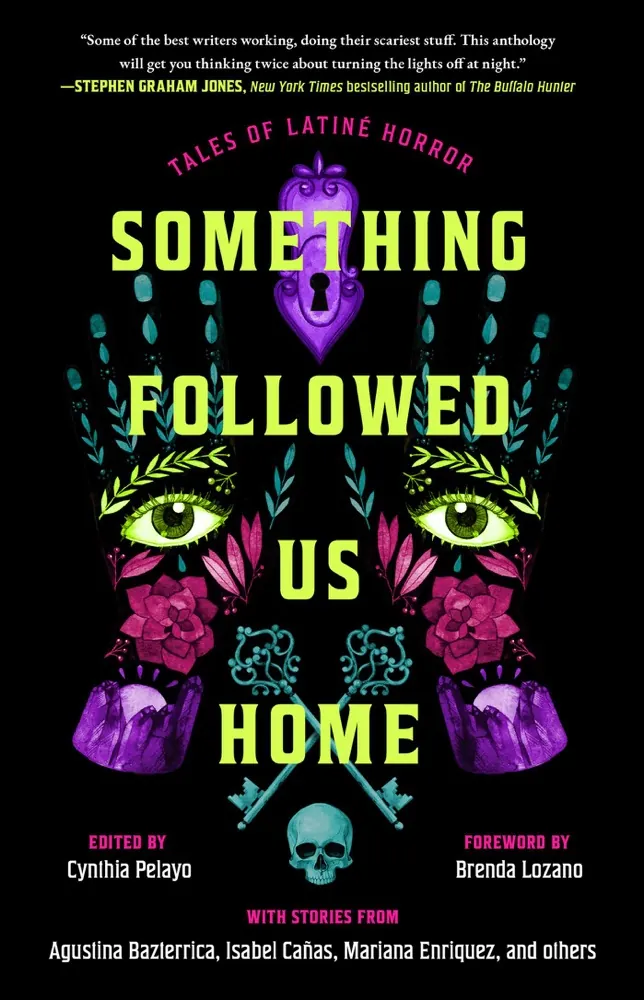
Author: Cynthia PelayoPage Count: UnknownPublication Date: Expected publication 2026-09-29 APL Another anthology cobbled together from a marketing meeting where executives decided trauma has good margins. Cynthia Pelayo has corralled a massive lineup—Bazterrica, Cañas, Mariana Enriquez, a veritable Avengers of dread—to produce Something Followed Us Home. The synopsis leans heavily on the tired trope of the displaced specter, the inherited rot clinging to the underside of luggage crossing borders. Yawn. We get it. Geopolitics is a meat grinder and history is a poltergeist. Tell me something I didn't learn while reading Mexican Gothic on my third-row flight to Zurich. Wait. Let me walk that back entirely. The lineup actually slaps. Pelayo is curating a butcher’s block of contemporary dark fiction, framing immigration and faith not as noble struggles, but as literal, toothy parasites. The premise promises that prayers crawl in and mirrors watch. Fine. I am deceased. Literally expiring from boredom at these genre conventions, yet simultaneously vibrating with morbid curiosity to see how Mónica Ojeda or Gerardo Sámano Córdova weaponize domestic claustrophobia against colonial ghosts. The Currency of Inherited Rot The thematic engine here relies on generational baggage as an active predator. Blood, devotion, and memory intertwine. But let’s be real about the marketing copy. It’s peak literary-horror vagueness. "The dead murmur behind locked doors." Groundbreaking. What else is new, a wet Tuesday in London? Yet, the sheer horsepower of this contributor list—Alex Segura, Daniel José Older, Zoraida Córdova—makes this a must-buy for my nightstand, if only to fill the crushing, yawning void where my capacity to experience joy used to be before the third yacht acquisition lost its flavor. Expectations are weirdly high, despite my innate cynicism toward themed collections that read like academic reading lists trying to scare middle-schoolers. If these authors lean into the visceral promise of the pitch—if they actually let the folklore bite instead of serving up polite metaphors for diaspora melancholia—it might just scratch the itch. Or it will be another overpriced paperweight for the library shelf. Either way, I need to go appraise some heirloom jewelry my aunt bequeathed to you—no, bequeathed to me, the diamond tiara with the blood curse, obviously. #LatinéHorror #BookTwitter #DarkFiction Related InsightsWild Aster Book Review and Summary The Murder Trial Book Review and Summary Sapiens: A Brief History of Humankind Book Review and Summary{ "@context": "https://schema.org", "@type": "FAQPage", "mainEntity": [ { "@type": "Question", "name": "What is the main focus of Something Followed Us Home: Tales of Latiné Horror Book Review and Summary?", "acceptedAnswer": { "@type": "Answer", "text": "Everything you need to know about Something Followed Us Home: Tales of Latiné Horror with our detailed review." } }, { "@type": "Question", "name": "Who authored the comprehensive guide on Something Followed Us Home: Tales of Latiné Horror Book Review and Summary?", "acceptedAnswer": { "@type": "Answer", "text": "This detailed article and its insights were carefully researched and authored by Elena Volkova." } }, { "@type": "Question", "name": "Where can I find more related content about Books?", "acceptedAnswer": { "@type": "Answer", "text": "You can explore more articles, detailed reviews, and similar insights by browsing the Related Insights section at the bottom of this article or visiting our dedicated Books category page." } } ] }

-
 Maximilian Fischer
- 15 Aug, 2026 04:57
It Looks Like You in the Dark (Kobuk Valley Series) Book Review and Summary
Author: Mathilda ZellerPage Count: UnknownPublication Date: Expected publication 2026-10-13 APL It's one of those nostalgic days that finds me reminiscing about forgotten summers and the eerie silence that descends over the rural landscape when the wind picks up. The kind that makes me yearn for a good scare, one that lingers long after the credits roll or the lights flicker back on. It Looks Like You in the Dark, the latest addition to the Kobuk Valley Series by Mathilda Zeller—I'm reminded of the works of Carmen Maria Machado and her unsettling ability to subvert genre conventions— promises to be a propulsive Indigenous horror debut. The synopsis reads like a carefully crafted folkloric warning, as if the author is passing down a cautionary tale to those willing to listen. It's a promise of terrors both ancient and new, and it's one that I've become increasingly accustomed to expecting from the current crop of horror writers. Tapeesa, the protagonist, lives in a remote Alaskan village, surrounded by white men and their extractive endeavors. She knows the legend of the kushtuka—a creature that assumes the form of a loved one, intent on luring its prey into the abyss. I'm taken back to the works of Thomas Pynchon and his intricate explorations of the American psyche, though Zeller's approach feels more intimate, more vulnerable. But what's truly striking about this setup is the notion that the lines between myth and reality are blissfully blurred. Tapeesa's sister Esther goes missing, and she must delve headfirst into the dark, where her perceptions are constantly warped by the looming presence of the supernatural. It's reminiscent of the way authors like Jeff VanderMeer and Ann Quin expertly weave the rational and the irrational into an unsettling tapestry. And yet, I find myself questioning the notion of "delve" headfirst into the darkness. Does Tapeesa, or the author for that matter, really know what they're getting themselves into? Or is this a metaphor for something more profound, a commentary on the hubris that drives us to uncover secrets better left unspoken? It's an interpretation that I'd be remiss to ignore, much like the way an archaeologist carefully excavates artifacts from the earth. But then there's the notion that Tapeesa's "bad blood" might be more than just a metaphor. Does this imply a deeper connection to the mythological creatures that inhabit this realm? Perhaps it's a symbol of the village's troubled legacy, a reminder of the violence that lingers just beneath the surface. Zeller has a keen sense of how to wield these motifs, often blurring the lines between the sacred and the profane. The Kobuk River Valley, where the white men come to dig up the rare earths, is a symbol of the destruction that awaits when we turn our backs on the land. It's a stark reminder of the fragile connection between humans and the environment. But does this make the author guilty of environmentalist sloganeering? Or is it merely a clever subtext for a tale that's ostensibly about monsters in the dark? I'd argue it's a little bit of both. The more I ponder the premise of It Looks Like You in the Dark, the more I find myself convinced that Mathilda Zeller is onto something special. She's crafted a narrative that feels both personal and universally relatable, one that acknowledges the terrors we're capable of unleashing upon ourselves and the world around us. It's an unsettling message, to be sure, but also one that I believe merits our attention. I'm left with more questions than answers, wondering if Tapeesa will ultimately find her sister or succumb to the void that's been waiting for her. But one thing's certain: I'll be keeping an ear out for any whispers from the Kobuk Valley, and Zeller's latest offering will undoubtedly be at the top of my priority list. Garbage truck's arriving. Trash isn't getting itself out. #Horror #BookLovers #NativeAmericanLiterature #IndigenousFiction Related InsightsThe Outsiders Book Review and Summary Holding on to Chaos Book Review and Summary Galleria Book Review and Summary{ "@context": "https://schema.org", "@type": "FAQPage", "mainEntity": [ { "@type": "Question", "name": "What is the main focus of It Looks Like You in the Dark (Kobuk Valley Series) Book Review and Summary?", "acceptedAnswer": { "@type": "Answer", "text": "Everything you need to know about It Looks Like You in the Dark (Kobuk Valley Series) with our detailed review." } }, { "@type": "Question", "name": "Who authored the comprehensive guide on It Looks Like You in the Dark (Kobuk Valley Series) Book Review and Summary?", "acceptedAnswer": { "@type": "Answer", "text": "This detailed article and its insights were carefully researched and authored by Maximilian Fischer." } }, { "@type": "Question", "name": "Where can I find more related content about Books?", "acceptedAnswer": { "@type": "Answer", "text": "You can explore more articles, detailed reviews, and similar insights by browsing the Related Insights section at the bottom of this article or visiting our dedicated Books category page." } } ] }


Author: Kit de WaalPage Count: UnknownPublication Date: Expected publication 2026-11-03 APL The synopsis of Sweet Pea arrives like a poorly pressed silk scarf—elegant in its own way, but already fraying at the edges before you’ve even touched it. There’s a certain coziness to the language, the kind that makes you suspect this will be one of those novels where the prose is so warm you’ll forget how much you hate the idea of being warmed. Paulette’s grandmother’s voice, that of a woman who “called her ‘Sweet Pea’” and “admonished her to avoid temptation and embrace love and forgiveness, in that order”—it’s all very Downton Abbey meets The Secret Life of Bees, isn’t it? The problem isn’t that the premise is uninteresting. The problem is that it’s too familiar, like a recipe for gingerbread that’s been passed down through generations of women who’ve never once questioned whether the flour was actually sifted. And yet—here’s where the pivot happens—there’s something dangerously specific about the way the synopsis frames Paulette’s grief. The baby arrives from Denton’s friend, a relationship that “can’t last.” That’s not just a plot device; that’s a liminal space, the kind of emotional detour that could either elevate the novel or sink it into the quicksand of women’s fiction clichés. The synopsis doesn’t tell us whether this is a secret, a mistake, or something else entirely—just that it’s a rupture, a crack in the carefully constructed illusion of domestic bliss. That’s where the tension should lie, if the author has the nerve to explore it. But the synopsis doesn’t linger. It skips past the messiness, past the why, and lands on the next convenience: another boy, the same age as Bird, who “appears.” Appears. Like a ghost. Like a plot convenience. It’s the kind of narrative shortcut that makes you wonder if de Waal is more interested in mimicking the rhythm of life—stop, start, stop, start—than in actually understanding it. The thematic language here is deliberately vague, which is either a sign of genius or a sign that the author hasn’t yet decided what she wants to say. “A luminous and lyrical novel of the trials of life and the compassion that can follow”—oh, for heaven’s sake, is this going to be the next The Vanishing Half but with more tea? The synopsis doesn’t name the trials. It doesn’t specify the compassion. It just assumes we’ll be moved by the idea of it. And that’s the real problem: the synopsis doesn’t demand anything of the reader. It doesn’t challenge. It doesn’t even ask. It just hints, like a woman at a party who’s been drinking too much and keeps saying, “You’ll understand when you read it.” But let’s be honest—this is exactly the kind of book that will be praised for its “emotional complexity” by critics who’ve never actually felt anything beyond a well-turned phrase. Compare it to The Idiot by Elif Batuman, where the emotional landscape is so carefully mapped you can almost see the cracks in the pavement. Or The Memory Police by Yoko Ogawa, where the themes of loss and memory are so visceral you don’t just read them—you live them. Sweet Pea feels like it’s trying to be both, but it’s not quite either. It’s the literary equivalent of a well-meaning but slightly off-key lullaby—you’ll hum it for a while, but you won’t actually remember the words. And then there’s the matter of the title itself. Sweet Pea. It’s a name, a nickname, a metaphor—it’s everything and nothing. It’s the kind of title that makes you wonder if the author is trying to be poetic or just lazy. Because let’s face it, if you’re going to title a book after a nickname, you’d better make sure that nickname means something. Otherwise, it’s just a placeholder, like the “to be filled later” note in a contract. I can already see the reviews: “A deeply moving exploration of motherhood and resilience.” “A masterclass in emotional storytelling.” But what I see is a book that’s been promised more than it’s been earned. And that’s the real tragedy—because if de Waal had the courage to be uncomfortable, if she had the audacity to let Paulette’s grief stay messy, if she had the guts to refuse the easy resolution, then maybe, just maybe, this could have been something. But no. Instead, we get the safe bet, the book that’s supposed to make us feel things but never quite lets us. I’m writing this on three hours of sleep and a single espresso that’s already gone cold in my cup. The world is a mess, the book is a mess, and I’m about to go back to bed and pretend I didn’t just read this synopsis. #BookTok #LiterarySnobbery #WhyDoWeEvenTry Related InsightsThe Cursed Carnival and Other Calamities Book Review and Summary Possession Book Review and Summary Old Babes in the Wood Book Review and Summary{ "@context": "https://schema.org", "@type": "FAQPage", "mainEntity": [ { "@type": "Question", "name": "What is the main focus of Sweet Pea Book Review and Summary?", "acceptedAnswer": { "@type": "Answer", "text": "Everything you need to know about Sweet Pea with our detailed review." } }, { "@type": "Question", "name": "Who authored the comprehensive guide on Sweet Pea Book Review and Summary?", "acceptedAnswer": { "@type": "Answer", "text": "This detailed article and its insights were carefully researched and authored by Olivia Harris." } }, { "@type": "Question", "name": "Where can I find more related content about Books?", "acceptedAnswer": { "@type": "Answer", "text": "You can explore more articles, detailed reviews, and similar insights by browsing the Related Insights section at the bottom of this article or visiting our dedicated Books category page." } } ] }


Author: Tanya GrantPage Count: UnknownPublication Date: Expected publication 2026-09-08 APL August humidity is suffocating the leather on my desk chair, rendering every breath an exercise in pure irritation. Yet my misery is nothing compared to the literary disaster cooked up by Tanya Grant for her upcoming A Beautiful Lie. We are expected to swallow a psychological thriller predicated entirely on an organizer who thinks her clients are liars. Groundbreaking. Truly, give the woman a Pulitzer right now. The Architecture of Clutter Look at the premise. Emily organizes homes. Emily decides a wealthy client named Cap is her soulmate because they both hoard emotional baggage. This isn't suspense. This is the literary equivalent of the Fyre Festival. Grant relies on the tired, recycled trope of the unhinged service provider infiltrating the bourgeois sanctuary—a cheap trick we have seen exploited ad nauseam since The Hand That Rocks the Cradle. A Pathology of Boredom The prose attempts a breezy, confessional menace. But the voice feels like a cheap knockoff of The Talented Mr. Ripley written by an intern who only consumes airport paperbacks. Grant tries to anchor the narrative in the philosophy of purging physical objects to reveal psychological truths. But what truths are we actually getting? The synopsis reads like a first-draft query letter that bypassed the sensitivity readers and hit the acquisitions desk during a three-martini lunch. The pacing will inevitably drag in the middle third because there is zero actual conflict here—just a glorified houseguest who refuses to pack her bags. The Velvet Trap The obsession with Cap's neon signs and velvet hair bows is frankly embarrassing. Are we supposed to tremble with anticipation over someone whose entire personality is built on Pinterest aesthetics? This book lacks the structural discipline of Gillian Flynn or the sharp socio-economic bite of Otessa Moshfegh. Instead, it leans heavily into the kind of suburban melodrama that feels as dated as a 2014 lifestyle blog. The whole endeavor smells desperately of algorithm-chasing. Give me a break. I am struggling to find a decent dry cleaner in Manhattan. Related InsightsHouse of Sand and Fog Book Review and Summary Chocolat Book Review and Summary Mate Book Review and Summary{ "@context": "https://schema.org", "@type": "FAQPage", "mainEntity": [ { "@type": "Question", "name": "What is the main focus of A Beautiful Lie Book Review and Summary?", "acceptedAnswer": { "@type": "Answer", "text": "Everything you need to know about A Beautiful Lie with our detailed review." } }, { "@type": "Question", "name": "Who authored the comprehensive guide on A Beautiful Lie Book Review and Summary?", "acceptedAnswer": { "@type": "Answer", "text": "This detailed article and its insights were carefully researched and authored by Chloé Laurent." } }, { "@type": "Question", "name": "Where can I find more related content about Books?", "acceptedAnswer": { "@type": "Answer", "text": "You can explore more articles, detailed reviews, and similar insights by browsing the Related Insights section at the bottom of this article or visiting our dedicated Books category page." } } ] }


Author: S.B. WestPage Count: UnknownPublication Date: Expected publication 2026-09-08 APL The synopsis of Morfran, Dark Lord Reformed reads like a drunken toaster’s attempt at existentialism—equal parts slapstick and existential dread, with the emotional depth of a man who just realized his life choices are a meme. It’s the kind of premise that makes you wonder if the author was either too high on their own genius or too drunk on the idea that "antihero" is now the default setting for all male protagonists. And yet—and yet—there’s something here that might just work, if only because the concept is so gloriously, deliciously unhinged. The idea of a Dark Lord who wants nothing more than to be a goat farmer is the kind of narrative conceit that belongs in a fever dream after reading too much Game of Thrones and not enough Monty Python. It’s the kind of twist that makes you think, Oh, this is going to be a satire—and then you remember that satire requires wit, and this synopsis is more likely to be the plot summary of a man who got lost in a black hole of his own cynicism. The rebellion against the Dark Lord who is the Dark Lord? That’s the kind of meta-joke that would make Douglas Adams nod approvingly, if Douglas Adams hadn’t already died and left us with nothing but his ghostly laughter echoing through the void. The character of Morfran himself is a masterclass in self-loathing, which is to say, he’s a man who has spent so long in the shadows of his own villainy that he doesn’t even recognize the irony of being a villain. His internal monologue—I’m no hero—is the kind of line that would make Walter White proud, if Walter White hadn’t already proven that the path to redemption is a one-way ticket to self-destruction. And then there’s the assassin who’s been after him for a decade, which is the kind of romantic subplot that would make Tristan and Isolde look like a Hallmark movie. The tension here is less about love and more about will they or won’t they realize he’s the bad guy they’ve been waiting to kill? It’s the kind of question that makes you want to scream, Just tell them already, you sadist! The synopsis also does a fine job of highlighting the book’s greatest flaw: its own vagueness. We’re told Morfran is reluctantly saving the village, that he’s planning to desert them, but we’re not told why he’s doing any of this. Is he genuinely conflicted, or is he just a coward who’s too lazy to admit he’s enjoying the chaos? The lack of clarity here is the kind of narrative laziness that would make George R.R. Martin roll his eyes, if George R.R. Martin hadn’t already made it clear that he’s more interested in dragging out his stories than in actually telling them. The result is a premise that feels like it’s been cobbled together from the scraps of a dozen different genres—dark fantasy, political satire, romantic comedy—without any real sense of what it’s trying to be. And yet—and yet—there’s a certain charm to it all. The idea of a Dark Lord who wants to be a goat farmer is the kind of absurdity that could work if the execution were as sharp as the premise. It’s the kind of story that would make Neil Gaiman smile, if Neil Gaiman hadn’t already proven that he can turn anything into gold. The problem is, this synopsis doesn’t give us enough to go on. We don’t know if this is going to be a Lord of the Rings parody, a Game of Thrones pastiche, or just another entry in the endless cycle of "antihero who’s secretly a hero" tropes that has plagued fantasy for the last decade. The only thing we can be certain of is that Morfran, Dark Lord Reformed is going to be a triumph of endurance over enjoyment—a book that will make you wonder if you’re better off reading something that doesn’t demand so much of your patience. And if the rest of the book is half as poorly thought-out as this synopsis, then I can only imagine the kind of literary agony it’s going to inflict upon its readers. Now, if you’ll excuse me, I have to find a dry cleaner in Manhattan who doesn’t treat me like I’m made of glass. #BookTok #FantasyFail #WhyIsThisSoBad Related InsightsBlue Hour Book Review and Summary The First Flame (The Aerimander Chronicles #2) Book Review and Summary Out of Body: Stories Book Review and Summary{ "@context": "https://schema.org", "@type": "FAQPage", "mainEntity": [ { "@type": "Question", "name": "What is the main focus of Morfran, Dark Lord Reformed Book Review and Summary?", "acceptedAnswer": { "@type": "Answer", "text": "Everything you need to know about Morfran, Dark Lord Reformed with our detailed review." } }, { "@type": "Question", "name": "Who authored the comprehensive guide on Morfran, Dark Lord Reformed Book Review and Summary?", "acceptedAnswer": { "@type": "Answer", "text": "This detailed article and its insights were carefully researched and authored by Lucia Garcia." } }, { "@type": "Question", "name": "Where can I find more related content about Books?", "acceptedAnswer": { "@type": "Answer", "text": "You can explore more articles, detailed reviews, and similar insights by browsing the Related Insights section at the bottom of this article or visiting our dedicated Books category page." } } ] }


Author: Rebecca WaitPage Count: UnknownPublication Date: Expected publication 2026-09-01 APL Flour is currently coating every single horizontal surface in my kitchen because my eight-year-old decided that kneading bread dough requires the kinetic energy of a small tectonic event. Why anyone thought it was a brilliant idea to bake a sourdough starter from scratch while simultaneously analyzing a domestic comedy about generational trauma is a question for the gods. Yet here we are. The Inheritance of Quiet Suffering I'm Sorry You Feel That Way arrives with a heavy burden on its shoulders. Publishers love dropping the Sorrow and Bliss comparison like a golden ticket, but honestly, does every messy family drama involving sharp-tongued women now have to wear that exact same t-shirt? I am exhausted by the marketing department's obsession with pegging every new release to Meg Mason or Sally Rooney as if readers cannot comprehend a book on its own terms. Give the author some credit. Rebecca Wait is working with familiar ingredients—estranged sisters, funerals as narrative bookends, mothers who leave psychological shrapnel behind them—yet the synopsis hints at a particular brand of British mordant wit that might just save it from the standard trauma-porn pile. Sibling Dynamics and Flour-Dust Dystopias And speaking of trauma, why is every fictional set of siblings split neatly down the middle into saint and sinner archetypes? It is so tiresomely binary. Alice and Hanna, the twins, supposedly mirror their mother Celia and their aunt Katy. This cyclical doom feels terribly neat, almost too tidy for actual human dysfunction. Real families do not operate like clockwork tragedies; they are messy, repetitive, boringly cruel, and rarely care about symmetrical symmetry. Give me a sibling rivalry born out of who got the bigger bedroom or a petty disagreement over a childhood pet over these grand, predestined generational curses any day of the week. Still, the promise of a brother who is eternally disapproving offers a glimmer of hope. We all know that brother. He is currently standing by the oven judging my baking technique and sighing loudly at the mess on the floor. The synopsis leans heavily on denial and despair as the comic nexus of the human condition. I can respect that. If you cannot laugh at the absolute absurdity of burying relatives while harboring decades of unspoken resentment, what is the point of reading domestic fiction at all? Wait clearly understands that families curdle like unpasteurized milk left out in the August sun. Whether the prose can sustain that wryly beating heart without descending into a trite parade of mental health tropes remains to be seen. I am crossing my flour-dusted fingers. My teenage son just hollered from the driveway that his parallel parking practice session is scheduled for precisely two minutes ago, and my nerves are already shot. Related InsightsGame of Gravestones Book Review and Summary The Amber Spyglass Book Review and Summary Every Story Is a Love Story Book Review and Summary{ "@context": "https://schema.org", "@type": "FAQPage", "mainEntity": [ { "@type": "Question", "name": "What is the main focus of I'm Sorry You Feel That Way: A Novel Book Review and Summary?", "acceptedAnswer": { "@type": "Answer", "text": "Everything you need to know about I'm Sorry You Feel That Way: A Novel with our detailed review." } }, { "@type": "Question", "name": "Who authored the comprehensive guide on I'm Sorry You Feel That Way: A Novel Book Review and Summary?", "acceptedAnswer": { "@type": "Answer", "text": "This detailed article and its insights were carefully researched and authored by Sarah Davis." } }, { "@type": "Question", "name": "Where can I find more related content about Books?", "acceptedAnswer": { "@type": "Answer", "text": "You can explore more articles, detailed reviews, and similar insights by browsing the Related Insights section at the bottom of this article or visiting our dedicated Books category page." } } ] }
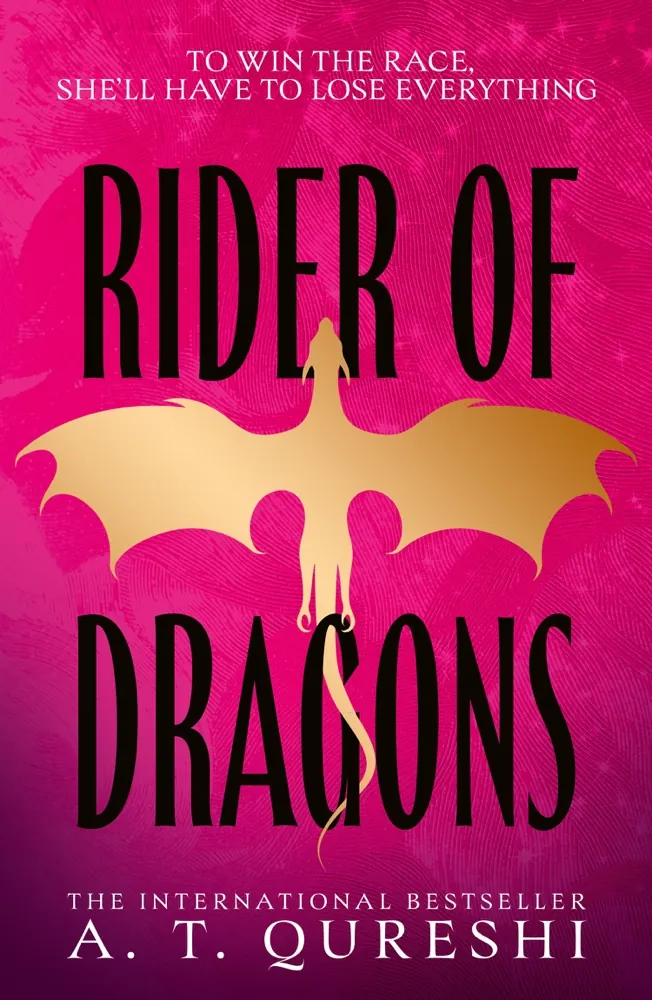

Author: Aamna QureshiPage Count: UnknownPublication Date: Expected publication 2026-08-27 APL The quarterly reports from Geneva are entirely flooded with red ink, yet the literary market insists on recycling the exact same tired dynamics that tanked the maritime trade routes of eighteen-forty. Aamna Qureshi returns with Rider of Dragons, the opening salvo of a duology that promises very little innovation and an abundance of high-altitude acrobatics. We are expected to swallow the trope of the rebellious heiress defying her patrician lineage—how utterly original, reminiscent of the Titanic band playing onward while the ice scraped the hull. Genevieve needs a mentor. Naturally, that mentor is a brooding pariah accused of poaching. Because nothing says high-society courtship quite like financial extortion and an alleged criminal record. The synopsis breathlessly warns us of sabotage, violence, and a "ruinous question." A masterpiece? Maybe. Or perhaps it is just another exercise in predictable romantasy beats designed to appease TikTok algorithms between luxury brand collection drops. The Economics of Cynicism The structural mechanics here rely entirely on transactional desperation. She has no money; he has the illicit skills. They forge an alliance that trades raw prize coin for survival. It smells faintly of desperation and heavy-handed editorial mandates. Wait, let me retract that sweeping condemnation. Qureshi actually subverts the typical starry-eyed debut template by leaning hard into calculated cruelty—or so the marketing copy screams at us from every digital storefront. The political architecture of these dragon racing circuits remains frustratingly obscured. The synopsis leans heavily on vibes rather than actual world-building logistics. Are these beasts state-regulated or black-market commodities? We do not know. We only know that the male lead is devastatingly handsome and carries the distinct scent of a narrative shortcut. Think Fourth Wing meets the Panama Papers fallout—minus the journalistic rigor. The Spice Trap And then, of course, there is the mandated inclusion of spice. Because modern fiction cannot simply explore institutional power imbalances or familial rebellion without requiring two central characters to stare longingly at each other across a makeshift campfire while a mythical beast snores in the background. The tension is supposedly delicious. Yet I find myself choking on the sheer predictability of the romantic trajectory. One day we applaud intricate geopolitical frameworks in speculative fiction; the next, we devour manuscripts where the highest stakes involve splitting winnings with a man whose primary character trait is possessing a dark past and a sharp jawline. The publishing apparatus pushes this forward with relentless consumer momentum. Readers are devouring it in one sitting. Good for them. Personally, watching the global economy slowly implode outside my window offers superior pacing and far more authentic emotional devastation than a forced alliance over a scaled reptile. The second-floor pipe is making that hideous rattling sound again, and if I do not go downstairs right this instant with a wrench, the entire bathroom suite is going to back up into the Persian rug. Related InsightsBonded in Death Book Review and Summary Women Who Wrote Book Review and Summary The Penguin book of Japanese short stories Book Review and Summary{ "@context": "https://schema.org", "@type": "FAQPage", "mainEntity": [ { "@type": "Question", "name": "What is the main focus of Rider of Dragons (Dragon Racer #1) Book Review and Summary?", "acceptedAnswer": { "@type": "Answer", "text": "Everything you need to know about Rider of Dragons (Dragon Racer #1) with our detailed review." } }, { "@type": "Question", "name": "Who authored the comprehensive guide on Rider of Dragons (Dragon Racer #1) Book Review and Summary?", "acceptedAnswer": { "@type": "Answer", "text": "This detailed article and its insights were carefully researched and authored by Klaus Weber." } }, { "@type": "Question", "name": "Where can I find more related content about Books?", "acceptedAnswer": { "@type": "Answer", "text": "You can explore more articles, detailed reviews, and similar insights by browsing the Related Insights section at the bottom of this article or visiting our dedicated Books category page." } } ] }

Author: Sophie GonzalesPage Count: UnknownPublication Date: Expected publication 2026-11-17 APL The synopsis of This Wild Wanting is a glittering, jagged thing—like a dagger wrapped in silk, promising both ecstasy and ruin. It’s the kind of premise that makes you pause, fingers hovering over the "Add to Cart" button, because it’s so close to the kind of story that could either dazzle or disappoint. The faerie market trope isn’t new—it’s been mined by authors like Neil Gaiman in The Ocean at the End of the Lane and Caitlin Starling in The Hollows, but the way Gonzales frames it here feels like a deliberate twist on the usual bargain-with-the-devil narrative. The idea of a potion that doesn’t just steal but unravels—Declan’s mind and body "piece by piece"—isn’t just a gimmick; it’s a metaphor for something far more insidious than mere loss. It’s the slow erosion of self, the kind of decay that happens when you love someone so fiercely you’re willing to watch them dissolve. But here’s the problem: the synopsis doesn’t show us the weight of that bargain. It tells us Declan is a noble’s son who can afford any price—yet what does that mean beyond surface-level privilege? Is he a reckless heir, or is his desperation the result of something deeper, something the synopsis refuses to name? The same goes for Calla, the merchant’s daughter. She’s framed as the rescuer, the one who sees Declan as a person instead of a transaction—but is she a victim of her father’s cruelty, or is there a layer of complicity there? The synopsis hints at a forbidden alliance, but alliances are rarely pure. Truth be told, the most interesting dynamics in books like this—The Cruel Prince by Holly Black, The Invisible Life of Addie LaRue by V.E. Schwab—come from the cracks between characters, not the grand gestures. And then there’s the faerie market itself, which feels like it could be either a lush, immersive world or a hollow set piece. The synopsis lists its wares—skills, memories, years—like a menu, which is fine, but where’s the strangeness? Where’s the moment when the reader realizes this isn’t just a marketplace, but a living, breathing entity with its own rules? The best faerie markets—like the one in The Bear and the Nightingale by Katherine Arden—aren’t just places to buy things; they’re places where the boundaries of reality bend. Here, it feels more like a pawn shop with a side of existential dread. But—here’s where I pivot—maybe that’s the point. Maybe Gonzales is going for a different kind of tension, one that’s more psychological than atmospheric. The idea of a stolen potion that always pays the price, no matter who drinks it, is a brilliant twist on the usual "you get what you bargain for" trope. It’s the kind of rule that could make the story feel inevitable, even tragic, because the system is rigged from the start. And if Calla’s entire life has been spent fearing her father, then her alliance with Declan isn’t just about rescue—it’s about defiance. That’s where the real stakes lie, if the synopsis is to be believed. Yet— Literally. The vagueness here is maddening. We’re told there’s a "terrible price," but what is it? Is it literal? Metaphorical? Both? The synopsis doesn’t say. We’re told Calla has spent a lifetime fearing her father, but what does that fear look like? Is it the fear of a child, or the fear of someone who’s already been broken? The answers aren’t here, and that’s the problem. A synopsis should tease, not just list. It should make you feel the weight of the story, not just describe it. I keep thinking about how this could work—how it should work—because the bones of it are good. The tension between Declan’s privilege and Calla’s captivity, the slow unraveling of his mind, the faerie market as a place where nothing is safe. But the synopsis doesn’t give us enough to hang our hopes on. It’s like being handed a single, beautiful feather and told it’s a whole bird. And now I have to go patch a hole in the drywall from last night’s indoor football incident. The paint’s already peeling, and I’m pretty sure I just realized I don’t have the right kind of filler. #BookTok #FantasyBooks #DarkMagic #ComingSoon #FaerieMarket Related InsightsThe Tell-Tale Heart and Other Writings Book Review and Summary The Clan of the Cave Bear Book Review and Summary Terraformed Book Review and Summary{ "@context": "https://schema.org", "@type": "FAQPage", "mainEntity": [ { "@type": "Question", "name": "What is the main focus of This Wild Wanting Book Review and Summary?", "acceptedAnswer": { "@type": "Answer", "text": "Everything you need to know about This Wild Wanting with our detailed review." } }, { "@type": "Question", "name": "Who authored the comprehensive guide on This Wild Wanting Book Review and Summary?", "acceptedAnswer": { "@type": "Answer", "text": "This detailed article and its insights were carefully researched and authored by Maximilian Fischer." } }, { "@type": "Question", "name": "Where can I find more related content about Books?", "acceptedAnswer": { "@type": "Answer", "text": "You can explore more articles, detailed reviews, and similar insights by browsing the Related Insights section at the bottom of this article or visiting our dedicated Books category page." } } ] }


Author: Rebecca BirrellPage Count: UnknownPublication Date: Expected publication 2026-10-27 APL Power structures love a good uniform until the people wearing it decide to pick up a paintbrush instead of a measuring tape. Rebecca Birrell’s Venus, Vanishing drops us straight into the chaotic, neon-drenched underbelly of late-twenties Berlin—a place where the ruling class thought they could commodify rebellion right up until the floorboards collapsed. We are looking at a narrative engine built on the friction between high society patronage and underground survival. And honestly, it is exhausting watching contemporary publishers shove every historical fiction manuscript into the exact same marketing box. Comparisons to Portrait of a Lady on Fire and The Safekeep are thrown around like confetti at a mayoral parade, as if every single novel featuring queer desire and historical surveillance needs the exact same lineage to justify its existence on a nightstand. Why can't a book just stand in the gutter on its own without needing a slick cinematic pedigree attached to its collar? Speaking of structural collapse, I spent three solid hours yesterday trying to explain to a municipal zoning board why converting our community garden into yet another luxury parking lot for high-tech autonomous delivery vans is a literal dystopian nightmare, only to have the head commissioner check his crypto portfolio halfway through my speech. It makes you want to tear your hair out and scream into a void of concrete and Wi-Fi signals. But back to Berlin, where the stakes actually involve fascism knocking on the door rather than just aesthetic zoning laws. Art theft as a weapon of the marginalized always plays well in a market obsessed with institutional subversion. Betrayal. Related InsightsPoppy War Collector's Edition Book Review and Summary The Lincoln Highway Book Review and Summary Sweet Obsession Book Review and Summary{ "@context": "https://schema.org", "@type": "FAQPage", "mainEntity": [ { "@type": "Question", "name": "What is the main focus of Venus, Vanishing: A Novel Book Review and Summary?", "acceptedAnswer": { "@type": "Answer", "text": "Everything you need to know about Venus, Vanishing: A Novel with our detailed review." } }, { "@type": "Question", "name": "Who authored the comprehensive guide on Venus, Vanishing: A Novel Book Review and Summary?", "acceptedAnswer": { "@type": "Answer", "text": "This detailed article and its insights were carefully researched and authored by Hannah Schmidt." } }, { "@type": "Question", "name": "Where can I find more related content about Books?", "acceptedAnswer": { "@type": "Answer", "text": "You can explore more articles, detailed reviews, and similar insights by browsing the Related Insights section at the bottom of this article or visiting our dedicated Books category page." } } ] }

-
 Beatriz Costa
- 14 Aug, 2026 20:06
Live Laugh Love: The Secret History of White Christian Women and the World They Made Book Review and Summary
Author: Kristin Kobes Du MezPage Count: UnknownPublication Date: Expected publication 2026-09-15 APL The hum of the industrial cooling unit outside keeps vibrating right through the drywall while the fluorescent tube overhead flickers like a dying heartbeat at three in the morning. Let us talk about Kristin Kobes Du Mez and Live Laugh Love. Because God forbid I am allowed to finish my graveyard shift restocking the supply racks without dissecting the architectural genius of white evangelical womanhood and the gospel of shiplap. Wait. Let me rephrase that entirely. Actually, I am dreading writing this, and if my word count requirements weren't hanging over my head like a guillotine forged from cheap steel, I would rather audit the company's damaged freight logs for the third time tonight. Du Mez is following up on Jesus and John Wayne, which completely rewired how people look at rugged nationalist masculinity. Now she pivots to the glittering, Instagram-ready world of Christian lifestyle branding. Hallmark movies. Tupperware. Multilevel marketing schemes. Target runs. It sounds exhausting. Yet the synopsis maps a surprisingly deep genealogy stretching back to late nineteenth-century New Thought movements. Think positive thinking meeting domestic vulnerability. The Cult of the Pastel Aesthetic We are looking at how theological exclusion drove women to construct their own parallel empire of faith. A culture rich in cultural influence and dangerously thin on formal doctrine. Target aisles transformed into altars. Hobby Lobby as a sanctuary. On second thought, calling it "dangerously thin" gives too much credit to institutional theology; maybe the lack of doctrine is precisely the point, serving as a flexible canvas for whatever lifestyle product happens to be trending on social media this week. Look at the cultural footprints. Similar to how Thomas Frank diagnosed consumer co-optation in The Conquest of Cool, Du Mez seems poised to argue that capitalism didn't corrupt the faith—it built the sanctuary. Or wait, let me walk that back. Capitalism didn't just build the sanctuary; it weaponized the pastel-hued domesticity of the suburban living room into a political voting bloc. The Reactionary Domestic Frontier The synopsis promises a sweeping cultural history that connects prairie fiction and Mary Kay makeup directly to our current reactionary political moment. That is a heavy lift for any historian. I just hope the pacing holds up through the transition from nineteenth-century mind-cure philosophies to modern influencer culture without drowning in sociological jargon. Anyway, the relentless traffic on the interstate outside my poorly insulated window is making it impossible to type. Related InsightsB2 And now you're speaking Book Review and Summary The Killing of a Chestnut Tree (Havelock Harper Mysteries #1) Book Review and Summary Watch Me Book Review and Summary{ "@context": "https://schema.org", "@type": "FAQPage", "mainEntity": [ { "@type": "Question", "name": "What is the main focus of Live Laugh Love: The Secret History of White Christian Women and the World They Made Book Review and Summary?", "acceptedAnswer": { "@type": "Answer", "text": "Everything you need to know about Live Laugh Love: The Secret History of White Christian Women and the World They Made with our detailed review." } }, { "@type": "Question", "name": "Who authored the comprehensive guide on Live Laugh Love: The Secret History of White Christian Women and the World They Made Book Review and Summary?", "acceptedAnswer": { "@type": "Answer", "text": "This detailed article and its insights were carefully researched and authored by Beatriz Costa." } }, { "@type": "Question", "name": "Where can I find more related content about Books?", "acceptedAnswer": { "@type": "Answer", "text": "You can explore more articles, detailed reviews, and similar insights by browsing the Related Insights section at the bottom of this article or visiting our dedicated Books category page." } } ] }


Where the Earth Wears a Crown of Stone: Cappadocia’s Timeless Magic The first light of dawn spills over the horizon like liquid gold, igniting the surreal spires of Cappadocia in a blaze of amber and rose. Below, hundreds of hot air balloons drift silently across the sky, their vibrant colors mirroring the earth’s own palette of ochre, rust, and ivory. This is not a dream—it is Cappadocia, a geological wonderland sculpted by volcanic eruptions and carved by wind and water over millions of years. Here, history whispers from every cave, luxury nestles into ancient stone, and adventure takes flight against a canvas of endless sky. Welcome to a land where time stands still, where the past is not just remembered—it is lived. Cappadocia is more than a destination; it is an experience that awakens the soul. Whether you're drifting above its fairy chimneys at sunrise or curling up in a cave hotel carved into the soft tuff centuries ago, this region offers a journey unlike any other. Let’s explore the mystical landscapes of Cappadocia, where every moment is a story waiting to be told.The Dawn Sky: A Symphony of Balloons and Fairy Chimneys The moment the first rays of sunlight touch the soft, honey-colored cliffs of Cappadocia, the sky transforms into a living canvas. Hundreds of hot air balloons, each glowing like a lantern against the pale morning sky, begin to lift off from the valleys below. This is not just a spectacle—it is a tradition, a ritual that has defined Cappadocia’s identity for decades. The region is widely regarded as one of the best places in the world for hot air ballooning, attracting over 100,000 enthusiasts annually who come to witness and partake in this breathtaking experience. Cappadocia’s unique geography makes it the perfect stage for ballooning. The region’s distinctive fairy chimneys—tall, conical rock formations created by the erosion of volcanic ash and tuff—create a surreal landscape that seems plucked from another world. These formations, some reaching up to 40 meters in height, are scattered across valleys like ancient sentinels. The most famous of these valleys include Göreme Open-Air Museum, Love Valley, and Rose Valley, each offering a different perspective on the region’s geological artistry. The ballooning season in Cappadocia runs from early spring to late autumn, with the optimal months being April through October. During these months, the weather is mild, with average temperatures ranging from 15°C to 25°C (59°F to 77°F). Wind speeds are generally low, averaging between 5 to 15 km/h, which is ideal for ballooning. The early morning flights are particularly favored due to the calm winds and the stunning visual contrast of the balloons against the soft pastel hues of the rising sun. Each balloon flight lasts approximately one hour, though the entire experience—from pre-flight preparations to landing—can take up to three hours. The balloons typically reach altitudes of 1,000 to 1,500 meters (3,280 to 4,920 feet), providing passengers with panoramic views of the valleys, vineyards, and ancient cave dwellings below. The most reputable balloon companies in Cappadocia, such as Kapadokya Balloons, Royal Balloon, and Voyager Balloons, adhere to strict safety standards and employ experienced pilots who are certified by the Turkish Directorate General of Civil Aviation. For those seeking a more exclusive experience, private balloon flights can be arranged, often including champagne toasts upon landing. The cost of a standard balloon ride ranges from €150 to €250 per person, depending on the season and the company. While the price may seem steep, the experience is truly once-in-a-lifetime, with many travelers citing it as the highlight of their trip to Turkey.Stone Dreams: The Allure of Cave Hotels in the Heart of History After a morning spent soaring above Cappadocia’s surreal landscapes, there is no better way to unwind than by retreating to a cave hotel. These ancient dwellings, carved into the soft volcanic rock by early Christians and Hittites, offer a unique blend of history, comfort, and luxury. Staying in a cave hotel is not just about sleeping in a room—it’s about immersing yourself in a living museum, where every stone tells a story. Cappadocia’s cave hotels are concentrated primarily in the towns of Göreme, Uçhisar, and Ürgüp. These towns are built into the rock formations themselves, creating a seamless blend of natural and man-made beauty. The hotels range from budget-friendly guesthouses to five-star luxury retreats, with prices varying accordingly. A night in a standard cave room typically costs between €50 and €150, while luxury suites can exceed €300 per night. One of the most iconic cave hotels in Cappadocia is the Museum Hotel, located in Ürgüp. This five-star property is a masterpiece of design, blending traditional cave architecture with modern luxury. Each room is uniquely decorated, featuring hand-carved furnishings, antique textiles, and private terraces that offer sweeping views of the surrounding valleys. The hotel also boasts a stunning infinity pool carved into the rock, where guests can relax while gazing out over the lunar-like landscape. For a more intimate experience, the Kelebek Special Cave Hotel in Göreme offers a cozy, family-run atmosphere. The hotel’s rooms are carved directly into the rock, with some featuring private cave terraces where guests can enjoy breakfast while watching the balloons drift overhead at dawn. The hotel’s restaurant serves traditional Turkish dishes, including homemade bread baked in a stone oven and slow-cooked lamb stews that melt in the mouth. Another standout is the Argos in Cappadocia, a boutique hotel in Göreme that has been carved into a former underground city. The hotel’s rooms are designed to mimic the caves used by early Christians as hiding places during times of persecution. The attention to detail is extraordinary, with hand-painted murals, antique rugs, and modern amenities seamlessly integrated into the ancient stone walls. Staying in a cave hotel is not just about the accommodation—it’s about the experience. Many hotels offer guided tours of the region’s underground cities, such as Derinkuyu and Kaymaklı, where visitors can explore labyrinthine tunnels that once sheltered entire communities. Others provide cooking classes where guests can learn to prepare traditional dishes like mantı (Turkish dumplings) or gözleme (stuffed flatbreads) using ingredients sourced from local markets. For those interested in wellness, some cave hotels feature spa services that utilize the region’s natural thermal waters. The Sultan Cave Suites in Göreme, for example, offers a hammam-style spa where guests can indulge in a traditional Turkish bath followed by a massage using locally sourced oils and herbs.A Walk Through Time: Exploring Cappadocia’s Ancient Valleys and Underground Cities Cappadocia is not just a place to see—it’s a place to experience. The region’s valleys and underground cities offer a glimpse into the lives of the people who once called this land home. From the rock-cut churches of the Göreme Open-Air Museum to the sprawling tunnels of Derinkuyu, Cappadocia is a living testament to human ingenuity and resilience. One of the most visited sites in Cappadocia is the Göreme Open-Air Museum, a UNESCO World Heritage Site that houses some of the finest examples of rock-cut churches and monasteries in the world. The museum’s most famous structure is the Dark Church, a 10th-century chapel adorned with vivid frescoes depicting biblical scenes. The church’s name comes from the fact that its interior is dimly lit, preserving the vibrant colors of the paintings for centuries. Another must-visit is the Love Valley, named for its phallic-shaped rock formations. The valley is a popular hiking destination, with trails that wind through the fairy chimneys and offer stunning views of the surrounding landscape. The hike takes approximately two to three hours, depending on the route, and is best undertaken in the early morning or late afternoon to avoid the midday heat. For those seeking a more immersive experience, the Rose Valley offers a scenic hike that takes visitors through vineyards, orchards, and ancient cave dwellings. The valley is particularly beautiful in the spring, when the wildflowers bloom in vibrant hues of pink and red. Along the way, hikers can stop at local farms to sample fresh produce, including apricots, cherries, and grapes. No visit to Cappadocia would be complete without exploring one of its underground cities. The most famous of these is Derinkuyu, a multi-level city that extends up to 85 meters (280 feet) below the surface. The city was carved out by the Hittites around 1,500 BCE and later expanded by early Christians seeking refuge from invaders. Visitors can explore the city’s tunnels, stables, wine cellars, and even a church, all of which are connected by narrow passageways. Another fascinating underground city is Kaymaklı, which is smaller but equally impressive. The city is divided into four levels, with the deepest reaching 20 meters (65 feet) below the surface. Visitors can explore the city’s communal spaces, including kitchens, storage rooms, and living quarters, all of which are carved directly into the rock. For a unique perspective on Cappadocia’s history, consider visiting the Zelve Open-Air Museum, a former monastic settlement that was inhabited until the mid-20th century. The site features cave dwellings, churches, and even a dovecote, all of which offer a glimpse into the daily lives of the region’s early inhabitants.Feasting Like a Sultan: The Flavors of Cappadocia’s Culinary Heritage Cappadocia’s cuisine is a reflection of its rich history and diverse cultural influences. The region’s volcanic soil produces some of Turkey’s finest wines and fruits, while its cave kitchens have preserved traditional cooking techniques for centuries. From hearty stews to delicate pastries, Cappadocia’s food is a celebration of flavor and tradition. One of the most iconic dishes in Cappadocia is mantı, a type of dumpling filled with spiced ground meat and served with garlic yogurt and melted butter. The dish is believed to have originated in Central Asia and was brought to Turkey by the Seljuk Turks. In Cappadocia, mantı is often prepared in a unique way, with the dumplings boiled in a copper pot and served in a rich tomato-based sauce. Another must-try dish is gözleme, a stuffed flatbread that can be filled with a variety of ingredients, including spinach, cheese, potatoes, or minced meat. The dough is rolled out thinly, filled with the chosen ingredients, and then cooked on a griddle until crispy and golden. Gözleme is a popular street food in Cappadocia, often sold at local markets and served with a side of yogurt or ayran (a refreshing yogurt drink). For meat lovers, testi kebab is a must. This dish consists of slow-cooked lamb or beef, marinated in a blend of spices and then baked in a sealed clay pot. The pot is placed in a pit filled with hot coals, where the meat cooks for several hours until it is tender and fall-off-the-bone delicious. The dish is traditionally served with bulgur pilaf and a side of fresh vegetables. Cappadocia is also renowned for its wines, which are produced from grapes grown in the region’s volcanic soil. The most famous wine region in Cappadocia is Ürgüp, where wineries like Kocabağ and Turasan offer tastings and tours. The region’s signature wines include Öküzgözü and Boğazkere, bold reds with deep flavors of dark fruit and spice. For dessert, kaymaklı tavuk göğsü is a unique delicacy that combines shredded chicken breast with milk pudding, sugar, and rose water. The dish is a testament to the region’s creative use of ingredients and is often served at weddings and special occasions. To experience Cappadocia’s culinary heritage firsthand, consider dining at Seten Restaurant in Göreme, which offers a modern take on traditional Turkish cuisine. The restaurant’s menu features dishes like slow-cooked lamb with eggplant and a deconstructed mantı, all served in a cave setting with stunning views of the surrounding valleys. Another excellent option is Sofa Restaurant, located in the heart of Ürgüp. The restaurant specializes in testi kebab and offers a cozy, traditional atmosphere with stone walls and low lighting. The menu also features a variety of meze (appetizers), including stuffed vine leaves, spicy lentil balls, and creamy hummus.The Practical Traveler’s Guide: Tips, Tricks, and Timing for Cappadocia Planning a trip to Cappadocia requires careful consideration of timing, budget, and logistics. To help you make the most of your visit, here’s a practical guide to navigating this enchanting region. Best Time to Visit The ideal time to visit Cappadocia is during the spring (April to June) and autumn (September to November) when temperatures are mild, and the crowds are smaller. Summer (July and August) can be extremely hot, with temperatures exceeding 30°C (86°F), while winter (December to February) brings cold temperatures and occasional snow, which can make ballooning impossible. Getting There Cappadocia’s main gateway is Kayseri Erkilet Airport (ASR), which is approximately 45 minutes by car from Göreme. Alternatively, you can fly into Nevşehir Kapadokya Airport (NAV), which is even closer to the region’s towns. From either airport, you can take a shuttle, private transfer, or rent a car to reach your destination. Transportation in Cappadocia The best way to explore Cappadocia is by car or on foot. Renting a car gives you the freedom to visit remote valleys and villages at your own pace. Alternatively, you can hire a private driver or join a guided tour, which often includes transportation to major attractions. For those who prefer not to drive, dolmuş (shared minibuses) are a budget-friendly option for traveling between towns like Göreme, Ürgüp, and Uçhisar. However, they follow fixed routes and schedules, which may not always align with your plans. Budget Considerations Cappadocia can be as budget-friendly or as luxurious as you choose. A mid-range traveler can expect to spend around €50 to €100 per day on accommodation, meals, and activities. Budget travelers can find dorm beds in hostels for as little as €10 per night, while luxury cave hotels can exceed €300 per night. Here’s a breakdown of average costs in Cappadocia:Expense Category Budget Range (€) Mid-Range (€) Luxury (€)Cave Hotel (per night) 30 - 80 100 - 200 250+Meal (per person) 5 - 15 20 - 40 50+Hot Air Balloon Ride 100 - 150 150 - 200 250+ (private)Guided Tour 20 - 50 50 - 100 150+Local Transport 5 - 15 (daily) 20 - 50 50+ (private driver)Cultural Etiquette Cappadocia is a deeply traditional region, and visitors are encouraged to respect local customs. Dress modestly when visiting religious sites, such as the Göreme Open-Air Museum, and avoid public displays of affection. Tipping is appreciated but not mandatory, with 10% being a common practice in restaurants. Safety Tips Cappadocia is generally safe for travelers, but it’s always wise to take precautions. Avoid walking alone at night in isolated areas, and keep an eye on your belongings, especially in crowded markets. If you’re planning to hike in the valleys, wear sturdy shoes and bring plenty of water, as the terrain can be uneven and the sun intense. Digital Nomad and Long-Term Stays Cappadocia is becoming an increasingly popular destination for digital nomads, thanks to its affordable cost of living and stunning workspaces. Many cave hotels now offer high-speed internet and coworking spaces, making it easy to work remotely while enjoying the region’s natural beauty. Turkey offers a Digital Nomad Visa, which allows remote workers to stay in the country for up to one year, provided they meet certain income requirements.Where the Past Meets the Horizon: A Final Reflection on Cappadocia’s Timeless Allure As the sun dips below the horizon, painting the fairy chimneys in hues of violet and crimson, Cappadocia reveals its most enchanting secret: it is a place where the past and present coexist in perfect harmony. The balloons that once filled the sky now rest silently on the ground, their vibrant colors fading into the twilight. The cave hotels, with their warm lights glowing from within, beckon travelers to return after a day of exploration. The valleys, once home to ancient civilizations, now cradle modern dreams of adventure and discovery. Cappadocia is more than a destination—it is an emotion. It is the thrill of soaring above a landscape that feels plucked from a myth, the warmth of a stone-walled room that has sheltered travelers for centuries, and the taste of a meal that tells a story of resilience and creativity. It is a place where every sunrise is a new beginning and every sunset a reminder of the beauty that exists when humanity and nature come together. Whether you come for the balloons, the cave hotels, or the rich tapestry of history and culture, Cappadocia will leave an indelible mark on your soul. It is a land that invites you to slow down, to look closely, and to listen deeply—to the whispers of the wind through the fairy chimneys, to the laughter of locals in a village square, and to the quiet hum of history echoing through the ancient stones. So, when you find yourself standing on a terrace in Göreme, watching the first balloons of the day lift off into the golden sky, take a moment to breathe it all in. Cappadocia is not just a place you visit—it is a place you carry with you forever.#CappadociaMagic #BallooningAdventures #CaveHotelDreams #TurkeyTravel #TimelessLandscapes Related InsightsMount Ararat Mysteries Das Ewige Gewitter vom Maracaibo: Eine Reise ins Haus des Donners Ein Tag in München{ "@context": "https://schema.org", "@type": "FAQPage", "mainEntity": [ { "@type": "Question", "name": "What is the main focus of Cappadocia Unveiled: Soaring Above Fairy Chimneys and Sleeping in Stone Dreams?", "acceptedAnswer": { "@type": "Answer", "text": "Discover Cappadocia’s surreal landscapes from the sky and stay in ancient cave hotels. A journey through history, adventure, and luxury where every sunrise paints the fairy chimneys in gold." } }, { "@type": "Question", "name": "Who authored the comprehensive guide on Cappadocia Unveiled: Soaring Above Fairy Chimneys and Sleeping in Stone Dreams?", "acceptedAnswer": { "@type": "Answer", "text": "This detailed article and its insights were carefully researched and authored by Wei Chen." } }, { "@type": "Question", "name": "Where can I find more related content about Travel?", "acceptedAnswer": { "@type": "Answer", "text": "You can explore more articles, detailed reviews, and similar insights by browsing the Related Insights section at the bottom of this article or visiting our dedicated Travel category page." } } ] }

-
 Amara Singh
- 14 Aug, 2026 19:16
Digital Twins: The Invisible Architects Reshaping Smart Cities Through Urban Alchemy
The Alchemy of Urban Metamorphosis: How Digital Twins Are Forging the Cities of Tomorrow The skyline of a modern metropolis is no longer a static canvas of concrete and steel—it is a living, breathing entity, pulsating with data streams, real-time feedback loops, and predictive algorithms. At the heart of this transformation lies the digital twin: a dynamic, virtual replica of a physical city that evolves in lockstep with its real-world counterpart. Unlike traditional 3D models confined to static visualization, digital twins integrate IoT sensors, AI-driven analytics, and physics-based simulations to create a mirror world where urban planners can test, iterate, and optimize before a single brick is laid. Consider the case of Singapore, a city-state that has embraced digital twins as a cornerstone of its Smart Nation initiative. By deploying a city-scale digital twin, Singapore’s Urban Redevelopment Authority (URA) can simulate the impact of new infrastructure projects on traffic patterns, air quality, and energy consumption—all while accounting for the city’s complex microclimate and socioeconomic dynamics. The result? A reduction in urban heat islands by 2°C in pilot districts and a 15% decrease in peak-hour congestion. This isn’t science fiction; it’s the alchemy of urban metamorphosis in action. Yet, the power of digital twins extends beyond mere simulation. They are the invisible architects of resilience, enabling cities to adapt to climate change, pandemics, and economic shocks with surgical precision. For instance, during the COVID-19 pandemic, Barcelona leveraged its digital twin to model the spread of the virus across neighborhoods, optimizing lockdown measures and resource allocation in real time. The twin didn’t just predict outcomes—it prescribed them. But how do these digital doppelgängers achieve such feats? The answer lies in the fusion of three technological pillars: real-time data ingestion, AI-driven analytics, and physics-informed modeling. Let’s dissect each component to understand how digital twins are reshaping the very fabric of urban planning.The Data Fabric: Weaving the City’s Nervous System At the core of every digital twin is a real-time data ingestion layer, a digital nervous system that captures the pulse of the city. This layer aggregates data from a myriad of sources: IoT sensors embedded in roads, buildings, and public transit; satellite imagery; drone surveys; and even citizen-reported feedback via smart city apps. The challenge, however, is not just collecting data—it’s making sense of it in a way that reflects the city’s dynamic reality. The Role of Edge Computing and 5G To process this deluge of data, digital twins rely on edge computing, where computation happens closer to the data source rather than in centralized cloud servers. This reduces latency and enables real-time decision-making. For example, a digital twin of Amsterdam’s traffic system uses edge devices to process vehicle telemetry data locally, allowing the twin to adjust traffic light timings dynamically and reduce congestion by up to 30% in high-traffic zones.The advent of 5G networks has further accelerated this process. With latency as low as 1 millisecond, 5G enables digital twins to ingest and process data at unprecedented speeds. In Helsinki, the city’s digital twin integrates 5G-connected sensors to monitor air quality, noise levels, and pedestrian movement, providing planners with hyper-local insights that were previously unattainable. The Challenge of Data Heterogeneity One of the biggest hurdles in digital twin deployment is data heterogeneity—the sheer variety of data formats, protocols, and standards across different systems. A digital twin for a smart city must reconcile data from:Building Management Systems (BMS) (e.g., HVAC, lighting) Transportation Systems (e.g., GPS, traffic cameras) Environmental Sensors (e.g., air quality, noise, temperature) Citizen-Generated Data (e.g., social media, mobile apps)To address this, cities are adopting data standardization frameworks like the CityGML standard for 3D city models and the FIWARE platform, which provides a middleware layer to harmonize data streams. For example, the city of Rotterdam uses FIWARE to integrate data from 12 different municipal departments into a single digital twin, enabling cross-domain analytics that were previously impossible.AI as the Twin’s Cognitive Engine While data ingestion provides the raw material, AI is the twin’s cognitive engine, transforming data into actionable insights. AI-driven analytics enable digital twins to:Predict Future States: Machine learning models forecast traffic patterns, energy demand, and even crime hotspots. Optimize Operations: Reinforcement learning algorithms adjust resource allocation (e.g., public transit schedules, waste collection routes) in real time. Detect Anomalies: Computer vision and anomaly detection algorithms identify issues like structural defects in bridges or unauthorized construction activities.Case Study: AI-Powered Energy Optimization in Copenhagen Copenhagen’s digital twin integrates AI to optimize its district heating system, which supplies 98% of the city’s buildings. The twin uses time-series forecasting models to predict energy demand based on weather data, occupancy patterns, and historical consumption. By dynamically adjusting the heating network, the city has reduced energy waste by 20% and cut CO₂ emissions by 15%. The Role of Generative AI in Urban Design Generative AI is taking digital twins a step further by enabling automated urban design. For example, the SCULPT framework (from the arXiv paper referenced earlier) demonstrates how AI can decompose 3D city models into editable parts, allowing planners to experiment with architectural designs in a virtual sandbox. SCULPT’s subtractive composition approach ensures that generated parts (e.g., buildings, parks) are structurally coherent and can be reassembled without gaps or interpenetrations—a critical feature for urban planning. Here’s a Python snippet demonstrating how SCULPT’s joint split predictor could be integrated into a digital twin’s workflow: import numpy as np import open3d as o3d from sklearn.neighbors import KDTreeclass JointSplitPredictor: def __init__(self, latent_dim=256): self.latent_dim = latent_dim self.split_model = self._load_pretrained_model() # Assume a pre-trained model def _load_pretrained_model(self): # Placeholder for model loading logic return None def predict_split(self, object_latent: np.ndarray, image_condition: np.ndarray) -> tuple: """ Predict a part split and the remaining object using joint denoising. Args: object_latent: Latent representation of the complete object. image_condition: Conditioning image (e.g., satellite view). Returns: Tuple of (part_mesh, remaining_mesh) as Open3D TriangleMesh objects. """ # Simulate denoising process (placeholder logic) part_latent, remaining_latent = self._joint_denoising(object_latent, image_condition) # Convert latents to meshes (simplified) part_mesh = self._latent_to_mesh(part_latent) remaining_mesh = self._latent_to_mesh(remaining_latent) return part_mesh, remaining_mesh def _joint_denoising(self, object_latent, image_condition): # Placeholder for joint denoising logic part_latent = object_latent * 0.7 # Simulate split remaining_latent = object_latent * 0.3 return part_latent, remaining_latent def _latent_to_mesh(self, latent): # Placeholder for mesh generation mesh = o3d.geometry.TriangleMesh.create_sphere(radius=1.0) return mesh# Example usage if __name__ == "__main__": predictor = JointSplitPredictor() object_latent = np.random.rand(256) # Simulated latent vector image_condition = np.random.rand(3, 256, 256) # Simulated image part_mesh, remaining_mesh = predictor.predict_split(object_latent, image_condition) o3d.visualization.draw_geometries([part_mesh, remaining_mesh])This code is a simplified representation of how SCULPT’s joint split predictor could be adapted for urban planning. In practice, the model would be trained on city-scale 3D datasets (e.g., LiDAR scans of buildings) and conditioned on high-resolution satellite imagery.Physics-Informed Modeling: The Twin’s Reality Check While AI excels at pattern recognition, it often lacks an understanding of the physical laws governing urban systems. This is where physics-informed modeling comes into play. By embedding equations of motion, fluid dynamics, and structural mechanics into the digital twin, planners can simulate scenarios with unprecedented accuracy. Example: Simulating Pedestrian Flow in Tokyo Tokyo’s digital twin uses agent-based modeling to simulate pedestrian flow in real time. The twin incorporates:Social Force Models: Equations that describe how pedestrians interact with each other and their environment. Obstacle Avoidance Algorithms: Physics-based rules to prevent collisions in crowded spaces. Real-Time Sensor Data: GPS traces from smartphones and footfall counters.The result? A twin that can predict bottlenecks at train stations or during festivals, allowing authorities to reroute crowds and prevent accidents. During the 2020 Tokyo Olympics, this system reduced pedestrian congestion by 25% in high-traffic areas. The Role of Digital Twins in Climate Resilience Physics-informed modeling is also critical for climate resilience. For example, Rotterdam’s digital twin includes a hydrodynamic model that simulates the impact of rising sea levels and storm surges on the city’s flood defenses. By coupling this model with real-time data from tide gauges and weather stations, the twin can issue early warnings and trigger automated flood barriers.The Human Element: Ethics, Equity, and Inclusion in Digital Twins Digital twins are not just technological marvels—they are social constructs that reflect the values and biases of their creators. As cities deploy these twins, they must grapple with ethical questions:Privacy: How do we balance the need for data with citizens’ right to privacy? Equity: Do digital twins inadvertently favor wealthy neighborhoods over marginalized communities? Transparency: Can planners and citizens understand how decisions are made by the twin?Co-Designing with Marginalized Communities The arXiv paper "Safety vs. Social Image: Co-Designing Protection Mechanisms Against Ableist Harassment with People with Disabilities in Social Virtual Reality" highlights the importance of co-design—involving end-users in the development of digital twins to ensure their needs are met. For example, when designing a digital twin for public transit, planners must consider:Accessibility: Are the twin’s simulations inclusive of wheelchair users, visually impaired individuals, and those with cognitive disabilities? Safety: Does the twin account for harassment hotspots or unsafe areas? Social Image: Do the twin’s recommendations preserve the dignity and self-image of marginalized groups?In Barcelona, the city’s digital twin includes a participatory design module where citizens can flag issues like broken sidewalks or poorly lit streets. These reports are fed into the twin, which then prioritizes repairs based on urgency and equity metrics. The Role of Explainable AI (XAI) To build trust, digital twins must incorporate explainable AI (XAI) techniques that make their decisions transparent. For example, if the twin recommends rerouting traffic to reduce congestion, it should provide a clear rationale (e.g., "This route reduces travel time by 12% and lowers CO₂ emissions by 8%"). Tools like SHAP (SHapley Additive exPlanations) can help visualize the impact of different variables on the twin’s predictions.From Simulation to Action: Deploying Digital Twins in the Real World The ultimate test of a digital twin’s value is its ability to drive real-world action. This requires seamless integration with urban governance systems, emergency response protocols, and public engagement platforms. The Digital Twin Stack: A Reference Architecture Here’s a YAML configuration outlining the core components of a smart city digital twin stack: # digital-twin-stack.yaml version: '3.8' services: data-ingestion: image: ghcr.io/smart-city/data-ingestion:2.1.0 environment: - KAFKA_BROKERS=kafka:9092 - POSTGRES_HOST=postgres depends_on: - kafka - postgres volumes: - ./data:/data ai-analytics: image: ghcr.io/smart-city/ai-analytics:1.4.2 environment: - TENSORFLOW_SERVING_HOST=tensorflow-serving - REDIS_HOST=redis depends_on: - tensorflow-serving - redis physics-simulation: image: ghcr.io/smart-city/physics-simulation:0.9.3 environment: - OPENFOAM_HOST=openfoam - GROMACS_HOST=gromacs volumes: - ./simulations:/simulations visualization: image: ghcr.io/smart-city/visualization:3.0.1 ports: - "8080:80" depends_on: - data-ingestion - ai-analytics - physics-simulation governance: image: ghcr.io/smart-city/governance:1.2.0 environment: - CITY_API_HOST=city-api depends_on: - city-apiReal-World Deployment: The Case of Helsinki Helsinki’s digital twin, Helsinki 3D+, is one of the most advanced in the world. The twin integrates:Real-time data from 10,000+ IoT sensors. AI models for traffic, energy, and air quality prediction. Physics-based simulations for flood and earthquake resilience. Citizen engagement via a mobile app where residents can report issues or vote on urban projects.The twin has already delivered tangible results:Traffic: Reduced congestion by 18% in pilot areas. Energy: Cut district heating energy waste by 12%. Resilience: Improved flood response times by 30%.The Future: Digital Twins as Autonomous Urban Managers As AI and robotics advance, digital twins may evolve into autonomous urban managers—systems that not only simulate but also execute decisions. For example:Self-Healing Infrastructure: Digital twins could detect cracks in bridges via computer vision and dispatch repair drones autonomously. Dynamic Zoning: The twin could adjust land-use regulations in real time based on economic trends or climate risks. Autonomous Public Services: Trash collection routes or street cleaning schedules could be optimized by the twin and executed by robotic fleets.However, this future raises profound questions about accountability and control. Who is responsible if an autonomous digital twin makes a catastrophic decision? How do we ensure transparency in a system where decisions are made by algorithms?The Ethical Imperative: Building Twins for All Digital twins are not neutral tools—they are amplifiers of human intent. As cities race to deploy them, they must prioritize:Inclusivity: Ensuring that digital twins serve all citizens, not just the privileged. Transparency: Making the twin’s decision-making process understandable to non-experts. Accountability: Establishing clear lines of responsibility for the twin’s actions. Sustainability: Using the twin to drive decarbonization and resilience, not just efficiency.A Call to Action for Urban Planners The digital twin revolution is not a distant future—it is happening now. Cities that embrace this technology must:Invest in Data Infrastructure: Build robust IoT networks and data governance frameworks. Foster Cross-Disciplinary Collaboration: Bring together urban planners, data scientists, ethicists, and citizens. Prioritize Equity: Design twins that reduce inequality, not exacerbate it. Plan for Obsolescence: Digital twins must evolve with technology; cities should adopt modular, upgradeable architectures.The Twin’s Legacy: A Blueprint for the Future of Cities Digital twins are more than just tools—they are the blueprints for the cities of tomorrow. By bridging the physical and digital worlds, they enable planners to experiment, optimize, and innovate at a pace never before possible. From reducing congestion in Singapore to improving flood resilience in Rotterdam, digital twins are proving their worth as the invisible architects of smarter, more sustainable cities. Yet, their true power lies not in their algorithms or their simulations, but in their ability to empower people. When co-designed with citizens, digital twins can become instruments of democracy, giving communities a voice in shaping their urban futures. When guided by ethical principles, they can become guardians of equity and sustainability. The journey has just begun. As AI, IoT, and physics-informed modeling continue to advance, digital twins will evolve from static replicas to autonomous, self-optimizing ecosystems. The question is not whether cities will adopt them—but how we will ensure they serve the greater good. The cities of tomorrow are being built today. Let’s build them wisely.#DigitalTwins #SmartCities #UrbanPlanning #AIinUrbanism #SustainableCities #IoT #FutureOfCities Related InsightsRegenerative AI: When Models Grow Their Own Memory and Reasoning The Silicon Reckoning: Engineering Sustainable Intelligence at the Thermodynamic Limit Unlocking the Secrets of Zero-Knowledge Proofs: Redefining Privacy in Digital Identity{ "@context": "https://schema.org", "@type": "FAQPage", "mainEntity": [ { "@type": "Question", "name": "What is the main focus of Digital Twins: The Invisible Architects Reshaping Smart Cities Through Urban Alchemy?", "acceptedAnswer": { "@type": "Answer", "text": "Explore how digital twins are revolutionizing smart city planning with real-time simulations, AI-driven analytics, and sustainable urban development." } }, { "@type": "Question", "name": "Who authored the comprehensive guide on Digital Twins: The Invisible Architects Reshaping Smart Cities Through Urban Alchemy?", "acceptedAnswer": { "@type": "Answer", "text": "This detailed article and its insights were carefully researched and authored by Amara Singh." } }, { "@type": "Question", "name": "Where can I find more related content about Technology?", "acceptedAnswer": { "@type": "Answer", "text": "You can explore more articles, detailed reviews, and similar insights by browsing the Related Insights section at the bottom of this article or visiting our dedicated Technology category page." } } ] }


Author: Nghi VoPage Count: UnknownPublication Date: Expected publication 2026-10-06 APL Another cold brew down the hatch, and another desk covered in lukewarm rings of forgotten caffeine. Let’s talk about The Scarlet Ball. Nghi Vo is taking a sledgehammer to Edith Wharton’s drawing rooms and honestly? It’s about damn time someone put these polite society dramas in a chokehold. Look at the setup. A former convent girl turned courtesan gets her face surgically swapped—literally stitched over—to infiltrate the untouchable Four Hundred of New York’s elite. That isn't just a high-stakes con. That’s a brutal, face-ripping ground-and-pound against patriarchal capitalism. Too slow, Judith. You gotta strike first or you’re getting arm-barred by a literal demon husband. The Gilded Age Gets Ground and Pounded We are looking at a masterclass in subverting historical romance tropes. People want polite tea parties in Newport. Vo is offering blood-soaked, gold-etched demonic contracts. And yet, I pivot. Wait, no—scratch that. Actually, the aesthetic is pristine. The Chosen and the Beautiful proved Vo can dissect historical American mythologies with a scalpel dipped in acid. Fitzgerald never saw the supernatural coming; neither did Wharton. Seduce the Storm The synopsis mentions seducing a storm in the shape of a man. Let's be real. That’s just elite-tier striking defense. How do you counterpunch an infinite hunger when you’re out-matched in reach and weight class? You don't clinch. You work the angles. Judith is walking into the octagon of the marriage market with zero grappling experience against entities that eat debutantes for cardio. The prose here reads like a clean double-leg takedown. Sharp. Economical. Utterly lethal. If the pacing holds up through the third act, this book is going to decision the entire historical fantasy genre. No judges needed. It's a clean knockout. Wait. I just remembered the three of swords I pulled during my tarot spread this morning. The card literally screamed that my evening would be ruined by profound annoyance. Figures. Related InsightsThe Sun and the Star Book Review and Summary Call Down the Hawk Book Review and Summary All You Need Is a Pencil: The Stuck in a Car, Plane, or Train Activity Book Book Review and Summary{ "@context": "https://schema.org", "@type": "FAQPage", "mainEntity": [ { "@type": "Question", "name": "What is the main focus of The Scarlet Ball Book Review and Summary?", "acceptedAnswer": { "@type": "Answer", "text": "Everything you need to know about The Scarlet Ball with our detailed review." } }, { "@type": "Question", "name": "Who authored the comprehensive guide on The Scarlet Ball Book Review and Summary?", "acceptedAnswer": { "@type": "Answer", "text": "This detailed article and its insights were carefully researched and authored by Natalia Sokolova." } }, { "@type": "Question", "name": "Where can I find more related content about Books?", "acceptedAnswer": { "@type": "Answer", "text": "You can explore more articles, detailed reviews, and similar insights by browsing the Related Insights section at the bottom of this article or visiting our dedicated Books category page." } } ] }

-
 Hans Müller
- 14 Aug, 2026 18:41
'Australiens verborgene Schätze: Wie der Tourismus das Land neu erfindet'
Wenn die Sonne über dem Pazifik versinkt und die Silhouette des Sydney Opera House wie eine schwebende Skulptur aus Licht und Wasser erscheint, beginnt das wahre Märchen Australiens. Doch hinter dieser Postkartenidylle verbirgt sich ein Land, das weit mehr ist als nur Sonne, Strand und Kängurus. Australien ist ein Kontinent, der Geschichten erzählt – von indigenen Wurzeln, kolonialer Vergangenheit und einer modernen Reisekultur, die sich wie ein unsichtbares Netz über das Land spannt. Hier, wo die Wüste auf das Meer trifft und die Städte mit ihrer kosmopolitischen Energie pulsieren, wird jeder Besuch zu einer Reise durch Raum und Zeit. Der Tourismus ist längst kein Nebenprodukt mehr, sondern das pulsierende Herz einer Wirtschaft, die sich wie ein lebendiger Organismus an die globalen Strömungen anpasst. Mit über 8,7 Millionen internationalen Besuchern allein im Jahr 2019 und einem Beitrag von 60,8 Milliarden australischen Dollar zum Bruttoinlandsprodukt ist Australien längst kein Geheimtipp mehr – sondern ein globaler Hotspot, der mit seiner einzigartigen Mischung aus Naturwundern, urbanem Flair und kultureller Vielfalt begeistert. Doch wie wurde aus einem abgelegenen Kontinent, der einst nur von Abenteurern und Sträflingen besiedelt wurde, ein Reiseziel, das Millionen in seinen Bann zieht? Die Antwort liegt in einer faszinierenden Symbiose aus Geschichte, Innovation und dem unerschütterlichen Pioniergeist der Australier. Von den ersten Eisenbahnlinien, die das Land erschlossen, bis zu den Jetlinern, die heute in wenigen Stunden die Distanzen überwinden, hat sich die Art und Weise, wie wir Australien erleben, radikal verändert. Doch eines bleibt konstant: die Magie dieses Landes, die jeden Besucher in ihren Bann zieht.Die unsichtbaren Giganten: Wie der Tourismus die australische Wirtschaft trägt Stellen Sie sich vor, ein ganzer Wirtschaftszweig wächst schneller als das Bruttoinlandsprodukt des Landes. Genau das ist in Australien passiert. Im Finanzjahr 2018/19 war der Tourismus nicht nur eine wichtige Einnahmequelle, sondern der viertgrößte Exportsektor des Landes – noch vor vielen traditionellen Industriezweigen. Mit einem Anteil von 3,1 % am BIP und einem Wert von 60,8 Milliarden australischen Dollar ist er ein wirtschaftlicher Motor, der direkt und indirekt Hunderttausende von Arbeitsplätzen schafft. Doch was macht diesen Sektor so besonders? Es ist die Vielfalt der Einnahmequellen. Während viele Länder von einem einzigen Wirtschaftszweig abhängig sind, speist sich der australische Tourismus aus einer Fülle von Quellen: von Luxusresorts in Queensland über Backpacker-Hostels in Melbourne bis hin zu den abgelegenen Lodges im Northern Territory. Dabei ist die Branche nicht nur ein Jobmotor – sie ist auch ein sozialer Katalysator. Fast 666.000 Menschen waren 2018/19 im Tourismussektor beschäftigt, wobei mehr als die Hälfte Frauen waren. Eine Branche, die nicht nur Arbeitsplätze schafft, sondern auch Gleichberechtigung fördert. Doch die Zahlen erzählen nur einen Teil der Geschichte. Hinter jedem Dollar, der durch den Tourismus erwirtschaftet wird, steckt eine Reiseerfahrung, die das Leben der Besucher für immer verändert. Ob es der Moment ist, in dem ein Tourist zum ersten Mal die schimmernden Korallen des Great Barrier Reefs unter Wasser erlebt oder der Blick auf Uluru bei Sonnenuntergang – diese Erlebnisse sind es, die Australien unvergesslich machen.Von Pferdekutschen zu Jetlinern: Die Evolution des australischen Reisens Die Geschichte des Tourismus in Australien ist eine Geschichte von Entbehrung, Innovation und unermüdlichem Fortschritt. Als die ersten europäischen Siedler im 18. Jahrhundert an die australische Küste kamen, war das Reisen eine Frage des Überlebens. Die Distanzen waren gewaltig, die Transportmittel primitiv – und doch begann schon damals der Drang, das Land zu erkunden. In den frühen Tagen war das Reisen vor allem eine Pflicht, kein Vergnügen. Wer von Sydney nach Melbourne reiste, musste sich auf monatelange strapaziöse Reisen einstellen, oft zu Pferd oder mit dem Schiff. Doch mit dem Bau der ersten Eisenbahnlinien im 19. Jahrhundert änderte sich alles. Plötzlich konnten Menschen in wenigen Stunden Strecken zurücklegen, die zuvor Tage oder Wochen gedauert hatten. Die Blue Mountains bei Sydney wurden zu einem der ersten touristischen Hotspots, wo Städter dem hektischen Leben entfliehen und die unberührte Natur genießen konnten. Doch der wahre Boom kam nach dem Zweiten Weltkrieg. Mit dem Aufkommen des Jet Age in den 1960er-Jahren schrumpfte die Welt zusammen. Plötzlich war es möglich, in wenigen Stunden von Europa nach Australien zu fliegen – eine Revolution, die den Tourismus von einem Luxus für wenige zu einem Massenphänomen machte. Die australische Regierung erkannte das Potenzial und gründete 1934 die Australian National Travel Association (ANTA), die mit Werbekampagnen und dem Magazin Walkabout das Land weltweit bekannt machte. Walkabout war mehr als nur ein Reiseführer – es war ein kulturelles Manifest, das die australische Lebensart feierte. Von den schneebedeckten Gipfeln der Victorian Alps bis zu den goldenen Stränden der Gold Coast zeigte das Magazin eine Nation, die bereit war, die Welt zu entdecken. Und die Welt war bereit, zuzuhören. Doch der Tourismus blieb nicht auf die Städte beschränkt. Mit dem Aufkommen des privaten Autos in den 1950er-Jahren begann eine neue Ära des Roadtrip-Tourismus. Familien packten ihre Koffer, fuhren von Sydney nach Adelaide oder durchquerten das Outback auf der legendären Stuart Highway. Die Regierung investierte in Straßen, Nationalparks und Unterkünfte – und schuf so die Infrastruktur für eine Branche, die heute zu den wichtigsten des Landes gehört.Die magischen Orte: Wo Australien seine Seele zeigt Australien ist ein Land der Extreme – und genau das macht es so faszinierend. Hier treffen arktische Kälte auf tropische Hitze, endlose Wüsten auf schillernde Küsten und moderne Metropolen auf uralte indigene Kulturen. Doch welche Orte sind es, die Besucher aus aller Welt in ihren Bann ziehen? Die Küstenmetropolen: Wo Urbanität auf Natur trifft Sydney, Melbourne, Brisbane, Perth, Adelaide – diese Städte sind nicht nur politische und wirtschaftliche Zentren, sondern auch kulturelle Magnete. Sydney mit seinem ikonischen Opera House und der Harbour Bridge ist das Gesicht Australiens für die Welt. Doch hinter der Postkartenfassade verbirgt sich eine lebendige Kunstszene, eine pulsierende Gastronomieszene und Strände, die zu den besten der Welt zählen. Melbourne hingegen ist das künstlerische Herz des Landes. Mit seiner europäischen Atmosphäre, den versteckten Cafés in den Gassen und der lebendigen Musikszene ist die Stadt ein Paradies für Kulturbegeisterte. Und dann ist da noch Brisbane, die sonnenverwöhnte Stadt am Brisbane River, die mit ihrer entspannten Atmosphäre und dem Zugang zum Gold Coast und Sunshine Coast lockt. Das Great Barrier Reef: Ein Unterwasserparadies in Gefahr Wenn es ein Naturwunder gibt, das Australien weltweit berühmt gemacht hat, dann ist es das Great Barrier Reef. Mit über 2.900 einzelnen Riffen und 400 Korallenarten ist es das größte lebende Riff der Welt – ein Ökosystem, das so komplex ist wie ein Regenwald. Taucher und Schnorchler aus aller Welt kommen hierher, um die bunte Unterwasserwelt zu erkunden, von gigantischen Schildkröten bis zu den scheuen Clownfischen. Doch das Riff ist auch ein Warnsignal. Durch den Klimawandel und die Verschmutzung der Meere ist es heute stärker gefährdet denn je. Die australische Regierung hat zwar Maßnahmen ergriffen, um das Riff zu schützen, doch die Zukunft dieses Naturwunders hängt davon ab, ob die Weltgemeinschaft gemeinsam handelt.Uluru und das Outback: Die Seele des roten Kontinents Wenn man das Wort "Australien" hört, denkt man oft an Strände und Städte. Doch das wahre Herz des Landes liegt im Outback – einer endlosen Weite aus roten Sanddünen, schroffen Felsen und uralten Geschichten. Uluru, der heilige Berg der Anangu-Aborigines, ist eines der spirituellsten Orte der Welt. Bei Sonnenaufgang und -untergang verwandelt sich der 348 Meter hohe Monolith in ein Feuerwerk aus Farben, das Besucher in seinen Bann zieht. Doch das Outback ist mehr als nur Uluru. Es ist die Nullarbor-Ebene, eine der längsten geraden Straßen der Welt, die von Adelaide nach Perth führt. Es sind die Flinders Ranges, eine Landschaft, die wie aus einer anderen Welt wirkt. Und es sind die indigenen Communities, die seit über 65.000 Jahren in diesem Land leben und ihre Kultur bewahren. Tasmanien: Das letzte große Abenteuer Wenn man an Australien denkt, fällt einem selten Tasmanien ein. Doch die Insel im Süden ist ein Geheimtipp für Naturliebhaber. Mit ihren wilden Küsten, den dichten Regenwäldern und dem Cradle Mountain ist sie ein Paradies für Wanderer und Abenteurer. Hier kann man noch echte Stille erleben – fernab vom Trubel der Großstädte.Die unsichtbaren Helden: Wie der Tourismus lokale Gemeinschaften stärkt Tourismus ist nicht nur eine Frage von Hotels und Flugtickets. Er ist auch eine Chance für lokale Gemeinschaften, ihre Kultur zu bewahren und ihre Wirtschaft zu stärken. In Australien zeigt sich das besonders deutlich in den indigenen Communities, die seit Jahrtausenden in diesem Land leben. Viele Aborigine-Gruppen haben erkannt, dass der Tourismus eine Möglichkeit ist, ihre Traditionen zu bewahren und gleichzeitig Einkommen zu generieren. In Uluru bieten Anangu-Guides geführte Touren an, bei denen sie Besuchern ihre Kultur näherbringen – von der Bedeutung der Sternbilder bis zu den Geschichten der Traumzeit. In Arnhem Land im Northern Territory arbeiten indigene Ranger daran, die einzigartige Tierwelt des Top End zu schützen und gleichzeitig Touristen die Schönheit dieser Region zu zeigen. Doch der Tourismus hat auch eine dunkle Seite. In einigen Regionen führt der Massentourismus zu Überlastung der Infrastruktur, zu Kulturverlust und zu Umweltproblemen. Die australische Regierung hat darauf mit Programmen wie Tourism 2020 reagiert, die nachhaltigen Tourismus fördern sollen. Doch die Herausforderung bleibt: Wie kann man die Schönheit Australiens bewahren, ohne sie zu zerstören?Die Zukunft des Reisens: Zwischen Pandemie und neuem Aufbruch Die COVID-19-Pandemie hat den australischen Tourismus hart getroffen. Grenzen wurden geschlossen, Flüge gestrichen, und die Branche stand vor dem Kollaps. Doch aus der Krise ist auch eine neue Chance entstanden. Als die Grenzen 2021 wieder geöffnet wurden, entdeckten viele Australier ihr eigenes Land neu. Plötzlich wurden Inlandsreisen zum Trend – von Roadtrips entlang der Great Ocean Road bis zu Abenteuern im Outback. Doch die Pandemie hat auch gezeigt, wie fragil der Tourismus ist. Viele kleine Unternehmen, die von internationalen Besuchern abhängig waren, mussten schließen. Gleichzeitig hat die Krise die Resilienz der Branche unter Beweis gestellt. Mit neuen Hygienekonzepten, digitalen Buchungssystemen und einem Fokus auf Nachhaltigkeit hat sich der Tourismus neu erfunden. Die Zukunft des australischen Tourismus wird hybrid sein – eine Mischung aus internationalen Besuchern und lokalen Entdeckern. Die Regierung arbeitet an einer neuen Strategie, Tourism 2030, die den Fokus auf Nachhaltigkeit, digitale Innovation und kulturellen Austausch legt. Doch eines ist sicher: Egal, wie sich die Reisebranche entwickelt – die Magie Australiens wird bleiben.Australien entdecken: Ein Reiseführer für Mutige Wenn Sie Australien besuchen möchten, sollten Sie nicht nur die klassischen Ziele ansteuern. Das Land hat so viel mehr zu bieten – versteckte Juwelen, die nur darauf warten, entdeckt zu werden. Die besten ReisezeitenNord-Australien (Great Barrier Reef, Daintree Rainforest): Mai bis Oktober (Trockenzeit) Süd-Australien (Sydney, Melbourne, Tasmanien): November bis April (Sommer) Outback (Uluru, Red Centre): April bis September (milde Temperaturen)Unvergessliche ErlebnisseEin Roadtrip entlang der Great Ocean Road – eine der schönsten Küstenstraßen der Welt. Ein Besuch in den Kimberleys – eine der letzten unberührten Wildnisse Australiens. Ein Tauchgang im Ningaloo Reef – ein weniger bekanntes, aber ebenso beeindruckendes Korallenriff. Ein Abend am Bondi Beach – wo Surfer und Sonnenanbeter aufeinandertreffen.Nachhaltig reisenUnterstützen Sie lokale Unternehmen und indigene Communities. Wählen Sie Öko-Unterkünfte und reduzieren Sie Ihren Plastikverbrauch. Respektieren Sie die Natur und Kultur – nehmen Sie nichts mit, was nicht Ihnen gehört.#AustralienReisen #TourismusInAustralien #OutbackAbenteuer #GreatBarrierReef #NachhaltigerTourismus Related Insights伏見稲荷大社: 千本鳥居が導く神秘の山 La Cathédrale de Séville : Gothique et Héritage Andalou La Alcazaba de Málaga: Fortaleza Inexpugnable{ "@context": "https://schema.org", "@type": "FAQPage", "mainEntity": [ { "@type": "Question", "name": "What is the main focus of 'Australiens verborgene Schätze: Wie der Tourismus das Land neu erfindet'?", "acceptedAnswer": { "@type": "Answer", "text": "Entdecken Sie Australiens faszinierende Reiseziele – von den schillernden Küstenstädten bis zum geheimnisvollen Outback. Erfahren Sie, wie der Tourismus das Land prägt und welche historischen Pfade ihn formten." } }, { "@type": "Question", "name": "Who authored the comprehensive guide on 'Australiens verborgene Schätze: Wie der Tourismus das Land neu erfindet'?", "acceptedAnswer": { "@type": "Answer", "text": "This detailed article and its insights were carefully researched and authored by Hans Müller." } }, { "@type": "Question", "name": "Where can I find more related content about Travel?", "acceptedAnswer": { "@type": "Answer", "text": "You can explore more articles, detailed reviews, and similar insights by browsing the Related Insights section at the bottom of this article or visiting our dedicated Travel category page." } } ] }
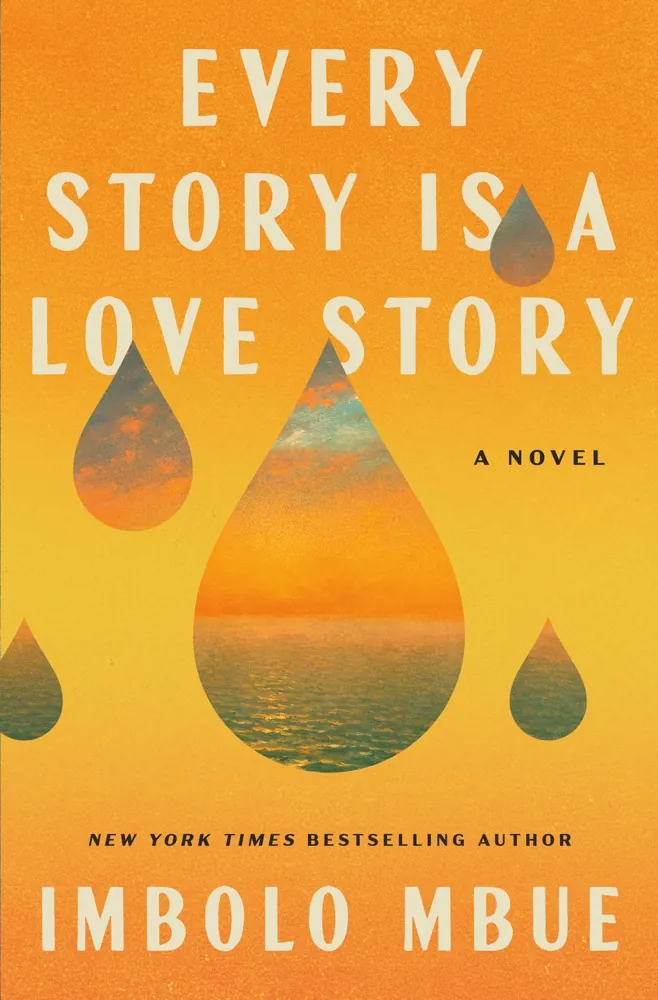

Author: Imbolo MbuePage Count: UnknownPublication Date: Expected publication 2026-10-06 APL The espresso machine is shrieking like a dying banshee and someone just ordered an oat milk lavender matcha at peak rush, which means I am currently staring at Imbolo Mbue’s Every Story Is a Love Story with the kind of boundless, soul-crushing joy usually reserved for a root canal. Look. I like my literature dark. I want ghosts dragging entrails across Victorian parquet. I want Stephen King at his most unhinged or Shirley Jackson making suburban paranoia feel like a knife between the ribs. But what are we serving up here? Grief. Remorse. Forgiveness. It is the literary equivalent of a warm chamomile tea when you asked for double-shot gasoline. The Architecture of Guilt Wolo lost his wife in a car crash three years ago. Tragic. Devastating. Absolutely ripe for psychological degradation. Yet the synopsis immediately ruins the potential for delicious, rotting angst by introducing—wait for it—hope. A letter arrives from the driver who killed her. Cue the pearl-clutching from the family. The pastor screams devilry. The mother slams doors. The Cameroonian stepmother phones in from across continents to say burn it. This is peak daytime soap opera nonsense masquerading as high-art emotional excavation. And yet—Mbue can write. Behold the Dreamers was a gut-punch of socioeconomic despair. So why are we pivoting to Hallmark channel catharsis where the widower meets the killer and they bond over shared suffering? Make it make sense. It is giving emotional whiplash. It is giving toxic positivity wrapped in literary prose. Anticipating the Bleed We are looking at a masterclass in bourgeois emotional processing. The questions posed by the synopsis—what do we owe those who hurt us? can forgiveness ease suffering?—sound less like a searing psychological inquiry and more like a book club trap designed to make people weep into their chardonnays. Where is the rot? Where is the festering resentment that rots a man from the inside out until he is just a hollowed-out husk of bitterness? No, we have to go on the uneven path from heartbreak to healing. Yawn. Give me a protagonist who burns the letter and drinks himself into oblivion. Give me a narrative descent into madness where forgiveness is an illusion and trauma is a permanent parasite. Instead, we will likely get a deeply moving, beautifully told treatise on grace. Riveting. Truly, nothing screams edge-of-your-seat dread quite like the prospect of two people talking through their feelings over lukewarm tea. I need to get back to wiping down the pastry case and pretending I cannot hear the teenager at register three butchering the pronunciation of macchiato. Also, I really need to patch a hole in my favorite, impossibly worn tweed jacket before the elbow completely disintegrates into the void. Related InsightsSkyward Flight Book Review and Summary Twisted Hate Book Review and Summary The Silmarillion Book Review and Summary{ "@context": "https://schema.org", "@type": "FAQPage", "mainEntity": [ { "@type": "Question", "name": "What is the main focus of Every Story Is a Love Story Book Review and Summary?", "acceptedAnswer": { "@type": "Answer", "text": "Everything you need to know about Every Story Is a Love Story with our detailed review." } }, { "@type": "Question", "name": "Who authored the comprehensive guide on Every Story Is a Love Story Book Review and Summary?", "acceptedAnswer": { "@type": "Answer", "text": "This detailed article and its insights were carefully researched and authored by Diego Lopez." } }, { "@type": "Question", "name": "Where can I find more related content about Books?", "acceptedAnswer": { "@type": "Answer", "text": "You can explore more articles, detailed reviews, and similar insights by browsing the Related Insights section at the bottom of this article or visiting our dedicated Books category page." } } ] }