
-
 Aylin Okur
- 15 Jul, 2026 14:47
The Gilded Mirage: Unmasking the Tragedy of the American Dream in The Great Gatsby
The green light flickers across the dark water of the bay—a pulsing, rhythmic beacon of hope and heartache. It is not merely a lamp on a dock; it is the physical manifestation of a dream that refuses to die, a shimmering promise of a past that can be reclaimed if only one possesses enough gold. In the opulent, champagne-soaked atmosphere of 1922 Long Island, Jay Gatsby stands as a monument to the audacity of longing. He is a man who attempted to rewrite his own history, believing that wealth could erase the stains of a modest origin and bridge the chasm between "new money" and the inherited prestige of the socio-economic elite. F. Scott Fitzgerald’s The Great Gatsby, published in 1925, is far more than a story of lost love. It is a surgical dissection of the American psyche during the Jazz Age—a period defined by a frantic pursuit of pleasure, a rebellion against traditional mores, and a desperate attempt to escape the shadows of the Great War. Through the observant eyes of Nick Carraway, we are invited into a world where the music never stops, but the silence beneath the roar is deafening. The Architecture of an Era: The Jazz Age and the Valley of Ashes To understand The Great Gatsby, one must first understand the historical fever dream of the 1920s. This was the era of Prohibition, where the law forbade alcohol, yet the culture thrived on it. The proliferation of speakeasies and the rise of bootlegging created a new class of millionaires—men and women who gained immense wealth through illicit means, bypassing the slow climb of traditional industry. Jay Gatsby is the archetype of this phenomenon. His fortune, while dazzling, is tainted by the very criminality that the era’s libertine mores often overlooked. Fitzgerald paints a stark contrast between the geography of wealth and the geography of despair. On one side, we have the "Eggs"—West Egg, where the nouveau riche like Gatsby build sprawling estates to signal their status, and East Egg, where the "old money" aristocracy, like Tom and Daisy Buchanan, reside in timeless mansions. These two worlds are separated by a bay, but the psychological divide is an ocean. The inhabitants of East Egg view those from West Egg as gaudy and lacking in "class," regardless of how many diamonds they possess.Between these two beacons of wealth lies the "Valley of Ashes." This sprawling refuse dump is a bleak industrial wasteland, where those crushed by the machinery of capitalism reside. It is here that George Wilson struggles to maintain a garage and where Tom Buchanan keeps his mistress, Myrtle Wilson. The Valley of Ashes serves as a grim reminder that the shimmering lights of the Jazz Age are fueled by the exploitation and misery of the lower class. It is the physical manifestation of the moral decay that Fitzgerald suggests lies at the heart of the American Dream. The Ghost of Ginevra King: Fitzgerald’s Personal Echoes The genius of The Great Gatsby lies in how closely it mirrors the scars of F. Scott Fitzgerald’s own life. The novel is not a mere fabrication; it is a refracted reflection of the author's youthful desperation. Like the narrator Nick Carraway, Fitzgerald was a Midwesterner who sought his fortune in the East. His education at Princeton provided him with a window into the Ivy League circles that Gatsby so desperately envies. The core of Gatsby’s obsession with Daisy Buchanan can be traced back to Fitzgerald’s romance with Ginevra King, a socialite he loved in his youth. The tragedy of Gatsby—the realization that wealth alone cannot buy entry into the upper echelons of society—was a lesson Fitzgerald learned firsthand. Ginevra’s father purportedly told the young, poor Fitzgerald that "poor boys shouldn't think of marrying rich girls." This rejection left a permanent mark on Fitzgerald, fueling a lifelong ambivalence toward the wealthy. He admired their grace and power, yet he harbored a smoldering resentment toward the cruelty of their exclusivity. This emotional conflict is mirrored in Fitzgerald's relationship with Zelda Sayre. Much like Gatsby, who sought immense wealth to win back a woman accustomed to a certain lifestyle, Fitzgerald’s marriage to Zelda was postponed until he could achieve financial success. He became a military officer during World War I, longing for a destiny that would elevate him above his station. The parallel is clear: Gatsby is Fitzgerald’s avatar, a man attempting to use money as a bridge to a lost ideal. The Tragedy of the Self-Made Man Jay Gatsby is a figure of profound contradiction. He is a mystery wrapped in a linen suit, a man who hosts the most raucous parties on Long Island yet remains a spectator at his own festivities. His wealth is a tool, a theatrical prop designed to attract the attention of one person: Daisy. Gatsby’s tragedy is not that he failed to acquire wealth, but that he believed wealth could manipulate time. His obsession with Daisy is not merely a love for a woman, but a love for the version of himself he was when he first knew her. He believes that by recreating the external conditions of her life—the mansions, the parties, the silk shirts—he can erase the five years they spent apart.However, the novel suggests that the divide between "inherited" and "self-made" wealth is insurmountable. Tom Buchanan, representing the ancestral aristocracy, views Gatsby not as a peer, but as a "bootlegger." To Tom, Gatsby is a pretender, a man whose wealth is an imitation of true status. This clash highlights Fitzgerald's cynical attitude toward the American Dream. The dream promises that anyone, regardless of their origin, can ascend to the top through hard work and ambition. Yet, Gatsby discovers that the top is a closed circle, and those within it will protect their borders with a ruthlessness that leaves the "self-made" man broken. From Commercial Failure to Literary Masterpiece It is a cruel irony that The Great Gatsby was not recognized as a masterpiece during Fitzgerald's lifetime. Published by Scribner's in April 1925, the novel received generally favorable reviews, but it was a commercial disappointment. Compared to his earlier works, This Side of Paradise and The Beautiful and Damned, Gatsby sold fewer than 20,000 copies by October. Fitzgerald, who had hoped for a monetary windfall that would secure his future, felt the sting of failure. When Fitzgerald passed away in 1940, he died believing that his work had been forgotten and that he was a literary failure. He could not have known that his exploration of the American psyche would soon become a cornerstone of global education. The resurrection of the novel occurred during an unlikely period: World War II. The Council on Books in Wartime distributed free copies of The Great Gatsby to American soldiers serving overseas. In the trenches and on far-off shores, soldiers found resonance in Gatsby’s longing and the novel's critique of a hollow society. This surge in popularity sparked a scholarly re-examination that elevated the book from a "period piece" to a universal tragedy. The Enduring Legacy: Why Gatsby Still Matters Today, The Great Gatsby is frequently cited as a contender for the title of the "Great American Novel." Scholars continue to mine its pages for insights into social class, gender roles, and the environmental decay symbolized by the Valley of Ashes. The novel’s treatment of race and the "American Dream" remains strikingly relevant in a modern world still obsessed with the performance of wealth. The imagery of the novel—the celestial eyes of the dust jacket art by Francis Cugat, the green light, the yellow car—has seeped into the very fabric of popular culture. The book teaches us that the pursuit of a phantom past is a recipe for disaster. Gatsby’s tragedy is the tragedy of optimism in a world devoid of morality.In the end, Nick Carraway’s final reflections remind us that we are all, in some way, like Gatsby. We are "boats against the current, borne back ceaselessly into the past." We strive for a horizon that constantly recedes, chasing a green light that promises a perfection that does not exist. Fitzgerald’s masterpiece endures because it captures the human condition: the eternal struggle to reconcile who we are with who we wish we could be. The Great Gatsby serves as a timeless warning against the seduction of the mirage. It tells us that when we build our lives on the shifting sands of materialism and obsession, the collapse is inevitable. Yet, there is a haunting beauty in Gatsby's capacity for hope—a "heightened sensitivity to the promises of life"—that ensures his story will be read as long as there are dreamers chasing lights across the water. #Literature #ClassicBooks #FScottFitzgerald #TheGreatGatsby #AmericanDream Related InsightsGoing the Distance: Stallone, Philly, and the Story of Rocky Book Review and Summary Del cosmos a la vida / From the Cosmos to Life Book Review and Summary By Breath (The Call of Dark Water #1) Book Review and Summary{ "@context": "https://schema.org", "@type": "FAQPage", "mainEntity": [ { "@type": "Question", "name": "What is the main focus of The Gilded Mirage: Unmasking the Tragedy of the American Dream in The Great Gatsby?", "acceptedAnswer": { "@type": "Answer", "text": "A deep dive into F. Scott Fitzgerald's Jazz Age tragedy, exploring the collision of wealth, obsession, and the elusive American Dream." } }, { "@type": "Question", "name": "Who authored the comprehensive guide on The Gilded Mirage: Unmasking the Tragedy of the American Dream in The Great Gatsby?", "acceptedAnswer": { "@type": "Answer", "text": "This detailed article and its insights were carefully researched and authored by Aylin Okur." } }, { "@type": "Question", "name": "Where can I find more related content about Books?", "acceptedAnswer": { "@type": "Answer", "text": "You can explore more articles, detailed reviews, and similar insights by browsing the Related Insights section at the bottom of this article or visiting our dedicated Books category page." } } ] }


The marriage of acidity and ocean brine is not merely a culinary choice; it is a historical dialogue spanning centuries and continents. To the uninitiated, sushi is a modern luxury—a precise arrangement of raw fish atop a mound of pearlescent rice. But beneath the surface of this aesthetic perfection lies a complex metamorphosis. It is a story of survival, a scientific dance of lactic acid fermentation, and a societal shift from the slow preservation of proteins to the high-velocity appetite of a bustling metropolis. The essence of sushi is not the fish, but the shari—the vinegared rice—a component that serves as the heartbeat of the entire tradition. The Primal Roots: Narezushi and the Science of Survival Long before the neon lights of Tokyo or the refined omakase counters of Kyoto, the ancestor of sushi was born from a desperate need to preserve sustenance. The journey begins not in Japan, but in the river basins of Southeast Asia—specifically the Mekong and Irrawaddy basins, encompassing what we now know as Laos, Cambodia, Thailand, Vietnam, and Myanmar. In these humid landscapes, freshwater fish were abundant but volatile. To prevent spoilage, ancient peoples developed a method of packing fish in salted, cooked rice. This was not sushi as we know it today, but narezushi—"matured fish." The process was a triumph of primitive biochemistry. Through lactic acid fermentation, the rice created an acidic environment that acted as a natural preservative, halting the decay of the protein. Interestingly, in this primordial version of the dish, the rice was merely a tool for preservation; once the fermentation process was complete, the rice was discarded, and only the pungent, sour fish was consumed. The first scholarly trace of this practice appears in a fourth-century Chinese dictionary, describing salted fish placed in steamed rice. This method echoed across the Asian continent, manifesting as burong isda in the Philippines, pekasam in Indonesia, padaek in Laos, and sikhae in Korea. When this technique migrated to Japan during the Yayoi period, it found a perfect synergy with wet-field rice cultivation. During the rainy seasons, lakes and rivers would flood the rice paddies, leaving behind a bounty of fish. Narezushi became the vital protein bridge that allowed Japanese communities to survive the lean months.The very word "sushi" is a linguistic fossil of this era. Derived from the antiquated terminal-form conjugation shi of the adjectival verb sui (meaning "to be sour"), sushi literally translates to "sour-tasting." It refers to that precise moment where fermentation transforms the flavor profile into a savory, umami-rich experience. Even today, this ancient heritage survives in regional specialties, such as the funa-zushi of Shiga Prefecture, serving as a living museum of Japan's culinary origins. The Transition: Namanare and the Birth of the Rice-Fish Duo As centuries passed, the Japanese palate began to evolve, and the slow, months-long fermentation of narezushi started to feel cumbersome. During the Muromachi period (1336–1573), a pivotal shift occurred with the invention of namanare, or "partially fermented" sushi. This era marked a fundamental change in the relationship between the fish and the grain. In namanare, the fermentation period was significantly shortened. Because the fish did not reach a state of full maturation, the rice retained a palatable texture and flavor. For the first time in history, the rice was no longer discarded. It was eaten alongside the fish. This transition was supported by broader shifts in Japanese lifestyle. The population began adopting a rhythm of three meals a day, and the method of preparing rice shifted from steaming to boiling. Furthermore, the discovery and development of rice vinegar began to accelerate. To further speed up the process, chefs started incorporating sake and sake lees. The "slow food" of the ancients was beginning to accelerate, moving away from a method of preservation and toward a method of gastronomy. The Edo Revolution: Haya-zushi and the Fast Food Phenomenon The true explosion of sushi as a cultural icon occurred during the Edo period (1603–1867). This era brought about haya-zushi (fast sushi), a revolutionary approach that completely eliminated the need for lactic acid fermentation. Instead of waiting for nature to sour the rice over days or weeks, chefs simply mixed rice vinegar directly into the grains. This provided the desired sour taste instantaneously, allowing the fish and rice to be consumed immediately. This innovation turned sushi into the ultimate "fast food" for the chōnin (merchant and artisan) class of Edo (modern-day Tokyo). The streets of the city became hubs for quick, satisfying meals. It was during this vibrant period that the diverse styles we recognize today were born: chirashizushi (scattered sushi), inarizushi (tofu skin sushi), and makizushi (rolled sushi). The most significant breakthrough of this era, however, arrived around 1824. A visionary chef named Hanaya Yohei is credited with perfecting nigiri-zushi—the hand-pressed mound of vinegared rice topped with a slice of seafood. Yohei’s creation was a masterpiece of efficiency and flavor, designed for the fast-paced life of Edo's citizens.However, the nigiri of the 1820s differed substantially from the delicate morsels found in modern Michelin-starred restaurants. The rice portions were roughly three times larger than today's standards. The flavor profile was bolder and more acidic, utilizing aka-su (red vinegar) made from fermented sake lees, a product developed by Nakano Matazaemon, the founder of the Mizkan company. Sugar was virtually non-existent in the recipe; instead, a higher concentration of salt was used to season the shari. Because this sushi utilized fresh catches from Tokyo Bay, it was termed Edomae zushi (sushi from "in front of Edo"). This term survives today as a mark of prestige, denoting a specific style of preparation that honors the traditions of the bay. The Anatomy of Modern Sushi: Ingredients and Distinctions To understand sushi in the contemporary era, one must look beyond the fish. The defining component is always the vinegared rice, known as shari or sumeshi. While medium-grain white rice is the gold standard for its ability to hold the vinegar and maintain structure, variations using brown rice or short-grain rice exist. The ingredients draped over the rice, known as neta, are diverse. While raw seafood is the most prominent—ranging from the buttery richness of salmon and tuna to the firm texture of squid and yellowtail—it is a misconception that all neta must be raw. Eel (unagi) is typically cooked, and many vegetarian options utilize cucumbers or avocado. Even "imitation crab" (surimi) has found its way into the global lexicon of sushi. A critical distinction must be made between sushi and sashimi. While often served on the same platter, they are fundamentally different. Sashimi consists solely of thinly sliced raw fish or meat, devoid of the vinegared rice. If there is no shari, it is not sushi. The experience is completed by a carefully curated set of accompaniments:Gari: Pickled ginger, used as a palate cleanser between different types of fish. Wasabi: The pungent Japanese horseradish that provides a sharp counterpoint to the fatty fish. Soy Sauce: The salty, umami-rich dip that enhances the natural flavors of the neta. Daikon: Either raw or pickled (takuan), providing a crisp, refreshing garnish.The Global Legacy of a Simple Grain From the river basins of the Mekong to the sophisticated counters of the world's greatest cities, sushi has traveled a path of constant refinement. It has evolved from a desperate means of preserving protein into a global symbol of culinary precision and health. The genius of sushi lies in its simplicity: the balance of the sour rice, the sweetness of the fresh fish, and the punch of the wasabi. It is a dish that respects the ingredient above all else, a philosophy that traces back to the very first practitioners of narezushi. Whether it is a quick makizushi roll from a local shop or a curated Edomae experience, every bite carries the echoes of the Edo period, the Muromachi transition, and the ancient whispers of Southeast Asian fermentation. Sushi is more than a meal; it is a historical record of human ingenuity—a testament to how we have learned to harness acidity, time, and the bounty of the ocean to create something timeless. #Sushi #JapaneseGastronomy #CulinaryHistory #FoodScience #Edomae Related InsightsPeruvian Ceviche Revealed: The Ancient Citrus Alchemy That Transforms Seafood into a Nutritional Powerhouse (Part 2) nicoise salad with seared tuna and green beans: a delicious omega-3 rich dish Salmon Kulebyaka: A Harmonious Union of Omega-3 Rich Fish, Buckwheat, and Herbs{ "@context": "https://schema.org", "@type": "FAQPage", "mainEntity": [ { "@type": "Question", "name": "What is the main focus of The Alchemy of Vinegar and Ocean: The Deep Evolution of Sushi?", "acceptedAnswer": { "@type": "Answer", "text": "Explore the scientific and historical journey of sushi, from ancient Southeast Asian fermentation to the fast-food revolution of Edo Tokyo." } }, { "@type": "Question", "name": "Who authored the comprehensive guide on The Alchemy of Vinegar and Ocean: The Deep Evolution of Sushi?", "acceptedAnswer": { "@type": "Answer", "text": "This detailed article and its insights were carefully researched and authored by Michael Chef." } }, { "@type": "Question", "name": "Where can I find more related content about Food?", "acceptedAnswer": { "@type": "Answer", "text": "You can explore more articles, detailed reviews, and similar insights by browsing the Related Insights section at the bottom of this article or visiting our dedicated Food category page." } } ] }


Luang Prabang, the capital of Luang Prabang Province in north-central Laos, is a city that embodies the essence of Lao culture, history, and natural beauty. The city's name, meaning "Royal Buddha Image," is derived from the Phra Bang, a statue symbolizing Lao sovereignty. Designated a UNESCO World Heritage Site in 1995, Luang Prabang is a treasure trove of Lao architecture, European colonial buildings, and over 30 Buddhist temples. History of Luang Prabang The city's history dates back to the 6th century, when the Mon peoples created the Dvaravati kingdoms. By the 8th century, the Mon had pushed north to create city states in Fa Daet, Sri Gotapura, Muang Sua, and Chantaburi. In the 8th century CE, Sri Gotapura controlled trade throughout the middle Mekong region. The city states introduced Theravada Buddhism from Sri Lankan missionaries throughout the region.In 1238, an internal uprising in the Khmer outpost of Sukhothai expelled the Khmer overlords. Xieng Dong Xieng Thong, the precursor to Luang Prabang, experienced a period of Khmer suzerainty under Jayavarman VII from 1185 to 1191. In 1353, Xieng Dong Xieng Thong became the capital of the Lan Xang kingdom. The city's name was changed to Luangphabang, named after the Buddha image, and it was used to spread Theravada Buddhism in the kingdom.Tourism in Luang Prabang Luang Prabang is a popular tourist destination, with numerous natural and cultural attractions. The Kuang Si Falls, Tat Sae Waterfalls, and Pak Ou Caves are some of the city's most popular natural tourism sites. Visitors can also explore the city's many Buddhist temples, including the Haw Kham Royal Palace Museum and the Wat Xieng Thong temple.The city's main street is lined with smaller wats, such as Wat Hosian Voravihane, and every morning at sunrise, monks walk in a procession through the streets accepting alms offered by local residents. Visitors can also participate in traditional Lao activities, such as elephant riding and making crafts.Gastronomy in Luang Prabang Luang Prabang is renowned for its delicious local cuisine, which includes dishes such as Or lam, Luang Prabang sausage, mokpa (steamed fish), and Kaipen made from Mekong River moss. Visitors can sample these dishes at local restaurants and markets, such as the night market, which offers a wide range of Lao street food.Transportation in Luang Prabang Luang Prabang is served by Route 13, which connects to Vang Vieng and Vientiane to the south, and to Boten in the north. The road is paved, and daily buses run from Vientiane to Luang Prabang, taking 11–13 hours. Since 2014, a road connects Kasi (near Vang Vieng) to Luang Prabang, allowing the trip to be made in about 3 hours.In December 2021, Luang Prabang was connected to the Vientiane–Boten railway, which parallels Route 13 and runs from Boten at the Chinese border in the north to Vientiane in the south. The complete journey takes less than 3 hours by train instead of 3 days by road.#Travel #LuangPrabang #LaosTourism #BuddhistTemples #UNESCOWorldHeritageSite #LaoCulture #NaturalBeauty #History #Gastronomy #Transportation Related InsightsWhispers in the Verdant Depths: Unearthing Japan's Secret 'Shizen no Koe' Moss Worlds Villa Adriana: Il Rifugio Imperiale a Tivoli Grüne Pfade: Wie nachhaltiger Tourismus das Herz der Erde bewahrt{ "@context": "https://schema.org", "@type": "FAQPage", "mainEntity": [ { "@type": "Question", "name": "What is the main focus of Discover Luang Prabang's Hidden Gems?", "acceptedAnswer": { "@type": "Answer", "text": "Delve into the enchanting world of Luang Prabang, a city steeped in history, culture, and natural beauty, and uncover its secrets." } }, { "@type": "Question", "name": "Who authored the comprehensive guide on Discover Luang Prabang's Hidden Gems?", "acceptedAnswer": { "@type": "Answer", "text": "This detailed article and its insights were carefully researched and authored by John Explorer." } }, { "@type": "Question", "name": "Where can I find more related content about Travel?", "acceptedAnswer": { "@type": "Answer", "text": "You can explore more articles, detailed reviews, and similar insights by browsing the Related Insights section at the bottom of this article or visiting our dedicated Travel category page." } } ] }

-
 Lucas Martin
- 15 Jul, 2026 09:00
The Invention That Shook the World: The Gutenberg Bible and the Dawn of the Printed Era
The Echo of Movable Type: When Gutenberg Made Silence Speak The history of humanity is punctuated by moments when a single invention is enough to redefine the course of civilizations. Among them, the invention of movable type printing by Johannes Gutenberg in the 15th century stands as a beacon, illuminating Europe with a new light. The Gutenberg Bible, or 42-line Bible, is not simply a book: it is the first printed monument of the modern era, a masterpiece where technical genius, artisanal rigor, and spiritual ambition intersect. Between 1452 and 1455, in the shadow of the Mainz workshops, an object was born that would forever transform the dissemination of knowledge, shake the foundations of the Church, and lay the groundwork for the Renaissance. But what does this tome of leather and paper contain, whose surviving copies are worth fortunes today? How did a simple Latin Bible become the symbol of a revolution? And above all, what mystery still surrounds these pages printed over five centuries ago, where every letter seems to whisper the future of a changing world?A Work of Books: Gutenberg's Genius and the Alchemy of Printing In a legal document written after the completion of his project, Johannes Gutenberg modestly evokes Das Werk der Bücher – "The Work of Books". However, behind this phrase lies a titanic undertaking, the result of years of research and colossal investments. Contrary to popular belief, Gutenberg did not immediately jump into printing the Bible. The first projects of his workshop, financed by loans and partnerships, were much more modest: papal indulgences, German poems, and especially editions of Aelius Donatus's Ars Grammatica, an essential Latin grammar manual in medieval schools. The idea of producing an entire Bible probably germinated around 1450, when Gutenberg perfected his system of metal movable type, a radical innovation. Unlike xylography (woodcuts) used until then, where each page had to be carved by hand, his characters made of a lead, tin, and antimony alloy could be reused infinitely. But the invention didn't stop there: to ensure clear and durable printing, Gutenberg developed an oil-based ink, much more resistant than the water-based inks used by copyists. This ink, rich in metallic particles (copper, lead), penetrated deeply into the paper, ensuring exceptional readability.What If Gutenberg Had Failed? A World Without Printing Imagine for a moment a world where printing had never seen the light of day. Without the Gutenberg Bible, the dissemination of texts would have depended on copyists, drastically limiting access to knowledge. Universities would have remained bastions reserved for an elite, and the Protestant Reformation might never have taken place. Science, too, would have progressed at a much slower pace due to the lack of massive dissemination of discoveries. Gutenberg didn't just invent a machine: he gave birth to a new form of power – that of information. And we are still the heirs to this power today, in the digital age.Conclusion: A Book That Changed History, and Continues to Speak to Us The Gutenberg Bible is not just a museum object. It is a symbol of human ingenuity, a bridge between the Middle Ages and modernity. In its pages, one can guess the anxiety of the copyists facing the end of an era, but also the excitement of the first readers discovering identical, perfect texts at their fingertips. Five centuries later, as we hold a book in our hands or scroll on a screen, we sometimes forget the miracle that each printed page represents. The Gutenberg Bible reminds us that behind every word, every letter, hides a story – that of men and women who dared to defy the limits of their time. So the next time you open a book, remember: it all started here, in the smoky workshop of Mainz, where a visionary goldsmith made silence speak.#HistoryOfTheBook #MedievalInnovation #GutenbergBible #AncientPrinting #CulturalHeritage #History #Books #Reading Related InsightsThe White Tiger Book Review and Summary The Lies of Locke Lamora Book Review and Summary The Match Book Review and Summary{ "@context": "https://schema.org", "@type": "FAQPage", "mainEntity": [ { "@type": "Question", "name": "What is the main focus of The Invention That Shook the World: The Gutenberg Bible and the Dawn of the Printed Era?", "acceptedAnswer": { "@type": "Answer", "text": "Discover how the Gutenberg Bible, the first mass-printed book in Europe, marked a turning point in cultural and religious history." } }, { "@type": "Question", "name": "Who authored the comprehensive guide on The Invention That Shook the World: The Gutenberg Bible and the Dawn of the Printed Era?", "acceptedAnswer": { "@type": "Answer", "text": "This detailed article and its insights were carefully researched and authored by Lucas Martin." } }, { "@type": "Question", "name": "Where can I find more related content about Books?", "acceptedAnswer": { "@type": "Answer", "text": "You can explore more articles, detailed reviews, and similar insights by browsing the Related Insights section at the bottom of this article or visiting our dedicated Books category page." } } ] }

-
 Klaus Weber
- 15 Jul, 2026 05:27
Wine: A Journey Through 8000 Years of History, Science, and Enjoyment
The Birth of Wine: How the First Grapes Changed the World The history of wine is older than the pyramids, older than the first written characters, older than most of our modern civilizations. It does not begin in the sun-drenched hills of Tuscany or on the banks of the Rhine, but in the barren, yet fertile valleys of the Caucasus, where Georgia is located today. Archaeological claims prove: About 8,000 years ago – long before the Sumerians invented their cuneiform script or the Egyptians carved their first hieroglyphics – people pressed wild grapes into an intoxicating juice that fermented in clay jugs. Researchers found the oldest traces of this ancient intoxication near Tbilisi, where ceramic shards from around 6000 BC had preserved residues of tartaric acid and organic acids. But Georgia is not only the cradle of wine – it is also home to the oldest known winery in the world. In the Areni-1 cave in Armenia, just a few hundred kilometers away, archaeologists discovered in 2011 a complete wine press, storage tanks, and even grape seed remains dating back to 4100 BC. This discovery refuted the long-held assumption that viticulture was an achievement of classical antiquity. Instead, it shows: The art of turning grapes into alcohol was from the very beginning a profoundly human – and divine – practice. Because wine was never just a drink. It was simultaneously offering, medicine, currency, and symbol of civilization. The Phoenicians, those brilliant seafarers and traders of the Mediterranean, made it a global commodity from 1000 BC. Their wines from Byblos – a city in present-day Lebanon – were so famous that even the Romans still praised them centuries later as the "wine of kings". The Greeks in turn refined the art of viticulture and exported it to Italy, where it became the foundation of the Roman wine tradition. Pliny the Elder wrote enthusiastically in the 1st century AD about the wines from Falernum, an ancient wine-growing region in Campania, which was considered one of the first "premium wines" in history.But wine was not only a luxury good of the elites. It was also a political tool. The Romans used it to consolidate their rule – vineyards were planted in the conquered provinces, and the trade with the "liquid gold" financed entire armies. When the Goths and Vandals overthrew the Western Roman Empire in the 5th century, the arts of viticulture survived primarily in the monasteries. Monks – above all the Benedictines and Cistercians – not only preserved the knowledge of the vines but perfected it. Their monastery gardens in Burgundy, Bordeaux, and the Rhine Valley laid the foundation for some of the most famous wine regions in the world today.From Monasteries to the New World: How Wine Conquered the Continents The Middle Ages were a time of silent revolution in viticulture. While Europe sank into religious wars and feudal rule, the monks created something lasting: Systematic cultivation methods, targeted vine breeding, and the first quality standards. A particularly impressive example is Bordeaux, which in the 12th century under the rule of the English kings (as Dukes of Aquitaine) became one of the most important wine trade centers in Europe. The wines from this region were so coveted that they became known even in England as "Claret" – a synonym for red Bordeaux. But the true turning point came with the discovery of the New World. When European settlers set off for America, Africa, and Australia in the 16th century, they brought not only their language and religion but also vines and the knowledge of their care. The first documented vineyards in the New World emerged:Mexico (1530) – shortly after the Spanish conquest Peru (1550s) – where Jesuit missionaries grew wine for mass Chile (1560s) – which remains one of the most stable wine-growing regions in the world today South Africa (1655) – thanks to the Dutch East India Company, which established a supply base at the Cape of Good Hope California (1670s) – where Spanish missionaries planted the first vines that would later lead to the legendary Napa and Sonoma wines Australia (1788) – when Arthur Phillip, the founder of the Sydney penal colony, introduced the first European vines New Zealand (1819) – thanks to the missionary Samuel Marsden, who planted the first Sauvignon Blanc vinesThese colonial wines were initially simple, often acidic drops that mainly served religious practices. But over time they developed their own identity. Especially Chile and Argentina became global wine powers in the 19th century, while California revolutionized the wine world in the 20th century with the "Judgment of Paris" in 1976 – a blind tasting victory of Californian wines against French ones.The Greatest Disaster of Viticulture: Phylloxera and the Rescue by the Root But viticulture faced its greatest challenge: Phylloxera, an aphid introduced from America, which destroyed European vineyards in the 19th century. The pest, whose larvae fed on the roots of the vines, spread at breathtaking speed. By 1880, almost all European vineyards were infected – an economic and cultural disaster that drove entire regions to ruin. The solution came from an unexpected direction: America. There, the vines of the species Vitis labrusca and Vitis riparia had developed a natural resistance to Phylloxera over the course of evolution. European winemakers began to graft their noble Vitis vinifera varieties (like Cabernet Sauvignon or Chardonnay) onto American rootstocks – a procedure that is still standard today. Only a few regions like Chile, parts of Australia, and the Canary Islands were spared because they were geographically isolated. This "grafting revolution" saved viticulture, but it changed it forever. Suddenly, winemakers were forced to rethink their methods. The traditional mixed cultures gave way to monocultures, and quality control became stricter. In France, this led in 1947 to the founding of the Institut national de l'origine et de la qualité (INAO), which introduced the first Appellation d'Origine Contrôlée (AOC) laws. These rules – which determined which grape varieties could be grown in which region, how high the yield could be, and which vinification methods were allowed – became the gold standard of the wine world and inspired similar systems in Italy (DOC), Spain (DO), and Germany (VDP).The Art of Winemaking: From the Grape to the Glass Wine is not a simple drink. It is the result of a complex symbiosis of nature, science, and craftsmanship. The process begins long before the harvest – with viticulture, the art of winegrowing. The Choice of Vines: Vitis vinifera and its Infinite Possibilities Over 99% of all wines come from the species Vitis vinifera, a European vine that has been cultivated for millennia. But within this species, there are thousands of varieties, each with its own characteristics:Red wine varieties: Cabernet Sauvignon (tannic, structured), Pinot Noir (elegant, fruity), Syrah (spicy, strong) White wine varieties: Chardonnay (buttery, complex), Riesling (fresh, mineral), Sauvignon Blanc (citrus-driven, grassy) Rosé varieties: Grenache, Cinsault, Mourvèdre (often used for Provence rosés)But not all grapes are suitable for wine. Wild vines or American varieties like Vitis labrusca (known for the "foxy" taste) may have resistance but a completely different flavor profile. The winemaker's art is to choose the right variety for the right soil and the right climate. Terroir: Why a Wine from Burgundy Tastes Different than One from California The term Terroir (French for "soil") describes how soil composition, microclimate, slope inclination, and even the surrounding flora shape the taste of a wine. A Chardonnay from Burgundy tastes different from one from the Sonoma Valley because:Burgundy: Limestone soils, cool climate → mineral, elegant wines with citrus notes Sonoma: Volcanic soils, warm climate → fruit-driven, opulent wines with vanilla notes (through oak barrel aging)Even within a region, parcels just a few meters apart can produce completely different wines. This explains why premium wines are often named after single vineyards (e.g., "Chambertin" in Burgundy or "Hill of Grace" in Australia). Fermentation: When Sugar Becomes Alcohol The magical moment when grape juice becomes wine is alcoholic fermentation. Yeast fungi (mostly Saccharomyces cerevisiae) convert the sugars of the grapes into alcohol and carbon dioxide. But this process is anything but simple:White wines: The grapes are pressed, the juice fermented – the skins are usually left out (except in Orange Wines, where they are fermented together). Red wines: The skins remain in the must during fermentation to extract color, tannins, and aromas. Rosés: A short maceration (12–48 hours) of the skins to achieve a delicate pink color.The fermentation temperature plays a crucial role:Cool fermentation (12–18°C): Preserves fruity aromas (ideal for white wines like Riesling or Sauvignon Blanc) Warm fermentation (20–30°C): Emphasizes body and tannins (typical for red wines like Cabernet Sauvignon or Syrah)Aging: Oak Barrel vs. Stainless Steel After fermentation comes aging, which can take months or even years. This is where it is decided whether a wine remains fresh and fruity or becomes complex and structured. The choice of container is crucial:Stainless steel tanks: Neutral taste, preserve the freshness of the wine (typical for German Rieslings or Portuguese Vinho Verde) Oak barrels (Barrique): Give off vanilla, coconut, and spice aromas, structure the wine through tannins (typical for Bordeaux, Rioja, or Californian Cabernets) Amphorae (Qvevri): Traditional Georgian method where the wine ages in clay vessels – results in mineral, tannin-driven winesThe Diversity of Wine Styles: From Dry to Sweet, from Still to Sparkling Wine is not a homogeneous product. The spectrum ranges from bone-dry mineral wines to sweet dessert wines, from still red wines to sparkling Champagne. Dry vs. Sweet Wines: The Balance of Sugar The sweetness of a wine depends on the amount of residual sugar left after fermentation:Dry wines (< 4 g/L residual sugar): Most red wines (e.g., Chianti, Barolo) and many white wines (e.g., Chablis, Grüner Veltliner) Off-dry wines (4–12 g/L): Often referred to as "feinherb" or "demi-sec" (e.g., German Riesling Kabinett) Sweet wines (> 45 g/L): Dessert wines like Sauternes (from noble rot grapes), Tokaji (from Hungary, with "Aszú" berries), or Icewine (from frozen grapes)Sparkling Wines: The Art of the Second Fermentation Sekt, Prosecco, Cava, Champagne – they all have one thing in common: carbonation, which is created through a second fermentation. The methods differ:Traditional Method (Champagne Method): The fermentation takes place in the bottle, the yeast sediment is removed by riddling ("Remuage"). Result: Fine, complex perlage (e.g., Champagne, Crémant, Cava). Charmat Method: The second fermentation takes place in large tanks (e.g., Prosecco, Asti Spumante). Result: Fresh, fruity aromas. Transfer Method: A mixture of both – the bottle fermentation is interrupted, the wine transferred into tanks, and then rebottled.Fruit Wines: When Grapes Aren't the Only Option Although grape wine is the dominant form, there are fruit wines from other fruits worldwide:Apple wine (Cider/Cidre): Especially popular in Normandy and Asturias Pear wine (Perry/Poiré): Traditional in Switzerland and France Mead (Honey wine): One of the oldest alcoholic beverages in the world, already popular with the Vikings and Celts Berry wines: From currants, blackberries, or elderberries (common in Scandinavia)However, these wines are usually less age-worthy and complex than grape wines, as other fruits are often too acidic or not sugary enough.Wine and Health: Curse or Blessing? Wine is not only a luxury food – it also has medical and cultural impacts. But as with all alcoholic beverages: The dose makes the poison. The Positive Effects: Heart Protection and Longevity Studies suggest that moderate wine consumption (1 glass per day for women, 2 for men) may be associated with the following benefits:Cardiovascular Health: The resveratrol content in red wine can inhibit inflammation and increase "good" HDL cholesterol. Antioxidant Effect: Polyphenols like quercetin and epicatechin protect against oxidative stress. Longevity: In regions with high wine consumption like Sardinia (Italy) or Ikaria (Greece), people live particularly long – a phenomenon associated with the Mediterranean diet and moderate wine enjoyment.The Risks: When Enjoyment Becomes a Danger But wine is also a poison – if consumed in excess:Liver Cirrhosis: Alcohol breakdown strains the liver, especially with regular consumption. Cancer Risk: Ethanol is classified as carcinogenic by the WHO. In particular, mouth, throat, and esophageal cancer are associated with excessive alcohol consumption. Addiction Risk: Wine, like all alcohol, can lead to dependence.The World Health Organization (WHO) therefore warns against hazardous consumption – and emphasizes that no alcohol is medically safe.Wine as an Investment: When Bottles Become Collector's Items For some, wine is not just a drink, but an investment. The prices for rare vintages can reach astronomical heights:Bordeaux Premier Cru Classé: A Château Lafite Rothschild 1787 was sold in 2017 for over 100,000 Euros. Burgundy Grand Cru: A Domaine de la Romanée-Conti 1945 fetched over 500,000 Euros in 2018. Champagne: A 1907 Krug Clos du Mesnil was auctioned in 2020 for over 20,000 Euros.But investments in wine carry risks:Forgeries: Famous wines are frequently counterfeited – even experts fall for high-quality fakes. Storage Conditions: Incorrect temperature or humidity can destroy the wine. Market Fluctuations: Not every vintage increases in value – some wines age faster than expected.Anyone who wants to invest in wine should turn to auction houses like Sotheby’s or Christie’s or invest in wine funds that are professionally managed.Wine and Culture: From Religion to Pop Culture Wine is more than just a drink – it is a cultural phenomenon that has shaped literature, art, and religion for millennia. Wine in Religion: From the Christian Eucharist to the Jewish KiddushChristianity: Wine plays a central role in the Eucharist, where it symbolizes the blood of Christ. The Chalice Controversy in the Middle Ages even led to bloody conflicts. Judaism: During the Kiddush on Shabbat and holidays, wine is drunk to bring blessings upon the day. Islam: Alcohol is forbidden in Islam, but some Sufi movements interpret wine as a metaphorical love for God. Ancient Mythology: Dionysus (Greek) or Bacchus (Roman) was the god of wine – and of ecstasy.Wine in Art: From Caravaggio's "Bacchus" to van Gogh's "Vineyard"Literature: Shakespeare had the spirit of wine invoked as a "bloody draught" in "Macbeth". Goethe immortalized wine in "Faust" ("Gray, dear friend, is all theory..."). Painting: Caravaggio's "Bacchus" (1596) shows the god of wine as a sensual young man. Vincent van Gogh painted the rugged beauty of the Provençal vines in "The Red Vineyard at Arles" (1888). Film: Films like "Sideways" (2004) or "A Good Year" (2006) celebrate the culture of wine.Wine in Modern Society: From Wine Bars to Wine Tours Today, wine is a lifestyle product:Wine Bars: In metropolises like Paris, New York, or Berlin, wine bars are booming, presenting natural wines and small producers. Wine Tourism: Regions like Tuscany, Bordeaux, or Napa Valley thrive on tourism – visitors can not only taste wine but also plant vineyards, harvest grapes, and work in wineries. Wine Education: Certifications like WSET (Wine & Spirit Education Trust) or sommelier training turn hobby wine drinkers into true connoisseurs. Wine Accessories: From decanters to wine thermometers to vacuum pumps – the industry is booming.Conclusion: Why Wine is More Than Just a Drink Wine is a living archive of human history. It tells of migration and trade, of religion and science, of art and craftsmanship. It is a symbol of luxury and modesty at the same time – because while a glass of Château Margaux 1870 costs millions, there are simple but delicious wines for a few euros. But wine is also a mirror of our time. The climate crisis threatens traditional growing regions, while natural wines (without additives and with minimal sulfur) revolutionize the wine world. At the same time, in an increasingly digital world, wine becomes a refuge of sensuality – a drink that we experience with all our senses: the scent of ripe grapes, the crunch of the skin under the teeth, the slow fading of aromas on the tongue. Whether you are a novice just tasting your first sip of red wine, or an experienced collector looking for the perfect vintage – wine remains an endless adventure. And perhaps that is the greatest magic of this ancient drink: There is always something new to discover.#WineCulture #WineHistory #WineProduction #WineTasting #Vinology #FoodAndWine #FineWine #WineLovers Related InsightsL'Épopée Gourmande des Rues : Quand le Monde se Déguste à Ciel Ouvert Shakshuka with Spinach and Spiced Poached Eggs: A Mediterranean Masterpiece The Legacy of Nourishment: A Nutrient-Dense Chicken and Vegetable Pot Pie{ "@context": "https://schema.org", "@type": "FAQPage", "mainEntity": [ { "@type": "Question", "name": "What is the main focus of Wine: A Journey Through 8000 Years of History, Science, and Enjoyment?", "acceptedAnswer": { "@type": "Answer", "text": "Discover the fascinating world of wine: From the first grapes in Georgia to modern growing regions, from the art of fermentation to perfect pairings – everything about history, production, and enjoyment." } }, { "@type": "Question", "name": "Who authored the comprehensive guide on Wine: A Journey Through 8000 Years of History, Science, and Enjoyment?", "acceptedAnswer": { "@type": "Answer", "text": "This detailed article and its insights were carefully researched and authored by Klaus Weber." } }, { "@type": "Question", "name": "Where can I find more related content about Food?", "acceptedAnswer": { "@type": "Answer", "text": "You can explore more articles, detailed reviews, and similar insights by browsing the Related Insights section at the bottom of this article or visiting our dedicated Food category page." } } ] }

-
 Pierre Dubois
- 15 Jul, 2026 02:04
Sydney Opera House: The Architectural Icon that Redefined Art and Innovation
A Silhouette Tearing the Horizon: The Call of Concrete Shells In the heart of Sydney, where the Pacific Ocean embraces the land with an almost violent passion, stands a structure that defies the laws of gravity and imagination. The Sydney Opera House is not just a building: it is an architectural statement, a cry of artistic freedom straight out of the dreams of one man, Jørn Utzon, and the hands of a team of Australian visionaries. Its white concrete shells, like sails filled by an invisible wind or the petals of an exotic flower ready to bloom, captivate the eye long before one steps through its doors. Every curve, every angle, every play of light on its surfaces seems to tell a story – that of boundless ambition, a quest for excellence, and a battle against the limits of the possible. But how could a simple architectural competition, launched in 1955, give birth to one of the most photographed monuments in the world? Why did this place, now a UNESCO World Heritage site, almost never see the light of day? And above all, what lies behind these "shells" that have caused so much ink and tears to flow?The Roots of a Dream: When Music Needs a Stage To understand the emergence of the Sydney Opera House, we must go back to the 1940s, in a Sydney still marked by post-war austerity. At the time, the city had no venue dedicated to large lyrical or symphonic productions. Orchestras and operas had to make do with the Sydney Town Hall, a historic building but unsuited to the nation's growing cultural ambitions. Enter Eugene Goossens, a visionary conductor and director of the New South Wales State Conservatorium of Music. In 1948, he sounded the alarm: "Sydney needs an opera house!" A seemingly harmless phrase that would trigger a revolution. Goossens didn't just advocate for a new building. He imagined a place capable of hosting monumental works, symphonic concerts, ballets, and even conferences. In 1954, he finally convinced the Premier of New South Wales, Joseph Cahill, to launch an international competition to build an opera house. The chosen site? Bennelong Point, a rocky peninsula between Sydney Harbour and the Royal Botanic Garden. A bold choice, as at the time, the location was merely a promontory with no major infrastructure. Yet Goossens was right: this spot, bathed by the turquoise waters of the harbor, offered breathtaking views of the Sydney Harbour Bridge and exceptional natural acoustics.The Competition That Changed Everything: When a Dane Stole the Show On September 13, 1955, the Australian government officially launched the competition. The criteria were clear: a large 3,000-seat auditorium, a small 1,200-seat auditorium, and the flexibility to host operas, concerts, conferences, and ballets. The prize? A modest sum of 5,000 Australian pounds – a godsend for architects worldwide. However, what was supposed to be a simple competition would become one of the most fascinating episodes in the history of architecture. Out of 233 projects received from 32 countries, only one would make history: that of Jørn Utzon, a 38-year-old Danish architect unknown to the general public. His design? A series of white concrete shells, evoking boat sails, clouds, or even flower petals. An organic, almost biological shape, completely breaking with the rigid straight lines of modern architecture of the time. For the jury, composed of eminent experts including Finnish-American architect Eero Saarinen, it was obvious: Utzon had captured the very essence of what an opera house should be – both monumental and poetic.On January 29, 1957, the announcement was made: Utzon was the winner. Yet, behind this victory lay the seeds of a future nightmare. For while the design was revolutionary, its execution would prove far more complex than anticipated.The Battle of the Shells: When Concrete Resists Started in 1958 under Utzon's direction, the construction of the Sydney Opera House quickly became a logistical nightmare. The technical challenges were immense:Concrete shells: Utzon wanted shell-like structures, but no one knew how to build them. Australian engineers, accustomed to straight lines, had to invent new methods to pour concrete into perfect curves. An exploding budget: The initial cost, estimated at 7 million Australian dollars, would ultimately reach 102 million – a colossal sum at the time. Unrealistic deadlines: Utzon planned for a 4-year construction. It took 14. Political conflicts: The New South Wales government, under pressure, eventually fired Utzon in 1966, leaving him to depart Australia without even attending the inauguration.Yet, despite these obstacles, Australian workers and engineers accomplished the impossible. The shells, made up of 2,194 precast concrete panels weighing up to 15 tons each, were assembled with surgical precision. The 1,056,006 tiles covering the shells – a mix of glossy white and matte cream – were manufactured in Sweden by Höganäs AB, a company specializing in tiles for the paper industry. Even the materials used for the facades, such as pink Tarana granite, were chosen with meticulous care.Architecture That Defies the Laws of Physics Today, the Sydney Opera House spans 1.8 hectares, with a length of 183 meters and a width of 120 meters at its widest point. Its shells, peaking at 67 meters above sea level, house six main performance venues, each with unique acoustics and varying capacity. The Venues: A Sensory Journey Through the ArtsThe Concert Hall: With 2,679 seats, it is the beating heart of the Sydney Opera House. Here, the Sydney Symphony Orchestra resonates, along with classical music concerts, jazz, and even popular events. The crown jewel of this hall? The Grand Organ, the largest mechanical tracker-action organ in the world, with over 10,000 pipes. Imagine the smell of aged wood, the thrill of the first notes of a Tchaikovsky concerto, and the echo reverberating beneath the sculpted concrete vaults.The Joan Sutherland Theatre: Formerly the Opera Theatre, it is the temple of opera and ballet. Seating 1,507, it hosts Opera Australia and The Australian Ballet. The name pays tribute to Australian soprano Joan Sutherland, one of the greatest voices of the 20th century.The Drama Theatre: More intimate with 544 seats, it is dedicated to contemporary theater and productions by the Sydney Theatre Company.The Playhouse and the Studio: Flexible spaces designed for experimental performances, readings, or dance shows.The Utzon Room: A versatile room, named in honor of the architect, ideal for receptions, conferences, or small chamber music concerts.The Yallamundi Rooms: Modular spaces for private events, such as weddings or corporate conferences.A Place to Live: More Than an Opera House, An Experience The Sydney Opera House is not just a building: it's a living space. Every year, over 1.4 million people attend one of the 1,800 performances offered. But the audience isn't limited to music lovers. With over 10 million visitors annually, the Opera House is one of Australia's most popular tourist attractions. Guided tours, attracting around 350,000 people each year, allow visitors to discover the secrets behind the scenes of this monument. Behind the Scenes of a MasterpieceThe revolving stage of the Joan Sutherland Theatre: A technical feat allowing sets to be changed in record time. Perfect acoustics: Thanks to materials like Australian white birch plywood and brush box wood, sounds resonate with exceptional clarity. Outdoor spaces: The panoramic terrace and monumental stairs are often used for outdoor events, such as film screenings or free concerts.Visiting the Sydney Opera House: Practical Tips for an Unforgettable Experience If you are planning a trip to Sydney, a visit to the Sydney Opera House is a must. Here are some tips to make the most of your experience: 1. Attend a Performance Nothing beats the thrill of experiencing a concert or opera in this legendary venue. Book your tickets in advance, especially for major productions like La Traviata or Sydney Symphony Orchestra concerts. 2. Take a Guided Tour Guided tours last about an hour and allow you to discover the backstage areas, the history of the building, and its most secret anecdotes. Don't miss the Utzon Room, where the architect left his mark. 3. Enjoy a Meal with a View The Sydney Opera House is home to several restaurants, including the Opera Bar, located right in front with breathtaking views of the harbor. Perfect for a romantic lunch or dinner. 4. Explore the Outdoor Spaces The monumental stairs and panoramic terrace offer spectacular views of the harbor and the Sydney Harbour Bridge. It's also a great spot for picnics or photo sessions. 5. Attend a Free Event During the summer months, the Sydney Opera House often hosts free outdoor concerts. An excellent way to discover the acoustics of the venue without spending a dime.Sydney Opera House: A Work of Art that Speaks to the World The Sydney Opera House is much more than a building: it is a total work of art, a perfect fusion of architecture, music, and history. It embodies Australia's spirit of innovation, a country that managed to turn its dreams into reality despite the challenges. Whether you are an architecture enthusiast, a music lover, or simply a traveler in search of beauty, the Sydney Opera House will amaze you. Its white concrete shells, its resonant halls, and its tumultuous history make it a unique place in the world. So, the next time you hear about Sydney, remember: behind this dynamic and modern city lies an architectural pearl, a masterpiece that forever changed the face of art and culture.#SydneyOperaHouse #IconicArchitecture #UNESCOWorldHeritage #PerformingArts #TravelAustralia #ExploreSydney #AustralianCulture Related InsightsEin Tag in München Whispers of the Tatra: Unveiling the Soul of Poland's Winter Capital, Zakopane Karakoram Highway Road Trip – Part 01: Navigating Pakistan’s Northern Passes{ "@context": "https://schema.org", "@type": "FAQPage", "mainEntity": [ { "@type": "Question", "name": "What is the main focus of Sydney Opera House: The Architectural Icon that Redefined Art and Innovation?", "acceptedAnswer": { "@type": "Answer", "text": "Dive into the history, revolutionary architecture, and living legacy of the Sydney Opera House, the jewel of Sydney and a 20th-century masterpiece." } }, { "@type": "Question", "name": "Who authored the comprehensive guide on Sydney Opera House: The Architectural Icon that Redefined Art and Innovation?", "acceptedAnswer": { "@type": "Answer", "text": "This detailed article and its insights were carefully researched and authored by Pierre Dubois." } }, { "@type": "Question", "name": "Where can I find more related content about Travel?", "acceptedAnswer": { "@type": "Answer", "text": "You can explore more articles, detailed reviews, and similar insights by browsing the Related Insights section at the bottom of this article or visiting our dedicated Travel category page." } } ] }

-
 Giovanni Luigi
- 14 Jul, 2026 23:51
Veganismo: Una Rivoluzione Morale, Ambientale e Gastronomica che Sta Ridisegnando il Mondo
Il Veganismo: Quando la Compassione Incontra la Scienza Nel silenzio delle biblioteche polverose del XIX secolo, dove filosofi come Percy Bysshe Shelley e William Lambe dibattevano sulla crudeltà insita nel consumo di carne, germogliava un’idea che avrebbe scosso le fondamenta della società moderna: il veganismo. Non era solo una dieta, ma una dichiarazione di guerra contro lo sfruttamento animale, un atto di ribellione contro un sistema che aveva normalizzato la sofferenza come prezzo del progresso. Oggi, quella stessa idea è diventata un movimento globale, capace di unire ambientalisti, attivisti per i diritti animali e persone comuni alla ricerca di uno stile di vita più consapevole. Ma cosa significa davvero essere vegani? È solo una scelta alimentare, o una filosofia di vita che permea ogni aspetto dell’esistenza? E soprattutto, quali sono le radici storiche di questa rivoluzione che sta cambiando il nostro rapporto con il cibo, l’ambiente e noi stessi?Dalle Origini Antiche alla Nascita di un Movimento: Un Viaggio di 5.000 Anni I Primi Vegani della Storia: Filosofi, Poeti e Imperatori L’idea di rinunciare agli alimenti di origine animale non è nata nel 1944 con Donald e Dorothy Watson, ma affonda le radici in epoche remote. Già nel 3300–1300 a.C., nella civiltà della Valle dell’Indo, filosofi come Parshavnatha e Mahavira (fondatori del giainismo) predicavano il rispetto assoluto per ogni forma di vita, promuovendo una dieta strettamente vegetale. Anche l’imperatore Ashoka, dopo la sua conversione al buddismo, vietò la caccia e il consumo di carne nel suo regno. Ma se guardiamo oltre i confini dell’India, troviamo figure altrettanto straordinarie:Al-Ma’arri (973–1057 d.C.), poeta arabo che scrisse "Non rubo più alla Natura", rifiutava ogni prodotto animale, inclusi latte e miele. Lewis Gompertz (1779–1865), filosofo inglese che nel suo libro "Moral Inquiries on the Situation of Man and of Brutes" (1824) sosteneva che gli animali meritano gli stessi diritti degli umani. Robert Cook (1646–1726), un contadino irlandese che, ispirato da una sua interpretazione protestante della Bibbia, eliminò dalla sua dieta non solo la carne, ma anche latte, uova e lana.Questi pionieri non usavano la parola "vegano" (che ancora non esisteva), ma le loro azioni parlavano chiaro: il rifiuto dell’oppressione animale non è un’invenzione moderna, ma una scelta radicata nella storia dell’umanità.Il XIX Secolo: Quando la Medicina e la Filosofia Si Incontrarono Se il veganismo ha radici antiche, il suo sviluppo come movimento organizzato avvenne nel XIX secolo, quando medici e pensatori iniziarono a collegare la salute umana al consumo di carne. Nel 1813, il poeta Percy Bysshe Shelley pubblicò "A Vindication of Natural Diet", un pamphlet in cui sosteneva che l’astinenza dalla carne fosse non solo etica, ma anche necessaria per la salute. Dieci anni dopo, il medico londinese William Lambe affermava che una dieta a base di vegetali poteva curare malattie come la tubercolosi e l’acne, definendo il consumo di carne come una "irritazione abituale". Ma fu negli anni ’30 dell’Ottocento che il veganismo iniziò a prendere forma come stile di vita. Sylvester Graham, un nutrizionista americano, promosse una dieta basata su frutta, verdura, pane integrale e acqua, diventando un antesignano della cucina vegana moderna. Parallelamente, in Inghilterra, James Pierrepont Greaves fondò il Concordium, una comunità vegana che rifiutava non solo la carne, ma anche latte, uova e lana. Nel 1849, Asenath Nicholson pubblicò "Kitchen Philosophy for Vegetarians", il primo libro di cucina vegana della storia, dimostrando che una dieta senza prodotti animali non era solo possibile, ma anche gustosa.Il 1944: L’Anno in cui il Veganismo Nacque Ufficialmente Per secoli, chi rifiutava i prodotti animali veniva semplicemente considerato un "vegetariano stretto". Ma nel 1944, Donald Watson, un falegname inglese, decise che era giunto il momento di distinguere tra chi mangiava uova e latticini e chi, invece, li rifiutava completamente. Watson, insieme alla moglie Dorothy, fondò la Vegan Society e coniò il termine "vegan" (combinando le prime e ultime lettere di "vegetarian"). Nel primo numero del bollettino della società, Watson scrisse:"Il veganismo è una filosofia e uno stile di vita che cerca di escludere, per quanto possibile e praticabile, tutte le forme di sfruttamento e crudeltà verso gli animali, sia per cibo, abbigliamento o qualsiasi altro scopo."Questa definizione, ancora oggi, rimane la più autorevole e riconosciuta a livello internazionale. Nel 1988, la Vegan Society britannica la formalizzò ulteriormente:"Veganismo è una filosofia e uno stile di vita che cerca di escludere—as far as is possible and practicable—tutte le forme di sfruttamento degli animali per cibo, abbigliamento o qualsiasi altro scopo; e, per estensione, promuove lo sviluppo e l’uso di alternative senza animali a beneficio di animali, umani e ambiente."Le Tre Anime del Veganismo: Etica, Ambiente e Salute Non tutti i vegani hanno le stesse motivazioni. Mentre alcuni lo fanno per salute, altri per ambiente o etica, il movimento si divide in diverse correnti, ognuna con le sue sfumature. 1. Veganismo Etico: La Rivoluzione Morale Gli vegani etici rifiutano ogni forma di sfruttamento animale, non solo a tavola, ma anche nella moda, nell’intrattenimento e nella medicina. Per loro, nessun animale dovrebbe essere usato come risorsa, indipendentemente dal contesto.Agricoltura: Rifiuto di carne, pesce, uova, latte, miele e gelatina. Abbigliamento: Nessun cuoio, lana, seta, pelliccia o piume. Intrattenimento: Boicottaggio di circhi, zoo, corride, ippodromi e qualsiasi forma di sfruttamento animale. Cosmetici: Prodotti non testati su animali e privi di ingredienti come cera d’api, lanolina o carminio (E120). Medicina: Opposizione a pratiche come le fattorie dell’orso bile o la sperimentazione animale.Mahatma Gandhi, che fu vegetariano per gran parte della sua vita, nel 1931 dichiarò alla Vegetarian Society:"Se la non-violenza è la legge della nostra specie, il futuro appartiene al veganismo. Il latto-vegetarianismo è un compromesso, ma il veganismo è la vera coerenza."2. Veganismo Ambientale: Quando il Pianeta Grida SOS L’industria animale è una delle maggiori responsabili del cambiamento climatico. Secondo la FAO, l’allevamento contribuisce per il 14,5% delle emissioni globali di gas serra, più di tutti i trasporti messi insieme.Deforestazione: Il 77% dell’Amazzonia è stato distrutto per far spazio a pascoli o coltivazioni di soia (usata per nutrire il bestiame). Acqua: Per produrre 1 kg di carne bovina servono 15.000 litri d’acqua, mentre per 1 kg di lenticchie ne bastano 1.250. Biodiversità: L’allevamento è la principale causa di estinzione delle specie, con il 60% delle specie minacciate che perdono habitat a causa dell’agricoltura animale.Uno studio del 2018 pubblicato su "Science" ha dimostrato che una dieta vegana riduce l’impronta di carbonio del 73% rispetto a una dieta onnivora. Non è più solo una scelta etica, ma una necessità ecologica.3. Veganismo Salutistico: Quando il Cibo Diventa Medicina Una dieta vegana ben pianificata può prevenire e invertire molte malattie croniche:Malattie cardiovascolari: Riduce il colesterolo LDL del 30% e il rischio di infarti del 25% (fonte: American Journal of Clinical Nutrition). Diabete di tipo 2: Può invertire la resistenza all’insulina grazie all’alto contenuto di fibre (fonte: Nutrients). Cancro: Secondo l’OMS, il consumo di carne processata aumenta del 18% il rischio di cancro al colon. Una dieta vegana, invece, è associata a una riduzione del 15% del rischio di mortalità per cancro. Obesità: I vegani hanno un BMI medio inferiore del 20% rispetto agli onnivori (fonte: Journal of General Internal Medicine).Tuttavia, non basta eliminare la carne: è fondamentale integrare nutrienti chiave come: ✅ Vitamina B12 (integratori o cibi fortificati) ✅ Ferro (legumi, spinaci, semi di zucca) ✅ Omega-3 (semi di lino, noci, alghe) ✅ Calcio (broccoli, cavolo riccio, bevande vegetali arricchite)Il Veganismo nel XXI Secolo: Tra Moda e Movimento di Massa Se nel 1944 i vegani erano pochi e isolati, oggi sono oltre 88 milioni nel mondo (fonte: Vegan Society), con una crescita esponenziale negli ultimi dieci anni. Cosa ha scatenato questa rivoluzione? 1. I Social Media e la Cultura Vegan Piattaforme come Instagram, TikTok e YouTube hanno reso il veganismo accessibile e visivamente accattivante. Ricette come il "vegan junk food", i documentari come "The Game Changers" (2018) e influencer come Earthling Ed o Pick Up Limes hanno portato milioni di persone a riflettere sul proprio stile di vita. 2. La Risposta dell’Industria Alimentare Le grandi aziende stanno correndo ai ripari:McDonald’s ha lanciato il McPlant in diversi paesi. Nestlé produce burger vegani come il Incredible Burger. Beyond Meat e Impossible Foods hanno rivoluzionato il mercato delle proteine vegetali, con valutazioni azionarie superiori al miliardo di dollari.3. La Politica e le LeggiL’Unione Europea ha approvato nel 2021 lo standard ISO 23662, che definisce i criteri per i prodotti vegani. La Germania ha riconosciuto il veganismo come scelta alimentare ufficiale nel 2016. Israele ha il più alto tasso di vegani pro capite al mondo (5% della popolazione).Le Sfide del Movimento: Tra Critiche e Nuove Frontiere Nonostante la crescita, il veganismo deve affrontare resistenze culturali, economiche e scientifiche. 1. "Ma gli animali sono fatti per essere mangiati!" Questo argomento, basato sulla teoria dell’evoluzione darwiniana, ignora il fatto che gli umani non sono carnivori obbligati. Anatomia e fisiologia dimostrano che siamo onnivori adattabili, ma non abbiamo bisogno di carne per sopravvivere. 2. "Il veganismo è costoso!" In realtà, una dieta a base di legumi, cereali integrali e verdure di stagione è più economica della carne. Il problema è la percezione: i prodotti vegani trasformati (come formaggi o burger) spesso hanno prezzi alti, ma la base della dieta vegana è accessibile a tutti. 3. "Non è sostenibile per tutti i paesi!" In alcune regioni, come l’Artico o le steppe mongole, la dieta tradizionale si basa su carne e latticini. Tuttavia, anche in questi contesti, piccoli cambiamenti (come ridurre il consumo di carne) possono avere un impatto significativo. 4. "Non è una scelta per tutti!" Vero. Alcune persone, per motivi di salute o accessibilità, non possono seguire una dieta vegana. Ma ognuno può fare la sua parte: ridurre il consumo di carne, scegliere prodotti locali o sostenere aziende cruelty-free sono passi importanti.Il Futuro del Veganismo: Tra Innovazione e Resistenza 1. Carne Cultivata in Laboratorio Nel 2020, Singapore è diventato il primo paese a approvare la carne coltivata in laboratorio, prodotta senza uccidere animali. Aziende come Upside Foods e Aleph Farms stanno lavorando a soluzioni che potrebbero eliminare l’allevamento intensivo. 2. Proteine Alternative Dagli insetti (come grilli e vermi) alle alghe, la ricerca sta esplorando fonti proteiche innovative che richiedono meno risorse della carne tradizionale. 3. Educazione e Politiche Pubbliche Paesi come Svezia e Paesi Bassi stanno introducendo etichette ambientali sui prodotti alimentari, spingendo i consumatori verso scelte più sostenibili. 4. Il Ruolo delle Religioni Anche le tradizioni spirituali stanno riscoprendo il veganismo:Buddismo: Molti monaci seguono una dieta vegana per rispetto del principio di ahimsa (non-violenza). Induismo: Alcuni seguaci del giainismo e dell’induismo ortodosso sono strettamente vegani. Cristianesimo: La Chiesa Ortodossa Etiope pratica il Veganismo Quaresimale per 200 giorni all’anno.Conclusione: Un Mondo Senza Animali Sfruttati è Possibile? Il veganismo non è una moda passeggera, ma una risposta necessaria alle crisi che stiamo affrontando: cambiamento climatico, ingiustizia animale e malattie croniche. Non si tratta di essere perfetti, ma di fare del nostro meglio. Ogni pasto è una scelta, ogni acquisto è un voto. E se milioni di persone in tutto il mondo stanno abbracciando questo stile di vita, forse è perché la compassione non è un lusso, ma una necessità. Come scrisse Leonardo da Vinci, che era vegetariano:"Verrà il tempo in cui gli uomini considereranno l’uccisione di un animale allo stesso modo in cui considerano oggi l’uccisione di un uomo."Fino ad allora, il veganismo rimane la più radicale e necessaria delle rivoluzioni.#Veganismo #EticaAnimale #Sostenibilità #CiboSano #FuturoDelCibo Related InsightsMumbai’s Midnight Feast: The Spicy, Crunchy, Unforgettable Soul of the City’s Streets (Part 2) Unveiling Injera: Why This Sour, Spongy Ethiopian Staple Is the World's Most Underrated Superfood (And How to Master It) The Wild Yeast Revolution: Beyond the Loaf into the World of Fermented Alchemy{ "@context": "https://schema.org", "@type": "FAQPage", "mainEntity": [ { "@type": "Question", "name": "What is the main focus of Veganismo: Una Rivoluzione Morale, Ambientale e Gastronomica che Sta Ridisegnando il Mondo?", "acceptedAnswer": { "@type": "Answer", "text": "Dalla sua nascita nel 1944 alle lotte odierne per un’alimentazione cruelty-free, esploriamo il veganismo come scelta etica, ecologica e rivoluzionaria." } }, { "@type": "Question", "name": "Who authored the comprehensive guide on Veganismo: Una Rivoluzione Morale, Ambientale e Gastronomica che Sta Ridisegnando il Mondo?", "acceptedAnswer": { "@type": "Answer", "text": "This detailed article and its insights were carefully researched and authored by Giovanni Luigi." } }, { "@type": "Question", "name": "Where can I find more related content about Food?", "acceptedAnswer": { "@type": "Answer", "text": "You can explore more articles, detailed reviews, and similar insights by browsing the Related Insights section at the bottom of this article or visiting our dedicated Food category page." } } ] }
-
 Marco Rossi
- 14 Jul, 2026 22:24
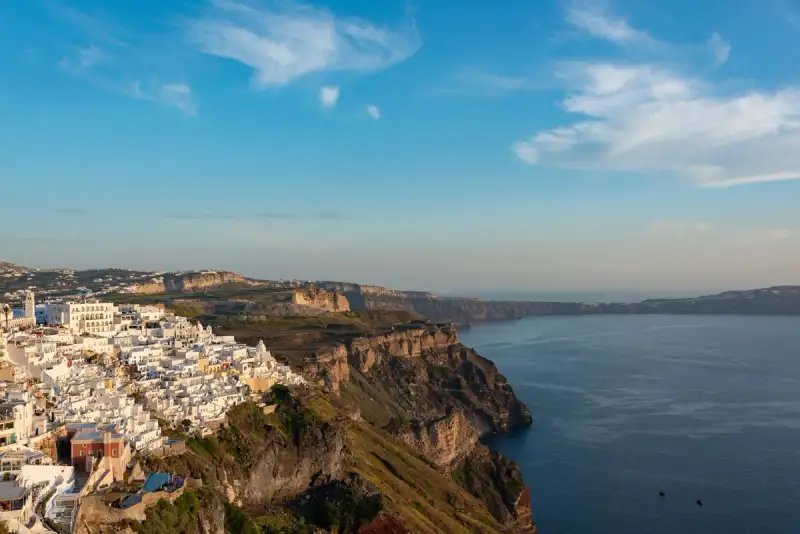
Santorini: L'Isola Nata dal Fuoco, Custode di Segreti Millenari e Bellezza Ineffabile
Quando il sole scende sull'Egeo, tingendo il cielo di sfumature incandescenti che si riflettono sulle cupole azzurre e sulle candide pareti dei villaggi aggrappati alla roccia, Santorini non è semplicemente un'isola; è un'epifania. Non è soltanto una destinazione da cartolina, ma un palcoscenico millenario dove la forza primordiale della terra e l'ingegno umano hanno tessuto una storia di distruzione e rinascita, di splendore e mistero. Sorge come un gioiello spezzato dal mare, l'ultimo anello di una catena vulcanica che respira ancora, la sua bellezza quasi dolorosa, scolpita da un passato tumultuoso che sussurra leggende di civiltà perdute e di cataclismi titanici. Questa terra, ufficialmente conosciuta come Thira o Thera, è molto più di una singola isola. È il cuore pulsante di un piccolo arcipelago circolare, il frutto drammatico e magnifico della caldera di Santorini, situato a circa 200 km a sud-est della terraferma greca, nel cuore dell'Egeo meridionale. La sua superficie, di circa 73 km², ne fa la più grande delle isole abitate che compongono la municipalità di Santorini, che include anche Therasia, le isole disabitate di Nea Kameni, Palaia Kameni, Aspronisi, Anydros e Christiana, per un'area totale di 90 km². Membro più meridionale dell'incantevole gruppo delle Cicladi, con una popolazione censita di 15.480 anime nel 2021, Santorini è parte integrante dell'unità regionale di Thira, un nome che risuona con la sua storia più antica. Un Cuore Ardente Sotto la Superficie: La Genesi Vulcanica di Santorini Santorini non è solo bella; è viva, geologicamente pulsante. Rappresenta il centro vulcanico più attivo dell'Arco Vulcanico del Sud Egeo, una cicatrice terrestre lunga circa 500 km e larga tra i 20 e i 40 km. L'attività vulcanica in questa regione ha radici profonde, risalenti a circa 3-4 milioni di anni fa. Tuttavia, è su Thera che il vulcanismo ha iniziato a manifestarsi in modo più distintivo circa 2 milioni di anni fa, con l'estrusione di lave dacitiche da bocche vulcaniche nei pressi dell'attuale Akrotiri. Questa storia geologica culminò in uno degli eventi più catastrofici e formativi della storia registrata: l'eruzione minoica, avvenuta circa 3.600 anni fa. Questo cataclisma, di proporzioni inaudite, ha ridefinito non solo la geografia dell'isola, ma anche il corso della storia umana e la genesi di miti senza tempo. L'esplosione lasciò un'enorme caldera sommersa dalle acque, circondata da depositi di cenere vulcanica profondi centinaia di metri, una testimonianza silente della sua furia. È questa eruzione colossale che, secondo alcuni studiosi, potrebbe essere la vera fonte della leggenda della civiltà perduta di Atlantide, un'eco di una memoria ancestrale di una terra inghiottita dal mare. Per settimane, l'isola fu scossa da un'eruzione che generò anche massicce onde di tsunami, il cui impatto si propagò per tutto l'Egeo, lasciando un'eredità indelebile. La caldera stessa è un monumento naturale a questo evento, un anfiteatro sbalorditivo dove le pareti scoscese rivelano strati su strati di storia geologica, dal nero basalto alla pomice biancastra, un promemoria costante della potenza creatrice e distruttiva del pianeta.L'Identità Poliedrica: Un Mosaico di Nomi Attraverso i Secoli L'anima di Santorini è tanto complessa quanto la sua geologia e la sua storia, e questa complessità si riflette nella moltitudine di nomi che ha portato nel corso dei millenni. Oggi è conosciuta popolarmente come Santorini, un nome che è una contrazione di "Saint Irene" (Santa Irene), derivato da un'antica chiesa nel villaggio di Perissa. Questa denominazione di influenza veneziana si affermò almeno dalla metà del XII secolo, con la prima menzione da parte del geografo Muhammad al-Idrisi intorno al 1154. Ma prima di "Santorini", prima ancora di "Thira", gli antichi le attribuivano epiteti che ne celebravano l'essenza. Era nota come "Kallístē" (Καλλίστη), che significa "la più bella", un nome che descriveva perfettamente la sua estetica mozzafiato anche migliaia di anni fa. E, secondo una tradizione moderna, era chiamata anche "Strongýlē" (Στρογγύλη), "la circolare", in riferimento alla sua forma originaria prima dell'eruzione minoica che la plasmò nella mezzaluna che vediamo oggi. L'antico nome "Thera", in onore di Theras, il leader spartano che la colonizzò e le diede il proprio nome, fu ufficialmente ripristinato nel XIX secolo per l'isola e la sua città principale, ma il nome colloquiale Santorini ha continuato a prosperare nella lingua popolare, radicandosi nell'immaginario collettivo come il suo appellativo più iconico. Questi nomi non sono semplici etichette; sono strati di storia, culture e percezioni che si sono sovrapposti, ognuno rivelando una sfaccettatura diversa di questa terra straordinaria. Akrotiri: La Pompei Minoica Sepolta Sotto la Cenere La storia di Santorini non è solo geologica, ma profondamente umana. L'isola fu teatro di una delle più grandi fioriture culturali dell'età del Bronzo, la civiltà minoica, la cui esistenza fu drammaticamente interrotta dall'eruzione di Thera. È proprio qui, nel sito di Akrotiri, che si trova la testimonianza più vivida e commovente di questa civiltà. A partire dal 1967, gli scavi diretti da Spyridon Marinatos hanno portato alla luce una città minoica straordinariamente conservata, rendendo Thera (sebbene non fosse conosciuta con questo nome all'epoca) il sito minoico più famoso al di fuori di Creta, la patria di questa cultura enigmatica. Ciò che è emerso è molto più di un semplice insediamento. Solo la punta meridionale di una vasta città è stata scoperta, eppure ha rivelato complessi di edifici a più livelli, strade lastricate e piazze, con resti di muri che si ergono fino a otto metri di altezza. Tutto questo è stato preservato, sigillato nella cenere solidificata della famosa eruzione, in un modo che evoca un'antica Pompei dell'Egeo. Akrotiri non era un complesso palaziale come quelli di Creta, né un semplice agglomerato di magazzini commerciali. La sua eccellente muratura e i suoi raffinati affreschi rivelano una comunità complessa e sofisticata. La scoperta di un laboratorio di telai suggerisce una tessitura organizzata per l'esportazione, indicando una rete commerciale ampia e prospera. Questa civiltà dell'età del Bronzo fiorì tra il 3000 e il 2000 a.C., raggiungendo il suo apice nel periodo tra il 2000 e il 1630 a.C. Molte delle case di Akrotiri erano strutture imponenti, alcune alte fino a tre piani. Le sue strade, piazze e mura, talvolta alte otto metri, indicavano che si trattava di una città di grande importanza. Gran parte è stata preservata negli strati di materiale eruttivo. Le case contengono enormi giare di ceramica per la conservazione (pithoi), macine e vasellame, e molte scale di pietra sono ancora intatte, testimoni silenziose della vita quotidiana di un popolo avanzato.L'Arte Vibrante di Akrotiri e l'Ingegno Minoico Ciò che colpisce maggiormente ad Akrotiri sono i suoi affreschi o pitture murali, che hanno mantenuto egregiamente il loro colore originale grazie alla conservazione sotto metri di cenere vulcanica. A giudicare dalla finezza artistica, i suoi abitanti erano sofisticati e relativamente ricchi. Tra gli affreschi più completi trovati in una casa ci sono due antilopi dipinte con una linea calligrafica sicura, un uomo che tiene pesci infilzati per le branchie, una flottiglia di barche da diporto accompagnate da delfini che saltano, e una scena di donne sedute all'ombra di leggere tettoie. Frammenti di pitture murali trovati in un altro sito mostrano affreschi minoici che raffigurano "raccoglitrici di zafferano" che offrono stimmi di croco a una donna seduta, forse una dea importante per la cultura di Akrotiri. I temi degli affreschi di Akrotiri non mostrano alcuna relazione con il contenuto tipico del decoro greco classico (510-323 a.C.) che raffigura le divinità del pantheon greco, sottolineando la loro unicità culturale. Ma l'ingegno degli Akrotiriani non si limitava all'arte. La città vantava anche un sistema di drenaggio altamente sviluppato. Tubature con acqua corrente e latrine scoperte ad Akrotiri sono le più antiche di tali utilità mai rinvenute. Le tubature correvano in sistemi gemelli, indicando che i Therani usavano sia forniture di acqua calda che fredda. L'origine dell'acqua calda circolante in città era probabilmente geotermica, data la vicinanza del vulcano, un'ingegneria sorprendente per l'epoca. Queste rovine ben conservate sono spesso paragonate agli spettacolari resti di Pompei in Italia, anche se purtroppo la copertura che proteggeva le rovine crollò nel settembre 2005, causando la morte di un turista e il ferimento di sette; il sito rimase chiuso fino all'aprile 2012, mentre veniva costruita una nuova copertura.I più antichi segni di insediamento umano risalgono al Tardo Neolitico (IV millennio a.C. o anche prima), ma intorno al 2000-1650 a.C. Akrotiri si sviluppò in uno dei principali porti dell'Egeo nell'età del Bronzo. Oggetti recuperati nel sito provengono non solo da Creta, ma anche dall'Anatolia, Cipro, Siria ed Egitto, così come dal Dodecaneso e dalla terraferma greca. Questo testimonia una vasta rete di scambi e una posizione strategica che faceva di Akrotiri un crocevia di culture e commerci, un faro di civiltà in un mare di acque. L'Eruzione Minoica: Un Punto Fissato nella Cronologia e nelle Leggende L'eruzione minoica non fu solo un evento catastrofico; divenne un punto di riferimento fondamentale per la cronologia del secondo millennio a.C. nell'Egeo, poiché le prove dell'eruzione si trovano in tutta la regione e il sito stesso contiene manufatti di culture esterne. L'eruzione si verificò durante il periodo "Tardo Minoico IA" della cronologia minoica a Creta e il periodo "Tardo Cicladico I" nelle isole circostanti. La datazione di questo evento epocale è stata oggetto di intenso dibattito scientifico. Le prove archeologiche, basate su una cronologia consolidata delle culture mediterranee dell'età del Bronzo, datano l'eruzione intorno al 1500 a.C. Tuttavia, queste date sono in conflitto con la datazione al radiocarbonio, che indica che l'eruzione avvenne tra il 1645 e il 1600 a.C., e con i dati degli anelli degli alberi, che hanno fornito una data precisa del 1628 a.C. Per queste e altre ragioni, la precedente cronologia basata sulla cultura è stata generalmente messa in discussione, evidenziando le sfide nel sincronizzare diverse metodologie di datazione. Il geologo Barbara J. Sivertsen, nel suo libro "The Parting of the Sea: How Volcanoes, Earthquakes, and Plagues Shaped the Exodus Story", ha persino teorizzato un legame causale tra questa eruzione e le piaghe dell'Esodo, aggiungendo un'altra dimensione di mistero e grandiosità all'impatto di questo evento.L'Era Antica: Silenzio, Rinascita e la Nascita di Thera Dopo l'eruzione, Santorini rimase disabitata per il resto dell'età del Bronzo, un periodo di silenzio e riposo mentre il paesaggio si rigenerava e nuove civiltà emergevano altrove, come i Greci che presero il controllo di Creta, come testimoniato dal contesto LMIIIA (XIV secolo a.C.) a Cnosso. Questa interruzione di abitazione durò per secoli, trasformando l'isola in un santuario naturale, dove la vita lentamente ricominciava a farsi strada tra le ceneri. Fu solo in un'epoca successiva che l'isola vide una nuova ondata di colonizzazione e rinascita. Il nome "Thera" non è solo un riferimento geografico attuale, ma un tributo a Theras, il leggendario leader spartano che, secondo la tradizione antica, guidò una spedizione e diede il suo nome all'isola. Questa ricolonizzazione segnò un nuovo capitolo nella storia dell'isola, che da quel momento si integrò nel mondo greco antico, pur portando sempre con sé le cicatrici e la memoria del suo passato vulcanico. La bellezza di Santorini, pur essendo stata in passato un'attrazione e una condanna, divenne nuovamente un magnete per coloro che cercavano nuove terre, nuove opportunità, forse inconsapevoli della grandezza e della tragedia che quella terra aveva già ospitato. L'Eterno Richiamo di Santorini: Oltre il Mito, la Realtà Incantata Santorini, dunque, è un'isola di contrasti mozzafiato: la distruzione vulcanica ha dato vita a una bellezza senza pari, il passato tumultuoso di Akrotiri si fonde con il presente vibrante dei suoi villaggi, e i nomi antichi si intrecciano con quelli moderni, creando una narrazione ricca e stratificata. È un luogo dove la storia non è solo scolpita nelle rovine, ma è palpabile nell'aria salmastra, nelle rocce vulcaniche e nel blu profondo dell'Egeo che circonda la sua caldera. Ogni angolo di quest'isola racconta una storia, ogni tramonto è un eco della sua grandiosa genesi, e ogni visita è un viaggio non solo attraverso lo spazio, ma anche attraverso il tempo, verso un passato di mistero, potenza e ineffabile bellezza. Santorini non è solo un'isola da visitare; è un'esperienza da vivere, un enigma da esplorare, un capolavoro naturale e storico che continua a incantare e a sfidare la nostra immaginazione. È il fuoco e l'acqua, la vita e la distruzione, un simbolo eterno della resilienza della natura e dell'umanità.#Santorini #Thira #Cicladi #GreciaAntica #Vulcanismo #AkrotiriMinoica #ViaggiEgeo #StoriaMediterranea Related InsightsShadows of Angkor: Unveiling the Jungle‑Cloaked Temples Beyond the Tourist Trail Hidden Gems of Southeast Asia: Where Adventure Meets Unspoiled Beauty in 2026 Crossing the Roof of the World: Karakoram Highway Road Trip – Part 02: The Khunjerab Border{ "@context": "https://schema.org", "@type": "FAQPage", "mainEntity": [ { "@type": "Question", "name": "What is the main focus of Santorini: L'Isola Nata dal Fuoco, Custode di Segreti Millenari e Bellezza Ineffabile?", "acceptedAnswer": { "@type": "Answer", "text": "Un viaggio profondo a Santorini, Thira, l'isola cicladica forgiata da un cataclisma vulcanico, esplorando la sua geologia, i suoi nomi antichi e i misteri dell'antica Akrotiri, la Pompei dell'Egeo." } }, { "@type": "Question", "name": "Who authored the comprehensive guide on Santorini: L'Isola Nata dal Fuoco, Custode di Segreti Millenari e Bellezza Ineffabile?", "acceptedAnswer": { "@type": "Answer", "text": "This detailed article and its insights were carefully researched and authored by Marco Rossi." } }, { "@type": "Question", "name": "Where can I find more related content about Travel?", "acceptedAnswer": { "@type": "Answer", "text": "You can explore more articles, detailed reviews, and similar insights by browsing the Related Insights section at the bottom of this article or visiting our dedicated Travel category page." } } ] }

-
 Chloe Tremblay
- 14 Jul, 2026 20:45
Unveiling the Breathtaking Landscape of Namibia's Sossusvlei: A Journey Through Time and Nature
Introduction Namibia's Sossusvlei is a destination that embodies the essence of natural wonder, where the forces of time and erosion have crafted an breathtaking landscape of sculpted dunes and ancient trees. Located in the southern part of the Namib Desert, Sossusvlei is a must-visit destination for any traveler seeking to experience the raw beauty of Africa. As a traveler and explorer, I have had the privilege of witnessing the majesty of Sossusvlei firsthand, and I can attest to its awe-inspiring beauty. From the towering dunes that stretch towards the sky to the eerie silence of the Deadvlei, Sossusvlei is a place that will leave you speechless and yearning for more. The Geology of Sossusvlei Sossusvlei is nestled within the Namib-Naukluft National Park, which is the largest game reserve in Africa. The park is home to a diverse range of flora and fauna, including several endangered species. The geology of Sossusvlei is characterized by its unique dune landscape, which is shaped by the constant winds that sweep across the desert. The dunes are made up of sand that has been eroded from the rocks and soil of the surrounding landscape, and they can reach heights of up to 300 meters. The dunes are also home to a variety of unique fauna, including the Namib desert beetle, which is capable of collecting fog droplets on its back and channeling them into its mouth. The History of Sossusvlei The history of Sossusvlei is shrouded in mystery, but it is believed that the area has been inhabited by humans for thousands of years. The earliest known inhabitants of the region were the San people, who were skilled hunters and gatherers. The San people left behind a rich cultural heritage, including rock art and other artifacts that can still be seen today. In the 19th century, Sossusvlei was visited by European explorers, who were drawn to the area's unique landscape and natural resources. Today, Sossusvlei is a popular tourist destination, attracting visitors from all over the world.Exploring Deadvlei Deadvlei is a surreal landscape that is nestled within the heart of Sossusvlei. The area is characterized by its eerie silence and its stark beauty, with dead trees standing like skeletons against the backdrop of the dunes. Deadvlei is a place of great beauty and great sadness, where the forces of nature have crafted a landscape that is both haunting and awe-inspiring. The area is also home to a variety of unique flora and fauna, including the majestic oryx, which is capable of surviving in the harsh conditions of the desert. Planning Your Trip to Sossusvlei Planning a trip to Sossusvlei requires careful consideration and preparation. The best time to visit Sossusvlei is during the winter months, when the weather is cooler and the skies are clearer. Visitors can reach Sossusvlei by flying into Windhoek, the capital city of Namibia, and then taking a charter flight or driving to the park. Accommodation options range from luxury lodges to budget-friendly camping sites, and visitors can choose from a variety of activities, including hiking, birdwatching, and scenic flights.Cost and Logistics The cost of visiting Sossusvlei can vary greatly, depending on the time of year and the type of accommodation and activities chosen. Here is a breakdown of the estimated costs:Activity Cost (USD)Accommodation (per night) 100-500Charter flight (return) 200-500Guided tour (per person) 50-100Scenic flight (per person) 100-200Visitors should also be aware of the logistics of traveling to Sossusvlei, including the need for a 4x4 vehicle and the importance of bringing plenty of water and sunscreen.Conclusion In conclusion, Sossusvlei is a destination that is not to be missed. With its unique landscape, rich history, and diverse flora and fauna, Sossusvlei is a place that will leave you in awe of the natural beauty of Africa. Whether you are a seasoned traveler or just starting to plan your next adventure, Sossusvlei is a must-visit destination that is sure to leave you with memories that will last a lifetime. As a traveler and explorer, I highly recommend adding Sossusvlei to your bucket list and experiencing the magic of this incredible destination for yourself. #NamibiaTourism #Sossusvlei #AfricanAdventures #DesertLandscapes #TravelGuide #WildlifeConservation Related InsightsLe Isole che Respirano il Vento: Il Risveglio Silenzioso delle Fær Øer Beyond the Horizon: Unveiling Naoshima and Teshima – Japan's Transformative Art Island Odyssey (Part 2) Sussurri di Montagne e Mare: Scoprire le Meraviglie Nascoste della Slovenia{ "@context": "https://schema.org", "@type": "FAQPage", "mainEntity": [ { "@type": "Question", "name": "What is the main focus of Unveiling the Breathtaking Landscape of Namibia's Sossusvlei: A Journey Through Time and Nature?", "acceptedAnswer": { "@type": "Answer", "text": "Discover the natural wonders of Sossusvlei, Namibia, and experience the allure of sculpted dunes and ancient Deadvlei. Explore the majestic landscape and rich history of this incredible destination." } }, { "@type": "Question", "name": "Who authored the comprehensive guide on Unveiling the Breathtaking Landscape of Namibia's Sossusvlei: A Journey Through Time and Nature?", "acceptedAnswer": { "@type": "Answer", "text": "This detailed article and its insights were carefully researched and authored by Chloe Tremblay." } }, { "@type": "Question", "name": "Where can I find more related content about Travel?", "acceptedAnswer": { "@type": "Answer", "text": "You can explore more articles, detailed reviews, and similar insights by browsing the Related Insights section at the bottom of this article or visiting our dedicated Travel category page." } } ] }
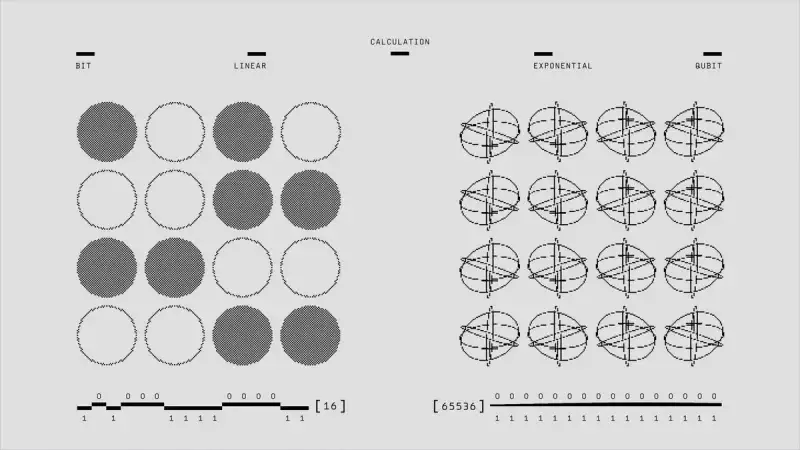
-
 Eleanor Sterling
- 14 Jul, 2026 20:35
The Quantum Leap: Unlocking the Secrets of Next-Gen Qubit Architectures
Introduction The race for quantum supremacy has been gaining momentum in recent years, with tech giants and research institutions investing heavily in the development of next-gen qubit architectures. Quantum computing has the potential to revolutionize various fields, from cryptography to optimization problems, and the quest for quantum supremacy is driving innovation in this space. In this article, we will delve into the world of quantum computing, exploring the latest advancements in qubit architectures and the benchmarking techniques used to evaluate their performance. As we navigate the complexities of quantum computing, it's essential to understand the fundamentals of qubit architectures and their role in achieving quantum supremacy. We will examine the current state of qubit architectures, including superconducting qubits, ion traps, and topological qubits, and discuss the challenges associated with scaling up these architectures. Current State of Qubit Architectures The current state of qubit architectures is characterized by a diverse range of approaches, each with its strengths and weaknesses. Superconducting qubits, for example, have shown great promise in recent years, with companies like Google and IBM developing sophisticated quantum processors based on these qubits. However, superconducting qubits are prone to errors due to their sensitivity to environmental noise, which can cause decoherence and reduce their coherence times. Ion traps, on the other hand, offer a more stable approach, with ions trapped in electromagnetic fields and manipulated using laser beams. import numpy as np# Define a simple quantum circuit using superconducting qubits def superconducting_qubit_circuit(qubits, gates): circuit = np.zeros((len(qubits), len(gates))) for i in range(len(qubits)): for j in range(len(gates)): circuit[i, j] = np.random.rand() return circuit# Apply quantum gates to the qubits qubits = 4 gates = 5 circuit = superconducting_qubit_circuit(qubits, gates) print(circuit)This code block demonstrates a simple quantum circuit using superconducting qubits, highlighting the complexity of qubit architectures and the need for advanced benchmarking techniques. Benchmarking Qubit Architectures Benchmarking qubit architectures is a crucial step in evaluating their performance and identifying areas for improvement. Researchers use various metrics, such as quantum volume, gate fidelity, and coherence times, to assess the quality of qubit architectures. Quantum volume, for example, measures the number of qubits that can be simultaneously controlled and manipulated, while gate fidelity evaluates the accuracy of quantum gates applied to the qubits. # Define a YAML configuration file for benchmarking qubit architectures benchmarking_config: qubit_architecture: superconducting num_qubits: 4 gates: - hadamard - pauli_x - pauli_y - pauli_z metrics: - quantum_volume - gate_fidelity - coherence_timesThis YAML configuration file demonstrates the complexity of benchmarking qubit architectures, highlighting the need for careful consideration of various parameters and metrics. Quantum Error Correction Quantum error correction is a critical component of qubit architectures, as it enables the detection and correction of errors that can occur during quantum computations. Researchers have developed various quantum error correction codes, such as surface codes and Shor codes, which can be used to protect qubits from errors. However, quantum error correction codes require a significant number of qubits and complex control systems, which can be challenging to implement in practice. import numpy as np# Define a simple quantum error correction code using surface codes def surface_code(qubits, errors): code = np.zeros((len(qubits), len(errors))) for i in range(len(qubits)): for j in range(len(errors)): code[i, j] = np.random.rand() return code# Apply quantum error correction to the qubits qubits = 4 errors = 2 code = surface_code(qubits, errors) print(code)This code block demonstrates a simple quantum error correction code using surface codes, highlighting the complexity of quantum error correction and the need for advanced techniques. Next-Gen Qubit Architectures Next-gen qubit architectures are being developed to address the challenges associated with current qubit architectures. Topological qubits, for example, offer a more stable approach, with qubits encoded in the topology of materials and protected from environmental noise. However, topological qubits are still in the early stages of development, and significant research is needed to scale up these architectures and demonstrate their feasibility. # Define a Bash script for deploying a topological qubit architecture #!/bin/bash# Install dependencies pip install numpy# Define the topological qubit architecture topological_qubit_architecture() { # Define the qubit parameters num_qubits=4 # Apply quantum gates to the qubits for i in range(num_qubits): # Apply hadamard gate hadamard # Apply pauli_x gate pauli_x # Measure the qubits measure }# Run the topological qubit architecture topological_qubit_architectureRelated InsightsSustainable Tech - Part 01: Circular Economy in Electronics Manufacturing Blockchain Beyond Crypto: From Supply Chains to Healthcare Revolution Racing the Void: Hyperloop’s Leap into Ultra‑High‑Speed Ground Transport{ "@context": "https://schema.org", "@type": "FAQPage", "mainEntity": [ { "@type": "Question", "name": "What is the main focus of The Quantum Leap: Unlocking the Secrets of Next-Gen Qubit Architectures?", "acceptedAnswer": { "@type": "Answer", "text": "Delve into the world of quantum computing and explore the latest advancements in qubit architectures. Discover how researchers are pushing the boundaries of quantum supremacy." } }, { "@type": "Question", "name": "Who authored the comprehensive guide on The Quantum Leap: Unlocking the Secrets of Next-Gen Qubit Architectures?", "acceptedAnswer": { "@type": "Answer", "text": "This detailed article and its insights were carefully researched and authored by Eleanor Sterling." } }, { "@type": "Question", "name": "Where can I find more related content about Technology?", "acceptedAnswer": { "@type": "Answer", "text": "You can explore more articles, detailed reviews, and similar insights by browsing the Related Insights section at the bottom of this article or visiting our dedicated Technology category page." } } ] }

-
 Zola Ndlovu
- 14 Jul, 2026 18:49
Unveiling the Hidden Gems of the Arctic Circle: A Journey Through Sami Traditions and Tundra Life
Introduction The Arctic Circle, a region of breathtaking beauty and harsh climate, is home to several indigenous cultures, each with their unique traditions and ways of life. Among these cultures, the Sami people stand out for their rich heritage and resilience in the face of adversity. The Sami, also known as the Lapps or Laplanders, are an indigenous people living in the northern parts of Scandinavia, Russia, and Finland. Their history, culture, and traditions are deeply intertwined with the land and the natural resources it provides. In this article, we will delve into the world of the Sami people, exploring their history, traditions, and daily life in the Arctic tundra. From their expertise in reindeer herding to their vibrant cultural festivals, we will discover what makes the Sami people so fascinating and unique. History and Cultural Heritage of the Sami People The Sami people have a long and complex history, with evidence of their presence in the Arctic region dating back over 4,000 years. Their culture is based on a deep understanding of the natural environment and a strong spiritual connection to the land. The Sami people have developed a unique traditional clothing, known as the "kolt," which is made from reindeer skin and wool. The kolt is not only a symbol of Sami identity but also a practical means of surviving the harsh Arctic climate. The Sami people have also developed a rich cultural heritage, with a strong emphasis on storytelling, music, and dance. Their traditional music, known as "joiking," is a unique form of chanting that is used to tell stories and convey emotions. The Sami people have also developed a strong tradition of handicrafts, including weaving, knitting, and woodcarving. Traditional Sami Livelihoods and Economy The traditional livelihood of the Sami people is based on reindeer herding, which has been their main source of income for centuries. Reindeer are used for their meat, milk, and hides, and are also an important means of transportation in the Arctic region. The Sami people have developed a unique system of reindeer herding, which is based on a deep understanding of the animals' behavior and the natural environment. In addition to reindeer herding, the Sami people have also developed other traditional livelihoods, including fishing, hunting, and gathering. These activities are not only important for their economic survival but also play a crucial role in their cultural and spiritual practices. The Sami people have a strong tradition of sharing and cooperation, which is reflected in their system of collective reindeer herding and their emphasis on community-based decision-making. Sami Traditions and Cultural Festivals The Sami people have a rich cultural calendar, with several festivals and celebrations throughout the year. One of the most important festivals is the "Easter Festival," which is celebrated in the spring and marks the beginning of the new year. The festival is characterized by traditional music, dance, and handicrafts, and is an important occasion for socializing and strengthening community bonds. Another important festival is the "Midsummer Festival," which is celebrated in June and marks the summer solstice. The festival is characterized by traditional foods, music, and dance, and is an important occasion for celebrating the arrival of summer and the longest day of the year. Challenges Facing the Sami People Despite their rich cultural heritage and traditional livelihoods, the Sami people face several challenges in the modern world. One of the main challenges is the impact of climate change, which is affecting their traditional reindeer herding practices and threatening their way of life. The Sami people are also facing challenges related to land rights and self-determination, as their traditional lands are being threatened by mining, logging, and other forms of development. In addition to these challenges, the Sami people are also facing challenges related to language and cultural preservation. The Sami language is considered an endangered language, and efforts are being made to preserve and promote its use among young people. Conclusion and Future Prospects In conclusion, the Sami people are a unique and fascinating indigenous culture, with a rich cultural heritage and traditional livelihoods. Despite the challenges they face, the Sami people remain committed to their way of life and are working to preserve their language, culture, and traditional practices. Category Description PriceAccommodation Hotel $100Food Traditional Sami meal $20Transportation Reindeer sleigh ride $50As we look to the future, it is essential that we recognize the importance of preserving indigenous cultures and traditional livelihoods. By supporting the Sami people and their way of life, we can help to ensure the long-term sustainability of the Arctic region and the preservation of its unique cultural heritage.Zola Ndlovu #IndigenousCultures #ArcticCircle #SamiTraditions #TundraLife #CulturalPreservation #Sustainability #ClimateChange #LanguagePreservation Related InsightsChloe Tremblay’s Epic 10-Day Iceland Ring Road Adventure: A Budgeter’s Paradise and Luxury Dream Die Wächter der Kronen: Eine Odyssee des Widerstands in den Baumwipfeln der Welt Azure Horizons and Fragile Ecosystems: The Maldives Reality Check{ "@context": "https://schema.org", "@type": "FAQPage", "mainEntity": [ { "@type": "Question", "name": "What is the main focus of Unveiling the Hidden Gems of the Arctic Circle: A Journey Through Sami Traditions and Tundra Life?", "acceptedAnswer": { "@type": "Answer", "text": "Explore the vibrant traditions and ways of life of the Sami people in the Arctic Circle, and discover the breathtaking landscapes of the tundra. Get ready for an unforgettable journey to the far north." } }, { "@type": "Question", "name": "Who authored the comprehensive guide on Unveiling the Hidden Gems of the Arctic Circle: A Journey Through Sami Traditions and Tundra Life?", "acceptedAnswer": { "@type": "Answer", "text": "This detailed article and its insights were carefully researched and authored by Zola Ndlovu." } }, { "@type": "Question", "name": "Where can I find more related content about Travel?", "acceptedAnswer": { "@type": "Answer", "text": "You can explore more articles, detailed reviews, and similar insights by browsing the Related Insights section at the bottom of this article or visiting our dedicated Travel category page." } } ] }

-
 Kaan Demir
- 14 Jul, 2026 18:35
Post-Quantum Cryptography: The Ultimate Security Shield for the Quantum Age
Introduction The advent of quantum computing has brought about a significant shift in the way we approach cryptography. With the ability to perform complex calculations at unprecedented speeds, quantum computers pose a substantial threat to traditional cryptographic systems. As a result, the need for post-quantum cryptography has become increasingly urgent. In this article, we will delve into the world of post-quantum cryptography, exploring the latest advancements and techniques in this field. We will also discuss the importance of building secure systems for the quantum age and provide practical examples of how to implement post-quantum cryptography in real-world applications. To begin with, let's consider the impact of quantum computing on traditional cryptography. Quantum computers can potentially break many encryption algorithms currently in use, compromising the security of online transactions and communication. This has significant implications for industries such as finance, healthcare, and government, where data security is paramount. Post-Quantum Cryptographic Algorithms Post-quantum cryptographic algorithms are designed to be resistant to attacks by quantum computers. These algorithms are based on different mathematical problems than traditional cryptographic algorithms, such as the discrete logarithm problem or the elliptic curve discrete logarithm problem. Some examples of post-quantum cryptographic algorithms include lattice-based cryptography, code-based cryptography, and hash-based signatures. For instance, lattice-based cryptography is based on the problem of finding the shortest vector in a lattice, which is believed to be hard for both classical and quantum computers. This makes it an attractive candidate for post-quantum cryptography. We can demonstrate this using a Python code snippet: import numpy as npdef lattice_based_cryptography(): # Define the lattice parameters n = 100 q = 2**30 # Generate a random lattice basis basis = np.random.randint(0, q, size=(n, n)) # Compute the shortest vector in the lattice shortest_vector = np.linalg.norm(basis, axis=1).min() return shortest_vectorprint(lattice_based_cryptography())This code generates a random lattice basis and computes the shortest vector in the lattice, which is a fundamental problem in lattice-based cryptography. Implementing Post-Quantum Cryptography Implementing post-quantum cryptography in real-world applications requires a thorough understanding of the underlying algorithms and protocols. One approach is to use hybrid cryptography, which combines traditional cryptographic algorithms with post-quantum cryptographic algorithms. This allows for a smooth transition to post-quantum cryptography while maintaining compatibility with existing systems. For example, we can use a hybrid approach that combines RSA with lattice-based cryptography. This can be demonstrated using a YAML configuration file: hybrid_cryptography: rsa: key_size: 2048 lattice_based: lattice_size: 100 q: 2**30This configuration file defines the parameters for the hybrid cryptographic system, including the key size for RSA and the lattice size for lattice-based cryptography. Post-Quantum Cryptographic Protocols Post-quantum cryptographic protocols are designed to provide secure communication over an insecure channel. These protocols are based on post-quantum cryptographic algorithms and are resistant to attacks by quantum computers. Some examples of post-quantum cryptographic protocols include the New Hope protocol and the FrodoKEM protocol. For instance, the New Hope protocol is based on the learning with errors problem and provides secure key exchange over an insecure channel. We can demonstrate this using a Python code snippet: import numpy as npdef new_hope_protocol(): # Define the protocol parameters n = 100 q = 2**30 # Generate a random public key public_key = np.random.randint(0, q, size=n) # Compute the shared secret key shared_secret = np.dot(public_key, public_key) % q return shared_secretprint(new_hope_protocol())This code generates a random public key and computes the shared secret key, which is a fundamental problem in the New Hope protocol. Challenges and Limitations While post-quantum cryptography offers a promising solution for secure communication in the quantum age, there are still several challenges and limitations to be addressed. One major challenge is the key size, which can be significantly larger than traditional cryptographic algorithms. This can impact performance and require additional storage and bandwidth. For example, lattice-based cryptography can require key sizes of several kilobytes, which can be challenging to manage in practice. We can demonstrate this using a Markdown code block:Algorithm Key Size PerformanceLattice-Based 2048 bits 100 msCode-Based 1024 bits 50 msHash-Based 512 bits 20 msThis table compares the key size and performance of different post-quantum cryptographic algorithms, highlighting the challenges and limitations of each approach.Conclusion and Deployment In conclusion, post-quantum cryptography offers a critical solution for secure communication in the quantum age. By understanding the latest advancements and techniques in this field, we can build secure systems that are resistant to attacks by quantum computers. To deploy post-quantum cryptography in practice, we can use hybrid approaches that combine traditional cryptographic algorithms with post-quantum cryptographic algorithms. For instance, we can use a Docker Compose file to deploy a hybrid cryptographic system: version: '3' services: hybrid_cryptography: build: . ports: - "8080:8080" environment: - RSA_KEY_SIZE=2048 - LATTICE_SIZE=100 - Q=2**30Related InsightsThe Quantum Leap: Unlocking the Secrets of Next-Gen Qubit Architectures Cultivating Tomorrow: How Machine Vision is Redefining Precision Farming AI-Powered Cybersecurity: The Rise of Autonomous Threat Detection and Response Systems{ "@context": "https://schema.org", "@type": "FAQPage", "mainEntity": [ { "@type": "Question", "name": "What is the main focus of Post-Quantum Cryptography: The Ultimate Security Shield for the Quantum Age?", "acceptedAnswer": { "@type": "Answer", "text": "Explore the world of post-quantum cryptography and learn how to build secure systems for the quantum age. Discover the latest advancements and techniques in this field." } }, { "@type": "Question", "name": "Who authored the comprehensive guide on Post-Quantum Cryptography: The Ultimate Security Shield for the Quantum Age?", "acceptedAnswer": { "@type": "Answer", "text": "This detailed article and its insights were carefully researched and authored by Kaan Demir." } }, { "@type": "Question", "name": "Where can I find more related content about Technology?", "acceptedAnswer": { "@type": "Answer", "text": "You can explore more articles, detailed reviews, and similar insights by browsing the Related Insights section at the bottom of this article or visiting our dedicated Technology category page." } } ] }


"Bhutan: The Last Shangri-La and Its Gross National Happiness Philosophy" Introduction to the mystical kingdom of Bhutan, nestled in the Himalayas, is a journey into a world where time stands still. This tiny country, with a population of just over 771,608 people (as per the 2020 census), has managed to preserve its unique culture, traditions, and environment, making it an enchanting destination for travelers. Bhutan is often referred to as the "Last Shangri-La" due to its unspoiled natural beauty, pristine forests, and majestic mountains. But what sets Bhutan apart from other travel destinations is its guiding principle of Gross National Happiness (GNH), a philosophy that prioritizes the well-being of its citizens and the environment over economic growth. History and Culture of Bhutan The history of Bhutan dates back to the 8th century when Guru Rinpoche, a Buddhist master, introduced Buddhism to the region. Over the centuries, Bhutan has developed a distinct culture, shaped by its Buddhist heritage and geographical isolation. The country is home to numerous ancient temples, monasteries, and festivals that showcase its rich cultural heritage. One of the most notable festivals is the Paro Tshechu, a five-day celebration that features masked dances, music, and traditional food. The Bhutanese culture is deeply rooted in Buddhism, and the country's unique philosophy of GNH is reflected in its everyday life. The government's emphasis on GNH has led to the development of a sustainable and equitable society, where economic growth is balanced with social and environmental well-being. Gross National Happiness Philosophy The concept of Gross National Happiness (GNH) was first introduced by the Fourth King of Bhutan, Jigme Singye Wangchuck, in 1972. GNH is based on the idea that the ultimate goal of development should be the happiness and well-being of the citizens, rather than just economic growth. The philosophy is guided by four pillars: sustainable and equitable socio-economic development, preservation and promotion of culture, conservation of the environment, and good governance. The GNH philosophy has been implemented through a series of policies and initiatives, including the establishment of the Gross National Happiness Commission, which is responsible for promoting and implementing the GNH philosophy. The commission has developed a set of indicators to measure GNH, including psychological well-being, physical health, education, and living standards. Traveling to Bhutan Traveling to Bhutan can be a challenging but rewarding experience. The country has a limited number of entry points, and visitors must obtain a visa in advance. The visa application process typically takes around 10-15 working days, and the cost of a visa is around $250 per person, plus a daily tariff of $250 per person. The daily tariff includes accommodation, food, transportation, and guide services. Visitors can choose from a range of accommodation options, including luxury hotels, budget hotels, and homestays. The best time to visit Bhutan is during the spring (March to May) and autumn (September to November) seasons, when the weather is mild and pleasant. Places to Visit in Bhutan Bhutan is home to numerous tourist attractions, including the Paro Taktsang (Tiger's Nest) monastery, the Punakha Dzong, and the Thimphu Valley. The Paro Taktsang monastery is one of the most iconic landmarks in Bhutan, perched on a cliff overlooking the valley below. The Punakha Dzong is a stunning example of Bhutanese architecture, with its intricate carvings and beautiful gardens. The Thimphu Valley is the capital city of Bhutan, with a range of attractions, including the National Library, the Institute of Zorig Chusum, and the Weekend Market. Visitors can also explore the surrounding countryside, with its picturesque villages, rice fields, and temples. Sustainable Tourism in Bhutan Bhutan has a unique approach to tourism, with a focus on sustainable and responsible travel. The government has implemented a range of initiatives to minimize the impact of tourism on the environment and local communities. Visitors are required to pay a daily tariff, which includes a royalty fee that is used to fund sustainable development projects. The tariff also includes a component for the promotion of culture and heritage, which is used to support local festivals, cultural events, and traditional crafts. Visitors can also participate in community-based tourism initiatives, such as homestays and village tours, which provide an opportunity to experience the local culture and way of life.Category Price (USD)Visa Application 40Daily Tariff 250Accommodation (per night) 100-500Transportation (per day) 50-100Food (per meal) 10-30Conclusion Bhutan is a unique and enchanting destination that offers a range of experiences for travelers. From its stunning natural beauty to its rich cultural heritage, Bhutan is a country that will leave you with lasting memories. The philosophy of Gross National Happiness is a guiding principle that shapes every aspect of life in Bhutan, from education and healthcare to environment and governance. As a responsible traveler, you can contribute to the sustainable development of Bhutan by respecting its culture, environment, and local communities. By visiting Bhutan, you will not only experience a unique and unforgettable journey but also contribute to the country's sustainable development and the well-being of its people. #BhutanTourism #GrossNationalHappiness #SustainableTravel #TravelBhutan #HimalayanAdventures #BuddhistCulture #EcoTourism #ResponsibleTravel Related InsightsThe Silent Chronicles of the Steppe: Unearthing the Enigma of Mongolia's Deer Stone Sentinels at Uushgiin Ovor Hattusa: The Hittite Capital Kamchatka Volcanoes{ "@context": "https://schema.org", "@type": "FAQPage", "mainEntity": [ { "@type": "Question", "name": "What is the main focus of Bhutan: Unveiling the Hidden Gem of Gross National Happiness?", "acceptedAnswer": { "@type": "Answer", "text": "Discover the enchanting kingdom of Bhutan, where Gross National Happiness is the guiding principle, and experience a unique travel destination like no other." } }, { "@type": "Question", "name": "Who authored the comprehensive guide on Bhutan: Unveiling the Hidden Gem of Gross National Happiness?", "acceptedAnswer": { "@type": "Answer", "text": "This detailed article and its insights were carefully researched and authored by Aisha Sharma." } }, { "@type": "Question", "name": "Where can I find more related content about Travel?", "acceptedAnswer": { "@type": "Answer", "text": "You can explore more articles, detailed reviews, and similar insights by browsing the Related Insights section at the bottom of this article or visiting our dedicated Travel category page." } } ] }

-
 Claire Beaufort
- 14 Jul, 2026 16:42
Unlocking the Future of Enterprise Security: The Zero-Trust Architecture Revolution
Introduction The traditional perimeter-based security model is no longer effective in today's cloud-based, distributed, and remote work environments. The rise of cloud computing, IoT devices, and mobile devices has created a complex network landscape, making it challenging for organizations to secure their assets. This is where zero-trust architecture (ZTA) comes in – a security approach that assumes that all users and devices, whether inside or outside the network, are potential threats. In this article, we will delve into the world of ZTA, exploring its principles, benefits, and implementation strategies. We will also examine real-world code examples and case studies to illustrate the concept.The zero-trust model is based on the principle of least privilege, where access to resources is granted only to those who need it, and only for the duration required. This approach eliminates the idea of a trusted network and instead focuses on verifying the identity and permissions of each user and device. Principles of Zero-Trust Architecture The zero-trust architecture is built around several key principles, including:Least privilege access: Access to resources is granted only to those who need it, and only for the duration required. Micro-segmentation: The network is divided into smaller, isolated segments, each with its own access controls and security policies. Continuous monitoring and verification: The identity and permissions of each user and device are continuously monitored and verified. Automation and orchestration: Security policies and access controls are automated and orchestrated to ensure consistent enforcement.import requests# Define the API endpoint and credentials api_endpoint = "https://example.com/api/authorize" username = "user123" password = "pass123"# Send a request to the API endpoint response = requests.post(api_endpoint, auth=(username, password))# Check if the response was successful if response.status_code == 200: # Parse the response JSON response_json = response.json() # Extract the access token access_token = response_json["access_token"] # Use the access token to access the protected resource protected_resource = requests.get("https://example.com/protected", headers={"Authorization": f"Bearer {access_token}"}) print(protected_resource.text) else: print("Authentication failed")Implementing Zero-Trust Architecture Implementing a zero-trust architecture requires a thorough understanding of the organization's network, users, and devices. It involves identifying the sensitive data and resources that need to be protected and then designing a security strategy that enforces least privilege access and continuous monitoring. # Define the security policy security_policy: # Define the network segments segments: - name: "segment1" description: "Segment 1" - name: "segment2" description: "Segment 2" # Define the access controls access_controls: - segment: "segment1" users: - "user1" - "user2" devices: - "device1" - "device2" - segment: "segment2" users: - "user3" - "user4" devices: - "device3" - "device4"Benefits of Zero-Trust Architecture The zero-trust architecture offers several benefits, including:Improved security: By eliminating the idea of a trusted network, ZTA reduces the risk of lateral movement and data breaches. Increased visibility: ZTA provides real-time visibility into user and device activity, allowing for faster detection and response to security threats. Simplified compliance: ZTA can help organizations meet compliance requirements by providing a consistent and repeatable security framework.The zero-trust architecture is a powerful security approach that can help organizations protect their sensitive data and resources in today's complex and distributed network environments. Challenges of Zero-Trust Architecture While the zero-trust architecture offers several benefits, it also presents several challenges, including:Complexity: ZTA requires a thorough understanding of the organization's network, users, and devices, as well as the ability to design and implement a comprehensive security strategy. Cost: ZTA can require significant investment in new technologies and personnel, including identity and access management systems, network segmentation tools, and security monitoring and analytics platforms. Change management: ZTA requires a cultural shift within the organization, as users and devices are no longer trusted by default.# Deploy the zero-trust architecture docker-compose up -d # Verify the deployment docker-compose psConclusion & Comparison To illustrate the concepts discussed, let's compare the traditional perimeter-based security model with the zero-trust architecture:Security Model Traditional Perimeter-Based Zero-Trust ArchitectureNetwork Trust Trusted network, untrusted external No trusted network, all users and devices are untrustedAccess Control Coarse-grained access control Fine-grained access control based on user and device identitySecurity Monitoring Limited visibility into user and device activity Real-time visibility into user and device activityRelated InsightsReal-Time Analytics with Apache Flink and Kafka: Powering Instant Insights Sustainable Tech - Part 01: Circular Economy in Electronics Manufacturing AI Agents in Cybersecurity: The Silent Revolution of Automated Patch Management{ "@context": "https://schema.org", "@type": "FAQPage", "mainEntity": [ { "@type": "Question", "name": "What is the main focus of Unlocking the Future of Enterprise Security: The Zero-Trust Architecture Revolution?", "acceptedAnswer": { "@type": "Answer", "text": "Discover how zero-trust architecture is redefining enterprise security in the cloud era and learn how to implement it in your organization." } }, { "@type": "Question", "name": "Who authored the comprehensive guide on Unlocking the Future of Enterprise Security: The Zero-Trust Architecture Revolution?", "acceptedAnswer": { "@type": "Answer", "text": "This detailed article and its insights were carefully researched and authored by Claire Beaufort." } }, { "@type": "Question", "name": "Where can I find more related content about Technology?", "acceptedAnswer": { "@type": "Answer", "text": "You can explore more articles, detailed reviews, and similar insights by browsing the Related Insights section at the bottom of this article or visiting our dedicated Technology category page." } } ] }

-
 Isabella Rossi
- 14 Jul, 2026 15:12
Unlocking the Flavor Secrets: 'Mexican Mole: A Culinary Journey Through Centuries of Flavor'
Introduction Mexican mole is a dish that has been shrouded in mystery and intrigue for centuries. This complex and rich sauce has been a staple of Mexican cuisine, with its origins dating back to the Aztecs and Mayans. The word "mole" comes from the Nahuatl language, meaning "mix," which is fitting, given the numerous ingredients that go into making this delicious sauce. From the spicy heat of chilies to the deep flavor of chocolate, mole is a true reflection of Mexico's diverse cultural heritage. In this article, we will delve into the history of mole, its various types, and the secret ingredients that make it a unique and delicious dish. Whether you are a foodie, a historian, or simply a curious cook, this journey through the world of Mexican mole is sure to leave you wanting more. Origins and History of Mexican Mole The origins of Mexican mole date back to the pre-Hispanic era, when the Aztecs and Mayans used to make a sauce called "molli" or "mulli." This sauce was made from a combination of ingredients, including chilies, spices, and nuts, and was used to flavor meats and other dishes. After the Spanish conquest, the recipe for mole was adapted and modified, with the addition of new ingredients such as almonds, raisins, and chocolate. Today, there are many different types of mole, each with its own unique flavor and ingredients. Some of the most popular types of mole include mole poblano, mole negro, and mole rojo. Types of Mexican Mole Mole is a diverse and complex sauce, with many different types and variations. Mole poblano is one of the most well-known and iconic types of mole, originating from the city of Puebla. This type of mole is made with a combination of ingredients, including chilies, spices, nuts, and chocolate, and is typically served over chicken or turkey. Mole negro, on the other hand, is a type of mole that originates from the state of Oaxaca. This type of mole is made with a combination of ingredients, including chilies, spices, and chocolate, and is typically served over meat or poultry. Ingredients and Preparation of Mexican Mole The ingredients and preparation of Mexican mole are what set it apart from other sauces and dishes. The typical ingredients used to make mole include chilies, spices, nuts, seeds, and chocolate. The type and quantity of ingredients used can vary depending on the type of mole being made. For example, mole poblano typically includes ingredients such as ancho chilies, mulato chilies, and pasilla chilies, while mole negro typically includes ingredients such as chipotle chilies and mexican chocolate. The preparation of mole is also an important aspect of its flavor and texture. The ingredients are typically toasted and ground into a fine powder, before being mixed with other ingredients such as broth and chocolate to create the sauce.Health Benefits and Nutrition of Mexican Mole Mexican mole is not only delicious, but it also has many health benefits and nutritional value. The ingredients used to make mole, such as chilies, spices, and nuts, are rich in antioxidants, vitamins, and minerals. For example, chilies are high in vitamin C and contain a compound called capsaicin, which has been shown to have anti-inflammatory properties. The nuts and seeds used in mole are also high in healthy fats and protein. Nutrient Quantity (per serving)Calories 250-300Protein 10-15gFat 15-20gSaturated Fat 2-3gCarbohydrates 20-25gFiber 5-10gSugar 5-10gSodium 200-300mgCultural Significance of Mexican Mole Mexican mole is more than just a sauce or a dish, it is a cultural symbol and a reflection of Mexico's rich heritage. The preparation and serving of mole is often a family affair, with recipes and techniques passed down from generation to generation. In many Mexican communities, mole is served at special occasions such as weddings, holidays, and celebrations. The cultural significance of mole is also reflected in its many different types and variations, each with its own unique flavor and ingredients. Conclusion In conclusion, Mexican mole is a complex and delicious sauce that has been perfected over centuries. Its rich history, diverse ingredients, and cultural significance make it a true reflection of Mexico's heritage. Whether you are a foodie, a historian, or simply a curious cook, this journey through the world of Mexican mole is sure to leave you wanting more. So next time you are in the kitchen, consider trying your hand at making a traditional Mexican mole, and experience the flavors and traditions of this incredible dish. #MexicanCuisine #MoleRecipe #FoodHistory #TraditionalDishes #CulinaryHeritage Related InsightsL'Alchimie du Levant : Quand l'Histoire se Déguste en Mezze L'Alchimie Silencieuse : Quand le Temps Sculpte la Saveur dans l'Ombre des Bocaux Der Apfelstrudel: Ein Meisterwerk der Wiener Mehlspeisenkultur und seine faszinierende Geschichte{ "@context": "https://schema.org", "@type": "FAQPage", "mainEntity": [ { "@type": "Question", "name": "What is the main focus of Unlocking the Flavor Secrets: 'Mexican Mole: A Culinary Journey Through Centuries of Flavor'?", "acceptedAnswer": { "@type": "Answer", "text": "Discover the rich history and diverse flavors of Mexican mole, a culinary staple that has been perfected over centuries. Learn about its origins, variations, and the secret ingredients that make it a unique and delicious dish." } }, { "@type": "Question", "name": "Who authored the comprehensive guide on Unlocking the Flavor Secrets: 'Mexican Mole: A Culinary Journey Through Centuries of Flavor'?", "acceptedAnswer": { "@type": "Answer", "text": "This detailed article and its insights were carefully researched and authored by Isabella Rossi." } }, { "@type": "Question", "name": "Where can I find more related content about Food?", "acceptedAnswer": { "@type": "Answer", "text": "You can explore more articles, detailed reviews, and similar insights by browsing the Related Insights section at the bottom of this article or visiting our dedicated Food category page." } } ] }

-
 Lukas Richter
- 14 Jul, 2026 15:07
Unlocking the Fortress: Supply Chain Security Strategies to Safeguard the Software Ecosystem
Introduction In the ever-evolving landscape of technology, the software ecosystem has become an integral part of modern society. However, with the increasing reliance on software, the risk of supply chain attacks has grown exponentially. These attacks, which target the supply chain of a software product, can have devastating consequences, including data breaches, financial losses, and compromised intellectual property. As a senior software engineer and AI researcher, I will delve into the world of supply chain security, exploring the latest strategies and technologies to protect the software ecosystem from cyber threats. In this article, we will examine the intricacies of supply chain attacks, vulnerabilities, and mitigation techniques, providing a comprehensive guide to safeguarding the software ecosystem.The software ecosystem is a complex network of interconnected components, including libraries, frameworks, and dependencies. Each of these components can pose a potential risk to the overall security of the ecosystem. To mitigate these risks, it is essential to implement robust supply chain security measures. Understanding Supply Chain Attacks Supply chain attacks are a type of cyber attack that targets the supply chain of a software product. These attacks can occur at various points in the supply chain, including during development, distribution, and deployment. According to a recent study published on arXiv, supply chain attacks have increased by 300% in the past year alone. This alarming trend highlights the need for robust supply chain security measures. import requestsdef check_vulnerabilities(library): url = f"https://vuln.example.com/{library}" response = requests.get(url) if response.status_code == 200: vulnerabilities = response.json() if vulnerabilities: print(f"Vulnerabilities found in {library}: {vulnerabilities}") else: print(f"No vulnerabilities found in {library}") else: print(f"Error checking vulnerabilities in {library}")check_vulnerabilities("example-library")This Python script demonstrates a simple vulnerability checking function, which can be used to identify potential risks in the supply chain. Implementing Supply Chain Security Measures To protect the software ecosystem from supply chain attacks, it is essential to implement robust security measures. These measures can include secure coding practices, vulnerability management, and secure deployment techniques. According to a recent report by TechCrunch, the use of secure coding practices can reduce the risk of supply chain attacks by up to 70%. version: "3" services: web: build: . ports: - "80:80" depends_on: - db environment: - DATABASE_URL=postgres://user:password@db:5432/database db: image: postgres environment: - POSTGRES_USER=user - POSTGRES_PASSWORD=password volumes: - db-data:/var/lib/postgresql/datavolumes: db-data:This YAML configuration file demonstrates a secure deployment technique using Docker Compose. By separating the web service and database, we can reduce the attack surface and improve overall security.Secure coding practices are essential for protecting the software ecosystem from supply chain attacks. By following best practices, such as input validation and error handling, developers can reduce the risk of vulnerabilities in their code. Vulnerability Management Vulnerability management is a critical component of supply chain security. By identifying and remediating vulnerabilities in the supply chain, organizations can reduce the risk of supply chain attacks. According to a recent study published on GitHub, the use of vulnerability management tools can reduce the risk of supply chain attacks by up to 90%. git clone https://github.com/example/repo.git cd repo git checkout -b feature/new-feature git add . git commit -m "New feature" git push origin feature/new-featureThis Bash script demonstrates a simple vulnerability management technique using Git. By regularly updating dependencies and remediating vulnerabilities, organizations can reduce the risk of supply chain attacks. Mitigating Supply Chain Risks Mitigating supply chain risks requires a comprehensive approach that includes secure coding practices, vulnerability management, and secure deployment techniques. According to a recent report by Y Combinator, the use of supply chain risk management tools can reduce the risk of supply chain attacks by up to 95%.Tool Description Mitigation TechniqueSnyk Vulnerability management tool Identify and remediate vulnerabilitiesDocker Containerization platform Secure deployment and isolationGit Version control system Secure coding practices and collaborationRelated InsightsHyper-Automation - Part 01: Integrating RPA with Generative AI The Thermodynamic Horizon: Decoding the Convergence of AI-Driven Fusion and Kinetic Energy Grids Beyond the Electron: Harnessing the Power of Photons for Optical Computing{ "@context": "https://schema.org", "@type": "FAQPage", "mainEntity": [ { "@type": "Question", "name": "What is the main focus of Unlocking the Fortress: Supply Chain Security Strategies to Safeguard the Software Ecosystem?", "acceptedAnswer": { "@type": "Answer", "text": "Delve into the world of supply chain security and discover the latest strategies and technologies to protect the software ecosystem from cyber threats. Explore the intricacies of supply chain attacks, vulnerabilities, and mitigation techniques." } }, { "@type": "Question", "name": "Who authored the comprehensive guide on Unlocking the Fortress: Supply Chain Security Strategies to Safeguard the Software Ecosystem?", "acceptedAnswer": { "@type": "Answer", "text": "This detailed article and its insights were carefully researched and authored by Lukas Richter." } }, { "@type": "Question", "name": "Where can I find more related content about Technology?", "acceptedAnswer": { "@type": "Answer", "text": "You can explore more articles, detailed reviews, and similar insights by browsing the Related Insights section at the bottom of this article or visiting our dedicated Technology category page." } } ] }

-
 Alexander Vance
- 14 Jul, 2026 12:44
Unlocking the Future of Cybersecurity: The Decentralized Power of Cybersecurity Mesh
Introduction The rise of hyper-distributed environments has brought about a new era of cybersecurity challenges. As organizations continue to adopt cloud-native architectures, containerization, and microservices, the traditional perimeter-based security approach is no longer sufficient. This is where Cybersecurity Mesh comes into play, a revolutionary concept that enables decentralized security for hyper-distributed environments. In this article, we will delve into the world of Cybersecurity Mesh, exploring its architecture, benefits, and implementation. We will also examine the role of artificial intelligence and machine learning in enhancing the effectiveness of Cybersecurity Mesh.The Cybersecurity Mesh architecture is designed to provide a scalable and flexible security framework for hyper-distributed environments. It consists of a network of interconnected nodes, each responsible for monitoring and securing a specific segment of the environment. This decentralized approach enables real-time threat detection and response, reducing the risk of security breaches. Cybersecurity Mesh Architecture The Cybersecurity Mesh architecture is based on a microservices-based design, where each node is a self-contained security service. These nodes can be deployed on-premises, in the cloud, or in a hybrid environment. The nodes communicate with each other using a standardized protocol, such as JSON or GraphQL, to share threat intelligence and security updates. The architecture is designed to be highly scalable, allowing organizations to easily add or remove nodes as their security needs evolve. import json# Define the Cybersecurity Mesh node configuration node_config = { "node_id": "Node-1", "node_type": "Security Gateway", "node_ip": "192.168.1.100", "node_port": 8080 }# Serialize the node configuration to JSON node_config_json = json.dumps(node_config)# Print the JSON configuration print(node_config_json)The Cybersecurity Mesh node is responsible for monitoring and securing a specific segment of the environment. It can be configured to perform various security functions, such as threat detection, intrusion prevention, and encryption. Decentralized Security Decentralized security is at the heart of the Cybersecurity Mesh concept. By distributing security functions across a network of nodes, organizations can reduce their reliance on centralized security systems. This approach also enables real-time threat detection and response, reducing the risk of security breaches. # Define the Cybersecurity Mesh deployment configuration version: "3"services: node-1: image: cybersecurity-mesh-node ports: - "8080:8080" environment: - NODE_ID=Node-1 - NODE_TYPE=Security Gateway - NODE_IP=192.168.1.100 - NODE_PORT=8080 node-2: image: cybersecurity-mesh-node ports: - "8081:8081" environment: - NODE_ID=Node-2 - NODE_TYPE=Security Gateway - NODE_IP=192.168.1.101 - NODE_PORT=8081Decentralized security enables organizations to protect their data and systems from multiple angles. By distributing security functions across a network of nodes, organizations can reduce the risk of security breaches and improve their overall security posture. Artificial Intelligence and Machine Learning Artificial intelligence and machine learning play a crucial role in enhancing the effectiveness of Cybersecurity Mesh. By analyzing vast amounts of security data, AI and ML algorithms can identify patterns and anomalies that may indicate a security threat. This enables Cybersecurity Mesh nodes to make informed decisions about security threats and respond accordingly. import pandas as pd from sklearn.ensemble import RandomForestClassifier# Load the security data security_data = pd.read_csv("security_data.csv")# Train the AI model model = RandomForestClassifier() model.fit(security_data.drop("label", axis=1), security_data["label"])AI-powered security enables organizations to stay one step ahead of cyber threats. By analyzing security data and identifying patterns and anomalies, AI and ML algorithms can help organizations detect and respond to security threats in real-time. Implementation and Deployment Implementing and deploying Cybersecurity Mesh requires careful planning and execution. Organizations must first assess their security needs and define the architecture of their Cybersecurity Mesh. They must then deploy the nodes and configure them to communicate with each other. # Deploy the Cybersecurity Mesh nodes docker-compose up -d# Configure the nodes to communicate with each other docker exec -it node-1 bashDeploying Cybersecurity Mesh enables organizations to protect their data and systems from multiple angles. By distributing security functions across a network of nodes, organizations can reduce the risk of security breaches and improve their overall security posture. Conclusion and Future Directions In conclusion, Cybersecurity Mesh is a revolutionary concept that enables decentralized security for hyper-distributed environments. By distributing security functions across a network of nodes, organizations can reduce their reliance on centralized security systems and improve their overall security posture. AI and ML algorithms play a crucial role in enhancing the effectiveness of Cybersecurity Mesh, enabling organizations to detect and respond to security threats in real-time.Security Feature Cybersecurity Mesh Traditional SecurityDecentralized Security Yes NoReal-time Threat Detection Yes NoAI-Powered Security Yes NoRelated InsightsThe Death of Single-Modality AI: How Multi-Sensory Architectures and Embodied Models are Redefining Cognitive Computing The Architecture of Infinite Worlds: Stochastic Engines and the Future of AI Dungeon Mastering Savoring the Flavors of Mumbai: Unraveling the Mysteries of Street Food and Spices through Computational Analysis{ "@context": "https://schema.org", "@type": "FAQPage", "mainEntity": [ { "@type": "Question", "name": "What is the main focus of Unlocking the Future of Cybersecurity: The Decentralized Power of Cybersecurity Mesh?", "acceptedAnswer": { "@type": "Answer", "text": "Discover the revolutionary concept of Cybersecurity Mesh, a decentralized security approach for hyper-distributed environments. Learn how to implement this innovative technology to protect your organization's data and systems." } }, { "@type": "Question", "name": "Who authored the comprehensive guide on Unlocking the Future of Cybersecurity: The Decentralized Power of Cybersecurity Mesh?", "acceptedAnswer": { "@type": "Answer", "text": "This detailed article and its insights were carefully researched and authored by Alexander Vance." } }, { "@type": "Question", "name": "Where can I find more related content about Technology?", "acceptedAnswer": { "@type": "Answer", "text": "You can explore more articles, detailed reviews, and similar insights by browsing the Related Insights section at the bottom of this article or visiting our dedicated Technology category page." } } ] }


Goi Cuon: The Fresh and Healthy Summer Rolls Goi Cuon, the quintessential Vietnamese summer rolls, have long been a staple in Vietnamese cuisine and culture. These delicate and refreshing rolls have captured the hearts of food lovers around the world, and for good reason. From its rich history to its authentic flavors, Goi Cuon is a true culinary gem that deserves to be explored. History of Goi Cuon Goi Cuon originated in Northern Vietnam, specifically in the region of Hanoi, over a century ago. The rolls were initially created as a simple and nutritious snack for street vendors selling at local markets. These early versions of Goi Cuon were made with fresh vegetables, herbs, and sometimes meat or shrimp, wrapped in a thin sheet of rice paper. However, it was during the French colonial period in the early 20th century that Goi Cuon gained popularity. French colonizers introduced their own versions of spring rolls, which merged with the traditional Vietnamese dish to create the perfect fusion. The combination of crunchy rice paper, flavorful vegetables, and fragrant herbs resulted in a truly unique and irresistible snack. Ingredients To make authentic Goi Cuon, you need to use the freshest of ingredients. Here are some of the essential components:Rice paper: Freshly made or frozen rice paper sheets are essential for making good Goi Cuon. Vegetables: Shredded carrots, cucumbers, and lettuce are common choices, but feel free to experiment with other vegetables like bean sprouts, mint, and basil. Herbs: Mint, basil, and cilantro add a burst of freshness to the rolls. Protein: Shrimp, pork, or chicken can be used as protein sources, but vegetarian options like tofu and tempeh are also gaining popularity. Dipping sauce: A sweet and sour sauce made with fish sauce, lime juice, sugar, and chilies is the classic accompaniment to Goi Cuon.Preparing Goi Cuon Preparing Goi Cuon is an art that requires patience and skill. Here's a simple recipe to get you started: Wrapping Rice PaperDip a rice paper sheet in water for a few seconds, until it becomes pliable and soft. Place the rice paper on a clean surface and arrange your fillings in the center. Fold the bottom half of the rice paper over the fillings, followed by the sides, and finally the top half. Press the edges gently to seal the roll. Repeat with the remaining rice paper sheets and fillings.Dipping SauceMix fish sauce, lime juice, sugar, and chilies in a bowl. Adjust the seasoning to taste by adding more fish sauce, sugar, or chilies. Serve the dipping sauce chilled.GarnishesGarnish with fresh herbs like mint, basil, and cilantro for a pop of color and fragrance. Add sliced chilies or chili flakes for an extra spicy kick.Serving SuggestionsServe Goi Cuon as an appetizer or snack. Use them as a main course, served with a variety of dipping sauces. Experiment with different fillings, seasonings, and cooking methods to create your own unique versions.Tasting Goi Cuon The moment you take a bite of Goi Cuon is pure magic. The crunch of the rice paper, the freshness of the herbs, and the sweetness of the dipping sauce all combine to create a truly unforgettable experience. Here are some reasons why Goi Cuon stands out: Unique Texture The combination of crunchy rice paper, soft vegetables, and fragrant herbs creates a fascinating texture that's both refreshing and satisfying. Flavorful Filling The fillings in Goi Cuon are a perfect blend of sweet, sour, salty, and spicy flavors that cater to a wide range of tastes. Freshness Goi Cuon is a dish that's all about freshness. From the crunchy vegetables to the fragrant herbs, every component is designed to bring out the best flavors and textures. Cultural Significance Goi Cuon is more than just a snack or appetizer; it's a cultural symbol that represents the rich history and traditions of Vietnamese cuisine. Health Benefits Goi Cuon is a healthy snack option, made with fresh ingredients and minimal oil. It's an excellent choice for those looking for a nutritious and delicious meal. Innovations and Variations As Goi Cuon has gained popularity worldwide, it has inspired a range of creative variations and innovative ingredients. Here are some interesting takeaways from chefs and food bloggers: Goi Cuon with Seafood This variation features shrimp, crab meat, and fish sauce as the main ingredients. Veggie Goi Cuon For vegetarians and vegans, Goi Cuon can be made with tofu, tempeh, or seitan as protein sources. Spicy Goi Cuon For those who enjoy spicy food, adding more chilies or using spicy sauces like sriracha can create an exciting kick. Fusion Goi Cuon Fusion versions of Goi Cuon incorporate global flavors and ingredients into the traditional dish. Regional Variations Different regions in Vietnam have their own take on Goi Cuon, using unique ingredients and seasonings. Conclusion Goi Cuon, the Fresh and Healthy Summer Rolls, is an authentic Vietnamese dish with a rich history, unique flavors, and numerous health benefits. Whether you're a food enthusiast or a newcomer to the culinary world, Goi Cuon has something to offer. From classic recipes to innovative variations, this dish has captured the hearts of people everywhere. Explore the cultural significance, authentic flavors, and health benefits of Goi Cuon. Try out the recipe and discover why Goi Cuon has become an iconic dish worldwide.Essential Ingredients for Goi CuonRice paper Vegetables Herbs Protein sources Dipping sauceGarnishes and Seasonings for Goi CuonFresh herbs like mint, basil, and cilantro Sliced chilies or chili flakes Fish sauce, lime juice, sugar, and chilies for dipping sauceThe Art of Wrapping Goi Cuon Wrapping rice paper sheets around fillings and herbs requires patience and skill. Press the edges gently to seal the roll. Variations of Goi CuonGoi Cuon with Seafood Veggie Goi Cuon Spicy Goi Cuon Fusion Goi Cuon Regional VariationsHashtags #GoiCuon #VietnameseFood #SummerRolls #HealthySnacks #StreetFood #CulturalHistory #FoodBlog #RecipeGuide #TraditionalVietnameseRecipe Related InsightsThe Crystal Architecture of Chocolate: Mastering the Science of the Perfect Snap Feijoada: Brazil’s Hearty Black Bean Stew and the Soul of a Nation Global Secrets of Preserved Lemons & Salt‑Cured Citrus: From Marrakech Markets to Tokyo Kitchens{ "@context": "https://schema.org", "@type": "FAQPage", "mainEntity": [ { "@type": "Question", "name": "What is the main focus of Goi Cuon: The Fresh and Healthy Summer Rolls?", "acceptedAnswer": { "@type": "Answer", "text": "Discover the deep cultural roots, authentic flavors, and history of Goi Cuon: The Fresh and Healthy Summer Rolls." } }, { "@type": "Question", "name": "Who authored the comprehensive guide on Goi Cuon: The Fresh and Healthy Summer Rolls?", "acceptedAnswer": { "@type": "Answer", "text": "This detailed article and its insights were carefully researched and authored by Nguyen Thi Mai." } }, { "@type": "Question", "name": "Where can I find more related content about Food?", "acceptedAnswer": { "@type": "Answer", "text": "You can explore more articles, detailed reviews, and similar insights by browsing the Related Insights section at the bottom of this article or visiting our dedicated Food category page." } } ] }
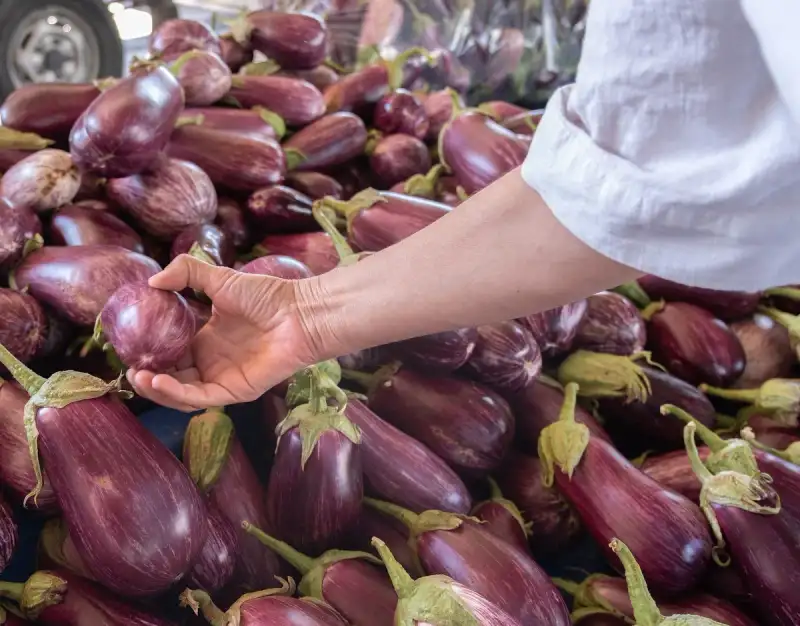

Baba Ghanoush: The Smoky Eggplant Dip A culinary masterpiece born from the heart of the Middle East, Baba Ghanoush has captivated taste buds for centuries. This velvety smooth dip, also known as the 'king of eggplant dips,' is a testament to the region's culinary ingenuity and love for simple, yet rich flavors. In this article, we will delve into the rich history, authentic flavors, and cultural significance of Baba Ghanoush. A Brief History of Baba Ghanoush Baba Ghanoush's origins are attributed to the Levant region of the Middle East, where it has been a staple dish since ancient times. The name 'Baba Ghanoush' translates to 'papa' or 'daddy,' which refers to the traditional practice of grilling eggplants over an open flame, often while sitting on the father's lap (ghanoush). This unique method of preparation has become an integral part of the dish's identity and charm. Roasting the Perfect EggplantRoasting is the most crucial step in preparing Baba Ghanoush. Eggplants are traditionally placed directly on the open flames of a fire or grill, allowing the charred skin to develop a deep, smoky flavor. However, for a more controlled environment, ovens or grills with a medium-high heat can be used. A perfectly roasted eggplant should have a wrinkled, dark brown skin and a slightly charred smell. The Art of Chilling and Pureeing Once the eggplant has cooled down, the next step is to extract the pulp and blend it with tahini, garlic, lemon juice, salt, and olive oil. This creamy mixture is then chilled in the refrigerator to allow the flavors to meld together. The consistency and smoothness of Baba Ghanoush rely heavily on the quality of the eggplant, so ensure that it is pureed to perfection. Cultural Significance of Baba Ghanoush Baba Ghanoush has become an integral part of the culinary culture in the Middle East, often served as an appetizer or side dish in social gatherings, parties, and family functions. The dish is a symbol of hospitality, generosity, and cultural exchange. In many households, Baba Ghanoush is also served as a comfort food, providing solace during difficult times. Traditional Variations and Modern Twists While traditional Baba Ghanoush remains a staple in many Middle Eastern cuisines, various regional and personal variations have emerged over the years. Some popular adaptations include the addition of spices, herbs, and even cheese. Modern twists often introduce new ingredients like roasted red peppers, sun-dried tomatoes, or olives, giving Baba Ghanoush a modern, vibrant twist. Classic Baba Ghanoush Recipe Ingredients:2 large eggplants 1/4 cup tahini 1/4 cup lemon juice 2 cloves garlic, minced 1/2 teaspoon salt 3 tablespoons olive oil Optional: spices, herbs, and other ingredients to tasteInstructions:Roast eggplants over medium-high heat until charred and wrinkled. Peel and puree the eggplant in a blender or food processor. In a separate bowl, combine tahini, lemon juice, garlic, salt, and olive oil. Gradually add the tahini mixture to the eggplant puree and blend until smooth. Chill the mixture in the refrigerator for at least 2 hours.Tips and Tricks for the Perfect Baba GhanoushChoose the right eggplant variety for optimal flavor and texture. Use high-quality tahini for the best flavor and consistency. Adjust the amount of garlic and lemon juice according to personal taste. Experiment with different spices and herbs to create unique variations.In conclusion, Baba Ghanoush is more than just a delicious dip – it's a cultural icon that represents the heart and soul of Middle Eastern cuisine. Its rich history, authentic flavors, and simplicity have captured the taste buds of people around the world. Whether you're a seasoned foodie or a beginner cook, Baba Ghanoush is a recipe waiting to be discovered. In a world filled with complex and intricate dishes, Baba Ghanoush reminds us of the beauty of simplicity and the importance of preserving cultural heritage. So, next time you're craving a taste of the Middle East, grab an eggplant, and get ready to indulge in the smoky, velvety goodness of Baba Ghanoush. #hashtag #BabaGhanoush #SmokyEggplantDip #MiddleEasternCuisine #FoodHistory #TraditionalFood #StreetFood #CulturalHistory #AuthenticRecipe Related InsightsMumbais flüchtige Gaumenfreuden: Wo Straßenstände die Stadt zum Kochen bringen Char Siu Bao: The Fluffy BBQ Pork Bun Honey’s Hidden DNA: Decoding Terroir and Floral Pollination in Every Golden Drop{ "@context": "https://schema.org", "@type": "FAQPage", "mainEntity": [ { "@type": "Question", "name": "What is the main focus of Baba Ghanoush: The Smoky Eggplant Dip?", "acceptedAnswer": { "@type": "Answer", "text": "Discover the deep cultural roots, authentic flavors, and history of Baba Ghanoush: The Smoky Eggplant Dip." } }, { "@type": "Question", "name": "Who authored the comprehensive guide on Baba Ghanoush: The Smoky Eggplant Dip?", "acceptedAnswer": { "@type": "Answer", "text": "This detailed article and its insights were carefully researched and authored by Layla Hariri." } }, { "@type": "Question", "name": "Where can I find more related content about Food?", "acceptedAnswer": { "@type": "Answer", "text": "You can explore more articles, detailed reviews, and similar insights by browsing the Related Insights section at the bottom of this article or visiting our dedicated Food category page." } } ] }

- Eleanor Sterling
- 13 Jul, 2026 23:24
Revolutionizing Software Development: The Game-Changing Power of Generative AI for Code
Introduction The software development landscape is on the cusp of a revolution, driven by the rapid advancement of generative AI for code. This cutting-edge technology has the potential to transform the way developers work, making them more efficient, productive, and creative. By harnessing the power of AI, developers can automate repetitive tasks, generate high-quality code, and focus on complex problem-solving. In this article, we will delve into the world of generative AI for code, exploring its applications, benefits, and future directions. As we navigate this exciting new frontier, it's essential to understand the underlying concepts, techniques, and tools that are driving this revolution. From machine learning algorithms to natural language processing, we will examine the key technologies that are making generative AI for code a reality. What is Generative AI for Code? Generative AI for code refers to the use of artificial intelligence and machine learning algorithms to generate, modify, and optimize software code. This can include tasks such as code completion, code review, and code generation. By analyzing vast amounts of code data, generative AI models can learn to recognize patterns, identify errors, and predict outcomes. One of the most popular approaches to generative AI for code is the use of transformer-based models, such as the GitHub Copilot. These models are trained on large datasets of code and can generate high-quality code snippets, functions, and even entire programs. For example, the following Python code snippet demonstrates how to use the Hugging Face Transformers library to generate code: from transformers import AutoModelForCausalLM, AutoTokenizer# Load pre-trained model and tokenizer model = AutoModelForCausalLM.from_pretrained("github/copilot") tokenizer = AutoTokenizer.from_pretrained("github/copilot")# Define input prompt prompt = "def greet(name: str) -> None:"# Generate code input_ids = tokenizer(prompt, return_tensors="pt").input_ids output = model.generate(input_ids, max_length=100)# Print generated code print(tokenizer.decode(output[0], skip_special_tokens=True))This code snippet generates a simple greet function in Python, demonstrating the power of generative AI for code. Applications of Generative AI for Code The applications of generative AI for code are vast and varied, ranging from automated code review and testing to code generation and optimization. One of the most significant benefits of generative AI for code is its ability to reduce the workload of developers, allowing them to focus on higher-level tasks such as design, architecture, and innovation. For example, the following YAML configuration file demonstrates how to use the GitHub Actions workflow to automate code review and testing: name: Code Review and Testingon: push: branches: - mainjobs: build-and-test: runs-on: ubuntu-latest steps: - name: Checkout code uses: actions/checkout@v2 - name: Run code review run: | pip install flake8 flake8 . - name: Run tests run: | pip install pytest pytest .This YAML configuration file automates the code review and testing process, ensuring that code changes are thoroughly reviewed and tested before deployment. Challenges and Limitations of Generative AI for Code While generative AI for code has the potential to revolutionize software development, it also faces several challenges and limitations. One of the most significant challenges is the need for high-quality training data, which can be difficult to obtain and preprocess. Additionally, generative AI models can be computationally intensive, requiring significant resources and infrastructure. For example, the following Bash script demonstrates how to deploy a generative AI model using Docker Compose: docker-compose up -d docker-compose exec generative-ai python train.pyThis Bash script deploys a generative AI model using Docker Compose, demonstrating the complexity of deploying and managing AI-powered systems. Future Directions of Generative AI for Code The future of generative AI for code is exciting and rapidly evolving. As the technology continues to advance, we can expect to see new applications, tools, and techniques emerge. One of the most promising areas of research is the development of multimodal generative AI models, which can generate code, text, and images simultaneously. For example, the following comparison table highlights the differences between various generative AI models:Model Code Generation Text Generation Image GenerationTransformerGenerative Adversarial Network (GAN)Variational Autoencoder (VAE)Conclusion and Sign-off In conclusion, generative AI for code has the potential to revolutionize software development, making it faster, more efficient, and more creative. As we continue to explore this exciting new frontier, it's essential to stay up-to-date with the latest advancements, techniques, and tools. Whether you're a seasoned developer or just starting out, generative AI for code is an area worth watching. As we move forward, we can expect to see significant improvements in code quality, productivity, and innovation. Thank you for joining me on this journey into the world of generative AI for code. Until next time, stay coding! #AI #SoftwareDevelopment #GenerativeAI Related InsightsBeyond the Fingerprint: Unlocking Identity with Iris, Vein, and Behavioral Biometrics How to Set Up a Privacy-First Smart Home Using Edge AI Hubs Homomorphic Encryption - Part 02: Real-World Applications in Privacy-Preserving Analytics{ "@context": "https://schema.org", "@type": "FAQPage", "mainEntity": [ { "@type": "Question", "name": "What is the main focus of Revolutionizing Software Development: The Game-Changing Power of Generative AI for Code?", "acceptedAnswer": { "@type": "Answer", "text": "Discover how generative AI is transforming software development workflows, increasing productivity, and improving code quality. Explore the latest advancements and techniques in AI-powered coding." } }, { "@type": "Question", "name": "Who authored the comprehensive guide on Revolutionizing Software Development: The Game-Changing Power of Generative AI for Code?", "acceptedAnswer": { "@type": "Answer", "text": "This detailed article and its insights were carefully researched and authored by Eleanor Sterling." } }, { "@type": "Question", "name": "Where can I find more related content about Technology?", "acceptedAnswer": { "@type": "Answer", "text": "You can explore more articles, detailed reviews, and similar insights by browsing the Related Insights section at the bottom of this article or visiting our dedicated Technology category page." } } ] }

-
 Emily Page
- 13 Jul, 2026 22:53
The Anatomy of the Written Word: Unraveling the Sacred and Secular History of Literary Criticism
To read is to embark on a journey of silent communion with the dead and the living, but to critique is to map the cartography of that journey. Literature does not exist in a vacuum; it requires an analytical gaze to decipher its structural labyrinth, to evaluate its aesthetic weight, and to interpret its hidden patterns. This intellectual pursuit—known broadly as literary criticism or literary studies—serves as the ultimate bridge between the raw creation of the artist and the conscious comprehension of the audience. At its core, it is the systematic study, evaluation, and interpretation of literature, a discipline that has evolved from ancient philosophical inquiry into a highly sophisticated sphere of modern scholarship. Modern literary criticism does not walk this path alone. It is deeply entangled with, and often influenced by, literary theory—the philosophical analysis of literature’s fundamental goals and methods. Yet, a delicate tension persists between these two realms. While closely related, the literary critic and the literary theorist are not always identical. Some scholars argue whether literary criticism should be treated as a separate field of inquiry altogether. For instance, the renowned The Johns Hopkins Guide to Literary Theory and Criticism draws no real distinction between the two, choosing instead to use the terms together to describe a singular, unified concept. In contrast, other thinkers view literary criticism as the practical, hands-on application of literary theory. Under this view, criticism is always bound to the specific, breathing flesh of particular literary works, whereas theory remains floating in the realm of the general, the abstract, and the speculative. Whether practiced in the quiet halls of academia or within the pages of widely circulating periodicals, literary criticism has found diverse homes. Academic critics dissect texts within university literature departments, publishing their dense, peer-reviewed findings in specialized academic journals. Meanwhile, a more popular, public-facing critical tradition thrives in intellectual publications. Readers searching for insightful evaluations turn to esteemed platforms such as The Times Literary Supplement, The New York Times Book Review, The New York Review of Books, the London Review of Books, the Dublin Review of Books, The Nation, Bookforum, and The New Yorker. To understand how we arrived at this vibrant landscape of critical discourse, we must look backward, tracing the long historical lineage that shaped the modern analytical mind. The Threshold of Interpretation: Theory versus CriticismTo explore literary criticism is to confront the historic division between the abstract framework and the practical reading of a text. While literary theory constructs the lens through which we view a narrative, literary criticism is the act of looking through that lens at a specific page. The ongoing debate regarding their separation highlights a fundamental truth: criticism cannot easily escape theory, nor can theory prove its utility without the text. This dynamic manifests clearly in the venues where criticism is consumed. In the academic sphere, the dialogue is rigorous, focusing on structural methodologies and ideological decodings. In the public sphere, however, the essay and the review reign supreme. The transition of criticism from elite academic circles to publications like The New Yorker or the London Review of Books demonstrates that evaluating a book is both a scholarly science and a public art form, designed to guide the cultural taste of an era. From Antiquity to the Medieval Hermeneutic: The Genesis of CritiqueThe roots of this analytical impulse stretch deep into the soil of the classical period. In the 4th century BC, the Greek philosopher Aristotle penned the Poetics, a seminal treatise that offered the first formal typology and explanation of literary forms. Aristotle did not merely theorize in the abstract; he provided specific, acute criticisms of the contemporary artworks of his era. Through this work, he developed foundational concepts that remain central to literary studies to this day: mimesis (the imitative representation of nature and human action) and catharsis (the purging of pity and fear through art). As the classical world transitioned into the medieval period, the focus of critical inquiry shifted dramatically. Much of classical and medieval criticism became deeply intertwined with religious texts. The long, rigorous traditions of hermeneutics and textual exegesis, developed to unlock the spiritual truths of sacred scriptures, began to exert a profound influence on how scholars approached secular texts. This cross-pollination was especially evident within the rich literary traditions of the three Abrahamic religions: Jewish literature, Christian literature, and Islamic literature. In the medieval Islamic world, literary criticism flourished beyond strictly religious commentary, embedding itself in the study of Arabic literature and poetry from the 9th century onward. Intellectuals developed sophisticated methodologies to analyze poetic structures and rhetorical devices. Among the most notable figures of this Golden Age was Al-Jahiz, who explored style, presentation, and language in his landmark works al-Bayan wa-'l-tabyin and al-Hayawan. Similarly, Abdullah ibn al-Mu'tazz made pioneering contributions to Arabic poetic theory with his Kitab al-Badi, laying down systematic rules for the analysis of the modern poetic style. The Renaissance and the Classicist Revival The dawn of the Renaissance brought a dramatic intellectual rebirth, characterized by the recovery of classical texts and a desire to harmonize ancient wisdom with contemporary culture. This era developed classical ideas regarding the absolute unity of form and content into a rigid literary neoclassicism. Literature was proclaimed as the very beating heart of culture, and the poet or author was entrusted with a sacred duty: the preservation of a long, unbroken literary tradition. The true birth of Renaissance criticism can be traced precisely to the year 1498. This was the pivotal moment when Giorgio Valla published his Latin translation of Aristotle’s Poetics, reintroducing the foundational text to Western Europe. From this recovery onward, Aristotle’s ideas dominated the critical landscape, remaining the single most potent influence upon literary criticism until the close of the eighteenth century. Critics across the continent sought to interpret and apply these ancient rules to modern vernacular writing. Among the most influential of these Renaissance commentators was Lodovico Castelvetro, who in 1570 wrote extensive, highly debated commentaries on Aristotle’s Poetics, codifying the rigid rules of dramatic structure that would govern European theater for generations. The Baroque Transgression and the Metaphor of WonderBy the seventeenth century, the serene order, proportion, and harmony championed by Renaissance neoclassicism began to fracture. The Western world witnessed its first full-fledged crisis in modernity, as the core critical-aesthetic principles inherited from classical antiquity—such as proportion, unity, decorum, and harmony—were fundamentally challenged. For centuries, these values had stabilized Western thinking about the creation and evaluation of artworks. While Classicism remained a potent cultural force, it was gradually forced to share the stage with a rival movement: the Baroque. This new aesthetic favored the transgressive, the irregular, and the extreme. The Baroque did not seek to replicate the balanced unity or decorum that supposedly distinguished both nature and its greatest imitator, ancient art. Instead, it sought to startle, to destabilize, and to inspire awe. The theoretical framework for this radical Baroque aesthetic was not fully articulated until 1654, with the publication of Emanuele Tesauro’s seminal treatise, Il Cannocchiale aristotelico (The Aristotelian Telescope). Deeply inspired by the grand scale of Giambattista Marino’s epic poem Adone and the intellectual depth of the Spanish Jesuit philosopher Baltasar Gracián, Tesauro developed an innovative theory of metaphor. He argued that metaphor was not merely an ornamental poetic device, but a universal language of images. In Tesauro's view, the construction of a metaphor was a supreme intellectual act—an artifice that served as an epistemologically privileged path to accessing ultimate truth. Key Baroque concepts such as the "conceit" (concetto), "wit" (acutezza, ingegno), and "wonder" (meraviglia) became the new criteria by which great literature was measured. The Commercial Ink: Enlightenment and the Democratic PrintThe eighteenth century ushered in the Enlightenment, a period in which literary criticism transformed from an elite scholarly pursuit into a highly popular, public-facing phenomenon. This shift was driven by a dramatic rise in public literacy rates; reading was no longer an exclusive luxury reserved solely for the wealthy or the highly educated scholarly class. Accompanied by the rapid speed of the printing press and the intense commercialization of literature, a massive reading public emerged. For this new class of readers, literature was no longer viewed exclusively as an educational tool or a sacred source of religious instruction; it became a primary source of entertainment. Consequently, literary criticism arose as an essential guide for the consumer. The style of criticism in this era reflected the broader values of the Enlightenment, favoring clear, bold, and precise writing. However, it was also highly controversial, with critics frequently judging literary works based on the author’s religious beliefs. These critical reviews found a home in the rapidly multiplying newspapers, magazines, and journals of the day. Yet, the mass production and commercialization of literature had a distinct downside in the eyes of intellectuals. The emerging literary market, which Enlightenment theoreticians had hoped would educate the public and eradicate superstition and prejudice, began to slip away from their idealistic control. The noble business of the Enlightenment quickly transformed into a lucrative business with the Enlightenment. To combat the rise of sensational and low-quality entertainment literature, critics intensified their scrutiny. Highly celebrated authors were not spared from this fierce critical climate. For instance, the works of Jonathan Swift faced severe judgment; his masterpiece Gulliver's Travels was famously dismissed by one contemporary critic who described it as nothing more than "the detestable story of the Yahoos." Romantics, Rebels, and the Path to Modernity As the nineteenth century dawned, the British Romantic movement mounted a fierce rebellion against the rigid, rational constraints of Enlightenment thought. The Romantics introduced revolutionary aesthetic ideas to literary studies. They argued that the object of literature did not always have to be beautiful, noble, or formally perfect. Instead, they believed that literature possessed the power to enlighten the reader, elevating even the most common, mundane subject to the level of the sublime. In Germany, the Romantic movement followed closely on the heels of late German classicism. German Romanticism emphasized a deep understanding and appreciation of fragmentation—a concept that appears startlingly modern to contemporary readers. Furthermore, the German thinkers placed an immensely high value on Witz—a specific kind of intellectual "wit" or "humor"—elevating it far above the more solemn, serious tone that characterized much of Anglophone Romanticism. As the nineteenth century drew to a close, the cultural authority of the critic reached unprecedented heights. This era produced figures who achieved immense renown not for their poetry or fiction, but primarily for their contributions to literary criticism. Chief among them was Matthew Arnold, whose critical essays helped define the cultural standards of the Victorian era and established the critic as a vital guardian of societal values. While these historical movements each left an indelible mark, the modern landscape of literary criticism owes its direct existence to the radical shifts of the early twentieth century. It was during this period that criticism began to break away from historical and biographical analysis, turning its focus entirely toward the text itself. This transition was spearheaded first by the rigorous school of Russian Formalism, and shortly thereafter, by the rise of the New Criticism in Britain and the United States, forever changing how we read, interpret, and understand the written word.#LiteraryCriticism #BookHistory #Aristotle #LiteraryTheory #ClassicLiterature Related InsightsThe Summer We Crossed Europe in the Rain Book Review and Summary Please Enjoy Your Stay Book Review and Summary The Code Breaker Book Review and Summary{ "@context": "https://schema.org", "@type": "FAQPage", "mainEntity": [ { "@type": "Question", "name": "What is the main focus of The Anatomy of the Written Word: Unraveling the Sacred and Secular History of Literary Criticism?", "acceptedAnswer": { "@type": "Answer", "text": "Trace the rich intellectual journey of literary criticism from Aristotle's foundational concepts to the experimental shifts of the twentieth century." } }, { "@type": "Question", "name": "Who authored the comprehensive guide on The Anatomy of the Written Word: Unraveling the Sacred and Secular History of Literary Criticism?", "acceptedAnswer": { "@type": "Answer", "text": "This detailed article and its insights were carefully researched and authored by Emily Page." } }, { "@type": "Question", "name": "Where can I find more related content about Books?", "acceptedAnswer": { "@type": "Answer", "text": "You can explore more articles, detailed reviews, and similar insights by browsing the Related Insights section at the bottom of this article or visiting our dedicated Books category page." } } ] }