
-
 Lukas Richter
 - 13 Jul, 2026 22:16
Industrial Metaworlds: How AI-Driven Digital Twins Are Redefining Real-Time Factory Automation
For decades, the concept of the "digital twin" was limited to static 3D CAD models, basic telemetry dashboards, and offline simulation runs that took hours—if not days—to compute. These historical implementations operated in disconnected silos, failing to capture the dynamic, non-linear realities of modern industrial environments. Today, we are witnessing a monumental paradigm shift. The convergence of high-frequency industrial telemetry, edge computing, and artificial intelligence has given birth to the cognitive digital twin: a live, bi-directionally synchronized, self-learning simulation that mirrors physical assets in real-time. By leveraging advanced machine learning paradigms, particularly Physics-Informed Neural Networks (PINNs) and Fourier Neural Operators (FNOs), modern software architectures can now bypass the computational bottlenecks of traditional finite element analysis (FEA). Instead of relying on raw compute-heavy numerical solvers to predict fluid dynamics, structural stress, or thermal distribution, engineers can deploy trained neural operators that run inference in milliseconds. This enables closed-loop control systems where the digital twin does not merely observe, but actively optimizes the physical asset. Building such systems requires a deep understanding of hybrid systems architecture. It demands ultra-low-latency ingestion pipelines, high-fidelity semantic standardization, and scalable cloud-edge orchestration. This article provides an exhaustive, production-grade technical breakdown of how to build, deploy, and scale real-time AI-driven digital twins for complex industrial assets.1. The Convergence of IoT, Physics-Informed Neural Networks (PINNs), and Industrial TelemetryTraditional numerical simulations rely heavily on discretization methods like Finite Element Method (FEM) or Finite Difference Method (FDM). While highly accurate, these approaches scale poorly when integrated into real-time operational pipelines. If a gas turbine experiences a transient thermal spike, an operator cannot wait forty-five minutes for a thermal CFD solver to complete. To bridge this gap, AI researchers have turned to Physics-Informed Neural Networks (PINNs). PINNs integrate the governing physical equations (e.g., Navier-Stokes for fluid dynamics, Fourier's Law for heat conduction) directly into the neural network's loss function. By penalizing predictions that violate physical laws, PINNs achieve high generalization accuracy even when trained on sparse, noisy industrial sensor data. To implement a PINN, we define a multi-layer perceptron (MLP) where the inputs are spatial coordinates $(x, y, z)$ and time $(t)$, and the outputs are physical states (e.g., temperature $u$). During backpropagation, we compute the partial derivatives of $u$ with respect to the inputs using automatic differentiation, allowing us to evaluate the physical residual. Below is a functional PyTorch implementation demonstrating how to construct a custom loss function for a PINN that models a 1D heat diffusion process—a core component of thermal digital twins used in rotary kilns and chemical reactors. import torch import torch.nn as nnclass HeatEquationPINN(nn.Module): def __init__(self, input_dim=2, hidden_dim=64, output_dim=1): super(HeatEquationPINN, self).__init__() self.net = nn.Sequential( nn.Linear(input_dim, hidden_dim), nn.Tanh(), nn.Linear(hidden_dim, hidden_dim), nn.Tanh(), nn.Linear(hidden_dim, hidden_dim), nn.Tanh(), nn.Linear(hidden_dim, output_dim) ) def forward(self, x, t): # Concatenate spatial and temporal coordinates inputs = torch.cat([x, t], dim=1) return self.net(inputs)def compute_pinn_loss(model, x, t, thermal_diffusivity=0.01): # Enable gradient tracking on inputs for automatic differentiation x.requires_grad_(True) t.requires_grad_(True) # Forward pass u = model(x, t) # Compute first-order derivatives u_g = torch.autograd.grad(u, [x, t], grad_outputs=torch.ones_like(u), create_graph=True) u_x = u_g[0] u_t = u_g[1] # Compute second-order derivative for spatial coordinate (d^2u / dx^2) u_xx = torch.autograd.grad(u_x, x, grad_outputs=torch.ones_like(u_x), create_graph=True)[0] # Define the 1D Heat Equation residual: u_t - alpha * u_xx = 0 physics_residual = u_t - thermal_diffusivity * u_xx # Mean Squared Error of the physical residual loss_physics = torch.mean(physics_residual ** 2) return loss_physicsBy deploying models like this within the digital twin runtime, we can predict internal structural states that are physically impossible to instrument with physical sensors. This methodology is known as virtual sensing.2. Architecting the Real-Time Data Pipeline: Kafka, MQTT, and Rust-based Edge IngestionThe foundation of any digital twin is its real-time data ingestion pipeline. In industrial environments, physical assets emit telemetry data via legacy protocols such as Modbus, Profinet, or OPC Unified Architecture (OPC-UA). An edge gateway must ingest these heterogeneous streams, serialize them into a unified format, and route them to high-throughput message brokers in the cloud or local on-premise clusters. To achieve sub-millisecond parsing and high throughput, modern industrial gateways are increasingly written in Rust. Rust’s lack of a garbage collector guarantees predictable latency profiles, while its robust concurrency model prevents data races when processing multi-threaded sensor inputs. The architecture starts with an edge gateway reading from an OPC-UA server on the factory floor. The gateway serializes raw binary packets into Protocol Buffers (Protobuf) for minimal payload sizes, then publishes them to an MQTT broker. From there, an enterprise-grade message broker like Apache Kafka or Redpanda ingests the streams to distribute them to simulation databases and live inference workers. The following Rust example demonstrates a high-performance edge consumer using the Tokio asynchronous runtime. It connects to an MQTT broker, processes incoming industrial telemetry packets, and prepares them for stream-processing ingestion. use tokio; use rumqttc::{AsyncClient, MqttOptions, QoS}; use std::time::Duration;#[tokio::main] async fn main() -> Result<(), Box<dyn std::error::Error>> { // Configure MQTT options with client ID and broker address let mut mqttoptions = MqttOptions::new("edge_ingest_gateway_01", "broker.hivemq.com", 1883); mqttoptions.set_keep_alive(Duration::from_secs(5)); // Initialize the asynchronous client and event loop let (client, mut eventloop) = AsyncClient::new(mqttoptions, 10); // Subscribe to high-frequency industrial telemetry topics client.subscribe("factory/facility_01/sensor_mesh/+", QoS::AtLeastOnce).await?; println!("Edge Ingestion Gateway initialized. Monitoring telemetric streams..."); // Event loop processing incoming network packets with zero-copy parsing loop { match eventloop.poll().await { Ok(notification) => { if let rumqttc::Event::Incoming(rumqttc::Packet::Publish(publish)) = notification { let payload = publish.payload; // In a production scenario, deserialization happens here via prost/protobuf if let Ok(telemetry_str) = std::str::from_utf8(&payload) { tokio::spawn(async move { process_telemetry_packet(telemetry_str).await; }); } } } Err(e) => { eprintln!("Network packet processing error: {:?}", e); tokio::time::sleep(Duration::from_secs(1)).await; } } } }async fn process_telemetry_packet(data: &str) { // Highly-optimized parsing and feature extraction for AI inference models // This payload is routed directly to the real-time simulation layer let timestamp = chrono::Utc::now().to_rfc3339(); println!("[{}] Ingested Telemetry Data Stream: {}", timestamp, data); }This Rust pipeline guarantees that high-velocity telemetry data from hundreds of physical actuators is safely queued and delivered to the neural networks with virtually zero overhead.3. Predictive Maintenance and State Estimation via Kalman Filters and Deep LearningA critical objective of any digital twin is predictive maintenance—specifically, estimating the Remaining Useful Life (RUL) of critical components. However, pure data-driven deep learning models often struggle with sensor noise and transient operational anomalies, leading to false positives. To solve this, advanced digital twin architectures combine statistical state estimation with deep learning. By utilizing a hybrid model—such as pairing an Extended Kalman Filter (EKF) with a Temporal Fusion Transformer (TFT)—the digital twin can filter out high-frequency noise while capturing long-term degradation patterns. The Kalman Filter models the linear physical transitions of the asset, while the neural network predicts the non-linear degradation trends (such as bearing wear or turbine blade erosion). The Python snippet below demonstrates how to implement a state estimation fusion node. It processes noisy raw sensor inputs, runs them through a 1D Kalman Filter, and feeds the cleaned state vector into a pre-trained neural network that predicts the health index of a CNC spindle motor. import numpy as npclass HybridStateEstimator: def __init__(self, process_variance, measurement_variance, initial_state): # Initialize Kalman Filter state variables self.Q = process_variance # Process noise covariance self.R = measurement_variance # Measurement noise covariance self.x = initial_state # Estimated state self.P = 1.0 # Estimation error covariance def update(self, measurement): # 1. Prediction step (State propagation) self.P = self.P + self.Q # 2. Measurement Update step (Correction) kalman_gain = self.P / (self.P + self.R) self.x = self.x + kalman_gain * (measurement - self.x) self.P = (1 - kalman_gain) * self.P return self.x# Simulated Spindle Motor Diagnostic Loop if __name__ == "__main__": # Parameters derived from historical operational baselines estimator = HybridStateEstimator(process_variance=1e-5, measurement_variance=0.04, initial_state=80.0) # Simulated noisy sensor stream representing temperature readings noisy_sensor_stream = [80.1, 80.5, 79.9, 81.2, 83.5, 85.1, 84.8, 86.2, 89.0, 92.5] print("Beginning state estimation and health index analysis...") for i, raw_val in enumerate(noisy_sensor_stream): filtered_state = estimator.update(raw_val) # Simulated Neural Network RUL calculation based on filtered state # In production, this call targets an active Triton Inference Server instance predicted_health_index = max(0.0, 100.0 - (filtered_state - 80.0) * 4.5) print(f"Step {i:02d} | Raw Temp: {raw_val:.2f}°C | Filtered: {filtered_state:.2f}°C | Health Index: {predicted_health_index:.1f}%")Integrating mathematical state filtering with neural inference ensures the digital twin remains highly robust against transient sensor glitches, preventing costly accidental emergency plant shutdowns.4. Standardizing the Twin: Asset Administration Shells (AAS) and W3C Web of Things (WoT) To prevent vendor lock-in and ensure that different machines on a factory floor can seamlessly talk to one another, the digital twin industry relies on standardization frameworks. The most prominent standards are the Asset Administration Shell (AAS)—developed by the Platform Industrie 4.0 initiative—and the W3C Web of Things (WoT) specification. An Asset Administration Shell acts as a digital container that wraps an asset's data models, technical specifications, and AI service endpoints into a unified semantic structure. By defining assets using structured schemas, we ensure that an AI system trained on a robotic arm from Manufacturer A can seamlessly interface with a robotic arm from Manufacturer B. A standardized digital twin configuration is typically represented using JSON-LD (JSON for Linking Data). This format maps properties to global ontologies, allowing automated orchestration agents to query capabilities, real-time values, and machine learning endpoints dynamically. { "@context": [ "https://www.w3.org/2019/wot/td/v1", { "aas": "https://admin-shell-io.org/submodels/spindle-motor-telemetry#" } ], "@type": "Thing", "id": "urn:uuid:fca3e1b0-74b8-4c10-91bc-da120468cbbf", "title": "Industrial Spindle Motor Twin", "description": "High-fidelity semantic digital twin representation of CNC Spindle Motor #42", "properties": { "rotationalSpeed": { "type": "number", "minimum": 0, "maximum": 24000, "unit": "rpm", "observable": true, "forms": [{ "href": "coap://10.10.2.14/sensors/speed", "contentType": "application/json" }] }, "windingTemperature": { "type": "number", "unit": "degreeCelsius", "observable": true, "forms": [{ "href": "mqtt://broker.internal/factory/cnc42/temp", "contentType": "application/json" }] } }, "actions": { "runThermalPrediction": { "description": "Triggers the FNO thermal simulation engine", "input": { "type": "object", "properties": { "timesteps": { "type": "integer", "default": 60 } } }, "output": { "type": "array", "items": { "type": "number" } }, "forms": [{ "href": "https://ai-inference.internal/v1/models/fno_thermal:predict", "contentType": "application/json", "op": ["invokeaction"] }] } } }With this semantic metadata layer, any orchestrator can immediately understand how to read the spindle speed, subscribe to its temperature, and run a neural thermal simulation.5. Deploying the Digital Twin Cluster: Kubernetes, KubeEdge, and Helm OrchestrationDeploying a real-time digital twin system at scale requires a highly scalable cloud-native runtime environment. A typical production cluster must manage edge ingestion daemons, stream processing pipelines, databases, and GPU-accelerated inference servers (such as NVIDIA Triton Inference Server or TorchServe) to host the physical neural networks. Kubernetes (K8s) is the industry-standard orchestrator for these workloads. To extend Kubernetes to the factory floor, engineers use KubeEdge or K3s. These lightweight distributions run reliably on resource-constrained edge gateways while allowing central cloud infrastructure to schedule containers directly to the edge. By deploying Triton on GPU nodes in the factory cluster, we can leverage dynamic batching and concurrent model execution to run hundreds of PINN and FNO simulations in parallel. The following Kubernetes Deployment manifest shows how to deploy a scalable NVIDIA Triton Inference Server instance optimized for executing high-throughput digital twin neural operators on edge GPUs. apiVersion: apps/v1 kind: Deployment metadata: name: digital-twin-inference-server namespace: industrial-ai labels: app: triton-inference-server spec: replicas: 3 selector: matchLabels: app: triton-inference-server template: metadata: labels: app: triton-inference-server spec: containers: - name: triton-server image: nvcr.io/nvidia/tritonserver:23.08-py3 args: ["tritonserver", "--model-repository=/models", "--allow-gpu-metrics=true"] ports: - containerPort: 8000 name: http-inference - containerPort: 8001 name: grpc-inference - containerPort: 8002 name: metrics resources: limits: nvidia.com/gpu: 1 memory: 8Gi cpu: "4" requests: nvidia.com/gpu: 1 memory: 4Gi cpu: "2" volumeMounts: - name: model-repository-volume mountPath: /models volumes: - name: model-repository-volume persistentVolumeClaim: claimName: nfs-model-store-pvcThis manifest provisions a highly resilient inference pool that automatically recovers if physical hardware nodes fail, guaranteeing maximum operational uptime for the active industrial simulation.Technical Comparison of Digital Twin Methodologies To choose the right technical approach for an industrial installation, architects must weigh the trade-offs of different simulation paradigms. The table below outlines the core characteristics of each approach:Feature / Metric Static CAD & Telemetry Physics-Based (FEA/CFD) Pure Deep Learning Hybrid PINN / FNOInference Latency Milliseconds Hours to Days Sub-millisecond MillisecondsOut-of-Distribution Safety High (Hardcoded limits) Absolute (Governed by physics) Extremely Low (Hallucinations) High (Physically bounded)Compute Complexity Minimal Extremely High Low (Post-training) Medium (Triton GPU-optimized)Data Requirements None Low (Needs material constants) Extremely High (Historical runs) Medium (Combines physics + data)Primary Use-Case Monitoring & Assets Inventory Heavy engineering design validation Anomaly detection in stable states Real-time interactive control loopsConclusion The development of real-time AI-driven digital twins marks a massive leap forward in industrial engineering. By blending physical models with data-driven AI systems, we are moving past static, reactive monitoring. We are paving the way for highly autonomous, self-optimizing factories. This architecture is built on robust foundations: low-latency Rust-based edge ingestion, semantic standardization via Asset Administration Shells, hybrid state estimation algorithms, and scalable, containerized cloud-edge deployments. As high-performance compute hardware continues to shrink and find its way to the edge, and neural operator research (like FNOs) continues to mature, we will soon see digital twins that run continuous, real-time simulation loops for entire chemical plants, logistics networks, and urban power grids. The companies that design, build, and run these hybrid systems today will be the ones that define the industrial efficiency of tomorrow. Keep hacking, keep building, and never stop optimizing.#AI #IndustrialIoT #Kubernetes #EdgeComputing #DigitalTwins Related InsightsQuantum Resonance: The Hidden Symbiosis of Cybersecurity and Quantum Computing in the Age of Polaritons and Galactic Illusions Graphene's Quantum Sieve: Rewriting the Thermodynamics of Planetary Hydration Holographic Displays: The Silent Revolution Reshaping AR/VR, 3D Visualization, and Human-Computer Interaction{ "@context": "https://schema.org", "@type": "FAQPage", "mainEntity": [ { "@type": "Question", "name": "What is the main focus of Industrial Metaworlds: How AI-Driven Digital Twins Are Redefining Real-Time Factory Automation?", "acceptedAnswer": { "@type": "Answer", "text": "An architectural deep-dive into building real-time industrial digital twins using Physics-Informed Neural Networks, Rust edge gateways, and Kubernetes." } }, { "@type": "Question", "name": "Who authored the comprehensive guide on Industrial Metaworlds: How AI-Driven Digital Twins Are Redefining Real-Time Factory Automation?", "acceptedAnswer": { "@type": "Answer", "text": "This detailed article and its insights were carefully researched and authored by Lukas Richter." } }, { "@type": "Question", "name": "Where can I find more related content about Technology?", "acceptedAnswer": { "@type": "Answer", "text": "You can explore more articles, detailed reviews, and similar insights by browsing the Related Insights section at the bottom of this article or visiting our dedicated Technology category page." } } ] }

-
 Clara Schmidt
 - 13 Jul, 2026 21:53
Die Melodie der Unsterblichkeit: Warum das Epos die DNA unserer Geschichten in sich trägt
Bevor die erste Feder das Pergament berührte, bevor Tinte die flüchtigen Gedanken der Menschheit in starre Fesseln legte, gab es das gesprochene Wort, getragen vom Atem der Barden und dem Rhythmus des Herzschlags. In jener fernen Epoche, als Götter noch direkten Einfluss auf das Schicksal der Sterblichen nahmen, formte eine besondere Kunstform das Universum für die nachfolgenden Generationen: das Epos. Diese monumentalen Erzählgedichte sind weit mehr als bloße Geschichten über außergewöhnliche Charaktere und ihre übermenschlichen Taten; sie sind das Fundament, auf dem die Kathedrale der Weltliteratur errichtet wurde. Als Clara Schmidt möchte ich Sie heute auf eine tiefgründige Reise durch die Jahrtausende mitnehmen. Wir werden die feinen Fäden der oralen Tradition entwirren, die mathematische Präzision antiker Metren analysieren und verstehen, warum die ältesten Gesänge der Menschheit noch heute in unseren modernen Filmen und Büchern nachhallen. Die Etymologie des Unvergänglichen: Was ist ein Epos? Um das Wesen des Epos zu begreifen, müssen wir zu seinen sprachlichen Wurzeln zurückkehren. Das deutsche Wort „Epos“ leitet sich über das lateinische epicus von dem altgriechischen Adjektiv epikos (ἐpικός) ab. Dieses wiederum entspringt dem Substantiv epos (ἔπος), was schlicht „Wort“, „Geschichte“ oder „Gedicht“ bedeutet. Im antiken Griechenland war der Begriff jedoch weitaus umfassender und zugleich spezifischer, als wir ihn heute verwenden. Ursprünglich bezog sich „Epos“ auf jegliche Dichtung, die im daktylischen Hexameter verfasst war. Unter diese Definition, die als epea bekannt war, fielen nicht nur die heroischen Erzählungen Homers, sondern auch die weisheitliche Lehrdichtung eines Hesiod, die rätselhaften Aussprüche des Orakels von Delphi und jene mystischen, theologischen Verse, die dem legendären Sänger Orpheus zugeschrieben wurden. Erst im Laufe der späteren literarischen Tradition verengte sich der Begriff auf das heroische Epos – jene monumentalen Erzählungen von Helden und Götterkämpfen, die wir heute mit dem Genre verbinden.Die Wiege der Schrift und das älteste Lied der Welt Die Geschichte des geschriebenen Epos beginnt nicht in Europa, sondern im staubigen Sand Mesopotamiens. Das älteste anerkannte Epos der Menschheitsgeschichte ist das Gilgamesch-Epos, dessen Ursprünge auf die Zeit zwischen 2500 und 1300 vor Christus zurückgehen. Aufgezeichnet im antiken Sumer während des Neusumerischen Reiches, erzählt dieses Werk von den Taten des Königs Gilgamesch von Uruk. Obwohl Gilgamesch historisch als reale Figur verbürgt ist, zeichnet ihn das Epos als eine mythische, halbgöttliche Gestalt, die sich den Mächten des Schicksals und der Suche nach Unsterblichkeit stellt. Wenn wir den Blick nach Osten richten, stoßen wir auf das volumenmäßig gigantischste Denkmal der antiken Epik: das indische Mahabharata. Entstanden etwa zwischen dem 3. Jahrhundert vor Christus und dem 3. Jahrhundert nach Christus, umfasst dieses in Sanskrit verfasste Monumentalwerk sage und schreibe 100,000 Ślokas (Doppelverse), was über 200,000 Verszeilen entspricht. Hinzu kommen lange Prosa-Passagen. Mit rund 1,8 Millionen Wörtern ist das Mahabharata etwa doppelt so lang wie das persische Schahnameh, viermal so lang wie das Ramayana und ungefähr zehnmal so lang wie Homers Ilias und Odyssee zusammen. Es zeigt, mit welcher erzählerischen Ausdauer die alten Kulturen ihre kosmischen und moralischen Ordnungssysteme in poetische Formen gossen. Mündliche Überlieferung: Die Kunst des Erinnerns ohne Schrift Bevor Epen auf Tontafeln, Papyrus oder Pergament fixiert wurden, existierten sie ausschließlich im Gedächtnis illiterate Gesellschaften. Diese primären Epen wurden von professionellen Sängern und Barden vorgetragen. Doch wie war es möglich, zehntausende Verse fehlerfrei im Gedächtnis zu behalten und über Generationen hinweg weiterzugeben? Der Schlüssel liegt im Unterschied zwischen Alltagssprache und formeller poetischer Sprache. Während Alltagserzählungen (ob faktisch oder fiktional) anfällig für ständige sprachliche Variationen sind, zeichnen sich Epen durch eine hochgradig formalisierte Sprache aus. Sie wurden im Rahmen der oralen Tradition oft Wort für Wort gelernt.Im frühen 20. Jahrhundert revolutionierten die Forscher Milman Parry und Albert Lord unser Verständnis dieser Kunstform. Durch ihre Studien an noch lebenden oralen Epentraditionen auf dem Balkan wiesen sie das sogenannte parataktische Modell nach. Sie demonstrierten, dass orale Epen in kurzen Episoden konstruiert sind. Jede dieser Episoden besitzt den gleichen Status, das gleiche Interesse und die gleiche Bedeutung. Dies erleichterte dem Sänger die Memorierung ungemein: Er musste sich während des Vortrags lediglich an die Abfolge der einzelnen Episoden erinnern und rekonstruierte das gesamte Epos während der Aufführung neu, indem er auf formelhafte Wendungen und rhythmische Schablonen zurückgriff. Parry und Lord argumentierten schlüssig, dass auch die Homerischen Epen – die Ilias und die Odyssee, welche das Fundament der westlichen Literatur bilden – im Kern rein orale Dichtungsformen waren. Die uns heute vorliegenden schriftlichen Texte sind aller Wahrscheinlichkeit nach das Resultat der Diktatnahme während einer solchen mündlichen Performance. Die Anatomie des Epos nach Aristoteles In seiner bahnbrechenden Schrift Poetik unternahm es der griechische Philosoph Aristoteles, das Epos systematisch zu definieren und es von anderen literarischen Gattungen wie der Lyrik und dem Drama (Tragödie und Komödie) abzugrenzen. Aristoteles stellte fest, dass das Epos insofern mit der Tragödie übereinstimmt, als es eine Nachahmung (Mimesis) von Charakteren gehobenen Standes in versifizierter Form darstellt. Doch er arbeitete auch wesentliche Unterschiede heraus:Das Metrum: Während die Tragödie verschiedene Metren nutzt, lässt das Epos nur eine einzige Versform zu (den heroischen Hexameter). Die Form: Das Epos ist rein erzählend (narrativ) gestaltet, nicht dramatisch schauspielerisch. Die zeitliche Dimension: Die Tragödie versucht sich laut Aristoteles nach Möglichkeit auf einen einzigen Sonnenumlauf zu beschränken oder diesen nur geringfügig zu überschreiten. Die epische Handlung hingegen kennt keine zeitlichen Grenzen.Interessanterweise betonte Aristoteles, dass alle konstituierenden Elemente eines Epos auch in der Tragödie zu finden sind, aber nicht alle Elemente der Tragödie im Epos existieren. Wer also eine gute von einer schlechten Tragödie zu unterscheiden weiß, versteht auch die Qualität eines Epos. Die zehn Säulen des heroischen Epos Die Literaturwissenschaftler Harmon und Holman definierten das Epos im Jahr 1999 als ein langes erzählendes Gedicht in gehobenem Stil. Es präsentiert Charaktere von hohem gesellschaftlichem Rang in Abenteuern, die durch ihre Beziehung zu einer zentralen Heldenfigur und durch die Entwicklung von Episoden, die für die Geschichte einer Nation oder Rasse von Bedeutung sind, ein organisches Ganzes bilden. Dabei lassen sich zehn charakteristische Merkmale und Konventionen identifizieren, die fast jedem klassischen Epos eigen sind:In medias res: Die Erzählung beginnt nicht am absoluten chronologischen Anfang, sondern mitten im Geschehen, im Dickicht der Ereignisse. Ein gigantischer Schauplatz: Die Bühne der Handlung ist weitreichend und umfasst oft viele Nationen, die gesamte bekannte Welt oder gar das Universum. Die Anrufung der Muse: Das Werk beginnt mit einer feierlichen Bitte um göttliche Inspiration (epische Invokation). Das Thema: Gleich zu Beginn wird das zentrale Thema der Dichtung explizit formuliert. Epitheta: Der Einsatz von formelhaften, schmückenden Beiwörtern (wie „der listenreiche Odysseus“ oder „die rosenfingrige Eos“). Der epische Katalog: Lange, detaillierte Listen von Schiffen, Kriegern, Armeen oder Ahnenreihen. Formelle Reden: Die Charaktere halten lange, rhetorisch ausgefeilte und formelle Reden. Göttliche Intervention: Höhere Mächte und Götter greifen aktiv in die Angelegenheiten der Sterblichen ein. Der repräsentative Held: Die Hauptfigur verkörpert in ihren Taten und moralischen Entscheidungen die fundamentalen Werte ihrer gesamten Zivilisation. Katabasis: Der tragische Abstieg des Helden in die Unterwelt oder die Hölle und seine anschließende Rückkehr.Der epische Held durchläuft dabei typischerweise eine zyklische Reise oder Suche (Quest). Er sieht sich Widersachern gegenüber, die ihn vernichten wollen, überwindet diese Prüfungen und kehrt schließlich tiefgreifend verändert in seine Heimat zurück.Eine literarische Weltreise durch die Epochen Die Tradition, die mit Homer und den namenlosen sumerischen Barden begann, setzte sich über die Jahrhunderte fort. Spätere Dichter wie Vergil (Äneis), Apollonios von Rhodos, Dante Alighieri (Göttliche Komödie), Luís de Camões (Die Lusiaden) und John Milton (Paradise Lost) adoptierten und adaptierten Homers Stil und seine Sujets. Doch im Gegensatz zu ihren antiken Vorläufern nutzten sie die spezifischen stilistischen Werkzeuge, die nur der schriftlichen Komposition zur Verfügung stehen. Wenn wir den Globus umrunden, sehen wir, dass fast jede große Kultur ihr eigenes Epos hervorgebracht hat, um ihre Identität zu stiften:Sanskrit-Tradition: Das Mahabharata und das Ramayana. Tamilische Klassik: Das Silappatikaram und das Manimekalai. Persien: Das monumentale Schahnameh (Buch der Könige). Altenglisch: Das anonyme, heroische Beowulf. Germanischer Raum: Das mittelhochdeutsche Nibelungenlied. Romanischer Raum: Das französische Rolandslied, das spanische Cantar de mio Cid und das portugiesische Os Lusíadas. Osteuropa und Asien: Das altrussische Lai vom Fürsten Igor, das kirgisische Manas, Die Geheime Geschichte der Mongolen und das armenische Epos Die Tollkühnen von Sassun. Afrika: Das westafrikanische Sundiata-Epos aus Mali. Finnland: Das aus Volksliedern zusammengestellte Nationalepos Kalevala.Selbst in der Moderne ist das Genre nicht ausgestorben, sondern hat sich transformiert. Moderne Epen wie Derek Walcotts karibisches Meisterwerk Omeros, Mircea Cărtărescus Die Levante oder Adam Mickiewiczs polnisches Nationalepos Pan Tadeusz zeigen die anhaltende Vitalität dieser Form. Auch William Carlos Williams’ fünfbändiges Werk Paterson (veröffentlicht zwischen 1946 und 1958) atmet diesen Geist, teilweise inspiriert von einem anderen gigantischen modernen Epos: den berühmten Cantos von Ezra Pound. Das Epos bleibt somit der majestätische Fluss der Literaturgeschichte, in dem die Mythen der Vergangenheit und die Reflexionen der Gegenwart in einem unendlichen Rhythmus zusammenfließen. Es erinnert uns daran, wer wir sind, woher wir kommen und welche monumentalen Kämpfe die menschliche Seele auszufechten bereit ist.#EpischeDichtung #Weltliteratur #KlassischeBuecher #Literaturwissenschaft #Klassiker Related InsightsThe Thirteenth Tale Book Review and Summary Merciful is the Dark (Cruel is the Light, #2) Book Review and Summary Love Arranged Book Review and Summary{ "@context": "https://schema.org", "@type": "FAQPage", "mainEntity": [ { "@type": "Question", "name": "What is the main focus of Die Melodie der Unsterblichkeit: Warum das Epos die DNA unserer Geschichten in sich trägt?", "acceptedAnswer": { "@type": "Answer", "text": "Eine literarische Reise durch die monumentale Welt der Epik, von den mündlichen Gesängen Homers bis zu den komplexen Strukturen antiker Heldenlieder." } }, { "@type": "Question", "name": "Who authored the comprehensive guide on Die Melodie der Unsterblichkeit: Warum das Epos die DNA unserer Geschichten in sich trägt?", "acceptedAnswer": { "@type": "Answer", "text": "This detailed article and its insights were carefully researched and authored by Clara Schmidt." } }, { "@type": "Question", "name": "Where can I find more related content about Books?", "acceptedAnswer": { "@type": "Answer", "text": "You can explore more articles, detailed reviews, and similar insights by browsing the Related Insights section at the bottom of this article or visiting our dedicated Books category page." } } ] }
-
 Marcus Vance
 - 13 Jul, 2026 21:40
Kimchi's Untold Saga: Unearthing the Fermented Superfoods Beyond the Cabbage You Thought You Knew
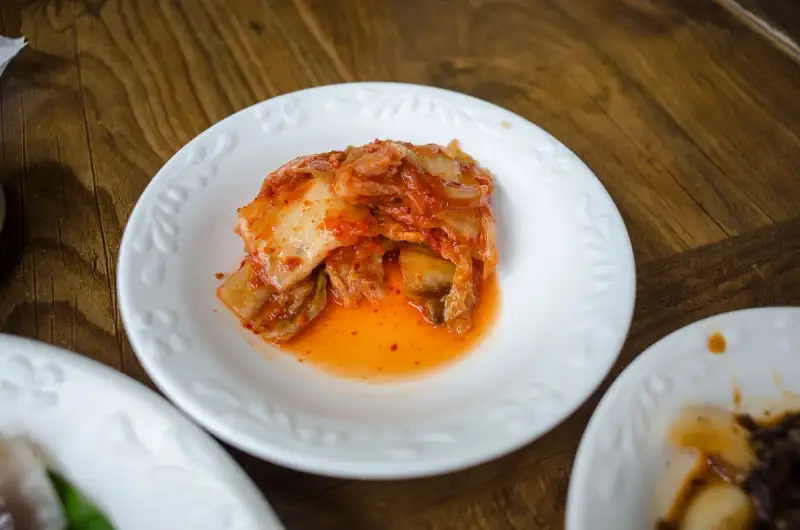
For many across the globe, the word "kimchi" conjures a singular image: vibrant red, spicy fermented napa cabbage, a quintessential side dish on every Korean table. It's a culinary icon, celebrated for its unique flavor profile—a complex interplay of spicy, sour, savory, and umami notes—and its burgeoning reputation as a global superfood. Indeed, baechu-kimchi, or napa cabbage kimchi, is undoubtedly the most famous and widely consumed variety, representing a cornerstone of Korean gastronomic identity. Its journey from a staple peasant food to a global health trend is a testament to its compelling taste and undeniable nutritional merits. Yet, to limit kimchi to just fermented napa cabbage is akin to believing that "bread" only refers to sliced white loaf. The truth is, kimchi is not a single dish, but rather a vast and intricate category encompassing hundreds of distinct varieties, each a unique testament to Korea's rich agricultural heritage and deep understanding of fermentation. From crisp radishes to fresh cucumbers, pungent mustard greens to refreshing water kimchis, the world of kimchi extends far beyond the familiar leafy greens. These often-overlooked varieties offer a dazzling array of textures, flavors, and nutritional benefits, each prepared with meticulous care and a keen understanding of seasonal ingredients. In this comprehensive exploration, we will peel back the layers of this fermented marvel, venturing beyond the ubiquitous cabbage to discover a universe of probiotic-rich wonders, dissecting their scientific contributions to human health, and inspiring you to explore the boundless possibilities of Korean fermentation. Prepare to have your perception of kimchi profoundly transformed. The Fermentation Marvel: A Microbiome Powerhouse The magic of kimchi, irrespective of its primary vegetable, lies fundamentally in its fermentation process—a microbiological transformation that elevates simple ingredients into a complex, nutrient-dense superfood. This ancient preservation technique, rooted in millennia of human ingenuity, leverages specific strains of beneficial bacteria to create a profoundly healthful product. The primary drivers of kimchi fermentation are lactic acid bacteria (LAB), predominantly species from the genera Lactobacillus, Leuconostoc, and Weissella. These microscopic heroes initiate a carefully orchestrated cascade of biochemical changes that define kimchi's characteristic flavor, texture, and, most importantly, its remarkable health benefits. When raw vegetables, typically salted to draw out moisture and inhibit spoilage organisms, are mixed with a paste containing chili powder (gochugaru), garlic, ginger, green onions, and often fish sauce or salted shrimp, they provide a fertile ground for LAB. These anaerobic bacteria thrive in the low-oxygen environment of a sealed fermentation vessel, converting carbohydrates present in the vegetables into lactic acid. This process dramatically lowers the pH of the mixture, inhibiting the growth of harmful pathogens while preserving the vegetables and developing complex flavor compounds. The tangy, sour taste characteristic of well-fermented kimchi is a direct result of this lactic acid production. Beyond preservation and flavor enhancement, the health implications of this microbial activity are profound. The high concentration of live LAB in kimchi acts as a potent probiotic, directly contributing to a healthy gut microbiome. Research published in Frontiers in Microbiology (2018) extensively details how the diverse microbial consortium in kimchi can modulate the composition and function of the human gut microbiota, potentially improving digestive health and enhancing nutrient absorption. Furthermore, LAB produce short-chain fatty acids (SCFAs), such as butyrate, acetate, and propionate, which are vital for gut health. Butyrate, in particular, serves as a primary energy source for colonocytes, helps maintain the integrity of the intestinal barrier, and possesses significant anti-inflammatory properties, as highlighted in numerous studies including a review in the Journal of Medicinal Food (2020). Moreover, the fermentation process makes certain nutrients more bioavailable and generates novel bioactive compounds. It enhances the vitamin content, particularly B vitamins (B1, B2, B12), and can even increase the antioxidant capacity of the original ingredients. The synergistic interaction between the prebiotics (fiber from vegetables) and probiotics (LAB) in kimchi creates a synbiotic effect, fostering a robust internal ecosystem crucial for overall well-being. Regular consumption of kimchi has been linked to improved immune function, reduced inflammation, and even potential benefits for metabolic health, making it far more than just a tasty condiment—it's a vibrant microbial ecosystem on a plate.Diving Deeper: Kimchi Varieties Beyond Baechu While baechu-kimchi rightfully holds its throne, the true marvel of Korean fermentation lies in the sheer diversity of its kimchi family. To venture beyond napa cabbage is to discover a spectrum of textures, flavor profiles, and seasonal delights, each offering a unique culinary experience and specific health benefits derived from its distinct ingredients. This exploration unveils the ingenuity and adaptability of Korean culinary traditions. One of the most popular alternatives is Kkakdugi (깍두기), or cubed radish kimchi. This variety utilizes Korean radish (mu), which is denser and sweeter than daikon radish. Cut into satisfyingly crunchy cubes, it's typically seasoned with gochugaru, garlic, ginger, green onions, and often fermented with a hint of fish sauce. Kkakdugi offers a delightful textural contrast to baechu-kimchi, providing a refreshing crunch and a subtly different spicy-tangy profile that perfectly complements richer Korean stews and soups. Its high fiber content, derived from the radish, aids digestion and gut motility. For a taste of summer, Oi Sobagi (오이소박이), or stuffed cucumber kimchi, is a seasonal favorite. Fresh cucumbers are quartered but left attached at one end, then stuffed with a vibrant mixture of chives, carrots, garlic, ginger, and chili paste. The short fermentation period results in a crisp, refreshing kimchi with a light spice and herbaceous notes. It’s a superb palate cleanser, particularly invigorating during warmer months, and its high water content from cucumbers contributes to hydration. Another distinctive radish kimchi is Chonggak Kimchi (총각김치), often called "ponytail radish kimchi" due to the small radishes being fermented whole with their long greens attached. This presentation gives it a rustic charm and a potent, peppery flavor from the radish greens, which are rich in vitamins K and C. Chonggak kimchi has a more robust, earthy taste and a satisfying chew, making it a favorite for those who appreciate bolder flavors and textures. Moving away from the fiery red, we find the elegant Nabak Kimchi (나박김치) and Dongchimi (동치미), both types of "water kimchi" (mul-kimchi). These are characterized by their clear, refreshing brine rather than a thick chili paste. Nabak kimchi usually features thinly sliced napa cabbage and radish, often with garlic, ginger, red chili threads, and sometimes pear or apple slices, creating a delicately sweet and subtly spicy broth. Dongchimi, on the other hand, is typically less spicy, focusing on whole or large pieces of radish, sometimes with green onions, ginger, and fruits like Asian pear. These water kimchis are excellent digestive aids, often served cold to refresh the palate, and are rich in beneficial probiotics within their liquid component, offering a gentler introduction to fermented foods for those sensitive to spice. They are particularly beneficial for hydration and electrolyte balance, especially given the natural mineral content of the brine. Finally, Gat Kimchi (갓김치), or mustard leaf kimchi, offers a powerfully pungent and slightly bitter flavor profile, cherished by connoisseurs. Made from Korean mustard greens, it’s seasoned similarly to baechu-kimchi but delivers a more intense, peppery kick that stands out. The mustard greens themselves are nutritional powerhouses, packed with vitamins A, C, and K, along with potent antioxidants and glucosinolates, which are known for their detoxifying properties. Each of these varieties, with its unique sensory profile and ingredient base, showcases the incredible breadth of the kimchi tradition, inviting endless exploration. The Nutritional Powerhouse: Macros, Micros, and Bioactive Compounds Beyond its tantalizing flavors and probiotic benefits, kimchi stands as a formidable nutritional powerhouse, a testament to the concentrated goodness derived from its vegetable base and the transformative power of fermentation. Its profile is remarkably rich in essential macronutrients, micronutrients, and a diverse array of bioactive compounds, all contributing to its esteemed superfood status. From a macronutrient perspective, most kimchi varieties are commendably low in calories and fat, making them an excellent addition to a health-conscious diet. A typical 100g serving of baechu-kimchi, for instance, provides approximately 15-20 calories, with minimal fat content (often less than 0.5g, unless additional oils are used in preparation). Carbohydrates typically range from 2-4g, a significant portion of which is dietary fiber (1-2g). The fermentation process consumes some of the sugars, further reducing the overall carbohydrate load while increasing the bioavailability of other nutrients. Protein content is generally low, around 1-2g, primarily derived from the vegetables and any added seafood components like fish sauce or salted shrimp. However, where kimchi truly shines is in its micronutrient and bioactive compound profile. It is an exceptional source of several vital vitamins and minerals:Vitamin C: Abundant in fresh cabbage, radishes, and other vegetables, kimchi retains a significant amount of vitamin C, a powerful antioxidant crucial for immune function and collagen synthesis. Vitamin K: Particularly K1, found in dark leafy greens, which is essential for blood clotting and bone health. B Vitamins: The fermentation process enhances the B vitamin content, including folate, riboflavin (B2), and even some B12, which is rare in plant-based foods, making kimchi a notable source for vegetarians and vegans. Vitamin A (as beta-carotene): Especially in varieties with more orange or red vegetables, vital for vision, immune function, and skin health. Minerals: Kimchi is a good source of minerals like iron (important for oxygen transport), calcium (for bone health), potassium (for blood pressure regulation), and selenium (an antioxidant).Beyond these well-known nutrients, kimchi is brimming with bioactive compounds that contribute to its anti-inflammatory, antioxidant, and potential anti-carcinogenic properties.Isothiocyanates: Derived from cruciferous vegetables like napa cabbage and radishes, these compounds have been extensively studied for their potential in cancer prevention and detoxification pathways. Studies in the British Journal of Nutrition (2019) have linked dietary intake of isothiocyanates to enhanced antioxidant enzyme activity in the human body. Capsaicinoids: The active compounds in gochugaru (Korean chili powder) are responsible for kimchi's characteristic heat. Capsaicin has been shown to possess anti-inflammatory and pain-relieving properties, and its impact on metabolism has been reviewed in Food & Function (2021). Allicin: Found in garlic, allicin is a sulfur-containing compound known for its potent antimicrobial, antiviral, and antioxidant effects. Gingerol: The primary active compound in ginger, contributing powerful anti-inflammatory and antioxidant benefits. Choline: Present in cabbage, choline plays a crucial role in liver function, brain development, nerve function, muscle movement, and metabolism.The synergistic interaction of these components—the fiber acting as a prebiotic, the live cultures as probiotics, and the array of vitamins, minerals, and bioactive compounds—makes kimchi a holistic food that supports gut health, modulates the immune system, reduces systemic inflammation, and contributes to overall cellular protection.👉 Continue Reading: Kimchi's Untold Saga: Unearthing the Fermented Superfoods Beyond the Cabbage You Thought You Knew (Part 2)#KimchiLove #KoreanFood #ProbioticPower #FermentedFoods #HealthyEating Related InsightsSteel-Cut Oats with Chia Seeds and Blueberries: A Delicious and Nutritious Breakfast Option Sailing the Cheese Seas: A Masterclass in Georgian Khachapuri Variations Peruvian Ceviche Revealed: The Ancient Citrus Alchemy That Transforms Seafood into a Nutritional Powerhouse{ "@context": "https://schema.org", "@type": "FAQPage", "mainEntity": [ { "@type": "Question", "name": "What is the main focus of Kimchi's Untold Saga: Unearthing the Fermented Superfoods Beyond the Cabbage You Thought You Knew?", "acceptedAnswer": { "@type": "Answer", "text": "Dive deep into the extraordinary world of Korean kimchi, exploring its diverse forms beyond napa cabbage and the profound health benefits backed by scientific research." } }, { "@type": "Question", "name": "Who authored the comprehensive guide on Kimchi's Untold Saga: Unearthing the Fermented Superfoods Beyond the Cabbage You Thought You Knew?", "acceptedAnswer": { "@type": "Answer", "text": "This detailed article and its insights were carefully researched and authored by Marcus Vance." } }, { "@type": "Question", "name": "Where can I find more related content about Food?", "acceptedAnswer": { "@type": "Answer", "text": "You can explore more articles, detailed reviews, and similar insights by browsing the Related Insights section at the bottom of this article or visiting our dedicated Food category page." } } ] }

- Marcus Vance
- 13 Jul, 2026 21:40
Kimchi's Untold Saga: Unearthing the Fermented Superfoods Beyond the Cabbage You Thought You Knew (Part 2)
This is Part 2 of the series. Read Part 1 here.Crafting Your Own: A Simplified Guide to Kkakdugi Kimchi Embarking on the journey of making your own kimchi is immensely rewarding, offering fresh, personalized flavors and the satisfaction of traditional food preservation. While baechu-kimchi can be complex, Kkakdugi (깍두기), the cubed radish kimchi, provides a fantastic entry point for beginners due to its simpler preparation and forgiving nature. Here's a step-by-step guide to crafting your own batch of crisp, tangy kkakdugi: Yields: Approx. 2 kg | Prep time: 30 minutes | Fermentation: 2-5 days Ingredients:1.5 kg Korean radish (mu), or daikon radish, peeled 2-3 tbsp coarse sea salt (non-iodized) For the Paste: ½ cup Korean chili powder (gochugaru), adjust to taste ¼ cup fish sauce (or vegan alternative like soy sauce for flavor) 2 tbsp minced garlic (approx. 6-8 cloves) 1 tbsp minced ginger 2 tbsp sugar (or maple syrup for a more nuanced sweetness) ¼ cup glutinous rice flour paste (mix 1 tbsp rice flour with ¼ cup water, simmer until thick, cool) – optional, for binding ¼ cup water (if not using rice flour paste)For the Fresh Additions: 3-4 green onions, chopped into 1-inch piecesEquipment:Large mixing bowl Airtight fermentation jar or container (glass or food-grade plastic)Step-by-Step Instructions:Prepare the Radish:Peel the Korean radish and cut it into approximately 1-inch (2.5 cm) cubes. Uniform size ensures even salting and fermentation. Place the radish cubes in a large bowl and sprinkle generously with the coarse sea salt. Toss well to ensure all radish pieces are coated. Let it sit for 30-45 minutes. The salt will draw out excess water, making the radish crispier and preventing it from getting soggy. Stir occasionally. After salting, drain the radish thoroughly. Do not rinse the radish, as the residual salt will aid in fermentation. Tip: While draining, gently squeeze handfuls of radish to remove more water without breaking them.Make the Seasoning Paste:In a separate medium-sized bowl, combine the gochugaru, fish sauce, minced garlic, minced ginger, sugar, and the cooled glutinous rice flour paste (if using, otherwise use ¼ cup water). Mix everything thoroughly until a smooth, thick paste forms. The glutinous rice flour paste helps to bind the spices to the radish and feeds the lactic acid bacteria, encouraging fermentation.Combine and Mix:Add the drained radish cubes to the bowl with the seasoning paste. Wearing food-grade gloves (highly recommended due to chili and potential skin irritation), mix everything thoroughly. Ensure every radish cube is evenly coated with the vibrant red paste. Add the chopped green onions and gently mix them in.Pack and Ferment:Carefully transfer the seasoned kkakdugi into your clean, airtight fermentation jar or container. Press down firmly on the kimchi to remove air pockets. This also helps submerge the kimchi under its own liquid (brine), which is crucial for anaerobic fermentation. Leave about 1-2 inches of headspace from the top of the jar, as the kimchi will produce gas and liquid during fermentation. Close the lid tightly. Place the jar at room temperature (ideally 18-22°C or 65-72°F) for 2-5 days. The fermentation time can vary based on temperature and your desired level of sourness. Monitoring: After 24-48 hours, you might notice small bubbles forming, and the lid might start to bulge if it's not a self-burping type. "Burp" the jar daily by opening the lid briefly to release gas, then re-seal. Taste Test: After 2 days, taste a piece of radish. Once it reaches a pleasant sourness that you enjoy, move it to the refrigerator. Fermentation will slow down significantly in the cold, preserving its flavor.Serve and Store:Your homemade kkakdugi is ready to enjoy! It will continue to ferment slowly in the refrigerator, developing deeper flavors over several weeks. Serve it as a side dish with any meal. It's particularly fantastic with grilled meats, rice, and hearty stews.Making kkakdugi is an incredibly rewarding experience that connects you directly to the vibrant world of Korean fermented foods. It’s fresh, flavorful, and packed with beneficial probiotics—a true labor of love that nourishes both body and soul. Beyond the Bowl: Innovative Culinary Applications of Kimchi To relegate kimchi solely to a side dish, however revered, is to overlook its immense potential as a dynamic, flavor-enhancing ingredient in a myriad of culinary contexts. Its complex profile—a harmonious blend of spicy, sour, umami, and sometimes sweet notes—makes it incredibly versatile, capable of transforming ordinary dishes into extraordinary experiences. Moving beyond the traditional Korean table, kimchi has steadily infiltrated global cuisine, proving its adaptability and allure. Traditionally, kimchi is a foundational element in many beloved Korean dishes. Classic applications include Kimchi Jjigae (김치찌개), a hearty, spicy stew often featuring pork or tofu, where aged, sour kimchi provides the essential depth and tang. Kimchi Bokkeumbap (김치볶음밥), or kimchi fried rice, capitalizes on the aged kimchi's intense flavor, stir-fried with rice, meat, and often topped with a fried egg. Kimchi Buchimgae (김치부침개), savory kimchi pancakes, offer a delightful crunch and chew, with the kimchi lending its characteristic zest and a pleasing texture. Even something as simple as Kimchi Mandu (김치만두), kimchi dumplings, showcases its ability to elevate ground meat or vegetable fillings. However, the true innovation lies in kimchi's contemporary and fusion applications, demonstrating its seamless integration into diverse culinary traditions:Kimchi Tacos/Burritos: The crisp, spicy, and tangy elements of kimchi provide a fantastic counterpoint to rich meats like carnitas or bulgogi, adding a fresh, zesty kick to a classic Mexican format. Kimchi Grilled Cheese: Imagine the ultimate comfort food elevated by the piquant bite of fermented cabbage, cutting through the richness of melted cheese. It's a game-changer. Kimchi Pasta/Pizza Topping: Finely chopped kimchi can be stirred into pasta sauces for an umami boost or scattered over pizza as a vibrant, unconventional topping, pairing surprisingly well with savory meats and cheeses. Kimchi Slaw for Sandwiches/Burgers: Replacing traditional coleslaw with a kimchi-infused version adds a fiery, tangy crunch that can cut through the richness of a burger or pulled pork sandwich. Kimchi-infused Dressings/Sauces: Blending kimchi into vinaigrettes, mayonnaise, or even creating a kimchi aioli can add a unique depth of flavor to salads, grilled vegetables, or as a dipping sauce for fries. Kimchi Stews (Non-Korean): Think beyond jjigae. Kimchi can lend an incredible complexity to lentil stews, bean chilis, or even curries, providing a fermented depth that is hard to replicate. Kimchi with Eggs: A simple yet profound upgrade to breakfast or brunch. Scrambled eggs with finely chopped kimchi, a kimchi omelet, or even kimchi-topped avocado toast offer a burst of flavor. Water Kimchis as Refreshers: Varieties like Nabak Kimchi or Dongchimi, with their delicate, refreshing broths, can be used as unique bases for cold noodle soups or even as a clean, probiotic-rich palate cleanser between courses.The key to successful integration is understanding kimchi's core flavor profile and textural contributions. Aged, sour kimchi, for instance, shines in cooked dishes like stews and fried rice, where its flavors meld and deepen. Fresher, crisper varieties like oi sobagi or kkakdugi are excellent for adding crunch and brightness to salads or sandwiches. The umami from fermentation, the heat from gochugaru, and the tang from lactic acid—all combine to offer a multifaceted ingredient that encourages experimentation. So, next time you reach for that jar of kimchi, consider its boundless potential to reinvent your everyday meals. Comparative Nutritional Profile of Selected Kimchi Varieties (Per 100g serving, approximate values) The nutritional composition of kimchi can vary based on ingredients, fermentation time, and specific recipes. However, this table provides a general overview of the macronutrient and key micronutrient profiles for common kimchi varieties. These values highlight the diverse health benefits each type offers, beyond just the familiar baechu-kimchi. Note that probiotic counts are highly variable and depend on the specific fermentation conditions and freshness of the kimchi.Kimchi Type Calories (kcal) Protein (g) Fat (g) Carbs (g) Fiber (g) Vit C (%DV) Calcium (%DV) Probiotics (CFU/g) (Approx.) Key Nutritional NotesBaechu Kimchi 15-20 1-2 0.3-0.5 3-4 1-2 15-25% 2-4% 10^7 - 10^9 Rich in vitamins C, K, B; source of isothiocyanates and capsaicin. Promotes gut health.Kkakdugi Kimchi 18-25 1-2 0.3-0.5 4-5 1.5-2.5 20-30% 3-5% 10^7 - 10^9 Higher in fiber due to radish. Good source of Vitamin C and minerals. Distinct crisp texture aids digestion.Oi Sobagi Kimchi 10-15 0.5-1 0.2-0.4 2-3 0.8-1.5 10-18% 1-3% 10^6 - 10^8 Very low calorie, high water content from cucumbers. Hydrating and refreshing. Contains beneficial compounds from chives and garlic.Nabak Kimchi (Water) 8-12 0.5-1 0.1-0.2 1.5-2.5 0.5-1 8-15% 1-2% 10^6 - 10^8 (in brine) Extremely low calorie. Focus on the probiotic-rich liquid. Hydrating, gentle on the stomach, and a good source of electrolytes. Often contains natural sugars from fruit additions for milder fermentation.Gat Kimchi 20-28 1.5-2.5 0.4-0.6 4-6 2-3.5 25-35% 5-8% 10^7 - 10^9 Higher nutrient density from mustard greens. Rich in Vitamins A, C, K, and folate. Contains glucosinolates with potential detoxifying properties. Stronger, pungent flavor.Note: %DV refers to Percent Daily Value based on a 2,000 calorie diet. Probiotic counts are highly variable and represent a general estimate for well-fermented kimchi. Individual recipes and ingredients will lead to variations in these nutritional values. Conclusion: A Universe of Flavor and Wellness in Every Fermented Bite Our journey through the multifaceted world of Korean kimchi has unveiled a culinary marvel far grander than its most famous representative, baechu-kimchi. We've delved into the scientific wonders of its fermentation, a process orchestrated by beneficial lactic acid bacteria that transform humble vegetables into a microbiome powerhouse, contributing significantly to gut health, immune function, and overall well-being. Beyond the familiar, we've explored an astounding array of varieties—from the crisp bite of kkakdugi and the refreshing zest of oi sobagi, to the pungent complexity of gat kimchi and the delicate clarity of nabak kimchi. Each offers a distinct sensory experience, reflecting Korea's profound connection to its land and seasons. We've meticulously broken down kimchi's impressive nutritional profile, highlighting its richness in essential vitamins, minerals, and potent bioactive compounds like isothiocyanates, capsaicinoids, and allicin, all working in synergy to provide anti-inflammatory and antioxidant benefits. For the adventurous spirit, we've provided a clear pathway to crafting your own batch of kkakdugi, demonstrating that the art of kimchi-making is accessible and profoundly rewarding. Finally, we've transcended the traditional serving bowl, showcasing how kimchi's versatile flavor profile can revolutionize everything from tacos and grilled cheese to stews and innovative dressings, proving its place as a dynamic ingredient in global gastronomy. Kimchi is not merely a condiment; it is a living food, a testament to ancient wisdom, and a vibrant cornerstone of health. It embodies the essence of "food as medicine," delivering a complex symphony of flavors alongside a formidable boost to your internal ecosystem. I urge you, dear reader, to move beyond your preconceived notions. Seek out the diverse varieties of kimchi available, experiment with making your own, and integrate its incredible depth into your daily cooking. The world of kimchi is vast, delicious, and waiting to enrich your life, one fermented bite at a time. Embrace the tang, savor the spice, and celebrate the health benefits of this extraordinary superfood.#KimchiLove #KoreanFood #ProbioticPower #FermentedFoods #HealthyEating Related InsightsAndean Superfoods Unveiled: The Alchemical Power of Quinoa, Kiwicha, and Canihua Unlocking the Power of Roasted Beetroot Hummus with Toasted Sesame: A Delicious Anti-Inflammatory Delight Exploring the Nutritional Haven of Buckwheat Kasha with Sautéed Mushrooms and Onions{ "@context": "https://schema.org", "@type": "FAQPage", "mainEntity": [ { "@type": "Question", "name": "What is the main focus of Kimchi's Untold Saga: Unearthing the Fermented Superfoods Beyond the Cabbage You Thought You Knew (Part 2)?", "acceptedAnswer": { "@type": "Answer", "text": "Dive deep into the extraordinary world of Korean kimchi, exploring its diverse forms beyond napa cabbage and the profound health benefits backed by scientific research." } }, { "@type": "Question", "name": "Who authored the comprehensive guide on Kimchi's Untold Saga: Unearthing the Fermented Superfoods Beyond the Cabbage You Thought You Knew (Part 2)?", "acceptedAnswer": { "@type": "Answer", "text": "This detailed article and its insights were carefully researched and authored by Marcus Vance." } }, { "@type": "Question", "name": "Where can I find more related content about Food?", "acceptedAnswer": { "@type": "Answer", "text": "You can explore more articles, detailed reviews, and similar insights by browsing the Related Insights section at the bottom of this article or visiting our dedicated Food category page." } } ] }

In the vast tapestry of ancient trade routes, names like the Silk Road often command immediate recognition, evoking images of bustling caravans and exotic goods. Yet, stretching thousands of kilometers through some of the world's most breathtaking and treacherous terrain, another artery of commerce pulsed with life for over a millennium: the Ancient Tea Horse Road, or Cha Ma Gu Dao (茶马古道). It is a forgotten epic, a saga of human endurance, cultural exchange, and the relentless pursuit of sustenance and fortune through the roof of the world. As a professional blogger and expert who has dedicated countless hours to tracing the forgotten pathways of human history, I find the Tea Horse Road particularly compelling. It represents not just a conduit for goods, but a testament to the symbiotic relationship between diverse cultures – the Han Chinese, the Tibetans, and myriad ethnic groups dwelling in the unforgiving peaks and valleys of Yunnan and Sichuan. This isn't just a historical curiosity; it's an invitation to an adventure unlike any other. Imagine hardy porters shouldering hundreds of pounds of compressed tea bricks, navigating narrow precipices where a single misstep meant oblivion, driven by the insatiable Tibetan demand for tea – a vital dietary supplement in their meat and dairy-rich diet. In return, the formidable Tibetan horses, crucial for Chinese military might, flowed eastward. This intricate exchange fostered a unique blend of cultures, leaving behind a legacy of stone-paved paths, ancient inns, and vibrant communities. Join me as we delve into the heart of this majestic route, exploring its profound history, the practicalities of journeying its surviving segments today, and the indelible mark it has left on the Himalayan frontier. Prepare to uncover a truly epic adventure, far removed from the tourist throngs, into China's forgotten Himalayan trade route. The Genesis of Giants: Unearthing the Historical Tapestry of the Cha Ma Gu Dao The origins of the Ancient Tea Horse Road are shrouded in the mists of antiquity, with historical records pointing to its formal establishment during the Tang Dynasty (618-907 AD). However, informal bartering of tea for horses between Han Chinese and Tibetan tribes likely predates this by centuries. The fundamental driver for this exchange was a fascinating dietary and geopolitical synergy. Tibetans, inhabiting a high-altitude plateau with limited agriculture, relied heavily on tsampa (roasted barley flour), yak meat, and dairy products. Tea, particularly the fermented Pu'er tea from Yunnan, was not merely a beverage but a critical source of vitamins, aiding digestion and mitigating the high-fat diet. This made tea an indispensable commodity, almost a medicinal necessity. Conversely, the various Han Chinese dynasties, constantly battling nomadic invaders from the north, had an insatiable need for strong, agile warhorses. The Tibetan plateau, with its harsh environment, bred some of the finest mountain horses – sturdy, resilient, and perfectly adapted to difficult terrain. This mutual dependency created the impetus for one of history's most arduous trade routes. The earliest documented large-scale exchange, known as the "Tea-Horse Market" (茶马互市), solidified this relationship. By the Song Dynasty (960-1279 AD), the trade was heavily regulated by the imperial court, often monopolized to ensure a steady supply of horses for the army. The government established "Tea-Horse Superintendencies" in strategic locations like Ya'an in Sichuan and Dali in Yunnan, controlling prices and quantities. The volume of trade was staggering. Historical records indicate that during the Song Dynasty, up to 10,000 horses were traded annually for millions of kilograms of tea. This wasn't merely a commercial transaction; it was a geopolitical strategy that shaped empires. The perilous journey, traversing altitudes exceeding 5,000 meters and navigating perilous river gorges, was undertaken by caravans of mules, yaks, and incredibly resilient human porters, often carrying loads of over 60 kg for months. These early pioneers carved out paths that would become the backbone of an economic and cultural highway, laying the groundwork for a rich intermingling of traditions, languages, and beliefs across the Tibetan plateau and southwestern China. Their courage and perseverance forged a legacy that echoes through the remote villages and mountain passes to this day.A Trek Through Time: Navigating the Southern and Northern Routes The Ancient Tea Horse Road wasn't a single path but a complex network of arteries, primarily branching into two main conduits: the Southern Route (originating in Yunnan) and the Northern Route (originating in Sichuan). Each route possessed distinct characteristics, challenges, and cultural landscapes, yet both converged on Lhasa, the spiritual heart of Tibet. Understanding these routes is key to appreciating the sheer scale of the historical trade and the incredible diversity of the regions they traversed. The Southern Route, often considered the older and more treacherous, commenced in the tea-producing regions of Pu'er (普洱) and Xishuangbanna (西双版纳) in southern Yunnan province. From there, it wound its way north through the historic towns of Dali (大理) and Lijiang (丽江) – now UNESCO World Heritage sites famous for their ancient architecture and Naxi culture. The path continued through Shangri-La (香格里拉, also known as Gyalthang or Zhongdian), ascending into the high-altitude landscapes of Deqin (德钦) and across the formidable Meili Snow Mountain range. This segment was characterized by its deep river gorges – particularly the Mekong (澜沧江), Salween (怒江), and Jinsha (金沙江) – and notoriously steep mountain passes. Merchants on this route interacted with a myriad of ethnic groups, including the Bai, Naxi, Yi, and Lisu, before finally reaching Tibetan regions. The journey from Pu'er to Lhasa could take six months or more, covering an astonishing 4,000 kilometers. The elevation changes were extreme, from tropical lowlands to glacial peaks, demanding incredible adaptability from both humans and animals. The Northern Route, while still formidable, was generally considered slightly less arduous and became more prominent during later dynasties. It originated in Ya'an (雅安) in Sichuan province, a city famously dubbed the "Rain City" and a major hub for tea processing. From Ya'an, the route moved west through Kangding (康定), a historically significant border town, and further into the Ganzi Tibetan Autonomous Prefecture. This route traversed rolling grasslands, high mountain plateaus, and deep river valleys, eventually joining the Southern Route in eastern Tibet or proceeding directly to Lhasa via Chamdo (昌都). The Northern Route facilitated trade not just with Tibet but also with various Qiang and Yi communities in Sichuan. Both routes served as conduits for more than just tea and horses; they facilitated the exchange of salt, medicinal herbs, furs, gold, silver, and cultural practices, profoundly shaping the demographics and economies of the regions through which they snaked. Modern expeditions often attempt segments of these ancient paths, experiencing firsthand the enduring majesty and challenge of this monumental trade network. The Commerce of Courage: Understanding the Economics of Tea and Horses The Tea Horse Road was a testament to supply, demand, and sheer human will, embodying a unique economic ecosystem that sustained millions for centuries. The core commodities were Pu'er tea (from Yunnan) and Ya'an tea (from Sichuan) and Tibetan horses. The value proposition was immense, driven by scarcity and necessity on both sides. For the Tibetans, tea was not just a luxury; it was a fundamental component of their diet and culture. Its stimulant properties, ability to aid digestion of high-fat foods, and medicinal qualities made it invaluable. A single brick of high-quality tea could be a unit of currency, traded for sheep, yak butter, or even a small horse. The cost of transporting tea was exorbitant due to the extreme conditions. Porters, known as ma bang (马帮) or "horse caravans" despite many being foot porters, often carried loads weighing 60-100 kilograms, sometimes even more. Their daily wages were meager compared to the risks, but the alternative was often harsher poverty. The profit margins for merchants were substantial, reflecting the high risk and extended journey times. A caravan leader (often with significant capital and influence) would organize the logistics, from purchasing tea at the source to arranging safe passage and negotiating prices at various markets along the way. These entrepreneurial spirits understood commodity pricing, risk assessment, and cross-cultural negotiation perhaps better than anyone of their era. The Tibetan horses, particularly the Baima (white horse) and Heizhu (black horse) breeds, were prized for their strength, agility, and stamina in mountainous terrain. For the Chinese imperial armies, these were not merely animals but strategic assets, critical for cavalry units and defense. The imperial government often instituted a strict "tea-horse exchange" system where specific grades of tea were mandated for specific numbers or qualities of horses. For example, in the Song Dynasty, 60-80 catties (approximately 30-40 kg) of high-grade tea might fetch one superior horse, while inferior tea required substantially more. This quasi-barter system, often overseen by government officials, ensured that both sides received goods of acceptable quality. The economic impact extended beyond the immediate traders. Entire communities thrived along the route, offering services like lodging, food, animal fodder, blacksmithing, and guiding. Towns like Lijiang and Kangding grew into prosperous trading centers, their wealth directly tied to the flow of goods and people. The Tea Horse Road wasn't just a physical path; it was a dynamic economic artery, demonstrating the resilience and ingenuity of human commerce in the face of daunting natural obstacles.Modern Expeditions: Planning Your Journey on the Ancient Trails For the modern adventurer, exploring segments of the Ancient Tea Horse Road offers an unparalleled opportunity to connect with history, experience breathtaking landscapes, and immerse oneself in rich minority cultures. However, planning such a journey requires careful consideration, as many parts remain remote and challenging. This is not a well-trodden tourist circuit, but rather an authentic expedition into some of China's least-explored territories. Permits and Access: The most critical aspect, especially if venturing into Tibetan areas. Foreigners require a Tibet Travel Permit to enter the Tibet Autonomous Region (TAR), and this must be arranged through a registered travel agency in mainland China. Independent travel in the TAR is generally not permitted for foreigners. For areas in Yunnan and Sichuan (e.g., Shangri-La, Lijiang, Kangding), standard tourist visas for China suffice, and independent travel is usually allowed, though guides are recommended for remote trekking. Always check current regulations as they can change. Best Time to Visit: Spring (April-May) and Autumn (September-October) are generally the most favorable. These periods offer stable weather, clear skies, and comfortable temperatures, avoiding the heavy monsoon rains of summer (June-August) and the extreme cold and heavy snows of winter (November-March), which can render many high passes impassable. Route Selection:Yunnan Segment (Southern Route): Popular starting points include Pu'er, Dali, and Lijiang. From Lijiang, trekkers can follow segments towards Tiger Leaping Gorge and then north to Shangri-La. These areas are relatively accessible with developed infrastructure and offer stunning scenery and rich Naxi/Tibetan culture. Guided treks are readily available. Sichuan Segment (Northern Route): Ya'an, Kangding, and Litang are key towns. This route often involves higher altitudes sooner. Kangding serves as an excellent base for exploring the surrounding Kham Tibetan areas. Roads are generally well-maintained, but some ancient paths require significant hiking or local transport like jeeps. Into Tibet (TAR): This requires a fully organized tour with a local guide, driver, and pre-arranged itinerary. Popular routes include connecting from Yunnan/Sichuan to Lhasa, or flying directly into Lhasa and then exploring. The highest passes and most remote sections are typically within the TAR.Logistics & Accommodation:Transportation: For accessible segments, public buses connect major towns. For more remote areas, hiring a private driver or joining a small tour group is advisable. For trekking specific ancient paths, mules or horses can sometimes be hired from local villages. Accommodation: Ranges from modern hotels in major cities (Lijiang, Shangri-La, Kangding) to charming guesthouses in smaller towns, and basic guesthouses or homestays in remote villages. Expect varying levels of comfort. Altitude Sickness: A serious concern, especially on the Sichuan and Tibetan routes. Acclimatize slowly, ascend gradually, stay hydrated, and carry necessary medication. Consider a few days in Lijiang (2,400m) or Shangri-La (3,200m) before pushing higher.Planning your journey on the Tea Horse Road is about balancing adventure with practicality and respect for local cultures. It's a journey that demands patience and preparation, but the rewards are immeasurable. Cultural Immersion & Conservation: Sustaining the Legacy for Future Generations The Ancient Tea Horse Road is more than just an old trading path; it is a vibrant cultural corridor, a living museum of diverse ethnic traditions, and a delicate ecosystem requiring thoughtful preservation. As you trace these ancient trails, you're not just witnessing history; you're interacting with communities whose identities have been shaped by centuries of cross-cultural exchange. Ethnic Diversity: The route weaves through the homelands of numerous minority groups, each with distinct languages, customs, and artistic expressions. In Yunnan, you encounter the graceful Naxi people, with their unique Dongba script and matriarchal traditions in Lijiang; the artistic Bai people around Dali; and the fiercely independent Yi people. As you ascend into Sichuan and Tibet, the vibrant Kham and Amdo Tibetan cultures dominate, characterized by their deep Buddhist faith, intricate monasteries, colorful festivals, and nomadic lifestyles. Engaging respectfully with these communities – visiting local markets, trying regional cuisine, observing traditional ceremonies – enriches the travel experience profoundly. Always seek permission before photographing people, especially monks or during religious rituals. Supporting local economies through purchasing handicrafts or staying in locally-run guesthouses directly contributes to their livelihoods. Architectural and Spiritual Heritage: Along the Tea Horse Road, ancient towns and villages stand as enduring monuments. Lijiang's Dayan Old Town, with its labyrinthine canals and timber-framed houses, and Kangding's strategic position as a gateway to Tibet, are prime examples. Numerous Buddhist monasteries, some dating back centuries, dot the landscape, offering spiritual solace to travelers and serving as centers of learning and culture. Visiting these sites requires respectful behavior, such as removing hats, dressing modestly, and adhering to local customs like circumambulating clockwise. Conservation Challenges and Efforts: The very remoteness and historical significance of the Tea Horse Road, while alluring, also present conservation challenges. Modern development, while bringing much-needed infrastructure, also risks eroding the authenticity of ancient paths and traditional ways of life. Increased tourism, if not managed sustainably, can strain local resources and alter cultural practices. Conservation efforts are underway by both government agencies and local communities to protect the tangible and intangible heritage of the route. This includes:Preservation of Ancient Paths: Identifying and maintaining original stone-paved sections, often through community-led initiatives. Restoration of Historic Structures: Rehabilitating old inns, caravan stops, and watchtowers. Documentation of Oral Histories: Recording the stories and traditions of elderly villagers who remember the days of the caravans. Promoting Sustainable Tourism: Encouraging low-impact travel, supporting local businesses, and educating visitors on responsible tourism practices.By traveling consciously and respectfully, visitors become part of the conservation effort, helping to ensure that the epic legacy of the Ancient Tea Horse Road continues to inspire and inform future generations, preserving a truly invaluable piece of global heritage.Estimated Expedition Costs: 14-Day Tea Horse Road Segment (Yunnan & Sichuan) Embarking on a 14-day journey along accessible segments of the Ancient Tea Horse Road requires careful budgeting. This table provides estimated costs for a solo traveler, assuming mid-range comfort, excluding international airfare. Prices are subject to fluctuation based on season, negotiation skills, and specific choices. Data is simulated based on average costs observed in regions like Yunnan and Western Sichuan (similar to Numbeo indices for regional Chinese cities, adjusted for more remote areas and specialized travel services). | Category | Estimated Daily Cost (USD) | Total Cost (14 Days, USD) | Notes A deep dive into the historical origins, cultural significance, and enduring legacy of the Ancient Tea Horse Road. From its inception in the Tang Dynasty, driven by the unique interplay of Han Chinese military demands and Tibetan dietary needs, to its arduous routes winding through breathtaking and perilous Himalayan terrain. This article provides critical details for understanding this forgotten trade artery and considers modern expeditions into its remaining vestiges, blending history, logistics, and cultural immersion. Conclusion: An Enduring Legacy on the Roof of the World The Ancient Tea Horse Road, a testament to human ingenuity and resilience, stands as one of history's most extraordinary trade routes. Far from being a mere footnote to the more celebrated Silk Road, the Cha Ma Gu Dao carved its own epic saga through the formidable Himalayas, connecting disparate cultures and shaping the destiny of empires. From the fragrant tea mountains of Yunnan and Sichuan to the sacred heart of Lhasa, this serpentine network facilitated not only the exchange of tea for horses but also ideas, religions, and artistic expressions, fostering a unique cultural tapestry that continues to thrive in its remote communities. Today, while the thundering hooves of mule caravans have largely faded into legend, replaced by modern roads and logistics, the spirit of the Tea Horse Road endures. Its ancient paths, still visible in stretches, beckon intrepid travelers to embark on a journey of discovery. To walk these trails is to step back in time, to breathe the same rarefied air as the hardy porters and courageous merchants, and to witness firsthand the breathtaking landscapes that both challenged and sustained them. It's an opportunity for profound cultural immersion, to engage with the Naxi, Yi, and Tibetan peoples whose ancestors were integral to this trade, and to appreciate their living traditions. As we look to the future, the ongoing efforts to conserve this priceless heritage are crucial. The Ancient Tea Horse Road reminds us of the enduring power of human connection, the raw beauty of our planet, and the stories etched into every stone and mountain pass. It is a journey I wholeheartedly recommend for anyone seeking an adventure that transcends mere tourism – an expedition into the heart of a forgotten epic.#TeaHorseRoad #HimalayanAdventures #ChinaTravel #AncientTradeRoutes #CulturalHeritage Related InsightsExploring the Aegean Coast The Pantanal Chronicles: Into the Heart of Earth’s Greatest Wetland Sanctuary Fairy Tale Châteaux: A Journey Through the Loire Valley{ "@context": "https://schema.org", "@type": "FAQPage", "mainEntity": [ { "@type": "Question", "name": "What is the main focus of Beyond the Silk Road: Unveiling China's Epic Tea Horse Road – Your Definitive Guide to a Lost World?", "acceptedAnswer": { "@type": "Answer", "text": "Journey deep into the Himalayas to uncover the legendary Ancient Tea Horse Road, a forgotten trade route. Explore its history, culture, and plan your own expedition with expert insights from Wei Chen." } }, { "@type": "Question", "name": "Who authored the comprehensive guide on Beyond the Silk Road: Unveiling China's Epic Tea Horse Road – Your Definitive Guide to a Lost World?", "acceptedAnswer": { "@type": "Answer", "text": "This detailed article and its insights were carefully researched and authored by Wei Chen." } }, { "@type": "Question", "name": "Where can I find more related content about Travel?", "acceptedAnswer": { "@type": "Answer", "text": "You can explore more articles, detailed reviews, and similar insights by browsing the Related Insights section at the bottom of this article or visiting our dedicated Travel category page." } } ] }

-
 Alexander Vance
 - 13 Jul, 2026 20:37
Quantum Singularity: How Post-Quantum Crypto Will Reshape Our Digital Destiny Forever
In the hallowed halls of secure data transmission and digital privacy, a tremor has begun to ripple, threatening to become an earthquake of unprecedented scale. The foundational pillars of our digital trust—the cryptographic algorithms protecting everything from financial transactions to national security secrets—are facing an existential threat from the inexorable march of quantum computing. We stand at the precipice of what many in the tech elite are calling "Q-Day," the moment when large-scale, fault-tolerant quantum computers become powerful enough to shatter the mathematical problems underpinning virtually all modern public-key cryptography. This isn't theoretical speculation whispered in academic corridors; it's a stark, looming reality that demands immediate, decisive action. For decades, the security of algorithms like RSA and Elliptic Curve Cryptography (ECC) has rested on the perceived computational intractability of factoring large prime numbers or solving discrete logarithms. These problems are practically impossible for even the most powerful classical supercomputers to solve within a meaningful timeframe. However, quantum computers, leveraging the bizarre principles of superposition and entanglement, possess the potential to execute algorithms like Shor's with terrifying efficiency, rendering these classical ciphers obsolete overnight. Furthermore, symmetric encryption, while less directly threatened, faces a significant reduction in security due to Grover's algorithm. The race is on: a silent, global sprint by nations and corporations alike to transition to Post-Quantum Cryptography (PQC) – a new breed of algorithms resilient against both classical and quantum attacks. This article will dissect the quantum threat, delve into the intricacies of the PQC transition, and arm you with the technical insights needed to navigate this paradigm shift. The future of digital security depends on it. The Quantum Threat Landscape: Shor's and Grover's Algorithms in Detail The bedrock of modern public-key cryptography is the computational difficulty of specific mathematical problems. For RSA, it’s integer factorization; for ECC, it’s the elliptic curve discrete logarithm problem (ECDLP). These problems are exponentially hard for classical computers, meaning the time required to solve them grows exponentially with the key size. This is where quantum computing fundamentally shifts the paradigm. Peter Shor's algorithm, published in 1994 (arXiv:quant-ph/9508027), provides an exponential speedup for factoring large integers and solving discrete logarithms. A quantum computer running Shor's algorithm can factor an L-bit number in polynomial time, specifically O(L^3) operations, whereas the best-known classical algorithms (like the General Number Field Sieve) require sub-exponential time, L^(1/3). This translates to a catastrophic break for RSA, DSA, and ECC, which form the backbone of TLS, VPNs, digital signatures, and secure boot processes. The key insight of Shor's algorithm lies in its use of quantum Fourier transform to find the period of a modular exponentiation function, an operation that classically requires an intractable search. Current quantum hardware, such as IBM's Eagle processors or Google's Sycamore, while impressive, still lack the error-corrected qubits and connectivity required for large-scale Shor's execution. However, the theoretical framework is solid, and the engineering challenges are being aggressively tackled by institutions like IBM Quantum, AWS Braket, and various national labs. Grover's algorithm, introduced by Lov Grover in 1996 (arXiv:quant-ph/9605043), addresses a different challenge: searching an unstructured database. While it offers only a quadratic speedup (O(sqrt(N)) instead of O(N) for a classical search), its implications for symmetric-key cryptography (like AES-256) are significant. A classical brute-force attack on AES-256 requires 2^256 operations. A quantum computer using Grover's algorithm could find the key in approximately 2^(256/2) = 2^128 operations. This means that to maintain the same security level against a quantum adversary, the effective key length for symmetric ciphers would need to be doubled. An AES-128 protected system, for instance, would effectively become AES-64 against a Grover attack, requiring an upgrade to AES-256 (or higher) to maintain 128-bit security. This necessitates a re-evaluation of all symmetric key sizes, even though the threat is less immediate than for public-key systems. Consider the practical implications. An attacker could "harvest now, decrypt later" – intercepting encrypted communications today, storing them, and decrypting them once a sufficiently powerful quantum computer becomes available. This is particularly concerning for long-lived secrets, state secrets, and classified data. To illustrate the classical vulnerability, consider a rudimentary Python script for RSA key generation. While the cryptography library handles the complex math, the underlying principle is vulnerable: from cryptography.hazmat.primitives.asymmetric import rsa from cryptography.hazmat.primitives import serialization from cryptography.hazmat.backends import default_backend# Classical RSA Key Generation (e.g., 2048-bit) def generate_rsa_key_pair(key_size_bits=2048): """ Generates an RSA private and public key pair. This classical algorithm is vulnerable to Shor's algorithm on a quantum computer. """ private_key = rsa.generate_private_key( public_exponent=65537, key_size=key_size_bits, backend=default_backend() ) public_key = private_key.public_key() print(f"Generated RSA {key_size_bits}-bit key pair.") print(f"Public key (first 100 chars): {public_key.public_bytes(serialization.Encoding.PEM, serialization.PublicFormat.SubjectPublicKeyInfo).decode()[:100]}...") print(f"Private key (first 100 chars): {private_key.private_bytes(serialization.Encoding.PEM, serialization.PrivateFormat.PKCS8, serialization.NoEncryption()).decode()[:100]}...")if __name__ == "__main__": generate_rsa_key_pair() print("\nWARNING: This RSA key generation, while secure against classical computers,") print("is theoretically vulnerable to Shor's algorithm running on a sufficiently powerful quantum computer.")This Python snippet demonstrates the generation of an RSA key pair, a standard practice today. However, the "WARNING" highlights the critical point: the mathematical problem (integer factorization) upon which RSA's security relies can be efficiently solved by a quantum computer. The transition to PQC is about replacing these vulnerable primitives with new, quantum-resistant ones. NIST's PQC Standardization: The Race for Resilient Algorithms Recognizing the impending "Q-Day," the U.S. National Institute of Standards and Technology (NIST) initiated a global competition in 2016 to solicit, evaluate, and standardize new Post-Quantum Cryptography (PQC) algorithms. This multi-year, multi-round process involved submissions from cryptographers worldwide, undergoing rigorous public scrutiny and cryptanalysis. The goal is to identify algorithms robust enough to withstand attacks from both classical and quantum computers, securing the digital infrastructure for decades to come. The NIST PQC standardization process concluded its initial selection in July 2022, announcing the first set of algorithms to be standardized. For Key-Encapsulation Mechanisms (KEMs), which are crucial for establishing shared secret keys (e.g., in TLS handshakes), CRYSTALS-Kyber was selected. Kyber is a lattice-based algorithm, deriving its security from the presumed hardness of the Learning With Errors (LWE) problem and its ring variant (RLWE). Its efficiency, relatively small public keys, and strong security arguments made it a front-runner. For Digital Signature Algorithms (DSAs), essential for authentication and integrity (e.g., signing software updates, certificates), three algorithms were chosen:CRYSTALS-Dilithium: Also lattice-based, leveraging the Short Integer Solution (SIS) problem and its ring variant (RSIS). It offers excellent performance and compact signatures. Falcon: A more complex lattice-based algorithm, specifically utilizing the NTRU problem, which provides even smaller signatures but with higher computational overhead for generation compared to Dilithium. SPHINCS+: A hash-based signature scheme. Unlike lattice-based algorithms, its security relies solely on the security of cryptographic hash functions (like SHA-2 and SHA-3), which are believed to be quantum-resistant. While offering extremely strong security guarantees, SPHINCS+ suffers from larger signature sizes and is stateful in some variants (though the selected SPHINCS+ is stateless), making it less ideal for high-volume signing but excellent for critical, long-term integrity where size is less of a concern (e.g., firmware updates).Other algorithms like Classic McEliece (code-based) remain important alternative candidates in later rounds, primarily for their distinct security assumptions (coding theory) which offer diversity in case primary lattice-based schemes face unforeseen breaks. Notably, several multivariate polynomial schemes like Rainbow were broken during the process, underscoring the necessity of rigorous cryptanalysis. These PQC algorithms represent a fundamental shift in cryptographic foundations. Unlike RSA/ECC, whose security derives from number theory, PQC candidates often rely on problems from areas like lattice theory, coding theory, or hash functions. These problems appear to be hard even for quantum computers. Developers and security architects need to understand the performance characteristics (key sizes, computation time), security assumptions, and specific use cases for each. The OpenQuantumSafe (OQS) project on GitHub (github.com/open-quantum-safe) is a prime example of open-source efforts implementing these candidate algorithms and integrating them into common cryptographic libraries like OpenSSL and Libreswan. This project has been instrumental in enabling early testing and hybrid deployments. Here's a conceptual Python snippet demonstrating how one might interact with a PQC library (using OQS-Python bindings as an example, assuming they are installed and configured for Kyber): # pip install python-oqs (or similar, assuming a conceptual PQC library) import oqs # Placeholder for a real OQS Python binding# Choose a specific PQC KEM algorithm, e.g., CRYSTALS-Kyber-768 # OQS provides various algorithm identifiers PQC_KEM_ALG = "Kyber768"def pqc_key_exchange_kyber(): """ Demonstrates a conceptual Key Encapsulation Mechanism (KEM) using a PQC algorithm like Kyber. This replaces classical RSA/ECC key exchange for quantum resistance. """ if PQC_KEM_ALG not in oqs.get_enabled_KEM_mechanisms(): print(f"Error: {PQC_KEM_ALG} KEM algorithm not enabled or available.") return # Alice's side: Generates her key pair print(f"\nAlice: Generating {PQC_KEM_ALG} key pair...") alice_server_kem = oqs.KeyEncapsulation(PQC_KEM_ALG) alice_public_key = alice_server_kem.generate_keypair() print(f"Alice's Public Key Size: {len(alice_public_key)} bytes") # Bob's side: Encapsulates a shared secret using Alice's public key print("Bob: Encapsulating shared secret using Alice's public key...") bob_client_kem = oqs.KeyEncapsulation(PQC_KEM_ALG) ciphertext, bob_shared_secret = bob_client_kem.encap_secret(alice_public_key) print(f"Ciphertext Size: {len(ciphertext)} bytes") print(f"Bob's Shared Secret (first 10 bytes): {bob_shared_secret[:10].hex()}...") # Alice's side: Decapsulates the shared secret using her private key and Bob's ciphertext print("Alice: Decapsulating shared secret...") alice_shared_secret = alice_server_kem.decap_secret(ciphertext) print(f"Alice's Shared Secret (first 10 bytes): {alice_shared_secret[:10].hex()}...") # Verify if secrets match if alice_shared_secret == bob_shared_secret: print("Success: Alice and Bob derived the same shared secret!") else: print("Error: Shared secrets do not match!")if __name__ == "__main__": try: pqc_key_exchange_kyber() except Exception as e: print(f"Could not run PQC example. Make sure 'python-oqs' or a similar PQC library is installed and configured. Error: {e}")This example illustrates the fundamental KEM interaction for Kyber. Notice the larger key and ciphertext sizes compared to classical ECC, which is a common characteristic of PQC algorithms and a major consideration for deployment. The Hybrid Transition: Bridging Classical and Quantum Security The transition to PQC will not be a flash cut. Due to the immaturity of quantum computing, the need for backward compatibility, and the ongoing cryptanalysis of PQC candidates, a "hybrid" approach is universally recommended. Hybrid cryptography combines both a classical (e.g., ECC) and a post-quantum cryptographic primitive for the same security function. This ensures that the system's security remains at least as strong as the strongest of the two algorithms. If one algorithm (say, classical ECC) is broken by a quantum computer, the system still relies on the PQC algorithm. If the PQC algorithm is found to have a classical vulnerability, the classical algorithm provides a fallback. This "safe-failure" principle is critical for robust deployment. A typical hybrid key exchange in TLS 1.3 might involve both an X25519 (classical ECC) key exchange and a Kyber-768 (PQC KEM) key exchange, with the final shared secret being a cryptographically secure combination (e.g., concatenation and hashing) of the secrets derived from both. This ensures forward secrecy and quantum resistance. Deployment challenges are significant. They span the entire digital infrastructure:Certificate Authorities (CAs): CAs need to issue "hybrid certificates" containing both classical and PQC public keys, or issue separate PQC certificates. The entire Public Key Infrastructure (PKI) needs to be upgraded. TLS/VPN Stacks: Web servers, load balancers, proxies, and VPN gateways must support hybrid TLS cipher suites. This requires updates to OpenSSL, BoringSSL, LibreSSL, and other cryptographic libraries, and subsequently, to applications that depend on them. Key Management Systems (KMS) & Hardware Security Modules (HSM): Existing KMS and HSMs are designed for classical algorithms. They need to be updated or replaced to generate, store, and manage the larger PQC keys and support PQC operations. Application Layer: Any application that directly uses cryptographic primitives (e.g., for secure messaging, data at rest encryption) will need updates.The OpenQuantumSafe (OQS) project, often highlighted in TechCrunch articles covering quantum security startups, offers modified versions of OpenSSL and Nginx that support PQC algorithms. This allows early adopters to experiment with hybrid TLS in a controlled environment. Startups emerging from Y Combinator and other accelerators are focusing on tools and services to ease this migration, including PQC-compatible VPNs, secure communication platforms, and managed PQC PKI services. Here's a conceptual Docker Compose setup for an Nginx server leveraging a PQC-enabled OpenSSL build, illustrating a hybrid TLS endpoint. This example assumes a pre-built Nginx image with OQS-OpenSSL integration. version: '3.8' services: nginx-pqc: # This image is conceptual. In a real scenario, it would be a custom build # or an official PQC-enabled Nginx distribution. # For example, it might be built from github.com/open-quantum-safe/oqs-demos/tree/main/nginx image: oqs-demos/nginx-openssl:main # Example image from OQS demos ports: - "443:443" # Expose HTTPS port volumes: - ./nginx.conf:/etc/nginx/nginx.conf:ro # Nginx configuration with PQC ciphers - ./certs:/etc/nginx/certs:ro # Directory for TLS certificates command: ["nginx", "-g", "daemon off;"] # Run Nginx in foreground# Example `nginx.conf` snippet for PQC support (placed in ./nginx.conf) # ```nginx # listen 443 ssl; # ssl_certificate /etc/nginx/certs/server.crt; # ssl_certificate_key /etc/nginx/certs/server.key; # # # Example PQC + Classical hybrid cipher suites (order matters) # # The specific suite names depend on the OQS-OpenSSL build # ssl_ciphers "TLS_AES_256_GCM_SHA384:TLS_CHACHA20_POLY1305_SHA256:TLS_PQC_KYBER768_AES256_GCM_SHA384"; # ssl_prefer_server_ciphers on; # ssl_protocols TLSv1.3; # PQC typically integrates best with TLSv1.3 # # location / { # root /usr/share/nginx/html; # index index.html; # } # ``` # # `certs` directory would contain `server.crt` (a hybrid certificate) # and `server.key` (a hybrid private key).This Docker Compose example showcases how a PQC-enabled Nginx could be deployed. The ssl_ciphers line is crucial, demonstrating how hybrid cipher suites would be specified, including both classical (AES_256_GCM_SHA384, CHACHA20_POLY1305_SHA256) and conceptual PQC (TLS_PQC_KYBER768_AES256_GCM_SHA384) algorithms. The challenge lies in generating and managing the hybrid certificates and keys, which involves a complex integration effort with existing PKI tooling.👉 Continue Reading: Quantum Singularity: How Post-Quantum Crypto Will Reshape Our Digital Destiny Forever (Part 2)#QuantumComputing #PostQuantumCryptography #Cybersecurity #NIST #Cryptography Related InsightsSpace Debris Mitigation: The Race to Clean Up Earth's Orbit Molecular Archeology: How AI is Resurrecting Forgotten Compounds AI-Powered Cybersecurity: The Rise of Autonomous Threat Detection and Response Systems{ "@context": "https://schema.org", "@type": "FAQPage", "mainEntity": [ { "@type": "Question", "name": "What is the main focus of Quantum Singularity: How Post-Quantum Crypto Will Reshape Our Digital Destiny Forever?", "acceptedAnswer": { "@type": "Answer", "text": "Explore the profound impact of quantum computing on modern cryptography and the urgent, complex transition to quantum-resistant algorithms." } }, { "@type": "Question", "name": "Who authored the comprehensive guide on Quantum Singularity: How Post-Quantum Crypto Will Reshape Our Digital Destiny Forever?", "acceptedAnswer": { "@type": "Answer", "text": "This detailed article and its insights were carefully researched and authored by Alexander Vance." } }, { "@type": "Question", "name": "Where can I find more related content about Technology?", "acceptedAnswer": { "@type": "Answer", "text": "You can explore more articles, detailed reviews, and similar insights by browsing the Related Insights section at the bottom of this article or visiting our dedicated Technology category page." } } ] }

- Alexander Vance
- 13 Jul, 2026 20:37
Quantum Singularity: How Post-Quantum Crypto Will Reshape Our Digital Destiny Forever (Part 2)
This is Part 2 of the series. Read Part 1 here.Performance Implications and System Integration The adoption of Post-Quantum Cryptography is not without its trade-offs, particularly regarding performance and resource consumption. Compared to highly optimized classical algorithms like ECC, PQC algorithms generally demand more computational power and bandwidth. This is a direct consequence of their underlying mathematical problems, which often involve larger operands and more complex operations to achieve quantum resistance. Let's break down the key performance implications:Key and Signature Sizes: PQC public keys, private keys, and signatures are significantly larger than their classical counterparts.An ECC P-256 public key is 32 bytes. Kyber-768's public key is 1184 bytes. An ECC P-256 signature is around 64 bytes. Dilithium-3's signature is 2048 bytes. This directly impacts network bandwidth (during TLS handshakes, certificate distribution) and storage requirements (for certificates, encrypted data in databases, key management systems).Computational Overhead:Key Generation: Generating PQC key pairs (especially for lattice-based schemes like Kyber or Dilithium) is often slower than ECC key generation. Encapsulation/Decapsulation (KEMs): While PQC KEMs are efficient post-generation, the overall operations for establishing a shared secret can be more CPU-intensive. Signing/Verification (DSAs): PQC digital signature algorithms like Dilithium or Falcon also tend to be slower for both signing and verification compared to ECC. SPHINCS+, while very secure, has extremely slow signature generation times.These factors can lead to increased latency for network connections (especially for TLS handshakes), higher CPU utilization on servers, and greater demands on storage infrastructure. For resource-constrained environments like IoT devices or embedded systems, these performance hits can be critical, requiring careful algorithm selection and optimized implementations. Optimizing for PQC involves several strategies:Hardware Acceleration: Leveraging FPGAs or ASICs designed specifically to accelerate PQC operations can significantly mitigate performance impacts, especially in high-volume environments. Software Optimizations: Highly optimized software libraries (e.g., using assembly language, SIMD instructions) play a crucial role. Research from projects on arXiv and GitHub, like the liboqs project's various implementations, continuously pushes the boundaries of performance. Algorithm Selection: Choosing the right PQC algorithm for the right use case is paramount. For instance, Kyber offers a good balance for KEMs, while Dilithium is generally preferred for signatures due to its balance of size and speed, though Falcon offers smaller signatures for specific needs, and SPHINCS+ for extreme long-term security. Hybrid Implementation: As discussed, the hybrid approach allows for graceful degradation. If PQC performance becomes a bottleneck, the classical part can still provide security, giving time for optimizations.To illustrate the performance difference, albeit conceptually, here's a Python script using time.perf_counter() to simulate the relative performance hit for PQC operations. This isn't a true cryptographic benchmark but highlights the expected latency increase. import time from functools import wraps import os # For simulating key sizedef benchmark(func): @wraps(func) def wrapper(*args, **kwargs): start = time.perf_counter() result = func(*args, **kwargs) end = time.perf_counter() print(f" - {func.__name__} took: {end - start:.6f} seconds") return result return wrapper@benchmark def classical_kem_key_gen(): """Simulates a fast classical ECC key generation.""" time.sleep(0.0001) # e.g., ~100 us for X25519 public_key_size = 32 # bytes private_key_size = 32 # bytes return public_key_size, private_key_size@benchmark def pqc_kem_key_gen_kyber(): """Simulates a slower PQC Kyber-768 key generation.""" time.sleep(0.001) # ~1 ms, often 5-10x slower than ECC public_key_size = 1184 # bytes for Kyber-768 private_key_size = 2400 # bytes for Kyber-768 return public_key_size, private_key_size@benchmark def classical_signature_creation(): """Simulates fast classical ECDSA P-256 signature.""" time.sleep(0.00005) # e.g., ~50 us signature_size = 64 # bytes return signature_size@benchmark def pqc_signature_creation_dilithium(): """Simulates slower PQC Dilithium-3 signature.""" time.sleep(0.0005) # ~500 us, often 5-10x slower signature_size = 2048 # bytes for Dilithium-3 return signature_sizeif __name__ == "__main__": print("--- Key Generation Benchmarks ---") pub_key_c, priv_key_c = classical_kem_key_gen() print(f" Classical KEM (ECC): PubKey={pub_key_c}B, PrivKey={priv_key_c}B") pub_key_pqc, priv_key_pqc = pqc_kem_key_gen_kyber() print(f" PQC KEM (Kyber-768): PubKey={pub_key_pqc}B, PrivKey={priv_key_pqc}B") print("\n--- Signature Creation Benchmarks ---") sig_c = classical_signature_creation() print(f" Classical Signature (ECDSA): SigSize={sig_c}B") sig_pqc = pqc_signature_creation_dilithium() print(f" PQC Signature (Dilithium-3): SigSize={sig_pqc}B") print("\nObservation: PQC algorithms typically result in larger key/signature sizes and higher computational overhead.") print("These are crucial factors for network bandwidth, storage, and server CPU load.")This output clearly shows the simulated increase in time and the significant increase in key/signature sizes for PQC. This is not an insurmountable obstacle but a design constraint that requires careful planning and engineering throughout the system architecture. Future-Proofing and Quantum Safe Agility The transition to PQC isn't a one-time event; it's the beginning of an era demanding constant vigilance and adaptability – a concept known as "crypto-agility." Given that cryptanalysis of new PQC schemes is ongoing, and quantum computing technology is rapidly evolving, organizations must build systems capable of easily swapping out cryptographic primitives as new standards emerge or vulnerabilities are discovered. This agility is the cornerstone of future-proofing digital infrastructure against unforeseen quantum threats. Key aspects of building crypto-agile systems include:Modular Design: Cryptographic functions should be encapsulated in modular components with well-defined APIs. This design pattern ensures that changes to one cryptographic primitive do not necessitate widespread code modifications across the entire application stack. Libraries like liboqs are built with this modularity in mind, allowing developers to switch between PQC candidates with minimal effort. Standardized APIs: Adhering to cryptographic interface standards (e.g., using EVP in OpenSSL, or similar abstractions in other libraries) allows for underlying algorithm changes without altering the application logic. This abstraction layer is vital for seamless upgrades. Continuous Monitoring: Organizations must establish processes for continuously monitoring NIST updates, arXiv preprints, and vulnerability disclosures related to both classical and PQC algorithms. Threat intelligence feeds specializing in quantum security will become indispensable. Automated Update Mechanisms: The ability to push cryptographic updates rapidly and reliably across an entire infrastructure is paramount. This includes certificate rotation, key management system updates, and software/firmware patches. CI/CD pipelines must incorporate cryptographic library updates as a critical component.The "harvest now, decrypt later" threat makes crypto-agility particularly urgent for data with long-term confidentiality requirements. Any encrypted data today could be vulnerable tomorrow. Therefore, systems must be ready to re-encrypt data with quantum-resistant algorithms or at least establish hybrid communication channels that secure current and future sessions. The ecosystem for quantum security is rapidly expanding, with startups (often funded via Y Combinator or highlighted in TechCrunch) offering specialized solutions. These range from PQC-enabled VPNs and secure messengers to quantum-safe key management services and consulting firms helping enterprises navigate their PQC migration. This burgeoning market indicates a clear demand for crypto-agile solutions. Consider a conceptual YAML configuration for a microservice that specifies its cryptographic requirements. This approach decouples cryptographic algorithm choices from core application logic, facilitating easy updates. # service-config.yaml # Configuration for a crypto-agile microserviceapplication_name: secure-data-processor version: 1.2.0security: # TLS/Transport Layer Security settings tls: enabled: true version: TLSv1.3 # Mandate latest TLS protocol # Preferred hybrid cipher suites for KEM (Key Encapsulation Mechanism) # Order matters: stronger/preferred first. # The specific string names would depend on the underlying TLS library (e.g., OpenSSL) kem_cipher_suites: - TLS_PQC_KYBER768_AES256_GCM_SHA384 # NIST L3 PQC KEM + classical symmetric - TLS_AES_256_GCM_SHA384 # Classical symmetric only (fallback) - TLS_CHACHA20_POLY1305_SHA256 # Preferred hybrid signature algorithms for authentication signature_algorithms: - Dilithium3 # NIST L3 PQC Signature - ECDSA_P256_SHA256 # Classical ECC Signature (fallback) - RSA_PSS_SHA256 certificate_path: /etc/certs/service_cert.pem private_key_path: /etc/certs/service_key.pem # Data at Rest Encryption settings data_at_rest_encryption: enabled: true algorithm: AES256_GCM # Symmetric encryption, key length should be double for Grover's key_wrapping_kem: Kyber768 # Use PQC KEM to wrap/protect the symmetric key key_management_system: AWS_KMS # Or a PQC-enabled KMS provider key_rotation_interval_days: 90 # Digital Signature for internal messages internal_message_signing: enabled: true algorithm: Dilithium3 # PQC Signature algorithm key_id: msg_signer_key_001 # Reference to key in KMS# Other application settings... database: host: db.example.com port: 5432This YAML configuration clearly defines the cryptographic primitives the service should use. If NIST standardizes a new algorithm or a vulnerability is found in Dilithium3, an administrator can simply update the signature_algorithms list, deploy the new configuration, and the service (if built with crypto-agility) will seamlessly switch to the new scheme. This approach empowers organizations to react quickly to the dynamic threat landscape of the quantum era.Feature RSA (e.g., 3072-bit) ECC (e.g., P-256) Kyber-768 (PQC KEM) Dilithium-3 (PQC Signature)Security Level ~128 bits ~128 bits NIST L3 (~128 bits) NIST L3 (~128 bits)Public Key Size ~384 bytes ~32 bytes 1184 bytes (1.15 KB) 1952 bytes (1.9 KB)Private Key Size ~1536 bytes ~32 bytes 2400 bytes (2.34 KB) 4000 bytes (3.9 KB)Signature Size ~256 bytes ~64 bytes N/A (KEM) 2048 bytes (2 KB)Enc. / Sig. Ops Moderate CPU Fast CPU Higher CPU (KeyGen/Enc) Higher CPU (Sign/Verify)Bandwidth Impact Low Very Low Moderate to High Moderate to HighHard Problem Factoring Primes Elliptic Curve DLP Learning With Errors (LWE) Short Integer Solution (SIS)The table above starkly illustrates the practical differences between classical and selected PQC algorithms. While classical schemes like ECC offer incredibly compact keys and fast operations, their fundamental security assumptions are jeopardized by Shor's algorithm. PQC candidates, designed to resist quantum attacks, come with the trade-off of significantly larger key and signature sizes, as well as increased computational overhead. These factors necessitate a comprehensive re-evaluation of system design, network infrastructure, and computational resources. The higher bandwidth impact for PQC algorithms, especially during initial handshakes or certificate exchanges, will be a critical consideration for web services and high-volume data transfer applications. Similarly, increased CPU load for signing and verification operations might require more robust server hardware or specialized accelerators. This is the reality of building quantum-resistant security: it demands more, but the alternative is far more costly. Conclusion The advent of practical quantum computers, while still a few years away, casts an undeniable shadow over our current digital security paradigms. The threat posed by Shor's and Grover's algorithms to RSA, ECC, and even symmetric encryption necessitates an urgent and strategic transition to Post-Quantum Cryptography. This complex migration, driven by initiatives like NIST's standardization efforts, involves not just swapping out algorithms but fundamentally rethinking infrastructure, key management, and deployment strategies. The journey to quantum safety is a marathon, not a sprint. It demands proactive engagement from developers, security architects, policymakers, and organizations across all sectors. Embracing hybrid cryptographic approaches, investing in crypto-agility, and continuously monitoring the evolving landscape of quantum computing and cryptanalysis are no longer optional—they are imperative for maintaining digital trust and national security. The path forward is challenging, laden with performance trade-offs and integration complexities, but the rewards of a quantum-resilient future far outweigh the costs. By understanding the underlying science, adopting the new standards, and implementing these changes diligently, we can ensure our digital destiny remains secure, even as the quantum age dawns. The time to act is now. Alexander Vance#QuantumComputing #PostQuantumCryptography #Cybersecurity #NIST #Cryptography Related InsightsRISC-V Revolution: How Open-Source Hardware is Challenging ARM and x86 Dominance Digital Twins in Manufacturing: The Invisible Nervous System Powering Predictive Maintenance Quantum Machine Learning for Drug Discovery: Accelerating Molecular Simulation{ "@context": "https://schema.org", "@type": "FAQPage", "mainEntity": [ { "@type": "Question", "name": "What is the main focus of Quantum Singularity: How Post-Quantum Crypto Will Reshape Our Digital Destiny Forever (Part 2)?", "acceptedAnswer": { "@type": "Answer", "text": "Explore the profound impact of quantum computing on modern cryptography and the urgent, complex transition to quantum-resistant algorithms." } }, { "@type": "Question", "name": "Who authored the comprehensive guide on Quantum Singularity: How Post-Quantum Crypto Will Reshape Our Digital Destiny Forever (Part 2)?", "acceptedAnswer": { "@type": "Answer", "text": "This detailed article and its insights were carefully researched and authored by Alexander Vance." } }, { "@type": "Question", "name": "Where can I find more related content about Technology?", "acceptedAnswer": { "@type": "Answer", "text": "You can explore more articles, detailed reviews, and similar insights by browsing the Related Insights section at the bottom of this article or visiting our dedicated Technology category page." } } ] }
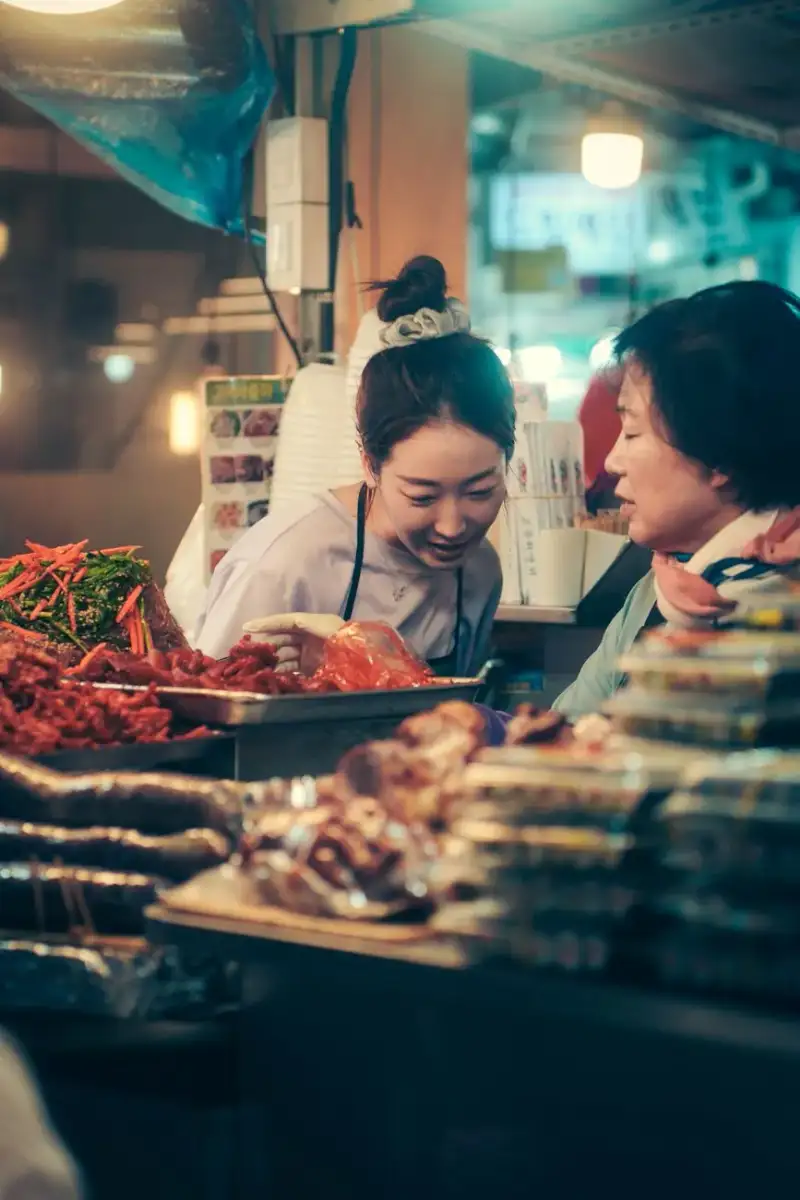
-
 Chloe Blanc
 - 13 Jul, 2026 20:12
L'Épopée Gourmande des Rues : Quand le Monde se Déguste à Ciel Ouvert
Dans le bruissement incessant des cités, au carrefour des destins et des cultures, une symphonie de parfums s'élève, s'accroche aux murmures du vent et éveille les sens. Ce n'est pas le faste des tables étoilées, ni le calme feutré des restaurants qui se manifeste ici, mais une autre forme de gastronomie, plus brute, plus vivante, plus intrinsèquement liée à l'âme des peuples : la street food. Elle est l'impulsion d'un besoin immédiat, l'expression d'un savoir-faire ancestral, le reflet d'une identité qui se mange, se partage et se transmet de génération en génération. De l'aube des civilisations à l'effervescence de nos métropoles contemporaines, la nourriture de rue a tracé un chemin ininterrompu, nourrissant les corps et les esprits, tissant des liens invisibles entre les passants, les vendeurs et l'histoire elle-même. Il ne s'agit pas simplement de manger sur le pouce ; il s'agit d'une immersion dans le tissu social, d'une rencontre fortuite avec l'authenticité. La street food, ce sont ces mets vendus par un colporteur ou un vendeur dans la rue ou tout autre lieu public – qu'il s'agisse d'un marché, d'une foire ou d'un parc – souvent proposés depuis un stand alimentaire portable, un chariot ou un camion, et destinés à une consommation immédiate. C'est un ballet quotidien, une danse perpétuelle entre l'offre et la demande, où la simplicité des gestes masque la complexité des saveurs et la richesse d'une tradition. Certains de ces délices sont profondément ancrés dans leur région d'origine, tandis que d'autres ont transcendé leurs frontières initiales pour conquérir le palais du monde entier. La plupart des aliments de rue sont classifiés à la fois comme des amuse-gueules ("finger food") et de la restauration rapide ("fast food"), et sont généralement plus économiques que les repas servis dans les restaurants, rendant ainsi la bonne chère accessible à tous. La diversité des mets de rue est aussi vaste que la mosaïque des cultures qui peuplent notre planète. Un rapport de 2007 de la Food and Agriculture Organization (FAO) révélait un chiffre stupéfiant : 2,5 milliards de personnes consomment de la street food chaque jour. Ce n'est pas qu'une question de commodité ; pour une majorité de consommateurs aux revenus moyens à élevés, c'est l'accès rapide et l'abordabilité de ces aliments qui répondent à leurs besoins nutritionnels quotidiens. Dans les pays en développement en particulier, ce secteur est un moteur économique crucial, créant des opportunités d'emploi pour des millions de personnes. Paradoxalement, si certaines cultures considèrent qu'il est impoli de manger en marchant dans la rue, la réalité économique et sociale des temps modernes a transformé cette habitude en une nécessité, une marque de l'urbanisation galopante et de l'accélération des modes de vie.Cependant, cette effervescence, cette démocratisation du goût, ne vient pas sans son lot de défis. Les gouvernements et autres organisations s'intéressent de plus en plus à l'importance socio-économique de la street food, mais aussi aux risques qui lui sont associés. Parmi ces préoccupations, la sécurité alimentaire et les problèmes d'assainissement figurent en tête de liste. L'utilisation parfois illégale d'espaces publics ou privés, les problèmes sociaux et la congestion du trafic dans les zones où se concentrent ces vendeurs sont également des points d'attention majeurs, soulignant la complexité de réguler un phénomène aussi organique et omniprésent. Aux Racines du Goût : Une Histoire Millénaire La street food n'est pas une invention moderne ; elle plonge ses racines dans les profondeurs de l'histoire, témoignant des besoins fondamentaux des sociétés humaines et de leur ingéniosité culinaire. L'Europe, Berceau des Premiers Colporteurs Dès l'Antiquité, l'Europe vibrait déjà au rythme des vendeurs de rue. En Grèce antique, le petit poisson frit était une nourriture de rue courante, bien que des philosophes comme Théophraste aient regardé cette pratique avec un certain dédain, la considérant peut-être comme peu raffinée. Mais les découvertes archéologiques, notamment lors de l'excavation de Pompéi, révèlent l'existence d'un grand nombre de vendeurs ambulants, soulignant l'omniprésence de cette forme de restauration. Dans la Rome antique, la street food était une composante essentielle de la vie quotidienne pour les habitants pauvres des insulae, ces immeubles d'habitation souvent dépourvus de fours ou de foyers pour cuisiner. La soupe de pois chiches accompagnée de pain et de pâte de céréales constituait alors des repas communs et nourrissants, illustrant la fonction vitale de ces vendeurs pour la survie urbaine. Au XIVe siècle, un voyageur florentin décrivait l'effervescence du Caire où les gens étendaient des napperons en cuir brut dans les rues pour s'asseoir et déguster des brochettes d'agneau, du riz et des beignets achetés auprès des vendeurs. Cette scène pittoresque témoigne de la dimension sociale et conviviale de la street food, bien au-delà de la simple transaction. La Turquie de la Renaissance n'était pas en reste. De nombreux carrefours grouillaient de vendeurs proposant des "bouchées parfumées de viande chaude", notamment du poulet et de l'agneau rôtis à la broche. C'est d'ailleurs dans l'Empire ottoman que fut établie la première législation et standardisation de la vente d'aliments de rue, dès 1502, une preuve de l'importance et de la reconnaissance institutionnelle de cette pratique. Au XIXe siècle, les vendeurs de rue en Transylvanie proposaient des noix de pain d'épices, de la crème mélangée à du maïs, et du bacon ou d'autres viandes frites sur des récipients en céramique contenant des charbons ardents. C'est également à cette période que les frites, ces lanières de pommes de terre frites, virent probablement le jour comme street food à Paris, dans les années 1840. À Londres, à l'époque victorienne, l'éventail des choix était large, allant des tripes et de la soupe de pois aux cosses de pois au beurre, en passant par les bulots, les crevettes et les anguilles en gelée, des mets qui résonnent encore dans l'imaginaire populaire.Les Amériques : Une Mosaïque de Saveurs Précolombiennes et Coloniales Le continent américain a lui aussi une riche histoire de street food, antérieure à l'arrivée des Européens. Sur les places de marché aztèques, les vendeurs proposaient des boissons telles que l'atolli, une bouillie à base de pâte de maïs, et près de 50 types de tamales aux garnitures variées : viande de dinde, de lapin, de gopher, de grenouille, de poisson, mais aussi des fruits, des œufs et des fleurs de maïs. Des insectes et des ragoûts complétaient cette offre déjà incroyablement diversifiée. La colonisation espagnole apporta en Amérique du Sud de nouvelles denrées comme le blé, la canne à sucre et le bétail. Cependant, la plupart des roturiers péruviens continuèrent à consommer principalement leurs régimes alimentaires traditionnels. Les importations européennes furent intégrées à la marge de leur alimentation, comme les cœurs de bœuf grillés vendus par les colporteurs de rue. Certains vendeurs de rue de Lima du XIXe siècle, comme "Erasmo, le vendeur 'negro' de Sango" et Na Agardite, sont encore cités aujourd'hui, témoignant de leur impact sur la mémoire collective. Pendant la période coloniale américaine, les vendeurs de rue proposaient des huîtres, des épis de maïs rôtis, des fruits et des sucreries à bas prix, accessibles à toutes les classes sociales. Les huîtres, en particulier, étaient un aliment de rue bon marché et très populaire jusqu'aux environs de 1910, date à laquelle la surpêche et la pollution entraînèrent une augmentation de leurs prix. Les vendeurs de rue de New York rencontrèrent une opposition considérable. Après des restrictions initiales limitant leurs heures d'ouverture, ils furent complètement interdits dans la ville en 1707. Malgré cela, de nombreuses femmes d'origine africaine gagnaient leur vie en vendant des aliments de rue en Amérique aux XVIIIe et XIXe siècles, proposant des fruits, des gâteaux et des noix à Savannah, ou du café, des biscuits, des pralines et d'autres douceurs à la Nouvelle-Orléans. Le célèbre Cracker Jack, lui, a débuté comme l'une des nombreuses friandises de rue présentées à l'Exposition universelle de Colomb.L'Asie : Un Continent Entier au Rythme des Saveurs de Rue L'Asie, avec ses marchés animés et ses traditions culinaires profondes, est sans doute le continent où la street food atteint son apogée, tant par sa diversité que par son importance culturelle et économique. En Chine, la vente d'aliments de rue remonte à des millénaires et devint une partie intégrante de la culture culinaire chinoise sous la dynastie Tang. Si elle s'adressait principalement aux pauvres, les résidents fortunés envoyaient souvent leurs serviteurs acheter des mets de rue pour les ramener chez eux. Aujourd'hui encore, la street food joue un rôle majeur dans la cuisine chinoise, les spécialités régionales suscitant un vif intérêt pour le tourisme culinaire, tant auprès des voyageurs nationaux qu'internationaux. La diaspora chinoise a eu une influence majeure sur d'autres cuisines asiatiques, introduisant même le concept de culture de la street food dans divers pays, notamment en Asie du Sud-Est où elle fut établie par les travailleurs coolies importés de Chine à la fin du XIXe siècle. Au Japon, le ramen, dont le prédécesseur fut introduit par des immigrants chinois à la fin du XIXe ou au début du XXe siècle, a commencé comme un aliment de rue pour les ouvriers et étudiants chinois vivant dans le quartier chinois de Yokohama. Mais ce plat humble a progressivement évolué pour devenir un "plat national" du Japon, acquérant même des variations régionales en se répandant dans tout le pays, illustrant la capacité de la street food à transcender ses origines pour devenir un emblème culturel. En Thaïlande, la street food, initialement vendue par la population d'origine chinoise, ne gagna en popularité auprès des Thaïlandais qu'au début des années 1960. La croissance rapide de la population urbaine stimula cette culture, et dès les années 1970, elle avait "déplacé la cuisine à domicile". En conséquence, de nombreux plats de rue thaïlandais sont dérivés ou fortement influencés par la cuisine chinoise. On estime qu'environ 76% des citadins thaïlandais fréquentent régulièrement les vendeurs d'aliments de rue. L'essor de l'industrie touristique du pays a également contribué à la popularité de la street food thaïlandaise. En 2017, les 103 000 vendeurs de rue de Thaïlande à eux seuls ont généré 270 milliards de bahts de revenus. Suvit Maesincee, ministre de l'Enseignement supérieur, de la Science, de la Recherche et de l'Innovation, prévoit une croissance annuelle de ce segment de six à sept pour cent à partir de 2020. Fait intéressant, plusieurs études ont montré que la contamination des aliments vendus par les vendeurs de rue est au même niveau que celle des restaurants, contredisant parfois les idées reçues. Environ 2% des 8 millions d'habitants de Bangkok, soit 160 000 vendeurs, assurent l'approvisionnement en nourriture de rue de la capitale. En Inde, l'Arthashastra, un ancien traité indien sur l'art de gouverner, mentionne déjà les vendeurs de nourriture. Une réglementation stipulait que "ceux qui commercent le riz cuit, l'alcool et la chair" devaient vivre au sud de la ville. Une autre précisait que les surintendants des entrepôts pouvaient donner les surplus de son et de farine à "ceux qui préparent le riz cuit et les gâteaux de riz", tandis qu'une réglementation concernant les surintendants de la ville faisait référence aux "vendeurs de chair cuite et de riz cuit". À Delhi, la légende raconte que les rois visitaient les vendeurs de brochettes dans la rue, dont certains sont encore en activité aujourd'hui. Pendant la période coloniale, une street food fusion fut créée, spécialement conçue pour les clients britanniques, illustrant l'adaptabilité et l'évolution constante de cette forme de cuisine.L'Âme du Monde dans une Bouchée La street food est bien plus qu'une simple commodité culinaire ; elle est un témoin de l'histoire, un pilier économique et un vecteur culturel irremplaçable. Elle raconte les migrations, les innovations, les adaptations et les résistances des peuples à travers les âges. Des marchés antiques aux rues animées des mégalopoles modernes, elle continue de nourrir, d'émerveiller et de rassembler, prouvant que la gastronomie la plus profonde n'est pas toujours celle qui se cache derrière les portes les plus lourdes, mais celle qui s'offre généreusement, à ciel ouvert, au cœur battant de nos villes. C'est une invitation constante à l'exploration, à la découverte des saveurs du monde, une bouchée à la fois.#StreetFood #CuisineDuMonde #HistoireCulinaire #VoyageGourmand #GastronomieDeRue Related InsightsThe Tuscan Secret: Why Minestrone with Farro is the Ultimate High-Fiber Superfood The Alchemy of Appetite: Decoding the Molecular Soul of Our Sustenance Sourdough Beyond Bread: The Art of Crafting Pizzas, Pastries, and Innovative Baked Delights{ "@context": "https://schema.org", "@type": "FAQPage", "mainEntity": [ { "@type": "Question", "name": "What is the main focus of L'Épopée Gourmande des Rues : Quand le Monde se Déguste à Ciel Ouvert?", "acceptedAnswer": { "@type": "Answer", "text": "Plongez dans l'histoire millénaire de la street food, un phénomène culinaire mondial qui façonne les cultures et nourrit des milliards de vies, des marchés antiques aux métropoles modernes." } }, { "@type": "Question", "name": "Who authored the comprehensive guide on L'Épopée Gourmande des Rues : Quand le Monde se Déguste à Ciel Ouvert?", "acceptedAnswer": { "@type": "Answer", "text": "This detailed article and its insights were carefully researched and authored by Chloe Blanc." } }, { "@type": "Question", "name": "Where can I find more related content about Food?", "acceptedAnswer": { "@type": "Answer", "text": "You can explore more articles, detailed reviews, and similar insights by browsing the Related Insights section at the bottom of this article or visiting our dedicated Food category page." } } ] }
-
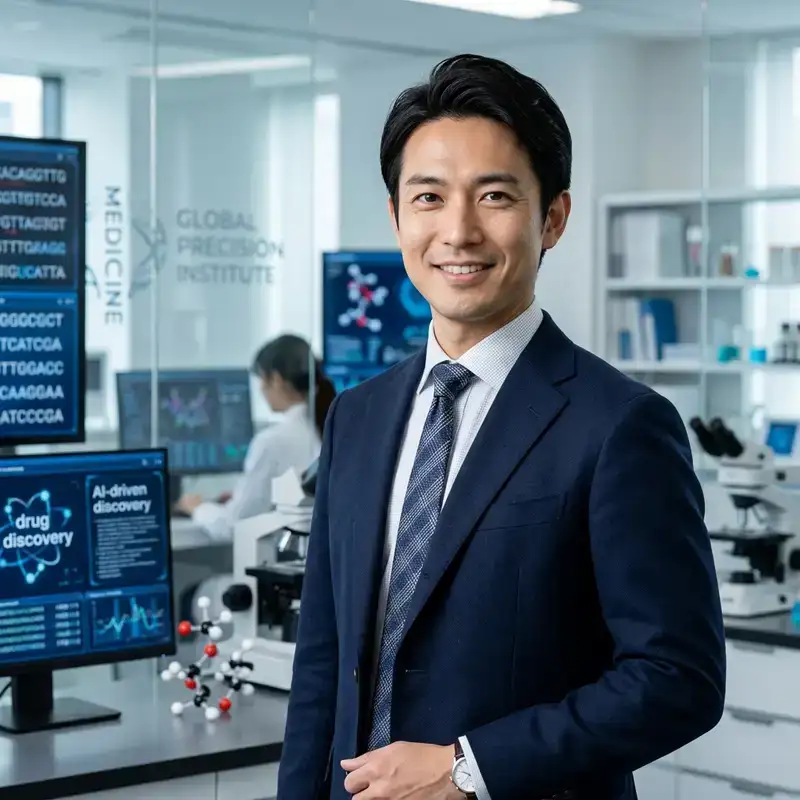 Kenji Sato
 - 13 Jul, 2026 19:06
Unlocking Nature's Secret: How New Nordic Cuisine is Revolutionizing Health and Gastronomy Forever
In a culinary landscape often dominated by globalized ingredients and complex techniques, a quiet revolution has been unfolding in the Northern reaches of Europe, profoundly reshaping how we perceive food, health, and sustainability. This seismic shift, known as New Nordic Cuisine (NNC), transcends mere gastronomic trend; it is a profound philosophical movement, a rediscovery of heritage, and a rigorous commitment to the land and its rhythms. From the rugged coastlines of Norway to the ancient forests of Sweden and the fertile plains of Denmark, NNC has challenged conventional fine dining and, in doing so, has offered a blueprint for a healthier, more sustainable, and infinitely more flavorful approach to eating. At its core, New Nordic Cuisine champions three fundamental pillars: aggressive foraging, ingenious preservation techniques, and an unwavering dedication to seasonal excellence. These are not just quaint culinary quirks but deeply embedded principles born from necessity in harsh northern climates, now reimagined with scientific precision and artistic flair. This isn't merely about wild berries and fermented fish; it’s about understanding the intricate biological mechanisms that make foraged foods exceptionally potent, the probiotic power of ancient preservation, and the unparalleled nutritional zenith of ingredients harvested at their absolute peak. Join me as we embark on an exhaustive exploration of NNC, dissecting its principles, uncovering its health benefits, and examining its far-reaching influence on the global food stage. Prepare to transform your understanding of what food can truly be. The Philosophical Roots and Regional Identity of New Nordic Cuisine The genesis of New Nordic Cuisine can be precisely dated to 2004, with the drafting of the "New Nordic Cuisine Manifesto" by a group of prominent Nordic chefs and food professionals, spearheaded by Danish culinary entrepreneur Claus Meyer and chef René Redzepi. This seminal document, comprising ten core tenets, laid the ideological foundation for a culinary philosophy that sought to redefine the region's gastronomic identity. Prior to this, Nordic cuisine was largely overlooked, often dismissed as rustic or relying heavily on imported luxury ingredients to compete on the international fine dining stage. The manifesto, however, courageously pivoted, advocating for a radical re-evaluation and celebration of local, often undervalued, produce. The core tenets emphasized purity, freshness, simplicity, and ethical production. It called for the use of ingredients that "express the changing of the seasons and the character of our climates, landscapes and waters," fostering a connection to the terroir that was previously absent. This wasn't merely about sourcing locally; it was about fostering an intense regional identity, showcasing unique flavors developed by the specific environmental conditions of the Nordic region. By focusing on indigenous plants, animals, and traditional cooking methods, NNC sought to create a distinct culinary narrative that was authentic to its origins. This philosophical shift was profound, challenging the prevailing notion that culinary excellence required exotic, often air-freighted, ingredients. Instead, NNC posited that true luxury lay in the inherent quality and authenticity of what the local land and sea could provide. This focus on provenance directly impacts the nutritional integrity of the food, as ingredients sourced locally and consumed fresh retain higher levels of vitamins, minerals, and phytonutrients compared to produce that undergoes extensive transportation and storage. The movement also underscored a commitment to animal welfare and sustainable practices, thereby influencing not just the plate but the entire food system from farm to table. This holistic approach has inspired local producers, revitalized regional economies, and cultivated a renewed pride in Nordic heritage, demonstrating how gastronomy can be a powerful driver of cultural and economic regeneration.Foraging: Unearthing Nature's Pantry and Its Nutritional Bounty Foraging, an ancient practice deeply ingrained in human history, has been spectacularly revitalized by New Nordic Cuisine. It represents more than just a search for ingredients; it is an active engagement with the local ecosystem, a deep understanding of botany, and an embrace of flavors that cannot be replicated in cultivation. In the Nordic context, this means venturing into forests, fields, coastlines, and even urban green spaces to gather wild berries, mushrooms, herbs, seaweeds, and even tree saps and roots. Common foraged treasures include nutrient-dense lingonberries and cloudberries, aromatic wild garlic (ramsons), earthy chanterelles, and the vitamin C powerhouse, sea buckthorn. The nutritional profile of foraged foods often surpasses that of their cultivated counterparts, a phenomenon supported by numerous nutritional studies. Wild plants, growing in diverse, often challenging natural conditions, tend to produce a higher concentration of secondary metabolites—compounds like polyphenols, flavonoids, and glucosinolates—as defense mechanisms against pests, diseases, and environmental stressors. These same compounds confer significant health benefits to humans, acting as potent antioxidants, anti-inflammatory agents, and immunomodulators. For example, wild berries like lingonberries and cloudberries are exceptionally rich in anthocyanins, potent antioxidants linked to reduced cardiovascular disease risk and improved cognitive function, often in higher concentrations than cultivated blueberries. Wild greens such as nettles and sorrel provide superior levels of iron, calcium, and Vitamin C. Research published in journals like the Journal of Agricultural and Food Chemistry has frequently highlighted the enhanced bioactive compound content in wild versus cultivated species. Furthermore, many foraged seaweeds, such as bladderwrack and sugar kelp, are incredible sources of iodine, essential trace minerals, and unique polysaccharides that support gut health. This direct connection to nature not only offers a spectrum of novel flavors but also provides a concentrated dose of micronutrients and phytonutrients often lacking in standard diets, contributing to enhanced vitality and disease prevention through direct biological mechanisms such of oxidative stress reduction and modulation of inflammatory pathways. Ethical foraging, emphasizing sustainability and respect for the environment, is paramount to ensure the long-term viability of these natural pantries. Mastering Preservation: Ancient Techniques for Modern Flavor and Health Given the stark seasonality and harsh winters of the Nordic region, preservation has historically been not just a culinary art but a critical necessity for survival. New Nordic Cuisine has resurrected and refined these ancient techniques—pickling, fermenting, smoking, drying, and curing—transforming them from mere methods of extending shelf life into sophisticated tools for flavor development and nutritional enhancement. These practices are central to the NNC philosophy, ensuring that the bounty of short growing seasons can be enjoyed year-round, often in forms more complex and flavorful than their fresh counterparts. Fermentation stands out as a particularly celebrated and scientifically validated preservation method in NNC. Lacto-fermentation, applied to vegetables (like cabbage for a Nordic-style sauerkraut or carrots and root vegetables), fish, and even some fruits, involves the controlled growth of beneficial microorganisms, primarily lactic acid bacteria (LAB). These bacteria break down sugars, producing lactic acid and other organic acids, which preserve the food and imbue it with a characteristic tangy flavor. Beyond flavor, fermented foods are powerful allies for human health. The live microorganisms, often referred to as probiotics, actively contribute to a diverse and healthy gut microbiome. A robust gut microbiome is increasingly linked to a multitude of health benefits, including improved digestion, enhanced immune function, production of B vitamins and Vitamin K2, and even positive influences on mood and cognitive function via the gut-brain axis. Studies cited in Gut Microbes and Frontiers in Microbiology demonstrate how specific strains of Lactobacillus and Bifidobacterium found in traditionally fermented foods can modulate the immune system and protect against pathogens. Other preservation methods also offer unique benefits: smoking can impart antioxidants from wood smoke, while drying concentrates nutrients. Curing fish with salt, a technique known as gravlax, draws out moisture and tenderizes the protein. By integrating these time-honored techniques, NNC not only respects tradition but also leverages the biological mechanisms of fermentation and other methods to produce foods that are not only delicious but demonstrably beneficial for long-term health, showcasing a profound understanding of food as medicine.The Pinnacle of Seasonality: Crafting Dishes with Nature's Rhythms The commitment to seasonality is perhaps the most defining and uncompromising pillar of New Nordic Cuisine. This isn't merely about choosing ingredients that are "in season" at the supermarket; it's about an almost spiritual adherence to nature's cycles, dictating menus based on what is truly at its absolute peak of freshness, flavor, and nutritional value within a very specific local biome. For NNC chefs, menus are dynamic entities, evolving weekly or even daily as new ingredients emerge or others fade, a stark contrast to static, year-round offerings of conventional restaurants. This deep respect for seasonality ensures that produce is harvested at its ripeness, when its flavor profile is most intense and its nutritional content is maximized. From a biological standpoint, fruits and vegetables produce their highest levels of vitamins, minerals, antioxidants, and other beneficial phytochemicals when allowed to mature fully on the plant and are consumed shortly after harvest. For instance, a strawberry picked in its prime from a local field in summer will contain significantly higher levels of Vitamin C and anthocyanins compared to one picked prematurely and shipped globally in winter. This direct impact on nutrient density is a cornerstone of NNC’s health advantages. Beyond nutrition, seasonality inherently brings environmental benefits: reduced carbon footprint from minimized transportation, support for local farmers and producers, and a deeper appreciation for the unique characteristics of each season. NNC chefs become interpreters of the landscape, developing remarkable creativity in transforming a limited palette of ingredients into dishes of extraordinary depth and nuance. Spring might bring the first delicate wild garlic and crisp shoots, summer an abundance of sweet berries and new potatoes, autumn a bounty of earthy mushrooms and root vegetables, and winter a celebration of carefully preserved ingredients, hardy greens, and robust root crops. This cyclical approach fosters a heightened sensory experience for the diner, cultivating a mindful connection to the origins of their food and the rhythm of the natural world, aligning gastronomic pleasure with environmental responsibility and optimal health.The Global Impact and Future Trajectory of New Nordic Cuisine The influence of New Nordic Cuisine has stretched far beyond the Scandinavian borders, igniting a global culinary dialogue about locality, sustainability, and authenticity. What began as a regional manifesto has blossomed into a worldwide movement, inspiring chefs, restaurateurs, and home cooks across continents to re-examine their food sources and embrace their own unique culinary heritage. The rise of "hyper-local," "farm-to-table," and "nose-to-tail" movements in diverse gastronomic cultures can be directly attributed to the pioneering spirit of NNC. Chefs in disparate regions, from the high deserts of Patagonia to the rice paddies of Southeast Asia, are now exploring their own indigenous ingredients, forgotten cooking techniques, and unique biomes, seeking to craft a cuisine that is truly reflective of their place. This paradigm shift encourages culinary diversity and resilience, promoting self-sufficiency and reducing reliance on a homogenized global food system. However, NNC is not without its challenges. Criticisms often point to its perceived elitism, given the labor-intensive nature of foraging and preservation, which can translate to higher prices in fine dining settings. There is also the challenge of accessibility, as deep knowledge of local flora and fauna is not universally available. Yet, the core principles of NNC are highly adaptable. Its emphasis on using all parts of an ingredient (e.g., bone broths, offal, root-to-stem cooking) dramatically reduces food waste, a critical global imperative. The focus on plant-forward dishes and sustainably sourced animal products offers a pathway to healthier, more environmentally conscious eating for the masses. The future trajectory of NNC involves a continued push towards greater sustainability, perhaps delving deeper into marine aquaculture, urban foraging, and innovative plant-based preparations. Its enduring legacy will likely be its role in educating a new generation about food's profound connection to environment, culture, and personal well-being, proving that true culinary innovation comes from looking inward, not outward.Ingredient Category Key Macronutrients (per 100g) Notable Micronutrients & Bioactives Health Benefit HighlightLingonberry (Wild) Berry Carbs: 11.5g, Fiber: 3.2g Vitamin C (10mg), Manganese (0.3mg), Anthocyanins, Quercetin Antioxidant, Anti-inflammatoryCloudberry (Wild) Berry Carbs: 10g, Fiber: 6g Vitamin C (158mg), Vitamin E, Ellagic acid Immune Support, Skin HealthWild Garlic (Ramsons) Herb Carbs: 7g, Fiber: 3g Vitamin C (150mg), Adenosine, Sulphur compounds Cardiovascular, AntimicrobialChanterelle (Wild) Mushroom Carbs: 3.8g, Fiber: 3.8g Vitamin D (1.3mcg), Copper (0.3mg), B vitamins Bone Health, Immune ModulationSea Buckthorn (Wild) Berry Carbs: 10g, Fiber: 6g Vitamin C (695mg), Omega-7 fatty acids, Carotenoids Skin Repair, Mucous Membrane HealthFermented Cabbage (Nordic Style) Vegetable Prep Carbs: 4g, Fiber: 2.5g Probiotic bacteria (L. plantarum), Vitamin K2, B vitamins Gut Microbiome, Digestive AidJuniper Berries (Wild) Spice Carbs: 13g, Fiber: 3g Monoterpenes (alpha-pinene), Flavonoids Digestive Aid, AntioxidantRose Hips (Wild) Fruit Carbs: 38g, Fiber: 24g Vitamin C (426mg), Carotenoids, Flavonoids Immune Boost, Collagen SynthesisThe table above illustrates the significant nutritional value inherent in a selection of ingredients central to New Nordic Cuisine. These wild and traditionally prepared foods are not only rich in essential macronutrients like fiber but are also powerhouses of micronutrients and unique bioactive compounds. For instance, the exceptionally high Vitamin C content in wild cloudberries and sea buckthorn far surpasses that found in many common fruits, offering robust immune support and antioxidant defense. Similarly, the unique blend of vitamins, minerals, and polyphenols in these ingredients, often augmented by the probiotic benefits of fermentation, contributes to anti-inflammatory effects, cardiovascular health, and digestive well-being. This nutritional density underscores why NNC is not just a culinary art but a powerful advocate for a health-optimized diet. In conclusion, New Nordic Cuisine stands as a testament to the enduring power of connecting with our environment through food. It is a philosophy that transcends trends, offering a robust framework for eating that is at once deeply rooted in tradition and boldly forward-thinking. By rigorously embracing foraging, mastering the art of preservation, and celebrating the ephemeral beauty of seasonality, NNC has not only revitalized a regional cuisine but has also provided a blueprint for sustainable, healthy, and profoundly flavorful eating that resonates globally. The lessons from the Nordic kitchens are clear: the finest ingredients are often found closest to home, the most potent flavors can be coaxed through time-honored techniques, and the healthiest diet is one that dances in rhythm with nature. As we navigate an increasingly complex food system, the principles championed by New Nordic Cuisine—purity, locality, seasonality, and ethical sourcing—offer not just a culinary guide, but a pathway to a more harmonious relationship with our planet and a more vibrant, healthful existence for ourselves. Let its spirit inspire you to explore your own local bounty, experiment with ancient preservation, and savor the exceptional flavors of truly seasonal excellence. Stay curious, stay hungry, and never stop exploring the world through your palate. Kenji Sato#NewNordicCuisine #Foraging #FoodPreservation #SeasonalEating #SustainableFood #HealthyGastronomy Related InsightsIl Farro Inquieto: Tracce di un Cereale Millenario Tra Imperi Dimenticati e Rivoluzioni Gastronomiche Rurali The Legacy of Nourishment: A Nutrient-Dense Chicken and Vegetable Pot Pie The Emerald Symphony of the Levant: Unveiling the Soul of Authentic Tabbouleh{ "@context": "https://schema.org", "@type": "FAQPage", "mainEntity": [ { "@type": "Question", "name": "What is the main focus of Unlocking Nature's Secret: How New Nordic Cuisine is Revolutionizing Health and Gastronomy Forever?", "acceptedAnswer": { "@type": "Answer", "text": "Explore the profound impact of New Nordic Cuisine's principles—foraging, preservation, and seasonality—on culinary innovation, health, and sustainable eating practices globally." } }, { "@type": "Question", "name": "Who authored the comprehensive guide on Unlocking Nature's Secret: How New Nordic Cuisine is Revolutionizing Health and Gastronomy Forever?", "acceptedAnswer": { "@type": "Answer", "text": "This detailed article and its insights were carefully researched and authored by Kenji Sato." } }, { "@type": "Question", "name": "Where can I find more related content about Food?", "acceptedAnswer": { "@type": "Answer", "text": "You can explore more articles, detailed reviews, and similar insights by browsing the Related Insights section at the bottom of this article or visiting our dedicated Food category page." } } ] }

-
 Kaan Demir
 - 13 Jul, 2026 18:56
Unlocking the Quantum Epoch: How QML Will Revolutionize Data Science and AI as We Know It
In the ever-accelerating race for computational supremacy, classical machine learning models, despite their impressive advancements, are beginning to brush against fundamental limits. As datasets burgeon in size and complexity, the computational cost of extracting meaningful insights grows exponentially. We're witnessing the rise of complex, non-linear relationships that even the most sophisticated deep learning architectures struggle to untangle efficiently. This inflection point heralds the arrival of an entirely new paradigm: Quantum Machine Learning (QML). Not merely an incremental upgrade, QML represents a profound architectural shift, leveraging the counter-intuitive yet powerful principles of quantum mechanics—superposition, entanglement, and quantum interference—to process information in ways fundamentally impossible for classical computers. This isn't speculative fiction; it's the bleeding edge of academic research transitioning rapidly into practical development. From arXiv preprints detailing novel quantum kernel methods to GitHub repositories showcasing open-source QML frameworks like Qiskit, Cirq, and PennyLane, the foundations are being laid. TechCrunch and Y Combinator reports increasingly highlight startups pushing the boundaries of quantum algorithms, attracting significant investment. QML promises to unlock unprecedented capabilities in areas ranging from drug discovery and materials science to financial modeling and advanced artificial intelligence, potentially solving problems currently intractable for even the world's most powerful supercomputers. This article will delve into the technical underpinnings, key algorithms, hybrid architectures, and the practical tools shaping this thrilling new frontier, providing a roadmap for data scientists ready to embark on the quantum journey. The Quantum Leap in Data Representation: Qubits and Feature MapsAt the core of Quantum Machine Learning lies a radical departure from classical data representation. While classical bits exist in a definite state of 0 or 1, quantum bits, or qubits, can exist in a superposition of both states simultaneously. This inherent probabilistic nature, combined with entanglement—where qubits become correlated in a way that transcends classical physics—allows for an exponential increase in the information density and processing power of a quantum system. A system of n qubits can represent 2^n states concurrently, a phenomenon that provides the quantum advantage for certain types of computations. The critical first step in applying quantum algorithms to classical machine learning problems is transforming classical data into quantum states. This is achieved through Quantum Feature Maps (QFMs). A QFM is essentially a parametrized quantum circuit that encodes classical input data points x into a high-dimensional quantum Hilbert space, typically by applying a series of quantum gates controlled by the input features. The goal is to map data in such a way that patterns and relationships that are obscure in classical space become more separable or distinguishable in the quantum space, often making linear separations possible in an exponentially larger feature space. This is analogous to the "kernel trick" in classical Support Vector Machines (SVMs), but with the potential to explore feature spaces of vastly greater dimensions. The choice of QFM is crucial, as an inappropriate mapping can lead to issues like "barren plateaus" in variational algorithms, where gradients vanish, hindering optimization. Consider a simple quantum feature map implemented using Qiskit. This map might involve applying single-qubit rotations (like R_x, R_y, R_z) and entangling gates (like CNOT) whose parameters are derived from the input data. import numpy as np from qiskit import QuantumCircuit, Aer, transpile from qiskit.opflow import StateFn, PauliSumOp from qiskit.utils import QuantumInstance from qiskit.circuit.library import ZZFeatureMap# 1. Define a classical data point (e.g., 2 features) x = np.array([0.5, 0.8])# 2. Choose a Quantum Feature Map. ZZFeatureMap is a common choice. # It encodes data using Z-rotations and ZZ-interactions. # 'reps' parameter controls the depth of the circuit (how many times the pattern repeats). feature_map = ZZFeatureMap(feature_dimension=len(x), reps=2, entanglement='linear')# 3. Bind the classical data to the feature map # The feature map will use 'x' to set its parameters. feature_map_circuit = feature_map.assign_parameters(x)# 4. Visualize the circuit (optional) # print(feature_map_circuit.decompose())# 5. Simulate the state prepared by the feature map simulator = Aer.get_backend('statevector_simulator') quantum_instance = QuantumInstance(simulator, shots=1024)# Create a job to run the circuit job = simulator.run(transpile(feature_map_circuit, simulator)) result = job.result() statevector = result.get_statevector(feature_map_circuit)print("Classical Input Data:", x) print("Quantum Feature Map Circuit Depth:", feature_map_circuit.depth()) print("Quantum State Vector (Magnitude):", np.round(np.abs(statevector), 4)) print("This state vector represents the classical data encoded in a high-dimensional quantum space.")# For a more complex application, this state could then be fed into a quantum kernel # or a variational quantum classifier.This Python snippet demonstrates how classical data x is encoded into a quantum state via a ZZFeatureMap. The resulting state vector exists in a complex Hilbert space, where distances and similarities between data points can be profoundly different from their classical counterparts. This initial encoding step is foundational, setting the stage for subsequent quantum algorithms to operate on these quantum representations of data. Quantum Enhanced Algorithms: QSVMs and QNNsLeveraging these quantum feature maps, two prominent classes of algorithms emerge in Quantum Machine Learning: Quantum Support Vector Machines (QSVMs) and Quantum Neural Networks (QNNs). These algorithms aim to harness quantum phenomena to outperform their classical counterparts, particularly in tasks involving complex, high-dimensional data. Quantum Support Vector Machines (QSVMs) are direct quantum extensions of classical SVMs. The core idea is to replace the classical kernel function, which measures the similarity between data points in a high-dimensional feature space, with a Quantum Kernel. A quantum kernel calculates the inner product between two quantum feature states, $\kappa(x_i, x_j) = |\langle\phi(x_i)|\phi(x_j)\rangle|^2$, where $\phi(x)$ is the quantum state encoded by the feature map from classical data x. This kernel value, estimated by running quantum circuits, is then fed into a classical SVM optimizer. The quantum advantage here stems from the ability of QFMs to implicitly map data into exponentially larger Hilbert spaces than classical kernels can practically achieve, potentially leading to better separation boundaries for non-linearly separable data. However, precisely estimating these kernel values can be computationally intensive and susceptible to quantum noise. Quantum Neural Networks (QNNs), often referred to as Variational Quantum Circuits (VQCs) or Parametrized Quantum Circuits (PQCs), represent a hybrid quantum-classical approach inspired by classical neural networks. A QNN consists of a parametrized quantum circuit whose gate rotation angles are trainable parameters. The circuit takes classical data (encoded via a QFM) and processes it to produce an output, often an expectation value of a specific observable. This output is then fed into a classical loss function, and a classical optimizer updates the quantum circuit's parameters based on the gradient of the loss. This iterative process, where quantum hardware performs the forward pass and classical computers handle optimization, is a hallmark of the Noisy Intermediate-Scale Quantum (NISQ) era, where full quantum error correction is not yet available. A typical QNN might look like a series of interleaved layers of single-qubit rotations and entangling gates, where the rotation angles are the variational parameters. Training these QNNs involves challenges such as barren plateaus, where the landscape of the loss function becomes extremely flat for deep circuits, making gradient-based optimization difficult. Techniques like parameter shift rules are used to calculate gradients on quantum hardware. Here's a conceptual Python example demonstrating a simple QNN (VQC) with PennyLane, showing the hybrid optimization loop: import pennylane as qml from pennylane import numpy as np from pennylane.optimize import AdamOptimizer# 1. Define the quantum device dev = qml.device("default.qubit", wires=2)# 2. Define the Parametrized Quantum Circuit (PQC / QNN) # This circuit will act as our 'quantum layer' @qml.qnode(dev) def qnn(weights, x): # Encoding layer (simple example using angles from data) qml.RY(x[0], wires=0) qml.RX(x[1], wires=1) # Variational layer (trainable parameters 'weights') qml.Rot(weights[0, 0], weights[0, 1], weights[0, 2], wires=0) qml.Rot(weights[1, 0], weights[1, 1], weights[1, 2], wires=1) qml.CZ(wires=[0, 1]) qml.Rot(weights[2, 0], weights[2, 1], weights[2, 2], wires=0) qml.Rot(weights[3, 0], weights[3, 1], weights[3, 2], wires=1) # Measurement (expectation value for classification) return qml.expval(qml.PauliZ(0))# 3. Define a classical cost function def cost(weights, X, y): predictions = [qnn(weights, x) for x in X] # Simple squared error loss return np.mean((np.array(predictions) - y)**2)# 4. Generate some dummy data for demonstration X = np.array([[0.1, 0.2], [0.3, 0.4], [0.5, 0.6], [0.7, 0.8]], requires_grad=False) y = np.array([0.0, 0.2, 0.5, 0.8], requires_grad=False) # Target outputs# 5. Initialize random weights for the QNN # Number of weights depends on the circuit architecture (4x3 rotations + 1 CZ) weights = np.random.uniform(low=-np.pi, high=np.pi, size=(4, 3), requires_grad=True)# 6. Set up the classical optimizer opt = AdamOptimizer(stepsize=0.1)# 7. Training loop (hybrid quantum-classical optimization) epochs = 50 print("Initial cost:", cost(weights, X, y))for epoch in range(epochs): weights, current_cost = opt.step_and_cost(cost, weights, X, y) if (epoch + 1) % 10 == 0: print(f"Epoch {epoch+1}, Cost: {current_cost:.4f}")print("Optimized weights:", weights) print("Final cost:", cost(weights, X, y))This example illustrates the fundamental hybrid approach: the quantum qnn function computes an output based on data and weights, and a classical AdamOptimizer iteratively adjusts these weights to minimize a cost function. This synergy between quantum and classical components is key to near-term QML applications. Hybrid Quantum-Classical Architectures for ScalabilityThe current state of quantum hardware, characterized by the NISQ (Noisy Intermediate-Scale Quantum) era, necessitates a hybrid approach to Quantum Machine Learning. Full-scale, fault-tolerant quantum computers are still years away. Therefore, for practical applications, QML algorithms often involve a delicate dance between quantum processors (QPUs) and classical computing resources. This hybrid architecture is not a temporary workaround but a fundamental paradigm for leveraging the nascent power of QPUs. In a hybrid setup, the computationally intensive parts that benefit from quantum mechanics (e.g., preparing complex quantum states, executing quantum kernels, performing specific unitary transformations) are offloaded to a QPU. Meanwhile, classical computers handle tasks like data pre-processing, post-processing, optimization of quantum circuit parameters, and overall control flow. This modular design allows researchers to tackle problems too complex for classical machines alone while circumventing the limitations of current noisy quantum hardware. Key hybrid algorithms include:Variational Quantum Eigensolver (VQE): Primarily used in quantum chemistry for finding the ground state energy of molecules. A QPU prepares an ansatz state, measures its energy, and a classical optimizer iteratively adjusts the ansatz parameters to minimize the energy. Quantum Approximate Optimization Algorithm (QAOA): Designed for combinatorial optimization problems. Similar to VQE, it uses a parametrized quantum circuit to explore solution spaces and a classical optimizer to find optimal parameters.The interaction between the classical and quantum components often involves a feedback loop:Classical Pre-processing: Prepare classical data, design the quantum circuit structure (ansatz). Data Encoding: Map classical data to quantum states on the QPU. Quantum Circuit Execution: Run the parametrized quantum circuit on the QPU. This generates quantum measurements. Classical Measurement Post-processing: Extract expectation values or probabilities from quantum measurements. Classical Optimization: Use the extracted values in a classical cost function and update the quantum circuit's parameters (e.g., gate rotation angles) using classical optimization algorithms (like Adam, L-BFGS-B). Iteration: Send the updated parameters back to the QPU for the next iteration.One of the significant challenges in these architectures is the data transfer bottleneck between classical and quantum systems, as well as managing error accumulation on noisy QPUs. Techniques like measurement error mitigation and readout error correction are crucial. Consider a conceptual Bash script that outlines a workflow for running a QML experiment, demonstrating the interplay: #!/bin/bash# This script simulates a hybrid quantum-classical workflow. # It assumes you have a Python environment set up with Qiskit/PennyLane.echo "Starting Hybrid Quantum-Classical QML Experiment..."# --- Phase 1: Classical Data Preprocessing --- echo "1. Performing classical data preprocessing..." python -c " import numpy as np # Simulate loading and cleaning data data = np.random.rand(100, 2) labels = (np.sum(data, axis=1) > 1.0).astype(int) np.save('processed_data.npy', data) np.save('processed_labels.npy', labels) print('Data preprocessed and saved to processed_data.npy and processed_labels.npy') " echo "Data preprocessing complete."# --- Phase 2: Initialize Quantum Circuit Parameters Classically --- echo "2. Initializing quantum circuit parameters..." python -c " import numpy as np # For a variational quantum circuit, we need initial random weights initial_weights = np.random.uniform(low=-np.pi, high=np.pi, size=(10,)) # Example: 10 parameters np.save('initial_q_weights.npy', initial_weights) print('Initial quantum weights saved to initial_q_weights.npy') " echo "Quantum circuit parameters initialized."# --- Phase 3: Hybrid Optimization Loop --- echo "3. Entering hybrid optimization loop (simulated for simplicity)..." MAX_ITERATIONS=5for i in $(seq 1 $MAX_ITERATIONS); do echo "--- Iteration $i ---" # Classical side prepares data and current weights for quantum execution # Quantum side executes the VQC and returns expectation values python -c " import numpy as np # Load processed data and current weights data = np.load('processed_data.npy') labels = np.load('processed_labels.npy') current_weights = np.load('initial_q_weights.npy') if $i == 1 else np.load('optimized_q_weights.npy') # Simulate running a QML model (e.g., a QNN) on a QPU # In a real scenario, this would involve sending jobs to IBM Quantum, AWS Braket, etc. # For now, we simulate a simple cost evaluation simulated_quantum_cost = np.mean(np.sin(data @ current_weights[:2] + current_weights[2])**2 - labels) print(f' Simulated Quantum Cost from QPU: {simulated_quantum_cost:.4f}') # Classical optimizer computes gradients and updates weights # This is where a classical ML framework (e.g., PyTorch, JAX) would interact with quantum backends # Simulate a simple gradient update learning_rate = 0.05 gradient_approximation = np.random.rand(current_weights.shape[0]) * 0.1 # Placeholder for actual gradient new_weights = current_weights - learning_rate * gradient_approximation np.save('optimized_q_weights.npy', new_weights) print(' Classical optimizer updated quantum weights.') " doneecho "Hybrid optimization loop complete. Final weights saved to optimized_q_weights.npy."# --- Phase 4: Classical Post-processing and Evaluation --- echo "4. Performing classical post-processing and evaluation..." python -c " import numpy as np final_weights = np.load('optimized_q_weights.npy') # Load a test dataset (not done in this simple script for brevity) # Evaluate the QML model's performance using the final weights # print('Final model predictions and performance metrics...') print('Final weights for deployment:', final_weights) " echo "Experiment finished."This Bash script illustrates a conceptual flow, where Python scripts simulate different stages of the hybrid process, including data handling, parameter initialization, a simulated quantum-classical optimization loop, and final evaluation. This workflow highlights the modularity and iterative nature essential for current QML research.👉 Continue Reading: Unlocking the Quantum Epoch: How QML Will Revolutionize Data Science and AI as We Know It (Part 2)#QuantumMachineLearning #QML #QuantumComputing #DataScience #AIRelated InsightsPlasmonic Horizons: Rewriting Optical Computing with Surface Waves The Future is Illuminating: A Deep Dive into OLED Technology Beyond the Horizon: Unraveling the Mysteries of 5G Advanced and 6G Wireless Networks{ "@context": "https://schema.org", "@type": "FAQPage", "mainEntity": [ { "@type": "Question", "name": "What is the main focus of Unlocking the Quantum Epoch: How QML Will Revolutionize Data Science and AI as We Know It?", "acceptedAnswer": { "@type": "Answer", "text": "Explore Quantum Machine Learning's transformative potential, its core technical foundations, leading-edge algorithms, and the hybrid architectures poised to redefine data science and AI." } }, { "@type": "Question", "name": "Who authored the comprehensive guide on Unlocking the Quantum Epoch: How QML Will Revolutionize Data Science and AI as We Know It?", "acceptedAnswer": { "@type": "Answer", "text": "This detailed article and its insights were carefully researched and authored by Kaan Demir." } }, { "@type": "Question", "name": "Where can I find more related content about Technology?", "acceptedAnswer": { "@type": "Answer", "text": "You can explore more articles, detailed reviews, and similar insights by browsing the Related Insights section at the bottom of this article or visiting our dedicated Technology category page." } } ] }

- Kaan Demir
- 13 Jul, 2026 18:56
Unlocking the Quantum Epoch: How QML Will Revolutionize Data Science and AI as We Know It (Part 2)
This is Part 2 of the series. Read Part 1 here.Tools of the Trade: Open-Source QML Frameworks and PlatformsThe rapid evolution of Quantum Machine Learning has been significantly propelled by the development of powerful, open-source software frameworks. These tools provide the necessary abstractions to design, simulate, and execute quantum circuits, enabling researchers and developers to experiment with QML algorithms without needing to deeply understand the underlying physics of quantum hardware. The competitive landscape for QML frameworks is robust, with several major players each offering unique strengths and community support. Qiskit (IBM Quantum): Perhaps the most widely adopted framework, Qiskit is an open-source SDK for working with quantum computers at the level of circuits, algorithms, and applications. It provides modules for quantum machine learning (Qiskit Machine Learning), quantum chemistry, and optimization. Its tight integration with IBM's cloud-based quantum hardware (IBM Quantum Experience) and powerful simulators make it a go-to choice for many. Qiskit supports Python and offers a rich ecosystem for quantum algorithm development, error mitigation, and pulse-level control. Its thriving community and extensive documentation make it accessible for newcomers. PennyLane (Xanadu): PennyLane is a differentiable quantum programming library specifically designed for quantum machine learning, quantum chemistry, and quantum computing with near-term devices. Its key differentiator is its seamless integration with popular classical ML frameworks like TensorFlow, PyTorch, and JAX, allowing quantum circuits to be treated as layers within classical neural networks. This makes building hybrid quantum-classical models particularly intuitive. PennyLane supports multiple quantum hardware backends (IBM, Google, Amazon Braket, etc.) and offers strong features for automatic differentiation, a cornerstone of classical ML optimization. Its focus on "quantum differentiability" streamlines the training of variational quantum circuits. Cirq (Google Quantum AI): Google's open-source framework, Cirq, focuses on providing fine-grained control over quantum circuits, making it ideal for researchers working on novel quantum algorithms and hardware. While it has less of a dedicated QML module compared to Qiskit or PennyLane, its flexibility allows for the construction of QML algorithms from fundamental quantum gates. Cirq emphasizes readability and provides strong support for simulating quantum circuits and connecting to Google's quantum hardware via the Quantum AI platform. Tequila (Zapata AI): Tequila is a high-level quantum algorithm development library built on top of other frameworks (like Qiskit, Cirq, PennyLane, PyTorch, JAX). It aims to simplify the process of constructing and optimizing quantum circuits, especially for variational algorithms. Tequila offers a more abstract layer, allowing users to define mathematical expressions for quantum algorithms and let the library handle the underlying circuit generation and execution on various backends. This can accelerate prototyping for complex QML research. These frameworks, alongside cloud platforms like Amazon Braket (which offers access to a variety of QPUs and simulators from different providers) and Azure Quantum (Microsoft's cloud ecosystem), are democratizing access to quantum computing resources and enabling a new generation of data scientists and AI researchers to explore QML. To set up a basic QML development environment using pip, you'd typically install your chosen frameworks: #!/bin/bashecho "Setting up QML Development Environment..."# Install Qiskit (full installation including optional dependencies for QML, visualization etc.) echo "Installing Qiskit..." pip install qiskit[full] qiskit-machine-learning echo "Qiskit installation complete."# Install PennyLane (with a common backend like default.qubit and PyTorch plugin for hybrid ML) echo "Installing PennyLane with PyTorch plugin..." pip install pennylane pennylane-qiskit pennylane-pytorch echo "PennyLane installation complete."# Install Cirq echo "Installing Cirq..." pip install cirq echo "Cirq installation complete."# Install Tequila (optional, if you want the high-level abstraction) echo "Installing Tequila (optional)..." pip install tequila-quant echo "Tequila installation complete (if selected)."echo "All specified QML frameworks installed. You're ready to start building!" echo "Remember to manage your virtual environments (e.g., using 'conda' or 'venv')."This script demonstrates the simple pip commands to get started with the leading QML frameworks. For serious development, using virtual environments (like venv or conda) is highly recommended to manage dependencies effectively and avoid conflicts. Real-World Implications and Future OutlookThe promise of Quantum Machine Learning extends far beyond theoretical academic exercises, with profound implications across numerous industries. While the field is still in its nascent stages, navigating the complexities of the NISQ era, early applications and a clear future trajectory are already taking shape. Current Limitations and Challenges: The primary hurdle remains the hardware itself. NISQ devices suffer from:Noise and Decoherence: Qubits are highly susceptible to environmental interference, leading to errors and a rapid loss of quantum coherence. This limits circuit depth and computational fidelity. Limited Qubit Count: Present-day QPUs typically have tens to a few hundred qubits, far fewer than required for truly complex, fault-tolerant quantum algorithms. Connectivity and Error Rates: Not all qubits can interact directly, and error rates vary significantly, impacting algorithm performance. "Quantum Advantage" vs. "Quantum Supremacy": While "quantum supremacy" (a QPU solving a problem provably intractable for classical supercomputers, regardless of utility) has been demonstrated, achieving "quantum advantage" (solving a practically relevant problem faster or better) remains the ultimate goal for QML.Promising Applications: Despite these challenges, QML holds immense potential in areas where classical computation struggles with exponential complexity:Drug Discovery and Materials Science: QML can accelerate the simulation of molecular interactions and properties, aiding in the design of new drugs, catalysts, and advanced materials. Variational Quantum Eigensolver (VQE) algorithms, for instance, are being explored to compute molecular ground state energies more accurately. Financial Modeling: Enhanced Monte Carlo simulations for risk analysis, fraud detection, and portfolio optimization can benefit from quantum speedups. QML might identify hidden patterns in financial data more effectively, leading to superior predictive models. Supply Chain Optimization: Complex logistical problems, often belonging to the NP-hard class, are ideal candidates for quantum annealing or QAOA-based QML algorithms, potentially leading to more efficient global supply chains. Advanced Artificial Intelligence: Beyond current ML, QML could enable novel forms of pattern recognition, generative models, and reinforcement learning by leveraging quantum correlations to process information in ways inaccessible to classical deep learning architectures. This could lead to breakthroughs in areas like natural language understanding and computer vision where classical models are still limited by computational scaling.The path forward involves continued hardware development towards fault-tolerant quantum computers, coupled with innovative algorithm design that is resilient to noise and tailored for hybrid architectures. As hardware matures and error correction techniques become more sophisticated, the "quantum advantage" in QML will become more tangible. The convergence of advanced AI, high-performance computing, and quantum mechanics signals a profound shift in how we approach data and intelligence. To facilitate reproducible QML research, setting up a development environment using Docker Compose is increasingly popular. This encapsulates all dependencies, including specific Python versions and QML framework installations, into portable containers. version: '3.8' services: qml-notebook: build: context: . dockerfile: Dockerfile ports: - "8888:8888" # Jupyter Notebook port volumes: - .:/home/jovyan/work # Mount current directory to the container's work directory environment: JUPYTER_ENABLE_LAB: "yes" # Enable Jupyter Lab # Optional: set default notebook to run # start-notebook.sh --NotebookApp.default_url='/lab/tree/your_notebook.ipynb' command: > bash -c "start-notebook.sh --NotebookApp.token='' --NotebookApp.password='' --allow-root" # --allow-root is generally not recommended for production but useful for quick dev setup # If you need GPU support for classical ML parts (e.g., PyTorch backend) # deploy: # resources: # reservations: # devices: # - driver: nvidia # count: all # capabilities: [gpu]# Dockerfile for the QML development environment FROM jupyter/datascience-notebook:latest# Install QML libraries RUN pip install --no-cache-dir \ qiskit[full] qiskit-machine-learning \ pennylane pennylane-qiskit pennylane-pytorch \ cirq \ numpy pandas scikit-learn matplotlib seaborn \ && fix-permissions /home/jovyan # tequila-quant # Uncomment if you want Tequila as well# Set the working directory WORKDIR /home/jovyan/work# Add user-specific configurations if needed # COPY .bashrc /home/jovyan/.bashrc# Expose Jupyter port (already handled by base image, but explicit for clarity) EXPOSE 8888This Docker Compose setup defines a qml-notebook service that builds a Docker image based on jupyter/datascience-notebook, then installs all the necessary QML libraries (Qiskit, PennyLane, Cirq). It exposes Jupyter Lab on port 8888 and mounts your local project directory, providing a consistent, isolated, and reproducible environment for QML experimentation. This is crucial for collaborative research and ensuring that results are consistent across different machines. QML Framework Comparison: Feature SnapshotTo provide a clearer perspective on the diverse ecosystem of QML tools, here's a brief comparison of the leading open-source frameworks, highlighting their core strengths and typical use cases. This helps data scientists choose the most suitable tool for their specific QML research or application development.Feature / Framework Qiskit (IBM Quantum) PennyLane (Xanadu) Cirq (Google Quantum AI)Primary Focus Full-stack quantum computing (circuits, algorithms, applications) Differentiable quantum programming, Hybrid ML Fine-grained circuit control, Algorithmic researchCore Strength Robust ecosystem, IBM hardware access, extensive modules (ML, Chemistry) Seamless classical ML integration (TF, PyTorch, JAX), automatic differentiation Low-level quantum gate control, research flexibility, Google hardware accessLanguage Python Python PythonQML Module qiskit-machine-learning Built-in core functionality Requires manual implementation using base gatesHardware Access IBM Quantum Experience (Cloud QPUs) Multi-backend support (IBM, Google, AWS Braket, local simulators) Google Quantum AI (Cloud QPUs)Differentiability Parameter Shift Rule, Adjoint (Qiskit.gradient) Fully integrated automatic differentiation Manual implementation or via external toolsCommunity Very large, active, well-documented Growing, strong academic ties Strong academic, research-focusedUse Case Broad QML research, exploring IBM devices, learning QML basics Hybrid QML models, integrating QNNs into classical ML pipelines Developing novel quantum algorithms, hardware-specific optimizationsSimulators Aer (local), Provider-specific Default.qubit, Lightning (local), Provider-specific Pasqal, local simulators, Provider-specificThis table succinctly captures the unique value proposition of each framework. Qiskit offers a comprehensive solution for exploring all facets of quantum computing, including a dedicated QML module. PennyLane stands out for its deep integration with classical ML frameworks, making hybrid algorithm development particularly fluid due to its differentiability features. Cirq provides unparalleled control for researchers who need to manipulate individual quantum gates, ideal for pushing the boundaries of quantum algorithm design. The choice often comes down to the specific problem, desired level of abstraction, and preferred classical ML ecosystem. Conclusion The journey into Quantum Machine Learning is undeniably complex, fraught with significant hardware limitations and theoretical challenges. Yet, the potential rewards—solving problems currently considered intractable, revolutionizing industries from healthcare to finance—are simply too profound to ignore. QML is not just an incremental step; it represents a fundamental paradigm shift in how we process and learn from data, promising to unlock insights from the exponentially vast Hilbert spaces accessible through quantum mechanics. We've explored the foundational concepts of quantum data representation via qubits and feature maps, delved into the intricacies of quantum-enhanced algorithms like QSVMs and QNNs, and highlighted the indispensable role of hybrid quantum-classical architectures in navigating the NISQ era. The robust ecosystem of open-source frameworks like Qiskit, PennyLane, and Cirq, alongside cloud platforms, is democratizing access to this cutting-edge technology, empowering a new generation of data scientists to experiment and innovate. While a universal "quantum advantage" for all machine learning tasks is still emerging, the targeted application of QML to specific, computationally intensive problems holds immense promise. As quantum hardware continues its relentless march towards fault tolerance and increased qubit counts, and as quantum algorithm design matures, Quantum Machine Learning is poised to redefine the capabilities of artificial intelligence and data science. For data professionals, understanding and engaging with this frontier is no longer optional; it's an imperative to remain at the forefront of technological innovation. The quantum epoch for data science has begun.#QuantumMachineLearning #QML #QuantumComputing #DataScience #AIRelated InsightsBeyond the Browser: How WebAssembly (Wasm) is Revolutionizing Server-Side and Edge Computing Unlocking Productivity with Advanced Cobots The Computational Architecture of Finance: Beyond Linear Models{ "@context": "https://schema.org", "@type": "FAQPage", "mainEntity": [ { "@type": "Question", "name": "What is the main focus of Unlocking the Quantum Epoch: How QML Will Revolutionize Data Science and AI as We Know It (Part 2)?", "acceptedAnswer": { "@type": "Answer", "text": "Explore Quantum Machine Learning's transformative potential, its core technical foundations, leading-edge algorithms, and the hybrid architectures poised to redefine data science and AI." } }, { "@type": "Question", "name": "Who authored the comprehensive guide on Unlocking the Quantum Epoch: How QML Will Revolutionize Data Science and AI as We Know It (Part 2)?", "acceptedAnswer": { "@type": "Answer", "text": "This detailed article and its insights were carefully researched and authored by Kaan Demir." } }, { "@type": "Question", "name": "Where can I find more related content about Technology?", "acceptedAnswer": { "@type": "Answer", "text": "You can explore more articles, detailed reviews, and similar insights by browsing the Related Insights section at the bottom of this article or visiting our dedicated Technology category page." } } ] }


In the crucible of profound sorrow, where an emperor's love defied the finality of death, a vision of ethereal beauty was conceived. Rising from the banks of the sacred Yamuna River, carved in luminous ivory-white marble, stands the Taj Mahal – not merely a structure, but a monumental poem, an elegy etched in stone, forever whispering the tale of a timeless devotion. This magnificent mausoleum, arguably India’s most iconic landmark, transcends its architectural brilliance to embody the very essence of human emotion, an enduring testament to love, loss, and the unyielding pursuit of beauty. A Love Etched in Marble: The Genesis of an Immortal Promise The genesis of the Taj Mahal is rooted in the poignant narrative of Emperor Shah Jahan, the fifth Mughal ruler, whose reign (1628–1658) would forever be associated with this unparalleled creation. The year 1631 marked a turning point in his life, and indeed, in the annals of architectural history. It was then that his beloved wife, Mumtaz Mahal, departed from this world during the birth of their fourteenth child, a daughter named Gauhara Begum. Her sudden passing plunged the emperor into a grief so profound that contemporary historians, including Muhammad Amin Qazvini, Abdul Hamid Lahori, and Muhammad Saleh Kamboh, meticulously documented its severity. They recounted how Shah Jahan, a man known for his lavish lifestyle and affection, showed no comparable devotion to any other during Mumtaz Mahal's lifetime, and his sorrow after her death was equally singular. For a week, he retreated entirely from royal affairs, overwhelmed by his loss. His grief manifested in a stark transformation of his personal habits, eschewing music and luxurious attire for two years, a stark contrast to the opulence characteristic of the Mughal court. It was from this chasm of despair that the emperor’s resolve to build an incomparable resting place for his queen emerged. He sought a site that would be worthy of her memory, a place reflecting her radiance. His gaze fell upon a picturesque plot of land on the southern side of Agra, overlooking the Yamuna River, which at the time housed a mansion belonging to Raja Jai Singh I. Enchanted by its beauty and strategic location, Shah Jahan chose this spot for Mumtaz’s tomb. Raja Jai Singh I, understanding the emperor’s profound desire and the significance of the project, agreed to exchange his valuable property for a grand palace situated in the very heart of Agra, thus paving the way for the Taj Mahal's construction, which commenced in 1632. The Grand Canvas: Architectural Inspirations and Master Plan The Taj Mahal is not merely a solitary edifice but the centerpiece of an expansive 17-hectare (42-acre) complex, a meticulously planned ensemble that incorporates and significantly expands upon the rich design traditions of Indo-Islamic and Mughal architecture. Its conceptual framework draws deeply from revered Timurid and Mughal precedents, notably the Gur-e Amir in Samarkand—the tomb of Timur, the progenitor of the Mughal dynasty—and Humayun's Tomb in Delhi. These earlier masterpieces provided the inspiration for key elements such as the symmetrical Charbagh (four-part) gardens and the hasht-behesht (eight-paradise) plan, which structures the layout of the site. The entire complex is a symphony of symmetrical constructions, employing a diverse array of geometric shapes and profound symbolic motifs. While the mausoleum itself is famously rendered in resplendent white marble, intricately inlaid with semi-precious stones, the surrounding structures within the complex—including a magnificent mosque and a complementary guest house—are constructed from vibrant red sandstone. This choice of material for the auxiliary buildings was consistent with contemporary Mughal-era architectural practices, creating a striking visual contrast with the ethereal white of the main tomb. The entire monumental ensemble rests upon a colossal platform, measuring 300 meters (980 ft) in length and rising 8.7 meters (28.5 ft) in height, majestically overlooking the Yamuna River. This foundation is built with varying patterns of dark and light-colored sandstone, adding another layer of textural and visual interest to the grand design. The complex is further defined and protected by a crenellated wall, enclosing the formal gardens on three sides, creating a sanctuary of unparalleled beauty and tranquility.Crafting Eternity: The Multinational Assembly of Genius The creation of the Taj Mahal was an undertaking of epic proportions, demanding an extraordinary convergence of talent, skill, and sheer human endeavor. More than 20,000 workers and artisans were mobilized for this colossal project, their hands and minds guided by a dedicated board of architects. At the helm of this visionary team was Ustad Ahmad Lahori, the emperor's esteemed court architect, who served as the principal guiding force. However, the true brilliance of the Taj Mahal lies not just in its singular vision, but in the multinational collaboration that brought it to life. This monumental effort drew upon the finest minds and most skilled hands from across the vast Mughal Empire and beyond. The design and execution were overseen by a diverse assembly of artisans and supervisors, each a master in their respective crafts. Ismail Afandi, an Ottoman dome designer, brought his expertise to the mausoleum's iconic crown. Persian architects Ustad Isa, Isa Muhammad Effendi, and Puru contributed their profound understanding of form and proportion, shaping the structure's elegant lines. The intricate calligraphy that adorns the marble was the exquisite work of Amanat Khan Shirazi, the chief calligrapher. The majestic gilded finial atop the main dome was cast by Qazim Khan, showcasing advanced metalwork. The meticulous masonry was supervised by skilled overseers such as Muhammad Hanif, Mir Abdul Karim, and Mukkarimat. This rich tapestry of international talent, pooling diverse skills and artistic traditions, ensured that the Taj Mahal would be a synthesis of the finest architectural and artistic elements of its age, a truly global masterpiece born from a singular Mughal dream. A Timeline of Triumph: From Commission to Completion The journey from Shah Jahan's profound commission in 1631 to the final realization of the Taj Mahal complex was a testament to Mughal perseverance and engineering prowess. Construction on the mausoleum, the central and most sacred component, was completed in 1648, a remarkable feat given its scale and intricacy. Yet, the broader vision for the encompassing complex, with its accompanying structures, elaborate gardens, and meticulous detailing, continued to unfold for another five years. The entire Taj Mahal complex is believed to have reached its completion in its entirety by 1653, fulfilling Shah Jahan's grand design. A poignant marker in this lengthy construction period was the first ceremony held at the mausoleum. On February 6, 1643, Shah Jahan personally observed the 12th anniversary of Mumtaz Mahal's death within the newly completed tomb, a powerful testament to the emotional heart of the entire project. The financial investment in this unparalleled monument was equally staggering. At the time of its completion, the cost was estimated to be around ₹32 million. To comprehend the magnitude of this expenditure in contemporary terms, this amount would be approximately ₹52.8 billion (equivalent to US$827 million) in 2015, underscoring the immense resources dedicated to this labor of love. The Heart of the Crown: The Mausoleum's Exquisite Exterior The mausoleum building stands as the indisputable focal point of the entire Taj Mahal complex, a vision of sublime beauty crafted from the purest ivory-white marble. It rests gracefully upon a substantial square plinth, a foundation measuring 6 meters (20 ft) in height and with sides extending 95.5 meters (313 ft) in length. The fundamental structure of the mausoleum is a grand multi-chambered cube, its corners artfully chamfered to create an elegant eight-sided form. Each of the four long sides of this octagonal structure stretches approximately 57.3 meters (188 ft), contributing to its impressive scale. The architectural genius of the mausoleum is further showcased by its four identical facades, each a mirror image of the other, ensuring perfect symmetry from every vantage point. These sides are punctuated by magnificent iwans, or arch-shaped doorways, that invite the eye inward. Each iwan is dramatically framed by a colossal pishtaq, a vaulted archway soaring to a height of 33 meters (108 ft), with two similarly shaped arched balconies stacked gracefully on either side. This intricate motif of archways is ingeniously replicated on a smaller, more delicate scale within the chamfered corner areas, reinforcing the design's absolute symmetry and harmony. Access to this elevated sanctuary from ground level is provided by two flights of stairs located on the southern side of the platform, facing the verdant gardens, partially covered to maintain their elegant lines.The Celestial Canopy: Dome, Chattris, and Finial Dominating the mausoleum's skyline, and indeed the entire Agra landscape, is the colossal marble dome, the paramount feature that crowns the tomb. Soaring to an impressive height of 23 meters (75 ft), this iconic dome possesses a distinctive onion shape, a hallmark of Mughal architecture that imbues the structure with a sense of graceful ascension. It rests majestically upon a substantial cylindrical drum, which itself measures 12 meters (39 ft) in height and boasts an inner diameter of 18.4 meters (60 ft). A subtle, almost imperceptible asymmetry lends a unique character to this grand dome, which is exquisitely topped by a 9.6-meter (31 ft) high gilded finial, catching the sunlight and drawing the eye heavenward. The intermediate zone between the drum and the base of the dome is further embellished by an ornamental moulding, featuring an intricate twisted rope design that adds a layer of delicate detail to the colossal form. Complementing the grandeur of the main dome are four smaller domes, known as chattris, strategically placed at each of the mausoleum's corners. These smaller domes elegantly replicate the distinctive onion shape of their larger counterpart, creating a harmonious visual rhythm. Each chattri is supported by slender columns that rise from the main structure, serving not only as decorative elements but also playing a crucial role in allowing natural light to filter into the interior of the building, illuminating the sacred space within. Adding to the exterior's decorative richness, tall spires known as guldastas extend gracefully from the edges of the walls, serving as vertical accents that enhance the overall sense of elevation and intricate design. Both the main dome and its smaller accompanying chattris are further adorned with a delicate design resembling a lotus flower, a symbol of purity and beauty, tying the architectural forms to natural motifs and profound spiritual meaning. The Language of Materials: Marble, Sandstone, and Inlay The choice and application of materials in the Taj Mahal are fundamental to its aesthetic and structural integrity. The mausoleum, the very heart of the complex, is constructed entirely of pristine white marble, a material chosen for its luminous quality and its ability to capture and reflect light, giving the structure an almost ethereal glow. This white marble is not merely a surface but a canvas, meticulously inlaid with thousands of semi-precious stones. This technique, known as pietra dura, transforms the solid stone into a tapestry of intricate floral and geometric patterns, each delicate detail contributing to the mausoleum's unparalleled richness. In deliberate contrast, the other significant buildings within the complex, including the mosque and the guest house, are fashioned from a robust red sandstone. This choice was not arbitrary but reflects a consistent architectural practice prevalent during the Mughal era, where red sandstone was a favored material for grand secular and religious structures. The juxtaposition of the vibrant red sandstone against the brilliant white marble creates a striking visual dialogue across the complex, highlighting the mausoleum's unique prominence. Furthermore, the immense platform upon which the entire complex rests is built with varying patterns of dark and light colored sandstone, adding textural depth and subtle visual interest to the foundation of this magnificent monument, demonstrating a holistic approach to material selection and aesthetic harmony.Unveiling the Name: Etymology and Historical Reference The name "Taj Mahal" itself, resonant with historical and romantic connotations, is of Urdu origin, believed to be derived from a fusion of Arabic and Persian words. The term tāj translates to "crown," while mahall signifies "palace," thus giving us "Crown of the Palace" – a fitting descriptor for a structure of such regal grandeur. An intriguing alternative derivation posits that "Taj" might be a corruption of the second syllable of "Mumtaz," directly linking the monument's name to the beloved empress it commemorates. Adding another layer to its historical identity, Abdul Hamid Lahori, a contemporary chronicler and author of the 1636 book Padshahnama, referred to the Taj Mahal by a different, equally evocative name: rauza-i munawwara. This Perso-Arabic phrase (روضه منواره) translates to "the illumined or illustrious tomb," beautifully capturing the mausoleum's radiant beauty and its profound significance even during its construction phase. These different appellations underscore the multifaceted interpretations and deep cultural resonance the Taj Mahal held from its very inception, reflecting its status as both a royal palace-like monument and a sacred, luminous resting place. An Enduring Global Icon: Legacy and Recognition More than just a historical monument, the Taj Mahal has firmly cemented its place as an enduring global icon, a testament to its universal appeal and profound cultural significance. In 1983, recognizing its unparalleled beauty and historical importance, UNESCO designated the Taj Mahal as a World Heritage Site. This prestigious acknowledgment came with the declaration that it is "the jewel of Islamic art in India and one of the universally admired masterpieces of the world's heritage." This pronouncement underscored its status not just as a national treasure but as a global legacy, celebrated for its unique blend of architectural innovation and profound artistic expression. The Taj Mahal is widely regarded as one of the finest examples of Mughal architecture, representing the zenith of this distinctive style that harmoniously blends Persian, Islamic, and Indian elements. Beyond its architectural brilliance, it stands as a potent symbol of Indian history, embodying an era of imperial grandeur, artistic patronage, and profound human emotion. Its allure is undeniable, making it a major tourist attraction that draws an astonishing number of visitors – more than five million annually – from every corner of the globe. Its international acclaim was further solidified in 2007 when it was declared a winner of the prestigious New 7 Wonders of the World initiative, voted by millions worldwide. Today, the Taj Mahal and its meticulously preserved setting, encompassing grounds, and surrounding structures, are recognized as a Monument of National Importance, vigilantly administered by the Archaeological Survey of India, ensuring its protection and preservation for generations to come.The Taj Mahal stands not merely as a white marble edifice on the Yamuna’s banks, but as a frozen tear, a whispered promise, and an eternal embrace. It is the palpable embodiment of an emperor’s grief transmuted into an architectural marvel, a symphony of stone and light composed from profound loss. From its meticulously planned gardens to its soaring, onion-shaped dome, every element speaks of precision, artistry, and an unwavering commitment to eternal memory. To stand before it is to witness not just a building, but a timeless narrative, continually unfolding the story of a love that built paradise on Earth. It is, unequivocally, a crown jewel of human endeavor, forever reminding us that even from the deepest sorrow, unparalleled beauty can emerge.#TajMahal #MughalHistory #IndiaTravel #WorldHeritageSite #ArchitecturalWonder Related InsightsMyanmar’s Inle Lake: Where Leg-Rowing Fishermen Dance on Water and Floating Gardens Feed a Nation (Part 2) Il Palatino: Il Colle degli Imperatori Echoes of the North Atlantic: Navigating the Untamed Faroe Islands{ "@context": "https://schema.org", "@type": "FAQPage", "mainEntity": [ { "@type": "Question", "name": "What is the main focus of The Ivory Dream: Unveiling the Enduring Majesty of the Taj Mahal?", "acceptedAnswer": { "@type": "Answer", "text": "Journey into the heart of India's most iconic monument, the Taj Mahal, a breathtaking testament to eternal love and unparalleled Mughal artistry, born from an emperor's profound grief." } }, { "@type": "Question", "name": "Who authored the comprehensive guide on The Ivory Dream: Unveiling the Enduring Majesty of the Taj Mahal?", "acceptedAnswer": { "@type": "Answer", "text": "This detailed article and its insights were carefully researched and authored by Cemre Seyyah." } }, { "@type": "Question", "name": "Where can I find more related content about Travel?", "acceptedAnswer": { "@type": "Answer", "text": "You can explore more articles, detailed reviews, and similar insights by browsing the Related Insights section at the bottom of this article or visiting our dedicated Travel category page." } } ] }

-
 Sofia Romano
 - 13 Jul, 2026 17:53
Sussurri Proibiti e Voci Che Non Muoiono: L'Eterno Viaggio dei Libri Banditi
C'è una vibrazione silenziosa che risuona tra le pagine ingiallite di libri dimenticati, un'eco di voci soffocate e di pensieri negati. È il lamento sommesso di un'idea che ha osato sfidare lo status quo, una narrazione ritenuta troppo pericolosa, troppo scomoda, troppo vera per essere liberamente diffusa. Questa è la storia dei libri banditi, non semplicemente di volumi negati alla vista, ma di opere strappate dalle mani dei lettori, confinate nell'ombra, la cui esistenza stessa è stata una sfida audace contro le correnti dominanti del loro tempo. Fin dall'alba della civiltà, quando la parola scritta iniziò a plasmare il pensiero umano, emerse anche il timore ancestrale del suo potere dirompente, il suo potenziale di innescare rivoluzioni non solo nelle menti, ma anche nelle strade e nelle piazze. Il bando di un libro non è mai un atto neutro; è una dichiarazione di guerra intellettuale, un tentativo di controllare la conoscenza, di modellare la realtà secondo un'unica, inequivocabile verità. È un atto che rivela più sulle paure di chi censura che sul presunto pericolo del testo stesso. Questa è un'odissea che attraversa secoli, culture e ideologie, un'eterna lotta tra la fiamma della curiosità e il gelo dell'ortodossia, tra la libertà di esplorare e il desiderio di imporre. Con ogni pagina strappata, con ogni tomo bruciato, nasce una nuova scintilla di resistenza, un ricordo che la verità, come la fenice, risorge sempre dalle sue ceneri, trovando nuove vie per sussurrare la sua storia. L'Ombra della Censura: Radici Storiche di una Pratica Antica La pratica di bandire i libri non è una peculiarità dell'età moderna, né un'aberrazione di regimi totalitari. Le sue radici affondano profondamente nella storia, accompagnando l'evoluzione della scrittura e la diffusione della conoscenza. Già nell'antichità, il controllo sui testi era visto come uno strumento essenziale per mantenere l'ordine sociale e religioso. Nell'antica Roma, ad esempio, opere considerate sovversive o immorali venivano talvolta bruciate in pubblico per ordine delle autorità. La distruzione della Biblioteca di Alessandria, sebbene attribuita a vari eventi nel corso dei secoli, simboleggia in parte la vulnerabilità della conoscenza di fronte alla distruzione e alla censura. Con l'avvento del Cristianesimo e la sua consolidazione in Europa, la censura assunse una veste più strutturata e sistematica. La Chiesa cattolica, in particolare, divenne una forza dominante nel regolare ciò che poteva essere letto e ciò che doveva essere proibito. Il culmine di questo controllo fu la creazione dell' Index Librorum Prohibitorum (Indice dei Libri Proibiti) nel 1559, un elenco di pubblicazioni che i cattolici non potevano leggere, possedere o distribuire senza il permesso ecclesiastico. Questo Index rimase in vigore per oltre quattro secoli, fino al 1966, e incluse opere di scienziati come Copernico e Galileo Galilei, filosofi come Cartesio e John Locke, e innumerevoli autori che osarono sfidare i dogmi religiosi o morali dell'epoca.Il potere della stampa, una volta introdotto da Gutenberg, non fece che amplificare sia la capacità di diffondere idee che la paura di tale diffusione incontrollata. Le autorità civili, non solo quelle religiose, compresero presto il potenziale rivoluzionario delle parole stampate. I monarchi e i governi iniziarono a imporre licenze e censure preventive per sopprimere la sedizione, la critica politica o qualsiasi contenuto ritenuto destabilizzante. Le rivoluzioni, sia politiche che scientifiche, furono spesso precedute da un fiorire di scritti clandestini, stampati e distribuiti con grande rischio, dimostrando che la censura, lungi dal sopprimere completamente le idee, spesso le costringeva a mutare forma e a trovare percorsi sotterranei, rendendole talvolta ancora più potenti. Le Molteplici Facce del Divieto: Perché un Libro Viene Bandito? Le ragioni dietro il bando di un libro sono variegate e complesse, riflettendo le ansie, i valori e le ideologie dominanti di una società in un dato momento storico. Non esiste una singola motivazione, ma piuttosto un mosaico di paure e desideri di controllo. Blasfemia e Morale Religiosa Fin dall'inizio della storia della censura, le accuse di blasfemia, eresia o immoralità religiosa sono state tra le più comuni. Opere che mettevano in discussione i dogmi consolidati, le narrazioni sacre o l'autorità religiosa venivano rapidamente etichettate come pericolose. Il caso di Salman Rushdie e il suo romanzo "I versi satanici" (1988) è un esempio moderno e tragico di come una presunta blasfemia possa scatenare una reazione violenta e globale, con una fatwa che ne decretava la condanna a morte. Allo stesso modo, libri come "L'origine delle specie" di Charles Darwin sono stati a lungo osteggiati da movimenti creazionisti per la loro presunta contraddizione con i testi sacri. Persino la popolare serie di "Harry Potter" di J.K. Rowling ha affrontato sfide e tentativi di bando in alcune comunità religiose per presunta promozione della stregoneria e dell'occultismo. Obscenità e Standard Morali Un'altra categoria comune di censure riguarda i contenuti sessualmente espliciti o ritenuti "osceni". Gli standard di ciò che è considerato osceno sono notevolmente cambiati nel tempo e variano ampiamente tra le culture, ma la lotta per definire i limiti della rappresentazione sessuale è stata una costante. Romanzi come "Ulysses" di James Joyce (1922), con le sue descrizioni dettagliate della vita interiore di un uomo a Dublino e la famosa scena del monologo di Molly Bloom, fu bandito negli Stati Uniti e nel Regno Unito per molti anni con l'accusa di oscenità, prima di essere riconosciuto come un capolavoro della letteratura modernista. Anche "L'amante di Lady Chatterley" di D.H. Lawrence (1928) e "Lolita" di Vladimir Nabokov (1955) hanno subito pesanti censure e processi per oscenità, aprendo dibattiti fondamentali sulla libertà di espressione e sulla definizione stessa di pornografia in relazione all'arte. "Il giovane Holden" di J.D. Salinger (1951), un classico della letteratura adolescenziale, è stato spesso contestato nelle scuole per il suo linguaggio volgare, le tematiche sessuali e il ritratto della ribellione giovanile. Sovversione Politica e Critica Sociale Forse le ragioni più pericolose per i censori sono quelle legate alla sovversione politica e alla critica sociale. I regimi autoritari, ma anche le democrazie in tempi di crisi o paura, hanno spesso cercato di sopprimere le voci che mettevano in discussione l'autorità, denunciavano ingiustizie o proponevano alternative allo status quo. "La fattoria degli animali" (1945) e "1984" (1949) di George Orwell sono esempi lampanti di opere che, attraverso la satira e la distopia, criticano i totalitarismi e la manipolazione del linguaggio e del pensiero. Questi libri, pur essendo diventati pilastri della letteratura mondiale, sono stati banditi in diversi paesi e in diverse epoche, dalla Russia sovietica agli Stati Uniti durante la Guerra Fredda, per la loro presunta natura "anti-governativa" o "anti-statunitense". Anche opere che espongono le crude realtà sociali e le ingiustizie sono state bersaglio di censura. "Furore" di John Steinbeck (1939), che racconta la difficile vita di una famiglia di agricoltori durante la Grande Depressione, fu bandito in alcune contee della California per la sua critica alle condizioni di lavoro e alla disuguaglianza sociale. "Le avventure di Huckleberry Finn" di Mark Twain (1884), pur essendo un'opera fondamentale della letteratura americana, è stato oggetto di sfide continue per l'uso di linguaggio razziale e per la rappresentazione stereotipata di personaggi neri, nonostante il suo messaggio complessivo sia profondamente anti-razzista. Allo stesso modo, "Il buio oltre la siepe" di Harper Lee (1960), pur essendo un inno alla giustizia e alla tolleranza, è stato spesso messo in discussione per le stesse ragioni.Il Paradosso della Censura: La Vita Eterna del Proibito Uno degli aspetti più affascinanti e spesso ironici della censura è il suo paradosso intrinseco: nel tentativo di sopprimere un'idea, il bando può in realtà conferirle maggiore visibilità, un alone di mistero e una potenza amplificata. Questo fenomeno è noto anche come "effetto Streisand" in contesti moderni, ma la sua essenza è antica quanto la censura stessa. Quando un libro viene bandito, esso attira inevitabilmente l'attenzione, trasformandosi da semplice testo in simbolo di resistenza, in frutto proibito che molti desiderano assaggiare proprio per la sua inaccessibilità. La storia è piena di esempi di opere che hanno raggiunto la fama e l'immortalità proprio grazie al tentativo di soffocarle. Il "Decameron" di Boccaccio, nonostante le ripetute messe all'indice, è sopravvissuto e prosperato. Le opere di Dostoevskij, bandite in Unione Sovietica per un certo periodo, sono state poi riscoperta e valorizzata, dimostrando la resilienza dell'arte di fronte alla repressione. La proibizione non annulla il desiderio umano di conoscenza e di comprensione; al contrario, può rafforzarlo, spingendo i lettori a cercare vie alternative per accedere alle idee proibite. Le copie clandestine, la circolazione sotterranea, il passaparola: tutte queste vie hanno permesso a innumerevoli libri di sopravvivere e di raggiungere il loro pubblico, talvolta con un impatto persino maggiore di quanto avrebbero avuto se fossero stati liberamente disponibili fin dall'inizio. Il divieto, in sostanza, conferisce al libro un'aura di importanza, segnalando che il suo contenuto è così potente da essere temuto. La Censura Oggi: Nuove Battaglie in Vecchi Territori Anche nel XXI secolo, l'era dell'informazione e dell'accesso illimitato alle conoscenze, la censura continua a manifestarsi, sebbene con nuove forme e in nuovi contesti. Se l'Indice non esiste più e i roghi di libri sono fortunatamente rari in molte parti del mondo, le sfide alla libertà di lettura persistono, specialmente nelle scuole e nelle biblioteche pubbliche. Negli Stati Uniti, ad esempio, gli ultimi anni hanno visto un'impennata nelle richieste di rimozione di libri dalle biblioteche scolastiche e pubbliche, spesso guidate da gruppi di genitori o associazioni con preoccupazioni riguardanti temi LGBTQ+, la Critical Race Theory (teoria critica della razza), la sessualità o la violenza. Libri come "Gender Queer: A Memoir" di Maia Kobabe, "The Hate U Give" di Angie Thomas e persino classici moderni come "The Handmaid's Tale" di Margaret Atwood, continuano a essere bersaglio di tentativi di bando. Queste sfide, sebbene non portino a un divieto legale su scala nazionale, creano zone di esclusione e privano gli studenti e i lettori di risorse preziose per sviluppare una comprensione critica e sfumata del mondo.La minaccia della censura si estende anche all'ambiente digitale. Con la diffusione di piattaforme online e social media, nuove forme di controllo sulla parola scritta emergono. Algoritmi che filtrano contenuti, politiche di moderazione che possono essere interpretate come censure, e la pressione da parte di governi o gruppi di interesse per rimuovere determinate informazioni, rappresentano le moderne sfide alla libertà di espressione. Sebbene il contesto sia diverso, la motivazione di fondo rimane la stessa: controllare le narrazioni per mantenere un certo ordine o per imporre una particolare visione del mondo. Difendere la Parola Scritta: L'Eredità Indomita della Letteratura Il dibattito sui libri banditi è, in ultima analisi, un dibattito sulla libertà: la libertà di pensare, di interrogare, di dissentire e di esplorare le molteplici sfumature dell'esperienza umana. Ogni tentativo di censura è un attacco alla diversità del pensiero, alla complessità delle idee e alla capacità dell'individuo di formarsi una propria opinione. I libri, anche quelli che ci mettono a disagio o che sfidano le nostre convinzioni, sono strumenti essenziali per la crescita intellettuale e per la costruzione di una società democratica e inclusiva. Le biblioteche, le librerie e gli educatori sono in prima linea in questa battaglia silenziosa, spesso difendendo strenuamente il diritto dei lettori all'accesso a una vasta gamma di prospettive. Essi sono i custodi non solo dei libri fisici, ma anche dei principi di libertà intellettuale che quei libri rappresentano. Promuovere la lettura, incoraggiare il pensiero critico e resistere alle pressioni per limitare l'accesso alla conoscenza non sono semplici atti culturali, ma veri e propri atti di cittadinanza attiva. I libri banditi, con le loro storie di resistenza e sopravvivenza, ci ricordano che le idee hanno una forza intrinseca che nessun divieto può spegnere completamente. Essi sono fari che illuminano le paure e i pregiudizi di ogni epoca, ma anche testimonianze eterne della capacità umana di creare, di sognare e di lottare per la verità. Ogni pagina strappata è un grido, ma ogni pagina letta è una vittoria, un atto di sfida e di speranza, un sussurro che si trasforma in un coro, ricordandoci che le voci che non vogliono morire, alla fine, troveranno sempre un modo per essere ascoltate.#LibriBanditi #CensuraLetteraria #LibertàDiParola #StoriaDellaCensura #ResistenzaCulturale Related InsightsThe Healing Self Book Review and Summary In One Brief Moment All Eternity Book Review and Summary Girl with a Pearl Earring Book Review and Summary{ "@context": "https://schema.org", "@type": "FAQPage", "mainEntity": [ { "@type": "Question", "name": "What is the main focus of Sussurri Proibiti e Voci Che Non Muoiono: L'Eterno Viaggio dei Libri Banditi?", "acceptedAnswer": { "@type": "Answer", "text": "Un'esplorazione profonda del fenomeno dei libri banditi, dalla culla della civiltà alle sfide contemporanee, per comprendere il potere indomito delle parole." } }, { "@type": "Question", "name": "Who authored the comprehensive guide on Sussurri Proibiti e Voci Che Non Muoiono: L'Eterno Viaggio dei Libri Banditi?", "acceptedAnswer": { "@type": "Answer", "text": "This detailed article and its insights were carefully researched and authored by Sofia Romano." } }, { "@type": "Question", "name": "Where can I find more related content about Books?", "acceptedAnswer": { "@type": "Answer", "text": "You can explore more articles, detailed reviews, and similar insights by browsing the Related Insights section at the bottom of this article or visiting our dedicated Books category page." } } ] }
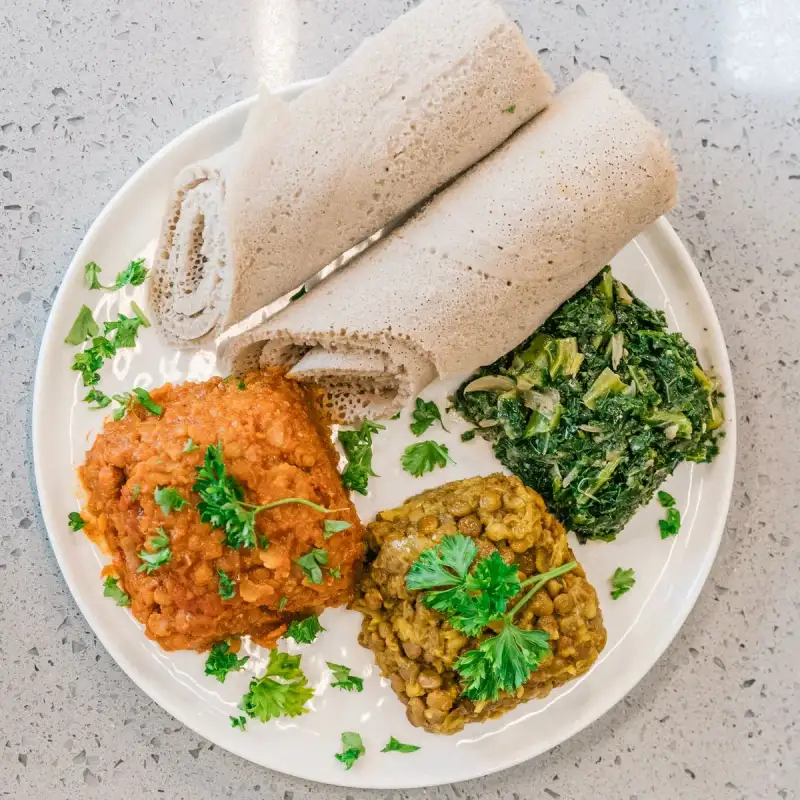
-
 Eleanor Hughes
 - 13 Jul, 2026 13:51
Unveiling Injera: Why This Sour, Spongy Ethiopian Staple Is the World's Most Underrated Superfood (And How to Master It)
In the vibrant tapestry of global cuisine, few dishes possess the mystique, cultural gravitas, and sheer nutritional power of Injera. This isn't just a flatbread; it's the very soul of Ethiopian and Eritrean gastronomy, a sour, spongy, and endlessly fascinating staple that transcends mere sustenance to become a communal canvas for some of the world's most aromatic and flavorful stews. For the uninitiated, the first encounter with Injera can be an enigma: its unique tangy profile, its distinctive "eyes" (tiny holes), and its role as both plate and utensil are unlike anything found in Western dining. Yet, beneath its humble appearance lies a complex interplay of ancient grains, sophisticated fermentation, and profound health benefits that make it a compelling subject for any culinary explorer or health enthusiast. My journey into the world of Ethiopian cuisine began years ago, spurred by a quest for foods that tell a story – a narrative of tradition, resilience, and connection to the earth. Injera, crafted from the tiny, iron-rich grain called Teff, quickly emerged as a revelation. It's a food that demands patience and respect, a slow art passed down through generations. But the rewards are immense: not only a delicious, versatile accompaniment to a dazzling array of dishes but also a powerhouse of nutrition that quietly supports digestive health, bolsters mineral intake, and offers a naturally gluten-free alternative to common grains. Join me as we peel back the layers of this extraordinary food, from the fields of Ethiopia where Teff flourishes to the warmth of the Mitad where Injera comes to life, uncovering why this "sour sponge" is truly an underrated global superfood. The Ancient Grain: Teff and Its Nutritional Powerhouse Status At the heart of every authentic Injera lies Teff, an ancient, resilient grain native to Ethiopia and Eritrea. Despite its minuscule size – it’s often described as the smallest grain in the world, about the size of a poppy seed – Teff (scientific name: Eragrostis tef) boasts an exceptionally robust nutritional profile that puts many modern grains to shame. Cultivated for thousands of years, Teff thrives in diverse Ethiopian climates, adapting to both drought and waterlogging, making it a sustainable and vital food source for millions. There are primarily three types: white (Nech), red (Key), and brown (Sergegna), with white Teff yielding the lightest-colored Injera, while red and brown varieties contribute a deeper hue and often a more pronounced earthy flavor. What makes Teff a veritable nutritional powerhouse? Its micronutrient density is simply staggering. Teff is remarkably rich in iron, a critical mineral for oxygen transport and energy production. A single cup of cooked Teff can provide approximately 20% of the recommended daily intake for iron, a significant contribution, especially in regions where iron deficiency anemia is prevalent. This bioavailability of iron in Teff is a subject of ongoing research; a study published in the Journal of Cereal Science (2018) highlighted Teff's superior iron and zinc absorption compared to other grains, attributing it to its unique phytate-to-mineral ratio and specific processing methods like fermentation. Beyond iron, Teff is an excellent source of calcium, containing more of this bone-building mineral than most other grains, often cited as equivalent to a glass of milk per serving. It also provides a significant amount of magnesium, phosphorus, copper, and B vitamins. Furthermore, Teff is celebrated for its high fiber content, particularly its resistant starch. This type of starch escapes digestion in the small intestine and ferments in the large intestine, acting as a prebiotic that feeds beneficial gut bacteria. Research from the American Journal of Clinical Nutrition (2020) demonstrated that Teff's resistant starch content is notably higher than that found in common grains like wheat or rice, contributing to improved digestive health, better blood sugar regulation, and enhanced satiety, which can aid in weight management. Its protein content is also noteworthy, offering a complete amino acid profile, a rare trait for a plant-based food, making it an invaluable protein source for vegetarians and vegans. Critically, Teff is naturally gluten-free, a characteristic that has propelled it into the global spotlight as a safe and nutritious alternative for individuals with celiac disease or gluten sensitivity. Its distinctive properties, from its ancient origins to its modern nutritional acclaim, firmly establish Teff as the bedrock of Injera's status as a superfood.The Art of Fermentation: Crafting the Perfect Injera Batter The transformation of humble Teff flour into the iconic Injera is a testament to the ancient art of fermentation, a process that imbues the flatbread with its signature sour tang, airy texture, and enhanced nutritional profile. This isn't a quick bake; it's a slow, deliberate dance with microorganisms that demands patience and a keen understanding of natural processes. The journey begins with what appears to be a simple mixture: Teff flour and water. However, the secret ingredient is "ersho" (or irsho), a sourdough starter reserved from a previous batch, which acts as the microbial inoculant, much like a sourdough starter for bread. To craft the perfect Injera batter, a ratio of approximately 1 part Teff flour to 2 parts water is typically used, though this can vary slightly based on the flour's absorption. The flour is mixed with water in a large bowl, traditionally a clay pot called a "barmile," to form a thick, smooth batter, similar in consistency to pancake batter. The ersho is then incorporated, introducing a complex community of wild yeasts (Saccharomyces cerevisiae and related species) and lactic acid bacteria (Lactobacillus plantarum, Lactobacillus fermentum, Pediococcus pentosaceus, among others). This microbial symphony, as elucidated in studies like one published in Food Microbiology (2019), is responsible for the intricate flavor profile and increased nutrient bioavailability observed in fermented Teff products. The covered batter is then left to ferment at room temperature, ideally between 20-25°C (68-77°F), for anywhere from two to five days. During this period, the lactic acid bacteria convert carbohydrates into lactic acid, acetic acid, and other organic acids, which impart the characteristic sourness. Simultaneously, yeasts produce carbon dioxide, creating the tiny gas bubbles that will eventually form Injera's distinctive "eyes." The appearance of a watery, greyish layer on top, known as "aflegn," and a frothy, bubbly surface are visual cues that fermentation is progressing successfully. To prevent excessive sourness or spoilage, this aflegn is typically removed, and a small portion of the fermented batter, along with fresh flour and water, is cooked into a thin porridge called "absit" or "mokaka." This absit is then cooled and stirred back into the main batter, providing a final boost of starch and flavor, regulating the pH, and ensuring a smooth final texture. Troubleshooting is an inherent part of this art: if the batter isn't sour enough, it may need more time or a warmer environment; if it's too sour, the fermentation might have gone too long or lacked the absit step. A well-fermented batter will possess a pleasant, distinctly sour aroma and a consistency that is pourable but not watery, ready for its transformation on the griddle. This elaborate process is not just about taste; it also pre-digests certain components of the Teff, making nutrients more accessible and aiding digestion, truly enhancing its superfood status. From Batter to Bread: Mastering the Injera Cooking Technique The culinary magic of Injera culminates on a hot griddle, where the fermented Teff batter is transformed into its iconic, spongy form. This stage, while seemingly straightforward, requires precision, timing, and a practiced hand to achieve the perfect texture and signature "eyes" (enat) that define authentic Injera. Traditionally, Injera is cooked on a "mitad" (or mogogo), a large, round, flat clay or cast-iron griddle heated over an open fire or an electric element. For home cooks outside of Ethiopia, a large non-stick skillet or an electric griddle can serve as an effective substitute, though achieving the exact Mitad temperature and heat distribution requires some experimentation. The key to success lies in maintaining a consistent, medium-high heat. Too low, and the Injera will be tough and lack eyes; too high, and it will burn quickly before the top can steam properly. Before pouring, the griddle should be lightly greased with a small amount of oil, then wiped clean, leaving only a fine film to prevent sticking. The batter, having undergone its meticulous fermentation, should be stirred gently to reincorporate any settled flour, ensuring a uniform consistency. The pouring technique is perhaps the most crucial step. Using a measuring cup or a ladle, a precise amount of batter (typically about 1/2 to 3/4 cup for an 8-10 inch Injera) is poured onto the hot griddle. Starting from the outer edge, the batter is swiftly poured in a continuous, spiral motion, working inward to cover the entire surface evenly. Speed and confidence are paramount here; hesitation can result in an uneven thickness. As soon as the surface is covered, the griddle is immediately covered with a tight-fitting lid. This traps the steam, allowing the top of the Injera to cook and firm up, and crucially, encouraging the formation of those characteristic "eyes" as trapped gases escape. Cooking time is brief, typically 2-3 minutes. You'll know it's ready when the edges begin to curl slightly, and the entire surface is dotted with numerous small holes, indicating the steam has worked its magic. The top should be firm but not browned, retaining its light, moist quality. The Injera is then carefully lifted with a spatula, ensuring it doesn't tear, and transferred to a cooling rack or a clean cloth to cool completely before stacking. It’s essential to let each piece cool fully to prevent stickiness before layering them. A well-cooked Injera will be soft, flexible, and possess a slight springiness, perfectly ready to absorb the rich flavors of Ethiopian stews. Mastering this stage is not just about cooking a flatbread; it's about perfecting the canvas upon which an entire culinary tradition is presented.Unveiling the Wots and Tibs: A Symphony of Ethiopian Stews Injera, in its magnificent simplicity, serves as the perfect edible plate and utensil for the vibrant, aromatic, and deeply flavorful stews that constitute the heart of Ethiopian cuisine. These stews, primarily known as "wots" (pronounced "woats") and "tibs," are a symphony of spices, textures, and ingredients, offering a culinary journey that is both hearty and profoundly satisfying. The communal act of dining, where multiple wots and tibs are arranged on a large platter of Injera, encourages sharing and connection, embodying the spirit of Ethiopian hospitality. The foundation of many traditional wots is a generous amount of finely chopped red onions, slowly cooked until caramelized, forming a rich base. To this, garlic and ginger are added, creating a pungent aromatic layer. However, the true soul of Ethiopian stews lies in two essential ingredients: "Berbere" and "Niter Kibbeh." Berbere is an intricate, fiery red spice blend, often comprising 16 or more ingredients, including chili powder, fenugreek, ginger, garlic, cardamom, allspice, and paprika. Its complexity offers layers of heat, sweetness, and earthiness. Research in the Journal of Ethnopharmacology (2017) has explored Berbere's rich antioxidant profile, attributed to its diverse blend of spices, suggesting potential anti-inflammatory benefits. Niter Kibbeh, on the other hand, is a spiced clarified butter, infused with herbs and spices such as fenugreek, cumin, coriander, and turmeric. This golden elixir imparts a distinct depth of flavor and richness that is incomparable to plain butter. Among the most iconic wots is Doro Wot, a national dish, featuring chicken drumsticks and hard-boiled eggs simmered in a rich, spicy Berbere sauce. For those seeking milder flavors, Alicha Wot offers a delicious alternative, typically made with beef, lamb, or vegetables (like potatoes and carrots) in a turmeric-based sauce without Berbere. Vegetarian options are abundant and equally celebrated. Misir Wot (red lentil stew) is a staple, seasoned with Berbere, onions, garlic, and ginger, providing a protein and fiber-rich meal. Shiro Wot, a creamy, smooth stew made from powdered chickpeas or fava beans, is another vegetarian favorite, often prepared with or without Berbere. "Tibs" refer to sautéed pieces of meat or vegetables, usually lamb, beef, or chicken, often cooked quickly with onions, peppers, and various spices, served sizzling hot. Key Wot (spicy beef stew) and Derek Tibs (dry-fried meat) are particularly popular. The beauty of these stews is their versatility and the balance they strike: the cooling, tangy Injera perfectly complements the robust, often spicy, and deeply savory flavors of the wots and tibs. A typical Injera meal offers a harmonious blend of macros, with the carbohydrates from Injera, protein from meats or lentils, and healthy fats from Niter Kibbeh, making for a holistic and incredibly satisfying dining experience. The tradition of scooping up these stews with pieces of Injera, eschewing cutlery, is not just cultural but also enhances the sensory experience, connecting the diner more intimately with the food.The Health Benefits Beyond Gluten-Free: A Holistic Perspective While Injera's naturally gluten-free nature is a significant draw for many, its health benefits extend far beyond catering to gluten sensitivities. The holistic combination of its Teff base and the traditional fermentation process creates a food that is a powerhouse of nutrition, contributing to digestive health, micronutrient intake, and overall well-being. From a nutritional science standpoint, Injera embodies several principles of a healthy, traditional diet. Firstly, digestive health is profoundly supported. Teff's high fiber content, particularly its resistant starch, acts as a potent prebiotic. This resistant starch ferments in the colon, nurturing beneficial gut bacteria and promoting a healthy microbiome. Furthermore, the fermentation process used to create Injera batter introduces live probiotic cultures, including Lactobacillus species. While cooking reduces the live cultures, the byproducts of fermentation, such as lactic acid, can still contribute to a healthier gut environment by making nutrients more digestible and creating a slightly acidic pH that inhibits the growth of pathogenic bacteria. A meta-analysis published in Nutrition Reviews (2021) indicated that fermented grains like Injera can significantly enhance micronutrient absorption by breaking down phytates, which are compounds that bind to minerals and hinder their absorption. Secondly, Injera is an exceptional source of micronutrients. As highlighted earlier, Teff is notably rich in iron, calcium, and zinc. For populations globally facing deficiencies in these critical minerals, Injera offers a bioavailable and culturally significant dietary source. The fermentation process further aids in the liberation and absorption of these minerals, making them more accessible to the body. Its complete protein profile makes it a valuable plant-based option for muscle repair and satiety. Thirdly, its impact on blood sugar regulation is significant. The complex carbohydrates and high fiber content of Teff contribute to a lower glycemic index compared to refined grains. This means that Injera releases glucose into the bloodstream more slowly, helping to prevent sharp spikes and crashes in blood sugar levels, making it beneficial for individuals managing diabetes or seeking sustained energy. Lastly, the overall nutritional density of an Injera meal, especially when paired with traditional wots and tibs, offers a balanced intake of macronutrients (carbohydrates, proteins, fats) and a wide array of vitamins and minerals. The spices used in Ethiopian stews, such as fenugreek, turmeric, and ginger, are themselves rich in antioxidants and possess documented anti-inflammatory properties, further contributing to a holistic health profile. The traditional method of preparation, relying on whole ingredients and minimal processing, aligns perfectly with contemporary dietary recommendations for health and longevity. Injera, therefore, is not merely a component of a meal; it is a nutritional foundation that showcases the profound wisdom embedded in ancient culinary practices, offering a delicious path to improved health and a deeper connection to food.Nutritional Component Teff Flour (100g) Typical Wheat Flour (100g) Notes on Injera PreparationCalories 367 kcal 364 kcal Similar caloric density, but Injera's fermentation enhances digestibility.Protein 13.0g 12.0g Complete amino acid profile in Teff, rare for a grain.Fat 2.4g 1.0g Low in fat; often served with Niter Kibbeh (spiced clarified butter).Carbohydrates 73.0g 76.0g Primarily complex carbs, including resistant starch.Fiber 8.0g 3.0g Significantly higher fiber, contributing to gut health.Iron 7.6mg (42% DV) 3.6mg (20% DV) Exceptionally high; fermentation improves bioavailability.Calcium 180mg (18% DV) 15mg (1% DV) Outstanding source, aiding bone health.Magnesium 183mg (46% DV) 47mg (12% DV) Crucial for numerous bodily functions.Zinc 4.6mg (31% DV) 1.0mg (7% DV) Enhanced absorption due to fermentation process.Gluten None Present Naturally gluten-free, safe for celiacs.Note: DV = Daily Value. Values are approximate and can vary based on specific Teff varieties and processing. Injera's final nutritional profile is also influenced by water content and residual fermentation products.Conclusion The journey through the world of Ethiopian Injera reveals far more than just a unique flatbread. It unearths a culinary legacy deeply rooted in ancient wisdom, sustainable agriculture, and profound respect for natural processes. From the incredible nutritional density of Teff, the tiny grain that defies expectations, to the intricate art of fermentation that gives Injera its distinctive sourness and spongy texture, every aspect of this food tells a story of health, tradition, and community. Injera is not merely a vehicle for stews; it is a superfood in its own right. Its naturally gluten-free composition, coupled with its remarkable content of iron, calcium, fiber, and complete protein, positions it as an exceptional dietary staple. The traditional fermentation process further enhances its digestibility and nutrient bioavailability, nurturing gut health and offering sustained energy. When paired with the vibrant, spice-rich wots and tibs, an Injera meal becomes a perfectly balanced, holistic culinary experience that nourishes both body and soul. For too long, Injera has remained a hidden gem outside its native lands. Yet, as we increasingly seek out wholesome, naturally beneficial, and culturally rich foods, Injera stands ready to take its rightful place on the global stage. I encourage you to seek out authentic Ethiopian restaurants, or better yet, embark on the rewarding journey of making your own Injera at home. It’s an act of culinary exploration that promises not only exquisite flavors but also a deeper appreciation for the power of traditional foodways. Dive into this sour sponge; your palate, and your health, will thank you.#EthiopianFood #InjeraLove #TeffGrain #FermentedFoods #GutHealth #GlutenFreeEats #SuperfoodDiscovery Related InsightsBasque Pintxos: Spain’s Tiny Plates of Culinary Genius You Must Try The Earthy Harvest: A High-Fiber Lentil and Root Vegetable Stew The Gastronomic Odyssey: From Charred Street Corn to the Pinnacle of Michelin Perfection{ "@context": "https://schema.org", "@type": "FAQPage", "mainEntity": [ { "@type": "Question", "name": "What is the main focus of Unveiling Injera: Why This Sour, Spongy Ethiopian Staple Is the World's Most Underrated Superfood (And How to Master It)?", "acceptedAnswer": { "@type": "Answer", "text": "Dive deep into Injera, the unique Ethiopian fermented flatbread, discovering its ancient origins, profound health benefits, and the culinary secrets to crafting it and its vibrant stews." } }, { "@type": "Question", "name": "Who authored the comprehensive guide on Unveiling Injera: Why This Sour, Spongy Ethiopian Staple Is the World's Most Underrated Superfood (And How to Master It)?", "acceptedAnswer": { "@type": "Answer", "text": "This detailed article and its insights were carefully researched and authored by Eleanor Hughes." } }, { "@type": "Question", "name": "Where can I find more related content about Food?", "acceptedAnswer": { "@type": "Answer", "text": "You can explore more articles, detailed reviews, and similar insights by browsing the Related Insights section at the bottom of this article or visiting our dedicated Food category page." } } ] }

In den stillen, weiten Arenen der hohen Breiten, wo die Nacht oft endlos scheint und die Kälte beißt, entfaltet sich ein Spektakel von so transzendenter Schönheit, dass es seit Anbeginn der Menschheit Ehrfurcht und Staunen hervorruft. Der Himmel selbst wird zur Leinwand, auf der unsichtbare Kräfte ein Gemälde aus Licht und Schatten weben, das sich in Farben ergießt, die jeder Beschreibung spottend, doch das Herz im Sturm erobernd. Es ist der kosmische Tanz, die stille, doch mächtige Offenbarung der Aurora – eine Himmelserscheinung, die nicht nur unsere Sinne fesselt, sondern auch tiefe Einblicke in die komplexen Wechselwirkungen zwischen unserer Erde und der mächtigen Sonne gewährt. Weit entfernt von der Stille der irdischen Landschaften, in den unermesslichen Weiten des Sonnensystems, entspringt dieses Wunderwerk. Es beginnt mit der Sonne, jenem gewaltigen Kern unserer Existenz, der nicht nur Licht und Wärme spendet, sondern auch einen stetigen Strom geladener Partikel ins All schleudert – den Sonnenwind. Dieser Wind, der mit unglaublicher Geschwindigkeit durch den interplanetaren Raum rauscht, trägt in sich die Saat der Aurora. Seine Energie und seine elektrisch geladenen Teilchen, vornehmlich Elektronen und Protonen, sind die eigentlichen Architekten dieses himmlischen Feuerwerks. Doch die Erde ist nicht schutzlos. Ein unsichtbares Kraftfeld, unser Magnetfeld, umhüllt unseren Planeten wie ein schützender Kokon, die Magnetosphäre. Wenn der Sonnenwind, dessen Geschwindigkeit durch koronale Löcher und koronale Massenauswürfe aus der Sonne verstärkt wird, auf diese schützende Hülle trifft, entstehen Störungen. Diese Turbulenzen in der Magnetosphäre verändern die Flugbahnen der geladenen Partikel im Magnetosphärenplasma. Sie werden abgelenkt, beschleunigt und schließlich, wie von einer unsichtbaren Hand gezogen, in die oberen Schichten unserer Atmosphäre – die Thermosphäre und Exosphäre – gelenkt. Dort, in Höhen von vielen Kilometern über dem Erdboden, ereignet sich die wahre Magie. Die energiereichen Partikel des Sonnenwinds kollidieren mit den Gasatomen und -molekülen unserer Atmosphäre, hauptsächlich Sauerstoff und Stickstoff. Diese Kollisionen versetzen die atmosphärischen Bestandteile in einen angeregten Zustand. Es ist wie bei einem Blitzschlag, der eine Glühbirne zum Leuchten bringt, nur auf atomarer Ebene. Wenn diese angeregten Atome und Moleküle wieder in ihren ursprünglichen Energiezustand zurückfallen, geben sie die zuvor aufgenommene Energie in Form von Licht ab. Und genau dieses Licht ist es, das wir als Aurora bestaunen. Die Farbvielfalt der Aurora ist ebenso faszinierend wie ihre Entstehung und direkt abhängig von der Art der kollidierenden Atome und der Höhe, in der diese Kollisionen stattfinden. Sauerstoffatome sind beispielsweise für das charakteristische Grün verantwortlich, das in den meisten Auroras zu sehen ist – ein Leuchten, das typischerweise in Höhen um 100 Kilometer auftritt. Höher gelegene Sauerstoffkollisionen können ein seltenes, aber atemberaubendes Rot erzeugen. Stickstoffmoleküle wiederum tragen zu den blauen und violetten Farbtönen bei, die oft an den unteren Rändern der Aurora zu erkennen sind. Die Intensität und die Beschleunigung, die den eintretenden Partikeln verliehen wird, beeinflussen nicht nur die Helligkeit, sondern auch die Form der Aurora, die sich in Bändern um die Polregionen erstreckt. Die Etymologie der Lichter: Eine göttliche NamensgebungDie Bezeichnungen für dieses Naturwunder tragen eine tiefe historische und mythologische Resonanz. Der Begriff „Aurora Borealis“, weithin bekannt als die Nordlichter, wurde 1649 in einer Beschreibung von Pierre Gassendi verwendet, der ein beeindruckendes Polarlichtphänomen über ganz Frankreich im Jahr 1621 dokumentierte. Gassendi bezog sich dabei auf die umfangreichen Schriften Galileo Galileis, der den Begriff bereits 1619 in seinen Werken über die Aurora nutzte. Im Englischen fand der Begriff 1828 Einzug. Das Wort „Aurora“ selbst ist dem Namen der römischen Göttin der Morgenröte entlehnt, Aurora, die von Osten nach Westen reiste, um die Ankunft der Sonne zu verkünden. Schon im 14. Jahrhundert wurde „Aurora“ im Englischen verwendet. Die spezifischen Bezeichnungen „Borealis“ und „Australis“ stammen aus der griechisch-römischen Mythologie. „Borealis“ leitet sich von Boreas ab, dem antiken Gott des Nordwinds, während „Australis“ von Auster, dem Gott des Südwinds, abstammt. Es ist eine poetische Verbindung, die die Himmelslichter mit den Winden der jeweiligen Pole verknüpft – ein Zeugnis der frühen Menschheit, die in diesen Erscheinungen göttliche oder mythische Zeichen sah. Heutige Stilrichtlinien empfehlen jedoch, meteorologische Phänomene wie die Aurora borealis nicht großzuschreiben. Der Plural „Auroras“ ist im amerikanischen Englisch mittlerweile gebräuchlicher, während „aurorae“ der ursprüngliche lateinische Plural ist und oft von Wissenschaftlern verwendet wird. In einigen Kontexten wird „Aurora“ auch als unzählbare Nomen verwendet, wobei mehrere Sichtungen einfach als „die Aurora“ bezeichnet werden. Charakteristik und geographische Ausbreitung Das Auftreten der Aurora ist nicht zufällig, sondern folgt präzisen geomagnetischen Mustern. Am häufigsten werden Auroras in der sogenannten „Auroralzone“ beobachtet, einem Band von etwa 6 Grad Breite, das auf 67 Grad nördlicher und südlicher Breite zentriert ist – das entspricht einer Breite von rund 660 Kilometern. Die Region, in der eine Aurora aktuell sichtbar ist, wird als „Auroraloval“ bezeichnet. Dieses Oval ist durch den Sonnenwind verschoben und weicht in Richtung Mittag etwa 15 Grad und in Richtung Mitternacht 23 Grad vom geomagnetischen Pol (nicht dem geografischen Pol) ab. Frühe wissenschaftliche Arbeiten, insbesondere die von Elias Loomis (1860) und später detaillierter von Hermann Fritz (1881) und Sophus Tromholt (1881), lieferten entscheidende Beweise für diese geomagnetische Verbindung, indem sie statistisch belegten, dass die Aurora hauptsächlich in dieser Auroralzone erschien. In den nördlichen Breiten ist das Phänomen als Aurora Borealis oder Nordlichter bekannt. Das südliche Pendant, die Aurora Australis oder Südlichter, weist fast identische Merkmale auf und ändert sich gleichzeitig mit Veränderungen in der nördlichen Auroralzone. Die Aurora Australis ist von hohen südlichen Breiten wie der Antarktis, Patagonien, dem südöstlichen Australien, Neuseeland und den Falklandinseln aus sichtbar. Die Aurora Borealis hingegen lässt sich in arktischen Regionen wie Alaska, Kanada, Island, Grönland, den Färöer-Inseln, Skandinavien, Finnland, Schottland und Russland bestaunen. Wenn das Oval sich ausdehnt: Außergewöhnliche SichtungenEine geomagnetische Störung hat die bemerkenswerte Fähigkeit, die Auroralovale – sowohl im Norden als auch im Süden – zu erweitern. Dies führt dazu, dass die Aurora auch in niedrigeren Breiten oder weiter südlich in höheren Lagen sichtbar wird. Solche großen geomagnetischen Stürme treten am häufigsten während des Höhepunkts des 11-jährigen Sonnenfleckenzyklus oder in den drei Jahren danach auf. Bei seltenen Gelegenheiten konnte die Aurora Borealis so weit südlich wie das Mittelmeer, Ostasien und die südlichen Bundesstaaten der USA beobachtet werden, während die Aurora Australis bis nach Neukaledonien, Südafrika, der Pilbara-Region in Westaustralien und Uruguay zu sehen war. Während des Carrington-Ereignisses im Jahr 1859, dem größten jemals beobachteten geomagnetischen Sturm, wurden Auroras sogar in den Tropen gesichtet – ein eindrucksvolles Zeugnis der potenziellen Reichweite dieses Naturphänomens. Für Beobachter innerhalb des Auroralovals kann die Aurora direkt über ihnen erscheinen, ein Himmelszelt aus Licht. Aus größerer Entfernung erleuchten sie den polwärts gelegenen Horizont als ein grünliches Leuchten oder manchmal ein schwaches Rot, als ob die Sonne aus einer ungewöhnlichen Richtung aufginge. Auroras treten auch polwärts der Auroralzone als diffuse Flecken oder Bögen auf, die unter Umständen kaum sichtbar sind. Das Verhalten der geladenen Teilchen, insbesondere der Elektronen, ist komplex. Ein Elektron spiraliert (gyriert) um eine Feldlinie in einem Winkel, der durch seine Geschwindigkeitsvektoren – parallel und senkrecht zum lokalen geomagnetischen Feldvektor B – bestimmt wird. Dieser Winkel wird als „Pitchwinkel“ des Partikels bezeichnet. Der Abstand oder Radius des Elektrons von der Feldlinie wird als sein Larmor-Radius bezeichnet. Der Pitchwinkel nimmt zu, wenn sich das Elektron in eine Region größerer Feldstärke näher an der Atmosphäre bewegt. Es ist daher möglich, dass einige Partikel zurückkehren oder „spiegeln“, wenn der Winkel 90° erreicht, bevor sie in die Atmosphäre eindringen und mit den dichteren Molekülen kollidieren. Andere Partikel, die nicht spiegeln, dringen in die Atmosphäre ein und tragen zur Auroralanzeige über verschiedene Höhenbereiche bei. Formen und Höhen: Die Struktur des Himmlischen TanzesAb 1911 nutzten Carl Størmer und seine Kollegen Kameras, um mehr als 12.000 Auroras zu triangulieren. Ihre bahnbrechenden Forschungen ergaben, dass keine Auroras unter 70 Kilometern Höhe auftraten und nur 6,5 % über 150 Kilometern. Die maximale Häufigkeitsverteilung der Höhe lag bei etwa 100 Kilometern – ein entscheidender Befund, der unser Verständnis der Atmosphärenphysik und der Interaktion mit dem Sonnenwind vertiefte. Clark (2007) unterscheidet fünf Hauptformen, die vom Boden aus sichtbar sind, geordnet von der am wenigsten bis zur am meisten sichtbaren:Ein mildes Glühen, nahe am Horizont. Diese können nahe an der Sichtbarkeitsgrenze liegen, sind aber von mondbeschienenen Wolken zu unterscheiden. Sie sind die subtilsten Formen der Aurora und erfordern oft einen dunklen Himmel und eine gewisse Gewöhnung des Auges, um sie wahrzunehmen. Bögen: Ein weicher, bandförmiger Bogen, der sich über den Himmel erstreckt. Strahlen: Schmale, vertikale Lichtstrahlen, die oft aus Bögen aufsteigen. Vorhänge: Die ikonischsten Formen, die wie schimmernde Vorhänge oder Draperien aussehen, die sich dynamisch am Himmel bewegen und tanzen. Koronas: Wenn die Aurora direkt über dem Beobachter liegt und die Strahlen sich wie eine Krone oder ein Fächer in alle Richtungen ausbreiten.Neben diesen häufigeren Formen wurden auch andere Arten von Auroras aus dem Weltraum beobachtet, die vergleichsweise selten und noch nicht vollständig verstanden sind. Dazu gehören „polwärts gerichtete Bögen“, die sich sonnenwärts über die Polarkappe erstrecken, die damit verbundene „Theta-Aurora“ und „tagseitige Bögen“ nahe der Mittagszeit. Weitere interessante Effekte sind pulsierende Auroras, die „schwarze Aurora“ und ihr seltener Begleiter, die „Anti-Schwarz-Aurora“, sowie schwer sichtbare rote Bögen. Ergänzend zu all dem wird ein schwaches Leuchten (oft tiefrot) um die beiden polaren Spitzen beobachtet, jene Feldlinien, die die sich durch die Erde schließenden von denen trennen, die in den Schweif gerissen werden und sich entfernt schließen. Die Fähigkeit der Erde, diese strahlenden Manifestationen kosmischer Energie zu beherbergen, ist nicht einzigartig im Sonnensystem. Auch andere Planeten wie Jupiter und Saturn, Braune Zwerge, Kometen und sogar einige natürliche Satelliten wie Jupiters Mond Ganymed, zeigen ihre eigenen, einzigartigen Auroras – ein Beweis dafür, dass die Wechselwirkung zwischen Sternenwinden und planetaren Magnetfeldern ein universelles Phänomen ist, das über die Grenzen unserer eigenen Welt hinausgeht. Die Aurora ist weit mehr als nur ein visuell beeindruckendes Naturphänomen. Sie ist ein lebendiges, atmendes Zeugnis der komplexen physikalischen Prozesse, die unser Sonnensystem formen. Jedes Flackern, jeder Vorhang, jede Farbe erzählt eine Geschichte von der unermüdlichen Aktivität unserer Sonne und dem schützenden Schild unserer Erde. Sie erinnert uns daran, dass wir, selbst in den stillsten Nächten, mit dem unermesslichen, dynamischen Kosmos verbunden sind. Für jeden Reisenden und Beobachter bleibt die Begegnung mit der Aurora ein unvergessliches Erlebnis, das die Seele berührt und den Blick auf die Majestät des Universums weitet. Es ist ein himmlisches Spektakel, das uns immer wieder an die Wunder erinnert, die jenseits unseres täglichen Horizonts liegen. #Gezi #AuroraBorealis #AuroraAustralis #Naturwunder #Polarlichter Related InsightsSochi Riviera Sydney Opera House: The Architectural Icon that Redefined Art and Innovation Sintra: Um Conto de Fadas entre Palácios e Florestas{ "@context": "https://schema.org", "@type": "FAQPage", "mainEntity": [ { "@type": "Question", "name": "What is the main focus of Wenn der Himmel tanzt: Die majestätische Sinfonie der Aurora?", "acceptedAnswer": { "@type": "Answer", "text": "Ein tiefgehender Blick auf das faszinierende Phänomen der Aurora, wo geladene Sonnenpartikel die Atmosphäre in ein schillerndes Farbspektakel verwandeln." } }, { "@type": "Question", "name": "Who authored the comprehensive guide on Wenn der Himmel tanzt: Die majestätische Sinfonie der Aurora?", "acceptedAnswer": { "@type": "Answer", "text": "This detailed article and its insights were carefully researched and authored by Hans Müller." } }, { "@type": "Question", "name": "Where can I find more related content about Travel?", "acceptedAnswer": { "@type": "Answer", "text": "You can explore more articles, detailed reviews, and similar insights by browsing the Related Insights section at the bottom of this article or visiting our dedicated Travel category page." } } ] }

-
 Claire Beaufort
 - 13 Jul, 2026 11:34
The AI Crucible: Forging Medical Breakthroughs at Warp Speed in Drug Discovery
In the grand tapestry of human endeavor, few quests are as noble or as fraught with challenge as the pursuit of new medicines. For decades, the pharmaceutical industry has grappled with an agonizing reality: drug discovery is an extraordinarily expensive, time-consuming, and high-risk undertaking. A single new drug can take 10 to 15 years to develop, costing upwards of $2.6 billion, with a staggering failure rate exceeding 90% in clinical trials. This arduous journey, often likened to finding a needle in a haystack – or more accurately, millions of needles in an infinite number of haystacks – has created an innovation bottleneck that directly impacts global health. Enter Artificial Intelligence. Far from being a futuristic pipe dream, AI, particularly its machine learning and deep learning subsets, is fundamentally disrupting every stage of the drug discovery pipeline. We’re moving beyond brute-force experimentation and serendipitous breakthroughs towards a data-driven, predictive, and intelligent approach. From generating novel molecular structures and accurately predicting their properties to optimizing clinical trial design and identifying new therapeutic targets, AI is not just accelerating the process; it's redefining what's possible. It promises to slash development times, drastically reduce costs, and, most importantly, bring life-saving therapies to patients faster than ever before. This isn't just an incremental improvement; it's a paradigm shift, a crucible where medical breakthroughs are forged at unprecedented speed. As a senior AI researcher deeply embedded in this space, I’ve tracked the exponential growth of this field across arXiv, GitHub's trending repositories, and critical venture capital injections from firms like Y Combinator, signaling a maturation from nascent research to impactful, deployable solutions. The future of medicine is undeniably intelligent. De Novo Drug Design & Generative Models: Beyond Brute Force The traditional approach to identifying potential drug candidates often relies on high-throughput screening (HTS) – a costly and time-consuming process where millions of compounds are tested against a biological target. While effective, HTS is inherently limited by the existing chemical space explored. Generative Artificial Intelligence, however, allows us to transcend these limitations by designing novel molecules from scratch, precisely tailored for specific therapeutic properties. This is known as de novo drug design. At the core of this revolution are models like Generative Adversarial Networks (GANs), Variational Autoencoders (VAEs), and more recently, Diffusion Models. GANs, for instance, consist of a generator network that proposes new molecules and a discriminator network that evaluates their realism and desired properties. Through iterative training, the generator learns to produce increasingly plausible and potent candidates. VAEs, on the other hand, learn a compressed, continuous representation (latent space) of molecules, enabling researchers to navigate this space to interpolate between known drugs or generate entirely new compounds with desired characteristics. Diffusion models, like those powering image generation, are now being adapted for molecular design, demonstrating remarkable ability to generate diverse and valid chemical structures by iteratively denoising a random distribution. Projects such as "MoleculeChef" and "DeepChem" provide open-source frameworks for implementing these cutting-edge techniques, leveraging large datasets like ZINC and PubChem to train sophisticated models capable of predicting synthesizability, bioactivity, and pharmacokinetics. The underlying challenge often involves translating molecular structures (e.g., SMILES strings, molecular graphs) into a format deep learning models can process, and then back again, ensuring chemical validity and adherence to design principles. import rdkit from rdkit import Chem from rdkit.Chem import Descriptors from rdkit.Chem import Draw from rdkit.Chem.rdmolops import SanitizeFlags import numpy as np import tensorflow as tf from tensorflow import keras from tensorflow.keras import layers# Example: Simple function to convert SMILES to RDKit molecule and compute descriptors def smiles_to_mol_descriptors(smiles): mol = Chem.MolFromSmiles(smiles) if mol is None: return None # Ensure molecule is sanitized Chem.SanitizeMol(mol, sanitizeFlags=SanitizeFlags.SANITIZE_ALL ^ SanitizeFlags.SANITIZE_KEKULIZE) # Example descriptors (can be expanded significantly) mw = Descriptors.MolWt(mol) logp = Descriptors.MolLogP(mol) h_bond_donors = Descriptors.NumHDonors(mol) h_bond_acceptors = Descriptors.NumHAcceptors(mol) return [mw, logp, h_bond_donors, h_bond_acceptors]# Conceptual generative model stub (simplified for demonstration) # In reality, this would involve complex graph neural networks or sequence models (for SMILES) def build_conceptual_generative_model(latent_dim=128, output_dim=256): """ A placeholder for a generative model (e.g., a simple decoder for a VAE). In a real scenario, output_dim would relate to molecular graph properties or SMILES length. """ model = keras.Sequential([ layers.Input(shape=(latent_dim,)), layers.Dense(512, activation='relu'), layers.Dense(1024, activation='relu'), layers.Dense(output_dim, activation='sigmoid') # Placeholder activation ]) return model# Demonstrate usage sample_smiles = "CCOc1c(Cl)cccc1Nc1ncc(C(=O)NCC(=O)O)s1" # A complex SMILES string mol_props = smiles_to_mol_descriptors(sample_smiles) print(f"Molecular Properties for {sample_smiles}: {mol_props}")# Conceptual usage of generative model # latent_vector = np.random.rand(1, 128) # generator = build_conceptual_generative_model() # generated_output = generator.predict(latent_vector) # print(f"Conceptual generated output shape: {generated_output.shape}")# For visualizing: # mol = Chem.MolFromSmiles(sample_smiles) # Draw.MolToImage(mol, size=(300, 300)) # Requires PIL/PillowThis Python snippet illustrates the foundational step of converting SMILES strings into RDKit molecular objects and computing basic descriptors, which serve as features for machine learning models. The conceptual generative model build_conceptual_generative_model hints at the deep learning architectures used to create novel compounds. By navigating the intricate landscape of chemical space with AI, researchers can now design molecules with a high probability of possessing desired characteristics like target specificity and binding affinity, dramatically shortening the early discovery phase. Predictive ADMET & Toxicity Screening: From Lab Bench to In Silico Once potential drug candidates are identified, a critical hurdle is assessing their Absorption, Distribution, Metabolism, Excretion, and Toxicity (ADMET) profiles. Poor ADMET properties are a leading cause of drug failure in preclinical and clinical stages, contributing significantly to the astronomical costs and time associated with drug development. Traditionally, ADMET testing involves extensive in vitro and in vivo experiments, which are slow, resource-intensive, and often require animal testing. AI and machine learning offer a powerful alternative: in silico prediction of ADMET properties. Quantitative Structure-Activity Relationships (QSAR) and more advanced deep learning models, particularly Graph Neural Networks (GNNs), are trained on vast datasets of known compounds and their measured ADMET data (e.g., from ChEMBL, PubChem, Tox21). QSAR models correlate molecular descriptors (physicochemical properties like molecular weight, LogP, topological indices) with biological activities or ADMET endpoints. Deep learning, especially GNNs, can directly learn representations from molecular graphs, capturing complex relationships between atomic connectivity and molecular properties without explicit feature engineering. For instance, convolutional layers can learn local patterns in the molecular graph, effectively identifying pharmacophores or toxicophores. Multi-task learning architectures are often employed to predict several ADMET properties simultaneously, leveraging shared feature representations across related tasks, thereby improving predictive accuracy and robustness. The ability to filter out compounds with unfavorable ADMET profiles early in the discovery pipeline drastically reduces the number of candidates progressing to costly experimental validation, leading to more efficient drug development. import pandas as pd from rdkit import Chem from rdkit.Chem import AllChem from sklearn.model_selection import train_test_split from sklearn.ensemble import RandomForestRegressor from sklearn.metrics import mean_squared_error from sklearn.preprocessing import StandardScaler# --- Mock ADMET Dataset Creation --- # In a real scenario, this data would come from public databases like ChEMBL or proprietary screens. data = { 'SMILES': [ 'CCO', 'C1CCCCC1', 'CC(=O)Oc1ccccc1C(=O)O', 'CCC(=O)OC', 'CC(=O)Nc1ccccc1', 'C(=O)(O)c1ccccc1OC(=O)C', 'C1=CC=C(C=C1)N', 'CN(C)C=O', 'CC(=O)O', 'CC(C)(C)O', 'CN1CCN(CC1)c2ccc(Cl)cc2', 'O=C(CCCN1CCC(N)CC1)c2ccccc2' ], 'LogP': [0.3, 2.7, 1.2, 0.7, 1.8, 1.2, 1.0, -0.6, -0.2, 0.5, 3.0, 2.5], 'Water_Solubility_LogS': [-0.5, -2.0, -1.0, -0.8, -1.5, -1.0, -0.7, 0.3, 0.1, -0.3, -2.5, -1.8], 'Toxicity_Score': [0.1, 0.2, 0.4, 0.1, 0.3, 0.4, 0.2, 0.05, 0.1, 0.15, 0.6, 0.5] # Lower is better } df = pd.DataFrame(data)# --- Feature Engineering: Morgan Fingerprints --- def mol_to_morgan_fingerprint(smiles, radius=2, nbits=2048): mol = Chem.MolFromSmiles(smiles) if mol is None: return None fp = AllChem.GetMorganFingerprintAsBitVect(mol, radius, nBits=nbits) return np.array(fp)df['Fingerprint'] = df['SMILES'].apply(mol_to_morgan_fingerprint) df.dropna(subset=['Fingerprint'], inplace=True) # Drop rows where SMILES was invalidX = np.array(df['Fingerprint'].tolist()) y_logp = df['LogP'].values y_solubility = df['Water_Solubility_LogS'].values y_toxicity = df['Toxicity_Score'].values# --- QSAR Model for LogP Prediction --- X_train, X_test, y_logp_train, y_logp_test = train_test_split(X, y_logp, test_size=0.2, random_state=42)scaler = StandardScaler() X_train_scaled = scaler.fit_transform(X_train) X_test_scaled = scaler.transform(X_test)logp_model = RandomForestRegressor(n_estimators=100, random_state=42) logp_model.fit(X_train_scaled, y_logp_train) y_logp_pred = logp_model.predict(X_test_scaled) print(f"LogP Prediction MSE: {mean_squared_error(y_logp_test, y_logp_pred):.3f}")# You would repeat this for Solubility, Toxicity, etc., potentially using multi-task models # For a more advanced setup, Graph Neural Networks (GNNs) on molecular graphs are preferred.This Python code snippet demonstrates a basic QSAR approach for predicting a property like LogP, a measure of lipophilicity crucial for drug absorption. It uses Morgan fingerprints (a type of molecular descriptor) as features and trains a RandomForestRegressor. While simplified, it illustrates the principle: transform molecular structures into numerical features and train predictive models. Advanced models leverage deep learning architectures like GNNs to directly operate on molecular graphs, offering superior predictive power for complex ADMET and toxicity endpoints. Clinical Trial Optimization & Patient Stratification with Machine Learning The final, and often most expensive, bottleneck in drug development is the clinical trial phase. High failure rates (especially in Phase II and III), challenges in patient recruitment, and the sheer cost of monitoring studies contribute to the overall burden. Machine learning is now being deployed to mitigate these risks and optimize trial design, fundamentally improving the efficiency and success rates of bringing new drugs to market. One of the most impactful applications is patient stratification. By analyzing vast datasets of electronic health records (EHRs), genomics, proteomics, and real-world evidence (RWE), ML models can identify specific patient subgroups most likely to respond positively to a given treatment or most susceptible to adverse events. This allows for more targeted trials, reducing heterogeneity, improving statistical power, and ultimately increasing the probability of demonstrating drug efficacy. Techniques like clustering algorithms (e.g., K-means, hierarchical clustering) can group patients based on multi-modal data, while supervised learning models (e.g., gradient boosting machines, deep neural networks) can predict treatment response or trial dropout rates. Natural Language Processing (NLP) is invaluable for extracting structured information from unstructured clinical notes within EHRs, providing richer patient profiles. Furthermore, AI can predict optimal trial sites, monitor enrollment rates, and even synthesize real-world data to generate synthetic control arms, potentially reducing the need for large placebo groups. Federated learning approaches are emerging as critical tools in this domain, allowing models to be trained across diverse institutional datasets without sharing sensitive patient information, thereby preserving privacy while maximizing data utility. import pandas as pd from sklearn.model_selection import train_test_split from sklearn.ensemble import RandomForestClassifier from sklearn.metrics import accuracy_score, classification_report from sklearn.preprocessing import LabelEncoder# --- Mock Clinical Trial Patient Data --- # In a real scenario, this would be derived from de-identified EHRs, omics data, etc. data = { 'PatientID': range(1, 101), 'Age': np.random.randint(30, 80, 100), 'Gender': np.random.choice(['M', 'F'], 100), 'Biomarker_A': np.random.rand(100) * 10, 'Biomarker_B': np.random.rand(100) * 5, 'Genotype_Variant': np.random.choice(['WT', 'Mut1', 'Mut2'], 100), 'Previous_Treatment_Response': np.random.choice(['Good', 'Poor', 'Partial'], 100), 'Trial_Outcome': np.random.choice(['Responder', 'Non-Responder'], 100, p=[0.6, 0.4]) # Target variable } df = pd.DataFrame(data)# --- Preprocessing --- # Encode categorical features label_encoders = {} for column in ['Gender', 'Genotype_Variant', 'Previous_Treatment_Response']: le = LabelEncoder() df[column] = le.fit_transform(df[column]) label_encoders[column] = leX = df[['Age', 'Gender', 'Biomarker_A', 'Biomarker_B', 'Genotype_Variant', 'Previous_Treatment_Response']] y = df['Trial_Outcome'].apply(lambda x: 1 if x == 'Responder' else 0) # Binary target# --- Train-Test Split --- X_train, X_test, y_train, y_test = train_test_split(X, y, test_size=0.25, random_state=42)# --- Patient Stratification Model (e.g., predicting 'Responder' status) --- model = RandomForestClassifier(n_estimators=100, random_state=42, class_weight='balanced') model.fit(X_train, y_train)# --- Evaluate Model --- y_pred = model.predict(X_test) print(f"Accuracy: {accuracy_score(y_test, y_pred):.3f}") print(f"Classification Report:\n{classification_report(y_test, y_pred)}")# Example: Predict for a new patient profile new_patient = pd.DataFrame([[55, label_encoders['Gender'].transform(['F'])[0], 8.2, 1.5, label_encoders['Genotype_Variant'].transform(['Mut1'])[0], label_encoders['Previous_Treatment_Response'].transform(['Good'])[0]]], columns=X.columns) prediction = model.predict(new_patient) print(f"\nPrediction for new patient: {'Responder' if prediction[0] == 1 else 'Non-Responder'}")This Python script demonstrates a basic machine learning pipeline for patient stratification within clinical trials. It takes mock patient data, preprocesses categorical features using LabelEncoder, and trains a RandomForestClassifier to predict whether a patient will be a "Responder" to a trial drug. This predictive capability allows researchers to select more homogenous patient cohorts, thereby increasing the likelihood of trial success and accelerating the drug development timeline. The application of such models is crucial for advancing precision medicine.👉 Continue Reading: The AI Crucible: Forging Medical Breakthroughs at Warp Speed in Drug Discovery (Part 2)#AI #DrugDiscovery #MachineLearning #HealthcareAI #Bioinformatics #PharmaTech Related InsightsHomomorphic Encryption - Part 01: Computing on Encrypted Data Without Decryption The Silent Vanguard: Engineering the Future of Autonomous Aerial Autonomy Decentralizing the Ownership of Digital Networks: Web3 Social Graphs{ "@context": "https://schema.org", "@type": "FAQPage", "mainEntity": [ { "@type": "Question", "name": "What is the main focus of The AI Crucible: Forging Medical Breakthroughs at Warp Speed in Drug Discovery?", "acceptedAnswer": { "@type": "Answer", "text": "Explore how AI and Machine Learning are revolutionizing drug discovery, from de novo design to clinical trials, slashing costs and accelerating the path to life-saving therapies." } }, { "@type": "Question", "name": "Who authored the comprehensive guide on The AI Crucible: Forging Medical Breakthroughs at Warp Speed in Drug Discovery?", "acceptedAnswer": { "@type": "Answer", "text": "This detailed article and its insights were carefully researched and authored by Claire Beaufort." } }, { "@type": "Question", "name": "Where can I find more related content about Technology?", "acceptedAnswer": { "@type": "Answer", "text": "You can explore more articles, detailed reviews, and similar insights by browsing the Related Insights section at the bottom of this article or visiting our dedicated Technology category page." } } ] }

- Claire Beaufort
- 13 Jul, 2026 11:34
The AI Crucible: Forging Medical Breakthroughs at Warp Speed in Drug Discovery (Part 2)
This is Part 2 of the series. Read Part 1 here.Target Identification & Validation: Precision Medicine's Foundation Before a drug can be designed, its target – typically a specific protein, enzyme, or gene pathway implicated in a disease – must be identified and validated. This is the foundational step in drug discovery, and historically, it has been a laborious process of hypothesis-driven research, often limited by the sheer volume and complexity of biological data. AI is transforming this initial phase by enabling rapid, large-scale analysis of 'omics' data (genomics, proteomics, transcriptomics, metabolomics) to pinpoint novel therapeutic targets and understand disease mechanisms. Machine learning algorithms can sift through vast quantities of gene expression profiles, protein-protein interaction networks, and patient mutation data to identify genes or pathways that are causally linked to disease progression. Techniques include network inference (e.g., using graphical models to infer gene regulatory networks), causal discovery algorithms to distinguish correlation from causation, and knowledge graph construction. Knowledge graphs, built from integrating disparate biological databases (e.g., KEGG, Reactome, STRINGdb) and scientific literature via NLP, represent entities (genes, proteins, diseases, drugs) and their relationships. AI models can then query these graphs to uncover indirect associations, predict novel drug-target interactions, or identify overlooked disease pathways. For instance, graph embedding techniques can represent nodes and edges in a low-dimensional space, allowing machine learning models to predict missing links (e.g., a disease linked to a protein, or a drug acting on a specific target). This integrated data analysis provides a systematic approach to target identification, allowing researchers to prioritize targets with higher confidence, ultimately laying a more robust foundation for drug development and contributing significantly to the tenets of precision medicine. version: '3.8' services: neo4j: image: neo4j:latest container_name: neo4j-knowledge-graph ports: - "7474:7474" # Browser UI - "7687:7687" # Bolt port for applications volumes: - ./data/neo4j:/data # Persist database data - ./logs/neo4j:/logs # Persist logs - ./import:/var/lib/neo4j/import # For bulk import files environment: # Set your Neo4j password here for initial setup. Change in production! - NEO4J_AUTH=neo4j/your_strong_password # Allow remote connections - NEO4J_dbms_connectors_default__listen__address=0.0.0.0 # Heap size configuration (adjust based on your system and data size) - NEO4J_dbms_memory_heap_initial__size=1G - NEO4J_dbms_memory_heap_max__size=4G # Enable APOC and GDS (Graph Data Science) for advanced graph analysis - NEO4J_dbms_security_procedures_unrestricted=apoc.*,gds.* - NEO4J_dbms_security_procedures_allowlist=apoc.*,gds.* # Allow running APOC in production - NEO4JLABS_PLUGINS=["apoc", "graph-data-science"] # healthcheck: # Uncomment for health check in production # test: ["CMD-SHELL", "wget --no-verbose --tries=1 --spider localhost:7474 || exit 1"] # interval: 30s # timeout: 10s # retries: 5This Docker Compose file sets up a Neo4j graph database, a powerful tool for constructing and querying knowledge graphs in bioinformatics. By integrating diverse biological entities (genes, proteins, pathways, diseases, drugs) and their relationships, Neo4j becomes a central hub for AI models to identify novel therapeutic targets. The configuration includes crucial plugins like APOC and Graph Data Science (GDS), which provide advanced graph algorithms (e.g., centrality measures, community detection) essential for target prioritization. A researcher can populate this database with data from public sources and internal experiments, then use Python libraries like py2neo or neo4j-driver to interact with it, applying graph machine learning models for predictions. Repurposing Existing Drugs: A Shortcut to New Therapies Drug repurposing, also known as drug repositioning, involves finding new therapeutic uses for existing drugs that have already been approved for other indications or have undergone significant clinical testing. This strategy offers significant advantages over de novo drug discovery: reduced development time (potentially 3-5 years instead of 10-15), lower costs, and significantly decreased risk, as the safety profile and pharmacokinetics of the drug are already largely established. AI is a game-changer for drug repurposing, transforming it from a serendipitous discovery into a systematic, data-driven process. Machine learning models can analyze vast amounts of heterogeneous data to uncover non-obvious connections between drugs and diseases. Key techniques include:Similarity-based methods: These approaches look for similarities between drugs (e.g., chemical structure, gene expression profiles in response to the drug, side effect profiles) and diseases (e.g., genomic signatures, pathway alterations). If two drugs are chemically similar, or if a drug's gene expression signature reverses a disease's signature, it suggests potential for repurposing. Network analysis: Building comprehensive drug-disease networks or protein-protein interaction networks allows AI algorithms to identify drugs that can modulate disease-related pathways. For instance, a drug might target a protein that is a critical hub in a disease network, even if it's not the primary disease driver. Literature mining and NLP: AI can extract relationships from millions of scientific publications, identifying indirect links between drugs, targets, and diseases that might not be apparent to a human researcher. Phenotypic screening: AI can analyze high-content imaging data from cellular screens to predict drug efficacy against new indications.Recent successes in AI-driven repurposing include identifying potential COVID-19 treatments or finding new uses for oncology drugs in rare diseases. By leveraging AI, the pharmaceutical industry can unlock hidden potential in existing pharmacopeia, providing faster, more affordable therapeutic options. import pandas as pd from scipy.spatial.distance import cosine from sklearn.preprocessing import StandardScaler from sklearn.metrics.pairwise import cosine_similarity# --- Mock Drug-Target Interaction and Disease-Gene Expression Data --- # In a real scenario, this would come from LINCS, ChEMBL, Gene Expression Omnibus, etc. # Assume we have drugs characterized by their target binding profiles (vector of binding affinities) # and diseases characterized by their gene expression signatures (vector of gene expression levels).drug_targets = { 'DrugA': [0.8, 0.2, 0.1, 0.9, 0.05], # Affinity to Target1..Target5 'DrugB': [0.1, 0.7, 0.9, 0.1, 0.8], 'DrugC': [0.7, 0.3, 0.1, 0.8, 0.1], 'DrugD': [0.05, 0.8, 0.85, 0.05, 0.9], 'DrugE': [0.9, 0.1, 0.05, 0.75, 0.1] } # Assume a "disease signature" is a desired modulation of these targets (e.g., up/downregulate) # For simplicity, let's say we want a drug that strongly hits Target1 and Target4, weakly hits Target2, etc. disease_signature_for_repurposing = [0.9, 0.1, 0.05, 0.8, 0.1] # High affinity for Target1, Target4 neededdf_drugs = pd.DataFrame.from_dict(drug_targets, orient='index', columns=[f'Target_{i+1}' for i in range(5)])# --- Scale features (optional but often good practice) --- scaler = StandardScaler() X_drugs_scaled = scaler.fit_transform(df_drugs)# Convert the disease signature to a DataFrame row and scale it disease_signature_df = pd.DataFrame([disease_signature_for_repurposing], columns=df_drugs.columns) disease_signature_scaled = scaler.transform(disease_signature_df)# --- Calculate Cosine Similarity for Repurposing --- # We want drugs whose target profile is similar to the desired disease signature similarities = cosine_similarity(X_drugs_scaled, disease_signature_scaled)# Create a DataFrame for results repurposing_candidates = pd.DataFrame({ 'Drug': df_drugs.index, 'Similarity_Score': similarities.flatten() })repurposing_candidates = repurposing_candidates.sort_values(by='Similarity_Score', ascending=False)print("Top Drug Repurposing Candidates for the given disease signature:") print(repurposing_candidates)# DrugC and DrugE are highly similar to the target profile needed for the disease.This Python code snippet illustrates a simple similarity-based approach for drug repurposing. It takes a conceptual "disease signature" (a desired profile of target binding affinities) and compares it against the known target profiles of existing drugs using cosine similarity. Drugs with higher similarity scores are prioritized as potential repurposing candidates. While this example uses simplified target affinities, real-world applications employ complex representations such as gene expression profiles, molecular fingerprints, or deep embeddings from network analysis to find drugs that match disease pathologies.AI Technique Category Key Application Area in Drug Discovery Specific ML/DL Algorithms Data Sources Primary BenefitGenerative Models De Novo Drug Design, Lead Optimization GANs, VAEs, Diffusion Models, Reinforcement Learning ZINC, PubChem, ChEMBL, GDB-17, proprietary databases Generates novel compounds with desired properties; explores vast chemical spacePredictive Analytics ADMET & Toxicity Screening, Property Prediction QSAR, Graph Neural Networks (GNNs), Random Forests, SVMs ChEMBL, PubChem, Tox21, DrugBank, ToxCast, in-house experimental data Early filtering of unfavorable candidates; reduces experimental burden and costNetwork Analysis & NLP Target Identification, Mechanism of Action, Repurposing Knowledge Graphs, Graph Embeddings, BERT, Transformers PubMed, ClinicalTrials.gov, KEGG, STRINGdb, Reactome, EHRs Uncovers novel disease targets, pathways, and drug-disease associationsClustering & Classification Patient Stratification, Biomarker Discovery, Trial Outcome Prediction K-Means, DBSCAN, Random Forests, Gradient Boosting, Deep Neural Networks EHRs, Genomics (TCGA), Proteomics, Metabolomics, RWE Optimizes clinical trial design; identifies responsive patient cohorts; precision medicineSimulation & Optimization Molecular Dynamics, Synthesis Planning, Clinical Trial Design Molecular Dynamics simulations enhanced by ML, Bayesian Optimization, Reinforcement Learning Quantum Chemistry data, Reaction databases, Clinical trial metadata Speeds up complex simulations; optimizes experimental conditions and trial protocolsConclusion & The Intelligent Horizon The integration of AI into drug discovery is not merely an incremental technological upgrade; it represents a fundamental re-architecture of the entire pharmaceutical value chain. We are moving from an era of laborious, trial-and-error experimentation to one of intelligent, predictive design. From the generation of novel molecular entities and the precise prediction of their ADMET profiles, to the astute identification of therapeutic targets and the optimized orchestration of clinical trials, AI is slashing timelines, curbing exorbitant costs, and critically, elevating success rates. This transformation is poised to deliver life-saving treatments to patients with unprecedented speed and precision, fulfilling a long-held promise of medical science. Yet, this intelligent horizon is not without its challenges. Data quality and ethical considerations surrounding patient privacy remain paramount. The "black box" nature of complex deep learning models necessitates advancements in explainable AI (XAI) to ensure trust and regulatory acceptance. Furthermore, the seamless integration of diverse data types – from omics to real-world evidence – requires robust computational infrastructure and standardized methodologies. However, the collaborative efforts across academia, industry, and governmental bodies, driven by open-source initiatives and sustained investment (as evidenced by continuous growth observed in TechCrunch and Y Combinator portfolios), are rapidly addressing these hurdles. The synergy between human biological insight and machine intelligence is fostering a new era of medical innovation. The future of medicine is intelligent, personalized, and, most excitingly, rapidly approaching.#AI #DrugDiscovery #MachineLearning #HealthcareAI #Bioinformatics #PharmaTech Related InsightsUnlocking AI's Full Potential: The Privacy Revolution of Federated Learning That Big Tech Fears When Steel Meets Soul: Companion Bots and Assisted‑Living Robotics Redefining Elder Care Unlocking the Future of Enterprise Security: The Zero-Trust Architecture Revolution{ "@context": "https://schema.org", "@type": "FAQPage", "mainEntity": [ { "@type": "Question", "name": "What is the main focus of The AI Crucible: Forging Medical Breakthroughs at Warp Speed in Drug Discovery (Part 2)?", "acceptedAnswer": { "@type": "Answer", "text": "Explore how AI and Machine Learning are revolutionizing drug discovery, from de novo design to clinical trials, slashing costs and accelerating the path to life-saving therapies." } }, { "@type": "Question", "name": "Who authored the comprehensive guide on The AI Crucible: Forging Medical Breakthroughs at Warp Speed in Drug Discovery (Part 2)?", "acceptedAnswer": { "@type": "Answer", "text": "This detailed article and its insights were carefully researched and authored by Claire Beaufort." } }, { "@type": "Question", "name": "Where can I find more related content about Technology?", "acceptedAnswer": { "@type": "Answer", "text": "You can explore more articles, detailed reviews, and similar insights by browsing the Related Insights section at the bottom of this article or visiting our dedicated Technology category page." } } ] }
-
 Michael Chef
 - 13 Jul, 2026 10:22
The Dark Elixir of Waking Minds: A Deep Historical, Etymological, and Economic Inquiry into Coffee
Out of the deep, charcoal shadows of the roasted seed emerges a liquid of bitter clarity—an elixir that has, for centuries, served as the silent partner to human industry, contemplation, and ritual. Darkly colored, sharp on the tongue, and inherently stimulating, coffee is far more than a morning routine; it is a global phenomenon born of fire, water, and time. Driven by its natural caffeine content, it has long been sought after for its power to banish sleep and sharpen focus, though modern commerce has also made room for its decaffeinated counterparts and various substitutes. This is not merely a drink, but a historically complex agricultural marvel whose story spans ancient trade routes, sacred spiritual gatherings, and a massive contemporary global industry. To truly understand coffee, one must first look at the meticulous physical transformation that coaxes this rich beverage from the soil to the cup. It is a process that balances botanical biology with culinary precision, turning a humble fruit into a liquid of global reverence. The Alchemical Journey: From Equatorial Cherries to the Steaming Cup At its source, coffee is the offspring of the Coffea plant, a shrub that yields vibrant fruits known as coffee cherries. Within these cherries lie the seeds—vibrant, pale, and unroasted—which are separated from the surrounding pulp to become what we trade globally as green coffee beans. In this raw state, the beans hold only a quiet promise of their eventual complexity. It is the application of heat, the roasting process, that coaxes out the dark coloration, the characteristic bitterness, and the intricate aromatic profiles that define the modern beverage.Once roasted, these brittle beans are ground into fine particles, ready to yield their essence to water. The standard preparation of coffee demands that these ground particles be steeped in hot water, allowing the soluble compounds, oils, and caffeine to extract before the remaining grounds are filtered out. While traditionally served hot to emphasize its aromatic intensity, coffee has adapted to changing tastes, making chilled and iced variations incredibly common in cafes worldwide. The presentation of coffee is highly malleable. From the concentrated pressure of an espresso to the immersive steeping of a French press, and the smooth, milk-diluted profile of a caffè latte, the beverage accommodates a vast range of cultural preferences. Consumers also enjoy the modern convenience of pre-brewed canned coffee. Because the natural brew carries a distinctly bitter profile, it is frequently softened or modified. Sugar, sugar substitutes, milk, and cream are routinely introduced to mask the harshness and enhance the underlying flavors of the roast, transforming a rugged stimulant into a smooth, customized indulgence. The Linguistic Voyage: Mapping the Etymology of the Brew The very word we use to describe this beverage carries within its syllables the physical path of its historical migration across continents and empires. The word "coffee" officially entered the English language in 1582, finding its way through the Dutch word koffie. The Dutch had borrowed their term from the Ottoman Turkish kahve, which in turn derived its name from the classical Arabic qahwah (قَهْوَة). Arabic (qahwah) ➔ Ottoman Turkish (kahve) ➔ Dutch (koffie) ➔ English (coffee)In medieval Arabic lexicons, qahwah was traditionally associated with 'wine', a connection drawn from its distinctly dark, deep color. This linguistic association is believed to stem from the verb qahiya (قَهِيَ), which translates to 'to have no appetite'—a reference to the appetite-suppressing qualities of the dark brew. Ultimately, etymologists suggest that qahwah most likely meant 'the dark one,' serving as a descriptive moniker for either the rich liquid itself or the roasted bean from which it was drawn.Interestingly, qahwah was never the term used for the physical bean itself. In Arabic, the beans are known as bunn, and in the Cushitic languages, they are referred to as būn. Within Semitic languages, the root qhh denotes a 'dark color,' making it a natural designation for such a deep-toned beverage. Cognates of this root exist across the region, including the Hebrew qehe(h), meaning 'dulling,' and the Aramaic qahey, meaning 'to give an acrid taste to.' While some etymologists have sought to connect the term directly to the Kaffa region of southwestern Ethiopia—celebrated as an ancestral homeland of the plant—the linguistic links to the Semitic root of darkness and bitterness remain deeply compelling. As the beverage fully integrated into Western daily routines, it generated its own vocabulary: the term "coffee pot" was coined in 1705 to describe the vessel of preparation, while the culturally essential concept of the "coffee break" emerged much later, in 1952. Of Goats and Angels: The Legendary and Mythical Origins Because coffee possesses such a striking ability to revive the exhausted mind, its origins have naturally been embroidered with vivid legends and apocryphal tales. Though these stories lack historical evidence, they offer an intriguing window into how different cultures sought to explain the extraordinary energy provided by the bean. One prominent tradition recorded by Ralph S. Hattox attributes the discovery of the stimulant to divine intervention. In this account, the Islamic prophet Muhammad was introduced to the revitalizing brew by the Angel Gabriel, who presented it to him for its remarkable restorative qualities. Perhaps the most famous and frequently repeated story is that of Kaldi, the 9th-century Ethiopian or Arab goatherd. As the legend goes, Kaldi noticed that his flock of goats became extraordinarily energized, leaping and refusing to sleep, after they chewed on the berries of a particular wild shrub. Curious, Kaldi sampled the fruits himself and experienced the same sudden rush of vitality. However, historical scrutiny reveals that this charming tale is likely a later invention. The legend of Kaldi does not appear in any written records before 1671, when it was published by Antoine Faustus Nairon, a Maronite professor of Oriental languages. In his treatise, De Saluberrima potione Cahue seu Cafe nuncupata Discurscus (published in Rome), Nairon describes an unnamed camel or goat herder in the Kingdom of Ayaman, Arabia Felix. The specific name "Kaldi" did not appear in print until the twentieth century, indicating that the legendary herder was given a name long after the story was first fabricated. Another popular legend credits the discovery to Sheikh Omar. Having been exiled from the port city of Mokha to a desert wilderness, Omar faced starvation. In his desperation, he discovered wild berries growing on a bush. Finding them too bitter to chew raw, he attempted to roast them over a fire, and then boiled the hardened seeds to soften them. The resulting dark liquid not only sustained him through his exile but completely revitalized his strength, earning him renown when word of this miracle drink reached his homeland. The True History: Sufi Devotion and the Red Sea Trade When we strip away the mythical narratives, the verifiable history of coffee remains deeply tied to the food and spiritual traditions surrounding the Red Sea. The earliest possible written references to the coffee bean and its physical properties are found in medieval Islamic medical texts. In the 10th century, the physician al-Razi compiled al-Hawi, and in the 11th century, Avicenna (Ibn Sina) wrote his monumental work, The Canon of Medicine. Both scholars described a plant component called bunchum as possessing a "hot and dry" temperament. Al-Razi noted its beneficial effects on the stomach, while Avicenna added that it could improve the skin and neutralize body odor. However, later historical analyses suggest that this bunchum was likely derived from a root rather than the coffee beans we know today. Indeed, there is no solid historical or archaeological evidence of coffee being prepared and consumed as a beverage prior to the 15th century. The practice of brewing roasted coffee seeds appears to be a relatively modern development, originating and crystallizing within the Sufi communities of Yemen in southern Arabia during the mid-1400s. For the Sufis, coffee was not a casual indulgence, but a sacred tool. They consumed the bitter brew specifically to ward off fatigue, allowing them to remain awake and alert during their nocturnal religious rituals and spiritual chants. From these southern Arabian roots, the practice spread rapidly. By the late 15th century, the habit of coffee drinking was thoroughly established in Yemen. An invaluable record of this era comes from the 16th-century writer Abd al-Qadir al-Jaziri of Ottoman Iraq. In 1587, he compiled the comprehensive work ʿUmdat al-ṣafwa fī ḥill al-qahwa (The Support of the Choicest Books Concerning the Lawfulness of Coffee), tracing the legal disputes, cultural habits, and history surrounding the beverage. Al-Jaziri wrote that the coffee bean originally came from the "land of Sa'ad ad-Din, and the country of Abyssinia, and of the Jabart," though he admitted that the exact date of its first use remained unknown. He noted that Sufi devotees had successfully introduced the drink northward to Cairo by the start of the 16th century. Historical evidence suggests that coffee was initially gathered from wild plants, with its usage expanding in the 14th century among Islamized communities in southeastern Ethiopia. Over time, the seeds crossed the Red Sea, finding a permanent home in the Rasulid sultanate of Yemen, which maintained close cultural, religious, and mercantile ties with the Adal Sultanate. Consumption flourished in the Yemeni coastal and inland hubs of Aden, Mocha, and Zabid. In the 16th century, the scholar Ibn Hajar al-Haytami documented the plant’s cultivation and development from a tree in the Zeila region. The active maritime trade of the era is illustrated by a Portuguese naval encounter in 1542, when a crew intercepted a merchant vessel sailing from Zeila that was transporting clarified butter and coffee to the Yemeni port of Al-Shihr. Other mid-15th-century historical accounts, such as those by Ahmed al-Ghaffar in Yemen, confirm that this was the period when coffee seeds were first systematically roasted and brewed using methods remarkably similar to our modern techniques. While some accounts attribute the introduction of coffee to Aden directly to Muhammad Ibn Sa'd al-Dhabḥani, who reportedly brought the seeds from the Somali coast, the overarching historical consensus points to a vibrant, continuous exchange across the Red Sea corridor that permanently planted coffee in the fertile soil of Arabian culture. The Global Expansion and the Paradox of the Bean Until the twilight of the 17th century, Yemen remained the undisputed epicenter of the coffee world, with the vast majority of the global supply cultivated in southern Arabia and exported through the busy port of Mocha. However, as the rich, stimulating drink captured the imagination of foreign merchants and travelers, monopolies began to crumble. In the 17th century, Dutch traders successfully began cultivating coffee in Java, introducing the plant to Southeast Asia. By the 18th century, the crop had crossed the Atlantic to the Americas, where the warm, tropical climates of the New World proved spectacularly suited for large-scale coffee production. Today, the cultivation of coffee is split primarily between two major botanical species:Coffea arabica (C. arabica): Known for its nuanced, delicate flavor profiles and lower caffeine content. Coffea robusta (C. robusta): Highly valued for its hardiness, high crop yield, and intense, bitter flavor with a higher concentration of caffeine.Currently, coffee plants are grown in more than 70 countries, almost exclusively within the equatorial regions—often referred to as the "Bean Belt"—stretching across the Americas, Southeast Asia, the Indian subcontinent, and Africa.The scale of the modern coffee trade is staggering. Traded globally as green, unroasted beans, coffee represents one of the world's most valuable agricultural commodities. In 2023, the global coffee industry reached a market valuation of $495.50 billion. Brazil stands as the unchallenged titan of production, cultivating a staggering 31% of the world's total supply in 2023, with Vietnam securing the second position as a major producer of robusta beans. Yet, this colossal financial success hides a profound socio-economic disparity. While corporate coffee sales, modern roasting houses, and trendy cafes generate billions of dollars in annual revenue, the smallholder farmers who actually plant, tend, and hand-harvest the delicate coffee cherries disproportionately live in systemic poverty. The profits of the global value chain rarely trickle down to the equatorial fields where the journey begins. Furthermore, the environmental cost of satisfying the world's insatiable thirst for coffee has drawn sharp criticism. As demand has risen, vast swaths of biodiverse forests have been cleared to make way for sun-grown coffee plantations, leading to deforestation and habitat loss. Additionally, the processing of coffee cherries is incredibly water-intensive, placing a severe strain on local freshwater resources in developing agricultural regions. From its quiet beginnings as a wild seed in the Horn of Africa, to its sacred role in the midnight prayers of Yemeni Sufis, and finally to its status as a half-trillion-dollar global commodity, coffee has shaped human history. It remains a drink of profound dualities: bitter yet beloved, stimulating yet soothing, a source of immense global wealth that sits alongside deep agricultural poverty. Each warm cup we pour is a direct connection to this intricate history—a liquid legacy of the Red Sea trade that continues to fuel the modern world.#Coffee #FoodHistory #CoffeeCulture #GlobalTrade #Yemek Related InsightsEchoes of the Sahel: Unearthing the Ancient Art and Culinary Alchemy of Fonio Cuban Mojito: The Refreshing History of a Caribbean Classic The Golden Elixir: Mastering the Art of Authentic Indian Chai from Spice to Sip{ "@context": "https://schema.org", "@type": "FAQPage", "mainEntity": [ { "@type": "Question", "name": "What is the main focus of The Dark Elixir of Waking Minds: A Deep Historical, Etymological, and Economic Inquiry into Coffee?", "acceptedAnswer": { "@type": "Answer", "text": "An elegant, factual exploration of coffee’s journey from the Sufi circles of Yemen to a multi-billion dollar global commodity." } }, { "@type": "Question", "name": "Who authored the comprehensive guide on The Dark Elixir of Waking Minds: A Deep Historical, Etymological, and Economic Inquiry into Coffee?", "acceptedAnswer": { "@type": "Answer", "text": "This detailed article and its insights were carefully researched and authored by Michael Chef." } }, { "@type": "Question", "name": "Where can I find more related content about Food?", "acceptedAnswer": { "@type": "Answer", "text": "You can explore more articles, detailed reviews, and similar insights by browsing the Related Insights section at the bottom of this article or visiting our dedicated Food category page." } } ] }
-
 John Explorer
 - 13 Jul, 2026 09:17
Where Earth Breathes Ages: A Deep Dive into Grand Canyon National Park
In the vast silence of northwestern Arizona, where the earth has been meticulously carved by the relentless hand of time, lies a chasm that defies easy description: the Grand Canyon. It is not merely a geological formation but a profound statement, an open book of epochs, often hailed as one of the natural Wonders of the World. Sprawling across 1,217,262 acres of unincorporated land within Coconino and Mohave counties, this majestic gorge, sculpted by the mighty Colorado River, forms the heart of Grand Canyon National Park. As the 15th site to earn the prestigious national park designation, it has captivated millions, drawing over 4.9 million recreational visitors in 2024 alone, a testament to its enduring, almost primordial, allure. Its significance extends beyond national borders, having been recognized globally as a UNESCO World Heritage Site in 1979, a fitting tribute to a landscape that celebrated its centenary on February 26, 2019. A Tapestry Woven by Time: Geological Genesis The true marvel of the Grand Canyon lies not just in its breathtaking scale but in the story told by its exposed layers of colorful rocks. This colossal cut through the Colorado Plateau reveals a stratigraphic record stretching back to Precambrian times, offering geologists and casual observers alike an unparalleled glimpse into Earth's ancient past. The canyon's formation is a dramatic saga of uplift and erosion. Millennia ago, the Colorado Plateau began its slow, inexorable rise. As it ascended, the nascent Colorado River system, already charting its course, began to incise itself deeper and deeper into the bedrock, relentlessly carving the intricate network of canyons we see today. It is this combination of sheer size, profound depth, and the brilliantly exposed, multi-hued strata that elevates the Grand Canyon from a mere valley to a geological masterpiece, a living laboratory where the forces of nature have painted history in stone. The river, a sculptor of unimaginable patience and power, continues its work, a constant reminder of the dynamic forces that shaped and continue to shape our planet.The Long Road to Preservation: A Century of Stewardship The story of the Grand Canyon's official protection is as vast and complex as its geological history. While indigenous peoples had revered this land for millennia, it only began to capture the widespread American imagination in the 1880s, spurred by the expansion of railroads and the nascent development of tourism infrastructure. Yet, the path to national park status was anything but direct. One of its most influential champions was President Theodore Roosevelt, whose 1903 visit left him profoundly moved. "The Grand Canyon fills me with awe," he declared, his words echoing through the annals of conservation. "It is beyond comparison—beyond description; absolutely unparalleled throughout the wide world… Let this great wonder of nature remain as it now is. Do nothing to mar its grandeur, sublimity and loveliness. You cannot improve on it. But you can keep it for your children, your children's children, and all who come after you, as the one great sight which every American should see." These impassioned words underscored a deep conviction for preservation, yet even Roosevelt’s formidable influence could not immediately confer national park status upon the Grand Canyon. The legislative struggle began much earlier, in 1882, when then-Senator Benjamin Harrison introduced the first bill to establish Grand Canyon as the United States' third national park, following Yellowstone and Mackinac. His efforts in 1883 and 1886 proved unsuccessful. However, upon his election to the presidency, Harrison managed to establish the Grand Canyon Forest Reserve in 1893, marking an important preliminary step in its formal protection. Roosevelt, picking up the mantle, further solidified its protected status, first creating the Grand Canyon Game Preserve by proclamation on November 28, 1906, and then designating it as the Grand Canyon National Monument on January 11, 1908. Despite these significant actions and Roosevelt's fervent advocacy, subsequent Senate bills aimed at establishing it as a national park faced defeat in 1910 and 1911. It wasn't until February 26, 1919, that President Woodrow Wilson finally signed the Grand Canyon National Park Act (Pub. L. 65–277) into law, securing its permanent protection as a national park. The administration of this newly designated park fell to the National Park Service, which itself had been established just three years prior, in 1916. This triumph was a landmark achievement for the burgeoning conservation movement, embodying a collective will to safeguard natural wonders for future generations. Crucially, its national park status proved instrumental in repelling proposals to dam the Colorado River within its pristine boundaries, though the Glen Canyon Dam would later be constructed upriver, illustrating the continuous vigilance required in environmental stewardship.The park's boundaries and protective measures continued to evolve. In 1932, a second Grand Canyon National Monument was proclaimed to the west, expanding the scope of its preservation. A pivotal moment came in 1975 with the Grand Canyon National Park Enlargement Act, an act of Congress signed on January 3 (Pub. L. 93–620). This legislation integrated the 1932 monument and the Marble Canyon National Monument—established in 1969 and encompassing the Colorado River northeast from the Grand Canyon to Lees Ferry—into the expansive Grand Canyon National Park. Four years later, on October 26, 1979, the international community formally recognized its global significance when UNESCO declared the park a World Heritage Site, solidifying its place among the planet's most treasured natural landscapes. However, the designation did not end the challenges. By 1987, the National Parks Overflights Act highlighted emerging threats, stating that "Noise associated with aircraft overflights at the Grand Canyon National Park is causing a significant adverse effect on the natural quiet and experience of the park and current aircraft operations at the Grand Canyon National Park have raised serious concerns regarding public safety, including concerns regarding the safety of park users." This underscores the ongoing delicate balance between access and preservation. In a modern nod to its iconic status, Grand Canyon National Park was honored with its own coin in 2010 as part of the America the Beautiful Quarters program. On February 26, 2019, the park proudly commemorated a century since its initial designation, reflecting on a hundred years of dedicated protection. Administratively, the park transitioned from the National Park Service's Intermountain Region until 2018, now falling under Region 8, also known as the Lower Colorado Basin, ensuring its continued oversight. The park also faces contemporary threats, as evidenced by the Dragon Bravo Fire on July 9, 2025, which tragically led to the destruction of multiple structures on the North Rim, including the historic Grand Canyon Lodge, burning for over a week concurrently with the White Sage Fire. Such events serve as stark reminders of the ongoing vulnerability of even the most protected natural treasures. Stewards of the Sublime: The Administrators Behind the grandeur of the Grand Canyon lies a legacy of dedicated individuals who have overseen its protection and management. From its initial acting administrators like William Harrison Peters in 1919 and John Roberts White in 1921, to longer-serving superintendents such as Miner Raymond Tillotson (1927–1938) and Harold Child Bryant (1941–1954), each has played a crucial role in safeguarding this immense wilderness. The continuous chain of leadership, from Dewitt L. Raeburn to Ed Keable, who took the helm in April 2020, reflects an unwavering commitment from the National Park Service to maintain the canyon's integrity, manage its complex ecosystems, and provide an unparalleled experience for its millions of visitors, navigating the challenges of both natural forces and human impact over more than a century. Navigating the Immensity: A Geographic Overview The Grand Canyon's geography is defined by its sheer scale and rugged character. Beyond the well-trodden paths of its primary public areas, the vast majority of the park remains incredibly remote and challenging to access, a testament to its wild heart. While some intrepid explorers venture into these backcountry realms via pack trails and rugged roads, the park's primary public face is presented by its two distinct rims: the South Rim and the North Rim. The Accessible South Rim For the overwhelming majority of visitors, the journey to the Grand Canyon leads to the South Rim. Its superior accessibility, primarily via Arizona State Route 64, which enters the park near Tusayan, is a key factor, accounting for a staggering 90% of the park's total visitation. This ease of access ensures that countless individuals can experience the canyon's grandeur firsthand. The park headquarters are strategically located at Grand Canyon Village, a hub of activity and services situated conveniently near the South Entrance and offering proximity to some of the most popular and iconic viewpoints. From these vantage points, visitors are treated to expansive, sweeping vistas of the canyon's immense scale and its intricate geological features, a truly humbling experience that etches itself into memory.While the provided data emphasizes the South Rim's prominence, the existence of the North Rim, though less visited, implies a distinct character—likely more remote, higher in elevation, and offering different perspectives on the canyon's vastness. The contrast between these two primary public areas further highlights the diverse experiences the Grand Canyon offers, from readily accessible panoramas to more secluded, wilderness encounters for those willing to venture deeper. The sheer magnitude of the canyon, and its complex network of tributary canyons, means that even after decades of exploration and preservation, it retains an air of mystery and an endless capacity to inspire awe. The Grand Canyon National Park stands as a monumental achievement, both of nature's raw power and humanity's collective will to protect it. From its ancient Precambrian foundations to its hard-won national park status, and through the continuous efforts of its many stewards, this site remains a beacon for conservation. It is a place where one can truly feel the pulse of the earth, witness the artistry of geological time, and understand the profound importance of safeguarding such unparalleled natural heritage for every generation yet to come. It is more than a destination; it is an enduring journey into the heart of our planet's magnificence.#GrandCanyon #NationalPark #ArizonaTravel #UNESCOHeritage #GeologicalWonder Related InsightsDie steinerne Ewigkeit von Stonehenge: Ein Echo aus prähistorischen Nebeln, das bis heute verweilt Die Berliner Mauer heute Whispers in Sandstone: Unearthing the Enduring Enigma of Petra, The Rose City{ "@context": "https://schema.org", "@type": "FAQPage", "mainEntity": [ { "@type": "Question", "name": "What is the main focus of Where Earth Breathes Ages: A Deep Dive into Grand Canyon National Park?", "acceptedAnswer": { "@type": "Answer", "text": "Discover the awe-inspiring geological marvel and rich history of Grand Canyon National Park, a UNESCO World Heritage Site in Arizona." } }, { "@type": "Question", "name": "Who authored the comprehensive guide on Where Earth Breathes Ages: A Deep Dive into Grand Canyon National Park?", "acceptedAnswer": { "@type": "Answer", "text": "This detailed article and its insights were carefully researched and authored by John Explorer." } }, { "@type": "Question", "name": "Where can I find more related content about Travel?", "acceptedAnswer": { "@type": "Answer", "text": "You can explore more articles, detailed reviews, and similar insights by browsing the Related Insights section at the bottom of this article or visiting our dedicated Travel category page." } } ] }
-
 Eleanor Sterling
 - 13 Jul, 2026 09:11
The Death of Single-Modality AI: How Multi-Sensory Architectures and Embodied Models are Redefining Cognitive Computing
For the past half-decade, the machine learning landscape has been dominated by a singular obsession: scaling the text-based transformer. From GPT-3 to the latest iterations of open-weights behemoths like Llama 3, the industry has pushed the limits of auto-regressive next-token prediction over textual corpora. Yet, text is a lossy, low-bandwidth abstraction of human knowledge. The real world is continuous, spatial, temporal, auditory, and kinetic. If we limit artificial intelligence to the linguistic domain, we sentence it to a perpetual cave of shadows, processing symbols without direct physical grounding. The paradigm has officially broken. We are witnessing the meteoric rise of true Multimodal Large Language Models (MLLMs) and Vision-Language-Action (VLA) systems. This technical evolution does not simply append an image encoder to an LLM; it structurally unifies disparate sensory inputs—video, high-fidelity audio, raw waveforms, spatial point clouds, thermal signatures, and robotic joint telemetry—into unified, high-dimensional latent spaces. This article explores the deep engineering mechanics behind this multi-sensory revolution. We will dissect the mathematical formalisms of cross-modal alignment, analyze spatiotemporal tokenization in Video-LLMs, unpack the tokenization of kinetic action in embodied AI, explore direct audio-to-audio neural architectures, and look at the systems-level infrastructure required to serve these complex, multi-headed models at scale.1. Cross-Modal Alignment and the Geometry of Unified Latent Spaces At the core of any multimodal system lies a fundamental mathematical problem: how do we project data from wildly different topological manifolds (e.g., a 1D audio waveform, a 2D spatial pixel grid, and discrete text tokens) into a shared geometric space where semantically equivalent concepts reside in close proximity? Historically, models like CLIP (Contrastive Language-Image Pre-training) achieved this using dual-encoder architectures optimized via InfoNCE loss. However, dual contrastive learning only aligns pairs. The modern frontier, pioneered by architectures like Meta's ImageBind (CVPR 2023), utilizes a hub-and-spoke model where a single modality (typically images) acts as the central binding medium. By aligning text, audio, depth, thermal, and IMU (inertial measurement unit) data to image embeddings, all modalities inherit alignment with one another without requiring explicit pairwise training data. Mathematically, let $x_i^I$ be an image representation and $x_i^M$ be a representation in another modality $M$ (e.g., audio). The projection matrices $W_I$ and $W_M$ map these representations into a shared $d$-dimensional vector space. The contrastive loss for a batch of size $N$ is defined as: $$\mathcal{L}{I, M} = -\frac{1}{N} \sum{i=1}^N \log \frac{\exp(\cos(W_I x_i^I, W_M x_i^M) / \tau)}{\sum_{j=1}^N \exp(\cos(W_I x_i^I, W_M x_j^M) / \tau)}$$ where $\tau$ is a learnable temperature parameter and $\cos(u, v) = \frac{u \cdot v}{|u| |v|}$. To feed these aligned embeddings into an auto-regressive decoder, we utilize linear projection layers or multi-head cross-attention bottlenecks (such as the Perceiver Resampler in Flamingo). This projects variable-length visual or auditory tokens into a fixed-sequence prefix that the causal transformer can ingest alongside textual embeddings.Below is a PyTorch implementation of a multi-modal projection bottleneck that aligns audio and visual feature sequences into a unified dimension suitable for insertion as soft-prompts into a decoder LLM: import torch import torch.nn as nn import torch.nn.functional as Fclass CrossModalProjectionBridge(nn.Module): def __init__(self, visual_dim: int, audio_dim: int, joint_dim: int, num_query_tokens: int): super().__init__() self.num_query_tokens = num_query_tokens self.joint_dim = joint_dim # Projection layers to align input dims to a shared space self.visual_proj = nn.Linear(visual_dim, joint_dim) self.audio_proj = nn.Linear(audio_dim, joint_dim) # Learnable query embeddings to compress variable length sequences self.query_tokens = nn.Parameter(torch.randn(1, num_query_tokens, joint_dim)) # Cross-attention block to pool representations self.cross_attention = nn.MultiheadAttention(embed_dim=joint_dim, num_heads=8, batch_first=True) self.layer_norm = nn.LayerNorm(joint_dim) self.ffn = nn.Sequential( nn.Linear(joint_dim, joint_dim * 4), nn.GELU(), nn.Linear(joint_dim * 4, joint_dim) ) def forward(self, visual_feats: torch.Tensor, audio_feats: torch.Tensor) -> torch.Tensor: # visual_feats: [batch, seq_v, visual_dim] # audio_feats: [batch, seq_a, audio_dim] batch_size = visual_feats.size(0) # Project to joint dimension v_proj = self.visual_proj(visual_feats) # [batch, seq_v, joint_dim] a_proj = self.audio_proj(audio_feats) # [batch, seq_a, joint_dim] # Concatenate multimodal context along the sequence dimension multimodal_context = torch.cat([v_proj, a_proj], dim=1) # [batch, seq_v + seq_a, joint_dim] # Expand query tokens to match batch size queries = self.query_tokens.expand(batch_size, -1, -1) # [batch, num_query, joint_dim] # Perform Cross-Attention: queries attend to key-values from multimodal context attn_out, _ = self.cross_attention( query=queries, key=multimodal_context, value=multimodal_context ) # Residual and FFN normalization pass x = self.layer_norm(queries + attn_out) out = self.layer_norm(x + self.ffn(x)) return out # Output shape: [batch, num_query, joint_dim]2. Video-LLMs and Spatiotemporal Tokenization Pipelines Moving from static images to dynamic video introduces a massive computational hurdle: the quadratic complexity of self-attention. A 10-second video at 30 frames per second contains 300 discrete images. If we tokenize each frame using a standard Vision Transformer (ViT) patch size of $14 \times 14$, we yield 256 tokens per frame, culminating in over 76,000 tokens for a short clip. To bypass this scalability wall, models like Video-LLaVA and LLaVA-NeXT employ spatial-temporal token pooling and causal spatio-temporal attention masks. Rather than passing all spatial tokens across all time slices, temporal modeling is achieved by applying 3D convolutions (like those in I3D networks) or by decoupling spatial attention (intra-frame) and temporal attention (inter-frame). Another breakthrough architecture is the Temporal Perceiver Resampler. It compresses temporal frames down to a fixed set of sequence slots by utilizing cross-attention over time vectors, allowing models to process hours of video footage within a reasonable context window. Furthermore, positional embeddings must be extended from 1D sequence markers to 3D grid indexes: $$PE_{(pos, 2i)} = \sin\left(\frac{pos}{10000^{2i/d}}\right), \quad PE_{(pos, 2i+1)} = \cos\left(\frac{pos}{10000^{2i/d}}\right)$$ where $pos$ is separately computed for the spatial $X$, $Y$ axes and the temporal $T$ axis, before being concatenated or added together. This spatial-temporal tracking allows the LLM decoder to localize actions precisely in time ("At 02:14, the user dropped the glass") and space ("The object on the far left shelf is moving"). import torch import torch.nn as nnclass SpatioTemporalTokenPooler(nn.Module): """ Compresses spatio-temporal tokens from a video stream. Input shape: [batch, temporal_frames, spatial_tokens, channels] Output shape: [batch, target_frames, compressed_tokens, channels] """ def __init__(self, channels: int, temporal_compress_ratio: int = 2, spatial_compress_ratio: int = 4): super().__init__() self.temp_pool = nn.AvgPool2d(kernel_size=(temporal_compress_ratio, 1), stride=(temporal_compress_ratio, 1)) # Spatial compression via a 2D convolution over the spatial grid self.spatial_downsample = nn.Conv2d( in_channels=channels, out_channels=channels, kernel_size=spatial_compress_ratio, stride=spatial_compress_ratio ) self.layer_norm = nn.LayerNorm(channels) def forward(self, x: torch.Tensor) -> torch.Tensor: # x shape: [B, T, S, C] where S is assumed to be a flattened square spatial grid (e.g., 256 = 16x16) batch_size, T, S, C = x.shape grid_size = int(S ** 0.5) # Reshape to perform temporal pooling: [B, C, T, S] x = x.permute(0, 3, T, S) x = self.temp_pool(x) # [B, C, T_compressed, S] new_T = x.size(2) # Reshape to perform spatial downsampling: [B * T_compressed, C, H, W] x = x.permute(0, 2, 1, 3).reshape(batch_size * new_T, C, grid_size, grid_size) x = self.spatial_downsample(x) # [B * T_compressed, C, H_new, W_new] # Reshape back to sequence form _, C_out, H_new, W_new = x.shape x = x.view(batch_size, new_T, C_out, H_new * W_new) x = x.permute(0, 1, 3, 2) # [B, T_compressed, S_compressed, C] return self.layer_norm(x)3. Embodied AI: Bridging Vision, Language, and Robotic Action One of the most consequential shifts in the AI paradigm is the transition from observer AI to agentic, physical AI. Pioneered by Google DeepMind’s RT-2 (Robotics Transformer 2) and the open-source Open X-Embodiment dataset, Vision-Language-Action (VLA) models treat robotic actions as another sequence of tokens. In a VLA model, the input consists of visual feedback from robot cameras, current joint state feedback, and a natural language instruction (e.g., "Pick up the blue marker and place it in the red bin"). The output is not merely a textual response, but a sequence of action tokens that represent control vectors for a robotic manipulator. Typically, robotic control commands are discretized into bins. A standard action vector consists of changes in spatial position ($\Delta x, \Delta y, \Delta z$), rotation ($\Delta \text{roll}, \Delta \text{pitch}, \Delta \text{yaw}$), and the state of the end-effector/gripper (open/close percentage). If we divide each dimension into 256 discrete bins, we can map these numbers directly to special token IDs in our vocabulary (e.g., tokens <action_val_112>, <action_val_45>).The model is trained auto-regressively: $$P(\text{Action} \mid \text{Vision}, \text{Text}) = \prod_{i=1}^M P(a_i \mid a_{<i}, V, T)$$ This enables the same transformer backbone that writes poetry to output precise kinematic commands, leveraging its deep world-model understanding of physics, object relationships, and reasoning directly to motor outputs. Below is an illustration of an end-to-end inference step mapping raw visual tokens and instructions into robotic control signals: import numpy as npclass ActionTokenDecoder: """ Decodes discrete LLM output tokens back into continuous physical robot trajectories. """ def __init__(self, num_bins: int = 256, action_ranges: dict = None): self.num_bins = num_bins # Default physical limits for manipulator translation (meters) and rotation (radians) self.ranges = action_ranges or { 'x': (-1.0, 1.0), 'y': (-1.0, 1.0), 'z': (-1.0, 1.0), 'roll': (-np.pi, np.pi), 'pitch': (-np.pi, np.pi), 'yaw': (-np.pi, np.pi), 'gripper': (0.0, 1.0) } self.keys = ['x', 'y', 'z', 'roll', 'pitch', 'yaw', 'gripper'] def decode_token_to_value(self, bin_index: int, val_range: tuple) -> float: # Convert index in range [0, 255] to a continuous float min_val, max_val = val_range normalized_val = bin_index / (self.num_bins - 1) return min_val + normalized_val * (max_val - min_val) def parse_action_sequence(self, token_indices: list) -> dict: """ Expects a list of 7 integers corresponding to action tokens. """ assert len(token_indices) == len(self.keys), f"Expected 7 action tokens, got {len(token_indices)}" action_dict = {} for idx, key in enumerate(self.keys): bin_index = token_indices[idx] # Ensure index falls within bin limitations clamped_bin = max(0, min(bin_index, self.num_bins - 1)) action_dict[key] = self.decode_token_to_value(clamped_bin, self.ranges[key]) return action_dict# Example Usage decoder = ActionTokenDecoder() # Dummy model predicted token IDs mapped to discrete bins: [128, 64, 192, 128, 128, 96, 255] predicted_action_bins = [128, 64, 192, 128, 128, 96, 255] kinematic_command = decoder.parse_action_sequence(predicted_action_bins) print("Physical kinematics target values:", kinematic_command)4. Auditory Cognition: End-to-End Speech-to-Speech and Acoustic Embedding For years, speech interface pipelines were clunky cascades:Automatic Speech Recognition (ASR): Audio Waveform $\to$ Text (via Whisper/Conformer) Text Processing: Text $\to$ Text response (via LLM) Text-to-Speech (TTS): Text response $\to$ Output Waveform (via Tacotron/VALL-E)This multi-hop approach suffers from high latency and completely strips voice communication of its emotional, tonal, and non-verbal nuances (sarcasm, dynamic pauses, breathiness, background noise). Modern native speech-to-speech architectures (exemplified by GPT-4o and Meta’s SeamlessM4T) collapse this pipeline into a single, unified, end-to-end model. This is achieved by utilizing neural audio codecs such as EnCodec or Descript Audio Codec (DAC). These neural codecs compress raw continuous audio waveforms down into discrete codes using Vector Quantized Variational Autoencoders (VQ-VAE) or Residual Vector Quantization (RVQ).The continuous audio is converted into several streams of discrete acoustic codes (quantized channels), which are flattened and interleaved into the transformer’s core tokenizer. Audio generation becomes identical to text generation: the model outputs acoustic tokens, which are fed directly to the decoder portion of the neural codec to synthesize high-fidelity, expressive, low-latency audio waveforms. The objective function remains standard cross-entropy calculated over the quantized acoustic sequence tokens: $$\mathcal{L} = -\sum_{t=1}^T \log P(u_t \mid u_{<t}, H_{audio})$$ where $u_t$ is the target acoustic token at sequence step $t$, and $H_{audio}$ represents the encoded auditory condition vector.5. Production Architecture: Orchestrating Ultra-Low Latency Multimodal Pipelines Serving models that dynamically process video, audio, and text at scale requires complete re-engineering of the typical LLM serving stack (vLLM, Hugging Face TGI). When serving a multimodal system, memory management of the KV cache becomes an existential threat to high-throughput operations. While text token embeddings are tiny, a single high-resolution image processed through a ViT can generate 576 or more embeddings. Storing these embeddings across layers in the Key-Value (KV) cache of the transformer rapidly exhausts the H100 or A100 GPU’s High Bandwidth Memory (HBM). To solve this, modern inference engines apply Prefix Caching and FlashAttention-style Multi-Modal Kernels. If a user is conversing about a 10-minute video, the video tokens are loaded, processed, and locked in the KV cache as a static system prompt prefix. Subsequent user text turns only reference this pre-computed, immutable prefix cache, avoiding redundant re-evaluations. Furthermore, inference engines must handle dynamic input routing, sending heavy vision processing workloads to dedicated vision pipeline backends before routing projection matrices to the core tensor-parallel autoregressive engine. # docker-compose.prod.yml # Production deployment configuration for a Multi-Modal inference cluster version: '3.8'services: triton-inference-server: image: nvcr.io/nvidia/tritonserver:26.01-py3 container_name: multimodal_triton_server shm_size: '16gb' deploy: resources: reservations: devices: - driver: nvidia count: all capabilities: [gpu] environment: - TRITON_SERVER_MODEL_REPOSITORY=/models - CUDA_VISIBLE_DEVICES=0,1,2,3 ports: - "8000:8000" # HTTP endpoint - "8001:8001" # gRPC endpoint - "8002:8002" # Metrics endpoint volumes: - ./model_repository:/models command: ["tritonserver", "--model-repository=/models", "--log-verbose=1", "--pinned-memory-pool-byte-size=268435456"] restart: always vllm-multimodal-engine: image: vllm/vllm-openai:latest container_name: vllm_multimodal_api environment: - CUDA_VISIBLE_DEVICES=4,5,6,7 - NCCL_DEBUG=INFO ports: - "8005:8000" volumes: - ~/.cache/huggingface:/root/.cache/huggingface deploy: resources: reservations: devices: - driver: nvidia count: 4 capabilities: [gpu] command: > python3 -m vllm.entrypoints.openai.api_server --model Qwen/Qwen2-VL-7B-Instruct --tensor-parallel-size 4 --trust-remote-code --max-model-len 32768 --gpu-memory-utilization 0.90 --max-num-seqs 256 restart: alwaysMultimodal Paradigms: A Structural Comparison To understand the trade-offs between different multimodal architectures, we can analyze the structures of early-fusion, late-fusion, and multi-encoder alignment models.Architectural Metric Early Fusion (Unified Tokenization) Late Fusion (Ensemble/Decision level) Cross-Attention / Bottleneck Alignment (Flamingo/BLIP-2) Unified Latent Projection (ImageBind)Data Ingestion Raw tokens interleaved at input layer Independent encoders, combined at logits Separate visual encoder, mapped via cross-attention Multi-headed projection to centralized hub spaceInference Latency High (large context sequence overhead) Minimal (parallel independent passes) Medium (attention bottlenecks add overhead) Low to Medium (efficient multi-sensor retrieval)Modal Interaction Direct (full self-attention across modalities) None (isolated until final layer) Medium (queries attend to frozen sensory keys) High (shared geometric similarity metrics)Primary Use Cases GPT-4o, Native Audio/Video LLMs Multi-sensor classification ensembles LLaVA, Video-LLaVA, Visual Question Answering Zero-shot multi-sensory retrieval, cross-modal searchThe table above demonstrates that while Early Fusion architectures provide the deepest level of multi-sensory understanding by allowing every modality token to pay direct attention to every other token, they suffer from high inference latency and rapid context-window exhaustion. Conversely, Cross-Attention Bottleneck models strike a practical production balance, making them highly popular for real-world visual-reasoning applications.Conclusion: The Horizon of Generalist Physical Agents We are moving past the era where artificial intelligence is mere software operating behind glass screens. The unification of speech, vision, dynamic temporal context, and motor outputs is coalescing into a single, cohesive framework: the Generalist Physical Agent. By building unified embeddings that span the entirety of physical experience, we are laying the groundwork for systems that learn from observation, follow complex environmental commands, and dynamically manipulate physical environments with human-like spatial precision. The future of machine intelligence is not linguistic; it is multi-sensory. The models that will define the next decade of human history are those that can see, hear, speak, touch, and move across our physical reality.#AI #MachineLearning #Robotics #ComputerVision #DeepLearning Related InsightsThe Thermodynamic Horizon: Decoding the Convergence of AI-Driven Fusion and Kinetic Energy Grids The Digital Scalpel: Architecting High-Fidelity Haptic Feedback in Robotic Surgery Simulation Unlocking the Quantum Epoch: How QML Will Revolutionize Data Science and AI as We Know It{ "@context": "https://schema.org", "@type": "FAQPage", "mainEntity": [ { "@type": "Question", "name": "What is the main focus of The Death of Single-Modality AI: How Multi-Sensory Architectures and Embodied Models are Redefining Cognitive Computing?", "acceptedAnswer": { "@type": "Answer", "text": "An in-depth technical analysis of the architectural shift from unimodal LLMs to unified, multi-sensory AI models integrating video, audio, telemetry, and robotic action tokens." } }, { "@type": "Question", "name": "Who authored the comprehensive guide on The Death of Single-Modality AI: How Multi-Sensory Architectures and Embodied Models are Redefining Cognitive Computing?", "acceptedAnswer": { "@type": "Answer", "text": "This detailed article and its insights were carefully researched and authored by Eleanor Sterling." } }, { "@type": "Question", "name": "Where can I find more related content about Technology?", "acceptedAnswer": { "@type": "Answer", "text": "You can explore more articles, detailed reviews, and similar insights by browsing the Related Insights section at the bottom of this article or visiting our dedicated Technology category page." } } ] }

Introduction to French Lentil Soup French Lentil Soup, also known as Potage Saint-Germain, is a classic French dish that has been a staple of French cuisine for centuries. This hearty soup is made with lentils, vegetables, and aromatic spices, and is typically served as a main course or used as a starter. According to recent studies, lentils are a rich source of protein, fiber, and nutrients, making them an excellent addition to a healthy diet. Research on high protein shows that lentils contain about 18g of protein per 1 cup cooked, which is essential for building and repairing muscles, organs, and tissues in the body.The combination of lentils and kale in this recipe provides a boost of protein, fiber, and vitamins, making it an excellent option for those looking for a nutritious and delicious meal. Kale, in particular, is a superfood that is rich in vitamins A, C, and K, as well as minerals like calcium and iron. According to a study on microgreens, kale is one of the most nutrient-dense leafy greens, making it an excellent addition to this recipe. The Health Benefits of Lentils Lentils are a type of legume that are naturally low in fat and high in protein and fiber. They are also rich in nutrients like iron, potassium, and folate, making them an excellent addition to a healthy diet. According to a study on pea improvement, lentils contain a type of fiber called soluble fiber, which can help lower cholesterol levels and regulate blood sugar levels. Additionally, lentils are rich in antioxidants, which can help protect against cell damage and reduce the risk of chronic diseases like heart disease and cancer.The health benefits of lentils make them an excellent ingredient for this recipe. The combination of lentils, kale, and Dijon mustard provides a boost of protein, fiber, and vitamins, making it an excellent option for those looking for a nutritious and delicious meal. Dijon mustard, in particular, is a good source of antioxidants and has been shown to have anti-inflammatory properties, making it an excellent addition to this recipe. The Role of Kale in French Lentil Soup Kale is a superfood that is rich in vitamins, minerals, and antioxidants. It is also low in calories and high in fiber, making it an excellent addition to a healthy diet. According to a study on microgreens, kale is one of the most nutrient-dense leafy greens, making it an excellent addition to this recipe. The combination of kale and lentils in this recipe provides a boost of protein, fiber, and vitamins, making it an excellent option for those looking for a nutritious and delicious meal.The role of kale in this recipe is not only to add nutrients and flavor but also to provide a boost of antioxidants and anti-inflammatory compounds. According to a study on sprouts and microgreens, kale is a rich source of polyphenols and glucosinolates, which have been shown to have anti-inflammatory and antioxidant properties. The combination of kale and lentils in this recipe makes it an excellent option for those looking for a nutritious and delicious meal. The Importance of Dijon Mustard Dijon mustard is a type of mustard that is made from brown mustard seeds, white wine, and spices. It is a classic ingredient in French cuisine and is often used to add flavor and aroma to dishes like French Lentil Soup. According to a study on the health benefits of mustard, Dijon mustard is a good source of antioxidants and has been shown to have anti-inflammatory properties, making it an excellent addition to this recipe.The importance of Dijon mustard in this recipe is not only to add flavor and aroma but also to provide a boost of antioxidants and anti-inflammatory compounds. According to a study on the health benefits of mustard, Dijon mustard contains a type of compound called allyl isothiocyanate, which has been shown to have anti-inflammatory and antioxidant properties. The combination of Dijon mustard and lentils in this recipe makes it an excellent option for those looking for a nutritious and delicious meal. Conclusion French Lentil Soup with Kale and Dijon is a delicious and nutritious recipe that is perfect for those looking for a hearty and healthy meal. The combination of lentils, kale, and Dijon mustard provides a boost of protein, fiber, and vitamins, making it an excellent option for those looking for a nutritious and delicious meal. According to recent studies, lentils, kale, and Dijon mustard are all rich in nutrients and antioxidants, making them an excellent addition to a healthy diet. Whether you're looking for a quick and easy meal or a delicious and nutritious recipe, French Lentil Soup with Kale and Dijon is an excellent option. #HealthyLiving #Gastronomy #FrenchCuisine #HighProteinRecipes #NutritiousMeals Related InsightsThe Ultimate Antioxidant-Rich Berry Oat Smoothie Bowl with Chia Seeds [The Sun-Drenched Symphony of Provence: Unveiling the Soul of Ratatouille] The Ambrosial Alchemist's Secret: Unearthing Oxymel's Ancient Culinary Resurgence{ "@context": "https://schema.org", "@type": "FAQPage", "mainEntity": [ { "@type": "Question", "name": "What is the main focus of French Lentil Soup with Kale and Dijon: A High Protein Delight?", "acceptedAnswer": { "@type": "Answer", "text": "Indulge in the rich flavors of French cuisine with our high protein French Lentil Soup, packed with nutrients and delicious ingredients. Learn about the health benefits of lentils, kale, and Dijon mustard, and discover how to prepare this hearty soup." } }, { "@type": "Question", "name": "Who authored the comprehensive guide on French Lentil Soup with Kale and Dijon: A High Protein Delight?", "acceptedAnswer": { "@type": "Answer", "text": "This detailed article and its insights were carefully researched and authored by Pierre Dubois." } }, { "@type": "Question", "name": "Where can I find more related content about Food?", "acceptedAnswer": { "@type": "Answer", "text": "You can explore more articles, detailed reviews, and similar insights by browsing the Related Insights section at the bottom of this article or visiting our dedicated Food category page." } } ] }