
-
 Lukas Richter
- 12 Jul, 2026 10:00
Home Assistant vs. Google Home in 2026: Why Local Control Wins for Privacy
In an era where every lightbulb, thermostat, and refrigerator demands a Wi-Fi connection and a cloud account, the smart home dream has slowly morphed into a privacy nightmare for many. We've reached 2026, and the landscape of home automation is fractured. On one side, we have tech behemoths like Google and Amazon pushing seamless, cloud-dependent ecosystems. On the other, a rapidly growing coalition of "Geeks," DIY enthusiasts, and privacy advocates championing absolute local control. This isn't just a debate about which voice assistant understands your accent better; it’s a fundamental battle over data sovereignty, latency, and the longevity of the hardware you own. If you've ever experienced the frustration of your smart lights failing because your internet went down, or felt a chill down your spine reading the privacy policy of a $15 smart plug, this deep dive is for you. Today, we are putting Home Assistant, the open-source titan of local control, head-to-head with Google Home, the ubiquitous cloud-based giant. We will explore why local control is winning the privacy war, how to transition your setup, and why relying on the cloud in 2026 is a significant security risk. #SmartHome #CyberSecurity #LocalControl The Fundamental Flaw of the Cloud-Dependent Smart Home To understand why a mass exodus toward local control is happening, we first need to dissect how ecosystems like Google Home, Alexa, and SmartThings (historically) operate. When you ask Google Assistant to turn on the living room lights, here is the typical journey of that command:Your voice is recorded by the smart speaker. The audio file is encrypted and sent to Google's cloud servers. Natural Language Processing (NLP) models in the cloud transcribe and understand the command. Google's server sends a command to the cloud server of your smart light manufacturer (e.g., Tuya, Philips Hue cloud, or TP-Link). The manufacturer's server sends a command back down to your router. Your router tells the lightbulb to turn on.This entire process usually takes less than a second, which is a marvel of modern engineering. However, it introduces three massive points of failure and concern: Latency, Reliability, and Privacy. Latency and Reliability: The "Internet Down" Scenario If your internet Service Provider (ISP) has an outage, your Google Home becomes a very expensive, albeit aesthetically pleasing, paperweight. The lights won't turn on via voice, routines will fail to execute, and your smart home effectively devolves into a "dumb" home. Furthermore, even with a fast connection, round-trip cloud communication introduces micro-latencies that make the smart home feel sluggish compared to a traditional physical switch. The Privacy Paradigm: Who Owns Your Habits? Every time a cloud API is invoked, data is logged. Google, Amazon, and third-party device manufacturers know when you wake up (because you turned on the bathroom light), when you leave for work (because the smart lock engaged), and when you go to bed. In a recent case study analyzing IoT traffic, researchers found that the average cloud-connected smart home pings external servers over 3,000 times a day, often sending telemetry data that the user never explicitly consented to sharing. In a world increasingly wary of data harvesting, handing over the intimate details of your daily routine to advertising companies is a tough pill to swallow. #DataPrivacy Enter Home Assistant: The Local Control Revolution Home Assistant (HA) flips the script entirely. It is an open-source home automation platform designed to run locally on your hardware—usually a Raspberry Pi, an Intel NUC, or a repurposed thin client. With Home Assistant, the brain of your smart home lives inside your house, not in a data center in California. How Local Control Works When you use a local Zigbee switch to trigger a smart light via Home Assistant:The switch sends a local Zigbee radio signal to your Home Assistant hub. Home Assistant processes the automation rule internally. Home Assistant sends a local network command (or another Zigbee signal) to the lightbulb.Result: Near-zero latency, absolute privacy, and it works perfectly even if your fiber optic cable is accidentally severed by a backhoe down the street. Step-by-Step: Deploying Home Assistant via Docker For tech enthusiasts, running Home Assistant via Docker on a local Linux server (like Ubuntu or Debian) offers the ultimate flexibility. Here is a quick case study on how to deploy it using docker-compose. Prerequisites: A machine running Linux with Docker and Docker Compose installed.Create the configuration directory: mkdir -p /opt/homeassistant/config cd /opt/homeassistantCreate the docker-compose.yml file: Using your favorite text editor (like nano or vim), create the following configuration: version: '3' services: homeassistant: container_name: homeassistant image: "ghcr.io/home-assistant/home-assistant:stable" volumes: - /opt/homeassistant/config:/config - /etc/localtime:/etc/localtime:ro - /run/dbus:/run/dbus:ro restart: unless-stopped privileged: true network_mode: hostDeploy the stack: docker-compose up -dWithin seconds, Home Assistant will boot up locally. You can access the interface by navigating to http://<YOUR_SERVER_IP>:8123 in your web browser. No cloud accounts, no forced updates, no data harvesting. Just you and your hardware. Matter and Thread: The Great Equalizer of 2026 We cannot discuss smart homes in 2026 without addressing the Matter protocol. Matter was supposed to be the "one ring to rule them all," allowing Apple, Google, Amazon, and SmartThings ecosystems to play nicely together over the local network using IPv6 and Thread (a low-power mesh networking technology). While Google Home has adopted Matter, it still uses it primarily to bridge devices into its cloud ecosystem for advanced automation and voice processing. Home Assistant, however, leverages Matter and Thread to their absolute fullest potential: pure, unadulterated local control. By plugging a SkyConnect USB dongle into your Home Assistant server, you can pair Matter-over-Thread devices completely offline. If a company goes bankrupt tomorrow and shuts down its servers, your Matter devices connected to Home Assistant will not care. They will continue to function flawlessly. This concept, known as "Future-Proofing," is a massive driving force behind the adoption of open-source automation.Advanced Automation: YAML vs. Google Routines Google Home's automation interface is designed for the masses. It is incredibly user-friendly but severely limited. You can create routines like "If it's 8:00 AM, turn on the coffee maker," but complex conditional logic is difficult or impossible. Home Assistant caters to developers and power users. You can write automations in the UI, or drop into YAML configuration for infinite possibilities. Case Study: The "Movie Time" Automation Let's say you want an automation that does the following: When I start playing a movie on Plex, IF the sun has set, dim the living room lights to 20%, turn off the kitchen lights, and lower the smart blinds. In Google Home, this is a nightmare to configure reliably. In Home Assistant, it's a beautifully simple YAML block: alias: "Cinema Mode: Plex Started" description: "Dim lights when a movie starts, only at night." trigger: - platform: state entity_id: media_player.living_room_plex to: "playing" condition: - condition: state entity_id: sun.sun state: "below_horizon" action: - service: light.turn_on target: entity_id: light.living_room_hue data: brightness_pct: 20 transition: 3 - service: light.turn_off target: entity_id: light.kitchen_main - service: cover.close_cover target: entity_id: cover.living_room_blinds mode: singleThis level of granular control is why developers and tech professionals are abandoning restricted ecosystems. Home Assistant allows you to integrate APIs from your Tesla, your solar inverter, your router's bandwidth monitor, and your weather station, combining them into unified, highly complex logic engines. The Security Audit: Why Local Hubs Win From a cybersecurity perspective, exposing every light switch to the public internet is a massive attack surface. Botnets like Mirai historically targeted cheap IoT devices with hardcoded cloud credentials. By utilizing a local hub like Home Assistant, you can implement a "VLAN (Virtual Local Area Network) Quarantine" strategy. Step-by-Step: Securing IoT DevicesCreate an IoT VLAN on your router (e.g., Unifi, pfSense, or Mikrotik). Connect all your Wi-Fi smart devices (cameras, vacuums, plugs) to this specific VLAN. Set Firewall Rules: Block the IoT VLAN from accessing the WAN (Internet) completely. Allow your Home Assistant server (which sits on a trusted management VLAN) to establish one-way communication into the IoT VLAN to send commands.By doing this, your cheap smart plugs cannot "phome home" to servers in foreign countries, nor can they be compromised remotely from the internet. They are completely isolated, yet fully functional through your local Home Assistant instance. Google Home simply cannot facilitate this level of enterprise-grade network security because it requires those devices to have WAN access to function. #NetworkSecurity #IoT Conclusion: Taking Back Your Home Google Home and Alexa still have their place. They are excellent, cheap voice interfaces. In fact, many power users integrate Google Assistant into Home Assistant purely for voice recognition, while keeping the actual logic and execution entirely local. However, as we move deeper into 2026, the sentiment is clear: Your home is your most private sanctuary. Relying on cloud servers to turn on your bedroom lights is an unnecessary surrender of data and reliability. By investing the time to set up an open-source, local-first system like Home Assistant, you are not just building a smarter house; you are reclaiming your digital sovereignty. You are ensuring that your routines, your data, and your hardware belong exclusively to you. And in the modern tech landscape, that level of control is priceless.Want to learn more about securing your local network or setting up Edge AI hubs? Let me know in the comments below, and don't forget to share this guide with your fellow DIY enthusiasts! Related InsightsThe Convergence of Quantum Entropy and Native Multimodal Architectures: A New Frontier in Information Processing Soulbound Tokens (SBTs): The Web3 Identity Revolution That Will Rewrite Trust and Reputation Silicon Beyond the Stratosphere: Architecting Autonomous Intelligence for Deep Space Exploration{ "@context": "https://schema.org", "@type": "FAQPage", "mainEntity": [ { "@type": "Question", "name": "What is the main focus of Home Assistant vs. Google Home in 2026: Why Local Control Wins for Privacy?", "acceptedAnswer": { "@type": "Answer", "text": "A deep dive into why local control with Home Assistant is replacing cloud-based ecosystems like Google Home for privacy-conscious smart home enthusiasts." } }, { "@type": "Question", "name": "Who authored the comprehensive guide on Home Assistant vs. Google Home in 2026: Why Local Control Wins for Privacy?", "acceptedAnswer": { "@type": "Answer", "text": "This detailed article and its insights were carefully researched and authored by Lukas Richter." } }, { "@type": "Question", "name": "Where can I find more related content about Technology?", "acceptedAnswer": { "@type": "Answer", "text": "You can explore more articles, detailed reviews, and similar insights by browsing the Related Insights section at the bottom of this article or visiting our dedicated Technology category page." } } ] }

-
 Giovanni Luigi
- 11 Jul, 2026 20:01
Il Respiro Antico del Mare Nostrum: La Dieta Mediterranea tra Scienza, Storia e Armonia del Vivere
Dalle sponde baciate dal sole dove il tempo sembra rallentare, dove l'ulivo millenario affonda le sue radici nella terra fertile e il profumo del rosmarino si mescola alla brezza marina, emerge un patrimonio inestimabile: non solo un modo di nutrirsi, ma una filosofia di vita, una sinfonia di sapori e tradizioni che risuona attraverso i secoli. Parliamo della Dieta Mediterranea, un concetto che trascende la semplice alimentazione per abbracciare un'intera esistenza, fatta di convivialità, movimento e rispetto per la natura. È un invito a riscoprire l'essenza della buona tavola, un rituale quotidiano che celebra la salute e la gioia di vivere. Fu nel lontano 1975 che la curiosità intellettuale di due menti brillanti, il biologo americano Ancel Keys e la chimica Margaret Keys, disvelò al mondo questo modello alimentare. La loro meticolosa osservazione si concentrò sulle abitudini e sui cibi tradizionali delle popolazioni che abitavano le coste mediterranee tra la fine degli anni '50 e l'inizio degli anni '60: la Grecia, l'Italia, le riviere di Francia e Spagna, e persino le terre del Levante. Non si trattava di delineare una singola cucina, poiché le tradizioni culinarie di questi paesi sono tanto variegate quanto le loro genti, bensì di identificare un modello dietetico comune, distinto sia dalla ricca e diversificata "cucina mediterranea" intesa in senso ampio, sia dalla "dieta atlantica" dell'Europa nord-occidentale, pur con qualche punto di contatto. Da quella prima intuizione, la Dieta Mediterranea si è affermata come il regime alimentare più studiato e riconosciuto a livello globale, un faro nella ricerca scientifica sulla nutrizione. I Pilastri del Gusto e del Benessere: Cosa Definisce la Dieta Mediterranea Sebbene radicata in un tempo e in un luogo specifici, l'espressione "Dieta Mediterranea" oggi descrive un modello alimentare che è stato via via raffinato e validato dai risultati di innumerevoli studi scientifici. Al suo cuore pulsa un'enfasi inequivocabile sui cibi di origine vegetale, autentici doni della terra. Cereali integrali non processati, legumi robusti, verdure fresche e croccanti, e una profusione di frutta succosa costituiscono la base piramidale di questa alimentazione. A questi si affianca un consumo moderato di pesce, prezioso per i suoi nutrienti, e di prodotti lattiero-caseari, prevalentemente formaggi e yogurt, che conferiscono sapidità e cremosità. La carne rossa, i cereali raffinati e gli zuccheri sono invece relegati a un ruolo marginale, consumati con parsimonia. Un capitolo a parte merita il consumo di alcol, limitato principalmente al vino, in particolare quello rosso, assunto in quantità basse o moderate e, quasi sempre, durante i pasti. Questa consuetudine, profondamente radicata nella cultura mediterranea, è parte di un equilibrio che non ricerca l'eccesso ma il piacere misurato. Il vero protagonista, tuttavia, l'oro liquido che lega ogni elemento e conferisce sapore e salute, è l'olio d'oliva. È la fonte principale di grassi in questo regime alimentare e, non a caso, è stato oggetto di vastissima ricerca scientifica per il suo potenziale di ridurre la mortalità per tutte le cause e il rischio di malattie croniche. L'olio d'oliva non è solo un condimento; è un ingrediente fondamentale, un veicolo di benessere che racchiude in sé l'anima stessa del Mediterraneo.L'Eco della Salute: Evidenze Scientifiche e Riconoscimenti Mondiali La risonanza scientifica della Dieta Mediterranea è straordinaria. Studi osservazionali hanno costantemente associato la sua adozione a una riduzione significativa della mortalità per tutte le cause. Una revisione sistematica del 2017 ha fornito prove robuste che questo modello dietetico diminuisce il rischio di malattie cardiache e di morte prematura, suggerendo altresì un potenziale aiuto nella gestione del peso per gli individui obesi. La sua efficacia e sicurezza sono tali che le "Linee Guida Dietetiche per gli Americani 2015-2020" l'hanno inclusa tra le tre diete sane raccomandate, al fianco della dieta DASH e della dieta vegetariana. Anche l'Organizzazione Mondiale della Sanità (OMS) la riconosce universalmente come un modello alimentare salutare. Ma l'impatto della Dieta Mediterranea va oltre il mero aspetto nutrizionale. Nel 2010, l'UNESCO, consapevole della sua profondità culturale, l'ha riconosciuta come Patrimonio Culturale Immateriale dell'Umanità, non solo per i cibi, ma per l'insieme delle tradizioni e delle pratiche ad essa associate. Questo riconoscimento ne sottolinea la natura olistica. La Dieta Mediterranea, infatti, si estende talvolta a includere abitudini di vita specifiche, comportamenti sociali e valori culturali strettamente legati ai paesi mediterranei: metodi di cottura semplici ma vari, pasti comunitari che rafforzano i legami sociali, le immancabili sieste post-pranzo e una regolare attività fisica, spesso integrata nella quotidianità. È un mosaico di pratiche che insieme contribuiscono a un'esistenza più equilibrata e appagante. Gli Effetti Benefici sulla Salute: Un Approfondimento Scientifico L'interesse della comunità scientifica per la Dieta Mediterranea non accenna a diminuire, e le ricerche continuano a svelarne le molteplici virtù. Ricerca Alimentare e il Ruolo dell'Olio d'Oliva Una delle caratteristiche distintive della Dieta Mediterranea è il suo basso contenuto di grassi saturi, bilanciato da elevate quantità di grassi monoinsaturi e fibre alimentari. Il potenziale salutistico dell'olio d'oliva è un fattore chiave in questo equilibrio. L'olio d'oliva è ricco di grassi monoinsaturi, in particolare acido oleico, oggetto di continue ricerche cliniche per i suoi benefici. L'Autorità Europea per la Sicurezza Alimentare (EFSA), tramite il suo Panel sui Prodotti Dietetici, Nutrizione e Allergie, ha approvato dichiarazioni sulla salute riguardanti l'olio d'oliva, riconoscendone la capacità dei polifenoli di proteggere i lipidi ematici dall'ossidazione e il contributo dell'acido oleico al mantenimento di normali livelli di colesterolo LDL nel sangue, quando sostituisce i grassi saturi nella dieta (Regolamento (UE) 432/2012 della Commissione del 16 maggio 2012). Una meta-analisi del 2014 ha concluso che un consumo elevato di olio d'oliva è associato a un rischio ridotto di mortalità per tutte le cause, eventi cardiovascolari e ictus. Questo contrasta con i grassi monoinsaturi di origine mista animale e vegetale, che non hanno mostrato effetti significativi. Le linee guida nazionali degli Stati Uniti 2015-2020 hanno persino elaborato un "Modello Alimentare Sano di Stile Mediterraneo" basato su questi schemi e sui loro esiti positivi per la salute, raccomandando più frutta e frutti di mare e meno latticini rispetto al modello alimentare statunitense tradizionale. Una revisione del 2020 sulla Dieta Mediterranea ha ulteriormente indicato la sua capacità di ottimizzare la salute cardiovascolare. Salute Generale e Riduzione del Rischio di Malattie L'ampiezza dei benefici della Dieta Mediterranea è sorprendente. Una revisione del 2017 ha rilevato prove che la sua adozione può portare a una riduzione del rischio di malattie cardiovascolari, dell'incidenza complessiva di cancro, di malattie neurodegenerative, di diabete e di morte prematura. Un'altra revisione del 2018 ha mostrato che la pratica della Dieta Mediterranea può migliorare lo stato di salute generale, come la riduzione del rischio di malattie non infettive, e può persino contribuire a ridurre i costi totali della vita e quelli per l'assistenza sanitaria nazionale. Sebbene una revisione del 2016 abbia riscontrato una perdita di peso simile a quella di altre diete, i benefici vanno chiaramente ben oltre la sola bilancia. La Salute Cardiovascolare: Un Percorso di Ricerca La Dieta Mediterranea è annoverata tra i modelli alimentari che possono ridurre il rischio di malattie cardiovascolari. Una revisione Cochrane del 2013 ha trovato prove limitate che una Dieta Mediterranea influisca favorevolmente sui fattori di rischio cardiovascolare. Tuttavia, una meta-analisi dello stesso anno, confrontando diverse diete (Mediterranea, vegana, vegetariana, a basso indice glicemico, a basso contenuto di carboidrati, ricca di fibre e ad alto contenuto proteico), ha concluso che la Dieta Mediterranea, insieme alle diete a basso contenuto di carboidrati, a basso indice glicemico e ad alto contenuto proteico, è efficace nel migliorare i marcatori di rischio per malattie cardiovascolari e diabete. Nel 2016, la Dieta Mediterranea è stata raccomandata come mezzo per abbassare l'apolipoproteina B, un indicatore chiave. Anche l'American Heart Association, nel 2016, l'ha discussa come un modello alimentare sano in grado di ridurre il rischio di malattie cardiovascolari. È interessante notare come la scienza progredisca attraverso il dibattito. Verso il 2016, sono emerse revisioni più caute, sollevando preoccupazioni sulla qualità delle precedenti revisioni sistematiche che esaminavano l'impatto della Dieta Mediterranea sui fattori di rischio cardiovascolare. Queste revisioni hanno sottolineato la necessità di ulteriori ricerche standardizzate, con una meta-analisi che concludeva che la quantità e la qualità delle prove disponibili erano altamente variabili, mettendo in guardia sui limiti nella certezza degli esiti clinici possibili dal consumo di una Dieta Mediterranea. Nonostante ciò, altre revisioni nel 2016-2017 hanno raggiunto ulteriori conclusioni sulla capacità di una Dieta Mediterranea di migliorare i fattori di rischio cardiovascolare, come la riduzione del rischio di ipertensione e altre malattie cardiovascolari.Recenti Scoperte sulla Salute Cardiovascolare (dal 2019) Il dibattito scientifico continua ad evolvere. Una revisione Cochrane del 2019 ha rilevato che esiste incertezza circa gli effetti di una dieta in stile mediterraneo sull'incidenza di malattie cardiovascolari e sui fattori di rischio in persone con o senza malattie cardiovascolari esistenti. La revisione ha inoltre discusso che la ricerca sulla dieta ha fornito prove solo per benefici modesti contro i fattori di rischio cardiovascolare, con una qualità della ricerca da bassa a moderata. Questo sottolinea la complessità della ricerca nutrizionale e la necessità di studi a lungo termine e di alta qualità. Tuttavia, le ricerche più recenti continuano a rinforzare il quadro generale positivo. Una revisione del 2023 ha fornito prove per una riduzione della mortalità e del rischio di malattie cardiovascolari nelle donne che seguono una dieta di tipo mediterraneo. Ancora più recentemente, una meta-analisi del 2024 ha riscontrato che l'aderenza al consumo di questi alimenti è associata a una riduzione del rischio di malattie cardiovascolari. Questo continuo flusso di studi, pur con le sfumature e le cautele necessarie, consolida l'immagine della Dieta Mediterranea come un alleato prezioso per il cuore. L'Impatto sul Diabete Anche per quanto riguarda il diabete, i dati sono promettenti. Nel 2014, due meta-analisi hanno rilevato che la Dieta Mediterranea era associata a una diminuzione del rischio di diabete di tipo 2, risultati simili a quelli di una revisione del 2017. L'American Diabetes Association e una revisione del 2019 hanno indicato che la Dieta Mediterranea è un modello alimentare raccomandato per la prevenzione e la gestione di questa malattia sempre più diffusa. L'enfasi sui cereali integrali, sui legumi e sulle verdure, con un basso apporto di zuccheri raffinati, contribuisce a un migliore controllo glicemico e a una maggiore sensibilità all'insulina. Un Patrimonio da Custodire La Dieta Mediterranea è molto più di un elenco di alimenti da consumare. È un'eredità culturale profonda, un simbolo di una connessione intrinseca tra l'uomo, la terra e il mare. È una celebrazione della semplicità, della freschezza e del sapore autentico. In un'epoca in cui le mode alimentari si susseguono freneticamente, la Dieta Mediterranea rimane un baluardo di saggezza, una via maestra verso la salute e il benessere duraturi. I suoi principi, validati dalla scienza e consacrati dalla storia, ci invitano a rallentare, a gustare, a condividere e, in definitiva, a vivere meglio, abbracciando il respiro antico e vitale del Mare Nostrum.#DietaMediterranea #SaluteEBenessere #CucinaItaliana #UNESCOHeritage #OlioDiva Related InsightsThe Wild Yeast Revolution: Beyond the Loaf into the World of Fermented Alchemy Portuguese Pastéis de Nata: The Custard Tart's Sweet History The Bitter Revolution: How Chicory, Radicchio, and Dandelion Are Redefining Modern Menus{ "@context": "https://schema.org", "@type": "FAQPage", "mainEntity": [ { "@type": "Question", "name": "What is the main focus of Il Respiro Antico del Mare Nostrum: La Dieta Mediterranea tra Scienza, Storia e Armonia del Vivere?", "acceptedAnswer": { "@type": "Answer", "text": "Un'esplorazione profonda della Dieta Mediterranea, dall'intuizione dei coniugi Keys alle moderne evidenze scientifiche, svelando il segreto di longevità e benessere radicato nel cuore del Mare Nostrum." } }, { "@type": "Question", "name": "Who authored the comprehensive guide on Il Respiro Antico del Mare Nostrum: La Dieta Mediterranea tra Scienza, Storia e Armonia del Vivere?", "acceptedAnswer": { "@type": "Answer", "text": "This detailed article and its insights were carefully researched and authored by Giovanni Luigi." } }, { "@type": "Question", "name": "Where can I find more related content about Food?", "acceptedAnswer": { "@type": "Answer", "text": "You can explore more articles, detailed reviews, and similar insights by browsing the Related Insights section at the bottom of this article or visiting our dedicated Food category page." } } ] }

-
 Michael Chef
- 11 Jul, 2026 19:36
The Ultimate High-Protein Turkey Chili: A Masterclass in Gastronomy and Science
Welcome to my kitchen. I am Michael Chef, and today we are venturing beyond the mere surface of a bowl of comfort food. We are talking about Turkey Chili—but not just any chili. We are crafting a high-protein, nutritionally dense masterpiece that marries the art of slow-simmered flavor with the cutting-edge science of food security and agricultural integrity. When we talk about health, we often focus on macros—protein, fats, and carbohydrates. But have you ever paused to consider the biological journey of the ingredients in your bowl? The corn and beans that anchor this dish are not just crops; they are the products of an intricate, microscopic war against pathogens and the triumph of biological innovation. The Microbiological Foundation of Your Chili To understand the health of our food, we must look at the soil. Modern agricultural science is undergoing a revolution driven by "Bacillus spp." These bacteria are the unsung heroes of your produce. Research into these organisms reveals that they produce extracellular metabolites—including antibiotics and cell wall hydrolases—that suppress plant pathogens. Why does this matter for your Turkey Chili? Because a healthier plant means a more nutrient-dense harvest. According to recent scientific studies, Bacillus spp. promote plant growth through nitrogen fixation and phosphate solubilization. When we select ingredients grown through these biocontrol-enhanced methods, we are effectively consuming the end-benefit of a plant that was shielded from stress and optimized for nutritional uptake. By choosing high-quality produce, you are participating in a cycle of sustainable health that supports both your muscles and the environment.Fermentation, Probiotics, and the Future of Food While our chili simmers, let us consider the beans. Legumes are nutritional powerhouses, but they are also part of a larger ecological and biotechnological story involving the genus "Weissella." Scientists classify these as lactic acid bacteria, and their presence in traditional food systems is staggering. Research indicates that Weissella species, particularly "W. cibaria," are receiving intense interest for their potential as probiotics. They are known for producing non-digestible oligosaccharides and extracellular polysaccharides, specifically dextran. In your diet, these compounds act as prebiotics, feeding the beneficial bacteria in your gut. As we aim for a high-protein diet to support lean muscle mass and metabolic health, the inclusion of ingredients that undergo these complex biological processes ensures that your digestive system can actually absorb the nutrients you’re working so hard to ingest. A Balanced Approach to Modern Agriculture I often get asked why I care so much about where the ingredients come from. It is because the transition from traditional, chemistry-heavy farming to integrated systems is vital for our long-term health. Studies on combining biocontrol agents with chemical fungicides show us that we are moving toward a future where we reduce the residue on our harvested crops. By choosing organic or sustainably sourced corn and beans, you are reducing your exposure to synthetic fungicides, which—as recent literature suggests—can negatively impact human health and the environment. Our chili recipe below is designed with these principles in mind. We combine high-protein lean turkey—a primary building block for tissue repair—with fiber-rich black beans and antioxidant-packed corn. It is a meal that respects both your body and the planet.The Master Recipe: High-Protein Turkey Chili This recipe is designed to provide 30-40g of protein per serving, making it an ideal post-workout meal or a foundational dinner for high-performance living. Ingredients1.5 lbs lean ground turkey (source the highest quality you can find to ensure low fat-to-protein ratio) 2 cups black beans, pre-soaked and cooked (or high-quality canned, rinsed well) 1.5 cups sweet corn kernels (the "phytohormone-boosted" goodness) 1 large yellow onion, finely diced 3 cloves garlic, smashed and minced 2 tbsp high-quality chili powder 1 tbsp ground cumin 1 tsp smoked paprika 28 oz crushed organic tomatoes 1 cup low-sodium, organic turkey bone broth 1 tbsp extra virgin olive oil Himalayan salt and freshly cracked black pepper to tasteInstructionsThe Searing Process: Start by heating your olive oil in a heavy-bottomed Dutch oven. High heat is essential here to trigger the Maillard reaction in your turkey, which deepens the flavor profile significantly. Aromatic Foundation: Add the onions and garlic. As they cook, the volatile compounds release into the oil, creating the base for the dish. Spicing: Add your chili powder, cumin, and paprika. Toasting spices is a culinary secret—it releases essential oils trapped within the ground powders, elevating the dish from "home-cooked" to "gourmet." The Simmer: Add your turkey broth and tomatoes. Incorporating bone broth not only adds depth but contributes collagen and extra protein. Incorporation: Fold in your black beans and corn. Cover the pot and simmer for 30 minutes. This time allows the plant-based proteins in the beans and the turkey to reach equilibrium in the sauce. Finishing: Taste for seasoning. If the acidity of the tomatoes is too sharp, a pinch of salt will mellow it.Conclusion Cooking is, at its core, a form of applied chemistry. When we prepare this Turkey Chili, we are not just feeding our hunger; we are feeding our microbiome and providing our bodies with the raw materials needed for cellular repair. By understanding the role of Bacillus spp. in plant health and the probiotic potential of organisms like Weissella, we become more conscious consumers. Eat well, eat with intention, and always look for the science behind the flavor. Your health is the sum of every choice you make in the kitchen, and this high-protein Turkey Chili is an excellent choice for a vibrant, energetic life.#HealthyLiving #Gastronomy #ProteinPower #TurkeyChili #ScienceOfFood Related InsightsTabbouleh: The Fresh and Herbaceous National Salad Unlock the Secrets of Craft Beer: Your Step-by-Step Guide to Brewing at Home Like a Pro Prahok: The Fermented Soul of Cambodia's Culinary Identity{ "@context": "https://schema.org", "@type": "FAQPage", "mainEntity": [ { "@type": "Question", "name": "What is the main focus of The Ultimate High-Protein Turkey Chili: A Masterclass in Gastronomy and Science?", "acceptedAnswer": { "@type": "Answer", "text": "Discover a nutrient-dense, high-protein turkey chili recipe that integrates the latest agricultural science to ensure the best ingredients on your plate." } }, { "@type": "Question", "name": "Who authored the comprehensive guide on The Ultimate High-Protein Turkey Chili: A Masterclass in Gastronomy and Science?", "acceptedAnswer": { "@type": "Answer", "text": "This detailed article and its insights were carefully researched and authored by Michael Chef." } }, { "@type": "Question", "name": "Where can I find more related content about Food?", "acceptedAnswer": { "@type": "Answer", "text": "You can explore more articles, detailed reviews, and similar insights by browsing the Related Insights section at the bottom of this article or visiting our dedicated Food category page." } } ] }
-
 Marco Rossi
- 11 Jul, 2026 13:51
Angkor Wat: Il Cuore Cosmico di Pietra, Tra Devozione e Mistero nel Regno Khmer
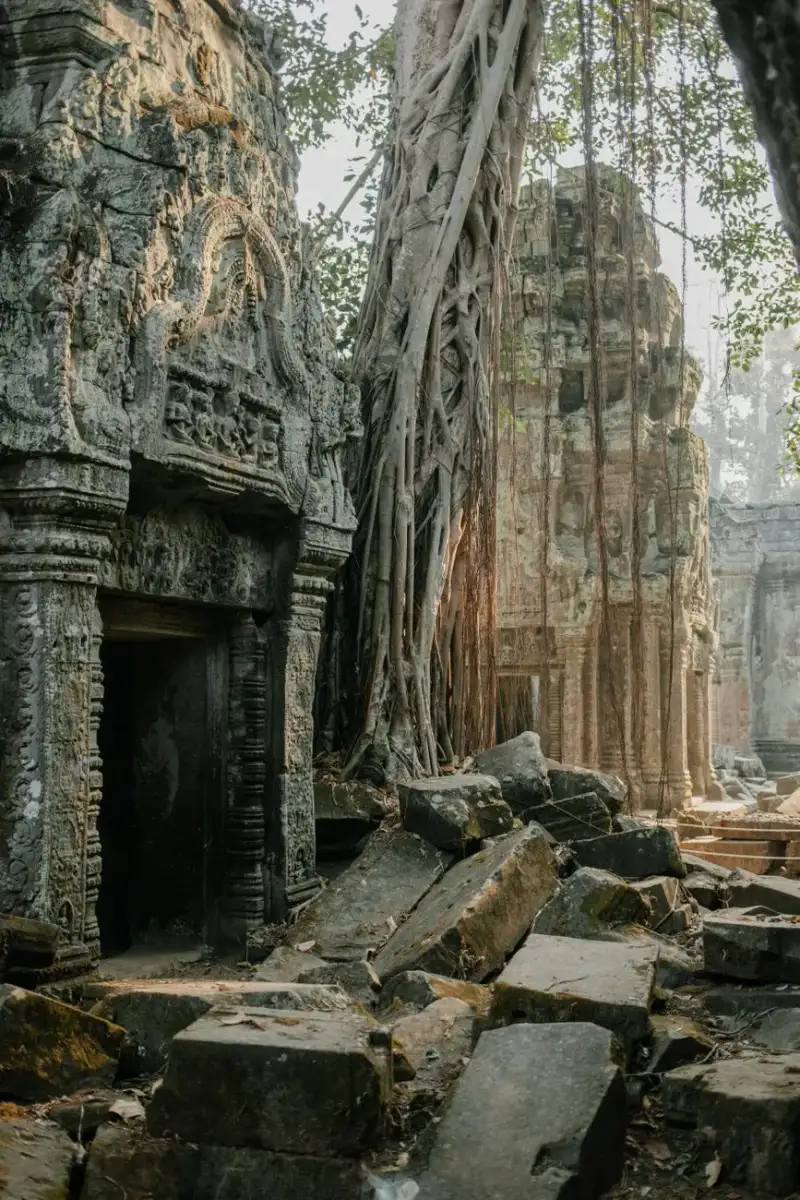
Il velo del mattino si solleva lento, dissipando la bruma che avvolge le guglie. Dalle acque calme di un fossato ancestrale, un'eco millenaria si leva, sussurrando storie di re-divinità, di cieli stellati impressi nella pietra e di un'armonia cosmica che sfida il tempo. Qui, dove la giungla sussurra leggende e il cielo incontra la terra in un abbraccio eterno, sorge Angkor Wat. Non è una semplice struttura, ma una visione cristallizzata, un universo in miniatura forgiato dalla mano dell'uomo e dalla fede. È il battito del cuore della Cambogia, una meraviglia che si erge come il più vasto complesso religioso del mondo, un'ode imponente alla devozione e all'ingegno di una civiltà perduta e riscoperta. Questo colosso di pietra, il cui nome moderno risuona come "Città dei Templi" o "Città-Tempio" nella lingua Khmer (Angkor, da nagara in sanscrito/pali per "città" e Wat, da vāṭa per "recinto" o "tempio"), è un'epopea scolpita che si estende su 162,6 ettari (equivalenti a 1,6 km²). Edificato tra il 1113 e il 1150 CE, durante il glorioso regno del re Khmer Suryavarman II, nacque come tempio indù dedicato a Vishnu, la divinità protettrice dell'ordine cosmico. Tuttavia, il destino di Angkor Wat, come quello di molte grandi opere dell'umanità, era destinato a evolversi. Dalla fine del XIII secolo in poi, il complesso fu gradualmente trasformato in un centro di culto buddhista Theravada, una funzione che ha mantenuto ininterrottamente per secoli, contribuendo in maniera fondamentale alla sua straordinaria conservazione e alla sua perenne rilevanza come simbolo nazionale, culturale e religioso della Cambogia. Le Radici di una Visione Divina: Nascita di un Capolavoro La genesi di Angkor Wat è intrisa della grandiosità e della spiritualità che definivano l'Impero Khmer. Fu il re Suryavarman II, sovrano visionario che regnò tra il 1113 e il 1150 circa, a commissionare questa struttura monumentale nella capitale, Yaśodharapura, l'attuale Angkor. L'idea di un tempio così magnifico potrebbe essere stata suggerita dal bramino Divākarapaṇḍita, e la costruzione iniziò nel 1122 CE, per culminare nel 1150 CE. Inizialmente, il tempio era concepito come tempio di stato del re e, nella consuetudine Khmer, era generalmente inteso anche come suo mausoleo, un luogo dove la sua anima avrebbe potuto raggiungere l'unione con Vishnu. Non a caso, il suo nome originale era probabilmente Vrah Viṣṇuloka o Parama Viṣṇuloka, che significa "la sacra dimora di Vishnu", o forse "il re che è asceso al mondo supremo di Vishnu", a perenne venerazione della gloria e memoria del sovrano dopo la sua morte. L'architettura di Angkor Wat è una fusione sublime di due forme caratteristiche dell'architettura Khmer: il "tempio-montagna" e il "tempio a gallerie". Il layout generale è una rappresentazione simbolica del Monte Meru, la montagna sacra che, nella cosmologia induista e buddhista, è il centro dell'universo. Questa interpretazione simbolica non è casuale; ogni elemento di Angkor Wat è intriso di significato cosmologico, riflettendo l'ambizione dei re Khmer di creare un microcosmo divino sulla terra, un ponte tra il regno mortale e quello degli dei. La peculiarità dell'orientamento verso ovest, insolita rispetto alla maggior parte dei templi Angkori, ha alimentato dibattiti e teorie, suggerendo ancor più la sua funzione funeraria, dato che l'ovest è associato alla morte nella tradizione induista.Armonia e Grandezza: L'Architettura che Incanta La maestosità di Angkor Wat si rivela attraverso una straordinaria armonia architettonica e una scala monumentale che lasciano senza fiato. Il complesso è circondato da un ampio fossato che fungeva sia da difesa che da elemento simbolico dell'oceano cosmico che circonda il Monte Meru. Oltre il fossato, un muro esterno racchiude l'intero sito, all'interno del quale si ergono tre gallerie progressivamente più elevate, che culminano in un quincunx centrale di cinque torri. Queste torri, con la loro forma a bocciolo di loto, simboleggiano le cinque cime del Monte Meru. Le pareti del tempio sono adornate da estesi bassorilievi che narrano epiche della mitologia induista, battaglie storiche e scene di vita quotidiana. Tra le rappresentazioni più celebri vi sono la Battaglia di Kurukshetra, il Samudra manthan (la zangolatura dell'oceano di latte) e scene dal Ramayana e Mahabharata. Le devata e le apsara, figure celesti danzanti e divine, impreziosiscono ogni angolo, portando vita e movimento alla pietra. È un vero e proprio libro di storia e di fede scolpito, una narrazione visiva che rivela la ricchezza culturale e spirituale dell'Impero Khmer. L'unità architettonica, la perfetta simmetria e la raffinata decorazione rendono Angkor Wat un esempio superlativo dell'arte Khmer, ammirato per la sua grandezza e la sua intrinseca bellezza. La costruzione di Angkor Wat non fu solo un'impresa architettonica ma anche un'organizzazione complessa che coinvolse migliaia di artigiani, operai e risorse. Le analisi moderne suggeriscono che il sito ospitava una popolazione tra i 3000 e i 4300 residenti, non solo monaci o sacerdoti, ma anche coloro che mantenevano e servivano il complesso, trasformandolo di fatto in una vera e propria "città-tempio". Purtroppo, la mancanza di iscrizioni di fondazione o di steli contemporanee che si riferiscano direttamente al nome del tempio ci lascia senza il suo appellativo originale, rendendo ancora più tangibile il mistero che lo avvolge. Dopo la morte di Suryavarman II, i lavori si interruppero, lasciando alcuni bassorilievi incompiuti, testimonianza silenziosa della cessazione di un'epoca. La Trasformazione di un Santuario: Dall'Induismo al Buddhismo La storia di Angkor Wat è una cronaca di trasformazione e resilienza. Circa 27 anni dopo la morte di Suryavarman II, nel 1178, Angkor fu saccheggiata dai Cham, nemici tradizionali dei Khmer. Questo evento segnò una svolta epocale. L'Impero Khmer fu restaurato da Jayavarman VII, un re che diede nuova vita alla capitale stabilendo Angkor Thom e il Bayon come suo tempio di stato, situati a nord. Ma la più grande innovazione di Jayavarman VII fu la sua conversione al Buddhismo Mahayana, incoraggiato dalla devozione della moglie Indradevi. Questa conversione portò alla graduale trasformazione di Angkor Wat: da centro di culto indù, divenne un sito buddhista, con molte sculture indù sostituite o adattate con iconografia buddhista. Questa transizione non significò abbandono, bensì un'evoluzione. Dalla fine del XII secolo, Angkor Wat ha continuato a servire come centro buddhista fino ai giorni nostri. Questa continuità nell'uso religioso è stata un fattore cruciale per la sua preservazione. Registri storici attestano le visite di illustri personaggi, come l'emissario cinese Zhou Daguan e il viaggiatore Zheng He tra il XIII e il XIV secolo. Zheng He, in particolare, studiò l'architettura del tempio, che in seguito influenzò il Dabaoen Temple e la Pagoda Glazed in Cina. Gli archeologi hanno anche ipotizzato che Angkor Wat fosse utilizzato come fortificazione difensiva in quel periodo. Blocchi nei portali e fori nelle mura esterne suggeriscono la presenza di strutture difensive, probabilmente costruite insieme alle fortificazioni della capitale Khmer, Angkor Thom, in risposta alla crescente minaccia dell'Impero di Ayutthaya. Anche dopo la caduta di Khmer sotto Ayutthaya nel 1431, Angkor Wat continuò a essere abitato, con prove di manutenzione regolare dei suoi stagni. Questa è una delle sue peculiarità: a differenza di molti altri templi di Angkor, sebbene fosse in gran parte trascurato dopo il XVI secolo, non fu mai completamente abbandonato. Iscrizioni del XVII secolo rivelano insediamenti di pellegrini buddhisti giapponesi accanto ai locali Khmer, e la storia di Ukondayu Kazufusa, che celebrò il Capodanno Khmer ad Angkor Wat nel 1632, aggiunge un tocco di colore a questo periodo meno documentato. Anche in questo secolo, modifiche furono apportate, con la demolizione di diverse torri a metà del 1600.La Riscoperta e la Rinascita: Dimenticanza e Restaurazione Per gli occidentali, Angkor Wat rimase per lungo tempo una leggenda, quasi un miraggio. Nel XVI secolo, commercianti e missionari portoghesi "scoprirono" questa vasta città di pietra, nascosta nelle foreste della Cambogia settentrionale, apparentemente abbandonata da oltre 150 anni. Tra i primi visitatori documentati vi fu António da Madalena, un frate cappuccino che esplorò le rovine nel 1586, lasciando una delle prime descrizioni occidentali. Queste testimonianze iniziali segnarono l'inizio di un lento ma inesorabile risveglio dell'interesse per questo sito straordinario. Tuttavia, il vero impulso alla sua conservazione e studio arrivò molto più tardi. Nel XX secolo, con l'avanzare delle metodologie archeologiche e la crescente consapevolezza internazionale, Angkor Wat fu oggetto di importanti progetti di restauro. Diverse agenzie internazionali si unirono in questo sforzo colossale, coordinato dal Comitato di Coordinamento Internazionale per la Salvaguardia e lo Sviluppo del Sito Storico di Angkor (ICC-Angkor), istituito nel 1993 sotto l'egida dell'UNESCO. Tra i maggiori contributori vi furono la Francia (attraverso l'École française d'Extrême-Orient), il Giappone (JASA), l'India (Archaeological Survey of India), la Germania (GACP), gli Stati Uniti (World Monuments Fund), la Corea del Sud, la Cina e, non ultima, l'Italia, che ha contribuito con la sua expertise nel restauro del patrimonio artistico. Nel 1992, l'area di Angkor, compreso Angkor Wat, è stata dichiarata Patrimonio dell'Umanità dall'UNESCO, un riconoscimento che ha cementato il suo status di tesoro globale. Oggi, Angkor Wat non è solo un monumento storico e religioso, ma anche una delle principali attrazioni turistiche del mondo, che accoglie oltre 2,5 milioni di visitatori ogni anno. Persone da ogni angolo del globo vengono qui per ammirare la sua magnificenza, per perdersi nei corridoi di pietra, per contemplare i volti sereni dei Buddha e le danze eterne delle apsara, e per sentire il respiro di una storia che continua a vivere. Angkor Wat è più di un tempio; è un testimone silente di civiltà, un punto d'incontro tra la spiritualità induista e buddhista, un capolavoro di ingegneria e arte, e un simbolo eterno della forza e della resilienza del popolo cambogiano. La sua presenza imponente e la sua storia stratificata ci ricordano la grandezza effimera dei regni e l'immortalità delle creazioni che nascono dalla fede e dalla visione. Visitare Angkor Wat significa intraprendere un viaggio non solo nello spazio, ma anche nel tempo, immergendosi in un'esperienza che tocca l'anima e ispira una profonda reverenza per l'ingegno umano e la sua sete di trascendenza. È un invito a contemplare la bellezza, la storia e il mistero che continuano a emanare dalle sue pietre secolari, un canto di pietra che risuona ancora oggi, potente e incantatore.#AngkorWat #Cambogia #KhmerEmpire #TempliAntichi #PatrimonioUNESCO #ViaggiInAsia #ArchitetturaSacra #StoriaMillenaria #MeraviglieDelMondo Related InsightsThe Serengeti: A Timeless Rhythm of Life and Survival L'Odyssée du Continent Austral : Entre Terres Rouges, Récifs d'Azur et Horizon Infini Istanbul: Two Continents{ "@context": "https://schema.org", "@type": "FAQPage", "mainEntity": [ { "@type": "Question", "name": "What is the main focus of Angkor Wat: Il Cuore Cosmico di Pietra, Tra Devozione e Mistero nel Regno Khmer?", "acceptedAnswer": { "@type": "Answer", "text": "Un viaggio attraverso la maestosità di Angkor Wat, il più grande complesso religioso del mondo, specchio dell'universo e testamento immortale della civiltà Khmer, tra antiche divinità e serenità buddhista." } }, { "@type": "Question", "name": "Who authored the comprehensive guide on Angkor Wat: Il Cuore Cosmico di Pietra, Tra Devozione e Mistero nel Regno Khmer?", "acceptedAnswer": { "@type": "Answer", "text": "This detailed article and its insights were carefully researched and authored by Marco Rossi." } }, { "@type": "Question", "name": "Where can I find more related content about Travel?", "acceptedAnswer": { "@type": "Answer", "text": "You can explore more articles, detailed reviews, and similar insights by browsing the Related Insights section at the bottom of this article or visiting our dedicated Travel category page." } } ] }

-
 Lucas Martin
- 11 Jul, 2026 12:03
Les Échos Muets : Quand les Mots Sont Bâillonnés et l'Esprit Enchaîné
Dans le sanctuaire silencieux des bibliothèques, où chaque volume porte le souffle d'une âme, d'une époque, d'une idée, il existe des pages qui n'ont jamais été écrites, des voix qui n'ont jamais porté, des vérités qui ont été délibérément étouffées. L'histoire de l'humanité est aussi celle de ses narrations empêchées, de ses connaissances réprimées, de ses expressions muselées. Nous parlons ici de la censure, cette force omniprésente, tantôt discrète, tantôt brutale, qui s'immisce dans le flux de la communication, de la pensée et de la création, érigeant des murs invisibles autour de l'esprit. La censure est la suppression de la parole, de la communication publique ou de toute autre information, exercée sous prétexte que ce matériel est jugé répréhensible, nuisible, sensible ou tout simplement "incommode". Elle peut émaner de gouvernements puissants ou d'institutions privées, tissant sa toile à travers divers médias : discours, livres, musique, films, arts, presse, radio, télévision et, à présent, l'Internet. Ses justifications invoquées sont multiples et souvent complexes : sécurité nationale, contrôle de l'obscénité, de la pornographie ou du discours de haine, protection des enfants ou des groupes vulnérables, promotion ou restriction de vues politiques ou religieuses, ou encore prévention de la calomnie et de la diffamation. Mais lorsque l'auteur lui-même, ou tout autre créateur, s'engage dans une telle rétention de ses propres œuvres ou paroles, on parle alors d'autocensure, une ombre peut-être plus insidieuse encore, car elle est intériorisée. Les règles et réglementations spécifiques concernant la censure varient considérablement d'une juridiction légale ou d'une organisation privée à l'autre, dessinant une mosaïque complexe de libertés et d'interdits à travers le monde. Les Multiples Visages de l'Ombre : Typologies de la Censure La censure n'est pas un bloc monolithique ; elle se manifeste sous une multitude de formes, chacune ayant ses propres motivations et ses propres cibles. Comprendre ces distinctions est crucial pour saisir l'étendue de son impact. La censure morale vise le retrait des matériaux jugés obscènes ou moralement discutables. La pornographie, par exemple, est souvent soumise à cette forme de censure, en particulier la pédopornographie, illégale et censurée dans la plupart des juridictions mondiales. Cette catégorie soulève des questions profondes sur la subjectivité des valeurs. L'éminent romancier anglais E. M. Forster, fervent opposant à la censure pour des raisons d'obscénité ou d'immoralité, a brillamment mis en lumière la mouvance constante de ces valeurs. Lors du procès de 1960 concernant le roman L'Amant de Lady Chatterley (publié en 1928), Forster avait déclaré : « L'Amant de Lady Chatterley est une œuvre littéraire d'importance… Je ne pense pas qu'elle puisse être jugée obscène, mais je suis en difficulté ici, car je n'ai jamais été capable de suivre la définition légale de l'obscénité. La loi me dit que l'obscénité peut dépraver et corrompre, mais autant que je sache, elle n'offre aucune définition de la dépravation ou de la corruption. » Ses mots résonnent encore aujourd'hui, soulignant la fragilité des fondements sur lesquels la censure morale est souvent bâtie. La censure militaire est un processus visant à maintenir confidentielles les informations et tactiques militaires afin de sauvegarder la sécurité nationale et de maintenir le soutien public. Elle est principalement utilisée pour contrecarrer l'espionnage, verrouillant l'accès à des données qui, tombées entre de mauvaises mains, pourraient compromettre des opérations, des vies ou même l'issue d'un conflit. Quant à la censure politique, elle survient lorsque les gouvernements retiennent des informations de leurs citoyens. Ce mécanisme est souvent employé pour exercer un contrôle sur la population et empêcher toute expression libre susceptible de fomenter une rébellion ou une opposition. C'est l'un des outils les plus redoutés de l'autoritarisme, cherchant à modeler la perception collective de la réalité. La censure religieuse est le moyen par lequel tout matériel jugé répréhensible par une religion donnée est supprimé. Cela implique souvent une religion dominante imposant des limites à des confessions moins répandues. Alternativement, une religion peut rejeter les œuvres d'une autre lorsqu'elle estime que le contenu n'est pas approprié pour ses propres fidèles, dressant des barrières idéologiques et culturelles. Enfin, la censure corporative décrit le processus par lequel les rédacteurs au sein des médias d'entreprise interviennent pour perturber la publication d'informations qui dépeindraient leur entreprise ou leurs partenaires commerciaux sous un jour négatif, ou pour empêcher que des offres alternatives n'atteignent le grand public. C'est une forme de censure économique, où les intérêts financiers peuvent primer sur l'intégrité de l'information. Le Chœur des Arguments : Raisons et Réfutations de la Censure La censure est un sujet controversé, ses défenseurs invoquant des nécessités morales, sécuritaires ou sociales, tandis que ses détracteurs mettent en garde contre les dangers qu'elle représente pour la liberté et le progrès. Elle est fréquemment utilisée pour imposer des valeurs morales à la société, comme c'est le cas avec la censure de matériel jugé obscène. Cependant, comme l'a souligné E. M. Forster avec une acuité remarquable, cette approche se heurte à la question de la subjectivité morale et à la nature constamment changeante de ces valeurs. Ce qui est considéré comme intolérable à une époque peut devenir acceptable, voire classique, à une autre. Dans un essai de 1997, le commentateur social Michael Landier a articulé une critique fondamentale, expliquant que la censure est intrinsèquement contre-productive, car elle empêche la discussion du sujet censuré. Il a approfondi son argument en affirmant que ceux qui imposent la censure doivent, au fond, considérer que ce qu'ils censurent est vrai. En effet, des individus se croyant dans le vrai accueilleraient l'opportunité de réfuter ceux qui défendent des opinions opposées, plutôt que de les faire taire. Le silence imposé est souvent un aveu implicite d'une faille dans l'argumentation du censeur. L'histoire de la pensée a vu des figures majeures prendre des positions radicalement opposées sur cette question. Platon, dans son essai sur La République, aurait préconisé la censure, en opposition au concept de démocratie qu'il critiquait. Pour lui, la vérité et l'ordre de la cité idéale devaient être protégés, même au prix de la restriction de la libre expression. En contraste frappant avec cette vision, le dramaturge grec Euripide (480-406 av. J.-C.) défendait la véritable liberté des hommes nés libres, y compris le droit de parler librement, posant les jalons d'un idéal démocratique. Il est à noter que la Suède, en 1766, est devenue le premier pays à abolir la censure par la loi, marquant un jalon historique dans la quête de la liberté d'expression. Cet acte audacieux a ouvert la voie à une réflexion plus large sur les droits fondamentaux des citoyens et le rôle de l'État.L'écho silencieux des pages interdites à travers l'histoire. Géographies de la Répression : Exemples Notables de Censure Politique La censure politique, dans sa quête de contrôle et d'uniformité idéologique, a laissé des traces indélébiles à travers l'histoire et les continents. Les exemples sont nombreux et chacun illustre une facette particulière de cette tentative de maîtriser le récit collectif. Durant l'occupation alliée du Japon après la Seconde Guerre mondiale, une censure massive fut mise en place. Toute critique des politiques d'avant-guerre des Alliés, du SCAP (Commandant suprême des puissances alliées), du Tribunal militaire pour l'Extrême-Orient, des enquêtes contre les États-Unis, ainsi que toute référence directe ou indirecte au rôle du Haut Commandement Allié dans la rédaction de la nouvelle constitution japonaise ou à la censure des publications, films, journaux et magazines, était strictement interdite. Pendant les quatre années d'activité du CCD (Civil Censorship Detachment, 1945-1949), 200 millions de lettres et 136 millions de télégrammes furent ouverts, et les téléphones furent mis sur écoute 800 000 fois. La critique des forces d'occupation pour des crimes tels que le largage de la bombe atomique, les viols et les vols par les soldats américains était proscrite. Une vérification stricte était effectuée, et ceux qui étaient pris étaient inscrits sur une « watchlist » (liste de surveillance), faisant l'objet d'enquêtes détaillées sur leurs personnes et leurs organisations, ce qui facilitait leur licenciement ou leur arrestation. Cet épisode souligne la complexité des dynamiques de pouvoir, même après la fin d'un conflit. En Irlande du Nord, le parti politique républicain irlandais Sinn Féin fut interdit de participation aux élections de 1956 à 1974. Plus tard, de 1988 à 1994, le Royaume-Uni a empêché les médias de diffuser les voix (mais pas les paroles) des membres du Sinn Féin et de dix autres groupes républicains irlandais et loyalistes d'Ulster. Cette mesure, visant à délégitimer ces groupes, est un exemple frappant de censure de la présence et de l'identité vocale. En Inde, les Règles de la Technologie de l'Information de 2011 définissent le contenu répréhensible comme tout ce qui « menace l'unité, l'intégrité, la défense, la sécurité ou la souveraineté de l'Inde, les relations amicales avec les États étrangers ou l'ordre public ». Cette formulation large ouvre la porte à une interprétation étendue et potentiellement restrictive de la liberté d'expression, laissant une marge considérable pour la suppression d'informations sous diverses justifications. L'Irak sous le régime baasiste de Saddam Hussein, tout comme la Roumanie sous Ceauşescu, utilisait des techniques de censure de la presse très similaires, mais avec une menace de violence potentiellement beaucoup plus grande, transformant la parole en un acte de bravoure et le silence en une stratégie de survie. L'Article 299 du Code Pénal Turc illustre une autre forme de censure politique, rendant illégal d'« insulter le Président de la Turquie ». Une personne condamnée pour une violation de cet article peut être emprisonnée pour une durée d'un à quatre ans, et si la violation est commise en public, la peine peut être augmentée d'un sixième. Ces poursuites ciblent souvent les critiques du gouvernement, les journalistes indépendants et les caricaturistes politiques. Entre 2014 et 2019, 128 872 enquêtes ont été lancées pour cette infraction et les procureurs ont ouvert 27 717 affaires pénales, démontrant la portée et l'impact de cette législation sur le paysage médiatique et politique. Enfin, en Belgique francophone, les politiciens considérés comme d'extrême droite sont interdits d'apparitions médiatiques en direct, telles que des interviews ou des débats. Cet exemple met en lumière la complexité des démocraties qui tentent de concilier la liberté d'expression avec la protection contre des discours jugés dangereux ou subversifs. Lorsque le Silence est une Arme : Secrets d'État et Détournement d'Attention La censure n'est pas toujours motivée par la répression idéologique ou morale ; elle est parfois mise en œuvre dans le but d'aider les autorités ou de protéger des individus. C'est le cas, par exemple, dans certaines affaires d'enlèvement, où une attention médiatique trop intense sur la victime peut être jugée contre-productive, voire dangereuse pour sa sécurité. Dans ces situations, le silence médiatique est une stratégie délibérée pour ne pas entraver les opérations de sauvetage ou alerter les ravisseurs. En temps de guerre, la censure explicite est couramment pratiquée avec l'intention d'empêcher la divulgation d'informations qui pourraient être utiles à l'ennemi. Cela implique généralement de garder secrets les heures ou les lieux d'opérations, ou de retarder la publication d'informations (par exemple, un objectif opérationnel) jusqu'à ce qu'elles ne soient plus d'aucune utilité pour les forces ennemies. Les questions morales qui se posent ici sont souvent perçues différemment, car les partisans de cette forme de censure soutiennent que la divulgation d'informations tactiques présente généralement un risque accru de pertes parmi les propres forces et pourrait potentiellement conduire à la perte du conflit global. L'exemple des lettres envoyées par les soldats britanniques de retour au Royaume-Uni pendant la Première Guerre mondiale, soumises à une censure rigoureuse, illustre parfaitement cette réalité. Chaque mot était passé au crible pour s'assurer qu'aucune information stratégique, même involontaire, ne puisse filtrer.La censure à l'ère numérique : un défi persistant pour la libre circulation des idées. Les fils invisibles de la censure se tissent à travers l'histoire, touchant toutes les sphères de la vie humaine, du privé au public, de l'art à la politique. Qu'elle soit morale, militaire, politique, religieuse ou corporative, qu'elle émane d'un État autoritaire ou d'une entité privée, elle représente toujours une tentative de contrôler les récits, de modeler les pensées et, en fin de compte, de circonscrire l'imaginaire collectif. Les arguments en sa faveur, souvent drapés dans les voiles de la protection ou de l'ordre, se heurtent invariablement à l'impératif de la liberté d'expression, ce moteur fondamental du progrès humain. L'histoire nous a montré que la vérité, même lorsqu'elle est bâillonnée, finit par trouver un chemin, et que le silence imposé ne fait qu'attiser la soif de connaissance. Des philosophes de la Grèce antique aux penseurs contemporains, la bataille pour la liberté de pensée est une lutte perpétuelle. À l'heure où l'information circule à la vitesse de la lumière, où chaque individu peut potentiellement être un émetteur, les mécanismes de censure se sont sophistiqués, mais leur essence demeure la même : contenir le flux libre des idées. La vigilance, l'esprit critique et l'engagement à défendre l'espace de la discussion ouverte et des points de vue diversifiés restent nos meilleures armes contre cette ombre persistante qui cherche à bâillonner les mots et à enchaîner l'esprit. Car en fin de compte, chaque livre sauvé de l'autodafé, chaque parole prononcée malgré l'interdiction, chaque idée qui refuse de mourir dans le silence est une victoire pour la lumière de la connaissance.#CensureLittéraire #LibertéDePenser #HistoireDeLaCensure #LucasMartin #PouvoirDesMots Related InsightsCatch-22 Book Review and Summary Heidi Book Review and Summary Isles of the Emberdark Book Review and Summary{ "@context": "https://schema.org", "@type": "FAQPage", "mainEntity": [ { "@type": "Question", "name": "What is the main focus of Les Échos Muets : Quand les Mots Sont Bâillonnés et l'Esprit Enchaîné?", "acceptedAnswer": { "@type": "Answer", "text": "De Platon aux régimes modernes, la censure des livres déforme la vérité, étouffe la pensée libre et façonne le récit collectif. Explorez ses manifestations et ses conséquences insidieuses." } }, { "@type": "Question", "name": "Who authored the comprehensive guide on Les Échos Muets : Quand les Mots Sont Bâillonnés et l'Esprit Enchaîné?", "acceptedAnswer": { "@type": "Answer", "text": "This detailed article and its insights were carefully researched and authored by Lucas Martin." } }, { "@type": "Question", "name": "Where can I find more related content about Books?", "acceptedAnswer": { "@type": "Answer", "text": "You can explore more articles, detailed reviews, and similar insights by browsing the Related Insights section at the bottom of this article or visiting our dedicated Books category page." } } ] }

-
 Pierre Dubois
- 11 Jul, 2026 11:02
Bagan, l'Écho Murmurant d'un Empire de Lumière : Quand la Terre Enfança 10 000 Temples
Dans le silence doré de l'aube birmane, où la brume effleure les cimes dentelées d'une forêt de sanctuaires, se révèle Bagan. Ce n'est pas une simple ville, mais un murmure fossilisé du temps, une bibliothèque de pierre gravée par la foi et l'ambition d'un empire oublié. Sur les plaines poussiéreuses de la région de Mandalay, au Myanmar, se dresse l'une des plus fascinantes énigmes de l'humanité, un site classé au patrimoine mondial de l'UNESCO dont la seule évocation éveille l'imagination. De la fin du IXe siècle au XIIIe siècle, Bagan fut le cœur battant du Royaume de Pagan, la première entité à unifier les contrées qui allaient, bien plus tard, donner naissance au Myanmar moderne. C'est ici, dans ce creuset de spiritualité et de puissance, que furent érigés plus de 10 000 temples, pagodes et monastères bouddhistes. Aujourd'hui, les vestiges de plus de 2 200 de ces édifices défient encore le vent et le soleil, témoignages silencieux d'une ère de grandeur inouïe. Bagan n'est pas seulement une destination ; c'est une porte vers une civilisation où chaque pierre raconte une prière, chaque brique une histoire, chaque édifice un rêve figé dans l'éternité. Les Murmures des Origines : Naissance d'un Royaume Spirituel L'histoire de Bagan est un tapis tissé de légendes et de recherches académiques, où les récits anciens rencontrent l'archéologie moderne. Selon les chroniques royales, la fondation de Bagan remonte au deuxième siècle de notre ère, une date immémoriale qui ancre son passé dans des profondeurs mythiques. Ces mêmes chroniques attribuent la fortification de la cité en 849 au roi Pyinbya, présenté comme le trente-quatrième successeur du fondateur du Bagan primitif. Toutefois, la science occidentale offre une perspective légèrement différente, situant la fondation de Bagan au milieu ou à la fin du IXe siècle. Elle l'attribue aux Mranma – les Birmans – fraîchement arrivés dans la vallée de l'Irrawaddy depuis le Royaume de Nanzhao. À cette époque, Bagan n'était qu'une parmi plusieurs cités-États Pyu rivales, luttant pour la suprématie. Ce n'est qu'à la fin du Xe siècle que l'établissement birman commença à prendre de l'ampleur, affirmant son autorité et sa magnificence sur ses voisins. L'appellation même de Bagan est une fenêtre sur son identité historique et géographique. Son nom actuel dérive de la prononciation birmane standard de Pugan (ပုဂံ), elle-même issue du vieux birman Pukam (ပုဂန်). Mais la richesse de son étymologie ne s'arrête pas là. Son nom classique en pali, Arimaddanapura (အရိမဒ္ဒနာပူရ), est empreint d'une puissance guerrière, signifiant littéralement « la Cité qui Piétine ses Ennemis », reflétant sans doute sa capacité à forger l'unité et à repousser les assaillants. D'autres noms en pali évoquent son climat particulier : Tattadesa (တတ္တဒေသ), la « terre desséchée », et Tampadīpa (တမ္ပဒီပ), le « pays bronzé », des descriptions éloquentes de cette zone extrêmement sèche, baignée par un soleil ardent. Les chroniques birmanes mentionnent également d'autres appellations classiques, telles que Thiri Pyissaya (သီရိပစ္စယာ ; pali : Siripaccaya) et Tampawaddy (တမ္ပဝတီ ; pali : Tampavatī), chaque nom ajoutant une couche à la mosaïque complexe de son héritage. Ces diverses appellations ne sont pas de simples étiquettes ; elles sont des échos de son rôle prépondérant, de sa puissance et de son environnement, autant de facettes d'une capitale destinée à marquer l'histoire. L'Apogée de la Foi et du Savoir : Bagan, Cœur Vibrant de l'Empire (XIe-XIIIe siècles) De 1044 à 1287, Bagan ne fut pas seulement une capitale, mais le centre névralgique politique, économique et culturel de l'Empire de Pagan. Pendant deux siècles et demi, une fièvre bâtisseuse s'empara des souverains et de leurs sujets fortunés. Plus de 10 000 monuments religieux – environ 1 000 stupas, 10 000 petits temples et 3 000 monastères – jaillirent de la terre sur une superficie de 104 km² dans les plaines de Bagan. C'est une proportion stupéfiante, un témoignage monumental d'une dévotion sans borne et d'une puissance économique florissante. Imaginez l'ampleur de l'entreprise : des milliers d'artisans, d'ouvriers, d'artistes travaillant sans relâche, transformant la plaine en une mer de toits sacrés, de flèches pointant vers le ciel, de briques sculptées par la main de l'homme et l'esprit divin. La ville prospère s'épanouit en taille et en splendeur, transcendant son rôle de capitale politique pour devenir un centre cosmopolite d'études religieuses et séculières. Bagan excellait dans l'érudition pali, notamment en grammaire et dans les études philosophiques-psychologiques (abhidhamma), mais aussi dans une multitude d'autres disciplines exprimées dans diverses langues : prosodie, phonologie, astrologie, alchimie, médecine et études juridiques. Cet éclat intellectuel attirait des moines et des étudiants venus d'aussi loin que l'Inde, le Sri Lanka et l'Empire khmer, faisant de Bagan un véritable phare du savoir en Asie du Sud-Est. Les écoles de Bagan étaient des lieux d'échanges intenses, où les idées circulaient et s'enrichissaient mutuellement, témoignant d'une ouverture d'esprit et d'une soif de connaissance qui dépassaient les frontières géographiques et culturelles.La culture de Bagan était intrinsèquement dominée par la religion. Cependant, cette spiritualité était loin d'être rigide. Elle était fluide, syncrétique et, selon des standards ultérieurs, non orthodoxe. Elle représentait en grande partie la continuation des tendances religieuses de l'ère Pyu, où le bouddhisme Theravada coexistait harmonieusement avec le bouddhisme Mahayana, le bouddhisme tantrique, diverses écoles hindoues (shaïvite et vishnouite), ainsi que les traditions animistes indigènes (nat). Bien que le patronage royal du bouddhisme Theravada à partir du milieu du XIe siècle ait permis à cette école bouddhiste de gagner progressivement en primauté, les autres traditions continuèrent de prospérer tout au long de la période de Pagan à des degrés de tolérance et d'intégration inégalés par la suite. Cette coexistence multiple de croyances et de pratiques donnait à Bagan une richesse spirituelle unique, où les divinités se mêlaient et les philosophies s'entrecroisaient dans un ballet mystique. Une Symphonie Architecturale : L'Évolution du Paysage Sacré Le plan physique de Bagan avait déjà pris forme essentielle à la fin du XIe siècle, marquant la première grande période de construction monumentale. Une bande principale, s'étendant sur environ 9 km le long de la rive est de l'Irrawaddy, émergea durant cette période, avec le cœur fortifié – connu sous le nom de « Vieux Bagan » – en son centre. Les constructions du XIe siècle se déroulèrent sur l'ensemble de cette zone et semblaient relativement décentralisées. La dispersion des monuments au nord et au sud du Vieux Bagan, comme l'ont suggéré Hudson, Nyein Lwin et Win Maung, pourrait refléter des constructions au niveau des villages, potentiellement encouragées par l'élite principale du Vieux Bagan. Cela révèle une dynamique communautaire, où la foi s'exprimait non seulement par les grands projets royaux, mais aussi par l'effort collectif des populations. Le pic de la construction monumentale se situa entre environ 1150 et 1200. La plupart des plus grands édifices de Bagan furent érigés durant cette période d'effervescence. La quantité globale de matériaux de construction utilisés atteignit également son paroxysme lors de cette phase. La construction se concentra autour du Vieux Bagan, mais s'étendit aussi le long de la bande principale, avec une certaine expansion vers l'est, s'éloignant de l'Irrawaddy. C'était une période d'innovation architecturale et de grandeur, où les temples rivalisaient de taille et d'ornements, créant un paysage d'une densité sacrée sans équivalent. Au XIIIe siècle, la zone autour du Vieux Bagan était déjà densément peuplée de monuments, et de nouveaux grands ensembles commencèrent à émerger à l'est. Ces nouvelles agglomérations, comme la zone monastique de Minnanthu, étaient à peu près également distantes – et également accessibles – de n'importe quelle partie de la bande originale définie au XIe siècle. La construction au XIIIe siècle se caractérisa par une augmentation significative de l'édification de monastères et de monuments plus petits associés. Michael Aung-Thwin a suggéré que la taille plus réduite des édifices pourrait indiquer des « ressources économiques décroissantes », et que la concentration autour des monastères pourrait refléter une influence monastique croissante. Bob Hudson, Nyein Lwin et Win Maung suggèrent également un élargissement de l'activité des donateurs pendant cette période : « le mérite religieux accumulé en dotant un mérite individuel était plus largement accessible », et davantage de particuliers finançaient de petits monuments. Comme auparavant, cela a pu se produire au niveau des villages, signe d'une démocratisation de la piété et de l'accès à la création de mérite religieux. Le Cœur Économique et Social : La Vie à Bagan L'effervescence de Bagan offrait d'innombrables opportunités d'emploi dans divers secteurs, tant au sein de la cité que dans la campagne environnante. L'extraordinaire prolifération de la construction de temples, à elle seule, constitua un stimulant majeur pour de nombreuses professions. Les métiers de la brique et de la maçonnerie étaient en constante demande, de même que le travail de l'or, de l'argent et du bronze, la menuiserie et la sculpture sur bois, et la céramique. Une fois achevés, les temples nécessitaient un entretien constant, garantissant ainsi une demande continue de services d'artisans qualifiés et de main-d'œuvre non qualifiée bien après leur construction initiale. Au-delà des bâtisseurs et des artistes, une autre catégorie de professionnels était indispensable : les comptables, les banquiers et les scribes. Ils étaient essentiels pour gérer les vastes propriétés et les affaires financières des temples, qui souvent possédaient des terres, des esclaves et des richesses considérables. Ces travailleurs, en particulier les artisans spécialisés, étaient bien rémunérés, ce qui attirait de nombreuses personnes à s'installer à Bagan. Les inscriptions contemporaines révèlent que « des personnes de nombreuses origines linguistiques et culturelles vivaient et travaillaient » à Bagan pendant cette période, faisant de la ville un creuset vibrant de diversité humaine et d'échanges. Cette affluence s'explique en partie par le déclin politique et économique de plusieurs régions voisines, telles que Dvaravati, Srivijaya et l'Empire Chola. En conséquence, des immigrants de ces lieux, en plus de ceux venant de l'intérieur du Myanmar, trouvaient refuge et prospérité dans la florissante Bagan, enrichissant encore son tissu social et culturel.Les Murmures du Déclin : L'Empire s'Éteint, la Légende Demeure L'Empire de Pagan, malgré sa grandeur et sa résilience apparente, s'effondra en 1287, un événement souvent attribué aux invasions mongoles répétées (1277-1301). Cependant, des recherches récentes ont nuancé cette explication, suggérant que les armées mongoles n'auraient peut-être pas atteint Bagan elle-même, et que même si elles l'avaient fait, les dégâts infligés auraient probablement été minimes. Michael Aung-Thwin propose une explication plus plausible et tout aussi dramatique : les gouverneurs provinciaux, chargés de défendre l'empire contre les incursions mongoles, auraient connu un tel succès dans leurs missions qu'ils devinrent la « nouvelle élite au pouvoir ». Leurs propres capitales régionales se transformèrent alors en nouveaux centres politiques, tandis que Bagan, l'ancienne splendeur, se réduisait à une ville d'arrière-garde, vidée de sa substance. Quelle que soit la cause exacte, quelque chose de profond se produisit pendant cette période qui entraîna le déclin irrémédiable de Bagan. La ville, qui abritait autrefois une population estimée entre 50 000 et 200 000 habitants, fut réduite à une petite bourgade, incapable de retrouver sa prééminence d'antan. Officiellement, la ville cessa d'être la capitale de la Birmanie en décembre 1297, marquant la fin d'une ère et le début d'une longue période d'oubli relatif pour sa grandeur passée. Les pierres, autrefois symboles de puissance et de ferveur, devinrent les gardiennes silencieuses d'une histoire chuchotée par le vent, attendant le moment où l'humanité viendrait de nouveau contempler leur grandeur et s'interroger sur les destins des empires. Aujourd'hui, Bagan n'est plus la capitale politique ni le centre névralgique d'un empire. Elle est devenue un témoignage vivant, un musée à ciel ouvert où chaque stupa, chaque temple érodé, chaque monastère en ruine est une page d'histoire offerte au regard du voyageur. C'est la principale attraction d'une industrie touristique naissante pour le Myanmar, une invitation à la contemplation, à la découverte d'une spiritualité profonde et à la compréhension de l'ingéniosité humaine. Parcourir les plaines de Bagan, c'est marcher sur les traces de rois et de moines, c'est sentir le poids d'une histoire millénaire et se laisser envelopper par la beauté intemporelle d'un rêve de pierre. Bagan, l'Arimaddanapura, la Tattadesa, la Tampadīpa, continue de se tenir, majestueuse et sereine, sous le soleil birman, un héritage éternel inscrit dans le cœur du monde.#Bagan #Myanmar #VoyageHistorique #PatrimoineMondial #ArchitectureBouddhiste Related InsightsBeyond Merv's Veil: Unearthing Turkmenistan's Ghost Oases of the Silk Road The Dolomites, Italy: Hiking Through Alpine UNESCO Heritage Where Earth Breathes Ages: A Deep Dive into Grand Canyon National Park{ "@context": "https://schema.org", "@type": "FAQPage", "mainEntity": [ { "@type": "Question", "name": "What is the main focus of Bagan, l'Écho Murmurant d'un Empire de Lumière : Quand la Terre Enfança 10 000 Temples?", "acceptedAnswer": { "@type": "Answer", "text": "Plongez au cœur de Bagan, l'ancienne capitale birmane où l'écho de 10 000 temples bouddhistes se mêle aux murmures du temps, un site UNESCO d'une grandeur incomparable." } }, { "@type": "Question", "name": "Who authored the comprehensive guide on Bagan, l'Écho Murmurant d'un Empire de Lumière : Quand la Terre Enfança 10 000 Temples?", "acceptedAnswer": { "@type": "Answer", "text": "This detailed article and its insights were carefully researched and authored by Pierre Dubois." } }, { "@type": "Question", "name": "Where can I find more related content about Travel?", "acceptedAnswer": { "@type": "Answer", "text": "You can explore more articles, detailed reviews, and similar insights by browsing the Related Insights section at the bottom of this article or visiting our dedicated Travel category page." } } ] }

-
 Klaus Weber
- 11 Jul, 2026 09:57
Der verborgene Tanz der Transformation: Eine Odyssee durch die Welt der Fermentation
In den Tiefen der Geschichte, lange bevor der Mensch das Feuer zähmte oder die Schrift erfand, wirkte bereits eine stille, unsichtbare Kraft in der Natur. Eine Kraft, die rohe Materie in etwas Neues, oft Köstlicheres und Haltbareres verwandelte. Es ist der geheime Tanz der Mikroorganismen, eine Alchemie des Geschmacks und der Konservierung, die wir heute als Fermentation kennen. Ein Phänomen, das die Menschheit seit Urzeiten prägt und dessen wissenschaftliche Ergründung uns immer wieder aufs Neue fasziniert. Die Wissenschaft dieser wundersamen Wandlung trägt einen klangvollen Namen: Zymologie oder Zymurgie. Im Kern ist Fermentation in der Lebensmittelverarbeitung die kunstvolle Umwandlung von Kohlenhydraten in Alkohol oder organische Säuren. Dabei kommen winzige Helfer zum Einsatz – Hefen oder Bakterien –, und das alles ohne die Notwendigkeit eines oxidierenden Agens. Was diese Prozesse so besonders macht, ist ihre Absicht: Die Aktion der Mikroorganismen ist hierbei ausdrücklich erwünscht. Manchmal wird der Begriff „Fermentation“ spezifisch auf die chemische Umwandlung von Zuckern in Ethanol bezogen, die uns alkoholische Getränke wie Wein, Bier und Apfelwein beschert. Doch ihr Reich ist weitaus größer und umfasst ähnliche Wunderwerke wie das Treiben von Brot durch die Kohlendioxidproduktion der Hefe oder die Konservierung säuerlicher Lebensmittel, wie sie in Sauerkraut und Joghurt durch Milchsäuregärung geschieht. Die globale Speisekammer wäre ohne diese transformierende Kraft undenkbar: Essig, Oliven und Käse sind nur einige der allgegenwärtigen Zeugen. Doch auch regional prägen fermentierte Köstlichkeiten auf Basis von Bohnen, Getreide, Gemüse, Obst, Honig, Milchprodukten und Fisch die kulinarische Identität unzähliger Kulturen. Ein Blick in die Urgeschichte: Die Geburt der Fermentation Die natürliche Fermentation ist älter als die menschliche Geschichte selbst. Doch seit alten Zeiten hat der Mensch diesen Prozess für sich nutzbar gemacht, oft wohl eher unabsichtlich, durch glückliche Fügungen des Zufalls. Man kann sich vorstellen, wie unsere Vorfahren überschüssige Nahrungsmittel in Gefäßen lagerten und diese mit der Zeit in Vergessenheit gerieten. Im Laufe der Zeit begannen Hefen und Bakterien, sich in diesen vergessenen Schätzen auszubreiten, und führten den Menschen so zur Entdeckung fermentierter Lebensmittel. Die archäologischen Zeugnisse dieser frühen Entdeckungen sind atemberaubend und zeugen von einer tief verwurzelten Tradition. Das früheste uns bekannte Indiz für Fermentation stammt aus einer Höhle in der Nähe von Haifa in Israel: 13.000 Jahre alte Rückstände eines Bieres, das in seiner Konsistenz wohl eher einem Brei ähnelte. Dies ist ein Echo aus einer Zeit, die unsere Vorstellungskraft kaum fassen kann.Nicht viel jünger sind weitere Zeugnisse alkoholischen Genusses: Zwischen 7000 und 6600 v. Chr. wurde in dem neolithischen chinesischen Dorf Jiahu ein Getränk aus Früchten, Reis und Honig hergestellt. Und die Kunst des Weinbaus? Sie reicht bis etwa 6000 v. Chr. zurück, mit Ursprung in Georgien, im Kaukasusgebiet. Siebentausend Jahre alte Krüge mit Weinresten, die heute an der University of Pennsylvania ausgestellt sind, wurden im Zagros-Gebirge im Iran ausgegraben. Die Beweise verdichten sich, dass alkoholische Getränke bereits um 3000 v. Chr. in Babylon, um 3150 v. Chr. im alten Ägypten, um 2000 v. Chr. im vorspanischen Mexiko und um 1500 v. Chr. im Sudan fermentiert wurden. Diese Spuren ziehen sich wie ein roter Faden durch die Geschichte der menschlichen Zivilisation und offenbaren eine universelle Faszination für die Gaben der Fermentation. Das Licht der Erkenntnis: Die Rolle der Hefe entschlüsselt Jahrtausende vergingen, in denen der Mensch die Fermentation nutzte, ohne ihre innersten Mechanismen zu verstehen. Erst im Jahr 1856 betrat ein Mann die Bühne der Wissenschaft, der unser Verständnis revolutionieren sollte: der französische Chemiker Louis Pasteur, der als Begründer der Zymologie gilt. Es war Pasteur, der die entscheidende Verbindung zwischen Hefe und Fermentation herstellte. Bei seinen Studien zur Fermentation von Zucker zu Alkohol durch Hefe kam Pasteur zu dem Schluss, dass dieser Prozess durch eine „vitale Kraft“, die er „Fermente“ nannte, innerhalb der Hefezellen katalysiert wurde. Diese „Fermente“ galten als nur innerhalb lebender Organismen funktionsfähig. Pasteur formulierte es unmissverständlich: „Die alkoholische Gärung ist ein Akt, der mit dem Leben und der Organisation der Hefezellen korreliert, nicht mit dem Tod oder der Fäulnis der Zellen.“ Eine tiefgreifende Erkenntnis, die den Weg für die moderne Mikrobiologie ebnete. Das Geheimnis der „zellfreien Fermentation“ Doch die Wissenschaft ruht nie. Trotz Pasteurs Überzeugung, dass die Fermente nur in lebenden Zellen wirken, war bereits bekannt, dass Hefeextrakte Zucker auch in Abwesenheit lebender Hefezellen fermentieren konnten. Diesem Phänomen widmete sich der deutsche Chemiker und Zymologe Eduard Buchner von der Humboldt-Universität zu Berlin. Im Jahr 1897 machte er eine bahnbrechende Entdeckung: Zucker wurde auch dann fermentiert, wenn keine lebenden Hefezellen in der Mischung vorhanden waren. Verantwortlich dafür war ein Enzymkomplex, der von der Hefe abgesondert wurde und den Buchner als Zymase bezeichnete. Diese Entdeckung der „zellfreien Fermentation“ war so fundamental, dass Buchner 1907 den Nobelpreis für Chemie erhielt. Seine Forschung erweiterte das Verständnis der Fermentation von einem rein biologischen Prozess auf einen biochemischen, der durch spezifische Enzyme katalysiert wird. Nur ein Jahr zuvor, im Jahr 1906, führten Studien zur Ethanolgärung zur frühen Entdeckung von oxidiertem Nicotinamid-Adenin-Dinukleotid (NAD+), einem entscheidenden Coenzym im Stoffwechsel. Solche Entdeckungen legten das Fundament für die moderne Biotechnologie. Die vielfältigen Anwendungen: Fermentation als kulinarischer Baumeister Lebensmittelfermentation ist die Umwandlung von Zuckern und anderen Kohlenhydraten in Alkohol oder konservierende organische Säuren und Kohlendioxid. Alle drei Produkte haben die Menschheit in vielfältiger Weise bereichert. Die Produktion von Alkohol wird genutzt, wenn Fruchtsäfte zu Wein werden, wenn Getreide zu Bier verarbeitet wird und wenn stärkereiche Lebensmittel wie Kartoffeln fermentiert und dann destilliert werden, um Spirituosen wie Gin und Wodka herzustellen. Kohlendioxid ist der unsichtbare Helfer, der Brot aufgehen lässt und ihm seine luftige Textur verleiht. Die Produktion organischer Säuren wiederum wird zur Konservierung und Aromatisierung von Gemüse und Milchprodukten genutzt – man denke nur an das pikante Aroma von Sauerkraut oder die cremige Säure von Joghurt. Die Fermentation dient fünf Hauptzwecken, die unsere Ernährung seit jeher tiefgreifend beeinflussen:Aromenvielfalt: Sie bereichert die Ernährung durch die Entwicklung einer Vielfalt an Geschmäckern, Aromen und Texturen in den Lebensmittelrohstoffen. Haltbarkeit: Sie ermöglicht die Konservierung erheblicher Mengen an Lebensmitteln durch Milchsäure-, Alkohol-, Essigsäure- und alkalische Fermentationen. Nährwertsteigerung: Sie reichert Lebensmittelrohstoffe mit Proteinen, essenziellen Aminosäuren und Vitaminen an. Antinährstoffreduktion: Sie hilft, Antinährstoffe zu eliminieren, die sonst die Aufnahme von Nährstoffen behindern könnten. Kochzeitverkürzung: Sie reduziert die Kochzeit und den damit verbundenen Brennstoffverbrauch.Fermentierte Getränke sind wahrscheinlich universell mit Zeremonien und Festen verbunden gewesen. Die Art und Weise, wie sie in solchen Kontexten konsumiert wurden, lässt sich teilweise aus der Konstruktion von Trinkgefäßen und den darin enthaltenen Rückständen ableiten – ein stilles Zeugnis alter Bräuche. Eine globale Speisekammer: Fermentierte Köstlichkeiten weltweit Die Geografie der Fermentation ist so vielfältig wie die Menschheit selbst. Jede Region hat ihre eigenen, einzigartigen Methoden und Rezepte entwickelt, die oft tief in der Kultur und Geschichte verankert sind. Weltweit bekannte Klassiker: Alkoholische Getränke (Bier, Wein), Essig, Oliven, Joghurt, Brot und Käse sind globale Grundnahrungsmittel, die ohne Fermentation undenkbar wären. Asien – Ein Fest der Fermentation:Ost- und Südostasien: Hier finden sich so unterschiedliche Spezialitäten wie Amazake (ein süßer, fermentierter Reiswein), Atchara (fermentiertes Papayagemüse), Belacan (Garnelenpaste), Doenjang (Sojabohnenpaste), Douchi (fermentierte schwarze Bohnen), Fischsauce, Kimchi (fermentiertes Gemüse), Kombucha, Miso, Nata de Coco, Natto (fermentierte Sojabohnen), Ngapi (Fisch- oder Garnelenpaste), Sake, Sojasauce, Stinky Tofu und Tempeh. Zentralasien: Kumis (fermentierte Stutenmilch), Kefir, Schubat (fermentierte Kamelmilch) und Qatiq (Joghurt) prägen die Milchwirtschaft. Südasien: Achar (eingelegtes Gemüse/Obst), Appam, Dosa, Dhokla, Dahi (Joghurt) und Idli sind Beispiele für fermentierte Köstlichkeiten, oft auf Getreide- oder Linsenbasis.Afrika – Die Vielfalt des Kontinents: Garri (fermentierte Maniok), Injera (Fladenbrot), Laxoox, Mageu, Ogi und Ogiri sind nur einige Beispiele, die die Grundlage vieler Mahlzeiten bilden. Amerika – Von Kakao bis Chicha: Chicha (fermentiertes Maisgetränk), Schokolade, Vanille, Hot Sauce, Tepache, Pulque, Muktuk und Kiviak zeigen die breite Palette von fermentierten Lebensmitteln, von Getränken bis zu traditionellen Inuit-Gerichten. Mittlerer Osten: Torshi (eingelegtes Gemüse) und Boza (fermentiertes Getreidegetränk) sind hier beheimatet. Europa – Eine reiche Tradition: Sauerteigbrot, Holunderwein, Kombucha, Einlegen von Gemüse (Pickling), Rakfisk, Sauerkraut, Essiggurken, Surströmming, Met, Kwass, Salami, Sucuk, Prosciutto und eine Vielzahl von Kultmilchprodukten wie Quark, Kefir, Filmjölk, Crème fraîche, Smetana, Skyr, Rakı und Tupí zeugen von einer tiefen Fermentationskultur. Ozeanien: Poi und Kanga Pirau sind Beispiele aus dieser Region.Fermentierte Lebensmittel nach Typ: Eine kulinarische Klassifizierung Die Wunder der Fermentation erstrecken sich über alle Kategorien von Lebensmitteln und transformieren Grundzutaten in kulinarische Meisterwerke. Bohnen: Fermentierte Bohnenprodukte sind ein Eckpfeiler vieler Küchen, insbesondere in Asien. Cheonggukjang, Doenjang, Douchi, fermentierter Bohnenkäse, Miso, Natto, Sojasauce, Stinky Tofu, Tempeh, Oncom, Sojabohnenpaste, Beijing Mungbohnenmilch, Kinama, Iru und Thua Nao sind Beispiele für die unglaubliche Vielfalt, die aus der Fermentation von Bohnen entsteht. Getreide: Getreide ist die Basis für unzählige fermentierte Produkte. Amazake, Bier, Brot, Choujiu, Gamju, Injera, Kwass, Makgeolli, Murri, Ogi, Rejuvelac, Sake, Sikhye, Sauerteig, Sowans, Reiswein, Malt Whisky, Grain Whisky, Idli, Dosa, Bangla (Getränk), Wodka, Boza und Chicha sind nur einige der vielen Beispiele, die zeigen, wie Getreide durch Fermentation zu nahrhaften und genussvollen Lebensmitteln und Getränken verarbeitet wird. Gemüse: Die Kunst des Einlegens und Fermentierens von Gemüse ist eine der ältesten Konservierungsmethoden. Kimchi, Mixed Pickle, Sauerkraut, Indian Pickle, Gundruk und Tursu sind nur einige der würzigen, sauren und oft probiotischen Köstlichkeiten, die durch die Milchsäuregärung von Gemüse entstehen. Obst: Früchte werden ebenfalls durch Fermentation veredelt. Wein, Essig, Apfelwein, Birnenwein, Branntwein, Atchara, Nata de Coco, Burong Mangga, Asinan, Pickling, Vişinată, Schokolade, Rakı, Aragh Sagi, Chacha und Tempoyak sind allesamt Produkte, die ihre einzigartigen Geschmacksprofile und Eigenschaften der Fermentation verdanken. Honig: Der süße Nektar des Honigs verwandelt sich durch Fermentation in berauschende Getränke. Met (Honigwein), Metheglin (gewürzter Met) und Tej (äthiopischer Honigwein) sind uralte Beispiele dieser Transformation. Milchprodukte: Milchprodukte sind eine weitere Domäne der Fermentation, die eine Fülle von Texturen und Geschmacksrichtungen hervorbringt. Viele Käsesorten, Kefir, Kumis (Stutenmilch), Schubat (Kamelmilch), Ayran und Kulturmilchprodukte wie Quark, Filmjölk, Crème fraîche, Smetana, Skyr und Joghurt sind das Ergebnis der enzymatischen Aktivität von Bakterien und Hefen. Fisch: Auch Fischprodukte werden durch Fermentation konserviert und aromatisiert. Bagoong, Faseekh, Fischsauce, Garum, Hákarl, Jeotgal, Ngapi, Padaek, Pla Ra, Prahok, Rakfisk, Garnelenpaste, Surströmming und Shidal sind Beispiele für die kreative Nutzung der Fermentation zur Veredelung dieser Rohstoffe. Fleisch: Fermentiertes Fleisch ist ebenfalls eine lange Tradition, die Wurstwaren wie Chorizo, Salami, Sucuk, Pepperoni, Nem Chua, Som Moo und Saucisson hervorgebracht hat. Diese fermentierten Würste zeichnen sich durch ihre Haltbarkeit und ihren intensiven Geschmack aus. Tee: Selbst Tee ist nicht vor der Fermentation sicher. Pu-erh Tee, Kombucha (ein fermentiertes Teegetränk), Lahpet (fermentierte Teeblätter) und Goishicha sind Beispiele dafür, wie die Fermentation auch Teeblätter in einzigartige Genüsse verwandelt. Risiken und die Kunst der Kontrolle Die Fermentation ist ein wundersamer Prozess, doch sie erfordert Präzision und Kontrolle. Sterilisation ist ein entscheidender Faktor bei der Fermentation von Lebensmitteln. Das Versäumnis, Mikroben von Geräten und Lagergefäßen vollständig zu entfernen, kann dazu führen, dass unerwünschte Mikroorganismen die Oberhand gewinnen. Während die Fermentation in der Regel die erwünschte Aktivität spezifischer Mikroben impliziert, birgt die unkontrollierte Vermehrung schädlicher Keime immer ein Risiko für die Lebensmittelsicherheit. Die Kunst besteht darin, die erwünschten Mikroben gedeihen zu lassen und gleichzeitig unerwünschte Kontaminanten fernzuhalten, um die magische Transformation sicher zu ermöglichen. Die ewige Faszination der Fermentation Die Fermentation ist weit mehr als nur eine Methode zur Lebensmittelkonservierung; sie ist eine Brücke in die Vergangenheit, eine Säule der kulinarischen Gegenwart und ein vielversprechender Weg in die Zukunft. Von den ältesten Bierrezepten der Menschheit bis zu den raffiniertesten modernen Käsesorten zeugt sie von der genialen Anpassungsfähigkeit und Kreativität des Menschen im Umgang mit seiner Umwelt. Sie ist eine stille, aber mächtige Kraft, die uns lehrt, die verborgenen Potenziale der Natur zu erkennen und zu nutzen – ein ewiger Tanz der Transformation, der unsere Sinne bereichert und unsere Geschichte prägt.#Fermentation #Lebensmittelverarbeitung #Zymologie #KulinarischeTransformation #TraditionelleKüche Related InsightsSavor the World: The Ultimate Guide to the Planet’s Most Exquisite Food Markets From Sacred Cacao to Velvet Bars: The Lost Art and Modern Renaissance of Artisanal Chocolate Banh Mi: The Perfect French-Vietnamese Fusion Sandwich{ "@context": "https://schema.org", "@type": "FAQPage", "mainEntity": [ { "@type": "Question", "name": "What is the main focus of Der verborgene Tanz der Transformation: Eine Odyssee durch die Welt der Fermentation?", "acceptedAnswer": { "@type": "Answer", "text": "Tauchen Sie ein in die faszinierende Welt der Fermentation, einer uralten Technik, die Geschmack, Textur und Haltbarkeit unserer Lebensmittel seit Jahrtausenden revolutioniert hat – von den ältesten Bierrezepten bis zur modernen Mikrobiologie." } }, { "@type": "Question", "name": "Who authored the comprehensive guide on Der verborgene Tanz der Transformation: Eine Odyssee durch die Welt der Fermentation?", "acceptedAnswer": { "@type": "Answer", "text": "This detailed article and its insights were carefully researched and authored by Klaus Weber." } }, { "@type": "Question", "name": "Where can I find more related content about Food?", "acceptedAnswer": { "@type": "Answer", "text": "You can explore more articles, detailed reviews, and similar insights by browsing the Related Insights section at the bottom of this article or visiting our dedicated Food category page." } } ] }


Introduction to a Delicious and Nutritious Dish Baked sea bass with cherry tomatoes and capers is a mouth-watering recipe that combines the delicate flavor of sea bass with the sweetness of cherry tomatoes and the tanginess of capers. This dish is not only a treat for your taste buds but also a nutritious meal that provides a wealth of health benefits. The combination of omega-3 rich sea bass, antioxidant-packed cherry tomatoes, and vitamin C-rich capers creates a culinary masterpiece that is both delicious and healthy. Whether you're a seafood lover or just looking for a new recipe to add to your repertoire, this dish is sure to impress.The Science Behind the Ingredients The ingredients used in this recipe have been carefully selected for their unique nutritional profile and scientific backing. Sea bass is an excellent source of protein, omega-3 fatty acids, and various minerals such as selenium and potassium. The omega-3 fatty acids found in sea bass have been shown to have anti-inflammatory properties, reducing the risk of chronic diseases such as heart disease and cancer. Cherry tomatoes are rich in lycopene, a powerful antioxidant that has been linked to a reduced risk of certain cancers and heart disease. Capers, on the other hand, are a good source of vitamin C, vitamin K, and minerals such as calcium and iron. The vitamin C in capers has been shown to have immunity-boosting properties, while the vitamin K plays a crucial role in blood clotting and bone health. With such a nutrient-dense ingredient list, it's no wonder that this dish is not only delicious but also packed with health benefits. Preparing the Dish: Step-by-Step Flavor Profile and Tips To prepare this dish, start by preheating your oven to 400F. While the oven is heating up, prepare the sea bass fillets by seasoning them with your favorite herbs and spices. Next, place the sea bass fillets on a baking sheet lined with parchment paper and bake for 12-15 minutes, or until cooked through. While the sea bass is baking, prepare the cherry tomatoes by cutting them in half and tossing them with a drizzle of olive oil, salt, and pepper. Once the sea bass is done, remove it from the oven and top each fillet with a spoonful of cherry tomatoes and a sprinkle of capers. The bitterness of the capers pairs perfectly with the sweetness of the cherry tomatoes, creating a flavor profile that is both complex and delicious. To take this dish to the next level, try adding a squeeze of fresh lemon juice and a sprinkle of chopped fresh parsley.Conclusion In conclusion, baked sea bass with cherry tomatoes and capers is a nutritious and delicious dish that is perfect for any occasion. With its omega-3 rich sea bass, antioxidant-packed cherry tomatoes, and vitamin C-rich capers, this recipe is a culinary masterpiece that is sure to impress. Whether you're a health enthusiast or just looking for a new recipe to add to your repertoire, this dish is sure to satisfy your cravings and provide a wealth of health benefits. So go ahead, give this recipe a try, and experience the delicious and nutritious world of baked sea bass with cherry tomatoes and capers. #SeaBassRecipe #HealthyEating #Omega3Rich #AntioxidantPacked #NutritiousDishes Related InsightsThe Verdant Alchemy: Why Bhindi is the Ocean-Breeze Snack You Never Knew You Craved Portuguese Pastéis de Nata: The Custard Tart's Sweet History Prahok: The Fermented Soul of Cambodia's Culinary Identity{ "@context": "https://schema.org", "@type": "FAQPage", "mainEntity": [ { "@type": "Question", "name": "What is the main focus of Delicious Baked Sea Bass with Cherry Tomatoes and Capers?", "acceptedAnswer": { "@type": "Answer", "text": "A healthy and delicious recipe for baked sea bass with cherry tomatoes and capers, rich in omega-3 and antioxidants." } }, { "@type": "Question", "name": "Who authored the comprehensive guide on Delicious Baked Sea Bass with Cherry Tomatoes and Capers?", "acceptedAnswer": { "@type": "Answer", "text": "This detailed article and its insights were carefully researched and authored by Isabella Ferrari." } }, { "@type": "Question", "name": "Where can I find more related content about Food?", "acceptedAnswer": { "@type": "Answer", "text": "You can explore more articles, detailed reviews, and similar insights by browsing the Related Insights section at the bottom of this article or visiting our dedicated Food category page." } } ] }

-
 Clara Schmidt
- 10 Jul, 2026 17:24
Der Schatten der Zukunft: Eine Tiefenanalyse der Dystopischen Literatur als Spiegel und Warnruf
Die menschliche Seele hegt eine unaufhörliche Faszination für das Unbekannte, das Morgen, das jenseits des Horizonts liegt. Während die Utopie – jener strahlende Inseltraum einer perfekten Gesellschaft – einst als Leuchtfeuer der Hoffnung diente, hat sich die moderne Vorstellungskraft zunehmend einem dunkleren Terrain zugewandt: der Dystopie. Es ist ein Genre, das nicht schmeichelt, nicht tröstet, sondern schonungslos die Abgründe menschlicher Fehlbarkeit, die Tyrannei der Systeme und die Erosion der Freiheit enthüllt. Es sind keine Märchen, die uns in den Schlaf wiegen, sondern scharfe, präzise Mahnungen, die uns wachrütteln und zwingen, die Schatten, die sich über unsere Gegenwart legen, genau zu betrachten. Dystopische Literatur ist der Schrei der Vorsicht, ein Spiegel, der die hässlichen Züge unserer Ängste und unserer potenziellen Fehler unverblümt zurückwirft. Sie ist die Chronik der schlimmsten Möglichkeiten, die sich aus den Samen der Gegenwart entwickeln könnten, und damit eine der wichtigsten literarischen Formen unserer Zeit. Die Essenz der Dystopie: Eine Welt, die aus den Fugen gerät Im Kern ist die Dystopie die Antithese zur Utopie. Wo die Utopie eine ideale, perfekte Gesellschaft entwirft, zeichnet die Dystopie das Bild einer zutiefst fehlerhaften, oft grausamen und repressiven Gesellschaft. Ihr Name, abgeleitet vom Griechischen "dys" (schlecht, schwierig) und "topos" (Ort), bedeutet wörtlich "schlechter Ort". Diese Welten sind oft das Ergebnis vermeintlich wohlmeinender Absichten, die katastrophal schiefgelaufen sind, oder der logischen Konsequenz extremer Ideologien. Die Gemeinsamkeiten dystopischer Gesellschaften sind frappierend: Meist herrscht ein totalitäres oder autoritäres Regime, das individuelle Freiheiten unterdrückt, abweichendes Denken kriminalisiert und die Bevölkerung durch Überwachung, Propaganda und psychologische Manipulation kontrolliert. Das Individuum ist in diesen Erzählungen oft bedeutungslos, ein Rädchen in einem großen, unerbittlichen Mechanismus. Der Protagonist oder die Protagonistin findet sich fast immer in einer verzweifelten Suche nach Wahrheit, Freiheit oder Menschlichkeit, oft gegen übermächtige und undurchdringliche Mächte. Die Dystopie ist nicht nur ein Schreckensszenario; sie ist eine Lupe, die die Bruchlinien in unseren eigenen Gesellschaften, die Gefahren von Machtkonzentration, technologischem Missbrauch und ideologischem Fanatismus gnadenlos vergrößert. Sie fragt uns: Was, wenn die Versprechen von Sicherheit, Fortschritt oder Einheit einen exorbitanten Preis fordern – den Preis unserer Menschlichkeit? Die Ursprünge einer düsteren Vision: Von den Anfängen bis zum 20. Jahrhundert Obwohl die Wurzeln dystopischer Elemente bis in die Antike zurückverfolgt werden können – Platons Politeia könnte man ironischerweise als Blaupause für eine streng kontrollierte Gesellschaft lesen, und Thomas Morus' Utopia selbst birgt bereits dystopische Züge, wenn man die extreme Kontrolle und den Verlust der Individualität kritisch betrachtet –, so formte sich das Genre in seiner modernen Form erst im 20. Jahrhundert heraus. Die traumatischen Erfahrungen des Ersten Weltkriegs, die bolschewistische Revolution und der Aufstieg totalitärer Regime in den 1920er und 1930er Jahren schufen einen fruchtbaren Boden für diese pessimistischen Zukunftsvisionen. Als einer der ersten und prägendsten Romane des Genres gilt Jewgeni Samjatins "Wir" (1924). Samjatin, ein russischer Schriftsteller, der selbst die Schrecken der Revolution miterlebt hatte, schuf eine Welt, in der Individualität vollständig ausgelöscht ist. Die Menschen haben keine Namen, sondern Nummern, leben in Glasgebäuden unter ständiger Überwachung des "Wohltäters" und der Geheimpolizei, des "Büros der Wächter", und ihre Leben sind durch ein "Stundentafel" minutiös geplant. Selbst die Sexualität ist reguliert. "Wir" ist eine direkte Auseinandersetzung mit der Entmenschlichung durch den Staatsapparat und eine prophetische Warnung vor den Gefahren des Totalitarismus, die noch vor der vollen Entfaltung des Stalinismus und des Nationalsozialismus geschrieben wurde. Samjatins Werk beeinflusste maßgeblich spätere Giganten des Genres und legte den Grundstein für die literarische Erkundung von Zwang und Konformität. Die Architekten der Angst: Meisterwerke und ihre zeitlosen Warnungen Nach Samjatins Pionierarbeit blühte das dystopische Genre in der Mitte des 20. Jahrhunderts förmlich auf, getragen von den Ängsten der Nachkriegszeit, des Kalten Krieges und des technologischen Fortschritts. Aldous Huxleys "Schöne neue Welt" (1932): Die Tyrannei des Konsums und der Glückseligkeit Aldous Huxleys "Schöne neue Welt" ist eine brillante und erschreckende Vision einer Gesellschaft, die nicht durch Zwang, sondern durch Konditionierung und Befriedigung kontrolliert wird. In dieser Zukunft werden Menschen im Reagenzglas geboren und genetisch für ihre vordefinierte Kaste – von den intellektuellen Alphas bis zu den körperlich arbeitenden Epsilons – vorbestimmt. Jede Abweichung von der Norm wird durch das synthetische Glück der Droge "Soma" unterdrückt. Die Geschichte kritisiert eine Gesellschaft, die durch übermäßigen Konsum, Promiskuität und technologische Eingriffe in die menschliche Natur ihre Seele und Freiheit verloren hat. Das Buch warnt davor, dass eine scheinbar perfekte, schmerzfreie Welt auch eine zutiefst unfreie und entmenschlichte sein kann, in der Authentizität und tiefere menschliche Erfahrungen geopfert werden. George Orwells "1984" (1949): Der Albtraum der totalitären Kontrolle Wenn Samjatins "Wir" die Blaupause lieferte, so perfektionierte George Orwells "1984" das dystopische Szenario des Totalitarismus. Orwells Meisterwerk ist eine erschütternde Darstellung einer Welt, die vom "Großen Bruder" und der "Partei" vollständig kontrolliert wird. Die Gedankenpolizei, die Überwachung durch "Teleschirme" in jedem Heim und die ständige Umschreibung der Geschichte ("Wahrheitsministerium") sind Mechanismen, die dazu dienen, jeden Funken von Individualität und Widerstand zu ersticken. Die Entwicklung von "Neusprech", einer reduzierten Sprache, die kritisches Denken unmöglich machen soll, ist eine besonders beängstigende Facette. Orwells Roman ist eine zeitlose Warnung vor der Gefahr der staatlichen Allmacht, der Manipulation von Sprache und Wahrheit und der psychologischen Zerstörung des Individuums.Ray Bradburys "Fahrenheit 451" (1953): Die Flammen der Ignoranz Ray Bradburys "Fahrenheit 451" entführt uns in eine Welt, in der Feuerwehrleute nicht Brände löschen, sondern Bücher verbrennen, denn Wissen gilt als Quelle von Unzufriedenheit und Traurigkeit. Die Menschen sind in einer Dauerberieselung von seichtem Fernsehen gefangen, ihre Gedanken sind flach und konform. Bradburys Werk ist eine eindringliche Kritik an Zensur, Anti-Intellektualismus und der Passivität einer Gesellschaft, die freiwillig ihre Fähigkeit zum kritischen Denken aufgibt. Es erinnert uns daran, dass die Freiheit nicht nur in der Abwesenheit von Unterdrückung besteht, sondern auch in der Möglichkeit, zu lernen, zu hinterfragen und sich intellektuell zu entfalten.Margaret Atwoods "Der Report der Magd" (1985): Wenn die Freiheit der Frau zerbricht Margaret Atwoods "Der Report der Magd" (im Original "The Handmaid's Tale") schockierte die Welt mit seiner beklemmenden Vision einer patriarchalischen, theokratischen Dystopie namens Gilead, die auf dem Territorium der ehemaligen Vereinigten Staaten errichtet wurde. In einer Welt, in der Umweltkatastrophen und Sterilität die Geburtenrate drastisch reduziert haben, werden die wenigen noch fruchtbaren Frauen zu "Mägden" degradiert, deren einziger Zweck es ist, Kinder für die herrschende Elite zu gebären. Der Roman ist eine scharfe Kritik an religiösem Fundamentalismus, der Objektivierung von Frauen und dem schleichenden Verlust von Rechten, der oft unter dem Deckmantel von Sicherheit und Tradition geschieht. Er zeigt, wie schnell gesellschaftliche Freiheiten erodieren können, wenn die Wachsamkeit nachlässt. Wiederkehrende Themen und ihre zeitlose Relevanz Die dystopische Literatur bedient sich einer Reihe von wiederkehrenden Themen, die ihre anhaltende Relevanz und ihre Fähigkeit, aktuelle Ängste zu reflektieren, untermauern:Totalitäre Regime und Überwachung: Fast alle Dystopien zeigen Gesellschaften, die von einer allmächtigen, autoritären Macht kontrolliert werden. Die Überwachung – sei es durch physische Kameras, Teleschirme, die Gedankenpolizei oder sogar soziale Medien – ist ein zentrales Element, das die Privatsphäre auslöscht und Konformität erzwingt. Verlust der Individualität und Konformität: Das Individuum wird oft zu einem austauschbaren Teil eines Kollektivs degradiert. Abweichendes Verhalten oder Denken wird bestraft, und die Menschen werden gezwungen, sich den Normen des Systems anzupassen. Technologischer Übergriff und Kontrolle: Obwohl Technologie oft als Fortschritt gepriesen wird, zeigen Dystopien ihre dunkle Seite: Sie kann zur totalen Kontrolle, zur Manipulation der Biologie oder zur Schaffung einer entmenschlichten Umgebung missbraucht werden. Umweltzerstörung und Ressourcenknappheit: Viele dystopische Szenarien spielen in Welten, die durch Klimawandel, Kriege oder rücksichtslosen Konsum verwüstet wurden, was oft zu extremen gesellschaftlichen Strukturen führt. Zensur und Informationskontrolle: Die Kontrolle über Informationen und die Manipulation der Wahrheit sind mächtige Werkzeuge in dystopischen Staaten. Bücher werden verbrannt, Geschichte umgeschrieben und Propaganda ersetzt Fakten, um die Gedanken der Bevölkerung zu lenken. Die Rolle der Sprache: Von Orwells Neusprech bis hin zu der begrenzten Ausdrucksmöglichkeit in anderen Dystopien wird Sprache oft als Mittel der Kontrolle und Gedankenbeschneidung eingesetzt. Eine reduzierte Sprache führt zu einem reduzierten Denkvermögen.Dystopie als Spiegel unserer Zeit: Die prophetische Kraft der Literatur Die unheimliche Fähigkeit dystopischer Werke, Jahrhunderte nach ihrer Entstehung immer noch schmerzlich relevant zu sein, ist frappierend. Sie sind keine bloßen Fiktionen, sondern vielmehr gedankliche Experimente, die auf realen Trends und Ängsten basieren. Orwells "1984" wurde zu einem Synonym für Massenüberwachung und "Fake News", lange bevor diese Begriffe unseren Alltag beherrschten. Huxleys Vision einer durch Genetik und Konsum gelenkten Gesellschaft scheint in Anbetracht der Fortschritte in Biotechnologie und der Allgegenwart des Marketings beängstigend nah. Atwoods Gilead-Staat findet erschreckende Parallelen in Debatten um Frauenrechte und religiösen Extremismus weltweit. Das Genre dient als ein seismographisches Instrument der Gesellschaft, das frühzeitig auf Risse und Verwerfungen hinweist. Es beleuchtet die dunklen Potenziale menschlicher Machtgier, die Gefahren unkontrollierter Technologie und die Konsequenzen von Gleichgültigkeit gegenüber Freiheitsrechten. Jede neue dystopische Erzählung, ob in Buchform, Film oder Serie, ist eine Reaktion auf die spezifischen Ängste und Herausforderungen ihrer Entstehungszeit – sei es die Klimakrise, die Digitalisierung des Lebens, die Zunahme von Autoritarismus oder die soziale Ungleichheit. Sie halten uns einen Zerrspiegel vor, der unsere Gegenwart so verzerrt darstellt, dass wir die verborgenen Fratzen in ihr erkennen können. Der Aufruf zur Reflexion: Die Bleibende Macht der Dystopie Letztlich ist die dystopische Literatur mehr als nur Unterhaltung; sie ist ein dringender Aufruf zur Reflexion, zur Wachsamkeit und zum Handeln. Sie zwingt uns, die philosophischen und ethischen Fragen zu stellen, die wir im hektischen Alltag oft beiseiteschieben: Was bedeutet Freiheit wirklich? Wo liegen die Grenzen der Macht? Welche Opfer sind wir bereit, für Sicherheit oder Fortschritt zu bringen? Indem sie uns die Konsequenzen eines falschen Weges drastisch vor Augen führt, ermutigt sie uns, die Gegenwart kritisch zu hinterfragen und die Zukunft aktiv mitzugestalten. Sie ist ein ständiger Reminder daran, dass die Freiheit keine Selbstverständlichkeit ist, sondern ein zerbrechliches Gut, das stets verteidigt und gepflegt werden muss. Die Dystopie lehrt uns, dass das wahre Grauen nicht in fantastischen Monstern liegt, sondern in den Entscheidungen, die Menschen treffen, und den Systemen, die sie erschaffen. Sie ist eine Mahnung, nie aufzuhören, zu denken, zu fühlen und für das einzustehen, was uns menschlich macht. In einer Welt, die immer komplexer und unübersichtlicher wird, bleibt die dystopische Literatur ein unverzichtbarer Kompass, der uns hilft, die drohenden Schatten zu erkennen und, vielleicht, einen anderen, helleren Weg zu finden.#DystopischeLiteratur #Gesellschaftskritik #Zukunftsvisionen #Buchklassiker #FreiheitUndKontrolle Related InsightsThe Haunting of Hill House Book Review and Summary Heroes of Olympus, Book Three : the Mark of Athena Book Review and Summary The Invention That Shook the World: The Gutenberg Bible and the Dawn of the Printed Era{ "@context": "https://schema.org", "@type": "FAQPage", "mainEntity": [ { "@type": "Question", "name": "What is the main focus of Der Schatten der Zukunft: Eine Tiefenanalyse der Dystopischen Literatur als Spiegel und Warnruf?", "acceptedAnswer": { "@type": "Answer", "text": "Dystopische Literatur enthüllt die dunkelsten Ängste der Menschheit vor Kontrolle, Verlust der Freiheit und technologischem Übergriff. Ein tiefer Einblick in ihre Ursprünge, ihre Meisterwerke und ihre unheimliche Relevanz in unserer modernen Welt." } }, { "@type": "Question", "name": "Who authored the comprehensive guide on Der Schatten der Zukunft: Eine Tiefenanalyse der Dystopischen Literatur als Spiegel und Warnruf?", "acceptedAnswer": { "@type": "Answer", "text": "This detailed article and its insights were carefully researched and authored by Clara Schmidt." } }, { "@type": "Question", "name": "Where can I find more related content about Books?", "acceptedAnswer": { "@type": "Answer", "text": "You can explore more articles, detailed reviews, and similar insights by browsing the Related Insights section at the bottom of this article or visiting our dedicated Books category page." } } ] }
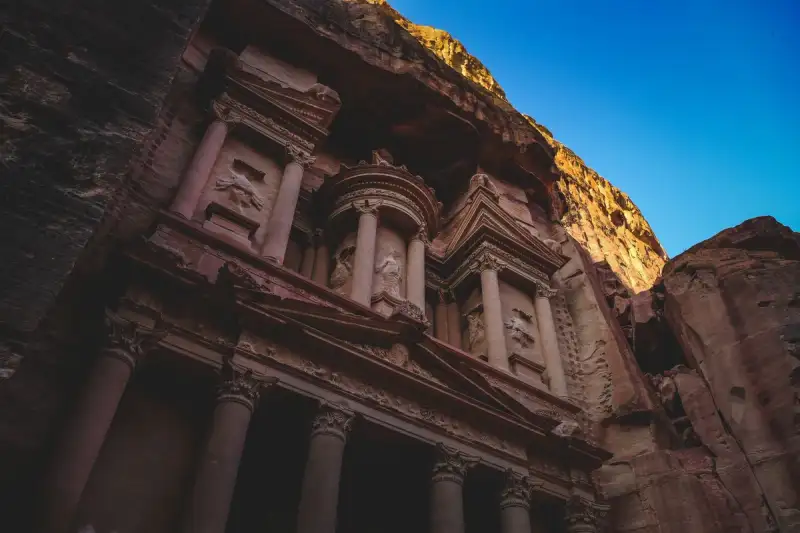
-
 Cemre Seyyah
- 10 Jul, 2026 17:21
Whispers in Sandstone: Unearthing the Enduring Enigma of Petra, The Rose City
In the heart of southern Jordan, where the desert breathes tales older than memory, lies a city not merely built, but born from the very earth itself. A canvas of crimson stone, sculpted by ancient hands and the relentless artistry of time, Petra stands as a testament to human ingenuity and spiritual devotion. Known to its original inhabitants as Raqmu, meaning "The Marked" or "The Decorated," and later immortalized by the Greeks as "Petra" – simply, "Rock" – this ethereal metropolis has earned its poetic moniker, the "Rose City," from the breathtaking hue of the sandstone cliffs it calls home. A true marvel, it rightfully claims its place among the New 7 Wonders of the World and is a revered UNESCO World Heritage Site, a priceless jewel in humanity's cultural inheritance. To speak of Petra is to speak of eternity, for the story of this land stretches back into the mists of the Neolithic era. As early as 7000 BC, the nascent whispers of human settlement were heard in Beidha, a Pre-Pottery Neolithic community just north of the future city, where some of the earliest recorded farmers tilled the arid soil. Centuries later, during the Bronze Age, Petra’s strategic location began to etch itself into the annals of power, appearing in Egyptian campaign accounts and the enigmatic Amarna letters under names such as Pel, Sela, or Seir. The Edomite Echoes and the Rise of Raqēmō The Iron Age, spanning from 1200 to 600 BC, marked the era of the Edomites in the Petra region. Here, the unique configuration of the mountains became their salvation, offering a vital reservoir of water in an otherwise unforgiving landscape. This precious resource transformed the area into an essential stopping point for merchants, fostering a vibrant trade in commodities like wines, olive oil, and wood. Initially accompanied by nomadic tribes who eventually moved on, the Edomites remained, leaving an indelible mark on the land before the advent of the Nabataeans. Historical whispers, though debated by scholars, even speak of a tragic event involving 10,000 men cast from the mountain of Umm el-Biyara, where an Edomite site, dating no earlier than the seventh century BC, was later excavated. Into this ancient tapestry, a nomadic Arab people, the Nabataeans, intricately wove their destiny. One among several Bedouin tribes traversing the Arabian Desert in search of pasture and water, the Nabataeans, despite initial theories suggesting Aramean roots, are confirmed by archaeological, religious, and linguistic evidence as a distinct northern Arabian tribe. It was they who cemented the city’s identity, giving it the name Raqēmō, or Raqmu, as attested in ancient inscriptions. This name, possibly linked to the Arabic raqama meaning "to mark, to decorate," perfectly encapsulates the renowned carved rock façades that would come to define their architectural prowess. The Hebrew Bible, too, echoes this nomenclature, referring to a city called Rekem in the time of Moses, ruled by kings including one named Rekem. Josephus, the ancient historian, further confirms that Petra, known to the Greeks, was still called Rekeme by the Arabs of his era, after its royal founder. Even a funerary inscription found near the gorge entrance speaks of a Petraios born in Raqmu. The potential identification of Petra with the biblical Sela, a Hebrew word simply meaning "rock," remains a subject of scholarly discussion, but its connection to the ancient land of Edom is widely considered. Before their settled grandeur, the Nabataeans were described by Diodorus Siculus around 312 BC as a nomadic people who prioritized freedom from possessions, a philosophy that would drastically shift with time. At this early stage, the region was merely a natural fortress, a refuge, without a settled town, as indicated by accounts of Antigonus' expeditions against them. The Golden Age and the Ingenuity of Water It was in the 4th century BC that the Nabataeans settled in this strategic haven, transforming it into the capital of the Nabataean Kingdom by the 2nd century BC. Recognizing Petra's prime location on the lucrative incense trade routes, they shrewdly established it as a major regional trading hub, generating considerable wealth. Their mastery over the harsh desert environment was truly remarkable. Faced with scarcity, the Nabataeans developed sophisticated water conduit systems and efficient rainwater collecting techniques, along with advanced desert farming methods, allowing their civilization to thrive where others would falter. This ingenuity not only sustained their population but also cemented Petra's economic supremacy. Petra reached the zenith of its splendor in the 1st century AD. This was the era when the iconic Al-Khazneh, or The Treasury, was meticulously carved into the sandstone cliffs—a breathtaking structure believed to be the mausoleum of Nabataean king Aretas IV. During this golden age, the city's population swelled to an estimated 20,000 inhabitants, a bustling metropolis flourishing amidst the rugged landscape. The sheer scale and artistry of their rock-cut architecture during this period remain a source of awe and wonder.Roman Annexation and Gradual Decline The glorious independence of the Nabataean Kingdom, however, was destined to yield to the expanding might of Rome. In 106 AD, under the governorship of Aulus Cornelius Palma Frontonianus, the region of the Arabian Peninsula under Petra's influence was annexed by the Roman Empire, becoming part of the new province of Arabia Petraea. This marked the end of the native Nabataean dynasty, yet, paradoxically, the city continued to prosper for a time under Roman rule. The Petra Roman Road, a testament to Roman engineering and their commitment to infrastructure, was constructed around this period, further integrating Petra into the vast imperial network. A century later, during the reign of Severus Alexander, Petra still commanded a degree of grandeur, but signs of decline began to emerge. The issue of coinage ceased, and the construction of sumptuous tombs, a hallmark of Nabataean and early Roman Petra, came to an abrupt halt. This sudden cessation of grand projects suggests a significant catastrophe, perhaps an invasion by the formidable Sasanian Empire, though the exact cause remains debated. Concurrently, the rise of Palmyra, another influential city in the Roman East (flourishing from 130–270 AD), began to siphon away the vital pre-Islamic Arab trade routes that had long sustained Petra. As sea trade routes gained prominence, eclipsing the traditional overland caravan paths, Petra's economic importance inexorably waned. Despite this decline in commercial prowess, the city appears to have maintained a lingering significance as a religious center. Another Roman road was constructed at the site, perhaps indicating continued strategic or symbolic value. Epiphanius of Salamis, a bishop writing between c.315 and 403 AD, recounts a pagan feast held there on December 25th in honor of the virgin Khaabou and her offspring, Dushara. Dushara, along with al-Uzza, was one of Petra's principal deities, worshipped alongside a pantheon of other Nabataean gods such as Allat and Manat. Emperor Trajan further solidified Rome's presence and connectivity between 111 and 114 AD with the construction of the Via Traiana Nova. This ambitious road stretched from the Syrian border all the way to the Red Sea, passing directly through Petra. It meticulously followed the ancient routes of Nabataean caravans, and under the protective embrace of the Pax Romana, this route briefly revived trade between Arabia, Syria, and the Mediterranean harbors. The influence of emperors like Hadrian, around 125 AD, also played a role in the ongoing Roman administration and development of the region. Obscurity and Rediscovery The 4th century brought further misfortune. A devastating earthquake in 363 AD shattered many of Petra’s structures, dealing a severe blow to the city's already diminishing fortunes. Though several Christian churches were erected during the Byzantine era, indicating a shift in religious landscape, the city’s overall decline continued. By the early Islamic era, the once-thriving metropolis was largely abandoned, its intricate rock-cut dwellings and grand temples left to the desert winds, inhabited only by a handful of resilient nomads. For centuries, Petra remained a ghost city, its existence fading from Western memory, a secret held tightly by the local Bedouin tribes. It became a lost wonder, a forgotten chapter in the grand narrative of human civilization. This profound obscurity lasted until 1812, when the intrepid Swiss traveler, Johann Ludwig Burckhardt, disguised as an Arab scholar, "rediscovered" the city, unveiling its breathtaking beauty and historical significance to a captivated Western world. His accounts sparked renewed interest and laid the groundwork for future exploration and archaeological endeavors.Petra Today: A Living Legacy Today, Petra stands as more than just an archaeological site; it is a profound symbol of Jordan, the vibrant heart of its ancient soul. UNESCO, in its profound admiration, has described Petra as "one of the most precious cultural properties of man's cultural heritage," a sentiment echoed by every visitor who walks its ancient paths. It is, unequivocally, Jordan's most-visited tourist attraction, drawing close to a million tourists every year, each arriving to bear witness to its unparalleled majesty. To wander through Petra’s narrow Siq, the dramatic gorge that serves as its primary entrance, is to embark on a journey through time itself. The towering sandstone walls, painted in hues of ochre, crimson, and gold, speak of forgotten empires and whispered legends. Emerging into the open to behold the breathtaking facade of Al-Khazneh is an experience that transcends mere sightseeing, touching the very soul. Beyond its iconic Treasury, the city unfolds into a vast expanse of temples, tombs, living quarters, and intricate water channels, all carved with astonishing precision and artistry directly into the living rock. Petra is a testament to the enduring power of human spirit, adaptation, and vision. It reminds us that even in the most challenging environments, civilizations can flourish, leaving behind legacies that continue to inspire awe millennia later. It is a city of echoes, of rose-tinted dreams, where every carved facade and every silent canyon holds a fragment of an extraordinary past, inviting all who visit to listen to the whispers in the sandstone.#Petra #RoseCity #JordanTravel #AncientWonders #NabataeanLegacy Related InsightsThe Purple Gold of Provence: Exploring the Lavender Fields Sardinian Nuraghe Trails: Mapping the Bronze Age Megalithic Landscapes L'Odyssée Australienne : Entre Terre Rouge et Récifs d'Azur{ "@context": "https://schema.org", "@type": "FAQPage", "mainEntity": [ { "@type": "Question", "name": "What is the main focus of Whispers in Sandstone: Unearthing the Enduring Enigma of Petra, The Rose City?", "acceptedAnswer": { "@type": "Answer", "text": "Journey deep into the heart of Petra, the ancient Rose City carved from sandstone, and uncover the astonishing history of the Nabataeans, their ingenious civilization, and enduring legacy." } }, { "@type": "Question", "name": "Who authored the comprehensive guide on Whispers in Sandstone: Unearthing the Enduring Enigma of Petra, The Rose City?", "acceptedAnswer": { "@type": "Answer", "text": "This detailed article and its insights were carefully researched and authored by Cemre Seyyah." } }, { "@type": "Question", "name": "Where can I find more related content about Travel?", "acceptedAnswer": { "@type": "Answer", "text": "You can explore more articles, detailed reviews, and similar insights by browsing the Related Insights section at the bottom of this article or visiting our dedicated Travel category page." } } ] }

-
 Chloe Blanc
- 10 Jul, 2026 17:17
La Symphonie des Saveurs : Une Odyssée Culinaire au Cœur de la France Éternelle
Dans le ballet incessant des cultures et des civilisations, il est des expressions qui transcendent le simple fait de subsister pour s'ériger en art de vivre, en miroir d'une identité collective. La cuisine française est de cette trempe, un univers où chaque plat raconte une histoire, chaque saveur murmure un secret ancestral, chaque repas est une célébration. Plus qu'une suite de recettes, elle incarne une tradition vivante, un héritage qui a façonné les palais du monde entier et dont la résonance continue d'inspirer, de séduire, d'émerveiller. Il n'est pas anodin que, en novembre 2010, cette "gastronomie française" ait été officiellement inscrite par l'UNESCO sur ses listes du patrimoine culturel immatériel de l'humanité, reconnaissance ultime d'une contribution inestimable à la civilisation. Cette influence n'est pas le fruit du hasard, mais l'aboutissement de siècles d'évolution, de passion et d'innovation. Dès le XIVe siècle, un certain Guillaume Tirel, plus connu sous le pseudonyme de "Taillevent", cuisinier de cour dont le nom est gravé dans l'histoire, rédigeait Le Viandier, l'un des tout premiers recueils de recettes du Moyen Âge français. Son œuvre fut un jalon, posant les premières pierres d'une identité culinaire en devenir. Puis, aux XVIIe et XVIIIe siècles, des figures emblématiques comme François Pierre La Varenne et Marie-Antoine Carême prirent les rênes de ce mouvement, œuvrant avec une vision audacieuse à affranchir la cuisine française de ses influences étrangères, notamment italiennes, pour forger un style intrinsèquement français, singulier et inimitable. Ils furent les architectes d'une révolution gastronomique, jetant les bases de ce qui allait devenir une référence mondiale. Aujourd'hui, l'imaginaire collectif associe instantanément la France à ses fromages et à ses vins, piliers indéfectibles de sa cuisine. Ces éléments, bien au-delà de leur rôle gustatif, sont les témoins d'une richesse territoriale et d'une diversité incomparable, jouant des rôles variés selon les régions et à l'échelle nationale. Leurs nombreuses variations et les strictes lois d'Appellation d'Origine Contrôlée (AOC) attestent d'une volonté farouche de préserver l'authenticité et la qualité de ces trésors du terroir. Au XXe siècle, l'avènement du tourisme culinaire et l'influence du Guide Michelin ont permis de démocratiser l'accès à cette richesse, familiarisant le grand public avec la "cuisine bourgeoise" des élites urbaines comme avec la "cuisine paysanne" des campagnes françaises, jadis cloisonnées. Ainsi, de nombreux plats autrefois strictement régionaux ont essaimé, se déclinant en une multitude de variations à travers tout le pays, fusionnant les traditions et enrichissant le répertoire national. La connaissance de la cuisine française a incontestablement contribué de manière significative aux cuisines occidentales, ses critères étant largement adoptés dans les écoles de cuisine et l'enseignement culinaire à travers le monde. L'Épopée Médiévale : Festins et Fastes d'Antan Remonter le fil du temps, c'est découvrir une cuisine française originelle, celle du Moyen Âge, où les banquets aristocratiques étaient monnaie courante, de véritables spectacles pour les sens. Ces festins se distinguaient par un "service en confusion", une pratique où de multiples plats étaient servis simultanément, créant une profusion visuelle et olfactive saisissante. L'acte de manger était alors une expérience tactile autant que gustative, les convives saisissant généralement les viandes, coupées en gros morceaux, entre le pouce et deux doigts. Les sauces, riches et épaisses, étaient fortement assaisonnées, et les moutardes puissantes rehaussaient le goût de chaque bouchée. Les tourtes, ces pâtisseries aux croûtes robustes, constituaient un élément fréquent de ces banquets. Leur fonction première était celle de contenant, protégeant et cuisant les garnitures succulentes qu'elles recelaient, plutôt que d'être consommées pour elles-mêmes. Ce n'est qu'à la fin du Moyen Âge que la pâte brisée, telle que nous la connaissons, a commencé à se développer, transformant la croûte en un mets à part entière. Les repas s'achevaient souvent par une "issue de table", l'ancêtre de notre dessert moderne, généralement composée de dragées – à l'époque, de simples morceaux de sucre ou de miel durcis et épicés –, de fromages affinés et de vins épicés, comme l'hypocras, une boisson exquise aux arômes enivrants. La cuisine médiévale était intrinsèquement liée au rythme des saisons et au calendrier de l'Église. L'abondance régnait à la fin du printemps, en été et en automne, tandis que les repas d'hiver étaient plus frugaux, imposant une ingéniosité certaine pour la conservation des aliments. Le début de l'hiver marquait l'abattage du bétail : le bœuf était souvent salé, le porc salé et fumé. Le bacon et les saucisses fumaient dans les cheminées, tandis que la langue et les jambons étaient saumurés puis séchés. Les concombres, eux aussi, étaient conservés en saumure, et les légumes verts étaient mis en bocaux avec du sel. Les fruits, les noix et les légumes racines étaient bouillis dans du miel pour en assurer la pérennité. Les restrictions du Carême, qui classaient la baleine, le dauphin et le marsouin comme des "poissons", voyaient la consommation de leurs chairs salées.Les étangs artificiels, souvent appelés "viviers", regorgeaient de carpes, de brochets, de tanches, de brèmes et d'anguilles, assurant un approvisionnement constant en poisson. La volaille était élevée dans des basses-cours dédiées, les pigeons et pigeonneaux étant réservés à l'élite. Le gibier, bien que très prisé, était rare et incluait le cerf, le sanglier, le lièvre, le lapin et diverses volailles. Les potagers, quant à eux, fournissaient une variété d'herbes, dont certaines, comme la tanaisie, la rue, la menthe pouliot et l'hysope, sont rarement utilisées aujourd'hui. Les épices étaient alors des trésors inestimables, d'une valeur marchande considérable : poivre, cannelle, clous de girofle, noix de muscade et macis. Certaines épices en vogue à l'époque, mais disparues de la cuisine française actuelle, incluent les cubèbes, le poivre long (tous deux issus de vignes similaires au poivre noir), les graines de paradis et le galanga. Les saveurs aigres-douces étaient courantes, obtenues en combinant le vinaigre et le verjus avec du sucre (pour les plus aisés) ou du miel. Une méthode de préparation fréquente consistait à cuire minutieusement, piler et passer les mélanges pour obtenir des pâtes et des purées fines, une pratique que l'on pensait bénéfique pour mieux assimiler les nutriments. L'apparat visuel était également très recherché. Des couleurs éclatantes étaient obtenues grâce à des jus de légumes comme ceux des épinards ou du vert de poireau pour le vert, le safran ou le jaune d'œuf pour le jaune, le tournesol (après l'échange colombien) pour le rouge, et le Crozophora tinctoria ou l'Heliotropium europaeum pour le violet. Des feuilles d'or et d'argent étaient posées sur les surfaces des aliments et badigeonnées de blancs d'œufs. Il en résultait des plats élaborés et spectaculaires, comme la "tourte parmerienne", une pâtisserie conçue pour ressembler à un château, dont les tours, faites de pilons de poulet, étaient recouvertes de feuilles d'or. L'une des plus grandes pièces maîtresses de l'époque était un cygne ou un paon rôti, recousu dans sa peau avec ses plumes intactes, les pattes et le bec dorés. Au firmament des chefs médiévaux, un nom brille particulièrement : Guillaume Tirel, plus connu sous le nom de Taillevent. Il œuvra dans de nombreuses cuisines royales au cours du XIVe siècle. Son premier poste, celui de marmiton, remonte à 1326. Il fut ensuite cuisinier pour Philippe VI, puis pour le Dauphin, fils de Jean II, qui devint le roi Charles V de France en 1364, avec Taillevent comme chef cuisinier principal. Sa carrière, qui s'étendit sur soixante-six ans, fut couronnée d'honneurs. À sa mort, il fut enterré avec faste entre ses deux épouses, sa pierre tombale le représentant en armure, tenant un bouclier orné de trois marmites. L'Ancien Régime : L'Émergence d'une Structure Culinaire Sous l'Ancien Régime, Paris s'affirma comme un carrefour central de la culture et de l'activité économique, attirant naturellement les artisans culinaires les plus talentueux et les plus qualifiés. Les marchés parisiens, tels que les célèbres Halles, la Mégisserie, et ceux qui jalonnaient la Rue Mouffetard, ainsi que leurs équivalents plus modestes dans d'autres villes, jouaient un rôle vital dans la distribution des denrées alimentaires. Ce qui conférait aux produits français leur identité caractéristique était la régulation par le système des corporations, qui avait pris forme dès le Moyen Âge. À Paris, ces corporations étaient sous la tutelle du gouvernement municipal et de la Couronne française. Chaque corporation limitait strictement ses membres à n'opérer que dans leur domaine spécifique de l'industrie culinaire, assurant ainsi une spécialisation et une qualité encadrées. Il existait deux grandes catégories de corporations. La première était celle des fournisseurs de matières premières : les bouchers, les poissonniers, les marchands de céréales et les jardiniers. La seconde regroupait ceux qui proposaient des aliments préparés : les boulangers, les pâtissiers, les sauciers, les volaillers et les traiteurs. Certaines corporations offraient à la fois des matières premières et des plats préparés, comme les charcutiers et les rôtisseurs. Ces derniers vendaient des tourtes et des plats de viande cuits, mais aussi de la viande crue et de la volaille, ce qui, on l'imagine, entraînait des frictions avec les bouchers et les volaillers qui vendaient les mêmes matières premières brutes. Les corporations servaient de véritables écoles de formation pour tous ceux qui intégraient l'industrie. Des grades d'apprenti cuisinier, de cuisinier confirmé et de maître-cuisinier étaient conférés, marquant la progression et l'expertise de chacun. Ceux qui atteignaient le statut de maître-cuisinier jouissaient d'un rang considérable au sein de leur profession, d'un niveau de revenu élevé ainsi que d'une sécurité économique et professionnelle enviable. Il arrivait que les cuisiniers des cuisines royales soient rattachés à la hiérarchie des corporations, mais il était souvent nécessaire de leur trouver un poste équivalent, basé sur leurs compétences, après avoir quitté le service de la royauté. Cette transition était facilitée par les règlements de la Corporation des cuisiniers de Paris, qui permettaient une telle mobilité.C'est au cours des XVIe et XVIIe siècles que la cuisine française commença à assimiler de nouvelles pratiques et saveurs, les prémices d'une transformation profonde qui allait la mener vers son apogée. Les Architectes de la Modernité : La Naissance d'une Identité et son Rayonnement L'histoire ne s'arrête jamais d'écrire de nouvelles pages, et la cuisine française, loin de se figer dans son passé, a continué d'évoluer, de se réinventer. La Varenne et Carême, véritables phares de leur temps, ont catalysé un mouvement essentiel : celui de l'émancipation. Ils ont guidé la cuisine française loin des sentiers balisés par les influences extérieures, en particulier celles de la cuisine italienne, pour cultiver et magnifier un style indigène, profondément ancré dans le terroir et l'ingéniosité française. C'est à eux que l'on doit, en grande partie, l'émergence d'une esthétique et d'une philosophie culinaires propres, marquant un tournant décisif. Dans ce panorama évolutif, le fromage et le vin sont demeurés des composantes majeures, des âmes jumelles qui incarnent la diversité et la richesse de la France. Leurs rôles varient infiniment d'une région à l'autre, chaque terroir offrant ses spécificités, ses saveurs uniques, rigoureusement protégées par les lois d'Appellation d'Origine Contrôlée (AOC). Ces régulations ne sont pas de simples formalités ; elles sont la garantie de l'authenticité, le sceau d'un savoir-faire ancestral transmis de génération en génération. Le XXe siècle a vu une démocratisation spectaculaire de cette richesse gastronomique. Le tourisme culinaire, phénomène croissant, et le prestigieux Guide Michelin, avec ses étoiles tant convoitées, ont contribué à briser les barrières, permettant au commun des mortels de découvrir la cuisine bourgeoise des élites urbaines et la cuisine paysanne des campagnes françaises. Cette rencontre des saveurs a engendré un métissage heureux : des plats jadis cantonnés à une région se sont répandus, déclinés en une multitude de variations à travers tout le pays, enrichissant le répertoire culinaire national d'une tapisserie de goûts et de textures. L'influence de la cuisine française ne s'est pas limitée aux frontières de l'Hexagone. Son savoir-faire, ses techniques, sa philosophie ont significativement enrichi les cuisines occidentales, devenant un modèle, une référence. Les critères de la cuisine française sont aujourd'hui largement utilisés dans les programmes des écoles de cuisine et l'enseignement culinaire à travers le monde, formant des générations de chefs et perpétuant un héritage d'excellence. La reconnaissance par l'UNESCO, en 2010, de la gastronomie française comme patrimoine culturel immatériel de l'humanité, n'est pas seulement un honneur ; c'est un engagement à préserver, à célébrer et à transmettre cette tradition vivante, un trésor dont la valeur dépasse les frontières et les époques. La cuisine française, cette symphonie des saveurs, est bien plus qu'une simple succession de plats. C'est un voyage à travers le temps, un dialogue incessant entre l'histoire et l'innovation, le terroir et le raffinement. Des banquets médiévaux de Taillevent aux créations audacieuses des chefs étoilés d'aujourd'hui, en passant par la structuration des corporations de l'Ancien Régime et l'avènement des grands maîtres comme La Varenne et Carême, elle incarne une quête perpétuelle d'excellence, de beauté et de goût. Elle est une invitation permanente à explorer la profondeur de son âme, à se laisser emporter par la poésie de ses mets, et à célébrer, à chaque bouchée, l'art de vivre à la française.#CuisineFrançaise #Gastronomie #HistoireCulinaire #PatrimoineUNESCO #ChefsCélèbres Related InsightsFrom Mongolian Steppes to American Diner Classics: The Untold Saga of the Hamburger Appam and Stew: Kerala's Comforting Coconut Duo Baba Ghanoush: The Smoky Eggplant Dip{ "@context": "https://schema.org", "@type": "FAQPage", "mainEntity": [ { "@type": "Question", "name": "What is the main focus of La Symphonie des Saveurs : Une Odyssée Culinaire au Cœur de la France Éternelle?", "acceptedAnswer": { "@type": "Answer", "text": "Plongez dans l'âme de la cuisine française, des banquets médiévaux aux étoiles Michelin, un voyage époustouflant au cœur d'un patrimoine gastronomique mondialement célébré." } }, { "@type": "Question", "name": "Who authored the comprehensive guide on La Symphonie des Saveurs : Une Odyssée Culinaire au Cœur de la France Éternelle?", "acceptedAnswer": { "@type": "Answer", "text": "This detailed article and its insights were carefully researched and authored by Chloe Blanc." } }, { "@type": "Question", "name": "Where can I find more related content about Food?", "acceptedAnswer": { "@type": "Answer", "text": "You can explore more articles, detailed reviews, and similar insights by browsing the Related Insights section at the bottom of this article or visiting our dedicated Food category page." } } ] }

-
 Sofia Romano
- 10 Jul, 2026 17:13
L'Eco delle Stelle e i Sussurri del Futuro: Un Viaggio Profondo nell'Anima della Scienza Fiction
Nell'immensità silenziosa dell'ignoto, dove i confini della realtà si fondono con le cangianti sfumature dell'immaginazione, l'uomo ha sempre osato spingere lo sguardo oltre il velo del presente. È in questo spazio sacro tra ciò che è e ciò che potrebbe essere che germoglia la scienza fiction, un genere che non si limita a narrare, ma a profetizzare, a interrogare, a farci sentire il battito pulsante di futuri possibili, e a volte, inquietanti. Non è solo un intrattenimento, ma una lente attraverso cui esaminare la nostra stessa umanità di fronte all'inarrestabile marcia del progresso, alle sue promesse e alle sue ombre più profonde. La Scienza Fiction: Un Universo di Definizioni e Sfumature La scienza fiction, spesso abbreviata in sci-fi o semplicemente SF, rappresenta un genere di narrativa speculativa che si avventura nel regno delle trasformazioni avanzate e futuristiche della tecnologia, della conoscenza scientifica o dei sistemi biologici. La sua essenza risiede nella capacità di anticipare e riflettere sulle conseguenze che tali avanzamenti proiettati o immaginati possono avere sull'esistenza umana e sulla società. Con il passare del tempo, gli elementi costitutivi della scienza fiction si sono moltiplicati e diversificati, partendo da temi classici come l'esplorazione spaziale, l'incontro con forme di vita extraterrestri, i viaggi nel tempo e la robotica. Questa tessitura narrativa si è poi arricchita includendo universi paralleli, la descrizione di società distopiche e intricate manipolazioni biologiche, fino ad arrivare, nei tempi più recenti, a esplorazioni della tecnologia dell'informazione, del transumanesimo, del post-umanesimo e delle urgenti sfide ambientali che la nostra epoca si trova ad affrontare. La definizione precisa di scienza fiction, tuttavia, è stata a lungo oggetto di dibattito tra autori, critici, accademici e lettori. Nonostante la sua ubiquità culturale, stabilire confini netti per questo genere sfuggente si è rivelato un compito arduo. È un universo in costante espansione, un caleidoscopio di idee e visioni che si adatta e si evolve con la comprensione umana del mondo e del cosmo. Il genere abbraccia una moltitudine di sottogeneri, ognuno con le sue peculiarità distintive. Tra questi, spicca la "hard science fiction", che pone un'enfasi rigorosa sull'accuratezza scientifica e sulla plausibilità delle sue premesse, spesso attingendo a principi fisici, chimici e biologici consolidati. Al polo opposto, la "soft science fiction" si concentra maggiormente sulle scienze sociali, esplorando l'impatto psicologico, sociologico e culturale delle innovazioni scientifiche e tecnologiche sull'individuo e sulla collettività. Altri sottogeneri degni di nota includono la "space opera", che enfatizza l'avventura pura e le narrazioni epiche ambientate in un universo dove il viaggio spaziale è una realtà comune e consolidata, spesso con conflitti interstellari e personaggi eroici. Il "cyberpunk", d'altra parte, si immerge nell'interfaccia complessa e spesso distopica tra tecnologia e società, esplorando temi di controllo, ribellione e l'erosione dei confini tra uomo e macchina in mondi futuristici dominati da megacorporazioni e reti informatiche. Infine, la "climate fiction", o "cli-fi", affronta le pressanti questioni ambientali, proiettando scenari futuri in cui gli effetti del cambiamento climatico e dell'intervento umano sulla natura sono al centro della narrazione, spesso con intenti di critica sociale e di sensibilizzazione. La scienza fiction non è meramente una forma di evasione; è un potente strumento culturale. Attraverso le sue narrazioni, può criticare aspramente la società contemporanea, esplorare alternative radicali al nostro modo di vivere e pensare, fornire intrattenimento puro e, cosa forse più importante, ispirare un senso di meraviglia e di stupore di fronte all'ignoto e al potenziale illimitato dell'ingegno umano. La sua influenza si è estesa ben oltre la letteratura, permeando il cinema, la televisione e la cultura in generale, modellando la nostra percezione del futuro e il nostro rapporto con la scienza e la tecnologia. L'Enigma della Definizione: Una Galassia di Pensieri La difficoltà di circoscrivere il genere della scienza fiction è un tema ricorrente tra gli esperti. L'Encyclopedia of Science Fiction, curata da John Clute e Peter Nicholls nel 1993, dedica un'ampia trattazione al problema della sua definizione, evidenziando la complessità e la fluidità dei suoi confini. Non esiste un consenso univoco, e ogni tentativo di fornire una spiegazione esaustiva finisce per rivelare la ricchezza e la vastità di un campo che si resiste a essere imbrigliato in categorie rigide. Diversi luminari hanno offerto le proprie prospettive, ciascuna illuminando un aspetto fondamentale del genere. Isaac Asimov, scrittore americano e professore di biochimica, propose una definizione concisa e potente: "La scienza fiction può essere definita come quel ramo della letteratura che tratta della reazione degli esseri umani ai cambiamenti della scienza e della tecnologia." Questa prospettiva pone l'accento sull'elemento umano, sulla nostra capacità di adattamento, di paura o di esaltazione di fronte all'ignoto tecnologico e scientifico. Robert A. Heinlein, un altro gigante della scienza fiction, offrì una definizione altrettanto perspicace: "Una comoda e breve definizione di quasi tutta la scienza fiction potrebbe recitare: speculazione realistica su possibili eventi futuri, solidamente basata su un'adeguata conoscenza del mondo reale, passato e presente, e su una profonda comprensione della natura e del significato del metodo scientifico." Heinlein enfatizza la plausibilità e la rigorosità intellettuale, ancorando la speculazione futuristica alla logica e ai principi della ricerca scientifica. Lester del Rey, autore ed editore di scienza fiction, ammetteva candidamente la difficoltà: "Anche l'appassionato o il fan più devoto ha difficoltà a spiegare cos'è la scienza fiction," e nessuna "definizione pienamente soddisfacente" esiste, perché "non ci sono limiti facilmente delineabili per la scienza fiction." La sua osservazione sottolinea la natura intrinsecamente aperta e dinamica del genere, che resiste a ogni tentativo di contenimento. Un'altra prospettiva è fornita da The Literature Book, pubblicato da DK: "scenari che, al momento della scrittura, sono tecnologicamente impossibili, estrapolando dalla scienza attuale... [,]... o che trattano di qualche forma di concetto speculativo basato sulla scienza, come una società (sulla Terra o su un altro pianeta) che si è sviluppata in modi completamente diversi dal nostro." Questa definizione evidenzia il ruolo dell'estrapolazione e della speculazione su premesse scientifiche non ancora realizzabili. David Seed suggerisce che potrebbe essere più utile parlare di scienza fiction come dell'intersezione di altri sottogeneri più concreti, un'idea che riconosce la sua natura ibrida e la sua capacità di inglobare e rielaborare elementi provenienti da altre forme narrative. Damon Knight, autore, editore e critico americano di scienza fiction, ha riassunto magistralmente la difficoltà, affermando: "La scienza fiction è ciò che indichiamo quando diciamo che lo è." Questa frase, apparentemente tautologica, cattura la natura consensuale e per certi versi intuitiva della classificazione del genere tra i suoi stessi fruitori. Termini Alternativi: L'Evoluzione di un Linguaggio L'evoluzione del genere ha portato anche all'emergere di termini alternativi per descriverlo, ciascuno con le proprie connotazioni. Forrest J Ackerman, editore di riviste americane, scrittore di fantascienza e agente letterario, è accreditato di aver coniato il termine "sci-fi" intorno al 1954, richiamando la moda dell'epoca del termine "hi-fi". Il primo uso noto in stampa fu una descrizione di Donovan's Brain da parte del critico cinematografico Jesse Zunser nel gennaio 1954. Man mano che la scienza fiction entrava nella cultura popolare, tuttavia, scrittori e fan del settore iniziarono ad associare il termine "sci-fi" a opere di bassa qualità, come le pulp magazine economiche e i film di serie B a basso budget e bassa tecnologia. Negli anni '70, critici del settore come Damon Knight e Terry Carr iniziarono a usare "sci-fi" per distinguere il lavoro scadente dalla scienza fiction più seria e cerebrale. Peter Nicholls, studioso e critico letterario australiano, scrisse intorno al 1993 che "SF" (o "sf") è "l'abbreviazione preferita all'interno della comunità di scrittori e lettori di sf." Questa preferenza riflette un desiderio di distanziarsi dalle connotazioni negative acquisite da "sci-fi". Robert Heinlein, sentendo il termine "science fiction" insufficiente per descrivere certi tipi di opere più "serie" o "riflessive" all'interno del genere, suggerì l'uso del termine "speculative fiction" (narrativa speculativa). Questa proposta mirava a elevare la percezione del genere, mettendo in evidenza la sua capacità di esplorare idee complesse e di impegnarsi in un'analisi profonda delle possibilità umane e sociali.Le Radici Antiche di un Futuro Immaginato Seppur moderno nella sua forma canonica, alcuni studiosi sostengono che la scienza fiction abbia avuto le sue origini in tempi antichi, quando la distinzione tra mito e fatto era ancora labile e porosa. Queste narrazioni primordiali, pur non essendo "scientifiche" nel senso moderno, contenevano germi di quella curiosità speculativa che avrebbe poi caratterizzato il genere. Il romanzo Una Storia Vera, scritto nel II secolo d.C. dal satirico Luciano di Samosata, è spesso citato come un precursore notevole, se non il primo vero romanzo di scienza fiction. Quest'opera audace e fantastica contiene molti temi e tropi che sono diventati caratteristici della scienza fiction moderna, inclusi viaggi verso altri mondi, incontri con forme di vita extraterrestri, guerre interplanetarie e persino la creazione di vita artificiale. La sua capacità di immaginare l'inimmaginabile, pur con un tono ironico e parodistico, lo rende un punto di riferimento cruciale. Anche alcune storie della raccolta di racconti popolari Le Mille e una Notte, insieme alla finzione del X secolo Il Racconto del Tagliabambù (The Tale of the Bamboo Cutter) e al romanzo del XIII secolo di Ibn al-Nafis, Theologus Autodidactus, sono considerate contenere elementi di scienza fiction. Questi testi, sebbene immersi in contesti culturali e narrativi molto diversi, mostrano una tendenza a esplorare il mondo oltre la percezione comune, a immaginare tecnologie o scenari fantastici con implicazioni che risuonano con le tematiche futuristiche. L'Età dei Lumi e la Nascita del Fantastico Scientifico Con la Rivoluzione Scientifica e successivamente l'Età dell'Illuminismo, il terreno divenne ancora più fertile per la fioritura di opere che possiamo considerare veri e propri lavori di scienza-fantasy. Il pensiero razionale e l'esplorazione scientifica cominciarono a fornire nuovi schemi concettuali per la speculazione.Nuova Atlantide (1627) di Francis Bacon, benché incompleta, descrive una società utopica incentrata sul progresso scientifico e sull'organizzazione della ricerca, prefigurando le comunità scientifiche e la loro importanza per il futuro. Somnium (1634) di Johannes Kepler, è un'opera di particolare rilievo. Sia Isaac Asimov che Carl Sagan consideravano questo romanzo il primo racconto di scienza fiction. Descrive un viaggio verso la Luna e come da lì viene percepito il movimento della Terra, un'intuizione che fonde la conoscenza astronomica con la narrazione fantastica. Kepler è stato perciò definito il "padre della scienza fiction", un riconoscimento che sottolinea il suo ruolo pionieristico nell'unire l'indagine scientifica rigorosa con la narrazione immaginativa. Itinerarium extaticum (1656) di Athanasius Kircher, altro viaggio immaginario attraverso il cosmo. Le opere di Cyrano de Bergerac, Storia Comica degli Stati e Imperi della Luna (1657) e Gli Stati e Imperi del Sole (1662), rappresentano esplorazioni audaci di mondi extraterrestri, popolate da esseri fantastici e governate da logiche diverse. "Il Mondo Splendente" (1666) di Margaret Cavendish, un'altra opera pionieristica che fonde filosofia, utopia e avventura in un regno immaginario. I Viaggi di Gulliver (1726) di Jonathan Swift, con le sue isole volanti e le sue società bizzarre, sebbene una satira sociale, sfrutta elementi di viaggio e di scoperta di civiltà aliene che richiamano la speculazione del genere. Nicolai Klimii Iter Subterraneum (1741) di Ludvig Holberg, un viaggio nel mondo sotterraneo che esplora società e leggi fantastiche. Micromégas (1752) di Voltaire, un racconto filosofico in cui esseri giganteschi provenienti da altri pianeti visitano la Terra, offrendo una prospettiva cosmica sull'insignificanza e le assurdità delle dispute umane.Queste opere, emerse in un'epoca di fervore intellettuale e di scoperte scientifiche, hanno gettato le basi per la scienza fiction moderna, dimostrando come l'immaginazione potesse interagire con la crescente comprensione scientifica del mondo. L'Alba del Romanzo Sci-Fi Moderno: Il XIX Secolo Il XIX secolo segna la vera e propria nascita del genere moderno, un periodo in cui gli scrittori popolari iniziarono a guardare al progresso tecnologico come fonte inesauribile di ispirazione e speculazione. La rivoluzione industriale e le rapide scoperte scientifiche alimentarono un senso di meraviglia e di ansia, fornendo il contesto ideale per nuove forme di narrazione.Frankenstein (1818) di Mary Shelley, è spesso accreditato come il primo vero romanzo di scienza fiction. Brian Aldiss ha sostenuto con forza questa tesi. L'opera di Shelley non è solo un racconto gotico, ma una profonda esplorazione delle implicazioni etiche e morali della creazione scientifica, dell'arroganza umana di fronte alla natura e delle conseguenze dell'abbandono. Il romanzo ha contribuito a definire la forma e le tematiche del romanzo di scienza fiction, mettendo in luce l'interazione tra scienza, tecnologia e l'esperienza umana. L'Ultimo Uomo (1826), sempre di Mary Shelley, proietta l'umanità in un futuro distopico, affrontando temi di apocalisse e sopravvivenza in un mondo devastato. Edgar Allan Poe, maestro del macabro e del fantastico, scrisse anche diversi racconti considerati scienza fiction, tra cui "L'Avventura Incomparabile di Un Hans Pfaall" (1835), che narra un viaggio alla Luna, un tema che sarebbe diventato centrale nel genere.Jules Verne e H. G. Wells sono figure pivotali nello sviluppo del genere, anche se le loro opere specifiche oltre a quelle già menzionate non sono dettagliate nel testo fornito, la loro influenza è innegabile. Hanno contribuito a codificare molti dei tropi e delle strutture narrative che avrebbero definito la scienza fiction per decenni a venire, portando il lettore in viaggi straordinari verso mondi sconosciuti o futuri incerti. L'Età d'Oro e l'Espansione Cosmica Nel XX secolo, la scienza fiction conobbe un'espansione straordinaria, in particolare durante l'Età d'Oro della Scienza Fiction. Questo periodo fu caratterizzato da una proliferazione di opere che esploravano con entusiasmo le possibilità offerte dalla scienza e dalla tecnologia. Le "pulp magazine", riviste economiche stampate su carta di bassa qualità, giocarono un ruolo cruciale nella diffusione del genere, rendendolo accessibile a un vasto pubblico e fungendo da banco di prova per innumerevoli autori e idee. In questo periodo, il genere si arricchì ulteriormente con l'introduzione e la codificazione di nuovi sottogeneri e tematiche. Le "space opera" diventarono un pilastro, offrendo avventure galattiche su vasta scala, con astronavi, imperi stellari e battaglie epiche. La letteratura distopica, che aveva radici in opere precedenti, fiorì, esplorando futuri in cui la società è oppressiva e il controllo totale è la norma, spesso come ammonimento sui pericoli del totalitarismo e del progresso tecnologico incontrollato. Questi sviluppi hanno cementato la scienza fiction come una forza culturale e letteraria di primo piano.Sottogeneri: Un Kaleidoscopio di Visioni Futuristiche Come abbiamo visto, la scienza fiction non è un monolite, ma un ecosistema vibrante di sottogeneri, ciascuno con il suo focus specifico e il suo stile distintivo. La hard science fiction è un tributo alla mente scientifica. Qui, la verosimiglianza scientifica è sovrana. Gli autori si impegnano a costruire mondi e scenari che aderiscano il più fedelmente possibile alle leggi della fisica, della chimica e della biologia conosciute. Ogni tecnologia, ogni fenomeno, deve essere plausibile e spiegabile, spesso con note esplicative o appendici scientifiche. L'enfasi è posta sulla scoperta e sull'ingegneria, sull'intelletto umano che risolve problemi complessi attraverso il metodo scientifico. Questo sottogenere non solo intrattiene, ma spesso educa, fornendo uno spaccato delle potenzialità e dei limiti della scienza. Al contrario, la soft science fiction sposta l'attenzione dalla precisione scientifica all'esplorazione delle scienze sociali. Le sue narrazioni si concentrano sull'impatto psicologico, antropologico, politico e culturale delle innovazioni tecnologiche e scientifiche. Come cambia la società quando i robot diventano compagni quotidiani? Quali sono le implicazioni etiche della manipolazione genetica sull'identità umana? Questi sono i tipi di domande che la soft SF cerca di affrontare, utilizzando la cornice del futuro per riflettere sulla condizione umana e sulle dinamiche sociali. La space opera è l'incarnazione dell'avventura cosmica. Caratterizzata da ampi spazi, personaggi eroici e trame che si estendono attraverso galassie, è pura evasione. I viaggi spaziali sono un dato di fatto, le civiltà aliene popolano la scena e i conflitti interstellari determinano il destino di intere federazioni. Nonostante le sue radici nella scienza fiction, la space opera spesso privilegia la grandezza della narrazione e il dramma epico sulla rigorosa accuratezza scientifica, offrendo un'esperienza di lettura grandiosa e coinvolgente. Il cyberpunk è un sottogenere più cupo e introspettivo, che emerge dalle paure e dalle ansie del mondo digitale. Esplora l'interfaccia complessa e spesso inquietante tra tecnologia e società, ambientato in futuri distopici dove la tecnologia è onnipresente ma spesso ha un costo elevato per l'umanità. Società governate da megacorporazioni, reti informatiche onnipotenti e l'integrazione di componenti cibernetiche nel corpo umano sono temi comuni. Il cyberpunk critica il capitalismo sfrenato, la disumanizzazione e la perdita di privacy, proiettando una visione pessimistica ma profondamente rilevante del progresso. Infine, la climate fiction, o cli-fi, è un sottogenere relativamente più recente ma di crescente importanza. Affronta direttamente le questioni ambientali, immaginando futuri in cui gli effetti del cambiamento climatico, dell'inquinamento e della crisi ecologica hanno trasformato il nostro pianeta. Queste storie possono essere ammonimenti distopici, narrazioni di sopravvivenza o esplorazioni di soluzioni innovative (o disperate) ai problemi ambientali. La cli-fi non è solo una riflessione sul futuro del nostro pianeta, ma anche un potente veicolo per la sensibilizzazione e l'attivismo ambientale. Questi sottogeneri, pur diversi, condividono un filo comune: la capacità della scienza fiction di fungere da specchio e da finestra. Uno specchio in cui riflettere le nostre preoccupazioni, i nostri sogni e i nostri incubi sul progresso; una finestra attraverso la quale sbirciare in futuri possibili, invitandoci a riflettere sul presente e a immaginare un domani. L'Eredità Immortale della Scienza Fiction L'impatto della scienza fiction si estende ben oltre le pagine dei libri e i confini del genere letterario, permeando e modellando la cultura in modi profondi e spesso sottili. Fin dalla sua ascesa, il genere ha influenzato non solo la letteratura, ma anche il cinema, la televisione e la cultura in generale, diventando un catalizzatore per l'immaginazione collettiva e un veicolo per l'esplorazione delle sfide umane. Nel cinema e nella televisione, la scienza fiction ha trovato un terreno fertile per visualizzare i suoi mondi futuristici e le sue tecnologie fantastiche, portando sullo schermo visioni di astronavi interstellari, robot intelligenti, città distopiche e viaggi nel tempo che hanno catturato l'immaginazione di milioni di persone. Film e serie TV hanno non solo intrattenuto, ma anche stimolato discussioni significative su etica, filosofia e il futuro della nostra specie. Ma l'influenza della scienza fiction va oltre il puro intrattenimento. Essa possiede una capacità unica di criticare la società attuale, presentando scenari futuri come metafore o amplificazioni delle problematiche e delle ingiustizie del presente. Attraverso mondi distopici o utopici, il genere offre un terreno fertile per esplorare alternative sociali, politiche ed economiche, spingendoci a interrogare il nostro status quo e a considerare percorsi diversi. È un genere che non ha paura di porre domande scomode, di esplorare le conseguenze estreme delle nostre azioni collettive e individuali. Allo stesso tempo, la scienza fiction continua a fornire intrattenimento puro, offrendo fughe in universi fantastici dove tutto è possibile. E, forse il suo contributo più duraturo, è la capacità di ispirare un senso di meraviglia e di stupore. Di fronte all'immensità dell'universo, alla complessità della vita e al potenziale illimitato della mente umana, la scienza fiction ci invita a sognare in grande, a immaginare l'impossibile e a confrontarci con le domande fondamentali sulla nostra esistenza e sul nostro posto nel cosmo. Dal viaggio di Luciano verso la Luna all'ansia di Shelley per la creazione artificiale, dalle avventure esplorative di Kepler alle complesse interazioni uomo-macchina del cyberpunk, la scienza fiction continua a essere un faro che illumina il nostro cammino verso il futuro. È una narrazione senza fine, uno specchio in cui l'umanità si riflette mentre si proietta verso l'ignoto, sempre in cerca di risposte, ma soprattutto, sempre in cerca di nuove domande. Un genere che, in fondo, celebra la curiosità inesauribile dell'essere umano e il suo inarrestabile desiderio di esplorare, di comprendere e di immaginare ciò che ancora deve venire.#Fantascienza #LetteraturaSpeculativa #FuturoImmaginato #StoriaDellaFantascienza #Robotica Related InsightsThe Angel Experiment Book Review and Summary Love Theoretically Book Review and Summary Alien Clay Book Review and Summary{ "@context": "https://schema.org", "@type": "FAQPage", "mainEntity": [ { "@type": "Question", "name": "What is the main focus of L'Eco delle Stelle e i Sussurri del Futuro: Un Viaggio Profondo nell'Anima della Scienza Fiction?", "acceptedAnswer": { "@type": "Answer", "text": "Dalle antiche leggende alle visioni transumaniste, la scienza fiction è lo specchio in cui l'umanità esplora le proprie paure e speranze nel progresso scientifico e tecnologico." } }, { "@type": "Question", "name": "Who authored the comprehensive guide on L'Eco delle Stelle e i Sussurri del Futuro: Un Viaggio Profondo nell'Anima della Scienza Fiction?", "acceptedAnswer": { "@type": "Answer", "text": "This detailed article and its insights were carefully researched and authored by Sofia Romano." } }, { "@type": "Question", "name": "Where can I find more related content about Books?", "acceptedAnswer": { "@type": "Answer", "text": "You can explore more articles, detailed reviews, and similar insights by browsing the Related Insights section at the bottom of this article or visiting our dedicated Books category page." } } ] }

- Michael Chef
- 10 Jul, 2026 11:25
The Antioxidant Powerhouse: Quinoa Salad with Roasted Sweet Potatoes and Kale
"The Antioxidant Powerhouse: Quinoa Salad with Roasted Sweet Potatoes and Kale" Welcome to my kitchen, food enthusiasts and wellness seekers. I’m Michael Chef, and today we aren’t just preparing a meal; we are curating a biological shield for your body. In the modern era, where our schedules are packed and stress levels are often pushed to the brink, what we put on our plates determines not just our energy, but our longevity. Today, we are exploring a dish that sits at the intersection of haute cuisine and functional medicine: a vibrant, antioxidant-rich Quinoa Salad with Roasted Sweet Potatoes and Kale. The Gastronomy of Resilience Culinary art has always been about the marriage of textures and flavors. Here, the earthiness of the roasted sweet potatoes contrasts beautifully with the slight bitterness of massaged kale and the delicate, nutty pop of cooked quinoa. But as a chef deeply invested in health, I believe that the "gastronomy of resilience" requires us to look beyond the palate and into the cellular matrix of our ingredients. Why do we choose these specific components? Because the body, much like a high-performance machine, requires high-quality fuel to manage oxidative stress. According to research on the role of dietary antioxidants for healthcare professionals, high-stress environments lead to oxidative stress, which causes a measurable decline in cognitive and physical energy. This study emphasizes that targeted dietary interventions—specifically those rich in polyphenols and vitamins—are essential for counteracting these negative effects. By building a bowl filled with these specific nutrients, we are essentially crafting an "energy-enhancing" strategy that tastes extraordinary.The Science of Immune Defense When we look at the immune-boosting functional components of natural foods, we find a compelling argument for the diversity of our ingredients. Scientific reviews have highlighted that nutrients like vitamins A, C, E, and phytochemicals are critical for protecting the body against degenerative diseases. Our salad features sweet potatoes, which are goldmines for beta-carotene (vitamin A), and kale, a notorious superfood packed with vitamin C and K. Research indicates that these natural compounds have profound protective effects, ranging from anti-inflammatory responses to cardiovascular support. When we discuss inflammation, it is impossible to ignore the Groningen Anti-Inflammatory Diet (GrAID). Although the GrAID focuses heavily on whole foods to manage inflammatory bowel disease, the core philosophy applies to all of us: prioritizing vegetables, legumes, and nutrient-dense grains while avoiding processed additives. By preparing this salad, you are adhering to these evidence-based principles—lean, clean, and entirely whole-food focused. The Culinary Process: Step-by-Step Cooking is a therapeutic ritual. The preparation of this dish should be as nourishing as the consumption. First, let's talk about the quinoa. Quinoa is a pseudo-cereal that serves as the backbone of this salad, providing complete plant-based protein and fiber. To ensure it is light and fluffy, always rinse it under cold water to remove the natural saponins which can cause a bitter finish. Cooking it in vegetable broth rather than water infuses the grain with deep, savory notes that ground the sweetness of the roasted potatoes.Next, we address the kale. Many people find kale too tough or fibrous. The secret? "Massage." By pouring your dressing—composed of extra virgin olive oil, apple cider vinegar, and Dijon—over the kale and manually working the leaves until they darken and soften, you break down the cellulose. This makes the nutrients more bioavailable and the texture infinitely more pleasant. The Roasted Element: Sweet Potatoes The sweet potatoes provide the "energy-enhancement" component. When roasted with smoked paprika, they develop a caramelized depth that provides a necessary contrast to the fresh greens. Roasting is more than a heating method; it is a chemical transformation that enhances the flavor profile while retaining the vitamins that combat oxidative stress.Assembling the Bowl: A Symphony of Nutrients Finally, we top this dish with pomegranate seeds and walnuts. Pomegranates are legendary for their antioxidant capacity, and their sharp, acidic sweetness cuts through the richness of the olive oil. Walnuts provide the omega-3 fatty acids mentioned in recent clinical literature as essential for mitigating the physical stress experienced in high-demand daily routines. By integrating these elements, we aren't just eating a salad; we are consuming a blueprint for better health. This recipe is an invitation to take control of your well-being through the joy of cooking. Remember, as the scientific literature suggests, the path to a robust immune system and sustained energy starts with the consistent choice of natural, unprocessed foods. Detailed Preparation GuidePreparation (15 Minutes): Begin by preheating your oven. Clean your kale thoroughly. The massage step is vital—do not skip it! It is the difference between a salad that feels like a chore and one that feels like a gourmet experience. The Roast (30 Minutes): Ensure your sweet potato cubes are uniform in size to ensure even cooking. They should have a slight char on the edges; this is where the flavor lives. The Balance: Once your quinoa is cooked, let it cool slightly before mixing it with the kale. If you add the quinoa while it's piping hot, the kale will wilt into a soggy mess—we want "tender," not "boiled."Health Benefits SummarizedAntioxidant Defense: The combination of kale and pomegranate provides a dual-action defense against free radical damage. Anti-Inflammatory Support: Using the GrAID framework, this recipe relies on whole, plant-derived ingredients that avoid processed sugars and artificial additives. Energy Metabolism: The complex carbohydrates in quinoa, paired with healthy fats from walnuts and olive oil, provide a sustained energy release, preventing the "afternoon crash" often associated with high-glycemic lunches.Final Thoughts I encourage you to try this recipe this week. Share it with your family or enjoy it as a quiet, meditative meal prep for your busy days. When you understand the science behind your food, every bite takes on a new level of appreciation. You are fueling your potential, protecting your cells, and indulging in the culinary arts all at once. This is Michael Chef, reminding you that your kitchen is the most important laboratory for your health. Stay nourished, stay curious, and keep cooking with purpose.#HealthyLiving #Gastronomy #AntiInflammatory #QuinoaSalad #WholeFoodDiet Related InsightsPani Puri: Explosive Flavors in a Bite Goi Cuon: The Fresh and Healthy Summer Rolls Echoes of the Sun God: Unearthing the Lost Amaranth Varieties of Ancient Mesoamerica{ "@context": "https://schema.org", "@type": "FAQPage", "mainEntity": [ { "@type": "Question", "name": "What is the main focus of The Antioxidant Powerhouse: Quinoa Salad with Roasted Sweet Potatoes and Kale?", "acceptedAnswer": { "@type": "Answer", "text": "Elevate your health with this delicious, nutrient-dense quinoa salad featuring roasted sweet potatoes and kale, backed by the latest in nutritional science." } }, { "@type": "Question", "name": "Who authored the comprehensive guide on The Antioxidant Powerhouse: Quinoa Salad with Roasted Sweet Potatoes and Kale?", "acceptedAnswer": { "@type": "Answer", "text": "This detailed article and its insights were carefully researched and authored by Michael Chef." } }, { "@type": "Question", "name": "Where can I find more related content about Food?", "acceptedAnswer": { "@type": "Answer", "text": "You can explore more articles, detailed reviews, and similar insights by browsing the Related Insights section at the bottom of this article or visiting our dedicated Food category page." } } ] }

-
 Emily Page
- 10 Jul, 2026 10:36
The Unfurling Tapestry: Tracing the Epochal Journey of the Graphic Novel
In the grand chronicle of human expression, where words dance with images to forge meaning, there exists a unique medium that defies simplistic categorization. It is a form that commands attention not merely with prose, but with the orchestrated symphony of line, color, and panel, weaving narratives that resonate with profound depth and complexity. This is the graphic novel – a literary force that has wrestled with its own definition, celebrated its rich lineage, and ultimately carved an indelible space within the hearts and minds of readers worldwide. Far more than mere comics, graphic novels represent a self-contained, book-length journey through sequential art, a testament to the boundless possibilities of visual storytelling. Yet, to truly appreciate its contemporary stature, one must delve into the intricate layers of its contested identity and its fascinating, often surprising, historical trajectory. The Elusive Essence: Defining a Dynamic Medium The term "graphic novel" itself, while now ubiquitous, remains a subject of considerable debate, a chameleon-like descriptor that adapts to the context in which it is used. At its core, Merriam-Webster provides a concise, functional understanding: "a fictional story that is presented in comic-strip format and published as a book." This definition offers a vital starting point, anchoring the concept to its dual nature – sequential art as its format and book-length storytelling as its ambition. However, as is often the case with evolving art forms, practice often outpaces rigid definitions. Industry professionals and comics scholars frequently find themselves at odds over the term's broad application. While its purest interpretation might suggest a single, continuous narrative crafted specifically for the book format, the market, and indeed, many libraries and bookstores, embrace a far more inclusive understanding. Here, the umbrella of "graphic novel" often extends to encompass collections of comic books that, while perhaps not forming one continuous story in their original serialization, are compiled into book form. This includes anthologies, collections of loosely related pieces, and even works of non-fiction, mirroring a flexibility seen in traditional literature where dramatic stories might find their way into broader "comic" book classifications. The distinction, particularly in the United States, often lies in its contrast with "comic book," a term typically reserved for periodicals – the monthly or bi-weekly issues that comprise ongoing series – and their compiled "trade paperbacks." The graphic novel, in this context, aims for a perceived higher literary ground, a standalone artistic statement designed from the outset for an expansive, uninterrupted reading experience. Indeed, some have succinctly, if controversially, described it as primarily a marketing term, a label designed to elevate the perception of sequential art beyond its pulp origins and into the realm of respected literature. Across continental Europe, the landscape has long presented a different paradigm. Since the late 19th century, both original book-length narratives and collections of serial comics have been commonly published in sturdy hardcover volumes, often affectionately known as "albums." This tradition predates much of the American formalization of the graphic novel, with iconic Franco-Belgian series like The Adventures of Tintin, beginning in the 1930s, embodying this approach. Stories like Hugo Pratt's The Ballad of the Salty Sea (1967) and Guido Buzzelli's La rivolta dei racchi (1967) are prime examples of original, extensive sequential art narratives born directly into the European album format, demonstrating a long-standing appreciation for the book-length comic as a distinct and respected art form.Echoes of Antiquity: The Genesis of Sequential Art Given the fluidity of its definition, tracing the exact genesis of the graphic novel inevitably leads to a discussion of its precursors – the early, often overlooked, experiments in sequential art that laid the groundwork for what was to come. Its origins are, like many artistic evolutions, open to interpretation, a gradual blossoming rather than a singular invention. One of the earliest recognized American examples of comics utilized for a self-contained narrative purpose is The Adventures of Obadiah Oldbuck. This work, originally published as Histoire de Mr. Vieux Bois in 1828 by the Swiss caricaturist Rodolphe Töpffer, found its way into English translation in 1841 via London's Tilt & Bogue, building upon an 1833 Paris pirate edition. The first American edition followed swiftly in 1842, published by Wilson & Company in New York City, utilizing the original printing plates. Töpffer's influence was palpable, inspiring other early works such as Journey to the Gold Diggins by Jeremiah Saddlebags by brothers J. A. D. and D. F. Read, further cementing the idea of extended narratives told through a series of images. The concept of a "drawn novel" had even captivated the imagination of artists like Caran d'Ache, who in 1894 penned a letter to the newspaper Le Figaro, outlining his vision for such a work. He embarked on a monumental 360-page wordless book, though sadly, it was never published. These early stirrings demonstrate a persistent yearning among creators to tell expansive stories through the interplay of image and sequence. In the United States, a parallel tradition emerged: the reissuing of previously published comic strips in book form. This practice, a commercial precursor to the modern collected edition, saw significant success with the Hearst Syndicate's 1897 collection of The Yellow Kid by Richard Outcault, which quickly soared to bestseller status. While not original book-length narratives, these collections habituated audiences to the idea of sequential art bound between covers, priming the cultural consciousness for the deeper forms that would eventually emerge. The Twentieth Century's Canvas: Experimentation and Evolution The early to mid-20th century proved to be a fertile ground for experimentation, as artists and publishers pushed the boundaries of sequential art, often without the specific terminology we now employ. The 1920s witnessed a notable revival of the medieval woodcut tradition, a stark, powerful form of visual storytelling. Belgian artist Frans Masereel is rightfully lauded as "the undisputed king" of this resurgence, with works like his seminal Passionate Journey (1919) captivating audiences. American artist Lynd Ward followed suit, publishing his iconic Gods' Man in 1929 and continuing to produce similar works throughout the 1930s, showcasing the profound narrative potential of wordless sequential imagery. Other prototypical examples from this vibrant period continued to challenge conventional notions of narrative:Milt Gross's He Done Her Wrong (1930): A wordless comic, published in hardcover, further demonstrating the power of purely visual storytelling in a book format. Max Ernst's Une semaine de bonté (1934): A surrealist painter's venture into a novel composed of sequential collage images, blurring the lines between fine art and narrative sequence. Charlotte Salomon's Life? or Theater? (composed 1941–43): A profoundly personal work that integrated images, narrative text, and captions, creating a powerful autobiographical record.The 1940s introduced Classics Illustrated, a comic-book series that adapted notable, public domain novels into standalone comic books primarily for young readers. While these were individual issues, they represented a conscious effort to present complete stories derived from literary sources within a comic format. Alongside this, Citizen 13660 (1946) emerged as an illustrated, novel-length retelling of the deeply poignant Japanese internment during World War II, a powerful example of non-fiction sequential narrative. Fawcett Comics also contributed with Comics Novel #1: "Anarcho, Dictator of Death" (1947), a 52-page comic dedicated to a single, unbroken story. The 1950s marked a significant step forward in adult-oriented sequential art. St. John Publications unleashed It Rhymes with Lust (1950), a digest-sized, 128-page "picture novel" that proudly proclaimed itself "an original full-length novel" on its cover. This film noir-influenced tale of "steeltown life," starring the manipulative redhead Rust, by pseudonymous writer "Drake Waller" (Arnold Drake and Leslie Waller), penciler Matt Baker, and inker Ray Osrin, was a commercial success, prompting an unrelated follow-up, The Case of the Winking Buddha. In the same year, Gold Medal Books released Mansion of Evil by Joseph Millard. Presaging Will Eisner's later multi-story structure, cartoonist Harvey Kurtzman offered Harvey Kurtzman's Jungle Book (1959), a four-story mass-market paperback, showcasing diverse narratives under one cover. By the late 1960s, American comic book creators were becoming increasingly audacious. Gil Kane and Archie Goodwin independently published His Name Is... Savage (1968), a 40-page, magazine-format comics novel. In the same year, Marvel Comics experimented with a similar format for two issues of The Spectacular Spider-Man. Critical voices began to identify early examples of what might now be termed graphic novels within ongoing serials: columnist Steven Grant argued that Stan Lee and Steve Ditko's Doctor Strange story in Strange Tales #130–146 (1965–1966), despite its serial publication, functioned as "the first American graphic novel." Similarly, critic Jason Sacks pointed to the 13-issue "Panther's Rage" arc in Marvel's Black Panther series (Jungle Action, 1973–1975) as "Marvel's first graphic novel," recognizing it as comics' inaugural titled, self-contained, multi-issue story arc. Meanwhile, on the European continent, the established tradition of collecting popular serials, such as The Adventures of Tintin or Asterix, continued to flourish, fostering long-form narratives that were initially serialized but destined for collected, hardcover album editions. In a poignant example from Argentina, Vida del Che (1968), a graphic novel penned by Héctor Germán Oesterheld and illustrated by Alberto Breccia, recounted the story of Che Guevara. Its powerful narrative, however, led to its confiscation and destruction by the military dictatorship, though it was later re-released in corrected versions – a testament to the medium's capacity for political and historical commentary. The growing recognition of sequential art's narrative power was even noted in broader literary circles. In 1969, the acclaimed author John Updike, who had harbored youthful aspirations of becoming a cartoonist, addressed the Bristol Literary Society on "the death of the novel." In his discourse, Updike presciently offered examples of new avenues for novelists, declaring that he saw "no intrinsic reason why a doubly talented man, or group of men, could not produce a book now and then, if not a steady output, of a length and thickness to be called a novel, that would be a total artistic triumph." He was, perhaps unknowingly, articulating the precise potential that the graphic novel was beginning to realize.A Name and a Revolution: The Graphic Novel's Ascendancy The term "graphic novel" did not spontaneously emerge into the public consciousness fully formed. Its journey from an academic suggestion to a widely accepted literary category is marked by specific moments and landmark publications that irrevocably altered its trajectory. The phrase itself was first explicitly coined by fan historian Richard Kyle in an essay published in the November 1964 issue of the comics fanzine Capa-Alpha. This was a crucial intellectual step, providing a specific label for an emerging, yet unnamed, form of sequential art storytelling. However, it would take more than a decade for the term to truly gain traction within the broader comics community and, eventually, with the general public. The pivotal moment arrived with the publication of Will Eisner's A Contract with God in 1978. Eisner, a legendary figure in comics, delivered a powerful, poignant collection of four loosely interconnected stories centered around a tenement building, presenting it as a cohesive literary work. Its artistic merit and the sheer audacity of its presentation significantly propelled the term "graphic novel" into wider discourse, lending it an air of serious literary intent. The momentum continued to build in the early 1980s. Marvel Comics, recognizing the burgeoning potential and the need for a distinct format, launched its "Marvel Graphic Novel" line in 1982. These were original, self-contained stories presented in a larger format, further cementing the concept of a book-length comic as a commercial and artistic entity separate from monthly periodicals. However, it was the latter half of the 1980s that witnessed the true commercial and critical explosion, catapulting the graphic novel into public familiarity. Three titles, in particular, stand as monumental achievements that redefined the landscape:Art Spiegelman's Maus (first volume published in 1986): A harrowing and profoundly personal account of the Holocaust, told through anthropomorphic animals, Maus shattered preconceptions about what comics could achieve. Its unflinching historical narrative and deeply emotional storytelling earned it a special Pulitzer Prize in 1992, marking an unprecedented literary recognition for the medium. Frank Miller's The Dark Knight Returns (collected editions published in 1986): This gritty, dystopian reimagining of Batman showcased the mature and complex storytelling capabilities of superheroes, pushing the boundaries of the genre and appealing to a sophisticated adult audience. Alan Moore and Dave Gibbons' Watchmen (1987): A deconstructionist masterpiece, Watchmen challenged the very tropes of the superhero genre, offering a nuanced, philosophical, and morally ambiguous narrative that redefined storytelling in comics. Its intricate structure and literary depth garnered widespread critical acclaim.These works, each groundbreaking in its own right, demonstrated the immense narrative potential, artistic sophistication, and emotional resonance that sequential art could command. Their commercial successes were undeniable, leading to a profound shift in perception. By 2001, the institutional recognition arrived when the Book Industry Study Group (BISG) officially began using "graphic novel" as a distinct category in bookstores. This formal classification marked the ultimate triumph of the term, signaling the medium's full integration into the mainstream literary world, no longer an anomaly but a vital and celebrated form of book-length visual storytelling. The journey of the graphic novel is a testament to perseverance, artistic vision, and the evolving nature of literary definition. From its debated origins in early sequential art to its formal categorization, it has proven itself a robust and versatile medium, capable of exploring the full spectrum of human experience with unparalleled depth and artistry. It continues to expand its boundaries, inviting readers into worlds where words and images intertwine, creating narratives that are both intensely personal and universally resonant.#GraphicNovels #SequentialArt #ComicHistory #LiteraryEvolution #VisualStorytelling Related InsightsReign Book Review and Summary Mockingjay Book Review and Summary Fried Green Tomatoes at the Whistle Stop Cafe Book Review and Summary{ "@context": "https://schema.org", "@type": "FAQPage", "mainEntity": [ { "@type": "Question", "name": "What is the main focus of The Unfurling Tapestry: Tracing the Epochal Journey of the Graphic Novel?", "acceptedAnswer": { "@type": "Answer", "text": "Uncover the rich, debated history and evolving definition of the graphic novel, from its contested origins to its modern literary ascendancy and cultural impact." } }, { "@type": "Question", "name": "Who authored the comprehensive guide on The Unfurling Tapestry: Tracing the Epochal Journey of the Graphic Novel?", "acceptedAnswer": { "@type": "Answer", "text": "This detailed article and its insights were carefully researched and authored by Emily Page." } }, { "@type": "Question", "name": "Where can I find more related content about Books?", "acceptedAnswer": { "@type": "Answer", "text": "You can explore more articles, detailed reviews, and similar insights by browsing the Related Insights section at the bottom of this article or visiting our dedicated Books category page." } } ] }

Winter in Europe is an incredibly magical time. While summer brings the crowds, the heat, and the long lines, the colder months offer something far more intimate, atmospheric, and profoundly beautiful. There’s a certain stillness in the crisp winter air, a warm glow radiating from the festive streetlights, and the unmistakable scent of roasted chestnuts and mulled wine drifting through ancient cobblestone streets. From the relatively mild, sun-drenched avenues of Madrid to the deep, snowy fairy tales of Central Europe, the continent transforms into a diverse canvas of winter wonderlands waiting to be explored. This comprehensive guide is designed to take you on an epic European winter journey. We will begin in the vibrant heart of Spain, exploring the best things to do in Madrid during the colder months, before expanding our horizons. We’ll board the metaphorical train heading north and east, delving into the imperial elegance of Vienna, the gothic romance of a snowy Prague, the steaming thermal baths of Budapest, and finally, the quintessential Christmas capital of the world: Strasbourg. Grab a cup of hot chocolate, settle in, and let’s embark on the ultimate European winter adventure. #EuropeWinterTravel #WinterWanderlustPart 1: Madrid in Winter – The Warm Heart of Spain When one thinks of winter in Europe, Spain might not be the first destination that comes to mind. However, Madrid in winter is one of the continent’s best-kept secrets. Unlike the sweltering heat of August, winter in the Spanish capital is crisp, bright, and often graced with brilliant blue skies. The crowds have thinned out, leaving you with unimpeded access to world-class museums, cozy taverns, and spectacular royal parks. #MadridInWinter #VisitSpain The Magic of Plaza Mayor and the Holiday Spirit The true heart of Madrid’s winter beats in the Plaza Mayor. This expansive, rectangular square, framed by stunning red-brick architecture and historic balconies, transforms into a festive hub as the temperature drops. If you visit in December, the square hosts the famous Mercado de Navidad (Christmas Market), a tradition that dates back to the 19th century. Wandering through the myriad of stalls, you’ll find artisans selling intricately crafted figurines for the Belen (Nativity scenes), which is a massive part of Spanish holiday traditions. Beyond the figurines, there are colorful wigs, joke items for Día de los Santos Inocentes (Spain's version of April Fools' Day on December 28th), and endless arrays of local sweets. The atmosphere is electric, filled with families, street performers, and the infectious energy that Madrileños are famous for. #PlazaMayor #NavidadMadrid A Culinary Imperative: Churros con Chocolate at San Ginés No winter trip to Madrid is complete without indulging in the city's ultimate comfort food: churros con chocolate. While you can find this treat on almost every corner, the quintessential experience is at the historic Chocolatería San Ginés, tucked away in an alley near Puerta del Sol. Founded in 1894, this iconic café is open 24 hours a day. Imagine stepping out of the chilly winter night into a vibrant, mirror-lined room echoing with chatter, and ordering a cup of chocolate so thick and rich that your spoon practically stands up in it. The churros are freshly fried, perfectly crispy on the outside, and tender inside—the ideal vessel for scooping up the molten chocolate. It is a ritual that warms both the body and the soul. #ChurrosConChocolate #SanGines Strolling Through the El Retiro Park El Retiro Park is spectacular in any season, but winter gives it a serene, melancholic beauty. The deciduous trees shed their leaves, offering clear, unobstructed views of the park’s grand monuments, such as the Monument to Alfonso XII overlooking the great lake. On a sunny winter afternoon, renting a rowboat on the lake is surprisingly pleasant. Take a walk to the Palacio de Cristal (Crystal Palace). Built in 1887 to house exotic plants from the Philippines, this glass and iron pavilion looks exceptionally striking against a crisp winter sky. Inside, you’ll often find contemporary art installations hosted by the Reina Sofía Museum, offering a perfect blend of historic architecture and modern thought. #RetiroPark #PalacioDeCristal World-Class Art Without the Crowds Madrid’s "Golden Triangle of Art" is infinitely more enjoyable in the winter. The Prado Museum, one of the greatest art museums in the world, is home to masterpieces by Velázquez, Goya, and El Greco. In the summer, you might have to elbow your way to see Velázquez’s Las Meninas or Goya’s El Tres de Mayo. In January or February, you can stand before these massive canvases in quiet contemplation, truly absorbing the genius of the Spanish masters. Equally accessible are the Thyssen-Bornemisza National Museum, offering an incredible overview of art history from the 13th to the late 20th century, and the Reina Sofía, home to Picasso’s heart-wrenching masterpiece, Guernica. Winter provides the physical and mental space required to truly appreciate these cultural treasures. #PradoMuseum #ArtHistoryPart 2: Vienna, Austria – The Imperial Winter Dream Leaving the sunny skies of Madrid behind, we travel to Central Europe, where winter is a serious, snow-draped affair. Vienna, the capital of Austria, does winter with an imperial elegance that is unmatched anywhere else in the world. This is the city of Mozart, Beethoven, and the Habsburgs, and its grand architecture seems tailor-made to be dusted with snow. #ViennaWinter #WienLiebeThe Epicenter of Christmas Markets If Strasbourg is the capital of Christmas, Vienna is arguably its grandest palace. The city is practically synonymous with the Christkindlmarkt. From mid-November until Christmas Day, the squares of Vienna are transformed into glowing, fragrant wonderlands. The most famous market sits in front of the Rathaus (City Hall). The Neo-Gothic architecture provides a dramatic backdrop to over a hundred stalls selling everything from blown-glass ornaments to hand-carved wooden toys. The air is thick with the scent of roasted almonds, baked apples, and the essential Punsch or Glühwein (mulled wine). However, don't limit yourself to the Rathausplatz. The market in front of the Schönbrunn Palace offers a more regal atmosphere, while the Spittelberg market, winding through narrow Biedermeier streets, feels delightfully local and intimate. The Karlsplatz market, focused entirely on local arts and crafts, is perfect for finding unique, high-quality gifts. #ViennaChristmasMarket #Gluhwein Coffee House Culture: The Ultimate Winter Refuge When the Central European cold seeps into your bones, Vienna offers the perfect antidote: its legendary coffee houses. The Viennese Kaffeehaus is not just a place to get a caffeine fix; it is an institution, recognized by UNESCO as intangible cultural heritage. Step into Café Central, Café Sperl, or Café Landtmann. You are stepping into rooms where Trotsky, Freud, and Klimt once sat, debated, and created. Order a Melange (similar to a cappuccino but uniquely Viennese) and a slice of Sachertorte or Apfelstrudel. You can sit there for hours, reading a newspaper, watching the snow fall outside the large windows, and no waiter will ever rush you. It is the epitome of winter coziness. #VienneseCoffeeHouse #Sachertorte Classical Music and Imperial Palaces Winter is the height of the classical music season in Vienna. Attending a concert at the Musikverein or the State Opera is a transcendent experience. Even if you aren't a die-hard classical fan, hearing a Mozart symphony played in the city where it was composed, in a hall glittering with gold leaf, is something you will never forget. During the day, the imperial palaces offer fantastic winter explorations. The Hofburg Palace, the winter residence of the Habsburgs, houses the Sisi Museum and the breathtaking Austrian National Library. Schönbrunn Palace, the summer residence, is equally spectacular in winter, especially when its vast gardens are blanketed in pristine white snow. #HofburgPalace #ClassicalMusicPart 3: Prague, Czech Republic – A Snowy Fairytale A short train ride from Vienna brings us to Prague, the "City of a Hundred Spires." If Vienna is imperial and grand, Prague is gothic, mysterious, and profoundly romantic. While Prague is heavily touristed in the summer, winter strips away the massive crowds, revealing the city's true, atmospheric character. When the cobblestones are dusted with snow and the gas lamps cast a warm, flickering light through the fog, Prague feels like a scene straight out of a medieval fairy tale. #PragueInWinter #VisitCZThe Silence of the Charles Bridge The Charles Bridge, commissioned by King Charles IV in 1357, is the iconic symbol of Prague. Lined with 30 baroque statues of saints, it is usually packed shoulder-to-shoulder with tourists. But in the depths of winter, especially early in the morning or late at night, the bridge is transformed. Walking across the Vltava River in the quiet, crisp air, surrounded by the darkened silhouettes of the statues with the illuminated Prague Castle looming in the distance, is an almost mystical experience. The silence is profound, broken only by the sound of the river and your own footsteps on the snow-dusted stones. #CharlesBridge #Praha Exploring the Prague Castle Complex Perched on a hill overlooking the city, Prague Castle is the largest ancient castle complex in the world. In winter, the steep walk up the hill keeps the crowds at bay. Inside, the massive St. Vitus Cathedral dominates the skyline. The gothic architecture, with its flying buttresses and menacing gargoyles, looks even more dramatic against a grey winter sky. Don't miss the Golden Lane, a street of tiny, colorful houses built into the castle walls in the 16th century. Once home to castle guards and later to the writer Franz Kafka, these small dwellings are incredibly charming and offer a glimpse into the historic life of the city. After exploring the castle, warm up with a glass of Svařák (Czech hot wine) or a traditional Trdelník (a sweet, cylindrical pastry roasted over an open flame) from a nearby vendor. #PragueCastle #StVitusCathedral The Old Town Square and the Astronomical Clock The Old Town Square is the beating heart of Prague. Dominated by the Church of Our Lady before Týn with its fairy-tale spires, the square is spectacular. In December, it hosts a vibrant Christmas market, famous for its massive, brightly lit tree and stalls selling hot mead, roasted ham, and handmade crafts. Every hour, crowds gather in front of the Old Town Hall to watch the Prague Astronomical Clock (Orloj) strike. Installed in 1410, it is the oldest astronomical clock still operating. Watching the procession of the Twelve Apostles in the freezing winter air, surrounded by historic facades, you can easily feel transported back half a millennium in time. #OldTownSquare #AstronomicalClockPart 4: Budapest, Hungary – Thermal Baths and Winter Magic Continuing our journey eastward along the Danube, we arrive in Budapest. The Hungarian capital is a city of stunning contrasts, where grandeur meets grit, and the old world seamlessly blends with the new. Budapest is arguably one of the best winter cities in Europe, largely thanks to its unique geothermal geography. #BudapestWinter #VisitHungaryThe Széchenyi Thermal Baths: A Winter Essential There is no experience quite like visiting the Széchenyi Thermal Baths in the dead of winter. Located in the City Park, this is the largest medicinal bath in Europe, supplied by two thermal springs. The neo-Baroque yellow buildings provide a stunning backdrop to the massive outdoor pools. Imagine the air temperature dropping below freezing, snow gently falling around you, while you are submerged chest-deep in water that is naturally heated to a blissful 38°C (100°F). Thick clouds of steam rise from the surface of the water, creating an ethereal, foggy atmosphere where you can watch older Hungarian men playing chess on floating boards. It is a surreal, deeply relaxing experience that cures jet lag, winter chills, and weary traveler muscles all at once. #SzechenyiBaths #ThermalBaths The Majestic Parliament and the Danube Promenade The Hungarian Parliament Building is an architectural masterpiece, blending neo-Gothic, neo-Romanesque, and neo-Baroque styles. It is stunning by day, but in the winter evenings, when it is heavily illuminated against the dark sky, it looks like a glowing golden fortress reflecting perfectly in the icy waters of the Danube River. Take a walk along the Danube Promenade, starting from the iconic Chain Bridge. The cold wind blowing off the river is invigorating. Along the way, you will encounter the "Shoes on the Danube Bank," a poignant and moving memorial to the Jews who were killed by fascist Arrow Cross militiamen in Budapest during World War II. It is a somber reminder of history, made even more stark by the biting winter cold. #BudapestParliament #DanubeRiver Warming Up in Ruin Pubs and Grand Cafés Budapest offers two distinct ways to warm up indoors. First are the famous "ruin pubs" (Romkocsma), primarily located in the old Jewish Quarter (District VII). Szimpla Kert is the most famous. These bars are built in abandoned buildings and decorated with an eclectic, chaotic mix of mismatched furniture, vintage electronics, and bizarre art installations. In winter, they are bustling, warm, and offer an incredibly unique nightlife experience. On the other end of the spectrum is Budapest’s grand café culture, rivaling that of Vienna. The New York Café, often dubbed the "most beautiful café in the world," is an explosion of Italian Renaissance style, with marble columns, gilded stuccoes, and crystal chandeliers. Sitting here with a slice of Dobos Torte and a rich coffee is the height of Central European luxury. #RuinPubs #NewYorkCafeBudapestPart 5: Strasbourg, France – The Capital of Christmas For the final stop on our grand European winter tour, we travel west to the Alsace region of France, to a city that officially calls itself the "Capital of Christmas": Strasbourg. Located right on the border with Germany, Strasbourg’s culture, architecture, and food are a beautiful blend of both nations, creating a uniquely charming atmosphere that reaches its absolute peak in December. #Strasbourg #AlsaceWinterThe Oldest Christmas Market in France Strasbourg’s Christkindelsmärik (Market of the Christ Child) dates back to 1570, making it the oldest in France and one of the oldest in Europe. During the winter, the entire city center, which is situated on the Grande Île (a UNESCO World Heritage site), is transformed into a festive dreamscape. There are over 300 wooden chalets spread across various squares in the city. The most spectacular is located at Place Kléber, which hosts the Great Christmas Tree—a massive, natural fir tree sourced from the nearby Vosges mountains, towering over 30 meters high and dripping with lights and ornaments. The air smells of vin chaud (hot wine), choucroute (sauerkraut), and bredele (traditional Alsatian Christmas cookies). The sheer scale and historical authenticity of the market make it a must-visit for anyone who loves the winter holidays. #CapitalOfChristmas #Christkindelsmarik The Stunning Cathédrale Notre-Dame Towering over the city is the Cathédrale Notre-Dame de Strasbourg. Victor Hugo once described it as a "gigantic and delicate marvel." For over 200 years, it was the tallest building in the world. Built from distinctive pink sandstone, the cathedral takes on a beautiful, warm glow in the low light of a winter afternoon. The intricate gothic facade is mind-boggling in its detail. Inside, the astronomical clock, a masterpiece of the Renaissance, puts on a mechanical show every day at solar noon (12:30 PM). If you can brave the cold and the stairs, climbing to the viewing platform offers sweeping views over the snow-dusted roofs of Strasbourg, the Black Forest in Germany to the east, and the Vosges mountains to the west. #StrasbourgCathedral #GothicArchitecture La Petite France in the Snow The most picturesque neighborhood in Strasbourg is La Petite France. Historically the area where millers, tanners, and fishermen lived, it is characterized by exceptionally well-preserved half-timbered houses lining a network of canals. In winter, when a light dusting of snow covers the steeply pitched roofs and the window boxes, it looks like a scene painted by a master artist. Walking through the narrow, winding streets, crossing the small pedestrian bridges over the freezing canals, and ducking into a traditional Winstub (Alsatian tavern) for a hearty meal of Baeckeoffe (a rich meat and potato casserole) or Tarte Flambée (a thin, crispy pizza-like dish with cream, onions, and bacon) is the perfect way to spend a winter evening. #LaPetiteFrance #AlsatianFoodConclusion: Embracing the European Winter Traveling through Europe in the winter requires a shift in mindset. It’s not about ticking off outdoor sights under a blazing sun; it’s about atmosphere, intimacy, and slowing down. It’s about replacing the frantic energy of summer tourism with the cozy warmth of a cafe, the historical reflection of quiet museum halls, and the communal joy of a bustling, freezing Christmas market. From the sunlit grandeur of Madrid to the imperial elegance of Vienna, the gothic mystery of Prague, the steaming thermal waters of Budapest, and the unrivaled festive spirit of Strasbourg, the continent offers a lifetime of winter memories. Quick Winter Travel TipsLayering is Key: European weather can vary wildly. Madrid might require just a light jacket in the afternoon, while Prague will demand thermal underwear and a heavy wool coat. Layering allows you to adapt to both the freezing outdoors and the highly heated indoors (like museums and trains). Good Footwear: You will do a lot of walking on cobblestones, which can become incredibly slick when wet, icy, or snowy. Invest in warm, waterproof, and slip-resistant boots. Shorter Days: Remember that daylight is limited in winter. In places like Prague or Vienna, it can get dark by 4:00 PM. Plan your outdoor sightseeing for the morning and early afternoon, and save museums, cafes, and shopping for the evening. Embrace the Local Warmth: Every culture has its winter warmers. Drink the churros con chocolate in Spain, the Glühwein in Germany/Austria, the Svařák in the Czech Republic, and the thermal waters in Hungary. These aren't just tourist traps; they are essential local survival mechanisms!The winter winds may be cold, but the welcome across these historic cities is warmer than ever. So pack your heaviest coat, bring your sense of wonder, and discover the true, timeless magic of Europe in winter. #WinterTravel #EuroTrip #TravelBlogger #Wanderlust #ExploreEurope #OffSeasonTravel #SnowyCities #WinterVacation Related InsightsPatagonian Ice Fields: The Ultimate Guide to Glacier Trekking in Chile Azure Horizons and Fragile Ecosystems: The Maldives Reality Check The Ruins of Troy{ "@context": "https://schema.org", "@type": "FAQPage", "mainEntity": [ { "@type": "Question", "name": "What is the main focus of Winter Wonderland: Must-See Attractions in Madrid and Across Europe?", "acceptedAnswer": { "@type": "Answer", "text": "Discover the magic of Europe in winter. Starting from the sunny, crisp days in Madrid, we embark on a grand journey across the continent to Vienna, Prague, Budapest, and Strasbourg." } }, { "@type": "Question", "name": "Who authored the comprehensive guide on Winter Wonderland: Must-See Attractions in Madrid and Across Europe?", "acceptedAnswer": { "@type": "Answer", "text": "This detailed article and its insights were carefully researched and authored by Cemre Seyyah." } }, { "@type": "Question", "name": "Where can I find more related content about Travel?", "acceptedAnswer": { "@type": "Answer", "text": "You can explore more articles, detailed reviews, and similar insights by browsing the Related Insights section at the bottom of this article or visiting our dedicated Travel category page." } } ] }
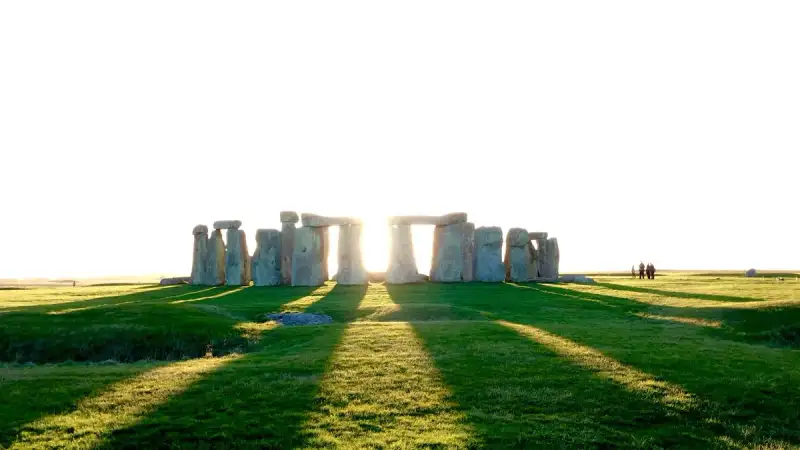
-
 Hans Müller
- 09 Jul, 2026 20:59
Die steinerne Ewigkeit von Stonehenge: Ein Echo aus prähistorischen Nebeln, das bis heute verweilt
In den weiten Ebenen von Wiltshire, England, wo der Wind über die Salisbury Plain streicht und die Jahrtausende nur flüchtige Spuren hinterlassen zu haben scheinen, erhebt sich ein Bauwerk, das die menschliche Vorstellungskraft seit undenklichen Zeiten fesselt: Stonehenge. Es ist nicht nur eine Ansammlung von Steinen, sondern ein monumental in Stein gemeißeltes Rätsel, eine spirituelle Landkarte und ein Kalender, dessen Schatten die Geheimnisse einer längst vergangenen Welt bergen. Wer sich diesem Ort nähert, spürt unweigerlich die schwere Aura der Geschichte, das Gewicht der Zeit und die unausgesprochenen Geschichten jener Menschen, die mit schier unglaublicher Mühe und Präzision diese gigantische Struktur errichteten. Es ist ein Zeugnis menschlichen Strebens nach Ewigkeit, eine Verbindung zwischen Erde und Kosmos, die in den Morgenröten der Sommersonnenwende und den Dämmerungen der Wintersonnenwende ihren Höhepunkt findet. Das steinerne Herz einer alten Landschaft Drei Kilometer westlich von Amesbury, umgeben von einem der dichtesten Komplexe neolithischer und bronzezeitlicher Monumente in England, darunter Hunderte von Grabhügeln, liegt Stonehenge. Seine majestätische Präsenz dominiert die Landschaft und offenbart auf den ersten Blick seine architektonische Einzigartigkeit. Die äußerste Struktur bilden imposante Sarsensteine, die als aufrechte Pfeiler dienen. Jeder dieser Kolosse misst etwa 4 Meter in der Höhe und 2,1 Meter in der Breite und bringt ein Gewicht von rund 25 Tonnen auf die Waage. Was Stonehenge jedoch von vielen anderen zeitgenössischen Monumenten abhebt und seine ingenieurtechnische Brillanz unterstreicht, sind die horizontalen Sturzsteine, die diese aufrechten Pfeiler miteinander verbinden. Sie sind mit einer raffinierten Zapfenverbindung (Mortise-and-Tenon-Joint) befestigt – eine Bauweise, die in jener Epoche nahezu ohne Parallele ist und das Wissen und die Geschicklichkeit der Erbauer auf beeindruckende Weise demonstriert. Innerhalb dieses gewaltigen Sarsenkreises befindet sich ein weiterer Ring, der aus kleineren Blausteinen besteht. Noch weiter im Inneren erheben sich freistehende Trilithons, die aus zwei massiveren, vertikalen Sarsensteinen bestehen, die jeweils von einem einzigen Sturzstein überspannt werden. Obwohl das gesamte Monument heute in Ruinen liegt, ist seine ursprüngliche Ausrichtung unverkennbar: Es ist präzise auf den Sonnenaufgang der Sommersonnenwende und den Sonnenuntergang der Wintersonnenwende ausgerichtet. Diese astronomische Präzision lässt auf eine tief verwurzelte spirituelle oder kalendarische Bedeutung schließen, die weit über das bloße Bauen hinausging. Eine Chronologie in Stein: Die Phasen der Errichtung Die Geschichte von Stonehenge ist eine Geschichte vieler Phasen, die sich über einen Zeitraum von mindestens 1500 Jahren erstrecken, von etwa 3100 v. Chr. bis etwa 1600 v. Chr. Diese lange und komplexe Baugeschichte macht die Erforschung der Stätte zu einer faszinierenden archäologischen Detektivarbeit. Die erste Phase, die mit dem umgebenden kreisförmigen Erdwall und Graben datiert wird, reicht bis etwa 3100 v. Chr. zurück. Diese frühen Erdarbeiten markierten den Beginn einer Entwicklung, die Jahrhunderte später in der Errichtung der berühmten Steinkreise münden sollte. Die ikonischen großen Sarsensteine, die heute das Bild von Stonehenge prägen, wurden zwischen 2600 v. Chr. und 2400 v. Chr. in ihre Position gebracht. Die Blausteine, von denen angenommen wird, dass sie bereits um 3000 v. Chr. an diesem Ort gewesen sein könnten, erhielten ihre heutige Anordnung laut Radiokarbondatierung zwischen 2400 und 2200 v. Chr. Diese zeitliche Abfolge deutet auf eine kontinuierliche Weiterentwicklung und Anpassung des Monuments hin, möglicherweise im Einklang mit sich wandelnden religiösen Vorstellungen oder gesellschaftlichen Bedürfnissen. Es war kein einmaliger Akt, sondern ein über Generationen andauerndes Projekt, das die kollektive Anstrengung und Vision ganzer Gemeinschaften erforderte.Kulturelle Ikone und geschütztes Erbe Stonehenge ist weit mehr als nur ein archäologisches Relikt; es ist eine nationale Ikone und ein tief verwurzelter Teil der britischen Identität. Als eines der bekanntesten Wahrzeichen des Vereinigten Königreichs genießt es seit dem Ancient Monuments Protection Act von 1882 rechtlichen Schutz. Seine universelle Bedeutung wurde 1986 anerkannt, als die Stätte und ihre Umgebung in die Liste des UNESCO-Weltkulturerbes aufgenommen wurden. Das Eigentum an Stonehenge liegt bei der Crown Estate, während die Verwaltung und Pflege von English Heritage übernommen wird. Die umliegenden Ländereien, die für das Verständnis des gesamten Landschaftskomplexes von entscheidender Bedeutung sind, gehören dem National Trust. Diese vielschichtige Eigentums- und Verwaltungsstruktur unterstreicht die Wertschätzung und das Engagement, das dieser einzigartigen prähistorischen Stätte entgegengebracht wird. Es ist eine Verpflichtung, dieses Erbe für zukünftige Generationen zu bewahren und die Geheimnisse, die es noch immer birgt, weiter zu erforschen. Ein Ort der Toten: Das ursprüngliche Heiligtum Die Forschung der letzten Jahrzehnte hat immer stärker die Rolle von Stonehenge als Bestattungsplatz hervorgehoben. Schon von seinen frühesten Anfängen an könnte es als Grabstätte gedient haben. Ablagerungen, die menschliche Knochen enthielten, stammen aus der Zeit um 3000 v. Chr., als der Graben und der Erdwall erstmals ausgehoben wurden. Diese Praxis setzte sich für mindestens weitere 500 Jahre fort. Mike Parker Pearson, Leiter des Stonehenge Riverside Project, betonte, dass Stonehenge von seinem Beginn bis zu seiner Blütezeit im mittleren dritten Jahrtausend v. Chr. ein Ort der Bestattung war. Er argumentiert, dass die Brandbestattungen, die der Phase der Sarsensteine von Stonehenge zuzuordnen sind, wahrscheinlich nur eine von vielen aus dieser späteren Nutzungsperiode des Monuments sind und zeigen, dass es weiterhin sehr stark ein Reich der Toten war. Diese Erkenntnis verleiht Stonehenge eine noch tiefere, existenzielle Bedeutung und rückt es in den Kontext menschlicher Rituale um Leben, Tod und das Jenseits. Der Name und seine Echos: Etymologie von "Henge" Der Name „Stonehenge“ selbst birgt eine eigene Geschichte und hat die archäologische Nomenklatur maßgeblich geprägt. Das Oxford English Dictionary verweist auf Ælfrics Glossar aus dem 10. Jahrhundert, in dem „henge-cliff“ die Bedeutung „Abgrund“ oder „Stein“ zugeschrieben wird. Elfhundertjährige Schriftsteller verzeichneten die „stanenges“ oder „Stanheng“ „nicht weit von Salisbury“ als „in der Luft gestützte Steine“. Im Jahr 1740 bemerkte William Stukeley: „Pendelnde Felsen werden heute in Yorkshire Henges genannt… Ich zweifle nicht, dass Stonehenge im Sächsischen die hängenden Steine bedeutet.“ Christopher Chippindales „Stonehenge Complete“ leitet den Namen Stonehenge von den altenglischen Wörtern „stān“ (Stein) und entweder „hencg“ (Scharnier, weil die steinernen Sturzsteine an den aufrechten Steinen scharnierartig sitzen) oder „hen(c)en“ (hängen, Galgen oder Folterinstrument) ab. An anderer Stelle in seinem Buch zitiert Chippindale jedoch die Etymologie der „hängenden Steine“. Interessanterweise hat der Begriff „henge“ als Namensbestandteil einer ganzen Klasse von Denkmälern seinen Namen gegeben. Archäologen definieren „Henges“ als Erdarbeiten, die aus einer kreisförmigen, umwallten Anlage mit einem inneren Graben bestehen – eine Definition, die ein Überbleibsel aus der antiquarischen Nutzung ist und die historische Verknüpfung des Namens mit der tatsächlichen Form der Stätte widerspiegelt.Die Urzeit vor den Giganten: Eine Landschaft im Wandel Bevor die ersten großen Steine auf der Salisbury Plain aufgestellt wurden, war die Landschaft bereits von menschlicher Aktivität geprägt, deren Spuren weit in die Mesolithikum zurückreichen. Unter dem Bereich des bis 2013 genutzten Touristenparkplatzes haben Archäologen vier, möglicherweise sogar fünf, große mesolithische Pfostenlöcher entdeckt, die auf etwa 8000 v. Chr. datiert werden. Diese hielten Kiefernpfosten mit einem Durchmesser von etwa 0,75 Metern, die aufgerichtet wurden und schließlich an Ort und Stelle verrotteten. Drei oder sogar vier dieser Pfosten waren ost-westlich ausgerichtet, was auf eine frühe rituelle Bedeutung hindeuten könnte. Ähnliche, aber spätere Stätten wurden in Skandinavien gefunden, während im schottischen Aberdeenshire ein weiteres mesolithisches astronomisches Gelände, Warren Field, als der älteste lunisolare Kalender der Welt gilt, der jährlich durch Beobachtung der Wintersonnenwende korrigiert wurde. Ein möglicherweise gleichzeitiges Siedlungsgebiet zu den Pfosten wurde bei Blick Mead entdeckt, einer zuverlässigen, ganzjährigen Quelle, die nur 1,6 Kilometer von Stonehenge entfernt liegt. Zu dieser Zeit war die Salisbury Plain noch bewaldet. Vier Jahrtausende später, während des frühen Neolithikums, begannen die Menschen, eine sogenannte Causewayed Enclosure (ein ringförmiges Erdwerk mit Unterbrechungen) bei Robin Hood’s Ball zu errichten und Langhügelgräber in der umgebenden Landschaft anzulegen. Um etwa 3500 v. Chr. wurde der Stonehenge Cursus, ein riesiges lineares Erdwerk, 700 Meter nördlich der späteren Steinkreise erbaut, als die ersten Bauern begannen, die Wälder zu roden und das Gebiet zu entwickeln. Weitere bisher übersehene Stein- oder Holzstrukturen und Grabhügel könnten bis auf 4000 v. Chr. zurückdatieren; Holzkohle aus dem Lager von Blick Mead wurde auf diese Zeit datiert. Das Humanities Research Institute der University of Buckingham vertritt die Ansicht, dass die Gemeinschaft, die Stonehenge erbaute, dort über mehrere Jahrtausende lebte, was es potenziell zu einem der „Angelpunkte in der Geschichte der Stonehenge-Landschaft“ macht. Diese frühe, kontinuierliche menschliche Präsenz unterstreicht, dass Stonehenge nicht aus dem Nichts entstand, sondern das Ergebnis einer langen kulturellen Entwicklung in einer bereits bedeutsamen Landschaft war. Stonehenge 1: Der erste Kreis der Erde Die erste monumentale Phase von Stonehenge, datiert auf etwa 3100 v. Chr., manifestierte sich als ein kreisförmiger Erdwall- und Grabenkomplex. Diese Anlage, die aus Seaford-Kreide des späten Santonium-Zeitalters (Oberkreide) bestand, maß etwa 110 Meter im Durchmesser. Sie war in offenem Grasland auf einer leicht geneigten Fläche angelegt. Zwei Eingänge unterbrachen den Kreis: ein großer im Nordosten und ein kleinerer im Süden. Die Erbauer dieser ersten Phase legten die Knochen von Hirschen und Ochsen auf den Boden des Grabens, zusammen mit einigen bearbeiteten Feuersteinwerkzeugen. Auffallend ist, dass die Knochen deutlich älter waren als die Geweihspitzen, die zum Graben des Grabens verwendet wurden. Dies deutet darauf hin, dass die Menschen, die sie dort vergruben, diese Knochen eine Zeit lang vor der Bestattung aufbewahrt und gepflegt hatten – ein Hinweis auf rituelle Praktiken oder eine tiefe Ehrfurcht vor diesen Überresten. Der Graben selbst war kontinuierlich, wurde aber in Abschnitten ausgehoben, ähnlich den Gräben der früheren Causewayed Enclosures in der Gegend. Die aus dem Graben ausgehobene Kreide wurde zu einem Wall aufgeschüttet. Diese erste Stufe, die um 3100 v. Chr. datiert wird, markiert den Beginn des Stonehenge-Komplexes, bevor der Graben auf natürliche Weise zu verschlammen begann. Innerhalb des äußeren Bereichs dieser eingefassten Fläche befindet sich ein Kreis von 56 Gruben, jede etwa 1 Meter im Durchmesser. Diese sind als Aubrey-Löcher bekannt, benannt nach John Aubrey, dem Antiquar des 17. Jahrhunderts, dem zugeschrieben wird, sie als Erster identifiziert zu haben. Ihre Funktion bleibt bis heute Gegenstand intensiver Debatten – waren sie Pfostenlöcher, rituelle Depots oder Teil eines astronomischen Beobachtungssystems? Die bleibende Faszination Stonehenge bleibt ein tiefgründiges Mysterium, dessen Steine in stummer Pracht von den Ingenieurleistungen, dem astronomischen Wissen und den spirituellen Überzeugungen einer untergegangenen Zivilisation zeugen. Jeder Stein, jede Ausrichtung und jede archäologische Schicht erzählt eine Geschichte von Tausenden von Jahren menschlicher Interaktion mit dieser besonderen Landschaft. Von den mesolithischen Pfostenlöchern, die auf eine noch ältere rituelle Nutzung hindeuten, über die frühen Erdarbeiten von Stonehenge 1 bis hin zu den monumentalen Steinkreisen, die Generationen von Menschen erbauten – Stonehenge ist ein Spiegel der Zeit, der uns zwingt, über unsere eigene Geschichte und unseren Platz im Kosmos nachzudenken. Die Forschung geht weiter, und mit jeder neuen Entdeckung wird das Bild dieses prähistorischen Heiligtums nuancierter und komplexer. Doch die Essenz bleibt: Stonehenge ist ein Ort, der über die Jahrhunderte hinweg seine Kraft und Anziehung behalten hat. Es ist ein Ort, der uns daran erinnert, wie tief der menschliche Drang ist, Spuren zu hinterlassen, den Himmel zu vermessen und die Geheimnisse des Lebens und des Todes zu ergründen. Wenn die Sonne an der Sommersonnenwende ihre Strahlen durch die Steine sendet oder an der Wintersonnenwende hinter ihnen versinkt, spürt man, dass diese alten Steine nicht nur auf der Erde stehen, sondern auch eine Brücke zu den Sternen schlagen, ein ewiges Echo einer verlorenen Welt.#Stonehenge #PrähistorischesMonument #UNESCOWelterbe #EnglandReise #Archäologie #Megalithanlage Related InsightsZanzibar’s Hidden Shores: Unveiling the Most Secluded Beaches Where Crowds Dare Not Wander (Part 2) La Cathédrale Saint-Guy de Prague : Joyau de Bohême Machu Picchu : Quand les Pierres Éternelles des Incas Murmurent l'Histoire Oubliée au Sommet des Andes{ "@context": "https://schema.org", "@type": "FAQPage", "mainEntity": [ { "@type": "Question", "name": "What is the main focus of Die steinerne Ewigkeit von Stonehenge: Ein Echo aus prähistorischen Nebeln, das bis heute verweilt?", "acceptedAnswer": { "@type": "Answer", "text": "Tauchen Sie ein in die fesselnde Geschichte von Stonehenge, dem monumentalen Zeugnis menschlicher Genialität und spiritueller Tiefe, das seit Jahrtausenden die englische Landschaft prägt und die Forschung bis heute in Atem hält." } }, { "@type": "Question", "name": "Who authored the comprehensive guide on Die steinerne Ewigkeit von Stonehenge: Ein Echo aus prähistorischen Nebeln, das bis heute verweilt?", "acceptedAnswer": { "@type": "Answer", "text": "This detailed article and its insights were carefully researched and authored by Hans Müller." } }, { "@type": "Question", "name": "Where can I find more related content about Travel?", "acceptedAnswer": { "@type": "Answer", "text": "You can explore more articles, detailed reviews, and similar insights by browsing the Related Insights section at the bottom of this article or visiting our dedicated Travel category page." } } ] }
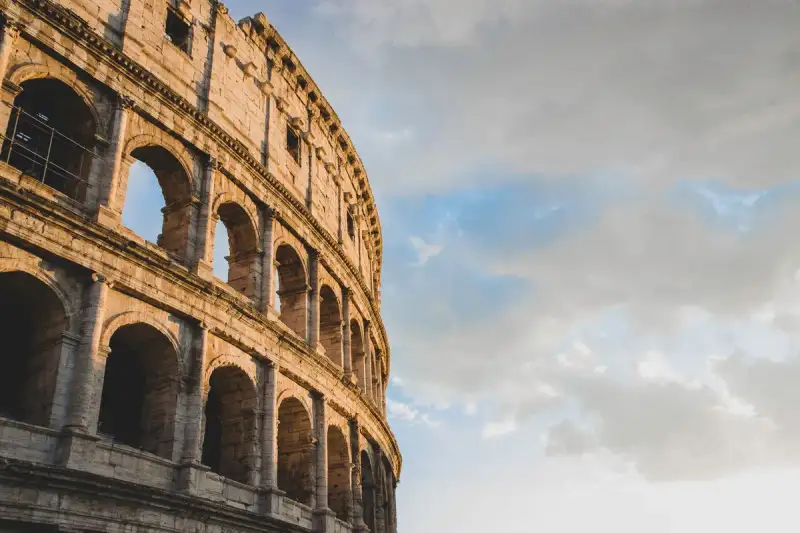

The very air in Rome hums with an ancient resonance, a symphony of forgotten glories and triumphs that still echo from every cobblestone and crumbling archway. Yet, amidst this chorus of antiquity, one monument rises, not merely as a structure of stone and mortar, but as a thrumming heart of imperial power, public spectacle, and enduring human drama: the Colosseum. It is more than a ruin; it is a sentinel of civilization, a silent narrator of an empire's zenith and the multifaceted lives it encompassed. To stand before it is to feel the weight of two millennia, to hear the roar of phantom crowds, and to understand that some stories, etched in travertine and tuff, are truly immortal. Nestled gracefully in the sprawling embrace of Italy's eternal capital, just to the east of the venerable Roman Forum, the Colosseum stands as an elliptical titan. It is not merely a testament to Roman ingenuity but an unparalleled marvel of engineering scale, holding the distinction as the largest ancient amphitheatre ever constructed and remaining the grandest standing amphitheatre in the world. Its very form, a colossal oval, speaks of inclusivity, designed to embrace tens of thousands within its imposing walls, a masterclass in communal experience, however brutal or magnificent. The Flavian Legacy: A Monument Born of Renewal The genesis of this architectural titan is deeply intertwined with the powerful Flavian dynasty, a lineage that sought to restore Rome's morale and grandeur after the tumultuous reign of Nero. Construction commenced under the formidable Emperor Vespasian in 72 AD. A pragmatist and a military man, Vespasian understood the importance of public works, of giving back to the people, and of cementing his dynasty's legitimacy. He initiated a project that would define an era, transforming a symbol of private imperial excess into a monumental arena for public entertainment. Vespasian, however, would not live to see its completion. The colossal undertaking was brought to fruition by his son and successor, Titus, who reigned from 79 to 81 AD, with the grand inauguration taking place in 80 AD. Further embellishments and modifications were carried out during the subsequent reign of Domitian (81–96 AD), completing what became the most sophisticated entertainment complex of the ancient world. It is this familial patronage – Vespasian, Titus, and Domitian – that led later classicists and archaeologists to bestow upon it the more formal, if less popularly known, appellation: the Flavian Amphitheatre, a name that honors the gens Flavia, their distinguished family name. Constructed from a formidable array of materials, the Colosseum is a testament to the Romans' mastery of construction. Its imposing skeleton of travertine limestone, sourced from nearby quarries, provided structural integrity and a dazzling white finish in its prime. Volcanic rock, known as tuff, lent its strength, while brick-faced Roman concrete – a revolutionary material for its time – allowed for complex shapes and incredible durability. This combination of natural resources and advanced engineering allowed for a structure that could accommodate an estimated 50,000 to 80,000 spectators at various junctures in its history, with an average audience capacity often cited around 65,000. Imagine the logistical feat of seating and managing such a throng, a testament to Roman organizational prowess. The Canvas of Spectacle: Life and Death in the Arena For centuries, the Colosseum served as the beating heart of Roman public life, a stage for spectacles that ranged from the awe-inspiring to the utterly barbaric. Gladiatorial contests, the most iconic and perhaps most misunderstood of its events, pitted highly trained fighters against each other in contests of skill, courage, and often, brutal fatality. These were not mere blood sports; they were complex social rituals, opportunities for emperors to display generosity, for citizens to vent frustrations, and for individuals to achieve fleeting fame or face ignominious death. Beyond the gladiators, the arena hosted a bewildering array of public shows. Animal hunts, known as venationes, saw exotic beasts from across the empire – lions, tigers, bears, rhinoceroses, and more – battling each other or specially trained hunters, a dazzling and terrifying display of imperial might and geographical reach. Executions, often theatrical and gruesome, served as stark warnings and expressions of state power. Re-enactments of famous battles brought historical and mythological narratives to life, while dramas based on Roman mythology provided a form of entertainment more akin to modern theatre, albeit with far grander staging. Perhaps most astonishingly, for a brief period, the arena was even flooded for naumachiae, or mock sea battles, transforming the Colosseum into an inland sea for naval engagements. The sheer engineering required to achieve this is almost unfathomable.The Name: A Colossus of Meaning The name "Colosseum" itself carries a fascinating etymology, a linguistic journey through time that often leads to misconception. Originally, the building's Latin name was simply amphitheatrum, signifying its function. While "Flavian Amphitheatre" is commonly used today, there is no definitive evidence that this name was widely used during classical antiquity. Some Romans may have unofficially referred to it as Amphitheatrum Caesareum, an adjective pertaining to the title Caesar, but this was likely a poetic flourish and not exclusive to Rome's great amphitheatre, as Vespasian and Titus themselves constructed another Flavian Amphitheatre in Puteoli (modern Pozzuoli). The popular name "Colosseum" is widely believed to derive from a colossal statue of Nero, a bronze giant modeled on the Colossus of Rhodes. This immense sculpture depicted Nero as a solar deity, and it was moved to a position beside the amphitheatre by Emperor Hadrian (r. 117–138 AD). The Latin adjective colosseus, meaning "gigantic" or "colossean," aptly described this statue. By the year 1000, the Latin name "Colosseum" had been coined specifically to refer to the amphitheatre, drawing its inspiration from the nearby "Colossus Solis" (Colossus of the Sun), as Nero's statue was then known. It's here that a famous historical nuance, often misconstrued, comes into play. In the 8th century, an epigram attributed to the Venerable Bede contained a prophetic verse: "Quamdiu stat Colisæus, stat et Roma; quando cadet colisæus, cadet et Roma; quando cadet Roma, cadet et mundus" – "as long as the Colossus stands, so shall Rome; when the Colossus falls, Rome shall fall; when Rome falls, so falls the world." This powerful declaration is frequently, and erroneously, translated to refer to the amphitheatre itself. However, at the time Pseudo-Bede wrote, the masculine noun coliseus specifically applied to the colossal statue of Nero, not the Flavian Amphitheatre. Even Lord Byron's poem "Childe Harold's Pilgrimage" perpetuates this common mistranslation, inadvertently cementing the error in popular imagination. The name continued its evolution through the Middle Ages. Medieval Latin saw variations like coloseum (attested from the 12th century) and coliseum (from the 14th century). In the 12th century, the structure was specifically recorded as amphitheatrum colisei, the "Amphitheatre of the Colossus." By the High Middle Ages, it was recognized in Old French as colosé in the late 13th century, and Middle French saw colisée by the early 16th century, a term that had by then broadened to apply to any amphitheatre. This lineage passed into Middle English as colisee, used by John Capgrave in his Solace of Pilgrims, where he remarked: "collise eke is a meruelous place … þe moost part of it stant at þis day." Similarly, John Bourchier, 2nd Baron Berners, in his 1533 translation of Antonio de Guevara's biography of Marcus Aurelius, referred to "this Emperour, beynge with the Senate at Collisee ...." Italian colosseo or coliseo first referred to the Roman amphitheatre before also becoming a generic term, as did Catalan coliseu, Spanish coliseo, and Portuguese coliseu. The earliest citation for the name "Colosseum" in Early Modern English comes from Philemon Holland's 1600 translation of Bartolomeo Marliani's Urbis Romae topographia, which explicitly states: "This Amphitheatre was commonly called Colosseum, of Neroes Colossus, which was set up in the porch of Neroes house." John Evelyn, in his translation of Roland Fréart de Chambray, similarly noted, "And 'tis indeed a kind of miracle to see that the Colosseum … and innumerable other Structures which seemed to have been built for Eternity, should be at present so ruinous and dilapidated." This rich linguistic history underscores how deeply the structure, and its naming, have been woven into the fabric of European culture and language. From Opulence to Public Forum: The Site's Transformation The very ground upon which the Colosseum proudly stands tells a compelling story of Roman history and transformation. The chosen site was a naturally flat area, nestled in the floor of a low valley, strategically positioned between the Caelian, Esquiline, and Palatine Hills. A canalized stream once traversed this area, alongside an artificial lake and marshland. By the 2nd century BC, this valley was a densely inhabited part of Rome, a vibrant urban landscape. This landscape was drastically altered by the Great Fire of Rome in 64 AD, a catastrophic event that devastated large portions of the city. Capitalizing on the destruction, the controversial Emperor Nero seized much of the area, annexing it to his personal imperial domain. On this prime piece of land, he embarked on the construction of the opulent Domus Aurea, his "Golden House," a sprawling palace complex designed for unparalleled luxury. In front of this grandiose residence, Nero created an artificial lake, complete with pavilions, meticulously designed gardens, and elegant porticoes, transforming a bustling urban district into his private pleasure grounds. The existing Aqua Claudia aqueduct was even extended to supply this extravagant new area with water, and, of course, the gigantic bronze Colossus of Nero was erected nearby, standing proudly at the entrance to the Domus Aurea. Vespasian's decision to construct the Colosseum on the very site of Nero's lake was a masterstroke of political symbolism. It was a powerfully populist gesture, a clear declaration of his intent to return land and resources from the emperor's private extravagance to the public good. Much of the Domus Aurea was systematically torn down, a deliberate act of dismantling a controversial predecessor's legacy. The artificial lake was filled in, and its land was meticulously prepared and reused as the foundation for the new Flavian Amphitheatre. To support the monumental operations of the arena, gladiatorial schools and various other auxiliary buildings were constructed nearby, within the former grounds of the Domus Aurea, creating an integrated complex dedicated to entertainment and spectacle. This transformation from a symbol of imperial self-indulgence to a grand public space speaks volumes about the political savvy of the Flavian emperors.Enduring Legacy: From Ruins to Global Icon The glory days of the Colosseum as an entertainment venue, however, were not eternal. With the decline of the Western Roman Empire and the rise of Christianity, the spectacles, often deemed pagan and excessively violent, gradually ceased. By the early medieval era, the building was no longer used for entertainment. Yet, its sheer structural integrity and vastness ensured its continued relevance, albeit in radically different capacities. It was creatively repurposed for various functions: as housing for citizens, workshops for artisans, quarters for a religious order, and even as a formidable fortress during periods of civil unrest. Tragically, it also served as a convenient quarry, its precious stones and materials (spolia) plundered for other building projects across Rome. Eventually, it gained sanctity as a Christian shrine, commemorating the martyrs believed to have died within its walls. Despite being substantially ruined over centuries by devastating earthquakes and the relentless depredations of stone robbers, the Colosseum has steadfastly remained an internationally renowned symbol of Imperial Rome. Its very silhouette against the Roman sky evokes an empire's might and artistic ambition. Its profound historical and cultural significance led to its inclusion as one of the New 7 Wonders of the World, a testament to its enduring power to captivate and inspire. Today, the Colosseum stands as one of Rome's most popular tourist attractions, drawing millions annually who come to walk in the footsteps of emperors and gladiators, to marvel at its scale, and to contemplate the stories etched into its ancient stones. Its symbolic weight extends even to contemporary religious practices; each Good Friday, the Pope leads a poignant, torchlit Catholic "Way of the Cross" procession that begins in the sacred area surrounding the Colosseum, connecting ancient suffering with Christian remembrance. Its image is even immortalized on the Italian version of the 5 euro cent coin, a constant reminder of its pervasive influence on Italian identity and heritage. The Colosseum, in its present state, is a powerful paradox: a magnificent ruin, a testament to both human grandeur and the relentless march of time. It embodies the ebb and flow of history, from a bustling valley to Nero's private lake, to a public amphitheater, then a quarry, and finally, a revered global monument. Its stones, scarred by earthquakes and human hands, continue to whisper tales of power, passion, and the indomitable spirit of an empire that, through this very structure, still commands our awe. To truly understand Rome, one must not merely see the Colosseum, but feel its pulse, listen to its echoes, and recognize its immutable grandeur as a permanent fixture in the human story.#Travel #AncientRome #Colosseum #ItalianHistory #ArchitecturalWonders Related InsightsDive Into a Hidden World: The Most Breathtaking Underwater Museums and Sculpture Parks Im Bann der Gezeiten: Wenn Stein und Meer den Mont Saint-Michel umarmen Beyond the Supermarket Aisle: A Gastronomic Odyssey Through Earth’s Most Exotic Fruits{ "@context": "https://schema.org", "@type": "FAQPage", "mainEntity": [ { "@type": "Question", "name": "What is the main focus of Echoes of Eternity: Unearthing the Colosseum's Immutable Grandeur?", "acceptedAnswer": { "@type": "Answer", "text": "Journey into the heart of ancient Rome with John Explorer as we unveil the Colosseum, an architectural marvel steeped in tales of emperors, gladiators, and an enduring legacy that shapes our world." } }, { "@type": "Question", "name": "Who authored the comprehensive guide on Echoes of Eternity: Unearthing the Colosseum's Immutable Grandeur?", "acceptedAnswer": { "@type": "Answer", "text": "This detailed article and its insights were carefully researched and authored by John Explorer." } }, { "@type": "Question", "name": "Where can I find more related content about Travel?", "acceptedAnswer": { "@type": "Answer", "text": "You can explore more articles, detailed reviews, and similar insights by browsing the Related Insights section at the bottom of this article or visiting our dedicated Travel category page." } } ] }

- Michael Chef
- 09 Jul, 2026 10:37
The Unfolding Tapestry of Flavor: A Millennia-Spanning Journey Through the Epic Evolution of Curry
In the grand chronicle of human sustenance, few dishes command as rich and intricate a narrative as curry. It is not merely a meal; it is a gastronomic odyssey, a symphony of flavors echoing through millennia, a testament to humanity's innate desire for discovery, connection, and the sheer delight of the palate. From the sun-baked plains of ancient India to the bustling kitchens of modern metropolises, curry has embarked on a transformative journey, continuously reinventing itself, absorbing new influences, and ultimately becoming a vibrant, indispensable thread in the global culinary fabric. Its essence lies not in a single recipe, but in an enduring concept: a spicy, sauced dish, born of diverse ingredients and shaped by the ceaseless flow of trade, empire, and cultural exchange. The Genesis of Flavor: Whispers from Ancient India Long before the world envisioned a dish called "curry," the seeds of its magnificent future were being sown in the ancient lands of the Indian subcontinent. Archaeological revelations from sites such as Mohenjo-daro, dating back to a staggering 2600 BCE, unveil a sophisticated culinary culture already adept at the art of spice preparation. Here, the rhythmic thud of mortar and pestle was a daily symphony, as early inhabitants meticulously ground an array of aromatic treasures: cumin, fennel, garlic, ginger, mustard, black peppercorns, saffron, sesame seeds, tamarind pods, and turmeric. These were not mere flavorings but foundational elements, enhancing a diet rich in meats, fish, grains, pulses, and fruits. Among these pioneering spices, black pepper stands as a titan. Indigenous to the Indian subcontinent and Southeast Asia, its piquant bite has graced Indian cooking since at least 2000 BCE, providing a gentle warmth that was a precursor to the fiery curries we know today. Starch grain analysis on ancient skeletons and pottery shards has further illuminated this prehistoric culinary landscape, revealing the consistent presence of turmeric and ginger, alongside garlic, forming what archaeologists have aptly termed "proto-curries." These early concoctions, while undeniably spiced and flavorful, possessed a heat profile distinctly different from their modern descendants. Relying solely on black pepper or long pepper for their subtle piquancy, they lacked the intense, searing warmth brought by the chili peppers that would arrive on the scene much later. They were delicious, complex, and deeply rooted in their land, but not "spicy hot" by contemporary standards, offering a window into a foundational stage of flavor development that predates globalization.By 1500 BCE, seafaring merchants, primarily from Austronesian communities, were already masters of the waves, establishing some of the world's earliest maritime trade networks. Their vessels plied the vast expanse between South Asia and East Asia, docking at crucial ports along southeastern India and Sri Lanka. This ancient spice trade was not just an economic exchange; it was a profound cultural conduit, facilitating the movement of ingredients, ideas, and culinary techniques, laying the groundwork for the future internationalization of dishes like curry. Medieval Innovations and Subtle Palates The medieval period in pre-Columbian India saw the evolution of these proto-curries into a diverse array of dishes, though still distinct from the internationalized versions that would emerge. The absence of chili peppers, tomatoes, potatoes, bell peppers, and squashes – all gifts of the Columbian Exchange – meant that Indian dishes, while often spicy with black or long pepper, never achieved the fiery intensity characteristic of many modern curries. Consider Sambar, a medieval staple, which was a dish of pigeon peas (toor dal) or lentils, artfully flavored with onions and a delicate selection of mild spices. One of the era's most fascinating and essential spices was asafoetida (hīng). This pungent gum, extracted from plants of the genus Ferula, possessed a notorious odor in its raw form. Yet, when subjected to the transformative heat of oil, it blossomed, shedding its offensive smell to impart a uniquely fine-tasting, almost meaty, flavor profile, adding depth and umami to countless preparations. Historical texts offer tantalizing glimpses into these medieval culinary practices. Chavundaraya II's 11th-century Lokopakara, a Kannada text, details the use of asafoetida, cumin, curry tree leaves, and mustard in flavoring dal, showcasing a sophisticated understanding of spice combinations. A century later, the 12th-century Mānasollāsa, from the Western Chalukya Empire of South India, listed coriander, cumin, asafoetida, salt, and black pepper among its key spices, further illustrating the complexity and regional variations in flavor profiles. Even in the North, the 15th-century Ni'matnāmah Naṣir al-Dīn Shāhī from the Malwa Sultanate described flavoring vegetables with asafoetida and sesame seeds, fried in clarified butter (ghee), then brightened with lime juice and salt – a testament to a cuisine that was both refined and deeply rooted in its local ingredients and traditions. These were dishes of profound flavor, built on an intricate understanding of spices, yet they awaited a revolution that would redefine "spicy hot." The Columbian Exchange and Mughal Grandeur: A Culinary Revolution The early modern era ushered in two monumental shifts that would irrevocably alter the course of Indian cuisine and, by extension, the global story of curry. The first was the establishment of the Mughal Empire in the early 16th century. This new power brought with it a distinct culinary philosophy, an Indo-Persian heritage that introduced new and subtly spiced dishes, particularly to the north of India. The cuisine of Emperor Akbar, meticulously documented in the Ain-i-Akbari, featured elegant preparations such as aubergines (eggplants) cooked with a harmonious blend of asafoetida, cardamom, cloves, coriander, ginger, lime juice, onions, and pepper. It was under Mughal patronage that iconic dishes like biryani evolved in India, a masterful fusion of Persian pilau rice, the Persian custom of marinating meat in yogurt (curd), and the rich, complex spicing traditions native to India. The second, equally transformative influence, arrived with the establishment of the Portuguese trading center in Goa in 1510. This pivotal moment initiated a byproduct of the Columbian Exchange that would permanently reshape the Indian palate: the introduction of chili peppers, tomatoes, and potatoes from the Americas. Before this, Indian cuisine, while flavorful, had known no true "heat" as we understand it today. The fiery chili pepper, with its Capsaicin kick, was a revelation, rapidly integrated into regional cuisines, especially in the south, igniting a new era of piquant possibilities. Tomatoes and potatoes also found fertile ground, adding new textures, flavors, and versatility to the Indian culinary lexicon. It was amidst this vibrant cultural crossroads in Goa that the very word "curry" likely began its journey into the English language. Food culture scholar Lizzie Collingham suggests that the Portuguese, interacting with local populations in West India, adopted terms from Dravidian languages of South India, transcribing them as "caril" or "carree." These terms, subsequently encountered by British travelers, gradually coalesced into the modern meaning of "curry": a dish, often spiced, served in a sauce or gravy. An early mention appears in a 1598 English translation of a Dutch travelogue concerning the East Indies, which spoke of a "somewhat sour" broth called "Carriel" eaten with rice. The Dutch word "karie" later became prevalent in the Dutch East Indies from the 19th century, a period that also saw significant migration of Indians to Southeast Asia, further extending curry's reach.Etymology: Tracing the Thread of a Word The word "curry" itself is a fascinating linguistic artifact, a testament to centuries of trade and cultural interchange. Its origins are firmly rooted in the Dravidian language family, a group of languages predominantly spoken in South India and Sri Lanka. While its precise lineage is somewhat debated, it likely entered English through a combination of linguistic pathways, possibly via the Dutch "carrijl" or the Portuguese "caris" or "caril." The most commonly cited Dravidian source is the Tamil word "கறி" (kaṟi), which refers to "a spiced mixture with fish, meat or vegetable, eaten with boiled rice." This definition perfectly encapsulates the essence of what became known as curry. Other Dravidian languages, including Malayalam ("കറി" kari, meaning "hot condiments; meats, vegetables"), Middle Kannada, Kodava, and Telugu, possess similar cognates, suggesting a widespread and ancient usage of the term for spiced preparations. The word’s journey into European consciousness is well-documented. A 17th-century Portuguese cookbook, drawing on trade interactions with Tamil merchants along India's Coromandel Coast, provides an early reference to a "spice blend... called kari podi or curry powder." This indicates an awareness of the concept even before its widespread adoption. The first definitive appearance of "curry" in its anglicized form (spelt "currey") was in Hannah Glasse’s seminal 1747 cookbook, The Art of Cookery Made Plain and Easy, marking its formal entry into the English culinary lexicon. It is crucial to clarify several common misconceptions surrounding the word. The English "curry" is emphatically not derived from the name of the curry tree, Murraya koenigii, despite the fact that its aromatic leaves are a prized ingredient in many curry dishes. Nor is it related to the Indian cooking dish shaped like a wok, the "Karahi" or "Kadai," as suggested by cookery writer Pat Chapman, a claim for which no substantiating evidence has been found. Furthermore, "curry" bears no relation to the word "cury" found in The Forme of Cury, a 1390s English cookbook. That archaic term stems from the Middle French word "cuire," meaning "to cook," a linguistic ancestor entirely separate from the South Indian origins of our modern "curry." The British Raj and Global Diffusion: Curry's World Tour The 17th century saw curry begin its migration into English cuisine, primarily through the conduit of Anglo-Indian cooking, initially as a "spicy sauce." This early introduction paved the way for its growing popularity, culminating in Hannah Glasse's famous 18th-century recipe for "currey the India way," which introduced the concept to a wider British audience. The 19th century proved to be a pivotal period for curry's global expansion. As the British Empire’s reach extended, so did the influence of this captivating dish. Indentured Indian sugar workers, traveling across oceans to new colonies, carried their culinary traditions with them, introducing curry to the Caribbean, where it blossomed into distinct regional variations. Simultaneously, British traders and colonial administrators played a crucial role in its spread, notably introducing it to Japan, where it underwent its own unique transformation into a beloved national dish. These initial waves of dissemination were just the beginning. Subsequent cultural exchanges, facilitated by migration, trade, and the ever-shrinking world, ensured that curry became a truly international phenomenon. Its adaptability, its capacity to absorb and reflect local ingredients and palates, allowed it to flourish in myriad environments, far removed from its Indian birthplace. The enduring popularity of curry in Britain, for instance, is a remarkable case study. Here, some curry types were adopted directly from India, preserving their authentic character. However, many others were artfully modified or entirely invented to suit local tastes, leading to the creation of a vibrant Anglo-Indian curry culture that is distinctly British yet unmistakably rooted in Indian traditions. This continuous interplay of preservation and innovation underscores curry's dynamic nature. Curry's Infinite Adaptations: A Global Phenomenon Today, the sheer diversity of dishes bearing the name "curry" is astounding, a testament to its remarkable adaptability and the vastness of its journey. Each region, each country, each community, has embraced the concept and made it its own, creating a rich mosaic of flavors and techniques. In Southeast Asia, for example, curry often manifests with a distinct character, frequently featuring a vibrant spice paste, meticulously pounded from fresh aromatics, and luxuriant coconut milk, which imparts a creamy texture and sweet undertone that is characteristic of the region’s culinary identity. Back in India, the heartland of curry, the approach often begins with tempering. Spices are fried in hot oil or ghee to unlock their full aromatic potential, forming a fragrant paste. This base is then typically combined with a water-based broth, allowing the flavors to meld and deepen, though sometimes milk or coconut milk are used, especially in southern Indian and coastal preparations, or in certain regional specialties. Moving eastward, in countries like China and Korea, curries often derive their characteristic flavor profile from a commercial curry powder, a standardized blend that offers convenience and a consistent taste, differing from the fresh spice grinding traditions of other regions. This highlights another facet of curry's adaptability: its ability to simplify and integrate into new culinary systems. The phenomenon extends globally to curry restaurants operating outside their native countries. These establishments invariably adapt their cuisine to suit local tastes, a practice that ensures broader appeal but also leads to unique, localized curry styles. From the mild, creamy Kormas of British curry houses to the rich, often sweeter variations found in Japanese cuisine, each iteration tells a story of cultural assimilation and culinary innovation. The global reach of curry is not just about its widespread presence, but about its profound capacity for transformation, making it a true culinary chameleon, endlessly fascinating and universally cherished. An Enduring Legacy of Flavor The saga of curry is far more than a simple culinary history; it is a profound narrative of human connection, innovation, and the enduring power of food to transcend borders. From the subtle, fragrant "proto-curries" of the Indus Valley Civilization, flavored with indigenous spices like ginger, garlic, and turmeric, to the revolutionary impact of chili peppers arriving from the New World, and the subsequent global dispersion catalyzed by trade, empire, and migration, curry has continuously evolved. It is a living, breathing culinary concept, a vibrant tapestry woven from countless threads of spices, ingredients, techniques, and cultural exchanges. Today, curry stands as a monument to global interconnectedness, a dish that, in its myriad forms, speaks to the shared human experience of nourishment and pleasure. Its journey, spanning continents and millennia, is a powerful reminder that food, at its heart, is a universal language, constantly adapting, absorbing, and ultimately uniting us through the sheer delight of flavor. Its legacy is not just on our plates, but in the very fabric of our shared culinary heritage, a testament to an epic evolution that continues to unfold.#CurryHistory #GlobalCuisine #SpiceTrade #CulinaryEvolution #IndianFood Related InsightsThe Alchemy of Butter and Flour: Unlocking the Secrets of French Pâtisserie The Mediterranean Vitality Bowl: A Masterclass in Omega-3 Rich Chickpea and Tuna Salad Shahi Tukda: The Golden Dessert of Kings{ "@context": "https://schema.org", "@type": "FAQPage", "mainEntity": [ { "@type": "Question", "name": "What is the main focus of The Unfolding Tapestry of Flavor: A Millennia-Spanning Journey Through the Epic Evolution of Curry?", "acceptedAnswer": { "@type": "Answer", "text": "Delve into the profound history of curry, tracing its intricate evolution from ancient Indian spice blends to a universally beloved dish, shaped by trade, empire, and cultural fusion." } }, { "@type": "Question", "name": "Who authored the comprehensive guide on The Unfolding Tapestry of Flavor: A Millennia-Spanning Journey Through the Epic Evolution of Curry?", "acceptedAnswer": { "@type": "Answer", "text": "This detailed article and its insights were carefully researched and authored by Michael Chef." } }, { "@type": "Question", "name": "Where can I find more related content about Food?", "acceptedAnswer": { "@type": "Answer", "text": "You can explore more articles, detailed reviews, and similar insights by browsing the Related Insights section at the bottom of this article or visiting our dedicated Food category page." } } ] }

-
 Aylin Okur
- 08 Jul, 2026 21:39
From Whispers to Worlds: Charting the Timeless Odyssey of Children's Literature
In the quiet hum of a child's imagination, fueled by pages turned and words whispered, lies an entire cosmos. It is a universe built brick by brick with tales, poems, and vivid illustrations, designed not merely to entertain, but to instruct, to inspire, and to sculpt the nascent mind. This realm, which we broadly categorize as children's literature, is far more complex than its seemingly simple premise suggests. It is a dynamic, evolving landscape, a vibrant echo chamber of human history, philosophy, and societal shifts, reflecting how cultures have perceived, nurtured, and communicated with their youngest members across millennia. To chart the course of children's literature is to embark on an intellectual odyssey, traversing epochs where its very existence was undefined, through periods of moralistic fervor, philosophical enlightenment, and finally, into a richly diverse contemporary form. What begins as a shared oral tradition, indistinct from adult narratives, slowly crystallizes into a distinct genre, shaped by the very idea of childhood itself. It is a testament to the enduring power of story, a force that transcends the boundaries of age, yet paradoxously defines entire segments of it. The Elusive Definition: Boundaries Beyond Pages Defining children's literature is akin to catching mist; it is everywhere, yet nowhere precisely fixed. There is no single, universally accepted demarcation that cleanly separates it from the broader ocean of written works. Broadly conceived, it encompasses stories, books, magazines, and poems specifically created for children, its primary purpose being to entertain or instruct young people. This vast body of work is incredibly diverse, ranging from acknowledged classics that resonate across generations to the simplest picture books, from easy-to-read stories crafted exclusively for nascent readers to ancient fairy tales, lullabies, fables, and folk songs that spring from the very wellspring of oral traditions. One might attempt to narrow its scope, categorizing it as fiction, non-fiction, poetry, or drama expressly intended for and used by children and young people. However, even this precision introduces new ambiguities. One scholar, in an effort to delineate, posits that children's literature includes "all books written for children, excluding works such as comic books, joke books, cartoon books, and non-fiction works that are not intended to be read from front to back, such as dictionaries, encyclopedias, and other reference materials." Yet, this exclusionary stance immediately invites debate, with others rightfully arguing for the inclusion of comics, acknowledging their global significance and deep association with children's culture, despite their often superficial treatment in traditional children's literature studies. The inherent fluidity of these classifications is underscored by the observation in The International Companion Encyclopedia of Children's Literature, which notes that "the boundaries of genre... are not fixed but blurred." This blurring often leads to a delightful conundrum: is a particular work best suited for adults or children? Some literary creations defiantly resist easy categorization, finding homes in the hearts of readers of all ages. The monumental success of J. K. Rowling's Harry Potter series serves as a prime contemporary example. Explicitly written and marketed for children, its profound themes, intricate world-building, and compelling characters captivated an adult audience to such an extent that The New York Times was compelled to create a separate bestseller list solely for children's books, a vivid illustration of how a work can transcend its intended demographic. Moreover, the widespread contemporary association of children's literature with glossy picture books belies its deeper, more ancient roots. Long before the printing press revolutionized dissemination, spoken narratives were the primary vehicle for transmitting stories. As Seth Lerer profoundly states in Children's Literature: A Reader's History from Aesop to Harry Potter, his work presents "a history of what children have heard and read.... The history I write of is a history of reception." This perspective reminds us that the essence of children's literature lies not just in the written word, but in the echoes of ancient storytellers, in the very act of a tale being received and absorbed by a young mind, a tradition far predating the physical book.Whispers from Antiquity: The Unwritten Prologue The genesis of what we now recognize as children's literature is a journey into the mists of time, deeply interwoven with the broader oral traditions of humanity. Before the advent of widespread printing, before the very concept of a distinct childhood genre emerged, stories, songs, and poems were shared across generations, serving multiple functions: to educate, to instruct, and certainly, to entertain. These early expressions, part of a collective cultural heritage, were not exclusively "for children" in the modern sense, but were absorbed by all members of a community, including its youngest. Fairy tales, for instance, a cornerstone of contemporary children's literature, were only consciously identified as such in the seventeenth century, having existed for centuries prior as part of a shared narrative landscape. The development of this nascent literature, preceding the invention of printing, is notoriously difficult to trace, leaving us with fragments and inferences about its form and content. Even once printing became a transformative force, the lines remained blurred. Many narratives now considered classic "children's" tales were initially crafted for an adult audience, only later to be adapted and refined for younger sensibilities. This adaptation process highlights a continuous historical trend: the reinterpretation and repurposing of narratives to suit evolving perceptions of childhood and its needs. From the fifteenth century onwards, however, a noticeable shift occurred. Literature began to be specifically aimed at children, often imbued with a didactic purpose, carrying a strong moral or religious message. This deliberate targeting marked a crucial step in the genre's evolution, reflecting societal concerns about guiding and molding the young. Religious sources, such as the austere Puritan traditions, played a significant role in shaping this early literature, alongside more philosophical and scientific standpoints, influenced by thinkers like John Locke and Charles Darwin, whose ideas, though not directly literary, fundamentally altered how children and their development were perceived. The Dawn of Childhood: A Separate Realm Emerges The modern concept of childhood, as a distinct phase of life requiring unique attention and tailored experiences, is a relatively recent construct. French historian Philippe Ariès, in his seminal 1962 work Centuries of Childhood, provocatively argued that this modern notion only truly emerged in recent centuries. Historically, he posited, children were often not viewed as fundamentally different from adults and consequently did not receive significantly differentiated treatment or, by extension, literature. Ariès's evidence for this position included the notable scarcity of genuine literature specifically aimed at children before the 18th century, save for instructional and didactic texts penned by clerics like the Venerable Bede and Ælfric of Eynsham, which were more theological or educational than purely recreational. However, subsequent scholarship has nuanced Ariès's viewpoint, recognizing that while explicit "children's literature" might have been absent, cultures did produce narratives and performances designed to transmit essential values, attitudes, and information necessary for children's integration into their societies. The twelfth-century Play of Daniel, for instance, served this purpose. Thus, pre-modern children's literature, though not a standalone genre in the contemporary sense, tended to be profoundly didactic and moralistic, its primary function being to impart lessons related to conduct, education, and religious observance. It was in the eighteenth century, concomitant with the burgeoning concept of childhood as a unique and vulnerable stage, that a truly separate genre of children's literature began to crystallize, acquiring its own divisions, expectations, and a nascent literary canon. The earliest manifestations of this emerging genre were primarily educational books, guides on proper conduct, and simple ABCs, often adorned with charming illustrations of animals, plants, and anthropomorphic letters, making learning more palatable. Philosophers, Puritans, and Picture Books: Shaping the Modern Genre The seventeenth century witnessed a profound shift in European thought regarding childhood, a paradigm change that would irrevocably influence the trajectory of children's literature. Adults began to perceive children as distinct beings—innocent, malleable, and crucially, in need of protection and deliberate training by their elders. This evolving perception provided fertile ground for new pedagogical philosophies, most notably articulated by the English philosopher John Locke. In his groundbreaking 1690 work, An Essay Concerning Human Understanding, Locke introduced his influential theory of tabula rasa. According to Locke's philosophy, the human mind at birth is a "blank slate," devoid of innate rules for processing data. All knowledge and understanding, therefore, are derived solely from sensory experiences. A powerful corollary of this doctrine was the conviction that a child's mind was born unscribed, placing a paramount duty on parents and educators to imbue the child with correct notions, guiding their development from a state of innocence into responsible adulthood. Locke himself, advocating for gentle persuasion over punitive force, emphasized the critical importance of providing children with "easy pleasant books" to foster their mental growth. He famously asserted, "Children may be cozen'd into a knowledge of the letters; be taught to read, without perceiving it to be anything but a sport, and play themselves into that which others are whipp'd for." Significantly, Locke was also an early proponent of picture books, recognizing their power to engage young minds and make learning a joyous experience rather than a coercive one. His ideas laid a foundational stone for an approach to children's education and literature that prioritized engagement and delight. Concurrently, another powerful ideological force was shaping the literary landscape for children: Puritanism. This religious movement, emphasizing individual salvation and spiritual introspection, spurred a deep concern for the spiritual welfare of children. The Puritans believed that children, like adults, were inherently sinful and therefore in dire need of moral and religious instruction from an early age. This conviction led to a significant proliferation of "good godly books" aimed squarely at children. These works, often stern and admonitory, sought to guide young readers towards piety and righteousness. While many Puritan authors were popular in their time, such as James Janeway, few achieved the enduring legacy of John Bunyan. His allegorical masterpiece, The Pilgrim's Progress (1678), though initially written for adults, proved so compelling that it eventually became, and remains, one of the most enduring books from this movement, adapted and read by children today, often in modernized versions that retain its spiritual core.The nineteenth century marked another significant period of consolidation and innovation. A handful of children's titles, many with roots stretching back centuries, became canonical as classroom reading texts. Among these were the timeless fables of Aesop, the elegant verses of Jean de la Fontaine, and the enchanting Tales of Mother Goose, first published by Charles Perrault in 1697. The widespread popularity and instructional utility of these texts sparked a creative explosion in the 19th century, leading to the creation of a wealth of new fantasy and fairy tales specifically for children. These narratives delighted young readers with their inclusion of magic objects, talking animals, and fantastical realms, moving beyond purely didactic aims to embrace wonder and imagination. Adding to this diverse tapestry were chapbooks, small, inexpensive, pocket-sized publications that made stories and moral lessons accessible to a wider audience, including children, often sold by itinerant peddlers. These brief, often crudely printed booklets played a crucial role in disseminating popular tales and simple educational content, bridging the gap between elaborate published works and the oral tradition. The Golden Age and Ever Beyond The late nineteenth and early twentieth centuries are collectively revered as the "Golden Age of Children's Literature." This period witnessed an unparalleled outpouring of creativity and the publication of many books that are now considered classics, beloved by generations. The cumulative influences—the philosophical foundations laid by Locke, the moral earnestness of Puritanism, the rich heritage of oral traditions and adapted adult tales, and the growing recognition of childhood as a distinct and cherished phase—converged to create an environment ripe for literary genius. During this era, authors began to craft stories that respected children's intelligence, nurtured their imaginations, and addressed their emotional lives with unprecedented depth and empathy. This era, therefore, was not merely a sudden flourishing but the culmination of centuries of evolving thought about children and their place in the world, expressed through the timeless medium of story. From its ancient, unwritten origins to its contemporary, multifaceted forms, children's literature stands as a dynamic and enduring testament to humanity's perpetual endeavor to communicate, to guide, and to delight its youngest members. It is a genre that continuously reinvents itself, adapting to new social contexts, technological advancements, and evolving understandings of the child's mind. Yet, at its core, it retains its primal purpose: to open worlds, whisper wisdom, and ignite the boundless possibilities of imagination within every child who turns a page.#ChildrensLiterature #LiteraryHistory #StorytellingEvolution #JuvenileFiction #BookHistory Related InsightsThe Boxcar Children 100th Anniversary Edition Book Review and Summary Franny and Zooey Book Review and Summary King Bullet Book Review and Summary{ "@context": "https://schema.org", "@type": "FAQPage", "mainEntity": [ { "@type": "Question", "name": "What is the main focus of From Whispers to Worlds: Charting the Timeless Odyssey of Children's Literature?", "acceptedAnswer": { "@type": "Answer", "text": "Unravel the intricate tapestry of children's literature, from ancient oral traditions to the nuanced genre distinctions of today, and discover how this vital realm of storytelling has shaped young minds for centuries." } }, { "@type": "Question", "name": "Who authored the comprehensive guide on From Whispers to Worlds: Charting the Timeless Odyssey of Children's Literature?", "acceptedAnswer": { "@type": "Answer", "text": "This detailed article and its insights were carefully researched and authored by Aylin Okur." } }, { "@type": "Question", "name": "Where can I find more related content about Books?", "acceptedAnswer": { "@type": "Answer", "text": "You can explore more articles, detailed reviews, and similar insights by browsing the Related Insights section at the bottom of this article or visiting our dedicated Books category page." } } ] }
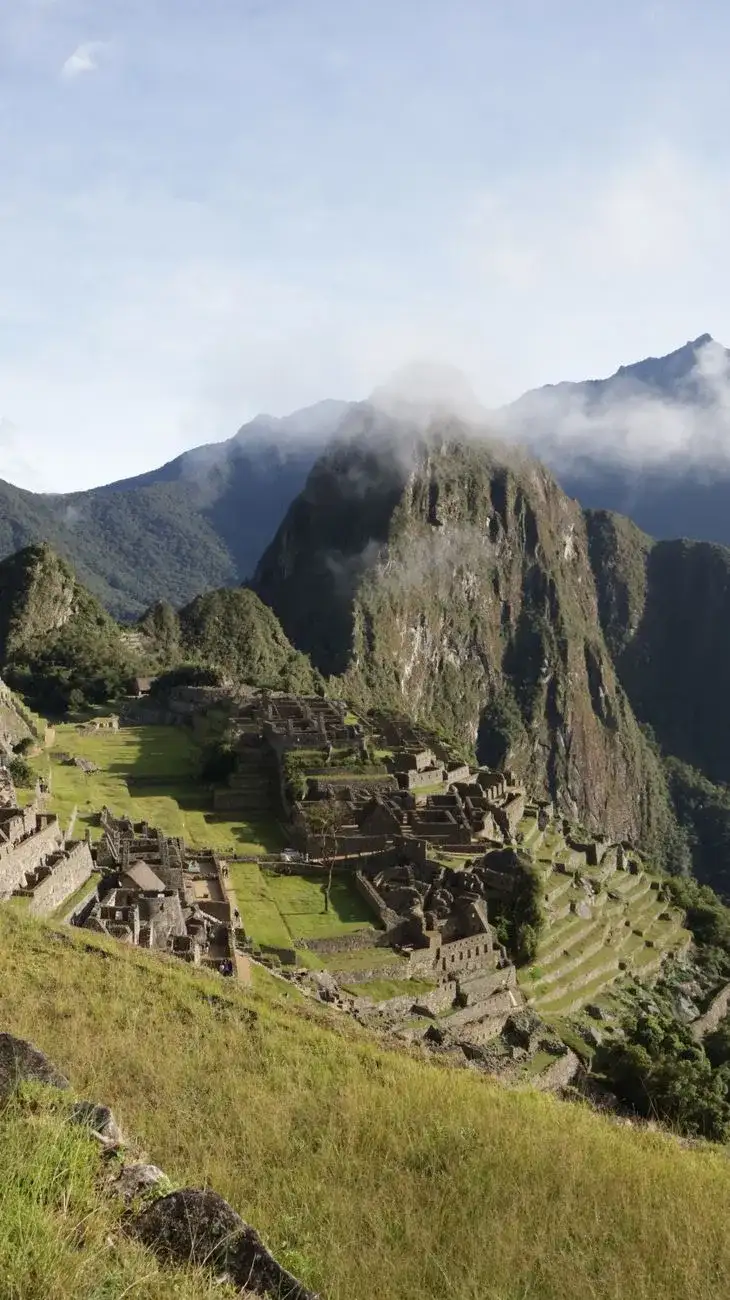
- Pierre Dubois
- 08 Jul, 2026 20:46
Machu Picchu : Quand les Pierres Éternelles des Incas Murmurent l'Histoire Oubliée au Sommet des Andes
Au cœur de la Cordillère Orientale du Pérou, là où les Andes déchirent le ciel en sommets vertigineux, s'accroche un rêve de pierre et de légende : Machu Picchu. Plus qu'une simple ruine, c'est une sentinelle silencieuse du temps, une citadelle oubliée que les brumes matinales enveloppent encore des mystères de l'Empire Inca. Perchée à une altitude défiant l'imagination, à 2430 mètres précisément, elle n'est pas un monument que l'on visite, mais un sanctuaire que l'on ressent, dont chaque pierre taillée murmure l'ingéniosité d'une civilisation disparue et la grandeur d'un empereur bâtisseur. Cet édifice intemporel, suspendu entre ciel et terre, continue de défier notre compréhension et d'éveiller notre âme d'explorateur, bien au-delà des sentiers battus de la modernité. L'Écho Millénaire d'une Cité Perdue Imaginez une forteresse inexpugnable, érigée au XVe siècle par la puissance Inca, non pas au fond d'une vallée accessible, mais sur une crête de montagne escarpée, à quelque 80 kilomètres au nord-ouest de Cusco. C'est là que Machu Picchu se dresse, surplombant la Vallée Sacrée et longeant le puissant fleuve Urubamba, qui creuse un canyon profond, baigné par un climat subtropical montagnard. Cette position stratégique, presque irréelle, a valu à la citadelle le surnom poétique et énigmatique de « Cité Perdue des Incas », bien qu'elle n'ait jamais réellement été perdue pour les populations locales. Elle incarne l'un des symboles les plus iconiques de cette civilisation fascinante et demeure, sans conteste, l'un des sites archéologiques majeurs de toutes les Amériques. La majesté de Machu Picchu réside autant dans son emplacement spectaculaire que dans l'extraordinaire ingéniosité de sa conception. Elle est le témoin silencieux d'une époque où l'homme et la nature s'unissaient dans une harmonie architecturale défiant le temps. Chaque année, plus de 1,5 million de pèlerins et de curieux du monde entier convergent vers ce sanctuaire, faisant de Machu Picchu la destination touristique internationale la plus visitée du Pérou. Son aura dépasse les frontières, son histoire captive, et son paysage à couper le souffle laisse une empreinte indélébile dans l'esprit de ceux qui foulent ses sentiers ancestraux. Les Pierres Murmurantes des Incas La construction de Machu Picchu, estimée aux alentours de 1450, fut un tour de force architectural, emblématique du style classique Inca. Chaque bloc de pierre, souvent d'une taille monumentale, fut taillé et ajusté avec une précision si parfaite qu'il est impossible d'y glisser la lame d'un couteau entre eux, sans l'usage de mortier. Une technique de maçonnerie à sec, d'une sophistication ahurissante, qui a permis à ces structures de résister aux séismes et aux intempéries pendant des siècles. On dit que cette cité fut édifiée pour servir de domaine à l'empereur Inca Pachacútec, bien qu'aucune chronique écrite contemporaine ne puisse l'attester avec une certitude absolue. Ce souverain légendaire, dont le règne marqua l'apogée de l'Empire, aurait vu en ce lieu une résidence d'exception, un havre de paix et de pouvoir. Parmi les édifices les plus remarquables, le Temple du Soleil se distingue par sa tour semi-circulaire et ses murs courbés, un chef-d'œuvre de stéréotomie, dont les fenêtres étaient alignées avec les solstices, témoignant de la profonde connaissance astronomique des Incas. Le Temple des Trois Fenêtres, avec ses ouvertures trapézoïdales offrant des vues imprenables sur les sommets environnants, et la pierre rituelle de l'Intihuatana, une sorte de cadran solaire sacré, sont d'autres exemples frappants de l'ingénierie et de la spiritualité inca. Chacune de ces structures n'est pas seulement un bâtiment, mais un lien tangible avec le cosmos, une expression de la cosmogonie d'un peuple. La citadelle fut abandonnée environ un siècle plus tard, vraisemblablement lors de la conquête espagnole. Les analyses modernes par datation au radiocarbone placent son occupation entre 1420 et 1530 environ, offrant une fenêtre temporelle plus précise sur son usage. Cette soudaine désertion, sans destruction majeure par les conquistadors, contribua grandement à préserver son mystère et son intégrité, la laissant ainsi sommeiller sous la végétation luxuriante des Andes jusqu'à sa "redécouverte" plus tardive.Chroniques Révisées : Quand l'Histoire se Révèle L'histoire et la chronologie précise de Machu Picchu ont longtemps fait l'objet de débats érudits. Les modèles chronologiques initiaux, principalement basés sur les reconstructions historiques du règne de Pachacútec Inca Yupanqui par John H. Rowe, situaient le début de la construction vers 1450, une décennie après son accession au pouvoir. Cependant, les avancées scientifiques récentes ont permis de jeter un éclairage nouveau et plus précis sur cette période. Une étude marquante de 2021, menée par Richard L. Burger, professeur d'anthropologie à l'Université de Yale, a rapporté 26 mesures par radiocarbone AMS (spectrométrie de masse par accélérateur) effectuées sur des restes humains. Ces analyses ont conclu que Machu Picchu fut occupé entre 1420 et 1530 environ, déplaçant ainsi son origine d'au moins vingt ans plus tôt. Des conclusions similaires, confortant une chronologie plus ancienne au début du XVe siècle, ont été rapportées par d'autres études isotopiques. Il apparaît donc que la construction de la citadelle s'est déroulée sous le règne de deux Sapa Incas successifs : Pachacútec Inca Yupanqui (de 1438 à 1471) et Túpac Inca Yupanqui (de 1472 à 1493). Le consensus parmi les archéologues penche vers l'idée que Pachacútec ordonna l'édification de ce domaine royal après sa conquête des régions moyenne et basse de l'Urubamba. Cette initiative s'inscrivait probablement dans un programme plus vaste visant à établir des domaines royaux le long du fleuve Urubamba, soulignant la volonté de l'empereur d'affirmer son pouvoir et d'organiser son empire. Le complexe palatial de Machu Picchu aurait ainsi fonctionné comme une retraite royale saisonnière, un lieu de villégiature et de représentation pour le souverain et sa cour. Bien que considéré comme un domaine royal, il ne semble pas avoir été transmis par lignée de succession directe. Il fut utilisé pendant environ 80 ans avant d'être brusquement abandonné, probablement en raison des conquêtes espagnoles qui ravageaient d'autres parties de l'Empire Inca. Il est même envisageable qu'une grande partie de ses habitants ait succombé à la variole, maladie introduite par les voyageurs européens, avant même l'arrivée des conquistadors espagnols dans la région isolée de Machu Picchu. Le Mystère du Nom : Entre Ancien Sommet et Jeune Pic Le nom même de cette merveille andine est empreint de poésie et d'histoire linguistique. Le site est niché sur une selle étroite entre deux sommets montagneux emblématiques : Machu Picchu et Huayna Picchu. Dans la langue quechua, "machu" signifie 'vieux' ou 'personne âgée', tandis que "wayna" (orthographié "huayna" en orthographe espagnole standard) signifie 'jeune'. Le terme "pikchu", quant à lui, désigne un 'sommet', un 'pic', ou une 'pyramide'. Ainsi, le nom de la citadelle est souvent traduit par 'vieille montagne' ou 'vieux pic'. Pourtant, le nom originel donné à cette colonie par ses bâtisseurs n'est pas connu avec certitude. Une étude publiée en 2021 dans "Ñawpa Pacha: Journal of the Institute of Andean Studies" suggère que le site était probablement désigné sous le nom de "Huayna Picchu", en référence au pic plus petit et plus proche, ou simplement "Picchu". Selon cette recherche, l'association du nom "Machu Picchu" avec les ruines aurait débuté avec les publications de l'explorateur américain Hiram Bingham en 1911. Cette conclusion est corroborée par les notes de terrain de Bingham, les premières cartes qu'il a utilisées, et divers documents historiques. C'est donc la "redécouverte" moderne qui aurait figé le nom que nous connaissons aujourd'hui, bien que les Incas eux-mêmes aient pu l'appeler différemment. La Vie Animée au Cœur de la Citadelle Royale Au-delà de sa magnificence architecturale, Machu Picchu était un lieu de vie, une micro-société complexe et dynamique. Durant sa période d'utilisation comme domaine royal, on estime qu'environ 750 personnes y résidaient. La majorité d'entre elles étaient des "yanaconas", du personnel de soutien qui vivait là de manière permanente, dédiant leur existence au service de l'empereur et de sa cour. Bien que le domaine appartînt à Pachacútec, des spécialistes religieux et des travailleurs temporaires spécialisés, les "mayocs", y vivaient également, probablement pour assurer le bien-être et le divertissement du souverain. Pendant l'hiver, saison généralement plus rude dans les Andes, les effectifs étaient réduits à quelques centaines de serviteurs et à quelques spécialistes religieux, dont la tâche principale était la maintenance des lieux. Un Mosaïque Humaine au Fil des Andins Les études menées sur les restes squelettiques retrouvés à Machu Picchu ont révélé une réalité fascinante : la plupart des personnes qui y vécurent étaient des immigrants, issus d'horizons divers. Des analyses génomiques ont montré que la communauté des domestiques (yanaconas et anciennes acllas) était génétiquement très variée, incluant des ascendances andines, côtières, équatoriennes et amazoniennes. Fait remarquable, des individus d'origines différentes vivaient, se reproduisaient et étaient inhumés ensemble, témoignant d'une intégration culturelle et sociale au sein de la citadelle. Ces individus ne possédaient pas les marqueurs chimiques et ostéologiques que l'on retrouverait chez des personnes ayant vécu toute leur vie à Machu Picchu. Au contraire, les recherches sur les restes squelettiques ont mis en évidence des lésions osseuses dues à diverses espèces de parasites aquatiques indigènes à différentes régions du Pérou. Des indicateurs ostéologiques de stress variés et des densités chimiques différentes suggéraient également des régimes alimentaires à long terme distincts, caractéristiques de régions éloignées les unes des autres. Ces régimes comprenaient des niveaux variables de maïs, de pommes de terre, de céréales, de légumineuses et de poisson. Cependant, le régime alimentaire à court terme le plus récent pour ces personnes se composait globalement de moins de poisson et de plus de maïs. Cela suggère que plusieurs immigrants provenaient de régions côtières et se sont déplacés vers Machu Picchu, où le maïs constituait une part plus importante de l'alimentation. Une autre observation notable est que la plupart des restes squelettiques découverts sur le site présentaient des niveaux inférieurs d'arthrite et de fractures osseuses par rapport à ceux trouvés dans la plupart des sites de l'Empire Inca. Les individus incas souffrant d'arthrite et de fractures osseuses étaient généralement ceux qui effectuaient un travail physique lourd (tel que la corvée de la "Mit'a") ou servaient dans l'armée inca, ce qui laisse entrevoir une vie relativement moins éprouvante physiquement pour les habitants de Machu Picchu. Des Compagnons et des Offrandes : La Faune de Machu Picchu La présence animale à Machu Picchu était également significative, comme en témoignent les nombreux ossements découverts, dont certains n'étaient pas natifs de la région. La plupart des os d'animaux appartenaient à des lamas et des alpagas. Ces camélidés vivent naturellement à des altitudes d'environ 4 000 mètres, bien plus élevées que les 2 400 mètres de Machu Picchu. Il est fort probable que ces animaux aient été amenés de la région de la Puna, principalement pour leur viande et leurs peaux, essentiels à la subsistance et à l'artisanat. Des cobayes, ou cuy, ont également été retrouvés sur le site, notamment dans des grottes funéraires spéciales. Leur présence dans ces tombes suggère qu'ils étaient au moins utilisés lors de rituels funéraires, pratique courante dans tout l'Empire Inca où ils servaient de sacrifices et de source de viande. Enfin, six chiens ont été découverts sur le site. En raison de leur positionnement parmi les restes humains, il est plausible qu'ils aient servi de compagnons aux défunts, partageant peut-être leur dernier voyage vers l'au-delà.L'Héritage d'un Empire : Redécouverte et Préservation Si Machu Picchu est aujourd'hui une icône mondiale, son histoire moderne est celle d'une révélation progressive. Bien que le site fut connu des populations locales depuis des siècles et atteint au début du XXe siècle par l'explorateur péruvien Agustín Lizárraga, c'est l'historien américain Hiram Bingham III qui, en 1911, attira l'attention internationale sur cette merveille. Ses expéditions et publications permirent au monde entier de découvrir la splendeur et le mystère de cette citadelle inca. Depuis lors, la reconnaissance et la protection de Machu Picchu n'ont cessé de croître. En 1981, le Pérou l'a désigné comme Sanctuaire Historique National, une mesure cruciale pour la conservation de son patrimoine naturel et culturel. Deux ans plus tard, en 1983, l'UNESCO l'a inscrit sur la liste du Patrimoine Mondial, reconnaissant son « importance universelle exceptionnelle ». Plus récemment, en 2007, Machu Picchu a été élu l'une des Nouvelle Sept Merveilles du Monde, cimentant sa place dans la conscience collective de l'humanité. Aujourd'hui, alors que les Andes continuent de veiller sur ce joyau, Machu Picchu demeure une source inépuisable de savoir, d'émerveillement et d'inspiration. C'est un appel à l'exploration, à la compréhension d'un passé glorieux, et à la méditation sur la persévérance et l'ingéniosité de l'esprit humain. Chaque pas sur ses pierres ancestrales est un écho d'une histoire millénaire qui refuse de se taire, une invitation à se connecter avec la grandeur d'un empire dont l'héritage continue de rayonner, suspendu entre les nuages et l'éternité.#MachuPicchu #Incas #Pérou #VoyageCulturel #Andes #CitéPerdue #Archéologie Related InsightsSardegna Profonda: Sulle Tracce Misteriose dei Nuraghi nella Barbagia Nascosta The Stone Dreams of Kings: Unveiling the Loire Valley’s Living Tapestry 清水寺: 断崖に立つ祈りの舞台{ "@context": "https://schema.org", "@type": "FAQPage", "mainEntity": [ { "@type": "Question", "name": "What is the main focus of Machu Picchu : Quand les Pierres Éternelles des Incas Murmurent l'Histoire Oubliée au Sommet des Andes?", "acceptedAnswer": { "@type": "Answer", "text": "Perchée à 2430 mètres, Machu Picchu n'est pas qu'une ruine; c'est un testament éternel à la grandeur inca, un joyau archéologique dont les secrets continuent de fasciner." } }, { "@type": "Question", "name": "Who authored the comprehensive guide on Machu Picchu : Quand les Pierres Éternelles des Incas Murmurent l'Histoire Oubliée au Sommet des Andes?", "acceptedAnswer": { "@type": "Answer", "text": "This detailed article and its insights were carefully researched and authored by Pierre Dubois." } }, { "@type": "Question", "name": "Where can I find more related content about Travel?", "acceptedAnswer": { "@type": "Answer", "text": "You can explore more articles, detailed reviews, and similar insights by browsing the Related Insights section at the bottom of this article or visiting our dedicated Travel category page." } } ] }
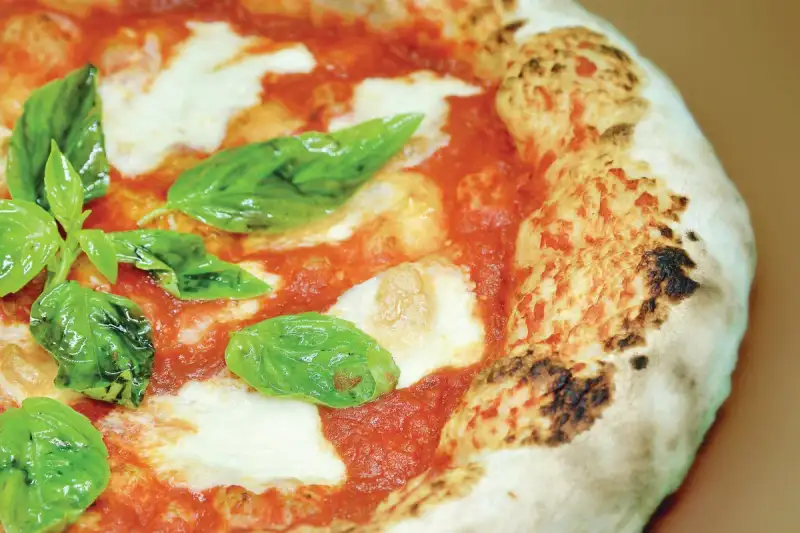
- Giovanni Luigi
- 08 Jul, 2026 17:57
L'Epopea Della Pizza: Un Viaggio Millenario Tra Impasti, Leggende e Conquiste Globali, Dal Cuore Bizantino di Gaeta all'Icona Gastronomica del Mondo
Dalla notte dei tempi, l'umanità ha cercato nel pane non solo sostentamento, ma anche un'espressione della propria cultura, del proprio ingegno e della propria anima. E in questo vasto e millenario racconto di cereali, acqua e fuoco, emerge un capitolo che risplende con un fulgore tutto particolare: quello della pizza. Non un semplice piatto, ma un archetipo, un ponte tra il passato remoto e il presente globalizzato, un mosaico di sapori che evoca la storia, l'ingegno e la passione di un intero popolo. La pizza, quintessenza della cucina italiana, non è soltanto un impasto lievitato coronato da pomodoro, formaggio e un'infinità di altri ingredienti, cotta ad altissime temperature, tradizionalmente nel cuore ardente di un forno a legna. È una poesia gastronomica, un inno alla semplicità e alla perfezione. La sua risonanza è tale che, in ogni angolo del globo, si è affermata come uno degli alimenti più amati e diffusi, una celebrazione del gusto che trascende confini e culture. Si trova nelle pizzerie eleganti, nei ristoranti mediterranei, arriva comodamente a domicilio, o si gusta, rapida e deliziosa, come cibo di strada. In Italia, la consuetudine la vuole servita intera, non tagliata, e l'esperienza del gustarla passa attraverso la sapiente danza di coltello e forchetta, un rituale che ne onora la composizione. Ma in contesti più informali, l'impasto cedevole e i sapori vivaci si offrono alle mani, tagliati a spicchi, in un gesto di condivisione e immediatezza. La sua ubiquità si estende anche agli scaffali dei supermercati, dove si presenta in forme diverse, surgelata o in kit per l'assemblaggio casalingo, pronta per essere animata dal calore del forno domestico. Nel 2017, il mercato globale della pizza ha raggiunto la stupefacente cifra di 128 miliardi di dollari, con gli Stati Uniti a guidare con 44 miliardi, distribuiti su 76.000 pizzerie, a testimonianza di un amore che, per il 13% della popolazione americana sopra i due anni, si traduce in un consumo quotidiano. Una storia di successo, certo, ma le sue radici affondano molto più in profondità di quanto si possa immaginare. Le Corde Segrete del Linguaggio: Alla Ricerca del Primo Accento di "Pizza" Il primo sussurro documentato della parola che oggi riconosciamo come "pizza" risuona tra le mura del tempo, esattamente nel maggio del 997 d.C. Un manoscritto latino, il Codex diplomaticus Caietanus, custodito nella città laziale di Gaeta, all'epoca ancora parte dell'Impero Bizantino, ne è il custode. Questo documento notarile narra di un inquilino che doveva versare al vescovo di Gaeta, come tributo annuale, "duodecim pizze" (letteralmente, 'dodici pizze'), una spalla e un rene di maiale a Natale, e dodici pizze con una coppia di polli a Pasqua. Questa è la nostra primissima testimonianza, un flash dal passato che ci lega direttamente a quel piatto. Ma da dove trae origine questa parola così iconica? L'etimologia, come spesso accade per termini così antichi e diffusi, è un labirinto di ipotesi affascinanti. Una delle teorie più accreditate suggerisce una derivazione dal greco bizantino e dal tardo latino pitta (o pitta), che trova un'eco nel moderno pitta bread greco e nella pitta pugliese e calabrese (allora territori dell'Italia bizantina), un pane rotondo e piatto, cotto ad alta temperatura, talvolta arricchito da condimenti. La parola pitta stessa potrebbe discendere dal greco antico πικτή (pikte), che significa 'pasta fermentata', latinizzata poi in picta, oppure da πίσσα (pissa, attico: πίττα, pitta), 'pece', o ancora da πήτεα (pḗtea), 'crusca' (πητίτης, pētítēs, 'pane di crusca'). Un'altra linea di pensiero, delineata nel Dizionario Etimologico della Lingua Italiana, la riconduce al dialettale pinza, che significa 'morsetto', proprio come il moderno italiano 'pinze'. L'origine di questi termini si troverebbe nel latino pinsere, ovvero 'pestare, pigiare'. Non meno intrigante è la teoria che vede l'influenza della parola longobarda bizzo o pizzo, traducibile con 'boccone' (affine ai termini inglesi bit e bite), introdotta in Italia a metà del VI secolo d.C. dalle invasioni longobarde. Lo spostamento consonantico da b a p potrebbe essere spiegato dalla mutazione consonantica dell'alto tedesco, e in questo contesto si nota come in tedesco la parola Imbiss significhi 'spuntino'. Colui che, con maestria e passione, dà vita a questa meraviglia è noto come pizzaiolo. È interessante notare come la parola "pizza" sia stata introdotta nell'inglese solo negli anni '30 del Novecento; prima di acquisire la sua fama attuale, era spesso chiamata "tomato pie" dagli anglofoni, un nome che ancora oggi sopravvive in alcune varianti regionali. Antiche Radici e Leggende Incrociate: I Progenitori della Pizza La storia della pizza, nella sua concezione più ampia, affonda le radici in un passato ben più remoto del primo documento gaetano, quasi confondendosi con la storia stessa della civiltà. Fin dal VI secolo a.C., i soldati persiani dell'Impero Achemenide, sotto il regno di Dario il Grande, cuocevano focacce piatte con formaggio e datteri sui loro scudi da battaglia. Nello stesso periodo, gli antichi Greci arricchivano il loro pane con oli, erbe e formaggio. È l'alba di un'idea, quella del pane come base per altri sapori. Una delle prime e più suggestive allusioni a un cibo simile alla pizza si trova nell'epopea virgiliana dell'Eneide. Nel Libro III, la regina delle Arpie, Celeno, profetizza ai Troiani che non avrebbero trovato pace finché la fame non li avesse costretti a "mangiare le loro stesse tavole". Più avanti, nel Libro VII, Enea e i suoi uomini vengono serviti con un pasto che include focacce rotonde (simili al pane pita) condite con verdure cotte. Solo dopo aver consumato anche la base di pane, i Troiani realizzano, con stupore, di aver mangiato le "tavole" profetizzate da Celeno, un momento di rivelazione culinaria e mistica. Questa narrazione epica ci mostra come l'idea di utilizzare il pane come "piatto" o "base commestibile" sia antica quanto la letteratura stessa.E il passato continua a parlare, rivelando nuove connessioni. Nel 2023, gli archeologi hanno portato alla luce a Pompei un affresco che sembra raffigurare un piatto simile alla pizza, affiancato ad altri generi alimentari su un vassoio d'argento. Il ministro della cultura italiano ha commentato che potrebbe trattarsi di "un lontano antenato del piatto moderno". Questi ritrovamenti, queste leggende e questi documenti, pur nella loro diversità, dipingono un quadro affascinante di come l'idea di una base di pane condita sia un fil rouge che attraversa millenni di storia umana, culminando, almeno per quanto riguarda il nome, nella "pizza" del 997 d.C. di Gaeta. La Nascita del Mito Moderno: Napoli e la Margherita La pizza moderna, quella che oggi riconosciamo e amiamo, ha iniziato a prendere forma e sostanza a Napoli, in Italia, tra il XVIII e l'inizio del XIX secolo, evolvendo da simili piatti di focaccia. Prima di questo periodo, le focacce erano spesso condite con ingredienti semplici ma sostanziosi come aglio, sale, strutto e formaggio. Il momento esatto in cui il pomodoro, oggi elemento imprescindibile, fece il suo ingresso trionfale sulla scena è avvolto nel mistero e da molteplici rivendicazioni contrastanti. Ciò che è certo è che non poté accadere prima del XVI secolo, con l'arrivo del cosiddetto Scambio Colombiano, che portò il pomodoro dalle Americhe in Europa. Per decenni, la pizza fu venduta da bancarelle all'aperto e da fornai ambulanti. Fu solo intorno al 1830 che le pizzerie di Napoli iniziarono a dotarsi di "stanze" con tavoli, offrendo ai clienti la possibilità di sedersi e gustare le loro pizze sul posto, trasformando un cibo da strada in un'esperienza più strutturata. E poi, c'è la leggenda, quella che ha contribuito a cementare la pizza nel pantheon della gastronomia mondiale: la nascita della Pizza Margherita. La storia popolare vuole che nel 1889, il Palazzo Reale di Capodimonte commissionò al pizzaiolo napoletano Raffaele Esposito la creazione di una pizza in onore della Regina Margherita di Savoia, in visita a Napoli. Delle tre pizze che Esposito creò, la regina pare predilesse in modo particolare quella i cui colori richiamavano la bandiera italiana: il rosso del pomodoro, il bianco della mozzarella e il verde del basilico. Si dice che questa pizza fu allora battezzata in onore della regina, con tanto di lettera ufficiale di riconoscimento dal "capo servizio" della sovrana, ancora oggi esposta nel locale di Esposito, ora noto come Pizzeria Brandi. Tuttavia, ricerche successive hanno gettato un'ombra di dubbio su questa affascinante narrazione, mettendo in discussione l'autenticità della lettera di riconoscimento. Si è evidenziato come nessun media dell'epoca abbia riportato la presunta visita reale e che sia la storia che il nome "Margherita" siano stati promossi per la prima volta solo tra gli anni '30 e '40 del secolo scorso. Indipendentemente dalla veridicità della leggenda, essa ha indubbiamente contribuito a forgiare l'identità e il fascino della pizza, rendendola immortale. L'Orizzonte si Espande: La Pizza Conquista il Mondo La vera epopea globale della pizza inizia con le ondate migratorie. Alla fine del XIX secolo, gli immigrati italiani portarono la pizza negli Stati Uniti, dove si radicò inizialmente nelle aree in cui si concentravano le loro comunità. La prima pizzeria del paese, "Lombardi's", aprì a New York City nel 1905, segnando l'inizio di una rivoluzione gastronomica. Gli italo-americani, migrando da Est a Ovest, portarono con sé il piatto, e da lì, la versione americana della pizza fu esportata nel resto del mondo, plasmando gusti e aspettative su scala planetaria. Nel Regno Unito, la pizza fece la sua comparsa dopo la Seconda Guerra Mondiale, quando gli immigrati italiani aprirono ristoranti italiani a Londra. Ma fu con Peter Boizot, un imprenditore inglese che aveva assaporato l'autentica pizza napoletana durante un viaggio in Italia nel 1948, che il piatto si affermò con forza. Boizot aprì la prima nota pizzeria di Londra, "PizzaExpress", nel 1965. La sua catena si espanse rapidamente a oltre 500 locali nel Regno Unito e in Irlanda, per poi spingersi oltreoceano, dimostrando la contagiosa universalità del suo appeal.Riconoscimento e Patrimonio: La Pizza Napoletana Custodita La pizza non è solo un cibo, è un patrimonio. Questa consapevolezza ha portato, nel 1984, alla fondazione dell'Associazione Verace Pizza Napoletana, un'organizzazione senza scopo di lucro con sede a Napoli, dedicata a promuovere e tutelare la tradizione. Il suo impegno ha dato frutti significativi. Nel 2009, la pizza napoletana è stata registrata presso l'Unione Europea come "specialità tradizionale garantita" (STG), un riconoscimento che ne salvaguarda l'autenticità e il processo produttivo. Ma la sua importanza va oltre il palato. Nel 2017, l'arte di fare la pizza napoletana è stata inclusa nella lista UNESCO del patrimonio culturale immateriale dell'umanità. Questo non è un riconoscimento del piatto in sé, ma della maestria, della tradizione, dei gesti e della cultura che si celano dietro ogni singola pizza, un omaggio ai pizzaioli che con le loro mani e la loro passione portano avanti una storia millenaria. È la celebrazione di un sapere antico, tramandato di generazione in generazione, che ha saputo evolvere senza perdere la sua anima più profonda. La pizza, nelle sue molteplici varianti, è diventata un pilastro della gastronomia mondiale. Ogni fetta, ogni morso, è un viaggio attraverso la storia, un omaggio all'ingegno umano e alla capacità di trasformare pochi, semplici ingredienti in un'esperienza culinaria straordinaria. Dalle focacce degli antichi Persiani al calore del forno a legna napoletano, dal documento del 997 d.C. alle luci scintillanti delle pizzerie di New York o Londra, la pizza continua a raccontare la sua epopea, un racconto di gusto, tradizione e di una passione che non conosce tramonto. E mentre la gustiamo, sia con posate eleganti o semplicemente con le mani, stiamo partecipando a una storia che è vecchia quasi quanto il tempo stesso, un patrimonio che appartiene a tutti, ma che batte, indubitabilmente, nel cuore dell'Italia.#PizzaNapoletana #StoriaDellaPizza #CucinaItaliana #PatrimonioUNESCO #GiovanniLuigi Related InsightsFrom Ancient Grills to Modern Plates: Demir Şef's High-Protein Chicken Shish Kebab with Zesty Sumac Salad - A Culinary Journey Through Culture and Wellness Wenn die Uhr langsamer tickt: Slow Food und das Erwachen regionaler Gaumen The Alchemy of Microbes: Crafting Kombucha, Kefir, and Fermented Elixirs at Home{ "@context": "https://schema.org", "@type": "FAQPage", "mainEntity": [ { "@type": "Question", "name": "What is the main focus of L'Epopea Della Pizza: Un Viaggio Millenario Tra Impasti, Leggende e Conquiste Globali, Dal Cuore Bizantino di Gaeta all'Icona Gastronomica del Mondo?", "acceptedAnswer": { "@type": "Answer", "text": "Un'esplorazione profonda della pizza, dal suo primo accenno nel 997 d.C. alle leggende napoletane e alla sua ascesa in un fenomeno culinario riconosciuto da UNESCO e amato in ogni angolo del pianeta." } }, { "@type": "Question", "name": "Who authored the comprehensive guide on L'Epopea Della Pizza: Un Viaggio Millenario Tra Impasti, Leggende e Conquiste Globali, Dal Cuore Bizantino di Gaeta all'Icona Gastronomica del Mondo?", "acceptedAnswer": { "@type": "Answer", "text": "This detailed article and its insights were carefully researched and authored by Giovanni Luigi." } }, { "@type": "Question", "name": "Where can I find more related content about Food?", "acceptedAnswer": { "@type": "Answer", "text": "You can explore more articles, detailed reviews, and similar insights by browsing the Related Insights section at the bottom of this article or visiting our dedicated Food category page." } } ] }