
-
 Isabella Ferrari
- 08 Jul, 2026 17:57
The Mediterranean Vitality Bowl: A Masterclass in Omega-3 Rich Chickpea and Tuna Salad
"The Mediterranean Vitality Bowl: A Masterclass in Omega-3 Rich Chickpea and Tuna Salad" Welcome back to my culinary sanctuary. I am Isabella Ferrari, and today we are venturing into the heart of the Mediterranean—a region where the secret to longevity is not found in a laboratory, but in the vibrant, sun-drenched ingredients that grace the dinner table. We often talk about "food as medicine," but in the Mediterranean basin, this isn't just a trendy hashtag; it is a way of life that has sustained generations. Today’s focus is a dish that sits at the intersection of nutritional science and culinary delight: the Mediterranean Chickpea and Tuna Salad. This isn't your average lunch; it is a carefully calibrated balance of omega-3 fatty acids, plant-based fibers, and potent antioxidants. The Science of Longevity: Why Omega-3s Matter When we discuss the health benefits of Mediterranean cuisine, we inevitably return to the concept of fat—specifically, high-quality fats. Research into dietary habits shows that the inclusion of oily fish like tuna, rich in long-chain omega-3 fatty acids (specifically EPA and DHA), plays a critical role in cardiovascular health and cognitive function. According to general nutritional consensus and broad scientific literature, omega-3 fatty acids are essential building blocks of the human brain and retina. They are known for their anti-inflammatory properties, which help counteract the systemic inflammation often triggered by modern, highly processed diets. By pairing the fatty acids from high-quality tuna with the complex carbohydrates and prebiotic fibers found in chickpeas, we create a synergistic effect. The fiber in the chickpeas slows the absorption of nutrients, ensuring a steady release of energy without the glycemic spikes associated with less wholesome meals.The Art of the Mediterranean Vinaigrette The backbone of this dish is the lemon vinaigrette. In the Mediterranean, acid is the primary tool used to "wake up" a dish. By whisking extra virgin olive oil—a staple rich in polyphenols—with fresh lemon juice, we create an emulsion that does more than just add flavor. The citric acid helps to brighten the palate, while the polyphenols in the oil work in concert with the omega-3s to support endothelial function, the lining of our blood vessels. I always encourage my readers to use the highest quality tuna they can source. Whether you choose pole-and-line caught albacore or skipjack, look for options packed in olive oil. The oil serves as a protective medium for the delicate fatty acids, preserving their integrity from the moment of canning to the moment they reach your bowl. Cultivating the Mindful Kitchen Cooking is an act of mindfulness. When you are dicing the cucumbers or mincing the red onion, take a moment to appreciate the texture and the color. The vibrant red of the tomatoes, the earthy green of the parsley, and the golden-tan of the chickpeas create a tapestry of nutrients. Science suggests that the Mediterranean diet’s success is not just about the what, but the how. Eating in a state of relaxation—what some call the "parasympathetic state"—improves digestion. When you prepare this salad with intention, you are already nourishing your body before the first bite even hits your tongue.Step-by-Step Culinary Excellence The preparation of this salad is deceptively simple, yet it requires respect for the ingredients. Do not rush the marination process. By coating the chickpeas in the vinaigrette first, you allow the fibers to soften slightly and absorb the garlic-infused oil. This "priming" of the pulse is what separates a mundane salad from a gourmet Mediterranean experience.Preparation: Gather your ingredients. Using fresh parsley is non-negotiable—it provides a bright, herbal finish that lifts the richness of the tuna. The Emulsion: Start by whisking your base. Use a flat whisk to ensure the mustard and olive oil become a stable, creamy emulsion. The Folding Technique: When combining the tuna and chickpeas, use a gentle hand. You want the tuna to remain chunky; pulverizing it into a paste ruins the mouthfeel. The Finish: Serve this in wide, shallow bowls. Garnish with an extra drizzle of cold-pressed olive oil if you are feeling indulgent—it adds a layer of depth that truly sings.Integrating Nutrition into Your Lifestyle Why make this a staple? In a world of fast food and erratic eating, having a "go-to" recipe that provides high-quality protein and omega-3s is a form of self-defense. Nutritional studies consistently demonstrate that those who consume regular servings of omega-3-rich seafood and fiber-dense legumes experience better metabolic health and improved satiety levels. This salad keeps you full, prevents the "afternoon slump," and provides your brain with the sustained fuel it needs to perform throughout the day. As you incorporate this into your weekly rotation, remember that the Mediterranean diet is not a rigid set of rules—it is an invitation to celebrate the earth’s bounty. Feel free to add kalamata olives for a salty punch or roasted red peppers for a touch of sweetness. The recipe is a canvas; your health and your palate are the artists. I hope this dish brings as much vitality to your table as it has to mine. Eating well is the highest form of self-respect. Until next time, stay vibrant, stay curious, and always keep cooking with love. #HealthyLiving #MediterraneanDiet #Omega3Rich #CleanEating #Gastronomy Related InsightsAromatic Flavors of India: Understanding Biryani's Rich Legacy Exploring the Delightful World of Cheese Pairings Kung Pao: Die Alchemie des Feuers und die Kunst des perfekten Kontrasts{ "@context": "https://schema.org", "@type": "FAQPage", "mainEntity": [ { "@type": "Question", "name": "What is the main focus of The Mediterranean Vitality Bowl: A Masterclass in Omega-3 Rich Chickpea and Tuna Salad?", "acceptedAnswer": { "@type": "Answer", "text": "Experience the perfect harmony of heart-healthy fats and plant-based protein in this Mediterranean-inspired salad that fuels your body and soul." } }, { "@type": "Question", "name": "Who authored the comprehensive guide on The Mediterranean Vitality Bowl: A Masterclass in Omega-3 Rich Chickpea and Tuna Salad?", "acceptedAnswer": { "@type": "Answer", "text": "This detailed article and its insights were carefully researched and authored by Isabella Ferrari." } }, { "@type": "Question", "name": "Where can I find more related content about Food?", "acceptedAnswer": { "@type": "Answer", "text": "You can explore more articles, detailed reviews, and similar insights by browsing the Related Insights section at the bottom of this article or visiting our dedicated Food category page." } } ] }
-
 Lucas Martin
- 08 Jul, 2026 16:19
Le Pulitzer de la Fiction : Une Odyssée Littéraire au Cœur de l'Âme Américaine
Dans le vaste panthéon des distinctions littéraires, certaines étoiles brillent d'un éclat particulier, guidant les lecteurs à travers les constellations des récits les plus marquants. Parmi elles, le Prix Pulitzer de la Fiction s'impose comme un phare inaltérable, non seulement en tant que gardien de l'excellence narrative américaine, mais aussi comme le miroir d'une nation en constante redéfinition de son identité littéraire. Plus qu'un simple prix, c'est une saga, un testament vivant des évolutions de la pensée, des mœurs et des frontières de l'imaginaire américain, dont les chapitres se sont écrits et réécrits au fil des décennies. Son histoire est celle d'une quête perpétuelle, d'une ambition sans cesse renouvelée pour honorer les voix qui, avec audace et perspicacité, osent explorer les profondeurs de l'expérience humaine. Les Fondations d'une Légende : Du Roman à la Fiction Le Prix Pulitzer, institution vénérable fondée par Joseph Pulitzer, n'est pas qu'un simple ensemble de récompenses ; il est l'incarnation d'une aspiration à reconnaître les plus hautes formes d'accomplissement dans les domaines des lettres, du théâtre et de la musique aux États-Unis. Parmi les vingt-trois catégories qui le composent, celle dédiée à la fiction occupe une place centrale et historiquement significative. Initialement connu sous le nom de "Prix Pulitzer pour le Roman" (Pulitzer Prize for the Novel), il fut l'un des prix originaux inaugurés en 1917. Bien que le programme ait été lancé cette année-là avec sept récompenses, le prix du roman fut le seul à ne pas être décerné en 1917, sa première attribution ayant eu lieu en 1918. Cette distinction primitive était conçue avec une intention claire, presque prescriptive, telle que définie dans le Plan de Récompense original : honorer "annuellement, le roman américain publié au cours de l'année qui présentera le mieux l'atmosphère saine de la vie américaine, et le plus haut niveau de manières et de masculinité américaines". Il est fascinant de noter que, dès ses prémices, une nuance sémantique majeure fit l'objet de discussions : fallait-il employer le mot "wholesome" (sain, salutaire) ou "whole" (entier, complet) – le mot que Pulitzer aurait inscrit dans son testament ? En 1927, le conseil consultatif, dans un geste discret mais décisif, institua le choix de Pulitzer, remplaçant "wholesome" par "whole". Cette substitution n'était pas anodine ; elle signalait une première ouverture, une reconnaissance implicite de la complexité inhérente à la vie américaine, qui ne pouvait être réduite à une simple dimension "salutaire". Cette période initiale, qui dura trente-et-une années sous l'appellation "Roman", vit le prix être décerné à vingt-sept reprises, marquant les premières pierres d'un édifice littéraire destiné à devenir monumental. Ces premières années ont posé les jalons d'une tradition d'excellence, tout en amorçant un dialogue perpétuel sur ce qui constitue véritablement l'essence du roman "américain" et la manière dont il doit refléter la société qui l'engendre. L'Évolution des Critères : Une Odyssée vers l'Universalité L'histoire du Prix Pulitzer de la Fiction est profondément marquée par l'évolution de ses propres critères, témoignant d'une institution capable de s'adapter et de se réinventer face aux réalités mouvantes de la création littéraire. Cette adaptabilité fut mise à l'épreuve de manière spectaculaire en 1928, lorsque le jury du Pulitzer recommanda à l'unanimité Le Pont de San Luis Rey de Thornton Wilder pour le prix. L'œuvre, incontestablement magistrale, présentait un défi de taille aux définitions établies : elle traitait de Péruviens au Pérou, et non d'Américains en Amérique. Richard Burton, président du jury de l'Université Columbia, insista sur la valeur morale du livre dans son rapport au conseil consultatif, louant "non seulement un admirable exemple de compétence littéraire dans l'art de la fiction, mais aussi une portée philosophique et une élévation spirituelle qui augmentent considérablement sa valeur littéraire." Malgré cette ferveur, Robert Morss Lovett exprima son désaccord, affirmant qu'il serait une "simple supercherie de dire que cela a quoi que ce soit à voir avec le plus haut niveau de manières et de masculinité américaines". Cependant, il s'aligna sur le jury, trouvant "moins de mérite littéraire" dans les autres romans en lice. Cette tension aboutit à une première redéfinition significative. Le conseil consultatif, ayant opté pour Le Pont, modifia les conditions, passant de "atmosphère entière de la vie américaine, et le plus haut niveau de manières et de masculinité américaines" à "de préférence celui qui présentera le mieux l'atmosphère entière de la vie américaine". Bien que cette modification n'ait pas directement abordé la question du cadre étranger, elle marqua une première étape vers une flexibilité accrue.Une autre illustration emblématique de cette évolution fut le cas de La Bonne Terre de Pearl S. Buck en 1932. Ce roman, qui explorait la vie villageoise chinoise dans l'Anhui, en Chine orientale, un cadre résolument étranger, fut également couronné. Cette victoire précipita un nouvel affinement des critères, qui devinrent simplement "le meilleur roman publié cette année par un auteur américain". Cette reformulation élimina tout obstacle lié au cadre géographique, ouvrant la voie à une appréciation de la littérature américaine au-delà de ses frontières immédiates. Parallèlement à ces ajustements sur la géographie et les mœurs, d'autres changements substantiels prirent effet. En 1929, le conseil modifia le libellé pour stipuler "de préférence celui qui présentera le mieux l'atmosphère entière de la vie américaine", supprimant l'exigence que le roman dépeigne "le plus haut niveau de manières et de masculinité américaines". Cette suppression fut cruciale, libérant les auteurs des contraintes d'une représentation idéalisée et parfois restrictive de l'identité américaine, et reconnaissant la richesse des nuances et des ambiguïtés de l'expérience humaine. En 1936, l'accent fut une nouvelle fois modifié, le prix étant désormais attribué à "un roman distingué publié au cours de l'année par un auteur américain, traitant de préférence de la vie américaine". Ces révisions successives montrent une quête constante pour définir une distinction qui, tout en honorant l'excellence littéraire, refléterait une compréhension de plus en plus sophistiquée et inclusive de ce que signifie être un écrivain américain. L'Ère de la Fiction : Une Vision Élargie et Inclusive Le tournant le plus significatif dans l'histoire de ce prix survint en 1948. Cette année-là, le Prix Pulitzer pour le Roman fut officiellement rebaptisé "Prix Pulitzer de la Fiction" (Pulitzer Prize for Fiction). Ce changement de nom n'était pas une simple formalité linguistique ; il signalait une expansion fondamentale de la portée du prix. Le conseil consultatif élargit la définition de l'admissibilité à "Pour la fiction distinguée publiée sous forme de livre au cours de l'année par un auteur américain, traitant de préférence de la vie américaine." Cette reformulation permit au prix de récompenser pour la première fois une collection de nouvelles, défiant ainsi l'exigence implicite d'un roman complet. L'opportunité de couronner Contes du Pacifique Sud (Tales of the South Pacific) de James A. Michener fut le catalyseur de cette évolution. Pour pouvoir honorer cette œuvre acclamée, il devint nécessaire d'élargir les critères de la catégorie et de lever l'interdiction de récompenser des recueils de nouvelles. Cette décision fut un jalon majeur, reconnaissant la valeur intrinsèque et l'impact de la forme courte et d'autres types de fiction, au-delà du roman traditionnel. Elle ouvrit la porte à une plus grande diversité de formes narratives, enrichissant le paysage littéraire du Pulitzer. Depuis 1980, le processus de sélection a gagné en transparence avec l'annonce publique des finalistes, généralement au nombre de trois. Cette pratique offre non seulement un aperçu des délibérations du jury, mais met également en lumière d'autres œuvres méritantes qui ont failli remporter la prestigieuse récompense, contribuant à façonner le discours littéraire de l'année. Palmarès et Légendes : Les Étoiles Éternelles du Pulitzer Au fil de son histoire, le Prix Pulitzer, sous ses deux appellations, a tissé une toile riche de la littérature américaine. Durant les trente-et-une années où il fut désigné comme le prix du "Roman", la distinction fut décernée à vingt-sept reprises. Par la suite, sur les soixante-seize années écoulées jusqu'en 2024 sous le nom de "Fiction", il a honoré soixante-dix œuvres. Ces chiffres révèlent une reconnaissance régulière de l'excellence, mais aussi une sélectivité rigoureuse. Onze années ont vu le prix ne pas être attribué, soulignant l'exigence intransigeante du comité, préférant parfois l'absence de lauréat plutôt que de compromettre ses standards. Une innovation récente est survenue en 2023, lorsque le prix fut partagé pour la première fois par deux auteurs, un événement rare qui témoigne d'une reconnaissance mutuelle de l'excellence irréfutable de deux œuvres distinctes. La diversité des voix primées est également notable : depuis sa création en 1918, trente-trois femmes ont été honorées, preuve d'une reconnaissance croissante de leur contribution fondamentale au canon littéraire américain. Certaines figures se sont distinguées par leur capacité à captiver et à émouvoir le jury à plusieurs reprises, rejoignant ainsi un cercle très restreint de lauréats multiples. Quatre auteurs, véritables titans de la fiction, ont remporté deux prix chacun dans la catégorie Fiction, ou dans sa forme antérieure :Booth Tarkington : Couronné en 1919 et 1922. Son œuvre, ancrée dans la vie américaine du début du 20e siècle, a su capturer l'essence d'une époque. William Faulkner : Un géant de la littérature américaine, il a été récompensé en 1955 et, à titre posthume, en 1963, pour ses explorations profondes et complexes du Sud américain. John Updike : Sa plume incisive lui a valu le prix en 1982 et 1991, marquant son empreinte indélébile sur la fiction contemporaine. Colson Whitehead : Plus récemment, il a rejoint ce club exclusif avec des victoires en 2017 et 2020, démontrant sa capacité à aborder des thèmes sociaux cruciaux avec une maîtrise narrative exceptionnelle.Il est intéressant de noter que le nom d'Ernest Hemingway aurait pu figurer plus tôt sur cette liste prestigieuse. Sélectionné par le jury en 1941, sa récompense fut malheureusement annulée cette année-là sans attribution. Il fut finalement couronné en 1953, confirmant sa place dans l'histoire littéraire. Ces lauréats multiples incarnent la pérennité de l'excellence, la capacité à maintenir un niveau de création exceptionnel sur des décennies.Les Noms Pluriels : Nominations et Reconnaissances Multiples Au-delà des lauréats, l'histoire du Pulitzer est également jalonnée de noms d'auteurs dont le travail a été salué à plusieurs reprises par des nominations, témoignant d'une reconnaissance constante de leur contribution remarquable à la littérature. Si remporter le prix est un exploit immense, être régulièrement sur la liste des finalistes est une preuve de persévérance, d'innovation et d'une qualité d'écriture qui marque les esprits des jurés année après année. Certains auteurs ont notamment accumulé un nombre impressionnant de nominations, soulignant une carrière d'une excellence rare :Quatre nominations : Seuls deux écrivains d'envergure ont atteint ce sommet, attestant d'une influence durable et d'une œuvre constamment pertinente.Joyce Carol Oates : Sa prolificité et sa capacité à explorer une multitude de genres et de thèmes en font une figure incontournable de la littérature américaine contemporaine. Philip Roth : Maître de la fiction psychologique et sociale, Roth a marqué son époque par son exploration sans concession de l'identité américaine, recevant à maintes reprises les éloges du jury.Trois nominations : Un groupe restreint de talents dont la constance et la profondeur ont été maintes fois soulignées.Alice McDermott Anne Tyler Colson Whitehead (qui a d'ailleurs remporté le prix deux fois, ce qui rend ses trois nominations encore plus significatives).Deux nominations : Une liste étendue d'auteurs qui, par la richesse et l'impact de leurs récits, ont laissé une empreinte indélébile sur le jury du Pulitzer. Cette catégorie inclut des noms prestigieux qui ont façonné le paysage littéraire moderne :Russell Banks Raymond Carver Don DeLillo Hernan Diaz E. L. Doctorow Louise Erdrich Percival Everett Richard Ford Adam Haslett Oscar Hijuelos Ha Jin Denis Johnson Gayl Jones Barbara Kingsolver Richard Powers Annie Proulx Marilynne Robinson Robert Stone John Updike (double lauréat également, ce qui témoigne de l'exceptionnalité de sa reconnaissance) David Levering LewisCes listes de nominations multiples ne sont pas de simples statistiques ; elles racontent l'histoire de la persévérance, de la quête inlassable de la perfection stylistique et de la pertinence thématique. Elles illustrent la manière dont certains auteurs réussissent à rester à la pointe de la création littéraire pendant des décennies, leurs œuvres continuant de résonner et d'être considérées comme essentielles par les arbitres de l'excellence. Ces reconnaissances répétées confèrent à ces écrivains un statut particulier, celui de phares éclairant les sentiers de la fiction américaine, année après année. L'Héritage d'une Institution Vivante Le Prix Pulitzer de la Fiction, de ses débuts ancrés dans une définition stricte du roman "américain et wholesome" à sa forme actuelle, plus englobante et ouverte à la "fiction distinguée sous forme de livre", incarne un voyage remarquable. Ce parcours n'est pas seulement celui d'une distinction honorifique ; c'est le reflet en miroir des transformations profondes de la littérature américaine elle-même. Chaque modification de ses critères, chaque débat sur l'éligibilité d'une œuvre, chaque lauréat controversé ou unanimement célébré, a contribué à sculpter non seulement l'identité du prix, mais aussi la compréhension collective de ce qu'est et devrait être la grande fiction américaine. De la rigidité initiale concernant le cadre national et les mœurs à l'acceptation de récits se déroulant à l'étranger ou sous forme de recueils de nouvelles, le Pulitzer a prouvé sa capacité à évoluer sans jamais compromettre son engagement envers l'excellence. Il a reconnu les voix fondatrices et les innovateurs, les conteurs de la condition humaine et les critiques de la société. Le prix continue de susciter l'anticipation, le débat et, surtout, la lecture. Il reste une boussole essentielle pour les lecteurs et les écrivains, un rappel vibrant que la fiction, sous toutes ses formes, détient le pouvoir unique de nous faire voir le monde, de nous comprendre et, in fine, de nous transformer. L'odyssée du Pulitzer de la Fiction est loin d'être achevée ; elle continue de s'écrire, un chapitre distingué après l'autre, au rythme de l'imagination américaine.#PulitzerFiction #Littérature #PrixLittéraireAméricain #Écriture #HistoireDuLivre Related InsightsFallow Book Review and Summary Things We Left Behind Book Review and Summary To All the Boys I've Loved Before Book Review and Summary{ "@context": "https://schema.org", "@type": "FAQPage", "mainEntity": [ { "@type": "Question", "name": "What is the main focus of Le Pulitzer de la Fiction : Une Odyssée Littéraire au Cœur de l'Âme Américaine?", "acceptedAnswer": { "@type": "Answer", "text": "Plongez dans l'histoire fascinante du Prix Pulitzer de la Fiction, une distinction littéraire qui a su s'adapter, se redéfinir et célébrer l'excellence de la narration américaine à travers les époques." } }, { "@type": "Question", "name": "Who authored the comprehensive guide on Le Pulitzer de la Fiction : Une Odyssée Littéraire au Cœur de l'Âme Américaine?", "acceptedAnswer": { "@type": "Answer", "text": "This detailed article and its insights were carefully researched and authored by Lucas Martin." } }, { "@type": "Question", "name": "Where can I find more related content about Books?", "acceptedAnswer": { "@type": "Answer", "text": "You can explore more articles, detailed reviews, and similar insights by browsing the Related Insights section at the bottom of this article or visiting our dedicated Books category page." } } ] }

-
 Klaus Weber
- 08 Jul, 2026 16:01
Der gefaltete Mythos: Eine kulinarische Odyssee durch die tiefgründige Welt des Tacos
In den Annalen der Gastronomie gibt es Speisen, die weit mehr sind als nur die Summe ihrer Zutaten. Sie sind kulturelle Botschafter, Zeugen der Geschichte und ein Ausdruck tiefer regionaler Identität. Der Taco, dieses bescheidene, doch geniale Gebilde aus einer gefalteten Tortilla und einer Füllung, ist zweifellos ein solches Phänomen. Er repräsentiert die Seele Mexikos und hat von den staubigen Gassen seiner Ursprünge eine triumphalen Siegeszug um die ganze Welt angetreten. Eine kleine, handliche Kreation, die man direkt aus der Hand genießt, doch in ihrer Einfachheit eine unendliche Vielfalt verbirgt – das ist der Taco. Die Essenz des Tacos liegt in seiner fundamentalen Konstruktion: eine kleine, handgroße Tortilla, traditionell aus Mais, zunehmend aber auch aus Weizenmehl, die als Träger für eine schier grenzenlose Auswahl an Füllungen dient. Ob zartes Rindfleisch, saftiges Schweinefleisch, würziges Hähnchen, frische Meeresfrüchte, herzhafte Bohnen, knackiges Gemüse oder schmelzender Käse – die Möglichkeiten sind so vielfältig wie die Landschaften Mexikos selbst. Garniert wird dieses Ensemble oft mit einer Explosion von Aromen und Texturen: scharfe Salsa, cremige Guacamole, kühle Sauerrahm, frischer Salat, duftender Koriander, scharfe Zwiebeln, saftige Tomaten und die unverzichtbaren Chiles. Der Taco ist nicht nur eine Speise; er ist ein Antojito, ein kleines Verlangen, ein Stück mexikanischer Straßenkultur, das sich zu einem globalen Symbol entwickelt hat. Man darf den Taco jedoch nicht vorschnell mit seinen Verwandten verwechseln. Im Gegensatz zu Burritos, die oft wesentlich größer sind und gerollt statt gefaltet werden, oder Taquitos, die ebenfalls gerollt und dann frittiert werden, oder gar Chalupas und Tostadas, bei denen die Tortilla vor dem Füllen frittiert wird und offen bleibt, bewahrt der Taco seine charakteristische Falttechnik und seine handliche Größe. Diese scheinbare Einfachheit ist der Schlüssel zu seiner universellen Anziehungskraft und seiner tiefen Verwurzelung in der mexikanischen Esskultur. Die verborgenen Pfade der Sprache: Eine etymologische Spurensuche Die Ursprünge des Wortes „Taco“ im kulinarischen Sinne sind von einem Schleier des Mysteriums umhüllt, und die etymologischen Theorien, die seine Genese zu entschlüsseln versuchen, sind ebenso faszinierend wie vielfältig. Laut der Real Academia Española, dem Hüter der spanischen Sprache, ist „Taco“ im Sinne des typischen mexikanischen Gerichts lediglich eine von vielen Bedeutungen, die das Wort tragen kann. Diese kulinarische Konnotation ist eine mexikanische Innovation, doch das Wort selbst findet in anderen Kontexten eine reiche Verwendung. Es kann „Keil“, „Pfropfen“, „Stopfen“, „Billardqueue“, „Blasrohr“, „Ladestock“, „eine kurze, stämmige Person“ oder gar ein „kurzes, dickes Holzstück“ bedeuten. Die etymologischen Wurzeln dieses vielseitigen Wortes reichen tief in die germanische Sprachfamilie zurück und offenbaren Verwandtschaften mit Begriffen in anderen europäischen Sprachen, darunter das französische „tache“ (Fleck, Aufgabe) und das englische „tack“ (Heftzwecke, Kurs). In Spanien selbst begegnen wir dem Wort „Taco“ auch im Zusammenhang mit „Tacos de jamón“ – hierbei handelt es sich um gewürfelte Schinkenstücke oder manchmal um Reste und Späne, die beim Schneiden eines größeren Schinkenstücks anfallen. Diese können pur als Tapas oder Streetfood genossen werden oder bereichern andere Gerichte wie Salmorejo, Omeletts, Eintöpfe, Empanadas oder Melón con jamón. Diese Beispiele zeigen die semantische Breite des Wortes, bevor es seine spezifische kulinarische Bedeutung in Mexiko annahm. Eine der populärsten etymologischen Theorien zur kulinarischen Verwendung des Begriffs in Mexiko führt uns tief in die Silberminen des 18. Jahrhunderts. Dort wurde „Taco“ von den Bergleuten als Bezeichnung für einen „Pfropfen“ verwendet. Es handelte sich um explosive Ladungen in Pfropfenform, bestehend aus einer Papierhülle und einer Schwarzpulverfüllung. Die Vorstellung, dass die gefüllte Tortilla eine ähnliche Form oder Funktion – das „Füllen“ – wie diese Sprengpfropfen aufwies, könnte die metaphorische Brücke geschlagen haben. Doch die Etymologie des Tacos ist nicht ausschließlich europäisch verhaftet. Es gibt auch Theorien, die indigene Ursprünge nahelegen. Eine faszinierende Möglichkeit ist, dass das Wort vom Nahuatl-Wort „tlahco“ abstammt, was „Hälfte“ oder „in der Mitte“ bedeutet. Dies würde darauf hindeuten, dass die Speise, die in die Mitte einer Tortilla gelegt wird, dem Namen Pate stand. Hinzu kommt die Tatsache, dass bereits in der präkolumbianischen Gesellschaft Gerichte existierten, die dem heutigen Taco ähnelten. Das Nahuatl-Wort „tlaxcalli“ beispielsweise bezeichnete eine Art Maistortilla und beweist die lange Tradition des Füllens und Verzehrens dieser flachen Brote. Die Sprache, so scheint es, ist ein Spiegel der Geschichte und des kulinarischen Wandels. Eine Zeitreise: Die Geschichte des Tacos Die genaue Geburt des Tacos in Mexiko ist Gegenstand lebhafter Debatten. Einige Historiker und Anthropologen argumentieren, dass der Taco bereits vor der Ankunft der Spanier in Mexiko existierte. Es gibt anthropologische Beweise, die darauf hindeuten, dass die indigenen Völker, die in der Seenregion des Tals von Mexiko lebten, traditionell Tacos mit kleinen Fischen füllten. Diese frühen Formen wären somit ein Echo einer jahrtausendealten Kultur, die bereits die Kunst des Füllens von Maistortillas beherrschte. Bernal Díaz del Castillo, ein Chronist der spanischen Konquistadoren, dokumentierte sogar das erste Taco-Fest, das Europäer genossen – ein Mahl, das Hernán Cortés für seine Kapitäne in Coyoacán arrangierte. Dies würde die indigene Ursprungstheorie untermauern und dem Taco eine ehrwürdige Stellung in der vorspanischen Geschichte verleihen. Andere wiederum vertreten die Ansicht, dass die Entstehung des Tacos wesentlich jüngeren Datums ist. Eine der populärsten Theorien datiert die Erfindung des Tacos auf das 18. Jahrhundert, und zwar durch die bereits erwähnten Silberminenarbeiter. Die harten Arbeitsbedingungen und die Notwendigkeit einer schnell verzehrbaren, nahrhaften Mahlzeit könnten zur Entwicklung dieses praktischen Gerichts geführt haben. Die Bergleute, die ihren "Tacos" (Sprengladungen) gewohnt waren, könnten den Begriff auf die gefüllten Tortillas übertragen haben.Die früheste schriftliche Erwähnung des Begriffs „Taco“ findet sich in einem Kochbuch aus dem Jahr 1836 – „Nuevo y sencillo arte de cocina, reposteria y refrescos“ von Antonia Carrillo. In einem Rezept für eine gerollte Schweinelende (lomo de cerdo enrollado) weist sie die Leser an, die Lende so zu rollen, wie sie einen „taco de tortilla“ oder Tortilla-Taco rollen würden. Dies ist ein entscheidender Hinweis darauf, dass der Begriff und das Konzept bereits zu dieser Zeit etabliert waren. Eine weitere frühe Erwähnung des Wortes „Taco“ stammt aus dem Roman „El hombre de la situación“ (1861) des mexikanischen Schriftstellers Manuel Payno. Hier wird beschrieben, wie sich eine Familie um das Bett des Vaters versammelt, und die Mutter „mit einer Hand eine große Tasse weißen Atole schwenkte, während sie mit der anderen direkt zum Mund einen Tortilla-Taco trug, gefüllt mit einer roten Chilisauce.“ Diese literarischen Referenzen widerlegen die Behauptung, dass die erste Erwähnung des Wortes „Taco“ in Mexiko erst in demselben Autor Paynos späterem Roman „Los bandidos de Río Frío“ (1891) erfolgte. Die Zeitlinien sind somit klarer. Es ist auch wichtig zu beachten, dass der Begriff „Taco“ ursprünglich regional begrenzt war, insbesondere auf Mexiko-Stadt und die umliegenden Gebiete. In anderen Regionen existierten eigene Bezeichnungen. In Guanajuato, Guerrero, Michoacán und San Luis Potosí verwendete man die Begriffe „burrito“ und „burro“. In Yucatán und Quintana Roo war der Begriff „codzito“ (coçito) gebräuchlich. Doch aufgrund des kulturellen Einflusses von Mexiko-Stadt setzte sich der Begriff „Taco“ schließlich als Standard durch. Die regionalen Namen wie „burrito“ und „codzito“ wurden entweder vergessen oder entwickelten sich im Laufe der Zeit zu Bedeutungen, die sich von den ursprünglichen gefüllten Tortillas unterschieden. So wurde der "Burrito", wie wir ihn heute kennen, ein eigenständiges, größeres Gericht. Ein bemerkenswerter Höhepunkt in der jüngsten Geschichte des Tacos ereignete sich 2024, als El Califa de León in Mexiko-Stadt zum ersten Taco-Stand avancierte, der einen Michelin-Stern erhielt. Dies ist nicht nur eine Anerkennung für die Qualität und Raffinesse eines bestimmten Taco-Anbieters, sondern eine symbolträchtige Ehrerbietung an die gesamte Taco-Kultur, die damit endgültig ihren Platz in der Liga der Weltklasse-Gastronomie beansprucht hat. Die Symphonie der Aromen: Traditionelle Variationen des Tacos Die wahre Magie des Tacos offenbart sich in seiner grenzenlosen Vielfalt, die von regionalen Spezialitäten und kulinarischen Innovationen geprägt ist. Jeder Taco erzählt eine eigene Geschichte, gewürzt mit den Besonderheiten seiner Herkunft und Zubereitung. Tacos al Pastor und ihre orientalischen Wurzeln Ein leuchtendes Beispiel für kulturellen Austausch sind die Tacos al pastor („Hirtenart“), die auch als Tacos de adobada oder Tacos árabes („arabische Tacos“) bekannt sind. Ihre Zubereitung ist ein Spektakel für sich: Dünne Schweinefleischscheiben, die kunstvoll mit Adobo-Gewürz mariniert werden, werden auf einen vertikalen Drehspieß gesteckt und übereinandergeschichtet. Ähnlich wie beim Schawarma wird das Fleisch langsam über offenem Feuer gegrillt und flammengebraten, während es sich dreht. Die dünnen, knusprigen Scheiben werden dann direkt vom Spieß geschnitten. Diese Variation hat ihre tiefen Wurzeln in der libanesischen Einwandererbevölkerung Mexikos, die im frühen 20. Jahrhundert ihre Kochtraditionen mitbrachten und sie auf brillante Weise mit lokalen Zutaten und Geschmäckern verschmolzen. Serviert werden sie oft mit Ananas, Zwiebeln und Koriander – eine perfekte Balance aus Süße, Schärfe und Frische. Tacos de Asador: Vom Grill direkt auf die Hand Die Tacos de asador („Spieß-“ oder „Grill-Tacos“) umfassen eine Reihe von Köstlichkeiten, die alle auf dem Grill zubereitet werden und eine rauchige Tiefe entwickeln. Dazu gehören die allseits beliebten Carne asada tacos mit zart gegrilltem Rindfleisch, die Tacos de tripita („Kuttel-Tacos“), die bis zur perfekten Knusprigkeit gegrillt werden, und die Chorizo asado (traditionelle spanische Wurst). Jede dieser Varianten wird typischerweise auf zwei übereinanderliegenden kleinen Tortillas serviert, was für zusätzliche Stabilität sorgt und die Geschmacksaufnahme optimiert. Garniert werden sie oft mit Guacamole, Salsa, Zwiebeln und frischem Koriander. Eine besondere Form des Grill-Tacos ist die Mulita („kleines Maultier“). Hierbei handelt es sich um eine Art Sandwich-Taco, bei dem Fleisch zwischen zwei Tortillas gelegt und mit Oaxaca-Käse garniert wird. In den nördlichen Bundesstaaten Mexikos werden diese speziellen Sandwich-Tacos als Mulita bezeichnet, während sie im Süden Mexikos oft als Gringas bekannt sind und dann typischerweise mit Weizenmehl-Tortillas zubereitet werden. Diese regionalen Bezeichnungen und die leichte Variation der Tortillenart zeigen die feinen Nuancen innerhalb der Taco-Kultur. Tacos de Cabeza: Eine Hommage an das Ganze Für die Wagemutigeren und Kenner gibt es die Tacos de cabeza („Kopf-Tacos“). Hierbei wird ein perforiertes Metallblech verwendet, aus dem Dampf aufsteigt, um den Kopf einer Kuh sanft und langsam zu garen. Diese Methode sorgt für eine außergewöhnlich zarte Textur und einen intensiven Geschmack. Die Füllungen können vielfältig sein und umfassen: Cabeza (Muskelfleisch vom Kopf), Sesos („Gehirn“), Lengua („Zunge“), Cachete („Wangen“), Trompa („Lippen“) und Ojo („Auge“). Die Tortillas für diese Tacos werden auf demselben Dampfblech erwärmt, was ihnen eine einzigartige Konsistenz verleiht. Typischerweise werden diese Tacos paarweise serviert und ebenfalls mit Salsa, Zwiebeln und Koriander, gelegentlich auch mit Guacamole, garniert. Sie sind ein Zeugnis der mexikanischen Tradition, alle Teile des Tieres zu verwerten und in köstliche Speisen zu verwandeln. Tacos de Camarones: Die Meeresbrise in der Tortilla An der Küste Mexikos, insbesondere in Baja California, haben die Tacos de camarones („Garnelen-Tacos“) ihren Ursprung gefunden. Hier werden gegrillte oder frittierte Garnelen zum Star des Tacos. Die Begleitungen ähneln oft denen der Fisch-Tacos: knackiger Salat oder Kohl, frisches Pico de Gallo, cremige Avocado und eine Sauce auf Sauerrahm- oder Zitrus-Mayonnaise-Basis, alles kunstvoll auf einer Mais- oder Weizenmehl-Tortilla angerichtet. Diese Tacos fangen die Leichtigkeit und Frische der Pazifikküste ein und bieten eine willkommene Abwechslung zu den fleischlastigeren Varianten.Tacos de Cazo: Tief frittierte Perfektion Die Tacos de cazo (wörtlich „Eimer-Tacos“) sind eine weitere Spezialität, die ihren Namen einer spezifischen Zubereitungsart verdankt. Für diese Tacos wird ein großer Metalltopf oder „Cazo“, gefüllt mit Schmalz, typischerweise als Fritteuse verwendet. Die Fleischsorten für diese Art von Tacos sind oft Innereien wie Tripa („Kutteln“), die hier jedoch in der Regel vom Schwein statt vom Rind stammen und in dem heißen Schmalz langsam bis zur Perfektion frittiert werden, wodurch sie eine reiche Textur und einen tiefen Geschmack entwickeln. Diese Zubereitung verleiht dem Fleisch eine besondere Saftigkeit und Würze, die in Kombination mit frischen Tortillas und typischen Garnituren ein unvergessliches Geschmackserlebnis schafft. Der Taco ist somit nicht nur ein Gericht; er ist ein Panorama der mexikanischen Kochkunst, ein Ausdruck ihrer Geschichte, ihrer regionalen Vielfalt und ihrer Innovationskraft. Von den geheimnisvollen Wortursprüngen bis zu den raffinierten Zubereitungsarten, vom einfachen Streetfood bis zum Michelin-Stern – der Taco ist ein kulinarischer Schatz, der seine Geschichte in jeder Falte trägt und in jedem Bissen eine Welt von Aromen und Traditionen offenbart. Er ist ein Zeugnis dafür, wie ein einfaches Konzept zu einer universellen Ikone werden kann, die Generationen und Kontinente verbindet.#Taco #MexikanischeKüche #KulinarischeGeschichte #StreetFood #Gastronomie Related InsightsThe Antioxidant Powerhouse: Quinoa Salad with Roasted Sweet Potatoes and Kale The Golden Threads of History: Unraveling the Millennia-Old Tapestry of Pasta nicoise salad with seared tuna and green beans: a delicious omega-3 rich dish{ "@context": "https://schema.org", "@type": "FAQPage", "mainEntity": [ { "@type": "Question", "name": "What is the main focus of Der gefaltete Mythos: Eine kulinarische Odyssee durch die tiefgründige Welt des Tacos?", "acceptedAnswer": { "@type": "Answer", "text": "Von antiken Ursprüngen bis zur globalen Ikone: Entdecken Sie die faszinierende Geschichte, die sprachlichen Geheimnisse und die unzähligen Variationen des Tacos." } }, { "@type": "Question", "name": "Who authored the comprehensive guide on Der gefaltete Mythos: Eine kulinarische Odyssee durch die tiefgründige Welt des Tacos?", "acceptedAnswer": { "@type": "Answer", "text": "This detailed article and its insights were carefully researched and authored by Klaus Weber." } }, { "@type": "Question", "name": "Where can I find more related content about Food?", "acceptedAnswer": { "@type": "Answer", "text": "You can explore more articles, detailed reviews, and similar insights by browsing the Related Insights section at the bottom of this article or visiting our dedicated Food category page." } } ] }
-
 Marco Rossi
- 08 Jul, 2026 16:00
La Signora di Ferro che Sfidò il Cielo: Storie, Segreti e le Ombre Nascoste della Torre Eiffel
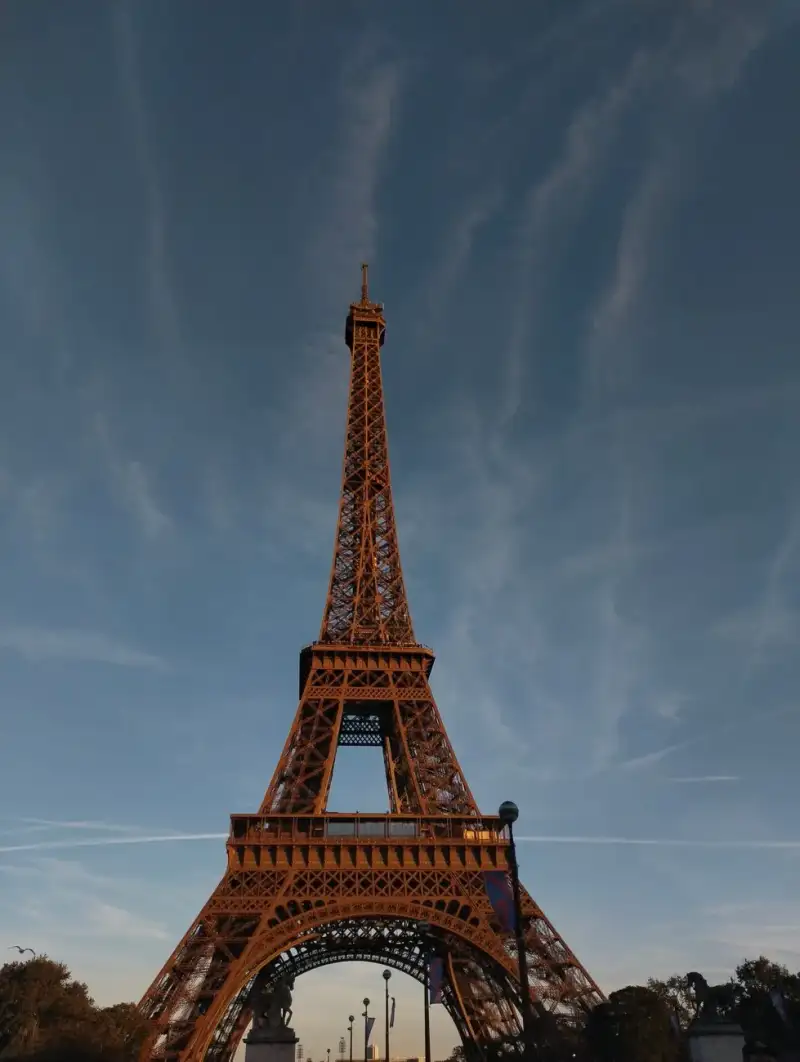
C'è un luogo a Parigi dove il cielo e la terra si incontrano in un abbraccio di ferro, dove l'ambizione umana si è fusa con la poesia dell'acciaio forgiato, creando un simbolo che trascende il tempo e le frontiere. Non è semplicemente una struttura, ma un'anima vibrante, un battito cardiaco metallico che pulsa al ritmo della Ville Lumière. La chiamano "La dame de fer", la Signora di Ferro, un appellativo che evoca non solo la sua composizione, ma anche la sua resilienza, la sua grazia severa e la sua innegabile regalità. La Torre Eiffel non è nata senza controversie, non è sorta senza sogni e non ha conquistato il suo posto nel pantheon delle meraviglie senza una storia intrisa di ingegno, dibattito e, come spesso accade con le grandi opere, di segreti meno luminosi. L'Alba di un Gigante: Visione, Ingegno e la Nascita di un Simbolo Era la fine dell'Ottocento, un'epoca di fervore industriale e di celebrazioni nazionali. La Francia si preparava a ospitare l'Esposizione Universale del 1889, un evento grandioso destinato a coronare il centenario della Rivoluzione Francese. Per un'occasione così significativa, serviva un fulcro, un monumento che potesse incarnare lo spirito di un'epoca e la gratitudine di una nazione. Ed è qui che entra in scena l'ingegnere Gustave Eiffel, la cui azienda avrebbe progettato e costruito quella che sarebbe diventata la Torre Eiffel tra il 1887 e il 1889. L'idea originaria non fu esclusiva di Eiffel. Furono Maurice Koechlin ed Émile Nouguier, ingegneri senior della Compagnie des Établissements Eiffel, a concepire la prima bozza. Nel maggio del 1884, lavorando da casa, Koechlin abbozzò la loro visione: "un grande pilone, composto da quattro travi reticolari che si separano alla base e si uniscono in cima, congiunte da capriate metalliche a intervalli regolari". Eiffel, inizialmente, mostrò scarso entusiasmo per il progetto, ma diede il via libera per ulteriori studi. Fu allora che entrarono in gioco Stephen Sauvestre, capo del dipartimento di architettura dell'azienda. Sauvestre, con la sua sensibilità estetica, aggiunse archi decorativi alla base della torre, un padiglione di vetro al primo livello e altri abbellimenti che trasformarono la bozza iniziale in qualcosa di più affascinante e strutturalmente audace. Questa nuova versione conquistò il sostegno di Eiffel, che acquistò i diritti del brevetto registrato da Koechlin, Nouguier e Sauvestre. Il progetto fu poi esposto all'Esposizione delle Arti Decorative nell'autunno del 1884, presentandosi sotto il nome dell'azienda. Il 30 marzo 1885, Eiffel espose i suoi piani alla Société des Ingénieurs Civils. Nel suo discorso, dopo aver discusso i problemi tecnici e sottolineato gli usi pratici della torre, concluse con una dichiarazione che rivelava la profonda ambizione dietro il progetto. La torre, disse, avrebbe simboleggiato non solo l'arte dell'ingegnere moderno, ma anche il secolo dell'Industria e della Scienza in cui vivevamo, e per il quale la strada era stata preparata dal grande movimento scientifico del XVIII secolo e dalla Rivoluzione del 1789, a cui questo monumento sarebbe stato costruito come espressione della gratitudine della Francia. Il progresso fu lento fino al 1886, quando Jules Grévy fu rieletto presidente della Francia e Édouard Lockroy fu nominato ministro del Commercio. Fu approvato un budget per l'Esposizione, e il 1° maggio, Lockroy annunciò una modifica ai termini del concorso aperto per un fulcro dell'Esposizione. Questa modifica rese di fatto la selezione del progetto di Eiffel una conclusione scontata, poiché le proposte dovevano ora includere uno studio per una torre metallica a quattro lati di 300 metri sul Champ de Mars – un'impresa ingegneristica considerata allora erculea. Il 12 maggio, fu istituita una commissione per esaminare il progetto di Eiffel e quelli dei suoi rivali. Un mese dopo, la commissione decise che tutte le proposte, eccetto quella di Eiffel, erano o impraticabili o prive di dettagli sufficienti. Dopo qualche dibattito sull'esatta posizione della torre, un contratto fu firmato l'8 gennaio 1887. Eiffel lo firmò in proprio, piuttosto che come rappresentante della sua azienda, ottenendo 1,5 milioni di franchi per i costi di costruzione: meno di un quarto dei 6,5 milioni di franchi stimati. A Eiffel sarebbe spettato tutto il reddito derivante dallo sfruttamento commerciale della torre durante l'Esposizione e per i successivi 20 anni. In seguito, fondò una società separata per gestire la torre, mettendo personalmente la metà del capitale necessario. L'Anatomia di una Meraviglia: Dimensioni, Record e la Conquista del Cielo La Torre Eiffel, un'imponente struttura reticolare che si erge con grazia e audacia sul Campo di Marte, è molto più di un semplice assemblaggio di ferro. È un capolavoro di ingegneria, una scultura che dialoga con il vento e le nuvole, un punto di riferimento che ha ridefinito gli orizzonti urbani e le capacità umane. Con i suoi 330 metri di altezza, la torre è paragonabile a un edificio di 81 piani e rimane la struttura più alta di Parigi. La sua base, un quadrato perfetto, misura 125 metri per lato, conferendole una stabilità che sfida la sua apparente leggerezza. Durante la sua costruzione, la Torre Eiffel superò il Monumento a Washington, diventando di gran lunga la struttura artificiale più alta del mondo. Mantenuto questo titolo per ben 41 anni, la sua supremazia fu eclissata solo nel 1930, con il completamento del Chrysler Building a New York City. Fu la prima struttura al mondo a superare la soglia dei 200 e dei 300 metri di altezza, un traguardo che attestò l'audacia e l'ingegno dei suoi creatori. L'aggiunta di un'antenna di trasmissione sulla sua sommità nel 1957 ha ulteriormente innalzato il suo profilo, rendendola ora più alta del Chrysler Building di 11 metri. Escludendo i trasmettitori, la Torre Eiffel è la seconda struttura autoportante più alta della Francia, subito dopo il Viadotto di Millau, testimoniando la sua duratura rilevanza nel panorama ingegneristico mondiale. Ascendere la Signora di Ferro: L'Esperienza del Visitatore e i Segreti del Vertice La Torre Eiffel non è solo un monumento da ammirare da lontano; è un'esperienza da vivere, un viaggio che si snoda attraverso tre distinti livelli aperti ai visitatori, ognuno dei quali offre prospettive uniche sulla città e sulla struttura stessa. Ai primi due livelli, l'atmosfera si arricchisce della presenza di ristoranti, dove si può gustare la cucina francese con una vista mozzafiato, trasformando un pasto in un ricordo indimenticabile. La piattaforma superiore del terzo livello, situata a ben 276 metri dal suolo, detiene il primato del ponte di osservazione pubblico più alto dell'Unione Europea. Da qui, Parigi si dispiega sotto gli occhi del visitatore come una mappa vivente, un tappeto intricato di tetti, viali e monumenti storici. L'emozione di contemplare la metropoli da una tale altezza è indescrivibile, un momento di pura meraviglia che cattura l'essenza stessa del viaggio. Per raggiungere questi livelli, si può scegliere tra l'ascensione tramite scale o ascensore. Sebbene l'ascensore offra un comodo viaggio verso l'alto, per i più intrepidi o per chi desidera assaporare ogni passo della salita, la scalinata è un'opzione affascinante. La salita dal livello del suolo al primo livello conta oltre 300 gradini, così come quella dal primo al secondo, portando l'intera ascensione a piedi a un totale di circa 600 gradini. È un'impresa che ricompensa con panorami che si svelano gradualmente e con una maggiore consapevolezza dell'intricata struttura metallica. Per quanto riguarda il terzo livello, sebbene esista una scala, di solito è accessibile solo tramite ascensore, garantendo un'esperienza più esclusiva e gestita.Ma è al vertice, su questo terzo livello, che si cela un segreto intimo e affascinante: un appartamento privato costruito per Gustave Eiffel stesso. Un santuario personale, arredato con mobili realizzati da Jean Lachaise, dove Eiffel accoglieva amici e ospiti illustri. Tra questi, spiccava la figura di Thomas Edison, un incontro di menti brillanti in un luogo che sfidava i limiti dell'ingegno umano. Questo appartamento offre uno scorcio sulla vita e sulle relazioni del suo creatore, un promemoria che dietro ogni grande monumento c'è una storia umana, ricca di visioni e connessioni. Echi di Dissenso: La Protesta degli Artisti e l'Eredità Duratura Nonostante la sua attuale fama incontrastata, la proposta della Torre Eiffel fu oggetto di vivaci polemiche, attirando critiche sia da coloro che dubitavano della sua fattibilità sia da coloro che si opposero per motivi artistici. Prima della sua costruzione, nessuna struttura era mai stata eretta a un'altezza di 300 metri, né tantomeno di 200 metri, e molti credevano fosse un'impresa impossibile. Queste obiezioni non erano solo espressione di scetticismo tecnico, ma anche di un profondo disaccordo estetico. Un gruppo di importanti artisti e intellettuali francesi, tra cui nomi illustri, firmò una petizione contro quello che definirono un "mostro di ferro". Essi vedevano la torre come una cicatrice sfigurante nel paesaggio urbano di Parigi, un'imponente massa metallica che avrebbe deturpato la bellezza classica della città. Questa "Protesta degli Artisti" rimane un capitolo significativo nella storia della torre, a testimonianza di come l'innovazione audace possa spesso scontrarsi con le sensibilità consolidate. La visione di Eiffel di un simbolo dell'ingegneria moderna e della scienza del suo secolo si contrapponeva a quella di un'elite culturale che temeva la profanazione di un'estetica tradizionale. Tuttavia, nonostante le critiche iniziali, la Torre Eiffel ha superato le controversie, trasformandosi da oggetto di dibattito in un'icona culturale globale della Francia e una delle strutture più riconoscibili al mondo. Questa transizione da "mostro" a "meraviglia" è una testimonianza del suo potere intrinseco e della sua capacità di catturare l'immaginazione collettiva. Nel 2022, ha accolto ben 5.889.000 visitatori, e nel 2015, 6,91 milioni di persone l'hanno scalata, rendendola il monumento a pagamento più visitato al mondo. Il suo status è stato ulteriormente consolidato nel 1964, quando fu designata come "monumento historique", e nel 1991, quando fu inserita nel sito del patrimonio mondiale dell'UNESCO, come parte di "Parigi, Rive della Senna". Questi riconoscimenti ufficiali non sono altro che la consacrazione di un'eredità che si è affermata con forza, superando ogni scetticismo iniziale. Ombre e Luci: Il Lato Complesso del Finanziamento Ogni grande opera ha la sua storia, e quella della Torre Eiffel, un monumento alla libertà e all'ingegno francese, nasconde anche un capitolo meno celebrato, che si tinge di un'ombra profonda legata a dinamiche storiche ed economiche complesse. Mentre Gustave Eiffel si assicurava i finanziamenti per la sua opera grandiosa, un'istituzione bancaria francese, il Crédit Industriel et Commercial (CIC), giocava un ruolo chiave nell'erogazione di parte del capitale necessario. Tuttavia, la fonte di questi fondi rivela una connessione inquietante. Il CIC, durante il periodo di costruzione della torre, stava acquisendo fondi attraverso prestiti predatori alla Banca Nazionale di Haiti. Alcuni di questi fondi, indirettamente, confluirono nel finanziamento della Torre Eiffel. Questi prestiti erano intrinsecamente legati a una controversia di indennizzo che vide la Francia costringere il governo di Haiti a risarcire finanziariamente gli ex proprietari di schiavi francesi per le perdite subite a causa della Rivoluzione Haitiana. Questa situazione impose ad Haiti di pagare al CIC e al suo partner quasi la metà di tutte le tasse riscosse sulle esportazioni, "soffocando di fatto la principale fonte di reddito della nazione". Come evidenziato dal New York Times, in un'analisi che getta una luce critica su questo periodo storico: "In un'epoca in cui [il CIC] contribuiva a finanziare uno dei monumenti più noti al mondo, la Torre Eiffel, come monumento alla libertà francese, stava soffocando l'economia di Haiti, portando gran parte del reddito della giovane nazione a Parigi e compromettendo la sua capacità di avviare scuole, ospedali e gli altri elementi costitutivi di un paese indipendente". Questa rivelazione aggiunge uno strato di complessità alla narrazione della Torre Eiffel, ricordandoci che la storia dei grandi progetti è spesso intrecciata con le vicende, talvolta scomode, del contesto globale e delle relazioni internazionali. È un paradosso stridente: un monumento alla libertà francese finanziato, in parte, attraverso la privazione economica di un'altra nazione nata dalla lotta per la propria libertà.Il Cuore di Ferro di Parigi: Un Simbolo Senza Tempo La Torre Eiffel, in definitiva, è molto più di un'impressionante struttura in ferro battuto. È un'incarnazione vivente della storia, un monumento all'audacia umana e un simbolo multifaccettato di Parigi e della Francia stessa. Dalla sua genesi come audace proposta ingegneristica per l'Esposizione Universale del 1889, attraverso le critiche feroci degli artisti, fino alla sua consacrazione come icona culturale riconosciuta in tutto il mondo e Patrimonio dell'Umanità UNESCO, la sua traiettoria è stata tutt'altro che lineare. La sua storia racconta di record di altezza infranti, di innovazione architettonica che ha sfidato i limiti del possibile, e di milioni di visitatori che ogni anno ascendono i suoi livelli per ammirare Parigi da una prospettiva senza eguali. L'appartamento segreto di Gustave Eiffel al suo vertice, un tempo rifugio per menti brillanti come Thomas Edison, aggiunge un tocco di mistero e intimità a questa gigantesca opera. Ma la Torre Eiffel è anche un promemoria della complessità della storia, delle ombre che possono celarsi dietro le luci più brillanti. La sua connessione indiretta con il finanziamento predatorio che ha gravato su Haiti ci ricorda che anche i simboli più puri possono essere intrecciati con narrazioni meno gloriose, spingendoci a una riflessione più profonda sul significato di progresso e libertà. Oggi, la Signora di Ferro continua a dominare il cielo di Parigi, non solo come meraviglia architettonica, ma come un libro aperto sulla storia, l'ingegneria, l'arte e la società. È un punto fermo in un mondo in continuo mutamento, un faro che guida gli sguardi e i cuori, invitando ogni osservatore a contemplare non solo la sua grandezza fisica, ma anche le innumerevoli storie che le sue travi hanno visto e che continuano a raccontare, sussurrate dal vento sopra il Champ de Mars. È un viaggio che continua, un'eredità che si rinnova ad ogni alba, un simbolo che rimane, eterno e imponente, il cuore pulsante di una città che non smette mai di incantare.#TorreEiffel #Parigi #Gezi #StoriaFrancese #CapolavoroIngegneristico Related InsightsOmbre di Storia: Viaggio nel Turismo Oscuro tra Memoria e Mistero Sailing the Turquoise Coast Carcassonne: Stepping Back into the Medieval World{ "@context": "https://schema.org", "@type": "FAQPage", "mainEntity": [ { "@type": "Question", "name": "What is the main focus of La Signora di Ferro che Sfidò il Cielo: Storie, Segreti e le Ombre Nascoste della Torre Eiffel?", "acceptedAnswer": { "@type": "Answer", "text": "Dall'audacia ingegneristica alla polemica artistica, fino alle ombre finanziarie che ne hanno sostenuto la nascita: un viaggio profondo nel cuore di ferro di Parigi, la Torre Eiffel, simbolo di un'epoca e di un'identità complessa." } }, { "@type": "Question", "name": "Who authored the comprehensive guide on La Signora di Ferro che Sfidò il Cielo: Storie, Segreti e le Ombre Nascoste della Torre Eiffel?", "acceptedAnswer": { "@type": "Answer", "text": "This detailed article and its insights were carefully researched and authored by Marco Rossi." } }, { "@type": "Question", "name": "Where can I find more related content about Travel?", "acceptedAnswer": { "@type": "Answer", "text": "You can explore more articles, detailed reviews, and similar insights by browsing the Related Insights section at the bottom of this article or visiting our dedicated Travel category page." } } ] }


Thieboudienne, a dish so deeply ingrained in the culture of Senegal that it's often referred to as the country's national pride. This majestic one-pot meal is a testament to the rich culinary heritage of the Wolof people, who have lovingly crafted and perfected the recipe over generations. As a food writer, I'm excited to delve into the fascinating history, cultural significance, and mouth-watering flavors of Thieboudienne, the crown jewel of Senegalese cuisine. Introduction to Thieboudienne Thieboudienne, which translates to "rice and fish" in Wolof, is a hearty dish that combines the freshest catches from the Atlantic Ocean with an assortment of vegetables, spices, and a special type of broken rice called "mburru." The meal is typically cooked in a large, shallow pot over an open flame, allowing the aromas and flavors to meld together in perfect harmony. The result is a fragrant, flavorful, and satisfying dish that's both nourishing and delicious. History and Cultural Significance Thieboudienne has its roots in the medieval Wolof Empire, where it was served as a symbol of hospitality and generosity. The dish was originally prepared with rice, fish, and vegetables, but over time, it evolved to include a variety of ingredients, such as tomatoes, onions, and peppers. Today, Thieboudienne is an integral part of Senegalese culture, often served at special occasions, like weddings and holidays. The dish is also a staple of street food in Senegal, with vendors and markets offering their own unique versions.Ingredients and Preparation The ingredients used in Thieboudienne are a testament to the country's rich culinary heritage. The dish typically includes a variety of fish and seafood, such as tilapia, mussels, and shrimp, which are combined with an assortment of vegetables, like carrots, potatoes, and cabbage. The special type of broken rice, mburru, is also an essential component, as it absorbs the flavorful broth and helps to thicken the dish. A blend of spices, including cumin, coriander, and chili peppers, adds depth and warmth to the meal.To prepare Thieboudienne, the ingredients are first sautéed in a large pot, then simmered in a flavorful broth made with fish stock, water, and spices. The mburru rice is added towards the end of the cooking process, allowing it to absorb the rich flavors and textures of the dish. The result is a fragrant, flavorful, and nutritious meal that's both satisfying and delicious. Variations and Regional Influences While Thieboudienne is a national dish in Senegal, there are several regional variations and influences that have shaped the recipe over time. In the Casamance region, for example, the dish is often made with a variety of seafood, including crab and lobster, while in the north, it's more commonly prepared with meat, such as beef or lamb. The dish has also been influenced by other West African countries, such as The Gambia and Guinea, where similar one-pot meals are enjoyed.Authentic Recipe For those interested in trying Thieboudienne at home, here's an authentic recipe to get you started: Ingredients:1 cup of mburru rice 1 pound of fish and seafood (tilapia, mussels, shrimp) 2 tablespoons of vegetable oil 1 onion, chopped 2 cloves of garlic, minced 1 carrot, chopped 1 potato, chopped 1 cup of fish stock 1 cup of water 1 teaspoon of cumin 1 teaspoon of coriander 1/2 teaspoon of chili peppers Salt and pepper to tasteInstructions:Heat the oil in a large pot over medium heat. Add the onion, garlic, carrot, and potato, and sauté until the vegetables are tender. Add the fish and seafood, and cook until they're lightly browned. Add the fish stock, water, cumin, coriander, and chili peppers, and bring the mixture to a boil. Reduce the heat to low, and simmer the broth for 10-15 minutes. Add the mburru rice, and stir to combine. Cook the rice for an additional 5-10 minutes, or until it's tender and the liquid has been absorbed. Season the dish with salt and pepper to taste, and serve hot.Conclusion Thieboudienne is a true reflection of Senegal's rich cultural heritage and culinary expertise. This majestic one-pot meal is a testament to the country's love of good food, warm hospitality, and community bonding. Whether you're a food enthusiast, a cultural buff, or simply a lover of delicious cuisine, Thieboudienne is a dish that's sure to captivate and inspire. So why not give it a try, and experience the authentic flavors and traditions of Senegal? #Thieboudienne #SenegaleseCuisine #AfricanFood #TraditionalRecipes #FoodieAdventures #CulturalHeritage #WestAfricanDishes #SeafoodLovers #OnePotMeals Related InsightsPho: The Soul-Warming Noodle Soup of Vietnam Grilled Swordfish with Sicilian Salmoriglio Sauce: A Harmonious Union of Flavor and Nutrition Andean Superfoods Unveiled: The Alchemical Power of Quinoa, Kiwicha, and Canihua{ "@context": "https://schema.org", "@type": "FAQPage", "mainEntity": [ { "@type": "Question", "name": "What is the main focus of Thieboudienne: The Crown Jewel of Senegalese Cuisine?", "acceptedAnswer": { "@type": "Answer", "text": "Discover the deep cultural roots, authentic flavors, and history of Thieboudienne: The Crown Jewel of Senegalese Cuisine." } }, { "@type": "Question", "name": "Who authored the comprehensive guide on Thieboudienne: The Crown Jewel of Senegalese Cuisine?", "acceptedAnswer": { "@type": "Answer", "text": "This detailed article and its insights were carefully researched and authored by Amara Ndiaye." } }, { "@type": "Question", "name": "Where can I find more related content about Food?", "acceptedAnswer": { "@type": "Answer", "text": "You can explore more articles, detailed reviews, and similar insights by browsing the Related Insights section at the bottom of this article or visiting our dedicated Food category page." } } ] }

-
 Emily Page
- 08 Jul, 2026 04:49
The Bound Guardians of Knowledge: Unlocking the Enduring Legacy of Chained Libraries
In an age where knowledge flows as freely as air, where the wisdom of centuries is but a click away, it is easy to forget a time when a single book was a treasure beyond measure, a beacon of light in an often-dark world. Imagine halls steeped in silence, where the very air hums with the whispers of antiquity, and each tome, rather than resting freely, is tethered – a sentinel bound to its post, guarding the precious cargo within. These are the chained libraries, an architectural and philosophical testament to a bygone era’s profound reverence for the written word, a practice that transformed custodians into guardians and scholars into pilgrims. From the twilight of the Middle Ages, stretching into the dawn of the 18th century, the chained library was not merely a curious anomaly but the standard for reference collections across Europe. This ingenious, albeit visually striking, method of safeguarding intellectual heritage speaks volumes about the value placed on books and the lengths to which societies would go to preserve them. Each chain, each secure ringlet, tells a story of scarcity, vulnerability, and an unyielding commitment to the dissemination of learning, even while acknowledging its fragility. The Genesis of Chains: Guarding Sacred Knowledge In the medieval period, the creation of a book was an arduous, meticulous, and expensive endeavor. Before the advent of the printing press, every volume was a handwritten masterpiece, often adorned with intricate illuminations, the product of countless hours of monastic or scholarly labor. Materials themselves were costly; pages were crafted from the robust durability of cowhide, or the more delicate yet prone-to-destruction papyrus, alongside wood, leaves, clay, cloth, bark, and metal. These weren't just books; they were artifacts, repositories of collective memory, theological dogma, scientific observation, and philosophical inquiry. The inherent value of these manuscripts made them prime targets. Thieves, driven by greed, and impoverished students, desperate for knowledge or a means to survive, saw books as readily convertible assets. Libraries, often housed within monasteries, cathedrals, or burgeoning universities, were therefore faced with a critical dilemma: how to make these invaluable resources accessible for study and reference while simultaneously protecting them from pilferage. The solution, born of necessity and ingenuity, was the chain. Beyond mere physical deterrents, librarians of the Middle Ages frequently invoked powerful curses, penned directly into the books themselves, a spiritual safeguard intended to deter any would-be thief with the threat of eternal damnation. These twin strategies – the tangible restraint of metal and the intangible dread of divine retribution – underscored the extraordinary measures taken to preserve these irreplaceable treasures. Anatomy of a Bound Sentinel: The Mechanics of Chaining The practice of chaining was far from arbitrary; it was a meticulously considered system designed for both security and functionality. The chain itself was never haphazardly attached. Standard practice dictated that the chain be fitted to the corner or the cover of a book, a deliberate choice with practical implications. Attaching it to the spine, though perhaps seemingly intuitive, would subject the book to excessive wear and tear from the constant stress of being moved on and off the shelf, compromising its integrity. This precise placement of the chain, typically connected via a ringlet, also dictated how the books were shelved. In a chained library, volumes are uniquely housed with their spine facing away from the reader. What visitors encounter first are the fore-edges of the pages. This arrangement was not merely aesthetic; it was profoundly functional. It allowed each book to be removed from its shelf and opened for reading without needing to be turned around, thus preventing the chain from tangling, a minor but crucial detail in the daily operation of such a library. Should a book need to be fully removed from its tether for repair, inventory, or specialized study, only the librarian, wielding a specific key, held the power to unlock its bonds. This sophisticated system of access and security highlights the preciousness of each volume and the controlled environment in which knowledge was both guarded and shared.Early Bastions of Public Intellect: Pioneering Libraries While many chained libraries were institutional, serving the clergy or scholars within specific colleges, some heralded a nascent vision of public access. The Francis Trigge Chained Library in Grantham, Lincolnshire, established in 1598, stands as England's earliest example of a library endowed for use outside a closed institution. This remarkable collection, still preserved today, can justly claim to be a precursor to the modern public library system, offering a glimpse into a future where knowledge would be accessible to a broader populace. Another pivotal example, Marsh's Library in Dublin, constructed in 1701, also transcended institutional boundaries. What makes Marsh's unique, however, is that its security measures shifted from the books to the readers. Here, it was not the precious volumes that were chained, but rather the scholars themselves were, on occasion, locked into cages. This unusual practice was a testament to the library's vast collection of rare and invaluable books, and the extreme lengths taken to prevent these cherished volumes from 'wandering' beyond its hallowed walls. These early examples underscore the evolving understanding of access, ownership, and preservation in the context of burgeoning intellectual curiosity. Echoes Through Time: Surviving European Treasures Despite the decline of the practice, a handful of chained libraries have miraculously survived, offering contemporary visitors a tangible link to medieval scholarship. Worldwide, only five such libraries retain their original furniture, chains, and books, making each a rare and invaluable window into the past. Hereford Cathedral: In Hereford, England, stands the undisputed titan among surviving chained libraries. With books dating predominantly from the 12th century, largely predating the printing press, this collection comprises handwritten manuscripts, including the seminal Hereford Gospels, written in the eighth century. It boasts an astonishing 229 chained books, making it the largest surviving chained library with its chains and books perfectly intact. For over 900 years, this magnificent library served its purpose, but like many ancient structures, it eventually faced disrepair. A decade-long, monumental restoration effort, fueled by massive monetary donations, brought it back from the brink, transforming it into a vibrant public tourist attraction and museum, also housing the famous Mappa Mundi. Its pages, crafted from various materials including unbleached animal skin, whisper stories in the languages of the people who penned them. Zutphen and Cesena: The Church of Saint Walpurga in Zutphen, Netherlands, built in 1564, houses one of these precious five. Now part of a museum, it allows visitors to step back in time, viewing original books, furniture, and, of course, the chains. Similarly, the Malatestiana Library in Cesena, Italy, a jewel of the Italian Renaissance, dating back to the 15th century, also preserves its chained collection, a testament to the era's dedication to learning and beauty. Both sites have undergone significant restoration work, ensuring their legacy endures. Wimborne Minster: Dorset, England, is home to the UK's second-largest chained library, at Wimborne Minster. Dating from 1686, though often cited as 1868, this library holds 150 titles, some wrapped in protective lambskin. Its origins are particularly illustrative of the mixed motives behind chained libraries. An initial donation of theological books from Revd William Stone was deemed primarily for clergy use and thus remained unchained. However, a subsequent gift of 90 books in 1695 from Roger Gillingham came with a stringent stipulation: the books must be chained, but crucially, the library was to be opened freely to the town's people, albeit "shopkeepers or the better class of person," reflecting lingering social hierarchies even in acts of public philanthropy. Florence's Laurentian Library: Designed by the unparalleled Michelangelo in the sixteenth century for Lorenzo de' Medici, this Florentine masterpiece represents a blend of architectural genius and the enduring practice of chaining. While its grandeur speaks of power and enlightenment, the chains subtly remind us of the immense value placed on its contents. Other notable examples dot the European landscape, including the Royal Grammar School in Guildford, Bolton School, and Wells Cathedral, which notably re-chained a number of its books, underscoring a renewed appreciation for this historical method of preservation. The list of surviving examples paints a diverse picture, from parish churches to grand cathedrals and prestigious schools, each a unique chapter in the story of books.The Decline of the Chain: A New Era of Accessibility The necessity of chaining books began to wane with one of the most transformative inventions in human history: the printing press. As printing technology advanced and proliferated, the cost of producing books plummeted dramatically. What was once a prohibitively expensive, hand-crafted rarity became more accessible, if not yet truly commonplace. This surge in availability reduced the individual value of many books, making theft less appealing and widespread loss less catastrophic. As books became less expensive, the elaborate and costly process of chaining them to shelves became economically unfeasible and, ultimately, redundant for the vast majority of new acquisitions. The shift marked a turning point from a culture of extreme scarcity and meticulous guardianship to one of increasing dissemination and, eventually, mass literacy. While the chain had served its purpose brilliantly in an age of handwritten manuscripts, its role diminished as the democratic power of print began to reshape the landscape of knowledge and information. Reviving the Past: Modern Preservation and Fascination In recent decades, there has been a significant resurgence of interest in these historical repositories, fueling extensive efforts to reconstruct and preserve chained libraries. This renewed fascination stems not only from their historical significance but also from their unique ability to transport visitors to another era. The realization that only a handful of these libraries have survived intact – with their original furniture, chains, and books – has galvanized conservationists and historians worldwide. The comprehensive restoration of Hereford Cathedral's Mappa Mundi and Chained Library museum serves as a prime example of this dedication. The painstaking work, spanning over a decade and involving substantial financial contributions, saved this 900-year-old institution from further decay, ensuring its legacy for future generations. These sites are not merely static collections; they are living museums, inviting the public to engage with history in a profoundly tangible way. They offer a rare glimpse into the practicalities of medieval scholarship, the value placed on learning, and the ingenious solutions devised to protect it. Chains in Contemporary Imagination: Pop Culture's Enduring Allure The enduring mystique of chained libraries has permeated far beyond historical archives, captivating the modern imagination and finding a firm footing in popular culture. Their evocative imagery, suggesting forbidden knowledge, ancient power, or guarded secrets, makes them a compelling backdrop for fantasy and mystery. Terry Pratchett, in his beloved Discworld series of comic fantasy novels, famously features the library of the Unseen University, where many books are chained. However, in a whimsical Pratchettian twist, these chains serve a more fantastical purpose: to prevent the more vicious magical books from escaping or, indeed, attacking unsuspecting passers-by. This playful subversion highlights the inherent intrigue of the chained book concept. The allure extends to more serious narrative forms as well. David Williams' mystery novel, Murder in Advent, specifically centers around a chained library, leveraging its historical context and confined nature for dramatic effect. In the cinematic realm, chained books make memorable appearances, immediately signaling a sense of ancient, often dangerous, knowledge. The Restricted Section of the library in Harry Potter and the Philosopher's Stone features prominently chained books, reinforcing their status as sources of powerful, potentially perilous magic. Similarly, in the season six finale of Game of Thrones, Samwell Tarly gains access to the vast Citadel Library, where many volumes are securely chained, symbolizing the deep, guarded knowledge of Westeros. Even in the Marvel Cinematic Universe, Doctor Strange depicts the library of Kamar-Taj with some forbidden ancient books on chains, meticulously watched over by the librarian, Wong, underscoring their immense power and the need for their containment. Charlie Lovett's fiction book, The Lost Book of t (presumably "The Lost Book of the Earth" or similar, from the truncated text), further attests to this ongoing fascination, showing how these historical artifacts continue to inspire new stories and fuel our collective imagination. The chained library, therefore, is more than just a relic of historical library science. It is a potent symbol: a guardian of fragile wisdom, a testament to human ingenuity, and a bridge between an arduous past and an enlightened present. These quiet halls, with their bound volumes, continue to challenge and enchant, reminding us of the profound journey of knowledge itself, secured, preserved, and eternally waiting to be unlocked.#ChainedLibraries #BookHistory #MedievalBooks #LibraryScience #HistoricSites #LiteraryHeritage Related InsightsTo the Lighthouse Book Review and Summary Life Out of Order (The Time Traveler's Wife, #2) Book Review and Summary Crash Book Review and Summary{ "@context": "https://schema.org", "@type": "FAQPage", "mainEntity": [ { "@type": "Question", "name": "What is the main focus of The Bound Guardians of Knowledge: Unlocking the Enduring Legacy of Chained Libraries?", "acceptedAnswer": { "@type": "Answer", "text": "Journey into the intriguing world of chained libraries, where ancient volumes were secured to their shelves, revealing a profound history of knowledge, preservation, and human ingenuity." } }, { "@type": "Question", "name": "Who authored the comprehensive guide on The Bound Guardians of Knowledge: Unlocking the Enduring Legacy of Chained Libraries?", "acceptedAnswer": { "@type": "Answer", "text": "This detailed article and its insights were carefully researched and authored by Emily Page." } }, { "@type": "Question", "name": "Where can I find more related content about Books?", "acceptedAnswer": { "@type": "Answer", "text": "You can explore more articles, detailed reviews, and similar insights by browsing the Related Insights section at the bottom of this article or visiting our dedicated Books category page." } } ] }


Introduction to the Mediterranean Diet The Mediterranean diet has been widely studied for its numerous health benefits, including reducing the risk of heart disease, obesity, and certain types of cancer. According to a study published in the journal Obesity, the Mediterranean diet has been shown to be effective in reducing body weight and improving cardiometabolic risk factors. The diet is characterized by high consumption of plant-based foods, such as fruits, vegetables, whole grains, and legumes, as well as moderate consumption of dairy products, fish, and poultry. The Importance of Antioxidants Antioxidants play a crucial role in maintaining overall health and well-being. They help to neutralize free radicals, which can cause oxidative stress and damage to cells. According to a study published in the journal ANTIOKSIDANTNI PRODUKTY, antioxidants such as vitamins C and E, flavonoids, and polyphenols have been shown to have anti-inflammatory and anti-cancer properties. Pomegranates, which are a key ingredient in this salad, are rich in antioxidants and have been shown to have numerous health benefits, including reducing inflammation and improving cardiovascular health.Preparing the Quinoa Quinoa is a complete protein and a good source of fiber, making it an excellent ingredient for a healthy and filling salad. To prepare the quinoa, rinse it in a fine mesh strainer and drain well. Then, in a medium saucepan, bring the quinoa and water to a boil. Reduce the heat to low, cover, and simmer for 15-20 minutes, or until the quinoa is tender and fluffy.Assembling the Salad To assemble the salad, whisk together the lemon juice, olive oil, salt, and black pepper in a large bowl. Then, add the chopped parsley, mint, pomegranate seeds, and scallions to the bowl and toss to combine. Fluff the cooked quinoa with a fork and add it to the bowl. Toss the quinoa with the herb and pomegranate mixture until well combined.Serving and Enjoying The Pomegranate and Quinoa Tabbouleh Salad is best served at room temperature or chilled. It makes a great side dish or light lunch, and can be paired with grilled meats or fish for a more substantial meal. The salad is also a great way to get your daily dose of antioxidants and fiber, making it a healthy and delicious addition to any meal.In conclusion, the Pomegranate and Quinoa Tabbouleh Salad is a healthy and delicious twist on a classic Middle Eastern dish. With its high antioxidant content and numerous health benefits, it makes a great addition to any meal. Whether you're looking for a light and refreshing side dish or a healthy and filling lunch, this salad is sure to please. #HealthyLiving #Gastronomy #MediterraneanDiet #QuinoaSalad #PomegranateBenefits Related InsightsThe Unfolding Tapestry of Flavor: A Millennia-Spanning Journey Through the Epic Evolution of Curry The Ambrosial Alchemist's Secret: Unearthing Oxymel's Ancient Culinary Resurgence Nihari: The Rich Morning Stew of the Nawabs{ "@context": "https://schema.org", "@type": "FAQPage", "mainEntity": [ { "@type": "Question", "name": "What is the main focus of Pomegranate and Quinoa Tabbouleh Salad: A Delicious and Healthy Twist?", "acceptedAnswer": { "@type": "Answer", "text": "This Pomegranate and Quinoa Tabbouleh Salad is a healthy and delicious twist on the classic Middle Eastern dish, packed with antioxidants and fresh flavors. According to recent studies, the Mediterranean diet, which this dish is inspired by, has been shown to have numerous health benefits, including reducing the risk of heart disease and obesity." } }, { "@type": "Question", "name": "Who authored the comprehensive guide on Pomegranate and Quinoa Tabbouleh Salad: A Delicious and Healthy Twist?", "acceptedAnswer": { "@type": "Answer", "text": "This detailed article and its insights were carefully researched and authored by Demir Şef." } }, { "@type": "Question", "name": "Where can I find more related content about Food?", "acceptedAnswer": { "@type": "Answer", "text": "You can explore more articles, detailed reviews, and similar insights by browsing the Related Insights section at the bottom of this article or visiting our dedicated Food category page." } } ] }

-
 Clara Schmidt
- 08 Jul, 2026 03:12
Das Hornbuch: Vom Fibelbrett zum Mythos – Eine Reise durch Jahrhunderte der Bildung
In einer Zeit, in der das gedruckte Wort noch ein rares Gut war und die Welt der Buchstaben für die meisten Menschen ein undurchdringliches Geheimnis bildete, existierte ein bescheidenes Artefakt, das zur stillen Wiege der Alphabetisierung wurde. Es war nicht prunkvoll gebunden oder reich verziert, doch seine schlichte Gestalt barg die Schlüssel zu Wissen und Erkenntnis. Die Rede ist vom Hornbuch – einem Relikt, das aus der tiefsten Vergangenheit emporsteigt, um uns eine Geschichte von Ausdauer, Einfallsreichtum und dem unstillbaren Durst des Menschen nach Bildung zu erzählen. Ein einzelnes, unscheinbares Blättchen, geschützt unter einer dünnen Hornschicht, diente über Jahrhunderte hinweg als unverzichtbarer Wegbereiter für Generationen von Lernenden und formte das Fundament unserer modernen Lesekompetenz. Es ist eine Saga vom Aufstieg und Fall eines Gegenstandes, dessen physische Präsenz fast vollständig verblasst ist, dessen Echo jedoch bis in die entlegensten Winkel unserer Kultur hallt. Das Hornbuch: Die Anatomie eines Pioniers der Bildung Das Hornbuch, oft auch als Hornfibel bezeichnet, war im Wesentlichen eine einseitig bedruckte oder beschriebene Alphabettafel, die als elementares Lehrbuch diente. Seine Konstruktion war ebenso genial wie pragmatisch: Ein Blatt Pergament oder später Papier, das das Alphabet, religiöse Verse oder gelegentlich auch Ziffern enthielt, wurde auf ein Paddel aus Holz, Knochen, Leder, Silber, Blei-Legierung oder Stein montiert. Der eigentliche Clou jedoch war seine Schutzschicht – eine dünne, durchscheinende Platte aus Horn oder Glimmer, die durch schmale Messingstreifen, sogenannte Latten, am Paddel befestigt wurde. Diese Messingstreifen waren durch das Horn hindurch genagelt und sicherten das empfindliche Blatt darunter vor den Widrigkeiten des kindlichen Gebrauchs und der Zeit. Dieses Meisterwerk der frühen Pädagogik ist tief in der Geschichte Englands verwurzelt, wo es um 1450 weit verbreitet war, obwohl seine Ursprünge möglicherweise noch ein Jahrhundert weiter zurückreichen. Die Bezeichnung „Hornbook“ selbst, obwohl später in verschiedenen Bereichen für unterschiedliche Lehrmaterialien verwendet, verdankt ihren Ursprung der Kindererziehung. Sie beschreibt die Essenz dieses Werkzeugs: ein Blatt mit grundlegenden Lerninhalten, geschützt durch eine durchsichtige Hornschicht und oft mit einem Griff versehen. Dieser Griff wies meist eine Bohrung auf, durch die eine Schnur oder ein Band gezogen werden konnte, um das Hornbuch am Gürtel des Kindes zu befestigen – ein praktisches Detail, das seine Rolle als ständiger Begleiter des jungen Schülers unterstreicht und zugleich seine Allgegenwart im Alltag jener Epoche bezeugt. Jahrhunderte des Lernens: Eine Chronik des Hornbuchs Die Geschichte des Hornbuchs ist untrennbar mit der Entwicklung der Elementarbildung verbunden, insbesondere mit der des Abecedariums – jener elementaren Lehrmethode, die von der Antike bis ins Mittelalter genutzt wurde, um die Buchstaben des Alphabets durch Auswendiglernen zu vermitteln. Schon im Jahre 1326 findet sich in einem reich illuminierten Pergamentmanuskript, dem "Liber de Officiis Regum" von Walter de Wilemete, eine Abbildung eines Hornbuchs, was die tiefe historische Verankerung dieses Lehrmittels unterstreicht. Die erste schriftliche Erwähnung eines "boke of horn" datiert auf das Jahr 1450, was den Beginn seiner dokumentierten Verbreitung markiert. Von der Mitte des 15. Jahrhunderts bis zum späten 18. Jahrhundert waren hölzerne Hornbuch-Fibelbretter ein weit verbreitetes und unverzichtbares Werkzeug für Kinder. Sie entwickelten sich später zu den sogenannten Battledore-Büchern (Mitte des 18. bis Mitte des 19. Jahrhunderts) und Crisscross-Büchern weiter, bevor sie im 19. Jahrhundert endgültig von den heute bekannten ABC-Büchern aus Karton abgelöst wurden. Diese evolutionäre Kette zeugt von einem kontinuierlichen Bemühen, die Elementarbildung zu vereinfachen und zugänglicher zu machen, wobei das Hornbuch den entscheidenden ersten Schritt darstellte. Die physische Beschaffenheit dieser frühen Fibeln war bemerkenswert robust und auf Langlebigkeit ausgelegt, was angesichts der ständigen Beanspruchung durch Kinderhände unerlässlich war. Die Materialien variierten, von edlem Silber für wohlhabende Familien bis hin zu praktischem Holz oder Knochen für die breite Masse. Die winzigen Messingstreifen, die das schützende Horn über dem Pergament hielten, waren nicht nur funktional, sondern auch ein Zeugnis der Handwerkskunst jener Zeit. Jedes Hornbuch war somit ein kleines Wunder der Ingenieurskunst, das die ersten Schritte auf dem Weg zur Alphabetisierung schützte und begleitete.Die Didaktik des Hornbuchs: Mehr als nur Buchstaben Der Inhalt des Hornbuchs war sorgfältig strukturiert, um den jungen Lernenden eine umfassende Einführung in die Welt der Buchstaben und des frühen Wissens zu bieten. Typischerweise begann das Blatt mit einem großen Kreuz, das nicht nur eine religiöse Bedeutung hatte, sondern auch als symbolischer Startpunkt für die Lernreise diente. Darauf folgten die Buchstaben des Alphabets, sowohl in Klein- als auch in Großbuchstaben, und oft auch Zahlen. In späteren Versionen wurden zudem kurze Verse hinzugefügt, die nicht nur moralische Lektionen vermittelten, sondern auch die Lesepraxis förderten. Ein zentrales Element, das die pädagogische Effektivität des Hornbuchs maßgeblich steigerte, war das sogenannte Syllabarium oder die Silbentabelle. Dieses Syllabarium, das wahrscheinlich um 1596 in die Hornbücher aufgenommen wurde, lehrte die Aussprache von Vokal- und Konsonantenkombinationen. Typische Beispiele waren Silbenreihen wie "ab eb ib ob ub" oder "ba be bi bo bu". Andrew Tuer, ein bekannter Antiquar, beschrieb ein typisches Hornbuch, das eine Linie aufwies, welche die Klein- und Großbuchstaben vom Syllabarium trennte. Diese Methode der Silbenbildung kann als ein möglicher Vorläufer der modernen Lehrmethoden angesehen werden, bei denen neue Leser mit Anlauten und Reimen in Wortfamilien arbeiten. Durch das alphabetische Format des Hornbuchs wurde der Lernfortschritt von Silben zu ganzen Wörtern fest verankert, was eine logische und effektive Lernprogression ermöglichte. Die Art der Inschrift auf dem Hornbuch variierte ebenfalls, je nachdem, ob der Fokus auf dem Lesen oder dem Schreiben lag. Blockschrift, die sich am besten zum Lesenlernen eignete, wurde oft verwendet, während handschriftliche Inschriften eher dem Schreibunterricht dienten. Diese Flexibilität im Design unterstreicht die Anpassungsfähigkeit des Hornbuchs an unterschiedliche pädagogische Bedürfnisse und macht es zu einem bemerkenswert fortschrittlichen Lehrmittel seiner Zeit. Es war ein umfassendes Paket, das nicht nur das Alphabet präsentierte, sondern auch die grundlegenden Bausteine der Sprache, Gebete für Anfänger und, in einigen Fällen, sogar die ersten Schritte im Rechnen. Ein Relikt im Schatten der Zeit: Das Hornbuch heute Die Erinnerung an das Hornbuch in der modernen Kultur ist weitestgehend verblasst, ein Schicksal, das eng mit der extremen Seltenheit originaler Exemplare verknüpft ist. Als pädagogisches Werkzeug für Kinder waren Hornbücher naturgemäß einem hohen Verschleiß ausgesetzt. Kinder hatten oft andere Verwendungszwecke für ihre Lernhilfen, die nicht immer ihrer Erhaltung dienten, was zusätzlich zu ihrem spärlichen Überleben beitrug. Gegenstände des täglichen Gebrauchs, die von kleinen Händen oft unsanft behandelt wurden, zerfielen, gingen verloren oder wurden absichtlich zerstört. Als Antiquare im 19. Jahrhundert die Lücke in der historischen Überlieferung dieser elementaren Lehrmittel erkannten, war es bereits zu spät. Die meisten Hornbücher waren unwiederbringlich verloren oder zerstört. Die wenigen authentischen Exemplare, die heute noch existieren, sind entweder aufgrund ihres intrinsischen Wertes erhalten geblieben – weil ihre Besitzer reich und berühmt waren, wie etwa Königin Elisabeth I. – oder durch glückliche Zufälle, da sie von ihren Besitzern verlegt und an ungewöhnlichen Orten vergessen wurden: unter Dielen, hinter Vertäfelungen, in strohgedeckten Dachsparren verborgen oder sogar, erst kürzlich, vergraben, wo sie in verschiedenen Erhaltungszuständen wiederentdeckt wurden. Die Seltenheit echter Hornbücher steigerte ihren Wert im 19. Jahrhundert exponentiell. Gepaart mit den Wissenslücken über ihre genaue Beschaffenheit und Geschichte, öffnete dies Tür und Tor für Fälschungen. Heute gibt es sicherlich weit mehr "unechte" Hornbücher im Umlauf als echte, und ohne verifizierte Originale ist es selbst für Experten oft schwierig, geschickte Fälschungen eindeutig zu erkennen. Der Name selbst, "Hornbook", hat eine bemerkenswerte Metamorphose durchgemacht und wurde in der modernen Kultur auf vielfältige Weise angeeignet. Er ist zum Synonym für Kindererziehung geworden, wie im Titel "The Horn Book Magazine" ersichtlich. Er dient als Maßstab für grundlegende Bildung, beispielsweise im angelsächsischen Rechtswesen, wo ein "Hornbook (law)" ein juristisches Übersichtswerk bezeichnet. Ironischerweise wird der Begriff manchmal auch abfällig verwendet, um jemanden als "schlecht ausgebildet" zu charakterisieren. Diese vielfältige Nachwirkung zeugt von der tiefen kulturellen Prägung, die dieses kleine Lernmittel einst hinterlassen hat.Im Gedächtnis der Kunst: Das Hornbuch in Literatur und Malerei Obwohl das Hornbuch physisch fast verschwunden ist, lebt seine Erinnerung in den Annalen der Kunst und Literatur fort. Bilder von Hornbüchern sind in den Randspalten alter Manuskripte überliefert, dienen als Requisite in Porträts, die junge Lernende oder Gelehrte darstellen, und finden Erwähnung in der Poesie und Dramatik. Diese Darstellungen bieten wertvolle Einblicke in seine Verwendung und seine kulturelle Bedeutung. Selbst William Shakespeare, der größte Dramatiker der englischen Sprache, würdigte das Hornbuch in seiner Komödie "Love's Labour's Lost" (entstanden Mitte der 1590er Jahre), in Akt 5, Szene 1. Dort spielt die Figur Moth auf das "ba", die Vokale a, e, i, o, u und das Horn an. In einem amüsanten Wortwechsel zwischen Armado, Holofernes und Moth wird das Hornbuch als grundlegendes Lehrmittel für Jungen herangezogen: ARMADO. [Zu HOLOFERNES] Monsieur, seid Ihr nicht gelehrt? MOTH. Ja, er lehrt Jungen das Hornbuch. Was ist a, b, rückwärts buchstabiert mit dem Horn auf seinem Kopf? HOLOFERNES. Ba, pueritia, mit einem Horn hinzugefügt. MOTH. Ba, du dümmstes Schaf mit einem Horn. Ihr hört seine Gelehrsamkeit. HOLOFERNES. Quis, quis, du Konsonant? MOTH. Der dritte der fünf Vokale, wenn Ihr sie wiederholt; oder der fünfte, wenn ich. HOLOFERNES. Ich werde sie wiederholen: a, e, i – MOTH. Das Schaf; die anderen zwei schließen es ab: o, u. Diese Szene zeigt auf humorvolle Weise die Alltäglichkeit und die Rolle des Hornbuchs im Bildungsalltag der elisabethanischen Ära. Auch Ben Jonson, ein Zeitgenosse Shakespeares, beschreibt das Hornbuch in seinem Stück "Volpone" (1605–06), Akt 4, Szene 2, wo Corvino darauf anspielt, die Buchstaben durch das Horn zu lesen, die eine Geschichte "perfekt machen". Ein zugeschriebenes Gedicht von William Hornby aus dem Jahr 1622 erwähnt das Hornbuch ebenfalls, was seine anhaltende Präsenz in der literarischen Vorstellungswelt bestätigt. Später, im Jahr 1785, bezieht sich Robert Burns in seinem Gedicht "Death and Doctor Hornbook" auf einen lokalen Schulmeister, der nebenbei als Apotheker tätig war, und nennt ihn "Doctor Hornbook". Diese Anspielung verdeutlicht, wie der Begriff "Hornbuch" sich auch auf Personen übertragen konnte, die mit Bildung und Heilkunde in Verbindung gebracht wurden – eine Verschmelzung von Wissen und Fürsorge, die das Image des Lehrens prägte. Ein unerwartetes Erbe: Das Hornbuch im amerikanischen Rechtswesen Eine der faszinierendsten und zugleich unerwartetsten Entwicklungen in der Geschichte des Begriffs "Hornbook" findet sich im amerikanischen Rechtswesen. Hier hat der einst bescheidene Name für eine Kindertafel eine gänzlich neue, aber im Kern doch verwandte Bedeutung angenommen. Im US-amerikanischen Recht ist ein "Hornbook" ein Lehrbuch, das einen umfassenden Überblick über ein bestimmtes Rechtsgebiet gibt. Es handelt sich um eine spezielle Art von Abhandlung, die typischerweise in einem einzigen Band erscheint und oft eine prägnantere Version eines längeren, mehrbändigen Fachwerks darstellt. Jurastudenten an amerikanischen Universitäten nutzen Hornbooks häufig als Ergänzung zu ihren Fallbüchern ("casebooks"), die primär Gerichtsurteile und deren Analysen enthalten. Die Parallele zum ursprünglichen Hornbuch ist frappierend: Auch hier dient es als eine grundlegende, übersichtliche Einführung in ein komplexes Fachgebiet, ein "Primer" für angehende Rechtsgelehrte. Es destilliert essenzielles Wissen und bereitet den Boden für tiefere Studien vor, ganz wie das Hornbuch einst die grundlegenden Bausteine der Alphabetisierung vermittelte. Diese Weiterentwicklung des Begriffs zeugt von der tief verwurzelten Idee, dass es für jedes komplexe Wissensgebiet ein elementares, überschaubares und zugängliches Einführungswerk geben sollte – eine Idee, die das Hornbuch vor Jahrhunderten verkörperte und die in der modernen Bildung bis heute nachwirkt. Das Hornbuch ist weit mehr als nur ein historisches Kuriosum. Es ist ein Fenster in die Vergangenheit der Bildung, ein Zeugnis menschlichen Strebens nach Wissen und ein Mahnmal für die oft vergängliche Natur materieller Objekte. Von den einfachen Anfängen auf Pergament und Holz, geschützt durch eine Scheibe Horn, bis hin zu seiner Verklärung in Literatur und seiner Wiedergeburt als juristischer Fachbegriff, hat das Hornbuch eine bemerkenswerte Reise hinter sich. Es lehrt uns, dass die grundlegendsten Werkzeuge oft die tiefgreifendste Wirkung entfalten und dass selbst die bescheidensten Dinge eine unvergängliche Spur in der Geschichte der Menschheit hinterlassen können.#Hornbuch #Bildungsgeschichte #FrüheAlphabetisierung #MittelalterlicheBildung #AlteBücher #LesenLernen Related InsightsLooking for Alaska Book Review and Summary The Two Towers Book Review and Summary A Short History of Nearly Everything Book Review and Summary{ "@context": "https://schema.org", "@type": "FAQPage", "mainEntity": [ { "@type": "Question", "name": "What is the main focus of Das Hornbuch: Vom Fibelbrett zum Mythos – Eine Reise durch Jahrhunderte der Bildung?", "acceptedAnswer": { "@type": "Answer", "text": "Entdecken Sie die faszinierende Geschichte des Hornbuchs, von seiner Rolle als elementares Lehrmittel bis zu seinem rätselhaften Verschwinden und seiner anhaltenden kulturellen Präsenz. Ein Relikt, das Epochen überdauerte." } }, { "@type": "Question", "name": "Who authored the comprehensive guide on Das Hornbuch: Vom Fibelbrett zum Mythos – Eine Reise durch Jahrhunderte der Bildung?", "acceptedAnswer": { "@type": "Answer", "text": "This detailed article and its insights were carefully researched and authored by Clara Schmidt." } }, { "@type": "Question", "name": "Where can I find more related content about Books?", "acceptedAnswer": { "@type": "Answer", "text": "You can explore more articles, detailed reviews, and similar insights by browsing the Related Insights section at the bottom of this article or visiting our dedicated Books category page." } } ] }

-
 Chloe Blanc
- 07 Jul, 2026 21:42
Le Sushi : Odyssée Salée et Sucrée, de la Préservation Antique à l'Art Culinaire Éphémère
Dans le ballet éternel des saveurs et des cultures, il est des créations qui traversent les âges, se métamorphosant avec le temps, les lieux et les mains qui les façonnent. Le sushi, ce mets japonais emblématique, n'est pas qu'un simple plat ; c'est une épopée gustative, une toile où se dessinent des millénaires d'ingéniosité humaine, de techniques de conservation primitives à l'apogée d'une gastronomie raffinée. Loin d'être la simple association de poisson cru et de riz, le sushi incarne une philosophie, une esthétique, et une histoire riche, profondément enracinée dans la nécessité et transformée par l'art. Accompagnez-moi dans cette exploration de ses origines, de ses métamorphoses, et de son essence qui continue de fasciner le monde entier. Qu'est-ce que le Sushi ? Une Définition Profonde Le sushi, terme qui résonne avec la délicatesse et la précision de la cuisine japonaise, est avant tout une création culinaire traditionnelle centrée sur un élément fondamental : le riz vinaigré. Ce riz, connu sous les noms poétiques de sushi-meshi, shari, ou sumeshi, est assaisonné avec une alliance subtile de sucre et de sel, conférant à chaque grain une profondeur de saveur incomparable. Autour de ce cœur de riz, une myriade d'ingrédients, appelés neta, viennent s'ajouter pour composer la diversité des styles de sushi que nous connaissons. Bien que le poisson cru soit l'ingrédient le plus communément associé au sushi – et pour cause, il en est une des incarnations les plus emblématiques – il est essentiel de rappeler que le spectre des neta est bien plus vaste. Il inclut une variété de fruits de mer, qu'ils soient crus ou cuits, des légumes frais, et même parfois de la viande. Il existe d'ailleurs des sushis entièrement végétariens, témoignant de la flexibilité et de l'adaptabilité de ce concept culinaire. Il est crucial de dissiper une confusion fréquente : le sushi n'est pas le sashimi. Le sashimi, bien qu'il partage souvent le même terroir marin et la même fraîcheur exquise, est une préparation de poisson ou de viande crue coupée en fines tranches, servie sans riz. Le riz vinaigré est le pilier distinctif du sushi, le fil conducteur qui relie toutes ses formes, des plus anciennes aux plus modernes. Ce plat, souvent accompagné de gingembre mariné (gari) pour nettoyer le palais, de wasabi pour une pointe de chaleur piquante, et de sauce soja pour une touche umami, ainsi que de radis daikon ou de daikon mariné (takuan) en garniture, est aujourd'hui universellement reconnu comme l'une des expériences gastronomiques les plus prisées au monde. L'Étymologie : Une Saveur Acide aux Racines Antiques Le mot "sushi" (寿司 ; すし) puise ses origines dans le kanji japonais 鮨. Le terme 寿司 est une application d'ateji, où les caractères sont utilisés pour leur prononciation plutôt que pour leur sens sémantique originel, pour représenter le son du mot. Mais au-delà de cette transcription moderne, le sens intrinsèque du mot "sushi" nous ramène à une saveur fondamentale : celle de l'acidité. Le terme signifie littéralement "au goût aigre", une description qui capture l'essence des premières incarnations de ce plat. Cette saveur acide, ou aigre, provient d'une forme conjuguée obsolète du verbe adjectival sui (酸い, "être acide"), donnant sushi (酸し). Cette étymologie est un précieux indice sur la fonction et le goût des sushis ancestraux, bien loin des créations délicates et équilibrées que nous dégustons aujourd'hui. Elle ancre le sushi dans une histoire de fermentation et de conservation, où l'acidité jouait un rôle clé. Les Origines Lointaines : L'Époque du Narezushi, l'Art de la Conservation Le voyage du sushi débute il y a plus d'un millénaire, non pas comme un plat raffiné, mais comme une méthode de conservation ingénieuse. Le narezushi (馴れ寿司, 熟寿司), littéralement "poisson mûri", est cité comme l'une des influences primordiales de la pratique japonaise d'associer le riz au poisson cru. Imaginez des poissons de rivière, comme ceux pêchés dans le bassin du Mékong ou de l'Irrawaddy, qui traversent aujourd'hui le Laos, le Cambodge, la Thaïlande, le Vietnam et le Myanmar, préservés pendant des mois, voire des années, grâce à une technique révolutionnaire. Ce poisson était fermenté dans une combinaison de vinaigre de riz, de sel et de riz, le riz étant ensuite jeté. Cette fermentation lactique prévenait la détérioration du poisson, offrant une source de protéines cruciale dans des périodes sans réfrigération. L'origine de cette méthode de fermentation du poisson dans le riz remonte à l'Asie du Sud-Est, où elle était employée pour préserver les poissons d'eau douce. La première mention d'un aliment similaire au narezushi apparaît dans un dictionnaire chinois datant du IVe siècle, décrivant un poisson salé placé dans du riz cuit ou étuvé, subissant un processus de fermentation par l'acide lactique. Des méthodes de fermentation suivant une logique similaire existent encore aujourd'hui dans diverses cultures rizicoles asiatiques, telles que le burong isda, balao-balao et tinapayan aux Philippines ; le pekasam en Indonésie et en Malaisie ; le padaek au Laos ; le pla ra en Thaïlande ; le sikhae en Corée ; et le mắm au Vietnam. L'introduction de la culture du riz en rizière inondée au Japon, durant la période Yayoi, a créé des conditions propices à cette pratique. Les crues saisonnières laissaient souvent des poissons piégés dans les rizières. Le salage et la fermentation devenaient alors un moyen vital de conserver ce surplus de poisson, garantissant des réserves alimentaires pour les mois suivants. Le narezushi est ainsi devenu une source de protéines essentielle pour les consommateurs japonais. C'est l'acidité résultant de cette fermentation qui a donné son nom au plat, "sushi" signifiant "au goût aigre" en référence à ses saveurs umami et acidulées. Le narezushi perdure encore aujourd'hui comme une spécialité régionale, notamment le funa-zushi de la préfecture de Shiga, témoin vivant de cette tradition ancestrale. L'existence de caractères pour "鮨" et "鮓" dans le Code Yōrō (養老律令) de 718, écrits comme un tribut à la cour impériale japonaise, suggère que cette forme de narezushi était déjà reconnue et appréciée.L'Évolution Culinaire : Du Narezushi au Namanare, le Riz Rejoint le Poisson Au fil des siècles, et parallèlement à l'évolution générale de la cuisine japonaise, le sushi a commencé à se transformer lentement. Des changements majeurs dans les habitudes alimentaires, tels que l'adoption de trois repas par jour et la cuisson du riz à l'eau plutôt qu'à la vapeur, ont ouvert la voie à de nouvelles innovations. L'un des développements les plus significatifs fut l'émergence du vinaigre de riz, qui allait jouer un rôle central dans la métamorphose du sushi. C'est durant la période Muromachi (1336-1573) qu'une nouvelle forme de sushi, le namanare ou namanari (生成, なまなれ, なまなり), signifiant "partiellement fermenté", fit son apparition. La période de fermentation du namanare était considérablement plus courte que celle de son prédécesseur, le narezushi. Mais l'innovation la plus révolutionnaire fut que, pour la première fois, le riz utilisé pour la fermentation était également consommé avec le poisson. Le namanare marqua ainsi un tournant fondamental : le sushi cessa d'être un simple aliment de conservation pour devenir un plat où le poisson et le riz étaient savourés ensemble. Cette évolution progressive a vu l'utilisation du saké et des lies de saké pour accélérer encore le processus de fermentation, avant que le vinaigre ne devienne l'ingrédient clé à l'époque d'Edo. L'Ère de la Vitesse : Le Hayazushi et l'Avènement du Sushi Moderne La période d'Edo (1603-1867) fut le théâtre d'une nouvelle révolution culinaire avec le développement du haya-zushi (早寿司, 早ずし), le "sushi rapide". Cette troisième génération de sushi se distinguait radicalement de ses prédécesseurs. Au lieu de s'appuyer sur la fermentation lactique du riz, le haya-zushi incorporait directement le vinaigre, un aliment fermenté en soi, au riz pour lui conférer cette saveur acidulée caractéristique. Le riz pouvait ainsi être consommé instantanément avec le poisson, sans aucune attente de fermentation prolongée. Le sushi, qui avait constamment évolué dans le sens d'un raccourcissement des temps de préparation, éliminait désormais complètement le processus de fermentation complexe, le transformant en un véritable "fast-food" de l'époque. C'est durant cette période féconde que sont nés de nombreux types de sushis reconnaissables aujourd'hui, tous des formes de haya-zushi. Le chirashizushi (散らし寿司, "sushi éparpillé"), l'inarizushi (稲荷寿司, "sushi Inari"), le makizushi (巻寿司, "sushi roulé"), et l'iconique nigirizushi (握り寿司, "sushi pressé à la main") sont tous des héritiers directs de cette ère d'innovation. Chaque région du Japon a su adapter et personnaliser ces formes, utilisant des saveurs locales pour produire une variété infinie de sushis qui se sont transmis de génération en génération. Des ouvrages culinaires de l'époque attestent de cette effervescence : un livre de recettes de 1689 décrit le haya-zushi, tandis qu'un autre de 1728 détaille l'utilisation du vinaigre sur le hako-zushi (箱ずし, "sushi en boîte"), un sushi carré confectionné en remplissant un cadre en bois de riz. Le Chef Visionnaire : Hanaya Yohei et la Naissance du Nigirizushi Tel Que Nous le Connaissons Parmi toutes les innovations de la période Edo, l'émergence du nigirizushi moderne occupe une place particulière. Ce style, composé d'un monticule de riz oblong surmonté d'une tranche de poisson, a gagné en popularité à Edo (l'actuelle Tokyo) dans les années 1820 ou 1830. La légende la plus répandue attribue l'invention ou le perfectionnement de cette technique au chef Hanaya Yohei (1799–1858), qui l'aurait mise au point en 1824 dans son échoppe de Ryōgoku. Le nigirizushi de Hanaya Yohei était une réponse à la vie trépidante de la classe chōnin (roturière) d'Edo, offrant un repas rapide, savoureux et nourrissant, idéal pour être consommé sur le pouce. Cependant, le nigirizushi de cette époque différait quelque peu de son homologue contemporain. Le riz à sushi était environ trois fois plus volumineux que les portions actuelles, offrant une satiété plus grande. L'équilibre des saveurs était également distinct : la quantité de vinaigre utilisée était réduite de moitié par rapport à aujourd'hui, et le type de vinaigre privilégié était l'aka-su (赤酢, "vinaigre rouge"), élaboré à partir de la fermentation des lies de saké. Ce vinaigre rouge, développé par Nakano Matazaemon (中野 又佐衛門), le fondateur de Mizkan – une entreprise qui continue de produire et de vendre du vinaigre et des assaisonnements aujourd'hui – apportait une profondeur de saveur unique. De plus, les sushis de cette période étaient légèrement plus salés et, fait notable, le sucre n'était pas encore un ingrédient courant dans l'assaisonnement du riz. Les fruits de mer servis sur le riz étaient également préparés de diverses manières, allant bien au-delà du simple poisson cru. Le plat était initialement appelé Edomae zushi car il utilisait du poisson fraîchement pêché dans la baie d'Edo (Edo-mae), l'actuelle baie de Tokyo ; le terme Edomae nigirizushi est d'ailleurs encore utilisé aujourd'hui pour désigner ce style particulier, souvent associé à une qualité et une fraîcheur exceptionnelles.Le Sushi Aujourd'hui : Un Phénomène Mondial et un Symbole de Perfection Le parcours du sushi, de ses humbles débuts comme méthode de conservation dans les plaines inondées d'Asie du Sud-Est à son statut actuel d'icône culinaire mondiale, est un témoignage fascinant de l'ingéniosité humaine et de l'évolution des goûts. Aujourd'hui, le sushi est bien plus qu'un simple plat ; c'est une célébration de la fraîcheur, de la texture, de la couleur, et de la précision. Bien que ses présentations et ses styles soient innombrables, son composant déterminant et invariant reste le riz vinaigré, ce shari qui est l'âme même de chaque bouchée. Des restaurants étoilés aux étals de marché, le sushi a conquis les palais du monde entier, transcendant les frontières culturelles pour devenir un symbole de la gastronomie japonaise et un plaisir partagé. La richesse de son histoire, la complexité de ses techniques, et la simplicité élégante de ses saveurs en font un mets intemporel, dont chaque grain de riz et chaque tranche de poisson racontent une part de l'odyssée culinaire de l'humanité. Le sushi n'est pas seulement consommé ; il est vécu, apprécié, et perpétue une tradition qui, loin de s'éteindre, continue de s'écrire avec chaque nouvelle génération de chefs et d'amateurs éclairés.#SushiHistoire #CuisineJaponaise #Gastronomie #ArtCulinaire #SaveursDuJapon Related InsightsIl Cuore Rosso del Ghana: L'Alchimia Millenaria del Waakye Le Garum Oublié : Voyage au Cœur de l'Umami Antique et de ses Résurrections Modernes The Wild Yeast Revolution: Beyond the Loaf into the World of Fermented Alchemy{ "@context": "https://schema.org", "@type": "FAQPage", "mainEntity": [ { "@type": "Question", "name": "What is the main focus of Le Sushi : Odyssée Salée et Sucrée, de la Préservation Antique à l'Art Culinaire Éphémère?", "acceptedAnswer": { "@type": "Answer", "text": "Plongez dans l'histoire millénaire du sushi, de ses origines lointaines en Asie du Sud-Est comme méthode de conservation, à son apogée en tant que chef-d'œuvre culinaire japonais, redéfinissant l'art de manger." } }, { "@type": "Question", "name": "Who authored the comprehensive guide on Le Sushi : Odyssée Salée et Sucrée, de la Préservation Antique à l'Art Culinaire Éphémère?", "acceptedAnswer": { "@type": "Answer", "text": "This detailed article and its insights were carefully researched and authored by Chloe Blanc." } }, { "@type": "Question", "name": "Where can I find more related content about Food?", "acceptedAnswer": { "@type": "Answer", "text": "You can explore more articles, detailed reviews, and similar insights by browsing the Related Insights section at the bottom of this article or visiting our dedicated Food category page." } } ] }


Welcome back to my kitchen! I am Hannah Weber, and today we are diving deep into a dish that sits at the very intersection of my German heritage and my passion for nutritional science. If you have ever walked through a cold, mist-shrouded forest in Bavaria or along the Baltic coast in late autumn, you know that German comfort food is not just about filling the stomach—it is about warming the soul and fortifying the body against the elements. Today, we are elevating a humble classic: the Linseneintopf (lentil stew), married beautifully with the sour, vibrant notes of Sauerkraut. But this is not just any comfort meal. We are dissecting this dish through a modern scientific lens, exploring how its rich probiotic profile and functional ingredients act as a therapeutic intervention for your digestive system. By utilizing raw, fermented sauerkraut and combining it with ancient grains and prebiotic-rich pulses, we create a culinary masterpiece that nurtures your microbiome, aligns with your genetic heritage, and acts as a functional "nutraceutical" food. Let us explore the medical, cultural, and gastronomic secrets of this incredible dish. Biogeography, Climate, and the KNApSAcK Database: Why We Eat What We Eat Have you ever wondered why certain culinary traditions favor fermented foods while others rely on fresh, raw ingredients? It is not merely a matter of historical whim; it is deeply rooted in our evolutionary geography and regional climates. A groundbreaking data-intensive study, "Data Intensive Study of Accessibility of Edible Species and Healthcare Across the Globe," analyzed 28,064 records of relationships between 11,752 edible species and 228 geographic zones through hierarchical clustering. The researchers classified these geographic regions into 11 super groups and 39 distinct clusters. They found that 96% of these clusters have highly specific climates that dictate food accessibility. This scientific analysis identified distinct continental landmass regions, including the Baltic Sea and Western Europe—the cradle of sauerkraut and lentil-based diets. The study points out something fundamental for health advocates: human healthcare must be considered on the basis of culture, climate, accessibility of edible foods, and preferences, but also based on molecular-level information of the genome and digestive systems. In cooler, temperate climates like Western Europe, the natural preservation of food through fermentation was a survival necessity. Cabbage, a highly accessible species in this cluster, was fermented to survive the harsh winters. This adaptation did more than preserve vitamin C; it co-evolved our digestive systems to thrive on fermented, lactic-acid-producing foods. When we consume sauerkraut today, we are participating in a highly sophisticated, climate-adapted ancestral healthcare system that aligns perfectly with our modern digestive biology. The Probiotic Powerhouse: Sauerkraut's Impact on the Gut Microbiome The star of our stew is, without a doubt, sauerkraut. Authentic, unpasteurized sauerkraut is a living ecosystem. During the fermentation process, naturally occurring lactic acid bacteria (primarily species of Lactobacillus, Leuconostoc, and Pediococcus) consume the sugars in the cabbage, producing lactic acid, carbon dioxide, and a bounty of beneficial metabolites. These live microorganisms are classified as probiotics. When they reach our gastrointestinal tract, they play an active role in maintaining the integrity of our gut barrier, synthesizing vital vitamins, and modulating our immune system. However, to truly reap the benefits of these probiotics, we must understand the culinary physics of heat. Boiling fermented sauerkraut kills the very beneficial bacteria we want to cultivate. That is why this recipe employs a specific culinary technique: we simmer the lentils, barley, and root vegetables to perfection, pull the pot off the heat source, and then fold in the raw sauerkraut. This warms the kraut through without crossing the thermal threshold that pasteurizes and destroys these valuable live cultures. By doing this, you receive a therapeutic dose of live probiotics alongside a soothing, warm bowl of comfort. Transforming Stew into a Functional Nutraceutical: The Role of Barley and Soluble Fiber To maximize the therapeutic potential of our German stew, we look to the principles of functional medicine and food technology. In a scientific review titled "Exploring the Potential of Nutraceutical Foods Prepared from Rice Bran Oil, Flaxseed, and Barley Combination through Extrusion Technology," researchers explored how targeted food components deliver health benefits far beyond basic nutrition, supporting overall wellness and disease prevention. The study highlights the unique health properties of specific functional ingredients, particularly the soluble fiber found in barley, which aids in cholesterol regulation and metabolic support. When we design foods with a multi-pronged approach to health, we create what the functional food sector calls "nutraceutical foods."By adding pearl barley into our vegan sauerkraut and lentil stew, we are introducing a powerful source of beta-glucans—a type of soluble fiber. This fiber acts in harmony with the probiotics in the sauerkraut. While the sauerkraut delivers the live "friendly" bacteria (probiotics), the soluble fiber from the barley and the prebiotic starches from the lentils serve as "food" (prebiotics) for those bacteria. This symbiotic relationship—often termed synbiotics—allows the beneficial bacteria to colonize, ferment the fibers in your colon, and produce short-chain fatty acids (SCFAs) like acetate, propionate, and butyrate. These SCFAs are the primary fuel source for your colon cells, helping to reduce systemic inflammation and support overall metabolic health. The Ultimate Vegan German Sauerkraut and Lentil Stew Recipe Now, let us bring these scientific principles into the kitchen. This recipe is designed to yield a thick, hearty, deeply savory stew that highlights the earthy tones of lentils, the nutty chew of barley, and the bright, cleansing tang of raw fermented sauerkraut. Ingredients1.5 cups brown or green lentils, rinsed (rich in plant-based protein and prebiotic fiber) 2 cups fermented sauerkraut, unpasteurized (with its raw brine) 1/2 cup pearl barley, rinsed (provides soluble fiber for cholesterol regulation) 1 large yellow onion, finely diced 3 cloves garlic, minced 2 medium carrots, sliced into rounds 2 stalks celery, chopped 1 large Yukon Gold potato, cubed (adds rustic thickness and body) 4 cups low-sodium vegetable broth 2 bay leaves 1 tsp smoked paprika (for a deep, smoky undertone that mimics traditional bacon) 1 tsp caraway seeds (essential for authentic flavor and reducing bloating) 1 tbsp extra virgin olive oil (or high-antioxidant rice bran oil) Sea salt and freshly ground black pepper to taste Fresh dill and parsley for a vibrant garnishStep-by-Step Instructions Step 1: Laying the Aromatic Foundation In a large, heavy-bottomed Dutch oven, heat the olive oil (or rice bran oil) over medium heat. Add the diced onion, minced garlic, carrot rounds, and chopped celery. Sauté these aromatics for 6 to 8 minutes, stirring occasionally, until the onions become sweet and translucent, and the carrots begin to soften. Step 2: Toasting the Spices and Grains Add the smoked paprika, caraway seeds, and a pinch of salt and pepper to the pot. Stir constantly for about 1 minute. Toasting the caraway seeds in the oil releases their volatile oils, which not only provides that classic German aroma but also stimulates digestive enzymes, making the legumes easier to digest. Next, toss in the rinsed brown lentils and pearl barley, stirring to coat them thoroughly in the spiced aromatic base. Step 3: Simmering to Perfection Add the cubed Yukon Gold potato to the pot, then pour in the 4 cups of vegetable broth. Drop in the two bay leaves. Bring the mixture to a gentle boil. Once boiling, reduce the heat to low, cover the pot with a tight-fitting lid, and let it simmer for 25 to 30 minutes. You want the lentils to be tender, the barley plump and chewy, and the potatoes soft enough to melt slightly into the broth, thickening the stew naturally. Step 4: The Probiotic-Preserving Finish This is where science guides our culinary hand. Once the lentils and barley are fully cooked, turn off the heat completely. Remove the pot from the hot burner. Carefully stir in the 2 cups of unpasteurized sauerkraut, along with a few tablespoons of its raw, cloudy brine. Cover the pot and let it sit off the heat for 5 minutes. The residual heat of the stew will gently warm the sauerkraut without killing the beneficial lactic acid bacteria. Remove the bay leaves. Step 5: Garnish and Serve Ladle the warm, thick stew into deep ceramic bowls. Garnish generously with freshly chopped dill and flat-leaf parsley. The fresh herbs add a burst of vitamin C and a bright, clean contrast to the deep, earthy, sour notes of the stew. Serve with a slice of dark, dense German rye bread.Hannah’s Culinary Tips: Protecting the Probiotic Integrity To get the absolute most out of this dish, keep these expert tips in mind:The Sauerkraut Selection: When shopping, avoid the canned or jarred sauerkraut found in the warm aisles of the grocery store. These have been pasteurized with high heat, which kills all the beneficial bacteria. Look for sauerkraut in the refrigerated section, labeled "raw," "unpasteurized," or "wild fermented." The ingredient list should ideally contain only cabbage, water, and salt. Reheating Mindfully: If you have leftovers (and trust me, this stew tastes even better the next day!), reheat only the portion you plan to eat. Warm it gently on the stove over low heat until it is just warm enough to enjoy. Avoid bringing it to a rolling boil to preserve the remaining probiotic cultures. Customizing Your Fats: Drawing inspiration from the nutraceutical review, you can experiment with different functional oils. While extra virgin olive oil is a classic choice, using cold-pressed rice bran oil or finishing your bowl with a drizzle of flaxseed oil can introduce unique antioxidants and omega-3 fatty acids, further boosting the anti-inflammatory profile of your meal.Conclusion: A Bowl of Harmonious Science and Tradition Cooking is so much more than just putting heat to food; it is an act of biological harmony. By understanding our ancestral roots—how climate and geography shaped our access to nourishing foods like cabbage and lentils—and combining that with modern research on probiotics and functional grains, we can feed our bodies with incredible precision. This Vegan German Sauerkraut and Lentil Stew is a perfect example of this harmony. It honors the Baltic and Western European culinary heritage, respects our evolutionary digestive systems, and utilizes smart cooking techniques to deliver a powerful dose of live probiotics and soluble fiber. It is warm, comforting, deeply satisfying, and scientifically designed to help your microbiome thrive. Give this recipe a try in your kitchen, and feel the difference that functional, mindful eating makes. Until next time, eat well, stay curious, and gut-health first!#HealthyLiving #Gastronomy #GutHealth #Probiotics #VeganRecipes Related InsightsCongee (Jook): The Ultimate Comforting Rice Porridge Shawarma: The Iconic Levantine Street Food Chicken Yassa: The Tangy and Tender Onion Stew{ "@context": "https://schema.org", "@type": "FAQPage", "mainEntity": [ { "@type": "Question", "name": "What is the main focus of The Probiotic Powerhouse: Vegan German Sauerkraut and Lentil Stew?", "acceptedAnswer": { "@type": "Answer", "text": "Discover a deeply comforting, traditional German sauerkraut and lentil stew packed with gut-healthy probiotics and plant-based proteins." } }, { "@type": "Question", "name": "Who authored the comprehensive guide on The Probiotic Powerhouse: Vegan German Sauerkraut and Lentil Stew?", "acceptedAnswer": { "@type": "Answer", "text": "This detailed article and its insights were carefully researched and authored by Hannah Weber." } }, { "@type": "Question", "name": "Where can I find more related content about Food?", "acceptedAnswer": { "@type": "Answer", "text": "You can explore more articles, detailed reviews, and similar insights by browsing the Related Insights section at the bottom of this article or visiting our dedicated Food category page." } } ] }

- Emily Page
- 07 Jul, 2026 18:29
The Unseen Tapestry: Weaving Wonder into the Fabric of Reality with Magical Realism
In the grand chronicle of human storytelling, there exist realms where the veil between the tangible and the impossible thins, where the prosaic hum of daily life is pierced by the sudden, shimmering intrusion of the miraculous. This is the luminous territory of magical realism—a genre not of escapism into pure fantasy, but of immersion into a reality rendered richer, stranger, and ultimately more profound by the whispers of the supernatural. It is a literary alchemist, fusing the mundane with the marvellous, not to transport us to another world, but to reveal the latent magic within our own. At its core, magical realism is an art form that dares to present a meticulously rendered, realistic view of the world, only to then infuse it with elements that defy logic, scientific explanation, or conventional belief. These magical inclusions are not spectacles to be marvelled at or quest-driving plot devices; rather, they are woven seamlessly into the narrative fabric, accepted by characters and readers alike with a peculiar, almost nonchalant equanimity. It is this quiet integration of the impossible into an otherwise real-world or mundane setting that defines its unique power, distinguishing it markedly from its fantastical cousins. Luis Leal, in his insightful article "Magical Realism in Spanish American Literature," articulates a crucial distinction. He asserts that magical realism is not merely "magic literature" but possesses a deeper aim: "Its aim, unlike that of magic, is to express emotions, not to evoke them." This profound difference lies in its literary intent. While fantasy often crafts entirely separate realities governed by their own internal magical laws, magical realism employs its supernatural flourishes to illuminate, critique, or deepen a point about our reality. The fantastical serves as a lens, not a distraction, bringing into sharp focus aspects of the human condition, historical trauma, or societal dynamics that undisturbed realism might miss. It stands closer to literary fiction than to genre fantasy, offering a more inclusive form of writing that transcends the perceived limitations of both pure realism and pure fantasy. The Elusive Definition: An Inventory of Wonder The very term "magical realism" itself, and its close variants "magic realism" or "marvellous realism," are broadly descriptive rather than rigidly defined. Matthew Strecher (1999) succinctly captures its essence as "what happens when a highly detailed, realistic setting is invaded by something too strange to believe." This inherent fluidity in definition often leads to a wide array of writers being categorized under its expansive umbrella, making it a stylistic tendency as much as a rigid genre. The term's lineage traces back to a German and Italian painting style of the 1920s, sharing the same name. However, its literary application bloomed into its own vibrant landscape. British novelist and critic David Lodge, in The Art of Fiction, defines magical realism as the phenomenon "when marvellous and impossible events occur in what otherwise purports to be a realistic narrative." Lodge astutely observes its particular association with contemporary Latin American fiction, citing the monumental work of Gabriel García Márquez, among others. Yet, he also acknowledges its presence across continents, in the narratives of Günter Grass, Salman Rushdie, and Milan Kundera. These authors, Lodge posits, have often "lived through great historical convulsions and wrenching personal upheavals, which they feel cannot be adequately represented in a discourse of undisturbed realism." Kundera's 1979 novel, The Book of Laughter and Forgetting, stands as a testament to this, where memory, history, and individual fate intertwine with subtly unsettling, inexplicable occurrences. Michiko Kakutani provides further insight, noting that "the transactions between the extraordinary and the mundane that occur in so much Latin American fiction are not merely a literary technique, but also a mirror of a reality in which the fantastic is frequently part of everyday life." This suggests that for many cultures, particularly those shaped by complex histories, mythologies, and spiritual traditions, the boundary between the ordinary and the extraordinary is already permeable. Magical realism, in this sense, is not an invention but an authentic reflection of a lived experience where the fantastic is an undeniable dimension of reality. Salman Rushdie's Midnight's Children perfectly exemplifies this, where children born at the precise moment of India's independence on August 15, 1947, are telepathically linked, their individual fates inextricably tied to the destiny of a burgeoning nation. History and fantasy merge, not as separate entities, but as two sides of the same compelling coin.A Global Chorus: Voices Across Continents While Irene Guenther (1995) meticulously traces the German origins of the term, noting its emergence alongside "Neue Sachlichkeit" or "New Objectivity," and exploring the relationship between early magic realist art and its later literary manifestation, magical realism has undeniably become most famously intertwined with Latin American literature. This connection is so profound that many consider its foundational authors to hail from this region, including the towering figures of Gabriel García Márquez, Isabel Allende, Jorge Luis Borges, Juan Rulfo, Miguel Ángel Asturias, Elena Garro, Carrión Grimes, Mireya Robles, Rómulo Gallegos, Alejo Carpentier, and Arturo Uslar Pietri. Their works collectively form a rich tapestry where colonial legacies, political turmoil, vibrant cultures, and deep-seated mythologies coalesce with the extraordinary. Yet, the genre's appeal and expressive power are not confined to a single continent. Its chief exponents in English literature include acclaimed authors such as Neil Gaiman, Salman Rushdie, Alice Hoffman, Louis De Bernieres, Nick Joaquin, Joanne Harris, and Nicola Barker. These writers demonstrate the genre's adaptability, using its unique framework to explore diverse cultural contexts and human experiences. In Russian literature, the intricate narratives of Mikhail Bulgakov, particularly The Master and Margarita, stand as a testament to magical realism's capacity for political commentary and spiritual exploration. Soviet dissident Andrei Sinyavsky and playwright Nina Sadur also contribute to this tradition, infusing their work with the unsettling yet profound magic inherent in the Russian literary spirit. The genre's global reach extends further still. Bengali literature boasts prominent writers like Nabarun Bhattacharya, Akhteruzzaman Elias, Shahidul Zahir, Jibanananda Das, and Syed W. Aliullah, who skillfully blend everyday life with supernatural occurrences, often reflecting the unique socio-cultural landscape of Bengal. In Kannada literature, Shivaram Karanth and Devanur Mahadeva have infused magical realism into their most celebrated works, lending a distinct regional flavor to the universal genre. Haruki Murakami stands as one of the most important authors of this genre in Japanese literature, his dreamlike narratives and enigmatic characters deeply resonating with readers worldwide. Chinese literature finds its most renowned exponent in Mo Yan, the 2012 Nobel Prize laureate, whose "hallucinatory realism" transports readers into a world where the boundaries of perception are constantly shifting. And in Polish literature, Olga Tokarczuk, the 2018 Nobel Prize laureate, masterfully employs magical realism to weave complex narratives that challenge historical understanding and individual identity.Echoes from the Past: Literary Origins and Precursors The roots of magical realism delve deep into the literary past, reaching back to the 19th century and beyond. Romantic writers such as E.T.A. Hoffmann and Nikolai Gogol, particularly through their fairy tales and short stories, are credited with originating a distinctive trend within Romanticism. This trend introduced a "European magical realism where the realms of fantasy are continuously encroaching and populating the realms of the real." Their works laid the groundwork for the seamless integration of the bizarre and the everyday that would later define the genre. Anatoly Lunacharsky, observing Hoffmann's genius, remarked on his duality: "Unlike other romantics, Hoffmann was a satirist. He saw the reality surrounding him with unusual keenness, and in this sense, he was one of the first and sharpest realists." Hoffmann's extraordinary honesty in noticing "the smallest details of everyday life, funny features in the people around him," resulted in works that are "a whole mountain of delightfully sketched caricatures of reality." Yet, he transcended mere realism, crafting "nightmares similar to Gogol's Portrait." Lunacharsky goes on to highlight Gogol's indebtedness to Hoffmann in works like Portrait and The Nose, where "just like Hoffmann, he frightens with a nightmare and contrasts it to a positive beginning." Despite the darkness, Hoffmann's "dream was free, graceful, attractive, cheerful, to infinity," capable of conjuring "pearls of human fantasy" like The Nutcracker or The Royal Bride. This capacity to ground the fantastic in keenly observed reality, even satirically, makes these Romantic pioneers crucial precursors. Venturing further into Russian thought, the philosopher Nikolai Berdyaev and poet Andrei Bely introduced the term "mystical realism" (Russian: мистический реализм) in the foreword to their 1907 work, Philosophical, Social and Literary Experiences (1900-1906). This concept described a genre merging realism with mystical revelation, emphasizing the writer's personal spiritual understanding over established dogma. They pointed to the later works of Fyodor Dostoevsky as prime examples. Dostoevsky's genius for delving into the human psyche, they argued, often transcended conventional reality into a "more abstract and metaphysical realm." Ivan Fyodorovich Karamazov's storyline in The Brothers Karamazov (1879–1880), particularly his tormented relationship with Smerdyakov and the devil, serves as a poignant illustration. Here, the internal struggles manifest with a disturbing, almost tangible presence, blurring the lines between psychological torment and supernatural intervention. Similar divine features, they noted, exist between Stavrogin and Shatov in Demons (1871–1972), the protagonist and Svidrigailov in Crime and Punishment (1866), and the protagonist and Nastasya Filippovna and Rogozhin in The Idiot. In these narratives, Dostoevsky's characters grapple with forces that defy purely rational explanation, making his exploration of faith, morality, and suffering a profound precursor to the later development of magical realism, where the spiritual and the inexplicable are not mere metaphors but integral, felt presences within the narrative's architecture. The enduring allure of magical realism lies in its profound ability to hold a mirror to our world, not by simply reflecting what is, but by revealing what could be, what might be felt, or what has been overlooked. It reminds us that reality is far more porous, more intricate, and more astonishing than we often allow ourselves to believe. By blurring the lines between speculation and the tangible, between the impossible and the everyday, magical realism does not seek to escape reality, but to render it in its fullest, most wondrous, and most heartbreaking complexity. It is a testament to the boundless human imagination, and its persistent capacity to find the extraordinary within the most ordinary of lives.#MagicalRealism #LiteraryGenres #FictionAnalysis #WorldLiterature #LiteraryInnovation #MagicalRealism #Literature #Fantasy #BookLovers #Magic Related InsightsSeabiscuit Book Review and Summary Kissing Cowboys Book Review and Summary Der Verborgene Kosmos am Buchschnitt: Eine Reise in die Welt der Fore-edge Paintings{ "@context": "https://schema.org", "@type": "FAQPage", "mainEntity": [ { "@type": "Question", "name": "What is the main focus of The Unseen Tapestry: Weaving Wonder into the Fabric of Reality with Magical Realism?", "acceptedAnswer": { "@type": "Answer", "text": "Journey into the captivating realm of magical realism, where the ordinary world is subtly infiltrated by the extraordinary, challenging perceptions and deepening our understanding of reality itself." } }, { "@type": "Question", "name": "Who authored the comprehensive guide on The Unseen Tapestry: Weaving Wonder into the Fabric of Reality with Magical Realism?", "acceptedAnswer": { "@type": "Answer", "text": "This detailed article and its insights were carefully researched and authored by Emily Page." } }, { "@type": "Question", "name": "Where can I find more related content about Books?", "acceptedAnswer": { "@type": "Answer", "text": "You can explore more articles, detailed reviews, and similar insights by browsing the Related Insights section at the bottom of this article or visiting our dedicated Books category page." } } ] }

- Emily Page
- 07 Jul, 2026 18:22
The Unseen Tapestry: Weaving the Fabric of Reality with the Threads of the Impossible in Magical Realism
In the quiet chambers of existence, where the mundane unfolds with predictable cadence, there often lies an exquisite, shimmering membrane separating what is known from what is merely believed. It is along this delicate, luminous boundary that the most compelling narratives are spun, tales where the very air crackles with the potential for the impossible, yet the soil beneath our feet remains undeniably, stubbornly real. This is the paradoxical embrace of magical realism – not a flight from reality, but an intensifier of it, a genre that masterfully blurs the lines between speculation and reality, inviting us to peer deeper into the heart of both. More than a mere literary trick, magical realism is a profound mode of expression. While often conflated with fantasy, its purpose diverges significantly. Luis Leal articulates this distinction with crystalline clarity, stating that "Magical realism is not magic literature either. Its aim, unlike that of magic, is to express emotions, not to evoke them." Herein lies its true power: the supernatural phenomena, the impossible occurrences, are not ends in themselves, but rather catalysts for an emotional truth, a means to illuminate the human condition in a world that, despite its everydayness, is perpetually brimming with unseen currents and unspoken wonders. It is a genre found predominantly in novels and dramatic performances, establishing itself as a narrative form that challenges the rigid boundaries of conventional literary realism while remaining firmly tethered to the tangible world. It is, in essence, an amalgamation of the real and the magical, yielding a writing form far more inclusive than either pure literary realism or unbridled fantasy. The Weaver's Paradox: Where the Mundane Meets the Marvelous Matthew Strecher, in his discerning definition, encapsulates the essence of this genre as "what happens when a highly detailed, realistic setting is invaded by something too strange to believe." This invasion is rarely cataclysmic or world-altering in the way high fantasy might present. Instead, it is an infiltration, a subtle shift in the weave of the everyday, where the extraordinary arrives not with a fanfare, but with the quiet inevitability of a sunrise. The narrative maintains a meticulously realistic view of the world, rich with tangible details and recognisable human experiences, before introducing an element so incongruous, so profoundly magical, that it defies logic yet feels strangely organic to the story's emotional landscape. Consider the distinction from fantasy once more. Fantasy worlds are often entirely separate from our own, constructed from the ground up with their own magical rules, creatures, and histories. Magical realism, conversely, plants its fantastical seeds directly within our shared reality. The magic is not a separate system but an integrated, albeit inexplicable, component of the existing world. This integration serves a pivotal purpose: the magical elements are employed specifically "to make a point about reality." They are metaphors given flesh, anxieties externalized, hopes made manifest. David Lodge, the astute British novelist and critic, reinforces this, defining magical realism as "when marvellous and impossible events occur in what otherwise purports to be a realistic narrative." He notes its strong association with contemporary Latin American fiction, particularly the works of Gabriel García Márquez, but acknowledges its presence across continents, citing authors like Günter Grass, Salman Rushdie, and Milan Kundera. These are writers who have navigated "great historical convulsions and wrenching personal upheavals," experiences they felt could not be adequately captured within the confines of undisturbed realism alone. The fantastic, as Michiko Kakutani observes regarding Latin American fiction, isn't just a literary technique but "a mirror of a reality in which the fantastic is frequently part of everyday life."One cannot speak of magical realism without acknowledging its potent ability to interweave history and fantasy. Salman Rushdie's Midnight's Children offers a stellar example: children born at the precise stroke of midnight on August 15, 1947, the moment of India's independence, are gifted with telepathic links and extraordinary abilities. Here, a pivotal historical event becomes the literal birth ground for the miraculous, the individual destiny intrinsically tied to the grand sweep of a nation's fate. The magic doesn't detract from the historical context; it deepens and personifies it, making the abstract forces of history intimately felt and undeniably real. Echoes from the Canvas: The Term's Genesis Despite its pervasive association with Latin American literature, the term "magical realism" does not originate there. Its roots delve into the fertile ground of early 20th-century European art. Irene Guenther (1995) meticulously traces the term's Germanic origins, noting its emergence alongside the alternative label "Neue Sachlichkeit," or "New Objectivity," a painting style of the 1920s in Germany and Italy. This artistic movement sought to capture the mundane with a sharp, detached clarity, often imbuing ordinary subjects with an unsettling strangeness or a heightened, almost surreal quality, without fully abandoning realism. Guenther’s work explicates the intricate relationship between this earlier art form and the later literary genre, suggesting a conceptual lineage where the visual capture of the mysteriously real transitioned into narrative form. This transatlantic journey of the term is fascinating. While the German art movement provided the nomenclature, it was in the rich cultural soil of Latin America that magical realism truly blossomed into a literary phenomenon, becoming almost synonymous with its literature. Founders and prominent figures such as Gabriel García Márquez, Isabel Allende, Jorge Luis Borges, Juan Rulfo, Miguel Ángel Asturias, Elena Garro, Carrión Grimes, Mireya Robles, Rómulo Gallegos, Alejo Carpentier, and Arturo Uslar Pietri sculpted its literary identity, defining its thematic and stylistic contours for generations of readers worldwide. Their collective works demonstrate how effectively this genre could articulate the complex realities, the interwoven mythologies, and the often-surreal historical experiences of the continent. Beyond Latin America, the genre's influence spread like a rhizomatic network across global literary landscapes. English literature boasts exponents such as Neil Gaiman, Salman Rushdie, Alice Hoffman, Louis De Bernieres, Nick Joaquin, Joanne Harris, and Nicola Barker. In Russia, Mikhail Bulgakov, the dissident Andrei Sinyavsky, and playwright Nina Sadur have infused their narratives with this particular blend of the real and the spectral. Bengali literature finds its magical realists in Nabarun Bhattacharya, Akhteruzzaman Elias, Shahidul Zahir, Jibanananda Das, and Syed W. Aliullah. Kannada literature sees Shivaram Karanth and Devanur Mahadeva weaving magical elements into their profound works. Japan’s Haruki Murakami has become one of the most significant global voices in this genre, crafting worlds where jazz, lost cats, and alternate realities coexist with quiet resignation. China's Mo Yan, the 2012 Nobel laureate, is celebrated for his "hallucinatory realism," a descriptor that perfectly captures the essence of the style. And Poland's Olga Tokarczuk, the 2018 Nobel laureate, further exemplifies its diverse manifestations. This global diffusion underscores the universality of its appeal and its adaptability to varied cultural contexts, proving that the desire to explore reality through the lens of the impossible transcends geographical and linguistic boundaries. Shadows of the Past: Romantic Precursors and Mystical Whispers The literary tapestry of magical realism, though formalized in the 20th century, did not emerge from a vacuum. Its threads can be traced back to earlier forms of storytelling, particularly the 19th-century Romantic tradition. Writers like E. T. A. Hoffmann and Nikolai Gogol, especially in their fairy tales and short stories, are credited with originating a distinct trend within Romanticism—a "European magical realism where the realms of fantasy are continuously encroaching and populating the realms of the real." Their works demonstrate an early fascination with the interplay between the ordinary and the uncanny, laying conceptual groundwork that would later be built upon. Anatoly Lunacharsky's insights into Hoffmann are particularly illuminating: "Unlike other romantics, Hoffmann was a satirist. He saw the reality surrounding him with unusual keenness, and in this sense, he was one of the first and sharpest realists. The smallest details of everyday life, funny features in the people around him, with extraordinary honesty, were noticed by him." Yet, Hoffmann was not confined to mere observation. He transcended it, often creating "nightmares similar to Gogol's Portrait." Gogol, indeed, was profoundly influenced by Hoffmann, particularly evident in works like Portrait and The Nose, where he, like his predecessor, "frightens with a nightmare and contrasts it to a positive beginning." This early mode of storytelling, which married detailed realism with disturbing, fantastical elements, hints at the core paradox that would define magical realism centuries later. Hoffmann's dream was free, graceful, attractive, and cheerful, but also deeply unsettling, reflecting a comprehensive vision of human experience.Further into the wellspring of literary history, the concept of "mystical realism" emerged in early 20th-century Russia. In the foreword to their 1907 collection Philosophical, Social and Literary Experiences (1900-1906), philosopher Nikolai Berdyaev and poet Andrei Bely used this term to describe a genre that consciously merges realism with mystical revelation. Their emphasis lay on the writer's personal spiritual understanding rather than rigid dogma, suggesting a subjective infusion of the divine into the fabric of the discernible. They pointed to the later works of Fyodor Dostoevsky as prime examples, particularly the intricate, psychologically fraught storyline of Ivan Fyodorovich Karamazov in The Brothers Karamazov (1879–1880). Ivan's chilling encounters with Smerdyakov and his infamous dialogue with the devil, they argued, transcend "reality and instead exists within a more abstract and metaphysical realm." Dostoevsky's genius lay in presenting these encounters with an unsettling verisimilitude, making the metaphysical a tangible, tormenting aspect of his characters' inner lives. Similar divine or inexplicable features, they noted, connect Stavrogin and Shatov in Demons (1871–1972), the protagonist and Svidrigailov in Crime and Punishment (1866), and the protagonist with Nastasya Filippovna and Rogozhin in The Idiot. This "mystical realism" thus serves as another profound precursor, demonstrating how the human psyche, when pushed to its limits, often finds its truest reflections in narratives where the boundaries of the ordinary are permeable to the sacred, the demonic, or the simply unexplainable. Beyond the Veil: The Enduring Power of the Improbable Magical realism, in its rich and varied manifestations, continues to captivate and challenge. It is not merely an aesthetic choice but a profound philosophical stance on the nature of perception and reality itself. By integrating the marvellous into the mundane, it subtly questions our assumptions about what is possible, what is true, and what can be adequately represented through conventional narrative forms. It suggests that perhaps the world, as we experience it, is already far stranger and more wondrous than our rational minds permit us to believe. The enduring power of this genre lies in its capacity to articulate the inarticulable, to give form to the formless anxieties and joys that permeate human existence. It gives voice to histories often suppressed, emotions deeply buried, and realities that defy simple explanation. In the hands of a masterful magical realist, a flying carpet is not merely a mode of transport but a symbol of freedom from oppression; a ghost is not just a spectral presence but a lingering echo of unresolved grief; and a man with enormous wings, far from being a fantastical creature, becomes a mirror reflecting society's indifference and wonder. It is a genre that expresses the rawest human emotions through the most improbable means, proving that sometimes, the only way to truly understand reality is to let the impossible whisper its secrets into our waking lives. In the quiet invasion of the strange, magical realism doesn't just entertain; it transforms our understanding of the world, reminding us that the deepest truths often reside in the space where the seen and the unseen dance in an eternal, captivating embrace.#MagicalRealism #LiteraryAnalysis #GabrielGarciaMarquez #WorldLiterature #FantasyVsReality #MagicalRealism #LiteraryAnalysis #Fiction #Art #Storytelling Related InsightsRuined Book Review and Summary Fahrenheit 451 Book Review and Summary Nothing to Fix: The Life-Changing Science of Shifting Your Perspective Book Review and Summary{ "@context": "https://schema.org", "@type": "FAQPage", "mainEntity": [ { "@type": "Question", "name": "What is the main focus of The Unseen Tapestry: Weaving the Fabric of Reality with the Threads of the Impossible in Magical Realism?", "acceptedAnswer": { "@type": "Answer", "text": "Delve into the captivating world of magical realism, where the mundane meets the marvelous, and the extraordinary illuminates the ordinary to profound emotional effect." } }, { "@type": "Question", "name": "Who authored the comprehensive guide on The Unseen Tapestry: Weaving the Fabric of Reality with the Threads of the Impossible in Magical Realism?", "acceptedAnswer": { "@type": "Answer", "text": "This detailed article and its insights were carefully researched and authored by Emily Page." } }, { "@type": "Question", "name": "Where can I find more related content about Books?", "acceptedAnswer": { "@type": "Answer", "text": "You can explore more articles, detailed reviews, and similar insights by browsing the Related Insights section at the bottom of this article or visiting our dedicated Books category page." } } ] }
- Clara Schmidt
- 07 Jul, 2026 18:03
Die unendliche Odyssee der Worte: Eine Reise durch die Geschichte des Romans
In den Tiefen der menschlichen Seele, wo Gedanken zu Bildern und Gefühle zu Geschichten reifen, entsteht die universelle Sehnsucht, Erlebtes und Erdachtes zu erzählen. Bevor die Tinte das Pergament berührte und der Druck die Welt veränderte, flüsterten Mythen und Epen von Göttern, Helden und fantastischen Reisen durch die Jahrtausende. Doch es gab einen Moment, einen Wendepunkt in der menschlichen Erzählkunst, als das Individuum, mit all seinen Widersprüchen, seiner inneren Welt und seinem Platz in der Gesellschaft, in den Vordergrund trat. Dieser Moment gebar den Roman – ein literarisches Gefäß, das sich über Kulturen und Epochen hinweg immer wieder neu erfand, um die unendliche Komplexität der menschlichen Existenz einzufangen. Er ist nicht bloß eine Form, sondern ein lebendiger Organismus, der sich anpasst, transformiert und mit jeder Generation von Lesern und Schreibern neue Blüten treibt. Begleiten Sie mich auf eine epische Reise durch die Zeit, um die Entstehung und Entwicklung dieser faszinierendsten aller literarischen Gattungen zu erkunden. Die frühesten Echoes: Antike Ursprünge und Vorformen Bevor der Roman als klar definierte Gattung in Erscheinung trat, existierten bereits zahlreiche Erzählformen, die als seine entfernten Vorläufer betrachtet werden können. In der Antike, lange vor unserer Zeitrechnung, finden wir Texte, die zwar nicht alle Merkmale des modernen Romans aufweisen, aber doch eine ähnliche erzählerische Absicht verfolgten: komplexe Handlungen, charakterliche Entwicklungen und das Eintauchen in fremde Welten. Ein bemerkenswertes Beispiel aus dem alten Ägypten ist die "Geschichte von Sinuhe" aus dem mittleren Reich (ca. 1900 v. Chr.). Diese Prosaerzählung beschreibt die Flucht und die Abenteuer eines Ägypters in Syrien und seine spätere Heimkehr. Sie beinhaltet Elemente der Reise, der Identitätssuche und der Auseinandersetzung mit Schicksal, die spätere Romane prägen sollten. Auch wenn es sich um eine kürzere Erzählung handelt, zeigt sie bereits das Potenzial der Prosa, individuelle Erfahrungen und psychologische Tiefe zu erkunden. In der griechisch-römischen Antike entstanden Werke, die dem Roman schon wesentlich näherkamen. Autoren wie Longos mit "Daphnis und Chloe" oder Heliodor mit den "Aithiopika" schufen umfangreiche Liebes- und Abenteuergeschichten. "Daphnis und Chloe", ein pastorales Werk, erzählt die Geschichte zweier Findelkinder, die sich auf dem Land ineinander verlieben und diverse Prüfungen bestehen müssen, bevor ihre wahre Herkunft offenbart wird. Es ist ein Frühwerk, das sich auf die Entwicklung von Charakteren und romantische Verwicklungen konzentriert. Petronius' "Satyricon" aus dem 1. Jahrhundert n. Chr. ist eine satirische und oft derbe Darstellung des römischen Lebens, die in Prosa und Versen verfasst ist und Episoden aus dem Leben eines Pikareskenhelden erzählt. Apuleius' "Metamorphosen" oder "Der goldene Esel" (2. Jahrhundert n. Chr.) ist eine weitere bedeutende romanähnliche Schrift, die die Abenteuer eines Mannes beschreibt, der in einen Esel verwandelt wird, und dabei Elemente von Magie, Religion und Sozialkritik vereint. Diese Werke legten den Grundstein für die Idee einer ausgedehnten, fiktionalen Prosaerzählung, die nicht den strengen Regeln der Epik folgte. Sie zeigten, dass es ein Publikum für Geschichten gab, die das Alltägliche, das Wunderbare und das Menschliche auf neue Weise miteinander verknüpften.Der epochale Sprung: Mittelalterliche Erzählformen und die Geburt des psychologischen Romans Das Mittelalter, oft als "dunkles Zeitalter" missverstanden, war in Wirklichkeit eine reiche Brutstätte für neue Erzählformen, die den Weg für den modernen Roman ebneten. Während heroische Epen und höfische Romane in Versform dominierten, begannen sich auch Prosatexte zu etablieren, die sich zunehmend komplexeren Themen zuwandten. Die arthurischen Romanzen, insbesondere die von Chrétien de Troyes im 12. Jahrhundert, waren zwar oft noch in Versen gehalten, doch ihre detaillierte Erkundung von Liebe, Ehre und ritterlichen Idealen, die inneren Konflikte der Charaktere und die Entwicklung psychologischer Tiefe waren entscheidend. Später wurden viele dieser Romanzen in Prosa übertragen, was ihre Zugänglichkeit erweiterte und die Entwicklung der Prosa als Erzählmedium förderte. Doch der wahre epochale Sprung in der Geschichte des Romans erfolgte weit entfernt von Europa. Im Japan des 11. Jahrhunderts schuf Murasaki Shikibu mit dem "Genji Monogatari" (Die Geschichte vom Prinzen Genji) ein Werk, das oft als der weltweit erste psychologische Roman gilt. Über 54 Kapitel hinweg entfaltet es das Leben des Prinzen Genji, seine Liebschaften, politischen Intrigen und philosophischen Betrachtungen über die Vergänglichkeit. Der Roman zeichnet sich durch seine bemerkenswerte psychologische Tiefe, seine subtilen Charakterstudien und seine detaillierte Darstellung des Hoflebens der Heian-Zeit aus. Er ist eine tiefgründige Meditation über Schönheit, Liebe, Verlust und die buddhistische Lehre der Vergänglichkeit, verpackt in eine vielschichtige Prosaerzählung. Das "Genji Monogatari" stand in seiner Komplexität und seinem Fokus auf die Innenwelt der Figuren den europäischen Entwicklungen um Jahrhunderte voraus. Parallel dazu entwickelte sich in der arabischen Welt im 12. Jahrhundert der philosophische Roman "Hayy ibn Yaqdhan" von Ibn Tufail. Diese allegorische Erzählung über einen Jungen, der auf einer einsamen Insel aufwächst und durch Beobachtung und Vernunft die Wahrheit und Gott entdeckt, ist ein frühes Beispiel für eine Robinsonade und eine philosophische Auseinandersetzung mit Erkenntnistheorie und Spiritualität in Prosaform. Obwohl "Tausendundeine Nacht" als Sammlung von Erzählungen oft mit dem Roman assoziiert wird, handelt es sich eher um eine Ansammlung von Kurzgeschichten, die durch eine Rahmenhandlung verbunden sind, und nicht um einen kohärenten, durchgehenden Roman im modernen Sinne. Nichtsdestotrotz trugen die reichen Erzähltraditionen dieser Kulturen entscheidend zur globalen Evolution der literarischen Prosa bei. Die Renaissance und der Durchbruch: Pikareske und moderne Ansätze Die Renaissance in Europa markierte eine Zeit des Umbruchs, des wissenschaftlichen Fortschritts und einer neuen Fokussierung auf den Menschen und seine Individualität. Dies spiegelte sich auch in der Literatur wider. Im 16. Jahrhundert entstand in Spanien eine neue Form der Prosaerzählung: der Schelmenroman oder Pikareskenroman. Werke wie "Lazarillo de Tormes" (anonym, 1554) und "Guzmán de Alfarache" von Mateo Alemán (1599) brachen radikal mit den idealisierten Helden der Ritterromanzen. Sie präsentierten einen "Picaro", einen Schurken oder Schelm, der durch die Gesellschaft wandert, verschiedene Herren dient und sich mit List und Witz durchs Leben schlägt. Diese Romane waren oft episodisch, zeigten eine realistische, manchmal zynische Sicht auf die Welt und boten scharfe Sozialkritik. Sie legten den Grundstein für eine Form des Romans, die sich mit den weniger glamourösen Aspekten des menschlichen Daseins auseinandersetzte. Der absolute Meilenstein dieser Periode und oft als der erste moderne Roman bezeichnet, ist "Don Quijote von der Mancha" (Teil 1: 1605, Teil 2: 1615) von Miguel de Cervantes Saavedra. Cervantes nahm die Konventionen der Ritterromane aufs Korn, indem er einen alten Hidalgo erschuf, der nach Lektüre zu vieler Ritterbücher den Verstand verliert und selbst zum fahrenden Ritter wird. "Don Quijote" ist ein bahnbrechendes Werk, das nicht nur die Romantik parodiert, sondern auch tiefe Einblicke in die menschliche Psyche bietet, die Realität und Illusion miteinander verwebt und eine unvergleichliche Komplexität in der Charakterentwicklung zeigt. Die Interaktion zwischen dem idealistischen Don Quijote und seinem pragmatischen Knappen Sancho Panza schuf ein Modell für dynamische Charakterpaare, das bis heute nachwirkt. Cervantes' Roman nutzte die Prosa, um eine Vielzahl von Stimmen und Perspektiven zu integrieren und dabei sowohl ernsthafte als auch komische Elemente zu vereinen. Im Frankreich des 17. Jahrhunderts, einer Zeit des Klassizismus und der höfischen Kultur, entstand mit Madame de La Fayettes "La Princesse de Clèves" (1678) ein weiterer wichtiger Vorläufer des modernen psychologischen Romans. Dieses Werk konzentriert sich auf die inneren Konflikte und moralischen Dilemmata seiner adligen Protagonistin und verzichtet auf weitschweifige Abenteuer zugunsten einer intensiven Erkundung der Emotionen und der inneren Welt. Es markiert einen Trend hin zu mehr Realismus und psychologischer Analyse in der Romanliteratur. Das 18. Jahrhundert: Die Blüte des Romans als Gattung Das 18. Jahrhundert war die entscheidende Periode für die Etablierung des Romans als vorherrschende literarische Gattung, insbesondere in England. Verschiedene Faktoren trugen zu diesem Aufschwung bei: der Aufstieg der Mittelschicht, eine zunehmende Alphabetisierung, die Verbreitung von Druckereien und Leihbibliotheken sowie ein wachsendes Bedürfnis nach Unterhaltung, die das bürgerliche Leben und seine Werte widerspiegelte. Der Roman löste sich endgültig von der Abhängigkeit von Mäzenen und wurde zu einem Produkt des Marktes, das ein breites Publikum ansprach. Daniel Defoe gilt als einer der Pioniere des modernen Romans. Seine Werke wie "Robinson Crusoe" (1719) und "Moll Flanders" (1722) zeichnen sich durch ihren Realismus, ihre detaillierte Darstellung des individuellen Überlebenskampfes und ihre wirtschaftlichen und moralischen Themen aus. "Robinson Crusoe" ist die archetypische Geschichte eines Schiffbrüchigen, der mit Einfallsreichtum und Entschlossenheit eine Zivilisation auf einer einsamen Insel aufbaut, und wurde zu einem Klassiker der Abenteuerliteratur. Samuel Richardson führte den Briefroman ein, eine Form, die es ermöglichte, die innersten Gedanken und Gefühle der Charaktere direkt zu präsentieren. "Pamela oder Die belohnte Tugend" (1740) und das weitaus komplexere und tragischere "Clarissa" (1747-48) waren immense Erfolge. Richardson zeichnete sich durch seine psychologische Tiefe und seine moralischen Studien aus, die oft die Rolle der Frau in der Gesellschaft thematisierten. Ihm gegenüber stand Henry Fielding, der Richardsons sentimentalen Stil parodierte und mit Werken wie "Joseph Andrews" (1742) und "Tom Jones" (1749) den "komischen Epos in Prosa" schuf. Fieldings Romane sind für ihren Humor, ihre Satire, ihre breite soziale Palette und ihre komplexen, oft pikaresken Handlungen bekannt. Er nutzte einen allwissenden Erzähler, der sich direkt an den Leser wandte und philosophische Kommentare abgab. Laurence Sternes "Leben und Ansichten von Tristram Shandy, Gentleman" (1759-1767) brach mit allen Konventionen. Es ist ein experimenteller, selbstreflexiver Roman, der sich nicht um eine lineare Handlung schert, sondern um die Gedanken, Abschweifungen und Assoziationen seines Erzählers. Er spielt mit Typografie, Leerseiten und fehlenden Kapiteln und gilt als ein frühes Meisterwerk der Metafiktion. Auch in Deutschland trug das 18. Jahrhundert entscheidend zur Romanentwicklung bei. Johann Wolfgang von Goethes "Die Leiden des jungen Werthers" (1774) wurde zum Manifest des Sturm und Drang. Dieser Briefroman über einen unglücklich Liebenden, der an der Welt und seinen eigenen Gefühlen zerbricht, hatte einen immensen Einfluss auf die europäische Literatur und trug maßgeblich zur Popularität des sentimentalen Romans bei. In Frankreich veröffentlichte Jean-Jacques Rousseau den einflussreichen Briefroman "Julie oder Die neue Heloise" (1761), der sich mit Themen wie Liebe, Natur und Gesellschaftskritik auseinandersetzte.Das 19. Jahrhundert: Das goldene Zeitalter des Romans Das 19. Jahrhundert kann als das goldene Zeitalter des Romans bezeichnet werden, eine Epoche, in der die Gattung ihre volle Reife erreichte und eine unglaubliche Vielfalt an Stilen und Themen hervorbrachte. Die industriellen Revolution, soziale Umwälzungen und intellektuelle Bewegungen wie die Romantik und der Realismus prägten die literarische Landschaft. Die Romantik brachte eine neue Betonung von Gefühl, Natur, Individualität und dem Übernatürlichen. Mary Shelleys "Frankenstein" (1818) ist ein bahnbrechender Roman, der Elemente der Gothic Literature mit philosophischen Fragen über Wissenschaft, Schöpfung und Verantwortung verbindet. Sir Walter Scott etablierte mit Werken wie "Waverley" (1814) den historischen Roman, indem er historische Ereignisse und Figuren in fiktionale Handlungen einbettete und damit die Vorstellungskraft einer ganzen Generation beflügelte. Doch es war der Realismus, der die zweite Hälfte des 19. Jahrhunderts dominierte. Autoren in ganz Europa versuchten, die soziale Realität ihrer Zeit so genau und objektiv wie möglich abzubilden. Honoré de Balzac schuf mit seiner "Comédie humaine" ein gigantisches Panorama der französischen Gesellschaft, in dem er Hunderte von Charakteren und ihre Verstrickungen in den sozialen, wirtschaftlichen und politischen Gefügen seiner Zeit darstellte. Gustave Flaubert revolutionierte den Roman mit seiner präzisen Sprache und seinem Fokus auf psychologische Nuancen in Werken wie "Madame Bovary" (1856), das das Leben einer unzufriedenen Frau in der Provinz porträtiert und für seinen radikalen Realismus und seine Kritik an bürgerlicher Moral bekannt ist. In England schuf Charles Dickens unvergessliche Charaktere und schilderte die soziale Ungerechtigkeit der viktorianischen Ära mit Pathos und Humor in Romanen wie "Oliver Twist", "Große Erwartungen" und "Eine Weihnachtsgeschichte". Jane Austen zeichnete in ihren Werken wie "Stolz und Vorurteil" (1813) scharfsinnige Porträts der englischen Gentry und ihrer Heiratsrituale, wobei sie sich auf Manieren, Moral und psychologische Einsicht konzentrierte. George Eliot (Mary Ann Evans) schrieb tiefgründige psychologische und moralische Romane wie "Middlemarch" (1871–72), die als Meisterwerke des englischen Realismus gelten. Russland brachte einige der größten Romanciers aller Zeiten hervor. Leo Tolstois "Krieg und Frieden" (1869) ist ein monumentales Epos über die napoleonischen Kriege und das Leben verschiedener russischer Adelsfamilien, das Geschichte, Philosophie und intime menschliche Dramen miteinander verknüpft. Sein "Anna Karenina" (1877) ist eine tiefgründige Studie über Liebe, Ehebruch und die soziale Verurteilung im zaristischen Russland. Fjodor Dostojewski erforschte in Romanen wie "Schuld und Sühne" (1866) und "Die Brüder Karamasow" (1880) die dunklen Abgründe der menschlichen Psyche, philosophische Fragen von Gut und Böse, Schuld und Erlösung. Der Naturalismus, eine extreme Form des Realismus, kam Ende des Jahrhunderts auf, mit Autoren wie Émile Zola, der in seinem Zyklus "Die Rougon-Macquart" die Auswirkungen von Vererbung und sozialem Milieu auf eine Familie über mehrere Generationen hinweg untersuchte, oft mit einem fast wissenschaftlichen Anspruch. Das 20. Jahrhundert und die Moderne: Experimente und Transformationen Das 20. Jahrhundert brachte eine radikale Abkehr von den Konventionen des 19. Jahrhunderts. Kriege, technologische Fortschritte, psychologische Theorien (Freud, Jung) und philosophische Strömungen (Existenzialismus) führten zu einer Neudefinition dessen, was ein Roman sein konnte. Der Modernismus dominierte die erste Hälfte des Jahrhunderts. Autoren wie James Joyce sprengten mit "Ulysses" (1922) die Grenzen der Erzählform. Der Roman, der einen einzigen Tag im Leben eines Leopold Bloom in Dublin schildert, ist ein Meisterwerk des "Stream of Consciousness" (Bewusstseinsstrom), gefüllt mit Anspielungen, Wortspielen und einer unglaublichen sprachlichen Vielfalt. Virginia Woolf untersuchte in Romanen wie "Mrs Dalloway" (1925) und "To the Lighthouse" (1927) die Innenwelten ihrer Figuren, ihre Wahrnehmungen und Erinnerungen, oft in einer lyrischen und fragmentierten Prosa. Marcel Prousts "Auf der Suche nach der verlorenen Zeit" (1913-1927) ist eine monumentale Erkundung von Erinnerung, Zeit und Identität, die ebenfalls den Bewusstseinsstrom und eine präzise psychologische Analyse nutzt. Franz Kafka schuf in Werken wie "Der Prozess" und "Das Schloss" albtraumhafte, absurde Welten, die die existenzielle Angst und die Entfremdung des modernen Menschen thematisieren. Nach dem Zweiten Weltkrieg und den Erfahrungen des Holocaust und der Atombombe entstand der Postmodernismus. Diese Bewegung stellte die großen Erzählungen und die Idee einer objektiven Realität in Frage. Postmoderne Romane spielten oft mit Metafiktion (Geschichten über das Geschichtenerzählen), Intertextualität (Anspielungen auf andere Texte) und unzuverlässigen Erzählern. Autoren wie Vladimir Nabokov ("Lolita", 1955), Thomas Pynchon ("Die Enden der Parabel", 1973), Umberto Eco ("Der Name der Rose", 1980) und Italo Calvino ("Wenn ein Reisender in einer Winternacht", 1979) experimentierten mit Form, Struktur und dem Verhältnis von Fiktion und Realität. Das 20. Jahrhundert sah auch eine enorme Diversifizierung der Genres. Science-Fiction, Fantasy, Krimi, Thriller und Liebesromane etablierten sich als eigenständige und äußerst populäre Kategorien, die oft die Grenzen zwischen "hoher" und "populärer" Literatur verwischten. Die globale Literatur gewann an Bedeutung, mit Autoren aus Afrika, Asien und Lateinamerika, die einzigartige Perspektiven und Erzähltraditionen in die Welt des Romans einbrachten, wie Gabriel García Márquez mit seinem magischen Realismus ("Hundert Jahre Einsamkeit", 1967). Der Roman im 21. Jahrhundert: Eine ewige Metamorphose Im 21. Jahrhundert setzt der Roman seine unermüdliche Metamorphose fort. Während traditionelle Erzählformen weiterhin gedeihen, experimentieren zeitgenössische Autoren mit neuen Medien und Technologien. Die Digitalisierung hat nicht nur die Art und Weise verändert, wie Romane gelesen und verbreitet werden (E-Books, Hörbücher), sondern auch zu neuen Formen des interaktiven oder transmedialen Erzählens geführt. Die globalisierte Welt spiegelt sich in einer noch nie dagewesenen Vielfalt von Stimmen und Themen wider. Migration, Klimawandel, digitale Identität, soziale Ungleichheit und die Komplexität der modernen Beziehungen sind nur einige der Themen, die in den Romanen unserer Zeit verhandelt werden. Der Roman bleibt ein Spiegel und ein Kommentar unserer Gesellschaft, eine Plattform für Empathie und ein Medium, um die Grenzen unserer eigenen Erfahrungen zu erweitören. Trotz aller technologischen Neuerungen und der scheinbaren Fragmentierung unserer Aufmerksamkeitsspanne bleibt der Roman relevant. Er bietet eine einzigartige Möglichkeit, in die Tiefe menschlicher Erfahrungen einzutauchen, komplexe Ideen zu erkunden und sich mit der Welt und sich selbst auseinanderzusetzen. Die Geschichte des Romans ist eine Geschichte der Anpassung und Erneuerung, eine Geschichte der menschlichen Kreativität und des unendlichen Bedürfnisses, sich Geschichten zu erzählen – immer wieder neu, immer wieder anders, aber immer mit dem Kern der menschlichen Erfahrung im Mittelpunkt. Und so wird die Odyssee der Worte weitergehen, solange es Menschen gibt, die lesen und schreiben, die träumen und verstehen wollen.#Romangeschichte #Literaturgeschichte #Erzählkunst #Buchliebe #LiterarischeEvolution Related InsightsIf I Stay Book Review and Summary Non farti prendere dal panico: Odissea intergalattica tra le pagine di Douglas Adams Cheshire Crossing Book Review and Summary{ "@context": "https://schema.org", "@type": "FAQPage", "mainEntity": [ { "@type": "Question", "name": "What is the main focus of Die unendliche Odyssee der Worte: Eine Reise durch die Geschichte des Romans?", "acceptedAnswer": { "@type": "Answer", "text": "Tauchen Sie ein in die faszinierende Evolution des Romans, von antiken Fragmenten bis zur modernen Erzählkunst. Entdecken Sie, wie sich diese literarische Form über Jahrhunderte gewandelt hat." } }, { "@type": "Question", "name": "Who authored the comprehensive guide on Die unendliche Odyssee der Worte: Eine Reise durch die Geschichte des Romans?", "acceptedAnswer": { "@type": "Answer", "text": "This detailed article and its insights were carefully researched and authored by Clara Schmidt." } }, { "@type": "Question", "name": "Where can I find more related content about Books?", "acceptedAnswer": { "@type": "Answer", "text": "You can explore more articles, detailed reviews, and similar insights by browsing the Related Insights section at the bottom of this article or visiting our dedicated Books category page." } } ] }


大家好!我是陈伟(Wei Chen)。今天我要带大家探索周庄,感受那深厚的历史底蕴。历史不仅在书本里,更在脚下的泥土中。 周庄,是中华人民共和国江苏省苏州市昆山市下辖的一个行政建制镇。 周围湖荡环列,镇内河港纵横,是典型的江南水乡,被誉为“中国第一水乡”。目前已经成为著名风景旅游区。2019年被评为中国文化百强镇。 地理 周庄位于中华人民共和国江苏省昆山市西南隅,东经120°53′,北纬31°14′处。东南与上海市青浦县的商塌为邻,西南与吴江市的莘塔接壤,东北与锦溪镇相衔,西北与吴县的淞南相望。为昆山、吴江、上海三市交界处。 周庄地处府县边隅,四周群湖环抱,河港纵横。“咫尺往来,皆须舟楫”[來源請求]。镇区北依白蚬湖、急水港,为吴淞江漕粮北运要道;南衔张矢鱼湖(今南湖),古为文人志士隐逸之地。元代居户聚集于市河东岸,今北市街一带,镇西仍荒僻。明代中期,镇址向镇西后港及港西方面延伸,而后太平桥、世德桥、福洪桥相继建成,道路沟通,遂由城隍埭继向普庆桥(今中市街)一带发展。至清初,规模日盛,整个市镇以富安桥为中心,有南北市街和中市街两条丁字型大街,形成闹市。清至民初,因地处三县之中,商业繁盛。 据史书记载,北宋元佑年间(1086年),周迪功郎信奉佛教,将庄田 200亩(13公顷多)捐赠给全福寺作为庙产,百姓感其恩德,将这片田地命名为“周庄”。1127年,金二十相公跟随宋高宗南渡迁居于此,人烟逐渐稠密。 周庄在元代中期时属苏州府长洲县。明清中期属松江府华亭县,清初复归长洲县。清雍正三年(公元1725年),周庄镇因元和县一分为二,约五分之四属元和县(今吴县市),五分之一属吴江县(今吴江市)。乾隆二十六年(公元1761年),江苏巡抚陈文恭将原驻吴县甪直镇的巡检司署移驻周庄,管辖澄湖、黄天荡、独墅湖、尹山湖和白蚬湖地区,几乎有半个县的范围。 清末至民国年间,战乱频仍。周庄以其独特的地理条件,成为南社发起人陈去病、柳亚子等人聚会酬唱之地。20年代,流品渐杂,成为方圆附近吴江、青浦乡里间的一大集镇。 1949年5月8日,周庄淪陷,归属吴江甪直区。1950年把镇西原属吴县部分划归吴江,结束了两县分治的状况。1952年以后,周庄镇归昆山县(现为昆山市)管辖。 中共建政后,商业渠道随政区而变化,趋向单一的农业经济。改革开放后,乡镇工业发展,对外交往增多。1986年昆(山)陈(墓)周(庄)公路建成通车,镇内以其保存完好的明清古建筑群,以及古朴的石拱桥、石河埠等吸引了大批游客。1988年周庄成立周庄旅游服务公司,旅游设施不断完善。来此考察和观光的各地游客、中外官员、学者、专家日益增多,并且成为写生作画、摄制影视片的热门场所。 行政区划 2010年末,周庄镇总面积39.05平方公里,镇辖10个行委会、2个居民委员会。1981年9月,撤销周庄公社革命委员会,成立周庄公社管理委员会。1983年4月,政社分设,恢复周庄乡人民政府建制,辖20个村民委员会,201个生产队。1988年6月,撤乡建镇。2001年8月,行政村合并。由原来的20个行政村合并成10个行政村,延续至今。户籍人口8681户、22144人;外籍人口32952人(其中经商打工9773人)。 36.05平方千米(2017年),31730人(2017年)。 历史 远古时期,已有人类在镇北太史淀一带耕牧繁衍。 春秋至汉代时期,吴王少子摇和汉越摇君在周庄地域册封,称“摇城”。 南宋元祐元年(1086年),周迪功郎在周庄镇收获设庄,把自己的宅子改造为全福寺,周庄就是这么来的。 南宋建炎四年(1127年),韩世忠在周庄境内加强防守。 元朝至顺元年(1330年),沈万三的父亲沈祐由湖南南浔沈家漾搬至周庄东垞,垦殖经营。人渐渐多了起来,便成了市镇。 明洪武六年(1373年),明太祖朱元璋建筑南京城垣,沈万三助建三分之一,并请犒军,为皇帝猜忌,被发配到云南。 洪武七年(1374年),沈万三案株连的事情很多,有把周庄屠城之说。镇人徐民望到京城告御状,才没有做。 清顺治五年(1648年),总戎杨承祖迎海涌峰(今虎丘)世尊大佛于全福寺。乾隆七年(1742年),沈本仁建敬业堂,为沈厅前身。乾隆十八年(1753年),章腾龙《贞丰拟乘》脱稿,嘉庆十三年(1808年)陈勰增辑付梓,为周庄第一部方志。道光二十三年(1843年),建永安桥和世德桥(即双桥),两桥纵横相连,俗称钥匙桥。光绪八年(1882年),里人陶煦编《周庄镇志》六册,刊印成书。 希望你们喜欢这次的Zhouzhuang之旅!欢迎持续关注我,一起探寻更多被遗忘的明清古迹。 #历史 #中国文化 #旅行 #明代 #清代 #Zhouzhuang #China #History #MingDynasty #Travel Related InsightsMachu Picchu : Quand les Pierres Éternelles des Incas Murmurent l'Histoire Oubliée au Sommet des Andes Wenn Heilung Reisen Lernt: Die Alte Und Neue Welt Des Medizintourismus Subterranean Europe: Unveiling Cappadocia's Hidden Cave Cities{ "@context": "https://schema.org", "@type": "FAQPage", "mainEntity": [ { "@type": "Question", "name": "What is the main focus of 周庄:中国第一水乡的明朝记忆?", "acceptedAnswer": { "@type": "Answer", "text": "深入了解周庄的历史、文化与建筑特色。" } }, { "@type": "Question", "name": "Who authored the comprehensive guide on 周庄:中国第一水乡的明朝记忆?", "acceptedAnswer": { "@type": "Answer", "text": "This detailed article and its insights were carefully researched and authored by Wei Chen." } }, { "@type": "Question", "name": "Where can I find more related content about Travel?", "acceptedAnswer": { "@type": "Answer", "text": "You can explore more articles, detailed reviews, and similar insights by browsing the Related Insights section at the bottom of this article or visiting our dedicated Travel category page." } } ] }
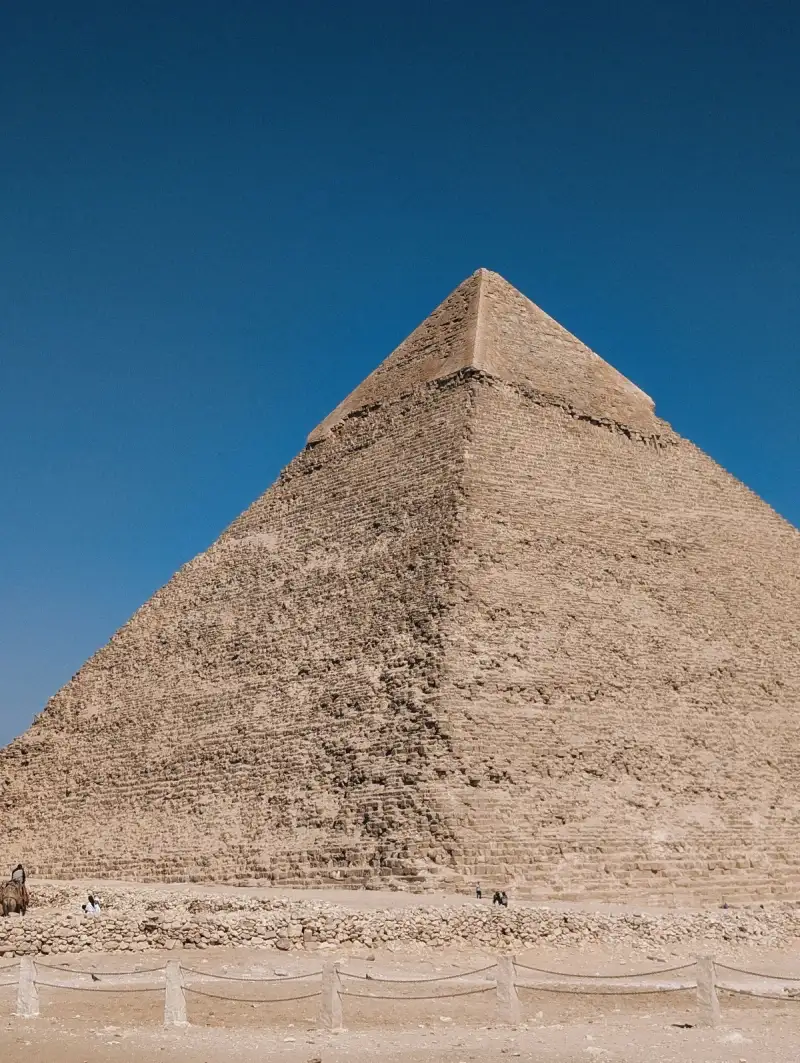
-
 Cemre Seyyah
- 07 Jul, 2026 17:53
The Immutable Sentinel: Unveiling the Enduring Majesty of Khufu's Great Pyramid
Upon the sun-scorched plains of Giza, where the relentless sands whisper tales of forgotten millennia, stands a monument unlike any other—a stark, immutable sentinel etched against the boundless canvas of the sky. It is a structure born of a will so absolute, an ambition so profound, that it defied the very limits of human endeavor, becoming a beacon of an age shrouded in mystery and unparalleled ingenuity. The Great Pyramid of Giza, a colossal enigma sculpted from the earth itself, does not merely occupy space; it commands time, anchoring our present gaze to the distant horizon of 2600 BC, a silent testament to a civilization that understood eternity not as an abstract concept, but as a tangible architectural imperative. This monolithic edifice, the largest of all Egyptian pyramids and undeniably the most celebrated landmark of the Giza complex, carries the distinction of being the sole survivor among the Seven Wonders of the Ancient World to remain largely intact. It is a singular achievement, a testament to the meticulous planning and unwavering dedication of those who labored under the aegis of Pharaoh Khufu, known to the Greeks as Cheops. For over 3,700 years, this structure held the uncontested title of the world's tallest human-made creation, its apex piercing the heavens as a symbol of divine kingship and an unyielding belief in an afterlife meticulously prepared. Its very existence, a narrative in stone, compels us to ponder the depths of human aspiration and the ephemeral nature of all else. Architectural Grandeur: A Testament in Stone The Great Pyramid, a monumental undertaking spanning approximately 26 years, was constructed around 2600 BC during the Fourth Dynasty of Egypt’s Old Kingdom. Initially, it towered at an astonishing 146.6 meters (481 feet), a height that dwarfed every subsequent human construction for millennia. Today, bereft of its exquisite smooth white limestone casing, which was gradually removed over centuries to be repurposed for other building projects, its height stands at 138.5 meters (454.4 ft). What we behold now is the raw, rugged beauty of its underlying core structure, still capable of instilling awe. The sheer scale of its foundation is equally staggering: each side of its base measures approximately 230.3 meters (755.6 ft) in length. This colossal footprint, combined with its impressive height, yields an estimated volume of roughly 2.6 million cubic meters (92 million cubic feet), a figure that includes a significant internal hillock integrated into its design. The ancient Egyptian architects, working with the royal cubit as their primary unit, crafted a structure with a precise height of 280 royal cubits (146.7 m; 481.4 ft) and a base length of 440 cubits (230.6 m; 756.4 ft). Its slope, a critical element of its iconic silhouette, was meticulously maintained with a seked of 5+1/2 palms, translating to an angle of 51°50'40". Such precision, achieved without the aid of modern surveying tools, speaks volumes about the sophisticated understanding of geometry and engineering possessed by its builders. The construction itself involved the quarrying and placement of an estimated 2.3 million large blocks, collectively weighing an astounding 6 million tonnes. The majority of these stones, primarily local limestone sourced directly from the Giza Plateau, are far from uniform in size or shape, and were only roughly dressed before being set into place. The outer layers, however, were meticulously bound together with a robust mortar, ensuring the stability and longevity of the colossal structure. Beyond the local limestone, specialized materials were imported: shimmering white limestone from the Tura quarries, transported by boat along the Nile, formed the smooth, brilliant casing that once rendered the pyramid a gleaming beacon under the desert sun. For the critical structural elements of the King's Chamber, immense blocks of granite, some weighing up to 80 tonnes, were painstakingly quarried from Aswan, hundreds of kilometers to the south, and floated upstream.While various scientific and alternative hypotheses strive to unravel the exact construction techniques employed—ranging from elaborate ramp systems to internal spiral passages—no definitive consensus has yet been reached. This enduring mystery only deepens the allure of the Great Pyramid, cementing its status as a marvel not just of ancient engineering, but of human problem-solving itself. Khufu's vizier, Hemiunu, is often credited by some scholars as the master architect behind this monumental achievement, a mind capable of orchestrating an endeavor of such unprecedented scale and complexity. A Labyrinth Within: Chambers of the Pharaoh Within the immense stone mass of the Great Pyramid lie three known chambers, each offering a glimpse into the evolving design and profound symbolic significance of the structure. The lowest of these, a chamber cut deep into the bedrock upon which the pyramid was founded, remains unfinished, its rough-hewn surfaces hinting at an altered plan during the construction process. Above ground, nestled within the heart of the pyramid's vast internal structure, are the two principal chambers: the so-called Queen's Chamber and, higher still, the King's Chamber. The King's Chamber, the ultimate destination within this ancient monument, houses a simple yet imposing granite sarcophagus. This austere vessel, carved from the same formidable Aswan granite that characterizes the chamber itself, was designed to contain the earthly remains of Pharaoh Khufu. Intriguingly, unlike the later tombs adorned with elaborate hieroglyphs and vibrant wall paintings, the internal chambers of the Great Pyramid, consistent with the architectural norms for Egyptian tombs of the fourth to late fifth dynasty, are remarkably devoid of inscriptions or decorations. The only exceptions are the occasional work-gang graffiti, simple marks left by the builders, which crucially include the names of Khufu—a silent, yet powerful, attribution. This absence of textual embellishment is particularly notable, given that the pyramid's construction predates the custom of inscribing pyramids with funerary texts by more than two centuries, placing it firmly in an earlier, more reserved artistic and theological tradition. The serene emptiness of these chambers, therefore, is not a sign of incompleteness but rather a reflection of the prevailing mortuary beliefs and artistic conventions of Khufu's time. Beyond the Apex: The Funerary Complex Unveiled The Great Pyramid was never a solitary monument; it was the focal point of an expansive and intricately planned funerary complex, a sacred landscape meticulously designed to serve the pharaoh's journey into the afterlife and sustain his eternal cult. This complex comprised two mortuary temples: one, the pyramid temple, situated immediately adjacent to the eastern face of the pyramid, and another, the valley temple, positioned closer to the life-giving waters of the Nile. These two temples were interconnected by a long, processional causeway, an elevated pathway that likely witnessed countless rituals and ceremonies. Surrounding the central pyramid were smaller, yet significant, structures dedicated to Khufu's immediate family and court. Three smaller pyramids, arrayed to the east of the Great Pyramid, served as the tombs for Khufu's wives, reflecting their elevated status within the royal family. An even smaller "satellite pyramid" was also part of this sacred ensemble, its purpose still pondered by Egyptologists. The landscape was further dotted with extensive cemeteries, containing tombs (mastabas) for the high officials, nobles, and family members who served Khufu during his reign, ensuring their proximity to their divine king in the afterlife. One of the most remarkable discoveries within the complex involves five deeply buried pits, each containing the disassembled components of immense solar barques—ceremonial boats intended to transport the pharaoh's spirit across the heavens with the sun god Ra. These vessels were not merely symbolic; the best-preserved, Khufu's Ship, recovered from its pit, is a masterpiece of ancient shipbuilding, revealing a level of craftsmanship astonishing for its age. This entire sprawling complex, a testament to Khufu's enduring power and the elaborate nature of Old Kingdom funerary beliefs, is a crucial component of the UNESCO World Heritage Site "Memphis and its Necropolis," recognized globally for its outstanding universal value to humanity. The Sacred Purpose: Life Beyond Death The construction of the Great Pyramid, far from being merely an ostentatious display of wealth, was deeply rooted in the core tenets of ancient Egyptian religious belief, serving as the eternal tomb of Pharaoh Khufu. Like other elaborate tombs of the Egyptian elite, it fulfilled four paramount purposes, each intricately linked to the pharaoh's journey into and maintenance of his status in the afterlife. Firstly, it was designed to house the sacred body of the deceased pharaoh and, perhaps more critically, to keep it eternally safe from desecration and the ravages of time. The immense bulk and intricate internal passages were, in essence, an ultimate fortress, safeguarding the vessel through which the pharaoh's ka (life force) and ba (personality) could continue to exist. Secondly, the sheer monumental scale and unparalleled grandeur of the pyramid served as an unequivocal demonstration of the deceased pharaoh's exalted status and that of his royal family. It was an immutable declaration of divine kingship, an architectural assertion of unparalleled power and privilege that resonated across the land. Thirdly, the pyramid ensured the deceased's perpetual place in society, an enduring symbol that reinforced the societal hierarchy even after death. In ancient Egypt, high social status was not merely desirable but was considered an absolutely positive and divinely ordained state. The monumental social inequalities of the era were strikingly symbolized by the gigantic pyramids of kings and queens, towering over the comparatively modest mastaba tombs of officials. Finally, and perhaps most poignantly, the tomb served as a sacred space where offerings could be brought to the deceased, sustaining their spirit in the afterlife. These offerings, ranging from food and drink to precious artifacts, were vital for the pharaoh's continued existence and prosperity in the Field of Reeds. The ancient Egyptian understanding of death was not an end, but a transformation, as eloquently captured in the profound decree: "Make your grave well furnished and prepare thy place in the west. Look, death counts little for us. Look, life is valued highly by us. The house of the dead (the tomb) is for life." This powerful sentiment underscores the pyramid's fundamental role: it was not a monument to death, but a vibrant conduit to eternal life.The precise regulation of funerary architecture, including the allowed dimensions of tombs, was enshrined in royal decrees, reflecting the king's ultimate authority. In the Old Kingdom, the privilege of a pyramid tomb was reserved exclusively for kings and queens, a clear demarcation of their unparalleled divine status. Architectural layout and funeral equipment were also strictly sanctioned and, like access to vital materials and skilled workers, remained entirely at the discretion of the pharaoh, further emphasizing the centralized power structure of the age. Echoes of Khufu: Proving the Builder For centuries, the attribution of the Great Pyramid to Pharaoh Khufu rested largely upon the narratives of classical antiquity's great authors, most notably Herodotus and Diodorus Siculus, whose accounts, though centuries removed from the pyramid's construction, linked the edifice directly to Cheops. However, during the medieval period, as historical memory blurred and new legends arose, other figures were credited with its construction, including biblical characters like Joseph from the Book of Genesis, the mythical king Nimrod, or the legendary Saurid ibn Salhouk, reflecting a fascination with its origins that transcended historical fact. It was not until the intrepid explorations of the 19th century that irrefutable internal evidence began to surface, solidifying the attribution to Khufu. In 1837, the discovery of four previously inaccessible relieving chambers situated above the King's Chamber, accessed through painstaking tunneling, provided a critical breakthrough. The walls of these hidden chambers were adorned with hieroglyphs painted in red ochre—not formal inscriptions, but rather the casual, yet deeply significant, marks left by the work gangs themselves. These "graffiti" included the names of the gangs, often incorporating the pharaoh's name, such as "The gang, The white crown of Khnum-Khufu is powerful." The name of Khufu, spelled out with distinct cartouches, appeared over a dozen times within these chambers, serving as an unambiguous signature of the pyramid's intended owner. Further supporting this, Goyon later discovered similar graffiti on an exterior block from the 4th layer of the pyramid, reinforcing the internal evidence. These inscriptions bear striking resemblance to those found at other sites unequivocally associated with Khufu, such as the alabaster quarry at Hatnub or the harbor at Wadi al-Jarf, and are also present in the pyramids of other pharaohs, establishing a consistent pattern of royal attribution. The twentieth century further cemented Khufu's claim through extensive archaeological excavations of the cemeteries surrounding the pyramid. These burial grounds revealed the tombs of Khufu's closest kin and high-ranking officials, strategically positioned within the complex. The East Field, located south of the causeway, housed members of the immediate family and court, while the West Field contained the tombs of Khufu's wives, children, and grandchildren, as well as significant figures like Hemiunu (the likely architect) and Ankhaf, and even the funerary cache of Hetepheres I, Khufu's revered mother. As the eminent Egyptologist Selim Hassan aptly observed, "From the early dynastic times, it was always the custom for the relatives, friends and courtiers to be buried in the vicinity of the king they had served during life. This was quite in accordance with the Egyptian idea of the Hereafter." The continuous expansion of these cemeteries until the 6th dynasty further underscores the enduring connection between Khufu and his monumental resting place, providing a compelling archaeological argument for his unequivocal ownership. A Cult of Eternity: The Enduring Spirit While the internal chambers of the Great Pyramid remained stark and undecorated, the pyramid complex itself was a vibrant hub of ritual and commemoration. Khufu's two temples, integral to the funerary complex, were lavishly adorned and inscribed, offering a striking contrast to the pyramid's interior. The pyramid temple, situated directly beside the colossal tomb, was specifically dedicated to the Sed festival, an ancient jubilee celebrating a pharaoh's 30th year of rule, intended to rejuvenate his kingship. Surviving scenes within this temple portray Khufu himself, along with officials, priests, and other significant characters, engaged in various vital rituals, reinforcing his divine authority and continuous reign, even in the afterlife. The valley temple, though largely unexcavated to this day, has yielded tantalizing fragments of its original grandeur. Blocks reused by the later pharaoh Amenemhat I depict captivating scenes, including nautical imagery and intriguing personifications of Khufu's royal estates, such as the evocative "Khufu is beautiful." The sustained operation of a dedicated mortuary cult for Khufu, maintained within these very temples for hundreds of years after his passing, serves as powerful historical evidence that he was indeed successfully interred within the Great Pyramid, and that his cult was diligently observed. Further reinforcing this narrative is the presence of the cartouches of Khufu's son and successor, Djedefre, on the blocks that meticulously sealed the boat pits adjacent to the pyramid, indicating his filial responsibility in overseeing his father's funeral rites. Despite these elaborate preparations for eternal peace, the Great Pyramid, like many ancient tombs, was not immune to the passage of time and the covetousness of later generations. It was likely looted as early as the First Intermediate Period, a tumultuous era marked by political instability, and may even have been reused for various purposes thereafter. Arab accounts from the medieval period speak of legendary discoveries within the pyramid, painting vivid pictures of forgotten treasures and ancient mysteries. For instance, the historian Al-Maqrizi (1364–1442) recounts the astounding discovery of three shrouded bodies, a sarcophagus brimming with gold, and even a corpse clad in golden armor, wielding a sword of inestimable value, and bearing a ruby "as large as an egg." While these accounts may be embellished by legend, they underscore the enduring fascination and allure of the Great Pyramid, a structure that has continually sparked the human imagination for millennia. The Great Pyramid of Giza, therefore, is more than just a colossal stone structure. It is a profound architectural statement, an engineering marvel, and a silent narrator of ancient beliefs. It stands as an enduring testament to the human capacity for grand vision and persistent execution, a monument that transcends its original purpose as a tomb to become a symbol of eternity itself. As we gaze upon its weathered form, we are not merely observing an ancient relic, but connecting with a spirit of ambition and faith that shaped one of humanity's most extraordinary achievements, forever binding the sands of Giza to the annals of global wonder.#AncientWonders #EgyptianPyramids #GizaComplex #PharaohKhufu #HistoricalTravel #KhufuPyramid #AncientEgypt #Giza #History #Travel Related Insights'Hallstatt: Where Time Carved Its Name into the Alps and Salt Whispered Eternity' Real Alcázar de Sevilla: Belleza Mudéjar L'Eterna Seduzione della Costa Azzurra: Tra Scogliere di Porfido e Misteri Belle Époque{ "@context": "https://schema.org", "@type": "FAQPage", "mainEntity": [ { "@type": "Question", "name": "What is the main focus of The Immutable Sentinel: Unveiling the Enduring Majesty of Khufu's Great Pyramid?", "acceptedAnswer": { "@type": "Answer", "text": "Journey into the heart of ancient Egypt's most magnificent creation, the Great Pyramid of Giza, a monumental testament to pharaonic power, engineering brilliance, and an enduring mystery that continues to captivate the human spirit." } }, { "@type": "Question", "name": "Who authored the comprehensive guide on The Immutable Sentinel: Unveiling the Enduring Majesty of Khufu's Great Pyramid?", "acceptedAnswer": { "@type": "Answer", "text": "This detailed article and its insights were carefully researched and authored by Cemre Seyyah." } }, { "@type": "Question", "name": "Where can I find more related content about Travel?", "acceptedAnswer": { "@type": "Answer", "text": "You can explore more articles, detailed reviews, and similar insights by browsing the Related Insights section at the bottom of this article or visiting our dedicated Travel category page." } } ] }
大家好!我是陈伟(Wei Chen)。今天我要带大家探索西递,感受那深厚的历史底蕴。历史不仅在书本里,更在脚下的泥土中。 29°54′20″N 117°59′28″E / 29.90556°N 117.99111°E / 29.90556; 117.99111 西递村是安徽省南部黟县东南西递镇的一个村庄。西递村于1986年定为安徽省重点文物保护单位,2001年由中华人民共和国国务院公布为第五批全国重点文物保护单位。2000年11月30日在澳大利亚凯恩斯召开的联合国教科文组织第24届世界遗产委员会会议作出决定,将中国皖南古村落西递、宏村列入世界文化遗产名录,这是首次把民居列入世界遗产名录。2003年10月8日公布被批准为首批中国历史文化名村;2011年被评为国家5A级旅游景区。米其林旅游指南也称赞这里拥有独特建筑风格的精美房屋,将西递评为最高的强烈推荐(Highly recommended)级别。2024年11月15日,桃坪村被联合国旅游组织执行委员会列入2024年“最佳旅游乡村”名单。 村落概况 西递始建于公元11世纪的宋朝的元祐(宋哲宗)年间,由于河水向西流经这个村庄,原来称为“西川”。因在村西古有驿站,称“铺递所”,故而得名“西递”,素有“桃花源里人家”之称。 西递始祖为唐昭宗李晔之子,因遭变乱,逃匿民间,改为胡姓,西递属以血缘关系为纽带的胡氏聚居村落。胡家从1465年起开始经商,他们经商成功,大兴土木,建房、修祠、铺路、架桥。在17世纪中叶,胡家中有人从经商转向官场所产生的影响使村庄得到发展。18世纪到19世纪,西递的繁荣达到最顶峰,当时村里有大约600家民居。 西递村中一条主道贯穿东西,与其两侧各一条与之平行的街道一起穿过很多窄巷,构成东向为主、向南北延伸的村落街巷,村中街巷大多沿溪而设均用青石铺地。在敬爱堂、追慕堂、胡文光刺史牌坊等公共建筑之前有小广场。现今保留下的古民居从整体上保留下明、清徽派民居村落的基本面貌和特征,主要包括古民居124幢,祠堂3幢等保护完好的明清古建筑群,大多数民居都对公众开放。 主要建筑 注2:大运河为跨省市区项目,在安徽省有三个子项。 注2:独山和金寨革命旧址群归入第三批全国重点文物保护单位鄂豫皖革命根据地旧址。 希望你们喜欢这次的Xidi之旅!欢迎持续关注我,一起探寻更多被遗忘的明清古迹。 #历史 #中国文化 #旅行 #明代 #清代 #Xidi #China #History #MingDynasty #Travel Related InsightsThe Glamour and Secrets of the French Riviera Australia Unveiled: Where Sun-Kissed Shores Meet Ancient Souls and Modern Marvels The Shimmering Waters: Documenting Plitvice Lakes National Park{ "@context": "https://schema.org", "@type": "FAQPage", "mainEntity": [ { "@type": "Question", "name": "What is the main focus of 西递:中国古代木雕的巅峰?", "acceptedAnswer": { "@type": "Answer", "text": "深入了解西递的历史、文化与建筑特色。" } }, { "@type": "Question", "name": "Who authored the comprehensive guide on 西递:中国古代木雕的巅峰?", "acceptedAnswer": { "@type": "Answer", "text": "This detailed article and its insights were carefully researched and authored by Wei Chen." } }, { "@type": "Question", "name": "Where can I find more related content about Travel?", "acceptedAnswer": { "@type": "Answer", "text": "You can explore more articles, detailed reviews, and similar insights by browsing the Related Insights section at the bottom of this article or visiting our dedicated Travel category page." } } ] }

大家好!我是陈伟(Wei Chen)。今天我要带大家探索乌镇,感受那深厚的历史底蕴。历史不仅在书本里,更在脚下的泥土中。 乌镇镇位于中华人民共和国浙江省桐乡市,是江南著名古镇之一。镇域面积71.19平方公里,建城区面积2.5平方千米,总人口6万,镇区常住人口1.2万。乌镇景区已被评为中国国家5A级景区,是全国20个黄金周预报景点之一,现由中青旅运营。2019年被评为中国文化百强镇。2023年(第二届)中国文化百强镇。 乌镇是典型的江南水乡古镇,乌镇原以市河(车溪)为界,分为乌青二镇,河西为乌镇,属湖州府乌程县;河东为青镇,属嘉兴府桐乡县。中华人民共和国时期,市河以西的乌镇划归桐乡县,统称乌镇。 乌镇街道上民居以清代建筑为主,保存完好。全镇以河成街,桥街相连。各式民居、店铺依河筑屋,即有深宅大院、百年老屋,也有河埠廊坊,过街骑楼,是江南典型的“小桥流水人家”。乌镇为千年文化名镇,在历史上小镇曾出过64名进士、161名举人。茅盾、沈泽民、严独鹤等都为乌镇人。 2014年11月19日到21日,首届“世界互聯網大會”在乌镇举办,该地也成为世界互联网大会的永久会址。 行政区划 乌镇镇下辖以下地区: 秀溪社区、元丰村、南王村、董家村、金牛村、正福村、杨园村、皂林村、翔厚村、单桥村、东苑社区、银杏社区、南宫社区、虹桥村、白马墩村、分水墩村、碓坊桥村、浮澜桥村、陈庄村、南庄桥村、横港村、彭家村、陈家村、双塔村、颜家村、民合村、浙月村、新翁村和五星村。 交通 乌镇距桐乡市区13公里,距周围嘉兴、湖州、吴江三市为20-60公里,距杭州、苏州均为80公里,距上海140公里。到乌镇可经沪杭高速公路、320国道、318国道到桐乡,再从桐乡到乌镇,桐乡自早上7:00-17:00每隔15分钟就有一班中巴车到乌镇。从浙江省另一个著名的水乡古镇湖州南浔前往濮院镇的中巴车也经过乌镇,大约需要行驶40分钟,中途经过江苏省吴江市的桃源镇和青云镇,江苏境内的路况更好一些。乌镇镇内主要以人力三轮车、出租车为主。 主要建筑 昭明太子读书处 昭明太子读书处位于乌镇市河西侧。因南朝梁武帝太子萧统曾在此设馆就读而得名,为桐乡市重点文物保护单位。昭明太子名萧统,两岁时立为皇太子。据清乾隆《乌青镇志》记载,梁天监二年(503年),萧统曾随老师沈约来乌镇读书,并建有书馆一座。 修真观 修真观位于古镇中心的观前街,兴华路西侧,门前有一片小广场,对面毗邻东市河处是一个古戏台。北宋咸平元年(998年),道士张洞明在此结庐,修真得道,乃创建修真观。中华人民共和国统治时期,修真观多有坍损,并在很长一段时期被移作他用而被拆除。在乌镇成为旅游景点后,当地政府为发展旅游事业拨出专款,将修真观按历史原貌修复。如今的修真观共设三进,一进为山门,二进是东岳大殿,三进为玉皇阁;两边分设十殿阎王、瘟元帅、财神等配殿。修真观对面的古戏台经常有桐乡花鼓戏的演出。 立志书院 立志书院坐落在古镇中心的观前街,紧邻茅盾故居的东侧,现在是茅盾纪念馆的一部份。它的前身是闻名江南的分水书院,院址在乌镇北栅分水墩西侧。清咸丰十年,清军与太平军在乌镇交战,分水书院毁于战火。同治四年,邑绅严辰培修并加以扩建。同治七年,书院建成,据程朱理学家、乡贤张扬园先生的治学格言“大凡为学尤须立志”中的“立志”二字作为新书院的名字,严辰任立志书院院长。茅盾小时在此求学。立志书院是电视剧《似水年华》的拍摄场地。 茅盾故居 茅盾故居位于古镇中心的观前街,是著名文学家茅盾(沈雁冰)祖辈居住的老屋,始建于十九世纪中叶,建筑面积650平方米,为清代江南民居。茅盾自1896年7月4日诞生至1910年春离乡求学,在此生活了十三年。1982年,茅盾故居被列为浙江省文保单位,1983年8月筹备修复,1985年7月落成开放,1988年1月公布为全国重点文物保护单位。 木心故居紀念館 坐落於東柵財神灣186號的晚晴小築,是作家木心的故居。1999年,烏鎮旅遊公司著手進行東柵古蹟修復與景區開發時加以修復。2005年,木心接受家鄉烏鎮的邀請回國定居,2011年10月因肺部感染住院,同年12月21日辭世。木心故居經過為期三年的規劃,以紀念館的形式在2014年5月25日正式對外開放,館內展出木心的照片、手稿、畫作以及部分生前遺物。 希望你们喜欢这次的Wuzhen之旅!欢迎持续关注我,一起探寻更多被遗忘的明清古迹。 #历史 #中国文化 #旅行 #明代 #清代 #Wuzhen #China #History #MingDynasty #Travel Related InsightsAustralien: Wo die Ewigkeit des Outbacks auf den Puls der Moderne trifft Wandering Through Ephesus Sardinian Nuraghe Trails: Mapping the Bronze Age Megalithic Landscapes{ "@context": "https://schema.org", "@type": "FAQPage", "mainEntity": [ { "@type": "Question", "name": "What is the main focus of 乌镇:梦回明清的水乡?", "acceptedAnswer": { "@type": "Answer", "text": "深入了解乌镇的历史、文化与建筑特色。" } }, { "@type": "Question", "name": "Who authored the comprehensive guide on 乌镇:梦回明清的水乡?", "acceptedAnswer": { "@type": "Answer", "text": "This detailed article and its insights were carefully researched and authored by Wei Chen." } }, { "@type": "Question", "name": "Where can I find more related content about Travel?", "acceptedAnswer": { "@type": "Answer", "text": "You can explore more articles, detailed reviews, and similar insights by browsing the Related Insights section at the bottom of this article or visiting our dedicated Travel category page." } } ] }
大家好!我是陈伟(Wei Chen)。今天我要带大家探索乔家大院,感受那深厚的历史底蕴。历史不仅在书本里,更在脚下的泥土中。 37°24′21.86″N 112°25′47.93″E / 37.4060722°N 112.4299806°E / 37.4060722; 112.4299806 喬家大院位于山西省祁县乔家堡村,是清代著名晋商乔致庸的宅第。乔家大院于2001年被列入全国重点文物保护单位,现成為著名旅遊景區和電視劇拍攝地。 历史 乔家大院始建于清代乾隆年间,后曾有两次增修和一次扩建,于民国初年建成了一座宏伟的建筑群体,体现了中国清代北方民居的典型风格。 1985年,当地政府在古宅的基础上建成了祁县民俗博物馆,1986年11月1日开馆,正式对外开放,2001年乔家大院被国务院列入为全国重点文物保护单位,被国家旅游局评定为5A级旅游景区。 争议 乔家大院经营权起初归为国有,2007年祁县远大、上海盛富(实际控制人单九良,後犯金融罪已被捕)和重庆中昊签订一份《祁县乔家大院旅游景区投资开发建设项目合作意向书》,三家公司共同投资设立乔家大院旅游开发公司,其中民营股权比例占75%。由此,乔家大院经营权转为民营所有。2018年中华人民共和国国有景区门票被要求政策性降價,但民營化的喬家大院不受約束,票價反而大漲,票价是同类院子数倍,引发舆论争议和游客不满。除此之外,乔家大院部分導遊素質低劣,黑導遊攬客等景区管理混乱的问题也备受游客诟病。2019年,乔家大院5A级旅游景区格被取消,原因為過度開發且商業氣息過重,已經開始損害古風味,票价为颐和园旺季时的4倍多。乔家大院公司方開始對景區內商販進行大規模清理。2019年8月7日起,乔家大院景区暂停运营10天,围绕停车场、出口市场和服务质量等方面存在的问题进行集中整改,同时景区将适当对门票价格进行下调。 希望你们喜欢这次的Qiao Family Compound之旅!欢迎持续关注我,一起探寻更多被遗忘的明清古迹。 #历史 #中国文化 #旅行 #明代 #清代 #QiaoFamilyCompound #China #History #MingDynasty #Travel Related InsightsGobeklitepe: The First Temple The Silk Road Revival: Uzbekistan’s Ancient Cities and Modern Wonders (Part 2) Lalibela : Le Chant de la Pierre Vivante – Plongée au Cœur des Églises Monolithiques d'Éthiopie{ "@context": "https://schema.org", "@type": "FAQPage", "mainEntity": [ { "@type": "Question", "name": "What is the main focus of 乔家大院:清代北方民居的典范?", "acceptedAnswer": { "@type": "Answer", "text": "深入了解乔家大院的历史、文化与建筑特色。" } }, { "@type": "Question", "name": "Who authored the comprehensive guide on 乔家大院:清代北方民居的典范?", "acceptedAnswer": { "@type": "Answer", "text": "This detailed article and its insights were carefully researched and authored by Wei Chen." } }, { "@type": "Question", "name": "Where can I find more related content about Travel?", "acceptedAnswer": { "@type": "Answer", "text": "You can explore more articles, detailed reviews, and similar insights by browsing the Related Insights section at the bottom of this article or visiting our dedicated Travel category page." } } ] }
大家好!我是陈伟(Wei Chen)。今天我要带大家探索平遥古城,感受那深厚的历史底蕴。历史不仅在书本里,更在脚下的泥土中。 平遥古城,位于中国山西省晋中市平遙縣,是中国现存的保存最完整的古代城市,曾经也是中国銀行業的中心。始建于西周宣王时期(公元前827年-公元前782年),现存古城始建于明朝洪武年间(1370年),占地225公顷。1997年,联合国教科文组织将平遥古城与双林寺、镇国寺一同列入世界文化遗产名录,以表彰其在世界历史、建筑和文化方面的独特价值。 概要 平遥是清朝晚期中国的金融中心,并有中国目前保存最完整的古代县城格局。 春秋时期属晋国,战国属赵国。秦朝置平陶县,汉朝置中都县,为宗亲代王的都城。北魏始光元年(424年)改名为平遥。 清代晚期,总部设在平遥的票号就有二十多家,占全国的一半以上,更被稱「古代中國華爾街」。其中规模最大的是创建于清道光年间、以“匯通天下”而闻名于世的中国第一座票号“日昇昌”,随后建立的票号有二十多家。 平遥目前基本保存了明清时期的县城原型,有“龟”城之称,因有六道城门,南北门为龟首尾,东西四门象征四足。街道格局为“土”字形,建筑布局则遵从八卦的方位,体现了明清时的城市规划理念和形制分布。城内设四条大街、八条小街和72条小巷。古城以南大街为中轴线,城东有城隍庙,城西有平遥县署,城左立文庙、城右立武庙,东道观西佛寺,对称布局;城内外有各类遗址、古建筑300多处,有保存完整的明清民宅近4000座,街道商铺都体现历史原貌,被称作研究中国古代城市的活样本。 平遥城墙建于明洪武三年,现存有6座城门瓮城、4座角楼、72座敌楼、3000哚口。其中南门城墙段于2004年倒塌,除此以外的其余大部分都至今安好,是中国现存规模较大、历史较早、保存较完整的古城墙之一,亦是世界遗产平遥古城的核心组成部分。此外,还有镇国寺、双林寺和平遥文庙等也都被纳入世界遗产。 平遥古城是中国国家AAAAA级旅游景区,其街道对外开放,不需要门票。但参观古城内的一些景点如平遥文庙,平遥县署,平遥城墙,日昇昌票号,中国镖局博物馆,平遥古民居博物馆等,则需要购买通票才可以参观。平遥古城内旅店,餐馆,商铺鳞次。旅店全是民居式,商铺多售卖平遥特产冠云牛肉、推光漆器、绣花鞋等。 经济 在平遥的早期,这座城市在中国华尔街的运作中发挥了显著作用。到了18世纪末至19世纪初,中国已经远远超越了古代王朝时期,穿越中国北方平原的旅行已不再安全。商人在前往平遥时经常遭到抢劫,而平遥位于当时的皇城与现在的北京之间,是重要的贸易通道。为了解决这一问题,平遥商人引入了纸币汇款或债券的使用,以减轻旅行商人携带金银的负担,使旅行更加安全。平遥作为中国贸易的枢纽,使得许多家庭,包括乔家的财富激增。 截至2009年,该镇拥有19,059名劳动力。3,811名农民耕种9977亩的可耕地,生产价值3370万元人民币的农作物、牲畜和其他商品。当地的重点是提高机械化程度和集约利用现有土地。该地区以牛肉闻名,同时也生产粮食和棉花。其余劳动力分布在工业和服务业,尤其是旅游业。工业产值达8.4亿元人民币,并专注于提高其生产活动的能源效率。当地特产是漆器。包括旅游业在内的服务业收入虽不及工业——为7.9亿元人民币——但增长迅速,并受到当地政府的特别关注。 文化 饮食 当地特产包括平遥牛肉和平遥碗托,后者是慈禧太后最喜爱的美食。其他当地产品还有长升源黄酒、豆面抿尖和揪片。 电影与摄影 平遥举办平遥国际电影展和平遥国际摄影节,彰显了这座城市在当代视觉文化领域的重要地位,同时也展现了其丰富的历史城市遗产。此外,20世纪初平遥的银商们是2009年电影《白银帝国》的主角。 保护 目前,各方正共同努力保护和振兴这座古城,既要保留其悠久的文化遗产,又要满足平遥这样一座老龄化城市所面临的现代需求。平遥古城保护与振兴计划于2014年首次提出并获得批准,现已吸引众多团体表示有兴趣携手合作,以实现一系列目标,其中包括同济大学、平遥县人民政府和自然资源局,以及全球遗产基金和联合国教科文组织专家。该项目的一个目标是在包括遗产地在内的2.4平方公里区域内引入现代便利设施,如电力和污水处理设施,以提高仍居住和生活在古城内的2万多名居民的生活水平。主要目标是将古城遗址内几处闲置场地改建为博物馆和其他功能区,以振兴平遥的遗产。 希望你们喜欢这次的Pingyao之旅!欢迎持续关注我,一起探寻更多被遗忘的明清古迹。 #历史 #中国文化 #旅行 #明代 #清代 #Pingyao #China #History #MingDynasty #Travel Related InsightsRoadtrip durch den Schwarzwald 慕田峪长城:明代长城的精华 Hidden Gems of Southeast Asia: Where Adventure Meets Unspoiled Beauty in 2026{ "@context": "https://schema.org", "@type": "FAQPage", "mainEntity": [ { "@type": "Question", "name": "What is the main focus of 平遥古城:穿越明清的金融中心?", "acceptedAnswer": { "@type": "Answer", "text": "深入了解平遥古城的历史、文化与建筑特色。" } }, { "@type": "Question", "name": "Who authored the comprehensive guide on 平遥古城:穿越明清的金融中心?", "acceptedAnswer": { "@type": "Answer", "text": "This detailed article and its insights were carefully researched and authored by Wei Chen." } }, { "@type": "Question", "name": "Where can I find more related content about Travel?", "acceptedAnswer": { "@type": "Answer", "text": "You can explore more articles, detailed reviews, and similar insights by browsing the Related Insights section at the bottom of this article or visiting our dedicated Travel category page." } } ] }

-
 Sofia Romano
- 07 Jul, 2026 13:24
Fiamme che Consumano, Idee che Persistono: L'Antica e Incessante Guerra Contro il Libro
C'è un atto, tra i tanti gesti che l'umanità ha compiuto nel corso dei millenni, che porta con sé una risonanza particolare, un'eco di disperazione e tirannia, ma anche di una profonda, quasi mistica, paura del potere delle parole. È l'atto di distruggere i libri, di consegnarli alle fiamme. Non è una semplice eliminazione materiale, bensì un rituale di cancellazione, un'affermazione violenta di potere che mira a estirpare non solo la carta e l'inchiostro, ma l'idea stessa che essi contengono, la voce dell'autore, la memoria di un popolo, la possibilità stessa di un pensiero divergente. È un falò di coscienza, un tentativo di purificare il mondo da ciò che è ritenuto impuro, pericoloso o semplicemente scomodo. Questo deliberato annientamento di opere scritte, spesso eseguito in un contesto pubblico, è il simbolo più crudo della censura, un gesto che nasce da un'opposizione culturale, religiosa o politica ai materiali in questione. Il rogo dei libri può essere un atto di profondo disprezzo per il contenuto di un'opera o per il suo autore, inteso a richiamare l'attenzione pubblica su tale opposizione. Ma può anche celare un intento più subdolo: nascondere informazioni, come diari o registri, dalla pubblica conoscenza. Che si tratti di fuoco, stracciamento o altre forme di eliminazione, la distruzione sistematica dei libri è conosciuta con termini specifici che ne sottolineano la gravità: "biblioclasmo" o "libricidio". Entrambi i termini evocano un omicidio, un assassinio del sapere, un'azione che va ben oltre il mero danno materiale. In alcune delle sue manifestazioni più tragiche, le opere distrutte sono state insostituibili, e la loro perdita ha rappresentato una ferita gravissima al patrimonio culturale dell'umanità. Pensiamo al rogo dei libri e alla sepoltura degli studiosi sotto la dinastia Qin in Cina, un evento del 213-210 a.C. che ha segnato un'epoca. O alla devastazione della Casa della Sapienza durante l'assedio mongolo di Baghdad nel 1258, un colpo devastante alla conoscenza islamica. L'America precolombiana non fu risparmiata: la distruzione dei codici aztechi per mano di Itzcoatl nel 1430, e ancora più tristemente, il rogo dei codici maya per ordine del vescovo Diego de Landa nel 1562, hanno cancellato interi mondi di sapere, astronomia, storia e religione. E in tempi più recenti, il rogo della Biblioteca Pubblica di Jaffna in Sri Lanka nel 1981, un atto che simboleggia un conflitto etnico e la distruzione di un'identità. Questi non sono semplici incidenti; sono cicatrici indelebili nella storia dell'intelletto umano. In altri casi, come i tristemente noti roghi di libri nazisti, le copie delle opere distrutte sono sopravvissute. Eppure, l'atto stesso del rogo diventa un emblema potente di un regime duro e oppressivo, un tentativo palese di censurare o mettere a tacere un aspetto della cultura dominante. Non era la distruzione fisica dell'ultima copia l'obiettivo primario, ma piuttosto l'invio di un messaggio terrificante: il dissenso non sarebbe stato tollerato, le idee "non tedesche" sarebbero state purificate. Oggi, con l'evoluzione dei media, anche altre forme di espressione, come i dischi fonografici, le videocassette e i CD, sono state bruciate, sminuzzate o schiacciate, adattando l'antica pratica del libricidio ai nuovi formati. E in un contesto più ampio, la distruzione dell'arte si lega strettamente al rogo dei libri, sia per le simili connotazioni culturali, religiose o politiche, sia perché in vari casi storici, libri e opere d'arte sono stati distrutti simultaneamente. Quando questa distruzione diventa capillare e sistemica, essa può trasformarsi in un elemento significativo di genocidio culturale, un tentativo di annientare non solo un popolo, ma la sua stessa anima, la sua memoria collettiva, la sua capacità di auto-narrazione. Un Eco Millenario: Le Radici Storiche del Libricidio La pratica di bruciare i libri ha una storia lunga e complessa, radicata nella notte dei tempi. È stata una tattica prediletta dalle autorità, sia laiche che religiose, nei loro sforzi per sopprimere visioni dissenzienti o eretiche, percepite come una minaccia all'ordine costituito. La storia è costellata di questi atti, ognuno con le sue specificità, ma tutti accomunati da un filo rosso: la paura del pensiero libero. È interessante notare che non tutte le distruzioni erano motivate da censura. Nel Medioevo, ad esempio, i libri infestati da tarli o altri parassiti venivano talvolta bruciati come una rudimentale forma di controllo dei parassiti. Un atto pratico, non ideologico, che ci ricorda come anche la sopravvivenza fisica del libro sia stata, in certi contesti, una lotta. Le Fiamme della Devozione e del Dissenso Antico Il racconto biblico ci offre uno dei primi esempi noti di rogo di manoscritti. Nel VII secolo a.C., secondo la Bibbia Ebraica, il Re Ioakim di Giuda bruciò parte di un rotolo che Baruc ben Neria aveva scritto sotto dettatura del profeta Geremia (Geremia 36). Qui, la fiamma non era solo un atto di cancellazione, ma di sfida diretta a una profezia scomoda, un tentativo di negare la parola divina che portava un messaggio di giudizio. Il fuoco del re era una dichiarazione di potere contro la parola del profeta, ma come la storia avrebbe dimostrato, la parola di Geremia sarebbe risorta, testimoniando la resilienza del messaggio anche di fronte alla distruzione. Ma è in Cina che la distruzione dei testi assume proporzioni epocali, con un impatto duraturo sulla filosofia e sulla storia. La pratica del rogo di libri come strumento di controllo governativo risale a Shang Yang, che nel IV secolo a.C. esortò il Duca Xiao di Qin a bruciare i libri. Tuttavia, fu nel 213 a.C. che Qin Shi Huang, il primo imperatore della dinastia Qin, emise un ordine che sarebbe rimasto tristemente famoso: il rogo dei libri e la sepoltura degli studiosi. Si racconta che nel 210 a.C. ordinò la sepoltura prematura di 460 studiosi confuciani per mantenere il suo trono. Sebbene il rogo dei libri sia un fatto ben stabilito storicamente, la sepoltura vivente degli studiosi è stata oggetto di dibattito tra gli storici moderni, che dubitano dei dettagli del racconto, apparso per la prima volta più di un secolo dopo negli Annali dello storico di Sima Qian, funzionario della dinastia Han. L'evento causò la perdita inestimabile di molti trattati filosofici delle Cento Scuole di Pensiero, lasciando sopravvivere solo quelli sull'agricoltura e la medicina, oltre a una collezione di divinazioni. Curiosamente, i trattati che sostenevano la filosofia ufficiale del governo, il "legismo", furono risparmiati, dimostrando come la distruzione fosse selettiva e mirata a eliminare le ideologie concorrenti.Il Fuoco Sacro e Profano delle Fedi La storia del cristianesimo è ugualmente punteggiata da episodi di libricidio, a volte per zelo, a volte per eliminare ciò che era percepito come minaccia alla dottrina. Negli Atti degli Apostoli del Nuovo Testamento, si narra che Paolo compì un esorcismo a Efeso. Dopo che alcuni uomini di Efeso fallirono nel ripetere l'impresa, molti rinunciarono alle loro "arti curiose" e bruciarono i libri perché, a quanto pare, non funzionavano. Questo fu un rogo di conversione, un atto volontario di purificazione da pratiche considerate pagane o inefficaci, un abbandono pubblico di un vecchio modo di vivere per abbracciarne uno nuovo. "E molti di quelli che avevano creduto vennero a confessare e a manifestare le loro opere. Molti di quelli che praticavano arti curiose portarono insieme i loro libri e li bruciarono davanti a tutti; e ne contarono il prezzo e trovarono cinquantamila pezzi d'argento." (Atti 19:18-19) Dopo il Primo Concilio di Nicea (325 d.C.), l'imperatore romano Costantino il Grande emanò un editto contro gli Ariani non-trinitari, che includeva una prescrizione per un sistematico rogo di libri: "Inoltre, se si dovesse trovare qualsiasi scritto composto da Ario, dovrebbe essere consegnato alle fiamme, in modo che non solo la malvagità del suo insegnamento sia obliterata, ma nulla rimanga neanche a ricordarlo a nessuno. E con la presente emetto un ordine pubblico, che se qualcuno dovesse essere scoperto ad aver nascosto uno scritto composto da Ario, e a non averlo immediatamente portato avanti e distrutto col fuoco, la sua pena sarà la morte. Non appena sarà scoperto in questa offesa, sarà sottoposto alla pena capitale..." Questo editto rifletteva una volontà imperiale di uniformare la dottrina e di cancellare ogni traccia di eresia con la massima severità. Tuttavia, l'editto di Costantino sulle opere ariane non fu rigorosamente osservato, poiché gli scritti ariani o la teologia basata su di essi sopravvissero per essere bruciati molto più tardi in Spagna. Secondo la Cronaca di Fredegario, Recaredo, Re dei Visigoti (regnò 586-601) e primo re cattolico di Spagna, dopo la sua conversione al Cattolicesimo nel 587, ordinò che tutti i libri ariani fossero raccolti e bruciati; e tutti i libri di teologia ariana furono ridotti in cenere, insieme alla casa in cui erano stati appositamente raccolti. Un gesto simbolico, un taglio netto con il passato religioso del suo regno. Elaine Pagels suggerisce che "Nel 367 d.C., Atanasio, lo zelante vescovo di Alessandria... emise una lettera pasquale in cui chiedeva ai monaci egiziani di distruggere tutti gli scritti inaccettabili, eccetto quelli che egli specificamente elencava come 'accettabili' o addirittura 'canonici' — una lista che costituisce l'attuale 'Nuovo Testamento'". (Pagels cita la lettera pasquale di Atanasio (lettera 39) per il 367 d.C., che prescrive un canone, ma la sua citazione "purificare la chiesa da ogni contaminazione" (pagina 177) non appare esplicitamente nella lettera festale). Questo ci suggerisce che la formazione del canone biblico non fu solo un processo di inclusione, ma anche di esclusione attiva, con implicazioni per la sopravvivenza di molti testi. I testi eretici non compaiono come palinsesti, raschiati e riscritti, come molti testi dell'antichità classica. Secondo l'autrice Rebecca Knuth, moltitudini di primi testi cristiani sono stati "distrutti" in modo altrettanto completo come se fossero stati bruciati pubblicamente, indicando una forma più silenziosa, ma ugualmente efficace, di libricidio. Ancora in tempi più recenti per la storia della Chiesa, nel 1759 Papa Clemente XIII bandì tutte le pubblicazioni scritte dal biologo svedese Carl Linnaeus dal Vaticano e ordinò che tutte le copie delle sue opere fossero bruciate, un esempio di conflitto tra scienza e dogma che si risolveva, almeno nell'intenzione, con la distruzione del sapere.La Purificazione del Dogma: Nestorio e Uthman Nel V secolo, l'attività di Cirillo di Alessandria (c. 376-444) portò alla distruzione quasi totale degli scritti di Nestorio (386-450) poco dopo il 435. "Gli scritti di Nestorio erano originariamente molto numerosi", tuttavia, non entrarono a far parte del curriculum teologico Nestoriano o Orientale fino alla metà del VI secolo, a differenza di quelli del suo maestro Teodoro di Mopsuestia e di quelli di Diodoro di Tarso; anche allora non erano testi chiave, quindi relativamente pochi sopravvivono intatti. Questo è un esempio di come una controversia teologica, condotta con determinazione da una delle parti, possa portare a una quasi completa eradicazione delle opere dell'opponente, modellando in modo significativo il corpus di testi che giunge fino a noi. Anche nell'Islam, la necessità di stabilire una dottrina unificata ha portato a episodi di libricidio. Uthman ibn 'Affan, il terzo Califfo dell'Islam dopo Maometto, a cui è attribuito il merito di aver supervisionato la raccolta dei versi del Corano, ordinò successivamente, intorno al 650 d.C., la distruzione di qualsiasi altra versione del Corano. Questo atto non mirava a distruggere la parola di Dio, ma a standardizzarla, a eliminare le varianti e a creare un testo unico e autorevole, unificando così la comunità musulmana sotto un'unica interpretazione della rivelazione divina. È un rogo motivato da un desiderio di unità e ortodossia, piuttosto che da una negazione totale del sapere. Il Sacrificio delle Parole: Una Riflessione Finale Dall'antichità ai giorni nostri, la storia del rogo dei libri è un monito costante. Ogni volta che le fiamme hanno lambito la carta, hanno cercato di consumare non solo inchiostro e pergamena, ma anche pensieri, sogni, memorie e visioni del futuro. Hanno tentato di imporre l'uniformità, di soffocare la critica, di cancellare ciò che è scomodo o diverso. Ma la storia ci insegna anche che, sebbene le fiamme possano distruggere il corpo di un libro, raramente riescono a estinguere completamente la sua anima. Le idee, come fenici, spesso rinascono dalle ceneri, trovando nuove voci e nuove forme per manifestarsi. Il libricidio è, in ultima analisi, un atto di profonda sfiducia nella capacità delle persone di discernere, di pensare criticamente, di scegliere. È la paura che una singola idea possa scuotere le fondamenta di un potere precostituito. Per questo, ogni volta che un libro viene minacciato, è l'intera impalcatura della libertà intellettuale e culturale ad essere messa in discussione. La difesa del libro, in tutte le sue forme, non è quindi solo la difesa di un oggetto, ma la difesa di uno spazio vitale per il pensiero umano, un baluardo contro l'oscurantismo e l'oblio. La memoria di questi roghi non è un semplice ricordo di distruzione, ma un appello incessante alla vigilanza, affinché le fiamme del fanatismo non tornino mai più a consumare la luce della conoscenza.#Libricidio #CensuraStorica #PatrimonioCulturale #StoriaDeiLibri #LibertàDiPensiero #rogolibri #censura #storiacultura #patrimonioculturale #libricidio #StoriaDelLibro #Censura #Biblioteche #Libri #Storia Related InsightsThe Lord of Demons (The Burning, #3) Book Review and Summary Mind Games Book Review and Summary Daisy Book Review and Summary{ "@context": "https://schema.org", "@type": "FAQPage", "mainEntity": [ { "@type": "Question", "name": "What is the main focus of Fiamme che Consumano, Idee che Persistono: L'Antica e Incessante Guerra Contro il Libro?", "acceptedAnswer": { "@type": "Answer", "text": "Dall'antichità ad oggi, il rogo dei libri è un atto di sfida alle idee, un tentativo disperato di spegnere la luce della conoscenza e annientare la memoria." } }, { "@type": "Question", "name": "Who authored the comprehensive guide on Fiamme che Consumano, Idee che Persistono: L'Antica e Incessante Guerra Contro il Libro?", "acceptedAnswer": { "@type": "Answer", "text": "This detailed article and its insights were carefully researched and authored by Sofia Romano." } }, { "@type": "Question", "name": "Where can I find more related content about Books?", "acceptedAnswer": { "@type": "Answer", "text": "You can explore more articles, detailed reviews, and similar insights by browsing the Related Insights section at the bottom of this article or visiting our dedicated Books category page." } } ] }

-
 Hans Müller
- 07 Jul, 2026 13:05
Der Seidene Atem Eurasiens: Eine Reise durch die vielschichtigen Routen, die Welten verbanden und bis heute faszinieren
Aus den Tiefen der Zeit, wo die Winde über endlose Steppen streichen und die Echos ferner Zivilisationen in den Bergen widerhallen, erhebt sich ein faszinierendes Gewebe menschlicher Bestrebungen: die Seidenstraße. Sie war mehr als nur eine Ansammlung von Wegen; sie war ein pulsierendes Arteriennetz, das vom 2. Jahrhundert v. Chr. bis zur Mitte des 15. Jahrhunderts n. Chr. das Herz Eurasiens durchzog und den Atem des Ostens mit dem des Westens verband. Über 6.400 Kilometer Landweg überspannend, war sie eine unvergleichliche Bühne für den Austausch – ökonomisch, kulturell, politisch und religiös. Doch bevor wir uns in die Details ihrer verästelten Pfade verlieren, sei angemerkt: Der Name „Seidenstraße“, erstmals im späten 19. Jahrhundert geprägt, ist eine moderne Konstruktion. Viele Historiker des 20. und 21. Jahrhunderts bevorzugen den präziseren Begriff „Seidenrouten“, um das komplexe Netz aus Land- und Seewegen besser zu beschreiben, das Zentral-, Ost-, Süd-, Südost- und Westasien ebenso wie Ostafrika und Südeuropa miteinander verknüpfte. Diese terminologische Debatte ist kein bloßes Haarspalten, sondern ein Spiegel der komplexen Realität, die diese Handelswege über Jahrhunderte darstellten. Kritiker des klassischen Begriffs monieren gar, er privilegiere „die sesshaften und literarischen Imperien an beiden Enden Eurasiens“ und ignoriere dabei die entscheidenden Beiträge der Steppennomaden. Zudem rücke die traditionelle Definition prominente Zivilisationen wie Indien und den Iran zu Unrecht in den Hintergrund. Die Wiege eines gigantischen Netzes: Seide als Leitfaden Der Name der „Seidenstraße“ leitet sich vom überaus lukrativen Handel mit Seidentextilien ab, die primär in China hergestellt wurden. Der eigentliche Beginn dieses transkontinentalen Netzwerks fällt mit der Expansion der Han-Dynastie (202 v. Chr. – 220 n. Chr.) nach Zentralasien um 114 v. Chr. zusammen. Diese Expansion wurde maßgeblich durch die Missionen und Erkundungen des chinesischen Kaisergesandten Zhang Qian vorangetrieben, der die Region unter eine Art vereinheitlichte Kontrolle brachte und damit den Grundstein für sichere Handelsrouten legte. Das chinesische Reich war sich der strategischen Bedeutung seiner Handelsprodukte wohl bewusst und scheute keine Mühen, deren Sicherheit zu gewährleisten. So wurde die Große Mauer Chinas teilweise verlängert, um den Schutz dieser entscheidenden Handelsadern zu sichern. Währenddessen etablierte sich im Westen das Partherreich als eine vitale Brücke, die das entstehende Netzwerk mit dem Mittelmeerraum verband. Mit dem Aufstieg des Römischen Reiches im Westen festigte sich schließlich der westliche Endpunkt dieses miteinander verbundenen Handelssystems. Schon im 1. Jahrhundert n. Chr. war chinesische Seide in Rom, Ägypten und Griechenland heiß begehrt – ein Statussymbol und Luxusgut, das Reichtum und Macht repräsentierte. Doch Seide war bei weitem nicht das einzige begehrte Gut. Aus dem Osten strömten weitere lukrative Handelswaren wie Tee, Farbstoffe, Parfüms und Porzellan nach Westen. Im Gegenzug wurden aus dem Westen Pferde, Kamele, Honig, Wein und Gold exportiert. Über den reinen Warenaustausch hinaus generierte die Seidenstraße nicht nur beträchtlichen Reichtum für aufstrebende Handelsklassen, sondern befeuerte auch die Verbreitung von Technologien und Ideen. Die Zirkulation von Gütern wie Papier und Schießpulver hatte tiefgreifende Auswirkungen auf den Verlauf der politischen Geschichte in weiten Teilen Eurasiens und darüber hinaus, veränderte Kriegsführung, Verwaltung und Kommunikation für immer. Ein Fluss aus Gütern, Glauben und Gefahren Die Seidenstraße wurde über eine Periode hinweg genutzt, die von immensen politischen Variationen und Umwälzungen auf dem gesamten Kontinent geprägt war. Epochale Ereignisse wie die Mongolenfeldzüge und die Schrecken des Schwarzen Todes sind untrennbar mit ihrer Geschichte verbunden. Das Netzwerk war, wie bereits angedeutet, stark dezentralisiert. Es gab keine zentrale Verwaltung, die für Sicherheit sorgte, und die Reisenden sahen sich ständigen Bedrohungen durch Banditen, nomadische Räuber und lange, unwirtliche Strecken ausgesetzt. Eine Reise entlang der Seidenstraße war kein Zuckerschlecken; sie war ein Abenteuer voller Entbehrungen und Gefahren. Nur wenige Einzelpersonen reisten jemals die gesamte Länge der Seidenstraße. Stattdessen verließ man sich auf eine Kette von Zwischenhändlern, die an verschiedenen Haltepunkten entlang der Routen ansässig waren. Diese Vermittler – Händler, Gastwirte, Karawanenführer – waren die wahren Knotenpunkte des Systems, die den Fluss der Güter und Informationen am Laufen hielten. Jenseits des Handels mit materiellen Gütern ermöglichte das Netzwerk einen beispiellosen Austausch von religiösem (insbesondere buddhistischem), philosophischem und wissenschaftlichem Gedankengut. Viele dieser Ideen wurden von den Gesellschaften entlang der Routen auf synkretistische Weise aufgenommen und angepasst, was zu einer reichen kulturellen Vielfalt führte. Ebenso vielfältig wie die Ideen waren auch die Menschen, die diese Routen nutzten: Kaufleute, Missionare, Pilger, Soldaten, Abenteurer – ein Kaleidoskop menschlicher Ambitionen. Leider verbreiteten sich auch Krankheiten wie die Pest entlang der Seidenstraße, was möglicherweise maßgeblich zum Ausbruch des Schwarzen Todes im 14. Jahrhundert beitrug – ein tragisches Zeugnis der engen globalen Vernetzung selbst in antiken Zeiten.Der umstrittene Name: Mythos oder Realität? Die Herkunft des Begriffs „Seidenstraße“ ist auf den lukrativen Seidenhandel zurückzuführen, der zuerst in China entwickelt wurde und ein Hauptgrund für die Verbindung von Handelsrouten zu einem ausgedehnten transkontinentalen Netzwerk war. Der Name leitet sich vom deutschen Begriff „Seidenstraße“ ab und wurde 1877 von Ferdinand von Richthofen populär gemacht, der zwischen 1868 und 1872 sieben Expeditionen nach China unternommen hatte. Allerdings war der Begriff selbst bereits Jahrzehnte zuvor in Gebrauch gewesen. Obwohl der Begriff im 19. Jahrhundert geprägt wurde, erlangte er erst im 20. Jahrhundert breite Akzeptanz in der Wissenschaft und Popularität in der Öffentlichkeit. Das erste Buch mit dem Titel „The Silk Road“ stammte vom schwedischen Geographen Sven Hedin aus dem Jahr 1938. Doch die Verwendung des Begriffs „Seidenstraße“ ist nicht ohne Kritiker. Warwick Ball beispielsweise argumentiert, dass der maritime Gewürzhandel mit Indien und Arabien für die Wirtschaft des Römischen Reiches weitaus folgenreicher war als der Seidenhandel mit China, der auf See hauptsächlich über Indien und auf dem Landweg von zahlreichen Zwischenhändlern wie den Sogdiern abgewickelt wurde. Ball geht sogar so weit, das Ganze als einen „Mythos“ der modernen Wissenschaft zu bezeichnen. Er vertritt die Ansicht, dass es vor der Zeit des Mongolischen Reiches kein kohärentes überlandbasisches Handelssystem und keine freie Warenbewegung von Ostasien nach West gab. Er weist darauf hin, dass traditionelle Autoren, die den Ost-West-Handel diskutierten, wie Marco Polo und Edward Gibbon, niemals eine Route speziell als „Seidenroute“ bezeichneten. William Dalrymple ergänzt, dass in vormodernen Zeiten der Seetransport nur ein Fünftel der Kosten des Landtransports verursachte und plädiert für die Vorherrschaft einer indisch dominierten „Goldenen Straße“, die vor dem 13. Jahrhundert von Rom nach Japan reichte. Es ist zudem interessant zu wissen, dass die südlichen Abschnitte der Seidenstraße, von Khotan (Xinjiang) bis Ostchina, bereits seit 5000 v. Chr. für den Jadehandel genutzt wurden – lange vor der Seide – und bis heute diesem Zweck dienen. Der Begriff „Jadestraße“ wäre daher möglicherweise angemessener gewesen als „Seidenstraße“, wäre da nicht der weitaus größere und geografisch umfassendere Charakter des Seidenhandels gewesen. Dennoch wird der Begriff „Jadestraße“ in China heute immer noch verwendet, was die vielschichtige historische Realität dieser Wege unterstreicht. Selbst Marco Polo, oft mit der Seidenstraße in Verbindung gebracht, verwendete den Begriff nie, obwohl er in einer Zeit der von den Mongolen ermöglichten Reiseerleichterung unterwegs war. Dies untermauert die Vorstellung, dass die „Seidenstraße“ in der populären Vorstellung oft vereinfacht und idealisiert wird, während die historische Realität ein komplexeres, fragmentiertes Netzwerk darstellte. Geographische Knotenpunkte und ihre Verzweigungen Die Seidenstraße war, wie wir nun wissen, kein einzelner, monolithischer Pfad, sondern ein dynamisches System mehrerer Routen. Von den alten Handelszentren Chinas aus verzweigte sich die überlandbasische, interkontinentale Seidenstraße westwärts in nördliche und südliche Routen, die verschiedene geografische Herausforderungen umgingen und Regionen erschlossen. Zwei wichtige Pfade von Merw aus führten beispielsweise durch Nisa und Sarachs. Diese Routen vereinigten sich schließlich in Maschhad, einer großen religiösen und Handelsstadt in Chorasan, die als zentraler Knotenpunkt diente. Die alte Straße, die heute einer modernen Autobahn weicht, führte von Maschhad weiter nach Nischapur, dann entlang des Randes der Dascht-e Kavir-Wüste und des Elburs-Gebirges, um schließlich Teheran – im Altertum als Ray bekannt – zu erreichen. Diese konkreten geographischen Hinweise verdeutlichen die Weitläufigkeit und die strategische Planung, die hinter der Anlage und Nutzung dieser Wege steckten. Jeder Abschnitt dieser Routen war von einzigartigen Herausforderungen geprägt, sei es durch unwegsame Gebirge, sengende Wüsten oder feindselige Stämme. Die Wahl der Route hing oft von der Jahreszeit, der politischen Stabilität und den spezifischen Gütern ab, die transportiert werden sollten. Diese Flexibilität und Anpassungsfähigkeit waren entscheidend für das Überleben und den Erfolg des gesamten Netzwerks über Jahrhunderte hinweg. Das Ende einer Ära und ein neues Erwachen Ab 1453 begannen die Osmanen, mit anderen „Pulver-Imperien“ um eine größere Kontrolle über die Landrouten der Seidenstraße zu konkurrieren. Dieser Machtkampf zwang die europäischen Mächte dazu, alternative Handelswege zu suchen, um gleichzeitig ihre eigene Hebelwirkung gegenüber Handelspartnern zu erhöhen. Dies markierte den Beginn des Zeitalters der Entdeckungen, des europäischen Kolonialismus und der weiteren Intensivierung der Globalisierung. Die Entdeckung des Seewegs um Afrika herum und später die Reisen über den Atlantik boten vermeintlich sicherere und direktere Zugänge zu den begehrten Gütern des Ostens, wodurch die Bedeutung der klassischen Landrouten allmählich schwand. Doch die Idee der Seidenstraße ist niemals vollständig verschwunden. Im 21. Jahrhundert beschreibt der Begriff „Neue Seidenstraße“ mehrere große Infrastrukturprojekte entlang vieler historischer Handelsrouten. Zu den bekanntesten gehören die Eurasische Landbrücke und die chinesische „Belt and Road Initiative“ (BRI), die darauf abzielt, die Handels- und Infrastrukturverbindungen zwischen Asien, Europa und Afrika wiederzubeleben und zu modernisieren. Dies ist ein faszinierendes Echo der Vergangenheit, das zeigt, wie tief die Vorstellung dieser Verbindungswege in unserem kollektiven Bewusstsein verankert ist.Die UNESCO hat die historische Bedeutung dieser Routen ebenfalls anerkannt und sie als Weltkulturerbe ausgezeichnet. Der Chang'an-Tianshan-Korridor der Seidenstraße wurde 2014 zum Weltkulturerbe erklärt, und der Zarafshan-Karakum-Korridor folgte im Jahr 2023. Weitere wichtige Abschnitte, darunter der Fergana-Syrdarya-Korridor, die indischen und iranischen Teile sowie die verbleibenden Stätten in China, stehen weiterhin auf den Vorschlagslisten für zukünftige Anerkennung. Diese Bemühungen unterstreichen nicht nur den historischen Wert, sondern auch die anhaltende Relevanz und den kulturellen Reichtum, den diese alten Handelswege bis heute verkörpern. Die Seidenstraße war in der Realität nie eine einzige Ost-West-Handelsroute, die China mit dem Mittelmeer verband, noch gab es vor dem Mongolenreich einen uneingeschränkten Handel. Sie war ein Netzwerk von Routen, ein pulsierender, sich ständig verändernder Organismus, der sich an die politischen, wirtschaftlichen und geografischen Gegebenheiten anpasste. Ihre Geschichte ist eine Geschichte des Austauschs, der Innovation, aber auch der Gefahren und Konflikte. Sie ist ein ewiges Zeugnis für den menschlichen Drang, Grenzen zu überwinden, Neues zu entdecken und Verbindungen zu schaffen – ein seidene Faden, der die Welten zusammenhält, über Epochen hinweg.#Seidenstraße #AntikeHandelsrouten #Kulturtransfer #Zentralasien #Welterbe #HansMüllerReisen Related InsightsEl Generalife: Los Jardines del Paraíso Fantasmi sulla Via della Seta: Il richiamo silenzioso delle oasi perdute del Turkmenistan Les Sentinelles Solitaires du Bout du Monde : Une Odyssée vers les Phares Oubliés de Patagonie Chilienne{ "@context": "https://schema.org", "@type": "FAQPage", "mainEntity": [ { "@type": "Question", "name": "What is the main focus of Der Seidene Atem Eurasiens: Eine Reise durch die vielschichtigen Routen, die Welten verbanden und bis heute faszinieren?", "acceptedAnswer": { "@type": "Answer", "text": "Tauchen Sie ein in die fesselnde Geschichte der Seidenstraße, eines weitläufigen Netzwerks, das Jahrhunderte lang Kulturen, Güter und Ideen zwischen Ost und West verknüpfte und die Welt nachhaltig prägte." } }, { "@type": "Question", "name": "Who authored the comprehensive guide on Der Seidene Atem Eurasiens: Eine Reise durch die vielschichtigen Routen, die Welten verbanden und bis heute faszinieren?", "acceptedAnswer": { "@type": "Answer", "text": "This detailed article and its insights were carefully researched and authored by Hans Müller." } }, { "@type": "Question", "name": "Where can I find more related content about Travel?", "acceptedAnswer": { "@type": "Answer", "text": "You can explore more articles, detailed reviews, and similar insights by browsing the Related Insights section at the bottom of this article or visiting our dedicated Travel category page." } } ] }