-
 Mark Dinn
 - 01 Jul, 2026 10:00
Viking Raids: The True Norse Warriors Behind the Legends
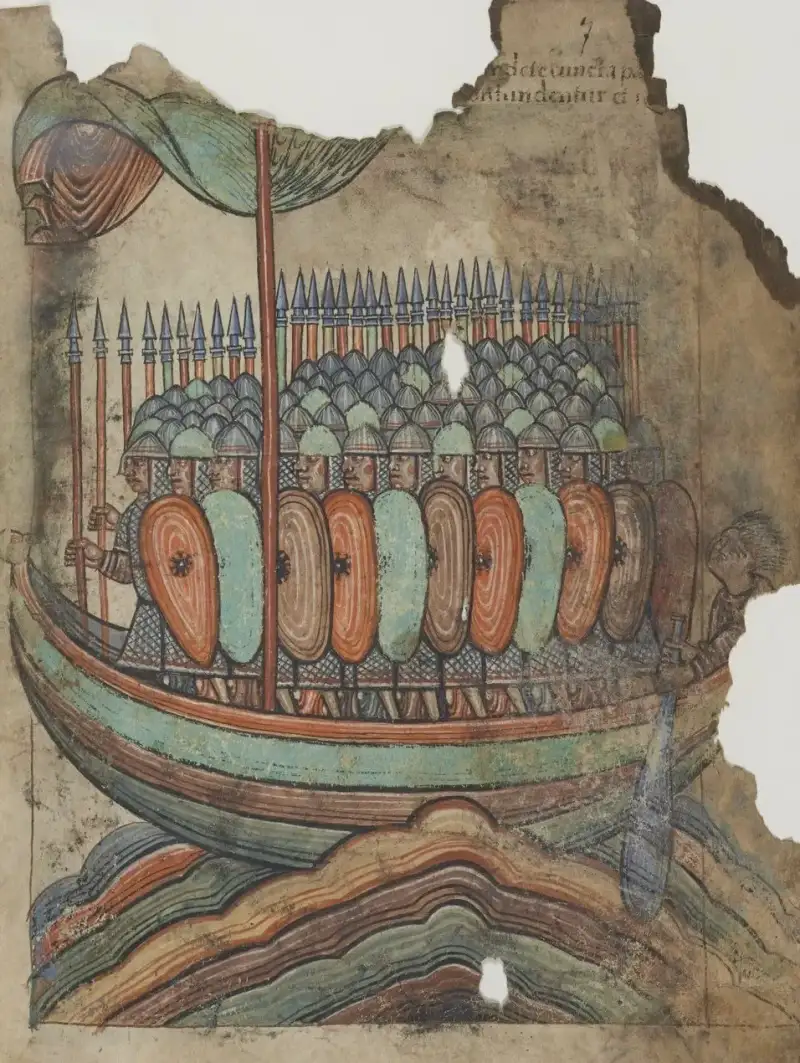
The biting chill of the North Sea wind howled like a choir of vengeful spirits, tearing at the heavy, woven wool sails of the longship as it cut mercilessly through the slate-grey waters. To the devout monks of Lindisfarne, the sea had always been a steadfast barrier, a vast, watery moat of God’s own creation protecting their sacred sanctuary from the chaos of the mainland. They did not know—could not have possibly known—that for the hardened men of the North, the sea was not a wall, but a grand, open highway. When the morning mist finally parted on that fateful, blood-soaked morning in 793 AD, it revealed not the comforting, golden light of dawn, but the terrifying, predatory silhouettes of shallow-drafted vessels. Their prows were carved into the snarling, aggressive visages of dragons and sea serpents, designed to frighten the land spirits of their victims. The Viking Age had officially arrived, heralded not by diplomats or royal decrees, but by the clash of cold steel, the terrifying roar of the berserker, and the crimson staining of holy ground. #AncientHistory #VikingAge I am Mark Dinn, and in my decades of weaving the intricate, often brutal threads of historical fiction, I have found very few tapestries as blood-soaked, culturally complex, and utterly captivating as that of the Norsemen. We universally call them "Vikings," a term that originally denoted a specific activity—fara í víking, going on an expedition or raid—rather than an ethnic or national identity. Yet, over the centuries, the word has become entirely synonymous with horned helmets (a complete Victorian theatrical fabrication), mindless savagery, and an unquenchable, animalistic thirst for plunder. The truth, as is always the case when one dares to peel back the heavy layers of myth and propaganda, is far more intricate, deeply dramatic, and endlessly fascinating. These were not merely unwashed barbarians hammering at the fragile gates of civilization; they were the supreme maritime navigators of their age, exceptionally shrewd merchants, intrepid global explorers, and pragmatic politicians who permanently reshaped the very map of Europe. Let us journey back, far beyond the embellished sagas and the Hollywood screens, to uncover the true, breathing Norse warriors behind the legends. #HistoricalFiction #NorseMythology #Vikings The Crucible of the North: Forging a Warrior Culture To truly understand the Viking, one must first understand the harsh, unforgiving forge in which he was made. The Scandinavian homeland—comprising modern-day Norway, Sweden, and Denmark—was a realm of stark, breathtaking natural beauty, but also of uncompromising environmental hostility. It was a land where winter held an iron dominion for much of the year, where the soil was often thin, acidic, and rocky, and where towering mountains plunged precipitously into deep, dark fjords. Survival here was a daily, exhaustive battle against the elements, breeding a people who were inherently resilient, fiercely resourceful, and intimately tied to the violent rhythms of nature. #Scandinavia #NordicHistory The Pressures that Broke the Ice As the late 8th century drew to a close, a volatile confluence of socioeconomic and environmental pressures began to build within this icy crucible. The situation was a powder keg waiting for a spark, driven by several key factors:Climatic Warming and Overpopulation: The region experienced a period of relative warming, which, paradoxically, led to a population boom. More mouths to feed meant less arable land to go around in a geography already starved for farming space. The Law of Primogeniture: The rigid cultural practice where the eldest son inherits the entire family estate left countless younger sons entirely disenfranchised, landless, and incredibly hungry for both material wealth and societal status. Political Consolidation: Ambitious chieftains and emerging petty kings began forcibly consolidating their localized power into larger realms, driving political dissidents, independent freemen, and defeated rivals out of their ancestral homes.Faced with a stark lack of opportunity at home, these desperate, ambitious men looked to the misty horizon. They possessed a martial culture that prized physical bravery above all other virtues, and they possessed the technological marvel that would make their wildest ambitions a reality: the longship. The combination was highly volatile. The resulting explosion across Europe was inevitable. #VikingHistory #MedievalEurope Masters of the Waves: The Engineering Miracle of the Longship If the Viking Age was a sudden, violent, earth-shattering storm, the longship was the lightning bolt that struck first. It is nearly impossible to overstate the absolute technological superiority of these vessels in the context of the early Middle Ages. While the rest of Christian Europe was painfully constructing heavy, lumbering cogs that required deep-water ports and highly favorable winds just to move, the Norse shipwrights were crafting absolute masterpieces of marine engineering. #NauticalHistory #Shipbuilding The secret of their dominance lay in their revolutionary construction methods. Built using the overlapping clinker method—where radially split oak planks were meticulously riveted together with iron and caulked with tarred animal hair or wool—the longships were incredibly flexible. They didn't stubbornly fight the massive waves of the ocean; they rode them, bending and flexing with the fury of the water like a living serpent. This flexibility made them incredibly fast, phenomenally seaworthy, and capable of crossing the treacherous, storm-tossed open waters of the North Atlantic. The Tactical Advantage of the Shallow Draft But their true, terrifying genius lay in their specific design geometry. They were perfectly symmetrical, allowing them to reverse direction instantly without the cumbersome need to turn the entire vessel around—a massive tactical advantage in the narrow confines of a river or during a hasty, contested retreat. Most importantly, they had an astonishingly shallow draft. A massive warship carrying fifty fully armed, mail-clad warriors could float in less than a meter of water. This specific engineering trait meant the Vikings absolutely did not need deep-water harbors to launch an invasion. They could navigate far up shallow, inland rivers, completely bypassing coastal defenses, striking at the soft, undefended underbelly of Europe. They could beach their ships directly on the sand or riverbank before their victims even fully realized they were under attack. The longship was, without hyperbole, the ultimate stealth bomber and amphibious assault craft of the medieval world. #VikingShips #NavalWarfare Lindisfarne: The Shattering of the Christian World "Never before has such terror appeared in Britain as we have now suffered from a pagan race," lamented the influential Northumbrian scholar Alcuin of York in a letter to the King. The year was 793, and the target was the Holy Island of Lindisfarne, the very cradle and beating heart of Christianity in northern England. #Lindisfarne #AngloSaxon The monks of Lindisfarne were incredibly wealthy, and far more importantly to the raiders, they were entirely defenseless. To the devout Christian mindset of the 8th century, a monastery was an absolute sanctuary, protected by the invisible wrath of God and the respect of civilized men. To the pragmatic, opportunistic Norse mindset, a monastery was simply an undefended treasure house, packed to the rafters with solid gold chalices, silver reliquaries, and jeweled gospel books, guarded only by soft men whose strange religion expressly forbade them to raise a sword in self-defense. It was an irresistible, highly logical target. The raid on Lindisfarne was a psychological earthquake that fractured the medieval psyche. The Norsemen arrived unannounced, slaughtering the monks where they stood, drowning some in the freezing sea, and dragging others away in iron chains to be sold as slaves in foreign markets. They stripped the gilded altars bare and trampled the holy, ancient relics into the mud. When news of the atrocity spread across the continent, it was met with absolute, paralyzing horror. How could an omnipotent God allow dirty pagans to desecrate His holiest sites? The terrified answer, many clerics concluded, was that the Vikings were a divine, apocalyptic punishment for the mounting sins of the Christian world. This horrific raid marked the official, bloody commencement of the Viking Age, initiating three centuries of relentless terror, extortionate tribute, and permanent cultural transformation. #Christianity #VikingRaids The Warrior Ethos: Honor, Iron, and the Halls of Valhalla What specific internal fire drove a man to leave his family, cross a raging, unpredictable ocean in an open wooden boat, and willingly throw himself into the meat-grinder of a shield wall? The answer lies in the deeply ingrained, unyielding warrior ethos of the Norse people, an ethos intrinsically and permanently linked to their fatalistic cosmology and their demanding gods. #Valhalla #Odin The Norse fully believed in a pantheon of deeply flawed, violently passionate, and immensely powerful deities. Odin, the All-Father, was not merely a benevolent god of wisdom, but a terrifying god of war, bloody frenzy, and death. Thor, the mighty thunderer, was the fierce protector of mankind, endlessly wielding his crushing hammer Mjolnir against the chaotic forces of the giants. To truly worship these gods was to emulate their violence and their bravery. The Unbreakable Threads of Fate Central to their entire belief system was the absolute concept of Fate, known as Wyrd. A man's time of death was spun by the mystical Norns before he was even born into the world. Nothing he did, no amount of cowardice or caution, could change the specific day he was destined to die. Therefore, the only thing a man could truly control was how he died, and the lasting reputation he left behind in the songs of the skalds. The ultimate, overriding goal of a Norse warrior—a true Drengr—was to fight with unparalleled bravery and fall in the heat of battle, his sword firmly in hand. Only then would he be personally chosen by the terrifying Valkyries to ascend to Valhalla, Odin's great hall of the slain, where he would feast on boar and fight his brothers for all eternity until the apocalyptic end of the world at Ragnarok. This fatalistic, dark worldview created warriors completely and utterly devoid of the paralyzing fear of death. To retreat from a pitched battle was not just considered cowardly; it was a profound denial of fate and a direct, unforgivable insult to the gods themselves. This psychological armor made the Vikings terrifying, relentless opponents. Among their ranks were the legendary Berserkers, elite shock troops who worshipped Odin and fought in a trance-like, animalistic fury. They purportedly bit the rims of their wooden shields, howled like wolves, and ignored grievous wounds, entirely convinced they were temporarily impervious to iron and fire. While the exact historical reality of the berserker state is still fiercely debated by modern historians—some attributing it to psychological conditioning, others to the ingestion of hallucinogenic mushrooms—the sheer, unbridled ferocity of the Norse infantry charge was undisputed by anyone who survived it. #Berserker #NorseMyth #VikingWeapons The Silk Road of the North: Traders, Explorers, and the Varangian Guard If we paint the Vikings solely in the crimson blood of their victims, we miss half the historical picture. The exact same longships that brought terrifying raiders to the misty coasts of France and England also carried shrewd merchants to the very edges of the known, civilized world. The Norse were consummate, pragmatic opportunists; if a coastal town was heavily fortified and well-defended, they traded silver for goods; if it was weak and unguarded, they drew their axes and raided. Often, they engaged in both activities on the very same voyage. #VikingTrade #MedievalCommerce Their economic trade networks were staggeringly vast and incredibly complex. While the Danes and Norwegians focused their maritime efforts largely on the west—battering the shores of Britain, Ireland, and Francia—the Swedes, known to history as the Rus, turned their dragon prows eastward. Navigating the treacherous, winding river systems of Eastern Europe, they established permanent fortified trading posts that would eventually grow into the massive, powerful city-states of Novgorod and Kyiv, literally laying the foundational political and genetic roots of modern Russia, Belarus, and Ukraine. The Lure of the East The Rus dragged their ships overland to travel down the Volga and the Dnieper rivers, eventually reaching the warm waters of the Caspian and Black Seas. They traded highly prized northern goods: dense furs, golden amber, carved walrus ivory, and—most crucially and brutally—tens of thousands of Slavic slaves. In exchange, they received the fabulous, unimaginable wealth of the Islamic Caliphates and the ancient Byzantine Empire. Millions of silver dirhams minted in Baghdad and Damascus have been found buried in massive Swedish hoards, a silent, gleaming testament to this sprawling, intercontinental economic web. In Constantinople, the glittering capital of the Byzantine Empire, the Norsemen encountered a civilization of wealth and political intrigue they could hardly comprehend. The Byzantine Emperors, recognizing the fierce, unyielding loyalty and terrifying martial prowess of these towering northern giants, formed the Varangian Guard. This elite, highly paid unit of axe-wielding bodyguards served directly under the Emperor, fighting in brutal campaigns across the Mediterranean, from Sicily to Syria, and returning to the snowy fjords of Scandinavia laden with gold, exotic spices, and shimmering silks. The incredible story of Harald Hardrada, a Norwegian prince who spent years commanding the Varangian Guard before returning north to violently claim the throne of Norway, remains one of the most epic, sweeping sagas of the entire era. #VarangianGuard #ByzantineEmpire #Constantinople From Raiding to Conquest: The Great Heathen Army and the Danelaw For decades, Viking raids followed a highly predictable, seasonal pattern: violent hit-and-run strikes during the warm summer months, followed by a swift return to Scandinavia before the deadly autumn storms churned the North Sea. But in the pivotal year of 865 AD, everything fundamentally changed. A massive, unprecedented coalition of Norse warriors, which the terrified writers of the Anglo-Saxon Chronicle dubbed the micel heathen here—the Great Heathen Army—landed on the shores of East Anglia. This was no longer a simple raid for silver; this was a coordinated, full-scale invasion of a nation. #GreatHeathenArmy #Invasion Legend dictates that this massive army was jointly led by the vengeful sons of the legendary hero Ragnar Lothbrok—Ivar the Boneless, Halfdan, and Ubba—seeking bloody retribution for their father's execution in a pit of venomous snakes by the arrogant King Aella of Northumbria. Regardless of the mythological embellishments added by later poets, the historical reality is that this highly organized army carved a bloody, unstoppable swath through the politically fragmented, squabbling kingdoms of Anglo-Saxon England. The Tactics of Total War They employed brilliant, highly adaptive strategic warfare. They captured local horses to move their infantry rapidly across the countryside, outmaneuvering the slower English armies. They fortified overwintering camps on strategic river islands, allowing them to maintain their military presence year-round rather than retreating. Kingdom after kingdom fell to the Norse axes. Proud Northumbria collapsed in a bloody coup, East Anglia was brutally conquered, and the powerful kingdom of Mercia was brought entirely to its knees. Only the southern kingdom of Wessex, under the stubborn, brilliant leadership of King Alfred the Great, managed to stem the relentless tide through a combination of guerrilla warfare and military reorganization. The resulting, uneasy peace treaty physically divided England, creating the Danelaw—a vast swathe of northern and eastern England where Danish laws, customs, and language held total sway. The Vikings had officially transitioned; they were no longer just raiders stealing wealth; they were settlers, land-owning farmers, and political rulers. They established the fortified city of Jorvik (modern York) as a thriving, multicultural hub of international trade, leaving an indelible, permanent Norse imprint on the culture, laws, and genetics of the British Isles. #Danelaw #AlfredTheGreat #Jorvik The Unsung Heroes: Shieldmaidens and the Matriarchs of the North The popular, modern image of the Viking Age is overwhelmingly, almost exclusively male, dominated by bearded men swinging broad axes. Yet, the complex society that produced these famous warriors was remarkably nuanced regarding gender roles and expectations. While the Norse world was undeniably patriarchal, women possessed legal rights, social agency, and economic power that were almost completely unheard of in the heavily subjugated female populations of the rest of medieval Christian Europe. #WomenInHistory #VikingWomen A free Norse woman could legally own property in her own name, officially request a divorce if her husband displeased her or failed to provide, and reclaim her full dowry if the marriage failed. When the men went "a-viking" for months or years on end, or engaged in long-distance trading, the women were left in absolute, unquestioned command of the sprawling farms and estates. They managed the complex finances, directed the labor of the thralls (slaves), and ensured the harvests were brought in before the snows fell. The ultimate symbol of a Norse woman's profound authority was not a weapon, but the heavy set of iron keys she wore proudly suspended from her ornate bronze brooches. The Reality of the Warrior Women But what of the legendary Shieldmaidens—the skjaldmær? The ancient sagas are utterly replete with heroic tales of fierce warrior women like Lagertha, Hervor, and Brynhildr, who fought fiercely in the bloody shield wall alongside the men, commanding fleets and armies. For centuries, traditional male historians dismissively categorized these stories as mere mythological archetypes or romantic fantasies. However, the historical paradigm shifted dramatically and permanently in 2017 with the advanced genomic analysis of a famous 10th-century warrior grave discovered in Birka, Sweden. The grave, packed to the brim with an array of deadly, high-quality weapons, sacrificed horses, and the tactical gaming pieces of a high-ranking military officer, had always been confidently assumed to belong to a male chieftain. The modern DNA results were absolute and conclusive: the esteemed, highly decorated warrior was biologically female. While it is highly unlikely that women formed a massive portion of the rank-and-file fighting forces, the physical evidence strongly suggests that exceptional, driven women did indeed take up the sword, proving definitively that the fiercely independent Viking spirit was never confined by gender. #Shieldmaiden #BirkaWarrior #Lagertha The Siege of Paris: Extortion on a Royal, Imperial Scale The soaring ambition of the Norsemen was never limited to the foggy shores of Britain. The politically fractured Carolingian Empire, the wealthy remnants of Charlemagne's vast European realm, presented an incredibly lucrative, tantalizing target. The broad, slow-moving rivers of Francia—the Seine, the Loire, the Garonne—quickly became heavily trafficked highways for massive Viking fleets seeking plunder and political leverage. #Francia #SiegeOfParis In the spring of 845 AD, a massive, terrifying fleet of 120 longships, commanded by a ruthless chieftain named Reginherus (whom many historians conflate with the legendary Ragnar Lothbrok himself), sailed aggressively up the Seine and laid direct siege to Paris, the jewel of the empire. The Frankish King Charles the Bald frantically assembled an army to defend the city, but the Vikings employed devastating psychological warfare. In full view of the terrified Frankish troops stationed on the riverbanks, the Vikings brutally executed 111 prisoners by hanging them from trees in a mass sacrifice honoring Odin. The Frankish army, horrified and demoralized by the sheer brutality, fled in terror without striking a blow, and the Vikings thoroughly sacked the city of Paris. The Birth of the Danegeld and the Normans To save his burning capital, Charles the Bald resorted to a desperate political tactic that would become disastrously common across Europe: he paid the Danegeld. He handed over an astonishing 7,000 pounds of pure silver to convince the Vikings to lift the siege and leave. It worked, but only temporarily. Paying a Viking to leave only ensures that he, or his heavily armed cousins, will inevitably return the moment the silver runs out. The Norsemen quickly learned that strategic extortion was often far more profitable—and far less physically dangerous—than outright, bloody combat. Decades later, the Vikings returned in force, and the geopolitical situation culminated in the early 10th century when a massively powerful chieftain named Rollo laid heavy siege to the city of Chartres. Recognizing that the Norsemen could not be permanently defeated by military force alone, the Frankish King Charles the Simple made a brilliant, enduring political maneuver. In 911 AD, he offered Rollo a vast, wealthy tract of land in northern France, provided Rollo convert to Christianity, swear fealty, and aggressively defend the coast against all other incoming Viking raiders. Rollo pragmatically accepted the deal. The land became forever known as Normandy (the land of the Northmen), and Rollo's highly adaptable descendants—the Normans—would eventually cross the channel and conquer all of England in 1066. #Normandy #Rollo #MedievalFrance Sailing the Edge of the World: Ice, Green Lands, and Vinland The exact same socio-economic pressures that drove the Vikings south into Europe and east into Russia also drove them west, directly into the uncharted, freezing, and utterly terrifying void of the open North Atlantic. They were unparalleled, instinctive navigators, relying not on magnetic compasses, but on their deep, generational understanding of the sun's position, the stars, the shifting ocean currents, the color of the water, and the flight patterns of seabirds to guide their fragile wooden longships across the vast, open ocean. #Exploration #NorthAtlantic In the late 9th century, intrepid Norse explorers discovered Iceland, a volcanic, geothermally active island of stark, otherworldly beauty. A massive migration rapidly followed, as fiercely independent chieftains, fleeing the increasingly autocratic and taxing rule of King Harald Fairhair of Norway, sought a new, unclaimed land where they could govern themselves entirely free of royal interference. They established the Althing, one of the world's absolute oldest surviving democratic parliaments, creating a unique, functioning republic without a king. Reaching the New World But the western horizon always beckoned to the most restless souls. In 982 AD, a notoriously fiery-tempered man named Erik the Red was legally exiled from Iceland for committing multiple murders. With nowhere else to go, he sailed further west into the ice flows and discovered a massive, glacially capped landmass. With a modern marketer’s distinct flair for branding, he deliberately named it "Greenland" to attract eager settlers from overcrowded Iceland. The most astonishing, world-changing chapter of Norse exploration, however, belongs to Erik's restless son, Leif Erikson. Around the pivotal year 1000 AD—a staggering five full centuries before Christopher Columbus was even born—Leif sailed further west from the settlements of Greenland, making historical landfall on the rugged coast of North America. He called this bountiful new territory Vinland (Land of Wine), due to the abundance of wild grapes and fertile soil he found there. The sagas describing this incredible trans-Atlantic journey were long dismissed by European scholars as mere mythological tall tales, right up until the 1960s, when archaeologists finally uncovered the physical remains of a Norse settlement at L'Anse aux Meadows in Newfoundland, Canada. The undeniable physical evidence of iron smithing and Norse architecture proved definitively that the Vikings were the very first Europeans to set foot in the Americas, pushing the absolute boundaries of the known, civilized world to their absolute limits. #Vinland #LeifErikson #LAnseAuxMeadows #Discovery The Twilight of the Gods: 1066 and the End of an Era No storm, no matter how violent or world-altering, lasts forever. The Viking Age, which had raged unabated across the globe for nearly three bloody centuries, eventually began to inevitably subside. The historical reasons for this decline were complex, interconnected, and manifold. Firstly, the Scandinavian homelands themselves fundamentally changed. The once-fractured kingdoms became centralized and politically stable under powerful Christian kings, dramatically reducing the number of exiled, landless chieftains desperately seeking fortune abroad. Secondly, European military defenses vastly improved; kings ordered the construction of heavily fortified towns (burhs), built bridges to block river access, and maintained professional standing armies, making the business of raiding significantly more dangerous and far less profitable. #1066 #VikingEnd The Power of the Cross Most importantly, however, the Norsemen were slowly, inexorably assimilated into the very Christian cultures they had once terrorized. The ultimate, victorious weapon against the Viking was not the broadsword or the castle wall, but the cross. The gradual, often forceful Christianization of Scandinavia fundamentally and permanently altered the Norse worldview. The glorious promise of fighting in Valhalla was violently replaced by the terrifying threat of burning in Hell; the ruthless warrior ethos was slowly tempered by the Christian doctrines of peace and sin. Scandinavian Kings quickly began to realize that the organized Church offered a massively powerful political tool for centralizing absolute authority, collecting taxes, and legitimizing their permanent rule through the concept of divine right. The definitive, bloody end of the Viking Age is traditionally pegged by historians to the momentous year 1066. Harald Hardrada, the towering King of Norway and the last great Viking warlord of the old breed, launched a massive, ambitious invasion of England, seeking to violently claim the empty throne. He met the defending English King Harold Godwinson at the infamous Battle of Stamford Bridge in Yorkshire. In a brutal, exhausting, hand-to-hand conflict that lasted all day, the Norse army was completely annihilated. Hardrada himself, the giant who had survived wars in Byzantium and Sicily, fell dead with an English arrow violently piercing his throat. The terrifying Viking threat to England was finally, permanently extinguished. Ironically, just three short weeks later, that same victorious Harold Godwinson would be utterly defeated and killed at the Battle of Hastings by William the Conqueror—the Duke of Normandy, and a direct, blood descendant of the Viking chieftain Rollo. The Norsemen had not truly been defeated by history; they had simply evolved to master it. #StamfordBridge #Hastings #WilliamTheConqueror Conclusion: The Enduring Legacy of the North Today, the sleek dragon ships no longer prowl the misty coasts of Europe, and the bloody altars of Odin have long since gone cold and silent under the earth. Yet, the profound, inescapable legacy of the Vikings is woven inextricably into the very fabric of the modern world. #Legacy #ModernHistory We speak their ancient words daily without realizing it. The English language is heavily, permanently peppered with Old Norse terminology—foundational words like sky, knife, window, husband, anger, trust, and even the days of the week we structure our lives around (Thursday is Thor's day, Wednesday is Odin/Woden's day, Friday is Freya's day). They established trading hubs that grew into massive cities that thrive to this very day, from the pubs of Dublin to the golden domes of Kyiv. Their unparalleled innovations in shipbuilding and oceanic navigation directly laid the necessary technical groundwork for the later Age of Global Exploration. More than the physical artifacts and the linguistic remnants, the Vikings endure fiercely in our collective, global imagination. They represent a primal, untamed human spirit, a ferocious, uncompromising independence, and a fearless, bold confrontation with the vast unknown. In my own daily work as an author of historical fiction, I find myself continually, obsessively drawn back to the mist-shrouded, icy fjords and the terrifying, blood-soaked shield walls. I return to them because the raw human drama, the massive stakes, and the sheer scale of the Viking Age are utterly unparalleled in human history. They were men and women of immense, beautiful contradictions: they were savage, remorseless killers who composed breathtaking, intricate poetry; they were ruthless, greedy extortionists who crafted exquisite, delicate jewelry; they were fierce pagan warriors who ultimately shaped the geographic and political destiny of Christian Europe. The story of the Viking raids is not merely a depressing tale of death and destruction. It is the epic, sweeping story of a dynamic, restless, brilliant people bursting forth from the ice, driven by sheer necessity, burning ambition, and a fatalistic courage, to permanently carve their names into the very bedrock of human history. And as long as the north wind blows cold and the grey waves crash violently against the shore, the legends of the true Norse warriors will never be forgotten. #MarkDinn #HistoryWriter #EpicHistory #NorseLegacy Related InsightsThe Rosetta Stone: Breaking the Silence of Ancient Egypt The Great Pyramid of Giza: A Timeless Monument to Human Ingenuity The Whispering Stones of Chichen Itza: Echoes of the Maya{ "@context": "https://schema.org", "@type": "FAQPage", "mainEntity": [ { "@type": "Question", "name": "What is the main focus of Viking Raids: The True Norse Warriors Behind the Legends?", "acceptedAnswer": { "@type": "Answer", "text": "A dramatic deep dive into Viking Raids: The True Norse Warriors Behind the Legends. Mark Dinn explores the untold history, drama, and legacy of this fascinating subject." } }, { "@type": "Question", "name": "Who authored the comprehensive guide on Viking Raids: The True Norse Warriors Behind the Legends?", "acceptedAnswer": { "@type": "Answer", "text": "This detailed article and its insights were carefully researched and authored by Mark Dinn." } }, { "@type": "Question", "name": "Where can I find more related content about History?", "acceptedAnswer": { "@type": "Answer", "text": "You can explore more articles, detailed reviews, and similar insights by browsing the Related Insights section at the bottom of this article or visiting our dedicated History category page." } } ] }

-
 Giovanni Luigi
 - 01 Jul, 2026 04:18
Il Farro Inquieto: Tracce di un Cereale Millenario Tra Imperi Dimenticati e Rivoluzioni Gastronomiche Rurali
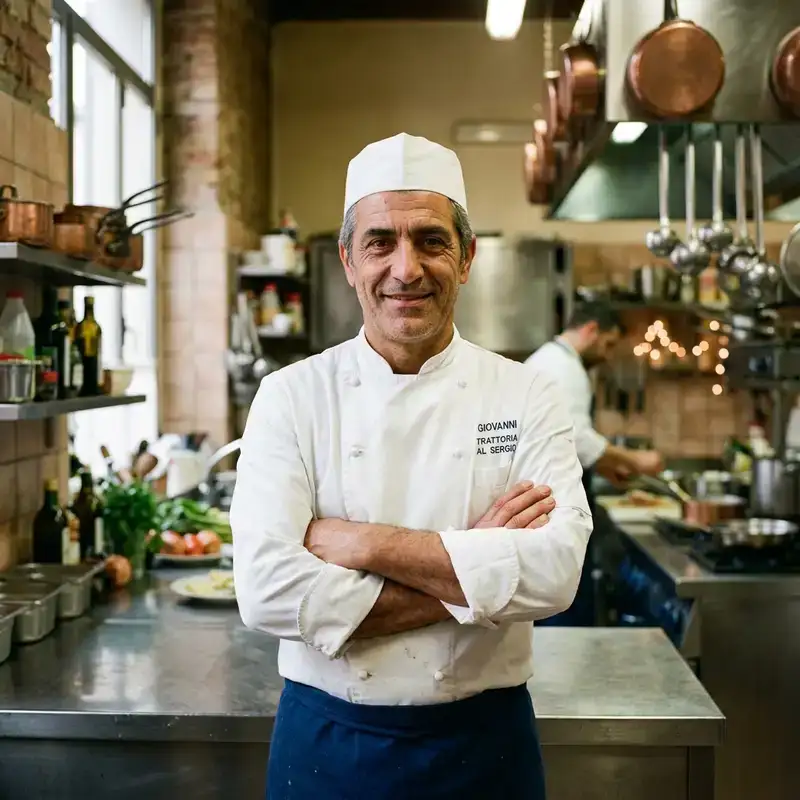
Immaginate un chicco. Non un semplice seme, ma una capsula del tempo, un testimone silente di civiltà passate, di tavole imbandite sotto il sole rovente di un'estate romana, di sacrifici votivi agli dei e di fatiche contadine scolpite dal tempo. Questo non è un racconto su un cereale qualsiasi, né sulla pasta o il pane che conosciamo oggi. Questo è il racconto del farro, un protagonista enigmatico e "inquieto", la cui storia si intreccia con quella dell'Italia stessa, delle sue terre, dei suoi popoli, e che oggi, dopo secoli di semi-oblio, sta vivendo una rinascita sorprendente. Non parliamo del farro generico che si trova in ogni supermercato, ma delle sue anime più profonde, delle varietà antiche, quasi sussurrate, custodite come segreti preziosi tra le valli appenniniche e le pianure che furono teatro di imperi. Un viaggio che non è solo culinario, ma archeologico, antropologico e, in fin dei conti, un inno alla biodiversità e alla resilienza. Il Farro nell'Antichità: Il Cuore Pulsante di un Impero Per comprendere l'anima inquieta del farro, dobbiamo risalire alle sue radici più profonde, quando non era semplicemente un ingrediente, ma il fondamento stesso di una civiltà. Nell'antica Roma, prima che il grano duro e il pane lievitato prendessero il sopravvento, il farro – in particolare il Triticum dicoccum, noto come farro dicocco – era il "frumento" per eccellenza. Era la base della dieta plebea e patrizia, l'energia che alimentava legionari e costruttori, la moneta di scambio in tempi di scarsità, e persino un elemento sacro nelle cerimonie nuziali (la confarreatio) e nei riti agli dei Lari. Il farro era il chicco che dava vita alla puls, una sorta di zuppa densa o polenta, il vero "piatto nazionale" romano. La puls fabata, con fagioli, o la puls Punica, arricchita con formaggio, uova e miele, erano versioni elaborate di questo pasto umile ma sostanzioso. Immaginate i Romani, seduti attorno al fuoco, a gustare questa preparazione, con le mani che tenevano coppe di terracotta, i sapori terrosi e robusti del farro che si mescolavano a erbe aromatiche e legumi. Era un cibo di sostanza, un cibo che legava l'uomo alla terra, al ciclo delle stagioni, alla fatica dei campi. Era un chicco che, nonostante la sua apparente semplicità, celava una complessità nutrizionale e un sapore inconfondibile, quasi nocciolato, con una consistenza soda e resiliente che resisteva alla cottura. La sua coltivazione era estesa, dai campi fertili della Campania fino alle colline della Toscana e dell'Umbria. La sua robustezza lo rendeva ideale per terreni difficili e climi variabili, una virtù che ne avrebbe assicurato la sopravvivenza nei secoli a venire, quando altre colture più "raffinate" avrebbero dominato le tavole dei potenti. Il farro era l'emblema di una cucina pratica, radicata, che non inseguiva lussi effimeri ma la pura essenza del nutrimento. Il Lungo Sonno e le Tasche di Resistenza Con il declino dell'Impero Romano e l'avanzare di nuove tecniche agricole, il farro iniziò un lento ma inesorabile declino. Il grano tenero, più facile da decorticare e da macinare per produrre pane bianco, divenne il cereale preferito, simbolo di status e modernità. Il farro, con la sua spessa glumella che lo rendeva difficile da lavorare – richiedendo un processo di "sbucciatura" a pietra – fu relegato ai margini, ai campi più impervi, alle tavole più povere e isolate. Ma è proprio in questo declino che risiede la sua "inquietudine", la sua capacità di resistere e di attendere. In valli remote, in borghi montani dimenticati dalle grandi rotte commerciali, il farro non morì mai del tutto. In luoghi come la Garfagnana, in Toscana, o in certe aree dell'Umbria e del Lazio, la sua coltivazione continuò, perpetuata da generazioni di contadini che ne conoscevano il valore, la resistenza e la capacità di nutrire anche con poco. Diventò un simbolo di autosufficienza e di legame con le tradizioni più autentiche.In queste "tasche di resistenza", il farro ha conservato non solo la sua integrità genetica, ma anche un patrimonio inestimabile di saperi e ricette tramandate oralmente. Zuppe robuste per l'inverno rigido, minestre contadine che profumavano di terra e bosco, persino torte e dolci semplici per le feste paesane. Il farro non era più l'ingrediente di un impero, ma la linfa vitale di piccole comunità, un guardiano silenzioso della biodiversità agricola. Le Molteplici Anime del Farro: Monococco, Dicocco, Spelta Quando parliamo di farro, in realtà ci riferiamo a tre specie distinte di grano vestito, ognuna con la sua storia, le sue caratteristiche e il suo sapore peculiare. Questa diversità è parte integrante della sua ricchezza e del suo fascino.Farro Monococco (Triticum monococcum): Considerato il padre di tutti i grani, è il più antico dei farri, coltivato sin dal Neolitico. I suoi chicchi sono piccoli, quasi dorati, con un sapore delicato e leggermente dolce, con note di nocciola e frutta secca. È ricchissimo di carotenoidi (che gli conferiscono il colore giallastro) e ha un glutine molto digeribile, rendendolo adatto anche a chi ha sensibilità. La sua resa è più bassa rispetto agli altri farri, il che lo rende più raro e prezioso. In cucina, eccelle nelle zuppe leggere, nelle insalate e come base per piatti di pesce o verdure delicate.Farro Dicocco (Triticum dicoccum): Questo è il "vero" farro dei Romani, il più diffuso in Italia e quello a cui si fa riferimento più spesso quando si parla di farro in generale. Ha chicchi più grandi e un sapore più intenso, terroso e robusto, con una consistenza tenace che lo rende perfetto per assorbire i sapori. È il protagonista indiscusso delle classiche zuppe di farro toscane o umbre, dei risotti di farro e delle insalate più corpose. La sua coltivazione è particolarmente concentrata in Garfagnana, dove ha ottenuto la certificazione IGP (Indicazione Geografica Protetta), un riconoscimento della sua unicità e del legame indissolubile con il territorio.Farro Spelta (Triticum spelta): Sebbene sia il più "giovane" tra i farri e probabilmente di origine mediorientale, ha trovato ampia diffusione nell'Europa centrale e settentrionale fin dal Medioevo, e anche in alcune regioni del nord Italia. I suoi chicchi sono grandi, allungati, con un sapore più dolce e meno "rustico" del dicocco, con sentori di noce e pane. È molto versatile in cucina, ottimo per pane, pasta, birra e dolci, oltre che per zuppe e insalate. Il suo glutine è più simile a quello del grano tenero, rendendolo più adatto alla panificazione.Questa triade di farri non è solo una curiosità botanica; è una finestra su un mondo di sapori perduti e ritrovati, una tavolozza di consistenze e aromi che offre infinite possibilità culinarie. Ogni varietà è un capitolo diverso della stessa, lunga storia, un'ulteriore prova dell'inquietudine di questo cereale che non si è mai accontentato di una singola forma. La Rivoluzione Silenziosa: Il Farro nell'Era Moderna Negli ultimi decenni, complice una crescente attenzione verso l'alimentazione sana, la sostenibilità e il recupero delle tradizioni, il farro ha iniziato la sua rivoluzione silenziosa. Non più solo un cibo per i poveri o per le mense monastiche, ma un ingrediente "gourmet", ricercato da chef, nutrizionisti e consumatori consapevoli. Questa rinascita è alimentata da diverse fattori:Valore Nutrizionale: Il farro è una miniera di benefici. Ricco di fibre, proteine, vitamine del gruppo B, sali minerali (magnesio, fosforo, potassio) e antiossidanti. Ha un basso indice glicemico e aiuta a mantenere il senso di sazietà, rendendolo un alleato prezioso per una dieta equilibrata. Sapore e Versatilità: I cuochi hanno riscoperto la sua texture unica e il suo sapore distintivo. Non è un sostituto del riso o della pasta, ma un ingrediente con una sua personalità, capace di elevare piatti semplici a esperienze culinarie complesse. Sostenibilità: Essendo un cereale robusto e adattabile, il farro richiede meno acqua e meno fertilizzanti rispetto ad altri grani. La sua coltivazione favorisce la biodiversità e la rotazione delle colture, contribuendo a pratiche agricole più sostenibili. Recupero delle Tradizioni: L'interesse per il farro si inserisce nel più ampio movimento del "chilometro zero" e della valorizzazione dei prodotti tipici locali. Coltivare e cucinare il farro significa onorare la storia, la terra e le mani che per secoli lo hanno custodito.Produttori artigianali, spesso piccoli agricoltori biologici, stanno investendo nella riscoperta e nella coltivazione delle varietà antiche, garantendo la purezza del seme e l'applicazione di metodi tradizionali. Questo non è solo un affare economico; è un atto di custodia culturale, un impegno per preservare un patrimonio che altrimenti andrebbe perduto. Il Farro in Cucina: Oltre la Zuppa, l'Inesplorato Se la zuppa di farro è l'ambasciatrice più nota di questo cereale, il suo potenziale culinario è infinitamente più vasto e spesso inesplorato. È qui che l'inquietudine del farro si manifesta appieno, la sua capacità di adattarsi e reinventarsi. Ricette Tradizionali Ritrovate: Nei borghi della Garfagnana, si prepara il "farro in grana", una preparazione simile a un risotto ma con una consistenza più soda, spesso arricchita con funghi porcini raccolti nei boschi circostanti o con verdure di stagione. In Umbria, si trova la "minestra di farro e ceci", un piatto povero ma incredibilmente saporito e nutriente. Non mancano poi le insalate estive, dove il farro perlato (più facile e veloce da cucinare) si sposa con pomodorini, cetrioli, basilico e feta, un connubio di freschezza e sostanza. Innovazioni Gastronomiche: Ma il farro non è solo tradizione. Chef innovativi lo stanno introducendo in contesti inaspettati:Risotti di Farro: Sostituire il riso con il farro in un risotto non è solo un cambio di ingrediente, ma una trasformazione del piatto. Il farro dicocco, con la sua tenacia, regge la mantecatura e assorbe i sapori in modo magistrale, creando un piatto ricco di masticabilità e aromi complessi. Immaginate un risotto di farro con gamberi rossi e agrumi, o con pesto di rucola e stracciatella. Panificazione e Pasta: Il farro spelta, con il suo glutine più malleabile, è perfetto per la panificazione. Pane di farro integrale, focacce, persino pizze, acquisiscono un sapore rustico e una consistenza unica. Con le farine di farro monococco o dicocco si possono preparare paste fresche, come tagliatelle o orecchiette, che sorprendono per il loro sapore autentico. Dessert e Colazioni: Chicchi di farro cotti e poi raffreddati possono essere la base per colazioni nutrienti, uniti a yogurt, frutta fresca e miele. Si possono preparare persino budini o torte dolci di farro, che offrono una consistenza inedita e un sapore leggermente dolce e nocciolato. Birra di Farro: Alcuni birrifici artigianali stanno sperimentando con il farro, creando birre dalla personalità distintiva, con note maltate e terrose, un tocco di antica ruralità in una bevanda moderna.La bellezza del farro risiede anche nella sua capacità di evocare un senso di storia in ogni boccone. Ogni chicco è un piccolo ponte tra il passato e il presente, una connessione diretta con i nostri antenati e con la terra. Cucinare il farro è un atto meditativo, un modo per rallentare, per apprezzare la pazienza della natura e la ricchezza che essa ci offre. L'Eredità Inquieta: Un Futuro da Scrivere Il farro, con la sua "inquietudine", ci insegna una lezione preziosa. Ci mostra che il progresso non sempre risiede nella ricerca del nuovo a tutti i costi, ma spesso nella riscoperta e nella valorizzazione di ciò che è antico, autentico e resiliente. È un monito contro la monocultura, un invito a celebrare la biodiversità e la varietà che la natura ci offre. La sua storia è un ciclo continuo di oblio e rinascita, un chicco che non si è mai veramente fermato, sempre in movimento tra epoche e culture diverse. Dal granaio dell'Impero Romano alle valli nascoste, dalle tavole contadine ai ristoranti stellati, il farro ha dimostrato una capacità straordinaria di adattamento e di sopravvivenza. La prossima volta che vi troverete di fronte a un pacchetto di farro, non vedete solo un cereale. Vedete un pezzo di storia, un simbolo di resistenza, un invito a esplorare sapori antichi e a partecipare a una rivoluzione gastronomica silenziosa. Sperimentate con le sue varietà, osate nuove ricette, e lasciatevi trasportare dalla sua eredità inquieta, perché ogni chicco è una storia in attesa di essere raccontata e gustata.#FarroItaliano #CerealiAntichi #CucinaStorica #GastronomiaRurale #BiodiversitàAlimentare Related InsightsBeyond Black Pepper: The Enchanting Aromas of Long Pepper and Grains of Paradise The Alchemist’s Pantry: Mastering the Art of Perfect Cheese Pairings Congee (Jook): The Ultimate Comforting Rice Porridge{ "@context": "https://schema.org", "@type": "FAQPage", "mainEntity": [ { "@type": "Question", "name": "What is the main focus of Il Farro Inquieto: Tracce di un Cereale Millenario Tra Imperi Dimenticati e Rivoluzioni Gastronomiche Rurali?", "acceptedAnswer": { "@type": "Answer", "text": "Un viaggio affascinante nel mondo del farro, dal suo ruolo cruciale nell'antica Roma alle sue rare varietà custodite nei borghi italiani, scoprendo sapori e storie dimenticate." } }, { "@type": "Question", "name": "Who authored the comprehensive guide on Il Farro Inquieto: Tracce di un Cereale Millenario Tra Imperi Dimenticati e Rivoluzioni Gastronomiche Rurali?", "acceptedAnswer": { "@type": "Answer", "text": "This detailed article and its insights were carefully researched and authored by Giovanni Luigi." } }, { "@type": "Question", "name": "Where can I find more related content about Food?", "acceptedAnswer": { "@type": "Answer", "text": "You can explore more articles, detailed reviews, and similar insights by browsing the Related Insights section at the bottom of this article or visiting our dedicated Food category page." } } ] }


Pho: The Soul-Warming Noodle Soup of Vietnam A Cultural Icon of Vietnam Pho, pronounced as "fu," is the quintessential Vietnamese dish that warms the hearts of locals and international travelers alike. This fragrant, flavorful, and comforting noodle soup has become an integral part of Vietnamese culture, symbolizing the nation's rich history, resilience, and hospitality. In this article, we delve into the story behind Pho's creation, its cultural significance, and the secret to its soul-warming taste. Origins of Pho The origins of Pho are shrouded in mystery, with different theories pointing to its creation during the French colonial era (1862-1954) or during the Nguyen dynasty (1802-1945). One story suggests that Pho was inspired by the French pot-au-feu, a hearty beef stew, with modifications to suit the Vietnamese palate. Another theory proposes that Pho was inspired by the traditional Chinese noodle soups, such as wonton or la mian, with the addition of local ingredients. Regardless of its origins, Pho has become a staple in Vietnamese cuisine, with different regions offering their unique interpretations. The most popular variations are Pho Bo (beef noodle soup) and Pho Ga (chicken noodle soup), although other meat alternatives, such as Pho Chay (vegetarian noodle soup), have gained popularity in recent years.Regional Influences on Pho Pho's regional variations reflect the diversity of Vietnam's culinary landscape. In the north, Pho is typically served with a clearer broth, using bone marrow and ginger for added depth, while in the south, the broth is heartier and sweeter, with the addition of fish sauce and star anise. Central Vietnam's Pho is often served with a variety of herbs, including basil, chili, and mint, adding a fresh and aromatic twist to the dish. The regional differences are also reflected in the types of noodles used. In northern Pho, rice noodles (bun) are typically thin and soft, while in southern Pho, they are thicker and chewier. The beef used in Pho also varies, with northern Pho often featuring rare slices of beef (bò tái) or beef brisket, while southern Pho typically uses thinly sliced beef (bò chín). Traditional Pho Recipe While Pho varies across regions, the traditional recipe remains a closely guarded secret. However, we can reveal the basic ingredients and techniques involved in crafting an authentic Pho broth:Beef or Chicken: The choice of meat affects the flavor profile of the broth. For beef Pho, use oxtail or beef bones, while for chicken Pho, use chicken bones and wings.Aromatics: Onions, ginger, garlic, and star anise add depth and warmth to the broth.Spices: Fish sauce, soy sauce, and sugar balance the flavors and give the broth its characteristic umami taste.Herbs: Fresh herbs like basil, mint, and cilantro add freshness and aroma to the dish. The preparation involves a multi-step process:Soak the beef or chicken bones in cold water for at least 30 minutes to remove impurities. Blanch the bones in hot water to cook them before making the broth. Simmer the bones in a large pot with aromatics, spices, and herbs for at least 30 minutes to extract the flavors. Strain the broth through a fine-mesh sieve and discard the solids. Re-season the broth with salt and sugar to balance the flavors.The Perfect Bowl of Pho A traditional Pho bowl consists of a steaming hot broth, soft and chewy rice noodles, sliced beef or chicken, herbs, and a squeeze of lime juice. To assemble the perfect bowl, follow these steps:Broth: Ladle the hot broth over the noodles and meat. Noodles: Cook the noodles according to package instructions and add them to the bowl. Meat: Slice the beef or chicken thinly and arrange it on top of the noodles. Herbs: Sprinkle fresh herbs like basil, mint, and cilantro on top of the meat. Lime Juice: Squeeze a slice of lime juice over the herbs and noodles. Bean Sprouts: Add bean sprouts on top of the noodles for added crunch.Conclusion Pho is more than just a meal; it represents the soul of Vietnam, its rich cultural heritage, and its welcoming hospitality. Whether you're a food enthusiast or simply looking for a hearty and comforting meal, Pho is a must-try experience. With its fragrant broth, soft noodles, and fresh herbs, Pho will transport you to the streets of Vietnam, where the aroma of this beloved dish fills the air and lingers in the heart forever. [Hashtags] #VietnameseCuisine #PhoRecipe #TraditionalFood #StreetFood #CulturalHistory #Foodie #VietnamTourism #AuthenticPho #VietnameseNoodleSoup Related InsightsThai Street Food Secrets: How to Recreate Bangkok’s Best Dishes at Home The Umami Echo: Tracing the Ancient Origins of Fermented Fish Sauce Beyond Roman Garum's Shadow Steel-Cut Oats with Chia Seeds and Blueberries: A Delicious and Nutritious Breakfast Option{ "@context": "https://schema.org", "@type": "FAQPage", "mainEntity": [ { "@type": "Question", "name": "What is the main focus of Pho: The Soul-Warming Noodle Soup of Vietnam?", "acceptedAnswer": { "@type": "Answer", "text": "Discover the deep cultural roots, authentic flavors, and history of Pho: The Soul-Warming Noodle Soup of Vietnam." } }, { "@type": "Question", "name": "Who authored the comprehensive guide on Pho: The Soul-Warming Noodle Soup of Vietnam?", "acceptedAnswer": { "@type": "Answer", "text": "This detailed article and its insights were carefully researched and authored by Nguyen Thi Mai." } }, { "@type": "Question", "name": "Where can I find more related content about Food?", "acceptedAnswer": { "@type": "Answer", "text": "You can explore more articles, detailed reviews, and similar insights by browsing the Related Insights section at the bottom of this article or visiting our dedicated Food category page." } } ] }

-
 Pierre Dubois
 - 30 Jun, 2026 12:29
Les Villages Engloutis de France : Plongée au Cœur d'un Patrimoine Submergé et de ses Mémoires Évanouies
Le silence est un écrin parfois trompeur. Sous la surface miroitante des grands lacs de barrage français, là où les voiliers glissent et les touristes se prélassent, un monde entier dort. Un monde de pierres silencieuses, de chemins oubliés, de souvenirs engloutis. Il s'agit des villages fantômes, des communautés entières sacrifiées sur l'autel du progrès, de l'indépendance énergétique et de la maîtrise de l'eau. Un voyage sur les traces de ces "villages engloutis" n'est pas une simple excursion touristique, c'est une plongée dans la mémoire vive d'une nation, un pèlerinage aux confins de l'oubli et de la résilience humaine. Imaginez un instant : des générations de familles ayant cultivé la même terre, fréquenté la même église, partagé les joies et les peines dans les mêmes ruelles pavées. Puis un jour, l'annonce implacable : l'eau montera. Votre foyer, vos ancêtres, vos souvenirs, tout sera dévoré par un lac artificiel. C'est le destin qu'ont connu des dizaines de milliers de Français, à l'heure où le pays, après la Seconde Guerre mondiale, a entrepris de remodeler son paysage pour bâtir une nation moderne, électrifiée et prospère. Ces histoires, souvent reléguées aux notes de bas de page de notre grande épopée industrielle, sont pourtant d'une richesse et d'une profondeur rares, offrant un prisme unique pour comprendre l'âme de nos territoires. Le Sacrifice Énergétique : Quand l'Eau Devient Électricité La #France est aujourd'hui une puissance nucléaire et hydroélectrique de premier plan. Ce maillage de barrages et de centrales, souvent perçu comme un acquis, est le fruit d'une volonté politique forte et d'un labeur colossal. Dès l'entre-deux-guerres, et de manière exponentielle après 1945 avec la création d'EDF, la construction de barrages hydroélectriques est devenue une priorité nationale. Il fallait produire de l'énergie pour reconstruire le pays, pour alimenter les industries, pour éclairer les foyers. Mais chaque kilowatt produit avait parfois un prix humain et patrimonial inestimable. Ces titans de béton ont transformé des vallées entières en réservoirs d'eau gigantesques. Des rivières tumultueuses ont été domptées, des gorges majestueuses ont été inondées, et avec elles, des hameaux, des fermes isolées, des églises séculaires, des ponts romains, des cimetières ont disparu sous les flots. Ce fut une période d'exode forcé, de déracinement brutal pour des populations entières. Les terrains étaient expropriés, les habitations détruites ou déménagées pierre par pierre, les morts parfois exhumés pour être ré-inhumés plus haut. Le progrès, souvent, ne regarde pas en arrière. C'est là que réside la force de ces lieux. Ils sont des cicatrices paysagères, des marqueurs d'une histoire complexe où la grandeur de l'ingénierie se frotte à la mélancolie du passé. Visiter ces sites, ce n'est pas seulement admirer la beauté parfois austère des lacs de montagne, c'est aussi chercher les traces d'une vie ancienne, écouter les murmures des profondeurs. Tignes : Le Symbole d'un Monde Englouti dans les Alpes Parmi les exemples les plus emblématiques de ces sacrifices, celui de l'ancien village de Tignes, dans les Alpes savoyardes, résonne avec une acuité particulière. Vieux Tignes, comme on l'appelle aujourd'hui, était une communauté alpine florissante, vivant de l'agriculture de montagne et du commerce. Un village pittoresque, ancré dans un paysage grandiose. En 1952, la construction du barrage de Tignes fut achevée, submergeant définitivement le village sous les eaux glaciales d'un lac de 2,8 km². Le déracinement fut terrible. Les habitants furent relogés dans une nouvelle station, Tignes-le-Lac, construite plus haut sur les rives du lac artificiel, ainsi que dans d'autres vallées. La résistance fut vive, mais vaine. Le souvenir de Vieux Tignes demeure vif dans la mémoire des familles, et le village est devenu un symbole poignant de l'impact des grands travaux sur les populations. Chaque année, lors des hivers rigoureux et des sécheresses estivales, lorsque le niveau du lac baisse considérablement, les vestiges de Vieux Tignes réapparaissent. Le vieux pont, des pans de murs, les fondations des maisons, les ruines de l'ancienne église. Ce spectacle est à la fois fascinant et bouleversant. C'est une invitation à se pencher sur la vie qui y grouillait autrefois, à imaginer les voix, les rires, les pleurs qui ont résonné dans ces pierres aujourd'hui muettes. C'est un dialogue direct avec l'histoire, une brèche temporelle qui s'ouvre sous nos yeux.Le voyage à Tignes ne se limite pas à la contemplation de ces vestiges éphémères. Il implique aussi de comprendre la résilience de la communauté, sa capacité à se reconstruire, à développer une nouvelle identité autour des sports d'hiver et du tourisme. C'est un lieu où l'ancienne et la nouvelle histoire se côtoient, où le passé hante le présent d'une manière tangible. Serre-Ponçon : Une Chapelle pour Mémorial Plus au sud, dans les Hautes-Alpes, le lac de Serre-Ponçon offre une autre facette de cette histoire. Ici, ce ne fut pas un unique village qui fut englouti, mais une multitude de hameaux et de terres agricoles de plusieurs communes, notamment Savines et Embrun. Le barrage de Serre-Ponçon, construit entre 1955 et 1961, est l'un des plus grands barrages en terre d'Europe et a créé une retenue d'eau majestueuse, nichée entre les montagnes. La particularité de Serre-Ponçon est la chapelle Saint-Michel. Avant la mise en eau, cette petite chapelle romane du XIIe siècle, située sur une butte rocheuse, était vouée à la destruction. Cependant, sa position élevée et l'intervention locale permirent de la sauver de la submersion totale. Aujourd'hui, elle se dresse fièrement sur un îlot rocheux au milieu du lac, accessible à pied lorsque les eaux sont basses. La chapelle Saint-Michel est devenue le symbole de la mémoire collective des populations déplacées. Elle est le dernier témoin vertical d'un monde englouti, une balise pour les souvenirs. Son isolement, sa solitude au milieu des eaux, lui confèrent une aura quasi mystique. Y accéder, c'est toucher du doigt l'histoire, c'est comprendre l'ampleur du bouleversement qui a transformé cette vallée alpine en une mer intérieure. C'est un lieu de recueillement, mais aussi un point de départ pour explorer les rives du lac, où l'on peut encore trouver des traces des anciennes routes, des ponts immergés, des bornes kilométriques fantômes.Le Paradoxe du Progrès et la Poésie des Ruines Le voyage vers les villages engloutis est une méditation sur le paradoxe du progrès. La France avait besoin de ces barrages pour se moderniser, pour se développer, pour offrir à ses citoyens l'électricité et l'eau dont ils avaient besoin. Ces infrastructures sont des prouesses d'ingénierie, des monuments à la volonté humaine de maîtriser son environnement. Pourtant, elles portent en elles le poids d'un sacrifice, le deuil de paysages ancestraux et de modes de vie séculaires. Ces lieux nous rappellent que le "hors des sentiers battus" n'est pas toujours une question d'exotisme lointain, mais parfois une simple réorientation du regard vers ce qui se trouve juste sous nos pieds, ou sous les flots. Il s'agit de s'éloigner des clichés de cartes postales pour explorer les couches profondes de l'histoire et de l'identité d'un territoire. Comment visiter ces sites de manière respectueuse ? Il est essentiel de s'informer sur l'histoire locale, de comprendre les enjeux de l'époque. Les musées locaux, les associations du patrimoine, les témoignages des anciens habitants sont des sources précieuses. Observer les vestiges avec respect, c'est rendre hommage à ceux qui ont vécu là. Ces villages engloutis sont aussi des écosystèmes à part entière. Leurs profondeurs abritent une vie aquatique spécifique, et leurs ruines servent parfois de refuges aux poissons. La #nature a repris ses droits, enveloppant d'un manteau végétal et aquatique ces vestiges de l'activité humaine. Cette cohabitation entre le passé humain et la vie naturelle actuelle ajoute une couche supplémentaire de poésie à ces paysages. Dans la baie de Crots à Serre-Ponçon, lors des grandes marées basses artificielles, on peut même voir des sections de l'ancienne route nationale 94 qui reliait Gap à Briançon, avec ses glissières de sécurité rouillées qui émergent comme des squelettes d'un serpent géant. Plus loin, le lit asséché du Drac révèle les fondations de fermes, les troncs d'arbres pétrifiés par la vase. C'est une archéologie à ciel ouvert, éphémère et saisissante. Ces explorations nous obligent à repenser notre rapport au temps, à la mémoire et à l'identité collective. Elles sont une invitation à la contemplation, à la réflexion sur le prix du développement et la résilience de l'esprit humain face à l'inéluctable. Les villages engloutis de France ne sont pas seulement des points sur une carte, ce sont des cœurs battants sous les ondes, des récits gravés dans l'eau et la pierre, attendant patiemment d'être écoutés par ceux qui oseront plonger au-delà de la surface.#Hydroélectricité #PatrimoineSubmergé #VoyageMémoire #FranceCachée #HistoiresOubliées #PatrimoineSubmerg #HydrolectricitFrance #VoyageHorsSentiersBattus #MmoireLocale #BarragesFrance #HistoireOublie Related InsightsTerme di Caracalla: Il Lusso del Benessere Romano Shadows of Angkor: Unveiling the Jungle‑Cloaked Temples Beyond the Tourist Trail Azure Horizons and Fragile Ecosystems: The Maldives Reality Check{ "@context": "https://schema.org", "@type": "FAQPage", "mainEntity": [ { "@type": "Question", "name": "What is the main focus of Les Villages Engloutis de France : Plongée au Cœur d'un Patrimoine Submergé et de ses Mémoires Évanouies?", "acceptedAnswer": { "@type": "Answer", "text": "Découvrez les récits poignants des villages français engloutis par les eaux des barrages, un voyage unique entre patrimoine perdu et résilience des communautés." } }, { "@type": "Question", "name": "Who authored the comprehensive guide on Les Villages Engloutis de France : Plongée au Cœur d'un Patrimoine Submergé et de ses Mémoires Évanouies?", "acceptedAnswer": { "@type": "Answer", "text": "This detailed article and its insights were carefully researched and authored by Pierre Dubois." } }, { "@type": "Question", "name": "Where can I find more related content about Travel?", "acceptedAnswer": { "@type": "Answer", "text": "You can explore more articles, detailed reviews, and similar insights by browsing the Related Insights section at the bottom of this article or visiting our dedicated Travel category page." } } ] }
-
 Emily Page
 - 30 Jun, 2026 10:48
The Invisible Canvas: Unearthing the Secret Art of Fore-Edge Painting in Antique Books
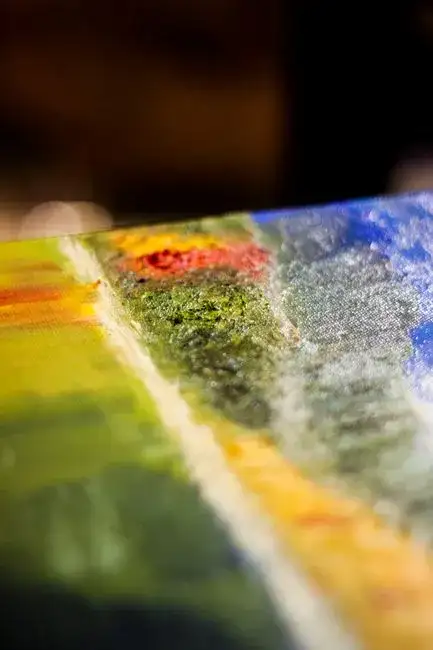
Imagine holding an unassuming volume, its leather binding weathered by centuries, its pages whispering forgotten tales. It might be a classic, a historical account, or a forgotten poem. You run your fingers along its gilded edges, a testament to its former glory. But what if, within this very object, a secret world lay concealed, waiting only for a subtle movement, a gentle touch, to reveal itself? This isn't the stuff of fantasy novels, but the extraordinary reality of fore-edge painting – a sublime and often overlooked art form that transforms the humble book into a clandestine gallery, holding intricate scenes visible only when its pages are fanned just so. In an age saturated with digital content, where texts are weightless pixels on a screen, the allure of the physical book endures, primarily because it is an object with a #history, a texture, and a tangible presence. Fore-edge painting elevates this appreciation to an entirely new dimension, treating the book not merely as a vessel for words, but as a three-dimensional canvas for hidden artistry. It’s an art that demands intimacy, a deliberate act of engagement from the reader to unlock its concealed beauty. To truly appreciate it is to participate in a centuries-old tradition of quiet revelation, a secret shared between artist, book, and discoverer. The Whispers of History: Origins and Evolution The history of fore-edge painting is as intricate and layered as the artworks themselves, intertwining with the broader narrative of bookbinding and artistic patronage. While evidence suggests very early forms of decoration on the cut edges of book blocks existed as far back as the 10th century – typically geometric patterns or heraldic devices – the true art of fore-edge painting, where a scene appears only when the pages are splayed, began to flourish in England in the mid-17th century. Early examples were often simple, almost embryonic, compared to the elaborate works that would follow. It is believed that the practice evolved from the technique of painting designs directly onto the flat, closed edge, which would then be covered by gilding. Over time, binders and artists discovered that by fanning the leaves at an angle and applying paint sparingly, a more complex image could be created that would disappear when the book was closed, hidden beneath a shimmering layer of gold. This innovation marked a profound shift: the edges were no longer just decorative; they became an active participant in an optical illusion. The 18th century saw the technique gain considerable traction, particularly in England, becoming a coveted embellishment for luxury editions. The art reached its zenith in the late 18th and early 19th centuries, the Georgian and Victorian eras, primarily attributed to the meticulous work of artisans associated with pioneering London booksellers and binders like Edwards of Halifax. Joseph and James Edwards, in particular, are credited with perfecting the art and popularizing it among the gentry and royalty. Their books, often bound in elegant tree calf or smooth calfskin, housed landscapes, portraits, allegories, and historical scenes that mirrored the tastes and interests of their elite clientele. This period was characterized by a surge in demand for bespoke and unique items. A fore-edge painting was not just an artistic addition; it was a statement of wealth, #culture, and a penchant for the exquisite. It offered a discreet form of personal expression, a private pleasure that could be revealed at will, adding an almost performative element to the act of presenting or reading a book. The Unseen Hand: The Meticulous Craft To speak of fore-edge painting is to marvel at a confluence of precision, patience, and a profound understanding of the book's physical properties. The process is astonishingly delicate and demanding, a testament to the artisan's skill. It begins not with a blank canvas, but with a completed, bound book. The key to the illusion lies in fanning the pages at a specific, acute angle and clamping them firmly in this splayed position. This creates a minute, undulating surface composed of thousands of individual page edges, forming a continuous, albeit textured, canvas. It is on this microscopic landscape that the artist carefully applies watercolours or gouache. The paints must be thin enough to avoid seeping into the individual pages, yet vibrant enough to create a discernible image.The artist must possess an almost uncanny ability to visualize the final image, understanding how the painting will coalesce when viewed from the correct angle and, crucially, how it will utterly vanish when the pages are relaxed. This requires a unique spatial awareness, working on a surface that is both flat and curved, continuous yet composed of discrete elements. Each stroke is a calculated risk, a testament to steady hands and an unwavering gaze. Once the painting is complete and thoroughly dry, the clamps are removed, and the book's pages fall back into their natural, flush position. The final, magical step is often the application of gold leaf or other decorative finishes to the now-closed edge. This gilding serves a dual purpose: it protects the delicate painting beneath from dust and moisture, and, more importantly, it acts as the perfect disguise, creating an opulent, solid surface that betrays no hint of the vibrant scene hidden within. Only by fanning the pages will the gold "break" to reveal the secret. The choice of subjects was wide-ranging, from idyllic landscapes, bustling cityscapes, and portraits of historical figures, to ships at sea, hunting scenes, and even classical mythology. Often, the theme of the fore-edge painting would relate thematically to the content of the book itself, adding another layer of subtle commentary or visual interpretation. The Allure of Secrecy: Why Hide Art? The enduring fascination with fore-edge painting extends beyond its technical brilliance; it delves into the human penchant for discovery, for the secret and the sublime. Why would someone commission such a detailed, painstaking artwork only for it to be largely unseen? The reasons are multifaceted and speak to various aspects of human #nature and cultural values. Firstly, there is the element of surprise and delight. Imagine presenting a guest with a beautifully bound book, only to subtly fan its pages and reveal a breathtaking miniature landscape. It's a moment of shared wonder, an intimate revelation that transforms a mundane object into a magical one. It transforms the act of viewing from passive observation to active engagement. Secondly, fore-edge paintings were often a symbol of personal expression and privacy. In an era where books were highly valued personal possessions, a hidden painting could reflect the owner's inner world, their passions, or even serve as a private memento. It was art enjoyed on one's own terms, not for public display, but for personal contemplation or shared only with a select few. This sense of exclusivity made them particularly appealing to collectors and connoisseurs. Thirdly, they represented an extreme form of craftsmanship and luxury. To create such an artwork required significant time, skill, and therefore expense. Owning a fore-edge painted book was a clear indicator of status and wealth, a subtle flex that spoke volumes without uttering a word. It demonstrated an appreciation for the highest echelons of artistic and artisanal endeavor. Finally, there's a certain poetic irony to the concept itself. The book, a traditional symbol of knowledge and revelation, becomes a repository of secrets. The very act of reading, of opening pages to uncover meaning, is paralleled by the physical act of fanning them to reveal a hidden image. It subtly reinforces the idea that true beauty and depth often lie beneath the surface, waiting to be unearthed by those willing to look closer. Treasures Unveiled: Notable Collections and Modern Continuations Fore-edge paintings are, by their very nature, rare and delicate. Due to their age and the specific conditions required for their preservation, they are most commonly found in institutional collections and the libraries of serious antiquarian book collectors. Esteemed institutions such as the British Library, the Boston Public Library, and the Library of Congress house magnificent examples that span centuries and artistic styles, offering glimpses into this unique tradition. These collections often feature works from the Golden Age of fore-edge painting, showcasing the peak of its artistry and complexity. Viewing these books in person is a privileged experience, often requiring special handling. Conservators and curators meticulously care for these treasures, understanding their fragility and the unique challenges they present. The greatest threat to a fore-edge painting, ironically, is its discovery – repeated fanning and handling can degrade the delicate paint and even the gilded surface that protects it.While the heyday of fore-edge painting passed with the decline of elaborate hand-binding traditions, the art form has never truly died. There are contemporary artists and binders who continue to practice this intricate craft, often using modern materials and techniques while upholding the historical integrity of the art. These modern practitioners face the challenge of both honoring tradition and injecting new life into the form, perhaps with contemporary subjects or new approaches to the illusion. They ensure that the legacy of fore-edge painting continues, fascinating new generations with its quiet magic. The revival of interest in artisanal crafts and the unique qualities of physical books, spurred by a digital world, also contributes to the ongoing appreciation of fore-edge painting. It serves as a reminder that the book is not merely a utilitarian object, but an artifact of culture, history, and art, capable of holding far more than just words between its covers. Beyond the Visible: The Philosophy of Hidden Beauty The allure of fore-edge painting goes beyond mere aesthetics or technical prowess. It taps into a deeper philosophical appreciation for hidden beauty, for the rewards of close inspection and the subtle delight of discovery. In a world that often prizes immediate gratification and overt display, fore-edge painting champions patience, intimacy, and the quiet satisfaction of unlocking a secret. It teaches us to look beyond the obvious, to question what might lie beneath a seemingly uniform surface. It reminds us that books, like people, often hold layers of complexity, untold stories, and hidden depths that only reveal themselves to those who take the time to truly engage. The gilded edge, initially perceived as merely ornamental, becomes a veil, a guardian of a miniature world that challenges our preconceptions about what a book can be. This art form encourages a more mindful interaction with objects. It transforms the act of holding a book from a purely utilitarian function to a moment of quiet contemplation, a tactile #journey into an unexpected dimension. It imbues the book with a sense of wonder, making each volume a potential treasure chest, waiting for its unique key—the gentle fanning of its pages—to unlock its most enchanting secret. In a literary landscape increasingly dominated by fleeting digital experiences, the fore-edge painted book stands as a defiant testament to the enduring power of the physical, the tangible, and the profoundly personal. It is a whispered secret from the past, an invitation to slow down, to observe, and to rediscover the magic that can be found in the most unexpected places—even within the very edges of a book.#ForeEdgePainting #HiddenBookArt #AntiquarianBooks #BookCollecting #EmilyPage Related InsightsWell Versed (Well Met, #5) Book Review and Summary Interview with the Vampire Book Review and Summary False Value Book Review and Summary{ "@context": "https://schema.org", "@type": "FAQPage", "mainEntity": [ { "@type": "Question", "name": "What is the main focus of The Invisible Canvas: Unearthing the Secret Art of Fore-Edge Painting in Antique Books?", "acceptedAnswer": { "@type": "Answer", "text": "Dive into the clandestine world of fore-edge painting, an exquisite art form where detailed scenes are meticulously hidden on the fanned edges of antique books, waiting to be discovered." } }, { "@type": "Question", "name": "Who authored the comprehensive guide on The Invisible Canvas: Unearthing the Secret Art of Fore-Edge Painting in Antique Books?", "acceptedAnswer": { "@type": "Answer", "text": "This detailed article and its insights were carefully researched and authored by Emily Page." } }, { "@type": "Question", "name": "Where can I find more related content about Books?", "acceptedAnswer": { "@type": "Answer", "text": "You can explore more articles, detailed reviews, and similar insights by browsing the Related Insights section at the bottom of this article or visiting our dedicated Books category page." } } ] }
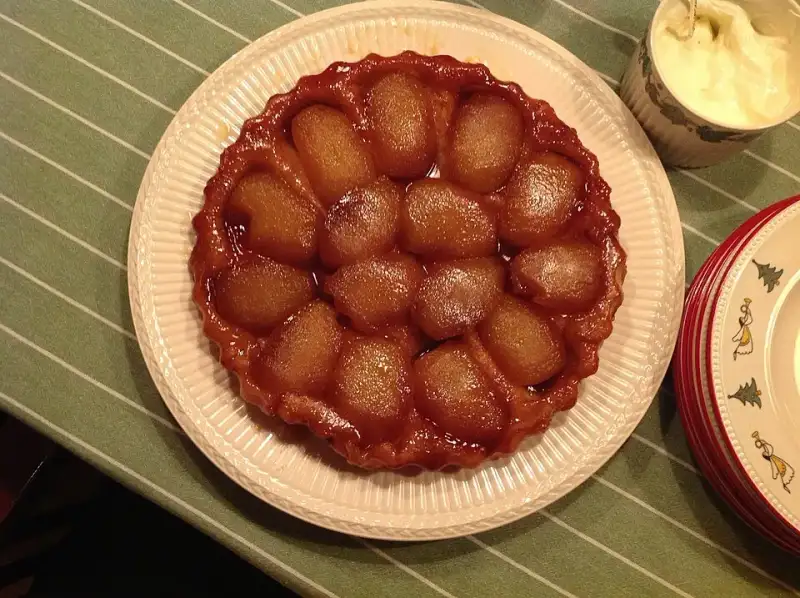

Bienvenue, chers épicuriens et amoureux de la gastronomie. Je suis Chloé Blanc, et c'est avec une émotion toute particulière que je vous ouvre aujourd'hui les portes de mon univers sucré. En tant que pâtissière, j'ai eu le privilège de travailler des ingrédients rares, de concevoir des entremets à la complexité vertigineuse et de sculpter des œuvres en sucre filé ou en chocolat grand cru. Pourtant, s'il est une création qui résonne en moi avec une force inouïe, une réalisation qui convoque instantanément la magie de l'enfance et l'essence même de l'art de vivre à la française, c'est indéniablement la Tarte Tatin. La Tarte Tatin n'est pas un simple dessert ; c'est un poème caramélisé, une ode à la pomme, un chef-d'œuvre de rusticité élégante. Elle incarne le mariage parfait entre l'acidité naturelle du fruit, l'amertume suave du caramel au beurre salé et le croustillant réconfortant d'une pâte cuite à la perfection. Dans cet article exhaustif, je vais vous guider pas à pas, vous révéler mes secrets de cheffe et vous transmettre ma passion pour que vous puissiez, chez vous, recréer ce joyau de la pâtisserie française. Installez-vous confortablement, préparez-vous un thé parfumé, et laissez-vous emporter par les effluves imaginaires de beurre noisette et de pommes confites. Prendre le temps de pâtisser, c'est s'offrir une parenthèse enchantée, loin du tumulte du quotidien. La Tarte Tatin mérite ce temps, cette dévotion. Elle est capricieuse parfois, mais tellement généreuse lorsqu'on la comprend. L'Histoire Fascinante et Mythique de la Tarte Tatin Toute grande recette possède sa légende, et celle de la Tarte Tatin est sans doute l'une des plus célèbres de l'histoire de la gastronomie. Nous sommes à la fin du XIXe siècle, au cœur de la Sologne, dans la petite bourgade de Lamotte-Beuvron. Deux sœurs, Stéphanie et Caroline Tatin, tiennent un établissement florissant, l'Hôtel Tatin, qui accueille les chasseurs, les bourgeois parisiens et les voyageurs de la région. Caroline s'occupe de l'accueil avec un charisme naturel et une élégance rare, tandis que Stéphanie règne en maîtresse absolue sur les fourneaux de l'auberge. La légende raconte qu'un dimanche d'ouverture de la chasse, dans le tumulte et la précipitation d'un service débordant, Stéphanie, étourdie par l'affluence, aurait oublié de placer la pâte au fond de son moule à tarte. Elle aurait disposé ses pommes généreusement beurrées et sucrées directement dans le plat avant de les enfourner. S'apercevant de sa méprise, elle aurait alors, dans un éclair de génie spontané, recouvert les pommes brûlantes d'un disque de pâte pour terminer la cuisson, avant de retourner le tout sur un plat de service. Le résultat fut spectaculaire : les pommes s'étaient confites dans un caramel riche et onctueux, protégées par une pâte dorée et croustillante. Les clients furent éblouis, subjugués par cette nouveauté, et la légende de la "Tarte des Demoiselles Tatin" était née. Si les historiens de la gastronomie et les puristes s'accordent à dire que la technique de la tarte renversée (ou tarte retournée) existait bien avant les sœurs Tatin dans la région (on parlait de "tarte solognote" aux pommes ou aux poires), ce sont bel et bien elles qui l'ont sublimée, popularisée et rendue inoubliable. Mais comment cette merveille provinciale a-t-elle conquis le monde entier ? C'est ici qu'intervient le célèbre critique gastronomique Curnonsky, surnommé le "Prince des gastronomes", qui, séduit par ce dessert lors d'un passage en Sologne, le chanta dans ses chroniques. Par la suite, le prestigieux restaurant parisien Maxim's l'inscrivit à sa carte, allant même jusqu'à envoyer un espion, dit-on, pour soutirer la recette originale aux sœurs. C'est ainsi qu'elle obtint sa consécration internationale. Aujourd'hui, la Tarte Tatin rayonne aux quatre coins du globe, de Tokyo à New York, mais elle exige toujours, pour être véritablement authentique, le respect absolu de ses principes fondateurs. L'Anatomie d'une Tarte Tatin Parfaite : Le Choix des Matières Premières Pour atteindre l'excellence, il ne suffit pas d'une bonne recette ; il faut des ingrédients d'une qualité irréprochable. La Tarte Tatin est minimaliste par nature. Elle ne contient que de la pomme, du sucre, du beurre et de la farine. Elle ne pardonne par conséquent aucune médiocrité. Chaque élément joue un rôle fondamental dans la symphonie des saveurs. Le Rôle Crucial des Pommes : Fermeté et Acidité C'est l'âme de la tarte. Toutes les pommes ne sont pas capables de supporter la double cuisson (le pochage dans le caramel puis le passage au four) sans se déliter lamentablement en compote. Le choix de la variété est la première étape vers le succès.La Reine des Reinettes : C'est pour moi la pomme Tatin par excellence. Elle offre un équilibre magistral entre sucre et acidité. Sa chair est ferme, un peu rustique, et elle développe à la cuisson des arômes profonds, presque épicés. C'est le choix traditionnel et indémodable. La Braeburn : Une excellente alternative contemporaine. Très ferme, dense, elle tient parfaitement à la cuisson et offre une belle jutosité ainsi qu'une pointe d'acidité qui contrebalance merveilleusement le sucre du caramel. La Pink Lady ou la Cripps Pink : Plus modernes, ces variétés conservent une très belle mâche après cuisson, ne s'effondrent pas, et apportent une touche acidulée croquante très intéressante. La Golden Delicious : Souvent utilisée par facilité, je la trouve parfois un peu trop douce, farineuse, et manquant de caractère pour une vraie Tarte Tatin. Néanmoins, elle présente l'avantage de très bien confire si on la choisit encore un peu verte.Ma recommandation de pâtissière ? Un mélange subtil de Reine des Reinettes pour l'authenticité aromatique et de Braeburn pour la tenue de la structure. Le Caramel : Beurre, Sucre et Alchimie Le caramel n'est pas un simple accompagnement sirupeux, il est le milieu de cuisson des pommes. C'est en lui que les fruits vont se gorger de saveurs. Je suis une fervente défenseuse, voire une militante, du beurre demi-sel en pâtisserie, et encore plus pour la Tatin. Le sel agit comme un exhausteur de goût naturel ; il vient casser la sucrosité parfois envahissante du sucre et apporte une complexité aromatique extraordinaire, réveillant les papilles à chaque bouchée. J'utilise un sucre en poudre fin, blanc, que je fais fondre lentement, à sec, pour obtenir une couleur ambrée, intense mais sans aucune amertume brûlée. L'ajout du beurre demi-sel stoppe brutalement la cuisson du sucre et crée une émulsion divinement parfumée. C'est un exercice d'équilibriste : un caramel trop clair sera fade, un caramel trop foncé ruinera le dessert par son amertume. La Pâte : Brisée ou Feuilletée ? L'Éternel Débat Voilà un sujet de discorde inépuisable parmi les puristes et les chefs ! Historiquement, les sœurs Tatin utilisaient une pâte brisée. Une pâte simple, robuste, rustique, capable de s'imprégner des sucs des pommes et du caramel tout en offrant un contraste friable et beurré sans se détremper totalement. Cependant, de nombreux grands chefs, y compris dans l'univers de la haute pâtisserie contemporaine, ont opté pour la pâte feuilletée. Le feuilletage apporte une légèreté aérienne, un croustillant sonore sous la cuillère et une élégance indéniable au dessert. Personnellement, j'aime préparer ce que l'on appelle une pâte brisée sablée, ou même une pâte feuilletée inversée pour les repas de fête. Mais pour la recette que je vais partager avec vous aujourd'hui, nous opterons pour une pâte brisée maison, riche et généreuse en beurre, qui absorbe merveilleusement bien le caramel tout en restant très structurée. Elle est le socle fidèle qui soutient le monument de pommes. Le Matériel Indispensable de la Pâtissière La réalisation d'une Tarte Tatin demande peu de matériel, mais il doit être parfaitement adapté. Le choix du récipient de cuisson est capital.Le moule à Tatin en cuivre étamé : C'est le Graal absolu. Le cuivre offre une conductivité thermique exceptionnelle, permettant au caramel de se répartir uniformément et aux pommes de confire à la perfection. La poêle en fonte : Une excellente alternative, très rustique et authentique. Elle retient la chaleur de façon homogène, ce qui permet de réaliser le caramel sur le feu, d'y confire les pommes, puis de passer la poêle directement au four. C'est pratique, efficace, et cela limite la vaisselle ! Un moule à manqué antiadhésif classique : Plus accessible pour les amateurs, il fonctionne très bien, mais il nécessite de préparer le caramel à part dans une casserole avant de le verser au fond du moule.Assurez-vous toujours, et c'est primordial, que votre récipient possède des bords suffisamment hauts (au moins 4 à 5 cm), car les pommes vont considérablement réduire à la cuisson et vous voulez éviter que le caramel ne déborde misérablement dans votre four. La Recette Signature de Chloe Blanc : Tarte Tatin à ma Façon Voici ma recette personnelle, peaufinée et chérie au fil des années. Elle requiert de la patience, un peu d'instinct, de l'amour, et une attention de tous les instants. Les Ingrédients pour une Tarte de 24 cm de diamètre Pour la Pâte Brisée Riche :250 g de farine T55 150 g de beurre doux extra-fin, bien froid, coupé en très petits dés 1 jaune d'œuf de poule élevée en plein air 50 g d'eau minérale glacée 1 belle pincée de fleur de sel de Guérande 1 cuillère à soupe rase de sucre semoule (pour une légère coloration à la cuisson)Pour la Garniture et le Caramel :10 à 12 pommes (Reine des Reinettes ou Braeburn), selon leur taille. Prévoyez-en toujours un peu plus, il faut tasser ! 200 g de sucre en poudre blanc 120 g de beurre demi-sel de baratte (le secret absolu de l'équilibre) Les graines d'une belle gousse de vanille de Madagascar (ma touche personnelle pour sublimer l'ensemble) Un filet de jus de citron (pour éviter l'oxydation des pommes lors de la découpe)Étape 1 : L'Art de la Pâte Brisée MaisonSur un plan de travail bien propre et frais, ou dans le bol de votre robot pâtissier équipé de la feuille, mélangez intimement la farine, le sucre semoule et la fleur de sel. Ajoutez le beurre très froid coupé en petits dés. Sablez le mélange entre la pulpe de vos doigts (ou à petite vitesse au robot) jusqu'à obtenir une texture ressemblant à du sable grossier ou à de la chapelure épaisse. Il est crucial de travailler vite pour ne pas trop chauffer le beurre avec vos mains. Incorporez le jaune d'œuf préalablement mélangé à l'eau glacée. Fraisez la pâte rapidement avec la paume de la main (écrasez-la en la poussant devant vous sur le plan de travail une ou deux fois) juste pour l'amalgamer intimement, sans jamais la pétrir. Formez une belle boule bien lisse, aplatissez-la légèrement en forme de galette épaisse, filmez-la au contact avec du film alimentaire et laissez-la reposer au réfrigérateur pendant au moins 2 heures (idéalement toute une nuit). Le repos détend le réseau de gluten et garantit une pâte extrêmement friable, fondante, qui ne se rétractera pas d'un millimètre lors de la cuisson.Étape 2 : La Préparation Minutieuse des Pommes C'est ici que réside le véritable travail préparatoire de la Tarte Tatin. C'est un exercice de méditation culinaire.Épluchez vos pommes avec le plus grand soin. Coupez-les en deux verticalement et retirez le cœur, les pépins ainsi que les parties dures à l'aide d'une cuillère à pomme parisienne pour un résultat parfaitement net et esthétique. Pour ma part, je laisse les pommes en grosses moitiés entières, voire en quartiers très épais si elles sont vraiment énormes. Plus les morceaux sont massifs, plus ils conserveront de la mâche et une texture soyeuse après leur longue cuisson. Si vous coupez vos pommes trop fin, vous obtiendrez inévitablement de la compote sous une pâte, ce qui est l'antithèse absolue de la Tatin. Citronnez-les très légèrement pour qu'elles gardent une belle couleur.Étape 3 : Le Caramel, l'Or FonduPlacez votre moule à tatin (ou votre lourde poêle en fonte) directement sur le feu à intensité moyenne. Versez le sucre en poudre en pluie régulière, idéalement en trois fois. Laissez fondre le sucre sans le remuer avec un ustensile. Contentez-vous de faire pivoter le moule doucement par le manche pour répartir la chaleur et homogénéiser la fonte. Lorsqu'il atteint une magnifique couleur ambrée foncée (soyez vigilants, la ligne est extrêmement fine entre l'ambré parfait et le caramel brûlé âcre !), retirez immédiatement du feu. Ajoutez sur-le-champ le beurre demi-sel froid coupé en dés, ainsi que les graines de vanille grattées. Le terrible contraste de température va créer une vive ébullition et des éclaboussures (soyez prudents) ; mélangez vivement avec une grande cuillère en bois jusqu'à obtenir une sauce caramel lisse, brillante et incroyablement épaisse. L'odeur à ce stade devrait vous transporter.Étape 4 : Le Rangement Architectonique des Pommes C'est mon étape préférée, celle qui demande de l'œil et de l'anticipation. Le montage doit être d'une précision diabolique.Hors du feu, disposez vos moitiés de pommes dans le caramel encore chaud, côté bombé vers le fond du moule. Serrez-les au maximum, comme un puzzle sans espaces. Gardez à l'esprit que les pommes vont rétrécir de près d'un tiers en cuisant. Il ne faut donc laisser strictement aucun espace vide. N'hésitez pas à les superposer légèrement ou à combler les moindres interstices avec des morceaux plus petits ou des quartiers retaillés. Remettez délicatement le moule sur un feu très très doux pendant une vingtaine de minutes. C'est l'étape du pré-pochage. Les pommes vont rendre leur jus naturel, qui va se lier au caramel, et elles vont commencer à confire doucement. Arrosez-les régulièrement avec le sirop bouillonnant qui se forme sur les bords. Retirez du feu et laissez impérativement tiédir l'ensemble pendant 30 minutes. Cette pause permet aux pommes d'absorber le caramel et d'éviter que la pâte crue ne fonde à leur contact.Étape 5 : L'Enveloppe et la Cuisson Magistrale au FourPréchauffez votre four à 180°C (thermostat 6), idéalement en chaleur tournante. Sortez votre pâte bien reposée du réfrigérateur et abaissez-la sur un plan de travail légèrement fariné pour obtenir un disque parfait d'environ 3 à 4 mm d'épaisseur et d'un diamètre légèrement supérieur (environ 2 cm de plus) à celui de votre moule. Déposez très délicatement le disque de pâte sur les pommes tiédies. L'astuce de cheffe indispensable : "Bordez" la pâte à l'intérieur du moule. Avec le manche d'une petite cuillère ou vos doigts, poussez délicatement les bords de la pâte entre la paroi extérieure des pommes et le bord du moule, en la rentrant vers l'intérieur, comme pour border un enfant frileux dans son lit. Cela créera une sorte de réceptacle imperméable qui retiendra le précieux caramel lors du périlleux retournement final. Piquez généreusement la pâte à l'aide d'une fourchette ou de la pointe d'un couteau d'office pour créer des cheminées qui laisseront échapper la vapeur d'eau libérée par les fruits pendant la cuisson. Enfournez à mi-hauteur pour 40 à 45 minutes, jusqu'à ce que la croûte de pâte soit d'un beau blond doré, parfaitement cuite et très croustillante au toucher.L'Instant Magique : Le Démoulage Spectaculaire C'est le moment de vérité, l'acmé de la recette, celui qui fait battre le cœur et trembler les mains de tout cuisinier, du plus humble au plus étoilé. Sortez la tarte fumante du four. Laissez-la reposer exactement 5 à 10 minutes sur une grille. Ce temps est chronométré. Pas plus, sinon le caramel va figer et coller irrémédiablement au fond du moule. Pas moins, sinon le jus encore trop liquide va déborder de toutes parts et inonder votre plan de travail. Posez un plat de service plat, légèrement creux (pour retenir l'excédent de jus caramélisé), à l'envers sur le moule. Munissez-vous de bons gants isolants. D'un mouvement sec, franc, rapide et sûr de vous, retournez l'ensemble. N'hésitez pas. L'hésitation est l'ennemie du démoulage. Soulevez le moule doucement, presque religieusement. Le spectacle est là, éblouissant : des pommes d'un brun cuivré, brillantes comme des gemmes, presque translucides, enchâssées dans un caramel onctueux à la consistance de miel, reposant fièrement sur un socle de pâte intensément croustillante. L'Art de la Dégustation : Un Moment Hors du Temps Une Tarte Tatin authentique ne se mange pas froide sortant du réfrigérateur, hérésie ! Elle ne se mange pas non plus brûlante à s'en écorcher le palais. Elle se déguste tiède. C'est précisément à cette température douce que les arômes capiteux de pomme rôtie au four, de beurre noisette, de caramel blond et de vanille s'expriment avec le plus de majesté et de complexité. Pour l'accompagner et lui rendre hommage, fuyez les artifices superflus. La simplicité est, ici plus qu'ailleurs, la sophistication suprême.La Crème Fraîche Épaisse : C'est le choix traditionnel, paysan, et mon favori absolu de très loin. Une véritable crème fraîche crue de Normandie, épaisse, veloutée, légèrement acidulée, que l'on dépose en grosse quenelle à côté de la part chaude. Elle fond doucement au contact de la tarte. Son onctuosité laitière contraste avec le croustillant de la croûte, tandis que son acidité naturelle vient équilibrer à la perfection la sucrosité du caramel. Un mariage d'une évidence bouleversante. La Glace à la Vanille : Pour les becs les plus gourmands, une boule généreuse de crème glacée artisanale à la vanille Bourbon fait toujours des merveilles absolues. Le contraste chaud-froid en bouche, mêlé à la texture fondante de la glace qui se marie au caramel chaud, est d'une gourmandise totalement irrésistible, presque pécheresse.Conclusion et Dernières Pensées Gourmandes Mes chers amis, j'espère que ce voyage passionné au cœur de la pure tradition pâtissière vous a inspiré, fait saliver, et surtout, donné l'envie irrépressible de vous mettre aux fourneaux. La Tarte Tatin est bien plus qu'une simple juxtaposition d'ingrédients, c'est une invitation au partage, une célébration vibrante des produits de nos terroirs agricoles, un symbole indéfectible de l'élégance et de la convivialité à la française. N'ayez pas peur de la technique du caramel, prenez vraiment le temps de sélectionner vos pommes chez votre primeur, et laissez la magie ancestrale de la cuisson opérer. La pâtisserie, je le répète souvent à mes équipes, est une magnifique preuve d'amour que l'on offre généreusement à ceux qui nous entourent. Il y a peu de bonheurs comparables à celui de voir les yeux de ses convives s'illuminer face à une Tatin tiède posée au centre de la table. Alors, préparez votre plan de travail, ajustez votre tablier, faites chauffer le sucre, et vive la gourmandise absolue ! Je suis impatiente de voir vos réalisations. N'hésitez pas à partager vos chefs-d'œuvre caramélisés avec moi en utilisant ces mots-clés sur vos différents réseaux sociaux. J'irai regarder toutes vos créations avec la plus grande attention. #Patisserie #France #Dessert #TarteTatin #ChloeBlanc #GastronomieFrancaise #Baking #FrenchPastry #Sweet #Gourmandise #Sologne #ApplePie #Caramel #Tradition #Artisanat #FoodLover #patisserie #dessert #france #chloeblanc #sweet Related InsightsMadeleine : Le Souvenir Sucré de l'Enfance Mille-feuille : Mille et Une Saveurs de la Vanille Macaron : L'Élégance Parfaite en Une Seule Bouchée{ "@context": "https://schema.org", "@type": "FAQPage", "mainEntity": [ { "@type": "Question", "name": "What is the main focus of Tarte Tatin : La Merveilleuse Erreur Culinaire?", "acceptedAnswer": { "@type": "Answer", "text": "Plongez dans l'univers de la haute pâtisserie avec Chloe Blanc et découvrez les secrets de ce dessert emblématique." } }, { "@type": "Question", "name": "Who authored the comprehensive guide on Tarte Tatin : La Merveilleuse Erreur Culinaire?", "acceptedAnswer": { "@type": "Answer", "text": "This detailed article and its insights were carefully researched and authored by Chloe Blanc." } }, { "@type": "Question", "name": "Where can I find more related content about Gastronomy?", "acceptedAnswer": { "@type": "Answer", "text": "You can explore more articles, detailed reviews, and similar insights by browsing the Related Insights section at the bottom of this article or visiting our dedicated Gastronomy category page." } } ] }
- Emily Page
- 30 Jun, 2026 09:27
The Lost Language of Scented Books: Unearthing a Bibliophile's Olfactory History
Close your eyes. Inhale deeply. What does a book truly smell like to you? Is it the musty embrace of aged paper, the crisp sharpness of fresh ink, or perhaps a faint hint of coffee from a forgotten morning read? While the inherent aroma of books is a familiar comfort to many, imagine a time when the very act of reading was a symphony not just for the eyes and mind, but for the nose as well. A time when books were not merely vessels of text, but intricately crafted sensory objects, intentionally imbued with perfumes, spices, and floral essences. This is the forgotten narrative of scented books, a luxurious, often esoteric, and surprisingly persistent tradition that offers a unique window into the cultural history of reading, craftsmanship, and the very human desire for multi-sensory engagement. For centuries, books were more than just information repositories; they were status symbols, works of art, and intimate companions. Their physical form held as much significance as their content. The journey into the world of perfumed literature is a fascinating dig through history, uncovering practices that range from practical preservation to extravagant display, from spiritual ritual to sensual indulgence. It’s a story whispered through the fading notes of rose, musk, and ambergris, a testament to an era when every element of a cherished volume was designed to captivate and delight. Whispers from Antiquity: The Genesis of Aromatic Texts The impulse to infuse texts with fragrance is far older than the printing press. Before the widespread use of paper and codices, ancient civilizations utilized scrolls made from papyrus or parchment. In ancient Egypt, where elaborate funeral rites and spiritual practices were paramount, scrolls containing religious texts or spells were often treated with aromatic resins and oils, not just for preservation against decay but also to imbue them with a sacred essence. Frankincense, myrrh, and cedarwood oil, revered for their preservative and spiritual properties, would have rendered these texts potent, fragrant artifacts. Reading them was likely an immersive experience, a multisensory communion with the divine. Similarly, in Rome, high-ranking citizens and scholars might commission scrolls that were not only exquisitely penned but also subtly perfumed. The Roman poet Ovid, in his "Ars Amatoria," even mentions the use of saffron as a perfume for scrolls, suggesting that scent was an element of luxury and sophistication associated with literary endeavors. These early instances highlight a fundamental connection: scent elevated the object, transforming it from a mere utility into an esteemed, almost living, entity. The Medieval Miasma and Monastic Perfumes As Europe entered the Middle Ages, books, particularly those produced in monastic scriptoria, continued to be precious commodities. While the primary focus was on their theological or scholarly content, and their physical preservation against the ravages of time, insects, and damp, scent played a subtle yet significant role. Medieval cities and homes were often far from fragrant, and strong, pleasant smells were highly valued. Herbs and spices, renowned for their medicinal and antiseptic qualities, were frequently used in the preparation of parchment and inks. Lavender, rosemary, and other aromatics were sometimes placed between pages, acting as both insect repellents and subtle air fresheners. Monks, meticulously copying manuscripts, might have worked in environments where incense burned during prayers, allowing its ethereal fragrance to subtly impregnate the pages. The very leathers used for binding, when properly cured and oiled, possessed a distinctive, often pleasant aroma. While not explicitly "perfumed" in the modern sense, these books carried an inherent olfactory signature, one tied to their sacred origins and the meticulous labor of their creation. The scent was an accidental byproduct of preservation and devotion, rather than intentional perfumery. The Renaissance and Beyond: The Golden Age of Perfumed Literature The true blossoming of intentionally scented books occurred during the Renaissance and continued through the Enlightenment. This era, marked by a flourishing of art, luxury, and scientific curiosity, saw books become central to intellectual and social life. For the burgeoning aristocracy and wealthy merchant classes, a well-stocked library was a testament to status and refinement. And what better way to enhance this symbol of cultivated taste than to imbue its contents with exquisite fragrances? This was a period when elaborate bookbinding reached its zenith. Skilled artisans would craft bindings from the finest leathers—morocco, calfskin, vellum—which were then often treated with aromatic substances. Musk, civet, ambergris, and rosewater were among the most coveted perfumes, mixed into the leather tanning process or applied directly to the finished binding. These animalic and floral notes were powerful and long-lasting, designed to leave an impression. Imagine a noblewoman retrieving a prayer book from her private chapel, its pages infused with the lingering scent of frankincense and roses, or a scholar perusing a philosophical treatise whose richly decorated leather binding exhaled a subtle aroma of sandalwood and patchouli. These books were not just read; they were experienced. The scent provided an additional layer of aesthetic pleasure, a tactile and olfactory delight that complemented the visual beauty of the illuminated manuscripts and intricate typefaces.The intentional perfuming of individual pages also became a popular practice. Pages could be steeped in fragrant solutions before printing, or scented powders and sachets (potpourri, dried herbs, spices) could be interleaved between the leaves. Some binders even developed methods to incorporate scented oils into the glues used for binding, ensuring a persistent aroma throughout the book's life. These "bouquets de livres" were particularly prevalent in France, where perfumery was an art form in itself, and in England among the gentry. One of the most famous examples of this era is the practice of fore-edge painting, where an image is painted on the fanned edges of a book's leaves, visible only when the book is opened in a specific way. These delicate paintings were sometimes sealed with a layer of scented varnish, adding another hidden sensory delight. The overall effect was one of hidden luxury, a private pleasure for the discerning owner. Beyond Opulence: The Practical and the Esoteric While many perfumed books were simply statements of wealth and refinement, their aromatic qualities sometimes served other purposes. In a pre-modern world lacking robust sanitation, strong pleasant scents could mask less desirable odors. A perfumed book might literally make the act of reading more agreeable in a stuffy salon or a draughty library. Furthermore, certain scents were believed to possess medicinal properties or even ward off disease. During outbreaks of plague or other contagions, books treated with strong aromatics like camphor or cloves might have been seen as offering a protective aura, however symbolic. On a more esoteric level, specific scents held symbolic meanings. In alchemy and mystical traditions, certain herbs and resins were associated with planetary influences, elements, or spiritual states. A text on hermetic philosophy or magical incantations, infused with the scent of myrrh (associated with sorrow and spiritual purification) or frankincense (divine presence), would have added another layer of meaning to its content, engaging the reader on a deeper, almost ritualistic plane. The book itself became a talisman, its fragrance an emanation of its secret knowledge. The Fading Fragrance: Industrialization and the Decline The 19th century brought about significant changes that led to the gradual decline of the scented book. The industrial revolution mechanized printing and papermaking, making books far more accessible and affordable to the masses. This shift towards mass production meant less emphasis on bespoke craftsmanship and luxurious embellishments. The focus moved from the book as a singular, artistic object to the book as a vehicle for information, produced efficiently and economically. While some efforts were made to introduce scented inks or paper in the late 19th and early 20th centuries – often as novelty items or advertising gimmicks – these rarely captured the sophisticated artistry of earlier periods. The aesthetics of reading also changed. A purer, cleaner aesthetic came into vogue, where the "natural" smell of paper and ink was preferred over artificial perfumes. The era of elaborate, multi-sensory book experiences began to wane, giving way to a more purely visual and intellectual engagement with texts. The Modern Echoes: Nostalgia, Art, and Ephemeral Delights Today, the intentionally scented book is a rarity, primarily found in specialist archives, antique collections, or as experimental art projects. Yet, the allure of scent in reading has never entirely vanished. Bibliophiles still cherish the unique "old book smell," a complex bouquet of lignin breakdown, volatile organic compounds from paper, and residual glues. It's a scent deeply tied to nostalgia, history, and the simple pleasure of turning a page. In recent decades, there have been sporadic attempts to revive the concept, albeit often with a modern twist. Some independent publishers and artists have experimented with scented paper or scratch-and-sniff elements in children's books or limited-edition art books. Marketing campaigns occasionally use scented advertisements or book launches. These modern iterations, while charming, often lack the deep integration and cultural significance of their historical predecessors. They are often fleeting, designed for immediate impact rather than lasting sensory immersion. Yet, the very existence of these modern experiments speaks to an enduring human desire: the wish to engage all our senses in the act of storytelling. The scent of a book, whether accidental or intentional, has the power to transport us, to evoke memories, to deepen our connection to the narrative and the object itself. It reminds us that reading is not just an intellectual pursuit but a profoundly embodied experience.The Olfactory Legacy: Reconnecting with a Lost Art To rediscover the history of scented books is to appreciate the sheer ingenuity and sensory richness of past cultures. It compels us to look beyond the printed word and consider the entire ecosystem of a book: its materials, its craftsmanship, and its place within society. It challenges our modern, often visually dominated, understanding of literature. For the modern bibliophile, the faint, lingering scent from an antique volume is a direct, if ephemeral, link to its past. It's a ghost of a forgotten luxury, a whisper of a time when books were not just read, but sniffed, savored, and treasured for their holistic sensory appeal. Perhaps, in an increasingly digital world, there is a quiet renaissance brewing for the multi-sensory book, a yearning to bring back the "lost language" of scent, to once again let our noses guide us through the enchanted landscapes of literature. It serves as a potent reminder that the deepest forms of engagement often transcend the purely visual, inviting us into a richer, more profound dialogue with the stories held within our hands.#ScentedBooks #BookHistory #OlfactoryCulture #RareBooks #Bibliophilia #SensoryHistory #LostArts Related InsightsAtonement Book Review and Summary Crooner / Nocturne Book Review and Summary Holes Book Review and Summary{ "@context": "https://schema.org", "@type": "FAQPage", "mainEntity": [ { "@type": "Question", "name": "What is the main focus of The Lost Language of Scented Books: Unearthing a Bibliophile's Olfactory History?", "acceptedAnswer": { "@type": "Answer", "text": "Delve into the forgotten world of perfumed pages and aromatic bindings, exploring the fascinating history and cultural significance of intentionally scented books." } }, { "@type": "Question", "name": "Who authored the comprehensive guide on The Lost Language of Scented Books: Unearthing a Bibliophile's Olfactory History?", "acceptedAnswer": { "@type": "Answer", "text": "This detailed article and its insights were carefully researched and authored by Emily Page." } }, { "@type": "Question", "name": "Where can I find more related content about Books?", "acceptedAnswer": { "@type": "Answer", "text": "You can explore more articles, detailed reviews, and similar insights by browsing the Related Insights section at the bottom of this article or visiting our dedicated Books category page." } } ] }

- Pierre Dubois
- 30 Jun, 2026 09:19
L'Écho Secret des Montagnes du Tigré : À la Découverte des Églises Monolithiques d'Éthiopie
Le soleil éthiopien, ardent et implacable, commençait sa lente descente, peignant les sommets du Tigré de teintes ocre et pourpres. Au loin, une silhouette indistincte, presque une tache sur l'immense toile rocheuse, semblait défier les lois de la gravité. Mon cœur battait à un rythme frénétique, non pas de peur, mais d'une anticipation presque sacrée. Car cette silhouette, je le savais, n'était pas une simple curiosité géologique, mais l'une des merveilles les plus secrètes et les plus spirituelles que notre monde ait à offrir : une église taillée à même la falaise, suspendue entre ciel et terre, gardienne d'une foi millénaire. Ce n'est pas de Lalibela, la "Nouvelle Jérusalem" si souvent célébrée, dont je vais vous parler aujourd'hui. Non. Mon exploration nous mènera bien plus au nord, au cœur d'une région aux paysages déchirés et majestueux, où l'âme de l'Éthiopie chrétienne orthodoxe s'est ancrée dans la roche elle-même. Le Tigré, une terre de hauts plateaux et de profonds canyons, est le berceau d'une tradition architecturale et spirituelle unique, bien moins connue du grand public mais d'une intensité inégalée. Plus d'une centaine d'églises rupestres, certaines datant du IVe siècle, se dissimulent ici, véritables forteresses de la foi, taillées par la main de l'homme dans des conditions inimaginables. Elles ne sont pas de simples lieux de culte, mais des testaments vivants d'une dévotion si profonde qu'elle a transformé la montagne en sanctuaire. Les Racines Profondes d'une Foi Ancrée dans la Pierre Pour comprendre ces édifices extraordinaires, il faut remonter le fil du temps jusqu'aux origines du christianisme en Éthiopie. Le royaume d'Axoum, situé dans ce qui est aujourd'hui le Tigré, fut l'un des premiers États au monde à adopter le christianisme comme religion d'État, vers le milieu du IVe siècle. Dès lors, la foi chrétienne a imprégné chaque aspect de la vie éthiopienne, développant une liturgie, une iconographie et une architecture distinctes. Les églises rupestres du Tigré ne sont pas nées d'un caprice architectural, mais d'une nécessité. Les premiers chrétiens, cherchant la solitude pour la contemplation ou la protection contre les invasions, trouvèrent refuge et inspiration dans les grottes naturelles. Progressivement, ces abris furent agrandis, sculptés, et transformés en lieux de culte, à l'image des temples païens et des tombeaux royaux taillés dans la roche que l'on trouvait déjà dans la région. Le Tigré, avec sa géologie particulière – un grès tendre et facilement ouvrable en surface, mais solide et stable en profondeur – offrait le terrain idéal pour cette entreprise colossale. Les moines et les artisans, armés de simples ciseaux et marteaux, commencèrent à extraire d'énormes volumes de roche, sculptant des façades, des nefs, des piliers et des autels, directement dans la matière vive de la montagne. C'est un travail d'une patience infinie et d'une ingéniosité déconcertante, réalisé sans les technologies modernes, où chaque coup de ciseau était une prière, chaque pilier une affirmation de foi. Des Merveilles Architecturales Discrètes mais Imposantes Ces églises ne sont pas toutes identiques. On distingue principalement trois types :Les églises-grottes : Elles utilisent une grotte naturelle comme base, qu'elles aménagent et décorent. Les églises semi-monolithiques : Une partie de la structure est creusée dans la roche, tandis que d'autres éléments sont construits à partir de blocs extraits. Les églises monolithiques : Le chef-d'œuvre de cette tradition, où l'intégralité de l'église, de la façade au sol en passant par le toit, est taillée d'un seul bloc dans la montagne, à l'instar des célèbres églises de Lalibela, mais avec une rusticité et une intégration paysagère souvent plus frappantes.Chacune de ces églises possède son propre caractère, son propre défi d'accès, et ses propres trésors intérieurs. Elles sont souvent peintes de fresques vibrantes, dont les pigments, issus de minéraux locaux, ont conservé leur éclat au fil des siècles. Les icônes anciennes, les manuscrits enluminés et les croix processionnelles en argent et en or sont autant de témoignages d'une culture artistique et religieuse ininterrompue. Prenons, par exemple, la célèbre Abuna Yemata Guh. J'y suis arrivé au petit matin, alors que le soleil commençait à réchauffer les falaises. L'ascension est une épreuve en soi : une longue marche en terrain escarpé, puis une escalade presque verticale sur une paroi rocheuse lisse, agrémentée de quelques prises sommaires et de cordes rudimentaires passées par les guides locaux. La dernière partie, un passage vertigineux le long d'une corniche étroite, sans aucune barrière, met les nerfs à rude épreuve. Mais une fois arrivé au sommet, la récompense est inouïe. L'église elle-même, avec ses fresques du Ve siècle incroyablement bien conservées et ses piliers taillés avec une précision surprenante, semble veiller sur le monde depuis sa position aérienne. L'énergie du lieu est palpable, un mélange de sérénité et d'une force ancestrale.Un autre joyau est Maryam Korkor, moins intimidante d'accès mais non moins spectaculaire. Après une randonnée significative, on atteint un plateau d'où l'on aperçoit plusieurs églises. Maryam Korkor, la plus grande, est une église-grotte immense, avec de vastes salles et des colonnes imposantes. Elle abrite une collection impressionnante de manuscrits et d'artefacts religieux. Les moines qui y vivent perpétuent les rites quotidiens, et l'air résonne des chants liturgiques ancestraux. C'est une immersion totale dans une spiritualité vivante, où le temps semble s'être arrêté. Le Voyage : Une Quête de l'Authentique Visiter les églises du Tigré n'est pas un voyage comme les autres. C'est une véritable expédition qui demande préparation physique et mentale, mais surtout une ouverture d'esprit. Les routes sont souvent rudimentaires, et l'accès à certaines églises implique des heures de marche, parfois à dos d'âne, à travers des paysages grandioses et isolés. Les guides locaux sont essentiels, non seulement pour des raisons de sécurité, mais aussi pour leur connaissance intime des lieux, des histoires et des coutumes. Ils sont les gardiens de ce patrimoine et les ponts entre le visiteur et la culture tigréenne. Chaque village traversé, chaque rencontre avec les habitants, ajoute une couche de profondeur à l'expérience. L'hospitalité éthiopienne est légendaire, et le Tigré ne fait pas exception. Les rituels du café, l'odeur de l'injera fraîchement cuite, les sourires des enfants, la dignité des anciens – tout contribue à une immersion culturelle profonde. Ce sont des moments d'échange authentique, loin des foules touristiques et des pièges commerciaux. C'est un voyage qui exige de sortir de sa zone de confort, mais qui récompense par des souvenirs impérissables et une perspective renouvelée sur la foi, l'histoire et l'ingéniosité humaine. Un Sanctuaire de Résilience et de Pureté Ces églises sont plus que de simples édifices religieux ; elles sont des symboles de la résilience du peuple tigréen. Elles ont survécu aux siècles de guerres, d'invasions, de famines et de bouleversements politiques. Leur isolement même a souvent été leur meilleure protection, préservant leurs trésors et leur spiritualité des destructions et des pillages. Les moines et les prêtres qui y vivent sont les dépositaires d'une tradition ininterrompue, continuant à célébrer la liturgie en guèze, une langue sémitique antique, et à préserver des manuscrits séculaires. Marcher dans ces églises, c'est fouler des millénaires d'histoire. Sentir l'air frais et silencieux qui imprègne ces espaces rupestres, contempler les visages saints peints sur les murs, écouter les murmures du vent à travers les ouvertures taillées dans la roche, c'est se connecter à quelque chose de fondamentallement humain et divin. C'est comprendre que la foi n'est pas seulement une croyance, mais une force créatrice capable de déplacer des montagnes, ou plutôt, de les sculpter.Le Tigré n'est pas seulement un lieu de voyage, c'est un pèlerinage. Qu'on soit croyant ou non, l'expérience est profondément transformatrice. Elle nous rappelle la capacité de l'humanité à créer de la beauté et du sacré dans les endroits les plus inattendus, avec les moyens les plus humbles. C'est une leçon d'humilité face à la grandeur de la nature et à la persévérance de l'esprit humain. En quittant ces montagnes, j'ai emporté avec moi non seulement des images époustouflantes, mais aussi une profonde impression de sérénité et d'émerveillement. Les églises rupestres du Tigré ne sont pas de simples destinations touristiques ; elles sont des portes vers un passé vivant, des sanctuaires d'une foi inébranlable et des témoins silencieux d'une histoire extraordinaire qui continue de se dérouler, sculptée dans le cœur même de la terre. C'est un trésor que l'Éthiopie partage avec le monde, un appel à l'aventure, à la découverte et à la contemplation. Un voyage au Tigré, c'est bien plus qu'une simple escapade ; c'est une rencontre avec l'âme profonde de l'humanité, gravée à jamais dans la roche.#ÉthiopieProfonde #TigréSecret #ÉglisesRupestres #VoyageSpirituel #PatrimoineCaché Related InsightsRomantische Straße fahren The Dolomites, Italy: Hiking Through Alpine UNESCO Heritage (Part 2) Altai Mountains{ "@context": "https://schema.org", "@type": "FAQPage", "mainEntity": [ { "@type": "Question", "name": "What is the main focus of L'Écho Secret des Montagnes du Tigré : À la Découverte des Églises Monolithiques d'Éthiopie?", "acceptedAnswer": { "@type": "Answer", "text": "Percez le mystère des églises rupestres millénaires du Tigré, des sanctuaires taillés à même la roche qui murmurent des histoires d'une foi inébranlable et d'un art oublié au cœur des montagnes éthiopiennes." } }, { "@type": "Question", "name": "Who authored the comprehensive guide on L'Écho Secret des Montagnes du Tigré : À la Découverte des Églises Monolithiques d'Éthiopie?", "acceptedAnswer": { "@type": "Answer", "text": "This detailed article and its insights were carefully researched and authored by Pierre Dubois." } }, { "@type": "Question", "name": "Where can I find more related content about Travel?", "acceptedAnswer": { "@type": "Answer", "text": "You can explore more articles, detailed reviews, and similar insights by browsing the Related Insights section at the bottom of this article or visiting our dedicated Travel category page." } } ] }
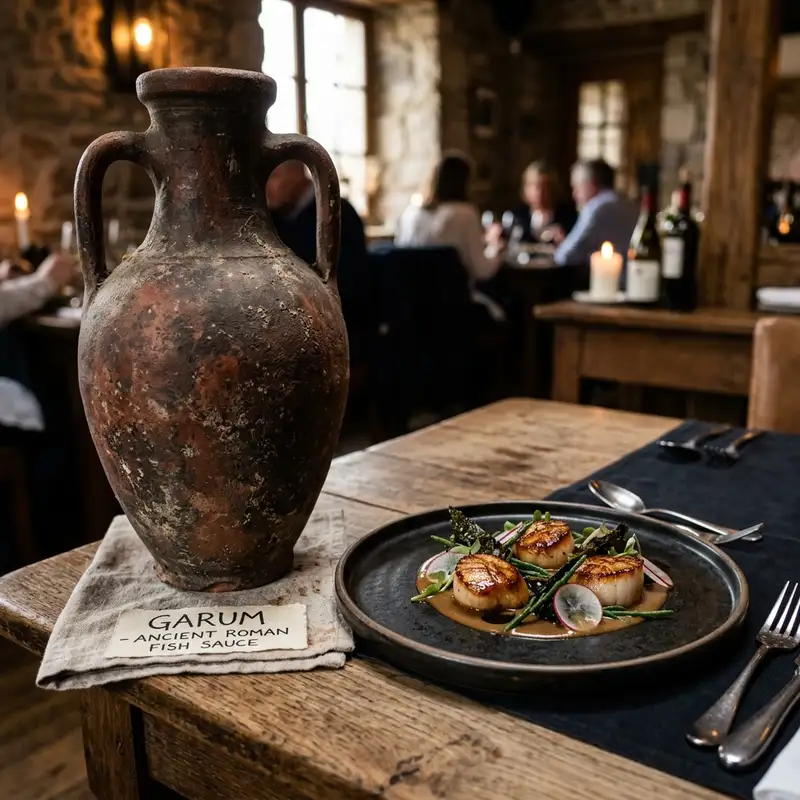
Imagine a world where every meal, from the simplest gruel to the most lavish imperial banquet, was seasoned with a single, pervasive condiment. A flavor so integral, so universally present, that its absence would render dishes incomplete, its very aroma defining the culinary landscape. This was the gastronomic reality of #ancient #Rome, and its undisputed king was not salt, nor pepper, nor any fresh herb, but garum – a fermented fish sauce that was the very heartbeat of Roman cuisine, a liquid gold flowing through the veins of an #empire. For centuries, garum remained a mere historical footnote, relegated to dusty texts and archaeological dig sites, often misunderstood as a simple, crude fermentation. Yet, to dismiss garum as just "ancient fish sauce" would be akin to calling a symphony mere noise. It was a complex, nuanced, and utterly essential flavor enhancer, the ultimate expression of umami long before the term was coined. Its story is one of innovation, empire, decline, and a remarkable, unexpected modern resurgence, a testament to the enduring power of fundamental flavors. The Pervasive Taste of Empire: Garum's Ancient Reign Garum wasn't merely a niche ingredient; it was an industrial commodity, produced on a massive scale across the Roman Empire, from the shores of Hispania (modern #Spain) and Lusitania (Portugal) to North Africa and the Levant. Its production centers, often sprawling complexes of vats and processing areas, were economic powerhouses, contributing significantly to regional wealth. The sheer volume of garum produced speaks volumes about its demand. Amphorae, bearing distinctive stamps identifying their origin and contents, have been found in shipwrecks and archaeological sites across the Roman world, evidence of an intricate and far-reaching trade network. The process of making garum was surprisingly sophisticated for its time, relying on the natural enzymatic breakdown of fish guts and whole small fish, layered with salt, and left to ferment under the scorching Mediterranean sun. This slow, anaerobic digestion transformed proteins into amino acids, yielding a liquid brimming with intensely savory compounds. Classical authors provided tantalizing glimpses into this industry:Pliny the Elder in his Natural #history described garum as "a liquor of exquisite taste." Apicius, the famed Roman gourmand, featured garum extensively in his cookbook, De re coquinaria, indicating its versatility in everything from sauces and stews to dressings and even desserts (though likely in savory-sweet combinations).Different qualities and types of garum existed, much like today's olive oils or balsamic vinegars. Key varieties included:Garum (or Liquamen): The most common, clear, amber liquid. Alleс: The thick, pasty sediment left after the garum was strained, often used as a spread or thickener. Muria: A simpler brine used for curing fish. Haemation: A prized, dark red garum made from tuna blood and guts. Garum Flos Floris: "The flower of flowers," indicating a premium, possibly first-press, variety.The aroma, by modern standards, would have been intense, to say the least. Ancient sources occasionally mention its powerful smell, even referencing it in jokes and proverbs. Yet, it was the smell of prosperity, of flavor, and of a complex culinary civilization. It seasoned vegetables, meats, and even bread. Soldiers carried it on campaigns, and it was a staple in every Roman household, irrespective of social standing, though the wealthy might have access to finer, more aged varieties. The Curious Case of Its Disappearance The decline of garum production is a fascinating tangent in culinary history. As the Roman Empire fragmented and eventually collapsed, so too did many of its sophisticated infrastructures. The large-scale, industrial production of garum, which required substantial investment, extensive trade routes, and a stable political environment, began to wane. Several factors contributed to its eventual disappearance:Economic Disruption: The breakdown of imperial trade routes made it difficult and dangerous to transport goods like garum over long distances. Changing Palates: Over centuries, new culinary influences, ingredients, and cooking methods emerged across Europe. Fermented products remained, but perhaps the specific intensity and production method of garum fell out of favor. Rise of Spices: The increasing availability and affordability of spices from the East, facilitated by new trade networks, offered alternative ways to flavor food, potentially overshadowing the need for garum. Sanitary Concerns: While essential to the Roman diet, the production of garum, with large quantities of fermenting fish in open vats, was undeniably odorous and potentially unhygienic in areas not properly managed. As populations shifted and new urban centers grew, public health concerns, however rudimentary, might have played a role. Loss of Knowledge: The complex techniques, specific ratios, and knowledge of ideal fish species for garum production might have simply been lost or diluted over generations as production dwindled.By the early medieval period, garum had largely vanished from European tables, replaced by a multitude of other seasonings, notably salt, vinegar, and early forms of mustard and herb pastes. It became a ghostly echo in the annals of history, a forgotten flavor of a bygone era. From Rubble to Revival: The Modern Renaissance For nearly two millennia, garum remained buried in history. Then, in the late 20th and early 21st centuries, a confluence of factors led to its astonishing revival. This resurgence isn't merely about historical curiosity; it's a testament to the power of umami and the continuous quest for unique, profound flavors in modern gastronomy. The catalysts for this revival are multifaceted:Culinary Archaeology: Growing interest in reconstructing ancient recipes and foodways. Scholars and food historians began to meticulously translate ancient texts and analyze archaeological findings from sites like Pompeii, where garum factories and residue-filled amphorae provided concrete evidence. The Umami Revolution: The widespread recognition and popularization of "umami" as the fifth basic taste, largely driven by Japanese cuisine and its use of fermented ingredients like soy sauce and dashi. This created a context for appreciating the deep savoriness of garum. Chef-Driven Innovation: Forward-thinking chefs, always seeking new dimensions of flavor, started looking beyond conventional ingredients. The idea of resurrecting an "ancient secret weapon" held immense appeal. Fermentation Trend: The global trend towards fermented foods, celebrated for their complex flavors and health benefits, provided a natural framework for re-evaluating garum.One of the most notable figures in the modern garum movement is the Italian chef Gennaro Esposito, whose commitment to authentic regional ingredients led him to explore Colatura di Alici di Cetara. While not exactly garum, colatura is a traditional anchovy-based fish sauce produced in Cetara on the Amalfi Coast, a direct descendant of ancient Roman garum. Its production method – salt-cured anchovies pressed for their liquid – is remarkably similar to one of the ancient techniques. This existing tradition provided a tangible link to the past. Inspired by colatura and archaeological research, chefs and food scientists began experimenting with true garum production. The challenges were significant: recreating ancient conditions, sourcing appropriate fish, controlling fermentation, and ensuring food safety. Modern garum production often involves:Selection of Fish: Small, oily fish like anchovies, sardines, or even mackerel are preferred, often whole or with guts. Salting: Layering fish with high-quality sea salt. Fermentation: Placing the mixture in controlled environments (sometimes temperature-regulated, sometimes relying on passive solar heat) for several months, often up to a year or more. Pressing and Filtering: After fermentation, the liquid is pressed out and filtered to achieve clarity.The Flavor Profile and Modern Applications What does modern garum taste like? It’s a revelation. Unlike many commercial fish sauces, which can be aggressively salty or fishy, well-made garum is complex, deep, and incredibly savory. It possesses a distinct umami punch, often with notes of:Briny sweetness: A subtle sweetness that balances the salt. Nutty undertones: Some compare its depth to aged parmesan or cured meats. Earthy funk: A pleasant, fermented aroma that adds character without being overtly "fishy." Roundness: It adds a foundational richness to dishes, enhancing other flavors rather than dominating them.The culinary world has embraced garum with open arms. Michelin-starred restaurants globally are featuring it on their menus, incorporating it into innovative dishes. Here are some ways modern chefs are utilizing garum:Sauces and Dressings: A few drops can elevate a vinaigrette, Hollandaise, or simple pan sauce to new heights. Marinades: Imparting a profound depth to meats, poultry, and seafood. Vegetable Enhancer: Drizzled over roasted vegetables (asparagus, broccoli, tomatoes) to intensify their natural flavors. Broths and Soups: A secret ingredient for a richer, more complex stock or consommé. Pasta Dishes: A natural fit, especially with seafood or simple garlic and oil preparations. Fermented Food Pairings: Enhancing other fermented products like kimchi or miso. Cocktails (Surprisingly!): A daring dash in savory cocktails like a Bloody Mary for an unexpected layer of umami.The beauty of garum lies in its ability to provide a background hum of savoriness, making other ingredients shine more brightly. It's not about making a dish taste like fish sauce; it's about making it taste more. Beyond the Palate: What Garum's Revival Tells Us The #journey of garum, from its imperial dominance to its millennia-long slumber and dramatic reawakening, offers more than just a culinary curiosity. It speaks to the cyclical #nature of human endeavor, the enduring allure of fundamental flavors, and our persistent desire to connect with the past through our senses. The effort to revive garum is an act of culinary archaeology, a dedication to understanding and appreciating the ingenuity of ancient cultures. It highlights the sophistication of Roman gastronomy, often overlooked in favor of more dramatic historical narratives. It also underscores the universality of umami, a taste that transcends cultures and eras, connecting the banquets of emperors to the plates of modern epicureans. As we continue to explore the boundaries of flavor, products like garum remind us that sometimes, the most innovative tastes are not newly invented, but rather rediscovered echoes from a distant past. The pungent, profound liquid that once fueled an empire is now inspiring a new generation of chefs and food lovers, proving that a great flavor, however ancient, never truly disappears; it merely waits for its moment to be tasted again. #Umami #Garum #CulinaryHistory #AncientRomanCuisine #FermentedFoods Related InsightsKung Pao: The Perfect Balance of Sweet and Heat The World on a Plate: How Street Food Shaped Civilizations and Continues to Feed Billions The Obscure Origins and Transcendent Transformation of Cacao's Dark Heart{ "@context": "https://schema.org", "@type": "FAQPage", "mainEntity": [ { "@type": "Question", "name": "What is the main focus of The Umami Echo: Tracing Garum's Resurgence from Pompeii to Michelin Stars?", "acceptedAnswer": { "@type": "Answer", "text": "Delve into the fascinating, pungent history of Garum, ancient Rome's omnipresent condiment, and discover its unexpected culinary revival in modern gastronomy." } }, { "@type": "Question", "name": "Who authored the comprehensive guide on The Umami Echo: Tracing Garum's Resurgence from Pompeii to Michelin Stars?", "acceptedAnswer": { "@type": "Answer", "text": "This detailed article and its insights were carefully researched and authored by Demir Şef." } }, { "@type": "Question", "name": "Where can I find more related content about Food?", "acceptedAnswer": { "@type": "Answer", "text": "You can explore more articles, detailed reviews, and similar insights by browsing the Related Insights section at the bottom of this article or visiting our dedicated Food category page." } } ] }

Mystery in the Rain Forest (Disney Encanto) Author: Disney Storybook Art TeamPage Count: UnknownPublication Date: 2023-PRH Mystery in the Rain Forest, a Little Golden Book, is a charming addition to the Disney Encanto series. Written by the Disney Storybook Art Team, this beautifully illustrated book tells an original story about Antonio, the youngest Madrigal, and his animal friends as they embark on a journey to save their beloved town. The story takes place in the vibrant town of Encanto, where the Madrigal family resides in a magical house filled with unique gifts and talents. However, when the town's plants stop growing, it's up to Antonio to use his special power to communicate with animals to find the solution. This heartwarming tale of friendship and courage is perfect for kids aged 2 to 5 who loved the Disney movie Encanto. One of the standout features of this book is its stunning illustrations. The Disney Storybook Art Team has done an excellent job in bringing the magical world of Encanto to life with their vibrant and colorful artwork. The characters are beautifully designed, and the attention to detail is impressive. The illustrations will surely captivate young readers and transport them to the enchanting world of Encanto. The story itself is engaging and easy to follow, making it perfect for early readers or for parents to read aloud to their children. The author's use of simple language and short sentences makes the story accessible to young readers, while the plot is exciting and unpredictable enough to keep them engaged. The main theme of the book, which is the power of friendship and courage, is beautifully conveyed through Antonio's journey. The story shows how one person can make a difference when they work together with others and use their unique talents to solve a problem. This is a valuable lesson for young readers, and the story is told in a way that is both entertaining and educational. The author's style is reminiscent of classic children's books, with a focus on storytelling and imagination. The use of descriptive language and vivid imagery helps to create a sense of wonder and magic, drawing the reader into the world of Encanto. The story is also full of action and suspense, making it a thrilling ride for young readers. Overall, Mystery in the Rain Forest is a delightful addition to the Disney Encanto series. With its stunning illustrations, engaging storyline, and valuable lessons, this book is sure to delight young readers and their parents. It's a must-read for fans of the Disney movie and a great introduction to the magical world of Encanto. #DisneyEncanto #LittleGoldenBooks #KidsLit #ChildrensBooks #EncantoInspired #MysteryInTheRainForest Related InsightsThe Italian Job: A Memoir of an American Reporter in Rome Book Review and Summary Harry Potter and the Philosopher's Stone Book Review and Summary American Heroes Book Review and Summary{ "@context": "https://schema.org", "@type": "FAQPage", "mainEntity": [ { "@type": "Question", "name": "What is the main focus of The Arnolfini Art Mysteries Book Review and Summary?", "acceptedAnswer": { "@type": "Answer", "text": "Everything you need to know about The Arnolfini Art Mysteries with our detailed review." } }, { "@type": "Question", "name": "Who authored the comprehensive guide on The Arnolfini Art Mysteries Book Review and Summary?", "acceptedAnswer": { "@type": "Answer", "text": "This detailed article and its insights were carefully researched and authored by Rich DiSilvio." } }, { "@type": "Question", "name": "Where can I find more related content about Books?", "acceptedAnswer": { "@type": "Answer", "text": "You can explore more articles, detailed reviews, and similar insights by browsing the Related Insights section at the bottom of this article or visiting our dedicated Books category page." } } ] }

-
 John Explorer
 - 30 Jun, 2026 05:45
Echoes from the Cradle: My Quest for the Waxed Reed Boats of Iraq's Ancient Marshes
The first thing that struck me wasn't the heat, or the dust, or even the subtle scent of #ancient earth meeting brackish water. It was the silence. Not an empty silence, but one pregnant with the rustle of reeds, the distant cry of a marsh harrier, and a profound, almost audible, hum of #history. This was the Mesopotamian Marshes, the so-called 'Garden of Eden,' a landscape so primordial it felt like stepping not just into another country, but another epoch entirely. My compass, however, wasn't pointing towards archaeological dig sites or famed ziggurats. My quest was far more subtle, a chase after a living, breathing antiquity: the almost-forgotten art of the waxed reed boat, and the whispers of the last artisans who still knew its secrets. A Flicker in the Digital Mire: The Genesis of a Niche Quest Most #travel itineraries for Iraq, even the adventurous ones, rightly focus on Baghdad's bustling markets, the haunting ruins of Babylon, or the sacred cities of Najaf and Karbala. The marshes, if mentioned at all, often carry caveats of inaccessibility or past conflict. But a fleeting documentary clip, a grainy photograph shared in an obscure online forum, had lodged itself in my mind like a forgotten legend. It depicted a lean, sun-weathered man, his hands caked with mud and tar, meticulously binding reeds into the elegant, sweeping form of a boat – a mashhoof or a tarada. The image spoke of resilience, of a deep connection to a place that modern civilization seemed determined to overlook, if not erase. I’d chased lost tribes in the Amazon, trekked forgotten pilgrimage routes in Bhutan, and delved into the culinary secrets of remote Himalayan valleys. But this felt different. This wasn't merely about witnessing a #culture; it was about understanding the essence of human adaptation, a craft that had sustained a unique civilization for millennia, virtually unchanged since the Sumerians carved similar vessels on their cylinder seals. The challenge was immense: navigating a region fraught with misconceptions, limited infrastructure, and the delicate socio-political landscape of post-conflict Iraq. But the pull of that ancient whisper, the call of a dying art form, was irresistible. My #journey began in Basra, a city of canals often dubbed the 'Venice of the East,' though its reality is far grittier and more complex. From there, it was a multi-stage affair: a hired car over bumpy, sometimes non-existent roads, then a transfer to a small, motorized skiff to penetrate deeper into the labyrinthine waterways. The air grew heavier, thick with the scent of damp earth and life. The horizon transformed into an endless tapestry of towering reeds, stretching as far as the eye could see, broken only by the occasional glimpse of a mudhif – the magnificent, arched guest houses built entirely from bundled reeds – or a flock of migrating birds. The Marsh Dwellers: Guardians of a Liquid World The people of the marshes, the Ma'dan or 'Marsh Arabs,' are a resilient community whose lives are inextricably linked to the water. Their homes are built on artificial islands of compacted mud and reed, their sustenance drawn from fishing, hunting, and raising water buffalo. Their ancient way of life faced near-total annihilation under Saddam Hussein’s regime, which deliberately drained the marshes in the 1990s as a punitive measure. The subsequent ecological and human devastation was immense, a deliberate act of cultural genocide. Yet, against all odds, the marshes are slowly recovering, a testament to #nature's tenacity and the unwavering spirit of the Ma'dan, many of whom have returned to rebuild their lives and, crucially, their traditions. My primary objective led me to a small settlement, little more than a cluster of mudhifs and reed huts on a particularly fertile island. Here, I was introduced to Sheikh Abbas, an elder with eyes that held the wisdom of generations and hands gnarled from a lifetime of working with the marsh. His hospitality was immediate and profound, a hallmark of Iraqi culture. Over countless cups of strong, sweet chai, and plates of freshly caught fish, he began to unravel the story of the mashhoof and the tarada. The mashhoof is the smaller, more common paddling or punting boat, used for daily tasks like fishing, transport, and buffalo herding. The tarada, on the other hand, is a larger, grander vessel, often up to 15 meters long, traditionally used for ceremonial purposes or by tribal leaders. Both are masterpieces of engineering, crafted entirely from the abundant reeds, mud, and natural bitumen found in the marshes. They are designed for stealth, stability, and speed through shallow, often densely vegetated waterways. The Sacred Geometry of Reeds and Tar The construction of a reed boat is not merely a utilitarian act; it is a ritual, a passing down of knowledge, a dialogue with the environment. Sheikh Abbas introduced me to his nephew, Karim, who, despite the lure of urban life, had chosen to stay and apprentice under his uncle, determined to keep the craft alive. Karim was in the midst of building a new mashhoof, and I was privileged to witness the process firsthand. The journey begins with the reeds themselves. Only specific types of reeds, tall and strong, are harvested at certain times of the year. They are cut, dried, and then painstakingly sorted. Bundles of reeds are then carefully selected for different parts of the boat – thicker bundles for the keel and main structure, finer ones for the hull. The ingenuity lies in how these bundles are manipulated. They are not simply tied; they are compressed, twisted, and bent into shape using minimal tools, relying almost entirely on the strength and precision of the artisans' hands. I watched, mesmerized, as Karim and his small team worked. They began with the 'spine' of the boat, forming a thick, central keel from multiple bundles. Then, layer by layer, more bundles were lashed onto this frame, gradually forming the upward-curving prow and stern, and the elegant, low sides. The binding material itself is often twine made from date palm fibers or even re-purposed plastic rope in modern times, but traditionally, it would have been natural fibers. The precision required to maintain the boat’s symmetrical curvature and structural integrity is astounding, performed without blueprints or measurements, relying solely on generations of inherited skill and an innate understanding of materials.The most crucial, and perhaps most ancient, step is the 'waxing' or tarring. Once the basic reed structure is complete, it must be made watertight. This is achieved by applying a thick layer of natural bitumen (tar), locally known as gīr, to the exterior. This sticky, black substance, which bubbles up naturally in certain areas of Iraq, has been used since Sumerian times to waterproof everything from boats to bathhouses. Karim meticulously heated the tar over a small fire, then, using a brush made of woven reeds, carefully spread it over the entire outer hull. The scent was pungent, earthy, and strangely captivating, an olfactory link to countless generations of boat builders. Journey Through Time: A Ride on a Living Relic When the mashhoof was finally complete, gleaming black and smelling of fresh tar, Karim offered me the chance to experience the marshes from its unique perspective. Stepping into it, I felt an immediate connection to the past. The boat was surprisingly stable, its shallow draft allowing it to glide effortlessly over submerged vegetation. Karim, standing at the stern with a long punting pole, navigated the labyrinthine channels with an intuitive grace that only someone born to this environment could possess. We moved silently, the only sounds the gentle splash of the pole, the whisper of wind through the reeds, and the myriad calls of unseen birds. Fish jumped, dragonflies darted, and water buffalo grazed placidly in the distance. The marsh, so often portrayed as a desolate or dangerous place, revealed itself as an ecosystem teeming with life, a vibrant, interconnected world that demanded respect and understanding. It was easy to imagine ancient Sumerians, Akkadians, and Babylonians traversing these very waters in similar vessels, their lives as intertwined with the marsh as Karim's own. Sheikh Abbas later recounted stories passed down through his family, tales of how these boats were central to everything: marriages, funerals, trade, and even tribal skirmishes. The tarada, in particular, was a symbol of status and tribal power, its long, elegant lines cutting through the water like a floating monument. He spoke of the pride in crafting a boat that could endure, a vessel that carried not just goods or people, but the very spirit of the Ma'dan. The Shadow of Modernity and the Hope for Revival The survival of this craft, however, hangs by a precarious thread. The draining of the marshes in the 1990s devastated the ecosystem and displaced hundreds of thousands of people. While significant areas have been reflooded since 2003, and the marshes were declared a #UNESCO World Heritage site in 2016, challenges remain. Climate change brings increasing drought, upstream damming in Turkey and Iran reduces water flow, and pollution threatens the delicate balance of the environment. More fundamentally, the younger generation, facing economic hardship and drawn to the perceived opportunities of cities, are less inclined to embrace the physically demanding and often unrewarding life of a marsh dweller or artisan. Karim, however, represents a sliver of hope. He spoke passionately about the importance of his work, not just as a means of livelihood, but as a vital link to his heritage. He dreams of establishing a small workshop, perhaps even attracting visitors who are genuinely interested in learning about the craft and the marsh culture. His efforts, and those of others like him, are crucial. If the skill of building these waxed reed boats is lost, it won’t just be a craft that vanishes; it will be a profound piece of human history, a tangible connection to the dawn of civilization, that dissipates into the reeds. My time in the marshes was a profound lesson in resilience, human ingenuity, and the delicate balance between tradition and progress. It reminded me that the most extraordinary travel experiences often lie not in grand monuments, but in the quiet corners where ancient ways stubbornly persist, sustained by the hands and hearts of a few dedicated individuals. To witness the building of a mashhoof is to see history being forged, one reed at a time. To glide across the water in one is to journey through time, carried on the very same currents that nourished Mesopotamia's earliest civilizations. This forgotten art isn't just about boats; it's about identity, survival, and the enduring human spirit. As I left the marshes, the reeds once again dissolved into a shimmering horizon. But the silent scribe of the Shatt, the memory of those waxed reed boats, their sleek forms cutting through the water, and the quiet determination of their makers, had etched themselves indelibly onto my soul. It’s a story whispered not just by the wind through the reeds, but by every drop of water, every grain of mud, and every skilled hand fighting to keep an ancient heritage afloat. #IraqiMarshes #ReedBoats #HiddenCulture #Mesopotamia #DyingArt #Travel #Culture Related InsightsScavi di Pompei: La Città Congelata nel Tempo Georgia’s Caucasus Mountains: Where Medieval Villages, Ancient Wine, and Epic Hikes Collide The Azores: Europe’s Hidden Paradise Where Wild Volcanoes Meet Turquoise Oceans (Part 2){ "@context": "https://schema.org", "@type": "FAQPage", "mainEntity": [ { "@type": "Question", "name": "What is the main focus of Echoes from the Cradle: My Quest for the Waxed Reed Boats of Iraq's Ancient Marshes?", "acceptedAnswer": { "@type": "Answer", "text": "Deep in the forgotten wetlands of Southern Iraq, an ancient craft whispers defiance against time. Join John Explorer as he unearths the last guardians of Mesopotamia's reed boat heritage, a saga of mud, water, and wax stretching back millennia." } }, { "@type": "Question", "name": "Who authored the comprehensive guide on Echoes from the Cradle: My Quest for the Waxed Reed Boats of Iraq's Ancient Marshes?", "acceptedAnswer": { "@type": "Answer", "text": "This detailed article and its insights were carefully researched and authored by John Explorer." } }, { "@type": "Question", "name": "Where can I find more related content about Travel?", "acceptedAnswer": { "@type": "Answer", "text": "You can explore more articles, detailed reviews, and similar insights by browsing the Related Insights section at the bottom of this article or visiting our dedicated Travel category page." } } ] }


Jollof Rice is more than just a dish; it's an experience that embodies the vibrant spirit of West Africa. This iconic one-pot meal has been a cornerstone of social gatherings and celebrations across the region for centuries, weaving a rich tapestry of flavors, traditions, and community. As a staple of West African cuisine, Jollof Rice has become synonymous with joy, hospitality, and the unifying power of food. Introduction to Jollof Rice Jollof Rice, also known as Benachin, is a quintessential West African dish made from a flavorful combination of rice, tomatoes, onions, peppers, and a blend of spices. Its origins are deeply rooted in the culinary traditions of the Wolof Empire, which once flourished in what is now Senegal and The Gambia. Over time, Jollof Rice has evolved and spread throughout West Africa, with each country adding its unique twist to the recipe.The preparation of Jollof Rice is an art form in itself, requiring patience, skill, and a deep understanding of the intricacies involved in balancing the dish's complex flavors. The process begins with the careful selection of ingredients, including long-grain rice, fresh tomatoes, onions, Scotch bonnet peppers, and a variety of spices such as cumin, coriander, and paprika. The onions and peppers are sautéed in oil to create a flavorful base, followed by the addition of grated tomatoes, tomato paste, and the spice blend. Finally, the rice is added and cooked to perfection, absorbing the rich, aromatic flavors of the sauce. Cultural Significance of Jollof Rice Jollof Rice holds a revered place in West African culture, often serving as the centerpiece of social gatherings, festivals, and family celebrations. In Ghana, for example, Jollof Rice is a staple at weddings, funerals, and other significant life events, symbolizing unity, love, and the binding power of community. Similarly, in Nigeria, Jollof Rice is a beloved dish at parties and social gatherings, where it is often served alongside an array of colorful side dishes and refreshing beverages.The cultural significance of Jollof Rice extends beyond its role as a party dish, representing a deeper connection to the region's history, traditions, and values. In many West African societies, food plays a vital role in fostering community and social bonds, with meals often serving as opportunities for storytelling, laughter, and communal celebration. Jollof Rice, in particular, has become an emblem of West African hospitality, reflecting the region's warm and welcoming spirit. Variations of Jollof Rice While Jollof Rice is a beloved dish throughout West Africa, its recipe and preparation can vary significantly from country to country. In Ghana, for example, Jollof Rice is often made with a lighter, more delicate sauce, emphasizing the natural flavors of the ingredients. In contrast, Nigerian Jollof Rice tends to be spicier and more robust, with a deeper, richer flavor profile.In Senegal, Jollof Rice is often served with a variety of side dishes, including grilled meats, fried plantains, and spicy sauces. Similarly, in The Gambia, Jollof Rice is frequently paired with a refreshing peanut stew, adding a delicious and satisfying contrast to the meal. Authentic Recipe for Jollof Rice For those interested in preparing an authentic West African Jollof Rice, the following recipe offers a delicious and flavorful starting point: Ingredients:1 cup long-grain rice 2 cups water 2 tablespoons vegetable oil 1 large onion, chopped 2 Scotch bonnet peppers, chopped 2 tomatoes, grated 2 tablespoons tomato paste 1 teaspoon ground cumin 1 teaspoon ground coriander 1 teaspoon paprika Salt and black pepper, to tasteInstructions:Heat the oil in a large pot over medium heat. Add the chopped onion and sauté until softened, about 5 minutes. Add the chopped peppers and cook for an additional 2-3 minutes. Add the grated tomatoes, tomato paste, cumin, coriander, paprika, salt, and black pepper. Stir well to combine. Add the rice to the pot, stirring to coat the grains with the flavorful sauce. Add the water to the pot, bringing the mixture to a boil. Reduce the heat to low, cover the pot, and simmer for 20-25 minutes, or until the rice is cooked and the liquid has been absorbed.Conclusion Jollof Rice is more than just a delicious and flavorful dish; it's a symbol of West African culture, community, and hospitality. Whether served at a vibrant party or a quiet family gathering, Jollof Rice has the power to bring people together, fostering a sense of unity and connection. As a beloved staple of West African cuisine, Jollof Rice continues to inspire and delight people around the world, offering a taste of the region's rich cultural heritage and warm, welcoming spirit.#JollofRice #WestAfricanFood #AfricanCuisine #PartyDish #TraditionalFood #StreetFood #CulturalHistory #FoodieAdventures Related InsightsKimchi's Untold Saga: Unearthing the Fermented Superfoods Beyond the Cabbage You Thought You Knew (Part 2) Shahi Tukda: The Golden Dessert of Kings Vietnamese Pho: The Soulful Broth That Defines a Nation's Heritage{ "@context": "https://schema.org", "@type": "FAQPage", "mainEntity": [ { "@type": "Question", "name": "What is the main focus of Jollof Rice: The Ultimate West African Party Dish?", "acceptedAnswer": { "@type": "Answer", "text": "Discover the deep cultural roots, authentic flavors, and history of Jollof Rice: The Ultimate West African Party Dish." } }, { "@type": "Question", "name": "Who authored the comprehensive guide on Jollof Rice: The Ultimate West African Party Dish?", "acceptedAnswer": { "@type": "Answer", "text": "This detailed article and its insights were carefully researched and authored by Kwame Osei." } }, { "@type": "Question", "name": "Where can I find more related content about Food?", "acceptedAnswer": { "@type": "Answer", "text": "You can explore more articles, detailed reviews, and similar insights by browsing the Related Insights section at the bottom of this article or visiting our dedicated Food category page." } } ] }

The dust of forgotten empires often settles not just on monumental ruins, but also on the very seeds that sustained them. Deep within the annals of pre-Columbian Mesoamerica, where towering pyramids pierced the jade sky and the pulse of ritual drummed through verdant valleys, lay a culinary secret that nourished empires and whispered prophecies: amaranth. Not merely a grain, but a vibrant tapestry of life, myth, and sustenance, this incredible plant once stood at the zenith of indigenous agriculture, only to be cast into the shadows of #history. We are not merely discussing Amaranthus spp. in its general sense, but rather the enigmatic saga of specific, once-thriving varieties, meticulously cultivated and revered, whose genetic blueprints teetered on the brink of oblivion, now quietly re-emerging from the earth’s memory. To truly grasp the significance of these 'lost' amaranth varieties, one must first transport themselves to a time before conquest, a golden age of agricultural ingenuity that flourished across a vast and diverse landscape. From the arid plateaus of the Aztec #empire to the lush lowlands of the Maya, and the intricate terraced fields of the Zapotec, amaranth, often known as huauhtli in Nahuatl, was not merely a staple crop; it was a cosmic anchor. Its tiny, pearl-like seeds, bursting with complete protein, essential minerals, and a surprising array of micronutrients, fueled the builders of mighty cities, sustained vast armies, and enriched the diets of millions. But beyond its nutritional prowess, amaranth occupied a hallowed space in the spiritual and ceremonial life of these civilizations. The Sacred Heartbeat of Mesoamerican Civilizations Imagine bustling marketplaces laden with iridescent amaranth grain, cultivated in a dazzling spectrum of colors—deep crimson, vibrant gold, pure white. These weren't mere genetic variations for novelty; each color often signified specific uses, perhaps even different species or landraces, painstakingly selected over millennia by skilled farmers. The Aztec, in particular, imbued huauhtli with profound sacred meaning. It was intimately linked with the sun god, Huitzilopochtli, and the earth goddess, Coatlicue, representing vitality, rebirth, and the very essence of life itself. During major religious festivals, such as Panquetzaliztli, the most important ritual dedicated to Huitzilopochtli, the reverence for amaranth reached its zenith. Priests and skilled artisans would mix amaranth flour with maguey syrup (honey from agave) and human blood (often from ritual sacrifice or self-mutilation), molding this paste into intricate effigies of deities and sacred symbols. These tzoalli figures were then ritually consumed by the populace, a communal act of communion with the divine, embodying the very spirit of the gods within their bodies. This wasn't just food; it was a direct channel to the supernatural, an edible prayer, a binding force for society. The consumption of amaranth was woven into daily life in myriad forms. The seeds were toasted and popped, much like popcorn, then bound with honey or agave nectar to create alegría (joy), a confection still beloved in parts of Mexico today. They were ground into flour for tortillas, tamales, and atoles (a thick, warm beverage). The young leaves and stems, remarkably nutritious, were consumed as greens, akin to spinach, adding vital vitamins and minerals to the diet. The sheer diversity of amaranth varieties cultivated would have been staggering, each adapted to specific microclimates, offering unique yields, disease resistances, and flavor profiles. These were the true 'lost' varieties – not entirely unknown to science today, but certainly lost to widespread cultivation and common culinary practice.The Shadow of Suppression: A Near Extinction The arrival of the Spanish conquistadors in the 16th century marked a catastrophic turning point for amaranth. The invaders, driven by religious fervor and a thirst for gold, viewed the indigenous spiritual practices as pagan idolatry. The use of amaranth in religious effigies, particularly the tzoalli figures that mimicked the Christian Eucharist, was deemed an abomination. In a brutally effective move to dismantle native #culture and impose Christianity, the Spanish authorities outlawed the cultivation and consumption of amaranth. This prohibition was enforced with extreme prejudice. Fields of amaranth were systematically burned, cultivators were severely punished, often with mutilation or death, and the mere possession of seeds became a dangerous act. Farmers were forced to switch to European grains like wheat and barley, which were culturally alien and nutritionally inferior in many respects to their traditional staples. This cultural, religious, and agricultural genocide effectively severed a millennia-old bond between the people and their sacred grain. While other staple crops like maize and beans managed to survive the onslaught due to their fundamental role in daily survival and less explicit ceremonial ties, amaranth, with its deeply intertwined spiritual significance, was deliberately targeted for eradication. This violent suppression led to an immense loss of genetic diversity. The countless specialized landraces, adapted to diverse ecological niches and culinary applications, dwindled. Many simply vanished, their unique genetic codes lost forever. What remained were often hardy, less preferred varieties that could be grown covertly, or those that thrived in remote, inaccessible areas where the reach of colonial authority was weaker. The vibrant spectrum of huauhtli that once adorned Mesoamerican fields was reduced to a few tenacious survivors, clinging to existence in forgotten corners. A Quiet Resilience: Survival in Remote Pockets Despite the brutal decrees and widespread destruction, amaranth did not entirely disappear. Its survival is a testament to the resilience of indigenous communities and their profound connection to their ancestral crops. In secluded mountain valleys of Oaxaca, Puebla, and Hidalgo in Mexico, and in isolated communities in parts of Guatemala and Peru, a clandestine agriculture persisted. Farmers, risking severe punishment, continued to cultivate small, hidden patches of amaranth, often interspersed with other crops to avoid detection. This underground cultivation wasn't just about food security; it was an act of cultural defiance, a quiet preservation of heritage. These hidden gardens became living seed banks, safeguarding the genetic memory of a vital crop. While much diversity was undoubtedly lost, these tenacious cultivators managed to preserve several key varieties, albeit in reduced numbers. Over centuries, amaranth became a local secret, a comfort food known only within specific communities, its larger historical and cultural significance slowly fading from collective memory outside these enclaves. It transformed from a dominant staple to a resilient, yet marginalized, heritage crop.The Modern Rediscovery and the 'Superfood' Era The latter half of the 20th century, spurred by a growing global interest in traditional crops, nutritional science, and sustainable agriculture, saw a quiet resurgence of amaranth. Botanists, ethnobotanists, and agricultural researchers began to "rediscover" this #ancient grain, recognizing its exceptional nutritional profile and agricultural potential. They delved into historical texts, interviewed elderly indigenous farmers, and scoured remote regions for surviving landraces. The nutritional data was compelling: amaranth is a complete protein, boasting all nine essential amino acids, including lysine, which is often deficient in other grains. It’s rich in fiber, iron, magnesium, phosphorus, potassium, and vitamins A, C, and E. It's also naturally gluten-free, making it an ideal alternative for individuals with celiac disease or gluten sensitivities. This confluence of historical intrigue and modern scientific validation propelled amaranth into the global "superfood" spotlight. However, the #journey from obscure heritage crop to modern culinary ingredient was not without its challenges. The surviving varieties, while precious, represented a fraction of the diversity that once existed. Efforts had to be made to collect, characterize, and propagate these landraces, often with limited resources and against the backdrop of evolving agricultural practices. The term "lost varieties" in the modern context refers not just to those completely extinct, but also to those that are genetically distinct, traditionally significant, and have either ceased to be cultivated or are on the verge of disappearing, known only to a handful of indigenous farmers or stored in the icy dormancy of international seed banks. The Quest for the 'Lost' Strains: A Global Collaborative Effort Today, dedicated institutions, non-profit organizations, and indigenous communities are actively engaged in the painstaking work of identifying, researching, and reintroducing these forgotten amaranth varieties. The Vavilov Institute in #Russia, the Rodale Institute in the US, and various Mexican agricultural research centers hold collections of diverse amaranth germplasm, a living library of its genetic heritage. Seed savers and plant breeders are working to understand the unique characteristics of each strain – its adaptation to specific soil types, altitudes, pest resistance, and most importantly, its culinary applications. This quest is about more than just genetic preservation; it's about cultural restitution. It’s about empowering indigenous communities to reclaim their agricultural heritage and benefit from its renewed interest. It's about recognizing the invaluable, millennia-old knowledge embedded in these traditions. Some varieties, once thought lost, are being found in small, isolated fields or in the memories of elders, offering clues to their unique properties – perhaps a specific variety that thrived in high-altitude volcanic soil, or one particularly suited for popping into a delicate crisp. Chefs and culinary innovators are also playing a crucial role. They are experimenting with different amaranth varieties, exploring their distinct textures and subtle flavor notes. While common amaranth varieties often have a slightly nutty, earthy taste, some of these revived landraces might offer hints of sweetness, a more pronounced bitterness, or unique textural properties when cooked. This experimental cooking is not just about novelty; it's about reconnecting with the authentic tastes of the past and honoring the plant’s complex history. Amaranth in the Contemporary Kitchen: A Grain for the Future Today, amaranth is finding its way into kitchens worldwide, far beyond its Mesoamerican origins. While the specific lost varieties are primarily being studied and slowly reintroduced, the general resurgence of amaranth has paved the way for a deeper appreciation of its lineage. Consumers are discovering its versatility:Popped: Used as a gluten-free cereal, a crunchy topping for salads and yogurts, or recreated into modern alegría bars. Whole Grain: Cooked like rice or quinoa, it makes a nutrient-dense side dish, a base for grain bowls, or a thickener for stews. Flour: A superb gluten-free flour for baking, enriching breads, pancakes, and desserts with its protein and unique texture. Leaves: Young amaranth leaves are now prized as a nutritious green, sautéed, added to stir-fries, or blended into smoothies.The reintroduction of specific heritage varieties promises to expand this culinary landscape even further, offering chefs and home cooks a wider palette of flavors and textures to explore. Imagine an alegría crafted from a specific, ancient Aztec amaranth variety, its flavor profile subtly distinct, carrying echoes of its storied past. The journey of amaranth, from its revered status in ancient Mesoamerica to its violent suppression and quiet survival, culminating in its modern rediscovery, is a powerful narrative. It serves as a poignant reminder of the fragility of agricultural biodiversity and the profound impact of cultural hegemony. But more importantly, it stands as a beacon of hope—a testament to the enduring power of seeds to carry history, culture, and sustenance through time. As we embrace amaranth today, we are not just consuming a 'superfood'; we are tasting the echoes of a sun god, honoring the resilience of ancient peoples, and nurturing a grain that holds the promise of a more sustainable and culturally rich future for our plates and our planet.#AncientGrains #MesoamericanCuisine #CulinaryHistory #Amaranth #HeritageFoods #SustainableEating #AncientGrains #MesoamericanCuisine #CulinaryHistory #Amaranth #PreColumbianFood #SustainableEating #HeritageGrains Related InsightsBeyond Black Pepper: The Enchanting Aromas of Long Pepper and Grains of Paradise Baba Ghanoush: The Smoky Eggplant Dip Ndambe: The Comforting Black-Eyed Pea Stew{ "@context": "https://schema.org", "@type": "FAQPage", "mainEntity": [ { "@type": "Question", "name": "What is the main focus of Echoes of the Sun God: Unearthing the Lost Amaranth Varieties of Ancient Mesoamerica?", "acceptedAnswer": { "@type": "Answer", "text": "Delve into the forgotten history of Amaranth, a sacred grain of Mesoamerican civilizations, and its silent journey back to modern plates." } }, { "@type": "Question", "name": "Who authored the comprehensive guide on Echoes of the Sun God: Unearthing the Lost Amaranth Varieties of Ancient Mesoamerica?", "acceptedAnswer": { "@type": "Answer", "text": "This detailed article and its insights were carefully researched and authored by Demir Şef." } }, { "@type": "Question", "name": "Where can I find more related content about Food?", "acceptedAnswer": { "@type": "Answer", "text": "You can explore more articles, detailed reviews, and similar insights by browsing the Related Insights section at the bottom of this article or visiting our dedicated Food category page." } } ] }

-
 Michael Chef
 - 29 Jun, 2026 23:21
Echoes of the Sahel: Unearthing the Ancient Art and Culinary Alchemy of Fonio
A whisper of the desert wind carries tales, not of grand empires or legendary battles, but of something far more fundamental, more enduring: sustenance. It speaks of a tiny grain, often overlooked, yet possessing a spirit of resilience that has nourished civilizations for millennia. This is the story of Fonio, a cereal often dubbed "the hungry rice" of West Africa, a grain whose delicate #nature belies its monumental importance and whose future is now poised to redefine global culinary landscapes. Forget the quinoa, the farro, and the freekeh; Fonio is not just another #ancient grain making a comeback. It is a profound historical narrative, an intricate agricultural ballet, and a culinary alchemist's dream, all rolled into miniature, pearl-like kernels. The Cradle of Fonio: A Sahelian Saga To truly appreciate Fonio, we must #journey back, far into the arid and semi-arid expanse of the Sahelian belt, stretching across countries like Mali, Guinea, Burkina Faso, and Senegal. Here, where erratic rainfall and challenging soils often dictate survival, Fonio (scientific names Digitaria exilis for white Fonio and Digitaria iburua for black Fonio) has flourished as a cornerstone of indigenous agriculture for at least 5,000 years. Archaeological evidence, including Fonio grains found in Egyptian tombs, suggests its ancient pedigree and widespread cultivation long before the arrival of maize or rice to the continent. Fonio's profound significance lies in its incredible adaptability and speed. It is a grain of resilience, capable of growing in poor, sandy soils where other crops fail, and boasts an astonishingly short growing cycle, maturing in as little as 60 to 90 days. This rapid turnaround has historically made it a vital "famine food," providing a crucial safety net for communities during periods of drought or when other harvests faltered. It is the grain that feeds when all else succumbs to the harsh embrace of the sun. The local epithet, "hungry rice," is not a pejorative but a testament to its role as a quick, reliable crop that fends off hunger. In some regions, it is even believed to have spiritual properties, associated with the origin of the universe and revered as "the seed of the cosmos." From Earth to Table: The Intricate Dance of Cultivation and Processing The journey of Fonio from a minuscule seed to a nourishing meal is an intricate dance of human ingenuity and natural forces, demanding patience, skill, and a deep connection to the land. Unlike industrial farming operations, Fonio cultivation is predominantly a smallholder affair, reliant on traditional practices passed down through generations. Farmers in the Sahel prepare their fields with minimal disturbance, often clearing land by hand and relying on the rhythm of the seasons to dictate their planting. Seeds are sown by hand, broadcast across the soil, a process that demands a keen eye and steady hand. Because Fonio thrives in nutrient-poor conditions, it requires little to no synthetic fertilizers or pesticides, making it an inherently sustainable crop. Its deep root system helps to stabilize soil and prevent erosion, further contributing to the ecological health of its environment. The harvest, typically occurring between July and December, is a communal affair, often involving entire families and village members. Stalks, barely reaching waist height, are cut with small sickles. The harvested bundles are then sun-dried before the arduous process of threshing begins. Traditionally, this involves pounding the dried plants in large mortars to separate the grains from the husks, followed by winnowing – tossing the Fonio into the air on flat baskets to let the wind carry away the chaff while the heavier grains fall back down. This visually stunning, almost meditative process is not just about separating grain; it is a ritual that strengthens community bonds and reinforces cultural identity. The most challenging step in Fonio preparation, and often a bottleneck to its wider adoption, is dehulling. Each tiny grain is encased in a tough, fibrous husk that must be removed without crushing the delicate kernel. Historically, this was done manually using a mortar and pestle, a labor-intensive task performed primarily by women, sometimes taking hours for even small quantities. Modern innovations, such as small-scale mechanical dehullers, are slowly easing this burden, but the essence of Fonio processing remains deeply rooted in traditional practices that respect the grain's unique properties. Once dehulled, Fonio is carefully winnowed again, cleaned, and dried, ready for storage or immediate culinary transformation.The Alchemist's Kitchen: Culinary Versatility and Cultural Significance Once processed, Fonio transforms into a culinary marvel, its delicate, nutty flavor and light, fluffy texture lending itself to an astonishing array of dishes. Its versatility is such that it often takes the place of couscous, rice, or even pasta in many West African cuisines. One of the most iconic preparations is Fonio Couscous, known by various names such as Thiébé in Senegal or Fonio Thiakry. The tiny grains are steamed until light and airy, then often served alongside rich stews brimming with vegetables, meat, or fish. The delicate, almost ethereal quality of the Fonio beautifully complements the robust flavors of the accompanying sauces, creating a balanced and deeply satisfying meal. For breakfast, Fonio Porridge (Fonio Bouillie) is a comforting staple. Simmered with water or milk, sweetened with honey or sugar, and often flavored with spices like ginger or cinnamon, it provides sustained energy for the day ahead. Its smooth texture makes it an excellent first food for infants and a nourishing meal for the elderly. Beyond these staples, Fonio flour is increasingly used to make gluten-free breads, pancakes, and snacks, offering a nutritious alternative to wheat-based products. In some communities, Fonio is also fermented to produce a traditional beer called Dolo, a low-alcohol beverage enjoyed during celebrations and social gatherings, further embedding the grain into the cultural tapestry of the region. The flavor profile of Fonio is subtly complex. It's often described as having a nutty, earthy taste with hints of millet or couscous, yet distinctly its own – slightly sweet, never overpowering. Its texture is incredibly light and fluffy, individual grains separating beautifully after cooking, making it an excellent base for absorbing other flavors without becoming heavy or clumpy. Fonio is not just food; it is a carrier of #culture, #history, and communal identity. It features prominently in rituals, from naming ceremonies to religious festivals, symbolizing purity, resilience, and prosperity. Proverbs and folk tales often feature Fonio, illustrating its deep integration into the collective consciousness of the people who cultivate and consume it. To eat Fonio is to partake in a tradition thousands of years old, to connect with the very essence of Sahelian life.The Nutritional Powerhouse: Beyond Survival While its historical role as a survival grain is undeniable, Fonio's nutritional profile makes it a genuine superfood, earning it increasing recognition in the global health and wellness sphere. It punches well above its weight in terms of beneficial compounds. Crucially, Fonio is naturally gluten-free, making it an ideal choice for individuals with celiac disease, gluten sensitivity, or those simply looking to reduce gluten in their diet. But its benefits extend far beyond this. Fonio is rich in essential amino acids, particularly methionine and cysteine, two sulfur-containing amino acids often deficient in other grains like wheat, rice, and maize. These amino acids are vital for human health, playing roles in detoxification, hair and skin health, and the synthesis of other proteins. It's also a good source of vital micronutrients, including iron, zinc, magnesium, and calcium, which are often lacking in typical Western diets. Its high fiber content aids in digestion, promotes gut health, and contributes to a feeling of fullness, which can be beneficial for weight management. Furthermore, studies suggest Fonio has a relatively low glycemic index, which means it releases glucose into the bloodstream slowly, potentially benefiting individuals managing blood sugar levels. For pregnant women, nursing mothers, and growing children, Fonio offers a dense, easily digestible, and highly nutritious food source. A Grain for Tomorrow: Revival and Global Promise In recent decades, Fonio, like many traditional African grains, faced challenges from the proliferation of imported rice and wheat, which were often cheaper and easier to process. However, a global shift towards sustainable, healthy, and culturally diverse food systems has sparked a profound renaissance for Fonio. Chefs in avant-garde kitchens, nutritionists seeking alternative superfoods, and consumers passionate about ethical sourcing are all turning their attention to this unassuming grain. Its unique flavor and texture are being explored in new and exciting culinary contexts, from high-end restaurant menus to innovative gluten-free products on supermarket shelves. However, scaling Fonio production and ensuring fair trade practices are crucial. While traditional methods are #beautiful, modern, small-scale technologies for dehulling and processing are vital to make Fonio more accessible and reduce the labor burden on farmers, particularly women. Empowering these communities through fair pricing and market access can significantly improve livelihoods in some of the world's most vulnerable regions. Fonio also stands as a powerful symbol of sustainable agriculture in the face of climate change. Its minimal water requirements, ability to thrive in degraded soils, and short growing season make it a resilient crop perfectly suited for a changing planet. It represents not just an ancient food source, but a model for future food systems that prioritize ecological health, economic justice, and cultural preservation. By choosing Fonio, we are not just opting for a nutritious meal; we are actively participating in a movement that supports biodiversity, rural African economies, and a more resilient global food landscape. A Future Sown in Ancient Soil The journey of Fonio is far from over. From the parched soils of the Sahel to the global gourmet plate, this tenacious grain continues to tell a story of survival, cultural richness, and unparalleled adaptability. It reminds us that true culinary innovation often lies not in complex new inventions, but in rediscovering the profound wisdom embedded in ancient traditions and overlooked ingredients. As we seek more sustainable, healthful, and diverse ways to nourish ourselves and our planet, Fonio emerges not just as a choice, but as an imperative – a testament to the enduring power of food to connect us to our past, sustain us in the present, and seed a brighter future.#Fonio #WestAfricanCuisine #AncientGrains #SustainableFood #CulinaryHistory #AfricanFood #Superfood Related InsightsThe Obscure Origins and Transcendent Transformation of Cacao's Dark Heart Mumbai's Sizzling Soul: The Spice, Sweet, and Chaotic Heartbeat of Street Food La Bottarga: Più che un Condimento, un Elixir di Mare tra Mito, Storia e Alta Cucina Italiana{ "@context": "https://schema.org", "@type": "FAQPage", "mainEntity": [ { "@type": "Question", "name": "What is the main focus of Echoes of the Sahel: Unearthing the Ancient Art and Culinary Alchemy of Fonio?", "acceptedAnswer": { "@type": "Answer", "text": "Journey into the captivating world of Fonio, West Africa's resilient 'hungry rice,' exploring its profound history, intricate cultivation, and its transformative culinary potential from ancestral staple to global superfood." } }, { "@type": "Question", "name": "Who authored the comprehensive guide on Echoes of the Sahel: Unearthing the Ancient Art and Culinary Alchemy of Fonio?", "acceptedAnswer": { "@type": "Answer", "text": "This detailed article and its insights were carefully researched and authored by Michael Chef." } }, { "@type": "Question", "name": "Where can I find more related content about Food?", "acceptedAnswer": { "@type": "Answer", "text": "You can explore more articles, detailed reviews, and similar insights by browsing the Related Insights section at the bottom of this article or visiting our dedicated Food category page." } } ] }

Reaper at the Gates Author: Sabaa TahirPage Count: UnknownPublication Year: 2018-GB Reaper at the Gates: A Triumph of Myth, Magic, and Unrelenting Fate Sabaa Tahir’s Reaper at the Gates, the final installment in her An Ember in the Ashes quartet, is a masterclass in high-stakes fantasy—where gods meddle, destinies are written in blood, and the line between salvation and annihilation is drawn in the sand. With its explosive conclusion, Tahir cements her place among the greats of modern epic fantasy, delivering a story that is as emotionally devastating as it is narratively satisfying. This is not just a conclusion to a beloved series; it’s a reckoning, a war cry, and a whispered prayer all at once. At its core, Reaper at the Gates is about the cost of freedom. Tahir’s world, inspired by ancient Rome but steeped in original mythology, is one where oppression is institutionalized, where the Scholars are enslaved, and the Masks—elite warriors—enforce brutal order. Yet beneath the empire’s gleaming armor lies rot: corruption, betrayal, and the gnawing question of whether any system deserves to survive. The novel forces its characters—and readers—to confront whether freedom is worth the bloodshed required to take it. Elias, the prodigal son of the empire turned reluctant hero, carries the weight of this dilemma. His journey from soldier to rebel is not one of triumphant idealism but of grim resolve. Tahir doesn’t romanticize revolution; she shows its scars, its moral compromises, and the way power corrupts even the purest intentions. Thematically, the book interrogates fate versus choice. The gods of Tahir’s universe are capricious, their designs often cruel. The title itself—Reaper at the Gates—evokes the figure of Death, a reminder that no matter how hard mortals fight, mortality (and the gods) will have the final say. Yet Tahir’s genius lies in how her characters defy this notion. Laia, the indomitable Scholar girl who becomes a spy and then a leader, embodies this defiance. Her arc is one of quiet revolution—not through swordplay, but through cunning, sacrifice, and an unshakable belief in the possibility of change. Her relationship with Elias, fraught with tension and love, is the emotional heartbeat of the series. Tahir writes their dynamic with such raw intimacy that their every glance, every hesitation, feels like a knife twist. Their love is not a fairy tale; it’s a battlefield where trust is the rarest currency. Tahir’s prose is cinematic, her pacing relentless. She balances large-scale battles—described with visceral detail—with intimate character moments that linger. The world-building is rich but never overwhelming; the magic system, tied to blood and memory, feels both ancient and urgent. There’s a brutal honesty to her storytelling. Characters die. Plans fail. Sacrifices are made that reverberate across the narrative. And yet, in the darkness, there’s light: in Laia’s resilience, in Helene’s unexpected growth, in the quiet defiance of those who refuse to kneel. Tahir doesn’t shy away from the ugliness of war—its collateral damage, its psychological toll—but she also doesn’t let it overshadow hope. The novel’s structure is a masterstroke. Tahir weaves multiple perspectives with precision, each character’s voice distinct and compelling. Helene, the once-fanatical Mask, undergoes a transformation that is both surprising and earned. Her internal conflict—between duty and self-preservation—adds a layer of complexity to the story. Meanwhile, the introduction of new characters, like the enigmatic Fenrys, expands the world without feeling forced. The stakes escalate with every chapter, culminating in a finale that is equal parts heartbreaking and triumphant. What makes Reaper at the Gates truly special, however, is its unflinching exploration of power. Tahir doesn’t just ask who deserves to wield it; she asks what it does to those who seek it, and those who are crushed beneath it. The empire is not just a villain; it’s a reflection of systems we recognize—corrupt, entrenched, and resistant to change. Yet Tahir’s message is not nihilistic. It’s a call to arms, a reminder that even in the face of overwhelming odds, the fight for justice is worth the cost. Sabaa Tahir has crafted not just a conclusion, but a legacy. Reaper at the Gates is a story for the oppressed, the dreamers, and the rebels—the kind of book that lingers long after the last page. It’s a testament to the power of storytelling to inspire, to provoke, and to endure. #ReaperAtTheGates #EmberInTheAshes #FantasyBooks #SabaaTahir #EpicFantasy #BookReview Related InsightsScene Partner Book Review and Summary A Light in the Attic Book Review and Summary Merciful is the Dark (Cruel is the Light, #2) Book Review and Summary{ "@context": "https://schema.org", "@type": "FAQPage", "mainEntity": [ { "@type": "Question", "name": "What is the main focus of Reaper at the Gates Book Review and Summary?", "acceptedAnswer": { "@type": "Answer", "text": "Everything you need to know about Reaper at the Gates with our detailed review." } }, { "@type": "Question", "name": "Who authored the comprehensive guide on Reaper at the Gates Book Review and Summary?", "acceptedAnswer": { "@type": "Answer", "text": "This detailed article and its insights were carefully researched and authored by Tiago Silva." } }, { "@type": "Question", "name": "Where can I find more related content about Books?", "acceptedAnswer": { "@type": "Answer", "text": "You can explore more articles, detailed reviews, and similar insights by browsing the Related Insights section at the bottom of this article or visiting our dedicated Books category page." } } ] }
-
 Thomas Wright
 - 29 Jun, 2026 19:18
Estuche Albert Camus (contiene: El extranjero / Calígula / El mito de Sísifo) / Albert Camus Box Set (includes: The Stranger / Caligula / The Myth of Sisyphus Book Review and Summary
Estuche Albert Camus (contiene: El extranjero / Calígula / El mito de Sísifo) / Albert Camus Box Set (includes: The Stranger / Caligula / The Myth of Sisyphus Author: Albert CamusPage Count: UnknownPublication Date: 2027-PRH Albert Camus’ Estuche Albert Camus is more than a box set—it’s a philosophical grenade wrapped in poetic prose. Published in an era where existential dread and moral ambiguity dominate our collective consciousness, this collection (The Stranger, Caligula, and The Myth of Sisyphus) feels less like a relic and more like a mirror held up to our own fractured times. Camus, the Nobel laureate whose work anticipated the absurdity of modern life, remains a voice that refuses to let us look away. At the heart of these three works lies the same unshakable question: What does it mean to live authentically in a world that offers no inherent meaning? Camus’ answer isn’t one of despair but of defiance. His protagonists—Mersault, the detached outsider of The Stranger; Caligula, the mad emperor who turns philosophy into tyranny in Caligula; and the silent, ever-rolling Sisyphus in The Myth of Sisyphus—are all prisoners of absurdity. Yet their rebellion isn’t in rejecting the absurd but in embracing it, in finding a kind of freedom in the very act of pushing against meaninglessness. The Stranger is the most accessible of the three, a novella so deceptively simple it tricks readers into underestimating its depth. Mersault, the protagonist, attends his mother’s funeral with the same emotional detachment he applies to everything else—smoking, swimming, shooting an Arab man on a beach. His trial isn’t for murder but for his failure to perform grief in the way society expects. Camus exposes the arbitrariness of human judgment, where morality is less about actions and more about conformity. The prose is stark, almost clinical, mirroring Mersault’s emotional flatness. Yet this restraint makes the rare moments of raw emotion—like his outburst in the courtroom—land with devastating force. The Stranger isn’t just a story; it’s a provocation, a challenge to question the rituals and expectations we mistake for truth. Caligula takes the theme of absurd rebellion to its most theatrical extreme. Here, Camus presents the Roman emperor as a philosopher-king gone mad, a man who embraces the void of existence so fully that he seeks to "live by the impossible." His demand that the moon be a ring for his finger, his orchestration of chaos, his ultimate assassination—Caligula is the embodiment of Nietzsche’s Übermensch, unconstrained by morality or consequence. Yet Camus doesn’t glorify him. Instead, he shows how the pursuit of absolute freedom leads to tyranny, not enlightenment. The play is a dark comedy, a satire of power and ideology, where the characters’ desperate attempts to rationalize Caligula’s madness only highlight the absurdity of their own worldviews. Camus’ dialogue crackles with wit and menace, blending the grotesque with the profound. If The Stranger and Caligula are clinical dissections of absurdity, The Myth of Sisyphus is the philosophical manifesto that binds them together. Camus’ essay is both a meditation on suicide and a defense of life. He argues that the absurd isn’t a reason to end things but a reason to live with unflinching clarity. Sisyphus, condemned to roll his boulder uphill for eternity, becomes a symbol of defiance. His fate isn’t tragic—it’s heroic. Camus writes, "The struggle itself toward the heights is enough to fill a man’s heart." This idea—that meaning isn’t found but created in the act of living—is the beating heart of Camus’ philosophy. The essay is dense, dense with ideas that challenge the reader to confront their own relationship with existence. Yet Camus’ prose remains luminous, turning abstract concepts into something almost tangible. What makes Camus’ work timeless isn’t just his themes but his style. He writes with a precision that feels surgical, yet his sentences carry an almost poetic weight. There’s no grandiloquence, no unnecessary ornamentation—just the cold, hard truth of existence given form. His characters are flawed, often unsympathetic, but that’s the point. They’re us, stripped of illusion. Camus doesn’t offer answers; he offers a way of seeing. And in a world where meaning is increasingly commodified, his insistence on embracing the void feels radical. The Estuche Albert Camus isn’t just a collection of books—it’s a confrontation. It asks us to stare into the abyss and, like Sisyphus, find a kind of joy in the struggle. Whether you’re drawn to the existential tension of The Stranger, the dark humor of Caligula, or the philosophical depth of The Myth of Sisyphus, you’ll find in these pages a mirror, a challenge, and perhaps, a lifeline. #Camus #Existentialism #Absurdism #PhilosophyBooks #TheStranger #Caligula Related InsightsTruth and Other Stories Book Review and Summary One Hundred Years of Solitude Book Review and Summary The Four Winds Book Review and Summary{ "@context": "https://schema.org", "@type": "FAQPage", "mainEntity": [ { "@type": "Question", "name": "What is the main focus of Estuche Albert Camus (contiene: El extranjero / Calígula / El mito de Sísifo) / Albert Camus Box Set (includes: The Stranger / Caligula / The Myth of Sisyphus Book Review and Summary?", "acceptedAnswer": { "@type": "Answer", "text": "Everything you need to know about Estuche Albert Camus (contiene: El extranjero / Calígula / El mito de Sísifo) / Albert Camus Box Set (includes: The Stranger / Caligula / The Myth of Sisyphus with our detailed review." } }, { "@type": "Question", "name": "Who authored the comprehensive guide on Estuche Albert Camus (contiene: El extranjero / Calígula / El mito de Sísifo) / Albert Camus Box Set (includes: The Stranger / Caligula / The Myth of Sisyphus Book Review and Summary?", "acceptedAnswer": { "@type": "Answer", "text": "This detailed article and its insights were carefully researched and authored by Thomas Wright." } }, { "@type": "Question", "name": "Where can I find more related content about Books?", "acceptedAnswer": { "@type": "Answer", "text": "You can explore more articles, detailed reviews, and similar insights by browsing the Related Insights section at the bottom of this article or visiting our dedicated Books category page." } } ] }


Cruel Seduction Author: Katee RobertPage Count: UnknownPublication Year: 2023-GB Cruel Seduction: A Dark, Addictive Dance of Power and Obsession Katee Robert’s Cruel Seduction isn’t just another romance—it’s a seductive descent into the twisted heart of desire, where power isn’t just a game but a weapon, and love is a knife that cuts just as deeply as it caresses. Published in 2023, this international bestseller cements Robert’s reputation as a master of dark, twisty romances that blur the line between pleasure and pain, trust and betrayal. If you crave a story where the stakes are high, the chemistry is electric, and the emotional gut-punches come fast and furious, this book will leave you breathless—long after the last page. At its core, Cruel Seduction is a story about control—who wields it, who yearns for it, and who gets destroyed by it. The unnamed heroine, a woman with a past as jagged as her edges, finds herself ensnared in a high-stakes world of wealth, manipulation, and raw, unfiltered obsession. Enter the enigmatic and dangerously charming hero, a man whose very presence commands attention, whose touch is both a promise and a threat. Their relationship isn’t built on sweet nothings and stolen glances; it’s forged in fire, in the kind of chemistry that burns hotter than a match struck in the dark. Robert’s writing style is a force to be reckoned with—sharp, unapologetic, and dripping with tension. She doesn’t just tell a story; she immerses you in it, making you feel every pulse of desire, every flicker of doubt, every moment of vulnerability. The prose is taut, the pacing relentless, and the emotional beats land with the precision of a surgeon’s scalpel. There’s no room for filler here; every word serves a purpose, every scene drives the story forward with a sense of urgency that keeps you turning pages long into the night. One of the most compelling aspects of Cruel Seduction is its refusal to shy away from the darker side of desire. Robert doesn’t just flirt with taboo—she dives headfirst into it, exploring themes of dominance, submission, and the blurred lines between consent and coercion. The power dynamics here aren’t just a backdrop; they’re the beating heart of the narrative, driving the characters toward choices that are as morally ambiguous as they are irresistibly compelling. You’ll find yourself questioning where loyalty ends and manipulation begins, where love becomes possession, and where desire turns into something far more dangerous. The characters, too, are unforgettable. The heroine is a force of nature—fierce, flawed, and utterly human, even in her most extreme moments. She’s not a damsel in distress; she’s a woman who knows her own mind, even when it leads her into trouble. And the hero? He’s the kind of man who could either ruin you or save you—if you’re brave enough to let him. Their chemistry is combustible, the kind that leaves you breathless and aching for more. What makes Cruel Seduction stand out, though, is its emotional depth. Beneath the steamy encounters and high-stakes drama lies a story about redemption, about the cost of power, and about the kind of love that doesn’t just accept flaws but thrives in them. It’s a book that doesn’t just want to entertain you—it wants to challenge you, to make you feel, to make you think. And it does all of that with a skill that’s as rare as it is impressive. If you’re looking for a romance that’s more than just fluff, more than just a pretty love story, then Cruel Seduction is a must-read. It’s a book that lingers, that haunts, that refuses to let you go. It’s not for the faint of heart, but for those who crave a story that’s as morally complex as it is emotionally raw, it’s a revelation. Katee Robert has done it again—crafted a tale that’s as dark as it is dazzling, as twisted as it is transcendent. Cruel Seduction isn’t just a book you read; it’s an experience you survive. And like all great love stories, it leaves you changed. #DarkRomance #ForbiddenLove #Obsession #KateeRobert #RomanceBooks #BookTok Related InsightsThe Dating Game Book Review and Summary Crash Course Book Review and Summary Great Expectations Book Review and Summary{ "@context": "https://schema.org", "@type": "FAQPage", "mainEntity": [ { "@type": "Question", "name": "What is the main focus of Cruel Seduction Book Review and Summary?", "acceptedAnswer": { "@type": "Answer", "text": "Everything you need to know about Cruel Seduction with our detailed review." } }, { "@type": "Question", "name": "Who authored the comprehensive guide on Cruel Seduction Book Review and Summary?", "acceptedAnswer": { "@type": "Answer", "text": "This detailed article and its insights were carefully researched and authored by Sofia Bianchi." } }, { "@type": "Question", "name": "Where can I find more related content about Books?", "acceptedAnswer": { "@type": "Answer", "text": "You can explore more articles, detailed reviews, and similar insights by browsing the Related Insights section at the bottom of this article or visiting our dedicated Books category page." } } ] }
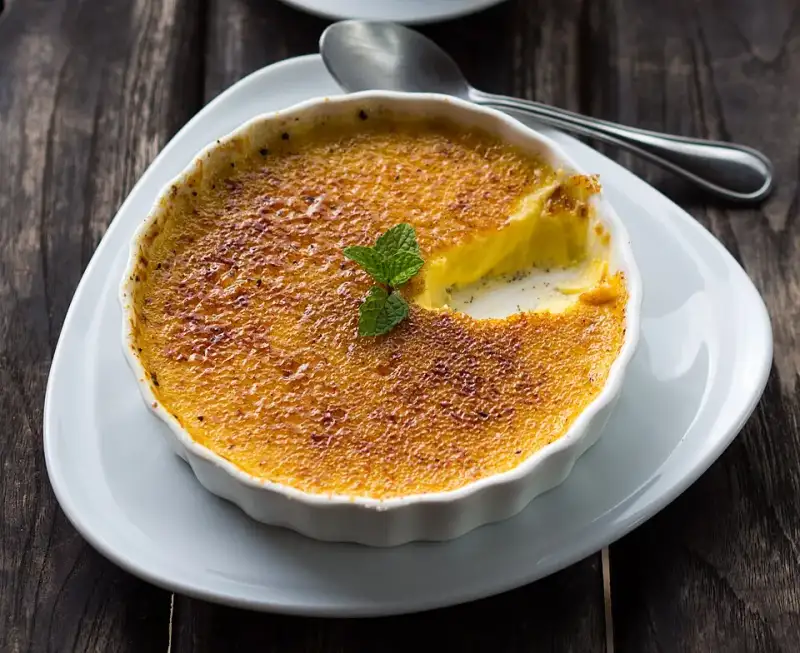
La Crème Brûlée : Une Ode à la Gourmandise et au Raffinement Bienvenue dans mon univers sucré. Je suis Chloe Blanc, et si la pâtisserie française était une couronne majestueuse, la crème brûlée en serait incontestablement l'un des diamants les plus purs et les plus éclatants. C'est avec une immense émotion et une passion dévorante que je vous invite aujourd'hui à redécouvrir ce monument absolu de notre gastronomie. La crème brûlée n'est pas simplement un dessert figurant sur la carte de toutes les brasseries du monde ; c'est une véritable expérience sensorielle, une poésie intemporelle qui se déguste à la cuillère, un chef-d'œuvre de simplicité qui exige pourtant une rigueur et une technique irréprochables. Depuis mes premiers pas en tant qu'apprentie pâtissière jusqu'à aujourd'hui, je n'ai jamais cessé d'être fascinée par ce contraste fondamental et audacieux qui caractérise ce dessert : le frisson de la crème glacée, riche, onctueuse et profondément vanillée, qui vient s'entrechoquer avec la chaleur ardente et la fine amertume d'une croûte de caramel ambré, tout juste saisie par la flamme. Le son du premier coup de cuillère — ce fameux « crac » sonore, net et satisfaisant — résonne comme une promesse de bonheur. Dans cet article exhaustif, je vais vous dévoiler tous mes secrets de chef pour maîtriser l'art délicat de la crème brûlée, depuis la sélection minutieuse de vos matières premières jusqu'au spectaculaire coup de chalumeau final. Préparez-vous à un voyage gustatif inoubliable au cœur du savoir-faire à la française. Un Voyage dans le Temps : Les Origines Disputées de la Crème Brûlée L'histoire de la gastronomie est souvent pavée de mystères, de légendes et de revendications passionnées. La crème brûlée ne fait pas exception à cette règle fascinante. Si nous autres Français sommes fiers de clamer la paternité de cette merveille, la vérité historique est une toile complexe tissée à travers toute l'Europe. Les Premières Traces Écrites La toute première mention officielle et imprimée de la recette sous le nom exact de « crème brûlée » apparaît en France, en l'an de grâce 1691. C'est dans le célèbre ouvrage Le Cuisinier Roial et Bourgeois, rédigé par le chef visionnaire François Massialot, que l'on trouve ce trésor. Massialot, qui officiait pour des figures illustres de la noblesse et de la cour, décrit une crème à base de jaunes d'œufs et de lait, sucrée et surmontée d'une croûte de sucre caramélisé à l'aide d'une pelle rougie au feu. La légende raconte que le jeune duc d'Orléans, se plaignant que sa crème était trop froide, inspira Massialot. Le chef eut alors l'idée de passer un fer chaud sur le sucre saupoudré au-dessus de la crème, réchauffant ainsi la surface tout en conservant la fraîcheur au cœur du dessert. Les Cousines Européennes : Catalogne et Angleterre Cependant, il serait injuste de ne pas mentionner les illustres cousines de notre crème brûlée. La Crema Catalana : En Espagne, et plus particulièrement en Catalogne, on revendique farouchement l'invention de la Crema Catalana. Selon les récits locaux, ce dessert daterait du Moyen Âge, élaboré par des religieuses pour la visite impromptue d'un évêque. La grande différence réside dans sa composition et sa préparation : elle est souvent parfumée aux zestes de citron et à la cannelle, et elle est épaissie avec de la fécule (comme la Maïzena) sur le feu, plutôt que d'être cuite doucement au four au bain-marie. La Trinity Cream : Outre-Manche, le prestigieux Trinity College de l'Université de Cambridge affirme avoir inventé la « Trinity Cream » ou « Cambridge Burnt Cream » à la fin du XIXe siècle. Les cuisines du collège possédaient même un fer à marquer spécial, orné des armoiries de l'école, destiné à brûler le sucre à la surface de la crème.Quoi qu'il en soit, la version française, avec son appareil riche exclusivement composé de crème liquide (et non de lait), de jaunes d'œufs, de sucre et de véritable vanille, s'est imposée au fil des siècles comme le standard ultime de l'élégance. L'Anatomie de la Perfection : La Sélection des Ingrédients Dans la haute pâtisserie, et tout particulièrement pour des recettes comprenant moins de cinq ingrédients, la qualité des matières premières ne laisse aucune place au compromis. Une crème brûlée médiocre est souvent le résultat d'ingrédients de seconde zone. Voici comment je sélectionne mon quatuor fondamental. 1. La Crème : La Quête de l'Onctuosité C'est l'élément central, l'âme texturale du dessert. Oubliez le lait, oubliez les crèmes allégées. Pour obtenir cette texture soyeuse, dense et veloutée qui tapisse le palais avec grâce, il faut impérativement utiliser une crème liquide entière. Je recommande une crème fleurette contenant au minimum 35 % de matière grasse. La matière grasse est le véhicule par excellence des arômes ; c'est elle qui va capturer et emprisonner les molécules volatiles de la vanille pour les restituer lors de la dégustation. Si vous souhaitez alléger (bien que je vous le déconseille pour une expérience authentique), vous pouvez opter pour un mélange moitié crème entière et moitié lait entier, mais vous perdrez en richesse.2. Les Œufs : L'Or Liquide La crème brûlée est techniquement une « crème prise » au four. L'agent coagulant naturel qui permet à la préparation de figer délicatement est le jaune d'œuf.Je n'utilise que des œufs extra-frais, issus de poules élevées en plein air ou de l'agriculture biologique. Le jaune d'œuf apporte non seulement la structure grâce à ses protéines et à la lécithine (un émulsifiant naturel), mais il donne aussi cette magnifique couleur ivoire tirant vers l'or clair. Comptez généralement environ un jaune d'œuf robuste pour 100 ml de liquide pour obtenir la tenue parfaite, ni trop ferme comme un flan, ni trop liquide.3. Le Sucre : La Douceur Équilibrée Il y a deux interventions du sucre dans cette recette :À l'intérieur de l'appareil : J'utilise du sucre en poudre blanc, fin (sucre semoule). Il se dissout rapidement et facilement lorsqu'on le fouette avec les jaunes d'œufs. Il ne faut pas trop sucrer l'appareil, car la croûte finale apportera un pic de sucrosité important. Pour la caramélisation : Nous y reviendrons en détail, mais la cassonade est souvent privilégiée pour sa couleur et sa texture.4. La Vanille : L'Épice des Rois S'il y a un ingrédient sur lequel il est strictement interdit de tricher, c'est bien la vanille. Fuyez les arômes artificiels, les essences synthétiques et les poudres de vanille épuisée qui n'ont plus de parfum. Une crème brûlée de luxe exige une gousse de vanille charnue, souple, luisante et gorgée de caviar (les fameux petits grains noirs). La Vanille de Madagascar (Planifolia) : C'est le grand classique. Elle offre des notes boisées, chaudes, cacaotées et une forte concentration en vanilline. C'est une valeur sûre qui rappelle les saveurs rassurantes de l'enfance. La Vanille de Tahiti (Tahitensis) : C'est ma préférée pour les grandes occasions. Ses gousses sont plus larges, très charnues, et développent des arômes floraux, fruités, avec des notes subtiles de pruneau, d'anis et de fève tonka. Elle transforme une simple crème en un chef-d'œuvre aromatique complexe.La Technique : L'Alchimie de la Préparation L'Infusion : Le Secret d'un Parfum Puissant Le processus commence par l'infusion, une étape cruciale trop souvent négligée. Pour extraire le maximum d'arômes de votre gousse de vanille, voici ma méthode infaillible :Fendez la gousse de vanille en deux dans le sens de la longueur à l'aide d'un petit couteau d'office bien aiguisé. Grattez minutieusement l'intérieur avec le dos de la lame pour récolter tout le caviar noir. Placez la crème liquide dans une casserole, ajoutez-y les grains de vanille ainsi que la gousse fendue. Faites chauffer doucement jusqu'à frémissement (ne laissez surtout pas bouillir à gros bouillons). Retirez immédiatement du feu, couvrez la casserole d'un film alimentaire ou d'un couvercle hermétique, et laissez infuser pendant au moins 30 minutes. Le fait de couvrir empêche l'évaporation des composés aromatiques volatils.Le Blanchiment et le Mélange Pendant que la crème marine dans ce bain de parfums divins, occupez-vous des jaunes d'œufs. Dans un grand cul-de-poule, versez les jaunes d'œufs et le sucre semoule. À l'aide d'un fouet, mélangez vigoureusement. Attention, il s'agit de « blanchir » légèrement le mélange, c'est-à-dire le rendre homogène et un peu mousseux, mais il ne faut surtout pas le monter de manière excessive ! Si vous incorporez trop d'air, votre crème brûlée sera remplie de petites bulles disgracieuses et perdra sa texture dense et fondante pour devenir spongieuse. Une fois la crème infusée (vous pouvez la réchauffer un tout petit peu si elle a trop refroidi, mais elle ne doit pas être bouillante), retirez la gousse épuisée. Versez ensuite un tiers de cette crème parfumée sur le mélange jaunes-sucre tout en remuant doucement. Incorporez ensuite le reste de la crème. Astuce de Chef : Passez toujours votre appareil liquide au travers d'un chinois étamine (une passoire très fine) avant de remplir vos ramequins. Cela permet de retenir les éventuels petits germes des jaunes d'œufs (les chalazes) ou les fragments de gousse, garantissant ainsi une texture soyeuse d'une perfection absolue. S'il y a de l'écume à la surface de votre liquide, retirez-la avec une écumoire ou passez un rapide coup de chalumeau à la surface pour faire éclater les bulles.La Cuisson : Le Défi de la Maîtrise Thermique La cuisson est l'étape où tout se joue. Le jaune d'œuf coagule à partir de 68°C. Si l'appareil dépasse les 85°C, les œufs risquent de "grainer" (de faire des grumeaux), transformant votre crème de luxe en une omelette sucrée fort peu ragoûtante. Le Bain-Marie et le Four Doux C'est pourquoi la cuisson au bain-marie est historiquement privilégiée. Elle agit comme un bouclier thermique, garantissant une montée en température douce, lente et homogène.Préchauffez votre four à basse température. La plupart des chefs préconisent un four à 95°C ou 100°C (thermostat 3). C'est la clé ! Une cuisson douce et prolongée est toujours préférable à une cuisson rapide et violente. Placez vos ramequins (de préférence en porcelaine, larges et peu profonds pour maximiser la surface de croûte caramélisée, car c'est là que réside tout le plaisir) dans un grand plat à gratin. Versez l'appareil à crème dans les ramequins, presque jusqu'à ras bord. Versez ensuite de l'eau frémissante dans le fond du plat à gratin, jusqu'à mi-hauteur des ramequins. Attention à ne pas éclabousser d'eau dans vos crèmes !L'Évaluation de la Cuisson : Le Fameux « Tremblotant » Le temps de cuisson varie énormément selon votre four, l'épaisseur de vos ramequins et la température de votre appareil de base. Cela peut aller de 45 minutes à plus d'une heure. Mais comment savoir si c'est cuit ? Oubliez la minuterie, fiez-vous à vos yeux et à vos mains. Avec un gant de cuisine, tapotez doucement le bord d'un ramequin. Les bords doivent être pris et fermes, mais le centre (sur un diamètre de 2 à 3 centimètres) doit encore être légèrement mobile et tremblotant, un peu comme de la gélatine. La crème continuera de figer en refroidissant. Si le centre est complètement rigide, c'est que la crème est trop cuite. Le Repos au Froid : La Patience est une Vertu Une fois les ramequins sortis du bain-marie et refroidis à température ambiante, couvrez-les d'un film alimentaire (sans toucher la crème) et placez-les au réfrigérateur. C'est ici que votre patience est mise à l'épreuve. Une véritable crème brûlée digne de ce nom doit reposer au froid pendant un minimum de 12 heures, idéalement 24 heures. Pourquoi ?La Texture : C'est le froid qui va achever de figer la préparation, lui donnant sa texture compacte, fraîche et fondante. L'Arôme : Les saveurs de la vanille ont besoin de temps pour infuser profondément l'appareil, s'épanouir et maturer. Le Contraste : La crème doit être glacée au moment où vous la caraméliserez. Si elle n'est pas assez froide, le coup de chalumeau risque de la réchauffer entièrement, détruisant ce contraste chaud-froid tant recherché.Le Couronnement : Le Spectacle de la Caramélisation Le moment de servir est arrivé. Le repas s'achève, vos convives attendent. C'est l'heure du spectacle pyrotechnique final. Quel Sucre Choisir ? Oubliez le sucre en poudre classique qui fond de manière inégale et nécessite trop de temps pour caraméliser. Le choix royal est la cassonade (sucre de canne roux). Ses cristaux légèrement plus gros fondent et caramélisent rapidement, offrant une belle couleur ambrée et de légères notes de mélasse. Certains chefs aiment utiliser de la vergeoise ou du sucre muscovado, mais ils ont tendance à s'agglomérer en raison de leur humidité. La Technique du Chalumeau La caramélisation ne se fait jamais à l'avance. Elle s'opère devant vos invités ou dans les minutes qui précèdent le service. Si vous la faites en avance, le sucre pompera l'humidité de la crème et se ramollira, ruinant tout votre travail.Saupoudrez une fine couche régulière de cassonade sur la surface de chaque crème glacée. Prenez le ramequin en main, inclinez-le et tapotez pour répartir le sucre. Videz l'excédent s'il y en a. Une couche trop épaisse fera un bloc de caramel impénétrable ; une couche trop fine brûlera trop vite. Allumez votre chalumeau de cuisine. Réglez-le sur une flamme moyenne. Passez la flamme sur le sucre à une distance d'environ 5 à 10 centimètres, avec des mouvements circulaires continus. Ne restez jamais statique ! Le sucre va fondre, bouillonner doucement, blondir puis roussir. Recherchez une couleur ambre foncée. C'est à la frontière de l'amertume du caramel brun que l'équilibre avec la douceur de la crème se crée.Dès que la croûte est formée et durcie (cela prend moins de 30 secondes en refroidissant), servez immédiatement ! Variations Contemporaines et Audaces Créatives Bien que la version classique à la vanille de Madagascar soit intouchable, ma nature créative de pâtissière me pousse souvent à explorer de nouveaux horizons. La base de la crème brûlée est une merveilleuse toile vierge pour expérimenter.Infusions Herbacées et Florales : Remplacez une partie de la vanille par une infusion de fleurs de lavande séchées, de thé Earl Grey à la bergamote, ou de thé vert Matcha. Les notes florales s'accordent divinement bien avec la richesse des œufs. Les Épices : Une pointe de fève Tonka râpée apporte des arômes envoûtants d'amande amère et de foin coupé. La cardamome verte infusée offre un voyage direct vers l'Orient. Les Insertions Clandestines : Pour la surprise, il est possible de cacher au fond du ramequin, avant de verser l'appareil, une fine couche de compotée de framboises acidulées, quelques éclats de marrons glacés, ou encore un praliné croustillant noisette. Lors de la dégustation, la cuillère plonge à travers le caramel, la crème vanille, pour découvrir ce trésor enfoui.L'Art de la Dégustation et les Accords Parfaits Déguster une crème brûlée est un acte rituel. Le dos de la cuillère vient frapper la surface. Le crac doit être franc. Ensuite, on plonge la cuillère profondément pour récupérer à la fois un éclat de caramel tiède et une belle portion de crème glacée. Le contraste en bouche est saisissant : la fine amertume croquante du sucre brûlé est immédiatement enveloppée et adoucie par la texture onctueuse, douce, et incroyablement parfumée de la crème froide. Que Boire avec ce Joyau ? Pour accompagner un tel monument, les accords doivent être à la hauteur.Les Vins Liquoreux : Un grand vin liquoreux français est le partenaire naturel. Un Sauternes, un Barsac, ou un Coteaux du Layon, avec leurs arômes de miel, de fruits confits et de cire d'abeille, viennent créer un écho parfait à la vanille et au caramel. Le Champagne : Pour jouer sur les contrastes, un Champagne Blanc de Blancs (100% Chardonnay) un peu vieux, aux notes briochées et beurrées, apportera une vivacité et des bulles rafraîchissantes qui "nettoieront" le palais de la richesse de la crème. Sans Alcool : Un thé noir robuste comme un Darjeeling de première récolte, ou un thé Oolong légèrement torréfié, offriront une douce amertume tannique qui équilibrera le sucre de la croûte.En Conclusion Chers amis épicuriens, la confection d'une crème brûlée d'exception est un voyage magnifique qui célèbre les bases mêmes de la grande Pâtisserie Française. Elle nous rappelle qu'avec une poignée d'ingrédients nobles, un respect absolu du produit et une technique maîtrisée, il est possible de créer des émotions pures et inoubliables. Je vous invite dès aujourd'hui à enfiler votre tablier, à sélectionner vos plus belles gousses de vanille et à faire chanter votre chalumeau. Prenez le temps, respectez les cuissons douces, et surtout, partagez ce chef-d'œuvre avec ceux que vous aimez. La magie de la pâtisserie réside avant tout dans cet acte de générosité. N'hésitez pas à partager vos réalisations, vos succès (et même vos essais trop cuits, car c'est ainsi que l'on apprend !) avec moi. À très bientôt pour de nouvelles aventures gourmandes. Avec toute ma passion sucrée, Chloe BlancRejoignez la communauté des passionnés de haute pâtisserie et partagez vos créations avec les hashtags incontournables : #Patisserie #France #Dessert #ChloeBlanc #Gastronomie #Sweet #CremeBrulee #ArtDeVivre #Gourmandise #patisserie #dessert #france #chloeblanc #sweet Related InsightsCannelé : Le Trésor Croustillant de Bordeaux Mille-feuille : Mille et Une Saveurs de la Vanille Croissant : L'Art du Feuilletage et de la Tradition{ "@context": "https://schema.org", "@type": "FAQPage", "mainEntity": [ { "@type": "Question", "name": "What is the main focus of Crème Brûlée : La Douce Symphonie du Caramel?", "acceptedAnswer": { "@type": "Answer", "text": "Plongez dans l'univers de la haute pâtisserie avec Chloe Blanc et découvrez les secrets de ce dessert emblématique." } }, { "@type": "Question", "name": "Who authored the comprehensive guide on Crème Brûlée : La Douce Symphonie du Caramel?", "acceptedAnswer": { "@type": "Answer", "text": "This detailed article and its insights were carefully researched and authored by Chloe Blanc." } }, { "@type": "Question", "name": "Where can I find more related content about Gastronomy?", "acceptedAnswer": { "@type": "Answer", "text": "You can explore more articles, detailed reviews, and similar insights by browsing the Related Insights section at the bottom of this article or visiting our dedicated Gastronomy category page." } } ] }
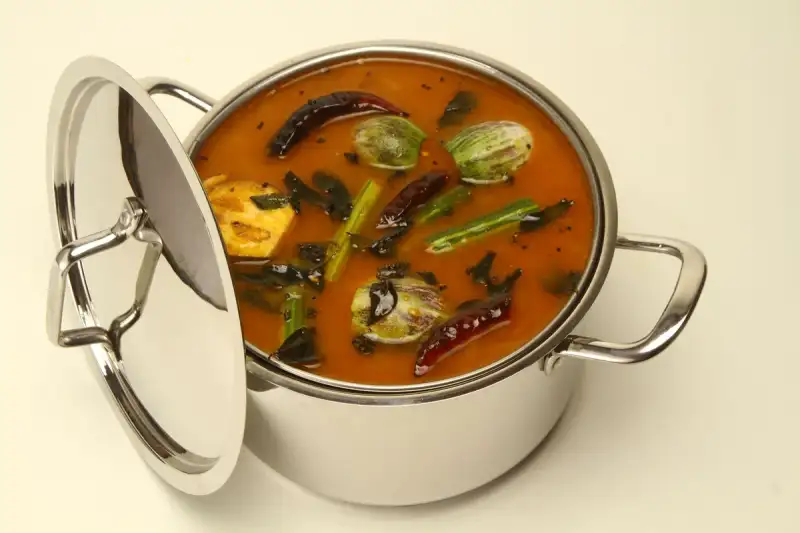

"The Earthy Harvest: A High-Fiber Lentil and Root Vegetable Stew" Welcome back to my kitchen. I’m Hannah Weber, and today we are diving deep into the intersection of culinary heritage and modern nutritional science. As someone who views the plate as both a canvas for creativity and a vehicle for vitality, I have long been fascinated by the "forgotten" ingredients—the humble pulses and root vegetables that have sustained civilizations for millennia. In a world increasingly dominated by ultra-processed foods, there is a profound, almost revolutionary act in simmering a pot of lentils and roots. It is a return to basics, a nod to the ancient wisdom that valued legumes as a sustainable and primary food source. Today, we are exploring a recipe that isn't just a comfort food staple; it is a clinical powerhouse designed to optimize your gut health and sustain your energy through high-fiber density. The Science of the Pulse: Why Lentils Are Our Greatest Ally When we talk about the nutritional profile of legumes, we are looking at one of the most remarkable gifts nature has provided. According to recent studies on human nutrition, legumes are considered the second most important food source after cereals, and for good reason. They are nutritional powerhouses, providing between 20% to 45% protein alongside complex carbohydrates. Most importantly, for those of us focusing on digestive wellness, legumes offer a significant source of dietary fiber—ranging from 5% to 37%. As my research into nutritional science shows, the bioactive compounds found in pulses go far beyond simple calories. They possess antioxidant properties that play a vital role in the prevention of degenerative diseases, including heart disease and certain types of cancer. By replacing animal proteins—which can sometimes be heavy or inflammatory—with these fibrous plant alternatives, we aren't just making a choice for the planet; we are choosing cellular health.Bridging Cultures: From Teff to Lentils In my journey through global culinary traditions, I often look toward Ethiopia, where the staple food, Injera—typically prepared from teff flour—serves as a base for flavorful, lentil-rich stews known as 'wats.' The Ethiopian culinary tradition is a masterclass in how to combine grain-like seeds and legumes to achieve a balanced, gluten-free, and mineral-rich diet. Science acknowledges that the nutritional superiority of these traditional staples, particularly regarding their lack of gluten and high iron content, makes them a model for modern "functional foods." Our Lentil and Root Vegetable Stew seeks to mirror this philosophy. By pairing high-fiber lentils with dense root vegetables, we create a meal that mirrors the nutritional complexity of traditional ethnic staples while adapting them to a hearty, winter-ready format. Sustainability: The Future of Meat Analogues There is a growing, critical conversation about the environmental and physiological costs of industrial meat consumption. Recent academic reviews regarding the role of plant protein as a meat analogue suggest that we are at a turning point. By partially replacing meat with pulses and plant-based ingredients, we improve both the technological and functional quality of our diets. This stew isn't merely a "meatless" dish; it is a deliberate "meat analogue" experience. The texture of a slow-simmered lentil, when combined with the robust, earthy sweetness of parsnips and sweet potatoes, provides a mouthfeel that satisfies the same cravings as a meat-based stew. We are utilizing the inherent "meaty" qualities of legumes—their protein density and satiety—to create a meal that makes you feel full without the heavy saturated fats associated with animal-derived proteins.A Masterclass in High-Fiber Cooking: The Recipe This recipe is designed to be a "functional food"—a dish that promotes health through its specific, high-fiber composition. The synergy between the soluble fiber in the lentils and the prebiotic fibers in the root vegetables (carrots and parsnips) makes this an ideal meal for gut microbiome support. Prep Time: 15 minutes Cook Time: 45 minutes Servings: 4-6 Ingredients:1.5 cups dried brown or green lentils (the workhorses of the legume world) 2 large organic carrots, peeled and diced (for Vitamin A and crunch) 1 large parsnip, peeled and diced (for earthy sweetness) 1 medium sweet potato, cubed (for complex carbohydrates and potassium) 1 large yellow onion, finely diced 3 cloves garlic, smashed and minced 1 tsp smoked paprika (to simulate the richness of meat) 1/2 tsp ground cumin (for digestion and warmth) 4 to 5 cups low-sodium vegetable broth (depending on desired thickness) 1 tbsp high-quality extra virgin olive oil A generous handful of fresh flat-leaf parsley (to finish) Lemon wedges for serving (the acid cuts the earthiness perfectly)Instructions:The Foundation: Begin by heating your olive oil in a heavy-bottomed Dutch oven or large pot over medium heat. Add your diced onions and sauté until translucent. This aromatics base is essential for the depth of the final stew.The Build: Add the garlic, carrots, parsnips, and sweet potatoes to the pot. Sautéing these root vegetables for about 5-8 minutes allows the natural sugars to caramelize slightly, providing a depth of flavor that contrasts beautifully with the lentils.The Seasoning: Stir in your smoked paprika and cumin. The heat of the pot will release the volatile oils in these spices, infusing the vegetables with a deep, smoky aroma that mimics the complexity of slow-cooked meat.The Pulse: Add your rinsed lentils and the vegetable broth. Bring the mixture to a rolling boil, then immediately reduce the heat to a low simmer. Cover the pot, leaving the lid slightly ajar to allow for evaporation, which thickens the stew.The Simmer: Let the stew cook undisturbed for 35 to 45 minutes. You are looking for the lentils to be tender but still hold their shape, and the root vegetables to be fork-tender. Finishing Touch: Before serving, squeeze fresh lemon juice over the pot. The acidity is a scientific necessity—it brightens the flavor profile and helps in the absorption of the non-heme iron found in the lentils.Why This Stew Matters for Your Health As a health blogger, I often get asked, "Hannah, why focus so much on fiber?" The answer lies in the data. Research highlights that legumes—because of their specific fiber and protein composition—are particularly attractive to individuals managing blood sugar, weight, or even those dealing with celiac-related dietary restrictions. By consuming a bowl of this stew, you are providing your body with a massive dose of complex carbohydrates that release energy slowly, avoiding the insulin spikes associated with simple sugars. Furthermore, the bioactive compounds we discussed earlier act as internal scavengers, neutralizing oxidative stress. This isn't just dinner; it's a medicinal intervention performed in your own kitchen. Culinary Tips for the PerfectionistThe Soaking Debate: While lentils don't technically require the long soak that beans do, a quick 30-minute soak in warm water can help reduce some of the anti-nutritional factors that cause digestive discomfort. The Texture Factor: If you prefer a creamier stew, take a potato masher and lightly crush about 20% of the vegetables and lentils in the pot once it's cooked. This releases starches and creates a thick, luxurious mouthfeel without needing cream or thickeners. Storage: This stew is a "keeper." Like all legume-based dishes, the flavors harmonize and improve after 24 hours in the refrigerator. It makes for the perfect meal-prep lunch for a busy work week.Final Thoughts The path to a healthier life doesn't always lie in expensive supplements or complex restrictive diets. Often, it is found in the simple, ancestral practice of boiling pulses and roots. When we embrace these ingredients, we aren't just nourishing ourselves; we are participating in a global food culture that understands the value of the earth's bounty. Take your time with this stew. Smell the paprika and cumin as they toast, feel the texture of the vegetables as you chop them, and take comfort in knowing that every spoonful is contributing to your long-term health. Eat well, live deeply, and enjoy the harmony of nature on your plate.#HealthyLiving #Gastronomy #VeganRecipes #HighFiberDiet #PlantBasedNutrition Related InsightsDer Apfelstrudel: Ein Meisterwerk der Wiener Mehlspeisenkultur und seine faszinierende Geschichte From Forest Floor to Flavor Lab: The Evolution of Umami in Vegan Stock The Golden Pulse: Reclaiming the Chickpea’s Lost Lineage in the Mediterranean{ "@context": "https://schema.org", "@type": "FAQPage", "mainEntity": [ { "@type": "Question", "name": "What is the main focus of The Earthy Harvest: A High-Fiber Lentil and Root Vegetable Stew?", "acceptedAnswer": { "@type": "Answer", "text": "Discover a hearty, plant-based stew packed with high-fiber legumes and roasted root vegetables for optimal health and flavor." } }, { "@type": "Question", "name": "Who authored the comprehensive guide on The Earthy Harvest: A High-Fiber Lentil and Root Vegetable Stew?", "acceptedAnswer": { "@type": "Answer", "text": "This detailed article and its insights were carefully researched and authored by Hannah Weber." } }, { "@type": "Question", "name": "Where can I find more related content about Food?", "acceptedAnswer": { "@type": "Answer", "text": "You can explore more articles, detailed reviews, and similar insights by browsing the Related Insights section at the bottom of this article or visiting our dedicated Food category page." } } ] }
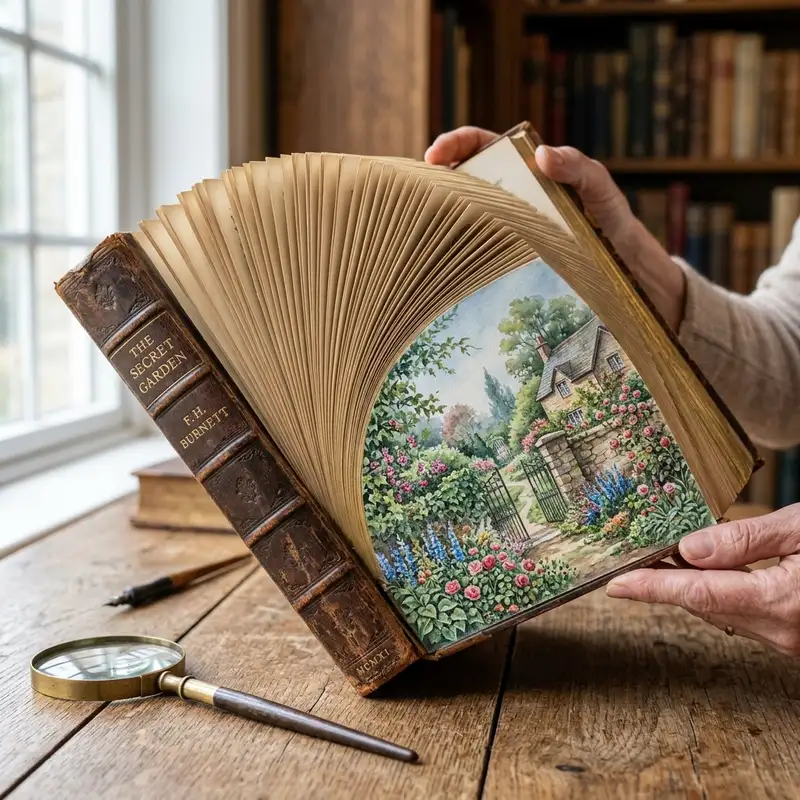
- Emily Page
- 29 Jun, 2026 13:16
The Whispers Within Pages: Unearthing the Secret Art of Fore-Edge Painting
Imagine a book, unassuming in its leather binding, perhaps a classic text or a volume of poetry. Its edges gleam with the subtle luster of gold, a testament to its age and craftsmanship. You pick it up, admiring its weighty presence, its elegant design. But then, you perform a simple, almost instinctive gesture: you fan the pages. And in that precise moment, a secret world unfurls before your eyes. A vibrant landscape, a historical scene, a delicate portrait, or an intricate allegorical tableau materializes as if by magic, shimmering into existence along the very edge that minutes ago seemed merely gilded. This, my dear reader, is the captivating, often clandestine, art of fore-edge painting. In an age saturated with digital content and fleeting trends, there remains an enduring fascination with the tangible, the handcrafted, and the hidden. Fore-edge painting, a craft whose origins whisper through centuries of bibliophilic devotion, stands as a profound testament to this allure. It is not merely a decorative technique but a profound act of concealment and revelation, transforming a humble book into a vessel for both literary narratives and secret visual artistry. This deep dive into its #history, its meticulous execution, and its enduring charm promises to unlock a forgotten chamber in the grand library of human ingenuity. The Genesis of a Gilded Secret The #journey of fore-edge painting begins not with elaborate scenes, but with humble decorative intentions. Early forms of edge decoration date back to the 10th century, primarily involving simple patterns or heraldic devices painted directly onto the closed, squared-off edges of books. These were often protected by layers of gesso and varnish, serving as identifiers of ownership or simply as embellishments. However, the true innovation – the art of painting a scene onto the fanned pages – is generally credited to the 17th century. It was in England, during the reign of Charles I, that the first examples of paintings appearing on the splayed edges of books began to emerge. These early works, though often less refined than their later counterparts, laid the groundwork for the exquisite art form we recognize today. The technique involves clamping the book slightly askew, allowing the pages to fan out subtly, creating a continuous, albeit textured, surface for the artist to work on. Once the painting is complete and dry, the pages are returned to their normal, closed position, and the edges are then gilded with gold leaf, effectively concealing the artwork. This gilding serves not only as a protective layer but also as a magical curtain, ensuring the artwork remains hidden until the book is fanned again. The initial subjects were often crests, mottoes, or floral patterns, reflecting the artistic tastes and heraldic traditions of the period. However, as the technique evolved, so did the ambition of the artists, paving the way for the intricate landscapes, portraits, and genre scenes that would define its golden age. The Golden Age: Edwards of Halifax and Beyond The 18th century witnessed the zenith of fore-edge painting, largely propelled by the innovation and entrepreneurial spirit of James Edwards (1757-1816) and his family firm in Halifax, England. The Edwards family are synonymous with the perfection and popularization of this art form. They developed a distinctive style of bookbinding, characterized by elegant, often vellum bindings, and their signature practice of commissioning exquisite fore-edge paintings. Edwards of Halifax didn't just paint edges; they created entire aesthetic experiences. Their books were coveted by the elite, becoming symbols of wealth, refinement, and a discerning taste for the unique. The subjects chosen for these hidden masterpieces often complemented the book's content. A volume of Shakespeare might reveal a scene from one of his plays; a travelogue might hide a vista from a distant land; a book on natural history might contain a vibrant botanical illustration. The connection between the internal text and the external, hidden art added another layer of intellectual and aesthetic pleasure for the owner.The skill of the artists employed by Edwards was paramount. Using delicate watercolors, they would meticulously apply paint to the minute ridges of the fanned pages, ensuring that the image seamlessly reappeared each time the book was opened correctly. The challenge was immense: each stroke had to be precise, anticipating the distortion caused by the page breaks, yet contributing to a coherent whole. The drying time between layers was critical to prevent colors from bleeding or pages from sticking. Once the painting was complete and perfectly dry, the edges would be burnished and gilded, often with elaborate tooling, rendering the hidden artwork completely invisible. While Edwards of Halifax remains the most prominent name, other binders and artists in England, #France, and later, America, adopted and adapted the technique, each adding their own stylistic nuances. The demand for these secret treasures grew, driven by a fascination with novelty, the beauty of the craft, and the intrinsic value of possessing something so uniquely personal and hidden. The Craft: An Invisible Canvas The creation of a fore-edge painting is a delicate dance between art and precision engineering. It demands not only artistic talent but also an intimate understanding of book structure and materials. The process typically begins with a tightly bound book. The binder or artist first secures the book in a press, fanning the leaves slightly to expose the working surface – the collection of minute steps formed by the individual pages. This fan must be absolutely consistent, providing an even 'canvas'. Any unevenness would result in a distorted or broken image. Using watercolors, which are ideal for their quick drying time and translucent qualities, the artist meticulously paints the chosen scene onto this textured surface. The challenge is multi-faceted:Perspective: The artist must mentally adjust for the concave curve of the fanned pages, ensuring the painting appears flat and cohesive when viewed. Continuity: Each stroke must align perfectly across the miniscule gaps between pages. Precision: The paints must be applied sparingly to avoid soaking through the pages or causing them to swell and stick together. Composition: The chosen scene must be adaptable to the narrow, elongated format provided by the fanned edge. Landscapes, cityscapes, and portraits are common, but allegorical and genre scenes also feature prominently.After the painting is completely dry – a crucial step that can take several days – the book is released from the press, and the pages return to their natural, closed position. The magic happens here: the artwork vanishes. The final step is the application of gold leaf to the closed edges. This gilding is not merely decorative; it acts as a protective shield for the delicate watercolor beneath and, most importantly, as the perfect disguise, maintaining the book's outwardly conventional appearance. Some books even feature a double fore-edge painting, where a different scene appears depending on which way the pages are fanned! Such works are incredibly rare and highly prized.Symbolism and Secrecy: Why Conceal Art? Beyond the sheer aesthetic pleasure and technical mastery, fore-edge painting embodies a profound symbolism of secrecy and personal delight. In an era where books were often ostentatious displays of wealth and knowledge, a hidden artwork added an exclusive layer of intimacy. It was art not for public display, but for the knowing few, for the discerning owner who understood the book's dual #nature. This clandestine quality often lent the books an air of mystery. Was the hidden scene a private joke, a coded message, a beloved memory, or a moral instruction intended only for the owner's contemplation? For a collector, discovering such a painting on an otherwise ordinary-looking volume is akin to finding a hidden treasure map, unlocking a secret passage in history. The choice of subjects often reflects the personal interests of the patron or the prevailing cultural sensibilities. Landscapes served as reminders of grand tours or cherished estates; portraits immortalized loved ones; classical scenes echoed a classical education; and allegories offered subtle moral or philosophical commentary. The very act of concealing these images speaks to a desire for privacy in art consumption, a private communion between the owner, the book, and the hidden image. It transforms the book from a mere object into a personal confidante, holding its secrets close. Decline, Revival, and Enduring Allure The golden age of fore-edge painting waned in the late 19th and early 20th centuries. The advent of industrial printing, mass production of books, and changing aesthetic preferences led to a decline in demand for such labor-intensive and expensive artisanal book decorations. Publishers focused on affordability and broader distribution, making elaborate hand-painted additions an uneconomical luxury. However, true artistry rarely vanishes completely. The latter half of the 20th century and the early 21st century have seen a small but dedicated revival of fore-edge painting. Contemporary artists, often members of bookbinding guilds or societies, continue to practice and innovate within this #ancient tradition. They experiment with modern subjects, vibrant color palettes, and even more intricate designs, ensuring that the legacy of this unique art form endures. These modern practitioners often seek to preserve the historical techniques while infusing the work with contemporary relevance, bridging centuries of craftsmanship. For bibliophiles and collectors today, discovering an original fore-edge painted book is a moment of profound joy. These books are not just historical artifacts; they are windows into a past where beauty was often deliberately understated, where art was meant to be discovered, not just observed. Each book with a hidden painting tells a dual story: the narrative within its pages and the secret visual tale along its edge. The allure of fore-edge painting lies in its capacity for surprise, its tangible connection to a lost art, and its embodiment of meticulous craftsmanship. It reminds us that books are more than just text; they are objects of art, craft, and history, capable of holding profound secrets within their very structure. Next time you encounter an antique book with gilded edges, take a moment. Fan its pages. You might just uncover a whisper from the past, a masterpiece patiently awaiting its moment of revelation, a testament to the enduring magic found within the unassuming realm of books.#HiddenBookArt #ForeEdgePainting #AntiqueBooks #BookCraftsmanship #SecretArt Related InsightsSophie, Standing There Book Review and Summary Bastille vs. the Evil Librarians Book Review and Summary 301 More Ways to Have Fun At Work Book Review and Summary{ "@context": "https://schema.org", "@type": "FAQPage", "mainEntity": [ { "@type": "Question", "name": "What is the main focus of The Whispers Within Pages: Unearthing the Secret Art of Fore-Edge Painting?", "acceptedAnswer": { "@type": "Answer", "text": "Discover the forgotten world of fore-edge painting, where breathtaking artworks are concealed within the gilded edges of antique books, waiting for a fan to reveal them." } }, { "@type": "Question", "name": "Who authored the comprehensive guide on The Whispers Within Pages: Unearthing the Secret Art of Fore-Edge Painting?", "acceptedAnswer": { "@type": "Answer", "text": "This detailed article and its insights were carefully researched and authored by Emily Page." } }, { "@type": "Question", "name": "Where can I find more related content about Books?", "acceptedAnswer": { "@type": "Answer", "text": "You can explore more articles, detailed reviews, and similar insights by browsing the Related Insights section at the bottom of this article or visiting our dedicated Books category page." } } ] }
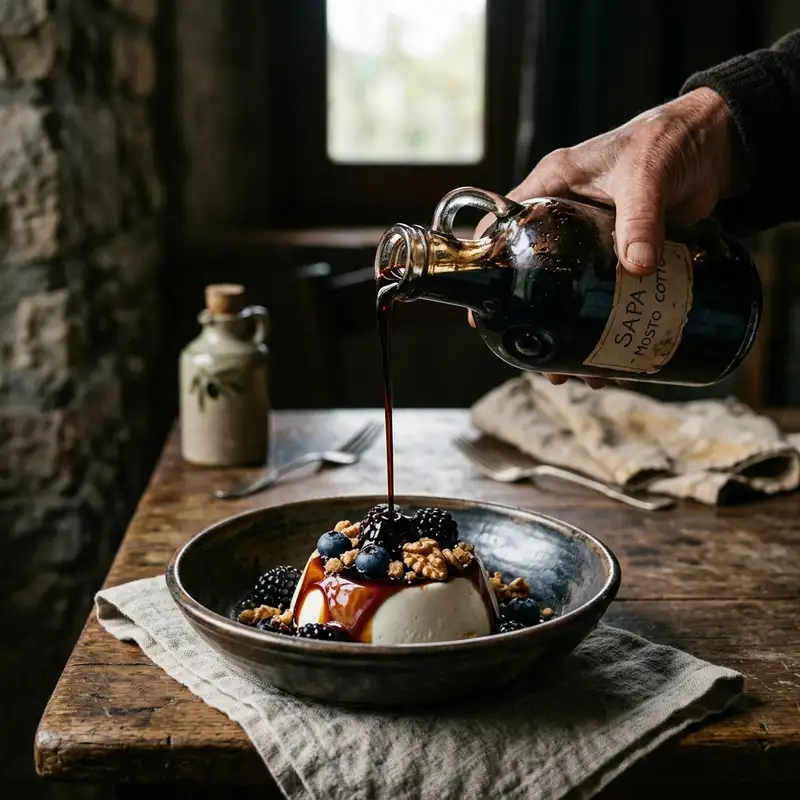
- Giovanni Luigi
- 29 Jun, 2026 10:40
Il Segreto Dolce e Antico: Svelare l'Anima della Sapa e del Mosto Cotto tra Storia, Territorio e Rinascita Gastronomica
Il silenzio delle vigne al tramonto, un profumo denso che evoca terre lontane e tempi remoti, e poi, un gorgoglio lento, quasi ipnotico, da un paiolo di rame. Non stiamo assistendo a una scena bucolica da cartolina, bensì alla genesi di un elisir che ha attraversato millenni, un liquido ambrato e voluttuoso, capace di raccontare la storia della nostra civiltà più di mille tomi polverosi. Parliamo della sapa e del mosto cotto, due nomi per un unico, ancestrale tesoro culinario che l'Italia, culla di sapori eterni, custodisce e, fortunatamente, sta riscoprendo. Per secoli, ben prima che lo zucchero di canna o di barbabietola colonizzasse le nostre dispense, l'uomo ha cercato la dolcezza nella natura che lo circondava. E nel bacino del Mediterraneo, la vite non offriva solo vino, ma anche un nettare primordiale, la linfa stessa della terra trasformata dal fuoco e dal tempo. Questo non è un semplice sciroppo d'uva; è un concentrato di storia, una capsula temporale gastronomica che ci riporta ai fasti dell'Impero Romano e alle frugali tavole contadine del Medioevo. È l'essenza stessa dell'uva, ridotta lentamente, pazientemente, fino a diventare un liquido scuro, denso, con sentori che spaziano dal fico secco alla prugna, dalla nocciola caramellata al balsamico. Le Radici Profonde nell'Antichità: Dal Defrutum alla Sapa Romana Immergersi nel mondo della sapa e del mosto cotto significa intraprendere un viaggio archeologico nel gusto. Plinio il Vecchio, nel suo monumentale Naturalis #historia, e Columella, nel De Re Rustica, descrivono con dovizia di particolari la produzione e l'uso di diversi tipi di mosto concentrato: il defrutum, il caroenum e la sapa. Queste denominazioni non indicavano solo gradi diversi di concentrazione del mosto (il defrutum era il meno concentrato, la sapa il più denso, ridotto a un terzo del volume iniziale), ma anche il loro utilizzo poliedrico. Nell'antica Roma, questi sciroppi non erano semplici dolcificanti. Erano ingredienti fondamentali in cucina, usati per conservare frutta e verdura, per addensare salse, per insaporire carni e selvaggina, e persino per "correggere" vini. Apicio, nel suo celebre De Re Coquinaria, ne fa ampio uso in innumerevoli ricette, testimoniando la loro onnipresenza sulla tavola imperiale come su quella del popolo. Si pensi solo all'agrodolce romano, dove la sapa bilanciava l'acidità dell'aceto e il sapido del garum, creando armonie gustative che oggi riscopriamo con meraviglia. Erano anche considerati un presidio medico, un ricostituente energetico, un portatore di benessere. La loro importanza era tale da essere considerati un bene prezioso, un vero e proprio "oro liquido" della terra.Il metodo di produzione è rimasto sorprendentemente simile per millenni. Il mosto fresco, appena spremuto, veniva posto in ampi calderoni (spesso di rame, per una migliore conduzione del calore) e fatto bollire a fuoco lento e costante. Durante questa lunga cottura, che poteva durare anche 10-12 ore, l'acqua evaporava e gli zuccheri naturalmente presenti nell'uva si concentravano, trasformandosi e caramellandosi in parte. La schiuma che affiorava veniva diligentemente rimossa, per garantire la purezza e la limpidezza del prodotto finale. Alcune tradizioni prevedevano l'aggiunta di una mela cotogna o di un pezzetto di scorza di agrume nel paiolo, per conferire sfumature aromatiche particolari e aiutare la chiarificazione. È un processo lento, che richiede attenzione, pazienza e una profonda conoscenza della materia prima. Un Mosaico di Nomi e Tradizioni: La Sapa e il Mosto Cotto nell'Italia Rurale Ciò che nell'antichità era un ingrediente comune e largamente diffuso, con il tempo ha assunto connotazioni regionali e nomenclature specifiche, diventando un simbolo di un sapere contadino tramandato di generazione in generazione. Sebbene il principio di base sia lo stesso – la riduzione del mosto – ogni regione italiana, e talvolta ogni singola famiglia, ha sviluppato le proprie sfumature e le proprie denominazioni, rendendo questo patrimonio ancora più ricco e variegato. In Emilia-Romagna, è la Saba (o Sapa) a regnare sovrana. Qui, viene tradizionalmente prodotta con uve Trebbiano, Ancellotta o Lambrusco, il che conferisce un sapore più fruttato e acidulo, ideale per accompagnare la polenta, i formaggi stagionati, o per arricchire i dolci invernali come le fave dei morti o la torta di saba. La Saba emiliana è un vero e proprio rito autunnale, legato alla vendemmia e alla festa della nuova uva. Scendendo verso il centro-sud, nelle Marche e in Umbria, si trova una produzione simile, con il nome che spesso rimane saba o sapa, a volte con l'aggiunta di erbe aromatiche o spezie come la noce moscata o i chiodi di garofano, che le conferiscono un profilo più speziato e complesso. Ma è nel profondo Sud Italia, in particolare in Puglia, in Basilicata e in Calabria, che il mosto cotto assume un ruolo quasi mitico, spesso chiamato Vincotto (nonostante il nome ricordi il vino, è sempre mosto cotto, o un blend di mosto e vino cotto). Qui, l'utilizzo di uve a bacca rossa come il Negroamaro, la Malvasia Nera o l'Aglianico, dona al prodotto finale un colore ancora più intenso, quasi nero, e un sapore più robusto, con note di prugna, datteri e caramello tostato. Il Vincotto pugliese è spesso abbinato a dolci tipici come le cartellate, biscotti fritti immersi nel vincotto, o utilizzato per insaporire carni di maiale e formaggi freschi come la ricotta. In Calabria, il Mosto Cotto è un ingrediente essenziale per la preparazione di dolci natalizi come i pittuli o i mostaccioli, e viene spesso conservato per anni, migliorando con l'invecchiamento. Queste differenze, seppur sottili, raccontano la biodiversità dei territori, la specificità delle uve autoctone e la creatività culinaria di ogni comunità, un vero e proprio atlante del gusto che merita di essere esplorato con curiosità. L'Arte della Pazienza: Il Processo di Riduzione e Trasformazione La produzione della sapa o del mosto cotto è un inno alla pazienza e alla sapienza contadina. Non è un processo che può essere affrettato. Tutto inizia con la selezione del mosto. Idealmente, si usa mosto appena pigiato, ricco di zuccheri e aromi. Le uve, come detto, variano a seconda della regione, ma il comune denominatore è la loro maturità ottimale, che garantisce la massima concentrazione zuccherina e aromatica. Il mosto viene poi versato in ampi recipienti, tradizionalmente di rame, che sono posizionati su un fuoco a legna. La cottura deve essere lenta, costante, senza bollire a rotta di collo. È un fremito delicato, una danza di bolle leggere. Durante questo processo, che può durare dalle 6 alle 24 ore a seconda della quantità e del grado di concentrazione desiderato, una parte dell'acqua evapora, e gli zuccheri dell'uva subiscono una serie di trasformazioni complesse. Si assiste alla caramellizzazione di alcuni zuccheri, alla formazione di nuovi composti aromatici e all'intensificazione dei sapori già presenti.Un momento cruciale è la schiumatura. Man mano che il mosto si scalda e inizia a ridurre, affiora in superficie una schiuma verdastra, composta da impurità e residui della pigiatura. Questa deve essere rimossa con cura e costanza, per garantire la limpidezza e la purezza del prodotto finale. È un gesto meticoloso, che richiede occhio attento e mano ferma. La riduzione avviene fino a raggiungere la densità desiderata, che, come abbiamo visto, varia dal defrutum (circa metà del volume iniziale) alla sapa (un terzo o addirittura un quarto del volume iniziale). Il prodotto finale deve essere denso, sciropposo, con un colore che può variare dall'ambrato profondo al bruno scuro, quasi nero, a seconda dell'uva utilizzata e della durata della cottura. Una volta raffreddato, viene imbottigliato e conservato in un luogo fresco e buio. La sapa e il mosto cotto non solo si conservano a lungo, ma migliorano con l'invecchiamento, sviluppando complessità aromatiche sempre maggiori. Dal Dimenticatoio alla Tavola Gourmet: La Rinascita di un Tesoro Con l'avvento dello zucchero di canna e, successivamente, della barbabietola, la sapa e il mosto cotto hanno gradualmente perso il loro ruolo centrale. Considerati prodotti "poveri" o "contadini", il loro uso si è ridotto a poche tradizioni locali e familiari, rischiando l'oblio. La produzione è diventata sempre più rara, limitata a pochi appassionati o anziani che ne ricordavano la sapienza. Fortunatamente, negli ultimi decenni, grazie anche al movimento Slow Food e alla crescente attenzione verso i prodotti di nicchia, le tradizioni culinarie autentiche e la riscoperta dei sapori ancestrali, la sapa e il mosto cotto stanno vivendo una vera e propria rinascita. Molti produttori artigianali, spesso piccole aziende agricole a conduzione familiare, hanno ripreso a produrli seguendo le ricette e i metodi antichi, spesso tutelando specifici Presidi Slow Food che ne garantiscono l'autenticità e la qualità. Oggi, questi sciroppi antichi non sono più relegati alle sole tavole contadine, ma hanno conquistato un posto d'onore nell'alta gastronomia. Chef stellati e innovativi li utilizzano per esaltare i loro piatti, sfruttando la loro complessa dolcezza e la loro profondità aromatica.In cucina salata: La sapa è un abbinamento sorprendente con formaggi erborinati o stagionati (come il Parmigiano Reggiano o il Pecorino), ai quali aggiunge una nota dolce e fruttata che ne equilibra la sapidità. Dà il meglio di sé anche su arrosti di carne (specialmente maiale e anatra), selvaggina e foie gras, creando un delizioso contrasto agrodolce. Alcuni chef la usano per glassare le verdure o per arricchire vinaigrette e marinature. In pasticceria: Naturalmente, la sapa e il mosto cotto sono eccellenti dolcificanti per torte, biscotti e gelati, conferendo una profondità di sapore unica che lo zucchero non può replicare. Sono perfetti su ricotta fresca, yogurt, frutta cotta o cruda, pancakes e waffle. Un semplice cucchiaio di sapa su un gelato alla vaniglia o un panna cotta trasforma un dolce ordinario in un'esperienza straordinaria. Nel mondo dei cocktail: L'ultima frontiera della sapa e del mosto cotto è la mixology. Bartender creativi li stanno incorporando in cocktail, usandoli come dolcificanti naturali e agenti aromatizzanti. Le loro note complesse, che ricordano frutta secca, spezie e caramello, si abbinano splendidamente con distillati scuri come il rum, il whisky o il brandy, o per dare un tocco italiano a classici come il Negroni o l'Old Fashioned.Un Sorso di Storia, Un Morso di Futuro La sapa e il mosto cotto sono molto più di semplici ingredienti; sono custodi di un patrimonio culturale e gastronomico che ci lega indissolubilmente al nostro passato. Sono la prova che la vera ricchezza si trova spesso nelle cose semplici, autentiche, create con pazienza e rispetto per la natura. Assaggiarli significa connettersi a un filo invisibile che attraversa i secoli, dai banchetti romani alle tavole dei contadini, fino ai moderni ristoranti stellati. È un'esperienza sensoriale che evoca terra, sole e il lavoro sapiente dell'uomo. Ogni goccia è un concentrato di profumi e sapori, un viaggio nel tempo e nello spazio, una celebrazione della resilienza della tradizione e della sua capacità di reinventarsi. Se non avete mai avuto l'occasione di assaporare questi sciroppi millenari, vi esorto a cercarli, a provarli. Scoprirete un mondo di sapori dimenticati, un patrimonio che merita di essere riscoperto, gustato e tramandato. Permettete alla sapa e al mosto cotto di raccontarvi la loro storia, un sorso, o un cucchiaio, alla volta.#Sapa #MostoCotto #Vincotto #CucinaAntica #SlowFoodItalia #TradizioniCulinarie #ProdottiTipiciItaliani #GastronomiaStorica #sapa #mostocotto #vincotto #cucinaantica #slowfood #gastronomiaitaliana #prodottitipici Related InsightsQuando i Mondi si Incontrano nel Piatto: L'Anima Segreta della Cucina Fusion Das goldene Erbe von Valencia: Die Alchemie der Paella zwischen Tradition und Mythos Kimchi's Untold Saga: Unearthing the Fermented Superfoods Beyond the Cabbage You Thought You Knew{ "@context": "https://schema.org", "@type": "FAQPage", "mainEntity": [ { "@type": "Question", "name": "What is the main focus of Il Segreto Dolce e Antico: Svelare l'Anima della Sapa e del Mosto Cotto tra Storia, Territorio e Rinascita Gastronomica?", "acceptedAnswer": { "@type": "Answer", "text": "Un viaggio millenario alla scoperta della sapa e del mosto cotto, i dolcificanti ancestrali italiani che rinascono sulle tavole gourmet e nei cocktail più raffinati." } }, { "@type": "Question", "name": "Who authored the comprehensive guide on Il Segreto Dolce e Antico: Svelare l'Anima della Sapa e del Mosto Cotto tra Storia, Territorio e Rinascita Gastronomica?", "acceptedAnswer": { "@type": "Answer", "text": "This detailed article and its insights were carefully researched and authored by Giovanni Luigi." } }, { "@type": "Question", "name": "Where can I find more related content about Food?", "acceptedAnswer": { "@type": "Answer", "text": "You can explore more articles, detailed reviews, and similar insights by browsing the Related Insights section at the bottom of this article or visiting our dedicated Food category page." } } ] }