
-
 Emily Page
- 29 Jun, 2026 08:28
The Unsung Scribes: Unearthing the Clandestine Libraries and Forbidden Texts of World War II
In the crucible of totalitarian regimes and the shadow of occupation, when the written word became a dangerous weapon and intellectual freedom a capital offense, what becomes of the books? When censors burn entire libraries and ideologies dictate thought, where does the human spirit, insatiably curious and defiantly resilient, turn for solace, truth, and rebellion? It turns to the shadows, crafting a universe of hidden shelves, whispered pages, and illicit knowledge: the clandestine libraries of World War II. This is not a tale of grand battles or political intrigue, but of the quiet, profound heroism of individuals who risked everything for the sake of a story, a poem, a scientific treatise, or a philosophy deemed anathema by their oppressors. It's an exploration into the very soul of reading, a testament to the fact that while bodies can be imprisoned, minds, fueled by the freedom found between two covers, can never truly be enslaved. Join me as we #journey into the hidden nooks and intellectual undergrounds where books, like sparks in the dark, kept hope and defiance alive. The Burning of Thought: Why Books Became Weapons The rise of fascism and Nazism in Europe heralded an era where control extended far beyond political boundaries into the very thoughts and beliefs of citizens. Books, as carriers of ideas, #history, and alternative perspectives, were among the first casualties. From the infamous Nazi book burnings of 1933, where works by Einstein, Freud, Marx, and countless others were consigned to flames, to the systematic eradication of 'degenerate' literature across occupied territories, the message was clear: only sanctioned narratives would survive. Censorship became an art form of oppression. Libraries were purged, bookstores raided, and publishers either co-opted or shut down. Owning or distributing forbidden texts, which often included anything not aligning with the regime's ideology, Jewish authors, communist manifestos, democratic ideals, or even certain works of art and fiction, could lead to imprisonment, torture, or death. In such an environment, a book transformed from a mere object into a symbol of resistance, an act of defiance, and a lifeline to a world beyond propaganda. The desire to read, to learn, and to connect with broader human experience became a powerful, albeit silent, act of war. It was this profound hunger that drove the creation of thousands of underground literary networks. Ingenious Concealment: Architects of the Invisible Library The establishment of clandestine libraries was far from simple. It required immense courage, meticulous planning, and often, a network of trusted individuals. These weren't grand, purpose-built structures; they were woven into the fabric of daily life, hidden in plain sight or in ingeniously concealed locations. Individuals hid books under floorboards, behind loose bricks in fireplaces, in false-bottomed suitcases, or buried in gardens. Families would share single copies, tearing out pages to distribute amongst themselves, or reading aloud in hushed tones in dimly lit rooms. But beyond these personal stashes, more organized efforts emerged. In cities like #Paris, Warsaw, and Amsterdam, networks of intellectuals, librarians, and ordinary citizens pooled their resources. Books were smuggled across borders, sometimes disguised as other items, or passed hand-to-hand under the cover of night. Secret reading rooms were established in basements, attics, or behind the unassuming facades of seemingly innocuous shops. These spaces became sanctuaries, not just for the books themselves, but for the readers who found solace and community within their walls. The risks were astronomical; discovery meant severe punishment for everyone involved. Yet, the conviction that knowledge must survive, that cultural heritage must be preserved, outweighed the fear. Echoes from the Ghetto: The Libraries of Warsaw Perhaps one of the most poignant examples of intellectual resistance comes from the Jewish ghettos established by the Nazis, particularly the Warsaw Ghetto. Here, under unimaginable conditions of starvation, disease, and constant terror, the spirit of learning and #culture refused to die. Despite strict prohibitions against Jewish cultural activities and the confiscation of books, clandestine libraries flourished. One of the most remarkable efforts was led by Emanuel Ringelblum, who, with his Oyneg Shabbos archive, aimed to document every aspect of ghetto life. While primarily an archival project, it also included the preservation of books and manuscripts. Beyond this, countless informal reading groups and lending libraries emerged. People would trade meager rations for the chance to read a smuggled novel or a cherished religious text. Children, deprived of formal schooling, gathered in secret to learn from smuggled textbooks and stories. These ghetto libraries were more than just repositories of information; they were beacons of dignity, continuity, and humanity. They offered an escape from the brutal reality, a connection to a past and a future that the Nazis sought to erase. They provided intellectual nourishment and psychological resilience, reminding people of their identity and culture. The power of these texts was not just in their content, but in the sheer act of possessing and reading them under such dire circumstances.The Underground Press: French Resistance and Forbidden Words In occupied #France, the resistance against Nazi rule took many forms, and a significant one was the "presse clandestine" – the underground press. While not strictly "libraries," these operations were instrumental in producing and disseminating forbidden texts, acting as mobile, ephemeral libraries of critical thought and defiance. Writers, journalists, and printers risked their lives to create and distribute newspapers, pamphlets, and even full-length books that challenged German propaganda and rallied the French population. Titles like "Combat," "Libération," and "Témoignage Chrétien" became household names in resistance circles, printed on makeshift presses in cellars, attics, and even moving vehicles. These publications reported unvarnished truths about the war, relayed messages from the Allied forces, and fostered a sense of national unity and resolve. The content wasn't limited to news. Poetry, essays, and literary works that inspired courage or subtly critiqued the occupation were also produced. The printing presses themselves were often hidden in plain sight, disguised as legitimate businesses, or constantly moved to evade detection by the Gestapo. The distribution network was equally perilous, relying on couriers who bravely transported bundles of forbidden literature under their coats, in bicycles, or on public transport, often using elaborate codes and dead drops. These clandestine publications demonstrated that even when official channels were silenced, the human need for authentic information and intellectual exchange would find a way to manifest. Literature in the Abyss: The Concentration Camp Scholar Perhaps the most harrowing and ultimately inspiring instances of literary defiance occurred within the concentration camps. Here, where human dignity was systematically stripped away, the desire for intellectual stimulation and spiritual survival sometimes manifested in astonishing ways. Books were virtually non-existent, and any form of education or cultural expression was strictly forbidden. Yet, stories emerged of prisoners who managed to smuggle in scraps of paper and pencils, meticulously copying down poems or fragments of texts from memory. Others, who had eidetic memories, would recite entire literary works to small groups, acting as living libraries. Makeshift "universities" were sometimes organized in secret, with prisoners who had been academics or professionals sharing their knowledge in hushed tones, teaching history, philosophy, or science to fellow inmates. These acts, seemingly small in the face of industrial-scale extermination, were monumental. They represented a profound assertion of humanity, a refusal to allow the mind to be extinguished even when the body was nearing its end. The shared word became a source of comfort, a reminder of a world beyond the barbed wire, and a silent protest against the dehumanizing machinery of the camps. It underscored that the true essence of a library lies not just in its physical collection, but in the collective human memory and the indomitable will to preserve and share knowledge.The Unwritten Library: Oral Tradition and Memory Beyond physical books and printed materials, the concept of a "clandestine library" during WWII also extended to the realm of oral tradition and memory. When books were impossible to obtain or too dangerous to keep, the human mind itself became a living repository of forbidden knowledge. Individuals would memorize entire poems, novels, or philosophical texts before they were destroyed or confiscated, then share them verbally with others. Teachers would continue their lessons from memory, recounting historical events or scientific principles to small groups of children. Stories, myths, and folklore, often imbued with subtle messages of resistance or hope, were passed down through generations, keeping cultural identity alive. This "unwritten library" highlights the intrinsic, organic #nature of knowledge and storytelling. It demonstrates that censorship, no matter how brutal, can never truly erase ideas as long as human beings exist to remember and transmit them. The spoken word, imbued with the weight of memory and shared experience, became a powerful and untraceable form of resistance, a testament to the fact that ideas are truly immortal. The Enduring Legacy: Lessons from the Shadows The story of WWII's clandestine libraries is a profound reminder of several enduring truths. First, it underscores the intrinsic value of books and the ideas they contain. In times of oppression, literature is not a luxury but a necessity, a tool for survival, resistance, and the preservation of human dignity. It provides context, solace, and a vision of a different future. Second, it celebrates the extraordinary courage and ingenuity of individuals who, against overwhelming odds, chose to champion intellectual freedom. Their silent heroism, often unrecognized, ensured that the flames of knowledge and culture were not extinguished, but merely hidden, ready to flare up again once the tyranny receded. Finally, it serves as a powerful cautionary tale. The burning of books and the suppression of thought are always the first signs of a society spiraling into totalitarianism. The stories of these clandestine libraries compel us to remain vigilant, to defend intellectual freedom fiercely, and to cherish the open access to knowledge that many of us now take for granted. The memory of those who risked everything for a single page reminds us that true freedom begins in the mind, nurtured by the boundless universe found between the covers of a book.#WWIIHistory #ForbiddenBooks #LiteraryResistance #ClandestineLibraries #PowerOfLiterature #books #literature #emilypage #reading #history #WWIIHistory #ForbiddenBooks #LiteraryResistance #ClandestineLibraries #PowerofLiterature Related InsightsAn Auction of Souls (An Auction of Souls, #1) Book Review and Summary The Cursed Carnival and Other Calamities Book Review and Summary Cars on the Road (Disney/Pixar Cars on the Road) Book Review and Summary{ "@context": "https://schema.org", "@type": "FAQPage", "mainEntity": [ { "@type": "Question", "name": "What is the main focus of The Unsung Scribes: Unearthing the Clandestine Libraries and Forbidden Texts of World War II?", "acceptedAnswer": { "@type": "Answer", "text": "Delve into the hidden world of secret libraries and forbidden texts that defied tyranny during World War II, a testament to humanity's enduring hunger for knowledge and freedom." } }, { "@type": "Question", "name": "Who authored the comprehensive guide on The Unsung Scribes: Unearthing the Clandestine Libraries and Forbidden Texts of World War II?", "acceptedAnswer": { "@type": "Answer", "text": "This detailed article and its insights were carefully researched and authored by Emily Page." } }, { "@type": "Question", "name": "Where can I find more related content about Books?", "acceptedAnswer": { "@type": "Answer", "text": "You can explore more articles, detailed reviews, and similar insights by browsing the Related Insights section at the bottom of this article or visiting our dedicated Books category page." } } ] }
-
 Chloe Blanc
- 29 Jun, 2026 08:24
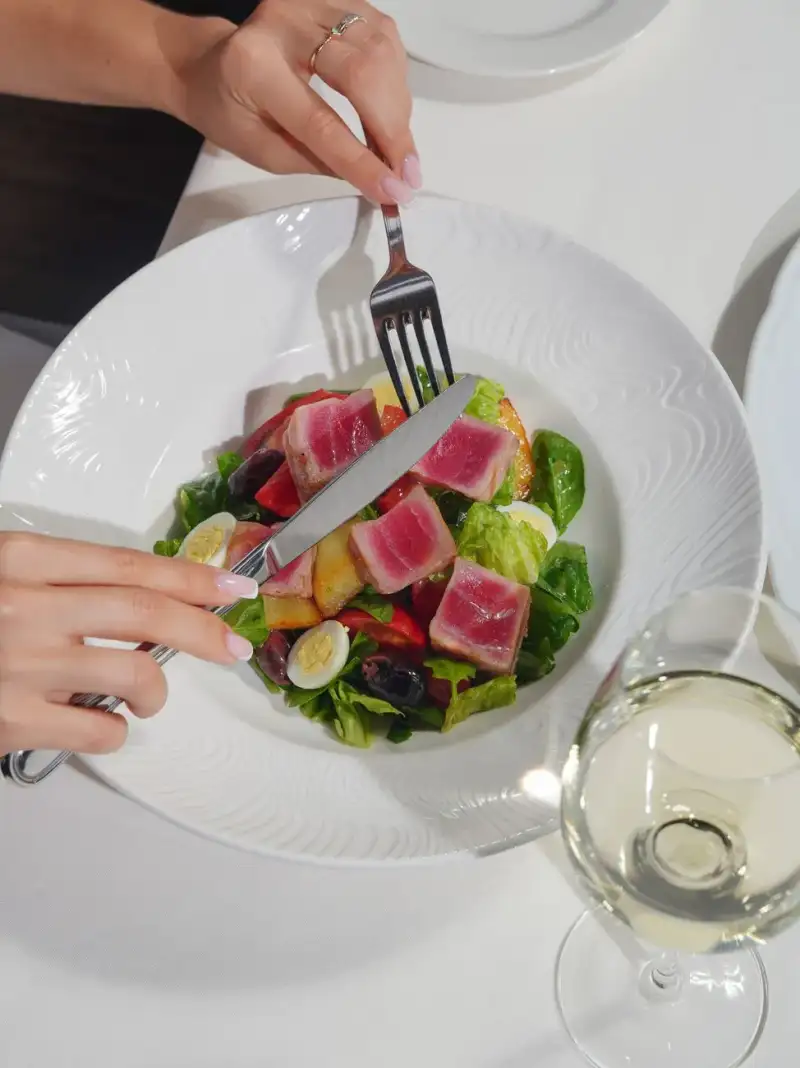
nicoise salad with seared tuna and green beans: a delicious omega-3 rich dish
Introduction to Nicoise Salad The Nicoise salad is a classic French dish that originated in the city of Nice, France. It typically consists of hard-boiled eggs, niçoise olives, and tuna, dressed with a vinaigrette made from olive oil and lemon juice. In this recipe, we will be adding some green beans and searing the tuna to give it a delicious and healthy twist. According to recent studies, omega-3 rich foods like tuna have been shown to have numerous health benefits, including reducing inflammation and improving heart health. The Health Benefits of Omega-3 Research on omega-3 rich foods has shown that they have anti-inflammatory properties, which can help to reduce the risk of chronic diseases such as heart disease, cancer, and Alzheimer's disease. Omega-3 fatty acids have also been shown to improve brain function and may even help to reduce the symptoms of depression. The best sources of omega-3 are fatty fish like tuna, salmon, and sardines, as well as flaxseeds and chia seeds. Preparing the Ingredients To prepare the ingredients for this recipe, start by bringing a pot of salted water to a boil. Blanch the green beans in the boiling water for 3-5 minutes, or until they are tender but still crisp. While the green beans are cooking, heat a skillet over medium-high heat. Season the tuna steaks with salt and pepper, and sear them in the skillet for 2-3 minutes per side, or until they are cooked to your desired level of doneness.Cooking the Quinoa Quinoa is a nutritious and versatile grain that is high in protein and fiber. To cook the quinoa, rinse it in a fine mesh strainer and drain well. In a medium saucepan, bring 2 cups of water to a boil. Add the quinoa and reduce the heat to low. Cover the saucepan with a lid and simmer for 15-20 minutes, or until the quinoa is tender and the water has been absorbed.Assembling the Salad To assemble the salad, start by combining the cooked quinoa, green beans, cherry tomatoes, and niçoise olives in a large bowl. In a small bowl, whisk together the olive oil, lemon juice, Dijon mustard, salt, and pepper. Pour the dressing over the quinoa mixture and toss to combine. Slice the seared tuna and place it on top of the salad.Conclusion The Nicoise salad with seared tuna and green beans is a delicious and healthy dish that is rich in omega-3 fatty acids. With its combination of protein, healthy fats, and complex carbohydrates, this salad makes for a nutritious and filling meal. Whether you're looking for a quick and easy lunch or a hearty dinner, this recipe is sure to become a staple in your kitchen. #HealthyLiving #Gastronomy #Omega3Rich #NicoiseSalad #SearedTuna #GreenBeans Related InsightsThe Fire and the Flesh: Unveiling the Eternal Alchemy of the Turkish Kebab Exploring the Nutritional Haven of Buckwheat Kasha with Sautéed Mushrooms and Onions Bhel Puri: The Crunchy, Tangy Beachside Snack{ "@context": "https://schema.org", "@type": "FAQPage", "mainEntity": [ { "@type": "Question", "name": "What is the main focus of nicoise salad with seared tuna and green beans: a delicious omega-3 rich dish?", "acceptedAnswer": { "@type": "Answer", "text": "A healthy and delicious nicoise salad recipe with seared tuna and green beans, rich in omega-3 fatty acids. Learn about the health benefits of omega-3 and how to prepare this dish." } }, { "@type": "Question", "name": "Who authored the comprehensive guide on nicoise salad with seared tuna and green beans: a delicious omega-3 rich dish?", "acceptedAnswer": { "@type": "Answer", "text": "This detailed article and its insights were carefully researched and authored by Chloe Blanc." } }, { "@type": "Question", "name": "Where can I find more related content about Food?", "acceptedAnswer": { "@type": "Answer", "text": "You can explore more articles, detailed reviews, and similar insights by browsing the Related Insights section at the bottom of this article or visiting our dedicated Food category page." } } ] }

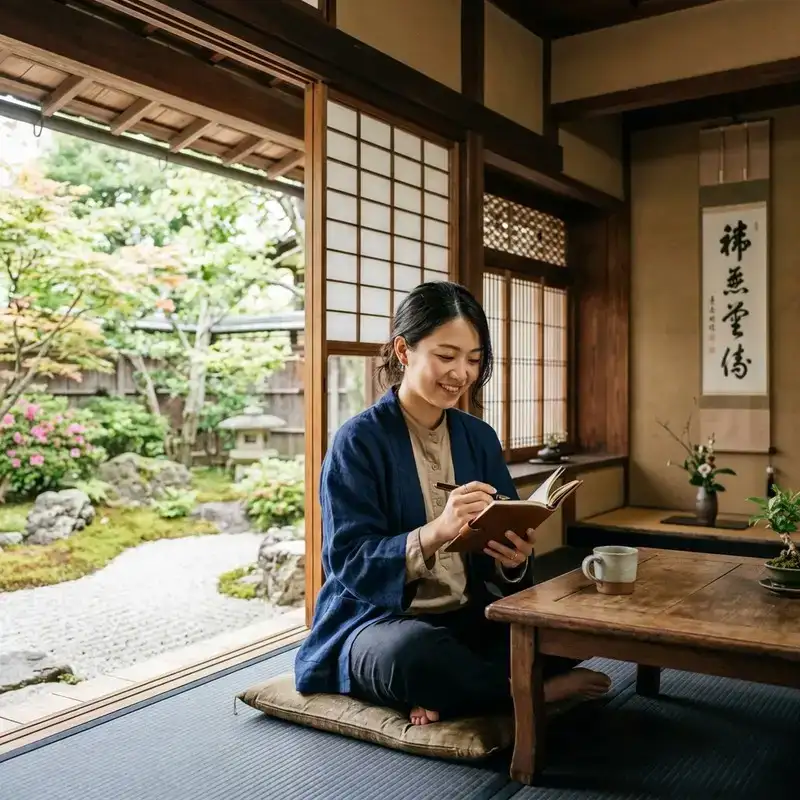
ようこそ。日本の美しき歴史と文化の旅へ。 姫路城: 白鷺が舞い降りた名城 日本の古都、京都から西へ向かう新幹線に揺られ、ふと窓外に目をやれば、播磨の平野に突如として現れる、あまりにもまばゆい白亜の城郭。それが、世界にその名を轟かせる「姫路城」、別名「白鷺城」です。私は田中ゆみ。この国の歴史と文化、そして自然が織りなす深遠な美を求めて旅をする者として、何度この城の前に立ち尽くし、その圧倒的な存在感に言葉を失ったことでしょう。まるで大空を舞う白鷺が、一瞬の静寂とともに地上に舞い降りたかのような、その優雅にして力強い姿は、訪れる者の心に深く刻み込まれます。 この城は単なる歴史的建造物ではありま��ん。それは、日本の精神性、美意識、そして幾多の戦乱を生き抜いた人々の知恵と願いが結晶化した、生きた証なのです。今回は、その壮麗な姫路城の全貌を、私の心に響く言葉で紐解いていきたいと思います。 悠久の時を刻む白亜の殿堂:姫路城の全貌 姫路城は、兵庫県姫路市、古くは播磨国飾磨郡に位置し、姫山と鷺山という二つの丘陵を中心に据え、巧みに地形を利用して築かれた平山城の傑作です。その威容は、日本が誇る近世城郭の典型でありながら、他に類を見ない独自の美学を湛えています。その天守群は、まるで天空へと伸びる純白の巨塔のようであり、連立式天守と呼ばれる複雑な構造は、見る角度によって様々な表情を見せ、私たちを飽きさせません。 この城の最も特筆すべきは、江戸時代初期に建設された主要な建築物が、奇跡的なまでに良好な状態で現存しているという事実でしょう。大天守、小天守、そしてこれらを繋ぐ渡櫓など、主要な8棟は国の至宝である「国宝」として厳かに護持されています。さらに、櫓、門、塀といった74棟に及ぶ多種多様な建造物もまた、「重要文化財」としてその価値を認められています。これら一つ一つの石垣、木材、瓦に、悠久の時の流れと、それを守り抜いた人々の情熱が宿っているかのようです。 中堀の内側に広がる主郭部を含む広大な城域は、「姫路城跡」として国の「特別史跡」に指定されており、その歴史的・文化的な重要性は計り知れません。そして、1993年(平成5年)12月には、人類共通の遺産としてユネスコの世界遺産(文化遺産)リストにも堂々とその名を連ねました。これは、この城が日本の枠を超え、全世界にとってかけがえのない宝であることを意味しています。また、「日本100名城」の一つに選定されていることはもちろん、「国宝五城」「三名城」「三大平山城・三大連立式平山城」という数々の称号が、その比類なき価値を物語っています。 姫路城の建築様式は、城郭建築の頂点とも言える連立式天守であり、大天守を中心に東小天守、西小天守、乾小天守が、それぞれ渡櫓で結ばれ、あたかも複雑な生命体のように一体感をなしています。この構造は、防御機能の強化と同時に、見る者に圧倒的な美意識を訴えかけるものです。白漆喰で塗られ���壁面は、播磨の陽光を反射してまばゆいばかりの輝きを放ち、その姿は遠くからでも一目でそれと分かります。 四季折々に、姫路城はその表情を変え、訪れる者を魅了します。春には、城郭を囲む桜並木が一斉に花開き、純白の天守と淡いピンク色の花々が織りなすコントラストは、まるで絵画のような絶景を生み出します。新緑の季節には、生命力に満ちた緑が城の白さを際立たせ、夏には青い空の下で一層その威厳を増します。秋には、紅葉が城壁を彩り、歴史の深みを感じさせ、そして冬、雪が舞い降りれば、白銀の世界にそびえ立つ姫路城は、息をのむような幻想的な美しさを見せます。これらの景観は、#自然 の豊かさと、人間が創り出した建築美が見事に調和していることの証と言えるでしょう。 名に秘められた歴史と伝説:白鷺城の呼称 姫路城が「白鷺城」と称される所以には、いくつかの説が語り継がれていますが、そのどれもが、この城の持つ神秘性と美しさを深く物語っています。 まず、天守が築かれている「姫山」の古名にまで遡ります。「日女路(ひめじ)の丘」と称されたこの地は、『��磨国風土記』にも「日女道丘(ひめじおか)」としてその名が見られます。そこには、大汝命(大国主命)の船が火明命によって嵐で転覆させられた際、積み荷の中から蚕子(ひめこ)が流れ着いたという神話が記されており、これが山の名の由来とされています。やがて「姫道」を経て「姫路」という地名が定着しました。かつては他戸親王の娘、富姫に由来するという説も存在しましたが、『播磨国風土記』の再発見により、より深い歴史的背景が明らかになったのです。 この姫山は、かつて桜が多く咲き誇ったことから「桜木山」とも呼ばれ、それが転じて「鷺山(さぎやま)」と呼ばれるようになったと伝えられています。時には、天守のある丘が姫山、西の丸のある丘が鷺山と区別されることもあります。『万葉集』巻9・1776に収められた「絶等寸(たゆらぎ)の山の峰の上の桜花咲かむ春へは君し偲はむ」という歌に詠まれた「たゆらぎの山」を、井上通泰や金子元臣といった学者たちは姫山のことだと考証しました。『姫路城史』の著者である橋本政次や『姫路市史(1919年)』はさらに、「絶等寸」を「サクラ��(桜木)」と訓ずるべきだと論じ、この地の豊かな自然と文化の繋がりを示唆しています。一方で、吉田金彦は「姫路」を「日村道(ひむれじ)」、すなわち「日数を重ね隔てた遠い村への道」が語源であるとし、「絶等寸山」は西の丸の鷺山を指し、「タユラギ」は「古代の共同労働集団の統括者」を意味するという、また異なる視点も提示しており、その名の由来一つにも、様々な解釈と深い思索が込められています。 そして、別名「白鷺城(はくろじょう)」の由来に関しては、橋本政次氏の『姫路城の話』に、推論を含め以下の4説が挙げられています。「鷺山」に置かれていることからの連想: 城が築かれた地が「鷺山」と呼ばれていたことから、自然にその名が結びついたという説は、地理と城名の融合を示しています。 白漆喰で塗られた城壁の美しさ: これこそが、多くの人が「白鷺城」の名の由来として最も納得する理由でしょう。その純白の城壁は、見る者に清らかで優雅な印象を与え、まるで天空を舞う白鷺の姿を地上に具現化したかのようです。この白亜の美は、日本の伝統的な建築技術��美意識が融合した結晶であり、観る者の心に深く響きます。 ゴイサギなど白鷺と総称される鳥が多く住んでいたから: かつてこの地には、多くの白鷺が飛来し、その優雅な姿が城の周囲を彩っていたのかもしれません。#自然 と共存する城の姿は、日本の文化と深く結びついています。 黒い壁から「烏城(うじょう)」「金烏城(きんうじょう)」とも呼ばれる岡山城との対比: 近隣の岡山城が黒を基調とした「烏城」と呼ばれることから、対照的に白を基調とする姫路城が「白鷺城」と称されるようになったという説は、日本の美意識における「陰と陽」の対比を見事に表現しています。「白鷺城」の読み方については、「はくろじょう」と「しらさぎじょう」の二つが存在し、村田英雄の歌曲『白鷺の城』のように「しらさぎ」と読む例もあります。橋本政次氏は漢学的な名称であることから「はくろじょう」を正しいとしましたが、現代では『日本歴史大事典』や『もういちど読む山川日本史』のように「しらさぎじょう」のみを掲載するもの、あるいは『日本史事典』や『ビジュアルワイド 日本名城百選��のように両方を併記するものも見られます。姫路市内では市立の「白鷺(はくろ)小中学校」のように学校名に用いられたり、校歌にも「白鷺城」または「白鷺」という言葉が多用されており、市民にとってこの名は深い郷土愛と誇りの象徴となっています。戦前の『姫路市郷土唱歌』にも「白鷺城」や「池田輝政」の名が歌い込まれていたことからも、その歴史的な重みが伺えます。 他にも、姫路城には以下のような別名があります。不戦の城: 幕末の動乱期に新政府軍に包囲されながらも大規模な戦火を免れ、第二次世界大戦中の2度の空襲では、大天守最上階に直撃した焼夷弾が不発弾となるという奇跡的な幸運に恵まれました。一度も大規模な戦火にさらされることなく、甚大な被害を被ることがなかったこの城は、平和への願いと、人々の祈りが形になったかのような存在です。 白い不死鳥: 特に第二次世界大戦の空襲を奇跡的に免れ、焦土と化した街の中で白く輝き続けた姿は、市民に復興への勇気と希望を与えました。灰燼の中から立ち上がる不死鳥の如く、この城は何度となく困難を乗り越え、そ���美しい姿を現代に伝えています。時代を超えて築かれし堅牢なる美:その歴史の軌跡 姫路城の歴史は、日本の激動の時代を映す鏡です。その築城は、遥か南北朝時代にまで遡ります。 南北朝時代・戦国時代 鎌倉幕府の終焉を迎える1333年(元弘3年)、元弘の乱において護良親王の令旨を奉じた播磨国守護、赤松則村が挙兵。上洛の途上、姫山にあった称名寺を拠点に縄張りを施し、一族の小寺頼季にその守備を命じたのが、姫路城の歴史の第一歩とされています。南北朝の争乱が激化する中、則村は足利尊氏に呼応して再び挙兵し、1346年(南朝:正平元年、北朝:貞和2年)、次男の赤松貞範が称名寺を麓に移し、姫山に「姫山城」を築城しました。その後、貞範が庄山城へ本拠を移すと、再び小寺頼季が城代となり、以来、小寺氏が代々この地の守護を務めることになります。 1441年(嘉吉元年)、赤松満祐・教康父子が嘉吉の乱を起こして山名宗全らの討伐軍に攻められ、城山城で自害し赤松氏は一時断絶。これに伴い、小寺職治も討死しました。その後、播磨国守護は山名氏となり、その家臣である太田垣主殿佐が城代となります。しかし、1458年(長禄2年)の長禄の変で後南朝から神爾を取り戻した功績により、赤松満祐の弟の孫である赤松政則の時に赤松氏の再興が許されます。1467年(応仁元年)に始まった応仁の乱では、山名氏に対立する細川勝元方に与した政則が、弱体化した山名氏から播磨国を奪還し、姫路城に本丸、鶴見丸、亀居丸といった曲輪を築き、その規模を拡大しました。 1469年(文明元年)、政則は隣国但馬国の山名氏に備えるため、新たに築いた置塩城に本拠地を移し、小寺豊職が城代となりました。その後、豊職の子である政隆が城代となり、御着城の築城を開始。1519年(永正16年)には政隆が御着城へ本拠を移し、子の則職が城代を務めることになります。 そして1545年(天文14年)、則職は御着城へ移り、家臣の黒田重隆に姫路城を預けます。黒田重隆・職隆父子は、主君である小寺政職の許可を得て、御着城の支城として1555年(天文24年)から1561年(永禄4年)の間に、居館程度の小規模なものだった姫路城を、姫山の地形を活かした中世城郭へと拡張したと考えられています。永禄4年の『正明寺���書』に「姫道御溝」、また『助太夫畠地売券』に城の構えがあるとの記述が見られることから、これらを姫路城の始まりと捉える説もあります。職隆は「百間長屋」を建て、貧しい人々や下級武士、職人、行商人などを住まわせ、彼らを配下に組み入れたり、情報収集の拠点とするなど、城下町の基盤を築きました。 1567年(永禄10年)には、職隆の子である黒田孝高(後の官兵衛・如水)が城代となり、その知略と武勇をもって姫路城を守護します。1568年(永禄11年)の青山・土器山の戦いでは、赤松政秀軍約3,000人に対し、黒田軍(職隆・孝高父子)はわずか約300人という劣勢ながらも、姫路城から果敢に撃って出て赤松軍を撃退するという輝かしい戦果を挙げました。孝高は1573年(天正元年)まで城代を務め、その間に姫路城は播磨の要衝としての重要性を確立していきます。 安土桃山時代 戦国の世が佳境を迎える1576年(天正4年)、天下統一を目指す織田信長の命を受け、羽柴秀吉が播磨へ進駐します。播磨国内は織田氏につく勢力と、中国路の毛利氏を頼る勢力とで激しく対立しましたが、最終的には織田方��勝利し、毛利方についた小寺氏は没落しました。しかし、小寺氏の家臣でありながら早くから秀吉に誼を通じ、その才を認められていた黒田孝高は、そのまま秀吉に仕えることになります。1577年(天正5年)、孝高は二の丸に居を移し、本丸を秀吉に譲るという異例の忠誠を示しました。 1580年(天正8年)、秀吉は三木合戦で三木城を、続いて英賀城などを攻略し、播磨を完全に平定します。この時、孝高は秀吉に「本拠地として姫路城に居城すること」を進言し、自らは市川を挟んだ南西の国府山城に移り、姫路城を秀吉に献上しました。秀吉は同年4月から翌年3月にかけて大規模な改修に着手。姫山を中心とした近世城郭へと姫路城を生まれ変わらせ、当時最先端の築城技術であった石垣で城郭を囲み、太閤丸に3層と伝えられる天守を建築しました。この大改修により、姫路城は播磨国の中心としての地位を不動のものとし、南部に大規模な城下町を形成。姫路の北を走っていた山陽道を城南の城下町を通るように付け替えるなど、都市整備も積極的に行われました。同年10月28日には、龍野町に諸公事役免除の制札を与え、その最初の条文には「市日之事、如先規罷立事(市場の日のことは、以前の規定に従って取りやめることとする)」とあり、これは4月の英賀城落城の際に姫路山下に招き入れられた英賀の百姓や町人たちが龍野町に移住したとする説の根拠となっています。1581年(天正9年)、秀吉は姫路城で盛大な大茶会を催し、その存在感を天下に示しました。 江戸時代 関ヶ原の戦いを経て、天下泰平の世が到来すると、姫路城は池田輝政の手に渡ります。輝政は、1 #japan #travel #history #culture #nature Related InsightsShadow Trails of the Andes: Unveiling Peru's Hidden Sacred Valleys La Corse : Éclats de granit et murmures de Méditerranée 云上佛国,人间仙山:峨眉山的历史、自然与信仰之旅{ "@context": "https://schema.org", "@type": "FAQPage", "mainEntity": [ { "@type": "Question", "name": "What is the main focus of 姫路城: 白鷺が舞い降りた名城?", "acceptedAnswer": { "@type": "Answer", "text": "田中ゆみと共に、姫路城の深淵なる歴史と文化を紐解く旅へ。" } }, { "@type": "Question", "name": "Who authored the comprehensive guide on 姫路城: 白鷺が舞い降りた名城?", "acceptedAnswer": { "@type": "Answer", "text": "This detailed article and its insights were carefully researched and authored by Yumi Tanaka." } }, { "@type": "Question", "name": "Where can I find more related content about Travel?", "acceptedAnswer": { "@type": "Answer", "text": "You can explore more articles, detailed reviews, and similar insights by browsing the Related Insights section at the bottom of this article or visiting our dedicated Travel category page." } } ] }
-
 Pierre Dubois
- 29 Jun, 2026 06:42
Lalibela : Le Chant de la Pierre Vivante – Plongée au Cœur des Églises Monolithiques d'Éthiopie
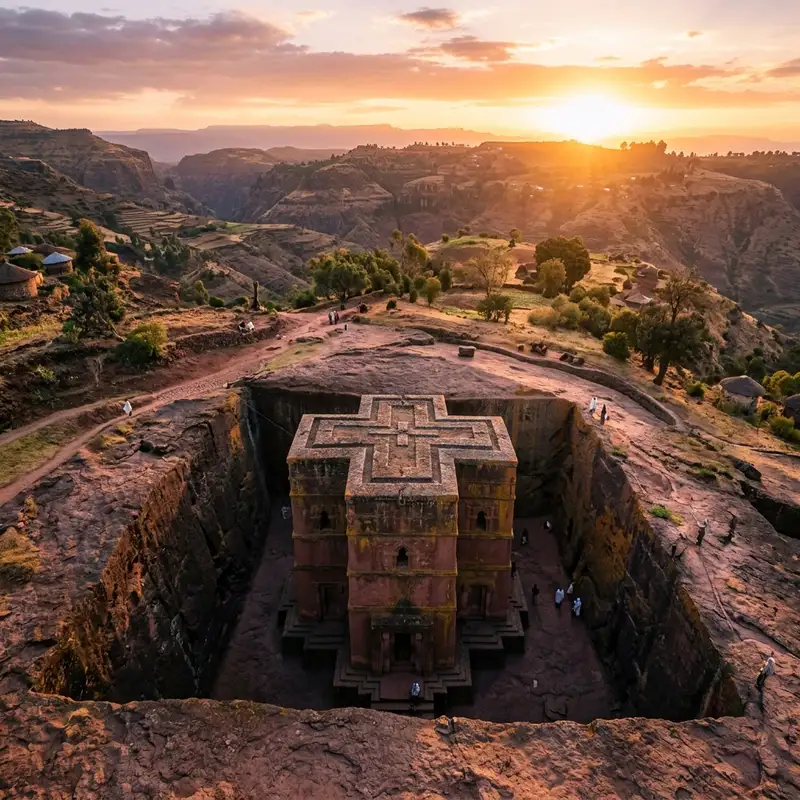
Le soleil éthiopien, encore timide, perce le voile matinal, peignant les hauts plateaux de teintes ocres et dorées. Le souffle du vent charrie des effluves de terre sèche, de café grillé et, presque imperceptiblement, un murmure ancien, celui des prières qui traversent les âges. On ne vient pas à Lalibela par hasard. On y arrive comme on entre dans un rêve, les sens en éveil, l’esprit prêt à défier les lois de la matière et du temps. Oubliez les pyramides d’Égypte ou les temples d’Angkor ; Lalibela ne se contente pas d’être construite sur la terre, elle émerge de la terre, sculptée dans son ventre même, un défi colossal à l'entendement humain. Le Mythe et la Création : Une Nouvelle Jérusalem au Cœur de l'Abyssinie L'histoire de Lalibela n'est pas celle d'une simple ville, mais d'une vision divine matérialisée par la main de l'homme, ou du moins, c'est ce que la légende nous raconte. Au XIIe siècle, le roi Gebre Mesqel Lalibela, figure vénérée de la dynastie Zagwe, aurait été appelé par Dieu pour créer une « Nouvelle Jérusalem » en Éthiopie. Cette entreprise pharaonique visait à offrir aux pèlerins éthiopiens, alors coupés de la Terre Sainte par les conflits régionaux, un substitut spirituel, un lieu où ils pourraient ressentir la même ferveur sans quitter leur patrie. Le roi, armé d'une foi inébranlable et, dit-on, assisté par des anges, aurait supervisé la taille de pas moins de onze églises, non pas construites, mais taillées à même la roche volcanique. Imaginez l'ampleur du projet : il ne s'agissait pas de superposer des pierres, mais de creuser des fosses monumentales autour d'énormes blocs de basalte rouge, puis de sculpter l'intérieur et l'extérieur de ces monolithes géants pour en faire des églises, des fenêtres, des toits, des colonnes, des autels, le tout en un seul et même morceau de roche. L'eau de pluie était acheminée par un ingénieux système de rigoles et de citernes, les chemins de procession creusés en tunnels sombres, les chapelles ornées de croix et de fresques rudimentaires. Chaque église, unique par sa taille, sa forme et ses détails, est un chef-d'œuvre d'ingénierie et de dévotion. C'est une symphonie de la pierre, où chaque coup de ciseau résonne encore de la prière de ceux qui l'ont façonnée. Les Joyaux Souterrains : Une #architecture à Contre-Courant Lalibela se compose de deux groupes principaux d'églises, séparés par un canal souterrain symbolisant la rivière Jourdain, et d'une église isolée, la plus célèbre de toutes. Le groupe nord comprend Bet Medhane Alem (Maison du Sauveur du Monde), la plus grande église monolithique du monde, mesurant 33 mètres de long, 23 de large et 11 de haut. Avec ses 34 piliers extérieurs et ses nombreuses colonnes intérieures, elle est un témoignage monumental de l'ambition du roi Lalibela. À ses côtés se trouvent Bet Maryam (Maison de Marie), Bet Golgotha (Maison du Golgotha), Bet Mikael (Maison de Michel) et Bet Giyorgis (Maison de Georges). Le groupe est abrite Bet Amanuel (Maison d'Emmanuel), une élégante structure souvent comparée à un #temple grec, Bet Merkorios (Maison de Mercure), Bet Abba Libanos (Maison de l'Abbé Libanos) et Bet Gabriel-Rufael (Maison de Gabriel et Raphaël). Ces églises sont interconnectées par un labyrinthe de tunnels sombres, d'escaliers abrupts et de cours à ciel ouvert, créant une expérience de pèlerinage où l'on passe de l'ombre à la lumière, du silence à la résonance des chants. Mais c'est sans doute Bet Giyorgis (Église de Saint-Georges), l'église cruciforme isolée, qui marque le plus profondément les esprits. Parfaitement symétrique, elle est taillée en forme de croix grecque dans une fosse profonde, son toit affleurant le niveau du sol environnant. Descendre vers elle, c’est comme pénétrer un sanctuaire caché, une révélation silencieuse. Sa simple grandeur, son élégance austère et son isolement lui confèrent une aura presque irréelle. Elle est l'icône de Lalibela, le symbole de cette foi qui a déplacé des montagnes… ou plutôt, qui les a transformées.Le Battement de Cœur Spirituel : Foi et Pèlerinage Au-delà de leur prouesse architecturale, les églises de Lalibela ne sont pas de simples musées à ciel ouvert. Elles sont des lieux de culte vivants, des sanctuaires vibrants de la foi orthodoxe tewahedo éthiopienne. Le matin, avant l'aube, le chant des prêtres emplit les fosses, se mêlant aux murmures des pèlerins enveloppés dans leurs chamma (vêtements de coton blanc). Des rituels séculaires se déroulent quotidiennement, des processions solennelles aux lectures des Écritures en guèze, une langue liturgique ancienne. Assister à une messe à Lalibela est une expérience transcendante. Les fidèles, debout pendant des heures, appuyés sur leurs bâtons de prière, absorbent les paroles du prêtre, la fumée d'encens montant vers les ouvertures taillées dans la roche. La lumière filtre par les étroites fenêtres cruciformes, éclairant sporadiquement des fresques délavées et des icônes anciennes, dont beaucoup sont conservées derrière des rideaux précieux. Chaque recoin résonne d'une histoire, chaque ombre cache un mystère. Le temps semble s'arrêter, et l'on se sent transporté dans une autre dimension, celle d'une foi inébranlable et d'une dévotion sans fin. Les pèlerins viennent de toutes les régions d'Éthiopie, certains marchant pendant des jours, voire des semaines, pour atteindre cette ville sainte. Leurs visages, marqués par le voyage et la piété, racontent des histoires de quête spirituelle et d'espoir. Leur présence est un rappel constant que Lalibela n'est pas un monument figé dans le temps, mais un cœur qui bat, une âme vivante au centre de la spiritualité éthiopienne. Les fêtes religieuses, comme le Timkat (Épiphanie) ou le Genna (Noël), transforment Lalibela en un spectacle vibrant de couleurs, de chants et de danses rituelles, attirant des milliers de dévots. Au-Delà de la Pierre : La Vie Locale et le Charme d'une Ville Isolé Lalibela, la ville, est bien plus qu'une simple escale pour les églises. C'est une communauté animée, perchée sur des collines verdoyantes, offrant des vues spectaculaires sur les vallées environnantes. Les ruelles de terre battue serpentent entre des maisons traditionnelles en pierre et en bois, où la vie s'écoule à un rythme paisible, dicté par les saisons et les prières. Le marché local est un kaléidoscope de couleurs et d'odeurs : épices, fruits frais, café vert, artisanat local. Rencontrer les habitants de Lalibela est une partie intégrante de l'expérience. Leur hospitalité est légendaire, leur sourire est désarmant. Les enfants, souvent vêtus de vêtements simples, jouent dans les cours des églises, leurs rires se mêlant au bourdonnement des prières. Déguster l'injera, le pain plat traditionnel éthiopien, accompagné de wat (ragoût épicé), dans un restaurant local, est une immersion gustative et culturelle. Le café, dont l'Éthiopie est le berceau, y est une véritable cérémonie, une expérience sociale et spirituelle en soi, des grains rôtis sur place aux arômes enivrants qui emplissent l'air. L'isolement de Lalibela, nichée au milieu des hauts plateaux Amhara, a préservé son authenticité. L'accès, bien qu'amélioré avec un petit aéroport, reste une aventure qui ajoute à la mystique du lieu. La route sinueuse qui y mène offre des panoramas époustouflants, où l'on croise des bergers avec leurs troupeaux, des femmes portant des fagots de bois sur la tête, et des villages traditionnels qui semblent tout droit sortis d'une autre époque. Ce voyage, souvent long et ardu, prépare le visiteur à la grandeur qu'il s'apprête à découvrir, soulignant le caractère sacré et la difficulté d'accès de ce sanctuaire.L'Écho Perpétuel de la Pierre : Une Réflexion Finale Visiter Lalibela, ce n'est pas seulement cocher une case sur une liste de sites du patrimoine mondial. C'est un voyage intérieur autant qu'extérieur. C'est marcher sur les traces de millions de pèlerins qui, avant nous, ont cherché la transcendance dans ces creux de roche. C'est contempler le génie humain poussé par une foi inébranlable, et se sentir humble face à une telle prouesse. Lalibela nous rappelle que l'architecture peut être plus qu'une simple construction ; elle peut être une prière sculptée, une méditation gravée dans la roche. C'est un lieu où le sacré et le profane se rencontrent, où l'histoire et le présent coexistent dans une harmonie étonnante. Chaque recoin de ces églises résonne des chants, des murmures et des pas de ceux qui les ont construites, vénérées et entretenues au fil des siècles. Les prêtres vêtus de blanc, les pèlerins agenouillés, les enfants jouant, tous font partie de cette tapisserie vivante, tissée de foi et de pierre. En quittant Lalibela, on emporte avec soi non seulement des images, mais une sensation, une vibration profonde. C'est l'écho du chant de la pierre vivante, qui continue de résonner longtemps après avoir quitté les gorges sacrées. C'est une invitation à regarder au-delà de la surface, à chercher la profondeur, le mystère, et la beauté là où l'on s'y attend le moins. Lalibela est une leçon d'humilité, de persévérance et de la puissance inouïe de la foi. C'est une destination qui ne se visite pas, mais qui se vit, se ressent, et qui marque l'âme à jamais.#Lalibela #Éthiopie #ÉglisesMonolithiques #VoyageSpirituel #PatrimoineMondial #ArchitectureSacrée #CultureÉthiopienne Related InsightsWhere the Sky Weeps Gold: Tracing the Pazyryk's Frozen Echoes in the Untamed Altai Ilha da Madeira: O Jardim Flutuante do Atlântico Unleash Your Inner Explorer: Conquering Java's Fiery Peaks From Bali's Shores – A Definitive Guide{ "@context": "https://schema.org", "@type": "FAQPage", "mainEntity": [ { "@type": "Question", "name": "What is the main focus of Lalibela : Le Chant de la Pierre Vivante – Plongée au Cœur des Églises Monolithiques d'Éthiopie?", "acceptedAnswer": { "@type": "Answer", "text": "Découvrez Lalibela, un site du patrimoine mondial en Éthiopie, où des églises médiévales extraordinaires ont été sculptées à même la roche, offrant une expérience de voyage spirituelle et architecturale sans pareille." } }, { "@type": "Question", "name": "Who authored the comprehensive guide on Lalibela : Le Chant de la Pierre Vivante – Plongée au Cœur des Églises Monolithiques d'Éthiopie?", "acceptedAnswer": { "@type": "Answer", "text": "This detailed article and its insights were carefully researched and authored by Pierre Dubois." } }, { "@type": "Question", "name": "Where can I find more related content about Travel?", "acceptedAnswer": { "@type": "Answer", "text": "You can explore more articles, detailed reviews, and similar insights by browsing the Related Insights section at the bottom of this article or visiting our dedicated Travel category page." } } ] }


"The Golden Embrace: High-Protein Hummus with Za'atar & Olive Oil, A Culinary Journey of Health and Heritage" Greetings, my dear food enthusiasts and seekers of vibrant health! Demir Şef here, ready to whisk you away on another gastronomic adventure that nourishes both body and soul. Today, we delve into the heart of a dish that has captivated palates for millennia, a creamy, savory delight that whispers tales of ancient lands and bustling bazaars: Hummus. But this isn't just any hummus; it's a celebration of high-protein goodness, elevated by the aromatic magic of Za'atar and the liquid gold of extra virgin olive oil. It's a dish that stands as a testament to cultural exchange, culinary evolution, and the profound connection between what we eat and who we are. Hummus bi tahini, as it is traditionally known, transcends its simple ingredients – chickpeas, tahini, lemon, and garlic – to become a global culinary icon. From the sun-drenched shores of the Mediterranean to the bustling metropolises of the world, hummus has journeyed across borders, adapting, evolving, and ultimately, enriching the food cultures it encounters. This incredible journey isn't merely a matter of taste; it reflects broader culinary shifts driven by cultural exchange and the increasing diversity of our communities. Indeed, this global embrace of dishes like hummus beautifully illustrates insights explored in recent academic inquiries, such as fascinating research examining how future immigration might impact the culinary landscape of diverse nations. This research highlights how new cuisines are adopted and integrated, establishing a shared understanding and helping communities feel at home, much like hummus has found a home in countless hearts worldwide.The Ancient Roots and Modern Resonance of Hummus To truly appreciate hummus, we must first acknowledge its profound historical significance. While its exact origins are debated, stretching back perhaps to ancient Egypt or the Levant, its presence as a staple in Middle Eastern and Mediterranean diets is undeniable. It's a dish woven into the fabric of daily life, enjoyed at family gatherings, celebratory feasts, and quiet moments of contemplation. It represents more than just food; it embodies hospitality, community, and the simple pleasure of sharing. In its purest form, hummus is a symphony of textures and flavors. The earthy, nutty richness of chickpeas, the creamy depth of tahini (sesame paste), the bright, acidic zing of fresh lemon juice, and the pungent kick of garlic all coalesce into a harmonious whole. But beyond its undeniable deliciousness, hummus is also a nutritional powerhouse, aligning perfectly with our focus on health and vitality here at Demir Şef. Hummus: A High-Protein Culinary Ambassador One of the most compelling aspects of hummus, especially for those pursuing a healthy and active lifestyle, is its impressive nutritional profile. At its core, hummus is a fantastic source of high-quality, plant-based protein. The star ingredient, chickpeas (also known as garbanzo beans), are legumes revered globally for their protein content. A single serving of hummus can significantly contribute to your daily protein intake, making it an excellent choice for vegetarians, vegans, and anyone looking to incorporate more plant-based protein into their diet. Protein is absolutely essential for muscle repair and growth, satiety (keeping you feeling full and satisfied), and maintaining overall body function. For instance, athletes and fitness enthusiasts often turn to chickpeas and hummus as a go-to source to fuel their bodies and aid recovery, a testament to its robust nutritional benefits. Beyond protein, chickpeas are packed with dietary fiber, which is crucial for digestive health, blood sugar regulation, and again, contributing to that feeling of fullness that can aid in weight management. They also provide a wealth of essential micronutrients, including iron, folate, phosphorus, and B vitamins. When combined with tahini, which adds healthy fats, calcium, and even more protein, hummus becomes a remarkably complete and beneficial food. This global embrace of hummus is not merely a matter of taste or nutritional benefit; it reflects broader culinary shifts driven by cultural exchange. Indeed, recent academic inquiries, such as a fascinating study exploring how future immigration might impact culinary landscapes, illuminate the dynamic interplay between different cultures and their influence on food. This research, while specifically looking at the Canadian context and anticipating the adoption of dishes like Arepas, Fufu, and Gado Gado, provides a powerful framework for understanding how existing dishes like hummus have already successfully navigated cultural currents. It exemplifies how new cuisines, brought by diverse communities, are not just added to a nation's menu, but become integral to its evolving culinary identity, fostering mutual understanding and openness to new cultures.Za'atar and Olive Oil: Aromatic Enhancers and Nutritional Boosts While the core ingredients form the backbone of hummus, the additions of Za'atar and extra virgin olive oil elevate it to another level entirely – both gastronomically and nutritionally. Za'atar, a fragrant spice blend, is a cornerstone of Middle Eastern cuisine. Typically composed of dried thyme, oregano, marjoram, toasted sesame seeds, and sumac, it offers a complex flavor profile that is earthy, herbal, tangy, and subtly nutty. Beyond its incredible taste, Za'atar is also known for its potential health benefits, often attributed to the antioxidants in its herb components and the beneficial fats from sesame seeds. It's not just a garnish; it's an experience that awakens the senses and adds a layer of authenticity to the dish. Then there is extra virgin olive oil, the "liquid gold" of the Mediterranean. Drizzled generously over hummus, it contributes a silky richness, a peppery note, and an abundance of monounsaturated fatty acids. These healthy fats are celebrated for their heart-protective properties, their role in reducing inflammation, and their ability to enhance the absorption of fat-soluble vitamins. The quality of your olive oil truly makes a difference here, so invest in a good one – your taste buds and your body will thank you. Just as the study mentioned envisions new dishes like "Arepas, Fufu, and Gado Gado" enriching culinary scenes in diverse nations, hummus, enhanced by its traditional companions, already serves as a bridge, inviting diners to experience a taste of different cultures. It demonstrates how a dish can evolve, adapt, and become a beloved part of diverse culinary traditions, much in the same way the research anticipates the future adoption of emerging food trends due to global migration. The Science of Culinary Migration: Hummus as a Case Study Let's delve deeper into the fascinating connection between our high-protein hummus and the scientific data we've touched upon. According to recent research published in the context of how future immigration shapes national culinary identities, the dynamic interplay between immigrant populations and their host countries profoundly influences food culture. This research highlights how Canada's food culture is strongly shaped by its immigrant populations, and while many studies explore the future of food or global migration, few combine these insights to determine how future immigration will affect food. This particular study utilized horizon scanning and branch analysis of emerging global and policy issues to generate scenarios predicting where Canada’s immigrants might come from in the near future. These scenarios were then enriched with a horizon scan of emerging food trends to envision how these new cuisines might be adopted by Canadians in fifteen years. While the study specifically looked at the Canadian context and anticipated the integration of dishes like "Arepas, Fufu, and Gado Gado," the underlying principle is universal and profoundly relevant to the story of hummus: new cultures bring new flavors, enriching the gastronomic tapestry of a nation. Hummus, a staple for millennia in the Middle East and surrounding regions, perfectly illustrates this phenomenon on a global scale. It wasn't "invented" in every country it's now beloved in; rather, it traveled, carried by people who brought their culinary heritage with them. As communities migrated, they introduced their foods, and these foods were, in turn, adopted, adapted, and celebrated by new populations. This process mirrors the study's aim to "establish a shared understanding between [host nations] and these future immigrant communities, helping these communities feel at home in [their new country], and helping [the host nation] be more open to new cultures coming to the country." The widespread acceptance and love for hummus worldwide demonstrate how food acts as a powerful cultural ambassador. It creates common ground, invites exploration, and fosters a sense of shared humanity around the dinner table. When we prepare and enjoy hummus, we are not just eating a high-protein, delicious dip; we are participating in a millennia-old tradition of culinary exchange that continues to evolve, much like the future food trends envisioned by researchers studying the impact of global migration. It is a tangible example of how, by anticipating and embracing new cuisines, societies can foster greater openness and understanding.Crafting Your Own High-Protein Hummus: Demir Şef's Master Recipe Now, my friends, it's time to bring this rich history, vibrant culture, and robust health focus into your own kitchen. While store-bought hummus can be convenient, making it from scratch allows for unparalleled freshness, flavor, and the ability to customize its texture and seasoning. Plus, it's incredibly satisfying to create such a delicious dish with your own hands. My secret for exceptionally creamy hummus? A few simple tricks: peeling the chickpeas (optional but recommended for silkiness), using good quality tahini, and incorporating ice-cold water or reserved aquafaba (the liquid from canned chickpeas) during blending. The aquafaba acts as an emulsifier and helps achieve that airy, light texture. Ingredients:2 cups (approx. 1 can, 15oz/425g) cooked chickpeas, drained (reserve aquafaba) 1/2 cup tahini 1/4 cup fresh lemon juice (approx. 1-2 lemons) 2-3 cloves garlic, minced 1/2 teaspoon ground cumin 1/2 teaspoon sea salt (or to taste) 2-4 tablespoons ice-cold water or reserved aquafaba (adjust for desired consistency) 1/4 cup extra virgin olive oil, plus more for drizzling 2-3 tablespoons Za'atar spice blend, for garnish Optional: paprika, sumac, fresh parsley for garnishEquipment:Food processor SpatulaInstructions:Prepare the Chickpeas: If using canned chickpeas, rinse them thoroughly under cold water. For the creamiest hummus, gently rub the chickpeas between your palms or with a kitchen towel to remove as many skins as possible. This step is optional but highly recommended for a silky texture. Combine Tahini and Lemon: In a food processor, combine the tahini and fresh lemon juice. Process for 1-2 minutes until the mixture lightens in color and thickens slightly. This emulsifies the tahini and helps create a smoother, almost fluffy base. Add Aromatics: Add the minced garlic, ground cumin, and sea salt to the tahini-lemon mixture. Process for another 30 seconds to combine well, ensuring the garlic is finely incorporated. Blend the Hummus: Add the drained chickpeas to the food processor. Begin processing, slowly adding the ice-cold water (or reserved aquafaba) one tablespoon at a time through the feed tube, while the processor is running. Continue processing for 3-5 minutes, scraping down the sides as needed, until the hummus is incredibly smooth and creamy. The ice water helps to lighten the texture and achieve that coveted airy consistency. Adjust Seasoning: Taste and adjust seasoning as necessary. You might want more salt, lemon juice, or cumin depending on your preference. If you prefer a thinner consistency, add a tiny bit more ice water or aquafaba. Serve & Garnish: To serve, spread the hummus onto a shallow plate or bowl. Create a shallow well in the center using the back of a spoon. Generously drizzle extra virgin olive oil into the well and over the hummus. Sprinkle generously with Za'atar spice blend. Add optional garnishes like a dusting of paprika or sumac, or a sprinkle of fresh chopped parsley for an extra pop of color and flavor. Enjoy! Serve immediately with warm pita bread, fresh vegetable sticks (cucumber, carrots, bell peppers), crackers, or use it as a flavorful, high-protein spread in wraps and sandwiches. Hummus can be stored in an airtight container in the refrigerator for up to 5 days.The Enduring Legacy on Your Plate This high-protein hummus with Za'atar and olive oil is more than just a recipe; it's an invitation to explore history, savor culture, and embrace health. Each creamy spoonful offers a glimpse into ancient traditions, a burst of wholesome nutrition, and a profound connection to the global culinary tapestry. It exemplifies how food, especially traditional dishes like hummus, serves as a bridge between cultures, fostering understanding and creating a sense of belonging for everyone around the table. In a world that is constantly evolving, with new cuisines and traditions emerging and intertwining, hummus stands as a powerful reminder of how food unites us. It’s a dish that has, through the very mechanism of cultural exchange and migration that researchers are studying, become a beloved staple far beyond its origins. So, gather your loved ones, prepare this golden embrace, and share not just a meal, but a story – a story of health, heritage, and the beautiful, interconnected future of food. Afiyet olsun! (Bon appétit!)#HighProteinHummus #Zaatar #MediterraneanDiet #HealthyEating #DemirŞef Related InsightsL'Alchimie du Levant : Quand l'Histoire se Déguste en Mezze Dan Dan Noodles: The Ultimate Szechuan Street Bowl Il Garum Pompeiano: Il Sangue Salato degli Dei e la Sua Rinascita Gastronomica{ "@context": "https://schema.org", "@type": "FAQPage", "mainEntity": [ { "@type": "Question", "name": "What is the main focus of The Golden Embrace: High-Protein Hummus with Za'atar & Olive Oil, A Culinary Journey of Health and Heritage?", "acceptedAnswer": { "@type": "Answer", "text": "Demir Şef shares a masterful, high-protein hummus recipe, celebrating its rich heritage, health benefits, and its role as a culinary ambassador across cultures." } }, { "@type": "Question", "name": "Who authored the comprehensive guide on The Golden Embrace: High-Protein Hummus with Za'atar & Olive Oil, A Culinary Journey of Health and Heritage?", "acceptedAnswer": { "@type": "Answer", "text": "This detailed article and its insights were carefully researched and authored by Demir Şef." } }, { "@type": "Question", "name": "Where can I find more related content about Food?", "acceptedAnswer": { "@type": "Answer", "text": "You can explore more articles, detailed reviews, and similar insights by browsing the Related Insights section at the bottom of this article or visiting our dedicated Food category page." } } ] }

- Chloe Blanc
- 29 Jun, 2026 04:23
Le Garum : L'Élixir Umami Oublié de l'Empire Romain – Une Plongée dans les Abysses Salées de l'Histoire Culinaire
Dans les annales silencieuses de la gastronomie, se tapissent des secrets culinaires dont l'écho peine à traverser les millénaires. Tandis que nos tables modernes s'enorgueillissent de saveurs exquises et de techniques d'avant-garde, il fut un temps où le palais des empereurs et des plébéiens romains vibrait au diapason d'un condiment si puissant, si omniprésent, qu'il est difficile d'imaginer la cuisine antique sans lui. Loin des truffes noires et des vins millésimés que l'on associe aujourd'hui à l'opulence, le véritable or liquide de l'Antiquité romaine n'était autre que le garum, une sauce de poisson fermentée, dont l'intensité umami surpassait tout ce que nous connaissons. Oubliez la sauce soja ou le nuoc-mâm ; le garum était le maître incontesté, une quintessence de saveurs complexes, à la fois salées, acides, douces et résolument savoureuses. Il n'était pas un simple exhausteur de goût ; il était l'âme même de la cuisine romaine, capable de transformer les plats les plus humbles en festins et d'élever les mets les plus raffinés à des sommets d'extase gustative. Mais comment un tel ingrédient, si vital à une civilisation qui a régné pendant des siècles, a-t-il pu sombrer dans l'oubli quasi total ? Et que nous apprend sa résurrection progressive sur notre propre quête de saveurs profondes et authentiques ? L'Archéologie du Goût : Aux Origines d'un Mystère Salin Le garum, ou plus précisément le liquamen dans sa forme la plus pure et filtrée, n'est pas né à Rome. Ses racines plongent bien plus profondément, dans les civilisations orientales et méditerranéennes anciennes. Les Grecs connaissaient une sauce similaire, le γάρος (garos), et il est probable que les Phéniciens, maîtres incontestés du commerce maritime, aient contribué à sa diffusion. Mais c'est sous l'Empire Romain qu'il atteignit son apogée, devenant une véritable industrie, avec des centres de production massifs s'étendant de l'Espagne à l'Afrique du Nord, en passant par la Gaule et l'Asie Mineure. Imaginez des rivages baignés de soleil, où des usines à ciel ouvert, faites de bassins en pierre et d'argile, dégageaient une odeur intense, presque insoutenable pour le nez moderne, mais synonyme de richesse pour l'époque. Ces lieux étaient les temples du garum. Les meilleurs spécimens provenaient de Carthagène (Espagne), de Pompéi et d'Ampurias, chacun avec ses particularités, ses nuances, dignes des appellations d'origine contrôlée d'aujourd'hui. Le plus prisé de tous était le garum sociorum de Carthagène, un produit de luxe dont le prix pouvait rivaliser avec celui des parfums les plus rares. Le garum n'était pas monolithique. Il existait en diverses qualités et saveurs, du garum flos flos (le fleuron, le summum de la qualité, fabriqué à partir du sang et des viscères de thon rouge ou de maquereau, fermenté lentement) aux versions plus rustiques, produites à partir de poissons plus communs et destinées à la consommation quotidienne. Il y avait aussi le muria (une saumure de poisson moins fermentée), l'allec (les résidus solides du garum, utilisés comme pâte à tartiner ou comme condiment épais) et le haemation (fabriqué à partir du sang de thon). Cette diversité témoigne de son rôle central et adaptable dans l'alimentation romaine.L'Alchimie de la Fermentation : Un Art Perdu et Retrouvé La fabrication du garum était un processus fascinant de décomposition contrôlée et de transformation biochimique, une forme d'alchimie avant l'heure. Les poissons – le plus souvent des petits poissons comme les anchois, les sardines, ou des abats de thon et de maquereau – étaient mélangés avec une grande quantité de sel (environ 15 à 20% du poids total du poisson). Ce mélange était ensuite placé dans de larges cuves en plein air, exposé au soleil méditerranéen. Le rôle du sel était crucial : il empêchait la putréfaction en inhibant les bactéries indésirables, tout en permettant aux enzymes présentes dans les intestins du poisson de faire leur travail. Pendant plusieurs semaines, voire plusieurs mois, ces enzymes décomposaient les protéines du poisson en acides aminés, créant ainsi les saveurs complexes et profondes caractéristiques du garum. Le soleil accélérait ce processus, réchauffant la mixture et favorisant la fermentation. Les cuves étaient souvent ouvertes, exposées aux éléments, ce qui ajoutait probablement des levures et bactéries ambiantes au processus, contribuant à la complexité aromatique finale. De temps à autre, le mélange était remué. Lorsque la fermentation était jugée complète, le liquide était filtré à travers des paniers serrés ou des tissus, recueillant ainsi le précieux garum. Le liquide clair et ambré était ensuite transféré dans des amphores et scellé pour le transport et le stockage. Les résidus solides, comme mentionné, devenaient l'allec, un produit à part entière. Ce processus, bien que simple dans ses principes, demandait une expertise certaine pour obtenir un produit de qualité constante. La température, la proportion de sel, le type de poisson et la durée de fermentation étaient autant de variables à maîtriser. C'était une véritable science du goût, transmise de génération en génération, et la marque de fabrique des grands producteurs. Symbole de Statut et Pilier Commercial Le garum n'était pas seulement un condiment ; il était un indicateur social et un moteur économique colossal. Sa production et son commerce étaient des industries de pointe, générant des fortunes et soutenant des réseaux commerciaux complexes à travers tout l'Empire. Les amphores de garum, marquées de timbres indiquant leur provenance et leur qualité, étaient omniprésentes dans les épaves méditerranéennes et les sites archéologiques. Pour les Romains fortunés, le garum était un signe d'élégance et de raffinement. Pline l'Ancien mentionne son coût élevé et sa valeur. Apicius, le célèbre gourmet romain, en fait l'ingrédient de base d'innombrables recettes, du ragoût de veau aux sauces pour légumes, en passant par les assaisonnements pour fruits de mer. Il était utilisé comme une sorte de "bouillon cube" avant l'heure, pour apporter de la profondeur et du "corps" aux plats. On l'ajoutait aux soupes, aux salades, aux viandes, et même, parfois, aux desserts aigres-doux. Il servait à masquer les saveurs trop fortes, mais aussi à rehausser la subtilité d'autres ingrédients. Pour le citoyen moyen, il existait des versions plus abordables. Sa richesse en protéines et en sel en faisait également un excellent conservateur, utilisé pour saler et aromatiser d'autres aliments. Il était un élément essentiel du régime alimentaire romain, fournissant des nutriments et un goût indispensable à une population souvent privée d'une grande variété d'ingrédients frais. Son universalité est un témoignage de son adaptabilité et de son importance nutritionnelle. Le Déclin et la Longue Nuit de l'Oubli Comment un produit si vital a-t-il pu disparaître ? Le déclin du garum est multifactoriel, lié à la chute de l'Empire Romain elle-même. Avec la désintégration de l'infrastructure impériale, les vastes réseaux commerciaux qui permettaient le transport des amphores de garum sur de longues distances ont commencé à s'effilocher. La production de masse est devenue difficile à maintenir sans un système économique stable et des routes maritimes sécurisées. De plus, l'odeur forte et le processus de fermentation en plein air, bien que tolérés à l'époque romaine, étaient probablement de plus en plus mal perçus à mesure que les centres de population se densifiaient et que les normes d'hygiène évoluaient (même si de manière rudimentaire). Les usines de garum étaient souvent reléguées en périphérie des villes précisément à cause de leurs effluves puissants. Mais surtout, l'émergence de nouvelles techniques culinaires et de nouveaux ingrédients, ainsi que l'influence croissante des traditions culinaires du nord de l'Europe, moins axées sur les sauces de poisson fermentées, ont contribué à son abandon progressif. Les sauces à base de vinaigre, de vin, de verjus et d'épices ont commencé à remplacer le garum comme agents de saveur primaires. Au Moyen Âge, le garum était devenu une relique culinaire, une note de bas de page dans les textes des érudits, son goût et sa production presque entièrement oubliés. Seules quelques poches de traditions côtières, notamment en Asie du Sud-Est, ont perpétué la fabrication de sauces de poisson similaires, qui sont devenues les nuoc-mâm et autres condiments que nous connaissons aujourd'hui. La Résurrection Culinaire : Un Goût du Passé pour l'Avenir Cependant, l'histoire ne s'arrête jamais vraiment. Au cours des dernières décennies, avec l'intérêt croissant pour la cuisine historique, l'archéologie expérimentale et la quête de saveurs umami, le garum connaît une renaissance fascinante. Des chefs, des historiens de la gastronomie et des entreprises artisanales se sont lancés dans la quête de recréer l'authentique garum romain. Les efforts de recréation sont basés sur des textes anciens comme ceux d'Apicius et de Pline, ainsi que sur les découvertes archéologiques. Le défi est immense : retrouver les méthodes exactes, les ratios de sel et de poisson, les températures de fermentation, et même les types de poissons utilisés. Beaucoup expérimentent avec des anchois, des sardines, et des abats de maquereau, dans des conditions contrôlées, pour reproduire au mieux l'élixir antique. Les résultats sont variés, mais souvent surprenants. Le garum moderne, artisanal, est un produit d'une profondeur de saveur incroyable, bien au-delà des sauces de poisson asiatiques contemporaines. Il est moins salé et plus complexe, avec des notes fruitées, fromagères, et une umami persistante qui se marie à merveille avec une multitude de plats. Certains chefs l'utilisent comme un secret bien gardé pour sublimer leurs créations, l'incorporant dans des vinaigrettes, des bouillons, des marinades, ou simplement quelques gouttes pour finir un plat.Cette résurrection du garum est plus qu'une simple curiosité historique. Elle représente une reconnexion avec un aspect fondamental de la cuisine humaine : l'art de la fermentation et l'exploration de l'umami. Dans un monde où nous cherchons constamment de nouvelles saveurs et des techniques innovantes, le garum nous rappelle que les réponses se trouvent parfois dans les profondeurs de notre passé culinaire. C'est une invitation à repenser nos ingrédients de base et à embrasser la complexité des saveurs ancestrales. Le garum n'est plus un secret perdu. Il est une fenêtre ouverte sur une époque révolue, un pont entre le palais des Romains antiques et celui des gourmets d'aujourd'hui. Sa renaissance n'est pas seulement un hommage à l'ingéniosité culinaire d'une civilisation perdue, mais aussi une source d'inspiration pour l'avenir de la gastronomie, prouvant que les saveurs les plus intenses et les plus mémorables sont souvent le fruit d'une patiente alchimie, oubliée puis redécouverte.#GastronomieAntique #RecettesRomaines #FermentationCulinaire #UmamiSecret #HistoireAlimentaire Related InsightsAwadhi Biryani: The Aromatic Slow-Cooked Masterpiece Aromatic Flavors of India: Understanding Biryani's Rich Legacy Echoes of the Sun God: Unearthing the Lost Amaranth Varieties of Ancient Mesoamerica{ "@context": "https://schema.org", "@type": "FAQPage", "mainEntity": [ { "@type": "Question", "name": "What is the main focus of Le Garum : L'Élixir Umami Oublié de l'Empire Romain – Une Plongée dans les Abysses Salées de l'Histoire Culinaire?", "acceptedAnswer": { "@type": "Answer", "text": "Explorez le garum, le condiment mystérieux et puissant qui a façonné la gastronomie romaine, de ses origines archaïques à sa quête de redécouverte moderne." } }, { "@type": "Question", "name": "Who authored the comprehensive guide on Le Garum : L'Élixir Umami Oublié de l'Empire Romain – Une Plongée dans les Abysses Salées de l'Histoire Culinaire?", "acceptedAnswer": { "@type": "Answer", "text": "This detailed article and its insights were carefully researched and authored by Chloe Blanc." } }, { "@type": "Question", "name": "Where can I find more related content about Food?", "acceptedAnswer": { "@type": "Answer", "text": "You can explore more articles, detailed reviews, and similar insights by browsing the Related Insights section at the bottom of this article or visiting our dedicated Food category page." } } ] }

Far from the Madding Crowd (Deluxe Hardbound Edition) Author: Thomas HardyPage Count: UnknownPublication Date: 2026-PRH Thomas Hardy’s Far from the Madding Crowd (Deluxe Hardbound Edition, 2026) is a masterclass in timeless storytelling, where the relentless march of progress collides with the unyielding rhythms of nature and human nature. Set in the bucolic yet unforgiving landscapes of Wessex, Hardy’s novel is less a romance than a meditation on fate, duty, and the illusions of control—both over others and oneself. The book’s enduring power lies in its refusal to romanticize its characters; instead, it presents them as flawed, driven beings, caught between their desires and the inescapable weight of their circumstances. At its core, Far from the Madding Crowd explores the tension between independence and interdependence. Bathsheba Everdene, the novel’s protagonist, is a woman ahead of her time—a headstrong, independent landowner who defies the expectations of her era. Yet Hardy ensures she is no mere feminist icon; she is impulsive, vain, and often reckless, her decisions driven by emotion rather than reason. Her relationships with three very different men—Gabriel Oak, Sergeant Troy, and William Boldwood—serve as mirrors to her own contradictions. Gabriel represents stability and quiet devotion, Troy embodies reckless passion and fleeting charm, while Boldwood is the embodiment of repressed obsession. Each man reflects a facet of Bathsheba’s psyche, and her journey is as much about self-discovery as it is about love. Hardy’s prose is rich with poetic realism, blending lyrical descriptions of the natural world with sharp, unsentimental observations of human behavior. His Wessex is not just a setting but a character in itself—a landscape that is both beautiful and brutal, where storms and droughts mirror the emotional turmoil of the characters. The famous scene where Bathsheba’s haystacks are destroyed by fire is a perfect example: the disaster is both a literal and symbolic unraveling of her control, a moment where nature asserts its dominance over human plans. Hardy’s language is dense with metaphor, yet never overwrought, striking a balance between grandeur and intimacy. What makes this novel particularly compelling in its 2026 deluxe edition is how it resonates in an age of instant gratification and disposable relationships. Bathsheba’s struggles with vanity, her impulsive decisions, and her eventual hard-won wisdom feel eerily contemporary. Hardy doesn’t offer easy resolutions; instead, he presents a world where consequences are inescapable, and growth comes at a cost. The novel’s ending, often debated, is in fact a triumph of realism—Bathsheba and Gabriel’s reunion is not a fairy-tale reconciliation but a hard-earned partnership, built on mutual respect and shared hardship. The deluxe hardbound edition enhances the reading experience with its sumptuous design—thick, creamy pages that invite lingering over Hardy’s prose, and a cover that evokes the rustic charm of 19th-century Wessex. The attention to detail in the typography and binding makes this not just a book to read, but an object to cherish, a testament to the enduring appeal of Hardy’s work. In Far from the Madding Crowd, Hardy crafts a story that is at once a pastoral idyll and a searing critique of societal norms. It is a novel about the illusions of freedom, the weight of responsibility, and the quiet heroism of those who choose duty over desire. Bathsheba Everdene is not a heroine to be admired from afar; she is a woman to be understood, flaws and all, and her story remains as vital today as it was when first published. #ThomasHardy #ClassicLiterature #VictorianNovel #PastoralFiction #BathshebaEverdene #LiteraryMasterpiece Related InsightsUna ofensa mortal / A Great Reckoning Book Review and Summary I Capture the Castle Book Review and Summary Far from Home Book Review and Summary{ "@context": "https://schema.org", "@type": "FAQPage", "mainEntity": [ { "@type": "Question", "name": "What is the main focus of Far From the Madding Crowd Book Review and Summary?", "acceptedAnswer": { "@type": "Answer", "text": "Everything you need to know about Far From the Madding Crowd with our detailed review." } }, { "@type": "Question", "name": "Who authored the comprehensive guide on Far From the Madding Crowd Book Review and Summary?", "acceptedAnswer": { "@type": "Answer", "text": "This detailed article and its insights were carefully researched and authored by Thomas Hardy." } }, { "@type": "Question", "name": "Where can I find more related content about Books?", "acceptedAnswer": { "@type": "Answer", "text": "You can explore more articles, detailed reviews, and similar insights by browsing the Related Insights section at the bottom of this article or visiting our dedicated Books category page." } } ] }
-
 Marco Rossi
- 29 Jun, 2026 01:31
I Sentieri Silenti del Vento: Viaggio nei Tratturi Millenari d'Italia, Oltre la Mappa
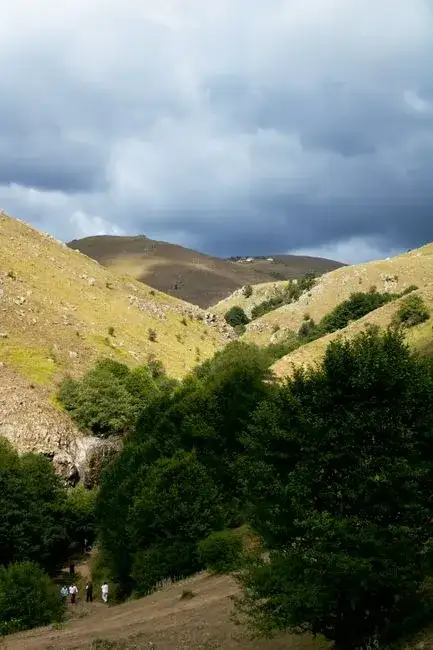
Immaginate di camminare su un nastro d'erba e sassi consumato da migliaia di anni, dove ogni orma non è solo un passo, ma l'eco di generazioni di pastori, del belato di milioni di pecore, del fruscio di carri e del fischio del vento che porta con sé storie antiche quanto il Mediterraneo. Non stiamo parlando di una comune strada, né di un sentiero escursionistico segnato su una guida patinata. Stiamo parlando dei Tratturi, le arterie vitali di un'Italia profonda e dimenticata, i cui battiti risuonano ancora nel cuore selvaggio del centro-sud della penisola. Questi non sono semplici percorsi; sono monumenti viventi, cattedrali a cielo aperto scolpite dal tempo e dal movimento, dove la geografia si fonde con la storia, l'economia, la cultura e l'anima stessa di un popolo. Le Autostrade di Terra: Cosa Sono i Tratturi? I Tratturi, per chi non li conosce, sono antichi cammini erbosi, larghi anche oltre cento metri, che per secoli hanno collegato le montagne dell'Abruzzo e del Molise con le pianure della Puglia, disegnando un reticolo incredibile attraverso colline, valli e pascoli. Erano le "autostrade" della transumanza, il fenomeno pastorale che vedeva il periodico spostamento di immense greggi dai pascoli estivi in quota (monticazione) a quelli invernali in pianura (demonticazione) e viceversa. Questa pratica, radicata già in epoca preromana e formalizzata dai Romani con le "calles publicae", raggiunse il suo apice tra il XV e il XVIII secolo, sotto il Regno di Napoli, quando l'attività pastorale era il fulcro dell'economia meridionale. I tratturi non erano vie private, ma proprietà statali, "pubblici tratturi", e la loro conservazione era di vitale importanza, regolata da editti e leggi ferree. Essi rappresentavano un sistema viario complesso, non solo per il passaggio degli animali, ma anche per persone e merci, fungendo da veri e propri corridoi di scambio culturale e commerciale tra le diverse regioni attraversate. L'Epoca d'Oro e il Lento Addio della Modernità Per secoli, il transito sui tratturi fu regolamentato da un sistema fiscale complesso e da una vera e propria "Dogana della Mena delle Pecore", situata principalmente a Foggia, che gestiva i flussi e riscuoteva i tributi. I pastori pagavano un diritto per il pascolo e il passaggio, e in cambio ricevevano protezione e infrastrutture rudimentali. Lungo questi percorsi sorsero taverne, chiese rurali, fontanili, stazioni di posta per il riposo di uomini e animali e, soprattutto, le masserie fortificate, veri e propri presidi che offrivano riparo, viveri e servizi. Questi presidi contribuirono a definire un'identità paesaggistica e sociale lungo l'intero percorso. Ma la modernità, con l'avvento dell'agricoltura intensiva, che rivendicava terre per le colture, della ferrovia e poi dei trasporti su gomma, segnò il lento declino di questo sistema millenario. La terra, prima sacra al pascolo e protetta da usi civici, fu arata, recintata, cementificata, frammentando i percorsi. I pastori diminuirono drasticamente, le greggi si ridussero a dimensioni irrisorie rispetto al passato, e i tratturi, un tempo pulsanti di vita e rumore, divennero sentieri silenti, talvolta cancellati dalle mappe e dalla memoria collettiva, trasformati in viottoli di campagna o, peggio, inghiottiti da nuove costruzioni e infrastrutture che ne hanno deturpato l'integrità. Il Paesaggio Culturale Inciso dal Tempo Ma i tratturi non sono solo corridoi ecologici; sono espressione di un paesaggio culturale unico, forgiato da secoli di interazione tra uomo e natura. Ogni sasso, ogni albero solitario, ogni curva del sentiero narra storie di fatica, di speranza, di riti e credenze. Lungo il loro percorso si incontrano chiese rurali affrescate, "calchere" (fornaci per la calce utilizzate per la costruzione e l'igiene), resti di stazioni di posta, ponti di epoca romana o medievale e, soprattutto, le masserie, spesso fortezze rurali che testimoniano la necessità di protezione in territori talvolta ostili. La cultura della transumanza ha profondamente plasmato dialetti, canti popolari, tradizioni culinarie legate al mondo pastorale (formaggi pecorini e caprini, carni ovine, pane di grano duro, ricotta fresca) e persino la stessa mentalità delle comunità che vivevano a ridosso di queste "autostrade verdi", sviluppando un profondo senso di accoglienza e resilienza.Questo patrimonio intangibile è forse il più prezioso, un filo invisibile che lega il passato al presente, un'anima rustica che resiste all'omologazione e alle tendenze del turismo moderno, offrendo un'esperienza autentica e profonda. Un Tesoro di Biodiversità e Sentinelle Ecologiche I tratturi, seppur "strade" nel senso antico del termine, sono in realtà degli ecosistemi a sé stanti, veri e propri corridoi biologici. La loro natura di corridoi poco antropizzati, scarsamente arati e spesso non trattati chimicamente, li ha resi rifugi e vie di migrazione per una miriade di specie animali e vegetali. Le larghe fasce erbose che li caratterizzano conservano una flora unica, relitto di antichi pascoli e praterie, spesso ricca di specie endemiche o rare. Si possono trovare orchidee selvatiche dai colori brillanti, specie rare di graminacee, leguminose e fiori campestri che altrove sono scomparsi a causa dell'agricoltura intensiva. Questi ambienti sono habitat ideali per uccelli rapaci, insetti impollinatori vitali per l'ecosistema, piccoli mammiferi e persino anfibi, contribuendo significativamente alla biodiversità del territorio. I pastori, con la loro presenza e la gestione estensiva e sostenibile dei pascoli attraverso il pascolo naturale, hanno involontariamente contribuito a mantenere questa ricchezza. La transumanza non era solo un'attività economica, ma un processo ecologico che modellava il paesaggio in maniera armonica e sostenibile, creando un equilibrio delicato tra uomo, animali e ambiente. Viaggio sul Tratturo Magno: Il Filo d'Arianna dell'Abruzzo Per comprendere appieno la magnificenza di questi percorsi, dobbiamo immaginarci di percorrerne uno. Il Tratturo Magno, il "Grande Tratturo" o "Tratturo L'Aquila-Foggia", è il più lungo e famoso, circa 244 chilometri che attraversano Abruzzo, Molise e Puglia, unendo la montagna alla pianura con un legame indissolubile. Iniziare il cammino dalla Piana di Assergi, ai piedi del Gran Sasso, significa immergersi subito in un paesaggio di vette maestose e praterie d'alta quota, dove l'aria è frizzante e il silenzio interrotto solo dal vento o dal tintinnio lontano dei campanacci. Scendendo gradualmente verso sud-est, si attraversa la Valle Peligna, con i suoi borghi medievali come Sulmona, famosa per i suoi confetti e custode di antiche tradizioni. Ogni tratto rivela un pezzo di storia: un ponte romano, le rovine di una torre di avvistamento, un'edicola votiva dedicata ai santi protettori dei pastori, come San Michele Arcangelo. Si passa poi nel Molise, una regione spesso trascurata dal turismo di massa, ma che conserva tratti di tratturo integri e straordinariamente suggestivi, immersi in una natura selvaggia e poco alterata. Qui, il senso del tempo che si dilata, del viaggio lento e della scoperta autentica raggiunge il suo apice. È in queste aree meno battute che si possono incontrare ancora pastori con le loro greggi, seppur in numero minore rispetto al passato, che ripercorrono le orme dei loro avi, mantenendo viva una pratica millenaria. Le antiche masserie si ergono come fantasmi silenziosi, a volte ristrutturate e trasformate in agriturismi o b&b, offrendo un'esperienza unica di immersione nella cultura locale e nella vita rurale.L'arrivo in Puglia, nella vasta e fertile Tavoliere delle Puglie, con le sue distese pianeggianti che si perdono all'orizzonte, conclude un viaggio che è sia fisico che spirituale, una testimonianza della resilienza di un paesaggio e della sua gente, di un legame indissolubile con la terra. La Rinascita e la Tutela: Un Futuro per il Passato Fortunatamente, l'interesse per i tratturi sta crescendo, non solo a livello locale ma anche nazionale e internazionale. Dopo decenni di abbandono, si assiste a una lenta riscoperta e a tentativi di valorizzazione. Molti tratti sono stati oggetto di interventi di recupero e ripristino, e alcune regioni promuovono la creazione di "parchi dei tratturi" o itinerari ciclo-pedonali e ippoturistici, incentivando un turismo sostenibile. La transumanza stessa, con la sua iscrizione nella Lista Rappresentativa del Patrimonio Culturale Immateriale dell'Umanità dell'UNESCO nel 2019, ha ricevuto un riconoscimento fondamentale che ne sottolinea l'importanza non solo storica e culturale ma anche contemporanea, come pratica sostenibile e come esempio di armonia tra uomo e ambiente. Questo ha riacceso i riflettori su questi percorsi, incentivando un turismo più consapevole e lento, desideroso di autenticità, che cerca esperienze immersive e lontane dalle rotte più battute. Oltre il Sentiero: Il Valore del Viaggio Lento Percorrere un tratturo oggi significa intraprendere un viaggio che va oltre la semplice escursione o la curiosità storica. È un'esperienza di "slow travel" nel senso più puro, un ritorno alle radici, alla lentezza, al contatto autentico con la natura e le comunità locali che ancora vivono e lavorano lungo questi percorsi. È un'opportunità per riflettere sul rapporto millenario tra uomo e ambiente, per apprezzare la tenacia dei pastori, la loro profonda conoscenza del territorio e la bellezza selvaggia di paesaggi rimasti immutati. Significa scoprire un'Italia che non si trova nelle guide turistiche più blasonate, un'Italia fatta di piccoli borghi dimenticati, di sapori genuini e di ricette tramandate, di sguardi sinceri e di storie sussurrate dal vento. I tratturi sono un invito a rallentare, a osservare con attenzione, ad ascoltare i suoni della natura, a connettersi con un passato che è ancora presente e vibrante, pulsante sotto i nostri piedi. I tratturi non sono reliquie di un mondo che non esiste più; sono ponti tra epoche, corridoi di memoria che ci ricordano la nostra profonda connessione con la terra e con le tradizioni che ci hanno forgiato. Abbandonare l'asfalto per un giorno, calpestare l'erba morbida di un antico tratturo, ascoltare il silenzio rotto solo dal fruscio delle foglie o dal belato lontano di un gregge, è un'esperienza trasformativa. È un viaggio non solo attraverso lo spazio, ma anche attraverso il tempo, un'immersione nell'anima pastorale d'Italia, un richiamo alla semplicità e alla bellezza intrinseca del vivere in armonia con la natura. Spero che queste parole vi abbiano ispirato a calzare gli scarponi e a scoprire di persona queste "autostrade silenziose" che tessono la vera essenza del nostro straordinario paese. Il vento vi aspetta, pronto a raccontarvi storie di millenni.#Tratturi #Transumanza #ViaggioLento #ItaliaNascosta #PatrimonioUNESCO Related InsightsThe Shimmering Waters: Documenting Plitvice Lakes National Park Unraveling the Mystical Scottish Highlands: Where Ancient Legends Meet Breathtaking Landscapes 乔家大院:清代北方民居的典范{ "@context": "https://schema.org", "@type": "FAQPage", "mainEntity": [ { "@type": "Question", "name": "What is the main focus of I Sentieri Silenti del Vento: Viaggio nei Tratturi Millenari d'Italia, Oltre la Mappa?", "acceptedAnswer": { "@type": "Answer", "text": "Scopri i Tratturi, antiche vie di transumanza che tessono la storia e la cultura dell'Italia rurale. Un viaggio tra pastori, paesaggi incontaminati e tradizioni millenarie." } }, { "@type": "Question", "name": "Who authored the comprehensive guide on I Sentieri Silenti del Vento: Viaggio nei Tratturi Millenari d'Italia, Oltre la Mappa?", "acceptedAnswer": { "@type": "Answer", "text": "This detailed article and its insights were carefully researched and authored by Marco Rossi." } }, { "@type": "Question", "name": "Where can I find more related content about Travel?", "acceptedAnswer": { "@type": "Answer", "text": "You can explore more articles, detailed reviews, and similar insights by browsing the Related Insights section at the bottom of this article or visiting our dedicated Travel category page." } } ] }

Am I Right or Am I Right? Author: Barry JonsbergPage Count: UnknownPublication Date: 2008-PRH Calma Harrison is a force of nature—brash, self-assured, and utterly convinced she knows exactly how the world should work. She’s the kind of protagonist who strides through life with unshakable confidence, certain that her opinions are gospel truth. And why wouldn’t she be? Calma’s got the wit, the sass, and the unfiltered commentary to back it up. That’s what makes Am I Right or Am I Right? by Barry Jonsberg such a deliciously unpredictable ride. At its core, this novel is about perception versus reality—a theme brilliantly explored through Calma’s relentless meddling in everyone else’s business. She’s the human equivalent of a bull in a china shop, convinced that her direct, often abrasive, interventions will set things straight. Whether it’s confronting a would-be robber at the Crazi-Cheep supermarket, navigating her mother’s mysterious double life, or interrogating her new best friend’s secrets, Calma operates on the assumption that she alone holds the key to fixing what’s broken. The irony, of course, is that her confidence is as much her greatest asset as it is her Achilles’ heel. The more she insists she’s right, the more she risks being spectacularly wrong. Jonsberg’s writing style is a masterclass in sharp, humorous, and deeply human storytelling. His prose crackles with energy, mirroring Calma’s own restless spirit. There’s a biting wit to the dialogue, a sense of immediacy that pulls you into Calma’s chaotic world. The humor isn’t just for laughs; it’s a coping mechanism, a shield against the chaos of her life. Her father’s sudden reappearance after years of absence, her mother’s secretive behavior, and the unraveling of what she thought were solid friendships—all of it is filtered through Calma’s sardonic lens. Jonsberg doesn’t shy away from the messiness of adolescence; instead, he leans into it, crafting a narrative that feels raw and real. What makes Calma so compelling is her complexity. She’s not just a brash, opinionated teen—she’s deeply vulnerable beneath the bravado. Her need to control every situation stems from a place of insecurity, a fear of the unknown and the unpredictable. The novel’s brilliance lies in how it gently dismantles her certainty without ever diminishing her spirit. By the end, Calma learns that being right isn’t always about having the answers—sometimes it’s about admitting when you don’t. Jonsberg’s ability to balance humor with heart is what sets this book apart. The tone is lighthearted, even laugh-out-loud funny at times, but it never undercuts the emotional weight of Calma’s journey. There’s a tenderness beneath the snark, a recognition of the universal teenage struggle to make sense of a world that often feels out of sync with your expectations. Am I Right or Am I Right? is more than just a coming-of-age story—it’s a celebration of imperfection. Calma’s journey is a reminder that growth isn’t about always being right; it’s about being brave enough to admit when you’re wrong. And in a world that often rewards confidence over humility, that’s a lesson worth learning. #CalmaHarrison #BarryJonsberg #YAComedy #ComingOfAge #TeenFiction #SelfDiscovery Related InsightsFleet of Ghosts Book Review and Summary White Sky, Black Ice Book Review and Summary Falling Like Snow (Bramble Falls #2) Book Review and Summary{ "@context": "https://schema.org", "@type": "FAQPage", "mainEntity": [ { "@type": "Question", "name": "What is the main focus of Am I Right or Am I Right? Book Review and Summary?", "acceptedAnswer": { "@type": "Answer", "text": "Everything you need to know about Am I Right or Am I Right? with our detailed review." } }, { "@type": "Question", "name": "Who authored the comprehensive guide on Am I Right or Am I Right? Book Review and Summary?", "acceptedAnswer": { "@type": "Answer", "text": "This detailed article and its insights were carefully researched and authored by Tiago Silva." } }, { "@type": "Question", "name": "Where can I find more related content about Books?", "acceptedAnswer": { "@type": "Answer", "text": "You can explore more articles, detailed reviews, and similar insights by browsing the Related Insights section at the bottom of this article or visiting our dedicated Books category page." } } ] }
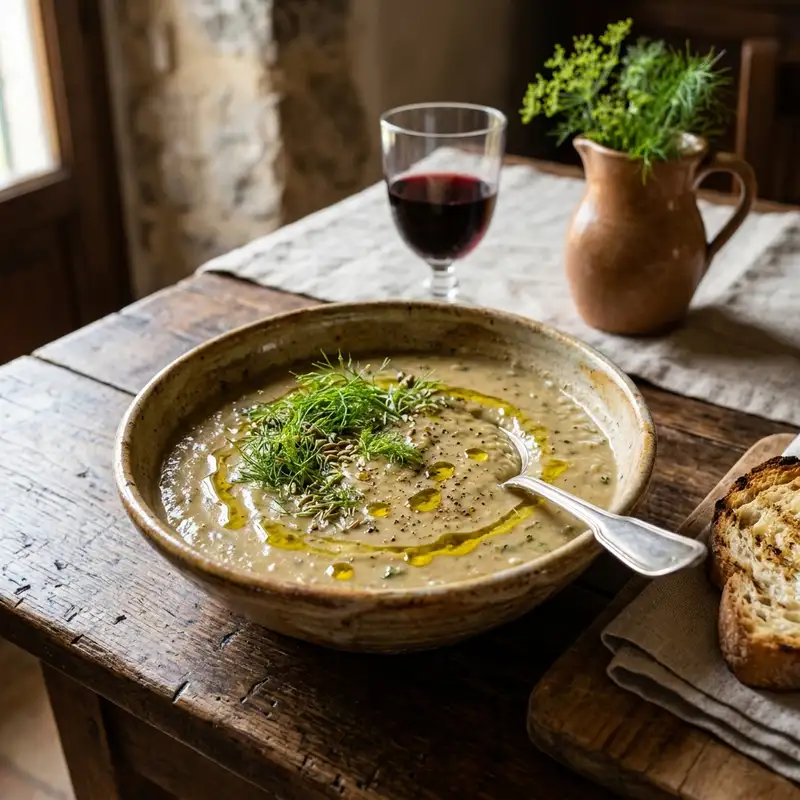
-
 Giovanni Luigi
- 28 Jun, 2026 18:43
Il Macco di Fave Secche: Un Viaggio Nel Cuore Pulsante e Dimenticato Della Gastronomia Siciliana
Scavate a fondo nelle radici di qualsiasi tradizione culinaria e troverete quasi sempre un piatto che è molto più di un semplice insieme di ingredienti. Troverete un racconto, una lezione di vita, una melodia di sapori che risuona attraverso i secoli, portando con sé l'eco di generazioni e la saggezza di un popolo. La Sicilia, terra di contrasti abbaglianti e di una ricchezza gastronomica che toglie il fiato, custodisce tra le sue pieghe più remote un tesoro quasi dimenticato, una gemma di umiltà e sostanza che sfida il tempo e le mode effimere: il Macco di Fave Secche. Non un piatto per palati superficiali o frettolosi, ma un inno alla pazienza, alla terra e alla capacità di trasformare l'essenziale in straordinario. Lasciate da parte per un momento l'immagine stereotipata della Sicilia fatta di arancini, cannoli e pasta alla Norma. Immergiamoci invece in un paesaggio interiore, quello delle campagne assolate, delle masserie silenziose e delle mani sapienti che per secoli hanno saputo estrarre nutrimento e gioia da pochi, semplici doni della terra. Il Macco non è solo una zuppa; è un monumento alla resilienza contadina, un baluardo contro la fame, un simbolo di una gastronomia che non spreca nulla e che onora ogni singolo ingrediente per il suo contributo vitale. È il sapore della terra che parla, sussurrando storie di fatica e di festa, di carestie superate e di abbondanza condivisa. È un piatto che vi costringerà a rallentare, a riflettere, a gustare non solo il cibo, ma anche il suo profondo significato. Il Macco: Un Affresco Storico e Sociale Per comprendere appieno il Macco di Fave Secche, dobbiamo viaggiare indietro nel tempo, ben oltre le memorie recenti, fino a un'epoca in cui il cibo era strettamente legato alla sopravvivenza e ogni caloria contava. Le fave, nella loro variante secca e decorticata, erano per la popolazione siciliana – e non solo – una delle principali fonti proteiche e di energia, in un'epoca in cui carne e pesce erano un lusso per pochi. La loro capacità di conservarsi a lungo le rendeva un alimento strategico, una scorta preziosa per i lunghi mesi invernali e per i periodi di magra. Il nome stesso, "Macco", evoca un'azione, un processo: "maccare" in siciliano significa schiacciare, pestare, ridurre in poltiglia. Ed è proprio questo il cuore della preparazione, un gesto antico come l'agricoltura stessa, che trasforma i legumi duri e coriacei in una crema vellutata e sostanziosa. Non c'è un'unica data di nascita per il Macco; piuttosto, è il risultato di un'evoluzione millenaria, una ricetta nata dalla necessità e affinata dalla saggezza popolare. Si può rintracciare la sua genesi nell'alimentazione dei Sicani, dei Greci, dei Romani, tutti popoli che hanno abitato la Sicilia e che hanno riconosciuto il valore inestimabile delle fave. Le fave erano già conosciute e coltivate in Mesopotamia e in Egitto migliaia di anni fa, e la loro introduzione nel Mediterraneo ha radici antichissime, ben prima dell'avvento di altri legumi "moderni" come i fagioli americani. Il Macco era un piatto "povero" per antonomasia, ma la sua povertà era inversamente proporzionale alla sua ricchezza nutrizionale e al suo sapore profondo. Era il piatto del bracciante agricolo, del pastore, della famiglia numerosa che trovava in esso un pasto completo e saziante. Veniva spesso consumato con un filo d'olio d'oliva crudo, magari un po' di finocchietto selvatico raccolto nei campi, e accompagnato da pane casereccio. Era il carburante per giornate di duro lavoro sotto il sole cocente o nel freddo umido dell'inverno siciliano. La sua storia si intreccia con quella delle migrazioni interne, delle carestie, delle feste di paese in cui, pur nella sua semplicità, appariva sulle tavole come un simbolo di convivialità e condivisione. Non è raro trovare menzioni del Macco in vecchie testimonianze orali, proverbi o filastrocche dialettali, a dimostrazione di quanto fosse radicato nell'identità culturale e sociale dell'isola. La Fava: Dalla Terra alla Tavola, un Piccolo Grande Eroe Al centro di questa epopea culinaria c'è la fava, in particolare la sua varietà secca e decorticata, la "fava lardu" o "fava cottoia", tipica delle zone interne della Sicilia. Questo legume, così umile all'apparenza, è un concentrato di storia, nutrienti e potenziale gastronomico. Le fave secche decorticate, private della loro buccia esterna, diventano più tenere e digeribili, perfette per lunghe cotture che ne esaltano la cremosità. La coltivazione delle fave in Sicilia ha origini antichissime. Erano un elemento fondamentale dell'agricoltura di sussistenza, capaci di arricchire il terreno di azoto e di fornire un raccolto abbondante anche in condizioni difficili. Per intere generazioni, la fava ha rappresentato una garanzia di cibo, un baluardo contro la fame. La sua versatilità permetteva di consumarla fresca (cruda o cotta), essiccata per la conservazione invernale, o trasformata in farina per pani e focacce.Ma è nel Macco che la fava rivela la sua anima più profonda. La sua polpa, una volta ammorbidita dalla lunga cottura, si fonde in una purea densa e avvolgente, capace di accogliere e amplificare i sapori degli altri pochi ingredienti che la accompagnano. È un esempio lampante di come la semplicità, se gestita con maestria e rispetto per la materia prima, possa raggiungere vette di gusto inaspettate. Le fave non sono solo un ingrediente; sono il telaio su cui si tesse una narama di sapori che è la quintessenza della cucina povera e saggia. Il loro profilo nutrizionale, ricco di proteine vegetali, fibre, vitamine del gruppo B e sali minerali come ferro e potassio, le rendeva un alimento completo e bilanciato, cruciale per la dieta dei contadini. La loro importanza era tale che non era raro che la fava fosse al centro di credenze popolari e riti propiziatori per un buon raccolto. L'Arte della Trasformazione: Creare il Macco Perfetto La preparazione del Macco di Fave Secche è un rito che richiede tempo, dedizione e una profonda comprensione degli ingredienti. Non è una ricetta da eseguire di fretta, ma un lento processo di trasformazione che culmina in un piatto di straordinaria profondità. Tutto inizia con le fave secche decorticate, che vengono messe a bagno per almeno 12-24 ore. Questo passaggio è fondamentale per reidratarle e accorciare i tempi di cottura. Successivamente, le fave vengono sciacquate e cotte lentamente in abbondante acqua, spesso con l'aggiunta di una patata o due, che servono a dare ulteriore cremosità e consistenza al composto. La cottura è lunga, molto lunga: a fuoco dolce, le fave devono bollire dolcemente per ore, fino a quando non si saranno sfaldate completamente, trasformandosi in una purea quasi magica. Durante questo processo, è fondamentale mescolare di tanto in tanto per evitare che attacchino al fondo e per aiutare le fave a disfarsi. È qui che risiede la vera arte del "maccare" – un processo di schiacciamento delicato, spesso con un cucchiaio di legno o una frusta, che rompe le ultime resistenze delle fave e le trasforma in una crema liscia e omogenea. Il tocco finale è dato dal soffritto. Tradizionalmente, si prepara un battuto semplice ma aromatico di cipolla, aglio, sedano e, a volte, un po' di pomodoro o finocchietto selvatico. Questo soffritto viene unito alla purea di fave, insaporendo il tutto e aggiungendo strati di complessità al piatto. Alcune varianti prevedono l'aggiunta di una punta di peperoncino per un tocco piccante, o di pancetta o lardo per chi poteva permetterselo. Una volta uniti e amalgamati, il Macco viene lasciato riposare per qualche minuto, permettendo ai sapori di fondersi e armonizzarsi. È il riposo che lo rende perfetto, spesso migliore il giorno dopo, quando i profumi si sono assestati. Variazioni sul Tema e La Memoria dei Sapori Pur essendo un piatto radicato nella tradizione, il Macco presenta diverse sfumature e varianti a seconda della micro-regione siciliana o addirittura della singola famiglia. Nel Palermitano, ad esempio, non è raro trovarlo arricchito con verdure di campo come la bietola o i tenerumi, la cui amarezza si sposa splendidamente con la dolcezza delle fave. Nel Catanese e nel Siracusano, talvolta, viene preparato con l'aggiunta di pasta corta, spesso ditalini o "quadrucci", che lo trasformano da crema a una minestra densa e confortante. In alcune zone, il soffritto viene preparato con la cotenna di maiale o qualche pezzo di salsiccia, per rendere il piatto ancora più ricco e sostanzioso, una vera celebrazione nei giorni di festa. Ma al di là delle piccole differenze negli ingredienti aggiuntivi, il cuore del Macco rimane lo stesso: le fave secche trasformate in una crema vellutata e saporita. La sua versatilità non si ferma alla ciotola di zuppa. Il Macco, una volta raffreddato, può essere fritto a fette, come una sorta di polenta di legumi, o utilizzato come ripieno per focacce e pastelle. Queste trasformazioni non sono solo un modo per variare il consumo, ma testimoniano la saggezza contadina nel non sprecare mai nulla, reinventando gli avanzi in nuove, deliziose preparazioni. Il Macco fritto, con la sua crosticina dorata e il cuore morbido, è un'altra prelibatezza che merita di essere riscoperta.Oggi, il Macco di Fave Secche è un piatto che sta lentamente riemergendo dall'oblio. Chef innovativi e custodi della tradizione stanno riscoprendo la sua bellezza rustica e il suo inconfondibile sapore. Non è più solo il piatto della povertà, ma un simbolo di autenticità, di "slow food" ante litteram, di una cucina che valorizza il territorio e le sue risorse. Servito con un generoso filo d'olio extra vergine d'oliva siciliano, magari una spolverata di pepe nero fresco e qualche crostino di pane casereccio tostato, il Macco si trasforma in un'esperienza gustativa che parla direttamente all'anima. È un invito a riscoprire i sapori veri, quelli che raccontano una storia, quelli che ci connettono a un passato ricco di dignità e ingegno. È il comfort food per eccellenza, capace di scaldare il corpo e lo spirito, ricordandoci l'importanza della semplicità e della gratitudine per i doni della terra. Un Appello alla Riscoperta In un mondo culinario sempre più globalizzato e standardizzato, riscoprire piatti come il Macco di Fave Secche significa riaffermare l'identità e la ricchezza di una cultura gastronomica millenaria. È un atto di resistenza contro l'omologazione del gusto, un tributo alla creatività e alla sapienza di chi, con poco, sapeva creare molto. Vi invito, dunque, a cercare le fave secche decorticate nei mercati, a dedicare il tempo necessario alla loro preparazione, a immergervi in questo rito antico. Non sarà solo un pasto, ma un'esperienza sensoriale e culturale profonda, un ponte verso un passato che merita di essere ricordato e celebrato. Lasciatevi avvolgere dal suo calore confortante, dal suo sapore terroso e genuino, e scoprirete un pezzo d'anima della Sicilia più vera, quella che pulsa nelle campagne silenziose e nelle cucine dove il tempo si ferma e il cibo diventa storia. Il Macco non è solo un piatto; è un eredità, un sussurro di un tempo che fu, e un invito a preservare i sapori autentici che definiscono chi siamo. È l'essenza stessa della cucina mediterranea: pochi ingredienti, tanta pazienza, e un risultato che nutre corpo e spirito.#MaccoDiFave #CucinaSiciliana #GastronomiaStorica #PiattiDimenticati #FaveSecche #CucinaSiciliana #PiattiContadini #LegumiAntichi #StoriaGastronomica #RicetteTradizionali Related InsightsBombay Sandwich: The Iconic Triple-Layered Delight Il Respiro Antico del Mare Nostrum: La Dieta Mediterranea tra Scienza, Storia e Armonia del Vivere Chicken Yassa: The Tangy and Tender Onion Stew{ "@context": "https://schema.org", "@type": "FAQPage", "mainEntity": [ { "@type": "Question", "name": "What is the main focus of Il Macco di Fave Secche: Un Viaggio Nel Cuore Pulsante e Dimenticato Della Gastronomia Siciliana?", "acceptedAnswer": { "@type": "Answer", "text": "Scopri il Macco di Fave Secche, un'antica minestra siciliana che racchiude secoli di storia, resilienza contadina e sapori autentici, riscoprendo un tesoro gastronomico quasi perduto." } }, { "@type": "Question", "name": "Who authored the comprehensive guide on Il Macco di Fave Secche: Un Viaggio Nel Cuore Pulsante e Dimenticato Della Gastronomia Siciliana?", "acceptedAnswer": { "@type": "Answer", "text": "This detailed article and its insights were carefully researched and authored by Giovanni Luigi." } }, { "@type": "Question", "name": "Where can I find more related content about Food?", "acceptedAnswer": { "@type": "Answer", "text": "You can explore more articles, detailed reviews, and similar insights by browsing the Related Insights section at the bottom of this article or visiting our dedicated Food category page." } } ] }

- Marco Rossi
- 28 Jun, 2026 18:43
Le Cattedrali Sotterranee di Puglia: Un Viaggio Intimo nelle Città Rupestri delle Gravine
Immaginate di camminare su una terra che ha respirato millenni di storia, non solo sotto i vostri piedi, ma dentro la terra stessa. Non sto parlando di antichi scavi archeologici, né di rovine maestose che si ergono fiere verso il cielo. Parlo di qualcosa di più intimo, più celato, un sussurro di civiltà che ha scelto di vivere e prosperare nel cuore stesso della roccia. Dimenticate per un istante l'immagine patinata della Puglia, quella delle spiagge caraibiche e dei trulli immacolati. Lasciatevi guidare in un viaggio che scende sotto la superficie, nelle viscere di una regione che custodisce segreti geologici e spirituali di inaudita bellezza: le città rupestri e le cattedrali sotterranee delle Gravine. È un'esperienza che va oltre il semplice turismo; è un'immersione archeologica e spirituale, un dialogo silenzioso con gli spiriti di pastori, eremiti, monaci basiliani e intere comunità che, per secoli, hanno plasmato la loro esistenza modellando la friabile pietra calcarenitica. Questa è la Puglia più autentica e meno raccontata, quella che non si rivela facilmente ma che, una volta scoperta, incide l'anima. L'Anatomia di un Paesaggio Ancestrale: Le Gravine Le Gravine non sono semplici canyon; sono monumenti naturali scavati dall'implacabile lavoro dell'acqua e del tempo, veri e propri "grand canyon" in miniatura che solcano il paesaggio pugliese, in particolare tra la Murgia tarantina e quella materana. Queste fenditure carsiche, a volte profonde oltre cento metri, con pareti a strapiombo e una vegetazione lussureggiante che si aggrappa tenacemente alla roccia, sono state, fin dalla Preistoria, un rifugio naturale, un grembo protettivo per l'uomo. Qui, tra gole selvagge e pianori che si aprono all'improvviso, si sono sviluppate intere civiltà troglodite. Non si tratta di occasionali ripari, ma di veri e propri insediamenti urbani scavati nella roccia: case, stalle, frantoi, necropoli e, soprattutto, decine e decine di chiese rupestri. Questi luoghi, rimasti intatti e spesso dimenticati per secoli, offrono una testimonianza tangibile di come l'uomo abbia saputo adattarsi e convivere con un ambiente apparentemente ostile, trasformandolo in un ecosistema di vita e fede. Le Gravine di Ginosa, Laterza, Castellaneta, Massafra, Mottola, Statte, Grottaglie formano una sorta di "costellazione" di siti rupestri, ognuno con la sua peculiarità, la sua storia, le sue meraviglie nascoste. Ma è l'insieme a colpire, la vastità di un fenomeno che ha caratterizzato un'intera area geografica e culturale. Un Salto nel Tempo: Dalla Preistoria al Medioevo Bizantino Il primo impatto è quello con una sensazione di atemporalità. Entrare in una città rupestre significa fare un salto nel tempo, un balzo indietro di millenni. Le tracce più antiche di frequentazione umana risalgono al Neolitico, quando le grotte naturali offrivano riparo ai primi cacciatori-raccoglitori. Ma è tra il Tardo Impero Romano e l'Alto Medioevo che questi insediamenti raggiungono il loro massimo splendore, in particolare con l'arrivo e la diffusione della cultura bizantina. Con la caduta dell'Impero Romano d'Occidente e le successive invasioni barbariche, la popolazione si rifugiò in massa nelle Gravine. Le grotte, facilmente difendibili e mimetizzate nel paesaggio, divennero vere e proprie abitazioni permanenti. L'Oriente bizantino, con i suoi monaci basiliani in fuga dalle persecuzioni iconoclaste, trovò qui un terreno fertile per la propria spiritualità. Questi monaci, esperti nell'arte di scavare e decorare, trasformarono semplici anfratti in luoghi di culto, veri e propri scrigni d'arte con affreschi che ancora oggi sfidano il tempo. Le chiese rupestri, spesso dotate di absidi, altari e perfino iconostasi scavate nella roccia, erano il cuore pulsante di queste comunità. Qui si officiavano riti in greco, si studiavano manoscritti, si praticava una fede intensa e contemplativa. Queste "cattedrali sotterranee" non erano solo luoghi di preghiera, ma anche centri di cultura e resistenza identitaria in un territorio di confine tra diverse dominazioni.Gemme Nascoste: Esempi di Straordinaria Bellezza Rupestre Ogni Gravina ha la sua storia, ogni sito rupestre la sua unicità. Permettetemi di guidarvi attraverso alcune delle più significative. Ginosa e la sua Lama d'Antico La Gravina di Ginosa è un labirinto di storia. Tra i suoi anfratti si cela la Lama d'Antico, una delle più vaste e meglio conservate città rupestri della Puglia. Qui si possono distinguere chiaramente i resti di oltre cinquanta ambienti scavati nella roccia, tra cui case, cisterne, granai e una suggestiva chiesa rupestre dedicata a San Giovanni. Camminare tra queste "strade" silenziose, immaginando la vita che vi pulsava, è un'esperienza quasi mistica. Gli affreschi, sebbene a volte sbiaditi, raccontano storie di santi, madonne e scene bibliche, finestre su una devozione profonda e radicata. La sensazione di entrare in un'abitazione che ha accolto intere famiglie per secoli è indescrivibile. Si possono ancora percepire le nicchie per le lucerne, i ripiani per gli oggetti, la disposizione degli spazi che rivela un'ingegneria abitativa sorprendente. Massafra: Tra Siti Iconici e Tesori Celati Massafra è un altro fulcro dell'architettura rupestre. La sua gravina è un vero e proprio museo a cielo aperto. Qui si trova il Santuario della Madonna della Scala, un complesso rupestre di grande importanza, ma anche siti meno noti come la Cripta di San Leonardo e la Chiesa rupestre di San Marco. Quest'ultima, in particolare, è un capolavoro di arte bizantina, con affreschi che, pur avendo subito l'usura del tempo e atti vandalici, conservano una forza espressiva notevole. Si pensa che alcune chiese di Massafra abbiano avuto origine come templi pagani, poi cristianizzati, un esempio eloquente della stratificazione culturale e religiosa di questi luoghi. L'equilibrio tra la natura selvaggia della gravina e l'opera dell'uomo è qui particolarmente evidente, con gli insediamenti che sembrano emergere organicamente dalla roccia stessa. Mottola: La "Spia dello Ionio" e le sue Chiese affrescate Mottola, definita la "Spia dello Ionio" per la sua posizione dominante, custodisce alcune delle chiese rupestri più pregevoli. La Cripta di San Nicola è un vero gioiello, un'aula scavata nella roccia con un ciclo pittorico completo che narra episodi della vita del santo, realizzati con una maestria che nulla ha da invidiare all'arte "di superficie". Le cromie, i dettagli dei volti, l'espressività delle figure catturano lo sguardo e testimoniano una scuola pittorica raffinata e vivace. Anche la Cripta di San Michele Arcangelo merita una menzione per i suoi affreschi e la sua atmosfera suggestiva. Queste chiese erano non solo luoghi di culto ma anche veri e propri centri sociali e culturali, dove la comunità si riuniva e si identificava. Ginosa, Laterza e Castellaneta: Un Trittico di Paesaggi e Storie Le gravine di Ginosa, Laterza e Castellaneta, pur presentando similitudini, offrono ciascuna delle esperienze uniche. A Laterza, la Gravina Grande ospita un suggestivo villaggio rupestre con un frantoio e diverse grotte-abitazione. A Castellaneta, si possono ammirare le "cento grotte", un complesso di abitazioni e chiese rupestri che disegna un paesaggio quasi lunare, dove il bianco della roccia contrasta con il verde della vegetazione mediterranea. La loro vastità e complessità rendono necessaria una guida esperta per apprezzarne appieno il valore e scoprirne i segreti più reconditi. Sono luoghi che richiedono tempo, rispetto e un desiderio profondo di ascoltare le voci del passato. L'Arte Rupestre: Dialoghi con l'Eternità Gli affreschi delle chiese rupestri sono la voce più eloquente di queste civiltà scomparse. Dipinti con pigmenti naturali direttamente sulla roccia, spesso intonacata sommariamente, raccontano un mondo di fede, devozione e arte. Le figure dei santi, le scene bibliche, i simboli paleocristiani e bizantini ci parlano di una spiritualità che, sebbene espressa in forme diverse, conserva una profonda risonanza con la nostra contemporaneità. La tecnica pittorica, influenzata dall'arte bizantina, è caratterizzata da volti ieratici, sguardi fissi, colori intensi e una certa bidimensionalità che sottolinea la dimensione trascendente delle figure. Questi affreschi, spesso sopravvissuti a secoli di umidità e abbandono, sono un patrimonio inestimabile, testimoni di un'epoca in cui l'arte era intrinsecamente legata alla fede e alla vita quotidiana. Ogni crepa, ogni sbiadimento aggiunge un ulteriore strato di storia e vulnerabilità a queste opere d'arte effimere eppure eterne.Sfide e Custodia: Il Futuro di un Passato Fragile Visitare le città rupestri e le chiese delle Gravine è un privilegio, ma anche un atto di responsabilità. Questi siti sono incredibilmente fragili. L'erosione naturale, l'azione dell'uomo (spesso incauta o ignorante) e la mancanza di risorse sufficienti per la conservazione mettono a rischio questo patrimonio unico. Molti affreschi sono a malapena visibili, altri sono stati irrimediabilmente danneggiati. La sfida è duplice: da un lato, garantire la tutela e il restauro di questi beni; dall'altro, promuovere un turismo consapevole e sostenibile che contribuisca alla loro valorizzazione senza comprometterne l'integrità. Fortunatamente, negli ultimi anni, associazioni locali e istituzioni hanno iniziato a investire nella ricerca, nella mappatura e nella protezione di questi luoghi. Guide locali esperte, spesso volontari appassionati, sono la chiave per una visita profonda e rispettosa. Essi non solo illustrano la storia e l'arte, ma trasmettono l'amore e la cura per un patrimonio che sentono visceralmente proprio. L'Invito di Marco Rossi: Un Viaggio nell'Anima Pugliese Il mio invito è a scendere dal sentiero battuto. Abbandonate per qualche giorno le mete più celebrate e lasciatevi catturare dal richiamo ancestrale delle Gravine. Non è un viaggio per chi cerca la comodità o il lusso, ma per chi desidera una connessione autentica con la storia, la natura e la spiritualità. Preparatevi a camminare su sentieri sterrati, a scendere in gole ombrose, a inalare l'odore della terra umida e della macchia mediterranea. Lasciatevi meravigliare dal silenzio assordante interrotto solo dal fruscio del vento o dal richiamo di un falco. E, soprattutto, permettete a questi luoghi di parlarvi. Ogni grotta, ogni affresco, ogni nicchia scavata nella roccia racchiude una storia, un lamento, una preghiera. Le città rupestri delle Gravine pugliesi non sono solo pietre e roccia; sono un monumento alla resilienza umana, alla capacità di creare bellezza e significato anche nelle condizioni più avverse. Sono la prova che la vera ricchezza di un territorio non risiede solo in ciò che è visibile e immediatamente accessibile, ma anche in ciò che è nascosto, protetto, e attende pazientemente di essere riscoperto da chi ha la sensibilità di cercarlo. Venite, dunque, a scoprire queste cattedrali sotterranee: vi assicuro che il viaggio cambierà per sempre la vostra percezione della Puglia e, forse, di voi stessi.#PugliaNascosta #CittàRupestri #GravineDiPuglia #ArchitetturaRupestre #ViaggiNellaStoria Related InsightsAlbania’s Riviera vs Montenegro’s Bay of Kotor: Europe’s Best-Kept Secret Coastlines Revealed Carcassonne: Stepping Back into the Medieval World Beyond Merv's Veil: Unearthing Turkmenistan's Ghost Oases of the Silk Road{ "@context": "https://schema.org", "@type": "FAQPage", "mainEntity": [ { "@type": "Question", "name": "What is the main focus of Le Cattedrali Sotterranee di Puglia: Un Viaggio Intimo nelle Città Rupestri delle Gravine?", "acceptedAnswer": { "@type": "Answer", "text": "Dimentica le spiagge dorate: la Puglia nasconde un universo millenario scolpito nella roccia. Esplora le chiese rupestri e le antiche città delle Gravine, dove il tempo si ferma e la storia respira in un silenzio ancestrale." } }, { "@type": "Question", "name": "Who authored the comprehensive guide on Le Cattedrali Sotterranee di Puglia: Un Viaggio Intimo nelle Città Rupestri delle Gravine?", "acceptedAnswer": { "@type": "Answer", "text": "This detailed article and its insights were carefully researched and authored by Marco Rossi." } }, { "@type": "Question", "name": "Where can I find more related content about Travel?", "acceptedAnswer": { "@type": "Answer", "text": "You can explore more articles, detailed reviews, and similar insights by browsing the Related Insights section at the bottom of this article or visiting our dedicated Travel category page." } } ] }

Bonjour à tous les amoureux de la gastronomie et de la douceur ! Je suis Chloé Blanc, chef pâtissière, et aujourd'hui, je vous invite à plonger avec moi dans les arcanes de la haute pâtisserie française. #Patisserie #France #Dessert #HauteGastronomie Si la pâtisserie française était un royaume, le mille-feuille en serait sans conteste l'un de ses monarques les plus majestueux, une couronne dorée et croustillante posée sur un trône de douceur vanillée. Le simple mot "mille-feuille" évoque instantanément, pour tout Français et pour tout amateur de sucré à travers le monde, une image de perfection géométrique, un contraste de textures absolument bouleversant, et une explosion de saveurs qui réveille les souvenirs les plus enfouis, nous ramenant souvent aux joies simples de l'enfance. Ce n'est pas simplement un gâteau, c'est une véritable architecture, une construction fragile et éphémère qui demande rigueur, passion, et une technique irréprochable. En tant que pâtissière, je peux vous confier qu'il y a peu de choses aussi gratifiantes que d'entendre le crépitement caractéristique d'une pâte feuilletée parfaitement cuite lorsqu'on la découpe avec la lame d'un couteau bien aiguisé. Ce son, c'est la promesse d'un moment de pur bonheur. Dans cet article particulièrement exhaustif, je souhaite partager avec vous ma passion brûlante pour ce classique intemporel de la gastronomie de notre belle #France. Nous allons explorer ensemble son histoire fascinante, disséquer ses composants avec l'œil d'un artisan, comprendre la chimie délicate qui opère dans nos fours, et bien sûr, je vous livrerai quelques-uns de mes secrets les plus précieux pour que vous puissiez, vous aussi, approcher cette perfection à la maison. #ChefPâtissier #MilleFeuille #Gourmandise #Sweet L'Histoire et les Origines du Mille-feuille : Un Héritage Séculaire Avant de mettre les mains dans la farine, il est essentiel de comprendre d'où vient ce monument de notre patrimoine culinaire. Contrairement à certains desserts dont la paternité est clairement établie (comme le Paris-Brest créé par Louis Durand ou le Saint-Honoré par la maison Chiboust), les origines du mille-feuille sont un peu plus nébuleuses, s'étendant sur plusieurs siècles d'innovations culinaires et de perfectionnements successifs. La première trace écrite d'une recette s'apparentant de loin au mille-feuille remonte à l'année 1651. C'est dans le célèbre ouvrage "Le Cuisinier françois" de François Pierre de La Varenne, l'un des pères fondateurs de la grande cuisine française moderne, que l'on trouve la mention d'un gâteau fait de feuilles de pâte superposées. Cependant, la pâte de l'époque n'avait pas encore la légèreté, l'aération et la complexité de celle que nous connaissons aujourd'hui. Elle s'apparentait plus à une succession de pâtes brisées fines. Il a fallu attendre la fin du 18ème siècle et le début du 19ème siècle pour que la véritable pâte feuilletée, telle que nous l'utilisons dans les laboratoires professionnels d'aujourd'hui, soit perfectionnée. Et c'est au "roi des chefs et chef des rois", l'illustre Marie-Antoine Carême, que nous devons cette évolution majeure. Carême a systématisé et codifié la technique du "tourage" (les fameux tours donnés à la pâte), créant ainsi une structure aérée et croustillante sans précédent. Bien qu'il ne soit pas l'inventeur de la pâte feuilletée (dont les origines remonteraient potentiellement au Moyen-Orient avec la pâte phyllo, ramenée en Europe lors des croisades), il a grandement contribué à populariser son utilisation dans les desserts à étages prestigieux. Le terme même de "mille-feuille" est une charmante exagération poétique de la réalité mathématique de la pâte. En effet, avec la méthode traditionnelle de pliage (généralement six tours simples), la pâte comporte très exactement 729 couches de beurre intercalées entre 730 couches de détrempe. On est loin des mille feuilles annoncées par son nom, mais le résultat en bouche justifie amplement cette jolie licence poétique ! Au 19ème siècle, le dessert sous sa forme finale, tel que nous le reconnaissons aujourd'hui avec son glaçage marbré, fut proposé par le pâtissier parisien Adolphe Seugnot en 1867. L'histoire raconte qu'il fut vendu avec un tel succès que sa pâtisserie, située rue du Bac à Paris, ne désemplissait pas et que les gens faisaient la queue sur le trottoir pour obtenir cette merveille de la pâtisserie parisienne. Aujourd'hui, plus d'un siècle et demi plus tard, il figure à la carte de toutes les bonnes pâtisseries de France et du monde, ayant traversé les époques sans jamais perdre de sa superbe ni de sa désirabilité. L'Anatomie d'un Chef-d'œuvre : Les Trois Piliers du Mille-feuille Un mille-feuille traditionnel se compose de trois éléments fondamentaux. La beauté de ce dessert réside dans l'équilibre parfait entre ces composants. S'il manque de maîtrise dans l'un d'eux, c'est toute la structure, tant physique que gustative, qui s'effondre. 1. La Pâte Feuilletée (Traditionnelle ou Inversée) C'est le squelette du mille-feuille, sa fondation même. Aujourd'hui, dans la haute pâtisserie contemporaine, nous privilégions très souvent la pâte feuilletée inversée. Quelle est la différence fondamentale ? Dans une pâte classique, le beurre (le beurre de tourage) est enfermé dans la détrempe (le mélange d'eau, de farine et de sel). Dans le feuilletage inversé, inventé bien plus tard, c'est le contraire : la détrempe est enfermée dans un mélange de beurre et de farine (appelé le beurre manié). Cette technique, bien que légèrement plus délicate à manipuler car le beurre extérieur fond rapidement sous les mains, offre plusieurs avantages considérables pour un résultat professionnel :Un développement plus régulier : La pâte lève de manière beaucoup plus uniforme et droite à la cuisson, évitant l'effet "tour de Pise". Une friabilité extraordinaire : Le résultat est beaucoup plus fondant en bouche, moins élastique et remarquablement croustillant. Elle fond sur la langue tout en croquant sous la dent. Une meilleure conservation : Elle a tendance à moins se rétracter lors du repos et se conserve mieux à l'air libre après cuisson.2. La Crème Pâtissière (ou Crème Diplomate) Le deuxième pilier est la crème. Traditionnellement, il s'agit d'une crème pâtissière à la vanille, riche, onctueuse et profondément réconfortante. Cependant, pour apporter plus de légèreté à l'ensemble et correspondre aux palais modernes qui recherchent moins de lourdeur, de nombreux chefs (moi y compris, dans ma propre boutique) optent aujourd'hui pour une crème diplomate ou une crème mousseline.La crème pâtissière est le classique absolu : du lait entier frais, des jaunes d'œufs pour la richesse, du sucre (modérément), de la fécule de maïs (ou de la poudre à crème pour la tenue) et d'abondantes gousses de vanille. Elle doit être onctueuse et non collante. La crème diplomate est une merveille de légèreté. C'est une crème pâtissière collée avec un peu de gélatine (pour la tenue) et à laquelle on incorpore délicatement de la crème liquide entière montée en chantilly. Cela donne une texture aérienne, un véritable nuage de vanille qui contraste merveilleusement avec le croustillant tranchant de la pâte feuilletée. La crème mousseline incorpore du beurre pommade, émulsionné foisonné à la crème pâtissière refroidie. Elle offre une texture plus ferme, très onctueuse et extrêmement gourmande. C'est elle que l'on retrouve dans le célèbre Fraisier.Le choix de la vanille est primordial pour l'identité de votre mille-feuille. J'ai une préférence marquée pour la vanille de Tahiti (Vanilla tahitensis) pour ses notes florales, sucrées et presque anisées, ou pour la vanille de Madagascar (Vanilla planifolia) pour ses arômes plus boisés, intenses, profonds et caramélisés. Une belle gousse charnue, fendue et grattée, infusée longuement dans le lait, c'est le secret d'un parfum inoubliable. #Vanille #Vanilla #Baking 3. Le Glaçage (Fondant, Sucre Glace, ou Décoration Moderne) La finition traditionnelle du mille-feuille, celle que l'on imagine dans les vitrines à l'ancienne, est un glaçage au fondant blanc, marbré de fines rayures de chocolat fondu (ou de fondant au cacao), étirées au couteau pour créer le motif caractéristique en chevrons, appelé motif "mille-feuille". C'est le style "pâtisserie de quartier" classique et rassurant que nous aimons tous. Cependant, d'un point de vue gustatif, ce fondant peut apporter une dose de sucre excessive qui déséquilibre le dessert et masque la subtilité de la vanille et le goût beurré de la pâte. La tendance moderne, initiée par des chefs visionnaires au début des années 2000, est de laisser le feuilletage apparent sur le dessus. La pâte du dessus est simplement saupoudrée de sucre glace et caramélisée au four. La surface devient brillante, lisse, et extrêmement croquante. On peut ensuite la décorer délicatement de points réguliers de crème pochée à la douille unie, de quelques éclats de feuille d'or, ou de gousses de vanille séchées, ajoutant ainsi de l'élégance, de la modernité et de la légèreté visuelle au gâteau. La Magie du Tourage : Un Processus de Rigueur et de Patience Laissez-moi vous parler plus en profondeur de l'art du feuilletage. Réaliser une pâte feuilletée de qualité professionnelle n'est pas une simple recette à suivre machinalement, c'est un véritable artisanat qui demande une compréhension intime de la matière, des températures et du temps. La magie du mille-feuille repose sur ce que nous appelons la lamination, ou le tourage. #Artisanat #SavoirFaire #ChloeBlanc Le principe scientifique sous-jacent est absolument fascinant. L'objectif est de créer une alternance mécanique de couches ultrafines de pâte (composée principalement d'eau et de farine) et de couches de matière grasse (le beurre sec). Lors de la cuisson, sous l'effet brutal de la chaleur du four (généralement autour de 180°C à 200°C) :L'eau contenue dans la détrempe et le beurre commence à s'évaporer et se transforme en vapeur d'eau. Cette vapeur cherche naturellement à s'échapper vers le haut pour se libérer. En montant, elle rencontre les fines couches de beurre qui agissent comme des barrières imperméables. Le beurre fond et commence à frire les couches de pâte adjacentes. La pression de la vapeur pousse ces couches de pâte vers le haut de manière spectaculaire, créant ce développement en hauteur volumineux et cette structure alvéolée et feuilletée si caractéristique.Pour réussir ce miracle de la physique culinaire, il faut respecter des règles d'or incontournables :Le contrôle drastique de la température : C'est la clé de voûte de toute pâte feuilletée ! La détrempe et le beurre manié doivent toujours être à la même consistance (souple mais ferme) et bien froids. Si le beurre est trop chaud, il va fondre, s'incorporer à la détrempe, et vous obtiendrez une pâte brisée grasse (adieu les belles couches régulières !). S'il est trop froid et cassant, il se brisera lors du laminage au rouleau, détruisant l'isolation des couches et créant des fuites de beurre à la cuisson. Les temps de repos scrupuleux : Le gluten contenu dans la farine se développe et crée un réseau élastique lorsqu'on travaille la pâte. Il est impératif de laisser la pâte reposer au réfrigérateur pendant au moins 1 à 2 heures entre chaque "tour" (pliage) pour que ce réseau de gluten se détende. Sans cela, la pâte résistera au rouleau, se rétractera irrémédiablement à la cuisson, et deviendra dure. Un bon mille-feuille se prépare sur deux, voire trois jours pour respecter ces temps de repos physiologiques de la pâte. La précision géométrique obsessionnelle : Les pliages doivent être nets, les bords parfaitement superposés et coupés droits. Tout défaut de régularité lors du tourage se traduira par un développement asymétrique ou de guingois à la cuisson.Mes Secrets de Chef pour un Mille-feuille Parfaitement Maîtrisé En tant que Chef Pâtissière, j'ai passé des milliers d'heures, fait des centaines d'essais, pour perfectionner mon mille-feuille signature. Voici les secrets professionnels que j'applique quotidiennement dans ma cuisine et que vous pouvez reproduire chez vous pour élever votre dessert à un niveau supérieur : 1. La Caramélisation Maîtrisée du Feuilletage Une pâte feuilletée simplement dorée ne suffit pas pour un mille-feuille. Pour qu'elle résiste à l'humidité de la crème et garde son croustillant des heures durant, je procède à une caramélisation en deux temps. Je cuis d'abord mes abaisses de feuilletage piquées à la fourchette, coincées entre deux grilles lourdes ou plaques de cuisson avec du papier sulfurisé (pour forcer un développement régulier, dense, et empêcher que la pâte ne gonfle de manière désordonnée). La cuisson est longue, environ 40 minutes, pour assécher la pâte à cœur. Ensuite, je retire la plaque supérieure, je saupoudre généreusement toute la surface de sucre glace à l'aide d'un tamis fin, et je repasse la plaque au four à très haute température (230°C ou sous le gril/salamandre) pendant quelques minutes sous haute surveillance. Le sucre va fondre et créer une fine croûte de caramel de verre, brillant et imperméable. C'est le secret absolu d'un croustillant exceptionnel, persistant et parfumé. #Croustillant #Caramel 2. Le Montage "À la Minute" L'ennemi juré du mille-feuille, son talon d'Achille, c'est l'humidité. Si vous dressez votre gâteau des heures, voire la veille à l'avance, l'eau contenue dans la crème va inexorablement migrer et détremper la pâte, la rendant molle, spongieuse et caoutchouteuse. Le drame absolu ! Le montage doit idéalement se faire le plus tard possible, à "la minute" ou au maximum 2 à 3 heures avant la dégustation. Conservez vos plaques caramélisées à température ambiante dans un endroit très sec (jamais au réfrigérateur qui est saturé d'humidité !) et votre crème bien froide dans une poche à douille au frigo. Vous assemblerez le tout juste avant le repas, assurant ainsi le fameux contraste textuel. 3. La Découpe : L'Art Délicat de ne pas tout Écraser Comment découper un mille-feuille fraîchement monté sans faire jaillir la crème sur les côtés et écraser lamentablement le feuilletage si patiemment réalisé ? Le secret réside dans l'utilisation d'un couteau-scie (un très bon couteau à pain long et aiguisé) et non d'un couteau lisse. Ne cherchez surtout pas à appuyer de haut en bas ! Inclinez légèrement le couteau. Sciez délicatement, par des mouvements de va-et-vient amples et légers sans forcer la première couche de pâte caramélisée. Une fois la croûte percée, descendez progressivement sans jamais écraser la structure. Certains chefs utilisent même des couteaux électriques pour une coupe chirurgicale sans pression. 4. Le Choix Crucial du Beurre de Tourage N'utilisez jamais, au grand jamais, un beurre de supermarché standard pour réaliser votre pâte feuilletée. Il contient trop d'eau (environ 16% d'eau). Dans la sphère professionnelle, nous utilisons spécifiquement du beurre de tourage (ou beurre sec) qui possède un taux de matière grasse de 84% et un point de fusion plus élevé. Sa plasticité est incroyable, il s'étire sans casser. Si vous êtes un amateur et que vous n'avez pas accès à ce produit technique, optez impérativement pour un beurre AOP extra-fin (comme le célèbre beurre Charentes-Poitou), qui est naturellement plus sec, plus ferme et plus malléable. Le goût incomparable d'un bon beurre frais imprègne chaque couche et fait toute la différence. L'Importance du Détail : Bien Choisir Ses Autres Ingrédients Dans la haute gastronomie, la meilleure des techniques, sans d'excellents produits de base, ne donnera qu'un résultat médiocre. Pour réaliser le mille-feuille ultime, chaque ingrédient, même le plus simple, doit être sélectionné avec le plus grand soin.La Farine : Privilégiez une farine de gruau type T45 ou un mélange équilibré de T45 et T55. Elle doit être suffisamment riche en protéines (gluten) pour supporter les nombreux pliages et étalements successifs sans se déchirer, mais pas trop forte non plus pour ne pas rendre la pâte trop élastique et difficile à allonger. Le Lait : Un lait entier micro-filtré ou même cru (si vous pouvez le faire bouillir au préalable) apportera beaucoup plus de corps, de saveur et de rondeur à votre crème pâtissière qu'un lait demi-écrémé UHT sans âme. Les Œufs : Choisissez impérativement des œufs extra-frais, issus de poules élevées en plein air (catégorie 0 ou 1). Leurs jaunes, riches et bien colorés, donneront naturellement une magnifique teinte jaune doré à votre crème, sans nécessiter d'artifices ou de colorants. Le Sel : N'oubliez jamais le sel ! C'est le grand oublié de la pâtisserie amateur. Une petite pincée de sel fin ou de fleur de sel dans la pâte (pour réguler le gluten et donner du goût) et dans la crème agit comme un formidable exhausteur de goût naturel, rehaussant de manière spectaculaire les arômes subtils de la vanille et l'onctuosité du beurre.Les Erreurs Communes à Éviter Absolument Lors de mes ateliers et masterclasses avec des passionnés, je vois souvent les mêmes erreurs se répéter. Voici les pièges à éviter :Travailler dans une cuisine trop chaude : La pâte feuilletée déteste la chaleur. Si votre cuisine dépasse les 25°C au cœur de l'été, la réalisation d'un mille-feuille va relever du parcours du combattant. Travaillez sur un plan de travail en marbre si possible, ou remettez systématiquement la pâte au frais au moindre signe de ramollissement du beurre. Piquer la pâte de manière insuffisante : Avant la cuisson, il faut piquer très généreusement l'abaisse de pâte avec un pique-vite ou une fourchette. Sans cela, de grosses bulles d'air disgracieuses vont se former, détruisant la régularité et la planéité de votre couche. Mélanger la crème chaude avec le beurre : Si vous optez pour une mousseline, assurez-vous que votre base de crème pâtissière soit revenue à une température ambiante, de l'ordre de 20-22°C, soit la même température que votre beurre pommade. Un choc thermique ferait trancher la crème, séparant le gras de l'eau, donnant un aspect grumeleux désagréable en bouche.L'Évolution et les Déclinaisons Modernes du Mille-feuille L'avantage inouï des grands classiques de la pâtisserie française, c'est qu'ils offrent une toile vierge infinie pour l'expression de la créativité. Aujourd'hui, le mille-feuille s'est affranchi de son seul format traditionnel rectangulaire à plat. Avez-vous déjà goûté un mille-feuille monté sur la tranche (ou mille-feuille vertical) ? Cette technique novatrice, popularisée par de très grands chefs contemporains comme Philippe Conticini, consiste à tourner la pâte d'un quart de tour lors du dressage, après l'avoir découpée en rectangles. Ainsi, les strates de feuillets sont à la verticale plutôt qu'à l'horizontale. Lors de la découpe par le client et de la dégustation, la sensation en bouche est complètement et radicalement différente : la pâte se brise encore plus facilement sous la dent sans offrir de résistance globale, et le contraste d'intensité avec la crème moelleuse insérée entre les bandes verticales est magnifié. Du côté des saveurs, la vanille reste la reine incontestée, l'étalon-or, mais de très nombreuses déclinaisons subliment ce dessert et l'adaptent aux saisons :Le Praliné : Une crème mousseline généreusement parfumée au praliné noisette fait maison (façon Paris-Brest), un pur délice aux notes torréfiées pour les amateurs inconditionnels de fruits secs. La Pistache et la Framboise : Une crème légère diplomate à la pâte de pistache d'Iran, garnie de framboises fraîches insérées secrètement au cœur de la crème pour apporter une touche d'acidité et de fraîcheur qui tranche avec la richesse du beurre. Les Agrumes : Des crèmes légères au citron de Menton, au yuzu japonais ou à la clémentine de Corse, souvent associées à des inserts de confits de fruits acidulés pour réveiller les papilles. Le Chocolat et Caramel : Un feuilletage cacaoté (où une petite partie de la farine est remplacée par du cacao amer) associé à un crémeux dense au chocolat noir intense (70%) et à un insert de caramel beurre salé coulant. L'apothéose de la gourmandise ! #Gourmand #Chocolat #CaramelL'innovation n'a de limite que notre propre imagination et les saisons, tant que le respect indéfectible du croustillant de la pâte et de l'équilibre des textures demeure la priorité absolue du chef. L'Accord Parfait : Que Boire avec un Mille-feuille ? La dégustation d'une telle merveille mérite d'être accompagnée de la bonne boisson. Trop souvent, on commet l'erreur de servir un vin très sucré (comme un Sauternes) avec un dessert déjà riche. Pour balancer le gras de la crème et du feuilletage, je vous conseille plutôt un vin blanc effervescent avec une belle acidité, comme un Champagne Blanc de Blancs (100% Chardonnay) peu dosé. Ses bulles fines viendront nettoyer le palais après chaque bouchée, tandis que ses notes briochées feront écho au feuilletage cuit. Si vous préférez les boissons chaudes, un thé noir corsé, tel qu'un Earl Grey à la bergamote ou un thé de Ceylan, avec une pointe d'amertume, sera le compagnon idéal pour trancher avec la douceur de la vanille. Le café noir, léger et aromatique (comme un Moka d'Éthiopie), offre également un contraste saisissant et bienvenu. Conclusion : L'Émotion Intacte d'une Dégustation Inoubliable Le mille-feuille est bien plus qu'une simple accumulation de calories, de beurre et de sucre. C'est, lorsqu'il est bien exécuté, une véritable expérience polysensorielle. La vue, d'abord, flattée par l'architecture géométrique et nette, la couleur ambrée, dorée et brillante du feuilletage caramélisé, les milliers de petits grains noirs de vanille parsemés comme des étoiles dans la crème ivoire. L'ouïe, ensuite, immanquablement stimulée par le craquement sec, profond et sonore de la pâte qui cède sous la pression de la fourchette. Et enfin, bien sûr, le goût et le toucher palatin : l'explosion en bouche, la tiédeur enveloppante de la vanille de Tahiti, la fraîcheur lactée de la crème aérienne, et ce goût incomparable de beurre noisette cuit qui tapisse longuement le palais. #FoodPorn #PastryLife #Degustation Faire un mille-feuille maison dans les règles de l'art demande incontestablement du temps, de l'abnégation, un peu de force dans les bras, et beaucoup d'amour. C'est un test de patience et de persévérance. Mais lorsque vous posez ce majestueux gâteau au centre de la table de vos convives, et que le silence respectueux se fait à la première bouchée, remplacé par des soupirs de satisfaction, vous savez que chaque minute, chaque tour, chaque repos passé à façonner la pâte en valait largement la peine. N'ayez pas peur de vous lancer. La pâte feuilletée intimide beaucoup de pâtissiers amateurs, elle est entourée d'une aura de mystère et de complexité. Mais avec de la méthode, de la rigueur, un bon rouleau à pâtisserie lourd, un réfrigérateur fidèle, et surtout les bons ingrédients de départ, tout le monde peut y arriver. Acceptez que votre premier essai ne soit peut-être pas parfait visuellement. Le feuilletage sera peut-être de travers, la crème un peu fuyante. Ce n'est pas grave ! C'est la beauté intrinsèque de l'artisanat : on apprend par la pratique, on comprend les réactions de la matière sous nos doigts, on s'améliore à chaque tentative. L'important est de se faire plaisir. Je vous invite chaleureusement à enfiler votre plus beau tablier blanc, à fariner légèrement votre plan de travail, à sortir votre meilleur beurre, et à vous lancer avec audace dans cette magnifique aventure qu'est la réalisation d'un mille-feuille maison. Croyez-moi, l'effort fourni est largement récompensé par la joie de la dégustation et la fierté de la création. Avec toute ma passion pour notre métier, mon respect pour nos traditions, et ma gourmandise indéfectible, Chloé BlancChef Pâtissière, Amoureuse de la Gastronomie Française#ChloeBlanc #Masterclass #PastryChef #ArtCulinaire #SaveursDeFrance #BoulangeriePatisserie #Millefeuille #Paris #patisserie #dessert #france #chloeblanc #sweet Related InsightsParis-Brest : Le Voyage Praliné Inoubliable Cannelé : Le Trésor Croustillant de Bordeaux Croissant : L'Art du Feuilletage et de la Tradition{ "@context": "https://schema.org", "@type": "FAQPage", "mainEntity": [ { "@type": "Question", "name": "What is the main focus of Mille-feuille : Mille et Une Saveurs de la Vanille?", "acceptedAnswer": { "@type": "Answer", "text": "Plongez dans l'univers de la haute pâtisserie avec Chloe Blanc et découvrez les secrets de ce dessert emblématique." } }, { "@type": "Question", "name": "Who authored the comprehensive guide on Mille-feuille : Mille et Une Saveurs de la Vanille?", "acceptedAnswer": { "@type": "Answer", "text": "This detailed article and its insights were carefully researched and authored by Chloe Blanc." } }, { "@type": "Question", "name": "Where can I find more related content about Gastronomy?", "acceptedAnswer": { "@type": "Answer", "text": "You can explore more articles, detailed reviews, and similar insights by browsing the Related Insights section at the bottom of this article or visiting our dedicated Gastronomy category page." } } ] }

-
 Klaus Weber
- 28 Jun, 2026 13:34
Eine deutsche Seele in der Küche: Essen ist nicht nur zum Sattwerden da!
Dein Umfassender Guide: Digitales Nomadentum in Deutschland Deutschland. Allein der Name ruft Bilder von majestätischen Schlössern, mittelalterlichen Städten, innovativer Ingenieurskunst und dem vielleicht besten Bier der Welt hervor. Aber wusstest du, dass dieses Land auch zu einem Top-Ziel für digitale Nomaden wird? Wenn du von einer stabilen Infrastruktur, hoher Lebensqualität, atemberaubender Natur und einer reichen Kultur träumst, während du flexibel von überall arbeitest, dann könnte Deutschland dein nächstes Zuhause auf Zeit sein. Als erfahrener digitaler Nomade habe ich die Welt bereist und die Vorzüge verschiedener Orte kennengelernt. Deutschland sticht durch seine einzigartige Mischung aus Effizienz und Charme hervor, die es zu einem hervorragenden Ort macht, um Arbeit und Leben zu verbinden. In diesem umfassenden Guide tauchen wir tief in alles ein, was du wissen musst, um dein Abenteuer als digitaler Nomade in Deutschland zu beginnen. Das Tor zur Freiheit: Dein Visum für Deutschland als Digitaler NomadeEiner der wichtigsten Schritte für jeden, der längerfristig in Deutschland arbeiten möchte, ist das richtige Visum. Und hier kommt das "Freelance Visa" (oder "Visum zur Ausübung einer freiberuflichen Tätigkeit" / "Freiberufler-Visum") ins Spiel, das Deutschland speziell für Selbstständige und Freiberufler anbietet. Es ist dein goldenes Ticket, um legal im Land zu leben und zu arbeiten, ohne an einen festen Arbeitgeber gebunden zu sein. Wer kann ein Freiberufler-Visum beantragen? Dieses Visum richtet sich an Nicht-EU/EWR-Bürger, die eine selbstständige Tätigkeit in Deutschland ausüben möchten. Im Gegensatz zu einem Gewerbevisum, das für Händler und Unternehmer gedacht ist, ist das Freiberufler-Visum für Berufe, die intellektuelle, künstlerische oder lehrende Dienstleistungen anbieten – ideal für Autoren, Designer, Programmierer, Übersetzer, Berater und andere Kreative oder Akademiker. Wichtige Voraussetzungen und Zahlen Die Beantragung erfordert einige Vorbereitung, aber keine Sorge, es ist machbar! Hier sind die Kernanforderungen:Finanzielle Mittel: Du musst nachweisen können, dass du deinen Lebensunterhalt in Deutschland selbstständig bestreiten kannst. Die Einkommensanforderung liegt typischerweise bei ~€1.200 bis €2.000 pro Monat. Dies kann durch Kontoauszüge, Freelance-Verträge oder Absichtserklärungen von potenziellen deutschen Kunden belegt werden. Wohnsitz in Deutschland: Du benötigst einen Nachweis über eine Unterkunft, sei es ein Mietvertrag oder eine Reservierung für einen längeren Zeitraum. Krankenversicherung: Eine umfassende Krankenversicherung, die für die gesamte Dauer deines Aufenthalts in Deutschland gültig ist, ist unerlässlich. Dies kann eine private oder eine gesetzliche Krankenversicherung sein. Businessplan: Ein gut durchdachter Businessplan, der deine Geschäftsidee, deine Fähigkeiten, deine Zielgruppe und eine Finanzprognose darlegt, ist oft gefordert. Er muss zeigen, dass deine Tätigkeit einen wirtschaftlichen Nutzen für Deutschland hat oder einen lokalen Bedarf deckt. Nachweis von Kunden: Idealerweise hast du bereits 1-2 Absichtserklärungen oder Verträge von deutschen Kunden, die deine Dienstleistungen in Anspruch nehmen möchten. Dies untermauert die Notwendigkeit deiner Präsenz in Deutschland. Gebühren: Die Kosten für die Visumsbeantragung liegen in der Regel zwischen ~€60 und €125.Der Beantragungsprozess Der Prozess beginnt oft in deinem Heimatland bei der deutschen Botschaft oder dem Konsulat, wo du ein "D-Visum" für die Einreise beantragst. Nach der Einreise musst du dich bei der örtlichen Ausländerbehörde (Ausländeramt) anmelden und dort die eigentliche Aufenthaltserlaubnis für Freiberufler beantragen. Buche Termine frühzeitig, da Wartezeiten, besonders in Großstädten, lang sein können. Sei geduldig und bringe alle Dokumente sorgfältig sortiert mit. Was kostet das Leben als Digitaler Nomade in Deutschland?Deutschland ist bekannt für seine hohe Lebensqualität, aber diese hat auch ihren Preis. Es ist wichtig, realistische Erwartungen an die Lebenshaltungskosten zu haben, besonders wenn man von günstigeren Nomadendestinationen kommt. Dennoch ist Deutschland, gemessen an dem, was es bietet, sehr wettbewerbsfähig. Basierend auf aktuellen Numbeo-Daten für das Jahr 2026 können wir uns ein gutes Bild machen:Für eine einzelne Person belaufen sich die geschätzten monatlichen Kosten ohne Miete auf etwa €1.004 bis €1.104. Die Miete für eine 1-Zimmer-Wohnung im Stadtzentrum liegt bei durchschnittlich ~€806. Wenn du etwas außerhalb des Stadtzentrums wohnst, kannst du mit einer Miete von etwa ~€622 für eine 1-Zimmer-Wohnung rechnen.Diese Zahlen geben dir eine solide Grundlage für deine Budgetplanung. Du kannst die genauen und aktuellsten Daten jederzeit unter diesem Link überprüfen: Numbeo Deutschland Kosten des Lebens. Weitere Kosten, die du berücksichtigen solltest:Lebensmittel: Deutschland bietet eine große Auswahl an Supermärkten für jeden Geldbeutel. Discounter wie Aldi und Lidl sind sehr günstig, während Rewe und Edeka eine größere Auswahl bieten. Rechne mit etwa €200-€350 pro Monat für Einkäufe, je nach Kochgewohnheiten. Transport: Die öffentlichen Verkehrsmittel sind in den meisten deutschen Städten hervorragend und zuverlässig. Ein Monats- oder Jahresticket (z.B. das Deutschlandticket für €49/Monat) kann dir viel Geld sparen. Internet und Handy: Eine stabile und schnelle Internetverbindung ist für digitale Nomaden essenziell. Internet zu Hause kostet in der Regel €30-€50 pro Monat, während Mobilfunktarife mit ausreichend Datenvolumen bei €15-€30 liegen. Krankenversicherung: Wie bereits erwähnt, ist eine Krankenversicherung Pflicht. Die Kosten variieren stark je nach Anbieter und Leistungsumfang, können aber zwischen €80 (spezielle Nomadentarife) und mehreren Hundert Euro liegen. Freizeit und Kultur: Von Museen über Restaurants bis hin zu Konzerten – Deutschland bietet eine reiche Kulturlandschaft. Diese Ausgaben hast du selbst in der Hand.Spartipp: Koche so oft wie möglich selbst, nutze die öffentlichen Verkehrsmittel oder das Fahrrad, und schau dir kostenlose Aktivitäten wie Parks, Wanderwege oder kostenlose Museumstage an. Arbeiten in Deutschland: Infrastruktur und GemeinschaftDeutschland bietet eine erstklassige Infrastruktur, die für Remote-Arbeit prädestiniert ist. Internet und Konnektivität Die Internetabdeckung und -geschwindigkeit sind in Deutschland ausgezeichnet, besonders in städtischen Gebieten. Glasfaser und schnelle DSL-Verbindungen sind Standard. Auch unterwegs bist du gut versorgt, denn das Mobilfunknetz ist zuverlässig und die meisten Cafés und Coworking Spaces bieten kostenloses WLAN an. Coworking Spaces Deutschland ist ein Paradies für Coworking-Enthusiasten. Jede größere Stadt hat eine Vielzahl von Coworking Spaces, die eine professionelle Arbeitsumgebung, schnelles Internet und vor allem eine Community bieten.Berlin: Ist das Epizentrum der deutschen Start-up-Szene und bietet unzählige Coworking Spaces wie Betahaus, Factory Görlitzer Park oder Mindspace. München: Auch hier findest du eine wachsende Szene mit Spaces wie WERK1 oder Impact Hub. Hamburg und Köln: Bieten ebenfalls eine gute Auswahl für unterschiedliche Bedürfnisse.Diese Orte sind nicht nur Arbeitsplätze, sondern auch ideale Orte zum Netzwerken und um andere digitale Nomaden oder lokale Freiberufler kennenzulernen. Netzwerken und Community Deutschland mag manchmal einen Ruf als etwas reserviert haben, aber die Nomadengemeinschaften sind offen und einladend. Suche auf Meetup.com nach Gruppen für digitale Nomaden, Expatriates oder spezifische Interessen. Auch Facebook-Gruppen sind eine gute Quelle, um Gleichgesinnte zu finden. Rechtliches und Steuern Als Freiberufler in Deutschland musst du dich auch um Steuern kümmern. Dies kann komplex sein, daher ist es ratsam, professionelle Hilfe in Anspruch zu nehmen. Ein Steuerberater (Steuerberater) kann dich bei der Registrierung beim Finanzamt, der Umsatzsteuer-Identifikationsnummer und der jährlichen Steuererklärung unterstützen. Die Kosten dafür sind eine Investition, die sich lohnt, um Fehler und Ärger zu vermeiden. Wo in Deutschland leben? Top-Städte für Digitale Nomaden Deutschland ist vielfältig, und jede Region, jede Stadt hat ihren eigenen Charakter. Hier sind einige der beliebtesten und passendsten Städte für digitale Nomaden:Berlin: Die unangefochtene Hauptstadt der Kreativen und Start-ups. Berlin ist international, multikulturell und bietet eine vibrierende Kunst- und Kulturszene sowie unzählige Coworking Spaces und Networking-Events. Die Mieten sind im Vergleich zu anderen europäischen Hauptstädten noch moderat, steigen aber stetig. München: Bietet eine extrem hohe Lebensqualität, Nähe zu den Alpen und eine wunderschöne Natur. München ist jedoch auch eine der teuersten Städte Deutschlands. Die Wirtschaft ist stark, und es gibt viele Möglichkeiten im Tech-Bereich, aber das Leben hier ist eher konservativ und weniger "hip" als in Berlin. Hamburg: Eine wunderschöne Hafenstadt im Norden, bekannt für ihre maritim-hanseatische Eleganz, lebendige Musikszene und eine wachsende Medien- und Kreativwirtschaft. Hamburg bietet eine gute Balance aus Kultur, Natur (Parks, Elbe) und Arbeitsmöglichkeiten. Die Mieten sind hier ebenfalls gehoben. Köln: Eine charmante und offene Stadt im Westen, berühmt für ihren Dom, ihre entspannte Atmosphäre und den Karneval. Köln ist kleiner als Berlin oder Hamburg, aber sehr lebendig und hat eine gute Community. Die Lebenshaltungskosten sind hier tendenziell etwas niedriger als in den Top 3. Leipzig/Dresden: Diese Städte im Osten Deutschlands sind aufstrebend und bieten eine hohe Lebensqualität zu deutlich günstigeren Preisen. Sie sind bekannt für ihre reiche Geschichte, Kultur und eine wachsende Kreativszene. Ideal für diejenigen, die ein begrenzteres Budget haben, aber dennoch nicht auf Urbanität verzichten wollen.Dein Leben in Deutschland meistern Ein neues Land bedeutet immer auch, sich an neue Gegebenheiten anzupassen. Hier sind ein paar Tipps, um dich schnell in Deutschland einzuleben: Sprache lernen Obwohl viele Deutsche, besonders in Großstädten und unter jüngeren Generationen, gut Englisch sprechen, ist es sehr empfehlenswert, Deutsch zu lernen. Es öffnet Türen zur lokalen Kultur, erleichtert Behördengänge und zeigt Respekt gegenüber deinem Gastland. Schon grundlegende Kenntnisse machen einen großen Unterschied. Deutsche Kultur verstehen Pünktlichkeit ist in Deutschland kein Klischee, sondern ein Muss. Direktheit in der Kommunikation mag anfangs ungewohnt erscheinen, ist aber selten böse gemeint. Das Recycling-System ist komplex, aber wichtig. Und verpasse nicht die Gelegenheit, die lokale Küche zu erkunden – von deftigen Bratwürsten bis zum berühmten deutschen Brot und Kuchen. Gesundheitssystem Das deutsche Gesundheitssystem ist hervorragend, aber auch komplex. Als Freiberufler musst du dich um deine Krankenversicherung kümmern. Es gibt sowohl private als auch gesetzliche Optionen. Informiere dich gut, welche am besten zu deiner Situation passt. Öffentliche Verkehrsmittel Deutschlands Nah- und Fernverkehr ist exzellent. Die Deutsche Bahn verbindet fast jeden Winkel des Landes, und die lokalen Verkehrssysteme (U-Bahn, S-Bahn, Bus, Tram) sind zuverlässig und pünktlich. Das Deutschlandticket für €49 pro Monat ist ein Game Changer und ermöglicht dir, fast alle Regionalzüge und den Nahverkehr im ganzen Land zu nutzen – perfekt für Wochenendausflüge! Bankkonto eröffnen Für dein Gehalt, Miete und andere Zahlungen benötigst du ein deutsches Bankkonto. Traditionelle Banken wie die Sparkasse oder die Commerzbank sind Optionen, aber auch moderne Online-Banken wie N26 oder Revolut sind bei digitalen Nomaden beliebt, da sie oft unkomplizierter und schneller zu eröffnen sind. Vor- und Nachteile des Digitalen Nomadentums in Deutschland Wie jedes Land hat auch Deutschland seine Vor- und Nachteile als Basis für digitale Nomaden: Vorteile:Hohe Lebensqualität: Exzellente Infrastruktur, Sicherheit, Sauberkeit und Umweltbewusstsein. Zentrale Lage in Europa: Perfekter Ausgangspunkt, um den Rest Europas zu erkunden. Reiche Kultur und Geschichte: Immer etwas Neues zu entdecken, von Museen über Konzerte bis hin zu historischen Stätten. Atemberaubende Natur: Von den Alpen im Süden über idyllische Wälder und Seen bis zur Nord- und Ostseeküste. Stabile Wirtschaft und Rechtsstaatlichkeit: Bietet Sicherheit und Verlässlichkeit. Gute Work-Life-Balance-Kultur: Obwohl die Arbeit ernst genommen wird, ist Freizeit und Erholung ebenso wichtig.Nachteile:Kosten: Besonders in Großstädten sind die Lebenshaltungskosten höher als in vielen anderen Nomadendestinationen. Bürokratie: Das deutsche System kann anfangs überwältigend sein, mit vielen Formularen und Prozessen. Geduld ist hier ein Muss. Sprachbarriere: Obwohl Englisch in Städten weit verbreitet ist, ist Deutschkenntnisse für die Integration unerlässlich. Wetter: Die Winter können lang und grau sein, was nicht jedermanns Sache ist. Wohnungssuche: In beliebten Städten kann die Wohnungssuche wettbewerbsintensiv und frustrierend sein.Fazit: Dein Abenteuer wartet! Deutschland bietet eine fantastische Kombination aus Effizienz, Kultur und einer unterstützenden Infrastruktur für digitale Nomaden. Ja, es gibt Hürden wie Bürokratie und höhere Kosten, aber die Vorteile – von der hohen Lebensqualität über die Sicherheit bis hin zu den endlosen Reisemöglichkeiten – überwiegen bei Weitem. Mit der richtigen Planung und Einstellung kann Deutschland zu einem unglaublich lohnenden Kapitel in deinem digitalen Nomadenleben werden. Pack deine Koffer, lerne ein paar deutsche Phrasen und mach dich bereit für ein Abenteuer im Herzen Europas! #DigitalNomad #CostOfLiving #Numbeo #RemoteWork #Travel Related InsightsGoi Cuon: The Fresh and Healthy Summer Rolls Mumbai’s Midnight Feast: The Spicy, Crunchy, Unforgettable Soul of the City’s Streets (Part 2) Kibbeh: The Spiced Meat and Bulgur Masterpiece{ "@context": "https://schema.org", "@type": "FAQPage", "mainEntity": [ { "@type": "Question", "name": "What is the main focus of Eine deutsche Seele in der Küche: Essen ist nicht nur zum Sattwerden da!?", "acceptedAnswer": { "@type": "Answer", "text": "Der deutsche Foodblogger Klaus Weber erklärt aus eigener Erfahrung, dass Küchen nicht nur Orte zum Sattwerden sind, sondern auch Stationen für Kultur, Erinnerungen und Leidenschaft." } }, { "@type": "Question", "name": "Who authored the comprehensive guide on Eine deutsche Seele in der Küche: Essen ist nicht nur zum Sattwerden da!?", "acceptedAnswer": { "@type": "Answer", "text": "This detailed article and its insights were carefully researched and authored by Klaus Weber." } }, { "@type": "Question", "name": "Where can I find more related content about Food?", "acceptedAnswer": { "@type": "Answer", "text": "You can explore more articles, detailed reviews, and similar insights by browsing the Related Insights section at the bottom of this article or visiting our dedicated Food category page." } } ] }

-
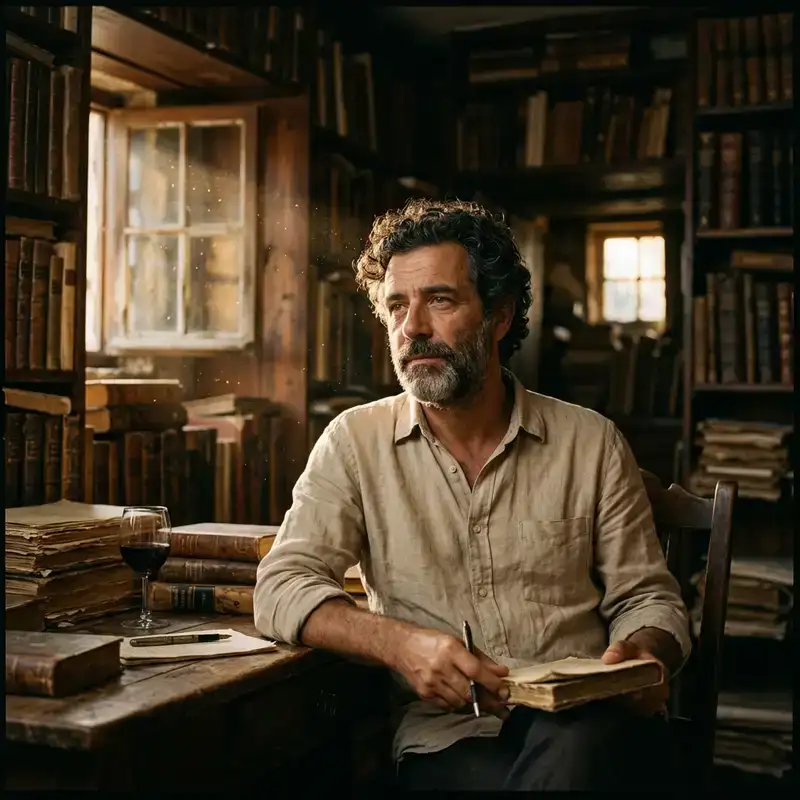 Tiago Silva
- 28 Jun, 2026 10:26
King of Wrath / King of Pride / King of Greed Book Review and Summary
King of Wrath / King of Pride / King of Greed Author: Ana HuangPage Count: UnknownPublication Year: 2023-GB Ana Huang’s King of Wrath / King of Pride / King of Greed—the final installment in her Twisted Love trilogy—is a scorching, emotionally charged finale that cements her reputation as a master of modern romance with a dark, addictive edge. Huang doesn’t just tell stories; she crafts psychological cathedrals where love and obsession blur into indistinguishable forces, leaving readers breathless and begging for more. If you’ve devoured the first two books in the series, Twisted Love and Twisted Games, then this concluding chapter was always going to be a masterclass in payoff—brutal, satisfying, and unapologetically intense. At its core, the Twisted Love trilogy explores the cyclical nature of power, desire, and self-destruction through the lens of three morally ambiguous, devastatingly attractive antiheroes—each embodying a deadly sin: wrath, pride, and greed. This final installment, King of Greed, hands the narrative baton to Rhys Holloway, a man whose wealth and ruthlessness are as legendary as his capacity for emotional manipulation. But beneath the tailored suits and diamond-crusted smiles lies a man who has spent a lifetime believing love is a transaction, a weakness, something to be extracted rather than given. When he’s forced into a twisted alliance with a woman who sees right through his armor, the collision of their worlds isn’t just inevitable—it’s cataclysmic. Huang’s genius lies in her ability to dissect toxic dynamics with surgical precision while making them feel irresistibly romantic. Rhys isn’t a hero. He’s not even an antihero in the traditional sense—he’s a villain who seduces you with his charm, his intelligence, and the raw, unfiltered vulnerability he only allows himself in the darkest corners of his mind. His relationship with the unnamed female lead (a fierce, morally grounded survivor) isn’t a love story in the conventional sense. It’s a war. A battle of wills where every touch, every whispered word, every betrayal is both a weapon and a wound. Huang doesn’t shy away from the ugliness of their dynamic—she revels in it, turning it into something hypnotic. The tension isn’t just sexual; it’s existential. You’ll find yourself questioning whether what they share is love at all, or just two broken people latching onto each other in a desperate bid to feel something real. What sets this trilogy apart is Huang’s refusal to romanticize abuse or unhealthy behavior. The characters are flawed, their love is messy, and their happiness is hard-won. Yet, there’s a magnetic pull to their stories because Huang doesn’t let them off the hook easily. Rhys, for all his cruelty, isn’t without depth. His backstory—hinted at in previous books—explains his obsession with control, his fear of vulnerability, and his twisted belief that love must be earned through suffering. The female lead, though initially a victim of his games, refuses to be a doormat. Their push-and-pull is electric, a dance where each step forward feels like a surrender and each retreat feels like victory. Huang’s prose is sharp, unflinching, and laced with a dark humor that catches you off guard. She writes with the kind of confidence that makes you feel like you’re eavesdropping on a private conversation between two people who can’t help but destroy each other—and themselves—in the process. The pacing is relentless. There are no slow burns here, no drawn-out build-ups. Every chapter feels like a punch to the gut, followed by a whisper in your ear that lingers long after the last page. The emotional payoff in King of Greed is brutal, but it’s also cathartic. Huang doesn’t offer easy resolutions. She gives you scars, and you wear them like badges of honor. This trilogy is more than just a romance—it’s a cultural phenomenon. It’s the kind of book that spreads like wildfire because it refuses to play by the rules. It’s messy. It’s uncomfortable. It’s real. And in a genre often criticized for its sanitized fantasies, Huang’s work feels like a breath of fresh, albeit scorching, air. Whether you’re a longtime fan or a newcomer seduced by the hype, King of Greed will leave you breathless, heartbroken, and utterly obsessed. It’s not just a conclusion to a trilogy—it’s a testament to the idea that love, in all its twisted glory, is the most dangerous addiction of all. #TwistedLoveTrilogy #KingOfGreed #DarkRomance #AnaHuang #MorallyGrayLove #ToxicRelationships Related InsightsEspíritu (Cemetery Boys, #2) Book Review and Summary Kurtulan Kizlar Book Review and Summary Pack La tapadera (Contiene: La tapadera / El intercambio) / The Firm Pack (Includes The Firm, The Exchange) Book Review and Summary{ "@context": "https://schema.org", "@type": "FAQPage", "mainEntity": [ { "@type": "Question", "name": "What is the main focus of King of Wrath / King of Pride / King of Greed Book Review and Summary?", "acceptedAnswer": { "@type": "Answer", "text": "Everything you need to know about King of Wrath / King of Pride / King of Greed with our detailed review." } }, { "@type": "Question", "name": "Who authored the comprehensive guide on King of Wrath / King of Pride / King of Greed Book Review and Summary?", "acceptedAnswer": { "@type": "Answer", "text": "This detailed article and its insights were carefully researched and authored by Tiago Silva." } }, { "@type": "Question", "name": "Where can I find more related content about Books?", "acceptedAnswer": { "@type": "Answer", "text": "You can explore more articles, detailed reviews, and similar insights by browsing the Related Insights section at the bottom of this article or visiting our dedicated Books category page." } } ] }

-
 Aylin Okur
- 28 Jun, 2026 09:12
Okumanın Sihirli Dünyasına Bir Yolculuk: Neden Kitaplar Hala En İyi Dostumuz?
Merhaba kitap kurtları ve okumaya yeni gönül verecek değerli okuyucular! Ben Emily Page, bu sefer sizlerle kalbime çok yakın bir konuda, yani kitaplar hakkında sohbet etmek istiyorum. Amerika'da büyürken, her yaz yerel kütüphanemizin düzenlediği okuma yarışmalarına katılmak benim için vazgeçilmez bir gelenekti. En çok kitap okuyan çocuğun ödül aldığı bu programlar, aslında hayat boyu sürecek bir tutkunun ilk kıvılcımları oldu. Annem hep "Bir kitaba dokunduğunda, yüzlerce yıla dokunursun" derdi; şimdi düşünüyorum da, ne kadar da haklıymış! Hızlı tempolu, dijitalleşmiş dünyamızda, ekranlara yapışık halde yaşarken, bazen sayfaların büyülü dünyasını gözden kaçırabiliyoruz. Oysa bir kitap, sadece kağıt ve mürekkepten ibaret değildir; o bir liman, bir macera, bir öğretmen ve en önemlisi, sessiz bir dosttur. Okumanın Vazgeçilmez Gücü: Zihin ve Ruh İçin Vitamin Kitap okumanın faydaları saymakla bitmez. Beynimizi sürekli aktif tutar, kelime dağarcığımızı geliştirir ve en önemlisi, empati yeteneğimizi güçlendirir. Farklı karakterlerin hayatlarına tanık olmak, farklı kültürleri anlamak (bir Amerikalı olarak benim için bu, sadece kendi kıtamdaki değil, dünyanın dört bir yanındaki yaşamları tanımak anlamına geliyor), olaylara başka pencerelerden bakabilmemizi sağlar. Düşünsenize, bir otobüs yolculuğunda veya en sevdiğiniz kahvecide otururken, tek bir sayfa çevirmeyle kendinizi Antik Roma'da, Vikinglerin gemisinde ya da New York'un kalabalık sokaklarında bulabilirsiniz. Bu, uçak bileti almadan yapılan bir dünya turu gibidir! Araştırmalar, düzenli kitap okumanın stres seviyesini azalttığını ve hatta Alzheimer riskini düşürdüğünü gösteriyor. Yani, bir roman okumak sadece keyifli bir zaman geçirme aktivitesi değil, aynı zamanda ruh sağlığınız için yaptığınız akıllıca bir yatırım.Kendi Okuma Rotanızı Çizmek: Kitap Seçiminde Özgürlük Peki, hangi kitabı okuyarak bu yolculuğa başlamalı? Cevap basit: İlgi alanlarınıza en uygun olanı! Belki bir polisiye romanın gizemli atmosferine dalmak istersiniz, belki bir bilim kurguyla geleceğe yolculuk, belki de kişisel gelişim kitabıyla kendinize yeni bir rota çizmek... Amerika'da kitap kulüpleri (book clubs) oldukça popülerdir. Arkadaş grupları bir araya gelir, her ay farklı bir kitap okur ve sonra bir akşam yemeği eşliğinde kitap üzerine tartışırız. Bu sadece okumayı teşvik etmekle kalmaz, aynı zamanda farklı yorumları dinleyerek ufkumuzu genişletir ve sosyal bağlarımızı güçlendirir. Siz de kendi küçük kitap kulübünüzü kurarak veya çevrimiçi platformlardaki gruplara katılarak bu deneyimi yaşayabilirsiniz. Unutmayın, okumak yalnız bir eylem gibi görünse de, aslında sizi evrensel bir topluluğa bağlar. Dijital Çağda Basılı Kitapların Değeri E-kitap okuyucularının ve sesli kitapların yükselişiyle birlikte, basılı kitapların geleceği hakkında çok konuşuldu. Benim gibi birçok Amerikalı okuyucu için, e-okuyucuların seyahat ederken sunduğu pratiklik tartışılmaz. Özellikle uzun uçak yolculuklarında yanımda onlarca kitap taşıyabilmek harika bir şey! Ancak itiraf etmeliyim ki, basılı bir kitabın kokusunu, sayfaların hışırtısını ve fiziksel varlığını hiçbir şeye değişmem. Kitaplıktaki sıralanmış renkli ciltler, her biri ayrı bir anıyı fısıldayan dostlar gibidir. Bir hikayeye kapılıp giderken sayfaları çevirmenin o eşsiz hissi, parmaklarınızın ucunda hissettiğiniz kağıdın dokusu... Bu, teknolojinin henüz taklit edemediği bir deneyim.Hayatta her zaman yeni maceralara, yeni ufuklara ihtiyacımız var. Ve bence bu maceraların en kolay, en ulaşılabilir ve en zenginleştirici yolu, bir kitabı açmaktan geçiyor. Hadi, bugün kendinize bir iyilik yapın ve sizi bekleyen o büyülü dünyaya adım atın. Belki de bir sonraki favori hikayeniz, hemen yanı başınızdaki kitapçının rafında sizi bekliyordur.#Kitaplar #OkumaAlışkanlığı #Edebiyat #KişiselGelişim #kitap #edebiyat #aylinokur #okumak #kitaplar #okumak #edebiyat #kiiselgeliim Related InsightsThe Song of Achilles Book Review and Summary A Portrait of the Artist as a Young Man Book Review and Summary Are You My Mother? Book Review and Summary{ "@context": "https://schema.org", "@type": "FAQPage", "mainEntity": [ { "@type": "Question", "name": "What is the main focus of Okumanın Sihirli Dünyasına Bir Yolculuk: Neden Kitaplar Hala En İyi Dostumuz??", "acceptedAnswer": { "@type": "Answer", "text": "Günümüz dünyasında kitapların önemini Amerikalı blog yazarınız Emily Page ile keşfedin. Okumanın hayatınızı nasıl zenginleştireceğini öğrenin." } }, { "@type": "Question", "name": "Who authored the comprehensive guide on Okumanın Sihirli Dünyasına Bir Yolculuk: Neden Kitaplar Hala En İyi Dostumuz??", "acceptedAnswer": { "@type": "Answer", "text": "This detailed article and its insights were carefully researched and authored by Aylin Okur." } }, { "@type": "Question", "name": "Where can I find more related content about Books?", "acceptedAnswer": { "@type": "Answer", "text": "You can explore more articles, detailed reviews, and similar insights by browsing the Related Insights section at the bottom of this article or visiting our dedicated Books category page." } } ] }

Dr. Seuss: How the Grinch Stole Christmas! Official Activity Book with 500 Stickers Author: Random HousePage Count: UnknownPublication Date: 2026-PRH As a professional book reviewer, I am delighted to share my thoughts on the upcoming release of Dr. Seuss: How the Grinch Stole Christmas! Official Activity Book with 500 Stickers, set to hit the shelves in 2026. Although the page count remains unknown, I am excited to dive into the world of Whoville and explore the mischievous adventures of the Grinch. The original story, written by the legendary Dr. Seuss, has been a beloved classic for generations, and this activity book promises to bring a fresh and interactive twist to the timeless tale. With 500 stickers included, young readers will be able to engage with the story in a whole new way, using their imagination and creativity to bring the characters and scenes to life. Random House, the publisher, has a reputation for producing high-quality books that captivate readers of all ages. Their commitment to preserving the essence of Dr. Seuss's signature style, while introducing new and exciting elements, is evident in this activity book. The inclusion of stickers, games, and other interactive features will undoubtedly make this book a hit among children and parents alike. The main theme of the book, of course, revolves around the Grinch's attempts to ruin Christmas for the residents of Whoville. However, as we all know, the story takes a heartwarming turn when the Grinch's icy heart is melted by the kindness and generosity of the Whos. This activity book is likely to retain the core message of the original story, emphasizing the importance of community, compassion, and the true spirit of Christmas. Dr. Seuss's unique writing style, characterized by his use of anapestic tetrameter, whimsical vocabulary, and zany illustrations, is unmistakable and has become an integral part of his enduring legacy. The activity book, while not written by Dr. Seuss himself, promises to stay true to his vision and aesthetic, ensuring that fans of the original story will feel right at home. The addition of 500 stickers will undoubtedly add an extra layer of fun and engagement to the book, allowing young readers to express their creativity and interact with the story in a more tangible way. The stickers will likely feature beloved characters from the story, including the Grinch, Max, and the Whos, as well as iconic symbols and objects from the world of Whoville. In conclusion, Dr. Seuss: How the Grinch Stole Christmas! Official Activity Book with 500 Stickers is shaping up to be a fantastic addition to the Dr. Seuss canon. With its engaging storyline, interactive features, and faithful adherence to the original style, this book is sure to delight both old and new fans of the Grinch. Whether you're a parent looking for a fun and educational activity book for your child or a collector of Dr. Seuss memorabilia, this book is definitely worth keeping an eye out for. #DrSeuss #TheGrinch #HowTheGrinchStoleChristmas #ChristmasBooks #ActivityBooksForKids #ChildrensLiterature Related InsightsThe Crossroads Book Review and Summary The Story of My Life Book Review and Summary Unwind Book Review and Summary{ "@context": "https://schema.org", "@type": "FAQPage", "mainEntity": [ { "@type": "Question", "name": "What is the main focus of How the Grinch Stole Christmas! Book Review and Summary?", "acceptedAnswer": { "@type": "Answer", "text": "Everything you need to know about How the Grinch Stole Christmas! with our detailed review." } }, { "@type": "Question", "name": "Who authored the comprehensive guide on How the Grinch Stole Christmas! Book Review and Summary?", "acceptedAnswer": { "@type": "Answer", "text": "This detailed article and its insights were carefully researched and authored by Dr. Seuss." } }, { "@type": "Question", "name": "Where can I find more related content about Books?", "acceptedAnswer": { "@type": "Answer", "text": "You can explore more articles, detailed reviews, and similar insights by browsing the Related Insights section at the bottom of this article or visiting our dedicated Books category page." } } ] }
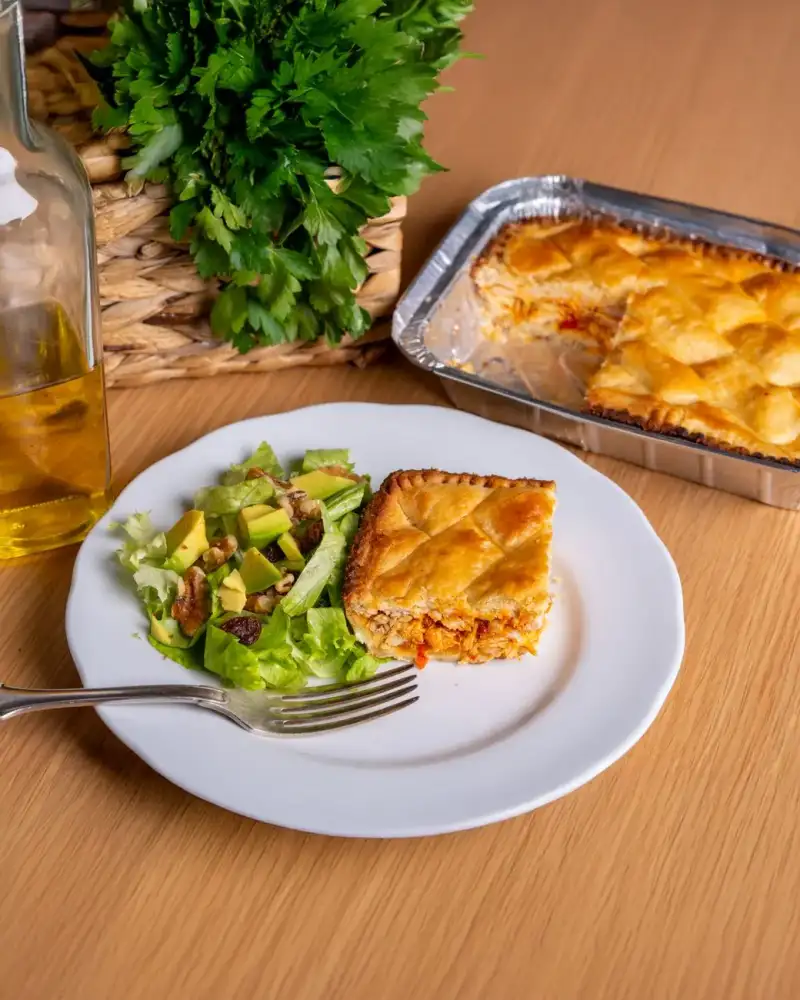
-
 Michael Chef
- 28 Jun, 2026 06:13
The Legacy of Nourishment: A Nutrient-Dense Chicken and Vegetable Pot Pie
"The Legacy of Nourishment: A Nutrient-Dense Chicken and Vegetable Pot Pie" Welcome back to my kitchen. I am Michael Chef, and today we aren't just baking a pie; we are engaging in a culinary act of reclamation. When we think of "comfort food," we often visualize the heavy, overly processed dishes of the mid-20th century. But true comfort comes from knowing that what you are putting on your plate serves your biology, respects the history of the land, and provides a template for long-term health. The chicken and vegetable pot pie is a staple of Western cuisine, yet it is often maligned for being calorie-dense but nutrient-poor. Today, we are flipping that script. By utilizing a whole wheat crust and a fiber-rich, vegetable-forward filling, we transform this classic into a vehicle for health. The Science of Sustained Habits To understand why we choose specific ingredients, we must look at the long-term impact of our dietary patterns. According to the Saskatchewan Pediatric Bone Mineral Accrual Study, dietary patterns established in childhood and adolescence carry significant weight into adulthood. Researchers noted a moderate tracking coefficient for "Vegetarian-style" diets, suggesting that the habits we cultivate—those focused on whole, plant-based inputs—are not just trends; they are foundational pillars for the health of our future selves. When you prepare this pie, you are opting for a "Vegetarian-style" influence, even when incorporating poultry. You are layering vegetables like carrots, leeks, and peas, which offer fiber and micronutrients that are often absent in the standard "Western-like" diet. The research is clear: as we age, shifting away from high-fat, high-protein extremes toward a balanced, nutrient-dense pattern is the single most effective way to ensure metabolic and structural health throughout our lifespan.Foodways and Resilience Beyond the biology of vitamins and minerals, there is a profound history in how we cook. As highlighted in recent studies on African and Native American foodways, our relationship with food is a story of survival and resilience. For centuries, communities in North America and West Africa have maintained food systems that honor the land, relying on foraging, hunting, and seasonal cultivation. In our modern, industrialized food system, which was severely tested during the COVID-19 pandemic, we are reminded that "efficiency" is not always synonymous with "nutrition." The USDA’s 2007 revision of the Low-Cost and Liberal Food Plans attempted to align home-cooked meals with better dietary guidelines, yet it highlighted the struggle of modern families: the lack of time. This recipe is my solution. It is efficient enough for a busy weeknight, yet restorative enough to honor the traditions of those who built the very concept of "cooking from scratch." By using whole wheat pastry flour and slow-simmered bone broth, we are not just assembling ingredients; we are participating in a foodway that prioritizes density over empty calories. This is how we survive and thrive, just as our ancestors did, by making deliberate choices that honor both the body and the history of our ingredients.Gastronomy Meets Medicine: The Recipe This pot pie is a triumph of texture and taste. The whole wheat crust provides a nutty, complex flavor profile, while the Greek yogurt base offers a protein-rich, tangy creaminess that outperforms traditional heavy cream in both nutritional profile and depth of flavor. [Detailed Recipe Instructions found in the frontmatter above] A Note on the Ingredients The backbone of this recipe is the broth. I highly recommend using a house-made bone broth if time permits. Research from the USDA’s food guidance systems suggests that the most nutrient-dense meals are those where we have control over the sodium and fat content. By making your own broth, you avoid the additives found in store-bought options and create a base rich in collagen and amino acids. Furthermore, the integration of whole wheat flour for the crust isn't just for flavor; it’s about glycemic control. Whole grains contain the bran and germ, providing the fiber necessary to slow the absorption of glucose. As the Saskatchewan study indicated, small, consistent shifts toward healthier dietary patterns (like choosing whole wheat over refined white flour) are what create lasting health outcomes.Building the Foundation Start by prepping your vegetables with care. We aren't just chopping; we are releasing the aromatic oils in the leeks and the natural sugars in the carrots. When you sauté these in high-quality olive oil, you are providing the healthy fats necessary for the absorption of fat-soluble vitamins (A, D, E, and K) found in the vegetables. As you assemble, remember that you are building a meal meant to bridge the gap between historical wisdom and modern medical necessity. This is not about restriction; it is about abundance—an abundance of fiber, phytonutrients, and lean protein. The Joy of the Process The final stage—baking—is where the magic happens. The aroma of roasted vegetables and herbs filling your kitchen is the ultimate sign of a home that prioritizes health. When you pull that golden-crusted pie from the oven, you are seeing the culmination of a process that respects your body’s long-term needs. You are a steward of your own health, a guardian of your own foodways. Every time you choose to cook a meal like this instead of opting for a highly processed alternative, you are signaling to your body that it is worthy of nourishment. The path to health is not a sprint; it is a series of daily, intentional choices. By incorporating these habits now, you are building a legacy of vitality that, according to the tracking patterns established by scientific research, will serve you for decades to come. Eat well, stay curious, and keep cooking from the heart.#HealthyLiving #NutrientDense #Gastronomy #WholeFoods #CulinaryMedicine Related InsightsWaakye: The Vibrant Street Food Breakfast Exploring the Delightful World of Cheese Pairings Cuban Mojito: The Refreshing History of a Caribbean Classic (Part 2){ "@context": "https://schema.org", "@type": "FAQPage", "mainEntity": [ { "@type": "Question", "name": "What is the main focus of The Legacy of Nourishment: A Nutrient-Dense Chicken and Vegetable Pot Pie?", "acceptedAnswer": { "@type": "Answer", "text": "Discover a masterful take on the classic pot pie, blending ancient foodways with modern nutritional science for a wholesome, restorative meal." } }, { "@type": "Question", "name": "Who authored the comprehensive guide on The Legacy of Nourishment: A Nutrient-Dense Chicken and Vegetable Pot Pie?", "acceptedAnswer": { "@type": "Answer", "text": "This detailed article and its insights were carefully researched and authored by Michael Chef." } }, { "@type": "Question", "name": "Where can I find more related content about Food?", "acceptedAnswer": { "@type": "Answer", "text": "You can explore more articles, detailed reviews, and similar insights by browsing the Related Insights section at the bottom of this article or visiting our dedicated Food category page." } } ] }

-
 Piotr Nowak
- 28 Jun, 2026 04:50
Red Queen / Glass Sword / King'S Cage / War Storm / Broken Throne Book Review and Summary
Red Queen / Glass Sword / King'S Cage / War Storm / Broken Throne Author: Victoria AveyardPage Count: UnknownPublication Year: 2019-GB Victoria Aveyard’s Red Queen series—comprising Red Queen, Glass Sword, King’s Cage, War Storm, and Broken Throne—is a masterclass in dystopian storytelling, blending razor-sharp social commentary with the electrifying pulse of high-stakes rebellion. Published in 2019, this five-book saga cements Aveyard’s reputation as a trailblazer in YA fantasy, where bloodlines dictate power, and the oppressed must either rise or be erased. At its core, the series explores the brutal mechanics of class warfare, framed through the lens of a society divided by silver and red. The Silvers—elite beings with supernatural abilities—rule over the common folk, the Reds, with an iron grip. But Aveyard doesn’t just rehearse the familiar "haves vs. have-nots" trope; she dissects it with surgical precision, exposing how power corrupts even the most virtuous and how revolution demands sacrifices no one is truly prepared to make. The theme isn’t just about overthrowing a corrupt system—it’s about the moral cost of doing so. Every victory in this series is stained with blood, doubt, and irreversible choices, forcing characters—and readers—to question whether the ends ever justify the means. Aveyard’s writing style is a relentless force, propelled by short, punchy sentences that mirror the urgency of her world. Dialogue crackles with tension, and her ability to weave political intrigue into personal drama keeps the pages turning at a breakneck pace. The prose isn’t flowery; it’s visceral, often brutal, mirroring the harsh realities of her dystopian setting. Yet, amidst the chaos, there’s a haunting lyricism in her descriptions—the crimson blood against silver armor, the weight of a crown that feels like a noose, the quiet moments of vulnerability that make even the most hardened characters feel achingly human. Mare Barrow, the series’ protagonist, is a study in contradictions. Born a Red in the poorest sector of the kingdom, she’s thrust into the heart of Silver society after accidentally manifesting lightning, a power thought impossible in her bloodline. Her journey from wide-eyed survivor to reluctant revolutionary is fraught with identity crises, betrayals, and the gnawing fear that she’s not the hero anyone needs—or deserves. Aveyard doesn’t romanticize Mare; she exposes her flaws—her impulsiveness, her self-doubt, her occasional ruthlessness—making her both relatable and deeply flawed. The supporting cast is equally compelling: Cal, the conflicted prince torn between duty and love; Maven, the chameleon-like antagonist whose shifting loyalties keep readers guessing; and Farley, the fiery rebel leader whose unwavering resolve masks a quiet grief. Even secondary characters like Kilorn, Julian, and Ptolemus feel like living, breathing parts of the world, their fates intertwined with Mare’s in ways that feel inevitable. The world-building is another standout feature. Aveyard doesn’t waste time on excessive lore; instead, she drops readers into a society where power is currency and status is everything. The Silvers’ abilities—ranging from elemental control to superhuman strength—are vividly imagined, each tied to their noble houses in a way that feels organic rather than arbitrary. The world’s geography, its history, and its unspoken rules are revealed through action and dialogue, immersing the reader in a reality where survival often depends on knowing when to speak and when to strike. What elevates this series beyond typical dystopian fare is its refusal to offer easy answers. The "good guys" aren’t purely good, the "bad guys" aren’t irredeemable, and victory rarely comes without collateral damage. Aveyard forces her characters—and her audience—to confront uncomfortable truths: that revolution is messy, that power corrupts even the noblest intentions, and that the line between freedom and tyranny is thinner than anyone cares to admit. The final installment, Broken Throne, is a masterstroke in subverting expectations, delivering a conclusion that’s both satisfying and heart-wrenching, leaving no thread unresolved. If Red Queen is the spark that ignites the series, War Storm is the explosion—chaotic, devastating, and impossible to look away from. Aveyard’s ability to balance large-scale battles with intimate character moments is unparalleled in YA, making this series a standout in a genre crowded with imitators. For readers who crave stories where the stakes are life and death, where love is a weapon and betrayal is a survival tactic, this series is a must-read. #RedQueenSeries #YAFantasy #DystopianBooks #VictoriaAveyard #BookReview #MareBarrow Related InsightsMurder at the Grand Alpine Hotel Book Review and Summary Bridget Jones’s Diary Book Review and Summary The Boxcar Children 100th Anniversary Edition Book Review and Summary{ "@context": "https://schema.org", "@type": "FAQPage", "mainEntity": [ { "@type": "Question", "name": "What is the main focus of Red Queen / Glass Sword / King'S Cage / War Storm / Broken Throne Book Review and Summary?", "acceptedAnswer": { "@type": "Answer", "text": "Everything you need to know about Red Queen / Glass Sword / King'S Cage / War Storm / Broken Throne with our detailed review." } }, { "@type": "Question", "name": "Who authored the comprehensive guide on Red Queen / Glass Sword / King'S Cage / War Storm / Broken Throne Book Review and Summary?", "acceptedAnswer": { "@type": "Answer", "text": "This detailed article and its insights were carefully researched and authored by Piotr Nowak." } }, { "@type": "Question", "name": "Where can I find more related content about Books?", "acceptedAnswer": { "@type": "Answer", "text": "You can explore more articles, detailed reviews, and similar insights by browsing the Related Insights section at the bottom of this article or visiting our dedicated Books category page." } } ] }


Long Lost Author: Harlan CobenPage Count: UnknownPublication Date: 2009-OL "Long Lost" by Harlan Coben is a gripping thriller that reunites readers with the beloved protagonist Myron Bolitar, and it's a wild ride from start to finish. Coben's masterful storytelling weaves a complex web of secrets, lies, and deceit, keeping readers on the edge of their seats as they navigate the twists and turns of this expertly crafted narrative. At its core, "Long Lost" is a story about the devastating consequences of keeping secrets and the destructive power of family dynamics. Terese Collins, a former flame of Myron's, reaches out to him after years of silence, and her plea for help sets off a chain reaction of events that exposes the darkest corners of her family's past. As Myron delves deeper into the mystery, he uncovers a tangled web of family secrets, each one more shocking than the last. Coben's writing style is, as always, impeccable. His prose is lean and mean, with a keen focus on propelling the plot forward. He has a remarkable ability to balance action, suspense, and humor, making "Long Lost" an absolute page-turner. The pacing is relentless, with each chapter ending on a cliffhanger that makes it impossible to put the book down. One of the standout features of "Long Lost" is its exploration of the human psyche. Coben has a keen understanding of what makes people tick, and his characters are multidimensional and relatable. Myron, in particular, is a fascinating protagonist, with his wisecracking humor and unwavering loyalty to those he cares about. Terese, too, is a complex and intriguing character, with a rich backstory that adds depth to the narrative. The themes of family, identity, and the power of secrets are woven throughout the book, adding a layer of complexity to the story. Coben raises important questions about the nature of truth and the devastating consequences of keeping secrets, and his exploration of these themes is both thought-provoking and unsettling. In short, "Long Lost" is a gripping thriller that will keep you up all night, turning pages and guessing until the very end. Coben's masterful storytelling, combined with his keen insight into the human psyche, makes for a compelling read that will appeal to fans of the genre. If you're looking for a book that will keep you on the edge of your seat, look no further than "Long Lost". #HarlanCoben #MyronBolitar #LongLost #Thriller #Mystery #BookLovers Related InsightsSentinels: Keepers of the Forest (Sentinels #1) Book Review and Summary The Anatomy of the Written Word: Unraveling the Sacred and Secular History of Literary Criticism Robinson Crusoe Book Review and Summary{ "@context": "https://schema.org", "@type": "FAQPage", "mainEntity": [ { "@type": "Question", "name": "What is the main focus of Long Lost Book Review and Summary?", "acceptedAnswer": { "@type": "Answer", "text": "Everything you need to know about Long Lost with our detailed review." } }, { "@type": "Question", "name": "Who authored the comprehensive guide on Long Lost Book Review and Summary?", "acceptedAnswer": { "@type": "Answer", "text": "This detailed article and its insights were carefully researched and authored by Diego Lopez." } }, { "@type": "Question", "name": "Where can I find more related content about Books?", "acceptedAnswer": { "@type": "Answer", "text": "You can explore more articles, detailed reviews, and similar insights by browsing the Related Insights section at the bottom of this article or visiting our dedicated Books category page." } } ] }

-
 Clara Schmidt
- 28 Jun, 2026 03:05
Das magische Flüstern der Bücher: Eine Entdeckungsreise aus der Sicht einer deutschen Leserin
Hallo liebe Leser! Mein Name ist Clara Schmidt und ja, ich bin Deutsche. Vielleicht würden viele von Ihnen die Deutschen als ordentlich, pünktlich und ein wenig streng beschreiben. Aber soll ich Ihnen ein Geheimnis verraten? Genau wie alle anderen Kulturen haben auch wir tiefe Seelen, die sich gerne in der unendlichen Welt der Träume und Gedanken verlieren. Die magischen Schlüssel, die die Türen zu diesen Welten öffnen, sind meine größte Leidenschaft: Bücher. #Bücher #Leseliebe Als kleines Mädchen, aufgewachsen in einer ruhigen Stadt in Bayern, war mein Lieblingsort die Bibliothek. Diese alten Bände, aufgereiht in hohen Regalen, die das Flüstern tausender Geschichten in sich bargen... Für mich war jeder von ihnen ein Portal, das mich von den strengen Regeln und der Ordnung Deutschlands in völlig andere Welten führte. Seit diesen Tagen sind Bücher ein unverzichtbarer Teil meines Lebens geworden, und ich bin sicher, dass sie das für Sie auch sind oder sein könnten. Bücher: Brücken jenseits von Zeit und Raum Eine der faszinierendsten Eigenschaften von Büchern ist ihre Fähigkeit, uns über Zeit und Raum hinweg zu transportieren. Während Sie morgens Ihren Kaffee trinken, könnten Sie sich plötzlich in den Verliesen einer Burg im mittelalterlichen Europa wiederfinden oder mitten in einem epischen Abenteuer in einer fernen Galaxie. Das bedeutet nicht nur, eine Geschichte zu lesen, sondern diese Geschichte zu leben. #AbenteuerImKopf #Lesereise #Deutschland ist, wie Sie wissen, die Heimat von Johannes Gutenberg, dem Erfinder des Buchdrucks. Dies war nicht nur ein technischer Fortschritt, sondern ein revolutionärer Schritt, der den Weg dafür ebnete, Wissen, Gedanken und Geschichten der Masse zugänglich zu machen. Vielleicht spüren wir Deutschen deshalb den Wert des Lesens und Lernens ein wenig tiefer. Von Goethes tiefen Versen zu Thomas Manns vielschichtigen Erzählungen; von Kafkas existenziellen Fragen zu Hermann Hesses spirituellen Reisen – die deutsche Literatur hat es immer verstanden, die kompliziertesten Ecken der menschlichen Seele zu berühren. Die intellektuelle Begeisterung, die ich während meiner Universitätszeit beim Lesen von "Faust" empfand, prägte meine Seele. Es ist also kein Wunder, dass man in Deutschland an jeder Ecke eine Bibliothek und in jedem Haus gut gefüllte Regale findet. #DeutscheLiteraturDie Gewohnheit des Lesens: Ein Ritual oder eine Flucht? Ist das Lesen von Büchern also nur eine Gewohnheit, oder hat es eine tiefere Bedeutung? Ich denke, beides. Für einige von uns sind Bücher ein ruhiger Hafen nach einem anstrengenden Tag; für andere ein aufregender Weg, neue Ideen und unterschiedliche Perspektiven zu entdecken. Für mich ist es meistens ein Ritual. Wenn ich morgens aufwache, bevor die Welt erwacht, ermöglicht mir das Lesen einiger Seiten in der Stille einen unbezahlbaren Start in den Tag. Genau wie die deutsche Besessenheit von Pünktlichkeit habe ich meine eigene Leseroutine, auf die ich nicht so leicht verzichten würde! #Bücherwurm #Morgenroutine Heutzutage gibt es einen süßen Wettbewerb zwischen physischen Büchern und E-Books. Als Deutsche schätzt meine effizienzliebende Seite die Praktikabilität von E-Books, aber der Geruch von Papier, das Rascheln der Seiten und das Gefühl eines gebundenen Buches in der Hand sind unvergleichlich. Ich schätze, in dieser Hinsicht überwiegt meine traditionelle Seite. Wie ein altes deutsches Sprichwort sagt: "Alte Liebe rostet nicht". Das gilt auch für meine Liebe zu Büchern. Jedes Buch ein neuer Horizont, ein neues Ich Jedes Buch, das Sie lesen, pflanzt einen neuen Samen in Ihr Unterbewusstsein. Vielleicht lehrt Sie ein Geschichtsbuch die Tiefen der Vergangenheit, vielleicht lässt Sie ein Science-Fiction-Roman von der Zukunft träumen, oder ein Gedichtband berührt die feinen Saiten Ihrer Seele. Bücher sind nicht nur Wissensspeicher, sondern auch unschätzbare Werkzeuge, die unsere Empathie entwickeln und uns helfen, unterschiedliche Kulturen und Leben zu verstehen. Wenn Sie den Schmerz oder die Freude eines Romanhelden teilen, verbinden Sie sich tatsächlich tiefer mit Ihrer eigenen Menschlichkeit. #BuchLiebe #EntdeckungVielleicht ist das der Grund, warum es in Deutschland so wichtig ist, Kindern die Gewohnheit des Lesens zu vermitteln. In Schulen, Bibliotheken und Familien werden Vorlesestunden organisiert. Denn wir wissen: Eine lesende Gesellschaft bedeutet eine bewusstere, fragendere und freiere Gesellschaft. Fazit: Das unendliche Erbe der Bücher Das Leben ist komplex, manchmal anstrengend, manchmal inspirierend. Und inmitten all dieses Chaos bieten uns Bücher immer einen Fluchtweg, eine Inspirationsquelle und die Möglichkeit, uns wieder mit uns selbst zu verbinden. Sie sind nicht nur Stapel bedruckten Papiers, sondern das Flüstern all der Weisheit, Träume und Entdeckungen, die die Menschheitsgeschichte angesammelt hat. #LesenIstLeben Also, liebe Leser, wenn Sie das nächste Mal ein Buch sehen, betrachten Sie es nicht nur als einen Gegenstand. Sehen Sie es als eine magische Einladung, die Ihnen eine neue Welt, neues Wissen und vielleicht ein neues "Ich" bieten wird. Liebe Grüße aus Deutschland, möge Ihr Leseabenteuer ewig andauern!#Bücher #DieMachtDesLesens #LiteraturLiebe #ClaraSchmidt #BookstagramGermany #Buch #Lesen #Literatur #Kultur #DeutscheAutoren #Buchempfehlungen #ClaraSchmidt Related InsightsSchiff des Odysseus in die Nacht: Ein Blick in die griechische Epopöe Verbrechen und Strafe: Ein Blick in die Seele des Menschen{ "@context": "https://schema.org", "@type": "FAQPage", "mainEntity": [ { "@type": "Question", "name": "What is the main focus of Das magische Flüstern der Bücher: Eine Entdeckungsreise aus der Sicht einer deutschen Leserin?", "acceptedAnswer": { "@type": "Answer", "text": "Die deutsche Autorin Clara Schmidt erzählt, wie Bücher nicht nur Geschichten, sondern auch Tore zu neuen Welten sind. Verpassen Sie nicht diesen Artikel, der Ihre Leidenschaft für das Lesen neu entfachen wird!" } }, { "@type": "Question", "name": "Who authored the comprehensive guide on Das magische Flüstern der Bücher: Eine Entdeckungsreise aus der Sicht einer deutschen Leserin?", "acceptedAnswer": { "@type": "Answer", "text": "This detailed article and its insights were carefully researched and authored by Clara Schmidt." } }, { "@type": "Question", "name": "Where can I find more related content about Bücher?", "acceptedAnswer": { "@type": "Answer", "text": "You can explore more articles, detailed reviews, and similar insights by browsing the Related Insights section at the bottom of this article or visiting our dedicated Bücher category page." } } ] }
- Giovanni Luigi
- 27 Jun, 2026 16:24
Minestrone Soup with Genovese Pesto and Spelt: A High Fiber Delight
Minestrone Soup, a traditional Italian dish, has been a staple in the Mediterranean diet for centuries. This hearty soup is made with a variety of vegetables, beans, and grains, making it a perfect example of a high fiber meal. According to recent studies, a diet high in fiber can have numerous health benefits, including reducing the risk of heart disease, type 2 diabetes, and certain types of cancer. Research on high fiber shows that it can also promote digestive health and support healthy blood sugar levels. Introduction to Minestrone Soup Minestrone Soup is a thick and flavorful soup that originated in Italy. The name "minestrone" comes from the Latin word "minestra," which means "thick soup." This soup is typically made with a variety of vegetables, such as onions, carrots, celery, and tomatoes, as well as beans, grains, and sometimes meat or poultry. The ingredients are simmered together in a vegetable broth, creating a nutritious and filling meal. The Benefits of High Fiber A high fiber diet has been shown to have numerous health benefits. Fiber can help lower cholesterol levels, regulate blood sugar levels, and promote digestive health. According to the American Heart Association, a diet rich in fiber can help reduce the risk of heart disease, stroke, and high blood pressure. Additionally, a high fiber diet can help with weight management and support healthy blood sugar levels. Genovese Pesto: A Traditional Italian Sauce Genovese Pesto is a traditional Italian sauce that originated in the Liguria region of Italy. This sauce is made with fresh basil, garlic, pine nuts, Parmesan cheese, and olive oil. Genovese Pesto is a key ingredient in Minestrone Soup, adding flavor and nutrition to the dish. The basil in Genovese Pesto is rich in antioxidants and has anti-inflammatory properties, making it a healthy addition to the soup. Spelt: A Nutritious Grain Spelt is an ancient grain that has been cultivated for thousands of years. It is a type of wheat that is higher in fiber and nutrients than modern wheat. Spelt is rich in vitamins, minerals, and antioxidants, making it a nutritious addition to Minestrone Soup. The fiber in spelt can help promote digestive health and support healthy blood sugar levels. Recipe: Minestrone Soup with Genovese Pesto and Spelt To make Minestrone Soup with Genovese Pesto and Spelt, start by soaking the spelt in water for at least 4 hours. While the spelt is soaking, heat the olive oil in a large pot over medium heat. Add the mixed vegetables and cook until tender. Then, add the soaked spelt, vegetable broth, diced tomatoes, and Genovese Pesto to the pot. Bring to a boil, then reduce heat and simmer for 30 minutes. Season with salt and pepper to taste. Conclusion Minestrone Soup with Genovese Pesto and Spelt is a delicious and nutritious meal that is perfect for a cold winter's day. The high fiber content in this soup can help promote digestive health, support healthy blood sugar levels, and reduce the risk of chronic diseases. With its rich flavor and nutritional benefits, Minestrone Soup is a great addition to a healthy diet. #HealthyLiving #Gastronomy #HighFiberDiet #MinestroneSoupRecipe Related InsightsThe Living Gold of the Koji Room: Decoding Traditional Miso Fermentation From Ancient Grills to Modern Plates: Demir Şef's High-Protein Chicken Shish Kebab with Zesty Sumac Salad - A Culinary Journey Through Culture and Wellness Der Apfelstrudel: Ein Meisterwerk der Wiener Mehlspeisenkultur und seine faszinierende Geschichte{ "@context": "https://schema.org", "@type": "FAQPage", "mainEntity": [ { "@type": "Question", "name": "What is the main focus of Minestrone Soup with Genovese Pesto and Spelt: A High Fiber Delight?", "acceptedAnswer": { "@type": "Answer", "text": "Discover the health benefits of high fiber in a delicious and traditional Italian Minestrone Soup with Genovese Pesto and Spelt. This recipe is a perfect blend of nutrition and gastronomy." } }, { "@type": "Question", "name": "Who authored the comprehensive guide on Minestrone Soup with Genovese Pesto and Spelt: A High Fiber Delight?", "acceptedAnswer": { "@type": "Answer", "text": "This detailed article and its insights were carefully researched and authored by Giovanni Luigi." } }, { "@type": "Question", "name": "Where can I find more related content about Food?", "acceptedAnswer": { "@type": "Answer", "text": "You can explore more articles, detailed reviews, and similar insights by browsing the Related Insights section at the bottom of this article or visiting our dedicated Food category page." } } ] }