-
 Michael Chef
 - 25 Jun, 2026 13:15
The Ultimate High-Fiber Whole Grain Shepherd's Pie with Lentil Topping
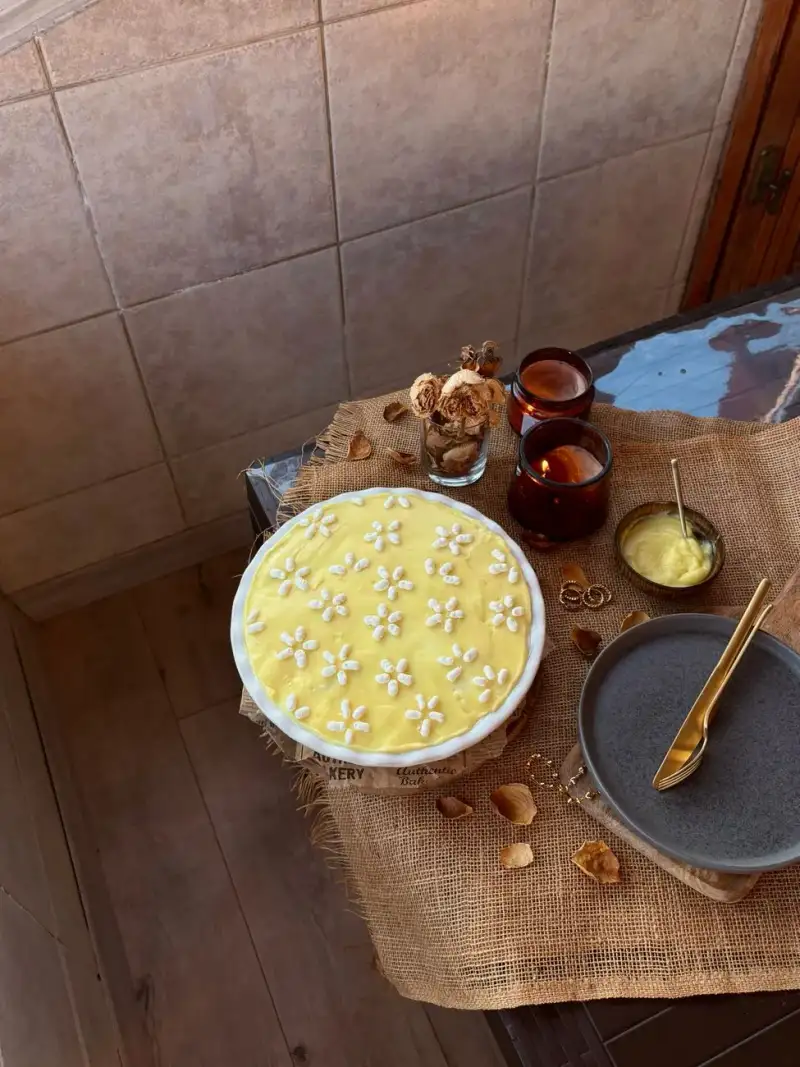
"The Ultimate High-Fiber Whole Grain Shepherd's Pie with Lentil Topping" Welcome back to the kitchen, health enthusiasts and flavor seekers. I am Michael Chef, and today we are embarking on a culinary journey that bridges the gap between traditional comfort food and modern nutritional science. We often think of "Shepherd’s Pie" as a rustic, heavy dish—a remnant of rainy evenings in the countryside. But what if we could transform this hearty classic into a powerhouse of high-fiber nutrition that supports your body from the inside out? The Gastronomy of Wellness In my culinary career, I have spent years exploring how food interacts with our biology. Much like the research into the culinary landscapes of Greece, where local farmers' markets dictate the nutritional quality of the population’s diet, we must recognize that the ingredients we choose are more than just fuel; they are biological signals. When we talk about "hidden hunger," we aren't just talking about a lack of calories. We are talking about the nuanced deficiencies that can impair development and systemic health. One such area of concern is Marginal Zinc Deficiency (MZD). Recent studies have highlighted that MZD is one of the most common hidden deficiencies globally, particularly in industrialized societies. Researchers have observed that factors such as "eating unhealthy" and frequent sickness are negatively correlated with hair zinc levels—a recognized, though underutilized, biomarker for zinc status. By choosing whole grains like barley or farro and legumes like lentils, we are not only providing the fiber necessary for gut health, but we are also selecting ingredients that are naturally more nutrient-dense than refined counterparts. This dish is designed to be a centerpiece of your weekly rotation, offering a complex profile of vitamins, minerals, and the fiber needed to regulate metabolism.Why Fiber and Whole Grains Matter Modern dietary patterns often lean heavily on refined carbohydrates, which can leave the body lacking in essential trace minerals. While research into hair zinc levels suggests that even socioeconomic factors play a role in nutritional status, we can take agency over our own plates. By incorporating lentils—a fantastic source of plant-based protein and fiber—we are creating a meal that promotes satiety. Satiety is not just about feeling full; it is about providing the body with a slow, steady release of energy. When you combine the texture of pearl barley with the earthiness of lentils, you are creating a "nutritional architecture" that keeps blood sugar stable, reducing the likelihood of reaching for ultra-processed snacks later in the day.The Recipe: A Masterclass in Whole-Food Nutrition This recipe is intentionally designed to be customizable. If you find yourself gravitating toward a specific vegetable, add it! The core of this dish—the lentil and grain base—is what provides the fiber content we are aiming for. Step-by-Step ExecutionThe Grain Base: Start by cooking your pearl barley or farro. These whole grains offer a delightful "chew" that white rice or pasta simply cannot mimic. Cook them in vegetable broth to infuse flavor early in the process. The Lentil Stew: This is where the magic happens. Using green or brown lentils is crucial as they hold their shape during the baking process. As you sauté the mirepoix (onions, carrots, celery), ensure you are using high-quality olive oil, which adds healthy fats and complements the fiber-rich vegetables. The Topping: Instead of using heavy cream or butter, use the starch from the potatoes and a high-quality extra virgin olive oil. This creates a fluffy, delicious crust that bakes to perfection without the saturated fat overload.Integrating Science into Every Bite When we look at studies regarding pediatric nutrition and zinc biomarkers, we learn that "taking supplements" is often a reactive measure. However, a proactive measure is the diversification of the diet. By including legumes—a hallmark of Mediterranean and Middle Eastern diets—we are inherently increasing our intake of zinc, iron, and magnesium. This Shepherd's Pie isn't just a recipe; it’s a commitment to health. As you prepare this dish, remember that you are crafting an environment for your own body that favors vitality over deficiency. The fiber in the lentils acts as a prebiotic, feeding the beneficial bacteria in your gut, while the zinc-rich whole grains ensure that your nutritional stores are being replenished in every delicious, comforting bite. Final Thoughts for the Home Chef Cooking should be an act of joy and an act of science. When you serve this to your family, you are serving them a dish that has been thoughtfully curated to avoid the pitfalls of modern, processed dining. Take your time with the aromatics, let the lentils simmer until they are perfectly tender, and enjoy the golden, crispy potato crust as it emerges from the oven. This dish represents the perfect marriage of the "culinary landscape"—the tradition of using what is fresh, honest, and available—and the rigorous science of nutrition. Enjoy the process, savor the flavors, and know that you are fueling your body with the very best that nature has to offer. #HealthyLiving #Gastronomy #PlantBasedNutrition #WholeGrains #ChefMichaelRecipes Related InsightsMafe: The Rich Peanut Stew of West Africa Unlocking the Flavor Secrets: 'Mexican Mole: A Culinary Journey Through Centuries of Flavor' Der gefaltete Mythos: Eine kulinarische Odyssee durch die tiefgründige Welt des Tacos{ "@context": "https://schema.org", "@type": "FAQPage", "mainEntity": [ { "@type": "Question", "name": "What is the main focus of The Ultimate High-Fiber Whole Grain Shepherd's Pie with Lentil Topping?", "acceptedAnswer": { "@type": "Answer", "text": "A nutrient-dense, plant-forward twist on a classic comfort dish that elevates fiber intake while addressing hidden nutritional gaps." } }, { "@type": "Question", "name": "Who authored the comprehensive guide on The Ultimate High-Fiber Whole Grain Shepherd's Pie with Lentil Topping?", "acceptedAnswer": { "@type": "Answer", "text": "This detailed article and its insights were carefully researched and authored by Michael Chef." } }, { "@type": "Question", "name": "Where can I find more related content about Food?", "acceptedAnswer": { "@type": "Answer", "text": "You can explore more articles, detailed reviews, and similar insights by browsing the Related Insights section at the bottom of this article or visiting our dedicated Food category page." } } ] }
-
 Aylin Okur
 - 25 Jun, 2026 12:42
Dijital Çağda Kitapların Büyüsü: Neden Hâlâ Bir Kitaba İhtiyacımız Var?
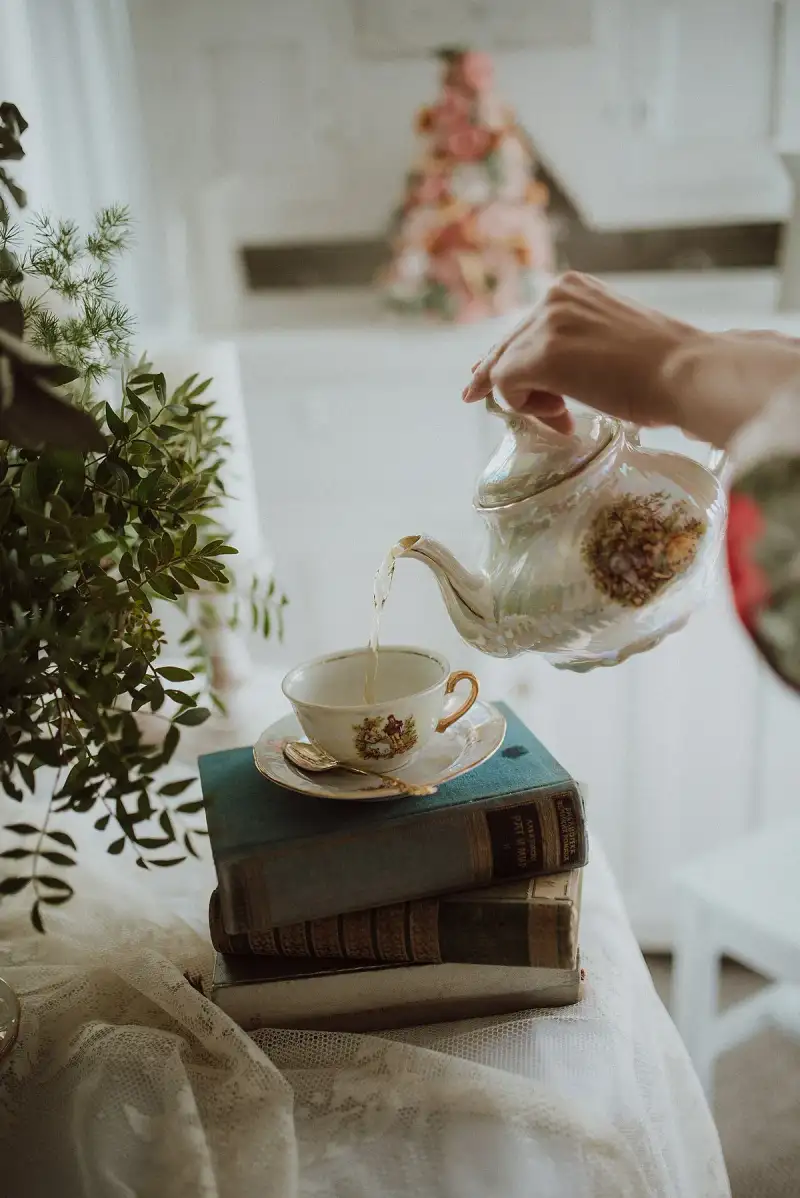
Hızla dijitalleşen dünyamızda, elimizdeki akıllı telefonlar, tabletler ve bilgisayarlar hayatımızın ayrılmaz bir parçası haline geldi. Bilgiye ulaşmak hiç bu kadar kolay olmamıştı. Ancak bu ekran yorgunluğunun ortasında, fiziksel bir kitabın sayfalarını çevirmenin o eşsiz hissi, hala birçok kişinin kalbinde özel bir yer tutuyor. Ben Amerikalı yazar Emily Page olarak, bu eski dostluk hikayesini, kitapların neden hala vazgeçilmez olduğunu kendi gözlerimden ve kültürümden örneklerle sizlerle paylaşmak istedim. Amerikalı bir çocuk olarak büyürken, mahalle kütüphaneleri bizim için adeta ikinci bir evdi. Okul sonrası ödevlerimizi yaptığımız, yeni dünyalar keşfettiğimiz ve bazen de sadece sessizce oturduğumuz o büyülü mekanlar... Kütüphaneci Bayan Miller'ın bize önerdiği her kitap, bambaşka bir maceranın kapısını aralardı. O zamanlar dijital ekranlar bu kadar hayatımızda yoktu; tek bir tuşla binlerce kitaba ulaşmak bir hayaldi. Şimdi ise parmaklarımızın ucunda koca bir dünya var. Peki, bu durumda neden hala o kağıt sayfaların büyüsüne bu kadar bağlıyız? Kitapların Eşsiz Kokusu ve Dokusu Bir e-kitap okuyucunun rahatlığını takdir etmekle birlikte, hiçbir dijital cihaz, yeni basılmış bir kitabın o mürekkep ve kağıt kokusunu ya da eski bir cildin o mistik, hafif küf kokusunu veremez. Amerikalı okuma tutkunları arasında da bu his oldukça yaygındır; hani derler ya, "eski kitap kokusu kadar güzel hiçbir şey yoktur," işte tam da bu. Bir kitabı elime aldığımda, sayfaların dokusu, ağırlığı ve hafif hışırtısı, okuma deneyimini bambaşka bir boyuta taşır. Bu, sadece gözlerimle değil, aynı zamanda parmak uçlarımla ve hatta burnumla da hissettiğim bir deneyimdir. Özellikle de New York'taki kalabalık apartman dairemde, kendime ait bir kaçış köşesi yaratmak istediğimde, fiziksel bir kitap o anki dinginliğimin en önemli parçası olur.Zihinsel Bir Kaçış Kapısı ve Stres Giderici Modern hayatın getirdiği koşuşturmaca ve stresle başa çıkmanın en iyi yollarından biri, bence iyi bir kitaba dalmaktır. Washington D.C.'deki yoğun çalışma tempomdan sonra, eve geldiğimde bir romanın sayfaları arasında kaybolmak, benim için bir meditasyon gibidir. Hani bazıları yoga yapar, bazıları spor... Ben Emily olarak, bir sandalyeye kurulup bir kitaba dalmayı tercih ederim. Bir keresinde, öyle sürükleyici bir gerilim romanına dalmıştım ki, metro durağımı iki durak geçmiştim! "Emily, uyan artık, evin çoktan geride kaldı!" diye kendi kendime güldüğümü hatırlıyorum. Kitaplar, bizi gerçeklikten koparıp bambaşka dünyalara götürme gücüne sahiptir. Bu, sadece bir hikaye okumak değil, aynı zamanda zihninizi dinlendirmek ve hayal gücünüzü serbest bırakmaktır. Bilginin ve Kültürün Taşıyıcısı Kitaplar, sadece eğlence değil, aynı zamanda bilginin ve kültürün en güçlü taşıyıcılarıdır. Her biri, yazıldığı dönemin ruhunu, yazarının bakış açısını ve o toplumun değerlerini yansıtan bir zaman kapsülü gibidir. Amerikan edebiyatı, hem kendi tarihimizi ve kimliğimizi anlamamızda hem de dünya üzerindeki yerimizi sorgulamamızda bize ışık tutar. Bir klasik okuduğunuzda, yüzyıllar öncesinden gelen bir sesle konuştuğunuzu hissedersiniz. Bilim kurgudan felsefeye, tarihten kişisel gelişime kadar her türden kitap, ufkumuzu genişletir, eleştirel düşünme becerilerimizi geliştirir ve bizi daha bilinçli bireyler yapar. Harvard'da okurken kütüphanede geçirdiğim o saatleri düşündükçe, kitapların sadece kağıt yığınları değil, aynı zamanda nesiller arası bir köprü olduğunu daha iyi anlıyorum.Dijital Çağda Kitap Okuma Alışkanlığı: Dengeyi Bulmak Elbette, e-kitapların ve sesli kitapların sunduğu pratik avantajları görmezden gelemeyiz. Özellikle uzun uçuşlarda veya seyahatlerde, yanımda yüzlerce kitabı taşıyabilmek harika bir kolaylık. Amerikalılar olarak pratikliğe önem veririz, bu yüzden Kindle'lar ve Audible gibi platformlar çok popüler. Ancak bu araçlar, fiziksel kitapların yerini almaktan ziyade, okuma deneyimini tamamlayan alternatiflerdir. Önemli olan, hangi formatta olursa olsun okuma alışkanlığını sürdürmektir. Bir kitabı elinde tutmanın, sayfalarını çevirmenin, hatta sayfaların kenarına notlar almanın o eşsiz keyfi, sanırım hiçbir zaman eskimeyecek. Sonuç olarak, dijital çağda yaşasak da kitapların büyülü dünyası hala capcanlı. Onlar sadece basılı kağıt yığınları değil, aynı zamanda anılar, keşifler ve sonsuz hayallerin kapılarıdır. Bir Amerikalı olarak, kitaplara olan bu derin sevginin evrensel olduğunu bilmek beni mutlu ediyor. Hadi, hep birlikte yeni bir kitaba dalalım ve bu eşsiz serüveni bir kez daha deneyimleyelim!#Kitaplar #OkumaAlışkanlığı #Edebiyat #EmilyPage #DijitalDünya #kitap #edebiyat #aylinokur #okumak Related InsightsWheel of the Infinite Book Review and Summary Resurrection Walk Book Review and Summary Rise of the Dragon Book Review and Summary{ "@context": "https://schema.org", "@type": "FAQPage", "mainEntity": [ { "@type": "Question", "name": "What is the main focus of Dijital Çağda Kitapların Büyüsü: Neden Hâlâ Bir Kitaba İhtiyacımız Var??", "acceptedAnswer": { "@type": "Answer", "text": "Dijitalleşen dünyamızda geleneksel kitapların eşsiz büyüsünü keşfedin. Amerikalı yazar Emily Page'den kişisel bir bakış açısıyla, kitap okumanın zihinsel ve ruhsal faydalarını ve neden hala vazgeçilmez olduklarını öğrenin." } }, { "@type": "Question", "name": "Who authored the comprehensive guide on Dijital Çağda Kitapların Büyüsü: Neden Hâlâ Bir Kitaba İhtiyacımız Var??", "acceptedAnswer": { "@type": "Answer", "text": "This detailed article and its insights were carefully researched and authored by Aylin Okur." } }, { "@type": "Question", "name": "Where can I find more related content about Books?", "acceptedAnswer": { "@type": "Answer", "text": "You can explore more articles, detailed reviews, and similar insights by browsing the Related Insights section at the bottom of this article or visiting our dedicated Books category page." } } ] }
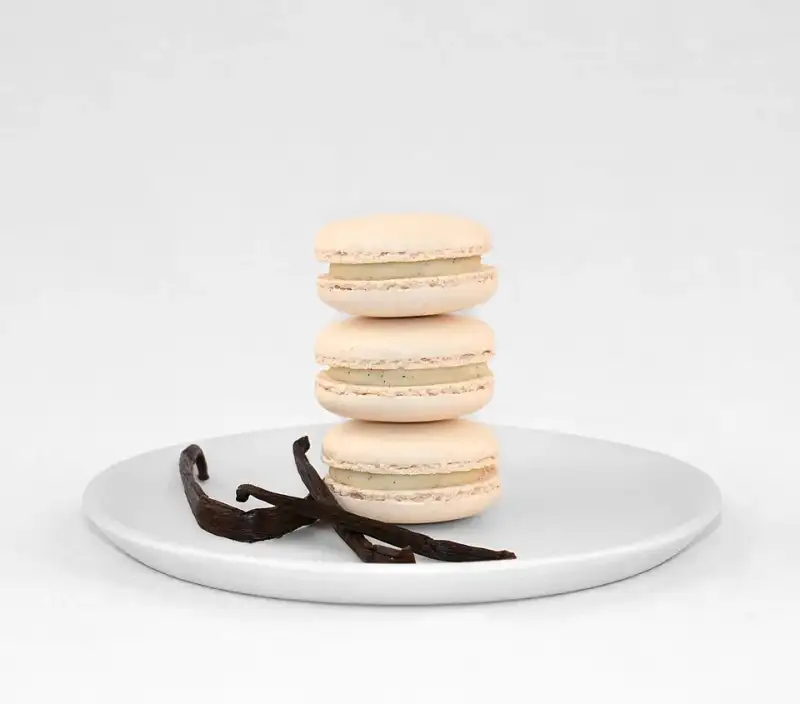
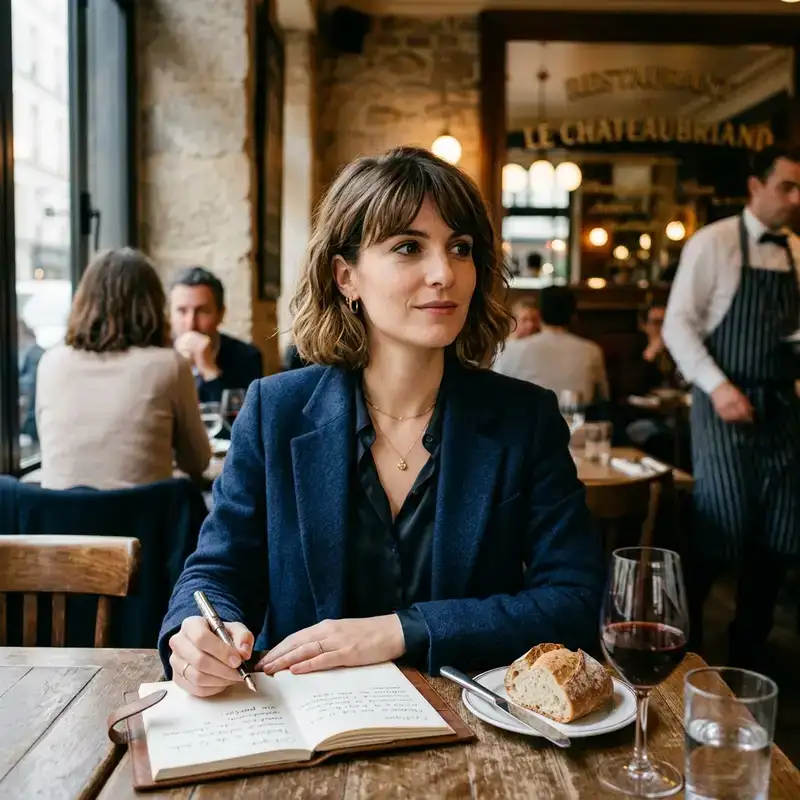
Bienvenue, chers épicuriens et amoureux de la gastronomie. Je suis Chloe Blanc, et aujourd'hui, je vous invite à un voyage sensoriel inoubliable au cœur de l'une des créations les plus fascinantes et les plus exigeantes de notre répertoire culinaire français : le macaron. Ce petit bijou rond, aux couleurs chatoyantes et aux saveurs infinies, n'est pas seulement une friandise ou un simple biscuit. C'est une véritable œuvre d'art, un concentré de technique, de précision horlogère et de passion débordante. En tant que chef pâtissière, je peux vous assurer que maîtriser la confection du macaron est l'équivalent de la quête du Saint Graal dans notre métier. C'est un apprentissage de tous les instants, une danse délicate avec les éléments naturels où l'humidité de l'air, la température exacte des blancs d'œufs, et la force de votre geste lors du macaronage jouent un rôle absolument crucial. Chaque fournée est une remise en question et un défi à relever. Dans cet article complet, je souhaite partager avec vous, au-delà des simples recettes, mon amour inconditionnel pour ce chef-d'œuvre incontesté de la #Patisserie française. Nous allons ensemble explorer ses origines souvent méconnues, disséquer de manière chirurgicale son anatomie parfaite, plonger dans les complexités techniques de sa fabrication, et, bien sûr, rêver autour de ses harmonies de saveurs infinies. Préparez-vous à découvrir les secrets les mieux gardés de la haute pâtisserie et à voir le macaron sous un tout autre angle. #France #Dessert #Macaron #ChloeBlanc #HautePatisserie L'Épopée Historique du Macaron : De l'Italie à la Cour de France Avant de devenir l'icône chic, élégante et résolument parisienne que le monde entier nous envie et tente de reproduire, le macaron a parcouru un long et tumultueux chemin. Son histoire est un fascinant mélange de légendes tenaces, d'échanges culturels à travers l'Europe et d'évolution culinaire perpétuelle. Les Racines Italiennes et l'Arrivée en France Si son prestige actuel est indéniablement français, le terme "macaron" trouve ses véritables racines dans la langue italienne. Il dérive probablement du mot maccherone ou maccarone, qui désignait autrefois une pâte fine et écrasée. L'histoire et les textes anciens racontent que ce sont d'abord les moines italiens, dans le secret de leurs abbayes, qui auraient été les premiers à confectionner ces petits biscuits roboratifs à base de poudre d'amande, de sucre et de blancs d'œufs dès le VIIIe siècle. Leurs vertus nourrissantes et leur longue conservation en faisaient une denrée prisée. Cependant, c'est véritablement au XVIe siècle que le macaron traverse majestueusement les Alpes pour conquérir le palais royal. La légende, souvent racontée dans les écoles de pâtisserie, veut que la reine Catherine de Médicis, lors de son fastueux mariage avec le futur roi Henri II en 1533, ait apporté avec elle dans ses bagages ses talentueux pâtissiers italiens. Par la même occasion, elle introduisit la recette de ces délices à la Cour de France. À cette époque lointaine, le macaron ne ressemblait pourtant pas à celui que nous connaissons et chérissons aujourd'hui. Il s'agissait d'un biscuit simple, très rustique, croquant à l'extérieur et moelleux à l'intérieur, dépourvu de toute garniture crémeuse et souvent craquelé en surface. L'Essor dans les Régions Françaises : Des Traditions Multiples Au fil des siècles et des voyages, le macaron s'est implanté dans diverses régions de #France, chacune s'appropriant la recette pour développer sa propre version, fièrement défendue par le terroir local. On pense notamment aux célébrissimes Macarons de Nancy, créés au XVIIIe siècle par deux religieuses audacieuses, Marguerite et Marie-Élisabeth. Cherchant à contourner les règles strictes interdisant la consommation de viande dans leur couvent, elles se mirent à préparer des pâtisseries riches en amandes pour combler les carences nutritionnelles. Surnommées affectueusement les "Sœurs Macarons", elles ont rendu cette gourmandise célèbre dans tout le pays, et leur secret de fabrication perdure encore aujourd'hui. Mais l'histoire ne s'arrête pas là. Il existe également les fameux macarons d'Amiens, plus épais et aux amandes effilées, ceux de Saint-Émilion au bon goût de vin de la région, de Joyeuse ou encore de Montmorillon. Chacun de ces macarons régionaux possède une texture, une forme, un aspect visuel et une histoire qui lui sont totalement uniques, prouvant que ce petit biscuit aux amandes a su conquérir le cœur, les traditions et le palais de tout un peuple, bien avant de devenir un produit de luxe. La Naissance du Macaron Parisien : La Révolution Gourmande Mais alors, à quel moment de l'histoire le macaron a-t-il acquis son allure moderne, ce chic intemporel défini par un double biscuit lisse enserrant une garniture fondante ? L'invention du macaron dit "parisien" ou macaron "Gerbet" remonte aux années 1830. C'est dans le bouillonnement intellectuel et culinaire de Paris que des pâtissiers visionnaires ont commencé à accoler deux coques de macaron simples en les solidarisant avec une couche de confiture, d'épices douces ou de liqueurs intenses. La consécration de cette forme, qui est aujourd'hui le standard mondial, est le plus souvent attribuée à Pierre Desfontaines, petit-cousin du célèbre Louis Ernest Ladurée. Au début du XXe siècle, profitant de l'essor des salons de thé parisiens où les femmes de la haute société pouvaient enfin se retrouver librement, il aurait eu la brillante idée d'assembler deux coques de macarons en les garnissant d'une savoureuse et riche ganache. Cette innovation, apparemment simple, a fondamentalement transformé un biscuit rustique de tradition en une véritable icône de la gastronomie de luxe, ouvrant la voie à une créativité sans aucune limite pour les générations futures de pâtissiers. L'Anatomie d'un Chef-d'Œuvre : Les Trois Piliers du Macaron Parfait Pour comprendre la magie profonde de ce #Dessert et apprécier pleinement sa complexité, il faut l'observer de très près, presque à la loupe. Un macaron parfait, selon les standards exigeants de la haute pâtisserie, se caractérise par trois éléments distincts, indissociables et indispensables. La recherche constante de cette sainte trinité est ce qui empêche tant de pâtissiers, amateurs comme professionnels, de dormir la nuit. 1. La Coque : Lisse, Brillante et Fièrement Bombée La toute première impression, avant même de goûter, est purement visuelle. La coque supérieure du macaron, qui se présente tel un dôme miniature, doit être d'une perfection absolue. Elle ne doit présenter absolument aucune craquelure, aucune bulle d'air disgracieuse, aucune aspérité ni granulosité. Sa surface lisse doit capter la lumière ambiante, offrant un éclat subtil et soyeux qui invite irrésistiblement à la dégustation. Au toucher, elle doit offrir une très légère résistance sous le doigt, promettant un croquant délicat qui cédera instantanément sous la dent, tel un fin verre de sucre filé. L'obtention de cette texture est le résultat direct d'un "macaronage" extrêmement précis et d'un temps de "croûtage" rigoureusement respecté. 2. La Collerette : L'Empreinte de la Réussite Technique C'est incontestablement le détail qui tue, la véritable signature visuelle d'un macaron techniquement réussi. La collerette, que l'on appelle souvent familièrement le "pied", est cette petite couronne mousseuse, légèrement boursouflée et dentelée qui se forme à la base de la coque pendant les premières minutes de la cuisson. Elle témoigne d'un équilibre chimique et physique parfait entre l'humidité résiduelle de la pâte, la puissance de la chaleur du four et le temps de repos préalable. Une collerette absente ou, à l'inverse, une collerette qui s'est trop étalée et affaissée, indique un défaut majeur de technique (pâte trop liquide ou four pas assez chaud). Elle doit s'élever verticalement et fièrement, soutenant avec élégance le dôme lisse de la coque. 3. L'Équilibre des Textures et la Garniture Fondante Le dernier élément de cette anatomie, et non des moindres pour l'expérience gustative, est l'interaction symbiotique entre l'intérieur de la coque et sa garniture. Une fois le croquant initial de la surface rompu par les dents, le palais doit immédiatement rencontrer une texture moelleuse, humide et presque fondante. Ce fameux moelleux ne vient pas par hasard : il provient de la phase cruciale de maturation du macaron. En effet, la plus grande règle d'or est qu'un macaron ne se déguste jamais le jour même de sa fabrication ! Il doit reposer entre 24 et 48 heures au réfrigérateur. Durant ce repos, l'humidité et les huiles de la garniture (qu'il s'agisse d'une ganache riche, d'une crème au beurre parfumée ou d'un confit de fruits frais) vont doucement imprégner le biscuit sec. C'est cette patiente osmose qui crée la fameuse texture "mâche", cet équilibre parfait entre le croustillant et le fondant tant recherché par les puristes. L'Impact des Colorants : Une Palette Artistique Le macaron est aussi un régal pour les yeux avant de devenir un délice pour le palais. L'utilisation et la maîtrise des colorants alimentaires constituent une étape délicate et artistique. J'ai, pour ma part, une préférence absolue pour les colorants en poudre hydrosolubles d'excellente qualité ou les colorants en gel très concentrés. Les colorants liquides de supermarché sont totalement à proscrire, car ils ajoutent une humidité non désirée qui déséquilibre immédiatement la texture fragile de la meringue. Les couleurs peuvent être vives et "pop" pour attirer l'attention et souligner un goût moderne (comme le jaune fluo pour le yuzu), ou pastel et naturelles pour évoquer la douceur et l'authenticité des ingrédients utilisés, comme un vert tendre et poudré pour la pistache d'Iran ou un rose délicat pour la framboise. L'harmonie visuelle, la régularité de la teinte, doivent toujours annoncer avec justesse la symphonie gustative qui va s'ensuivre. La Guerre des Meringues : Française, Italienne ou Suisse ? Le cœur battant, la structure même de la recette du macaron réside dans la meringue, cette émulsion aérienne magique constituée de blancs d'œufs et de sucre. Mais attention, toutes les meringues ne se valent pas, et le choix de la technique définit très souvent le style, le niveau et la philosophie du chef pâtissier.La Meringue Française : C'est la méthode la plus traditionnelle, la plus enseignée aux débutants et, en apparence seulement, la plus simple. Les blancs d'œufs y sont fouettés et montés en neige, tandis que le sucre en poudre y est incorporé progressivement. Le résultat donne un macaron à la texture extrêmement délicate, avec une coque souvent plus fine et croquante, et surtout un goût d'amande très prononcé car la pâte est moins chargée en sucre cuit. Cependant, c'est aussi la méthode la plus capricieuse et instable, terriblement sensible à l'humidité ambiante, à la qualité des œufs et aux moindres variations de température de votre four. La Meringue Italienne : C'est la véritable arme secrète des grandes maisons de pâtisserie et des professionnels. Elle consiste à verser un sirop de sucre bouillant (cuit très exactement à 118°C) en un fin filet sur des blancs d'œufs qui sont seulement partiellement montés. La chaleur intense du sirop cuit les blancs pendant le foisonnement, créant ainsi une meringue dense, incroyablement brillante et d'une stabilité physique à toute épreuve. Les macarons réalisés avec une meringue italienne sont généralement plus lisses, visuellement parfaits, moins sensibles à l'humidité de l'air ambiant, avec une collerette très régulière et solide. C'est la technique reine que je privilégie systématiquement dans ma cuisine de laboratoire pour garantir une qualité constante et irréprochable, même lorsque la météo capricieuse parisienne fait des siennes. La Meringue Suisse : Souvent moins courante pour la confection des macarons, elle implique de chauffer les blancs d'œufs et le sucre au bain-marie jusqu'à dissolution complète des cristaux avant de les fouetter énergiquement jusqu'à complet refroidissement. Elle offre un compromis technique intéressant entre la grande stabilité de l'italienne et la légèreté de la française, mais nécessite une parfaite maîtrise des températures au bain-marie pour ne pas cuire l'œuf prématurément.Le Rituel de Préparation : La Masterclass de Chloe Blanc Réaliser des macarons n'est pas simplement cuisiner, c'est accomplir un acte de méditation. Chaque geste compte, chaque gramme est important, chaque minute est décisive. Voici une plongée exclusive dans les étapes cruciales, les secrets professionnels que je chéris et que je transmets au quotidien à mes apprentis. #ChefLife #BakingSecrets L'Importance du "Tant pour Tant" et du Tamisage Extrême La base sèche fondamentale du macaron est traditionnellement appelée le "tant pour tant" : un mélange rigoureux, à parts strictement égales, de poudre d'amande extra-fine et de sucre glace. Pour obtenir une coque d'une douceur veloutée et éviter un effet rustique, il est impératif de passer ce mélange quelques secondes au robot-coupe pour l'affiner, puis de le tamiser très méticuleusement à l'aide d'un tamis fin. La moindre particule d'amande non broyée créerait des aspérités, de petites boursouflures inesthétiques sur le dessus du biscuit après cuisson. Le Vieillissement Essentiel des Blancs d'Œufs Voici un des plus grands secrets de chef, souvent ignoré à la maison : n'utilisez absolument jamais des œufs extra-frais pour faire des macarons. Les blancs doivent être "clarifiés" (soigneusement séparés des jaunes sans la moindre trace de gras) et laissés dans un récipient hermétique au fond du réfrigérateur pendant trois à cinq jours complets, voire une semaine. Ils doivent ensuite impérativement être ramenés à température ambiante la veille ou au moins quelques heures avant la préparation. Ce long processus de vieillissement modifie la structure moléculaire des protéines, réduisant considérablement l'élasticité et l'eau du blanc, permettant ainsi d'obtenir une meringue beaucoup plus ferme, beaucoup plus dense et remarquablement stable qui ne retombera pas lors du macaronage. Le Macaronage : L'Art du Geste Parfait C'est ici, à cette étape précise, que tout se joue, que le macaron vit ou meurt. Le macaronage est l'action délicate d'incorporer le fameux tant pour tant et les colorants éventuels à la meringue montée. Si vous ne mélangez pas suffisamment, la pâte conservera trop d'air, sera trop épaisse et vos macarons garderont de petites pointes inesthétiques sur le dessus au pochage, qui ne s'estomperont pas à la cuisson. Si, emporté par votre élan, vous mélangez trop énergiquement ou trop longtemps, la pâte deviendra désespérément liquide, les macarons s'étaleront pitoyablement sur la plaque de cuisson et ne développeront jamais de collerette. Le geste parfait s'effectue idéalement à l'aide d'une corne en plastique souple ou d'une grande maryse. Il faut racler le fond et les bords du bol, puis ramener la pâte vers le centre tout en l'écrasant très légèrement contre la paroi pour "casser" un peu la meringue et chasser un léger surplus d'air. On s'arrête exactement au moment où la pâte forme un fameux "ruban" continu, épais et lisse lorsqu'on soulève la maryse. C'est une question d'intuition, d'œil, de toucher et de grande expérience. Le Croûtage : L'Éloge de la Patience Une fois la pâte obtenue, elle est placée dans une poche à douille lisse, et les macarons sont pochés avec régularité sur leur plaque de cuisson recouverte de papier sulfurisé ou de tapis silpat. Vient alors le temps essentiel du croûtage. Il faut laisser reposer la plaque à l'air libre, dans un endroit sec et à l'abri des courants d'air, pendant 20 à 45 minutes, jusqu'à ce que la surface des coques soit devenue mate et totalement sèche au toucher délicat du doigt. C'est la formation de cette très fine croûte étanche qui empêchera l'humidité de s'échapper par le haut du biscuit, la forçant ainsi à s'échapper par le bas lors de la cuisson, ce qui aura pour effet mécanique de soulever la coque et de créer majestueusement la fameuse collerette. La Cuisson : Le Ballet Thermique Chaque four, même professionnel, est unique, et dompter son propre équipement est la dernière épreuve initiatique. Généralement, dans un four à chaleur tournante, une cuisson douce autour de 145°C à 150°C pendant 12 à 16 minutes est idéale selon la taille du macaron. Il est par ailleurs très souvent nécessaire d'ouvrir rapidement la porte du four (ce que l'on appelle "ourler") à mi-cuisson, voire deux fois, pour laisser s'échapper l'excédent de vapeur d'eau généré, l'humidité ambiante dans le four étant l'ennemie jurée d'un macaron parfait et craquant. Les Erreurs Courantes et Comment les Éviter : Conseils d'Experte Même les chefs les plus chevronnés et les Meilleurs Ouvriers de France ont, un jour, connu des échecs cuisants avec des plaques entières de macarons ratés. L'humilité est de mise. Voici quelques-unes des erreurs les plus fréquentes que j'observe chez les passionnés, et mes astuces infaillibles pour les surmonter. Les Coques Fendillées : L'Ennemi Humide C'est souvent le grand désespoir de tout pâtissier amateur : ouvrir la porte du four avec excitation et découvrir avec horreur des coques ressemblant à de petits volcans en éruption. Le fendillement massif est presque toujours lié à un excès d'humidité dans la pièce, à un blanc d'œuf non vieilli, ou le plus souvent à un croûtage totalement insuffisant. Si la coque n'a pas eu le temps de former une solide pellicule sèche, la pression de la vapeur dégagée pendant la cuisson s'échappera violemment par le haut, fissurant irrémédiablement la surface. Veillez toujours à laisser croûter vos macarons dans une pièce la plus sèche possible. S'il pleut abondamment à l'extérieur ou si l'air est lourd et très humide, n'hésitez pas à utiliser un petit déshumidificateur, à allumer la hotte aspirante de votre cuisine, ou à doubler allègrement le temps de repos. L'Absence Cruelle de Collerette : Problème de Pâte ou de Température Si, à l'issue de la cuisson, vos macarons restent désespérément plats, posés comme de tristes disques lisses sur le papier sans ce fameux petit pied dentelé qui les caractérise, plusieurs coupables peuvent être pointés du doigt. Un macaronage beaucoup trop excessif, qui a détruit la structure de la meringue et rendu la pâte dangereusement liquide, est souvent la première cause. La pâte s'étale au lieu de gonfler et n'a pas la force physique de se soulever. Une autre cause très fréquente est une température de la sole du four trop basse : la chaleur n'est pas suffisante et assez brutale pour saisir instantanément la base du macaron et créer ce choc thermique absolument vital au développement dynamique de la collerette. L'utilisation de tapis en silicone trop épais peut également freiner la transmission de chaleur; n'hésitez pas à superposer deux plaques de cuisson perforées pour mieux répartir l'air chaud et isoler légèrement la base. Des Coques Creuses à l'Intérieur : Le Mystère de l'Air Vous croquez avec envie dans un macaron visuellement parfait, bombé et doté d'une superbe collerette, mais à l'intérieur, c'est la déception : un grand vide intersidéral se cache sous la coque croustillante. Ce problème particulièrement frustrant est très souvent dû à une meringue trop violemment fouettée ou montée à une vitesse excessive sur le robot. Cela incorpore rapidement de grosses bulles d'air extrêmement fragiles qui finissent par éclater à la chaleur du four, laissant une grande cavité béante. Il peut également provenir d'une température de four légèrement trop élevée au départ, causant un gonflement très rapide et artificiel de l'extérieur du biscuit tandis que l'intérieur, encore cru, s'effondre lamentablement sur lui-même en refroidissant. Prenez toujours le temps de monter vos blancs très progressivement, à vitesse moyenne, pour obtenir des bulles fines, denses et structurellement stables. Les Macarons Qui Collent Désespérément au Tapis Il n'y a rien de plus rageant que d'avoir passé des heures à réaliser de somptueux macarons et de les voir se déchirer car ils refusent obstinément de se détacher de la plaque de cuisson. C'est très généralement le signe d'un manque de cuisson. Les macarons doivent être cuits jusqu'à ce que la coque soit parfaitement solidaire de son pied. Si, en fin de cuisson, en touchant très délicatement le dôme du macaron du bout de l'index dans le four, celui-ci "danse" ou bouge par rapport à sa base de façon désolidarisée, c'est qu'il manque incontestablement quelques précieuses minutes de cuisson. De plus, réglez votre impatience : laissez absolument toujours vos macarons refroidir complètement à température ambiante sur la plaque avant d'essayer de les décoller de leur support, qu'il s'agisse de papier sulfurisé ou de tapis en silicone. L'Alchimie des Saveurs : De la Tradition à l'Avant-Garde Si la maîtrise technique de la coque parfaite demande une incroyable rigueur quasi militaire, la création de la garniture est, en revanche, le terrain de jeu absolu par excellence où s'exprime la personnalité, la sensibilité et la créativité du chef pâtissier. La coque en amande apporte la texture, le croquant et la douceur sucrée indispensable, tandis que la garniture apporte l'âme du produit, la force, l'acidité tranchante, l'amertume noble ou le parfum envoûtant. Les Classiques Intemporels et Incontournables Certaines saveurs sont devenues des standards indémodables et exigent, de par leur popularité, une exécution absolument irréprochable. On ne triche pas avec un classique.Le Chocolat Intense : Une ganache montée au chocolat noir grand cru (minimum 70% de cacao), où la puissante amertume et les notes torréfiées du cacao viennent intelligemment contrebalancer le sucre inhérent à la coque du macaron. La Vanille de Madagascar ou de Tahiti : Une ganache blanche onctueuse, littéralement constellée de milliers de grains de vanille grattés, offrant une douceur florale, chaude et infiniment réconfortante en bouche. Le Caramel Beurre Salé : L'équilibre parfait et addictif entre le sucre caramélisé profondément ambré, le gras généreux du beurre demi-sel et la fine pointe de fleur de sel de Guérande qui vient piquer et réveiller les papilles. La Pistache Pure : Un grand classique qui est pourtant si souvent malmené. Il exige impérativement d'utiliser une véritable pâte de pistaches de Bronte en Sicile ou d'Iran, 100% pure et sans aucun arôme artificiel de type "amande amère", pour révéler des notes délicatement torréfiées, herbacées et subtiles. La Framboise Acidulée : Souvent travaillée sous forme de confit gélifié de fruits frais (pectine) plutôt que d'une ganache riche, pour apporter une acidité très percutante et une explosion de fraîcheur fruitée estivale qui désucre immédiatement le palais.L'Audace de la Haute Pâtisserie Contemporaine Aujourd'hui, libéré de ses carcans, le macaron est devenu une fabuleuse toile vierge pour des associations inattendues et audacieuses. Directement inspirée par le cycle des saisons, par mes voyages lointains et par les rencontres avec des producteurs passionnés, j'aime repousser les limites des saveurs classiques. #Gastronomy #CulinaryArt Imaginez la complexité d'un macaron associant la puissance terrienne et envoûtante de la truffe noire du Périgord (Tuber Melanosporum) à la douceur ronde d'une ganache crémeuse au chocolat blanc et au mascarpone. Pensez à l'acidité vibrante et exotique du jus de Yuzu japonais audacieusement mariée au parfum boisé, poivré et anisé du basilic thaï frais. Les infusions à froid sont également un domaine extraordinaire : une fine ganache infusée au thé noir Earl Grey et bergamote, à la lavande de Haute-Provence ou même délicatement épicée au poivre rouge de Sichuan. L'un de mes accords signatures dont je suis la plus fière est le macaron que j'ai nommé "Jardin d'Hiver". Il se présente sous la forme d'une délicate coque vert pâle, très légèrement poudrée, renfermant une ganache montée soyeuse infusée à la verveine fraîche citronnée, et un cœur coulant, presque liquide, au confit de pamplemousse rose de Corse. La vivacité extrême et la légère amertume de l'agrume viennent casser net la richesse beurrée de la ganache, créant une explosion de fraîcheur inoubliable en fin de dégustation. L'Art de la Dégustation : Un Moment de Pur Plaisir Suspendu Déguster un macaron de qualité ne se fait pas à la va-vite, debout dans la rue entre deux rendez-vous. C'est un rituel qui mérite attention, respect du produit et temps. Comme je l'ai mentionné précédemment, la règle d'or est que le macaron doit impérativement être sorti du réfrigérateur une quinzaine de minutes au minimum avant la dégustation. Ce retour à température ambiante permet à la ganache ou à la crème de retrouver toute sa souplesse, son fondant, et de libérer pleinement l'ensemble de ses précieux arômes qui étaient alors figés par le froid. Mais avec quelle boisson accompagner avec grâce ce véritable joyau de la #Patisserie ?Le Thé : C'est le compagnon historique, aristocratique et naturel du macaron. Un thé noir fin et léger, comme un Darjeeling de première récolte, s'accorde à merveille avec la puissance des macarons au chocolat, au café ou au caramel. À l'inverse, un thé vert Sencha japonais ou un thé blanc Pai Mu Tan délicat sublimera avec élégance la fraîcheur des macarons aux fruits rouges exotiques, aux agrumes ou aux notes florales (comme la célèbre association rose, litchi et framboise). Le Champagne : Pour transformer une simple dégustation en une véritable célébration mémorable, rien ne vaut l'effervescence luxueuse d'un Champagne brut, voire blanc de blancs. Ses bulles fines et son acidité tranchante viennent nettoyer le palais et rafraîchir les papilles entre deux bouchées gourmandes, révélant de manière spectaculaire la complexité des macarons à la vanille bourbon, aux agrumes confits, ou même au foie gras mi-cuit pour de spectaculaires versions salées lors des repas de fête. Le Café : Pour les amateurs d'accords corsés, un espresso court et très structuré est le partenaire idéal, presque viril, d'un macaron intensément sucré au caramel beurre salé, au praliné noisette ou au chocolat au lait. Il se crée alors un contraste saisissant, presque brutal mais divin, entre l'amertume torréfiée et brûlante de la boisson et la douceur régressive et fondante de la pâtisserie, appelant irrésistiblement à y revenir.Conclusion : L'Éternelle Magie du Macaron Le macaron est, en définitive, bien plus qu'une simple tendance culinaire éphémère ou un gadget sucré destiné aux réseaux sociaux ; c'est un fier ambassadeur de l'élégance, du raffinement et du savoir-faire technique artisanal français à travers le monde entier. Il incarne à lui seul le paradoxe merveilleux de la haute pâtisserie : une apparence de fragilité absolue, de délicatesse et de grande simplicité, qui cache en réalité une complexité technique redoutable, une rigueur scientifique implacable et des heures de travail acharné en laboratoire. En tant que créatrice de douceurs, je peux vous confier que chaque nouvelle fournée de macarons est une nouvelle aventure passionnante, une remise en question permanente face aux éléments naturels et aux ingrédients, mais surtout une immense source de joie lorsque le résultat final est à la hauteur de mes espérances. Voir les yeux de mes clients s'illuminer d'émerveillement et de gourmandise lorsqu'ils croquent avec délectation dans l'une de ces petites sphères colorées est, sans l'ombre d'un doute, la plus belle et la plus gratifiante de toutes les récompenses. Je vous invite sincèrement, la prochaine fois que vous croiserez le chemin d'une véritable boutique d'artisan pâtissier proposant des macarons, à prendre le temps. Le temps d'admirer la brillance des coques alignées en vitrine, le temps de respirer leur parfum complexe, et le temps de savourer en pleine conscience chaque instant de cette expérience gustative unique. Laissez-vous doucement transporter par la magie intemporelle du macaron, ce véritable joyau sucré qui fait la fierté de notre #France. Merci du fond du cœur de m'avoir accompagnée dans ce fascinant voyage sucré et parfumé. N'hésitez surtout pas à partager autour de vous vos propres saveurs de macarons préférées, vos associations audacieuses ou même vos propres expériences et déboires de pâtisserie à la maison. À très bientôt pour de toutes nouvelles et palpitantes découvertes gourmandes ! Avec toute ma passion sucrée, Chloe Blanc #patisserie #dessert #france #chloeblanc #sweet Related InsightsCrème Brûlée : La Douce Symphonie du Caramel Cannelé : Le Trésor Croustillant de Bordeaux Éclair : Le Grand Classique Indémodable{ "@context": "https://schema.org", "@type": "FAQPage", "mainEntity": [ { "@type": "Question", "name": "What is the main focus of Macaron : L'Élégance Parfaite en Une Seule Bouchée?", "acceptedAnswer": { "@type": "Answer", "text": "Plongez dans l'univers de la haute pâtisserie avec Chloe Blanc et découvrez les secrets de ce dessert emblématique." } }, { "@type": "Question", "name": "Who authored the comprehensive guide on Macaron : L'Élégance Parfaite en Une Seule Bouchée?", "acceptedAnswer": { "@type": "Answer", "text": "This detailed article and its insights were carefully researched and authored by Chloe Blanc." } }, { "@type": "Question", "name": "Where can I find more related content about Gastronomy?", "acceptedAnswer": { "@type": "Answer", "text": "You can explore more articles, detailed reviews, and similar insights by browsing the Related Insights section at the bottom of this article or visiting our dedicated Gastronomy category page." } } ] }


Olá, queridas almas viajantes e entusiastas da gastronomia! Sou a Mariana Costa. Como brasileira, acreditem, é muito difícil colocar em palavras aquele sentimento tão familiar e ao mesmo tempo tão estranho que senti ao cruzar o oceano e pisar nestas terras mágicas que carregam as raízes linguísticas da nossa pátria, Portugal. Minha vida como nômade digital (digital nomad) me levou a muitos cantos do mundo; tive a chance de conhecer muitos lugares, desde os exuberantes campos de arroz de Bali, aos templos pacíficos de Chiang Mai, passando pelas ruas coloridas e animadas de Medellín, até a beleza histórica e caótica de Istambul. Mas Lisboa... Lisboa é uma história completamente diferente. E quando se fala em Lisboa, há uma palavra mágica que ecoa no mais fundo do meu coração, quase me fazendo dançar com os fantasmas melancólicos do passado: Alfama. Hoje, falo com vocês de Alfama, o bairro mais antigo, mais sábio e, sem dúvida, mais fascinante da cidade das sete colinas, Lisboa. Este é um lugar onde o tempo parou, onde a história respira em cada paralelepípedo, em cada parede coberta de azulejos. Se a história e a comida de rua são a sua paixão, assim como são a minha, apertem os cintos, porque estamos prestes a embarcar em uma jornada inesquecível pelas ruas sinuosas de Alfama. #Lisboa #Alfama O Filho Mais Sábio da Cidade das Sete Colinas: O Primeiro Passo em Alfama Alfama é uma das raras áreas que conseguiu sobreviver milagrosamente àquele grande e devastador terremoto de Lisboa em 1755. Este bairro é como um museu vivo da cidade. Ruas estreitas e labirínticas que descem da colina em direção ao rio, escadarias íngremes, prédios coloridos que parecem estar encostados uns nos outros com roupas penduradas nas varandas... Ao dar o primeiro passo, você sente que se afasta instantaneamente de toda a confusão e do barulho do mundo moderno. Se perder aqui não é um erro, pelo contrário, é a maneira mais correta, ou até mesmo a única, de descobrir Alfama. Como uma nômade digital, a primeira coisa que faço quando vou a cada nova cidade é deixar o mapa de lado e caminhar guiada pelos meus instintos. Alfama pode ser o lugar mais perfeito da Terra para esse tipo de exploração. Com o seu nome derivado da palavra árabe "Al-Hamma" (fontes termais ou banhos), Alfama tem um passado islâmico profundo com raízes que remontam ao período mouro. O planejamento intencionalmente complexo, estreito e irregular das ruas era, na verdade, um mecanismo de defesa. Mas agora, para nós, viajantes, é o preparativo de uma nova surpresa que nos aguarda a cada esquina. #História #GuiaDeViagem Perdendo-se Entre as Camadas da História: Da Herança Moura aos Dias de Hoje A textura de Alfama carrega os vestígios dos romanos, visigodos, mouros e cristãos que viveram aqui durante séculos. Ao caminhar pelas ruas de paralelepípedos, os magníficos azulejos portugueses nas paredes te servem de guia. Decoradas com azuis, amarelos e brancos deslumbrantes, essas cerâmicas não apenas enfeitam os prédios, mas também refletem a alma deste bairro. Situado em um dos pontos mais altos do bairro, o Castelo de São Jorge saúda Alfama e o Rio Tejo (Tagus) com toda a sua majestade. Ao caminhar pelas muralhas do castelo, você pode ouvir as histórias de antigas batalhas, conquistas e renascimentos que o vento lhe conta. A Sé de Lisboa (Catedral de Lisboa), que aparece enquanto você desce do castelo, ergue-se como uma mistura única de arquitetura românica, gótica e barroca. Essas estruturas não são feitas apenas de pedra e tijolo; elas são símbolos da resistência e da força de sobrevivência de Lisboa. O Panteão Nacional, com sua majestosa cúpula branca, adiciona uma elegância completamente diferente à silhueta de Alfama. Esta estrutura monumental é o local de descanso eterno das figuras históricas mais importantes de Portugal, seus exploradores e, claro, dos famosos artistas de Fado. É impossível descrever a paz que senti ao olhar para as casas de telhados vermelhos de Alfama a partir do seu terraço. #Portugal #Viagem A Melodia da Saudade: Os Ecos do Fado nas Ruas de Alfama Como mulher brasileira, posso dizer que a música corre nas minhas veias. Cresci com a alegria do Samba e da Bossa Nova. No entanto, o Fado que conheci em Alfama tocou uma corda profunda e melancólica da minha alma que nunca havia sido tocada antes. O Fado não é apenas um gênero musical; é um estado de espírito, um modo de vida. É a versão em notas musicais da palavra "saudade", do português - que não tem uma tradução exata em outras línguas, mas que significa "um anseio profundo por algo ou alguém perdido, uma nostalgia dolorosa". Alfama é o lugar onde o Fado nasceu e onde o seu coração bate. Ao caminhar pelas ruas estreitas à noite, você pode ouvir os tons chorosos de uma guitarra portuguesa e a voz sincera e profunda de uma 'fadista' vazando das velhas paredes de pedra. Em vez dos restaurantes de Fado turísticos, preferi entrar nas 'tascas' (pequenas tabernas/restaurantes tradicionais) minúsculas e mal iluminadas aonde os moradores locais vão. Nesses lugares, o Fado é desprovido de pretensão, extremamente íntimo e autêntico. Uma noite, numa ruazinha lateral ao Clube de Fado, num pequeno lugar sem nome, não consegui conter as lágrimas enquanto ouvia uma senhora idosa, envolta no seu xale preto, fechar os olhos e cantar um lamento aos marinheiros, ao oceano e aos amores perdidos. Naquele momento percebi que, para entender o Fado, você não precisa saber falar português; basta ter um coração. O Fado é a própria alma de Alfama. #Fado #Saudade Através dos Olhos de Uma Gourmet Brasileira: A Comida de Rua e os Sabores Tradicionais de Alfama Vamos à minha parte favorita! Sou daquelas que acredita que a melhor forma de entender verdadeiramente um lugar é comendo a sua comida. O meu paladar, acostumado à rica culinária do Brasil no que diz respeito a comida de rua e sabores locais, teve um verdadeiro banquete com os sabores rústicos e com cheiro de mar de Alfama. #ComidaDeRua #CulinariaPortuguesa Sardinhas Assadas e as Festas de Verão Se você estiver em Alfama em junho, especialmente durante a época da Festa de Santo Antônio, isso significa que você é uma das pessoas mais sortudas do mundo. O bairro inteiro se transforma em uma enorme festa de churrasco ao ar livre. As ruas estreitas são decoradas com lanternas de papel coloridas e um intenso cheiro de sardinhas assadas toma conta do ar. As Sardinhas Assadas são servidas no pão fresco (broa). Acompanhada por um copinho de vinho verde local, esta refeição simples mas incrivelmente deliciosa é o ápice da cultura de rua. Bifana: Rápida, Deliciosa e Tradicional Quando se fala de comida de rua, seria um grande desrespeito pular a Bifana. Este sanduíche, preparado com carne de porco cortada em fatias bem finas e marinada por muito tempo em alho, vinho e especiarias e depois frita na sua própria gordura, é uma obra-prima da comida de rua. Colocada dentro de um pão crocante levemente aquecido, essa carne suculenta e aromática é coroada com mostarda ou piri-piri (molho de pimenta). Comer uma Bifana para recuperar as energias que você perdeu ao escalar as ladeiras íngremes de Alfama é quase um ritual secreto. Bacalhau: Mil e Uma Variedades de Peixe Dizem que os portugueses têm uma receita de bacalhau (o peixe salgado e seco) diferente para cada um dos 365 dias do ano. Seria impossível ir embora sem experimentar essa iguaria nos restaurantes tradicionais de Alfama. Meu prato favorito é, com certeza, o "Bacalhau à Brás"; uma combinação lendária de batata palha fininha, ovos mexidos, cebola, azeitonas, salsinha e, claro, bacalhau desfiado. No entanto, se você está procurando algo para petiscar enquanto caminha pela rua, os "Pastéis de Bacalhau" (bolinhos de bacalhau) são perfeitos para você. Crocantes por fora, macios e quentinhos por dentro, esses bolinhos combinam perfeitamente com uma taça de vinho branco. Ginjinha (Ginja): Uma Pausa Doce e Forte Ao passear pelas ruas de Alfama, muitas vezes você pode ver senhoras idosas vendendo licor pelas janelas das suas casas ou nas suas pequenas barracas em frente à porta. É este licor, o famoso licor de ginja português, a Ginjinha (ou Ginja). Servida em pequenos copos de chocolate, esta bebida doce, densa e com alto teor alcoólico desce pela sua garganta como um fogo doce. Comer o copinho de chocolate depois de beber é a parte mais divertida dessa experiência. Pastéis de Nata: Um Encerramento Doce Uma brasileira sem doces é impensável! Embora Belém seja a pátria dos Pastéis de Nata, também é possível encontrar ótimas versões deles nas pastelarias locais em cada esquina de Alfama. Com uma massa folhada super crocante por fora e um recheio de creme liso, cheio de ovos e polvilhado com canela por dentro, essas pequenas tortinhas se tornaram indispensáveis para acompanhar os meus cafés da manhã. Viver e Trabalhar na Textura Histórica: O Diário de Alfama de Uma Nômade Digital Minha vida como nômade digital se molda em torno de encontrar uma boa conexão Wi-Fi, um café delicioso e um ambiente de trabalho inspirador. Não se deixe enganar pela estrutura antiga e nostálgica de Alfama vista de fora; este bairro está em maravilhosa harmonia com as necessidades do mundo moderno. #NomadeDigital Existem ótimas cafeterias de terceira geração e espaços de trabalho escondidos nas ruas estreitas de Alfama que, de fora, parecem apenas uma pequena porta, mas quando você entra, te abraçam com muito calor. Baseada em minhas próprias experiências, abrir meu laptop e trabalhar num pequeno café bem ao lado de uma antiga igreja, escrevendo acompanhada por uma leve melodia de Fado vinda de fora e pelo cheiro de expresso recém-passado, aumentou incrivelmente a minha produtividade. No entanto, o maior desafio de se trabalhar em Alfama é a distração! A vista espetacular do Rio Tejo que você verá ao olhar pela janela, as vozes alegres das senhoras portuguesas conversando aos gritos umas com as outras pelas janelas vizinhas, ou o som icônico feito pelo nostálgico bonde amarelo número 28 passando pela rua, constantemente tentam tirar você da tela do computador e te puxar para dentro da vida. Para ser sincera, esse "desafio" é na verdade o que faz de Alfama o escritório mais lindo do mundo para mim. No momento em que termino o meu trabalho e fecho o meu computador, eu me entrego ao abraço da história, nas ruas vibrantes de Lisboa. Os Mirantes Escondidos (Miradouros) de Alfama: Assistir a Lisboa a Partir de Uma Visão de Pássaro Como Lisboa é uma cidade construída sobre sete colinas, todos os quatro cantos da cidade estão cheios de terraços de observação chamados "Miradouros". E a área de Alfama é, de longe, um dos lugares mais sortudos nesse sentido. Embora subir as ladeiras seja um pouco de tirar o fôlego (literalmente!), a vista que você encontrará ao chegar lá em cima vale cada gota de suor. Miradouro das Portas do Sol: Este é o lugar onde você pode ver aquela famosa vista de cartão postal de Alfama. É impossível não ficar fascinado por essa pintura formada por casas com telhados laranjas e vermelhos, igrejas brancas e o Rio Tejo brilhando intensamente. Se você conseguir acordar cedo para assistir ao nascer do sol (o que às vezes é difícil para mim como uma nômade digital!), você testemunhará um banquete visual que nunca esquecerá pelo resto de sua vida. Miradouro de Santa Luzia: Muito perto das Portas do Sol, este terraço é o meu favorito pessoal. Suas paredes cobertas com lindos azulejos azuis e brancos, buganvílias cor-de-rosa penduradas nas suas pérgulas, este terraço romântico parece até o cenário de um filme. Sentar-se aqui e observar os veleiros deslizando no rio, acompanhados pelo violão acústico tocado por músicos de rua, é um dos momentos mais poéticos que podem ser vividos em Lisboa. Miradouro da Graça (Miradouro Sophia de Mello Breyner Andresen): Localizado um pouco mais acima de Alfama, este terraço é o ponto de encontro da população local e dos jovens, especialmente no pôr do sol. Acompanhado por uma cerveja bem gelada ou vinho, assistir ao pôr do sol por trás do Castelo de São Jorge e testemunhar as luzes noturnas de Lisboa acendendo aos poucos, é uma sensação indescritível. Conexões Construídas com a População Local e o Verdadeiro Espírito de Lisboa O que torna um lugar especial não é apenas a sua arquitetura ou a sua comida, mas sim as suas pessoas. Os moradores de Alfama, isto é, os "Alfacinhas" (o adorável apelido de "pequenas alfaces" dado aos lisboetas), podem parecer um pouco distantes de fora, mas quando você sorri para eles e tenta falar algumas palavras em português, eles abrem seus corações até o fim. O meu sotaque do português do Brasil foi tanto uma vantagem, quanto a fonte de memórias engraçadas, ao me comunicar com os habitantes locais. As diferentes pronúncias das palavras, às vezes a mesma palavra significando coisas completamente diferentes, renderam muitas conversas cheias de risadas nos mercados e nas pequenas mercearias. Alfama é como uma grande vila onde os laços de vizinhança ainda são muito fortes, onde as pessoas vivem sem trancar as portas e onde todos se conhecem. Enquanto o quitandeiro a quem eu cumprimento todas as manhãs com um "Bom dia!" separa as frutas mais frescas para mim, as discussões alegres das senhoras pendurando roupas na janela durante as tardes, me fizeram nunca me sentir uma estranha ali. Alfama, apesar de sofrer com o influxo de turistas, é um lugar que conseguiu preservar a sua alma autêntica, sincera e até um pouco rebelde. Conclusão e a Despedida de Alfama (Ou a Promessa de um Reencontro) Conforme o meu tempo em Lisboa chega ao fim, arrumar as minhas malas se tornou uma das tarefas mais difíceis da minha vida. Alfama me ofereceu não apenas um abrigo, mas também inspiração, paz e sabores incríveis. Este é um dos raros lugares no mundo onde a história, a cultura, a música e o calor humano são sentidos com tanta intensidade. Se um dia o seu caminho te levar a Lisboa, deixe de lado os restaurantes de luxo ou os shoppings modernos. Calce um par de sapatos confortáveis, guarde o mapa no seu bolso e se deixe levar pelas ladeiras e ruas sinuosas de Alfama. Escute as histórias que o vento te conta, beba uma Ginja gelada numa pequena 'tasca', dê uma mordida num bolinho de bacalhau recém-frito e acompanhe a melodia de Fado que sobe de uma esquina com os olhos fechados. Alfama é como uma amante manhosa, mas generosa, que apenas revela os seus segredos para aqueles que realmente dedicam seu tempo a ela, àqueles que tentam compreendê-la. Eu me apaixonei loucamente por ela, e sei que, não importa em que lugar do mundo eu esteja, sempre que aquela melodia melancólica de Fado tocar nos meus ouvidos, o meu coração sempre voltará para aquelas ruas estreitas de Alfama. Nos vemos na próxima aventura! Fiquem com as viagens, fiquem com o amor, fiquem com a boa comida! Mariana Costa #MarianaCosta #BlogDeViagem #ViagemParaLisboa #ViajanteDoMundo #SegredosDeAlfama #Portugal #Lisboa Related InsightsNômade Digital na Tailândia: Guia de Vida em Chiang Mai Explorando Ouro Preto: Um Mergulho na História de Minas Gerais Sintra e Seus Palácios: Um Conto de Fadas em Portugal{ "@context": "https://schema.org", "@type": "FAQPage", "mainEntity": [ { "@type": "Question", "name": "What is the main focus of Os Segredos de Alfama: Apaixonando-se Loucamente por Lisboa?", "acceptedAnswer": { "@type": "Answer", "text": "Descubra os cantos escondidos de Alfama, o bairro mais antigo de Lisboa, com suas ruas estreitas onde ecoam as músicas de Fado." } }, { "@type": "Question", "name": "Who authored the comprehensive guide on Os Segredos de Alfama: Apaixonando-se Loucamente por Lisboa?", "acceptedAnswer": { "@type": "Answer", "text": "This detailed article and its insights were carefully researched and authored by Mariana Costa." } }, { "@type": "Question", "name": "Where can I find more related content about Viagem?", "acceptedAnswer": { "@type": "Answer", "text": "You can explore more articles, detailed reviews, and similar insights by browsing the Related Insights section at the bottom of this article or visiting our dedicated Viagem category page." } } ] }
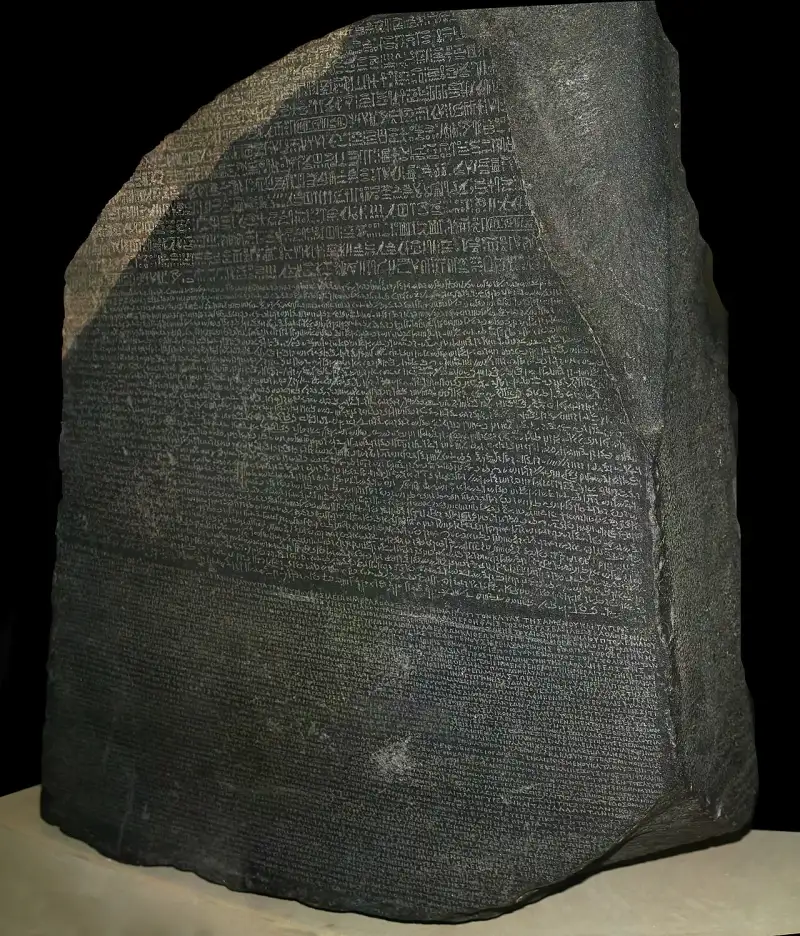

For nearly fifteen hundred years, the gods of the Nile had been silenced. Their temples, once echoing with the chants of priests and the rhythmic beating of sistrums, had been swallowed by the encroaching sands of time and neglect. The great pharaohs, men and women who had sought eternity through colossal stone monuments and intricate spells, were reduced to nameless effigies staring blankly across the desolate desert. But their greatest loss was not their hoarded gold, nor the physical crumbling of their monuments—it was their voice. The hieroglyphs, the sacred carvings that held the very soul of #AncientEgypt, had become a dead, indecipherable code, frustrating scholars and travelers for centuries. That is, until a seemingly mundane slab of black granodiorite was pulled from the thick mud of the Nile Delta. This is the dramatic, unfolding story of the Rosetta Stone, the miraculous key that unlocked a forgotten world and allowed the ancients to speak once more across the chasm of millennia. The Silence of the Sphinx: A Language Lost to Time To truly understand the magnitude of the Rosetta Stone's discovery, one must first comprehend the profound silence that preceded it. The ancient Egyptian civilization thrived for over three thousand years, producing a culture of unparalleled complexity. They chronicled their victories, their religious dogma, and their daily lives in hieroglyphs—a word derived from the Greek hieroglyphikos, meaning "sacred carvings." For millennia, this script was a living, breathing entity, adapting and evolving. However, as the empire's power waned, so too did the exclusivity and knowledge of its sacred script. The conquest of Egypt by Alexander the Great in 332 BC marked the beginning of a profound cultural shift. The subsequent Ptolemaic dynasty brought Greek as the language of administration and the elite. Hieroglyphs were increasingly confined to the realm of the priesthood and religious monuments. The final blow came with the advent of the Roman Empire and the subsequent rise of Christianity. In 391 AD, the Byzantine Emperor Theodosius I ordered the closing of all pagan temples throughout the empire. The ancient Egyptian religion was outlawed, and with it, the institutions that taught and preserved the hieroglyphic script. The last known dated hieroglyphic inscription was carved at the Temple of Philae in 394 AD. After that, the light went out. The language of the pharaohs was forgotten. For centuries, European scholars and Arab historians gazed upon the obelisks and tomb walls with awe and utter bewilderment. They believed the symbols were purely ideographic—mystical pictures representing abstract concepts of magic and philosophy, rather than a functional, phonetic language. The stones were silent. The history of Egypt was effectively erased, replaced by myths, biblical references, and the often-inaccurate accounts of classical Greek historians. The world desperately needed a key, a bridge across the void of time. #LostLanguages #History The Sands of Rashid: Napoleon's Audacious Expedition The stage for the resurrection of ancient Egypt was set not in the quiet halls of academia, but in the chaotic theater of war. In 1798, the ambitious, brilliant, and ruthlessly calculated French General Napoleon Bonaparte launched a massive military expedition to Egypt. His primary goal was strategic: to sever Britain's lucrative trade route to India and establish a French presence in the Middle East. However, Napoleon, a man deeply enamored with the grandeur of antiquity, did not just bring soldiers. He brought an army of the intellect. Accompanying the French fleet were 167 savants—scholars, scientists, engineers, artists, and mathematicians. Their mission was to study every aspect of Egypt, from its flora and fauna to its geography and, crucially, its staggering ancient ruins. This unprecedented marriage of military conquest and scientific inquiry would inadvertently birth the modern discipline of #Egyptology. The French army found themselves fighting not only the fiercely brave Mamluk cavalry but also the unforgiving Egyptian climate. The heat was oppressive, disease was rampant, and the sands seemed to swallow everything. Yet, amidst the suffering and the gunfire, the savants worked tirelessly. They sketched the Sphinx, measured the Pyramids of Giza, and marveled at the colossal ruins of Luxor and Karnak. But the true prize—the ability to read the writing on the walls—eluded them entirely. A Fortuitous Discovery in the Mud The pivotal moment arrived in mid-July 1799, near the small port city of Rosetta (known in Arabic as Rashid), located in the western delta of the Nile. The French forces, under the command of Pierre-François Xavier Bouchard, an engineering officer, were frantically reinforcing an old fifteenth-century Mamluk fortress, Fort Julien, in anticipation of an attack by the British or Ottoman forces. As the soldiers hacked away at an ancient wall to clear space for their cannons, their pickaxes struck something hard. It was not just another piece of masonry. Dragged from the rubble and the mud was a heavy, dark slab of stone, roughly the size of a tabletop. It measured 44 inches tall, 30 inches wide, and weighed an astonishing 1,680 pounds. Bouchard immediately recognized that this was no ordinary building block. The face of the stone was polished and covered in dense inscriptions. What made his heart race, however, was the structural layout of the text. The stone was divided into three distinct registers, each featuring a different script:The Top Register: Fourteen lines of ancient Egyptian hieroglyphs, mostly missing or damaged. The Middle Register: Thirty-two lines of a cursive, unknown script (which would later be identified as Demotic, the everyday administrative language of ancient Egypt). The Bottom Register: Fifty-four lines of Ancient Greek.Bouchard, though an engineer and not a linguist, possessed the educated foresight to grasp the artifact's potential significance. The Greek text, which could be readily translated by scholars of the era, declared that the decree contained within was to be inscribed "in sacred, and native, and Greek characters." This was the crucial clue. If the three texts were identical in meaning, then the Greek section could serve as a direct, one-to-one translation guide for the mysterious hieroglyphs above it. The silence was finally about to break. The Rosetta Stone had been found. #ArchaeologicalDiscovery #Napoleon A Sidelong Glance at Antiquity: What the Stone Actually Said Before diving into the fierce intellectual war that followed its discovery, it is deeply ironic to examine what the Rosetta Stone actually says. Given its monumental role in the history of human knowledge, one might expect it to contain a profound philosophical treatise, an epic poem of gods and monsters, or a dramatic historical chronicle of sweeping conquests. Instead, the Rosetta Stone is essentially a piece of bureaucratic propaganda. The text is a decree passed by a council of priests in the city of Memphis in 196 BC, during the reign of the Ptolemaic King Ptolemy V Epiphanes, who was merely a young boy at the time. The Ptolemaic dynasty, being of Greek descent, often faced unrest and rebellion from the native Egyptian population. The decree is a political instrument designed to solidify the young king's divine right to rule and to ensure the loyalty of the powerful Egyptian priesthood. The text tediously outlines the various benefactions Ptolemy V bestowed upon the temples:Tax Exemptions: He reduced taxes and completely forgave debts owed by the temples to the crown. Gifts of Grain and Money: He provided substantial donations of silver and grain to the temple treasuries. Military Protection: He successfully besieged the city of Lycopolis, defeating rebels who had risen against the state, thereby protecting the priests and the people. Amnesty: He granted amnesty to prisoners and those who had been on the run during the years of unrest.In return for these generous favors, the decree dictates that the priests must honor the king. They are ordered to construct new statues of Ptolemy V in every temple, to celebrate his birthday and coronation days with festivals and offerings, and, most importantly, to erect copies of this very decree in all the major temples across Egypt, written in the three scripts so that all—the gods, the native populace, and the Greek ruling class—could read of the king's piety and benevolence. It is a stunning irony of history that a rather dry, sycophantic tax document, mass-produced and placed in temples across the land, became the singular, most important artifact in the history of linguistics. It was the ancient equivalent of a press release, yet it held the secrets to eternity. #AncientHistory #PtolemaicEgypt The Spoils of War: From French Hands to the British Museum The joy of the French discovery was short-lived. The military realities of Napoleon's Egyptian campaign soon came crashing down. In 1801, a massive British expeditionary force, led by General Sir Ralph Abercromby, landed in Egypt to oust the French once and for all. The French army, isolated, diseased, and outmaneuvered, was eventually forced to surrender at Alexandria. A bitter dispute immediately arose over the fate of the countless antiquities the French savants had meticulously collected, cataloged, and drawn over the past three years. General Jacques-François Menou, the French commander, obstinately claimed that the artifacts, particularly the Rosetta Stone, were his personal property and should remain with the French. The British commander, Major General John Hely-Hutchinson, vehemently disagreed. Under the terms of the Capitulation of Alexandria, all antiquities collected by the French were declared the property of the British Crown as spoils of war. The tension was palpable. The French scholars threatened to burn their priceless notes and drawings rather than hand them over to the British. Legend has it that the French even tried to smuggle the Rosetta Stone out of Alexandria on a small boat, hidden among personal baggage, but they were intercepted by British agents. Ultimately, the British prevailed. The Rosetta Stone, a heavy, mute prisoner of war, was loaded onto the captured French frigate L'Égyptienne and sailed to England. In 1802, it arrived in Portsmouth and was subsequently transported to London. King George III ordered it to be placed in the British Museum, where it has remained almost continuously ever since. On its side, the British painted a stark, triumphant inscription in white letters: “Captured in Egypt by the British Army in 1801.” The physical stone belonged to Britain, but the intellectual race to decipher its secrets had only just begun. It would be a battle fought not with cannons and cavalry, but with ink, paper, and the sheer power of human genius. #BritishMuseum #WarSpoils The Race to Read: The English Polymath vs. The French Genius The news of the Rosetta Stone's existence swept through the academic circles of Europe like wildfire. Lithographic copies and plaster casts of the inscriptions were quickly distributed to universities and scholars across the continent. The text was a puzzle begging to be solved, a linguistic Mount Everest waiting to be conquered. The translation of the Greek text was completed relatively quickly, confirming the nature of the decree. But the hieroglyphs remained fiercely stubborn. The quest to decipher the stone soon narrowed into an intense, decades-long rivalry between two extraordinary minds: the brilliant English polymath Thomas Young, and the obsessive, tormented French linguist Jean-François Champollion. Thomas Young: The Man Who Knew Everything Thomas Young was a man of staggering intellect, often described as "the last man who knew everything." A physician, physicist (famous for the double-slit experiment establishing the wave theory of light), and linguist, Young approached the Rosetta Stone with the cold, analytical precision of a mathematician. In 1814, Young began his rigorous analysis of the stone. He focused heavily on the middle section, the Demotic script, realizing it was a simplified, cursive form of the hieroglyphs rather than a completely separate language. Young made significant breakthroughs. He was the first to realize that the hieroglyphic system was not entirely ideographic (picture-based) as had been assumed for centuries, but that it contained phonetic elements (representing sounds), at least when spelling foreign names. Young correctly identified that the oval enclosures, known as cartouches, contained the names of royalty. By comparing the Greek name "Ptolemaios" (Ptolemy) with the hieroglyphs inside a specific cartouche on the stone, Young successfully assigned phonetic values to several hieroglyphic signs. He proved that a square represented a 'p', a semicircle a 't', a lion a 'l', and so on. It was a monumental leap forward. Young published his findings anonymously in the Encyclopædia Britannica in 1819. However, Young's progress eventually stalled. He remained deeply convinced that the phonetic spelling was an exception, a tool used only by the ancient Egyptians to write foreign, Greek names, and that the vast majority of the hieroglyphs were still mystical, symbolic pictures. His scientific mind, constrained by established dogma, could not make the final, imaginative leap. Jean-François Champollion: The Tormented Visionary Across the English Channel, Jean-François Champollion was attacking the problem with a fervor that bordered on madness. Unlike the diverse Young, Champollion was singularly obsessed with Egypt from a very young age. Born in 1790 in the midst of the French Revolution, he was a linguistic prodigy. By his teenage years, he had mastered Latin, Greek, Hebrew, Amharic, Sanskrit, Avestan, Pahlavi, Chaldean, Syriac, Ethiopic, and, most crucially, Coptic. Coptic was the final phase of the ancient Egyptian language, written using the Greek alphabet with a few additional characters. It survived primarily as the liturgical language of the Egyptian Christian Church. Champollion firmly believed that Coptic was the direct linguistic descendant of the language of the pharaohs. This conviction would prove to be his greatest weapon. Champollion lived a life of poverty, political persecution, and fragile health, but his mind burned with the fire of decipherment. He studied every copy of Egyptian inscriptions he could get his hands on, comparing them endlessly. He built upon Young's work with the cartouches, acknowledging the Englishman's discovery of the phonetic alphabet for foreign names, though the two men would later engage in a bitter priority dispute. Champollion expanded the phonetic alphabet by studying cartouches from other monuments, successfully translating the names of other Greek and Roman rulers of Egypt, such as Cleopatra, Alexander, and Tiberius. But the ultimate question remained: did this phonetic system apply to the older, purely Egyptian pharaohs, or just the foreign conquerors? "Je tiens l'affaire!" - The Breakthrough of 1822 The climax of this decades-long intellectual thriller arrived in September 1822. Champollion received copies of newly discovered inscriptions from the temple of Abu Simbel, built long before the Greeks or Romans arrived. These inscriptions contained cartouches of ancient, native Egyptian kings. Champollion stared at a particular cartouche. It contained three symbols: a circle with a dot in the center, a mysterious symbol with three loops, and two folded cloths (which he already knew from his work on Ptolemy represented the sound 's'). Drawing upon his vast knowledge of Coptic, Champollion had a sudden, electrifying realization. The circle with a dot was the sun, and the Coptic word for sun was Ra. He hypothesized that the looped symbol was the word for "birth" or "to give birth," which in Coptic was mise. He put the sounds together: Ra + mise + s + s. Ramesses. He had just read the name of Ramses the Great, one of the most powerful pharaohs in Egyptian history. Trembling, he moved to another cartouche. This one contained the image of an ibis bird, the symbol of the god Thoth. Using the same logic, he translated it as Thoth + mise + s. Thutmose. The realization hit him with the force of a physical blow. The hieroglyphic system was not just picture writing. It was a complex, beautiful, and fully functional combination of phonetic signs (representing sounds) and ideographic signs (representing ideas). The Egyptians had been writing their own names, their own verbs, their own history phonetically all along. The code was cracked. The language was alive. According to historical lore, Champollion gathered his papers, sprinted down the street in Paris to the Institute of France where his brother worked, burst into the office, threw the papers on the desk, and shouted, "Je tiens l'affaire!" ("I've got it!"). The sheer emotional and mental exhaustion of the revelation was too much for his fragile constitution. Champollion immediately collapsed to the floor and fell into a coma-like state that lasted for five days. When he awoke, he began drafting his famous Lettre à M. Dacier, published on September 27, 1822, in which he officially announced his discovery to the world. The silence of fifteen centuries had been broken by the fevered brilliance of a single, obsessed scholar. #Decipherment #Linguistics #Genius The Resurrection of a Civilization The impact of Champollion's decipherment cannot be overstated. It was not merely an academic triumph; it was the resurrection of an entire civilization. Before 1822, ancient Egypt was a land of myth and mute stones. After 1822, it was a land of history, poetry, religion, and humanity. Equipped with Champollion's grammar and dictionary (published posthumously, as he died young at the age of 41, his body broken by his obsessive work and travels in Egypt), scholars could finally read the walls. The blank, imposing faces of the pharaohs suddenly gained names, lineages, and personalities. The battles they fought, such as Ramses II's clash with the Hittites at Kadesh, were read in vivid, propagandistic detail. The profound religious beliefs of the Egyptians, enshrined in the Book of the Dead and the Pyramid Texts, were finally understood, revealing a complex theology centered on Ma'at (cosmic balance), the afterlife, and the journey of the soul. We learned about the daily lives of the common people: the complaints of workers on strike at Deir el-Medina, the passionate love poetry penned on papyrus, the medical treatises detailing surgical procedures, and the complex legal documents governing land and inheritance. The ancient Egyptians ceased to be mysterious, magical figures and became human beings—fearing death, loving their families, suing their neighbors, and striving for a good life along the fertile banks of the Nile. The Rosetta Stone was the catalyst for an explosion of knowledge that fundamentally altered our understanding of human history. It pushed the boundaries of recorded civilization back thousands of years, proving that complex, highly organized societies with profound literary traditions existed long before the Greeks and Romans. #HistoricalRevelation #AncientCivilization The Enduring Legacy of the Stone Today, the Rosetta Stone sits behind thick glass in Room 4 of the British Museum. It is the most visited object in the entire institution, drawing millions of awe-struck observers every year. It is no longer just an archaeological artifact; it has become a global icon, a metaphor for solving the unsolvable. The term "Rosetta Stone" has entered the modern lexicon to describe any essential clue to a new field of knowledge. We speak of the "Rosetta Stone of genetics" or the "Rosetta Stone of immunology." When the European Space Agency launched a probe to study a comet and unlock the secrets of the early solar system, they aptly named it the Rosetta spacecraft, with its lander named Philae (after the island where the last hieroglyph was carved). The Modern Controversy: A Demand for Return Yet, the stone's legacy is not without ongoing conflict. The Rosetta Stone remains at the center of a fierce, decades-long debate regarding cultural repatriation. Prominent Egyptian archaeologists and government officials, most notably Dr. Zahi Hawass, have repeatedly and passionately demanded the permanent return of the stone to Egypt. They argue that the stone was stolen, taken as imperial booty during a time of colonial occupation, and that it rightfully belongs in the Grand Egyptian Museum in Giza, standing alongside the culture that created it. "The Rosetta Stone is the icon of our Egyptian identity," Hawass has stated. "Its home should be Egypt." The British Museum, conversely, argues that the stone was acquired legally under the treaties of the time, and that as a "universal museum," it is best positioned to preserve, protect, and display the artifact to a global audience in the context of world history. They fear that returning such a prominent item would set a precedent that could empty the halls of major Western museums. This debate highlights the complex, often painful legacy of colonialism and archaeology. The stone that united humanity through the understanding of language now serves as a focal point for arguments over ownership, heritage, and the right to control one's own history. The Eternal Whisper of the Nile Regardless of where it physically resides, the true power of the Rosetta Stone lies in what it accomplished. It stands as a testament to the enduring power of the written word and the relentless curiosity of the human mind. When you look at the Rosetta Stone, you are not just looking at a hunk of volcanic rock. You are looking at a portal. You are looking at the exact moment when the impenetrable darkness of the past was pierced by the light of understanding. Because of a young boy king's tax decree, the desperate fortifications of a French soldier, the cold logic of an English polymath, and the fiery genius of a French linguist, the ancient gods awoke from their slumber. The temples of Karnak are no longer silent. The tombs of the Valley of the Kings whisper their secrets to those who care to read them. Through the Rosetta Stone, ancient Egypt achieved the very thing it sought so desperately: immortality. As long as we can read their words, the pharaohs will never truly die. They continue to speak, telling us tales of a golden empire born from the mud of the Nile, echoing across eternity, reminding us that no voice, no matter how deeply buried beneath the sands of time, is ever truly lost. #Immortality #Legacy #MarkDinn #HistoricalFictionMark Dinn is an acclaimed author of historical fiction, known for bringing the forgotten dramas of the past vividly to life. His work explores the intersection of human ambition, archaeological discovery, and the relentless march of time. #History #Egypt Related InsightsUnraveling the Mysteries of Stonehenge: A Monolithic Marvel of the Ancient World 千古绝唱,江水悠悠:探秘乐山大佛的沧桑与辉煌 The Great Fire of London (1666): An Empire Reborn from Ashes{ "@context": "https://schema.org", "@type": "FAQPage", "mainEntity": [ { "@type": "Question", "name": "What is the main focus of The Rosetta Stone: Breaking the Silence of Ancient Egypt?", "acceptedAnswer": { "@type": "Answer", "text": "A dramatic deep dive into The Rosetta Stone: Breaking the Silence of Ancient Egypt. Mark Dinn explores the untold history, drama, and legacy of this fascinating subject." } }, { "@type": "Question", "name": "Who authored the comprehensive guide on The Rosetta Stone: Breaking the Silence of Ancient Egypt?", "acceptedAnswer": { "@type": "Answer", "text": "This detailed article and its insights were carefully researched and authored by Mark Dinn." } }, { "@type": "Question", "name": "Where can I find more related content about History?", "acceptedAnswer": { "@type": "Answer", "text": "You can explore more articles, detailed reviews, and similar insights by browsing the Related Insights section at the bottom of this article or visiting our dedicated History category page." } } ] }
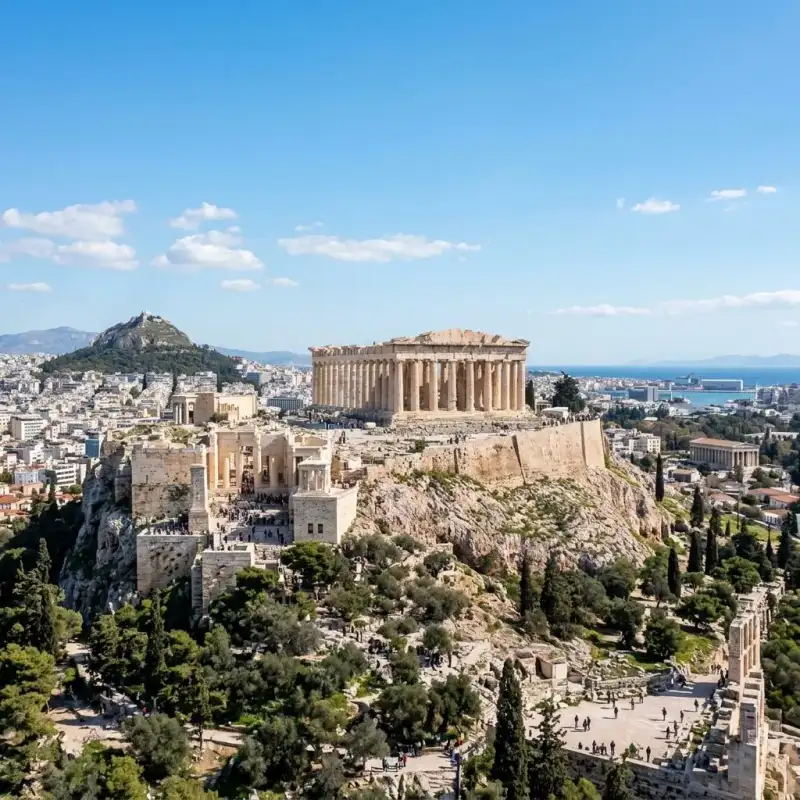

The Great Barrier Reef: A Fragile Underwater Wonder As I descended beneath the crystalline surface of the Coral Sea, the world transformed. The muted sounds of the boat engine above were replaced by the rhythmic crackle of marine life—a symphony of the ocean. This is the Great Barrier Reef, a living structure so massive it can be seen from space, yet so fragile it is currently fighting for its very existence. #WorldHeritage #OceanConservation Stretching over 2,300 kilometers along the northeastern coast of Australia, the Great Barrier Reef is not a single entity but a vast, intricate network of nearly 3,000 individual reefs and 900 islands. It is a masterpiece of biodiversity, a sanctuary for countless species of marine life, and a vital barometer for the health of our planet's oceans. #Nature #GreatBarrierReef A Kaleidoscope of Life My first dive took me to the Agincourt Reef, a ribbon reef situated on the very edge of Australia's continental shelf. Here, the water is extraordinarily clear, offering visibility that can exceed 30 meters. As I floated in the weightless embrace of the ocean, a kaleidoscope of colors unfolded before my eyes. Vibrant corals—staghorn, brain, and plate corals—formed an underwater cityscape. Darting among these living structures were schools of tropical fish in every conceivable hue. I spotted a pair of clownfish defending their anemone home, their bright orange bodies standing out against the swaying, neon-tipped tentacles. #MarineLife #ScubaDiving But the Great Barrier Reef is more than just colorful fish. It is home to six of the world's seven species of marine turtles. During my time here, I had the profound privilege of swimming alongside a massive green sea turtle, its ancient, wise eyes seeming to hold the secrets of the ocean depths. #SeaTurtles #WildlifePhotography The Threat of Climate Change However, the beauty of the Great Barrier Reef is increasingly overshadowed by a looming crisis. As a documentary maker, my lens is trained not just on the splendor, but on the fragility of these UNESCO World Heritage sites. And nowhere is that fragility more apparent than here. Climate change is the single greatest threat to the reef. As global temperatures rise, so do ocean temperatures. When the water gets too warm, corals become stressed and expel the symbiotic algae (zooxanthellae) living in their tissues. These algae provide the corals with their vibrant colors and, more importantly, their primary source of food through photosynthesis. Without them, the corals turn stark white—a phenomenon known as coral bleaching. #ClimateChange #CoralBleaching During my dives, I witnessed the devastating impact of this firsthand. Alongside the vibrant, healthy reefs were patches of skeletal, bleached coral, resembling underwater graveyards. It is a heartbreaking sight, a stark reminder of the urgent need for global action to reduce greenhouse gas emissions. #SaveOurOceans #EnvironmentalAwareness Indigenous Connections The story of the Great Barrier Reef is inextricably linked to the Indigenous peoples of Australia. For over 60,000 years, Aboriginal and Torres Strait Islander communities have been the traditional custodians of this vast seascape. Their connection to the reef is profound, woven into their culture, spirituality, and daily lives. I spent time with traditional owners from the Yirrganydji and Kuku Yalanji language groups, learning about their deep understanding of the marine environment. They shared ancient stories of creation, explaining how the reef and its inhabitants came to be. Their traditional ecological knowledge is increasingly recognized as vital to the ongoing management and conservation of the reef. #IndigenousCulture #TraditionalKnowledge They are also at the forefront of efforts to monitor and protect the reef. Many traditional owners are now working as sea rangers, combining their ancestral wisdom with modern scientific techniques to manage marine resources sustainably. It is a powerful example of how Indigenous leadership can guide us towards a more harmonious relationship with the natural world. #ConservationLeadership #CommunityAction A Call to Action Leaving the Great Barrier Reef, I carried with me a profound sense of both awe and urgency. This extraordinary ecosystem is a testament to the resilience and beauty of the natural world, but it is also a fragile treasure that is teetering on the brink. As a traveler and a storyteller, I believe we have a responsibility to not just witness these wonders, but to actively protect them. The fate of the Great Barrier Reef is not sealed. By supporting sustainable tourism, advocating for strong climate action, and elevating the voices of Indigenous custodians, we can help ensure that this underwater wonderland continues to thrive for generations to come. #SustainableTravel #ActionForClimate The Great Barrier Reef is not just an Australian treasure; it is a global heritage. Its survival depends on the choices we make today. Let us choose to protect the fragile beauty of our blue planet. #ProtectOurOceans #DocumentaryFilmmaking (Note: As a dedicated documentary filmmaker, I continue to document these locations to preserve their memory, but nothing compares to saving them in reality.) #unesco #documentary #ocean #australia Related Insights姫路城: 白鷺が舞い降りた名城 The Shimmering Waters: Documenting Plitvice Lakes National Park Jalid ibn al-Walid: La Espada de Dios{ "@context": "https://schema.org", "@type": "FAQPage", "mainEntity": [ { "@type": "Question", "name": "What is the main focus of The Great Barrier Reef: A Fragile Underwater Wonder?", "acceptedAnswer": { "@type": "Answer", "text": "Exploring the fragile beauty and climate challenges facing Australia's Great Barrier Reef." } }, { "@type": "Question", "name": "Who authored the comprehensive guide on The Great Barrier Reef: A Fragile Underwater Wonder?", "acceptedAnswer": { "@type": "Answer", "text": "This detailed article and its insights were carefully researched and authored by Sarah Mitchell." } }, { "@type": "Question", "name": "Where can I find more related content about Travel?", "acceptedAnswer": { "@type": "Answer", "text": "You can explore more articles, detailed reviews, and similar insights by browsing the Related Insights section at the bottom of this article or visiting our dedicated Travel category page." } } ] }

Gözlerimi kapattığımda, parmaklarımın arasında hışırtılar çıkaran o kâğıt sayfaların kokusu burnuma dolar. Bir an için, şehrin gürültüsü, günlük telaşlar silinir gider. Sadece ben ve o, yani kitap kalırız. Bu an, her Türk okuru gibi benim için de sadece bir eylem değil, adeta bir nefes alma biçimi. Adım Aylin Okur, ve evet, soyadımın hakkını veren bir okur olmaktan gurur duyuyorum. Kitaplar, hayatımızın labirentlerinde bize yol gösteren, en iyi dostumuz, en bilge rehberimizdir. Peki, bu kağıt yığınları neden bu kadar büyüleyici? Neden Okuyoruz? Birkaç Sebepten Fazlası Okumak, sadece bilgi edinmekten çok daha fazlasıdır. O, ruhumuzun derinliklerine inen, duygularımızı besleyen, zihnimize yeni pencereler açan sihirli bir anahtar gibidir. Düşünsenize, bir otobüs yolculuğunda Shakespeare’in trajedilerine ortak olabilir, bir park bankında Dostoyevski’nin karakterleriyle felsefi sorgulamalara dalabiliriz. Bir de Türk edebiyatının o eşsiz lezzeti var ki, Orhan Pamuk’un İstanbul’unun puslu sokaklarında kaybolmak ya da Yaşar Kemal’in Çukurova’sının sıcaklığını hissetmek, tarifi imkansız bir zevk. Okumak, bizi empati kurmaya iter, farklı kültürleri ve insanları anlamamızı sağlar. Hani derler ya, “bir lisan bir insan, iki lisan iki insan”; ben buna “bir kitap bin insan” diye eklemek isterim. Her okuduğumuz kitapla, yazarın dünyasına adım atar, onun gözünden bambaşka hayatlara tanık oluruz.Kimimiz bilim kurgunun geleceğine yelken açar, kimimiz tarihin tozlu sayfalarında geçmişin sırlarını aralar. Polisiye meraklıları için her sayfa bir ipucu, her kelime bir şüphe kaynağıdır. Şahsen ben, son zamanlarda biyografik eserlere takmış durumdayım. Zira bir insanın başarı ve başarısızlıklarla dolu gerçek hikayesi, kurgusal dünyanın çok ötesinde ilham verebiliyor. Annem hep derdi: "Kızım, kitaplar senin en iyi arkadaşındır, asla yalnız kalmazsın." O zamanlar anlamazdım pek, şimdi anlıyorum ki en sessiz anlarımda bile fısıldayan o sesler, aslında kitapların bilgeliğiymiş. Türk Kültüründe Kitapların Yeri: Bir Aylin Okur Gözüyle Türk kültüründe sözlü gelenekler çok güçlü olsa da, kitapların yeri asla azımsanamaz. Özellikle Divan edebiyatından Halk hikayelerine, Mevlana'dan Yunus Emre'ye uzanan zengin bir mirasımız var. Bu miras, nesilden nesile aktarılan sadece hikayeler değil, aynı zamanda düşünce biçimleri ve yaşam felsefeleridir. #Anadolu’nun en ücra köşelerinde bile, çay sohbetlerinde Ahmet Hamdi Tanpınar’ın "Saatleri Ayarlama Enstitüsü"nden, Reşat Nuri Güntekin’in "Çalıkuşu"ndan dem vurulduğuna şahit olmuşumdur. Bu, kitapların sadece entelektüel bir uğraş olmadığını, aynı zamanda toplumsal hafızamızın ve kimliğimizin bir parçası olduğunu gösterir. Biz Türkler, misafirperverliğimizle biliniriz; evimize gelen her misafire ikramda bulunuruz. Benim evimde ise misafirlerime ikram ettiğim ilk şeylerden biri, her zaman sevdiğim bir kitaptan bir alıntı ya da ilginç bir bilgi olmuştur. Bu, aslında bir tür 'okur misafirperverliği' olsa gerek. Kitap fuarları, imza günleri, edebiyat sohbetleri... Ülkemizde her geçen gün daha da popülerleşiyor ve bu beni çok mutlu ediyor. Çünkü bu, "kitapsız büyüyen çocuk, susuz büyüyen ağaca benzer" atasözümüzün ne kadar doğru olduğunu bir kez daha kanıtlıyor. Okuma Alışkanlığı Edinmek: Küçük Adımlar, Büyük Farklar Peki, herkes Aylin Okur gibi bir 'kitap kurdu' olabilir mi? Elbette! Önemli olan küçük adımlarla başlamak. Her gün sadece 15 dakika okumakla işe başlayın. Sevdiğiniz türleri keşfedin, kendinizi zorlamayın. Bir kitabı beğenmediyseniz, bırakmaktan çekinmeyin. Unutmayın, okumak bir zorunluluk değil, bir keşif yolculuğudur. Kütüphanelerin büyülü atmosferine kendinizi bırakın ya da sahafların tozlu raflarında gizli hazineler arayın.Dijital kitaplar ve sesli kitaplar da bu yolculukta bize eşlik eden harika seçenekler. Benim favorim hâlâ basılı kitaplar olsa da, uzun otobüs yolculuklarında kulaklığı takıp bir sesli kitaba dalmak paha biçilmez bir deneyim olabiliyor. Önemli olan, kelimelerin dünyasıyla bağımızı koparmamak. Sonsöz: Kitaplar Bize Neler Vaat Ediyor? Kitaplar bize sadece hikayeler anlatmakla kalmaz, aynı zamanda kendimizi, dünyayı ve yaşamı anlama fırsatı sunar. Onlar, zamanın ve mekanın ötesine geçebilmemizi sağlayan köprülerdir. Bizi güldürür, ağlatır, düşündürür, ilham verir. Kısacası, kitaplar bize daha zengin, daha anlamlı bir yaşam vaat eder. Bu büyülü yolculukta daha fazla okurla buluşmak dileğiyle, sayfalarınız hiç boş kalmasın!#KitapAşkı #OkumaAlışkanlığı #Edebiyat #HayatOkumaklaGüzel #KitapOkuma #Edebiyat #OkurDeneyimi #KiiselGeliim Related InsightsGoing the Distance: Stallone, Philly, and the Story of Rocky Book Review and Summary Fallen Beauty Book Review and Summary The Cursed Diamond Book Review and Summary{ "@context": "https://schema.org", "@type": "FAQPage", "mainEntity": [ { "@type": "Question", "name": "What is the main focus of Kitapların Fısıltısı: Ruhumuza Dokunan Kelimelerin Yolculuğu?", "acceptedAnswer": { "@type": "Answer", "text": "Kitapların hayatımızdaki eşsiz yerini, ruhumuza dokunan fısıltılarını ve neden her zaman okumaya devam etmemiz gerektiğini Aylin Okur'un gözünden keşfedin." } }, { "@type": "Question", "name": "Who authored the comprehensive guide on Kitapların Fısıltısı: Ruhumuza Dokunan Kelimelerin Yolculuğu?", "acceptedAnswer": { "@type": "Answer", "text": "This detailed article and its insights were carefully researched and authored by Aylin Okur." } }, { "@type": "Question", "name": "Where can I find more related content about Books?", "acceptedAnswer": { "@type": "Answer", "text": "You can explore more articles, detailed reviews, and similar insights by browsing the Related Insights section at the bottom of this article or visiting our dedicated Books category page." } } ] }
The Power of One Author: Trudy LudwigPage Count: UnknownPublication Date: 2020-PRH The Power of One: A Ripple of Kindness That Changes Everything In a world where headlines often scream division and cruelty, The Power of One by Trudy Ludwig is a gentle yet powerful reminder that kindness is not just a virtue—it’s a force. With her signature blend of warmth, wisdom, and practical insight, Ludwig once again proves why she’s a trusted voice in children’s literature about social-emotional learning. Paired with Mike Curato’s vibrant, heartfelt illustrations, this book isn’t just a story; it’s an invitation to be the change. At its core, The Power of One is about the domino effect of small, intentional acts of kindness. The narrative follows a young girl who notices a classmate sitting alone at lunch. Instead of turning away, she offers a simple gesture—a smile, a shared seat, a kind word. What begins as a single act of compassion quickly spreads, inspiring others to pay it forward. Ludwig masterfully illustrates how one person’s decision to be kind can transform an entire community, turning isolation into connection and apathy into action. What sets this book apart is its refusal to oversimplify kindness as something abstract or unattainable. Ludwig, a renowned bullying prevention advocate, grounds the story in tangible actions. The protagonist doesn’t just feel kind; she does kind. She invites the lonely child to join her table, then encourages others to do the same. The book doesn’t just tell children to be nice—it shows them how. From sharing a pencil to standing up for someone, the story provides a blueprint for empathy in action, making it a toolkit disguised as a tale. Ludwig’s writing is deceptively simple, yet every word serves a purpose. Her prose is clear and accessible, avoiding preachiness while still delivering a strong moral message. The rhythm of the story mirrors the ripple effect it describes—each act of kindness builds upon the last, creating a crescendo of community spirit. The repetition of "one" in the text isn’t just a literary device; it’s a mantra, reinforcing the idea that individual actions matter, no matter how small. Curato’s illustrations are a visual symphony of warmth and movement. His use of color—soft golds, gentle blues, and pops of red—draws the eye and evokes emotion. The characters’ expressions are vivid, capturing everything from loneliness to joy, making the story feel alive. The illustrations don’t just complement the text; they amplify it, turning abstract concepts into something tangible and relatable for young readers. One of the book’s greatest strengths is its universality. While the setting is a school, the themes transcend age and environment. Whether in a classroom, a workplace, or a neighborhood, the power of one kind act is undeniable. Ludwig doesn’t limit her message to children; she reminds adults that modeling kindness is just as crucial. The book’s final line—"Acts and words of kindness DO count, and it all starts with ONE."—is a call to action that resonates with readers of all ages. The Power of One is more than a children’s book; it’s a manifesto for humanity. In an era where social media often amplifies division, Ludwig offers a counter-narrative: that kindness, when chosen deliberately, can dismantle walls and build bridges. The book doesn’t shy away from the reality that not everyone will respond with kindness—some may even resist—but it emphasizes that our responsibility is to act anyway. For parents, educators, and caregivers, this book is a treasure trove of discussion starters. It invites questions: What small act of kindness can you do today? How can you inspire others to do the same? For children, it’s a beacon of hope, proving that they don’t need to wait for permission to make a difference. In a world that often feels overwhelming, The Power of One is a breath of fresh air. It’s a reminder that change doesn’t always require grand gestures—sometimes, it starts with a single step, a single word, a single choice to be kind. And from there? The possibilities are endless. #ThePowerOfOne #KindnessMatters #TrudyLudwig #ChildrenBooks #AntiBullying #SmallActsBigImpact Related InsightsThe Chain House: A Novel Book Review and Summary I'm Glad You're Dead: Preternatural Chronicles Book 1 Book Review and Summary I Was Born for This Book Review and Summary{ "@context": "https://schema.org", "@type": "FAQPage", "mainEntity": [ { "@type": "Question", "name": "What is the main focus of The Power of One Book Review and Summary?", "acceptedAnswer": { "@type": "Answer", "text": "Everything you need to know about The Power of One with our detailed review." } }, { "@type": "Question", "name": "Who authored the comprehensive guide on The Power of One Book Review and Summary?", "acceptedAnswer": { "@type": "Answer", "text": "This detailed article and its insights were carefully researched and authored by Bryce Courtenay." } }, { "@type": "Question", "name": "Where can I find more related content about Books?", "acceptedAnswer": { "@type": "Answer", "text": "You can explore more articles, detailed reviews, and similar insights by browsing the Related Insights section at the bottom of this article or visiting our dedicated Books category page." } } ] }


The Things We Leave Unfinished Author: Rebecca YarrosPage Count: UnknownPublication Year: 2021-GB In the realm of contemporary fiction, few authors have managed to weave a narrative as captivating as Rebecca Yarros in her 2021 global bestseller, The Things We Leave Unfinished. This poignant tale is a masterful exploration of the human experience, delving into the intricacies of love, loss, and the unrelenting passage of time. At its core, The Things We Leave Unfinished is a story about the choices we make and the consequences that follow. Yarros's writing is akin to a gentle breeze on a summer's day – soothing, yet laced with an undercurrent of complexity. Her prose is evocative, transporting readers to the sun-drenched landscapes of Italy and the rugged coastlines of England, where the narrative unfolds with the elegance of a fine wine. The author's style is characterized by a keen sense of observation, imbuing her characters with a depth that is both relatable and authentic. The protagonists, Georgia and Marco, are skillfully crafted to embody the fragility and resilience of the human spirit. Their story is a testament to the power of love and the unspoken understanding that can exist between two people. Yarros's exploration of the human condition is both nuanced and profound. She tackles themes of grief, regret, and the what-ifs that haunt us, rendering them with a sensitivity that is nothing short of remarkable. The narrative is peppered with subtle insights into the human psyche, making it a compelling read for those who appreciate character-driven fiction. One of the most striking aspects of The Things We Leave Unfinished is its non-linear narrative structure. Yarros employs a clever use of flashbacks and alternating perspectives, expertly weaving together the past and present to create a rich tapestry of emotions. This narrative device not only adds depth to the story but also serves to underscore the themes of memory, loss, and the passage of time. If there is one criticism to be made, it is that the pacing can be somewhat uneven at times. However, this is a minor quibble in an otherwise exceptional novel. Yarros's writing is engaging, and her characters are so well-developed that it is easy to become fully invested in their stories. In conclusion, The Things We Leave Unfinished is a triumph of contemporary fiction. Rebecca Yarros's masterful storytelling, coupled with her evocative prose, makes for a compelling read that will resonate with fans of character-driven fiction. This is a novel that will linger in the reader's mind long after the final page has been turned, its themes and characters leaving an indelible mark on the heart. #TheThingsWeLeaveUnfinished #RebeccaYarros #ContemporaryFiction #GlobalBestseller #BookLovers #RomanceNovels Related InsightsCreature of the Night (Monster Hunter, #5) Book Review and Summary With All My Haunted Heart Book Review and Summary AQA GCSE 9-1 Food Preparation and Nutrition Workbook Book Review and Summary{ "@context": "https://schema.org", "@type": "FAQPage", "mainEntity": [ { "@type": "Question", "name": "What is the main focus of The Things We Leave Unfinished Book Review and Summary?", "acceptedAnswer": { "@type": "Answer", "text": "Everything you need to know about The Things We Leave Unfinished with our detailed review." } }, { "@type": "Question", "name": "Who authored the comprehensive guide on The Things We Leave Unfinished Book Review and Summary?", "acceptedAnswer": { "@type": "Answer", "text": "This detailed article and its insights were carefully researched and authored by Michael Brown." } }, { "@type": "Question", "name": "Where can I find more related content about Books?", "acceptedAnswer": { "@type": "Answer", "text": "You can explore more articles, detailed reviews, and similar insights by browsing the Related Insights section at the bottom of this article or visiting our dedicated Books category page." } } ] }
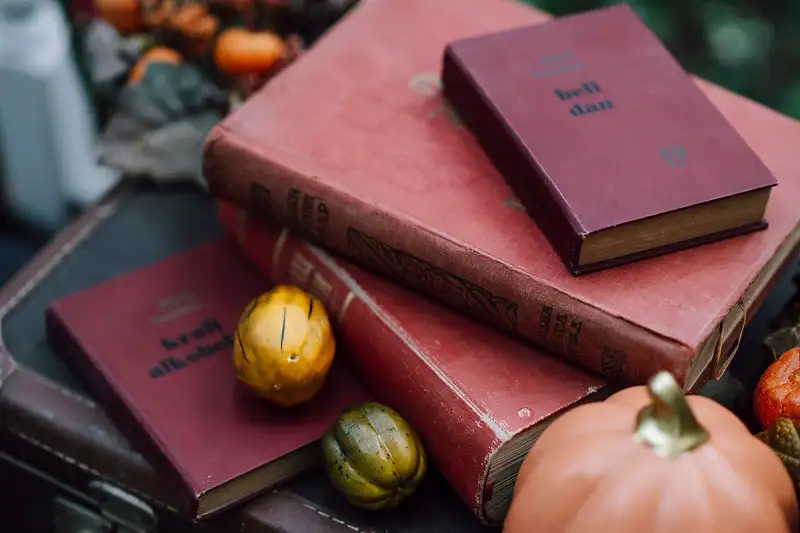
Giriş: Dijital Çağın Kadim Dostu Hızla değişen, dijitalleşen ve sürekli yeni bilgilerin bombardımanına tutulduğumuz bu çağda, avucumuzdaki akıllı telefonlar, tabletler veya bilgisayar ekranları yetmezmiş gibi, hala bir kitabı elimize alıp sayfalarını çevirmenin büyüsüne kapılıyoruz. Neden mi? Çünkü kitaplar, sadece basılı kağıt yığınları değil, aynı zamanda geçmişten bugüne uzanan köprüler, bambaşka dünyalara açılan kapılar ve ruhumuza işleyen fısıltılardır. Ben Aylin Okur olarak, bir "kitap kurdu" ve "Turk" olarak bu kadim dostluktan bahsetmek için sabırsızlanıyorum. Sayfaların Bilgeliği ve Kucakladığı Hikayeler Bir kitabı açtığınızda, aslında sadece harflere bakmıyorsunuz; bir yazarın ruhuna, yılların birikimine, yaşanmışlıklara ve hayallere dokunuyorsunuz. Kitaplar, insanı düşünmeye sevk eden, sorgulatan, empati kurmasını sağlayan eşsiz araçlardır. Belki de bu yüzden, benim gibi Türk toplumunda da "okumak" ve "bilgi edinmek" her zaman önemli bir yer tutmuştur. Atalarımız boşuna "Bilgi kuvvettir," dememişler. Çocukluğumdan beri kütüphaneler benim için hep birer hazine sandığı olmuştur. O eski kütüphanelerdeki kitap kokusu yok mu... Ah, o nemli kağıt ve mürekkep karışımı, bazen en lüks parfümlerden bile daha çekici gelir bana.Kitap okumak, kişisel gelişimimizin en temel yapı taşlarından biridir. Farklı kültürleri, düşünce biçimlerini öğrenir, olaylara farklı perspektiflerden bakma yeteneği kazanırız. Kendi deneyimlerimizle sınırlı kalmayıp, binlerce yaşamın içinden süzülmüş bilgeliğe ulaşırız. Hatta bazen, elimizde bir romanla kendi hayatımızın içinden bir parçayı bulup, "Aaa, tam da benim hissettiğim şey buymuş!" diye mırıldandığımız anlar olur. Bu, kitapların bize sunduğu tarifsiz bir yakınlıktır. Türk Kültüründe Kitap ve Benim Serüvenim Bizim kültürümüzde misafirperverlik ne kadar önemliyse, bilgiye olan düşkünlük de o kadar köklüdür. Büyüklerimizden sıkça duyduğumuz, "oku, öğren, kendini geliştir" öğütleri aslında nesilden nesile aktarılan bu mirasın bir parçasıdır. Hatırlarım, anneannemin evindeki devasa ahşap kitaplık, çocukluk yıllarımda benim için adeta bir keşif alanıydı. Her bir kitap, farklı bir maceraya davet ederdi beni. O zamanlar belki hepsini anlayamazdım ama kokularıyla, dokularıyla bile ruhumu beslerlerdi. Bugün bile, bir fincan mis gibi demli çay ya da köpüklü bir Türk kahvesi eşliğinde kitabımın sayfalarında kaybolmak, benim için günün en huzurlu anlarından biridir. Bu anları yaratmak, modern hayatın karmaşasında kendime ayırdığım küçük bir meditasyon gibidir. Özellikle yağmurlu bir İstanbul akşamında, pencereden yağan yağmuru izlerken kitabın içine dalmak... İşte tam da bu anlar için yaşıyorum sanki! Okuma Alışkanlığı Edinmek: Küçük Adımlar, Büyük Keyifler "Okumaya zamanım yok" bahanesini sıkça duyuyoruz. Ancak okuma alışkanlığı, tıpkı her iyi alışkanlık gibi, küçük adımlarla başlar ve zamanla büyür. Günde sadece 15-20 dakika bile olsa, düzenli olarak kitap okumak, hem odaklanma becerinizi geliştirir hem de bilgi birikiminizi artırır. Başlangıçta ilginizi çeken türlerle başlayın: polisiye, aşk, tarih, kişisel gelişim... Ne olursa olsun, yeter ki okumaya başlayın. Unutmayın, "kötü kitap yoktur, sadece size uygun olmayan kitap vardır."Kitaplar, bize sadece bilgi vermekle kalmaz, aynı zamanda hayal gücümüzü besler, kelime dağarcığımızı genişletir ve ifade yeteneğimizi güçlendirir. Bu yüzden, hayatımızın her döneminde kitaplara sıkı sıkıya sarılmalıyız. Onlar, bizi hiç yarı yolda bırakmayacak, her zaman yanımızda olacak en sadık dostlarımızdır. Sonuç: Sonsuz Bir Keşif Yolu Kitaplar, insanlığın ortak mirası, zamanın ve mekanın ötesine geçen sessiz yol arkadaşlarıdır. Dijital ekranların parlak ışıkları ne kadar göz kamaştırsa da, bir kitabın sayfalarının sıcaklığı, kokusu ve verdiği huzur asla paha biçilemez. Bu yüzden, gelin kitaplara sarılmaya devam edelim, yeni dünyalar keşfedelim ve zihnimizi hep açık tutalım. Unutmayalım ki, her okunan kitap, bizi biraz daha zenginleştirir ve dünyaya daha anlamlı bakmamızı sağlar.#KitapOkuma #Edebiyat #OkumaAlışkanlığı #KişiselGelişim #KitapOkuma #Edebiyat #KiiselGeliim #OkumaAlkanl Related InsightsReady Player One Book Review and Summary You Are More Than You Think You Are Book Review and Summary The Hiding Place: The Triumphant True Story of Corrie Ten Boom Book Review and Summary{ "@context": "https://schema.org", "@type": "FAQPage", "mainEntity": [ { "@type": "Question", "name": "What is the main focus of Sayfaların Sihirli Dünyası: Neden Hala Kitaplara Âşığız??", "acceptedAnswer": { "@type": "Answer", "text": "Dijital çağda kaybolmayan bir hazine: Kitaplar. Okuma tutkunuzu yeniden alevlendirecek, sayfaların büyülü dünyasına bir yolculuğa çıkın." } }, { "@type": "Question", "name": "Who authored the comprehensive guide on Sayfaların Sihirli Dünyası: Neden Hala Kitaplara Âşığız??", "acceptedAnswer": { "@type": "Answer", "text": "This detailed article and its insights were carefully researched and authored by Aylin Okur." } }, { "@type": "Question", "name": "Where can I find more related content about Books?", "acceptedAnswer": { "@type": "Answer", "text": "You can explore more articles, detailed reviews, and similar insights by browsing the Related Insights section at the bottom of this article or visiting our dedicated Books category page." } } ] }
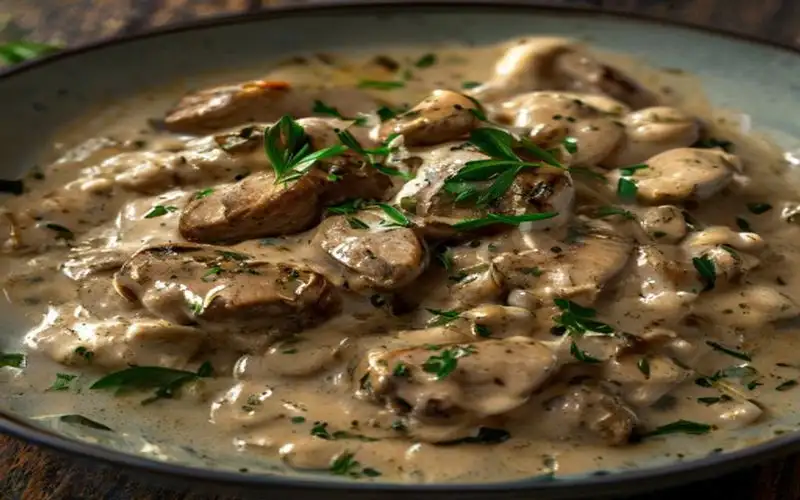

Бефстроганов (или говядина по-строгановски) — это изысканное и всемирно известное блюдо русской кухни, которое органично сочетает в себе французскую кулинарную технику и русские гастрономические традиции. Нежные кусочки говядины, тушенные в насыщенном сметанном соусе, стали классикой ресторанных меню от Нью-Йорка до Токио. Аристократическое происхождение Блюдо было названо в честь графа Александра Григорьевича Строганова в конце XIX века. Граф, будучи человеком невероятно богатым и щедрым, держал в Одессе так называемый "открытый стол", куда мог прийти пообедать любой образованный и прилично одетый человек. Специально для таких приемов французский повар Строганова (по одной из версий, его звали Андре Дюпон) адаптировал классическое французское фрикасе, добавив в него русскую сметану. Блюдо получилось не только вкусным, но и удобным для порционной подачи. Секреты приготовления Чтобы бефстроганов получился идеальным, необходимо соблюдать несколько важных правил:Выбор мяса: Для этого блюда лучше всего подходит говяжья вырезка или тонкий край. Мясо должно быть нежным и не требовать долгого тушения. Нарезка: Говядину нарезают поперек волокон тонкими полосками (брусочками) длиной 3-5 см. Перед жаркой мясо можно слегка отбить. Быстрая обжарка: Мясо нужно обжаривать на раскаленной сковороде очень быстро, небольшими порциями. Цель — не стушить мясо, а создать румяную корочку, которая "запечатает" мясные соки внутри. Соус: Классический соус готовится на основе обжаренного лука, небольшого количества муки, мясного бульона, горчицы и, конечно, качественной жирной сметаны. Иногда для обогащения вкуса добавляют томатную пасту и грибы (хотя в самом первом рецепте грибов не было).Подача Традиционно бефстроганов подают горячим. Идеальным гарниром, который отлично впитывает густой сметанный соус, считается картофельное пюре или хрустящий жареный картофель. #russianfood #recipe #beefstroganoff #cooking #traditional #meat #бефстроганов #говядина Related InsightsИдеальные блины на Масленицу Cornish Pasties at Home Cannoli Siciliani Croccanti{ "@context": "https://schema.org", "@type": "FAQPage", "mainEntity": [ { "@type": "Question", "name": "What is the main focus of Готовим бефстроганов?", "acceptedAnswer": { "@type": "Answer", "text": "Explore the incredible journey of Готовим бефстроганов with Elena Volkova." } }, { "@type": "Question", "name": "Who authored the comprehensive guide on Готовим бефстроганов?", "acceptedAnswer": { "@type": "Answer", "text": "This detailed article and its insights were carefully researched and authored by Elena Volkova." } }, { "@type": "Question", "name": "Where can I find more related content about Recipe?", "acceptedAnswer": { "@type": "Answer", "text": "You can explore more articles, detailed reviews, and similar insights by browsing the Related Insights section at the bottom of this article or visiting our dedicated Recipe category page." } } ] }
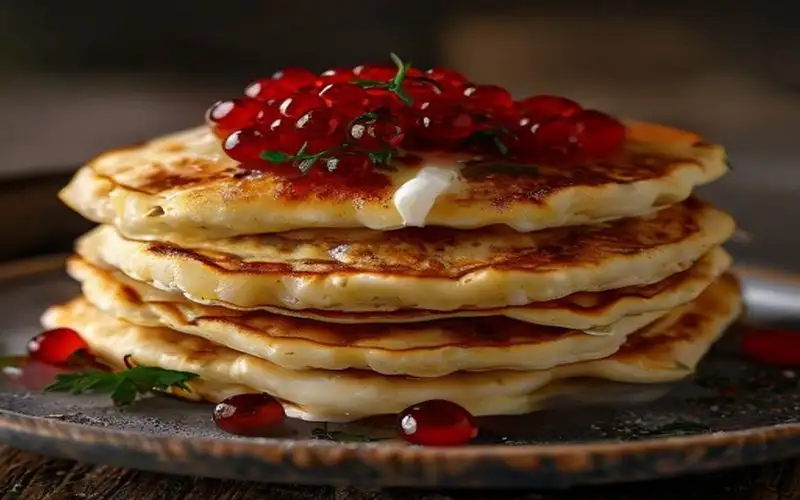
Блины — это одно из самых древних блюд русской кухни, история которого уходит корнями еще в дохристианские времена. Они неразрывно связаны с Масленицей — древним славянским праздником проводов зимы и встречи весны. Круглый, румяный и горячий блин символизирует солнце, которое с каждым днем греет всё сильнее. История и символика блинов Изначально блины носили ритуальный характер. Их пекли в качестве подношения богам и духам предков. Традиция печь блины на Масленицу сохранилась и после принятия христианства. В масленичную неделю, которая предшествует Великому посту, блины пекут в каждом доме. Считается, что чем больше блинов испечет хозяйка, тем больше удачи и благополучия принесет наступающий год. Секреты идеального теста Приготовление идеальных блинов — это процесс, требующий знания определенных тонкостей. Мука и дрожжи: Традиционные русские блины делались на дрожжевом тесте, чаще всего из гречневой, овсяной или пшеничной муки. Дрожжевые блины получаются пышными, пористыми и невероятно ароматными. Температура ингредиентов: Для того чтобы тесто получилось однородным и без комочков, все ингредиенты должны быть комнатной температуры. Молоко или воду следует слегка подогреть. Отдых теста: Тесту обязательно нужно дать "отдохнуть" хотя бы 30 минут. За это время клейковина набухнет, и блины не будут рваться при переворачивании.Разнообразие начинок Блины можно подавать с бесконечным количеством добавок и начинок. Начиная от классического растопленного сливочного масла, сметаны, меда и домашнего варенья, заканчивая более сытными вариантами: красной и черной икрой, слабосоленой семгой, грибами, мясным фаршем или творогом. В старину часто делали блины "с припёком": начинку выкладывали прямо на сковороду и заливали блинным тестом. Масленица — это время радости, веселья и щедрого застолья. И правильно приготовленные блины — это главное украшение этого праздника. #russianfood #recipe #bliny #cooking #traditional #maslenitsa #блины #масленица Related InsightsGnocchi fatti in casa Baklava: Layers of Perfection Baking a Victoria Sponge{ "@context": "https://schema.org", "@type": "FAQPage", "mainEntity": [ { "@type": "Question", "name": "What is the main focus of Идеальные блины на Масленицу?", "acceptedAnswer": { "@type": "Answer", "text": "Explore the incredible journey of Идеальные блины на Масленицу with Elena Volkova." } }, { "@type": "Question", "name": "Who authored the comprehensive guide on Идеальные блины на Масленицу?", "acceptedAnswer": { "@type": "Answer", "text": "This detailed article and its insights were carefully researched and authored by Elena Volkova." } }, { "@type": "Question", "name": "Where can I find more related content about Recipe?", "acceptedAnswer": { "@type": "Answer", "text": "You can explore more articles, detailed reviews, and similar insights by browsing the Related Insights section at the bottom of this article or visiting our dedicated Recipe category page." } } ] }
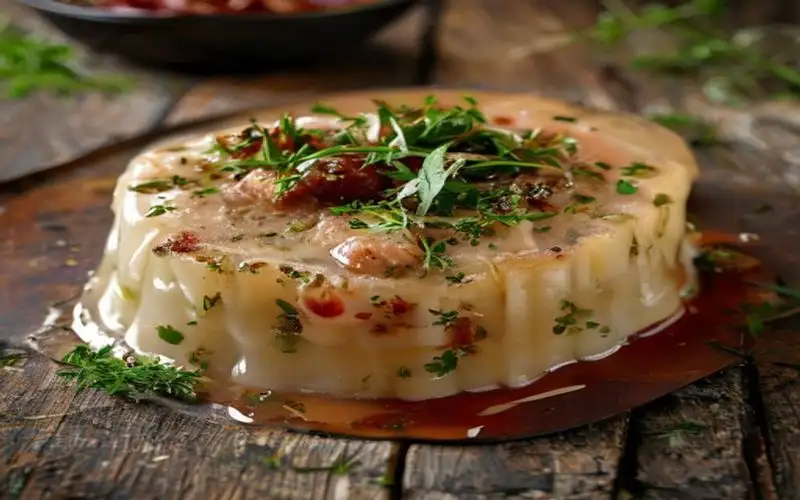
Холодец (или студень) — это уникальное блюдо русской кухни, которое традиционно ассоциируется с зимними праздниками, особенно с Новым годом и Рождеством. Густое, застывшее мясное желе, приготовленное без добавления искусственного желатина, является настоящим кулинарным шедевром, требующим времени и терпения. История появления История холодца уходит вглубь веков. Изначально это была еда слуг и бедняков. После княжеских и боярских пиров остатки мяса и костей собирали, долго варили, а затем выносили на мороз. Получался густой, сытный студень, который отлично согревал и придавал сил в холодное время года. Позже, под влиянием французской кухни (в частности, заливного "галантина"), холодец облагородили: бульон стали осветлять, а мясо — тщательно отбирать и красиво нарезать. Магия приготовления Приготовление холодца — это долгий процесс, который может занимать до двух дней.Основа для застывания: Главный секрет натурального желе — использование свиных или говяжьих ножек, рульки, ушей и хвостов. Именно в них содержится коллаген, который при длительной варке переходит в бульон и заставляет его застывать. Длительное томление: Холодец нельзя варить при сильном кипении. Мясо должно томиться на минимальном огне 6-8 часов. Это гарантирует прозрачность бульона и невероятную нежность мяса. Специи и овощи: В бульон добавляют лук прямо в шелухе (для золотистого цвета), морковь, корень петрушки, лавровый лист и черный перец горошком.Оформление и подача После варки мясо тщательно отделяют от костей, разбирают на волокна, смешивают с измельченным свежим чесноком и заливают процеженным бульоном. Холодец традиционно подают в качестве холодной закуски вместе с "ядреными" приправами — острой русской горчицей или свежеприготовленным хреном. Эта острота идеально балансирует насыщенный, жирный вкус мясного желе. #russianfood #recipe #kholodets #cooking #traditional #winter #холодец #закуска Related InsightsOssobuco alla Milanese Anatolian Street Food Wonders Cornish Pasties at Home{ "@context": "https://schema.org", "@type": "FAQPage", "mainEntity": [ { "@type": "Question", "name": "What is the main focus of Холодец: зимнее блюдо?", "acceptedAnswer": { "@type": "Answer", "text": "Explore the incredible journey of Холодец: зимнее блюдо with Elena Volkova." } }, { "@type": "Question", "name": "Who authored the comprehensive guide on Холодец: зимнее блюдо?", "acceptedAnswer": { "@type": "Answer", "text": "This detailed article and its insights were carefully researched and authored by Elena Volkova." } }, { "@type": "Question", "name": "Where can I find more related content about Recipe?", "acceptedAnswer": { "@type": "Answer", "text": "You can explore more articles, detailed reviews, and similar insights by browsing the Related Insights section at the bottom of this article or visiting our dedicated Recipe category page." } } ] }
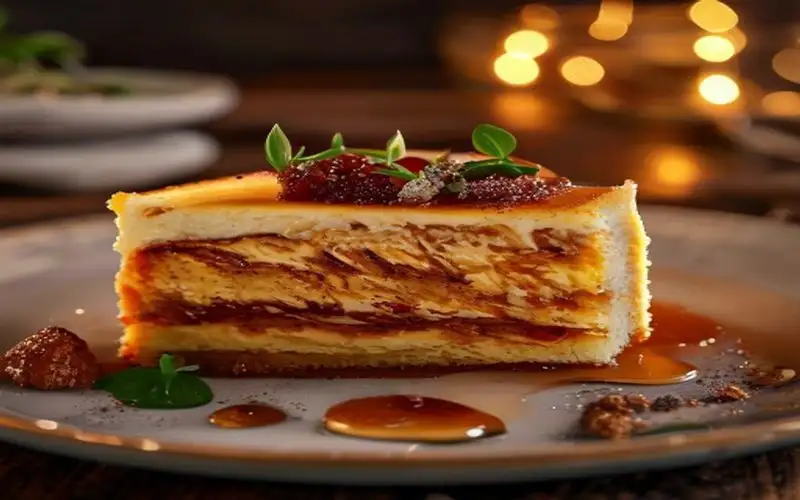
Среди всех десертов русской кухни Медовик занимает особое, почетное место. Этот многослойный торт, состоящий из тончайших медовых коржей и нежного крема, буквально тает во рту. Медовик — это не просто выпечка, это кондитерское произведение искусства с богатой императорской историей. Легенда о создании История гласит, что Медовик был создан в начале XIX века специально для императрицы Елизаветы Алексеевны, супруги императора Александра I. Императрица терпеть не могла мед, и все придворные повара об этом знали. Однако однажды на кухню приняли молодого кондитера, который не был осведомлен о вкусовых предпочтениях императрицы. Желая удивить царственных особ, он испек торт из заварных медовых коржей, прослоенных густым заварным кремом со сметаной. Торт получился настолько нежным и вкусным, что императрица пришла в восторг, а когда узнала секретный ингредиент — лишь рассмеялась и щедро наградила повара. Архитектура торта Создание Медовика — процесс кропотливый:Медовые коржи: Тесто заваривается на водяной бане с добавлением меда, сливочного масла и соды. Именно сода, вступая в реакцию с медом, придает коржам характерный карамельный цвет и неповторимый аромат. Тесто раскатывают очень тонко, и коржи пекутся буквально по 3-4 минуты. Обычно для торта выпекают от 8 до 12 коржей. Крем: Классический крем для Медовика готовится на основе густой, жирной сметаны и сахарной пудры. Сметана своей легкой кислинкой идеально балансирует сладость медовых коржей. Пропитка: Главный секрет Медовика — время. Торт должен настояться в холодильнике не менее 8-12 часов. За это время влага из крема проникает в хрустящие коржи, и десерт становится невероятно мягким и однородным.Медовик украшают крошкой из обрезков коржей, а иногда добавляют измельченные грецкие орехи. Этот десерт — подлинная гордость русской кондитерской школы. #russianfood #recipe #medovik #cooking #traditional #baking #медовик #торт Related InsightsSauerbraten auf Pilzbasis Идеальные блины на Масленицу Салат Оливье к празднику{ "@context": "https://schema.org", "@type": "FAQPage", "mainEntity": [ { "@type": "Question", "name": "What is the main focus of Медовик: торт с историей?", "acceptedAnswer": { "@type": "Answer", "text": "Explore the incredible journey of Медовик: торт с историей with Elena Volkova." } }, { "@type": "Question", "name": "Who authored the comprehensive guide on Медовик: торт с историей?", "acceptedAnswer": { "@type": "Answer", "text": "This detailed article and its insights were carefully researched and authored by Elena Volkova." } }, { "@type": "Question", "name": "Where can I find more related content about Recipe?", "acceptedAnswer": { "@type": "Answer", "text": "You can explore more articles, detailed reviews, and similar insights by browsing the Related Insights section at the bottom of this article or visiting our dedicated Recipe category page." } } ] }
Без салата Оливье невозможно представить ни один новогодний стол в России. Это блюдо стало символом праздника, уюта и семейных традиций. Однако история этого знаменитого салата полна тайн и гастрономических трансформаций, которые кардинально изменили его первоначальный вид. История создания шедевра Салат был придуман в 1860-х годах Люсьеном Оливье — шеф-поваром французского происхождения, который владел знаменитым рестораном "Эрмитаж" в Москве. Оригинальный рецепт держался в строжайшем секрете. В его состав входили деликатесные ингредиенты: рябчики, телячий язык, паюсная икра, свежие листья салата, отварные раки, пикули, каперсы и особый соус провансаль, рецепт которого Оливье так и унес с собой в могилу. Советская трансформация После революции 1917 года дорогие и редкие ингредиенты стали недоступны для большинства населения. В советские годы рецепт салата претерпел радикальные изменения, превратившись в то блюдо, которое мы знаем сегодня. Рябчиков заменили на вареную колбасу "Докторскую" или отварную курицу, каперсы — на зеленый горошек, а раковые шейки — на вареную морковь. В состав также вошли картофель, яйца, соленые или маринованные огурцы, и, конечно же, большое количество майонеза. Секреты идеального Оливье Несмотря на простоту современных ингредиентов, приготовить по-настоящему вкусный Оливье — это искусство:Нарезка: Все ингредиенты должны быть нарезаны одинаковыми, аккуратными кубиками, размером с горошину. Это обеспечивает правильный баланс вкусов в каждой ложке. Огурцы: Важно найти баланс между свежими и солеными огурцами. Многие повара рекомендуют использовать только бочковые соленые огурцы для характерной пикантности. Заправка: Заправлять салат майонезом следует непосредственно перед подачей, чтобы овощи не пустили лишний сок и блюдо не потеряло свою текстуру.Сегодня Оливье известен во всем мире как "Русский салат" (Russian salad). Это блюдо продолжает объединять поколения и радовать своим знакомым с детства вкусом. #russianfood #recipe #olivier #cooking #traditional #newyear #оливье #салат Related InsightsBreakfast in Istanbul Kartoffelsalat ohne Mayonnaise Пельмени: домашний рецепт{ "@context": "https://schema.org", "@type": "FAQPage", "mainEntity": [ { "@type": "Question", "name": "What is the main focus of Салат Оливье к празднику?", "acceptedAnswer": { "@type": "Answer", "text": "Explore the incredible journey of Салат Оливье к празднику with Elena Volkova." } }, { "@type": "Question", "name": "Who authored the comprehensive guide on Салат Оливье к празднику?", "acceptedAnswer": { "@type": "Answer", "text": "This detailed article and its insights were carefully researched and authored by Elena Volkova." } }, { "@type": "Question", "name": "Where can I find more related content about Recipe?", "acceptedAnswer": { "@type": "Answer", "text": "You can explore more articles, detailed reviews, and similar insights by browsing the Related Insights section at the bottom of this article or visiting our dedicated Recipe category page." } } ] }
Пельмени — это не просто еда, это настоящая кулинарная традиция, которая объединяет семьи. Лепка пельменей исторически была зимним ритуалом, когда вся семья собиралась за большим столом, чтобы приготовить запасы на долгие холодные месяцы. Происхождение блюда Само слово "пельмень" происходит из финно-угорских языков (удмуртского или коми) и буквально означает "хлебное ухо" (пель — ухо, нянь — хлеб). Изначально пельмени были распространены на Урале и в Сибири. Суровый климат этих регионов делал пельмени идеальным блюдом для долгого хранения: слепленные пельмени просто выставляли на мороз, где они быстро замерзали и могли храниться всю зиму. Идеальное тесто и начинка Качество пельменей напрямую зависит от двух составляющих: эластичного теста и сочной начинки.Тесто: Классическое пельменное тесто состоит всего из трех ингредиентов: муки, воды и яиц (иногда с добавлением щепотки соли). Оно должно быть достаточно тугим, чтобы не развариваться в кипятке, но при этом тонко раскатываться, чтобы не перебивать вкус мяса. Мясо: Традиционный сибирский рецепт требует использования смеси нескольких видов мяса, чаще всего говядины, свинины и баранины или лосятины. Важным секретом является добавление в фарш большого количества лука и колотого льда или ледяной воды — именно это делает начинку невероятно сочной после варки.Ритуал лепки и подачи Лепка пельменей вручную — это трудоемкий, но медитативный процесс. В некоторых семьях существует традиция лепить один "счастливый" пельмень — с необычной начинкой, например, монеткой, черным перцем или просто из одного теста. Тот, кому попадется такой пельмень, будет счастлив весь год. Подают пельмени горячими, со сливочным маслом, густой сметаной, уксусом, горчицей или черным свежемолотым перцем. В некоторых регионах их подают вместе с бульоном, в котором они варились. #russianfood #recipe #pelmeni #cooking #traditional #russiancuisine #пельмени #кулинария Related InsightsSchwarzwälder Kirschtorte vegan Risotto allo Zafferano Anatolian Street Food Wonders{ "@context": "https://schema.org", "@type": "FAQPage", "mainEntity": [ { "@type": "Question", "name": "What is the main focus of Пельмени: домашний рецепт?", "acceptedAnswer": { "@type": "Answer", "text": "Explore the incredible journey of Пельмени: домашний рецепт with Elena Volkova." } }, { "@type": "Question", "name": "Who authored the comprehensive guide on Пельмени: домашний рецепт?", "acceptedAnswer": { "@type": "Answer", "text": "This detailed article and its insights were carefully researched and authored by Elena Volkova." } }, { "@type": "Question", "name": "Where can I find more related content about Recipe?", "acceptedAnswer": { "@type": "Answer", "text": "You can explore more articles, detailed reviews, and similar insights by browsing the Related Insights section at the bottom of this article or visiting our dedicated Recipe category page." } } ] }
Аромат свежеиспеченных пирожков — это, пожалуй, самое сильное воспоминание из детства для многих из нас. Этот запах мгновенно переносит в уютную бабушкину кухню, где на столе красуется румяная выпечка. Пирожки — это душа русской кухни, блюдо, которое требует времени, любви и особого подхода к тесту. Культурное значение пирожков Слово "пирог" и его уменьшительная форма "пирожок" происходят от слова "пир". Исторически пироги были обязательным атрибутом любого праздника и застолья на Руси. Существовало множество примет: например, считалось, что незамужняя девушка должна уметь печь вкусные пирожки, чтобы стать хорошей женой. Форма, размер и начинка пирожков могли многое рассказать о статусе семьи и поводе для торжества. Искусство дрожжевого теста Главный секрет бабушкиных пирожков — это воздушное, мягкое дрожжевое тесто. Опара: Правильное тесто начинается с хорошей опары. Дрожжи должны ожить в теплом молоке с добавлением небольшого количества сахара и муки. Вымешивание: Тесто нужно месить долго и тщательно, чтобы развить клейковину. Оно должно стать гладким, эластичным и перестать липнуть к рукам. Тепло и забота: Дрожжевое тесто не терпит сквозняков и суеты. Оно должно подходить в теплом, спокойном месте. Бабушки часто укутывали миску с тестом полотенцем, "чтобы ему было тепло".Разнообразие начинок Пирожки могут быть как печеными (в духовке или русской печи), так и жареными на сковороде. Начинки ограничиваются лишь фантазией:Сытные: с мясом, ливером, капустой, картошкой с грибами, зеленым луком и яйцом. Сладкие: с яблоками, вишней, творогом, маком или густым повидлом.Особое мастерство — это лепка пирожков. Они должны быть аккуратными, с плотно защипанными краями, чтобы начинка не вытекла. А для золотистой корочки перед выпечкой их обязательно смазывают взбитым яйцом или сладким чаем. #russianfood #recipe #pirozhki #cooking #traditional #baking #пирожки #выпечка Related InsightsСалат Оливье к празднику Gesundes Müsli zum Frühstück Anatolian Street Food Wonders{ "@context": "https://schema.org", "@type": "FAQPage", "mainEntity": [ { "@type": "Question", "name": "What is the main focus of Пирожки как у бабушки?", "acceptedAnswer": { "@type": "Answer", "text": "Explore the incredible journey of Пирожки как у бабушки with Elena Volkova." } }, { "@type": "Question", "name": "Who authored the comprehensive guide on Пирожки как у бабушки?", "acceptedAnswer": { "@type": "Answer", "text": "This detailed article and its insights were carefully researched and authored by Elena Volkova." } }, { "@type": "Question", "name": "Where can I find more related content about Recipe?", "acceptedAnswer": { "@type": "Answer", "text": "You can explore more articles, detailed reviews, and similar insights by browsing the Related Insights section at the bottom of this article or visiting our dedicated Recipe category page." } } ] }
Борщ — это не просто суп, это настоящий культурный феномен и символ восточнославянской кухни, который имеет глубокие исторические корни. Первые упоминания о борще относятся к XVI веку, когда основным ингредиентом этого блюда был борщевик (отсюда и название). Позже борщевик заменили свеклой, которая придала супу его характерный рубиновый цвет и неповторимый сладковато-землистый вкус. Исторические корни и эволюция В старину борщ готовили на квасе или свекольном рассоле, что придавало ему легкую кислинку. С течением времени рецепт усложнялся. В каждой семье появились свои секреты: кто-то добавляет фасоль для сытности, кто-то — копченые груши или чернослив для пикантности, а некоторые используют даже грибы или рыбу в постные дни. В XIX веке, благодаря распространению картофеля и томатов, борщ приобрел свой современный, знакомый нам вид. Ингредиенты, определяющие вкус Секрет настоящего борща кроется в правильном балансе вкусов: сладкого (от свеклы и моркови), кислого (от томатов, уксуса или лимонного сока) и насыщенного мясного умами. Бульон: Традиционно используется наваристый говяжий или свиной бульон на кости. Длительное томление делает основу супа невероятно ароматной. Свекла: Чтобы свекла не потеряла свой яркий цвет, ее пассеруют отдельно с добавлением кислоты. Овощи: Капуста, картофель, лук и морковь добавляются в определенной последовательности, чтобы сохранить их текстуру.Культурное значение Борщ — это блюдо, которое объединяет людей за большим столом. Во многих семьях считается, что борщ становится только вкуснее на следующий день, когда все ингредиенты "поженятся" и обменяются ароматами. Традиционно его подают с густой сметаной, свежей зеленью (укропом и петрушкой), ржаным хлебом или чесночными пампушками. Добавление кусочка сала и зубчика свежего чеснока делает трапезу по-настоящему аутентичной. Приготовление борща — это искусство, требующее терпения и любви. Каждый повар вкладывает в него частичку своей души, поэтому не существует двух абсолютно одинаковых борщей. #russianfood #recipe #borsch #cooking #traditional #russiancuisine #борщ #кулинария Related InsightsThe Art of Turkish Coffee Breakfast in Istanbul Southeastern Spices and Flavors{ "@context": "https://schema.org", "@type": "FAQPage", "mainEntity": [ { "@type": "Question", "name": "What is the main focus of Секрет настоящего борща?", "acceptedAnswer": { "@type": "Answer", "text": "Explore the incredible journey of Секрет настоящего борща with Elena Volkova." } }, { "@type": "Question", "name": "Who authored the comprehensive guide on Секрет настоящего борща?", "acceptedAnswer": { "@type": "Answer", "text": "This detailed article and its insights were carefully researched and authored by Elena Volkova." } }, { "@type": "Question", "name": "Where can I find more related content about Recipe?", "acceptedAnswer": { "@type": "Answer", "text": "You can explore more articles, detailed reviews, and similar insights by browsing the Related Insights section at the bottom of this article or visiting our dedicated Recipe category page." } } ] }
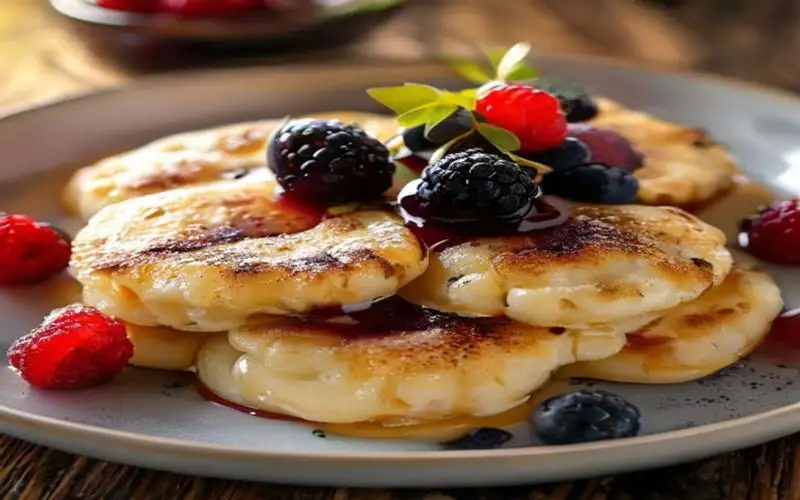
Сырники — это идеальное начало дня. Эти нежные, пышные и слегка румяные творожные оладьи являются одним из самых популярных завтраков в России, Украине и Беларуси. Вкус сырников вызывает теплые ассоциации с детством и домашним уютом. Почему "сырники", а не "творожники"? Многих удивляет название этого блюда, ведь готовятся они из творога, а не из сыра. Ответ кроется в истории языка. В древнерусском языке слово "сыр" обозначало любые продукты, произведенные из сырого коровьего молока, включая творог. Привычное нам слово "творог" появилось значительно позже, но историческое название блюда закрепилось и сохранилось до наших дней. Секреты идеальных сырников При кажущейся простоте рецепта, приготовить идеальные сырники (чтобы они были пышными, не растекались на сковороде и имели ярко выраженный творожный вкус) — это задача со звездочкой.Правильный творог: Это самый важный ингредиент. Творог должен быть жирным (не менее 5-9%) и обязательно сухим. Если творог слишком влажный, его необходимо отжать через марлю. Минимум муки: Секрет нежных сырников — в минимальном количестве муки. Чем больше муки, тем более "резиновыми" они получатся. Многие кулинары заменяют часть муки на манную крупу, которая впитывает лишнюю влагу и придает воздушность. Яйца и сахар: На полкилограмма творога достаточно одного яйца. Слишком много сахара заставит творог таять и выделять жидкость при жарке, поэтому сахар лучше добавлять в меру.Жарка и подача Сырники формируют в виде небольших шайбочек, обваливают в муке и жарят на смеси сливочного и растительного масел до золотистой корочки. Иногда их доводят до готовности в духовке. Подают сырники теплыми, с щедрой порцией сметаны, сгущенным молоком, медом или домашним вареньем. Добавление изюма, кураги или ванили в тесто делает их вкус еще более богатым. #russianfood #recipe #syrniki #cooking #traditional #breakfast #сырники #завтрак Related InsightsMeze: The Heart of Turkish Tables Lasagne al Forno della Nonna Sticky Toffee Pudding{ "@context": "https://schema.org", "@type": "FAQPage", "mainEntity": [ { "@type": "Question", "name": "What is the main focus of Сырники на завтрак?", "acceptedAnswer": { "@type": "Answer", "text": "Explore the incredible journey of Сырники на завтрак with Elena Volkova." } }, { "@type": "Question", "name": "Who authored the comprehensive guide on Сырники на завтрак?", "acceptedAnswer": { "@type": "Answer", "text": "This detailed article and its insights were carefully researched and authored by Elena Volkova." } }, { "@type": "Question", "name": "Where can I find more related content about Recipe?", "acceptedAnswer": { "@type": "Answer", "text": "You can explore more articles, detailed reviews, and similar insights by browsing the Related Insights section at the bottom of this article or visiting our dedicated Recipe category page." } } ] }


Алтай — это горный край на стыке Сибири и Центральной Азии, место, где Россия граничит с Монголией, Китаем и Казахстаном. Алтайские горы, которые часто называют «Русским Тибетом» или «Золотыми горами», представляют собой край нетронутой природы, кристально чистых рек, бурных водопадов и мистических мест силы. В 1998 году этот регион был включен в список Всемирного наследия ЮНЕСКО. Природные сокровища и Чуйский тракт Высшей точкой Алтая является величественная гора Белуха (4506 метров), состоящая из двух пиков. Для многих местных жителей и последователей эзотерических учений она считается священной, вратами в легендарную Шамбалу. С ледников Белухи берет свое начало Катунь — главная артерия Горного Алтая, река потрясающего бирюзового цвета, которая особенно ярко выглядит осенью. Путешествие по Алтаю неразрывно связано с Чуйским трактом — одной из самых красивых автомобильных дорог в мире по версии National Geographic. Трасса, исторически служившая торговым путем в Монголию, пролегает через живописные перевалы (Семинский и Чике-Таман), вдоль скалистых ущелий и горных степей. Вдоль тракта можно найти древние петроглифы урочища Калбак-Таш и знаменитые Пазырыкские курганы — захоронения скифских вождей, в вечной мерзлоте которых сохранились уникальные артефакты, включая мумию знаменитой «Алтайской принцессы». Шаманизм и дары алтайской природы Алтай — это земля сильных традиций шаманизма и уникального горлового пения (кай). Местные жители глубоко чтят духов гор, рек и перевалов, привязывая белые ленточки (дьялама) на ветви деревьев у святых источников на удачу. Алтай славится своими экологически чистыми продуктами. Главный гастрономический бренд региона — знаменитый алтайский мед, собранный с альпийских лугов. Очень ценятся кедровые орехи, собранные в густой тайге, и травяные чаи из эндемичных растений. В меню местных кафе стоит поискать блюда из мяса марала (благородного оленя), а также традиционный алтайский сыр курут — твердый и солоноватый, который идеально подходит для долгих походов. Поездка на Алтай — это перезагрузка для души и тела, возможность прикоснуться к первозданной мощи природы и почувствовать дыхание древности. #алтай #горныйалтай #чуйскийтракт #белуха #природароссии #алтайскиймед #путешествия #горы #travel #russia #altai #nature #mountains #russiatravel Related InsightsThe Stone Dreams of Kings: Unveiling the Loire Valley’s Living Tapestry Hidden Gems of Eastern Anatolia Fantasmi sulla Via della Seta: Il richiamo silenzioso delle oasi perdute del Turkmenistan{ "@context": "https://schema.org", "@type": "FAQPage", "mainEntity": [ { "@type": "Question", "name": "What is the main focus of Altai Mountains?", "acceptedAnswer": { "@type": "Answer", "text": "A travel guide to Altai Mountains" } }, { "@type": "Question", "name": "Who authored the comprehensive guide on Altai Mountains?", "acceptedAnswer": { "@type": "Answer", "text": "This detailed article and its insights were carefully researched and authored by Ivan Sokolov." } }, { "@type": "Question", "name": "Where can I find more related content about Travel?", "acceptedAnswer": { "@type": "Answer", "text": "You can explore more articles, detailed reviews, and similar insights by browsing the Related Insights section at the bottom of this article or visiting our dedicated Travel category page." } } ] }
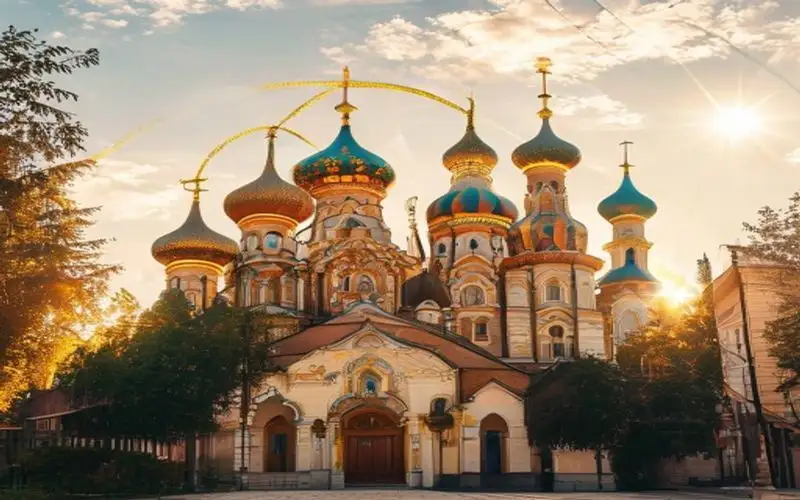
Золотое кольцо России — это знаменитый туристический маршрут, проходящий по древним русским городам, где сохранились уникальные памятники истории и культуры. Эти города, расположенные к северо-востоку от Москвы, являются настоящими сокровищницами древнерусского зодчества, центрами народных ремесел и хранителями вековых традиций. Сам термин «Золотое кольцо» был придуман в 1967 году журналистом Юрием Бычковым. Белокаменное зодчество и духовные центры Классический маршрут включает в себя восемь основных городов: Сергиев Посад, Переславль-Залесский, Ростов Великий, Ярославль, Кострома, Иваново, Суздаль и Владимир. Каждый из них обладает своим неповторимым лицом. Во Владимире восхищают белокаменные шедевры XII века: Успенский собор с фресками Андрея Рублева и Золотые ворота. Суздаль же — это настоящий город-музей под открытым небом, где на небольшой площади расположилось огромное количество церквей, монастырей и старинных деревянных изб, создавая атмосферу ожившей русской сказки. Сергиев Посад знаменит Троице-Сергиевой лаврой — духовным центром русского православия, основанным Сергием Радонежским в XIV веке. В Ростове Великом находится потрясающий кремль, чьи звонницы славятся на весь мир своим мелодичным колокольным звоном. А Ярославль, исторический центр которого внесен в список Всемирного наследия ЮНЕСКО, поражает богатством изразцового декора храмов. Традиции и русская кухня Города Золотого кольца — идеальное место для знакомства с исконной русской кухней. В Суздале обязательно нужно попробовать знаменитую медовуху — древний славянский слабоалкогольный напиток на основе меда, который готовят здесь по десяткам различных рецептов. В местных трактирах подают наваристые щи в хлебном горшочке, пожарские котлеты, блины с икрой и рассыпчатые каши, томленные в настоящей русской печи. Здесь же процветают традиционные ремесла: в Сергиевом Посаде можно купить настоящую матрешку, в Костроме — изделия из льна, а в Ростове — украшения, выполненные в уникальной технике финифти (росписи по эмали). Золотое кольцо позволяет совершить путешествие во времени, прикоснуться к истокам российской государственности и насладиться неспешной красотой русской провинции. #золотоекольцо #суздаль #владимир #ярославль #русскаяархитектура #православие #медовуха #путешествияпороссии #travel #russia #goldenring #history #architecture #russiatravel Related InsightsThe Enigmatic Ruins of Angkor Wat: Beyond the Crowds and Into the Jungle Moscow Red Square Il Faro di Ercole e i Giganti Luminosi Dimenticati dell'Oceano: Un Viaggio Tra i Guardiani Romani dell'Infinito Atlantico{ "@context": "https://schema.org", "@type": "FAQPage", "mainEntity": [ { "@type": "Question", "name": "What is the main focus of Golden Ring Cities?", "acceptedAnswer": { "@type": "Answer", "text": "A travel guide to Golden Ring Cities" } }, { "@type": "Question", "name": "Who authored the comprehensive guide on Golden Ring Cities?", "acceptedAnswer": { "@type": "Answer", "text": "This detailed article and its insights were carefully researched and authored by Ivan Sokolov." } }, { "@type": "Question", "name": "Where can I find more related content about Travel?", "acceptedAnswer": { "@type": "Answer", "text": "You can explore more articles, detailed reviews, and similar insights by browsing the Related Insights section at the bottom of this article or visiting our dedicated Travel category page." } } ] }