-
 Ivan Sokolov
 - 25 Jun, 2026 00:00
St. Petersburg Hermitage
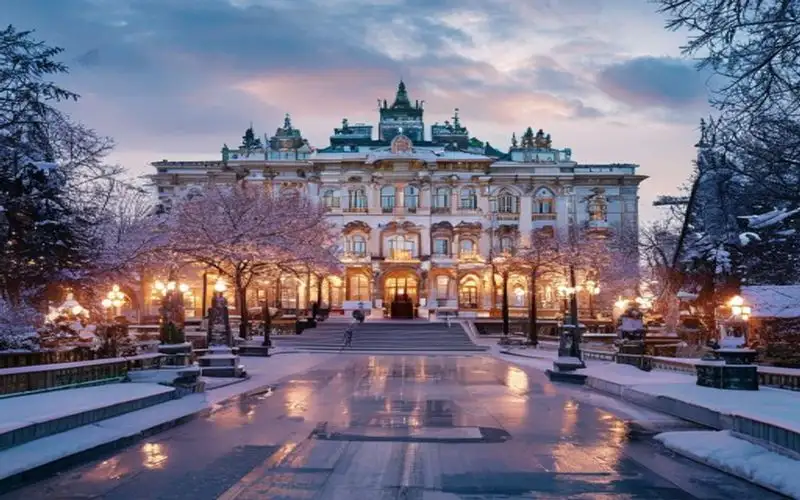
Государственный Эрмитаж в Санкт-Петербурге — один из крупнейших и наиболее значимых художественных и культурно-исторических музеев мира. Его масштабы поражают воображение: чтобы просто обойти все залы и уделить каждому экспонату хотя бы минуту, потребуется несколько лет беспрерывных прогулок. История создания и величие Зимнего дворца История Эрмитажа берет свое начало в 1764 году, когда императрица Екатерина Великая приобрела коллекцию из 225 картин у берлинского купца Иоганна Эрнста Гоцковского. Изначально это было закрытое собрание, размещенное в специальных апартаментах дворца — «эрмитаже» (от французского ermitage — место уединения). Однако со временем коллекция разрослась до невероятных размеров. В 1852 году музей был открыт для широкой публики. Главное здание музейного комплекса — Зимний дворец, бывшая парадная резиденция российских императоров. Роскошь интерьеров, созданных гением Бартоломео Растрелли и других выдающихся архитекторов, завораживает. Иорданская лестница, сверкающая позолотой и белоснежным мрамором, Малахитовая гостиная и невероятной красоты Павильонный зал с легендарными часами «Павлин» — каждый зал сам по себе является шедевром. Сокровища мирового искусства В коллекциях Эрмитажа хранится более трех миллионов экспонатов. Здесь представлены памятники первобытной культуры, античности, искусства Востока и Западной Европы. Гордостью музея являются полотна таких мастеров, как Леонардо да Винчи, Рафаэль, Тициан, Рембрандт, Рубенс. Особое место занимает собрание французских импрессионистов и постимпрессионистов, выставленное в здании Главного штаба — работы Моне, Ренуара, Сезанна, Ван Гога и Матисса привлекают ценителей искусства со всего мира. Кулинарные традиции Петербурга Посещение Эрмитажа — это не только погружение в искусство, но и отличный повод насладиться атмосферой исторического центра Петербурга. После долгих часов, проведенных среди шедевров живописи, обязательно стоит прогуляться по Невскому проспекту и заглянуть в одну из традиционных пышечных. Знаменитые петербургские пышки, обильно посыпанные сахарной пудрой, в сочетании с горячим бочковым кофе станут идеальным перекусом. А для полноценного обеда стоит выбрать классический бефстроганов — блюдо, изобретенное в Петербурге графом Строгановым, подающееся с нежным картофельным пюре и солеными огурчиками. Эрмитаж — это не просто музей, это настоящая сокровищница человеческого гения, место, где оживает история. #эрмитаж #санктпетербург #музеимира #искусство #живопись #путешествияпороссии #культурнаястолица #travel #russia #stpetersburg #hermitage #museum #russiatravel Related InsightsYellowstone: The Fiery Heart of the American West The Faroe Islands: Where Nordic Wilderness Meets Photographic Magic L'Abbaye de Westminster : Le Cœur Royal de Londres{ "@context": "https://schema.org", "@type": "FAQPage", "mainEntity": [ { "@type": "Question", "name": "What is the main focus of St. Petersburg Hermitage?", "acceptedAnswer": { "@type": "Answer", "text": "A travel guide to St. Petersburg Hermitage" } }, { "@type": "Question", "name": "Who authored the comprehensive guide on St. Petersburg Hermitage?", "acceptedAnswer": { "@type": "Answer", "text": "This detailed article and its insights were carefully researched and authored by Ivan Sokolov." } }, { "@type": "Question", "name": "Where can I find more related content about Travel?", "acceptedAnswer": { "@type": "Answer", "text": "You can explore more articles, detailed reviews, and similar insights by browsing the Related Insights section at the bottom of this article or visiting our dedicated Travel category page." } } ] }
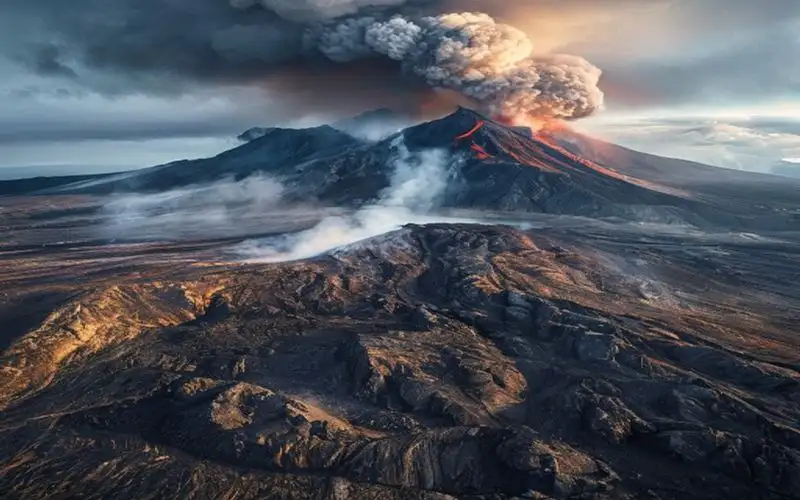
Камчатка — это далекий край на самом востоке России, где природа предстает в своем первозданном, диком и необузданном великолепии. Этот полуостров часто называют «Землей огня и льда», ведь здесь ледники соседствуют с раскаленной лавой, а из недр земли вырываются столбы пара и кипящей воды. Камчатка — это рай для искателей приключений и любителей дикой природы. Царство вулканов и Долина гейзеров Визитной карточкой Камчатки, безусловно, являются вулканы. На полуострове насчитывается более 300 вулканов, из которых около 30 считаются активными. Ключевская Сопка — самый высокий действующий вулкан Евразии, его идеальный конус поднимается на высоту более 4700 метров. Восхождение на вулканы, такие как Авачинский или Мутновский, позволяет заглянуть прямо в кратер, где дымят фумаролы и бурлят кислотные озера. Не менее знаменита Долина гейзеров — одно из крупнейших гейзерных полей в мире и единственное в Евразии. Это уникальное природное явление скрыто в глубоком каньоне, где бьют фонтаны кипятка, пульсируют грязевые котлы и стелются клубы пара. Доступ сюда строго ограничен, и попасть в Долину можно только на вертолете, что делает это приключение еще более эксклюзивным. Хозяева полуострова и богатство океана Камчатка — это медвежий угол в прямом смысле этого слова. Здесь обитает одна из крупнейших популяций бурых медведей в мире. Летом на берегах Курильского озера можно наблюдать уникальное зрелище: десятки медведей собираются на мелководье, чтобы ловить идущего на нерест лосося. Кстати, о рыбе. Камчатская кухня — это настоящий праздник для любителей морепродуктов. Главным деликатесом региона является знаменитый камчатский краб, мясо которого отличается невероятной нежностью и сладковатым вкусом. Также регион славится красной рыбой — неркой, кетой, чавычей — и, конечно же, свежайшей красной икрой-пятиминуткой. Из дикоросов здесь популярна жимолость и папоротник, который местные жители искусно маринуют. Коренные народы полуострова — коряки, ительмены и эвены — бережно хранят свои традиции. На стойбищах можно познакомиться с их бытом, послушать гортанное пение и прокатиться на собачьих упряжках. Камчатка оставляет неизгладимый след в сердце каждого, кто осмелится бросить вызов ее суровой красоте. #камчатка #вулканыкамчатки #долинагейзеров #путешествияпороссии #дикаяприрода #медведи #камчатскийкраб #экотуризм #travel #russia #kamchatka #volcano #nature #russiatravel Related InsightsHidden Gems of Southeast Asia: Where Adventure Meets Unspoiled Beauty in 2026 La Signora di Ferro che Sfidò il Cielo: Storie, Segreti e le Ombre Nascoste della Torre Eiffel La Cathédrale de Séville : Gothique et Héritage Andalou{ "@context": "https://schema.org", "@type": "FAQPage", "mainEntity": [ { "@type": "Question", "name": "What is the main focus of Kamchatka Volcanoes?", "acceptedAnswer": { "@type": "Answer", "text": "A travel guide to Kamchatka Volcanoes" } }, { "@type": "Question", "name": "Who authored the comprehensive guide on Kamchatka Volcanoes?", "acceptedAnswer": { "@type": "Answer", "text": "This detailed article and its insights were carefully researched and authored by Ivan Sokolov." } }, { "@type": "Question", "name": "Where can I find more related content about Travel?", "acceptedAnswer": { "@type": "Answer", "text": "You can explore more articles, detailed reviews, and similar insights by browsing the Related Insights section at the bottom of this article or visiting our dedicated Travel category page." } } ] }
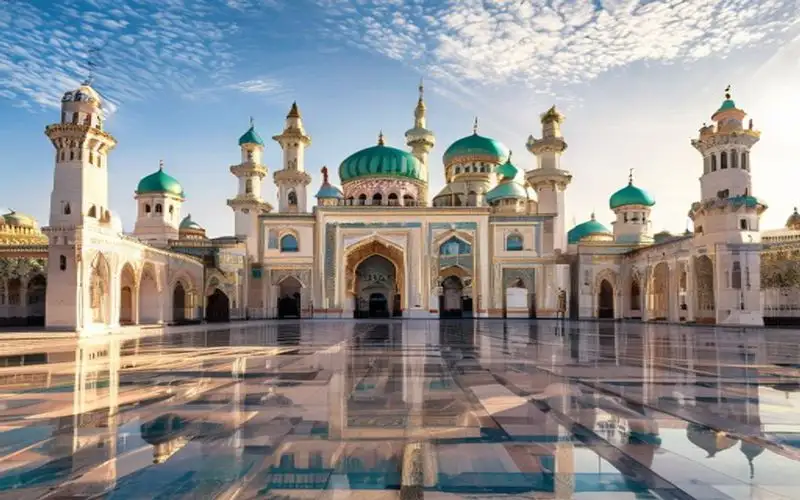
Казань — «Третья столица России» и главный город Республики Татарстан. Это удивительное место, где на протяжении веков мирно сосуществуют и переплетаются русская православная и татарская мусульманская культуры. Казань завораживает своей архитектурой, богатой историей, которая насчитывает более тысячелетия, и невероятным гостеприимством. Жемчужина Татарстана: Казанский Кремль Сердцем города и его главным символом является Казанский Кремль — белокаменная крепость, внесенная в список объектов Всемирного наследия ЮНЕСКО. Это выдающийся архитектурный ансамбль, где в полной мере отражено единение двух культур. Главная мечеть республики — Кул Шариф — поражает своим величием и изяществом. Построенная уже в наше время, она воссоздает образ легендарной мечети, разрушенной во время взятия Казани войсками Ивана Грозного в 1552 году. Буквально в нескольких десятках метров от нее возвышается древний Благовещенский собор — старейший православный храм в комплексе. Еще одна загадка Кремля — падающая башня Сююмбике, овеянная множеством романтических легенд о татарской царице, которая якобы бросилась с нее, чтобы не достаться московскому царю. Прогулки по городу и татарская кухня После изучения Кремля стоит прогуляться по пешеходной улице Баумана — «Казанскому Арбату», где можно послушать уличных музыкантов, увидеть памятник Коту Казанскому и подняться на колокольню Богоявленского собора для лучшего вида на город. Обязательна к посещению и Старо-Татарская слобода с ее яркими деревянными домами и старинными мечетями, сохранившими дух дореволюционной Казани. Особая гордость региона — татарская национальная кухня, которая никого не оставит равнодушным. Обязательно попробуйте эчпочмак — сытный треугольный пирожок с начинкой из мяса, картофеля и лука. Традиционным мясным блюдом является кызылык (сыровяленая колбаса из конины) и наваристый суп токмач с домашней лапшой. На десерт вас ждет знаменитый чак-чак — кусочки обжаренного теста, щедро залитые горячим медом, которые буквально тают во рту. Запивать сладости принято крепким черным чаем с травами. Казань — это яркий пример межкультурного диалога, город, в который хочется возвращаться снова и снова. #казань #казанскийкремль #татарстан #кулшариф #чакчак #эчпочмак #путешествияпороссии #архитектура #travel #russia #kazan #kremlin #architecture #russiatravel Related InsightsAustralia Unveiled: Where Sun-Kissed Shores Meet Ancient Souls and Modern Marvels Whispers of the Tatra: Unveiling the Soul of Poland's Winter Capital, Zakopane Australien: Wo die Ewigkeit des Outbacks auf den Puls der Moderne trifft{ "@context": "https://schema.org", "@type": "FAQPage", "mainEntity": [ { "@type": "Question", "name": "What is the main focus of Kazan Kremlin?", "acceptedAnswer": { "@type": "Answer", "text": "A travel guide to Kazan Kremlin" } }, { "@type": "Question", "name": "Who authored the comprehensive guide on Kazan Kremlin?", "acceptedAnswer": { "@type": "Answer", "text": "This detailed article and its insights were carefully researched and authored by Ivan Sokolov." } }, { "@type": "Question", "name": "Where can I find more related content about Travel?", "acceptedAnswer": { "@type": "Answer", "text": "You can explore more articles, detailed reviews, and similar insights by browsing the Related Insights section at the bottom of this article or visiting our dedicated Travel category page." } } ] }
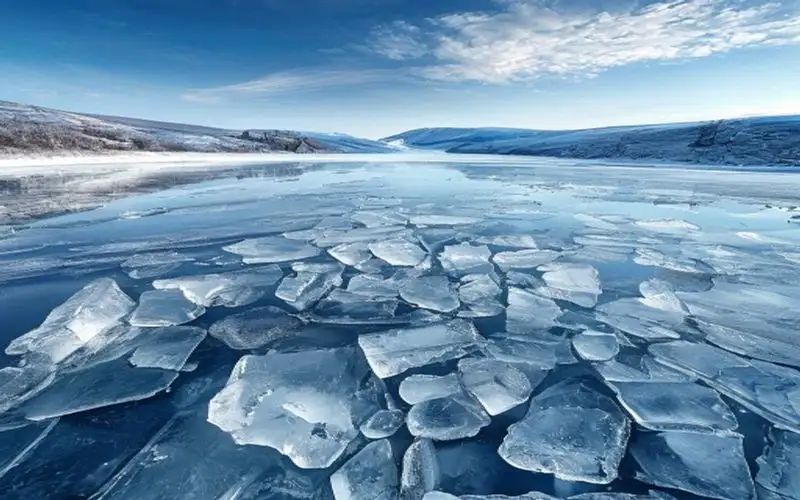
Озеро Байкал — это величайшее чудо природы, расположенное в самом сердце Сибири. Его часто называют «Славным морем» или «Голубым оком Сибири», и эти эпитеты в полной мере отражают величие и красоту этого уникального водоема. Байкал не просто озеро, это рекордсмен во многих отношениях и священное место для местных народов. Природные рекорды и уникальная флора и фауна Байкал является самым глубоким озером на планете — его максимальная глубина достигает 1642 метров. Кроме того, это самое древнее озеро, возраст которого оценивается в 25-35 миллионов лет. В его котловине сосредоточено около 20% всех мировых запасов пресной озерной воды. Вода в Байкале настолько чистая и прозрачная, что в некоторых местах дно можно разглядеть на глубине до 40 метров. Озеро славится своей уникальной экосистемой. Большинство видов растений и животных, обитающих здесь, являются эндемиками, то есть не встречаются больше нигде в мире. Самым известным обитателем Байкала является байкальская нерпа — единственный в мире вид пресноводного тюленя. Эти милые и грациозные животные часто греются на камнях Ушканьих островов. Остров Ольхон и шаманские традиции Сердцем Байкала по праву считается остров Ольхон — самый крупный из островов озера. Ольхон пропитан мистикой и древними легендами. Главная достопримечательность острова — Скала Шаманка (мыс Бурхан), которая является одной из девяти святынь Азии. Издавна это место было центром шаманских обрядов бурятского народа, и сегодня сюда съезжаются паломники и шаманы для проведения ритуалов и общения с духами предков. Гастрономические открытия Прибайкалья Путешествие на Байкал невозможно представить без знакомства с местной кухней, основу которой составляют дары озера и традиционные бурятские блюда. Королем байкальского стола является омуль. Его едят в соленом, вяленом виде, но особенно хорош омуль горячего копчения, который продается прямо на берегу. Не менее популярны и бурятские буузы (или позы) — блюдо, напоминающее крупные манты или хинкали, приготовленное на пару, внутри которого находится рубленное мясо с невероятно вкусным бульоном. Байкал прекрасен в любое время года. Летом он манит прозрачными водами и пляжами, а зимой превращается в царство сверкающего, прозрачного льда, покрытого причудливыми трещинами и метановыми пузырями. #байкал #сибирь #природароссии #ольхон #омуль #путешествияпороссии #глубочайшееозеро #буузы #шаманизм #travel #russia #baikal #lakebaikal #winter #russiatravel Related InsightsThe Twenty Million Dollar View: A History of Humanity's Most Exclusive Destination 喀什:丝绸之路上的明珠与时光交错的古城 La Corse : Éclats de granit et murmures de Méditerranée{ "@context": "https://schema.org", "@type": "FAQPage", "mainEntity": [ { "@type": "Question", "name": "What is the main focus of Lake Baikal?", "acceptedAnswer": { "@type": "Answer", "text": "A travel guide to Lake Baikal" } }, { "@type": "Question", "name": "Who authored the comprehensive guide on Lake Baikal?", "acceptedAnswer": { "@type": "Answer", "text": "This detailed article and its insights were carefully researched and authored by Ivan Sokolov." } }, { "@type": "Question", "name": "Where can I find more related content about Travel?", "acceptedAnswer": { "@type": "Answer", "text": "You can explore more articles, detailed reviews, and similar insights by browsing the Related Insights section at the bottom of this article or visiting our dedicated Travel category page." } } ] }
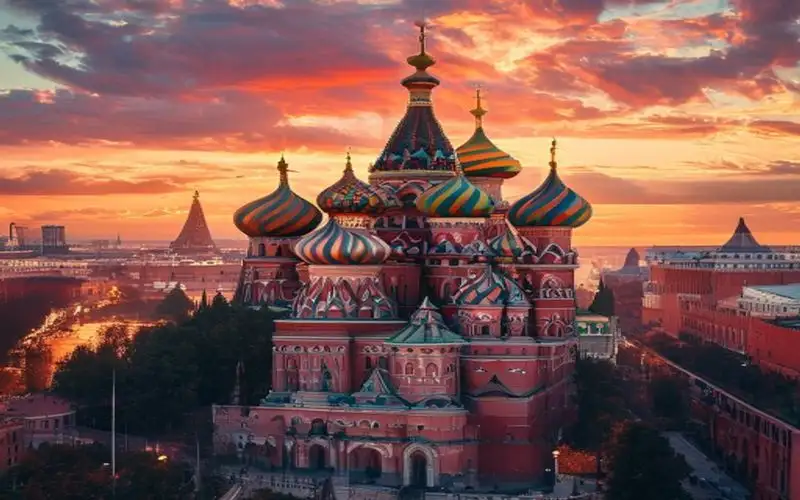
Красная площадь в Москве — это не просто сердце столицы России, это настоящий символ страны, где каждый камень дышит вековой историей. Название «Красная» происходит от древнерусского слова, означающего «красивая», и площадь полностью оправдывает это имя. Расположенная у восточной стены Кремля, она является свидетелем важнейших событий в истории государства на протяжении более чем пяти веков. Архитектурные шедевры Главным украшением площади, несомненно, является Собор Василия Блаженного (Покровский собор), возведенный в XVI веке по приказу Ивана Грозного в честь взятия Казани. Его причудливые, разноцветные купола, напоминающие языки пламени, стали визитной карточкой Москвы. Напротив собора расположен Исторический музей — величественное здание из красного кирпича, хранящее миллионы экспонатов, рассказывающих о богатом прошлом страны. Вдоль кремлевской стены находится Мавзолей В.И. Ленина, усыпальница основателя Советского государства, а за ним — некрополь, где покоятся многие видные государственные деятели. Неотъемлемой частью архитектурного ансамбля является также Спасская башня с ее знаменитыми курантами, бой которых каждый Новый год слушает вся страна. Культурное наследие и гастрономия С восточной стороны Красную площадь замыкает здание Главного универсального магазина (ГУМ). Построенный в конце XIX века в псевдорусском стиле, сегодня ГУМ — это не только элитный торговый центр, но и великолепное место для прогулок под стеклянными сводами. Оказавшись здесь, обязательно стоит попробовать знаменитое советское мороженое в вафельном стаканчике, рецепт которого, кажется, не меняется десятилетиями. После длительной прогулки по брусчатке площади, стоит заглянуть в один из близлежащих ресторанов, чтобы насладиться классической русской кухней. Традиционные блины с красной икрой, горячий борщ со сметаной и расстегаи позволят вам ощутить истинный вкус России. Центр притяжения Красная площадь включена в список Всемирного наследия ЮНЕСКО. Это место, где проходят главные военные парады страны, концерты мировых звезд и грандиозные фестивали. Зимой здесь заливают знаменитый ГУМ-каток и устраивают рождественские ярмарки, превращая площадь в волшебную сказку. Каждый гость столицы, ступая на брусчатку Красной площади, невольно ощущает масштаб и грандиозность российской истории, которая здесь словно застыла в архитектурном великолепии. Это место обязательно к посещению для всех, кто хочет понять русскую душу. #москва #краснаяплощадь #россия #путешествия #историяроссии #архитектура #гум #соборвасилияблаженного #travel #russia #moscow #redsquare #saintbasils #russiatravel Related InsightsL'Odyssée Australienne : Entre Terre Rouge et Récifs d'Azur Unveiling the Land Down Under: A Journey Through Australia's Thriving Tourism Scene Southeast Asia’s Best-Kept Secrets: Uncharted Adventures and Untouched Wonders in 2026{ "@context": "https://schema.org", "@type": "FAQPage", "mainEntity": [ { "@type": "Question", "name": "What is the main focus of Moscow Red Square?", "acceptedAnswer": { "@type": "Answer", "text": "A travel guide to Moscow Red Square" } }, { "@type": "Question", "name": "Who authored the comprehensive guide on Moscow Red Square?", "acceptedAnswer": { "@type": "Answer", "text": "This detailed article and its insights were carefully researched and authored by Ivan Sokolov." } }, { "@type": "Question", "name": "Where can I find more related content about Travel?", "acceptedAnswer": { "@type": "Answer", "text": "You can explore more articles, detailed reviews, and similar insights by browsing the Related Insights section at the bottom of this article or visiting our dedicated Travel category page." } } ] }
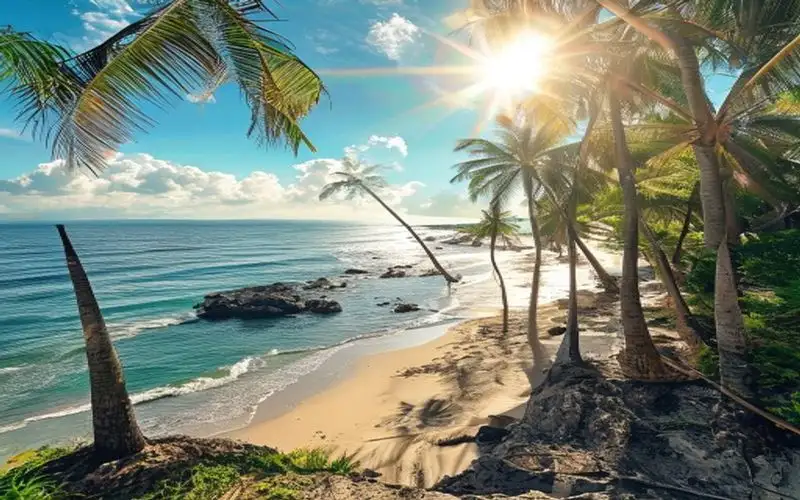
Сочи — это уникальный город-курорт на побережье Черного моря, который часто называют «Летней столицей России». Благодаря удивительному географическому положению, Сочи сочетает в себе влажный субтропический климат и близость заснеженных пиков Кавказских гор. Именно здесь в один день можно искупаться в теплом море и покататься на горных лыжах. От императорских дач до Олимпийского наследия История Сочи как курорта началась в конце XIX века, когда здесь стали строить дачи представители российской аристократии. Позже, в советское время, город превратился во всесоюзную здравницу с монументальными санаториями в стиле сталинского ампира. Одна из главных исторических достопримечательностей — дача Сталина в Зеленой роще, окруженная густым лесом и сохранившая аутентичные интерьеры того времени. Огромный толчок к развитию город получил благодаря проведению Зимних Олимпийских игр 2014 года. В Имеретинской низменности вырос современный Олимпийский парк с впечатляющими стадионами, трассой Формулы-1 и поющим фонтаном. А в горах Красной Поляны появились горнолыжные курорты мирового класса, такие как Роза Хутор, с первоклассной инфраструктурой и захватывающими видами на Кавказский хребет. Природа и кавказская гастрономия Природные богатства региона не менее впечатляющи. Знаменитый парк «Ривьера» и Сочинский Дендрарий собрали уникальную коллекцию экзотических растений со всего мира. Здесь растут пальмы, кипарисы, магнолии и бамбук, создавая вечнозеленый оазис. Кулинарная сцена Сочи формировалась под сильным влиянием кавказских традиций. Посещение Сочи немыслимо без дегустации сочного шашлыка, приготовленного на углях, ароматного хачапури по-аджарски (в форме лодочки с сыром и яйцом) и хинкали. Местные рынки, такие как Центральный рынок Сочи, пестрят яркими красками: здесь можно купить местный инжир, хурму, орехи, знаменитую абхазскую аджику и, конечно, чурчхелу — традиционную сладость из орехов в густом виноградном соке. Сочи — это место, где южный колорит, богатая природа и современный комфорт сливаются воедино. #сочи #черноеморе #краснаяполяна #кавказ #хачапури #курортыроссии #олимпийскийпарк #путешествиенаюг #travel #russia #sochi #blacksea #vacation #russiatravel Related InsightsThe Twenty Million Dollar View: A History of Humanity's Most Exclusive Destination Le Cattedrali Sotterranee di Puglia: Un Viaggio Intimo nelle Città Rupestri delle Gravine 嵐山の美学: 竹林と自然の調和{ "@context": "https://schema.org", "@type": "FAQPage", "mainEntity": [ { "@type": "Question", "name": "What is the main focus of Sochi Riviera?", "acceptedAnswer": { "@type": "Answer", "text": "A travel guide to Sochi Riviera" } }, { "@type": "Question", "name": "Who authored the comprehensive guide on Sochi Riviera?", "acceptedAnswer": { "@type": "Answer", "text": "This detailed article and its insights were carefully researched and authored by Ivan Sokolov." } }, { "@type": "Question", "name": "Where can I find more related content about Travel?", "acceptedAnswer": { "@type": "Answer", "text": "You can explore more articles, detailed reviews, and similar insights by browsing the Related Insights section at the bottom of this article or visiting our dedicated Travel category page." } } ] }
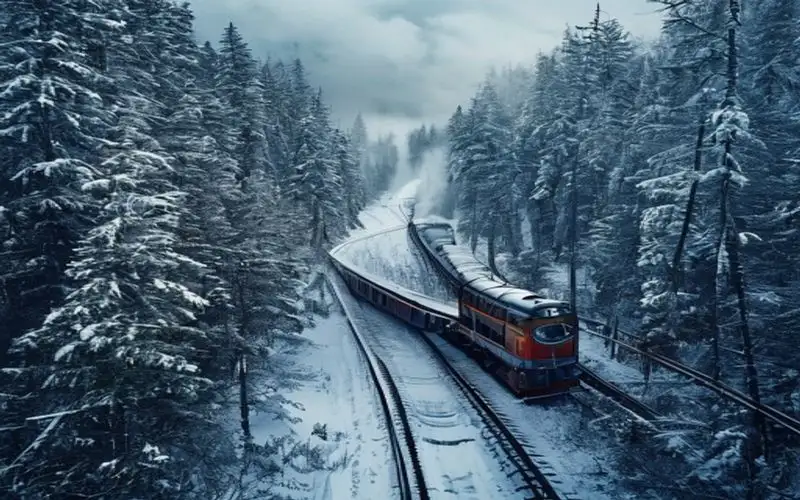
Транссибирская магистраль (Транссиб) — это не просто железная дорога, это легендарный маршрут, грандиозный инженерный проект и стальной хребет, связывающий воедино огромную территорию России. Самая длинная железнодорожная линия в мире протянулась на 9289 километров от Москвы до Владивостока, пересекая два континента, 87 городов и 8 часовых поясов. Инженерное чудо и историческое значение Строительство Транссиба, начавшееся в 1891 году по указу императора Александра III, стало одним из самых масштабных проектов в истории человечества. Магистраль прокладывали сквозь непроходимую тайгу, скалы и вечную мерзлоту. Сегодня путешествие по всему маршруту на фирменном поезде «Россия» занимает около семи дней. Это время, когда можно наблюдать за тем, как за окном сменяются климатические зоны, пейзажи и архитектура: от среднерусских лесов и Уральских гор до бескрайних сибирских степей, тайги и побережья Японского моря. Важнейшими остановками на пути являются такие города, как Екатеринбург, где Европа встречается с Азией, Новосибирск — столица Сибири, Иркутск, известный как «Париж Сибири» и являющийся воротами к великому озеру Байкал, а также Улан-Удэ, где ярко ощущается колорит буддийской культуры Бурятии. Романтика поездов и станционная кулинария Путешествие по Транссибу — это глубокое погружение в русскую культуру и быт. Поезд становится своеобразным домом, где пассажиры пьют чай из традиционных стаканов в металлических подстаканниках, ведут долгие душевные разговоры с попутчиками и наслаждаются мерным стуком колес. Особое удовольствие — это кулинарная сторона поездки. Помимо вагона-ресторана, предлагающего классические блюда, такие как борщ и котлеты, настоящим гастрономическим приключением становятся долгие остановки на станциях. Именно здесь местные жители выносят на перроны домашнюю еду: горячую отварную картошку с укропом, свежеиспеченные пирожки с капустой и картофелем, соленые огурцы, копченого байкальского омуля в Слюдянке и кедровые орехи. Транссиб — это путь к пониманию масштабов и души России, уникальное приключение, которое хотя бы раз в жизни стоит испытать каждому путешественнику. #транссиб #железнаядорога #путешествияпоездом #сибирь #владивосток #москва #россия #подстаканник #поезд #travel #russia #transsiberian #siberia #train #russiatravel Related InsightsTerme di Caracalla: Il Lusso del Benessere Romano Albania’s Riviera vs Montenegro’s Bay of Kotor: Europe’s Best-Kept Secret Coastlines Revealed Romantische Straße fahren{ "@context": "https://schema.org", "@type": "FAQPage", "mainEntity": [ { "@type": "Question", "name": "What is the main focus of Trans-Siberian Railway?", "acceptedAnswer": { "@type": "Answer", "text": "A travel guide to Trans-Siberian Railway" } }, { "@type": "Question", "name": "Who authored the comprehensive guide on Trans-Siberian Railway?", "acceptedAnswer": { "@type": "Answer", "text": "This detailed article and its insights were carefully researched and authored by Ivan Sokolov." } }, { "@type": "Question", "name": "Where can I find more related content about Travel?", "acceptedAnswer": { "@type": "Answer", "text": "You can explore more articles, detailed reviews, and similar insights by browsing the Related Insights section at the bottom of this article or visiting our dedicated Travel category page." } } ] }

-
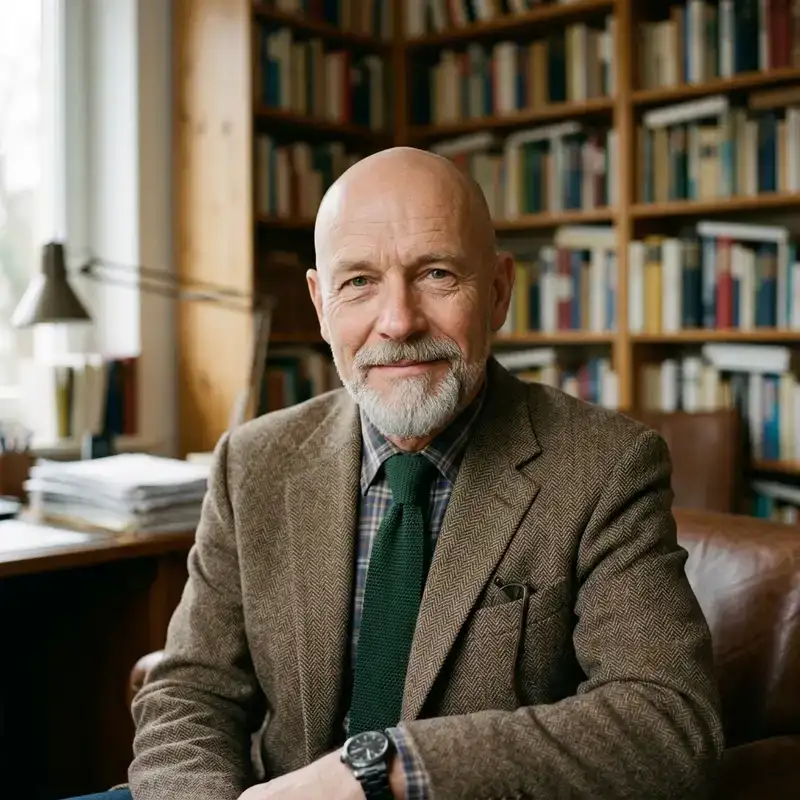 Hans Müller
 - 24 Jun, 2026 15:50
Vegan Bratwurst with Sauerkraut and Mustard: A Probiotic-Rich Delight
Introduction to Vegan Bratwurst with Sauerkraut and Mustard As we delve into the world of vegan cuisine, it's exciting to explore the numerous plant-based alternatives to traditional German dishes. One such dish that has gained popularity is the vegan bratwurst, often served with sauerkraut and mustard. According to recent studies, a diet rich in probiotics can have numerous health benefits, including improved digestion and immune system function. Sauerkraut, being a fermented food, is an excellent source of probiotics. Research on probiotic-rich foods shows that they can also have anti-inflammatory properties, which can help in reducing the risk of chronic diseases. The combination of vegan bratwurst, sauerkraut, and mustard creates a flavorful and nutritious dish that not only satisfies our taste buds but also provides a range of health benefits. The Cultural Significance of Bratwurst in German Cuisine Bratwurst has been an integral part of German cuisine for centuries, with each region having its own unique variation. The traditional bratwurst is made from ground meat, usually a combination of pork and veal, and is seasoned with a blend of spices, including salt, pepper, nutmeg, and coriander. However, with the rise of veganism, vegan bratwurst has become a popular alternative, made from plant-based ingredients such as tofu, tempeh, or seitan. The cultural significance of bratwurst in German cuisine is evident in the numerous festivals and events that celebrate this dish. The Oktoberfest, for example, is a world-famous festival that showcases German food, beer, and music, with bratwurst being one of the main attractions. The vegan bratwurst, with its similar taste and texture to the traditional version, has made it possible for vegans to participate in these cultural events and enjoy the flavors of German cuisine. The Health Benefits of Sauerkraut Sauerkraut, a fermented cabbage dish, has been a staple in German cuisine for centuries. The fermentation process involves the action of lactic acid bacteria, which creates a rich source of probiotics. According to recent studies, probiotics can have numerous health benefits, including improved digestion, immune system function, and even mental health. The probiotics in sauerkraut can also help in reducing inflammation, which can reduce the risk of chronic diseases such as heart disease, diabetes, and certain types of cancer. Furthermore, sauerkraut is rich in vitamins and minerals, including vitamin C, vitamin K, and potassium, making it a nutrient-dense food that can be added to a variety of dishes. The Recipe: Vegan Bratwurst with Sauerkraut and Mustard As we explore the world of vegan cuisine, it's exciting to create dishes that are not only delicious but also nutritious. The vegan bratwurst with sauerkraut and mustard is a perfect example of a dish that combines flavor and nutrition. Here's a simple recipe to make this delicious dish: Ingredients:1 cup vegan bratwurst 1 cup sauerkraut 2 tablespoons mustard 1 tablespoon olive oil 1 onion, sliced 2 cloves garlic, minced 1 teaspoon caraway seeds Salt and pepper, to tasteInstructions:Preheat a large skillet over medium heat. Add olive oil, sliced onion, and minced garlic. Cook until the onion is translucent. Add the vegan bratwurst and cook for about 5-7 minutes on each side, until browned. Add the sauerkraut, mustard, caraway seeds, salt, and pepper. Stir well to combine. Reduce heat to low and simmer for about 10-15 minutes, allowing the flavors to meld together. Serve the vegan bratwurst with sauerkraut and mustard, garnished with fresh parsley or chives.Conclusion In conclusion, the vegan bratwurst with sauerkraut and mustard is a delicious and nutritious dish that combines the flavors of traditional German cuisine with the health benefits of probiotic-rich foods. The probiotics in sauerkraut can have numerous health benefits, including improved digestion and immune system function, while the vegan bratwurst provides a plant-based alternative to traditional meat-based dishes. As we explore the world of vegan cuisine, it's exciting to create dishes that are not only delicious but also nutritious. The vegan bratwurst with sauerkraut and mustard is a perfect example of a dish that combines flavor and nutrition, making it a great addition to any meal. #VeganRecipes #ProbioticRichFoods #GermanCuisine Related InsightsSlurp Your Way Through Japan: The Definitive Ramen Roadmap from Tonkotsu to Shoyu The Umami Revolution: How Chefs Are Harnessing the Fifth Taste Today The Alchemy of Vinegar and Ocean: The Deep Evolution of Sushi{ "@context": "https://schema.org", "@type": "FAQPage", "mainEntity": [ { "@type": "Question", "name": "What is the main focus of Vegan Bratwurst with Sauerkraut and Mustard: A Probiotic-Rich Delight?", "acceptedAnswer": { "@type": "Answer", "text": "Indulge in the flavors of traditional German cuisine with a vegan twist, featuring probiotic-rich sauerkraut and mustard." } }, { "@type": "Question", "name": "Who authored the comprehensive guide on Vegan Bratwurst with Sauerkraut and Mustard: A Probiotic-Rich Delight?", "acceptedAnswer": { "@type": "Answer", "text": "This detailed article and its insights were carefully researched and authored by Hans Müller." } }, { "@type": "Question", "name": "Where can I find more related content about Food?", "acceptedAnswer": { "@type": "Answer", "text": "You can explore more articles, detailed reviews, and similar insights by browsing the Related Insights section at the bottom of this article or visiting our dedicated Food category page." } } ] }
-
 John Explorer
 - 24 Jun, 2026 14:45
The Aetherial Threads: Unearthing Ladakh's Forgotten Sky Roads of the Monastics
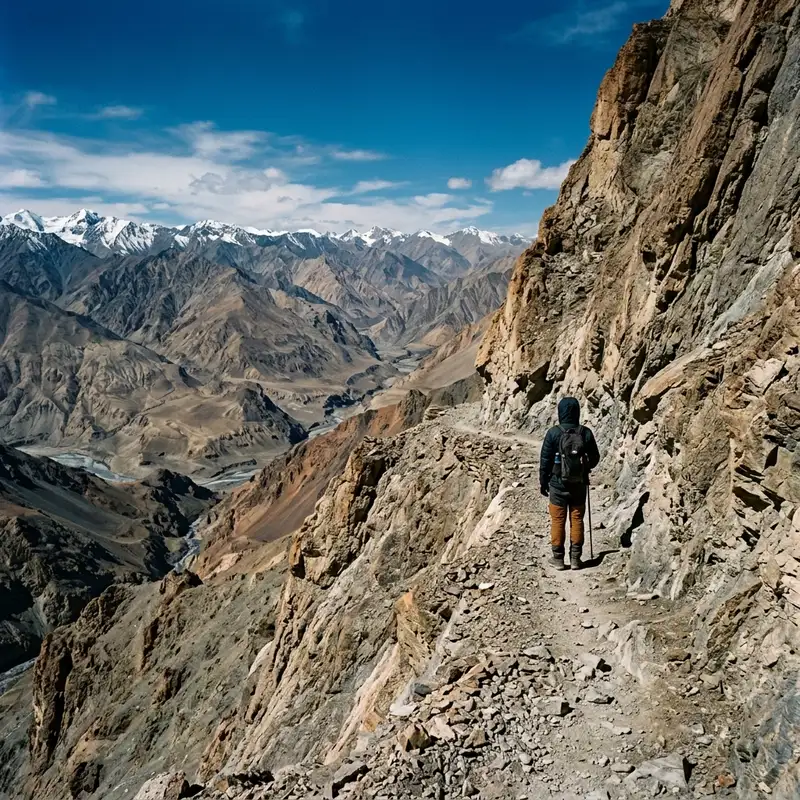
The air, thin and sharp like a perfectly honed blade, sliced through my lungs with each desperate gasp. My vision blurred at the periphery, a dizzying dance of sapphire sky and ochre rock. There was no path here, not in the conventional sense. Only an instinct, a faint whisper from a centuries-old story, guiding my frostbitten boots across scree slopes that seemed to dissolve underfoot. This wasn’t a hike; it was an act of faith, a pursuit of ghosts along routes whispered about only by the oldest Lamas, an investigative #journey into the very soul of the Himalayas. I was searching for Ladakh’s invisible Sky Roads, #ancient monastic trails that exist more in legend than on any map. A Whisper from the High Peaks: The Genesis of a Quest My fascination began innocently enough, buried within the brittle pages of an obscure 19th-century British survey report. Amidst detailed topographic measurements and colonial observations of local customs, a single, intriguing footnote caught my eye. It alluded to "aerial paths"—high-altitude routes supposedly used by early Buddhist monks to connect isolated meditation caves and nascent gompas (monasteries) long before established villages or trade routes even existed. These were not the well-trodden pilgrim paths of today, nor even the challenging passes known to modern trekkers. These were something else entirely: routes predicated on absolute solitude, spiritual endurance, and an intimate knowledge of a landscape that actively sought to repel human presence. The report dismissed them as local myth, perhaps exaggerations of strenuous journeys. But for me, that dismissal was the spark. The idea clung to me like the mountain mist, morphing from a mere academic curiosity into an obsession. I spent years after that initial encounter poring over ancient Tibetan texts, consulting with revered Lamas in more accessible monasteries, and cross-referencing fragmented oral histories. What emerged was a mosaic of clues: references to "the paths of the sky-wanderers," "the threads of the dakinis," and tales of monks who would disappear for months, only to reappear, transformed, from directions where no man could possibly have traveled. These were not just physical trails; they were spiritual arteries, conduits for enlightenment, carved by generations of ascetics pushing the boundaries of human endurance and faith. They represented a form of pilgrimage so profound, so utterly detached from worldly concerns, that they had faded from collective memory, leaving only spectral echoes in the thin air. Into the Labyrinth of Stone and Spirit: Initial Preparations and First Steps The logistics of tracing routes that practically don't exist were, to put it mildly, daunting. Forget GPS; these paths predated written language in many instances, marked perhaps by nothing more than a carefully placed cairn long since toppled, or an unusually shaped rock noted only by a monastic mind honed by years of meditation. My preparation involved not just physical conditioning for extreme altitudes and treacherous terrain, but also a deep dive into the local dialects of Ladakhi and archaic Tibetan, hoping to unearth forgotten place names or subtle directional cues hidden within old chants. I traveled with minimal gear, a skilled local guide named Tenzin whose family had lived in these valleys for generations and possessed an intuitive understanding of the land, and a deep-seated humility. The mountains here permit no arrogance. Our journey began in a village so remote it scarcely warranted a dot on any map, a place where the nearest motorable road was a three-day walk away. From there, we ascended. The first few days were a blur of rising altitude, the landscape morphing from arid scrubland to vast, desolate plateaus, then into a realm of jagged, snow-capped peaks. The oxygen thinned relentlessly, each step a conscious effort. We followed faint animal tracks, crossed glacial streams that numbed the feet to the bone, and navigated sheer rock faces where handholds were precarious and footholds scarce. Tenzin, usually stoic, often paused, his gaze sweeping the vast expanse, searching for a sign that only he could interpret – a particular shade of lichen, a subtle change in the rock's stratification, a feeling in the wind. These were not roads for the casual adventurer; they were pathways for the truly dedicated, or the utterly desperate. The Footprints of Saints: Decoding the Ancient Paths The physical manifestation of a "Sky Road" was never a uniform trail. Sometimes it was a narrow ledge clinging precariously to a cliff face, barely wide enough for one foot. Other times, it was a series of small, strategic cairns (ovoos in Tibetan) built millennia ago, now half-buried by erosion. Most often, it was simply an imagined line across a vast, unmarked expanse of boulders and ice, visible only to an eye trained by generations of ancestral knowledge, or perhaps, a spiritual intuition. We found ancient rock carvings, faint and weathered, depicting symbols that hinted at directional markers or protective deities. A single, stylized stupa etched into a granite slab would signify a particularly dangerous passage, or a point of profound spiritual significance. One evening, huddled in a makeshift shelter against a raging snowstorm, Tenzin recounted a tale passed down through his family: of a legendary Lama who, seeking ultimate enlightenment, walked for seven years across these sky roads, never once descending below 5,000 meters. He ate only what he found, meditated in glacial caves, and communicated with the spirits of the mountains. His path, Tenzin explained, was not just about reaching a destination but about the journey itself becoming the meditation, each arduous step an offering, each breath a prayer. These Sky Roads, therefore, were less about navigation and more about transformation. They were tests, purifications, designed to strip away all worldly attachments and force an encounter with the raw, untamed self and the divine. Sanctuaries in the Sky: Unveiling the Hidden Gompas After what felt like an eternity of climbing, pushing, and doubting, we stumbled upon the first concrete evidence of our quest's validity. High above a valley that had seemed utterly devoid of human life, nestled into a natural rock overhang, was a small, perfectly preserved cave monastery. Its entrance was so artfully concealed by natural rock formations that one could pass within meters of it without ever knowing of its existence. This was not a gompa built on an accessible hill; it was an extension of the mountain itself, a part of its silent, ancient heart. Inside, the air was still and cold, yet imbued with an unmistakable warmth, a spiritual resonance that felt tangible. Ancient murals, vibrant despite the passage of centuries, adorned the rock walls, depicting scenes from the life of Buddha and tantric deities. A small, meticulously carved wooden altar held a handful of offerings – dried juniper branches, a few grains of rice, items left by a devotee perhaps decades, even centuries, ago. A single, dust-covered thangka, its colours faded but its message clear, depicted a contemplative Bodhisattva. It was clear this place had not seen regular human traffic for an age. The silence here was profound, a living entity that hummed with the echoes of countless meditations.The most striking discovery, however, was in a tiny, almost hidden alcove: a collection of manuscripts, meticulously handwritten on brittle birch bark and parchment. These were not canonical texts, but personal journals and spiritual commentaries by the monks who had lived and meditated here. They detailed not only their profound spiritual insights but also the challenges of their existence: the scarcity of food, the brutal winters, the deep solitude, and the constant awareness of their proximity to the divine. One passage, translated painstakingly by Tenzin, spoke of the Sky Roads as "the pathways to the inner self, where each stone is a lesson and each gust of wind a mantra." It confirmed everything I had suspected: these were more than just trails; they were active instruments of spiritual practice. Life at the Edge of the Breathable World: Encounters and Reflections Our journey continued, leading us to several more such hidden sanctuaries, each one a testament to an unimaginable devotion. In one, nestled so high that the clouds often swirled below us, we found a lone hermit. He was ancient, his face a roadmap of wrinkles carved by sun and wind, his eyes clear and serene as the glacial lakes. He spoke little, but his presence was a lesson in itself. He had lived there, he told us through Tenzin, for over forty years, sustained by a tiny patch of hardy greens, what he gathered from the mountains, and the spiritual nourishment of his practice. He was, in essence, a living embodiment of the Sky Roads' purpose. His daily routine was an unbroken cycle of meditation, prayer, and the meticulous maintenance of his tiny, self-sufficient world. He spoke of the mountains as his teachers, the wind as his companion, and the stars as his eternal guides. He knew the Sky Roads not as mere lines on a landscape, but as extensions of his own spiritual journey, paths that connected him not just to other hidden gompas, but to the very essence of existence. Our encounter was brief, yet deeply transformative. It solidified my understanding that these routes were not merely historical relics; they were living traditions, kept alive by the few, the truly dedicated, who chose a life beyond the veil of the mundane. The profound solitude of these altitudes forces an introspection unlike any other. Stripped of all distractions, with the vastness of the cosmos above and the monumental silence of the mountains around, one is left with only oneself. The physical discomfort, the fear of the unknown, the exhaustion – all melt away, replaced by a clarity of thought, a heightened awareness. I began to understand the draw of these Sky Roads for the ancient monks: they were not just escape routes, but pathways to confrontation – with oneself, with #nature, and ultimately, with the divine. The Echoes of Silence: The Deeper Meaning of the Sky Roads The cultural practice embedded within these Sky Roads is a unique form of pilgrimage. Unlike many pilgrimages that lead to specific, revered sites, these routes themselves were the primary spiritual undertaking. The journey was the devotion. Each arduous climb, each perilous traverse, each moment spent battling the elements, was a meditation, a ritual of purification. The goal was not merely to arrive at a sacred destination, but to undergo a transformation en route. This practice speaks volumes about the early forms of Tibetan Buddhism in Ladakh – a raw, untamed spirituality that sought truth not in grand temples, but in the elemental forces of nature, in the profound silence of the high peaks, and in the relentless testing of the physical and spiritual self. The monks who forged and traversed these paths were not just ascetics; they were pioneers of the spirit, mapping out an inner landscape as vast and challenging as the mountains they inhabited. Their practices, though extreme, highlight a universal human yearning for meaning, for transcendence, and for a deeper connection to something beyond the everyday. Preserving the Invisible: A Call for Mindful Exploration Returning from the Sky Roads was like waking from a profound dream. The vibrant colours of the modern world seemed almost garish after the muted, sublime palette of the high Himalayas. The cacophony of human activity felt jarring after weeks of absolute silence. My physical journey had ended, but the internal one had just begun. These Sky Roads, truly invisible gems of human endeavor and spiritual dedication, are fragile. They are not tourist attractions; they are sacred arteries. While the urge to explore and understand such profound historical and cultural practices is strong, their very existence depends on their continued obscurity, or at least, on extremely mindful engagement. There's a delicate balance between shedding light on these forgotten wonders and inadvertently paving the way for their degradation. My hope in sharing this account is not to create a new trekking fad, but to foster an appreciation for a form of spiritual pursuit that pushed the absolute limits of human experience. Perhaps some things are meant to remain partially hidden, to exist as whispers on the wind, accessible only to those who seek them with the purest of intentions. The true value of the Sky Roads lies not in their discovery by the masses, but in the profound philosophical lessons they offer about human resilience, faith, and the enduring quest for meaning in the most desolate yet breathtaking corners of our world. The Descent and the Lingering Resonance As Tenzin and I descended, the oxygen gradually thickening, the vastness of the valleys unfolding beneath us, I felt a sense of profound gratitude and a quiet awe. The mountains had revealed a secret, not just of physical routes, but of a way of life, a spiritual tradition that continues to defy the modern world. The Sky Roads are not just lines on a map that never was; they are lines etched into the collective spiritual consciousness of a people, faint but indelible. They reminded me that the greatest journeys are often not to the most famous landmarks, but to the unseen, unheard places where the human spirit truly soars, even at the edge of the breathable world. The thin air, the biting cold, the relentless climb – these were merely the physical manifestations of a deeper ascent. An ascent into #history, into spirituality, and into the very heart of what it means to be truly alive and connected to something ancient and profound. The Sky Roads of Ladakh, for me, will forever be the most silent, yet the most eloquent, testament to the enduring human spirit. #LadakhHiddenGems #HimalayanSpirituality #AncientMonasticTrails #ForgottenPilgrimage #HighAltitudeCulture Related InsightsSardinian Nuraghe Trails: Mapping the Bronze Age Megalithic Landscapes The Arctic's Whispering Skies: Your Ultimate Guide to Unlocking Scandinavia's Northern Lights Mystique 紫禁城:明清两代的皇家心脏{ "@context": "https://schema.org", "@type": "FAQPage", "mainEntity": [ { "@type": "Question", "name": "What is the main focus of The Aetherial Threads: Unearthing Ladakh's Forgotten Sky Roads of the Monastics?", "acceptedAnswer": { "@type": "Answer", "text": "Beyond the known passes of Ladakh lie the 'Sky Roads'—invisible ancient trails connecting forgotten high-altitude monasteries, a spiritual quest woven into the very fabric of the Himalayas." } }, { "@type": "Question", "name": "Who authored the comprehensive guide on The Aetherial Threads: Unearthing Ladakh's Forgotten Sky Roads of the Monastics?", "acceptedAnswer": { "@type": "Answer", "text": "This detailed article and its insights were carefully researched and authored by John Explorer." } }, { "@type": "Question", "name": "Where can I find more related content about Travel?", "acceptedAnswer": { "@type": "Answer", "text": "You can explore more articles, detailed reviews, and similar insights by browsing the Related Insights section at the bottom of this article or visiting our dedicated Travel category page." } } ] }

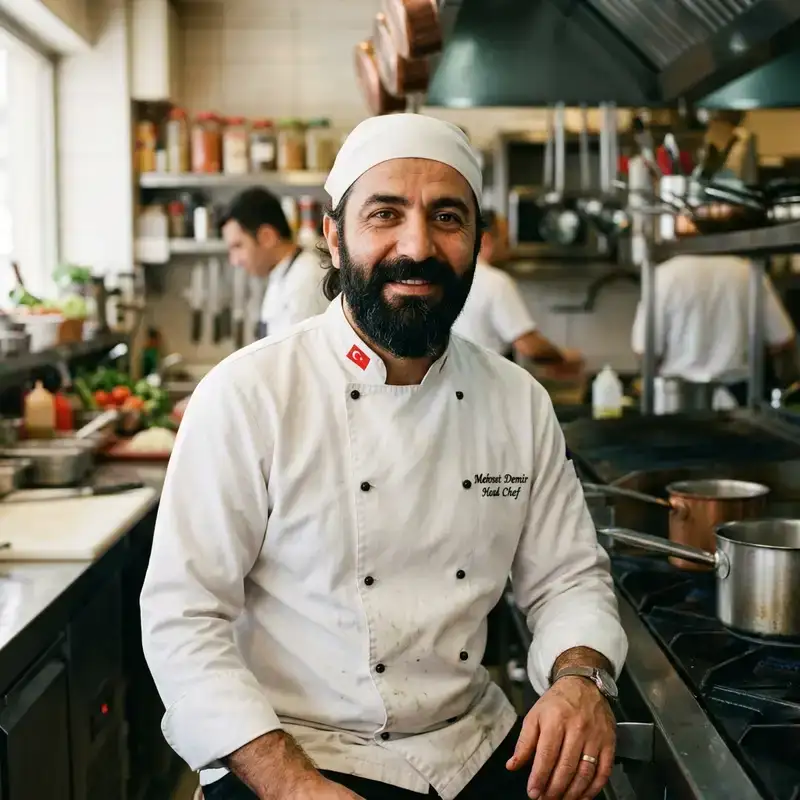
The Heartbeat of Anatolia: Demir Şef's High-Protein Red Lentil Soup with Invigorating Mint and Chili
The Ancestral Embrace: A Journey into Red Lentil Soup's Soul Greetings, my culinary comrades and wellness warriors! Demir Şef here, bringing you a dish that is more than just food; it is a warm embrace, a whisper of history, and a testament to the enduring power of simple, wholesome ingredients. Today, we journey to the heart of Anatolia and the Southern Mediterranean to explore a timeless classic: Red Lentil Soup, elevated with the vibrant notes of fresh mint and the tantalizing kick of chili flakes. This isn't just a recipe; it's a deep dive into the gastronomic heritage and profound health benefits that have sustained civilizations for millennia. Imagine a bustling bazaar, the air thick with the scent of spices, laughter, and the gentle hum of daily life. At the heart of many homes and street stalls, you’d find a simmering pot of lentil soup, an offering of comfort, energy, and nourishment. This humble soup, known in Turkey as Mercimek Çorbası, holds a special place in the culinary tapestry, often served as a comforting starter or a complete meal. Its ubiquity isn't just about taste; it's deeply rooted in its remarkable nutritional profile and economic accessibility. At Demir Şef's table, we believe in the harmonious marriage of flavor and function. Our mission is to transform everyday ingredients into extraordinary experiences that not only delight the palate but also fortify the body. And few ingredients exemplify this philosophy better than the humble lentil. These tiny legumes are titans of nutrition, especially when it comes to protein, a macronutrient critical for virtually every bodily function.The Protein Powerhouse: Unpacking Lentils' Nutritional Might Why all the fuss about lentils, you ask? Beyond their earthy flavor and creamy texture, lentils are nutritional champions, particularly revered for their high protein content. For vegetarians, vegans, and anyone looking to reduce their meat intake, lentils offer a complete and efficient protein source, crucial for muscle repair, enzyme production, and overall cellular health. But the benefits extend far beyond just protein. According to a comprehensive review exploring the "Gastronomic heritage of legume foods in Southern Mediterranean cuisine," legumes like lentils, chickpeas, and fava beans hold a "prominent position" and are "renowned for their richness in proteins, fibers, and essential micronutrients." This research highlights that traditional legume-based dishes are not merely historical relics but continue to be cornerstones of a healthy diet, celebrated for their "nutritional value" and "cultural significance." This very notion underscores why our Red Lentil Soup remains a vital and relevant dish in modern kitchens. It’s a taste of history that actively contributes to your well-being. The fiber content in lentils is equally impressive. Dietary fiber is fundamental for digestive health, promoting regularity and contributing to a healthy gut microbiome. A well-functioning digestive system is the bedrock of overall health, impacting everything from immunity to mood. Research, such as studies focusing on dietary patterns for patients with inflammatory bowel disease (IBD), emphasizes that diet is an "essential, controllable, and economical component" in managing chronic digestive conditions. While our soup isn't a direct treatment for IBD, incorporating nutrient-dense, fiber-rich foods like red lentils into a balanced diet aligns with the general principles of supporting a healthy gut and overall well-being. The abstract notes that understanding the "benefits and drawbacks of typical foods and their chemical compositions" is crucial, and lentils consistently emerge as a food with significant benefits. The "economical component" mentioned in the IBD research is also a crucial aspect of lentils' appeal. They are an incredibly affordable source of high-quality protein and nutrients, making healthy eating accessible to a broader population. This accessibility has made lentil soup a staple in cultures around the world, especially in times when resources were scarce, proving that nourishing food doesn't have to break the bank. Beyond protein and fiber, lentils are packed with essential micronutrients. They are a good source of iron, crucial for oxygen transport in the blood, and folate, vital for cell growth and function. They also provide a spectrum of B vitamins, magnesium, and potassium, all working synergistically to support energy production, nerve function, and heart health. This makes a bowl of our Red Lentil Soup not just satisfying, but truly restorative.A Symphony of Flavors and Wellness: Mint, Chili, and Beyond While the lentils form the nutritious foundation, it's the interplay of fresh mint and vibrant chili flakes that elevates this soup from simple sustenance to an unforgettable culinary experience. These aren't mere garnishes; they are deliberate additions with their own unique contributions to both flavor and health. Mint, often seen as a palate cleanser, offers a burst of freshness that cuts through the richness of the lentils. Beyond its invigorating aroma, mint has been traditionally used to aid digestion. It's believed to soothe an upset stomach and alleviate indigestion, making it a perfect partner for a hearty, fiber-rich soup. The essential oils in mint are responsible for these calming effects, adding a therapeutic dimension to each spoonful. Chili flakes, particularly Pul Biber (Aleppo pepper flakes) or Maras pepper, commonly used in Turkish cuisine, provide a gentle warmth and subtle smokiness without overwhelming heat. The capsaicin in chili peppers is known for its anti-inflammatory properties and its ability to boost metabolism. It adds an exciting layer of flavor that awakens the senses, transforming the soup into a dynamic and engaging dish. This combination of mint's cooling freshness and chili's warming spice creates a beautiful yin and yang effect, making the soup incredibly balanced and addictive. The other vegetables in our recipe—carrots, celery, and onions—contribute a wealth of vitamins, minerals, and antioxidants, further enhancing the soup's nutritional profile. Onions and garlic provide immune-boosting compounds, while carrots add beta-carotene, a precursor to Vitamin A, essential for vision and skin health. This harmonious blend of ingredients ensures that every spoonful is a step towards holistic well-being. Navigating Modern Diets: Lessons from Ancient Legumes In an increasingly complex world of dietary advice and endless food trends, finding reliable, nourishing meals can sometimes feel like a challenge. We see a rise in personalized nutrition and advanced tools exploring dietary patterns, as evidenced by recent research into "The role of ChatGPT in vegetarian menus." This study aimed to analyze how AI models like ChatGPT-4 can create menus for various vegetarian diets, highlighting the "potential of artificial intelligence in gastronomy." However, the research also "emphasize[s] the need for users to verify the information," as errors were observed in some AI-generated menus. This intriguing finding underscores the enduring value of time-tested, traditional recipes like our Red Lentil Soup. While technology continues to evolve and offer new avenues for dietary planning, the foundational wisdom embedded in dishes that have sustained generations remains an invaluable, verified resource. Our soup embodies a culinary heritage built on generations of trial, error, and refinement, where the ingredients and combinations have proven their worth for both taste and health. It’s a reminder that sometimes, the best dietary advice comes from the dishes that have stood the test of time, deeply rooted in cultural traditions and nutrient-rich ingredients. Legumes, as celebrated in the review of Southern Mediterranean cuisine, are versatile and adaptable, making them suitable for a wide array of dietary preferences, including vegetarian, vegan, and flexitarian approaches. This inherent flexibility means that our Red Lentil Soup can fit seamlessly into diverse eating patterns, providing robust nutrition without needing complex, AI-generated meal plans. It’s a simple, reliable, and deeply satisfying answer to the question of what to eat for health and pleasure. Crafting Comfort: The Demir Şef's Red Lentil Soup Recipe Now, let's get into the kitchen and bring this masterpiece to life. This recipe is designed to be straightforward, allowing the natural flavors to shine while delivering maximum nutritional impact.Yields: 6-8 servings Prep Time: PT20M Cook Time: PT40M Ingredients:1 tablespoon good quality olive oil 1 large yellow onion, finely chopped 2 cloves garlic, minced 1 tablespoon tomato paste (Domates Salçası, if you can find it, for authentic flavor) 1 teaspoon sweet paprika 1/2 teaspoon ground cumin 1/4 teaspoon turmeric (optional, for beautiful color and additional anti-inflammatory benefits) 1 cup (200g) red lentils, rinsed thoroughly under cold water until water runs clear 6 cups (1.4 liters) vegetable broth (or chicken broth for a non-vegetarian option) 1 large carrot, peeled and finely diced 1 celery stalk, finely diced 1 teaspoon salt, or to taste 1/4 teaspoon freshly ground black pepper, or to taste Juice of 1/2 lemon, for brightness and acidityFor the Mint-Chili Oil (Optional Garnish):2 tablespoons olive oil 1 tablespoon dried mint (Nane, ideally Turkish dried mint) 1/2 - 1 teaspoon chili flakes (Pul Biber or Maras pepper recommended for milder heat and flavor) Fresh mint leaves, chopped, for garnishInstructions:Prepare the Aromatics: Heat 1 tablespoon of olive oil in a large heavy-bottomed pot or Dutch oven over medium heat. Add the finely chopped yellow onion and cook, stirring occasionally, until softened and translucent, about 5-7 minutes. Add Garlic and Spices: Add the minced garlic to the pot and cook for another minute until fragrant, being careful not to burn it. Stir in the tomato paste, sweet paprika, ground cumin, and turmeric (if using). Cook for 1-2 minutes, stirring constantly, to toast the spices and deepen their flavor. This step is crucial for building the base of the soup's rich taste. Introduce Lentils and Vegetables: Add the thoroughly rinsed red lentils, diced carrot, and diced celery to the pot. Stir well to coat all the ingredients with the aromatic spice mixture. Simmer to Perfection: Pour in the 6 cups of vegetable broth. Bring the mixture to a boil, then reduce the heat to low, cover the pot, and let it simmer gently for 25-30 minutes, or until the lentils and vegetables are very tender. Stir occasionally to prevent sticking. Red lentils cook quickly and will break down, thickening the soup naturally. Achieve Creamy Texture: Once the lentils are cooked, remove the pot from the heat. For a truly creamy consistency, use an immersion blender to blend the soup directly in the pot until smooth. Alternatively, carefully transfer the soup in batches to a standard blender and blend until silky smooth. If using a standard blender, remember to leave the lid slightly ajar to allow steam to escape and protect your hands with a kitchen towel. Season and Finish: Return the blended soup to the pot (if using a standard blender). Stir in the salt and freshly ground black pepper. Taste and adjust seasonings as needed. Add the juice of 1/2 lemon. The lemon juice brightens the flavors and adds a necessary touch of acidity, making the soup sing. Prepare Mint-Chili Oil (Optional Garnish): While the soup is simmering or blending, prepare your flavorful garnish. In a small saucepan or skillet, heat 2 tablespoons of olive oil over low heat. Add the dried mint and chili flakes. Cook gently for about 30 seconds to 1 minute, just until fragrant, being careful not to burn the mint or chili. Remove from heat immediately. This infused oil adds a beautiful color, aroma, and a delightful spicy kick. Serve: Ladle the hot Red Lentil Soup into bowls. Drizzle each serving with a spoonful of the warm mint-chili oil and sprinkle with fresh chopped mint leaves for a final flourish. Serve immediately with warm crusty bread or lemon wedges on the side.Beyond the Bowl: A Holistic Approach to Nourishment This Red Lentil Soup with Mint and Chili is more than just a meal; it's a celebration of health, heritage, and the sheer joy of cooking. It embodies the principles Demir Şef stands for: delicious food that is genuinely good for you, prepared with love and mindful intention. By incorporating traditional ingredients and time-honored techniques, we not only create culinary magic but also tap into a wellspring of scientifically validated health benefits. From its robust protein and fiber content to its array of essential micronutrients, this soup is a testament to the power of legumes. It’s a dish that nourishes your body, comforts your soul, and connects you to a rich cultural narrative. So go ahead, embrace the warmth, the spice, and the profound goodness of this magnificent soup. Your body and taste buds will thank you. Enjoy, and afiyet olsun!#HighProtein #RedLentilSoup #DemirŞef #GutHealth #MediterraneanDiet Related InsightsAppam and Stew: Kerala's Comforting Coconut Duo Miso Alchemy: Scaling Home Fermentation to Artisanal Mastery Siu Mai: The Classic Open-Faced Pork Dumpling{ "@context": "https://schema.org", "@type": "FAQPage", "mainEntity": [ { "@type": "Question", "name": "What is the main focus of The Heartbeat of Anatolia: Demir Şef's High-Protein Red Lentil Soup with Invigorating Mint and Chili?", "acceptedAnswer": { "@type": "Answer", "text": "Savor a high-protein, nourishing red lentil soup with fresh mint and spicy chili. Demir Şef combines ancient culinary wisdom with modern nutritional science for a comforting, gut-friendly meal." } }, { "@type": "Question", "name": "Who authored the comprehensive guide on The Heartbeat of Anatolia: Demir Şef's High-Protein Red Lentil Soup with Invigorating Mint and Chili?", "acceptedAnswer": { "@type": "Answer", "text": "This detailed article and its insights were carefully researched and authored by Demir Şef." } }, { "@type": "Question", "name": "Where can I find more related content about Food?", "acceptedAnswer": { "@type": "Answer", "text": "You can explore more articles, detailed reviews, and similar insights by browsing the Related Insights section at the bottom of this article or visiting our dedicated Food category page." } } ] }
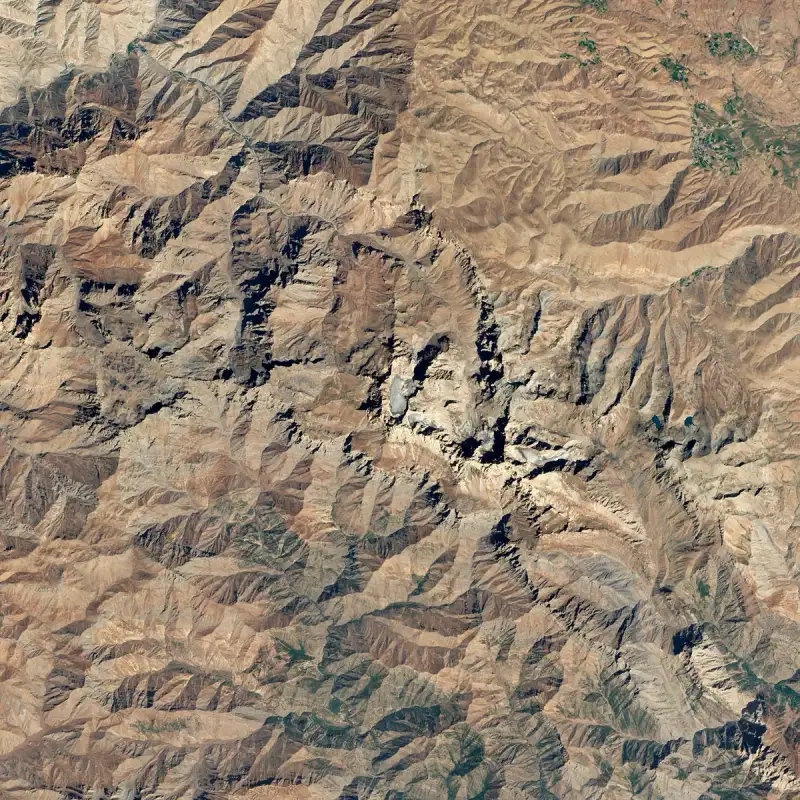
The world holds few landscapes as profoundly enigmatic and majestically silent as Mount Ararat. It rises from the high Anatolian plateau like a colossal sentinel, its snow-crowned summit piercing the azure sky with an almost mythical defiance. For millennia, this dormant stratovolcano, Turkey's highest peak at 5,137 meters (16,854 feet), has captivated human imagination, serving as a beacon for spiritual seekers, ambitious climbers, and relentless truth-finders. It is more than just a mountain; it is a repository of #ancient lore, a testament to geological power, and a crucible of enduring mysteries that beckon the curious soul. My #journey to the shadow of Ağrı Dağı, as it is known in Turkish, was not merely a physical trek but an expedition into the depths of legend itself. The crisp, thin air carried whispers of ages past, of floods and ancient mariners, of empires that rose and fell in its gaze. Standing at its base, the sheer scale is overwhelming. Its twin peaks – Greater Ararat and the slightly smaller, equally imposing Lesser Ararat – dominate the horizon, a perpetually frosted vision that feels both ancient and eternally young. It is here, amidst this stark beauty, that the most compelling of Ararat’s mysteries begins to unfurl: the enduring quest for Noah’s Ark. The Biblical Quest: On the Trail of Noah's Ark Few biblical narratives grip the modern imagination with the force of the Great Flood and the epic voyage of Noah's Ark. The Book of Genesis (8:4) famously states that "the ark rested in the seventh month, on the seventeenth day of the month, upon the mountains of Ararat." This single verse has spawned centuries of fervent expeditions, meticulous research, and passionate belief, turning Mount Ararat into the ultimate archaeological treasure hunt. The allure is undeniable. Imagine, for a moment, stumbling upon the petrified remains of an immense wooden vessel, a relic from a time before recorded #history, perched precariously on a high, remote flank of the mountain. Such a discovery would not only rewrite archaeological textbooks but profoundly impact theological understanding globally. This dream has fueled countless adventurers, from the earliest Byzantine chroniclers to contemporary satellite imagery analysts. One of the earliest recorded claims comes from the 5th-century Armenian historian Faustus of Byzantium, who spoke of a fragment of the Ark kept in a monastery. Marco Polo, in his 13th-century travelogue, The Travels of Marco Polo, noted that "on the top of it [Ararat] no man can ever stay... for it is always covered with snow, and no one can ascend it; and they say that Noah's Ark is there." Such accounts cemented Ararat's place in the collective consciousness as the Ark's most probable resting place. Modern searches gained significant traction in the 20th century. In 1916, Russian aviator Vladimir Roskowitsky reportedly sighted an ark-like structure while flying over Ararat during World War I, although his claims lack concrete verification. Later, in the 1950s, French industrialist Fernand Navarra claimed to have found hand-hewn timbers on the mountain, which radiocarbon dating placed at around 5,000 years old – a date that, tantalizingly, aligns with flood narratives. Navarra’s findings, however, were small fragments and their origin on the mountain remains debated by critics. Perhaps the most famous modern "sightings" revolve around the "Ararat Anomaly" – a distinct, boat-shaped formation captured in aerial photographs taken by the US Air Force in 1949 and later by satellite imagery. Located on the northwestern plateau of Greater Ararat at an altitude of approximately 4,724 meters (15,500 ft), this anomaly has been a persistent target for expeditions. While its shape is undeniably suggestive, geological studies largely attribute it to natural rock formations, possibly shaped by glacial erosion or mudflows. The area is notoriously difficult to access, and permissions for thorough on-site investigations are often complex due to the mountain's sensitive geopolitical location. Another prominent figure in the Ark quest was Ron Wyatt, an American adventurer who claimed to have found the Ark at a site called Durupınar, in the Tendürek Mountains, approximately 29 kilometers (18 miles) south of Mount Ararat's summit. This site, a boat-shaped depression, has also been widely investigated, with some proponents citing geological anomalies and "deck timber" patterns. However, mainstream geologists and archaeologists have consistently dismissed the Durupınar formation as a natural geological feature, with no evidence of ancient timber or human construction. The scientific consensus remains that these features are natural formations, and the absence of definitive, verifiable proof continues to plague all Ark claims. The challenges in finding the Ark are immense. If a wooden vessel did survive, it would have endured millennia of extreme weather, glacial movements, seismic activity (Ararat is a volcano in an active fault zone), and decay. Wood exposed to these conditions would likely have petrified or disintegrated long ago. Furthermore, the term "mountains of Ararat" in Genesis might not refer to the specific peak we know today, but rather to the wider Urartu region – an ancient kingdom spanning parts of modern-day Turkey, Armenia, and Iran. This geographical ambiguity further complicates the search. Regardless of the scientific skepticism, the quest for Noah's Ark continues to draw people to Ararat, imbuing the mountain with a unique spiritual charge. For many, the very act of seeking is a pilgrimage, a reaffirmation of faith in the face of colossal odds.A Geological Marvel: Ararat's Volcanic Heart Beyond its mythical mantle, Mount Ararat stands as a profound testament to the Earth's raw, formative power. It is a stratovolcano, a conical volcano built up by many layers of hardened lava, tephra, pumice, and volcanic ash. Its sheer size and symmetrical form are products of millions of years of geological activity, an architect of its own destiny. Greater Ararat is the largest single-mass mountain in Turkey, rising dramatically from a plateau that is already around 800 meters (2,600 feet) above sea level. Its younger sibling, Lesser Ararat (3,896 meters / 12,782 feet), lies southeast of the main peak, separated by the Sardarbulak pass, a saddle at about 2,687 meters (8,816 feet). Both are considered dormant, though not entirely extinct. Ararat's last known significant eruption occurred in 1840, an event that ravaged the region around the village of Akhuri, which lay on its northern slope. This catastrophic eruption, accompanied by a major earthquake, caused devastating mudslides and avalanches, burying the village and a monastery, killing hundreds. This event serves as a stark reminder of the mountain's inherent power and its capacity for destruction, even in its slumber. The geology of Ararat also plays a role in the Ark mystery. The mountain is composed primarily of Cenozoic volcanic rocks, including basalt, andesite, and dacite. Its slopes are scarred by ancient lava flows and glacial valleys, some of which persist year-round above 3,500 meters (11,500 feet). The ever-present snow and ice caps are vital for local ecosystems, feeding streams and rivers that flow through the arid landscape below. The dynamic #nature of these glaciers and the mountain's seismic activity mean that any ancient wooden structure would have been subjected to immense pressures, potentially crushed, covered, or moved significantly over the millennia. The landscape itself is a living, changing entity, not a static stage. Exploring the lower flanks of Ararat, one encounters a diverse range of microclimates. The arid steppe gives way to sparse shrubland, then alpine meadows teeming with unique flora and fauna during the short summer months. Higher up, the terrain becomes increasingly barren, a desolate realm of scree, rock, and eternal ice. This ecological transition paints a vivid picture of the mountain's immense vertical relief and its role as an ecological island in a vast, dry region. Climbing Ararat: A Pilgrim's Journey For many, including myself, the true way to connect with Ararat's essence is to ascend its formidable slopes. The climb is not merely an athletic endeavor; it is a pilgrimage, a communion with nature, and a profound personal challenge. It requires respect, preparation, and an understanding of the mountain's unpredictable temperament. Permits are essential for climbing Ararat, and they must be obtained through licensed Turkish #travel agencies. The mountain lies within a sensitive border region, and security considerations are paramount. Most expeditions depart from the dusty, bustling town of Doğubayazıt, a gateway town steeped in its own history, dominated by the magnificent Ishak Pasha Palace. Here, local Kurdish guides, who possess an unparalleled knowledge of the mountain and its moods, become indispensable companions. Their wisdom, passed down through generations, is as valuable as any piece of high-tech gear. My own ascent, or at least the imagined journey I've crafted from extensive research and the accounts of those who have reached its summit, begins with the familiar rumble of a four-wheel drive traversing rough tracks. The initial climb passes through a stark, almost lunar landscape, punctuated by the occasional yurt of semi-nomadic shepherds tending their flocks. The air, initially warm, begins to thin and cool perceptibly. Base camp, typically around 3,200 meters (10,500 feet), is a humble affair of tents, warmed by the camaraderie of fellow climbers from across the globe. Here, the sheer scale of the mountain becomes even more apparent, its summit still a distant, intimidating goal. Acclimatization is key; the "climb high, sleep low" principle is strictly adhered to, with day hikes to higher altitudes followed by descents back to base camp to allow the body to adjust to the reduced oxygen levels. The real challenge begins with the push to high camp, often around 4,200 meters (13,800 feet). This involves navigating rockfall-prone scree slopes and steep ascents. The air is noticeably colder, the wind more biting. Each step is a conscious effort, a dialogue between mind and body. The simplicity of life at high camp – hot tea, freeze-dried meals, and the shared anticipation – fosters a unique bond among climbers. The summit push is the climax, usually starting in the early hours of the morning, long before dawn. Under a canopy of brilliant stars, headlamps bob rhythmically as climbers begin their slow, steady ascent. The lower slopes of the summit pyramid are often a mix of loose scree and patches of hard-packed snow. As one ascends higher, crampons and ice axes become essential as the terrain transitions to steep, icy slopes. The oxygen deprivation is palpable, each breath a struggle, but the reward awaiting at the top fuels the determination.Finally, as the sun begins to paint the eastern sky in hues of orange and purple, the world unfurls beneath you. From the summit of Greater Ararat, the view is nothing short of transcendent. The plains of Iran stretch eastward, the distant peaks of Armenia to the north, and the vast Anatolian plateau to the west. Lesser Ararat stands proud beside you, now a fellow peak rather than a distant goal. The curvature of the Earth is almost visible, and the feeling of standing atop this legendary mountain, touching the sky where myth and history converge, is a profound and humbling experience. It is a moment of pure, unadulterated awe, a memory etched deeply into the soul. The Cultural Tapestry and Geopolitical Significance Mount Ararat is more than a geographical feature or a biblical enigma; it is a cultural touchstone woven into the fabric of multiple nations and peoples. Its presence in this volatile corner of the world – where Turkey, Armenia, and Iran converge – imbues it with a complex geopolitical significance. For Armenians, Mount Ararat is a sacred national symbol. Although it lies within the borders of modern Turkey, it is indelibly etched into Armenian identity and history. From virtually any vantage point in Yerevan, the capital of Armenia, the majestic twin peaks of Ararat dominate the horizon, a constant, poignant reminder of ancestral lands and a rich, often turbulent, past. It appears on Armenian coats of arms, banknotes, and countless works of art. Its presence serves as both a source of pride and a symbol of longing. In Turkey, Ararat is known as Ağrı Dağı, the "Mountain of Ağrı" (after the province) or sometimes colloquially as the "Mountain of Pain," perhaps referencing its formidable nature or the historical events that have unfolded around it. It is a source of national pride, the country's highest point, and a challenging frontier for adventure tourism. The region around it, particularly the provinces of Ağrı and Iğdır, is predominantly Kurdish, and the local Kurdish population plays a crucial role in expeditions, providing guiding services, porters, and logistical support. Their intimate knowledge of the mountain, its weather patterns, and its hidden paths is invaluable. Historically, the area surrounding Ararat has been a crossroads of civilizations. The ancient Urartian kingdom (9th-6th centuries BCE) thrived in this region, building impressive fortresses and cities. Later, Persians, Romans, Byzantines, Arabs, Mongols, and Ottomans all cast their shadow upon the mountain, each leaving an indelible mark on the cultural landscape. The strategic importance of this high ground, overlooking vital trade routes and fertile plains, meant it was continuously contested. Today, the mountain's proximity to international borders adds layers of complexity to any travel or research. Permissions are tightly controlled, and travelers are advised to adhere strictly to regulations. The cultural interactions, however, are deeply enriching. Engaging with local villagers, sharing chai in their humble homes, and witnessing their resilient, pastoral way of life offers a window into a world deeply connected to the land and the rhythms of nature, a world largely unchanged by the clamor of the modern age.Other Myths, Legends, and the Enduring Spirit While Noah's Ark dominates the narrative of Ararat's mysteries, the mountain is also home to a myriad of other myths and legends, reflecting the diverse cultures that have revered it over millennia. Before the advent of Abrahamic religions, mountains were often seen as dwelling places of gods, conduits to the heavens, or sacred sanctuaries. Ararat, with its imposing height and dramatic presence, was undoubtedly considered such a place. Local folklore speaks of spirits guarding its slopes, of hidden treasures, and of mystical properties attributed to its waters and rocks. Kurdish legends sometimes connect the mountain to ancient heroes and mythical beasts, echoing the deep animistic beliefs that predate organized religions. These stories, passed down through generations, paint a picture of a living, breathing entity, not just a geological mass. The enduring spirit of Ararat lies not just in its unsolved puzzles or its physical grandeur, but in its capacity to inspire awe and introspection. It forces a confrontation with the ancient, with the vastness of time and the power of natural forces. Whether viewed from the bustling streets of Yerevan, the arid plains of Eastern Turkey, or from its own snow-swept summit, Ararat compels us to look beyond the immediate, to ponder the origins of humanity, the forces that shape our world, and the stories we tell ourselves to make sense of it all. The Experience of Being There: A Profound Resonance To truly grasp the essence of Mount Ararat is to experience it, to feel the wind whip across its slopes, to gaze up at its impossibly distant summit, or to stand atop it and survey the world. The sensory impact is profound: the thin, sharp air that bites at exposed skin, the blinding brilliance of snow under a relentless sun, the deep, echoing silence broken only by the crunch of boots on ice or the distant cry of a raptor. There is a humility that comes with being in the presence of such an ancient and monumental landscape. It strips away the superficial concerns of daily life, inviting contemplation on a grander scale. The very act of traveling to this remote corner of the world, of undertaking the physical and mental challenge of the climb, becomes a transformative experience. As Cemre Seyyah, I have chased stories across continents, but few places have resonated with the primal force of Mount Ararat. It is a place where faith and science dance a delicate, unresolved ballet; where history is etched into the very rock; and where the human spirit is tested and often, renewed. It is a reminder that some mysteries are perhaps meant to remain, to keep us curious, to keep us searching, and to keep us dreaming of what lies beyond the visible horizon. Mount Ararat is not just a mountain; it is an invitation to explore the deepest recesses of our planet and ourselves. To visit Ararat is to step into a living legend, to trace the footsteps of explorers and pilgrims, and to feel the heartbeat of an ancient land. Whether you seek the biblical Ark, the geological wonders, or simply the unparalleled adventure of a high-altitude climb, Ararat promises an unforgettable journey into the heart of an enduring mystery. It challenges, it inspires, and it remains, forever, shrouded in a captivating veil of snow, sky, and stories untold. #MountArarat #TravelTurkey #Noah'sArk #AdventureTravel #MysteryExploration #travel #explore #guide Related InsightsIl Palatino: Il Colle degli Imperatori Moscow Red Square Il Faro di Ercole e i Giganti Luminosi Dimenticati dell'Oceano: Un Viaggio Tra i Guardiani Romani dell'Infinito Atlantico{ "@context": "https://schema.org", "@type": "FAQPage", "mainEntity": [ { "@type": "Question", "name": "What is the main focus of Mount Ararat Mysteries?", "acceptedAnswer": { "@type": "Answer", "text": "A deep dive into Mount Ararat Mysteries with Cemre Seyyah." } }, { "@type": "Question", "name": "Who authored the comprehensive guide on Mount Ararat Mysteries?", "acceptedAnswer": { "@type": "Answer", "text": "This detailed article and its insights were carefully researched and authored by Cemre Seyyah." } }, { "@type": "Question", "name": "Where can I find more related content about Travel?", "acceptedAnswer": { "@type": "Answer", "text": "You can explore more articles, detailed reviews, and similar insights by browsing the Related Insights section at the bottom of this article or visiting our dedicated Travel category page." } } ] }

-
 Elena Volkova
 - 24 Jun, 2026 07:25
Exploring the Antioxidant-Rich Delights of Borscht with Kefir and Dill
A Vibrant Bowl of Vitality: Reimagining Borscht There is something profoundly soul-warming about a steaming bowl of Borscht. Traditionally rooted in Eastern European culture, this ruby-hued soup has long been celebrated not just for its complex, earthy flavor profile, but for its legendary status as a "functional food"—a dish that does far more than satisfy hunger. In this modern interpretation, we swap the traditional heavy cream for the tangy, probiotic-rich magic of kefir, and elevate the aromatic profile with a generous handful of fresh dill. This version isn’t just a recipe; it’s a nutritional powerhouse designed to nourish your gut microbiome and provide a concentrated dose of plant-based antioxidants. Whether you are seeking a light lunch or a revitalizing dinner, this Borscht with Kefir and Dill offers a sophisticated balance of textures and tastes that bridge the gap between ancestral tradition and modern nutritional science.The Science Behind: Why This Borscht Works Beyond its striking color, this soup is a masterclass in bioavailable nutrition. Every ingredient serves a physiological purpose: 1. The Beetroot (Beta vulgaris): The star of the show. Beets are one of the few dietary sources of betalains—powerful pigments that provide both the deep red color and potent antioxidant, anti-inflammatory properties. Studies suggest that the nitrates found in beets are converted into nitric oxide in the body, which helps dilate blood vessels, improve oxygen flow, and potentially lower blood pressure. 2. Kefir and the Gut Microbiome: Unlike standard dairy, kefir is a fermented beverage teeming with a diverse range of probiotics (beneficial bacteria). By adding kefir at the end of the cooking process, we preserve these live cultures. A healthy gut microbiome is linked to improved immune function, enhanced mood regulation, and better nutrient absorption. 3. Aromatics and Micronutrients: Garlic, onions, and celery are more than flavor enhancers. Garlic contains allicin, a sulfur-based compound with antimicrobial effects. Carrots provide a significant dose of beta-carotene, a precursor to Vitamin A, which is essential for ocular health and skin integrity. 4. The Synergy of Dill: Fresh dill is not merely a garnish. It is rich in flavonoids and monoterpenes, compounds that have been shown to help neutralize free radicals and support digestive health by reducing gas and bloating. Preparation Tips for the Perfect Bowl To achieve a depth of flavor that feels like it’s been simmering for hours, follow these preparation nuances:The Sauté Stage: Don’t rush the onion and garlic. Sautéing them until they are translucent—not burnt—caramelizes the natural sugars, creating a savory foundation (umami) that balances the inherent sweetness of the beets. Uniformity is Key: Dice your beets, carrots, and celery into uniform, bite-sized pieces. This ensures that every spoonful has a consistent texture and that the vegetables cook evenly without turning into mush. Managing the Kefir: Temperature is critical. Because kefir contains delicate probiotics, avoid boiling the soup vigorously after the kefir is added. Stir it in at the final stages to ensure the heat remains gentle, preserving the integrity of the beneficial bacteria and preventing the kefir from curdling. The Earthiness Balance: If you find the earthiness of the beets too dominant, a small squeeze of lemon juice at the end can brighten the acidity and cut through the natural sugar of the root vegetables.Step-by-Step Flavor Profile When you take your first bite, you will experience a layered flavor journey. It begins with the initial brightness of fresh dill and the sharp, acidic tang of the kefir. As you chew, the sweetness of the roasted-style beets emerges, followed by the savory depth of the vegetable broth and the mild, peppery undertones of the celery and garlic. It is this interplay between sweet, sour, and savory that makes this Borscht a complete sensory experience. Conclusion This Borscht with Kefir and Dill is more than a seasonal staple; it is a testament to the power of whole, nutrient-dense foods. By incorporating fermented ingredients and earth-grown roots into your routine, you are doing more than preparing a meal—you are fueling your body with the biological tools it needs to thrive. Whether you enjoy it hot on a cold winter night or room temperature during the warmer months, this dish remains a timeless, healthful classic. Give this recipe a try, and taste the difference that thoughtful nutrition makes. #Borscht #HealthyRecipes #GutHealth #AntioxidantRich #BeetrootNutritionRelated InsightsDelving into Sardinian Fregola with Seafood and Fennel: A High Protein Culinary Journey The Alchemy of Vitality: Grilled Chicken Pesto with Zucchini Noodles Turning Kitchen Scraps into Gourmet Gold: The Zero‑Waste Revolution{ "@context": "https://schema.org", "@type": "FAQPage", "mainEntity": [ { "@type": "Question", "name": "What is the main focus of Exploring the Antioxidant-Rich Delights of Borscht with Kefir and Dill?", "acceptedAnswer": { "@type": "Answer", "text": "A delicious and healthy twist on the traditional Eastern European dish, this recipe for Borscht with Kefir and Dill is rich in antioxidants and other essential nutrients." } }, { "@type": "Question", "name": "Who authored the comprehensive guide on Exploring the Antioxidant-Rich Delights of Borscht with Kefir and Dill?", "acceptedAnswer": { "@type": "Answer", "text": "This detailed article and its insights were carefully researched and authored by Elena Volkova." } }, { "@type": "Question", "name": "Where can I find more related content about Food?", "acceptedAnswer": { "@type": "Answer", "text": "You can explore more articles, detailed reviews, and similar insights by browsing the Related Insights section at the bottom of this article or visiting our dedicated Food category page." } } ] }

Die deutsche Bratwurst-Kultur #Deutschland gilt weltweit als das Land der Wurst, und die Bratwurst nimmt dabei eine absolute Spitzenposition ein. Von der feinen Nürnberger Rostbratwurst, die schon 1313 erstmals urkundlich erwähnt wurde, über die grobe Thüringer, deren Reinheitsgebot aus dem Jahr 1432 stammt, bis hin zur Currywurst, die in der Nachkriegszeit in #Berlin oder dem Ruhrgebiet das Licht der Welt erblickte – die Vielfalt ist enorm. Historisch war die Bratwurst eine Methode, um bei Schlachtungen restliches Fleisch und Fett in Naturdärmen haltbar und schmackhaft zu machen, oft stark gewürzt mit Majoran, Kümmel, Knoblauch oder Muskatnuss. Doch in den letzten Jahren hat sich eine stille, aber gewaltige Revolution auf den deutschen Grills vollzogen: die vegane Bratwurst. Vegane Bratwurst Alternativen im Aufwind Der Markt für Fleischersatzprodukte boomt in Deutschland, und pflanzliche Bratwürste sind nicht mehr nur ein Nischenprodukt. Die ersten Versuche bestanden meist aus purem Tofu, was oft zu einer trockenen Textur führte. Heute basieren die besten veganen Bratwürste auf innovativen Kombinationen von Proteinen. Beliebt ist Seitan (Weizeneiweiß), das eine fleischähnliche, faserige Struktur und einen extrem festen Biss liefert. Auch Erbsenprotein und Ackerbohnenprotein erfreuen sich großer Beliebtheit, da sie nicht nur sojafrei sind, sondern auch einen runderen, fleischigeren Eigengeschmack mitbringen. Um das typische Mundgefühl (den "Knack") einer tierischen Wurst zu imitieren, nutzen Hersteller heute häufig essbare pflanzliche Hüllen auf Basis von Alginat (aus Algen gewonnen). Dies ermöglicht es der veganen Wurst, auf dem Grill schön braun und knusprig zu werden, ohne aufzuplatzen. Geschmack durch Tradition Das wahre Geheimnis einer guten Bratwurst – ob tierisch oder vegan – liegt jedoch in der Würzung. Pflanzliche Wurstalternativen setzen auf die originalen, jahrhundertealten Gewürzmischungen. Majoran, weißer Pfeffer, Muskatblüte (Macis) und eine Prise Koriander verwandeln eine einfache Proteinmasse in eine authentisch schmeckende "Thüringer Art". Für die Saftigkeit, die früher durch tierisches Fett erreicht wurde, sorgen hochwertige pflanzliche Öle wie Raps-, Sonnenblumen- oder Kokosöl, die beim Erhitzen schmelzen und das Innere der Wurst saftig halten. Egal ob klassisch im Brötchen mit scharfem Senf, zerschnitten als Basis für eine vegane Currywurst oder kombiniert mit Kartoffelpüree und Sauerkraut – die vegane Bratwurst ist heute ein fester, unglaublich leckerer Bestandteil der modernen deutschen Esskultur geworden. #VeganeBratwurst #PlantBased #GrillSaison #VeganGermany #CurrywurstVegan #Fleischfrei #Erbsenprotein #Seitan #GrillenOhneFleisch #VeganeErnährung #recipe #exclusive Related InsightsSauerbraten auf Pilzbasis Сырники на завтрак Breakfast in Istanbul{ "@context": "https://schema.org", "@type": "FAQPage", "mainEntity": [ { "@type": "Question", "name": "What is the main focus of Vegane Bratwurst Alternativen?", "acceptedAnswer": { "@type": "Answer", "text": "Explore the incredible journey of Vegane Bratwurst Alternativen with Hannah Weber." } }, { "@type": "Question", "name": "Who authored the comprehensive guide on Vegane Bratwurst Alternativen?", "acceptedAnswer": { "@type": "Answer", "text": "This detailed article and its insights were carefully researched and authored by Hannah Weber." } }, { "@type": "Question", "name": "Where can I find more related content about Recipe?", "acceptedAnswer": { "@type": "Answer", "text": "You can explore more articles, detailed reviews, and similar insights by browsing the Related Insights section at the bottom of this article or visiting our dedicated Recipe category page." } } ] }
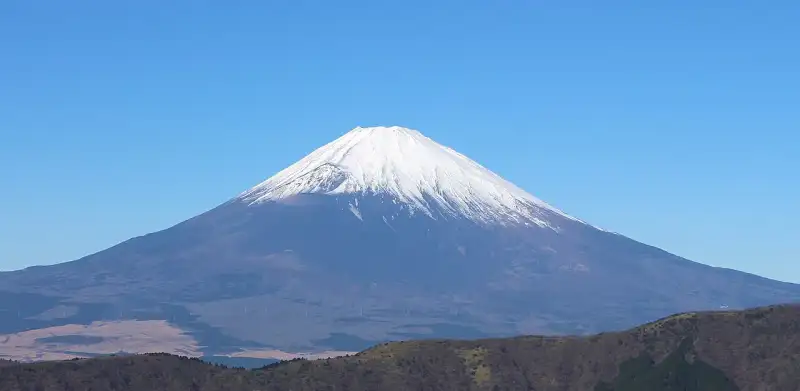
Konnichiwa! Welcome to another deep dive into #Japan's breathtaking #ancient #history and cultural heritage. From the spirit of #zen and Wabi-Sabi to the majestic presence of #samurai castles and Shinto shrines, let us explore the wonders of Mount Fuji. Mount Fuji (富士山・富士の山, Fujisan, Fuji no Yama) is an active stratovolcano located on the Japanese island of Honshu, with a summit elevation of 3,776.24 m (12,389 ft 3 in). It is the highest mountain in Japan, the second-highest volcano on any Asian island (after Mount Kerinci on the Indonesian island of Sumatra), and the seventh-highest peak of an island on Earth. Mount Fuji last erupted from 1707 to 1708. It is located about 100 km (62 mi) southwest of Tokyo, from which it is visible on clear days. It has an exceptionally symmetrical cone, which is covered in snow for about five months of the year. It is a Japanese cultural icon and is frequently depicted in art and photography, as well as visited by sightseers, hikers, and mountain climbers. Mount Fuji is one of Japan's "Three Holy Mountains" (三霊山, Sanreizan) along with Mount Tate and Mount Haku. It is a Special Place of Scenic Beauty and one of Japan's Historic Sites. It was added to the World Heritage List as a Cultural Site on June 22, 2013. According to #UNESCO, Mount Fuji has "inspired artists and poets and been the object of pilgrimage for centuries". UNESCO recognizes 25 sites of cultural interest within the Mount Fuji locality. These 25 locations include Mount Fuji and the Shinto shrine, Fujisan Hongū Sengen Taisha. Etymology The current kanji for Mount Fuji, 富 and 士, mean "wealth" or "abundant" and "man of status" respectively. The origins of this spelling and the name Fuji continue to be debated. In Japanese, kanji characters are often applied by sound, and the meaning of the kanji may have nothing to do with the name of the mountain. It was named Fuji before the kanji was applied to it. 富士山記 (Fuji-san Ki) written by Miyako no Yoshika (都良香) in Heian period states, ”The name of the mountain, Fuji, is taken from the name of the county." A text of the 9th century, Tale of the Bamboo Cutter, says that the name came from "immortal" (不死, fushi, fuji) and also from the image of abundant (富, fu) soldiers (士, shi, ji) ascending the mountain slopes. An early folk etymology claims that Fuji came from 不二 (not + two), meaning without equal or nonpareil. Another claims that it came from 不盡 (not + to exhaust), meaning never-ending. Hirata Atsutane, a Japanese classical scholar in the Edo period, speculated that the name is from a word meaning "a mountain standing up shapely as an ear (穗, ho) of a rice plant". British missionary John Batchelor (1855–1944) argued that the name is from the Ainu word for "fire" (fuchi) of the fire deity Kamui Fuchi, which was denied by a Japanese linguist Kyōsuke Kindaichi on the grounds of phonetic development (sound change). Fuji and Fuchi are known to be false friends, and Batchelor's argument is rejected by modern academics. Huchi means "old woman" and ape is the word for "fire", thus ape huchi kamuy is the fire deity. Research on the distribution of place names that fuji suggests that fuji originates in the Yamato language rather than Ainu. Japanese toponymist Kanji Kagami claimed that the name has the same root as wisteria (藤, fuji) and rainbow (虹, niji; but with an alternative reading, fuji), and came from its "long well-shaped slope". Vovin proposed an alternative hypothesis based on Old Japanese reading */puⁿzi/: the word may have been borrowed from Eastern Old Japanese */pu nusi/ 火主, meaning "fire master". Variations In English, the mountain is known as Mount Fuji. Some sources refer to it as "Fuji-san", "Fujiyama" or, redundantly, "Mt. Fujiyama". Japanese speakers refer to the mountain as "Fuji-san". This "san" is not the honorific suffix used with people's names, but the on'yomi of the character yama (山; "mountain") used in Sino-Japanese vocabulary. In Nihon-shiki and Kunrei-shiki romanization, the name is transliterated Huzi. Other Japanese names that have become obsolete or poetic include Fuji-no-Yama (ふじの山; "the Mountain of Fuji"), Fuji-no-Takane (ふじの高嶺; "the High Peak of Fuji"), Fuyō-hō (芙蓉峰; "the Lotus Peak"), and Fugaku (富岳/富嶽), created by combining the first character of 富士, Fuji, and 岳, mountain. History Mount Fuji is widely regarded to have an attractive volcanic cone. It has been a frequent subject of Japanese art, especially after 1600, when Edo (now Tokyo) became the capital and people saw the mountain while traveling on the Tōkaidō road. According to historian H. Byron Earhart, "in medieval times it eventually came to be seen by Japanese as the "number one" mountain of the known world of the three countries of India, China, and Japan". The mountain is mentioned in Japanese literature throughout the ages and is the subject of many poems. The summit has been thought of as sacred since ancient times, and was therefore forbidden to women. In 1872 the Japanese government issued an edict (May 4, 1872, Grand Council of State Edict 98) stating, "Any remaining practices of female exclusion on shrine and #temple lands shall be immediately abolished, and mountain climbing for worship, etc., shall be permitted." Tatsu Takayama was the first woman on record to summit Mount Fuji in the fall of 1832. Ancient samurai used the base of the mountain as a remote training area, near the present-day town of Gotemba. The shōgun Minamoto no Yoritomo held yabusame archery contests in the area in the early Kamakura period. The first ascent by a foreigner was by Sir Rutherford Alcock in September 1860, who ascended the mountain in 8 hours and descended in 3 hours. Alcock's brief narrative in The Capital of the Tycoon was the first widely disseminated description of the mountain in the West. Lady Fanny Parkes, the wife of British ambassador Sir Harry Parkes, was the first non-Japanese woman to summit, in 1867. Photographer Felix Beato climbed Mount Fuji two years later. On April 30, 1936, Mount Rainier National Park of the U.S. and Japan’s Fuji-Hakone National Park started a first-of-its-kind international 'sister mountain' relationship, with Rainier affectionately known as 'Tacoma-Fuji' by Japanese American immigrants of the Seattle area. On March 5, 1966, BOAC Flight 911, a Boeing 707, broke up in flight and crashed near the Mount Fuji Gotemba New fifth station, shortly after departure. All 113 passengers and 11 crew members died in the crash, which was attributed to clear-air turbulence caused by lee waves downwind of the mountain. A memorial for the crash victims sits near Gotemba New Fifth Station. Today, Mount Fuji is an international destination for tourism and mountain climbing. In the early 20th century, lectures by populist educator Frederick Starr Chautauqua about his ascents of Mount Fuji were widely known in America. A Japanese saying suggests that a wise person will climb Mt. Fuji once in their lifetime, but only a fool would climb it twice. It remains a popular symbol in Japanese #culture, including making numerous movie appearances, inspiring the Infiniti logo, and appearing in medicine with the Mount Fuji sign. In September 2004, the staffed weather station at the summit was closed after 72 years in operation. Observers monitored radar sweeps that detected typhoons and heavy rains. The station, which was the highest in Japan at 3,780 m (12,402 ft), was replaced by an automated system. Mount Fuji was added to the World Heritage List as a Cultural Site on June 22, 2013. Geography Mount Fuji is a distinctive feature of the geography of Japan. It stands 3,776.24 m (12,389 ft) tall and is located near the Pacific coast of central Honshu, just southwest of Tokyo. It straddles the boundary of Shizuoka and Yamanashi prefectures. Four small cities surround it - Gotemba to the east, Fujiyoshida to the north, Fujinomiya to the southwest, and Fuji to the south - accompanied by towns and villages. It is surrounded by five lakes: Lake Kawaguchi, Lake Yamanaka, Lake Sai, Lake Motosu and Lake Shōji. They, and nearby Lake Ashi in Kanagawa Prefecture, provide views. The mountain is part of Fuji-Hakone-Izu National Park. It can be seen more distantly from Yokohama, Tokyo, and sometimes as far as Chiba, Saitama, Tochigi, Ibaraki and Lake Hamana under skies. It was photographed from space during a space shuttle mission. Climate The summit has a tundra climate (Köppen climate classification ET). The temperature is low at high altitude, and the cone is covered by snow for several months of the year. The lowest recorded temperature is −38.0 °C (−36.4 °F) recorded in February 1981, and the highest temperature was 17.8 °C (64.0 °F) recorded in August 1942. Fuji's seasonal snowcap appears at an average date of 2 October. In 2024, the snowcap formed on 6 November, the latest-occurring since records began in 1894. Geology Mount Fuji is located at a triple junction trench where the Eurasian Plate, North American Plate, and Philippine Sea Plate meet. These three plates form the western part of Japan, the eastern part of Japan, and the Izu Peninsula respectively. The Pacific Plate is subducting beneath these plates, resulting in volcanic activity. Mount Fuji is located near three island arcs: the Southwestern Japan Arc, the Northeastern Japan Arc, and the Izu-Bonin-Mariana Arc. The Fuji triple junction is only 400 kilometres (250 mi) from the Boso triple junction. Fuji's main crater is 780 m (2,560 ft) in diameter and 240 m (790 ft) deep. The bottom of the crater is 100–130 m (330–430 ft) in diameter. Slope angles from the crater to a distance of 1.5–2 km (0.93–1.24 mi) are 31°–35°, the angle of repose for dry gravel. Beyond this distance, slope angles are about 27°, which is caused by an increase in scoria. Mid-flank slope angles decrease from 23° to less than 10° in the piedmont. Scientists have identified four distinct phases of volcanic activity in the formation of Mount Fuji. The first phase, called Sen-komitake, is composed of an andesite core deep within the mountain, discovered in 2004. Sen-komitake was followed by the "Komitake Fuji", a basalt layer believed to have formed several hundred thousand years ago. Approximately 100,000 years ago, "Old Fuji" was formed over the top of Komitake Fuji. The modern, "New Fuji" is believed to have formed over the top of Old Fuji around 10,000 years ago. Pre-Komitake started erupting in the Middle Pleistocene in an area seven km (4+1⁄2 mi) north of Mount Fuji. After a relatively short pause, eruptions began again, which formed Komitake Volcano. These eruptions ended 100,000 years ago. Ashitaka Volcano was active from 400,000 to 100,000 years ago and is located 20 km (12 mi) southeast of Mount Fuji. Mount Fuji started erupting 100,000 years ago, with Ko-Fuji (old-Fuji) forming 100,000 to 17,000 years ago, but it is now almost completely buried. A large landslide on the southwest flank occurred about 18,000 years ago. Shin-Fuji (new-Fuji) eruptions in the form of lava, lapilli, and volcanic ash have occurred between 17,000 and 8,000 years ago, between 7,000 and 3,500 years ago, and between 4,000 and 2,000 years ago. Flank eruptions, mostly in the form of parasitic cinder cones, ceased in 1707. The largest cone, Omuro-Yama, is one of more than 100 cones aligned NW-SE and NE-SW through the summit. Mt. Fuji also has more than 70 lava tunnels and extensive lava tree molds. Two large landslides are at the head of the Yoshida-Osawa and Osawa-Kuzure valleys. As of December 2002, the volcano was classified as active with a low risk of eruption. The last recorded eruption was the Hōei eruption which started on December 16, 1707 (Hōei 4, 23rd day of the 11th month), and ended about January 1, 1708 (Hōei 4, 9th day of the 12th month). The eruption formed a new crater and a second peak, named Mount Hōei, halfway down its southeastern side. Fuji spewed cinders and ash that resembled rainfall in Izu, Kai, Sagami, and Musashi. Since then, no signs of an eruption are recorded. On the evening of March 15, 2011, however, a magnitude 6.2 earthquake at shallow depth occurred a few kilometres from Mount Fuji on its southern side. Recorded eruptions About 11,000 years ago, a large amount of lava erupted from the west side of the top. This lava formed new Fuji, which is the main body of Mount Fuji. Since then, the tops of ancient Fuji and new Fuji have been side by side. About 2,500–2,800 years ago, the top part of ancient Fuji was destroyed in a large sector collapse and only the top of Shin-Fuji remained. Ten known eruptions can be traced to reliable records. Current eruptive danger Following the 2011 Tōhoku earthquake, media speculated that the shock might induce volcanic unrest at Mount Fuji. In September 2012, mathematical models created by the National Research Institute for Earth Science and Disaster Prevention (NRIESDP) suggested that the pressure in Mount Fuji's magma chamber could be 1.6 megapascals higher than before its 1707 eruption. This was interpreted by some media outlets to mean that an eruption of Mount Fuji could be imminent. Absent any method of directly measuring the pressure of a volcano's magma chamber however, indirect calculations of the type used by NRIESDP remained speculative and unverifiable. Other indicators suggestive of heightened eruptive danger, such as active fumaroles and recently discovered faults, are typical occurrences at this type of volcano. Eruption fears continued into the 2020s. In 2021, a new hazard map was created to help residents plan for evacuation, stoking fears because of its increased estimate of lava flow and additional vents. Soon afterwards, a 4.8 magnitude earthquake hit the area. The Japan Meteorological Agency however, assured the public that the earthquake did not increase the eruption risk. In 2023, a new evacuation plan was developed to account for the 2021 hazard map update. Aokigahara forest Aokigahara forest sits at Fuji's northwest base. Folk tales and legends tell of ghosts, demons, yūrei and yōkai haunting the forest, and in the 19th century, Aokigahara was one of many places where poor families abandoned their young and elderly. Approximately 30 suicides are counted yearly, with a high of nearly 80 in 2002. The recent increase prompted local officials to erect signs that attempt to convince suicidal individuals to reconsider, which have disrupted some attempts. Earlier suicides have created an allure that has persisted across decades. Many hikers mark their routes by leaving colored plastic tape behind as they pass, raising concern about effects on the forest's ecosystem. Access Transport The closest airport with scheduled international service is Mt. Fuji Shizuoka Airport. It opened in June 2009. It is about 80 km (50 mi) from Mount Fuji. Tokyo International Airport (Haneda Airport) and Narita International Airport are approximately three hours and 15 minutes from Mount Fuji. Climbing routes Approximately 300,000 people climbed Mount Fuji in 2009. The most popular period for people to hike up Mount Fuji is from July to August, while huts and other facilities are operating and the weather is warmest. Buses to the trail heads typically used by climbers start running on July 1. Climbing from October to May is discouraged, after several high-profile deaths amid cold weather. Most Japanese climb the mountain at night to be in a position at or near the summit when the sun rises. The morning light is called 御来光 goraikō, "arrival of light". The four major routes to the summit each have numbered stations along the way. They are (clockwise, starting north): Yoshida, Subashiri, Gotemba, and Fujinomiya routes. Climbers usually start at the fifth stations, as these are reachable by car or by bus. The summit is the tenth station on each trail. The stations on different routes are at different elevations; the highest fifth station is located at Fujinomiya, followed by Yoshida, Subashiri, and Gotemba. Four routes start from the base of the mountain: Shojiko, Yoshida, Suyama, and Murayama routes. Even though it has only the second-highest elevation, the Yoshida route is the most popular. It offers a large parking area and many large mountain huts where climbers can rest or stay. During the summer season, most Mount Fuji climbing tour buses arrive there. The next most popular is the Fujinomiya route, which has the highest fifth station, followed by Subashiri and Gotemba. The ascent from the fifth station can take anywhere between five and seven hours, while the descent can take from three to four hours. Even though most climbers do not ascend the Subashiri and Gotemba routes, many descend these because of their ash-covered paths. From the seventh station to near the fifth station, running down these ash-covered paths takes approximately 30 minutes. Tractor routes accompany the climbing routes. These routes are used to bring food and other materials to huts on the mountain. Because the tractors usually take up most of the width of these paths and tend to push large rocks from the side of the path, tractor paths are off-limits to climbers on sections that are not merged with the climbing or descending paths. Nevertheless, people often ride mountain bikes down tractor routes from the summit. This is particularly risky, as it may send rocks into others. The four routes from the base of the mountain offer historical sites. Murayama is the oldest route, while the Yoshida route has many old shrines, teahouses, and huts along its path. These routes are gaining popularity and are undergoing restoration. Although still relatively uncommon, bears have been sighted along the Yoshida route. Huts at and above the fifth stations are usually staffed during climbing season, but those below the fifth stations are not usually staffed. Yoshida has the most huts, while Gotemba has the fewest. The huts along the Gotemba route also tend to open later and close earlier than those along the Yoshida route. Because Mount Fuji is designated as a national park, it is illegal to camp above the fifth station. Eight peaks surround the summit. The highest point in Japan, Ken-ga-mine, is where the Mount Fuji Radar System used to be (replaced by an automated system on October 1, 2008). Climbers can visit each of these peaks. Paragliding Paragliders take off in the vicinity of the fifth station, Gotemba parking lot, between Subashiri and Hōei-zan peak on Fuji's south side, and at other locations, depending on wind direction. Several paragliding schools use the wide sandy/grassy slope between Gotemba and Subashiri parking lots as a training hill. Overtourism concerns On 1 February 2024, the Yamanashi prefectural government imposed a mandatory fee of 2,000 yen ($13) for hikers using the Yoshida trail beginning in the summer season as part of efforts to ease congestion and provide funding for safety protocols. It later announced that it would impose a daily limit of 4,000 hikers on the trail and close it between 4 p.m. and 3 a.m. except for guests in mountain lodges. The Shizuoka prefectural government subsequently announced that it would close the Subashiri, Gotemba and Fujinomiya trails at the same time with the same exceptions, citing concerns over congestion. In culture Shinto mythology In Shinto mythology, Kuninotokotachi (国之常立神 Kuninotokotachi-no-Kami in Kojiki, or 国常立尊 Kuninotokotachi-no-Mikoto in Nihon Shoki) is one of the two gods born from "something like a reed that arose from the soil" when the earth was chaotic. According to the Nihon Shoki, Konohanasakuya-hime, wife of Ninigi, is the goddess of Mount Fuji, where Fujisan Hongū Sengen Taisha is dedicated to her. In ancient times, the mountain was worshipped from afar. The Asama shrine was set up at the foothills to ward off eruptions. In the Heian period (794–1185), volcanic activity subsided and Fuji was used as a base for Shugendō, a syncretic religion combining mountain worship and Buddhism. Worshippers began to climb the slopes, and by the early 12th century, Matsudai Shonin had founded a temple on the summit. Fuji-kō was an Edo period cult centred around the mountain that was founded by an ascetic named Hasegawa Kakugyō (1541–1646). The cult venerated the mountain as a female deity, and encouraged its members to climb it. In doing so, they would be reborn, "purified and ... able to find happiness". The cult waned in the Meiji period, and although it persists to this day, it has been subsumed into Shintō sects. Popular culture As a national symbol of the country, the mountain has been depicted in media such as paintings, woodblock prints (such as Hokusai's Thirty-six Views of Mount Fuji and One Hundred Views of Mount Fuji from the 1830s), poetry, music, theater, film, manga, anime, pottery and even Kawaii subculture. Before its explosive eruption in 1980, Mount St. Helens was once known as "The Fuji of America", for its striking resemblance to Mount Fuji. Mount Taranaki in New Zealand is also said to bear a resemblance to Mount Fuji, and for this reason has been used as a stand-in for the mountain in films and television. #japan #fuji #mountains #nature #travel Related InsightsLa Alcazaba de Málaga: Fortaleza Inexpugnable Villa Adriana: Il Rifugio Imperiale a Tivoli Ethiopia’s Danakil Depression: A Journey to Earth’s Hottest and Most Alien Landscape (Part 2){ "@context": "https://schema.org", "@type": "FAQPage", "mainEntity": [ { "@type": "Question", "name": "What is the main focus of Mount Fuji: The Sacred Mountain of Japan?", "acceptedAnswer": { "@type": "Answer", "text": "Discover the ancient beauty and history of Mount Fuji with our ultimate travel guide." } }, { "@type": "Question", "name": "Who authored the comprehensive guide on Mount Fuji: The Sacred Mountain of Japan?", "acceptedAnswer": { "@type": "Answer", "text": "This detailed article and its insights were carefully researched and authored by Yumi Tanaka." } }, { "@type": "Question", "name": "Where can I find more related content about Travel?", "acceptedAnswer": { "@type": "Answer", "text": "You can explore more articles, detailed reviews, and similar insights by browsing the Related Insights section at the bottom of this article or visiting our dedicated Travel category page." } } ] }

-
 Hannah Weber
 - 24 Jun, 2026 02:36
Delving into the World of Anti-Inflammatory German Potato Salad with Dill and Apple Cider Vinaigrette (Vegan)
Introduction to German Potato Salad German potato salad, also known as Kartoffelsalat, is a traditional dish that originated in Southern Germany and has been a staple in German cuisine for centuries. This hearty salad is typically made with boiled potatoes, onions, and a variety of seasonings, and is often served as a side dish or light lunch. In this version, we'll be adding a vegan twist to the classic recipe, using apple cider vinaigrette and fresh dill to give it a unique flavor and anti-inflammatory benefits. The Anti-Inflammatory Benefits of Dill and Apple Cider Vinaigrette According to general knowledge of nutrition, dill is a rich source of antioxidants and has been shown to have anti-inflammatory properties, which can help to reduce inflammation and improve overall health. Apple cider vinaigrette, made from apple cider vinegar, also has anti-inflammatory benefits, as it contains acetic acid, which has been shown to have anti-inflammatory effects. Research on anti-inflammatory compounds has demonstrated that a diet rich in these compounds can help to reduce the risk of chronic diseases such as heart disease, diabetes, and certain types of cancer.Preparing the German Potato Salad To prepare the German potato salad, start by placing the diced potatoes in a large pot and adding enough cold water to cover them. Bring to a boil over high heat, then reduce the heat to medium-low and simmer for 10-12 minutes, or until the potatoes are tender when pierced with a fork. While the potatoes are cooking, prepare the vinaigrette by whisking together the apple cider vinegar, olive oil, Dijon mustard, salt, and pepper in a small bowl. Adding the Finishing Touches Once the potatoes are cooked, drain them and let them cool to room temperature. In a large bowl, combine the cooled potatoes, chopped onion, minced garlic, and chopped fresh dill. Pour the vinaigrette over the top of the potatoes and toss to combine. Season with salt and pepper to taste, then cover the bowl with plastic wrap and refrigerate for at least 30 minutes to allow the flavors to meld together.Serving and Enjoying To serve, scoop the German potato salad into a bowl or onto a plate and garnish with additional chopped fresh dill, if desired. This salad is perfect for a light lunch or as a side dish for a variety of meals, and can be made ahead of time and refrigerated for up to 24 hours. With its unique flavor and anti-inflammatory benefits, this vegan version of German potato salad is sure to become a favorite in your household.#HealthyLiving #Gastronomy #VeganRecipes #AntiInflammatoryFoods Related InsightsFrench Lentil Soup with Kale and Dijon: A High Protein Delight Goi Cuon: The Fresh and Healthy Summer Rolls Avocado and Poached Egg Toast on Sourdough{ "@context": "https://schema.org", "@type": "FAQPage", "mainEntity": [ { "@type": "Question", "name": "What is the main focus of Delving into the World of Anti-Inflammatory German Potato Salad with Dill and Apple Cider Vinaigrette (Vegan)?", "acceptedAnswer": { "@type": "Answer", "text": "Indulge in the flavors of Germany with a vegan twist on the classic potato salad, infused with the anti-inflammatory benefits of dill and apple cider vinaigrette." } }, { "@type": "Question", "name": "Who authored the comprehensive guide on Delving into the World of Anti-Inflammatory German Potato Salad with Dill and Apple Cider Vinaigrette (Vegan)?", "acceptedAnswer": { "@type": "Answer", "text": "This detailed article and its insights were carefully researched and authored by Hannah Weber." } }, { "@type": "Question", "name": "Where can I find more related content about Food?", "acceptedAnswer": { "@type": "Answer", "text": "You can explore more articles, detailed reviews, and similar insights by browsing the Related Insights section at the bottom of this article or visiting our dedicated Food category page." } } ] }

Unreal Magazine: Vol. 1 Author: Daniel Scott WhitePage Count: UnknownPublication Year: 2019-GB Unreal Magazine: Vol. 1 – A Visionary Masterpiece That Redefines Modern Storytelling Daniel Scott White’s Unreal Magazine: Vol. 1 is not just another anthology—it’s a bold, electrifying manifesto of the surreal, the uncanny, and the hypnotically real. Published in 2019, this volume cements White’s reputation as a literary provocateur, weaving together a tapestry of stories, essays, and visual art that blurs the line between dream and reality. With a voice that is both lyrical and unnervingly direct, White doesn’t just tell stories; he immerses readers in a world where the impossible feels inevitable. At its core, Unreal Magazine: Vol. 1 explores the fragility of perception. The book’s central theme revolves around the idea that reality is not a fixed construct but a fluid, often illusory experience shaped by memory, desire, and fear. The stories within—whether they delve into psychological horror, speculative fiction, or existential musings—all share a haunting, dreamlike quality. Characters grapple with versions of themselves that may or may not exist, questioning the very nature of their existence. White masterfully employs surrealism not as a gimmick but as a lens to examine the human condition, forcing readers to confront the unsettling truth that our perceptions of reality are as unreliable as they are deeply personal. White’s prose is a revelation—rich, rhythmic, and steeped in a poetic intensity that elevates even the most mundane moments into something transcendent. His writing is not just descriptive but alchemical, transforming ordinary language into something almost tactile. There’s a hypnotic quality to his sentences, a cadence that pulls you deeper into each narrative, making it impossible to look away. Whether he’s describing a decaying cityscape or the quiet dread of a character’s unraveling mind, his words feel like incantations, casting a spell that lingers long after the page is turned. One of the standout features of Unreal Magazine is its refusal to be pigeonholed. The book defies genre conventions, seamlessly blending elements of horror, science fiction, magical realism, and literary fiction. White’s versatility is on full display, as he shifts between perspectives with ease, each voice distinct yet undeniably his own. The stories are not merely narratives; they are experiences—visceral, disorienting, and often deeply unsettling. Take, for instance, the opening piece, where a man wakes to find his reflection aging rapidly while he remains unchanged. It’s a simple premise, yet White infuses it with such psychological depth that it becomes a meditation on mortality and the fear of being forgotten. The visual art interspersed throughout the book further enhances its surreal atmosphere. The illustrations—ranging from stark black-and-white sketches to vibrant, disorienting paintings—serve as visual counterparts to the written word, adding another layer of unease and wonder. Together, the text and imagery create a synesthetic experience, where the boundaries between sight and thought dissolve. White’s influence is undeniable. Unreal Magazine: Vol. 1 has been hailed as a global bestseller, a testament to its universal appeal. It’s easy to see why. In an era where storytelling often defaults to the familiar, White dares to go further, to embrace the strange and the unsettling without apology. His work is a clarion call for those who crave art that doesn’t just entertain but transforms—that doesn’t just reflect reality but reimagines it. For readers who have ever felt that the world is not quite as solid as it seems, Unreal Magazine: Vol. 1 is a revelation. It’s a book that lingers in the mind like a half-remembered dream, leaving you questioning what is real long after you’ve turned the last page. Daniel Scott White doesn’t just write about the surreal; he invites you to live inside it. #SurrealFiction #PsychologicalHorror #LiteraryMagic #DreamlikeNarratives #UnrealWorlds #DanielScottWhite Related InsightsShe’s Come Undone Book Review and Summary Her Rising Flame (Her Hidden Fire #2) Book Review and Summary Do I Have to Wear a Coat? Book Review and Summary{ "@context": "https://schema.org", "@type": "FAQPage", "mainEntity": [ { "@type": "Question", "name": "What is the main focus of Unreal Magazine: Vol. 1 Book Review and Summary?", "acceptedAnswer": { "@type": "Answer", "text": "Everything you need to know about Unreal Magazine: Vol. 1 with our detailed review." } }, { "@type": "Question", "name": "Who authored the comprehensive guide on Unreal Magazine: Vol. 1 Book Review and Summary?", "acceptedAnswer": { "@type": "Answer", "text": "This detailed article and its insights were carefully researched and authored by Irina Ivanova." } }, { "@type": "Question", "name": "Where can I find more related content about Books?", "acceptedAnswer": { "@type": "Answer", "text": "You can explore more articles, detailed reviews, and similar insights by browsing the Related Insights section at the bottom of this article or visiting our dedicated Books category page." } } ] }
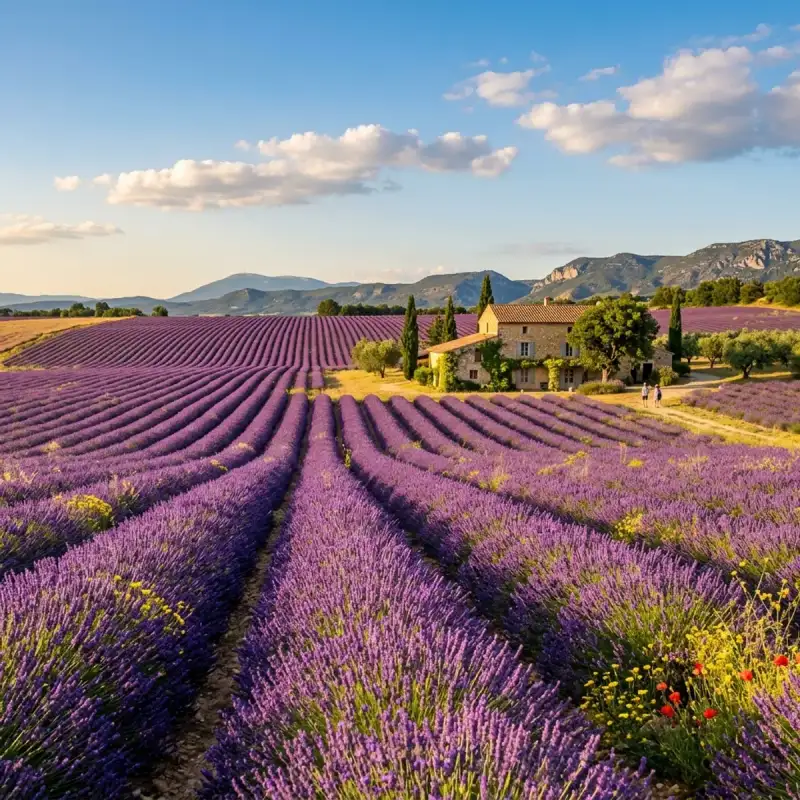
Bem-vindo! Prepare-se para uma #viagem inesquecível pelo coração de #Portugal. Olá, meus queridos exploradores e amantes de aventuras! Aqui é o vosso Tiago Silva, e hoje levo-vos numa #viagem a um lugar que mais parece saído de um livro de contos de fadas, um destino que pulsa com #história e encanta com a sua beleza inigualável: a magnífica Sintra. Preparem-se para uma imersão profunda num universo onde o tempo parece abrandar, onde a bruma matinal se confunde com lendas antigas e onde cada pedra sussurra segredos de séculos passados. Sintra não é apenas uma vila; é uma experiência, um estado de espírito. Aninhada na parte norte da vibrante área metropolitana de Lisboa, e parte integrante da Grande Lisboa, esta joia portuguesa, outrora pertencente à histórica província da Estremadura, é um convite irrecusável à descoberta. É a sede de um município que, com os seus 319,23 km² de área e uma impressionante população de 395.528 habitantes em 2023, se destaca no panorama nacional. Para que tenham uma ideia da sua dimensão, a população de Sintra representa uns notáveis 13,36% do total metropolitano e uns impressionantes 18,60% do total da Grande Lisboa. É, afinal, o segundo município mais populoso de #Portugal, logo após a capital, Lisboa – um feito notável para uma localidade que, orgulhosamente, recusou ser elevada à categoria de cidade! Um Mosaico Geográfico e Humano O município de Sintra é um verdadeiro camaleão geográfico, oferecendo uma tapeçaria de paisagens que se estendem desde as fronteiras com Mafra a norte, Loures, Odivelas e Amadora a leste, Oeiras a sudeste, e Cascais a sul, até se abraçar com o vasto oceano Atlântico a oeste. Esta diversidade de limites territoriais espelha-se na heterogeneidade do seu próprio território. Percorrer Sintra é como folhear um livro de paisagens contrastantes: as freguesias litorais e do norte ainda ostentam características marcadamente florestais e rurais, com os seus verdes profundos e o ar puro a convidar a longas caminhadas. Em nítido contraste, as freguesias do sul desenvolveram-se, transformando-se em núcleos urbanizados vibrantes, impulsionadas pela sua proximidade à capital e pela melhoria das acessibilidades. Estradas como o IC16 e o IC19, a vital Linha de Sintra e, em menor escala, a Linha do Oeste, servem como artérias que alimentam o dinamismo desta região, facilitando a conexão com o resto do país e tornando-a um ponto estratégico para quem busca a combinação perfeita entre a tranquilidade serrana e a conveniência urbana. Para além da pitoresca vila de Sintra, o município alberga outros núcleos de grande relevância, como as cidades de Queluz e Agualva-Cacém, cada uma com o seu próprio encanto e ritmo de vida, contribuindo para a riqueza e complexidade deste território. Geograficamente, Sintra assenta como uma coroa no final de um majestoso maciço, formado pelas serras de Aire, Candeeiros e Montejunto. Este culmina no imponente Maciço de Sintra, onde a sua serra homónima e a Serra da Carregueira se erguem com uma beleza quase mística. O ponto mais elevado do município, e de toda a área metropolitana, encontra-se na Pena, na Serra de Sintra, elevando-se a uns impressionantes 528 metros de altitude. A partir daqui, a vista é de cortar a respiração, abrangendo uma vastidão de vales e planaltos que raramente ultrapassam os 200 metros, pontilhados por inúmeras ribeiras que, ao longo dos milénios, esculpiram e demarcaram a paisagem com os seus cursos sinuosos. Este é um cenário de montanhas que se encontram com o mar, de florestas densas que guardam segredos e de vales verdejantes que convidam à contemplação. A Vila de Sintra, em particular, é um testemunho vivo da arquitetura romântica, um estilo que aqui encontrou o seu palco ideal. Não é de estranhar que esta paisagem de sonhos tenha sido classificada como Paisagem Cultural de Sintra, Património Mundial da UNESCO. A sua persistência em manter o estatuto de vila, apesar de ser o segundo município mais populoso de Portugal, é um detalhe que sublinha o seu caráter único e a sua recusa em ceder ao ritmo frenético da urbanização desmedida, preservando a sua essência e o seu encanto atemporal. O Nome que Evoca o Sol e a Lua Cada lugar tem uma história no seu nome, e Sintra não é exceção. A etimologia da sua designação é tão fascinante quanto a própria vila, um eco dos tempos ancestrais que nos remete a civilizações e crenças perdidas. A forma mais antiga do nome, "Suntria", aponta para raízes indo-europeias, significando "astro luminoso" ou "sol". É como se, desde sempre, este local estivesse destinado a brilhar, a ser um farol na paisagem. Não admira que figuras tão proeminentes como Varrão e Columela a tenham designado como "Monte Sagrado", reconhecendo a aura de reverência que sempre envolveu estas colinas. Mais tarde, o célebre Ptolomeu, com a sua visão geográfica apurada, registou-a como a "Serra da Lua". Imaginem a mística que estas montanhas deveriam inspirar, com os seus contornos suaves e a sua vegetação luxuriante, banhadas pela luz prateada do luar. Esta dualidade – sol e lua, luz e mistério – parece estar inscrita na própria alma de Sintra. E se a etimologia nos fala de luz, a descrição do geógrafo árabe Abu Ubaide Abedalá Albacri, no século X, adiciona uma camada de encantamento e mistério que se tornou uma das características mais icónicas de Sintra. Ele descreveu-a como um lugar "permanentemente mergulhada numa bruma que não se dissipa". Esta névoa, que tantas vezes abraça a serra, não é um véu que oculta, mas sim um manto que revela, transformando palácios em castelos de fadas flutuantes e florestas em reinos encantados, onde cada passo é uma descoberta e cada visão um deleite. É esta bruma, este hálito de um tempo imemorial, que confere a Sintra a sua atmosfera verdadeiramente mágica e inesquecível, um portal para a imaginação. Uma Crónica de Milénios: A História de Sintra Ao passear pelas ruas de calçada, pelos parques verdejantes e pelos majestosos palácios de Sintra, torna-se evidente que estamos a pisar um solo impregnado de séculos de história. É um privilégio encontrar nesta vila testemunhos de praticamente todas as épocas da história portuguesa, muitos dos quais, pela sua importância e dimensão, transcenderam as fronteiras deste território para se inscreverem nos anais da humanidade. A candidatura que elevou Sintra a Património Mundial/Paisagem Cultural junto da UNESCO foi um reconhecimento da sua essência singular. Tratou-se de classificar não apenas edifícios isolados, mas toda uma área que se assume como um contexto cultural e ambiental de características tão específicas que a tornam verdadeiramente única. A descrição da UNESCO captura na perfeição a alma de Sintra: uma unidade cultural que permaneceu intacta, um tesouro inestimável onde se sucedem uma plêiade de palácios suntuosos e parques luxuriantes; de casas senhoriais, cada uma com os seus próprios hortos e bosques secretos; de palacetes e chalets de conto de fadas, inseridos no meio de uma vegetação exuberante que parece abraçar e proteger estas construções. Mas a história de Sintra não se limita à opulência. A serra é coroada por extensos troços amuralhados que se erguem nos cumes mais altos, sussurrando histórias de defesa e de tempos medievais. Para além disso, encontramos uma plêiade de conventos de meditação, aninhados entre penhascos escarpados, bosques densos e fontes de água pura, locais de recolhimento e espiritualidade que convidam à introspeção. Igrejas, capelas e ermidas, que ao longo dos séculos serviram como polos de fé e de arte, pontilham a paisagem, cada uma guardando a sua própria parcela de devoção e beleza. E, para os mais curiosos, Sintra é também uma unidade cultural intacta numa plêiade de vestígios arqueológicos que apontam para ocupações que remontam a vários milénios. É um lugar onde o passado remoto se encontra com a modernidade, onde cada canto revela uma camada diferente da grande tapeçaria do tempo. É esta riqueza, esta densidade histórica e cultural, que faz de Sintra um destino imperdível e um verdadeiro portal para a alma de #Europa. Ecoar dos Primórdios: Do Neolítico à Idade do Bronze A história de Sintra é tão profunda que os seus primeiros capítulos se perdem na névoa do tempo, remontando a milénios antes de Cristo. Os mais antigos testemunhos da presença humana nesta região localizam-se num cume da vertente Norte da Serra de Sintra, na Penha Verde. Aqui, escavações revelaram uma ocupação epipaleolítica, comprovada pela abundância de utensílios de tipo microlaminar. Imaginem os nossos antepassados, caçadores-recoletores, a viver nestas encostas, usando estas ferramentas minúsculas e afiadas para sobreviverem e prosperarem num ambiente selvagem e desafiador. Avançando um pouco mais no tempo, encontramos vestígios de uma ocupação do Neolítico no sítio de ar livre de São Pedro de Penaferrim, junto à Capela do Castelo dos Mouros. Este local é um verdadeiro tesouro, com a presença de cerâmicas decoradas – incisas, impressas e com aplicações –, associadas a uma indústria lítica talhada em sílex. Datado pelo método do radiocarbono de inícios do V milénio a.C., este sítio destaca-se pela sua originalidade e pela sua implantação na paisagem: em plena montanha. É fascinante pensar nestas comunidades pré-históricas, enquadradas culturalmente na corrente circum-mediterrânica, a estabelecerem-se e a moldarem a sua vida num local tão elevado e pitoresco, cultivando a terra e criando arte através da cerâmica. A Idade do Bronze Atlântico (segunda metade do II milénio a.C. – inícios do I) também deixou a sua marca indelével em diversos locais da Serra de Sintra. Encontramos vestígios de habitats, como no Parque das Merendas, junto à Vila, onde podemos imaginar pequenas povoações a florescer. E em contextos votivos, como no Monte do Sereno, os nossos antepassados realizavam rituais e oferendas, conectando-se com o divino nesta paisagem que, desde sempre, foi considerada sagrada. Mais tarde, no Bronze Final ou período Orientalizante, entre os séculos IX e VI a.C., a região voltou a estar intensamente ligada à Bacia Mediterrânica. Um importante e vasto povoado foi descoberto sob o imponente Castelo dos Mouros, revelando uma comunidade próspera e com ligações comerciais e culturais a outras civilizações. Estes vestígios arqueológicos são as primeiras páginas da longa e rica narrativa de Sintra, mostrando que esta terra tem atraído e nutrido a vida humana desde os alvores da civilização. Sob o Estandarte da Águia: Durante o Império Romano Com a ascensão do Império Romano, a região de Sintra viu-se integrada na vastidão do territorium da civitas olisiponense, a moderna Lisboa. Esta cidade, agraciada por César cerca de 49 a.C. ou, mais provavelmente, por Otaviano cerca de 30 a.C., com o invejável estatuto de Municipium Civium Romanorum, tornou-se um polo de poder e influência. Os habitantes da região de Sintra, sob a égide romana, inscreveram-se na tribo Galeria e adotaram nomes romanos, com especial destaque para o imperial "Lulius". Esta adoção de nomes e a integração na estrutura administrativa romana não foi meramente superficial. Os vestígios da época revelam uma população plenamente imbuída de romanidade, absorvendo a #cultura, as leis e os costumes do vasto império. As estradas romanas cruzavam a serra, ligando vilas e explorações agrícolas, e a paisagem, outrora selvagem, começou a ser moldada segundo os princípios da Pax Romana. A #architecture romana, com a sua solidez e funcionalidade, começou a deixar a sua marca, embora talvez não com a grandiosidade dos palácios que viriam a seguir. Este período de romanização profunda é um testemunho da capacidade de Sintra em assimilar e integrar influências externas, um traço que se manteria ao longo da sua história, enriquecendo a sua identidade de forma indelével. Através dos séculos, Sintra continuou a ser um ponto de convergência de culturas, de estilos e de sonhos. É um lugar onde a #nature se entrelaça harmoniosamente com a criação humana, onde a bruma da serra convida à contemplação e os palácios contam histórias de reis e rainhas, de poetas e exploradores. É um destino que apela a todos os sentidos, que desperta a imaginação e que nos faz sentir parte de algo muito maior. E assim, meus caros, termino esta primeira incursão por Sintra, mas a viagem está longe de acabar! Ainda há tantos palácios para explorar, tantos jardins para nos perdermos, e tantos segredos que esta vila mágica guarda. Espero que esta partilha vos tenha inspirado a visitar este conto de fadas real. Fiquem atentos para mais aventuras e mais histórias do vosso Tiago Silva! Até já! #portugal #travel #history #europe #cultura Related InsightsEmerald Veins of the Hajar: A Journey Through Oman’s Living Wadis Ghost Ports of the Baltic: Uncovering Forgotten Maritime History in Lithuania Felt Horizons: Mastering Kyrgyz Yurt Homestays for the Modern Nomad{ "@context": "https://schema.org", "@type": "FAQPage", "mainEntity": [ { "@type": "Question", "name": "What is the main focus of Sintra: Um Conto de Fadas entre Palácios e Florestas?", "acceptedAnswer": { "@type": "Answer", "text": "Junte-se a Tiago Silva numa exploração profunda por Sintra." } }, { "@type": "Question", "name": "Who authored the comprehensive guide on Sintra: Um Conto de Fadas entre Palácios e Florestas?", "acceptedAnswer": { "@type": "Answer", "text": "This detailed article and its insights were carefully researched and authored by Tiago Silva." } }, { "@type": "Question", "name": "Where can I find more related content about Travel?", "acceptedAnswer": { "@type": "Answer", "text": "You can explore more articles, detailed reviews, and similar insights by browsing the Related Insights section at the bottom of this article or visiting our dedicated Travel category page." } } ] }


Children of Strife Author: Adrian TchaikovskyPage Count: UnknownPublication Year: 2026-GB Adrian Tchaikovsky’s Children of Strife is a masterclass in speculative fiction, a genre-bending epic that defies easy categorization while delivering the kind of immersive, thought-provoking storytelling that has cemented Tchaikovsky as one of modern fantasy’s most daring voices. Set in a future where humanity has fractured into warring factions, the novel explores the cost of survival, the nature of identity, and the indomitable will to endure—all wrapped in a narrative that is as lyrical as it is brutal. At its core, Children of Strife is a story about legacy and rebellion. The world Tchaikovsky constructs is one of perpetual conflict, where the remnants of civilization cling to fragile alliances and ancient grudges. The title itself is a nod to the cyclical violence that defines this era—children born into strife, inheriting the scars of their forebears without hope of escape. Yet, the novel refuses to wallow in despair. Instead, it asks a provocative question: What does it mean to be human when the very definition of humanity is under siege? Tchaikovsky’s prose is a marvel—richly textured yet accessible, blending the poetic with the visceral. His worldbuilding is meticulous, layering history, culture, and politics into a tapestry that feels alive. The setting is a dystopian future where technology and magic have blurred into something entirely new, a fusion that gives the story a fresh, unpredictable edge. The author’s background in biology shines through in his vivid descriptions of alien landscapes and the grotesque beauty of mutated lifeforms, making the setting feel as tangible as it is alien. The characters are the heart of the novel. Tchaikovsky excels at crafting protagonists who are flawed, resilient, and deeply human—even when they are not strictly human. The story follows a diverse cast, each grappling with their own burdens: a soldier seeking redemption, a scholar uncovering forbidden truths, a revolutionary fighting for a future they may never see. Their struggles are deeply personal, yet they resonate on a universal level, a testament to Tchaikovsky’s ability to weave individual narratives into a larger, haunting tapestry. The novel’s pacing is another standout feature. Tchaikovsky balances action and introspection with a deft hand, ensuring that the story never feels rushed or sluggish. The tension is relentless, but it’s the quiet moments—the whispered conversations, the fleeting glances, the weight of unspoken fears—that linger longest. This is a book that rewards patience, rewarding readers who are willing to sit with its themes and let them unfold naturally. One of the most striking aspects of Children of Strife is its exploration of power and corruption. The factions vying for dominance are not mere caricatures; they are complex entities with their own ideologies, some noble, some despicable. Tchaikovsky avoids simplistic morality, instead presenting a world where every choice has consequences, and where the line between hero and villain is often blurred by circumstance. This nuance elevates the novel beyond a mere adventure story, making it a meditation on the cost of ambition and the fragility of ideals. Tchaikovsky’s style is also marked by a keen sense of irony and dark humor, which cuts through the bleakness of the setting. There are moments of levity—sly asides, ironic twists—that remind readers that even in the darkest times, humanity’s capacity for resilience and wit endures. This balance of tone keeps the story from feeling oppressive, ensuring that readers are invested not just in the outcome, but in the journey. In many ways, Children of Strife feels like a spiritual successor to Tchaikovsky’s earlier works, particularly Children of Time and Children of Memory. Like those novels, it grapples with evolution, identity, and the legacy of the past. Yet, it carves out its own identity, a darker, more intimate exploration of what it means to rise from the ashes of a broken world. For fans of speculative fiction, this is a must-read. For anyone who has ever wondered what it takes to survive in a world that seems determined to destroy itself, Children of Strife is a book that will haunt you long after the last page. Adrian Tchaikovsky has once again proven himself a master of the genre, delivering a novel that is as intellectually stimulating as it is emotionally gripping. #ChildrenOfStrife #AdrianTchaikovsky #ScienceFiction #DystopianFiction #SpeculativeFiction #FuturisticWar Related InsightsFrom Whispers to Worlds: Charting the Timeless Odyssey of Children's Literature The Last Song Book Review and Summary Before You Were Anne Book Review and Summary{ "@context": "https://schema.org", "@type": "FAQPage", "mainEntity": [ { "@type": "Question", "name": "What is the main focus of Children of Strife Book Review and Summary?", "acceptedAnswer": { "@type": "Answer", "text": "Everything you need to know about Children of Strife with our detailed review." } }, { "@type": "Question", "name": "Who authored the comprehensive guide on Children of Strife Book Review and Summary?", "acceptedAnswer": { "@type": "Answer", "text": "This detailed article and its insights were carefully researched and authored by Isabella Moore." } }, { "@type": "Question", "name": "Where can I find more related content about Books?", "acceptedAnswer": { "@type": "Answer", "text": "You can explore more articles, detailed reviews, and similar insights by browsing the Related Insights section at the bottom of this article or visiting our dedicated Books category page." } } ] }

Righteous Author: Renée AhdiehPage Count: UnknownPublication Year: 2021-GB Renée Ahdieh’s Righteous is more than just a historical fantasy—it’s a shimmering tapestry of ambition, betrayal, and divine retribution, woven through the blood-soaked corridors of 19th-century Paris. Published in 2021, this novel cements Ahdieh’s reputation as a master of atmospheric storytelling, blending the grit of the Belle Époque with the mysticism of angels and demons. With its razor-sharp prose and morally complex characters, Righteous doesn’t just entertain; it haunts, lingering like the scent of gunpowder and roses long after the final page. At its core, Righteous explores the intoxicating allure of power and the cost of playing god. The story unfolds in an alternate Paris where angels and demons walk among mortals, their presence masked by the city’s glittering facade. The protagonist, Celine, is a woman caught between worlds—neither fully human nor divine, her loyalties fractured by love, vengeance, and an insatiable hunger for control. Ahdieh doesn’t shy away from the brutal realities of power; every decision Celine makes is a double-edged sword, slicing through her own soul as much as her enemies’. The novel’s central conflict isn’t just about who will rule the celestial hierarchy but whether justice can ever be righteous when it’s meted out by flawed hands. Ahdieh’s prose is a force of nature—lyrical yet precise, dripping with decadence and menace. She has a knack for painting vivid, almost cinematic scenes, whether it’s the opulent decadence of a Parisian ballroom or the claustrophobic terror of a back-alley duel. Her dialogue crackles with wit and danger, each line a potential betrayal. The author’s worldbuilding is equally impressive, seamlessly integrating supernatural elements into the historical setting without ever feeling anachronistic. The angels and demons of Righteous aren’t just mythological window dressing; they’re reflections of human nature, their conflicts mirroring the political and social upheavals of the era. What sets Righteous apart is its refusal to romanticize its characters. Celine is a protagonist who makes terrible choices, and Ahdieh doesn’t shy away from showing the consequences. Her relationships—whether with the enigmatic and morally ambiguous Sébastien or the fierce and loyal Odette—are built on shifting sands, their foundations as fragile as the glass ceilings of the Parisian opera houses. The novel’s villains are just as compelling, their motivations rooted in pain and ambition rather than pure malice. This complexity elevates Righteous beyond mere escapism; it becomes a meditation on what it means to be human in a world where divinity is just another weapon. Ahdieh’s style is also notable for its unflinching exploration of gender and agency. In a time when women were often relegated to the role of pawns in men’s games, Righteous gives its female characters teeth. They scheme, they fight, they kill—not out of desperation, but from a place of calculated power. Celine’s journey is as much about reclaiming her autonomy as it is about vengeance. The novel’s Paris is a gilded cage, and Ahdieh’s characters claw at its bars, determined to break free. The pacing of Righteous is relentless, each chapter a punch to the gut. Ahdieh doesn’t waste time on unnecessary exposition; instead, she drops the reader into the action, trusting them to piece together the world as they go. The stakes are sky-high from the beginning, and the tension never lets up. Whether it’s a high-stakes card game, a midnight duel, or a betrayal that shakes the very foundations of the celestial order, every moment feels urgent. The novel’s climax is a masterclass in suspense, a whirlwind of violence and revelation that leaves the reader breathless. For fans of historical fantasy, Righteous is a triumph. It’s a book that demands to be read in one sitting, not just for its plot but for the sheer pleasure of Ahdieh’s writing. She crafts sentences that linger, descriptions that dazzle, and characters that refuse to be forgotten. Righteous isn’t just a story about angels and demons—it’s a story about what it means to be human, to strive for greatness, and to face the consequences of your choices. If you’re looking for a book that will transport you to another world while forcing you to confront the darker corners of your own soul, Righteous is it. Renée Ahdieh has outdone herself, delivering a novel that is as thought-provoking as it is thrilling. #RighteousBook #HistoricalFantasy #AngelAndDemon #DarkFantasy #RenéeAhdieh #ParisianFantasy Related InsightsInto the Wild Book Review and Summary The Memory Police Book Review and Summary War Lord (the Last Kingdom Series, Book 13) Book Review and Summary{ "@context": "https://schema.org", "@type": "FAQPage", "mainEntity": [ { "@type": "Question", "name": "What is the main focus of Righteous Book Review and Summary?", "acceptedAnswer": { "@type": "Answer", "text": "Everything you need to know about Righteous with our detailed review." } }, { "@type": "Question", "name": "Who authored the comprehensive guide on Righteous Book Review and Summary?", "acceptedAnswer": { "@type": "Answer", "text": "This detailed article and its insights were carefully researched and authored by Antoine Leroy." } }, { "@type": "Question", "name": "Where can I find more related content about Books?", "acceptedAnswer": { "@type": "Answer", "text": "You can explore more articles, detailed reviews, and similar insights by browsing the Related Insights section at the bottom of this article or visiting our dedicated Books category page." } } ] }

Howards End Author: E. M. ForsterPage Count: UnknownPublication Date: 2007-PRH In the realm of literary masterpieces, E.M. Forster's "Howards End" stands as a testament to the author's profound understanding of human nature and societal dynamics. Written in 1910, this novel has withstood the test of time, and its themes remain as poignant and relevant today as they were over a century ago. The story revolves around the intricate lives of two families: the wealthy and pragmatic Wilcoxes, and the cultured and idealistic Schlegels. As their paths intersect, a complex web of relationships, desires, and conflicts unfolds, culminating in a dispute over the inheritance of the Wilcoxes' enchanting country home, Howards End. At its core, "Howards End" is a novel about connection – or rather, the lack thereof. Forster's central tenet, "Only connect," resonates throughout the narrative, highlighting the deep-seated human need for meaningful relationships and understanding. Through his characters, Forster masterfully explores the chasm between individual wills, sexes, and classes, laying bare the social conventions and hypocrisies of Edwardian England. The Schlegels, with their passion for art and literature, embody the idealistic and intellectual aspects of human nature, while the Wilcoxes, with their emphasis on business and material possessions, represent the pragmatic and often superficial. Forster's writing style is characterized by his unique blend of wit, humor, and poignancy. His prose is elegant and refined, with a keen eye for detail and a deep understanding of the human condition. The characters are multidimensional and relatable, with their own distinct voices and perspectives. The novel's pacing is deliberate and measured, allowing the reader to absorb the complexity of the characters' emotions and relationships. One of the most striking aspects of "Howards End" is its ability to balance humor and tragedy. Forster's wit is razor-sharp, and his comedic moments are both amusing and insightful. However, the novel also tackles darker themes, such as the constraints placed on women, the dangers of unchecked capitalism, and the devastating consequences of social inequality. The author's nuanced approach to these issues adds depth and complexity to the narrative, making "Howards End" a rich and thought-provoking read. In conclusion, "Howards End" is a masterpiece of 20th-century literature that continues to captivate readers with its timeless themes and beautiful prose. Forster's exploration of human connection, social class, and individual wills is both poignant and profound, offering a powerful prescription for modern life. As a novel, it is a must-read for anyone interested in literary fiction, social commentary, and the human experience. #HowardsEnd #EMForster #ClassicsOfLiterature #SocialCommentary #HumanConnection #LiteraryMasterpiece Related InsightsTwilight Book Review and Summary Copperstitched Book Review and Summary If the Sun Never Sets Book Review and Summary{ "@context": "https://schema.org", "@type": "FAQPage", "mainEntity": [ { "@type": "Question", "name": "What is the main focus of Howards End Book Review and Summary?", "acceptedAnswer": { "@type": "Answer", "text": "Everything you need to know about Howards End with our detailed review." } }, { "@type": "Question", "name": "Who authored the comprehensive guide on Howards End Book Review and Summary?", "acceptedAnswer": { "@type": "Answer", "text": "This detailed article and its insights were carefully researched and authored by E.M. Forster." } }, { "@type": "Question", "name": "Where can I find more related content about Books?", "acceptedAnswer": { "@type": "Answer", "text": "You can explore more articles, detailed reviews, and similar insights by browsing the Related Insights section at the bottom of this article or visiting our dedicated Books category page." } } ] }
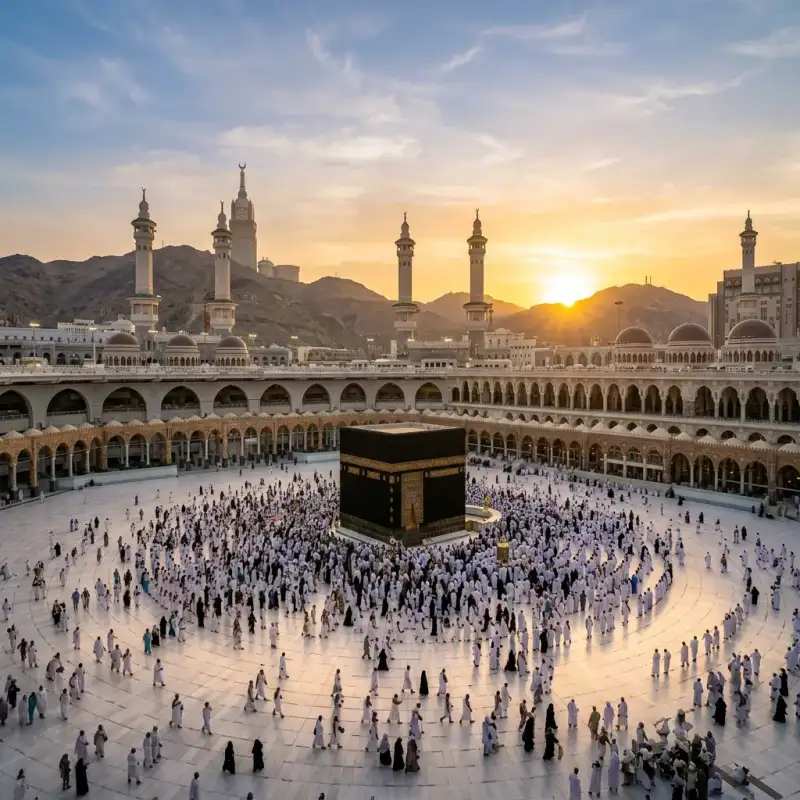

La expansión musulmana o la expansión del #Islam comenzó en la península arábiga al suroeste de Asia. Es la denominación que suele darse a las conquistas militares o las reformas de comercio de la civilización árabe musulmana en las que caerían el Imperio sasánida, el norte de África, y la península ibérica, incluyendo partes del Imperio bizantino. También está incluida en esta denominación el influjo de los comerciantes en África y las misiones hechas en Filipinas. Este período empezó desde el año 622 cuando #Mahoma organizó en Medina un conjunto de soldados que pronto se volvió lo bastante fuerte para unificar toda la península arábiga. Tras la muerte de #Mahoma en el 632, el #Islam tuvo una expansión sorprendentemente rápida durante alrededor de una década, favorecido en primera instancia por la debilidad del Imperio bizantino, y ocupó todo el norte de África, Irán, la parte meridional del Asia Central, el oeste del subcontinente indio, la península ibérica y el sur de Francia. Esta primera etapa concluyó con varias derrotas, como la batalla de Covadonga en el año 722 o la batalla de Poitiers (732) y otras frente a los bizantinos e hindúes, y con la disolución del Califato Omeya. Durante los siglos siguientes, el islam logró varios avances en otros frentes, como en el resto de Asia Central, en Asia Menor, en el sur de Italia, en #Europa oriental, en el Sudeste asiático y en el África subsahariana. Sin embargo, todos estos avances fueron producidos por distintos Estados independientes unos de otros. Mientras estos avances se producían, el islam era obligado a retroceder en #Europa occidental, especialmente por la llamada Reconquista española. Durante el último tercio del siglo XVI, un último Estado musulmán con pretensiones universales, el Imperio otomano, alcanzó su máxima expansión. A lo largo de este período de casi un milenio tuvieron lugar grandes acontecimientos, hechos y procesos muy diferentes entre sí, diferenciados temporal y geográficamente, sobre todo en el interior del islam, algunos de los cuales fueron causa de su propia destrucción (en especial la forma de gobernarse). Después de la conquista de Arabia llevada a cabo por #Mahoma años antes de su muerte y continuada por sus seguidores, lograron unificar el reino en un único gobierno, el cual debía cumplir «la palabra de dios», además de respetar las opiniones de otros ciudadanos, pero eso cambió años después según científicos durante el gobierno de Abdel Mumin, en 1130-1163, después de la muerte de Ibn Tumart. Primer siglo de expansión musulmana Durante sus primeras décadas, el islam se extendió rápidamente desde el noreste hasta Mesopotamia y Persia; y al oeste hasta Siria, Palestina y Egipto (las provincias más ricas del Imperio bizantino). El islam impactó en el mundo cristiano y greco-romano poco después de la muerte de #Mahoma. Durante el reinado de los omeyas, la expansión continúa, las conquistas se hacen por vía terrestre hasta el extremo noroccidental de África a fines del siglo VII, y llegan a las costas de la península ibérica comenzando el siglo VIII. En 711 superan el estrecho de Gibraltar y logran llegar a la península ibérica. Los #musulmanes son detenidos en la batalla de Covadonga en el año 722 en Covadonga, Asturias y en la batalla de Poitiers, en el 732 en Poitiers, Francia. Desde allí vuelven a sus territorios en la península ibérica aunque los reyes asturianos, tras la victoria en Covadonga inician la Reconquista dando lugar al Reino de Asturias. Luego se expandieron hacia Asia central, Bujará, Kabul, y alcanzarán la frontera de la India. Limitarán con el Imperio bizantino, el mar Caspio y el Cáucaso al norte. El mar Mediterráneo es controlado por el Imperio bizantino luego de la amenaza de las conquistas árabes, quienes construirán una flota y atacarán Constantinopla sin éxito en tres ocasiones. Los bizantinos eran maestros del mar y bloquearon la expansión musulmana, manteniendo de todas formas el comercio con ellos. El mar se constituyó en una frontera, pero sobre todo se convirtió en un mar de comercio. El mapa no cambiaría más hasta el siglo XI. Cuando los árabes conquistaban un territorio, se establecían en campamentos aparte y vivían del fruto de sus conquistas y de los impuestos aplicados a los no-#musulmanes, a cambio de su libertad y su protección. Este impuesto personal se llamaba yizia y era distinto al que pagaban los #musulmanes, llamado azaque (que es uno de los cinco pilares del islam). El siglo VIII se caracteriza por la férrea resistencia del Imperio bizantino, pero también en el interior del mundo musulmán. La agitación es a la vez política y religiosa. Se observa entonces la unificación y la arabización del Imperio (por la lengua, la moneda, la administración), como consecuencia de su islamización (las escuelas son instituidas para aprender el Corán, los juicios son llevados a cabo para responder al derecho musulmán). Pero hay numerosas secesiones político-religiosas. En efecto, los abasíes fundaron Bagdad. Hay entonces un desplazamiento del centro político hacia el este, que por consecuencia le transferirán corrientes llegadas desde el extremo oriente, pero también significará un desequilibrio pues el centro está alejado del oeste del Imperio. Esto arrastrará las secesiones que derivarán en la formación de tres grandes zonas donde emergerán los califatos. Estas son las zonas abasí, fatimí y andalusí; se puede aún hablar de unidad religiosa entre los sucesores de #Mahoma. En el siglo IX y el siglo X, el Imperio árabe-musulmán no se expande más, estando sometido a presiones exteriores crecientes. Del siglo VIII al siglo XV Las tropas de Uqba ibn Nafi entran en Ifriqiya, nombre dado a esta antigua provincia romana, pero se topa con la resistencia de Kusaila. En 683, en el momento de una batalla terrible, Uqba muere así como la inmensa mayoría de sus hombres. Kusaila marcha entonces sobre Kairuán, reinando allí cerca de cinco años, pero refuerzos venidos de Siria destituyen al rey. La conquista del norte de África prosigue y en seguida un nuevo ataque gana la región de Aurès, la reina Dijia (Kahena) llega a reunir a varias tribus bereberes y rechaza provisionalmente a los soldados #musulmanes hasta Tripolitania (la actual Libia). Cartago es tomado en 698, la resistencia está dominada a partir de 702 y el norte de África es oficialmente conquistado en 711. El mismo año, los primeros contingentes bereberes pasan a Andalucía, dirigidos por Táriq ibn Ziyad. A la fase de organización militar de la conquista, va a sustituirse la administración de un territorio todavía parcialmente insumiso, y convertido. Las poblaciones afro-árabe-persas del África oriental que comerciaban desde hace siglos con los árabes se islamizaron desde el siglo viii. Loa suajilis son a la vez el fruto de este mestizaje y de la islamización de la región. #Europa Las conquistas árabes llegaron hasta #Europa. En 711, al mando de Tarik y enviados por el gobernador africano Muza, los árabes conquistaron el Reino visigodo, y se anexaron Hispania. La expansión del islam se hace según el principio de la guerra santa o Yihad. Este se toma del Corán donde el término aparece en la fórmula «esfuerzo en el camino de Dios», en el sentido de esfuerzo para hacer reinar los derechos de Dios, es decir, para defender el islamismo. A diferencia de la fe cristiana, que rechaza la guerra ofensiva para expandir la fe, el islam defiende las ofensivas militares para imponer la fe de #Mahoma. Esta tierra, entonces cristiana, había sido desgastada por las luchas intestinas derivadas contra la herejía (arrianismo en la península ibérica y donatistas en el norte de África) y, debido a esto, había sido largamente perseguida por el poder imperial. Lo que explica la acogida fácil para los conquistadores, hecho por la mayoría de ellos por lo menos en el norte de África. La Hispania se convertirá en el país de #Al-Ándalus durante ochocientos años. En cambio las corrientes del cristianismo consideraron primero muy negativamente la emergencia del islam. Esta nueva religión ponía obstáculo a su reivindicación de universalismo (“católico” significa universal), y las referencias a los mensajes de la Biblia aparecían en ellos, así como a los judíos, más bien como una herejía cismática (para las corrientes que utilizan este concepto) que como un reconocimiento. La referencia al mensaje cristiano utilizada en el Corán había llegado a #Mahoma vía cristianos monofisitas, docetas o nestorianos, es decir, de las corrientes consideradas heréticas por los Concilios de Nicea y Constantinopla. A lo más, el islam aparecía ante ellos como una forma de competencia ligera, compartiendo su reconocimiento a un Dios único, pero refutando en cambio la idea de Trinidad. Hasta la llegada de los turcos selyúcidas, sin embargo, la convivencia en Jerusalén sería sin dificultad mayor, a pesar de las invasiones repetidas hacia #Europa realizadas por tropas moras que apelan al islam. La situación totalmente cambia con la ocupación turca, que piensa prohibirles a los cristianos el paso hacia los lugares santos. Una tensión se crea entonces. Para Occidente cristiano, el mahometano se hace el infiel por excelencia, y #Mahoma (de donde viene la deformación baphomet) es la imagen de un demonio pérfido, que predica en nombre de Dios para desviar a los fieles de la verdadera fe. A veces es asimilado como el Anticristo, a veces más simplemente hace recordar las palabras que los evangelios atribuyen a Jesús y que advierte contra profetas falsos que vendrán después de él. Desde el lado musulmán se establecen las mismas acusaciones. La conquista islámica, como más tarde lo serán las cruzadas, son motivados por los jefes de guerra deseosos de extender su territorio, así como por las poblaciones preparadas con este fin, por una necesidad percibida de difundir la verdadera fe. El apogeo de la civilización musulmana (en términos de desarrollo científico y técnico) se sitúa entre los siglos VIII y IX. Los progresos son tales, que se puede hablar de un “Primer Renacimiento”, muy anterior al fenómeno que se efectuará en Italia durante el siglo xiii. Ellos recibieron importantes conocimientos de países de antigua civilización que conquistaron: (Siria, Líbano, Egipto, Mesopotamia, la provincia romana de África). Pero esta recepción no fue meramente pasiva: con esta materia se producen desarrollos importantes y propios, como los logrados con el álgebra, o en el campo filosófico, el cual reconoce importantes personajes como Avicena, Al-Farabi o Averroes. #Europa tiene entonces cerca de dos siglos de retraso sobre el mundo musulmán, aunque ciudades como Venecia tuvieron al respecto una situación extraordinaria. Sin embargo, los beneficios culturales y técnicos obtenidos por los territorios occidentales gracias a la expansión musulmana son objeto de debate de los historiadores especializados. Más que la victoria de 732 de Carlos Martel, que rechazará la invasión en Poitiers, es el fracaso del sitio de Constantinopla el que frenará el avance de los ejércitos árabes. Los establecimientos moros perdurarán mucho tiempo como atestigua la toponimia de Ramatuelle, una ciudad de Provenza al sur de Francia, nacida de Rahmat Allah, la gracia de Dios. Se conocerá el movimiento inverso de guerra justo también, algunos siglos más tarde, en la Reconquista de la península ibérica que verdaderamente se presenta en la batalla de Las Navas de Tolosa, la primera victoria de esta campaña, y se concluirá en el siglo XV por la conquista de los últimos reinos Taifas en 1492. Esta fecha corresponde también según Jacques Attali y Arnold J. Toynbee al exterminio de los últimos núcleos de resistencia cristiana en Egipto. Algunas cruzadas previamente destinados a reconquistar la tumba del Cristo habían reabierto en los países cristianos la ruta de las especias apoderándose de las escalas de Levante. La conquista otomana En el siglo IX, empieza el avance de los pueblos turco-mongoles de la región de las montañas Altái y del lago Baikal hacia el oeste; estos pueblos progresivamente se islamizan. Más tarde, debido al llamado de refuerzo hecho por el califa abasí para calmar las agitaciones, poblaciones turcas llamadas selyúcidas se instalan en Bagdad en el siglo XI. El islam se extiende en Asia Menor y en la India. Un príncipe afgano convertido al islam instaura un sultanato en la India. Hay diferentes familias influyentes en las tribus turcas en Asia Menor, y la familia Osmán, instalada cerca de Constantinopla, va a emprender la conquista de Asia Menor y de los Balcanes. Constantinopla cae en 1453. La expansión del islam en #Europa se debió a las exitosas campañas militares que llevaron a cabo los otomanos, en particular sobre los albaneses y sobre los eslavos de Bosnia. Época contemporánea El islam es hoy la religión más seguida después del cristianismo con un total estimado de 1,3 miles de millones de creyentes (en torno al 20 % de la población mundial). El islam continúa su expansión en África, en una progresión constante hacia el sur del continente (donde predomina aún el cristianismo desde la colonización europea). Desde su independencia, una parte de los países de África negra privilegiaron más bien las relaciones con los países árabes #musulmanes antes que con los antiguos colonizadores. Uno de los factores de la fácil difusión del islam en África es su importación desde países vecinos, en lugar de evangelizadores blancos susceptibles de ser percibidos como colonizadores, como en el caso del catolicismo. Esta expansión es también fuente de tensiones y de conflictos. En Costa de Marfil o en Nigeria, por ejemplo, la oposición entre las poblaciones musulmanas al norte del país y las poblaciones cristianas del sur alimenta una inestabilidad permanente que puede ir hasta el conflicto armado a escala nacional (Costa de Marfil) o a ataques y represalias en las regiones “mixtas” (Nigeria). A las cuestiones religiosas se incorporan sin embargo intereses económicos y políticos (reparto de las riquezas y del poder político) en el génesis de los enfrentamientos. La difusión del islam fuera del mundo árabe-musulmán tradicional se explica en parte por el crecimiento de los flujos migratorios a partir de los países de religión y de cultura musulmana. Es el caso en los países occidentales dónde la inmigración de poblaciones musulmanas se desarrolló desde los años 1950. Sin embargo, esta inmigración no parece influir en el número de conversiones de la población local. El islam continúa también su difusión hacia el este en Asia. En Indonesia particularmente, el islam, llegado desde comerciantes indios y chinos que hacían escalas en los puertos de Java y el Sumatra por lo menos desde el siglo XII, tuvo una progresión más bien lenta. En nuestros días, el 88 % de la población indonesia administrativamente es registrada como musulmana. Fechas cruciales 570-632: vida de #Mahoma. 629: toma de La #Meca (Tratado de Hudaybiyyah) 632-661: los cuatro primeros califas y el inicio de la expansión en oriente próximo y en Egipto. 637: toma de Jerusalén. 642: los #musulmanes penetran en Egipto. 656: asesinato de Uthman. batalla del camello. Inicio de la Fitna. 661: asesinato de Alí; inicio del chiismo. 661-750: dinastía de los Omeyas, (Damasco, capital del califato) 698: caída de Cartago. 711: desembarco en la península ibérica, fulminante conquista musulmana. 718: inicio de la Reconquista en Asturias. Apogeo del sitio de Constantinopla por los árabes. 771: finalización de las conquistas de la India y de #España. 732: derrota árabe-bereber a manos de Carlos Martel en Poitiers. 750-1258: dinastía de los abasíes (Bagdad capital del califato) 878: ocultación del duodécimo Imán, descendiente de Alí. 1000: inicio de las conquistas en la India por los soberanos turco-#musulmanes. 1037: muerte del pensador Ibn Sina (Avicena). 1099: toma de Jerusalén por los cruzados. 1187: Saladino recaptura Jerusalén de los cruzados. 1198: muerte del filósofo Ibn Rouchd (Averroes). 1250-1517: dinastía de los Mamelucos en Egipto 1258: destrucción de Bagdad por los mongoles, fin de los abasíes. Dinastía de los Ilkanes mongoles. 1300: expansión del islam en Indonesia. Los mercaderes indios introducirán el islam en Indonesia (Sumatra). 1419: el príncipe de Malaca se convierte al islam. 1453-1571: apogeo del Imperio otomano, entre la toma de Constantinopla y la derrota naval de Lepanto. 1492: caída del Reino de Granada, fin de la reconquista cristiana en #España. 1683: apogeo relativo de los Turcos otomanos. El Imperio comienza su lento declinar. 1798: llegada de Bonaparte a Egipto. Tratará de adoptar una estrategia de semitentación, al declararse el amigo del sultán, y por lo tanto del pueblo egipcio, pero enemigo de los mamelucos que se comportan como un país conquistado, y hará proclamar esta declaración en todo el país. 1830: inicio de la conquista francesa en Argelia. 1881: inicios del movimiento mahdista en Sudán. Protectorado francés en Túnez. 1882: protectorado británico sobre Egipto. 1912: protectorado francés y español en Marruecos. 1920: mandato francés en Siria y Líbano; mandato británico en Palestina e Irak. 1921-1926: guerra del Rif en Marruecos. 1922: independencia de Egipto. 1924: abolición del califato en Turquía por Mustafa Kemal. 1928: fundación en Egipto del movimiento Hermanos #musulmanes. 1932: los territorios conquistados por Abd al-Azi ibn Saoud quedan en poder de Arabia Saudita. 1948: Los judíos declaran su independencia en Palestina y crean el Estado de Israel; como resultado de la guerra, más de 800,000 #musulmanes son expulsados y Jerusalén cae parcialmente en manos de los judíos. 1967: Jerusalén cae definitivamente en manos de los judíos junto al resto de la región de Judea y Samaria (Cisjordania) y los Altos del Golán. Fuentes y bibliografía «Chrétiens et musulmans, le premier face-à-face VIIe-VIIIe siècle», en Le Monde de la Bible, n.° 154, noviembre de 2003. «La Filosofía Medieval». Alain de Libera, UNIVERSITAT DE VALENCIA. SERVEI DE PUBLICACIONS, 2007 Consecuencias y Análisis Histórico (Parte 2) La expansión musulmana o la expansión del islam comenzó en la península arábiga al suroeste de Asia. Es la denominación que suele darse a las conquistas militares o las reformas de comercio de la civilización árabe musulmana en las que caerían el Imperio sasánida, el norte de África, y la península ibérica, incluyendo partes del Imperio bizantino. También está incluida en esta denominación el influjo de los comerciantes en África y las misiones hechas en Filipinas. Este período empezó desde el año 622 cuando #Mahoma organizó en Medina un conjunto de soldados que pronto se volvió lo bastante fuerte para unificar toda la península arábiga. Tras la muerte de #Mahoma en el 632, el islam tuvo una expansión sorprendentemente rápida durante alrededor de una década, favorecido en primera instancia por la debilidad del Imperio bizantino, y ocupó todo el norte de África, Irán, la parte meridional del Asia Central, el oeste del subcontinente indio, la península ibérica y el sur de Francia. Esta primera etapa concluyó con varias derrotas, como la batalla de Covadonga en el año 722 o la batalla de Poitiers (732) y otras frente a los bizantinos e hindúes, y con la disolución del Califato Omeya. Durante los siglos siguientes, el islam logró varios avances en otros frentes, como en el resto de Asia Central, en Asia Menor, en el sur de Italia, en #Europa oriental, en el Sudeste asiático y en el África subsahariana. Sin embargo, todos estos avances fueron producidos por distintos Estados independientes unos de otros. Mientras estos avances se producían, el islam era obligado a retroceder en #Europa occidental, especialmente por la llamada Reconquista española. Durante el último tercio del siglo XVI, un último Estado musulmán con pretensiones universales, el Imperio otomano, alcanzó su máxima expansión. A lo largo de este período de casi un milenio tuvieron lugar grandes acontecimientos, hechos y procesos muy diferentes entre sí, diferenciados temporal y geográficamente, sobre todo en el interior del islam, algunos de los cuales fueron causa de su propia destrucción (en especial la forma de gobernarse). Después de la conquista de Arabia llevada a cabo por #Mahoma años antes de su muerte y continuada por sus seguidores, lograron unificar el reino en un único gobierno, el cual debía cumplir «la palabra de dios», además de respetar las opiniones de otros ciudadanos, pero eso cambió años después según científicos durante el gobierno de Abdel Mumin, en 1130-1163, después de la muerte de Ibn Tumart. Primer siglo de expansión musulmana Durante sus primeras décadas, el islam se extendió rápidamente desde el noreste hasta Mesopotamia y Persia; y al oeste hasta Siria, Palestina y Egipto (las provincias más ricas del Imperio bizantino). El islam impactó en el mundo cristiano y greco-romano poco después de la muerte de #Mahoma. Durante el reinado de los omeyas, la expansión continúa, las conquistas se hacen por vía terrestre hasta el extremo noroccidental de África a fines del siglo VII, y llegan a las costas de la península ibérica comenzando el siglo VIII. En 711 superan el estrecho de Gibraltar y logran llegar a la península ibérica. Los #musulmanes son detenidos en la batalla de Covadonga en el año 722 en Covadonga, Asturias y en la batalla de Poitiers, en el 732 en Poitiers, Francia. Desde allí vuelven a sus territorios en la península ibérica aunque los reyes asturianos, tras la victoria en Covadonga inician la Reconquista dando lugar al Reino de Asturias. Luego se expandieron hacia Asia central, Bujará, Kabul, y alcanzarán la frontera de la India. Limitarán con el Imperio bizantino, el mar Caspio y el Cáucaso al norte. El mar Mediterráneo es controlado por el Imperio bizantino luego de la amenaza de las conquistas árabes, quienes construirán una flota y atacarán Constantinopla sin éxito en tres ocasiones. Los bizantinos eran maestros del mar y bloquearon la expansión musulmana, manteniendo de todas formas el comercio con ellos. El mar se constituyó en una frontera, pero sobre todo se convirtió en un mar de comercio. El mapa no cambiaría más hasta el siglo XI. Cuando los árabes conquistaban un territorio, se establecían en campamentos aparte y vivían del fruto de sus conquistas y de los impuestos aplicados a los no-#musulmanes, a cambio de su libertad y su protección. Este impuesto personal se llamaba yizia y era distinto al que pagaban los #musulmanes, llamado azaque (que es uno de los cinco pilares del islam). El siglo VIII se caracteriza por la férrea resistencia del Imperio bizantino, pero también en el interior del mundo musulmán. La agitación es a la vez política y religiosa. Se observa entonces la unificación y la arabización del Imperio (por la lengua, la moneda, la administración), como consecuencia de su islamización (las escuelas son instituidas para aprender el Corán, los juicios son llevados a cabo para responder al derecho musulmán). Pero hay numerosas secesiones político-religiosas. En efecto, los abasíes fundaron Bagdad. Hay entonces un desplazamiento del centro político hacia el este, que por consecuencia le transferirán corrientes llegadas desde el extremo oriente, pero también significará un desequilibrio pues el centro está alejado del oeste del Imperio. Esto arrastrará las secesiones que derivarán en la formación de tres grandes zonas donde emergerán los califatos. Estas son las zonas abasí, fatimí y andalusí; se puede aún hablar de unidad religiosa entre los sucesores de #Mahoma. En el siglo IX y el siglo X, el Imperio árabe-musulmán no se expande más, estando sometido a presiones exteriores crecientes. Del siglo VIII al siglo XV Las tropas de Uqba ibn Nafi entran en Ifriqiya, nombre dado a esta antigua provincia romana, pero se topa con la resistencia de Kusaila. En 683, en el momento de una batalla terrible, Uqba muere así como la inmensa mayoría de sus hombres. Kusaila marcha entonces sobre Kairuán, reinando allí cerca de cinco años, pero refuerzos venidos de Siria destituyen al rey. La conquista del norte de África prosigue y en seguida un nuevo ataque gana la región de Aurès, la reina Dijia (Kahena) llega a reunir a varias tribus bereberes y rechaza provisionalmente a los soldados #musulmanes hasta Tripolitania (la actual Libia). Cartago es tomado en 698, la resistencia está dominada a partir de 702 y el norte de África es oficialmente conquistado en 711. El mismo año, los primeros contingentes bereberes pasan a Andalucía, dirigidos por Táriq ibn Ziyad. A la fase de organización militar de la conquista, va a sustituirse la administración de un territorio todavía parcialmente insumiso, y convertido. Las poblaciones afro-árabe-persas del África oriental que comerciaban desde hace siglos con los árabes se islamizaron desde el siglo viii. Loa suajilis son a la vez el fruto de este mestizaje y de la islamización de la región. #Europa Las conquistas árabes llegaron hasta #Europa. En 711, al mando de Tarik y enviados por el gobernador africano Muza, los árabes conquistaron el Reino visigodo, y se anexaron Hispania. La expansión del islam se hace según el principio de la guerra santa o Yihad. Este se toma del Corán donde el término aparece en la fórmula «esfuerzo en el camino de Dios», en el sentido de esfuerzo para hacer reinar los derechos de Dios, es decir, para defender el islamismo. A diferencia de la fe cristiana, que rechaza la guerra ofensiva para expandir la fe, el islam defiende las ofensivas militares para imponer la fe de #Mahoma. Esta tierra, entonces cristiana, había sido desgastada por las luchas intestinas derivadas contra la herejía (arrianismo en la península ibérica y donatistas en el norte de África) y, debido a esto, había sido largamente perseguida por el poder imperial. Lo que explica la acogida fácil para los conquistadores, hecho por la mayoría de ellos por lo menos en el norte de África. La Hispania se convertirá en el país de #Al-Ándalus durante ochocientos años. En cambio las corrientes del cristianismo consideraron primero muy negativamente la emergencia del islam. Esta nueva religión ponía obstáculo a su reivindicación de universalismo (“católico” significa universal), y las referencias a los mensajes de la Biblia aparecían en ellos, así como a los judíos, más bien como una herejía cismática (para las corrientes que utilizan este concepto) que como un reconocimiento. La referencia al mensaje cristiano utilizada en el Corán había llegado a #Mahoma vía cristianos monofisitas, docetas o nestorianos, es decir, de las corrientes consideradas heréticas por los Concilios de Nicea y Constantinopla. A lo más, el islam aparecía ante ellos como una forma de competencia ligera, compartiendo su reconocimiento a un Dios único, pero refutando en cambio la idea de Trinidad. Hasta la llegada de los turcos selyúcidas, sin embargo, la convivencia en Jerusalén sería sin dificultad mayor, a pesar de las invasiones repetidas hacia #Europa realizadas por tropas moras que apelan al islam. La situación totalmente cambia con la ocupación turca, que piensa prohibirles a los cristianos el paso hacia los lugares santos. Una tensión se crea entonces. Para Occidente cristiano, el mahometano se hace el infiel por excelencia, y #Mahoma (de donde viene la deformación baphomet) es la imagen de un demonio pérfido, que predica en nombre de Dios para desviar a los fieles de la verdadera fe. A veces es asimilado como el Anticristo, a veces más simplemente hace recordar las palabras que los evangelios atribuyen a Jesús y que advierte contra profetas falsos que vendrán después de él. Desde el lado musulmán se establecen las mismas acusaciones. La conquista islámica, como más tarde lo serán las cruzadas, son motivados por los jefes de guerra deseosos de extender su territorio, así como por las poblaciones preparadas con este fin, por una necesidad percibida de difundir la verdadera fe. El apogeo de la civilización musulmana (en términos de desarrollo científico y técnico) se sitúa entre los siglos VIII y IX. Los progresos son tales, que se puede hablar de un “Primer Renacimiento”, muy anterior al fenómeno que se efectuará en Italia durante el siglo xiii. Ellos recibieron importantes conocimientos de países de antigua civilización que conquistaron: (Siria, Líbano, Egipto, Mesopotamia, la provincia romana de África). Pero esta recepción no fue meramente pasiva: con esta materia se producen desarrollos importantes y propios, como los logrados con el álgebra, o en el campo filosófico, el cual reconoce importantes personajes como Avicena, Al-Farabi o Averroes. #Europa tiene entonces cerca de dos siglos de retraso sobre el mundo musulmán, aunque ciudades como Venecia tuvieron al respecto una situación extraordinaria. Sin embargo, los beneficios culturales y técnicos obtenidos por los territorios occidentales gracias a la expansión musulmana son objeto de debate de los historiadores especializados. Más que la victoria de 732 de Carlos Martel, que rechazará la invasión en Poitiers, es el fracaso del sitio de Constantinopla el que frenará el avance de los ejércitos árabes. Los establecimientos moros perdurarán mucho tiempo como atestigua la toponimia de Ramatuelle, una ciudad de Provenza al sur de Francia, nacida de Rahmat Allah, la gracia de Dios. Se conocerá el movimiento inverso de guerra justo también, algunos siglos más tarde, en la Reconquista de la península ibérica que verdaderamente se presenta en la batalla de Las Navas de Tolosa, la primera victoria de esta campaña, y se concluirá en el siglo XV por la conquista de los últimos reinos Taifas en 1492. Esta fecha corresponde también según Jacques Attali y Arnold J. Toynbee al exterminio de los últimos núcleos de resistencia cristiana en Egipto. Algunas cruzadas previamente destinados a reconquistar la tumba del Cristo habían reabierto en los países cristianos la ruta de las especias apoderándose de las escalas de Levante. La conquista otomana En el siglo IX, empieza el avance de los pueblos turco-mongoles de la región de las montañas Altái y del lago Baikal hacia el oeste; estos pueblos progresivamente se islamizan. Más tarde, debido al llamado de refuerzo hecho por el califa abasí para calmar las agitaciones, poblaciones turcas llamadas selyúcidas se instalan en Bagdad en el siglo XI. El islam se extiende en Asia Menor y en la India. Un príncipe afgano convertido al islam instaura un sultanato en la India. Hay diferentes familias influyentes en las tribus turcas en Asia Menor, y la familia Osmán, instalada cerca de Constantinopla, va a emprender la conquista de Asia Menor y de los Balcanes. Constantinopla cae en 1453. La expansión del islam en #Europa se debió a las exitosas campañas militares que llevaron a cabo los otomanos, en particular sobre los albaneses y sobre los eslavos de Bosnia. Época contemporánea El islam es hoy la religión más seguida después del cristianismo con un total estimado de 1,3 miles de millones de creyentes (en torno al 20 % de la población mundial). El islam continúa su expansión en África, en una progresión constante hacia el sur del continente (donde predomina aún el cristianismo desde la colonización europea). Desde su independencia, una parte de los países de África negra privilegiaron más bien las relaciones con los países árabes #musulmanes antes que con los antiguos colonizadores. Uno de los factores de la fácil difusión del islam en África es su importación desde países vecinos, en lugar de evangelizadores blancos susceptibles de ser percibidos como colonizadores, como en el caso del catolicismo. Esta expansión es también fuente de tensiones y de conflictos. En Costa de Marfil o en Nigeria, por ejemplo, la oposición entre las poblaciones musulmanas al norte del país y las poblaciones cristianas del sur alimenta una inestabilidad permanente que puede ir hasta el conflicto armado a escala nacional (Costa de Marfil) o a ataques y represalias en las regiones “mixtas” (Nigeria). A las cuestiones religiosas se incorporan sin embargo intereses económicos y políticos (reparto de las riquezas y del poder político) en el génesis de los enfrentamientos. La difusión del islam fuera del mundo árabe-musulmán tradicional se explica en parte por el crecimiento de los flujos migratorios a partir de los países de religión y de cultura musulmana. Es el caso en los países occidentales dónde la inmigración de poblaciones musulmanas se desarrolló desde los años 1950. Sin embargo, esta inmigración no parece influir en el número de conversiones de la población local. El islam continúa también su difusión hacia el este en Asia. En Indonesia particularmente, el islam, llegado desde comerciantes indios y chinos que hacían escalas en los puertos de Java y el Sumatra por lo menos desde el siglo XII, tuvo una progresión más bien lenta. En nuestros días, el 88 % de la población indonesia administrativamente es registrada como musulmana. Fechas cruciales 570-632: vida de #Mahoma. 629: toma de La #Meca (Tratado de Hudaybiyyah) 632-661: los cuatro primeros califas y el inicio de la expansión en oriente próximo y en Egipto. 637: toma de Jerusalén. 642: los #musulmanes penetran en Egipto. 656: asesinato de Uthman. batalla del camello. Inicio de la Fitna. 661: asesinato de Alí; inicio del chiismo. 661-750: dinastía de los Omeyas, (Damasco, capital del califato) 698: caída de Cartago. 711: desembarco en la península ibérica, fulminante conquista musulmana. 718: inicio de la Reconquista en Asturias. Apogeo del sitio de Constantinopla por los árabes. 771: finalización de las conquistas de la India y de #España. 732: derrota árabe-bereber a manos de Carlos Martel en Poitiers. 750-1258: dinastía de los abasíes (Bagdad capital del califato) 878: ocultación del duodécimo Imán, descendiente de Alí. 1000: inicio de las conquistas en la India por los soberanos turco-#musulmanes. 1037: muerte del pensador Ibn Sina (Avicena). 1099: toma de Jerusalén por los cruzados. 1187: Saladino recaptura Jerusalén de los cruzados. 1198: muerte del filósofo Ibn Rouchd (Averroes). 1250-1517: dinastía de los Mamelucos en Egipto 1258: destrucción de Bagdad por los mongoles, fin de los abasíes. Dinastía de los Ilkanes mongoles. 1300: expansión del islam en Indonesia. Los mercaderes indios introducirán el islam en Indonesia (Sumatra). 1419: el príncipe de Malaca se convierte al islam. 1453-1571: apogeo del Imperio otomano, entre la toma de Constantinopla y la derrota naval de Lepanto. 1492: caída del Reino de Granada, fin de la reconquista cristiana en #España. 1683: apogeo relativo de los Turcos otomanos. El Imperio comienza su lento declinar. 1798: llegada de Bonaparte a Egipto. Tratará de adoptar una estrategia de semitentación, al declararse el amigo del sultán, y por lo tanto del pueblo egipcio, pero enemigo de los mamelucos que se comportan como un país conquistado, y hará proclamar esta declaración en todo el país. 1830: inicio de la conquista francesa en Argelia. 1881: inicios del movimiento mahdista en Sudán. Protectorado francés en Túnez. 1882: protectorado británico sobre Egipto. 1912: protectorado francés y español en Marruecos. 1920: mandato francés en Siria y Líbano; mandato británico en Palestina e Irak. 1921-1926: guerra del Rif en Marruecos. 1922: independencia de Egipto. 1924: abolición del califato en Turquía por Mustafa Kemal. 1928: fundación en Egipto del movimiento Hermanos #musulmanes. 1932: los territorios conquistados por Abd al-Azi ibn Saoud quedan en poder de Arabia Saudita. 1948: Los judíos declaran su independencia en Palestina y crean el Estado de Israel; como resultado de la guerra, más de 800,000 #musulmanes son expulsados y Jerusalén cae parcialmente en manos de los judíos. 1967: Jerusalén cae definitivamente en manos de los judíos junto al resto de la región de Judea y Samaria (Cisjordania) y los Altos del Golán. Fuentes y bibliografía «Chrétiens et musulmans, le premier face-à-face VIIe-VIIIe siècle», en Le Monde de la Bible, n.° 154, noviembre de 2003. «La Filosofía Medieval». Alain de Libera, UNIVERSITAT DE VALENCIA. SERVEI DE PUBLICACIONS, 2007 Consecuencias y Análisis Histórico (Parte 3) La expansión musulmana o la expansión del islam comenzó en la península arábiga al suroeste de Asia. Es la denominación que suele darse a las conquistas militares o las reformas de comercio de la civilización árabe musulmana en las que caerían el Imperio sasánida, el norte de África, y la península ibérica, incluyendo partes del Imperio bizantino. También está incluida en esta denominación el influjo de los comerciantes en África y las misiones hechas en Filipinas. Este período empezó desde el año 622 cuando #Mahoma organizó en Medina un conjunto de soldados que pronto se volvió lo bastante fuerte para unificar toda la península arábiga. Tras la muerte de #Mahoma en el 632, el islam tuvo una expansión sorprendentemente rápida durante alrededor de una década, favorecido en primera instancia por la debilidad del Imperio bizantino, y ocupó todo el norte de África, Irán, la parte meridional del Asia Central, el oeste del subcontinente indio, la península ibérica y el sur de Francia. Esta primera etapa concluyó con varias derrotas, como la batalla de Covadonga en el año 722 o la batalla de Poitiers (732) y otras frente a los bizantinos e hindúes, y con la disolución del Califato Omeya. Durante los siglos siguientes, el islam logró varios avances en otros frentes, como en el resto de Asia Central, en Asia Menor, en el sur de Italia, en #Europa oriental, en el Sudeste asiático y en el África subsahariana. Sin embargo, todos estos avances fueron producidos por distintos Estados independientes unos de otros. Mientras estos avances se producían, el islam era obligado a retroceder en #Europa occidental, especialmente por la llamada Reconquista española. Durante el último tercio del siglo XVI, un último Estado musulmán con pretensiones universales, el Imperio otomano, alcanzó su máxima expansión. A lo largo de este período de casi un milenio tuvieron lugar grandes acontecimientos, hechos y procesos muy diferentes entre sí, diferenciados temporal y geográficamente, sobre todo en el interior del islam, algunos de los cuales fueron causa de su propia destrucción (en especial la forma de gobernarse). Después de la conquista de Arabia llevada a cabo por #Mahoma años antes de su muerte y continuada por sus seguidores, lograron unificar el reino en un único gobierno, el cual debía cumplir «la palabra de dios», además de respetar las opiniones de otros ciudadanos, pero eso cambió años después según científicos durante el gobierno de Abdel Mumin, en 1130-1163, después de la muerte de Ibn Tumart. Primer siglo de expansión musulmana Durante sus primeras décadas, el islam se extendió rápidamente desde el noreste hasta Mesopotamia y Persia; y al oeste hasta Siria, Palestina y Egipto (las provincias más ricas del Imperio bizantino). El islam impactó en el mundo cristiano y greco-romano poco después de la muerte de #Mahoma. Durante el reinado de los omeyas, la expansión continúa, las conquistas se hacen por vía terrestre hasta el extremo noroccidental de África a fines del siglo VII, y llegan a las costas de la península ibérica comenzando el siglo VIII. En 711 superan el estrecho de Gibraltar y logran llegar a la península ibérica. Los #musulmanes son detenidos en la batalla de Covadonga en el año 722 en Covadonga, Asturias y en la batalla de Poitiers, en el 732 en Poitiers, Francia. Desde allí vuelven a sus territorios en la península ibérica aunque los reyes asturianos, tras la victoria en Covadonga inician la Reconquista dando lugar al Reino de Asturias. Luego se expandieron hacia Asia central, Bujará, Kabul, y alcanzarán la frontera de la India. Limitarán con el Imperio bizantino, el mar Caspio y el Cáucaso al norte. El mar Mediterráneo es controlado por el Imperio bizantino luego de la amenaza de las conquistas árabes, quienes construirán una flota y atacarán Constantinopla sin éxito en tres ocasiones. Los bizantinos eran maestros del mar y bloquearon la expansión musulmana, manteniendo de todas formas el comercio con ellos. El mar se constituyó en una frontera, pero sobre todo se convirtió en un mar de comercio. El mapa no cambiaría más hasta el siglo XI. Cuando los árabes conquistaban un territorio, se establecían en campamentos aparte y vivían del fruto de sus conquistas y de los impuestos aplicados a los no-#musulmanes, a cambio de su libertad y su protección. Este impuesto personal se llamaba yizia y era distinto al que pagaban los #musulmanes, llamado azaque (que es uno de los cinco pilares del islam). El siglo VIII se caracteriza por la férrea resistencia del Imperio bizantino, pero también en el interior del mundo musulmán. La agitación es a la vez política y religiosa. Se observa entonces la unificación y la arabización del Imperio (por la lengua, la moneda, la administración), como consecuencia de su islamización (las escuelas son instituidas para aprender el Corán, los juicios son llevados a cabo para responder al derecho musulmán). Pero hay numerosas secesiones político-religiosas. En efecto, los abasíes fundaron Bagdad. Hay entonces un desplazamiento del centro político hacia el este, que por consecuencia le transferirán corrientes llegadas desde el extremo oriente, pero también significará un desequilibrio pues el centro está alejado del oeste del Imperio. Esto arrastrará las secesiones que derivarán en la formación de tres grandes zonas donde emergerán los califatos. Estas son las zonas abasí, fatimí y andalusí; se puede aún hablar de unidad religiosa entre los sucesores de #Mahoma. En el siglo IX y el siglo X, el Imperio árabe-musulmán no se expande más, estando sometido a presiones exteriores crecientes. Del siglo VIII al siglo XV Las tropas de Uqba ibn Nafi entran en Ifriqiya, nombre dado a esta antigua provincia romana, pero se topa con la resistencia de Kusaila. En 683, en el momento de una batalla terrible, Uqba muere así como la inmensa mayoría de sus hombres. Kusaila marcha entonces sobre Kairuán, reinando allí cerca de cinco años, pero refuerzos venidos de Siria destituyen al rey. La conquista del norte de África prosigue y en seguida un nuevo ataque gana la región de Aurès, la reina Dijia (Kahena) llega a reunir a varias tribus bereberes y rechaza provisionalmente a los soldados #musulmanes hasta Tripolitania (la actual Libia). Cartago es tomado en 698, la resistencia está dominada a partir de 702 y el norte de África es oficialmente conquistado en 711. El mismo año, los primeros contingentes bereberes pasan a Andalucía, dirigidos por Táriq ibn Ziyad. A la fase de organización militar de la conquista, va a sustituirse la administración de un territorio todavía parcialmente insumiso, y convertido. Las poblaciones afro-árabe-persas del África oriental que comerciaban desde hace siglos con los árabes se islamizaron desde el siglo viii. Loa suajilis son a la vez el fruto de este mestizaje y de la islamización de la región. #Europa Las conquistas árabes llegaron hasta #Europa. En 711, al mando de Tarik y enviados por el gobernador africano Muza, los árabes conquistaron el Reino visigodo, y se anexaron Hispania. La expansión del islam se hace según el principio de la guerra santa o Yihad. Este se toma del Corán donde el término aparece en la fórmula «esfuerzo en el camino de Dios», en el sentido de esfuerzo para hacer reinar los derechos de Dios, es decir, para defender el islamismo. A diferencia de la fe cristiana, que rechaza la guerra ofensiva para expandir la fe, el islam defiende las ofensivas militares para imponer la fe de #Mahoma. Esta tierra, entonces cristiana, había sido desgastada por las luchas intestinas derivadas contra la herejía (arrianismo en la península ibérica y donatistas en el norte de África) y, debido a esto, había sido largamente perseguida por el poder imperial. Lo que explica la acogida fácil para los conquistadores, hecho por la mayoría de ellos por lo menos en el norte de África. La Hispania se convertirá en el país de al-Ándalus durante ochocientos años. En cambio las corrientes del cristianismo consideraron primero muy negativamente la emergencia del islam. Esta nueva religión ponía obstáculo a su reivindicación de universalismo (“católico” significa universal), y las referencias a los mensajes de la Biblia aparecían en ellos, así como a los judíos, más bien como una herejía cismática (para las corrientes que utilizan este concepto) que como un reconocimiento. La referencia al mensaje cristiano utilizada en el Corán había llegado a #Mahoma vía cristianos monofisitas, docetas o nestorianos, es decir, de las corrientes consideradas heréticas por los Concilios de Nicea y Constantinopla. A lo más, el islam aparecía ante ellos como una forma de competencia ligera, compartiendo su reconocimiento a un Dios único, pero refutando en cambio la idea de Trinidad. Hasta la llegada de los turcos selyúcidas, sin embargo, la convivencia en Jerusalén sería sin dificultad mayor, a pesar de las invasiones repetidas hacia #Europa realizadas por tropas moras que apelan al islam. La situación totalmente cambia con la ocupación turca, que piensa prohibirles a los cristianos el paso hacia los lugares santos. Una tensión se crea entonces. Para Occidente cristiano, el mahometano se hace el infiel por excelencia, y #Mahoma (de donde viene la deformación baphomet) es la imagen de un demonio pérfido, que predica en nombre de Dios para desviar a los fieles de la verdadera fe. A veces es asimilado como el Anticristo, a veces más simplemente hace recordar las palabras que los evangelios atribuyen a Jesús y que advierte contra profetas falsos que vendrán después de él. Desde el lado musulmán se establecen las mismas acusaciones. La conquista islámica, como más tarde lo serán las cruzadas, son motivados por los jefes de guerra deseosos de extender su territorio, así como por las poblaciones preparadas con este fin, por una necesidad percibida de difundir la verdadera fe. El apogeo de la civilización musulmana (en términos de desarrollo científico y técnico) se sitúa entre los siglos VIII y IX. Los progresos son tales, que se puede hablar de un “Primer Renacimiento”, muy anterior al fenómeno que se efectuará en Italia durante el siglo xiii. Ellos recibieron importantes conocimientos de países de antigua civilización que conquistaron: (Siria, Líbano, Egipto, Mesopotamia, la provincia romana de África). Pero esta recepción no fue meramente pasiva: con esta materia se producen desarrollos importantes y propios, como los logrados con el álgebra, o en el campo filosófico, el cual reconoce importantes personajes como Avicena, Al-Farabi o Averroes. #Europa tiene entonces cerca de dos siglos de retraso sobre el mundo musulmán, aunque ciudades como Venecia tuvieron al respecto una situación extraordinaria. Sin embargo, los beneficios culturales y técnicos obtenidos por los territorios occidentales gracias a la expansión musulmana son objeto de debate de los historiadores especializados. Más que la victoria de 732 de Carlos Martel, que rechazará la invasión en Poitiers, es el fracaso del sitio de Constantinopla el que frenará el avance de los ejércitos árabes. Los establecimientos moros perdurarán mucho tiempo como atestigua la toponimia de Ramatuelle, una ciudad de Provenza al sur de Francia, nacida de Rahmat Allah, la gracia de Dios. Se conocerá el movimiento inverso de guerra justo también, algunos siglos más tarde, en la Reconquista de la península ibérica que verdaderamente se presenta en la batalla de Las Navas de Tolosa, la primera victoria de esta campaña, y se concluirá en el siglo XV por la conquista de los últimos reinos Taifas en 1492. Esta fecha corresponde también según Jacques Attali y Arnold J. Toynbee al exterminio de los últimos núcleos de resistencia cristiana en Egipto. Algunas cruzadas previamente destinados a reconquistar la tumba del Cristo habían reabierto en los países cristianos la ruta de las especias apoderándose de las escalas de Levante. La conquista otomana En el siglo IX, empieza el avance de los pueblos turco-mongoles de la región de las montañas Altái y del lago Baikal hacia el oeste; estos pueblos progresivamente se islamizan. Más tarde, debido al llamado de refuerzo hecho por el califa abasí para calmar las agitaciones, poblaciones turcas llamadas selyúcidas se instalan en Bagdad en el siglo XI. El islam se extiende en Asia Menor y en la India. Un príncipe afgano convertido al islam instaura un sultanato en la India. Hay diferentes familias influyentes en las tribus turcas en Asia Menor, y la familia Osmán, instalada cerca de Constantinopla, va a emprender la conquista de Asia Menor y de los Balcanes. Constantinopla cae en 1453. La expansión del islam en #Europa se debió a las exitosas campañas militares que llevaron a cabo los otomanos, en particular sobre los albaneses y sobre los eslavos de Bosnia. Época contemporánea El islam es hoy la religión más seguida después del cristianismo con un total estimado de 1,3 miles de millones de creyentes (en torno al 20 % de la población mundial). El islam continúa su expansión en África, en una progresión constante hacia el sur del continente (donde predomina aún el cristianismo desde la colonización europea). Desde su independencia, una parte de los países de África negra privilegiaron más bien las relaciones con los países árabes #musulmanes antes que con los antiguos colonizadores. Uno de los factores de la fácil difusión del islam en África es su importación desde países vecinos, en lugar de evangelizadores blancos susceptibles de ser percibidos como colonizadores, como en el caso del catolicismo. Esta expansión es también fuente de tensiones y de conflictos. En Costa de Marfil o en Nigeria, por ejemplo, la oposición entre las poblaciones musulmanas al norte del país y las poblaciones cristianas del sur alimenta una inestabilidad permanente que puede ir hasta el conflicto armado a escala nacional (Costa de Marfil) o a ataques y represalias en las regiones “mixtas” (Nigeria). A las cuestiones religiosas se incorporan sin embargo intereses económicos y políticos (reparto de las riquezas y del poder político) en el génesis de los enfrentamientos. La difusión del islam fuera del mundo árabe-musulmán tradicional se explica en parte por el crecimiento de los flujos migratorios a partir de los países de religión y de cultura musulmana. Es el caso en los países occidentales dónde la inmigración de poblaciones musulmanas se desarrolló desde los años 1950. Sin embargo, esta inmigración no parece influir en el número de conversiones de la población local. El islam continúa también su difusión hacia el este en Asia. En Indonesia particularmente, el islam, llegado desde comerciantes indios y chinos que hacían escalas en los puertos de Java y el Sumatra por lo menos desde el siglo XII, tuvo una progresión más bien lenta. En nuestros días, el 88 % de la población indonesia administrativamente es registrada como musulmana. Fechas cruciales 570-632: vida de #Mahoma. 629: toma de La #Meca (Tratado de Hudaybiyyah) 632-661: los cuatro primeros califas y el inicio de la expansión en oriente próximo y en Egipto. 637: toma de Jerusalén. 642: los #musulmanes penetran en Egipto. 656: asesinato de Uthman. batalla del camello. Inicio de la Fitna. 661: asesinato de Alí; inicio del chiismo. 661-750: dinastía de los Omeyas, (Damasco, capital del califato) 698: caída de Cartago. 711: desembarco en la península ibérica, fulminante conquista musulmana. 718: inicio de la Reconquista en Asturias. Apogeo del sitio de Constantinopla por los árabes. 771: finalización de las conquistas de la India y de #España. 732: derrota árabe-bereber a manos de Carlos Martel en Poitiers. 750-1258: dinastía de los abasíes (Bagdad capital del califato) 878: ocultación del duodécimo Imán, descendiente de Alí. 1000: inicio de las conquistas en la India por los soberanos turco-#musulmanes. 1037: muerte del pensador Ibn Sina (Avicena). 1099: toma de Jerusalén por los cruzados. 1187: Saladino recaptura Jerusalén de los cruzados. 1198: muerte del filósofo Ibn Rouchd (Averroes). 1250-1517: dinastía de los Mamelucos en Egipto 1258: destrucción de Bagdad por los mongoles, fin de los abasíes. Dinastía de los Ilkanes mongoles. 1300: expansión del islam en Indonesia. Los mercaderes indios introducirán el islam en Indonesia (Sumatra). 1419: el príncipe de Malaca se convierte al islam. 1453-1571: apogeo del Imperio otomano, entre la toma de Constantinopla y la derrota naval de Lepanto. 1492: caída del Reino de Granada, fin de la reconquista cristiana en #España. 1683: apogeo relativo de los Turcos otomanos. El Imperio comienza su lento declinar. 1798: llegada de Bonaparte a Egipto. Tratará de adoptar una estrategia de semitentación, al declararse el amigo del sultán, y por lo tanto del pueblo egipcio, pero enemigo de los mamelucos que se comportan como un país conquistado, y hará proclamar esta declaración en todo el país. 1830: inicio de la conquista francesa en Argelia. 1881: inicios del movimiento mahdista en Sudán. Protectorado francés en Túnez. 1882: protectorado británico sobre Egipto. 1912: protectorado francés y español en Marruecos. 1920: mandato francés en Siria y Líbano; mandato británico en Palestina e Irak. 1921-1926: guerra del Rif en Marruecos. 1922: independencia de Egipto. 1924: abolición del califato en Turquía por Mustafa Kemal. 1928: fundación en Egipto del movimiento Hermanos Musulmanes. 1932: los territorios conquistados por Abd al-Azi ibn Saoud quedan en poder de Arabia Saudita. 1948: Los judíos declaran su independencia en Palestina y crean el Estado de Israel; como resultado de la guerra, más de 800,000 #musulmanes son expulsados y Jerusalén cae parcialmente en manos de los judíos. 1967: Jerusalén cae definitivamente en manos de los judíos junto al resto de la región de Judea y Samaria (Cisjordania) y los Altos del Golán. Fuentes y bibliografía «Chrétiens et musulmans, le premier face-à-face VIIe-VIIIe siècle», en Le Monde de la Bible, n.° 154, noviembre de 2003. «La Filosofía Medieval». Alain de Libera, UNIVERSITAT DE VALENCIA. SERVEI DE PUBLICACIONS, 2007 #islam #historia #expansion Related InsightsEchoes from the Cradle: My Quest for the Waxed Reed Boats of Iraq's Ancient Marshes Sulle Tracce Silenziose di Hellenikon: I Borghi Dimenticati della Sila Greca e il Respiro di un Tempo Sospeso Canada's Rocky Mountains: Emerald Lakes and Alpine Adventures{ "@context": "https://schema.org", "@type": "FAQPage", "mainEntity": [ { "@type": "Question", "name": "What is the main focus of La Expansión del Islam y los Primeros Musulmanes?", "acceptedAnswer": { "@type": "Answer", "text": "Descubre la historia profunda de Expansión musulmana." } }, { "@type": "Question", "name": "Who authored the comprehensive guide on La Expansión del Islam y los Primeros Musulmanes?", "acceptedAnswer": { "@type": "Answer", "text": "This detailed article and its insights were carefully researched and authored by Mateo García." } }, { "@type": "Question", "name": "Where can I find more related content about Travel?", "acceptedAnswer": { "@type": "Answer", "text": "You can explore more articles, detailed reviews, and similar insights by browsing the Related Insights section at the bottom of this article or visiting our dedicated Travel category page." } } ] }