-
 Lorenzo Russo
 - 13 Jun, 2026 10:02
Terme di Caracalla: Il Lusso del Benessere Romano
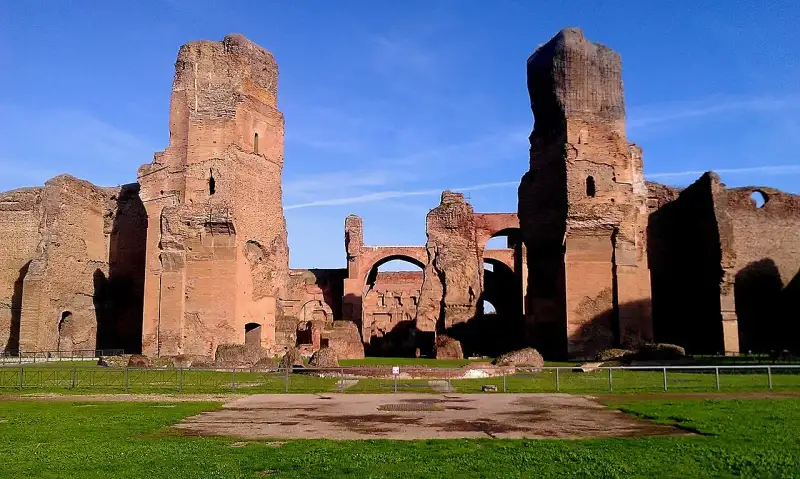
Costruite tra il 212 e il 216 d.C. dall'imperatore Caracalla, le Terme di Caracalla (Thermae Antoninianae) sono uno degli esempi più grandiosi e meglio conservati di terme romane. Non erano solo bagni pubblici, ma veri e propri centri per il benessere fisico e mentale. Una Città nella Città Le dimensioni delle Terme di Caracalla erano colossali. Potevano accogliere oltre 1.600 persone contemporaneamente. Il complesso non includeva solo bagni caldi (Caldarium), tiepidi (Tepidarium) e freddi (Frigidarium), ma anche palestre per lo sport, biblioteche, giardini e botteghe. Era un luogo di socializzazione, affari e relax, aperto a tutti i cittadini liberi di Roma. L'Ingegneria Idraulica Il funzionamento di questo enorme complesso era garantito da un capolavoro di ingegneria: un ramo speciale dell'Acquedotto dell'Acqua Marcia (l'Aqua Antoniniana) fu costruito appositamente per alimentare le terme. Nei sotterranei, centinaia di schiavi lavoravano incessantemente per alimentare i forni che riscaldavano l'acqua e i pavimenti tramite il sistema dell'ipocausto. Le Rovine e l'Ispirazione Oggi, le immense pareti in laterizio alte oltre 30 metri svettano contro il cielo di Roma. Nonostante spogliate dei loro marmi, statue e mosaici preziosi, l'imponenza delle Terme di Caracalla lascia senza fiato. Hanno ispirato architetture moderne, come la Pennsylvania Station di New York, dimostrando come la grandiosità romana continui a plasmare il mondo. #TermeDiCaracalla #IngegneriaRomana #RomaAntica #Archeologia #italy #rome #history #ancient Related InsightsThe Pantanal, Brazil: Unlocking the World’s Largest Wetland and Its Untamed Wildlife Mezquita-Catedral de Córdoba: El Corazón Omeya Rusting Rails of the Sahara: The Forgotten Iron Spine of a Colonial Dream{ "@context": "https://schema.org", "@type": "FAQPage", "mainEntity": [ { "@type": "Question", "name": "What is the main focus of Terme di Caracalla: Il Lusso del Benessere Romano?", "acceptedAnswer": { "@type": "Answer", "text": "Scopri l'imponenza e la complessità di uno dei più grandi complessi termali dell'antichità." } }, { "@type": "Question", "name": "Who authored the comprehensive guide on Terme di Caracalla: Il Lusso del Benessere Romano?", "acceptedAnswer": { "@type": "Answer", "text": "This detailed article and its insights were carefully researched and authored by Lorenzo Russo." } }, { "@type": "Question", "name": "Where can I find more related content about Travel?", "acceptedAnswer": { "@type": "Answer", "text": "You can explore more articles, detailed reviews, and similar insights by browsing the Related Insights section at the bottom of this article or visiting our dedicated Travel category page." } } ] }
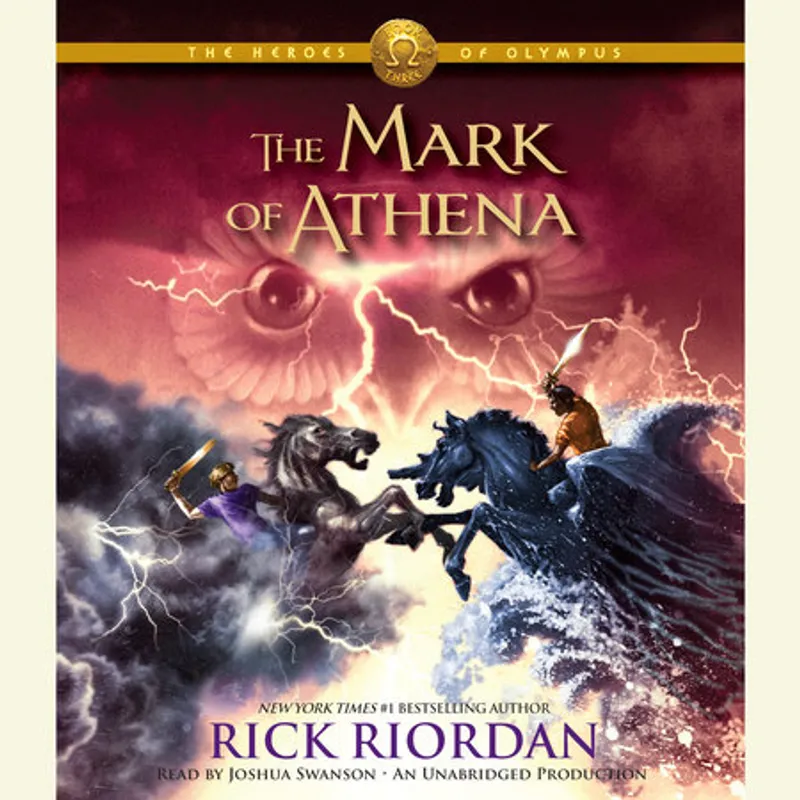
The Heroes of Olympus, Book Three: The Mark of Athena Author: Rick RiordanPage Count: UnknownPublication Date: 2012-PRH In the third installment of The Heroes of Olympus series, Rick Riordan masterfully weaves a tale of adventure, friendship, and self-discovery in The Mark of Athena. Annabeth Chase, daughter of Athena, takes center stage as she navigates the treacherous waters of demigod politics and ancient prophecies. One of the most striking aspects of Riordan's writing is his ability to balance action, humor, and heart. The Mark of Athena is no exception, as Annabeth and her friends Jason, Piper, and Leo embark on a perilous quest to prevent war between the Greek and Roman demigods. Riordan's vivid descriptions of mythological creatures and gods bring the world to life, making it easy to become fully immersed in the story. At its core, The Mark of Athena is a story about identity, loyalty, and the true meaning of leadership. Annabeth, as the daughter of the goddess of war and wisdom, struggles to find her place in the world. Her fears of being without Percy, her childhood friend and ally, are palpable, and her determination to follow the Mark of Athena and avenge her mother is admirable. Through Annabeth's journey, Riordan explores the complexities of being a leader and the weight of responsibility that comes with it. Riordan's characters are multidimensional and relatable, with each one bringing their unique personality to the table. The chemistry between Annabeth and Percy is undeniable, and their reunion is both heartwarming and heartbreaking. The supporting cast, including Jason, Piper, and Leo, add depth and humor to the story, making it easy to become invested in their lives. The world-building in The Mark of Athena is impressive, with Riordan seamlessly integrating Greek and Roman mythology into the narrative. The Doors of Death, a pivotal plot point, are expertly woven into the story, adding an extra layer of tension and urgency to the quest. One of the most impressive aspects of Riordan's writing is his ability to tackle complex themes and issues in a way that is accessible to readers of all ages. The Mark of Athena deals with themes of identity, loyalty, and the consequences of war, making it a great choice for readers who enjoy fantasy and adventure. In conclusion, The Mark of Athena is a thrilling installment in The Heroes of Olympus series. Riordan's masterful storytelling, coupled with his vivid world-building and memorable characters, makes this book a must-read for fans of fantasy and adventure. With its themes of identity, loyalty, and leadership, The Mark of Athena is a story that will resonate with readers long after the final page is turned. #TheHeroesOfOlympus #TheMarkOfAthena #RickRiordan #DemigodAdventures #GreekMythology #FantasyBookSeries Related InsightsExistential Despair: A Guide to Sad Books Book Review and Summary Unreal Magazine: Vol. 1 Book Review and Summary Angela's Ashes Book Review and Summary{ "@context": "https://schema.org", "@type": "FAQPage", "mainEntity": [ { "@type": "Question", "name": "What is the main focus of The Mark of Athena Book Review and Summary?", "acceptedAnswer": { "@type": "Answer", "text": "Everything you need to know about The Mark of Athena with our detailed review." } }, { "@type": "Question", "name": "Who authored the comprehensive guide on The Mark of Athena Book Review and Summary?", "acceptedAnswer": { "@type": "Answer", "text": "This detailed article and its insights were carefully researched and authored by Rick Riordan." } }, { "@type": "Question", "name": "Where can I find more related content about Books?", "acceptedAnswer": { "@type": "Answer", "text": "You can explore more articles, detailed reviews, and similar insights by browsing the Related Insights section at the bottom of this article or visiting our dedicated Books category page." } } ] }
-
 John Explorer
 - 13 Jun, 2026 08:45
The Silent Architects of Stone: Unearthing the Last Weavers of Kladenets in Bulgaria's Mystical Rhodopes
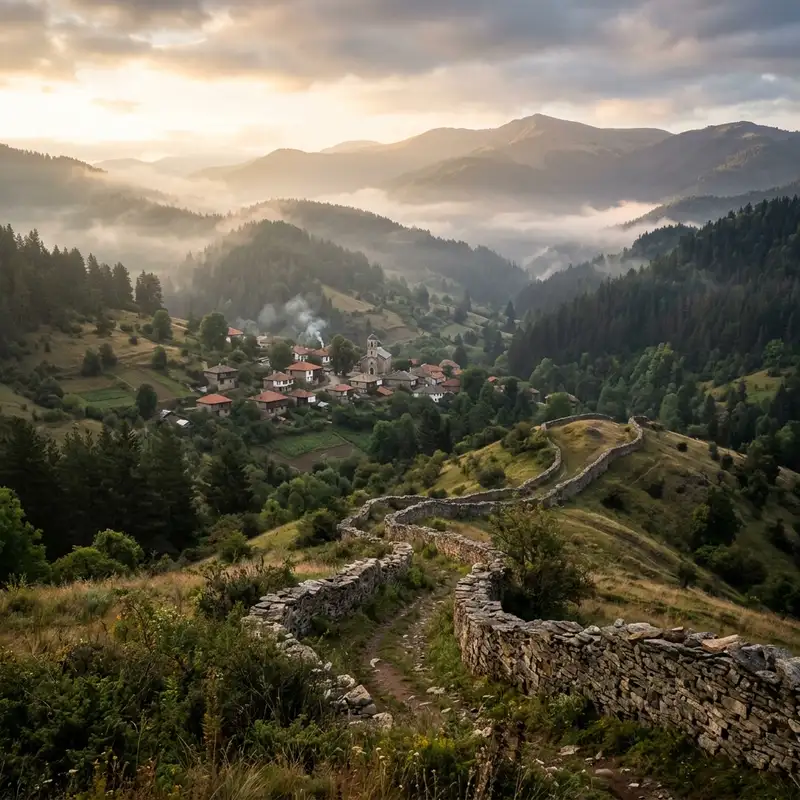
The first time I saw it, it was a ghost. A whisper on the horizon, a silhouette against the bruised purple of a Balkan sunset. It wasn't a castle, nor a natural rock formation, but something in between – an impossible geometry of stone, rising from the rugged spine of the Rhodope Mountains in Bulgaria. It looked like a wave frozen mid-crest, or perhaps a giant's ribcage, intricate and defiant. It shouldn't have been there, not like that. Not without mortar, without modern tools, without a hint of its origins in any map or guide I possessed. That fleeting glimpse ignited an obsession, a relentless pursuit of a truth that felt #ancient, almost mythical. My usual travels lead me off the beaten path, but this felt different. This wasn't merely 'off the path'; it was off the map, off the radar, a fragment of #history clinging to life in the shadow of a forgotten mountain range. For months, that image haunted my periphery, a stone riddle I couldn't solve. I scoured academic papers, obscure archaeological forums, regional folklore collections. My search led me down rabbit holes of Thracian megaliths, Roman fortifications, Ottoman bridges – but nothing resonated with the organic, almost sentient quality of that structure. It felt crafted by hands that understood stone not as inert matter, but as a living canvas. Then, a tiny, almost throwaway line in a decades-old ethnographical journal caught my eye: a brief mention of a unique dry-stone masonry technique, referred to colloquially as 'stone weaving,' practiced by a handful of families in the deep, isolated valleys of the Western Rhodopes. The village name was a barely legible scribble: Kladenets. A place so small, it seemed to exist solely in the fading memory of a bygone era. And that, I knew, was where my #journey had to begin. The Unseen Path to Kladenets The Rhodopes are a formidable beast. Unlike the jagged, dramatic peaks of the Alps or the Dolomites, these mountains possess a more ancient, brooding grandeur. Their slopes are rounded by millennia, cloaked in dense pine forests that whisper secrets in the wind. Deep gorges cut through the landscape, rivers roar through narrow defiles, and isolated hamlets cling to impossible ledges, each a world unto itself. Getting to Kladenets was less a journey and more an expedition into a forgotten time. Paved roads quickly gave way to gravel, then to rutted dirt tracks, passable only by a sturdy 4x4. My phone signal vanished hours before I even glimpsed the first signs of human habitation. Days blurred into a montage of winding mountain roads, the scent of wild herbs and damp earth, the occasional sighting of a lone shepherd or a family of wild boar. The few locals I encountered spoke a dialect thick with ancient inflections, their eyes holding the quiet wisdom of generations who have lived in harmony with – and at the mercy of – these mountains. When I asked about Kladenets, their responses were cautious, a mix of curiosity and a deep-seated protectiveness. "A long way," some would say, or "Only the old ones stay there now." Their words only deepened my resolve. Finally, after what felt like an eternity of hairpin bends and breathtaking vistas, the track opened onto a high plateau. Below, nestled in a bowl-shaped valley, lay Kladenets. It wasn't picturesque in the conventional sense. There were no brightly painted houses or manicured gardens. Instead, buildings of rough-hewn stone, their roofs adorned with heavy slate tiles, seemed to melt into the landscape, almost indistinguishable from the rock faces around them. Smoke curled lazily from a few chimneys, a testament to the village's enduring life. The silence was profound, broken only by the chirping of crickets and the distant murmur of a mountain stream. The Language of Stones: An Introduction to 'Stone Weaving' My arrival was met with quiet observation rather than fanfare. Children peeked from behind heavy wooden doors, their elders regarded me with an unhurried, assessing gaze. It was only after a bowl of steaming lentil soup and a glass of fiery rakia, offered by an elderly woman named Elena, that the ice truly began to break. Her eyes, the colour of deep forest moss, held a gentle curiosity. When I showed her a crude sketch of the structure I had seen – the ghost on the horizon – a flicker of recognition passed over her face. "Ah," she murmured, her voice like rustling leaves, "The Sentinel's Cairn. Yordan built it. His family, before him." Elena explained that 'stone weaving' wasn't just a building technique; it was a philosophy, a spiritual practice passed down through their lineage. It involved selecting stones not just for their size or shape, but for their inherent 'character.' Each stone, they believed, possessed a spirit, a memory, a story. The weaver's task was to listen to these stories, to understand how each stone wanted to lie, where it wanted to rest, how it wanted to interlock with its neighbours. There was no mortar, no binding agent other than gravity, friction, and an almost preternatural understanding of balance and stress distribution. "The mountain gives us the stones," Elena explained, gesturing towards the rugged slopes that embraced the village. "We do not fight the stone; we dance with it. We find its partner. We make it sing." This wasn't engineering; it was poetry in three dimensions, a silent dialogue between human hands and ancient earth. It became clear that the extraordinary structures I had glimpsed were not anomalies, but the pinnacle of a widespread, albeit deeply localized, tradition. Yordan: The Last Maestro Yordan was a man carved from the very mountains he served. His face was a roadmap of wrinkles, each one telling a story of sun, wind, and countless hours spent wrestling with stone. His hands, gnarled and powerful, moved with a surprising delicacy as he demonstrated the rudiments of his craft. He didn't use chisels often, preferring to 'read' the natural fractures and cleavage planes of the rock, splitting it with wedges and hammers only when absolutely necessary. His primary tools were his eyes, his intuition, and a small, heavy mallet. He showed me how to 'dress' a stone, not by carving it into submission, but by gently coaxing it, removing only the minimum necessary to allow it to fit perfectly within the growing wall. The secret, he revealed, was in creating a labyrinth of internal connections – each stone not just resting on another, but locking into it, embracing it, forming an unbreakable chain. "The stronger the embrace," Yordan rasped, his voice rough as granite, "the longer the song endures." He spoke of creating internal 'lungs' within the wall, allowing it to breathe with the mountain, to expand and contract with the seasons, to resist the mighty forces of wind and frost.I spent days watching Yordan work, mesmerized. He moved with a slow, deliberate grace, often pausing, head tilted, as if in silent communion with the stones scattered around him. He spoke of the ancestors who had perfected this art, of structures that had stood for centuries, testament to their profound understanding. He spoke of how the 'weavers' were once the most respected figures in the community, responsible for everything from field enclosures to defensive walls, from bridges to sacred markers. Now, he was one of the last. The Sentinel's Cairn: A Masterpiece of Endurance Finally, the day came when Yordan led me to the Sentinel's Cairn. It was even more magnificent up close. Tucked into a high saddle between two peaks, it was a colossal dry-stone structure, a series of interlocking, undulating walls that seemed to grow organically from the earth itself. It was not a single, monolithic object, but a collection of interconnected segments, each flowing into the next, forming a formidable, yet elegant, barrier against the elements. Its exact purpose was lost to time, but the lore held that it served multiple functions. It was a windbreak, protecting ancient animal trails and travellers. It was a territorial marker, defining the sacred boundaries of the Kladenets community. And most fascinatingly, it was believed to have an astronomical function. Yordan pointed out specific alignments where, on certain solstices and equinoxes, the rising sun would cast shadows through perfectly formed apertures, illuminating specific internal chambers or marking distant peaks. It was a giant, silent calendar, a timeless observatory built by hands that understood the cosmos as intimately as they understood the earth. The scale was astounding. It would have taken generations to build, each generation adding their 'voice' to the stone symphony. Standing beside it, I felt a profound sense of humility, a realization of the ephemeral #nature of human life contrasted with the enduring power of creation born from deep connection to the land. It wasn't just a wall; it was a monument to resilience, to ingenuity, to a way of life that honored the material world as sacred. The Echoes of a Dying Art But this magnificent legacy was also a poignant reminder of its fragility. Yordan's children had left Kladenets years ago, drawn by the promise of education and opportunities in the cities. The young people who remained saw stone weaving as back-breaking labour, a relic of the past with no place in the modern world. Why spend weeks carefully fitting stones when concrete and steel offered faster, easier solutions? The spiritual connection, the profound understanding of material, was being lost to convenience and expediency. "The stones still sing," Yordan mused, his gaze fixed on the ancient Cairn, "but fewer and fewer listen." His words carried the weight of a vanishing world. The knowledge embedded in his weathered hands, the intuitive wisdom passed down through centuries, was on the precipice of extinction. It was a slow, quiet cultural erosion, far from the dramatic clashes of civilizations, but no less tragic. My time in Kladenets was a profound lesson in the value of the 'unseen.' In a world saturated with information, where every landmark is cataloged and every experience curated, places like Kladenets, and practices like stone weaving, offer a vital counter-narrative. They remind us that true richness often lies not in what is loudly advertised, but in what whispers from the edges, in the quiet enduring traditions that defy commercialization and mass appeal. Leaving Kladenets, I carried not just memories, but a deep sense of responsibility. Not to 'save' it, for such interventions often do more harm than good, but to bear witness. To share the story of Yordan and the silent architects, to acknowledge the profound beauty and wisdom embedded in their unassuming craft. To perhaps inspire someone, somewhere, to seek out their own 'ghost on the horizon,' to listen to the silent songs of forgotten places, and to appreciate the profound value of traditions that teach us how to dance with the earth, rather than merely conquer it. The Rhodopes will continue to guard their secrets, but for a brief, precious moment, I was allowed a glimpse behind the veil. The Sentinel's Cairn still stands, a testament to enduring human spirit and the unbreakable bond between man and stone. And somewhere, deep in those ancient mountains, I know Yordan continues his quiet work, weaving the earth's memory into enduring song, one stone at a time. #RhodopeMountains #StoneWeaving #HiddenBulgaria #AncientCrafts #CulturalPreservation #Bulgaria #RhodopeMountains #AncientCrafts #HiddenGems #CulturalPreservation Related InsightsAngkor Wat: Il Cuore Cosmico di Pietra, Tra Devozione e Mistero nel Regno Khmer Australien: Wo die Ewigkeit des Outbacks auf den Puls der Moderne trifft The Ruins of Troy{ "@context": "https://schema.org", "@type": "FAQPage", "mainEntity": [ { "@type": "Question", "name": "What is the main focus of The Silent Architects of Stone: Unearthing the Last Weavers of Kladenets in Bulgaria's Mystical Rhodopes?", "acceptedAnswer": { "@type": "Answer", "text": "Deep in Bulgaria's forgotten Rhodope Mountains, an ancient, almost mystical tradition of 'stone weaving' endures, guarded by its last silent architects. Join me on an investigative journey to uncover a craft that defies time and engineering." } }, { "@type": "Question", "name": "Who authored the comprehensive guide on The Silent Architects of Stone: Unearthing the Last Weavers of Kladenets in Bulgaria's Mystical Rhodopes?", "acceptedAnswer": { "@type": "Answer", "text": "This detailed article and its insights were carefully researched and authored by John Explorer." } }, { "@type": "Question", "name": "Where can I find more related content about Travel?", "acceptedAnswer": { "@type": "Answer", "text": "You can explore more articles, detailed reviews, and similar insights by browsing the Related Insights section at the bottom of this article or visiting our dedicated Travel category page." } } ] }


Türk ve Dünya klasiklerinin derinliklerine daldığım incelemelerime bugün Albert Camus'nın ölümsüz eseri Veba ile devam ediyoruz. Edebiyat dünyasının kilometre taşlarından biri olan bu kitap, satır aralarında keşfedilmeyi bekleyen bir okyanus gibi. Kitap Hakkında Genel Görüşler ve Eleştiriler Beklenmedik bir salgın karşısında karantinaya alınan bir şehrin çaresizliği üzerinden, faşizmin ve kötülüğün alegorisini yapan şaheser. Karakter Çözümlemeleri Dr. Rieux'nün anlamsızlığa karşı sadece görevini yaparak gösterdiği sessiz direniş, varoluşçu ahlakın en güzel temsilidir. Yazar Hakkında Fikirler Camus, felaket anlarında insan doğasının nasıl şekillendiğini (korkaklık, fırsatçılık veya kahramanlık) ustalıkla masaya yatırıyor. Sevilen ve Sevilmeyen Yönler Toplumsal analizi kusursuz ancak kasten soğuk ve mesafeli tutulan anlatım dili, kitabın duygusal etkisini kısmen azaltıyor. Kitabın Ana Fikri ve Mesajı İnsanın kontrol edemediği felaketler karşısında verebileceği en anlamlı tepkinin, pes etmeden dayanışma göstermesi olduğudur. #varoluşçuluk #toplum #felsefe #kitap #edebiyat #aylinokur #kitapincelemesi #okumak Related InsightsDorian Gray'in Portresi Kitap İncelemesi: Aylin Okur Sırça Fanus Kitap İncelemesi: Aylin Okur Aşk ve Gurur Kitap İncelemesi: Aylin Okur{ "@context": "https://schema.org", "@type": "FAQPage", "mainEntity": [ { "@type": "Question", "name": "What is the main focus of Veba Kitap İncelemesi: Aylin Okur?", "acceptedAnswer": { "@type": "Answer", "text": "Albert Camus tarafından yazılan Veba eserinin derinlemesine incelenmesi, karakter analizleri ve ana fikri." } }, { "@type": "Question", "name": "Who authored the comprehensive guide on Veba Kitap İncelemesi: Aylin Okur?", "acceptedAnswer": { "@type": "Answer", "text": "This detailed article and its insights were carefully researched and authored by Aylin Okur." } }, { "@type": "Question", "name": "Where can I find more related content about Dünya Klasikleri?", "acceptedAnswer": { "@type": "Answer", "text": "You can explore more articles, detailed reviews, and similar insights by browsing the Related Insights section at the bottom of this article or visiting our dedicated Dünya Klasikleri category page." } } ] }
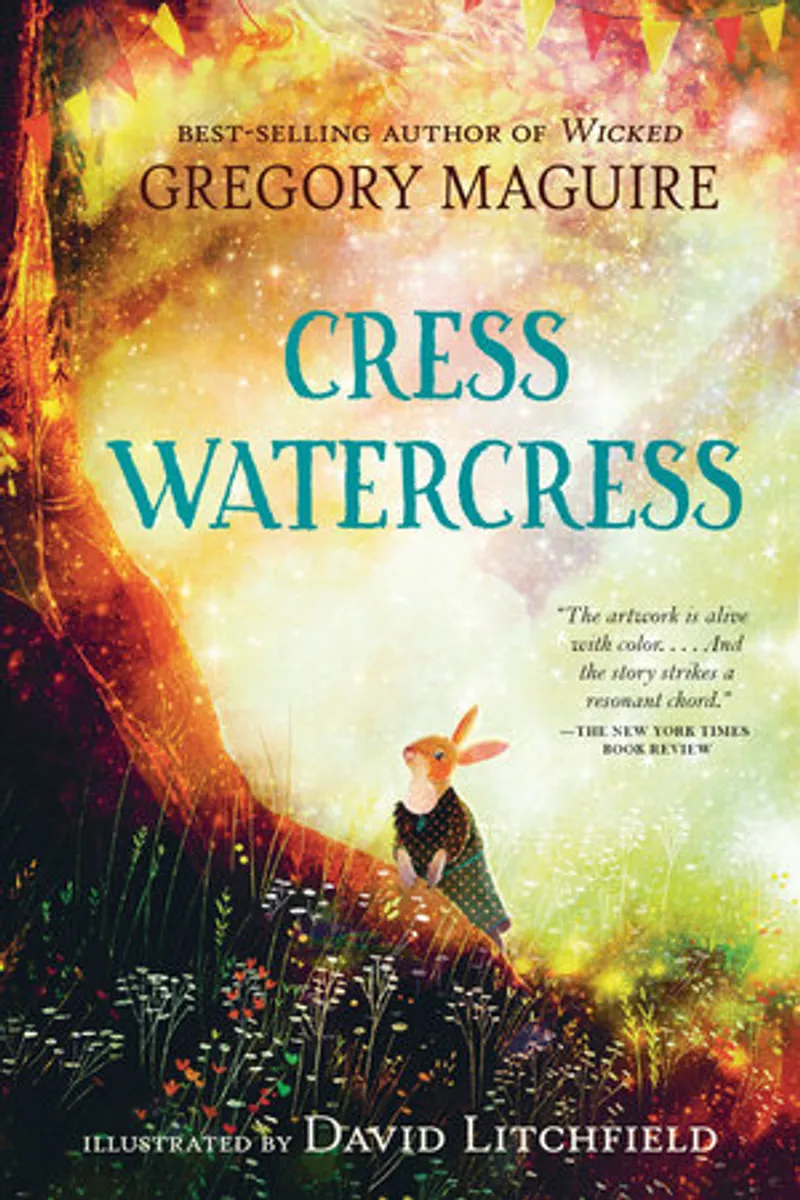
Cress Watercress Author: Gregory MaguirePage Count: UnknownPublication Date: 2024-PRH In the enchanting world of Cress Watercress, Gregory Maguire masterfully weaves a timeless tale of growing up, moving on, and finding community. This charming woodland adventure follows the journey of Cress, a young rabbit, as she navigates the complexities of life without her beloved Papa. With the help of illustrator David Litchfield's glowing illustrations, Maguire's signature wit and wisdom shine through, creating a story that will undoubtedly captivate readers of all ages. At its core, Cress Watercress is a poignant exploration of the human experience, albeit through the eyes of a lovable rabbit family. Maguire's portrayal of Cress's struggles to come to terms with her Papa's disappearance is both authentic and relatable. Her resilience and determination to hold on to hope, even in the face of adversity, serve as a powerful reminder of the importance of perseverance and the unbreakable bonds of family. One of the most striking aspects of Maguire's writing style is his ability to craft a narrative that is both nostalgic and contemporary. The world of Cress Watercress is reminiscent of classic tales like E.B. White's Charlotte's Web and Kenneth Grahame's The Wind in the Willows, yet it is thoroughly modern in its themes and sensibilities. This blend of old and new creates a unique reading experience that will appeal to readers who cherish traditional storytelling and those who crave something fresh and innovative. The cast of characters in Cress Watercress is equally impressive, with each inhabitant of the Broken Arms apartment oak bringing their own distinct personality to the story. From the menacing owl landlord to the nosy mouse super, Maguire's characters are multidimensional and richly drawn, adding depth and complexity to the narrative. The relationships between the characters are authentic and nuanced, with a keen focus on the ways in which community can be both a source of comfort and a catalyst for growth. Throughout the book, Maguire's prose is infused with a sense of wonder and magic, perfectly capturing the essence of childhood. His writing is evocative and engaging, with a keen attention to detail that brings the world of Cress Watercress vividly to life. The illustrations by David Litchfield are a perfect complement to Maguire's text, adding a visual dimension to the story that is both captivating and heartwarming. In conclusion, Cress Watercress is a triumph of storytelling, a book that will resonate with readers of all ages. Gregory Maguire's masterful blend of wit, wisdom, and imagination has created a tale that is both timeless and timely, a true gem for animal lovers and anyone who has ever experienced the challenges and joys of growing up. With its unforgettable cast of characters, poignant themes, and captivating illustrations, Cress Watercress is a must-read for anyone looking for a story that will touch their heart and stay with them long after the final page has been turned. #CressWatercress #GregoryMaguire #DavidLitchfield #WoodlandAdventures #ChildrensLiterature #AnimalStories Related InsightsThe Three Musketeers Book Review and Summary Heartstopper, Volume 3 Book Review and Summary Horny: A Novel Book Review and Summary{ "@context": "https://schema.org", "@type": "FAQPage", "mainEntity": [ { "@type": "Question", "name": "What is the main focus of Cress Book Review and Summary?", "acceptedAnswer": { "@type": "Answer", "text": "Everything you need to know about Cress with our detailed review." } }, { "@type": "Question", "name": "Who authored the comprehensive guide on Cress Book Review and Summary?", "acceptedAnswer": { "@type": "Answer", "text": "This detailed article and its insights were carefully researched and authored by Marissa Meyer." } }, { "@type": "Question", "name": "Where can I find more related content about Books?", "acceptedAnswer": { "@type": "Answer", "text": "You can explore more articles, detailed reviews, and similar insights by browsing the Related Insights section at the bottom of this article or visiting our dedicated Books category page." } } ] }


The Eternal Flames of Mount Chimaera Deep within the lush, pine-forested mountains of Olympos National Park in Turkey’s Antalya Province lies a natural phenomenon that has captivated travelers for millennia. Known locally as Yanartaş (Flaming Rock), Mount Chimaera is famous for its dozens of small fires that burn constantly from vents in the rocky mountainside. These eternal flames have been burning for at least 2,500 years, making them one of the longest-burning continuous fires on Earth. The Mythological Beast of Lycia In antiquity, this fiery mountaintop was heavily steeped in mythology. According to Homer’s Iliad, this area was the home of the Chimaera, a terrifying fire-breathing monster with the head and body of a lion, a second head of a goat rising from its back, and a tail ending in a snake's head. The hero Bellerophon, riding the winged horse Pegasus, was tasked with slaying this beast. He succeeded by dropping a block of lead into its jaws, which melted from the monster's fiery breath and choked it. Local legend dictates that the flames seen today are the dying breaths of the defeated Chimaera, trapped forever deep beneath the earth. The Science Behind the Fire While the mythological explanation is thrilling, the scientific reality is equally fascinating. The flames of Mount Chimaera are fueled by an emission of abiotic methane gas. Unlike most methane on Earth, which is produced by the decay of organic matter, the methane at Yanartaş is generated by a rare geological process known as serpentinization. Deep underground, groundwater reacts with iron-rich olivine rocks at low temperatures, producing methane and hydrogen gas that seeps up through the fractured rock and spontaneously ignites upon contact with the air. It is a rare geological marvel that continues to baffle and intrigue geologists today. A Nighttime Ascent The best time to experience Mount Chimaera is at night. The hike up the rugged stone steps takes about 30 to 45 minutes, winding through dense Mediterranean scrub. As the sun sets, the flickering orange glow of the scattered fires becomes increasingly visible, creating an enchanting and mystical atmosphere. For modern-day visitors and locals, the eternal flames are not just a geological curiosity—they also provide a perfect opportunity for a rustic culinary experience. It is a popular tradition to bring marshmallows, sausages, and a thermos of Turkish tea (çay) up the mountain. Sitting under the stars, roasting marshmallows over a fire that has burned since the days of #ancient Greece, connects you instantly to the countless sailors, merchants, and soldiers who used these very flames to navigate the Lycian coast in antiquity. #MountChimaera #Yanartas #TurkeyTravel #AncientMythology #GeologicalWonders #EternalFlames #Olympos #Antalya #GreekMythology #TravelTurkey #travel #exclusive Related InsightsBeyond the Clouds: Unveiling the Eternal Spirit of Georgia’s Caucasus High Roads of Svaneti: Where Medieval Towers Meet Modern Nomads Unleash Your Inner Explorer: Conquering Java's Fiery Peaks From Bali's Shores – A Definitive Guide{ "@context": "https://schema.org", "@type": "FAQPage", "mainEntity": [ { "@type": "Question", "name": "What is the main focus of Mount Chimaera Eternal Flames?", "acceptedAnswer": { "@type": "Answer", "text": "Explore the incredible journey of Mount Chimaera Eternal Flames with Emre Yılmaz." } }, { "@type": "Question", "name": "Who authored the comprehensive guide on Mount Chimaera Eternal Flames?", "acceptedAnswer": { "@type": "Answer", "text": "This detailed article and its insights were carefully researched and authored by Emre Yılmaz." } }, { "@type": "Question", "name": "Where can I find more related content about Travel?", "acceptedAnswer": { "@type": "Answer", "text": "You can explore more articles, detailed reviews, and similar insights by browsing the Related Insights section at the bottom of this article or visiting our dedicated Travel category page." } } ] }

Türk ve Dünya klasiklerinin derinliklerine daldığım incelemelerime bugün Emily Brontë'nın ölümsüz eseri Uğultulu Tepeler ile devam ediyoruz. Edebiyat dünyasının kilometre taşlarından biri olan bu kitap, satır aralarında keşfedilmeyi bekleyen bir okyanus gibi. Kitap Hakkında Genel Görüşler ve Eleştiriler İngiliz kırsalında, karanlık, vahşi ve yıkıcı bir aşkın nesiller boyu süren intikam ve nefretle harmanlanmış gotik hikayesi. Karakter Çözümlemeleri Heathcliff'in acımasız intikam hırsı ve Catherine'in bencil tutkusu, edebiyattaki en toksik ama en unutulmaz aşıklarını yaratır. Yazar Hakkında Fikirler Emily Bronte'nin döneminin kibar İngiliz romanlarına inat, bu kadar karanlık ve vahşi bir eser yaratması onun dehasının göstergesidir. Sevilen ve Sevilmeyen Yönler Atmosferi muazzam, ancak romandaki neredeyse hiçbir karakterin ahlaki bir iyilik barındırmaması okuyucunun bağ kurmasını zorlaştırıyor. Kitabın Ana Fikri ve Mesajı Aşk ve nefretin aslında aynı madalyonun iki yüzü olduğu, engellenen tutkunun nasıl yıkıcı bir nefrete dönüşebileceğidir. #gotik #aşk #ingilizedebiyatı #kitap #edebiyat #aylinokur #kitapincelemesi #okumak Related Insightsİlahi Komedi Kitap İncelemesi: Aylin Okur Gülün Adı Kitap İncelemesi: Aylin Okur Yüzyıllık Yalnızlık Kitap İncelemesi: Aylin Okur{ "@context": "https://schema.org", "@type": "FAQPage", "mainEntity": [ { "@type": "Question", "name": "What is the main focus of Uğultulu Tepeler Kitap İncelemesi: Aylin Okur?", "acceptedAnswer": { "@type": "Answer", "text": "Emily Brontë tarafından yazılan Uğultulu Tepeler eserinin derinlemesine incelenmesi, karakter analizleri ve ana fikri." } }, { "@type": "Question", "name": "Who authored the comprehensive guide on Uğultulu Tepeler Kitap İncelemesi: Aylin Okur?", "acceptedAnswer": { "@type": "Answer", "text": "This detailed article and its insights were carefully researched and authored by Aylin Okur." } }, { "@type": "Question", "name": "Where can I find more related content about Dünya Klasikleri?", "acceptedAnswer": { "@type": "Answer", "text": "You can explore more articles, detailed reviews, and similar insights by browsing the Related Insights section at the bottom of this article or visiting our dedicated Dünya Klasikleri category page." } } ] }
-
 Hans Müller
 - 12 Jun, 2026 10:00
Der Mythos Sachertorte: Ein süßes Meisterwerk der Wiener Kaffeehauskultur
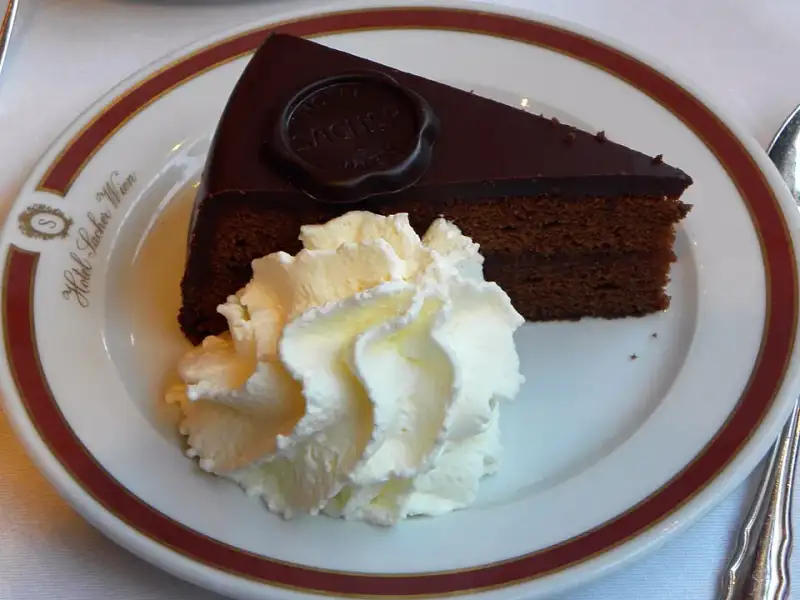
Der Mythos Sachertorte: Ein süßes Meisterwerk der Wiener Kaffeehauskultur Prolog: Ein Bissen Wiener Seele Wenn man an einem kühlen, nebligen Herbstnachmittag durch die altehrwürdigen, kopfsteingepflasterten Gassen der Wiener Innenstadt schlendert, führt der Weg fast unweigerlich in eines der legendären Kaffeehäuser. Sobald man die schwere Holztür aufstößt, umfängt einen sofort eine Atmosphäre, die aus der Zeit gefallen scheint. Es duftet nach frisch geröstetem Kaffee, nach heißer Milch, nach einem Hauch von Zigarrenrauch aus vergangenen Tagen und vor allem: nach süßem Backwerk. Die gedämpften Gespräche der Gäste, das leise Rascheln der internationalen Tageszeitungen in ihren hölzernen Halterungen und das unverkennbare Klirren von kleinen Silberlöffeln auf feinem Porzellan bilden die akustische Kulisse für einen der größten kulinarischen Schätze Österreichs. Hier, inmitten von Samt, Marmor und Thonet-Stühlen, thront sie auf den Vitrinen: die #Sachertorte. Sie ist weit mehr als nur ein einfaches Dessert. Die Sachertorte ist ein Monument, ein süßes Stück Geschichte und das wohl berühmteste Stück Kuchen der Welt. Mit ihrer dichten Schokoladenmasse, der fruchtigen Säure der Marillenmarmelade und dem dunklen, spiegelglatten Glanz ihrer unvergleichlichen Schokoladenglasur verkörpert sie die Essenz der Wiener Seele: melancholisch, tiefgründig, elegant und unwiderstehlich. Doch hinter diesem scheinbar simplen Rezept verbirgt sich eine faszinierende Chronik, die von jugendlichem Erfindungsreichtum, kaiserlicher Pracht, familiären Dynastien und sogar von einem erbitterten, jahrzehntelangen Rechtsstreit erzählt. In diesem Artikel begeben wir uns auf eine ausführliche, literarische und historische Spurensuche, um das Geheimnis und den Mythos der #Kaffeehauskultur und ihrer süßesten Botschafterin zu entschlüsseln. Wien im Biedermeier: Die historische Kulisse einer süßen Revolution Um die Bedeutung und die Entstehung der Sachertorte wirklich zu verstehen, müssen wir uns in das Wien des frühen 19. Jahrhunderts zurückversetzen. Es ist die Epoche des Biedermeier, eine Zeit des Rückzugs ins Private, der aufblühenden Hausmusik, der eleganten Salons und der beginnenden Blütezeit der Zuckerbäcker. Nach den turbulenten Jahren der napoleonischen Kriege und dem Wiener Kongress sehnte sich die Gesellschaft nach Beständigkeit, nach Genuss und nach kulinarischer Raffinesse. Das Habsburgerreich befand sich in einer Phase der Restauration, und an der Spitze der politischen Macht stand Fürst Klemens Wenzel von Metternich, der mächtige Staatskanzler, der die Geschicke Europas lenkte. Metternich war nicht nur ein brillanter und gefürchteter Diplomat, sondern auch ein legendärer Gastgeber. Die Bankette und Empfänge in seinem Palais waren berühmt für ihre Opulenz und ihre Perfektion. Die internationale Elite aus Politik, Adel und Kultur gab sich hier die Klinke in die Hand. Es herrschte ein ständiger Druck auf das Küchenpersonal, neue, überraschende und vor allem exquisite Speisen zu kreieren, um den verwöhnten Gaumen der Gäste gerecht zu werden. Genau in diesem Spannungsfeld, in der flirrenden Hitze der herrschaftlichen Hofküche, sollte ein Zufall die Welt der #Kulinarik für immer verändern. Das schicksalhafte Jahr 1832: Ein Lehrling schreibt Geschichte Die Legende besagt, dass sich im Jahr 1832 Folgendes zutrug: Fürst von Metternich hatte für den Abend hochrangige Gäste eingeladen und verlangte nach einem ganz besonderen, neuen Dessert. Seine Worte an den Hofstaat sollen gelautet haben: "Dass er mir aber keine Schand’ macht, heut’ Abend!" – eine unmissverständliche Anweisung, die höchste Qualität und Originalität forderte. Doch das Schicksal hatte eigene Pläne. Ausgerechnet an diesem entscheidenden Tag erkrankte der Chefkoch schwer und fiel aus. Panik machte sich in der großen Schlossküche breit. Wer sollte nun die Verantwortung übernehmen und die Erwartungen des strengen Fürsten erfüllen? Die Wahl fiel mangels Alternativen auf einen blutjungen Burschen: Franz Sacher, ein gerade einmal 16-jähriger Auszubildender im zweiten Lehrjahr. Man stelle sich den immensen Druck vor, der auf den Schultern dieses jungen Mannes lastete. Ohne eine erprobte Rezeptur zur Hand zu haben, musste er vollkommen improvisieren. Er nahm das, was in höchster Qualität zur Verfügung stand: dunkle, edle Schokolade, frische Eier, feines Mehl, Butter und Marillenmarmelade. Franz kreierte einen dichten, kompakten Schokoladenkuchen, den er großzügig mit Marmelade bestrich und anschließend mit einer festen, aromatischen Schokoladenglasur überzog. Als das Dessert am Abend serviert wurde, herrschte zunächst ehrfürchtige Stille am Tisch. Dann folgte ein anerkennendes Nicken, ein Lächeln und schließlich helle Begeisterung bei den Gästen. Das neuartige Dessert war ein triumphaler Erfolg. Die Legende der #Sachertorte war geboren. Es war ein Geniestreich, der nicht auf optischer Extravaganz, sondern auf der perfekten Harmonie hochwertiger Grundzutaten beruhte. Der 16-jährige #FranzSacher hatte nicht nur den ehrenvollen Abend gerettet, sondern auch seinen eigenen Namen für alle Zeiten unsterblich gemacht. Franz Sacher: Ein Leben nach dem ersten Geniestreich Trotz des fulminanten Erfolgs an diesem einen Abend in Metternichs Palais blieb die Erfindung zunächst ein streng gehütetes, internes Geheimnis der Hofküche. Franz Sacher schloss seine Lehre erfolgreich ab und begann sogleich, Erfahrung in der weiten kulinarischen Welt des Kaiserreichs zu sammeln. Seine Wanderjahre führten ihn nach Pressburg (das heutige Bratislava) und in die ungarische Hauptstadt Budapest, wo er unter anderem für adelige Familien wie die Esterházys arbeitete. Erst Jahre später kehrte er als gestandener Mann nach Wien zurück und eröffnete 1848 – ausgerechnet in einem turbulenten Jahr der Revolutionen in Europa – einen florierenden Feinkostladen mit angeschlossener Weinhandlung in der renommierten Weihburggasse. Hier in der Weihburggasse begann er schließlich, seine Torte, die er über die Jahre immer weiter verfeinert hatte, in größerem Stil anzubieten. Sie entwickelte sich sensationell rasch zu einem Verkaufsschlager im aufstrebenden Bürgertum, das den feinen Geschmack und die enorme Haltbarkeit der Torte überaus schätzte. Denn durch die schützende Glasur und die kompakte Teigmasse blieb die Torte erstaunlich lange frisch – ein gewaltiger logistischer Vorteil in einer Zeit ohne moderne Kühlschränke. Doch die eigentliche Institutionalisierung und weltweite Vermarktung dieses Meisterwerks sollte nicht durch Franz selbst, sondern maßgeblich durch seinen visionären Sohn erfolgen. Die nächste Generation: Eduard Sacher und die Perfektionierung Eduard Sacher, der talentierte Sohn von Franz, trat ambitioniert in die Fußstapfen seines Vaters, ergänzte dessen herausragendes handwerkliches Können jedoch um einen ausgeprägten, scharfsinnigen Geschäftssinn. Eduard absolvierte seine Ausbildung bei der renommierten k.u.k. Hofzuckerbäckerei Demel – einem Namen, der in der Geschichte der Torte später noch eine entscheidende und höchst dramatische Rolle spielen sollte. In den heiligen Hallen von Demel am Kohlmarkt lernte Eduard nicht nur die feine Kunst der Pâtisserie kennen, sondern verfeinerte auch das Rezept seines Vaters präzise zur heutigen, weltbekannten Form. Im Jahr 1876 gründete Eduard schließlich das weltberühmte #HotelSacher, gelegen direkt hinter der imposanten Wiener Staatsoper. Dieses Haus entwickelte sich in kürzester Zeit zu einer der ersten und exklusivsten Adressen der gesamten Monarchie, ja ganz Europas. Aristokraten, Großindustrielle, Künstler und Diplomaten trafen sich fortan in den opulenten, roten Salons des Hotels. Und im unangefochtenen Zentrum dieses schillernden gesellschaftlichen Lebens stand stets die Torte, die nun offiziell den stolzen Namen des Hauses trug. Die "Original Sacher-Torte" avancierte zum absoluten Statussymbol und zum unverzichtbaren Bestandteil eines jeden Wien-Besuchs. Das Hotel wurde zur glamourösen Bühne, und die Torte war ihr unumstrittener Star. Anna Sacher: Die Matriarchin und das goldene Zeitalter Nach dem tragisch frühen Tod von Eduard Sacher im Jahr 1892 übernahm seine Witwe, die charismatische Anna Sacher, resolut die Leitung des Hotels. Anna war eine durch und durch bemerkenswerte Frau – eine echte Pionierin der Hotellerie in einer damals noch stark von Männern dominierten Welt. Mit ihren charakteristischen französischen Bulldoggen unter dem Arm und stets einer dicken, rauchenden Zigarre im Mundwinkel, regierte sie das Hotel mit eiserner Hand, kaufmännischem Geschick und feinem Gespür für gesellschaftliche Strömungen. Unter ihrer Ägide erlebte das Hotel Sacher sein absolutes goldenes Zeitalter. Anna verstand es meisterhaft, den Mythos der Torte über die Grenzen Österreichs hinaus zu pflegen. Wer in Wien etwas auf sich hielt, aß im Sacher. Sie knüpfte geschickt ein globales Netzwerk und etablierte die Tradition, die Schokoladentorte in edlen, gebrandeten Holzkistchen an illustre Adressaten in der ganzen Welt zu verschicken. Diese hölzernen Kistchen mit dem charakteristischen Siegel wurden zum Inbegriff von höchstem Luxus und Wiener Charme. Doch hinter den luxuriösen Kulissen der Habsburger-Monarchie, die bald ihrem dramatischen Untergang entgegenblicken sollte, braute sich allmählich ein Konflikt zusammen, der die Wiener Gesellschaft noch über viele Jahrzehnte hinweg spalten sollte. Der große Wiener Tortenstreit: Ein juristisches Drama um Marmelade Nach dem Zusammenbruch der österreichisch-ungarischen Monarchie, dem grausamen Ersten Weltkrieg und den überaus turbulenten Jahren der Zwischenkriegszeit geriet das Hotel Sacher massiv in finanzielle Schwierigkeiten. In den 1930er Jahren ging Eduard Sacher jun., der Sohn von Anna Sacher, sogar bankrott und fand, so paradox es klingt, ausgerechnet bei der einstigen Konkurrenz eine neue Anstellung: beim k.u.k. Hofzuckerbäcker Demel, wo schon sein eigener Vater einst gelernt hatte. Damit gelangte das angeblich „einzig echte“ Rezept direkt in die Hände von #Demel, die fortan ebenfalls stolz eine hochwertige Sachertorte produzierten und verkauften. Nach dem Ende des Zweiten Weltkriegs entzündete sich exakt an dieser Konstellation einer der kuriosesten und zugleich leidenschaftlichsten Rechtsstreits der österreichischen Rechtsgeschichte: der legendäre, epische, sieben Jahre andauernde #Tortenstreit (1954–1963). Es ging hierbei um nicht weniger als die Frage aller Fragen: Wer darf seine Kreation als einzige die "Original Sacher-Torte" nennen? Die gesamte Wiener Gesellschaft war von dem Fall geradezu elektrisiert. Beide Seiten fuhren schwerstes juristisches Geschütz auf. Zahlreiche Zeugen wurden vernommen, endlose Gutachten von anerkannten Sachverständigen, Historikern und Konditormeistern wurden eingeholt. Im Zentrum der erbitterten Diskussion stand interessanterweise nicht nur der Markenname an sich, sondern vor allem ein scheinbar banales, kulinarisches Detail: die genaue Position der Marmelade. Das Hotel Sacher beharrte unnachgiebig darauf, dass das wahre Original in der Mitte waagerecht halbiert und dort großzügig mit einer Schicht Marillenmarmelade bestrichen werden müsse, bevor eine weitere, äußere Schicht direkt unter die Schokoladenglasur kam. Die Zuckerbäcker von Demel hingegen stritten vehement ab, dass eine solche Mittelschicht überhaupt zum ursprünglichen, historischen Rezept gehöre, und bestrichen die Torte ausschließlich direkt unter der äußeren Schokoladenglasur mit der süßen Konfitüre. Ein weiterer hitziger Streitpunkt war die zeitweilige Verwendung von Margarine statt reiner Butter in wirtschaftlichen Notzeiten – ein Vorwurf, der in den traditionellen Kaffeehäusern Wiens als ein unverzeihliches kulinarisches Sakrileg galt. Das Urteil: Ein salomonischer Kompromiss im Namen der Süßspeise Erst im Jahr 1963 wurde dieser fast schon absurd anmutende, aber kulturell hochbedeutsame Prozess endlich außergerichtlich mit einem Vergleich beigelegt, der geradezu biblische Züge eines salomonischen Urteils in sich trug. Das Hotel Sacher erhielt das exklusive und uneingeschränkte Recht, seine spezielle Kreation als "Original Sacher-Torte" zu bezeichnen. Diese offizielle Torte ist seither immer zuverlässig an dem runden Schokoladensiegel auf der Oberfläche erkennbar und zeichnet sich durch die besagten zwei Schichten Marmelade (in der Mitte und unter der Glasur) aus. Das Haus Demel im Gegenzug darf seine ebenso köstliche Variante "Eduard-Sacher-Torte" nennen, wenngleich im alltäglichen Volksmund ohnehin zumeist einfach von der "Demel's Sachertorte" gesprochen wird. Diese Variante trägt ein dreieckiges Schokoladensiegel und verzichtet bewusst auf die mittlere Marmeladenschicht, was den Teig etwas kompakter wirken lässt. Dieser historische Kompromiss beendete zwar die offizielle rechtliche Auseinandersetzung der Anwälte, beflügelte aber im Gegenzug umso mehr die ewige, passionierte Diskussion unter den Wienern und internationalen Touristen: Welche Torte ist nun objektiv die bessere? Diese Frage spaltet bis heute an Sonntagnachmittagen ganze Familien, innige Freundeskreise und renommierte Food-Kritiker. Für viele Puristen ist die Demel-Version authentischer und saftiger im Schokoladengeschmack, für andere ist die Original Sacher-Torte dank der zusätzlichen Fruchtschicht und der leicht herberen, eleganteren Schokolade die unangefochtene Nummer eins der Welt. Die Anatomie eines Meisterwerks: Mehr als nur Schokolade und Teig Was aber macht diese Torte nach fast zweihundert Jahren ihres Bestehens noch immer so faszinierend? Es ist das wundersame, paradoxe Prinzip der maximalen Reduktion. In einer modernen Zeit, in der Desserts in der Patisserie immer bunter, wilder, komplexer und exotischer werden, ruht die #Backkunst der Sachertorte würdevoll in ihrer völligen Unaufgeregtheit. Die eigentliche Zutatenliste für die Teigmasse liest sich bescheiden und schlicht: edle Schokolade, frische Butter, feiner Puderzucker, getrennte Eier, Kristallzucker, glattes Mehl. Keine gehackten Nüsse, kein dominanter Alkohol, keine starken Gewürze wie Zimt, Kardamom oder Vanille lenken den Gaumen vom Wesentlichen ab. Der wahre Trick und das Können liegen allein im handwerklichen Detail der Verarbeitung. Das authentische Originalrezept wird bis zum heutigen Tage als eines der bestgehüteten Staatsgeheimnisse Österreichs in einem schweren Tresor des Hotels Sacher sicher aufbewahrt. Nur eine winzige Handvoll eingeweihter Konditoren kennt die exakten, auf das Gramm genauen Gewichtsangaben und die minutiösen Rührzeiten. Entscheidend ist vor allem das geduldige Schlagen des Eikneesels (der Dottermasse) und das Unterheben des steifen Schnees aus dem Eiklar, der für die nötige Lockerung und Textur sorgt, da ganz bewusst kein künstliches Backpulver verwendet wird. Der fertig gebackene Teig (das Biskuit) ist gewollt fest und etwas trocken in der Konsistenz. Dieser Zustand ist mitnichten ein handwerklicher Mangel, sondern eine absolute architektonische Notwendigkeit, um die stabile Struktur für die spätere, enorm schwere Glasur zu bieten und die Feuchtigkeit der Konfitüre aufzunehmen, ohne matschig einzufallen. Das Geheimnis der Marillenmarmelade: Fruchtige Balance Die #Marillenmarmelade ist zweifellos der heimliche, fruchtige Star in diesem dunklen, kakaolastigen Meisterwerk. In Österreich versteht man bekanntermaßen unter einer Marille die Aprikose, doch die österreichischen Marillen – insbesondere jene exquisiten Früchte aus dem Donautal der Wachau – haben ein einzigartiges, unvergleichlich intensives Aroma, das eine perfekte, natürliche Balance aus tiefer Süße und pikanter, erfrischender Säure aufweist. Bevor die Torte endgültig glasiert wird, wird die passierte Marmelade sanft erhitzt und in einem Arbeitsschritt verarbeitet, den der Fachmann "Aprikotieren" nennt. Das Aprikotieren bedeutet, dass die gesamte Oberfläche der Torte, explizit auch an den empfindlichen Rändern, heiß und absolut gleichmäßig mit der Marmelade eingestrichen wird. Diese fruchtige Schicht erfüllt dabei gleich zwei überaus entscheidende Funktionen: Erstens versiegelt sie den Teig hermetisch, sodass er während der Lagerung nicht weiter austrocknen kann. Zweitens bildet sie eine absolut spiegelglatte, feine Unterlage, die zwingend notwendig ist, damit die warme Schokoladenglasur später jenen charakteristischen, spiegelnden Glanz entwickeln kann, für den das Gebäck so weltberühmt ist. Die zarte, fruchtige Säure der Marille ist zudem der unverzichtbare kulinarische Kontrapunkt zur gewichtigen Mächtigkeit der Schokolade. Die Kunst der Glasur: Ein handwerkliches Mysterium Wenn es in der Patisserie eine höchste Königsdisziplin gibt, in der sich wahre Meister von bloßen Amateuren unterscheiden, dann ist es zweifelsohne die Sachertortenglasur. Diese Glasur ist nicht einfach nur lieblos geschmolzene Kuvertüre aus dem Wasserbad. Sie ist das glorreiche Resultat eines komplexen, chemisch-physikalischen Vorgangs, der unter Experten als "Tablieren" bekannt ist. Für das Original des Hotels Sacher wird eine streng geheime, spezielle Schokoladenmischung aus drei verschiedenen Sorten edelster, hochwertigster Kakaobohnen aus Lübeck und Belgien verwendet, die eigens nach genauen Spezifikationen für das Haus hergestellt wird. Diese Schokolade wird mit exakt bemessenem Zucker und Wasser zu einem dichten, schweren Sirup gekocht. Der absolut kritische Moment ist das anschließende Abkühlen. Durch das ständige, rhythmische und kraftvolle Rühren auf einer kühlen Marmorplatte kristallisiert der gelöste Zucker in mikroskopisch kleinen, unsichtbaren Kristallen aus. Die Temperatur muss hierbei auf den Bruchteil eines einzigen Grades stimmen. Ist die Masse auch nur eine Spur zu heiß, wird sie auf der Torte sofort stumpf und fließt zu schnell ab. Ist sie wiederum zu kalt, wird sie unansehnlich klumpig und lässt sich nicht mehr glatt streichen. Mit einem einzigen, schwungvollen, selbstbewussten Guss wird die Torte dann komplett überzogen. Die fertige Glasur muss im abgekühlten Zustand exakt drei Eigenschaften aufweisen: Sie muss einen makellosen, seidigen Glanz haben, darf am Messer des Gastes nicht unangenehm kleben, und beim beherzten Anschneiden darf sie nicht in hunderte unkontrollierte Stücke splittern, sondern soll sich stattdessen mit einem sanften, tief befriedigenden "Knack" exakt teilen. Es ist diese alchemistische, unglaubliche Perfektion der #Schokolade, die den Mythos der Torte immer wieder neu befeuert. Das Ritual des Genusses: Wie isst man eine Sachertorte richtig? Eine echte Sachertorte einfach schnell im Gehen oder nebenbei in sich hineinzuschlingen, wäre ein unverzeihlicher Frevel an der jahrhundertealten #Kaffeehauskultur. Der korrekte Genuss verlangt nach einem festen, beinahe sakralen Ritual. Zunächst zur unabdingbaren Beilage: Die Torte darf niemals völlig isoliert betrachtet oder konsumiert werden. Ihre relativ trockene, absichtlich krümelige Struktur verlangt geradezu zwingend nach einem weichen, cremigen Partner. Dieser Partner ist in Österreich das obligatorische #Schlagobers (die Schlagsahne). Wichtig dabei ist eine oft übersehene Regel: Das Schlagobers muss absolut ungesüßt sein. In vielen anderen Ländern wird Sahne routinemäßig und reichlich mit Vanillezucker aufgeschlagen, doch genau das würde das delikate, wohlausbalancierte Süße-Säure-Bitter-Gleichgewicht der Torte komplett zerstören. Das kühle, fetthaltige, aromatisch völlig neutrale Schlagobers legt sich stattdessen beruhigend auf die Rezeptoren der Zunge und verbindet die trockenen Biskuitkrümel mit der festen Schokoladenglasur zu einer vollkommen samtigen, luxuriösen Melange im Mund. Dazu trinkt der geübte Kenner traditionell eine klassische Wiener Melange (ein Verlängerter mit heißer Milch und einer weichen Milchschaumhaube) oder aber einen originalen Einspänner (ein kräftiger Mokka mit einer dicken Haube aus kaltem Schlagobers, serviert im stilvollen Henkelglas). Man isst langsam, bedächtig, liest die aktuelle Tageszeitung, philosophiert leise über die Höhen und Tiefen des Lebens und lässt die wertvolle Zeit einfach verstreichen. Im Wiener Kaffeehaus mietet man schließlich nicht nur einfach den Platz an einem kleinen Tisch, sondern auch stets ein kleines Stück Ewigkeit. Das Gebäck ist hierbei der süße Katalysator für diese so dringend benötigte, meditative Entschleunigung des Alltags. Vom Kaffeehaus in die ganze Welt: Ein globaler Exportschlager Heute produziert die emsige Manufaktur des Hotel Sacher jährlich sage und schreibe mehr als 360.000 handgemachte Original Sacher-Torten. Trotz dieser enorm beeindruckenden, industriell anmutenden Menge ist der eigentliche Prozess noch immer unfassbar stark vom traditionellen Handwerk geprägt. Jeder wesentliche Schritt, angefangen vom akkuraten Trennen tausender Eier über das zärtliche Aprikotieren bis hin zur exakten Positionierung des originalen Schokoladensiegels auf jedem einzelnen Kuchen, wird von bestens ausgebildeten, erfahrenen Konditoren per Hand ausgeführt. Es gibt bis heute schlichtweg keine vollautomatisierten, sterilen Fließbänder in der Sacher-Manufaktur im elften Wiener Gemeindebezirk Simmering. Etwa ein Drittel aller produzierten Torten wird weltweit in die legendären #Holzkistchen mit den charakteristischen goldenen Ecken verpackt und auf die Reise geschickt. Sie reisen per Luftfracht nach New York, nach Tokio, nach Dubai und bis nach Sydney. Sie sind auf glanzvollen Staatsbanketten von Präsidenten ebenso präsent wie auf liebevollen, privaten Geburtstagsfeiern auf der ganzen Welt. Dem berühmten Dessert wurde sogar ein gänzlich eigener, kurioser Feiertag in den weit entfernten Vereinigten Staaten von Amerika gewidmet: der 5. Dezember ist dort der offizielle "National Sachertorte Day". Diese unbestreitbare globale Reichweite beweist eindrucksvoll, dass Franz Sachers bescheidene, aber geniale Kreation völlig universell verstanden wird. Sie braucht keine komplexe Übersetzung und keine Erklärungen, um ihre immense handwerkliche Qualität und ihre tiefe historische Schwere zu kommunizieren. Kulturelle Bedeutung: Die Sachertorte in Literatur und Gesellschaft Die starke kulturelle Aufladung und Symbolik der Torte spiegelt sich selbstverständlich auch vielfältig in der internationalen Literatur und Kunst wider. Von Autoren wie Stefan Zweig und Arthur Schnitzler über den stets kritischen Thomas Bernhard bis hin zu zahlreichen zeitgenössischen Wiener Literaten – das altehrwürdige Kaffeehaus und seine süßen, sündhaften Verführungen tauchen unweigerlich und immer wieder als treffende Metaphern auf. Sie stehen für das dekadente bürgerliche Leben, für wehmütige Nostalgie, aber auch für die faszinierende, oft morbide Schönheit Wiens. Die Torte steht über allem für unerschütterliche Kontinuität in einer instabilen Welt. Während sich über die Jahrzehnte hinweg die Regierungen änderten, mächtige Reiche in sich zusammenfielen, Grenzen verschoben wurden und schreckliche Weltkriege tobten, blieb das schlichte Rezept (und ironischerweise auch der Streit darum) eine seltsam beruhigende, schokoladige Konstante. Sie ist ein kulinarisches Artefakt einer vergangenen Epoche, in der der reine #Genuss eine fast schon religiöse Ernsthaftigkeit und Bedeutung besaß. Wenn wir heute, im hektischen 21. Jahrhundert, ein Stück dieser Torte bestellen, dann konsumieren wir nicht nur einfache Kalorien aus Zucker und Kakao. Wir konsumieren ein großes, mächtiges Narrativ. Wir essen ein kleines, süßes Stück vom vergangenen Glanz der Donaumonarchie, wir schmecken den Stolz des aufstrebenden Bürgertums und spüren die beeindruckende Beharrlichkeit echter handwerklicher Tradition. Das ist die wahre, unauslöschliche Magie dieses unvergleichlichen Gebäcks. Epilog: Die Unsterblichkeit eines Rezeptes Es gibt vermutlich zehntausende von unterschiedlichen Kuchenrezepten auf der Welt. Es gibt federleichte, luftige Biskuitrollen, fruchtige, erfrischende Tartes, maßlos überladene Cremetorten und hochkomplexe, avantgardistische Dessert-Dekonstruktionen der modernen Sternegastronomie, die eher chemischen Experimenten gleichen. Doch absolut keines dieser Werke besitzt auch nur annähernd das gravitätische, kulturelle Gewicht und den unverwüstlichen, zeitlosen Mythos der echten Sachertorte. Sie war ein unschuldiges Kind des Zufalls, geboren aus der puren Not heraus, weil ein Hofkoch unpässlich war. Sie wurde umgesetzt von den zitternden Händen eines 16-jährigen Lehrlings, der Mut beweisen musste. Sie wurde gerettet und getragen über verheerende Kriege und tiefe Wirtschaftskrisen hinweg, wurde streitbar verhandelt in den höchsten Gerichtssälen der österreichischen Republik und schließlich triumphierend in die ganze weite Welt hinausgetragen. Wer auch immer das seltene Glück hat, an einem regnerischen Tag an einem winzigen, kühlen Marmortisch in Wien gemütlich Platz zu nehmen, die kleine Kuchengabel langsam durch die zart knackende Schokoladenglasur gleiten zu lassen, die weiche, fruchtige Marillenmarmelade zu durchstoßen und den ersten, ersehnten Bissen – gekrönt von einem großzügigen, weißen Klecks völlig ungesüßtem Schlagobers – auf der Zunge zergehen zu lassen, der versteht in genau dieser Sekunde eines sofort und intuitiv: Manche wenigen Dinge auf dieser chaotischen Welt sind einfach perfekt, und zwar genau so, wie sie von Beginn an erdacht wurden. Sie bedürfen keiner hektischen Innovation, keiner erzwungenen Modernisierung und keines hippen Updates. Die #Sachertorte ist und bleibt schlichtweg das unangefochtene, strahlende Meisterwerk der österreichischen Zuckerbäckerkunst – ein unvergängliches Denkmal aus feinster Schokolade, liebevoll und meisterlich erbaut für die Ewigkeit. #Sachertorte #Wien #Kaffeehauskultur #sterreich Related InsightsDie majestätische Schwarzwälder Kirschtorte: Eine kulinarische Reise durch Geschichte, Mythos, Handwerk und vollendeten Geschmack Der Kaiserschmarrn: Ein Meisterwerk aus zerrissenem Teig, kaiserlichen Legenden und purer Gemütlichkeit Die Vollkommenheit der Brezel: Eine tiefgehende Reise durch Geschichte, Handwerk und Kultur{ "@context": "https://schema.org", "@type": "FAQPage", "mainEntity": [ { "@type": "Question", "name": "What is the main focus of Der Mythos Sachertorte: Ein süßes Meisterwerk der Wiener Kaffeehauskultur?", "acceptedAnswer": { "@type": "Answer", "text": "Erfahren Sie alles über die weltberühmte Sachertorte, von ihrer Erfindung durch Franz Sacher am Hofe Metternichs bis zum jahrzehntelangen Tortenstreit in Wien." } }, { "@type": "Question", "name": "Who authored the comprehensive guide on Der Mythos Sachertorte: Ein süßes Meisterwerk der Wiener Kaffeehauskultur?", "acceptedAnswer": { "@type": "Answer", "text": "This detailed article and its insights were carefully researched and authored by Hans Müller." } }, { "@type": "Question", "name": "Where can I find more related content about Kulinarik?", "acceptedAnswer": { "@type": "Answer", "text": "You can explore more articles, detailed reviews, and similar insights by browsing the Related Insights section at the bottom of this article or visiting our dedicated Kulinarik category page." } } ] }

- Hans Müller
- 12 Jun, 2026 10:00
Die Magie des Sauerteigbrots: Eine tiefgehende Reise in das traditionelle Backhandwerk
Die Magie des Sauerteigbrots: Eine tiefgehende Reise in das traditionelle Backhandwerk Einleitung: Die Rückkehr zur Ursprünglichkeit Sauerteigbrot ist nicht einfach nur ein weiteres Nahrungsmittel in unserem täglichen Speiseplan; es ist eine echte Lebenseinstellung, eine Rückkehr zu unseren kulinarischen und kulturellen Wurzeln sowie ein leiser, aber bestimmter Akt der Rebellion gegen die schnelllebige, hochgradig industrialisierte Welt der modernen Lebensmittelproduktion. Wenn wir an ein frisch gebackenes, duftendes #Sauerteigbrot denken, steigen uns unweigerlich Bilder von einer dicken, rustikal aufgerissenen und knusprigen Kruste in den Kopf. Wir stellen uns eine unregelmäßig geporte, saftige, glänzende Krume vor, gepaart mit diesem unverwechselbaren, leicht säuerlichen und zutiefst erdigen Aroma, das unsere Geschmacksknospen auf eine Weise anspricht, wie es ein herkömmliches, mit Industriehefe gebackenes Brot niemals vermag. In einer Zeit, in der alles sofort verfügbar sein muss und Supermarktregale voll von hochverarbeiteten Backwaren sind, die in wenigen Stunden vom Mehl bis zum fertigen Produkt durch Maschinen getrieben werden, zwingt uns das #Brotbacken mit Sauerteig dazu, innezuhalten. Es lehrt uns die verloren gegangene Tugend der Geduld. Es fordert Hingabe und Respekt vor den natürlichen Prozessen, die weitgehend außerhalb unserer direkten, vollumfänglichen Kontrolle liegen. Ein simpler, klebriger Teig aus nicht mehr als Mehl und Wasser erwacht durch die unsichtbare Magie von frei in der Luft und im Korn schwebenden wilden Hefen und Milchsäurebakterien förmlich zum Leben. Dieses biochemische Phänomen ist so alt wie die menschliche Zivilisation selbst und doch heute aktueller und faszinierender denn je. Die Faszination für das handwerkliche Backen hat in den letzten Jahren, nicht zuletzt beschleunigt durch globale Ereignisse, die uns wieder mehr an unser Zuhause banden, eine beispiellose Renaissance erlebt. Menschen auf der ganzen Welt entdecken die tief therapeutische Wirkung des Knetens und Faltens. Sie spüren das befriedigende Gefühl, einen eigenen Starter – das sogenannte Anstellgut – über Monate und Jahre zu hegen und zu pflegen, fast so, als wäre es ein geliebtes Haustier. Und schließlich erleben sie den unbeschreiblichen Stolz, wenn man einen dampfenden, herrlich duftenden Laib aus dem eigenen, heimischen Ofen zieht. Dieser umfassende Artikel ist eine tiefgehende Hommage an das Sauerteigbrot. Er ist eine ausführliche Reise durch seine faszinierende Geschichte, seine komplexe biologische Beschaffenheit, seine unbestreitbaren und vielseitigen gesundheitlichen Vorteile und schließlich die unvergleichliche Kunst und Wissenschaft seines Erschaffens. Die faszinierende Geschichte des Sauerteigs: Von Ägypten in die moderne Welt Die wahren Ursprünge des Sauerteigs reichen Jahrtausende zurück und sind untrennbar, ja fast symbiotisch, mit der Entwicklung der menschlichen Kultur und Sesshaftigkeit verbunden. Historiker, Anthropologen und Archäologen gehen nach fundierten Ausgrabungen davon aus, dass das allererste Sauerteigbrot der Weltgeschichte eher durch einen glücklichen Zufall im alten Ägypten entstand – und zwar etwa um das Jahr 1500 vor Christus, manche Schätzungen gehen sogar noch weiter zurück. Man nimmt an, dass ein sehr einfacher, wasserreicher Teig aus zerkleinertem Urgetreide und Wasser in der brütenden Hitze der ägyptischen Sonne schlichtweg vergessen wurde. Anstatt jedoch zu verderben und ungenießbar zu werden, begannen die von Natur aus auf der Hülle des Getreidekorns und in der Umgebungsluft vorhandenen Mikroorganismen mit der natürlichen #Fermentation. Der Teig begann zu leben: Er schlug kleine Blasen, dehnte sich sichtbar aus, wurde weicher und luftiger. Als dieser seltsam veränderte Teig schließlich über dem offenen Feuer oder in primitiven Lehmöfen gebacken wurde, entstand ein lockeres, hochgewölbtes und äußerst schmackhaftes Brot. Dieses unterschied sich fundamental und auf revolutionäre Weise von den bis dahin üblichen, extrem flachen, harten und oft schwer zu kauenden Fladenbroten. Diese bahnbrechende Entdeckung revolutionierte die Ernährung der Menschheit maßgeblich, da sie Kalorien leichter verdaulich und schmackhafter machte. Auch in der nachfolgenden Antike war die Kunst des Säuerns und Backens tief verankert und wohlbekannt. Plinius der Ältere, ein berühmter römischer Gelehrter, beschrieb im ersten Jahrhundert nach Christus detailliert, wie man einen Brotteig ansäuert. Er notierte das Verfahren, bei dem man einen kleinen Teil des rohen Teiges vom Vortag zurückbehält, ihn aufbewahrt und am darauffolgenden Tag als Triebmittel für den neuen Teig verwendet. Diese geniale Praxis bildet bis heute, tausende Jahre später, die absolute Grundlage jeder ernstzunehmenden Sauerteigbäckerei. Im Mittelalter war Sauerteig in weiten Teilen Europas, insbesondere in den klimatisch raueren nördlichen und östlichen Regionen wie dem heutigen Deutschland, Polen und Skandinavien, absolut unverzichtbar. Der Grund hierfür ist agrarischer Natur: Roggen gedieh in diesen feuchten, kalten Böden wesentlich besser als der anspruchsvollere Weizen. Roggenmehl enthält jedoch andere Enzyme (insbesondere Amylasen) und bildet kein so stabiles Glutengerüst wie Weizen. Ohne die stark säuernde Wirkung des Sauerteigs, die diese Enzyme bremst und den Teig stabilisiert, ist reines Roggenmehl schlichtweg nicht backfähig; das Brot würde zu einer feuchten, klebrigen und ungenießbaren Masse verkommen. Ein weiteres, überaus faszinierendes und viel zitiertes Kapitel in der #Geschichte des Sauerteigs schrieb der kalifornische Goldrausch Mitte des 19. Jahrhunderts. Die harten, vom Wetter gezeichneten Goldgräber, die bezeichnenderweise bald selbst den Spitznamen "Sourdoughs" erhielten, trugen ihre überlebenswichtigen Starterkulturen in kleinen Töpfen, Holzkisten oder Beuteln stets bei sich. Oft banden sie sich diese Beutel nachts direkt an den Körper, um die empfindlichen Kulturen in den eiskalten, unbarmherzigen Winternächten am Klondike River oder in der Sierra Nevada durch ihre eigene Körperwärme vor dem Erfrieren zu schützen. Diese unglaubliche Hingabe brachte das noch heute weltberühmte "San Francisco Sourdough" hervor. Dieses spezifische Brot erhält durch den dort vorherrschenden und einzigartigen Bakterienstamm Lactobacillus sanfranciscensis seinen charakteristischen, besonders saftig-sauren und intensiven Geschmack, der Touristen aus aller Welt anlockt. Bis zur wissenschaftlichen Erfindung und der massenhaften industriellen Produktion der Bäckerhefe im späten 19. und frühen 20. Jahrhundert war Sauerteig die absolut dominierende, universelle Methode, um Brot weltweit zu lockern. Die Erfindung der isolierten Bäckerhefe drängte den Sauerteig dann jedoch aus simplen wirtschaftlichen Gründen – vor allem Zeitersparnis, Berechenbarkeit und Standardisierung in großen Fabriken – für lange Zeit in den Hintergrund. Dennoch: Seine immense geschmackliche Tiefe, seine Haltbarkeit und seine unvergleichliche gesundheitliche Überlegenheit konnten niemals wirklich von der Industriehefe ersetzt werden. Biologie und Chemie: Die unsichtbare Welt im Anstellgut Um die tiefe Magie und das Wesen des Sauerteigs wirklich in Gänze zu begreifen, müssen wir eine stark vergrößernde Linse nehmen und einen detaillierten Blick durch das Mikroskop auf diese wundersame Substanz werfen. Ein klassischer Sauerteigstarter (das Anstellgut) ist alles andere als eine leblose, sterile Backzutat aus der Fabrik; er ist ein pulsierendes, hochdynamisches und faszinierendes Mikro-Ökosystem. Es handelt sich um eine komplexe, aufeinander abgestimmte #Symbiose aus unzähligen wilden Hefen und einer Vielzahl von Milchsäurebakterien. Im scharfen Gegensatz zur industriellen Bäckerhefe, die in der Regel aus einem einzigen, hochgezüchteten und monokulturellen Hefestamm (zumeist Saccharomyces cerevisiae) besteht, beherbergt ein reifer, gut gepflegter Sauerteig eine unfassbar vielfältige Gemeinschaft von Mikroorganismen. Die Milchsäurebakterien (Lactobacillaceae) spielen hierbei die absolute Hauptrolle bei der Fermentation. Sie sind in einem gesunden, starken Starter oft in einem überwältigenden Verhältnis von 100:1 gegenüber den Hefen in der Überzahl. Diese fleißigen Bakterien verstoffwechseln die im Mehl enthaltenen komplexen Kohlenhydrate und Zuckerarten und wandeln sie durch Fermentation hauptsächlich in Milchsäure und Essigsäure um. Die gebildete Milchsäure sorgt für einen sehr milden, cremigen, fast joghurtartigen Geschmack, der sich sanft am Gaumen ablagert. Die Essigsäure hingegen verleiht dem Brot seine prägnante, scharfe und durchdringende Säure, die das #Sauerteigbrot so unverwechselbar und charakterstark macht. Das genaue Verhältnis dieser beiden entscheidenden Säuren zueinander kann durch die sogenannte Führung des Sauerteigs – also die bewusste Manipulation von Temperatur, der Wassermenge (Hydratation) und der Art des gefütterten Mehls – vom kundigen Bäcker präzise gesteuert werden. Ein festerer Starter, der kühler geführt wird, neigt dazu, essigsaurer zu werden, während ein flüssigerer, wärmer geführter Starter mehr milde Milchsäure produziert. Die wilden Hefen hingegen, unter denen sich häufig Spezies wie Candida milleri, Saccharomyces exiguus oder auch wilde Stämme von Saccharomyces cerevisiae befinden, sind in diesem komplexen Tanz hauptsächlich für die Produktion von Kohlendioxidgas (CO2) sowie von winzigen Mengen Alkohol verantwortlich. Das entstehende Kohlendioxid wird in dem durch das Kneten gebildeten, dehnbaren Glutennetzwerk des Teiges gefangen. Diese gefangenen Gasbläschen sind es, die den Teig schließlich zum Aufgehen bringen und für die luftige Struktur sorgen. Interessanterweise – und hier zeigt sich das Wunder der Evolution – tolerieren diese spezifischen wilden Hefen die von den Milchsäurebakterien erzeugte, stark saure Umgebung ganz hervorragend. Sie fühlen sich darin sogar wohl. Fremde, potenziell schädliche Bakterien, unerwünschte Keime und Schimmelpilze hingegen werden durch genau diesen niedrigen, aggressiven pH-Wert (der oft extrem niedrig, zwischen 3,5 und 4,5, liegt) rigoros abgetötet oder zumindest massiv in ihrem Wachstum gehemmt. Diese natürliche, durch Säure herbeigeführte Konservierung war in historischen Zeiten vor der Erfindung des elektrischen Kühlschranks schlichtweg überlebenswichtig, da Brote so wochenlang gelagert werden konnten, ohne zu verderben. Während der langen Fermentation passiert in den Tiefen des Teiges jedoch noch sehr viel mehr als nur simple Säuerung und sichtbare Gasbildung. Eine Vielzahl von Enzymen, die sowohl von den Mikroorganismen als auch vom Getreidekorn selbst produziert werden, beginnen systematisch damit, die hochkomplexen, schwer verdaulichen Stärken und Proteine im Mehl in kleinere, leichter verdauliche Bestandteile aufzuspalten. Dieser hochgradig biochemische Prozess der Vorverdauung ist der eigentliche Schlüssel zu den einzigartigen ernährungsphysiologischen und geschmacklichen Eigenschaften des fertigen Brotes. Die #Wissenschaft hinter dem handwerklichen Backen ist somit ein ständiger, faszinierender Tanz zwischen den Elementen Zeit, Temperatur und dem verfügbaren Nährstoffangebot. Wer diese vielfältigen Faktoren meistert, wird mit majestätischen Broten belohnt, deren tiefes Aromenspektrum von süßlich-karamellig, erdig und nussig bis hin zu fruchtig, malzig und buttrig reichen kann. Gesundheitliche Vorteile: Ein Segen für Darm und Stoffwechsel In den letzten Jahrzehnten wurden Brot und Kohlenhydrate in der Diät-Kultur leider sehr oft pauschal verteufelt. Insbesondere im Zusammenhang mit der Zunahme von Glutenunverträglichkeiten, Reizdarmsyndromen und allgemeinen Verdauungsproblemen geriet herkömmliches Backwerk stark in Verruf. Hier bietet das echte, mit Hingabe und viel Zeit traditionell hergestellte Sauerteigbrot eine leuchtende Ausnahme und stellt eine wichtige Brücke zu einer gesünderen, verträglicheren Ernährung dar. Die vielfältigen gesundheitlichen Vorteile sind dabei nicht bloß romantisierte Anekdoten leidenschaftlicher Heimbäcker, sondern werden zunehmend durch harte wissenschaftliche und medizinische Studien weltweit belegt. Einer der absolut wichtigsten und heilsamsten Prozesse während der extrem langen Fermentationszeit eines Sauerteiges ist der signifikante Abbau von Phytinsäure. Phytinsäure ist ein natürlicher, schützender Bestandteil von Getreidekleie, der in der Pflanze als Phosphorspeicher dient. Für den menschlichen Körper fungiert sie jedoch als sogenannter "Antinährstoff". Wenn wir ungepuffertes Vollkornbrot essen, bindet die Phytinsäure im Magen-Darm-Trakt essenzielle, überlebenswichtige Mineralien wie Eisen, Zink, Magnesium und Kalzium fest an sich. Sie formt unlösliche Komplexe, die der Körper nicht aufnehmen kann, und diese wertvollen Nährstoffe werden schlichtweg ungenutzt wieder ausgeschieden. Die im langzeitgeführten Sauerteig hochaktiven Milchsäurebakterien jedoch produzieren in großem Maße das rettende Enzym Phytase. Dieses Enzym spaltet und neutralisiert die Phytinsäure fast vollständig. Durch diesen genialen biologischen Kniff wird das Sauerteigbrot im krassen Gegensatz zu schnell hergestellten Hefe-Kurzzeitbroten zu einer hervorragenden, hoch bioverfügbaren und fantastischen Mineralienquelle für unseren Körper. #Gesundheit Darüber hinaus weist Sauerteigbrot einen deutlich und messbar niedrigeren glykämischen Index (GI) auf als konventionelles Weiß- oder Hefebrot. Die von den zahlreichen Bakterien produzierten organischen Säuren (Milch- und Essigsäure) verlangsamen die physikalische Entleerung des Magens und hemmen zudem bestimmte Verdauungsenzyme in unserem Körper. Das führt in der Praxis dazu, dass die im Brot enthaltenen komplexen Kohlenhydrate wesentlich langsamer und kontrollierter in einfache Glukose aufgespalten und in den Blutkreislauf abgegeben werden. Dies verhindert drastische, ungesunde Blutzuckerspitzen und die darauf unweigerlich folgenden, von Heißhunger geprägten Blutzuckerabfälle. Es sorgt für ein sehr viel längeres, angenehmes Sättigungsgefühl, was nicht nur beim Abnehmen hilft, sondern besonders für Diabetiker und alle gesundheitsbewussten Menschen von unschätzbarem Vorteil ist. Auch für Menschen mit einer leichten bis mittelschweren Glutenempfindlichkeit (Achtung: Dies gilt ausdrücklich nicht für Menschen mit diagnostizierter Zöliakie!) kann echtes Sauerteigbrot oft völlig ohne die sonst so üblichen und quälenden Beschwerden wie starke Blähungen, Bauchschmerzen oder bleierne Müdigkeit verzehrt werden. Die langen, oft über 24 Stunden andauernden Ruhezeiten erlauben es den bakteriellen und mehl-eigenen Enzymen, das stark komplexe Glutennetzwerk bereits im Teig teilweise abzubauen und gewissermaßen für uns "vorzuverdauen". Dies macht das Brot insgesamt um ein Vielfaches bekömmlicher für den menschlichen Magen. Zusätzlich dazu wirken die während der Fermentation produzierten wertvollen Substanzen, Polysaccharide und Säuren als hochwirksame Präbiotika. Das bedeutet, sie dienen tief in unserem Verdauungstrakt als exzellente Nahrung für die lebenswichtigen, "guten" Bakterien in unserer empfindlichen #Darmflora. Durch den regelmäßigen Verzehr von echtem Sauerteigbrot fördern wir somit aktiv ein gesundes, diverses Mikrobiom, welches nach heutigem Stand der Wissenschaft für ein starkes, wehrhaftes Immunsystem, eine intakte Psyche und unsere generelle körperliche Abwehrkraft absolut unerlässlich ist. Die Philosophie des "Slow Baking": Geduld als wichtigste Zutat In unserer hypervernetzten, ununterbrochen von Bildschirmen dominierten und extrem schnelllebigen Gegenwart, in der Mahlzeiten oft hastig, nebenbei und im Gehen ("To Go") konsumiert werden, stellt das traditionelle Backen mit Sauerteig einen radikalen, fast schon meditativen Gegenentwurf dar. Es ist eine intensive, praktische Übung im Entschleunigen, ein erzwungenes Warten, das wir – ganz gleich wie sehr wir uns auch anstrengen – durch keinerlei Technologie oder smarte Apps künstlich beschleunigen können. Es ist #SlowFood in seiner absolut reinsten, ehrlichsten Form. Wenn Sie den Beschluss fassen, ein echtes Sauerteigbrot zu backen, müssen Sie rasch lernen, dass Sie den Prozess nicht nach einem starren, auf die Minute getakteten Zeitplan richten können. Stattdessen müssen Sie lernen, den Teig aufmerksam zu lesen und auf seine Bedürfnisse einzugehen. Wie warm oder kalt ist es heute in der heimischen Küche? Wie aktiv, wie hungrig ist das Anstellgut heute Morgen? Welche spezifische Mehlmischung wurde diesmal verwendet und wie stark saugt sie Wasser auf? Ist die Luftfeuchtigkeit hoch oder niedrig? All diese Variablen, diese kleinen, scheinbar unbedeutenden Faktoren, beeinflussen die Geschwindigkeit und den Charakter der biologischen Fermentation drastisch. Das regelmäßige Backen lehrt uns daher unweigerlich tiefste #Achtsamkeit. Wir lernen wieder, auf kleinste Nuancen zu achten: Wir riechen den betörenden, süßlich-sauren, leicht apfeligen Geruch eines reifen, blubbernden Starters. Wir spüren das fast seidige, lebendige Gefühl eines exzellent gekneteten Teigs zwischen unseren Fingern, der langsam Blasen schlägt und sich elastisch dehnen lässt. Wir hören das befriedigende, tief hohle Klopfen auf der harten Unterseite eines frisch gebackenen Laibes, wenn wir ihn aus dem Ofen holen – ein akustisches Signal, das die absolute Vollendung unseres handwerklichen Werkes signalisiert. Diese uralte Philosophie des bewussten, langsamen Backens verbindet uns auf ganz direkte Weise wieder mit den natürlichen Rhythmen der Natur, mit dem Lauf der Jahreszeiten, und lässt uns den immensen, unbezahlbaren Wert von wirklich handgemachten, mit reiner Hingabe geschaffenen Dingen wieder tief in unserer Seele schätzen. Die Geburt eines Starters: Ihr eigenes Anstellgut züchten Jeder wirklich große, atemberaubende Brotlaib beginnt sein Leben mit einem lebendigen, winzigen Starter. Das bewusste Erschaffen eines #SauerteigStarter s aus dem absoluten Nichts ist ein kleines, tägliches biologisches Wunder, das sich direkt auf unserer Küchenzeile abspielt. Es ist überraschend simpel in der Theorie, erfordert in der Praxis jedoch absolute Konsequenz, Sauberkeit und Durchhaltevermögen. Alles, was Sie wirklich benötigen, ist hochwertiges Mehl, sauberes Wasser und viel Zeit. Tag 1: Der erste Funke Mischen Sie in einem sauberen, klaren Einmachglas genau 50 Gramm biologisches Vollkornroggenmehl mit exakt 50 Gramm lauwarmem, idealerweise gefiltertem Wasser. Roggenmehl ist hierfür der absolute Champion, denn es enthält auf seiner Schale besonders viele wilde Mikroorganismen und essenzielle Nährstoffe, die den Fermentationsprozess stark ankurbeln. Rühren Sie diese Mischung kräftig durch, bis eine dicke, dunkle Paste entsteht. Das bewusste Einbringen von viel Sauerstoff durch das Rühren hilft den Hefen beim ersten Wachstumsschub. Decken Sie das Glas nur lose ab (zum Beispiel mit einem sauberen Tuch oder einem nur aufgelegten Deckel), damit Gase entweichen können, und lassen Sie es ruhig für 24 Stunden an einem zimmerwarmen, vor direkter Sonne geschützten Ort stehen. Tag 2: Das unsichtbare Erwachen Sie werden an diesem Punkt äußerlich vielleicht noch nicht viel spektakuläre Aktivität sehen, vielleicht entdecken Sie bei genauem Hinsehen ein oder zwei winzige, feine Bläschen an der Glaswand. Dennoch passiert im Inneren viel. Geben Sie nun weitere 50 Gramm frisches Roggenmehl und 50 Gramm Wasser zu der bestehenden Paste hinzu. Rühren Sie alles wieder kräftig und klümpchenfrei durch. Tag 3 bis 4: Der Kampf der Bakterien Spätestens jetzt sollte die #Fermentation deutlich und unübersehbar sichtbar werden. Der Starter beginnt Blasen zu werfen, dehnt sich im Glas spürbar nach oben aus und fällt im Laufe des Tages möglicherweise wieder müde in sich zusammen. Der Geruch wird sich nun dramatisch verändern – von nass, muffig und mehlig zu etwas völlig Neuem, das stark an überreifes, gärendes Obst, säuerlichen Naturjoghurt, alten Käse oder sogar leicht nach Essig erinnert. Dies ist ein Zeichen dafür, dass die Milchsäurebakterien die Überhand gewinnen. Ab jetzt müssen Sie zwingend "füttern". Dabei entnehmen Sie jeden Tag den Großteil (etwa 80%) der Mischung und entsorgen ihn (oder verbacken ihn in Pfannkuchen, dazu später mehr), um die stark angewachsene Säurelast im Glas drastisch zu verringern. Dem kleinen Rest im Glas fügen Sie frisches Mehl und Wasser hinzu. Ein typisches, solides Erhaltungs-Verhältnis ist 1 Teil alter Starter, 1 Teil Mehl, 1 Teil Wasser (das berühmte 1:1:1 Verhältnis). Tag 5 bis 7 (und darüber hinaus): Die Reife Wenn sich Ihr gepflegter Starter nach einer Fütterung zuverlässig und vorhersehbar innerhalb von 4 bis 8 Stunden im Volumen verdoppelt oder gar verdreifacht und dabei eine kuppelartige Form an der Oberfläche bildet, ist das große Ziel erreicht. Er ist voller Leben und nun bereit für seinen ersten, mutigen Einsatz im Brotteig. Dieser reife Starter ist fortan Ihr treustes "Haustier". Er braucht regelmäßige, liebevolle Pflege, gute Nahrung in Form von Mehl und Zuneigung. Im Gegenzug wird er Sie Ihr ganzes Leben lang mit unzähligen, fantastischen, köstlichen Broten reichlich belohnen. Wenn Sie nicht täglich backen wollen, was die meisten Heimbäcker nicht tun, kann der Starter völlig problemlos, gut verschlossen in den kühlen "Winterschlaf" im Kühlschrank geschickt werden. Dort verlangsamt sich sein Stoffwechsel extrem, und er muss nur noch einmal pro Woche oder sogar nur alle zwei Wochen aufgefrischt und gefüttert werden. Werkzeuge des Handwerks: Die Ausrüstung für perfekte Ergebnisse Obwohl man in der Theorie und streng genommen nur eine simple Schüssel, seine bloßen Hände und einen heißen Ofen braucht, um Brot zu backen, gibt es in der Praxis einige spezialisierte Werkzeuge, die die #Backkunst spürbar auf ein völlig neues, professionelles Level heben und den Frustrationsgrad massiv senken. Das mit Abstand wichtigste, geradezu essenzielle Utensil für den modernen Heimbäcker ist ein massiver, schwerer gusseiserner Topf mit Deckel, im englischsprachigen Raum oft "Dutch Oven" genannt. Da herkömmliche, handelsübliche Haushaltsöfen nicht über eine professionelle, programmierbare Dampf-Einspritzung verfügen wie die Öfen beim Handwerksbäcker, simuliert der eng geschlossene Gusseisentopf diesen magischen Effekt auf geniale Weise. Das Brot backt in den ersten 20 Minuten in seinem absolut eigenen, aus dem Teig verdampfenden Wasser. Dieser gefangene Dampf ist unerlässlich und zwingend notwendig, damit die äußere Kruste des Teiges in der extremen Hitze weich und elastisch bleibt. Nur so kann sich das Brot im Ofen maximal ausdehnen und in die Höhe schießen (der sogenannte und heiß ersehnte "Ofentrieb" oder "Oven Spring"), bevor die Kruste schließlich karamellisiert, aushärtet und ihre finale, knackige Form annimmt. Ein traditionelles Gärkörbchen (oft Banneton genannt), das in der Regel aus natürlichem Peddigrohr oder Holzschliff besteht, ist ebenfalls ein absolut entscheidendes Werkzeug. Es unterstützt den extrem weichen, hoch hydratisierten (wasserreichen) und empfindlichen Teig während seiner finalen, oft stundenlangen Ruhephase, der sogenannten Stückgare. Es stützt die Form, entzieht der Oberfläche minimal Feuchtigkeit und verleiht dem fertigen Laib durch sein feines Muster diese so traditionelle, wunderschön bemehlte Spiralform, die sofort an eine rustikale Landbäckerei erinnert. Eine rasierklingenscharfe Klinge oder ein spezielles Bäckermesser (die sogenannte "Lame") wird zwingend benötigt, um die gespannte Teigoberfläche unmittelbar, also Sekunden vor dem Backen, gezielt und tief einzuschneiden. Dieses kunstvolle Einschneiden (im Fachjargon "Scoring" genannt) ist beileibe nicht nur ein dekorativer Selbstzweck. Es ist ein physikalischer Notausgang! Es steuert ganz präzise, wo das Brot beim rasanten Aufgehen im Ofen aufreißt. Würde man diesen Schnitt mutwillig weglassen, würde der enorme Gasdruck im Inneren das Brot unkontrolliert an der schwächsten, dünnsten Stelle völlig unästhetisch aufplatzen lassen. Absolut präzise digitale Küchenwaagen sind in der Sauerteigbäckerei ebenfalls kein Luxus, sondern ein absolutes, unumstößliches Muss. In der professionellen Brotbäckerei wird strikt nach sogenannten "Bäckerprozenten" gearbeitet, bei denen das Gesamtgewicht des Mehls immer als 100% gesetzt wird und alle anderen Zutaten (Wasser, Salz, Starter) relativ dazu abgewogen werden. Volumeneinheiten wie Tassen oder Esslöffel sind für diesen chemischen Prozess schlichtweg viel zu ungenau und anfällig für Fehler. Zuletzt sind solide, flexible Teigschaber aus Metall und Kunststoff (Teigkarte) absolut unverzichtbar, um die oft sehr klebrigen, störrischen Teige mühelos aus der Schüssel zu kratzen, sie schonend von der Arbeitsfläche zu lösen und ihnen die entscheidende Oberflächenspannung (das sogenannte "Shaping") zu verleihen, ohne die Hände vollständig im Teig zu verkleben. Die Meisterklasse: Der Backprozess von A bis Z Das eigentliche Backen eines echten Sauerteigbrotes ist kein schneller Snack für zwischendurch. Es ist ein hochgradig ritualisierter, mehrstufiger Prozess, der sich, wenn man es richtig macht, meist über mindestens zwei Tage erstreckt. Genau diese langsame, kühle Führung entwickelt den unvergleichlichen Geschmack und die fantastische Textur. Der tiefgreifende Prozess beginnt sehr oft mit einem Schritt namens Autolyse. Bei der Autolyse werden zunächst ausschließlich das Mehl und das Wasser grob vermengt. Diese zottelige Masse lässt man dann abgedeckt für mindestens 30 bis hin zu 60 Minuten (oder länger) ruhen. In dieser erstaunlichen Phase saugt das Mehl das Wasser wie ein Schwamm vollständig auf. Die mehl-eigenen Enzyme beginnen sofort damit, das komplexe, dehnbare Glutennetzwerk von ganz alleine aufzubauen, noch bevor der säuernde Starter oder das hemmende Salz überhaupt hinzugefügt werden. Diese Technik führt zu einem dramatisch geschmeidigeren, leichter dehnbaren und viel leichter zu knetenden Teig. Nach der erfolgreichen Autolyse folgt die vorsichtige Zugabe des sehr aktiven, blubbernden Starters und des unverzichtbaren Salzes. Nun beginnt die Phase der Stockgare (auf Englisch Bulk Fermentation). Im starken Gegensatz zu klassischen, schnellen Hefeteigen, die oft maschinell und brutal geknetet werden, wird Sauerteigbrot sehr oft äußerst schonend und liebevoll behandelt. Statt zu kneten, wendet man die Technik des "Dehnens und Faltens" (Stretch and Fold) an. Etwa alle 30 bis 45 Minuten nimmt man den Teig in der Schüssel an einer Seite, zieht ihn sanft in die Höhe, bis er Widerstand leistet, und faltet ihn über sich selbst. Dies wiederholt man reihum. Durch diesen sanften Prozess wird der Teig nach und nach unglaublich gestärkt, das Glutengerüst gespannt, und es wird wertvolle Luft eingearbeitet, ohne die entstehende, zarte Porenstruktur wieder brutal zu zerstören. Während dieser mehrstündigen, bei Raumtemperatur stattfindenden Ruhephase verrichtet das #Anstellgut unermüdlich seine unsichtbare Arbeit. Der Teig wird fluffig, luftig, vergrößert sein Volumen deutlich (oft um 30-50%) und entwickelt ein intensives, betörendes Aroma. Wenn die entscheidende Stockgare erfolgreich abgeschlossen ist, wird der große Teigling schonend aus der Schüssel gleiten gelassen, portioniert (falls man mehrere Brote backt) und mit geübten Handgriffen in seine finale, straffe Form gebracht (Shaping). Dies ist ein Moment, der etwas Übung und Feingefühl erfordert. Das Ziel ist es, eine starke, straffe Oberflächenspannung wie bei einem Luftballon zu erzeugen, die dem weichen Brot später im Ofen die nötige Stabilität verleiht, damit es nicht in die Breite fließt. Der fertig geformte Laib wandert dann, meist mit dem "Schluss" (der Naht) nach oben, in das gut bemehlte Gärkörbchen. Nun folgt bei den meisten Artisanal-Bäckern die sogenannte kalte Stückgare (Retardation). Der Teig im Gärkörbchen wird abgedeckt und kommt direkt in den kalten Kühlschrank, wo er dort für 12 bis sogar 48 Stunden ruht. Die Kälte des Kühlschranks verlangsamt die Aktivität der wilden Hefen extrem, weshalb der Teig kaum noch an Volumen zunimmt. Aber – und das ist der Trick – die Milchsäurebakterien arbeiten auch bei diesen niedrigen Temperaturen langsam, aber stetig weiter und produzieren komplexe, unglaublich tiefe, fruchtige Säureprofile, die bei Zimmertemperatur niemals entstehen würden. Zudem wird der wasserreiche Teig durch die Kälte deutlich fester und stabiler, was das spätere Herauskippen und das wichtige Einschneiden massiv erleichtert. Am heiß ersehnten Backtag wird der Gusseisentopf mitsamt Deckel im Ofen für mindestens 45 Minuten auf brutale 250 Grad Celsius vorgeheizt. Der eiskalte Teigling wird dann direkt aus dem Kühlschrank vorsichtig auf ein Stück Backpapier oder direkt in den glühend heißen Topf gekippt. Mit rascher Hand wird die Lame angesetzt und der Laib tief und zielgerichtet eingeschnitten. Der schwere Deckel kommt sofort darauf, und das Ganze wandert in den Ofen. Nun backt das Brot für die ersten, kritischen 20 Minuten im eigenen Dampf. Danach wird der Deckel entfernt, um die Feuchtigkeit entweichen zu lassen, die Temperatur wird oft leicht auf 220 Grad gesenkt, und das Brot backt frei für weitere 20 bis 25 Minuten. Es wird gebacken, bis die Kruste tiefbraun, fast an den Rändern röstig-schwarz und maximal knusprig ist. Ein wirklich perfektes Sauerteigbrot muss nach dem Herausnehmen förmlich "singen" – man hört ein leises, faszinierendes Knistern und Knacken, wenn das heiße Innere abkühlt und die glasharte Kruste unter der minimalen Schrumpfung mikroskopisch feine, wunderschöne Risse bildet. Fehlerquellen und Problemlösungen (Troubleshooting) Auch der meisterhafteste, erfahrenste Bäcker steht hin und wieder kopfschüttelnd vor einem flachen, traurigen und dichten Fladen anstatt eines majestätisch hochgewölbten Laibes. Sauerteig ist und bleibt ein wildes, lebendiges Naturprodukt, und tägliche Abweichungen sind nicht die Ausnahme, sondern die absolute Regel. Wer diese Fehler zu lesen weiß, wird zum wahren Meister. Ein sehr häufiges, besonders bei Anfängern verbreitetes Problem ist die Über- oder Unterfermentation. Ein unterfermentierter Teig (Underproofed) stand während der Stockgare nicht lange genug warm oder der Starter war zu schwach. Das deprimierende Resultat nach dem Backen ist oft ein sehr kompaktes Brot mit einigen riesigen, höhlenartigen Löchern direkt unter der oberen Kruste (oft als "Fool's Crumb" bezeichnet), umgeben von einer dichten, nassen und extrem kompakten Masse. Ein überfermentierter Teig (Overproofed) hingegen stand in der Wärme viel zu lange. Die Säure hat das Glutennetzwerk buchstäblich zerfressen, die Struktur ist komplett zusammengebrochen. Der Teig ist eine weiche Pfütze und zerfließt hoffnungslos flach, wenn er aus dem Gärkörbchen auf das Blech gestürzt wird, und das Brot geht im Ofen keinen Millimeter mehr nach oben auf. Die Lösung für beide Probleme liegt im obsessiven, genauen Beobachten des Teigvolumens, im Fühlen der Teigstruktur während der Stockgare und dem cleveren Anpassen der Wassertemperatur je nach Raumtemperatur. Wenn Ihr Starter unangenehm riecht wie scharfer Nagellackentferner (Aceton) oder sich gar eine trübe, dunkelgraue Flüssigkeit auf der Oberfläche absetzt (im Englischen oft "Hooch" genannt), ist keine Panik angebracht: Er ist nicht tot, er ist einfach nur extrem hungrig und gestresst! Die fleißigen Bakterien haben all ihre Nahrungsreserven komplett aufgebraucht und beginnen nun, in einem verzweifelten Überlebensmechanismus Alkohol und andere Nebenprodukte zu produzieren. Gießen Sie diese dunkle Flüssigkeit einfach ab, entsorgen Sie fast den gesamten Starter bis auf einen winzigen Rest, und füttern Sie diesen Rest großzügig (z.B. im hoch dosierten Verhältnis 1 Teil Starter zu 5 Teilen Mehl zu 5 Teilen Wasser). Er wird sich bei Zimmertemperatur verblüffend schnell erholen und frischer duften denn je. Eine zu dichte, schwere Krume, bei der man das Gefühl hat, auf einen Backstein zu beißen, kann auch schlichtweg daran liegen, dass der verwendete Starter vor dem Mischen in den Brotteig nicht auf dem absoluten Höhepunkt seiner Aktivität war. Stellen Sie bei jedem Backvorhaben sicher, dass Ihr Anstellgut wirklich den sogenannten "Schwimmtest" (Float Test) besteht. Nehmen Sie einen kleinen, vorsichtigen Klecks Ihres reifen Starters und lassen Sie ihn in ein Glas mit Wasser fallen. Bleibt er an der Wasseroberfläche schwimmen, beweist dies zweifelsfrei, dass er voll von eingeschlossenen Gasen ist und stark genug ist, um ein ganzes Brot zu heben. Geht er wie ein Stein unter, braucht er dringend noch mehr Zeit, mehr Wärme oder eine weitere Fütterung, bevor Sie ihn verwenden. #Backtipps #Fehlersuche Zero Waste: Kreative Rezeptideen für Sauerteigreste (Discard) Einer der Aspekte, der Neueinsteiger in die Welt des Sauerteigs oft am meisten stört, ist die scheinbare Verschwendung von Lebensmitteln. Bei jeder täglichen oder wöchentlichen Fütterung muss ein großer Teil des alten Starters entfernt werden, damit die Mikroorganismen im Glas genug Nahrung finden, ohne dass die Menge im Glas exponentiell und unkontrollierbar anwächst. Dieser entfernte Starter wird oft als "Discard" bezeichnet. Ihn in den Müll zu werfen, ist jedoch ein großer Fehler und bricht jedem wahren Bäcker das Herz. Discard ist voller Geschmack und noch immer lebendig. Dieses säuerliche Mehl-Wasser-Gemisch ist eine absolute Geheimwaffe in der Küche. Sie können ihn als fantastischen Geschmacksverstärker für zahllose andere Rezepte verwenden. Geben Sie eine Kelle voll Discard in Ihren nächsten Pfannkuchen- oder Waffelteig. Die Säure reagiert beim Backen wundervoll mit dem Backpulver, was zu den fluffigsten und geschmackvollsten Pancakes führt, die Sie je gegessen haben. Auch in herzhaften Gerichten ist Discard ein Star: Wenn Sie den flüssigen Discard dünn auf Backpapier streichen, großzügig mit grobem Meersalz, Rosmarin und Olivenöl bestreuen und im Ofen knusprig backen, erhalten Sie fantastische, aromatische Sauerteig-Cracker, die jeden Gast begeistern werden. Auch in Bananenbrot, Pizzateig oder Brownies sorgt die leichte, komplexe Säurenoten des Discards für eine ungeahnte, tiefe geschmackliche Dimension. Sauerteigbäckerei bedeutet, den gesamten Kreislauf der Zutaten zu ehren und nichts zu verschwenden. #ZeroWaste #Nachhaltigkeit Sauerteig in der modernen Welt und die globale Kultur Während das uralte, handwerkliche Backen durch die voranschreitende Industrialisierung im 20. Jahrhundert fast auf ein Nischendasein zurückgedrängt wurde, erlebt es genau heute, in unserer hochtechnisierten Gegenwart, eine wahrhaft gewaltige, nicht zu stoppende Renaissance. Insbesondere während der unfreiwilligen globalen Lockdowns der Corona-Pandemie, als die Menschen zu Hause gefangen waren, wurde das Backen mit Sauerteig zu einem massiven, grenzüberschreitenden internationalen Phänomen. Als die sterilen Supermarktregale plötzlich alarmierend leer von Hefe und Backpulver waren, wandten sich buchstäblich Millionen von Menschen wieder der Sicherheit und den Traditionen ihrer Ur-Vorfahren zu. Die Plattformen der sozialen Medien explodierten mit Fotos und Videos von blubbernden Einmachgläsern, stolz präsentierten, komplizierten kunstvollen Einschnitten auf runden Brotlaiben und der unendlichen Suche nach der "perfekten, wilden, offenen Krume". Das regelmäßige, rituelle #Brotbacken wurde in dieser unsicheren Zeit für viele zu einem tiefgreifenden kollektiven Bewältigungsmechanismus. Es war eine beruhigende Möglichkeit, in einer scheinbar völlig unkontrollierbaren Welt zumindest in den eigenen vier Wänden die Kontrolle zurückzuerlangen. Etwas Reales, Greifbares, Nährendes und Lebensspendendes mit den eigenen Händen aus dem Nichts zu erschaffen, schenkte vielen Menschen Trost und psychologischen Halt. Gleichzeitig haben verschiedene Länder auf dem gesamten Globus ihre ganz eigenen, stolzen Sauerteig-Traditionen über die Jahrhunderte bewahrt. In Deutschland, der nach wie vor unangefochtenen Brotnation Nummer eins der Welt, dominiert der dunkle, schwere und hochgradig aromatische Roggensauerteig. Er ist die unverzichtbare Basis und das pulsierende Herz für kräftige, dunkle und extrem lange haltbare Brote wie das berühmte westfälische Pumpernickel, kräftige Bauernbrote oder klassische, herzhafte Mischbrote. Ohne Sauerteig gäbe es die deutsche Brotkultur schlichtweg nicht. In Frankreich hingegen, der Heimat des Feingebäcks, findet man den extrem eleganten, flüssigen "Levain", der liebevoll aus hellem Weizenmehl gezogen wird. Er wird für die legendären, weltberühmten Baguettes de Tradition und feine, helle Landbrote verwendet, denen er eine unglaubliche Leichtigkeit, eine krachende Kruste und eine süßliche Cremigkeit in der Krume verleiht. Italien wiederum feiert seine eigene, süße Sauerteigkultur mit dem "Lievito Madre" (Mutterhefe). Dies ist ein oft sehr fester, fast teigartiger und extrem milder Starter, der liebevoll, fast wie ein Baby gewickelt und gepflegt wird. Er ist die absolute Grundvoraussetzung für die wolkengleichen, butterreichen und anspruchsvollen Panettone an Weihnachten. Das krosse, harte skandinavische Knäckebrot, das den langen Wintern trotzt, oder das weiche, schwammartige äthiopische Injera-Fladenbrot aus winzigem Teffmehl – sie alle, so unterschiedlich sie optisch und geschmacklich auch sein mögen, basieren tief in ihrem Inneren auf dem exakt gleichen, universellen Prinzip der wilden Fermentation. Diese immense, globale Vielfalt zeigt eindrücklich, dass Sauerteig keine eindimensionale Backzutat ist, sondern vielmehr eine lebendige Leinwand, auf der die gesamte #Kultur, die Landwirtschaft und die Geschichte einer ganzen Region abgebildet wird. Fazit: Mehr als nur Brot – Eine lebenslange Reise Das Backen von echtem Sauerteigbrot ist definitiv kein einfaches Hobby, das man an einem verregneten Nachmittag einmal ausprobiert und dann wieder vergisst. Es ist der Beginn einer lebenslangen, faszinierenden Reise des Lernens. Kein einziger Brotlaib, den Sie in Ihrem Leben aus dem Ofen ziehen werden, wird jemals exakt wie der andere sein. Und genau das, diese ewige Unberechenbarkeit, macht den unglaublichen, fast schon süchtig machenden Reiz aus. Es ist die ständige, niemals endende Suche nach Perfektion in einem Medium, das von der Natur aus zutiefst und wunderschön imperfekt ist. Das Backen mit wilden Hefen lehrt uns Demut, es lehrt uns, mit Fehlern und Rückschlägen konstruktiv umzugehen, den gesamten, langen Prozess an sich wertzuschätzen und nicht immer nur gierig das schnelle Endresultat zu fokussieren. Wenn Sie das allererste Mal (oder auch das hundertste Mal) in ein dickes Stück frisch gebackenes, noch leicht warmes und herrlich duftendes Sauerteigbrot beißen, das Sie vielleicht nur ganz schlicht mit etwas sehr guter, leicht salziger Butter bestrichen haben, dann tun Sie sich einen Gefallen: Nehmen Sie sich bewusst einen stillen Moment Zeit. Schließen Sie die Augen und schmecken Sie die unzähligen Stunden der Fermentation. Schmecken Sie die pure Leidenschaft, die physische Arbeit Ihrer eigenen Hände und denken Sie an die Millionen von winzigen, unsichtbaren Lebensformen, die in perfekter Harmonie zusammengearbeitet haben, um genau dieses kleine Meisterwerk auf Ihrem Teller zu erschaffen. Echtes Sauerteigbrot verbindet uns auf direktem Wege wieder mit der Erde, von der wir stammen, mit der langen und entbehrungsreichen landwirtschaftlichen Geschichte unserer Zivilisation und natürlich mit unseren Mitmenschen, mit denen wir das Brot schließlich an einem Tisch brechen und teilen. Es ist das wohl ursprünglichste, purste aller von Menschenhand geschaffenen Nahrungsmittel und repräsentiert gleichzeitig die absolut höchste, respektvollste Form kulinarischer Kunst. Trauen Sie sich. Mischen Sie noch heute eine Handvoll Mehl und etwas Wasser in einem Glas, haben Sie Geduld und lassen Sie sich mit offenem Herzen von der uralten, allgegenwärtigen Magie des #Sauerteigbrot es verzaubern. Es ist nicht übertrieben zu sagen: Es könnte tatsächlich die Art und Weise verändern, wie Sie die Welt der Lebensmittel und Ihr eigenes Leben betrachten. #Sauerteig #Brotbacken #Fermentation #Handwerk Related InsightsDer Bienenstich: Ein himmlischer Genuss mit geschichtlichen Wurzeln und süßen Geheimnissen Die ultimative Geschichte und Kunst des Käsekuchens: Eine kulinarische Reise{ "@context": "https://schema.org", "@type": "FAQPage", "mainEntity": [ { "@type": "Question", "name": "What is the main focus of Die Magie des Sauerteigbrots: Eine tiefgehende Reise in das traditionelle Backhandwerk?", "acceptedAnswer": { "@type": "Answer", "text": "Entdecken Sie die faszinierende Welt des Sauerteigbrots. Von der Biologie des Anstellguts bis zur perfekten Kruste – ein umfassender Ratgeber für leidenschaftliche Bäcker." } }, { "@type": "Question", "name": "Who authored the comprehensive guide on Die Magie des Sauerteigbrots: Eine tiefgehende Reise in das traditionelle Backhandwerk?", "acceptedAnswer": { "@type": "Answer", "text": "This detailed article and its insights were carefully researched and authored by Hans Müller." } }, { "@type": "Question", "name": "Where can I find more related content about Backen?", "acceptedAnswer": { "@type": "Answer", "text": "You can explore more articles, detailed reviews, and similar insights by browsing the Related Insights section at the bottom of this article or visiting our dedicated Backen category page." } } ] }
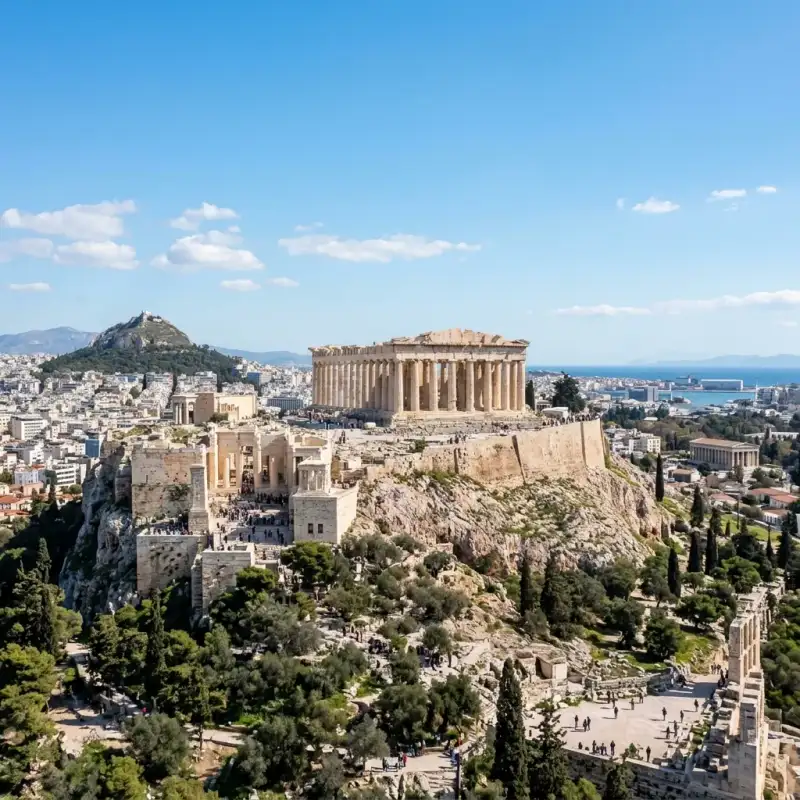

High above the sprawling, sun-drenched metropolis of modern Athens stands a limestone outcropping that has captured the human imagination for millennia. The Acropolis of Athens is not simply a collection of ancient ruins; it is the physical manifestation of the zenith of classical antiquity, the very cradle of Western civilization, and a breathtaking testament to the boundless potential of human creativity. As you stand at the foot of this sacred rock and gaze upwards, the sheer magnitude of its historical and cultural weight is palpable in the dry Mediterranean air. The temples that crown its summit—the Parthenon, the Erechtheion, the Temple of Athena Nike, and the majestic Propylaea—have withstood the ravages of time, brutal wars, and the relentless elements to remain as eternal beacons of philosophical, artistic, and political achievement. #AcropolisOfAthens #AncientHistory #TravelGreece When we speak of the Acropolis, we are inherently speaking of the birth of democracy, the flourishing of philosophy under the brilliant minds of Socrates, Plato, and Aristotle, and the genesis of theatrical tragedy and comedy. It is a place where myth and history intertwine so intimately that it becomes nearly impossible to separate the divine pantheon from the mortal men and women who worshipped them. For passionate travelers, diligent historians, and romantic dreamers alike, the Acropolis serves as the ultimate pilgrimage site, a place to connect viscerally with the deep roots of our modern world. In this comprehensive and immersive exploration, we will delve deep into the rich history, the astounding architectural marvels, the captivating legends, and the enduring legacy of this magnificent citadel. Prepare to be transported back to the Golden Age of Pericles, to walk the sacred paths of the Panathenaic Way, and to discover precisely why the Acropolis of Athens remains one of the most significant and awe-inspiring cultural landmarks on Earth. #Wanderlust #GreekMythology #WorldHeritage The Sacred Rock: Geography and Early Origins To truly understand the essence of the Acropolis, one must first understand the formidable rock upon which it is painstakingly built. Rising approximately 150 meters (490 feet) above sea level, the flat-topped limestone rock is a natural fortress par excellence. Its steep, almost vertical slopes provided excellent defensive capabilities, making it the most logical and ideal location for an ancient citadel. The word "acropolis" itself is derived from the Greek words "akron" (meaning highest point or extremity) and "polis" (meaning city). While there are countless acropoleis scattered across the mountainous terrain of Greece, the Acropolis of Athens is so universally iconic that it is almost always referred to simply as "The Acropolis" without any further qualification needed. #Geography #AthensGreece #AncientCitadel Human habitation on the Acropolis dates back deep into prehistory, specifically to the Neolithic period, around the 4th millennium BC. The earliest settlers were undoubtedly attracted by the formidable natural defense offered by the rock, as well as the crucial presence of fresh water springs, such as the famous Clepsydra spring tucked into the northwestern slope, which provided a reliable and life-saving water source during times of prolonged siege. By the Mycenaean period (around the 13th century BC), the Acropolis had transformed into a heavily fortified royal residence. Massive cyclopean walls, remarkably similar to those found at the legendary sites of Mycenae and Tiryns, were constructed around the perimeter of the rock. Traces of these ancient, awe-inspiring Mycenaean walls can still be seen today, silently woven into the later classical fortifications. This era was characterized by a fierce warrior culture, and the Acropolis served as the impenetrable heart of a burgeoning, ambitious city-state. #Mycenaean #AncientRuins #Archaeology As Athens slowly transitioned from a monarchy ruled by kings to an aristocracy of nobles and eventually to a revolutionary, fledgling democracy, the primary function of the Acropolis evolved in tandem. The royal palaces of old were replaced by grand temples dedicated to the fierce and wise patron goddess of the city, Athena. During the archaic period, several large and impressive temples were constructed, including the "Bluebeard" temple (named after a vividly painted sculpture found there) and the Old Temple of Athena, which housed the ancient, deeply venerated wooden cult statue of the goddess. These early structures were proudly adorned with vibrant, garish colors and elaborate pedimental sculptures, a stark contrast to the bleached, austere white marble we typically associate with antiquity today. However, this vibrant period of architectural experimentation and religious devotion was brutally interrupted by the Persian invasions of Greece. In 480 BC, under the command of the vengeful King Xerxes, the Persians successfully sacked Athens and razed the Acropolis to the ground, mercilessly burning the temples and destroying the sacred statues. This catastrophic, heart-breaking event, known archaeologically as the Perserschutt (Persian debris), left the Acropolis in smoldering ruins, but paradoxically, it also cleared the physical and psychological slate, paving the way for the most glorious chapter in its long history. #PersianWars #HistoryNerd #AncientGreece The Golden Age of Pericles: A Vision Realized in Marble Following the decisive and miraculous Greek victories over the vast Persian forces at the naval battle of Salamis and the land battle of Plataea, Athens emerged proudly as the dominant naval and political power in the Aegean Sea. The formation of the Delian League, initially an alliance of Greek city-states intended to defend against any future Persian attacks, slowly and inevitably transformed into a lucrative Athenian empire. The vast wealth flowing directly into Athens from its subordinate allies provided the city with unprecedented financial resources. It was in this intoxicating atmosphere of military triumph, economic prosperity, and renewed cultural confidence that the visionary Athenian statesman Pericles proposed a wildly ambitious, incredibly expensive building program for the devastated Acropolis. #Pericles #GoldenAge #AthenianEmpire Pericles envisioned an Acropolis that would not only honor the victorious gods but also serve as a monumental, undeniable display of Athenian wealth, imperial power, and absolute cultural superiority. To realize this grand vision, he assembled a veritable dream team of the greatest architects, sculptors, and artists of the classical age. The brilliant and renowned sculptor Phidias was appointed as the general overseer and artistic director of the entire massive project, while the genius architects Ictinus, Callicrates, and Mnesicles were specifically tasked with designing the individual, ground-breaking structures. The construction, which officially began in 447 BC and continued relentlessly for several decades, was an absolute marvel of logistical organization, structural engineering, and harmonious artistic collaboration. The primary building material, the pristine, dazzling white marble from nearby Mount Pentelicus, had to be painstakingly quarried, transported over rough, uneven terrain, and hoisted up the incredibly steep slopes of the Acropolis using innovative cranes and pulley systems. Thousands of highly skilled artisans, master stonemasons, carpenters, and laborers worked tirelessly, day in and day out, to bring Pericles' audacious vision to brilliant life. #Phidias #GreekArt #ClassicalArchitecture The ideological and philosophical underpinnings of Periclean Athens were deeply and intentionally woven into the very fabric of the new Acropolis. The monuments were purposefully designed to celebrate the ultimate victory of order over chaos, of enlightened civilization over savage barbarism, and naturally, of the Greeks over the Persians (a theme often allegorically represented by the mythological battles of the Olympian gods against the monstrous giants, or the civilized Lapiths against the unruly centaurs). It was a true golden era of intense intellectual and artistic ferment. As the towering temples steadily rose against the blue Attic sky, so too did the foundational pillars of Western philosophy, political science, and dramatic arts in the city below. The Acropolis was not a dead sanctuary isolated from the vibrant, noisy life of the city; it was the sacred, beating apex of a society that was rapidly and radically reinventing what it meant to be a civilized human being. The Periclean building program utterly transformed the battered, sad ruins of the old Acropolis into the ultimate expression of the classical ideal, forging an architectural ensemble of unparalleled beauty, mathematical harmony, and spiritual resonance that continues to inspire absolute awe today. #Architecture #ClassicalHistory #Humanism The Parthenon: The Crown Jewel of Classical Perfection At the very center of the Acropolis, commanding the highest point of the rock, stands the Parthenon, the undeniable masterpiece of ancient Greek architecture and the enduring, globally recognized symbol of ancient Greece itself. Dedicated entirely to Athena Parthenos (Athena the Virgin), the fierce patron goddess of the city, the Parthenon was built between 447 and 432 BC. Designed by the visionary architects Ictinus and Callicrates under the strict supervision of Phidias, the colossal temple represents the absolute culmination of the austere Doric order, yet it masterfully and subtly incorporates elegant Ionic elements to create a structure of perfect proportion, visual harmony, and majestic grace. #Parthenon #AncientArchitecture #Masterpiece What makes the Parthenon so profoundly extraordinary is not merely its immense physical size, but its incredibly sophisticated understanding of optical illusions and the quirks of human visual perception. The masterful architects knew inherently that perfectly straight lines and strict right angles, when viewed from a distance under the glaring Mediterranean sun, can easily appear rigid, dead, or even distorted. To counteract this natural phenomenon, they introduced a brilliant series of subtle structural refinements collectively known as "entasis." Astoundingly, there are virtually no perfectly straight lines anywhere in the Parthenon. The massive columns bulge ever so slightly in the middle to prevent them from looking awkwardly concave; the stylobate (the stepped platform upon which the entire colonnade rests) curves gently upward in the center to completely prevent the optical illusion of sagging beneath the immense weight of the roof; and the columns themselves lean slightly inward, giving the incredibly heavy stone building a wondrous sense of dynamic uplift, organic life, and breathing elasticity. This meticulous, almost obsessive attention to mathematical proportion (often romantically associated with the Golden Ratio) and clever visual trickery breathes vital life into the cold marble, making the Parthenon appear as though it grew organically and perfectly from the sacred bedrock itself. #GoldenRatio #ArchitectureLovers #OpticalIllusion The magnificent sculptural decoration of the Parthenon, carefully supervised by Phidias himself, was equally groundbreaking and ambitious. The massive pediments (the triangular gables at the east and west ends of the roof) depicted incredibly important mythological events tied to the city: the miraculous birth of fully-armed Athena from the head of Zeus on the east pediment, and the fiercely contested battle between Athena and Poseidon for the divine patronage of Athens on the west. The meticulously carved metopes (the square panels situated just above the outer colonnade) vividly illustrated dramatic mythical battles that symbolized the grand triumph of civilization over barbarism, such as the epic battle of the gods and giants, and the bloody clash between the Greeks and the Amazons. But perhaps the most famous, studied, and controversial sculptural element is the exquisite Ionic frieze that ran continuously around the high exterior wall of the inner sanctuary (the cella). This long, continuous band of breathtakingly detailed relief sculpture is widely believed by scholars to depict the Panathenaic procession, the absolute most important religious and civic festival in ancient Athens. It is a remarkably rare and significant instance of ordinary mortal citizens being proudly depicted alongside the divine gods on a major religious temple. Inside the dimly lit cella stood the crowning, awe-inspiring glory of the temple: the colossal chryselephantine (gleaming gold and ivory) statue of Athena Parthenos, created by the master Phidias himself. Standing nearly 12 meters (40 feet) tall, this dazzling, unimaginably expensive colossus held a life-sized statue of Nike (Victory) in her outstretched right hand, serving as a glittering, unforgettable testament to the city's immense wealth, imperial power, and devout religious dedication. #Sculpture #Athena #AncientArt The Erechtheion: Where Myth Meets Marble While the Parthenon is the undeniable star and focal point of the Acropolis, the Erechtheion is undeniably its most complex, enigmatic, mysterious, and arguably most enchanting structure. Built on the northern side of the Acropolis bedrock between 421 and 406 BC, the Erechtheion is a glaring architectural anomaly. Unlike the strictly symmetrical, perfectly proportioned, and rational Parthenon, the Erechtheion features a highly irregular, bizarrely asymmetrical floor plan. This was entirely necessary to gracefully accommodate the severely uneven terrain of the site and, more importantly, the strict religious requirement to house multiple ancient, deeply venerated shrines and sacred relics under one roof without disturbing them. #Erechtheion #Mythology #AncientMysteries The Erechtheion occupies the absolute most sacred ground on the entire Acropolis. It was deliberately built exactly on the legendary, mythic site of the famous contest between Athena and Poseidon. According to the foundational myth, the two powerful deities fiercely vied for the lucrative patronage of the city. Poseidon forcefully struck the solid rock with his mighty trident, bringing forth a bubbling spring of saltwater (or a magnificent, wild warhorse, in some thrilling versions of the tale). Athena, in turn, calmly struck the ground with her spear and magically brought forth the very first domesticated olive tree, a profound symbol of lasting peace, agricultural abundance, and economic prosperity. The Olympian gods sagely judged Athena's practical gift to be the far more valuable of the two, and she rightfully became the eternal patroness of Athens. The complex Erechtheion was ingeniously designed to encompass both of these sacred, physical marks: a specific opening in the roof and floor supposedly indicated exactly where Poseidon's trident had violently struck, and a sacred, living olive tree grew within the temple's walled precinct (a beautiful olive tree continues to grow precisely there today, lovingly replanted in modern times as a living, breathing link to the ancient myth). Furthermore, the temple housed the most ancient, holiest olive-wood cult statue of Athena Polias (Athena of the City), which was fervently believed to have miraculously fallen from heaven itself and was the central, revered focus of the grand Panathenaic festival. #Poseidon #GreekMyths #SacredOliveTree The absolute most iconic and beloved feature of the Erechtheion, however, is the breathtaking Porch of the Maidens gracefully attached to its southern side. Here, in a stunning departure from traditional architectural norms, the heavy marble roof is not supported by standard columns, but by six gracefully sculpted, beautifully idealized female figures known as the Caryatids. These stoic maidens stand with quiet, unwavering dignity, their intricately carved, flowing drapery purposefully resembling the vertical fluting of a traditional column, their strong, serene heads effortlessly bearing the immense crushing weight of the stone entablature above. The captivating figures currently standing exposed on the Acropolis are meticulous, high-quality modern replicas; five of the priceless original Caryatids are safely housed in the nearby, climate-controlled Acropolis Museum to protect them from further devastation by modern air pollution, while the sixth was tragically and controversially removed by Lord Elgin in the early 19th century and currently resides far away in the British Museum. The Caryatids remain one of the most instantly recognizable, endlessly copied, and universally beloved elements of classical Greek art, embodying a truly perfect, unparalleled fusion of structural utility and sublime aesthetic beauty. #Caryatids #ArtHistory #ClassicalBeauty The Propylaea and the Delicate Temple of Athena Nike The magnificent, awe-inspiring entrance to the sacred Acropolis precinct is the Propylaea, a truly monumental gateway brilliantly designed by the architect Mnesicles. Construction on this massive undertaking began in 437 BC but was tragically interrupted by the devastating outbreak of the Peloponnesian War in 432 BC and was, sadly, never fully completed according to its original, grandiose plan. Despite this, the Propylaea stands as a masterpiece of architectural ingenuity and spatial manipulation. Mnesicles was faced with the daunting task of designing a massive structure that could successfully bridge the incredibly steep, aggressively uneven slope of the western approach while simultaneously providing a grand, dramatic, and awe-inspiring transition from the noisy, secular world of the city below to the quiet, sacred sanctuary above. He masterfully achieved this by creating a highly complex structure with a massive central hall and two wide projecting wings, ingeniously utilizing a combination of robust, imposing Doric columns on the bold exterior facades and elegant, slender Ionic columns flanking the central, ascending passageway. The Propylaea was not merely a functional gate; it was a carefully choreographed psychological experience, designed to induce a profound sense of religious reverence, physical smallness, and breathless anticipation in the approaching visitor. Fascinatingly, one of the large wings even functioned as an early, public art gallery (known as the Pinakotheke), proudly displaying beautiful panel paintings for the enjoyment of weary travelers and devout pilgrims. #Propylaea #AncientGateway #MonumentalArchitecture Perched incredibly precariously on a sheer, steep bastion immediately to the right of the massive Propylaea is the tiny, exquisite Temple of Athena Nike (Athena of Victory). Designed by the Parthenon's co-architect, Callicrates, this incredibly small, graceful Ionic temple was finally completed around 420 BC. It replaced a much earlier, simpler shrine dedicated to the exact same victorious goddess. The temple's design is amphiprostyle, meaning it features a delicate colonnade at both the front and the rear but none along its enclosed sides. Interestingly, its intricately carved frieze boldly depicted scenes of actual, historical military battles between Greeks and Persians, a highly unusual and significant departure from the purely mythological, allegorical scenes traditionally found on other sacred temples of the era. The absolute most striking and famous sculptural element associated with this small temple was the beautifully carved marble parapet that surrounded the perilous edge of the bastion, added a few years after the temple's initial completion to protect visitors from falling. The parapet was lavishly adorned with high-relief sculptures of the winged goddess Nike in various everyday poses, the absolute most famous of which is the breathtakingly beautiful "Nike Adjusting Her Sandal." This undisputed masterpiece of the High Classical style is globally renowned for its incredibly masterful use of the "wet drapery" technique, wherein the thin marble fabric appears to cling wetly to the goddess's form, revealing the perfect human anatomy beneath with astonishing, almost provocative grace and sensuality. The Temple of Athena Nike stands proudly as a delicate, refined jewel, offering a striking, necessary architectural counterpoint to the massive, imposing scale of the Propylaea and the Parthenon. #AthenaNike #GreekTemple #WetDrapery A Citadel Through Time: Conquests, Transformations, and Tragedies The pristine classical perfection of the Periclean Acropolis was, unfortunately, not destined to remain undisturbed in a vacuum of time. Over the subsequent two and a half long, tumultuous millennia, the sacred rock bore silent witness to the endless rise and violent fall of vast empires, each successive conqueror leaving its distinct, often destructive mark on the ancient monuments. During the Hellenistic and subsequent Roman periods, the Acropolis remained a highly respected, heavily visited sanctuary. The Romans, who were profound and eager admirers of Greek culture and art, enthusiastically added their own monuments to the site, such as the small circular Temple of Rome and Augustus, and generously funded the restoration of several of the older, weathering structures. However, with the eventual rise and total dominance of Christianity, the ancient pagan temples underwent a radical, forced transformation. In the 6th century AD, the glorious Parthenon was officially converted into a Christian church dedicated to the Virgin Mary (known locally as Panagia Atheniotissa). This drastic conversion involved highly significant structural alterations to the ancient fabric, including the complete removal of the inner columns, the construction of a large Christian apse at the east end (which necessitated destroying part of the ancient frieze), and the unfortunate, deliberate defacement and destruction of many of the original "pagan" sculptures. The Erechtheion and the Temple of Athena Nike were similarly converted into active Christian churches. #ByzantineHistory #RomanEmpire #HistoricalTransformations In the 15th century, the expanding Ottoman Empire violently conquered Athens, and the long-suffering Acropolis underwent yet another radical transformation. The Parthenon, once a pagan temple and then a Christian church, was promptly converted into an Islamic mosque, and a tall, slender minaret was prominently added to its southwest corner. The elegant Erechtheion, once the holiest of ancient shrines, was repurposed to serve as the private harem for the local Turkish military commander, and the grand Propylaea was dangerously used as a heavily fortified gunpowder magazine. For several centuries, despite these dramatic changes in use, the monuments remained relatively intact structurally. However, the absolute greatest physical tragedy to ever befall the Acropolis occurred in the fateful year of 1687 during the brutal Morean War. Expanding Venetian forces, led by the aggressive General Francesco Morosini, laid heavy siege to the entrenched Ottoman garrison stationed on the Acropolis. The defending Ottomans had been actively using the Parthenon to store their massive reserves of gunpowder, foolishly believing the cultured Venetians would not dare fire their devastating artillery upon such a globally revered, ancient monument. They were tragically, disastrously mistaken. A fateful Venetian mortar shell struck the Parthenon dead-on, instantly igniting the massive stores of gunpowder and causing an absolutely massive, catastrophic explosion that violently blew out the entire center of the building, instantly destroying the heavy roof, the massive cella walls, and blowing out many of the exterior columns. The magnificent, pristine temple, which had miraculously stood largely intact for over two thousand long years, was tragically reduced to a shattered ruin in a single, deafening, catastrophic moment of war. #OttomanEmpire #VenetianSiege #HistoryOfWar The Controversy of the Marbles and The Modern Era The dawn of the 19th century brought an entirely different, highly controversial kind of tragedy to the scarred rock. Between 1801 and 1812, Thomas Bruce, the 7th Earl of Elgin and the acting British ambassador to the Ottoman Empire, controversially utilized an ambiguous Ottoman decree to brutally hack away and remove roughly half of all the surviving, priceless sculptures from the ruins of the Parthenon, as well as violently extracting one of the beautiful Caryatids from the Erechtheion and plundering numerous architectural fragments from other buildings. These violently removed sculptures, now widely known as the Elgin Marbles or the Parthenon Sculptures, were eventually shipped back to England, sold to the British government, and are currently housed in the British Museum in London. The removal of the marbles remains to this day a highly contentious, incredibly emotional international issue, with the modern Greek government and numerous passionate international organizations fiercely campaigning for their immediate return to Athens. They correctly argue that the sculptures are an integral, inseparable part of the unified monument and belong solely in their original, intended context, where they can be beautifully, safely displayed under the bright Attic sun in the state-of-the-art, purpose-built Acropolis Museum. #ElginMarbles #CulturalHeritage #Repatriation #ParthenonSculptures Modern Conservation: Protecting the Past for the Future Following the bloody but successful establishment of the fully independent Greek state in the 1830s, the Acropolis was immediately and proudly declared a protected archaeological site. The various medieval, Frankish, and Ottoman additions (including the minaret and a prominent Frankish tower) were systematically and aggressively cleared away in a determined, purist effort to forcefully restore the rock to its pristine, classical appearance. However, many early, enthusiastic restoration efforts in the 19th and early 20th centuries, though undoubtedly well-intentioned, tragically often caused far more long-term harm than good. The widespread use of ordinary iron clamps to physically hold shattered marble blocks together proved absolutely disastrous; as the iron inevitably rusted over the decades, it expanded violently, splitting and cracking the ancient, irreplaceable marble from the inside out. #Archaeology #Restoration #HeritageConservation Recognizing the dire, escalating crisis, in 1975, the Greek government officially launched the Acropolis Restoration Project, an incredibly monumental, highly scientific, and meticulously planned endeavor aimed at properly preserving and accurately, safely restoring the fragile monuments. This massive project, which successfully continues to this very day, represents the absolute pinnacle of modern conservation science and techniques. The highly destructive, rusty iron clamps of the past have been painstakingly removed and replaced with completely non-corrosive, custom-machined titanium. Thousands of fragments of shattered marble scattered aimlessly around the site have been meticulously cataloged, scanned, and, where structurally possible, seamlessly reincorporated into the standing buildings. The brilliant architects, engineers, and archaeologists involved in the project strictly adhere to the vital principle of complete reversibility, ensuring that any modern, structural additions can be safely and easily removed in the future if superior techniques or materials become available. Furthermore, all necessary modern interventions are carefully carved from fresh, bright Pentelic marble, ensuring they can be easily visually distinguished from the weathered ancient stone by future scholars. #HistoricPreservation #ScienceInArchaeology #Titanium The exposed Acropolis also faces severe, ongoing modern environmental threats, particularly from corrosive acid rain and heavy urban air pollution, which can rapidly eat away at the incredibly delicate, carved marble surfaces. To aggressively mitigate this grave threat, many of the most precious original sculptures, including the remaining majestic Caryatids and the delicate surviving frieze panels, have been carefully removed from the corrosive outdoor air and moved to the perfectly climate-controlled, protective environment of the breathtaking, modern Acropolis Museum, located just at the foot of the hill. The brilliant museum not only perfectly protects these priceless, irreplaceable artifacts but also masterfully provides millions of global visitors with unparalleled, profound contextual understanding of the entire site. As a proudly designated, highly protected UNESCO World Heritage site, the Acropolis inherently belongs not just to the people of Greece, but to the entirety of humanity. The massive, ongoing, dedicated efforts to meticulously protect and restore it are a beautiful, inspiring testament to our enduring, global commitment to honoring and preserving the physical, sacred remnants of our shared cultural heritage. #UNESCOWorldHeritage #AcropolisMuseum #Preservation Conclusion: The Eternal Flame of Human Civilization The Acropolis of Athens is far, far more than simply a dusty hill covered in beautiful, broken ancient stones. It is a profound, deeply moving testament to the absolute heights of human ambition, towering intellect, and sublime artistic endeavor. Through the brutal rise and violent fall of countless empires, through devastating wars, catastrophic explosions, religious conversions, and the slow, relentless, grinding passage of time, the Acropolis has stubbornly, magnificently endured. It stands proudly as a silent, powerful witness to the messy, brilliant birth of modern democracy, the breathtaking dawn of critical Western philosophy, and the absolute, unsurpassed perfection of classical art and architecture. #CulturalLegacy #HumanAchievement #HistoryMatters When we reverently walk the worn, ancient marble paths of the Acropolis today, we are quite literally walking in the exact footsteps of giants like Pericles, Socrates, Plato, and Phidias. We are actively engaging in a profound, silent dialogue with a distant, golden past that continues to fundamentally shape and inform our modern present. The magnificent Parthenon, with its exquisitely harmonious, mathematical proportions and its breathtaking, timeless beauty, remains the ultimate, unrivaled symbol of the classical ideal—a glowing beacon of pure reason, civic order, and exalted humanism in an increasingly complex, chaotic world. The Acropolis serves to constantly remind us of exactly what humanity is truly capable of achieving when we are guided by bold vision, peaceful collaboration, and an unwavering pursuit of absolute excellence. It is not merely a static monument to a dead past; it is an incredibly powerful, enduring source of inspiration for the future, a sacred, luminous rock that will undoubtedly continue to captivate, challenge, and uplift the human spirit for countless generations to come. #AthensForever #Inspiration #WondersOfTheWorld #Acropolis #Athens #Greece #Parthenon #History Related InsightsThe Great Fire of London (1666): An Empire Reborn from Ashes Viking Raids: The True Norse Warriors Behind the Legends The Enigma of Stonehenge: Druids and Giant Stones in Ancient Britain{ "@context": "https://schema.org", "@type": "FAQPage", "mainEntity": [ { "@type": "Question", "name": "What is the main focus of The Acropolis of Athens: A Timeless Citadel of Human Triumph?", "acceptedAnswer": { "@type": "Answer", "text": "Explore the majestic Acropolis of Athens, its magnificent architecture like the Parthenon, and its enduring legacy as the cradle of Western civilization." } }, { "@type": "Question", "name": "Who authored the comprehensive guide on The Acropolis of Athens: A Timeless Citadel of Human Triumph?", "acceptedAnswer": { "@type": "Answer", "text": "This detailed article and its insights were carefully researched and authored by Liam Carter." } }, { "@type": "Question", "name": "Where can I find more related content about History?", "acceptedAnswer": { "@type": "Answer", "text": "You can explore more articles, detailed reviews, and similar insights by browsing the Related Insights section at the bottom of this article or visiting our dedicated History category page." } } ] }

The morning air in Siem Reap is thick with anticipation and the humid, earthy promise of a tropical day. Long before the first rays of light breach the eastern horizon, thousands of travelers, pilgrims, and photographers gather in the pre-dawn darkness at the edge of a massive reflective pool. Their eyes are fixed collectively on the silhouetted horizon, waiting in hushed reverence. They are here to witness the awakening of a giant. As the sky slowly transitions from an inky indigo to vibrant hues of purple, crimson, and finally a brilliant, piercing gold, the iconic quincunx of lotus-bud towers comes into sharp relief against the dawn. The dark waters of the pond mirror this celestial painting perfectly, creating an illusion of infinite symmetry. This is the unforgettable, timeless magic of #AngkorWat, a sight that has captivated the human imagination for centuries and unequivocally stands as one of the most profound architectural achievements in the history of human civilization. #SunriseAtAngkor #CambodiaTravel #AncientWonders To stand physically before Angkor Wat is to stand before the absolute zenith of the Khmer Empire's architectural ambition and engineering prowess. Built in the early 12th century under the visionary reign of King Suryavarman II, this colossal stone edifice was never meant to be merely a place of mundane worship; it was intricately conceived as an earthly replica of the universe itself, an astronomical instrument of stone. Spanning an astonishing 162.6 hectares, it proudly holds the Guinness World Record for the largest religious structure in the world, dwarfing European cathedrals and Mesoamerican pyramids alike. But beyond its sheer, mind-boggling scale, it is the meticulous detail, the profound cosmic symbolism, and the narrative power carved into every square inch of its sandstone walls that elevate it from a monumental ruin to a living, breathing testament of spiritual devotion. #WorldHeritage #ArchitectureLovers #TempleArchitecture Unlike the vast majority of preceding Angkorian state temples that were strictly dedicated to Shiva, Suryavarman II boldly broke with centuries of religious tradition and dedicated his magnum opus to Vishnu, the Hindu god of preservation and the protector of the universe. This specific dedication is reflected in the temple's highly unusual westward orientation—a direction typically associated with death in classical Hindu cosmology, but also intrinsically linked to the supreme deity Vishnu. This anomaly has led many prominent historians and archaeologists to suggest that Angkor Wat originally served a profound dual purpose: it functioned as the primary state temple during the all-powerful king's life and was designed to be his ultimate, grandiose mausoleum upon his death. The westward orientation also provides the magnificent, slanted afternoon light that perfectly illuminates the extensive bas-reliefs on the first-level galleries, creating a daily spectacle of shadows and glowing, golden stone. #HinduMythology #KhmerEmpire #HistoricalWonders The architectural layout of Angkor Wat is a masterful, mathematically precise synthesis of two fundamental plans in classic Khmer temple architecture: the imposing temple-mountain and the expansive galleried temple. At its absolute core, the structure is designed to represent Mount Meru, the mythical home of the gods in both Hindu and Buddhist cosmological traditions. The five central towers, reaching toward the heavens, symbolize the five jagged peaks of this sacred mountain. Meanwhile, the towering enclosing walls represent the impenetrable mountain ranges at the edge of the world, and the expansive, deep moat represents the boundless cosmic ocean that encircles everything. This microcosm of the universe was not merely symbolic; it was a literal, physical manifestation of the divine order, strategically designed to legitimize the king's supreme rule and his direct, unassailable connection to the gods above. #SacredArchitecture #MountMeru #DivineDesign One cannot fully appreciate the staggering majesty of Angkor Wat without attempting to understand the monumental engineering effort required to construct it. The temple is built from millions of precisely cut blocks of sandstone, with some individual stones weighing up to an incredible 1.5 tons. These colossal stones were not found locally; they were quarried from the sacred slopes of Mount Kulen, located roughly 40 kilometers to the northeast of the temple site. To transport this massive volume of heavy stone across the dense jungle terrain, the brilliant Khmer engineers devised an intricate, highly efficient network of canals, allowing massive wooden rafts to carry the blocks directly to the construction site. It is estimated by scholars that the relentless construction took over 30 years to complete, involving the backbreaking labor of hundreds of thousands of highly skilled artisans, master sculptors, and laborers, working in tandem with thousands of powerful Asian elephants. #AncientEngineering #HistoryFascinates #ArchaeologicalMarvel The colossal moat surrounding Angkor Wat is another breathtaking marvel of ancient environmental engineering. A massive, perfect rectangle of water measuring 1.5 kilometers by 1.3 kilometers, it is not simply a decorative feature, a defensive barrier, or a symbolic cosmic ocean. It plays a highly critical structural role that keeps the entire complex standing. The temple is built on a relatively unstable foundation of sand, and the water table beneath the immense weight of the temple is inextricably linked to the precise water level in the surrounding moat. By meticulously maintaining a constant water level in the moat year-round, despite the extreme fluctuations of the monsoon seasons, the Khmer engineers cleverly ensured that the subterranean sand foundation remained perfectly stable and compacted. Without this continuous hydrostatic pressure pushing inward, the massive stone towers would have long since collapsed outward under their own immense weight. It is a brilliant, lasting example of an ancient civilization working harmoniously with nature's forces rather than fighting stubbornly against them. #Hydrology #EngineeringMarvels #AncientTechnology As you physically cross the massive, ancient sandstone causeway over the dark waters of the moat, flanked by imposing stone naga (serpent) balustrades, you undergo a palpable spatial and spiritual transition. You are symbolically leaving the chaotic, mundane world behind and entering the ordered, sacred realm of the gods. The western entry pavilion, or gopura, is an impressively massive structure in its own right, beautifully adorned with intricate floral carvings and towering gateways that cast long, cooling shadows. Passing through this dark, cool threshold, the expansive inner grounds are suddenly revealed, leading your eye down a seemingly endless, elevated avenue toward the looming central sanctuary. The sense of scale is manipulated masterfully by the ancient architects; the temple seems to grow larger, more imposing, and more intricate with every single step you take, a deliberate design choice meant to humble the mortal visitor before the immense power of the divine. #SpiritualJourney #TempleDesign #ArchitecturePhotography The true narrative heartbeat and historical record of Angkor Wat lies firmly within its sprawling, shaded outer galleries. This first enclosure encompasses nearly 1,200 square meters of continuous, unbroken bas-reliefs, offering a mesmerizing visual encyclopedia of sacred Hindu epics, glorious historical battles, and the opulent royal court of King Suryavarman II. The sheer craftsmanship is breathtaking. Every surface is incredibly alive with fluid movement; fierce warriors clash with swords and spears, delicate celestial beings soar through the stone sky, and triumphant kings ride majestically atop heavily armored war elephants. The master artisans carved these complex scenes with such extraordinary depth, perspective, and precision that they almost seem to leap off the flat stone, capturing the terrifying chaos of war and the sublime serenity of the heavens with equal, unmatched mastery. #AncientArt #StoneCarving #ArtHistory #KhmerArt Perhaps the most famous, most analyzed, and artistically significant of these immense bas-reliefs is the stunning depiction of the Churning of the Ocean of Milk. Located in the southern section of the eastern gallery, this 49-meter-long, perfectly preserved panel vividly illustrates a pivotal Hindu creation myth. It vividly shows 92 terrifying asuras (demons) and 88 serene devas (gods) engaged in a grueling, cosmic tug-of-war, using the giant, multi-headed serpent Vasuki as a massive rope wrapped securely around Mount Mandara. They churn the cosmic ocean for thousands of weary years to produce amrita, the legendary, coveted elixir of immortality. At the exact center stands the four-armed Vishnu, the temple's patron deity, in his avatar as the giant tortoise Kurma, providing a stable pivot for the rotating mountain. The sheer dynamism, the rhythmic composition, and the mathematical perfection of this panel make it an undisputed masterpiece of classical Khmer art. #HinduEpics #Mythology #AsianArt #StorytellingInStone In stark, sobering contrast to the mythological grandeur of the Churning of the Ocean of Milk is the visceral, horrifying depiction of the Battle of Kurukshetra, drawn directly from the great Hindu epic, the Mahabharata. Located in the dimly lit western gallery, this chaotic, claustrophobic scene shows the bloody, apocalyptic climax of the devastating war between the rival Kauravas and the Pandavas. The carved stone is a tangled, terrifying mass of falling infantry, charging horse-drawn chariots, and dying soldiers trampled underfoot. The level of agonizing detail is staggering; one can clearly see the individual expressions of raw agony on the faces of fallen warriors and the intricate, diverse armor of the commanding generals. It is a deeply sobering reflection on the terrible human cost of conflict, rendered eternally in unyielding sandstone. #Mahabharata #EpicPoetry #WarInArt #AncientBattles Amidst the grand, sweeping narratives of bloody battles and cosmic gods, the massive walls of Angkor Wat are also gracefully graced by the delicate, omnipresent figures of over 3,000 devatas and apsaras—celestial nymphs and divine dancers. These beautiful figures are not merely decorative afterthoughts; they serve as vital spiritual guardians and essential intermediaries between the flawed human realm and the perfect divine realm. What makes these thousands of apsaras truly remarkable is their incredible individuality. No two figures are exactly alike. They exhibit an astonishing, almost overwhelming variety of complex hairstyles, intricate jewelry, elaborate headdresses, and subtle facial expressions. Some smile enigmatically with closed lips, while others cast downcast, demure glances or hold delicate lotus flowers. They are a lasting testament to the incredible individual creativity of the thousands of Khmer sculptors who worked tirelessly within the otherwise strict parameters of state religious iconography. #Apsara #KhmerSculpture #DivineFeminine #WomenInAncientArt As the centuries slowly passed and empires rose and fell, the spiritual landscape of the Khmer Empire began to undergo a profound shift. By the end of the 12th century, under the powerful reign of King Jayavarman VII, the empire officially embraced Mahayana Buddhism, and later, the more austere Theravada Buddhism became the overwhelmingly dominant religion of the region. Angkor Wat reflects this profound, gradual religious metamorphosis beautifully. While its architectural bones, its cosmic layout, and its narrative bas-reliefs remain fiercely and unapologetically Hindu, the temple itself gradually transformed into an active Buddhist site of deep worship. Large, serene Buddha statues were carefully added to the central, towering sanctuaries, and devout Buddhist monks clad in saffron robes took up permanent residence within the sprawling temple grounds. This remarkably seamless blending of Hindu cosmology and Buddhist devotion is a defining, beautiful characteristic of Cambodian spirituality that persists to this very day. #Buddhism #ReligiousHistory #SpiritualEvolution #Syncretism A deeply enduring, wildly popular myth surrounding Angkor Wat is that it was completely abandoned, forgotten by its people, and "lost" to the voracious appetite of the suffocating jungle until it was dramatically "discovered" by intrepid French explorers in the 19th century. This narrative, while highly romanticized and beloved by Hollywood, is fundamentally historically inaccurate. While the bustling political capital of the Khmer Empire eventually moved south to the region of modern-day Phnom Penh due to economic shifts and Siamese invasions, Angkor Wat was never entirely forgotten or abandoned by the local populace. It was continuously maintained, swept, and fiercely protected by a dedicated lineage of Buddhist monks, and it remained a highly significant, active pilgrimage site for Buddhists from all across Southeast Asia. The thick jungle certainly encroached heavily on the surrounding, wooden city of Yasodharapura, swallowing homes and roads, but the great stone temple itself was always a visible, towering beacon of enduring faith. #LostCityMyth #HistoryUncovered #TruthInHistory The intense Western fascination with Angkor Wat was indeed formally ignited by the highly evocative writings and incredibly detailed sketches of the French naturalist and explorer Henri Mouhot in the early 1860s. Mouhot's posthumously published, widely read travelogues described a monumental, breathtaking ruin hidden in the jungle that rivaled the architectural grandeur of ancient Greece and Rome, immediately sparking a frenzy of academic and public interest across Europe. Mouhot wrote with characteristic Victorian melodrama and awe, famously questioning how a civilization capable of such profound architectural genius could have seemingly vanished into the ether without a trace. His passionate work inadvertently laid the foundation for the intense colonial-era scholarship, looting, and exploration that would ultimately bring Angkor Wat out of regional obscurity and to the forefront of global archaeological consciousness. #HenriMouhot #Exploration #ColonialHistory #ArchaeologicalDiscovery The early 20th century saw the formal establishment of the prestigious École française d'Extrême-Orient (EFEO), which bravely spearheaded the monumental, incredibly dangerous task of clearing the aggressively encroaching jungle and physically stabilizing the dangerously crumbling stone ruins. The brilliant French archaeologists introduced the meticulous technique of anastylosis to the site—a painstaking method of carefully dismantling and perfectly reassembling ruined structures using entirely their original, scattered materials, piece by piece like a giant 3D jigsaw puzzle. This incredibly slow, methodical work undoubtedly saved countless temples within the complex from total, irreversible collapse. However, this golden period of intense archaeological activity and restoration was tragically and abruptly halted by the devastating outbreak of the Cambodian Civil War and the subsequent, horrific rise of the brutal Khmer Rouge regime in the 1970s. #ArchaeologicalPreservation #HistoricRestoration #HeritageConservation The dark Khmer Rouge era was a horrific period of unimaginable tragedy, genocide, and suffering for Cambodia, and sadly, Angkor Wat did not escape the deep scars of this brutal war. The ancient temple complex briefly became a literal, heavily fortified battlefield, and the terrifying echoes of modern gunfire ruthlessly replaced the peaceful, rhythmic chants of the monks. Tragic bullet holes and shrapnel scars can still be clearly seen today, permanently pockmarking the intricate bas-reliefs and towering stone columns, serving as somber, chilling reminders of the country's dark recent history. Despite the intense violence, artillery fire, and widespread looting, the massive physical structure of Angkor Wat miraculously survived the terrible conflict largely intact, standing today as a silent, enduring, powerful witness to the incredible resilience and strength of the Cambodian people. #CambodianHistory #Resilience #KhmerRouge #WarAndPeace In the hopeful wake of the devastating war, the global international community quickly rallied to help a shattered Cambodia preserve its most precious cultural heritage. In 1992, the entire sprawling Angkor Archaeological Park was officially designated a UNESCO World Heritage site in danger, triggering a massive, unprecedented, globally coordinated conservation effort. Elite teams of archaeologists, engineers, and scientists from Japan, India, France, Germany, and the United States worked tirelessly shoulder-to-shoulder with newly trained Cambodian experts to painstakingly repair the immense damage caused by decades of forced neglect, water damage, and armed conflict. Today, the ongoing conservation of Angkor Wat is a continuing, incredibly complex scientific challenge, requiring a highly delicate balance between physically preserving the fragile, crumbling ancient stone and safely accommodating the millions of eager visitors who flock to the site each year. #UNESCOWorldHeritage #GlobalCooperation #ConservationEfforts #SaveOurHeritage The modern, booming tourist experience at Angkor Wat is undeniably a complex double-edged sword for the nation. On one hand, the massive influx of millions of global visitors provides utterly crucial, lifeblood revenue for the recovering Cambodian economy, creating thousands of local jobs and funding the exorbitant costs of ongoing restoration work across the park. The daily sight of travelers from literally every corner of the globe standing together in silent awe beneath the towering gopuras is a beautiful testament to the universal, unifying appeal of this architectural masterpiece. On the other hand, the sheer, unrelenting volume of daily foot traffic poses a very real, significant physical threat to the incredibly soft sandstone steps and delicate, irreplaceable carvings. Implementing sustainable tourism practices, such as wooden walkways and visitor caps, is more critical right now than ever before to ensure that future generations can safely experience the untouched magic of Angkor. #SustainableTourism #Wanderlust #TravelResponsibly #Overtourism For the resilient people of Cambodia, Angkor Wat is far, far more than just a lucrative tourist attraction or an interesting archaeological site; it is the very soul, the beating heart, and the ultimate symbol of the nation. It is proudly the only building in the world to be prominently featured right in the center of a national flag, serving as a powerful, daily symbol of Khmer identity, endurance, and fierce national pride. Through long centuries of empire expansion, painful colonization, horrific war, and modern rebirth, the iconic silhouette of the five lotus towers has remained a constant, reassuring source of deep unity and unyielding inspiration. When modern Cambodians look at Angkor Wat, they see not just piles of old stones, but the brilliant, enduring legacy of their great ancestors and the unbreakable spirit of their ancient culture. #CambodianCulture #NationalPride #KhmerIdentity #HeartOfCambodia Beyond the visible, towering stones that tourists see today, modern, cutting-edge technology is rapidly revealing that Angkor Wat was merely the religious epicenter of a vast, incredibly complex urban metropolis hidden beneath the trees. Recent airborne LiDAR (Light Detection and Ranging) laser surveys, flown by helicopters over the dense jungle canopy, have miraculously pierced through the thick vegetation to clearly reveal a sprawling, highly organized grid of ancient highways, hidden canals, massive ponds, and densely packed neighborhoods that once surrounded the temple for miles in every direction. This groundbreaking, revolutionary research has fundamentally and permanently shifted our modern understanding of Angkor, revealing it not just as a loose collection of isolated stone temples in the woods, but as the absolute largest pre-industrial city in the entire world, easily capable of supporting a staggering population of nearly one million people at its absolute height in the 12th century. #SpaceArchaeology #LiDAR #AncientCities #TechInArchaeology The incredible success and longevity of this massive, unprecedented urban center was entirely, precariously dependent on the Khmer empire's absolute, unparalleled mastery of water management. The harsh landscape of the Angkor region is aggressively defined by severe seasonal monsoons—six brutal months of relentless, flooding deluge followed quickly by six parched months of bone-dry drought. To survive and thrive in this extreme environment, the brilliant Khmer engineers built a highly sophisticated, gravity-fed hydraulic network of massive, hand-dug reservoirs (called barays), deep moats, and intricate canals to efficiently capture, safely store, and slowly distribute precious water for year-round rice agriculture and domestic city use. It was a brilliant but ultimately delicate ecological balance, and many leading scholars now firmly believe that sudden climate change, prolonged droughts, and the eventual, catastrophic failure of this overly complex water system played a massive, undeniable role in the once-mighty empire's ultimate decline and abandonment of the city. #ClimateAdaptation #WaterManagement #EnvironmentalHistory #AncientEngineering Despite the overwhelming crowds that flock to the main causeway at sunrise, there are still magical moments of profound, untouched stillness to be found within the sprawling walls of Angkor Wat. If you purposefully wander away from the noisy main tourist arteries and quietly explore the shaded, cool cloisters of the outer galleries, you can still easily hear the soft, rhythmic chanting of a solitary Buddhist monk or the loud, omnipresent, vibrating hum of cicadas hidden in the surrounding jungle canopy. The earthy smell of damp sandstone beautifully mixes with the fragrant, sweet smoke of burning joss sticks placed reverently before a weathered, smiling Buddha statue. In these quiet, hidden corners, the bustling centuries seem to slip away entirely, and the true, deeply peaceful spiritual resonance of the great temple finally makes itself fully known to the patient traveler. #MindfulTravel #SpiritualAwakening #QuietMoments #ZenTravel The profound aesthetic experience of visiting Angkor Wat is intimately, inextricably tied to the steady passage of time and the constantly shifting, dramatic light of the tropical sun. The vast temple is a completely, entirely different architectural entity at the cool dawn than it is at the sweltering dusk. In the early, misty morning, the massive stone complex is cool, grey, and imposing, deeply shrouded in thick fog and ancient mystery. By harsh midday, the relentless, directly overhead tropical sun flattens the intricate details, instead powerfully highlighting the sheer, massive, unbelievable scale of the architecture against the bright blue sky. But it is undoubtedly during the famed golden hour, as the hot sun finally dips low and heavy in the western sky, that the temple truly, vibrantly comes alive. The porous sandstone eagerly absorbs the light and glows from within with an intense, fiery warmth, and the deep, lengthening shadows bring the intricate, sprawling bas-reliefs leaping off the walls in stunning, three-dimensional perfection. #GoldenHour #LightAndShadow #TravelPhotography #SunsetLovers To truly, deeply understand and appreciate Angkor Wat, one must deliberately look beyond the impressive, record-breaking statistics and the undeniable architectural grandeur. It is, at its core, a magnificent monument built precariously on the very precipice of human capability, driven relentlessly by an unyielding, burning devotion to the divine. It is the incredible, true story of an ambitious empire that audacious sought to physically pull the sacred cosmos down to the muddy earth and painstakingly carve it into eternal stone. From the monumental, backbreaking labor of the anonymous quarrymen on Mount Kulen to the delicate, loving touch of the master sculptors who breathed eternal life into the smiling apsaras, absolutely every single inch of the sprawling temple is heavily saturated with raw human endeavor, suffering, and triumph. #HumanEndeavor #HistoricalLegacy #AngkorWatJourney #TravelInspiration Today, majestic Angkor Wat proudly stands as an eternal, unbroken bridge between the distant past and the bustling present, firmly connecting the earthly realm with the celestial heavens. It serves as a powerful, poignant reminder that while great empires inevitably rise and fall, and while the relentless jungle may temporarily reclaim the greatest works of man, the deep human pursuit of beauty, meaning, and spiritual connection leaves a permanent, indelible mark on the world. For the fortunate traveler who stands humbled before its towering, ancient gates, the temple generously offers not just a fleeting glimpse into a fascinating history, but a profound, lasting reflection on the incredibly enduring power of the human spirit. The ancient echoes of the cosmos still resonate deeply within these sacred, weathered stones, quietly waiting for those who are willing to travel far and truly listen. #TravelBlogger #BucketListDestination #EternalEchoes #CambodiaTrip #AngkorWat #Cambodia #KhmerEmpire #Temples #Travel Related InsightsThe Azores: Europe’s Hidden Paradise Where Wild Volcanoes Meet Turquoise Oceans Whispers in the Verdant Depths: Unearthing Japan's Secret 'Shizen no Koe' Moss Worlds Un'Avventura Italiana in Cappadocia: La Terra dei Camini delle Fate e delle Mongolfiere{ "@context": "https://schema.org", "@type": "FAQPage", "mainEntity": [ { "@type": "Question", "name": "What is the main focus of Echoes of the Cosmos: Unveiling the Mysteries of Angkor Wat?", "acceptedAnswer": { "@type": "Answer", "text": "A comprehensive deep dive into the history, architectural majesty, and spiritual significance of Cambodia's Angkor Wat." } }, { "@type": "Question", "name": "Who authored the comprehensive guide on Echoes of the Cosmos: Unveiling the Mysteries of Angkor Wat?", "acceptedAnswer": { "@type": "Answer", "text": "This detailed article and its insights were carefully researched and authored by Liam Carter." } }, { "@type": "Question", "name": "Where can I find more related content about Travel?", "acceptedAnswer": { "@type": "Answer", "text": "You can explore more articles, detailed reviews, and similar insights by browsing the Related Insights section at the bottom of this article or visiting our dedicated Travel category page." } } ] }
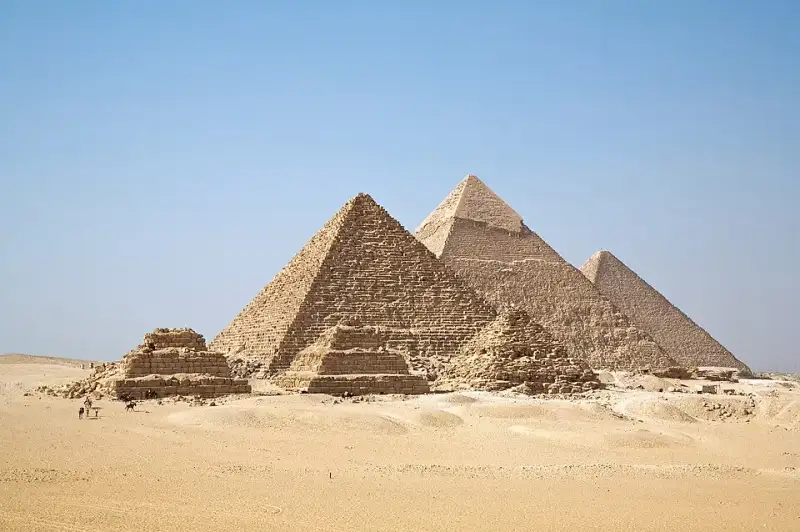
There is a timeless Arab proverb that whispers through the shifting sands of the Sahara: "Man fears Time, yet Time fears the Pyramids." Standing as an eternal sentinel on the rocky Giza plateau, the Great Pyramid of Giza is not merely a structure of stone; it is the ultimate manifestation of human ambition, organization, and spiritual devotion. For over 4,500 years, it has captured the imagination of travelers, conquerors, historians, and scientists alike. As the oldest and only largely intact member of the Seven Wonders of the Ancient World, it continues to surrender its secrets slowly, bridging the seemingly insurmountable gap between the dawn of human civilization and the cutting edge of modern technology. #GreatPyramid #AncientEgypt The Dawn of the Fourth Dynasty: The Vision of Khufu To understand the Great Pyramid, one must first understand the era that birthed it. The Old Kingdom of Egypt, spanning roughly from 2700 to 2200 BC, was a period of unprecedented prosperity, political stability, and centralized administration. At the heart of this golden age was the Fourth Dynasty, a lineage of god-kings who wielded absolute power over the Nile Valley. When Khufu (known to the Greeks as Cheops) ascended the throne around 2589 BC, he inherited a kingdom perfectly poised for monumental undertakings. His father, Sneferu, had already perfected the art of true pyramid building, experimenting with structures like the Bent Pyramid and the Red Pyramid at Dahshur. Khufu, however, envisioned a resting place that would dwarf anything the world had ever seen. To execute this vision, Khufu likely appointed his nephew, the vizier Hemiunu, as the chief architect. Hemiunu was tasked with orchestrating a logistical masterclass, coordinating resources, manpower, and engineering on a scale that defies modern comprehension. The resulting monument would serve not just as a tomb to house the pharaoh's mummified remains, but as a resurrection machine designed to launch Khufu's soul into the heavens to join the imperishable stars. #Khufu #History A Colossus of Stone: Scale, Dimensions, and Materials The sheer scale of the Great Pyramid is staggering. Upon its completion around 2560 BC, the structure reached a breathtaking height of 146.6 meters (481 feet), a record it held for nearly 3,800 years until the completion of the Lincoln Cathedral spire in England in the 14th century. Today, stripped of its protective capstone (pyramidion) and its outer casing, it stands at approximately 138.5 meters (454 feet). The base of the pyramid covers an immense 13 acres, roughly the size of ten American football fields. It is estimated to contain around 2.3 million blocks of stone. The core of the pyramid was constructed using roughly hewn, yellowish limestone quarried directly from the Giza plateau. However, the inner chambers required materials of far greater durability. Massive blocks of pink granite, some weighing up to 80 tons, were meticulously quarried in Aswan and transported nearly 800 kilometers down the Nile River to construct the King's Chamber. Originally, the entire structure was encased in highly polished, blindingly white Tura limestone. These casing blocks were cut with such extreme precision that a knife blade could not be inserted between the joints. When struck by the relentless Egyptian sun, the Great Pyramid would have shone like a brilliant, earthbound star, visible from mountains miles away. #Architecture #WondersOfTheWorld The Master Blueprint: Engineering and Alignment Beyond its sheer mass, the Great Pyramid is a marvel of mathematical precision and astronomical alignment. The structure is aligned almost perfectly to true north, with a margin of error of merely 3/60th of a degree. How ancient Egyptian surveyors achieved such astounding accuracy without the use of a magnetic compass remains a subject of intense debate. Most Egyptologists believe they utilized stellar observations, tracking the circumpolar stars, particularly Thuban, which served as the pole star during that epoch. The leveling of the massive bedrock base is equally miraculous. The maximum deviation from a perfect horizontal plane across the entire 13-acre foundation is a mere 2.1 centimeters (less than an inch). The lengths of the four sides at the base—each stretching over 230 meters—vary by only 58 millimeters. Such incredibly tight tolerances would challenge even modern construction firms equipped with laser levels and GPS technology. The mastery displayed here speaks to a civilization that possessed a profound understanding of geometry, structural engineering, and sheer perseverance. #Giza #Archaeology The Workforce: Dispelling the Myths of Antiquity For centuries, popular culture and the accounts of classical historians like Herodotus propagated the myth that the Great Pyramid was built by the blood, sweat, and tears of millions of brutalized slaves. Modern archaeology has resoundingly dispelled this misconception. The true builders of Khufu’s monument were a highly organized, deeply skilled workforce of Egyptian citizens. Excavations led by prominent Egyptologists such as Mark Lehner and Zahi Hawass have uncovered the remnants of a vast workers' village situated just south of the Giza plateau. This bustling ancient city housed between 20,000 and 30,000 people, including master masons, quarrymen, overseers, bakers, brewers, and physicians. The archaeological record reveals that these workers were well-fed, consuming a high-protein diet of beef, sheep, and copious amounts of bread and beer. Skeletal remains found in the nearby workers' cemetery show healed bone fractures and signs of surgical procedures, indicating that laborers injured on the job received advanced medical care. Working on the pharaoh's pyramid was likely considered a civic duty and an act of religious devotion, a national project that unified a relatively young civilization. #Egyptology #AncientEgypt The Logistics of Immortality: Construction Theories Perhaps the most enduring mystery of the Great Pyramid is the exact method of its construction. How did a Bronze Age society, lacking iron tools, pulleys, or wheels, raise millions of colossal stones hundreds of feet into the air? While countless theories abound, most mainstream archaeologists agree that a system of ramps was utilized. The debate centers on the configuration of these ramps. A straight external ramp extending from the quarry to the top would have eventually needed to be larger than the pyramid itself, making it highly impractical. A zigzagging or spiraling external ramp is more plausible, though it would have obscured the corners of the pyramid, making the precise alignment difficult to maintain. In recent years, the French architect Jean-Pierre Houdin proposed a revolutionary theory: an internal ramp system. Houdin suggests that the lower third of the pyramid was built using a short external ramp, while the remainder was constructed from the inside out via a spiraling, ascending internal tunnel. Evidence from non-invasive microgravimetry surveys has shown low-density anomalies spiraling within the pyramid's core, lending tantalizing credence to Houdin's hypothesis. #Architecture #ScanPyramids Journey into the Underworld: The Internal Layout While most pyramids possess a relatively simple internal structure, the Great Pyramid boasts an incredibly complex network of passages and chambers. The original entrance, located on the northern face about 17 meters above ground level, was perfectly sealed and hidden beneath the casing stones. Today, tourists enter through the "Robber's Tunnel," a jagged passage supposedly carved out by the forces of the Arab Caliph Al-Mamun in the 9th century AD. The original entrance leads to the Descending Passage, a steeply inclined corridor that cuts straight through the masonry and plunges deep into the bedrock beneath the plateau. At the terminus of this passage lies the Subterranean Chamber. Rough, irregular, and distinctly unfinished, the purpose of this chamber is debated. Was it the original intended burial chamber, abandoned due to a change in plans, or a symbolic representation of the underworld? The Ascending Passage and the Queen's Chamber About 28 meters down the Descending Passage, an intersection branches upward. This is the Ascending Passage, originally blocked by massive granite plugs that Al-Mamun's men had to bypass by tunneling through the softer surrounding limestone. Following the Ascending Passage brings one to a level horizontal corridor that leads to the so-called Queen's Chamber. This name is an Arabic misnomer, as Egyptian queens were typically buried in smaller, separate pyramids. The exact function of this chamber, which sits precisely on the east-west axis of the pyramid, remains elusive. It features a distinctive corbelled niche in its eastern wall, which may have once held a ka statue—a spiritual receptacle for the pharaoh's soul. Fascinatingly, the Queen's Chamber contains two narrow "air shafts" in its northern and southern walls. Unlike the shafts in the King's Chamber above, these do not penetrate the exterior of the pyramid. In the 1990s and 2000s, robotic rovers equipped with cameras explored these shafts, discovering mysterious limestone doors adorned with copper pins, hinting at undiscovered spaces lying just beyond. #Archaeology #GreatPyramid The Grand Gallery and the King's Chamber Continuing up the incline from the Ascending Passage, the narrow tunnel suddenly erupts into an architectural masterpiece: the Grand Gallery. Stretching nearly 47 meters long and soaring 8.6 meters high, this towering corridor features a magnificent corbelled vault. Each successive course of stone projects slightly inward, smoothly distributing the crushing weight of the millions of tons of stone pressing down from above. At the top of the Grand Gallery lies a small antechamber, originally equipped with a series of massive granite portcullis slabs intended to seal the tomb forever. Beyond this final defensive mechanism is the ultimate destination: the King's Chamber. Constructed entirely of smooth, unadorned blocks of Aswan granite, the King's Chamber is a room of solemn, stark beauty. Near the western wall sits a large, lidless granite sarcophagus. The sarcophagus is slightly wider than the entrance passage, proving it must have been placed in the chamber during the pyramid's construction, long before the ceiling was completed. When early explorers finally reached this chamber, they found it empty. Whether it was looted in antiquity, or whether Khufu's true body lies elsewhere, remains one of history's great unsolved mysteries. #Pharaohs The Relieving Chambers and the Mark of the King Above the flat granite ceiling of the King's Chamber lies a brilliant feat of engineering designed to protect the room from collapsing under the pyramid's immense weight. There are five low, claustrophobic "relieving chambers," stacked one atop the other, culminating in a peaked, gabled roof of massive limestone blocks. In the 1830s, the British explorer Major-General Richard Howard Vyse blasted his way into these hidden chambers using gunpowder. There, amidst the ancient dust, he discovered something extraordinary: red ochre graffiti left by the original work gangs. The graffiti included names of the crews, such as the "Friends of Khufu Gang." Most importantly, the marks contained the royal cartouche of King Khufu himself. This discovery provided the definitive, undeniable proof linking the Great Pyramid to the second pharaoh of the Fourth Dynasty. The Ship of the Sun: Khufu's Solar Barque The magnificent scale of Khufu's funerary complex was not limited to the pyramid itself. In 1954, archaeologists working at the base of the southern face uncovered a sealed pit carved into the bedrock. Inside, dismantled into exactly 1,224 pieces, lay an astonishingly well-preserved ancient cedar ship. Known as the Khufu solar barque, this 43-meter-long vessel was meticulously reconstructed in a process that took over a decade. It was likely built as a ritual vessel, a magical vehicle designed to carry the resurrected king across the heavens alongside the sun god Ra. It stands as the oldest, largest, and best-preserved vessel from antiquity, showcasing an incredible mastery of ancient shipbuilding. #History The Stripping of the Casing and the Ravages of Time If the Great Pyramid was intended to be eternal, it has certainly suffered the ravages of time and human opportunistic destruction. For millennia, the pyramid retained its smooth, white outer casing. However, in 1303 AD, a massive earthquake centered in Crete violently shook the region, loosening many of the outer Tura limestone blocks. Subsequent rulers, including the Bahri Sultans of Egypt, recognized the pyramid as a convenient, ready-made quarry. The casing stones were systematically stripped away to build the mosques, fortresses, and palaces of a growing Cairo. Today, only a handful of the original casing stones remain in place at the very base, a small glimpse into the breathtaking perfection of the pyramid's original form. The rough, stepped profile we see today is actually the inner structural core of the monument. #Giza Modern Science Meets Ancient Stone: The ScanPyramids Project One might think that after 4,500 years and centuries of intense archaeological scrutiny, the Great Pyramid has yielded all its secrets. Remarkably, this is not the case. In the 21st century, technology has opened an entirely new chapter in Egyptology. In 2015, an international team launched the ScanPyramids project. Bypassing the destructive methods of earlier explorers, the team utilized muon radiography—a technique that measures cosmic particles raining down from space. Since muons pass through empty spaces easier than dense rock, detectors placed inside and around the pyramid can map its internal structure without moving a single stone. The results have been paradigm-shifting. In 2017, the team announced the discovery of the "Big Void," an enormous, previously unknown space located directly above the Grand Gallery. Measuring at least 30 meters in length, its purpose remains a profound mystery. Is it a relieving chamber? A secondary gallery? A hidden storeroom? Furthermore, in 2023, the team confirmed the existence of another hidden space: the North Face Corridor, located just above the original entrance. Endoscopic cameras inserted through tiny joints in the stones revealed an empty corridor with a chevron ceiling, untouched since the day the pyramid was sealed. These breathtaking discoveries remind us that the Great Pyramid is still a living puzzle. #ScanPyramids #Archaeology Conclusion: The Eternal Sentinel The Great Pyramid of Giza is an architectural triumph that transcends the boundaries of its era. It represents a profound convergence of faith, science, administration, and pure human willpower. While Khufu built it to conquer death and secure his place among the stars, he achieved a different kind of immortality. He created a legacy written in millions of tons of stone, a monument that has stood watch over the rise and fall of countless empires. As modern technology allows us to peer deeper into its solid heart, the Great Pyramid continues to challenge our understanding of our ancestors. It demands respect, inspiring awe not just for its monumental size, but for the ingenuity of the minds that conceived it and the hands that built it. As long as humanity continues to gaze upon the Giza plateau, the Great Pyramid will stand as the ultimate testament to what we can achieve when we dare to build for eternity. #GreatPyramid #History #Egyptology #AncientWonders Related InsightsUnraveling the Mysteries of Stonehenge: A Monolithic Marvel of the Ancient World Ghosts of the Tower of London: Betrayal, Blood, and Royal Secrets The Secrets of the Colosseum: Surviving Rome's Bloody Arena{ "@context": "https://schema.org", "@type": "FAQPage", "mainEntity": [ { "@type": "Question", "name": "What is the main focus of The Great Pyramid of Giza: A Timeless Monument to Human Ingenuity?", "acceptedAnswer": { "@type": "Answer", "text": "Explore the fascinating history, architectural brilliance, and modern scientific discoveries surrounding the Great Pyramid of Giza, the last surviving Wonder of the Ancient World." } }, { "@type": "Question", "name": "Who authored the comprehensive guide on The Great Pyramid of Giza: A Timeless Monument to Human Ingenuity?", "acceptedAnswer": { "@type": "Answer", "text": "This detailed article and its insights were carefully researched and authored by Liam Carter." } }, { "@type": "Question", "name": "Where can I find more related content about History?", "acceptedAnswer": { "@type": "Answer", "text": "You can explore more articles, detailed reviews, and similar insights by browsing the Related Insights section at the bottom of this article or visiting our dedicated History category page." } } ] }

Türk ve Dünya klasiklerinin derinliklerine daldığım incelemelerime bugün Mary Shelley'nın ölümsüz eseri Frankenstein ile devam ediyoruz. Edebiyat dünyasının kilometre taşlarından biri olan bu kitap, satır aralarında keşfedilmeyi bekleyen bir okyanus gibi. Kitap Hakkında Genel Görüşler ve Eleştiriler Tanrıcılık oynamaya kalkan bir bilim adamının yarattığı canavar tarafından yok edilişini anlatan, bilimkurgunun ilk başyapıtı. Karakter Çözümlemeleri Canavarın aslında sevgi arayan saf bir ruha sahip olması ve toplum tarafından reddedilerek kötülüğe itilmesi muazzam bir trajedidir. Yazar Hakkında Fikirler Shelley'nin henüz 18 yaşındayken insanın yaratma kibri ve bilimsel etik üzerine bu kadar derin bir metin yazması inanılmazdır. Sevilen ve Sevilmeyen Yönler Felsefi derinliği çok güçlü ancak Victor Frankenstein'ın sürekli kurban psikolojisinde olup sorumluluktan kaçması okuru çileden çıkarabiliyor. Kitabın Ana Fikri ve Mesajı Gerçek canavarların doğuştan var olmadığı, sevgisizlik ve önyargıyla toplum tarafından yaratıldığı gerçeğidir. #bilimkurgu #gotik #felsefe #kitap #edebiyat #aylinokur #kitapincelemesi #okumak Related InsightsYeraltından Notlar Kitap İncelemesi: Aylin Okur Küçük Prens Kitap İncelemesi: Aylin Okur Anna Karenina Kitap İncelemesi: Aylin Okur{ "@context": "https://schema.org", "@type": "FAQPage", "mainEntity": [ { "@type": "Question", "name": "What is the main focus of Frankenstein Kitap İncelemesi: Aylin Okur?", "acceptedAnswer": { "@type": "Answer", "text": "Mary Shelley tarafından yazılan Frankenstein eserinin derinlemesine incelenmesi, karakter analizleri ve ana fikri." } }, { "@type": "Question", "name": "Who authored the comprehensive guide on Frankenstein Kitap İncelemesi: Aylin Okur?", "acceptedAnswer": { "@type": "Answer", "text": "This detailed article and its insights were carefully researched and authored by Aylin Okur." } }, { "@type": "Question", "name": "Where can I find more related content about Dünya Klasikleri?", "acceptedAnswer": { "@type": "Answer", "text": "You can explore more articles, detailed reviews, and similar insights by browsing the Related Insights section at the bottom of this article or visiting our dedicated Dünya Klasikleri category page." } } ] }

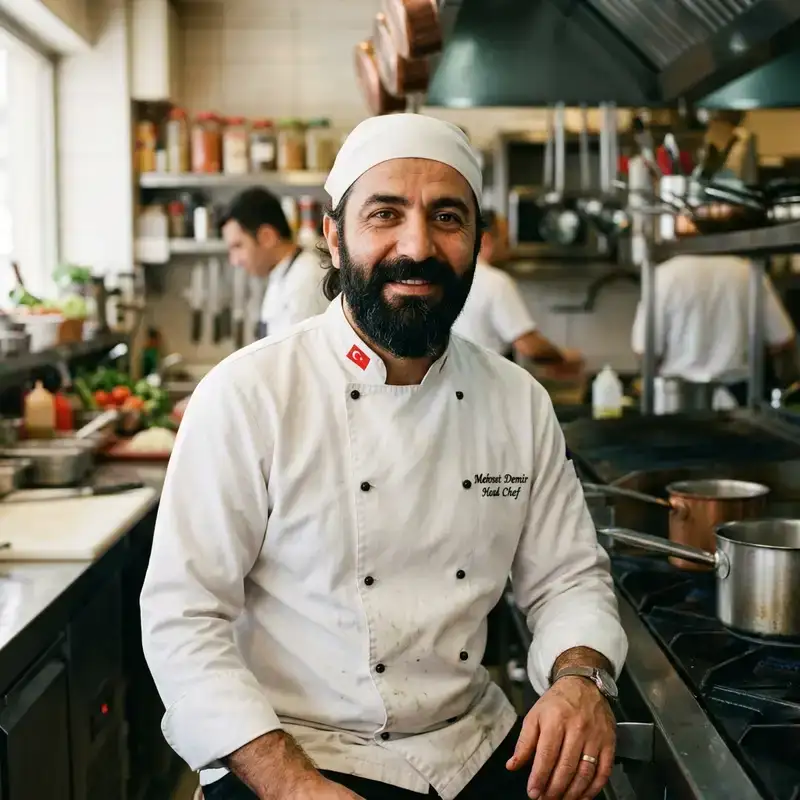
Introduction to Turkish Red Lentil Soup Turkish red lentil soup, also known as "Mercimek Çorbası" in Turkish, is a beloved and iconic dish in Turkish cuisine. This hearty and comforting soup has been a staple in Turkish households for centuries, and its popularity extends far beyond the country's borders. The dish is not only delicious but also packed with nutritional benefits, making it an excellent choice for health-conscious foodies. According to recent studies, a diet rich in lentils can have numerous health benefits, including reducing the risk of cardiovascular disease and improving digestion. Research on high protein shows that lentils are an excellent source of plant-based protein, making them an ideal ingredient for vegetarians and vegans. The Mediterranean diet, which is characterized by high consumption of fruits, vegetables, whole grains, and legumes, has been shown to have numerous health benefits, including reducing the risk of chronic diseases such as heart disease, diabetes, and certain types of cancer.The traditional Turkish red lentil soup recipe has been passed down through generations, and its preparation is often a family affair. The dish is typically made with red lentils, onions, garlic, and spices, and is often served with a squeeze of lemon juice and a sprinkle of fresh mint. The combination of flavors and textures is truly magical, and the dish is sure to become a favorite among soup lovers. The Health Benefits of Lentils Lentils are a type of legume that is rich in protein, fiber, and various essential nutrients. They are an excellent source of plant-based protein, making them an ideal ingredient for vegetarians and vegans. According to the United States Department of Agriculture (USDA), one cup of cooked lentils contains about 18g of protein, 10g of fiber, and 230 calories. Research has shown that a diet rich in lentils can have numerous health benefits, including reducing the risk of cardiovascular disease, improving digestion, and helping to manage blood sugar levels. The high fiber content in lentils can also help to promote satiety and support weight loss.In addition to their nutritional benefits, lentils are also rich in antioxidants and polyphenols, which can help to protect against oxidative stress and inflammation. According to a study published in the Journal of Agricultural and Food Chemistry, lentils contain a range of bioactive compounds, including flavonoids, phenolic acids, and saponins, which have been shown to have anti-inflammatory and antioxidant properties. The Culinary Secrets of Turkish Red Lentil Soup The traditional Turkish red lentil soup recipe is a closely guarded secret, and its preparation is often a family affair. The dish is typically made with red lentils, onions, garlic, and spices, and is often served with a squeeze of lemon juice and a sprinkle of fresh mint. To make the perfect Turkish red lentil soup, it's essential to use high-quality ingredients and to follow a few simple tips and tricks. First, it's essential to rinse the lentils thoroughly and soak them in water for at least 30 minutes. This helps to remove any impurities and reduces the cooking time.Next, it's essential to sauté the onions and garlic in olive oil until they are softened and fragrant. This helps to bring out the flavors and aromas of the dish and adds a depth of flavor that is hard to resist. Finally, it's essential to season the soup with a range of spices, including cumin, paprika, and salt. The combination of flavors and textures is truly magical, and the dish is sure to become a favorite among soup lovers. The Recipe To make the perfect Turkish red lentil soup, follow these simple steps: Ingredients:1 cup red lentils 2 tablespoons olive oil 1 onion, chopped 2 cloves garlic, minced 1 teaspoon ground cumin 1 teaspoon paprika 1/2 teaspoon salt 1/4 teaspoon black pepper 4 cups vegetable broth 2 tablespoons freshly squeezed lemon juice 1/4 cup chopped fresh mintInstructions:Rinse the lentils and soak them in water for at least 30 minutes. Heat the olive oil in a large pot over medium heat. Add the chopped onion and cook until softened, about 5 minutes. Add the minced garlic, cumin, paprika, salt, and pepper. Cook for 1 minute. Add the drained lentils, vegetable broth, and lemon juice. Bring to a boil, then reduce the heat and simmer for 20-25 minutes or until the lentils are tender. Stir in the chopped fresh mint and serve hot.Conclusion Turkish red lentil soup is a delicious and nutritious dish that is rich in protein, fiber, and various essential nutrients. The dish is perfect for health-conscious foodies who are looking for a hearty and comforting meal that is also good for them. With its rich flavors and textures, Turkish red lentil soup is sure to become a favorite among soup lovers. According to research, the Mediterranean diet, which is characterized by high consumption of fruits, vegetables, whole grains, and legumes, has been shown to have numerous health benefits, including reducing the risk of chronic diseases such as heart disease, diabetes, and certain types of cancer.In conclusion, Turkish red lentil soup is a culinary delight that is not only delicious but also packed with nutritional benefits. With its rich flavors and textures, this dish is sure to become a favorite among soup lovers. So why not give it a try and experience the magic of Turkish cuisine for yourself? #HealthyLiving #Gastronomy #MediterraneanDiet #LentilSoup #TurkishCuisine Related InsightsFrom Mongolian Steppes to American Diner Classics: The Untold Saga of the Hamburger La Bottarga: Più che un Condimento, un Elixir di Mare tra Mito, Storia e Alta Cucina Italiana High‑Pressure Culinary Science: Exploring Hydrothermal Cooking Techniques{ "@context": "https://schema.org", "@type": "FAQPage", "mainEntity": [ { "@type": "Question", "name": "What is the main focus of Turkish Red Lentil Soup with Mint and Lemon Oil: A High Protein Culinary Delight?", "acceptedAnswer": { "@type": "Answer", "text": "A hearty and nutritious Turkish red lentil soup with mint and lemon oil, rich in high protein and bursting with flavors. Learn the health benefits and culinary secrets of this Mediterranean delight." } }, { "@type": "Question", "name": "Who authored the comprehensive guide on Turkish Red Lentil Soup with Mint and Lemon Oil: A High Protein Culinary Delight?", "acceptedAnswer": { "@type": "Answer", "text": "This detailed article and its insights were carefully researched and authored by Demir Şef." } }, { "@type": "Question", "name": "Where can I find more related content about Food?", "acceptedAnswer": { "@type": "Answer", "text": "You can explore more articles, detailed reviews, and similar insights by browsing the Related Insights section at the bottom of this article or visiting our dedicated Food category page." } } ] }
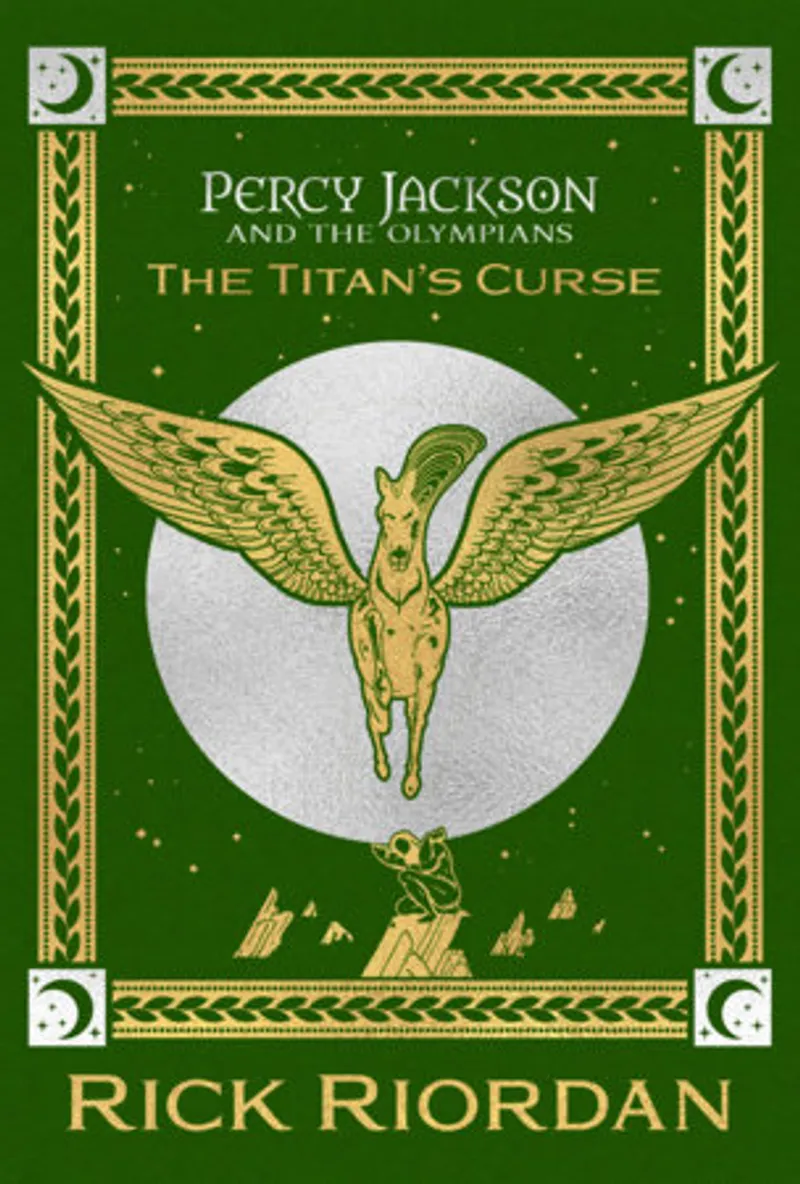
Percy Jackson and the Olympians: The Titan's Curse Deluxe Collector's Edition Author: Rick RiordanPage Count: UnknownPublication Date: 2026-PRH Rick Riordan’s Percy Jackson and the Olympians: The Titan’s Curse Deluxe Collector’s Edition (2026) is more than just a reprint—it’s a love letter to fans old and new, a masterclass in mythic storytelling that proves why this series remains an indelible part of modern fantasy. Set against the backdrop of a world where Greek gods walk among us, this third installment in the Percy Jackson saga deepens the stakes, expands the lore, and delivers Riordan’s signature blend of humor, heart, and high-stakes adventure. With its deluxe packaging—likely featuring exclusive artwork, behind-the-scenes insights, and perhaps even new annotations—this edition isn’t just for collectors; it’s a celebration of the series’ enduring magic. At its core, The Titan’s Curse explores the theme of destiny versus choice, a thread that runs through Greek mythology itself. Percy Jackson, now a seasoned demigod at the age of 14, is thrust into a quest to rescue the goddess Artemis, who has been kidnapped by the Titan Atlas. But the mission is far more personal than it first appears: Artemis’s disappearance is tied to the rise of the Titan Kronos, whose forces are gathering strength to overthrow Olympus. The story forces Percy and his friends—Annabeth, Grover, and the newly introduced Thalia Grace—to confront the weight of prophecy, the burden of legacy, and the terrifying reality that some destinies are not just foretold but inescapable. Riordan’s genius lies in his ability to weave modern sensibilities into ancient myths without losing their essence. His prose is sharp, witty, and accessible, making the gods’ antics feel both timeless and fresh. Percy’s first-person narration is a masterstroke—his voice is that of a sarcastic, loyal, and deeply relatable teenager, even as he battles monsters and gods. The humor is never forced; it’s organic, a coping mechanism for characters who know they’re outmatched. When Percy quips, “I’ve had some bad days before… but this one takes the cake,” you laugh because you feel the exhaustion, the absurdity, and the sheer wrongness of the situation. The deluxe edition’s collector’s appeal enhances the reading experience, offering layers that a standard paperback can’t. Imagine turning a page to find a fold-out map of Camp Half-Blood, or annotations where Riordan explains how he adapted certain myths (like the tale of Niobe, which takes on new meaning in Percy’s world). The physicality of the book becomes part of the story—just as the myths themselves were meant to be experienced in grand, tangible ways. Riordan’s world-building is another standout. The series doesn’t just borrow from Greek mythology; it reimagines it with a modern twist. The gods live in Manhattan skyscrapers, the Underworld is beneath Los Angeles, and the Oracle of Delphi is a creepy, possessed teenager in a trailer park. This grounding in the familiar makes the supernatural feel real. The Titan’s Curse expands the universe further, introducing the Hunters of Artemis—a group of immortal maidens who serve the goddess—and deepening the mythology around the Titan war. Riordan’s research is evident, but it never bogs down the narrative. Instead, it enriches it, making every monster encounter or divine intervention feel like a puzzle piece clicking into place. The emotional core of the book, however, lies in its characters. Percy’s growth is palpable. He’s no longer the brash, impulsive kid from The Lightning Thief; he’s a leader, albeit one still prone to making reckless decisions. Annabeth’s intelligence and vulnerability shine as she grapples with her own family’s legacy. Grover’s loyalty is tested in ways that will break your heart. And Thalia Grace, the daughter of Zeus, is a revelation—a character who embodies both strength and vulnerability, challenging Percy’s role as the “chosen one.” The action sequences are pulse-pounding, from the climactic battle at Mount Tamalpais to the heart-stopping moment when Percy faces Atlas himself. Riordan knows how to pace a scene, balancing tension with moments of levity to keep readers from drowning in dread. The stakes feel real because the characters do. When Percy risks everything to save his friends, you believe in the cost. This deluxe edition also serves as a reminder of why Percy Jackson endures. It’s a series that respects its young readers—it doesn’t talk down to them, but it also doesn’t shy away from darkness. The Titan’s Curse deals with themes of sacrifice, betrayal, and the cost of heroism, all wrapped in a story that’s ultimately about found family. Percy’s crew isn’t just a team; they’re his lifeline, his reason to keep fighting even when the odds are impossible. For fans, this collector’s edition is a treasure. For newcomers, it’s an invitation to a world where mythology feels alive. Riordan’s ability to make the ancient feel immediate, the mythic feel personal, is what sets this series apart. The Titan’s Curse isn’t just a book—it’s an experience, one that lingers long after the last page. #PercyJackson #RickRiordan #GreekMythology #FantasyBooks #BookCollector #TitanCurse Related InsightsSunderworld, Vol. 2: The Unfortunate Responsibilities of Leopold Berry Book Review and Summary Daughter of Smoke & Bone Book Review and Summary Eleven Days: The Fascinating True Account of Agatha Christie's Mysterious Disappearance Book Review and Summary{ "@context": "https://schema.org", "@type": "FAQPage", "mainEntity": [ { "@type": "Question", "name": "What is the main focus of The Titan’s Curse Book Review and Summary?", "acceptedAnswer": { "@type": "Answer", "text": "Everything you need to know about The Titan’s Curse with our detailed review." } }, { "@type": "Question", "name": "Who authored the comprehensive guide on The Titan’s Curse Book Review and Summary?", "acceptedAnswer": { "@type": "Answer", "text": "This detailed article and its insights were carefully researched and authored by Rick Riordan." } }, { "@type": "Question", "name": "Where can I find more related content about Books?", "acceptedAnswer": { "@type": "Answer", "text": "You can explore more articles, detailed reviews, and similar insights by browsing the Related Insights section at the bottom of this article or visiting our dedicated Books category page." } } ] }
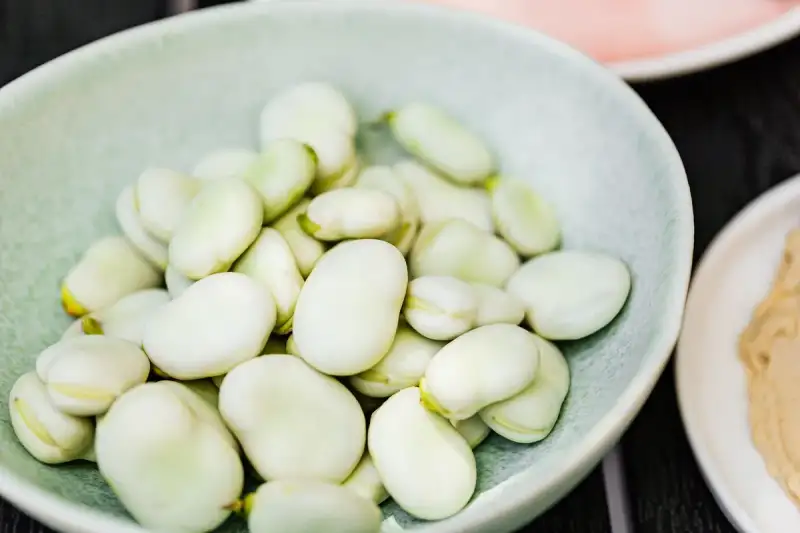
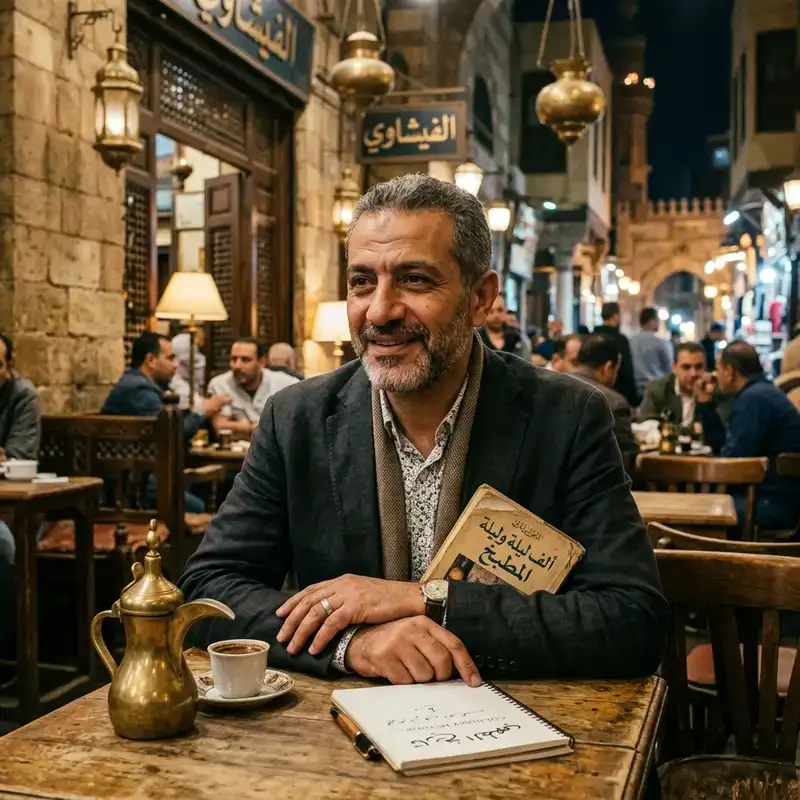
Ful Medames, the centuries-old fava bean dish, stands as a testament to the rich culinary heritage of the Mediterranean. This traditional breakfast staple, born from the humble fava bean, has traversed time and borders, weaving itself into the fabric of cultures across the region. Its origins lost in the mists of history, Ful Medames has evolved, adapting to the tastes and traditions of the people who have embraced it, from the sun-kissed fields of Egypt to the bustling streets of Lebanon. Introduction to Ful Medames Ful Medames is more than just a meal; it is an experience. The name itself, "Ful Medames," reflects its Egyptian roots, where "ful" refers to the fava beans and "medames" means "buried," alluding to the traditional method of cooking the beans in a pot buried in hot coals or sand. This ancient method allows for a slow, overnight cooking process, resulting in tender, flavorful beans that are then served with a variety of toppings.The dish is a symphony of textures and flavors, combining the creamy richness of fava beans with the tang of lemon juice, the depth of garlic, and the freshness of parsley. It's a meal that invites community, often served in large bowls from which everyone eats, fostering a sense of togetherness and sharing. The Cultural Significance of Ful Medames Ful Medames holds a special place in the hearts and stomachs of people across the Mediterranean. It's a dish that transcends borders, with variations found in Egyptian, Palestinian, Syrian, and Lebanese cuisines, among others. In Egypt, it's a national dish, often served at almost every meal, from casual breakfasts to more formal gatherings. The simplicity and nourishment it provides make it a staple for both the rich and the poor, bridging social divides.The cultural significance of Ful Medames is also reflected in its role during Ramadan, the Islamic holy month of fasting. After a long day of fasting, Ful Medames is often one of the first foods eaten at iftar, the meal that breaks the fast, providing necessary sustenance and energy. The History of Ful Medames The history of Ful Medames is as ancient as the fava bean itself, which has been cultivated for over 10,000 years. The use of fava beans in dishes dates back to the time of the pharaohs in Egypt, where they were considered a staple food due to their nutritional value and ease of cultivation. Over time, as civilizations rose and fell, and as trade and migration brought different cultures into contact with one another, the recipe for Ful Medames evolved. The addition of garlic, lemon juice, and olive oil, for example, reflects the influence of Mediterranean cuisine on the dish. Preparing Ful Medames Preparing Ful Medames is an art that requires patience and a bit of tradition. The process begins with soaking dried fava beans overnight, then boiling them until they are tender. The beans are then mashed and mixed with garlic, lemon juice, and olive oil, creating a creamy, flavorful paste. Traditional Recipe1 cup dried fava beans, soaked overnight and drained 4 cloves garlic, minced 2 tablespoons lemon juice 1/4 cup olive oil Salt and pepper, to taste Chopped parsley or cilantro, for garnishCombine the cooked fava beans, garlic, lemon juice, and olive oil in a bowl. Season with salt and pepper to taste. Serve warm, garnished with parsley or cilantro, and accompanied by pita bread or vegetables.Conclusion Ful Medames is more than a dish; it's a bridge between past and present, a symbol of community and sharing, and a testament to the enduring power of food to bring people together. Whether enjoyed in a bustling street food market in Cairo or prepared in the comfort of one's own home, Ful Medames offers a taste of tradition, history, and warmth. As we delve into the world of Ful Medames, we not only explore a culinary delight but also uncover the stories, traditions, and people behind this ancient fava bean breakfast. It's an invitation to experience the richness of Mediterranean culture, one bowl at a time. #FulMedames #MediterraneanCuisine #FavaBeanRecipe #TraditionalBreakfast #FoodHistory #CulturalHeritage #MediterraneanDiet #StreetFoodDelights Related InsightsLe Sushi : Odyssée Salée et Sucrée, de la Préservation Antique à l'Art Culinaire Éphémère Global Secrets of Preserved Lemons & Salt‑Cured Citrus: From Marrakech Markets to Tokyo Kitchens Delving into the World of Anti-Inflammatory German Potato Salad with Dill and Apple Cider Vinaigrette (Vegan){ "@context": "https://schema.org", "@type": "FAQPage", "mainEntity": [ { "@type": "Question", "name": "What is the main focus of Ful Medames: The Ancient Fava Bean Breakfast?", "acceptedAnswer": { "@type": "Answer", "text": "Discover the deep cultural roots, authentic flavors, and history of Ful Medames: The Ancient Fava Bean Breakfast." } }, { "@type": "Question", "name": "Who authored the comprehensive guide on Ful Medames: The Ancient Fava Bean Breakfast?", "acceptedAnswer": { "@type": "Answer", "text": "This detailed article and its insights were carefully researched and authored by Tariq Al-Fayed." } }, { "@type": "Question", "name": "Where can I find more related content about Food?", "acceptedAnswer": { "@type": "Answer", "text": "You can explore more articles, detailed reviews, and similar insights by browsing the Related Insights section at the bottom of this article or visiting our dedicated Food category page." } } ] }


The Best American Short Stories 2019 Author: Anthony DoerrPage Count: UnknownPublication Year: 2019-GB In the realm of short stories, few anthologies have managed to captivate readers quite like The Best American Short Stories 2019, expertly curated by the Pulitzer Prize-winning author Anthony Doerr. This remarkable collection brings together a diverse array of voices, each contributing their unique perspective to the rich tapestry of American literature. As one delves into the pages of this anthology, a striking theme begins to emerge: the search for connection in a world where boundaries are increasingly blurred. Whether it's a young boy struggling to comprehend the complexities of his family's past, a woman navigating the treacherous landscape of online relationships, or a community coming together to mourn the loss of a beloved member, each story is a poignant exploration of the human need for understanding and empathy. Doerr's masterful curation weaves together these disparate narratives into a cohesive whole, showcasing the incredible range and versatility of contemporary American short fiction. From the lyrical prose of writers like Laura van den Berg to the unflinching realism of authors like Bryan Washington, each story is a testament to the power of the short form to capture the essence of the human experience. One of the most striking aspects of this anthology is its ability to balance the intimate with the epic. Whether exploring the inner lives of its characters or tackling the larger issues of our time – from climate change to social justice – each story is a nuanced and thought-provoking examination of the world we live in today. Doerr's own writing style is, of course, well-known for its lyricism and depth, and his introduction to the anthology is a beautifully crafted exploration of the art of storytelling. As he so eloquently puts it, "The best stories are those that, like a river, carry us along, that sweep us up in their currents and deposit us, changed, on some distant shore." Throughout this collection, Doerr's passion for the short form is evident, and his selections are a testament to the enduring power of the genre to captivate, to inspire, and to challenge. Whether you're a longtime fan of the series or simply looking for a compelling introduction to the world of American short fiction, The Best American Short Stories 2019 is an absolute must-read. In short, this anthology is a triumph – a celebration of the diversity, complexity, and beauty of American literature. With its incredible range, masterful curation, and unflinching exploration of the human condition, it's a collection that will linger in the minds of readers long after the final page has been turned. #TheBestAmericanShortStories2019 #AmericanLiterature #ShortFiction #AnthonyDoerr #BookLovers #ReadingIsFun Related InsightsFriends and Family Book Review and Summary Mirror Mirror (The Dresden Files, #19) Book Review and Summary The Green Mile Book Review and Summary{ "@context": "https://schema.org", "@type": "FAQPage", "mainEntity": [ { "@type": "Question", "name": "What is the main focus of The Best American Short Stories 2019 Book Review and Summary?", "acceptedAnswer": { "@type": "Answer", "text": "Everything you need to know about The Best American Short Stories 2019 with our detailed review." } }, { "@type": "Question", "name": "Who authored the comprehensive guide on The Best American Short Stories 2019 Book Review and Summary?", "acceptedAnswer": { "@type": "Answer", "text": "This detailed article and its insights were carefully researched and authored by Elena Volkova." } }, { "@type": "Question", "name": "Where can I find more related content about Books?", "acceptedAnswer": { "@type": "Answer", "text": "You can explore more articles, detailed reviews, and similar insights by browsing the Related Insights section at the bottom of this article or visiting our dedicated Books category page." } } ] }

Die zwei Gesichter des Kartoffelsalats Der Kartoffelsalat ist eines der ikonischsten Gerichte der deutschen Küche, doch er spaltet die Nation in zwei kulinarische Lager. Im Norden Deutschlands wird er traditionell mit einer schweren, cremigen Mayonnaise-Dressing zubereitet, oft angereichert mit sauren Gurken, Äpfeln und manchmal sogar hartgekochten Eiern. Im Süden hingegen – in Bayern, Schwaben und auch in Österreich – schwört man auf eine leichtere, essig- und ölbasierte Variante, die oft noch mit heißer Fleischbrühe übergossen wird. Historisch betrachtet geht der Kartoffelsalat auf das 18. Jahrhundert zurück, als die Kartoffel in Mitteleuropa endgültig als Grundnahrungsmittel etabliert wurde. In Süddeutschland nutzte man Essig und Öl zur Konservierung und Geschmacksgebung, was heute die perfekte Grundlage für eine von Natur aus pflanzliche Version bildet. Kartoffelsalat ohne Mayonnaise – Die süddeutsche Art Ein veganer Kartoffelsalat nach süddeutscher Art ist nicht nur eine kalorienärmere Alternative zum Mayonnaise-Klassiker, sondern bietet auch ein unglaublich intensives, herzhaftes Geschmackserlebnis. Das Geheimnis eines perfekten schwäbischen oder bayerischen Kartoffelsalats liegt in der Art und Weise, wie die Kartoffeln die Marinade aufnehmen. Man verwendet unbedingt festkochende Kartoffelsorten (wie Sieglinde, Linda oder Annabelle), da diese beim Mischen nicht zu Brei zerfallen. Die Kartoffeln werden in der Schale gekocht, noch warm gepellt und in feine Scheiben geschnitten. Der entscheidende Trick besteht darin, die noch warmen Kartoffelscheiben mit einer heißen Marinade zu übergießen. Für die vegane Variante ersetzt man die traditionelle Rinderbrühe durch eine kräftige, hochwertige Gemüsebrühe. Dazu kommen fein gewürfelte Zwiebeln, die idealerweise in der Brühe kurz angedünstet werden, um ihnen die rohe Schärfe zu nehmen. Die perfekte Bindung Obwohl keine Mayonnaise im Spiel ist, zeichnet sich ein guter süddeutscher Kartoffelsalat durch eine wunderbar schlotzige Konsistenz aus. Diese entsteht, wenn die Kartoffelstärke mit dem heißen Dressing aus Brühe, scharfem Senf, hochwertigem Pflanzenöl (oft neutrales Rapsöl oder Sonnenblumenöl) und mildem Weißweinessig emulgiert. Man muss den Salat kräftig, aber behutsam durchmengen und ihm dann Zeit geben, um richtig durchzuziehen – am besten einige Stunden oder sogar über Nacht. Kurz vor dem Servieren wird der Salat oft noch mit frisch gehacktem Schnittlauch, Radieschenscheiben oder frischen Gurken verfeinert. Dieser vegane, leichte Kartoffelsalat ist der absolute Star auf jedem Grillfest und ein Beweis dafür, dass pflanzliche Küche tief in der regionalen Tradition verwurzelt sein kann. #Kartoffelsalat #VeganRecipe #Schwäbisch #Bayrisch #VeganeKüche #OhneMayonnaise #GermanVegan #Grillbeilage #Traditionsrezept #LeckerUndGesund #recipe #exclusive Related InsightsСекрет настоящего борща Идеальные блины на Масленицу Focaccia Barese{ "@context": "https://schema.org", "@type": "FAQPage", "mainEntity": [ { "@type": "Question", "name": "What is the main focus of Kartoffelsalat ohne Mayonnaise?", "acceptedAnswer": { "@type": "Answer", "text": "Explore the incredible journey of Kartoffelsalat ohne Mayonnaise with Hannah Weber." } }, { "@type": "Question", "name": "Who authored the comprehensive guide on Kartoffelsalat ohne Mayonnaise?", "acceptedAnswer": { "@type": "Answer", "text": "This detailed article and its insights were carefully researched and authored by Hannah Weber." } }, { "@type": "Question", "name": "Where can I find more related content about Recipe?", "acceptedAnswer": { "@type": "Answer", "text": "You can explore more articles, detailed reviews, and similar insights by browsing the Related Insights section at the bottom of this article or visiting our dedicated Recipe category page." } } ] }

Más allá de la magia: La magia y el caos de crecer como mago / Beyond the Wand: the Magic and Mayhem of Growing Up a Wizard Author: Tom FeltonPage Count: UnknownPublication Date: 2023-PRH Beyond the Wand: The Magic and Mayhem of Growing Up a Wizard by Tom Felton is a captivating memoir that delves into the life of the iconic actor, best known for his portrayal of Draco Malfoy in the Harry Potter series. With unflinching candor and his signature humor, Felton recounts his journey from a young boy with a passion for acting to a global phenomenon, navigating the complexities of fame, adolescence, and identity. Felton's narrative is a fascinating blend of behind-the-scenes anecdotes, personal struggles, and heartfelt reflections. He shares stories of his early days in the business, from his first acting gig to his Harry Potter audition, where he amusingly admits to feigning familiarity with the books. These lighthearted moments are skillfully woven together with more poignant discussions about the lasting relationships he formed during the decade-long filming of the series. One of the most compelling aspects of the book is Felton's exploration of the dichotomy between his on-screen persona and his real-life experiences. As Draco Malfoy, he was the embodiment of villainy, but in reality, he was a teenager struggling to balance his normal life with the pressures of fame. This tension is palpable throughout the book, as Felton grapples with the consequences of growing up in the public eye. Felton's writing style is engaging and conversational, making the reader feel like they're sharing a pint with him at a London pub. His humor is quick-witted and self-deprecating, often at his own expense. The tone is nostalgic, yet refreshingly honest, as he confronts the challenges of his past and the lessons he's learned along the way. What sets Beyond the Wand apart from other celebrity memoirs is its thoughtful exploration of the human experience. Felton's story is not just about the magic of Harry Potter; it's about the complexities of growing up, the power of friendship, and the struggle to find one's place in the world. His narrative is relatable, authentic, and, at times, deeply moving. In short, Beyond the Wand is a must-read for fans of the Harry Potter series, but it's also a memoir that will resonate with anyone who's ever navigated the challenges of adolescence, fame, or identity. Tom Felton's story is a testament to the enduring power of storytelling and the magic that happens when we're brave enough to share our true selves with the world. #HarryPotter #DracoMalfoy #TomFelton #BeyondTheWand #WizardingWorld #GrowingUpInMagic Related InsightsGalleria Book Review and Summary Interpreter of Maladies Book Review and Summary Killing the Boogeyman Book Review and Summary{ "@context": "https://schema.org", "@type": "FAQPage", "mainEntity": [ { "@type": "Question", "name": "What is the main focus of A Wizard of Earthsea Book Review and Summary?", "acceptedAnswer": { "@type": "Answer", "text": "Everything you need to know about A Wizard of Earthsea with our detailed review." } }, { "@type": "Question", "name": "Who authored the comprehensive guide on A Wizard of Earthsea Book Review and Summary?", "acceptedAnswer": { "@type": "Answer", "text": "This detailed article and its insights were carefully researched and authored by Ursula K. Le Guin." } }, { "@type": "Question", "name": "Where can I find more related content about Books?", "acceptedAnswer": { "@type": "Answer", "text": "You can explore more articles, detailed reviews, and similar insights by browsing the Related Insights section at the bottom of this article or visiting our dedicated Books category page." } } ] }
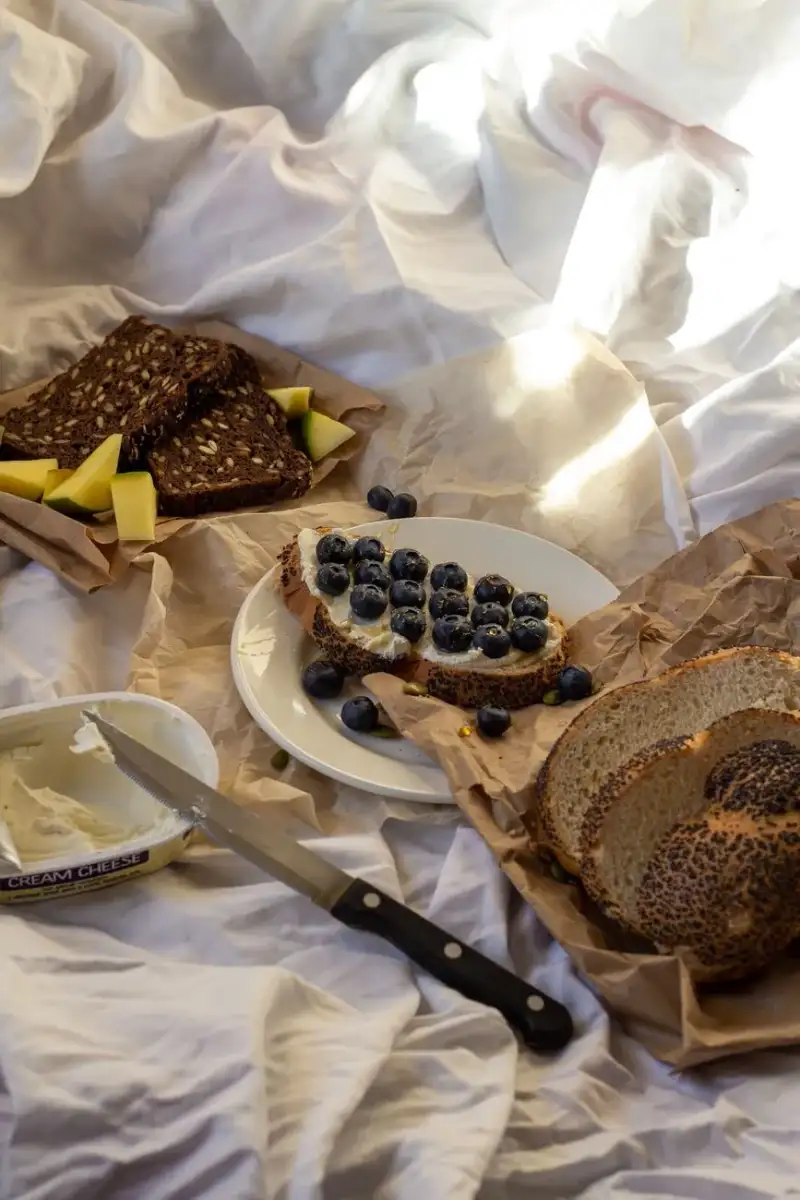
-
 Hannah Weber
 - 11 Jun, 2026 17:12
Hannah Weber's Guide to Delicious and Healthy Sprouted Grain Bread with Avocado and Radish (Vegan)
The Perfect Start: Elevating Your Morning Toast There is something undeniably transformative about a simple piece of toast. However, when you swap out standard white bread for sprouted grains and top it with the vibrant crunch of garden-fresh radishes and the creaminess of ripe avocado, breakfast stops being a chore and starts being a wellness ritual. This recipe—my personal guide to the ultimate sprouted grain avocado toast—is designed to be more than just a quick bite. It is a masterclass in balancing textures and flavors while providing your body with the fuel it needs to sustain focus throughout the day. Whether you are a dedicated vegan or simply looking to incorporate more nutrient-dense whole foods into your routine, this dish offers a sophisticated profile that proves healthy eating is never about restriction; it’s about choosing high-quality ingredients that harmonize on the plate.The Science Behind: Why This Combination Works Nutrition is not just about calories; it is about the synergy of compounds interacting within your system. Here is why this specific combination of ingredients is a powerhouse for your health: Sprouted Grains: Unlike refined flour, sprouted grains are essentially "living" foods. The sprouting process neutralizes phytic acid—an "anti-nutrient" that can inhibit the absorption of minerals—making iron, calcium, and zinc significantly more bioavailable. Furthermore, the germination process increases the concentration of fiber and protein, leading to a lower glycemic index and more stable blood sugar levels compared to conventional bread. Avocado (The Lipid Profile): Avocados are a primary source of monounsaturated fatty acids, particularly oleic acid. These healthy fats are essential for the absorption of fat-soluble vitamins (A, D, E, and K) found in the accompanying vegetables. They also promote satiety, signaling the brain that you are full, which helps prevent overeating. Radishes (Bioactive Compounds): Often relegated to a mere garnish, radishes are nutritional giants. They contain high levels of anthocyanins and glucosinolates—compounds associated with reduced oxidative stress and anti-inflammatory properties. Their signature peppery crunch adds a textural contrast that forces you to chew more slowly, aiding in digestion and mindful consumption. Lemon Juice: Beyond its bright acidity, the Vitamin C in lemon juice acts as a critical catalyst. Vitamin C is a known enhancer of non-heme iron absorption, meaning the squeeze of lemon over your avocado and grains literally helps your body extract more iron from the meal. Preparation and Flavor Mastery: The Details To elevate this dish from basic toast to a gourmet vegan experience, focus on these preparation nuances:The Toasting Technique: When you preheat the oven to 375F, you are not just drying the bread; you are performing a Maillard reaction. This light caramelization of the starches in the sprouted grain creates a nutty, deeper flavor profile that stands up well to the moist toppings. The Avocado Maceration: When mashing your avocado, keep it slightly chunky. The contrast between creamy, spreadable avocado and the texture of the grain provides a superior mouthfeel. Mix in your lemon juice immediately after mashing; the citric acid prevents oxidation (browning) and keeps your avocado vibrant and emerald green. The Radish Slice: The secret to the perfect radish layer is thinness. Use a mandoline or a very sharp chef's knife to get translucent slices. This ensures that every bite contains a perfect ratio of bread, avocado, and radish. Final Seasoning: While not in the base ingredient list, finishing the dish with a tiny pinch of flaky sea salt and cracked black pepper is essential. The salt draws out the natural sweetness of the cherry tomatoes, while the pepper complements the spicy notes of the radish.A Nourishing Conclusion In a world filled with processed convenience foods, taking fifteen minutes to assemble a meal from whole, sprouted, and raw ingredients is a radical act of self-care. This sprouted grain bread with avocado and radish is a testament to the fact that simple, plant-based ingredients, when combined thoughtfully, can provide a profound sensory experience. By focusing on nutrient density and the biological benefits of each component, you aren't just eating—you are nourishing your cells, supporting your digestion, and setting a high standard for your daily energy levels. Enjoy this dish as a breakfast, a post-workout recovery snack, or a light lunch. Your body will thank you for the extra effort. #PlantBasedWellness #SproutedGrains #HealthyEating #VeganGastronomy #MindfulNutrition Related InsightsThe Unfolding Tapestry of Flavor: A Millennia-Spanning Journey Through the Epic Evolution of Curry Exploring the Delightful World of Cheese Pairings Mapo Tofu: The Spicy and Numbing Classic{ "@context": "https://schema.org", "@type": "FAQPage", "mainEntity": [ { "@type": "Question", "name": "What is the main focus of Hannah Weber's Guide to Delicious and Healthy Sprouted Grain Bread with Avocado and Radish (Vegan)?", "acceptedAnswer": { "@type": "Answer", "text": "A delicious and healthy recipe that combines the benefits of healthy fats, dietary fiber, and bioactive compounds." } }, { "@type": "Question", "name": "Who authored the comprehensive guide on Hannah Weber's Guide to Delicious and Healthy Sprouted Grain Bread with Avocado and Radish (Vegan)?", "acceptedAnswer": { "@type": "Answer", "text": "This detailed article and its insights were carefully researched and authored by Hannah Weber." } }, { "@type": "Question", "name": "Where can I find more related content about Food?", "acceptedAnswer": { "@type": "Answer", "text": "You can explore more articles, detailed reviews, and similar insights by browsing the Related Insights section at the bottom of this article or visiting our dedicated Food category page." } } ] }

People in Glass Houses Author: Jayne CastlePage Count: UnknownPublication Date: 2024-PRH In the captivating world of Harmony, Jayne Castle weaves a complex web of intrigue and deception in her latest novel, People in Glass Houses. This gripping tale of two desperate individuals navigating the treacherous landscape of their own pasts is a masterclass in psychological suspense and atmospheric storytelling. At the heart of the novel lies Joshua Knight, a once-celebrated explorer now infamous as the Tarnished Knight. Haunted by the memories of a catastrophic event in the Underworld, Josh is driven by a singular desire to unravel the truth behind the tragedy that destroyed his career and left his team members presumed dead. His quest for answers is fraught with peril, as he delves into the mysterious realm of Glass House, a labyrinthine world of crystal rumored to conceal powerful Alien artifacts. Castle's writing is akin to a masterful game of cat and mouse, where the lines between reality and illusion are constantly blurred. As Josh becomes increasingly obsessed with uncovering the secrets hidden within the mirrors that cover the walls of his abandoned mansion, the reader is drawn into a world of smoke and mirrors, where nothing is as it seems. The arrival of Molly Griffin, a talented crystal artist with a personal stake in Josh's quest, sets off a chain reaction of events that propels the narrative forward with breakneck speed. Molly's determination to find her missing sister, a member of the ill-fated Hollister Expedition team, forces Josh to confront the demons he has been trying to keep at bay. Through the complex dance of Josh and Molly's relationship, Castle expertly explores the theme of perception versus reality. As the two navigate the treacherous landscape of their own pasts, they must confront the darkness that lies within themselves. The mirrors that cover the walls of Josh's mansion serve as a potent metaphor for the fragility of the human psyche, reflecting the deepest fears and desires of those who dare to gaze into their depths. Castle's prose is as mesmerizing as the crystal world she creates, with a narrative that twists and turns like a labyrinth. Her writing is a testament to the power of the human imagination, where the boundaries between reality and fantasy are constantly blurred. As the story hurtles towards its climax, the reader is left questioning what is real and what is just an illusion. People in Glass Houses is a thought-provoking thriller that will appeal to fans of science fiction, mystery, and suspense. With its intricate plotting, complex characters, and atmospheric setting, this novel is sure to leave readers on the edge of their seats, desperate to uncover the truth. In short, People in Glass Houses is a gripping and unsettling tale that will haunt readers long after they finish the book. Castle's masterful storytelling and atmospheric prose make this novel a must-read for fans of the genre. #JayneCastle #PeopleInGlassHouses #ScienceFiction #Mystery #Suspense #HarmonySeries Related InsightsThe Amber Spyglass Book Review and Summary Clockwork Angel Book Review and Summary Damned If I Do Book Review and Summary{ "@context": "https://schema.org", "@type": "FAQPage", "mainEntity": [ { "@type": "Question", "name": "What is the main focus of Glass Houses Book Review and Summary?", "acceptedAnswer": { "@type": "Answer", "text": "Everything you need to know about Glass Houses with our detailed review." } }, { "@type": "Question", "name": "Who authored the comprehensive guide on Glass Houses Book Review and Summary?", "acceptedAnswer": { "@type": "Answer", "text": "This detailed article and its insights were carefully researched and authored by Rachel Caine." } }, { "@type": "Question", "name": "Where can I find more related content about Books?", "acceptedAnswer": { "@type": "Answer", "text": "You can explore more articles, detailed reviews, and similar insights by browsing the Related Insights section at the bottom of this article or visiting our dedicated Books category page." } } ] }