Showing Posts From
Exclusive
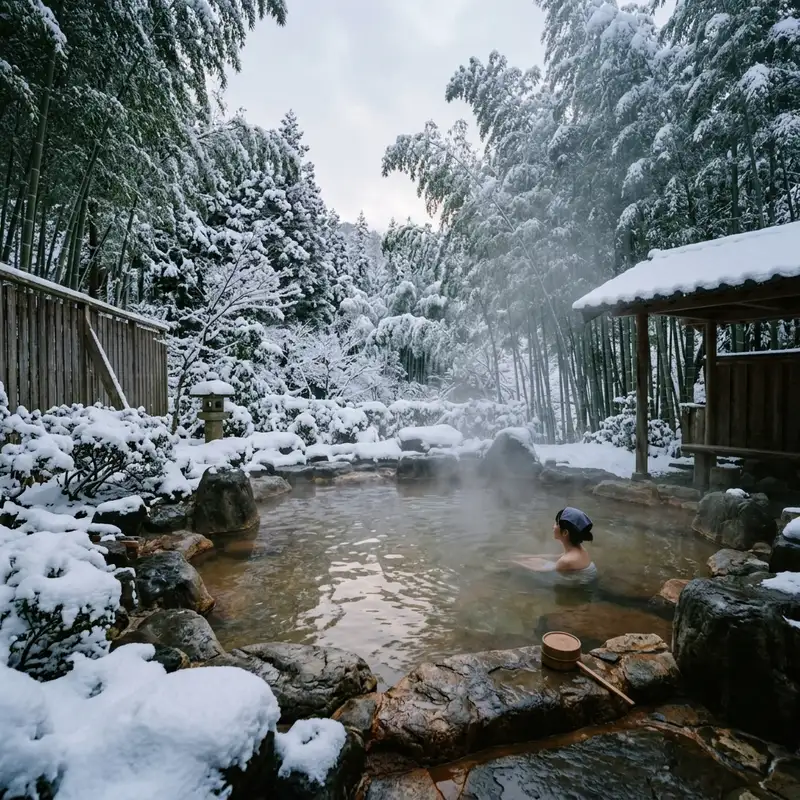

心身を癒す究極のリラクゼーション・日本の温泉文化 火山国である日本には、全国に約3,000ヶ所もの温泉地が存在します。温泉は単に体を洗う場所ではなく、日本人の心と深く結びついた文化であり、独自の発展を遂げてきました。今回は、古代から続く温泉の歴史と、知っておくべき入浴のマナーについてご紹介します。 「湯治」と神道思想 日本の温泉の歴史は非常に古く、『古事記』や『日本書紀』といった日本最古の歴史書にも有馬温泉や道後温泉が登場します。古くから、病気や怪我を治癒するための「湯治(とうじ)」という習慣がありました。人々は農閑期を利用して数週間温泉に滞在し、自然の力で体を回復させていたのです。また、神道の「禊(みそぎ)」という、水や湯で身のけがれを清める思想も、日本人がお風呂や温泉を神聖で特別なものとして愛する理由の一つと言われています。 露天風呂と自然との一体感 日本の温泉の最大の魅力の一つが「露天風呂」です。屋根のない野外に設置された風呂で、四季折々の自然の風景を楽しみながらお湯に浸かることができます。冬には雪を見ながら入る「雪見風呂」、秋には紅葉を愛でる「紅葉風呂」など、自然と一体化する感覚は、日本の美意識である「風流」を極めた体験です。名旅館では、地域の旬の食材を使った会席料理とともに、極上の温泉体験を提供しています。 知っておくべき温泉マナー 日本の温泉を深く楽しむためには、いくつかの独自のマナーを理解しておくことが大切です。かけ湯: 湯船に入る前に、必ず体の汚れを洗い流し、お湯の温度に体を慣らす「かけ湯」をします。 タオルを湯船に入れない: 衛生上の理由から、タオルは湯船の中に入れず、頭の上に置くか湯船の縁に置くのがルールです。 水着の着用禁止: 一部の混浴施設やスパを除き、伝統的な温泉では裸で入浴するのが基本です。 タトゥーについて: 多くの公共温泉ではタトゥーの入った方の入浴を制限していますが、近年ではカバーシールを使用すれば入浴可能な場所や、タトゥーOKの施設も増えつつあります。温泉は、衣服を脱ぎ捨てて素の自分に戻り、心と体を深く癒す日本ならではの精神文化です。ぜひ、ゆっくりとお湯に浸かり、日々の疲れを洗い流してください。 #onsen #japaneseculture #traveljapan #hotsprings #relax #ryokan #wellness #japantrip #nature #culture Related Insights京都の美しい寺院 沖縄の青い海 白川郷の合掌造り{ "@context": "https://schema.org", "@type": "FAQPage", "mainEntity": [ { "@type": "Question", "name": "What is the main focus of 日本の温泉文化?", "acceptedAnswer": { "@type": "Answer", "text": "Explore the incredible journey of 日本の温泉文化 with Kenji Sato." } }, { "@type": "Question", "name": "Who authored the comprehensive guide on 日本の温泉文化?", "acceptedAnswer": { "@type": "Answer", "text": "This detailed article and its insights were carefully researched and authored by Kenji Sato." } }, { "@type": "Question", "name": "Where can I find more related content about Japan Travel Facts?", "acceptedAnswer": { "@type": "Answer", "text": "You can explore more articles, detailed reviews, and similar insights by browsing the Related Insights section at the bottom of this article or visiting our dedicated Japan Travel Facts category page." } } ] }
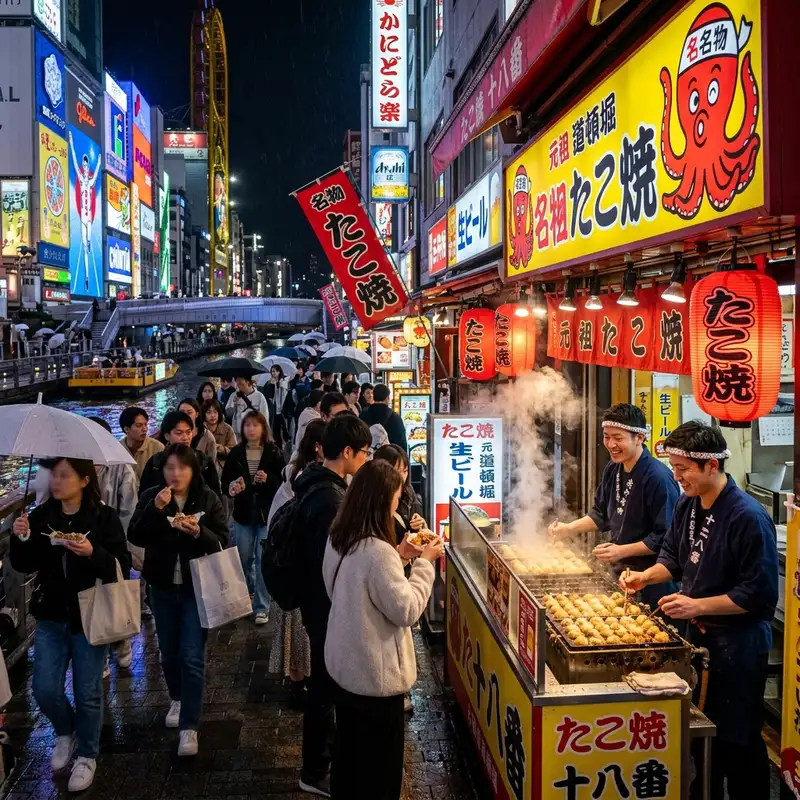
「天下の台所」大阪で味わう至高のストリートフード 大阪は古くから「天下の台所」と呼ばれ、日本の食文化の中心地として栄えてきました。「食い倒れ(お金がなくなるまで食べ歩くこと)」という言葉があるほど、大阪の人々は食に対して熱い情熱を持っています。道頓堀や新世界といった活気あふれるエリアで楽しめる、絶品のストリートフードをご紹介します。 たこ焼き:大阪の魂 大阪のストリートフードといえば、真っ先に思い浮かぶのが「たこ焼き」です。小麦粉の生地にタコ、天かす、紅生姜、ネギを入れて丸く焼き上げたこの料理は、1930年代に大阪で誕生しました。外はカリッと、中はトロッとした食感が特徴で、甘辛いソース、マヨネーズ、青のり、鰹節をたっぷりかけて熱々のうちに頬張るのが醍醐味です。大阪の家庭には必ずたこ焼き器があると言われるほど、地元の人々に愛されているソウルフードです。 お好み焼き:自由な発想の鉄板焼き 「お好み焼き」は、その名の通り「自分の好きなものを焼く」料理です。小麦粉の生地にキャベツ、豚肉、シーフードなどの具材を混ぜ合わせ、鉄板で平らに焼き上げます。大阪風のお好み焼きは、生地と具材を焼く前にすべて混ぜ合わせてから焼くのが特徴です。分厚い鉄板でじっくりと焼かれたお好み焼きに、ソースとマヨネーズが焦げる香ばしい匂いは、食欲をそそること間違いありません。 串カツ:新世界の名物 通天閣がそびえ立つ新世界エリアの名物といえば「串カツ」です。肉や野菜、魚介類などを一口大に切って串に刺し、細かいパン粉をつけてサクッと揚げた料理です。カウンター席に座り、目の前で揚げたての串カツを、ステンレスの容器に入った特製のウスターソースに浸して食べます。衛生上の理由から「ソースの二度漬け禁止」という厳格なルールがあることも、大阪の串カツ文化の面白い特徴です。 大阪のストリートフードは、安くて美味しいだけでなく、人々の活気や温かさを感じられる特別な体験です。胃袋の限界まで、大阪の味を堪能してみてください。 #osaka #streetfood #takoyaki #okonomiyaki #kushikatsu #japanesefood #osakatravel #foodie #dotonbori #culinary #travel #exclusive Related Insights富士山を望む絶景 沖縄の青い海 京都の美しい寺院{ "@context": "https://schema.org", "@type": "FAQPage", "mainEntity": [ { "@type": "Question", "name": "What is the main focus of 大阪のストリートフード?", "acceptedAnswer": { "@type": "Answer", "text": "Explore the incredible journey of 大阪のストリートフード with Kenji Sato." } }, { "@type": "Question", "name": "Who authored the comprehensive guide on 大阪のストリートフード?", "acceptedAnswer": { "@type": "Answer", "text": "This detailed article and its insights were carefully researched and authored by Kenji Sato." } }, { "@type": "Question", "name": "Where can I find more related content about Japan Travel Facts?", "acceptedAnswer": { "@type": "Answer", "text": "You can explore more articles, detailed reviews, and similar insights by browsing the Related Insights section at the bottom of this article or visiting our dedicated Japan Travel Facts category page." } } ] }
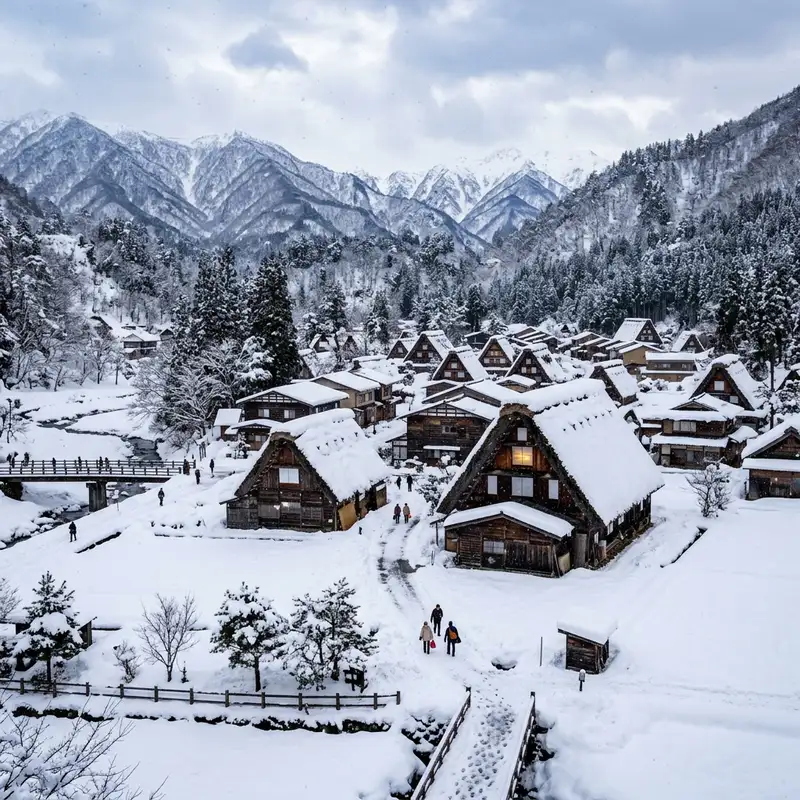
日本の原風景・白川郷の合掌造り集落の秘密 岐阜県の山深い地域に位置する白川郷は、まるでおとぎ話の世界に迷い込んだかのような美しい景観で知られています。1995年にユネスコの世界文化遺産に登録されたこの集落には、「合掌造り(がっしょうづくり)」と呼ばれる伝統的な茅葺き屋根の家屋が今も数多く残されています。厳しい自然環境と共生するための、先人たちの知恵と共同体の精神に迫ります。 雪国の厳しい自然と合掌造りの構造 「合掌造り」という名前は、急勾配の屋根の形が、手を合わせて祈る「合掌」の姿に似ていることに由来します。この屋根の角度は、冬には数メートルにも達する豪雪地帯において、雪の重みで家が潰れるのを防ぎ、雪下ろしを容易にするための見事な工夫です。さらに、屋根の向きは集落を通り抜ける風の方向(南北)に合わせて建てられており、風の抵抗を最小限に抑えつつ、夏には風通しを良くし、屋根に当たる日照量を調節して茅葺きを長持ちさせる役割を果たしています。 屋根裏の養蚕と火薬産業 合掌造りの家屋は、単なる住居以上の役割を持っていました。広大な屋根裏の空間は、江戸時代から昭和初期にかけて、地域の重要な産業であった養蚕(カイコを育てて絹糸をとること)の作業場として利用されていました。囲炉裏の煙が屋根裏まで昇ることで、カイコを寒さから守り、同時に茅葺き屋根の防虫・防腐効果も高めていました。また、囲炉裏の床下では、かつて重要な軍需物資であった「塩硝(火薬の原料)」が秘密裏に製造されており、白川郷の経済を支えていました。 「結(ゆい)」の精神 茅葺き屋根の葺き替えは、30年から40年に一度必要となりますが、これには膨大な人手と時間がかかります。そこで白川郷では古くから「結(ゆい)」と呼ばれる相互扶助の仕組みが根付いています。村民が総出で協力し合い、無償で屋根の葺き替えを手伝うこの精神は、過酷な自然の中で生き抜くために不可欠なものでした。 白川郷の風景は、単なる古い建築物の集まりではなく、自然と闘いながらも共生し、助け合って生きてきた日本の美しい心の象徴なのです。 #shirakawago #japan #worldheritage #gasshozukuri #winter #traveljapan #history #traditional #architecture #snow Related Insights沖縄の青い海 富士山を望む絶景 東京のネオン街{ "@context": "https://schema.org", "@type": "FAQPage", "mainEntity": [ { "@type": "Question", "name": "What is the main focus of 白川郷の合掌造り?", "acceptedAnswer": { "@type": "Answer", "text": "Explore the incredible journey of 白川郷の合掌造り with Kenji Sato." } }, { "@type": "Question", "name": "Who authored the comprehensive guide on 白川郷の合掌造り?", "acceptedAnswer": { "@type": "Answer", "text": "This detailed article and its insights were carefully researched and authored by Kenji Sato." } }, { "@type": "Question", "name": "Where can I find more related content about Japan Travel Facts?", "acceptedAnswer": { "@type": "Answer", "text": "You can explore more articles, detailed reviews, and similar insights by browsing the Related Insights section at the bottom of this article or visiting our dedicated Japan Travel Facts category page." } } ] }

眠らない街・東京の光と影 東京の夜を彩るネオンサインは、世界中の旅行者を魅了してやみません。新宿の歌舞伎町、渋谷のセンター街、そして秋葉原の電気街など、エリアごとに異なる顔を見せるネオンの光は、日本の近代化とポップカルチャーの象徴でもあります。 新宿・歌舞伎町の熱気 「東洋一の歓楽街」と称される新宿・歌舞伎町は、東京のナイトライフの中心地です。無数のネオン看板がひしめき合い、巨大なスクリーンからは絶え間なく音楽と映像が流れています。歴史的に見ると、この地域は第二次世界大戦後の復興期に、演舞場や映画館を中心とした健全な娯楽の街「歌舞伎町」として計画されました。現在では多様な飲食店やアミューズメント施設が集まり、サイバーパンク映画のような近未来的な光景が広がっています。 秋葉原とオタクカルチャー 秋葉原のネオンは、他のエリアとは一線を画しています。かつては戦後の闇市から発展した電子部品の街でしたが、現在ではアニメ、漫画、ゲームといった日本のオタクカルチャーの聖地となりました。メイドカフェの看板や巨大なアニメキャラクターのイラストがライトアップされ、独特のポップな雰囲気を醸し出しています。ここではテクノロジーとサブカルチャーが見事に融合しており、海外からの観光客にとっても見逃せないスポットです。 渋谷のスクランブル交差点とデジタルアート 渋谷のスクランブル交差点は、一度に最大3000人が横断すると言われ、そのダイナミックな光景は圧巻です。周囲を取り囲む高層ビル群の巨大ビジョンやLED看板は、東京の躍動感を象徴しています。近年では、プロジェクションマッピングやインタラクティブなデジタルアートが街中に取り入れられ、ネオンの形も進化し続けています。 東京のネオン街は、単なる照明ではなく、この街のエネルギーそのものです。夜の東京を歩きながら、その光が織りなす現代の物語を感じてみてください。 #tokyo #neonlights #shinjuku #shibuya #akihabara #cyberpunk #japantravel #nightlife #citylights #explorejapan #travel #exclusive Related Insights白川郷の合掌造り 広島の平和記念公園 大阪のストリートフード{ "@context": "https://schema.org", "@type": "FAQPage", "mainEntity": [ { "@type": "Question", "name": "What is the main focus of 東京のネオン街?", "acceptedAnswer": { "@type": "Answer", "text": "Explore the incredible journey of 東京のネオン街 with Kenji Sato." } }, { "@type": "Question", "name": "Who authored the comprehensive guide on 東京のネオン街?", "acceptedAnswer": { "@type": "Answer", "text": "This detailed article and its insights were carefully researched and authored by Kenji Sato." } }, { "@type": "Question", "name": "Where can I find more related content about Japan Travel Facts?", "acceptedAnswer": { "@type": "Answer", "text": "You can explore more articles, detailed reviews, and similar insights by browsing the Related Insights section at the bottom of this article or visiting our dedicated Japan Travel Facts category page." } } ] }
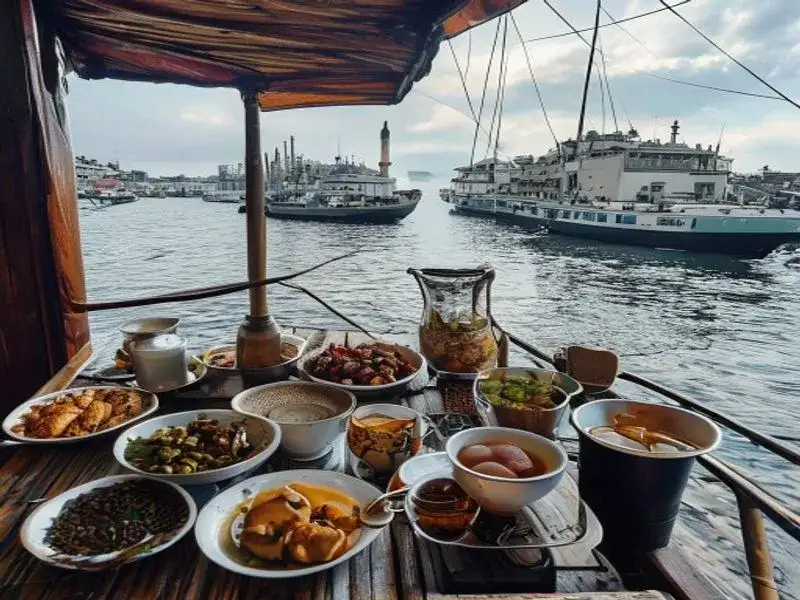
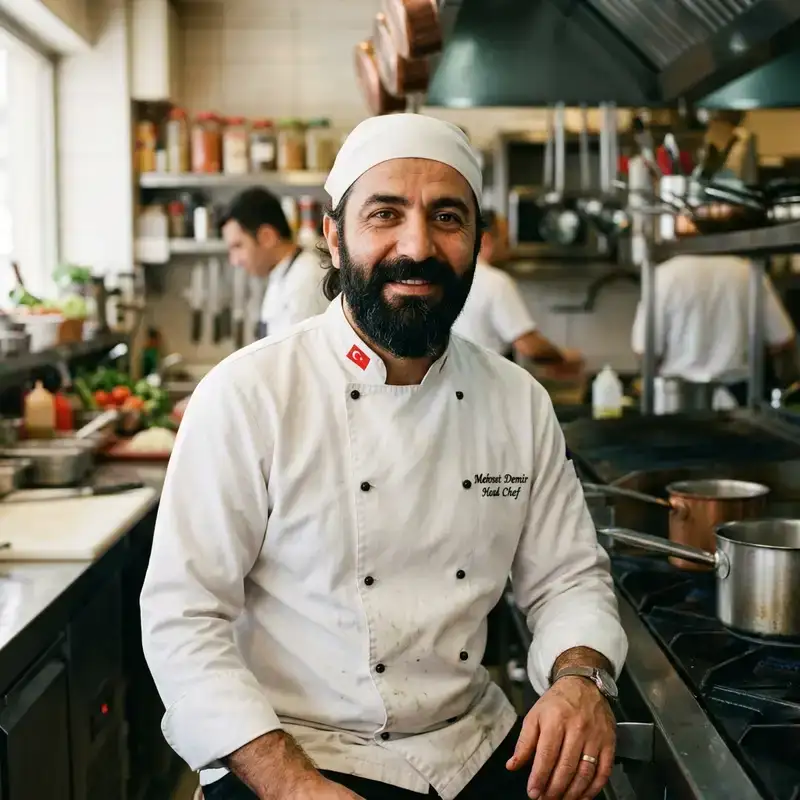
Anatolian Street Food Wonders The vast peninsula of Anatolia is more than just a bridge between Europe and Asia; it is a cradle of civilizations and a monumental culinary crossroad. Street food in Anatolia isn't merely about convenience—it's a living museum of regional #history, agricultural abundance, and multicultural exchange. For generations, the vibrant streets of cities like Gaziantep, Antakya, and Adana have been lined with vendors offering bites that are both profoundly traditional and spectacularly flavorful. Simit: The Sesame-Encrusted Crown Perhaps the most ubiquitous symbol of Anatolian street food is the simit. Often referred to as the Turkish bagel, this circular bread is distinguished by its golden, crunchy exterior achieved through a quick dip in molasses (pekmez) before being generously coated in sesame seeds. Historical records from the Ottoman #empire suggest that simit has been baked in #Istanbul since the 1520s. The traditional method of baking in wood-fired ovens imparts a distinct smokiness, making it an essential companion to a small tulip-shaped glass of black tea. Kokoreç: A Daring Delicacy For the more adventurous food lover, kokoreç offers a deeply satisfying and deeply Anatolian experience. This dish consists of lamb or goat intestines meticulously wrapped around sweetbreads, hearts, or lungs, skewered, and grilled horizontally over charcoal. The rich, fatty meat is then finely chopped and aggressively seasoned with oregano, cumin, and red pepper flakes before being stuffed into a half-loaf of crusty bread. Initially popularized by nomadic tribes who maximized their use of livestock, kokoreç has evolved into a beloved late-night staple across the country. Midye Dolma: The Coastal Connection Though Anatolia is known for its heartland plains, its extensive coastlines introduce a different facet of street gastronomy. Midye dolma—stuffed mussels—are a prime example. Freshly harvested mussels are prized open and packed with aromatic rice heavily spiced with pine nuts, currants, allspice, cinnamon, and copious amounts of black pepper. Served at room temperature, vendors squeeze fresh lemon juice over the mussel just before handing it to the customer. This bite perfectly encapsulates the Levantine and Aegean influences that have shaped Turkish coastal cuisine over centuries. A Living Heritage Anatolian street food encapsulates the soul of Turkey. It represents a fast-paced yet deeply historical culinary tradition where every cart, stall, and corner vendor offers a taste of the region's complex, layered past. Exploring these wonders isn't just about eating; it's about understanding the very fabric of Anatolian society. #AnatolianFood #TurkishStreetFood #Simit #Kokorec #MidyeDolma #CulinaryHistory #FoodTravel #Gastronomy #TurkishCuisine #StreetFoodWonders #turkishfood #recipe #anatolianstreetfoodwonders #anatoliancuisine #demirsef #delicious #food Related InsightsThe Art of Turkish Coffee Linseneintopf wie bei Oma Risotto allo Zafferano{ "@context": "https://schema.org", "@type": "FAQPage", "mainEntity": [ { "@type": "Question", "name": "What is the main focus of Anatolian Street Food Wonders?", "acceptedAnswer": { "@type": "Answer", "text": "Explore the incredible journey of Anatolian Street Food Wonders with Ayşe Kaya." } }, { "@type": "Question", "name": "Who authored the comprehensive guide on Anatolian Street Food Wonders?", "acceptedAnswer": { "@type": "Answer", "text": "This detailed article and its insights were carefully researched and authored by Demir Şef." } }, { "@type": "Question", "name": "Where can I find more related content about Recipe?", "acceptedAnswer": { "@type": "Answer", "text": "You can explore more articles, detailed reviews, and similar insights by browsing the Related Insights section at the bottom of this article or visiting our dedicated Recipe category page." } } ] }
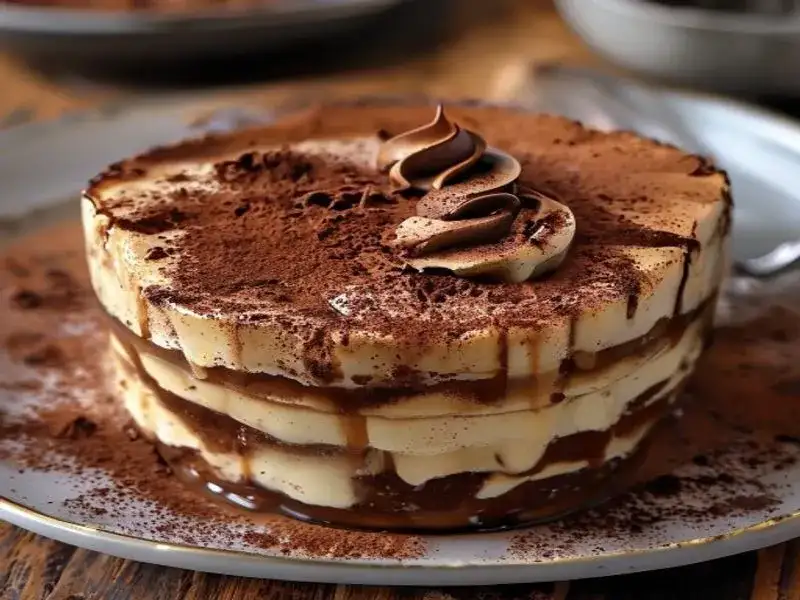

Tiramisù Tradizionale: Il Dessert che Tira Su l'Umore Oggi esploriamo il classico Tiramisù, il dolce più amato, copiato e venerato al mondo. Una Storia Recente, un Successo Mondiale Potrebbe sorprendervi, ma rispetto ad altre ricette storiche italiane, il tiramisù è relativamente giovane. Non ha secoli di storia alle spalle, bensì è nato intorno alla fine degli anni '60 o l'inizio degli anni '70 in Veneto, più precisamente a Treviso, presso il ristorante "Le Beccherie". L'idea brillante della pasticcera Alba Campeol e dello chef Roberto Linguanotto era quella di creare un dolce "ricostituente" (da qui il nome tira-mi-sù) per le neo-mamme e i clienti stanchi, unendo ingredienti energetici e semplici. La preparazione del tiramisù non richiede l'uso del forno, ma è un processo che esige attenzione ai dettagli. I Cinque Ingredienti Sacri L'autentico Tiramisù trevigiano non ammette deviazioni. Niente panna, niente fragole, niente alcolici estranei. Solo cinque elementi fondamentali:I Savoiardi: Questi biscotti leggeri e spugnosi sono essenziali. Sono gli unici in grado di assorbire il caffè senza trasformarsi in una poltiglia informe. Il Mascarpone: Fresco e ricco. È il cuore cremoso del dolce, lavorato a crema. Le Uova: Severamente freschissime. I tuorli vengono montati con lo zucchero fino a diventare spumosi, poi si unisce il mascarpone. Infine, gli albumi montati a neve fermissima vengono incorporati dal basso verso l'alto, garantendo quella leggerezza simile a una nuvola. Il Caffè Espresso: Fortemente amaro e, soprattutto, freddo. Un caffè caldo inzupperebbe troppo velocemente i biscotti. I savoiardi vanno intinti per un solo secondo per lato. Il Cacao Amaro: Spolverato generosamente sulla superficie solo al momento di servire, per contrastare la dolcezza della crema.Riposare in frigorifero per almeno 4-6 ore è il passaggio finale cruciale per permettere ai sapori di fondersi in un'unica sinfonia. Se non lo avete mai preparato seguendo questa rigorosa semplicità, è il momento di farlo! #tiramisu #dessert #italianfood #dolceitaliano #treviso #mascarpone #savoiardi #caffe #isabellaferrari #TiramisuLovers #DolciAlCucchiaio #recipe #exclusive Related InsightsVegane Käsespätzle Готовим бефстроганов Sticky Toffee Pudding{ "@context": "https://schema.org", "@type": "FAQPage", "mainEntity": [ { "@type": "Question", "name": "What is the main focus of Tiramisù Tradizionale?", "acceptedAnswer": { "@type": "Answer", "text": "Explore the incredible journey of Tiramisù Tradizionale with Isabella Ferrari." } }, { "@type": "Question", "name": "Who authored the comprehensive guide on Tiramisù Tradizionale?", "acceptedAnswer": { "@type": "Answer", "text": "This detailed article and its insights were carefully researched and authored by Isabella Ferrari." } }, { "@type": "Question", "name": "Where can I find more related content about Recipe?", "acceptedAnswer": { "@type": "Answer", "text": "You can explore more articles, detailed reviews, and similar insights by browsing the Related Insights section at the bottom of this article or visiting our dedicated Recipe category page." } } ] }
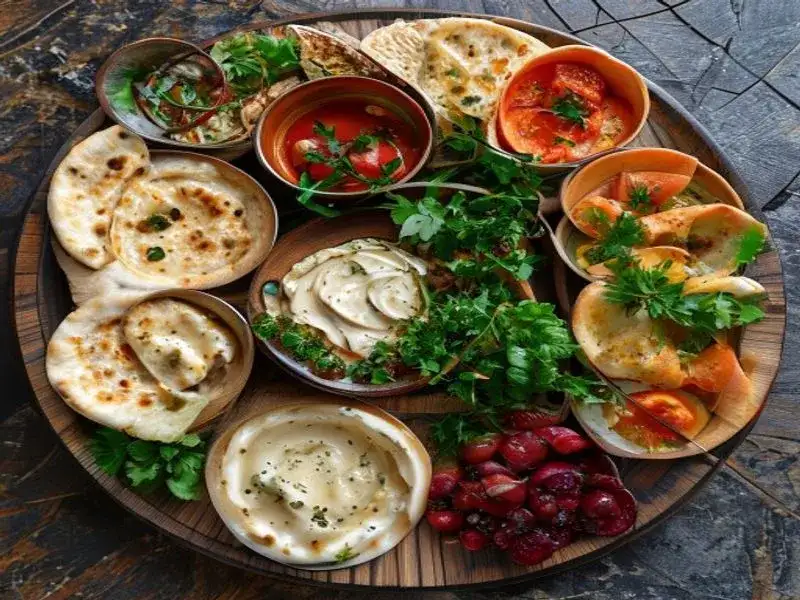
Meze: The Heart of Turkish Tables In Turkish culinary tradition, dining is rarely just about sustenance; it is an elaborate social event built around conversation, connection, and sharing. At the very center of this communal dining #culture is the meze—a sprawling, colorful array of small dishes designed not to satiate, but to tantalize the palate and stimulate dialogue. The word meze itself derives from the Persian word maza, meaning "to taste" or "to relish." A Symphony of Small Plates A true meze spread is a balancing act of temperatures, textures, and flavor profiles—tart, savory, spicy, and herbaceous. A typical table at a meyhane (a traditional Turkish tavern) will be instantly populated with a dozen or more cold meze dishes. Essential staples include haydari, a thick, strained yogurt aggressively seasoned with garlic, dill, and dried mint; acılı ezme, a fiery, finely chopped salsa of tomatoes, onions, hot peppers, and pomegranate molasses; and fava, a dense, savory puree of broad beans topped with dill and olive oil. Seafood also plays a heavy role, particularly along the Aegean and Mediterranean coasts, with dishes like marinated sea bass, grilled octopus, and the ubiquitous midye dolma (stuffed mussels). The Warm Meze Transition As the evening progresses and the cold dishes are slowly diminished with torn pieces of warm pita or crusty bread, the warm mezes (ara sıcaklar) make their appearance. These often include sizzling copper pans of karides güveç (shrimp baked in butter, garlic, and tomato), crispy kalamar (fried calamari), and the beloved sigara böreği—flaky pastry rolls stuffed with melting feta cheese and parsley. The Rakı Connection It is impossible to discuss the meze culture without mentioning its steadfast companion: rakı. Known colloquially as "Lion’s Milk," this potent, anise-flavored spirit is the traditional beverage of the meyhane. When mixed with water and ice, rakı turns a cloudy white. Its intense licorice flavor cuts perfectly through the rich olive oils, sharp garlic, and spicy peppers of the meze spread. Meze is not a starter course intended to precede a main meal; often, the meze is the meal. It is a culinary philosophy that champions taking one's time, savoring diverse flavors, and valuing the company around the table as much as the food upon it. #Meze #TurkishTapas #Meyhane #Raki #Haydari #AegeanFood #CulinaryCulture #SharedMeals #TurkishCuisine #Gastronomy #turkishfood #recipe #mezetheheartofturkishtables #anatoliancuisine #demirsef #delicious #food Related InsightsПирожки как у бабушки Сырники на завтрак Come fare il Pesto Genovese{ "@context": "https://schema.org", "@type": "FAQPage", "mainEntity": [ { "@type": "Question", "name": "What is the main focus of Meze: The Heart of Turkish Tables?", "acceptedAnswer": { "@type": "Answer", "text": "Explore the incredible journey of Meze: The Heart of Turkish Tables with Ayşe Kaya." } }, { "@type": "Question", "name": "Who authored the comprehensive guide on Meze: The Heart of Turkish Tables?", "acceptedAnswer": { "@type": "Answer", "text": "This detailed article and its insights were carefully researched and authored by Demir Şef." } }, { "@type": "Question", "name": "Where can I find more related content about Recipe?", "acceptedAnswer": { "@type": "Answer", "text": "You can explore more articles, detailed reviews, and similar insights by browsing the Related Insights section at the bottom of this article or visiting our dedicated Recipe category page." } } ] }
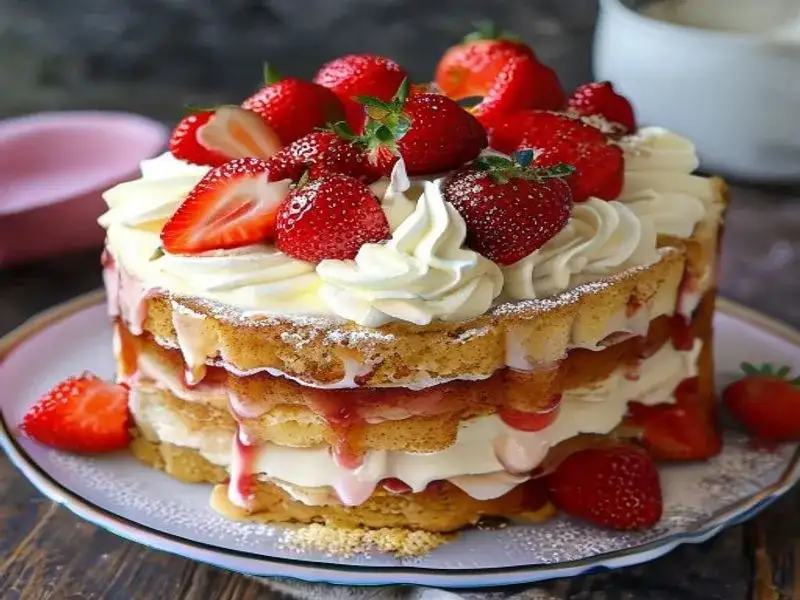

The Royal Ascent of the Victoria Sponge There is perhaps no cake more synonymous with the quintessential British afternoon tea than the beloved Victoria Sponge. Also known as the Victoria Sandwich, this light, airy, and elegantly simple confection holds a profound place in the annals of British culinary #history. It is a masterpiece that transformed the way the British #empire enjoyed its sweet treats. A Cake Fit for a Queen The origins of the Victoria Sponge are inextricably linked to Queen Victoria herself. During the 19th century, the Duchess of Bedford, one of the Queen's ladies-in-waiting, popularized the concept of "afternoon tea" to stave off the hunger gap between a light lunch and a late dinner. Queen Victoria quickly adopted the tradition, famously enjoying a slice of sponge cake with her tea. Prior to the 1843 invention of baking powder by English food manufacturer Alfred Bird, sponge cakes relied heavily on the labor-intensive whisking of eggs to incorporate air. The introduction of baking powder was revolutionary. It allowed bakers to add butter to the mixture, creating a richer, heavier, yet beautifully risen cake. This modern "pound cake" variant became the Victoria Sponge we know today. The Anatomy of Perfection True British culinary purists agree that a traditional Victoria Sponge consists of two layers of aerated buttery sponge cake. The filling is where debates often arise. The Women's Institute (WI), the ultimate arbiter of British baking standards, dictates that a true Victoria Sandwich must only be filled with raspberry jam (and never strawberry). Furthermore, the top of the cake should simply be dusted with caster sugar, not iced or topped with cream. However, modern interpretations frequently include a generous layer of freshly whipped double cream or buttercream alongside the jam, creating a richer dessert. The cake's crumb should be tender, moist, and golden, achieved through the creaming method where equal weights of butter, sugar, flour, and eggs are meticulously combined. Cultural Legacy Today, the Victoria Sponge is not just a cake; it is a cultural touchstone. It is the benchmark by which amateur bakers are judged at county fairs and village fetes across the UK. Its elegant simplicity makes it both a comfort food and a celebratory centerpiece, reminding us of a time when the afternoon paused for the gentle clinking of teacups and the slicing of a perfect bake. #VictoriaSponge #BritishBaking #CulinaryHistory #AfternoonTea #BritishFood #BakingHistory #Foodie #britishfood #michaelchef #recipe #ukcuisine Related InsightsLinseneintopf wie bei Oma Meze: The Heart of Turkish Tables Cannoli Siciliani Croccanti{ "@context": "https://schema.org", "@type": "FAQPage", "mainEntity": [ { "@type": "Question", "name": "What is the main focus of Baking a Victoria Sponge?", "acceptedAnswer": { "@type": "Answer", "text": "Explore the incredible journey of Baking a Victoria Sponge with Emily Page." } }, { "@type": "Question", "name": "Who authored the comprehensive guide on Baking a Victoria Sponge?", "acceptedAnswer": { "@type": "Answer", "text": "This detailed article and its insights were carefully researched and authored by Michael Chef." } }, { "@type": "Question", "name": "Where can I find more related content about Recipe?", "acceptedAnswer": { "@type": "Answer", "text": "You can explore more articles, detailed reviews, and similar insights by browsing the Related Insights section at the bottom of this article or visiting our dedicated Recipe category page." } } ] }


Dresden: Das wahre Elbflorenz entdecken Dresden, die stolze Landeshauptstadt des Freistaates Sachsen, trägt nicht ohne Grund den ehrwürdigen Beinamen „Elbflorenz“. Diese charmante Bezeichnung, die bereits im frühen 19. Jahrhundert vom Philosophen Johann Gottfried von Herder geprägt wurde, spielt auf die beeindruckenden Kunstsammlungen sowie die atemberaubende barocke und mediterran anmutende Architektur an, die sich majestätisch in den sanften Fluten der Elbe spiegelt. Dresden ist ein Meisterwerk der Wiederauferstehung und ein Mekka für Kunst-, Geschichts- und Architekturliebhaber aus aller Welt. Die barocke Pracht: Zwinger, Frauenkirche und Semperoper Ein Spaziergang durch die historische Altstadt gleicht einer Reise in die prunkvolle Zeit Augusts des Starken. Im Zentrum der architektonischen Bewunderung steht zweifellos der Dresdner Zwinger. Dieses Gesamtkunstwerk aus Architektur, Plastik und Malerei gilt als eines der bedeutendsten Bauwerke des Spätbarocks in Europa. Ursprünglich als Orangerie und Festspielplatz des sächsischen Hofes konzipiert, beherbergt der Zwinger heute weltberühmte Museen wie die Gemäldegalerie Alte Meister, wo Raffaels berühmte „Sixtinische Madonna“ mit den ikonischen Engeln ihre Heimat hat. Ein weiteres Wunder der Rekonstruktion ist die Dresdner Frauenkirche. Während der verheerenden Bombenangriffe im Februar 1945 fast vollständig zerstört, blieb sie jahrzehntelang als Mahnmal gegen den Krieg in Trümmern liegen. Nach der Wiedervereinigung wurde sie in einem beispiellosen architektonischen Kraftakt originalgetreu wiederaufgebaut und im Jahr 2005 neu geweiht. Heute thront ihre gewaltige Sandsteinkuppel wieder stolz über der Skyline. Nur einen Steinwurf entfernt befindet sich die weltberühmte Semperoper. Sie besticht nicht nur durch ihre prächtige Architektur im Stil der italienischen Hochrenaissance, sondern auch durch ihre außergewöhnliche Akustik, die Opernfreunde tief bewegt. Kulinarische Schätze Sachsens Dresden wäre nicht Elbflorenz, gäbe es nicht auch kulinarische Kunstwerke zu entdecken. Weit über die Landesgrenzen hinaus bekannt ist der Dresdner Christstollen, ein gehaltvolles Gebäck aus schwerem Hefeteig mit Rosinen, Butter, süßen und bitteren Mandeln sowie Orangeat und Zitronat. Seine Geschichte reicht bis in das 15. Jahrhundert zurück. Das Original darf nur in und um Dresden von zertifizierten Bäckern hergestellt werden. Doch Dresden hat noch eine weitere süße Verführung zu bieten: die Dresdner Eierschecke. Diese köstliche Kuchenspezialität besteht aus einem Boden aus Hefeteig, einer mittleren Schicht aus Quark und Vanillepudding und einer oberen, fluffigen Schicht aus Eigelb, Butter und aufgeschlagenem Eiweiß. Für Kaffeeliebhaber (oder "Kaffeesachsen", wie die Einheimischen oft liebevoll genannt werden) ist ein Stück frisch gebackene Eierschecke in einem der traditionellen Kaffeehäuser am Altmarkt ein absolutes Muss. Das grüne Herz an der Elbe Neben all der hochkarätigen Architektur bietet Dresden auch eine unglaubliche Dichte an Grünflächen. Die weitläufigen Elbwiesen laden im Sommer zum Picknicken und Radfahren ein, während die nahe gelegenen Weinberge in Radebeul die Jahrhunderte alte sächsische Weinbautradition präsentieren. Hier gedeihen exzellente Müller-Thurgau- und Riesling-Weine, die man bei einer Fahrt auf einem der historischen Schaufelraddampfer der Sächsischen Dampfschifffahrt hervorragend genießen kann. Dresden ist wahrlich eine Stadt, in der #Kultur, Geschichte und Genuss eine perfekte Symbiose eingehen. #Dresden #Elbflorenz #Sachsen #Frauenkirche #Zwinger #GermanyTravel #VisitDresden #DresdnerStollen #Barock #TravelGermany #travel #exclusive Related InsightsL'Eclissi del Re Sole: Tra gli Specchi e l'Oro di Versailles Medina Azahara: La Ciudad Brillante Bhutan’s Tiger’s Nest Monastery: A Pilgrimage to the Clouds (Part 2){ "@context": "https://schema.org", "@type": "FAQPage", "mainEntity": [ { "@type": "Question", "name": "What is the main focus of Dresden: Elbflorenz?", "acceptedAnswer": { "@type": "Answer", "text": "Explore the incredible journey of Dresden: Elbflorenz with Felix Müller." } }, { "@type": "Question", "name": "Who authored the comprehensive guide on Dresden: Elbflorenz?", "acceptedAnswer": { "@type": "Answer", "text": "This detailed article and its insights were carefully researched and authored by Felix Müller." } }, { "@type": "Question", "name": "Where can I find more related content about Travel?", "acceptedAnswer": { "@type": "Answer", "text": "You can explore more articles, detailed reviews, and similar insights by browsing the Related Insights section at the bottom of this article or visiting our dedicated Travel category page." } } ] }
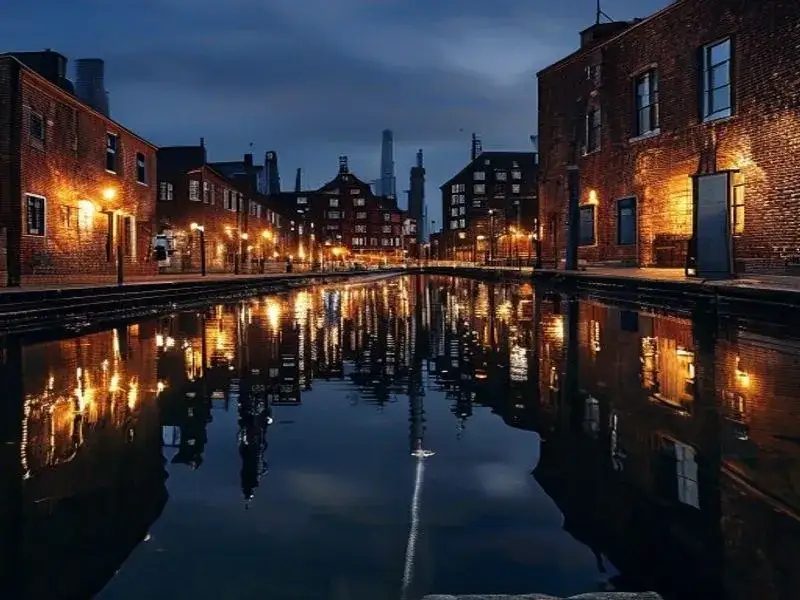
Hamburgs Speicherstadt: Ein architektonisches Juwel aus rotem Backstein Tief im Herzen des Hamburger Hafens, umschlossen von glitzernden Fleeten und überspannt von kunstvollen Brücken, liegt ein Ort von unvergleichlicher industrieller Schönheit: die Speicherstadt. Als weltgrößter zusammenhängender Lagerhauskomplex wurde dieses historische Viertel im Jahr 2015 gemeinsam mit dem benachbarten Kontorhausviertel zum UNESCO-Weltkulturerbe erklärt. Ein Besuch der Speicherstadt ist wie eine Zeitreise in die Epoche, als Hamburg als das "Tor zur Welt" galt und mächtige Kaufleute den globalen Handel dominierten. Die Entstehung eines logistischen Meisterwerks Die Geschichte der Speicherstadt begann Ende des 19. Jahrhunderts. Als Hamburg 1888 dem Deutschen Zollverein beitrat, verlor die Stadt ihr Privileg des zollfreien Handels für das gesamte Stadtgebiet. Um dennoch zollfreien Warenumschlag zu ermöglichen, wurde ein Freihafen eingerichtet. Für den Bau der gigantischen Speicherkomplexe mussten über 20.000 Menschen im damaligen Kehrwieder- und Wandrahmviertel ihre Wohnungen räumen – ein historischer Kraftakt, der heute oft vergessen wird. Die Architektur der Speicherstadt ist atemberaubend. Die fünf- bis siebengeschossigen Gebäude wurden im Stil der hannoverschen Architekturschule erbaut und ruhen auf abertausenden massiven Eichenpfählen, die tief in den feuchten Hamburger Schlick gerammt wurden. Die Fassaden aus rotem Backstein sind kunstvoll mit Erkern, Türmchen und Terrakotta-Ornamenten verziert. Auf der Wasserseite der Gebäude hingen einst riesige Seilwinden, mit denen Kaffee, Tee, Kakao, Gewürze und Teppiche direkt von den Schuten (kleinen Hafenlastkähnen) in die Lagerräume gehievt wurden. Düfte und Aromen: Eine Reise für die Sinne Auch wenn heute kaum noch klassische Güter in der Speicherstadt gelagert werden, weht noch immer ein Hauch von exotischen Gewürzen und röstfrischem Kaffee durch die engen Gassen. Kulinarisch und historisch Interessierte kommen in der Speicherstadtkaffeerösterei voll auf ihre Kosten. Hier wird der Kaffee noch traditionell trommelgeröstet, ein Verfahren, das den Bohnen ihr volles, komplexes Aroma entlockt. Das historische Kaffeemuseum in der Burgstraße nimmt Besucher mit auf eine Reise durch die jahrhundertelange Geschichte des braunen Goldes. Nicht minder faszinierend ist das Spicy’s Gewürzmuseum, das tief in die Welt der exotischen Aromen eintauchen lässt. Jahrhundertelang war Hamburg der wichtigste Umschlagplatz für Pfeffer, Muskat, Nelken und Zimt. Die intensiven Gerüche des Museums lassen die harte Arbeit der "Quartiersleute" (der Lagerarbeiter) erahnen, die schwere Jutesäcke durch die dunklen und kühlen Gewölbe schleppten. Miniaturen und Magie bei Nacht Heute beherbergt die Speicherstadt neben Museen und Werbeagenturen auch das weltberühmte Miniatur Wunderland, die größte Modelleisenbahnanlage der Welt. Mit über 16 Kilometern Gleisen und unglaublich detailgetreuen Miniaturwelten zieht es jährlich über eine Million Besucher in seinen Bann. Doch die wahre Magie der Speicherstadt entfaltet sich, wenn die Sonne untergeht. Sobald die Dämmerung hereinbricht, wird das gesamte Viertel durch hunderte Scheinwerfer illuminiert. Die kunstvolle Beleuchtung taucht die Backsteinfassaden und stählernen Brücken in ein warmes, weiches Licht, das sich sanft in den dunklen Fleeten spiegelt. Eine abendliche Barkassenfahrt durch die engen Wasserstraßen der Speicherstadt gehört zu den romantischsten und unvergesslichsten Erlebnissen, die Hamburg zu bieten hat. #Hamburg #Speicherstadt #Weltkulturerbe #Hafenstadt #MiniaturWunderland #Backsteinarchitektur #GermanyTravel #TravelHamburg #ExploreGermany #Norddeutschland #travel #exclusive Related Insights厳島神社: 海に浮かぶ神々の住処 Fairy Tale Châteaux: A Journey Through the Loire Valley Gobeklitepe: The First Temple{ "@context": "https://schema.org", "@type": "FAQPage", "mainEntity": [ { "@type": "Question", "name": "What is the main focus of Hamburgs Speicherstadt?", "acceptedAnswer": { "@type": "Answer", "text": "Explore the incredible journey of Hamburgs Speicherstadt with Felix Müller." } }, { "@type": "Question", "name": "Who authored the comprehensive guide on Hamburgs Speicherstadt?", "acceptedAnswer": { "@type": "Answer", "text": "This detailed article and its insights were carefully researched and authored by Felix Müller." } }, { "@type": "Question", "name": "Where can I find more related content about Travel?", "acceptedAnswer": { "@type": "Answer", "text": "You can explore more articles, detailed reviews, and similar insights by browsing the Related Insights section at the bottom of this article or visiting our dedicated Travel category page." } } ] }
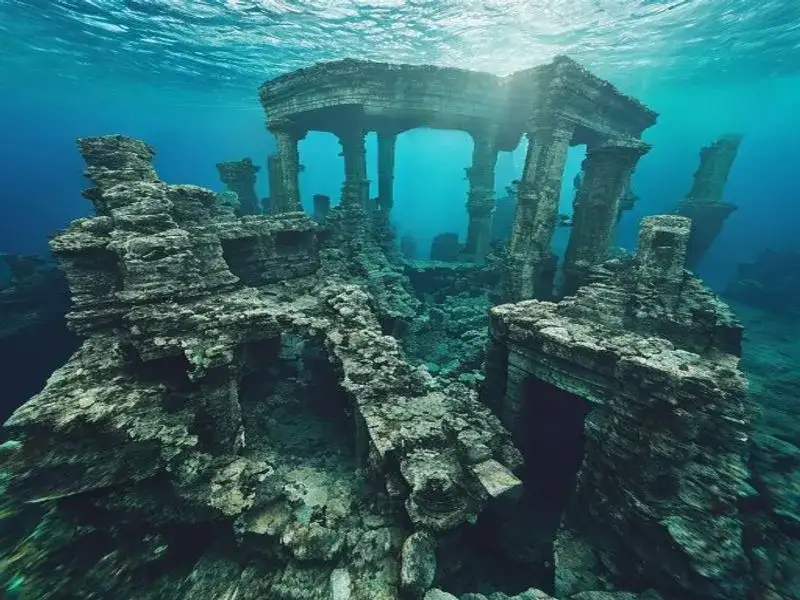

The Sunken Secrets of Kekova Floating along the Turquoise Coast of Turkey, near the charming town of Demre in the Antalya Province, lies a submerged archaeological wonder that seems plucked straight from a fantasy novel. The island of Kekova is famous not just for its crystal-clear Mediterranean waters, but for the haunting ruins of an #ancient Lycian settlement that rests silently beneath the waves. Known as the "Sunken City of Kekova," this site offers a surreal glimpse into an ancient world lost to the sea. A City Claimed by the Mediterranean The submerged ruins once belonged to the ancient town of Dolchiste, a thriving Lycian port settlement established during antiquity. In the 2nd century AD, the region was struck by a series of devastating earthquakes. The tectonic shifts caused the land to subside, plunging the northern coast of the island—and the city of Dolchiste along with it—beneath the Mediterranean. Today, visitors can take boat tours or paddle kayaks over the incredibly clear, turquoise waters to view the remains. Looking down, you can clearly see the foundations of stone houses, half-submerged staircases leading down into the blue abyss, ancient harbors, and scattered terracotta amphorae that were once used to transport olive oil and wine. While swimming directly over the ruins is strictly prohibited by the Turkish government to preserve the site, the view from the surface is nothing short of mesmerizing. The Castle of Simena Just across the water from Kekova Island is the picturesque village of Kaleköy, built directly upon the ancient Lycian city of Simena. Unlike Dolchiste, Simena was only partially submerged. The village is dominated by a remarkably well-preserved Byzantine castle built by the Knights of Rhodes. Climbing to the top of the castle rewards visitors with panoramic views of the Kekova region. The hillside is dotted with ancient Lycian rock-cut tombs, including one famous sarcophagus that stands entirely surrounded by water—a solitary, enduring monument to the region's complex geological #history. A Taste of the Coast A visit to Kekova is a feast for the senses, particularly the palate. The coastal waters here are incredibly rich, and the local cuisine is heavily seafood-centric. After a day of exploring the sunken ruins, pulling into a waterfront restaurant in Kaleköy or nearby Üçağız is a must. The quintessential Kekova meal consists of freshly caught grouper (lagos) or sea bream, simply grilled with a drizzle of local olive oil and lemon. This is invariably accompanied by an array of mezes, such as fava (mashed broad beans) and haydari (thick yogurt with garlic and dill). For dessert, locals highly recommend homemade peach or lemon ice cream, churned right in the village—a perfect, refreshing end to a day spent uncovering the sunken secrets of the Lycian coast. #Kekova #SunkenCity #TurkeyTravel #LycianCoast #MediterraneanSea #Antalya #AncientRuins #Simena #UnderwaterArchaeology #TravelTurkey #travel #exclusive Related InsightsColmar and the Alsace Wine Route: A Colorful Escape 丽江古城:茶马古道上的明珠 平遥古城:穿越明清的金融中心{ "@context": "https://schema.org", "@type": "FAQPage", "mainEntity": [ { "@type": "Question", "name": "What is the main focus of The Sunken City of Kekova?", "acceptedAnswer": { "@type": "Answer", "text": "Explore the incredible journey of The Sunken City of Kekova with Emre Yılmaz." } }, { "@type": "Question", "name": "Who authored the comprehensive guide on The Sunken City of Kekova?", "acceptedAnswer": { "@type": "Answer", "text": "This detailed article and its insights were carefully researched and authored by Emre Yılmaz." } }, { "@type": "Question", "name": "Where can I find more related content about Travel?", "acceptedAnswer": { "@type": "Answer", "text": "You can explore more articles, detailed reviews, and similar insights by browsing the Related Insights section at the bottom of this article or visiting our dedicated Travel category page." } } ] }
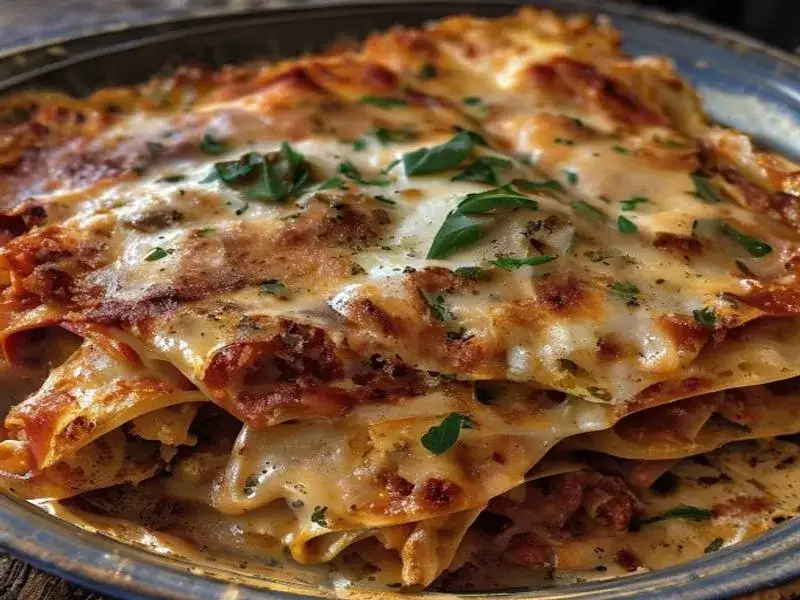
Lasagne al Forno della Nonna: Il Cuore della Domenica Italiana Uno dei piatti più opulenti, amati e storici d'Italia è la lasagna al forno, o come la prepariamo nella mia famiglia, "della nonna". Le Antiche Origini di un Classico Le origini della lasagna risalgono addirittura all'Antica Roma. Il filosofo romano Cicerone era noto per la sua passione per il "laganum", che consisteva in strisce di pasta larghe e piatte, cotte in acqua o brodo. Le lasagne come le conosciamo oggi, con i loro ricchi strati intervallati da sugo, hanno iniziato a prendere forma nel Medioevo e si sono consolidate in Emilia-Romagna. Questo piatto iconico si fonda su tre pilastri fondamentali: la pasta, il ragù e la besciamella. I Tre Pilastri della PerfezioneLa Sfoglia: A Bologna, la tradizione vuole l'uso della sfoglia verde, impastata con l'aggiunta di spinaci lessati e strizzati finemente. Deve essere tirata a mano con il matterello e risultare ruvida e porosa, per assorbire i sughi. Prima di essere assemblata, la pasta va sbollentata per qualche istante in acqua salata. Il Ragù alla Bolognese: Un ragù richiede pazienza. Una lenta cottura ("pippiare") di almeno tre ore è essenziale. Il soffritto di sedano, carota e cipolla accoglie un misto di carne di manzo e maiale, sfumato con vino e bagnato da un tocco di passata di pomodoro. La Besciamella: Deve essere fluida e vellutata. Farina, burro (il classico roux), latte intero e una generosa grattugiata di noce moscata.L'assemblaggio è un rito: strato dopo strato, alternando pasta, ragù, besciamella e una pioggia abbondante di Parmigiano Reggiano grattugiato. La cottura in forno regala poi quella magica crosticina bruciacchiata negli angoli, che tutti si contendono a tavola. #lasagne #ragu #emiliaromagna #italianfood #pastaalforno #cucinatradizionale #domenicaitaliana #isabellaferrari #bologna #cucinaitaliana #ricettadellanonna #tradizioneculinaria #primipiatti #recipe #exclusive Related InsightsRote Grütze Dessert Pasta alla Carbonara Perfetta Come fare il Pesto Genovese{ "@context": "https://schema.org", "@type": "FAQPage", "mainEntity": [ { "@type": "Question", "name": "What is the main focus of Lasagne al Forno della Nonna?", "acceptedAnswer": { "@type": "Answer", "text": "Explore the incredible journey of Lasagne al Forno della Nonna with Isabella Ferrari." } }, { "@type": "Question", "name": "Who authored the comprehensive guide on Lasagne al Forno della Nonna?", "acceptedAnswer": { "@type": "Answer", "text": "This detailed article and its insights were carefully researched and authored by Isabella Ferrari." } }, { "@type": "Question", "name": "Where can I find more related content about Recipe?", "acceptedAnswer": { "@type": "Answer", "text": "You can explore more articles, detailed reviews, and similar insights by browsing the Related Insights section at the bottom of this article or visiting our dedicated Recipe category page." } } ] }

Insel Rügen im Sommer: Ein Paradies aus Kreide und Meer Wenn der Sommer nach #Deutschland zieht, gibt es kaum ein bezaubernderes Ziel als Rügen, die größte und wohl landschaftlich vielfältigste Insel des Landes. Eingebettet in die stahlblaue Ostsee vor der Küste Mecklenburg-Vorpommerns, ist Rügen ein Ort, an dem unberührte Natur auf mondäne Bäderarchitektur trifft. Ein Sommerurlaub hier verspricht salzige Meeresluft, endlose Sandstrände und kulturelle Entdeckungen, die tief in die deutsche Geschichte reichen. Die majestätischen Kreidefelsen im Nationalpark Jasmund Das unbestrittene Wahrzeichen Rügens sind die leuchtend weißen Kreidefelsen der Halbinsel Jasmund. Die bis zu 118 Meter steil in die Ostsee abfallenden Klippen, gekrönt vom saftigen Grün alter Buchenwälder, bieten ein unvergleichliches Naturschauspiel. Bereits 1818 verewigte der Romantik-Maler Caspar David Friedrich dieses Panorama in seinem weltberühmten Gemälde "Kreidefelsen auf Rügen". Der Nationalpark Jasmund, in dem sich dieses Naturwunder befindet, ist der kleinste Nationalpark Deutschlands, gehört aber mit seinen uralten Buchenwäldern zum UNESCO-Weltnaturerbe. Ein Spaziergang entlang der Hochuferwegs, begleitet vom Rauschen der Brandung tief unten, ist ein absolut magisches Erlebnis. Mondäne Bäderarchitektur und nostalgische Eisenbahn Wer die Küste Rügens erkundet, wird unweigerlich vom Charme der historischen Seebäder verzaubert. Orte wie Binz, Sellin und Göhren sind berühmt für ihre strahlend weiße Bäderarchitektur. Die prächtigen Villen mit ihren filigranen Holzbalkonen, Erkern und Türmchen wurden im späten 19. und frühen 20. Jahrhundert erbaut, als der europäische Adel und das wohlhabende Bürgertum die Sommerfrische an der Ostsee entdeckten. Ein absolutes Highlight ist die 394 Meter lange Seebrücke in Sellin, deren prächtiges Brückenhaus wie ein Märchenschloss über den Wellen schwebt. Für eine nostalgische Reise über die Insel bietet sich der "Rasende Roland" an. Diese historische dampfbetriebene Schmalspurbahn faucht und zischt seit 1895 über Rügen und verbindet die Seebäder Putbus, Binz, Sellin und Baabe mit Göhren. Mit gemütlichen 30 km/h schnauft die Bahn durch tiefgrüne Wälder und gelbe Rapsfelder – eine echte Entschleunigung im Rhythmus der Insel. Fischbrötchen und Sanddorn: Kulinarische Ostsee-Träume Rügen im Sommer ist auch ein Fest für Feinschmecker, die frische Meeresfrüchte und rustikale Küstenküche lieben. Kein Inselbesuch ist vollständig ohne den Genuss eines klassischen Fischbrötchens. Ob mit zartem Bismarckhering, frischem Matjes, herzhaftem Räucherlachs oder knusprigem Backfisch – direkt am Hafen gekauft und mit Blick auf die Möwen genossen, schmeckt es einfach am besten. Ein weiteres kulinarisches Wahrzeichen der Ostseeküste ist der Sanddorn, der oft als die "Zitrone des Nordens" bezeichnet wird. Die orangefarbenen, extrem vitamin-C-reichen Beeren gedeihen hervorragend auf den sandigen Böden der Inselböschungen. Auf Rügen findet man Sanddorn in allen erdenklichen Variationen: als leuchtend gelben Saft, aromatische Marmelade, hochprozentigen Likör oder als erfrischendes Eis an heißen Sommertagen am Strand. Die Insel Rügen vereint raue Naturromantik, historische Eleganz und kulinarische Einfachheit auf so perfekte Weise, dass man jeden Sommer aufs Neue zurückkehren möchte. #Rügen #Ostsee #Kreidefelsen #Bäderarchitektur #RasenderRoland #InselUrlaub #Sanddorn #GermanyTravel #VisitGermany #BalticSea #travel #exclusive Related InsightsOstia Antica: Il Porto dell'Impero Romano Floating Above the Clouds: A Definitive Pilgrimage to Bhutan’s Tiger’s Nest 伏見稲荷大社: 千本鳥居が導く神秘の山{ "@context": "https://schema.org", "@type": "FAQPage", "mainEntity": [ { "@type": "Question", "name": "What is the main focus of Insel Rügen im Sommer?", "acceptedAnswer": { "@type": "Answer", "text": "Explore the incredible journey of Insel Rügen im Sommer with Felix Müller." } }, { "@type": "Question", "name": "Who authored the comprehensive guide on Insel Rügen im Sommer?", "acceptedAnswer": { "@type": "Answer", "text": "This detailed article and its insights were carefully researched and authored by Felix Müller." } }, { "@type": "Question", "name": "Where can I find more related content about Travel?", "acceptedAnswer": { "@type": "Answer", "text": "You can explore more articles, detailed reviews, and similar insights by browsing the Related Insights section at the bottom of this article or visiting our dedicated Travel category page." } } ] }
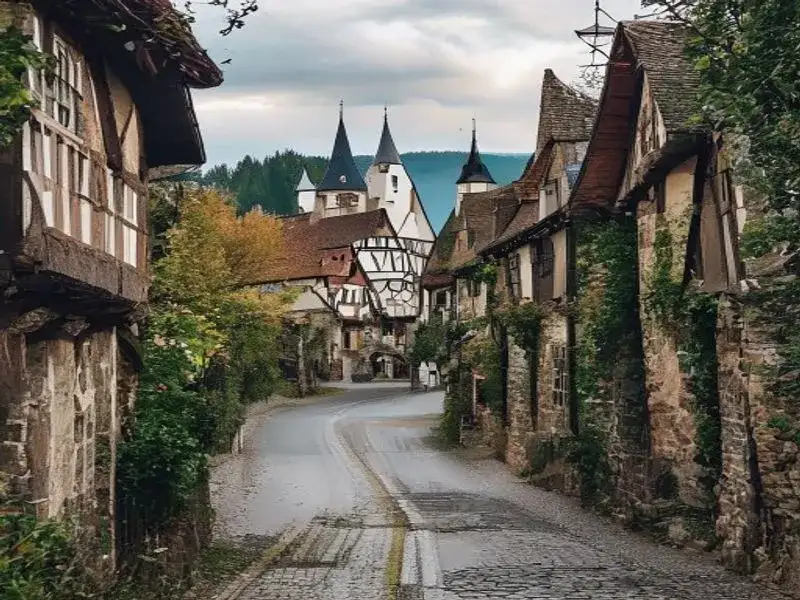
Die Romantische Straße fahren: Eine Reise durch Deutschlands Bilderbuchlandschaften Die Romantische Straße ist weit mehr als nur eine einfache Autoroute – sie ist eine 460 Kilometer lange Reise in die Seele der deutschen Romantik. Von Würzburg im Norden Bayerns bis hinunter nach Füssen in den majestätischen Ausläufern der Alpen verbindet diese Route mittelalterliche Städte, barocke Residenzen, märchenhafte Schlösser und sanfte Flusslandschaften wie eine kostbare Perlenschnur. Gegründet im Jahr 1950, um #Deutschland nach dem Zweiten Weltkrieg wieder als attraktives Reiseziel für internationale Touristen, insbesondere Amerikaner, zu positionieren, ist sie heute die bekannteste und beliebteste Ferienstraße des Landes. Von Würzburg bis Rothenburg ob der Tauber Die Reise beginnt in der fränkischen Weinmetropole Würzburg. Hier thront die Würzburger Residenz, ein architektonisches Meisterwerk des Barock und UNESCO-Weltkulturerbe. Ihr weltberühmtes Treppenhaus beherbergt das größte zusammenhängende Deckenfresko der Welt, geschaffen vom venezianischen Meister Giovanni Battista Tiepolo. Ein Spaziergang über die Alte Mainbrücke mit einem Glas fränkischen Silvaner in der Hand, umgeben von Heiligenstatuen und dem Blick auf die Festung Marienberg, ist der perfekte Auftakt. Fährt man weiter durch das idyllische Taubertal, erreicht man bald das unbestrittene Highlight der Strecke: Rothenburg ob der Tauber. Wer durch eines der alten Stadttore tritt, fühlt sich augenblicklich ins Mittelalter zurückversetzt. Mit ihrer vollständig erhaltenen, begehbaren Stadtmauer, den verwinkelten Gassen, dem weltberühmten Plönlein (einem winzigen Fachwerk-Ensemble an einer Straßengabelung) und den pastellfarbenen Häusern ist die Stadt der Inbegriff deutscher Mittelalterromantik. Hier kann man das ganze Jahr über im Weihnachtsdorf von Käthe Wohlfahrt festliche Stimmung erleben oder die makabren Exponate im Kriminalmuseum studieren. Kulinarische Entdeckungen: Schneeballen und Spätzle Die Romantische Straße ist auch eine kulinarische Entdeckungsreise, die von Franken über Schwaben bis nach Oberbayern führt. In Rothenburg kommt man an einer lokalen Spezialität nicht vorbei: dem "Schneeballen". Dieses kugelige Gebäck aus Mürbeteig, das traditionell mit Puderzucker bestäubt wird (daher der Name), wurde früher vor allem zu Hochzeiten gebacken. Heute gibt es sie in zahllosen Variationen, überzogen mit Schokolade, gefüllt mit Marzipan oder bestreut mit Nüssen. Je weiter man in den Süden vordringt, desto schwäbischer wird die Küche. In Städten wie Nördlingen, das spektakulär in einem vor 15 Millionen Jahren entstandenen Meteoritenkrater liegt, oder der alten Fuggerstadt Augsburg dominieren deftige Gerichte. Hausgemachte Maultaschen (oft als "Herrgottsbescheißerle" bezeichnet, da die Mönche das Fleisch während der Fastenzeit im Nudelteig vor Gott verstecken wollten) und butterzarte Käsespätzle gehören hier zum Pflichtprogramm. Das Finale in den Alpen Das südliche Drittel der Route führt in die alpine Region des Pfaffenwinkels, benannt nach der hohen Dichte an Klöstern und Kirchen, darunter die atemberaubende Rokoko-Wallfahrtskirche Wieskirche, ein weiteres UNESCO-Weltkulturerbe. Das großartige Finale der Romantischen Straße erwartet die Reisenden in Füssen, eingebettet zwischen türkisblauen Seen und steilen Berggipfeln. Hier wachen die Königsschlösser Hohenschwangau und Neuschwanstein majestätisch über die Landschaft und bilden den krönenden Abschluss eines Roadtrips, der die Fantasie beflügelt und die deutsche Geschichte lebendig werden lässt. #RomantischeStraße #RomanticRoad #BavariaTravel #RothenburgObDerTauber #Würzburg #RoadtripGermany #GermanyTourism #Füssen #Alpen #TravelEurope #travel #exclusive Related Insights宏村:画中的明清古村落 Where Earth Breathes Ages: A Deep Dive into Grand Canyon National Park The Dolomites, Italy: Hiking Through Alpine UNESCO Heritage (Part 2){ "@context": "https://schema.org", "@type": "FAQPage", "mainEntity": [ { "@type": "Question", "name": "What is the main focus of Romantische Straße fahren?", "acceptedAnswer": { "@type": "Answer", "text": "Explore the incredible journey of Romantische Straße fahren with Felix Müller." } }, { "@type": "Question", "name": "Who authored the comprehensive guide on Romantische Straße fahren?", "acceptedAnswer": { "@type": "Answer", "text": "This detailed article and its insights were carefully researched and authored by Felix Müller." } }, { "@type": "Question", "name": "Where can I find more related content about Travel?", "acceptedAnswer": { "@type": "Answer", "text": "You can explore more articles, detailed reviews, and similar insights by browsing the Related Insights section at the bottom of this article or visiting our dedicated Travel category page." } } ] }
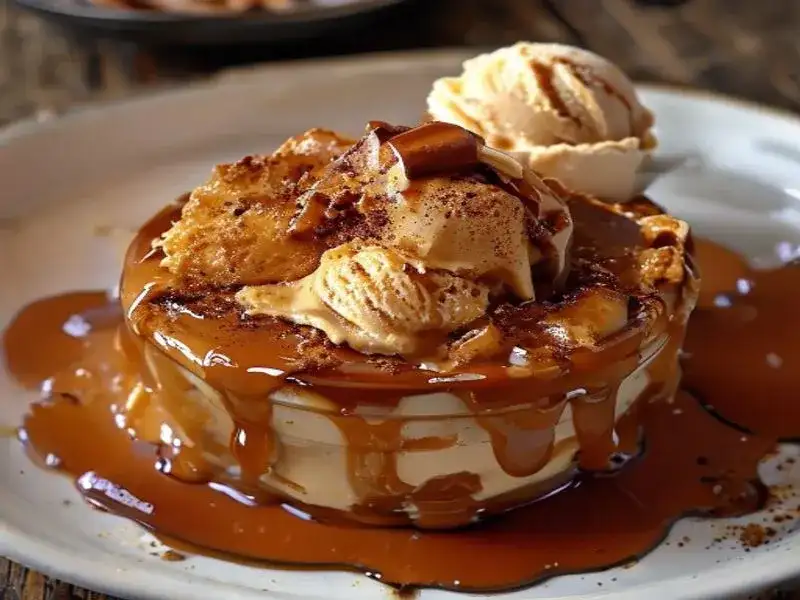
A Sweet Sensation: Sticky Toffee Pudding Despite what its deeply traditional, Dickensian flavor profile might suggest, Sticky Toffee Pudding is a surprisingly modern addition to the pantheon of great British desserts. This incredibly moist sponge cake, studded with dates and drenched in a decadent toffee sauce, has rapidly become a beloved staple in gastropubs and family dining rooms across the United Kingdom. The Dispute Over the Recipe The exact origins of Sticky Toffee Pudding are fiercely contested, but food historians generally agree that it is a 20th-century creation. The most widely accepted origin story traces the dessert to the Sharrow Bay Country House Hotel in the Lake District during the 1970s. The hotel's co-owner, Francis Coulson, claimed to have developed the recipe, allegedly taking inspiration from a Canadian World War II pilot who shared a recipe for a "muffin" made with dates. However, another strong claim comes from the Udny Arms Hotel in Aberdeenshire, Scotland, which purportedly served the pudding as early as 1967. Further complicating matters, the recipe bears a striking resemblance to a traditional Australian dessert known as "Sticky Date Pudding." Regardless of its true birthplace, the Lake District has capitalized on the dessert's fame, with the village of Cartmel now producing millions of commercially sold Sticky Toffee Puddings every year. The Magic of the Date The secret to the pudding's uniquely dense, moist, and almost gelatinous texture lies in its star ingredient: dried dates. Unlike traditional fruitcakes where the fruit remains whole, the dates in Sticky Toffee Pudding are finely chopped and soaked in boiling water mixed with bicarbonate of soda (baking soda). This chemical reaction is crucial. The alkaline bicarbonate of soda softens the tough skins of the dates and breaks down their cellular structure, turning them into a rich, dark mush. When folded into the batter, this date purée not only provides deep, molasses-like sweetness but also ensures the sponge remains incredibly moist during baking, preventing it from drying out. The Sauce That Binds A Sticky Toffee Pudding is nothing without its namesake sauce. The traditional topping is a luxurious, bubbling mixture of double cream, butter, and dark muscovado sugar. Unlike a standard caramel, which is made by crystallizing and burning white sugar, this toffee sauce relies on the rich, natural molasses present in unrefined dark brown sugar. To serve it the true British way, the pudding must be brought to the table piping hot, swimming in an excessive amount of sauce, and aggressively contrasted with a scoop of cold vanilla ice cream or a generous pour of pouring custard. It is the ultimate winter warmer, cementing its status as a modern British classic. #StickyToffeePudding #BritishDesserts #CulinaryHistory #Pudding #BakingFacts #Gastropub #SweetTreats #britishfood #michaelchef #recipe #ukcuisine Related InsightsApfelstrudel rein pflanzlich Салат Оливье к празднику Baklava: Layers of Perfection{ "@context": "https://schema.org", "@type": "FAQPage", "mainEntity": [ { "@type": "Question", "name": "What is the main focus of Sticky Toffee Pudding?", "acceptedAnswer": { "@type": "Answer", "text": "Explore the incredible journey of Sticky Toffee Pudding with Emily Page." } }, { "@type": "Question", "name": "Who authored the comprehensive guide on Sticky Toffee Pudding?", "acceptedAnswer": { "@type": "Answer", "text": "This detailed article and its insights were carefully researched and authored by Michael Chef." } }, { "@type": "Question", "name": "Where can I find more related content about Recipe?", "acceptedAnswer": { "@type": "Answer", "text": "You can explore more articles, detailed reviews, and similar insights by browsing the Related Insights section at the bottom of this article or visiting our dedicated Recipe category page." } } ] }
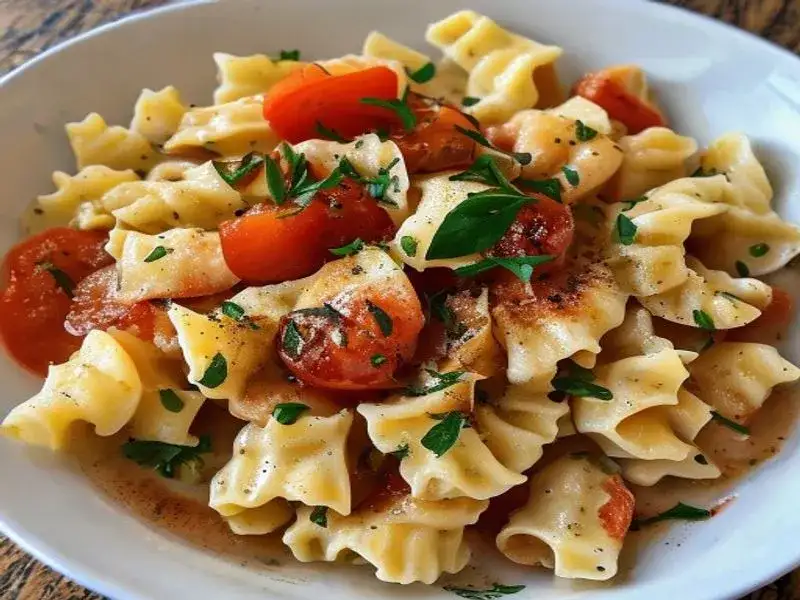
Gnocchi Fatti in Casa: I Soffici Cuscini della Cucina Italiana Gli gnocchi di patate fatti in casa sono uno dei comfort food per eccellenza della nostra penisola. Una Tradizione del Giovedì "Giovedì gnocchi, venerdì pesce, sabato trippa". Questo antico proverbio romano riassume perfettamente l'importanza che gli gnocchi ricoprono nella cultura gastronomica italiana, specialmente a Roma. Nati inizialmente come impasti di farina o mollica di pane, gli gnocchi hanno assunto la loro forma attuale solo dopo la scoperta dell'America, quando la patata è stata introdotta e ha iniziato a essere coltivata in Europa su larga scala. Preparare gli gnocchi a casa è quasi un rito terapeutico, un ponte tra generazioni, dove le nonne insegnano ai nipoti come formare questi piccoli capolavori. I Segreti per Gnocchi Perfetti Ottenere la consistenza perfetta – morbida ma non gommosa – richiede molta attenzione. Ecco le regole d'oro:La scelta delle patate: Devono essere patate vecchie, ricche di amido e povere d'acqua (le patate a pasta bianca o rossa sono ideali). La cottura: Le patate vanno lessate con la buccia o cotte al vapore, per evitare che assorbano troppa acqua. Vanno poi sbucciate e schiacciate quando sono ancora calde. Poca farina: Questo è il segreto supremo! Più farina si aggiunge, più gli gnocchi diventeranno duri. L'impasto deve essere lavorato molto velocemente finché non sta insieme, senza impastarlo come si farebbe per il pane. La rigatura: Passare gli gnocchi sui rebbi di una forchetta o sul riga-gnocchi di legno non è solo una questione estetica; le scanalature permettono di catturare e trattenere meglio il sugo.Sia che li condiate con un ricco ragù alla bolognese, con un fresco pesto genovese, o alla sorrentina con pomodoro e mozzarella filante, gli gnocchi fatti in casa sanno sempre di famiglia. #gnocchi #italianfood #pasta #ricettadellanonna #cucinaitaliana #comfortfood #isabellaferrari #fattoincasa #patate #ricetteitaliane #tradizioneculinaria #primipiatti #cibofattoincasa #recipe #exclusive Related InsightsSunday Roast Tradition Risotto allo Zafferano Lahmacun: The Turkish Pizza{ "@context": "https://schema.org", "@type": "FAQPage", "mainEntity": [ { "@type": "Question", "name": "What is the main focus of Gnocchi fatti in casa?", "acceptedAnswer": { "@type": "Answer", "text": "Explore the incredible journey of Gnocchi fatti in casa with Isabella Ferrari." } }, { "@type": "Question", "name": "Who authored the comprehensive guide on Gnocchi fatti in casa?", "acceptedAnswer": { "@type": "Answer", "text": "This detailed article and its insights were carefully researched and authored by Isabella Ferrari." } }, { "@type": "Question", "name": "Where can I find more related content about Recipe?", "acceptedAnswer": { "@type": "Answer", "text": "You can explore more articles, detailed reviews, and similar insights by browsing the Related Insights section at the bottom of this article or visiting our dedicated Recipe category page." } } ] }
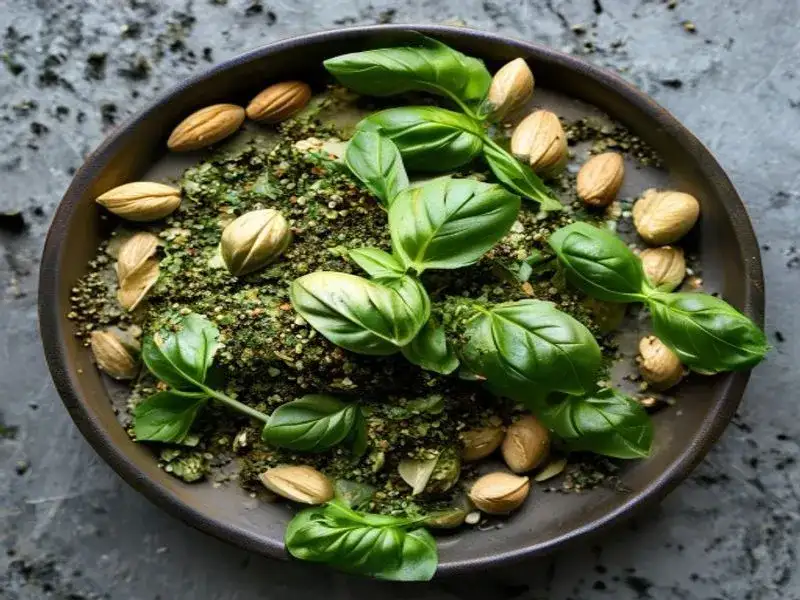
Come Fare il Pesto Genovese: L'Oro Verde della Liguria Il pesto genovese è una delle salse più celebri e amate al mondo. Oggi ne svelo i segreti. La Tradizione del Mortaio La parola "pesto" deriva dal verbo italiano "pestare". La vera ricetta tradizionale, tutelata persino da un Consorzio a Genova, richiede l'uso di un mortaio di marmo e di un pestello di legno (solitamente di ulivo o frassino). Usare le lame di metallo di un frullatore moderno scalda il basilico, ossidandolo e alterandone il sapore e il colore brillante. Il movimento rotatorio del pestello, invece, estrae delicatamente gli oli essenziali dalle foglie, garantendo un profumo inebriante. I Sette Ingredienti Magici Il disciplinare del vero pesto genovese ammette solo sette ingredienti, tutti di altissima qualità:Basilico Genovese DOP: Le foglioline devono essere tenere, piccole e coltivate nella zona di Pra'. Olio Extravergine di Oliva della Riviera Ligure: Un olio dolce e fruttato, non troppo piccante, che non copre gli altri sapori. Pinoli Nazionali: Conferiscono dolcezza e cremosità. Parmigiano Reggiano DOP: Molto stagionato. Fiore Sardo DOP (Pecorino): Per aggiungere una nota sapida e decisa. Aglio di Vessalico: Un aglio ligure noto per essere più delicato e digeribile. Sale Marino Grosso: Essenziale non solo per salare, ma anche per fare attrito nel mortaio e sminuzzare il basilico.Preparare il pesto in casa è un atto di amore verso le tradizioni liguri. Condire un piatto di trofie o di trenette con questa salsa fredda, magari aggiungendo fagiolini e patate come vuole l'usanza genovese, è un'esperienza celestiale. Armatevi di mortaio e iniziate a pestare! #pestogenovese #liguria #italianfood #cucinaligure #pasta #ricettatradizionale #basilico #isabellaferrari #genova #cucinaitaliana #ricetteclassiche #fattoincasa #slowfood #recipe #exclusive Related InsightsAnatolian Street Food Wonders The Secret of Turkish Kebab Салат Оливье к празднику{ "@context": "https://schema.org", "@type": "FAQPage", "mainEntity": [ { "@type": "Question", "name": "What is the main focus of Come fare il Pesto Genovese?", "acceptedAnswer": { "@type": "Answer", "text": "Explore the incredible journey of Come fare il Pesto Genovese with Isabella Ferrari." } }, { "@type": "Question", "name": "Who authored the comprehensive guide on Come fare il Pesto Genovese?", "acceptedAnswer": { "@type": "Answer", "text": "This detailed article and its insights were carefully researched and authored by Isabella Ferrari." } }, { "@type": "Question", "name": "Where can I find more related content about Recipe?", "acceptedAnswer": { "@type": "Answer", "text": "You can explore more articles, detailed reviews, and similar insights by browsing the Related Insights section at the bottom of this article or visiting our dedicated Recipe category page." } } ] }
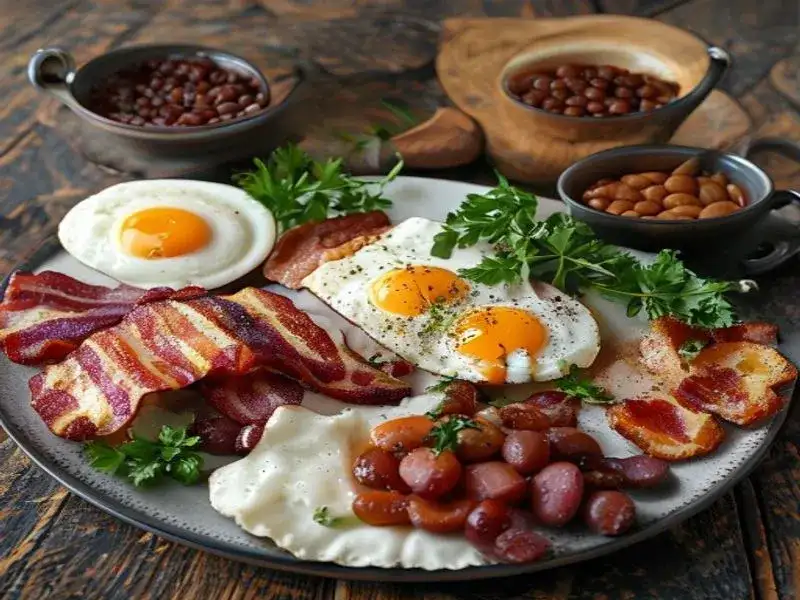
The Full Monty: The Ultimate English Breakfast Internationally renowned and culturally iconic, the Full English Breakfast is not merely a meal; it is an event. Often affectionately referred to as a "fry-up" or "The Full Monty," this gargantuan plate of savory delights is deeply ingrained in British identity, serving as both a weekend indulgence and the nation's undisputed champion of hangover cures. From Victorian Grandeur to Working-Class Fuel The origins of the English breakfast can be traced back to the rural gentry of the 13th century, who used lavish breakfast feasts to display their wealth and hospitality. However, it was the Victorians who truly codified the tradition. The wealthy Victorian class standardized the meal's ingredients, viewing a substantial breakfast as a crucial start to a civilized day. As the Industrial Revolution took hold, the "Full English" moved from the estates of the wealthy to the homes of the working class. Factory workers and laborers needed a highly caloric, fat-rich meal to sustain them through grueling physical labor. By the 1950s, the fry-up had become a national staple, served in "greasy spoon" cafes across the country. The Sacred Anatomy of a Fry-Up The composition of a true English Breakfast is fiercely debated, but traditionalists agree on several non-negotiable pillars. The foundation relies on high-quality back bacon (thicker and meatier than American streaky bacon) and thick pork sausages. These are accompanied by eggs, which must be fried—traditionally in the bacon fat—with a sunny, runny yolk designed for dipping. The carbohydrate elements are crucial for mopping up the plate. This includes fried bread (bread shallow-fried until crisp) or heavily buttered toast. Grilled tomatoes and sautéed mushrooms provide necessary acidity and earthy balance. Perhaps the most divisive elements are baked beans and black pudding. The beans, swimming in a sweet tomato sauce, must be carefully positioned to prevent their juices from compromising the crispness of the fried bread. Black pudding, a highly seasoned blood sausage made with pork fat and oats, is considered an essential delicacy by purists, offering a rich, metallic, and deeply savory crunch. A Cultural Institution Today, the English Breakfast is beloved worldwide. Whether served in a Michelin-starred London hotel or a humble roadside cafe accompanied by a strong, milky cup of builder's tea, the Full English remains a towering testament to Britain's robust and unapologetic culinary heritage. #EnglishBreakfast #FullEnglish #FryUp #BritishFood #BreakfastOfChampions #CulinaryFacts #FoodHistory #britishfood #michaelchef #recipe #ukcuisine Related InsightsClassic Fish and Chips Anatolian Street Food Wonders Vegane Brezeln backen{ "@context": "https://schema.org", "@type": "FAQPage", "mainEntity": [ { "@type": "Question", "name": "What is the main focus of The Ultimate English Breakfast?", "acceptedAnswer": { "@type": "Answer", "text": "Explore the incredible journey of The Ultimate English Breakfast with Emily Page." } }, { "@type": "Question", "name": "Who authored the comprehensive guide on The Ultimate English Breakfast?", "acceptedAnswer": { "@type": "Answer", "text": "This detailed article and its insights were carefully researched and authored by Michael Chef." } }, { "@type": "Question", "name": "Where can I find more related content about Recipe?", "acceptedAnswer": { "@type": "Answer", "text": "You can explore more articles, detailed reviews, and similar insights by browsing the Related Insights section at the bottom of this article or visiting our dedicated Recipe category page." } } ] }