
-
 Thomas Wright
 - 20 Apr, 2026 00:37
In Search of Safety: Voices of Refugees Book Review and Summary
In Search of Safety: Voices of Refugees Author: Susan KuklinPage Count: UnknownPublication Date: 2020-PRH In Search of Safety: Voices of Refugees by Susan Kuklin is a searing, humanizing testament to resilience in the face of unimaginable hardship. Published in 2020, this book doesn’t just recount the statistics of displacement—it breathes life into them through the raw, unfiltered voices of five refugees whose journeys to America are marked by war, persecution, and the quiet determination to survive. Kuklin, known for her empathetic and immersive storytelling in works like Beyond Magenta and We Are Here to Stay, once again proves herself a masterful chronicler of marginalized lives. Here, she doesn’t just tell their stories; she amplifies them, letting each voice reverberate with the weight of lived experience. At its core, In Search of Safety is a book about displacement—not just geographical, but existential. The five narrators—Fraidoon from Iraq, Nathan from Myanmar, Shireen from South Sudan, Nyarout from Burundi, and Ahmed from Afghanistan—each carry the scars of a world that has repeatedly tried to erase them. Their testimonies are not just historical records; they are acts of defiance against the erasure of refugee narratives. Fraidoon’s chilling words—"From 1984, when I was born, until July 16, 2017, when I arrived in the United States, I never lived in a place where there was no war"—encapsulate the relentless violence that forces people to flee. For Fraidoon, survival meant escaping ISIS captivity; for Nathan, it was fleeing Myanmar’s ethnic cleansing; for Shireen, it was growing up in a famine-stricken camp. Each story is a microcosm of global crises, yet Kuklin ensures they remain deeply personal. What sets this book apart is Kuklin’s refusal to reduce these lives to mere tales of suffering. Instead, she frames their narratives within the broader context of resilience and hope. The inclusion of full-color photographs of the refugees’ new lives in Nebraska is a deliberate choice—it juxtaposes the bleakness of their pasts with the fragile normalcy of their presents. The images are not just decorative; they are a visual promise that survival is possible, even if the scars remain. This balance between pain and progress is Kuklin’s greatest strength. She doesn’t shy away from the brutality of their experiences—child soldiers, human trafficking, near-starvation—but she also highlights the small victories: reuniting with family, learning English, finding work. It’s a reminder that refugees are not just victims; they are survivors, builders, and contributors. Kuklin’s style is immersive and journalistic, yet deeply compassionate. She employs a straightforward, first-person approach, letting each narrator’s voice dominate without excessive editorializing. The result is a book that feels intimate, as if the reader is sitting across from each person, listening to their story unfold. The end matter—chapter notes, historical timelines, resources—serves as a crucial educational tool, grounding the personal narratives in broader geopolitical realities. This blend of storytelling and context makes the book accessible to both young adult and adult readers, ensuring its relevance in classrooms and beyond. The book’s greatest power lies in its ability to humanize the often-dehumanizing experience of displacement. In a political climate where refugees are frequently reduced to political talking points, In Search of Safety does something radical: it demands that we see them as individuals with dreams, fears, and agency. Kuklin’s work is not just a call to empathy; it’s a call to action. By centering these voices, she challenges readers to confront the consequences of war and displacement while also recognizing the extraordinary capacity for hope in even the darkest circumstances. This is a book that will leave a mark. It’s not just about the past; it’s about the present and the future, about the choices we make as a society to either welcome or reject those who have already suffered so much. Kuklin’s prose is unflinching but never exploitative, and her subjects are not just survivors—they are storytellers who refuse to be silenced. If you read one book this year about the human cost of global conflict, let it be this one. It’s not just a story of escape; it’s a story of reclaiming life. #RefugeeStories #HumanRights #ImmigrationNarratives #SusanKuklin #Resilience #GlobalDisplacement Related InsightsThe Scarlet Ball Book Review and Summary Animal Farm Book Review and Summary Cold Mountain Book Review and Summary{ "@context": "https://schema.org", "@type": "FAQPage", "mainEntity": [ { "@type": "Question", "name": "What is the main focus of In Search of Safety: Voices of Refugees Book Review and Summary?", "acceptedAnswer": { "@type": "Answer", "text": "Everything you need to know about In Search of Safety: Voices of Refugees with our detailed review." } }, { "@type": "Question", "name": "Who authored the comprehensive guide on In Search of Safety: Voices of Refugees Book Review and Summary?", "acceptedAnswer": { "@type": "Answer", "text": "This detailed article and its insights were carefully researched and authored by Thomas Wright." } }, { "@type": "Question", "name": "Where can I find more related content about Books?", "acceptedAnswer": { "@type": "Answer", "text": "You can explore more articles, detailed reviews, and similar insights by browsing the Related Insights section at the bottom of this article or visiting our dedicated Books category page." } } ] }


A pochi chilometri da Roma, ai piedi dei monti Tiburtini, sorge Villa Adriana, la più grande e lussuosa villa imperiale mai costruita. Voluta dall'imperatore Adriano tra il 118 e il 138 d.C., non era una semplice casa di campagna, ma una vera e propria città estesa su oltre 120 ettari. Un Mondo in Miniatura Adriano, grande viaggiatore e appassionato di architettura e cultura greca ed egizia, volle riprodurre nella sua villa i luoghi e i monumenti che più lo avevano colpito durante i suoi viaggi attraverso l'Impero. Il complesso è un susseguirsi straordinario di palazzi, terme, teatri, giardini, specchi d'acqua e ninfei, progettati con forme geometriche ardite e soluzioni architettoniche innovative. Il Pecile e il Canopo Tra le strutture più iconiche spicca il Pecile, un immenso portico colonnato che circonda un grande bacino rettangolare, ispirato all'agorà di Atene. Ancora più affascinante è il Canopo, un lungo canale d'acqua circondato da statue e sormontato da una scenografica esedra, che rievoca un antico braccio del fiume Nilo in Egitto. È qui che Adriano teneva lussuosi banchetti all'aperto durante le calde notti estive. Il Teatro Marittimo Un gioiello di rara bellezza è il cosiddetto Teatro Marittimo, un'isola circolare artificiale circondata da un canale e raggiungibile tramite ponti mobili. Si ritiene fosse il rifugio privato dell'imperatore, un luogo di meditazione e isolamento. Oggi, Patrimonio dell'Umanità #UNESCO, Villa Adriana rimane un capolavoro assoluto dell'arte romana, un sogno di marmo e acqua giunto fino a noi. #VillaAdriana #Tivoli #ImperatoreAdriano #PatrimonioUNESCO #italy #rome #history #ancient Related InsightsQuand l'Altruisme Devient Marchandise : Les Zones d'Ombre du Volontourisme Exploring Ani, City of 1001 Churches Scavi di Pompei: La Città Congelata nel Tempo{ "@context": "https://schema.org", "@type": "FAQPage", "mainEntity": [ { "@type": "Question", "name": "What is the main focus of Villa Adriana: Il Rifugio Imperiale a Tivoli?", "acceptedAnswer": { "@type": "Answer", "text": "Un viaggio nel ritiro esotico e sfarzoso dell'imperatore filosofo Adriano." } }, { "@type": "Question", "name": "Who authored the comprehensive guide on Villa Adriana: Il Rifugio Imperiale a Tivoli?", "acceptedAnswer": { "@type": "Answer", "text": "This detailed article and its insights were carefully researched and authored by Lorenzo Russo." } }, { "@type": "Question", "name": "Where can I find more related content about Travel?", "acceptedAnswer": { "@type": "Answer", "text": "You can explore more articles, detailed reviews, and similar insights by browsing the Related Insights section at the bottom of this article or visiting our dedicated Travel category page." } } ] }
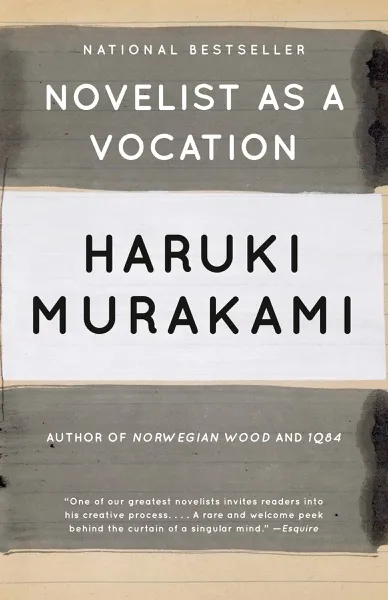

Novelist As a Vocation Author: 村上春樹Page Count: UnknownPublication Year: 2022-GB "Novelist As a Vocation" by Haruki Murakami is a thought-provoking and deeply introspective work that delves into the intricacies of the writing life. As a global bestseller, this book has captivated readers worldwide with its unique blend of memoir, essay, and literary critique. In this latest work, Murakami invites readers to join him on a journey of self-discovery and exploration, as he grapples with the very notion of what it means to be a novelist. Through a series of vignettes, anecdotes, and philosophical musings, Murakami reveals the inner workings of his creative process, laying bare the struggles, doubts, and triumphs that have shaped his remarkable career. With characteristic candor and wit, he shares his insights on the craft of writing, from the importance of developing a unique narrative voice to the need for writers to cultivate a deep sense of empathy and understanding. One of the most striking aspects of "Novelist As a Vocation" is its ability to balance the personal and the universal. Murakami's reflections on his own writing life are at once deeply personal and universally relatable, speaking to the hopes, fears, and aspirations of writers and readers alike. Whether he is discussing the challenges of translating his work into different languages or the ways in which his writing has been influenced by his love of music and jazz, Murakami's writing is infused with a sense of warmth, humor, and generosity. Throughout the book, Murakami's distinctive style is on full display. His prose is, as always, elegant and precise, with a keen attention to detail and a deep love of language. His use of imagery and metaphor is masterful, conjuring vivid pictures of the people, places, and landscapes that have shaped his life and work. Whether he is describing the snow-covered landscapes of his childhood or the bustling streets of Tokyo, Murakami's writing is a joy to read, transporting readers to new and unexpected worlds. At its heart, "Novelist As a Vocation" is a book about the power of storytelling and the importance of embracing one's true vocation. For Murakami, being a novelist is not just a profession, but a way of life – a way of seeing the world, of understanding oneself and others, and of making sense of the complexities and mysteries of human experience. As he writes, "The job of the novelist is to tell the story of the world, to describe the way things are, and to imagine the way things might be." In "Novelist As a Vocation," Haruki Murakami has given us a truly special book – one that is both a deeply personal memoir and a richly insightful exploration of the writing life. Whether you are a writer, a reader, or simply someone who loves stories, this book is a must-read. With its unique blend of humor, wit, and wisdom, it is a work that will resonate with readers long after they finish reading it. #HarukiMurakami #NovelistAsAVocation #WritingLife #LiteraryMemoir #ThePowerOfStorytelling #BookLoversDelight Related InsightsChain of Iron Book Review and Summary Murder Unabridged: An Old Juniper Bookshop Mystery Book Review and Summary My Sister, the Serial Killer Book Review and Summary{ "@context": "https://schema.org", "@type": "FAQPage", "mainEntity": [ { "@type": "Question", "name": "What is the main focus of Novelist As a Vocation Book Review and Summary?", "acceptedAnswer": { "@type": "Answer", "text": "Everything you need to know about Novelist As a Vocation with our detailed review." } }, { "@type": "Question", "name": "Who authored the comprehensive guide on Novelist As a Vocation Book Review and Summary?", "acceptedAnswer": { "@type": "Answer", "text": "This detailed article and its insights were carefully researched and authored by Olya Shevchenko." } }, { "@type": "Question", "name": "Where can I find more related content about Books?", "acceptedAnswer": { "@type": "Answer", "text": "You can explore more articles, detailed reviews, and similar insights by browsing the Related Insights section at the bottom of this article or visiting our dedicated Books category page." } } ] }
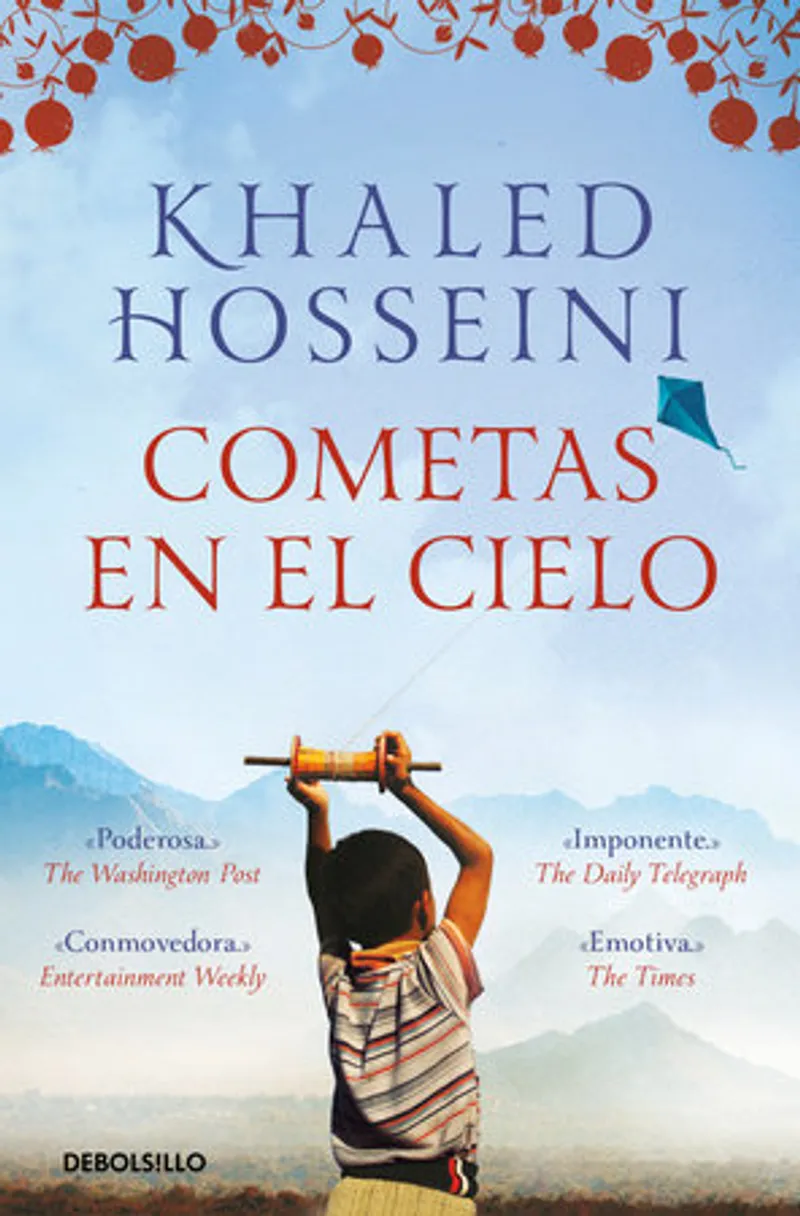
Cometas en el cielo / The Kite Runner Author: Khaled HosseiniPage Count: UnknownPublication Date: 2026-PRH The latest publication from the acclaimed author Khaled Hosseini, Cometas en el cielo, also known as The Kite Runner, is a mesmerizing tale that delves into the complexities of human relationships, guilt, and redemption. Although the original synopsis is not available, it is evident that Hosseini's mastery of storytelling has once again resulted in a thought-provoking novel that explores the depths of the human condition. The story, set against the backdrop of war-torn Afghanistan, follows the life of Amir, a young boy from a wealthy family, and his relationship with Hassan, the son of his father's servant. As the narrative unfolds, it becomes clear that Hosseini's focus is not only on the tumultuous events that shape the lives of his characters but also on the emotional scars that they carry with them. The main theme of the book revolves around the concept of guilt, shame, and the quest for redemption, which is expertly woven throughout the narrative. Hosseini's writing style is characterized by his ability to evoke powerful emotions in the reader. His descriptive language paints vivid images of the war-torn landscape, and his characters are multidimensional and relatable. The author's use of nostalgia and flashbacks adds a layer of complexity to the story, allowing the reader to understand the motivations and actions of the characters. The writing is both poignant and evocative, making it impossible for the reader to remain detached from the lives of Amir and Hassan. One of the most striking aspects of the book is its ability to tackle difficult themes with sensitivity and nuance. The author sheds light on the cruel realities of war, the stigma of social class, and the struggles of immigration, all while maintaining a sense of hope and resilience. The characters' experiences are deeply personal, and their struggles are universally relatable, making the book a powerful exploration of the human condition. Throughout the book, Hosseini's prose is infused with a sense of melancholy and longing, which complements the narrative's focus on guilt and redemption. The author's use of symbolism, particularly the kite, adds a layer of depth to the story, representing the fragile nature of relationships and the elusiveness of redemption. The writing is both beautiful and haunting, leaving the reader with a lasting impression of the characters and their stories. In conclusion, Cometas en el cielo, or The Kite Runner, is a masterful tale that explores the complexities of human relationships, guilt, and redemption. Hosseini's writing style is both poignant and evocative, making it impossible for the reader to remain detached from the lives of the characters. With its powerful themes and memorable characters, this book is a must-read for anyone looking for a thought-provoking and emotionally charged novel. #TheKiteRunner #KhaledHosseini #LiteraryFiction #WarAndRedemption #GuiltAndShame #AfghanistanWarNovels Related InsightsThere Are No Giant Crabs in This Novel: A Novel of Giant Crabs (John Dies at the End, #5) Book Review and Summary The Iliad / The Odyssey Book Review and Summary The Blood of Olympus Book Review and Summary{ "@context": "https://schema.org", "@type": "FAQPage", "mainEntity": [ { "@type": "Question", "name": "What is the main focus of The Kite Runner Book Review and Summary?", "acceptedAnswer": { "@type": "Answer", "text": "Everything you need to know about The Kite Runner with our detailed review." } }, { "@type": "Question", "name": "Who authored the comprehensive guide on The Kite Runner Book Review and Summary?", "acceptedAnswer": { "@type": "Answer", "text": "This detailed article and its insights were carefully researched and authored by Khaled Hosseini." } }, { "@type": "Question", "name": "Where can I find more related content about Books?", "acceptedAnswer": { "@type": "Answer", "text": "You can explore more articles, detailed reviews, and similar insights by browsing the Related Insights section at the bottom of this article or visiting our dedicated Books category page." } } ] }


Love Unwritten Author: Lauren AsherPage Count: UnknownPublication Year: 2024-GB Lauren Asher’s Love Unwritten is a dazzling exploration of love in all its untamed, unfiltered forms—a novel that refuses to be boxed into the clichés of romance. Published in 2024, this global bestseller arrives not as a quiet whisper but as a bold declaration: love isn’t just what we say or write; it’s what we leave unsaid, unscripted, and undeniably real. Asher, known for her sharp, emotionally charged prose, crafts a story that feels like a conversation with an old friend—one who isn’t afraid to tell you the messy, beautiful truths you’ve been avoiding. At its core, Love Unwritten is about the stories we tell ourselves to survive heartbreak, the lies we tell to keep love alive, and the raw, unedited moments that define us. The novel follows three interconnected characters—each grappling with love in different stages of their lives—who are bound by a shared thread: the fear of silence. Whether it’s a writer who can’t put her emotions into words, a musician whose songs feel hollow without real feeling, or a stranger who collects unsent letters, Asher’s characters are all searching for a language of love that doesn’t require perfection. What makes Love Unwritten stand out is Asher’s refusal to romanticize suffering. Her prose is lush but never saccharine; it’s the kind of writing that makes you pause mid-sentence to reread a line, savoring the weight of it. There’s a rawness to her style, a willingness to sit with discomfort rather than rush past it. The dialogue crackles with authenticity—no one in this book sounds like they’re reciting lines from a Hallmark card. Instead, their words are halting, incomplete, full of the kind of pauses that happen in real life when we’re too afraid to say what we truly mean. The novel’s structure mirrors its theme: fragmented, nonlinear, and deeply human. Asher doesn’t just tell a love story; she dismantles it, piece by piece, to show how love isn’t a neat, bow-tied narrative but a sprawling, often messy collection of moments. Some are tender; others are brutal. But all of them feel true. The book’s title isn’t just a clever play on words—it’s a manifesto. Love Unwritten argues that the most powerful love stories aren’t the ones we publish or perform but the ones we live in silence, the ones we carry in our chests like unopened letters. One of the novel’s most compelling strengths is its refusal to offer easy resolutions. Asher doesn’t tie up every loose end with a bow; instead, she leaves room for ambiguity, for the kind of endings that linger because they refuse to be forgotten. The characters don’t all find closure—they find something far more valuable: the courage to keep writing their own stories, even when the ink is smudged. If there’s a criticism to be leveled, it’s that Asher’s ambition sometimes borders on overreach. At times, the novel tries to do too much—juggling multiple perspectives, themes of art and healing, and a meta-narrative about storytelling itself. But this is a minor quibble. The payoff is worth it. Love Unwritten isn’t just a book you read; it’s a book you feel, long after the last page. Lauren Asher has written something rare here: a love story that doesn’t just celebrate romance but interrogates it, peeling back its layers to reveal the messy, unscripted heart beneath. Love Unwritten is for anyone who’s ever loved someone so deeply it hurt to breathe, who’s ever stared at a blank page or an empty stage and wondered if their feelings were worth sharing. Asher’s answer? They always are—even if the words come out wrong. #LoveUnwritten #LaurenAsher #ModernRomance #UnfilteredLove #LoveTakesCourage #BookstagramMustRead Related InsightsTheir Eyes Were Watching God Book Review and Summary Chateau Reverie Book Review and Summary Happy Place Book Review and Summary{ "@context": "https://schema.org", "@type": "FAQPage", "mainEntity": [ { "@type": "Question", "name": "What is the main focus of Love Unwritten Book Review and Summary?", "acceptedAnswer": { "@type": "Answer", "text": "Everything you need to know about Love Unwritten with our detailed review." } }, { "@type": "Question", "name": "Who authored the comprehensive guide on Love Unwritten Book Review and Summary?", "acceptedAnswer": { "@type": "Answer", "text": "This detailed article and its insights were carefully researched and authored by Antoine Leroy." } }, { "@type": "Question", "name": "Where can I find more related content about Books?", "acceptedAnswer": { "@type": "Answer", "text": "You can explore more articles, detailed reviews, and similar insights by browsing the Related Insights section at the bottom of this article or visiting our dedicated Books category page." } } ] }


Iron and Magic Author: Ilona AndrewsPage Count: UnknownPublication Year: 2018-GB Ilona Andrews’ Iron and Magic (2018) is a dazzling fusion of urban fantasy and elemental magic, wrapped in a story that crackles with wit, danger, and relentless innovation. If you’ve ever craved a world where raw power meets razor-sharp dialogue, where ancient forces clash with modern grit, then this novel will seize your imagination and refuse to let go. Andrews, a master storyteller celebrated for her collaborative work on the Kate Daniels series and Burn for Me, delivers a standalone that proves her singular talent for blending the extraordinary with the deeply human. At its core, Iron and Magic explores the tension between control and chaos, tradition and revolution, embodied in its protagonist, Bridget Riley. Bridget is a "heiress of magic," a woman born into a family of elemental conjurers who wield fire, water, earth, and air with practiced precision. But Bridget? She’s different. Her magic is raw, wild, and untamed—iron, the metal that bends but never breaks, courses through her veins. Where others command the elements, she is consumed by them, a living storm of power that both terrifies and fascinates those around her. The central theme isn’t just about harnessing power; it’s about whether power should be controlled at all. Andrews crafts Bridget as a heroine who is equal parts vulnerability and ferocity. She’s not a chosen one; she’s a woman who has spent her life fighting against expectations, her own body, and the very nature of her gift. The magic system here is visceral and unpredictable—fire doesn’t just burn, it sings; water doesn’t just flow, it whispers. Bridget’s struggle to master her iron magic is a metaphor for self-acceptance, a battle against the suffocating weight of legacy. Yet, Andrews never lets the theme become heavy-handed. Instead, she balances Bridget’s internal conflict with a relentless pace, razor-sharp banter, and a supporting cast that sparkles with personality. The world-building is where Andrews truly shines. The novel unfolds in a society where magic is both a currency and a curse, where elemental families rule like dynasties and the Church hunts those who defy the natural order. The setting feels lived-in, with a rich history that peeks through in offhand references—ancient treaties, forbidden rituals, and the ever-present fear of what happens when the elements rebel. Andrews doesn’t waste time explaining every detail; she trusts the reader to dive into the deep end and swim. The result is a world that feels vast, dangerous, and impossibly vivid. Dialogue is Andrews’ secret weapon, and Iron and Magic crackles with it. Bridget’s voice is sharp, sarcastic, and laced with dry humor, a refreshing contrast to the often overly solemn heroines of fantasy. Her interactions with allies and enemies alike crackle with tension and wit. Whether she’s trading barbs with a gruff mentor, outmaneuvering a political rival, or clashing with a love interest who challenges her every assumption, Bridget’s words are as much a weapon as her magic. Andrews’ ability to balance humor with high-stakes drama ensures that the novel never drags, even as the stakes escalate. The romance in Iron and Magic is slow-burning but deeply satisfying, rooted in mutual respect and a shared understanding of power’s duality. The love interest is not a damsel or a knight in shining armor but a man who understands the cost of magic as intimately as Bridget does. Their relationship evolves organically, built on trust, conflict, and a recognition of each other’s strengths and flaws. Andrews avoids the pitfalls of insta-love or forced tension, instead crafting a romance that feels earned and real. What sets Iron and Magic apart, however, is its refusal to romanticize power. Magic here is not a glamorous gift but a relentless force that demands sacrifice. Bridget’s journey is one of loss, betrayal, and hard-won growth. Andrews doesn’t shy away from the darker consequences of wielding such power—sacrifices are made, bonds are broken, and victories come at a cost. The novel’s climax is a testament to this, a battle that is as much internal as it is external, where the true enemy isn’t just the antagonist but the very nature of control itself. Andrews’ prose is sleek and immersive, her descriptions vivid without being overwrought. She has a knack for making the fantastical feel tangible—whether it’s the heat of a fire conjured in an instant or the eerie stillness of a room before a storm breaks. Her action scenes are kinetic and precise, each movement and spell described with a clarity that puts the reader squarely in the fray. Iron and Magic is not just a book about magic; it’s a book about what it means to be human in a world that wants to define you. Bridget’s struggle to reconcile her power with her humanity resonates deeply, a theme that lingers long after the final page. Andrews’ world is one where magic is a double-edged sword, and the real magic lies in the choices her characters make when faced with impossible odds. This is a novel for readers who crave depth, danger, and a heroine who refuses to be tamed. It’s for those who love their fantasy with a side of wit and a dash of rebellion. If you’ve ever wanted to step into a world where the elements themselves are alive, where every conversation could be your last, and where the line between hero and villain is as thin as the edge of a blade, then Iron and Magic is your next obsession. #IlonaAndrews #IronAndMagic #UrbanFantasy #ElementalMagic #FantasyBooks #BookReview Related InsightsThe Lost Spectacular Book Review and Summary The Finalist Book Review and Summary The Blind Assassin Book Review and Summary{ "@context": "https://schema.org", "@type": "FAQPage", "mainEntity": [ { "@type": "Question", "name": "What is the main focus of Iron and Magic Book Review and Summary?", "acceptedAnswer": { "@type": "Answer", "text": "Everything you need to know about Iron and Magic with our detailed review." } }, { "@type": "Question", "name": "Who authored the comprehensive guide on Iron and Magic Book Review and Summary?", "acceptedAnswer": { "@type": "Answer", "text": "This detailed article and its insights were carefully researched and authored by Isabella Moore." } }, { "@type": "Question", "name": "Where can I find more related content about Books?", "acceptedAnswer": { "@type": "Answer", "text": "You can explore more articles, detailed reviews, and similar insights by browsing the Related Insights section at the bottom of this article or visiting our dedicated Books category page." } } ] }
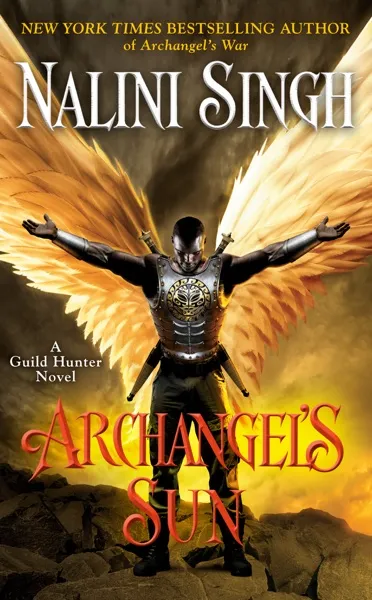
Archangel's Sun Author: Nalini SinghPage Count: UnknownPublication Year: 2020-GB Nalini Singh’s Archangel’s Sun is a dazzling entry into her beloved Psy-Changeling series, a fusion of high-stakes romance, supernatural intrigue, and emotional depth that has earned her a devoted global readership. Published in 2020, this installment delivers all the hallmarks of Singh’s signature style: razor-sharp dialogue, lush world-building, and a tantalizing slow-burn romance set against a backdrop of dark, urgent stakes. If you’re a fan of paranormal romance with a psychological edge, or if you’ve yet to discover Singh’s work, Archangel’s Sun is a masterclass in blending action with intimacy, where every heartbeat and every betrayal feels consequential. At its core, Archangel’s Sun explores the age-old tension between duty and desire, wrapped in a narrative that feels both timeless and urgently modern. The story centers on a world where the Psy, vampires, and shifters navigate uneasy alliances, their societies governed by rigid hierarchies and ancient grudges. Singh doesn’t shy away from the brutality of this world—power is currency, and trust is a rare commodity—but she balances the darkness with tender, almost aching moments of vulnerability. The romance between the protagonists isn’t just a subplot; it’s the emotional linchpin that pulls the reader through the chaos, offering a glimmer of hope in a landscape where hope is often in short supply. Singh’s prose is a study in contrast: poetic yet precise, sensual yet restrained. She has a gift for crafting scenes that linger in the mind, whether it’s a charged conversation in a dimly lit room or a heart-stopping chase through a neon-lit city. Her dialogue crackles with wit and tension, often veering from icy sarcasm to searing honesty in the span of a single exchange. This duality reflects the dual natures of her characters—Psy with their cold logic, shifters with their raw instincts, vampires with their predatory allure—all of whom are forced to confront their own contradictions as the story unfolds. The novel’s plot is a masterful web of deception and redemption. Without giving too much away, Archangel’s Sun sees the return of beloved characters and the introduction of new threats that force alliances to be tested. Singh excels at pacing, doling out revelations with a deft hand, ensuring that each twist feels earned rather than contrived. The stakes are sky-high, not just in terms of physical danger but in the emotional toll it takes on the characters. There’s a sense of inevitability to the conflicts, as if the world itself is conspiring to keep these two souls apart—until, of course, it doesn’t. What truly sets Archangel’s Sun apart, however, is its emotional resonance. Singh has a rare ability to write love stories that feel profound without being saccharine. The romance here is slow-burn in the truest sense—built on mutual respect, shared trauma, and an almost painful awareness of how fragile happiness can be in their world. The physical intimacy is handled with a level of care that avoids gratuitousness, instead using it as a metaphor for the characters’ growing trust in one another. It’s a romance that feels earned, every kiss and caress a victory against the odds. Singh’s world-building is another standout feature. The Psy-Changeling universe is richly detailed, with Singh weaving in elements of urban fantasy, science fiction, and even noir. The contrast between the sterile, emotionless Psy and the more primal Changelings is particularly compelling, offering a critique of societal control while still making both sides deeply relatable. The world feels lived-in and real, with history and politics that ripple through the present narrative. For readers new to Singh’s work, Archangel’s Sun is an excellent entry point, though longtime fans will appreciate the deeper character arcs and the satisfying progression of established relationships. The book stands well on its own, but it also rewards those who have followed the series from the beginning. Singh’s ability to balance action, romance, and psychological depth makes this a standout in the genre. In a landscape crowded with paranormal romance, Nalini Singh’s Archangel’s Sun shines brightly. It’s a story about finding light in darkness, about the courage to love when the world seems determined to keep you apart. With her precise prose, intricate plotting, and deeply emotional character work, Singh reaffirms why she’s one of the most compelling voices in contemporary romance. #ArchangelsSun #NaliniSingh #PsyChangelingSeries #ParanormalRomance #UrbanFantasy #BookReview Related InsightsWizard's First Rule Book Review and Summary The Princess Bride Book Review and Summary The Woman in Cabin 10 Book Review and Summary{ "@context": "https://schema.org", "@type": "FAQPage", "mainEntity": [ { "@type": "Question", "name": "What is the main focus of Archangel's Sun Book Review and Summary?", "acceptedAnswer": { "@type": "Answer", "text": "Everything you need to know about Archangel's Sun with our detailed review." } }, { "@type": "Question", "name": "Who authored the comprehensive guide on Archangel's Sun Book Review and Summary?", "acceptedAnswer": { "@type": "Answer", "text": "This detailed article and its insights were carefully researched and authored by Giulia Ricci." } }, { "@type": "Question", "name": "Where can I find more related content about Books?", "acceptedAnswer": { "@type": "Answer", "text": "You can explore more articles, detailed reviews, and similar insights by browsing the Related Insights section at the bottom of this article or visiting our dedicated Books category page." } } ] }
One of us is next Author: Karen M. McManusPage Count: UnknownPublication Year: 2020-GB Karen M. McManus delivers another gripping psychological thriller in One of Us Is Next, the sequel to her breakout hit One of Us Is Lying. Where the first book left us questioning who could be trusted, this installment dives even deeper into the murky waters of high school power dynamics, secrets, and the ripple effects of past lies. If One of Us Is Lying was a storm, One of Us Is Next is the thunder that follows—loud, unexpected, and impossible to ignore. At its core, the novel explores the fragility of reputation and the danger of becoming the next target in a cycle of vengeance. Set in the same elite Bayview High School, the story picks up months after the infamous Bayview Four case, where four students were falsely accused of murder. Now, another dangerous game unfolds when an anonymous gossip app resurfaces, spreading rumors that threaten to destroy the lives of its users. The twist? The app isn’t just a digital weapon—it’s a catalyst for a very real and very personal vendetta. McManus masterfully weaves multiple perspectives, each voice distinct yet equally compelling, as we navigate the blurred lines between truth and manipulation. What stands out most in McManus’s writing is her ability to craft characters who feel achingly real. Phoebe, the new protagonist and daughter of one of the Bayview Four, is sharp, observant, and deeply flawed—just like the rest of us. Her internal conflict mirrors the book’s central theme: the cost of silence and the pressure to conform. Then there’s Knox, the golden boy with a secret, whose polished exterior hides a web of deceit. His chapters are particularly gripping because McManus doesn’t shy away from exploring the moral ambiguity of privilege. Privilege here isn’t just about wealth; it’s about the unspoken rules that protect the powerful and punish the vulnerable. The author’s style is a blend of suspense and dark humor, something that keeps the story from feeling too heavy despite its serious themes. McManus excels at dropping breadcrumbs—subtle hints that make readers question everything they think they know. The prose is snappy, with dialogue that crackles with tension, and the pacing is relentless. Just when you think you’ve pieced together the puzzle, she pulls the rug out from under you again. Another strength is the way McManus handles the legacy of the first book. One of Us Is Next works as a standalone, but for those familiar with the Bayview Four, it’s a thrilling continuation. The unresolved threads from the first novel—like Bronwyn’s legal battles or Addy’s newfound independence—are woven seamlessly into the plot, giving fans a satisfying sense of continuity. Yet, McManus ensures the story doesn’t feel like a retread. Instead, it evolves, exploring darker corners of teenage life: the pressure to perform, the fear of being exposed, and the lengths people will go to protect their secrets. The book’s title isn’t just a clever nod to the first installment; it’s a chilling reminder that in high school, everyone is a potential target. The gossip app, a modern-day version of the school rumor mill, becomes a metaphor for the way information can be weaponized. McManus doesn’t just critique the toxicity of teenage gossip; she dissects how societal structures enable it. The characters’ struggles with guilt, betrayal, and redemption are universal, which is why the story resonates beyond its high school setting. If there’s one critique to offer, it’s that some plot twists might feel a tad convenient. However, in a genre where shock value is often prioritized, McManus strikes a balance between plausibility and surprise. Her characters’ choices, while sometimes extreme, are rooted in their fears and desires, making their actions feel earned. Ultimately, One of Us Is Next is more than a sequel—it’s a standalone thriller with the depth and intensity of the original. Karen M. McManus once again proves her mastery of the YA thriller genre, crafting a story that’s as thought-provoking as it is entertaining. It’s a book that lingers, leaving readers to question not just the characters’ motives, but their own. #OneOfUsIsNext #KarenM.McManus #YAThriller #PsychologicalSuspense #TeenDrama #BookTok Related Insights'The Portrait That Bore the Weight of a Soul: Why Oscar Wilde’s Dorian Gray Still Haunts Us' Espíritu (Cemetery Boys, #2) Book Review and Summary Are You There God? It’s Me, Margaret Book Review and Summary{ "@context": "https://schema.org", "@type": "FAQPage", "mainEntity": [ { "@type": "Question", "name": "What is the main focus of One of us is next Book Review and Summary?", "acceptedAnswer": { "@type": "Answer", "text": "Everything you need to know about One of us is next with our detailed review." } }, { "@type": "Question", "name": "Who authored the comprehensive guide on One of us is next Book Review and Summary?", "acceptedAnswer": { "@type": "Answer", "text": "This detailed article and its insights were carefully researched and authored by Tiago Silva." } }, { "@type": "Question", "name": "Where can I find more related content about Books?", "acceptedAnswer": { "@type": "Answer", "text": "You can explore more articles, detailed reviews, and similar insights by browsing the Related Insights section at the bottom of this article or visiting our dedicated Books category page." } } ] }
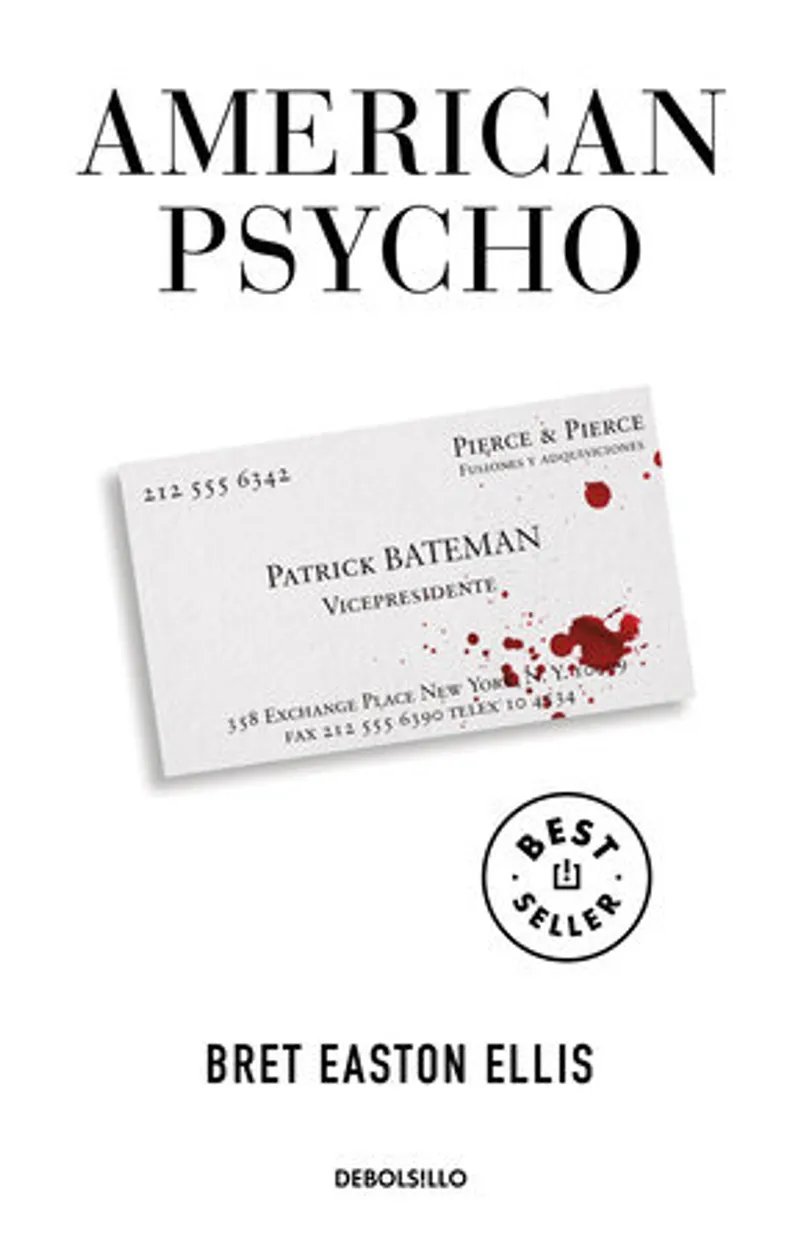
American Psycho (Spanish Edition) Author: Bret Easton EllisPage Count: UnknownPublication Date: 2021-PRH American Psycho, the infamous novel by Bret Easton Ellis, is a haunting and thought-provoking exploration of the darker aspects of human nature. Published in 2021 in Spanish, this contemporary classic has become a symbol of a generation, reflecting the excesses and superficiality of 1980s Manhattan. The story revolves around Patrick Bateman, a young and charismatic investment banker who leads a double life, indulging in his darkest fantasies of violence, torture, and murder. Through Bateman's character, Ellis masterfully critiques the egoism and depravity of late capitalism, exposing the shallow and materialistic world of 1980s New York. The novel is a scathing satire of the wealthy elite, who are more concerned with their appearance, status, and possessions than with genuine human connections. Bateman's obsession with luxury brands, fine dining, and high-end real estate serves as a facade for his inner emptiness and lack of empathy. Ellis's writing style is both captivating and unsettling, as he delves into the depths of Bateman's psyche, revealing a world of brutality and madness. The author's use of dark humor, irony, and vivid descriptions creates a sense of unease, making the reader question the boundaries between reality and fantasy. The novel's non-linear narrative and unreliable narrator add to the sense of disorientation, mirroring the chaos and confusion of Bateman's own mind. One of the most striking aspects of American Psycho is its ability to balance the grotesque and the mundane. Ellis seamlessly weaves together scenes of graphic violence and torture with descriptions of Bateman's everyday life, including his interactions with colleagues, friends, and family. This juxtaposition serves to highlight the banality of evil, demonstrating how monstrous acts can be committed by individuals who appear ordinary and unremarkable. The novel has been widely praised for its bold and unflinching portrayal of the human condition. As Irvine Welsh notes, "American Psycho remains the most indispensable and savage literary exegesis of the society we've constructed." The book's influence can be seen in many areas of popular culture, from film and television to music and art. The 2000 film adaptation, starring Christian Bale, further cemented the novel's status as a cultural touchstone. In conclusion, American Psycho is a masterpiece of contemporary literature, a novel that continues to shock, disturb, and provoke readers to this day. Ellis's unique style and unflinching vision have created a work that is both a commentary on the excesses of late capitalism and a deeply unsettling exploration of the human psyche. If you're looking for a novel that will challenge your assumptions and push you out of your comfort zone, then American Psycho is a must-read. #AmericanPsycho #BretEastonEllis #PsychologicalThriller #DarkLiterature #Satire #ContemporaryClassic Related InsightsDive Bar at the End of the Road Book Review and Summary The Friendsgiving Pact Book Review and Summary Daughters of the Dynasty Book Review and Summary{ "@context": "https://schema.org", "@type": "FAQPage", "mainEntity": [ { "@type": "Question", "name": "What is the main focus of American Psycho Book Review and Summary?", "acceptedAnswer": { "@type": "Answer", "text": "Everything you need to know about American Psycho with our detailed review." } }, { "@type": "Question", "name": "Who authored the comprehensive guide on American Psycho Book Review and Summary?", "acceptedAnswer": { "@type": "Answer", "text": "This detailed article and its insights were carefully researched and authored by Bret Easton Ellis." } }, { "@type": "Question", "name": "Where can I find more related content about Books?", "acceptedAnswer": { "@type": "Answer", "text": "You can explore more articles, detailed reviews, and similar insights by browsing the Related Insights section at the bottom of this article or visiting our dedicated Books category page." } } ] }

Good Girl, Bad Blood: Deluxe Edition Author: Holly JacksonPage Count: UnknownPublication Date: 2025-PRH Good Girl, Bad Blood: Deluxe Edition, the latest offering from Holly Jackson, is a masterclass in crafting a narrative that is both deeply unsettling and utterly captivating. While the exact page count of this deluxe edition remains unknown, one thing is certain – Jackson's writing is as razor-sharp as ever, slicing through the façade of small-town America to expose the dark secrets that lurk beneath. At its core, Good Girl, Bad Blood is a scathing exploration of the destructive power of trauma, and the ways in which it can both define and destroy us. Through the eyes of her protagonist, Jackson masterfully conveys the suffocating grip of guilt, the corrosive influence of social media, and the devastating consequences of playing with fire when it comes to the truth. One of the standout features of Jackson's writing style is her ability to balance the darker elements of her narrative with a keen eye for the complexities of human relationships. Her characters are multidimensional and relatable, with all the flaws and contradictions that make us human. As the story twists and turns, Jackson's prose remains taut and suspenseful, propelling the reader towards a shocking climax that will leave even the most seasoned thriller enthusiasts gasping. Throughout the book, Jackson's use of language is economical and precise, with a keen attention to detail that adds depth and texture to the narrative. Her writing is both elegant and unflinching, never shying away from the harsh realities of her characters' experiences. This is a writer who is unafraid to confront the darkest aspects of human nature, and to challenge her readers to do the same. If there's one criticism to be made, it's that the deluxe edition's unknown page count may prove daunting for some readers. However, trust us when we say that this is a book that will keep you up late into the night, devouring page after page as the tension builds towards a heart-stopping conclusion. In short, Good Girl, Bad Blood: Deluxe Edition is a triumph – a gripping, thought-provoking thriller that will appeal to fans of Karen McManus, Laura Lippman, and Ruth Ware. With its razor-sharp prose, complex characters, and unflinching exploration of trauma and its aftermath, this is a book that will stay with you long after the final page has been turned. #GoodGirlBadBlood #HollyJackson #ThrillerThursday #MysteryLovers #TraumaAndRecovery #PsychologicalThriller Related InsightsHeadfirst Book Review and Summary A Really Short History of Nearly Everything Book Review and Summary Three Cups of Tea: One Man's Mission to Promote Peace ... One School at a Time Book Review and Summary{ "@context": "https://schema.org", "@type": "FAQPage", "mainEntity": [ { "@type": "Question", "name": "What is the main focus of Good Girl, Bad Blood Book Review and Summary?", "acceptedAnswer": { "@type": "Answer", "text": "Everything you need to know about Good Girl, Bad Blood with our detailed review." } }, { "@type": "Question", "name": "Who authored the comprehensive guide on Good Girl, Bad Blood Book Review and Summary?", "acceptedAnswer": { "@type": "Answer", "text": "This detailed article and its insights were carefully researched and authored by Holly Jackson." } }, { "@type": "Question", "name": "Where can I find more related content about Books?", "acceptedAnswer": { "@type": "Answer", "text": "You can explore more articles, detailed reviews, and similar insights by browsing the Related Insights section at the bottom of this article or visiting our dedicated Books category page." } } ] }


Masterpieces in Stone: The Zeugma Mosaic Museum Situated in the bustling culinary capital of Gaziantep in southeastern Turkey, the Zeugma Mosaic Museum is a sprawling testament to the artistic heights reached by the #ancient Romans. As one of the largest mosaic museums in the world, covering an incredible 30,000 square meters, it houses some of the most intricate and well-preserved Roman floor mosaics ever discovered. A City on the Euphrates The artifacts housed in the museum were rescued from the ancient city of Zeugma, located on the banks of the Euphrates River. Founded around 300 BCE by Seleucus I Nicator, one of Alexander the Great's generals, Zeugma (meaning "bridge" or "crossing" in ancient Greek) thrived due to its strategic position on the Silk Road. By the Roman period, it was a fabulously wealthy metropolis home to affluent merchants, high-ranking military officials, and Roman nobility. These elite citizens decorated their lavish villas with magnificent floor mosaics depicting scenes from Greek and Roman mythology. When the construction of the Birecik Dam in the year 2000 threatened to submerge the ancient city, an intense international rescue excavation was launched to safely recover these priceless artworks before the waters rose. The Gypsy Girl The crown jewel of the museum is undoubtedly the "Gypsy Girl" (Çingene Kızı) mosaic. Despite being only a small fragment of a larger, destroyed floor, the mesmerizing gaze of the subject has captivated visitors worldwide. Housed in a specially darkened room to highlight the intricate tesserae (the small stones used to make the mosaic), the subject’s eyes seem to follow the viewer from every angle. While popularly called the "Gypsy Girl" due to her disheveled hair and prominent cheekbones, historians debate her true identity, with some suggesting she represents a Maenad (a follower of Dionysus) or even Alexander the Great himself. Other notable masterpieces include the massive mosaic of Poseidon, the god of the sea, riding his chariot, and the intricate depiction of the river god Acheloüs. The museum also reconstructs the #architecture of the Roman villas, allowing visitors to view the mosaics from the perspective of their original, wealthy owners. The Culinary Capital of Turkey No trip to the Zeugma Mosaic Museum is complete without exploring the unparalleled culinary scene of Gaziantep. Recognizing its rich gastronomic heritage, #UNESCO inducted Gaziantep into its Creative Cities Network for Gastronomy in 2015. The city is synonymous with pistachios (Antep fıstığı) and baklava. The local baklava, crafted with paper-thin layers of phyllo dough, clarified butter, and vibrant green pistachios, is baked to perfection and soaked in syrup rather than honey. After marveling at the ancient Roman artistry, a plate of warm baklava paired with strong Turkish coffee (Türk kahvesi) or a savory slice of Alinazik kebab (smoked eggplant puree mixed with yogurt and topped with spiced lamb) offers a perfect conclusion to a day of cultural immersion. #Zeugma #MosaicMuseum #Gaziantep #TurkeyTravel #RomanHistory #GypsyGirl #AncientArt #Euphrates #TurkishCuisine #TravelTurkey #travel #exclusive Related InsightsMachu Picchu : Quand les Pierres Éternelles des Incas Murmurent l'Histoire Oubliée au Sommet des Andes Chloe Tremblay’s Epic 10-Day Iceland Ring Road Adventure: A Budgeter’s Paradise and Luxury Dream Sous les Vignobles de la Loire : Le Mystère Énigmatique des Cités Troglodytiques Oubliées{ "@context": "https://schema.org", "@type": "FAQPage", "mainEntity": [ { "@type": "Question", "name": "What is the main focus of Zeugma Mosaic Museum?", "acceptedAnswer": { "@type": "Answer", "text": "Explore the incredible journey of Zeugma Mosaic Museum with Emre Yılmaz." } }, { "@type": "Question", "name": "Who authored the comprehensive guide on Zeugma Mosaic Museum?", "acceptedAnswer": { "@type": "Answer", "text": "This detailed article and its insights were carefully researched and authored by Emre Yılmaz." } }, { "@type": "Question", "name": "Where can I find more related content about Travel?", "acceptedAnswer": { "@type": "Answer", "text": "You can explore more articles, detailed reviews, and similar insights by browsing the Related Insights section at the bottom of this article or visiting our dedicated Travel category page." } } ] }
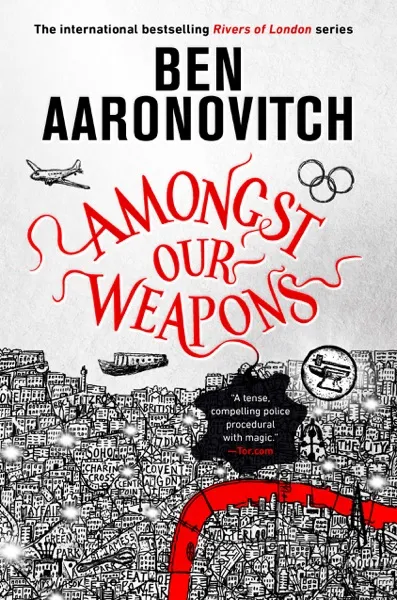

Amongst Our Weapons Author: Ben AaronovitchPage Count: UnknownPublication Year: 2023-GB Ben Aaronovitch’s Amongst Our Weapons, the latest installment in his celebrated Rivers of London series, is a masterclass in blending urban fantasy, police procedural drama, and sharp social commentary. Published in 2023, this novel continues the adventures of Detective Constable Peter Grant and his team of magical investigators as they navigate a world where the supernatural lurks just beneath the surface of modern London. With his signature wit, intricate world-building, and deft handling of complex themes, Aaronovitch once again delivers a story that is as thought-provoking as it is entertaining. At its core, Amongst Our Weights explores the tension between tradition and progress, a theme that resonates deeply in today’s rapidly changing world. The novel delves into the idea of legacy—how past actions shape the present, and how individuals must reckon with the consequences of their ancestors’ choices. This is not just a personal journey for Peter Grant, but a broader meditation on the cost of power, the weight of history, and the ethical dilemmas that arise when magic and modern society collide. Aaronovitch excels at weaving these themes into the narrative without ever losing sight of the story’s momentum, ensuring that the reader is both intellectually engaged and emotionally invested. One of the standout aspects of Aaronovitch’s writing is his ability to balance humor with gravitas. The Rivers of London series has always been known for its sharp, often witty dialogue, and Amongst Our Weapons is no exception. Peter Grant’s narration is laced with dry humor and self-deprecating charm, making him an instantly likable protagonist. However, Aaronovitch never shies away from darker themes, and the novel tackles issues such as racism, classism, and the misuse of power with a seriousness that grounds the story in reality. This blend of levity and depth is what makes the series so compelling—it’s a world where magic feels real, but the human condition remains at the forefront. The plot of Amongst Our Weapons is both intricate and rewarding, featuring a mystery that unfolds with the precision of a well-crafted police procedural. Aaronovitch’s background as a screenwriter is evident in his pacing and structure, as the story moves seamlessly between the mundane and the magical. The inclusion of historical elements—particularly those tied to London’s past—adds a layer of richness to the narrative, making the city itself almost a character in the story. The supernatural elements are inventive and well-integrated, ensuring that the magic feels organic and integral to the plot rather than a gimmick. Aaronovitch’s prose is accessible yet richly detailed, making it easy for readers to immerse themselves in the world he has created. His descriptions of London are vivid, capturing the essence of the city in both its grandeur and its grit. The supporting cast, from the ever-loyal Lesley May to the enigmatic Nightingale, are fully realized and continue to evolve in ways that feel organic to their arcs. Even minor characters are given depth, contributing to the novel’s immersive atmosphere. What sets Amongst Our Weapons apart from other urban fantasy novels is its willingness to grapple with complex moral questions. The story doesn’t shy away from exploring the darker aspects of power and responsibility, particularly through the lens of Peter Grant’s personal growth. As he faces increasingly difficult choices, the reader is drawn into a narrative that feels both personal and universal. This is a series that has always prioritized character development, and Amongst Our Weapons is no exception. Peter’s journey is one of self-discovery, but it’s also a reflection of the broader challenges we all face in navigating our own legacies. In many ways, Amongst Our Weapons is a reflection of its time—a story that acknowledges the past while looking toward the future. It’s a novel that celebrates the power of community and the importance of confronting uncomfortable truths. Aaronovitch’s ability to weave these themes into an engaging, fast-paced narrative is a testament to his skill as a storyteller. Whether you’re a longtime fan of the series or a newcomer to the world of Rivers of London, this book is a must-read. If you’re looking for a fantasy novel that’s as smart as it is entertaining, Amongst Our Weapons delivers in spades. It’s a story that will make you laugh, think, and perhaps even look at your own city with new eyes. Aaronovitch has crafted a tale that feels both timeless and urgently relevant, proving once again why his work has earned its place among the best in the genre. #RiversOfLondon #UrbanFantasy #PeterGrant #BenAaronovitch #FantasyBooks #MagicAndMystery Related InsightsPrudence Marsh Is Not a Nobody Anymore Book Review and Summary The Hunchback of Notre-Dame Book Review and Summary The Elegant Universe Book Review and Summary{ "@context": "https://schema.org", "@type": "FAQPage", "mainEntity": [ { "@type": "Question", "name": "What is the main focus of Amongst Our Weapons Book Review and Summary?", "acceptedAnswer": { "@type": "Answer", "text": "Everything you need to know about Amongst Our Weapons with our detailed review." } }, { "@type": "Question", "name": "Who authored the comprehensive guide on Amongst Our Weapons Book Review and Summary?", "acceptedAnswer": { "@type": "Answer", "text": "This detailed article and its insights were carefully researched and authored by Victoria Smith." } }, { "@type": "Question", "name": "Where can I find more related content about Books?", "acceptedAnswer": { "@type": "Answer", "text": "You can explore more articles, detailed reviews, and similar insights by browsing the Related Insights section at the bottom of this article or visiting our dedicated Books category page." } } ] }


The wafting aroma of saffron and the soft glow of golden crusts beckon us to delve into the world of Sheermal, a royal bread that has been a staple of Indian and Middle Eastern cuisine for centuries. This saffron-infused flatbread is more than just a culinary delight; it's a testament to the rich cultural heritage and traditions that have shaped its history. As we embark on this gastronomic journey, the nuances of Sheermal will unfold, revealing the intricacies of its preparation, the significance of its ingredients, and the cultural context that has elevated it to a royal status. Introduction to Sheermal Sheermal, also known as Shirmal, is a type of bread that originates from the Indian subcontinent and the Middle East. Its name is derived from the Persian words "shir" meaning milk and "mal" meaning bread, which aptly describes its milky texture and flavor. This bread is renowned for its distinctive saffron infusion, which not only imparts a vibrant yellow color but also a subtle earthy flavor that complements its sweetness. The preparation of Sheermal involves a combination of flour, yeast, milk, sugar, and saffron, which are carefully mixed and kneaded to create a smooth, elastic dough.Historical Significance of Sheermal The history of Sheermal is deeply intertwined with the cultural and culinary traditions of the regions where it is consumed. In India, particularly in the city of Lucknow, Sheermal is considered a royal bread, often served at special occasions and festivals. Its association with royalty can be attributed to the expensive and exclusive nature of saffron, which was a prized spice among the aristocracy. The Mughal Empire, known for its love of fine cuisine and exotic spices, played a significant role in popularizing Sheermal throughout the Indian subcontinent. The bread's popularity soon spread to other parts of the Middle East, where it was adapted and integrated into local cuisines. Preparation and Ingredients The preparation of Sheermal is an art that requires patience, skill, and attention to detail. The process begins with the activation of yeast in warm milk, which is then mixed with flour, sugar, and a pinch of salt. The dough is kneaded for an extended period to develop its gluten, resulting in a smooth, elastic texture. Saffron threads are soaked in hot water to release their color and flavor, which are then added to the dough. The mixture is allowed to rest and rise, giving the yeast time to ferment the sugars and produce a light, airy texture. Sheermal is typically baked in a tandoor oven or a conventional oven at high temperatures, which gives it a crispy crust and a soft interior.Cultural Context and Significance Sheermal holds a special place in the cultural and social fabric of the communities where it is consumed. In India, it is often served during festivals and special occasions, such as weddings and Eid celebrations. The bread is typically torn into pieces and shared among family and friends, symbolizing unity and togetherness. In the Middle East, Sheermal is a staple bread, often served with meals or used to scoop up dips and stews. Its cultural significance extends beyond its culinary value, representing hospitality, generosity, and community bonding. Authentic Recipe for Sheermal For those interested in trying their hand at making Sheermal, here is an authentic recipe that captures the essence of this royal bread:Ingredients: 2 cups of all-purpose flour, 1 teaspoon of active dry yeast, 1 cup of warm milk, 1 tablespoon of sugar, 1/4 teaspoon of salt, 1/2 teaspoon of saffron threads soaked in 1 tablespoon of hot water. Instructions: Activate the yeast in warm milk, then mix with flour, sugar, and salt. Knead the dough for 10 minutes, add saffron, and let it rest for 2 hours. Preheat the oven to 400°F (200°C), shape the dough into rounds, and bake for 12-15 minutes or until golden brown.Conclusion Sheermal, the saffron-infused royal bread, is a culinary masterpiece that embodies the rich cultural heritage and traditions of the Indian subcontinent and the Middle East. Its preparation, steeped in history and cultural significance, is a testament to the power of food to bring people together and transcend borders. Whether you are a food enthusiast, a historian, or simply someone who appreciates the finer things in life, Sheermal is sure to captivate your senses and leave you yearning for more.#Sheermal #SaffronInfusedBread #RoyalBread #IndianCuisine #MiddleEasternCuisine #TraditionalFood #CulturalHeritage #FoodHistory Related InsightsPuttu and Kadala Curry: A Breakfast of Champions Steel-Cut Oats with Chia Seeds and Blueberries: A Delicious and Nutritious Breakfast Option The Alchemy of Appetite: Decoding the Molecular Soul of Our Sustenance{ "@context": "https://schema.org", "@type": "FAQPage", "mainEntity": [ { "@type": "Question", "name": "What is the main focus of Sheermal: The Saffron-Infused Royal Bread?", "acceptedAnswer": { "@type": "Answer", "text": "Discover the deep cultural roots, authentic flavors, and history of Sheermal: The Saffron-Infused Royal Bread." } }, { "@type": "Question", "name": "Who authored the comprehensive guide on Sheermal: The Saffron-Infused Royal Bread?", "acceptedAnswer": { "@type": "Answer", "text": "This detailed article and its insights were carefully researched and authored by Rahul Sharma." } }, { "@type": "Question", "name": "Where can I find more related content about Food?", "acceptedAnswer": { "@type": "Answer", "text": "You can explore more articles, detailed reviews, and similar insights by browsing the Related Insights section at the bottom of this article or visiting our dedicated Food category page." } } ] }
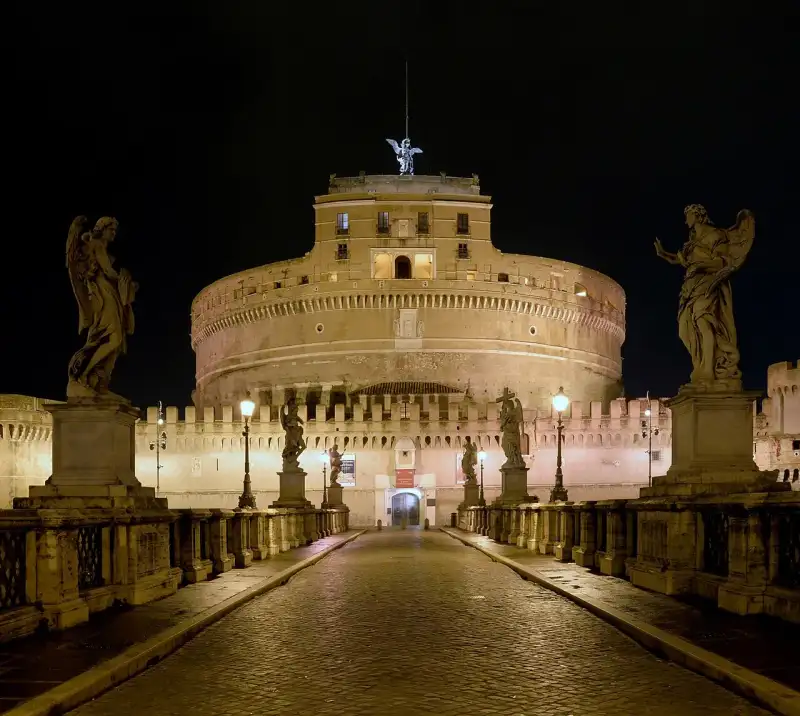
Sulle rive del Tevere, imponente e inconfondibile, sorge il Mausoleo di Adriano, oggi universalmente noto come Castel Sant'Angelo. La storia di questo monumento è unica: nessun altro edificio romano ha vissuto così tante trasformazioni e vite diverse, seguendo inesorabilmente le sorti della città di Roma. Il Sepolcro di Adriano Eretto originariamente intorno al 135 d.C. dall'imperatore Adriano come tomba monumentale per sé e per i suoi successori, il mausoleo era un gigantesco cilindro rivestito di marmo bianco, sormontato da un boschetto di cipressi e coronato da una statua di Adriano alla guida di una quadriga di bronzo. Un'opera concepita per sfidare l'eternità. La Metamorfosi in Fortezza Con le invasioni barbariche, il mausoleo cambiò destino. Data la sua posizione strategica vicino al Vaticano, fu incorporato nelle Mura Aureliane e trasformato in un baluardo militare inespugnabile. Il nome 'Castel Sant'Angelo' deriva da una leggenda del 590 d.C., quando Papa Gregorio Magno, durante una terribile epidemia di peste, ebbe la visione dell'Arcangelo Michele che rinfoderava la spada sulla cima della mole, segnando la fine della pestilenza. Prigione e Rifugio Papale Nel Rinascimento, il castello divenne la roccaforte dei Papi, collegato direttamente al Vaticano dal celebre Passetto di Borgo. Mentre i piani superiori venivano abbelliti con sfarzosi appartamenti affrescati da artisti come Perin del Vaga, i cupi sotterranei fungevano da terribili prigioni (dove furono rinchiusi personaggi come Benvenuto Cellini e Giordano Bruno). Oggi, Castel Sant'Angelo è un museo straordinario che offre, dalle sue terrazze, una delle viste più spettacolari su Roma, testimone silenzioso di quasi duemila anni di storia ininterrotta. #CastelSantAngelo #MausoleoDiAdriano #StoriaDiRoma #Vaticano #italy #rome #history #ancient Related InsightsFrom Cliffside Villages to Fjord Horizons: Europe’s Most Breathtaking Coastal Drives Mount Ararat Mysteries Chloe Tremblay’s Epic 10-Day Iceland Ring Road Adventure: A Budgeter’s Paradise and Luxury Dream{ "@context": "https://schema.org", "@type": "FAQPage", "mainEntity": [ { "@type": "Question", "name": "What is the main focus of Castel Sant'Angelo: Dal Mausoleo Imperiale alla Fortezza Papale?", "acceptedAnswer": { "@type": "Answer", "text": "La trasformazione millenaria del maestoso sepolcro dell'imperatore Adriano." } }, { "@type": "Question", "name": "Who authored the comprehensive guide on Castel Sant'Angelo: Dal Mausoleo Imperiale alla Fortezza Papale?", "acceptedAnswer": { "@type": "Answer", "text": "This detailed article and its insights were carefully researched and authored by Lorenzo Russo." } }, { "@type": "Question", "name": "Where can I find more related content about Travel?", "acceptedAnswer": { "@type": "Answer", "text": "You can explore more articles, detailed reviews, and similar insights by browsing the Related Insights section at the bottom of this article or visiting our dedicated Travel category page." } } ] }
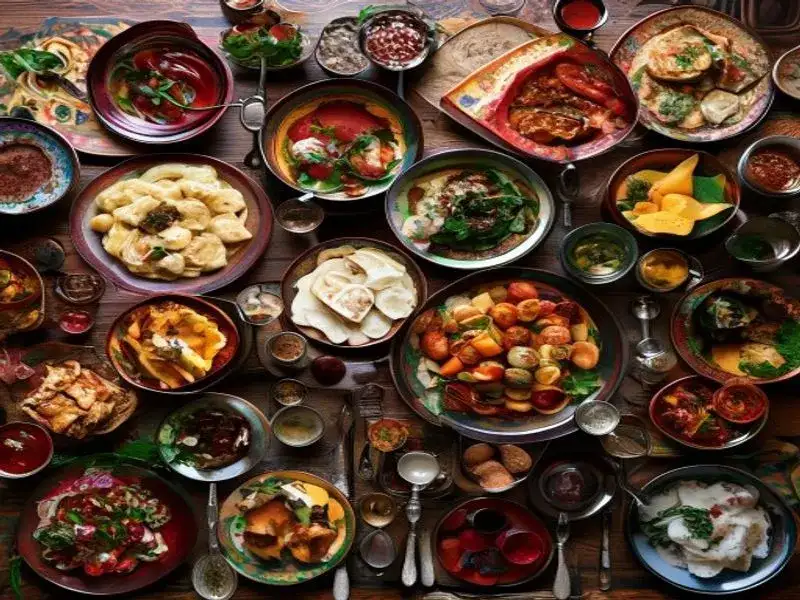

Breakfast in #Istanbul In many cultures, breakfast is a rushed affair—a simple pastry and a quick cup of coffee consumed on the go. In Turkey, however, breakfast (kahvaltı) is not merely a meal; it is an extended social ritual, a weekend institution, and nowhere is this more vibrantly celebrated than in the sprawling metropolis of Istanbul. The word kahvaltı translates literally to "before coffee" (kahve altı), indicating the feast one must consume to line the stomach before partaking in strong Turkish coffee. A Tapestry of Flavors A traditional Istanbul breakfast spread is a dazzling display of color, texture, and variety. The table is typically blanketed with a multitude of small dishes holding fresh and cured delicacies. You will always find an assortment of cheeses, prominently featuring beyaz peynir (a brined white cheese similar to feta but creamier), kaşar (a semi-hard yellow cheese), and the stringy çeçil cheese. Accompanying the cheeses are vibrant arrays of plump black and green olives, sliced cucumbers, and juicy tomatoes heavily drizzled with rich, cold-pressed olive oil. Sweet elements provide a crucial counterbalance: local honey served with thick clotted cream (bal kaymak) is an absolute necessity, often spread generously over freshly baked, sesame-crusted simit or warm, puffy bread. The Warm Additions While the cold plates form the foundation, the warm dishes are the stars of an Istanbul morning. The crowning glory is often menemen, a rustic, bubbling skillet of eggs gently scrambled with tomatoes, green peppers, onions, and fiery red pepper flakes. For those seeking something heartier, sucuklu yumurta—eggs fried with a spicy, garlic-laden beef sausage called sucuk—provides an intensely savory punch that is practically begging to be mopped up with crusty bread. The Ritual of Tea Contrary to the word's etymology, the dominant beverage of the Istanbul breakfast is not coffee, but tea. Endless tulip-shaped glasses of dark, mahogany-colored black tea from the Rize province in the Black Sea region are poured throughout the meal. The continuous flow of tea encourages diners to linger, converse, and stretch the meal into the early afternoon. Enjoying breakfast along the Bosphorus, with seagulls calling overhead and the city waking up around you, is an unforgettable cultural immersion that defines the very essence of Turkish hospitality. #IstanbulBreakfast #Kahvalti #TurkishFood #BalKaymak #Menemen #Simit #TurkishTea #Bosphorus #FoodCulture #CulinaryTravel #turkishfood #recipe #breakfastinistanbul #anatoliancuisine #demirsef #delicious #food Related InsightsThe Secret of Turkish Kebab Холодец: зимнее блюдо The Ultimate English Breakfast{ "@context": "https://schema.org", "@type": "FAQPage", "mainEntity": [ { "@type": "Question", "name": "What is the main focus of Breakfast in Istanbul?", "acceptedAnswer": { "@type": "Answer", "text": "Explore the incredible journey of Breakfast in Istanbul with Ayşe Kaya." } }, { "@type": "Question", "name": "Who authored the comprehensive guide on Breakfast in Istanbul?", "acceptedAnswer": { "@type": "Answer", "text": "This detailed article and its insights were carefully researched and authored by Demir Şef." } }, { "@type": "Question", "name": "Where can I find more related content about Recipe?", "acceptedAnswer": { "@type": "Answer", "text": "You can explore more articles, detailed reviews, and similar insights by browsing the Related Insights section at the bottom of this article or visiting our dedicated Recipe category page." } } ] }
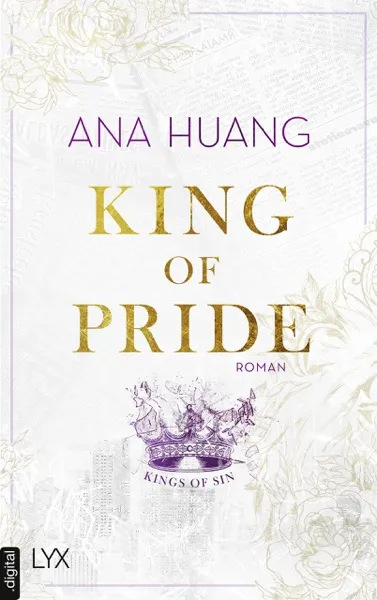
King of Pride Author: Ana HuangPage Count: UnknownPublication Year: 2023-GB Ana Huang’s King of Pride is a masterclass in contemporary romance, blending razor-sharp wit with emotional depth, all while dissecting the intoxicating allure—and the crippling toxicity—of pride. As the third installment in her Twisted Love series, Huang once again proves herself a virtuoso of the genre, crafting a narrative that’s as intellectually stimulating as it is swoon-worthy. With its high-stakes relationships, morally gray characters, and a prose style that crackles with both elegance and edge, this novel is a global bestseller for a reason: it doesn’t just tell a love story—it dissects what it means to fall, to forgive, and to fight for something worth being proud of. At its core, King of Pride is a meditation on the duality of pride—not just as arrogance, but as a shield, a weapon, and a prison. Huang’s protagonist, a character whose name isn’t revealed until well into the story (a deliberate narrative choice that mirrors the book’s themes of hidden vulnerability), is a man who has built an empire on the unshakable belief that he is untouchable. His pride is his armor, his currency, his curse. He is, in many ways, the archetype of the "king of pride"—a man who commands respect but struggles to accept love unless it’s on his terms. Huang doesn’t just write him as a flawed romantic hero; she crafts him as a study of human contradiction, a man who can be both ruthlessly calculating and achingly tender, domineering yet desperate for someone to see through the facade. What makes this novel stand out is Huang’s ability to balance razor-sharp dialogue with raw emotional honesty. Her prose is sleek, modern, and laced with humor, yet it never shies away from the messy, uncomfortable truths of relationships. The banter between the leads is electric, charged with a tension that oscillates between playful and combustible. There’s a scene early on where the protagonist, in a fit of pique, dismisses a potential love interest with a cutting remark—only for her to fire back with a wit so sharp it leaves him momentarily stunned. It’s a moment that encapsulates the book’s dynamic: Huang doesn’t just pit two people against each other; she pits their egos, their pasts, and their fears in a battle where love is the ultimate prize. The romance in King of Pride isn’t just about passion; it’s about power. Huang explores how pride can distort even the most genuine connections, how two people can love each other fiercely yet still wound each other in the name of self-preservation. The slow-burn tension between the leads is meticulously paced, each interaction layered with subtext. There’s no easy forgiveness here, no instant redemption—just two people who must decide, again and again, whether their pride is worth losing the one thing they never knew they needed. Huang’s writing also shines in her supporting characters, who are far more than just foils or comic relief. The friendships and rivalries in this world feel authentic, with real stakes that ripple through the main plot. The dialogue crackles with authenticity, whether it’s the biting sarcasm of a best friend calling out a character’s hypocrisy or the quiet, heartbreaking moments where vulnerability slips through the cracks. One of the most compelling aspects of King of Pride is its refusal to romanticize toxic traits. Huang doesn’t glorify her protagonist’s pride; she dissects it, shows its costs, and forces the reader to question whether it’s something to be admired or overcome. The novel asks: When does pride become self-sabotage? When does it stop being strength and start being a cage? These aren’t questions with easy answers, and Huang doesn’t provide them—she lets the story unfold, trusting the reader to sit with the discomfort, to feel the push and pull of love and ego in real time. In style, Huang blends the contemporary romance sensibilities of authors like Sally Thorne with the emotional depth of a more literary approach. Her sentences are tight, her pacing relentless, and her ability to weave in social commentary—about ambition, class, and the pressures of perfectionism—without ever feeling preachy is nothing short of impressive. King of Pride is a book that knows exactly what it wants to be: a gripping, emotionally charged romance that doesn’t just make you sigh over a love story but makes you think about the broken parts of yourself that need healing. If King of Pride has a flaw, it’s that its emotional climax relies on a trope that, while effective, isn’t entirely unexpected. But Huang sells it with such conviction and raw emotion that it’s impossible to resist. This is a novel that understands the catharsis of a grand gesture—not because it’s cliché, but because it’s earned. By the final pages, you’ll close the book not just satisfied by the romance, but moved by the journey of two people who learn that pride, in all its forms, is only as powerful as the love that dares to dismantle it. Ana Huang has done it again: King of Pride is a love story that lingers, a testament to the fact that the best romances aren’t just about the happy ending—they’re about the messy, prideful, perfectly imperfect path to getting there. #KingOfPride #AnaHuang #TwistedLoveSeries #RomanceWithBite #PrideAndLove #ContemporaryRomanceEssentials Related InsightsAnxious People Book Review and Summary Spirit Bound Book Review and Summary Angela's Ashes Book Review and Summary{ "@context": "https://schema.org", "@type": "FAQPage", "mainEntity": [ { "@type": "Question", "name": "What is the main focus of King of Pride Book Review and Summary?", "acceptedAnswer": { "@type": "Answer", "text": "Everything you need to know about King of Pride with our detailed review." } }, { "@type": "Question", "name": "Who authored the comprehensive guide on King of Pride Book Review and Summary?", "acceptedAnswer": { "@type": "Answer", "text": "This detailed article and its insights were carefully researched and authored by Natalia Sokolova." } }, { "@type": "Question", "name": "Where can I find more related content about Books?", "acceptedAnswer": { "@type": "Answer", "text": "You can explore more articles, detailed reviews, and similar insights by browsing the Related Insights section at the bottom of this article or visiting our dedicated Books category page." } } ] }

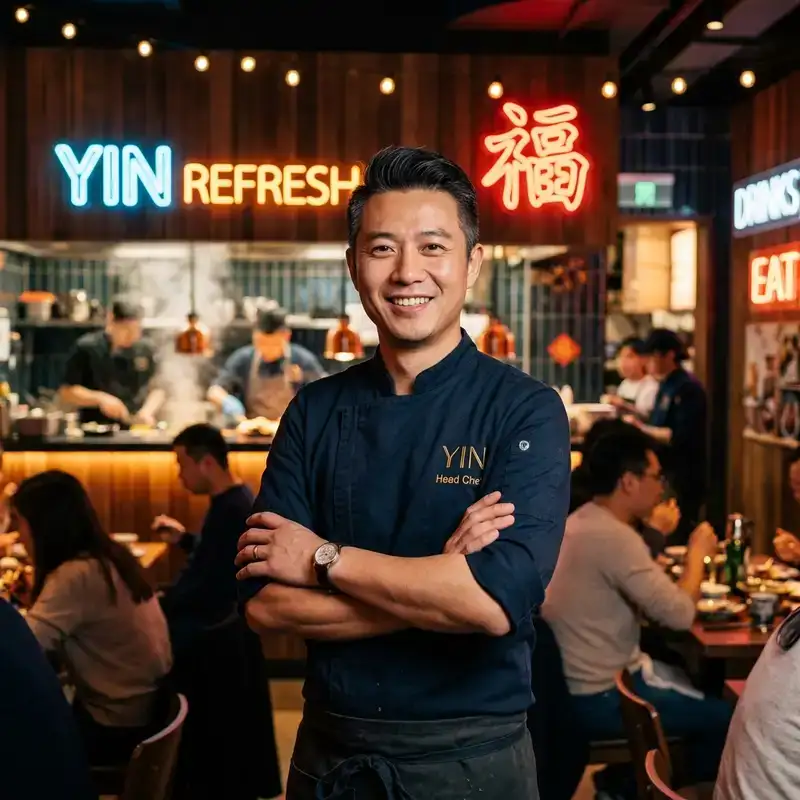
The allure of Szechuan Wontons in Chili Oil, known in Mandarin as Suanla Chaoshou, lies not just in their delectable taste but in the rich tapestry of history, culture, and tradition that they represent. These delicate, dumpling-like morsels, wrapped in a thin layer of dough and filled with a savory blend of meats or vegetables, are then submerged in a fragrant, spicy chili oil sauce that embodies the bold flavors and aromas of Szechuan cuisine. Introduction to Szechuan Wontons Szechuan Wontons in Chili Oil are a quintessential part of Szechuan cuisine, originating from the Sichuan Province in southwestern China. This dish, like many others in Szechuan cuisine, is characterized by its bold flavors, particularly the numbing and spicy sensations produced by Szechuan peppercorns and chili peppers. The wontons themselves can be filled with a variety of ingredients, including pork, chicken, vegetables, or a combination thereof, but it's the bath of chili oil that truly defines Suanla Chaoshou.The Cultural Significance of Suanla Chaoshou Suanla Chaoshou is more than just a dish; it's an integral part of Szechuan's cultural heritage. In Szechuan, food is not just about sustenance; it's about community, tradition, and the preservation of cultural identity. Suanla Chaoshou is often served at family gatherings, festivals, and in casual eateries, where it's enjoyed with a dipping sauce that can vary in composition but usually includes soy sauce, vinegar, and additional chili oil for added depth. Preparing Suanla Chaoshou Preparing Szechuan Wontons in Chili Oil involves several steps, from making the dough and filling, to the delicate process of wrapping the wontons, and finally, to the preparation of the chili oil sauce. The dough is typically made from flour, water, and sometimes eggs, which is then kneaded to achieve the right consistency for wrapping. Fillings can vary widely but must be finely chopped and seasoned with ingredients like ginger, garlic, and Szechuan peppercorns to enhance the flavor. The chili oil, the crowning glory of Suanla Chaoshou, is made by infusing oil with diced chili peppers, Szechuan peppercorns, garlic, and sometimes other aromatics like ginger and scallions. The infusion process can be quite lengthy, with some recipes requiring the oil to simmer for hours to achieve the perfect balance of flavors.The Authentic Recipe To make authentic Szechuan Wontons in Chili Oil, one must be willing to spend time and effort. Here's a simplified recipe to get you started:Ingredients for the wontons: 2 cups all-purpose flour, 2 eggs, 1/4 cup water, filling of your choice (e.g., ground pork with chopped scallions and ginger). For the chili oil: 1 cup vegetable oil, 1/2 cup diced chili peppers, 2 tablespoons Szechuan peppercorns, 2 cloves garlic, minced.Mix the flour, eggs, and water to form a dough. Knead until smooth and elastic. Prepare your filling and divide it into small portions. Roll out the dough thinly and use a cookie cutter or the rim of a glass to cut out circles. Place a small amount of filling in the center of each dough circle and fold the dough over the filling, pressing the edges together to seal the wonton. To make the chili oil, heat the vegetable oil in a saucepan over low heat. Add the diced chili peppers, Szechuan peppercorns, and garlic. Let it simmer for at least an hour, stirring occasionally, until the oil has taken on a deep red color and the aroma of the spices is pronounced. Cook the wontons in boiling water until they float to the surface. Then, transfer them to the chili oil sauce to coat.Conclusion Szechuan Wontons in Chili Oil, or Suanla Chaoshou, is a dish that embodies the heart and soul of Szechuan cuisine. With its intricate preparation process, deep cultural roots, and explosive flavors, it's a culinary experience that awaits anyone brave enough to delve into the spicy, numbing world of Szechuan cooking. Whether you're a seasoned foodie or just starting your culinary journey, Suanla Chaoshou is sure to leave a lasting impression, a testament to the power of food to connect us with tradition, community, and the simple joys of taste.#SzechuanCuisine #WontonsInChiliOil #SuanlaChaoshou #TraditionalChineseFood #FoodCulture #SzechuanPeppercorns #ChiliOilRecipe #AuthenticSzechuanRecipes Related InsightsNdambe: The Comforting Black-Eyed Pea Stew Slurp Your Way Through Japan: The Definitive Ramen Roadmap from Tonkotsu to Shoyu The Unfolding Tapestry of Flavor: A Millennia-Spanning Journey Through the Epic Evolution of Curry{ "@context": "https://schema.org", "@type": "FAQPage", "mainEntity": [ { "@type": "Question", "name": "What is the main focus of Szechuan Wontons in Chili Oil (Suanla Chaoshou)?", "acceptedAnswer": { "@type": "Answer", "text": "Discover the deep cultural roots, authentic flavors, and history of Szechuan Wontons in Chili Oil (Suanla Chaoshou)." } }, { "@type": "Question", "name": "Who authored the comprehensive guide on Szechuan Wontons in Chili Oil (Suanla Chaoshou)?", "acceptedAnswer": { "@type": "Answer", "text": "This detailed article and its insights were carefully researched and authored by Wei Chen." } }, { "@type": "Question", "name": "Where can I find more related content about Food?", "acceptedAnswer": { "@type": "Answer", "text": "You can explore more articles, detailed reviews, and similar insights by browsing the Related Insights section at the bottom of this article or visiting our dedicated Food category page." } } ] }

Pochissimi luoghi al mondo possono offrire una finestra così nitida sul passato come Pompei. L'eruzione del Vesuvio nel 79 d.C. distrusse la città, ma la seppellì sotto uno spesso strato di cenere e pomice, preservandola intatta per quasi duemila anni. Oggi, Pompei è uno dei siti archeologici più importanti e visitati al mondo. Vita Quotidiana Interrotta Camminando lungo le strade lastricate di Pompei, si può osservare la vita quotidiana dei romani esattamente come si svolgeva nel I secolo d.C. Dalle lussuose ville affrescate (come la Villa dei Misteri) ai termopoli (i 'fast food' dell'antichità), dai teatri ai postriboli, ogni dettaglio racconta una storia. Gli affreschi, i mosaici e persino i graffiti sui muri ci offrono una narrazione vivida e autentica di una società complessa e vivace. I Calchi: Testimoni della Tragedia Forse l'aspetto più toccante di Pompei sono i calchi in gesso delle vittime. Versando gesso liquido nei vuoti lasciati dai corpi decomposti sotto la cenere, l'archeologo Giuseppe Fiorelli nell'Ottocento riuscì a immortalare gli ultimi istanti di agonia degli abitanti. Queste figure umane, rannicchiate o colte in un disperato tentativo di fuga, sono un monito potente della forza distruttiva della natura. L'Importanza della Conservazione Oggi, la sfida principale per Pompei è la conservazione. Il Grande Progetto Pompei ha fatto passi da gigante nel restauro e nella messa in sicurezza del sito, portando alla luce nuove domus e affreschi mozzafiato. Visitare Pompei non è solo un tour turistico, è un pellegrinaggio nella fragilità dell'esistenza umana. #Pompei #Vesuvio #Archeologia #Campania #StoriaAntica #italy #rome #history #ancient Related InsightsEthiopia’s Danakil Depression: A Journey to Earth’s Hottest and Most Alien Landscape La Alhambra: El Sueño Nazarí de Granada L'Odyssée Australienne : Entre Terre Rouge et Récifs d'Azur{ "@context": "https://schema.org", "@type": "FAQPage", "mainEntity": [ { "@type": "Question", "name": "What is the main focus of Scavi di Pompei: La Città Congelata nel Tempo?", "acceptedAnswer": { "@type": "Answer", "text": "Un viaggio tra le rovine intatte della città distrutta dall'eruzione del Vesuvio nel 79 d.C." } }, { "@type": "Question", "name": "Who authored the comprehensive guide on Scavi di Pompei: La Città Congelata nel Tempo?", "acceptedAnswer": { "@type": "Answer", "text": "This detailed article and its insights were carefully researched and authored by Lorenzo Russo." } }, { "@type": "Question", "name": "Where can I find more related content about Travel?", "acceptedAnswer": { "@type": "Answer", "text": "You can explore more articles, detailed reviews, and similar insights by browsing the Related Insights section at the bottom of this article or visiting our dedicated Travel category page." } } ] }

The Art of John Harris: Beyond the Horizon Author: John HarrisPage Count: UnknownPublication Date: 2014-PRH In the realm of science fiction art, few names shine as brightly as John Harris, a visionary artist celebrated for his breathtaking, large-scale concept paintings that transport viewers to the farthest reaches of the universe. "The Art of John Harris: Beyond the Horizon" is a stunning collection of his most captivating works, offering a glimpse into the boundless imagination of this master artist. Published in 2014, this magnificent tome is a testament to Harris' unwavering dedication to his craft, showcasing a diverse array of futuristic art that defies the boundaries of time and space. From the majestic sweep of interstellar landscapes to the towering spires of distant cities, each piece is a window into a world beyond our own, inviting the viewer to step into the infinite possibilities of the cosmos. One of the most striking aspects of Harris' style is his ability to balance the epic with the intimate, juxtaposing the grandeur of celestial vistas with the quiet, human moments that unfold within them. His paintings are not merely exercises in visual spectacle, but gateways to entire universes, teeming with life, mystery, and wonder. Whether depicting the ravaged terrain of a distant planet or the sleek, metallic curves of an alien spacecraft, Harris' brushstrokes are imbued with a sense of awe and curiosity, drawing the viewer inexorably into the heart of his creations. The collection also highlights Harris' remarkable collaborations with some of science fiction's most revered authors, including Arthur C. Clarke, John Scalzi, and Orson Scott Card. His cover art for these esteemed writers is a testament to his versatility and range, adapting his unique vision to capture the essence of each author's work. From the haunting, atmospheric landscapes of Card's "Ender's Game" to the sleek, futuristic cityscapes of Scalzi's "Old Man's War," Harris' art is a seamless extension of the authors' imaginative worlds, inviting readers to step into the very fabric of the stories themselves. Throughout the book, Harris' passion for his craft is palpable, a sense of joy and discovery that permeates every page. His art is not merely a reflection of the science fiction genre, but a celebration of its limitless potential, a testament to the boundless imagination that drives us to explore, to dream, and to create. In short, "The Art of John Harris: Beyond the Horizon" is a visual feast, a journey to the very edges of the universe and the depths of the human experience. It is a must-have for fans of science fiction, art, and imagination, a testament to the transformative power of creativity and the infinite possibilities that lie beyond the horizon. #ScienceFictionArt #JohnHarrisArt #TheArtOfJohnHarris #BeyondTheHorizon #VisionaryArt #ScienceFictionIllustration Related InsightsTwo Can Keep a Secret Book Review and Summary Diario de Anne Frank (edición ilustrada) / The Diary of a Young Girl (Illustrated Edition) Book Review and Summary Gallant Book Review and Summary{ "@context": "https://schema.org", "@type": "FAQPage", "mainEntity": [ { "@type": "Question", "name": "What is the main focus of The Art of John Harris: Beyond the Horizon Book Review and Summary?", "acceptedAnswer": { "@type": "Answer", "text": "Everything you need to know about The Art of John Harris: Beyond the Horizon with our detailed review." } }, { "@type": "Question", "name": "Who authored the comprehensive guide on The Art of John Harris: Beyond the Horizon Book Review and Summary?", "acceptedAnswer": { "@type": "Answer", "text": "This detailed article and its insights were carefully researched and authored by Giulia Ricci." } }, { "@type": "Question", "name": "Where can I find more related content about Books?", "acceptedAnswer": { "@type": "Answer", "text": "You can explore more articles, detailed reviews, and similar insights by browsing the Related Insights section at the bottom of this article or visiting our dedicated Books category page." } } ] }
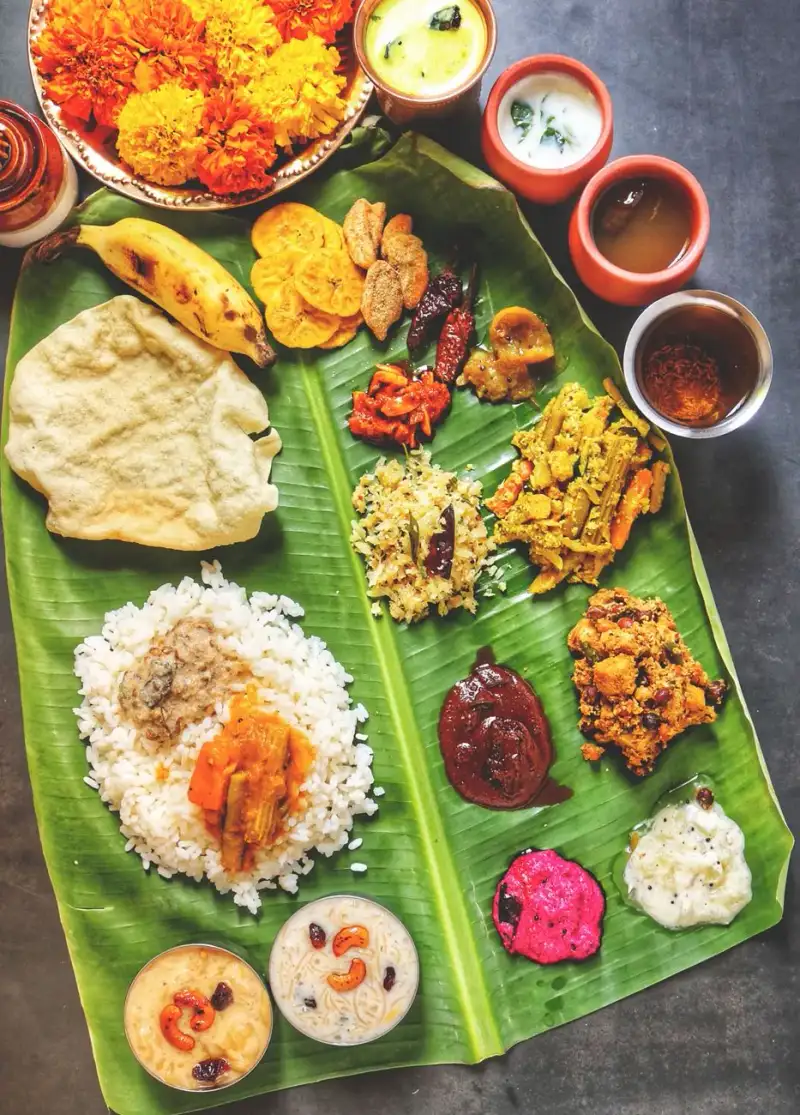

In the lush, tropical landscape of Kerala, a state in the southwestern tip of India, lies a culinary tradition that is as comforting as it is flavorful. At the heart of this tradition are two dishes that have been intertwined for centuries: Appam and Stew. These coconut-based companions have been a staple of Kerala's cuisine, offering a taste of warmth, comfort, and community to all who partake in them. The Appam, a delicate, lacy rice and coconut milk pancake, and the Stew, a rich, slow-cooked curry made with coconut milk, spices, and an assortment of vegetables or meats, together create a culinary duo that is quintessentially Kerala. Introduction to Appam The Appam is a breakfast staple in Kerala, often served with a variety of stews or curries. Its delicate, almost lace-like texture is achieved through a fermentation process involving rice and coconut milk. The batter, once fermented, is cooked in a specialized wok-like pan called an "appachatti," which gives the Appam its characteristic shape and texture. The process of making Appam is an art form, passed down through generations, with each family having its own secret recipe and technique.The Stew: A Symphony of Flavors The Stew, or "Ishtew" as it is locally known, is a masterclass in slow cooking. It's a dish that requires patience, as the flavors meld together over low heat, creating a rich, creamy sauce that is both comforting and aromatic. The Stew can be made with a variety of ingredients, including chicken, beef, lamb, or vegetables, but the common thread is always the coconut milk and the carefully balanced blend of spices. The use of coconut milk not only adds richness but also a unique flavor that complements the Appam perfectly.Cultural Significance of Appam and Stew Appam and Stew are more than just dishes in Kerala; they represent a cultural heritage that is deeply rooted in the state's history and traditions. They are often served at family gatherings, festivals, and special occasions, symbolizing unity, love, and hospitality. The preparation and sharing of these dishes are communal activities, fostering a sense of community and togetherness. In a world that is increasingly fast-paced, the traditional Appam and Stew stand as a testament to the value of slow, mindful living and the joy of sharing meals with others. Authentic Recipe for Appam and Stew For those looking to experience the authentic taste of Kerala, making Appam and Stew at home can be a rewarding experience. The key to a good Appam is in the fermentation of the batter, which gives it the necessary lift and texture. For the Stew, the quality of the coconut milk and the balance of spices are crucial. Here is a simple recipe to get you started:For Appam:2 cups of rice 1 cup of coconut milk 1/2 teaspoon of yeast Salt to taste Water as neededFor Stew:1 can of coconut milk 1 onion, diced 2 cloves of garlic, minced 1 tablespoon of ginger paste 1 teaspoon of cumin seeds 1/2 teaspoon of turmeric powder 1/2 teaspoon of red chili powder Salt to taste Your choice of protein or vegetablesVariations and Innovations While traditional recipes are cherished, modern chefs and home cooks are continually finding new ways to innovate and reinvent Appam and Stew. From adding new spices and ingredients to experimenting with different types of flour for the Appam, the possibilities are endless. However, the essence of these dishes remains unchanged - they are about comfort, tradition, and the joy of sharing a meal with loved ones.Conclusion Appam and Stew, Kerala's comforting coconut duo, are a culinary reflection of the state's rich cultural heritage and its people's love for good food and warm hospitality. Whether enjoyed in a bustling street food market or in the comfort of one's home, these dishes have the power to transport us to a place of warmth and comfort. As we continue to explore and celebrate the diversity of global cuisine, Appam and Stew stand as a testament to the enduring power of traditional cooking and the universal language of food. #KeralaCuisine #AppamAndStew #CoconutBasedDishes #TraditionalFood #FoodCulture #IndianCuisine #ComfortFood #CulinaryHeritage Related InsightsAu Cœur du Sénégal : Une Odyssée Sensorielle entre Tradition et Épices Portuguese Pastéis de Nata: The Custard Tart's Sweet History (Part 2) Tacos Al Pastor: Il Mio Viaggio nel Cuore della Messicana Cucina{ "@context": "https://schema.org", "@type": "FAQPage", "mainEntity": [ { "@type": "Question", "name": "What is the main focus of Appam and Stew: Kerala's Comforting Coconut Duo?", "acceptedAnswer": { "@type": "Answer", "text": "Discover the deep cultural roots, authentic flavors, and history of Appam and Stew: Kerala's Comforting Coconut Duo." } }, { "@type": "Question", "name": "Who authored the comprehensive guide on Appam and Stew: Kerala's Comforting Coconut Duo?", "acceptedAnswer": { "@type": "Answer", "text": "This detailed article and its insights were carefully researched and authored by Anjali Desai." } }, { "@type": "Question", "name": "Where can I find more related content about Food?", "acceptedAnswer": { "@type": "Answer", "text": "You can explore more articles, detailed reviews, and similar insights by browsing the Related Insights section at the bottom of this article or visiting our dedicated Food category page." } } ] }
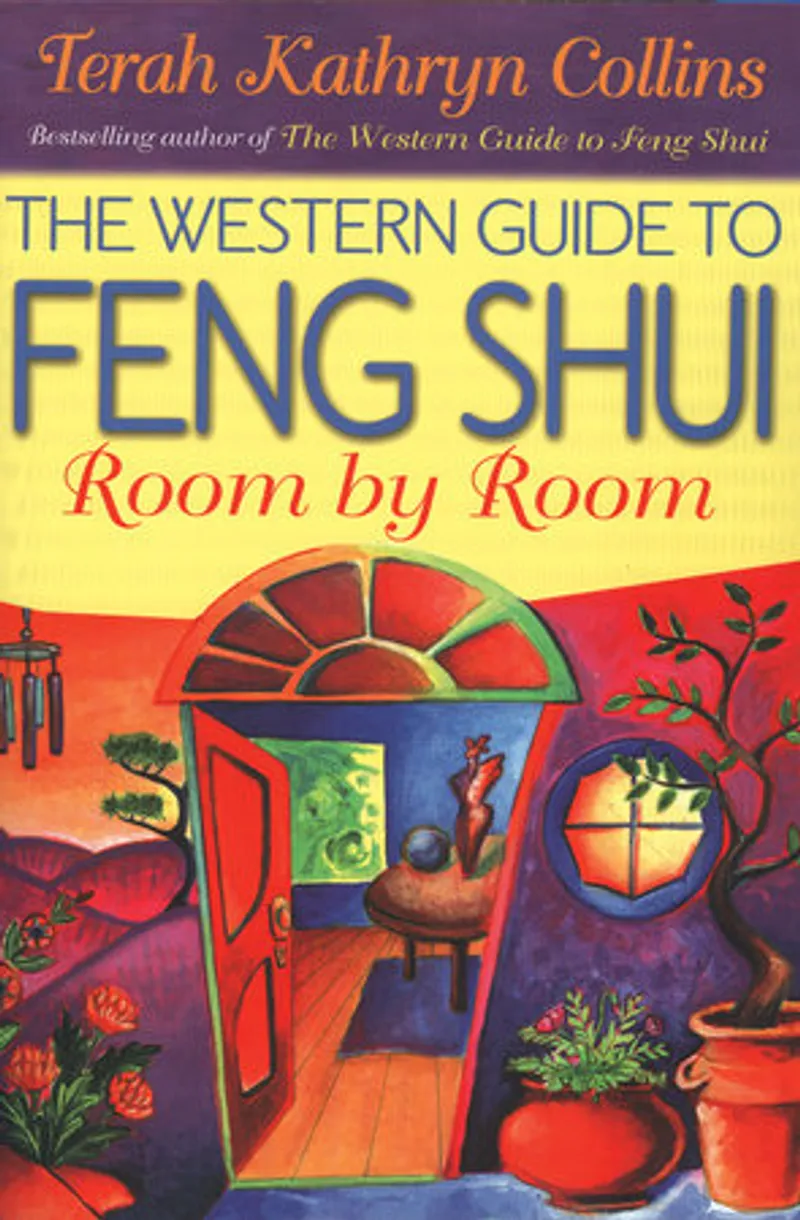
The Western Guide to Feng Shui: Room by Room Author: Terah Kathryn CollinsPage Count: UnknownPublication Date: 1999-PRH The Western Guide to Feng Shui: Room by Room, penned by the esteemed Terah Kathryn Collins, is a transformative and insightful guide that delves into the ancient Chinese philosophy of Feng Shui, expertly tailored for Western audiences. First published in 1999, this book has stood the test of time, offering a practical and accessible approach to understanding how the arrangement of one's living and working spaces can profoundly impact various aspects of life, including relationships, health, and financial well-being. Collins, an acclaimed Feng Shui teacher, brings a wealth of knowledge and experience to the table, making the complex principles of Feng Shui easy to grasp and implement. With a warm and engaging writing style, she invites readers to embark on a step-by-step journey through their homes and offices, encouraging them to open their "Feng Shui eyes" to the subtle yet powerful influences of their surroundings. This approach not only educates but also empowers readers to take control of their environments and, by extension, their lives. One of the book's most compelling aspects is its use of real-life stories and anecdotes, illustrating the tangible positive changes that individuals have experienced after applying Feng Shui principles to their lives. These narratives serve as powerful testimonials, inspiring readers to explore the potential of Feng Shui in their own lives. Collins' ability to weave these stories into the fabric of her guide makes the book feel both personal and universally applicable, appealing to a wide range of readers, from those merely curious about Feng Shui to practitioners seeking to deepen their understanding. The room-by-room approach adopted by Collins is particularly noteworthy, as it provides readers with a clear, methodical way to assess and enhance their spaces. This practicality is a hallmark of Collins' teaching style, reflecting her commitment to making Feng Shui accessible and beneficial to everyone, regardless of their background or living situation. Whether you reside in a small apartment or a spacious house, work from home or in a bustling office, the principles outlined in this book can be adapted to suit your unique circumstances, promising a more harmonious and supportive environment. In conclusion, The Western Guide to Feng Shui: Room by Room is a seminal work that has contributed significantly to the popularization and understanding of Feng Shui in the Western world. Terah Kathryn Collins' expertise, combined with her engaging and inclusive writing style, makes this book an indispensable resource for anyone interested in harnessing the power of their environment to improve their quality of life. As a testament to its enduring relevance, this book continues to inspire readers to embrace the transformative potential of Feng Shui, offering a pathway to a more balanced, prosperous, and fulfilling life. #FengShuiForBeginners #WesternFengShui #HomeDecorInspiration #MindfulLivingSpaces #FengShuiForProsperity #HolisticHomeDesign Related InsightsA Thousand Splendid Suns Book Review and Summary The Last Emperor of China: Twilight of the Forbidden City Book Review and Summary Cherry: A Novel Book Review and Summary{ "@context": "https://schema.org", "@type": "FAQPage", "mainEntity": [ { "@type": "Question", "name": "What is the main focus of Room Book Review and Summary?", "acceptedAnswer": { "@type": "Answer", "text": "Everything you need to know about Room with our detailed review." } }, { "@type": "Question", "name": "Who authored the comprehensive guide on Room Book Review and Summary?", "acceptedAnswer": { "@type": "Answer", "text": "This detailed article and its insights were carefully researched and authored by Emma Donoghue." } }, { "@type": "Question", "name": "Where can I find more related content about Books?", "acceptedAnswer": { "@type": "Answer", "text": "You can explore more articles, detailed reviews, and similar insights by browsing the Related Insights section at the bottom of this article or visiting our dedicated Books category page." } } ] }