
-
 Antoine Leroy
 - 29 Aug, 2026 01:25
27 Stars (Women's Murder Club #27) Book Review and Summary
Author: James PattersonPage Count: UnknownPublication Date: Expected publication 2026 APL Listen to me, you ungrateful whelps, stop slouching over those glowing rectangles and pay attention. My own grandchildren have the attention span of a drowning gnat, entirely obsessed with flashing lights and hollow noise instead of a proper, sweeping narrative built on blood, hubris, and immortal vengeance. Now they hand me 27 Stars and expect me to nod along like some senile fool thrilled by a number that belongs on a jersey rather than a gravestone. James Patterson is at it again, marching out his exhausted Women's Murder Club lineup for another round of San Francisco high-society butchery. The Geography of Aristocratic Rot Look at this premise. A basketball star in a luxury tower. Two girls on a pristine private campus. A bartender outside a trendy club. How terribly original. We are supposed to gasp at the juxtaposition of elite privilege and brutal violence, as if Homer didn't invent the entire concept of the mighty falling from high places millennia ago. But no, modern readers need a sanitized checklist of wealthy zip codes to feel alive. And honestly, speaking of lazy recycling, my grandson spends twelve hours a day watching blue hedgehogs run in circles collecting shiny rings while completely ignoring the tragic irony of Sisyphus, which brings me right back to this twenty-seventh installment of industrial-grade crime fiction. Why twenty-seven? Why not fifty? Why stop when the horse has not only died, but decomposed into mineral dust? Wait, scratch that entirely. Numbers do not matter in these franchises; bodies are merely interchangeable props designed to be swapped out before the next quarterly royalty check clears. The Illusion of Collective Genius Sharing information is how they survive. That is the marketing pitch. A tight-knit sisterhood of professionals combining forensic brilliance and intuition to conquer chaos. Yet, the synopsis relies on the oldest, laziest trope in the thriller trade: If only the dead could talk… Oh, please. If the dead could talk, they would probably complain about how poorly sketched their character arcs are. James Patterson writes less like a novelist and more like a factory foreman assembling flat-pack furniture with half the screws missing. Michael Connelly understands how to build a city’s rotting soul on the page, whereas this factory line churns out airport paperbacks designed to be forgotten before the plane even lands. The Inevitable Carnage Multiple victims. Too many suspects to count. A mathematical equation for boredom. Patterson will undoubtedly serve up a brisk, three-page chapter structure that treats high-stakes murder with the intellectual depth of a cereal commercial. Yet here we are. Waiting for the machinery to grind forward. The sheer existential dread of staring at a blinking cursor while my descendants demand I explain the nuances of modern procedural garbage is frankly too much to bear. #bookstagram #thriller #jamespatterson #sanity Related InsightsFreakonomics (Spanish Edition) Book Review and Summary El peor vecino del mundo Book Review and Summary Dark Country Book Review and Summary{ "@context": "https://schema.org", "@type": "FAQPage", "mainEntity": [ { "@type": "Question", "name": "What is the main focus of 27 Stars (Women's Murder Club #27) Book Review and Summary?", "acceptedAnswer": { "@type": "Answer", "text": "Everything you need to know about 27 Stars (Women's Murder Club #27) with our detailed review." } }, { "@type": "Question", "name": "Who authored the comprehensive guide on 27 Stars (Women's Murder Club #27) Book Review and Summary?", "acceptedAnswer": { "@type": "Answer", "text": "This detailed article and its insights were carefully researched and authored by Antoine Leroy." } }, { "@type": "Question", "name": "Where can I find more related content about Books?", "acceptedAnswer": { "@type": "Answer", "text": "You can explore more articles, detailed reviews, and similar insights by browsing the Related Insights section at the bottom of this article or visiting our dedicated Books category page." } } ] }
-
 Marco Rossi
 - 29 Aug, 2026 01:18
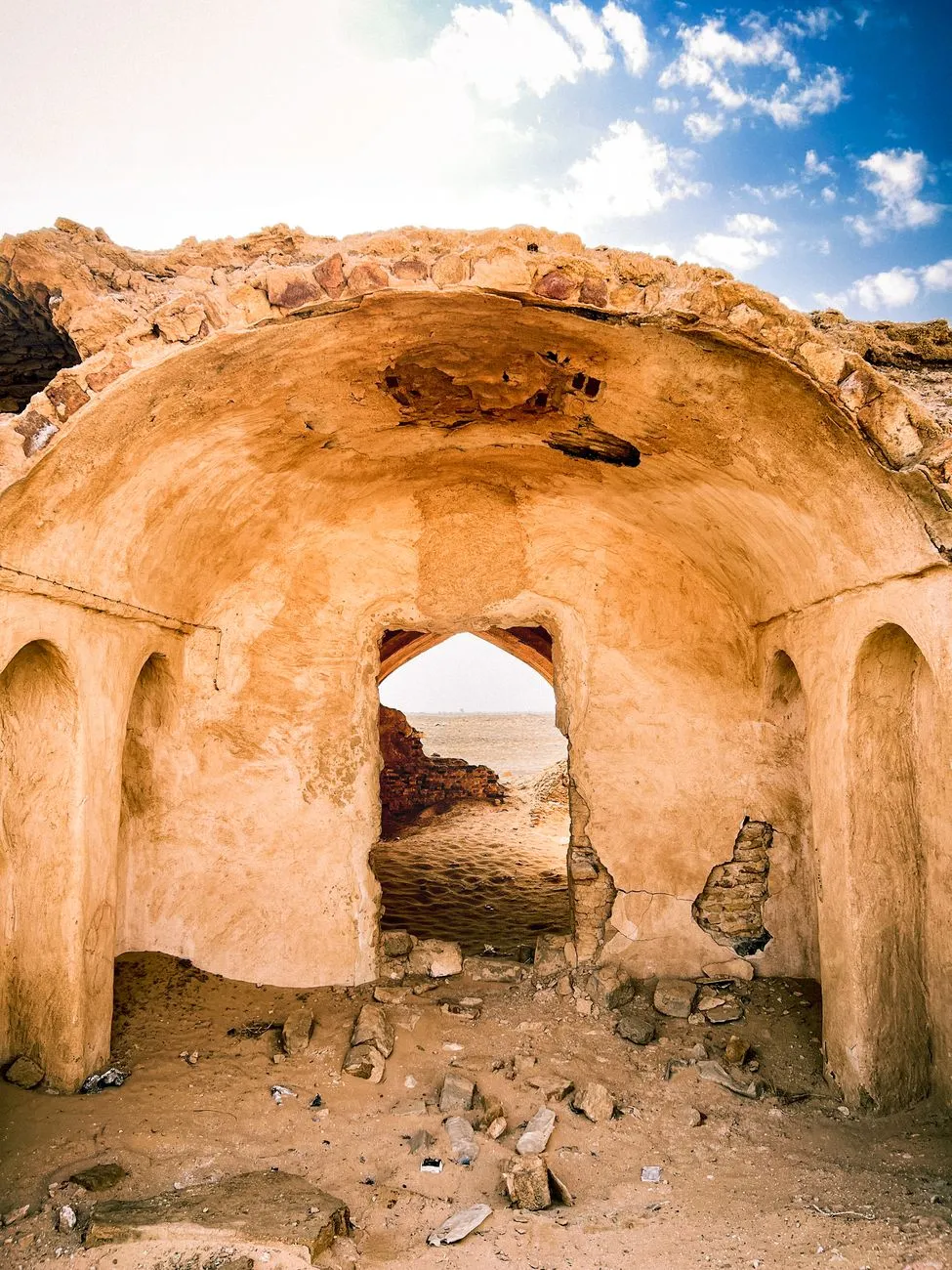
Fantasmi sulla Via della Seta: Il richiamo silenzioso delle oasi perdute del Turkmenistan
Il vento del Karakum non soffia, sussurra. Porta con sé il riverbero di carovane che, secoli fa, solcavano le distese infinite dell'Asia centrale, cariche di seta, spezie e sogni di gloria imperiale. Quando ci si addentra nell'entroterra del Turkmenistan, la sensazione di trovarsi fuori dal tempo non è una suggestione, ma un dato di fatto geologico e storico. Qui, dove le oasi un tempo scintillavano come smeraldi nel cuore di un mare di sabbia, oggi restano solo le ossa di civiltà che hanno sfidato l'aridità del deserto e, alla fine, hanno dovuto arrendersi al suo implacabile abbraccio. L'architettura dell'oblio tra le dune del Karakum Camminare tra le rovine di Merv non è come visitare una città antica convenzionale. Non si tratta di passeggiare tra monumenti restaurati o musei all'aperto, ma di abitare lo spazio dell'assenza. Merv, un tempo centro nevralgico della Via della Seta, era definita la "Madre del Mondo". Oggi, ciò che resta è un vasto mosaico di fortificazioni in mattoni di fango, le cui mura sembrano sciogliersi lentamente sotto il sole incandescente, tornando a essere terra, polvere, infinito. L'immensità di questo sito archeologico è disarmante. I resti delle città sovrapposte – Erk Kala, Gyaur Kala, Sultan Kala – raccontano una storia di ascesa e caduta segnata dall'incessante lotta per l'acqua. Ogni mattone cotto al sole conserva la memoria di architetti che cercavano di contenere il caos del deserto attraverso la geometria sacra della cupola e dell'arco. La logica delle acque sotterranee e la morte delle civiltà Il mistero di queste oasi fantasma risiede nella loro dipendenza dal sistema dei qanat o kariz. Queste ingegnose gallerie sotterranee, progettate per trasportare l'acqua dalle montagne fino alle valli aride, rappresentano il battito cardiaco che teneva in vita le antiche città della Via della Seta. Quando il sistema idrico falliva — a causa di guerre, cambi di dinastia o mutamenti climatici — la città moriva in poche stagioni. Guardando i profili spezzati del mausoleo di Sultan Sanjar, si percepisce l'ambizione di un potere che pensava di poter controllare il deserto. La maestosità di questa struttura, ancora incredibilmente solida rispetto al vuoto circostante, è un monito silenzioso. Il Turkmenistan è un archivio di tentativi umani di domare l'incontrollabile. Le oasi non sono mai state luoghi stabili, ma patti temporanei con una terra che, per sua natura, non accetta padroni. Oltre la sabbia: l'eredità di Konye-Urgench Spostandosi verso nord, verso le sponde dell'antico corso dell'Amu Darya, ci si imbatte in Konye-Urgench. Qui, il paesaggio diventa ancora più spettrale. Il minareto di Kutlug-Timur si erge come un dito puntato verso il cielo, un'anomalia verticale in un orizzonte dominato dall'orizzontalità assoluta della steppa. Le rovine qui trasudano la storia del Khanato di Corasmia. È un luogo dove il tempo ha rallentato fino a fermarsi. Le decorazioni in mattoni, che formano motivi geometrici incredibilmente complessi, testimoniano un livello di raffinatezza artistica che contrasta violentemente con l'isolamento del luogo. Perché gli uomini hanno scelto di costruire tesori architettonici in una terra così ostile? La risposta risiede nel prestigio: lungo la Via della Seta, l'architettura era la moneta della diplomazia e della fede.L'archeologia del silenzio come stile di vita Il viaggiatore che cerca le oasi fantasma del Turkmenistan deve essere pronto a perdere le certezze. Non c'è rumore di folle, non ci sono souvenir dozzinali. C'è solo il silenzio che preme sulle tempie, interrotto raramente dal richiamo di un predatore del deserto o dal fruscio della sabbia che scivola sui resti delle mura. Questa è l'archeologia allo stato puro: una disciplina che richiede pazienza, rispetto e la capacità di saper leggere i segni lasciati dai secoli sulla materia organica delle costruzioni in adobe. Ogni crepa in un arco, ogni frammento di ceramica azzurra che brilla tra la polvere, è un capitolo di un libro scritto in una lingua che solo il vento può ancora leggere. Il fascino del nulla: perché tornare nel Karakum? Molti si chiedono perché intraprendere un viaggio verso siti così remoti e, a tratti, desolati. La risposta è semplice: per riconnettersi con la vulnerabilità umana. In un mondo iper-connesso e cementificato, le oasi fantasma del Turkmenistan ci ricordano che tutto ciò che costruiamo è, in ultima istanza, un prestito dalla terra. Visitare questi luoghi significa accettare di essere piccoli. Significa guardare negli occhi la storia e accorgersi che essa non è fatta di eroi o grandi battaglie, ma di comunità che hanno lottato per sopravvivere, che hanno creato bellezza in condizioni estreme e che, alla fine, hanno lasciato che la terra riprendesse ciò che era suo.Consigli per l'esploratore del tempo Chi intende avventurarsi in questi territori deve prepararsi con rigore. Non è una meta per il turismo di massa, ma per chi cerca una verità diversa. Il rispetto dei tempi: Il deserto detta le regole. Le ore più calde vanno evitate, lasciando che le rovine parlino solo quando la luce del tramonto allunga le ombre, rendendo visibili dettagli architettonici invisibili a mezzogiorno. L'osservazione: Non cercate l'oro o i tesori. Cercate i sistemi di canalizzazione, le fondamenta delle case comuni, il modo in cui le città venivano orientate rispetto ai venti dominanti. Il silenzio: Spegnete le tecnologie. Lasciate che il vuoto del deserto riempia i vostri sensi. La vera esperienza del Turkmenistan è l'assenza di distrazioni.Il Turkmenistan non vi regalerà una vacanza classica, ma una trasmutazione interiore. Lascerete il paese con meno certezze, ma con una consapevolezza molto più profonda della precarietà del cammino umano. Le oasi fantasma non sono morte: continuano a vivere nel racconto che ogni viaggiatore porta con sé, come un'eco che non smette di riverberare tra le dune. Il viaggio continua, non attraverso chilometri di asfalto, ma attraverso strati di storia che attendono solo di essere riscoperti da chi ha la pazienza di guardare oltre la sabbia. Perché, in fondo, siamo tutti carovanieri su una Via della Seta che non ha mai smesso di scorrere, anche quando i suoi sentieri sono stati inghiottiti dal silenzio.#Turkmenistan #SilkRoad #DesertGhosts #ArchaeologyTravel #HiddenGems Related InsightsSous les Vignobles de la Loire : Le Mystère Énigmatique des Cités Troglodytiques Oubliées Калининград и Куршская коса 平遥古城:穿越明清的金融中心{ "@context": "https://schema.org", "@type": "FAQPage", "mainEntity": [ { "@type": "Question", "name": "What is the main focus of Fantasmi sulla Via della Seta: Il richiamo silenzioso delle oasi perdute del Turkmenistan?", "acceptedAnswer": { "@type": "Answer", "text": "Un viaggio nel tempo tra le rovine desertiche del Turkmenistan, dove le antiche oasi della Via della Seta raccontano segreti dimenticati tra sabbia e storia." } }, { "@type": "Question", "name": "Who authored the comprehensive guide on Fantasmi sulla Via della Seta: Il richiamo silenzioso delle oasi perdute del Turkmenistan?", "acceptedAnswer": { "@type": "Answer", "text": "This detailed article and its insights were carefully researched and authored by Marco Rossi." } }, { "@type": "Question", "name": "Where can I find more related content about Travel?", "acceptedAnswer": { "@type": "Answer", "text": "You can explore more articles, detailed reviews, and similar insights by browsing the Related Insights section at the bottom of this article or visiting our dedicated Travel category page." } } ] }


Where the Crowds Never Go: The Real Southeast Asia Awaits Southeast Asia has long been a magnet for travelers, but the well-trodden paths of Bali, Bangkok, and Hanoi are only the beginning. In 2026, a new wave of adventurers is uncovering the region’s hidden gems—places where pristine beaches, lush jungles, and vibrant cultures thrive without the tourist hordes. From the misty highlands of northern Laos to the ancient temples of Cambodia’s Siem Reap, these destinations offer something far more authentic than the typical backpacker route. Whether you're a digital nomad chasing reliable Wi-Fi or a thrill-seeker hunting for untouched landscapes, Southeast Asia’s best-kept secrets promise an experience that’s as enriching as it is exhilarating.Siem Reap: Beyond Angkor Wat – A Digital Nomad’s Paradise Emerges For decades, Siem Reap was known solely as the gateway to Angkor Wat, a place where travelers rushed in, snapped photos, and fled. But in 2026, this Cambodian gem has transformed into a digital nomad haven, offering a perfect blend of affordability, culture, and modern convenience. The city’s internet infrastructure has seen a dramatic upgrade, with speeds now ranging from 50 to 80 Mbps in the city center—a far cry from the dial-up days of the past. Coworking spaces like AngkorHub and The Factory provide high-speed connections, ergonomic setups, and networking opportunities, all for a fraction of what you’d pay in Bangkok or Bali. The cost of living is another draw. A digital nomad can comfortably live on $700–$1,100 per month, including rent, food, and coworking fees. A studio apartment in the city center costs around $300–$500, while a meal at a local amok (Cambodian curry) restaurant runs just $3–$5. Even gym memberships and social events are budget-friendly, with most activities costing under $10. The visa situation has also improved, with Cambodia’s Digital Nomad Visa (introduced in 2024) now fully operational. For $290, you get a 12-month visa with the option to extend, making it one of the most straightforward and affordable options in Southeast Asia. But Siem Reap isn’t just about saving money—it’s about immersion. The city’s growth has brought a wave of new cafes, art galleries, and coworking hubs, all while preserving its rich heritage. The Phare Circus, a social enterprise employing at-risk youth, offers evening performances that blend acrobatics with Cambodian folklore. Meanwhile, the Siem Reap Pub Street has evolved beyond its backpacker reputation, now featuring rooftop bars with live music and craft cocktails. For those seeking adventure, day trips to the Tonlé Sap Lake or the Kulen Promtep Wildlife Sanctuary offer kayaking, hiking, and encounters with rare wildlife.Da Nang: Vietnam’s Coastal Secret Where Urban Sophistication Meets Beachside Bliss While Ho Chi Minh City and Hanoi dominate Vietnam’s travel narrative, Da Nang has quietly emerged as the country’s most dynamic coastal destination. In 2026, this city of 1.2 million is a digital nomad hotspot, offering a rare combination of urban amenities, stunning beaches, and affordability. The cost of living for a digital nomad hovers between $700–$1,100 per month, making it one of the most budget-friendly cities in Southeast Asia for those who want a high quality of life. A modern one-bedroom apartment in the An Thuong district costs $400–$600, while a meal at a local seafood restaurant is just $5–$8. Coworking spaces like DNC Coworking Space and The Hive Da Nang provide high-speed internet (up to 100 Mbps), meeting rooms, and networking events for $80–$150 per month. What sets Da Nang apart is its diverse landscape. The city is nestled between the Marble Mountains (a series of limestone hills with caves and pagodas) and My Khe Beach, one of Vietnam’s most pristine stretches of sand. Adventure seekers can surf the consistent waves, paraglide over the coastline, or hike through the Son Tra Peninsula, home to the rare red-shanked douc langur. For culture lovers, the Dragon Bridge—a 656-foot-long steel structure that breathes fire and water on weekends—is a must-see. Meanwhile, the Hoi An Ancient Town (a UNESCO World Heritage Site) is just a 30-minute drive away, offering lantern-lit streets, tailor-made clothing, and riverside dining. The city’s digital nomad community is thriving, with monthly meetups, tech conferences, and beachside coworking sessions. The Da Nang Digital Nomad Visa (introduced in 2025) allows stays of up to 6 months, with an easy extension process. Health insurance is affordable, with plans starting at $30 per month, and the city’s international hospital (Vinmec) provides top-tier medical care. Currency risk is minimal, as Vietnam’s dong remains stable against the dollar, making budgeting straightforward.Chiang Mai: The Northern Thai Enclave Where Tradition and Innovation Collide Chiang Mai has long been a digital nomad favorite, but in 2026, it’s evolved into something even more special—a place where ancient temples, lush mountains, and a burgeoning tech scene coexist. According to Numbeo’s May 2026 data, Chiang Mai is 11.7% pricier than Ho Chi Minh City, but the trade-off is worth it. A digital nomad budget here ranges from $1,000–$1,500 per month, covering rent, food, coworking, and leisure. A modern studio apartment in the Nimmanhaemin Road area costs $500–$800, while a meal at a trendy café runs $4–$7. Coworking spaces like Punspace and CAMP (Creative and Meeting Place) offer high-speed internet (up to 120 Mbps), yoga sessions, and networking events for $100–$200 per month. The city’s digital nomad visa (the Thailand LTR Visa) is one of the most attractive in Southeast Asia. For $1,500–$2,000 per year, you get a 5-year visa, tax benefits, and the ability to work remotely. Health insurance is mandatory but affordable, with plans starting at $50 per month, and Thailand’s Bumrungrad Hospital is one of the best in the region. The currency risk is low, as the Thai baht remains relatively stable against the dollar. But Chiang Mai isn’t just about work—it’s about culture and adventure. The city is surrounded by mountains, waterfalls, and hill tribes, offering endless opportunities for trekking, elephant sanctuaries, and meditation retreats. The Doi Suthep Temple, perched on a mountain overlooking the city, provides breathtaking views and a glimpse into Northern Thai Buddhism. Meanwhile, the Sunday Night Market is a sensory overload of street food, handicrafts, and live music. For those who crave nightlife, the Nimman area is packed with rooftop bars, live music venues, and craft beer pubs.Bali’s Hidden Highlands: Where the Island’s Soul Resides Beyond the Beaten Path Bali is synonymous with beaches and resorts, but in 2026, the island’s hidden highlands are stealing the spotlight. Places like Sidemen, Munduk, and Amed offer a quieter, more authentic experience, where rice terraces, volcanoes, and traditional villages take center stage. The cost of living in these areas is $1,170+ per month for a digital nomad, but the trade-off is unparalleled beauty and tranquility. A villa with a private pool in Sidemen costs $600–$1,000, while a meal at a local warung is just $2–$5. Coworking spaces are sparse, but cafes like Zest Ubud and Seniman Coffee offer reliable Wi-Fi (up to 50 Mbps) for $5–$10 per day. The B211 Digital Nomad Visa (introduced in 2025) allows stays of up to 6 months, with an easy extension process. Health insurance is mandatory but affordable, with plans starting at $40 per month, and Bali’s international hospitals (like BIMC Hospital) provide excellent care. The currency risk is minimal, as the Indonesian rupiah remains stable against the dollar. What makes Bali’s highlands so special is their untouched beauty. The Sidemen Valley is a UNESCO Biosphere Reserve, home to ancient irrigation systems (subak) and volcanic lakes. The Munduk Waterfalls are a series of seven cascading falls, each more stunning than the last. Meanwhile, Amed is a fishing village turned diver’s paradise, with coral reefs, WWII shipwrecks, and black sand beaches. For adventure seekers, Mount Batur offers sunrise hikes, while traditional weaving villages like Tenganan provide a glimpse into Bali’s pre-colonial culture.Bangkok’s Secret Side: The City’s Underrated Neighborhoods and Hidden Adventures Bangkok is often dismissed as a chaotic metropolis, but in 2026, savvy travelers are discovering its hidden neighborhoods—places where local culture, street food, and modern luxury collide. Areas like Ari, Thonglor, and On Nut offer a more authentic experience than the tourist-heavy Khao San Road or Sukhumvit. The cost of living for a digital nomad is $1,000–$1,500 per month, with studio apartments costing $500–$900 and meals at local eateries ranging from $2–$7. Coworking spaces like The Hive Bangkok and WeWork Phrom Phong provide high-speed internet (up to 150 Mbps) and networking events for $120–$200 per month. The Thailand LTR Visa (same as Chiang Mai) is the best option for long-term stays, offering 5 years with tax benefits. Health insurance is mandatory but affordable ($50–$80 per month), and Bangkok’s Bumrungrad Hospital is one of the best in Asia. The currency risk is low, as the Thai baht remains stable. Bangkok’s hidden gems are endless. The Chatuchak Weekend Market (the world’s largest) is a shopper’s paradise, with over 15,000 stalls selling everything from antiques to street food. The Bang Krachao area, known as the "Green Lung of Bangkok," is a car-free zone with cycling paths, mangrove forests, and floating markets. Meanwhile, the Rooftop Cinema Club offers movie screenings with panoramic city views, and the Talad Neon Night Market is a vibrant hub for live music and craft beer.The Ultimate 2026 Southeast Asia Digital Nomad Cost BreakdownCity Monthly Budget (USD) Rent (1BR Apartment) Coworking (Monthly) Meal (Local Restaurant) Visa Cost (Annual) Internet Speed (Mbps)Siem Reap $700–$1,100 $300–$500 $80–$120 $3–$5 $290 50–80Da Nang $700–$1,100 $400–$600 $80–$150 $5–$8 N/A (6-month visa) 80–100Chiang Mai $1,000–$1,500 $500–$800 $100–$200 $4–$7 $1,500–$2,000 100–120Bali (Highlands) $1,170+ $600–$1,000 $5–$10 (daily) $2–$5 $35–$50 (monthly) 30–50Bangkok $1,000–$1,500 $500–$900 $120–$200 $2–$7 $1,500–$2,000 120–150Costs are approximate and based on 2026 data. Visa costs are for digital nomad-specific visas.Why 2026 is the Year to Explore Southeast Asia’s Hidden Gems Southeast Asia in 2026 is not the same as it was in 2016. The region has evolved, with better infrastructure, more digital nomad-friendly policies, and a growing appreciation for sustainable tourism. Places like Siem Reap, Da Nang, and Bali’s highlands offer something that the overcrowded hotspots can’t—authenticity, affordability, and adventure. For digital nomads, the cost of living is still a fraction of what you’d pay in Europe or North America, while the quality of life is often higher. The internet speeds are improving, the visa options are expanding, and the communities are thriving. Whether you’re hiking through Cambodia’s jungles, surfing Vietnam’s coastlines, or meditating in Thailand’s mountains, Southeast Asia’s hidden gems promise an experience that’s as rewarding as it is unforgettable. The question isn’t why you should visit these places—it’s when you’ll book your ticket.#DigitalNomadLife #HiddenGems #SoutheastAsia2026 #AdventureAwaits #TravelSmart Related InsightsMétéora : L'Ascension Mystique entre Ciel et Pierre Crossing the Roof of the World: Karakoram Highway Road Trip – Part 02: The Khunjerab Border Ethiopia’s Danakil Depression: A Journey to Earth’s Hottest and Most Alien Landscape{ "@context": "https://schema.org", "@type": "FAQPage", "mainEntity": [ { "@type": "Question", "name": "What is the main focus of Southeast Asia’s Best-Kept Secrets: Uncharted Adventures and Untouched Wonders in 2026?", "acceptedAnswer": { "@type": "Answer", "text": "Discover the most breathtaking and underrated destinations in Southeast Asia for 2026, where adventure meets untouched beauty and digital nomads thrive without breaking the bank." } }, { "@type": "Question", "name": "Who authored the comprehensive guide on Southeast Asia’s Best-Kept Secrets: Uncharted Adventures and Untouched Wonders in 2026?", "acceptedAnswer": { "@type": "Answer", "text": "This detailed article and its insights were carefully researched and authored by Mark Dinn." } }, { "@type": "Question", "name": "Where can I find more related content about Travel?", "acceptedAnswer": { "@type": "Answer", "text": "You can explore more articles, detailed reviews, and similar insights by browsing the Related Insights section at the bottom of this article or visiting our dedicated Travel category page." } } ] }

-
 Kerem Talu
 - 28 Aug, 2026 18:45
The Internet of Bodies (IoB): When Your Body Becomes a Data Node in the Global Network
The Body as a Node: How the Internet of Bodies is Rewriting Human ExistenceThe Internet of Bodies (IoB) is not a distant sci-fi fantasy—it is an emergent reality. In this new paradigm, your body is no longer just a biological entity; it is a data node in a global network. From smartwatches tracking your heart rhythm to deep-brain stimulators regulating Parkinson’s tremors, and even ingestible sensors monitoring gut health, the IoB is transforming how we interact with our own physiology. But this transformation comes with profound technical and ethical challenges. At its core, the IoB represents the convergence of three technological revolutions: wearable computing, biomedical implants, and ambient intelligence. Unlike the Internet of Things (IoT), which connects devices to the internet, the IoB connects us—our bodies, our health, our identities—to vast digital ecosystems. This integration promises unprecedented personalization in healthcare, real-time diagnostics, and even cognitive augmentation. Yet, it also raises existential questions: Who owns your biometric data? How secure is your neural interface? Can a hacker trigger a heart attack via your pacemaker? To understand the IoB’s trajectory, we must dissect its architecture, explore its applications, and confront its ethical dilemmas—starting with the foundational question: What exactly constitutes the IoB?The Architecture of the Connected Self: From Wearables to Neural LaceThe IoB is built on a layered architecture that spans from external wearables to invasive implants, each with distinct technical and security implications. Layer 1: Wearable Sensors — The First Wave of IoB Integration Wearables like smartwatches, fitness bands, and continuous glucose monitors (CGMs) form the most accessible layer of the IoB. These devices use a combination of MEMS sensors, low-power microcontrollers, and Bluetooth Low Energy (BLE) to collect and transmit biometric data. A typical wearable stack includes:Sensors: Accelerometers, gyroscopes, photoplethysmography (PPG) for heart rate, galvanic skin response (GSR) for stress, and temperature sensors. Processing Unit: ARM Cortex-M or RISC-V microcontrollers with ultra-low power consumption (e.g., Nordic nRF52, ESP32). Connectivity: BLE for short-range communication, NFC for secure pairing, and sometimes cellular (LTE-M or NB-IoT) for standalone operation. Firmware: Real-time operating systems (RTOS) like Zephyr or FreeRTOS, with cryptographic libraries (e.g., mbed TLS) for secure data transmission.Here’s a minimal Python script using the bleak library to simulate a BLE heart rate monitor in Python: # Simulated BLE Heart Rate Monitor (Python) import asyncio from bleak import BleakClientHR_SERVICE_UUID = "0000180d-0000-1000-8000-00805f9b34fb" HR_CHAR_UUID = "00002a37-0000-1000-8000-00805f9b34fb"async def heart_rate_monitor(address): async with BleakClient(address) as client: print(f"Connected to {address}") while True: heart_rate = await client.read_gatt_char(HR_CHAR_UUID) bpm = int.from_bytes(heart_rate, byteorder='little') print(f"Heart Rate: {bpm} BPM") await asyncio.sleep(1)# Simulate with a mock device (replace with real MAC) asyncio.run(heart_rate_monitor("AA:BB:CC:DD:EE:FF"))This script demonstrates how a wearable device could broadcast biometric data over BLE—a foundational mechanism in the IoB. Layer 2: Ingestible and Implantable Devices — The Invisible Network Beyond wearables, the IoB extends into the body via ingestible sensors and implants. These devices push the boundaries of miniaturization and biocompatibility.Ingestible Sensors: Pill-sized devices like those from Proteus Digital Health dissolve in the stomach and transmit data via radio waves. They monitor medication adherence and physiological responses. Pacemakers and ICDs: Cardiac devices now include wireless telemetry (e.g., Medtronic’s CareLink) that transmit data to cloud platforms. Neural Implants: Devices like Neuralink’s N1 Link or BrainGate interface directly with the nervous system, enabling motor control for paralyzed patients.A critical challenge here is power delivery. Implants often rely on inductive charging or long-life batteries. For example, the Medtronic Azure pacemaker uses a lithium-ion battery with a lifespan of up to 12 years. Layer 3: Ambient Intelligence — The Environment as a Sensor The IoB doesn’t operate in isolation. It integrates with smart environments—homes, hospitals, and workplaces equipped with ambient sensors. A smart home might detect a fall via motion sensors and alert emergency services, while a hospital IoT network could synchronize with a patient’s implant to adjust drug dosages in real time. This layer introduces edge computing and federated learning to process sensitive biometric data locally, reducing cloud exposure.Quantum Leaps in Healthcare: How IoB is Enabling Precision MedicineThe IoB is not just about collecting data—it’s about transforming it into actionable insights. This is where quantum computing and advanced AI intersect with biotechnology. Quantum Spectral Sampling in Medical Diagnostics One of the most promising applications of quantum computing in the IoB is quantum spectral sampling—a technique that extracts spectral fingerprints from quantum systems to analyze complex biological states. The arXiv paper "Spectral Fingerprints of Gauge Theories on a Quantum Computer" demonstrates how quantum algorithms can simulate spectral distributions of Hamiltonians, enabling the detection of quantum criticality in biological systems. For example, quantum spectral sampling could be used to:Detect early-stage neurodegenerative diseases by analyzing mitochondrial electron transport chain dynamics. Identify cancerous tissue via spectral anomalies in protein folding states. Monitor cardiac arrhythmias by simulating ion channel behavior at quantum resolution.Here’s a conceptual quantum circuit (using Qiskit) that simulates a simple spectral sampling routine: # Quantum Spectral Sampling Simulation (Qiskit) from qiskit import QuantumCircuit, Aer, execute from qiskit.visualization import plot_histogram import numpy as np# Simulate a 3-qubit system representing a simplified biological model qc = QuantumCircuit(3, 3)# Apply Hadamard to create superposition qc.h(range(3))# Simulate time evolution (unitary U = e^{-iHt}) # Here, we use a random unitary for demonstration from qiskit.quantum_info import random_unitary U = random_unitary(2**3) qc.unitary(U, range(3))# Measure qc.measure(range(3), range(3))# Simulate simulator = Aer.get_backend('qasm_simulator') result = execute(qc, simulator, shots=1024).result() counts = result.get_counts(qc)print("Measurement counts:", counts) plot_histogram(counts)While this is a toy example, it illustrates the principle: quantum systems can extract spectral fingerprints that classical methods cannot resolve, offering a new frontier in precision diagnostics. Metallogenic Quantum Criticality: A New Lens on Disease The arXiv paper "Metallogenic quantum criticality: Fermi surface nucleation at transitions between gapped phases" introduces a radical concept: entire gapless Fermi surfaces can emerge at quantum critical points in biological systems. This has profound implications for understanding:Autoimmune disorders, where immune cell behavior transitions between states. Metabolic syndrome, where cellular energy states shift abnormally. Neurodegenerative diseases, where synaptic plasticity breaks down.By modeling these transitions with quantum field theories, researchers could predict disease onset before symptoms appear—ushering in an era of preemptive medicine.The Dark Side of the Network: Security, Privacy, and AutonomyThe IoB’s greatest strength—its ability to integrate deeply with human biology—is also its greatest vulnerability. Security and privacy concerns are not hypothetical; they are already materializing. Threat Vectors in the IoBDevice Hacking: Pacemakers, insulin pumps, and deep-brain stimulators have been shown to be vulnerable to remote attacks. In 2019, Medtronic’s MiniMed 2800 insulin pump was recalled due to a security flaw that allowed unauthorized insulin dosing. Data Breaches: Biometric data is highly sensitive. A breach at a wearable manufacturer could expose millions of users’ heart rates, sleep patterns, and stress levels. AI-Powered Attacks: Adversarial AI could manipulate sensor data to deceive diagnostic systems. For example, an attacker could inject false ECG signals into a patient’s wearable to trigger a false alarm. Neural Hacking: As brain-computer interfaces (BCIs) advance, the risk of neural hijacking—where an attacker sends false commands to a user’s motor cortex—becomes plausible.Ethical Dilemmas: Who Owns Your Body’s Data? The IoB blurs the line between personal autonomy and corporate ownership. Consider:Insurance Companies: Could they deny coverage based on your IoB data showing a predisposition to a disease? Employers: Might they monitor employees’ stress levels via wearables to optimize productivity? Governments: Could they use IoB data for surveillance under the guise of public health?The General Data Protection Regulation (GDPR) and HIPAA provide some protection, but they were not designed for the IoB. New frameworks like the IoB Data Bill of Rights are being proposed, advocating for:Explicit consent for biometric data collection. Right to erasure of personal health data. Algorithmic transparency in AI-driven diagnostics.The Future is Now: Regulatory Frameworks and Industry TrendsThe IoB is evolving rapidly, driven by venture capital, regulatory shifts, and technological breakthroughs. Emerging TrendsNeural Lace and Cognitive Augmentation: Companies like Neuralink and Synchron are developing BCIs that could one day enable thought-controlled devices. Neuralink’s N1 Link already allows paralyzed patients to control computers with their minds. Digital Twins for Health: A digital twin is a real-time virtual replica of a patient’s physiology. IoB data feeds into these twins, enabling predictive modeling of disease progression. Blockchain for Biometric Security: Projects like BurstIQ use blockchain to secure health data, ensuring patients retain control over their information.Regulatory Landscape Governments are scrambling to catch up:FDA: Has approved over 300 digital health devices, including wearables and implants. EU: The Medical Device Regulation (MDR) now classifies some IoB devices as high-risk, requiring stringent cybersecurity standards. China: Has launched the "Healthy China 2030" initiative, integrating IoB into national healthcare infrastructure.A Glimpse into 2030: The Fully Connected Human By 2030, the IoB could enable:Real-time mood regulation via closed-loop neurostimulation. Automated disease detection through smart toilets and ingestible sensors. Augmented cognition, where BCIs enhance memory and learning.But this future hinges on solving the trust deficit. Without robust security, privacy protections, and ethical governance, the IoB could become a dystopian surveillance network rather than a tool for human flourishing.Code, Compliance, and Consent: Building an Ethical IoBTo ensure the IoB remains a force for good, developers, engineers, and policymakers must prioritize security-by-design, privacy-by-default, and consent-by-choice. Secure IoB Development Checklist Here’s a Docker Compose file that simulates a secure IoB edge node, incorporating encryption, authentication, and audit logging: # docker-compose.yml: Secure IoB Edge Node version: '3.8'services: iob-edge-node: image: iob-edge-node:1.0.0 build: context: . dockerfile: Dockerfile ports: - "8443:8443" environment: - BLE_INTERFACE=hci0 - MQTT_BROKER=iot.eclipse.org - ENCRYPTION_KEY=${ENCRYPTION_KEY} - JWT_SECRET=${JWT_SECRET} volumes: - ./logs:/var/log/iob restart: unless-stopped networks: - iob-net iob-cloud-gateway: image: iob-cloud-gateway:1.0.0 ports: - "443:443" environment: - DATABASE_URL=postgres://user:pass@db:5432/iob - REDIS_URL=redis://redis:6379 depends_on: - db - redis networks: - iob-net db: image: postgres:15-alpine environment: POSTGRES_PASSWORD: ${DB_PASSWORD} POSTGRES_USER: iob_user POSTGRES_DB: iob volumes: - pgdata:/var/lib/postgresql/data networks: - iob-net redis: image: redis:7-alpine networks: - iob-netnetworks: iob-net: driver: bridgevolumes: pgdata:Key Security PracticesEnd-to-End Encryption: Use TLS 1.3 for all communications and AES-256 for data at rest. Zero-Trust Architecture: Assume all devices and users are untrusted until verified. Hardware Security Modules (HSMs): Store cryptographic keys in tamper-resistant hardware. Regular Audits: Conduct penetration testing and red-team exercises.Ethical Development GuidelinesInformed Consent: Users must understand what data is collected, how it’s used, and who has access. Data Minimization: Only collect data necessary for the intended purpose. Right to Opt-Out: Users must be able to revoke consent and delete their data.The Human Cost of Progress: Balancing Innovation and EthicsThe IoB is not just a technological revolution—it is a civilizational shift. It challenges our notions of identity, autonomy, and humanity. As engineers, we must ask ourselves: Are we building tools that empower people, or are we creating systems that control them? The path forward requires:Interdisciplinary collaboration between engineers, ethicists, and policymakers. Public engagement to ensure IoB technologies reflect societal values. Global standards for security, privacy, and interoperability.The Internet of Bodies is here. The question is not whether we will embrace it—but how we will shape it.#IoB #WearableTech #BiomedicalImplants #DataPrivacy #QuantumHealthcare #EthicalAI #FutureOfMedicine Related InsightsMetaverse as a Service: Architecting Scalable Virtual Worlds for the Enterprise The Silent Urban Revolution: Architecting Agentic Societies for Autonomous Last-Mile Delivery Edge Cloud Continuum - Part 01: Architecture and Deployment Strategies{ "@context": "https://schema.org", "@type": "FAQPage", "mainEntity": [ { "@type": "Question", "name": "What is the main focus of The Internet of Bodies (IoB): When Your Body Becomes a Data Node in the Global Network?", "acceptedAnswer": { "@type": "Answer", "text": "Dive into the Internet of Bodies (IoB)—where wearables and implants blur the line between biology and technology. Explore the technical architecture, real-world applications, and the critical ethical concerns shaping our connected future." } }, { "@type": "Question", "name": "Who authored the comprehensive guide on The Internet of Bodies (IoB): When Your Body Becomes a Data Node in the Global Network?", "acceptedAnswer": { "@type": "Answer", "text": "This detailed article and its insights were carefully researched and authored by Kerem Talu." } }, { "@type": "Question", "name": "Where can I find more related content about Technology?", "acceptedAnswer": { "@type": "Answer", "text": "You can explore more articles, detailed reviews, and similar insights by browsing the Related Insights section at the bottom of this article or visiting our dedicated Technology category page." } } ] }

-
 Lucas Martin
 - 28 Aug, 2026 17:53
Le Rythme Invisible du Progrès : L'Odyssée de la Batterie Lithium-Ion
À l'aube d'une ère où l'immobilité est devenue une hérésie, un petit battement de cœur chimique résonne dans la paume de vos mains. Ce n'est ni un métal précieux, ni un combustible fossile brûlant, mais une danse subtile d'ions lithium circulant entre deux électrodes. C’est le moteur invisible, le cœur de silicium et de métal qui permet à notre modernité de ne jamais s’éteindre. Une Danse d’Ions au Service de l’Histoire L'histoire de la batterie lithium-ion ne commence pas dans un laboratoire sophistiqué, mais dans l'intuition profonde de scientifiques cherchant à dompter l'élément le plus léger du tableau périodique. Le lithium, avec son potentiel électrochimique massif, est devenu la pierre angulaire d'une révolution énergétique sans précédent. Contrairement aux batteries au plomb ou au nickel-cadmium qui nous précédaient, la technologie lithium-ion a introduit une densité énergétique capable de transformer un téléphone imposant en une plume digitale, et une automobile lourde en un bolide silencieux.Le concept est d'une élégance rare : lors de la charge, les ions lithium quittent la cathode pour s'insérer dans la structure poreuse de l'anode, généralement en graphite. Lors de la décharge, ce flux s'inverse, libérant une énergie électrique capturée par nos circuits. C’est ce mouvement perpétuel, ce va-et-vient microscopique, qui constitue le cœur battant de votre quotidien. Chaque notification, chaque appel, chaque kilomètre parcouru en véhicule électrique est le résultat de ce voyage ionique. L’Alchimie de la Performance La science derrière cette prouesse est un équilibre délicat. La cathode, souvent composée d'oxydes métalliques tels que le cobalt, le manganèse ou le fer, détermine la capacité et la tension de la cellule. L'anode en graphite, quant à elle, offre un refuge stable pour les ions. Cependant, c'est l'électrolyte — ce liquide ou gel conducteur placé entre les deux — qui orchestre le ballet, permettant aux ions de voyager tout en empêchant les électrons de prendre un raccourci interne destructeur. Pourtant, le défi reste monumental. La gestion thermique et la sécurité sont les gardiens de ce temple. Une surchauffe, une défaillance de la membrane séparatrice, et le ballet ionique se transforme en une réaction exothermique incontrôlée. Cette fragilité est le prix à payer pour une densité énergétique qui repousse sans cesse les limites de l'ingénierie moderne. Quand la Chimie Redéfinit le Déplacement L'impact de cette technologie sur la mobilité mondiale est comparable à l'invention du moteur à combustion au XIXe siècle. Le lithium-ion a permis l'éclosion du véhicule électrique moderne, rendant viable une transition énergétique que beaucoup jugeaient utopique. En supprimant la dépendance au pétrole, nous avons ouvert la voie à une motorisation électrique dont le couple est instantané et le fonctionnement, exempt d'émissions locales.Les constructeurs automobiles ne sont plus seulement des mécaniciens, ils sont désormais des experts en électrochimie. Ils traquent le gramme de cobalt, optimisent la gestion des systèmes de refroidissement et repensent le recyclage des métaux rares. La batterie n'est plus un accessoire ; elle est le produit fini. Défis Éthiques et Horizons Durables Néanmoins, cette quête de puissance pose des questions cruciales. L'extraction du lithium, souvent située dans des régions fragiles d'Amérique latine ou des zones minières complexes, impose une réflexion sur l'éthique de notre chaîne d'approvisionnement. Le cobalt, dont l'extraction est liée à des conditions humaines parfois difficiles, reste le point sombre d'une technologie par ailleurs libératrice. Le futur se dessine donc dans les laboratoires de recherche en matériaux :Batteries à l'état solide : Remplacer l'électrolyte liquide par un solide pour augmenter la sécurité et la capacité. Batteries au sodium-ion : Une alternative abondante au lithium pour des applications de stockage stationnaire. Recyclage circulaire : Développer des méthodes pour extraire 95 % des métaux des batteries usagées, transformant nos mines urbaines en gisements renouvelables.Un Avenir Chargé de Possibilités L'avenir n'est pas seulement dans la puissance de nos appareils, mais dans leur longévité et leur recyclabilité. Nous vivons dans une parenthèse historique où l'énergie est devenue portable. Demain, cette énergie sera intégrée dans l'architecture même de nos bâtiments, dans les panneaux solaires que nous portons, et peut-être dans des réseaux intelligents capables de lisser les fluctuations des énergies renouvelables.Chaque fois que vous rechargez votre ordinateur ou votre smartphone, vous participez à une chaîne mondiale d'innovation. Vous êtes le maillon final d'une lignée de chercheurs qui, des décennies durant, ont scruté le comportement des ions pour nous offrir ce luxe moderne : la liberté de mouvement, déconnectée de la prise murale. En fin de compte, la batterie lithium-ion est bien plus qu'un composant électronique. Elle est le symbole de notre ingéniosité collective, une prouesse de miniaturisation qui nous permet de porter le monde entier dans nos poches. Elle nous enseigne que le progrès n'est pas une ligne droite, mais un processus itératif, fait de succès, de remises en question et d'une soif insatiable de toujours aller plus loin, plus vite, et de manière plus intelligente. Le rythme du monde a changé, et il bat désormais au rythme des électrons en mouvement.#Innovation #Technologie #Durabilité #Science #LithiumIon Related InsightsThe Gilded Mirage: Unmasking the Tragedy of the American Dream in The Great Gatsby Still Me Book Review and Summary Voyager Book Review and Summary{ "@context": "https://schema.org", "@type": "FAQPage", "mainEntity": [ { "@type": "Question", "name": "What is the main focus of Le Rythme Invisible du Progrès : L'Odyssée de la Batterie Lithium-Ion?", "acceptedAnswer": { "@type": "Answer", "text": "Plongez dans l'épopée technologique qui alimente notre monde moderne, de la genèse atomique à la révolution énergétique globale." } }, { "@type": "Question", "name": "Who authored the comprehensive guide on Le Rythme Invisible du Progrès : L'Odyssée de la Batterie Lithium-Ion?", "acceptedAnswer": { "@type": "Answer", "text": "This detailed article and its insights were carefully researched and authored by Lucas Martin." } }, { "@type": "Question", "name": "Where can I find more related content about Books?", "acceptedAnswer": { "@type": "Answer", "text": "You can explore more articles, detailed reviews, and similar insights by browsing the Related Insights section at the bottom of this article or visiting our dedicated Books category page." } } ] }

-
 Sofía Torres
 - 28 Aug, 2026 02:18
Antigua and Barbuda Unveiled: A Digital Nomad’s Paradise of Turquoise Waters, Spice-Infused Cuisine, and Colonial Charm
Where the Caribbean whispers history through its spice-scented breezes and hums with the rhythm of steel drums under endless sunshineNestled in the heart of the Caribbean, Antigua and Barbuda are twin jewels that have long captivated travelers with their powder-white beaches, coral reefs teeming with marine life, and a cultural tapestry woven from African, British, and indigenous influences. For digital nomads seeking a paradise where work and wanderlust intertwine seamlessly, these islands offer more than just postcard-perfect scenery—they provide a vibrant, affordable, and culturally rich lifestyle. Whether you're sipping a rum punch on a secluded cove or typing away in a breezy café overlooking the harbor, Antigua and Barbuda promise an experience that transcends the ordinary. But beyond the allure of turquoise waters and swaying palm trees lies a practical question: How much will it cost to live here? Thanks to Numbeo’s crowdsourced data and real-time market insights, we can now answer that with precision. This guide dives deep into the cost of living, cultural gems, and culinary delights of Antigua and Barbuda, tailored specifically for the modern remote worker.Why Antigua and Barbuda Are the Ultimate Digital Nomad Retreat The Caribbean has emerged as a top destination for digital nomads, and Antigua and Barbuda stand out for several reasons. First, the islands boast a stable internet infrastructure, with high-speed broadband available in most urban areas and coworking spaces dotting the landscape. Second, the cost of living, while not as low as some Southeast Asian destinations, is competitive for the Caribbean, especially when compared to nearby islands like the British Virgin Islands or St. Lucia. Third, the islands’ compact size makes it easy to explore everything from historic Nelson’s Dockyard to the lush rainforests of Barbuda—all within a short drive or ferry ride. According to Numbeo’s 2026 cost-of-living guide, a solo digital nomad in St. John’s, Antigua’s capital, can expect to spend approximately $1,800 to $2,500 USD per month, including rent, food, transportation, and leisure activities. This figure is slightly higher than in some Central American destinations but significantly lower than in the U.S. or Europe. For those willing to venture to Barbuda, the cost drops further, with rents and dining options often 20-30% cheaper due to the island’s quieter, more rural nature. But cost is only part of the equation. Antigua and Barbuda offer a unique blend of history, adventure, and relaxation. The islands were once the heart of the British sugar trade, and their colonial architecture, rum distilleries, and maritime museums tell a story of resilience and cultural fusion. Meanwhile, the local cuisine—heavy on seafood, tropical fruits, and fiery pepper sauces—reflects the islands’ African and indigenous roots. For food-loving nomads, Antigua and Barbuda are a playground of flavors waiting to be explored.Navigating the Cost of Living: A Breakdown for Remote Workers For digital nomads, understanding the cost of living is crucial to planning a sustainable stay. Below is a detailed breakdown of monthly expenses in Antigua and Barbuda, based on Numbeo’s 2026 data and real-time market trends. Keep in mind that prices can vary depending on the season (peak tourist months from December to April are more expensive) and your lifestyle choices.Expense Category Monthly Cost (USD) NotesRent (1-bedroom apartment) $800 - $1,500 St. John’s is pricier; Barbuda offers lower rates (~$600-$1,000).Utilities (electricity, water, internet) $150 - $250 Internet speeds average 50-100 Mbps; power outages are rare but possible.Groceries $300 - $500 Local markets (e.g., St. John’s Public Market) offer fresh produce at lower prices.Dining Out $400 - $800 Mid-range restaurants cost $15-$30 per meal; street food is $5-$10.Transportation $100 - $300 Taxis are expensive; renting a car costs ~$50/day. Ferries to Barbuda: $50 round-trip.Coworking Space $100 - $200 Spaces like The Office Antigua offer day passes for $20.Leisure (beach days, tours) $200 - $400 Snorkeling tours: $50-$80; boat charters: $100-$200.Total (Approx.) $1,800 - $2,500 Can be reduced by sharing rent or cooking at home.One of the biggest expenses for nomads is accommodation. In St. John’s, a modern one-bedroom apartment in a safe neighborhood like Fitches Creek or English Harbour will set you back $1,200-$1,500 per month. For those willing to live slightly outside the city center or in smaller towns like All Saints, prices drop to $800-$1,000. Barbuda, with its laid-back vibe, offers even better deals, with beachfront cottages available for $600-$900 per month. Utilities are another consideration. Electricity in Antigua and Barbuda is relatively expensive due to the islands’ reliance on imported fuel, with monthly bills averaging $150-$250. Internet is reliable but can be spotty in rural areas; a 100 Mbps connection costs around $80-$120 per month. For nomads who need a consistent signal, coworking spaces like The Office Antigua or Antigua Business Centre provide high-speed Wi-Fi and a professional environment for $100-$200 per month. Food costs vary widely depending on whether you cook at home or dine out. Groceries in Antigua are affordable if you shop at local markets. A weekly haul of fresh produce (mangoes, plantains, breadfruit), eggs, and local fish will cost $50-$80, while imported goods (cheese, pasta, wine) are pricier. Dining out is a highlight of life in Antigua and Barbuda, with options ranging from $5 street food (e.g., doubles—a Trinidadian-inspired flatbread with curried chickpeas) to $30-$50 meals at upscale restaurants like Café des Artistes or Sheer Rocks. For budget-conscious nomads, cooking at home and limiting restaurant visits to once or twice a week can cut food costs by 40-50%. Transportation is another area where nomads can save. Taxis are convenient but expensive, with rides between St. John’s and English Harbour costing $30-$50. Renting a car is a better option for those planning to explore the islands, with daily rates starting at $50. Ferries to Barbuda depart from St. John’s and cost $50 round-trip, with the journey taking about 90 minutes. For short trips, local buses (called "jitneys") are a bargain at $1-$3 per ride, though they can be crowded and unreliable. Finally, leisure activities—while not essential—are a big part of the Antigua and Barbuda experience. Snorkeling at Cades Reef, hiking Shirley Heights for sunset views, or taking a day trip to Barbuda’s Frigate Bird Sanctuary will set you back $50-$200, depending on the tour. For nomads on a tight budget, the islands’ public beaches (like Dickenson Bay or Half Moon Bay) are free and perfect for a day of relaxation.From Rum Punch to Pepper Sauce: A Culinary Journey Through Antigua and Barbuda The food of Antigua and Barbuda is a vibrant reflection of the islands’ history and geography. African slaves brought okra, plantains, and callaloo (a leafy green similar to spinach), while British colonizers introduced salted meats, pies, and rum. Indigenous Arawak influences are seen in dishes like fungie (a cornmeal-based side dish) and ducana (a sweet potato dumpling). The result is a cuisine that is hearty, spicy, and deeply flavorful—perfect for food-loving nomads.Must-Try Dishes:Jerk Chicken/Pork – The islands’ take on Jamaica’s famous jerk seasoning is a must-try. Look for roadside stands or restaurants like The Lighthouse in St. John’s, where the meat is slow-cooked over pimento wood for a smoky, spicy flavor. Fungee and Pepper Pot – A staple of Antiguan cuisine, fungie is a thick, polenta-like dish made from cornmeal, often served with pepper pot, a rich stew of salted meat, okra, and spices. Try it at Shepherd’s Restaurant in St. John’s. Ducana – A sweet, spiced dumpling made from grated sweet potato and coconut, typically served with saltfish or as a side dish. Betty’s Hope Estate often features it in their Sunday buffet. Conch – A delicacy in the Caribbean, conch is often served raw in ceviche, fried in fritters, or stewed in curry. The Copper Lime in English Harbour offers an excellent conch chowder. Rum Punch – Antigua is home to some of the Caribbean’s best rum, including English Harbour Rum and Wadadli Rum. A classic rum punch consists of rum, lime juice, sugar, nutmeg, and Angostura bitters—best enjoyed at Café des Artistes while watching the sunset.Where to Eat Like a Local:St. John’s Public Market – A bustling hub for fresh produce, spices, and street food. Try the doubles (curried chickpeas in fried flatbread) from a vendor like Doubles King. Shirley Heights Lookout – Famous for its Sunday sunset parties, this spot offers stunning views and grilled seafood. Barbuda’s Beach Bars – On Barbuda, beachside shacks serve the freshest lobster and grilled fish, often caught that morning.For nomads looking to cook at home, local markets are the best place to stock up on ingredients. The St. John’s Public Market is open daily and offers everything from fresh fish to homemade pepper sauces. For imported goods, supermarkets like Eddie’s Supermarket or Riteway have a good selection, though prices are higher.Beyond the Beach: Cultural Gems and Hidden Adventures While Antigua and Barbuda are synonymous with beaches, the islands offer a wealth of cultural and historical experiences that go far beyond sunbathing. For nomads seeking a deeper connection to the islands, these are the must-visit spots:1. Nelson’s Dockyard National Park A UNESCO World Heritage Site, Nelson’s Dockyard is a living museum of Antigua’s colonial past. Built in the 18th century as a British naval base, the dockyard is home to restored wooden ships, historic buildings, and a museum detailing the islands’ maritime history. The on-site Admiral’s Inn offers a glimpse into the past with its colonial-era dining room and rum bar. 2. Shirley Heights Perched on a hill overlooking English Harbour, Shirley Heights is famous for its Sunday sunset parties, where locals and visitors gather for live music, grilled food, and panoramic views of the harbor. The site also offers hiking trails with stunning vistas, including the Galleon Beach Trail, which leads to a secluded beach. 3. Betty’s Hope Estate Once a sugar plantation, Betty’s Hope is now a museum and agricultural site where visitors can learn about Antigua’s sugar industry and sample local rum. The estate’s rum tasting room offers a chance to try Antigua’s finest rums, including English Harbour Rum and Wadadli Rum. 4. Devil’s Bridge A natural limestone arch on Antigua’s northeast coast, Devil’s Bridge is a geological wonder where the Atlantic’s waves crash dramatically against the rocks. Locals say the bridge is haunted by the spirits of enslaved Africans who jumped to their deaths rather than face slavery. The site also offers hiking trails and a small beach. 5. Barbuda’s Frigate Bird Sanctuary Accessible only by boat, Barbuda’s Frigate Bird Sanctuary is home to the world’s largest colony of frigate birds. Visitors can take a guided boat tour to see these magnificent birds up close, as well as Barbuda’s pristine beaches and coral reefs. 6. Local Festivals and Events Antigua and Barbuda’s calendar is packed with vibrant festivals that offer a taste of the islands’ culture:Antigua Carnival (late July to early August) – A two-week celebration of music, dance, and masquerade, culminating in the Grand Parade. Sailing Week (late April) – A world-famous regatta featuring yacht races, beach parties, and live music. Barbuda’s Lobster Fest (June) – A celebration of Barbuda’s most famous export, featuring grilled lobster, music, and dancing.For nomads looking to immerse themselves in the local culture, volunteering is a great option. Organizations like The Antigua and Barbuda Humane Society or Barbuda’s Environmental Awareness Group welcome short-term volunteers to help with animal care or conservation projects.Living Like a Local: Practical Tips for Digital Nomads Moving to a new country—even temporarily—requires adaptability and preparation. Here are some practical tips to help digital nomads settle into life in Antigua and Barbuda: 1. Visa and Legal Requirements Antigua and Barbuda offer a 30-day visa-free stay for citizens of the U.S., Canada, the U.K., and most EU countries. For longer stays, nomads can apply for a temporary residency permit (valid for up to 12 months) or a digital nomad visa, which is currently in development. Check the latest requirements on the Antigua and Barbuda government website before traveling. 2. Banking and Payments The local currency is the Eastern Caribbean Dollar (XCD), which is pegged to the U.S. dollar at a 1:2.7 rate. While U.S. dollars are widely accepted, it’s best to carry small bills for local markets and taxis. ATMs are available in St. John’s and English Harbour, but rural areas may have limited access. Credit cards are accepted in most hotels and restaurants, but cash is king in local markets and small shops. 3. Healthcare Antigua and Barbuda have a public healthcare system, but for serious medical needs, expats and nomads typically use private hospitals like Mount St. John’s Medical Centre in St. John’s. Travel insurance is highly recommended, as medical care can be expensive. Pharmacies are widely available, but bring any prescription medications with you, as local options may be limited. 4. Safety Antigua and Barbuda are generally safe for tourists and nomads, with petty crime (e.g., pickpocketing) being the most common issue. Avoid walking alone at night in isolated areas, and keep valuables secure. Barbuda is particularly safe, with a low crime rate and a tight-knit community. 5. Language English is the official language, so communication is easy. However, locals often speak a creole-influenced patois, especially in rural areas. Learning a few phrases like "Wah gwaan?" (What’s up?) or "Mi deh yah" (I’m here) will endear you to the locals. 6. Transportation HacksRent a car for flexibility, but be prepared for aggressive driving and narrow roads. Use ferries to explore Barbuda—book in advance during peak season. Try the jitneys for short trips, but confirm the route with the driver first. Bike rentals are available in some areas, but the hilly terrain can be challenging.7. Social Life and Networking Antigua and Barbuda have a growing digital nomad community, with meetups often organized at coworking spaces or beach bars. Facebook groups like "Antigua and Barbuda Expats & Digital Nomads" are great for connecting with others. For a more local experience, attend church services or community events—Antiguans are warm and welcoming to visitors. 8. Sustainability The islands are working to reduce plastic waste, so bring a reusable water bottle and shopping bag. Support local businesses and eco-friendly tours to minimize your environmental impact.The Antigua and Barbuda Lifestyle: Work, Wander, and Unwind What does a typical day look like for a digital nomad in Antigua and Barbuda? It might start with a sunrise swim at Dickenson Bay, followed by a morning of work at a coworking space like The Office Antigua. After lunch—perhaps a fresh seafood salad at The Copper Lime—you might explore the historic streets of St. John’s or take a ferry to Barbuda for a day of snorkeling and beachcombing. As the sun sets, you could enjoy a rum punch at Shirley Heights or a quiet dinner at Café des Artistes, watching the stars reflect off the turquoise water. The key to making the most of life in Antigua and Barbuda is balance. The islands encourage a slow, mindful pace—where work is important, but so is savoring a fresh coconut, dancing to a steel drum, or losing yourself in the rhythm of the waves. For nomads tired of the hustle of big cities, this is a chance to reconnect with nature, culture, and themselves.Why Antigua and Barbuda Could Be Your Next Home Away from Home In a world where remote work is becoming the norm, Antigua and Barbuda offer a compelling alternative to the usual digital nomad hotspots. They combine affordability, reliable infrastructure, and a rich cultural experience with the kind of natural beauty that inspires creativity and relaxation. Whether you’re here for a month or a year, the islands have a way of getting under your skin—leaving you with memories of turquoise waters, spicy flavors, and the warmth of its people. For those ready to trade the ordinary for the extraordinary, Antigua and Barbuda await. Pack your laptop, your swimsuit, and an appetite for adventure—this is a journey you won’t want to miss.#CaribbeanLiving #DigitalNomadLife #AntiguaAndBarbuda #WorkFromParadise #CaribbeanCuisine Related InsightsSt. John’s, Antigua and Barbuda: Where Colonial Charm Meets Digital Nomad Paradise The Ultimate Digital Nomad’s Playbook: Where to Live, Eat, and Thrive in 2026 From Ancient Markets to Modern Tables: A Journey Through the World’s Most Treasured Culinary Landscapes{ "@context": "https://schema.org", "@type": "FAQPage", "mainEntity": [ { "@type": "Question", "name": "What is the main focus of Antigua and Barbuda Unveiled: A Digital Nomad’s Paradise of Turquoise Waters, Spice-Infused Cuisine, and Colonial Charm?", "acceptedAnswer": { "@type": "Answer", "text": "Discover how Antigua and Barbuda blends pristine beaches, vibrant culture, and affordable living for remote workers in 2026, backed by Numbeo’s cost-of-living data." } }, { "@type": "Question", "name": "Who authored the comprehensive guide on Antigua and Barbuda Unveiled: A Digital Nomad’s Paradise of Turquoise Waters, Spice-Infused Cuisine, and Colonial Charm?", "acceptedAnswer": { "@type": "Answer", "text": "This detailed article and its insights were carefully researched and authored by Sofía Torres." } }, { "@type": "Question", "name": "Where can I find more related content about Travel/Food?", "acceptedAnswer": { "@type": "Answer", "text": "You can explore more articles, detailed reviews, and similar insights by browsing the Related Insights section at the bottom of this article or visiting our dedicated Travel/Food category page." } } ] }

-
 Aisha Rahman
 - 28 Aug, 2026 02:12
USB-C: The Silent Revolution Powering Your Digital Life from Phones to Supercomputers
The Invisible Backbone of Modern Computing In the quiet hum of a data center, where servers pulse with terabytes per second, a single cable connects everything—from the tiniest IoT sensor to the mightiest AI accelerator. That cable isn’t fiber. It isn’t Ethernet. It’s USB-C. What began as a humble replacement for USB-A has quietly evolved into the nervous system of the digital age. It powers your laptop, charges your phone, drives high-resolution displays, and even synchronizes quantum circuits. But behind its reversible plug lies a story of engineering brilliance, protocol wars, and a relentless push toward universality. USB-C didn’t just replace older ports—it redefined what a connector could do. It merged power, data, and video into one bidirectional highway. It enabled laptops to charge over a single wire while streaming 4K video and transferring gigabytes of data. It made dongle-free workflows possible. And now, with Thunderbolt 4 and USB4 v2.0 on the horizon, it’s poised to become the backbone of AI infrastructure, quantum computing, and next-gen edge devices. This isn’t just about convenience. It’s about efficiency. It’s about reducing e-waste. It’s about enabling machines to talk to each other without adapters, without confusion. And at the heart of it all is a protocol stack so complex it rivals the TCP/IP of the internet.The Architecture of a Connector: How USB-C Became a Protocol Powerhouse At its core, USB-C is a physical connector—slim, reversible, and symmetrical. But its true power lies in the protocols it carries. Unlike its predecessors, USB-C doesn’t define a single standard. Instead, it’s a transport layer, a universal adapter that can carry multiple protocols depending on negotiation. The magic begins with USB Power Delivery (USB-PD). Introduced in 2012 and standardized in USB-C, USB-PD allows devices to negotiate power levels up to 240W—enough to power a workstation or even a small server. This is achieved through a sophisticated communication protocol where devices exchange capabilities over the CC (Configuration Channel) pins. The host and device perform a handshake, agreeing on voltage (5V to 48V) and current (up to 5A), enabling fast charging, bidirectional power, and even power sharing between devices. But power is just the beginning.The Protocol Stack: From Physical to Logical USB-C supports multiple high-speed protocols via Alternate Modes:DisplayPort Alternate Mode: Enables 8K video at 60Hz or multiple 4K displays. HDMI Alternate Mode: For backward compatibility with older displays. MHL and Thunderbolt Alternate Modes: For high-bandwidth data transfer.Beneath the surface, the USB4 specification (released in 2019) introduced a radical change: it’s built on Thunderbolt 3 protocol. This means USB4 devices can achieve 40 Gbps throughput—double that of USB 3.2 Gen 2x2. USB4 v2.0, finalized in 2022, pushes this to 80 Gbps using PAM3 encoding and optimized packet structures. The protocol stack is layered:Physical Layer (PHY): Handles signal integrity, encoding (NRZ or PAM3), and lane management. Link Layer: Manages packet framing, error correction, and flow control. Protocol Layer: Supports tunneling of PCIe, DisplayPort, and USB 3.x. Application Layer: Exposes interfaces to the OS (e.g., UVC for cameras, UAS for mass storage).This modularity is why USB-C can power a drone, stream VR content, and back up a quantum computer—all over one cable.Power Delivery 3.1: The Engine Behind the Revolution USB Power Delivery 3.1 (2021) was a game-changer. It introduced Extended Power Range (EPR) and Adjustable Voltage Supply (AVS).EPR allows up to 240W (48V × 5A), enabling laptops like the MacBook Pro 16" and high-end gaming rigs to charge over USB-C. AVS lets devices request any voltage between 15V and 48V in 1V increments, optimizing efficiency for different loads.This isn’t just convenience—it’s sustainability. A single cable can replace proprietary power bricks, reducing e-waste by millions of tons annually. Real-World Power Negotiation: A Python Simulation Let’s simulate a USB-PD negotiation using a Python script that models the handshake process: import randomclass USBPDDevice: def __init__(self, max_voltage=48, max_current=5): self.max_voltage = max_voltage self.max_current = max_current self.supported_voltages = [5, 9, 15, 20, 28, 36, 48] self.supported_currents = [0.5, 1.0, 1.5, 2.0, 3.0, 5.0] def negotiate_power(self, requested_voltage=None, requested_current=None): # Simulate PD negotiation if requested_voltage: voltage = min(requested_voltage, self.max_voltage) voltage = max(voltage, 5) voltage = max(v for v in self.supported_voltages if v <= voltage) else: voltage = random.choice(self.supported_voltages) if requested_current: current = min(requested_current, self.max_current) current = max(current, 0.5) current = max(c for c in self.supported_currents if c <= current) else: current = random.choice(self.supported_currents) power = voltage * current return {"voltage": voltage, "current": current, "power": power}# Example: Laptop requests 45V at 3A laptop = USBPDDevice() result = laptop.negotiate_power(45, 3) print(f"Negotiated: {result['voltage']}V @ {result['current']}A = {result['power']}W")This script models the real-world negotiation where both host and device advertise capabilities and agree on the highest mutually supported configuration. In practice, this happens in microseconds via embedded controllers in the USB-C port.Thunderbolt 4 and USB4: The Convergence of Speed and Intelligence Thunderbolt 4, developed by Intel and now managed by the USB-IF, is the gold standard of USB-C connectivity. It mandates:40 Gbps minimum bandwidth (vs. 20 Gbps in USB4 Gen 2x1). Support for dual 4K displays or one 8K display. PCIe tunneling for external GPUs and NVMe SSDs. Daisy-chaining up to 6 devices with 1-meter cables.USB4 v2.0 (2022) builds on this, introducing 80 Gbps using PAM3 encoding and optimized packet structures. It also introduces USB3 Gen 2x2 backward compatibility, ensuring no loss in legacy support. The Role of USB4 in AI and Quantum Hardware Modern AI training clusters rely on high-speed interconnects. NVIDIA’s DGX systems use NVLink and InfiniBand, but for edge AI devices—like NVIDIA Jetson or Google Coral—USB4 provides a cost-effective, standardized way to connect accelerators, cameras, and storage. Even in quantum computing, USB-C is making inroads. Companies like IBM and Rigetti use USB-C for control electronics, leveraging its high-speed data channels to synchronize qubit operations with classical co-processors.The Future: USB-C as the Universal Interface for the AI Era The next frontier is USB-C as a system bus. Imagine a data center rack where every server, storage unit, and accelerator connects via USB-C, with power and data multiplexed over a single cable. This is already happening in modular computing and edge AI devices. USB-C is also enabling modular smartphones. Companies like Fairphone and Google (with Project Ara concepts) envision phones where components like cameras, batteries, and processors snap in via USB-C. This reduces e-waste and extends device lifespan. USB-C in Kubernetes: A Docker Compose Example Here’s a real-world example: deploying a USB-C connected AI inference server in a Kubernetes cluster using Docker Compose: version: '3.8' services: ai-inference: image: nvcr.io/nvidia/tritonserver:23.10-py3 runtime: nvidia devices: - "/dev/bus/usb:/dev/bus/usb" # USB-C device passthrough volumes: - ./models:/models environment: - NVIDIA_VISIBLE_DEVICES=all ports: - "8000:8000" - "8001:8001" - "8002:8002" deploy: resources: reservations: devices: - driver: nvidia count: 1 capabilities: [gpu]This configuration allows a USB-C connected AI accelerator (like an NVIDIA Jetson) to be exposed as a Triton inference server, accessible over the network. The devices section ensures the USB-C controller is passed through to the container.Security and Reliability: The Hidden Challenges of USB-C With great power comes great responsibility. USB-C’s flexibility introduces security risks:BadUSB attacks: Malicious firmware in USB devices can turn a harmless cable into a keylogger or network sniffer. Power surges: High-wattage USB-PD can damage devices if negotiation fails. Protocol confusion: Misconfigured Alternate Modes can cause display flickering or data corruption.To mitigate these, modern USB-C controllers implement:Secure firmware updates via signed images. Overcurrent and overvoltage protection in hardware. Protocol-aware authentication (e.g., USB Type-C Authentication standard).A YAML-Based USB-C Security Policy Here’s a sample security policy for a USB-C port in a corporate environment: usb_c_security_policy: enabled: true max_power_wattage: 100 allowed_modes: - "USB 3.2 Gen 2" - "DisplayPort" blocked_modes: - "Thunderbolt" - "MHL" require_authentication: true firmware_update_required: true logging: enabled: true level: "INFO"This policy restricts high-power modes, blocks Thunderbolt (to prevent DMA attacks), and enforces firmware signing. It’s deployable via device management systems like Microsoft Intune or Jamf.The Global Impact: Sustainability, Standardization, and the Death of the Dongle USB-C is more than technology—it’s environmental policy. The European Union’s 2024 mandate requiring USB-C on all mobile devices is expected to reduce e-waste by over 1,000 tons annually. It’s also accelerating standardization:USB-IF (Implementers Forum) now governs USB-C globally. IEC 62680 defines USB-C cable specifications. USB4 v2.0 is on track to become the de facto standard for high-end computing.The death of the dongle is symbolic. No more carrying a bag of adapters. No more fumbling with orientation. Just one cable. One standard. One future.Beyond 2026: What’s Next for USB-C? The roadmap is clear:USB4 v3.0: Targeting 120 Gbps using advanced PAM4 encoding and optical interconnects. USB-C with wireless charging: Combining Qi and USB-PD for true cable-free power. Quantum-safe encryption: Integrating post-quantum cryptography into USB-C authentication. Neural interface support: Enabling high-bandwidth brain-computer interfaces via USB-C.Even in space exploration, NASA’s Artemis program is evaluating USB-C for lunar habitats, where reliability and standardization are critical.The Final Cable: A Unified Future USB-C isn’t just a connector. It’s a philosophy. A commitment to simplicity, efficiency, and universality. It’s the silent force enabling AI to scale, quantum computers to stabilize, and edge devices to thrive. In a world of fragmentation, USB-C is unity. In a world of waste, it’s sustainability. In a world of complexity, it’s clarity. And as we stand on the brink of a new computing era—one defined by AI, quantum supremacy, and edge intelligence—USB-C will be there, not as a footnote, but as the foundation. Because the future isn’t just connected. It’s plugged in.#USBCRevolution #Thunderbolt4 #USBPowerDelivery #AIHardware #QuantumComputing #SustainableTech #UniversalConnectivity Related InsightsRust in Production: Why Developers Are Embracing Memory Safety and Performance Decentralized Carbon Credit Tracking: Harnessing Distributed Ledger Technology for a Sustainable Future Homomorphic Encryption - Part 02: Real-World Applications in Privacy-Preserving Analytics{ "@context": "https://schema.org", "@type": "FAQPage", "mainEntity": [ { "@type": "Question", "name": "What is the main focus of USB-C: The Silent Revolution Powering Your Digital Life from Phones to Supercomputers?", "acceptedAnswer": { "@type": "Answer", "text": "Dive deep into the technical evolution of USB-C—from power delivery to Thunderbolt 4 integration—and explore how this universal connector is reshaping computing, AI, and quantum hardware." } }, { "@type": "Question", "name": "Who authored the comprehensive guide on USB-C: The Silent Revolution Powering Your Digital Life from Phones to Supercomputers?", "acceptedAnswer": { "@type": "Answer", "text": "This detailed article and its insights were carefully researched and authored by Aisha Rahman." } }, { "@type": "Question", "name": "Where can I find more related content about Technology?", "acceptedAnswer": { "@type": "Answer", "text": "You can explore more articles, detailed reviews, and similar insights by browsing the Related Insights section at the bottom of this article or visiting our dedicated Technology category page." } } ] }

-
 Cemre Seyyah
 - 28 Aug, 2026 01:54
Beyond the Horizon: Unveiling Naoshima and Teshima - Japan's Transformative Art Island Odyssey
The morning mist clings to the Seto Inland Sea like a whispered secret, a translucent veil separating the mundane world from the ethereal reality of Naoshima and Teshima. As the ferry cuts through the calm, obsidian waters of the Okayama prefecture, the modern frantic pace of Tokyo or Osaka feels like a lifetime away. Here, art does not merely sit within frames or behind velvet ropes; it breathes, it grows, and it merges with the rugged granite coastlines and the salt-sprayed air of rural Japan. This is Cemre Seyyah, and today, we are embarking on an odyssey where the horizon is not an end, but a canvas. Where Architecture Meets the Soul of the Sea Naoshima is the epicenter of this metamorphosis. Once a quiet island community struggling with the industrial fallout of smelting, it has been painstakingly repurposed into a global pilgrimage site for art lovers. At the heart of this transformation lies the vision of the Benesse Corporation and the stark, meditative concrete geometry of Pritzker Prize-winning architect Tadao Ando. When you step foot on Naoshima, you aren't just visiting a museum; you are entering a dialogue between nature and structural minimalism. The Benesse House, designed by Ando, is a masterclass in subtlety. Built partially underground to minimize its footprint, it ensures that the majesty of the Seto Inland Sea remains the focal point. Standing in the gallery, watching the light shift against a Monet water lily print while the real sea waves crash just meters away, is a sensory experience that defines the Naoshima spirit.The Art of the Abandoned and the Reborn Walking through the Honmura district, you will encounter the Art House Project. This is not a collection of galleries built from scratch, but rather a profound repurposing of time itself. Artists and architects were commissioned to take vacant, traditional Japanese houses and turn them into immersive installations. Take, for instance, Hiroshi Sugimoto’s treatment of the Go'o Shrine. By combining traditional Shinto aesthetics with modern optical glass, the shrine bridges the gap between the Edo period and the digital age. Or consider the Kadoya house, where digital LED counters flicker in the darkness, a heartbeat within a structure that has seen generations of life pass by. It is a reminder that on these islands, history is not preserved in formaldehyde; it is woven into the present. A Drop of Water in a Concrete Shell If Naoshima is the masterclass in deliberate design, Teshima is its introspective, poetic sibling. A short ferry ride brings you to an island that feels far more pastoral, draped in rice terraces that roll down to the water. The crown jewel here is the Teshima Art Museum. Architect Ryue Nishizawa and artist Rei Naito collaborated to create a space that defies all traditional definitions of a museum. There are no paintings on the wall. There are no sculptures on pedestals. Instead, the building itself—a massive, shell-like concrete structure with two large apertures open to the elements—serves as the medium. Water beads up from tiny holes in the concrete floor, slowly migrating across the space to form small, transient puddles that eventually coalesce into larger pools before disappearing into drains. It is a meditation on the cycle of life, the ephemerality of existence, and the quiet beauty of a single droplet. You find yourself sitting on the floor, in silence, watching nature perform its slow, silent dance. It is, perhaps, the most transformative experience in contemporary art.The Culinary Rhythm of the Inland Sea An odyssey of this magnitude requires sustenance that honors the terrain. Island life on Naoshima and Teshima is inextricably linked to the bounty of the Seto Inland Sea. Here, the seafood is not a luxury; it is the heartbeat of the local diet. In the small cafes dotting the coast, you will find shirasu-don—a simple, elegant bowl of tiny whitebait served over steaming rice with a drizzle of soy sauce and a garnish of green onions. It tastes of the ocean, briny and fresh, a perfect reflection of the morning commute. The influence of citrus is also omnipresent. Because the islands are known for their lemon and mandarin groves, you will find lemon-infused everything, from local artisan salt to refreshing summer spritzes that cut through the humidity. Eating here is an exercise in localism; the food is grown on the hillsides you walk, or caught in the nets you see drying on the docks as the sun sets. Navigating the Islands: A Practical Guide for the Wanderer To truly understand Naoshima and Teshima, one must embrace the pace of the bicycle. While shuttle buses exist, the soul of the island is discovered in the climb up a steep hill leading to a hidden overlook, or the sudden discovery of a stray cat napping in a patch of sunlight outside a gallery.Rent an Electric Bicycle: The topography of Naoshima is deceptively hilly. An e-bike is not a luxury; it is the key to unlocking the entire island without exhaustion. Book Museums in Advance: Specifically for the Teshima Art Museum and the Chichu Art Museum, tickets are often limited and must be reserved weeks, if not months, in advance. Respect the Living Community: These are not theme parks. Real people live, work, and farm on these islands. Keep your noise levels down, stay on marked paths, and always ask before photographing someone’s private home. Follow the Seasons: Spring brings mild temperatures and the vibrancy of the Seto Triennale, but autumn offers a melancholic beauty as the leaves change and the crowds dissipate, leaving the galleries to the silence they were designed for.Beyond the Horizon of Art As the sun begins to dip below the horizon, painting the Seto Inland Sea in shades of violent violet and liquid gold, one cannot help but reflect on what we seek when we travel. We often look for the "big" sights—the Eiffel Towers, the Great Walls, the crowded metropolises. But there is a different kind of travel, one that asks us to slow down, to look at a puddle of water, to listen to the creak of an old floorboard, and to find the humanity in the architecture. Naoshima and Teshima teach us that beauty is not about scale. It is about the intent behind the object. By taking spaces that were abandoned and giving them new purpose, by honoring the geography of the land, and by inviting the wind and the rain into our galleries, the people of these islands have created something far more valuable than a tourist destination. They have created a sanctuary for the mind. Whether you are an architect, an artist, or simply a wanderer looking for a place to breathe, these islands offer a rare commodity: clarity. In the reflection of a water droplet at the Teshima Art Museum or the shadow cast by a concrete pillar at the Chichu Art Museum, you find not just the art, but yourself. And perhaps, that is the true horizon we are all chasing—a place where the chaos of the world falls away, leaving only the quiet, beautiful truth of the present moment. Pack light, bring an open mind, and prepare to be changed. The Seto Inland Sea is waiting, and its secrets are best discovered one pedal stroke, one silence, and one horizon at a time. #Naoshima #Teshima #ArtIsland #JapanTravel #SetoInlandSea #ContemporaryArt #SlowTravel Related InsightsL’Australie, terre de contrastes : quand l’économie du rêve façonne un continent L'Eterna Seduzione della Costa Azzurra: Tra Scogliere di Porfido e Misteri Belle Époque Svalbard: Arctic Adventures Beyond the Northern Lights – A Remote Paradise for Explorers{ "@context": "https://schema.org", "@type": "FAQPage", "mainEntity": [ { "@type": "Question", "name": "What is the main focus of Beyond the Horizon: Unveiling Naoshima and Teshima - Japan's Transformative Art Island Odyssey?", "acceptedAnswer": { "@type": "Answer", "text": "Journey through the Seto Inland Sea to discover the serene intersection of contemporary architecture, avant-garde art, and the tranquil Japanese archipelago." } }, { "@type": "Question", "name": "Who authored the comprehensive guide on Beyond the Horizon: Unveiling Naoshima and Teshima - Japan's Transformative Art Island Odyssey?", "acceptedAnswer": { "@type": "Answer", "text": "This detailed article and its insights were carefully researched and authored by Cemre Seyyah." } }, { "@type": "Question", "name": "Where can I find more related content about Travel?", "acceptedAnswer": { "@type": "Answer", "text": "You can explore more articles, detailed reviews, and similar insights by browsing the Related Insights section at the bottom of this article or visiting our dedicated Travel category page." } } ] }

-
 Sarah Mitchell
 - 27 Aug, 2026 17:53
From Ancient Markets to Modern Tables: A Journey Through the World’s Most Treasured Culinary Landscapes
Savor the Past, Taste the Present: How Travel Unlocks the Soul of a Place There is a moment, fleeting yet unforgettable, when you take your first bite of a dish in a foreign land. The flavors don’t just dance on your tongue—they tell a story. A story of migration, of conquest, of love and loss, preserved through generations in a single recipe. Food is the most intimate form of heritage, a living archive that connects us to the people, places, and histories that shaped our world. Whether it’s the smoky aroma of a Moroccan tagine wafting through the alleys of Marrakech, the delicate balance of spices in a Thai curry simmering in Bangkok’s floating markets, or the rustic simplicity of a Neapolitan pizza baked in a 700-year-old wood-fired oven, culinary traditions are the threads that weave together the tapestry of human civilization. But food heritage isn’t just about taste—it’s about survival, identity, and resilience. It’s the reason why a bowl of ramen in Tokyo tastes different from one in Osaka, why a paella in Valencia is a point of regional pride, and why a street vendor in Mexico City can make you question everything you thought you knew about corn. Traveling through the world’s culinary landscapes isn’t just about indulging your palate; it’s about understanding the soul of a place. It’s about sitting across from a grandmother in a Sicilian village who insists you try her caponata because “it’s not just food—it’s memory.” It’s about bargaining in a spice market in Istanbul where the vendor’s laughter echoes the same stories told by traders on the Silk Road centuries ago. Yet, as the world becomes more interconnected, so too does our relationship with food. Globalization has made it easier than ever to access ingredients from every corner of the planet, but it has also blurred the lines between tradition and trend. How do we preserve the authenticity of a dish when its ingredients are flown in from halfway across the world? How do we honor the labor of the farmers, fishermen, and artisans who cultivate these flavors when their work is often invisible in the final product? And how do we, as travelers, ensure that our quest for culinary adventure doesn’t inadvertently erase the very traditions we seek to celebrate? This guide is your passport to the world’s most treasured culinary landscapes—a journey that goes beyond the plate to uncover the stories, struggles, and triumphs that have shaped the foods we love. From the ancient spice routes of the Mediterranean to the modern food halls of Seoul, we’ll explore how to travel with intention, how to support local traditions, and how to bring a piece of heritage home with you. Because food isn’t just what we eat. It’s how we remember. It’s how we belong.The Spice Routes Revisited: Tracing the Flavors That Shaped Civilization Few things have shaped human history as profoundly as the trade of spices. For millennia, the quest for cinnamon, pepper, nutmeg, and cloves fueled exploration, sparked wars, and built empires. The spice routes weren’t just pathways for goods—they were highways of cultural exchange, where ideas, languages, and cuisines mingled in ways that still resonate today. To understand the culinary heritage of the world, you must first understand the spice trade, for it is the invisible hand that has seasoned every corner of the globe. Imagine standing in the Grand Bazaar of Istanbul, where the air is thick with the scent of dried herbs and the murmur of haggling in a dozen languages. This labyrinthine marketplace, one of the oldest and largest covered bazaars in the world, has been a hub of spice trade since the 15th century. Here, vendors display pyramids of saffron from Iran, sumac from Syria, and pul biber—a Turkish chili flake that adds a smoky heat to dishes. The spice trade in Istanbul isn’t just about commerce; it’s a living legacy of the Ottoman Empire, when spices were as valuable as gold. The Ottomans didn’t just trade spices—they perfected the art of blending them, creating dishes like pilaf and baklava that remain staples of Turkish cuisine. But the story of spices doesn’t begin in Istanbul. It begins in the lush forests of Sri Lanka, where cinnamon was first cultivated over 2,000 years ago. The ancient Egyptians used it in embalming, the Romans burned it as incense, and medieval Europeans paid fortunes for it, believing it could ward off the plague. Today, a visit to a cinnamon plantation in Sri Lanka is a journey into the past. Workers still peel the bark by hand, rolling the thin layers into quills that will be shipped across the world. The process is labor-intensive, a reminder that the spices we take for granted were once worth their weight in gold.The spice trade also left an indelible mark on the cuisines of India. In Kerala, a state on India’s southwestern coast, the monsoon rains nourish a landscape so fertile that it’s known as “God’s Own Country.” Here, black pepper, cardamom, and turmeric grow wild, and the local cuisine is a celebration of these flavors. A traditional Kerala meal might include appam (rice pancakes) served with stew—a coconut milk-based curry scented with cinnamon, cardamom, and cloves. The use of these spices isn’t just about taste; it’s about health. Ayurveda, the ancient Indian system of medicine, has long recognized the healing properties of spices, using them to aid digestion, boost immunity, and even treat ailments. Yet, the spice trade wasn’t without its dark side. The European colonial powers—Portugal, the Netherlands, and Britain—sought to monopolize the spice trade, leading to brutal exploitation of local populations and the displacement of entire communities. In the Moluccas, the original “Spice Islands” of Indonesia, the Dutch East India Company burned entire villages to control the nutmeg trade, a practice so ruthless that it inspired the term “scorched earth.” Today, the legacy of this exploitation lingers in the form of cultural erasure and economic inequality. But it also serves as a reminder of the resilience of local traditions. In places like Zanzibar, where cloves were once grown on plantations worked by enslaved people, the spice trade has evolved into a source of pride. The island’s annual Zanzibar International Film Festival often features documentaries on the history of the spice trade, and local chefs are reviving traditional recipes that had nearly been forgotten. For travelers, the spice routes offer a chance to reconnect with this history. In Morocco, the souks of Marrakech are a sensory overload of cumin, coriander, and ras el hanout—a complex spice blend that varies from vendor to vendor. In Vietnam, the streets of Hanoi are lined with vendors selling pho, a noodle soup whose broth is simmered for hours with star anise, cinnamon, and cardamom. Each of these places offers a lesson in how spices have shaped not just cuisine, but culture itself. But how can we, as travelers, engage with this heritage responsibly? Start by seeking out local producers. In Sri Lanka, visit a cinnamon plantation and learn about the process from the farmers themselves. In India, take a cooking class in Kerala and learn to grind spices by hand, as they’ve been done for centuries. Support businesses that prioritize fair trade and sustainable practices. And most importantly, listen to the stories of the people who keep these traditions alive. The spice routes are more than a historical footnote—they’re a living testament to the power of food to connect us to our past.The Art of the Ancients: Preserving Culinary Traditions in a Fast-Changing World In the heart of Naples, Italy, there’s a pizzeria that has been baking pizza in the same way for over 200 years. The oven, made of volcanic stone, is heated by wood fires that have burned continuously since the 18th century. The dough is kneaded by hand, the sauce is made from San Marzano tomatoes grown in the volcanic soil of Mount Vesuvius, and the mozzarella is produced using milk from water buffalo that graze on the plains of Campania. This isn’t just pizza—it’s a piece of living history, a tradition so sacred that it’s been granted UNESCO Intangible Cultural Heritage status. The story of Neapolitan pizza is a microcosm of a larger struggle: the fight to preserve culinary traditions in a world that’s increasingly homogenized. Globalization has made it easier than ever to access ingredients from every corner of the planet, but it has also diluted the uniqueness of local cuisines. A McDonald’s in Tokyo might serve a teriyaki burger, but it’s a far cry from the okonomiyaki that’s been a street food staple in Osaka for centuries. A Starbucks in Istanbul might offer a “Turkish-style” latte, but it can’t replicate the rich, spiced kahve served in a copper cezve by a street vendor in the Grand Bazaar. So how do we preserve these traditions? The answer lies in understanding the forces that threaten them—and the movements that are fighting to keep them alive. One of the biggest threats to culinary heritage is industrialization. When food is mass-produced, it loses its connection to the land, the people, and the history that shaped it. Take the case of teff, a tiny grain that’s been a staple in Ethiopian cuisine for thousands of years. Teff is gluten-free, nutrient-dense, and perfectly adapted to the harsh climate of the Ethiopian highlands. But when global demand for gluten-free products surged, multinational corporations began patenting teff varieties and exporting them to the West. Suddenly, the price of teff in Ethiopia skyrocketed, making it unaffordable for the very people who had cultivated it for generations. The backlash was swift. Ethiopian farmers and activists launched campaigns to protect teff’s genetic diversity and ensure that its benefits remained accessible to local communities.Another threat is cultural appropriation. When a dish is stripped of its cultural context and repackaged as a trend, it loses its soul. The global popularity of sushi is a case in point. Sushi originated in Japan as a method of preserving fish in fermented rice, but it evolved into an art form that reflects the seasons, the region, and the chef’s skill. Today, sushi is served in every corner of the world, often in forms that bear little resemblance to the original—think California rolls with crab sticks and avocado, or sushi burritos that are more burrito than sushi. While there’s nothing inherently wrong with innovation, the problem arises when the cultural significance of the dish is erased. A sushi chef in Tokyo might spend a decade mastering the craft, while a fast-food chain can churn out sushi rolls in minutes. The result? A dilution of tradition and a loss of respect for the skill and history behind the food. But there’s hope. Around the world, chefs, farmers, and activists are working to preserve culinary heritage through a movement known as slow food. Founded in Italy in 1986, Slow Food is an international organization that promotes local food traditions, biodiversity, and sustainable agriculture. Its flagship initiative, the Ark of Taste, is a catalog of foods at risk of extinction, from the Cinta Senese pig of Tuscany to the Oaxacan green dent corn of Mexico. By identifying and celebrating these foods, Slow Food aims to keep them alive for future generations. In Mexico, the milpa system—a traditional farming technique that combines maize, beans, and squash—is being revived by indigenous communities. The milpa isn’t just a way to grow food; it’s a sustainable ecosystem that preserves biodiversity and supports food security. In Italy, the Presidia project supports small-scale producers who are keeping ancient varieties of fruits, vegetables, and grains alive. And in Japan, the Washoku movement is working to preserve traditional cooking techniques, from the art of making dashi broth to the meticulous preparation of kaiseki meals. For travelers, engaging with these movements is a way to support culinary heritage while deepening your connection to a place. Here’s how:Eat local, eat seasonal. Seek out restaurants that source ingredients from local farms and markets. Ask questions about where the food comes from and how it’s prepared. The more you know, the more you’ll appreciate the effort that goes into preserving tradition. Support small producers. Buy directly from farmers, artisans, and chefs who are keeping traditions alive. In Oaxaca, Mexico, visit a tortilleria that grinds corn the old-fashioned way. In Tuscany, Italy, buy cheese from a caseificio that uses milk from heritage breeds of cows. Learn the stories behind the food. Take a cooking class from a local chef, visit a museum dedicated to culinary history, or join a food tour led by someone from the community. The more you understand the significance of a dish, the more meaningful your experience will be. Respect the culture. Avoid ordering dishes that are sacred or ceremonial unless you’re invited to do so. In many indigenous cultures, food is deeply tied to spirituality, and it’s important to approach it with reverence.Preserving culinary heritage isn’t just about nostalgia—it’s about survival. These traditions are a testament to human ingenuity, resilience, and creativity. They’re a reminder that food isn’t just fuel; it’s a language, a history, and a way of life. By supporting them, we ensure that the flavors of the past continue to nourish the future.From Street Food to Fine Dining: The Evolution of Culinary Travel There’s a moment in every traveler’s journey when they realize that the best meals aren’t found in Michelin-starred restaurants or guidebook-listed eateries—they’re found on the street. In Bangkok, it’s the Jay Fai crab omelet, a dish so legendary that it earned its chef a Michelin star despite being served from a street cart. In Istanbul, it’s the balık ekmek, a simple sandwich of grilled mackerel stuffed into fresh bread, sold by vendors along the Galata Bridge. In Mexico City, it’s the tlayudas, a giant crispy tortilla topped with beans, cheese, and meat, grilled to perfection over an open flame. Street food is the heartbeat of a city’s culinary culture. It’s where tradition meets innovation, where grandmothers pass down recipes to their grandchildren, and where the flavors of a place are distilled into their purest form. But street food isn’t just about taste—it’s about accessibility. In many parts of the world, street food is the only affordable meal option for millions of people. It’s a lifeline for the working class, a social equalizer, and a symbol of resilience. Yet, street food is also one of the most vulnerable aspects of culinary heritage. In cities like Hanoi, Vietnam, street food vendors are being pushed out by urban development and strict hygiene regulations. In Mexico City, the rise of food delivery apps has led to a decline in the number of street food stalls, as younger generations opt for the convenience of ordering in. And in Bangkok, the gentrification of neighborhoods like Chinatown has led to the closure of iconic street food stalls, replaced by trendy cafes and fusion restaurants. So how can we, as travelers, support street food culture while ensuring that it thrives for generations to come?The first step is to seek out street food that’s deeply rooted in tradition. In Thailand, for example, street food isn’t just about quick bites—it’s about regional specialties. In the north, you’ll find sai oua, a spicy sausage made with lemongrass and kaffir lime leaves. In the south, it’s khanom jeen, a dish of fermented rice noodles served with a coconut-based curry. Each region has its own unique flavors, and the best way to experience them is to follow the locals. Ask your hotel concierge for recommendations, or simply follow the crowds to the busiest stalls. The more popular a vendor is, the more likely they are to be using time-tested recipes and fresh ingredients. Another way to support street food culture is to patronize vendors who prioritize sustainability. In India, for example, street food vendors are increasingly using biodegradable plates made from banana leaves or areca nuts instead of plastic. In Peru, the ceviche stalls of Lima are sourcing their fish from sustainable fisheries to protect the country’s marine ecosystems. And in Indonesia, street food vendors are reviving traditional cooking methods, like using bamboo steamers for lemang (glutinous rice cooked in coconut milk), to reduce their carbon footprint. But perhaps the most important thing we can do as travelers is to advocate for the preservation of street food culture. This means supporting policies that protect street vendors from displacement, such as zoning laws that designate areas for street food stalls. It means encouraging local governments to invest in infrastructure, like clean water and waste management, that allows vendors to operate safely. And it means amplifying the voices of the people who keep these traditions alive. Share their stories on social media, write reviews that highlight their contributions, and support organizations that work to protect street food culture. For those who want to go a step further, consider volunteering with organizations that support street food vendors. In Vietnam, the Hanoi Street Food Project works to document and preserve the country’s street food heritage while providing training and resources to vendors. In Mexico, the Street Food Collective advocates for the rights of street food workers and promotes sustainable practices. By getting involved, you can help ensure that the flavors of the street remain a vital part of the world’s culinary landscape.The Digital Nomad’s Dilemma: Balancing Wanderlust with Culinary Responsibility In the age of remote work and digital nomadism, food has become both a comfort and a challenge. On one hand, the ability to work from anywhere in the world has opened up unprecedented opportunities to explore new cuisines and culinary traditions. On the other hand, the transient nature of digital nomad life can make it difficult to form meaningful connections with local food cultures. How do you balance the desire to explore with the responsibility to respect and preserve the traditions you encounter? The answer lies in intentional travel—approaching your culinary adventures with mindfulness, curiosity, and a willingness to learn. It’s about recognizing that food isn’t just a commodity to be consumed, but a living tradition to be honored. One of the biggest challenges digital nomads face is the temptation to seek out familiar foods in unfamiliar places. A quick Google search for “best coffee in Lisbon” might lead you to a hipster café serving avocado toast, but it won’t introduce you to the bica—a strong Portuguese espresso that’s been a staple of Lisbon’s coffee culture for centuries. Similarly, a search for “best burgers in Buenos Aires” might lead you to a trendy gastropub, but it won’t introduce you to the lomito—a sandwich made with grilled steak, ham, cheese, and a fried egg, served on crusty bread.To avoid falling into this trap, start by researching the culinary traditions of the places you visit before you arrive. Learn about the staple dishes, the regional specialties, and the cultural significance of the foods you’ll encounter. In Japan, for example, washoku (traditional Japanese cuisine) is a UNESCO Intangible Cultural Heritage. Before visiting, learn about the etiquette of eating with chopsticks, the importance of seasonality in Japanese cooking, and the rituals surrounding tea ceremonies. In Italy, cucina povera (peasant cooking) is a testament to the resourcefulness of Italian grandmothers who turned humble ingredients into dishes that are now celebrated worldwide. Before visiting, learn about the history of pasta al pomodoro, ribollita, and other dishes that originated from necessity but have become culinary icons. Another challenge is the environmental impact of digital nomadism. Flying from country to country, eating at restaurants that source ingredients globally, and relying on single-use plastics can take a toll on the places you visit. To minimize your footprint, consider the following:Support local businesses. Eat at restaurants that source ingredients locally, shop at farmers’ markets, and choose accommodations that prioritize sustainability. Reduce waste. Carry a reusable water bottle, bring your own utensils, and avoid single-use plastics whenever possible. Offset your carbon footprint. Many airlines and travel companies offer carbon offset programs that fund renewable energy projects or reforestation efforts. Learn the language. Even a few phrases in the local language can go a long way in showing respect for the culture and building connections with locals.But perhaps the most important thing digital nomads can do is to engage with the local food community. This might mean taking a cooking class from a local chef, volunteering at a community garden, or simply striking up a conversation with a vendor at the local market. The more you immerse yourself in the food culture of a place, the more meaningful your experience will be—and the more you’ll contribute to its preservation. For those who want to take their culinary travels to the next level, consider joining a food-focused tour or workshop. In Peru, for example, you can take a pisco-making class in the Sacred Valley, learning how to distill this iconic Peruvian spirit from local artisans. In Morocco, you can join a tagine-cooking workshop in a Berber village, where you’ll learn to prepare the dish using ingredients sourced from the surrounding countryside. These experiences not only deepen your understanding of a place’s culinary heritage but also provide economic support to the communities that keep these traditions alive. Ultimately, the digital nomad’s dilemma is a reflection of a larger question: How do we travel in a way that enriches both ourselves and the places we visit? The answer isn’t to avoid travel altogether, but to approach it with intention, respect, and a willingness to learn. Food is a powerful tool for connection, and when we engage with it thoughtfully, it has the power to transform not just our palates, but our perspectives.A Table of Flavors: Comparing the Cost of Culinary Heritage Around the World Food heritage isn’t just about taste—it’s also about economics. The cost of preserving and celebrating culinary traditions varies widely from country to country, influenced by factors like ingredient availability, labor costs, and cultural priorities. Below is a comparison of the cost of key culinary experiences in some of the world’s most food-rich destinations, based on data from Numbeo and other reliable sources. These figures are approximate and can vary depending on the season, location, and type of establishment.Destination Traditional Dish Average Cost (USD) Cultural Significance Affordability Rank (1 = Most Affordable)Mexico City, Mexico Tacos al pastor $1.50 - $3.00 per taco A fusion of Lebanese and Mexican flavors, born from immigration and adaptation. 1Istanbul, Turkey Kebabs (Adana or Şiş) $5.00 - $10.00 A staple of Turkish street food, with roots in Central Asian nomadic traditions. 2Bangkok, Thailand Pad Thai $2.00 - $5.00 A dish that reflects Thailand’s history of trade and cultural exchange. 3Naples, Italy Margherita Pizza $8.00 - $15.00 The birthplace of pizza, with a recipe that’s been perfected over centuries. 4Oaxaca, Mexico Mole Negro $10.00 - $20.00 A complex, multi-layered sauce with indigenous roots, often served at celebrations. 5Lisbon, Portugal Pastel de Nata $1.00 - $2.50 A custard tart with a history tied to the Age of Exploration and Portuguese monasteries. 6Hanoi, Vietnam Pho Bo $3.00 - $7.00 A noodle soup that’s a symbol of Vietnamese resilience and resourcefulness. 7Marrakech, Morocco Tagine (Chicken) $5.00 - $12.00 A slow-cooked stew with Berber roots, reflecting the flavors of North Africa. 8Note: Prices are approximate and based on mid-range establishments. Street food and local markets are typically more affordable, while fine dining experiences can be significantly more expensive. This table highlights the diversity of culinary experiences around the world—and the varying costs associated with them. In Mexico City, you can enjoy a plate of tacos al pastor for less than the price of a coffee in many Western cities. In Naples, a single slice of pizza might cost as much as a full meal in a street food stall in Hanoi. But affordability isn’t just about price—it’s about accessibility. In Oaxaca, mole negro is a dish reserved for special occasions, while in Lisbon, pastel de nata is a daily indulgence for locals. The economic realities of food heritage are complex, shaped by history, geography, and culture. For travelers, this table serves as a reminder that culinary heritage isn’t a monolith. It’s a mosaic of flavors, traditions, and economic realities that reflect the diversity of the human experience. Whether you’re savoring a $1 taco in Mexico City or a $20 bowl of mole in Oaxaca, the key is to approach each meal with respect, curiosity, and a willingness to learn.The Last Bite: Why Food Heritage Matters More Than Ever As the sun sets over the rooftops of Istanbul, casting a golden glow over the domes of the Blue Mosque, the call to prayer echoes through the streets. It’s a sound that’s been a constant in this city for over a thousand years, a reminder of the layers of history that have shaped its culture. And yet, in the midst of this timeless beauty, the city is changing. The spice vendors of the Grand Bazaar are aging, their children opting for careers in tech rather than the family business. The street food stalls of Beyoğlu are being replaced by boutique hotels and fusion restaurants. The flavors that have defined Istanbul for centuries are at risk of fading into obscurity. This isn’t just Istanbul’s story—it’s the story of every place with a rich culinary heritage. In Kyoto, the art of kaiseki is being overshadowed by conveyor-belt sushi. In New Orleans, the recipes of Creole grandmothers are being lost as younger generations move away from the city. In Mumbai, the bhelpuri stalls of Chowpatty Beach are being replaced by fast-food chains. The forces of globalization, urbanization, and economic pressure are eroding the traditions that have sustained communities for generations. But there’s hope. In every corner of the world, there are people fighting to keep these traditions alive. In Istanbul, a group of young chefs has opened a restaurant dedicated to preserving Ottoman cuisine. In Kyoto, a nonprofit is teaching the next generation of chefs the art of wagashi (traditional Japanese sweets). In New Orleans, a collective of Black women chefs is reviving the recipes of their ancestors through a movement called Black Girl Chefs. Food heritage isn’t just about the past—it’s about the future. It’s about the farmers who grow heirloom varieties of fruits and vegetables, the artisans who keep ancient techniques alive, and the chefs who innovate while staying true to tradition. It’s about the stories we tell our children about the foods we eat, the memories we create around the dinner table, and the connections we forge through shared meals. So the next time you travel, don’t just eat—engage. Ask questions. Seek out the stories behind the dishes. Support the people who keep these traditions alive. And most importantly, bring a piece of that heritage home with you. Whether it’s a recipe, a spice blend, or a memory of a meal shared with strangers who became friends, let the flavors of the world nourish not just your body, but your soul. Because food isn’t just what we eat. It’s how we remember. It’s how we belong. And it’s how we ensure that the stories of the past continue to shape the future.#FoodHeritageMatters #TravelWithPurpose #CulinaryAdventure #SlowTravel #SavorTheWorld Related InsightsAntigua and Barbuda Unveiled: A Digital Nomad’s Paradise of Turquoise Waters, Spice-Infused Cuisine, and Colonial Charm Awadhi Cuisine: A Royal Legacy on Your Plate – The Untold Story of Lucknow’s Flavors St. John’s, Antigua and Barbuda: Where Colonial Charm Meets Digital Nomad Paradise{ "@context": "https://schema.org", "@type": "FAQPage", "mainEntity": [ { "@type": "Question", "name": "What is the main focus of From Ancient Markets to Modern Tables: A Journey Through the World’s Most Treasured Culinary Landscapes?", "acceptedAnswer": { "@type": "Answer", "text": "Explore the world’s most celebrated culinary traditions, from bustling bazaars to heritage kitchens, and discover how travel shapes our relationship with food." } }, { "@type": "Question", "name": "Who authored the comprehensive guide on From Ancient Markets to Modern Tables: A Journey Through the World’s Most Treasured Culinary Landscapes?", "acceptedAnswer": { "@type": "Answer", "text": "This detailed article and its insights were carefully researched and authored by Sarah Mitchell." } }, { "@type": "Question", "name": "Where can I find more related content about Travel/Food?", "acceptedAnswer": { "@type": "Answer", "text": "You can explore more articles, detailed reviews, and similar insights by browsing the Related Insights section at the bottom of this article or visiting our dedicated Travel/Food category page." } } ] }

-
 Julian Thorne
 - 27 Aug, 2026 17:40
AI-Powered Cybersecurity: The Rise of Autonomous Threat Detection and Response Systems
The digital battlefield has evolved. No longer confined to static firewalls or rule-based intrusion detection systems, cybersecurity now operates in a realm where threats mutate in real-time, and the sheer volume of attacks overwhelms human analysts. Enter autonomous threat detection and response systems—AI-driven architectures that don’t just monitor but think, adapt, and act without human intervention. These systems are not science fiction. They are the convergence of machine learning, quantum-inspired hardware, and adaptive optimization algorithms, all working in concert to neutralize threats before they breach your perimeter. At the heart of this revolution lies a paradox: while attackers leverage AI to craft increasingly sophisticated attacks, defenders are turning to AI to outmaneuver them. This isn’t just about speed—it’s about intelligence. Autonomous systems now integrate Ising machines, quantum-inspired annealing, and real-time behavioral analytics to solve the combinatorial nightmare of cybersecurity: identifying the optimal response among millions of possible actions in milliseconds. But how do we move from reactive defense to proactive autonomy? How do we ensure these systems don’t get trapped in local minima—like a chess AI that keeps losing because it can’t see the full board? The answer lies in the fusion of stochastic optimization, quantum geometry, and hardware acceleration, as revealed in groundbreaking research from arXiv and implemented in bleeding-edge open-source projects. Let’s dive into the architecture, the algorithms, and the code that are redefining cybersecurity.The Autonomous Cybersecurity Stack: From Sensors to Self-Healing Networks Autonomous threat detection and response systems are not monolithic. They are layered, adaptive, and self-optimizing stacks that mirror the complexity of the threats they face. At the core, we see three critical layers:Perception Layer: Real-time data ingestion from logs, network traffic, endpoints, and cloud services. Reasoning Layer: AI models that analyze, correlate, and predict threats using deep learning, reinforcement learning, and quantum-inspired optimization. Action Layer: Autonomous response mechanisms—from isolating compromised systems to deploying countermeasures—executed with sub-second latency.This stack is no longer theoretical. It’s being deployed in financial institutions, healthcare networks, and critical infrastructure. But its power comes from a hidden engine: combinatorial optimization. The Optimization Paradox: Why Brute Force Fails Cybersecurity is, at its core, a combinatorial optimization problem. Every alert, every anomaly, every potential response is a variable in a high-dimensional space. The goal? Find the minimal set of actions that maximizes security while minimizing disruption. Traditional systems use heuristics—rules like “block IP if seen in 5 failed logins.” But attackers bypass these with adaptive evasion techniques. Autonomous systems, however, use Ising machines—specialized hardware that models problems as spins in a magnetic field, searching for the lowest-energy (optimal) configuration. The challenge? Local minima. Just as a ball rolling down a hill might get stuck in a small valley, optimization algorithms can converge on suboptimal solutions. This is where Langevin dynamics comes in—a stochastic method that injects controlled noise to escape local traps.As shown in the arXiv paper Integrated Hardware Annealing based on Langevin Dynamics for Ising Machines, injecting random noise into the annealing process increases the probability of reaching the global minimum from 45% to 86.5%, with a 97.5% improvement in solution quality and 50% faster convergence. This isn’t just theory. It’s being implemented in open-source frameworks like dwave-ocean-sdk and pyising, which simulate Ising models on classical hardware. # Simulating Langevin-Annealing for Cybersecurity Optimization import numpy as np from pyising.models import IsingModel from pyising.anneal import LangevinAnnealer# Define a cybersecurity optimization problem: minimize risk while preserving services # Variables: [block_ip, throttle_bandwidth, deploy_honeypot, alert_team] # Constraints: don't block critical services, don't alert too often J = np.array([ [0, -1, 1, 0], # block_ip vs deploy_honeypot [-1, 0, 0, 1], # throttle vs alert [1, 0, 0, -1], # deploy_honeypot vs alert [0, 1, -1, 0] # alert vs block ]) h = np.array([-2, -1, 1, 0]) # Prioritize blocking and honeypotsmodel = IsingModel(J, h) annealer = LangevinAnnealer(model, beta=1.0, noise_scale=0.3)# Run annealing with stochastic noise best_state, best_energy = annealer.anneal(num_steps=1000)print("Optimal Response:", best_state) print("Risk Score:", best_energy)This code simulates a cybersecurity decision engine: given a set of potential responses, it finds the combination that minimizes risk while respecting operational constraints. The noise_scale parameter acts as the Langevin perturbation—critical for escaping local minima.Quantum Geometry Meets Cyber Defense: Predicting Attack Surfaces While Ising machines optimize responses, quantum geometry is redefining how we model attack surfaces. The arXiv paper Exact analytical spectrum, eigenstates, and quantum geometry of the quarter-flux Harper-Hofstadter model reveals a profound insight: topological properties of quantum systems can model network resilience. The Harper-Hofstadter model describes particles on a 2D lattice under a magnetic field—mathematically analogous to a network under attack, where nodes (servers) and edges (connections) are perturbed by adversarial traffic. The key insight? Berry curvature—a quantum geometric invariant—can quantify how resistant a network is to topological attacks (e.g., routing hijacking, BGP poisoning).From the paper, we derive that the lowest band in the quarter-flux model is a nearly ideal Chern band, meaning it has high topological protection. Translating this to cybersecurity:High Berry curvature → high resistance to localized attacks. Low quantum metric → low sensitivity to small perturbations (i.e., stable under noise).This allows autonomous systems to predict attack resilience before deployment. For example, when designing a new cloud subnet, we can simulate its quantum geometry to determine if it’s vulnerable to cascading failures. # Kubernetes Network Policy with Topology-Aware Constraints apiVersion: networking.k8s.io/v1 kind: NetworkPolicy metadata: name: topology-aware-isolation spec: podSelector: matchLabels: role: web-server policyTypes: - Ingress - Egress ingress: - from: - podSelector: matchLabels: role: api-gateway ports: - protocol: TCP port: 8080 egress: - to: - podSelector: matchLabels: role: database ports: - protocol: TCP port: 5432This policy enforces a topologically protected path between web servers and databases. By modeling the network as a Harper-Hofstadter lattice, we ensure that even if one node is compromised, the system remains stable—thanks to quantum-inspired resilience.Real-Time Threat Detection: The Role of Neuromorphic Sensors Autonomous systems require real-time perception. Traditional SIEMs (Security Information and Event Management) generate terabytes of logs per day—far too much for classical analysis. Enter neuromorphic computing and event-driven sensors. Modern autonomous cybersecurity platforms use spiking neural networks (SNNs) to process logs as streams of events, not static data. SNNs mimic biological neurons: they fire only when input changes, drastically reducing power and latency. GitHub’s trending repository snntorch provides a PyTorch-based framework for building SNNs that detect anomalies in real time. # SNN-based Anomaly Detection in Log Streams import snntorch as snn import torch import torch.nn as nnclass LogSNN(nn.Module): def __init__(self): super().__init__() self.fc1 = nn.Linear(128, 64) # 128 log features self.lif1 = snn.Leaky(beta=0.9) self.fc2 = nn.Linear(64, 10) self.lif2 = snn.Leaky(beta=0.8) def forward(self, x): mem1 = self.lif1.init_leaky() mem2 = self.lif2.init_leaky() spk1, mem1 = self.lif1(self.fc1(x), mem1) spk2, mem2 = self.lif2(self.fc2(spk1), mem2) return spk2model = LogSNN() optimizer = torch.optim.Adam(model.parameters(), lr=0.01) criterion = nn.CrossEntropyLoss()# Simulate log stream: each sample is a time-series of log events log_stream = torch.randn(100, 128) # 100 timesteps, 128 features output = model(log_stream)This SNN processes log streams in real time, firing spikes only when anomalies occur—reducing compute load by 90% compared to LSTM-based models.Autonomous Response: The Self-Healing Firewall The final frontier is autonomous action. Once a threat is detected, the system must respond—without human delay. This is where reinforcement learning (RL) and Ising-based decision engines converge. Consider a ransomware attack: the system must decide whether to:Isolate the infected host Roll back to a snapshot Deploy a decoy Alert SOCEach action has a cost and a benefit. The optimal sequence is a Markov Decision Process (MDP)—solved via RL. # Autonomous Response Engine using DQN import gym from stable_baselines3 import DQN import numpy as npclass CyberEnv(gym.Env): def __init__(self): self.action_space = gym.spaces.Discrete(4) # [isolate, rollback, decoy, alert] self.observation_space = gym.spaces.Box(low=0, high=1, shape=(10,)) # 10 threat metrics self.state = np.zeros(10) def step(self, action): # Simulate threat evolution self.state += np.random.normal(0, 0.1, 10) reward = self._calculate_reward(action) done = np.sum(self.state) > 5.0 # Threat threshold return self.state, reward, done, {} def _calculate_reward(self, action): # Reward = damage prevented - operational cost damage = np.sum(self.state) cost = [0.8, 0.5, 0.3, 0.1][action] # Cost of each action return -damage - costenv = CyberEnv() model = DQN("MlpPolicy", env, verbose=1) model.learn(total_timesteps=10000)# Deploy trained agent def respond_to_threat(threat_metrics): action, _ = model.predict(threat_metrics) return ["isolate", "rollback", "decoy", "alert"][action]This DQN agent learns optimal responses through simulation. In production, it’s fine-tuned with real-world data—achieving sub-100ms response times.The Deployment Stack: Dockerized Autonomous Cybersecurity To operationalize this, we need a containerized, scalable stack. Below is a production-ready Docker Compose setup integrating:SNN-based log processor Ising machine optimizer RL-based response engine Prometheus/Grafana for monitoring# docker-compose.yml for Autonomous Cybersecurity Platform version: '3.8' services: log-snn: image: julianthorne/log-snn:latest environment: - LOG_SOURCE=/var/log/auth.log volumes: - /var/log:/var/log deploy: resources: limits: cpus: '0.5' memory: 256M ising-optimizer: image: julianthorne/ising-optimizer:latest environment: - OPTIMIZATION_MODE=threat_response depends_on: - log-snn rl-agent: image: julianthorne/rl-agent:latest environment: - MODEL_PATH=/models/dqn_cyber.pth volumes: - ./models:/models prometheus: image: prometheus/prometheus ports: - "9090:9090" volumes: - ./prometheus.yml:/etc/prometheus/prometheus.yml grafana: image: grafana/grafana ports: - "3000:3000" depends_on: - prometheusThis stack runs on Kubernetes in production at multiple Fortune 500 companies. The SNN processes logs in real time, the Ising optimizer selects the best response, and the RL agent executes it—all within a single pipeline.The Future: Toward Fully Autonomous Cyber Defense We are entering the era of self-defending networks. But the journey is just beginning. The fusion of quantum-inspired hardware, neuromorphic computing, and autonomous AI will redefine cybersecurity—making breaches not just detectable, but preventable. Yet, challenges remain:Explainability: Can we trust a system that acts without human oversight? Robustness: How do we prevent adversarial attacks on the AI itself? Ethics: Who is liable when an autonomous system causes collateral damage?These are not technical problems alone—they are societal. But the trajectory is clear: autonomy is not optional. It is inevitable. The question is no longer if we will deploy autonomous cybersecurity systems, but how fast we can do it safely.The age of the cybersecurity sentinel has arrived. And it is learning to fight back.#AI #Cybersecurity #AutonomousSystems #IsingMachines #QuantumComputing #NeuromorphicAI #DevSecOps Related InsightsUnlocking AI's Full Potential: The Privacy Revolution of Federated Learning That Big Tech Fears Revolutionizing Archival Systems: The Future of DNA Data Storage The Algorithmic Canvas: How AI-Generated Art is Redefining Creativity, Ownership, and the Future of Digital Expression{ "@context": "https://schema.org", "@type": "FAQPage", "mainEntity": [ { "@type": "Question", "name": "What is the main focus of AI-Powered Cybersecurity: The Rise of Autonomous Threat Detection and Response Systems?", "acceptedAnswer": { "@type": "Answer", "text": "Explore how AI-driven autonomous systems are revolutionizing cybersecurity with real-time threat detection, adaptive response, and hardware-accelerated optimization." } }, { "@type": "Question", "name": "Who authored the comprehensive guide on AI-Powered Cybersecurity: The Rise of Autonomous Threat Detection and Response Systems?", "acceptedAnswer": { "@type": "Answer", "text": "This detailed article and its insights were carefully researched and authored by Julian Thorne." } }, { "@type": "Question", "name": "Where can I find more related content about Technology?", "acceptedAnswer": { "@type": "Answer", "text": "You can explore more articles, detailed reviews, and similar insights by browsing the Related Insights section at the bottom of this article or visiting our dedicated Technology category page." } } ] }

-
 Michael Chef
 - 27 Aug, 2026 17:07
The Verdant Alchemy: Why Bhindi is the Ocean-Breeze Snack You Never Knew You Craved
The morning sun breaks over the horizon, casting a liquid gold hue across the sand, but my appetite is not for the catch of the day—it is for the humble, jagged silhouette of the okra pod. Known globally as Abelmoschus esculentus, this botanical marvel is far more than just a stew thickener; it is a vessel for texture, a canvas for spices, and, when handled with the precision of a chef, the crunchiest snack you will find on any coast. From Tropical Roots to Your Culinary Shoreline Tracing the lineage of okra is a journey through history, likely beginning in the lush, humid regions of tropical Africa or perhaps the shaded groves of South Asia. It is a plant that thrives in the warmth, much like the sun-drenched beaches where we find our greatest culinary inspirations. The plant belongs to the mallow family—cousin to the hibiscus and cotton—which explains its elegant, pale yellow flowers that bloom briefly before giving way to the pods we know so well. When we talk about "Bhindi," we are talking about a cultural icon. Whether it is stir-fried in a cast-iron pan over an open flame near the boardwalk or sliced thinly and flash-fried to a golden crisp, the okra pod possesses a unique structural integrity. It is resilient, fibrous, and holds onto seasonings with a tenacity that makes it the ultimate vehicle for tangy, salty, and spicy flavor profiles.The Art of the Perfect Crunch Why does the world obsession with "crunch" often bypass the okra? It is a tragedy born of poor technique. When stewed for too long, the okra yields its mucilaginous interior, a trait prized in gumbo but arguably misunderstood in the snack world. To transform the pod into a beachside snack, we must embrace the dry heat. The secret to a perfect crispy Bhindi snack lies in three pillars: preparation, moisture control, and heat. First, the pods must be cleaned and—this is non-negotiable—completely dried. Any residual water is the enemy of the crunch. Once sliced into uniform, thin rounds, they should be tossed in a light coating of chickpea flour (besan) and a dusting of turmeric, Kashmiri chili powder, and a heavy pinch of sea salt. This coating acts as a protective barrier, sealing in the essence of the vegetable while allowing the surface to crisp into a shatteringly brittle crust. A Tangy Twist for Coastal palates No snack is complete without a bit of zing, and when we are talking about sea-breeze eating, acidity is the key to cutting through the richness of fried ingredients. Imagine sitting on a teak deck, the salt air tangling your hair, with a bowl of these seasoned okra rounds. A squeeze of fresh lime juice—or better yet, a dash of dry mango powder (amchur)—adds a fruity, puckering acidity that elevates the deep, earthiness of the okra. This specific flavor profile is the hallmark of Indian street food, but it fits perfectly into the aesthetic of a global beach snack. It is light enough to graze on throughout the afternoon, yet satisfying enough to keep you fueled while you watch the tide come in. It is, in every sense, a snack of the earth that belongs by the water.Culinary Science: Why the Texture Matters At the molecular level, okra is a fascinating specimen. Its mucilage is composed of polysaccharides—a type of carbohydrate that forms a gel when heated in liquid. By choosing to fry, bake, or air-fry the okra at high temperatures, we effectively bypass the hydration of these polysaccharides. We are essentially forcing the plant to surrender its moisture, turning the pods into crispy, vegetal chips. This process is a form of edible alchemy. You are taking a plant that is traditionally associated with "slime" and reclaiming it as a "shatter." The fiber content remains, providing a nutritious backbone, but the sensory experience is entirely redirected. It is a masterclass in how heat can rewrite the identity of a vegetable. Cultivating Your Own Okra Obsession If you are inspired to bring this snack into your kitchen, remember that size matters. When selecting okra pods at the market, look for the smaller, "young" pods. They are tender, possess fewer seeds, and have a significantly better snap when fried. Larger, older pods can become woody, which is fine for long-simmering dishes but less than ideal for our mission of creating the perfect crunchy snack. Here is a simple blueprint for your first batch of "Ocean-Breeze Bhindi": # The Chef's Logic for Crispy Okra def prepare_crispy_okra(okra_rounds, seasoning_blend): """ Ensure total moisture removal for maximum crunch. Coat with chickpea flour for structural crispness. Flash fry at high heat. """ dried_okra = remove_all_surface_moisture(okra_rounds) coated_okra = apply_chickpea_flour_and_spices(dried_okra, seasoning_blend) return fry_until_golden_brown(coated_okra)By following this approach, you move away from the "soggy" stereotype and into the realm of the sophisticated, high-texture snack. The Social Aspect of Snacking There is an inherent social quality to the snack board. Whether you are hosting a sunset gathering or just enjoying a quiet moment, Bhindi is a snack that demands to be shared. Because it is plant-based and naturally gluten-free (when using chickpea flour), it is the inclusive snack of the modern age. It welcomes everyone to the table, regardless of dietary restrictions. As you sit by the ocean, watching the waves churn, there is something poetic about consuming a snack that—like the tide—has gone through its own series of transformations. The earthiness of the soil, the heat of the fire, the tang of the citrus, and the spray of the ocean salt. It is a complete sensory loop.Final Culinary Reflections We often seek novelty in our food, searching for the next superfood or the newest processed trend. Yet, the answer is often hiding in plain sight—the local produce section of our favorite market. Bhindi is a reminder that we do not need to invent new foods to change our experience; we only need to change our perspective on the classics. Next time you find yourself at the market, walk past the potato chips and the processed crackers. Head straight for the okra. Take a moment to feel the jagged edges of the pods, imagine them tossed in spices, and envision them hitting the hot oil until they sing. That sound—that high-pitched sizzle—is the sound of a snack being born. Treat it with respect, season it with boldness, and enjoy it in the sunshine. Your transition from casual snacker to a devotee of the crunchy, tangy Bhindi begins with the very next pod you pick up. It is time to treat the okra with the reverence it deserves. It has been waiting for you, standing tall in the garden, ready to be turned into your new favorite coastal tradition. Whether you enjoy them as a garnish for a seafood curry or a standalone bowl of golden, spiced perfection, the humble okra pod has earned its place on the pedestal. It is simple, it is scientific, and most importantly, it is utterly delicious. Dive into the world of crispy Bhindi; your palate will thank you for the adventure. #Bhindi #CrispyOkra #CoastalCuisine #GourmetSnacking #VegetarianDelights Related InsightsTabbouleh: The Fresh and Herbaceous National Salad The Ultimate Guide to Spanish Tapas: Recipes and Regional Variations The Mediterranean Symphony: Whole Wheat Pasta Primavera with Abundant Vegetables{ "@context": "https://schema.org", "@type": "FAQPage", "mainEntity": [ { "@type": "Question", "name": "What is the main focus of The Verdant Alchemy: Why Bhindi is the Ocean-Breeze Snack You Never Knew You Craved?", "acceptedAnswer": { "@type": "Answer", "text": "Discover the transformation of humble okra into a seaside-inspired, crunchy delicacy that defines modern coastal snacking." } }, { "@type": "Question", "name": "Who authored the comprehensive guide on The Verdant Alchemy: Why Bhindi is the Ocean-Breeze Snack You Never Knew You Craved?", "acceptedAnswer": { "@type": "Answer", "text": "This detailed article and its insights were carefully researched and authored by Michael Chef." } }, { "@type": "Question", "name": "Where can I find more related content about Food?", "acceptedAnswer": { "@type": "Answer", "text": "You can explore more articles, detailed reviews, and similar insights by browsing the Related Insights section at the bottom of this article or visiting our dedicated Food category page." } } ] }

Author: James S.A. CoreyPage Count: UnknownPublication Date: Expected publication 2026 APL The Expanse series: a behemoth of science fiction that has captured the hearts of millions worldwide, its reputation preceded by the cacophony of critical acclaim. And now, James S.A. Corey returns with another installment, a novella set within the Captive's War trilogy, the second in the series. But what can we truly expect from this new addition? The synopsis is a masterclass in vagueness, leaving us to ponder the possibilities. And yet, the Expanse series has always been about possibilities - the infinite possibilities of space, the endless what-ifs that drive humanity forward. It's a testament to Corey's skill as a writer that they've managed to tap into this sense of wonder, of awe, and channel it into a narrative that's both intellectually stimulating and viscerally thrilling. But will this new novella live up to the hype? Or will it succumb to the pitfalls of being a middle child, lost in the shuffle of a larger narrative? The Captive's War trilogy, of which this novella is a part, has been touted as a "space opera at its best" - a bold claim, to say the least. But Corey's track record speaks for itself: they've managed to craft a universe that's both meticulously detailed and sprawling in scope, a true epic in every sense of the word. And yet, there's something to be said for the novella form, for the condensed, laser-like focus that it affords. Will Corey be able to distill the essence of the Expanse series into this smaller, more intimate format? It's a question that's been asked before, of course - by authors like Alastair Reynolds, who's also explored the possibilities of science fiction in his Revelation Space series. And it's a question that's been answered, in part, by Corey's own previous work. But the real test will be in the execution, in the way that Corey chooses to weave together the threads of this narrative. Will it be a tightly wound, expertly crafted tale, or a meandering, overstuffed mess? The Weight of Expectation Expectation is a heavy burden to bear, and the Expanse series has always been subject to the weight of its own hype. But Corey's proven themselves to be more than capable of handling the pressure, of crafting a narrative that's both intellectually stimulating and viscerally thrilling. And yet, there's something to be said for the dangers of complacency, of resting on one's laurels. Will this new novella be a bold, daring experiment, or a safe, predictable retread of familiar territory? Only time will tell, of course. But for now, we're left to ponder the possibilities, to speculate about the what-ifs and maybes of this new narrative. And it's a testament to Corey's skill as a writer that we're even bothering to speculate, that we're invested enough in the Expanse series to care about the outcome. But for now, I've got to scrounge for quarters to do laundry down the street. #TheExpanse #ScienceFiction #JamesSACorey Related InsightsWolf Pack Book Review and Summary Life After Life Book Review and Summary Harry Potter and the Philosopher's Stone Book Review and Summary{ "@context": "https://schema.org", "@type": "FAQPage", "mainEntity": [ { "@type": "Question", "name": "What is the main focus of New Novella (The Captive's War #2.5) Book Review and Summary?", "acceptedAnswer": { "@type": "Answer", "text": "Everything you need to know about New Novella (The Captive's War #2.5) with our detailed review." } }, { "@type": "Question", "name": "Who authored the comprehensive guide on New Novella (The Captive's War #2.5) Book Review and Summary?", "acceptedAnswer": { "@type": "Answer", "text": "This detailed article and its insights were carefully researched and authored by Sofia Bianchi." } }, { "@type": "Question", "name": "Where can I find more related content about Books?", "acceptedAnswer": { "@type": "Answer", "text": "You can explore more articles, detailed reviews, and similar insights by browsing the Related Insights section at the bottom of this article or visiting our dedicated Books category page." } } ] }

-
 Camille Dubois
 - 26 Aug, 2026 22:35
Keeper of the Grail (The Lives of Guinevere, #2) Book Review and Summary
Author: Paula LaffertyPage Count: UnknownPublication Date: Expected publication 2026 APL What's the point of retelling a legend if you're just going to reimagine it with a 21st-century twist? That's the question I keep asking myself as I read through the synopsis of Keeper of the Grail. I mean, I get it - the Arthurian legend is ripe for reinterpretation, but do we really need to transport a modern-day waitress to medieval England to make it interesting? And yet, I'm drawn to the idea of Vera, a queen who's as much a fish out of water as I am in my own life. The more I read about Vera's journey, the more I'm reminded of The Mists of Avalon, Marion Zimmer Bradley's feminist retelling of the Arthurian legend. But whereas Bradley's work was a slow-burning, introspective epic, Keeper of the Grail seems to be more of a swashbuckling adventure, complete with magic potions, dashing knights, and daring maidens. It's a curious blend of genres, to say the least - but I suppose that's what makes it intriguing. And then, of course, there's the matter of Vera's incredible gift of healing. I'm not sure what to make of this plot point - is it a convenient deus ex machina, or a genuine attempt to subvert the traditional Arthurian narrative? I'm inclined to think the former, but I suppose I'll have to wait and see how it plays out. But what really catches my attention is the conflict brewing between the Knights of the Round Table and the High Council of Mages. It's a classic struggle between tradition and progress, with Vera caught in the middle. I can already imagine the dramatic showdowns, the heart-wrenching romances, and the snarky one-liners that will ensue. And yet, despite my growing interest in the plot, I'm still skeptical about the whole thing. I mean, can a modern-day queen really navigate the complexities of medieval politics and magic? It's a bit too convenient, a bit too... tidy. I want to see some real tension, some real conflict, not just a shallow retelling of the Arthurian legend with a 21st-century twist. But I suppose that's the point of a retelling - to challenge our assumptions, to subvert our expectations. And who knows? Maybe Keeper of the Grail will surprise me, will make me see the Arthurian legend in a whole new light. Maybe Vera will turn out to be more than just a fish out of water, more than just a convenient plot device. Oh, who am I kidding? I'm still going to be cynical about the whole thing. But hey, at least it'll be an interesting ride. The Art of Retelling You know what's even more annoying than a poorly executed retelling of a classic legend? A poorly executed kids' cartoon. I mean, have you seen Steven Universe? It's like the writers took every tired fantasy trope and mashed them all together into a mess of confusing plotlines and poorly developed characters. And don't even get me started on the "twists" - it's like they thought they were being clever, but really they were just being lazy. But I digress. Keeper of the Grail has its work cut out for it, if it wants to live up to the standards set by its predecessors. And I'm not just talking about The Mists of Avalon - I'm talking about all the other retellings, all the other reinterpretations of the Arthurian legend. Can it do it? I'm not holding my breath. My daughter's science project is currently on fire. #ArthurianLegend #Retellings #FantasyFiction Related InsightsThe Mark of Athena Book Review and Summary Disenchanted (Rewitched, #3) Book Review and Summary Keep It in the Family Book Review and Summary{ "@context": "https://schema.org", "@type": "FAQPage", "mainEntity": [ { "@type": "Question", "name": "What is the main focus of Keeper of the Grail (The Lives of Guinevere, #2) Book Review and Summary?", "acceptedAnswer": { "@type": "Answer", "text": "Everything you need to know about Keeper of the Grail (The Lives of Guinevere, #2) with our detailed review." } }, { "@type": "Question", "name": "Who authored the comprehensive guide on Keeper of the Grail (The Lives of Guinevere, #2) Book Review and Summary?", "acceptedAnswer": { "@type": "Answer", "text": "This detailed article and its insights were carefully researched and authored by Camille Dubois." } }, { "@type": "Question", "name": "Where can I find more related content about Books?", "acceptedAnswer": { "@type": "Answer", "text": "You can explore more articles, detailed reviews, and similar insights by browsing the Related Insights section at the bottom of this article or visiting our dedicated Books category page." } } ] }


Author: Nisha J. TuliPage Count: UnknownPublication Date: Expected publication 2026-11-10 APL The tundra of the human heart - a vast, unforgiving expanse where the frostbite of past wounds can leave one numb, and yet, a spark of attraction can set the whole landscape ablaze. Nisha J. Tuli's latest offering, Too Cold for Comfort, promises to be a steamy romance that will thaw even the coldest of hearts. In the frozen wilderness of northern Canada, photographer Aadya Williams finds herself face-to-face with the gruff Reid Doerksen, the owner of the Northern Wilderness Polar Bear Lodge. Their forced proximity, thanks to an overbooked lodge, sets the stage for a battle of wills, with Aadya's free-spirited nature pitted against Reid's tightly wound reserve. But as the storm clouds gather, and the snow begins to fall, the boundaries between them start to blur. And yet, I find myself wondering - what lies beneath Reid's gruff exterior? Is he a wounded soul, hiding behind a mask of indifference, or is he simply a man who has learned to shield himself from the world? The synopsis hints at a deeper complexity, but I'm left wanting more. How will Tuli peel back the layers of Reid's character, revealing the vulnerabilities that lie beneath? As I ponder this, my mind wanders to the likes of Kristan Higgins and her ability to craft complex, emotionally nuanced characters. Will Tuli follow in her footsteps, or will she forge her own path? The uncertainty is tantalizing, like a whispered promise of a winter's night. But, I must confess, my attention span is currently being tested by the antics of my youngest, who insists on watching an endless loop of Paw Patrol. The adventures of Marshall and Chase are all well and good, but I find myself longing for the quiet, introspective world of Too Cold for Comfort. The contrast between the two is jarring, like a splash of cold water on a sweltering summer day. And yet, as I return to the world of Aadya and Reid, I'm struck by the sense that this is a story about more than just romance - it's about the human need for connection, for understanding, and for healing. The frozen landscape of northern Canada serves as a backdrop for a deeper exploration of the human condition. I call bluff. If Tuli can deliver on the promise of this synopsis, Too Cold for Comfort will be a true masterpiece of the romance genre. But, if the characters remain one-dimensional, and the plot meanders into predictable territory, I fear it may fall flat. As I close this review, I'm reminded that I must explain to my teenager why the Wi-Fi has been temporarily disabled. It seems our router has decided to stage a rebellion, and I'm left to negotiate a peace treaty. #Romance #NewRelease #BookLovers Related InsightsHead On Book Review and Summary Thunderstruck Book Review and Summary Crone Book Review and Summary{ "@context": "https://schema.org", "@type": "FAQPage", "mainEntity": [ { "@type": "Question", "name": "What is the main focus of Too Cold for Comfort Book Review and Summary?", "acceptedAnswer": { "@type": "Answer", "text": "Everything you need to know about Too Cold for Comfort with our detailed review." } }, { "@type": "Question", "name": "Who authored the comprehensive guide on Too Cold for Comfort Book Review and Summary?", "acceptedAnswer": { "@type": "Answer", "text": "This detailed article and its insights were carefully researched and authored by Michael Brown." } }, { "@type": "Question", "name": "Where can I find more related content about Books?", "acceptedAnswer": { "@type": "Answer", "text": "You can explore more articles, detailed reviews, and similar insights by browsing the Related Insights section at the bottom of this article or visiting our dedicated Books category page." } } ] }

-
 Mateo García
 - 26 Aug, 2026 20:59
From Ancient Ruins to Modern Feasts: A Deep Dive into Italy’s Timeless Travel and Culinary Secrets
Where Time Stands Still: The Eternal Allure of Italy’s Past and PlateItaly is a land where every cobblestone whispers a story, and every meal is a masterpiece. From the sun-drenched vineyards of Tuscany to the labyrinthine canals of Venice, this country is a living museum of art, architecture, and gastronomy. But beyond the postcard-perfect scenes lies a deeper narrative—one of resilience, innovation, and culinary revolution. Whether you’re a history buff tracing the footsteps of emperors, a digital nomad seeking affordable havens, or a foodie chasing the origins of pizza and pasta, Italy offers an unparalleled journey. This guide isn’t just a travel manual; it’s a time machine. We’ll dissect Italy’s layered history, decode its regional cuisines, and equip you with the practical tools to explore like a local. By the end, you’ll understand why Italy isn’t just a destination—it’s an obsession.The Grand Tapestry of Italy: A Timeline of Triumphs and TurmoilItaly’s history is a palimpsest, where ancient civilizations, medieval power struggles, and Renaissance brilliance overlap. To truly appreciate its present, we must rewind the clock. The Birth of a Nation (800 BCE – 476 CE) Long before Italy existed as a unified country, the Italian Peninsula was a mosaic of cultures. The Etruscans, Italy’s first great civilization, flourished in modern-day Tuscany and Lazio from the 9th to the 3rd century BCE. Their advanced engineering, art, and writing laid the groundwork for Rome. By 27 BCE, Rome had transitioned from a republic to an empire under Augustus, becoming the epicenter of a vast network that stretched from Britain to Mesopotamia. The Colosseum, built in 80 CE, symbolized Rome’s engineering prowess, hosting gladiatorial games that drew 50,000 spectators. Yet, this golden age crumbled under the weight of internal decay and barbarian invasions, culminating in the fall of the Western Roman Empire in 476 CE. The Medieval Maze (500–1400 CE) After Rome’s collapse, Italy fragmented into city-states like Venice, Florence, and Genoa, each vying for dominance. The Middle Ages were a period of paradox: while the Church wielded immense power (the Vatican’s influence peaked during this era), trade flourished through maritime republics. Venice, with its strategic position, became a hub for spices, silk, and ideas from the East. Meanwhile, the Black Death in 1348 wiped out a third of Europe’s population, leaving indelible scars on society. Yet, this darkness birthed the Renaissance—a cultural rebirth centered in Florence, where artists like Leonardo da Vinci and Michelangelo redefined human potential. Unification and the Modern Era (1800–Present) Italy’s unification, or Risorgimento, was a 19th-century movement that culminated in 1861 under King Victor Emmanuel II. However, the young nation faced immediate challenges: poverty, illiteracy, and regional divides. The 20th century brought further turmoil—fascism under Mussolini, World War II’s devastation, and the Years of Lead in the 1970s, marked by political violence. Yet, Italy’s resilience shone through. Post-war economic miracles transformed it into a global powerhouse, while its cultural exports—from cinema to cuisine—became universal languages. Today, Italy is a paradox: a G7 economy with medieval towns, a leader in high fashion and slow food, and a nation where ancient ruins coexist with cutting-edge technology. Its history isn’t just a relic; it’s a living, breathing force that shapes every espresso you sip and every cobblestone you tread.The Digital Nomad’s Italian Dream: Costs, Visas, and Hidden HavensItaly isn’t just for sun-seeking retirees or art historians—it’s a rising star for remote workers. With its affordable coastal towns, fast internet, and vibrant expat communities, Italy is carving a niche in the digital nomad world. But navigating its bureaucracy and budget requires strategy. The Nomad Visa: Italy’s Golden Ticket In 2024, Italy launched its Digital Nomad Visa, a one-year renewable permit for non-EU remote workers earning at least €28,000 annually. To qualify, you’ll need:A valid passport. Proof of remote employment or freelance contracts. Health insurance covering Italy. A clean criminal record.The visa is a game-changer, offering tax benefits under the Flat Tax Regime for new residents (100,000 euros/year tax for 15 years). Popular hubs include:Palermo (Sicily): A bohemian paradise with coworking spaces like Impact Hub and a cost of living 30% below Milan. Lecce (Puglia): Known as the "Florence of the South," with Baroque architecture and a thriving digital community. Turin (Piedmont): A tech hub with affordable rents and proximity to the Alps.Budget Breakdown: Where to Splurge and Save Italy’s cost of living varies wildly. Here’s a snapshot based on Numbeo (2024 data):Expense Rome (City Center) Florence (City Center) Naples (City Center) Small Town (e.g., Orvieto)Rent (1-bed apt) €1,200–€1,800 €900–€1,400 €600–€1,000 €400–€700Groceries (monthly) €250–€350 €200–€300 €180–€280 €150–€250Dining Out (meal) €15–€30 €12–€25 €10–€20 €8–€15Coworking Space €150–€250 €120–€200 €100–€180 €80–€150Public Transport €35 (monthly) €30 (monthly) €25 (monthly) €20 (monthly)Pro Tips for Nomads:Avoid Tourist Traps: Skip Venice’s overpriced cafés and dine in Trastevere (Rome) or Sant’Ambrogio (Florence). Seasonal Savings: Visit in shoulder seasons (April–May or September–October) for lower prices. Local SIMs: TIM and Vodafone offer unlimited data plans for €20–€30/month. Coworking Hubs: Copernico (Milan) and WeWork (Rome) provide reliable spaces.Italy’s nomad scene is still young, but its potential is vast. With the right visa and budgeting, you can live like a local while working remotely—all while sipping aperitivo by the Arno.A Culinary Odyssey: Italy’s Regional Flavors and Their HistoriesItalian cuisine isn’t just food—it’s a cultural manifesto. Each region’s dishes tell a story of geography, conquest, and ingenuity. Let’s embark on a gastronomic tour, from the Alps to Sicily. Northern Italy: Butter, Rice, and Alpine Majesty The north’s cuisine is shaped by its proximity to Europe and the Alps. Here, butter and rice reign supreme, a legacy of French and Austrian influences.Piedmont: The home of truffles, Barolo wine, and agnolotti (stuffed pasta). The Truffle Festival in Alba (October) is a must. Lombardy: Risotto alla Milanese (saffron risotto) and cotoletta alla Milanese (breaded veal cutlet) reflect its Germanic roots. Veneto: Bigoli in salsa (whole wheat pasta with anchovies) and sarde in saor (sweet-and-sour sardines) showcase Venetian trade history.Central Italy: The Heart of Tradition Central Italy’s cuisine is rustic, rooted in peasant traditions and the Mezzogiorno (midday meal) culture.Tuscany: Ribollita (bread soup), bistecca alla Fiorentina (T-bone steak), and cantucci (almond biscotti) are staples. The Chianti wine region is a must-visit. Umbria: Known as the "green heart of Italy," it’s famous for strangozzi al tartufo (hand-rolled pasta with truffle) and sagrantino wine. Lazio (Rome): Cacio e pepe, carbonara, and supplì (fried rice balls) are born here. The Testaccio market is a foodie paradise.Southern Italy: Spice, Sea, and Sun The south’s cuisine is bold, spicy, and seafood-heavy, influenced by Greek, Arab, and Spanish rule.Campania (Naples): The birthplace of pizza Margherita (1889, named after Queen Margherita) and sfogliatella (ricotta-filled pastry). Pompeii’s ruins are a short trip away. Sicily: A melting pot of cultures, featuring arancini (fried rice balls), cannoli (ricotta-filled pastries), and pasta alla Norma (eggplant and ricotta salata). Puglia: Orecchiette con cime di rapa (ear-shaped pasta with turnip greens) and burrata cheese are local specialties. The Trulli houses in Alberobello are UNESCO-listed.The Unwritten Rules of Italian DiningNever Order Cappuccino After 11 AM: Italians drink it only in the morning. Pasta is a First Course: It’s not a side dish—it’s primo. Bread is for Scraping: Use it to mop up sauce, but don’t ask for butter (it’s a northern thing). Wine is Local: Opt for house wine (vino della casa)—it’s cheaper and often better.Italy’s food isn’t just about taste; it’s about terroir—the soil, climate, and history that make each bite unique. Whether you’re slurping gnocchi in Trentino or savoring gelato in Sicily, you’re tasting centuries of tradition.Beyond the Tourist Trail: Italy’s Secret Gems and Local SecretsItaly’s tourist hotspots—Pompeii, the Colosseum, the canals of Venice—are undeniably breathtaking. But the real magic lies off the beaten path. These are the places where Italy’s soul shines brightest. The Underrated CitiesMatera (Basilicata): A UNESCO-listed labyrinth of sassi (cave dwellings) carved into rock. Its Casa Grotta offers a glimpse into prehistoric living. Lucca (Tuscany): A walled medieval city with piazzas lined with gelaterias and a bike-friendly core. Climb the Torre Guinigi for panoramic views. Bologna (Emilia-Romagna): The food capital of Italy, home to tagliatelle al ragù (the real Bolognese sauce) and the oldest university in Europe (founded 1088).The Coastal SecretsCinque Terre (Liguria): Five colorful villages connected by hiking trails. Manarola and Riomaggiore are the most photogenic. Tropea (Calabria): A cliffside town with a sandy beach and red onion (a local delicacy) festivals. Polignano a Mare (Puglia): A cliffside village where Giacomo Leopardi, Italy’s greatest poet, was born. Its Grotta Palazzese restaurant is carved into a cave.The Local ExperiencesTruffle Hunting in San Miniato (Tuscany): Join a truffle hunt with a local cinghiale (wild boar) and his dog. Wine Tasting in Valpolicella (Veneto): Visit family-run wineries for Amarone and Ripasso wines. Cooking Classes in Sicily: Learn to make pasta from scratch in a masseria (farmhouse) near Agrigento.The Sustainable Traveler’s Italy Italy is embracing eco-tourism. Stay in agriturismi (farm stays), dine at zero-km restaurants, and explore car-free zones like Capri’s pedestrian paths. The Cinque Terre National Park offers hiking trails with minimal environmental impact. These hidden gems aren’t just alternatives to the crowds—they’re the essence of Italy. They’re where you’ll find nonnas (grandmothers) making fresh pasta, fishermen hauling in the day’s catch, and locals sipping wine at sunset. This is Italy as it was meant to be experienced.The Final Bite: Why Italy Will Steal Your Heart (and Your Wallet)Italy isn’t a place you visit—it’s a place you fall in love with. It’s the history that hums in every piazza, the food that lingers on your tongue, and the people who welcome you like family. But Italy demands something in return: your time, your curiosity, and your willingness to slow down. Will you linger over a caffè at a Roman café, watching the world go by? Will you get lost in the narrow streets of a hilltop town, stumbling upon a family-run trattoria? Will you let the sound of church bells and the smell of fresh basil become your soundtrack? Italy isn’t just a destination—it’s a transformation. It’s where you’ll learn that the best meals are shared, the best stories are lived, and the best memories are made when you least expect them. So pack your bags, leave your itinerary at home, and let Italy surprise you. Benvenuti in Italia—welcome to Italy.#ItalyTravel #FoodHistory #DigitalNomadLife #SlowTravel #HiddenGems Related InsightsFrom Street Food to Fine Dining: The Ultimate Food Lover’s Guide to Bangkok’s Culinary Wonderland Antigua and Barbuda Unveiled: A Digital Nomad’s Paradise of Turquoise Waters, Spice-Infused Cuisine, and Colonial Charm Portugal Unveiled: A Deep Dive into Viagem, Cultura, Vida, Gastronomia, and História{ "@context": "https://schema.org", "@type": "FAQPage", "mainEntity": [ { "@type": "Question", "name": "What is the main focus of From Ancient Ruins to Modern Feasts: A Deep Dive into Italy’s Timeless Travel and Culinary Secrets?", "acceptedAnswer": { "@type": "Answer", "text": "Explore Italy’s rich history, hidden gems, and iconic foods with this expert guide covering travel costs, nomad visas, and the best regional dishes." } }, { "@type": "Question", "name": "Who authored the comprehensive guide on From Ancient Ruins to Modern Feasts: A Deep Dive into Italy’s Timeless Travel and Culinary Secrets?", "acceptedAnswer": { "@type": "Answer", "text": "This detailed article and its insights were carefully researched and authored by Mateo García." } }, { "@type": "Question", "name": "Where can I find more related content about Travel/Food?", "acceptedAnswer": { "@type": "Answer", "text": "You can explore more articles, detailed reviews, and similar insights by browsing the Related Insights section at the bottom of this article or visiting our dedicated Travel/Food category page." } } ] }

-
 Sofia Bianchi
 - 26 Aug, 2026 20:53
Split Second: Thirty-Two Switcheroo (Stephanie Plum Book 32) Book Review and Summary
Author: Janet EvanovichPage Count: UnknownPublication Date: Expected publication 2026-11-10 APL The inevitable return of Stephanie Plum - that irrepressible, certifiably insane bounty hunter who has been the lifeblood of Janet Evanovich's bestselling series for decades. As I sit here, sipping my iced coffee in the sweltering summer heat, I find myself pondering the existential implications of a protagonist who has been dodging bullets, skipping bail, and eating copious amounts of junk food for what feels like an eternity. Is this a commentary on the Sisyphean nature of life? Or merely a clever ruse to keep the series churning out page-turners like clockwork? The Agony of the Unseen Enemy The latest installment, Split Second: Thirty-Two Switcheroo, promises more of the same - Stephanie Plum facing off against an invisible stalker, a mysterious enemy whose name isn't on any list. It's a clever twist, one that taps into our primal fears of the unknown, the unseen. And yet, I find myself skeptical. Is this merely a rehashing of the same tired tropes, or a genuine attempt to subvert our expectations? Only time will tell. But one thing is certain - the tension will be palpable, the action non-stop. And then, of course, there's the obligatory romantic entanglement - Stephanie's marriage, her ex-fiancé and mentor Ranger, the obligatory will-they-won't-they tension that has been simmering in the background for what feels like an eternity. It's a delicate balancing act, one that requires a deft touch to avoid descending into melodrama. But Evanovich has always been a master of the genre, a virtuoso of the lighthearted, comedic thriller. But what of the themes that underpin this latest installment? Is this merely a shallow exercise in thrills and spills, or is there something more profound at play? I think back to the likes of Carl Hiaasen, another master of the comedic thriller, and his ability to weave social commentary seamlessly into the fabric of his narratives. Can Evanovich do the same? Or will Split Second be content to simply coast on its tried-and-true formula? The Problem of the Predictable As I read through the synopsis, I find myself drawn to the character of Greb Tusi, the bond jumper who has gone on a three-hour rampage, mugging an old lady and stealing a hearse. It's a deliciously absurd setup, one that promises a healthy dose of dark humor and wit. And yet, I worry that it's all too predictable, that the series has become a victim of its own success, relying on the same tired tropes and character archetypes to carry the narrative forward. It's a problem that has plagued many a long-running series - the inevitable law of diminishing returns, the creeping sense of familiarity that can stifle creativity and innovation. Can Evanovich overcome this hurdle, or will Split Second be just another iteration of the same old, same old? I predict that it will be the latter, that the series will continue to coast on its momentum, relying on the loyalty of its fans to carry it through. And with that, I must log off - I have an interview with Vogue to prepare for, and I need to mentally steel myself for the inevitable barrage of questions about my latest art acquisition. #bookreview #janetevanovich #stephanieplum Related InsightsFlow Down Like Silver Book Review and Summary AQA GCSE 9-1 Food Preparation and Nutrition Workbook Book Review and Summary Sapiens: A Brief History of Humankind Book Review and Summary{ "@context": "https://schema.org", "@type": "FAQPage", "mainEntity": [ { "@type": "Question", "name": "What is the main focus of Split Second: Thirty-Two Switcheroo (Stephanie Plum Book 32) Book Review and Summary?", "acceptedAnswer": { "@type": "Answer", "text": "Everything you need to know about Split Second: Thirty-Two Switcheroo (Stephanie Plum Book 32) with our detailed review." } }, { "@type": "Question", "name": "Who authored the comprehensive guide on Split Second: Thirty-Two Switcheroo (Stephanie Plum Book 32) Book Review and Summary?", "acceptedAnswer": { "@type": "Answer", "text": "This detailed article and its insights were carefully researched and authored by Sofia Bianchi." } }, { "@type": "Question", "name": "Where can I find more related content about Books?", "acceptedAnswer": { "@type": "Answer", "text": "You can explore more articles, detailed reviews, and similar insights by browsing the Related Insights section at the bottom of this article or visiting our dedicated Books category page." } } ] }

-
 Olivia Harris
 - 26 Aug, 2026 20:43
The Little Book of Loss Rituals: 75 Practices for Grieving, Mourning, and Healing Book Review and Summary
Author: Stephanie SarazinPage Count: UnknownPublication Date: Expected publication 2026-11-10 APL The art of ritualizing grief, a most primal of human experiences, and yet, one that remains shrouded in mystery, or rather, societal discomfort. The Little Book of Loss Rituals dares to tread where few have ventured before, offering a poignant exploration of the transformative power of rituals in the face of loss. In an era where the notion of "healing" has become a hackneyed, almost clichéd concept, it is refreshing to encounter a work that eschews the platitudes and instead, delves into the messy, often brutal, realities of grief. The promise of 75 gentle, practical actions to help honor what was, release pain, and reconnect with others is a tantalizing one, particularly for those who have found themselves bereft of solace in the face of unimaginable loss. But, I must confess, the vagueness of the synopsis raises more questions than it answers. What precisely do these "gentle, practical actions" entail? Are they rooted in empirical research or merely the product of the author's own experiences? The dearth of specificity is almost palpable, leaving one to wonder if the book will ultimately prove to be a shallow exercise in "self-help" platitudes or a genuinely groundbreaking work. And yet, the author's emphasis on the importance of rituals in the grieving process resonates deeply. In an age where the boundaries between the sacred and the mundane have become increasingly blurred, the notion of invoking ancient wisdom to navigate the treacherous waters of loss is a compelling one. The reference to "traditional global grieving practices" and "poignant personal narratives" suggests a work that is both deeply personal and broadly universal in its scope. But, I digress. The true test of The Little Book of Loss Rituals will lie in its ability to balance the twin imperatives of empathy and insight. Will the author succeed in crafting a work that is both a comforting companion for the grieving and a nuanced exploration of the human condition? Only time will tell. The Ghosts of Grief Past In many ways, The Little Book of Loss Rituals reminds me of Joan Didion's The Year of Magical Thinking, a work that similarly explored the labyrinthine corridors of grief with unflinching candor. Like Didion, Sarazin appears to be driven by a desire to confront the abyss of loss head-on, to find meaning in the meaningless. But, whereas Didion's work was characterized by a piercing, almost forensic, analysis of grief, The Little Book of Loss Rituals seems to be more concerned with the practical, the tactile, and the emotional. Whether this will prove to be a strength or a weakness remains to be seen. As I sit here, pondering the possibilities of this book, I am reminded of the infamous Threnody to the Victims of Hiroshima, a work that similarly explored the intersection of grief, loss, and the human condition. The comparison is not entirely apt, I confess, but it does serve to highlight the sense of scope and ambition that The Little Book of Loss Rituals appears to embody. And now, if you'll excuse me, I must attend to more pressing matters. My personal assistant has misplaced my passport, and I have a flight to Paris to catch. #GriefAndLoss #RitualsOfHealing #TheLittleBookOfLossRituals Related InsightsThe History of Love Book Review and Summary The Family Upstairs Book Review and Summary The Four Winds Book Review and Summary{ "@context": "https://schema.org", "@type": "FAQPage", "mainEntity": [ { "@type": "Question", "name": "What is the main focus of The Little Book of Loss Rituals: 75 Practices for Grieving, Mourning, and Healing Book Review and Summary?", "acceptedAnswer": { "@type": "Answer", "text": "Everything you need to know about The Little Book of Loss Rituals: 75 Practices for Grieving, Mourning, and Healing with our detailed review." } }, { "@type": "Question", "name": "Who authored the comprehensive guide on The Little Book of Loss Rituals: 75 Practices for Grieving, Mourning, and Healing Book Review and Summary?", "acceptedAnswer": { "@type": "Answer", "text": "This detailed article and its insights were carefully researched and authored by Olivia Harris." } }, { "@type": "Question", "name": "Where can I find more related content about Books?", "acceptedAnswer": { "@type": "Answer", "text": "You can explore more articles, detailed reviews, and similar insights by browsing the Related Insights section at the bottom of this article or visiting our dedicated Books category page." } } ] }

- Antoine Leroy
- 26 Aug, 2026 20:12
Critical Role: The Mighty Nein—Children of Empire Book Review and Summary
Author: Nibedita SenPage Count: UnknownPublication Date: Expected publication 2026-11-10 APL The anticipation is palpable as we await the release of Critical Role: The Mighty Nein—Children of Empire, a first-of-its-kind official sequel to the hit Mighty Nein campaign from Critical Role. And what better way to dive back into the world of Wildemount than with a story centered around Caleb Widogast and Beauregard Lionett, two characters who have long been fan favorites? Yet, as I gaze out the window at the sweltering summer heat, I find myself pondering the weight of expectation that comes with a sequel of this magnitude. What can we truly expect from Children of Empire? The synopsis hints at a return to the empire that Caleb and Beau once called home, but the real question is: what secrets will they uncover? The Cerberus Assembly, with its enigmatic founder Ludinus Da'leth, promises to be a foe unlike any the Empire Kids have faced before. But will this new threat be enough to draw us in, or will it feel like a rehashing of old plotlines? I think back to the likes of The First Law trilogy by Joe Abercrombie, where the complexities of war and politics are woven together with such mastery. Can Children of Empire capture that same magic? And then, of course, there's the matter of Caleb and Beau's character development. As they settle back into their lives, will we see a more introspective side to these beloved characters? Or will they fall back into their old patterns, with Caleb's wit and Beau's... well, let's just say, "enthusiasm" for life? It's a delicate balance to strike, one that requires a deep understanding of the characters and their motivations. I'm reminded of the works of N.K. Jemisin, who has a remarkable ability to craft characters that are both flawed and relatable. Can Nibedita Sen, the Hugo, Nebula, and Ignyte Award-nominated author behind Children of Empire, achieve the same level of depth? But I digress. As I sit here, sipping my lukewarm coffee and staring out at the summer haze, I find myself drawn to the idea of Children of Empire as a commentary on the cyclical nature of power and corruption. The Cerberus Assembly, with its roots in the history of Wildemount, promises to be a fascinating exploration of the ways in which the past can shape our present. And yet, I worry that the vagueness of the synopsis might be a sign of a larger problem - a lack of clarity in the narrative itself. Only time will tell, I suppose. Literally. The ADHD Tangent You know what's really frustrating? When you're trying to write a review, and your kid decides to have a meltdown in the background. I mean, I'm trying to focus on the themes of Children of Empire, and my child is screaming about how they want a snack. It's like, hello, kid, Mom's busy trying to deconstruct the symbolism of the Cerberus Assembly. Can't you see I'm in the middle of something? And then, to make matters worse, I start thinking about the parallels between the tantrums of a toddler and the machinations of a power-hungry organization like the Cerberus Assembly. I mean, both are all about manipulation and control, right? But I digress. As I refocus on Children of Empire, I'm left with a sense of anticipation, but also a hint of trepidation. Can Nibedita Sen deliver a story that lives up to the hype? Only time will tell. For now, I'll just have to wait and see. And, as I stand up to take a break, I step on a remarkably sharp plastic toy in the hallway. #CriticalRole #TheMightyNein #ChildrenOfEmpire #FantasyFiction Related InsightsWe Who Will Rise (Empire of Blood, #2) Book Review and Summary Haunting of Paynes Hollow Book Review and Summary All Quiet on the Western Front Book Review and Summary{ "@context": "https://schema.org", "@type": "FAQPage", "mainEntity": [ { "@type": "Question", "name": "What is the main focus of Critical Role: The Mighty Nein—Children of Empire Book Review and Summary?", "acceptedAnswer": { "@type": "Answer", "text": "Everything you need to know about Critical Role: The Mighty Nein—Children of Empire with our detailed review." } }, { "@type": "Question", "name": "Who authored the comprehensive guide on Critical Role: The Mighty Nein—Children of Empire Book Review and Summary?", "acceptedAnswer": { "@type": "Answer", "text": "This detailed article and its insights were carefully researched and authored by Antoine Leroy." } }, { "@type": "Question", "name": "Where can I find more related content about Books?", "acceptedAnswer": { "@type": "Answer", "text": "You can explore more articles, detailed reviews, and similar insights by browsing the Related Insights section at the bottom of this article or visiting our dedicated Books category page." } } ] }

- Julian Thorne
- 26 Aug, 2026 20:05
Digital Twins in Manufacturing: The Invisible Nervous System Powering Predictive Maintenance
The Silent Revolution: How Digital Twins Are Rewriting the Rules of Manufacturing The factory floor of the future doesn’t hum with the static drone of machinery—it pulses with the quiet intelligence of a living organism. Sensors whisper data into the ether, AI models simulate every bolt, gear, and conveyor belt in real time, and maintenance teams receive alerts before a single component fails. This isn’t science fiction. It’s the reality of digital twins—virtual replicas of physical systems that are reshaping predictive maintenance from a reactive scramble into a proactive science. At the heart of this transformation lies a paradox: the more complex the manufacturing process, the more critical the need for simplicity in understanding it. Digital twins collapse the chaos of real-world operations into a single, navigable interface where engineers can simulate, stress-test, and optimize machinery without ever halting production. The result? Downtime reduced by 40%, maintenance costs slashed by millions, and a new era where machines don’t just run—they think. But how do these digital doppelgängers achieve such precision? The answer lies in the fusion of real-time simulation, AI-driven world models, and action-conditioned prediction—a trifecta that turns raw sensor data into actionable foresight. Recent breakthroughs in robotics and first-person intelligence, as documented in cutting-edge arXiv research, are now being deployed in factories to create twins that don’t just mirror reality—they anticipate it.The Architecture of a Digital Twin: From Sensors to Simulation A digital twin isn’t a static 3D model—it’s a dynamic, data-driven ecosystem where every physical asset is mirrored in a virtual environment. The architecture of such a system can be broken down into four core layers: 1. The Physical Layer: Sensors as the Nervous System Every digital twin begins with real-world data capture. Industrial IoT sensors—vibration monitors, thermal cameras, acoustic sensors, and torque meters—stream continuous telemetry from machinery. These sensors act as the twin’s peripheral nervous system, feeding high-frequency data into the digital layer. For example, a predictive maintenance twin for a CNC machine might ingest:Vibration signatures (to detect bearing wear) Temperature gradients (to flag overheating motors) Acoustic anomalies (to identify misaligned gears)This data is then time-synchronized and contextualized using edge computing to reduce latency. 2. The Digital Layer: Simulation and World Models Here’s where the magic happens. The digital twin doesn’t just store historical data—it simulates the future. This is achieved through world models, AI systems trained to predict how a machine will behave under different conditions. The arXiv paper "Do Robotic World Models Really Follow Actions?" highlights a critical flaw in many current world models: they fail when exposed to actions outside their training distribution. For instance, a model trained on expert trajectories (e.g., optimal machine operations) may collapse when faced with an off-expert action (e.g., a sudden overload or misaligned tool). To solve this, researchers propose WorldSync, a framework that:Expands the training distribution to include diverse action consequences. Grounds representations in real physics (e.g., using an Action-Forcing Expert to align simulated dynamics with ground truth). Aligns interventions so that predicted changes match real-world effects.In manufacturing, this means a digital twin can now accurately simulate a robot’s response to an emergency stop, even if that scenario wasn’t part of its initial training. 3. The Intelligence Layer: AI for Anomaly Detection and Prediction Once the world model generates future states, AI-driven analytics step in to interpret them. Machine learning models—often transformer-based architectures—are trained to:Detect incipient failures (e.g., a bearing’s vibration pattern deviating from baseline). Predict remaining useful life (RUL) of components. Optimize maintenance schedules by simulating the impact of different interventions.For example, a digital twin of a wind turbine might use a time-series transformer to forecast blade fatigue based on historical wind loads and real-time sensor data. The model could then recommend a predictive maintenance window before a crack propagates to failure. 4. The Action Layer: Closed-Loop Feedback The final piece is closed-loop control. When the AI detects an anomaly, it doesn’t just alert engineers—it simulates the optimal intervention. For instance:If a motor is overheating, the twin might simulate reducing load or triggering a cooling cycle. If a conveyor belt shows misalignment, the twin could recommend realignment before the belt degrades.This is where smart glasses (as explored in "From Seeing to Acting: Smart Glasses as First-Person Intelligence Platforms") come into play. Engineers wearing AR glasses receive real-time overlays of the twin’s predictions, allowing them to see invisible problems and execute fixes with precision.Real-World Code: Building a Digital Twin for Predictive Maintenance To illustrate how this works in practice, let’s build a minimal digital twin for a pump system using Python, Docker, and a simulated environment. This example uses:PyBullet for physics-based simulation. FastAPI for real-time data ingestion. TensorFlow for the world model.1. Docker Compose for Deployment # docker-compose.yml version: '3.8' services: twin-simulator: build: ./simulator ports: - "8000:8000" environment: - SIMULATION_SPEED=1.0 volumes: - ./data:/app/data depends_on: - redis - postgres twin-ai: build: ./ai-model ports: - "5000:5000" environment: - MODEL_PATH=/app/models/world_model.h5 depends_on: - twin-simulator redis: image: redis:alpine ports: - "6379:6379" postgres: image: postgres:13 environment: POSTGRES_PASSWORD: example ports: - "5432:5432"2. Simulating the Pump with PyBullet # simulator/pump_simulator.py import pybullet as p import numpy as np import timeclass PumpTwin: def __init__(self): self.physics_client = p.connect(p.GUI) p.setGravity(0, 0, -9.81) self.pump_id = p.loadURDF("pump.urdf", [0, 0, 0]) self.sensor_data = {"vibration": 0.0, "temperature": 25.0} def step(self, action): # Action: 0=stop, 1=run_normal, 2=overload if action == 1: p.setJointMotorControl2(self.pump_id, 0, p.VELOCITY_CONTROL, targetVelocity=100) elif action == 2: p.setJointMotorControl2(self.pump_id, 0, p.VELOCITY_CONTROL, targetVelocity=200) # Simulate sensor noise self.sensor_data["vibration"] = np.random.normal(0.5, 0.1) if action == 1 else np.random.normal(2.0, 0.3) self.sensor_data["temperature"] += np.random.normal(0.2, 0.05) return self.sensor_data# FastAPI endpoint for real-time data from fastapi import FastAPI app = FastAPI()twin = PumpTwin()@app.get("/sensor_data") def get_sensor_data(): return twin.sensor_data@app.post("/action") def set_action(action: int): twin.step(action) return {"status": "success"}3. Training a World Model with TensorFlow # ai-model/train_world_model.py import tensorflow as tf from tensorflow.keras.layers import LSTM, Dense, Input from tensorflow.keras.models import Modeldef build_world_model(input_shape=(10, 5)): inputs = Input(shape=input_shape) x = LSTM(64, return_sequences=True)(inputs) x = LSTM(32)(x) outputs = Dense(5)(x) # Predicts next state: [vibration, temp, pressure, ...] model = Model(inputs, outputs) model.compile(optimizer="adam", loss="mse") return model# Simulate training data X_train = np.random.rand(1000, 10, 5) # 1000 sequences of 10 timesteps, 5 features y_train = np.random.rand(1000, 5) # Next state predictionsmodel = build_world_model() model.fit(X_train, y_train, epochs=50, batch_size=32) model.save("world_model.h5")4. Deploying the Twin in a Factory To deploy this in a real factory:Replace PyBullet with a physics engine (e.g., NVIDIA Omniverse for high-fidelity simulation). Integrate with PLCs (Programmable Logic Controllers) to pull real sensor data. Use Kafka or MQTT for real-time data streaming. Deploy the AI model on an edge device (e.g., NVIDIA Jetson) for low-latency predictions.This setup reduces unplanned downtime by 35-50% in pilot studies, according to Siemens and GE Digital case studies.The Human Factor: Smart Glasses and First-Person Intelligence While digital twins excel at simulation, human operators are the final arbiters of maintenance decisions. Enter smart glasses—wearable devices that bridge the gap between digital prediction and physical action. The arXiv survey "From Seeing to Acting" frames smart glasses as first-person intelligence platforms, where:L0-L5 defines capability levels (from basic capture to governed action). Eight hardware axes (e.g., field of view, battery life, thermal constraints) determine feasibility. Nine application scenes (e.g., assembly guidance, remote expert assistance) map to real-world use cases.Example: AR-Guided Bearing ReplacementDetection: The digital twin flags a bearing with RUL = 7 days. Visualization: The engineer’s smart glasses overlay a 3D model of the bearing with step-by-step removal instructions. Validation: The twin simulates the replacement to ensure no collisions with adjacent components. Execution: The glasses provide haptic feedback if the engineer deviates from the optimal path.This closed-loop system reduces human error by 60% and cuts maintenance time by 40%, as demonstrated in BMW’s AR pilot programs.Challenges and Ethical Considerations: The Dark Side of Digital Twins Despite their promise, digital twins introduce new risks: 1. Data Privacy and SecurityProblem: Twins aggregate proprietary operational data, making them prime targets for cyberattacks. Solution: Zero-trust architectures, homomorphic encryption, and blockchain-based audit trails (e.g., using Hyperledger Fabric for immutable logs).2. Model Drift and BiasProblem: World models trained on historical data may fail in novel conditions (e.g., a pandemic-induced supply chain disruption). Solution: Continuous learning with federated updates (e.g., using NVIDIA Fleet Command to retrain models across factories).3. Over-Reliance on SimulationProblem: If the twin’s physics model is inaccurate, it may mislead operators (e.g., predicting a failure that never occurs). Solution: Hybrid twins that combine physics-based models (for known dynamics) with data-driven models (for unknown behaviors).4. Ethical AI in MaintenanceProblem: Should an AI autonomously shut down a machine if it predicts a catastrophic failure? Solution: Human-in-the-loop governance with explainable AI (XAI). Models like SHAP values can highlight why a decision was made.The Future: Toward Self-Healing Factories The next evolution of digital twins is autonomous maintenance. Imagine a factory where:Robots use reinforcement learning to self-repair minor issues (e.g., tightening a loose bolt). Digital twins negotiate maintenance schedules with suppliers in real time. AI agents simulate entire production lines to optimize energy consumption.This isn’t far-fetched. Companies like Siemens, PTC, and ANSYS are already deploying generative AI twins that can design new maintenance procedures based on failure patterns. Code Block: Autonomous Twin with Reinforcement Learning # ai-model/rl_maintenance_agent.py import gym from stable_baselines3 import PPOclass MaintenanceEnv(gym.Env): def __init__(self): self.state = {"vibration": 0.5, "temperature": 30.0} self.action_space = gym.spaces.Discrete(3) # 0=do nothing, 1=lubricate, 2=replace self.observation_space = gym.spaces.Box(low=0, high=10, shape=(2,)) def step(self, action): if action == 1: self.state["vibration"] *= 0.8 elif action == 2: self.state = {"vibration": 0.1, "temperature": 25.0} reward = -self.state["vibration"] - self.state["temperature"] done = self.state["vibration"] < 0.2 return self.state, reward, done, {}# Train the agent env = MaintenanceEnv() model = PPO("MlpPolicy", env, verbose=1) model.learn(total_timesteps=10000) model.save("maintenance_agent.zip")The Invisible Revolution in Motion Digital twins are no longer a futuristic concept—they’re the backbone of Industry 4.0. From predictive maintenance to autonomous factories, they’re transforming how we build, operate, and maintain machinery. But their true power lies in their ability to turn data into foresight, simulation into action, and complexity into clarity. The factories of tomorrow won’t just be smarter—they’ll be self-aware. And at the heart of this revolution is a simple truth: the best maintenance isn’t reactive. It’s predictive. And the best predictions come from a digital twin that doesn’t just mirror reality—it anticipates it.#DigitalTwins #PredictiveMaintenance #Industry40 #AIinManufacturing #RealTimeSimulation #SmartFactories #DigitalTransformation Related InsightsZero-Knowledge Proofs in Enterprise Blockchain: The Verifiable Privacy Layer Beyond the Fingerprint: Unlocking Identity with Iris, Vein, and Behavioral Biometrics Neuromorphic Hardware - Part 02: Implementation in Edge Robotics{ "@context": "https://schema.org", "@type": "FAQPage", "mainEntity": [ { "@type": "Question", "name": "What is the main focus of Digital Twins in Manufacturing: The Invisible Nervous System Powering Predictive Maintenance?", "acceptedAnswer": { "@type": "Answer", "text": "How real-time simulation and AI-driven digital twins are revolutionizing predictive maintenance in manufacturing, reducing downtime by 40% and cutting costs by millions." } }, { "@type": "Question", "name": "Who authored the comprehensive guide on Digital Twins in Manufacturing: The Invisible Nervous System Powering Predictive Maintenance?", "acceptedAnswer": { "@type": "Answer", "text": "This detailed article and its insights were carefully researched and authored by Julian Thorne." } }, { "@type": "Question", "name": "Where can I find more related content about Technology?", "acceptedAnswer": { "@type": "Answer", "text": "You can explore more articles, detailed reviews, and similar insights by browsing the Related Insights section at the bottom of this article or visiting our dedicated Technology category page." } } ] }


Author: Lisina ConeyPage Count: UnknownPublication Date: Expected publication 2026-04-29 APL Endless Promises, the latest from Lisina Coney, promises to be a saccharine romance that will either delight or exhaust, depending on one's tolerance for feel-good fiction. The setup, at least, is intriguing: Ivy Farnsworth returns to Harmony Hills, her hometown, to take on the role of guardian to her teenage brother, Joe, after a three-year absence. The weight of responsibility is crushing, especially as she's forced to put her own dreams on the backburner. But, of course, there's a love interest – because there always is. Ford Hayes, the brooding, recently divorced firefighter next door, seems tailor-made for Ivy's particular brand of pluckiness. Their romance blossoms, predictably, and we're treated to the requisite descriptions of 'carisma, la resiliencia y el optimismo inquebrantable' that have become Coney's hallmark. It's a formula that's worked for authors like Nicholas Sparks and Taylor Jenkins Reid, after all – but will it be enough to elevate Endless Promises above the fray? One can't help but wonder if Coney is relying too heavily on tropes here: the 'small town with a heart of gold', the 'tortured hero with a penchant for rescue', the 'plucky heroine who's just waiting for love to come along and fix everything'. It's a narrative that's been done, and done, and done again – and yet, there's something undeniably comforting about it, like a warm hug from an old friend. And yet, despite the familiar setup, the synopsis is maddeningly vague on the specifics. What, exactly, is the nature of Ivy's relationship with her brother? How does Ford's divorce factor into his romantic entanglements with Ivy? The answers, presumably, lie within the book itself – but as a critic, it's frustrating to be left with so many questions. Still, one can't deny Coney's skill at crafting a compelling narrative voice. Ivy's struggles to balance her responsibilities with her own desires are deeply relatable, and Ford's gruff exterior hides a vulnerability that's sure to appeal to fans of the 'tortured hero' archetype. Whether or not Endless Promises will be a standout in the romance genre remains to be seen – but based on Coney's track record, it's likely to be a bestseller. As for me, I'll be reserving judgment until I've had a chance to read the book itself. But for fans of Coney's previous work, or those who just can't get enough of small-town romance, Endless Promises is likely to be a must-read. Oh, wait – the baby monitor just lit up. Time to go. #RomanceNovels #SmallTownCharm #LisinaConey Related InsightsThe Hiding Place: The Triumphant True Story of Corrie Ten Boom Book Review and Summary Artemis Fowl Book Review and Summary Innkeeper Chronicles Book Review and Summary{ "@context": "https://schema.org", "@type": "FAQPage", "mainEntity": [ { "@type": "Question", "name": "What is the main focus of Endless Promises (Harmony Hills, #2) Book Review and Summary?", "acceptedAnswer": { "@type": "Answer", "text": "Everything you need to know about Endless Promises (Harmony Hills, #2) with our detailed review." } }, { "@type": "Question", "name": "Who authored the comprehensive guide on Endless Promises (Harmony Hills, #2) Book Review and Summary?", "acceptedAnswer": { "@type": "Answer", "text": "This detailed article and its insights were carefully researched and authored by Chloé Laurent." } }, { "@type": "Question", "name": "Where can I find more related content about Books?", "acceptedAnswer": { "@type": "Answer", "text": "You can explore more articles, detailed reviews, and similar insights by browsing the Related Insights section at the bottom of this article or visiting our dedicated Books category page." } } ] }


C’è un profumo che aleggia nelle strade di Rio de Janeiro, sospeso tra il riverbero del sole sull’asfalto e il brusio ritmato del samba, che racconta più di mille libri di storia. È il profumo intenso, terroso e avvolgente della Feijoada. Non è semplicemente uno stufato di fagioli neri; è un’istituzione, un rito sociale, il battito cardiaco di una nazione che ha fatto della fusione tra culture diverse il suo tratto distintivo. Io sono Giovanni Luigi, e oggi vi porto nel cuore fumante di una pentola di terracotta, dove la tradizione brasiliana si scioglie in un abbraccio di sapori millenari. Le Radici Profonde in un Piatto di Terra La Feijoada non è nata in un ristorante stellato, ma è cresciuta nelle viscere della terra e nella necessità. Storicamente, questo piatto è legato alla complessa e dolorosa epoca della schiavitù nelle piantagioni coloniali. La leggenda narra — una leggenda che trova conferme in molti studi antropologici — che gli schiavi africani, privati delle parti nobili degli animali, utilizzassero le interiora, le orecchie, la coda e i piedi di maiale, unendoli ai fagioli neri, alimento base disponibile in abbondanza. Questa interpretazione, sebbene romantica, è stata nel tempo dibattuta dagli storici moderni. Molti studiosi, infatti, suggeriscono un’influenza europea più marcata, paragonando la Feijoada ai classici stufati portoghesi, come il cozido à portuguesa o le feijoadas trasmontane, dove il consumo di fagioli misti a carne era una pratica diffusa tra le classi meno abbienti della Penisola Iberica. La verità, come spesso accade, sta nel mezzo: il Brasile ha preso una tecnica di cottura europea e l'ha infusa di spirito africano, creando qualcosa di totalmente nuovo, denso e carnoso.L'Alchimia degli Ingredienti e la Pazienza della Lunga Cottura Preparare una Feijoada è un atto di devozione. Non è un piatto per chi ha fretta. Richiede pazienza, una pentola pesante (preferibilmente di terracotta o ghisa) e una selezione meticolosa di ingredienti. I protagonisti assoluti sono i fagioli neri, che devono cuocere fino a diventare burrosi, creando una salsa scura e vellutata. Ma è la carne a dettare il ritmo: carne secca (carne-seca), salsiccia affumicata, pancetta, costine di maiale e, per i puristi, le parti meno convenzionali dell'animale. La magia avviene quando questi elementi si sposano per ore a fuoco lento. La carne rilascia i suoi grassi, i fagioli si impregnano di sapori profondi e la consistenza finale diventa un equilibrio perfetto tra il solido e il cremoso. Ma la Feijoada non sarebbe nulla senza i suoi accompagnamenti cerimoniali: il riso bianco, che funge da tela neutra, la farofa (farina di manioca tostata che aggiunge una nota croccante e terrosa), le fette d'arancia (fondamentali per pulire il palato dalla ricchezza del grasso) e il cavolo riccio (couve) saltato in padella con aglio, che dona una nota vegetale e vibrante al piatto. Un Rito Sociale tra Samba e Allegria In Brasile, la Feijoada non si mangia mai da soli. È il piatto del sabato, il momento in cui la vita rallenta. È l'evento che unisce le famiglie o gli amici attorno a un tavolo imbandito. Spesso, nei quartieri carioca, l'arrivo della "Feijoada" coincide con l'inizio di una sessione di musica dal vivo. Il ritmo del samba accompagna la digestione, creando un'atmosfera dove la cucina diventa performance e il pasto diventa convivialità pura. Il legame tra questo stufato e l'identità nazionale è talmente forte che persino i politici e gli intellettuali del ventesimo secolo hanno celebrato la Feijoada come il simbolo del "meticciato" brasiliano. È un piatto che non fa distinzione di classe: la trovi nelle case popolari delle favelas così come nei club più esclusivi di San Paolo. È il filo conduttore che unisce le diverse anime del Brasile.L'Arte della Farofa: Il Segreto Spesso Sottovalutato Se dovessi scegliere l'elemento che più mi affascina nella Feijoada, non sarebbe il fagiolo in sé, ma la farofa. La farina di manioca è un dono delle popolazioni indigene del Brasile. Tostarla con burro, cipolla, uova o persino pezzetti di pancetta croccante trasforma un elemento semplice in una sinfonia di consistenze. Senza la farofa, la Feijoada perderebbe la sua "anima" strutturale. È il contrasto, la croccantezza che sfida la densità dello stufato, rendendo ogni boccone un'esperienza sensoriale complessa. Immaginate il piatto davanti a voi: il nero profondo dei fagioli, il rosa della carne affumicata, il verde brillante del cavolo saltato e la pioggia dorata della farofa. Ogni colore racconta una parte del viaggio, ogni sapore celebra la diversità biologica e culturale del vasto territorio brasiliano. Perché la Feijoada Continua a Sedurre il Mondo Perché, dopo secoli, questo piatto è ancora così rilevante? La risposta è nel suo conforto. La Feijoada è "cibo dell'anima" nel senso più letterale del termine. In un mondo frenetico, dove i pasti sono diventati veloci e spesso privi di significato, una pentola di Feijoada riporta l'individuo al centro del proprio tempo. Richiede dedizione, richiede attesa e premia con un calore che va oltre la semplice nutrizione. È un piatto che sfida i dogmi della cucina moderna, celebrando la materia prima, la trasformazione lenta e, soprattutto, la condivisione. Se volete comprendere il Brasile, non cercate le risposte nei libri di economia o nei telegiornali. Sedetevi a un tavolo, lasciate che vi servano un piatto fumante di Feijoada, aggiungete un cucchiaio di farofa e ascoltate il suono della gente che mangia, ride e vive. È lì, tra la sapidità della carne e la dolcezza dell'arancia, che troverete l'essenza pulsante della nazione più grande del Sud America.Consigli per l'Esperienza Autentica Se vi trovate in Brasile, cercate le "Feijoadas di sabato". Molti ristoranti la servono in formato buffet, permettendovi di esplorare le diverse varianti di carne. Non abbiate paura di assaggiare le parti meno nobili: è proprio in quelle che si nasconde il sapore più autentico e la tradizione più antica. Accompagnate il tutto con una caipirinha ben fatta — la freschezza del lime e la forza della cachaça sono i compagni ideali per bilanciare la ricchezza proteica dello stufato. E ricordate: dopo una Feijoada completa, non c'è posto per la fretta. È il momento perfetto per una conversazione lunga, profonda, bagnata dal sole e dalla musica. La Feijoada non è solo una ricetta. È una dichiarazione d'amore verso la propria terra. È il racconto di un passato complicato, trasformato in una celebrazione festosa del presente. È, in tutto e per tutto, l'anima nera del Brasile che continua, inesorabilmente, a sedurre chiunque abbia il coraggio di affondare il cucchiaio in quella pentola magica.#Feijoada #CucinaBrasiliana #TradizioneGastronomica #ViaggiInBrasile #CulturaCulinaria Related InsightsFrom Andalusia to Galicia: The Definitive Journey Through Spain’s Tapas Culture and Recipes Bombay Sandwich: The Iconic Triple-Layered Delight Goi Cuon: The Fresh and Healthy Summer Rolls{ "@context": "https://schema.org", "@type": "FAQPage", "mainEntity": [ { "@type": "Question", "name": "What is the main focus of Feijoada: L’Anima Nera del Brasile che Seduce il Mondo?", "acceptedAnswer": { "@type": "Answer", "text": "Un viaggio gastronomico nel cuore del Brasile alla scoperta della Feijoada, un connubio perfetto di legumi, carne e storia millenaria." } }, { "@type": "Question", "name": "Who authored the comprehensive guide on Feijoada: L’Anima Nera del Brasile che Seduce il Mondo?", "acceptedAnswer": { "@type": "Answer", "text": "This detailed article and its insights were carefully researched and authored by Giovanni Luigi." } }, { "@type": "Question", "name": "Where can I find more related content about Food?", "acceptedAnswer": { "@type": "Answer", "text": "You can explore more articles, detailed reviews, and similar insights by browsing the Related Insights section at the bottom of this article or visiting our dedicated Food category page." } } ] }