
- 06 Jul, 2026 10:59
Die Moorgeister des Hohen Venns: Eine Reise in die vergessenen Welten der Torfstecher
Ein kühler Wind zieht über die weite, offene Landschaft, trägt den Geruch von feuchter Erde, morschem Holz und einem Hauch von Ursprünglichkeit. Nebelschwaden hängen tief, umhüllen die knorrigen Birken und Kiefern, die wie stumme Wächter am Horizont stehen. Manchmal, so scheint es, ist ein leises Seufzen zu hören, das sich im Wind verfängt und wieder verliert – ein Echo vergangener Zeiten, eingefangen im Herzen eines der mystischsten Ökosysteme Europas: dem Hohen Venn. Hier, an der deutsch-belgischen Grenze, wo die Zeit eine andere Geschwindigkeit anzunehmen scheint, beginnt unsere Erkundung einer Geschichte, die tief im Moor verborgen liegt und doch an jeder Ecke spürbar ist: die vergessene Ära des Torfabbaus. Das Hohe Venn, ein Hochplateau, das sich über Teile der belgischen Provinzen Lüttich und Luxemburg sowie des deutschen Regierungsbezirks Köln erstreckt, ist weit mehr als nur ein Naturschutzgebiet. Es ist ein lebendiges Archiv, dessen feuchte Torfschichten Geschichten von Jahrtausenden von Pflanzenwachstum, von klimatischen Veränderungen und – weniger bekannt, doch umso prägender – von menschlicher Arbeit und Entbehrung bewahren. Während viele Reisende die einzigartige Flora und Fauna der Hochmoore schätzen, ignorieren sie oft die tiefen Narben und stillen Zeugnisse einer Industrie, die diese Landschaft über Jahrhunderte formte und unzähligen Familien eine karge Existenz sicherte. Wir begeben uns nicht auf eine Reise zu touristischen Hotspots, sondern auf eine Expedition zu den stillen Gräbern einer einst blühenden, wenngleich brutalen, Industrie. Die dunkle Ära des Torfabbaus: Ein Leben am Rande des Moors Jahrhunderte, bevor fossile Brennstoffe die Welt eroberten, war Torf in vielen Teilen Nord- und Mitteleuropas eine essenzielle Energiequelle. Im Hohen Venn, mit seinen riesigen Torfvorräten, entstand eine ganze Kultur rund um den Abbau dieses „braunen Goldes“. Ab dem Spätmittelalter, verstärkt aber im 18. und 19. Jahrhundert, als die Holzvorräde knapp wurden und der Energiebedarf wuchs, entwickelte sich der Torfstich zu einem florierenden, wenngleich mühevollen Gewerbe. Ganze Dorfgemeinschaften, wie etwa die um Sourbrodt in Belgien oder Mützenich in Deutschland, lebten vom Torf. Der Torfstich war keine leichte Arbeit. Es war eine Plackerei, die in den nassen, unwirtlichen Monaten stattfand. Mit speziellen Spaten, den sogenannten Torfspaten, wurden im Frühjahr und Frühsommer rechteckige Torfblöcke aus dem Moor gestochen. Diese Blöcke, noch voller Wasser, mussten dann in mühevoller Handarbeit auf Trockenplätzen ausgelegt und regelmäßig gewendet werden, um an der Sonne und im Wind zu trocknen. Ganze Familien waren in diesen Prozess involviert; Kinder halfen beim Stapeln, Frauen beim Wenden. Die getrockneten Torfsoden, hart und brennbar, wurden anschließend auf Loren verladen, die auf einem dichten Netz von schmalspurigen Bahnen – den sogenannten „Vennbahnen“ – durch das Moor gezogen wurden, um sie zu den Verladestationen und den Abnehmern in den umliegenden Städten und Dörfern zu transportieren.Die Infrastruktur, die für diesen Abbau geschaffen wurde, war beeindruckend. Ein komplexes System von Entwässerungsgräben durchzog das Moor, um die Abbauflächen zu entwässern und zugänglich zu machen. Brücken, Dämme und kilometerlange Schmalspurbahnen, oft nur mit menschlicher oder tierischer Muskelkraft betrieben, zeugen von der schieren Größe und dem Umfang dieser Unternehmung. Die Torfstecher lebten ein hartes Leben, oft in einfachen Hütten am Rande des Moors, geprägt von der rauen Natur und der physisch anstrengenden Arbeit. Ihre Geschichten sind in den Archiven der Lokalgeschichte vergraben, doch ihre Geister – die Geister der Entbehrung, des Überlebens und des tiefen Respekts vor der Natur, die ihnen Nahrung und Wärme gab – scheinen noch heute über den Moorflächen zu schweben. Mit dem Aufkommen von Kohle und später Öl im 20. Jahrhundert verlor der Torf als Heizmaterial zunehmend an Bedeutung. Die mühselige Handarbeit konnte mit den neuen, effizienteren Brennstoffen nicht mithalten. Nach dem Zweiten Weltkrieg kam der Torfstich im Hohen Venn weitestgehend zum Erliegen. Was blieb, waren die Spuren: die Entwässerungsgräben, die Dämme, die verrosteten Gleise und die Erinnerungen an eine verschwundene Ära. Wenn die Natur zurückerobert: Das Hohes Venn heute Die Natur ist eine Meisterin der Transformation. Wo einst Menschen das Moor systematisch aushoben, um seine Ressourcen zu nutzen, hat sie sich nun wieder breite Flächen zurückerobert. Die Entwässerungsgräben sind zwar noch sichtbar, doch viele sind wieder vernässt und von Wollgras, Torfmoosen und Schilf überwuchert. Die alten Bahndämme, einst Trassen des Fortschritts, sind zu linearen Biotopen geworden, die sich wie grüne Bänder durch die Weite ziehen, oft gesäumt von jungen Birken und Kiefern, die die karge Landschaft aufbrechen. Das Hohes Venn ist heute ein einzigartiges Schutzgebiet und ein Musterbeispiel für die Renaturierung von Mooren. Die Torfmoose (Sphagnum-Arten), die die Grundlage jedes Hochmoors bilden, wachsen wieder ungestört, bilden dicke Polster und speichern enorme Mengen Wasser. Diese Moose sind wahre Architekten der Landschaft: Sie versauern den Boden, schaffen ein sauerstoffarmes Milieu und tragen so zur Bildung neuer Torfschichten bei. Das Moor atmet wieder. Die Artenvielfalt, die sich in dieser unwirtlichen Schönheit verbirgt, ist faszinierend. Neben dem allgegenwärtigen Wollgras und Heidekraut findet man hier seltene Pflanzen wie den Sonnentau, eine fleischfressende Pflanze, die sich an die nährstoffarmen Bedingungen des Moors angepasst hat. Die Tierwelt ist ebenso einzigartig: Birkhühner, die hier noch Rückzugsgebiete finden, Kreuzottern, die sich auf den trockeneren Dämmen sonnen, und eine Vielzahl seltener Insekten, die an die speziellen Bedingungen des Moors gebunden sind. Besonders beeindruckend ist die Stille, die nur vom Wind, dem Ruf eines Vogels oder dem Summen eines Insekts unterbrochen wird. Diese Stille ist tief, beruhigend und lädt zur Selbstreflexion ein. Es ist ein Ort, an dem man sich klein und gleichzeitig tief mit der Erde verbunden fühlen kann. Spurensuche im Moor: Eine kontemplative Wanderung Für den aufmerksamen Wanderer offenbart das Hohe Venn seine Geheimnisse Stück für Stück. Es ist keine Region für laute Abenteuer, sondern für stille Entdeckungen. Die besten Wege, um die Spuren der Torfstecher zu finden, führen oft abseits der breiten Touristenpfade. Man muss sich bewusst machen, wonach man sucht: Die schmalen, schnurgeraden Vertiefungen im Gelände sind oft ehemalige Entwässerungsgräben. Die sanften Erhebungen könnten Reste von Dämmen sein. Und manchmal, mit etwas Glück, stößt man auf verrostete Schienenfragmente oder einzelne verrottete Loren, die von der Natur langsam aber unerbittlich verschlungen werden. Ein hervorragender Ausgangspunkt für eine solche Spurensuche ist beispielsweise der Bereich rund um das Brackvenn oder das Kaiserliche Venn auf belgischer Seite, oder die Gebiete nahe Kalterherberg und Mützenich in Deutschland. Hier durchziehen Holzbohlenwege das Moor, die den empfindlichen Untergrund schützen und dem Wanderer ermöglichen, trockenen Fußes in die Tiefe des Moors vorzudringen. Diese Stege sind oft die besten Aussichtspunkte, um die Weite und die Subtilität der Landschaft zu erfassen und nach den Zeichen der Vergangenheit zu suchen.Manchmal stößt man auf kleine Anhöhen, die aus der sonst so ebenen Moorfläche herausragen. Oft sind dies die Reste von Halden, auf denen der frisch gestochene Torf zum Trocknen ausgebreitet wurde. In anderen Bereichen kann man noch die Struktur ehemaliger Torffelder erkennen, eine Art Schachbrettmuster, das an die systematische Ausbeutung erinnert. Diese Details sind nicht immer offensichtlich; sie erfordern einen Blick, der bereit ist, über die gegenwärtige Naturlandschaft hinaus in die Vergangenheit zu blicken. Eine Karte, die alte Torfstichgebiete oder Schmalspurtrassen verzeichnet, kann eine unschätzbare Hilfe sein, um die imaginäre Brücke zwischen Vergangenheit und Gegenwart zu schlagen. Die Erfahrung, diese Spuren zu entdecken, ist zutiefst kontemplativ. Man wandert nicht nur durch ein Ökosystem, sondern auch durch Schichten der Zeit. Jeder verrostete Nagel, jedes fragmentierte Stück Holz, das aus dem Moorboden ragt, erzählt eine Geschichte von menschlicher Mühe und Natur, die sich geduldig und unaufhaltsam zurückholt, was ihr einst entrissen wurde. Es ist ein stilles Zeugnis der Vergänglichkeit menschlicher Großprojekte und der ewigen Kraft der Natur. Schutz und Erbe: Die Bedeutung der Moore im 21. Jahrhundert Das Hohe Venn ist heute ein international anerkanntes Naturschutzgebiet und ein wichtiges Puzzleteil in der globalen Anstrengung, Moore zu schützen und zu renaturieren. Moore sind nicht nur Schatzkammern der Artenvielfalt, sondern auch effektive Kohlenstoffsenken. Gesunde, nasse Moore speichern immense Mengen an Kohlenstoffdioxid und spielen eine entscheidende Rolle im Kampf gegen den Klimawandel. Die Entwässerung und der Abbau von Torf hingegen setzen diesen über Jahrtausende gespeicherten Kohlenstoff in Form von CO2 frei. Die Schutzbemühungen im Hohen Venn konzentrieren sich daher nicht nur auf den Erhalt der bestehenden Moorflächen, sondern auch auf die Wiederherstellung ehemals abgetorfte oder entwässerte Gebiete. Projekte zur Wiedervernässung, bei denen alte Entwässerungsgräben verschlossen werden, zeigen beeindruckende Erfolge. Die Natur erholt sich, wenn man ihr die Chance gibt. Besucher werden durch strikte Wegegebote und Informationszentren für die Einzigartigkeit und Empfindlichkeit dieses Ökosystems sensibilisiert. Es ist ein Balanceakt zwischen dem Schutz der Natur und dem Ermöglichen eines tiefgründigen Erlebnisses für den Menschen. Das Erbe der Torfstecher bleibt dabei ein integraler Bestandteil der Identität des Hohen Venns. Es ist eine Mahnung an die Grenzen der menschlichen Ausbeutung, aber auch eine Hommage an die Widerstandsfähigkeit jener, die unter härtesten Bedingungen ihren Lebensunterhalt verdienten. Diese Geschichten sind wichtig, um die Verbindung zwischen Mensch und Natur in ihrer Komplexität zu verstehen. Abschluss: Eine Wanderung für die Seele Eine Reise durch das Hohe Venn auf den Spuren der Torfstecher ist kein Urlaub im herkömmlichen Sinne. Es ist eine Pilgerreise zu einem Ort der Stille, der Geschichte und der unaufdringlichen Schönheit. Es ist eine Einladung, innezuhalten, zu reflektieren und die leisen Botschaften einer Landschaft zu entschlüsseln, die Zeugin von menschlicher Mühsal und der majestätischen Wiedergeburt der Natur war. Hier, wo der Nebel die Vergangenheit umarmt und die Torfmoose neue Geschichten schreiben, fühlt man sich klein angesichts der Zeit und doch unendlich verbunden mit dem großen Kreislauf des Lebens. Die Moorgeister des Hohen Venns sind keine furchterregenden Gestalten, sondern eher stille Erzähler, die uns von einem Leben im Einklang mit, aber auch im Kampf gegen die Natur berichten. Wer bereit ist, zuzuhören, wird aus dieser Reise nicht nur mit beeindruckenden Bildern, sondern auch mit einer tieferen Wertschätzung für die stillen Zeugen unserer Geschichte und die unbändige Kraft der Natur zurückkehren. Das Hohe Venn ist nicht nur ein Reiseziel; es ist ein Erlebnis, das die Seele berührt und den Blick für das Wesentliche schärft.#HohesVenn #Torfabbau #Industriekultur #Moorlandschaft #VergesseneOrte Related InsightsQuand l'Altruisme Devient Marchandise : Les Zones d'Ombre du Volontourisme The Silent Sentinels: Documenting Rapa Nui Australia Unveiled: Where Sun-Kissed Shores Meet Ancient Souls and Modern Marvels{ "@context": "https://schema.org", "@type": "FAQPage", "mainEntity": [ { "@type": "Question", "name": "What is the main focus of Die Moorgeister des Hohen Venns: Eine Reise in die vergessenen Welten der Torfstecher?", "acceptedAnswer": { "@type": "Answer", "text": "Tauchen Sie ein in die melancholische Schönheit des Hohen Venns und entdecken Sie die verborgenen Spuren einer einst blühenden Torfstecher-Industrie. Eine einzigartige Reise durch Zeit und Natur." } }, { "@type": "Question", "name": "Who authored the comprehensive guide on Die Moorgeister des Hohen Venns: Eine Reise in die vergessenen Welten der Torfstecher?", "acceptedAnswer": { "@type": "Answer", "text": "This detailed article and its insights were carefully researched and authored by Hans Muller." } }, { "@type": "Question", "name": "Where can I find more related content about Travel?", "acceptedAnswer": { "@type": "Answer", "text": "You can explore more articles, detailed reviews, and similar insights by browsing the Related Insights section at the bottom of this article or visiting our dedicated Travel category page." } } ] }
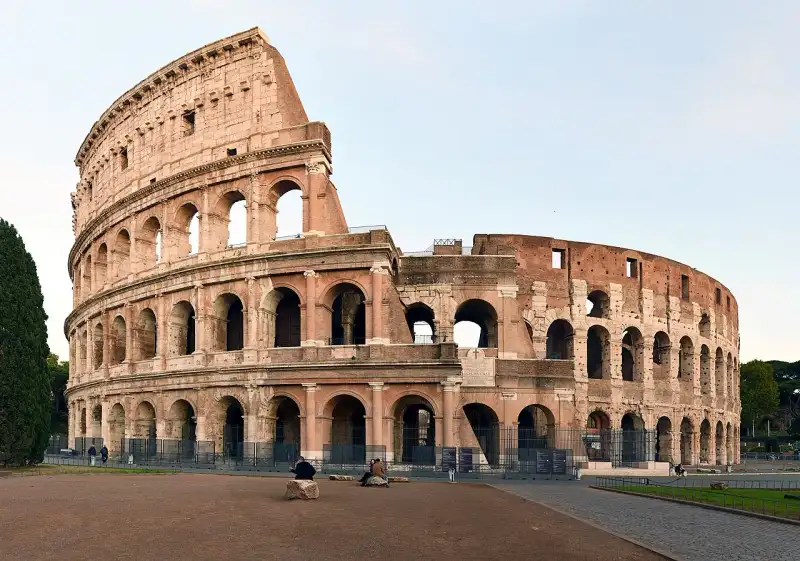

Close your eyes and listen. Can you hear it? Beneath the distant hum of modern traffic in the heart of the Eternal City, there is a phantom roar. It is the deafening, blood-curdling scream of fifty thousand souls, baying for blood under the blazing Mediterranean sun. The air is thick with the copper stench of spilled life, the musky odor of terrified, exotic beasts, and the acrid sting of burning incense meant to mask the smell of death. Welcome to the Flavian Amphitheatre. Welcome to the Colosseum. As a writer of historical fiction, I have walked the ruins of many ancient monuments, running my hands over cold stones and wondering about the stories they hold. #AncientHistory is not just a collection of dates and names; it is the raw, pulsing narrative of human triumph and depravity. And nowhere is that dichotomy more intensely concentrated than in the blood-soaked sands of Rome's greatest arena. Today, we dive deep into the belly of the beast. We will explore not just the architecture of this magnificent slaughterhouse, but the lived experiences of those who fought, bled, and died within its walls. We will uncover the secrets of the Colosseum, peeling back the layers of myth to reveal the terrifying, awe-inspiring reality of surviving Rome’s most infamous stage. #Rome #Colosseum #History The Roar of the Flavian Amphitheatre: An Introduction to Hell To understand the Colosseum, one must first understand the political climate of its inception. In the year 69 AD, known as the Year of the Four Emperors, Rome was torn apart by civil war following the suicide of the tyrannical Nero. Emerging from the chaos was Vespasian, a pragmatic and battle-hardened general. To consolidate his power and distance himself from Nero’s legacy of selfish excess, Vespasian made a brilliant political move. He drained the artificial lake of Nero’s opulent Golden House (the Domus Aurea) and decreed that a massive public amphitheater would be built in its place. He gave the land back to the people—in the form of an arena of death. Opened in 80 AD by Vespasian’s son, Titus, with a staggering hundred days of games, the Colosseum was an architectural marvel and a political weapon. It was a microcosm of Roman society, a place where the social order was strictly enforced through seating arrangements, and where the Emperor could present himself as a god among men, dealing life and death with the flick of a thumb. But for the men and women standing on the sand—the harena, from which we get the word "arena"—the politics meant nothing. For them, the Colosseum was a crucible of survival. The Architecture of Slaughter: The Secrets of the Hypogeum When you look at the Colosseum today, you see a labyrinth of brick and stone exposed where the arena floor used to be. This subterranean world is the hypogeum, the beating heart and secret engine of the amphitheater. It was added by the Emperor Domitian, and it transformed the games from mere combat into theatrical spectacles of impossible magic. The Trap Doors: The arena floor was dotted with dozens of trap doors. Imagine the terror of standing on the sand, knowing that at any moment, the ground beneath you could spring open, releasing a starving leopard, a pack of wolves, or a heavily armed opponent. The Elevators: To bring these beasts and men to the surface, the Romans engineered a complex system of pulleys, capstans, and elevators. Hundreds of slaves worked in the suffocating heat and darkness of the hypogeum, turning massive wooden capstans to lift cages to the arena floor. The timing had to be perfect. A missed cue meant ruining the Emperor’s show—a mistake punishable by death. The Aquaducts and Drainage: The Colosseum was connected to Rome’s massive aqueduct system. Not only did this provide drinking water for the spectators and a way to wash away the immense quantities of blood, but it also allowed for one of the most astonishing spectacles of all: the naumachiae, or naval battles, which we will discuss later.The hypogeum was a place of darkness, stench, and terror. It was a waiting room for the damned, where gladiators listened to the crowd above, knowing that the roar meant someone had just been slaughtered, and that their turn was approaching. #EngineeringMarvel #RomanArchitecture Forged in Fire: The Making of a Gladiator Who were the men who fought in the arena? Contrary to popular belief, they were not all condemned criminals thrown to the lions. While criminals (noxii) were certainly executed in the arena, the true gladiators were highly trained, highly valued athletes. They were the rock stars of the ancient world. Most gladiators were slaves, prisoners of war, or condemned men who had been sold to a lanista (an owner and trainer of gladiators). However, some free men actually volunteered for the arena. Why? For the chance at glory, wealth, and the adoration of the Roman public. A successful gladiator could win his freedom, symbolized by the presentation of a wooden sword, the rudis. Life in a gladiator school (ludus) was grueling. The training was relentless, focusing on mastering specific styles of combat. Gladiators were investments, and a lanista did not want to see his expensive fighter killed in his first bout. Therefore, they received excellent medical care—arguably better than most common Roman citizens. Their diet, however, would surprise modern athletes. The Barley Men: Gladiators were known as hordearii, or "barley men." Their diet consisted heavily of barley, beans, oatmeal, and dried fruit. Building a Shield: Why such a carb-heavy diet? The goal was to build a thick layer of subcutaneous fat. This fat served as a natural armor. A superficial slash across a fat belly would bleed dramatically—pleasing the crowd—but would not damage vital organs, allowing the gladiator to continue fighting. Bone Ash Tonics: To strengthen their bones after brutal training sessions, gladiators drank a foul-tasting concoction of water mixed with bone ash, acting as an early calcium supplement.The Classes of Combat: A Lethal Rock-Paper-Scissors Gladiatorial combat was not a chaotic free-for-all. It was a highly structured martial art, with specific classes of fighters pitted against one another to ensure a balanced and entertaining fight. The pairings were designed to contrast heavily armed, slow fighters with lightly armed, agile ones.The Murmillo: Armed with a large rectangular shield (scutum) and a short sword (gladius), the murmillo wore a heavily plumed helmet shaped like a fish. He was a tank—heavily armored and devastating in close quarters. The Thraex: The Thracian fought with a small rectangular shield and a curved sword called a sica, designed to reach around an opponent's shield and slash at their unarmored back. The Retiarius: The net-fighter was perhaps the most iconic and vulnerable gladiator. Armed only with a weighted net, a trident, and a small dagger, he wore no helmet and no leg armor. His only protection was a metal guard (galerus) on his left shoulder. He relied entirely on speed, agility, and the element of surprise.When a Retiarius faced a heavily armored Secutor (a variant of the murmillo designed specifically to fight the net-man), it was a battle of speed versus strength. The Retiarius had to keep his distance, trying to entangle his opponent, while the Secutor marched forward relentlessly, hoping to trap the lightly armed fighter in a corner. The tension of these mismatched bouts was what kept the Roman crowds coming back. #Gladiator #RomanHistory The Bestiarii and the Venationes: Nature Unleashed The mornings of the Roman games were dedicated to the venationes—the wild beast hunts. This was Rome’s way of demonstrating its dominance not just over other nations, but over nature itself. The Empire scoured its provinces, from the deserts of North Africa to the forests of Germania, to capture the most terrifying and exotic creatures imaginable. Lions, tigers, leopards, bears, rhinos, hippos, crocodiles, and elephants were all brought to the Colosseum. The logistics of transporting these animals alive across the Mediterranean were staggering, a testament to Roman engineering and stubborn cruelty. The men who fought these beasts were known as bestiarii. Some were trained hunters, armed with spears and bows, putting on a display of skill. Others were simply condemned criminals, thrust into the arena naked and unarmed, expected to die a horrific death for the crowd's amusement. The scale of the slaughter is almost incomprehensible to the modern mind. During the inaugural games of the Colosseum in 80 AD, the Roman historian Cassius Dio records that 9,000 animals were killed in just one hundred days. Over the centuries, the Roman appetite for blood led to the localized extinction of several species. The North African elephant and the Atlas bear were wiped from the face of the earth to satisfy the roar of the arena. #AncientWildlife #RomanEmpire Mythological Executions: Death as Theater At midday, when the Roman citizens paused to eat their lunches, the arena was turned over to the executions. But the Romans did not simply behead their criminals. In the Colosseum, executions were transformed into elaborate, macabre theatrical productions known as "fatal charades." The directors of the games would recreate famous myths and legends, casting condemned criminals in the starring roles. The catch? The criminals actually suffered the horrific fates of the mythological characters. The Fate of Icarus: A prisoner might be dressed as Icarus, fitted with wings, and forced to launch himself from a high platform, plummeting to his death on the sand below. The Agony of Prometheus: Another might be bound to a rock in the center of the arena, his stomach sliced open, while a starved bear or leopard was released from a trap door to play the role of the eagle tearing out his liver. The Fire of Hercules: A man condemned to burn might be forced to wear the "Tunic of Nessus"—a garment soaked in pitch and set ablaze, recreating the agonizing death of Hercules.These spectacles were designed not just to entertain, but to send a chilling message about the absolute power of Roman justice. The state controlled not only your life, but the narrative of your death. The Naumachiae: Flooding the Arena Perhaps the most mind-boggling secret of the Colosseum is the naumachia—the naval battle. Ancient sources, including the poet Martial, claim that in the early days of the Colosseum, before the hypogeum was fully built out with stone walls by Domitian, the arena floor could be flooded. Through a complex system of sluice gates connected to the aqueducts, the Romans could fill the basin of the arena with several feet of water. Flat-bottomed ships, built to scale, were brought in. These were not mere displays; these were full-scale battles featuring hundreds of combatants. The water would run red with blood as ships rammed each other and men drowned in the artificial lake. The engineering required to flood and drain the arena rapidly is a subject of intense debate among archaeologists today, but the accounts of the ancients insist that it happened, proving that in Rome, reality was often stranger—and more terrifying—than fiction. #Engineering #AncientRome The Emperor's Calculus: Bread, Circuses, and Power Why did the Roman state go to such astronomical expense to host these games? The answer lies in the famous phrase coined by the satirist Juvenal: panem et circenses—"bread and circuses." The population of Rome was massive, approaching one million people at its height. A significant portion of this population was unemployed, relying on the grain dole provided by the state. A bored, hungry, and crowded populace is a recipe for rebellion. The Emperor needed a way to distract them, pacify them, and bind them to him. The Colosseum was the ultimate political tool. By providing spectacular entertainment and distributing food during the games, the Emperor presented himself as the great provider. Furthermore, the arena was the only place where the Emperor regularly came face-to-face with the masses. It was a terrifying gauge of public opinion. If the crowd cheered, the Emperor was secure. If they rioted or mocked him, his life was in danger. The Emperor also controlled the ultimate power of life and death. When a gladiator was defeated but not killed, he would raise a finger to beg for mercy. The Emperor would look to the crowd. If they waved their garments and shouted "Mitte!" (Let him go!), he might spare the fighter. If they turned their thumbs and shouted "Iugula!" (Slit his throat!), the Emperor would order the death blow. By incorporating the crowd into this decision, the Emperor made them complicit in his power. A Day at the Games: From Sunrise to Sunset To survive a day at the Colosseum—even as a spectator—was an endurance test. The games were a full-day affair, beginning at dawn and ending at dusk. The Morning (Venationes): The day began with the beast hunts. The arena was transformed with painted wooden scenery to look like forests or deserts. The scent of exotic animals filled the air. The Midday (Executions): As the sun reached its zenith, the respectable citizens might leave to eat, while the poorer classes remained to watch the brutal, theatrical executions. This was the hour of blood and fire. The Afternoon (Munera): The afternoon was the main event—the gladiatorial combats (munera). The tension in the stadium would reach a fever pitch. Horns blared, hydraulic organs played, and the gladiators marched in, swearing their oath to the Emperor: "Ave Imperator, morituri te salutant" (Hail Emperor, those who are about to die salute you).The heat, the noise, the smell of blood and human sweat—it must have been an overwhelming sensory assault. To mitigate the heat, a massive canvas awning called the velarium was deployed over the seating area, operated by sailors of the Roman fleet. Saffron-scented water was sprayed over the crowd to mask the stench of the slaughter below. The Gladiatrix: Women in the Arena When we picture gladiators, we imagine hulking men. But there is a hidden secret of the arena: the gladiatrix. Women did fight in the Colosseum. Though rare and often considered a novelty act by the Roman elite, female gladiators existed. They were usually pitted against each other, or against wild beasts, often in the evening by torchlight to add to the exoticism of the spectacle. Emperor Domitian was particularly fond of staging matches between women and dwarfs. While male commentators often mocked these women, viewing them as a perversion of Roman gender roles, archaeological evidence suggests they were treated with the same seriousness as male fighters. A marble relief found in Halicarnassus (modern Turkey) depicts two heavily armed female gladiators, named Amazon and Achillia, fighting to a draw. The inscription honors them, proving that in the arena, skill and bravery could sometimes transcend gender. #Gladiatrix #WomenInHistory The End of an Era: The Silence of the Sand The bloody spectacle of the Colosseum could not last forever. As the Roman Empire slowly crumbled, and as Christianity took hold as the state religion, attitudes toward the games began to change. Christianity, with its focus on the sanctity of human life, found the gladiatorial games abhorrent. However, it was not an overnight change. The games continued for decades even after Rome became Christianized. The immense popularity of the spectacles made emperors hesitant to ban them entirely. The end came gradually. The last recorded gladiatorial fight took place around 404 AD. According to legend, a Christian monk named Telemachus leapt into the arena to stop a fight and was stoned to death by the outraged crowd. Appalled by this event, Emperor Honorius finally banned gladiatorial combat. The wild beast hunts (venationes) continued for another century, but eventually, the immense cost of maintaining the empire and the shifting moral landscape put an end to the bloodshed. The Colosseum fell into disrepair. It was struck by lightning, damaged by earthquakes, and eventually repurposed. It became a cemetery, a fortress for noble families, and eventually a massive quarry. The beautiful travertine marble that once covered its exterior was stripped away to build palaces and churches, including St. Peter's Basilica. The arena of death had become a skeleton. Echoes in Eternity: The Modern Legacy of the Colosseum Today, the Colosseum stands as a monument to the duality of human nature. It is a masterpiece of engineering and architectural genius, a testament to what human beings can achieve when they work together in pursuit of a grand vision. Yet, it is also a monument to profound cruelty, a place where hundreds of thousands of people and animals were slaughtered for the amusement of the mob. When we write historical fiction, we must embrace this duality. We cannot sanitize the past. To understand the Romans, we must look into the dark heart of the Colosseum and acknowledge the thrill they felt at the sight of spilled blood. We must acknowledge that the same society that gave us the foundations of modern law, philosophy, and engineering also found joy in the theatrical torture of their fellow human beings. The secrets of the Colosseum are not just about trap doors and hidden elevators. They are about the secrets of the human soul. The arena forces us to ask uncomfortable questions: What entertains us today? How do we treat the most vulnerable in our society? And if the Colosseum were rebuilt tomorrow, would we buy a ticket? As the sun sets over Rome, casting long shadows across the ruined arches of the Flavian Amphitheatre, the phantom roar fades into the hum of the modern city. But the ghosts of the arena—the murmillo, the bestiarius, the condemned prisoner, the slaughtered lion—they remain. They are trapped in the stone, echoing in eternity, reminding us of a time when death was the greatest show on earth. Stay curious, stay brave, and never forget the stories written in the sand. — Mark DinnDid you enjoy this deep dive into Roman history? Let me know your thoughts on the gladiators and the Colosseum in the comments below. For more tales of ancient battles, survival, and historical mysteries, be sure to check out my latest historical fiction novels. #MarkDinn #HistoricalFiction #WriterLife #AncientWorld #History #Rome Related InsightsWhisper of the Andes: Unraveling the Enigma of Machu Picchu The Whispering Stones of Chichen Itza: Echoes of the Maya The Edge of Empire: A Journey Along Hadrian's Wall{ "@context": "https://schema.org", "@type": "FAQPage", "mainEntity": [ { "@type": "Question", "name": "What is the main focus of The Secrets of the Colosseum: Surviving Rome's Bloody Arena?", "acceptedAnswer": { "@type": "Answer", "text": "A dramatic deep dive into The Secrets of the Colosseum: Surviving Rome's Bloody Arena. Mark Dinn explores the untold history, drama, and legacy of this fascinating subject." } }, { "@type": "Question", "name": "Who authored the comprehensive guide on The Secrets of the Colosseum: Surviving Rome's Bloody Arena?", "acceptedAnswer": { "@type": "Answer", "text": "This detailed article and its insights were carefully researched and authored by Mark Dinn." } }, { "@type": "Question", "name": "Where can I find more related content about History?", "acceptedAnswer": { "@type": "Answer", "text": "You can explore more articles, detailed reviews, and similar insights by browsing the Related Insights section at the bottom of this article or visiting our dedicated History category page." } } ] }
- 06 Jul, 2026 09:04
The Ambrosial Alchemist's Secret: Unearthing Oxymel's Ancient Culinary Resurgence
Imagine a time when the boundary between medicine and cuisine blurred, where a single, versatile concoction could soothe ailments, invigorate the spirit, and elevate a simple meal to a feast. This isn't a fantasy from a forgotten age, but the very real legacy of oxymel, an ancient elixir poised for a magnificent culinary renaissance. While familiar culinary stalwarts like olive oil or wine have endured for millennia, oxymel – a deceptively simple blend of honey and vinegar – slipped into the shadows, a quiet whisper in history's vast gastronomic archives. But as modern palates crave authenticity, functionality, and a connection to our culinary past, this sweet-sour tonic is once again stepping into the limelight, revealing its profound depth and versatility far beyond the apothecary's shelf. We are not merely revisiting a historical footnote; we are uncovering a sophisticated, multi-faceted ingredient that predates many of our cherished culinary staples. Oxymel is more than a recipe; it's a testament to ancient wisdom, a bridge between nature's bounty and human ingenuity, and a harbinger of flavor complexities that will challenge and delight the contemporary chef and home cook alike. A Potion of Paradox: Tracing Oxymel's Ancient Lineage The story of oxymel begins not in a bustling marketplace, but in the contemplative chambers of ancient philosophers and healers. Its very name, derived from the Greek oxys (acid) and meli (honey), succinctly defines its core components. While its precise origin is nebulous, medical texts from ancient Greece provide the earliest substantive accounts of its widespread use. Hippocrates, the "Father of Medicine," frequently prescribed oxymel, recognizing the synergistic properties of honey's soothing and antimicrobial qualities combined with vinegar's digestive and cleansing attributes. For the Greeks, it was a panacea, a tonic for respiratory ailments, a digestive aid, and even a fortifying drink for athletes. As Hellenic influence spread, so too did the knowledge of oxymel. The Roman Empire adopted and adapted it, moving it from a purely medicinal context into the realm of daily life and culinary art. Roman gastronomes, renowned for their innovative and often opulent cuisine, saw the potential of oxymel not just as a health tonic but as a foundational flavoring agent. They experimented with different vinegars – wine vinegar being particularly popular – and infused the mixture with a vast array of herbs, spices, and even sea salt. It was used to preserve foods, flavor game meats, dress salads, and create refreshing beverages, a precursor to modern shrubs and cordials. This was not merely a drink; it was an integral part of their flavor matrix, offering a complexity that balanced the richness of their dishes.Through the Medieval period and into the Renaissance, oxymel continued its quiet existence, primarily within monastic orders and folk medicine. While its widespread culinary prominence waned with the rise of new spices and the increasing availability of sugar, apothecaries and herbalists maintained its tradition. They customized oxymels with specific botanical infusions – sage for memory, lavender for calm, ginger for digestion – transforming it into a personalized remedy for a myriad of conditions. It was a time when the kitchen and the clinic were often one and the same, and oxymel epitomized this integrated approach to well-being and sustenance. Its eventual fade from common knowledge can be attributed to several factors: the industrialization of food, the commercialization of pharmaceuticals, and a general cultural shift away from traditional, slow-crafted remedies. Sugar became cheap and ubiquitous, offering an instant sweetness that bypassed the nuanced complexity of honey and vinegar. The convenience of pre-packaged medicines replaced the art of herbal compounding. Oxymel became a relic, an intriguing mention in dusty old texts, awaiting rediscovery. The Alchemy of Sweet and Sour: Flavor and Functionality At its heart, oxymel is a symphony of two seemingly opposing forces: the unctuous sweetness of honey and the sharp acidity of vinegar. Yet, when combined, especially over time, they undergo a subtle alchemy. The vinegar cuts through the cloying nature of honey, while the honey mellows the vinegar's harsh edge, resulting in a balanced, multifaceted flavor profile that is simultaneously invigorating and soothing. The choice of ingredients dramatically influences the final character.Honey: Raw, unfiltered honey brings with it a complex bouquet of floral notes, terroir, and beneficial enzymes. Wildflower honey offers a gentle sweetness, while buckwheat honey introduces a darker, more robust, almost molasses-like depth. Manuka honey, renowned for its potent antimicrobial properties, can elevate an oxymel into a truly functional tonic. Vinegar: The type of vinegar is equally crucial. Raw, unfiltered apple cider vinegar (ACV) is a popular modern choice, known for its "mother" – a symbiotic colony of bacteria and yeast that contributes probiotics and a distinct fruity tang. White wine vinegar provides a crisp, clean acidity, while red wine vinegar lends a richer, more robust flavor. Balsamic vinegar, with its aged complexity, can create a deeply savory and sweet oxymel, perfect for specific gourmet applications. Rice vinegar offers a milder, slightly sweeter option.But the true magic often lies in the infusions. This is where the ancient practice truly shines and modern creativity can take flight. Herbs, spices, fruits, and even vegetables can be steeped in the honey-vinegar mixture, imparting their essences and medicinal properties.Herbal Oxymels: Rosemary for a savory, aromatic blend; thyme for respiratory support; ginger for warmth and digestion; lavender for a delicate floral note; mint for refreshment. Fruited Oxymels: Berries (raspberries, blueberries) for vibrant color and fruity tartness; citrus peels for bright, zesty notes; figs or dates for a deeper, caramelized sweetness. Spiced Oxymels: Cinnamon, star anise, cloves, or cardamom can transform oxymel into a complex, aromatic syrup, ideal for desserts or warming beverages.The fermentation process, albeit a mild one depending on the raw ingredients, further develops these flavors. The acetic acid in vinegar acts as a powerful solvent, extracting compounds from the infused botanicals that might not be soluble in water or alcohol alone. This results in a potent, flavor-dense elixir that captures the very essence of its components. Modern Resurgence: From Apothecary to Avant-Garde Kitchen The modern culinary world is in a constant state of evolution, cycling through trends that often look to the past for inspiration. Oxymel's re-emergence is no accident; it aligns perfectly with several contemporary movements: the farm-to-table ethos, the craft cocktail revolution, the growing interest in fermented foods, and a holistic approach to health and wellness. Chefs and mixologists are rediscovering oxymel not just as a historical curiosity, but as a dynamic ingredient capable of adding layers of complexity to both sweet and savory dishes. Its unique sweet-sour profile offers a sophisticated alternative to simple sugar syrups or plain vinegars. Culinary Applications Reimagined:Vinaigrettes and Dressings: A basic oxymel can form the base of an extraordinary salad dressing. Imagine a fig-infused oxymel drizzled over a goat cheese salad with walnuts, or a rosemary-garlic oxymel enhancing roasted vegetables. Its natural emulsifying properties with oil create a wonderfully smooth texture. Marinades and Glazes: The acidity of oxymel tenderizes meats and fish, while the honey creates a beautiful caramelization. A ginger-chili oxymel could be an exquisite marinade for grilled chicken or pork, imparting both heat and sweetness. Gourmet Beverages: This is where oxymel truly shines in the craft scene. Shrubs/Drinking Vinegars: Oxymel is a natural evolution, offering a softer, more nuanced base. A berry-infused oxymel mixed with sparkling water makes for a refreshing, probiotic-rich soda. Cocktails/Mocktails: Oxymels can replace simple syrups or provide a unique sour element. A lavender oxymel in a gin fizz, or a lemon-ginger oxymel in a bourbon smash, offers an adventurous twist.Sauces and Reductions: Reducing an oxymel with fruit juices or broths can create intensely flavorful sauces for pan-seared duck, pork loin, or even plant-based dishes. A balsamic-infused oxymel reduction can elevate a gourmet cheese board. Dessert Enhancements: While primarily savory, certain oxymels can be surprisingly delightful in desserts. A spiced oxymel drizzled over vanilla ice cream or a fruit salad, or incorporated into a poaching liquid for pears, adds an unexpected depth.Crafting Your Own Oxymel: A Journey of Discovery Making oxymel at home is a wonderfully rewarding process, allowing for endless experimentation and personalization. The basic ratio is typically 1:1 or 2:1 honey to vinegar, but this can be adjusted to taste. Basic Oxymel Recipe:Ingredients:1 part raw, unfiltered honey (e.g., 1 cup) 1 part raw, unfiltered apple cider vinegar (e.g., 1 cup) Optional: Fresh or dried herbs, spices, fruits, or roots (e.g., 1/4 cup fresh ginger slices, 2 sprigs rosemary, 1/2 cup berries)Instructions:Prepare Infusions (Optional): If using fresh ingredients, roughly chop or bruise them to release their flavors. For dried herbs, ensure they are clean. Combine: In a clean glass jar, combine your chosen infusions (if any) with the honey and vinegar. Stir well to thoroughly combine the honey and vinegar. Steep: Cover the jar with a lid (preferably plastic, as vinegar can corrode metal over time, or place parchment paper under a metal lid). Store in a cool, dark place for 2-4 weeks. Shake or stir daily for the first week to ensure the ingredients are well mixed and the honey fully dissolves into the vinegar. Strain: After steeping, strain the oxymel through a fine-mesh sieve or cheesecloth, pressing out all the liquid from the solids. Store: Pour the finished oxymel into a clean, airtight bottle. It will keep for several months, if not indefinitely, in a cool, dark pantry.Tips for Experimentation:Herbal Blends: Combine complementary herbs, like lemon balm and rose petals for a calming oxymel, or oregano and garlic for a potent culinary base. Spicy Kicks: Add thinly sliced jalapeños or a pinch of cayenne pepper during infusion for a fiery oxymel perfect for grilling marinades. Seasonal Fruits: Experiment with seasonal berries, stone fruits, or even melon rinds for unique fruity oxymels.The beauty of homemade oxymel lies in its adaptability. Each batch can be a unique expression of your creativity and the flavors of the season. The Future is Flavored by the Past Oxymel's journey from an ancient panacea to a forgotten curiosity and now to a celebrated culinary ingredient is a testament to the enduring power of simple, natural foods. In an age saturated with artificial flavors and overly processed ingredients, there is a profound satisfaction in reconnecting with methods and flavors that have sustained humanity for millennia. As we continue to explore the vast and often overlooked corners of culinary history, oxymel serves as a shining example of a time-honored tradition perfectly suited for modern palates and contemporary kitchens. It challenges us to look beyond the obvious, to appreciate the delicate balance of contrasting elements, and to embrace the rich, nuanced flavors that emerge when ancient wisdom meets modern ingenuity. So, uncork a bottle, stir up a batch, and let the ambrosial alchemy of oxymel transform your cooking, one sweet-sour drop at a time.#Oxymel #AncientElixir #CulinaryRevival #HistoricalRecipes #GourmetTonic Related InsightsMiddle Eastern Mezze Beyond Turkish: Authentic Lebanese and Syrian Small Plates The Ultimate High-Fiber Whole Grain Shepherd's Pie with Lentil Topping Caprese Salad: A Symphony of Flavors and Antioxidants{ "@context": "https://schema.org", "@type": "FAQPage", "mainEntity": [ { "@type": "Question", "name": "What is the main focus of The Ambrosial Alchemist's Secret: Unearthing Oxymel's Ancient Culinary Resurgence?", "acceptedAnswer": { "@type": "Answer", "text": "Journey through the millennia to discover oxymel, the sweet-sour honey-vinegar tonic, from its ancient medicinal roots to its unexpected re-emergence in contemporary gastronomy." } }, { "@type": "Question", "name": "Who authored the comprehensive guide on The Ambrosial Alchemist's Secret: Unearthing Oxymel's Ancient Culinary Resurgence?", "acceptedAnswer": { "@type": "Answer", "text": "This detailed article and its insights were carefully researched and authored by Demir Sef." } }, { "@type": "Question", "name": "Where can I find more related content about Food?", "acceptedAnswer": { "@type": "Answer", "text": "You can explore more articles, detailed reviews, and similar insights by browsing the Related Insights section at the bottom of this article or visiting our dedicated Food category page." } } ] }

Mafe, a dish so quintessentially West African, its very name evokes a sensory journey through the bustling markets and aromatic kitchens of the region. This rich peanut stew, born from the cultural melting pot of West Africa, is a testament to the continent's incredible diversity and gastronomic richness. As we delve into the world of Mafe, we find ourselves immersed in a narrative of tradition, innovation, and community, all bound together by the universal language of food. Introduction to Mafe Mafe, also known as groundnut stew, is a beloved dish across West Africa, particularly in countries such as Senegal, The Gambia, Mali, and Guinea. The name "Mafe" itself is derived from the Wolof language, spoken in Senegal and The Gambia, and translates to "peanut" or "groundnut." This stew is characterized by its thick, velvety sauce made from ground peanuts, which serves as the foundation for an array of vegetables, meats, and spices. The preparation of Mafe is an art form, requiring patience, skill, and a deep understanding of the nuances of flavor and texture.History and Cultural Significance The history of Mafe is intertwined with the history of peanuts in West Africa. Introduced by Portuguese traders in the 16th century, peanuts quickly became a staple crop, valued for their nutritional richness and versatility. Over time, peanuts were incorporated into various local dishes, eventually giving birth to Mafe. This stew became an integral part of West African cuisine, often served at special occasions such as weddings, holidays, and community gatherings. Mafe's significance extends beyond its role as a nourishing meal; it symbolizes hospitality, generosity, and the bonds of community. Ingredients and Preparation At its core, Mafe consists of a rich peanut sauce, meat or fish, and an assortment of vegetables. The peanut sauce, the backbone of the dish, is made by grinding roasted peanuts into a smooth paste, which is then cooked in oil and mixed with onions, garlic, ginger, and a variety of spices. The choice of meat can vary, with beef, lamb, chicken, and fish being popular options. Vegetables such as potatoes, carrots, and cassava add depth and texture to the stew. The slow-cooking process allows the flavors to meld together, creating a complex and aromatic broth that is both comforting and exhilarating.Regional Variations Despite its shared roots, Mafe has evolved differently across West Africa, reflecting local preferences and ingredient availability. In Senegal, for example, Mafe is often made with beef or lamb, and the sauce is thicker and more intense. In The Gambia, fish is a common protein, reflecting the country's coastal location. These variations not only highlight the dish's adaptability but also its resilience and capacity to thrive in diverse culinary environments. Health Benefits and Nutrition Mafe is more than just a flavorful dish; it is a nutritious meal that provides a significant amount of protein, healthy fats, and fiber. Peanuts, the main ingredient, are rich in vitamins E and B3, and minerals like magnesium and potassium. The variety of vegetables adds vitamins, minerals, and antioxidants, making Mafe a well-rounded and healthy option. This stew is also relatively affordable and accessible, making it a staple in many West African households.Conclusion Mafe, the rich peanut stew of West Africa, is a culinary masterpiece that embodies the spirit of community, tradition, and innovation. Its rich history, cultural significance, and nutritional value make it a dish that resonates deeply with people from all walks of life. As we explore the diverse culinary landscapes of West Africa, Mafe stands out as a shining example of the region's gastronomic wealth and the power of food to unite and inspire. #WestAfricanCuisine #MafeRecipe #PeanutStew #AfricanFood #TraditionalDishes #FoodHistory #CulturalHeritage #NutritiousMeals #GlobalCuisine Related InsightsIl Macco di Fave Secche: Un Viaggio Nel Cuore Pulsante e Dimenticato Della Gastronomia Siciliana From Forest Floor to Flavor Lab: The Evolution of Umami in Vegan Stock The Fifth Element: How a Bowl of Seaweed Broth Rewrote the Language of Flavor{ "@context": "https://schema.org", "@type": "FAQPage", "mainEntity": [ { "@type": "Question", "name": "What is the main focus of Mafe: The Rich Peanut Stew of West Africa?", "acceptedAnswer": { "@type": "Answer", "text": "Discover the deep cultural roots, authentic flavors, and history of Mafe: The Rich Peanut Stew of West Africa." } }, { "@type": "Question", "name": "Who authored the comprehensive guide on Mafe: The Rich Peanut Stew of West Africa?", "acceptedAnswer": { "@type": "Answer", "text": "This detailed article and its insights were carefully researched and authored by Amara Ndiaye." } }, { "@type": "Question", "name": "Where can I find more related content about Food?", "acceptedAnswer": { "@type": "Answer", "text": "You can explore more articles, detailed reviews, and similar insights by browsing the Related Insights section at the bottom of this article or visiting our dedicated Food category page." } } ] }

There are culinary experiences that merely delight the palate, and then there are those that challenge the very boundaries of gastronomic perception, forcing a reconsideration of what food can be. Prahok, the legendary fermented fish paste of Cambodia, undeniably belongs to the latter category. For the uninitiated, its potent, almost aggressive aroma can be an immediate deterrent, a primal alarm signaling something foreign, perhaps even alarming. Yet, for millions of Khmers, Prahok is not just food; it is the very soul of their cooking, an indispensable, revered cornerstone of their culinary identity, embodying history, struggle, and an unwavering connection to the land and water. To truly understand Prahok is to embark on a sensory and cultural journey far removed from the sanitized aisles of modern supermarkets. It is to wade into the muddy banks of the Tonle Sap, to witness the chaotic ballet of fishermen at harvest, and to appreciate the ingenious alchemy of preservation born out of necessity centuries ago. This is not a mere condiment; it is a repository of tradition, a testament to resourcefulness, and a polarizing delicacy that defines Cambodian tables more profoundly than any other single ingredient. The Ancestral Whispers: A History Woven in Salt and Fish The origins of fermentation are as old as humanity's struggle against spoilage. In Southeast Asia, where tropical climates accelerate decay, methods of preserving highly perishable protein sources like fish became paramount. Prahok, in its most fundamental form, is the ingenious solution devised by the Khmer people to harness the annual bounty of the Tonle Sap and Mekong River systems, ensuring sustenance through lean seasons. Centuries before refrigeration, communities relied on salting, drying, and fermenting. The Tonle Sap, a unique hydrological marvel that reverses its flow annually, floods vast plains, providing an unparalleled breeding ground for freshwater fish. When the waters recede, the fish are caught in staggering numbers. Faced with an abundance that could not be consumed fresh, the ancestors of modern Cambodians turned to a time-honored technique: controlled decomposition. Early forms of Prahok likely emerged from simple practices of salting fish and burying them in earthenware jars, allowing natural enzymes and microbes to work their magic. Over generations, this process was refined, becoming the complex, multi-stage fermentation we recognize today. It was not merely about preventing rot but about transforming the fish into something entirely new – a concentrated source of umami, packed with flavor and nutrients, capable of enduring for months, even years. Prahok thus became the bedrock of the Khmer diet, a stable, accessible source of protein and flavor, particularly crucial during times of war, famine, and displacement, which have tragically marked much of Cambodian history. Its very existence is a testament to the resilience and ingenuity of a people who have learned to thrive in harmony with their environment, making the most of its cyclical gifts. The Art and Alchemy: Crafting the Essence of Khmer Cuisine The making of Prahok is a communal and often festive affair, deeply ingrained in the annual rhythm of rural Cambodian life. It typically begins after the peak fishing season, usually between December and February, when the waters are receding, and fish are plentiful and robust. The process, while seemingly straightforward, requires skilled hands and an understanding of the subtle nuances of fermentation. First, immense quantities of small freshwater fish, often varieties like trey riel, are meticulously cleaned. This involves removing scales, guts, and sometimes heads, though regional variations exist. The cleaned fish are then crushed or pounded into a paste – traditionally by hand or foot, in large wooden mortars, a laborious task often shared by many. This crushing is crucial; it breaks down the fish muscle and exposes more surface area for salt penetration and microbial activity. Next comes the salting. A generous amount of salt is mixed thoroughly with the fish paste. The precise ratio varies by family and region, a closely guarded secret passed down through generations. The salt not only draws out moisture, inhibiting spoilage bacteria, but also kickstarts the fermentation by favoring salt-tolerant microbes. The salted paste is then packed tightly into large earthenware jars, clay pots, or sometimes even concrete vats, ensuring no air pockets remain.The jars are sealed, often with a layer of banana leaves or a heavy lid, and left to ferment in a cool, dark place for several months, sometimes up to a year or more. During this period, enzymes within the fish, along with beneficial bacteria, break down the fish proteins and fats, creating a complex array of amino acids and fatty acids that contribute to Prahok's distinctive flavor and aroma. The characteristic pungency develops as sulfur compounds are formed, a hallmark of fermented fish products across Asia. Some traditions involve sun-drying the fish slightly before salting, or adding other ingredients like roasted rice powder or spices, leading to different grades and flavors of Prahok, each with its own specific culinary application. The careful monitoring of temperature and humidity is vital, as is the patience of the makers, understanding that time is the ultimate ingredient. More Than a Condiment: Prahok's Place at the Cambodian Table To dismiss Prahok as a mere "fish paste" is to profoundly misunderstand its culinary role. It is not just an ingredient; it is the fundamental flavor base for countless Cambodian dishes, performing a similar function to fish sauce in Thai or Vietnamese cuisine, but with a far more robust, earthy, and complex profile. Prahok provides the deep umami, the salty anchor, and the signature funk that defines Khmer cooking. One of the most common ways Prahok is consumed is as a dip or relish. Prahok ktis is a beloved dish where minced pork is cooked with Prahok, coconut milk, eggplant, and chilies, resulting in a creamy, savory, and spicy dip often served with fresh vegetables like cucumbers, raw cabbage, and long beans. Another popular preparation is Prahok chien, where the paste is stir-fried with pork or beef, garlic, and chilies until caramelized, intensifying its flavors. This fiery dish is typically eaten with plain white rice and a mountain of fresh herbs. Prahok also serves as a crucial flavoring agent in soups and curries. A classic example is Samlor Korko, a hearty mixed vegetable soup often featuring slices of fresh fish or pork, flavored heavily with Prahok, creating a rich, deeply savory broth. It's often added to marinades for grilled meats or fish, imparting a depth that is unmistakable. Even in dishes where its presence is subtle, Prahok provides that essential "Khmerness," a foundational layer of flavor that would be conspicuously absent without it. Its versatility is such that it can be roasted, fried, steamed, or eaten raw (if meticulously prepared and traditionally aged), showcasing its adaptability across the entire culinary spectrum. with fresh garden vegetables and steamed rice, rustic setting) Cultural Crossroads: Identity, Poverty, and Global Palates Prahok's omnipresence in Cambodian cuisine is inextricably linked to the nation's history and socioeconomic realities. For centuries, Prahok was a vital source of protein for the rural poor, offering an affordable, shelf-stable alternative to fresh meat or fish. Its production also created livelihoods, from the fishermen to the families involved in its painstaking preparation. During the brutal Khmer Rouge regime, when resources were scarce and people were forced into agricultural labor, Prahok, often scavenged or made in secret, became a critical survival food, a grim testament to its enduring importance. This history further imbues Prahok with a profound cultural resonance, making it a symbol of resilience and survival. However, Prahok also stands at a fascinating cultural crossroads. While revered domestically, its pungent aroma and intense flavor profile can be challenging for non-Khmer palates, even among other Southeast Asian cultures accustomed to fermented fish products. This has led to Prahok being a defining, yet sometimes divisive, marker of Cambodian identity, both celebrated internally and occasionally misunderstood externally. In the modern era, the artisanal production of Prahok faces new challenges. Traditional methods are labor-intensive, and the younger generation, drawn to urban opportunities, may not always embrace the arduous process. Environmental concerns, such as overfishing, pollution, and climate change impacting the Tonle Sap's delicate ecosystem, threaten the very fish stocks necessary for Prahok production. The rise of industrial-scale production also raises questions about quality, authenticity, and the preservation of traditional knowledge. Yet, there is also a burgeoning appreciation. As global culinary explorers delve deeper into niche and authentic flavors, Prahok is slowly finding its way onto more adventurous menus outside Cambodia. Chefs are beginning to experiment with its umami depth, using it sparingly to add complexity, much like how anchovy paste or aged cheese is used in Western cuisine. This growing recognition offers a glimmer of hope for the continuation of this ancient craft, perhaps even inspiring new generations to reconnect with this vital piece of their heritage. The Future of Funk: Preserving a Culinary Legacy The future of Prahok, like many traditional foods, hangs in a delicate balance between modernization and preservation. Efforts are needed to support the artisanal producers, ensuring fair trade practices and promoting sustainable fishing methods. Educating younger generations about the cultural significance and intricate craft of Prahok making is crucial to prevent its knowledge from fading. Furthermore, innovative approaches to marketing and presenting Prahok to a wider audience, without compromising its authenticity, could help secure its place in the global culinary landscape. For the adventurous eater, approaching Prahok requires an open mind and a willingness to transcend preconceived notions of taste. Start by trying it in dishes where its flavor is integrated rather than raw or dominant. Embrace the intensity, appreciate the history, and understand that beneath the challenging aroma lies a depth of flavor and a story of survival that few ingredients can match. Prahok is more than just fermented fish; it is the enduring heartbeat of Cambodian cuisine, a symbol of a people's enduring connection to their past, their land, and their unwavering spirit. To taste Prahok is to taste Cambodia itself, in all its complexity, resilience, and profound beauty.#CambodianCuisine #Prahok #FermentedFoods #KhmerFood #CulinaryHeritage Related InsightsThe Fifth Dimension of Flavor: How a Bowl of Seaweed Broth Rewrote the History of Taste Ndambe: The Comforting Black-Eyed Pea Stew Turning Kitchen Scraps into Gourmet Gold: The Zero‑Waste Revolution{ "@context": "https://schema.org", "@type": "FAQPage", "mainEntity": [ { "@type": "Question", "name": "What is the main focus of Prahok: The Fermented Soul of Cambodia's Culinary Identity?", "acceptedAnswer": { "@type": "Answer", "text": "Unravel the complex history, cultural significance, and intricate craft of Prahok, Cambodia's polarizing yet indispensable fermented fish paste. Beyond its pungent aroma, discover a symbol of resilience, heritage, and the true essence of Khmer cuisine." } }, { "@type": "Question", "name": "Who authored the comprehensive guide on Prahok: The Fermented Soul of Cambodia's Culinary Identity?", "acceptedAnswer": { "@type": "Answer", "text": "This detailed article and its insights were carefully researched and authored by Demir Şef." } }, { "@type": "Question", "name": "Where can I find more related content about Food?", "acceptedAnswer": { "@type": "Answer", "text": "You can explore more articles, detailed reviews, and similar insights by browsing the Related Insights section at the bottom of this article or visiting our dedicated Food category page." } } ] }
-
 Chloe Blanc
- 06 Jul, 2026 05:54
Le Garum Oublié : Voyage au Cœur de l'Umami Antique et de ses Résurrections Modernes
Le soleil mordant d'une côte méditerranéenne antique, l'air salé chargé d'une odeur insistante, presque entêtante, un mélange de mer, de chair et d'une fermentation profonde. Cette fragrance, loin d'être un désagrément, était le souffle même de la richesse, l'arôme entêtant d'un empire. Imaginez un condiment si omniprésent qu'il traversait toutes les couches de la société, de la table la plus humble du plébéien à la fastueuse cena de l'empereur, un liquide doré et puissant capable de transformer les mets les plus simples en festins divins. Ce n'était pas l'huile d'olive, ni le vin, mais le garum, la saveur perdue de Rome, le précurseur oublié de ce que nous appelons aujourd'hui l'umami. Oubliez tout ce que vous pensiez savoir sur la cuisine romaine ; nous sommes sur le point de déterrer une histoire où le goût, la fortune et un processus de transformation des plus audacieux se rencontrent. L'Essence Oubliée : Qu'était le Garum ? Le garum, ou son cousin plus courant, le liquamen, était bien plus qu'une simple sauce. C'était l'âme liquide de la cuisine romaine, un exhausteur de goût fabriqué à partir de la fermentation de poissons (principalement des anchois, des maquereaux, des thons, des sardines) et de leurs entrailles, mélangés à une grande quantité de sel, le tout exposé au soleil pendant des semaines, voire des mois. Le processus était simple dans son principe, mais complexe dans son art et ses nuances. Les Romains utilisaient de grands récipients en pierre ou en argile, appelés cetariae, où des couches alternées de poissons entiers ou de leurs viscères, d'herbes aromatiques (origan, coriandre, fenouil) et de sel étaient soigneusement disposées. Le sel jouait un rôle crucial : non seulement il tirait l'humidité des poissons et stoppait la putréfaction, mais il favorisait également l'action d'enzymes spécifiques présentes dans les entrailles du poisson. Sous l'effet de la chaleur solaire, ces enzymes cassaient les protéines du poisson en acides aminés, créant ainsi un liquide riche en saveurs, doté d'une profondeur et d'une complexité incomparables. C'est ce processus qui libérait ce goût salé, charnu et profondément savoureux que nous identifions aujourd'hui comme l'umami. Il existait une véritable typologie du garum, avec des variantes pour tous les goûts et toutes les bourses. Le garum flos flos (fleur de garum) ou garum optimum était le produit le plus fin, obtenu à partir de la première pression, clair et aromatique. Des versions plus épaisses, avec des morceaux de poisson, étaient appelées allec. Le muria, quant à lui, était une saumure pure, souvent utilisée pour la conservation. La couleur variait du jaune clair au brun rougeâtre profond, et la saveur, si l'on en croit les rares textes qui la décrivent, était un mélange puissant de salé, d'acide, d'un soupçon d'amertume et d'une richesse umami qui saturait le palais. Au Cœur de la Table Romaine : Un Condiment Universel Le garum n'était pas un simple ingrédient ; c'était un mode de vie. Sa présence était si fondamentale qu'il était impensable d'imaginer une cuisine romaine sans lui. Il était utilisé à la place du sel dans de nombreux plats, mais sa complexité de saveurs le rendait bien plus qu'un simple assaisonnement. Les recettes du célèbre livre de cuisine d'Apicius, De Re Coquinaria, regorgent de références au garum. Il servait de base pour des sauces froides et chaudes, il relevait les légumes, le gibier, les fruits de mer et même certains desserts inattendus. Il était souvent mélangé à du vin, du vinaigre, du miel ou de l'huile d'olive pour créer des combinaisons sophistiquées. Les Romains aimaient les contrastes, et le garum, avec sa saveur intense, était l'allié parfait pour équilibrer l'acidité des agrumes, la douceur du miel ou l'amertume de certaines herbes. On l'utilisait pour mariner la viande, pour créer des bouillons savoureux, et même comme boisson énergisante, dilué avec de l'eau. Imaginez la surprise du palais moderne devant un plat sucré-salé-umami à la romaine, où le garum joue un rôle aussi central que le sucre dans nos pâtisseries. Son statut social était aussi varié que ses utilisations. Si les versions les plus raffinées étaient l'apanage des élites, échangées comme des cadeaux précieux entre provinces et monarques, le garum de base était un aliment de subsistance, accessible à tous. Les soldats en campagne portaient leurs rations de garum, et les travailleurs le consommaient quotidiennement pour accompagner leur pain et leurs légumes. Le garum était la démocratisation du goût, offrant à chacun, riche ou pauvre, une touche de saveur exquise. L'Économie du Goût : Une Industrie Florissante Derrière cette omniprésence culinaire se cachait une industrie massive et incroyablement lucrative. La production de garum était une entreprise de grande envergure, nécessitant d'importantes infrastructures et une main-d'œuvre considérable. Des usines dédiées, appelées officinae garum, s'étendaient le long des côtes de l'Empire romain, notamment en Hispanie (aujourd'hui l'Espagne et le Portugal), en Maurétanie (Afrique du Nord) et en Gaule. Le site archéologique de Baelo Claudia, en Espagne, en est un témoignage frappant. On y trouve des vestiges impressionnants de cuves de fermentation, parfois de plusieurs mètres cubes, alignées pour maximiser l'exposition au soleil. Ces usines étaient souvent implantées près des zones de pêche abondantes, afin de minimiser le transport des matières premières hautement périssables. La production était saisonnière, liée aux migrations des poissons, et nécessitait une organisation logistique impeccable pour gérer la récolte, la transformation et l'emballage. Le garum était ensuite transporté dans des amphores en terre cuite, souvent estampillées du nom du producteur ou de la région d'origine, agissant comme de véritables marques commerciales antiques. Ces amphores voyageaient sur d'immenses réseaux commerciaux, par voie maritime et terrestre, atteignant les confins de l'Empire. Le commerce du garum était si florissant qu'il a contribué à la richesse de certaines cités et de familles entières. C'était un produit de luxe et de première nécessité, un moteur économique qui soulignait l'ingéniosité romaine à exploiter les ressources naturelles et à satisfaire une demande insatiable de saveur.Le Voile de l'Oubli : La Disparition d'une Saveur Impériale Pourtant, malgré son importance capitale, le garum disparut presque entièrement de la scène culinaire occidentale avec la chute de l'Empire romain. Plusieurs facteurs peuvent expliquer son déclin. La désorganisation des routes commerciales et la fragmentation politique rendirent la production et le transport à grande échelle de plus en plus difficiles et coûteux. La réputation olfactive du garum, qui pouvait être... disons, prononcée, n'a sans doute pas aidé à sa survie dans des contextes urbains moins hygiéniques. De plus, les goûts évoluèrent. L'arrivée de nouvelles épices, le développement d'autres techniques de conservation et l'émergence de nouvelles cultures culinaires ont progressivement relégué le garum au rang de curiosité historique. Cependant, comme souvent avec les traditions culinaires, certaines bribes ont survécu. En Campanie, dans le sud de l'Italie, on trouve encore une spécialité appelée colatura di alici di Cetara, une sauce d'anchois fermentée qui est le descendant direct et vivant du garum romain. Produite selon des méthodes ancestrales, elle offre un aperçu fascinant de ce que pouvait être la saveur de son illustre ancêtre. C'est un testament silencieux à la persévérance des traditions, un murmure de l'Antiquité dans le tumulte du monde moderne. L'Umami Avant l'Umami : Parallèles Orientaux La disparition du garum en Occident contraste fortement avec la permanence et l'évolution des sauces de poisson fermentées en Orient. En Asie du Sud-Est, des condiments comme le nuoc mâm vietnamien, le nam pla thaïlandais ou le patis philippin sont des piliers indéfectibles de leurs cuisines respectives. Leurs méthodes de fabrication sont étonnamment similaires à celles du garum : poissons (souvent des anchois), sel, fermentation lente en présence d'enzymes, pour produire un liquide ambré riche en saveur umami. Ces sauces orientales sont l'incarnation même du cinquième goût, l'umami, découvert et théorisé par le scientifique japonais Kikunae Ikeda au début du XXe siècle. Ce goût, décrit comme "savoureux", "charnu" ou "délicieux", est caractérisé par la présence de glutamate, d'inosinate et de guanylate. Le garum antique, sans le savoir, était une bombe d'umami. Est-ce une simple coïncidence culturelle ? Ou y a-t-il eu des échanges ? L'idée d'une influence directe du garum romain sur les sauces de poisson asiatiques est difficile à prouver, car les traditions de fermentation de poisson existent indépendamment dans de nombreuses cultures depuis des millénaires. Cependant, les similitudes frappantes dans le processus et le produit final soulignent une compréhension universelle et intemporelle de la puissance de la fermentation pour extraire et concentrer les saveurs les plus profondes des aliments. C'est une convergence culinaire fascinante qui transcende les frontières géographiques et les époques.La Résurrection d'un Mythe : Le Garum à l'Ère Moderne Ces dernières décennies, avec l'intérêt croissant pour l'archéologie culinaire, l'histoire de la gastronomie et la quête de saveurs inédites, le garum a connu une forme de résurrection. Des historiens, des chefs et des passionnés ont entrepris de recréer cette sauce légendaire. Le défi est immense : reconstituer un goût avec des ingrédients modernes, sans les souches de bactéries spécifiques, les types de poissons exacts ou le contexte sensoriel complet de l'époque romaine. Des équipes de chercheurs ont analysé les résidus d'amphores antiques, étudié les textes d'auteurs comme Pline l'Ancien ou Dioscoride, et expérimenté diverses méthodes de fermentation. Certains chefs étoilés, poussés par une curiosité insatiable, ont commencé à produire leur propre "néo-garum", parfois en utilisant des poissons locaux, parfois en intégrant d'autres protéines (viande, champignons) dans le processus pour créer des saveurs umami originales. Ces tentatives modernes sont à la fois des hommages à l'ingéniosité romaine et des explorations audacieuses des limites du goût. Ces recréations ne sont peut-être pas une copie exacte de l'original, mais elles nous offrent un pont sensoriel vers le passé. Elles nous permettent d'imaginer, de goûter et de comprendre un peu mieux la sophistication et la diversité de la cuisine romaine, souvent stéréotypée comme étant simple ou "barbare". C'est une démarche qui va au-delà de la simple recette : c'est une réappropriation culturelle, une tentative de redonner vie à un patrimoine gustatif oublié. Au-delà du Goût : Une Réflexion sur l'Héritage Culinaire L'histoire du garum nous enseigne bien plus qu'une simple leçon de cuisine antique. Elle nous invite à une réflexion plus profonde sur notre rapport à la nourriture, à l'histoire et à la culture. Le garum est un puissant rappel que les saveurs, les techniques et les ingrédients voyagent à travers le temps et l'espace, se transformant, disparaissant et réapparaissant sous de nouvelles formes. Il souligne l'ingéniosité humaine face aux ressources disponibles et la capacité à transformer le "non comestible" en délice. Il nous montre que la quête de l'umami, de cette saveur profonde et satisfaisante, n'est pas une invention moderne mais une constante universelle de l'expérience culinaire. Enfin, l'exploration du garum nous pousse à nous interroger sur la nature de l'authenticité en cuisine. Faut-il recréer à l'identique, ou s'inspirer du passé pour innover ? La "cuisine du futur" ne résiderait-elle pas, paradoxalement, dans la redécouverte et la réinterprétation des saveurs et des techniques ancestrales ? Le garum est un testament liquide à cette idée, une capsule temporelle de saveurs qui continue de nous interpeller, des profondeurs de l'Antiquité jusqu'à nos tables contemporaines. Ne vous contentez pas d'imaginer, explorez. La cuisine n'est pas qu'une affaire de recettes, c'est une affaire de temps, de culture, de persévérance et de redécouverte. Le garum en est la preuve vivante, un testament à l'ingéniosité humaine et à la profondeur inattendue de nos papilles.#Garum #CuisineRomaine #UmamiAntique #Fermentation #HistoireCulinaire Related InsightsEchoes of the Andes: Unearthing the Lost Alchemy of Ancient Fermented Grains Hawawshi: The Spiced Meat Bread of Cairo L'Epopea Della Pizza: Un Viaggio Millenario Tra Impasti, Leggende e Conquiste Globali, Dal Cuore Bizantino di Gaeta all'Icona Gastronomica del Mondo{ "@context": "https://schema.org", "@type": "FAQPage", "mainEntity": [ { "@type": "Question", "name": "What is the main focus of Le Garum Oublié : Voyage au Cœur de l'Umami Antique et de ses Résurrections Modernes?", "acceptedAnswer": { "@type": "Answer", "text": "Plongez dans l'histoire fascinante du Garum, la sauce de poisson fermentée des Romains, et découvrez son impact sur la cuisine antique et ses échos contemporains." } }, { "@type": "Question", "name": "Who authored the comprehensive guide on Le Garum Oublié : Voyage au Cœur de l'Umami Antique et de ses Résurrections Modernes?", "acceptedAnswer": { "@type": "Answer", "text": "This detailed article and its insights were carefully researched and authored by Chloe Blanc." } }, { "@type": "Question", "name": "Where can I find more related content about Food?", "acceptedAnswer": { "@type": "Answer", "text": "You can explore more articles, detailed reviews, and similar insights by browsing the Related Insights section at the bottom of this article or visiting our dedicated Food category page." } } ] }

-
 Aylin Okur
- 06 Jul, 2026 04:09
Beyond the Spine: Unearthing Stories in the Obscure World of Armorial Bookplates
A book, at its core, is a vessel of knowledge, imagination, or indeed, the very soul of its creator. Yet, for centuries, it has also been an intensely personal object, a tangible extension of its owner’s identity, aspirations, and status. While a signed flyleaf offers a glimpse into this connection, there existed a far more elaborate, symbolic, and often breathtakingly beautiful method of ownership declaration: the armorial bookplate. These miniature masterpieces, frequently overlooked by the casual observer, are far more than mere labels; they are intricate tapestries woven from heraldry, art, and the forgotten narratives of their original custodians. Imagine holding a venerable tome, perhaps bound in aged leather, its pages whispering tales of centuries past. As you gently turn the front cover, you discover not a scrawled signature, but a finely engraved, often highly decorative printed label bearing a shield, a crest, perhaps a motto in Latin, and the words "Ex Libris" – "from the library of." This is an armorial bookplate, a silent sentinel connecting the book to a specific family, lineage, or individual, often of noble or distinguished descent. To dismiss it as mere ephemera is to overlook an entire world of historical insight, artistic endeavor, and socio-cultural significance. The Genesis of a Grand Tradition: From Practicality to Prestige The practice of affixing a personal mark of ownership to books emerged in Germany in the mid-15th century, shortly after the advent of movable type printing. Before books became widely accessible, manuscripts were precious commodities, often passed down through generations or housed in monastic libraries. As printed books began to proliferate, albeit still expensive, the need for clear ownership identification grew. Early bookplates were largely functional: simple woodcuts bearing a coat of arms, a symbol, or sometimes just a name. Their primary purpose was to prevent theft and ensure books returned to their rightful owner. However, as printing techniques advanced and literacy spread among the burgeoning gentry and aristocracy, the bookplate quickly transcended its utilitarian origins. By the 17th and 18th centuries, particularly in Britain and continental Europe, owning a significant library became a profound statement of wealth, intellect, and social standing. Consequently, the bookplate evolved into an exquisite art form, a miniature canvas upon which owners could display their lineage, achievements, and sometimes even their personal philosophy. These weren't just for dukes and barons. Scholars, wealthy merchants, and even burgeoning intellectuals adopted the practice, albeit often with simpler designs. The armorial bookplate, specifically, denoted a connection to heraldry – the system of hereditary symbols and devices that identified families, individuals, and institutions. This meant that the bookplate became a potent symbol of inherited status and family pride, transforming a personal possession into a public declaration of identity. Deciphering the Heraldic Language: A Microcosm of Identity To truly appreciate an armorial bookplate is to learn its language – the intricate, often arcane, symbolism of heraldry. Each element on the plate tells a part of the owner's story, their family history, and their aspirations. At the heart of every armorial bookplate lies the shield (or escutcheon), bearing the family’s coat of arms. The symbols, known as "charges," within the shield are incredibly diverse:Animals: A rampant lion might symbolize courage, a soaring eagle strength, or a leaping salmon perseverance. Mythical Beasts: Dragons, griffins, or unicorns could represent power, vigilance, or purity. Everyday Objects: Swords, anchors, stars, or crosses often signified military service, maritime connections, divine faith, or hope. Geometric Shapes: Divisions of the shield into various patterns, known as "ordinaries," also carried specific meanings or indicated alliances.The colors (tinctures) used – though often represented by specific hatchings in monochrome engravings – also had symbolic weight: gold (Or) for generosity, silver (Argent) for sincerity, blue (Azure) for truth, red (Gules) for valor, and so on. Above the shield, typically, rests a helmet, often topped by a crest. The style of the helmet could indicate the owner's rank (e.g., a peer's helmet facing forward, a knight's in profile). The crest, a unique identifying emblem, was originally worn atop the helmet in battle and often echoed or complemented the charges on the shield. Surrounding the helmet and crest is the mantling, stylized drapery that once protected the helmet from the sun, now a decorative flourish. Many armorial bookplates also feature a motto, usually a short phrase in Latin, French, or English, reflecting the family's values, a historical event, or a personal creed (e.g., Pro Deo et Rege – "For God and King"; Je Pense Plus – "I Think More"). Finally, supporters – figures or animals flanking the shield – were often reserved for nobility of higher rank, symbolizing guardianship or allegiance.Reading a bookplate, therefore, becomes an act of historical deduction. The absence of supporters might tell you the owner was gentry, not peerage. A specific symbol might indicate a military campaign they fought in, or an ancestral profession. Even the condition of the plate – whether crisp and new, or worn and slightly damaged from repeated handling – adds to its unique narrative, hinting at the book's journey and its owner's relationship with their library. Beyond the Pedigree: Glimpses into Personal Libraries and Public Lives Armorial bookplates do more than just record lineage; they provide invaluable insights into the intellectual currents, social structures, and personal tastes of their era. A commoner might have a simple name and maybe a symbolic device, while a nobleman would commission an elaborate design reflecting centuries of heritage. This distinction speaks volumes about the stratified societies of the past. Consider the libraries themselves. When we find an armorial bookplate in an old book, we are not just looking at a piece of art; we are connecting with the mind that once curated that collection. Whose books were these? What did they read? Were they interested in classics, theology, science, or politics? The presence of a bookplate within a specific genre can offer clues about the owner's intellectual pursuits and contributions to their society. For example, the bookplates of prominent figures like Samuel Pepys, the famed diarist, or Horace Walpole, the Gothic novelist and art historian, are not merely curiosities. They are direct links to their private worlds, affirming the authenticity of books once held in their celebrated collections. Tracing the provenance of a book through its bookplate can reveal surprising journeys, showing how volumes traveled across continents, passed through different hands, and contributed to the intellectual tapestry of successive generations. Moreover, bookplates played a role in genealogical research long before modern databases. The inclusion of marriage arms (where the arms of a husband and wife are impaled or quartered on the same shield) or quarterings (representing the arms of various ancestral families inherited through marriage) could provide clear visual records of family alliances and descents that might otherwise be lost to time. They acted as miniature family trees, condensed onto a few square inches of paper. The Artisans and Their Craft: A Niche in the Decorative Arts The creation of armorial bookplates involved skilled artisans – engravers, heraldic artists, and printers – whose craft was highly prized. Early bookplates, produced using woodcut techniques, had a robust, often somewhat rustic charm. As copperplate engraving became more sophisticated in the 17th century, bookplates grew increasingly intricate, allowing for finer details, elaborate flourishes, and greater artistic expression. Artists like Albrecht Dürer designed some of the earliest known armorial plates in Germany, showcasing the talent dedicated to this small but significant art form. Later, master engravers across Europe would meticulously render the complex details of heraldic devices, ensuring accuracy and aesthetic appeal. The quality of the engraving often mirrored the status of the patron, with the wealthiest commissioning the most renowned artists. The styles of bookplates also evolved with artistic movements. From the bold lines of early Renaissance designs to the baroque exuberance of the 17th century, the rococo whimsy of the 18th, and the more classical or gothic revival styles of the 19th, bookplates provide a microcosm of decorative art history. Each era left its distinctive mark, making collecting bookplates a journey through various artistic periods.The Twilight and Quiet Resurgence of Ex-Libris By the late 19th and early 20th centuries, the grand tradition of armorial bookplates began to wane. Several factors contributed to this decline:Industrialization of Printing: The mass production of books made them less unique and valuable as individual objects. Changing Social Structures: The rigid class system that emphasized hereditary titles and heraldry began to dissolve, or at least become less overtly displayed. Shifting Aesthetic Tastes: Simpler, more modern designs became popular, often focusing on graphic elements rather than complex heraldry. Cost and Effort: Commissioning and producing intricate engravings was expensive and time-consuming, unsuited to a rapidly modernizing world.While the armorial bookplate’s heyday passed, the broader practice of using personal bookplates, or ex-libris, continued in various forms. Modern bookplates are often simpler, featuring artistic motifs, personalized typography, or graphic designs that reflect the owner’s hobbies or personality rather than their lineage. However, the historical armorial bookplate found a new life among collectors. Today, the collecting of ex-libris is a specialized, passionate hobby. Collectors seek out plates for their artistic merit, historical significance, rarity, or association with famous individuals or families. They are valued as small works of art, historical documents, and fascinating windows into the personal identities of past generations. Each small piece of paper, often carefully removed from a discarded book or found in a specialized collection, represents a fragment of history preserved. The Enduring Whisper of a Forgotten Art In an age of digital libraries and ephemeral content, the physical book retains a powerful allure. And within the pages of these enduring objects, the armorial bookplate stands as a testament to a bygone era when ownership was proclaimed with artistry and heraldic pride. These small, meticulously crafted labels are more than just dusty historical footnotes; they are potent symbols of identity, family, and the profound connection between a reader and their treasured volumes. They remind us that every book has a story, not just within its pages, but often etched onto its very fabric, bearing the silent, ornate mark of a former guardian. The next time you encounter an antique book, take a moment to peer into its front cover. You might just discover a miniature world of history, heraldry, and personal narrative waiting to be unearthed, a subtle whisper from a distant past, inviting you to connect with the ghosts of readers past.#BookHistory #ArmorialBookplates #ExLibris #Heraldry #BookCollecting #BookHistory #Heraldry #BookCollecting #LostArts #IdentityinBooks Related InsightsThose Empty Eyes Book Review and Summary Demon in the Wood Book Review and Summary El planeta inhóspito: La vida después del calentamiento / The Uninhabitable Earth: Life After Warming Book Review and Summary{ "@context": "https://schema.org", "@type": "FAQPage", "mainEntity": [ { "@type": "Question", "name": "What is the main focus of Beyond the Spine: Unearthing Stories in the Obscure World of Armorial Bookplates?", "acceptedAnswer": { "@type": "Answer", "text": "Delve into the fascinating, forgotten art of armorial bookplates, where heraldry, history, and personal identity converged within the pages of cherished volumes." } }, { "@type": "Question", "name": "Who authored the comprehensive guide on Beyond the Spine: Unearthing Stories in the Obscure World of Armorial Bookplates?", "acceptedAnswer": { "@type": "Answer", "text": "This detailed article and its insights were carefully researched and authored by Aylin Okur." } }, { "@type": "Question", "name": "Where can I find more related content about Books?", "acceptedAnswer": { "@type": "Answer", "text": "You can explore more articles, detailed reviews, and similar insights by browsing the Related Insights section at the bottom of this article or visiting our dedicated Books category page." } } ] }
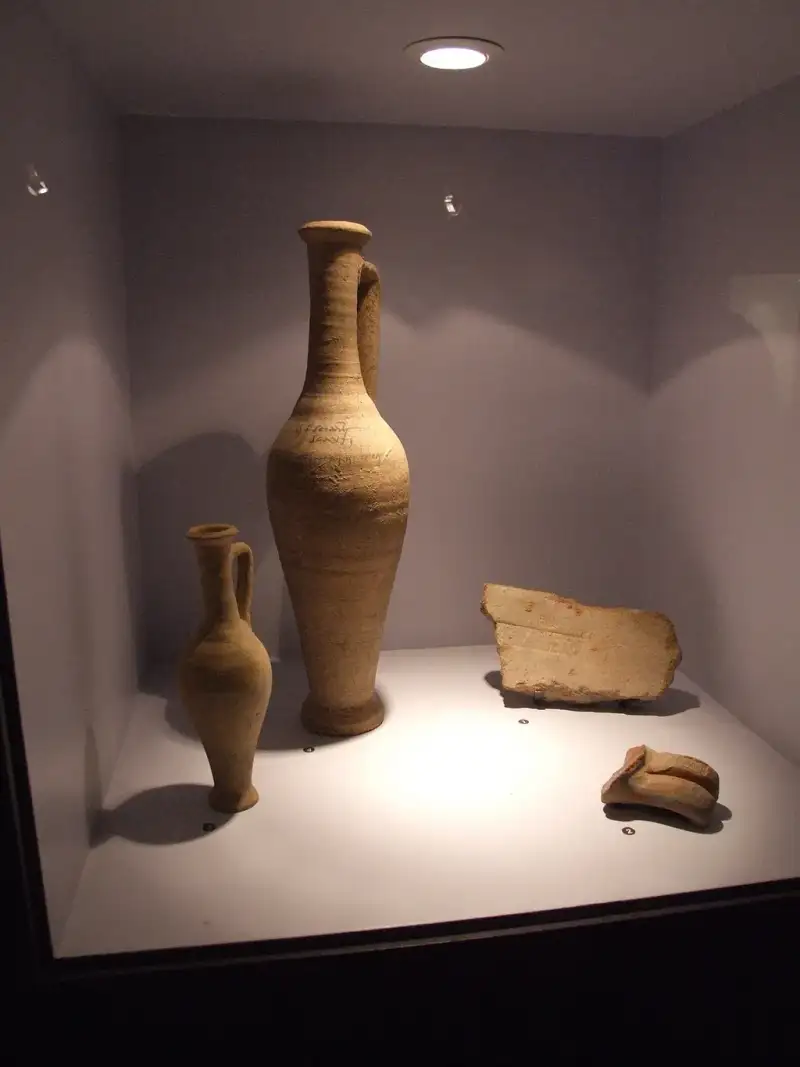
-
 Michael Chef
- 06 Jul, 2026 02:24
The Enigmatic Umami of Antiquity: Unearthing the Lost Flavors of Roman Garum
Imagine a condiment so potent, so universally adored across an empire stretching from the scorching sands of North Africa to the misty shores of Britannia, yet so utterly alien to contemporary taste that its very name conjures whispers of forgotten culinary dark arts. This is not the familiar umami of soy sauce or aged Parmesan; this is garum, the fermented fish sauce that defined the Roman palate, an economic powerhouse, and a culinary mystery that continues to intrigue historians and gastronomes alike. Forget what you think you know about Roman dining from simplified textbooks. The grandeur of their feasts was underpinned by a flavor profile deeply complex, often challenging, and invariably infused with garum. It was more than just an ingredient; it was a fundamental pillar of Roman gastronomy, influencing nearly every dish from humble porridge to lavish banquets. Its pervasive presence, now largely lost to the tides of history, offers a unique window into the sensory world of one of the greatest civilizations. A Whiff of Antiquity: The Making of Garum At its heart, garum was a product of decomposition and transformation – a deliberate, controlled fermentation of fish intestines, blood, and small fish mixed with salt. But the simplicity of this description belies a sophisticated process, perfected over centuries, that yielded a spectrum of flavors and qualities. The production sites, often sprawling complexes located along the sun-drenched coastlines of the Mediterranean (especially in Hispania Baetica, Lusitania, and North Africa), were a testament to the scale of the garum industry. Enormous vats, some capable of holding thousands of liters, were filled with layers of fish and salt. Common ingredients included mackerel, tuna, anchovies, sprats, and even the smallest, cheapest fish available. The mixture was left to ferment under the intense Mediterranean sun for weeks, sometimes months. The process was driven by endogenous enzymes within the fish guts, breaking down proteins into amino acids, primarily glutamates – the very essence of umami. The high salt content prevented putrefaction, guiding the decomposition towards fermentation. The resulting liquid, clear and amber-hued, was periodically strained, yielding the prized garum. The remaining solids, known as allec, were a coarser, paste-like byproduct, still flavorful and often used by the poorer classes or as animal feed. Archaeological findings, such as the impressive garum factories discovered in places like Baelo Claudia in Spain or in modern-day Morocco, provide tangible evidence of this ancient industry. These sites, with their interconnected vats and drainage systems, paint a vivid picture of an economy deeply invested in this pungent liquid.The Hierarchy of Pungency: Varieties and Value Just as modern olive oils or wines boast diverse grades and origins, garum was not a monolithic entity. Its quality and price varied wildly, reflecting the type of fish used, the specific preparation methods, and its geographic origin.Garum sociorum: The most highly prized variety, often made from the blood and entrails of tuna or mackerel, was a luxury item, fetching exorbitant prices. Its name, translating to "garum of the allies," suggests its origin from allied communities or perhaps a brand associated with quality. Liquamen: This term was often used interchangeably with garum, but some scholars suggest liquamen might have referred to a broader category of fish sauces, perhaps a slightly less refined or more common type. It was the workhorse of Roman kitchens. Muria: A simpler brine, often made from salting fish without the extensive fermentation. Haimation: A rarer, exceptionally rich garum made specifically from the blood of tuna.The economic importance of garum cannot be overstated. It was a significant trade commodity, transported across the empire in distinctive amphorae, each often bearing stamps indicating the producer or origin. Fortunes were made and lost in the garum trade, and its ubiquity made it a staple in every Roman household, from the humblest dwelling to the emperor's palace. Its value was such that it was sometimes used as a form of payment or as a luxury gift. Beyond the Palate: Garum's Cultural Significance Garum's role extended far beyond mere culinary enhancement. It was deeply interwoven with Roman culture, society, and even medicine. A Universal Seasoning Garum was the salt, the pepper, and the primary flavor enhancer of the Roman world, all rolled into one. It was drizzled over bread, mixed into salads, stirred into stews, and used to braise meats and vegetables. The Roman cookbook Apicius (De re coquinaria), one of the few surviving culinary texts from antiquity, features garum in almost every single recipe. Without it, Roman food would have been utterly different, almost unrecognizable. Consider a Roman dinner party. Instead of a salt cellar and pepper grinder, a small cruet of garum would have been passed around. Its ability to amplify other flavors and add a savory depth was unparalleled. It wasn't just about adding fishiness; it was about adding a fundamental layer of taste, much like MSG in some modern cuisines. Medicinal Properties The Romans, like many ancient civilizations, often blurred the lines between food and medicine. Garum was no exception. It was believed to possess various health benefits, used as a remedy for ailments ranging from indigestion to dysentery. Its rich protein content and trace minerals were likely beneficial, especially in a diet that might otherwise lack certain nutrients. Pliny the Elder, in his Natural History, even mentions its use in cosmetics and as an aphrodisiac, showcasing its versatile applications in Roman life. Social Status While common liquamen was accessible to most, the high-end garum sociorum was a mark of wealth and sophistication. To serve it at a banquet was a clear signal of one's status and generosity. This differentiation underscores how even a humble fish sauce could reflect the intricate social hierarchies of Roman society.The Decline and Rediscovery With the fall of the Western Roman Empire and the subsequent societal upheaval, the elaborate infrastructure required for large-scale garum production gradually collapsed. The knowledge and demand for this specific condiment waned. The art of its making, once a thriving industry, became a lost culinary secret. Europe moved towards other flavor enhancers, primarily salt, herbs, and spices, as well as the emerging dairy and meat products of the medieval era. For centuries, garum remained a footnote in ancient texts, a pungent curiosity for classicists. It wasn't until the 20th century, with renewed interest in ancient Roman history and the burgeoning field of food archaeology, that garum began its slow, academic rediscovery. Modern attempts to recreate garum have been undertaken by culinary historians and experimental archaeologists. These efforts, often painstaking and requiring specific conditions, have revealed the complexities of the ancient process. The results vary, but they consistently confirm its potent umami character, providing invaluable insights into what Roman food truly tasted like. Some modern chefs are even experimenting with incorporating recreated garum into contemporary dishes, bridging millennia of culinary history. Garum's Enduring Legacy: The Umami Connection While garum itself faded from the European culinary landscape, its spirit lives on in various forms around the world. The concept of fermented fish sauce is far from unique to Rome. Southeast Asian cuisines, for example, have a rich tradition of fish sauces (such as Vietnamese nuoc mam or Thai nam pla) that bear striking similarities to garum in their production methods and fundamental flavor profile. These sauces, too, are umami bombs, essential to their respective culinary traditions. This global commonality highlights a fundamental human predilection for umami, the fifth basic taste. The Romans, with their garum, were masters of harnessing this savory depth long before the scientific understanding of glutamates existed. Garum stands as a testament to humanity's ancient and ongoing quest to create delicious, complex flavors through the transformative power of fermentation. Studying garum isn't just about understanding an old recipe; it's about peeling back the layers of history to taste the past. It’s about recognizing the ingenuity of ancient peoples, their sophisticated understanding of flavor, and their ability to create a culinary staple that nourished an empire. The next time you encounter a modern fermented delight, spare a thought for garum, the enigmatic umami of antiquity, whose forgotten flavors once defined the world's most powerful empire. It's a reminder that sometimes, the most profound culinary wisdom lies buried, waiting to be unearthed.#AncientRomanCuisine #Garum #CulinaryHistory #FermentedFoods #UmamiDiscovery #AncientRomanCuisine #Garum #FermentedFoods #CulinaryHistory #Umami Related InsightsThe Bitter Revolution: How Chicory, Radicchio, and Dandelion Are Redefining Modern Menus Eine deutsche Seele in der Küche: Essen ist nicht nur zum Sattwerden da! Japanese Ramen: The Ultimate Guide to Regional Styles, Secret Broths, and How to Make Them at Home{ "@context": "https://schema.org", "@type": "FAQPage", "mainEntity": [ { "@type": "Question", "name": "What is the main focus of The Enigmatic Umami of Antiquity: Unearthing the Lost Flavors of Roman Garum?", "acceptedAnswer": { "@type": "Answer", "text": "Journey through time to discover Garum, the lost fermented fish sauce that fueled the Roman Empire's culinary obsession and defined its palate." } }, { "@type": "Question", "name": "Who authored the comprehensive guide on The Enigmatic Umami of Antiquity: Unearthing the Lost Flavors of Roman Garum?", "acceptedAnswer": { "@type": "Answer", "text": "This detailed article and its insights were carefully researched and authored by Michael Chef." } }, { "@type": "Question", "name": "Where can I find more related content about Food?", "acceptedAnswer": { "@type": "Answer", "text": "You can explore more articles, detailed reviews, and similar insights by browsing the Related Insights section at the bottom of this article or visiting our dedicated Food category page." } } ] }
-
 John Explorer
- 05 Jul, 2026 20:45
Beyond Merv's Veil: Unearthing Turkmenistan's Ghost Oases of the Silk Road
The desert, they say, remembers. It doesn't forgive, nor does it forget. For millennia, the vast, unforgiving expanse of the Karakum in Turkmenistan has been a canvas for human ambition, a crucible for civilization. Cities rose from its sandy embrace, glittering beacons of trade and culture, only to be swallowed whole by the relentless dunes and the unforgiving march of time. We speak of the Silk Road, of course, but not of its most celebrated pearls like Samarkand or Bukhara. Instead, I invite you on an odyssey into the very heart of its forgotten narrative, to the ghost oases of Turkmenistan, places where the wind still whispers tales of empires and caravans long vanished, far beyond the well-trodden routes, beyond even the magnificent Merv. To truly understand Turkmenistan's role in the Silk Road saga is to strip away the romanticized notions of bustling bazaars and grand imperial courts, and to confront the raw, visceral reality of survival and commerce in one of Earth's most challenging landscapes. This isn't a trip for the faint of heart or the casual tourist. This is an expedition into a past so profound, so deeply buried beneath the sands, that it demands a certain reverence, a willingness to shed modern comforts and embrace the stark beauty of desolation. My quest began with a nagging question: what secrets lie beyond the commonly recognized archaeological sites, in the deepest, most inaccessible corners of the Karakum? What echoes of forgotten glory could still be found, standing testament to an audacity of spirit that once dared to tame the desert? The Karakum's Embrace: A Sculptor of Empires The Karakum, meaning "Black Sand" in Turkic languages, is one of the world's largest deserts, covering an astonishing 70% of Turkmenistan's territory. It is a land of extremes: searing summer heat, biting winter winds, and an almost complete absence of surface water. Yet, it was precisely this unforgiving nature that shaped the unique character of its ancient civilizations. Water, or the lack thereof, was the ultimate arbiter of destiny. Where ancient rivers like the Oxus (Amu Darya) or the Murghab once fanned out into sprawling deltas, or where underground qanat systems could be engineered, life flourished, giving birth to cities that rivaled any in the ancient world. The Silk Road through Turkmenistan wasn't a single highway but a labyrinth of routes, constantly shifting with political tides, water sources, and the caprices of tribal allegiances. Caravans, laden with silk, spices, ceramics, and ideas, navigated these perilous paths, relying on strategically placed oases and caravanserais for sustenance and safety. These waystations were more than just inns; they were vital nodes in a vast network, often evolving into substantial cities themselves, drawing populations and cultures from across Eurasia. It is these ephemeral yet monumental testaments to human endeavor that call to the intrepid explorer, promising glimpses into a past often overlooked by conventional histories. Konye-Urgench: A Phoenix from the Dust While perhaps not "hidden" in the strictest sense, Konye-Urgench (Old Urgench) serves as an essential gateway to understanding the grandeur that once permeated the region. Located in northern Turkmenistan, near the border with Uzbekistan, it was once the capital of the Khwarezmian Empire, a powerful medieval Islamic state. For centuries, it was a thriving metropolis, a rival to Bukhara and Samarkand, a center of learning, art, and trade. Its eventual destruction by Genghis Khan in 1221, followed by a second devastating blow from Timur, left it largely in ruins, its remnants gradually consumed by the shifting Amu Darya and the encroaching sands. Today, what remains is a UNESCO World Heritage site, a hauntingly beautiful collection of mausoleums, minarets, and fortifications that stand defiantly against the desert sky. The most iconic is the Kutlug-Timur Minaret, soaring over 60 meters high, a slender brick beacon that once guided caravans across the vast plains. The elaborate brickwork of the Turabek-Khanum Mausoleum, a 14th-century architectural masterpiece, speaks volumes of the artistic sophistication that flourished here. Wandering through its silent courtyards, one can almost hear the echoes of scholars debating, merchants haggling, and the faithful at prayer. Konye-Urgench is not just a collection of ruins; it is a profound testament to resilience, a city that repeatedly rose from the ashes, only to finally succumb to the forces of nature and history. It sets the stage for the even deeper dives into Turkmenistan's forgotten past.Dehistan: The Isolated Jewel of the Misrian Plain My journey then veered sharply southwest, towards one of the most enigmatic and least-visited archaeological sites in Turkmenistan: Dehistan, also known as Mashad-i Misrian. This ancient city, once a major stop on the Silk Road connecting Central Asia with Persia, lies utterly isolated on the Misrian Plain, a desolate expanse that hints at its former proximity to the Caspian Sea. The drive itself is an adventure, traversing seemingly endless salt flats and gravel tracks, the horizon shimmering with heat haze, the only companions being the occasional camel and the vast, silent sky. Dehistan flourished between the 9th and 14th centuries, a testament to ingenious hydrological engineering that diverted water from the Atrek River. What strikes you upon arrival is the sheer scale and profound emptiness of the place. The remains of its impressive city walls, some still standing several meters high, delineate a vast urban area. Inside, the ruins of mosques, minarets, and residential quarters – mostly sun-baked mud brick – whisper stories of a vibrant past. The two remaining minarets, built by the Khwarezmshahs, though heavily weathered, still command the landscape, their intricate brick patterns a ghostly reminder of the artistry that once graced this remote outpost. Exploring Dehistan is a solitary experience. There are no tourist facilities, no souvenir stands, just you, the wind, and the ghosts of a thousand years. The silence is profound, broken only by the crunch of your boots on the dust and the distant cries of desert birds. One can spend hours simply walking the perimeter, imagining the caravans arriving, the merchants setting up their wares, the bustling life that once animated this now-desolate plain. It’s a place that forces introspection, a powerful reminder of the ephemeral nature of even the grandest human endeavors when pitted against the relentless forces of nature and history. Dehistan is not just a ruin; it is a meditation on impermanence, a place where the Silk Road truly feels like a vanished dream. Izmukshir and the Parthian Echoes of Nisa Further explorations reveal other vital, yet often overlooked, chapters of Turkmenistan's Silk Road narrative. The ancient site of Izmukshir, not far from Konye-Urgench but distinct in its historical layers, offers another fascinating glimpse into the region's past. While less imposing in its visible remains than Dehistan, its strategic location near the Amu Darya's ancient course underscores its importance as a former fortress and trade hub, another victim of the shifting river and subsequent abandonment. Its archaeological layers hint at a rich tapestry of settlement, from early agricultural communities to later Islamic period fortifications. For the dedicated archaeological enthusiast, it offers a quieter, more academic insight into the hydrological challenges and successes of ancient Central Asian civilizations. Then, there is Ancient Nisa, located closer to the modern capital of Ashgabat. While more accessible, its profound historical significance often gets overshadowed by its more famous Silk Road counterparts further east. Nisa was the capital of the Parthian Empire, one of the most powerful empires of the ancient world, rivaling Rome. Established in the 3rd century BCE, it served as a vital administrative and cultural center, a nexus where Hellenistic and Iranian cultures merged. Its ruins, a UNESCO World Heritage site, consist of two tells: Old Nisa (a royal fortress and temple complex) and New Nisa (a Hellenistic city). The discovery of unique rhytons (drinking horns) decorated with mythological scenes and Parthian inscriptions at Nisa provided invaluable insights into the art, religion, and daily life of this formidable empire. The inclusion of Nisa in this narrative of "forgotten" oases might seem counter-intuitive given its relative accessibility. However, its importance lies in demonstrating the depth of Turkmenistan's historical engagement with long-distance trade. Nisa wasn't just a Silk Road stop; it was an imperial power that facilitated and controlled significant segments of the early Silk Road, bridging the gap between the Hellenistic West and the nascent empires of the East. Understanding Nisa's role provides a crucial context for the later Islamic cities that would rise and fall in the Karakum. It shows that the history of trade in this region stretches back far further than the traditional "Silk Road" narrative often begins. Life on the Edge: Nomadic Legacy and Caravanserai Culture The cities, grand as they were, were only one facet of life in the Karakum. The vast spaces between these urban centers were traversed by nomadic tribes – the ancestors of today's Turkmen – whose mastery of the desert was unparalleled. They were the guides, the protectors (and sometimes raiders), and the essential logistical support for the caravans. Their intimate knowledge of water sources, safe paths, and seasonal changes was indispensable. The interdependency between the settled oasis dwellers and the nomadic pastoralists created a unique socio-economic fabric, one that allowed the Silk Road to function across such hostile terrain. The remains of numerous caravanserai, literally "palace of caravans," dot the desert landscape, some barely discernible mounds of earth, others still retaining evocative architectural features. These fortified inns were sanctuaries in the desert, offering weary travelers and their animals a safe haven, food, water, and often a bustling marketplace. They were microcosms of the Silk Road itself, where languages, religions, and goods from across the known world mingled. Imagine the stories exchanged around a flickering fire, the negotiations over prices, the shared relief of reaching safety after days of arduous travel. These caravanserai, often built roughly a day's journey apart, were the beating heart of the desert routes, essential arteries that kept the blood of commerce flowing. Their ruins are a stark reminder of the immense logistical effort required to sustain such a vast trade network.The Allure of the Undiscovered: Why These Sites Matter Why embark on such a challenging journey, enduring rough roads, extreme temperatures, and often rudimentary facilities, to visit places that are largely empty ruins? The answer lies in the profound sense of connection these sites offer. Unlike crowded tourist attractions where history is presented through curated exhibits, the ghost oases of Turkmenistan demand a more active engagement. Here, you are not merely an observer; you are an explorer, piecing together fragments of a lost world with every step you take. These sites are not just about bricks and dust; they are about human stories of resilience, ingenuity, and cultural exchange. They speak of the incredible audacity required to build and maintain sophisticated societies in such an unforgiving environment. They are a powerful reminder that history is not just made in the grand imperial capitals but also forged in the remote, challenging frontiers, where diverse cultures met and mingled. For the truly adventurous traveler, these forgotten places offer an unparalleled opportunity to connect with the raw, untamed spirit of the Silk Road, to feel the weight of centuries beneath your feet, and to hear the whispers of empires long past carried on the desert wind. The preservation of these sites is a complex undertaking. Many are highly vulnerable to the elements – the wind, the sand, the occasional rain – and to a lesser extent, human activity. Turkmenistan's commitment to protecting its heritage is growing, but the sheer vastness and isolation of many sites pose significant challenges. Responsible tourism, where visitors respect the fragile nature of the ruins and support local initiatives, can play a vital role in their long-term survival. Conclusion: Echoes in the Sand My journey through Turkmenistan's ghost oases of the Silk Road was more than a travel experience; it was a profound historical pilgrimage. It was a testament to the enduring human spirit, capable of building wonders in the most inhospitable places, and a humbling reminder of nature's ultimate power to reclaim what it has temporarily lent. The Karakum Desert, far from being an empty void, is a living museum, its vastness concealing layers of history, waiting patiently for those willing to seek them out. Beyond Merv's famous gates, in the silent expanse of the Karakum, lies a world of vanished cities and forgotten stories. To walk among the crumbling walls of Dehistan, to gaze upon the defiant minaret of Konye-Urgench, or to ponder the Parthian legacy at Nisa, is to engage in a conversation with history itself. It is to acknowledge that the greatest adventures often lie not on the well-beaten path, but in the untamed wilderness where the echoes of the past speak loudest, inviting us to listen, to learn, and to wonder. The Silk Road, in Turkmenistan, is not merely a historical route; it is an enduring spirit of exploration, waiting to be rediscovered.#Turkmenistan #SilkRoad #KarakumDesert #AncientCities #HiddenGems Related InsightsThe Crystal Spine of Afar: An Odyssey Through Ethiopia's Ancient Salt Routes Bhutan’s Tiger’s Nest Monastery: A Pilgrimage to the Clouds (Part 2) Echoes in the Clouds: A Pilgrimage Through Meteora’s Forgotten Monasteries{ "@context": "https://schema.org", "@type": "FAQPage", "mainEntity": [ { "@type": "Question", "name": "What is the main focus of Beyond Merv's Veil: Unearthing Turkmenistan's Ghost Oases of the Silk Road?", "acceptedAnswer": { "@type": "Answer", "text": "Journey deep into Turkmenistan's Karakum Desert to discover the forgotten cities and ghost oases that once thrived on the ancient Silk Road, far beyond the well-trodden paths." } }, { "@type": "Question", "name": "Who authored the comprehensive guide on Beyond Merv's Veil: Unearthing Turkmenistan's Ghost Oases of the Silk Road?", "acceptedAnswer": { "@type": "Answer", "text": "This detailed article and its insights were carefully researched and authored by John Explorer." } }, { "@type": "Question", "name": "Where can I find more related content about Travel?", "acceptedAnswer": { "@type": "Answer", "text": "You can explore more articles, detailed reviews, and similar insights by browsing the Related Insights section at the bottom of this article or visiting our dedicated Travel category page." } } ] }
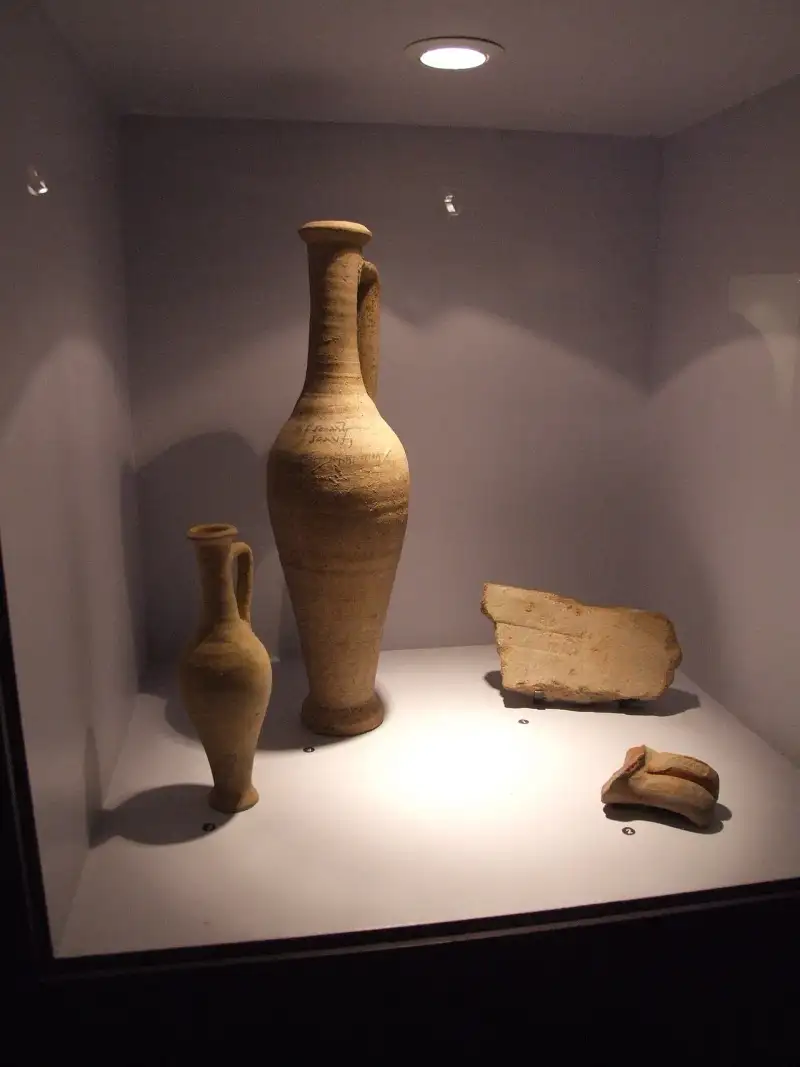
Picture the grandeur of ancient Rome: sprawling forums, magnificent aqueducts, and legions marching with disciplined precision. But beyond the public spectacle and political machinations, lies a culinary secret so pervasive, so fundamental to the Roman palate, that its very absence today leaves a gaping hole in our understanding of their gastronomy. This isn't about gladiatorial feasts or bacchanalian revels, but rather the humble, yet incredibly complex, condiment that permeated virtually every dish: garum. For millennia, the concept of "umami" – that elusive fifth taste, often described as savory or meaty – has been attributed to modern East Asian culinary traditions or the comparatively recent discovery of MSG. Yet, long before shoyu graced Japanese tables or nuoc cham seasoned Vietnamese cuisine, a pungent, savory elixir from the Mediterranean basin reigned supreme. Garum was not merely a seasoning; it was the lifeblood of Roman cooking, an alchemical transformation of fish and salt into a liquid gold that defined the flavor profile of an empire. The Genesis of a Gastronomic Giant: Origins and Production The origins of garum, or its close cousin muria, stretch back further than Rome itself, likely to the Greeks, Phoenicians, and even earlier civilizations. The coastal peoples of the Mediterranean, adept at fishing and salt preservation, inadvertently discovered the power of enzymatic fermentation. The process was simple in concept but meticulous in execution: whole small fish, or the entrails of larger fish (especially mackerel, tuna, and anchovies), were layered with large quantities of salt. This mixture was then left to ferment under the scorching Mediterranean sun for weeks, sometimes months, in large open-air vats or sealed terracotta dolia. The salt acted as a microbial inhibitor, preventing spoilage while drawing out moisture and facilitating autolysis – the breakdown of proteins by the fish's own enzymes. This prolonged, anaerobic decomposition released a rich spectrum of amino acids, particularly glutamate, which is the primary driver of umami. The resulting liquid, clear and amber-hued, was garum. The leftover fermented fish paste was known as allec, often a cheaper byproduct for the masses, while the most prized garum, often from Mackerel or Tuna, was revered. Ancient texts, particularly the Roman cookbook Apicius, offer tantalizing glimpses into its ubiquity. It wasn't just a seasoning for meat or fish; it enhanced vegetables, soups, and even sweet dishes. Imagine a Roman kitchen without garum—it would be akin to a modern Italian kitchen without olive oil or a French kitchen devoid of butter.The Economic Engine: Garum's Industrial Scale and Trade Routes The production of garum was not a cottage industry; it was a massive, industrialized enterprise. Coastal cities like Pompeii and Leptis Magna in North Africa, and Baelo Claudia in Hispania (modern Spain), housed colossal factories dedicated solely to its manufacture. These sites featured rows upon rows of massive stone vats, some capable of holding thousands of liters, indicating an output designed to feed an empire. The stench, one can only imagine, must have been overwhelming, leading these factories to be typically located on the outskirts of towns, downwind from residential areas. The finished product was decanted into distinctive amphorae, sealed, and shipped across the vast Roman network. From the shores of Hispania to the bustling markets of Rome, from the military outposts on the Rhine to the distant provinces of Britannia, garum was a cornerstone of both commerce and cuisine. Its economic importance rivaled that of olive oil and wine, with specific brands and regional varieties commanding premium prices, much like fine wines today. Pliny the Elder, in his Natural History, even discusses the various qualities and origins of garum, lamenting the exorbitant cost of the most prized varieties. This widespread distribution meant that soldiers, senators, slaves, and citizens alike consumed garum. It was democratic in its reach, yet aristocratic in its most refined forms. The ability to flavor food effectively in an age before refrigeration and complex spice routes made garum indispensable. It masked the taste of less-than-fresh ingredients, amplified the flavors of simple staples, and provided vital nutrients. Beyond the Palate: Medicinal and Cultural Significance Garum's role extended beyond mere culinary enhancement. Roman physicians, including Galen, believed in its medicinal properties, prescribing it for various ailments. Its high salt content and fermentation byproducts were thought to have therapeutic effects, from treating indigestion to boosting vitality. While modern science might question its efficacy as a panacea, it undoubtedly contributed electrolytes and minerals to the Roman diet. Culturally, garum became intrinsically linked to Roman identity. To dine like a Roman was to dine with garum. It symbolized Roman ingenuity in food preservation and their ability to harness the elements – sun, sea, and salt – to create something both delicious and enduring. Its decline, therefore, mirrored the decline of the Western Roman Empire itself. As trade routes fragmented, centralized production faltered, and the infrastructure required for its large-scale manufacture dwindled, garum gradually faded from the European culinary landscape, replaced by simpler forms of salt and other spices introduced through new trade. A Pungent Paradox: The Taste of Garum So, what did garum actually taste like? It's a question that has tantalized historians and food enthusiasts for centuries. Descriptions range from "salty and fishy" to "complex, savory, and rich." Modern attempts to recreate garum, often based on ancient recipes and archaeological findings, provide some clues. The consensus points to a flavor profile that is intensely umami, deeply savory, and undeniably fishy, but in a way that is integrated and nuanced, not overtly "fishy" in the way a raw anchovy might be. Think of the depth of aged Parmesan, the complexity of a good soy sauce, or the punch of modern Vietnamese fish sauce (nuoc mam) or Thai fish sauce (nam pla), but with its own distinct Mediterranean terroir. It would have provided a crucial baseline of flavor, elevating simple stews, transforming bland grains, and adding a layer of sophistication to elaborate dishes. Unlike the perception of fish sauce in some modern Western cuisines, where it's often seen as a pungent additive used sparingly, garum was a primary seasoning, often mixed directly into dishes or used as a dipping sauce. Its versatility was legendary, from liquamen (a general term for fish sauce) to oxygarum (garum mixed with vinegar) and hydrogarum (garum diluted with water), demonstrating its adaptability to different culinary applications and social strata. The Echoes of Garum: Modern Resurgence and Parallel Traditions While garum itself largely vanished from European tables after the fall of Rome, the fundamental principle of fermented fish sauce never truly disappeared globally. Across Southeast Asia, fish sauces like nuoc mam and nam pla have thrived for centuries, fulfilling a remarkably similar culinary role. In Italy, the colatura di alici from Cetara, a highly prized artisanal anchovy sauce, is often cited as a direct descendant, or at least a powerful echo, of ancient garum, made through a remarkably similar process of slow fermentation of anchovies in brine. In recent decades, there has been a resurgence of interest in historical gastronomy, leading chefs and food scientists to attempt to recreate garum. These modern iterations often experiment with different fish, fermentation times, and salt ratios, striving to unlock the elusive flavors of antiquity. The motivation is twofold: historical curiosity and the desire to reintroduce a powerful, natural source of umami into contemporary cooking, aligning with the broader movement towards fermentation and ancient techniques. with a vintage-style label on a wooden table with fresh anchovies and sea salt) This revival isn't just about recreating a historical artifact; it's about understanding how our ancestors flavored their world and perhaps even discovering new dimensions of taste. Modern culinary explorations are showing that garum's umami depth can enhance a vast array of dishes, from dressings and marinades to sophisticated sauces, proving that a taste once lost can be found again, enriching our palates with the echoes of empires. Conclusion: A Legacy Reclaimed The story of garum is more than just the tale of an ancient condiment; it's a testament to the enduring human ingenuity in food preservation and flavor enhancement. It reveals how a simple combination of fish and salt, transformed by time and microbes, could become an indispensable pillar of an entire civilization's diet and economy. Its decline reminds us of the fragility of culinary traditions in the face of societal upheaval, yet its modern resurgence highlights our persistent fascination with the past and our ongoing quest for profound, complex flavors. From the sun-drenched vats of Roman Hispania to the artisanal kitchens of today, garum, in its original form or its modern echoes, continues to whisper tales of umami. It reminds us that sometimes, the greatest culinary treasures are not exotic spices from distant lands, but rather the transformative power of nature, patiently harnessed, and patiently rediscovered. As Demir Şef, I urge you to seek out these ancient flavors, for in them lies not just taste, but a living history.#AncientCuisine #Garum #UmamiHistory #RomanFood #Fermentation #CulinaryHistory Related InsightsChettinad Flavors: Fiery Vegan Curries The Alchemy of Appetite: Decoding the Molecular Soul of Our Sustenance The Alchemy of Oaxaca: Decoding the Molecular Symphony of Mole Negro{ "@context": "https://schema.org", "@type": "FAQPage", "mainEntity": [ { "@type": "Question", "name": "What is the main focus of The Liquid Gold of Antiquity: Rediscovering Garum, Rome's Fermented Umami Elixir and Its Forgotten Legacy?", "acceptedAnswer": { "@type": "Answer", "text": "Beyond the opulent banquets, ancient Rome's true culinary foundation lay in garum – a potent, fermented fish sauce. Join Demir Şef as we unearth the pungent paradox that flavored an empire and shaped global gastronomy." } }, { "@type": "Question", "name": "Who authored the comprehensive guide on The Liquid Gold of Antiquity: Rediscovering Garum, Rome's Fermented Umami Elixir and Its Forgotten Legacy?", "acceptedAnswer": { "@type": "Answer", "text": "This detailed article and its insights were carefully researched and authored by Demir Şef." } }, { "@type": "Question", "name": "Where can I find more related content about Food?", "acceptedAnswer": { "@type": "Answer", "text": "You can explore more articles, detailed reviews, and similar insights by browsing the Related Insights section at the bottom of this article or visiting our dedicated Food category page." } } ] }

-
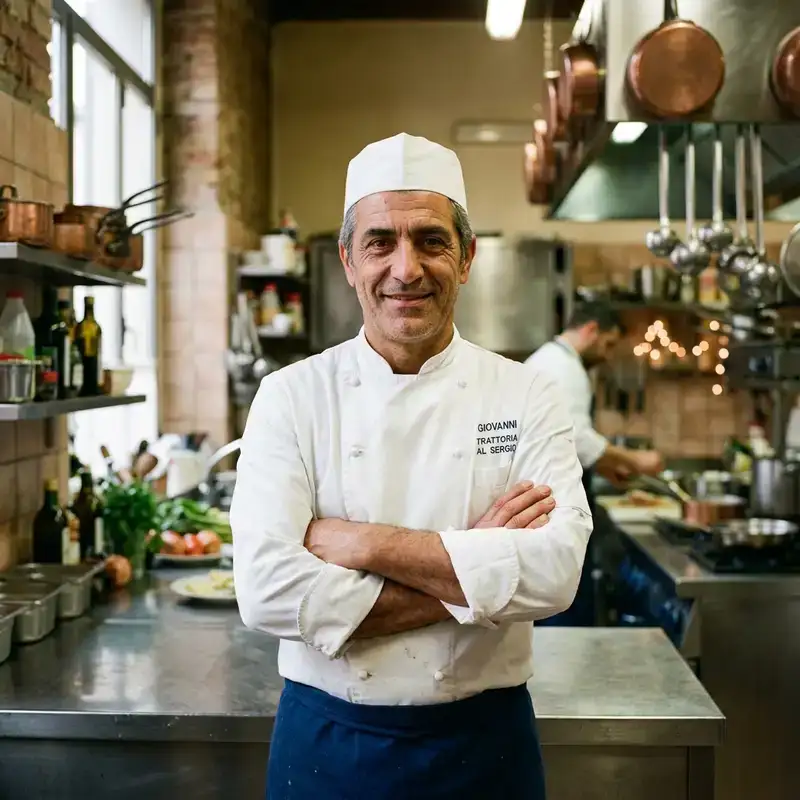 Giovanni Luigi
- 05 Jul, 2026 20:01
Il Garum Pompeiano: Il Sangue Salato degli Dei e la Sua Rinascita Gastronomica
Immaginatevi di passeggiare tra le rovine silenziose di Pompei, non come turisti armati di smartphone, ma come cittadini dell'anno 79 d.C. L'aria è densa di profumi: il fumo delle botteghe, il sentore dolce di vino e mosto, e poi, sottile ma pervasivo, un odore inconfondibile, profondo, sapido, quasi elettrico. È l'anima liquida di ogni piatto, il sapore onnipresente che legava ogni banchetto, dalla più umile mensa del plebeo alla sontuosa tavola del patrizio. Stiamo parlando del garum, e in particolare di quello che un tempo sgorgava copioso dalle officine pompeiane, un condimento che fu al contempo tesoro culinario, segno di ricchezza e, per molti, il "sangue salato degli dei". La sua storia è un’epopea di fermentazione, sapienza artigianale e oblio millenario, culminata oggi in una lenta ma intrigante riscoperta. Non è una semplice salsa di pesce; è un frammento di tempo imbottigliato, un ponte liquido verso un'epoca perduta, capace di evocare sapori che per secoli sono stati patrimonio esclusivo di fantasmi romani. Il Mito del Garum: Umami degli Antichi Imperi Per comprendere il garum, dobbiamo liberarci delle nostre moderne concezioni culinarie. Dimenticate il sale raffinato, l'aceto balsamico o la salsa di soia. Il garum era tutto questo e molto di più, racchiuso in un unico, enigmatico fluido ambrato o scuro. Era la quintessenza dell'umami prima che la parola stessa fosse coniata, un esaltatore di sapidità naturale ottenuto attraverso un processo di fermentazione prolungata di pesce intero – o viscere di pesce – con abbondante sale. Le fonti antiche, da Plinio il Vecchio a Columella, ci parlano di diverse tipologie di questo prezioso liquido. Non esisteva un solo garum, ma un'intera famiglia di condimenti: il liquamen, un garum più generico e diffuso; la muria, una salamoia più densa; l'allec, il residuo solido della lavorazione, spesso usato come paté o base per altre salse. Ma è il garum, in particolare quello di eccellente qualità, ad aver conquistato il palato e le pagine degli storici. A Pompei, il garum non era solo un prodotto; era un'identità. Le sue anfore, recanti spesso il marchio di fabbrica del produttore, come l'illustre Umbricius Scaurus, sono state ritrovate a migliaia, non solo a Pompei ma in tutto il Mediterraneo, testimonianza di un impero economico e gastronomico che si estendeva ben oltre le mura cittadine. La Ricetta per un Impero: Scienza, Sole e Pazienza Il processo di produzione del garum era tanto semplice quanto geniale, eppure richiedeva una conoscenza quasi alchemica dei tempi e delle proporzioni. I Romani, eredi di tecniche fenicie e greche, avevano perfezionato l'arte della fermentazione ittica. La ricetta di base prevedeva strati alternati di pesce (sardine, alici, sgombri, tonno o le loro interiora) e sale, il tutto lasciato a macerare sotto il sole in grandi vasche di terracotta (cetariae) per settimane o mesi. Il sale svolgeva un duplice ruolo: impediva la putrefazione e, al contempo, estraeva i liquidi e avviava un processo di autolisi enzimatica. Gli enzimi presenti nelle viscere del pesce, uniti al calore del sole, scomponevano le proteine del pesce in aminoacidi, tra cui l'acido glutammico, responsabile del sapore umami. Il risultato era un liquido oleoso, dal colore che variava dal giallo ambra al marrone scuro, con un aroma intenso, complesso, sapido e sorprendentemente fruttato o speziato a seconda degli ingredienti e delle spezie aggiunte. Apicio, nel suo celebre De Re Coquinaria, menziona il garum in quasi ogni ricetta, non solo come condimento finale, ma come ingrediente fondamentale per brodi, stufati e persino dolci (sebbene la versione dolce fosse probabilmente una miscela con miele o defrutum). Era l'equivalente romano del nostro sale, pepe, olio d'oliva e aceto messi insieme, ma con una complessità di sapore ineguagliabile.Pompei: La Capitale del Garum e la Sua Economia Fragile Perché Pompei? La città, affacciata sul Golfo di Napoli, godeva di una posizione strategica, vicina a zone di pesca abbondanti e a un entroterra agricolo che produceva sale e anfore. Le sue coste erano perfette per le cetariae, le grandi vasche a cielo aperto dove il sole mediterraneo faceva il suo lavoro. Gli scavi archeologici hanno rivelato diverse fabbriche di garum a Pompei, con ampi spazi dedicati alle vasche e ai magazzini per le anfore. Il nome di Aulus Umbricius Scaurus spicca su tutti. Era un magnate del garum, i cui prodotti erano così rinomati da essere paragonati ai marchi di lusso odierni. Le anfore recanti il suo nome e la sua immagine (un pescatore con un garum) erano garanzia di qualità superiore, e si ritrovano in ogni angolo dell'Impero, da Londra alla Siria. La produzione di garum era un'industria fiorente, generava ricchezza, lavoro e dava lustro alla città. Era un'economia solida, basata su un prodotto di largo consumo e di alto valore. Ma questa prosperità era intrinsecamente legata alla stabilità dell'Impero e alla rete commerciale che lo sosteneva. E come ogni cosa legata alla natura, era anche vulnerabile. Il Collasso e l'Oblio: Il Silenzio Durato un Millennio Il garum, così ubiquitario nella cucina romana, iniziò la sua lenta discesa nell'oblio con il declino dell'Impero Romano. Diversi fattori contribuirono a questa scomparsa:Cambiamenti Geopolitici: La frammentazione dell'Impero interruppe le rotte commerciali. Prodotti di nicchia come il garum, che richiedevano vaste quantità di pesce e sale e un trasporto efficiente, divennero meno praticabili. Cambiamenti Climatici e Risorse: Alcune teorie suggeriscono che mutamenti climatici o la sovrappesca potrebbero aver ridotto la disponibilità di pesce. Cambiamenti Culinari e Religiosi: Con l'avvento del Cristianesimo, l'enfasi sui cibi puri e la condanna di alcuni sapori intensi (spesso associati alla decadenza pagana) potrebbero aver giocato un ruolo. I sapori forti e complessi del garum, un tempo apprezzati, potrebbero essere stati soppiantati da condimenti più semplici e "puliti". Costi e Complessità: La produzione del garum era laboriosa e, una volta interrotte le catene di approvvigionamento, divenne troppo costosa e complessa da sostenere localmente su larga scala.Così, con il Medioevo, il garum svanì dalle tavole e dalle memorie culinarie, lasciando dietro di sé solo menzioni nei testi antichi e le tracce silenziose nelle anfore sepolte. La sua eredità si frammentò, forse evolvendo in condimenti locali come la colatura di alici di Cetara (una sorta di garum "moderno", sebbene non identico per processo e ingredienti) o le salse di pesce del sud-est asiatico, che, pur condividendo la logica della fermentazione ittica, non possono essere considerate dirette discendenti del garum romano. La Questione del Gusto Moderno: Un Sapere Perduto da Rispolverare Ma cosa si provava a gustare il garum? È difficile dirlo con certezza, dato che la sua produzione è stata interrotta per così tanto tempo. Le descrizioni antiche parlano di un sapore "divino", "piccante", "forte", "salato". I moderni tentativi di ricreazione suggeriscono un liquido dal sapore profondo, ricco di umami, con note che possono variare dal fungino al formaggio invecchiato, dal brodo di carne concentrato alla stessa colatura di alici, ma con una complessità e una persistenza uniche. Era un sapore che saturava il palato, esaltava gli altri ingredienti e, a differenza di molti condimenti odierni, non si limitava a salare, ma aggiungeva una dimensione completamente nuova al piatto. La versatilità del garum era leggendaria. Era usato per condire verdure, insalate, carne, pesce. Era mescolato con vino, aceto, miele, olio d'oliva o spezie per creare salse più elaborate (come la oenogarum o la oxygarum). La sua presenza in quasi ogni ricetta di Apicio ci mostra come fosse un ingrediente fondamentale, non un semplice extra. Era il sale e il pepe dell'epoca, ma con una marcia in più. Garum Oggi: Una Lenta, Coraggiosa Rinascita Negli ultimi decenni, grazie all'archeologia sperimentale e alla gastronomia storica, c'è stato un rinnovato interesse per il garum. Chef, storici del cibo e ricercatori stanno tentando di riprodurre il condimento, basandosi sulle ricette antiche e sulle prove archeologiche. Il processo è lungo e costoso, ma i risultati sono affascinanti. Uno degli esempi più noti di questa riscoperta è la produzione della colatura di alici di Cetara, in Campania. Questo liquido ambrato, ottenuto dalla fermentazione di alici sotto sale, è spesso considerato l'erede più prossimo al garum, anche se il processo non è identico (viene utilizzato solo pesce sotto sale, e per un tempo relativamente breve rispetto al garum antico). La colatura, con il suo sapore sapido e intenso, ci offre un'idea approssimativa di ciò che il garum poteva rappresentare per i palati antichi. Tuttavia, alcuni progetti vanno oltre, cercando di replicare il vero garum romano. In Spagna, ad esempio, sono stati condotti esperimenti per ricreare il garum sociorum (il garum degli alleati, una varietà di alta qualità), utilizzando le stesse specie ittiche e metodi di fermentazione descritti dagli antichi. Anche in Italia, in alcune università e laboratori gastronomici, si lavora alla riscoperta delle tecniche originali, spesso con l'obiettivo di comprendere meglio la dieta romana e le sue sfumature.Questi esperimenti moderni non sono solo esercizi accademici. Alcuni chef contemporanei stanno iniziando a esplorare l'uso di garum ricreato in piatti d'alta cucina, cercando di aggiungere una profondità di sapore unica e un tocco storico alle loro creazioni. Si tratta di un'audace fusione tra passato e presente, un tentativo di reintrodurre un sapore che ha plasmato un'intera civiltà. Oltre il Piatto: Un Simbolo di Ingegno Culinario Il garum non è solo un condimento; è un pezzo di storia liquida. La sua riscoperta ci permette non solo di assaggiare un frammento del passato, ma anche di apprezzare l'ingegno culinario dei Romani. In un'epoca priva di refrigerazione, seppero sfruttare i principi della fermentazione per creare un prodotto che non solo conservava il pesce, ma ne esaltava il sapore in modo straordinario. Ci ricorda che la cucina è un'arte in continua evoluzione, fatta di scoperte, perdite e riscoprimento. Ogni sapore, ogni ingrediente ha una storia, e il garum è una delle più affascinanti. È la storia di come un condimento potesse essere così intrinsecamente legato alla vita di una città, alla sua economia, alla sua cultura, al suo stesso sapore. Così, la prossima volta che vi troverete a passeggiare tra le rovine di Pompei, fermatevi un momento. Chiudete gli occhi e provate a immaginare quel profumo salato e pungente che aleggiava nell'aria, il sapore complesso che definiva un'intera epoca. Il garum di Pompei non è più il sangue salato degli dei che un tempo era, ma la sua eco, un sussurro umami proveniente da un passato glorioso, continua a ispirare e a stuzzicare la curiosità dei palati moderni, in un continuo dialogo tra epoche e sapori. La sua rinascita è un tributo non solo a un condimento, ma a un modo di vivere e di gustare che non smette di affascinarci.#Garum #CucinaRomanaAntica #StoriaDelCibo #GastronomiaAntica #RiscopertaCulinaria #Pompei #CondimentiAntichi Related InsightsIl Respiro Antico del Mare Nostrum: La Dieta Mediterranea tra Scienza, Storia e Armonia del Vivere From Ancient Fields to Modern Crusts: Mastering Emmer & Spelt Sourdough Delighting in the Flavors of Lemony Chicken Piccata with Capers and Spinach{ "@context": "https://schema.org", "@type": "FAQPage", "mainEntity": [ { "@type": "Question", "name": "What is the main focus of Il Garum Pompeiano: Il Sangue Salato degli Dei e la Sua Rinascita Gastronomica?", "acceptedAnswer": { "@type": "Answer", "text": "Un viaggio affascinante nel cuore della cucina romana antica, alla scoperta del leggendario garum di Pompei e dei suoi tentativi di riscoperta nella gastronomia contemporanea." } }, { "@type": "Question", "name": "Who authored the comprehensive guide on Il Garum Pompeiano: Il Sangue Salato degli Dei e la Sua Rinascita Gastronomica?", "acceptedAnswer": { "@type": "Answer", "text": "This detailed article and its insights were carefully researched and authored by Giovanni Luigi." } }, { "@type": "Question", "name": "Where can I find more related content about Food?", "acceptedAnswer": { "@type": "Answer", "text": "You can explore more articles, detailed reviews, and similar insights by browsing the Related Insights section at the bottom of this article or visiting our dedicated Food category page." } } ] }
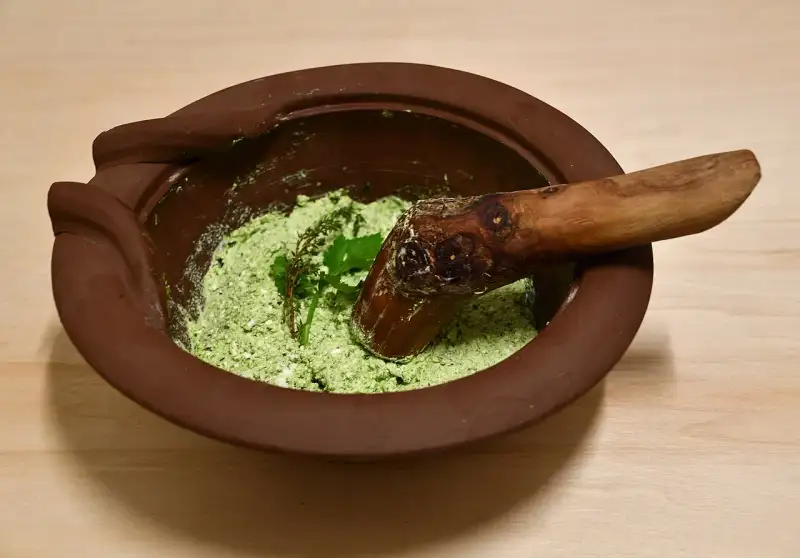
-
 Klaus Weber
- 05 Jul, 2026 19:06
Das vergessene Moretum: Eine kulinarische Zeitreise in die römische Bauernküche
Manche Geschmäcker verändern sich nie. Andere wiederum werden in den Annalen der Zeit verschüttet, bis nur noch ein Hauch ihrer Existenz in alten Schriften verbleibt – eine kulinarische Geistererscheinung, die auf ihre Wiedererweckung wartet. Stellen Sie sich eine Welt vor, in der die Aromen von frischen Kräutern, scharfem Knoblauch und würzigem Käse nicht in einer schicken Manufaktur, sondern in einem groben Mörser aus Stein, unter den kräftigen Händen eines römischen Bauern, zu einer Paste zerstoßen wurden. Eine Paste, die nicht nur Hunger stillte, sondern eine Geschichte erzählte: die Geschichte des Moretums. Wir alle kennen Pesto, dieses grüne Wunderwerk der ligurischen Küche, das weltweit seinen Siegeszug angetreten hat. Doch was, wenn ich Ihnen sage, dass Pesto einen fernen, fast vergessenen Vorfahren hatte, der Jahrhunderte vor ihm das Licht der Welt erblickte? Einen Vorfahren, der nicht von wohlhabenden Bürgern, sondern von den einfachen Leuten Roms geliebt und geschätzt wurde. Das Moretum ist mehr als nur eine historische Kuriosität; es ist ein Fenster in das tägliche Leben, die Überlebensstrategien und die überraschend raffinierte Einfachheit der römischen Bauern. Es ist ein Gericht, das uns lehrt, dass wahre Gaumenfreuden oft in den bescheidensten Zutaten und der größten Not ihren Ursprung finden. Ein Gedicht als Kochbuch: Virgils "Moretum" Die seltenen Perlen der römischen Küche sind nicht immer in aufwendigen Kochbüchern der Elite zu finden, sondern manchmal in den unerwartetsten Ecken. Unser Wissen über das Moretum stammt hauptsächlich aus einem epischen Gedicht, das dem berühmten römischen Dichter Vergil zugeschrieben wird – dem "Moretum" (oder "Der Mörser", wie es übersetzt werden könnte), einem Teil der Appendix Vergiliana. Dieses kurze, aber unglaublich detaillierte Gedicht ist nicht nur eine lyrische Beschreibung des Landlebens, sondern auch eine akribische Schritt-für-Schritt-Anleitung zur Zubereitung dieses alten Gerichts. Es ist eine faszinierende Momentaufnahme des Alltags eines römischen Bauern namens Simulus, der sich in den frühen Morgenstunden sein bescheidenes Frühstück zubereitet. Simulus, der Protagonist des Gedichts, verkörpert die Genügsamkeit und den Pragmatismus des ländlichen Roms. Er erwacht vor Sonnenaufgang, entzündet ein kleines Feuer, mahlt sein Getreide für Brot und bereitet dann sein Moretum zu. Die Beschreibung ist so lebhaft, dass man fast den Duft der zerstoßenen Kräuter riechen und das rhythmische Klopfen des Stößels im Mörser hören kann. Es ist ein Zeugnis dafür, dass die Küche der Antike nicht nur aus opulenter Völlerei bestand, sondern auch aus ehrlicher, nahrhafter Bauernkost, die den Geist und Körper für einen harten Arbeitstag stärken sollte. Das Gedicht offenbart, wie zentral und elementar dieses einfache Gericht für die Ernährung der ländlichen Bevölkerung war. Es war nicht einfach nur eine Beilage; es war oft das Herzstück der Mahlzeit, eine schmackhafte und energiespendende Ergänzung zum täglichen Brot. Die Zutaten der Einfachheit: Was das Moretum ausmachte Was genau kam also in diesen antiken Mörser? Virgils Gedicht gibt uns eine präzise Liste:Käse: Vermutlich ein harter, salziger Schafskäse, ähnlich dem heutigen Pecorino. Käse war eine Hauptproteinquelle und konnte lange gelagert werden. Knoblauch: Unverzichtbar für seinen scharfen Geschmack und seine konservierenden Eigenschaften. Simulus schält vier Knoblauchzehen – eine beträchtliche Menge! Kräuter: Hier wird es spannend und anders als beim Pesto. Das Gedicht nennt Koriander, Poleiminze und ruta (Weinraute). Weinraute ist heute in vielen Regionen weniger bekannt und wird wegen ihres intensiven, leicht bitteren Geschmacks selten in der modernen Küche verwendet. Sie verleiht dem Moretum einen unverwechselbaren, erdigen und herb-würzigen Charakter, der es deutlich vom basilikumbasierten Pesto abhebt. Olivenöl: Ein Grundnahrungsmittel der mediterranen Küche, das als Bindemittel diente und dem Gericht eine gewisse Geschmeidigkeit verlieh. Essig: Für eine zusätzliche Schärfe und Säure, die die Aromen der Kräuter und des Knoblauchs verstärkte. Salz: Zum Würzen.Die Zubereitung war ebenso simpel wie genial: Alle Zutaten wurden nacheinander in den Mörser gegeben und mit dem Stößel zu einer feinen Paste zerrieben. Der Mörser, mortarium auf Latein, ist namensgebend für das Gericht. Es war eine mühsame Arbeit, die Kraft und Ausdauer erforderte, aber auch das Ergebnis war entsprechend lohnend – eine aromatische, würzige Paste, die perfekt zu dem ungesäuerten Brot passte, das Simulus ebenfalls selbst buk. Diese Art der Zubereitung stellte sicher, dass alle ätherischen Öle der Kräuter und des Knoblauchs maximal freigesetzt wurden, was zu einem intensiven Geschmackserlebnis führte. Es war eine Mahlzeit, die nicht nur sättigte, sondern auch belebte. Moretum vs. Pesto: Eine kulinarische Genealogie? Die Ähnlichkeiten zwischen Moretum und Pesto sind unübersehbar: eine Paste aus Käse, Kräutern, Knoblauch und Öl, zubereitet in einem Mörser. Dies hat viele Food-Historiker dazu veranlasst, das Moretum als einen direkten Vorläufer oder sogar als den "Ur-Pesto" zu bezeichnen. Doch diese Vereinfachung wird der einzigartigen Identität des Moretums nicht ganz gerecht. Der offensichtlichste Unterschied liegt in den Kräutern. Während Pesto Genovese auf Basilikum, Pinienkernen und Parmigiano Reggiano basiert, setzte das Moretum auf Koriander, Poleiminze und Weinraute – eine ganz andere Geschmackspalette. Die Weinraute verleiht dem Moretum eine markante Bitterkeit und einen erdigen, fast medizinischen Unterton, der in modernem Pesto nicht zu finden ist. Auch die Art des Käses, ein salziger Schafskäse, und das Fehlen von Nüssen (Pinienkerne waren teuer und nicht immer verfügbar) unterscheiden die beiden Gerichte. Das Moretum war ein Produkt seiner Zeit und seiner Umgebung. Es war ein Gericht, das aus der Notwendigkeit geboren wurde, haltbare und nahrhafte Zutaten zu einem schmackhaften Ganzen zu vereinen. Es war robust, unprätentiös und spiegelte die raue Schönheit des römischen Landlebens wider. Pesto hingegen, auch wenn es seine Wurzeln in einfachen italienischen Küchen hat, entwickelte sich in einer anderen kulturellen und landwirtschaftlichen Landschaft, mit anderen verfügbaren Zutaten und Geschmackspräferenzen. Beide sind Meisterwerke der Mörserküche, aber mit jeweils eigenem Charakter und historischer Bedeutung. Moretum ist nicht einfach nur ein altes Pesto; es ist Moretum – ein eigenständiges Gericht mit einer reichen, vergessenen Geschichte. Die soziale Bedeutung: Geschmack des Volkes Das Moretum war keine Speise, die bei den opulenten Banketten des römischen Adels auf den Tisch kam. Es war die Mahlzeit des einfachen Mannes, des Bauern, des Sklaven. Es war ein Gericht, das Überleben sicherte und den Tag überstehen half. Dies verleiht dem Moretum eine tiefe soziale Bedeutung. Während die Patrizier ihre Gaumen mit exotischen Delikatessen und aufwendig zubereiteten Gerichten verwöhnten, die oft stundenlange Zubereitung und seltene Zutaten erforderten, ernährten sich die meisten Römer von einfacheren, aber nicht weniger schmackhaften Speisen. Das Moretum verkörperte die Tugenden der frugalitas (Sparsamkeit) und simplicitas (Einfachheit), die in der frühen römischen Republik hochgehalten wurden. Es war eine ausgewogene Mahlzeit, die Proteine aus dem Käse, Kohlenhydrate aus dem Brot und Vitamine sowie Würze aus den Kräutern und dem Knoblauch lieferte. Es war ein Gericht, das mit minimalen Mitteln maximalen Geschmack und maximale Sättigung bot. Diese Art von Essen war die Grundlage, auf der das römische Reich aufgebaut wurde – nahrhafte, unkomplizierte Gerichte, die die harte Arbeit und den langen Tag auf den Feldern oder in den Werkstätten ermöglichten. Die Popularität des Moretums unter den Bauern und der arbeitenden Klasse unterstreicht, dass die römische Küche eine vielschichtige und diverse Landschaft war, die weit über die bekannten Extravaganzen der Oberschicht hinausging. Es war eine Küche, die sich an die Realitäten des Alltags anpasste und dabei dennoch Geschmack und Würde bewahrte. Das sensorische Erlebnis neu gedacht: Ein Geschmack der Antike Wie würde ein Moretum für unseren modernen Gaumen schmecken? Die Kombination aus würzigem Käse, scharfem Knoblauch, dem frischen, leicht pfeffrigen Koriander und der herben, leicht bitteren Weinraute würde ein intensives, komplexes Geschmackserlebnis bieten. Es wäre sicherlich gewöhnungsbedürftig für jemanden, der nur die mildere Süße von Basilikum aus Pesto kennt. Der Knoblauch würde wahrscheinlich dominieren und eine wärmende Schärfe hinterlassen. Der Schafskäse würde für eine salzige, umami-reiche Basis sorgen. Die Weinraute, die in großen Mengen giftig sein kann und heute oft mit Vorsicht verwendet wird, würde dem Gericht seinen unverwechselbaren, leicht erdigen und pfeffrigen Ton geben. Man könnte es als eine kräftigere, rustikalere und erdverbundenere Variante des Pestos beschreiben. Es ist ein Geschmack, der uns nicht nur in eine andere Zeit, sondern auch in eine andere sensorische Welt entführt – eine Welt, in der die Aromen der Natur unverfälscht und potent waren. Es ist ein Geschmack, der Ehrlichkeit und Direktheit ausstrahlt, fernab von kulinarischer Übertreibung. Die Textur wäre wahrscheinlich etwas gröber als bei modernem Pesto, da der alte Mörser nicht die gleiche Feinheit erreichte wie moderne Küchenmaschinen.Man kann sich vorstellen, wie ein römischer Bauer nach einem langen Arbeitstag auf dem Feld sein Moretum mit einem Stück frischem Brot genoss. Jeder Bissen wäre eine Explosion von Aromen gewesen, die nicht nur den Hunger stillte, sondern auch die Sinne belebte und Trost spendete. Es war eine Mahlzeit, die man verdiente und die man in vollen Zügen genoss, vielleicht am Ende eines Tages, an dem man selbst im Feld geschuftet hatte und die einfachen Genüsse des Lebens am meisten zu schätzen wusste. Die Wiederentdeckung: Moretum in der modernen Küche Kann das Moretum in unserer modernen Küche eine Renaissance erleben? Absolute Puristen haben versucht, das Gericht exakt nach Virgils Vorgaben zu rekonstruieren, oft mit dem Ergebnis eines ungewohnt intensiven, vielleicht sogar herausfordernden Geschmacks. Doch die Essenz des Moretums – die Verbindung von Käse, Knoblauch und frischen Kräutern im Mörser – ist zeitlos und inspirierend. Heutige Köche könnten das Moretum als Ausgangspunkt für moderne Interpretationen nutzen. Man könnte die Weinraute durch andere, leichter zugängliche und bekömmlichere Kräuter wie Petersilie, Minze oder sogar eine kleine Menge Rucola ersetzen, um eine ähnliche Bitterkeit zu erzielen, aber in einer subtileren Form. Ein Spritzer Zitronensaft anstelle von Essig könnte für eine frischere Säure sorgen. Die Verwendung von Mandeln oder Walnüssen könnte eine zusätzliche Textur und Tiefe hinzufügen, ähnlich wie beim Pesto. Das Moretum lädt uns ein, über unsere kulinarischen Wurzeln nachzudenken und die Einfachheit und Robustheit der alten Küche neu zu entdecken. Es ist eine Erinnerung daran, dass einige der besten Gerichte der Welt aus den einfachsten Zutaten und der Notwendigkeit geboren wurden. Es ist auch eine Einladung, unsere eigenen Mörser und Stößel zu entstauben und uns wieder mit dem archaischen Akt des Zerreibens und Mischens zu verbinden – ein meditativer Prozess, der die Zubereitung von Speisen zu einem sinnlichen Erlebnis macht. In einer Welt, die sich oft nach schneller und bequemer Nahrung sehnt, bietet das Moretum eine willkommene Rückkehr zu den Grundlagen, zu den handwerklichen Fertigkeiten und zu einer tieferen Wertschätzung für das, was wir essen. Es ist ein Ruf nach Authentizität, der über Jahrtausende hinweg widerhallt. Fazit: Mehr als nur eine Paste Das Moretum ist weit mehr als eine vergessene Kräuterpaste der römischen Bauern. Es ist ein Symbol für Widerstandsfähigkeit, Einfachheit und die unvergängliche Kraft der Küche, Geschichten zu erzählen. Es ist ein Echo aus einer Zeit, in der Essen nicht nur Brennstoff war, sondern ein integraler Bestandteil des täglichen Lebens, der Kultur und der Identität eines Volkes. Durch die Linse des Moretums können wir die Welt der römischen Bauern besser verstehen – ihre harte Arbeit, ihre bescheidenen Freuden und ihre Fähigkeit, aus wenigen, einfachen Zutaten etwas Außergewöhnliches zu schaffen. Die Geschichte des Moretums erinnert uns daran, dass wahre kulinarische Schätze oft nicht in den prunkvollen Küchen der Reichen, sondern in den einfachen Behausungen der Menschen zu finden sind, die das Land bearbeiteten. Es fordert uns auf, über den Tellerrand der bekannten Gerichte zu blicken und die verborgenen Geschichten und Geschmäcker der Vergangenheit zu erforschen. Und vielleicht, nur vielleicht, inspiriert es uns dazu, selbst einen Mörser in die Hand zu nehmen und ein Stück dieser antiken Geschichte in unserer eigenen Küche wieder zum Leben zu erwecken – nicht nur als Mahlzeit, sondern als eine Hommage an die Ausdauer und den Geist derer, die vor uns kamen.#Moretum #RömischeKüche #AntikeRezepte #VergesseneSpeisen #KulinarischeGeschichte #Bauernküche Related InsightsMumbai’s Melting Pot of Flavors: The Soul-Satisfying Street Food That Defines the City Sheermal: The Saffron-Infused Royal Bread The Ultimate Antioxidant-Rich Berry Oat Smoothie Bowl with Chia Seeds{ "@context": "https://schema.org", "@type": "FAQPage", "mainEntity": [ { "@type": "Question", "name": "What is the main focus of Das vergessene Moretum: Eine kulinarische Zeitreise in die römische Bauernküche?", "acceptedAnswer": { "@type": "Answer", "text": "Entdecken Sie Moretum, die vergessene Kräuterpaste der römischen Bauern. Ein tiefgründiger Einblick in ein Gericht, das mehr als nur ein Vorläufer des Pestos ist, sondern ein Echo der antiken Seele." } }, { "@type": "Question", "name": "Who authored the comprehensive guide on Das vergessene Moretum: Eine kulinarische Zeitreise in die römische Bauernküche?", "acceptedAnswer": { "@type": "Answer", "text": "This detailed article and its insights were carefully researched and authored by Klaus Weber." } }, { "@type": "Question", "name": "Where can I find more related content about Food?", "acceptedAnswer": { "@type": "Answer", "text": "You can explore more articles, detailed reviews, and similar insights by browsing the Related Insights section at the bottom of this article or visiting our dedicated Food category page." } } ] }

In the grand tapestry of gastronomy, where vibrant colors, intoxicating aromas, and complex textures vie for attention, some threads remain subtly woven, almost invisible, yet foundational to the entire design. We often gravitate towards the flamboyant, the celebrated, the easily accessible. But what of the quiet protagonists, the unsung heroes that once graced royal tables and peasant stews alike, only to recede into the shadows of culinary memory? Today, we embark on an excavation, not of ancient ruins, but of flavor – a journey to unearth a root so enigmatic, so uniquely flavored, that its very existence feels like a whispered secret passed down through generations of discerning palates. This is the story of salsify, affectionately known as the "oyster plant," a vegetable whose delicate charm and surprising depth have patiently awaited a renaissance. Imagine a vegetable that offers the delicate salinity of the sea, intertwined with the earthy sweetness of a parsnip, and the creamy texture of a perfectly cooked potato. This is salsify, a member of the daisy family (Asteraceae) that defies easy categorization. Its appearance, a long, slender taproot often resembling a gnarled parsnip or a pale carrot, gives little hint of the sophisticated flavor journey it promises. Yet, beneath its unassuming exterior lies a world of historical intrigue, botanical resilience, and profound culinary versatility, one that challenges our preconceived notions of what a root vegetable can be. We are not merely discussing a forgotten ingredient; we are exploring a lost lexicon of taste, a historical echo that resonates with modern food sensibilities. A Root Etched in Ancient Lore: Salsify's Historical Footprint The saga of salsify (specifically Tragopogon porrifolius, or common salsify) is far older than many of the vegetables we routinely consume today. Its origins trace back to the Mediterranean basin, where wild varieties have flourished for millennia. Ancient Greeks and Romans, ever attuned to the bounty of the earth, recognized its value, though not always primarily for culinary reasons. Early references often highlight its medicinal properties, particularly as a diuretic and a remedy for various ailments, including snake bites. The plant’s milky sap, characteristic of the Tragopogon genus, was believed to possess therapeutic qualities, a testament to the holistic approach to sustenance prevalent in antiquity. As the Roman Empire expanded, so too did the reach of salsify, finding new soils and appreciative cultivators across Europe. By the Middle Ages, it had firmly established itself as a garden staple, particularly in France, Italy, and England. During this period, food security and seasonal availability were paramount, and root vegetables, with their ability to store well through harsh winters, were invaluable. Salsify, with its distinct flavor and nourishing properties, became a cherished component of winter diets, gracing the tables of both commoners and aristocracy. Cookbooks from the 16th and 17th centuries frequently feature recipes for salsify, often boiled, stewed, or fried, showcasing its adaptability long before the advent of industrial agriculture. It was esteemed for its delicate taste, a palate cleanser in an era of heavily spiced and rich dishes. The name "oyster plant" itself is a relatively modern moniker, emerging as its unique flavor profile became more widely recognized. It’s a remarkable descriptor, capturing the elusive marine hint that makes salsify so distinctive. This wasn't merely a marketing ploy; it was an accurate, if poetic, assessment of its taste. To imagine a land-grown root mimicking the essence of the sea is to grasp the extraordinary nature of salsify, a characteristic that set it apart from its earthy brethren.Botanical Wonders and Cultivation Challenges The Tragopogon genus, from which salsify hails, is a fascinating group. Its name is derived from the Greek words tragos (goat) and pogon (beard), a reference to the long, feathery pappus of its seeds, which indeed resemble a goat's beard. While common salsify (Tragopogon porrifolius) is the primary culinary variety, its close relative, black salsify (Scorzonera hispanica), offers a similar but distinct flavor profile, often described as nuttier and more intense, with a darker skin that requires careful peeling. Both require a certain degree of patience in preparation, a minor hurdle that perhaps contributed to their decline in an age demanding instant gratification. Cultivating salsify is not for the faint of heart, but the rewards are substantial. It thrives in deeply tilled, well-drained soil, preferring a long growing season and consistent moisture. Its long taproot requires ample space to develop without obstruction, making rocky or compacted soil unsuitable. The plant produces striking purple, daisy-like flowers in its second year, which are also edible and beautiful additions to salads. The roots are typically harvested in late autumn after the first frost, which is believed to enhance their sweetness and flavor. This post-frost harvesting technique is common for many root vegetables, as the cold temperatures convert starches into sugars, intensifying their taste. The cultivation process, while not overly complex, is more labor-intensive than for, say, carrots or potatoes. The roots are brittle and can snap easily if not carefully excavated. Once harvested, they "bleed" a sticky, milky latex-like sap when cut, which can stain hands and surfaces. This sap, though harmless, also contributes to the rapid oxidation of the root, turning it brown if not immediately immersed in acidulated water (water with lemon juice or vinegar). This minor inconvenience, coupled with the relatively lower yields compared to other staple root crops, made salsify less attractive to large-scale commercial agriculture and contributed to its gradual marginalization in favor of more "efficient" vegetables. The Elusive Taste: Why "Oyster Plant" is More Than a Whim The unique flavor of salsify is its true claim to fame, a complex tapestry of subtle notes that defy simple description. It's often likened to oysters, hence its charming moniker, but this comparison only scratches the surface. There's an underlying sweetness, a delicate nuttiness, and a distinct earthiness that grounds the experience. Some detect hints of artichoke hearts, others a subtle whisper of asparagus. The texture, when properly cooked, is creamy and tender, almost melting in the mouth, a stark contrast to the firm crunch of many other raw root vegetables. This distinctive flavor profile arises from its unique chemical composition, particularly the presence of inulin, a fructan polysaccharide. Inulin is a prebiotic fiber that lends a slight sweetness and creamy mouthfeel, which is why salsify is sometimes used as a natural sweetener in health foods. It also contains various volatile compounds that contribute to its complex aroma, creating the illusion of a briny, oceanic essence without a drop of seawater. This makes salsify an extraordinary ingredient for vegetarians and vegans looking to introduce a subtle seafood-like dimension to their dishes, or for anyone seeking a truly novel flavor experience. From Forgotten Fanciful Dishes to Modern Gastronomy The annals of historical cuisine are replete with recipes that celebrate salsify. In 17th-century English cookery, it was often boiled, then fried in butter, or incorporated into savory pies and stews. French chefs, always masters of delicate flavors, transformed it into gratins, purées, and even fritters, often pairing it with rich sauces to complement its subtle character. Its versatility allowed it to bridge the gap between humble fare and aristocratic banquets. The 19th and early 20th centuries saw salsify begin its slow retreat from mainstream popularity. The rise of more robust, easier-to-grow, and less perishable root vegetables like potatoes, carrots, and turnips, coupled with changing culinary tastes and the increasing demands of mass production, pushed salsify into the realm of the niche and the specialist. It became a curiosity, a conversation piece for gardeners and a secret ingredient for a handful of traditionalists. Yet, like many treasures of the past, salsify has experienced a resurgence in recent years, propelled by a growing interest in heirloom vegetables, sustainable agriculture, and the broader farm-to-table movement. Modern chefs, ever on the hunt for unique ingredients to surprise and delight, have rediscovered its delicate charm. They appreciate its versatility and its ability to add a sophisticated, almost ethereal quality to dishes. Today, you might encounter salsify in a Michelin-starred restaurant, transformed into a velvety purée alongside pan-seared scallops, or delicately roasted to accompany a succulent duck breast. It shines when prepared simply: gently blanched and tossed with butter and fresh herbs, or roasted until caramelized, bringing out its inherent sweetness. Its creamy texture makes it an excellent candidate for soups and gratins, where its distinct flavor can truly sing. Deep-fried salsify fritters, surprisingly reminiscent of calamari, are another popular preparation that highlights its "oyster plant" character.The Health Benefits: More Than Just a Pretty Root Beyond its captivating flavor and rich history, salsify also offers an impressive nutritional profile, further solidifying its status as a vegetable worthy of rediscovery. It is an excellent source of dietary fiber, particularly the aforementioned inulin, which promotes digestive health by acting as a prebiotic, nourishing beneficial gut bacteria. This can aid in improved digestion, nutrient absorption, and overall gut microbiome balance. Salsify is also packed with essential vitamins and minerals. It is a good source of Vitamin C, which is crucial for immune function and skin health, and several B vitamins, vital for energy metabolism. Furthermore, it provides significant amounts of potassium, important for blood pressure regulation, and iron, necessary for oxygen transport in the blood. Its antioxidant properties, derived from various phytonutrients, contribute to cellular protection against oxidative stress. With a relatively low caloric count and high nutrient density, salsify truly embodies the principle of "food as medicine," offering both exquisite taste and substantial health benefits. A Call to Unearth Your Own Culinary History In a world increasingly driven by convenience and mass-produced uniformity, the rediscovery of vegetables like salsify is more than just a culinary trend; it's a testament to the enduring power of diversity, flavor, and history. It challenges us to look beyond the supermarket aisle and explore the rich tapestry of forgotten foods that still exist, waiting to be brought back into the light. The "oyster plant" is a reminder that some of the greatest culinary treasures are not always the most obvious, but rather the ones that require a little digging, a little patience, and a willingness to embrace the unusual. So, the next time you encounter salsify at a farmer's market or a specialty grocer, don't pass it by. Take a moment to appreciate its journey through time, its unique flavor, and the quiet resilience of a root that has refused to be entirely forgotten. Bring it into your kitchen, experiment with its delicate notes, and allow yourself to be transported to a culinary realm where history, flavor, and an elusive hint of the sea converge. Unearth your own connection to this extraordinary vegetable, and you might just discover your new favorite secret ingredient.#Salsify #ForgottenVegetables #HeirloomProduce #GourmetIngredients #RootVegetables Related InsightsThai Street Food Secrets: How to Recreate Bangkok’s Best Dishes at Home Turning Kitchen Scraps into Gourmet Gold: The Zero‑Waste Revolution The Alchemy of Vinegar and Ocean: The Deep Evolution of Sushi{ "@context": "https://schema.org", "@type": "FAQPage", "mainEntity": [ { "@type": "Question", "name": "What is the main focus of Salsify: The Oyster Plant's Whispering Secret Through Culinary Eras?", "acceptedAnswer": { "@type": "Answer", "text": "Discover the enigmatic salsify, the 'oyster plant,' a forgotten root vegetable with a rich history, unique flavor, and surprising versatility from ancient tables to modern gastronomy." } }, { "@type": "Question", "name": "Who authored the comprehensive guide on Salsify: The Oyster Plant's Whispering Secret Through Culinary Eras?", "acceptedAnswer": { "@type": "Answer", "text": "This detailed article and its insights were carefully researched and authored by Demir Şef." } }, { "@type": "Question", "name": "Where can I find more related content about Food?", "acceptedAnswer": { "@type": "Answer", "text": "You can explore more articles, detailed reviews, and similar insights by browsing the Related Insights section at the bottom of this article or visiting our dedicated Food category page." } } ] }
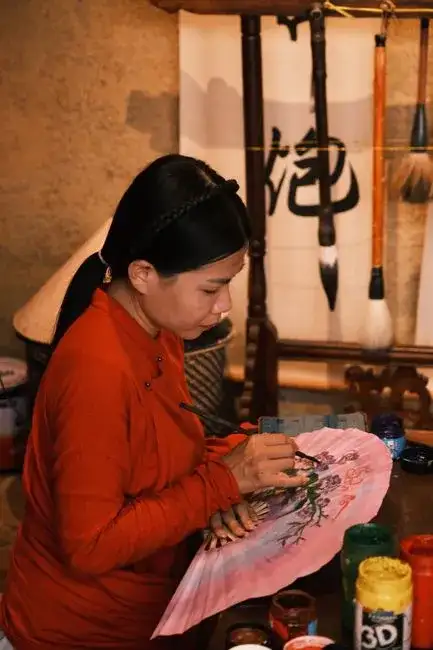
- Aylin Okur
- 05 Jul, 2026 16:17
The Whispering Canvas: Unveiling the Hidden Worlds of Fore-Edge Painting
Imagine holding a book, its leather cover worn smooth by time, its pages gilded with a faint shimmer. It appears, at first glance, to be a distinguished but otherwise ordinary volume from a bygone era. You turn it over in your hands, perhaps admiring the craftsmanship, before a gentle curiosity prompts you to fan its pages. And then, it happens. As the tightly bound leaves unfurl, a world of vibrant color, intricate detail, and breathtaking artistry springs into view, a miniature landscape, a portrait, a narrative scene that was utterly invisible moments before. This is not a magic trick, nor a fleeting illusion. This is the sublime, almost clandestine art of fore-edge painting, a testament to human ingenuity and the enduring desire to embed beauty in the most unexpected places. For centuries, the edges of books have served primarily as practical surfaces – a place for titles, perhaps, or simple decorative gilding. But for a select few artisans and their discerning patrons, the fore-edge represented a canvas, a secret portal to a world of hidden imagery. It is an art form shrouded in layers, quite literally, designed to remain unseen until deliberately revealed, offering a profound sense of discovery that few other mediums can replicate. In an age dominated by instant gratification and overt displays, the subtlety and surprise inherent in fore-edge painting offer a meditative counterpoint, inviting us to slow down, to look closer, and to marvel at the depths of human creativity that lurk just beneath the surface. A Glimpse into History: Origins and Evolution The precise origins of fore-edge painting are, much like the paintings themselves, somewhat elusive, debated among bibliophiles and art historians. While rudimentary forms of decoration on book edges, such as geometric patterns or heraldic motifs, can be traced back to the 10th century, the technique of painting a hidden scene that appears only when the pages are fanned is generally believed to have emerged much later. Early examples from the 17th century point to Italy and England as potential birthplaces, though it was in 18th and 19th century England that the art truly flourished and gained widespread popularity. During the Georgian and Victorian eras, fore-edge painting became a sophisticated embellishment for fine bindings, particularly for sentimental texts, religious works, or collections of poetry. Booksellers and binders, recognizing the allure of this hidden artistry, would commission skilled miniaturist painters to adorn their most prized volumes. Initially, these paintings often depicted religious scenes, portraits of the book's owner, or allegorical figures. As the art evolved, landscapes, architectural views, naval battles, and pastoral scenes became increasingly prevalent, reflecting the romantic and picturesque tastes of the period. Artists often chose scenes relevant to the book's content or the region where it was bound, adding another layer of narrative richness to the already complex object. One of the earliest documented examples of a truly hidden fore-edge painting is found on a book from 1641, bound for Charles I. However, it was the Edwards of Halifax bindery in England, established by James Edwards in the late 18th century, that is often credited with perfecting and popularizing the art form. Their signature technique involved applying paint directly to the fanned edges, often over a base of gilt, creating a seamless integration of protection and art. The craftsmanship of these early masters set a high standard, with their works now considered highly sought-after treasures in the world of rare books.The Art of Concealment: Techniques and Materials Creating a fore-edge painting is an extraordinarily delicate and precise process, demanding not only artistic skill but also an intimate understanding of the book's physical structure. The magic lies in the illusion: the painting must disappear completely when the book is closed, leaving only the gleaming gilt or plain edge visible, and then reappear in full glory when the pages are fanned. The process typically begins with the book's edges being gilded, a protective and decorative layer of gold leaf applied to the block of pages. This gilding serves multiple purposes: it protects the paper from moisture and dust, adds a luxurious finish, and crucially, provides a pristine, uniform surface over which the painting can be concealed when the book is closed. Once the gilding is complete, the book is clamped in a special press, allowing the pages to be fanned out at a shallow, precise angle, exposing a minute sliver of each page's edge. It is on these almost microscopic surfaces that the artist begins their painstaking work. Using very fine brushes and specialized watercolors or gouache, the scene is meticulously painted, stroke by stroke, across the collective edges of hundreds of pages. Each individual stroke must be perfectly aligned across multiple pages to form a continuous image when fanned, yet simultaneously disappear into the gilt when the book is closed. This means the paint must be applied thinly and precisely, adhering only to the fanned edge without bleeding onto the face of the page. The choice of medium is critical. Watercolors and gouache are preferred for their quick drying time and ability to be applied thinly without causing the pages to stick together or warp. Oil paints would be too thick and could damage the paper or prevent the book from closing properly. After the painting is complete and thoroughly dry, a very thin, flexible sizing or varnish is often applied to protect the artwork. This final step is crucial to ensure the longevity of the delicate painting and prevent it from flaking or rubbing off with handling. The book is then released from the clamp, and as the pages settle back into their original position, the painted scene vanishes, hidden once more beneath the gilt, awaiting its next reveal.Masters and Their Brushstrokes: Notable Artists and Collections While many early fore-edge painters remain anonymous, their works are preserved in rare book collections around the world, testament to their skill. The Edwards of Halifax workshop, as mentioned, stands out as pioneers, and their influence is undeniable. Known for their neoclassical designs and pastoral scenes, their books are highly prized by collectors. Beyond specific names, the lineage of fore-edge painting can be traced through the distinct styles and recurring motifs found across centuries. In the 20th century, the tradition was revived and championed by artists like Miss C.B. Currie and Vera W. Lute. Miss Currie, active in the early to mid-20th century, created hundreds of exquisite fore-edge paintings, often signed with her initials. Her work is characterized by vibrant colors and detailed landscapes, often featuring famous landmarks or scenes from British history. Vera W. Lute, another prolific artist, continued the tradition with her delicate brushwork and imaginative compositions, ensuring the art form's survival through difficult times for traditional book arts. Today, contemporary artists continue to explore and expand the boundaries of fore-edge painting, bringing modern sensibilities to this ancient craft. While still a niche art, dedicated practitioners like Martin Frost and others are creating new works, often combining traditional techniques with contemporary themes, ensuring that this hidden art form continues to evolve and captivate new audiences. Their works can be found in private collections, specialist antiquarian bookshops, and occasionally in exhibitions dedicated to the art of the book. Major institutions like the British Library, the Library of Congress, and numerous university rare book libraries house significant collections of books adorned with fore-edge paintings, preserving these miniature masterpieces for future generations to discover. Unveiling the Narrative: Themes and Symbolism The themes chosen for fore-edge paintings are as diverse as the books they adorn, yet they often share a common thread of resonance with the primary text or the owner's interests. Landscapes were, and remain, immensely popular – tranquil rivers, rolling hills, charming village scenes, or bustling cityscapes like London and Paris. These often depicted places that held sentimental value for the book's owner or locations central to the book's narrative. Imagine a copy of Wordsworth's poetry revealing a Lakeland scene, or a history of England unveiling a panorama of Windsor Castle. Beyond landscapes, historical events, naval battles, and architectural marvels were also frequently depicted, especially in books pertaining to history or travel. Portraits, particularly of famous figures or the book's original owner, also made occasional appearances, adding a personal touch to the volume. Allegorical scenes, depicting virtues, mythological figures, or symbolic representations, offered a more intellectual layer of appreciation, requiring careful contemplation to decode their hidden meanings. The symbolism inherent in fore-edge painting is multifaceted. Firstly, there is the obvious symbolism of the hidden itself – the idea that beauty, wisdom, or truth often lies beneath the surface, waiting to be revealed by those who seek it out. It transforms the book into a metaphorical treasure chest, with a secret reward for the curious. Secondly, the choice of specific imagery often served as a personal emblem or a narrative extension. A painting of a ship on a book about voyages not only delighted the owner but also reinforced the book's theme in a unique, intimate way. In an era before mass-produced visual media, a fore-edge painting was a highly personalized and bespoke form of artistic expression, a silent conversation between the artisan, the owner, and the book's content. Beyond the Edge: The Book as a Multisensory Object Fore-edge painting compels us to reconsider the book not merely as a vessel for text, but as a holistic, multisensory object of art and craftsmanship. In an increasingly digital world, where books are often consumed as ephemeral data streams on glowing screens, the physical book’s materiality becomes ever more precious. A fore-edge painting elevates this materiality, emphasizing the tactile experience of turning pages, the visual surprise, and the intellectual delight of discovery. The weight of the cover, the scent of aged paper, the texture of the binding, and the glint of gilt edges all contribute to a rich sensory engagement. When a fore-edge painting is revealed, it adds another dimension, transforming the reading experience into a private exhibition. It reminds us that books are not just about what they contain between their covers, but also about how they are presented, preserved, and interacted with. They are objects that can carry stories not just through words, but through the very art embedded within their physical form. This fusion of literary and visual art makes fore-edge painted books particularly captivating, challenging the notion that a book's value lies solely in its textual content. Preservation and Modern Revival Like all delicate works of art, fore-edge paintings require careful preservation. Exposure to direct sunlight, fluctuations in humidity, and improper handling can cause the colors to fade, the paint to crack, or the pages to stick together. Rare book librarians and conservators employ specialized techniques to protect these treasures, often storing them in climate-controlled environments and ensuring minimal handling. The original varnish applied by the artists, though protective, can also become brittle over time, requiring sensitive conservation efforts. Despite the challenges of preservation and the labor-intensive nature of its creation, fore-edge painting is experiencing a quiet revival. A small but dedicated community of contemporary artists, binders, and collectors are actively working to keep this intricate craft alive. Workshops are offered, techniques are shared, and new commissions are undertaken. Modern interpretations often push the boundaries of traditional themes, incorporating contemporary imagery, abstract designs, or even pop culture references, ensuring the art form remains relevant and continues to surprise. This modern resurgence highlights a growing appreciation for bespoke craftsmanship and the unique charm of handmade objects in a mass-produced world. The Allure of the Unseen: Why it Still Captivates What is it about fore-edge painting that continues to hold such sway over our imagination? Perhaps it is the inherent sense of magic, the secret world that appears from nowhere. In an age of relentless transparency, there is something deeply appealing about an art that demands patience and curiosity to be fully appreciated. It offers a moment of personal revelation, a private wonder shared only with the book and its beholder. Furthermore, fore-edge painting represents the pinnacle of craftsmanship, a testament to an artist's skill, dedication, and meticulous attention to detail. It is a slow art in a fast world, a quiet rebellion against the superficial, inviting us to delve deeper, to truly observe. Each revelation of a fore-edge painting is a brief, enchanting journey into a hidden realm, a reminder that the greatest treasures often lie concealed, waiting patiently for the moment of their exquisite unveiling. It transforms the act of opening a book from a simple mechanical gesture into an act of discovery, imbued with history, artistry, and an enduring sense of wonder.#ForeEdgePainting #RareBooks #HiddenArt #BibliophileTreasures #BookHistory Related InsightsEveryday Angel Book Review and Summary Love on the Brain Book Review and Summary Gravity’s Rainbow Book Review and Summary{ "@context": "https://schema.org", "@type": "FAQPage", "mainEntity": [ { "@type": "Question", "name": "What is the main focus of The Whispering Canvas: Unveiling the Hidden Worlds of Fore-Edge Painting?", "acceptedAnswer": { "@type": "Answer", "text": "Beyond the covers lies a secret realm of art. Discover fore-edge painting, the astonishing technique that transforms book edges into breathtaking, hidden canvases." } }, { "@type": "Question", "name": "Who authored the comprehensive guide on The Whispering Canvas: Unveiling the Hidden Worlds of Fore-Edge Painting?", "acceptedAnswer": { "@type": "Answer", "text": "This detailed article and its insights were carefully researched and authored by Aylin Okur." } }, { "@type": "Question", "name": "Where can I find more related content about Books?", "acceptedAnswer": { "@type": "Answer", "text": "You can explore more articles, detailed reviews, and similar insights by browsing the Related Insights section at the bottom of this article or visiting our dedicated Books category page." } } ] }

- Michael Chef
- 05 Jul, 2026 15:01
Kale and Grilled Chicken Caesar Salad with Greek Yogurt Dressing: A High Protein Delight
Introduction to High Protein Diets According to recent studies, high protein diets have been shown to be effective in weight management, particularly in elderly populations who have sustained a lower limb amputation. Research on high protein shows that it can help individuals maintain their weight and ensure a consistent fit of their prosthetic device. As noted in the study "Weight Management for the Elderly Population Who have Sustained a Lower Limb Amputation," approximately two million people within the United States are living with an amputation, most commonly in the lower extremity. This highlights the importance of weight management in this population, as excess weight can put additional strain on the remaining joints and affect the fit of the prosthetic device.The Importance of Kale in a High Protein Diet Kale is a nutrient-dense leafy green that is rich in protein, fiber, and various vitamins and minerals. According to the United States Department of Agriculture (USDA), one cup of chopped kale contains about 2.5 grams of protein, making it an excellent addition to a high protein diet. Kale has also been shown to have numerous health benefits, including reducing inflammation and improving cardiovascular health. In the context of a high protein diet, kale can help individuals meet their daily protein needs while also providing essential vitamins and minerals.The Benefits of Greek Yogurt in a High Protein Diet Greek yogurt is a high protein food that is rich in casein protein, which can help promote muscle growth and repair. According to the USDA, one cup of Greek yogurt contains about 20 grams of protein, making it an excellent addition to a high protein diet. Greek yogurt has also been shown to have numerous health benefits, including improving digestive health and reducing the risk of osteoporosis. In the context of a high protein diet, Greek yogurt can help individuals meet their daily protein needs while also providing essential calcium and other nutrients.The Recipe: Kale and Grilled Chicken Caesar Salad with Greek Yogurt Dressing This recipe combines the nutritional benefits of kale, grilled chicken, and Greek yogurt to create a high protein meal that is both delicious and healthy. The recipe includes:2 cups kale, stems removed and discarded, leaves coarsely chopped 1 cup Greek yogurt 2 tablespoons freshly squeezed lemon juice 1 teaspoon Dijon mustard 1/2 teaspoon Worcestershire sauce 1/2 teaspoon garlic powder Salt and pepper, to taste 1 cup grilled chicken breast, diced 1 cup homemade croutons, made with whole wheat bread 1 cup shaved Parmesan cheeseTo prepare the recipe, follow these steps:Preheat grill to medium-high heat. Season the chicken breast with salt, pepper, and garlic powder. Grill the chicken for 5-6 minutes per side, or until it reaches an internal temperature of 165F. In a blender or food processor, combine the Greek yogurt, lemon juice, Dijon mustard, Worcestershire sauce, salt, and pepper. Blend until smooth and creamy. In a large bowl, massage the chopped kale with your hands for about 2-3 minutes, or until it becomes tender and slightly wilted. Add the diced grilled chicken, homemade croutons, and shaved Parmesan cheese to the bowl with the kale. Drizzle the Greek yogurt dressing over the salad and toss to combine.Conclusion In conclusion, this recipe for kale and grilled chicken Caesar salad with Greek yogurt dressing is a delicious and healthy meal that is high in protein and rich in essential vitamins and minerals. According to recent studies, high protein diets have been shown to be effective in weight management, particularly in elderly populations who have sustained a lower limb amputation. By incorporating kale, Greek yogurt, and grilled chicken into a high protein diet, individuals can help promote muscle growth and repair, improve digestive health, and reduce the risk of osteoporosis.#HealthyLiving #Gastronomy #HighProteinDiet #KaleSaladRecipe Related Insights'From Sacred Ritual to Sweet Obsession: The Untold History of Chocolate That Will Change How You Taste It' Siu Mai: The Classic Open-Faced Pork Dumpling The Legacy of Nourishment: A Nutrient-Dense Chicken and Vegetable Pot Pie{ "@context": "https://schema.org", "@type": "FAQPage", "mainEntity": [ { "@type": "Question", "name": "What is the main focus of Kale and Grilled Chicken Caesar Salad with Greek Yogurt Dressing: A High Protein Delight?", "acceptedAnswer": { "@type": "Answer", "text": "A healthy and delicious kale and grilled chicken Caesar salad with Greek yogurt dressing, perfect for a high protein meal. Learn how to make it and its health benefits." } }, { "@type": "Question", "name": "Who authored the comprehensive guide on Kale and Grilled Chicken Caesar Salad with Greek Yogurt Dressing: A High Protein Delight?", "acceptedAnswer": { "@type": "Answer", "text": "This detailed article and its insights were carefully researched and authored by Michael Chef." } }, { "@type": "Question", "name": "Where can I find more related content about Food?", "acceptedAnswer": { "@type": "Answer", "text": "You can explore more articles, detailed reviews, and similar insights by browsing the Related Insights section at the bottom of this article or visiting our dedicated Food category page." } } ] }
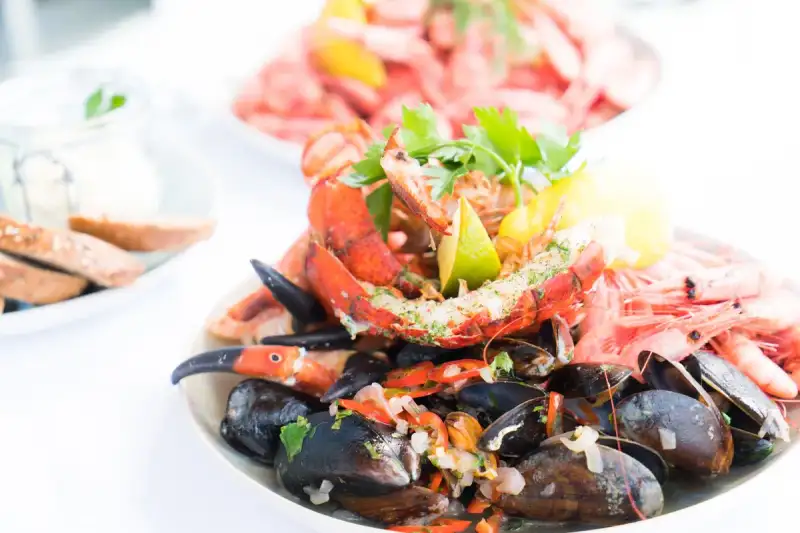
-
 Isabella Ferrari
- 05 Jul, 2026 11:38
Delving into Sardinian Fregola with Seafood and Fennel: A High Protein Culinary Journey
Introduction to Sardinian Fregola Sardinian Fregola is a traditional pasta from Sardinia, often served with seafood and vegetables. This dish is not only delicious but also offers a high protein content, thanks to the combination of seafood and fregola. According to recent studies on high protein diets, consuming foods rich in protein can help in maintaining muscle mass and overall health. Research on high protein shows that it can also aid in weight management by increasing satiety and boosting metabolism.The island of Sardinia is known for its pristine beaches, crystal-clear waters, and a cuisine that reflects its Mediterranean heritage. Sardinian Fregola with seafood and fennel is a quintessential dish that embodies the flavors and ingredients of the region. The combination of fregola, a type of pasta that resembles small balls, with an assortment of seafood and the sweetness of fennel, creates a culinary experience that is both satisfying and flavorful. The Health Benefits of Seafood Seafood is an excellent source of protein and is rich in various nutrients, including omega-3 fatty acids, vitamin D, and selenium. These nutrients are essential for heart health, immune function, and can even play a role in reducing the risk of certain diseases. According to nutritional science, a diet that includes a variety of seafood can provide significant health benefits.The mixed seafood used in this recipe includes shrimp, mussels, and clams, each contributing its unique flavor and nutritional profile. Shrimp are low in fat and high in protein, making them an excellent choice for those looking to manage their weight. Mussels are rich in vitamin D and selenium, while clams are a good source of iron and potassium. The combination of these seafood varieties ensures that the dish is not only delicious but also packed with nutrients. The Role of Fennel in Sardinian Cuisine Fennel is a crunchy and flavorful vegetable that is commonly used in Sardinian cuisine. It adds a sweet and aniseed flavor to dishes, complementing the savory flavors of seafood and pasta. Fennel is also rich in fiber, vitamins, and minerals, making it a nutritious addition to any meal.In the context of Sardinian Fregola with seafood and fennel, the fennel plays a crucial role in balancing the flavors of the dish. Its mild sweetness counteracts the brininess of the seafood, while its crunchy texture provides a satisfying contrast to the softness of the fregola. Whether used raw or cooked, fennel is a versatile ingredient that enhances the culinary experience of this traditional Sardinian dish. Preparing Sardinian Fregola with Seafood and Fennel To prepare this dish, start by preheating the oven to 400F. Rinse the fregola and set it aside. Prepare the seafood by cleaning and shelling where necessary. Chop the onion and garlic, and slice the fennel into thin wedges.Heat olive oil in a large skillet and sauté the onion and garlic until softened. Add the mixed seafood and cook until the seafood is opaque and lightly browned. Add the white wine, fish stock, and saffron threads. Stir well to combine, ensuring that the seafood is coated with the flavorful liquid. Combining Fregola with Seafood and Fennel Add the fregola to the skillet, stirring to combine with the seafood mixture. The fregola will absorb the flavors of the seafood and the liquid, resulting in a dish that is both flavorful and filling.Transfer the skillet to the preheated oven and bake for 20 minutes or until the fregola is al dente. Season with salt and pepper to taste. Garnish with chopped parsley and serve hot. Conclusion Sardinian Fregola with seafood and fennel is a dish that embodies the culinary traditions of Sardinia. With its high protein content, rich flavors, and nutritious ingredients, this dish is not only delicious but also provides significant health benefits. Whether you are looking to explore the flavors of Sardinian cuisine or seeking a nutritious meal option, this recipe is sure to satisfy your culinary and health goals. #HealthyLiving #Gastronomy #HighProteinRecipes #SardinianCuisine Related Insights'From Sacred Ritual to Sweet Obsession: The Untold History of Chocolate That Will Change How You Taste It' Portuguese Pastéis de Nata: The Custard Tart's Sweet History (Part 2) Minestrone Soup with Genovese Pesto and Spelt: A High Fiber Delight{ "@context": "https://schema.org", "@type": "FAQPage", "mainEntity": [ { "@type": "Question", "name": "What is the main focus of Delving into Sardinian Fregola with Seafood and Fennel: A High Protein Culinary Journey?", "acceptedAnswer": { "@type": "Answer", "text": "A detailed exploration of Sardinian Fregola with seafood and fennel, focusing on its high protein content and culinary delights." } }, { "@type": "Question", "name": "Who authored the comprehensive guide on Delving into Sardinian Fregola with Seafood and Fennel: A High Protein Culinary Journey?", "acceptedAnswer": { "@type": "Answer", "text": "This detailed article and its insights were carefully researched and authored by Isabella Ferrari." } }, { "@type": "Question", "name": "Where can I find more related content about Food?", "acceptedAnswer": { "@type": "Answer", "text": "You can explore more articles, detailed reviews, and similar insights by browsing the Related Insights section at the bottom of this article or visiting our dedicated Food category page." } } ] }


Olá, almas aventureiras! Eu sou Mariana Costa. Nesta aventura de nomadismo digital, onde navegamos rumo às profundezas da história, aos sabores mais autênticos e às culturas mais coloridas, hoje levo vocês ao coração da terra onde nasci e cresci, o Brasil, mais especificamente à joia inestimável do estado de Minas Gerais, Ouro Preto. Se você, assim como eu, adora se perder por ruas estreitas com cheiro de história, ouvir os sussurros do passado em cada esquina e, claro, descobrir comidas de rua de dar água na boca, você está no lugar certo. Ouro Preto não é apenas um destino turístico; é uma máquina do tempo, um museu vivo e um paraíso para os entusiastas da gastronomia. Ao longo dos anos, vi inúmeros lugares em várias partes do mundo, desde os templos da Ásia até os castelos da Europa. No entanto, a energia única de Ouro Preto, a melancolia impregnada em seus edifícios de pedra e o cheiro de café trazido pelo vento das montanhas sempre tiveram um lugar especial no meu coração. Neste artigo, exploraremos detalhadamente os aspectos desconhecidos desta cidade magnífica, seus segredos históricos mais profundos e, claro, as paradas gastronômicas escondidas em suas ruas. Se estiverem prontos, peguem seu café ou sua caipirinha e vamos começar esta longa e agradável jornada. Ouro Preto: Uma Cidade Suspensa no Tempo Ouro Preto, que traduzido literalmente significa "Ouro Negro", é o coração do período da corrida do ouro (Gold Rush), que começou no final do século XVII. Ao caminhar pelas ruas íngremes de paralelepípedos da cidade, você se depara com os exemplos mais impressionantes da arquitetura colonial. É uma cidade tão preservada que carrega com orgulho o título de ser a primeira cidade brasileira a ser incluída na lista de Patrimônio Mundial da UNESCO, em 1980. Escondida entre as montanhas, esta cidade já foi ainda mais rica, mais populosa e mais esplêndida que o Rio de Janeiro ou São Paulo. O ouro corria nas veias desta cidade, adornava os altares de suas igrejas e moldava o destino do Brasil. Os primeiros a chegar à região foram os exploradores portugueses e caçadores de escravos conhecidos como bandeirantes. As partículas de ouro que encontraram nos leitos dos rios, escurecidas devido ao óxido de ferro, deram à cidade o seu nome atual: Vila Rica de Ouro Preto (A Rica Vila do Ouro Negro). Em muito pouco tempo, esta região montanhosa isolada foi inundada por dezenas de milhares de pessoas sonhando com riquezas. Tornando-se a fonte de renda mais importante da Coroa Portuguesa, Ouro Preto foi a principal fonte de financiamento para a construção de palácios suntuosos na Europa. Primeiros Passos: A Chegada à Cidade e Aquela Atmosfera Mágica No primeiro momento em que você pisa em Ouro Preto, o ar puro da montanha enchendo seus pulmões e as torres folheadas a ouro das igrejas barrocas que ofuscam os olhos recebem você. Suas ruas íngremes e de paralelepípedos dificultam um pouco a caminhada, mas cada passo o transporta para um século diferente, para uma história diferente. Nas primeiras horas da manhã, enquanto a névoa desliza suavemente pelas montanhas de Minas Gerais, a silhueta da cidade se assemelha a uma pintura a óleo. Sob a luz amarela e fraca dos postes, parece que os fantasmas dos antigos mineiros, poetas, escravos e revolucionários vagam por ali. Como nômade digital, viajo pelo mundo, mas o lugar que Ouro Preto ocupa em mim é sempre diferente. Este lugar não é apenas história; é experiência vivida, rebelião, arte, melancolia e sabor. Ao tirar meu laptop da mochila e trabalhar no pátio de um antigo edifício de pedra, posso sentir profundamente as esperanças e frustrações das pessoas que procuravam ouro aqui centenas de anos atrás. A arquitetura da cidade é tão intocada que, se não fossem os carros e os fios telefônicos, os sinais da vida moderna, você poderia facilmente pensar que está no ano de 1750. O Esplendor da Arquitetura Barroca e a Genialidade de Aleijadinho Falar de Ouro Preto e não mencionar Aleijadinho (cujo nome verdadeiro era Antônio Francisco Lisboa) é impossível, ou mesmo um desrespeito. Considerado o maior mestre da arte barroca brasileira, esse escultor e arquiteto genial é uma das figuras mais inspiradoras da história da arte do Brasil. Nascido filho de um arquiteto português com uma escrava africana, Aleijadinho contraiu uma grave doença (provavelmente lepra ou sífilis) que, com o tempo, o fez perder as mãos, dedos e pés, mas ele nunca desistiu de sua arte. Amarrando suas ferramentas aos braços, como que desafiando sua dor física, ele continuou a criar suas obras magníficas. Ele é o Michelangelo do Brasil. Igreja de São Francisco de Assis Uma das obras-primas de Aleijadinho, a Igreja de São Francisco de Assis, é um dos pontos mais visitados da cidade e é considerada o ápice da arquitetura barroca brasileira. As linhas arredondadas, os medalhões e os delicados ornamentos em sua fachada externa são praticamente uma rebelião contra o estilo arquitetônico português rígido e retilíneo daquela época. Os entalhes da porta externa, feitos em pedra-sabão, revelam o talento incrível de Aleijadinho. Ao entrar, você é recebido por aquele afresco fascinante que cria uma ilusão tridimensional, pintado no teto pelo pintor Mestre Ataíde — que trabalhou com Aleijadinho por muitos anos —, retratando a assunção da Virgem Maria aos céus. Este afresco é uma das obras mais importantes da arte brasileira e, se você olhar com atenção, é possível notar traços mestiços (mulatos) da população local nos rostos da Virgem Maria e dos anjos. Esta é uma expressão artística bastante radical, ousada e que exaltava a cultura local para a sua época. Basílica Matriz de Nossa Senhora do Pilar Se você quiser compreender plenamente a riqueza de Ouro Preto e ver com os próprios olhos o poder econômico daquela época, definitivamente deve conhecer a Basílica Matriz de Nossa Senhora do Pilar. Dizem que cerca de 400 quilos (algumas fontes dizem meia tonelada) de ouro puro foram usados para a decoração interna desta igreja. Para onde quer que você olhe, você se depara com os detalhes mais refinados e complexos da talha em madeira banhada a ouro, adornada com figuras de anjos e motivos florais. Esta construção é a prova mais concreta de quão loucamente a era da corrida do ouro gerou riquezas e de como essa riqueza se entrelaçou com a Igreja. Os ornamentos barrocos no interior são tão intensos que constituem o exemplo mais impressionante da corrente artística conhecida como "Horror vacui" (horror ao vazio), que consiste em não deixar nenhum espaço em branco. O Ponto de Virada da História: Inconfidência Mineira e o Fogo da Liberdade Ouro Preto não é apenas a terra do ouro, da arte e da arquitetura, mas também o lugar onde a primeira chama da independência do Brasil foi acesa. Perto do final do século XVIII, as reservas de ouro na região começaram a diminuir. No entanto, a Coroa Portuguesa não aceitava isso e esgotava a paciência da população local, dos donos de minas e dos comerciantes com os pesados impostos que aplicava (especialmente a famosa 'Derrama', um imposto que exigia a arrecadação de 1.500 quilos de ouro por ano). Na mesma época, a guerra de independência na América do Norte e as ideias do Iluminismo na Europa começaram a se espalhar entre os intelectuais brasileiros. Uma sociedade secreta composta por poetas, intelectuais, militares e clérigos traçou um plano secreto para se libertar do jugo português, proclamar a República e abolir a escravidão (pelo menos, essa era a visão de alguns deles). Esse movimento corajoso entrou para a história como a Inconfidência Mineira. A figura mais apaixonada do movimento, vinda do povo e a mais conhecida hoje, era Tiradentes (Joaquim José da Silva Xavier), cuja profissão principal era de dentista (tiradentes). Infelizmente, enquanto a rebelião ainda estava em fase de planejamento, eles foram denunciados ao governador português por um dos traidores do grupo, Joaquim Silvério dos Reis, em troca do perdão de suas dívidas. Todos os líderes foram presos. No entanto, enquanto os outros líderes (que eram majoritariamente da elite) foram condenados ao exílio, Tiradentes, um homem do povo, foi declarado o bode expiatório do movimento. Ele não negou seu crime, defendeu sua causa e foi executado por enforcamento em 1792. Seu corpo foi esquartejado e pendurado ao longo das estradas de Ouro Preto, especialmente na rota vinda do Rio de Janeiro, para servir de exemplo aos outros rebeldes. Portugal queria apagar seu nome da história, mas ele se tornou o primeiro herói nacional e mártir do Brasil. Hoje, no gigantesco centro de Ouro Preto, na Praça Tiradentes, há uma grande estátua de bronze erguida em sua memória, voltada para a direção onde ele foi executado. Ficar na praça observando aquela estátua faz você sentir profundamente o peso do preço pago pela liberdade e o espírito de independência. A Linguagem das Ruas, Mosaico Cultural e os Sabores de Ouro Preto Eu, Mariana Costa, não acredito que apenas visitar museus e igrejas seja suficiente para entender uma cultura. A maneira mais verdadeira e íntima de conhecer um lugar é, sem dúvida, perder-se em suas ruas, conversar com os habitantes locais e provar as comidas que eles comem. Se você me conhece um pouco, sabe o quão apaixonada sou pela comida de rua, tanto quanto pela história. A culinária de Minas Gerais, também conhecida como Comida Mineira, é indiscutivelmente a cozinha mais rica, mais tradicional, mais saborosa do Brasil e a que mais traz aquele sentimento de 'comida de mãe'. Essa culinária é uma síntese maravilhosa das culturas gastronômicas portuguesa, africana e indígena. O aroma defumado característico dos pratos que cozinham lentamente por horas a fio em fogões a lenha e panelas de barro se espalha pelas ruas de Ouro Preto. Pão de Queijo: O Milagre do Pão com Queijo Quando se fala em Brasil, o primeiro lanche mundialmente famoso que vem à mente é, sem dúvida, o Pão de Queijo. Mas acredite em mim, o sabor do Pão de Queijo que você come em qualquer outro lugar do Brasil e o que você come em Minas Gerais são completamente diferentes. Esta região é a terra natal desta delícia milagrosa. Ele surgiu quando a farinha de trigo era muito cara e difícil de encontrar, e a população local começou a usar farinha de mandioca. É feito misturando o amido puro de mandioca (polvilho), leite, ovos e, claro, bastante queijo Minas regional, levemente azedinho (Queijo Minas). Essas pequenas bolinhas douradas têm uma textura macia e elástica, como chiclete, por dentro, e uma textura levemente crocante por fora. São indispensáveis no café da manhã, no café da tarde e até como petiscos noturnos. Ao caminhar pelas ruas íngremes de Ouro Preto, siga aquele cheiro de queijo derretido recém-assado que chega ao seu nariz, entre em uma pequena padaria e desfrute destas bolinhas quentes junto com uma xícara de café brasileiro forte. Você nunca vai conseguir comer apenas um! Feijão Tropeiro: O Legado dos Tropeiros e Comerciantes Como a história e a comida podem estar tão profundamente conectadas? O melhor exemplo disso é o Feijão Tropeiro, que leva o nome dos comerciantes transportadores. Durante a era da corrida do ouro, os comerciantes que carregavam café, ouro e outras mercadorias das regiões montanhosas de Minas Gerais para o litoral, no lombo de cavalos ou mulas, eram chamados de "Tropeiros". Esses homens precisavam de uma refeição que resistisse às longas e árduas jornadas pelas montanhas, que não estragasse e lhes desse alta energia. Foi assim que nasceu o Feijão Tropeiro. Feijão marrom ou vermelho cozido, farinha de mandioca, bacon em fatias grossas, linguiça, ovos, cebola e couve finamente picada são refogados lentamente na mesma panela. A farinha de mandioca absorve a umidade do prato, evitando que ele estrague durante a viagem. Sendo inicialmente uma refeição de sobrevivência, essa mistura foi se refinando com o tempo e, hoje em dia, tornou-se a joia das mesas de Minas Gerais e o prato indispensável dos almoços em família aos domingos. Em Ouro Preto, sente-se no restaurante de uma antiga pousada com cachos de alho e pimenta pendurados no teto e peça uma porção gigantesca de Feijão Tropeiro, servida em uma panela de cobre ou de barro, acompanhada de arroz e torresmo (chips de pele de porco). Quando der a primeira mordida, você sentirá como se estivesse compartilhando do mesmo fogo daqueles antigos comerciantes que cruzavam as montanhas a cavalo. Pastel de Angu: Um Toque Tradicional e Africano Se estamos falando de comida de rua, Ouro Preto tem uma outra estrela muito própria que você não encontrará facilmente em outro lugar: o Pastel de Angu. Ao contrário do pastel de massa fina com farinha de trigo, muito popular em todo o Brasil, a massa do Pastel de Angu é feita apenas de farinha de milho (angu) e água. Acredita-se que tenha surgido especialmente durante o período da escravidão, devido ao fato de a farinha de milho ser o ingrediente mais barato e saciável, refletindo as fortes raízes africanas na culinária brasileira. Criada pelas mulheres escravizadas que trabalhavam nas minas de ouro usando os poucos ingredientes que tinham, essa delícia consiste na massa de milho geralmente recheada com carne moída bem temperada, frango com quiabo, queijo da região ou até mesmo banana (chuvisco) e frita em óleo quente até ganhar um tom dourado. No final da tarde, ao pôr do sol nos vales de Ouro Preto, morder um Pastel de Angu quentinho que você comprou de um pequeno carrinho na praça principal da cidade, crocante por fora e fumegando por dentro, saboreando um Guaraná Antarctica local bem gelado como acompanhamento... Acredite em mim, este é exatamente um dos momentos mais inestimáveis da vida de nômade digital, de estar sempre na estrada, que te faz dizer "é isso, estou vivendo". Cultura do Café e os Cafés Escondidos de Ouro Preto Minas Gerais é famosa não apenas por seu queijo e minas de ouro, mas também por ser uma das regiões onde se produzem os cafés de maior qualidade do Brasil, ou até mesmo do mundo. Um pequeno café, onde você entra para recuperar o fôlego depois de subir as ladeiras íngremes de Ouro Preto, pode oferecer um dos melhores cafés que você beberá em sua vida. Aqui, o café é mais que uma simples bebida: é um ritual, uma forma de hospitalidade. A população local nunca pula a pausa que chamam de "Café da Tarde", principalmente entre as 15:00 e as 17:00. O "café coado" (café tradicional feito passando por um filtro de pano ou de papel) é o mais comum. Os grãos de café especiais vêm das fazendas de alta altitude de Minas Gerais (por exemplo, as regiões do Cerrado Mineiro ou do Sul de Minas). Nos cafés escondidos no térreo dos casarões históricos que você encontra ao caminhar pela Rua Direita ou pela Rua São José em Ouro Preto, é impossível resistir ao aroma inebriante dos grãos de café recém-torrados. Observar o barista juntando o café com a água quente, devagar, com movimentos circulares, já é por si só uma experiência meditativa. Uma pequena fatia de "Bolo de Fubá" ou biscoitos recheados com goiabada, servidos junto com o café, completam perfeitamente esse ritual. Enquanto trabalho como nômade digital, o ambiente tranquilo desses cafés é minha maior fonte de inspiração. Às vezes, apenas sentar perto da janela e observar as senhoras idosas caminhando lentamente com seus guarda-chuvas velhos, ou os estudantes universitários tocando violão, já rende material suficiente para escrever um romance. Artesanato e Oficinas de Pedra-Sabão Em Ouro Preto, você pode ver que a história e a arte não ficaram apenas nas igrejas, mas também se estenderam para as ruas e para o cotidiano do povo. Em quase todas as esquinas da cidade, principalmente na feirinha ao ar livre montada na praça em frente à Igreja de São Francisco de Assis, você encontra obras de arte feitas com muito esforço pelos artesãos locais. O material de artesanato mais característico dessa região é a "Pedra-Sabão". Esta pedra macia, relativamente fácil de moldar, mas extremamente durável e que retém bem o calor — a qual Aleijadinho usava para esculpir as portas das igrejas e as estátuas dos profetas — ganha vida novamente nas mãos dos artistas locais hoje em dia. Tabuleiros de xadrez, pequenos oratórios (nichos de oração), enfeites de anjos, caixas de joias e, o mais importante, utensílios de cozinha tradicionais (panelas, frigideiras), todos feitos de pedra-sabão, são os produtos que atraem mais atenção nesse mercado. Especialmente, uma panela de pedra-sabão é um dos segredos da culinária de Minas Gerais. Quando pratos como Feijão Tropeiro ou Moqueca são preparados nessas panelas, os minerais da pedra passam para a comida e fazem com que o prato mantenha o seu calor na mesa por muito tempo. Se você é um viajante que adora cozinhar a própria comida, definitivamente recomendo que você abra um espaço na sua mala, mesmo que seja um pouco pesada, para uma panela de pedra-sabão. Os sons rítmicos dos artesãos esculpindo a pedra, as conversas alegres da feirinha e as vozes dos turistas barganhando são a melhor prova de que Ouro Preto é uma cidade viva. O Lado Obscuro das Minas e o Preço da Humanidade Nós falamos muito sobre ouro, arte e esplendor arquitetônico, mas seria o maior desrespeito à história esquecer ou ignorar a tragédia gigantesca e o grande drama humano que estão por trás dessa riqueza. A riqueza deslumbrante de Ouro Preto, o ouro que decorava os palácios europeus e aquelas magníficas igrejas barrocas foram construídos sobre o sangue, suor, lágrimas e a vida de centenas de milhares de escravizados, trazidos acorrentados e à força da África (principalmente de Angola, Congo e Moçambique). Hoje, ao visitar Ouro Preto e arredores, você tem a oportunidade de descer em algumas das antigas minas de ouro, acompanhado por guias. Por exemplo, a Mina da Passagem (uma das maiores minas de ouro abertas à visitação do mundo), localizada entre Ouro Preto e Mariana, ou a própria Mina do Chico Rei, localizada dentro de Ouro Preto, são lugares onde você pode testemunhar essa página obscura do passado. Ao caminhar por túneis estreitos, claustrofóbicos, escuros, abafados e úmidos, sentir o peso das rochas sobre a sua cabeça e pensar nas condições desumanas sob as quais aquelas pessoas trabalhavam é arrepiante. Os escravizados frequentemente só podiam ver a luz do sol por algumas horas por dia, e, devido a desmoronamentos perigosos, doenças e exaustão, sua expectativa de vida média não passava de 7 a 10 anos após começarem a trabalhar nas minas. Especialmente a lenda (ou meia verdade) de Chico Rei tem um lugar muito forte na memória do povo da região. Sendo um respeitado chefe de tribo e rei na África, feito prisioneiro em guerra e trazido ao Brasil como escravo junto com toda sua tribo e família, Chico perde sua esposa e vários de seus filhos no oceano durante a viagem. Ele chega a Ouro Preto com apenas um de seus filhos. Trabalhando nas minas com um esforço sobre-humano, escondendo poeira de ouro entre os cabelos, ele consegue acumular ouro suficiente para comprar primeiramente a sua própria alforria, depois a do seu filho e, finalmente, a de outras pessoas de sua própria tribo. Indo mais longe, ele comprou a sua própria mina (Mina de Encardideira) e financiou a construção da esplêndida Igreja de Santa Efigênia, que abriga imagens de santos negros, onde apenas os escravos libertos podiam orar. Não se sabe até que ponto a lenda é verdadeira, mas esta história é uma demonstração maravilhosa de como a resiliência, a inteligência e a solidariedade humana podem florescer mesmo nos tempos mais sombrios e nas condições mais desesperadoras. Museus e os Corredores da História: As Testemunhas do Passado Ouro Preto, com as suas ruas, é praticamente um museu a céu aberto gigante que respira. No entanto, as coleções abrigadas dentro de seus edifícios históricos oferecem oportunidades únicas para entender o passado do Brasil. Museu da Inconfidência No ponto mais alto da cidade, aquela estrutura imponente que foi a antiga Casa de Câmara e Cadeia, chamando atenção com suas enormes escadarias de pedra que dominam a Praça Tiradentes, é hoje um dos museus mais importantes do Brasil, dedicado ao movimento da Inconfidência Mineira. O museu exibe não apenas os pertences pessoais dos rebeldes, móveis elegantes da época e obras de arte do período colonial, mas também os documentos originais da sentença de morte de Tiradentes e pedaços de sua forca. No andar térreo, há um túmulo impressionante contendo os ossos dos inconfidentes, que foram trazidos de volta das costas da África décadas após eles morrerem no exílio. Além disso, uma seção do museu abriga artefatos impressionantes e melancólicos relacionados à vida dos escravizados de origem africana, ferramentas de mineração e instrumentos de tortura utilizados, o que apresenta os dois lados da história de forma objetiva. Museu do Oratório Localizado bem ao lado da Igreja de Nossa Senhora do Carmo, esse encantador museu boutique exibe um aspecto muito diferente e muito especial da cultura religiosa e da vida cotidiana do Brasil. Centenas de pequenas capelas portáteis (oratórios) usadas entre os séculos XVIII e XIX, em lugares onde as igrejas ficavam longe ou usadas para a oração individual por mineiros, comerciantes viajantes e donas de casa, estão em exibição aqui. Esculpidos em madeira, revestidos de prata, adornados com ouro, feitos de marfim e até de conchas do mar, esses santuários em miniatura mostram como as pessoas daquela época carregavam sua fé consigo. Alguns oratórios são pequenos o suficiente para caber no bolso, enquanto outros são grandes o suficiente para enfeitar o canto principal de uma sala. É muito inspirador ver esta coleção, onde fé, arte e a psicologia do colonialismo se entrelaçam. Viver em Ouro Preto Como Nômade Digital Muitos viajantes e turistas pensam em Ouro Preto apenas como um roteiro de um dia, a partir de Belo Horizonte ou do Rio, ou, no máximo, como uma viagem de fim de semana. Mas, como nômade digital, eu prefiro ficar aqui por semanas, me adaptar ao ritmo lento da cidade, acordar em suas manhãs enevoadas e memorizar cada curva de suas ruas de pedra. A infraestrutura de internet da cidade e os cafés melhoraram muito nos últimos anos. Quando você se senta num café no pátio restaurado de um edifício histórico e abre seu laptop, trabalhar ao som de uma Bossa Nova ou Clube da Esquina suave e nostálgica tocando ao fundo é incrivelmente produtivo e inspirador. Além de tudo, você está totalmente longe daquele barulho caótico, do trânsito e do estresse das cidades grandes (como São Paulo). A história que entra pelas janelas desperta a sua criatividade. Além disso, embora a cidade pareça velha e apenas um lugar histórico visto de fora, os estudantes compõem uma grande parte de sua população, pois ela abriga a Universidade Federal de Ouro Preto (UFOP), uma das instituições educacionais mais importantes do Brasil. Esta situação adiciona uma juventude incrível, dinamismo e vitalidade cultural à cidade. As comunidades de estudantes estabelecidas pelos universitários, chamadas de "Repúblicas", onde eles compartilham velhas e enormes casas coloniais, são o coração da vida social, do entretenimento noturno e das atividades culturais da cidade. Especialmente a 'Festa do Doze' (ocorrida no dia 12 de outubro), que acontece todo mês de outubro de cada ano, é um festival no qual até mesmo os ex-estudantes já formados retornam à cidade para enormes festas de rua, e todas as vias transbordam de música, samba, dança e diversão. Essa seriedade da história juntamente a essa energia inesgotável da juventude cria um equilíbrio magnífico e raramente visto, só em Ouro Preto. Explorando os Arredores: A Tranquilidade de Mariana e a Natureza de Lavras Novas Se você já passou tempo suficiente em Ouro Preto e quiser explorar outras belezas dos arredores, suas opções são bastante ricas. Localizada a apenas 12 quilômetros da cidade, Mariana (sim, não é coincidência que ela tenha o meu mesmo nome; a minha família me deu o nome dessa cidade histórica para me manter conectada às minhas raízes!) é a primeira capital, a primeira diocese e a cidade mais antiga de Minas Gerais. Em comparação com as ladeiras dramáticas e íngremes de Ouro Preto, Mariana é muito mais plana, suas ruas são mais regulares, sua atmosfera é mais serena e tem uma espiritualidade diferente. Na Praça Minas Gerais, duas igrejas gêmeas posicionadas frente a frente (São Francisco de Assis e Nossa Senhora do Carmo) e o antigo prédio da prisão oferecem uma das paisagens mais fotogênicas da história da arquitetura brasileira. É possível ir para Mariana de ônibus, mas a verdadeira experiência é ir de trem a vapor, que opera entre as duas cidades com os antigos vagões de madeira restaurados (Maria Fumaça). Enquanto o trem passa pelas saias das montanhas, vales profundos e por cima de pequenos rios, o ar fresco entrando pelas janelas e a paisagem oferecem a você a beleza pura e intocada do interior do Brasil. Se a história já for suficiente para você e você quiser estar mais em contato com a natureza, fazer trilhas nas montanhas ou nadar em cachoeiras, a região de Lavras Novas é o lugar que você está procurando. Escondida atrás de altas colinas a cerca de 18 quilômetros de Ouro Preto, essa pequena vila tem sido a queridinha do ecoturismo nos últimos anos com suas casas coloridas de um andar, pousadas boutique, cachoeiras alimentadas pelas águas frias da montanha (como a Cachoeira dos Namorados) e maravilhosas rotas de caminhada na natureza (trilha). Aos finais de semana, é o ponto de fuga da população local e dos jovens para sair da cidade, integrar-se com a natureza e encontrar a paz. Ao Se Despedir... Na Trilha da História e do Sabor Ouro Preto definitivamente não é o lugar onde você vai só uma vez na vida, tira umas fotos e diz "já vi e acabou". É um daqueles lugares raros que, a cada visita, lhe conta uma nova história, apresenta um novo detalhe em cada rua que você não havia notado antes, e que assume estados de espírito diferentes debaixo de chuva ou sob o sol. O brilho deslumbrante do ouro de suas igrejas pode ter se apagado há séculos, e a operação das minas pode já ter cessado há muito tempo; porém, a luz da arte, da cultura, da busca pela liberdade e daquela profunda herança histórica continua a brilhar intensamente nesta cidade montanhosa, aos pés do Pico do Itacolomi. O Brasil é muitas vezes considerado pelo resto do mundo como composto apenas pelas praias de areia branca do Rio de Janeiro, pelas penas coloridas do Carnaval, pela paixão do futebol ou pelos mistérios da floresta Amazônica. Mas a verdadeira alma intelectual do Brasil, suas raízes, sua história de resistência e sua melancolia estão escondidas nas ruas íngremes e de paralelepípedos de Ouro Preto; nas mãos calejadas e dolorosas de Aleijadinho esculpindo a pedra-sabão; no grito de liberdade de Tiradentes enquanto marchava para a forca; e no sabor de um prato autêntico, quente e fumegante de Feijão Tropeiro comido em um canto de uma pousada. Se um dia o seu caminho levar ao Brasil, para as montanhas de Minas Gerais, lembre-se de olhar para esta cidade não apenas com seus olhos, mas com seu coração também. Porque Ouro Preto quer lhe contar não apenas o quanto é rica, mas também o quão profunda é. Nos vemos em nossa próxima viagem, em outro canto do mundo, na busca de novas histórias e novos sabores. Por agora, adeus, continuem explorando, compreendendo e saboreando o mundo! Fiquem com amor.Mariana Costa é uma nômade digital amante da história, que atravessa o mundo com a câmera em uma mão e um delicioso pastel na outra. Não se esqueça de continuar acompanhando o meu blog para novas geografias, culturas secretas e os guias de comida de rua mais autênticos! #Brasil #OuroPreto #MinasGerais #NomadeDigital #GuiaDeViagem #Historia #ComidaDeRua #AmericaDoSul #CulinariaBrasileira #Aleijadinho #PatrimonioMundial #Viagem #InconfidenciaMineira #MarianaCosta #TurismoCultural #ComidaMineira #Brasil #Cultura Related InsightsSintra e Seus Palácios: Um Conto de Fadas em Portugal Nômade Digital na Tailândia: Guia de Vida em Chiang Mai Os Segredos de Alfama: Apaixonando-se Loucamente por Lisboa{ "@context": "https://schema.org", "@type": "FAQPage", "mainEntity": [ { "@type": "Question", "name": "What is the main focus of Explorando Ouro Preto: Um Mergulho na História de Minas Gerais?", "acceptedAnswer": { "@type": "Answer", "text": "Embarque em uma jornada pelas ruas de paralelepípedos da histórica cidade de Ouro Preto, uma relíquia da época da corrida do ouro, no coração do Brasil." } }, { "@type": "Question", "name": "Who authored the comprehensive guide on Explorando Ouro Preto: Um Mergulho na História de Minas Gerais?", "acceptedAnswer": { "@type": "Answer", "text": "This detailed article and its insights were carefully researched and authored by Mariana Costa." } }, { "@type": "Question", "name": "Where can I find more related content about Viagem?", "acceptedAnswer": { "@type": "Answer", "text": "You can explore more articles, detailed reviews, and similar insights by browsing the Related Insights section at the bottom of this article or visiting our dedicated Viagem category page." } } ] }
- Michael Chef
- 05 Jul, 2026 02:13
The Umami Echo: Tracing the Ancient Origins of Fermented Fish Sauce Beyond Roman Garum's Shadow
Imagine a flavour so fundamental, so deeply satisfying, that it has permeated human diets for millennia, shaping empires and defining culinary landscapes long before the advent of refrigeration or even organised agriculture. It is a taste that bridges cultures, transcends time, and yet, for many, remains shrouded in a single, often romanticised, historical narrative: Roman garum. But what if the story we've been told is merely a footnote in a much grander, more ancient, and far more geographically expansive epic of umami? What if the pungent, golden elixir of fermented fish sauce, far from being a singular Roman invention, represents a convergent culinary evolution, a universal human quest for depth of flavour born independently across disparate maritime civilisations? This journey into the past isn't merely an academic exercise; it's an exploration of human ingenuity, resourcefulness, and a profound connection to the sea. It challenges us to look beyond the popular historical spotlight and discover the true, diverse origins of a condiment that continues to define many global cuisines today. Prepare to navigate a world where the sea yielded not just sustenance, but a liquid gold of flavour, painstakingly crafted and fiercely valued, echoing through history long before any Roman legionnaire dipped his bread into a jar of liquamen. The Roman Legacy: A Familiar Narrative, An Incomplete Picture For centuries, any mention of ancient fish sauce inevitably conjured images of the Roman Empire. Garum, or its more dilute cousin liquamen, is frequently cited as the quintessential condiment of antiquity. Roman texts, from the culinary treatise of Apicius to the agricultural writings of Columella, meticulously detail its production: layers of whole small fish, or fish entrails, mixed with salt, left to ferment under the scorching Mediterranean sun for weeks, sometimes months. The resulting amber liquid, strained and prized, was a staple, used to enhance everything from simple stews to elaborate banquets. It was a trade commodity, its production sites sprawling along coastal areas from Spain to North Africa, employing vast numbers and generating immense wealth. The distinct, savoury, almost meaty flavour it imparted was, without question, the umami of its age. However, this widespread familiarity with Roman garum often overshadows a crucial fact: fermentation, particularly of fish, is not a uniquely Roman or even Mediterranean phenomenon. The very concept of utilising salt and time to transform perishable protein into a concentrated flavour bomb is a testament to universal human resourcefulness in regions rich with seafood and a pressing need for preservation. The Romans were, in essence, inheritors and refiners of a tradition that likely predated them by centuries, and which was simultaneously flourishing, and perhaps even originating, in entirely different corners of the globe. The Southeast Asian Cradle: A Symphony of Fermented Flavours To truly understand the primordial genesis of fish sauce, our compass must point eastward, to the verdant coastlines and archipelagic wonders of Southeast Asia. Here, long before the rise of Rome, communities were already perfecting the art of fish fermentation. Archaeological evidence, supported by linguistic and ethnographic studies, suggests a deeply entrenched tradition of processing fish with salt. Consider the modern staples: Vietnamese nước mắm, Thai nam pla, Filipino patis, Cambodian prahok, and Burmese ngapi. These aren't merely contemporary iterations; they are the direct descendants of an unbroken chain of culinary practices stretching back at least two millennia, if not more. While pinpointing the exact "first" occurrence is a fool's errand, the sheer diversity and pervasiveness of fermented fish products in Southeast Asia argue for an independent, possibly earlier, origin story than that of the Mediterranean. The production methods, though varying in specific fish species, salt ratios, and fermentation times, share fundamental similarities with their Roman counterparts. Small, oily fish like anchovies, mackerel, or sometimes even freshwater fish, are layered with salt in large earthenware jars or colossal wooden vats. These are left to ferment, often under the tropical sun, a process that relies on natural enzymes in the fish guts and halophilic bacteria to break down proteins into amino acids – the very source of umami. The resulting liquid is a potent, aromatic condiment, foundational to the regional diet.Unlike the Roman tradition, which largely faded with the Empire's decline, the Southeast Asian tradition not only endured but thrived, evolving into the sophisticated, highly valued products we know today. This continuity points to a deep cultural embedment, where fish sauce is not just a flavour enhancer, but a cultural touchstone, a symbol of identity and culinary heritage. Beyond the Mediterranean and Mekong: Other Ancient Fermentation Frontiers The narrative isn't confined to these two primary epicentres. The concept of fermenting fish and other seafood was, in various forms, a global culinary imperative driven by the need for preservation and flavour enhancement in pre-industrial societies. While liquid fish sauce, as a strained condiment, is most strongly associated with Rome and Southeast Asia, other cultures developed related methods. The ancient Egyptians, for example, were masters of fermentation and preserved fish in various ways, though liquid sauce evidence is less clear. However, their use of salt for preserving fish and the cultural significance of fish in their diet suggest the possibility of related, albeit perhaps less documented, practices. Furthermore, a lesser-known but equally fascinating thread leads us to the indigenous communities of the circumpolar regions. While their methods often leaned towards whole fish fermentation (e.g., Greenlandic kiviaq or Icelandic hákarl, though these are distinct in their specific fermentation processes), they highlight the universal human drive to transform and preserve protein, often resulting in incredibly potent, umami-rich foods. These examples, though not directly fish sauce, underscore the deeply rooted human understanding of fermentation's power across vastly different environments. Even in parts of ancient Europe beyond Rome, rudimentary forms of fermented fish products likely existed. The Celts and Germanic tribes, with their riverine and coastal settlements, would have had abundant access to fish and the salt needed for preservation. While archaeological evidence for widespread, highly refined fish sauce production akin to garum is scarce, it's plausible that localised, less industrialised methods of salting and fermenting fish to create flavourful pastes or rudimentary sauces were part of their dietary repertoire. The absence of textual records doesn't necessarily mean absence of practice. The Alchemy of Umami: Why Fish Sauce? What explains this global, independent invention of fish sauce? The answer lies in the potent synergy of biology, chemistry, and environmental necessity. Fish are inherently rich in proteins, and their guts contain powerful proteolytic enzymes. When combined with salt, these enzymes, along with specific halophilic (salt-loving) bacteria, begin a process of autolysis and fermentation. This breaks down complex proteins into their constituent amino acids, most notably glutamate, aspartate, and inosine monophosphate (IMP). These are the chemical compounds that trigger our taste receptors for umami – that elusive, savory "fifth taste" that provides depth, richness, and mouthfeel. Salt plays a dual role: it draws out moisture, creating a brine, and simultaneously inhibits the growth of spoilage-causing bacteria while encouraging the beneficial, fermenting microbes. The resulting liquid is not only deeply flavourful but also remarkably stable, making it an invaluable foodstuff for ancient societies lacking refrigeration. It was a caloric and flavour dense concentrate, a means of making bland staples palatable, and a vital source of nutrients. Vessels of Flavour: Ancient Techniques and Tools The archaeological record provides tantalising glimpses into the ancient production of fish sauce. In the Roman world, vast complexes of cetariae (fish-salting and garum-making factories) have been unearthed, complete with large fermentation vats (dolia) made of clay or stone, intricate drainage systems, and amphorae for storage and transport. These factories were often strategically located near fishing grounds and sources of salt, highlighting the industrial scale of Roman production.In Southeast Asia, the archaeological footprint is somewhat different, often featuring large earthenware jars found at ancient coastal sites. While less "industrial" in the Roman sense, the sheer number and size of these vessels attest to large-scale, communal, or regional production. Traditional Southeast Asian methods also frequently employ large wooden vats, often made from tropical hardwoods, which are still used by artisanal producers today – a testament to the enduring efficacy of ancient techniques. The use of natural materials, reliance on local fish species, and integration with local knowledge systems allowed these practices to become deeply embedded within the culinary fabric of their respective societies. More Than a Condiment: Economic Power and Cultural Identity Beyond its gastronomic appeal, fermented fish sauce held profound economic and cultural significance. In Rome, garum was a luxury item, traded across the entire empire, its quality and provenance debated by connoisseurs. It was a symbol of Roman culinary sophistication, and its production was a major industry, driving innovation in transport and trade. In Southeast Asia, fish sauce continues to be a cornerstone of the economy in many coastal regions. It is a vital export, a household staple, and a source of national pride. Its distinct regional variations reflect local ingredients, traditions, and even family recipes passed down through generations. It acts as a culinary identifier, with specific nước mắm or nam pla being intrinsically linked to a particular region or culture. The depth of its integration into daily life, religious ceremonies, and social customs far surpasses its role as a mere flavouring. The Fading and the Flourishing: Why Some Traditions Endure The decline of Roman garum production largely coincides with the collapse of the Western Roman Empire. The sophisticated infrastructure, extensive trade networks, and stable political environment required for industrial-scale production dwindled. Salt production became less centralised, and new culinary trends and ingredients emerged. While some localised production might have continued, garum never regained its former prominence. Conversely, the Southeast Asian tradition of fish sauce production not only survived but flourished. This resilience can be attributed to several factors: the perennial abundance of fish, the stable tropical climate ideal for fermentation, deeply embedded cultural practices, and the absence of a large-scale, disruptive political or economic collapse comparable to the Roman Empire's fragmentation. The techniques remained artisanal, adaptable, and essential to local diets, ensuring their continued relevance and evolution. Conclusion: A Global Heritage of Umami The ubiquitous, unassuming bottle of fish sauce on our shelves holds a history far richer and more complex than most realise. It is a legacy not merely of Roman innovation, but of a shared human quest for flavour, preservation, and culinary ingenuity that manifested independently across vast oceans and continents. The "umami echo" resonates from the ancient Mediterranean shores to the bustling markets of Southeast Asia, a testament to the timeless appeal of this pungent, profound condiment. By delving into its global origins, we gain a deeper appreciation for the interconnectedness of human culinary history, the genius of ancient food technologies, and the enduring power of a simple, salty liquid to transform meals and cultures alike. So, the next time you taste that savoury depth, remember: you're partaking in a tradition that predates empires, a global legacy of delicious ingenuity, born from the bounty of the sea and the wisdom of our ancestors.#AncientCuisine #FoodHistory #UmamiResearch #Fermentation #GlobalFlavors Related InsightsDer Apfelstrudel: Ein Meisterwerk der Wiener Mehlspeisenkultur und seine faszinierende Geschichte Unlocking Nature's Secret: How New Nordic Cuisine is Revolutionizing Health and Gastronomy Forever Congee (Jook): The Ultimate Comforting Rice Porridge{ "@context": "https://schema.org", "@type": "FAQPage", "mainEntity": [ { "@type": "Question", "name": "What is the main focus of The Umami Echo: Tracing the Ancient Origins of Fermented Fish Sauce Beyond Roman Garum's Shadow?", "acceptedAnswer": { "@type": "Answer", "text": "Dive into the pungent, profound history of fermented fish sauces, exploring their global genesis far beyond the famed Roman garum, from Southeast Asia to the Mediterranean's forgotten depths." } }, { "@type": "Question", "name": "Who authored the comprehensive guide on The Umami Echo: Tracing the Ancient Origins of Fermented Fish Sauce Beyond Roman Garum's Shadow?", "acceptedAnswer": { "@type": "Answer", "text": "This detailed article and its insights were carefully researched and authored by Michael Chef." } }, { "@type": "Question", "name": "Where can I find more related content about Food?", "acceptedAnswer": { "@type": "Answer", "text": "You can explore more articles, detailed reviews, and similar insights by browsing the Related Insights section at the bottom of this article or visiting our dedicated Food category page." } } ] }
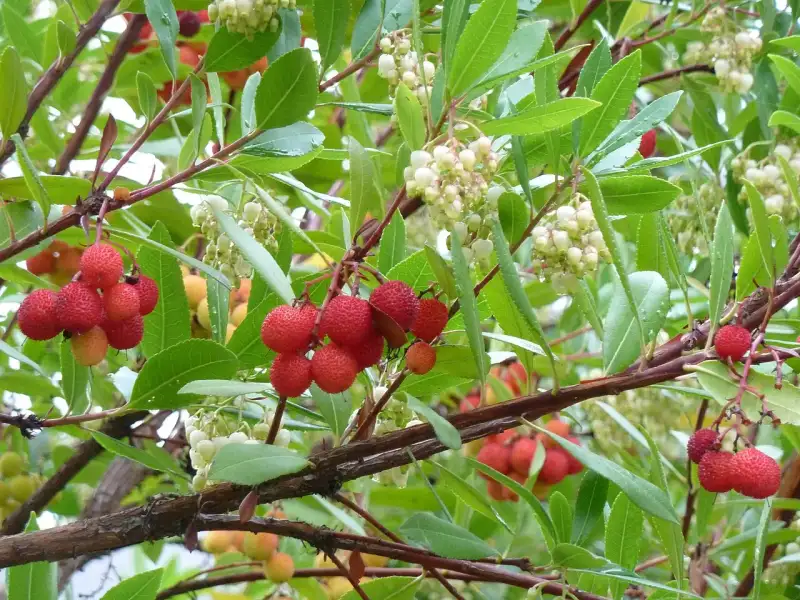
- Giovanni Luigi
- 05 Jul, 2026 00:41
La Genesi Segreta del Miele Amaro di Corbezzolo: Un Elisir Sardo tra Botanica e Poesia Gustativa
Immaginate un cucchiaio colmo di un nettare denso, scuro, quasi mogano, che promette la dolcezza ancestrale del miele, ma che al primo contatto con il palato rivela un’amarezza inattesa, sorprendente, quasi ribelle. Non è un errore, né un difetto. È l'essenza pura del Miele Amaro di Corbezzolo, un prodotto così enigmatico e singolare da sfidare ogni convenzione sul "dolce". È un canto silente, un segreto sussurrato dai venti tra i cespugli del Mediterraneo, custodito gelosamente dalle api sarde e dagli apicoltori che, con devozione quasi mistica, osano sfidare la natura stessa per raccoglierlo. Questo non è semplicemente un miele; è un'esperienza sensoriale, una narrazione millenaria scolpita dal tempo, dalla terra e dall'instancabile lavoro di una specie vegetale e di una comunità di insetti che insieme creano una delle meraviglie gastronomiche più misconosciute d'Italia. Un Sapore Che Racconta Storie: L'Amarezza Come Firma Il miele, nella nostra percezione collettiva, è l'archetipo della dolcezza. Un dono degli dèi, il primo dolcificante conosciuto dall'umanità, simbolo di abbondanza e piacere. Eppure, in Sardegna, terra di contrasti aspri e bellezze selvagge, nasce un miele che sovverte questa aspettativa. Il miele di corbezzolo non è solo "meno dolce"; la sua amarezza è profonda, meditativa, una nota dominante che danzando con sfumature di caffè, cacao tostato, radice di liquirizia e un retrogusto quasi balsamico, lo rende inconfondibile. È un sapore che divide, certo, ma che una volta apprezzato, diventa una dipendenza, una ricerca consapevole di un piacere che va oltre la semplice gratificazione zuccherina. Questo profilo gustativo complesso è il risultato di un'alchimia naturale rara, legata a un arbusto che fiorisce quando la maggior parte della flora è già entrata nel suo letargo invernale. Il Corbezzolo: L'Albero "Sempreverde" Che Ama il Freddo Il protagonista silenzioso di questa sinfonia amara è l'Arbutus unedo, conosciuto in italiano come corbezzolo. È un arbusto o piccolo albero sempreverde tipico della macchia mediterranea, che si distingue per una peculiarità affascinante: la fioritura tardiva. Mentre l'autunno inoltra e l'inverno bussa alle porte, il corbezzolo è nel pieno della sua magnificenza, esibendo contemporaneamente fiori bianchi a campanella e frutti maturi di un rosso vivido, simili a piccole fragole, da cui il nome unedo che significa "ne mangio uno solo" (a causa del sapore talvolta acidulo e della consistenza farinosa). È questo strano calendario botanico che rende il miele di corbezzolo un prodotto di nicchia, quasi un miracolo. Le api, infatti, si trovano a dover lavorare in condizioni climatiche spesso avverse: temperature più basse, giornate più corte e piogge frequenti. La produzione di nettare dal corbezzolo è incostante e la sua raccolta richiede un notevole sforzo da parte delle api. Questo contesto climatico e botanico specifico contribuisce alla rarità e al costo di questo miele, elevandolo a rango di vera e propria prelibatezza. La difficoltà intrinseca nella sua produzione è parte integrante del suo fascino, quasi una selezione naturale che premia solo i più resilienti e i più fortunati.L'Apicoltura del Corbezzolo: Una Sfida Vinta con Sacrificio L'apicoltura del corbezzolo non è per tutti. Non è una pratica che garantisce raccolti abbondanti e sicuri. Gli apicoltori che si dedicano a questa nicchia affrontano rischi significativi. Le famiglie di api devono essere forti e ben nutrite per resistere al freddo e all'umidità delle giornate autunnali e invernali. L'estrazione del miele è spesso più complicata, data la sua tendenza a cristallizzare rapidamente, una caratteristica che lo rende anche più difficile da estrarre dai favi. In Sardegna, dove la macchia mediterranea ricopre ampie porzioni di territorio, i pascoli di corbezzolo sono ancora relativamente intatti. Qui, apicoltori esperti e appassionati muovono i loro apiari in prossimità delle aree più ricche di questa pianta, sfidando le intemperie e la logistica per permettere alle api di raccogliere il prezioso nettare. È un lavoro di pazienza, di conoscenza profonda del territorio e delle api, un mestiere che si tramanda di generazione in generazione, dove l'esperienza conta più di ogni manuale. L'esito finale, quella rara e preziosa produzione, è la ricompensa di mesi di attesa e dedizione. Profilo Sensoriale: Un Viaggio nel Cuore della Sardegna Analizzare il miele amaro di corbezzolo è come intraprendere un viaggio sensoriale profondo.Colore: Da ambra chiara quando è liquido, tende a scurirsi fino al marrone intenso una volta cristallizzato. La sua cristallizzazione è molto fine e rapida, trasformandolo in una massa compatta e pastosa. Profumo: Intenso e persistente, con note che ricordano il caffè tostato, la liquirizia, le foglie secche, talvolta con sentori di erbe aromatiche e un leggero affumicato. Sapore: La sua caratteristica più distintiva è l'amaro pronunciato, bilanciato da una dolcezza residua discreta. Si percepiscono note di cacao amaro, rabarbaro, caffè, radice e persino un tocco balsamico. Il retrogusto è lungo e persistente, un richiamo costante al suo carattere selvaggio. Consistenza: Cremosa e vellutata al palato, grazie alla sua fine cristallizzazione.Questo profilo lo rende un ingrediente straordinariamente versatile in cucina, seppur inaspettato per un miele. Un Elisir di Benessere: Proprietà e Tradizioni Oltre al suo fascino gastronomico, il miele di corbezzolo è da secoli riconosciuto per le sue proprietà benefiche. La tradizione popolare sarda lo ha sempre considerato un toccasana per diverse affezioni. Recenti studi scientifici hanno iniziato a convalidare alcune di queste credenze. È particolarmente apprezzato per:Proprietà antiossidanti: Ricco di polifenoli, il miele di corbezzolo mostra una significativa attività antiossidante, utile per contrastare i radicali liberi. Proprietà antinfiammatorie e batteriostatiche: Similmente ad altri mieli, possiede capacità di inibire la crescita di alcuni batteri e ridurre infiammazioni. Effetto diuretico e antisettico urinario: Tradizionalmente usato come coadiuvante nelle problematiche delle vie urinarie, una proprietà legata alle caratteristiche del nettare del corbezzolo stesso. Energizzante naturale: Come ogni miele, fornisce zuccheri semplici di rapida assimilazione, ma con il valore aggiunto di minerali e vitamine.In un'epoca in cui la ricerca di alimenti non solo gustosi ma anche funzionali è in costante crescita, il miele amaro di corbezzolo si posiziona come un vero e proprio superfood, un tesoro naturale che unisce piacere e benessere in un solo, inconfondibile cucchiaino. Abbinamenti Audaci e Sorprendenti Dimenticate gli abbinamenti classici del miele con formaggi freschi o yogurt. Il miele di corbezzolo richiede audacia. La sua amarezza e complessità lo rendono un compagno ideale per:Formaggi stagionati: Perfetto con pecorini sardi di media e lunga stagionatura, ricotta salata, ma anche con formaggi erborinati o caprini stagionati. L'amaro del miele bilancia la sapidità e la piccantezza del formaggio, creando un equilibrio sorprendente. Carnì arrostite o grigliate: Un filo di miele di corbezzolo sul maialetto sardo arrosto o su tagli di carne rossa alla griglia può esaltarne il sapore, aggiungendo una nota di complessità affumicata e agrodolce. Dolci al cioccolato fondente o caffè: La sua amarezza si sposa magnificamente con il cacao amaro, il caffè espresso o il gelato al caffè, creando dessert sofisticati e indimenticabili. Pensate a una mousse al cioccolato fondente con una riduzione di miele di corbezzolo. Aperitivi e cocktail: Chef e bartender stanno esplorando il suo uso in mixology, per donare profondità e carattere a drink innovativi. Un tocco in un Negroni rivisitato o in un amaro artigianale può essere una vera rivelazione.Questi abbinamenti non sono solo culinari; sono culturali. Rappresentano la capacità di una terra, la Sardegna, di trasformare ciò che altrove potrebbe essere considerato un "difetto" – l'amarezza – in un elemento distintivo di pregio e di valore inestimabile. È un invito a esplorare i confini del gusto, a non fermarsi alla prima impressione ma a scavare più a fondo, proprio come si fa con la storia e l'identità di un popolo. La Tutela di un Patrimonio: Il Futuro del Miele di Corbezzolo In un mercato globalizzato che tende all'omologazione, il miele amaro di corbezzolo rappresenta un baluardo della biodiversità e della tradizione. La sua produzione è limitata e altamente sensibile ai cambiamenti climatici, rendendolo un indicatore prezioso della salute ambientale della macchia mediterranea. Per questo, la sua tutela è fondamentale. Progetti di Slow Food, consorzi di produttori e la crescente consapevolezza dei consumatori contribuiscono a valorizzare questo tesoro. Acquistare miele di corbezzolo significa non solo concedersi un'esperienza gastronomica unica, ma anche sostenere un'agricoltura e un'apicoltura sostenibili, preservare un paesaggio culturale e botanico unico al mondo e mantenere viva una conoscenza ancestrale. Il miele amaro di corbezzolo non è un semplice alimento, ma un simbolo. È la quintessenza della Sardegna selvaggia e indomita, un'espressione liquida della sua terra, del suo clima, della sua storia. È un invito a esplorare, a degustare con curiosità, a lasciarsi sorprendere e a innamorarsi di un sapore che, pur nella sua amarezza, si rivela incredibilmente dolce nella sua autenticità e nella sua storia. Che siate neofiti o esperti gourmet, lasciatevi avvolgere dal mistero e dal fascino di questo elisir, e scoprirete un pezzo d'Italia che ha molto da raccontare, cucchiaio dopo cucchiaio.#MieleDiCorbezzolo #CucinaSarda #ProdottiTipici #ApicolturaTradizionale #TesoriNascosti #MieleSardo #Corbezzolo #CucinaSarda #ProdottiNascosti #ApicolturaTradizionale Related InsightsSlurp Your Way Through Japan: The Definitive Ramen Roadmap from Tonkotsu to Shoyu Mumbai’s Edible Soul: The Spice, Chaos, and Unmatched Flavor of Its Street Food L'Alchimie du Levain : Quand le Temps Sculpte la Croûte et l'Âme du Pain{ "@context": "https://schema.org", "@type": "FAQPage", "mainEntity": [ { "@type": "Question", "name": "What is the main focus of La Genesi Segreta del Miele Amaro di Corbezzolo: Un Elisir Sardo tra Botanica e Poesia Gustativa?", "acceptedAnswer": { "@type": "Answer", "text": "Scoprite la storia millenaria, la scienza botanica e il sapore inconfondibile del miele di corbezzolo, un'eccellenza sarda dal retrogusto amarognolo e dall'anima selvaggia." } }, { "@type": "Question", "name": "Who authored the comprehensive guide on La Genesi Segreta del Miele Amaro di Corbezzolo: Un Elisir Sardo tra Botanica e Poesia Gustativa?", "acceptedAnswer": { "@type": "Answer", "text": "This detailed article and its insights were carefully researched and authored by Giovanni Luigi." } }, { "@type": "Question", "name": "Where can I find more related content about Food?", "acceptedAnswer": { "@type": "Answer", "text": "You can explore more articles, detailed reviews, and similar insights by browsing the Related Insights section at the bottom of this article or visiting our dedicated Food category page." } } ] }

-
 Marco Rossi
- 05 Jul, 2026 00:18
Sulle Tracce Silenziose di Hellenikon: I Borghi Dimenticati della Sila Greca e il Respiro di un Tempo Sospeso
C'è un velo sottile che separa il mondo che conosciamo da quello che è stato, e in Calabria, tra le vette silenziose della Sila Greca, quel velo non è mai stato così trasparente. Non parlo di miti o leggende, ma di mura di pietra sbriciolate dal tempo, di finestre senza vetri che scrutano un orizzonte immutabile, di sentieri inghiottiti da una vegetazione che ha ripreso prepotentemente ciò che un tempo le era stato strappato. Questi sono i borghi dimenticati, le cattedrali rurali del silenzio, dove ogni passo rimbomba non solo sulla terra, ma anche nelle profondità di un passato che rifiuta di essere completamente cancellato. La Sila Greca, questa porzione orientale dell'altopiano silano che declina dolcemente verso lo Ionio, non è solo una geografia. È una cicatrice culturale, un ponte tra l'Italia e l'antica Ellade, un mosaico di dialetti, tradizioni e architetture che raccontano secoli di influenza ellenica e bizantina. Ed è proprio qui, in queste valli remote e spesso dimenticate dalle mappe turistiche convenzionali, che si annidano i resti di comunità che un tempo pulsavano di vita, custodi di storie ormai sussurrate solo dal vento. Il richiamo del silenzio: Un viaggio nell'anima abbandonata La decisione di esplorare i borghi fantasma della Sila Greca non nasce da una ricerca di sensazionalismo, né dalla moda dell'abbandono. Nasce da una profonda curiosità antropologica, dal desiderio di toccare con mano la stratificazione del tempo, di comprendere le ragioni che spingono un'intera comunità a lasciare le proprie radici, i propri tetti, i propri campi. È un pellegrinaggio inverso, non verso un luogo sacro di fede, ma verso un tempio della memoria, dove ogni rovina è un altare e ogni sasso una reliquia. La strada per raggiungere queste località è spesso un'avventura in sé. Curve strette che si arrampicano tra fitti boschi di pini larici e faggi, gole profonde scavate da fiumi impetuosi, piccoli ponti di pietra che sembrano sospesi nel vuoto. Il paesaggio, prima di aprirsi alla vista delle case diroccate, è di una bellezza selvaggia e indomita, un preludio alla malinconia che avvolgerà il visitatore. L'aria, anche in piena estate, ha il profumo della resina e della terra umida, un odore primordiale che fa da colonna sonora al cammino. Man mano che ci si avvicina, il silenzio diventa più denso, più palpabile. Non è l'assenza di rumore, ma la presenza di un'assenza. Un silenzio che parla, che racconta le voci che furono, i passi che risuonarono su quelle lastre di pietra, le risate dei bambini, le preghiere sussurrate nelle piccole chiese ormai senza tetto. Ogni arbusto che si fa strada tra le crepe di un muro, ogni ragnatela che ricopre un'antica finestra, è un segno della vittoria della natura sull'opera umana, una vittoria lenta e inesorabile. Le ragioni di un addio: Storia e fatalità Perché questi borghi sono stati abbandonati? Le risposte non sono mai semplici, ma un intrico di fattori economici, sociali e naturali. La storia della Sila Greca, come quella di molta parte del Mezzogiorno d'Italia, è stata segnata da povertà endemica, mancanza di opportunità e una terra spesso avara. L'emigrazione, soprattutto verso l'America e il Nord Italia, è stata per decenni l'unica via di fuga da un destino di miseria. Intere generazioni hanno fatto le valigie, portando con sé solo pochi effetti personali e il ricordo struggente della propria terra. A questo si sono aggiunti eventi tragici. Terremoti che hanno sbriciolato case e speranze, frane che hanno cancellato interi nuclei abitati, rendendoli inabitabili o isolandoli completamente. Molti di questi paesi, costruiti in posizioni strategiche per la difesa, si sono rivelati vulnerabili alla forza della natura. Con la modernità, l'isolamento è diventato un peso insopportabile. Senza strade adeguate, scuole, servizi sanitari, la vita qui è diventata insostenibile, specialmente per i giovani che cercavano un futuro diverso.L'influenza greca, che ha permeato la Sila Greca per secoli – dai primi insediamenti della Magna Grecia all'epoca bizantina, che ha lasciato un'impronta indelebile nell'architettura religiosa e nel dialetto greco-calabro ancora parlato in alcune sacche isolate – ha contribuito a forgiare un'identità culturale unica, ma non ha potuto fermare l'onda dell'abbandono. Anzi, a volte, proprio la distanza culturale e geografica dal resto della "nazione" ha accentuato l'isolamento. Le piccole chiese bizantine, i resti di affreschi sbiaditi, le iscrizioni in greco antico sulle pietre tombali sono oggi testimoni muti di una ricchezza storica e spirituale che si sta sgretolando insieme alle mura. I volti del tempo: Un viaggio tra le rovine Entrare in un borgo fantasma è come sfogliare un album di fotografie ingiallite, ma tridimensionali. Ogni casa racconta una storia. Qui una cucina con il focolare annerito dal fumo di centinaia di inverni, là una camera da letto dove un letto in ferro battuto giace sotto una pioggia di foglie secche. Le scale in pietra, consumate da innumerevoli passi, conducono a stanze vuote dove il soffitto è crollato, lasciando filtrare il cielo. Tra gli esempi più suggestivi, pur senza citare nomi specifici che potrebbero distogliere dal concetto generale di questi luoghi, vi sono complessi abitativi che si aggrappano tenacemente ai pendii, le case costruite in pietra locale che si mimetizzano perfettamente con l'ambiente circostante. In alcuni di essi, l'ultimo abitante ha lasciato la propria dimora pochi decenni fa, e si possono ancora trovare oggetti della vita quotidiana: un vecchio attrezzo agricolo, un paio di scarpe consunte, un mobiletto. Questi oggetti, lasciati in fretta o con la speranza di un ritorno mai avvenuto, diventano potenti catalizzatori di empatia, connettendoci direttamente con le vite di coloro che ci hanno preceduto. La natura, intanto, ha iniziato la sua lenta ma inesorabile opera di riconquista. Le radici degli alberi spaccano le fondamenta, l'edera avvolge intere facciate, i rovi invadono le strade. Ogni crepa è un varco per la vita selvatica. Pipistrelli si annidano negli anfratti, lucertole sfrecciano sui muri assolati, e il canto degli uccelli risuona tra le volte crollate, unico suono in un mondo altrimenti silenzioso. Questa coesistenza tra la rovina umana e la vitalità della natura crea un'atmosfera di bellezza struggente, un promemoria costante della transitorietà di ogni cosa. Ascoltare i sussurri: Il patrimonio immateriale Oltre alle pietre, c'è un patrimonio immateriale che rischia di perdersi per sempre. Nelle valli della Sila Greca, la memoria è ancora viva nei racconti degli anziani dei paesi limitrofi, che ricordano i nomi delle famiglie, le feste patronali, i soprannomi degli abitanti dei borghi ora deserti. Parlano di un mondo dove la comunità era tutto, dove la solidarietà era una necessità quotidiana e la lingua greca-calabra era un segno distintivo di identità. Questi racconti, spesso frammentari e venati di nostalgia, sono come semi sparsi che necessitano di essere raccolti e piantati nuovamente. Parlano di un'agricoltura di sussistenza, di pastori che spostavano le greggi seguendo antiche rotte, di artigiani che lavoravano il legno e la pietra con maestria tramandata di generazione in generazione. È un patrimonio che va oltre la semplice architettura, toccando le corde profonde dell'antropologia e dell'identità culturale calabrese.Visitare questi luoghi è anche un atto di rispetto verso quella memoria. Non è solo un'escursione, ma un'immersione in un passato che ci interroga sul nostro presente e sul nostro futuro. Ci confronta con la fragilità delle nostre costruzioni, con l'ineluttabilità del cambiamento e con la resilienza della natura. Ci invita a riflettere sul significato di "casa", di "comunità" e di "radici". Un futuro (im)possibile: Tra conservazione e rinascita Cosa riserva il futuro per questi custodi del tempo? Alcuni borghi, in altre regioni d'Italia, hanno conosciuto una nuova vita grazie a progetti di recupero, al turismo sostenibile, alla creazione di "alberghi diffusi" o all'insediamento di nuove comunità. Per i borghi della Sila Greca, il cammino è più arduo a causa della loro estrema remotazza e della profonda degradazione strutturale. Tuttavia, il loro valore non sta necessariamente in una completa "rinascita" fisica, che spesso snaturerebbe il loro fascino malinconico. Il valore risiede nella loro capacità di essere musei a cielo aperto, testimoni silenziosi di una storia unica. Progetti di mappatura, di messa in sicurezza minima per consentire l'accesso in sicurezza, di valorizzazione del patrimonio immateriale (racconti, canti, tradizioni) potrebbero essere la chiave per preservarne l'essenza senza stravolgerla. Il turismo di nicchia, quello consapevole e rispettoso, potrebbe svolgere un ruolo cruciale. Escursionisti, fotografi, storici, artisti, tutti coloro che cercano un'esperienza autentica e profonda, possono trovare in questi luoghi un terreno fertile per l'ispirazione e la riflessione. Non si tratta di trasformarli in parchi tematici, ma di consentire una fruizione rispettosa, che ne onori il passato e ne conservi la sacralità del silenzio. L'eco finale: Un invito al viaggio interiore Lasciare i borghi dimenticati della Sila Greca è come risvegliarsi da un sogno ad occhi aperti, un sogno intriso di malinconia ma anche di una profonda bellezza. L'aria fresca delle montagne, il canto degli uccelli, il fruscio delle foglie portano con sé non solo la quiete della natura, ma anche l'eco di quelle vite che un tempo popolavano queste mura. Questo non è un viaggio per chi cerca il comfort o il divertimento convenzionale. È un viaggio per l'anima, per chi è disposto a confrontarsi con la storia, con la resilienza della natura e con la fragilità dell'esistenza umana. È un invito a esplorare non solo un luogo fisico, ma anche le profondità del proprio essere, alla ricerca di un senso più autentico del tempo e dell'appartenenza. E mentre le auto riprendono a sfrecciare sulla statale, il ricordo di quei silenzi, di quelle pietre, di quelle storie, continua a risuonare, un monito e un richiamo a non dimenticare le radici profonde di questa terra, la Sila Greca, il cuore ellenico e selvaggio della Calabria.#CalabriaNascosta #SilaGreca #BorghiDimenticati #ViaggiConsapevoli #PatrimonioCulturale Related InsightsLa Corse : Éclats de granit et murmures de Méditerranée The Pantanal, Brazil: Unlocking the World’s Largest Wetland and Its Untamed Wildlife (Part 2) Beyond the Supermarket Aisle: A Gastronomic Odyssey Through Earth’s Most Exotic Fruits{ "@context": "https://schema.org", "@type": "FAQPage", "mainEntity": [ { "@type": "Question", "name": "What is the main focus of Sulle Tracce Silenziose di Hellenikon: I Borghi Dimenticati della Sila Greca e il Respiro di un Tempo Sospeso?", "acceptedAnswer": { "@type": "Answer", "text": "Un viaggio evocativo nei borghi quasi abbandonati della Sila Greca, dove l'eco dell'antica Magna Grecia e del tempo bizantino si fonde con la natura selvaggia." } }, { "@type": "Question", "name": "Who authored the comprehensive guide on Sulle Tracce Silenziose di Hellenikon: I Borghi Dimenticati della Sila Greca e il Respiro di un Tempo Sospeso?", "acceptedAnswer": { "@type": "Answer", "text": "This detailed article and its insights were carefully researched and authored by Marco Rossi." } }, { "@type": "Question", "name": "Where can I find more related content about Travel?", "acceptedAnswer": { "@type": "Answer", "text": "You can explore more articles, detailed reviews, and similar insights by browsing the Related Insights section at the bottom of this article or visiting our dedicated Travel category page." } } ] }

- Marco Rossi
- 04 Jul, 2026 10:27
Il Respiro Bizantino delle Montagne: Un Viaggio Segreto tra le Chiese Affrescate del Troodos a Cipro
L'aria salmastra dell'Egeo, il luccichio di spiagge dorate e l'eco di antiche civiltà marittime: questa è l'immagine che la maggior parte di noi associa a Cipro. Ma immaginate di risalire, di abbandonare la costa e la sua seducente superficialità, per addentrarvi in un regno montuoso dove il tempo sembra essersi fermato. Un luogo dove l'alito bizantino è ancora vivo, custodito tra le pieghe di valli lussureggianti e le cime silenziose del massiccio del Troodos. È qui che, per chi ha la pazienza di cercare e l'anima di un esploratore, si dischiude un tesoro inaspettato: un'intera costellazione di chiese affrescate, ognuna un microcosmo di spiritualità e arte, riconosciute dall'UNESCO come patrimonio dell'umanità. Non stiamo parlando di rovine monumentali o di cattedrali imponenti che dominano città moderne. Qui la grandezza è celata, modesta nella sua architettura esterna, ma esplosiva nella sua ricchezza interiore. Questi sono santuari rurali, spesso di piccole dimensioni, costruiti con pietra locale e tetti a doppio spiovente in tegole piatte, pensati per resistere alle rigide condizioni invernali della montagna. La loro bellezza non è ostentata, ma svelata a chi varca la soglia, preparato a un'esperienza quasi mistica. Un Viaggio tra le Cime e il Passato: L'Ascesa al Cuore del Troodos Il viaggio verso le chiese affrescate del Troodos è, di per sé, parte dell'esperienza. Lasciando alle spalle la frenesia delle città costiere come Limassol o Paphos, si inizia una lenta ascesa attraverso paesaggi che mutano con ogni curva. I vigneti cedono il passo a fitte foreste di pini neri, cedri e querce dorate. L'aria si fa più fresca, più pura, intrisa del profumo della resina e delle erbe selvatiche. I villaggi si annidano sui pendii, piccole oasi di pietra e tranquillità, dove il ritmo della vita è scandito da secoli di tradizioni contadine. È un paesaggio che invita alla contemplazione, alla riflessione, preparando l'animo a ciò che sta per essere scoperto.Qui, la storia di Cipro si intreccia indissolubilmente con la fede. Durante i turbolenti secoli del dominio bizantino e poi della dominazione franca, veneziana e ottomana, queste chiese montane divennero rifugi, baluardi della cristianità ortodossa e centri di resistenza culturale. Artisti anonimi, spesso monaci o talentuosi artigiani itineranti, si dedicarono con devozione a decorare gli interni di queste piccole basiliche e cappelle con cicli di affreschi di straordinaria bellezza. Essi rappresentano una delle collezioni più complete e significative dell'arte bizantina e post-bizantina in tutto il Mediterraneo orientale. L'Arte Svelata: I Tesori Nascosti degli Affreschi Entrare in una di queste chiese è come fare un salto indietro nel tempo, in un universo cromatico e simbolico che avvolge i sensi. La luce soffusa filtra dalle piccole finestre, illuminando figure di santi, apostoli, profeti e scene bibliche che coprono ogni centimetro delle pareti e delle volte. I colori, nonostante i secoli, conservano una vivacità sorprendente: il blu intenso del lapislazzuli, l'oro sfarzoso delle aureole, il rosso terroso, il verde smeraldo. Ogni dettaglio è carico di significato teologico, un linguaggio visivo destinato a educare e ispirare i fedeli, spesso analfabeti. La bellezza di questi affreschi risiede non solo nella loro tecnica impeccabile e nella loro conservazione, ma anche nella loro unicità stilistica. Sebbene radicati nella tradizione bizantina di Costantinopoli, gli artisti del Troodos svilupparono uno stile distintivo, influenzato dalle condizioni locali e dalle diverse epoche. Si possono distinguere periodi e scuole: dal XII secolo, con figure monumentali e austere tipiche dell'arte dei Comneni, fino al XV e XVI secolo, quando si affermarono stili più narrativi e, a volte, influenzati da elementi occidentali, pur mantenendo la profonda spiritualità ortodossa. Consideriamo, ad esempio, la chiesa di Panagia tou Araka a Lagoudera, un gioiello del XII secolo. Qui, gli affreschi sono tra i più raffinati e ben conservati, con un ciclo iconografico che illustra la vita della Vergine Maria e di Cristo con una delicatezza e una profondità psicologica eccezionali. Le espressioni sui volti dei santi non sono statiche ma cariche di umanità e devozione, rendendo l'esperienza visiva profondamente commovente. La maestria nell'uso del chiaroscuro e la ricchezza dei dettagli tessili sono sbalorditive. Un altro esempio eclatante è Agios Nikolaos tis Stegis (San Nicola del Tetto) vicino a Kakopetria. Questa chiesa, il cui nome deriva dal suo tetto in legno a doppio spiovente, assomiglia a un fienile dall'esterno, ma all'interno racchiude un tesoro di affreschi che vanno dal XI al XVII secolo. È un vero e proprio museo dell'arte bizantina e post-bizantina in miniatura, mostrando l'evoluzione dello stile attraverso i secoli. Il Pantocratore nella cupola, i cicli di vita di San Nicola e le scene del Giudizio Universale sono di una potenza visiva incredibile. Il Tempo delle Anime e la Vita Monastica Queste chiese non erano solo luoghi di culto, ma spesso il cuore pulsante di comunità monastiche. Molte di esse, come il Monastero di Mesa Potamos o la chiesa del Monastero di Panagia di Asinou (anche un sito UNESCO eccezionale), erano centri di studio, preghiera e conservazione della cultura. La vita monastica, scandita da ritmi antichi, era intrinsecamente legata alla produzione artistica. I monaci erano spesso gli stessi pittori, gli amanuensi, i custodi di manoscritti e icone. L'isolamento delle montagne forniva un rifugio dalle persecuzioni e dalle invasioni, permettendo a queste comunità di prosperare e di mantenere viva la fiamma della fede ortodossa e della sua ricca tradizione artistica. I muri stessi delle chiese, con i loro affreschi, fungevano da Bibbia per gli illetterati, raccontando le storie sacre in immagini vivide e toccanti. Era un modo per rendere la divinità accessibile, per avvolgere il fedele in un abbraccio di sacro. La persistenza di queste tradizioni è visibile anche oggi. Sebbene molte delle comunità monastiche siano ridotte o scomparse, l'aura di sacralità e devozione permane. Le chiese sono ancora luoghi di preghiera, visitate da pellegrini e fedeli, che accendono candele e venerano le icone. Il rispetto per questi luoghi è palpabile, e si chiede ai visitatori di mantenere un comportamento consono, una richiesta che, lungi dall'essere un'imposizione, è un invito a partecipare a un'esperienza di profondo rispetto e contemplazione. Oltre la Tela: Il Cuore della Cultura del Troodos Ma il fascino del Troodos non si esaurisce con gli affreschi. È un invito a immergersi in una cultura montana autentica, lontana dai cliché turistici. I villaggi stessi sono un'attrazione. L'architettura tradizionale, con case in pietra e tetti in tegole, si fonde armoniosamente con il paesaggio. Le strette vie acciottolate, le piazze dove gli anziani si ritrovano all'ombra degli alberi, le piccole taverne che servono piatti tipici ciprioti cucinati con prodotti locali freschi: tutto contribuisce a creare un'atmosfera di autenticità e calore. Assaggiate il famoso vino Commandaria, un vino dolce e liquoroso prodotto nella regione da millenni, o il "soutzoukos", una prelibatezza fatta di noci infilate e immerse in mosto d'uva. Ogni sapore è un racconto, ogni aroma un frammento di storia. Fate una passeggiata nei boschi, seguendo i sentieri che un tempo erano percorsi da pastori e monaci, e scoprirete cascate nascoste, sorgenti d'acqua cristallina e viste panoramiche mozzafiato. Il Troodos non è solo un museo a cielo aperto di arte bizantina, ma un ecosistema vivente di tradizioni, sapori e paesaggi incontaminati.Visitare le chiese affrescate del Troodos è un atto di scoperta, un pellegrinaggio laico per chiunque sia affascinato dalla bellezza, dalla storia e dalla spiritualità. È un richiamo a rallentare, a osservare con attenzione, a sentire il peso dei secoli che si posa sulle spalle. Non è una meta per il turismo di massa, ma per l'anima curiosa che cerca un'esperienza più profonda, un contatto genuino con un passato che si ostina a vivere nel presente. Consigli per l'Esploratore Curioso Per intraprendere questo viaggio, è consigliabile noleggiare un'auto. Le strade sono ben tenute, ma le chiese sono sparse e spesso raggiungibili solo attraverso strette strade di montagna. Una buona mappa o un GPS sono indispensabili. È importante verificare gli orari di apertura, poiché molte chiese sono custodite da volontari locali e potrebbero non essere aperte tutto il giorno. In alcuni casi, è necessario chiedere la chiave al sacerdote o a un custode designato nel villaggio. Questo aggiunge un tocco di autenticità e la sensazione di una scoperta personale. Vestitevi in modo rispettoso, soprattutto quando visitate i luoghi sacri. Scarpe comode sono d'obbligo per esplorare i villaggi e i sentieri. Portate con voi acqua e qualche snack, specialmente se vi avventurate in zone più remote. E, soprattutto, portate con voi la macchina fotografica (ma ricordate di rispettare i divieti di fotografia all'interno delle chiese, spesso presenti per proteggere gli affreschi e la sacralità del luogo), ma ancora più importante, portate con voi gli occhi aperti e il cuore pronto ad accogliere la storia che queste pietre silenziose hanno da raccontare. Questo non è un viaggio, è un'immersione. Un'opportunità per staccare dalla modernità e riconnettersi con un'eredità millenaria, con l'arte che nasce dalla fede, con la resilienza di un popolo e la maestosità discreta della natura. Cipro, come spesso accade con le terre ricche di storia, rivela i suoi segreti più preziosi solo a chi è disposto a cercarli oltre la superficie, a chi sa ascoltare il respiro bizantino delle sue montagne.#Cipro #TesoriNascosti #ArteBizantina #MontagneTroodos #ViaggioCulturale Related InsightsAustralia Unveiled: Where Sun-Kissed Shores Meet Ancient Souls and Modern Marvels (Part 2) Georgia’s Caucasus Mountains: Where Medieval Villages, Ancient Wine, and Epic Hikes Collide Il Pantheon: L'Occhio degli Dei{ "@context": "https://schema.org", "@type": "FAQPage", "mainEntity": [ { "@type": "Question", "name": "What is the main focus of Il Respiro Bizantino delle Montagne: Un Viaggio Segreto tra le Chiese Affrescate del Troodos a Cipro?", "acceptedAnswer": { "@type": "Answer", "text": "Lasciatevi incantare da un'epica esplorazione tra le cime del Troodos, dove antiche chiese bizantine celano affreschi millenari, testimoni silenziosi di fede e arte. Un viaggio oltre il tempo, nel cuore sacro di Cipro." } }, { "@type": "Question", "name": "Who authored the comprehensive guide on Il Respiro Bizantino delle Montagne: Un Viaggio Segreto tra le Chiese Affrescate del Troodos a Cipro?", "acceptedAnswer": { "@type": "Answer", "text": "This detailed article and its insights were carefully researched and authored by Marco Rossi." } }, { "@type": "Question", "name": "Where can I find more related content about Travel?", "acceptedAnswer": { "@type": "Answer", "text": "You can explore more articles, detailed reviews, and similar insights by browsing the Related Insights section at the bottom of this article or visiting our dedicated Travel category page." } } ] }