
-
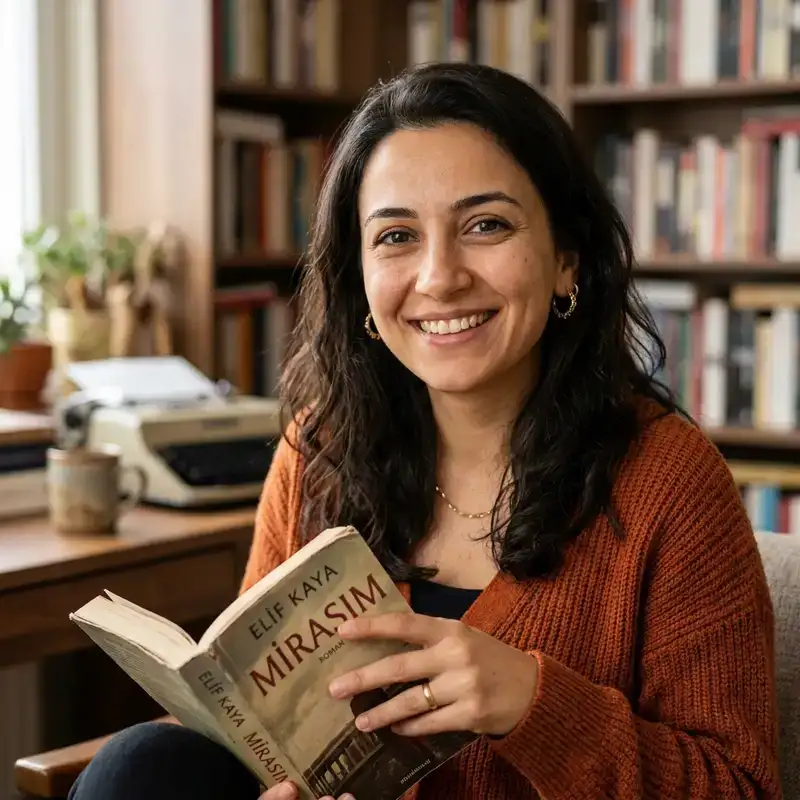 Aylin Okur
- 02 Jun, 2026 17:54
Anna Karenina Kitap İncelemesi: Aylin Okur
Türk ve Dünya klasiklerinin derinliklerine daldığım incelemelerime bugün Lev Tolstoy'nın ölümsüz eseri Anna Karenina ile devam ediyoruz. Edebiyat dünyasının kilometre taşlarından biri olan bu kitap, satır aralarında keşfedilmeyi bekleyen bir okyanus gibi. Kitap Hakkında Genel Görüşler ve Eleştiriler Sadece tutkulu bir yasak aşk hikayesi değil; 19. yüzyıl Rus toplumunun, dinin, ailenin ve ahlakın eşsiz bir panoraması. Karakter Çözümlemeleri Anna'nın toplumsal kurallara isyanı ve Levin'in doğayla iç içe aradığı anlam, insanın iki farklı varoluş şeklini gösteriyor. Yazar Hakkında Fikirler Tolstoy, karakterlerinin içsel çelişkilerine o kadar objektif yaklaşıyor ki, okur kimseyi yargılayamadan sadece anlamaya çalışıyor. Sevilen ve Sevilmeyen Yönler Tolstoy'un karakter yaratma gücü eşsiz, fakat tarım ve Rusya'nın politik durumu üzerine uzun diyaloglar ana hikayeyi gölgeliyor. Kitabın Ana Fikri ve Mesajı Toplumsal ahlak kurallarının ikiyüzlülüğü karşısında, tutkularının peşinden giden bireyin kaçınılmaz trajedisidir. #aşk #toplum #rusedebiyatı #kitap #edebiyat #aylinokur #kitapincelemesi #okumak Related InsightsGülün Adı Kitap İncelemesi: Aylin Okur Martı Kitap İncelemesi: Aylin Okur Körlük Kitap İncelemesi: Aylin Okur{ "@context": "https://schema.org", "@type": "FAQPage", "mainEntity": [ { "@type": "Question", "name": "What is the main focus of Anna Karenina Kitap İncelemesi: Aylin Okur?", "acceptedAnswer": { "@type": "Answer", "text": "Lev Tolstoy tarafından yazılan Anna Karenina eserinin derinlemesine incelenmesi, karakter analizleri ve ana fikri." } }, { "@type": "Question", "name": "Who authored the comprehensive guide on Anna Karenina Kitap İncelemesi: Aylin Okur?", "acceptedAnswer": { "@type": "Answer", "text": "This detailed article and its insights were carefully researched and authored by Aylin Okur." } }, { "@type": "Question", "name": "Where can I find more related content about Dünya Klasikleri?", "acceptedAnswer": { "@type": "Answer", "text": "You can explore more articles, detailed reviews, and similar insights by browsing the Related Insights section at the bottom of this article or visiting our dedicated Dünya Klasikleri category page." } } ] }

Introduction to the Melting Crown As a heritage traveler and documentary filmmaker from Denver, Colorado, I have had the immense privilege of visiting some of the most breathtaking landscapes on our planet. Yet, few places command the horizon—and the imagination—quite like Mount Kilimanjaro in Tanzania. Rising dramatically from the East African plains to a staggering height of 5,895 meters, it is the highest free-standing mountain in the world. #WorldHeritage sites like this are not just beautiful places to visit; they are vital ecological sanctuaries and profound symbols of our natural world that require our utmost respect and protection. When I first set foot in this #Nature paradise, the sheer scale of the mountain overwhelmed my senses. Kilimanjaro is a dormant volcano composed of three distinct volcanic cones: Kibo, Mawenzi, and Shira. What makes this mountain truly extraordinary is its ecological diversity; ascending its slopes is like walking from the equator to the North Pole in a matter of days. You pass through dense rainforests, alpine meadows, surreal moorlands, and finally, the stark, icy summit. Documenting this vertical journey was a primary goal for my trip, but as always, my lens quickly turned toward the underlying stories: the delicate balance of the ecosystem, the looming threat of #ClimateChange, and the ongoing efforts for #HeritagePreservation. The Art of Documentary Making on the Roof of Africa Filming in a location as demanding as Mount Kilimanjaro presents a unique set of challenges and opportunities. The extreme altitude, the unpredictable weather, and the physical toll on both crew and equipment demand a flexible, patient, and highly resilient approach. My documentary making process always begins with observation and pacing. Before setting up a single camera, I spent days acclimatizing, walking the lower trails, listening to the symphony of the forest, and observing how the light interacted with the mountain at different elevations. #DocumentaryFilmmaking in extreme environments is a test of endurance and vision. I rely heavily on natural light to capture the authentic essence of a place. On Kilimanjaro, this meant pre-dawn shoots when the mountain was bathed in cold, blue light, or capturing the fleeting golden hour above the cloud line. To capture the true scale of the landscape, I utilized a combination of lightweight prime lenses and durable cameras. Drones are strictly regulated here, requiring special permits, but even without them, the sweeping vistas from the Barranco Wall or the Saddle offer unparalleled cinematic opportunities. The soundscape of Kilimanjaro is just as important as the visuals. The rustle of the rainforest canopy, the crunch of boots on volcanic scree, the howling wind near the summit—all these elements build a rich audio tapestry. Using a specialized array of portable microphones, I spent hours recording these natural sounds. #FieldRecording at high altitude is a grueling process, often requiring me to fight through exhaustion, but the result is a truly immersive experience for the audience. Climate Change and the Vanishing Glaciers One of the most pressing issues I explore in my documentaries is the impact of #ClimateChange on #UNESCOWorldHeritage sites. Mount Kilimanjaro is a stark, visual indicator of our warming planet. The iconic snow-capped peak, celebrated in literature and lore, is rapidly disappearing. The glaciers that have crowned Kibo for thousands of years have shrunk by over 80% in the last century. This melting is a complex interplay of rising temperatures, shifting precipitation patterns, and increased solar radiation. During my interviews with glaciologists and local guides, the concern was palpable. They are constantly monitoring the ice retreat. It's a race against time to document these ancient ice fields before they vanish entirely, potentially within the next decade or two. The loss of the glaciers is not just a cosmetic tragedy; it impacts the local microclimates and alters the water supply for communities living on the lower slopes. It's a vivid reminder that global #ClimateAction is urgently needed to protect these monumental landscapes. The mountain has experienced periods of intense drought followed by erratic rainfall. These extremes threaten the unique flora, such as the giant groundsels, and the fauna that depend on stable environmental conditions. My documentary aims to highlight these profound changes. Through time-lapse photography and interviews with leading scientists, I want to show my audience that #ClimateChange is not a distant threat; it is happening right here, altering the very roof of Africa. Heritage Preservation: Balancing Tourism and Conservation Mount Kilimanjaro is one of Tanzania's most popular tourist destinations, attracting tens of thousands of trekkers annually. While tourism brings vital economic benefits to the region, it also places immense pressure on the mountain's fragile ecosystem. #HeritagePreservation in the modern era is often a delicate balancing act between allowing people to experience these wonders and protecting them from being degraded. Walking the crowded trails during peak season, the tension between access and conservation is evident. The park management has implemented strict rules regarding waste disposal, trail usage, and porter welfare. Yet, the sheer volume of foot traffic takes a toll on the environment. In my film, I feature the dedicated individuals—from the park rangers to the tireless porters and guides—who work endlessly to maintain the trails and educate trekkers on responsible practices. Their #Conservation efforts are heroic, often going unnoticed by those who are simply focused on reaching the summit. Education is a cornerstone of effective preservation. By fostering a deeper understanding of the ecological significance of the mountain's diverse zones, we can encourage visitors to tread more lightly. This means respecting the Leave No Trace principles, understanding the physical limits of the environment, and supporting ethical trekking companies. My hope is that through visual storytelling, I can inspire a sense of stewardship among my viewers. Indigenous Cultures and Local Connections While Kilimanjaro is primarily celebrated for its towering peak, the surrounding region has a rich cultural history that often goes overlooked. In my #Documentary travels, I always seek to connect with the local communities, as their histories are intricately woven into the landscape. The Chagga people, who inhabit the fertile lower slopes, have lived in harmony with this mountain for centuries. The Chagga possess deep, generational knowledge of the land. Their traditional agricultural practices, particularly the intricate network of irrigation channels (furrows) and the cultivation of coffee and bananas, offer a valuable perspective on sustainability. During my time there, I had the privilege of interviewing elders from nearby villages. They shared stories of how the mountain, which they revere as a sacred entity, has changed over their lifetimes. These oral histories are invaluable. They provide context that scientific data alone cannot. The locals spoke of a time when the snows reached much further down the slopes and the rains were predictable. By incorporating these voices into my documentary, I aim to provide a holistic view of Kilimanjaro. It is not just a geological wonder; it is a lived landscape, a home to communities whose #CulturalHeritage is inextricably linked to the health of the mountain. The Technical Challenges of Filmmaking at High Altitude From a technical standpoint, filming on Kilimanjaro is a logistical nightmare. The extreme cold at higher elevations drains batteries at an alarming rate, and the thin air makes physical exertion exponentially more difficult for the camera operator. My equipment kit is heavily optimized for weight and cold resistance. I use custom thermal covers for the cameras and keep spare batteries close to my body to retain their charge. The altitude alone can wreak havoc on both humans and machines. I developed a routine of meticulous gear checks inside the freezing tents at the end of each day. Additionally, navigating the steep, loose scree of the final ascent with heavy rigs demands intense physical endurance. There were moments of acute altitude sickness where I had to hand the camera over or simply stop filming to focus on survival. Yet, these challenges are part of the process. They force you to be adaptable and often lead to raw, authentic footage that perfectly captures the struggle and triumph of the climb. Reflecting on the Journey As I descended the slopes of Mount Kilimanjaro, I felt a profound sense of responsibility. As a #DocumentaryMaker, I am tasked with translating the majesty, the fragility, and the complex realities of this place to an audience thousands of miles away. Kilimanjaro is a testament to the sheer power of nature, yet its melting crown reveals our profound impact upon it. My journey here has reinforced my belief in the power of visual storytelling. Through my lens, I hope to capture not just the physical challenge of the climb, but the intricate web of life that surrounds it. I want to highlight the dedication of the conservationists, the wisdom of the Chagga people, and the urgent need for global #ClimateAction. Mount Kilimanjaro is a treasure that belongs to all of humanity, and we must bear witness to its changes. Extended Thoughts on Global Heritage Preservation (A Deep Dive) The following section is part of my ongoing journal series exploring the broader implications of heritage preservation in the 21st century. The concept of #WorldHeritage is relatively modern, formalized by the 1972 UNESCO Convention. The underlying premise is noble: that certain places on Earth are of outstanding universal value to humanity and should be protected for future generations. However, the practical application of this ideal is fraught with complexities. As I travel from site to site, I observe recurring themes and challenges that transcend geographical boundaries. The Paradox of Popularity One of the most significant challenges is the 'paradox of popularity.' When a site receives UNESCO designation, it often experiences a surge in tourism. While this brings economic prosperity to local communities, it also places immense strain on the site itself. In places like Plitvice Lakes, Venice, or Machu Picchu, overtourism threatens the very qualities that made these sites worthy of protection in the first place. The sheer volume of visitors can cause physical degradation, alter local economies, and turn vibrant communities into mere backdrops for tourists. #SustainableTourism is not just a buzzword; it is an urgent necessity. We must rethink how we interact with these spaces, moving away from extractive tourism toward a model of stewardship and respect. Climate Change: The Great Multiplier If overtourism is an acute symptom, #ClimateChange is the chronic underlying disease threatening global heritage. The impacts are diverse and profound. Rising sea levels threaten coastal sites; increasing temperatures exacerbate the decay of ancient structures; shifting weather patterns disrupt fragile ecosystems. As a documentary filmmaker, I see it as my duty to visualize these impacts. Data and statistics can be easily ignored, but the sight of a crumbling monument or a dying coral reef evokes an emotional response. We need to bridge the gap between scientific understanding and public awareness. #ClimateAction is heritage preservation. The two are inextricably linked. If we fail to address the climate crisis, we stand to lose irreplaceable pieces of our shared human history and the natural wonders that define our planet. Amplifying Indigenous Voices Another critical aspect of my work is centering indigenous and local voices in the narrative of heritage preservation. Historically, conservation efforts have often been top-down, driven by Western ideologies that separate 'nature' from 'culture.' This approach frequently marginalizes the very people who have lived in and stewarded these landscapes for millennia. In my documentaries, I strive to challenge this paradigm. True #HeritagePreservation must be inclusive. It must recognize and respect the traditional ecological knowledge of indigenous communities. Their practices, honed over centuries, offer vital lessons in sustainability and resilience. By amplifying their voices, we enrich our understanding of these sites and foster more effective, equitable conservation strategies. The Role of Technology in Preservation While technology has undoubtedly contributed to some of the challenges we face, it also offers powerful tools for preservation. 3D scanning, photogrammetry, and virtual reality allow us to document and reconstruct heritage sites with unprecedented accuracy. This digital archiving is invaluable, providing a record that can survive physical degradation. Furthermore, these technologies offer alternative ways for people to experience these sites, potentially alleviating the pressure of physical tourism. However, we must be cautious. A digital replica can never fully replace the visceral experience of standing in awe before a natural wonder or an ancient ruin. Technology must serve as a tool for preservation, not a substitute for the real thing. The Ethical Filmmaker's Dilemma Finally, I grapple continuously with the ethical implications of my own work. As a #DocumentaryFilmmaker, my very presence alters the dynamic of a place. I am extracting images and stories, shaping them into a narrative for public consumption. Do my films inadvertently contribute to the problem of overtourism? Am I truly capturing the essence of a place, or merely presenting a curated, idealized version? These are difficult questions with no easy answers. I mitigate these concerns through rigorous research, extensive consultation with local stakeholders, and a commitment to authenticity over sensationalism. My goal is not merely to showcase beauty, but to provoke thought, inspire empathy, and catalyze action. A Call to Action The preservation of our world's natural and cultural heritage is not a task for governments and large organizations alone. It requires a collective shift in consciousness. Each of us has a role to play. Whether it's choosing to travel responsibly, supporting conservation organizations, advocating for #ClimateAction, or simply educating ourselves about the diverse cultures and landscapes that make our planet so extraordinary. As I look back on my time at Mount Kilimanjaro, the memory of the ice shining against the dark volcanic rock remains vivid. It is a memory I carry with me, a constant reminder of the fragile, wondrous world we inhabit. Through my lens, I hope to share a piece of that wonder with you, and in doing so, invite you to join me in the vital work of protecting our shared heritage. Sarah Mitchell is a documentary filmmaker and heritage traveler based in Denver, Colorado. Her work focuses on the intersection of culture, nature, and climate change. Follow her journeys as she explores the world's most extraordinary places, one frame at a time. Technical Gear List for Kilimanjaro Shoot:Primary Camera: Sony FX3 for its incredible low-light performance and compact, lightweight body. Lenses: A versatile 24-70mm f/2.8 zoom to minimize lens changes in dusty/freezing conditions, and a wide 14mm prime for astrophotography. Audio: Rode VideoMic NTG directly on camera, plus a compact Zoom F2 field recorder for ambient sound. Support: Ultra-lightweight carbon fiber travel tripod. Protection: Neoprene camera jackets, specialized battery warmers, and dry bags for all electronics.Travel Logistics and Recommendations: For those planning an ascent, choose your route carefully. The Lemosho or Machame routes offer better acclimatization profiles than the faster Marangu route. Prioritize ethical trekking operators like those affiliated with the Kilimanjaro Porters Assistance Project (KPAP) to ensure your support staff are treated and paid fairly. Train vigorously, not just physically, but mentally. And most importantly, remember that reaching the summit is optional, but returning safely is mandatory. Respect the mountain. #MountKilimanjaro #Tanzania #TravelPhotography #ConservationMatters #ProtectOurPlanet #Glaciers #NatureDocumentary #Storytelling #EcoTourism #SustainableTravel #RoofOfAfrica #unesco #documentary #tanzania #kilimanjaro #conservation Related InsightsDive Into a Hidden World: The Most Breathtaking Underwater Museums and Sculpture Parks La Signora di Ferro che Sfidò il Cielo: Storie, Segreti e le Ombre Nascoste della Torre Eiffel Floating Above the Clouds: A Definitive Pilgrimage to Bhutan’s Tiger’s Nest{ "@context": "https://schema.org", "@type": "FAQPage", "mainEntity": [ { "@type": "Question", "name": "What is the main focus of The Melting Crown: Documenting Mount Kilimanjaro?", "acceptedAnswer": { "@type": "Answer", "text": "Exploring the iconic slopes of Mount Kilimanjaro, examining climate change impacts on its glaciers, heritage preservation, and the art of documentary filmmaking." } }, { "@type": "Question", "name": "Who authored the comprehensive guide on The Melting Crown: Documenting Mount Kilimanjaro?", "acceptedAnswer": { "@type": "Answer", "text": "This detailed article and its insights were carefully researched and authored by Sarah Mitchell." } }, { "@type": "Question", "name": "Where can I find more related content about Travel?", "acceptedAnswer": { "@type": "Answer", "text": "You can explore more articles, detailed reviews, and similar insights by browsing the Related Insights section at the bottom of this article or visiting our dedicated Travel category page." } } ] }

Freakonomics (Spanish Edition) Author: Stephen J. DubnerPage Count: UnknownPublication Date: 2018-PRH Freakonomics: Where Economics Meets the Unexpected Why do drug dealers live with their moms? What’s deadlier—a gun or a swimming pool? How is the Ku Klux Klan like a real estate agent? These aren’t the questions you’d expect from a traditional economist, but that’s exactly the point. Freakonomics, by economist Steven D. Levitt and journalist Stephen J. Dubner, is a bold, irreverent, and eye-opening exploration of the hidden incentives that shape our world. At its core, Freakonomics argues that economics is not just about money, markets, or graphs—it’s about understanding human behavior through the lens of incentives. Levitt and Dubner demolish conventional wisdom with data-driven insights, proving that the world is far stranger, and far more rational, than we often assume. Their approach is refreshingly unorthodox: instead of burying readers in jargon, they pose provocative questions and let the numbers speak for themselves. One of the book’s most compelling chapters dismantles the myth of the "superstar teacher." Using rigorous analysis, Levitt shows that the impact of great teachers on student performance is real—but it’s not because they’re inherently better at teaching. Instead, their success often stems from an unexpected source: test scores that have been manipulated. By examining patterns of cheating in classrooms, Levitt exposes how pressure to perform can lead even well-intentioned educators to cross ethical lines. It’s a stark reminder that incentives don’t just influence behavior—they can warp it. Then there’s the chapter on the economics of crime, where Levitt challenges the idea that the legalization of abortion in the 1970s led to a drop in crime rates in the 1990s. His controversial theory suggests that the decline was partly due to fewer unwanted children growing up in high-risk environments—a conclusion that sparked heated debate. Whether you agree with the argument or not, it’s impossible to ignore the audacity of the claim and the evidence behind it. The book’s strength lies in its ability to make complex economic concepts accessible without dumbing them down. Levitt’s background in econometrics—using data to uncover hidden truths—gives the analysis rigor, while Dubner’s journalistic flair ensures the writing is lively and engaging. Their collaboration results in a book that’s as entertaining as it is thought-provoking. They don’t just present findings; they invite readers to see the world differently, to question assumptions, and to look for the unseen forces at play in everyday life. For instance, consider the comparison between a gun and a swimming pool. On the surface, guns seem far more dangerous, but when you look at the data, drowning is actually far deadlier. This kind of counterintuitive insight runs throughout Freakonomics, making it a constant source of surprise. The authors also delve into the economics of sumo wrestling, where they uncover a web of match-fixing that reveals how incentives can corrupt even the most structured systems. What makes Freakonomics stand out is its refusal to take anything at face value. Whether it’s investigating the decline of the Ku Klux Klan (which, they argue, was undone by its own business model) or exploring why crack dealers live with their mothers (because the real profits in the drug trade go to the top while the foot soldiers earn next to nothing), Levitt and Dubner expose the absurd and the illuminating in equal measure. Their style is witty and conversational, blending humor with hard-hitting analysis. They don’t shy away from controversy, and their willingness to challenge sacred cows—like the idea that parents’ involvement is the key to a child’s success—keeps the reader hooked. The book is less about providing definitive answers and more about demonstrating how asking the right questions can lead to unexpected truths. If there’s a criticism to be made, it’s that Freakonomics occasionally stretches its arguments too far. Not every correlation implies causation, and some of the conclusions feel speculative. But this is part of what makes the book so engaging—it’s not just a dry recitation of facts; it’s an intellectual adventure where the authors invite readers to join them in questioning the world. Ultimately, Freakonomics is a celebration of curiosity. It reminds us that economics isn’t just about GDP or interest rates—it’s about understanding why people do what they do. In an era where misinformation and conventional wisdom often go unchallenged, Levitt and Dubner’s work is a refreshing call to think critically and look beneath the surface. For anyone tired of predictable takes and eager to see the world through a different lens, Freakonomics is a must-read. It’s not just a book about economics; it’s a book about life. #Freakonomics #Economics #Incentives #BehavioralScience #DataDriven #Counterintuitive Related InsightsKaren M. Mcmanus Boxset Book Review and Summary Ink and Daggers Book Review and Summary Magic Unicorn Coloring Book Book Review and Summary{ "@context": "https://schema.org", "@type": "FAQPage", "mainEntity": [ { "@type": "Question", "name": "What is the main focus of Freakonomics (Spanish Edition) Book Review and Summary?", "acceptedAnswer": { "@type": "Answer", "text": "Everything you need to know about Freakonomics (Spanish Edition) with our detailed review." } }, { "@type": "Question", "name": "Who authored the comprehensive guide on Freakonomics (Spanish Edition) Book Review and Summary?", "acceptedAnswer": { "@type": "Answer", "text": "This detailed article and its insights were carefully researched and authored by Elena Volkova." } }, { "@type": "Question", "name": "Where can I find more related content about Books?", "acceptedAnswer": { "@type": "Answer", "text": "You can explore more articles, detailed reviews, and similar insights by browsing the Related Insights section at the bottom of this article or visiting our dedicated Books category page." } } ] }


InvestiGators : Class Action Author: John Patrick GreenPage Count: UnknownPublication Year: 2024-GB John Patrick Green’s InvestiGators: Class Action isn’t just another graphic novel—it’s a masterclass in blending absurd humor, sharp satire, and deceptively clever storytelling. As the latest installment in the beloved series, this book proves that middle-grade comics can be as sophisticated as they are silly, packing layers of wit and social commentary beneath its pun-filled, cheese-gobbling surface. If you’ve ever laughed at a comic where two alligator detectives solve crimes while munching on snacks, you already know the drill. But beneath the goofy exterior lies a story that’s surprisingly timely, tackling themes of systemic injustice, corporate greed, and the power of collective action—all while keeping the page-turning energy of a classic adventure. At its core, Class Action is about the little guy (or, in this case, little gators) fighting back against the big, faceless institutions that try to grind them down. The story follows the dynamic duo of Mango and Brash as they uncover a sinister plot by the evil S.U.I.T. Corporation, which is polluting their city’s water supply and framing innocent animals for its crimes. The parallels to real-world environmental and corporate malfeasance are unmistakable, but Green never beats you over the head with them. Instead, he weaves the themes into the fabric of the plot, making them feel organic rather than preachy. The result is a book that’s as funny as it is thought-provoking—a rare feat in children’s literature. Green’s writing style is a masterstroke of economy and precision. His dialogue crackles with wit, delivered in bite-sized chunks that feel like the verbal equivalent of a Looney Tunes chase scene. The humor isn’t just in the one-liners, either—it’s in the visual gags, the absurd situations, and the sheer joy of watching two incompetent-but-well-meaning detectives stumble into solutions. Green’s art, which remains consistently expressive and dynamic, gives the book a tactile energy that pulls the reader along. Whether it’s the exaggerated facial expressions of the characters or the meticulously detailed backgrounds (which often hide Easter eggs for eagle-eyed readers), every panel is a testament to his skill as both a writer and an artist. What makes Class Action stand out, though, is its ability to balance satire with sincerity. Green doesn’t shy away from tackling heavy topics, but he does so with a light touch, ensuring that the story never feels weighed down by its own themes. The emotional beats land because they’re earned through the characters’ growth, not because Green forces them onto the page. Mango and Brash, despite their many flaws, feel like real heroes—not because they’re perfect, but because they’re persistent, flawed, and ultimately willing to learn. Their journey from bumbling investigators to something more resembles a classic underdog story, but with a modern twist that makes it feel fresh. The book’s pacing is another highlight. Green knows when to slow down for a joke, when to ramp up the action, and when to let the visuals carry the story. The action sequences are kinetic and engaging, but they’re never so frantic that they lose the reader. Instead, they serve as a reminder that InvestiGators is, first and foremost, a fun read—and one that rewards attentiveness with moments of genuine surprise and delight. For all its strengths, Class Action isn’t without its quirks. Some readers might find the humor a bit too niche, or the satire too subtle for its own good. But that’s the beauty of Green’s approach—he trusts his audience to keep up, and in doing so, he crafts a story that feels inclusive without being dumbed down. It’s a book that respects its readers’ intelligence while never taking itself too seriously. Ultimately, InvestiGators: Class Action is a triumph of comic book storytelling. It’s a book that makes you laugh out loud one minute and think critically the next, all while keeping you invested in its characters and plot. In an era where children’s media is often either overly simplistic or weighed down by heavy-handed messages, Green’s work is a breath of fresh air. It proves that you can have fun, be smart, and still make a point—without ever losing sight of what makes a story truly engaging. If you’re a fan of the InvestiGators series, this book will feel like a natural extension of the world you’ve come to love. If you’re new to the series, it’s the perfect entry point—funny, fast-paced, and full of heart. Either way, Class Action is a book that deserves to be on your shelf, your coffee table, or your child’s nightstand. #InvestiGators #GraphicNovelsForKids #MiddleGradeBooks #JohnPatrickGreen #KidsComics #AnimalDetectives Related InsightsEvery Pretty Thing: A Novel Book Review and Summary Revenge Plot Book Review and Summary The Grapes of Wrath Book Review and Summary{ "@context": "https://schema.org", "@type": "FAQPage", "mainEntity": [ { "@type": "Question", "name": "What is the main focus of InvestiGators : Class Action Book Review and Summary?", "acceptedAnswer": { "@type": "Answer", "text": "Everything you need to know about InvestiGators : Class Action with our detailed review." } }, { "@type": "Question", "name": "Who authored the comprehensive guide on InvestiGators : Class Action Book Review and Summary?", "acceptedAnswer": { "@type": "Answer", "text": "This detailed article and its insights were carefully researched and authored by Antoine Leroy." } }, { "@type": "Question", "name": "Where can I find more related content about Books?", "acceptedAnswer": { "@type": "Answer", "text": "You can explore more articles, detailed reviews, and similar insights by browsing the Related Insights section at the bottom of this article or visiting our dedicated Books category page." } } ] }

Türk ve Dünya klasiklerinin derinliklerine daldığım incelemelerime bugün Yusuf Atılgan'nın ölümsüz eseri Aylak Adam ile devam ediyoruz. Edebiyat dünyasının kilometre taşlarından biri olan bu kitap, satır aralarında keşfedilmeyi bekleyen bir okyanus gibi. Kitap Hakkında Genel Görüşler ve Eleştiriler Modernleşen İstanbul'un sokaklarında 'gerçek sevgiyi' ararken kalıplara isyan eden, varoluşsal sancılar çeken bir aylağın hikayesi. Karakter Çözümlemeleri C.'nin kadınlarla olan nevrotik ilişkileri ve toplumsal normları reddedişi, şehirli insanın yabancılaşmasını kusursuzca temsil eder. Yazar Hakkında Fikirler Atılgan'ın bilinçakışı ve parçalı anlatım tekniği, Türk edebiyatında modernizmin en cesur ve yenilikçi adımlarından biridir. Sevilen ve Sevilmeyen Yönler Karakter analizi muazzam bir derinliğe sahip ancak romanın geleneksel bir olay örgüsünden yoksun oluşu akıcılığı azaltabiliyor. Kitabın Ana Fikri ve Mesajı Toplumun dayattığı şablonlara uymayı reddeden bireyin, kendi yarattığı mükemmeliyetçi yalnızlıkta kayboluşudur. #psikoloji #yalnızlık #şehir #kitap #edebiyat #aylinokur #kitapincelemesi #okumak Related InsightsÇalıkuşu Kitap İncelemesi: Aylin Okur Mesnevi Kitap İncelemesi: Aylin Okur Aşk-ı Memnu Kitap İncelemesi: Aylin Okur{ "@context": "https://schema.org", "@type": "FAQPage", "mainEntity": [ { "@type": "Question", "name": "What is the main focus of Aylak Adam Kitap İncelemesi: Aylin Okur?", "acceptedAnswer": { "@type": "Answer", "text": "Yusuf Atılgan tarafından yazılan Aylak Adam eserinin derinlemesine incelenmesi, karakter analizleri ve ana fikri." } }, { "@type": "Question", "name": "Who authored the comprehensive guide on Aylak Adam Kitap İncelemesi: Aylin Okur?", "acceptedAnswer": { "@type": "Answer", "text": "This detailed article and its insights were carefully researched and authored by Aylin Okur." } }, { "@type": "Question", "name": "Where can I find more related content about Türk Edebiyatı?", "acceptedAnswer": { "@type": "Answer", "text": "You can explore more articles, detailed reviews, and similar insights by browsing the Related Insights section at the bottom of this article or visiting our dedicated Türk Edebiyatı category page." } } ] }

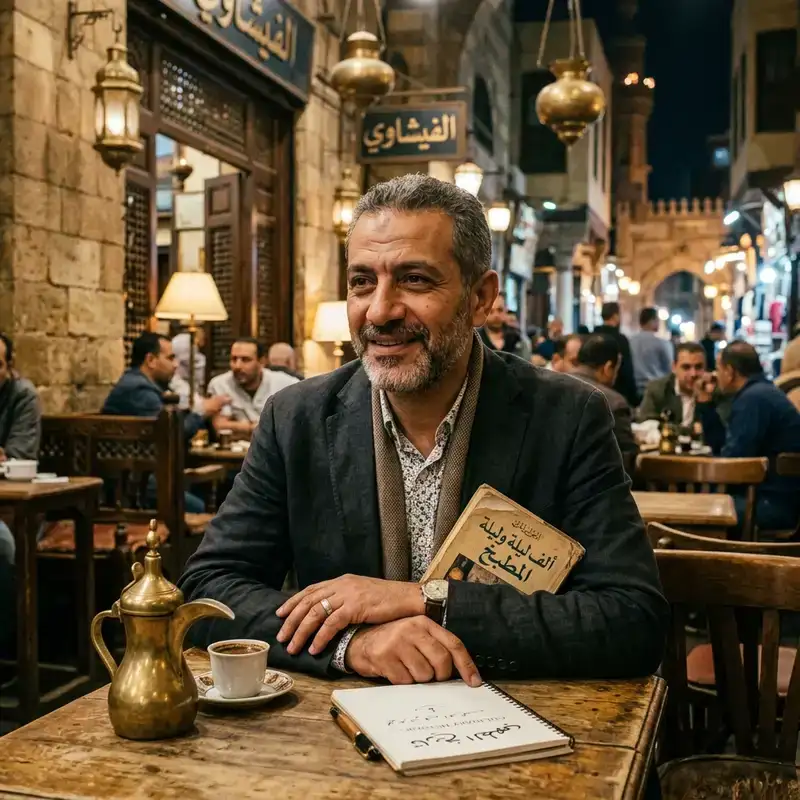
In the lush valleys and arid deserts of ancient Egypt, a soup was born that would transcend the boundaries of time and geography, captivating the hearts and taste buds of people across the Middle East and beyond. Mulukhiyah, the royal green soup of the pharaohs, is a dish that weaves a tapestry of history, culture, and flavor, making it an integral part of the culinary heritage of the region. This velvety, nutrient-rich soup, made from the leaves of the mulukhiyah plant (Corchorus olitorius), is a testament to the ingenuity and culinary prowess of the ancient Egyptians. Introduction to Mulukhiyah The mulukhiyah plant, also known as Jew's mallow or Egyptian mallow, is a member of the mallow family. Its leaves, which are the primary ingredient in the soup, are packed with vitamins, minerals, and antioxidants, making mulukhiyah not only a delicious dish but also a nutritious one. The plant has been cultivated for thousands of years, with evidence of its use dating back to the time of the pharaohs. The name "mulukhiyah" itself is derived from the Arabic word for "king" or "royal," reflecting the high esteem in which this soup was held by ancient Egyptian royalty.Historical Significance of Mulukhiyah The historical significance of mulukhiyah cannot be overstated. It was a staple of the ancient Egyptian diet, particularly among the nobility and royalty. The soup was served at special occasions and was considered a delicacy due to the complexity of its preparation and the value of its ingredients. The use of mulukhiyah was not limited to Egypt; it spread throughout the Middle East and North Africa, where it was adapted and incorporated into local cuisines. Today, variations of mulukhiyah can be found in Lebanon, Syria, Jordan, and Palestine, each with its unique twist and flavor profile. Preparing Mulukhiyah: An Art and a Science Preparing mulukhiyah is an art that requires patience, skill, and attention to detail. The process begins with the selection of fresh mulukhiyah leaves, which are then cleaned and chopped. The leaves are sautéed in olive oil with garlic and sometimes meat or chicken, before being simmered in a flavorful broth. The soup is thickened with a roux made from flour and ghee (clarified butter), giving it a rich, velvety texture. The key to a good mulukhiyah is in the balance of flavors and the texture of the soup, which should be neither too thick nor too thin.Cultural Significance of Mulukhiyah Mulukhiyah holds a special place in the cultural heritage of the Middle East. It is often served on special occasions such as weddings and holidays, and its preparation and sharing are seen as acts of hospitality and generosity. The soup is also believed to have medicinal properties, with the mulukhiyah plant being used in traditional medicine for its anti-inflammatory and antioxidant effects. In many Middle Eastern countries, mulukhiyah is considered a comfort food, evoking memories of family gatherings and traditional meals. Authentic Recipe for Mulukhiyah For those interested in trying their hand at making authentic mulukhiyah, here is a simple recipe to get you started:1 pound of fresh mulukhiyah leaves 2 tablespoons of olive oil 3 cloves of garlic, minced 1 pound of chicken or beef, cut into small pieces 4 cups of chicken broth 2 tablespoons of flour 1 tablespoon of ghee Salt and pepper to taste Lemon wedges, for servingSaute the garlic and meat in olive oil until the meat is browned. Add the mulukhiyah leaves and cook until they are wilted. Add the broth and bring to a boil. Reduce the heat and simmer for 20 minutes. Mix the flour and ghee to make a roux, then add it to the soup, stirring constantly to avoid lumps. Season with salt and pepper to taste. Serve hot, with lemon wedges on the side.Conclusion Mulukhiyah, the royal green soup of the pharaohs, is a culinary treasure that embodies the rich cultural heritage and history of the Middle East. Its unique flavor, nutritional value, and cultural significance make it a dish that is worth exploring and savoring. Whether you are a food enthusiast, a historian, or simply someone looking to try new and exciting flavors, mulukhiyah is sure to delight and inspire.#Mulukhiyah #EgyptianCuisine #MiddleEasternFood #TraditionalRecipes #FoodHistory #CulturalHeritage #RoyalGreenSoup #PharaohsDish Related InsightsMumbai’s Midnight Feast: The Spicy, Crunchy, Unforgettable Soul of the City’s Streets The Fifth Taste Unlocked: Mastering Umami to Transform Every Bite into a Flavor Explosion The Gastronomic Odyssey: From Charred Street Corn to the Pinnacle of Michelin Perfection{ "@context": "https://schema.org", "@type": "FAQPage", "mainEntity": [ { "@type": "Question", "name": "What is the main focus of Mulukhiyah: The Royal Green Soup of the Pharaohs?", "acceptedAnswer": { "@type": "Answer", "text": "Discover the deep cultural roots, authentic flavors, and history of Mulukhiyah: The Royal Green Soup of the Pharaohs." } }, { "@type": "Question", "name": "Who authored the comprehensive guide on Mulukhiyah: The Royal Green Soup of the Pharaohs?", "acceptedAnswer": { "@type": "Answer", "text": "This detailed article and its insights were carefully researched and authored by Tariq Al-Fayed." } }, { "@type": "Question", "name": "Where can I find more related content about Food?", "acceptedAnswer": { "@type": "Answer", "text": "You can explore more articles, detailed reviews, and similar insights by browsing the Related Insights section at the bottom of this article or visiting our dedicated Food category page." } } ] }
-
 John Explorer
- 02 Jun, 2026 02:45
Where the Sky Weeps Gold: Tracing the Pazyryk's Frozen Echoes in the Untamed Altai
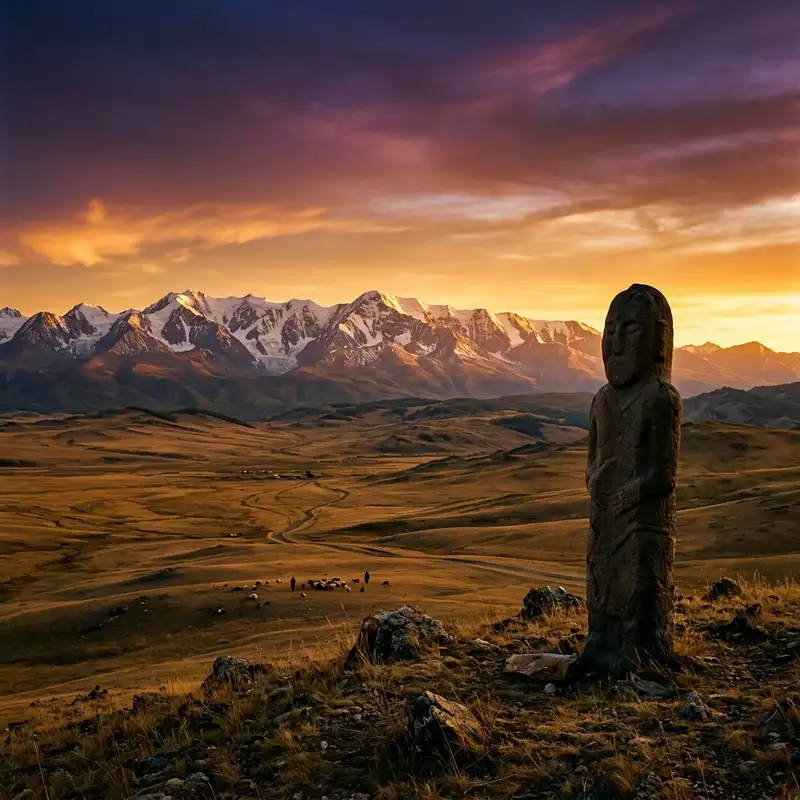
The air, thin and sharp like a freshly honed blade, bit at my lungs with each arduous step. Above, the sky stretched an impossible, piercing blue, reflecting the #ancient, stoic indifference of peaks that had watched millennia unfold. Below, the tundra, a riot of stubborn greens and russet browns, unfurled like a colossal, faded tapestry. But it wasn't just the altitude that stole my breath; it was the overwhelming silence, a silence so profound it seemed to hum with the unspoken stories of forgotten empires. This wasn't merely a landscape; it was a vast, open-air tomb, whispering secrets of a people lost to time, their golden echoes frozen in the very earth beneath my boots. I had come to the Altai, not for its famed natural beauty, but to chase the ghost of the Pazyryk, a civilization entombed in ice and myth. This was my personal expedition into the deepest, least trodden corners of Central Asia, a quest to touch the fabric of a world that existed over two millennia ago, perfectly preserved by a geological anomaly. My #journey began in the rugged heart of the Altai Mountains, a sprawling range often called the 'Golden Mountains' that straddles the borders of #Russia, Kazakhstan, Mongolia, and China. This region is a crucible where powerful ancient cultures converged and clashed, leaving behind a sparse but profound legacy. While many travelers seek the Altai for its dramatic landscapes – its pristine lakes, dense taiga forests, and majestic snow-capped peaks – my compass was set on something far more elusive: the spectral remnants of the Pazyryk #culture. These Iron Age nomads, fierce horsemen and sophisticated artisans, flourished here between the 6th and 3rd centuries BC, only to vanish into the mists of #history, leaving behind a series of astonishingly preserved burial mounds, known as kurgans, frozen solid by permafrost. The Altai: A Wilderness of Whispers and Wonders The Altai, for all its stark beauty, is a place of profound solitude. Infrastructure is rudimentary, and human settlements are few and far between. This remoteness, however, is its greatest asset for anyone seeking true historical immersion. The landscape itself feels ancient, its geological folds bearing witness to tectonic forces that shaped continents, just as its winds have carried the shouts of countless tribes. The air hums with an almost spiritual energy, a palpable sense of the past clinging to the jagged rocks and the sparse vegetation. Local shamans and elders often speak of the land's memory, of spirits that dwell within the mountains and rivers, and after spending weeks traversing its untouched expanse, I began to understand what they meant. My base was a small, dusty village – less a village, more a cluster of yurts and rudimentary wooden cabins – clinging precariously to a valley floor. From here, with a seasoned local guide named Battar, a man whose face was a map of sun-weathered wrinkles and whose eyes held the quiet wisdom of generations, I ventured daily into the surrounding wilderness. Battar spoke little English, but his connection to the land transcended language. He knew every goat trail, every spring, and possessed an uncanny ability to read the subtle signs of ancient human presence. Unearthing the Ice Mummies: A Frozen Testament The Pazyryk culture first captured the world's attention in the mid-20th century, when Soviet archaeologists, led by Sergey Rudenko, began excavating a series of immense kurgans in the Ukok Plateau, a high-altitude grasslands region within the Russian Altai. What they discovered defied belief: tombs that had been naturally flash-frozen, preserving organic materials with unprecedented fidelity. The key was a unique geological phenomenon: after the burial, stones were piled atop the wooden burial chambers, creating a natural insulation layer. Water seeped in, froze, and the entire structure became an ice block, turning millennia into mere moments. These were no ordinary graves. The Pazyryk people buried their nobility with extraordinary pomp. Elaborate wooden chambers housed not just the deceased, but also their intricately tattooed bodies, their magnificent horses (often six or more per tomb, bedecked in gilded bridles and saddle blankets), chariots, felt tapestries, silk garments, tools, weapons, and even cannabis kits. The most famous find, of course, was the 'Siberian Ice Maiden' or 'Princess of Ukok', whose remarkably preserved body, adorned with fantastical tattoos of mythical creatures, offered a vivid, almost unsettling glimpse into the past. But my quest was not to re-examine the well-documented finds, but to seek out the less-celebrated sites, the smaller echoes that still resonate throughout the sprawling Altai. A Glimpse into the Golden Age: Pazyryk Life and Art What these kurgans reveal is a sophisticated, highly artistic culture that thrived in a harsh environment. The Pazyryk were masters of horsemanship, their lives inextricably linked to their steeds. Their art, known as 'Scythian-Siberian animal style,' is characterized by dynamic depictions of real and mythical animals – griffins, deer, big cats – often interwoven in complex, swirling patterns. Gold was a favored material, hammered into exquisite ornaments that adorned both humans and horses. The felt work, too, was astonishing: vast, intricate tapestries depicting scenes of daily life, hunting, and cosmology, some of which are among the oldest surviving textiles in the world. One of the most striking aspects is the tattooing. The Ice Maiden's arms and shoulders were covered in elaborate designs, a testament to a powerful, probably ritualistic, practice. These weren't mere decorations; they were probably spiritual symbols, clan markers, or records of status and achievement, binding the individual to their cosmology and community. Imagining the Pazyryk warrior or noble, their skin adorned with such intricate artistry, cloaked in finely embroidered garments, and mounted on a splendid horse, transports one directly into their vibrant, albeit vanished, world. My Own Expedition: Tracing the Footsteps of the Forgotten My journey took me beyond the well-trodden paths to areas requiring days of trekking, often through landscapes devoid of any sign of modern humanity. We navigated vast, undulating steppes, forded icy rivers on horseback, and climbed steep, scree-covered slopes where the air grew thin and the silence became almost deafening. It was an exercise in physical endurance and mental fortitude, but every sweat-soaked ascent, every bone-jarring descent, brought me closer to the elusive whispers of the Pazyryk. One unforgettable day, after hours of relentless climbing to a remote plateau, Battar pointed to a subtle rise in the ground. To the untrained eye, it was just another hillock. But I knew better. It was a kurgan, smaller than the monumental tombs of Ukok, but undeniably a burial mound. The surface was littered with lichen-covered stones, some of which had clearly been placed there by human hands millennia ago. There were no grand excavations here, no signs of modern archaeological intervention, just the raw, silent presence of an ancient grave. The air around it felt different, charged with a subtle energy that prickled the skin. I spent hours there, sketching, photographing, and simply sitting, trying to absorb the silent stories held within the earth.This particular kurgan, Battar explained through gestures and a handful of shared Russian words, was known locally as a 'hill of spirits.' He told me how his ancestors respected these places, never disturbing them, believing them to be gateways to the otherworld. This reverence, I realised, was why so many smaller Pazyryk sites remained largely intact, shielded not by fences or guards, but by generations of cultural respect. The Silent Guardians: Petroglyphs and Balbals Beyond the kurgans, the Altai holds other powerful testaments to its ancient inhabitants: petroglyphs and balbals. Petroglyphs, ancient rock carvings, are scattered across the region, etched into rock faces by a succession of cultures, including the Pazyryk. Finding them is like a treasure hunt, often requiring keen eyes and a bit of luck. We spent a day exploring a series of low cliffs near a meandering river, where Battar knew of a particularly rich concentration. Here, images of wild animals – deer with enormous antlers, charging ibex, graceful horses – danced across the rock surfaces. There were also human figures, often shown with exaggerated features, some seeming to engage in rituals or hunts. These weren't merely artistic expressions; they were messages from the past, possibly depicting shamanistic visions, hunting successes, or important cosmological beliefs. Touching the cold, weathered rock, tracing the lines carved thousands of years ago, felt like reaching across the chasm of time. It was a direct, unfiltered connection to the minds and hands of people who walked this very land when history was still being forged. Even more poignant were the balbals – ancient Turkic stone figures, often crude but deeply expressive, standing sentinel over the steppes. While many balbals date to later periods, some early examples overlap with the Pazyryk era, reflecting a continuing tradition of memorializing ancestors or heroes. These monolithic figures, often depicting armed warriors with solemn faces, gaze eastward across the vast plains, eternal guardians of the silent earth. Seeing them alone, silhouetted against a fiery Altai sunset, instills a profound sense of continuity and the cyclical #nature of human endeavor and memory. The Shaman's Echo: Connecting Past and Present While the Pazyryk culture is long gone, elements of their world resonate in the Altai's contemporary spiritual practices. Shamanism, a belief system deeply rooted in the land and its spirits, still thrives among indigenous Altai people. Their reverence for horses, their connection to animal spirits, their ceremonial drumming and trance states, all echo themes found in the archaeological record of the Pazyryk. It's a living link to an ancient worldview, suggesting that while specific rituals and languages fade, the core spiritual relationship between people and their environment can endure for millennia. I was fortunate enough to witness a small shamanistic ceremony in a remote camp. The rhythmic drumbeats, the chanting, the scent of burning juniper, and the shaman's deep connection to the 'spirit world' were utterly captivating. It wasn't a performance; it was a profound act of spiritual communion, a way of maintaining balance with the unseen forces of the Altai. In that moment, the Pazyryk, their golden animal art, their tattooed shamans, and their celestial beliefs felt less like distant history and more like an ever-present influence on the land and its people. Challenges and Rewards of the Deep Wild Traveling to these remote Pazyryk sites is not for the faint of heart. It demands resilience, a willingness to forgo modern comforts, and a deep respect for both the environment and its inhabitants. The weather can be mercurial, shifting from brilliant sunshine to icy squalls within hours. Roads, where they exist, are often little more than tracks. Language barriers are significant, and reliable communication is sporadic. Yet, these challenges are precisely what make the journey so profoundly rewarding. Each day was an adventure, a step further into the untamed. The simple act of boiling water over a campfire, the shared meals of mutton and bread with Battar and his family, the quiet evenings spent under a canopy of stars so dense and brilliant they seemed to spill from the heavens – these experiences strip away the superficiality of modern life, leaving only the essential. It's a humbling reminder of humanity's place in the vastness of nature and history. A Legacy Preserved, A Story Retold My expedition into the Altai was more than just a trip; it was an archaeological pilgrimage, an investigative journey into the heart of a forgotten world. The Pazyryk culture, with its ice-preserved treasures and enigmatic artistry, offers an unparalleled window into the Iron Age Eurasian steppe. It reminds us that history is not just about grand empires, but also about sophisticated nomadic societies who left an indelible mark on the landscape and, through the miracles of preservation, on our understanding of human ingenuity and spirituality. As I finally descended from the high plateaus, leaving the silent kurgans and whispering petroglyphs behind, the Altai felt different. It was no longer just a #beautiful mountain range; it was a living museum, a vast repository of human stories. The echoes of the Pazyryk, once faint and scholarly, now felt vivid and real, their golden legacy shining through the permafrost, reminding us that even the most remote corners of our planet hold breathtaking secrets, waiting for those willing to venture off the map and listen closely to the whispers of time. #AltaiMountains #PazyrykCulture #AncientSiberia #HiddenHistory #ArchaeologicalTravel #AltaiMountains #PazyrykCulture #AncientSiberia #HiddenHistory #ArchaeologicalTravel Related InsightsThe Whispering Ice Temples: Tracing the Vanishing Footprints to Patagonia's Subterranean Sanctuaries Japan’s Secret Onsen: 10 Underrated Retreats Where Tradition Meets Serenity Wandern in den Alpen{ "@context": "https://schema.org", "@type": "FAQPage", "mainEntity": [ { "@type": "Question", "name": "What is the main focus of Where the Sky Weeps Gold: Tracing the Pazyryk's Frozen Echoes in the Untamed Altai?", "acceptedAnswer": { "@type": "Answer", "text": "Embark on an investigative journey into the remote Altai Mountains, unearthing the chillingly preserved secrets of the ancient Pazyryk culture, a forgotten civilization whose golden echoes are frozen in time." } }, { "@type": "Question", "name": "Who authored the comprehensive guide on Where the Sky Weeps Gold: Tracing the Pazyryk's Frozen Echoes in the Untamed Altai?", "acceptedAnswer": { "@type": "Answer", "text": "This detailed article and its insights were carefully researched and authored by John Explorer." } }, { "@type": "Question", "name": "Where can I find more related content about Travel?", "acceptedAnswer": { "@type": "Answer", "text": "You can explore more articles, detailed reviews, and similar insights by browsing the Related Insights section at the bottom of this article or visiting our dedicated Travel category page." } } ] }


Das Geheimnis der Schwarzwälder Kirschtorte Keine deutsche Torte ist international so berühmt und beliebt wie die Schwarzwälder Kirschtorte. Mit ihren Schichten aus dunklem Schokoladenbiskuit, luftiger Sahne, fruchtigen Kirschen und einem großzügigen Schuss Schwarzwälder Kirschwasser ist sie ein Meisterwerk der Patisserie. Entgegen vieler Annahmen stammt die Torte vermutlich gar nicht direkt aus dem Schwarzwald, sondern wurde in den 1910er oder 1930er Jahren in einem Café in Bad Godesberg (bei Bonn) oder in Tübingen erfunden. Ihren Namen verdankt sie höchstwahrscheinlich dem Schwarzwälder Kirschwasser, einem klaren Obstbrand, der aus den charakteristischen Herzkirschen der Region destilliert wird und der Torte ihr unverwechselbares Aroma verleiht. Schwarzwälder Kirschtorte vegan – Ein Meisterstück Die traditionelle Herstellung dieser Sahnetorte erfordert Eier für den Biskuit und reichlich Kuhmilchsahne. Doch die vegane Patisserie hat in den letzten Jahren gewaltige Fortschritte gemacht, sodass eine rein pflanzliche Schwarzwälder Kirschtorte dem Original in nichts nachsteht. Für den Schokoladenbiskuit verzichtet man auf Eier und nutzt stattdessen eine Kombination aus Mehl, hochwertigem Kakaopulver, Zucker, Pflanzenöl und einem Backtriebmittel wie Backpulver oder Natron, welches durch die Zugabe von etwas Apfelessig im Teig aktiviert wird. Diese Reaktion sorgt dafür, dass der Teig wunderbar fluffig und saftig wird. Die Kirschfüllung – eine klassische Komposition aus angedickten Sauerkirschen und Kirschsaft – ist ohnehin von Natur aus vegan. Hierfür werden Schattenmorellen aus dem Glas mit etwas Speisestärke, Zucker und, ganz wichtig, einem ordentlichen Schuss Kirschwasser aufgekocht. Die Kunst der pflanzlichen Sahne Die größte Herausforderung der veganen Schwarzwälder Kirschtorte war lange Zeit die Sahne. Heute stehen jedoch fantastische pflanzliche Aufschlagcremes zur Verfügung, beispielsweise auf Basis von Soja, Hafer oder Linsenprotein. Diese lassen sich extrem steif schlagen und haben oft einen höheren Stand als herkömmliche Sahne. Um die Torte zu schichten, werden die Biskuitböden großzügig mit dem Kirschwasser beträufelt, dann folgen die abgekühlte Kirschmasse und eine dicke Schicht der aufgeschlagenen, leicht gesüßten veganen Sahne. Das Finish besteht aus dem obligatorischen Einstreichen der Torte mit weiterer Sahne, dem Aufspritzen von Sahnerosetten (gekrönt mit einzelnen Kirschen) und dem großzügigen Bestreuen mit Zartbitter-Schokoladenraspeln. Das Ergebnis ist eine opulente, aromatische und völlig tierfreie Torte, die jeden Kaffeeklatsch adelt. #SchwarzwälderKirschtorte #VeganBacken #Tortenliebe #VeganPatisserie #Kirschwasser #BlackForestCake #GermanVegan #PflanzlichBacken #Kaffeeklatsch #Schokotorte #recipe #exclusive Related InsightsBreakfast in Istanbul Идеальные блины на Масленицу Sunday Roast Tradition{ "@context": "https://schema.org", "@type": "FAQPage", "mainEntity": [ { "@type": "Question", "name": "What is the main focus of Schwarzwälder Kirschtorte vegan?", "acceptedAnswer": { "@type": "Answer", "text": "Explore the incredible journey of Schwarzwälder Kirschtorte vegan with Hannah Weber." } }, { "@type": "Question", "name": "Who authored the comprehensive guide on Schwarzwälder Kirschtorte vegan?", "acceptedAnswer": { "@type": "Answer", "text": "This detailed article and its insights were carefully researched and authored by Hannah Weber." } }, { "@type": "Question", "name": "Where can I find more related content about Recipe?", "acceptedAnswer": { "@type": "Answer", "text": "You can explore more articles, detailed reviews, and similar insights by browsing the Related Insights section at the bottom of this article or visiting our dedicated Recipe category page." } } ] }

Türk ve Dünya klasiklerinin derinliklerine daldığım incelemelerime bugün Franz Kafka'nın ölümsüz eseri Dönüşüm ile devam ediyoruz. Edebiyat dünyasının kilometre taşlarından biri olan bu kitap, satır aralarında keşfedilmeyi bekleyen bir okyanus gibi. Kitap Hakkında Genel Görüşler ve Eleştiriler Bir sabah dev bir böceğe dönüşerek uyanan bir adamın trajedisi üzerinden, modern ailenin ve kapitalist sistemin acımasızlığının anatomisi. Karakter Çözümlemeleri Gregor Samsa'nın çalışamadığı an ailesi için bir yüke dönüşmesi, insan ilişkilerindeki çıkarcılığın korkunç bir yansımasıdır. Yazar Hakkında Fikirler Kafka'nın distopik, kasvetli ve umutsuz dili, 20. yüzyıl bireyinin hissettiği çaresizliği kelimelere döken eşsiz bir örnektir. Sevilen ve Sevilmeyen Yönler Yarattığı klostrofobik atmosfer edebi bir başarı ancak bu durum kitabın okuyucuyu psikolojik olarak fazlasıyla bunaltmasına yol açıyor. Kitabın Ana Fikri ve Mesajı Sisteme ve ailesine maddi fayda sağlamayan bireyin, en yakınları tarafından bile nasıl kolayca gözden çıkarılabileceğidir. #yabancılaşma #modernizm #psikoloji #kitap #edebiyat #aylinokur #kitapincelemesi #okumak Related InsightsYüzyıllık Yalnızlık Kitap İncelemesi: Aylin Okur Sefiller Kitap İncelemesi: Aylin Okur Kırmızı Pazartesi Kitap İncelemesi: Aylin Okur{ "@context": "https://schema.org", "@type": "FAQPage", "mainEntity": [ { "@type": "Question", "name": "What is the main focus of Dönüşüm Kitap İncelemesi: Aylin Okur?", "acceptedAnswer": { "@type": "Answer", "text": "Franz Kafka tarafından yazılan Dönüşüm eserinin derinlemesine incelenmesi, karakter analizleri ve ana fikri." } }, { "@type": "Question", "name": "Who authored the comprehensive guide on Dönüşüm Kitap İncelemesi: Aylin Okur?", "acceptedAnswer": { "@type": "Answer", "text": "This detailed article and its insights were carefully researched and authored by Aylin Okur." } }, { "@type": "Question", "name": "Where can I find more related content about Dünya Klasikleri?", "acceptedAnswer": { "@type": "Answer", "text": "You can explore more articles, detailed reviews, and similar insights by browsing the Related Insights section at the bottom of this article or visiting our dedicated Dünya Klasikleri category page." } } ] }


Automation and the Future of Work Author: Aaron BenanavPage Count: UnknownPublication Date: 2022-PRH Automation and the Future of Work, written by Aaron Benanav, is a thought-provoking and timely book that challenges the conventional wisdom surrounding the impact of automation on the labor market. Benanav, with his keen analytical mind, delves into the intricacies of the relationship between technological advancements and the future of work, offering a refreshing and contrarian perspective on the topic. The book begins by questioning the dominant narrative that automation will inevitably lead to widespread job displacement and the end of work as we know it. Benanav contends that this narrative is overly simplistic and neglects to account for the complex economic and social dynamics at play. Instead, he argues that the decline in labor demand is rooted in the inherent weaknesses of 21st-century capitalism, which is struggling to maintain economic growth and provide meaningful employment opportunities for all. One of the strengths of the book is Benanav's ability to balance critique with constructive thinking. While he acknowledges the potential risks and challenges associated with automation, he also salvages the utopian potential of a world without work. Benanav envisions a future where technological innovation is harnessed to create a post-scarcity society, where people are free to pursue their passions and interests without being bound by the drudgery of mundane labor. However, he also recognizes that this vision will not be realized through technological innovation alone, but will require significant social and political transformation. Benanav's writing style is engaging, accessible, and free of jargon, making the book an enjoyable read for both experts and non-experts alike. He draws on a wide range of sources, from economic data and historical analysis to social theory and philosophical debates, to create a rich and nuanced understanding of the issues at hand. The book is also remarkably well-organized, with each chapter building on the previous one to create a cohesive and compelling narrative. The author's counterproposal to the idea of a permanent universal basic income is particularly noteworthy. Rather than advocating for a passive safety net, Benanav argues for a more active and participatory approach to social welfare, one that empowers individuals and communities to take control of their own economic destinies. This approach is both radical and refreshing, and offers a glimpse of a more equitable and just society. In conclusion, Automation and the Future of Work is a groundbreaking book that challenges readers to think critically about the relationship between technology, work, and society. Benanav's unique perspective, coupled with his engaging writing style, makes the book a must-read for anyone interested in the future of work and the potential of technological innovation to create a better world. With its thought-provoking analysis and visionary ideas, this book is sure to spark important debates and conversations about the kind of future we want to create. #AutomationAndTheFutureOfWork #FutureOfWork #TechnologicalInnovation #PostScarcity #UtopianFutures #EconomicTransformation Related InsightsChasing Demons: A Novel Book Review and Summary The Girl on the Train Book Review and Summary Fablehaven Book Review and Summary{ "@context": "https://schema.org", "@type": "FAQPage", "mainEntity": [ { "@type": "Question", "name": "What is the main focus of Automation and the Future of Work Book Review and Summary?", "acceptedAnswer": { "@type": "Answer", "text": "Everything you need to know about Automation and the Future of Work with our detailed review." } }, { "@type": "Question", "name": "Who authored the comprehensive guide on Automation and the Future of Work Book Review and Summary?", "acceptedAnswer": { "@type": "Answer", "text": "This detailed article and its insights were carefully researched and authored by Thomas Wright." } }, { "@type": "Question", "name": "Where can I find more related content about Books?", "acceptedAnswer": { "@type": "Answer", "text": "You can explore more articles, detailed reviews, and similar insights by browsing the Related Insights section at the bottom of this article or visiting our dedicated Books category page." } } ] }
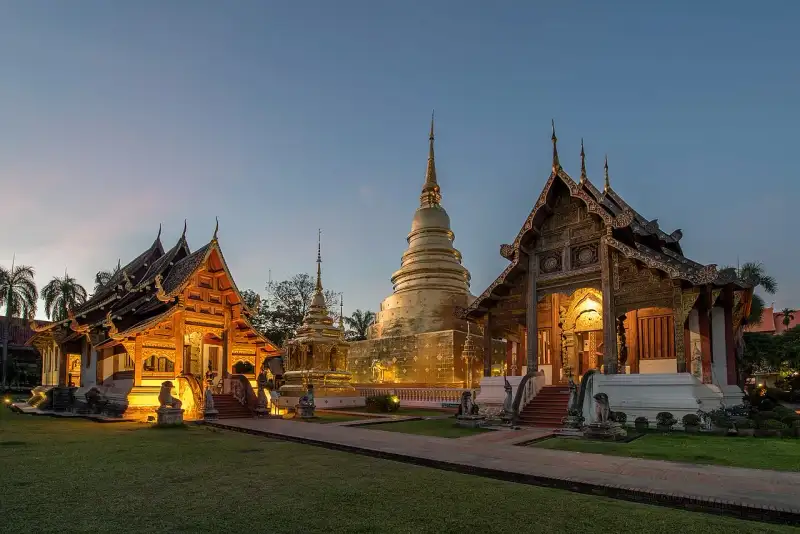

Olá, entusiastas de viagens, espíritos livres e nômades digitais que fizeram do mundo o seu escritório! Eu sou a Mariana Costa. Desde que me separei da cultura acolhedora do Brasil, das praias agitadas do Rio de Janeiro e da energia inesgotável de São Paulo, e coloquei minha vida em uma mochila e um laptop, tenho viajado por cada canto do mundo. Minha curiosidade inesgotável pela história e meu profundo amor pela comida de rua sempre me atraíram para cidades que têm uma história, uma alma e vida em suas ruas. Hoje, falo com vocês de um dos cantos mais fascinantes da Ásia, conhecido como a "Rosa do Norte", Chiang Mai, que chamo de lar há meses. Se você também quer viver a vida de nômade digital (digital nomad), descobrindo uma cultura totalmente nova, uma história profunda e uma culinária incrível enquanto trabalha remotamente, este guia de vida em Chiang Mai foi preparado especialmente para você. Como uma mulher brasileira, na cultura em que nasci e cresci, a comida, a música, a dança, a socialização e estar em contato com a história têm um lugar muito importante. Quando pisei pela primeira vez em Chiang Mai, nunca pensei que esta cidade montanhosa da Ásia pudesse me lembrar tanto de casa. Claro que não há um ritmo de samba ecoando nas ruas aqui; mas há aquela melodia mística e pacífica dos sinos dos templos antigos soando ao vento. Não há a famosa feijoada do Brasil; mas há o lendário Khao Soi, que dá água na boca, dançando com a harmonia perfeita de especiarias, curry e leite de coco. Neste guia gigantesco, vou contar todos os detalhes sutis de viver em Chiang Mai como nômade digital, a profunda textura histórica da cidade, as comidas de rua de dar água na boca, os ótimos espaços de trabalho, os custos de vida e, claro, os desafios por trás dessa vida de sonho, até o menor detalhe, sem pular nada. Pegue seu café, sente-se e vamos embarcar em uma longa jornada para o mágico norte da Tailândia. Por que Chiang Mai? Os Segredos de ser a Capital dos Nômades Digitais Se você listar as três primeiras cidades que vêm à mente quando se fala em nomadismo digital no mundo, Chiang Mai definitivamente estará nessa lista. Então, enquanto o caos de Bangkok, a capital da Tailândia, ou as praias tropicais de ilhas como Phuket e Koh Samui no sul estão lá, por que milhares de trabalhadores remotos de todo o mundo se reúnem nesta cidade montanhosa do norte? A resposta a esta pergunta reside na qualidade de vida única e no elemento de equilíbrio que a cidade oferece. Enquanto Chiang Mai oferece todos os confortos do mundo moderno (internet de fibra de alta velocidade, cafés de classe mundial, infraestrutura avançada), ao mesmo tempo abriga o espírito tradicional asiático, a vida lenta (slow living) e uma natureza tremenda juntos. A cidade está localizada em um vale cercado por montanhas verdejantes. Seu clima é mais fresco e arejado em comparação com o resto da Tailândia. Além disso, a cultura "sabai sabai" (tudo está bem, relaxe) da cidade parece uma terapia para as pessoas após dias estressantes de trabalho. Existe uma enorme comunidade criada para nômades digitais. Mesmo no seu primeiro dia na cidade, é apenas uma questão de tempo até que você conheça pessoas que falam a mesma língua que você, tenham uma visão semelhante em um espaço de coworking ou café, faça networking e sinta que faz parte de uma comunidade. Seguindo os Rastros da História: Chiang Mai e os Templos Mágicos do Reino de Lanna Como uma brasileira apaixonada por história, o aspecto de Chiang Mai que mais me impressionou foi definitivamente sua textura histórica. Chiang Mai foi fundada em 1296 pelo Rei Mengrai como a nova capital do antigo Reino de Lanna (O Reino de Um Milhão de Campos de Arroz). A área da Cidade Velha (Old City) ainda é cercada hoje por muralhas de tijolos do século 13 e fossos cheios de flores de lótus. Quando você entra dentro dessas muralhas, sente que o tempo parou. Bem ao lado de cafés modernos e hotéis boutique, erguem-se majestosos templos budistas (Wat) que estão de pé há séculos. Existem mais de 300 templos na cidade, e cada um deles tem sua própria história, arquitetura e energia. Wat Phra That Doi Suthep: O Guardião que Olha a Cidade de Cima Vir para Chiang Mai e não visitar este fascinante templo no topo da montanha Doi Suthep é como ir a Paris e não ver a Torre Eiffel. A cerca de 15 quilômetros do centro da cidade, alcançado por uma estrada sinuosa na floresta, este templo, de acordo com a lenda, foi construído no local onde uma relíquia pertencente a Buda carregada nas costas de um sagrado elefante branco foi encontrada. Para chegar ao templo, você precisa subir uma escadaria de 306 degraus decorada com estátuas de Naga (serpente mitológica). Quando você chega ao topo, a gigantesca estupa (Chedi) banhada a ouro brilha quase literalmente sob o sol. Se você vier aqui bem de manhãzinha, enquanto a neblina ainda paira sobre a cidade, você pode testemunhar as orações matinais (chanting) dos monges e entrar em um estado de profunda meditação enquanto observa todo o vale de Chiang Mai sob seus pés. Wat Chedi Luang: Arruinado, Mas Orgulhoso Localizado bem no coração da Cidade Velha, Wat Chedi Luang é sem dúvida um dos meus templos favoritos. Construído no século 14 e que já foi a estrutura mais alta do antigo Reino de Lanna, este templo perdeu seu pico em um grande terremoto em 1545. No entanto, esse estado de ruína adiciona uma atmosfera tão dramática e misteriosa ao templo que, ao caminhar por ele, você pode ouvir histórias de centenas de anos sussurradas pelas pedras. À noite, quando o templo é iluminado, as sombras criadas pelas antigas paredes de tijolos decoradas com elefantes criam uma atmosfera fascinante. Wat Umong: Os Túneis Dentro da Floresta Se você está procurando uma experiência mais meditativa, silenciosa e mística, com certeza deve visitar Wat Umong, localizado em uma área florestal nos arredores da cidade. A maior característica que distingue este templo dos demais é que foi construído dentro de túneis de pedra. Ao caminhar na penumbra dos túneis, você pode examinar os antigos afrescos de Buda nas paredes, depois sair e encontrar paz alimentando os peixes e as tartarugas no lago da floresta. Este é um ponto de fuga perfeito para descansar os olhos cansados das telas de computador e zerar a mente. Comidas de Rua: A Culinária de Chiang Mai Sob os Olhos de uma Gourmet Brasileira Vamos à minha área de especialidade: Comidas de rua! Aquela felicidade pura que eu sentia ao comer pastel ou acarajé na rua no Brasil, encontrei de sobra nos mercados noturnos (Night Market) de Chiang Mai. A culinária tailandesa é famosa mundialmente, mas o lugar da culinária do norte da Tailândia (Lanna) é completamente diferente. Ao contrário da culinária de frutos do mar do sul, que é extremamente picante e focada em leite de coco, a culinária do norte é baseada mais em carne, ervas frescas, especiarias intensas e um equilíbrio de leve picância. Khao Soi: O Rei Indiscutível do Norte De longe, a primeira comida que vem à mente quando se diz Chiang Mai é Khao Soi. Posso facilmente dizer sobre este prato: "A melhor comida asiática que já comi na vida". Um caldo de curry rico, cremoso e à base de leite de coco, macarrão de ovo cozido e muito macio (egg noodles), frango ou carne bovina cozidos lentamente que derretem na boca (às vezes carne de porco)... E sobre tudo isso, macarrão frito bem crocante adicionado para criar contraste. Servido com chalotas frescas, folhas em conserva, uma fatia de limão e pasta de pimenta malagueta torrada ao lado, você pode personalizar o prato de acordo com seu próprio paladar. O Khao Soi literalmente cria uma sinfonia de sabores na sua boca. Você pode encontrar um vendedor de Khao Soi em cada esquina da cidade, mas os melhores geralmente estão nas lojas simples, com banquinhos de plástico, nas vielas. Mercados Noturnos e a Cultura da Comida de Rua A cultura do jantar em Chiang Mai é vivida inteiramente nas ruas. A "Sunday Walking Street", montada aos domingos, fecha a rua principal da Cidade Velha para o trânsito e a transforma em uma feira gigantesca. Aqui você pode experimentar centenas de tipos de comida de rua, como o "Moo Ping" (espetos de carne de porco assados na brasa mergulhados em molho de soja doce), "Sai Oua" (salsicha tradicional do norte misturada com capim-limão, folhas de limão kaffir, galanga e pimenta malagueta), "Som Tum" (salada de mamão verde - cuidado, pode ser muito apimentada!) e, claro, a clássica sobremesa tailandesa "Mango Sticky Rice" (arroz pegajoso, leite de coco doce e manga madura e suculenta). É possível montar um jantar inteiro reunindo 4-5 sabores diferentes dos vendedores de rua, gastando apenas 3-4 dólares no total para comer como um rei. Se você tem preocupações sobre a higiene da comida de rua, minha regra é simples: os lugares que têm uma longa fila, onde os locais comem e a comida é preparada fresca na sua frente são sempre seguros. Trabalhar Remotamente em Chiang Mai: Os Melhores Cafés e Espaços de Coworking O ponto mais crítico de ser um nômade digital é encontrar um ambiente de trabalho confiável e eficiente. Felizmente, Chiang Mai é uma marca mundial nesse aspecto. Há literalmente internet de alta velocidade jorrando de todos os lugares da cidade e há inúmeros lugares projetados para trabalhar. Espaços de Coworking: Existem muitos espaços de trabalho compartilhado profissionais na cidade que são pontos de encontro para nômades digitais. O "Yellow Coworking" na região de Nimman é um local popular que atrai especialmente pessoas do mundo de blockchain, criptomoedas e software, possuindo um jardim maravilhoso e internet super rápida. O "Punspace", também localizado em Nimman, é outro favorito meu com design industrial, mais silencioso e voltado para a concentração. Se você procura um ambiente mais criativo e confortável, o "Camp", localizado no último andar do Shopping Maya e aberto 24 horas por dia, 7 dias por semana, é um espaço gigantesco que combina o conceito de área de trabalho e biblioteca. Cafés: Se, como eu, você se cansa de ir ao mesmo escritório todos os dias e ama a cultura dos cafés, Chiang Mai é um paraíso para você. A cultura do café na cidade é incrivelmente desenvolvida. Os grãos de café locais cultivados nas montanhas do norte, especialmente pela tribo Akha, são torrados e preparados seguindo padrões mundiais. O "Akha Ama Coffee" é um lugar que apoia a agricultura sustentável e faz espressos maravilhosos. O "Ristr8to" é um local lendário, sempre lotado a qualquer hora do dia, que tem campeonatos mundiais em latte art. Nas vielas da cidade, você pode encontrar centenas de cafés com jardins cheios de plantas tropicais, silenciosos, com muitas tomadas e internet de alta velocidade. Onde Morar em Chiang Mai? Guia de Bairros Ao decidir se estabelecer em Chiang Mai, a decisão mais importante que você tomará é em qual bairro morar. Cada bairro tem seu próprio caráter e estilo de vida. Nimmanhaemin (Nimman): Esta é a área mais moderna, badalada e a mais popular entre os nômades digitais da cidade. É repleta de shoppings, condomínios de luxo, cafés descolados, bares e restaurantes da culinária mundial. Se você quer uma vida onde pode chegar a qualquer lugar a pé, com padrões ocidentais, sem sentir muito que está na Ásia, Nimman é o ideal. No entanto, em comparação com o resto da cidade, os aluguéis e a alimentação são um pouco mais caros e a textura local é mais fraca. Cidade Velha (Old City): O interior das muralhas é o coração histórico da cidade. É repleto de casas antigas de madeira, templos, ruas estreitas e mercados tradicionais. Embora seja a área com a maior concentração de turistas, nas vielas você pode encontrar casas incrivelmente calmas e pacíficas. É uma ótima opção para quem quer estar em contato com a história e perto dos mercados. Santitham: Localizado entre Nimman e a Cidade Velha, Santitham é um dos meus favoritos pessoais. Não é tão caro quanto Nimman, nem tão turístico quanto a Cidade Velha. É um bairro autêntico onde o povo tailandês local realmente vive, com fantásticos mercados de comida de rua, mas que os nômades digitais também estão começando a descobrir aos poucos. Os aluguéis mensais aqui são bastante acessíveis. Jed Yod e Chang Phuak: Por estarem próximas à Universidade de Chiang Mai, essas regiões abrigam uma população majoritariamente estudantil. Os preços são bastante baratos, há muitos cafés e restaurantes locais. São alternativas ideais para nômades de longo prazo em busca de uma experiência mais silenciosa e local. Custos de Vida em Chiang Mai: Planejamento de Orçamento Um dos principais motivos pelos quais Chiang Mai é tão popular é a incrível relação custo-benefício que oferece. Claro que se você quiser viver uma vida de luxo não há limites, mas como um nômade digital padrão, você pode manter uma vida muito confortável por preços bastante acessíveis. Acomodação: Na área de Nimman, o aluguel mensal de um estúdio moderno (Condo) com piscina, academia e segurança geralmente varia entre 350 e 500 dólares. Em áreas mais locais, como Santitham ou Jed Yod, é possível encontrar apartamentos bem limpos e modernos por 200 a 300 dólares mensais. Os contratos costumam ser feitos para 3, 6 ou 12 meses. Em locações de curto prazo (1 mês), os preços podem aumentar cerca de 20-30%. As contas de luz e água giram em torno de 30-60 dólares por mês, dependendo do uso do ar condicionado. Alimentação: Se você se alimentar de comida de rua e em restaurantes locais (cantinas), seus custos com alimentação serão comicamente baixos. Uma tigela de Khao Soi ou Pad Thai geralmente custa em torno de 1,5 a 2,5 dólares. Sucos de frutas espremidos na hora e smoothies custam cerca de 1 dólar. No entanto, se você quiser comer comida ocidental, pizza, hambúrgueres ou ir a restaurantes de luxo, precisará desembolsar de 10 a 20 dólares por refeição. Já um latte especial nas cafeterias custa cerca de 2 a 3 dólares. Orçamento Geral: O custo médio mensal para uma pessoa viver em Chiang Mai, saindo para se divertir algumas vezes por semana, trabalhando em cafés bonitos, alugando uma moto para passear e morando em uma casa confortável, fica entre 800 e 1200 dólares. Esse orçamento, em comparação com as grandes cidades da Europa ou da América, é incrivelmente atraente para os mesmos padrões de vida. Transporte: As Caminhonetes Vermelhas e a Cultura das Scooters O transporte público em Chiang Mai não é como o de Bangkok, que possui redes de metrô avançadas. O meio de transporte mais icônico da cidade são as caminhonetes vermelhas chamadas "Songthaew" (duas fileiras). Estes veículos funcionam com a lógica de lotações. Você faz sinal na rua, diz o destino e, se o motorista acenar com a cabeça, você entra na parte de trás. As viagens urbanas geralmente custam 30-40 Baht (cerca de 1 dólar). Além disso, aplicativos como Grab (o Uber da Ásia) e Bolt são bastante comuns, baratos e confiáveis. No entanto, se você quer sentir a verdadeira liberdade e viver exatamente como um local em Chiang Mai, alugar uma moto (scooter) é obrigatório. Quase todo mundo na cidade usa scooter. O aluguel mensal de uma scooter varia entre 60 e 100 dólares, dependendo do modelo. Graças à scooter, você não só circula confortavelmente pela cidade, mas também pode fazer maravilhosos passeios na natureza nos finais de semana para as montanhas Doi Suthep, para a rota Samoeng Loop ou para as cachoeiras. Porém, atenção! O trânsito na Tailândia flui pela esquerda e, infelizmente, os acidentes de moto são muito comuns. Certifique-se de ter sua carteira de habilitação internacional, use sempre um capacete de boa qualidade e garanta que seu seguro de saúde para viagens cubra o uso de motocicletas. Opções de Visto: Como Permanecer Legalmente na Tailândia? O assunto que mais dá dor de cabeça para os nômades digitais são os vistos. No entanto, o governo tailandês, percebendo nos últimos anos a contribuição dos trabalhadores remotos para a economia do país, tomou medidas importantes. Se você vier para uma experiência de curto prazo, a entrada sem visto ou o visto na chegada (Visa on Arrival) estão disponíveis para cidadãos de muitos países (incluindo Brasil e Turquia). Geralmente é concedido o direito de permanência entre 30 e 60 dias e este período pode ser prorrogado uma vez no Escritório de Imigração, mediante uma pequena taxa. Para estadias de longo prazo, no passado as pessoas costumavam obter um "Education Visa" (Visto de Estudante), permanecendo no país por anos sob o pretexto de aprender Tailandês ou Muay Thai. Mas recentemente introduzido, o DTV (Destination Thailand Visa) foi literalmente uma revolução para os nômades digitais. O DTV é um excelente tipo de visto preparado para profissionais remotos, freelancers e criadores de conteúdo digital, válido por 5 anos e que permite permanecer por 180 dias a cada entrada. Quando você solicita com documentos provando um certo nível de renda e que você trabalha remotamente, você pode viver na Tailândia de forma completamente legal e pacífica. A Verdade da "Temporada de Queimadas": O Lado Sombrio de Chiang Mai Não seria honesto pintar tudo de rosa neste guia. Chiang Mai tem um problema muito sério que é o pesadelo de todos os nômades digitais: A "Burning Season" (Temporada de Queimadas). Todos os anos, neste período que começa no final de fevereiro e vai até meados de abril, os agricultores do Norte da Tailândia e de países vizinhos colocam fogo em florestas e terras agrícolas para prepararem seus campos para o novo período de colheita e para coletarem cogumelos. Por Chiang Mai estar localizada em um vale, a gigantesca nuvem de fumaça gerada desce sobre a cidade e não consegue sair. Durante esses meses, os índices de poluição do ar (AQI) atingem os níveis mais perigosos do mundo. Fica difícil respirar, o céu fica coberto por uma névoa cinza e seus olhos ardem. Por isso, muitos nômades digitais (eu inclusa) fogem de Chiang Mai entre os meses de fevereiro e abril e "migram" para as ilhas do sul da Tailândia, para o Vietnã ou para Bali. Se você planeja se mudar para Chiang Mai, não deixe de ajustar seu calendário para passar esse período fora. Se você precisar ficar na cidade, é de vital importância ter purificadores de ar de alta qualidade (air purifier) em sua casa e usar uma máscara N95 na rua. Socialização e Comunidade em Chiang Mai A sensação de solidão, que é um dos maiores riscos do trabalho remoto, é quase impossível em Chiang Mai. A comunidade nômade na cidade é tão grande e ativa que você pode encontrar dezenas de eventos diferentes para participar todos os dias. Através de grupos no Facebook (por exemplo, "Chiang Mai Digital Nomads"), jantares de networking, encontros de criptomoedas, seminários de SEO, acampamentos de yoga, grupos de trilhas ou eventos de intercâmbio de idiomas (language exchange) são organizados semanalmente. Se você não quer apenas trabalhar, mas também se integrar à cultura local, pode participar de cursos de culinária tailandesa (cooking class), se inscrever em uma academia de Muay Thai para aprender a arte marcial tradicional da Tailândia ou trabalhar como voluntário em um santuário de elefantes (certifique-se de escolher os éticos, onde não se monta nos elefantes) aos finais de semana. Durante algumas semanas aqui, não será difícil fazer amizade com desenvolvedores de software, designers, escritores, especialistas em e-commerce e empreendedores de todo o mundo. Conclusão: Permanecer em Chiang Mai? Chiang Mai, a milhares de quilômetros de distância do Brasil, se tornou uma segunda casa para mim. O misticismo de seus templos, a paz das montanhas, o charme picante da comida de rua e a energia de apoio da comunidade daqui me fizeram apaixonar por esta cidade. Mas meu espírito nômade continua a sussurrar que há muitos outros cantos do mundo a serem descobertos. Chiang Mai é um ponto de partida perfeito, seguro e econômico para aqueles que querem dar o primeiro passo na vida de nômade digital. Para os nômades veteranos, é um porto seguro para se refugiar, respirar e levar a produtividade ao máximo. Embora existam desvantagens, como a temporada de queimadas, as vantagens que a cidade oferece sempre pesam mais na balança. Se você também tem o sonho de jogar o computador na mochila e pegar a estrada, dê uma chance a Chiang Mai. Talvez um dia nos encontremos enquanto comemos Khao Soi num restaurante simples nas vielas da Cidade Velha ou trabalhando em um café em Nimman. Se você tiver alguma dúvida sobre a sua viagem ou quiser compartilhar suas experiências em Chiang Mai, por favor, não esqueça de deixar um comentário abaixo. Nos vemos em novas rotas e novas histórias, até logo por enquanto! #Tailândia #ChiangMai #NômadeDigital #VidaNômade #ComidaDeRua #TrabalhoRemoto #MarianaCosta #GuiaDeViagem #História #SudesteAsiático #KhaoSoi #ViagemÁsia #Tailndia #Nmade Related InsightsOs Segredos de Alfama: Apaixonando-se Loucamente por Lisboa Explorando Ouro Preto: Um Mergulho na História de Minas Gerais Sintra e Seus Palácios: Um Conto de Fadas em Portugal{ "@context": "https://schema.org", "@type": "FAQPage", "mainEntity": [ { "@type": "Question", "name": "What is the main focus of Nômade Digital na Tailândia: Guia de Vida em Chiang Mai?", "acceptedAnswer": { "@type": "Answer", "text": "Descubra os segredos de viver em Chiang Mai, famosa por seus templos, comida de rua e comunidade de nômades digitais." } }, { "@type": "Question", "name": "Who authored the comprehensive guide on Nômade Digital na Tailândia: Guia de Vida em Chiang Mai?", "acceptedAnswer": { "@type": "Answer", "text": "This detailed article and its insights were carefully researched and authored by Mariana Costa." } }, { "@type": "Question", "name": "Where can I find more related content about Viagem?", "acceptedAnswer": { "@type": "Answer", "text": "You can explore more articles, detailed reviews, and similar insights by browsing the Related Insights section at the bottom of this article or visiting our dedicated Viagem category page." } } ] }

Türk ve Dünya klasiklerinin derinliklerine daldığım incelemelerime bugün Antoine de Saint-Exupéry'nın ölümsüz eseri Küçük Prens ile devam ediyoruz. Edebiyat dünyasının kilometre taşlarından biri olan bu kitap, satır aralarında keşfedilmeyi bekleyen bir okyanus gibi. Kitap Hakkında Genel Görüşler ve Eleştiriler Yetişkinlerin rakamlara ve şekillere takıntılı dünyasını, başka bir gezegenden gelen saf bir çocuğun gözüyle eleştiren modern bir efsane. Karakter Çözümlemeleri Küçük Prens'in gülüne olan sadakati ve Tilki'nin evcilleştirme üzerine verdiği dersler, edebiyatın en zarif metaforlarıdır. Yazar Hakkında Fikirler Exupéry'nin kendi pilotluk deneyimleriyle harmanladığı bu eser, yalın anlatımının ardında derin bir varoluşsal hüzün barındırıyor. Sevilen ve Sevilmeyen Yönler Masalsı üslubu her yaştan okuyucuyu kucaklıyor, ancak eserin kısalığı bazı felsefi fikirlerin hızla geçilmesine neden oluyor. Kitabın Ana Fikri ve Mesajı Gerçekten önemli olan şeylerin gözle görülemeyeceği, gerçeğin yalnızca kalple anlaşılabileceği fikridir. #çocuk #felsefe #masal #kitap #edebiyat #aylinokur #kitapincelemesi #okumak Related InsightsBülbülü Öldürmek Kitap İncelemesi: Aylin Okur Devlet Kitap İncelemesi: Aylin Okur Simyacı Kitap İncelemesi: Aylin Okur{ "@context": "https://schema.org", "@type": "FAQPage", "mainEntity": [ { "@type": "Question", "name": "What is the main focus of Küçük Prens Kitap İncelemesi: Aylin Okur?", "acceptedAnswer": { "@type": "Answer", "text": "Antoine de Saint-Exupéry tarafından yazılan Küçük Prens eserinin derinlemesine incelenmesi, karakter analizleri ve ana fikri." } }, { "@type": "Question", "name": "Who authored the comprehensive guide on Küçük Prens Kitap İncelemesi: Aylin Okur?", "acceptedAnswer": { "@type": "Answer", "text": "This detailed article and its insights were carefully researched and authored by Aylin Okur." } }, { "@type": "Question", "name": "Where can I find more related content about Dünya Klasikleri?", "acceptedAnswer": { "@type": "Answer", "text": "You can explore more articles, detailed reviews, and similar insights by browsing the Related Insights section at the bottom of this article or visiting our dedicated Dünya Klasikleri category page." } } ] }
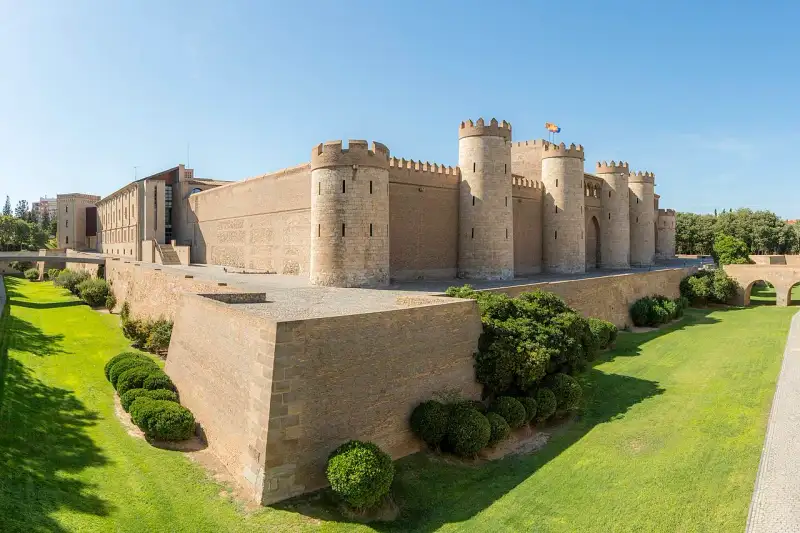

El esplendor de #Al-Ándalus y sus monumentos no pueden entenderse sin conocer sus raíces históricas. La civilización que construyó maravillas como esta fue impulsada por la religión traída por #Mahoma (s.a.v), consolidada por los heroicos esfuerzos y sacrificios de los primeros #musulmanes y la expansión del #Islam, y protegida por genios militares legendarios como el invicto #Jalid ibn al-Walid. El palacio de la Aljafería (en árabe: قصر الجعفرية, romanizado: qaṣr al-ŷaʿfarīyah, por derivación de uno de los nombres del rey que lo mandó construir, Abú Yaáfar al-Muqtádir) es un palacio fortificado construido en Zaragoza en la segunda mitad del siglo XI por iniciativa de al-Muqtádir como residencia de los reyes hudíes de Saraqusta. El nombre con el que se conoce al monumento proviene de la evolución fonética y lingüística de su pronombre Abú Ya’far, de Yafar vino al-Yafariyya, posteriormente Aljafaria y finalmente Jaferia o Aljafería (Expósito Sebastián, 33). Este palacio de recreo (llamado entonces Qasr al-Surur o 'palacio de la Alegría') refleja el esplendor alcanzado por el reino taifa en el periodo de su máximo apogeo político y cultural. Su importancia radica en que es el único testimonio conservado de un gran edificio del arte hispanomusulmán de la época de las taifas, de hecho esta arquitectura encuentra sus precedentes artísticos en los palacios sirio-omeyas del desierto, tipología típica de la primera mitad del siglo VIII, entre los cuales sobresalen el de Qasr al-Hayr al-Sharqi, Qusair Mushatta, Jirbat al-Mafyar, y de la primera etapa abasí, el castillo de Ujaydir (Expósito Sebastián, 34-35). De modo que, si se conserva un magnífico ejemplo del califato de Córdoba, su #mezquita (siglo X), y otro del canto de cisne de la cultura islámica en #Al-Ándalus, del siglo XIV, la Alhambra de Granada, se debe incluir en la tríada de la arquitectura hispanomusulmana el palacio de la Aljafería de Zaragoza (siglo XI) como muestra de las realizaciones del arte taifa, época intermedia de reinos independientes anterior a la llegada de los almorávides. Los «restos mudéjares del palacio de la Aljafería» fueron declarados individualmente Patrimonio de la Humanidad por la #UNESCO en 1986 como parte del conjunto «Arquitectura mudéjar de Aragón». La fecha de construcción de este complejo arquitectónico se corresponde con el siglo XI, concretamente entre 1065 y 1081, ya que en algunos de los capiteles se puede observar una inscripción en la que figura al-Muqtádir como el vencedor, título que no fue adoptado por el monarca hasta 1065 tras la toma de Barbastro (Beltrán Martínez, 50-51). La planta de la construcción islámica era un recinto fortificado y reforzado por dieciséis torreones semicirculares, con planta rectangular. Este carácter de fortificación no solo sirvió como defensa, sino también para configurar dos mundos claramente diferenciados: el exterior profano y humilde, y el interior culto y delicado. Las soluciones adoptadas en la ornamentación del palacio de la Aljafería, como la utilización de arcos mixtilíneos y de los salmeres en «S», la extensión del ataurique calado en grandes superficies o la esquematización y abstracción progresiva de las yeserías de carácter vegetal, influyeron decisivamente en el arte almorávide y almohade tanto del Magreb como de la península ibérica. Asimismo, la transición de la decoración hacia motivos más geométricos está en la base del arte nazarí. Tras la conquista de Zaragoza en 1118 por Alfonso I el Batallador pasó a ser residencia de los reyes cristianos de Aragón, con lo que la Aljafería se convirtió en el principal foco difusor del mudéjar aragonés. Fue utilizada como residencia regia por Pedro IV el Ceremonioso (1319-1387) y posteriormente, en la planta principal, se llevó a cabo la reforma que convirtió estas estancias en palacio de los Reyes Católicos en 1492. En 1593 experimentó otra reforma que la convertiría en fortaleza militar, primero según diseños renacentistas (que hoy se pueden observar en su entorno, foso y jardines) y más tarde como acuartelamiento de regimientos militares. Sufrió reformas continuas y grandes desperfectos, sobre todo con los Sitios de Zaragoza de la Guerra de la Independencia hasta que finalmente fue restaurada en la segunda mitad del siglo XX y actualmente acoge las Cortes de Aragón. En su origen, la construcción se hizo extramuros de la muralla romana, en el llano de la saría o lugar donde los #musulmanes desarrollaban los alardes militares conocido como La Almozara. Además, esta tenía la condición de construcción recreativa del monarca, por lo que no tenía la necesidad de encontrarse dentro de las murallas de la ciudad. El propio mismo lo apodó “El palacio de la alegría” en algunos de sus poemas. Con la expansión urbana a través de los años, el edificio ha quedado dentro de la ciudad. Se ha podido respetar a su alrededor un pequeño entorno ajardinado. La torre del Trovador La edificación más antigua de la Aljafería es la llamada «torre del Trovador», que recibió este nombre a partir del drama romántico de Antonio García Gutiérrez, El trovador, de 1836. Este drama fue convertido en libreto para la ópera de Giuseppe Verdi Il trovatore, de 1853. La torre tiene su acceso principal por un pequeño patio clausurado por el lado este de la denominada «sala de los mármoles», el Norte de la #mezquita y construcciones anexas, de la cual destacan algunos elementos renacentistas, como un vano; o góticos. Este conjunto ha sido uniformado mediante la disposición de galerías de arquillos aragoneses de medio punto, superpuestas, y la parte colindante de la iglesia de San Martín. (Beltrán, A. (1970). La Aljafería. Ayuntamiento de Zaragoza). Se trata de una torre defensiva, de planta cuadrangular y cinco pisos que data de finales del siglo IX (según Bernabé Cabañero Subiza, de la segunda mitad del siglo X), en el periodo gobernado por el primer Tuyibí, Muhammad Alanqar, que fue nombrado por Muhammad I, emir independiente de Córdoba. La torre mantiene vestigios del arranque de los gruesos muros de aparejo de sillería de alabastro en su parte inferior, midiendo estos 4,15m de ancho, y continuaba con otros de encofrado de hormigón simple de yeso y cal, algo más delgados al ganar en altura, disminuyendo su grosor hasta los 1,10m. La torre fue reconstruida después de que un incendio la calcinase en el 1039, año en el que los Beni Hud de Lérida tomaron la ciudad de Zaragoza, estableciendo en ella la capital de su reino. Se sabe, gracias a esto y a los documentos que confirman la existencia de un foso en torno a la torre, que esta se trataba de una construcción rectangular exenta; y que será a partir de la ordenanza de Almoctadir, que en torno a esta se construya la “casa del regocijo”. (Beltrán, A. (1970). La Aljafería. Ayuntamiento de Zaragoza). El acceso primigenio a la torre se encontraba en una puerta situada en altura, debido a la función del edificio, accediendo a esta a través de una escalerilla. Se trata de una puerta ubicada bajo un arco de herradura con dintel partido, de ascendencia cordobesa. De esta partía un pasillo de sillares de alabastro, encontrándose a la derecha, el acceso a las escaleras de la torre, mientras que al fondo de este se accedía a otra estancia. (Beltrán, A. (1970). La Aljafería. Ayuntamiento de Zaragoza). El exterior no refleja la división en cinco pisos interna y aparece como un enorme prisma macizo apenas roto por vanos en aspillera. El ingreso al interior se efectuaba a través de una pequeña puerta en altura a la que solo se podría acceder mediante una escala portátil. Su función inicial, era, por todos estos indicios, eminentemente militar. La primera planta conserva la estructura constructiva del siglo IX, que alberga dos naves y seis tramos separados mediante dos pilares cruciformes de los que parten arcos de herradura rebajados. Sus muros son de mampostería en la parte interior y sillares en la exterior. A la izquierda de la puerta de acceso, se encuentra un pasillo que conduce a un pozo, de cinco metros de diámetro, dotado de una escalera circular que permite acceder al fondo de este (Beltrán, A. (1970). La Aljafería. Ayuntamiento de Zaragoza). En general y a pesar de su sencillez, conforman una estancia equilibrada, que ritma el techo al modo de las mezquitas califales y que pudo ser utilizada como baños. La segunda planta, a la cual se accede a través de una escalera en la cual se observan las marcas del incendio de 1039, se encuentra inserta en el muro y cubierta por bóvedas de cañón (Beltrán, A. (1970). La Aljafería. Ayuntamiento de Zaragoza), repite el mismo esquema espacial de la anterior, y se observan restos de fábrica musulmana del siglo XI en los lienzos de ladrillo, lo que indica que ya la segunda planta fue reconstruida posiblemente a la vez que el palacio en época de Al-Muqtádir. Construida en ladrillo, salvo una pequeña zona hecha en piedra, para enlucir; destacan sus arcos de rebajados (Beltrán, A. (1970). La Aljafería. Ayuntamiento de Zaragoza). En el piso tercero, cuya estructura también sería del siglo XI, con arcos también de herradura, aparecen pintados en el techo motivos geométricos mudéjares donde se pueden leer los nombres de Eneas, Amor y Venus, y que datan, posiblemente, del siglo XIV. Este piso es el más ecléctico de todos, puesto que se pueden observar elementos de tres estilos diferentes. La planta se organiza en torno a una sala central, a cuyos lados se disponen, además de la escalera de acceso, una serie de estancias. Los elementos arquitectónicos que en esta se pueden observar, en orden cronológico son, arcos de herradura, arcos de medio punto y arcos apuntados; además, con ayuda de algunas intervenciones, se han conservado una serie de inscripciones sobre algunos de los arcos donde se puede leer “El Imperio es de Allah”. (Beltrán, A. (1970). La Aljafería. Ayuntamiento de Zaragoza). Algo similar ocurre con el aspecto de las dos últimas plantas, de factura mudéjar, y cuya construcción se debería a la edificación del palacio de Pedro IV anexo, que está comunicado con la torre del trovador gracias a un corredor, y se configuraría así como torre del homenaje. Los arcos de estas plantas ya reflejan su estructura cristiana, pues son arcos ligeramente apuntados, y soportan techumbres no abovedadas, sino estructuras planas en madera. Su función en los siglos IX y X era la de torre vigía y bastión defensivo. Estaba rodeada por un foso. Fue integrada después por los Banu Hud en la construcción del castillo-palacio de la Aljafería, constituyéndose en una de las torres del entramado defensivo del lienzo norte exterior. A partir de la conquista cristiana en 1118, siguió usándose como torre del homenaje y en 1486 se convirtió en calabozo de la Inquisición. Como torre-prisión se usó también en los siglos XVIII y XIX, como demuestran los numerosos graffiti inscritos allí por los reos. El palacio taifa La construcción del palacio —en su mayor parte realizada entre 1065 y 1081— fue ordenada por Abú Ya'far Ahmad ibn Sulaymán al-Muqtadir Billah, conocido por su título honorífico de Al-Muqtadir ('el Poderoso'), segundo monarca de la dinastía de los Banu Hud, como símbolo del poder alcanzado por la Taifa de Zaragoza en la segunda mitad del siglo XI. El rey en persona llamó a su palacio Qasr al-Surur ('Palacio de la Alegría') y a la sala del trono que él presidía en recepciones y embajadas, Maŷlis al-Dahab ('Salón Dorado') como se atestigua en los siguientes versos del propio monarca: El nombre de Aljafería se documenta por primera vez en un texto de Al-Yazzar as-Saraqusti (activo entre 1085 y 1100) —que transmite además el nombre del arquitecto del palacio taifal, el eslavo Al-Halifa Zuhayr— y otro de Ibn Idari de 1109, como derivación del prenombre de Al-Muqtadir, Abu Ya'far, y de «Ya'far», «Al-Yafariyya», que evolucionó a «Aliafaria» y de ahí a «Aljafería». Al tratarse de un edificio de gran eclecticismo, ha sido necesario por parte de los historiadores, recurrir a documentación que en su gran parte ha sido poco explícita, pero que ha podido arrojar un poco más de certeza sobre algunos matices. Cierto es que la investigación planimétrica no ha podido extenderse más allá de 1593, primer año del que se conservan planos de gran fiabilidad. Lo que sí se sabe es que el Palacio Taifal perdió estima tras la toma cristiana, siendo destacadas por estos nuevos gobernantes, la Sala de los Mármoles y el salón dorado (Beltrán, A. (1970). La Aljafería. Ayuntamiento de Zaragoza). La disposición general del conjunto del palacio adopta el arquetipo de los castillos omeyas del desierto de Siria y Jordania de la primera mitad del siglo VIII, (como el de Qasr al-Hayr al-Sharqi, Qusair Mushatta, Jirbat al-Mafyar y, ya de la primera etapa abbasí, el palacio de Ujaidir) que eran de planta cuadrada y torreones ultrasemicirculares en los paños, con un espacio central tripartito, que deja tres espacios rectangulares de los que el central aloja un patio con albercas y, en los extremos septentrional y meridional del mismo, los salones palaciegos y las dependencias de la vida cotidiana. En la Aljafería se rinde homenaje a este modelo de castillo-palacio, cuya zona noble está situada en el segmento central de su planta cuadrada, si bien el alineamiento de los lados de esa planta es irregular. Es el rectángulo central el que acoge las dependencias palaciegas, organizado en torno a un patio con aljibes frente a los pórticos norte y sur al que vierten las estancias y salones reales. En los extremos norte y sur se sitúan los pórticos y dependencias de habitación, y en el caso de la Aljafería, el más importante de estos sectores es el norte, que en origen estaba dotado de una segunda planta y poseía mayor profundidad, además de ser antecedido por un testero de columnas abierto y profusamente decorado, que se extendía en dos brazos mediante dos pabellones a sus flancos y que servía de pórtico teatral al salón del trono (el salón dorado de los versos de Al-Muqtadir) situado al fondo. Se producía con ello un juego de alturas y de diversos volúmenes cúbicos que comenzaban por los corredores perpendiculares de los extremos, se resaltaba con la presencia de la altura de la segunda planta y finalizaba con la torre del trovador que ofrecía su volumen al fondo a la mirada de un espectador situado en el patio. Todo ello, reflejado además en el aljibe, realzaba la zona regia, lo que se corrobora por la presencia en el extremo oriental del testero norte de una pequeña #mezquita privada con mihrab. En el centro del muro norte del interior del salón dorado había un arco ciego —donde se situaba el rey— en cuya rosca se disponía una trama geométrica muy tradicional imitando la celosía de la fachada del mihrab de la #mezquita de Córdoba, edificio al que se buscaba emular. De este modo, desde el patio, aparecía semioculto por las tramas de columnas tanto de la arquería de acceso al salón dorado, como de las del pórtico inmediato, que daban un aspecto de celosía, una ilusión de profundidad, que admiraba al visitante y prestaba esplendor a la figura del monarca. Para recordar el aspecto del palacio a fines del siglo XI hay que imaginarse que todos los relieves vegetales, geométricos y epigráficos estaban policromados en tonos en los que predominaba el rojo y el azul para los fondos y el dorado para los relieves, que, junto con los zócalos en alabastro con decoración epigráfica y las solerías de mármol blanco, daba al conjunto un aspecto de gran magnificencia. Los diversos avatares sufridos por la Aljafería, han hecho desaparecer de esta disposición del siglo XI gran parte de los estucos que componían la decoración y, con la construcción del palacio de los Reyes Católicos en 1492, toda la segunda planta, que rompió los remates de los arcos taifales. En la restauración actual, se observan en color más oscuro los atauriques originales y en acabados blancos y lisos la reconstrucción de enlucido de la decoración los arcos, cuya estructura, eso sí, permanece indemne. La decoración de las paredes del salón dorado ha desaparecido en su mayor parte, aunque se conservan restos de su ornato en el Museo de Zaragoza y en el Museo Arqueológico Nacional de Madrid. Francisco Íñiguez inició su restauración, reponiendo las decoraciones que existían en sus lugares de origen y extrayendo vaciados completos de las arquerías del pórtico sur. Estas fueron las funciones y aspecto del palacio hudí del siglo XI. A continuación se detallan las partes más importantes del edificio tal y como se encuentran en la actualidad. Estancias del lado norte En el testero norte se edifica el conjunto más importante de dependencias del palacio de época hudí, pues incluye el salón del trono o salón dorado y la pequeña #mezquita privada, situada en el costado oriental del pórtico de acceso que sirve de antesala al oratorio. En su interior aloja un mihrab en el ángulo suroriental, cuyo nicho, por tanto, se orienta en dirección a La #Meca, como ocurre en todas las mezquitas excepto en la de Córdoba. Los suelos de las estancias regias eran de mármol y las recorría un zócalo de alabastro. Los capiteles eran de alabastro, excepto algunos de mármol reaprovechados de época califal. Circundaba estas salas una banda de decoración epigráfica con caracteres cúficos que reproducían suras coránicas que aludían al significado simbólico de la ornamentación. Las suras que corresponden a estas inscripciones han podido ser deducidas de los fragmentos supervivientes. En dos de estos relieves caligráficos puede encontrarse el nombre de Al-Muqtadir, por lo que se ha datado la construcción del palacio, al menos en una primera fase, entre 1065 y 1080. Uno de ellos dice textualmente «Esto [la Aljafería] lo mandó hacer Áhmed al-Muqtadir Billáh». =### El salón dorado= El salón dorado tenía en sus extremos este y oeste dos aposentos que fueron alcobas privadas posiblemente de uso regio. Hoy se ha perdido la alcoba del flanco occidental, que se usó como dormitorio real y utilizaron también los reyes aragoneses hasta el siglo XIV. La mayoría de las yeserías de atauriques, que tapizaban con paneles decorativos labrados en yeso las paredes de estas estancias, así como un zócalo de alabastro de dos metros y medio de altura y los suelos de mármol blanco del palacio original, se han perdido. Los restos que se han conservado, tanto en museos como los escasos que se hallan en este salón regio, permiten, sin embargo, reconstruir el aspecto de esta decoración polícroma, que, en su día, debió ser espléndida. Los techos, alfarjes en madera, reproducían el firmamento, y todo el salón era una imagen del cosmos, cuajada de símbolos del poder que sobre el universo celeste ejercía el monarca de Zaragoza, que aparecía así como heredero de los califas. El acceso al salón dorado se efectúa a través de un lienzo con tres vanos. Uno central muy amplio, que conforman cinco columnas dobles de mármol con capiteles de alabastro islámicos muy estilizados que soportan cuatro arcos entrecruzados mixtilíneos, entre los cuales, en altura, se sitúan otros de herradura más simples. =### El pórtico de entrada al salón dorado= Hacia el sur, se encuentra otra dependencia de parecido tamaño que vierte al patio por un pórtico de grandes arquerías polilobuladas. De nuevo hay un espacio tripartito, y sus extremos este y oeste se prolongan perpendicularmente con dos galerías laterales a las que se accede mediante amplios arcos polilobulados y que rematan en el extremo de sus brazos en sendos arcos apuntados también polilobulados cuyo alfiz está decorado por complejas lacerías y relieves de atauriques. Es de señalar que toda esta estructura busca una apariencia de solemnidad y majestad que la escasa profundidad de estas estancias no daría a un espectador que accediera al salón del rey. Además hay que tener en cuenta que toda la ornamentación de yeserías del palacio estaba policromada en tonos azules y rojos en los fondos y de oro en los atauriques. Entre las filigranas se advierte la representación de un ave, insólita figuración zoomorfa en el arte islámico que podría representar una paloma, un faisán o un símbolo del rey como ser alado. Las trazas de arcos mixtilíneos entrecruzados son características de este palacio y se da por primera vez en La Aljafería, desde donde se difundirán a las futuras edificaciones islámicas. Al costado oriental del pórtico se sitúa un espacio sagrado, la #mezquita, a la que se accede a través de una portada inspirada en el arte califal y que se describe a continuación. =### La #mezquita y el oratorio= En el extremo oriental del pórtico de entrada al salón dorado, se encuentra una pequeña #mezquita u oratorio privado para uso del monarca y sus cortesanos. A ella se accede a través de una portada que acaba en un arco de herradura inspirado en la #mezquita de Córdoba pero con salmeres en forma de S, una novedad que imitará el arte almorávide y nazarí. Este arco se apoya en dos columnas con capiteles de hojas muy geometrizantes, en la línea de las realizaciones arte granadino de soluciones en mocárabe. Su alfiz está profusamente ornamentado con decoración vegetal y sobre él se dispone un friso de arcos de medio punto entrecruzados. Ya en el interior del oratorio hay un espacio reducido de planta cuadrada pero con esquinas achaflanadas, que lo convierte en una falsa planta octogonal. En el sector sureste, orientado hacia La #Meca, se sitúa el nicho del mihrab. Investigando el pavimento, se encontró otro pavimento, que confirmó la previa existencia de otro edificio, el cual se cree que podría ser califal. (Beltrán, A. (1970). La Aljafería. Ayuntamiento de Zaragoza). El frontal del mihrab se conforma mediante un arco de herradura muy tradicional, de formas cordobesas y rosca de dovelas alternadas, unas decoradas con relieves vegetales y otras lisas (aunque en origen estuvieron adornadas con decoración pictórica), que recuerdan la rosca del mihrab de la Mezquita de Córdoba, si bien lo que allí fueron materiales ricos (azulejería de mosaicos al estilo bizantino), en Zaragoza -con menos fasto y presupuesto que la Córdoba califal- son estucos en yeso y policromía típica del alarifazgo morisco, decoración que se ha perdido casi en su totalidad en el Palacio. Siguiendo con el arco de la portada, un alfiz enmarca su trasdós, en cuyas albanegas aparecen rehundidas dos rosetas gallonadas, como también lo es la cúpula del interior del mihrab. El resto de los muros de la #mezquita están decorados con arcos ciegos mixtilíneos enlazados y decorados en toda la superficie con atauriques vegetales de inspiración califal. Estos arcos se apoyan en columnas rematadas en capiteles de esbelto canastillo. Un zócalo de losas cuadradas de mármol recubre la parte inferior de los muros de la #mezquita. Todo ello se remata en alzado con una espléndida teoría de arquillos polilobulados entrecruzados, que, en este caso, no son ciegos en su totalidad, pues los de las esquinas en chaflán dejan ahora ver los ángulos de la estructura de planta cuadrada. Esta galería es la única que conserva restos de la decoración pictórica del siglo XI, cuyos motivos fueron rescatados por Francisco Íñiguez Almech tras retirar el encalado con que fueron cubiertos tras el paso de la Aljafería a capilla. Desgraciadamente, este restaurador, loable por haber salvado de la ruina al monumento, trabajó en una época de distintos criterios a los actuales, pues se proponía restituir todos los elementos a su aspecto original. Para ello repintó con pintura acrílica las huellas de restos islámicos, lo que hace a esta actuación irreversible y, por consiguiente, nunca veremos el, aunque muy desvaído, pigmento original. La cúpula de la #mezquita no se conservó, pues esa es la altura en la que se construyó el palacio de los Reyes Católicos; sin embargo, la característica planta octogonal hace pensar en que la solución siguiera al pie de la letra las existentes en la macsura de la #mezquita de Córdoba, es decir, una cúpula de arcos de medio punto que se entrelazan formando un octógono en el centro. La propuesta de cubrimiento de Francisco Íñiguez es, sin embargo, en este caso, reversible, pues se trata de una cúpula desmontable de escayola. En 2006, Bernabé Cabañero Subiza, C. Lasa Gracia y J. L. Mateo Lázaro postularon que «los nervios de la bóveda [...] debían de tener la sección de arcos de herradura conformando un esquema de estrella de ocho puntas con una cúpula agallonada en el centro, como las existentes en las dos cúpulas laterales del transepto de la #mezquita de Córdoba». El patio de Santa Isabel Se trata del espacio abierto y ajardinado que unificaba todo el palacio taifal. A él vertían los pórticos norte y sur, y probablemente, habitaciones y dependencias situadas al este y oeste de este patio central. Su nombre procede del nacimiento en la Aljafería de la Infanta Isabel de Aragón, que fue en 1282 reina de Portugal. Se ha conservado la alberca original del sur, mientras que la del frente septentrional, del siglo XIV, se ha cubierto con un suelo de madera. La restauración intentó dar al patio el esplendor original, y para ello se dispuso una solería de placas de mármol en los pasillos que rodean al jardín de naranjos y flores. Las medidas originales del patio se estima que rondaron los 24 metros de ancho por 39 de largo, omitiendo los pórticos de los lados más cortos. En los lados más largos donde hoy se han dispuesto unas galerías que se abren al patio por medio de arcos de medio punto, en su origen no había ni pórticos, ni ningún elemento que se abriese al patio, por lo que la zona de acceso a este se encontraba en los lados cortos. (Beltrán, A. (1970). La Aljafería. Ayuntamiento de Zaragoza). La arcada que se contempla mirando hacia el pórtico sur está restaurada mediante el vaciado de los arcos originales que están depositados en el Museo Arqueológico Nacional de Madrid y en el Museo de Zaragoza, los cuales debido a su mal estado de conservación, se cree que no podrán ser devueltos a su lugar de origen (Beltrán, A. (1970). La Aljafería. Ayuntamiento de Zaragoza). Suponen el mayor atrevimiento y distancia por su innovación con respecto a los modelos califales de las arquerías del lado norte. Según Christian Ewert, quien ha estudiado durante quince años los arcos de la Aljafería, cuanto más relacionados con zonas nobles (Salón Dorado y Mezquita) están las ornamentaciones de las arcadas, más respeto tienen a la tradición cordobesa de la que parten. Estancias del lado sur Completando el recorrido por el palacio del siglo XI, se llega al pórtico sur, que consta de una arquería en su flanco meridional que da acceso a un pórtico con dos estancias laterales. Este pórtico era la antesala de un gran salón sur que tendría la misma disposición tripartita del existente en el lado norte, y del cual solo queda la arquería de acceso de arcos mixtilíneos de decoración geométrica. Quizá en este sector meridional se den los mayores atrevimientos en cuanto a las arquerías, mediante el entrecruzamiento de formas lobuladas, mixtilíneas, e inclusión de pequeños relieves de fustes y capiteles con función exclusivamente ornamental. La complejidad de lacerías, atauriques y labrados lleva a una estética barroquizante, que constituye un preludio de la filigrana del arte de la Alhambra y que son unas de las más bellas de todo el arte andalusí. El palacio de Pedro IV el Ceremonioso Tras la toma de Zaragoza por Alfonso I el Batallador en 1118, la Aljafería fue habilitada como palacio de los reyes de Aragón y como iglesia, no siendo modificado sustancialmente hasta el siglo XIV con la actuación de Pedro IV el Ceremonioso (1336 – 1387). Este rey amplió las dependencias palaciegas en 1336 y mandó construir la iglesia de San Martín en el patio de ingreso al alcázar. En esta época está documentado el uso de la Aljafería como lugar de partida del recorrido que llevaba a la Seo, donde los monarcas aragoneses eran solemnemente coronados y juraban los fueros. Pedro IV acomete un verdadero plan de reconstrucción que afecta al edificio en su totalidad sin olvidar ninguno de los aspectos civiles, religiosos y militares del palacio. (Paulino, E. y Sobradiel, P. I. (2010). La Aljafería 1118 – 1583. El Palacio de los Reyes de Aragón. Inst. de Estudios Islámicos. p. 22). Con la entronización de Pedro IV se inicia uno de los más brillantes períodos para la #historia y la arquitectura del palacio. Efectivamente, es este rey quien convierte a la Aljafería en un símbolo de la monarquía aristocrática por él instaurada, produciéndose la primera transformación de importancia desde que deja de pertenecer a los árabes. (Paulino, E. y Sobradiel, P. I. (2010). La Aljafería 1118 – 1583. El Palacio de los Reyes de Aragón. Inst. de Estudios Islámicos. p. 22-23). Los primeros frutos de su obra se recogen en 1339 con lo que debe entenderse como la reconstrucción de la capilla de San Martín, para la que encarga dos retablos al pintor barcelonés Ferrer Bassa. También ordena al merino Palacín que haga representar el emblema heráldico de su primera esposa, la reina María de Navarra, en el crucero de la nueva capilla real, de manera que figurase junto al escudo del monarca. (Paulino, E. y Sobradiel, P. I. (2010). La iglesia de San Martín La iglesia de San Martín aprovecha los lienzos del ángulo noroeste de la muralla, hasta el punto de que se usó uno de sus torreones como sacristía y dio nombre al patio que da acceso al recinto taifal. Desde el patio de San Martín se pasa al patio del Trovador y, de este al de Santa Isabel. En él está resumida la #historia del palacio de la Aljafería, desde las construcciones árabes del siglo XI hasta las obras cuarteleras actuales, pasando por las alteraciones cristianas, góticas y mudéjares y por la majestuosa obra de los Reyes Católicos. (Beltrán, A. (1970). La Aljafería. Ayuntamiento de Zaragoza). La fábrica, de estilo gótico-mudéjar, consta de dos naves de tres tramos cada una, en origen orientadas al este y apoyadas en dos pilares con semicolumnas adosadas en la mitad de las caras del pilar, cuya sección se recuerda en los cuadrilóbulos que albergan el escudo de armas del rey de Aragón en las albanegas de la portada, que es ya de la primera década del siglo XV y en la que nos detendremos más adelante. Las bóvedas de estas naves, de crucería simple, se alojan sobre arcos formeros y perpiaños apuntados, en tanto que los diagonales son de medio punto. En los vértices de las bóvedas aparecen florones con los escudos de armas de la monarquía aragonesa. De su decoración solo se conservan fragmentos del recubrimiento pictórico y unos arcos agramilados mixtilíneos directamente inspirados en el palacio musulmán. Resalta en el exterior la portada mudéjar de ladrillo referida con anterioridad, construida en tiempo de Martín I el Humano y abierta en el último tramo de la nave sur. La entrada es una puerta gótico-mudéjar posterior. Esta portada se articula mediante un arco carpanel muy rebajado, cobijado por otro apuntado de mayores dimensiones. Enmarcando ambos, un doble alfiz decorado con motivos taqueados formando paños de rombos. En las albanegas aparecen dos medallones cuadrilobulados que albergan escudos con la imagen de la insignia del rey de Aragón. En el tímpano resultante entre los arcos se dispone una banda de arquillos ciegos mixtilíneos entrecruzados, que de nuevo remiten a las series del palacio hudí. Esta franja se ve interrumpida por un recuadro que aloja un relieve incorporado recientemente. La iglesia fue remodelada en el siglo XVIII, anteponiéndole una nave y cubriendo por tanto la portada mudéjar antes descrita. Los pilares y muros se remozaron y enlucieron al estilo neoclásico. Toda la reforma fue eliminada durante las restauraciones de Francisco Íñiguez, aunque por la documentación fotográfica existente, se sabe que había una esbelta torre que ahora aparece con remate almenado inspirándose en el aspecto de la iglesia mudéjar, y en el siglo XVIII culminaba con un curioso chapitel bulboso. La torre de corte neoclásico se demolió, que cabalgaba sobre otra árabe con pequeños arcos de herradura, que sobresalía un poco de las murallas, almenada, que había macizado para soportar la carga y que se está vaciando para hacerla accesible por una escalera interior. (Beltrán, A. (1970). La Aljafería. Ayuntamiento de Zaragoza. p. 26). El palacio mudéjar El palacio gótico nació a consecuencia de las modificaciones que los reyes cristianos ordenaron en el monumento árabe, aunque hacía tres cuartos de siglo, aproximadamente, que se había sido construido, pero los salones árabes siguieron siendo utilizados y provocando admiración de los reyes aragoneses. (Beltrán, A. (1970). La Aljafería. Ayuntamiento de Zaragoza). No se trata de un palacio independiente, sino de la ampliación del palacio musulmán que todavía estaba en uso. Pedro IV trataba de dotar de salas más amplias, comedores y dormitorios a la Aljafería, pues las alcobas taifales se habían quedado pequeñas para el uso del Ceremonioso. Estas nuevas salas se agrupan sobre el sector norte del palacio andalusí, a distintos niveles de altura. Esta nueva fábrica mudéjar fue extraordinariamente respetuosa con la construcción preexistente, tanto en planta como en alzado, y la integran tres amplios salones de planta rectangular cubiertos por extraordinarios aljarfes o techos mudéjares de madera. En el año 1348, la peste negra azora la ciudad, por lo que las cortes se trasladan a Teruel. Aunque el rey no se olvida de su palacio y otorga un poder para conseguir por diferentes medios los recursos necesarios para las obras de la Aljafería. Uno de estos modos fue incautar los bienes de los condenados a muerte, pero también se compraron huertas y posesiones que se hallaban contiguas al palacio. (Paulino, E. y Sobradiel, P. I. (2010). La Aljafería 1118 – 1583. El Palacio de los Reyes de Aragón. Inst. de Estudios Islámicos). También de esta época es la arquería occidental de arcos apuntados del Patio de Santa Isabel, intradosados en arcos lobulados, y una pequeña alcoba de planta cuadrada y cubierta con una cúpula octogonal de madera y una curiosa puertecilla de entrada en arco apuntado de intradós lobulado circunscrita en un finísimo alfiz, cuya enjuta se engalana de ataurique. Esta puerta conduce hacia una triple logia de arquillos de medio punto. La alcoba está ubicada en el bloque constructivo situado encima de la #mezquita. Años más tarde, cuando Pedro IV consigue cierta estabilidad política se continúan con las obras del palacio. Además, hay numerosos documentos que confirman la existencia de salas habilitadas para los animales, para las fieras. (Paulino, E. y Sobradiel, P. I. (2010). La Aljafería 1118 – 1583. El Palacio de los Reyes de Aragón. Inst. de Estudios Islámicos). El año 1356 es importante para el reino, puesto que comienza la guerra con Castilla, y para la Aljafería, porque a pesar del conflicto las obras experimentan un importante incremento y gozan de una dedicación real constante. (Paulino, E. y Sobradiel, P. I. (2010). La Aljafería 1118 – 1583. El Palacio de los Reyes de Aragón. Inst. de Estudios Islámicos. p. 26). El palacio de los Reyes Católicos En los últimos años del siglo XV los Reyes Católicos ordenan construir un palacio para uso real sobre el ala norte del recinto andalusí, configurando una segunda planta superpuesta a la del palacio existente. La edificación rompía las partes altas de las estancias taifales, donde se insertaron las vigas que sustentarían el nuevo palacio. La reforma que ordenó Fernando el Católico, terminada en 1492, multiplicó la belleza de la Aljafería. Además, los salones y cámaras quedaron intactos. Se enmarcaron ostentosos artesonados y alfarjes en el palacio. El nuevo palacio es posterior a la empresa del descubrimiento de América y a la conquista de Granada, pero a pesar de esto, los Reyes Católicos no habitaron en la Aljafería ni celebraron actos importantes, aunque sí recibieron a viajeros o huéspedes ilustres. (Beltrán, A. (1970). La Aljafería. Ayuntamiento de Zaragoza). Las obras están fechadas entre 1488 y 1495 y en ellas siguieron participando maestros de obras moriscos, como Faraig y #Mahoma de Gali, que, al igual que sucedió con Pedro IV (Yucef y Mohamat Bellito) mantuvieron la tradición de los alarifes del mudéjar en la Aljafería. Al palacio se accede subiendo la escalera noble o escalera de gala desde el patio de Santa Isabel, una monumental construcción integrada por dos amplios tramos con pretiles de yeserías geométricas caladas iluminada por ventanales de medio punto angrelados de menuda decoración de hojas y tallos de raigambre gótica e influencias mudéjares, rematados en croché sobre la clave de los arcos. En los escudos que hay en estas escaleras en algunos aparecen una granada y en otros no, puesto que la ciudad a la que se refiere fue conquistada mientras se llevaba a cabo la reforma. (Beltrán, A. (1970). La Aljafería. Ayuntamiento de Zaragoza). El techo, grandioso, como en el resto de las dependencias palaciegas, se cubre con soberbias bovedillas de revoltón transversales dispuestas entre las jácenas, vigas grabadas, y están decoradas con pintura al #temple en oro y azul con motivos iconográficos relativos a los Reyes Católicos: el yugo y las flechas, el mote de <>, alternan con recuadros de decoración en grisalla de grutescos y candelieri, que anuncia la decoración típica del Renacimiento. La escalera da acceso a un corredor en la planta primera que comunica con las dependencias palaciegas propiamente dichas. Se abre a una galería de columnas de fuste torso que descansan sobre zapatas con relieves antropomorfos en sus extremos. Para apoyar este mirador y el resto de las nuevas dependencias fue necesario seccionar las zonas altas de los salones taifales del siglo XI y disponer ante el pórtico norte cinco potentes pilares octogonales que, junto a unas arquerías apuntadas tras ellos, forman un nuevo antepórtico que une los dos pabellones perpendiculares andalusíes antedichos. Destaca la portada principal de acceso al salón del trono: de arco rebajado trilobulado, guarnecido con un tímpano de cinco lóbulos, en cuyo centro aparece representado el escudo de la monarquía de los Reyes Católicos, en el que figuran los blasones de los reinos de Castilla, León, Aragón, Sicilia y Granada, sostenido por dos leones tenentes. El resto del campo decorativo se acaba con una delicada ornamentación vegetal de factura calada, que reaparece en los capiteles corridos de las jambas. Toda la portada está trabajada en yeso endurecido, que es el material predominante a cara vista en los interiores de la Aljafería, pues los artesanos mudéjares perpetúan los materiales y técnicas habituales en el #Islam. En el mismo paramento escoltan el ingreso dos amplios ventanales de triple arco mixtilíneo con celosías caladas sobre sus claves, gracias a los cuales se ilumina el espacio interior de las salas regias. Una vez recorrido el espacio de la galería, se disponen varias salas que anteceden al gran salón del trono, que son denominadas «salas de los pasos perdidos». Se trata de tres pequeñas habitaciones de planta cuadrada comunicadas entre sí por grandes ventanales calados con celosías que dan al patio de San Martín, y que servían de antesalas de espera para quienes iban a ser recibidos en audiencia por los reyes. En todas estas hubo un propósito de riqueza y ostentación destinado a impresionar a los visitantes. Actualmente ha desaparecido la tercera sala, con lo cual se ha roto la continuidad de circulación alrededor del salón del trono. Ponen estas tres salas en relación con Santa Isabel, suponiendo que eran habitaciones reales y se las llamaba <>, <> y <> de la santa. Hay otra teoría que desmiente que aquí naciera la infanta de Portugal, aunque exista una placa de mármol que diga esto, puesto que fue construido casi doscientos años después del nacimiento de esta. En nuestros días solo dos son visibles, pues la tercera se vio clausurada al reponer la cúpula de la #mezquita. Su techumbre se trasladó a una dependencia contigua al salón del trono. Uno de los elementos más estimables de estas salas son sus solerías, que en origen eran azulejos cuadrados y alfardones hexagonales de cerámica vidriada en colores, formando caprichosas cenefas. Fueron elaborados en los históricos alfares de Muel (Zaragoza) a fines del siglo XV. De los fragmentos conservados se ha partido para restaurar el suelo en su totalidad con cerámica que imita la forma y disposición de la antigua solería, aunque no su calidad de reflejos vidriados. El otro elemento destacable son sus excelsas techumbres estilo mudéjar-reyes católicos, constituidas por tres magníficos taujeles de carpinteros mudéjares aragoneses. Estos techos presentan retículas geométricas de madera posteriormente tallada, pintada y sobredorada con pan de oro, entre cuyas molduras ostentan los conocidos motivos heráldicos de los Reyes Católicos: el yugo, las flechas y el nudo gordiano unido al clásico lema «Tanto monta» (para deshacer el nudo gordiano, tanto monta cortarlo como desatarlo, según la conocida anécdota atribuida a Alejandro Magno), así como un buen número de florones de hojarasca rematados con piñas pinjantes. El salón del trono Es una sala rectangular de 20 metros de largo por 7,65 de anchura y 8,25 de alto, situada sobre la sala gótica que ocupó el espacio del pórtico Norte del «patio de Santa Isabel», reforzando las arquerías y disponiendo pilastras para sostener el conjunto a pesar de lo cual fallaron los muros, como se ve en una sección del siglo XVIII. (Beltrán, A. (1970). La Aljafería. Ayuntamiento de Zaragoza). Su nombre se debe al nacimiento de la infanta Isabel de Aragón en la Aljafería, que fue en 1282 reina de Portugal. Más complejo y difícil de describir es la magnificencia y suntuosidad del techo que cubre el salón del trono. Sus dimensiones son muy considerables (20 metros de longitud por 8 de anchura) y su artesonado está sustentado por gruesas vigas y traviesas que se decoran con lacerías que en las intersecciones forman estrellas de ocho puntas, al tiempo que generan treinta grandes y profundos casetones cuadrados. En el interior de estos casetones se inscriben octógonos con un florón central de hojarasca rizada que rematan en grandes piñas colgantes que simbolizan la fertilidad y la inmortalidad. Todo fue labrado y dorado completamente, fuera del salón, y colocado después con grandes clavos. Este techo se reflejaba en el suelo, que reproduce los treinta cuadrados con sus respectivos octógonos inscritos. Los ladrillejos del suelo se han restaurado de la misma forma que los originales, pero sin vidriar, y se han trasladado los que había en el testero del salón, donde se ha colocado ahora una tarima de madera. El dibujo del pavimiento reproduce, en esquema geométrico, el del techo. (Beltrán, A. (1970). La Aljafería. Ayuntamiento de Zaragoza. p. 103). Bajo el artesonado discurre una airosa galería de arcos conopiales transitable y con antepechos calados desde la que los invitados podían contemplar las ceremonias regias. Para terminar, toda esta estructura se apoya en un arrocabe con molduras en nacela labradas con temas vegetales y zoomorfos (cardina, pámpanos, frutos de vid, dragones alados, animales fantásticos...), y, en el friso que rodea todo el perímetro del salón, aparece una leyenda de caligrafía gótica que reza: La traducción de esta inscripción es: Esta inscripción, o lo que cupo de ella, corría también por los frisos de los otros salones reales. Además, algunas de las piñas del artesonado se han dejado sin labrar que reponían las que faltaban en el techo, y se han dorado para evitar que llamen la atención dentro del conjunto. El salón estuvo iluminado por tres arañas, seguramente de hierro, en las que se colocarían velas, que colgaban del techo mediante sendas pequeñas poleas, que aún se conservan, y que servirían para bajarlas y encenderlas y subirlas hasta la altura deseada. (Beltrán, A. (1970). La Aljafería. Ayuntamiento de Zaragoza. p. 108). El salón está restituido tal y como era el antiguo en aspecto, es de notar que no había ninguna chimenea, no existió en esta sala; y que las paredes, en la parte donde no hay puertas ni ventanas, son completamente lisas, puesto que debieron estar adornadas por tapices de las colecciones reales o del cabildo de Zaragoza. (Beltrán, A. (1970). La Aljafería. Ayuntamiento de Zaragoza). Actualmente se ha abierto una comunicación del «salón del trono» con lo que debieron ser habitaciones de los palacios gótico y del siglo XV, a través del «despacho del rey» y de la estancia del rellano de la gran escalera, quedando todavía una serie de cámaras y salas en el lado Norte pendientes de investigación y restauración, ya que las estancias que acabamos de describir son, solamente, las de gran aparato y recepción, pero no las que servían para la vida diaria. (Beltrán, A. (1970). La Aljafería. Ayuntamiento de Zaragoza. p. 108). Época moderna y contemporánea A comienzos de 1486 la zona del Patio de San Martín se destina a sede del Tribunal del Santo Oficio de la Inquisición y se habilitan dependencias aledañas al patio para alojar a los oficiales de este organismo. Es probable que sea este el origen del uso como prisión de la Torre del Trovador. En algunos libros aparece el año 1485. Este organismo estuvo alojado en la Aljafería hasta que en 1706 se trasladó a la plaza del Carmen y, tras varios cambios de sede, en 1759 al palacio de Villahermosa, en la calle de Predicadores; no es atrevido suponer que cuando se celebraron tales cambios es porque el edificio de la Aljafería debía estar en malas condiciones, que se aumentarían con el abandono, quedando en ruina parcial hasta la instalación de los cuarteles. (Beltrán, A. (1970). La Aljafería. Ayuntamiento de Zaragoza. p. 111). La nueva función (que se prolongaría hasta los años iniciales del siglo XVIII) desencadenó un suceso que culminaría con un proyecto de reforma emprendido bajo el mandato de Felipe II por el que se convertiría de aquí en adelante en una base militar. Se hicieron numerosas obras en la Aljafería para convertirla en ciudadela. En 1591, en los acontecimientos conocidos como Alteraciones de Zaragoza, el perseguido secretario del rey Felipe II, Antonio Pérez se acogió al Privilegio de Manifestación contemplado por el fuero de Aragón con el fin de eludir a las tropas imperiales. Sin embargo, el Tribunal de la Inquisición tenía jurisdicción sobre todos los fueros de los reinos, y, por esa causa, fue recluido en calabozos de la sede inquisitorial de la Aljafería, lo que provocó un levantamiento del pueblo ante lo que consideraron una violación del derecho foral, y acudieron al asalto de la Aljafería para rescatarlo. Tras la contundente actuación del ejército real, la revuelta fue sofocada, y Felipe II decidió consolidar la Aljafería como una ciudadela fortificada bajo su autoridad en prevención de revueltas similares. El diseño de la obra, que consistió en una edificación militar «a la moderna», fue encargado al ingeniero militar sienés, Tiburzio Spannocchi. Este construyó un conjunto de habitáculos adosados a los muros sur y este que ocultaban los torreones ultrasemicirculares en su interior, aunque en la fachada este no afectó a los que flanqueaban la puerta de entrada y de estos en adelante. Rodeando todo el edificio, se levantó un muro almenado que dejaba en el interior un espacio de camino de ronda y que remataba en sus cuatro esquinas en cuatro baluartes de traza pentagonal, cuyos arranques se pueden contemplar en la actualidad. Todo el conjunto estaba circundado por un foso de veinte metros de anchura, reexcavado en 1982 por iniciativa del arquitecto Ángel Peropadre Muniesa, que se salvaba mediante dos puentes levadizos en los flancos este y sur. El aspecto de esta nueva planta se refleja en el plano de la Aljafería tal y como lo conocemos tras la última restauración finalizada en 1998. La Aljafería de Spannocchi se mantuvo sin cambios sustanciales hasta 1705, en que debido a la Guerra de Sucesión Española fue alojamiento de dos compañías de tropas francesas que llevó a un recrecimiento de los parapetos de la muralla baja del foso efectuado por el ingeniero militar Dezveheforz.[¿quién?] Pero la transformación decisiva como acuartelamiento se produjo en 1772 por iniciativa de Carlos III, en la que se remodelaron todas las fachadas al modo en que se presenta actualmente la occidental, y que convirtió los espacios interiores en dependencias para los soldados y oficiales que se alojaban en el edificio. En el tercio oeste del palacio se configuró un amplio patio de armas al que vierten las habitaciones de las distintas compañías, realizadas con sencillez y funcionalidad, siguiendo el espíritu racionalista de la segunda mitad del siglo XVIII y el fin práctico a que se destinaron las zonas construidas entonces. Solo quedó pendiente la adición en 1862 de cuatro torreones neogóticos, de los que han llegado a nuestros días los situados en la esquina noroccidental y suroccidental. La parte militar la constituía un gran foso, con escarpa y contraescarpa y una fortificación de cuatro cortinas construidas a barbeta sobre el muro de la escarpa que avanza formando camino cubierto y un paseo que recorre todo el perímetro. El foso se franqueaba delante de la puerta principal por un puente de ladrillo, sustituido después por otro de madera con rastrillo. (Beltrán, A. (1970). La Aljafería. Ayuntamiento de Zaragoza. p. 114-115). La reforma de Felipe V puso al castillo en condiciones de albergar unos 3000 hombres, más como cuartel que como fortaleza y, en definitiva, dañó poco las estructuras esenciales. (Beltrán, A. (1970). La Aljafería. Ayuntamiento de Zaragoza. p. 117). Fue precisamente a mediados del siglo XIX cuando Mariano Nougués Secall dio la voz de alarma por el deterioro que presentaban los restos andalusíes y mudéjares del palacio en su informe de 1845 titulado Descripción e #historia del castillo de la Aljafería, un riguroso estudio en el que se instaba a preservar este valioso conjunto histórico-artístico. Incluso la reina Isabel II aportó fondos para la restauración, debido a que en julio de 1845 visitó la Aljafería y sabemos que por este motivo se blanquearon las estancias y algunas se limpiaron, y se creó una comisión en 1848 para emprenderla; pero en 1862 la Aljafería pasó de propiedad del Patrimonio Real a manos del Ministerio de la Guerra, lo que abortó su restauración y agravaría los daños producidos. Se trató de que no quedase nada en pie del viejo palacio árabe, ni siquiera de la #mezquita. Tomó entonces el castillo el aspecto cuartelero que ha tenido hasta hace poco, con cuatro torreones angulares, monótono exterior de ladrillo con tres plantas sobre las que sobresalía la torrecita, construida o remozada entonces; el Parque de Artillería convirtió los salones reales en depósitos de armas y todo se enmascaró y cambió; la torre del Trovador fue aposento del maestro armero y calabozos. De tanta desolación quedó muy poco y en muy poco tiempo se olvidaron hasta los nombres de las salas de <<los mármoles>>, de la <>, de los <>, de las <>, ya que ni siquiera se hicieron planos o se tomaron notas de lo destruido. (Beltrán, A. (1970). La Aljafería. Ayuntamiento de Zaragoza. p. 119). El deterioro continuó hasta que en 1947 el arquitecto Francisco Íñiguez Almech emprendiera, prácticamente en solitario, la tarea de su restauración integral, en la que estuvo ocupado hasta su muerte en 1982. En los años 1960 se usó como cuartel militar, y se cubrió de yeso el decorado. En 1984, la comisión parlamentaria creada para buscar una sede definitiva a las Cortes de Aragón recomendó ubicar el parlamento autonómico en el palacio de la Aljafería y el Ayuntamiento de Zaragoza (propietario del edificio) acordó ceder gratuitamente parte del complejo para ello por un plazo de 99 años. De esta manera las operaciones de restauración tomaron un nuevo impulso con las actuaciones de Ángel Peropadre, Juan Antonio Souto (en labores arqueológicas), y, a partir de 1985, de Luis Franco Lahoz y Mariano Pemán Gavín, que llevaron a cabo el proyecto final de restauración de la Aljafería para la ubicación en él de la sede de las Cortes de Aragón. Acabadas las obras, la Aljafería fue inaugurada como monumento histórico artístico en 1998 por el príncipe Felipe de Borbón. ‘’Hospital, sede de la Inquisición, y ahora, epicentro de la democracia aragonesa, el proceso para rescatar aquel soñado palacio islámico comenzó muchos años antes de que se constituyeran las Cortes de Aragón y su reforma no estuvo acabada hasta el año 1998. "Un proceso de rescate que comenzó en los años 50 y que lo inició el profesor y arquitecto Francisco Íñiguez, que va eliminando partes del antiguo cuartel y recuperando ese palacio islámico perdido y soñado que estaba debajo del cuartel", explicaban los arquitectos de la obra final, Mariano Pemán y Luis Franco. La reforma costaría más de 200 millones de pesetas, lo que equivaldría, ahora, a un 1.200.000 euros. El resultado es un edificio en el que conviven múltiples estilos y que comparte su uso parlamentario con el turístico.’’ Bibliografía Beltrán, A. (1970). La Aljafería. Ayuntamiento de Zaragoza. Ewert, C. (1979). Hallazgos islámicos en Balaguer y Aljafería de Zaragoza. Mi-nisterio de Educación y Ciencia C. Sobradiel, P.I. (2009). La Aljafería: 1800 – 1900, las claves para su recupera-ción. Inst. de Estudios Islámicos. Paulino, E. y Sobradiel, P. I. (2010). La Aljafería 1118 – 1583. El Palacio de los Reyes de Aragón. Inst. de Estudios Islámicos. Expósito Sebastián, M., La Aljafería…, op. cit., p.33. Cabezón Coterón, A. (2017). El Palacio de la Aljafería de Zaragoza: #historia, arquitectura y restauración [Trabajo fin de grado, Universidad de Zaragoza] Repositorio Institucional de Documento. [1] Webgrafía Universidad de Zaragoza. (2024). Zaguan. Repositorio Institucional de Docu-mentos. [2] Farré, M. (21 de abril de 2023). La Aljafería, desde sus inicios como sede parlamentaria a ahora: "Rescatamos aquel soñado y perdido palacio islámico". Cadena SER. [3] Bibliografía utilizada Borrás Gualis, Gonzalo, «La ciudad islámica», en Guillermo Fatás (dir.), Guía histórico-artística de Zaragoza (3.ª ed. rev. y amp.), Zaragoza, Ayto. de Zaragoza, 1991, págs. 71-100. ISBN 978-84-86807-76-4 Cfr. también el capítulo de Biel Ibáñez, María Pilar, «Nuevas noticias sobre el palacio de la Aljafería» con las novedades aparecidas y los datos actualizados hasta 2008, en Guillermo Fatás (dir.), Guía histórico-artística de Zaragoza, 4.ª ed. revisada y ampliada, Zaragoza, Ayto. de Zaragoza, 2008, págs. 711-727. ISBN 978-84-7820-948-4 Cabañero Subiza, Bernabé (dir.) et al., La Aljafería, vol. I, Zaragoza, Cortes de Aragón, 1998. ISBN 978-84-86794-93-4 Cabañero Subiza, Bernabé y Carmelo de Lasa, El salón dorado de La Aljafería: ensayo de reconstitución formal e interpretación simbólica, Zaragoza, Instituto de Estudios Islámicos y del Oriente Próximo, 2004. ISBN 978-84-95736-34-5 Expósito Sebastián, Manuel, José Luis Pano Gracia y M.ª Isabel Sepúlveda Sauras, La Aljafería de Zaragoza, Zaragoza, Cortes de Aragón, 2006 (6.ª ed.). ISBN 978-84-86794-13-2 #andalus #zaragoza #aljaferia Related InsightsQuand l'Altruisme Devient Marchandise : Les Zones d'Ombre du Volontourisme The Ruins of Troy Hidden Gems of Eastern Anatolia{ "@context": "https://schema.org", "@type": "FAQPage", "mainEntity": [ { "@type": "Question", "name": "What is the main focus of Palacio de la Aljafería: Joya de Zaragoza?", "acceptedAnswer": { "@type": "Answer", "text": "Descubre la historia profunda de Palacio de la Aljafería." } }, { "@type": "Question", "name": "Who authored the comprehensive guide on Palacio de la Aljafería: Joya de Zaragoza?", "acceptedAnswer": { "@type": "Answer", "text": "This detailed article and its insights were carefully researched and authored by Mateo García." } }, { "@type": "Question", "name": "Where can I find more related content about Travel?", "acceptedAnswer": { "@type": "Answer", "text": "You can explore more articles, detailed reviews, and similar insights by browsing the Related Insights section at the bottom of this article or visiting our dedicated Travel category page." } } ] }


Where the Drowned Girls Go Author: Seanan McGuirePage Count: UnknownPublication Year: 2022-GB Where the Drowned Girls Go is not just another entry in Seanan McGuire’s sprawling and beloved Wayward Children series—it is a meditation on the cost of survival, the weight of memory, and the fragile borders between childhood and adulthood. Published in 2022, this novel continues the saga of Eleanor West’s Home for Wayward Children, a sanctuary for children who have stumbled through doors into impossible worlds and returned forever changed. But where earlier books focused on the journeys through the doors, this installment turns inward, exploring what happens when one of those doors is slammed shut—permanently. McGuire’s genius lies in her ability to blend whimsy with deep emotional resonance, and Where the Drowned Girls Go is no exception. The story centers on Cora, a mermaid who once thrived in the oceanic depths of the Trenches but now finds herself adrift in the mundane world of Eleanor’s Home. Cora’s trauma is not just the loss of her kingdom but the knowledge that she can never return. The Trenches, with its crushing pressure and eternal darkness, was both home and prison—a duality that mirrors the way trauma shapes identity. When Cora learns that another student, Sumi, has been permanently erased from existence by her own door closing, she spirals into isolation, convinced that her own grief is a betrayal of everything she survived. The novel’s central theme is the paradox of healing: how one can carry the weight of a past self while still moving forward. Eleanor’s Home, which has always been a place of second chances, becomes claustrophobic for Cora. She refuses to participate in the usual rituals of the Home—adventure therapy, storytelling, even simple camaraderie—because participation feels like a lie. If she can’t return to the Trenches, what’s the point of living in Eleanor’s world at all? It’s a devastating question, and one that McGuire answers not with platitudes but with raw, unflinching honesty. McGuire’s prose is deceptively simple, laced with the same sharp wit and dark humor that define her work. Her dialogue crackles with authenticity, whether it’s the dry, world-weary exchanges between Eleanor and Cora or the nervous, stumbling conversations among the students. She excels at capturing the peculiar loneliness of children who are neither fully of this world nor entirely of the worlds they left behind. There’s a scene where Cora sits in the Home’s garden, surrounded by flowers that don’t exist in the Trenches, and her longing is so palpable it aches. McGuire doesn’t need to describe the ocean to make you feel its absence. The Wayward Children series has always been about the liminal spaces between worlds, and Where the Drowned Girls Go pushes that theme further than ever. The Home itself is a liminal space—a place that exists between acceptance and denial, between memory and forgetting. The other students, each with their own abandoned doors, become a chorus of voices reminding Cora that survival is not the same as healing. Even the Home’s horrors, like the labyrinthine basement where forgotten doors are stored, serve as a metaphor for the way trauma lingers in the subconscious. What makes this book stand out is its refusal to offer easy resolutions. Cora’s journey is not about finding a new door or reconciling with her past. It’s about learning to live with the door that closed, to accept that some losses are permanent and that growth doesn’t require replacement. It’s a theme that resonates deeply in a world where resilience is often mistaken for invincibility. McGuire doesn’t give her characters (or her readers) the luxury of a neat ending. Instead, she offers something more valuable: the quiet, stubborn hope that comes from choosing to keep living, even when the world has changed irrevocably. For fans of the series, Where the Drowned Girls Go is a gut-punch of a book, a necessary exploration of what happens when the adventure is over. For newcomers, it’s a masterclass in how to weave fantasy and emotional depth into a narrative that feels both timeless and urgently modern. McGuire’s work has always been about the children who fall between the cracks of the world, and this book is her most poignant examination yet of what it means to be a child who can no longer find her way home. #WaywardChildren #SeananMcGuire #DarkFantasy #HealingThroughTrauma #YAFantasy #FoundFamily Related InsightsFiamme che Consumano, Idee che Persistono: L'Antica e Incessante Guerra Contro il Libro Catching Fire Book Review and Summary Our Skin Colour Book Review and Summary{ "@context": "https://schema.org", "@type": "FAQPage", "mainEntity": [ { "@type": "Question", "name": "What is the main focus of Where the Drowned Girls Go Book Review and Summary?", "acceptedAnswer": { "@type": "Answer", "text": "Everything you need to know about Where the Drowned Girls Go with our detailed review." } }, { "@type": "Question", "name": "Who authored the comprehensive guide on Where the Drowned Girls Go Book Review and Summary?", "acceptedAnswer": { "@type": "Answer", "text": "This detailed article and its insights were carefully researched and authored by Beatriz Costa." } }, { "@type": "Question", "name": "Where can I find more related content about Books?", "acceptedAnswer": { "@type": "Answer", "text": "You can explore more articles, detailed reviews, and similar insights by browsing the Related Insights section at the bottom of this article or visiting our dedicated Books category page." } } ] }

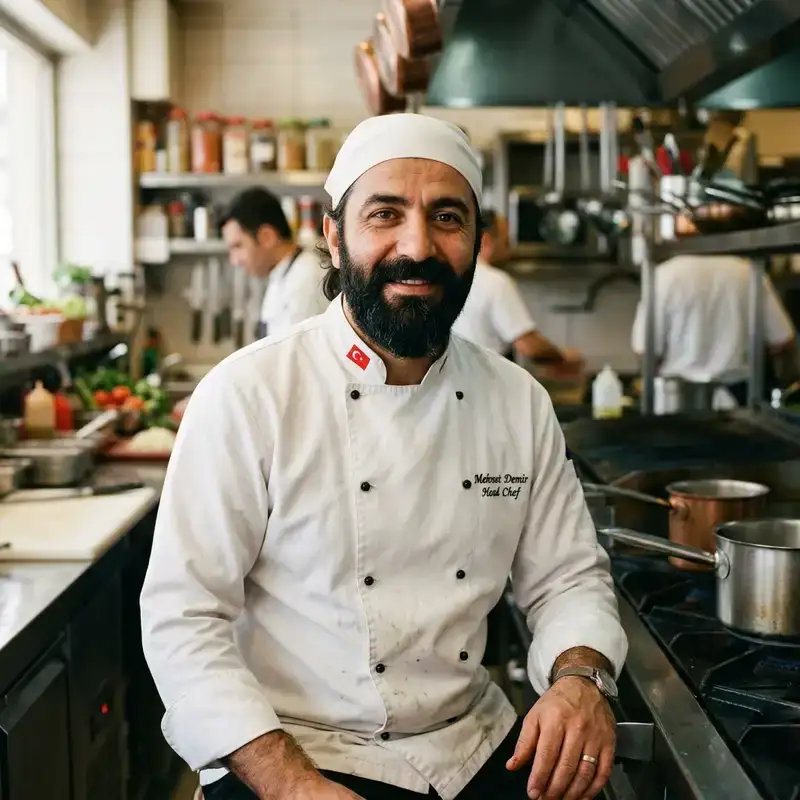
Lahmacun: The Turkish Pizza Often erroneously referred to as "Turkish pizza" by international visitors, lahmacun is an #ancient, deeply beloved Middle Eastern and Anatolian dish that stands entirely on its own merits. The name derives from the Arabic lahm bi 'ajin, which quite literally translates to "meat with dough." While it shares a structural similarity to pizza—a round dough base topped with savory ingredients—lahmacun lacks cheese and features a flavor profile defined by intense spices, fresh herbs, and an impossibly thin crust. The Anatomy of Lahmacun The foundation of a perfect lahmacun is its dough. Unlike a fluffy Neapolitan pizza crust, lahmacun dough is unleavened and rolled out to a paper-thin consistency. This ensures that when it hits the searing heat of a traditional wood-fired stone oven, it crisps up in mere minutes, gaining a beautifully charred, slightly smoky edge while remaining pliable enough to be rolled or folded. The topping is an aromatic paste rather than a chunky sauce. It typically consists of finely minced lamb or beef (or a blend of both) pulverized together with tomatoes, onions, garlic, and fresh parsley. The magic, however, lies in the seasoning. Authentic recipes, particularly those hailing from the southeastern Turkish culinary capitals of Şanlıurfa and Gaziantep, utilize liberal amounts of isot (a dark, smoky, and sweet chili pepper) or Aleppo pepper, alongside cumin, paprika, and a touch of pomegranate molasses for a subtle, tart undertone. The Ritual of Consumption Eating lahmacun has its own established protocol. It is never eaten with a knife and fork. When the hot flatbread arrives, it is customary to squeeze a generous wedge of fresh lemon over the meat. Next, a handful of fresh flat-leaf parsley and thin slices of raw red onion (often sumac-dusted) are placed in the center. The diner then tightly rolls the lahmacun into a cylinder, akin to a wrap, and eats it by hand. A Working-Class Hero Historically, lahmacun was a convenient, inexpensive food for the working class, baked in communal neighborhood ovens. Today, it transcends socioeconomic boundaries, serving as a rapid street-food snack, a comforting late-night meal, and a staple of Turkish fast-casual dining. It is a testament to the fact that simplicity, when combined with high-quality ingredients and ancient techniques, produces culinary perfection. #Lahmacun #TurkishPizza #AnatolianCuisine #StreetFood #Gaziantep #Urfa #IsotPepper #MiddleEasternFood #Flatbread #FoodHistory #turkishfood #recipe #lahmacuntheturkishpizza #anatoliancuisine #demirsef #delicious #food Related InsightsSticky Toffee Pudding The Ultimate English Breakfast Southeastern Spices and Flavors{ "@context": "https://schema.org", "@type": "FAQPage", "mainEntity": [ { "@type": "Question", "name": "What is the main focus of Lahmacun: The Turkish Pizza?", "acceptedAnswer": { "@type": "Answer", "text": "Explore the incredible journey of Lahmacun: The Turkish Pizza with Ayşe Kaya." } }, { "@type": "Question", "name": "Who authored the comprehensive guide on Lahmacun: The Turkish Pizza?", "acceptedAnswer": { "@type": "Answer", "text": "This detailed article and its insights were carefully researched and authored by Demir Şef." } }, { "@type": "Question", "name": "Where can I find more related content about Recipe?", "acceptedAnswer": { "@type": "Answer", "text": "You can explore more articles, detailed reviews, and similar insights by browsing the Related Insights section at the bottom of this article or visiting our dedicated Recipe category page." } } ] }
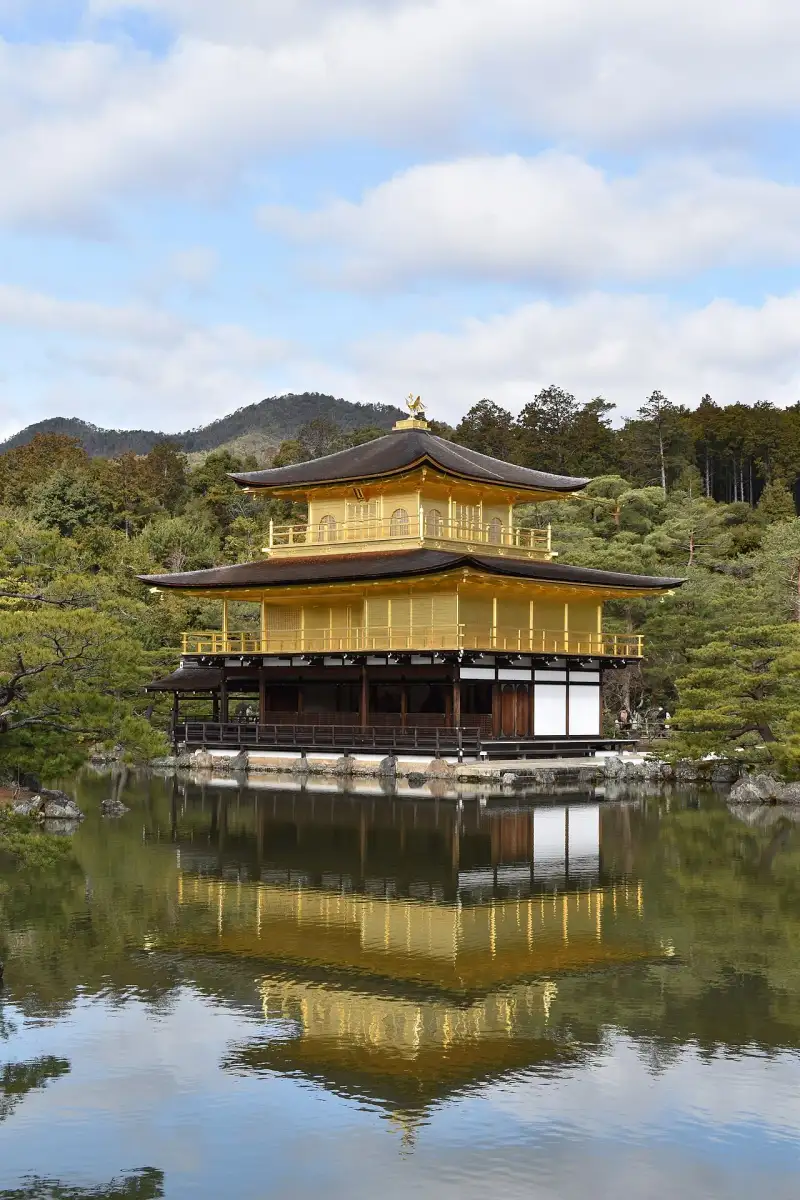
ようこそ。日本の美しき歴史と文化の旅へ。 鹿苑寺(金閣寺):極楽浄土を映す黄金の楼閣 序論:黄金の幻影が語るもの 京都の北山、その緩やかな稜線を背にして、陽光を浴びて燦然と輝く一枚の奇跡があります。通称「金閣寺」としてあまりにも高名なその寺院は、正式な名を「北山鹿苑禅寺(ほくざんろくおんぜんじ)」と称します。臨済宗相国寺派に属し、大本山相国寺の境外塔頭として静かに佇むこの禅刹は、山号を「北山」と仰ぎ、本尊には聖観世音菩薩を戴いています。 私たちがこの黄金の楼閣の前に立つとき、胸を去来するのは単なる視覚的な絢爛さへの感嘆だけではありません。それは、中世の精神が到達したある種の絶対的な調和であり、現世に現れた極楽浄土の具現そのものです。本稿では、この美の聖地が内包する重層的な歴史、建築に秘められた宇宙観、そして幾度もの破滅を乗り越えて再生を果たした不屈の精神性について、学術的かつ哲学的な視点から深く思索を巡らせていきたいと思います。第一章:北山に拓かれた精神の系譜 ―― 荒廃から室町幕府の頂点へ 1. 鎌倉期の胎動と西園寺家の栄枯盛衰 この地に歴史の光が当てられたのは、鎌倉時代初期の承久2年(1220年)頃に遡ります。当時、神祇官白川伯王家が所有していたこの地を、公卿の西園寺公経が自らの所領である尾張国松枝庄と交換することで入手しました。公経は元仁元年(1224年)にこの地に「西園寺」を建立し、それと呼応するように、贅を尽くした山荘「北山第」と見事な庭園を造営しました。 西園寺家は、朝廷と鎌倉幕府との強固なパイプ役である「関東申次」を代々務め、一世を風靡した名門でした。しかし、鎌倉幕府の滅亡という地殻変動が彼らの運命を暗転させます。後醍醐天皇による建武の新政下、当時の当主であった西園寺公宗が天皇暗殺を���てたという嫌疑で処刑され、一族の広大な資産と所領は没収されました。主を失った北山第と西園寺は、時の流れの中で急速に荒廃し、かつての栄華は見る影もなく失われていきました。 2. 足利義満による「北山殿」の創出 荒れ果てたこの地に新たな生命を吹き込み、さらなる絶対的な権威の象徴へと変貌させたのが、室町幕府第3代将軍、足利義満でした。応永4年(1397年)、義満は河内国の自領と交換する形でこの地を譲り受け、大規模な改築と新築を断行して「北山山荘(北山殿・北山第)」を造立しました。 この山荘の規模は、当時の御所をも凌駕するほど壮大なものであり、政治・外交・宗教のすべてがこの北山殿に集約されていました。応永元年(1394年)に将軍職を息子の義持に譲っていた義満ですが、実権を手放すことはなく、この豪奢な山荘において、天下の政務を執り続けたのです。 応永6年(1399年)頃、現在私たちが目にする金閣の祖形となる「舎利殿(金閣)」が完成したと推定されています。同じ年には、相国寺に高さ約109メートルに及ぶ七重大塔が完成しており、これは日本史上最も高い��塔とされています。義満は、自らの権力を天に届かんばかりの高さと、地を照らす黄金の輝きによって視覚化しようとしたのです。 応永10年(1403年)、相国寺の七重大塔が落雷により焼失すると、義満は即座にこの北山殿の地に同規模の「北山大塔(七重大塔)」を再建しました。しかし、義満という巨星が応永15年(1408年)に急逝すると、その政治的景観は大きく揺らぎます。後を継いだ第4代将軍足利義持は、父の政治路線を否定するかのように、北山第の一部を破却して三条坊門第へと移りました。応永23年(1416年)に北山大塔が再び落雷で焼失した際、義持は当地での再建を許さず、相国寺での再建を命じています。 3. 日野康子の死と「鹿苑寺」の誕生 その後、北山第は義満の妻である北山院日野康子の御所として機能していましたが、応永26年(1419年)11月に彼女が逝去すると、舎利殿を残して寝殿などの主要な建物は解体され、南禅寺や建仁寺へと寄贈されました。 翌応永27年(1420年)、義満の遺言に従い、この地は禅寺として生まれ変わります。義満の法号「鹿苑院殿」にちなんで「鹿苑寺」と命名され、名目上の開山(勧請開山)として高僧・夢窓疎石が迎えられました。 時が流れ、義満の孫である第8代将軍足利義政もまた、この鹿苑寺をたびたび訪れました。『蔭涼軒日録』によれば、応仁の乱の終結から8年が経過した文明17年(1485年)10月15日、義政は荒廃した境内を視察しています。乱の戦火を奇跡的に免れた金閣でしたが、かつて美しい紅葉を誇った庭園の楓の大半は伐採され、鏡湖池の水量も減少していました。さらに、二層に安置されていた観音像は失われて新しい像に代わっており、三層の阿弥陀如来と二十五菩薩像に至っては、像そのものが消失し、その背後にあった白雲の装飾だけが残されているという、寂寞たる状態でした。 義政はこの祖父の遺産の美しさと、そこに漂う無常観に深く影響を受け、自らが造営する東山山荘(現在の慈照寺)に「観音殿(銀閣)」を建てることになります。 徳川家康の命により江戸時代に西笑承兌が住職となってからは、主要な建築の再建が進み、慶安2年(1649年)には舎利殿の大修理が行われました。明治維新期には廃仏毀釈の嵐に晒され、寺領の多くを失って経��的苦境に立たされましたが、第十二世住職である貫宗承一の英断により、1894年(明治27年)から庭園と金閣の一般公開を開始。その拝観料によって寺院の維持・運営を賄うという、近代的な保護の道が拓かれたのです。第二章:三界を統合する建築美 ―― 「二重三階」の宇宙観 鹿苑寺を象徴する「舎利殿(金閣)」は、鏡湖池(きょうこち)の北岸に南面して建つ、木造3階建ての楼閣建築です。屋根は宝形造で杮(こけら)葺きとなっており、その頂点には黄金に輝く銅製鳳凰が羽ばたいています。3階建てでありながら、初層と二層の間に屋根の庇を作らない「二重三階」という独特の形式を有しています。 この建築の最も特筆すべき点は、各層が異なる建築様式を持ちながらも、全体として完璧な調和を保っている点にあります。それはまさに、室町時代の多様な文化の融合を体現するものです。 【金閣(舎利殿)の三層構造】 ┌──────────────────────────────────────────────┐ │ 三層:究竟頂(くっきょうちょう)- 禅宗仏殿造 │ (全面金箔・仏舎利) ├──────────────────────────────────────────────┤ │ 二層:潮音洞(ちょうおんどう) - 武家造 │ (外面金箔・観音像) ├──────────────────────────────────────────────┤ │ 初層:法水院(ほうすいいん) - 寝殿造 │ (素木仕上げ・釈迦像) └──────────────────────────────────────────────┘1. 初層:「法水院(ほうすいいん)」 ―― 平安の雅を伝える素木の世界 初層は、平安時代の貴族文化を象徴する「寝殿造」の様式を踏襲しています。二層、三層とは異なり、あえて金箔を貼らずに素木のまま仕上げられており、落ち着いた佇まいを見せています。 正面5間、側面4間のこの空間は、前面の1間通りを吹き放しの広縁とし、奥に広がる板敷きの1室で構成されています。西から2間目の柱間が他よりも広く設計されており、ここには須弥壇が設けられています。壇上には、宝冠釈迦如来坐像と、法体をまとった足利義満の坐像が静かに安置され、世俗と信仰の交錯を示しています。 西側には、池に向かって突き出すように「漱清(そうせい)」と呼ばれる切妻造の小亭が設けられており、水と建築が一体となる寝殿造ならではの優美な景観を形作っています。 2. 二層:「潮音洞(ちょうおんどう)」 ―― 鎌倉の武威と漆黒の対比 二層は、鎌倉時代の「武家造」の建築様式を取り入れています。外面と高欄は全面に眩い金箔が貼られ、初層の素木との鮮烈なコントラストを描き出します。 内部は、西側の3間四方の仏間と、東側の階段室に分かれています。仏間の中央には観音菩薩坐像(岩屋観音)が安置され、その周囲を四天王像が厳重に守護しています。床面と壁面は黒漆塗で仕上げられており、天井には優美な飛天像が描かれています。漆黒の空間の中で金箔の反射光が微かに揺らめく様は、まさに仏教的な玄妙さを象徴しています。 3. 三層:「究竟頂(くっきょうちょう)」 ―― 禅宗の精神性と究極の黄金 最上層である三層は、鎌倉時代にもたらされた「唐様(禅宗仏殿造)」の様式で建てられています。方3間のこの狭小な空間こそが、仏舎利(釈迦の遺骨)を安置する最も神聖な場所です。 初層の蔀戸(しとみど)、二層の舞良戸(まいらど)に対し、三層では禅宗様の特徴である「桟唐戸(さんからど)」や「花頭窓(かとうまど)」が用いられています。外面だけでなく、天井や壁を含めた室内までもが全面金箔張り(床面を除く)となっており、太陽の光を浴びて建物全体が自ら発光しているかのような神々しさを放ちます。軒に掛けられた「究竟頂」の扁額は、後小松天皇の宸筆によるものです。 このように、公家文化(初層)、武家文化(二層)、禅宗文化(三層)という、異なる階層の様式を縦に積み重ね、最上部を禅宗の「究極の境地(究竟頂)」で統括するという構造は、足利義満が目指した「自らを頂点とする世界の秩序」 #japan #travel #history #culture #nature Related InsightsL'Eveil des Cimes : Suspendu dans le Souffle du Tigre Wo die Zeit stillsteht: Madagaskars vergessene Pfade zwischen Lemurenrufen und kolonialen Schatten Baños Árabes de Jaén: El Legado del Agua{ "@context": "https://schema.org", "@type": "FAQPage", "mainEntity": [ { "@type": "Question", "name": "What is the main focus of 鹿苑寺 (金閣寺): 極楽浄土を映す黄金の楼閣?", "acceptedAnswer": { "@type": "Answer", "text": "田中ゆみと共に、鹿苑寺の深淵なる歴史と文化を紐解く旅へ。" } }, { "@type": "Question", "name": "Who authored the comprehensive guide on 鹿苑寺 (金閣寺): 極楽浄土を映す黄金の楼閣?", "acceptedAnswer": { "@type": "Answer", "text": "This detailed article and its insights were carefully researched and authored by Yumi Tanaka." } }, { "@type": "Question", "name": "Where can I find more related content about Travel?", "acceptedAnswer": { "@type": "Answer", "text": "You can explore more articles, detailed reviews, and similar insights by browsing the Related Insights section at the bottom of this article or visiting our dedicated Travel category page." } } ] }
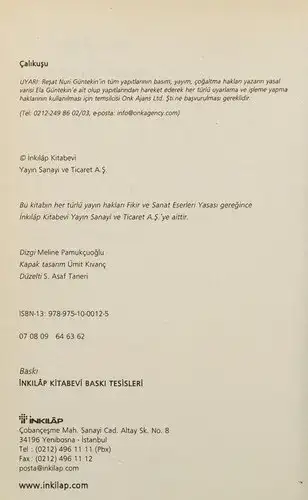
Türk ve Dünya klasiklerinin derinliklerine daldığım incelemelerime bugün Reşat Nuri Güntekin'nın ölümsüz eseri Çalıkuşu ile devam ediyoruz. Edebiyat dünyasının kilometre taşlarından biri olan bu kitap, satır aralarında keşfedilmeyi bekleyen bir okyanus gibi. Kitap Hakkında Genel Görüşler ve Eleştiriler Genç, idealist ve kalbi kırık bir öğretmenin #Anadolu'nun ücra köşelerinde verdiği hayatta kalma ve aydınlanma mücadelesi. Karakter Çözümlemeleri Feride'nin asi çocukluğundan olgun bir kadına dönüşümü, Türk edebiyatındaki en güçlü karakter gelişimlerinden biridir. Yazar Hakkında Fikirler Reşat Nuri, Cumhuriyet öncesi Anadolu'nun cehaletini ve bürokratik çürümüşlüğünü bir genç kızın gözünden ustalıkla anlatmış. Sevilen ve Sevilmeyen Yönler Fedakarlık teması çok dokunaklı ama Feride'nin sürekli aynı talihsizlikleri yaşaması romanın inandırıcılığını yer yer zedeliyor. Kitabın Ana Fikri ve Mesajı İdealist bir ruhun, en karanlık ve umutsuz koşullarda bile kendi ışığını yaratarak ayakta kalabileceğidir. #eğitim #anadolu #aşk #kitap #edebiyat #aylinokur #kitapincelemesi #okumak Related InsightsTutunamayanlar Kitap İncelemesi: Aylin Okur Mai ve Siyah Kitap İncelemesi: Aylin Okur Hüsn ü Aşk Kitap İncelemesi: Aylin Okur{ "@context": "https://schema.org", "@type": "FAQPage", "mainEntity": [ { "@type": "Question", "name": "What is the main focus of Çalıkuşu Kitap İncelemesi: Aylin Okur?", "acceptedAnswer": { "@type": "Answer", "text": "Reşat Nuri Güntekin tarafından yazılan Çalıkuşu eserinin derinlemesine incelenmesi, karakter analizleri ve ana fikri." } }, { "@type": "Question", "name": "Who authored the comprehensive guide on Çalıkuşu Kitap İncelemesi: Aylin Okur?", "acceptedAnswer": { "@type": "Answer", "text": "This detailed article and its insights were carefully researched and authored by Aylin Okur." } }, { "@type": "Question", "name": "Where can I find more related content about Türk Edebiyatı?", "acceptedAnswer": { "@type": "Answer", "text": "You can explore more articles, detailed reviews, and similar insights by browsing the Related Insights section at the bottom of this article or visiting our dedicated Türk Edebiyatı category page." } } ] }

Türk ve Dünya klasiklerinin derinliklerine daldığım incelemelerime bugün Albert Camus'nın ölümsüz eseri Yabancı ile devam ediyoruz. Edebiyat dünyasının kilometre taşlarından biri olan bu kitap, satır aralarında keşfedilmeyi bekleyen bir okyanus gibi. Kitap Hakkında Genel Görüşler ve Eleştiriler Annesinin ölümüne bile gözyaşı dökmeyen bir adamın, toplumun ahlak kuralları tarafından nasıl yargılandığını anlatan absürdist başyapıt. Karakter Çözümlemeleri Meursault'nun dürüstlüğü ve hiçbir şey hissetmeyişi, mahkemedeki ikiyüzlü kalabalıkla müthiş bir tezat oluşturuyor. Yazar Hakkında Fikirler Camus, evrenin kayıtsızlığı karşısında insanın anlam arayışının boşunalığını tek bir karakter üzerinden kusursuzca özetlemiş. Sevilen ve Sevilmeyen Yönler Ana karakterin duyarsızlığı felsefi açıdan dâhice olsa da, okuyucunun onunla duygusal bir bağ kurmasını tamamen engelliyor. Kitabın Ana Fikri ve Mesajı Toplumun kendi kurallarına uymayan ve yalan söylemeyi reddeden bireyleri hızla dışlayıp yok ettiğidir. #varoluşçuluk #felsefe #fransızedebiyatı #kitap #edebiyat #aylinokur #kitapincelemesi #okumak Related InsightsBülbülü Öldürmek Kitap İncelemesi: Aylin Okur Babalar ve Oğullar Kitap İncelemesi: Aylin Okur Kırmızı Pazartesi Kitap İncelemesi: Aylin Okur{ "@context": "https://schema.org", "@type": "FAQPage", "mainEntity": [ { "@type": "Question", "name": "What is the main focus of Yabancı Kitap İncelemesi: Aylin Okur?", "acceptedAnswer": { "@type": "Answer", "text": "Albert Camus tarafından yazılan Yabancı eserinin derinlemesine incelenmesi, karakter analizleri ve ana fikri." } }, { "@type": "Question", "name": "Who authored the comprehensive guide on Yabancı Kitap İncelemesi: Aylin Okur?", "acceptedAnswer": { "@type": "Answer", "text": "This detailed article and its insights were carefully researched and authored by Aylin Okur." } }, { "@type": "Question", "name": "Where can I find more related content about Dünya Klasikleri?", "acceptedAnswer": { "@type": "Answer", "text": "You can explore more articles, detailed reviews, and similar insights by browsing the Related Insights section at the bottom of this article or visiting our dedicated Dünya Klasikleri category page." } } ] }

The Sentinel (Special Edition) Author: Andrew ChildPage Count: UnknownPublication Date: 2026-PRH Andrew Child’s The Sentinel: A Fierce, Unrelenting Descent into Paranoia and Power Andrew Child, the younger brother of thriller titan Lee Child and a master of tension in his own right, delivers The Sentinel—a book that refuses to let go. Set in a near-future America teetering on the edge of digital authoritarianism and societal collapse, this novel isn’t just a thriller; it’s a psychological Molotov cocktail. With The Sentinel, Child proves he’s not merely riding the coattails of his brother’s legacy—he’s forging his own path, one that’s darker, more intimate, and disturbingly plausible. At its core, The Sentinel is about surveillance, trust, and the erosion of privacy in a world where every keystroke is recorded, every movement tracked. The story follows a reclusive security expert, Will Robie, who is drawn out of his self-imposed isolation when a young hacker, a self-proclaimed "sentinel" exposing government overreach, is targeted by a shadowy organization. The catch? The hacker is Robie’s estranged daughter. What unfolds is less a traditional cat-and-mouse chase and more a claustrophobic descent into a labyrinth of betrayal, where allies are liabilities and every secret has a price. Child’s genius lies in his ability to make the abstract terrifyingly concrete. Unlike many thrillers that rely on fantastical villains or implausible tech, The Sentinel thrives on the plausibility of its premise. The surveillance state isn’t some distant dystopia—it’s here, woven into the fabric of everyday life, a silent predator that watches and waits. Child doesn’t need to invent futuristic gadgets; he repurposes real-world tools—facial recognition, data brokers, even social media algorithms—to create a world that feels uncomfortably familiar. The result is a novel that doesn’t just scare you; it makes you paranoid about your own digital footprint. Stylistically, Child’s prose is lean, precise, and relentless. He eschews purple prose in favor of sharp, punchy sentences that crackle with tension. There’s a surgical efficiency to his writing, where every word serves a purpose—whether it’s ratcheting up suspense or revealing a character’s hidden motives. The dialogue is razor-edged, devoid of wasted exposition, and crackles with the kind of snappy repartee that fans of Jack Reacher will recognize, though The Sentinel carves its own identity with a grittier, more contemporary edge. The book’s pacing is another standout feature. Child doesn’t waste time on meandering subplots or unnecessary detours. Instead, he constructs a narrative that feels like a high-stakes chess match, where every move is calculated and every misstep has consequences. The tension builds steadily, not through cheap jump scares, but through the slow accumulation of dread. You’ll find yourself holding your breath during late-night hacking sequences, your pulse quickening as Robie navigates a world where trust is a luxury and anonymity is a myth. One of the novel’s most compelling themes is the idea of legacy—not just in the familial sense (Robie’s strained relationship with his daughter is heartbreakingly rendered) but in the broader societal context. What does it mean to be a "sentinel" in an age where everyone is watched? Is resistance futile, or is it the only thing that defines our humanity? Child doesn’t offer easy answers. Instead, he forces the reader to confront the uncomfortable truth that in a world of total transparency, the only real privacy left is the one we choose to keep. The Sentinel also stands out for its moral ambiguity. The lines between hero and villain are deliberately blurred, and no character is entirely innocent. The villains aren’t mustache-twirling caricatures; they’re bureaucrats, tech executives, and even fellow citizens who’ve bought into the system’s justifications. This isn’t a world where good triumphs because it’s inherently righteous—it’s a world where good fights because it refuses to surrender, even when the odds are impossible. If The Sentinel has a flaw, it’s that its ending might polarize some readers. Child doesn’t wrap things up with a neat bow; instead, he delivers a conclusion that’s as open-ended as it is unsettling. It’s a bold choice, one that prioritizes realism over catharsis. Whether you’ll find it satisfying depends on whether you prefer your thrillers to offer closure or to leave you stewing in the aftermath. Ultimately, The Sentinel is more than just a book—it’s an experience. It’s the kind of novel that lingers in your mind long after the last page, making you question the world around you and the price of security. Andrew Child has crafted a masterclass in paranoia, a thriller that doesn’t just entertain but unsettles, proving that the most terrifying stories aren’t those about monsters hiding in the dark—but about the ones hiding in plain sight. #TheSentinel #AndrewChild #ThrillerBooks #SurveillanceState #TechThriller #MustRead Related InsightsThe Divine Comedy Book Review and Summary 'Die stille Revolution: Wie Noise-Cancelling-Kopfhörer die Welt zum Verstummen bringen' Ellie Ellie Book Review and Summary{ "@context": "https://schema.org", "@type": "FAQPage", "mainEntity": [ { "@type": "Question", "name": "What is the main focus of The Sentinel (Special Edition) Book Review and Summary?", "acceptedAnswer": { "@type": "Answer", "text": "Everything you need to know about The Sentinel (Special Edition) with our detailed review." } }, { "@type": "Question", "name": "Who authored the comprehensive guide on The Sentinel (Special Edition) Book Review and Summary?", "acceptedAnswer": { "@type": "Answer", "text": "This detailed article and its insights were carefully researched and authored by Carmen Martinez." } }, { "@type": "Question", "name": "Where can I find more related content about Books?", "acceptedAnswer": { "@type": "Answer", "text": "You can explore more articles, detailed reviews, and similar insights by browsing the Related Insights section at the bottom of this article or visiting our dedicated Books category page." } } ] }

The Singularity Is Nearer Author: Ray KurzweilPage Count: UnknownPublication Date: 2026-PRH Ray Kurzweil’s The Singularity Is Nearer is not just a book—it’s a manifesto for the future, a bold declaration that the next era of human evolution is hurtling toward us at breakneck speed. Published in 2026, this follow-up to his 2005 landmark The Singularity Is Near arrives at a moment when the promises and perils of artificial intelligence, biotechnology, and nanotechnology are no longer speculative fiction but daily headlines. Kurzweil, the futurist, inventor, and Google’s director of engineering, doubles down on his most controversial claim: that by the mid-21st century, human intelligence will merge with machines, transcending biology itself. But this time, he’s not just predicting—he’s mapping the road. The central thesis of The Singularity Is Nearer is deceptively simple: the Singularity—the point at which artificial intelligence surpasses human intelligence and triggers runaway technological growth—isn’t a distant abstraction. It’s arriving sooner than even Kurzweil previously thought. Where his earlier work laid the groundwork, this book is a status report, a warning, and a call to arms. Kurzweil argues that exponential progress in computing power, genetic engineering, and brain-computer interfaces will converge within decades, not centuries. By 2045, he predicts, we’ll witness the birth of a new civilization—one where human and machine cognition blur into a hybrid intelligence capable of solving problems we can’t yet imagine. What makes this book compelling is not just its vision but its relentless optimism. Kurzweil’s style is that of a scientist who has spent a lifetime turning science fiction into reality. He writes with the clarity of a man who has spent decades explaining complex ideas to skeptics, yet his prose never dumbs down the material. Instead, he invites the reader into a world where Moore’s Law extends beyond silicon, where DNA becomes programmable code, and where consciousness itself may be uploaded. His arguments are meticulously researched, drawing from advances in neuroscience, quantum computing, and synthetic biology that have occurred since his last book. Yet, he doesn’t shy away from the ethical dilemmas—he confronts them head-on, framing them as challenges to overcome rather than insurmountable obstacles. Kurzweil’s optimism is infectious, but it’s not naive. He acknowledges the risks—job displacement, inequality, the potential for AI to act unpredictably—but he frames them as temporary hurdles on the path to abundance. His faith in human ingenuity is absolute. He points to historical precedents: when the printing press disrupted scribes, when electricity replaced manual labor, society adapted. The Singularity, he insists, will be no different. The difference this time? The pace of change will be so rapid that adaptation won’t be a choice—it will be a necessity. The book’s structure mirrors its subject: it’s a spiral of ideas, each chapter building on the last, accelerating toward a crescendo. Kurzweil begins with the science—how close we are to cracking the code of the human brain, how quantum computers are inching toward simulating consciousness. He then pivots to the societal implications: education systems that adapt in real time, healthcare that eradicates disease before symptoms appear, and economies where scarcity is a relic of the past. His tone is urgent but not alarmist. He’s not a doomsayer; he’s a guide, leading us through the fog of the future with data, not dogma. One of the book’s most striking sections is its exploration of mind uploading—the idea that human consciousness could be transferred to a digital substrate. Kurzweil doesn’t just describe the technology; he envisions what it means to be human in a world where identity is no longer tied to flesh. He grapples with questions of continuity: If your mind is copied, is the original "you" still you? If your memories are edited, are you still the same person? These aren’t abstract philosophical musings; they’re questions that will define the next generation. Kurzweil’s approach is pragmatic: he doesn’t claim to have all the answers, but he insists we start asking the right questions now. His writing style is a blend of the technical and the visionary. Kurzweil doesn’t just cite studies—he extrapolates. He takes a single breakthrough in neural networks and imagines how it could scale to redefine intelligence itself. His prose is dense with ideas, but it’s never overwhelming. He has a knack for distilling complexity into digestible insights, making even the most esoteric concepts feel within reach. Yet, there’s a undercurrent of urgency in his tone. He knows that for many readers, the Singularity still feels like a distant dream. His mission is to convince them it’s closer than they think. Critics will argue that Kurzweil’s timeline is too aggressive, that the Singularity remains a moving target. They’ll point to the failures of past predictions—where AI hype outpaced reality. But Kurzweil’s genius lies in his ability to adapt. He revises his forecasts based on new data, and in The Singularity Is Nearer, he does just that. The book is less a rigid prophecy and more a living document, a snapshot of where we stand on the precipice of a revolution. Ultimately, The Singularity Is Nearer is a book for those who refuse to accept the limits of the possible. It’s for the dreamers who see technology not as a tool but as an extension of human potential. Kurzweil doesn’t just predict the future—he invites us to shape it. And in doing so, he reminds us that the most profound changes aren’t the ones we fear, but the ones we dare to imagine. #Singularity2045 #AIandHumanity #FutureIsNow #TechnoOptimism #MindUploading #BeyondBiology Related InsightsShe’s Come Undone Book Review and Summary Firstdawn Book Review and Summary Every Story Is a Love Story Book Review and Summary{ "@context": "https://schema.org", "@type": "FAQPage", "mainEntity": [ { "@type": "Question", "name": "What is the main focus of The Singularity Is Nearer Book Review and Summary?", "acceptedAnswer": { "@type": "Answer", "text": "Everything you need to know about The Singularity Is Nearer with our detailed review." } }, { "@type": "Question", "name": "Who authored the comprehensive guide on The Singularity Is Nearer Book Review and Summary?", "acceptedAnswer": { "@type": "Answer", "text": "This detailed article and its insights were carefully researched and authored by Antoine Leroy." } }, { "@type": "Question", "name": "Where can I find more related content about Books?", "acceptedAnswer": { "@type": "Answer", "text": "You can explore more articles, detailed reviews, and similar insights by browsing the Related Insights section at the bottom of this article or visiting our dedicated Books category page." } } ] }

Markus Zusak: The Book Thief & I Am the Messenger Author: Markus ZusakPage Count: UnknownPublication Date: 2014-PRH Markus Zusak’s The Book Thief and I Am the Messenger are two masterclasses in storytelling that linger long after the last page. Together, they form a diptych of human resilience, moral reckoning, and the quiet heroism that exists in ordinary lives. While separated by tone and setting, both novels share a core theme: the transformative power of small acts—whether through words, choices, or compassion—and the indelible mark they leave on the world. The Book Thief is a haunting, lyrical meditation on the role of literature in the face of unimaginable darkness. Set in Nazi Germany, it follows Liesel Meminger, a foster girl who finds solace in stolen books, her words becoming both armor and escape. Death, the narrator, is an unlikely guide—wry, weary, and deeply human. Zusak’s prose is poetic yet unflinching, balancing the brutality of war with moments of tenderness. The accordion music of Liesel’s foster father, Hans, becomes a metaphor for hope, a fragile melody in a world screaming in discord. The novel’s power lies in its refusal to romanticize suffering; instead, it finds beauty in the resilience of the human spirit. Liesel’s theft of books isn’t just rebellion—it’s an act of defiance, a claim to her own narrative in a world determined to erase her. Zusak’s style is immersive, blending stark realism with dreamlike imagery. Death’s observations—“I am haunted by humans”—are both chilling and poignant, reminding us that even in annihilation, there is meaning. The novel’s structure, with its interspersed chapters on the fates of minor characters, reinforces the idea that every life, no matter how brief, matters. It’s a book that doesn’t just tell a story; it makes you feel the weight of history. I Am the Messenger, on the other hand, is a quieter, more introspective work, yet no less profound. Ed Kennedy, a directionless cabdriver, stumbles into heroism when he foils a bank robbery. But the real twist is the aces that start arriving in his mailbox—each one a mission to change lives, from a suicidal woman to a corrupt cop. The novel is a meditation on purpose, asking what it means to truly matter. Ed’s journey is less about grand gestures and more about the cumulative impact of small, deliberate actions. Zusak’s writing here is sharp and witty, with Ed’s voice—self-deprecating, observant, and deeply human—drawing you in immediately. What ties these two books together is Zusak’s unparalleled ability to find the extraordinary in the ordinary. Both protagonists—Liesel and Ed—are unlikely heroes, shaped not by destiny but by choice. Liesel’s books become her weapon against despair; Ed’s missions become his redemption. Zusak’s genius lies in making the reader see the world differently, to recognize the heroism in everyday acts of kindness, courage, or defiance. His prose is deceptively simple, yet every word feels deliberate. There’s a musicality to his sentences, a rhythm that mirrors the heartbeat of his characters. Whether describing the “snow like feathers” falling over Molching or Ed’s nervous habit of tapping his fingers, Zusak’s details are vivid, almost tactile. He doesn’t just tell you what happens; he makes you experience it. Both novels also grapple with the idea of legacy. Liesel’s story is preserved in the words she writes; Ed’s impact is measured in the lives he touches. Zusak suggests that we are defined not by the grand narratives we’re born into, but by the stories we choose to create or uphold. In a world that often feels chaotic and cruel, his books are a reminder that meaning is something we carve out for ourselves. If The Book Thief is a symphony of sorrow and hope, I Am the Messenger is a jazz improvisation—unpredictable, rhythmic, and alive with possibility. Together, they showcase Zusak’s range: from the epic to the intimate, from historical tragedy to modern moral dilemmas. His work doesn’t just entertain; it challenges, comforts, and lingers. For readers who crave stories that resonate on a deeper level, these books are essential. They remind us that even in the darkest times, or the most mundane lives, there is room for heroism—and that the stories we tell, whether to ourselves or others, can change everything. #TheBookThief #IAmTheMessenger #MarkusZusak #YABooks #HistoricalFiction #MustRead Related InsightsSometimes I Scare Myself: A Collection of Horror Book Review and Summary Like the Moon We Rise (The Poisoner's Moon, #1) Book Review and Summary Mistress Suffragette Book Review and Summary{ "@context": "https://schema.org", "@type": "FAQPage", "mainEntity": [ { "@type": "Question", "name": "What is the main focus of The Book Thief Book Review and Summary?", "acceptedAnswer": { "@type": "Answer", "text": "Everything you need to know about The Book Thief with our detailed review." } }, { "@type": "Question", "name": "Who authored the comprehensive guide on The Book Thief Book Review and Summary?", "acceptedAnswer": { "@type": "Answer", "text": "This detailed article and its insights were carefully researched and authored by Markus Zusak." } }, { "@type": "Question", "name": "Where can I find more related content about Books?", "acceptedAnswer": { "@type": "Answer", "text": "You can explore more articles, detailed reviews, and similar insights by browsing the Related Insights section at the bottom of this article or visiting our dedicated Books category page." } } ] }