-
 John Explorer
- 27 May, 2026 11:45
Whispers in the White Gold Mountains: Tracing Austria's Forgotten Salt Smugglers
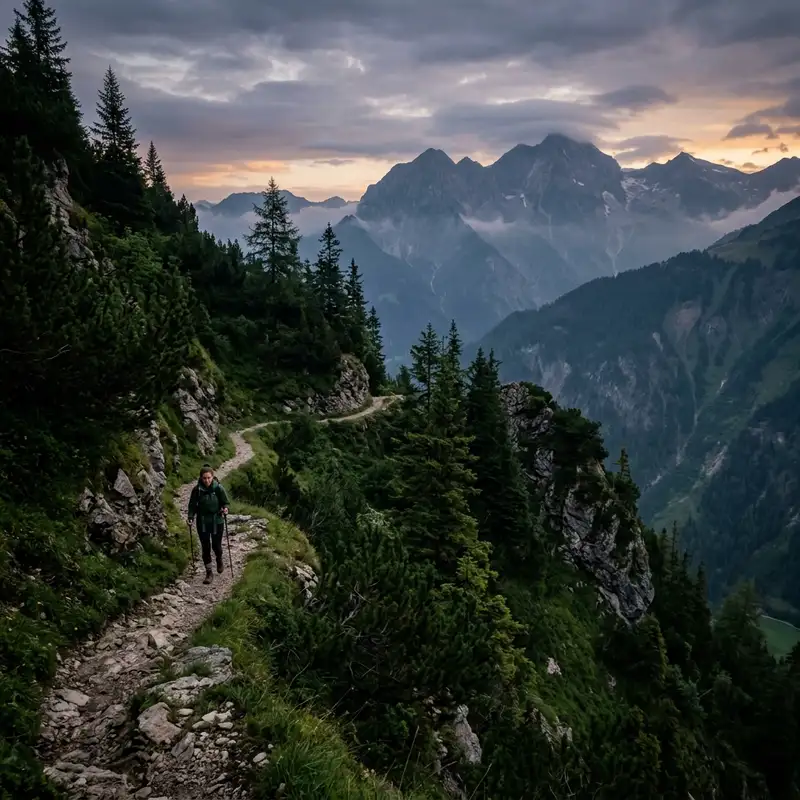
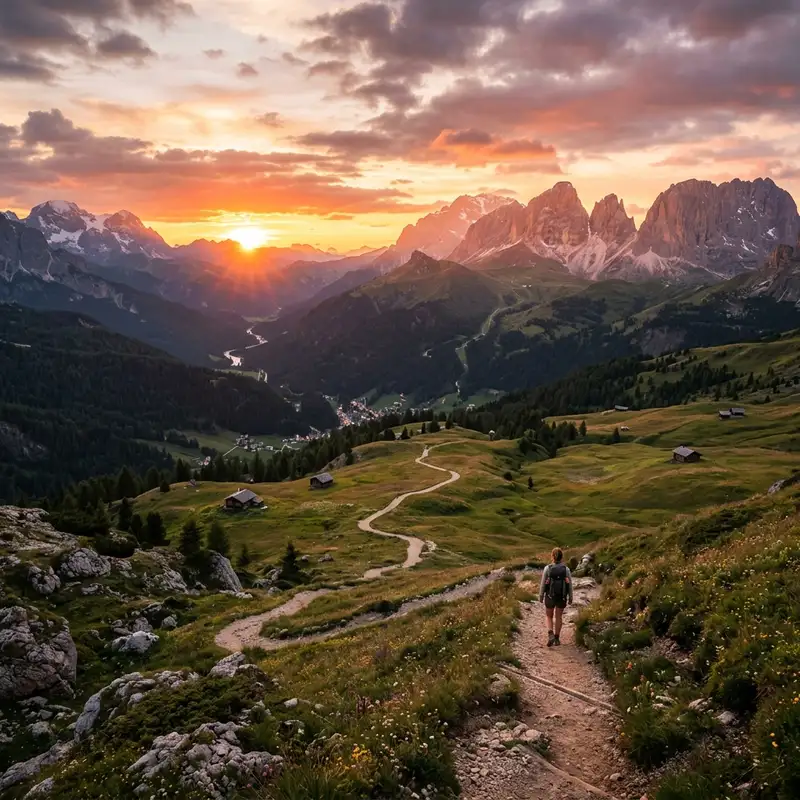
"Whispers in the White Gold Mountains: Tracing Austria's Forgotten Salt Smugglers" The taste wasn't on my tongue, but in the air itself – a subtle, #ancient minerality that seemed to cling to the damp rock faces of the Salzkammergut. It wasn't the sharp tang of the sea, nor the clean bite of a fresh Alpine breeze. This was something else, something primal and deeply rooted, a ghost of an industry that built empires and fueled clandestine journeys through these very mountains. For years, I’ve trekked across continents, seeking out the edges of the map, the stories untold, the cultures teetering on the brink of obscurity. But few quests have pulled at me with the same quiet, insistent gravity as the one that led me here, to the forgotten high passes and shadowed valleys of Austria, in search of what locals sometimes still refer to as the Schattenwanderer – the Shadow Walkers. My obsession began not with a grand discovery, but with a footnote. Buried deep within a dusty, century-old ethnographic text about Alpine folk traditions, a single paragraph spoke of a network of illicit salt trails, secret routes used by daring men and women to bypass the rigid salt monopolies of the Habsburg #empire. These weren't the famed salt mines of Hallstatt, whose #history is rightly celebrated. No, these were the arteries of a black market, pathways etched by desperation and ingenuity, connecting remote hamlets and mountain hideaways. It was a narrative of economic survival against overwhelming odds, a tale of ordinary people transformed into daring outlaws by the sheer necessity of survival. The idea that such an intricate, hidden world existed beneath the polished veneer of Austria’s postcard-perfect landscapes was irresistible. I had to find it. The Genesis of White Gold: Beyond the Famous Mines Salt, in bygone eras, was more than a condiment; it was currency, a preservative, a political tool, and a source of immense power. The Salzkammergut region of Austria, with its dramatic lakes and towering peaks, sits atop some of the richest salt deposits in Europe. For millennia, from the Bronze Age Celts to the mighty Habsburgs, this 'white gold' fueled prosperity. Hallstatt, a #UNESCO World Heritage site, is perhaps the most famous testament to this legacy, boasting the world's oldest salt mine, a place where humans have extracted salt for over 7,000 years. Its history is a well-trodden path for tourists, and rightly so. But my #journey was not about the official narrative, the sanctioned industry. It was about the periphery, the cracks in the system, the ingenious ways people resisted control. The salt monopoly, especially under the Habsburgs, was absolute and lucrative. Salt was produced and sold by the state, often at exorbitant prices. For remote farming communities, geographically isolated and often impoverished, accessing affordable salt – essential for preserving meat, flavoring food, and even for their livestock – was a constant struggle. This economic squeeze created the perfect breeding ground for Salzschmuggler – salt smugglers. They weren't criminals in the common sense, but often respected members of their communities, driven by a primal need to provide for their families. Their routes skirted official checkpoints, traversed treacherous glaciers and hidden ravines, and often involved intricate systems of lookouts and coded messages. It was a clandestine world, woven into the very fabric of Alpine life, yet deliberately erased from mainstream history. My initial research was frustratingly vague. Local archives held scant records – authorities were more interested in catching smugglers than documenting their methods or routes. Oral histories were fragmented, whispered fragments from elderly villagers whose grandparents had hinted at such activities. But the mountains themselves, I believed, held the truest archives. The barely visible paths, the weathered markers, the strategically placed ruins of forgotten shelters – these were the breadcrumbs I sought. Echoes in the Peaks: The Shadow Paths of the Schattenwanderer My quest began in Bad Ischl, a town famed for its imperial connections, yet nestled at the heart of the Salzkammergut. From there, I ventured into smaller, lesser-known valleys – Gosau, Abtenau, the remote corners of the Dachstein region. It quickly became clear that these weren't simple, straightforward trails. They were often animal tracks, old shepherd's paths, or routes deliberately chosen for their difficulty and invisibility. They snaked up near-vertical rock faces, traversed icy scree slopes, and plunged through dense, sunless forests where the trees grew so thick, it felt like walking through the belly of a beast. Imagine the Schattenwanderer – often solitary, sometimes in small, tight-knit groups – carrying sacks of precious, illicit salt, sometimes weighing over 50 kilograms. They moved under the cloak of darkness, by moonlight or the faint glow of a storm lantern, their only companions the howling wind and the rustling of unseen creatures. Their attire would have been simple woolens, leather boots worn smooth from countless ascents and descents, their faces weathered and etched with a mix of defiance and weariness. They knew every rock, every crevice, every shift in the mountain's mood. A sudden storm, a wrong step, or the unexpected patrol of a Salzaufseher (salt warden) could mean the difference between a successful run and a frozen grave, or worse, imprisonment and a harsh sentence. I spent days, then weeks, retracing what I believed to be segments of these trails. Guided by subtle topographical clues, vague descriptions from old maps that were not salt maps but general regional surveys (and thus overlooked by officialdom), and the occasional, almost accidental discovery of an old, hand-carved way marker, I slowly began to piece together a fragmented network. One particular section, a perilously narrow path winding along a sheer cliff face high above the Gosausee, known locally as the 'Teufelsleiter' (Devil's Ladder), offered a visceral understanding of the risks. It was a path that demanded absolute focus, one misstep a plunge into the turquoise depths below. Why would anyone choose such a route? Only if the alternative – capture – was far worse. Life Under the Salt’s Shadow: Villages and Vigilantes The impact of the salt monopoly and the subsequent smuggling rings permeated every aspect of village life. Farmers often doubled as smugglers, their agrarian rhythms providing cover for nocturnal expeditions. Innkeepers might offer clandestine rooms for exhausted Schattenwanderer or act as middlemen for the 'white gold'. Even local priests might turn a blind eye, understanding the desperation of their flock. This wasn't a world of clear-cut good and evil; it was a complex tapestry of survival. In one tiny hamlet, nestled in a valley that time seemed to have forgotten, I met an elderly woodcarver named Franz. His family had lived in the region for generations, and his great-grandfather, he admitted with a twinkle in his eye, "knew the mountains like the back of his hand, especially at night." Franz spoke of secret signals – a specific birdsong, a light flickered thrice from a distant peak – used to warn of approaching wardens. He described hidden caches where salt could be stored, often natural caves or cleverly disguised hollows in ancient trees. He even showed me a curious, rough-hewn wooden tool, almost like a small grappling hook, used, he said, to scale difficult rock faces or aid in carrying sacks over treacherous terrain. This was the first tangible artifact I’d seen related to the Schattenwanderer, a silent testament to their ingenuity.The salt wardens themselves, the Salzaufseher, were often local men, caught between duty and community. Their task was unenviable: to enforce the emperor's law against their own neighbors. Stories abound of cat-and-mouse chases across the mountains, of cunning evasions and narrow escapes. But also of quiet understandings, of wardens who, perhaps, took a little too long to check a certain path, or whose eyesight was a little less sharp on a moonless night, allowing a weary Schattenwanderer to slip through. The line between hunter and hunted was often blurred by shared hardship and a deep understanding of the mountains. I also learned about the ingenious ways salt was disguised. Sometimes it was pressed into cakes and hidden within bales of hay or timber. Other times, it was dissolved in water, transported in barrels ostensibly filled with wine or water, and then recrystallized later. The creativity born out of necessity was astounding, a testament to the human spirit's ability to adapt and overcome. These were not merely acts of defiance; they were acts of economic rebellion, a silent war waged by the common folk against an oppressive system. A Modern Day Pilgrimage: My Journey into the Past My personal journey tracing these phantom trails became a meditative, often grueling, pilgrimage. It wasn't about covering vast distances at speed, but about slowing down, observing, and listening to the whispers of the past. I spent nights in remote, simple mountain huts, the kind accessible only by foot, where the only sounds were the wind and the distant chime of cowbells. I drank from icy glacial streams, feeling a connection to those who had relied on these same waters centuries ago. One particularly poignant moment came on a high pass between the Wolfgangsee and the Postalm, a route Franz had vaguely described as "a shortcut, but only if you knew the stones." The path was barely discernible, overgrown with alpine flora, but occasionally, I’d spot a pile of stones that felt deliberately placed, not natural. As I paused, catching my breath, a profound sense of respect washed over me. I wasn't just walking a trail; I was walking through history, stepping in the very footsteps of desperate men and women. The physical exertion – the burning lungs, the aching muscles – wasn't a deterrent, but a bridge, connecting me to their struggles. It stripped away the comfortable veneer of modern #travel and left me with a raw, authentic appreciation for their resilience. I learned to read the landscape in a new way: not just for beauty, but for clues. A subtly flattened patch of earth might have been a temporary camp. A cluster of ancient larches might have offered cover for a quick rest. The mountains, with their stoic silence, held countless secrets, patiently waiting for someone to observe, to listen. The crisp, clean air that filled my lungs felt imbued with stories, with the echoes of hushed conversations, the scrape of leather boots on rock, the hurried beat of desperate hearts. This wasn't a journey of grand archaeological digs or spectacular ruins. It was a journey of inference, of piecing together fragments, of imagining the lives lived on these harsh, #beautiful slopes. It taught me the value of unwritten history, the narratives that exist outside official records, preserved instead in the land itself and in the collective memory of a people. The Taste of History: Preserving the White Gold's Legacy Today, the salt monopoly is long gone, and the Schattenwanderer are ghosts in the annals of local folklore. The mines are tourist attractions, and salt is a commonplace grocery item. Yet, the legacy of these hidden trails and the people who trod them remains vital. It's a reminder that history isn't just about kings and battles, but about the everyday struggles of ordinary people, their resourcefulness, and their quiet defiance. My expedition revealed that while the specific routes are largely forgotten, some elements of the Schattenwanderer spirit persist. In remote Alpine huts, I still found hearty, heavily salted dishes – a nod to the past, perhaps. In the direct, resilient gaze of the mountain folk, I saw glimmers of the independence and fortitude that must have defined their smuggling ancestors. There's a subtle pride in their voices when they speak of their family's deep roots in the mountains, a hint of unspoken knowledge about what their forefathers truly did. For me, this journey was a profound lesson in perspective. It underscored the fact that true exploration isn't always about venturing to the farthest corners of the earth, but sometimes about looking closer, digging deeper into the familiar, and uncovering the hidden layers beneath. The Austrian Alps, so often celebrated for their majestic beauty and winter sports, hold another, quieter narrative – one of human struggle, ingenuity, and a defiant spirit, etched in rock and carried on the wind. To walk these hidden salt trails is to engage in an act of historical empathy, to imagine the cold sweat, the burning muscles, the constant fear of discovery, and the profound relief of a successful run. It's to appreciate the simple value of a commodity we now take for granted, and to honor the memory of those who risked everything for a pinch of white gold. The whispers in the mountains are fading, but for those willing to listen, the stories of the Schattenwanderer still resonate, a powerful echo of a past that shaped the very soul of these magnificent Alps. #AustriaTravel #HiddenGems #SaltTrails #EuropeanHistory #AdventureTravel Related InsightsIstanbul: Two Continents The Sunken City of Kekova Castel Sant'Angelo: Dal Mausoleo Imperiale alla Fortezza Papale{ "@context": "https://schema.org", "@type": "FAQPage", "mainEntity": [ { "@type": "Question", "name": "What is the main focus of Whispers in the White Gold Mountains: Tracing Austria's Forgotten Salt Smugglers?", "acceptedAnswer": { "@type": "Answer", "text": "Journey deep into the Austrian Alps to uncover the secret history of its 'white gold' and the daring 'Schattenwanderer' who risked everything on forgotten salt smuggling routes." } }, { "@type": "Question", "name": "Who authored the comprehensive guide on Whispers in the White Gold Mountains: Tracing Austria's Forgotten Salt Smugglers?", "acceptedAnswer": { "@type": "Answer", "text": "This detailed article and its insights were carefully researched and authored by John Explorer." } }, { "@type": "Question", "name": "Where can I find more related content about Travel?", "acceptedAnswer": { "@type": "Answer", "text": "You can explore more articles, detailed reviews, and similar insights by browsing the Related Insights section at the bottom of this article or visiting our dedicated Travel category page." } } ] }


Tackling Rugby Author: Allyson PollockPage Count: UnknownPublication Date: 2014-PRH Tackling Rugby: A Harrowing Exposé of the Dangers of Youth Rugby In her thought-provoking and meticulously researched book, Tackling Rugby, Allyson Pollock shines a light on the dark underbelly of youth rugby, a sport that is often revered for its values of camaraderie, discipline, and physical prowess. However, Pollock's searing critique reveals a more sinister reality, one that is marked by a disturbing lack of accountability, inadequate safety measures, and a culture of silence that surrounds the alarming number of injuries and fatalities that occur on the playing fields of Britain. Through a series of meticulous case studies, including the tragic story of Benjamin Robinson, who died in 2011 after sustaining a concussion during a rugby match, Pollock exposes the shocking truth about the risks associated with youth rugby. Her research, which is grounded in peer-reviewed data, reveals that every week, young children are hospitalized due to injuries sustained while playing rugby. Yet, despite these alarming statistics, injury data are not systematically collected, and as a result, any attempts to make the sport safer are hindered by a lack of reliable information. Pollock's writing style is clear, concise, and unflinching, making her book a compelling and unsettling read. She pulls no punches in her critique of the politicians and educational authorities who have failed to take adequate action to address the safety concerns surrounding youth rugby. Her use of data and case studies adds a level of gravitas to her argument, making it impossible to ignore the urgency of the issue. One of the most striking aspects of Pollock's book is her ability to balance her passion for the subject with a rigorous academic approach. Her research is meticulous, and her analysis is thorough, making her conclusions all the more convincing. She also raises important questions about the cultural and societal factors that contribute to the normalization of violence in youth rugby, highlighting the need for a more nuanced understanding of the sport and its impact on young people. Tackling Rugby is a wake-up call for anyone who cares about the welfare of young people. It is a book that will resonate with parents, educators, and policymakers, and it is a must-read for anyone who is interested in the complex and often fraught world of youth sports. Pollock's book is a testament to the power of rigorous research and advocacy, and it is a reminder that, even in the face of adversity, we must continue to push for change. In conclusion, Tackling Rugby is a groundbreaking book that sheds light on the darker aspects of youth rugby. Allyson Pollock's meticulous research and unflinching critique make for a compelling and thought-provoking read. This book is a must-read for anyone who cares about the welfare of young people and the future of youth sports. #YouthRugbySafety #ConcussionProtocol #SportsInjuryPrevention #YouthSportsSafety #RugbyReform #ChildWelfareInSports Related InsightsTake My Word for It: A Memoir Book Review and Summary In the Likely Event Book Review and Summary Colleen Hoover Ebook Boxed Set Hopeless Series Book Review and Summary{ "@context": "https://schema.org", "@type": "FAQPage", "mainEntity": [ { "@type": "Question", "name": "What is the main focus of Tackling Rugby Book Review and Summary?", "acceptedAnswer": { "@type": "Answer", "text": "Everything you need to know about Tackling Rugby with our detailed review." } }, { "@type": "Question", "name": "Who authored the comprehensive guide on Tackling Rugby Book Review and Summary?", "acceptedAnswer": { "@type": "Answer", "text": "This detailed article and its insights were carefully researched and authored by Diego Lopez." } }, { "@type": "Question", "name": "Where can I find more related content about Books?", "acceptedAnswer": { "@type": "Answer", "text": "You can explore more articles, detailed reviews, and similar insights by browsing the Related Insights section at the bottom of this article or visiting our dedicated Books category page." } } ] }


Türk ve Dünya klasiklerinin derinliklerine daldığım incelemelerime bugün Fyodor Dostoevsky'nın ölümsüz eseri Suç ve Ceza ile devam ediyoruz. Edebiyat dünyasının kilometre taşlarından biri olan bu kitap, satır aralarında keşfedilmeyi bekleyen bir okyanus gibi. Kitap Hakkında Genel Görüşler ve Eleştiriler Raskolnikov'un zihnindeki cinayet ve kefaret sancısı, ahlak felsefesinin en çarpıcı şekilde edebi bir dille sunulmuş halidir. Karakter Çözümlemeleri Raskolnikov'un üstinsan kuruntuları ve Sonya'nın masumiyeti arasındaki tezat, insan doğasının ikilemini kusursuz yansıtır. Yazar Hakkında Fikirler Dostoyevski'nin Sibirya sürgününde tanıdığı suçlu profilleri, bu romanın inanılmaz bir psikolojik derinliğe sahip olmasını sağlamış. Sevilen ve Sevilmeyen Yönler İç çatışmaların yoğunluğu büyüleyici olsa da, yazarın bazen yan karakterlerin diyaloglarını gereksiz uzatması yorucu olabiliyor. Kitabın Ana Fikri ve Mesajı Her eylemin bedelinin yasalarla değil, kişinin kendi vicdan mahkemesinde ödendiğidir. #psikoloji #rusedebiyatı #suç #kitap #edebiyat #aylinokur #kitapincelemesi #okumak Related InsightsCennetin Doğusu Kitap İncelemesi: Aylin Okur Anna Karenina Kitap İncelemesi: Aylin Okur Karamazov Kardeşler Kitap İncelemesi: Aylin Okur{ "@context": "https://schema.org", "@type": "FAQPage", "mainEntity": [ { "@type": "Question", "name": "What is the main focus of Suç ve Ceza Kitap İncelemesi: Aylin Okur?", "acceptedAnswer": { "@type": "Answer", "text": "Fyodor Dostoevsky tarafından yazılan Suç ve Ceza eserinin derinlemesine incelenmesi, karakter analizleri ve ana fikri." } }, { "@type": "Question", "name": "Who authored the comprehensive guide on Suç ve Ceza Kitap İncelemesi: Aylin Okur?", "acceptedAnswer": { "@type": "Answer", "text": "This detailed article and its insights were carefully researched and authored by Aylin Okur." } }, { "@type": "Question", "name": "Where can I find more related content about Dünya Klasikleri?", "acceptedAnswer": { "@type": "Answer", "text": "You can explore more articles, detailed reviews, and similar insights by browsing the Related Insights section at the bottom of this article or visiting our dedicated Dünya Klasikleri category page." } } ] }
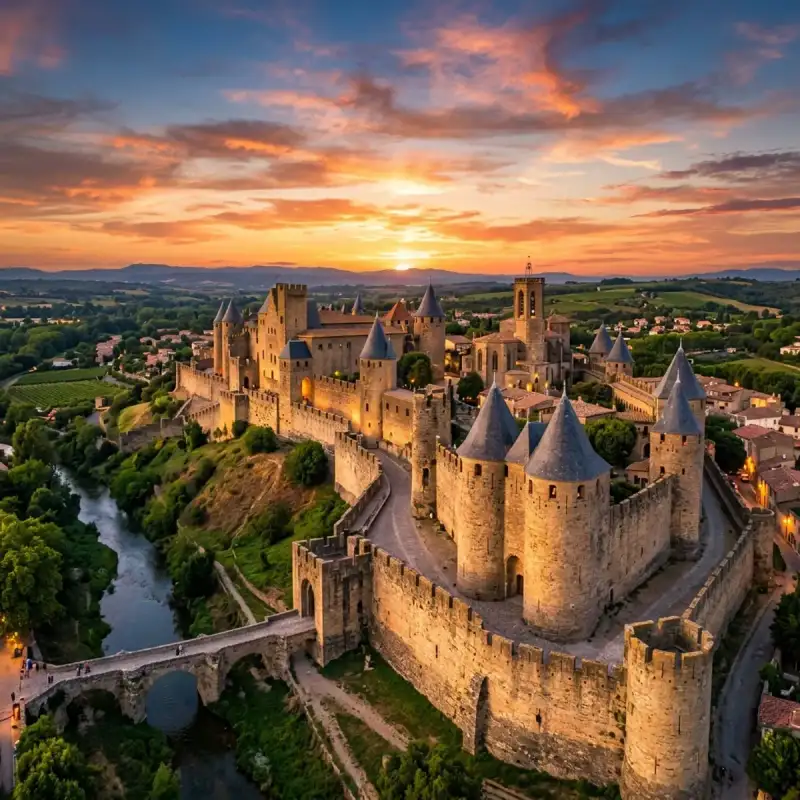
Bem-vindo! Prepare-se para uma #viagem inesquecível pelo coração de #Portugal. Algarve: As Praias Douradas e o Passado Marítimo – Um Chamado Irresistível do Sul de #Portugal Ah, o Algarve! Pronunciar este nome é conjurar um universo de luz, de cores vibrantes e de uma história que ecoa em cada falésia dourada, em cada recanto de calçada, em cada onda que beija a costa. Como vosso Tiago Silva, aventureiro e contador de histórias de viagens, convido-vos hoje a uma imersão profunda nesta região que é muito mais do que um mero destino de férias. É um tesouro nacional, uma tela viva onde a natureza esculpiu paisagens de tirar o fôlego e onde o homem teceu uma tapeçaria cultural de uma riqueza inigualável. Preparem-se para uma #viagem que transcende o postal ilustrado, mergulhando na alma de um Algarve que vibra entre o dourado das suas praias e o murmúrio do seu passado marítimo. O Coração Pulsante do Sul: Geologia, Geografia e Demografia Situado no extremo sul de Portugal, o Algarve não é apenas uma região; é um estado de espírito, uma promessa de sol e de mar que se estende por quase cinco mil quilómetros quadrados de uma beleza ímpar (precisamente 4.997 km²). Esta sub-região portuguesa, formalmente instituída através da Lei n.º 75/2013, que aprovou a reforma administrativa na Assembleia da República, estabelecendo o seu território como Comunidade Intermunicipal do Algarve, é um universo em si mesmo, composto por 16 municípios e 67 freguesias, cada qual com a sua identidade e os seus encantos. Faro, a cidade administrativa, é o seu epicentro, um farol de cultura e história que nos acolhe com a sua Ria Formosa e o seu labirinto de ruas antigas. Imaginem um território que abraça o Atlântico a sul e a oeste, onde as correntes e os ventos esculpiram uma linha costeira de uma diversidade assombrosa, desde as praias selvagens do barlavento até às lagoas tranquilas do sotavento. A norte, o Algarve encontra o seu limite com a vasta e serena região do Alentejo, um contraste de paisagens que nos lembra a rica diversidade do nosso país. A leste, a fronteira é partilhada com a vibrante e histórica Andaluzia espanhola, uma proximidade que, ao longo dos séculos, moldou intercâmbios culturais e comerciais, deixando marcas indeléveis na sua identidade. É, em suma, uma região privilegiada, estrategicamente posicionada na encruzilhada de culturas e paisagens. Com uma população que, em 2024, atinge os 492.747 habitantes, e uma densidade populacional de 96 habitantes por km², o Algarve é um mosaico de gentes. Não é apenas o número que impressiona, mas a vitalidade e a diversidade que este número representa. É uma região em constante crescimento e transformação, um polo de atração que se reflete na sua economia vibrante. Em 2024, o Algarve registou um Produto Interno Bruto de cerca de 14 milhões de euros, posicionando-se orgulhosamente em 6.º lugar entre as regiões portuguesas e contribuindo com cerca de 4% para a economia nacional. Mais impressionante ainda é o seu Produto Interno Bruto per capita, que atingiu os 29.302 euros, colocando-o em 2.º lugar entre as 9 regiões portuguesas. Estes números não são meras estatísticas; são o testemunho de uma região próspera, dinâmica e com um elevado potencial de desenvolvimento, um motor económico impulsionado pela sua beleza natural, pelo seu património e, claro, pela hospitalidade da sua gente. Esta pujança económica e social é monitorizada e desenvolvida pela Comissão de Coordenação e Desenvolvimento Regional do Algarve (CCDR-ALG), cujo estatuto é regulado pelo Decreto-Lei n.º 36/2023, garantindo um planeamento estratégico e sustentável para o futuro. Um Mosaico de Mundos: Os 16 Municípios e a Alma Multicultral Percorrer o Algarve é como folhear um livro de contos, onde cada capítulo nos revela uma nova faceta, uma nova emoção. Os seus 16 municípios são os protagonistas desta narrativa, cada um com a sua voz e a sua identidade inconfundível. Deixem-me levá-los numa breve viagem por este mapa de sonhos:Albufeira: O coração pulsante da vida noturna e das praias animadas, um caldeirão de energia e alegria. Alcoutim: Um recanto sereno e histórico no interior, onde o rio Guadiana é a alma da paisagem e o passado se faz presente em cada pedra. Aljezur: O guardião de uma costa selvagem e indomável, onde as falésias desafiam o Atlântico e as praias são santuários de surfistas e amantes da #nature em estado puro. Castro Marim: Com o seu imponente castelo e as suas salinas, testemunha silenciosa de séculos de história e de um legado mourisco profundo. Faro: A capital, a cidade administrativa, um portal para a Ria Formosa e um labirinto de ruas que ecoam histórias de navegadores e poetas. Lagoa: Famosa pelas suas praias de beleza singular, como a Praia da Marinha, e pelas suas grutas marinhas que nos fazem sonhar. Lagos: Uma cidade com uma rica herança marítima, de onde partiram as caravelas dos Descobrimentos, e que hoje nos encanta com as suas muralhas e a Ponta da Piedade. Loulé: Um centro vibrante de #cultura algarvia, com o seu mercado colorido, as suas feiras tradicionais e o seu castelo medieval. Monchique: O oásis verdejante do Algarve, a "serra mágica", com as suas águas termais, os seus aromas de medronho e as suas vistas panorâmicas que abraçam o horizonte. Olhão: A cidade da Ria Formosa por excelência, com o seu bairro cubista, os seus mercados de peixe e a sua ligação intrínseca ao mar. Portimão: Um centro turístico dinâmico, com a famosa Praia da Rocha e uma marina moderna, ideal para quem procura sol, mar e diversão. São Brás de Alportel: No sopé da serra, um refúgio de tranquilidade, com a sua arquitetura tradicional e a sua ligação à produção de cortiça. Silves: Antiga capital do Al-Gharb, cujo castelo vermelho se ergue majestoso, guardião de uma #história árabe rica e fascinante. Tavira: A "Veneza do Algarve", com as suas 37 igrejas, a sua ponte romana e a sua atmosfera serena e encantadora. Vila do Bispo: Onde a terra se encontra com o fim do mundo, no Cabo de São Vicente, um local de misticismo e de paisagens dramáticas. Vila Real de Santo António: Uma cidade pombalina, de traçado retilíneo, que nos recebe à foz do Guadiana, um espelho da modernidade setecentista.Mas há outro aspeto que torna o Algarve verdadeiramente especial: a sua alma cosmopolita. Esta região transformou-se num dos destinos europeus mais cobiçados, atraindo um número crescente de residentes estrangeiros, oriundos principalmente de outros países da #Europa. Em 2018, os dados revelavam que 69 mil dos seus habitantes não eram portugueses, um testemunho vibrante da sua capacidade de acolhimento. Cidadãos de França, Itália e Suécia foram os que mais aumentaram a sua presença nesse ano, trazendo consigo novas culturas, novos sabores e novas perspetivas. No entanto, são os cidadãos de nacionalidade britânica que continuam a ser os mais representativos entre a população estrangeira residente, uma ligação que se mantém forte e duradoura, e que se traduz numa fusão cultural rica e harmoniosa. Passear pelas ruas do Algarve é ouvir um coro de línguas, é testemunhar uma convivência pacífica e enriquecedora, é sentir que estamos num lugar onde o mundo se encontra. O Nome que Canta a História: Etimologia e Legado Para compreendermos a profundidade do Algarve, precisamos de recuar no tempo, de desvendar os véus que cobrem a sua etimologia, pois no seu nome reside a própria essência da sua #história milenar. Na época romana, quando o vasto império de Roma estendia a sua influência por estas terras, a região era conhecida como Cinético (Cyneticum). Este nome, que hoje nos soa exótico e distante, era uma homenagem aos seus habitantes nativos, um povo indo-europeu conhecido como os cinetes ou cónio (cynetes ou conii, em latim). É um eco dos primeiros tempos, uma lembrança de que, muito antes de Roma, estas terras já tinham a sua gente, a sua cultura, a sua identidade. Mas é na sonoridade melódica e evocativa do árabe que encontramos a designação que hoje nos é familiar: Algarve. Esta palavra mágica tem a sua origem na expressão árabe الغرب (al-Gharb), que significa "o oeste", "o ocidente". Uma designação poética e precisa, que nos situa no extremo poente do mundo conhecido na altura, na orla ocidental de um vasto império. De facto, a expressão completa era Gharb al-Andalus (Gharb al-Ândalus), um nome grandioso atribuído ao atual Algarve e ao Baixo Alentejo durante o domínio muçulmano. Significava "Andaluz Ocidental", pois estas terras constituíam a parte ocidental da Andaluzia mourisca, um vasto território que floresceu sob a influência islâmica. Este nome, "Algarve", é mais do que uma designação geográfica; é um portal para um período de grande esplendor cultural, científico e arquitetónico. A #architecture que ainda hoje vislumbramos em Silves, em Faro, em Loulé, com as suas chaminés rendilhadas, os seus azulejos e os seus traços mouros, é um testemunho silencioso desse legado. É uma palavra que nos convida a imaginar caravanas de mercadores, poetas a declamar sob as estrelas e sábios a desvendar os mistérios do cosmos. O Algarve, "o ocidente", é o lugar onde o sol se põe, onde o continente termina e o infinito oceano começa, uma metáfora perfeita para uma região que sempre esteve na vanguarda, na fronteira entre mundos. As Raízes Profundas: Da Pré-História aos Enigmáticos Cónios Para realmente sentir a alma do Algarve, é preciso mergulhar nas suas raízes mais profundas, recuar no tempo, para além das dunas douradas e dos castelos mouros, até uma era em que a paisagem algarvia era moldada por mãos muito mais antigas. A #história desta terra é tão antiga quanto a própria humanidade que a pisou. Os Primeiros Habitantes: Nomadismo e o Despertar da Agricultura Existem registos arqueológicos que nos contam histórias de povoamento humano no Algarve que datam de há mais de trinta mil anos. A Estação arqueológica de Vale Boi, por exemplo, é um sussurro do Paleolítico, revelando que, em tempos imemoriais, caçadores-recolectores nómadas já trilhavam estes caminhos, vivendo em harmonia com a natureza, migrando em busca de alimento e abrigo. A paisagem era diferente, mais selvagem, mas já acolhia a presença humana, marcando o início de uma longa e fascinante narrativa. Posteriormente, com o advento da agricultura e o surgimento de um estilo de vida mais sedentário – um dos maiores saltos civilizacionais da humanidade – a região algarvia viu proliferar assentamentos fixos. Esta mudança transformou radicalmente a relação do homem com a terra, permitindo o desenvolvimento de comunidades mais estruturadas. O povoamento calcolítico de Alcalar, que atingiu dimensões consideráveis e é um dos mais notáveis e bem preservados exemplos de tais sociedades, é um testemunho monumental desta transição. As suas construções, as suas práticas funerárias, a sua organização social, tudo nos fala de um povo que começou a enraizar-se, a construir o seu mundo. Do Neolítico e Calcolítico, sobreviveram ainda diversos monumentos megalíticos, pedras erguidas por mãos ancestrais que parecem guardar segredos do tempo. Menires, cromeleques e antas, como a impressionante Anta das Pedras Altas, a mais bem preservada em território algarvio, são testemunhos silenciosos de crenças, rituais e uma profunda ligação com o cosmos. Estas estruturas, muitas vezes alinhadas com os astros, são um convite à contemplação, a imaginar os nossos antepassados a celebrar a vida e a morte sob o mesmo céu que hoje nos cobre. São a prova de que a #cultura e a espiritualidade floresceram aqui há milénios, moldando a paisagem e a alma da região. Os Enigmáticos Cónios: Um Povo no Coração da Antiguidade Na época pré-romana, muito antes de Júlio César ou de Viriato, a região era habitada por um povo tão intrigante quanto misterioso: os cónios, também conhecidos por cúneos ou cinetes. Eram um povo (ou um conjunto de várias tribos) cuja filiação linguística e étnica ainda hoje é alvo de debate aceso entre historiadores e arqueólogos. Seriam eles Celtas, com as suas raízes profundas na Europa Central? Ou estariam mais próximos dos Iberos, os antigos habitantes da península? Especula-se até sobre uma possível ligação aos povos anatólicos, o que lhes conferiria uma origem ainda mais distante e exótica. Esta incerteza apenas adensa o fascínio em torno dos cónios, tornando-os figuras lendárias da nossa #história. Apesar dos mistérios que os envolvem, a sua existência é atestada por vários historiadores e autores da antiguidade. Estrabão, o geógrafo grego, Avieno, o poeta romano, e Apiano, o historiador, todos os mencionam, situando-os em áreas geográficas que hoje conformam o Algarve, o sul do Alentejo e, inclusivamente, a zona costeira do Rossilhão, na Catalunha. Estas menções, dispersas por textos antigos, são os fios com que tentamos reconstruir a tapeçaria da sua existência. A localização estratégica dos seus assentamentos, muitos deles próximos da costa, levou alguns historiadores a supor que os cónios poderiam fazer parte dos enigmáticos "povos do mar", cujas movimentações e migrações se iniciaram no 1º milénio a.C. Esta teoria evoca imagens de navegadores audazes, de trocas culturais intensas e de uma civilização com uma forte ligação ao oceano, que via no mar não uma barreira, mas uma ponte para outros mundos. O antigo território dos cónios era vasto e bem delimitado. Estendia-se, pelo litoral, da foz do rio Mira, que hoje marca a fronteira entre o Alentejo e o Algarve, até à foz do Guadiana, que nos liga a Espanha. Pelo interior, a sua influência abrangia a área das nascentes do rio Sado, seguindo pelas ribeiras de Terges e de Cobres até à confluência desta última com o Guadiana, e descendo pela margem direita (ou oeste) desse rio novamente até à sua foz. Este vasto domínio incluía toda a área da Serra do Caldeirão, também denominada Serra de Mu, e o seu planalto, uma região de montanhas suaves e vales profundos, onde a natureza ainda hoje se revela em toda a sua plenitude. Era um território rico em recursos, um cenário de vida e de progresso para este povo ancestral. O ilustre historiador português José Hermano Saraiva ofereceu uma perspetiva valiosa sobre os cónios. Segundo ele, os conii ou cynetes (cónios, em latim, ou cinetes, em grego), ter-se-iam deslocado para o sul por conta da pressão exercida por outros povos. Saraiva, tal como outros autores, sugere que, à semelhança dos lusitanos, os cónios eram celtas. Esta filiação celta é reforçada por topónimos que ecoam a sua presença, como Conímbriga, em Condeixa-a-Nova, e Coina, na Península de Setúbal, que perpetuam a sua memória linguística. É fascinante pensar como o nome de um povo pode atravessar milénios, gravado na própria geografia da nossa terra. Ainda segundo alguns autores, é possível que a cultura dos cónios e a sua influência se estendessem por uma vasta área. Semelhanças em etnónimos, como é o caso da tribo dos Ikonioi, da Gália (atual França), ou do já mencionado topónimo Conimbriga, apontam para uma proliferação extensa. Mais ainda, a raiz indo-europeia (ku-no, que significa 'cume' ou 'pico') do idioma falado e escrito pelos cónios, sugere uma profunda conexão com as montanhas e os pontos altos da paisagem, talvez refletindo a sua cosmologia ou a sua ligação aos picos sagrados. Esta raiz linguística, que se manifesta em diversas línguas indo-europeias, indica uma abrangência cultural que ia da atual França a diversas partes da Península Ibérica, tornando os cónios um elo fundamental na compreensão das antigas civilizações que moldaram a #Europa. O Legado Duradouro do Algarve Ao percorrer as praias douradas, as aldeias caiadas de branco e as cidades históricas do Algarve, estamos a caminhar sobre camadas de tempo, sobre os vestígios de povos que aqui viveram, amaram, lutaram e deixaram a sua marca. Desde os caçadores-recolectores do Paleolítico, passando pelos construtores de monumentos megalíticos, pelos enigmáticos cónios, pelos romanos que lhe deram o nome de #portugal #travel #history #europe #cultura Related InsightsWandering Through Ephesus Chloe Tremblay’s Epic 10-Day Iceland Ring Road Adventure: A Budgeter’s Paradise and Luxury Dream Fairy Tale Châteaux: A Journey Through the Loire Valley{ "@context": "https://schema.org", "@type": "FAQPage", "mainEntity": [ { "@type": "Question", "name": "What is the main focus of Algarve: As Praias Douradas e o Passado Marítimo?", "acceptedAnswer": { "@type": "Answer", "text": "Junte-se a Tiago Silva numa exploração profunda por Algarve." } }, { "@type": "Question", "name": "Who authored the comprehensive guide on Algarve: As Praias Douradas e o Passado Marítimo?", "acceptedAnswer": { "@type": "Answer", "text": "This detailed article and its insights were carefully researched and authored by Tiago Silva." } }, { "@type": "Question", "name": "Where can I find more related content about Travel?", "acceptedAnswer": { "@type": "Answer", "text": "You can explore more articles, detailed reviews, and similar insights by browsing the Related Insights section at the bottom of this article or visiting our dedicated Travel category page." } } ] }

Türk ve Dünya klasiklerinin derinliklerine daldığım incelemelerime bugün Sabahattin Ali'nın ölümsüz eseri Kürk Mantolu Madonna ile devam ediyoruz. Edebiyat dünyasının kilometre taşlarından biri olan bu kitap, satır aralarında keşfedilmeyi bekleyen bir okyanus gibi. Kitap Hakkında Genel Görüşler ve Eleştiriler İki içine kapanık ruhun #Berlin'de kesişen yolları, okura unutulmaz bir melankoli ve saf bir sevgi sunuyor. Karakter Çözümlemeleri Raif Efendi'nin silik bir hayattan tutkulu bir aşka sürüklenişi ve Maria Puder'in özgürlük tutkusu efsanevidir. Yazar Hakkında Fikirler Sabahattin Ali, sıradan görünen insanların içindeki o devasa fırtınaları yakalamakta benzersiz bir ustadır. Sevilen ve Sevilmeyen Yönler Maria'nın günlüğünün okunmasıyla hikayenin açılması harika bir kurgu, ancak son kısımlar fazla gözyaşı döktürüyor. Kitabın Ana Fikri ve Mesajı Dışarıdan sıradan görünen her insanın içinde keşfedilmeyi bekleyen uçsuz bucaksız bir hikaye vardır. #aşk #yalnızlık #türkedebiyatı #kitap #edebiyat #aylinokur #kitapincelemesi #okumak Related InsightsAşk-ı Memnu Kitap İncelemesi: Aylin Okur İnce Memed Kitap İncelemesi: Aylin Okur Tutunamayanlar Kitap İncelemesi: Aylin Okur{ "@context": "https://schema.org", "@type": "FAQPage", "mainEntity": [ { "@type": "Question", "name": "What is the main focus of Kürk Mantolu Madonna Kitap İncelemesi: Aylin Okur?", "acceptedAnswer": { "@type": "Answer", "text": "Sabahattin Ali tarafından yazılan Kürk Mantolu Madonna eserinin derinlemesine incelenmesi, karakter analizleri ve ana fikri." } }, { "@type": "Question", "name": "Who authored the comprehensive guide on Kürk Mantolu Madonna Kitap İncelemesi: Aylin Okur?", "acceptedAnswer": { "@type": "Answer", "text": "This detailed article and its insights were carefully researched and authored by Aylin Okur." } }, { "@type": "Question", "name": "Where can I find more related content about Türk Edebiyatı?", "acceptedAnswer": { "@type": "Answer", "text": "You can explore more articles, detailed reviews, and similar insights by browsing the Related Insights section at the bottom of this article or visiting our dedicated Türk Edebiyatı category page." } } ] }


Head On Author: John ScalziPage Count: UnknownPublication Year: 2018-GB In the realm of science fiction, few authors have managed to captivate audiences with the same level of intellectual curiosity and wit as John Scalzi. His 2018 novel, "Head On", is a testament to his mastery of the genre, delving into the intricacies of a world where virtual reality has become indistinguishable from reality itself. At its core, "Head On" is an exploration of the human condition, probing the boundaries of identity, community, and what it means to be alive. Scalzi's vision of a future where people can upload their consciousness into a virtual world, known as the "Haden" universe, raises fundamental questions about the nature of existence and our place within it. As the protagonist, Detective Chris Shane, navigates this complex landscape, Scalzi skillfully weaves together a narrative that is both a gripping mystery and a profound philosophical inquiry. One of Scalzi's greatest strengths as a writer is his ability to balance action, suspense, and humor with intellectual depth. His prose is effortlessly engaging, making even the most complex ideas accessible to a broad range of readers. The world-building in "Head On" is meticulous and immersive, with a keen attention to detail that draws the reader into the Haden universe. Through Chris Shane's character, Scalzi explores the tensions between the physical and virtual worlds, highlighting the implications of a society where people can exist in multiple realms simultaneously. As Shane delves deeper into a mystery involving a string of murders in the Haden universe, Scalzi expertly exposes the fault lines between those who have access to this technology and those who do not. Scalzi's style is characterized by his trademark wit and humor, which adds a layer of levity to even the most intense moments in the narrative. His characters are multidimensional and relatable, with distinct voices and motivations that drive the plot forward. The supporting cast, including Shane's partner, Leslie Vex, and the enigmatic figure of Haden's creator, are equally well-crafted, adding depth and complexity to the story. What sets "Head On" apart from other science fiction novels is its thought-provoking exploration of the human condition. Scalzi challenges readers to consider the consequences of emerging technologies on our society, our relationships, and our sense of self. As the boundaries between the physical and virtual worlds continue to blur, "Head On" serves as a timely reminder of the importance of empathy, compassion, and understanding in navigating these uncharted territories. In conclusion, "Head On" is a masterpiece of science fiction that will appeal to fans of the genre and newcomers alike. Scalzi's unique blend of intellectual curiosity, wit, and engaging storytelling makes this novel a must-read for anyone interested in exploring the complexities of the human condition. With its thought-provoking themes, memorable characters, and gripping narrative, "Head On" is an unforgettable journey into the heart of what it means to be alive. #ScienceFiction #VirtualReality #JohnScalzi #BookReview #HeadOn #FutureSociety Related InsightsMythology Book Review and Summary Archer's Voice Book Review and Summary The Princess Rules Book Review and Summary{ "@context": "https://schema.org", "@type": "FAQPage", "mainEntity": [ { "@type": "Question", "name": "What is the main focus of Head On Book Review and Summary?", "acceptedAnswer": { "@type": "Answer", "text": "Everything you need to know about Head On with our detailed review." } }, { "@type": "Question", "name": "Who authored the comprehensive guide on Head On Book Review and Summary?", "acceptedAnswer": { "@type": "Answer", "text": "This detailed article and its insights were carefully researched and authored by Thomas Wright." } }, { "@type": "Question", "name": "Where can I find more related content about Books?", "acceptedAnswer": { "@type": "Answer", "text": "You can explore more articles, detailed reviews, and similar insights by browsing the Related Insights section at the bottom of this article or visiting our dedicated Books category page." } } ] }
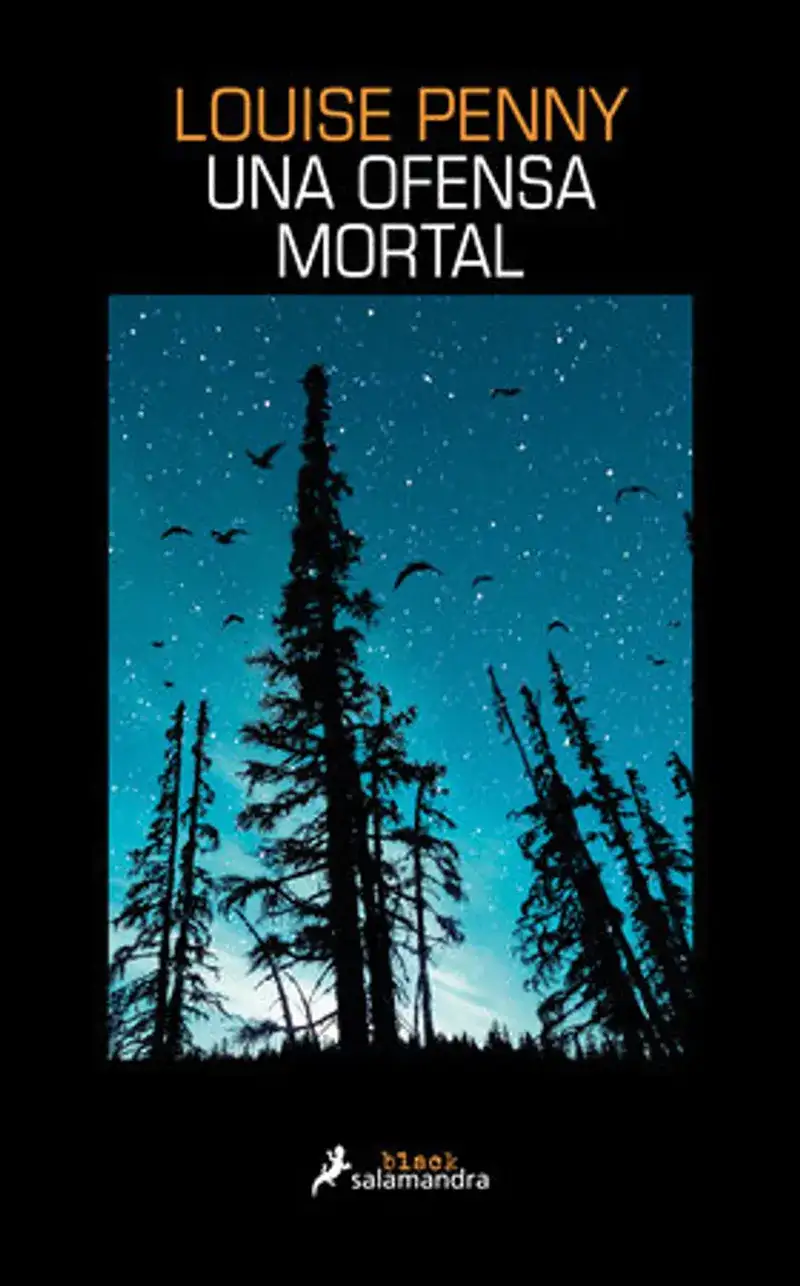

Una ofensa mortal / A Great Reckoning Author: Louise PennyPage Count: UnknownPublication Date: 2022-PRH Louise Penny’s A Great Reckoning, the twelfth installment in her celebrated Chief Inspector Gamache series, is a masterclass in psychological depth, moral complexity, and the unrelenting pursuit of truth—even when the truth implicates oneself. This novel is not just a murder mystery; it is a reckoning with corruption, legacy, and the weight of one’s own actions, all set against the hauntingly beautiful backdrop of Three Pines. Penny, a writer of extraordinary precision and emotional resonance, crafts a story that is as much about the internal battles of its protagonist as it is about the external hunt for a killer. At its core, A Great Reckoning explores the idea of systemic rot and the courage required to confront it. Gamache, now the commander of the Sûreté Academy, is tasked with reforming a police force plagued by brutality and moral decay. His mission is noble, but Penny does not shy away from showing the personal toll it takes. When an old colleague is murdered—found with a cryptic map of Three Pines in his possession—Gamache is thrust into a crisis that threatens to undo everything he has built. The investigation forces him to question not only the actions of others but his own past decisions and the unintended consequences they may have unleashed. What makes this novel stand out is Penny’s refusal to simplify morality. Gamache, a man of unwavering integrity, is not immune to suspicion. The narrative takes a daring turn as his own role in past events becomes a focal point of the investigation. This shift elevates the story from a conventional whodunit to a meditation on accountability and the burden of leadership. Penny’s prose is lush yet controlled, painting Three Pines as a place of both solace and dread—a setting where beauty and darkness coexist, much like the characters who inhabit it. Penny’s style is deceptively gentle, lulling the reader into a sense of comfort before delivering devastating emotional blows. She excels at weaving intricate subplots that feel organic rather than contrived, ensuring that every character, from the cadets at the academy to the eccentric residents of Three Pines, has depth and agency. The dialogue crackles with authenticity, and the tension builds with the precision of a master storyteller. A Great Reckoning also serves as a bridge between past and future in the Gamache series. Longtime fans will appreciate the nods to earlier books, while the themes of redemption and renewal give newcomers plenty to savor. Penny’s exploration of memory—how it shapes us and how we shape it—adds another layer of intrigue. The map found on the victim, for instance, is not just a clue but a symbol of hidden truths waiting to be uncovered. Ultimately, this novel is about the indomitable nature of the human spirit in the face of corruption and betrayal. Gamache’s journey is one of relentless self-interrogation, a reminder that even the most virtuous among us must confront their own flaws. Penny doesn’t offer easy answers, but she does offer something far more valuable: a story that lingers, that challenges, and that insists we ask ourselves uncomfortable questions. In A Great Reckoning, Louise Penny has crafted not just a mystery, but a profound meditation on justice, legacy, and the cost of truth. It’s a book that will leave you breathless, haunted, and perhaps a little more introspective by the final page. #LouisePenny #ChiefInspectorGamache #MysteryNovel #CrimeFiction #ThreePines #BookReview Related InsightsBrave New World Book Review and Summary Fourth Wing Book Review and Summary Ink & Sigil Book Review and Summary{ "@context": "https://schema.org", "@type": "FAQPage", "mainEntity": [ { "@type": "Question", "name": "What is the main focus of Una ofensa mortal / A Great Reckoning Book Review and Summary?", "acceptedAnswer": { "@type": "Answer", "text": "Everything you need to know about Una ofensa mortal / A Great Reckoning with our detailed review." } }, { "@type": "Question", "name": "Who authored the comprehensive guide on Una ofensa mortal / A Great Reckoning Book Review and Summary?", "acceptedAnswer": { "@type": "Answer", "text": "This detailed article and its insights were carefully researched and authored by Olivia Harris." } }, { "@type": "Question", "name": "Where can I find more related content about Books?", "acceptedAnswer": { "@type": "Answer", "text": "You can explore more articles, detailed reviews, and similar insights by browsing the Related Insights section at the bottom of this article or visiting our dedicated Books category page." } } ] }
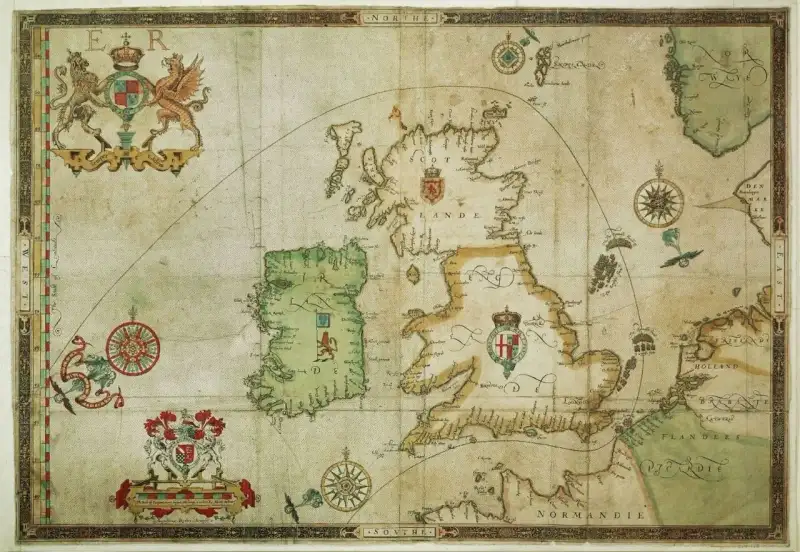

The sea does not suffer fools, nor does it yield to the hubris of kings. It is an ancient, wrathful entity, a theater of war where empires are made and broken upon the foaming waves. In the sweltering summer of 1588, the churning gray waters of the English Channel bore witness to one of the most spectacular, terrifying, and consequential clashes in the annals of human history: the defeat of the "Invincible" Spanish Armada. As a historical author, I have spent countless nights poring over the brittle, ink-stained dispatches of Tudor captains and the tragic, heart-wrenching letters of Spanish commanders, attempting to grasp the sheer magnitude of this confrontation. What transpired during those fateful weeks was not just a battle of ships and cannons, but a collision of two worlds, two religions, and two wildly different visions for the future of the globe. #History #NavalHistory #SpanishArmada The Gathering Storm: Spain's Grand Enterprise To understand the sheer weight of the Armada, one must first step back into the dimly lit corridors of the Escorial, where King Philip II of Spain, a man of relentless piety and unimaginable power, plotted the downfall of his arch-nemesis: Queen Elizabeth I of England. For decades, Elizabeth had been a thorn in Philip’s side. She had turned England into a bastion of Protestantism, encouraged swashbuckling privateers like Sir Francis Drake to plunder Spanish galleons in the New World, and openly supported the Dutch rebellion against Spanish rule. To Philip, England was a nest of heretics and pirates. The time for diplomacy had long passed. It was time for the "Enterprise of England." #TudorHistory #PhilipII #ElizabethI Philip’s grand design was breathtaking in its ambition and terrifying in its scale. He envisioned a gargantuan fleet, the likes of which the world had never seen, sailing from Lisbon to the English Channel. There, it would link up with a battle-hardened Spanish army stationed in the Netherlands under the command of the brilliant Duke of Parma. Together, this unstoppable force would cross the Channel in flat-bottomed barges, land on the English coast, march on London, depose the "heretic Queen," and restore the Catholic faith to the British Isles. A Fleet to Conquer the World By the spring of 1588, the "Invincible Armada" was ready. It was a floating city, a testament to the might and wealth of the Spanish Empire, largely funded by the silver mined from the agonizing depths of Potosí in the New World. 130 Ships: Comprising massive, towering galleons designed to act as floating fortresses, alongside heavily armed merchant vessels, smaller pinnaces, and Mediterranean galleasses (huge rowed warships). 30,000 Men: Among them were 8,000 sailors to man the ships, 18,000 elite soldiers to fight the land war, and a small army of priests, monks, and inquisitors to save English souls (or burn them, if saving proved impossible). 2,400 Cannons: A staggering arsenal capable of unleashing hellfire upon any vessel foolish enough to stand in their path. #MilitaryHistoryCommanding this immense force was Alonso Pérez de Guzmán, the Duke of Medina Sidonia. He was a noble of the highest rank, a capable administrator, but critically, he was not a seasoned sailor. When Philip appointed him, Medina Sidonia had famously pleaded to be excused, citing his tendency to get seasick and his lack of naval combat experience. But Philip, believing he was guided by the hand of God, refused the Duke’s resignation. Medina Sidonia set sail with a heavy heart, burdened by the impossible expectations of his sovereign and his Creator. The English Defense: Wood, Wind, and Wit Across the churning divide of the Channel, England was not waiting quietly for the executioner's axe. Queen Elizabeth I, aware of the encroaching doom, had mobilized her realm. The English response was characterized by a frantic, desperate energy, born of the knowledge that failure meant the end of their nation. #England #TudorEra The Dogs of War Unleashed The English fleet was fundamentally different from the Spanish Armada. While the Spanish relied on massive galleons built for close-quarters boarding actions—floating castles that sought to grapple enemy ships and overwhelm them with superior infantry—the English had spent the previous decades revolutionizing naval warfare. Led by brilliant, ruthless commanders like Lord Howard of Effingham, Sir Francis Drake, Sir John Hawkins, and Sir Martin Frobisher, the English had developed the "race-built" galleon. These ships were lower, sleeker, and significantly faster than their Spanish counterparts. More importantly, they were designed not as troop transports, but as floating gun platforms. The English strategy was simple but revolutionary: stay out of grappling range, use their superior speed and maneuverability to dictate the engagement, and pound the Spanish ships to splinters with long-range cannon fire. As the Armada slowly crept northward along the coast of Europe, beacon fires were lit across the length and breadth of England, passing the dread warning from hilltop to hilltop. The Spaniards were coming. The fate of the world hung in the balance. The Clash in the Channel: A Ballet of Death On July 19, 1588, the Spanish Armada was finally sighted off the coast of Cornwall, near the Lizard. The legend goes that Sir Francis Drake was playing a game of bowls on Plymouth Hoe when the news arrived, and he coolly remarked that there was time enough to finish the game and beat the Spaniards too. While the veracity of this tale is debated by historians, it perfectly encapsulates the swagger and audacity of the English sea dogs. #FrancisDrake #NavalBattle The Crescent Formation When the English fleet finally sailed out of Plymouth to meet the Armada, they were confronted with a sight that must have frozen the blood in their veins. The Spanish ships were arranged in a massive, tightly disciplined crescent formation, stretching for miles across the horizon. This formation was a tactical masterpiece. The strongest galleons protected the vulnerable wings (the horns of the crescent), while the slower supply ships and troop transports were nestled safely in the center. For a week, the two great fleets engaged in a running, agonizingly tense battle as they moved slowly up the English Channel. The English ships darted in like angry wasps, firing broadsides at the Spanish flanks before turning away before the heavier Spanish ships could grapple them. The Spanish, maintaining their rigid discipline, absorbed the punishment, returning fire when they could, but relentlessly pushing forward toward their rendezvous with the Duke of Parma. The air was thick with the acrid, choking stench of black powder. The roar of the cannons was deafening, a continuous, thunderous drumbeat echoing across the water. Yet, despite the unprecedented expenditure of gunpowder and shot, neither side managed to inflict a decisive blow. The English realized with growing horror that their cannons, though numerous, were largely bouncing off the incredibly thick oak hulls of the Spanish galleons. The "Invincible Armada" seemed exactly that—invulnerable to English fire. #Warfare #16thCentury Hell on Water: The Fireships of Calais By late July, the Armada had reached the Strait of Dover and dropped anchor off the coast of Calais, France. Medina Sidonia had achieved the first part of his impossible mission: he had navigated the Channel without losing a single major warship to English action (two had been lost to accidental collisions and explosions). However, he now faced a catastrophic problem. The Duke of Parma’s army was not ready. Blockaded by shallow-draft Dutch rebel ships (the "Sea Beggars") and lacking the necessary barges to safely reach the Armada, Parma could not embark. The Spanish fleet was sitting in an exposed anchorage, with a hostile English fleet lurking just out of range, and a fast-approaching storm threatening to blow them onto the treacherous Flemish shoals. It was here, in the dead of night on August 7, 1588, that the English played their trump card. It was a tactic as old as naval warfare itself, but executed with terrifying precision and devastating psychological effect: fireships. #Fireships #Tactics The Midnight Inferno Lord Howard ordered eight old, heavily combustible ships to be stripped of all valuables. Their holds were packed with pitch, tar, brimstone, gunpowder, and anything else that would burn fiercely. Their cannons were left fully loaded, primed to cook off in the heat and add a deadly barrage to the ensuing inferno. As the tide turned and the wind blew strongly toward the anchored Spanish fleet, the fireships were set ablaze and sent drifting into the darkness. Imagine the terror of the Spanish sailors on watch that night. The darkness of the Channel was suddenly pierced by eight towering pillars of fire, roaring and crackling as they bore down upon the tightly packed Armada. The flames licked at the night sky, casting a hellish, orange glow over the water. The loaded cannons aboard the fireships began to explode in the heat, firing randomly into the night, adding to the absolute chaos. Panic, raw and uncontrollable, swept through the Spanish fleet. The disciplined crescent formation, which had held so flawlessly for a week, shattered in an instant. Fearing that the fireships were packed with massive explosives (similar to the devastating "Hellburners" the Dutch had used in Antwerp), the Spanish captains did not wait to weigh anchor. They hacked their thick anchor cables with axes, abandoning their vital ground tackle in a desperate scramble to escape the approaching inferno. Ships collided in the darkness, rigging tangled, and hulls ground together as the Armada scattered in a disorganized, panicked mass into the North Sea. #Chaos #BattleOfCalais The Battle of Gravelines: Blood and Timber Dawn broke on August 8 to reveal a Spanish fleet that was scattered, disorganized, and deeply vulnerable. For the first time since the campaign began, the Armada was not in its defensive crescent. The English, realizing their golden opportunity had arrived, closed in for the kill. What followed was the Battle of Gravelines, the climax of the Armada campaign. Having realized that firing from a distance was ineffective against the thick Spanish hulls, the English commanders made a bold, dangerous decision: they sailed to within musket range—sometimes as close as fifty yards—before unleashing their broadsides. The combat was brutal, bloody, and deafening. The English ships, faster and more maneuverable, poured a relentless, terrifying hail of iron roundshot into the Spanish galleons. The Spanish, desperate to grapple and board, found their cumbersome ships outmaneuvered at every turn. Furthermore, many of the Spanish cannons were found to be loaded with the wrong size ammunition, or their gunners, untrained for sustained rapid fire, could not reload quickly enough. The Slaughter on the Decks For nine grueling hours, the battle raged. The Spanish ships, particularly the galleons San Martín (Medina Sidonia’s flagship) and San Mateo, absorbed an unbelievable amount of punishment. Their hulls were riddled with holes, their rigging was shredded into a tangled mess of hemp and canvas, and their decks ran red with the blood of soldiers and sailors. Eyewitness accounts speak of a hellish scene. Splinters of oak, jagged and sharp as daggers, flew across the decks, impaling men where they stood. The screams of the wounded mingled with the roar of the cannons and the crash of falling masts. Priests moved among the dying, offering absolution amidst the carnage. By late afternoon, the Spanish fleet was on the brink of total annihilation. Several ships were sinking, others were completely disabled, and the English were preparing to board and capture the prizes. But then, as if the heavens themselves intervened, a sudden, violent squall blew up, forcing the English to break off their attack. The Armada was saved from immediate destruction, but its spirit was broken, and its mission was definitively aborted. #BattleOfGravelines #NavalCombat The Perilous Journey North: The Wrath of God The Armada was battered, bleeding, and dangerously low on ammunition and food. The wind, blowing strongly from the south, prevented them from returning down the English Channel. Medina Sidonia faced a grim, agonizing reality: the only way home to Spain was a perilous, uncharted journey north, sailing around the treacherous coasts of Scotland and Ireland. It was a journey into a nightmare. As the fleet rounded the northern tip of Scotland, they were battered by a series of unprecedented, ferocious autumnal storms. The Spanish ships, already severely damaged at Gravelines, with weakened masts and hulls full of leaks, were woefully unequipped to handle the furious gales of the North Atlantic. Shipwrecks and Slaughter on the Irish Coast The true tragedy of the Spanish Armada did not occur in the English Channel, but on the jagged, unforgiving rocks of the Irish coast. Desperate for fresh water, food, and repairs, many Spanish captains tried to seek shelter in the bays and inlets of western Ireland. But their charts were inaccurate, and they had abandoned their main anchors in the panic at Calais. Unable to hold their positions against the gale-force winds, dozens of proud Spanish galleons were driven mercilessly onto the rocky shores. Over twenty ships were wrecked along the coasts of Donegal, Sligo, Mayo, Clare, and Kerry. Thousands of sailors and soldiers drowned in the freezing, churning surf. Those who miraculously survived the wrecks and managed to drag themselves ashore faced an equally grim fate. The English authorities in Ireland, terrified of a Spanish-backed Catholic uprising, had issued strict orders: any Spaniard found on Irish soil was to be executed immediately. Local lords, some loyal to the English crown and others simply eager for Spanish gold and weapons, systematically hunted down the survivors. Thousands of exhausted, starving Spaniards were summarily executed, their bodies left to rot on the beaches or hung from trees. Of the 130 ships that had sailed from Lisbon with such arrogant fanfare, only around 65 battered, disease-ridden hulks managed to limp back to Spanish ports in the autumn of 1588. Over 20,000 men had died, the vast majority not from English cannon fire, but from disease, starvation, and the terrifying fury of the sea. #Shipwreck #IrishHistory #Tragedy The Legacy of the Armada: A Turning Point in History When news of the disaster finally reached King Philip II at the Escorial, he reportedly retreated to his private chapel and prayed. "I sent my ships to fight against men," he famously said, "not against the winds and the waves of God." The defeat of the Spanish Armada was a seismic event, a genuine turning point in global history that fundamentally altered the geopolitical landscape of Europe and the world. The Rise of Britannia For England, the victory was the defining moment of Queen Elizabeth I’s reign. It secured the Protestant faith in the British Isles and prevented a Spanish conquest that would have forever altered the course of British history. The victory fostered a surging wave of national pride and a potent myth of English invincibility at sea—a myth that would shape British identity for centuries. More importantly, it marked the beginning of England’s rise as a global naval superpower. The tactics developed during the Armada campaign—relying on speed, maneuverability, and long-range gunnery—became the blueprint for naval warfare for the next three centuries. The English had learned that the future of naval combat did not lie in floating castles meant for boarding, but in floating artillery batteries designed to sink the enemy from afar. This realization paved the way for the eventual dominance of the Royal Navy and the establishment of the British Empire. #BritishEmpire #RoyalNavy The Slow Eclipse of Spain For Spain, the defeat was a colossal humiliation and a massive financial blow, though it did not immediately end Spanish hegemony. Spain remained a dominant global power for decades, and Philip quickly rebuilt his navy. However, the aura of Spanish invincibility was permanently shattered. The psychological impact on Protestant Europe was profound; they realized that the mighty Spanish Empire could bleed, and that it could be beaten. The Armada campaign also drained Spain's resources, exacerbating an already fragile economy burdened by endless wars in Europe and the Americas. It was the beginning of a long, slow decline that would eventually see Spain eclipsed by rising powers like France, the Netherlands, and Great Britain. The Modern Relevance: Hubris and the Unknown Why does the story of the Spanish Armada continue to captivate us centuries later? Because it is a narrative deeply rooted in the most fundamental aspects of the human condition. It is a story of towering ambition, of religious zealotry, of technological innovation clashing with entrenched tradition, and, ultimately, of the crushing, inescapable consequences of hubris. Philip II believed he was fighting a holy war, convinced that God would not allow his grand enterprise to fail. But he underestimated the ingenuity and desperation of his enemies, and, most critically, he underestimated the unforgiving, unpredictable power of nature. In our modern era, surrounded by advanced technology and data-driven predictions, it is easy to fall into the same trap of arrogant certainty that doomed the Spanish Armada. The wrecks scattered along the Irish coast remain a silent, potent reminder that no empire is truly invincible, no plan is foolproof, and that history is often decided not by the grand designs of kings, but by the shifting winds, the crashing waves, and the courage of those fighting for their very survival. The story of the Armada is a testament to the fact that the sea remains untamed, and history, in all its chaotic, bloody glory, is written by those who learn to harness the storm, rather than those who simply expect the storm to bow to their will. #HistoricalFiction #MarkDinn #WorldHistory #AncientHistory #MaritimeHistoryMark Dinn is a celebrated author of historical fiction and narrative history. His works focus on bringing the visceral reality, dramatic tension, and untold human stories of the past into the vibrant light of the present. #History #NavalHistory Related Insights千古绝唱,江水悠悠:探秘乐山大佛的沧桑与辉煌 The Black Death: The Bubonic Plague That Decimated Medieval Europe The Acropolis of Athens: A Timeless Citadel of Human Triumph{ "@context": "https://schema.org", "@type": "FAQPage", "mainEntity": [ { "@type": "Question", "name": "What is the main focus of The Fall of the Spanish Armada: The Sea Battle That Changed History?", "acceptedAnswer": { "@type": "Answer", "text": "A dramatic deep dive into The Fall of the Spanish Armada: The Sea Battle That Changed History. Mark Dinn explores the untold history, drama, and legacy of this fascinating subject." } }, { "@type": "Question", "name": "Who authored the comprehensive guide on The Fall of the Spanish Armada: The Sea Battle That Changed History?", "acceptedAnswer": { "@type": "Answer", "text": "This detailed article and its insights were carefully researched and authored by Mark Dinn." } }, { "@type": "Question", "name": "Where can I find more related content about History?", "acceptedAnswer": { "@type": "Answer", "text": "You can explore more articles, detailed reviews, and similar insights by browsing the Related Insights section at the bottom of this article or visiting our dedicated History category page." } } ] }

If on a Winter's Night a Traveler Author: Italo CalvinoPage Count: UnknownPublication Date: 1993-PRH Italo Calvino’s If on a Winter’s Night a Traveler is not just a book—it’s an experience, a puzzle, a love letter to the act of reading itself. Published in 1993, this postmodern masterpiece defies conventional storytelling, inviting the reader not merely to consume a narrative but to become an active participant in its creation. Calvino crafts a labyrinthine tale where the boundaries between fiction and reality blur, where every chapter ends prematurely, and where the reader’s frustration mirrors the protagonist’s own quest for fulfillment. It is a book about books, about desire, and about the elusive nature of meaning in a world saturated with stories. At its core, If on a Winter’s Night a Traveler explores the symbiotic relationship between reader and text. The novel opens with the second-person address, "You are about to begin reading Italo Calvino’s new novel, If on a Winter’s Night a Traveler," immediately pulling the reader into the story as both observer and protagonist. The "You" of the narrative is a curious, determined reader who, like the lover in Calvino’s allegory, seeks to consummate their passion for the book—only to find each attempt thwarted by missing chapters, faulty translations, or narrative dead ends. This structural gambit is not mere gimmickry; it is a profound meditation on the act of reading. Calvino forces us to confront our own impatience, our hunger for resolution, and our willingness to suspend disbelief in the face of an incomplete story. The novel’s structure is deceptively simple yet endlessly inventive. Each chapter begins with a few pages of a new story—only for the narrative to be abruptly interrupted, leaving the reader (and the protagonist) stranded. These fragments—ranging from a Kafkaesque tale of a man trapped in a bureaucratic nightmare to a romantic espionage plot—are not merely placeholders; they are tantalizing glimpses of worlds that refuse to be fully realized. Calvino’s genius lies in making these interruptions feel like betrayals, not just of the reader but of the very idea of narrative coherence. In doing so, he exposes the fragility of storytelling and the reader’s complicity in its construction. Calvino’s style is a dazzling blend of wit, erudition, and playfulness. His prose is crystalline yet layered, capable of shifting from dry humor to lyrical beauty in a single paragraph. The novel’s postmodern sensibilities are evident in its self-referentiality, its playful manipulation of genre conventions, and its refusal to settle into a single narrative mode. Yet beneath the intellectual pyrotechnics lies a deeply human core. The "You" of the story is not just a stand-in for the reader but a stand-in for all of us, grappling with the frustrations and joys of engaging with art. Calvino’s exploration of the reader’s desire—whether for a story’s conclusion or for a lover’s embrace—is both hilarious and poignant, a reminder that our quests for meaning are often as absurd as they are earnest. The novel’s themes extend beyond the act of reading into broader existential questions. The recurring motifs of conspiracy, censorship, and political oppression hint at a world where stories are not just entertainment but acts of resistance. The "rogue translator" and the "disintegrating publishing house" are not merely plot devices but metaphors for the forces that seek to control narrative, to silence dissent, or to commodify art. Calvino, writing in an era of Cold War tensions and cultural upheaval, seems to suggest that the act of reading is itself a subversive act—a way to reclaim agency in a world that seeks to dictate meaning. What makes If on a Winter’s Night a Traveler so enduring is its ability to be both a cerebral puzzle and a deeply emotional experience. Calvino’s novel is a celebration of the reader’s imagination, a reminder that every unfinished story is an invitation to participate, to fill in the gaps, to make the narrative our own. It is a book that demands patience, curiosity, and a willingness to embrace uncertainty. In an age where instant gratification is the norm, Calvino’s masterpiece is a radical act—a call to slow down, to savor the journey, and to recognize that the act of reading is, in itself, a form of creation. For those who love literature, for those who have ever felt the sting of a cliffhanger, and for those who believe that stories are not just told but lived, If on a Winter’s Night a Traveler is a revelation. It is a book that will frustrate, delight, and ultimately enchant, leaving the reader with a renewed sense of wonder for the power of the written word. #PostmodernLiterature #ItaloCalvino #Metafiction #ReaderAsProtagonist #LiteraryLabyrinth #BookAboutBooks Related InsightsHistorical Collection 2018 Book Review and Summary Halfway to the Grave Book Review and Summary In the Likely Event Book Review and Summary{ "@context": "https://schema.org", "@type": "FAQPage", "mainEntity": [ { "@type": "Question", "name": "What is the main focus of If on a Winter's Night a Traveler Book Review and Summary?", "acceptedAnswer": { "@type": "Answer", "text": "Everything you need to know about If on a Winter's Night a Traveler with our detailed review." } }, { "@type": "Question", "name": "Who authored the comprehensive guide on If on a Winter's Night a Traveler Book Review and Summary?", "acceptedAnswer": { "@type": "Answer", "text": "This detailed article and its insights were carefully researched and authored by Italo Calvino." } }, { "@type": "Question", "name": "Where can I find more related content about Books?", "acceptedAnswer": { "@type": "Answer", "text": "You can explore more articles, detailed reviews, and similar insights by browsing the Related Insights section at the bottom of this article or visiting our dedicated Books category page." } } ] }

El sistema Clockwork: Diseña tu negocio para que funcione solo, como relojito / Clockwork Author: Mike MichalowiczPage Count: UnknownPublication Date: 2024-PRH "El sistema Clockwork" by Mike Michalowicz is a game-changing guide for entrepreneurs seeking to break free from the shackles of a self-sustaining business. Michalowicz, a renowned expert in small business management, offers a step-by-step approach to creating a ultra-efficient business that can thrive without your constant presence. The book's central theme revolves around the idea that most entrepreneurs start their businesses to achieve freedom and financial stability, but end up trapped in a never-ending cycle of putting out fires, answering questions, and chasing cash. Michalowicz argues that this is not the only way, and that with the right strategies, businesses can be designed to run like clockwork, freeing entrepreneurs to pursue their passions and live life on their own terms. Throughout the book, Michalowicz shares practical advice and strategies on how to make employees act like owners, identify the most critical functions of your business, and prioritize solutions to key problems. His approach is simple, yet effective, and is applicable to businesses of all sizes, from solo ventures to companies with hundreds of employees. One of the standout features of "El sistema Clockwork" is Michalowicz's engaging writing style, which makes the book feel like a conversation with a trusted mentor. He uses real-life examples and anecdotes to illustrate his points, making the content relatable and accessible to entrepreneurs from all walks of life. The book has already received praise from notable authors and experts in the field, including Simon Sinek and Laura Vanderkam, who have endorsed Michalowicz's approach as a game-changer for entrepreneurs. Overall, "El sistema Clockwork" is a must-read for any entrepreneur seeking to create a sustainable, efficient, and profitable business that can thrive without their constant presence. With its practical advice, engaging writing style, and focus on achieving freedom and financial stability, this book is sure to resonate with entrepreneurs from all over the world. #ClockworkSystem #Entrepreneurship #SmallBusinessManagement #BusinessEfficiency #FinancialFreedom #EntrepreneurialSuccess Related InsightsHeroes of Olympus, Book Three : the Mark of Athena Book Review and Summary Smoke bitten Book Review and Summary I'll Give You the Sun Book Review and Summary{ "@context": "https://schema.org", "@type": "FAQPage", "mainEntity": [ { "@type": "Question", "name": "What is the main focus of Clockwork Prince Book Review and Summary?", "acceptedAnswer": { "@type": "Answer", "text": "Everything you need to know about Clockwork Prince with our detailed review." } }, { "@type": "Question", "name": "Who authored the comprehensive guide on Clockwork Prince Book Review and Summary?", "acceptedAnswer": { "@type": "Answer", "text": "This detailed article and its insights were carefully researched and authored by Cassandra Clare." } }, { "@type": "Question", "name": "Where can I find more related content about Books?", "acceptedAnswer": { "@type": "Answer", "text": "You can explore more articles, detailed reviews, and similar insights by browsing the Related Insights section at the bottom of this article or visiting our dedicated Books category page." } } ] }
- John Explorer
- 24 May, 2026 16:15
Whispers of the Wind: Chasing the Phantom Melodies of Mongolia's Barking Sands
The desert, they say, is silent. A vast, arid canvas where the wind merely whispers tales of desolation. But what if the desert itself could sing? Not just a gentle hum, but a resonant, almost orchestral chorus, emanating from monumental sand formations underfoot? This question, a tantalizing whisper across centuries, became the compass for my latest expedition – an odyssey into the heart of the Mongolian Gobi, a land of extremes, myth, and geological anomalies, in pursuit of its fabled "singing sands." For generations, travelers have returned from the world's most desolate reaches with bewildering accounts of dunes that emit strange, guttural roars, harmonious chants, or even piercing shrieks. Marco Polo himself, traversing the Silk Road in the 13th century, recounted tales of "evil spirits" producing "the sounds of all kinds of musical instruments, and also of drums and the clash of arms," leading travelers astray. Yet, these aren't spirits or supernatural phenomena. They are the earth's own, #ancient symphony, orchestrated by sand, wind, and the delicate dance of physics. My goal was not merely to hear this elusive music, but to understand its genesis, to witness the Gobi’s colossal choirs, and to immerse myself in the profound silence that amplifies their infrequent, thunderous performances. This #journey wasn’t just about reaching a destination; it was about listening to the very soul of the wilderness. Echoes of Ancient Lore: The Dunes' Mystical Reputation The concept of singing sands is not unique to the Gobi, with documented occurrences in places as diverse as the Sahara, the Arabian Peninsula, and even California. However, the sheer scale and the pristine isolation of Mongolia's Gobi lend a particularly profound mystique to its acoustic dunes, locally known as "Duut Mankhan" (Song Dunes) or "Khongoryn Els" (Khongor Sand). For the nomadic peoples who have traversed these unforgiving landscapes for millennia, these sounds are woven into the very fabric of their oral traditions and spiritual beliefs. Some attribute the sounds to subterranean dragons, others to the lament of lost souls, or even the spiritual voices of the land itself. These stories serve as more than mere folklore; they are historical records, passed down through generations, indicating humanity’s long and often bewildered relationship with these natural marvels. My research began long before setting foot on the sand. Libraries, scientific papers, and ethnographic accounts painted a picture of a phenomenon shrouded in both scientific intrigue and cultural reverence. From the early 20th-century geologists attempting to decipher the mechanics of the "barking sands" to contemporary acoustic physicists modeling the complex vibrations, the scientific community has grappled with the precise conditions necessary for these dunes to sing. The general consensus points to several key factors: finely sorted, spherical sand grains coated with silica; specific humidity levels (usually very dry); and a steep slope, typically around 30-35 degrees, which allows sand to avalanche down, creating friction and vibrating the entire dune structure like a giant loudspeaker. But translating theory into the raw experience of the Gobi's vastness is an entirely different endeavor.The Gobi itself is a land of superlatives: one of the world's largest deserts, yet ecologically diverse, supporting a surprising array of wildlife, from snow leopards to Bactrian camels. It is a place where ancient human #history, etched in petroglyphs and fossilized dinosaur bones, lies exposed to the harsh elements. The singing dunes are but one of its many wonders, yet they represent a confluence of geological forces and an enduring mystery that continues to captivate. Preparing for such an expedition demanded meticulous planning – specialized vehicles, ample water and provisions, and an experienced local guide familiar with the subtle, often imperceptible cues of the desert. We were venturing into a realm where GPS signals could be unreliable and the next water source days away. The Desert's Grand Stage: Journey into Khongoryn Els Our journey commenced from Dalanzadgad, the provincial capital of Ömnögovi Aimag, a dusty outpost that felt like the last bastion of civilization before the true wilderness began. For days, our rugged Russian Furgon, affectionately named 'The Nomad,' crawled across an epic tapestry of rocky plains, dry riverbeds, and sparse steppe, kicking up plumes of ochre dust. The sheer scale of the Gobi is humbling; horizons stretch infinitely, dotted only by the occasional ger (traditional yurt) or a lone Bactrian camel. The isolation is absolute, a profound silence that permeates the very bones. This silence, however, was precisely what I sought – the perfect canvas against which the dunes' sonic eruption could be truly appreciated. Our destination was Khongoryn Els, also known as the "Singing Sands," a colossal dune field stretching over 100 kilometers long and several kilometers wide, with some dunes towering over 300 meters high. As we approached, the dunes emerged like colossal golden waves frozen in time, shimmering under the relentless Mongolian sun. They appeared alien, magnificent, and utterly indifferent to human presence. The anticipation grew with every kilometer. Would they sing for us? Would the conditions be right? The desert is a fickle maestro, and its orchestra plays only when it chooses. Navigating the sandy tracks towards the base of the highest dunes was an exercise in patience and skill for our driver, Batbayar, whose family had lived in the shadow of these giants for generations. He shared stories of his grandparents who would trek for days to reach specific "singing spots," offering prayers and making small offerings before listening to the desert's voice. Their reverence was palpable, a testament to the powerful hold these natural phenomena exert on the human psyche. Decoding the Desert's Voice: Science Meets Wonder The scientific explanation for singing sands, while fascinating, does little to diminish the sheer wonder of experiencing it firsthand. It's not the wind blowing over the dunes that creates the sound, but rather the internal movement of the sand grains themselves. When a mass of dry sand slides down a steep slope, the friction between billions of uniformly sized, highly spherical grains causes them to vibrate in unison. This synchronized vibration, at frequencies typically between 60 and 500 Hz, transforms the entire dune into a colossal resonating chamber. The resulting sound can range from a low hum or drone, akin to a propeller plane taking off, to a distinct "bark" or "roar," and in rarer instances, an almost melodious chant. The specific pitch and timbre depend on grain size, moisture content, and the velocity of the moving sand.We set up a rudimentary camp near the base of one of the largest dunes, allowing the fading afternoon light to cast long, dramatic shadows. The air was still, dry, and permeated with the scent of sun-baked earth and distant sage. The first night, the silence was absolute, broken only by the gentle rustle of our tent and the distant cries of an unseen desert owl. The dunes were majestic but mute. This is often the case; the conditions for singing are so specific that many visitors leave without ever hearing the phenomenon. It requires patience, a bit of luck, and sometimes, active participation. The next morning, armed with microphones, a seismograph, and an almost childlike sense of anticipation, we began our ascent. Climbing these dunes is arduous work. For every two steps forward, you slide one back, the fine sand offering no firm purchase. The sun beat down, turning the climb into a test of endurance. But the views from the crest were reward enough: an endless sea of golden ridges stretching to the horizon, a testament to the raw, untamed power of #nature. The Crescendo: When the Desert Sings It was late morning when it happened. We had reached a particularly steep slip face, its angle perfect for sand avalanches. Following Batbayar's instructions, we began to gently disturb the sand near the top, initiating a small slide. Initially, nothing. Just the whisper of sand against sand. Then, as the volume of cascading grains increased, a low, guttural growl emerged. It started subtly, a deep tremor felt more than heard, resonating through the ground and up through our feet. As more sand dislodged and gained momentum, the growl intensified, transforming into a sustained, booming roar that seemed to emanate from the very core of the dune. It was unlike anything I had ever experienced. The sound was immense, primal, and utterly mesmerizing. It wasn't just loud; it was immersive. The entire dune seemed to vibrate, transmitting the sound waves directly into my chest. It felt like standing inside a giant, ancient drum. The roar swelled and faded, a natural crescendo and diminuendo, lasting for what felt like several minutes before gradually subsiding as the sand settled. The air thrummed with residual energy, and the silence that followed felt even more profound, as if the desert itself had just exhaled. We experimented further, sliding down specific sections, varying the speed and volume of displaced sand. Each time, the dune responded with its unique voice – sometimes a deeper drone, sometimes a sharper bark. One particular slide produced a series of overlapping tones, an almost melodic sequence that truly evoked the idea of "singing." It was a powerful reminder that while science can explain how these phenomena occur, it can never fully capture the awe and wonder of experiencing them firsthand. This was the Gobi's hidden symphony, played exclusively for those patient and fortunate enough to witness its performance. Guardians of the Silence: Conservation and the Future As with many unique natural wonders, the singing dunes are not immune to the impacts of human activity and climate change. Increased tourism, though still relatively modest due to the Gobi's remoteness, brings the risk of disturbance to the delicate ecological balance and the sand itself. More significantly, changes in regional climate patterns, particularly increased rainfall or humidity, could alter the very conditions necessary for the dunes to sing. The fine, dry sand is key; even a slight increase in moisture can dampen the vibrations and silence the dunes. Local communities, recognizing the cultural and natural significance of these landscapes, play a crucial role in their protection. The Gobi Gurvansaikhan National Park, within which Khongoryn Els resides, is a testament to Mongolia's commitment to preserving its natural heritage. For the nomads, the dunes are not just a spectacle; they are part of their ancestral lands, integrated into their spiritual and practical lives. Their traditional knowledge and respect for the environment are invaluable in advocating for sustainable tourism and conservation efforts. My expedition to the singing sands was more than just a search for an acoustic anomaly. It was a journey into one of the planet's most ancient and magnificent landscapes, a deep dive into the intersection of geology, folklore, and sensory experience. It was a reminder of the Earth's boundless capacity for wonder, its ability to surprise and humble us with its hidden voices. To stand amidst those colossal dunes, feeling the reverberations of their ancient song, was to touch something truly primal, a connection to the very heartbeat of the planet. Leaving the Gobi, the profound silence returned, but it was no longer empty. It was filled with the echoes of those powerful, resonant roars, a phantom symphony that continues to play in the mind long after the sand has settled. The desert, I now know, is not silent. It simply chooses its moments, and its audience, very carefully. And when it sings, it sings with the voice of the world.#Travel #GobiDesert #SingingSands #MongoliaAdventure #NicheTravel Related InsightsLa Expansión del Islam y los Primeros Musulmanes Wenn Steine Geschichten erzählen: Die stille Revolution des Geotourismus The Silk Road Revival: Uzbekistan’s Ancient Cities and Modern Wonders{ "@context": "https://schema.org", "@type": "FAQPage", "mainEntity": [ { "@type": "Question", "name": "What is the main focus of Whispers of the Wind: Chasing the Phantom Melodies of Mongolia's Barking Sands?", "acceptedAnswer": { "@type": "Answer", "text": "Join John Explorer on a unique expedition deep into the heart of the Gobi Desert to uncover the rare and mesmerizing phenomenon of the world-famous singing dunes. A journey of sound, science, and ancient wonders." } }, { "@type": "Question", "name": "Who authored the comprehensive guide on Whispers of the Wind: Chasing the Phantom Melodies of Mongolia's Barking Sands?", "acceptedAnswer": { "@type": "Answer", "text": "This detailed article and its insights were carefully researched and authored by John Explorer." } }, { "@type": "Question", "name": "Where can I find more related content about Travel?", "acceptedAnswer": { "@type": "Answer", "text": "You can explore more articles, detailed reviews, and similar insights by browsing the Related Insights section at the bottom of this article or visiting our dedicated Travel category page." } } ] }

Konnichiwa! Welcome to another deep dive into #Japan's breathtaking #ancient #history and cultural heritage. From the spirit of #zen and Wabi-Sabi to the majestic presence of #samurai castles and Shinto shrines, let us explore the wonders of Tōdai-ji. Tōdai-ji (東大寺, 'Eastern Great #temple') is a Buddhist temple complex that was once one of the powerful Seven Great Temples, located in the city of Nara, Japan. The construction of the temple was an attempt to imitate Chinese temples from the much-admired Tang dynasty. Though it was originally founded in the year 738 CE, Tōdai-ji was not opened until the year 752 CE. The temple has undergone several reconstructions, including one initiated by Minamoto Yoritomo in 1181 (entrusted to Chogen, a monk of the Jodo sect) which included the standardization of existing buildings and the strengthening of visible pillars. Since then, one of the most significant reconstruction (that of the Great Buddha Hall) took place in 1709. However, it was on the verge of collapse in the late 19th century due to the weight of its huge roof. The collapse was prevented through a first restoration (1904–1913), and its current appearance was completed using steel framing between 1974 and 1980. Its Great Buddha Hall (大仏殿, Daibutsuden) houses the world's largest bronze statue of the Buddha Vairocana, known in Japanese as Daibutsu (大仏). The temple also serves as the Japanese headquarters of the Kegon school of Buddhism. The temple is a listed #UNESCO World Heritage Site as one of the "Historic Monuments of Ancient Nara", together with seven other sites (including temples, shrines and places) in the city of Nara. History Origins Todaiji is well known for the Nara Daibutsu, also known as "The Great Buddha of Nara," which is an image of the Buddha Birushana. The current Buddha was repaired after suffering significant damage in 1692. Under the leadership of Abbot Shunjobo Chogen (1121–1206), numerous structures at Todaiji were rebuilt in 1180 in the fashion of the Southern Song dynasty of China. During the Tenpyō era, Japan suffered from a series of disasters and epidemics. It was after experiencing these problems that Emperor Shōmu issued an edict in 741 to promote the construction of provincial temples throughout the nation. Later in 743 during the Tenpyō era the Emperor commissioned the Daibutsu to be built in 743. Tōdai-ji (still Kinshōsen-ji at the time) was appointed as the provincial temple of Yamato Province and the head of all the provincial temples. With the alleged coup d'état by Nagaya in 729, a major outbreak of smallpox around 735–737, worsened by several consecutive years of poor crops, followed by a rebellion led by Fujiwara no Hirotsugu in 740, the country was in a chaotic situation. Emperor Shōmu had been forced to move the capital four times, indicating a certain level of instability during this period. Role in early Japanese Buddhism According to legend, the monk Gyōki went to Ise Grand Shrine to reconcile Shinto with Buddhism. He spent seven days and nights reciting sutras until the oracle declared Vairocana Buddha compatible with worship of the sun goddess Amaterasu. Under the Ritsuryō system of government in the Nara period, Buddhism was heavily regulated by the state through the Sōgō (僧綱; Office of Priestly Affairs). During this time, Tōdai-ji served as the central administrative temple for the provincial temples and for the six Buddhist schools in Japan at the time: the Hossō, Kegon, Jōjitsu, Sanron, Ritsu and Kusha. Letters dating from this time also show that all six Buddhist schools had offices at Tōdai-ji, complete with administrators, shrines and their own library. Japanese Buddhism during this time still maintained the lineage of the Vinaya and all officially licensed monks were required to take their ordination under the Vinaya at Tōdai-ji. In 754 CE, ordination was given by Ganjin, who arrived in Japan after traveling over 12 years and six attempts of crossing the sea from China, to Empress Kōken, former Emperor Shōmu and others. Later Buddhist monks, including Kūkai and Saichō received their ordination here as well. During Kūkai's administration of the Sōgō, additional ordination ceremonies were added to Tōdai-ji, including the ordination of the Bodhisattva Precepts from the Brahma Net Sutra and the esoteric Precepts, or Samaya, from Kukai's own newly established Shingon school of Buddhism. Kūkai added an Abhiseka Hall to use for initiating monks of the six Nara schools into the esoteric teachings by 829 CE. Decline As the center of power in Japanese Buddhism shifted away from Nara to Mount Hiei and the Tendai sect, and when the centre of political power in Japan moved from the emperor's capital to the shōgun's base in Kamakura in the aftermath of the Genpei war, Tōdai-ji's role in maintaining authority declined. In later generations, the Vinaya lineage also died out, despite repeated attempts to revive it; thus no more ordination ceremonies take place at Tōdai-ji. #architecture Initial construction In 743, Emperor Shōmu issued a law stating that the people should become directly involved with the establishment of new Buddhist temples throughout Japan. The Emperor believed that such piety would inspire Buddha to protect his country from further disaster. Gyōki, with his pupils, traveled the provinces asking for donations. According to records kept by Tōdai-ji, more than 2,600,000 people in total helped construct the Great Buddha and its Hall, contributing rice, wood, metal, cloth, or labour, with 350,000 working directly on the statue's construction. The 16 m (52 ft) high statue was built through eight castings over three years, the head and neck being cast together as a separate element. The making of the statue was started first in Shigaraki. After enduring multiple fires and earthquakes, the construction was eventually resumed in Nara in 745, and the Buddha was finally completed in 751. A year later, in 752, the eye-opening ceremony was held with an attendance of 10,000 monks and 4,000 dancers to celebrate the completion of the Buddha. The Indian priest Bodhisena performed the eye-opening for Emperor Shōmu. The project cost Japan greatly, as the statue used much of Japan's bronze and relied entirely on imported gold. 48 lacquered cinnabar pillars, 1.5 m (4.9 ft) in diameter and 30 m (98 ft) long, support the blue tiled roof of the Daibutsu-den. Maps that include some of the original structures of Tōdai-ji are rare, though some still exist today. Some of these structures include, the two pagodas, the library, lecture hall, refectory, and the monk's quarters located behind the main hall. Tōdai-ji functioned not only as a place of worship and Buddhist practice, but as a place of higher learning and study. Much of what contemporaries now know about the original layout of the temple comes from the writings of monks who lived and studied there. The original complex contained two 100 m (330 ft) pagodas, making them some of the tallest structures at the time. They were located on either side of the complex, one on the western (西塔) and one on the eastern side (東塔). The pagodas themselves were surrounded by a walled courtyard with four gates. These were destroyed by an earthquake. One of the sōrin finials was reproduced for the 1970 Osaka Expo and is standing at the spot where one of the pagodas used to stand. The Shōsōin was its storehouse, and now contains many artifacts from the Tenpyō period of Japanese history. Reconstructions post-Nara Period The Great Buddha Hall (Daibutsuden) has been rebuilt twice after fire. The current building was finished in 1709, and although immense—57 metres (187 ft) long, 50 metres (160 ft) wide and 49 metres (161 ft) high—it is actually 30% smaller than its predecessor, being reduced from 11 to 7 bays wide due to lack of funds. Until 1998, it was the world's largest wooden building. It has been surpassed by modern structures, such as the Japanese baseball stadium Odate Jukai Dome, amongst others. The Great Buddha statue has been recast several times for various reasons, including earthquake damage. The current hands of the statue were made in the Momoyama Period (1568–1615), and the head was made in the Edo period (1615–1867). The existing Nandaimon (Great South Gate) was constructed at the end of the 12th century based on Daibutsuyō style, after the original gate was destroyed by a typhoon during the Heian period. The dancing figures of the Nio, the two 8.5-metre-tall (28 ft) guardians at the Nandaimon, were built around the same time by the artists Unkei, Kaikei, and their workshop staff. The Nio are an A-un pair known as Ungyo, which by tradition has a facial expression with a closed mouth, and Agyo, which has an open mouthed expression. The two figures were closely evaluated and extensively restored by a team of art conservators between 1988 and 1993. Until then, these sculptures had never before been moved from the niches in which they were originally installed. This complex preservation project, costing $4.7 million, involved a restoration team of 15 experts from the National Treasure Repairing Institute in #Kyoto. By the 19th century, the Great Buddha Hall had become seriously deteriorated, and its roof and pillars had warped, and by the Meiji period, it had become so damaged that it was strange that it did not collapse. However, Japan, which was Westernizing, was influenced by the West and developed the concept of protecting cultural properties, and the first large-scale restoration project was carried out from 1904 to 1913. However, even then, the warped roof could not be completely repaired, so instead, support beams were erected to prevent collapse. After that, it escaped the US air raids during World War II and was safe, and in 1974, the second large-scale construction project began. At this time, a new change occurred in the wooden structure of the Great Buddha Hall. A total of 100,000 people were mobilized for the construction. During this time, the roof was completely removed and fixed using steel frames, and the wooden pillars of the Great Buddha Hall were remodeled using steel frames and concrete. This construction was completed in 1980, This second large scale construction project resulted in the Great Buddha Hall having its current appearance. Dimensions of the Daibutsu The temple gives the following dimensions for the statue: Height: 14.98 m (49 ft 2 in) Face: 5.33 m (17 ft 6 in) Eyes: 1.02 m (3 ft 4 in) Nose: 0.5 m (1 ft 8 in) Ears: 2.54 m (8 ft 4 in) The statue's shoulders are 28 meters (92 ft) across and there are 960 six curls atop its head. The Birushana Buddha's golden halo is 27 m (87 ft) in diameter with 16 images each 2.4 m (8 ft) tall. Using x-rays, a human tooth, along with pearls, mirrors, swords, and jewels have been discovered inside the knee of the Great Buddha; these are believed to be the relics of Emperor Shomu. The statue weighs 500 tonnes (550 short tons). Temple precincts and gardens Various buildings of the Tōdai-ji have been incorporated within the overall aesthetic intention of the gardens' design. Adjacent villas are today considered part of Tōdai-ji. Some of these structures are now open to the public. Over the centuries, the buildings and gardens have evolved together as to become an integral part of an organic and living temple community. The Tōdai-ji #culture Center opened on October 10, 2011, comprising a museum to exhibit the many sculptures and other treasures enshrined in the various temple halls, along with a library and research centre, storage facility, and auditorium. Japanese national treasures The architectural master-works are classified as: Major historical events 728: Kinshōsen-ji, the forerunner of Tōdai-ji, is established as a gesture of appeasement for the troubled spirit of Prince Motoi. 741: Emperor Shōmu calls for nationwide establishment of provincial temples, and Kinshōsen-ji appointed as the head provincial temple of Yamato. 743: The Emperor commands that a very large Buddha image statue shall be built—the Daibutsu or Great Buddha—and initial work is begun at Shigaraki-no-miya. 745: The capital returns to Heijō-kyō, construction of the Great Buddha resumes in Nara. Usage of the name Tōdai-ji appears on record. 752: The Eye-opening Ceremony celebrating the completion of the Great Buddha held. 855: The head of the great statue of the Buddha Vairocana suddenly fell to the ground; and gifts from the pious throughout the #empire were collected to create another, more well-seated head for the restored Daibutsu. In popular culture Matsuo Bashō refers to the Great Buddha statue in a haiku (1689–1670): and, Tōdai-ji has been used as a location in several Japanese films and television dramas. It was also used in the 1950s John Wayne movie The Barbarian and the Geisha when Nandaimon, the Great South Gate, doubled as a city's gates. On May 20, 1994, the international music festival The Great Music Experience was held at Tōdai-ji, supported by UNESCO. Performers included the Tokyo New Philharmonic Orchestra, X Japan, INXS, Jon Bon Jovi, Joni Mitchell, Bob Dylan, Tomoyasu Hotei, Roger Taylor, classic Japanese drummers, and a Buddhist monk choir. This event, organized by British producer Tony Hollingsworth, was simultaneously broadcast in 55 countries on May 22 and 23, 1994. The 2007 animation series Mononoke (モノノ怪), which is a spin-off of the 2006 horror anthology series Ayakashi: Samurai Horror Tales, references the Tōdai-ji, particularly the treasure room Shōsōin, in Episodes 8 and 9. The Tōdai-ji is used as the Japanese wonder in Age of Empires II. The Tōdai-ji is the subject of the 2003 novella "A Mountain to the North, A Lake to the South, Paths to the West, A River to the East" ("Északról hegy, Délről tó, Nyugatról utak, Keletről folyó") by László Krasznahorkai. International outreach Following the Notre-Dame de #Paris fire in April 2019, Japanese authorities declared plans to expand fire prevention measures at several historic locations, including Tōdai-ji in Nara, partly by hiring new, younger employees in a context where temple and shrine staff are aging. Custodians of Todaiji temple also installed a donation box, stating "Let's Rebuild Notre Dame #cathedral", in the hallway behind the Great Buddha statue. In June 2019, a sign next to the box, in Japanese and English, explained why Tōdai-ji, as headquarters of the Kegon sect of Buddhism, was soliciting funds in this way. The English version declared, "Todai-ji temple has been reconstructed every time it burned down by big fires thanks to the significant effort of many people. We sincerely express our deepest sympathy for the tragedy that hit the Notre-Dame de Paris. Going beyond the creed, we would like to ask everyone for your support to reconstruct the cathedral." #japan #nara #buddhism #history #travel Related InsightsDie Berliner Mauer heute Der Seidene Atem Eurasiens: Eine Reise durch die vielschichtigen Routen, die Welten verbanden und bis heute faszinieren Whispers of the Altai: Tracing Mongolia's Last Nomadic Trails – Part Two{ "@context": "https://schema.org", "@type": "FAQPage", "mainEntity": [ { "@type": "Question", "name": "What is the main focus of Tōdai-ji: The Great Buddha Temple of Nara?", "acceptedAnswer": { "@type": "Answer", "text": "Discover the ancient beauty and history of Tōdai-ji with our ultimate travel guide." } }, { "@type": "Question", "name": "Who authored the comprehensive guide on Tōdai-ji: The Great Buddha Temple of Nara?", "acceptedAnswer": { "@type": "Answer", "text": "This detailed article and its insights were carefully researched and authored by Yumi Tanaka." } }, { "@type": "Question", "name": "Where can I find more related content about Travel?", "acceptedAnswer": { "@type": "Answer", "text": "You can explore more articles, detailed reviews, and similar insights by browsing the Related Insights section at the bottom of this article or visiting our dedicated Travel category page." } } ] }
Un mundo sin fin / World Without End Author: Ken FollettPage Count: UnknownPublication Date: 2025-PRH Ken Follett’s World Without End (2025) is a masterclass in historical fiction, a sweeping epic that transports readers to a medieval world where ambition, faith, and survival collide. As the follow-up to his global phenomenon Pillars of the Earth, Follett once again proves why he is the undisputed king of the genre, weaving a tale of intrigue, war, and human resilience against the backdrop of a rapidly changing society. At its core, World Without End explores the transformative power of human ingenuity and the unyielding spirit of progress. Set in the fictional English town of Kingsbridge during the 14th century, the novel unfolds against the backdrop of the Black Death, a catastrophic pandemic that reshapes society in ways both devastating and liberating. Follett’s genius lies in his ability to turn historical events into a gripping narrative, where the fate of ordinary people—merchants, builders, priests, and rebels—becomes as compelling as the grand political and religious conflicts of the era. The novel’s title is no accident; it speaks to the idea of a world in flux, where the old order crumbles and new possibilities emerge. Follett’s characters, many of whom are descendants of those in Pillars of the Earth, grapple with the same themes of ambition and morality that defined their predecessors. Yet here, the stakes are even higher. The Black Death is not just a backdrop but a catalyst, forcing characters to confront mortality, greed, and the fragility of human institutions. A young woman named Caris, for instance, challenges the Church’s dominance over medicine, while a stonemason named Merthin fights to build a bridge that will connect Kingsbridge to the outside world—symbolizing the bridge between tradition and innovation. Follett’s writing is as immersive as ever, blending meticulous historical detail with heart-pounding drama. His prose is accessible yet rich, ensuring that readers are both educated and entertained. He excels at creating vivid, multi-dimensional characters whose flaws and virtues make them feel achingly real. Whether it’s the cunning Prior Anthony, the ruthless Earl Roland, or the idealistic Caris, each figure drives the story forward with their choices and consequences. One of the novel’s most striking aspects is its exploration of faith versus reason. The Church, once an unassailable force, is now questioned as never before. Follett doesn’t shy away from depicting the hypocrisy and corruption within religious institutions, but he also acknowledges the comfort and purpose they provide in times of crisis. This tension between dogma and enlightenment is a recurring theme, mirroring the broader societal shifts of the 14th century. Follett’s ability to balance large-scale historical events with intimate personal dramas is what makes World Without End so compelling. The Black Death, for example, is not just a historical footnote but a living, breathing force that shapes every aspect of the characters’ lives. The novel’s pacing is relentless, with Follett expertly juggling multiple plotlines—romance, politics, war, and innovation—without ever losing sight of the human stories at its heart. In terms of style, Follett remains a master of suspense. His chapters often end on cliffhangers, leaving readers desperate to know what happens next. The dialogue crackles with tension, and the action sequences—whether it’s a battle, a plague outbreak, or a daring escape—are rendered with cinematic precision. Yet, for all its drama, the novel never feels gratuitous. Follett’s commitment to historical authenticity ensures that every event, no matter how dramatic, feels grounded in reality. World Without End is more than just a historical novel; it’s a meditation on the resilience of the human spirit. In an era where pandemics, societal upheaval, and moral dilemmas are as relevant as ever, Follett’s story resonates deeply. It reminds us that even in the darkest of times, humanity finds a way to endure, adapt, and ultimately, to build a better world. Ken Follett has once again delivered a novel that is as thought-provoking as it is entertaining. World Without End is a testament to the power of storytelling, a reminder that history is not just a record of the past but a mirror held up to our present. #KenFollett #HistoricalFiction #MedievalEpic #BlackDeath #Kingsbridge #BookReview Related InsightsThe Idiot Book Review and Summary El problema de los tres cuerpos (Edición ilustrada) / The Three-Body Problem (Illustrated Edition) Book Review and Summary Johnny Got His Gun Book Review and Summary{ "@context": "https://schema.org", "@type": "FAQPage", "mainEntity": [ { "@type": "Question", "name": "What is the main focus of World Without End Book Review and Summary?", "acceptedAnswer": { "@type": "Answer", "text": "Everything you need to know about World Without End with our detailed review." } }, { "@type": "Question", "name": "Who authored the comprehensive guide on World Without End Book Review and Summary?", "acceptedAnswer": { "@type": "Answer", "text": "This detailed article and its insights were carefully researched and authored by Ken Follett." } }, { "@type": "Question", "name": "Where can I find more related content about Books?", "acceptedAnswer": { "@type": "Answer", "text": "You can explore more articles, detailed reviews, and similar insights by browsing the Related Insights section at the bottom of this article or visiting our dedicated Books category page." } } ] }

North and South Author: Elizabeth GaskellPage Count: UnknownPublication Date: 2026-PRH North and South, the latest publication from Elizabeth Gaskell, is a sweeping narrative that delves into the complexities of industrialization and social class in 19th-century England. Although the exact page count remains unknown, Gaskell's masterful storytelling and vivid descriptions will undoubtedly captivate readers from start to finish. Set against the backdrop of the Industrial Revolution, North and South explores the stark contrast between the rural, agrarian south and the bustling, industrial north. Gaskell's protagonist, Margaret Hale, is a young woman from a southern family who finds herself transplanted to the northern town of Milton, where she is forced to confront the harsh realities of industrial life. Through Margaret's experiences, Gaskell sheds light on the struggles of the working class, the exploitation of workers, and the social and economic upheaval that accompanied the Industrial Revolution. Gaskell's writing style is characterized by her keen observations of human nature, her nuanced understanding of social dynamics, and her ability to craft relatable, three-dimensional characters. Her prose is evocative and descriptive, transporting readers to the dusty, smoke-filled streets of Milton and the rolling hills of the south. With a keen eye for detail, Gaskell recreates the sights, sounds, and smells of a bygone era, immersing readers in the world of her characters. One of the most striking aspects of North and South is its thoughtful exploration of the tensions between tradition and progress. Gaskell's portrayal of the old, landed aristocracy and the new, industrial elite serves as a commentary on the social and economic upheaval of the time. Through the character of John Thornton, a wealthy cotton manufacturer, Gaskell highlights the complexities of industrialization, revealing both its benefits and drawbacks. Meanwhile, Margaret's struggles to adapt to her new life in the north serve as a powerful metaphor for the disorienting effects of change. Throughout the novel, Gaskell also explores themes of love, family, and social responsibility. Margaret's relationships with her parents, her brother, and her friends serve as a counterpoint to her growing feelings for John Thornton, a man who embodies the values of the industrial north. As Margaret navigates the complexities of her own emotions, Gaskell raises important questions about the role of women in society, the nature of love and relationships, and the importance of social responsibility. In conclusion, North and South is a masterful novel that offers a nuanced and thought-provoking exploration of the social, economic, and cultural upheavals of 19th-century England. Gaskell's writing is characterized by its vivid descriptions, nuanced characterizations, and thoughtful exploration of complex themes. This novel is a must-read for anyone interested in historical fiction, social commentary, or simply great storytelling. #IndustrialRevolution #SocialClass #HistoricalFiction #ElizabethGaskell #NorthAndSouth #VictorianEra Related InsightsSense and Sensibility Book Review and Summary The Elite Book Review and Summary Thank You for Remembering: A Novel Book Review and Summary{ "@context": "https://schema.org", "@type": "FAQPage", "mainEntity": [ { "@type": "Question", "name": "What is the main focus of North and South Book Review and Summary?", "acceptedAnswer": { "@type": "Answer", "text": "Everything you need to know about North and South with our detailed review." } }, { "@type": "Question", "name": "Who authored the comprehensive guide on North and South Book Review and Summary?", "acceptedAnswer": { "@type": "Answer", "text": "This detailed article and its insights were carefully researched and authored by Elizabeth Gaskell." } }, { "@type": "Question", "name": "Where can I find more related content about Books?", "acceptedAnswer": { "@type": "Answer", "text": "You can explore more articles, detailed reviews, and similar insights by browsing the Related Insights section at the bottom of this article or visiting our dedicated Books category page." } } ] }
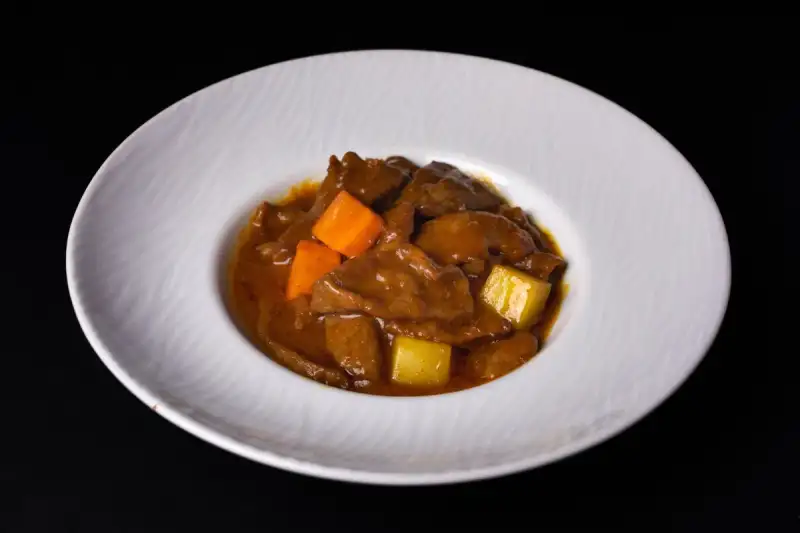

"Grass-Fed Beef and Barley Stew: A High Protein Culinary Delight" Introduction to High Protein Diets High protein diets have been increasingly popular in recent years, and for good reason. Research on high protein shows that it can help with weight loss, improve muscle mass, and even reduce the risk of chronic diseases such as diabetes and heart disease. According to recent studies, a high protein diet can also help to improve bone density, reducing the risk of osteoporosis and fractures. As a result, many people are looking for ways to incorporate more protein into their diets, and one of the best ways to do this is through the consumption of high protein foods such as grass-fed beef. The Benefits of Grass-Fed Beef Grass-fed beef is a type of beef that is raised on a diet of grass and other forages, rather than grains. This type of beef is higher in protein and lower in fat than grain-fed beef, making it a popular choice for health-conscious consumers. In addition to its high protein content, grass-fed beef is also rich in other nutrients such as vitamins A and E, and conjugated linoleic acid (CLA), a type of fatty acid that has been linked to several health benefits. As noted in the study "Opportunities to improve fiber degradation in the rumen: microbiology, ecology, and genomics", the unique microbiology of the rumen in grass-fed cattle allows for more efficient degradation of fiber, resulting in a more nutrient-dense beef product.The Importance of Fiber in the Diet Fiber is an essential nutrient that plays a critical role in maintaining a healthy digestive system. According to the study "Opportunities to improve fiber degradation in the rumen: microbiology, ecology, and genomics", fiber degradation in the rumen is a complex process that involves the cooperation of multiple microorganisms. The study notes that increasing the efficiency of fiber degradation in the rumen can have significant benefits for animal health and productivity. In humans, a high fiber diet has been linked to a reduced risk of chronic diseases such as heart disease, type 2 diabetes, and certain types of cancer. Barley, one of the main ingredients in this stew, is a rich source of dietary fiber, making it an excellent addition to a high protein diet.The Impact of Tropane Alkaloids on Human Health Tropane alkaloids are a type of secondary metabolite that is found in certain plant families. According to the study "Scientific Opinion on Tropane alkaloids in food and feed", tropane alkaloids can have significant effects on human health, including decreased heart rate and other pharmacological effects. The study notes that the risks associated with tropane alkaloids can be mitigated through the establishment of an Acute Reference Dose (ARfD), which is a safe level of consumption that is unlikely to cause adverse health effects. As a result, it is essential to choose ingredients that are low in tropane alkaloids, such as the beef and barley used in this stew.Strategies for Sustainable Substitution of Livestock Meat The production of livestock meat is a significant contributor to greenhouse gas emissions, and as a result, there is a growing interest in sustainable alternatives to traditional meat products. According to the study "Strategies for Sustainable Substitution of Livestock Meat", one of the most effective ways to reduce the environmental impact of meat production is to adopt a plant-based diet. However, for those who still want to consume meat, choosing sustainable and environmentally-friendly options such as grass-fed beef can help to reduce the environmental impact of meat production. Additionally, reducing food waste and using up leftovers can also help to reduce the environmental impact of food production.Conclusion In conclusion, this grass-fed beef and barley stew is a delicious and nutritious option for those looking to incorporate more high protein foods into their diet. With its rich flavor and tender texture, this stew is sure to become a favorite. By choosing sustainable and environmentally-friendly ingredients, and reducing food waste, we can all do our part to reduce the environmental impact of food production. Whether you are a health-conscious consumer or just looking for a hearty and flavorful meal, this grass-fed beef and barley stew is an excellent choice. #HealthyLiving #Gastronomy #HighProtein #SustainableFood Related InsightsThe Ultimate Antioxidant-Rich Berry Oat Smoothie Bowl with Chia Seeds Har Gow: The Translucent Shrimp Dumpling Masterpiece Misal Pav: Maharashtra's Fiery Breakfast{ "@context": "https://schema.org", "@type": "FAQPage", "mainEntity": [ { "@type": "Question", "name": "What is the main focus of Grass-Fed Beef and Barley Stew: A High Protein Culinary Delight?", "acceptedAnswer": { "@type": "Answer", "text": "Discover the health benefits and culinary secrets of a high protein grass-fed beef and barley stew, perfect for a nutritious meal." } }, { "@type": "Question", "name": "Who authored the comprehensive guide on Grass-Fed Beef and Barley Stew: A High Protein Culinary Delight?", "acceptedAnswer": { "@type": "Answer", "text": "This detailed article and its insights were carefully researched and authored by Michael Chef." } }, { "@type": "Question", "name": "Where can I find more related content about Food?", "acceptedAnswer": { "@type": "Answer", "text": "You can explore more articles, detailed reviews, and similar insights by browsing the Related Insights section at the bottom of this article or visiting our dedicated Food category page." } } ] }

Dark Lover Author: J.R. WardPage Count: UnknownPublication Date: 2026-PRH J.R. Ward’s Dark Lover (2026) is a masterclass in gothic romance and supernatural intrigue, a book that doesn’t just push boundaries—it obliterates them. With the precision of a surgeon and the flair of a poet, Ward crafts a world where love is as dangerous as it is intoxicating, where desire is a force that defies mortality itself. This isn’t just another vampire novel; it’s a fever dream of passion, power, and primal survival, wrapped in the seductive darkness of an immortal’s heart. At its core, Dark Lover is a story about the unbreakable bond between two souls who refuse to be separated by time, fate, or even death. The novel follows the legendary vampire Wrath, the last pureblood of his kind, and his destined mate, Beth, a human woman with a fire that rivals his own. Their love is not a gentle thing—it’s a storm, a wildfire, a force that reshapes the very fabric of their existence. Ward’s genius lies in her ability to make their relationship feel both ancient and immediate, as if their love story has been unfolding for centuries but is still fresh, still raw, still happening in the moment. The tension between them is electric, a push-and-pull of dominance and surrender that never feels clichéd or forced. Instead, it feels necessary, as if their connection was written into the stars long before they ever met. Ward’s prose is lush, sensual, and unapologetically raw. She doesn’t shy away from the physicality of love, nor does she romanticize the brutality of the vampire world she’s created. Her descriptions are vivid, almost cinematic, painting a world where blood is both sustenance and sacrament, where power is wielded like a blade, and where loyalty is the only currency that matters. The dialogue crackles with wit and tension, especially in the exchanges between Wrath and Beth, where every word feels like a challenge, a caress, or a dare. Ward’s voice is distinct—part gothic romance, part modern thriller, all unfiltered emotion. She doesn’t just tell you about the characters’ feelings; she immerses you in them, making you ache with them, burn with them, and ultimately, surrender to them. The world-building in Dark Lover is nothing short of extraordinary. Ward doesn’t just create a setting; she builds a culture. The vampire society she depicts is hierarchical, brutal, and deeply ritualistic, with its own codes of honor, its own language of power. The Brotherhood, the elite group of warriors to which Wrath belongs, is a brotherhood in the truest sense—bound by blood, loyalty, and an unspoken understanding that they will die for each other. The contrast between their world and Beth’s human existence is stark, and Ward uses it to explore themes of identity, belonging, and the lengths to which we’ll go to protect what we love. The supernatural elements are seamlessly woven into the narrative, never feeling like a gimmick but rather like an inevitable extension of the characters’ desires and fears. What makes Dark Lover truly stand out, however, is its unflinching exploration of love as a transformative force. Beth and Wrath’s relationship isn’t just about attraction or even devotion—it’s about evolution. Beth, a woman who has always felt like an outsider, finds her place in Wrath’s world, not by losing herself, but by embracing the strength within her. Wrath, burdened by centuries of solitude and duty, learns that love isn’t a weakness—it’s the one thing that makes him human in the truest sense. Their love story is a testament to the idea that sometimes, the greatest battles aren’t fought with swords or spells, but with the courage to let someone in, to trust, to need. Ward’s ability to balance action, romance, and deep emotional resonance is what sets her apart. The novel isn’t just a slow burn—it’s an inferno, a relentless push toward a climax that feels both inevitable and heart-stopping. The stakes are sky-high, the dangers are visceral, and the payoff is nothing short of transcendent. By the final pages, you won’t just be invested in the story—you’ll be changed by it. Dark Lover is more than a book; it’s an experience. It’s for readers who crave passion that burns as hot as it hurts, who believe in love that defies the laws of nature, who want to be swept away by a story that lingers long after the last page is turned. J.R. Ward doesn’t just write romance—she writes mythology, and Dark Lover is her magnum opus. #DarkLover #VampireRomance #J.R.Ward #GothicLoveStory #SupernaturalRomance #BrotherhoodOfBlood Related InsightsAnatomía del corazón: Compasión budista para transformar tu vida / A Fearless Heart: How the Courage to Be Compassionate Can Transform Our Lives Book Review and Summary The Sixth Faction (The Sixth Faction, #1) Book Review and Summary Illicit Temptations Book Review and Summary{ "@context": "https://schema.org", "@type": "FAQPage", "mainEntity": [ { "@type": "Question", "name": "What is the main focus of Dark Lover Book Review and Summary?", "acceptedAnswer": { "@type": "Answer", "text": "Everything you need to know about Dark Lover with our detailed review." } }, { "@type": "Question", "name": "Who authored the comprehensive guide on Dark Lover Book Review and Summary?", "acceptedAnswer": { "@type": "Answer", "text": "This detailed article and its insights were carefully researched and authored by J.R. Ward." } }, { "@type": "Question", "name": "Where can I find more related content about Books?", "acceptedAnswer": { "@type": "Answer", "text": "You can explore more articles, detailed reviews, and similar insights by browsing the Related Insights section at the bottom of this article or visiting our dedicated Books category page." } } ] }


The aromatic landscape of the Middle East is dotted with dishes that evoke a sense of community, history, and rich cultural heritage. Among these, Kibbeh stands out as a testament to the ingenuity and culinary prowess of the region's ancient peoples. This spiced meat and bulgur masterpiece is a dish that transcends borders, embracing the diversity of Middle Eastern cuisine while remaining quintessentially authentic. Introduction to Kibbeh Kibbeh, pronounced as "kubbeh" or "kibbe," is a beloved dish across the Middle East, with variations found in Lebanese, Syrian, Palestinian, Iraqi, and Turkish cuisines. At its core, Kibbeh is a mixture of ground meat (usually beef, lamb, or a combination of the two) and bulgur (cracked wheat), spiced with a blend of aromatic herbs and spices. The simplicity of its ingredients belies the complexity of its preparations and the depth of its flavors.The Cultural Significance of Kibbeh Kibbeh is more than just a dish; it's a cultural phenomenon that brings people together. In many Middle Eastern households, the preparation of Kibbeh is a family affair, with each member contributing to the process. From the grinding of the meat and the soaking of the bulgur to the meticulous shaping of the Kibbeh balls or patties, every step is imbued with tradition and love. Kibbeh is often served at gatherings and celebrations, symbolizing warmth, hospitality, and the joy of sharing meals with others. Variations of Kibbeh The diversity of Kibbeh is as vast as the Middle East itself, with countless variations that reflect local tastes, ingredients, and cooking techniques. Some of the most popular forms include:Raw Kibbeh (Kibbeh Nayyeh): A Lebanese specialty made with raw ground meat, bulgur, and spices, often served as an appetizer. Fried Kibbeh: Crispy, golden balls filled with spiced meat and onions, perfect for snacking. Baked Kibbeh: A layer of ground meat and bulgur topped with a layer of the same mixture but with a finer texture, baked to perfection in the oven. Kibbeh Bil Sanieh: A Lebanese dish where layers of Kibbeh are topped with a mixture of ground meat and spices, then baked in a large tray.The Art of Making Kibbeh The process of making Kibbeh is an art form that requires patience, skill, and practice. The initial step involves preparing the bulgur, which is soaked and drained to achieve the right consistency. Meanwhile, the meat is ground and mixed with a blend of onions, spices, and salt. The key to a perfect Kibbeh is in the balance of its components and the finesse with which it is shaped. For those looking to try their hand at making Kibbeh, starting with simple recipes and gradually experimenting with different spices and techniques is highly recommended. Health Benefits of Kibbeh Beyond its culinary appeal, Kibbeh also offers several health benefits. The bulgur in Kibbeh is a good source of fiber, which can help with digestion and prevent constipation. The lean meat provides protein, essential for muscle repair and growth. Furthermore, many of the spices used in Kibbeh, such as cumin and coriander, have anti-inflammatory properties and can aid in boosting the immune system. Conclusion Kibbeh is a dish that embodies the spirit of Middle Eastern cuisine: rich, diverse, and warmly inviting. Whether you're exploring the streets of Beirut, the markets of Istanbul, or the comfort of your own home, Kibbeh is a culinary journey worth taking. With its blend of spiced meat and bulgur, this masterpiece invites all to experience the authentic flavors and deep cultural roots of the Middle East.#MiddleEasternCuisine #KibbehRecipe #TraditionalFood #StreetFood #CulturalHeritage #FoodieAdventures #MiddleEasternDishes #KibbehLover Related InsightsL'Âme Fermentée de la Corée : Odyssée Sensorielle et Historique du Kimchi Middle Eastern Mezze Beyond Turkish: Authentic Lebanese and Syrian Small Plates L'Epopea Della Pizza: Un Viaggio Millenario Tra Impasti, Leggende e Conquiste Globali, Dal Cuore Bizantino di Gaeta all'Icona Gastronomica del Mondo{ "@context": "https://schema.org", "@type": "FAQPage", "mainEntity": [ { "@type": "Question", "name": "What is the main focus of Kibbeh: The Spiced Meat and Bulgur Masterpiece?", "acceptedAnswer": { "@type": "Answer", "text": "Discover the deep cultural roots, authentic flavors, and history of Kibbeh: The Spiced Meat and Bulgur Masterpiece." } }, { "@type": "Question", "name": "Who authored the comprehensive guide on Kibbeh: The Spiced Meat and Bulgur Masterpiece?", "acceptedAnswer": { "@type": "Answer", "text": "This detailed article and its insights were carefully researched and authored by Layla Hariri." } }, { "@type": "Question", "name": "Where can I find more related content about Food?", "acceptedAnswer": { "@type": "Answer", "text": "You can explore more articles, detailed reviews, and similar insights by browsing the Related Insights section at the bottom of this article or visiting our dedicated Food category page." } } ] }

-
 Irina Ivanova
- 24 May, 2026 03:04
Proyecto Hail Mary (edición ilustrada) / Project Hail Mary (Illustrated Edition) Book Review and Summary
Proyecto Hail Mary (edición ilustrada) / Project Hail Mary (Illustrated Edition) Author: Andy WeirPage Count: UnknownPublication Date: 2026-PRH Proyecto Hail Mary (edición ilustrada) / Project Hail Mary (Illustrated Edition) by Andy Weir is a cosmic survival saga that redefines the boundaries of hard science fiction, blending breathtaking intellect with raw emotional resonance. Set against the vast, indifferent canvas of space, Weir crafts a narrative that is as intellectually rigorous as it is deeply human, proving once again why he is the modern heir to the throne of Clarke, Heinlein, and Asimov. This illustrated edition elevates the experience further, transforming technical diagrams into visual poetry and grounding the story’s grandeur in tangible artistry. At its core, Project Hail Mary is a story about ingenuity in the face of annihilation—a theme Weir has made his own. The protagonist, Ryland Grace, wakes from a coma to discover he is the sole survivor of a mission gone catastrophically wrong, tasked with saving Earth from an existential threat posed by an alien species that has hijacked the sun’s fusion process. Grace, a high school science teacher by trade but a brilliant problem-solver by necessity, must rely on his dormant intellect to piece together a solution across light-years of isolation. The novel’s genius lies in its unflinching embrace of real science; Weir doesn’t just sprinkle jargon for flavor—he makes the physics, chemistry, and engineering the heartbeat of the story. The illustrated edition enhances this immersion, turning equations and schematics into visual aids that readers can trace with their fingers, making the science feel tactile, almost sacred. Weir’s style is a masterclass in balancing exposition and narrative drive. Unlike some hard SF writers who prioritize data over drama, Weir weaves technical details seamlessly into Grace’s introspective journey. The prose is crisp, devoid of purple flourishes, yet it crackles with wit and warmth. Grace’s voice—equal parts sarcastic, weary, and endearing—anchors the story, making the reader root for him as fervently as they would for Mark Watney in The Martian. The dialogue, especially in the latter half as Grace forms an unlikely alliance with the alien, Rocky, is sharp and often hilarious, proving that even in the void of space, humor is a survival tool. The alien encounter is where Project Hail Mary truly shines. Weir avoids the clichés of first contact, instead crafting a relationship built on mutual incomprehension and gradual trust. Rocky, with his seven-limbed physiology and telepathic communication gaps, is one of the most original alien creations in recent sci-fi. Their dynamic is a masterstroke of tension and discovery, as Grace and Rocky grapple with the limits of their respective intelligences. The illustrated edition amplifies this by including detailed anatomical sketches of Rocky, making the alien feel less like a plot device and more like a fully realized being. Yet, beneath the science and spectacle, Project Hail Mary is a meditation on loneliness and the power of connection. Grace’s isolation is palpable, his memories fragmented, his hope flickering. The illustrations—ranging from star maps to Grace’s weary face in the dim glow of his ship’s monitors—serve as silent companions, reminding readers that even in the darkest reaches of space, there is beauty and meaning to be found. The book’s emotional climax, when Grace’s past and present collide in a moment of bittersweet revelation, is a testament to Weir’s ability to make the abstract deeply personal. The illustrated edition is a must for fans of the genre. The artwork, presumably curated to complement Weir’s technical precision, ranges from retro-futuristic schematics to haunting cosmic vistas. It transforms the reading experience from passive consumption to active exploration, inviting readers to linger over the details as if they were blueprints for their own survival. If The Martian was a survival story on Mars, Project Hail Mary is survival writ large across the cosmos. It’s a testament to the indomitable human spirit, a love letter to the scientific method, and a reminder that even in the face of the unknown, we are never truly alone—especially when we find someone (or something) to share the journey with. Weir has once again delivered a novel that is both a puzzle to be solved and a story to be felt, reaffirming his place as one of the most vital voices in contemporary science fiction. #ProjectHailMary #AndyWeir #HardScienceFiction #ScienceFictionBooks #CosmicSurvival #SciFiIllustrated Related InsightsA Good Man on a Dark Night Book Review and Summary Tuck Everlasting Book Review and Summary Queen Demon Book Review and Summary{ "@context": "https://schema.org", "@type": "FAQPage", "mainEntity": [ { "@type": "Question", "name": "What is the main focus of Proyecto Hail Mary (edición ilustrada) / Project Hail Mary (Illustrated Edition) Book Review and Summary?", "acceptedAnswer": { "@type": "Answer", "text": "Everything you need to know about Proyecto Hail Mary (edición ilustrada) / Project Hail Mary (Illustrated Edition) with our detailed review." } }, { "@type": "Question", "name": "Who authored the comprehensive guide on Proyecto Hail Mary (edición ilustrada) / Project Hail Mary (Illustrated Edition) Book Review and Summary?", "acceptedAnswer": { "@type": "Answer", "text": "This detailed article and its insights were carefully researched and authored by Irina Ivanova." } }, { "@type": "Question", "name": "Where can I find more related content about Books?", "acceptedAnswer": { "@type": "Answer", "text": "You can explore more articles, detailed reviews, and similar insights by browsing the Related Insights section at the bottom of this article or visiting our dedicated Books category page." } } ] }

King Lear Author: William ShakespearePage Count: UnknownPublication Date: 2016-PRH In the realm of classical literature, few works have stood the test of time as profoundly as William Shakespeare's "King Lear". This 2016 edition, part of the esteemed Pelican Shakespeare series, presents a masterfully conflated text that combines the 1608 Quarto and 1623 Folio Texts. Edited by the renowned series editor Stephen Orgel, this rendition is a testament to the enduring power of Shakespeare's prose. At its core, "King Lear" is a poignant exploration of the human condition, delving into the complexities of power, family, and mortality. The titular character, an aging king, decides to divide his kingdom among his three daughters, sparking a catastrophic chain of events that exposes the darkest aspects of human nature. Through Lear's tumultuous journey, Shakespeare masterfully weaves a tapestry of themes that continue to resonate with audiences today. One of the most striking aspects of Shakespeare's style is his use of language, which is both beautiful and brutal. His words are like a double-edged sword, capable of conveying the deepest emotions and most profound insights. In "King Lear", his prose is particularly noteworthy, as it effortlessly shifts between the poetic and the profane, creating a sense of tension that propels the narrative forward. The Pelican Shakespeare series is known for its meticulous research and authoritative texts, and this edition of "King Lear" is no exception. The introduction by Stephen Orgel provides valuable context, shedding light on the theatrical world of Shakespeare's time and offering a nuanced understanding of the play's themes and characters. The detailed notes on the text used are also a valuable resource, providing readers with a deeper appreciation of the play's complexities. The cover art by Manuja Waldia, which won a Gold Medal from the Society of Illustrators, is a stunning representation of the play's themes. The haunting image of Lear, surrounded by his daughters, perfectly captures the sense of foreboding and tragedy that pervades the narrative. In conclusion, this edition of "King Lear" is a must-read for anyone interested in classical literature. Shakespeare's prose is as powerful and relevant today as it was when the play was first performed, and the Pelican Shakespeare series' meticulous research and authoritative texts make this edition a valuable resource for scholars and readers alike. #KingLear #Shakespeare #PelicanShakespeare #ClassicalLiterature #Tragedy #BookReview Related InsightsSlaughterhouse-Five Book Review and Summary The It Girl Book Review and Summary The Complete Sherlock Holmes Book Review and Summary{ "@context": "https://schema.org", "@type": "FAQPage", "mainEntity": [ { "@type": "Question", "name": "What is the main focus of King Lear Book Review and Summary?", "acceptedAnswer": { "@type": "Answer", "text": "Everything you need to know about King Lear with our detailed review." } }, { "@type": "Question", "name": "Who authored the comprehensive guide on King Lear Book Review and Summary?", "acceptedAnswer": { "@type": "Answer", "text": "This detailed article and its insights were carefully researched and authored by William Shakespeare." } }, { "@type": "Question", "name": "Where can I find more related content about Books?", "acceptedAnswer": { "@type": "Answer", "text": "You can explore more articles, detailed reviews, and similar insights by browsing the Related Insights section at the bottom of this article or visiting our dedicated Books category page." } } ] }

Darkfever Author: Karen Marie MoningPage Count: UnknownPublication Date: 2025-PRH Karen Marie Moning’s Darkfever is a masterclass in blending myth, mystery, and raw, unfiltered passion—where Celtic folklore collides with modern grit, and the line between hero and villain blurs with every page. This isn’t just a paranormal romance; it’s a dark, seductive descent into a world where ancient evils wear human faces, and the only thing more dangerous than the monsters lurking in the shadows is the power MacKayla Lane never asked for. At its core, Darkfever is about identity—both personal and supernatural. Mac, our reluctant heroine, is a woman who thinks she’s ordinary until her sister’s brutal murder catapults her into a realm where nothing is as it seems. Ireland becomes a character in itself, a mist-shrouded land where the Fae lurk just beyond the veil, and the past isn’t just haunting—it’s hungry. Moning doesn’t just tell a story about good versus evil; she crafts a world where the two are intertwined, where seduction is a weapon, and where the greatest threat isn’t the monster in the dark but the one who might be standing right beside you. Moning’s prose is electric, crackling with a mix of sharp wit and simmering tension. Her dialogue is razor-edged, her descriptions lush yet visceral. The banter between Mac and Jericho—her sarcastic, morally ambiguous guide—is a highlight, a dance of insults and attraction that never feels forced. And then there’s Vlane, the alpha Fae whose very presence is a danger to mortal women. He’s not just a villain; he’s a force of nature, a character who embodies the duality of desire and destruction. Moning doesn’t shy away from the darker aspects of her world, and that’s what makes Darkfever so compelling. This isn’t a sanitized fantasy; it’s a raw, unapologetic exploration of power, lust, and survival. The pacing is relentless, with Moning weaving together multiple threads—Mac’s hunt for her sister’s killer, the looming threat of the Sinsar Dubh (the Dark Book that holds the key to both worlds), and the slow-burning chemistry between Mac and Jericho. The stakes feel personal, the danger immediate, and the stakes higher than just life and death. Moning doesn’t just build a world; she immerses you in it, making you feel the chill of the Irish night, the weight of the secrets buried in the past, and the intoxicating pull of a power you never wanted but can’t escape. What sets Darkfever apart is its refusal to play by the rules. This isn’t a story where the heroine is a damsel in distress or where the love interest is a perfect, infallible knight. Mac is flawed, stubborn, and often reckless. Jericho is morally gray, his motives unclear even to himself. The Fae are neither purely evil nor purely benevolent. Moning’s world is one where trust is a luxury, and every alliance could be a trap. It’s a refreshing take on the genre, one that doesn’t rely on easy answers or neat resolutions. If Darkfever has a weakness, it’s that the world-building can feel overwhelming at times. The lore of the Fae, the history of the Sinsar Dubh, and the rules of the supernatural realm are dense and intricate. But Moning handles it with such confidence that even the most complex elements feel organic to the story. You’re never left feeling lost because the characters themselves are navigating the same uncertainties. Ultimately, Darkfever is a book that lingers. It’s not just about the mystery of Mac’s sister’s death or the race to find the Dark Book—it’s about the transformation of Mac herself. She starts as a woman clinging to the ordinary, and by the end, she’s something more, something dangerous. Moning doesn’t just write a story; she crafts an experience, one that’s as thrilling as it is thought-provoking. For fans of dark fantasy, paranormal romance, and stories that refuse to play nice, Darkfever is a must-read. It’s a book that will leave you breathless, questioning, and eager for more. #Darkfever #KarenMarieMoning #FeverSeries #ParanormalRomance #CelticMythology #SupernaturalThriller Related InsightsYou Book Review and Summary It’s Beginning to Look a Lot Like Murder (Kiss, Merry, Kill, #2) Book Review and Summary Escape Me (Shatter Me: Series Two #3) Book Review and Summary{ "@context": "https://schema.org", "@type": "FAQPage", "mainEntity": [ { "@type": "Question", "name": "What is the main focus of Darkfever Book Review and Summary?", "acceptedAnswer": { "@type": "Answer", "text": "Everything you need to know about Darkfever with our detailed review." } }, { "@type": "Question", "name": "Who authored the comprehensive guide on Darkfever Book Review and Summary?", "acceptedAnswer": { "@type": "Answer", "text": "This detailed article and its insights were carefully researched and authored by Karen Marie Moning." } }, { "@type": "Question", "name": "Where can I find more related content about Books?", "acceptedAnswer": { "@type": "Answer", "text": "You can explore more articles, detailed reviews, and similar insights by browsing the Related Insights section at the bottom of this article or visiting our dedicated Books category page." } } ] }

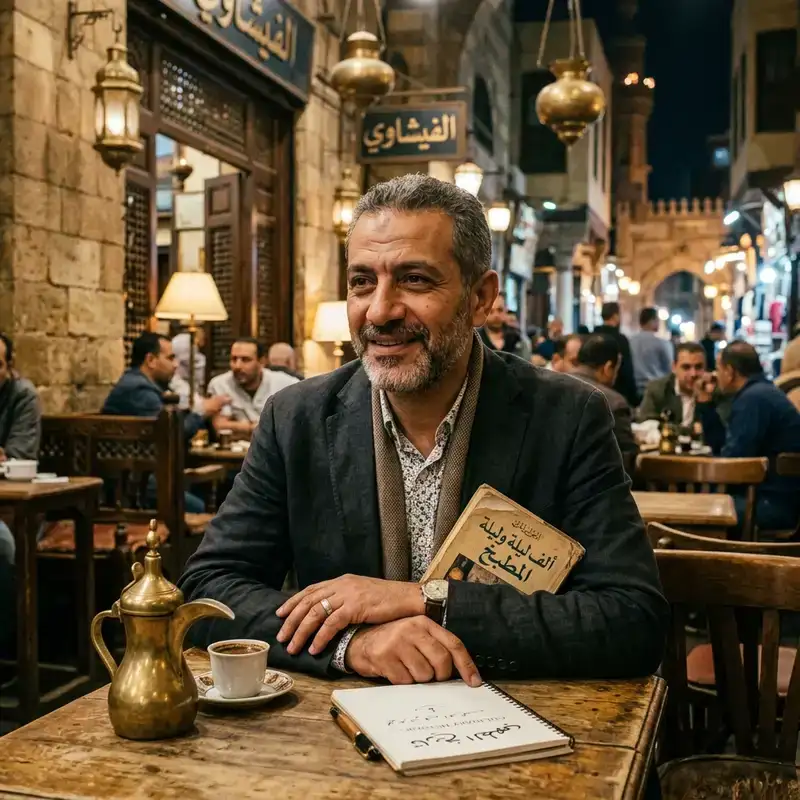
The vibrant streets of Egypt are a culinary wonderland, filled with the enticing aromas of traditional dishes that have been passed down through generations. Among these, Koshari stands out as a quintessential Egyptian street food bowl that embodies the country's rich cultural heritage and diverse culinary influences. This beloved dish is a masterful combination of flavors, textures, and presentation, making it a must-try for anyone exploring the authentic tastes of Egypt. Introduction to Koshari Koshari, also spelled Koshary or Kushari, is a hearty, comforting bowl filled with an assortment of ingredients, including pasta, lentils, tomato sauce, fried onions, and chickpeas, all topped with a sprinkle of vinegar and a side of garlic sauce. The dish is often served in small, unassuming eateries and street food stalls, where it is devoured by locals and visitors alike. Despite its humble appearance, Koshari boasts a complex flavor profile that reflects the cultural melting pot of Egyptian cuisine, with influences from Mediterranean, Middle Eastern, and African traditions.Historical Roots of Koshari The origins of Koshari are unclear, but it is believed to have emerged during the period of British occupation in Egypt, which lasted from 1882 to 1922. At that time, British colonial powers introduced pasta and other European ingredients to the country, which were incorporated into the local cuisine. Koshari is thought to have been created as a way to use up leftover pasta, lentils, and other staples, which were then combined with local ingredients like tomato sauce and chickpeas. Over time, the dish evolved and spread throughout Egypt, becoming a staple of street food culture. Components of Koshari A traditional Koshari bowl consists of several key components, each of which adds its own unique flavor and texture to the dish. The base of the bowl is typically made up of pasta, usually macaroni or penne, which is cooked al dente and then tossed with lentils. The lentils are usually brown or green, and are cooked until they are tender and slightly mushy. Next, a rich tomato sauce is added, made with a combination of fresh tomatoes, onions, garlic, and spices. The sauce is simmered for hours to develop a deep, intense flavor that is both tangy and slightly sweet.In addition to the pasta, lentils, and tomato sauce, Koshari is also topped with a variety of other ingredients, including fried onions, chickpeas, and vinegar. The fried onions add a crispy, caramelized texture to the dish, while the chickpeas provide a boost of protein and fiber. A sprinkle of vinegar adds a tangy, refreshing flavor that helps to balance out the richness of the tomato sauce. Regional Variations of Koshari While Koshari is a beloved dish throughout Egypt, there are regional variations that reflect the unique cultural and culinary traditions of different parts of the country. In Cairo, for example, Koshari is often made with a spicy tomato sauce and topped with a dollop of garlic sauce. In Alexandria, the dish is typically milder, with a focus on the natural flavors of the ingredients rather than added spices or seasonings.Cultural Significance of Koshari Koshari is more than just a dish - it is a cultural phenomenon that reflects the values and traditions of Egyptian society. In a country where food is often at the center of social gatherings and celebrations, Koshari is a staple that brings people together. Whether it is served at a family dinner, a street food stall, or a casual gathering with friends, Koshari is a dish that is shared and enjoyed by people of all ages and backgrounds. Authentic Koshari Recipe For those who want to try their hand at making authentic Koshari, here is a simple recipe to get you started: Ingredients:1 cup pasta (macaroni or penne) 1 cup lentils (brown or green) 2 cups tomato sauce 1 onion, chopped 2 cloves garlic, minced 1 cup chickpeas 1/4 cup fried onions 2 tablespoons vinegar Salt and pepper to taste Garlic sauce (optional)Instructions:Cook the pasta according to package instructions. Drain and set aside. Cook the lentils until they are tender and slightly mushy. Drain and set aside. Make the tomato sauce by sautéing the onions and garlic in a little oil until they are softened. Add the tomatoes and simmer for at least an hour, stirring occasionally. Assemble the Koshari bowls by placing a portion of pasta and lentils in the bottom of the bowl. Top with a spoonful of tomato sauce, followed by a sprinkle of chickpeas and fried onions. Drizzle with vinegar and serve with a side of garlic sauce, if desired.Conclusion Koshari is a true culinary gem of Egyptian street food culture, offering a unique and delicious combination of flavors, textures, and presentation. Whether you are a foodie, a cultural enthusiast, or simply someone who loves to try new things, Koshari is a must-try dish that is sure to leave you wanting more. With its rich history, cultural significance, and authentic flavors, Koshari is a true reflection of the warmth and hospitality of Egyptian cuisine.#EgyptianStreetFood #KoshariRecipe #MiddleEasternCuisine #FoodieAdventures #StreetFoodLovers #CulturalHeritage #TraditionalFood #EgyptianCuisine Related InsightsSavor the Spice: A Deep Dive into South India’s Coastal and Vegan Culinary Wonders From Naples to Your Kitchen: Mastering the Sacred Art of Authentic Neapolitan Pizza From Ancient Fields to Modern Crusts: Mastering Emmer & Spelt Sourdough{ "@context": "https://schema.org", "@type": "FAQPage", "mainEntity": [ { "@type": "Question", "name": "What is the main focus of Koshari: The Ultimate Egyptian Street Food Bowl?", "acceptedAnswer": { "@type": "Answer", "text": "Discover the deep cultural roots, authentic flavors, and history of Koshari: The Ultimate Egyptian Street Food Bowl." } }, { "@type": "Question", "name": "Who authored the comprehensive guide on Koshari: The Ultimate Egyptian Street Food Bowl?", "acceptedAnswer": { "@type": "Answer", "text": "This detailed article and its insights were carefully researched and authored by Tariq Al-Fayed." } }, { "@type": "Question", "name": "Where can I find more related content about Food?", "acceptedAnswer": { "@type": "Answer", "text": "You can explore more articles, detailed reviews, and similar insights by browsing the Related Insights section at the bottom of this article or visiting our dedicated Food category page." } } ] }