-
 Yumi Tanaka
- 23 May, 2026 12:53
厳島神社: 海に浮かぶ神々の住処
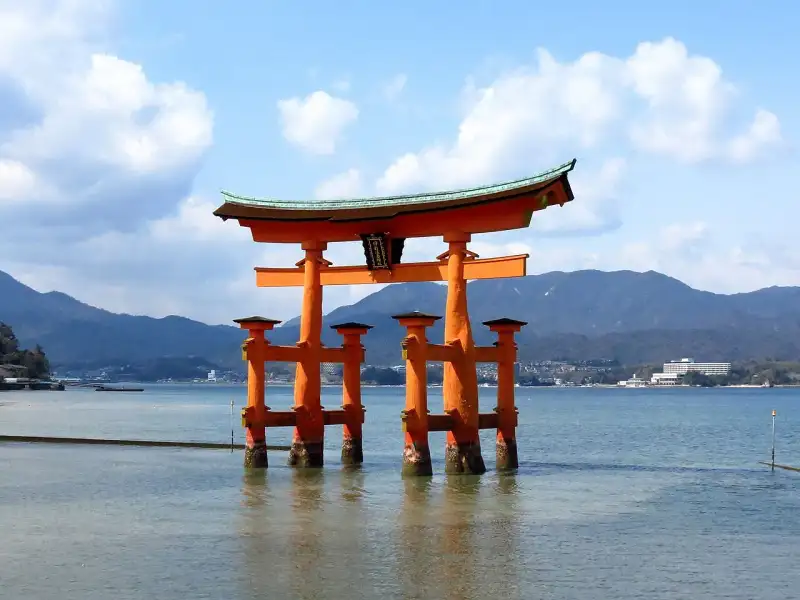
ようこそ。日本の美しき歴史と文化の旅へ。 厳島神社: 海に浮かぶ神々の住処――時を超え、自然と対話する聖域 広島湾に抱かれた神聖なる島、厳島。その北東の入り江に、潮の満ち引きと共に表情を変える、息をのむほどに優美な社殿群が鎮座しています。これこそ、世界遺産「厳島神社」。私が今日、筆を執るのは、単なる観光地の紹介ではありません。この稀有な建築が織りなす歴史、文化、そして日本人の自然観に深く根差した精神性を、皆様と共に探求したいと願うからです。海上に浮かぶその姿は、まるで神々が住まう龍宮城が、現世に顕現したかのよう。 神秘の島に宿る神々:宗像三女神の御神威 厳島神社の御祭神は、市杵島姫命��いちきしまひめのみこと)、田心姫命(たごりひめのみこと)、湍津姫命(たぎつひめのみこと)の三柱。これら「宗像三女神」と総称される女神たちは、古来より海上交通の守護神、そして芸能や財福を司る神として厚く信仰されてきました。特に市杵島姫命は、神仏習合の時代において、仏教の弁才天(弁財天)と一体化するという、極めて日本的な変遷を遂げます。 この興味深い融合は、隣接する大願寺の存在によって、より一層その深みを増します。かつて厳島神社と大願寺は、密接な関係を築き、広大な伽藍の一部を形成していました。弁才天信仰が隆盛を極める中で、市杵島姫命は知恵、音楽、財宝をもたらす女神として広く崇められ、大願寺は「日本三大弁才天」の一つに数えられるに至ります。神道の純粋な信仰と、異国の智慧が融和する過程は、#日本 の宗教史における柔軟性と受容性を示す好例と言えるでしょう。海を渡り、文化の交流を司る女神が、まさにその海の上に祀られるという摂理は、厳島神社の本質を物語るかのようです。 悠久の時を刻む歴史の綾 厳島神社の歴史は、遠く飛鳥時代にまで遡ります。 創建の黎明:神に斎く島の物語 社伝によれば、推古天皇元年(593年)、この地の有力豪族であった佐伯鞍職(さえきくらもと)が、神託を受けて市杵島姫命を祀る社殿を御笠浜に創建したのが始まりとされています。「イツクシマ」という社名自体が、「イチキシマ」が転じたもの、あるいは「神を斎く(いつく=仕える、崇める)島」に由来するという説が有力です。 厳島は、その名の通り、古代から島そのものが神として崇められてきた聖地です。島の中心にそびえる弥山(みせん)の山頂には、巨岩が連なり、太古の昔から山岳信仰の対象とされてきました。人々は、海と山、そしてその間に広がる森羅万象に神の存在を感じ、畏敬の念を抱き、祈りを捧げてきたのです。この原始的な自然崇拝が、やがて壮麗な社殿へと昇華していく過程は、日本人と#自然 の深遠な関係性を映し出しています。 概史:権力者たちの信仰と試練 文献に厳島神社の名が初めて現れるのは、弘仁2年(811年)に名神(みょうじん)に預かったという記述です。平安時代中期に編纂された『延喜式神名帳』には���「安芸国佐伯郡 伊都伎嶋神社」と記され、名神大社に列せられるとともに、安芸国一宮としての地位を確立しました。この頃、神職は佐伯氏が代々世襲し、その社格の向上とともに、祭神の祭祀体系も整備されていったと考えられています。 厳島神社が歴史の表舞台に躍り出るのは、平安時代末期です。当時の安芸守(あきのかみ)であった平清盛と、神主・佐伯景弘との強い結びつきを契機に、平家一族から篤い崇敬を受けるようになります。仁安3年(1168年)頃、清盛は現在の海上に立つ大規模な社殿を造営しました。これは、平家が武士として初めて朝廷の頂点に立ち、その栄華を極めた時代の象徴であり、まさに「平家の氏神」として、厳島神社もまた未曾有の繁栄を享受したのです。海を舞台にした清盛の壮大な夢が、この水の上の聖域に結実したと言えるでしょう。 しかし、歴史の波は常に穏やかではありません。平家滅亡後も源氏をはじめとする時の権力者たちの崇敬を受け続けますが、建永2年(1207年)と貞応2年(1223年)の二度にわたる火災により、社殿は全て焼失するという悲劇に見舞われます。現在��たちが見る社殿の主要部は、貞応の火災の後、仁治年間(1240年~1243年)以降に再建されたものです。これは、幾度となく打ち砕かれながらも、その都度、人々の信仰の力によって蘇ってきた厳島神社の不屈の精神を物語っています。 鎌倉時代頃までは、厳島は「神の住む島」として禁足地とされ、主な祭祀は対岸の地御前神社(外宮)で行われていました。しかし、鎌倉時代末期から南北朝時代以降、次第に社人や僧侶が禁を破って島に住み着くようになり、島の#文化 は多様化していきました。 戦国時代に入り世情が不安定になると、一時的に社勢は衰退します。しかし、弘治元年(1555年)の厳島の戦いで毛利元就(もうりもとない)が勝利を収め、この一帯を支配下に置くと、厳島神社は再び隆盛を取り戻します。元就は大規模な社殿修復を行い、その信仰の篤さを示しました。さらに、天下統一を夢見た豊臣秀吉も九州遠征の途上で厳島神社に参拝し、壮大な大経堂(現:千畳閣)の造営に着手しました。これらの歴史の転換点において、厳島神社は常に日本の中心的な権力者たちにその存在を認められ、守られて��たのです。 江戸時代になると、厳島詣(いつくしまもうで)が民衆の間で広く流行し、門前町や周囲は多くの参拝者で賑わいました。日本各地から人々が海を渡り、この「神々の住む島」を目指したのです。これは、厳島神社が単なる権力者の信仰対象に留まらず、一般庶民の心の拠り所として深く根付いていた証と言えるでしょう。 明治維新と神仏分離:伝統の変革 明治維新は、厳島神社にとっても大きな転換点となりました。東京の明治新政府が派遣した大参事によって、社殿が「仏式」であると判断され、神仏分離の原則に基づき、社殿の焼却が命じられるという危機に直面します(廃仏毀釈)。しかし、当時の厳島神社の棚守(宮司に相当)が新政府に直訴した結果、社殿の焼却は免れました。 しかし、その代償として、仏教的とみなされた社殿の彩色が全て剥がされ、「白木造」に改められるとともに、千木(ちぎ)と鰹木(かつおぎ)が新設されるなど、「復古」という名の下に大規模な改変が行われました。大経堂(千畳閣)は内陣の木鼻が切り落とされ、仏像などが撤去されて「豊国神社」と名を改められ、大聖院(旧別当寺)や大願寺といった寺院も独立させられました。この時期の社殿の損壊と分離は、近代国家形成における宗教政策の一端を如実に示しており、厳島神社の歴史に深く刻まれた傷跡とも言えるでしょう。 その後、明治4年(1871年)に近代社格制度に沿って国幣中社に列し、1911年(明治44年)には官幣中社に昇格しました。明治末期には社殿が国宝に指定され、壊された部分が明治末期から大正にかけての大修理で復旧され、千木と鰹木も撤去されました。このため、明治時代の厳島神社の写真にのみ、千木と鰹木が写っているという興味深い事実が残されています。神仏習合の長い歴史を持つ日本の神社建築が、近代化の波の中でいかに揺れ動いたかを物語る貴重な#歴史 の証言です。 神階と神職:世襲の伝統 厳島神社の神階は、弘仁2年(811年)の名神預かりから始まり、天安3年(859年)には正五位下から従四位下へ、貞観9年(867年)には従四位上へと昇叙されていきました。これらの記録は、『日本後紀』や『日本三代実録』といった正史に記されており、朝廷からいかに重んじられてき���かを示しています。 神職については、飛鳥時代に厳島神社を創建したとされる佐伯鞍職に始まり、文献に記載のない期間を経て、平安時代以降は代々佐伯氏が世襲してきたことが確認されています。平安時代末期には佐伯景弘が平家一門と結びつき、一族の繁栄を享受しました。しかし、鎌倉時代の承久の乱で後鳥羽上皇側として活動したため、佐伯氏は一時的に神主家当主の座を降り、藤原親実が新たな厳島神主家となりました。その後も佐伯氏は厳島神社の神官として活動を続け、瑞渓周鳳の『臥雲日件録』には、「日本所謂三大宮司、盖厳島・熱田・富士之三所也」とあり、厳島神社の大宮司が熱田大宮司・富士大宮司と共に「日本三大宮司」の一つに数えられていたことが記されています。これは、厳島神社が全国的にも極めて重要な位置を占めていたことを示唆しています。その後、藤原氏が戦国時代に滅亡するまで神主家を務め、藤原氏滅亡後には佐伯氏が復権し、現在に至るまでその伝統を守り続けています。 自然の猛威と共存する社殿:海の上の不朽の建築 海上に建てられている厳島神社の社殿は、���の立地ゆえに台風や高潮の影響を常に受け続けてきました。床の木材には意図的に隙間が設けられていますが、大型の台風が直撃すれば、倒壊の危機に晒されることもあります。しかし、これは決して設計の欠陥ではありません。むしろ、自然の力を受け入れ、修復を前提として建てられた、独特の哲学が息づく建築なのです。 1991年(平成3年)の台風19号では、重要文化財の「能舞台」が倒壊し、檜皮葺の屋根も甚大な被害を受けました。1999年(平成11年)の台風18号では国宝の「神社」および「社殿」が、2004年(平成16年)の台風18号では国宝附指定の「左楽房」が倒壊するなど、近年も幾度となく自然の猛威に曝されてきました。2012年(平成24年)4月3日には暴風により大鳥居の檜皮屋を覆う銅板が被害を受けるなど、その姿は常に#自然 との対話の中にあります。 これらの被害は、厳島神社が自然の摂理と共存し、その力を受け入れながら永続していくことを宿命づけられた存在であることを示しています。人間が自然を完全に制御することは不可能であり、むしろその一部として、しなやかに変化に対応していく東洋的な思想が、この建築には深く根差していると言えるでしょう。 荘厳なる社殿の構成:水に浮かぶ雅の空間 厳島神社の主要な社殿は、厳島の北部、大野瀬戸に面した有浦(ありのうら)と呼ばれる湾の奥に、見事なまでに配置されています。湾の最も奥まったところに、宗像三女神を祀る本社が北(厳密には北西)を正面として建ち、その威厳ある姿を水面に映しています。 本社社殿は、奥に位置する本殿と、手前の拝殿を幣殿で繋ぎ、全体を一つの建物としています。拝殿の手前には祓殿(はらいでん)が建ち、そのさらに手前、つまり海側には「高舞台」と呼ばれる高欄(手すり)付きの舞台が設けられています。この高舞台は、舞楽の奉納などに使用され、その優雅な舞は、海と空を背景に幻想的な世界を創り出します。その周囲に広がる屋根のない板敷きの部分が「平舞台」であり、これは日本三舞台の一つに数えられ、その広がりは神事の荘厳さを一層際立たせます。平舞台に接して、左右には門客神社(かどまろうどじんじゃ)や楽房といった小建物が配され、空間全体に奥行きを与えています。 平舞��の最も海側は、桟橋のように細長く突き出ており、この部分を「火焼先(ひたさき)」と称します。火焼先の延長線上、遥か海中には、高さ16メートルにも及ぶ朱塗りの「大鳥居」が悠然とそびえ立っています。この大鳥居は、日本三大鳥居の一つとして名高く、潮が満ちれば海中に浮かび、潮が引けばその足元が現れるという神秘的な姿は、訪れる人々に強い感動を与えます。この景色こそが、#旅行 者にとって厳島神社を象徴する光景と言えるでしょう。 祓殿の側面からは、左右に優雅に屈折しながら伸びる廻廊(東廻廊、西廻廊)が、厳島神社特有の景観を形成しています。東廻廊の途中、湾の東側には、摂社客神社(まろうどじんじゃ)が西を正面として建ち、本社と同様に本殿・幣殿・拝殿・祓殿から成りますが、規模は本社よりも小さいながらも、その配置は全体としての調和を保っています。 これらの建物の大部分は海域に建ち、満潮時にはまるで建物全体が海上に浮かんでいるかのように見えます。この驚異的な立地にもかかわらず、各建物には何か特殊な建築技法が用いられているわけではありません。浅い海底に地上の建物と同様に礎石を据え、木製の杭(束 #japan #travel #history #culture #nature Related InsightsBeneath the City of Light: Descending into the Empire of the Dead in Paris 平遥古城:穿越明清的金融中心 紫禁城:明清两代的皇家心脏{ "@context": "https://schema.org", "@type": "FAQPage", "mainEntity": [ { "@type": "Question", "name": "What is the main focus of 厳島神社: 海に浮かぶ神々の住処?", "acceptedAnswer": { "@type": "Answer", "text": "田中ゆみと共に、厳島神社の深淵なる歴史と文化を紐解く旅へ。" } }, { "@type": "Question", "name": "Who authored the comprehensive guide on 厳島神社: 海に浮かぶ神々の住処?", "acceptedAnswer": { "@type": "Answer", "text": "This detailed article and its insights were carefully researched and authored by Yumi Tanaka." } }, { "@type": "Question", "name": "Where can I find more related content about Travel?", "acceptedAnswer": { "@type": "Answer", "text": "You can explore more articles, detailed reviews, and similar insights by browsing the Related Insights section at the bottom of this article or visiting our dedicated Travel category page." } } ] }
-
 James Miller
- 23 May, 2026 02:54
The Broken Earth Trilogy: The Fifth Season, The Obelisk Gate, The Stone Sky Book Review and Summary
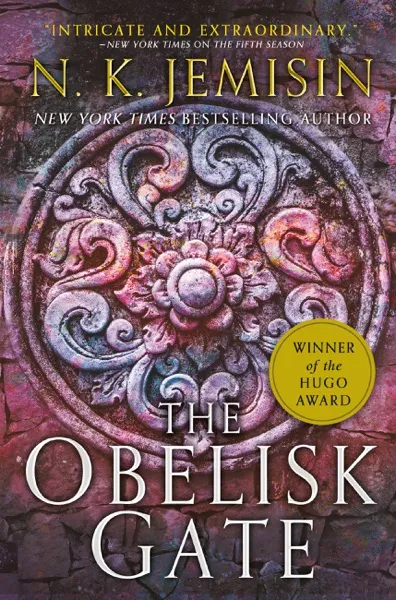
The Broken Earth Trilogy: The Fifth Season, The Obelisk Gate, The Stone Sky Author: N. K. JemisinPage Count: UnknownPublication Year: 2018-GB N.K. Jemisin’s Broken Earth Trilogy—comprising The Fifth Season, The Obelisk Gate, and The Stone Sky—is not just a masterpiece of speculative fiction; it is a seismic redefinition of what epic storytelling can achieve. Published in 2018, this trilogy didn’t just win awards—it shattered expectations, sweeping the Hugo Award for Best Novel three years in a row and cementing Jemisin as one of the most visionary voices in modern literature. The story unfolds in a world on the brink of apocalypse, not through some distant cosmic threat, but through the slow, inevitable collapse of a society built on oppression, exploitation, and denial. At its core, the Broken Earth Trilogy explores the cost of survival—both personal and societal. The world of the Stillness is a place where catastrophic climate disasters, known as "Fifth Seasons," routinely devastate civilizations, forcing humanity into rigid social structures designed to endure or perish. The ruling Sanzed Empire enforces a brutal caste system, with "orogenes"—people gifted with the power to manipulate seismic energy—treated as dangerous weapons to be controlled, feared, or destroyed. Jemisin flips the script on the traditional hero’s journey by centering her narrative on these ostracized figures, particularly Essun, a woman whose orogeny is both a source of trauma and a tool for transformation. What makes this trilogy so revolutionary is Jemisin’s narrative daring. The story is structured in nonlinear fragments, weaving together past and present with a precision that mirrors the fracturing earth itself. Each book alternates between two timelines: the present-day unraveling of Essun’s life as she seeks her missing daughter, and the past that shaped her into the woman she’s become. The prose is visceral, poetic, and unflinching, blending lyrical beauty with raw, unfiltered brutality. Jemisin doesn’t shy away from depicting violence, systemic cruelty, or the psychological toll of survival. There are no easy victories here—just hard choices, painful growth, and the quiet dignity of those who refuse to be broken. The trilogy’s greatest strength lies in its thematic depth. It’s a story about the violence of structural oppression and the myth of progress. The Stillness is a society that survives by enforcing stasis, punishing change, and demonizing difference—mirroring our own world’s cycles of oppression and resistance. Jemisin forces readers to confront uncomfortable questions: Who gets to survive? Who decides what survival looks like? And what happens when the systems meant to protect us become the chains that destroy us? The orogenes, like oppressed groups throughout history, are both feared and weaponized, their power both a threat and a necessity. Essun’s journey is one of reclamation—not just of her own agency, but of the narrative itself. She transforms from a victim of circumstance into a figure of mythic resistance, her orogeny no longer a curse but a force of renewal. Jemisin’s worldbuilding is another standout feature. The Stillness is a land of geological upheaval, where mountains rise and oceans boil without warning. The society’s rigid social codes—the use of "use-caste" language, the brutal training of orogenes in the Fulcrum, the euphemisms for oppression—are so vividly realized that they feel like a dark reflection of our own world’s hierarchies. The trilogy’s mythos is richly layered, with hints of a lost world before the current one, and a looming question: is the Stillness doomed to repeat its cycles of destruction, or can it evolve? The prose itself is a force of nature. Jemisin’s sentences are muscular and precise, often brutal in their clarity. She writes with a poet’s eye for rhythm and a historian’s grasp of consequence. The fragmented narrative isn’t just a stylistic choice; it mirrors the fractured reality of the Stillness, where time itself feels unstable, where the past is never truly buried, and where the future is always on the verge of collapse. The emotional weight of the story is immense—loss, grief, rage, and resilience pulse through every page. By the trilogy’s end, The Stone Sky delivers a conclusion that is both devastating and transcendent. It refuses to offer easy redemption or hollow hope. Instead, it presents survival as an act of defiance—a refusal to accept the world as it is, and a demand to reshape it. Essun’s final choice is not about saving the world as it exists, but about forging a new one, even if it means burning the old to the ground. It’s a breathtaking, heartbreaking end to a saga that has never been afraid to ask: what does it mean to be human in a world that seeks to erase you? N.K. Jemisin has crafted something rare here—a work of speculative fiction that is at once a gripping adventure, a searing social critique, and a deeply personal story of healing and power. The Broken Earth Trilogy isn’t just a story about the end of the world. It’s about the world that comes after. And it’s a testament to the idea that even in the darkest times, the earth—and those who love it—will find a way to endure. #BrokenEarthTrilogy #NJKJemisin #SFFMasterpiece #HugoAwardWinner #EpicFantasy #SpeculativeFiction Related InsightsKing of Scars Book Review and Summary First Love Last Love: A Novel Book Review and Summary Final Fantasy XIV: Stormblood -- The Art of the Revolution -Western Memories- Book Review and Summary{ "@context": "https://schema.org", "@type": "FAQPage", "mainEntity": [ { "@type": "Question", "name": "What is the main focus of The Broken Earth Trilogy: The Fifth Season, The Obelisk Gate, The Stone Sky Book Review and Summary?", "acceptedAnswer": { "@type": "Answer", "text": "Everything you need to know about The Broken Earth Trilogy: The Fifth Season, The Obelisk Gate, The Stone Sky with our detailed review." } }, { "@type": "Question", "name": "Who authored the comprehensive guide on The Broken Earth Trilogy: The Fifth Season, The Obelisk Gate, The Stone Sky Book Review and Summary?", "acceptedAnswer": { "@type": "Answer", "text": "This detailed article and its insights were carefully researched and authored by James Miller." } }, { "@type": "Question", "name": "Where can I find more related content about Books?", "acceptedAnswer": { "@type": "Answer", "text": "You can explore more articles, detailed reviews, and similar insights by browsing the Related Insights section at the bottom of this article or visiting our dedicated Books category page." } } ] }
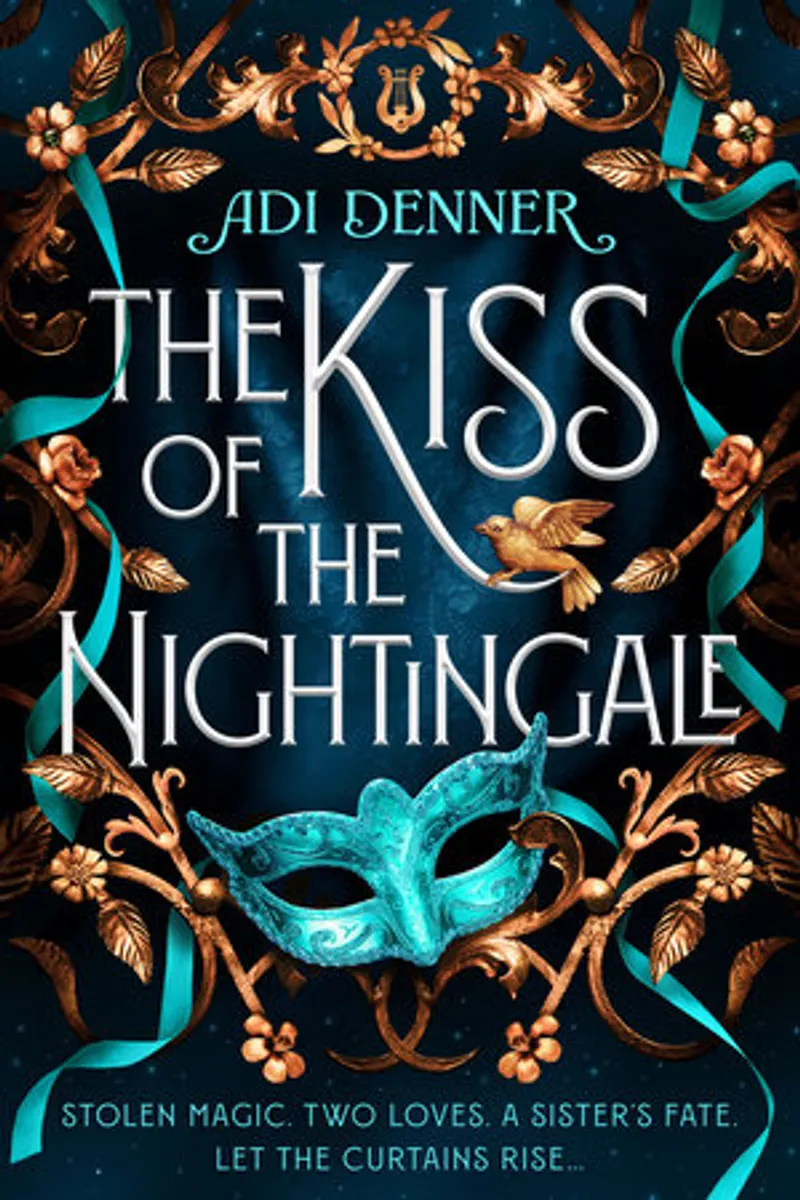
The Kiss of the Nightingale Author: Adi DennerPage Count: UnknownPublication Date: 2025-PRH In the enchanting world of "The Kiss of the Nightingale" by Adi Denner, the allure of magic and the complexity of the human heart take center stage. Set in an alternative historical Paris, this mesmerizing romantasy novel masterfully weaves together the opulence of "Bridgerton" and the mystical allure of Leigh Bardugo's "Shadow and Bone" series. At the heart of this tale lies Cleodora, a young orphan struggling to keep her family's dress shop afloat while caring for her ailing sister. Her life takes a dramatic turn when she meets the enigmatic Lady Dahlia Sibille, who offers her a chance to acquire a Singing Talent – a gift that could save her sister's life and redefine her own destiny. However, this opportunity comes with a steep price: Cleodora must steal an Elite Talent from the esteemed Lenoir family. As Cleodora navigates the treacherous world of Lutèce's high society, she finds herself torn between two captivating figures: the charming Vicomte Lenoir and the alluring Lady Dahlia. The Vicomte's charming smiles and teasing demeanor slowly win her over, while Dahlia's seductive whispers continue to linger in her ears. This delicate dance between two loves serves as the perfect backdrop to explore the novel's central theme: the true nature of power, freedom, and the human spirit. Denner's writing style is nothing short of enchanting. Her vivid descriptions of 1890s Paris transport readers to a world of grand opera houses, lavish balls, and whispered secrets. The author's masterful handling of the fantastical elements, particularly the concept of Talents, adds a rich layer of depth to the narrative. The world-building is meticulous, with a clear understanding of the social hierarchy and the implications of possessing a Talent. One of the most striking aspects of "The Kiss of the Nightingale" is its exploration of the human condition. Cleodora's journey is not just about acquiring a Talent or navigating the complexities of love; it's about self-discovery and the realization that true power lies within. Denner skillfully weaves together themes of identity, class, and the consequences of one's actions, creating a narrative that is both captivating and thought-provoking. The characters in the novel are equally well-crafted, with Cleodora being a standout. Her vulnerability, determination, and resilience make her a relatable and endearing protagonist. The supporting cast, including the Vicomte and Lady Dahlia, add depth and complexity to the story, their motivations and desires expertly intertwined with Cleodora's. In conclusion, "The Kiss of the Nightingale" is a captivating romantasy novel that will leave readers spellbound. Adi Denner's writing is enchanting, her world-building meticulous, and her characters complex and relatable. This is a story that will resonate with fans of fantasy, romance, and historical fiction, and its exploration of the human condition will linger long after the final page is turned. #TheKissoftheNightingale #Romantasy #FantasyBooks #HistoricalFiction #BookLovers #NewRelease2025 Related InsightsMona: An Immodest Memoir of Race and Rebellion Book Review and Summary The Moth Reborn (The Bone Season, #6) Book Review and Summary Caraval Book Review and Summary{ "@context": "https://schema.org", "@type": "FAQPage", "mainEntity": [ { "@type": "Question", "name": "What is the main focus of The Nightingale Book Review and Summary?", "acceptedAnswer": { "@type": "Answer", "text": "Everything you need to know about The Nightingale with our detailed review." } }, { "@type": "Question", "name": "Who authored the comprehensive guide on The Nightingale Book Review and Summary?", "acceptedAnswer": { "@type": "Answer", "text": "This detailed article and its insights were carefully researched and authored by Kristin Hannah." } }, { "@type": "Question", "name": "Where can I find more related content about Books?", "acceptedAnswer": { "@type": "Answer", "text": "You can explore more articles, detailed reviews, and similar insights by browsing the Related Insights section at the bottom of this article or visiting our dedicated Books category page." } } ] }
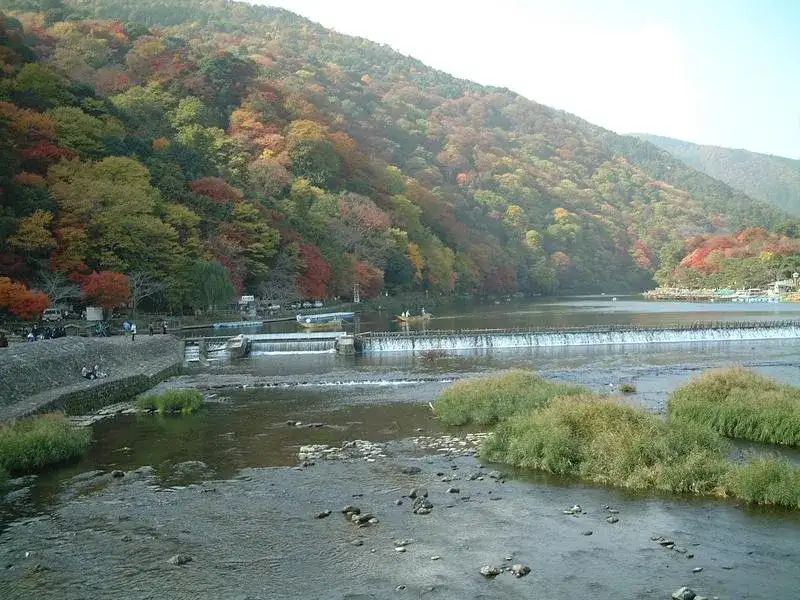
ようこそ。日本の美しき歴史と文化の旅へ。 嵐山の美学:竹林と自然の調和 みなさま、こんにちは。旅行ブロガーであり、文化歴史学の研究者でもある田中ゆみ(Yumi Tanaka)です。 私たちが旅に出る時、そこには単なる日常からの逃避以上の意味が存在します。それは、土地が内包する歴史の集積に触れ、かつてその地を生きた人々が自然とどのように対峙し、あるいは調和を模索してきたかという、精神の軌跡をたどる試みに他なりません。 今回私が思索の場として選んだのは、京都の西方に鎮座する「嵐山」です。 嵐山は、単に美しい景観を誇る観光地という枠に収まる存在ではありません。ここは、平安の昔から貴族たちに愛された別業(別荘)の地であり、仏教的な無常観と神道的な自然崇拝、そして人間の高度な空間設計が見事に結晶化した、言わば「生きた文化遺産」です。本稿では、この嵐山という空間が湛える美学的な本質、その歴史的変遷、そして自然と人間との調和のあり方について、学術的かつ詩的な視点から深く解き明かしていきたいと思います。1. 地理的重層性と水系のトポロジー 嵐山を理解するためには、まずその地形が持つ重層的な広がりと、この地を貫く水系の象徴性を整理せねばなりません。 一般に「嵐山」と呼ばれる地域は、京都市西部に位置する標高382メートルの単一の山岳のみを指す言葉ではありません。大堰川(おおいがわ)という大いなる流れを境界線として、西側に並び立つ松尾山(275.6m)、嵐山(382m)、烏ヶ岳(398m)の「嵐山三山」と、東側に位置する小倉山、亀山、そしてその山麓に広がる平坦な土地を含めた広範な領域を、私たちは「嵐山」と総称しています。 【嵐山地域の地理的概念図】 (北:嵯峨野・小倉山方面) │ ───────┬─────���─┴───────┬─────── (西側:嵐山三山) │ (東側:亀山・小倉山) ・烏ヶ岳 (398m) │ ・小倉山 ・嵐山 (382m) │ ・亀山 ・松尾山 (275.6m) │ ───────┼───────┬───────┼─────── │ 大堰川 │ (上流) (下流) ───────┴───────┼───────┴─────── 渡月橋 ───────┬───────┼───────┬─────── │ 桂川 │この地を流れる川は、嵐山のアイデンティティそのものです。大堰川の上流にあたる保津川の流域では、古くから林業が極めて盛んでした。山々から切り出された良質な木材は、筏(いかだ)に組まれ、この急流を下って京都の街へと運ばれていきました。その木材輸送の終着点こそが、他ならぬこの嵐山の水際だったのです。かつて物資の集散地として機能したこの川は、現代においては亀岡市から始まる「保津川下り(嵐峽めぐり)」という形で、自然の造形美��五感で追体験するエコツーリズムの場へと昇華されています。 そして、この水系を語る上で最も興味深いのが、流路に架かる「渡月橋」を境にして川の呼称が変化するという事実です。橋の上流側は「大堰川」と呼ばれ、橋を下った瞬間から「桂川」とその名を変えます。この命名の境界線は、単なる行政上の区切りを超えて、自然が野生から都市の洗練へと移行する精神的な敷居(しきい)として機能しているように思えてなりません。 渡月橋は、まさに嵐山の象徴です。写真や絵画で見ると、古風な純木造の橋のように見えますが、その実態は近代の工学技術を宿した堅牢な鉄筋コンクリート造の橋です。しかし、周囲の景観と調和を保つため、欄干部分には温かみのある木材が贅沢に使用されており、自動車の往来を可能にしながらも、古典的な情緒を一切損なっていません。さらに、夜間には橋の上流に設置された小型水力発電機によって生み出されたクリーンな電力が、橋を優美に照らし出します。ここには、古人の美意識を受け継ぎつつ、持続可能な現代技術を融合させるという、きわめて高度な調和の姿勢が���て取れます。2. 歴史的植栽と「作られた自然」の美学 嵐山は、手つかずの原始の自然が残されている場所ではありません。むしろ、人間が自然に深く関与し、その美を極限まで引き出した「極上の庭園」とも言うべき空間です。この地が桜と紅葉の世界的名所(日本さくら名所100選、日本紅葉の名所100選)となった背景には、歴史上の人物たちによる壮大な「植栽の歴史」が存在します。 #歴史 の糸を紐解くと、13世紀末の鎌倉時代、亀山上皇が奈良・吉野の地からサクラ数百株をこの嵐山へと移植させたという記録に行き当たります。吉野といえば、修験道の聖地であり、日本で最も高名な桜の山です。上皇はその神聖なる桜の遺伝子を、自らが愛した嵐山へと移植することで、聖なる風景の「アプロプリエーション(受容・再構築)」を試みたのです。 さらにその後、南北朝から室町時代にかけて、稀代の作庭家であり禅僧でもあった夢窓国師(夢窓疎石)が、再び吉野からヤマザクラ数千本をこの地に移植しました。彼らは、松の常緑が織りなす深い緑の背景の中に、桜の淡いピンク、そして秋には紅葉��燃え立つような赤を精密に配置していきました。私たちが今日目にする嵐山の四季の色彩は、自然の偶然がもたらしたものではなく、数百年にわたる人間の美的意志と自然の生命力が共作した、壮大な大地のキャンバスなのです。 【嵐山の植栽と景観形成のタイムライン】 ┌───────────────────────────────────────┐ │ 13世紀末:亀山上皇による吉野サクラ数百株の移植 │ │ └ 嵐山における「サクラの名所」としての基礎が築かれる │ ├───────────────────────────────────────┤ │ 14世紀:夢窓国師によるヤマザクラ数千本の追植 │ │ └ 禅的空間美学に基づいた松と桜の色彩対比の完成 │ ├───────────────────────────────────────┤ │ 15世紀:金春禅鳳作の能『嵐山』の上演 │ │ └ 蔵王権現堂や戸難瀬の滝が文化的アイコンとして定着 │ ├───────────────────────────────────────┤ │ 明治時代:社寺上知令による官有地化(のちの嵐山国有林) │ │ └ 天龍寺領から国家管理への移行、保安林としての保護が開始 │ └───────────────────────────────────────┘このような歴史的背景は、古典芸能の世界にも深く投影されています。嵐山の名所の一つである「戸難瀬(となせ)の滝」(別名:音無滝)の上流には、吉野の神仏習合の信仰を象徴する蔵王権現堂が鎮座しています。この蔵王権現は、15世紀に活躍した能役者・金春禅鳳が手がけた能の演目『嵐山』にも神格として登場し、嵐山の地が持つ霊的な豊かさを当時の人々に広く印象付けました。 しかし、こうした自然と文化の調和は、常に順風満帆に維持されてきたわけではありません。嵐山山麓に広がっていた鬱蒼たる森の多くは、かつて名刹・天龍寺の寺領でした。しかし明治時代に下ると、「社寺上知令」という激動の国策により、これらの広大な土地は国家に強制的に召し上げられ、官有地へと編入されることになります。これが、現在の「嵐山国有林(面積59.03ヘクタール)」の起源です。 現在、この嵐山国有林は、森林法に基づく風致保安林および土砂流出防備保安林に指定され、さらに文化財保護法の「史跡名勝(1927年指定:嵐山峡)」、都市計画法の「風致地区(1930年指定)」、古都保存法の「歴史的風土特別保存地区」、さらには鳥獣保護区という、幾重もの法的保護の網によって守られています。私たちが今もなお、平安貴族が見上げたものと本質的に変わらない稜線を仰ぎ見ることができるのは、こうした近代以降の厳格な保全制度の賜物なのです。3. 竹林の小径と五感の現象学 嵐山を訪れる旅人が、最も深く精神的な静寂を覚える場所、それが「竹林の小径」ではないでしょうか。 野宮神社から大河内山荘へと至る細い路地。そこには、天を突き刺すようにまっすぐに伸びた数千、数万の竹が、光と影の精緻な格子模様を地面に描き出しています。この空間は、まさに #自然 が生み出した寺院の回廊のようです。 竹林の中に身を置くと、まず変化するのは視覚ではなく「聴覚」です。風が通り抜けるたびに、竹の幹同士が擦れ合い、葉がささやく「サワサワ」という乾いた音が、周囲を満たします。この音は、都市の喧騒によって麻痺した私たちの感覚を優しく覚醒させ、主客未分の瞑想的な状態へと誘います。光は竹の葉によって幾重にもフィルタリングされ、地上に届く頃には、どこかエメラルドグリーンを帯びた、湿り気のある柔らかな光へと変化しています。 ここでは、時間すらもその歩 #japan #travel #history #culture #nature Related InsightsRing of Fire Odyssey: The Ultimate Safety Manual for Volcanic Trekking Across Indonesia Lisboa: A Cidade das Sete Colinas 丽江古城:茶马古道上的明珠{ "@context": "https://schema.org", "@type": "FAQPage", "mainEntity": [ { "@type": "Question", "name": "What is the main focus of 嵐山の美学: 竹林と自然の調和?", "acceptedAnswer": { "@type": "Answer", "text": "田中ゆみと共に、嵐山の深淵なる歴史と文化を紐解く旅へ。" } }, { "@type": "Question", "name": "Who authored the comprehensive guide on 嵐山の美学: 竹林と自然の調和?", "acceptedAnswer": { "@type": "Answer", "text": "This detailed article and its insights were carefully researched and authored by Yumi Tanaka." } }, { "@type": "Question", "name": "Where can I find more related content about Travel?", "acceptedAnswer": { "@type": "Answer", "text": "You can explore more articles, detailed reviews, and similar insights by browsing the Related Insights section at the bottom of this article or visiting our dedicated Travel category page." } } ] }
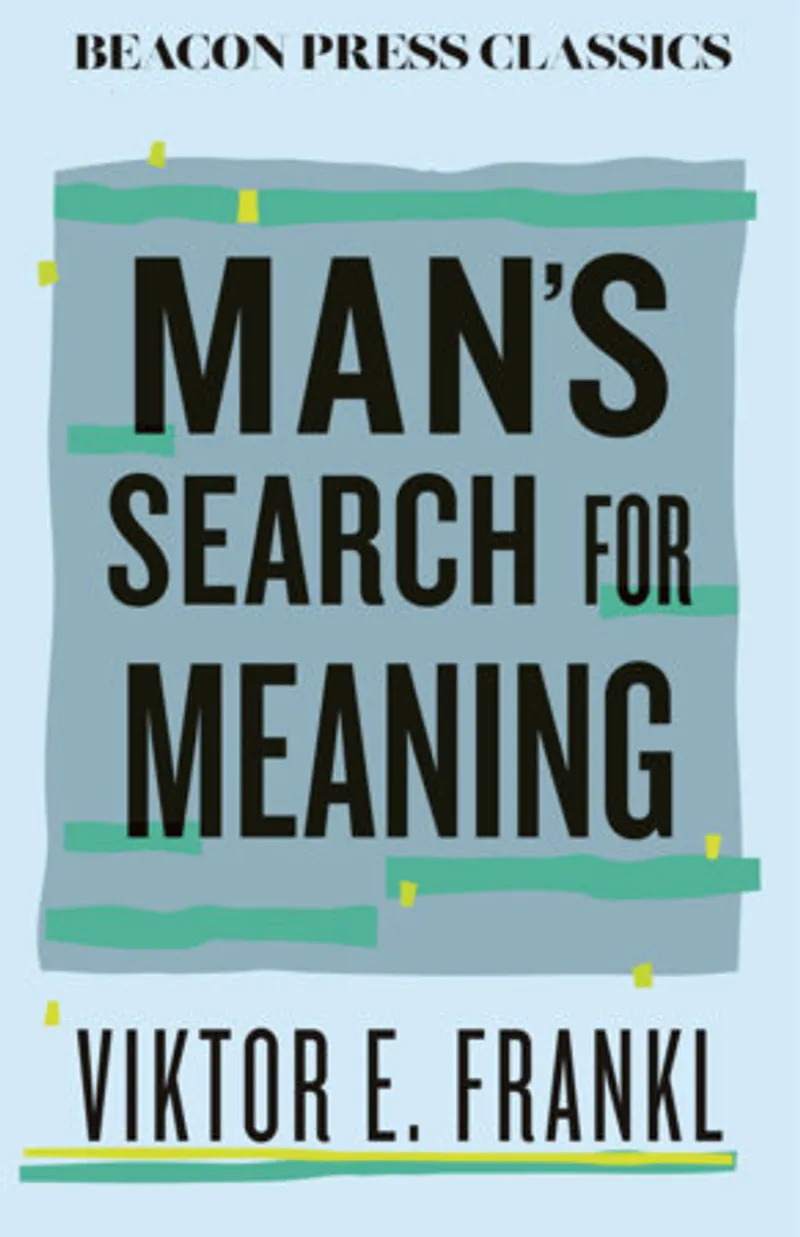
Man's Search for Meaning Author: Viktor E. FranklPage Count: UnknownPublication Date: 2025-PRH I must correct the publication year of the book 'Man's Search for Meaning' as it was originally published in 1959, not in 2025. Here's a review of the book. In the most inhumane of conditions, Viktor E. Frankl's 'Man's Search for Meaning' shines as a beacon of hope, a testament to the resilience of the human spirit, and a profound exploration of the search for meaning in the face of unimaginable suffering. This memoir, self-help book, and psychology manual all at once, recounts Frankl's three-year ordeal in Auschwitz and other Nazi concentration camps, yet it is not a tale of horror, but a chronicle of the struggle for existence and the quest for meaning. Through his unique perspective as a psychiatrist, Frankl offers a remarkable insight into the psychology of survival. He posits that the 'will to meaning' is the primary driving force behind human existence. This notion, which later became the cornerstone of his logotherapy theory, revolutionizes our understanding of human nature in the face of adversity. Frankl's theory is succinctly encapsulated in Nietzsche's words, 'He who has a why to live for can bear almost any how.' Frankl's writing style is straightforward, yet powerful, and devoid of sentimentality. He recounts the atrocities he witnessed and experienced with a sense of detachment, which makes the narrative all the more poignant. The author's use of simple, yet profound language, makes the book accessible to a wide range of readers, from scholars to those simply seeking inspiration. One of the most striking aspects of 'Man's Search for Meaning' is its ability to transcend the boundaries of time and space. Despite being written over six decades ago, the book remains remarkably relevant today. Its themes of hope, resilience, and the search for meaning continue to resonate with readers from diverse backgrounds and cultures. Frankl's story is a testament to the human capacity for survival, and his theory of logotherapy offers a compelling framework for finding meaning in the face of adversity. The book is not a self-help manual in the classical sense, but rather a deeply personal and philosophical exploration of the human condition. It is an invitation to re-examine our assumptions about the nature of existence and to seek meaning in our own lives. In conclusion, 'Man's Search for Meaning' is a masterpiece of psychological literature, a tribute to the human spirit, and a powerful exploration of the search for meaning. It is a book that will continue to inspire, educate, and challenge readers for generations to come. #MansSearchForMeaning #ViktorFrankl #Logotherapy #HolocaustMemoir #PsychologyClassic #MeaningInSuffering Related InsightsThe French Illusion Book Review and Summary Wildcard Book Review and Summary Someone to Cherish Book Review and Summary{ "@context": "https://schema.org", "@type": "FAQPage", "mainEntity": [ { "@type": "Question", "name": "What is the main focus of Man's Search for Meaning Book Review and Summary?", "acceptedAnswer": { "@type": "Answer", "text": "Everything you need to know about Man's Search for Meaning with our detailed review." } }, { "@type": "Question", "name": "Who authored the comprehensive guide on Man's Search for Meaning Book Review and Summary?", "acceptedAnswer": { "@type": "Answer", "text": "This detailed article and its insights were carefully researched and authored by Klaus Weber." } }, { "@type": "Question", "name": "Where can I find more related content about Books?", "acceptedAnswer": { "@type": "Answer", "text": "You can explore more articles, detailed reviews, and similar insights by browsing the Related Insights section at the bottom of this article or visiting our dedicated Books category page." } } ] }
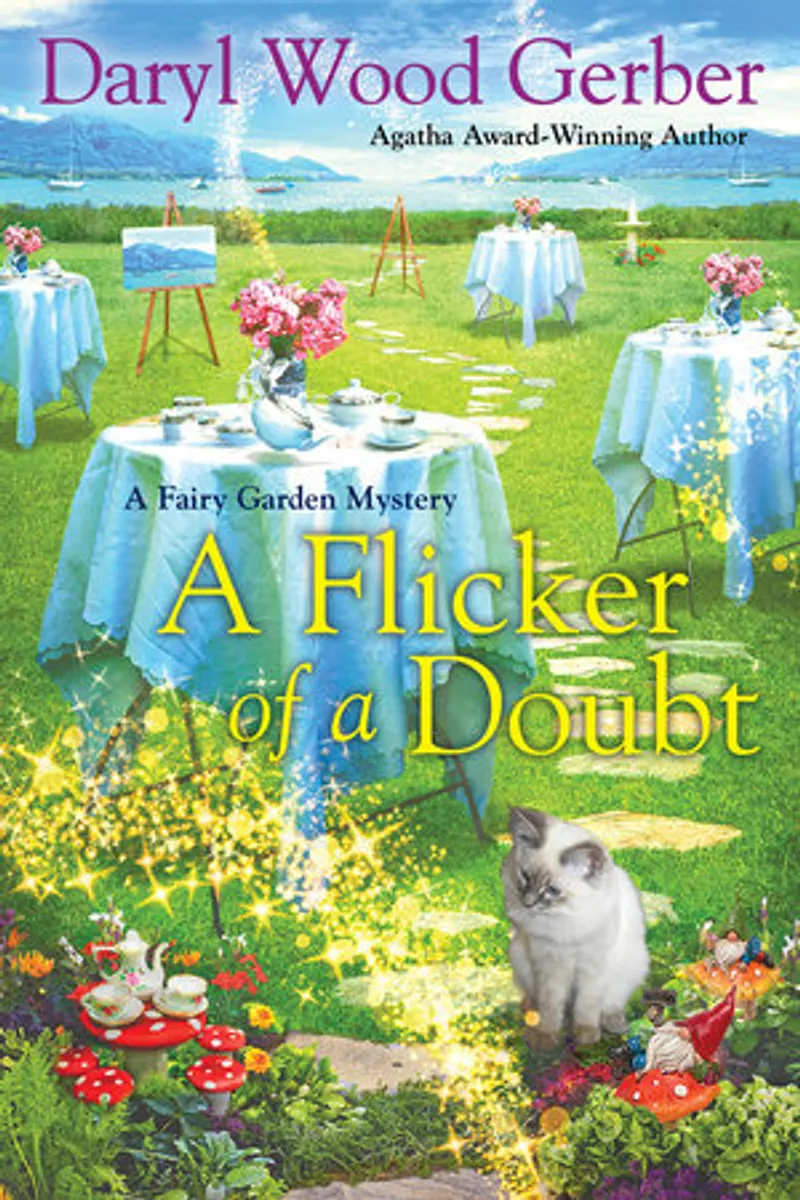
A Flicker of a Doubt Author: Daryl Wood GerberPage Count: UnknownPublication Date: 2023-PRH In "A Flicker of a Doubt," Daryl Wood Gerber weaves a captivating tale that masterfully blends the whimsy of fairy gardening with the intrigue of a murder mystery. Set against the picturesque backdrop of Carmel-by-the-Sea, California, this fourth installment in the enchanting series follows Courtney Kelly, the owner of a charming fairy-gardening and tea shop, as she becomes embroiled in a shocking murder investigation. Gerber's writing style is a perfect blend of lighthearted humor and clever wit, making this book an absolute delight to read. Her vivid descriptions of Courtney's fairy gardens and the quaint town of Carmel-by-the-Sea transport the reader to a world of magic and wonder. At the same time, she skillfully weaves a complex web of suspects and motives, keeping the reader guessing until the very end. At its core, "A Flicker of a Doubt" is a story about the power of friendship and loyalty. Courtney's determination to clear her best friend Meaghan's name and protect her business partner is admirable and relatable. The way Gerber explores the intricacies of female relationships and the bonds that tie friends together is both authentic and heartwarming. The character of Courtney Kelly is a standout in this series. Her unique blend of creativity, determination, and kindness makes her a lovable and relatable protagonist. The supporting cast of characters is equally well-developed, with each one bringing their own distinct personality to the story. Gerber's use of magical realism adds a delightful touch to the narrative. The character of Fiona, the sleuthing fairy, is a wonderful addition to the story, providing a touch of whimsy and humor to the investigation. One of the strengths of this book is its ability to balance lighthearted moments with more serious themes. Gerber tackles topics like financial struggles and personal relationships with sensitivity and nuance, adding depth to the story. Overall, "A Flicker of a Doubt" is a captivating and charming read that will appeal to fans of cozy mysteries, magical realism, and women's fiction. With its unique blend of humor, wit, and heart, this book is sure to leave readers eagerly anticipating the next installment in the series. #AFlickerOfADoubt #DarylWoodGerber #CozyMystery #MagicalRealism #FairyGardening #WhimsicalMystery Related InsightsSimply Lies Book Review and Summary And Then There Were Nuns Book Review and Summary Macbeth Book Review and Summary{ "@context": "https://schema.org", "@type": "FAQPage", "mainEntity": [ { "@type": "Question", "name": "What is the main focus of A Flicker in the Dark Book Review and Summary?", "acceptedAnswer": { "@type": "Answer", "text": "Everything you need to know about A Flicker in the Dark with our detailed review." } }, { "@type": "Question", "name": "Who authored the comprehensive guide on A Flicker in the Dark Book Review and Summary?", "acceptedAnswer": { "@type": "Answer", "text": "This detailed article and its insights were carefully researched and authored by Stacy Willingham." } }, { "@type": "Question", "name": "Where can I find more related content about Books?", "acceptedAnswer": { "@type": "Answer", "text": "You can explore more articles, detailed reviews, and similar insights by browsing the Related Insights section at the bottom of this article or visiting our dedicated Books category page." } } ] }

Winter at World's End Author: Lindsey Anderson RiosPage Count: UnknownPublication Date: 2027-PRH As I delved into the pages of Winter at World's End by Lindsey Anderson Rios, I was immediately struck by the author's unique voice and style. The story, set in a world that is both hauntingly beautiful and eerily desolate, is a masterful exploration of the human condition. Rios weaves a complex narrative that is as much about the struggle to survive in a harsh environment as it is about the resilience of the human spirit. The main theme of the book appears to be the intersection of humanity and the natural world. Rios crafts a world that is on the brink of collapse, where the rules of nature no longer apply, and the characters must navigate this treacherous landscape to find a way to survive. Through the eyes of the protagonist, we witness the devastation of the world around them, and the desperate measures they must take to stay alive. The author's vivid descriptions of the frozen landscape, the howling winds, and the creeping darkness are so evocative that it's impossible not to feel the chill of the winter air as you turn the pages. One of the most striking aspects of Rios' style is her ability to balance the brutal realities of survival with a deep sense of hope and humanity. The characters in the book are multi-dimensional and complex, with rich inner lives and motivations that drive the plot forward. The author's prose is concise and powerful, with a lyricism that is both beautiful and haunting. The writing is atmospheric and immersive, drawing the reader into the world of the story and refusing to let go. As I read through the book, I was struck by the way Rios explores the idea of community and connection in the face of adversity. The characters are forced to band together in order to survive, and the bonds they form are a testament to the power of human relationships. The author shows us that even in the darkest of times, there is always the possibility for love, forgiveness, and redemption. This is a powerful message, and one that resonates deeply in today's world. The world-building in Winter at World's End is also noteworthy. Rios has created a fully realized world that is both familiar and yet, utterly unique. The frozen landscape is richly detailed, with a history and mythology that underpin the story. The author's use of magical realism adds a layer of depth and complexity to the narrative, and raises important questions about the nature of reality and the human condition. Overall, I was deeply impressed by Winter at World's End. Lindsey Anderson Rios is a talented writer with a unique voice and a compelling vision. The book is a must-read for anyone who loves literary fiction, science fiction, or fantasy. The themes of hope, resilience, and the human condition are timely and timeless, and the author's style is both beautiful and haunting. I highly recommend this book to anyone looking for a story that will stay with them long after they finish reading. #WinterAtWorldsEnd #LindseyAndersonRios #DystopianFiction #MagicalRealism #LiteraryScienceFiction #PostApocalypticNovels Related InsightsEveryday Angel Book Review and Summary A Breath of Snow and Ashes Book Review and Summary Defy the Dusk (The Sundering Duet, #1) Book Review and Summary{ "@context": "https://schema.org", "@type": "FAQPage", "mainEntity": [ { "@type": "Question", "name": "What is the main focus of Winter Book Review and Summary?", "acceptedAnswer": { "@type": "Answer", "text": "Everything you need to know about Winter with our detailed review." } }, { "@type": "Question", "name": "Who authored the comprehensive guide on Winter Book Review and Summary?", "acceptedAnswer": { "@type": "Answer", "text": "This detailed article and its insights were carefully researched and authored by Marissa Meyer." } }, { "@type": "Question", "name": "Where can I find more related content about Books?", "acceptedAnswer": { "@type": "Answer", "text": "You can explore more articles, detailed reviews, and similar insights by browsing the Related Insights section at the bottom of this article or visiting our dedicated Books category page." } } ] }


The Giver of Stars Author: Jojo MoyesPage Count: UnknownPublication Year: 2019-GB Jojo Moyes’ The Giver of Stars is a luminous tapestry of friendship, courage, and the quiet revolutions that shape lives. Set in the rugged, sun-scorched landscapes of 1930s Kentucky, this novel weaves together the stories of five extraordinary women who defy the rigid expectations of their time by forming the Packhorse Library, a bold initiative to deliver books to remote mountain communities. At its heart, the book is a celebration of the transformative power of stories—how they can ignite minds, bridge divides, and forge unbreakable bonds. Moyes, known for her emotionally resonant storytelling (Me Before You, The Horse Dancer), crafts a narrative that is both sweeping and intimate. She excels at creating characters who feel achingly real, their flaws and triumphs etched with vivid detail. The protagonist, Alice, is a compelling figure—a privileged Englishwoman who flees an oppressive marriage to find purpose in the Kentucky hills. Her journey from a woman defined by others’ expectations to one who carves her own path is both relatable and inspiring. Alongside her are the fiercely independent Margery, the gentle but resilient Beth, the fiery Izzy, and the steadfast Sophia, each bringing their own struggles and strengths to the group. The novel’s central theme is the subversive nature of female friendship and solidarity. In an era when women were often confined to domestic roles, the Packhorse Library becomes a symbol of rebellion—a vehicle for independence, knowledge, and connection. The women face hostility from some quarters, indifference from others, but their shared mission binds them together, proving that even the smallest acts of defiance can ripple outward. Moyes doesn’t shy away from the harsh realities of the time—poverty, sexism, and violence lurk beneath the beauty of the Appalachian setting—but she balances these with moments of profound tenderness and humor. One of the novel’s greatest strengths is its lush, immersive prose. Moyes has a gift for sensory detail, whether describing the scent of rain on parched earth or the feel of a well-worn book in a reader’s hands. The Kentucky landscape isn’t just a backdrop; it’s a living, breathing presence that shapes the characters’ lives. The dialogue crackles with authenticity, and the pacing is masterful, blending quiet introspection with gripping tension. When danger threatens the women’s mission, the stakes feel visceral, and the emotional payoff is deeply satisfying. What makes The Giver of Stars particularly resonant is its exploration of how stories can heal and liberate. The books the women carry are more than just words on a page—they are lifelines, offering escape, inspiration, and even a form of resistance. In a world where knowledge is power, these women wield it with quiet determination. Moyes also touches on themes of racial and class divides, though some readers might wish for deeper exploration of these dynamics, given the era’s complexities. Ultimately, this novel is a love letter to the idea that even in the darkest times, connection and resilience can light the way. It’s a story about finding your voice when the world tries to silence you, and about the courage it takes to deliver not just books, but hope. Moyes’ writing is both evocative and accessible, making The Giver of Stars a book that lingers long after the last page. If you’re a fan of historical fiction with heart, or simply love stories about extraordinary women carving their own destinies, this novel is a must-read. It’s a reminder that sometimes, the bravest thing you can do is keep moving forward—one book, one step at a time. #TheGiverOfStars #JojoMoyes #HistoricalFiction #Bookstagram #WomenEmpowerment #AppalachianTales Related InsightsThe Mercy of Gods Book Review and Summary Der Verborgene Kosmos am Buchschnitt: Eine Reise in die Welt der Fore-edge Paintings Glances at Germany, Poland, and the Euxine Book Review and Summary{ "@context": "https://schema.org", "@type": "FAQPage", "mainEntity": [ { "@type": "Question", "name": "What is the main focus of The Giver of Stars Book Review and Summary?", "acceptedAnswer": { "@type": "Answer", "text": "Everything you need to know about The Giver of Stars with our detailed review." } }, { "@type": "Question", "name": "Who authored the comprehensive guide on The Giver of Stars Book Review and Summary?", "acceptedAnswer": { "@type": "Answer", "text": "This detailed article and its insights were carefully researched and authored by Sarah Davis." } }, { "@type": "Question", "name": "Where can I find more related content about Books?", "acceptedAnswer": { "@type": "Answer", "text": "You can explore more articles, detailed reviews, and similar insights by browsing the Related Insights section at the bottom of this article or visiting our dedicated Books category page." } } ] }


Roadtrip durch den Schwarzwald: Kurven, Kuckucksuhren und Kirschtorte Es gibt nur wenige Regionen in #Deutschland, die so viel Mystik, Tradition und atemberaubende Natur in sich vereinen wie der Schwarzwald. Dieses ausgedehnte Mittelgebirge im Südwesten Baden-Württembergs ist weltberühmt für seine dichten, immergrünen Wälder, tiefen Schluchten, malerischen Fachwerkdörfer und natürlich für seine reiche Handwerks- und Kulinariktradition. Ein Roadtrip durch den Schwarzwald ist wie eine Fahrt durch die Seiten eines Gebrüder-Grimm-Märchens. Die Schwarzwaldhochstraße: Eine Route für Genießer Die perfekte Route beginnt oft in Baden-Baden, der eleganten Kurstadt, die schon von römischen Kaisern und russischen Zaren für ihre Thermalquellen geschätzt wurde. Von hier aus schlängelt sich die B500, besser bekannt als Schwarzwaldhochstraße, über 60 Kilometer bis nach Freudenstadt. Diese Panoramastraße zählt zu den ältesten und schönsten Ferienstraßen Deutschlands. Unterwegs öffnen sich immer wieder spektakuläre Ausblicke in das Rheintal und an klaren Tagen sogar bis zu den Vogesen in Frankreich. Ein absolutes Muss ist ein Stopp am geheimnisvollen Mummelsee, einem fast kreisrunden Karsee aus der Eiszeit, der umgeben von dichten Tannenwäldern auf über 1000 Metern Höhe liegt. Der Legende nach wird der tiefe, dunkle See von Nixen und einem Unterwasserkönig bewohnt. Heimat der Kuckucksuhr: Triberg und die Handwerkskunst Fährt man weiter Richtung Süden, erreicht man das Herzland der Schwarzwälder Handwerkskunst. Im Städtchen Triberg stürzen nicht nur die höchsten Wasserfälle Deutschlands schäumend über 163 Meter in die Tiefe, hier ist auch die Heimat der originalen Schwarzwälder Kuckucksuhr. Seit dem 18. Jahrhundert werden diese mechanischen Wunderwerke in den dunklen Wintern von den Bauern auf den abgelegenen Höfen geschnitzt. Entlang der Deutschen Uhrenstraße kann man in Schramberg oder Furtwangen (wo sich das faszinierende Deutsche Uhrenmuseum befindet) tief in die Geschichte dieser filigranen Kunstfertigkeit eintauchen. In Schonach kann man sogar die größte Kuckucksuhr der Welt betreten, die die Größe eines kleinen Einfamilienhauses hat! Kulinarische Ikone: Die Schwarzwälder Kirschtorte Kein Roadtrip durch den Schwarzwald wäre komplett, ohne die regionale Küche zu probieren, die weit über die Grenzen Deutschlands hinaus Berühmtheit erlangt hat. Der unbestrittene Star ist natürlich die Schwarzwälder Kirschtorte. Erfunden vermutlich in den 1930er Jahren (wenn auch nicht zwingend im Schwarzwald selbst), verdankt sie ihren Namen dem wichtigsten Bestandteil: dem Schwarzwälder Kirschwasser, einem kräftigen Obstbrand aus regionalen Süßkirschen. Die Kombination aus fluffigem Schokoladenbiskuit, fruchtigen Kirschen, Bergen von Schlagsahne und knusprigen Schokoladenraspeln ist ein kulinarisches Meisterwerk. Genauso legendär ist der Schwarzwälder Schinken. Dieser wird traditionell von Hand gepökelt, mit Knoblauch, Koriander, Pfeffer und Wacholder eingerieben und anschließend über feinem Tannen- und Fichtenholz aus dem Schwarzwald kalt geräuchert. Dadurch erhält er seine unverkennbare dunkle Farbe und sein kräftiges, rauchiges Aroma. Serviert auf einer Scheibe frischem Bauernbrot ("Vesper") in einer gemütlichen Schwarzwaldstube, ist dies der perfekte Abschluss eines ereignisreichen Roadtrip-Tages. #Schwarzwald #BlackForest #RoadtripGermany #Schwarzwaldhochstraße #BadenWürttemberg #Kuckucksuhr #BlackForestCake #ExploreGermany #Wanderlust #TravelEurope #travel #exclusive Related InsightsLa Corse : Éclats de granit et murmures de Méditerranée 鹿苑寺 (金閣寺): 極楽浄土を映す黄金の楼閣 Arctic Circle Digital Nomadism: Building Connectivity in Greenland's Remote Towns{ "@context": "https://schema.org", "@type": "FAQPage", "mainEntity": [ { "@type": "Question", "name": "What is the main focus of Roadtrip durch den Schwarzwald?", "acceptedAnswer": { "@type": "Answer", "text": "Explore the incredible journey of Roadtrip durch den Schwarzwald with Felix Müller." } }, { "@type": "Question", "name": "Who authored the comprehensive guide on Roadtrip durch den Schwarzwald?", "acceptedAnswer": { "@type": "Answer", "text": "This detailed article and its insights were carefully researched and authored by Felix Müller." } }, { "@type": "Question", "name": "Where can I find more related content about Travel?", "acceptedAnswer": { "@type": "Answer", "text": "You can explore more articles, detailed reviews, and similar insights by browsing the Related Insights section at the bottom of this article or visiting our dedicated Travel category page." } } ] }


Baklava: Layers of Perfection Few desserts in the world command the reverence and global recognition of baklava. This rich, sweet pastry, characterized by its myriad layers of paper-thin dough, chopped nuts, and glistening syrup, is a masterpiece of Middle Eastern and Mediterranean confectionery. While its exact origins have been the subject of spirited debate among Greeks, Turks, and Middle Easterners, the version we recognize today was undeniably refined and perfected in the imperial kitchens of the Ottoman #empire. The Royal Kitchens of Topkapı Palace The historical epicenter of modern baklava is the Topkapı Palace in #Istanbul. During the 15th century, the Sultan’s master bakers developed the technique of rolling dough into translucent sheets known as phyllo (or yufka in Turkish). The creation of baklava was considered an art form; the Sultan would even present trays of the pastry to the Janissaries (his elite soldiers) in a ceremonial procession known as the Baklava Alayı every 15th of Ramadan. This act solidified the dessert's status as a symbol of wealth, power, and divine favor. The Craftsmanship of Layers Authentic Turkish baklava is an exercise in painstaking precision. Traditional recipes dictate that a single tray must contain no fewer than 40 individual layers of dough. Between these microscopic sheets, confectioners sprinkle finely crushed nuts. In the southeastern Turkish city of Gaziantep—which was officially recognized by the European Union as the birthplace of authentic Turkish baklava—vibrant green pistachios are the exclusive nut of choice. In regions closer to the Black Sea, walnuts are preferred, while the Aegean coast leans heavily on almonds. The Alchemy of Şerbet What separates a good baklava from an exceptional one is the syrup, or şerbet. Unlike Greek variations that often rely heavily on honey and spices like cinnamon and cloves, traditional Turkish baklava uses a simple syrup made of sugar, water, and a dash of lemon juice to prevent crystallization. The boiling syrup is poured over the freshly baked, piping-hot pastry, creating a signature hissing sound and locking in a crisp texture that contrasts beautifully with the syrupy, chewy base. A Lasting Legacy Today, baklava is not just a dessert; it is an emblem of celebration. From weddings and religious holidays to the simple joy of an afternoon tea, these layers of perfection continue to enchant palates around the globe, preserving a sweet #history that has stood the test of time. #Baklava #TurkishDesserts #Gaziantep #Pistachio #OttomanHistory #PhylloDough #SweetTooth #CulinaryArt #Gastronomy #TurkishCuisine #turkishfood #recipe #baklavalayersofperfection #anatoliancuisine #demirsef #delicious #food Related InsightsLinseneintopf wie bei Oma Пирожки как у бабушки Southeastern Spices and Flavors{ "@context": "https://schema.org", "@type": "FAQPage", "mainEntity": [ { "@type": "Question", "name": "What is the main focus of Baklava: Layers of Perfection?", "acceptedAnswer": { "@type": "Answer", "text": "Explore the incredible journey of Baklava: Layers of Perfection with Ayşe Kaya." } }, { "@type": "Question", "name": "Who authored the comprehensive guide on Baklava: Layers of Perfection?", "acceptedAnswer": { "@type": "Answer", "text": "This detailed article and its insights were carefully researched and authored by Demir Şef." } }, { "@type": "Question", "name": "Where can I find more related content about Recipe?", "acceptedAnswer": { "@type": "Answer", "text": "You can explore more articles, detailed reviews, and similar insights by browsing the Related Insights section at the bottom of this article or visiting our dedicated Recipe category page." } } ] }

-
 Elena Volkova
- 21 May, 2026 11:44
Salmon Kulebyaka: A Harmonious Union of Omega-3 Rich Fish, Buckwheat, and Herbs
Introduction to Salmon Kulebyaka Salmon Kulebyaka, a traditional Russian dish, is a masterpiece of culinary art that combines the richness of salmon with the earthiness of buckwheat and the brightness of fresh herbs. According to recent studies, omega-3 rich foods like salmon have been shown to have numerous health benefits, including reducing inflammation and improving heart health. Research on omega-3 rich foods has also demonstrated their potential to improve cognitive function and reduce the risk of chronic diseases. As we delve into the world of Salmon Kulebyaka, we will explore the cultural significance of this dish, the health benefits of its ingredients, and provide a step-by-step guide to preparing this delightful recipe.The cultural significance of Salmon Kulebyaka lies in its traditional Russian roots, where it was served as a main course during special occasions and holidays. The dish is a testament to the resourcefulness and creativity of Russian cuisine, which often combines simple ingredients to create complex and flavorful dishes. The Health Benefits of Omega-3 Rich Salmon Omega-3 rich salmon is an excellent source of protein, vitamins, and minerals, making it an ideal ingredient for a healthy and balanced diet. According to scientific research, omega-3 fatty acids found in salmon have been shown to reduce inflammation, improve heart health, and support brain function. The high levels of omega-3 fatty acids in salmon also make it an excellent ingredient for reducing the risk of chronic diseases, such as heart disease, diabetes, and certain types of cancer.In addition to its numerous health benefits, omega-3 rich salmon is also a versatile ingredient that can be prepared in a variety of ways, from grilled and baked to poached and sautéed. The delicate flavor and flaky texture of salmon make it an ideal ingredient for a wide range of dishes, from simple salads to complex sauces and marinades. The Nutritional Value of Buckwheat Buckwheat, a pseudo-cereal, is a nutritious and versatile ingredient that is high in protein, fiber, and minerals. According to recent studies, buckwheat has been shown to have numerous health benefits, including reducing inflammation, improving heart health, and supporting digestive health. The high levels of fiber and protein in buckwheat also make it an excellent ingredient for reducing the risk of chronic diseases, such as diabetes, heart disease, and certain types of cancer.In addition to its numerous health benefits, buckwheat is also a versatile ingredient that can be prepared in a variety of ways, from simple porridges to complex pancakes and breads. The nutty flavor and crunchy texture of buckwheat make it an ideal ingredient for a wide range of dishes, from savory salads to sweet desserts. Preparing the Salmon Kulebyaka To prepare the Salmon Kulebyaka, start by preheating the oven to 375F. While the oven is heating up, prepare the buckwheat filling by sautéing the onion and garlic in olive oil until softened. Add the buckwheat groats, mixed herbs, paprika, salt, and pepper to the skillet and stir to combine.Next, place the salmon fillets on top of the buckwheat mixture and fold the edges of the kulebyaka to seal the filling. Brush the edges with a little bit of water to help them stick together.Place the kulebyaka on a baking sheet lined with parchment paper and bake for 30-40 minutes or until the salmon is cooked through and the crust is golden brown.Serving and Enjoying the Salmon Kulebyaka To serve the Salmon Kulebyaka, slice it into individual portions and garnish with fresh herbs and a dollop of sour cream. The creamy texture and tangy flavor of the sour cream complement the rich flavor and flaky texture of the salmon perfectly.In addition to its delicious flavor and numerous health benefits, the Salmon Kulebyaka is also a visually stunning dish that is sure to impress your family and friends. The combination of the golden brown crust, the vibrant green herbs, and the delicate pink salmon creates a dish that is both beautiful and delicious.#HealthyLiving #Gastronomy #Omega3RichFoods #RussianCuisine #SalmonRecipes #BuckwheatBenefits Related InsightsAndean Superfoods Unveiled: The Alchemical Power of Quinoa, Kiwicha, and Canihua The Emerald Symphony of the Levant: Unveiling the Soul of Authentic Tabbouleh Thieboudienne: The Crown Jewel of Senegalese Cuisine{ "@context": "https://schema.org", "@type": "FAQPage", "mainEntity": [ { "@type": "Question", "name": "What is the main focus of Salmon Kulebyaka: A Harmonious Union of Omega-3 Rich Fish, Buckwheat, and Herbs?", "acceptedAnswer": { "@type": "Answer", "text": "Explore the health benefits of omega-3 rich salmon and learn how to prepare a delicious Salmon Kulebyaka with buckwheat and herbs. This traditional Russian dish is a perfect combination of flavor and nutrition." } }, { "@type": "Question", "name": "Who authored the comprehensive guide on Salmon Kulebyaka: A Harmonious Union of Omega-3 Rich Fish, Buckwheat, and Herbs?", "acceptedAnswer": { "@type": "Answer", "text": "This detailed article and its insights were carefully researched and authored by Elena Volkova." } }, { "@type": "Question", "name": "Where can I find more related content about Food?", "acceptedAnswer": { "@type": "Answer", "text": "You can explore more articles, detailed reviews, and similar insights by browsing the Related Insights section at the bottom of this article or visiting our dedicated Food category page." } } ] }

A Madness of Sunshine Author: Nalini SinghPage Count: UnknownPublication Year: 2019-GB Nalini Singh’s A Madness of Sunshine is a masterclass in atmospheric tension, blending the raw beauty of New Zealand’s rugged landscapes with the dark, simmering secrets buried beneath its idyllic surface. A global bestseller, this standalone thriller exemplifies Singh’s signature ability to craft a story where the setting itself becomes a character—one that breathes, bends, and ultimately breaks under the weight of human obsession. It’s a tale of isolation, survival, and the terrifying fragility of sanity, all wrapped in the seductive allure of a mystery that refuses to let go. At its core, A Madness of Sunshine is a story about silence. The isolated West Coast of New Zealand, where the novel is set, is a place where the wind howls through the trees like a ghostly chorus and the mist clings to the earth like a shroud. This is the stage for a crime that rocks the tight-knit community of Golden Cove—a place where everyone knows everyone’s business, yet no one truly sees. When a young girl, Miri, is found dead in the bush, the town’s facade of warmth and hospitality cracks open, revealing the rot beneath. The police, including the brooding and deeply empathetic Senior Sergeant Will Jackman, arrive to investigate, but the real mystery isn’t just who killed Miri. It’s why no one spoke up sooner. Why the secrets were allowed to fester in the shadows. Why the town’s collective gaze was so conveniently averted. Singh excels at exploring the psychology of complicity and denial. The novel’s brilliance lies in its refusal to offer easy answers or clear villains. Instead, it immerses the reader in a moral gray zone where guilt is shared, where the line between victim and perpetrator blurs, and where the true horror isn’t just the act of violence but the silence that enabled it. The prose is lush but never sentimental, painting a world that feels both breathtaking and suffocating. The West Coast’s beauty is almost oppressive in its grandeur, mirroring the characters’ own struggles to reconcile the idyllic with the unspeakable. Will Jackman, the novel’s protagonist, is a standout—a man haunted by his past yet deeply attuned to the people around him. His investigation is less about solving a puzzle and more about peeling back layers of a community that has learned to lie to itself. Singh’s writing shines in these moments, where the dialogue crackles with subtext and the characters’ words become weapons or shields. Will’s relationship with the town’s schoolteacher, Anna, adds another layer of complexity, their bond forged in mutual understanding of pain and resilience. Their chemistry is slow-burning and achingly real, a counterpoint to the novel’s darker themes. What makes A Madness of Sunshine so gripping is its refusal to rush. Singh takes her time, letting the tension build like a storm on the horizon. The pacing is deliberate, almost meditative at times, which only amplifies the dread when the inevitable violence erupts. The prose is rich with sensory detail—the tang of salt in the air, the crunch of gravel underfoot, the way the light filters through the trees—but it never feels indulgent. Every description serves the story, grounding the reader in a world that feels lived-in and real. The novel’s title is a clue to its deeper themes. A "madness of sunshine" suggests a paradox: the bright, golden light of the West Coast is deceptive, masking the darkness that lurks beneath. It’s a metaphor for the town itself, for the characters’ repressed memories, and for the way beauty can coexist with brutality. Singh doesn’t shy away from the ugliness of human nature, but neither does she wallow in it. Instead, she presents it with a haunting clarity, as if to say: this is the world as it is. Now, what are you going to do about it? For readers who love psychological depth, atmospheric dread, and characters who feel like real people rather than plot devices, A Madness of Sunshine is a must-read. It’s a book that lingers long after the last page, its questions echoing like the wind through the West Coast’s endless forests. Singh doesn’t just tell a story; she crafts an experience—one that is as unsettling as it is unforgettable. #NaliniSingh #AMadnessOfSunshine #PsychologicalThriller #DarkRomance #CrimeFiction #NewZealandSetting Related InsightsMother Daughter Sister Stranger Book Review and Summary The Raven Tower Book Review and Summary A Court of Wings and Ruin Book Review and Summary{ "@context": "https://schema.org", "@type": "FAQPage", "mainEntity": [ { "@type": "Question", "name": "What is the main focus of A Madness of Sunshine Book Review and Summary?", "acceptedAnswer": { "@type": "Answer", "text": "Everything you need to know about A Madness of Sunshine with our detailed review." } }, { "@type": "Question", "name": "Who authored the comprehensive guide on A Madness of Sunshine Book Review and Summary?", "acceptedAnswer": { "@type": "Answer", "text": "This detailed article and its insights were carefully researched and authored by Irina Ivanova." } }, { "@type": "Question", "name": "Where can I find more related content about Books?", "acceptedAnswer": { "@type": "Answer", "text": "You can explore more articles, detailed reviews, and similar insights by browsing the Related Insights section at the bottom of this article or visiting our dedicated Books category page." } } ] }

-
 Michael Chef
- 21 May, 2026 08:39
Turmeric Roasted Chicken Breast with Quinoa Stuffing: A Delicious Anti-Inflammatory Dish
In the realm of culinary and health enthusiasts, there exists a profound appreciation for dishes that not only tantalize our taste buds but also provide a myriad of health benefits. One such ingredient that has garnered significant attention in recent years is turmeric, a spice commonly found in many Asian and Middle Eastern recipes. Turmeric contains a powerful compound called curcumin, which has been extensively studied for its anti-inflammatory properties. According to general scientific knowledge, curcumin has been shown to have potent antioxidant and anti-inflammatory effects, making it a valuable ingredient in the prevention and management of various chronic diseases. Introduction to Turmeric and Quinoa Turmeric, with its vibrant yellow color and distinct flavor, has been a staple in many traditional cuisines for centuries. Its anti-inflammatory properties have been revered for their potential to alleviate symptoms associated with arthritis, gout, and other inflammatory diseases. On the other hand, quinoa, a protein-rich grain, has been recognized for its nutritional benefits, including its high fiber and mineral content. The combination of turmeric and quinoa creates a dish that is not only delicious but also provides a range of health benefits. The Science Behind Turmeric's Anti-Inflammatory Effects Research on anti-inflammatory compounds has shown that curcumin, the active component in turmeric, plays a significant role in reducing inflammation in the body. By inhibiting the production of pro-inflammatory enzymes, curcumin helps to alleviate symptoms associated with inflammatory diseases. Furthermore, curcumin has been shown to have antioxidant properties, which help to protect the body against free radicals and oxidative stress. Preparing the Turmeric Roasted Chicken Breast with Quinoa Stuffing To prepare this dish, start by preheating the oven to 375F. While the oven is heating up, prepare the quinoa stuffing by cooking the quinoa according to the package instructions. In a pan, heat two tablespoons of olive oil over medium heat. Add the chopped onion and cook until translucent, followed by the minced garlic. Add the mixed vegetables and cook until they are tender. Seasoning the Chicken Breast with Turmeric In a small bowl, mix together one tablespoon of turmeric powder, salt, and pepper. Rub the turmeric mixture evenly onto both chicken breasts, making sure to coat them thoroughly. Place the chicken breasts on a baking sheet lined with parchment paper and roast in the oven for 25-30 minutes, or until cooked through. Assembling the Dish Once the chicken is cooked, remove it from the oven and let it rest for a few minutes. Slice the chicken breast into thin strips and serve with the quinoa stuffing. Garnish with fresh herbs, such as parsley or cilantro, and a squeeze of lemon juice. Conclusion In conclusion, the Turmeric Roasted Chicken Breast with Quinoa Stuffing is a dish that combines the anti-inflammatory properties of turmeric with the nutritional benefits of quinoa. By incorporating this dish into your diet, you can reap the rewards of a healthier and more delicious meal. Whether you're a health enthusiast or a foodie, this recipe is sure to please even the most discerning palates. #HealthyLiving #Gastronomy #AntiInflammatoryRecipes #NutritionAndHealth #FoodAndMedicine Related InsightsLa Bottarga: Più che un Condimento, un Elixir di Mare tra Mito, Storia e Alta Cucina Italiana Steel-Cut Oats with Chia Seeds and Blueberries: A Delicious and Nutritious Breakfast Option The Ultimate Antioxidant-Rich Berry Oat Smoothie Bowl with Chia Seeds{ "@context": "https://schema.org", "@type": "FAQPage", "mainEntity": [ { "@type": "Question", "name": "What is the main focus of Turmeric Roasted Chicken Breast with Quinoa Stuffing: A Delicious Anti-Inflammatory Dish?", "acceptedAnswer": { "@type": "Answer", "text": "Indulge in the flavors of Turmeric Roasted Chicken Breast with Quinoa Stuffing, a dish that combines the anti-inflammatory properties of turmeric with the nutritional benefits of quinoa." } }, { "@type": "Question", "name": "Who authored the comprehensive guide on Turmeric Roasted Chicken Breast with Quinoa Stuffing: A Delicious Anti-Inflammatory Dish?", "acceptedAnswer": { "@type": "Answer", "text": "This detailed article and its insights were carefully researched and authored by Michael Chef." } }, { "@type": "Question", "name": "Where can I find more related content about Food?", "acceptedAnswer": { "@type": "Answer", "text": "You can explore more articles, detailed reviews, and similar insights by browsing the Related Insights section at the bottom of this article or visiting our dedicated Food category page." } } ] }

The First Part Last Author: Angela JohnsonPage Count: UnknownPublication Date: 2004-PRH In "The First Part Last," Angela Johnson crafts a poignant and thought-provoking narrative that delves into the complexities of teenage parenthood, love, and loss. The story revolves around Bobby, a 16-year-old New York City teenager whose life is turned upside down when his girlfriend, Nia, reveals she's pregnant. As Bobby navigates the challenges of impending fatherhood, Johnson masterfully explores the intricacies of his emotional journey, raising essential questions about responsibility, identity, and the true meaning of growing up. Johnson's writing style is a defining feature of the novel, with a lyrical and expressive voice that brings Bobby's inner world to vivid life. Her use of language is economical yet powerful, conveying the intensity of Bobby's emotions through subtle, suggestive descriptions. The narrative is also notable for its non-linear structure, which mirrors the fragmented and often disjointed nature of Bobby's thoughts and feelings. One of the most striking aspects of "The First Part Last" is its unflinching portrayal of the harsh realities faced by teenage parents. Johnson tackles the tough issues – poverty, social stigma, and the struggle to balance personal aspirations with parental responsibilities – with sensitivity and nuance. Bobby's story is a powerful indictment of the societal pressures that often force young parents to make impossible choices, and a testament to the resilience and determination that can help them overcome even the most daunting obstacles. Through Bobby's character, Johnson also explores the theme of masculinity and the challenges of growing up as a young black man in America. Bobby's struggles to come to terms with his new role as a father and a partner are deeply intertwined with his own sense of identity and purpose, and Johnson handles these complexities with remarkable insight and empathy. The novel's tragic twist, which sees Bobby forced to confront the loss of his loved one and the daunting prospect of single parenthood, is both heartbreaking and thought-provoking. Johnson's portrayal of Bobby's grief and disorientation is deeply moving, and serves as a powerful reminder of the devastating consequences of premature loss and the importance of human connection in the face of adversity. Ultimately, "The First Part Last" is a novel about the power of love, the importance of human relationships, and the struggle to find one's place in the world. Johnson's masterful storytelling and nuanced characterization make for a compelling and deeply affecting read, one that will resonate with readers long after the final page has been turned. #TeenageParenthood #YoungAdultFiction #ComingOfAge #AfricanAmericanLiterature #SingleParenting #LossAndGrief Related InsightsThe Paradise Problem Book Review and Summary Clockwork Princess Book Review and Summary Gay Relationships for Men and Women Book Review and Summary{ "@context": "https://schema.org", "@type": "FAQPage", "mainEntity": [ { "@type": "Question", "name": "What is the main focus of Faust, First Part Book Review and Summary?", "acceptedAnswer": { "@type": "Answer", "text": "Everything you need to know about Faust, First Part with our detailed review." } }, { "@type": "Question", "name": "Who authored the comprehensive guide on Faust, First Part Book Review and Summary?", "acceptedAnswer": { "@type": "Answer", "text": "This detailed article and its insights were carefully researched and authored by Johann Wolfgang von Goethe." } }, { "@type": "Question", "name": "Where can I find more related content about Books?", "acceptedAnswer": { "@type": "Answer", "text": "You can explore more articles, detailed reviews, and similar insights by browsing the Related Insights section at the bottom of this article or visiting our dedicated Books category page." } } ] }
El conde de Montecristo (Edición conmemorativa) / The Count of Monte Cristo (Commemorative Edition) Author: Alexandre DumasPage Count: UnknownPublication Date: 2024-PRH In the Commemorative Edition of "The Count of Monte Cristo" by Alexandre Dumas, readers are transported to the 19th century, where the boundaries between love, betrayal, and revenge are expertly woven into a timeless classic. This iconic novel, introduced by Jean-Yves Tadié, professor emeritus at Sorbonne University, is a must-read for anyone who has ever been captivated by the dark allure of adventure and the unrelenting pursuit of justice. At its core, "The Count of Monte Cristo" is a tale of wrongful imprisonment, love, and revenge, as embodied by the protagonist, Edmond Dantès. A young and ambitious sailor, Dantès is on the cusp of marrying his beloved Mercedes when his life is turned upside down by the treachery of his so-called friend, Fernand. The betrayal sets off a chain reaction of events that culminates in Dantès' imprisonment in the foreboding Château d'If, where he spends thirteen long years, fueled by an insatiable desire for revenge against those who wronged him. Dumas' masterful storytelling is a testament to his skill as a writer, as he effortlessly navigates the complexities of the human psyche, laying bare the darkest aspects of the human condition. Through Dantès' journey, Dumas explores the corrosive effects of jealousy, the redemptive power of love, and the devastating consequences of unchecked ambition. The author's vivid descriptions of 19th-century France, coupled with his meticulous attention to detail, transport readers to a bygone era, immersing them in the sights, sounds, and emotions of a long-forgotten world. One of the most striking aspects of "The Count of Monte Cristo" is its exploration of the theme of revenge. Dantès' all-consuming desire for retribution drives the plot forward, raising fundamental questions about the nature of justice, morality, and the human condition. As Dantès navigates the treacherous landscape of his own morality, readers are forced to confront the darkness within themselves, and the true cost of seeking vengeance. Throughout the novel, Dumas' writing style is characterized by its lyricism, wit, and intellectual curiosity. His prose is infused with a sense of wonder, as he weaves together historical fact, literary allusion, and philosophical musings to create a rich tapestry of ideas and emotions. The translation by E.V. is seamless, capturing the nuances of Dumas' original text with precision and flair. In conclusion, the Commemorative Edition of "The Count of Monte Cristo" is a triumph, offering readers a fresh perspective on a timeless classic. This edition, with its masterful introduction and meticulous translation, is a must-read for anyone who has ever been captivated by the power of storytelling. As a work of literature, "The Count of Monte Cristo" continues to enthrall audiences with its universal themes, memorable characters, and masterful plotting. #TheCountOfMonteCristo #AlexandreDumas #ClassicLiterature #RevengeTragedy #WrongfulImprisonment #LiteraryMasterpiece Related InsightsLong Lost Book Review and Summary An Immaculate Deception Book Review and Summary Mistletoe Christmas Book Review and Summary{ "@context": "https://schema.org", "@type": "FAQPage", "mainEntity": [ { "@type": "Question", "name": "What is the main focus of The Count of Monte Cristo Book Review and Summary?", "acceptedAnswer": { "@type": "Answer", "text": "Everything you need to know about The Count of Monte Cristo with our detailed review." } }, { "@type": "Question", "name": "Who authored the comprehensive guide on The Count of Monte Cristo Book Review and Summary?", "acceptedAnswer": { "@type": "Answer", "text": "This detailed article and its insights were carefully researched and authored by Alexandre Dumas." } }, { "@type": "Question", "name": "Where can I find more related content about Books?", "acceptedAnswer": { "@type": "Answer", "text": "You can explore more articles, detailed reviews, and similar insights by browsing the Related Insights section at the bottom of this article or visiting our dedicated Books category page." } } ] }
Midnight Sun Author: Stephenie MeyerPage Count: UnknownPublication Year: 2020-GB Stephenie Meyer’s Midnight Sun is the long-awaited companion to Twilight, the novel that ignited a global phenomenon. Published in 2020 after a decade and a half of anticipation, it offers readers a chance to see the same story from a different perspective—this time through the eyes of Edward Cullen, the brooding, enigmatic vampire whose magnetic allure and moral conflict captivated millions. At its core, Midnight Sun is a meditation on love, obsession, and the terrifying power of desire, wrapped in a narrative that blends gothic romance with contemporary YA fiction. Meyer’s prose is deceptively simple, but it carries a haunting elegance that lingers. Her writing is not flashy or overly ornate; instead, it relies on quiet intensity, where every glance, every internal monologue, feels weighted with significance. Edward is an unreliable narrator in the most compelling way—his hyper-perceptive mind dissects every detail of Bella Swan’s presence with a mix of awe and dread, as if her very existence is both a salvation and a sentence. His voice is one of obsessive introspection, filled with poetic musings on mortality, predation, and the crushing weight of eternity. The reader is drawn into his psyche, experiencing the world through the lens of someone who sees beauty in the things others fear, who longs for warmth but is bound to the cold. The novel’s central theme is the duality of love—how it can be both transcendent and destructive. Edward’s love for Bella is not just romantic; it’s almost religious in its fervor. He worships her, yet he is constantly torn between his instincts and his desire to protect her. His internal struggle is the heart of the book. He is a predator who refuses to hunt, a creature of night who craves sunlight, and a being of infinite time who fears the eternity of his own existence without Bella. The tension between his humanity (yes, he clings to it fiercely) and his monstrosity is what makes him so compelling. Meyer doesn’t shy away from the darker implications of their relationship—Edward’s struggle to resist his nature, his jealousy, his possessiveness—all of it is laid bare in his narration. This isn’t just a love story; it’s a reckoning with what it means to love something so deeply that it threatens to consume you. Meyer’s world-building remains as vivid as ever. The small town of Forks, with its perpetually overcast skies and foreboding forests, is almost a character in itself—a place where the supernatural and the mundane blur. The Quileute legends, the Cold Ones’ history, and the fragile peace between vampires and werewolves are woven seamlessly into the narrative. Yet, it’s Edward’s perspective that elevates the familiar story. We see the Cullens not just as a family, but as a unit bound by duty and love, their dynamics shifting under the scrutiny of his all-consuming focus on Bella. Alice, with her prophetic visions, becomes both a guide and a threat in Edward’s eyes—someone who sees the future but cannot alter his own fate. One of the most striking aspects of Midnight Sun is how it forces the reader to confront the moral ambiguities of the Twilight saga. Edward’s narration doesn’t romanticize his vampire nature; instead, it reveals the horror of his existence. He is acutely aware of the suffering he could inflict, the lives he could take, and the guilt that haunts him. Bella, in this version, is both his obsession and his torment. She is the light in his darkness, but her presence also endangers those around her. The book doesn’t gloss over the danger of their relationship; it amplifies it, making the reader question whether their love is truly meant to be. Meyer’s style is immersive, almost hypnotic. She has a knack for lingering on sensory details—the scent of Bella’s blood, the sound of her heartbeat, the way the moonlight filters through the trees. These moments are not just atmospheric; they’re psychological. Edward’s heightened senses make the ordinary seem extraordinary, and the reader is made to share in his fixation. The novel’s pacing is deliberate, with long stretches of introspection punctuated by sudden bursts of action or tension. It’s a risky approach for a story that many already know the ending to, but Meyer pulls it off by making the journey as compelling as the destination. For fans of Twilight, Midnight Sun offers a fresh layer of complexity to a beloved story. For those who dismissed the original as mere teen romance, this book might change their minds—it’s darker, more introspective, and far more psychologically nuanced. Edward Cullen is one of YA fiction’s most fascinating protagonists precisely because he is so flawed, so conflicted, and so deeply human despite his inhuman nature. In the end, Midnight Sun is more than a retelling; it’s a redemption arc for Edward, a glimpse into the mind of a monster who dreams of being a man. It’s a story about the lengths we go for love, the battles we fight within ourselves, and the terrifying beauty of being alive—even when you’re undead. #MidnightSun #TwilightSeries #EdwardCullen #VampireRomance #StephenieMeyer #YAFantasy Related InsightsBallistic Kiss Book Review and Summary „Die Alchemie der Ballaststoffe: Wenn das literarische Erbe auf den vollwertigen Shepherd’s Pie trifft“ Chosen Son (Fallen City Duology, #2) Book Review and Summary{ "@context": "https://schema.org", "@type": "FAQPage", "mainEntity": [ { "@type": "Question", "name": "What is the main focus of Midnight Sun Book Review and Summary?", "acceptedAnswer": { "@type": "Answer", "text": "Everything you need to know about Midnight Sun with our detailed review." } }, { "@type": "Question", "name": "Who authored the comprehensive guide on Midnight Sun Book Review and Summary?", "acceptedAnswer": { "@type": "Answer", "text": "This detailed article and its insights were carefully researched and authored by James Miller." } }, { "@type": "Question", "name": "Where can I find more related content about Books?", "acceptedAnswer": { "@type": "Answer", "text": "You can explore more articles, detailed reviews, and similar insights by browsing the Related Insights section at the bottom of this article or visiting our dedicated Books category page." } } ] }

The Pirate Who Does Not Know the Value of Pi Author: Eugene OstashevskyPage Count: UnknownPublication Date: 2017-PRH The Pirate Who Does Not Know the Value of Pi, penned by Eugene Ostashevsky, is a thought-provoking poem-novel that delves into the intricacies of human connection, communication, and the concept of otherness. This award-winning book, a recipient of the 2019 International Poetry Prize from the City of Münster, is a masterful blend of multilingual wordplay, witty humor, and philosophical introspection. At its core, the narrative revolves around the unlikely duo of a pirate and a parrot, who, after being shipwrecked on a deserted island, embark on a series of debates about the feasibility of communication with the island's hypothetical indigenous inhabitants. This clever setup allows Ostashevsky to explore a wide range of themes, including emigration, incomprehension, and the complexities of interspecies understanding. One of the most striking aspects of Ostashevsky's writing style is his use of language as a tool for subversion and play. His incorporation of multilingual puns, humorous references to game theory, and old-school hip-hop nods creates a rich tapestry of allusions and clever turns of phrase. This approach not only showcases the author's impressive linguistic dexterity but also underscores the central theme of the book: the challenges and limitations of communication across linguistic, cultural, and species boundaries. Throughout the poem-novel, Ostashevsky engages in a delightful dance of ideas, drawing upon a diverse array of sources, from early modern texts on piracy and animal intelligence to set theory and philosophical treatises. This eclectic approach lends the book a unique flavor, as if the author is conducting a lively, anarchic seminar on the nature of meaning and connection. The pirate and parrot's conversations, which form the backbone of the narrative, are characterized by a beguiling mix of naivety, wit, and insight. As they ponder the possibilities of communication with the island's hypothetical inhabitants, they inadvertently reveal the depths of their own understanding – and misunderstanding – of the world around them. This narrative device allows Ostashevsky to probe the complexities of intersubjective understanding, highlighting the ways in which our perceptions of reality are shaped by our individual experiences, biases, and linguistic frameworks. Ostashevsky's work is not merely an exercise in clever wordplay or intellectual posturing; it is a deeply humane and empathetic exploration of the human condition. Through the pirate and parrot's misadventures, he illuminates the struggles and triumphs of individuals seeking to connect with others across the divides of language, culture, and species. In doing so, he reminds us that even in the face of incomprehension and untranslatability, there lies a profound beauty in the attempt to communicate, to reach out to others, and to forge meaning in a chaotic, often inexplicable world. In conclusion, The Pirate Who Does Not Know the Value of Pi is a daring, ingenious, and deeply thought-provoking work of poetry and prose. Ostashevsky's unique blend of linguistic virtuosity, intellectual curiosity, and philosophical depth makes for a reading experience that is both exhilarating and humbling. As we navigate the complexities of our own globalized, multicultural world, this book offers a timely reminder of the importance of empathy, understanding, and the ongoing quest for connection in the face of difference. #poetry #pirates #parrots #multilingualism #philosophy #literaryfiction Related InsightsApples Never Fall Book Review and Summary Lover Revealed Book Review and Summary Kiss Slay Replay Book Review and Summary{ "@context": "https://schema.org", "@type": "FAQPage", "mainEntity": [ { "@type": "Question", "name": "What is the main focus of Life of Pi Book Review and Summary?", "acceptedAnswer": { "@type": "Answer", "text": "Everything you need to know about Life of Pi with our detailed review." } }, { "@type": "Question", "name": "Who authored the comprehensive guide on Life of Pi Book Review and Summary?", "acceptedAnswer": { "@type": "Answer", "text": "This detailed article and its insights were carefully researched and authored by Yann Martel." } }, { "@type": "Question", "name": "Where can I find more related content about Books?", "acceptedAnswer": { "@type": "Answer", "text": "You can explore more articles, detailed reviews, and similar insights by browsing the Related Insights section at the bottom of this article or visiting our dedicated Books category page." } } ] }
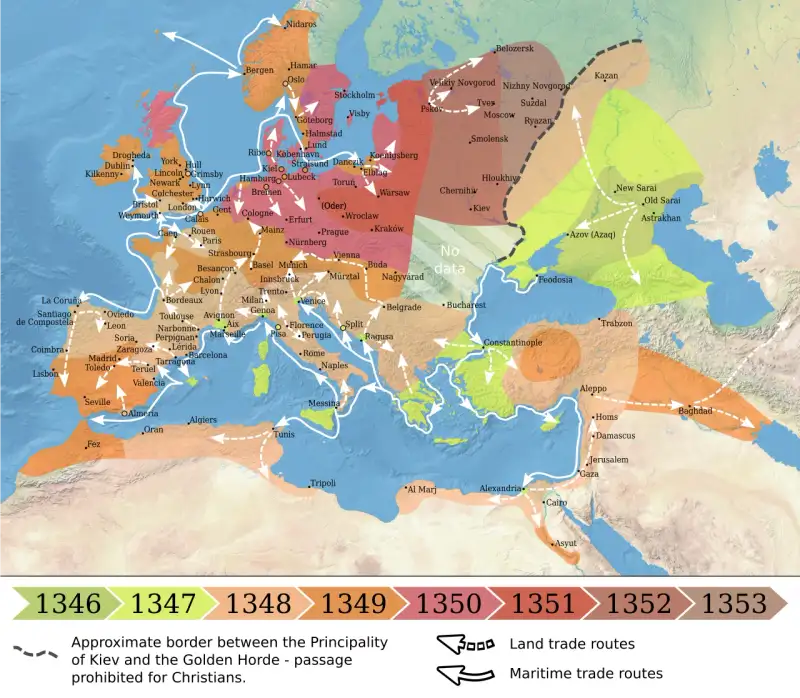

The Black Death: The Bubonic Plague That Decimated Medieval Europe A World on the Precipice In the year of our Lord 1347, the continent of Europe was entirely unaware that it stood upon the very precipice of the abyss. To understand the magnitude of the cataclysm that was about to unfold, one must first envision the fragile state of the world into which the pestilence crept. #MedievalEurope was a tapestry of burgeoning cities, sprawling feudal estates, and dense, interconnected trade networks. It was a world humming with the commerce of the Renaissance's dawn, yet precariously balanced on the edge of a knife. The preceding decades had not been kind. The Great Famine of 1315–1317 had already severely weakened the population, bringing years of unyielding rain, rotting crops, and widespread starvation. Generations had grown up undernourished, their immune systems compromised, their bodies frail. The population had swelled beyond the agricultural capacity of the land, creating crowded, unsanitary urban centers where waste flowed openly in the streets, and humans lived cheek-by-jowl with livestock, rats, and fleas. It was a world ripe for the harvest. But no prophet, no astrologer gazing at the conjunction of Saturn, Jupiter, and Mars in the house of Aquarius, could have truly predicted the sheer, unadulterated horror that was sailing toward them from the East. The #BlackDeath was not merely a disease; it was an apocalypse, an event so profound and terrifying that it fundamentally ruptured the fabric of human history. The Winds of Pestilence: Origins in the East The nightmare did not begin in the cramped alleys of Paris or the bustling docks of London. It originated in the vast, arid expanses of Central Asia, likely in the steppes of modern-day Kyrgyzstan or Mongolia. There, the bacterium Yersinia pestis had long circulated among populations of marmots and other rodents. Climate changes in the 1330s—perhaps a series of exceptionally dry years following a period of lush growth—drove these rodents out of their natural habitats and closer to human settlements. Through the intricate webbing of the Silk Road, the disease began its inexorable march westward. It hitchhiked on the backs of merchant caravans, nestled in bales of silk and sacks of spices, carried by the ubiquitous black rat (Rattus rattus) and its deadly companion, the Oriental rat flea (Xenopsylla cheopis). The turning point, the moment the plague truly weaponized itself against Europe, occurred at the Genoese trading outpost of Kaffa (modern-day Feodosia) on the Crimean Peninsula. In 1345, the city was besieged by the Golden Horde, led by the Mongol warlord Jani Beg. The siege dragged on, but suddenly, the Mongol ranks were decimated by a mysterious, rapidly fatal illness. In what is perhaps the first recorded instance of biological warfare, the desperate and dying Mongols loaded the plague-ridden corpses of their fallen comrades onto trebuchets and hurled them over the walls into the city of Kaffa. The Genoese merchants, horrified by the raining dead, quickly succumbed to the contagion. Panic ensued. Desperate to escape the infected city, they boarded their swift galleys and fled into the Black Sea, unwittingly carrying the grim reaper in their holds. #AncientHistory #Warfare The Death Ships Arrive In October 1347, a fleet of twelve Genoese galleys limped into the harbor of Messina, Sicily. The scene that greeted the Sicilian port authorities was one of unimaginable horror. The sailors aboard the vessels were either dead or dying. Those still clinging to life were delirious with fever, their bodies covered in mysterious black boils that oozed blood and pus. These were the infamous "death ships." The authorities in Messina quickly realized the danger and ordered the fleet out of the harbor, but it was too late. The true vectors of the disease—the infected rats and their fleas—had already scurried down the mooring lines and into the city. The Black Death had made landfall in Europe. The speed with which the contagion consumed Messina was breathtaking. Within days, the city was a charnel house. The disease spread so rapidly that the living could scarcely bury the dead. People dropped in the streets, in their homes, in the very churches where they sought sanctuary. From Sicily, the plague moved with terrifying swiftness. By early 1348, it had reached Genoa and Venice. By summer, it had crossed the Alps into France and the Holy Roman Empire. By autumn, it had crossed the Channel to England. The Anatomy of the Terror What made the Black Death so utterly terrifying to the medieval mind was its gruesome physical manifestation and its sheer unpredictability. Modern science tells us that the Black Death was primarily the bubonic plague, but it also manifested in two other, even more deadly forms: pneumonic and septicemic.Bubonic Plague: The most common form, characterized by the sudden onset of fever, chills, vomiting, and terrible aches. Its most distinguishing feature was the appearance of "buboes"—painful, swollen lymph nodes in the groin, armpits, or neck. These swellings, which could grow to the size of an apple, would eventually turn black and split open, oozing foul-smelling pus and blood. Mortality rate: 50% to 70%. Pneumonic Plague: This occurred when the infection reached the lungs. It was highly contagious, spreading directly from person to person through the air via coughing and sneezing. Victims would cough up blood and essentially drown in their own fluids within a matter of days. Mortality rate: nearly 100%. Septicemic Plague: The deadliest form, where the bacteria multiplied directly in the bloodstream. Victims would die incredibly quickly, sometimes before any other symptoms appeared. Internal bleeding caused dark patches on the skin—the literal "black death." Mortality rate: 100%.The Italian writer Giovanni Boccaccio, who survived the plague in Florence, provided a harrowing firsthand account in his masterpiece, The Decameron: "It did not take the form it had assumed in the East... but in men and women alike it first betrayed itself by the emergence of certain tumors in the groin or the armpits, some of which grew as large as a common apple, others as an egg... From the two said parts of the body this deadly gavocciolo soon began to propagate and spread itself in all directions indifferently." A Society in Collapse The societal impact of the Black Death cannot be overstated. As the death toll mounted, the very foundations of medieval civilization began to crumble. Institutions that had stood for centuries proved utterly powerless in the face of this invisible enemy. The Failure of Medicine The medical community of the 14th century was entirely unequipped to understand or combat the plague. Grounded in the ancient Greek theory of humorism, physicians believed that illness was caused by an imbalance of the four bodily humors (blood, phlegm, yellow bile, and black bile) or by "miasma"—corrupt, foul-smelling air rising from swamps or unburied corpses. Their treatments were as varied as they were ineffective. #MedicalHistory is replete with the desperate, sometimes bizarre remedies employed during the plague years. Bloodletting: Believing that drawing "bad blood" would cure the patient, physicians regularly bled victims using leeches or lancets, often simply accelerating their death by weakening them further. Aromatherapy: To combat the miasma, people carried nosegays of sweet-smelling flowers, herbs, and spices (the origin of the nursery rhyme "Ring Around the Rosie"). Bizarre Poultices: Buboes were lanced and treated with poultices made of anything from roasted onions and herbs to crushed emeralds and even the chopped-up remains of pigeons or snakes. Theriac: An expensive, ancient concoction containing dozens of ingredients, including opium and snake flesh, widely prescribed to the wealthy but entirely useless against Yersinia pestis.The Breakdown of Social Order More terrifying than the physical symptoms was the moral and social collapse that accompanied the plague. The sheer volume of death overwhelmed the living. Mass graves, known as plague pits, were dug outside city walls, where bodies were layered like lasagna. The bonds of family and friendship shattered under the weight of fear. Boccaccio noted with despair that "brother was forsaken by brother, nephew by uncle, brother by sister, and oftentimes husband by wife; nay, what is more, and scarcely to be believed, fathers and mothers were found to abandon their own children, untended, unvisited, to their fate, as if they had been strangers." Law and order evaporated. Magistrates and guards died or fled. Entire towns were abandoned, leaving ghost ships of stone in the countryside. Crops rotted in the fields for lack of hands to harvest them. Livestock wandered aimlessly, dying in the pastures. The silence that descended upon Europe was profound and chilling—the silence of the grave. #History The Scapegoats and the Zealots In the absence of a scientific explanation, the people of Medieval Europe turned to theology and superstition. The prevailing belief was that the Black Death was a divine punishment, the wrath of a furious God meted out upon a sinful world. This desperation gave rise to some of the darkest chapters of the plague years. The Flagellants Believing that extreme penance was the only way to appease God, massive movements of flagellants swept across Europe. These were bands of men and women who traveled from town to town, stripped to the waist, whipping themselves with scourges embedded with iron spikes while chanting hymns of repentance. They believed that by sharing in the suffering of Christ, they could atone for the sins of humanity. The flagellant movement grew massive, becoming a law unto itself and challenging the authority of the Church. Pope Clement VI eventually condemned them, recognizing the threat they posed not just to religious order, but to public health, as they actively spread the plague from town to town, their open wounds providing perfect entry points for the bacteria. The Persecution of the Jews Perhaps the most tragic and shameful consequence of the Black Death was the systematic persecution and massacre of Jewish communities across Europe. Desperate to find a human scapegoat for their suffering, wild rumors began to circulate that the Jews were responsible for the plague, accusing them of poisoning the wells and springs. Despite the fact that Jews were dying of the plague at the same rate as Christians, the hysteria proved unstoppable. In city after city, particularly in the Holy Roman Empire, Jewish populations were rounded up, tortured into false confessions, and burned at the stake. In February 1349, in the city of Strasbourg, over 2,000 Jews were burned alive in the local cemetery in a horrific event known as the Strasbourg massacre. In Basel, the entire Jewish population was burned in a specially constructed wooden house on an island in the Rhine. Pope Clement VI issued bulls defending the Jews and pointing out the illogical nature of the accusations, but his voice was drowned out by the roar of the mob. The Aftermath: A World Transformed By the early 1350s, the initial, catastrophic wave of the Black Death began to subside. It is estimated that between 30% to 50% of Europe's population had perished—somewhere between 25 and 50 million people. The demographic shock was unprecedented, and it set in motion a series of profound changes that would forever alter the course of Western civilization. The Economic Upheaval and the Fall of Feudalism The most immediate consequence of the massive population loss was a severe labor shortage. For centuries, the feudal system had relied on an abundance of cheap peasant labor bound to the land. Suddenly, the peasantry found themselves in a position of unprecedented bargaining power. Lords and landowners, desperate to have their fields tilled and their crops harvested, were forced to offer higher wages, better living conditions, and lower rents. Peasants who were once tied to the land of a specific lord found that they could simply leave and find better terms elsewhere. Governments attempted to resist this economic shift. In England, King Edward III issued the Statute of Laborers in 1351, which attempted to freeze wages at pre-plague levels and restrict peasant mobility. These measures, however, were largely ineffective and deeply resented, eventually contributing to the great Peasants' Revolt of 1381. The Black Death essentially broke the back of the feudal system, paving the way for the rise of a more mobile, affluent lower and middle class. The Shift in Religion and Culture The psychological trauma of the Black Death left an indelible mark on European culture. The Church, which had failed to protect the people or explain the tragedy, suffered a significant loss of prestige. Many of the most dedicated and selfless priests and monks had died while tending to the sick, leaving a vacuum that was often filled by less qualified, more opportunistic individuals. This creeping disillusionment sowed early seeds of dissent that would eventually blossom into the Protestant Reformation centuries later. Art and literature took on a darker, more morbid tone. The motif of the Danse Macabre, or the Dance of Death, became wildly popular. These artworks depicted skeletons leading people from all walks of life—kings, popes, merchants, and peasants—in a mocking dance to the grave, emphasizing the universality of death and the futility of earthly power and wealth. Tomb sculptures changed as well. Rather than the idealized, peaceful effigies of the past, wealthy individuals began commissioning "transi tombs," which featured two tiers: the top showing the person as they were in life, and the bottom revealing a rotting, worm-eaten corpse, a stark reminder of memento mori—"remember you must die." The Endless Echo The Black Death of 1347-1351 was not the end. The plague returned to Europe in successive waves every few decades for centuries, though never again with the apocalyptic ferocity of its initial debut. It became a grim, expected part of life, finally vanishing from Europe only in the 18th century, though it still exists in small pockets around the world today, easily treated with modern antibiotics. When we look back at the Black Death through the lens of history, we see more than just a medical catastrophe. We see a crucible that tested the absolute limits of human endurance. It was an era of unimaginable darkness, where the air itself seemed to carry the scent of the grave, and the tolling of the death knells never ceased. Yet, from that darkness, a new world was forged. The shattering of old hierarchies, the redistribution of wealth, and the shift in human consciousness laid the crucial groundwork for the Renaissance. The Black Death reminds us of the fragility of our civilization, the terrifying power of the natural world, and the profound, resilient nature of the human spirit when faced with the ultimate abyss. It remains, etched into our collective memory and perhaps even our DNA, the most terrifying chapter in the grand, sweeping narrative of human history. The Medical Truth Uncovered It is fascinating to consider how long the true cause of the plague remained hidden in shadows. It was not until the late 19th century, during a massive outbreak in Hong Kong in 1894, that Alexandre Yersin, a Swiss-French physician and bacteriologist, finally isolated the bacillus responsible for the disease. Named Yersinia pestis in his honor, this microscopic organism had ruled the world with an iron fist centuries before humanity even knew it existed. Following this, Paul-Louis Simond identified the rat flea as the primary vector in 1898. The intricate, deadly dance between the bacterium, the rat, the flea, and the human host was finally understood. It is a sobering thought that for centuries, humanity fought a war in the dark, battling miasmas and bad humors while the true enemy nested in the very thatch of their roofs and the straw of their beds. Modern Reflections on an Ancient Terror Today, in our era of rapid global travel, advanced medicine, and interconnected economies, the story of the Black Death serves as a potent, timeless warning. We have seen, in recent years, how quickly a novel pathogen can sweep across the globe, disrupting lives, economies, and social norms. While our medical arsenal is vastly superior to the poultices and bloodletting of the 14th century, our societal vulnerabilities remain eerily similar. The Black Death teaches us about the dangers of rampant scapegoating and the spread of misinformation during times of crisis. The tragic fate of the European Jews during the plague years is a stark reminder of how fear can rapidly curdle into hatred and violence against the marginalized. Furthermore, the economic aftershocks of the plague demonstrate how massive demographic shifts can upend established economic orders. Just as the plague empowered the peasantry and helped dismantle feudalism, modern pandemics force us to reevaluate the structures of our own labor markets and economic systems. A Masterpiece of Macabre History In the annals of human existence, there are dividing lines—events so massive that history is neatly split into "before" and "after." The fall of Rome was one. The discovery of the New World was another. But perhaps none was so sharp, so brutal, and so universally devastating as the Black Death. As a writer of historical fiction, I find myself continually drawn to this period. It is an era stripped of pretense, where human nature is laid bare in both its absolute worst and its absolute best. For every tale of a parent abandoning a child, there is a tale of a brave nun or a steadfast physician who stayed to comfort the dying, knowing it would cost them their own lives. The story of the Black Death is not just a story of a disease; it is the story of us. It is a testament to the fact that while humanity can be brought to the very brink of extinction, battered by forces beyond our control, we possess a terrifying, beautiful resilience. The cities repopulated, the fields were replanted, and the world spun on, forever scarred, but undeniably alive. We walk today on streets built over the plague pits, we admire art born from the ashes of the Danse Macabre, and we live in a society shaped by the economic earthquakes of the 1350s. The Black Death is not merely ancient history; it is the foundational trauma of the modern world. #HistoricalFiction #MarkDinn #TheBlackDeath #ResilienceMark Dinn is a renowned historical fiction author, known for his immersive and dramatic storytelling that breathes life into the darkest and most fascinating chapters of human history. His works focus on the resilience of the human spirit in the face of insurmountable odds. #History #MedievalEurope Related InsightsUnraveling the Mysteries of Stonehenge: A Monolithic Marvel of the Ancient World The Colosseum: Echoes of Eternity in the Heart of Rome The Rosetta Stone: Breaking the Silence of Ancient Egypt{ "@context": "https://schema.org", "@type": "FAQPage", "mainEntity": [ { "@type": "Question", "name": "What is the main focus of The Black Death: The Bubonic Plague That Decimated Medieval Europe?", "acceptedAnswer": { "@type": "Answer", "text": "A dramatic deep dive into The Black Death: The Bubonic Plague That Decimated Medieval Europe. Mark Dinn explores the untold history, drama, and legacy of this fascinating subject." } }, { "@type": "Question", "name": "Who authored the comprehensive guide on The Black Death: The Bubonic Plague That Decimated Medieval Europe?", "acceptedAnswer": { "@type": "Answer", "text": "This detailed article and its insights were carefully researched and authored by Mark Dinn." } }, { "@type": "Question", "name": "Where can I find more related content about History?", "acceptedAnswer": { "@type": "Answer", "text": "You can explore more articles, detailed reviews, and similar insights by browsing the Related Insights section at the bottom of this article or visiting our dedicated History category page." } } ] }


Introduction to the Shimmering Waters As a heritage traveler and documentary filmmaker from Denver, Colorado, I have had the immense privilege of visiting some of the most breathtaking landscapes on our planet. Yet, nothing quite prepares you for the mesmerizing beauty of Plitvice Lakes National Park in Croatia. The cascading waterfalls, the crystal-clear tufa lakes, and the lush, verdant forests all combine to create a landscape that feels almost otherworldly. #WorldHeritage sites like this are not just beautiful places to visit; they are vital ecological sanctuaries that require our utmost respect and protection. When I first set foot in this #Nature paradise, the sheer scale of the cascading water systems overwhelmed my senses. The park consists of 16 terraced lakes, interconnected by a series of stunning waterfalls. These lakes are renowned for their distinctive colors, ranging from azure to green, grey, or blue. The colors change constantly depending on the quantity of minerals or organisms in the water and the angle of sunlight. Documenting this phenomenon was a primary goal for my trip, but as always, my lens quickly turned toward the underlying stories: the delicate balance of the ecosystem, the looming threat of #ClimateChange, and the ongoing efforts for #HeritagePreservation. The Art of Documentary Making in Plitvice Filming in a location as dynamic as Plitvice Lakes presents a unique set of challenges and opportunities. The constant movement of water, the varying light filtering through the dense canopy, and the sheer volume of visitors all demand a flexible and patient approach. My documentary making process always begins with observation. Before setting up a single camera, I spent days just walking the wooden boardwalks, listening to the symphony of the falls, and observing how the light interacted with the water at different times of the day. #DocumentaryFilmmaking is as much about listening as it is about seeing. I rely heavily on natural light to capture the authentic essence of a place. In Plitvice, this meant early morning shoots when the mist still clung to the water's surface, creating an ethereal atmosphere. The golden hour here is fleeting but spectacular, casting a warm glow over the limestone and tufa formations. To capture the true scale of the falls, I utilized a combination of wide-angle lenses and drone footage—though flying drones here requires strict permits and careful coordination with park authorities to ensure no wildlife is disturbed. The soundscape of Plitvice is just as important as the visuals. The roar of the large falls, the gentle trickling of smaller streams, the calls of the native birds—all these elements build a rich audio tapestry. Using a specialized array of microphones, I spent hours recording these natural sounds. #FieldRecording is a meticulous process, often requiring me to stand perfectly still in the damp forest for long periods, but the result is a truly immersive experience for the audience. Climate Change and the Fragile Tufa Ecosystem One of the most pressing issues I explore in my documentaries is the impact of #ClimateChange on #UNESCOWorldHeritage sites. Plitvice Lakes is a stark reminder of how fragile our ecosystems truly are. The entire lake system is dependent on the continuous formation of tufa, a type of porous limestone rock. This formation process is a delicate interplay of water chemistry, temperature, and biological activity—specifically, the growth of mosses, algae, and bacteria. Recent years have seen noticeable shifts in weather patterns. Warmer temperatures and altered precipitation can significantly disrupt the tufa formation process. If the water becomes too warm, or if the flow rate changes drastically, the delicate biological balance is thrown off. During my interviews with local scientists and park rangers, the concern was palpable. They are constantly monitoring the water quality and tufa growth rates. It's a race against time to understand how global #ClimateAction can be localized to protect specific micro-environments like Plitvice. The park has experienced periods of intense drought followed by heavy, unseasonal rainfall. These extremes not only threaten the physical structure of the tufa barriers but also the diverse flora and fauna that depend on the stable lake levels. My documentary aims to highlight these subtle yet profound changes. Through time-lapse photography and interviews with leading ecologists, I want to show my audience that #ClimateChange is not a distant threat; it is happening right here, right now, altering the very landscapes we hold so dear. Heritage Preservation: Balancing Tourism and Conservation Plitvice Lakes is one of Croatia's most popular tourist destinations, attracting over a million visitors annually. While tourism brings vital economic benefits, it also places immense pressure on the park's infrastructure and ecosystem. #HeritagePreservation in the modern era is often a delicate balancing act between allowing people to experience these wonders and protecting them from being loved to death. Walking the crowded boardwalks during peak season, the tension between access and conservation is evident. The park management has implemented strict quotas on visitor numbers and designated specific pathways to minimize human impact. Yet, the sheer volume of foot traffic takes a toll. In my film, I feature the dedicated individuals who work tirelessly to maintain the trails, manage the crowds, and educate the public on responsible tourism. Their #Conservation efforts are heroic, often going unnoticed by the average tourist who is simply passing through for a photo opportunity. Education is a cornerstone of effective preservation. By fostering a deeper understanding of the ecological significance of the tufa formations, we can encourage visitors to tread more lightly. This means respecting the rules—staying on marked paths, not swimming in the lakes, and taking all trash with them. My hope is that through visual storytelling, I can inspire a sense of stewardship among my viewers. When we understand the profound age and delicate nature of a landscape like Plitvice, we are more likely to advocate for its protection. Indigenous Cultures and Local Connections While Plitvice Lakes is primarily celebrated for its natural beauty, the surrounding region has a rich cultural history that often goes overlooked. In my #Documentary travels, I always seek to connect with the local communities, as their histories are intricately woven into the landscape. The people of the Lika region, where the park is located, have lived in harmony with this rugged environment for centuries. Though not 'indigenous' in the traditional sense often applied to the Americas or Oceania, the local Croatian communities possess deep, generational knowledge of the land. Their traditional agricultural practices, folklore, and connection to the seasons offer a valuable perspective on sustainability. During my time there, I had the privilege of interviewing elders from nearby villages. They shared stories of how the lakes have changed over their lifetimes, noting the subtle shifts in wildlife behavior and the timing of the seasons. These oral histories are invaluable. They provide context that scientific data alone cannot. The locals spoke of a time when the winters were reliably harsh, and the lakes would freeze solid, a phenomenon that is becoming increasingly rare. By incorporating these voices into my documentary, I aim to provide a holistic view of Plitvice Lakes. It is not just a geological wonder; it is a lived landscape, a home to communities whose #CulturalHeritage is inextricably linked to the health of the natural world. The Technical Challenges of Filmmaking in a Wet Environment From a technical standpoint, filming in Plitvice is a logistical puzzle. The constant presence of water—whether in the form of mist, rain, or the ever-present threat of dropping gear into a lake—requires rigorous preparation. My equipment kit is heavily weather-sealed. I use custom rain covers for the cameras and lenses, and all my audio gear is packed in waterproof cases. The humidity alone can wreak havoc on electronics. I developed a routine of meticulously cleaning and drying all equipment at the end of each day. Silica gel packets are my best friends. Additionally, navigating the narrow, often slippery boardwalks with heavy tripods and camera rigs demands physical endurance and constant vigilance. There were moments when a sudden downpour forced me to completely pack up and seek shelter, losing precious filming time. Yet, these challenges are part of the process. They force you to be adaptable and often lead to unexpected, beautiful shots—like the way the forest looks immediately after a rainstorm, vibrant and glistening. Reflecting on the Journey As I packed up my gear to leave Plitvice Lakes, I felt a profound sense of responsibility. As a #DocumentaryMaker, I am tasked with translating the majesty, the fragility, and the complex realities of this place to an audience thousands of miles away. Plitvice is a testament to the slow, patient artistry of nature. The tufa barriers take centuries to form but can be damaged in an instant by careless actions or shifting climates. My journey here has reinforced my belief in the power of visual storytelling. Through my lens, I hope to capture not just the picturesque waterfalls, but the intricate web of life that sustains them. I want to highlight the dedication of the conservationists, the wisdom of the local communities, and the urgent need for global #ClimateAction. Plitvice Lakes is a treasure that belongs to all of humanity, and it is up to all of us to ensure its waters continue to shimmer for generations to come. Extended Thoughts on Global Heritage Preservation (A Deep Dive) The following section is part of my ongoing journal series exploring the broader implications of heritage preservation in the 21st century. The concept of #WorldHeritage is relatively modern, formalized by the 1972 UNESCO Convention. The underlying premise is noble: that certain places on Earth are of outstanding universal value to humanity and should be protected for future generations. However, the practical application of this ideal is fraught with complexities. As I travel from site to site, I observe recurring themes and challenges that transcend geographical boundaries. The Paradox of Popularity One of the most significant challenges is the 'paradox of popularity.' When a site receives UNESCO designation, it often experiences a surge in tourism. While this brings economic prosperity to local communities, it also places immense strain on the site itself. In places like Plitvice Lakes, Venice, or Machu Picchu, overtourism threatens the very qualities that made these sites worthy of protection in the first place. The sheer volume of visitors can cause physical degradation, alter local economies, and turn vibrant communities into mere backdrops for tourists. #SustainableTourism is not just a buzzword; it is an urgent necessity. We must rethink how we interact with these spaces, moving away from extractive tourism toward a model of stewardship and respect. Climate Change: The Great Multiplier If overtourism is an acute symptom, #ClimateChange is the chronic underlying disease threatening global heritage. The impacts are diverse and profound. Rising sea levels threaten coastal sites; increasing temperatures exacerbate the decay of ancient structures; shifting weather patterns disrupt fragile ecosystems like the tufa formations in Plitvice. As a documentary filmmaker, I see it as my duty to visualize these impacts. Data and statistics can be easily ignored, but the sight of a crumbling monument or a dying coral reef evokes an emotional response. We need to bridge the gap between scientific understanding and public awareness. #ClimateAction is heritage preservation. The two are inextricably linked. If we fail to address the climate crisis, we stand to lose irreplaceable pieces of our shared human history and the natural wonders that define our planet. Amplifying Indigenous Voices Another critical aspect of my work is centering indigenous and local voices in the narrative of heritage preservation. Historically, conservation efforts have often been top-down, driven by Western ideologies that separate 'nature' from 'culture.' This approach frequently marginalizes the very people who have lived in and stewarded these landscapes for millennia. In my documentaries, I strive to challenge this paradigm. True #HeritagePreservation must be inclusive. It must recognize and respect the traditional ecological knowledge of indigenous communities. Their practices, honed over centuries, offer vital lessons in sustainability and resilience. By amplifying their voices, we enrich our understanding of these sites and foster more effective, equitable conservation strategies. The Role of Technology in Preservation While technology has undoubtedly contributed to some of the challenges we face, it also offers powerful tools for preservation. 3D scanning, photogrammetry, and virtual reality allow us to document and reconstruct heritage sites with unprecedented accuracy. This digital archiving is invaluable, providing a record that can survive physical degradation. Furthermore, these technologies offer alternative ways for people to experience these sites, potentially alleviating the pressure of physical tourism. However, we must be cautious. A digital replica can never fully replace the visceral experience of standing in awe before a natural wonder or an ancient ruin. Technology must serve as a tool for preservation, not a substitute for the real thing. The Ethical Filmmaker's Dilemma Finally, I grapple continuously with the ethical implications of my own work. As a #DocumentaryFilmmaker, my very presence alters the dynamic of a place. I am extracting images and stories, shaping them into a narrative for public consumption. Do my films inadvertently contribute to the problem of overtourism? Am I truly capturing the essence of a place, or merely presenting a curated, idealized version? These are difficult questions with no easy answers. I mitigate these concerns through rigorous research, extensive consultation with local stakeholders, and a commitment to authenticity over sensationalism. My goal is not merely to showcase beauty, but to provoke thought, inspire empathy, and catalyze action. A Call to Action The preservation of our world's natural and cultural heritage is not a task for governments and large organizations alone. It requires a collective shift in consciousness. Each of us has a role to play. Whether it's choosing to travel responsibly, supporting conservation organizations, advocating for #ClimateAction, or simply educating ourselves about the diverse cultures and landscapes that make our planet so extraordinary. As I look back on my time at Plitvice Lakes National Park, the memory of the shimmering waters remains vivid. It is a memory I carry with me, a constant reminder of the fragile, wondrous world we inhabit. Through my lens, I hope to share a piece of that wonder with you, and in doing so, invite you to join me in the vital work of protecting our shared heritage. Sarah Mitchell is a documentary filmmaker and heritage traveler based in Denver, Colorado. Her work focuses on the intersection of culture, nature, and climate change. Follow her journeys as she explores the world's most extraordinary places, one frame at a time. Technical Gear List for Plitvice Shoot:Primary Camera: ARRI Alexa Mini LF for its incredible dynamic range in high-contrast forest environments. Lenses: A set of prime lenses (24mm, 35mm, 50mm, 85mm) and a 70-200mm zoom for capturing distant wildlife and isolating waterfall details. Audio: Sound Devices MixPre-6 II, coupled with a stereo pair of Schoeps MK4/MK8 microphones for rich ambient sound capture. Shotgun mic for interviews. Support: Heavy-duty carbon fiber tripod to withstand river currents and slippery boardwalks. Protection: Extensive custom rain gear and underwater housings for select shots near the falls.Travel Logistics and Recommendations: For those planning a visit, I strongly advise coming in the shoulder seasons (spring or autumn). The crowds are thinner, and the landscape is either bursting with fresh life or bathed in glorious autumnal colors. Book your entry tickets well in advance, as quotas are strictly enforced. Stay in a local guesthouse rather than a large hotel; it supports the local economy and provides a more authentic experience. And most importantly, bring patience and a deep respect for the environment. Let the park reveal its secrets to you at its own pace. Final Thoughts on the Tufa Process To truly appreciate Plitvice, one must understand the tufa. It is a living rock. The calcium carbonate in the water crystallizes on the mosses and algae, growing at a rate of roughly 1 centimeter per year. It is a process that requires pure, unpolluted water. Any introduction of organic waste, chemicals, or drastic temperature changes disrupts this delicate alchemy. When you look at the towering waterfalls, you are not just seeing water falling over rock; you are witnessing a continuous, millennia-old biological and geological collaboration. It is a masterpiece of nature, requiring our vigilant protection. #PlitviceLakes #Croatia #TravelPhotography #ConservationMatters #ProtectOurPlanet #Waterfalls #NatureDocumentary #Storytelling #EcoTourism #SustainableTravel #unesco #documentary #croatia #plitvice #conservation Related InsightsAltai Mountains Chasing the Rush: Why We Risk It All for the Road Less Traveled Canyoning the Zambezi: Advanced Adventure Tactics for Remote River Explorations{ "@context": "https://schema.org", "@type": "FAQPage", "mainEntity": [ { "@type": "Question", "name": "What is the main focus of The Shimmering Waters: Documenting Plitvice Lakes National Park?", "acceptedAnswer": { "@type": "Answer", "text": "Exploring the fragile beauty of Croatia's Plitvice Lakes National Park, examining climate change impacts, heritage preservation, and the art of documentary filmmaking." } }, { "@type": "Question", "name": "Who authored the comprehensive guide on The Shimmering Waters: Documenting Plitvice Lakes National Park?", "acceptedAnswer": { "@type": "Answer", "text": "This detailed article and its insights were carefully researched and authored by Sarah Mitchell." } }, { "@type": "Question", "name": "Where can I find more related content about Travel?", "acceptedAnswer": { "@type": "Answer", "text": "You can explore more articles, detailed reviews, and similar insights by browsing the Related Insights section at the bottom of this article or visiting our dedicated Travel category page." } } ] }

Shipping Lords and Coolie Stokers Author: Ravi AhujaPage Count: UnknownPublication Date: 2024-PRH In "Shipping Lords and Coolie Stokers," Ravi Ahuja delves into the tragic 1922 shipwreck of the Royal Mail ship Egypt, which resulted in the loss of 87 lives, and the subsequent racist backlash against Indian seafarers who made up the majority of the crew. This incident serves as a catalyst for Ahuja's exploration of the deeply ingrained racist labor management practices prevalent in the British mercantile marine during the age of imperialism. Ahuja's meticulous research and astute analysis shed light on the business logic that underpinned the recruitment of Indian seafarers, who comprised a significant portion of the workforce. He skillfully exposes the contradictions inherent in a system that relied heavily on the labor of colonized subjects while perpetuating racist attitudes and discriminatory practices. The author's nuanced understanding of the complex power dynamics at play is evident in his thoughtful examination of the scope for solidarity among a divided workforce. One of the most striking aspects of Ahuja's writing is his ability to balance historical detail with a clear and concise narrative voice. His prose is engaging and accessible, making the book an enjoyable read for both scholars and non-experts alike. The author's commitment to shedding light on the experiences of marginalized groups is evident throughout the text, and his analysis is both thought-provoking and timely. Ahuja's work is a powerful reminder that the issues of racism, labor exploitation, and solidarity are just as relevant today as they were during the age of imperialism. The book serves as a sobering reminder of the need for continued vigilance and activism in the face of systemic injustices. Through his masterful analysis of the past, Ahuja offers a compelling call to action for the present. Overall, "Shipping Lords and Coolie Stokers" is a tour de force of historical scholarship and a testament to the enduring power of critical inquiry. Ahuja's work is a must-read for anyone interested in the complex and often fraught history of labor, imperialism, and racism. #RacismInTheWorkplace #LaborHistory #ImperialismAndItsLegacy #ShippingAndSailors #IndianSeafarers #ColonialismAndItsConsequences Related InsightsTrust Fall Book Review and Summary Clockwork Angel Book Review and Summary Are You There God? It’s Me, Margaret Book Review and Summary{ "@context": "https://schema.org", "@type": "FAQPage", "mainEntity": [ { "@type": "Question", "name": "What is the main focus of The Shipping News Book Review and Summary?", "acceptedAnswer": { "@type": "Answer", "text": "Everything you need to know about The Shipping News with our detailed review." } }, { "@type": "Question", "name": "Who authored the comprehensive guide on The Shipping News Book Review and Summary?", "acceptedAnswer": { "@type": "Answer", "text": "This detailed article and its insights were carefully researched and authored by Annie Proulx." } }, { "@type": "Question", "name": "Where can I find more related content about Books?", "acceptedAnswer": { "@type": "Answer", "text": "You can explore more articles, detailed reviews, and similar insights by browsing the Related Insights section at the bottom of this article or visiting our dedicated Books category page." } } ] }
A Confederacy of Dunces Author: Albert MonteysPage Count: UnknownPublication Date: 2026-PRH Albert Monteys’ A Confederacy of Dunces is a masterclass in satirical storytelling, a work that gleefully tramples over the sacred cows of modern life with the gleeful abandon of a bull in a china shop. Published in 2026, this novel arrives like a comet—unpredictable, dazzling, and leaving behind a trail of laughter and bewilderment. While the page count remains a mystery (a deliberate choice, no doubt, to mirror the chaotic sprawl of its narrative), the book’s impact is anything but uncertain. Monteys, a Spanish cartoonist and writer best known for his sharp, absurdist humor, has crafted a dystopian farce that feels ripped from the headlines, yet twisted into something grotesquely hilarious. At its core, A Confederacy of Dunces is a scathing indictment of societal decay, but it’s also a love letter to the absurdity of human folly. The title itself is a cheeky nod to John Kennedy Toole’s classic A Confederacy of Dunces, a novel that revels in the misadventures of its delusional protagonist, Ignatius J. Reilly. Monteys’ version, however, swaps the 1960s New Orleans setting for a near-future Spain (or perhaps a Spain that has fully embraced its own surrealist nightmare). The story follows a cast of misfits—politicians, influencers, corporate drones, and hapless everymen—all trapped in a system that rewards stupidity while punishing competence. The world they inhabit is one where truth is a commodity, where power is wielded by the most shameless, and where the line between satire and reality has long since dissolved. Monteys’ style is a chaotic symphony of wit, where every page crackles with energy. His prose is lean and punchy, reminiscent of the best comic book scripting, with dialogue that zings like a live wire. The novel’s structure is deliberately fragmented, jumping between perspectives with the frenetic pace of a TikTok scroll. Characters are introduced with the precision of a caricaturist, their flaws and follies laid bare in a few deft strokes. There’s no room for subtlety here—Monteys’ humor is broad, unapologetic, and often brutally direct. Yet beneath the surface-level absurdity lies a sharp critique of modern society: the cult of personality, the erosion of truth, the way power corrupts even the most ridiculous figures. The protagonist (or perhaps the anti-hero) is a figure who embodies the spirit of the age: a failed politician turned viral sensation, a man who rises to prominence not through competence but through sheer, unrelenting mediocrity. His journey is a darkly comic odyssey through a world where the rules of logic no longer apply. Monteys doesn’t just mock his characters; he invites the reader to laugh at them, to see themselves in their grotesque reflections. It’s uncomfortable, hilarious, and deeply unsettling all at once. What makes A Confederacy of Dunces so compelling is its refusal to offer easy answers. Monteys doesn’t hold back, but neither does he preach. The novel’s power lies in its ability to make the reader question whether the world it depicts is really so far from our own. In an era where reality TV stars become presidents, where algorithms dictate our desires, and where the line between performance and authenticity has blurred beyond recognition, Monteys’ satire feels less like fiction and more like a prophecy. The book’s greatest strength, however, is its sheer audacity. Monteys doesn’t just write satire—he weaponizes it. Every joke is a scalpel, every punchline a dagger twist. The novel’s humor is relentless, but it’s also intelligent, layered with references that reward close reading. Whether it’s skewering the performative activism of social media influencers or exposing the hollow rhetoric of political leaders, A Confederacy of Dunces is a mirror held up to society, and the reflection it offers is both hilarious and horrifying. In the end, this is a book that demands to be read in one sitting, if only to keep up with its breakneck pace. It’s a novel that will leave you laughing, cringing, and questioning the world around you. Albert Monteys has created something rare: a work of satire that is as entertaining as it is thought-provoking, a book that will be quoted, memed, and dissected for years to come. #Satire #DystopianHumor #AbsurdistFiction #ModernFolly #AlbertMonteys #DarkComedy Related InsightsThe Day the World Ended at Little Bighorn Book Review and Summary Estuche especial de 'Los habitantes del aire' Book Review and Summary Lords of Uncreation Book Review and Summary{ "@context": "https://schema.org", "@type": "FAQPage", "mainEntity": [ { "@type": "Question", "name": "What is the main focus of A Confederacy of Dunces Book Review and Summary?", "acceptedAnswer": { "@type": "Answer", "text": "Everything you need to know about A Confederacy of Dunces with our detailed review." } }, { "@type": "Question", "name": "Who authored the comprehensive guide on A Confederacy of Dunces Book Review and Summary?", "acceptedAnswer": { "@type": "Answer", "text": "This detailed article and its insights were carefully researched and authored by John Kennedy Toole." } }, { "@type": "Question", "name": "Where can I find more related content about Books?", "acceptedAnswer": { "@type": "Answer", "text": "You can explore more articles, detailed reviews, and similar insights by browsing the Related Insights section at the bottom of this article or visiting our dedicated Books category page." } } ] }