Showing Posts From
Recipe
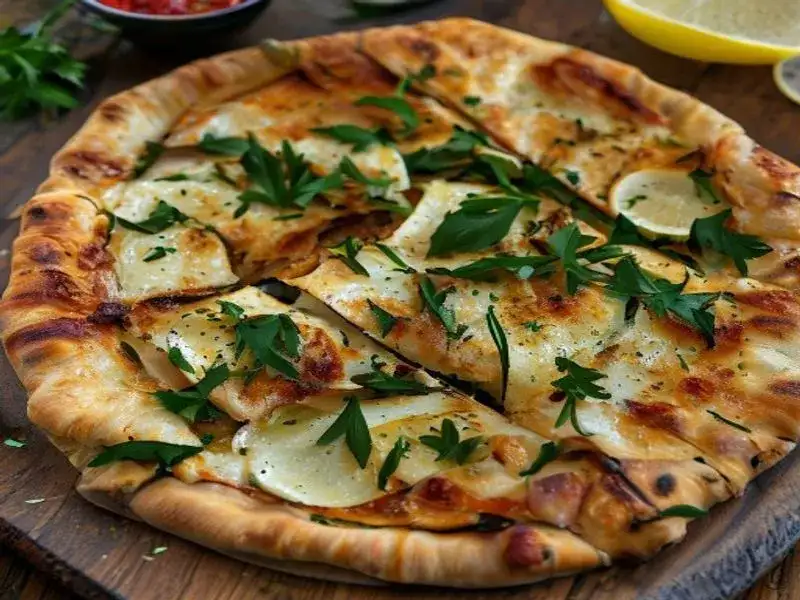
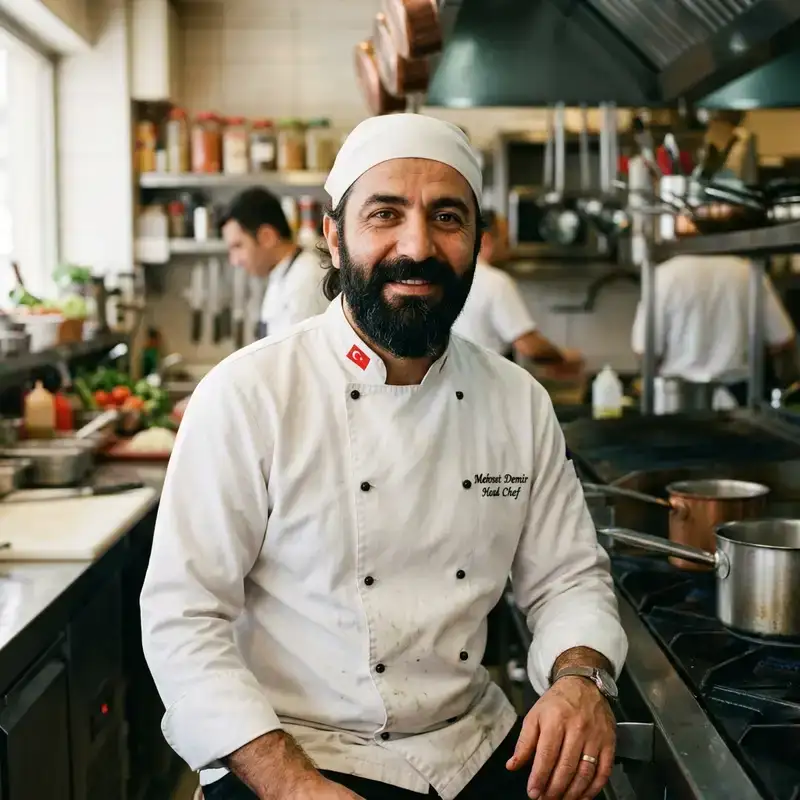
Lahmacun: The Turkish Pizza Often erroneously referred to as "Turkish pizza" by international visitors, lahmacun is an #ancient, deeply beloved Middle Eastern and Anatolian dish that stands entirely on its own merits. The name derives from the Arabic lahm bi 'ajin, which quite literally translates to "meat with dough." While it shares a structural similarity to pizza—a round dough base topped with savory ingredients—lahmacun lacks cheese and features a flavor profile defined by intense spices, fresh herbs, and an impossibly thin crust. The Anatomy of Lahmacun The foundation of a perfect lahmacun is its dough. Unlike a fluffy Neapolitan pizza crust, lahmacun dough is unleavened and rolled out to a paper-thin consistency. This ensures that when it hits the searing heat of a traditional wood-fired stone oven, it crisps up in mere minutes, gaining a beautifully charred, slightly smoky edge while remaining pliable enough to be rolled or folded. The topping is an aromatic paste rather than a chunky sauce. It typically consists of finely minced lamb or beef (or a blend of both) pulverized together with tomatoes, onions, garlic, and fresh parsley. The magic, however, lies in the seasoning. Authentic recipes, particularly those hailing from the southeastern Turkish culinary capitals of Şanlıurfa and Gaziantep, utilize liberal amounts of isot (a dark, smoky, and sweet chili pepper) or Aleppo pepper, alongside cumin, paprika, and a touch of pomegranate molasses for a subtle, tart undertone. The Ritual of Consumption Eating lahmacun has its own established protocol. It is never eaten with a knife and fork. When the hot flatbread arrives, it is customary to squeeze a generous wedge of fresh lemon over the meat. Next, a handful of fresh flat-leaf parsley and thin slices of raw red onion (often sumac-dusted) are placed in the center. The diner then tightly rolls the lahmacun into a cylinder, akin to a wrap, and eats it by hand. A Working-Class Hero Historically, lahmacun was a convenient, inexpensive food for the working class, baked in communal neighborhood ovens. Today, it transcends socioeconomic boundaries, serving as a rapid street-food snack, a comforting late-night meal, and a staple of Turkish fast-casual dining. It is a testament to the fact that simplicity, when combined with high-quality ingredients and ancient techniques, produces culinary perfection. #Lahmacun #TurkishPizza #AnatolianCuisine #StreetFood #Gaziantep #Urfa #IsotPepper #MiddleEasternFood #Flatbread #FoodHistory #turkishfood #recipe #lahmacuntheturkishpizza #anatoliancuisine #demirsef #delicious #food Related InsightsSticky Toffee Pudding The Ultimate English Breakfast Southeastern Spices and Flavors{ "@context": "https://schema.org", "@type": "FAQPage", "mainEntity": [ { "@type": "Question", "name": "What is the main focus of Lahmacun: The Turkish Pizza?", "acceptedAnswer": { "@type": "Answer", "text": "Explore the incredible journey of Lahmacun: The Turkish Pizza with Ayşe Kaya." } }, { "@type": "Question", "name": "Who authored the comprehensive guide on Lahmacun: The Turkish Pizza?", "acceptedAnswer": { "@type": "Answer", "text": "This detailed article and its insights were carefully researched and authored by Demir Şef." } }, { "@type": "Question", "name": "Where can I find more related content about Recipe?", "acceptedAnswer": { "@type": "Answer", "text": "You can explore more articles, detailed reviews, and similar insights by browsing the Related Insights section at the bottom of this article or visiting our dedicated Recipe category page." } } ] }
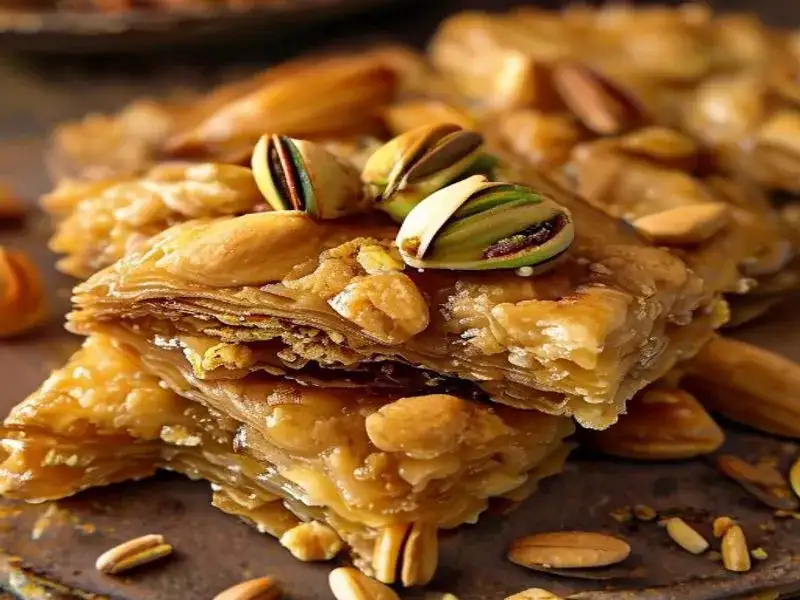
Baklava: Layers of Perfection Few desserts in the world command the reverence and global recognition of baklava. This rich, sweet pastry, characterized by its myriad layers of paper-thin dough, chopped nuts, and glistening syrup, is a masterpiece of Middle Eastern and Mediterranean confectionery. While its exact origins have been the subject of spirited debate among Greeks, Turks, and Middle Easterners, the version we recognize today was undeniably refined and perfected in the imperial kitchens of the Ottoman #empire. The Royal Kitchens of Topkapı Palace The historical epicenter of modern baklava is the Topkapı Palace in #Istanbul. During the 15th century, the Sultan’s master bakers developed the technique of rolling dough into translucent sheets known as phyllo (or yufka in Turkish). The creation of baklava was considered an art form; the Sultan would even present trays of the pastry to the Janissaries (his elite soldiers) in a ceremonial procession known as the Baklava Alayı every 15th of Ramadan. This act solidified the dessert's status as a symbol of wealth, power, and divine favor. The Craftsmanship of Layers Authentic Turkish baklava is an exercise in painstaking precision. Traditional recipes dictate that a single tray must contain no fewer than 40 individual layers of dough. Between these microscopic sheets, confectioners sprinkle finely crushed nuts. In the southeastern Turkish city of Gaziantep—which was officially recognized by the European Union as the birthplace of authentic Turkish baklava—vibrant green pistachios are the exclusive nut of choice. In regions closer to the Black Sea, walnuts are preferred, while the Aegean coast leans heavily on almonds. The Alchemy of Şerbet What separates a good baklava from an exceptional one is the syrup, or şerbet. Unlike Greek variations that often rely heavily on honey and spices like cinnamon and cloves, traditional Turkish baklava uses a simple syrup made of sugar, water, and a dash of lemon juice to prevent crystallization. The boiling syrup is poured over the freshly baked, piping-hot pastry, creating a signature hissing sound and locking in a crisp texture that contrasts beautifully with the syrupy, chewy base. A Lasting Legacy Today, baklava is not just a dessert; it is an emblem of celebration. From weddings and religious holidays to the simple joy of an afternoon tea, these layers of perfection continue to enchant palates around the globe, preserving a sweet #history that has stood the test of time. #Baklava #TurkishDesserts #Gaziantep #Pistachio #OttomanHistory #PhylloDough #SweetTooth #CulinaryArt #Gastronomy #TurkishCuisine #turkishfood #recipe #baklavalayersofperfection #anatoliancuisine #demirsef #delicious #food Related InsightsLinseneintopf wie bei Oma Пирожки как у бабушки Southeastern Spices and Flavors{ "@context": "https://schema.org", "@type": "FAQPage", "mainEntity": [ { "@type": "Question", "name": "What is the main focus of Baklava: Layers of Perfection?", "acceptedAnswer": { "@type": "Answer", "text": "Explore the incredible journey of Baklava: Layers of Perfection with Ayşe Kaya." } }, { "@type": "Question", "name": "Who authored the comprehensive guide on Baklava: Layers of Perfection?", "acceptedAnswer": { "@type": "Answer", "text": "This detailed article and its insights were carefully researched and authored by Demir Şef." } }, { "@type": "Question", "name": "Where can I find more related content about Recipe?", "acceptedAnswer": { "@type": "Answer", "text": "You can explore more articles, detailed reviews, and similar insights by browsing the Related Insights section at the bottom of this article or visiting our dedicated Recipe category page." } } ] }
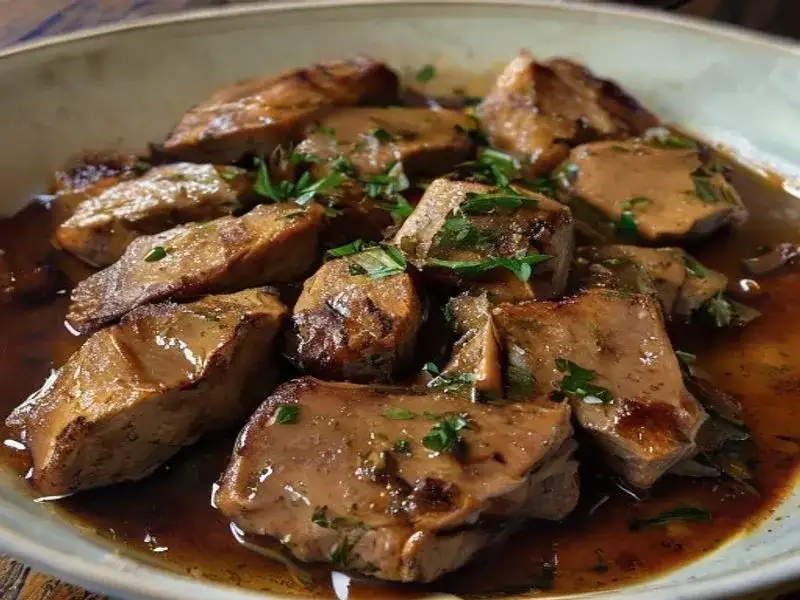

Ossobuco alla Milanese: L'Anima Carnivora di Milano L'Ossobuco alla Milanese è un secondo piatto robusto, che scalda l'anima nelle fredde e nebbiose serate invernali lombarde. Cos'è l'Ossobuco? La parola "ossobuco" deriva dal dialetto milanese "oss bus", che significa letteralmente "osso bucato". Si tratta infatti di fette di stinco di vitello, alte circa 3-4 centimetri, al cui centro troneggia l'osso che racchiude un tesoro culinario inestimabile: il midollo. Durante la lunga e lenta cottura in umido, il midollo si scioglie parzialmente, conferendo alla salsa una consistenza burrosa e un sapore intenso. Le origini di questo piatto si perdono nei secoli, ma era già ampiamente diffuso nelle osterie milanesi del Settecento. A differenza delle varianti moderne che includono il pomodoro, la vera ricetta tradizionale (l'ossobuco "in bianco") prevede solo brodo di carne e l'immancabile "gremolada". La Gremolada: Il Tocco di Classe Ciò che eleva l'ossobuco da un semplice stufato a un capolavoro è la gremolada. Aggiunta solo negli ultimi cinque minuti di cottura, è un trito finissimo di:Scorza di limone rigorosamente non trattata (solo la parte gialla, per evitare l'amaro) Prezzemolo fresco Un piccolo spicchio d'aglioQuesto trito sprigiona oli essenziali freschi e agrumati che tagliano la ricchezza del midollo e della carne, creando un equilibrio perfetto al palato. È un'esperienza indimenticabile, specialmente se accompagnato – come vuole il rito – dal suo fedele compagno: il risotto allo zafferano. Non dimenticate di usare l'apposito cucchiaino a manico lungo, l'"esattore", per estrarre ogni singola goccia di midollo dall'osso! Non perdete mai il vostro senso di meraviglia davanti a piatti carichi di storia come questo. Buon appetito! #ossobuco #milano #cucinamilanese #lombardia #italianfood #gremolada #stufato #isabellaferrari #cucinainvernale #Carne #CucinaTradizionale #recipe #exclusive Related InsightsBreakfast in Istanbul Холодец: зимнее блюдо Linseneintopf wie bei Oma{ "@context": "https://schema.org", "@type": "FAQPage", "mainEntity": [ { "@type": "Question", "name": "What is the main focus of Ossobuco alla Milanese?", "acceptedAnswer": { "@type": "Answer", "text": "Explore the incredible journey of Ossobuco alla Milanese with Isabella Ferrari." } }, { "@type": "Question", "name": "Who authored the comprehensive guide on Ossobuco alla Milanese?", "acceptedAnswer": { "@type": "Answer", "text": "This detailed article and its insights were carefully researched and authored by Isabella Ferrari." } }, { "@type": "Question", "name": "Where can I find more related content about Recipe?", "acceptedAnswer": { "@type": "Answer", "text": "You can explore more articles, detailed reviews, and similar insights by browsing the Related Insights section at the bottom of this article or visiting our dedicated Recipe category page." } } ] }
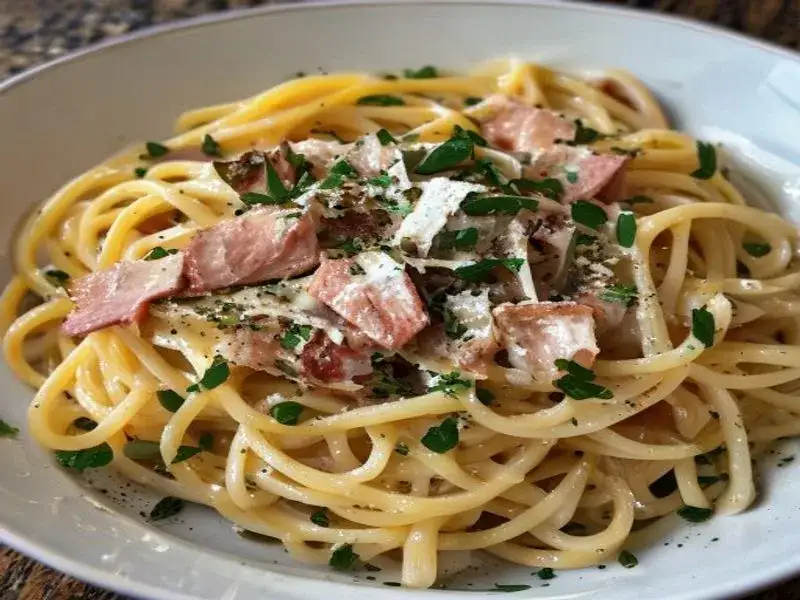
Pasta alla Carbonara Perfetta: La Regina di Roma Prendete un bicchiere di Frascati e iniziamo a parlare di un piatto che divide e unisce: l'autentica Pasta alla Carbonara. Le Origini: Miti e Verità La carbonara non è solo gusto, ma una profonda connessione con la storia d'Italia. Nonostante sembri un piatto antichissimo, la carbonara è nata in realtà durante o subito dopo la Seconda Guerra Mondiale. La teoria più accreditata (e affascinante) racconta che l'incontro tra le razioni dei soldati americani – pancetta e uova in polvere – e la maestria dei cuochi romani abbia dato vita a questa meraviglia. In seguito, la pancetta fu sostituita dal nobile guanciale e l'uovo in polvere da uova freschissime. C'è un'altra leggenda che attribuisce la ricetta ai "carbonari", i lavoratori del carbone dell'Appennino, che avrebbero usato il pepe nero per simulare la polvere di carbone sui loro piatti. I 4 Comandamenti della Carbonara Ottenere la cremosità perfetta senza trasformare il piatto in una frittata è il Santo Graal della carbonara. La regola d'oro è evitare la panna a tutti i costi! Ecco i 4 comandamenti:Il Guanciale: Usate solo guanciale (la guancia del maiale stagionata), non pancetta. Fatelo sudare in padella a fuoco dolce fino a renderlo croccante fuori e tenero dentro. Conservate il grasso sciolto! Il Formaggio: Solo Pecorino Romano DOP. La sua sapidità intensa è fondamentale. Le Uova: Calcolate un tuorlo a persona, più un uovo intero per la padella. Sbattete i tuorli con abbondante Pecorino e pepe nero per creare una pastella densa. La Mantecatura a Freddo: Il vero segreto. Scolate la pasta (spaghetti, rigatoni o mezze maniche) al dente. Lontano dal fuoco, versate la pasta in una ciotola, unite il guanciale, il suo grasso e la carbocrema. L'acqua di cottura amidacea e il calore residuo della pasta trasformeranno il tutto in una salsa setosa e dorata.Esercitatevi con la mantecatura lontana dal fuoco per ottenere un risultato perfetto! #carbonara #roma #italianfood #cucinaromana #guanciale #pecorino #isabellaferrari #pasta #ricettaautentica #PastaLover #CarbonaraOriginale #recipe #exclusive Related InsightsThe Art of Turkish Coffee Cornish Pasties at Home Ossobuco alla Milanese{ "@context": "https://schema.org", "@type": "FAQPage", "mainEntity": [ { "@type": "Question", "name": "What is the main focus of Pasta alla Carbonara Perfetta?", "acceptedAnswer": { "@type": "Answer", "text": "Explore the incredible journey of Pasta alla Carbonara Perfetta with Isabella Ferrari." } }, { "@type": "Question", "name": "Who authored the comprehensive guide on Pasta alla Carbonara Perfetta?", "acceptedAnswer": { "@type": "Answer", "text": "This detailed article and its insights were carefully researched and authored by Isabella Ferrari." } }, { "@type": "Question", "name": "Where can I find more related content about Recipe?", "acceptedAnswer": { "@type": "Answer", "text": "You can explore more articles, detailed reviews, and similar insights by browsing the Related Insights section at the bottom of this article or visiting our dedicated Recipe category page." } } ] }
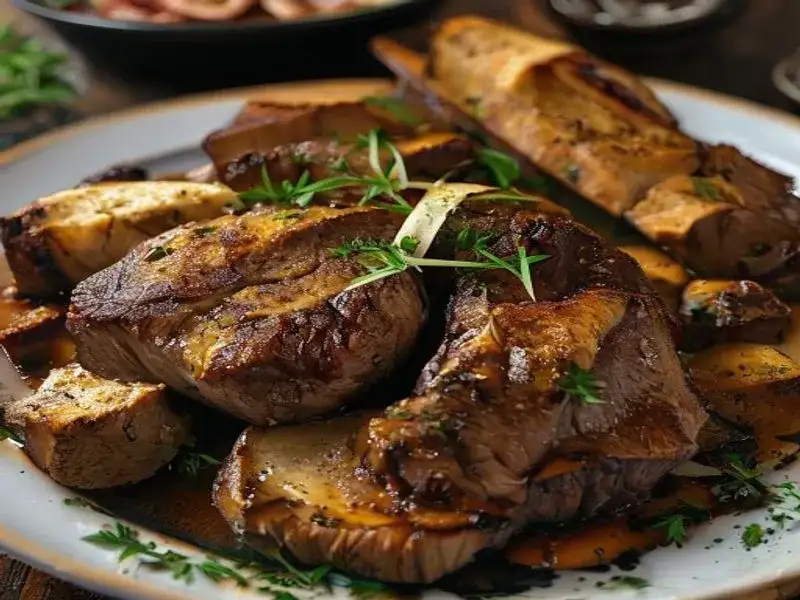

The Heart of the Weekend: Sunday Roast Tradition In the United Kingdom, Sunday is not defined by the church bells or the quiet streets, but by the intoxicating aroma of roasting meat and rich, savory gravy wafting from family kitchens and local pubs. The Sunday Roast is far more than just a meal; it is an institution, a weekly ceremony that anchors the British weekend and brings families together around a shared table. A Historic Weekly Feast The tradition of the Sunday Roast traces its origins back to the 15th century, during the reign of King Henry VII. The King's royal guards were famously known as "Beefeaters" because of their substantial weekly allowance of roasted beef. However, the tradition truly took root among the wider population during the Industrial Revolution. Families would place a large cut of meat—typically beef, lamb, or pork—in the oven before heading to Sunday morning church services. The meat would slow-roast while they worshipped, ensuring a hot, hearty meal was ready upon their return. In poorer households that could not afford a large oven, families would drop their joint of meat off at the local baker on their way to church. Since bakers were prohibited from baking bread on Sundays, they would use the residual heat of their massive bread ovens to roast the community's meat for a small fee. The Essential Components A proper Sunday Roast is judged not just by the meat, but by the mastery of its trimmings. If beef is the star, it must be served blushing pink alongside freshly grated, sinus-clearing horseradish sauce. The undeniable king of the plate, however, is the Yorkshire Pudding. Originally called "dripping pudding," this batter of eggs, flour, and milk was traditionally cooked beneath the roasting meat to catch the dripping fats. It was often served as a first course with thick gravy to fill the stomach, meaning the family would eat less of the expensive meat. Today, the Yorkshire Pudding is served on the main plate, its crispy, bowl-like structure acting as the perfect vessel for rich, dark gravy. Roast potatoes are non-negotiable. They must be parboiled, aggressively shaken in the pan to fluff the edges, and roasted in hot beef dripping or goose fat until the exterior shatters upon impact and the interior is fluffy like a cloud. The Modern Sunday Pub While many still roast at home, the modern British Sunday is heavily defined by the pub lunch. Gastropubs across the country compete fiercely for the title of "Best Sunday Roast," offering towering plates of perfectly carved meats, braised red cabbage, honey-roasted parsnips, and bottomless jugs of gravy. It is a time-honored culinary hug that proves, no matter how the world changes, Sunday remains sacred. #SundayRoast #BritishFood #RoastBeef #YorkshirePudding #CulinaryHistory #PubFood #BritishTradition #britishfood #michaelchef #recipe #ukcuisine Related InsightsAnatolian Street Food Wonders Meze: The Heart of Turkish Tables Идеальные блины на Масленицу{ "@context": "https://schema.org", "@type": "FAQPage", "mainEntity": [ { "@type": "Question", "name": "What is the main focus of Sunday Roast Tradition?", "acceptedAnswer": { "@type": "Answer", "text": "Explore the incredible journey of Sunday Roast Tradition with Emily Page." } }, { "@type": "Question", "name": "Who authored the comprehensive guide on Sunday Roast Tradition?", "acceptedAnswer": { "@type": "Answer", "text": "This detailed article and its insights were carefully researched and authored by Michael Chef." } }, { "@type": "Question", "name": "Where can I find more related content about Recipe?", "acceptedAnswer": { "@type": "Answer", "text": "You can explore more articles, detailed reviews, and similar insights by browsing the Related Insights section at the bottom of this article or visiting our dedicated Recipe category page." } } ] }
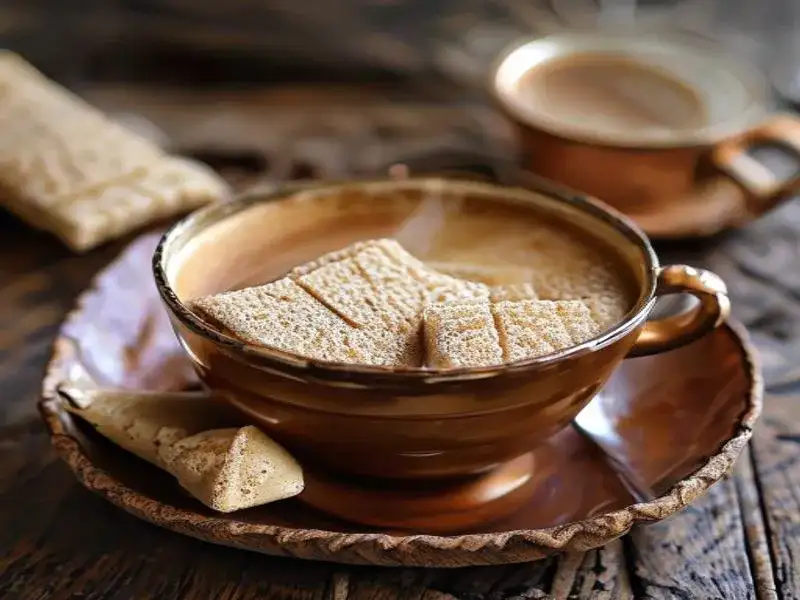
The Art of Turkish Coffee #UNESCO designated Turkish coffee as an Intangible Cultural Heritage of Humanity in 2013, a title that perfectly encapsulates its significance. Turkish coffee (Türk kahvesi) is not merely a method of caffeine delivery; it is an institution, a ceremonial practice, and a symbol of hospitality that has endured for nearly five centuries. Introduced to #Istanbul in the 1550s during the reign of Suleiman the Magnificent by the Ottoman governor of Yemen, coffee quickly moved from the imperial palace into the streets, spawning the world’s first public coffeehouses in the Tahtakale district. The Preparation Method What makes Turkish coffee entirely unique is its preparation. It is the oldest method of brewing coffee in the world. The beans, typically of the Arabica variety, are roasted and then pulverized into a powder so fine it resembles cocoa dust. Unlike espresso or drip coffee, Turkish coffee is completely unfiltered. The brewing process requires a specialized piece of equipment: a small, long-handled pot traditionally made of hammered copper or brass, known as a cezve (or ibrik). The ultra-fine coffee, cold water, and sugar (which must be added before brewing, never after) are combined in the cezve. The mixture is then slowly heated over a low flame or hot sand. The goal is to bring the coffee to the precipice of boiling without letting it spill over, creating a thick, luxurious layer of foam (köpük) on top. A cup served without this foam is considered a failure in Turkish hospitality. The Ritual of Drinking Serving Turkish coffee is steeped in tradition. It is presented in small, ornate cups called fincan, accompanied by a glass of water and a piece of Turkish Delight (lokum). The water is meant to be sipped first to cleanse the palate, allowing the drinker to fully appreciate the robust, earthy flavor of the coffee. Because it is unfiltered, the grounds settle at the bottom of the cup, meaning one must stop sipping before reaching the muddy residue. Fortune Telling and Social Bonds The sludge left behind serves a fascinating cultural purpose: tasseography, or coffee ground fortune telling (fal). Once finished, the drinker places the saucer over the cup, makes a wish, and flips the cup upside down. The grounds run down the sides, leaving intricate patterns that a skilled reader (or an imaginative friend) interprets to predict the drinker's future. Whether finalizing a business deal, gossiping with neighbors, or asking for a prospective bride's hand in marriage, Turkish coffee remains the dark, velvety glue that binds Turkish society together. #TurkishCoffee #Cezve #Kahve #CoffeeCulture #OttomanHistory #Tasseography #CoffeeFortune #IntangibleHeritage #UNESCO #TurkishHospitality #turkishfood #recipe #theartofturkishcoffee #anatoliancuisine #demirsef #delicious #food Related InsightsСырники на завтрак Börek: A Journey Through Dough Lahmacun: The Turkish Pizza{ "@context": "https://schema.org", "@type": "FAQPage", "mainEntity": [ { "@type": "Question", "name": "What is the main focus of The Art of Turkish Coffee?", "acceptedAnswer": { "@type": "Answer", "text": "Explore the incredible journey of The Art of Turkish Coffee with Ayşe Kaya." } }, { "@type": "Question", "name": "Who authored the comprehensive guide on The Art of Turkish Coffee?", "acceptedAnswer": { "@type": "Answer", "text": "This detailed article and its insights were carefully researched and authored by Demir Şef." } }, { "@type": "Question", "name": "Where can I find more related content about Recipe?", "acceptedAnswer": { "@type": "Answer", "text": "You can explore more articles, detailed reviews, and similar insights by browsing the Related Insights section at the bottom of this article or visiting our dedicated Recipe category page." } } ] }
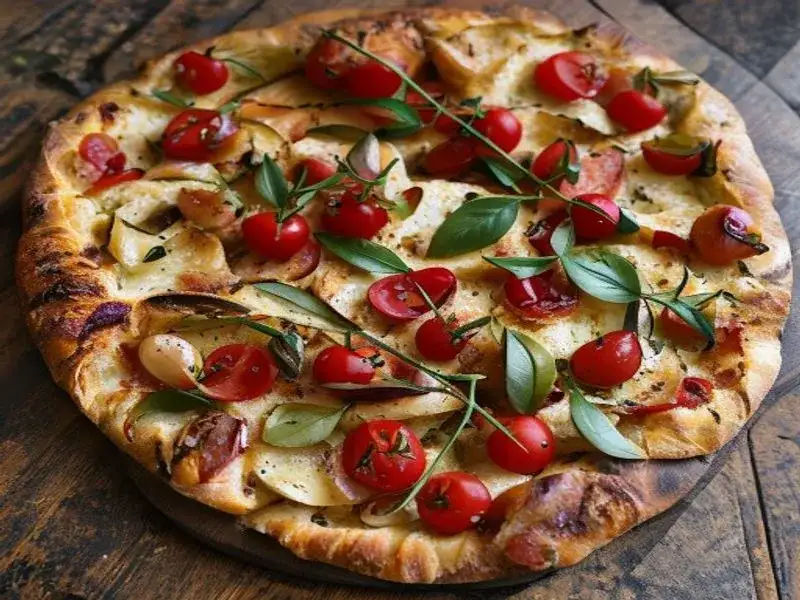
Focaccia Barese: Lo Street Food Perfetto della Puglia La focaccia barese è un pilastro dello street food di Bari e provincia. Soffice, unta al punto giusto e incredibilmente saporita. Un Impasto Che Profuma di Terra e Mare A differenza delle classiche focacce del nord Italia, la focaccia barese vanta un ingrediente che le conferisce una morbidezza unica: la patata lessa schiacciata nell'impasto. Unendo farina di semola rimacinata di grano duro, farina 0, acqua, lievito e patate, si ottiene un impasto altamente idratato che lievita lentamente. La cottura tradizionale avviene in teglie di ferro rotonde ("ruoti"), abbondantemente unte di olio extravergine di oliva locale. Il calore forte del forno (preferibilmente a legna) frigge letteralmente la base della focaccia, creando una crosticina croccante irresistibile, pur mantenendo l'interno soffice e alveolato. I Condimenti: Semplicità e Sapore La versione classica, la più iconica, si condisce con pomodorini freschi (spesso i celebri pomodorini appesi pugliesi), che vengono letteralmente "schiacciati" sull'impasto con le dita affinché rilascino i loro succhi dolci. Si aggiungono poi olive nere (rigorosamente con il nocciolo, per mantenere intatto il sapore durante la cottura!), un generoso giro d'olio EVO, sale fino e abbondante origano profumato. È la colazione, la merenda e il pranzo veloce di ogni barese. Passeggiare per Bari Vecchia con un trancio di focaccia bollente tra le mani è un'esperienza mistica. Prepararla a casa vi trasporterà immediatamente tra i vicoli pugliesi, inebriandovi di profumi genuini. La focaccia barese non è solo cibo, è condivisione, è storia popolare, è il calore del sud. #focacciabarese #puglia #streetfood #italianfood #cucinapugliese #lievitati #isabellaferrari #barivecchia #tradizionipugliesi #ricettetradizionali #cucinaitaliana #bari #foodiepuglia #recipe #exclusive Related InsightsThe Best Toad in the Hole Tiramisù Tradizionale Kartoffelsalat ohne Mayonnaise{ "@context": "https://schema.org", "@type": "FAQPage", "mainEntity": [ { "@type": "Question", "name": "What is the main focus of Focaccia Barese?", "acceptedAnswer": { "@type": "Answer", "text": "Explore the incredible journey of Focaccia Barese with Isabella Ferrari." } }, { "@type": "Question", "name": "Who authored the comprehensive guide on Focaccia Barese?", "acceptedAnswer": { "@type": "Answer", "text": "This detailed article and its insights were carefully researched and authored by Isabella Ferrari." } }, { "@type": "Question", "name": "Where can I find more related content about Recipe?", "acceptedAnswer": { "@type": "Answer", "text": "You can explore more articles, detailed reviews, and similar insights by browsing the Related Insights section at the bottom of this article or visiting our dedicated Recipe category page." } } ] }
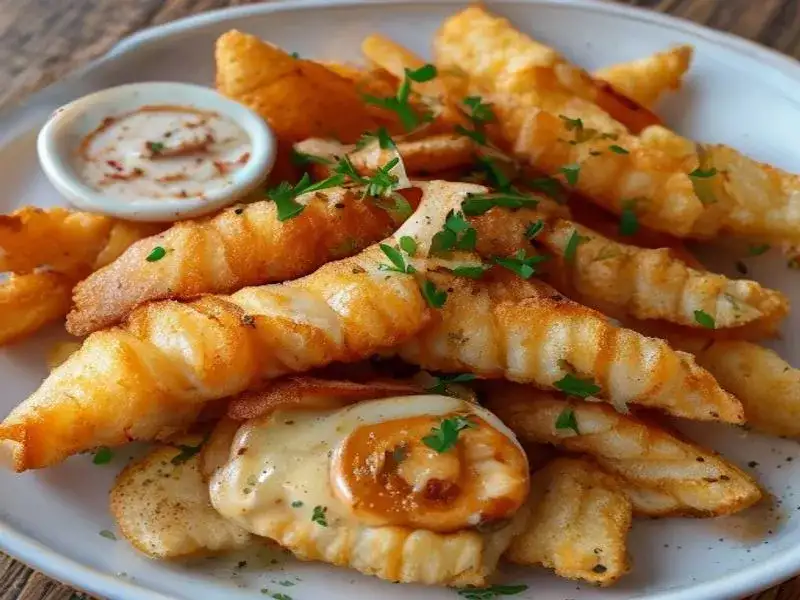
The Deep-Fried Heritage: Classic Fish and Chips When one imagines the quintessential British takeaway, the scent of malt vinegar and the crisp crackle of golden batter immediately come to mind. Fish and chips is not merely a meal in the United Kingdom; it is a cultural institution. From the wind-swept coastal towns of Cornwall to the bustling streets of London, this dish tells a compelling story of immigration, industrialization, and culinary ingenuity. A Tale of Two Ingredients The pairing of fried fish and chipped potatoes seems inevitable now, but historically, they were separate entities introduced by different immigrant communities. The tradition of frying fish in batter—often referred to as pescado frito—was brought to Britain in the 16th century by Jewish refugees from Portugal and #Spain. They fried fish in oil so it could be eaten cold on the Sabbath without violating religious laws regarding cooking. Meanwhile, the "chip" (a thick-cut fried potato) had its origins debated between #France and Belgium, but it gained immense popularity in the UK during the 19th century as a cheap, calorie-dense staple for the working class. The exact moment these two culinary forces joined is contested. Some credit a Jewish immigrant named Joseph Malin, who allegedly opened the first combined fish and chip shop in London's East End around 1860. Others champion John Lees, who was selling the pairing out of a wooden hut in Lancashire around the same time. The Science of the Perfect Fry Creating the perfect portion of fish and chips is an art form heavily reliant on chemistry and technique. The fish—traditionally cod or haddock—must be incredibly fresh. The batter is typically a simple mixture of flour, water or beer, and a rising agent. The carbonation and acidity in beer not only add flavor but also create a lighter, crispier crust by expanding violently when hitting the hot oil, preventing the fish inside from becoming greasy. The chips are equally important. Unlike French fries, British chips are thick-cut, traditionally from floury potato varieties like Maris Piper or King Edward. This ensures a fluffy interior with a robust, crispy exterior, capable of holding up to generous lashings of salt and malt vinegar. Historically fried in beef dripping for an unparalleled savory flavor, many modern "chippies" now use vegetable oils. The Working Class Hero During the Industrial Revolution, fish and chips became the fuel of the working class. The expansion of the railway network meant that fresh catch from ports like Grimsby and Whitby could be transported rapidly to inland industrial cities. During both World Wars, fish and chips were among the few foods not subject to rationing, as the British government recognized the dish's vital role in maintaining home-front morale. Today, whether wrapped in a cone of paper on a seaside pier or served alongside mushy peas and tartar sauce in a gastropub, fish and chips remain an enduring symbol of British resilience and culinary tradition. #FishAndChips #BritishFood #CulinaryHistory #BritishTakeaway #FoodHistory #Seafood #UKCuisine #britishfood #michaelchef #recipe #ukcuisine Related InsightsSunday Roast Tradition Schwarzwälder Kirschtorte vegan Turkish Delight: A Sweet History{ "@context": "https://schema.org", "@type": "FAQPage", "mainEntity": [ { "@type": "Question", "name": "What is the main focus of Classic Fish and Chips?", "acceptedAnswer": { "@type": "Answer", "text": "Explore the incredible journey of Classic Fish and Chips with Emily Page." } }, { "@type": "Question", "name": "Who authored the comprehensive guide on Classic Fish and Chips?", "acceptedAnswer": { "@type": "Answer", "text": "This detailed article and its insights were carefully researched and authored by Michael Chef." } }, { "@type": "Question", "name": "Where can I find more related content about Recipe?", "acceptedAnswer": { "@type": "Answer", "text": "You can explore more articles, detailed reviews, and similar insights by browsing the Related Insights section at the bottom of this article or visiting our dedicated Recipe category page." } } ] }
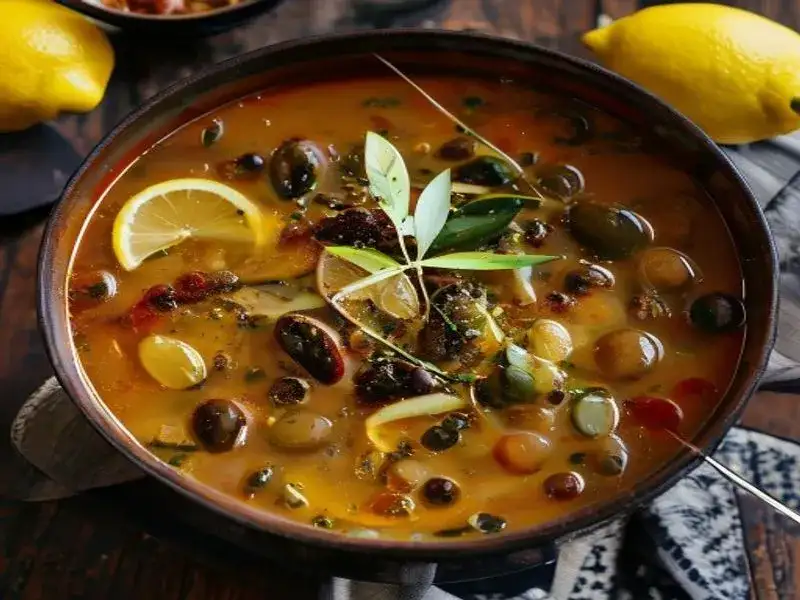

Солянка — это густой, насыщенный и невероятно ароматный суп, который по праву считается одним из самых сложных и ярких блюд традиционной русской кухни. Этот суп обладает настоящим "мужским" характером: он острый, соленый, кислый и очень сытный. От "селянки" до солянки Первые упоминания об этом блюде относятся к XV веку, но тогда оно называлось "селянка", что означало сельскую, деревенскую еду. Изначально это был скорее густой жирный бульон с капустой и остатками мяса, который крестьяне ели после тяжелой работы или бурных праздников (солянка считалась отличным средством от похмелья). Со временем рецепт эволюционировал, впитывая в себя новые ингредиенты: в суп стали добавлять лимоны, оливки, каперсы и томатную пасту, что превратило его из крестьянской похлебки в ресторанный деликатес. Три кита солянки Солянка бывает трех основных видов: мясная, рыбная и грибная. Но самой популярной и любимой является сборная мясная солянка.Бульон и бресс: Основой служит крепкий мясной бульон. Ключевой элемент супа — это "бресс", густая заправка из пассерованного лука, томатной пасты, соленых огурцов (обязательно бочковых) и небольшого количества огуречного рассола. Мясное изобилие: В сборную солянку добавляют не менее четырех видов мясных продуктов. Это может быть отварная говядина, копченая колбаса, ветчина, сосиски, охотничьи колбаски и даже почки или язык. Именно сочетание свежего и копченого мяса создает этот уникальный дымный аромат. Пикантные акценты: В самом конце приготовления в суп добавляют маслины, каперсы и ломтики лимона. Важно не кипятить суп после их добавления, чтобы не появилась горечь.Традиционно солянку подают с ложкой густой сметаны и свежей зеленью. Этот суп не терпит суеты и требует мастерства, но результат всегда превосходит ожидания. #russianfood #recipe #solyanka #cooking #traditional #soup #солянка #кулинария Related InsightsAnatolian Street Food Wonders Börek: A Journey Through Dough The Best Toad in the Hole{ "@context": "https://schema.org", "@type": "FAQPage", "mainEntity": [ { "@type": "Question", "name": "What is the main focus of Солянка: суп с характером?", "acceptedAnswer": { "@type": "Answer", "text": "Explore the incredible journey of Солянка: суп с характером with Elena Volkova." } }, { "@type": "Question", "name": "Who authored the comprehensive guide on Солянка: суп с характером?", "acceptedAnswer": { "@type": "Answer", "text": "This detailed article and its insights were carefully researched and authored by Elena Volkova." } }, { "@type": "Question", "name": "Where can I find more related content about Recipe?", "acceptedAnswer": { "@type": "Answer", "text": "You can explore more articles, detailed reviews, and similar insights by browsing the Related Insights section at the bottom of this article or visiting our dedicated Recipe category page." } } ] }
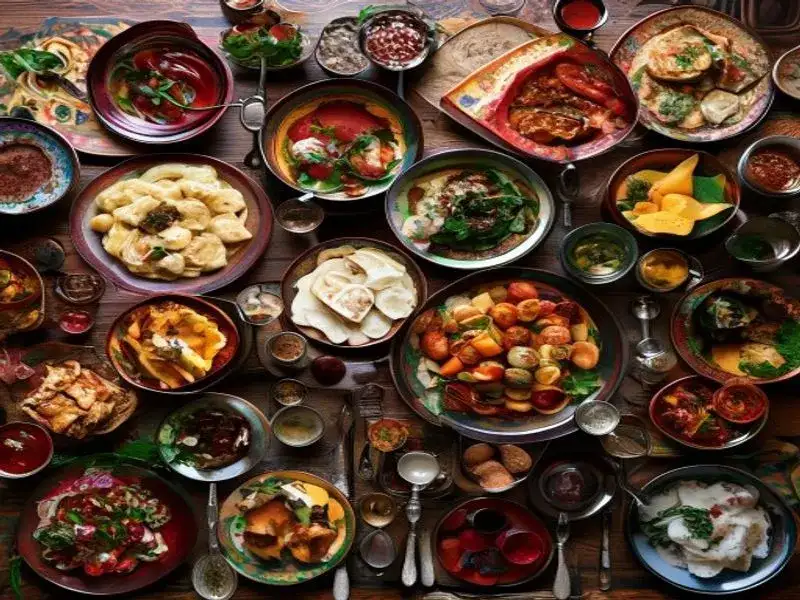
Breakfast in #Istanbul In many cultures, breakfast is a rushed affair—a simple pastry and a quick cup of coffee consumed on the go. In Turkey, however, breakfast (kahvaltı) is not merely a meal; it is an extended social ritual, a weekend institution, and nowhere is this more vibrantly celebrated than in the sprawling metropolis of Istanbul. The word kahvaltı translates literally to "before coffee" (kahve altı), indicating the feast one must consume to line the stomach before partaking in strong Turkish coffee. A Tapestry of Flavors A traditional Istanbul breakfast spread is a dazzling display of color, texture, and variety. The table is typically blanketed with a multitude of small dishes holding fresh and cured delicacies. You will always find an assortment of cheeses, prominently featuring beyaz peynir (a brined white cheese similar to feta but creamier), kaşar (a semi-hard yellow cheese), and the stringy çeçil cheese. Accompanying the cheeses are vibrant arrays of plump black and green olives, sliced cucumbers, and juicy tomatoes heavily drizzled with rich, cold-pressed olive oil. Sweet elements provide a crucial counterbalance: local honey served with thick clotted cream (bal kaymak) is an absolute necessity, often spread generously over freshly baked, sesame-crusted simit or warm, puffy bread. The Warm Additions While the cold plates form the foundation, the warm dishes are the stars of an Istanbul morning. The crowning glory is often menemen, a rustic, bubbling skillet of eggs gently scrambled with tomatoes, green peppers, onions, and fiery red pepper flakes. For those seeking something heartier, sucuklu yumurta—eggs fried with a spicy, garlic-laden beef sausage called sucuk—provides an intensely savory punch that is practically begging to be mopped up with crusty bread. The Ritual of Tea Contrary to the word's etymology, the dominant beverage of the Istanbul breakfast is not coffee, but tea. Endless tulip-shaped glasses of dark, mahogany-colored black tea from the Rize province in the Black Sea region are poured throughout the meal. The continuous flow of tea encourages diners to linger, converse, and stretch the meal into the early afternoon. Enjoying breakfast along the Bosphorus, with seagulls calling overhead and the city waking up around you, is an unforgettable cultural immersion that defines the very essence of Turkish hospitality. #IstanbulBreakfast #Kahvalti #TurkishFood #BalKaymak #Menemen #Simit #TurkishTea #Bosphorus #FoodCulture #CulinaryTravel #turkishfood #recipe #breakfastinistanbul #anatoliancuisine #demirsef #delicious #food Related InsightsThe Secret of Turkish Kebab Холодец: зимнее блюдо The Ultimate English Breakfast{ "@context": "https://schema.org", "@type": "FAQPage", "mainEntity": [ { "@type": "Question", "name": "What is the main focus of Breakfast in Istanbul?", "acceptedAnswer": { "@type": "Answer", "text": "Explore the incredible journey of Breakfast in Istanbul with Ayşe Kaya." } }, { "@type": "Question", "name": "Who authored the comprehensive guide on Breakfast in Istanbul?", "acceptedAnswer": { "@type": "Answer", "text": "This detailed article and its insights were carefully researched and authored by Demir Şef." } }, { "@type": "Question", "name": "Where can I find more related content about Recipe?", "acceptedAnswer": { "@type": "Answer", "text": "You can explore more articles, detailed reviews, and similar insights by browsing the Related Insights section at the bottom of this article or visiting our dedicated Recipe category page." } } ] }
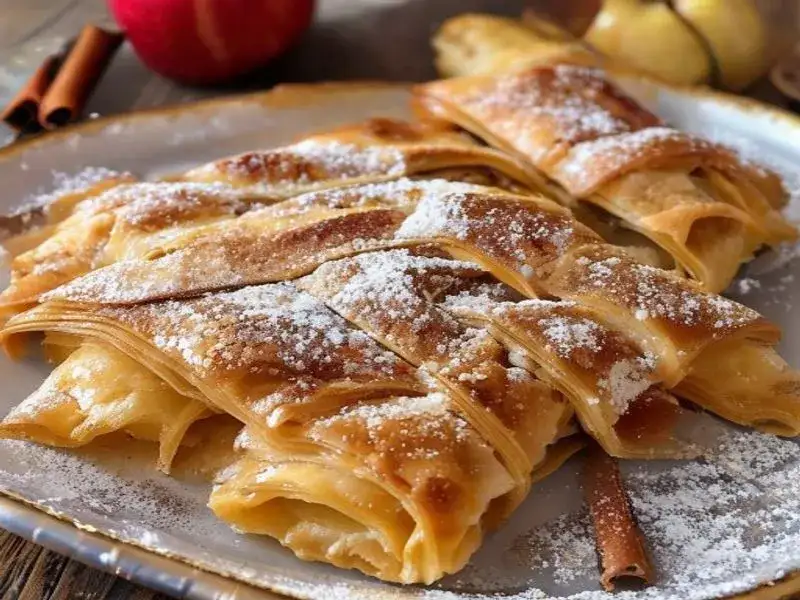

Die Geschichte des Apfelstrudels Der Apfelstrudel ist zweifellos einer der berühmtesten kulinarischen Exporte der österreichischen und süddeutschen Küche. Ursprünglich aus dem Nahen Osten stammend – wo er über das byzantinische und osmanische Reich als Baklava-ähnliches Gebäck den Weg nach Wien fand – hat sich der Strudel über die Jahrhunderte zu einer wahren Ikone der deutschsprachigen Backkunst entwickelt. Die ersten schriftlichen Aufzeichnungen eines Strudelrezepts finden sich in einem handgeschriebenen Kochbuch aus dem Jahr 1696 in der Wiener Stadtbibliothek. Das Geheimnis eines authentischen Strudels liegt in seinem Teig: Ein traditioneller Strudelteig muss so dünn ausgezogen werden, dass man durch ihn hindurch Zeitung lesen kann. Apfelstrudel rein pflanzlich Viele Menschen gehen davon aus, dass ein klassisches Gebäckstück wie der Apfelstrudel zwangsläufig Eier oder Butter in großen Mengen enthalten muss. Doch überraschenderweise ist der traditionelle Strudelteig von Natur aus oft schon vegan! Er besteht in seiner Urform meist nur aus Mehl, Wasser, etwas Öl und einer Prise Salz. Die eigentliche Herausforderung bei der veganen Interpretation des Klassikers liegt in der Füllung und der Art, wie der Teig bestrichen wird. Anstelle von geschmolzener Butter, die traditionell zwischen die Teigschichten gepinselt wird, greift die moderne pflanzliche Küche auf hochwertige pflanzliche Margarine oder mildes Kokosöl zurück. Für die Füllung werden säuerliche Äpfel wie Boskoop oder Elstar bevorzugt, da sie beim Backen nicht zu schnell zerfallen und eine angenehme Säure mitbringen, die wunderbar mit dem Zucker und dem Zimt harmoniert. Rosinen, die idealerweise in Rum oder Apfelsaft eingeweicht wurden, und geröstete Semmelbrösel (oft in veganer Butter angeröstet) sorgen für die perfekte Textur und saugen überschüssige Flüssigkeit der Äpfel auf, damit der Teig schön knusprig bleibt. Tipps für die perfekte Kruste Ein rein pflanzlicher Apfelstrudel profitiert enorm von ein wenig Fingerspitzengefühl. Damit der Strudel auch ohne Eistreiche eine goldbraune, glänzende Kruste erhält, kann man ihn vor dem Backen mit einer Mischung aus Sojamilch und einem Teelöffel Ahornsirup bepinseln. Während des Backens wird der Strudel idealerweise noch ein- bis zweimal mit zerlassener veganer Butter bestrichen. Serviert wird dieser Traum aus Zimt und Äpfeln am besten lauwarm, begleitet von einer cremigen, pflanzlichen Vanillesauce auf Basis von Hafer- oder Mandelmilch. Es ist eine wunderbare Möglichkeit, traditionelle Rezepte in die heutige Zeit zu übersetzen, ohne Kompromisse beim Geschmack einzugehen. Der vegane Apfelstrudel ist der beste Beweis dafür, dass Genuss und pflanzliche Ernährung Hand in Hand gehen können. #Apfelstrudel #VeganBacken #Pflanzlich #Traditionsrezept #VeganeKüche #GermanVegan #Strudelteig #BackenMachtGlücklich #VeganGermany #ZimtUndApfel #recipe #exclusive Related InsightsBreakfast in Istanbul Schwarzwälder Kirschtorte vegan Sauerbraten auf Pilzbasis{ "@context": "https://schema.org", "@type": "FAQPage", "mainEntity": [ { "@type": "Question", "name": "What is the main focus of Apfelstrudel rein pflanzlich?", "acceptedAnswer": { "@type": "Answer", "text": "Explore the incredible journey of Apfelstrudel rein pflanzlich with Hannah Weber." } }, { "@type": "Question", "name": "Who authored the comprehensive guide on Apfelstrudel rein pflanzlich?", "acceptedAnswer": { "@type": "Answer", "text": "This detailed article and its insights were carefully researched and authored by Hannah Weber." } }, { "@type": "Question", "name": "Where can I find more related content about Recipe?", "acceptedAnswer": { "@type": "Answer", "text": "You can explore more articles, detailed reviews, and similar insights by browsing the Related Insights section at the bottom of this article or visiting our dedicated Recipe category page." } } ] }
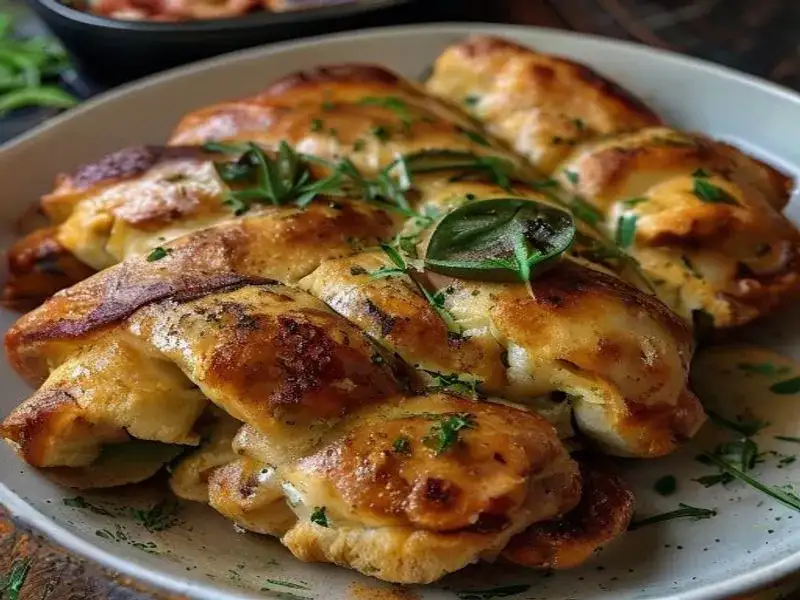
A Culinary Curio: The Best Toad in the Hole Few dishes in the British culinary repertoire possess a name quite as baffling—or as delightful—as Toad in the Hole. Despite the amphibian imagery, no actual toads are harmed in the making of this beloved comfort food. Instead, it is a glorious, rustic creation featuring plump pork sausages baked into a massive, bubbling sea of Yorkshire pudding batter. The Origins of an Odd Name The exact origin of the name "Toad in the Hole" is shrouded in culinary folklore. The dish dates back to the early 18th century, a time when meat was expensive, and working-class families needed inventive ways to stretch small amounts of protein to feed large households. The batter—a simple, cheap mix of eggs, flour, and milk—puffed up dramatically in the oven, making the meal significantly more filling. Early recipes did not use premium sausages. Instead, they utilized off-cuts of meat, pigeon, kidneys, or leftover mutton. The name is believed to have originated from the visual appearance of the dish as it emerges from the oven: the meats peeking out from the undulating, golden-brown batter supposedly resembled toads waiting for prey, their heads just visible above the mud of a pond. The Evolution to Sausages It wasn't until the mid-20th century that the dish standardized into the version we recognize today, relying exclusively on sausages. And not just any sausages—a proper Toad in the Hole demands high-quality, thick British "bangers." The sausages must have a high meat content and be properly browned in the roasting tin with a generous amount of fat (beef dripping or lard) before the batter is poured over them. This ensures the fat is smoking hot, which is the absolute scientific key to achieving a towering, crispy Yorkshire pudding rise. The Perfect Pairing A Toad in the Hole is considered incomplete without its traditional accompaniments. It must be served with a robust, onion-rich gravy. The gravy is typically made by slowly caramelizing sliced onions until they are sweet and jammy, then deglazing the pan with a splash of ale or red wine, and thickening it with a rich beef stock. A side of vibrant green vegetables—usually garden peas or buttery cabbage—is required to cut through the heavy, savory richness of the batter and meat. Today, this peculiar yet deeply satisfying dish is a staple of British family dinners, a testament to the country's historic ability to turn humble ingredients into a spectacular, joy-inducing meal. #ToadInTheHole #BritishFood #Sausages #YorkshirePudding #CulinaryFacts #BritishCuisine #ComfortFood #britishfood #michaelchef #recipe #ukcuisine Related InsightsBreakfast in Istanbul Baklava: Layers of Perfection Classic Fish and Chips{ "@context": "https://schema.org", "@type": "FAQPage", "mainEntity": [ { "@type": "Question", "name": "What is the main focus of The Best Toad in the Hole?", "acceptedAnswer": { "@type": "Answer", "text": "Explore the incredible journey of The Best Toad in the Hole with Emily Page." } }, { "@type": "Question", "name": "Who authored the comprehensive guide on The Best Toad in the Hole?", "acceptedAnswer": { "@type": "Answer", "text": "This detailed article and its insights were carefully researched and authored by Michael Chef." } }, { "@type": "Question", "name": "Where can I find more related content about Recipe?", "acceptedAnswer": { "@type": "Answer", "text": "You can explore more articles, detailed reviews, and similar insights by browsing the Related Insights section at the bottom of this article or visiting our dedicated Recipe category page." } } ] }
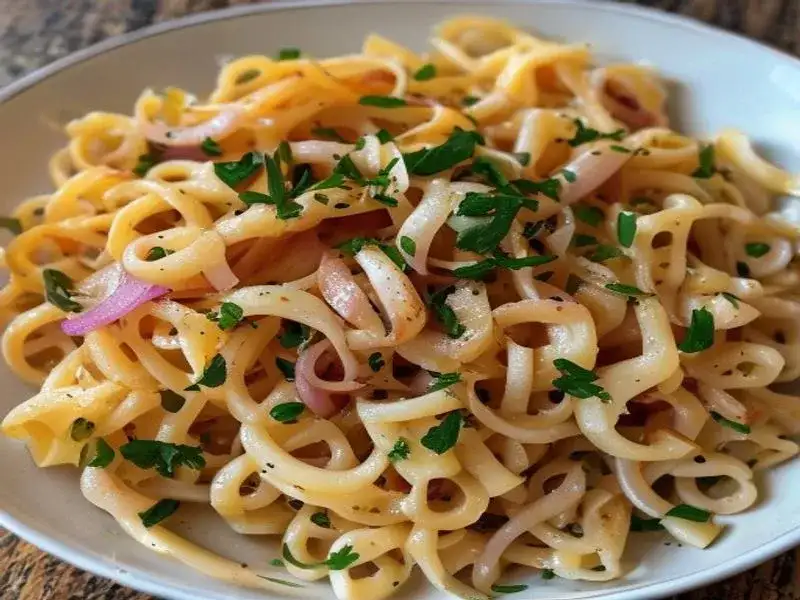
Die schwäbische Seele: Spätzle Käsespätzle gelten als das absolute "Comfort Food" der süddeutschen, österreichischen und Schweizer Alpenküche. Ursprünglich stammen Spätzle aus Schwaben, wo sie seit Jahrhunderten als Beilage zu Sonntagsbraten oder, vermischt mit reichlich regionalem Bergkäse, als eigenständiges Hauptgericht serviert werden. Historische Aufzeichnungen über Spätzle (oft auch als "Knöpfle" bezeichnet, wenn sie eher rundlich geformt sind) reichen bis ins 18. Jahrhundert zurück. Die traditionelle Herstellung ist echte Handarbeit: Ein zäher Teig wird mit einem Spätzlebrett und einem Schaber direkt in kochendes Salzwasser "geschabt". Der Legende nach maß man früher die Ehefähigkeit einer schwäbischen Frau an ihrer Fähigkeit, perfekte, feine Spätzle zu schaben. Vegane Käsespätzle – So gelingt der Teig Das klassische Spätzlerezept ist stark eierlastig – man rechnet oft mit einem Ei pro 100 Gramm Mehl. Für vegane Spätzle muss man also die Bindung und die leuchtend gelbe Farbe ersetzen. Das gelingt hervorragend mit einer Mischung aus Weizenmehl (oder Dinkelmehl), etwas Hartweizengrieß für den nötigen "Biss" und kohlensäurehaltigem Mineralwasser, welches den Teig fluffig macht. Für die perfekte Farbe sorgt eine Prise Kurkuma, während etwas Sojamehl oder Kichererbsenmehl die bindenden Eigenschaften des Eies imitiert. Der Teig wird kräftig mit einem Holzlöffel "geschlagen", bis er Blasen wirft und eine zähfließende Konsistenz annimmt, bevor er ins kochende Wasser gepresst oder geschabt wird. Die pflanzliche Käsesauce Das eigentliche Herzstück der Käsespätzle ist jedoch der geschmolzene Käse. Früher wurden oft kräftige Sorten wie Emmentaler oder würziger Bergkäse verwendet. In der veganen Küche erreicht man diese cremig-würzige Konsistenz durch eine raffinierte pflanzliche "Käsesauce". Die Basis bildet oft eine helle Mehlschwitze, die mit ungesüßter Hafermilch und pflanzlicher Sahne abgelöscht wird. Die unverzichtbare käsige Würze kommt durch großzügige Mengen an Hefeflocken (Nutritional Yeast), einem Teelöffel scharfem Senf, etwas Knoblauchpulver, Zwiebelpulver und einer kleinen Prise Muskatnuss zustande. Manche Köche fügen auch ein wenig weiße Miso-Paste oder etwas Apfelessig hinzu, um die fermentierte, leicht säuerliche Note von gereiftem Käse zu simulieren. Alternativ kann man auch hochwertige vegane Reibekäse-Alternativen unter die heißen Spätzle heben. Gekrönt wird das Ganze obligatorisch mit reichlich goldbraun gerösteten Röstzwiebeln. Diese veganen Käsespätzle sind so cremig, herzhaft und wärmend, dass selbst hartgesottene Traditionalisten ins Schwärmen geraten. #Käsespätzle #VeganComfortFood #SchwäbischeKüche #VeganeSpätzle #Hefeflocken #VeganGermany #PflanzlicheKüche #Soulfood #Röstzwiebeln #Alpenküche #recipe #exclusive Related InsightsApfelstrudel rein pflanzlich The Art of Turkish Coffee Anatolian Street Food Wonders{ "@context": "https://schema.org", "@type": "FAQPage", "mainEntity": [ { "@type": "Question", "name": "What is the main focus of Vegane Käsespätzle?", "acceptedAnswer": { "@type": "Answer", "text": "Explore the incredible journey of Vegane Käsespätzle with Hannah Weber." } }, { "@type": "Question", "name": "Who authored the comprehensive guide on Vegane Käsespätzle?", "acceptedAnswer": { "@type": "Answer", "text": "This detailed article and its insights were carefully researched and authored by Hannah Weber." } }, { "@type": "Question", "name": "Where can I find more related content about Recipe?", "acceptedAnswer": { "@type": "Answer", "text": "You can explore more articles, detailed reviews, and similar insights by browsing the Related Insights section at the bottom of this article or visiting our dedicated Recipe category page." } } ] }
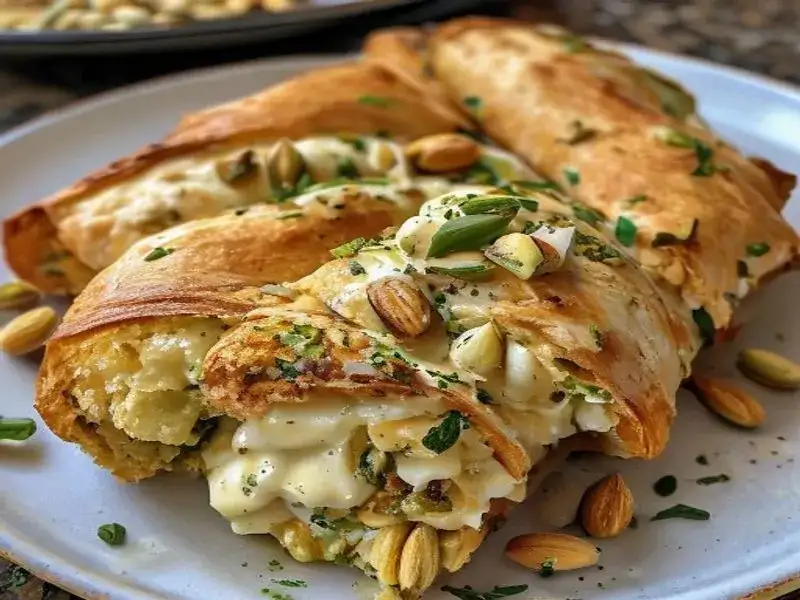
Cannoli Siciliani Croccanti: Il Re della Pasticceria dell'Isola Il cannolo è il re incontrastato della pasticceria siciliana. Croccante all'esterno e cremoso all'interno, è un dolce che racchiude la storia stessa della Sicilia. Le Origini: Un Dolce dalla Lunga Storia Le origini del cannolo siciliano affondano le radici nell'epoca della dominazione araba in Sicilia (dal IX all'XI secolo). Furono proprio gli arabi a introdurre sull'isola ingredienti fondamentali come la canna da zucchero, le mandorle e la ricotta dolcificata. La leggenda narra che i primi cannoli siano stati creati nell'harem del Castello di Pietrarossa a Caltanissetta, dove le donne si dilettavano nella preparazione di dolci elaborati. In seguito, con l'arrivo dei Normanni, la ricetta passò nei monasteri cristiani. Le suore continuarono la tradizione, preparando i cannoli principalmente in occasione del Carnevale, come simbolo di fertilità e abbondanza. Oggi, fortunatamente, possiamo gustare questa prelibatezza tutto l'anno! Il Segreto della "Scorcia" Perfetta La "scorcia" (la cialda croccante) è ciò che fa la differenza nel cannolo. Per ottenere la consistenza perfetta, la ricetta tradizionale prevede l'utilizzo di strutto (che dona friabilità) e di un goccio di vino Marsala o aceto. Questi liquidi acidi aiutano a formare le caratteristiche bolle sulla superficie della cialda durante la frittura in abbondante olio o strutto. Un dettaglio fondamentale è il ripieno: la ricotta di pecora, rigorosamente freschissima, va setacciata e mescolata con lo zucchero. L'aggiunta di gocce di cioccolato fondente, canditi di arancia o granella di pistacchi di Bronte trasforma ogni morso in un'esplosione di gusto. Assicuratevi solo che il vostro cannolo venga riempito al momento, altrimenti la cialda perderà la sua inconfondibile croccantezza! #cannolisiciliani #dolcisiciliani #pasticceriaitaliana #sicilia #italianfood #dessert #isabellaferrari #foodhistory #tradizioneculinaria #GastronomiaSiciliana #RicottaDiPecora #DolceTradizionale #PistacchioDiBronte #CucinaRegionale #recipe #exclusive Related InsightsVegane Käsespätzle Meze: The Heart of Turkish Tables Breakfast in Istanbul{ "@context": "https://schema.org", "@type": "FAQPage", "mainEntity": [ { "@type": "Question", "name": "What is the main focus of Cannoli Siciliani Croccanti?", "acceptedAnswer": { "@type": "Answer", "text": "Explore the incredible journey of Cannoli Siciliani Croccanti with Isabella Ferrari." } }, { "@type": "Question", "name": "Who authored the comprehensive guide on Cannoli Siciliani Croccanti?", "acceptedAnswer": { "@type": "Answer", "text": "This detailed article and its insights were carefully researched and authored by Isabella Ferrari." } }, { "@type": "Question", "name": "Where can I find more related content about Recipe?", "acceptedAnswer": { "@type": "Answer", "text": "You can explore more articles, detailed reviews, and similar insights by browsing the Related Insights section at the bottom of this article or visiting our dedicated Recipe category page." } } ] }
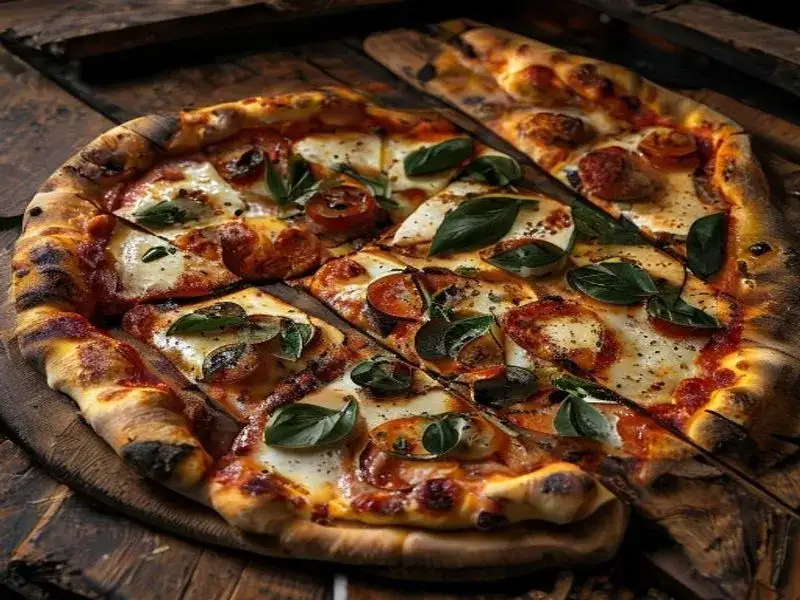
La Vera Pizza Napoletana: Un Patrimonio dell'Umanità Oggi vi parlo di una meravigliosa riscoperta di un'icona mondiale: la vera pizza napoletana. Non si tratta solo di cibo; stiamo parlando di un'arte riconosciuta persino dall'#UNESCO come Patrimonio Culturale Immateriale. L'Arte del Pizzaiolo Napoletano Il perfetto equilibrio che si nasconde in una semplice margherita richiede pazienza, abilità e, soprattutto, passione. L'arte tradizionale del "pizzaiolo napoletano" comprende tecniche gestuali specifiche che si tramandano da secoli. Dalla stesura dell'impasto allo "schiaffo" sul bancone, ogni movimento è misurato. Il disciplinare dell'Associazione Verace Pizza Napoletana (AVPN) è severissimo: l'impasto deve essere costituito solo da acqua, sale, lievito e farina di grano tenero tipo 00 o 0. Nessun grasso nell'impasto! La lievitazione deve essere lunga e naturale, conferendo all'impasto quella leggerezza e digeribilità ineguagliabili. Le Caratteristiche Inconfondibili Come si riconosce la vera pizza napoletana? Il cornicione: I bordi devono essere gonfi, alti circa 1-2 cm, privi di bolle bruciate, morbidi e ben alveolati. Il centro: Il disco della pizza, invece, è sottilissimo (massimo 4 millimetri) ed elastico, tanto che la pizza può essere piegata a "portafoglio". La cottura: Avviene esclusivamente in forno a legna a temperature altissime, tra i 430°C e i 480°C. La cottura dura tra i 60 e i 90 secondi! Gli ingredienti: Solo il meglio della Campania. Pomodori San Marzano DOP, mozzarella di bufala campana DOP o fior di latte di Agerola, basilico fresco e un giro d'olio extravergine d'oliva aggiunto a crudo o in cottura.Assaporare una pizza napoletana è come fare un giro nei vicoli dei Quartieri Spagnoli. La morbidezza della pasta, l'acidità dolce del pomodoro e la scioglievolezza della mozzarella creano una sinfonia perfetta. Cimentatevi in questa nobile arte nel vostro forno di casa. La vita è troppo breve per accontentarsi di imitazioni! #pizzanapoletana #pizza #napoli #unesco #italianfood #margherita #cucinacampana #isabellaferrari #artebianca #PizzaLovers #LievitoMadre #recipe #exclusive Related InsightsПирожки как у бабушки Anatolian Street Food Wonders Медовик: торт с историей{ "@context": "https://schema.org", "@type": "FAQPage", "mainEntity": [ { "@type": "Question", "name": "What is the main focus of La Vera Pizza Napoletana?", "acceptedAnswer": { "@type": "Answer", "text": "Explore the incredible journey of La Vera Pizza Napoletana with Isabella Ferrari." } }, { "@type": "Question", "name": "Who authored the comprehensive guide on La Vera Pizza Napoletana?", "acceptedAnswer": { "@type": "Answer", "text": "This detailed article and its insights were carefully researched and authored by Isabella Ferrari." } }, { "@type": "Question", "name": "Where can I find more related content about Recipe?", "acceptedAnswer": { "@type": "Answer", "text": "You can explore more articles, detailed reviews, and similar insights by browsing the Related Insights section at the bottom of this article or visiting our dedicated Recipe category page." } } ] }
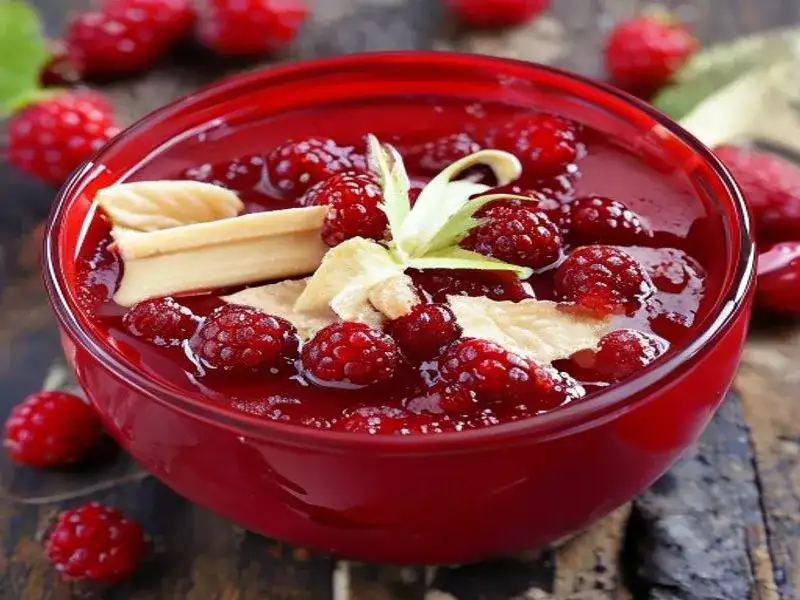
Ein norddeutsches Kulturgut Die Rote Grütze ist wohl das berühmteste Dessert Norddeutschlands und Skandinaviens. Der Name leitet sich vom althochdeutschen Wort "gruzzi" ab, was "grob Gemahlenes" bedeutet. Ursprünglich wurde die Speise tatsächlich mit Buchweizen-, Hafer- oder Grießgrütze gekocht, um den säuerlichen Beerenfrüchten mehr Substanz und Sättigungskraft zu verleihen. Heute wird meist Speisestärke (Sago, Mais- oder Kartoffelstärke) verwendet, um die typisch geleeartige, glänzende Konsistenz zu erreichen. In Hamburg, Bremen und Schleswig-Holstein ist die Rote Grütze mehr als nur ein Nachtisch; sie ist ein kulinarisches Symbol für den Sommer und die Ernte der heimischen Gärten. Rote Grütze Dessert in veganer Perfektion Das Wundervolle an der Roten Grütze ist, dass sie in ihrer Grundform immer schon zu 100 % vegan war. Die Magie dieses Desserts liegt in der sorgfältigen Auswahl der Früchte. Ein klassisches Rezept verlangt nach einer harmonischen Mischung aus roten und schwarzen Johannisbeeren, Himbeeren, Kirschen (oft Sauerkirschen) und manchmal Brombeeren oder Erdbeeren. Die schwarze Johannisbeere verleiht der Grütze ihre intensive, dunkle Farbe und eine feine, herbe Note, während Kirschen und Himbeeren für die Süße und das intensive Aroma sorgen. Bei der Zubereitung wird der Fruchtsaft mit etwas Zucker (oder einer pflanzlichen Alternative wie Agavendicksaft) und eventuell einem Spritzer Zitronensaft aufgekocht. Anschließend wird die in kaltem Wasser angerührte Stärke langsam eingerührt, bis die Flüssigkeit andickt. Die ganzen Früchte werden erst ganz zum Schluss vorsichtig untergehoben, damit sie nicht zerkochen und ihre Form behalten. Die Begleitung macht den Unterschied Was die Rote Grütze jedoch erst zum vollkommenen Dessert macht, ist ihr Gegenspieler: die cremige Begleitung. Traditionell wird sie mit flüssiger Sahne, Vanillesauce oder Milch serviert. Um das Dessert rein pflanzlich zu halten, bietet sich eine selbstgemachte vegane Vanillesauce auf Basis von Hafer- oder Sojacuisine an, die mit echter Bourbon-Vanille und einer Prise Kurkuma (für die gelbe Farbe) verfeinert wird. Wer es frischer mag, kann die Rote Grütze auch mit einer Kugel veganem Vanilleeis, Mandelsahne oder leicht gesüßtem Kokosjoghurt kombinieren. Die kühle, cremige Vanillenote harmoniert himmlisch mit der lauwarmen, fruchtig-säuerlichen Grütze. Ein Dessert, das den Geschmack des norddeutschen Sommers in jedem Löffel einfängt. #RoteGrütze #VeganDessert #Norddeutschland #Sommerfrüchte #VeganeSüßspeise #Beerenliebe #GermanVegan #Vanillesauce #Nachtisch #VeganBacken #recipe #exclusive Related InsightsСалат Оливье к празднику Lahmacun: The Turkish Pizza Пирожки как у бабушки{ "@context": "https://schema.org", "@type": "FAQPage", "mainEntity": [ { "@type": "Question", "name": "What is the main focus of Rote Grütze Dessert?", "acceptedAnswer": { "@type": "Answer", "text": "Explore the incredible journey of Rote Grütze Dessert with Hannah Weber." } }, { "@type": "Question", "name": "Who authored the comprehensive guide on Rote Grütze Dessert?", "acceptedAnswer": { "@type": "Answer", "text": "This detailed article and its insights were carefully researched and authored by Hannah Weber." } }, { "@type": "Question", "name": "Where can I find more related content about Recipe?", "acceptedAnswer": { "@type": "Answer", "text": "You can explore more articles, detailed reviews, and similar insights by browsing the Related Insights section at the bottom of this article or visiting our dedicated Recipe category page." } } ] }
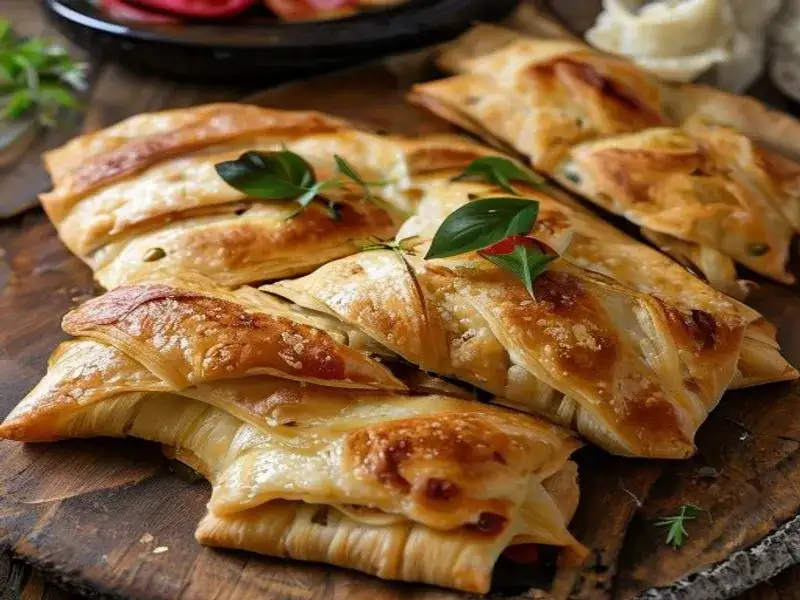
Börek: A #journey Through Dough If there is one pastry that captures the soul of the Middle East, the Balkans, and Anatolia, it is undeniably börek. This versatile, savory pie made of thin, flaky dough holds a pivotal place in Turkish culinary #history. Tracing its origins back to the nomadic Turkic peoples of Central Asia, börek evolved as a practical yet indulgent food, baked in portable earthen ovens and filled with whatever the pastoral landscape provided. The Art of Yufka The foundation of any authentic börek is yufka—a paper-thin, unleavened dough that is the precursor to the famous phyllo used in Greek and Levantine traditions. Creating yufka requires immense skill and dexterity. Traditionally, women would gather to roll out the dough using a long, slender wooden rolling pin called an oklava. The mastery lies in stretching the dough so thin that one can read a newspaper through it, a technique perfected over centuries within the royal kitchens of the Ottoman #empire, specifically the Topkapı Palace. Regional Variations The beauty of börek lies in its regional diversity across Turkey. Su Böreği (Water Börek): Perhaps the most labor-intensive variety, this version involves boiling layers of yufka before stacking them with a rich mixture of feta cheese and parsley, resulting in a texture reminiscent of lasagna. Sigara Böreği: Shaped like cigars, these are tightly rolled and deep-fried until blistered and crispy, typically filled with cheese or a spiced potato mixture. They are a staple of the Turkish meze spread. Kol Böreği: Characterized by its long, arm-like coiled shape (the word kol means arm in Turkish), this variety is often stuffed with minced meat, pine nuts, and currants, offering a robust flavor profile that traces back to #Istanbul’s historic bakeries. Gül Böreği: Meaning "rose börek," these are single-serving pastries where the filled dough is spiraled into a delicate, flower-like shape.A Cultural Pillar Beyond its taste, börek represents hospitality. Offering a guest freshly baked börek accompanied by steeped black tea is a quintessential Turkish gesture of warmth. It transcends social classes, found equally in bustling street-corner bakeries and upscale urban cafes. It is a true journey through dough, telling the story of migration, empire, and the enduring power of a simple, perfect pastry. #Borek #TurkishPastry #Yufka #OttomanCuisine #CulinaryHeritage #BakingHistory #TurkishFood #FoodCulture #SavoryPastry #AnatolianFlavors #turkishfood #recipe #brekajourneythroughdough #anatoliancuisine #demirsef #delicious #food Related InsightsAnatolian Street Food Wonders Baklava: Layers of Perfection Ossobuco alla Milanese{ "@context": "https://schema.org", "@type": "FAQPage", "mainEntity": [ { "@type": "Question", "name": "What is the main focus of Börek: A Journey Through Dough?", "acceptedAnswer": { "@type": "Answer", "text": "Explore the incredible journey of Börek: A Journey Through Dough with Ayşe Kaya." } }, { "@type": "Question", "name": "Who authored the comprehensive guide on Börek: A Journey Through Dough?", "acceptedAnswer": { "@type": "Answer", "text": "This detailed article and its insights were carefully researched and authored by Demir Şef." } }, { "@type": "Question", "name": "Where can I find more related content about Recipe?", "acceptedAnswer": { "@type": "Answer", "text": "You can explore more articles, detailed reviews, and similar insights by browsing the Related Insights section at the bottom of this article or visiting our dedicated Recipe category page." } } ] }
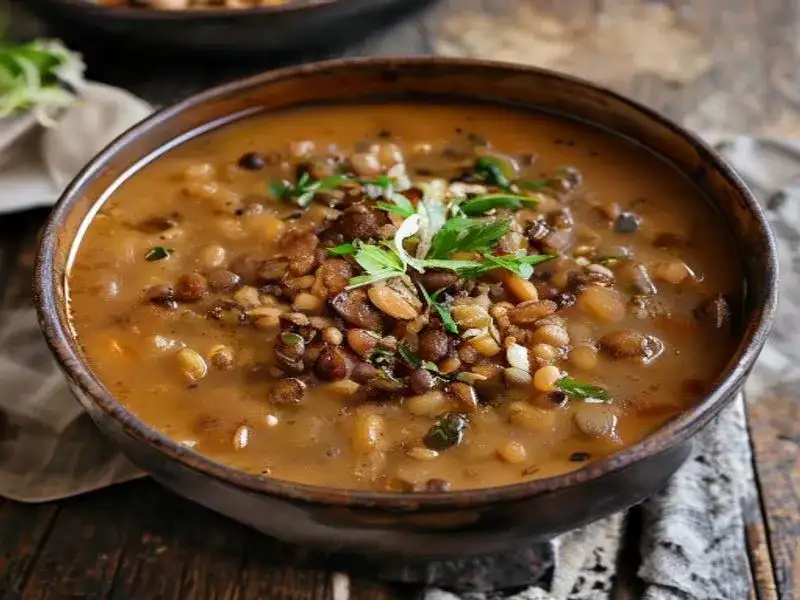
Ein Stück deutsche Geschichte im Teller Der Linseneintopf ist ein absoluter Klassiker der deutschen Hausmannskost und weckt bei vielen sofort Erinnerungen an die Küche der Großeltern. Historisch gesehen waren Linsen lange Zeit als "Fleisch des armen Mannes" bekannt. Sie lieferten in harten Zeiten, insbesondere in den Nachkriegsjahren, wichtige Proteine und Kalorien, wenn Fleisch rar und teuer war. In Regionen wie Schwaben wurde der Linseneintopf traditionell mit Spätzle und Saitenwürstchen serviert, was ihn zu einem herzhaften und nahrhaften Festmahl machte. Doch das Grundgerüst dieses deftigen Eintopfs ist durch und durch pflanzlich und lässt sich hervorragend in ein modernes, veganes Wohlfühlessen verwandeln. Linseneintopf wie bei Oma – rein pflanzlich Für einen authentischen veganen Linseneintopf, der genau so schmeckt wie bei Oma, braucht man keine tierischen Produkte, sondern lediglich die richtigen Gewürze, etwas Zeit und gutes Wurzelgemüse. Die Basis bildet klassischerweise sogenanntes "Suppengrün" – eine aromatische Mischung aus Karotten, Knollensellerie, Lauch und Zwiebeln. Diese werden in etwas Pflanzenöl kräftig angeröstet, um wertvolle Röstaromen zu erzeugen, die dem Eintopf seine geschmackliche Tiefe verleihen. Als Linsen eignen sich am besten Tellerlinsen oder braune Berglinsen. Sie haben die perfekte Eigenschaft, beim Kochen weich zu werden und den Eintopf sämig zu binden, ohne komplett zu zerfallen. Ein entscheidender Schritt für den typischen Geschmack ist die Zugabe von etwas Essig (oft Apfelessig oder milder Branntweinessig) kurz vor dem Servieren. Die Säure balanciert die erdige Süße der Linsen und des Wurzelgemüses perfekt aus. Pflanzliche Einlagen für den extra Biss Um die traditionelle geräucherte Note, die früher durch Speck oder Würstchen in den Eintopf kam, nachzubilden, greift die vegane Küche tief in die Trickkiste. Geräuchertes Paprikapulver (Pimentón de la Vera), ein paar Tropfen Liquid Smoke oder gewürfelter Räuchertofu, der knusprig angebraten und zum Schluss über den Eintopf gegeben wird, sorgen für das authentische herzhafte Aroma. Für die Einlage können zudem vegane Würstchen auf Seitan- oder Erbsenproteinbasis kurz vor Ende der Garzeit im Eintopf erwärmt werden. Dazu noch frisch gehackte Petersilie und ein Stück kräftiges Bauernbrot – und schon hat man ein veganes Soulfood gezaubert, das wärmt, nährt und tröstet, genau wie früher bei Oma am Küchentisch. #Linseneintopf #Hausmannskost #VeganWieBeiOma #Eintopf #VeganeRezepte #GermanVegan #VeganSoulfood #Linsen #PflanzlicheKüche #TraditionVegan #recipe #exclusive Related InsightsThe Secret of Turkish Kebab Готовим бефстроганов Vegane Brezeln backen{ "@context": "https://schema.org", "@type": "FAQPage", "mainEntity": [ { "@type": "Question", "name": "What is the main focus of Linseneintopf wie bei Oma?", "acceptedAnswer": { "@type": "Answer", "text": "Explore the incredible journey of Linseneintopf wie bei Oma with Hannah Weber." } }, { "@type": "Question", "name": "Who authored the comprehensive guide on Linseneintopf wie bei Oma?", "acceptedAnswer": { "@type": "Answer", "text": "This detailed article and its insights were carefully researched and authored by Hannah Weber." } }, { "@type": "Question", "name": "Where can I find more related content about Recipe?", "acceptedAnswer": { "@type": "Answer", "text": "You can explore more articles, detailed reviews, and similar insights by browsing the Related Insights section at the bottom of this article or visiting our dedicated Recipe category page." } } ] }
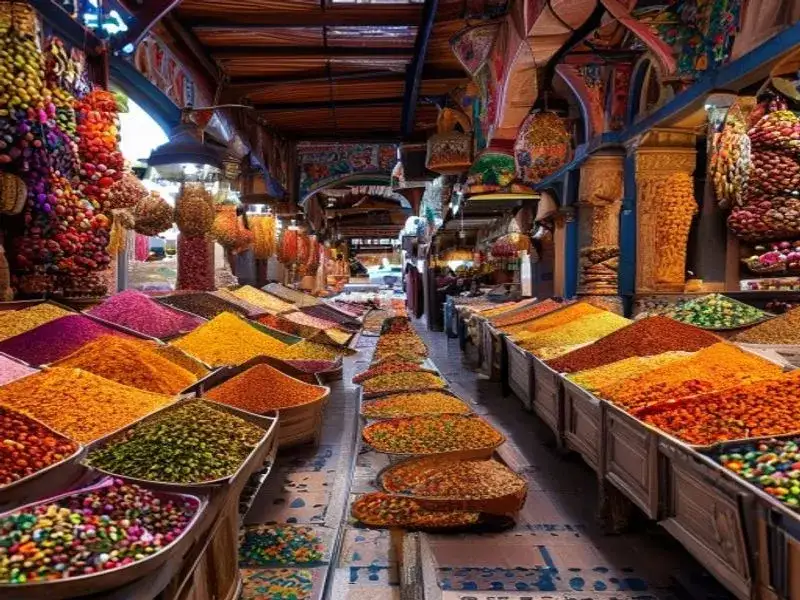
Southeastern Spices and Flavors When exploring the vast landscape of Turkish gastronomy, one region stands unparalleled in its complexity, heat, and depth of flavor: Southeastern Anatolia. Cities like Gaziantep, Şanlıurfa, Hatay, and Diyarbakır form the fiery heart of the country's culinary identity. Situated near the borders of Syria and Iraq, this region sits directly on #ancient trade routes, including the Silk Road. Consequently, its cuisine is a rich mosaic woven from Turkish, Kurdish, Arab, and Armenian influences, characterized by an unapologetic and masterful use of spices. The Holy Trinity of Southeastern Spice At the core of Southeastern cooking lies a trinity of fundamental flavoring agents that distinguish it from the milder, olive oil-driven food of the Aegean coast. First is Isot pepper (Urfa Biber). This dark, purplish-black chili flake from Şanlıurfa undergoes a unique process of sun-drying and nocturnal "sweating" wrapped in fabric. The result is a profoundly complex spice with a smoky, raisin-like sweetness and a slow-building, earthy heat. It is essential in dishes like çiğ köfte (spiced raw meat or bulgur kneaded for hours). Second is Pul Biber (Aleppo Pepper). Bright red, slightly oily, and moderately spicy, this pepper flake brings a fruity, tangy heat. It is a staple on restaurant tables, generously sprinkled over everything from thick lentil soups to sizzling kebabs. Third is Nar Ekşisi (Pomegranate Molasses). While not a dry spice, this thick, dark, syrupy reduction of tart pomegranate juice is crucial. It provides a sharp, acidic counterpoint to the rich, fatty lamb dishes of the region, replacing the lemon or vinegar used in western Turkish cooking. It is the secret ingredient in the famous gavurdağı salad, a finely chopped tomato and walnut mixture that bursts with tangy, nutty flavors. The Mastery of Meat and Bulgur The Southeast is unequivocally a meat-lover's paradise, specifically celebrating lamb and mutton. The spices are used not to mask the meat, but to elevate it. The famous Alinazik kebab pairs smoky, spiced minced lamb with an eggplant and garlic yogurt puree, while lahmacun from Gaziantep boasts a garlicky, heavily spiced meat paste atop a paper-thin dough. Equally important to the meat is bulgur (cracked wheat), which absorbs the region's intense spices beautifully. Whether formed into stuffed içli köfte (kibbeh) or served as a deeply savory, tomato-infused pilaf, bulgur is the canvas upon which the spices of the Southeast paint their masterpieces. To taste the food of this region is to taste centuries of #history, trade, and agricultural brilliance. #SoutheasternAnatolia #TurkishSpices #UrfaBiber #Isot #PomegranateMolasses #GaziantepCuisine #HatayFood #SilkRoadFlavors #CulinaryJourney #SpiceRoute #turkishfood #recipe #southeasternspicesandflavors #anatoliancuisine #demirsef #delicious #food Related InsightsThe Best Toad in the Hole Classic Fish and Chips Vegane Bratwurst Alternativen{ "@context": "https://schema.org", "@type": "FAQPage", "mainEntity": [ { "@type": "Question", "name": "What is the main focus of Southeastern Spices and Flavors?", "acceptedAnswer": { "@type": "Answer", "text": "Explore the incredible journey of Southeastern Spices and Flavors with Ayşe Kaya." } }, { "@type": "Question", "name": "Who authored the comprehensive guide on Southeastern Spices and Flavors?", "acceptedAnswer": { "@type": "Answer", "text": "This detailed article and its insights were carefully researched and authored by Demir Şef." } }, { "@type": "Question", "name": "Where can I find more related content about Recipe?", "acceptedAnswer": { "@type": "Answer", "text": "You can explore more articles, detailed reviews, and similar insights by browsing the Related Insights section at the bottom of this article or visiting our dedicated Recipe category page." } } ] }
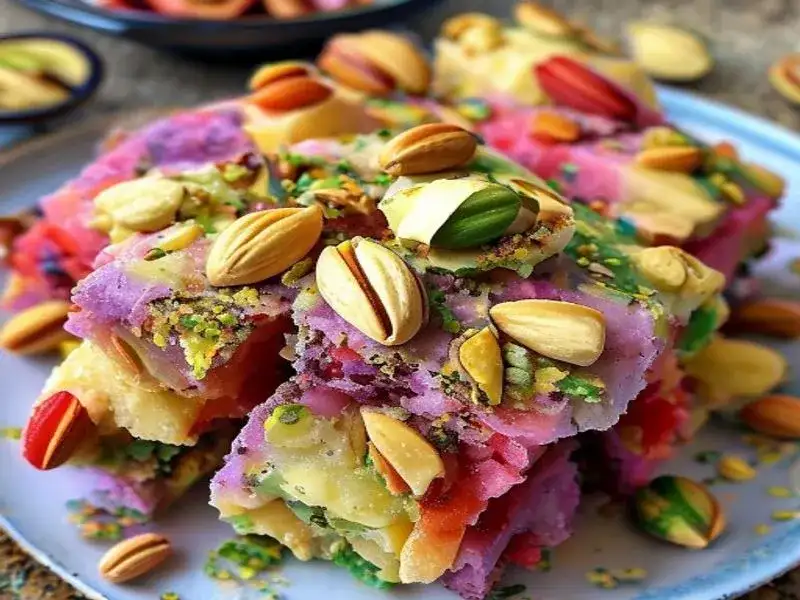
Turkish Delight: A Sweet #history Known locally as lokum, Turkish Delight is arguably the most famous confection to emerge from the Middle East. With its jewel-like appearance, delicate dusting of powdered sugar, and uniquely chewy texture, it has enchanted sweet tooths for centuries. Far from the mass-produced, gelatinous cubes often found in Western supermarkets, authentic Turkish Delight is a triumph of culinary chemistry and Ottoman imperial history. The Legend of Hacı Bekir The origins of lokum stretch back to the late 18th century, centering around an ambitious confectioner named Bekir Efendi. Leaving his hometown in the mountains of Kastamonu, he arrived in #Istanbul in 1777 and opened a small candy shop in the bustling Bahçekapı district. At the time, sweets in the Ottoman #empire were primarily hard candies made from crystallized sugar or fruit boiled in honey and molasses. Bekir Efendi revolutionized the industry by incorporating a relatively new ingredient: cornstarch. By patiently boiling sugar syrup, water, and cornstarch together for hours, he achieved a soft, pliable, and perfectly chewy gel. The creation was dubbed rahat-ul hulküm, an Arabic phrase meaning "comfort of the throat," which was eventually shortened to lokum. His confections were so spectacular that he was appointed Chief Confectioner to the Ottoman Palace, and his original shop, Ali Muhiddin Hacı Bekir, still operates in Istanbul today. The Craftsmanship of Lokum The magic of authentic Turkish Delight lies in the slow, meticulous boiling process. The mixture must be stirred continuously in massive copper cauldrons until it reaches the perfect consistency. Once achieved, flavorings and inclusions are added. Traditional flavors rely heavily on floral and botanical essences. Rosewater, which imparts a fragrant, distinctly pink hue, is the classic standard. Mastic—a piney resin from the Aegean island of Chios—provides a sophisticated, earthy chew. Other beloved variations are heavily packed with double-roasted pistachios from Gaziantep, walnuts, or hazelnuts, and brightened with lemon or pomegranate juice. A Global Phenomenon Turkish Delight's fame spread to the West in the 19th century when an unknown British traveler purchased cases of it from Hacı Bekir's shop and shipped them to England, dubbing the sweet "Turkish Delight." It quickly became a highly sought-after delicacy among European high society. Today, lokum remains an integral part of Turkish #culture. It is the customary accompaniment to a strong cup of Turkish coffee, a traditional gift brought when visiting a friend's home, and a colorful fixture during religious holidays like Eid. It is a sweet reminder of the grandeur and innovation of the Ottoman culinary arts. #TurkishDelight #Lokum #OttomanHistory #HaciBekir #Confectionery #Rosewater #Pistachio #SweetTreats #DessertHistory #TurkishCuisine #turkishfood #recipe #turkishdelightasweethistory #anatoliancuisine #demirsef #delicious #food Related InsightsSoutheastern Spices and Flavors Sauerbraten auf Pilzbasis Ossobuco alla Milanese{ "@context": "https://schema.org", "@type": "FAQPage", "mainEntity": [ { "@type": "Question", "name": "What is the main focus of Turkish Delight: A Sweet History?", "acceptedAnswer": { "@type": "Answer", "text": "Explore the incredible journey of Turkish Delight: A Sweet History with Ayşe Kaya." } }, { "@type": "Question", "name": "Who authored the comprehensive guide on Turkish Delight: A Sweet History?", "acceptedAnswer": { "@type": "Answer", "text": "This detailed article and its insights were carefully researched and authored by Demir Şef." } }, { "@type": "Question", "name": "Where can I find more related content about Recipe?", "acceptedAnswer": { "@type": "Answer", "text": "You can explore more articles, detailed reviews, and similar insights by browsing the Related Insights section at the bottom of this article or visiting our dedicated Recipe category page." } } ] }
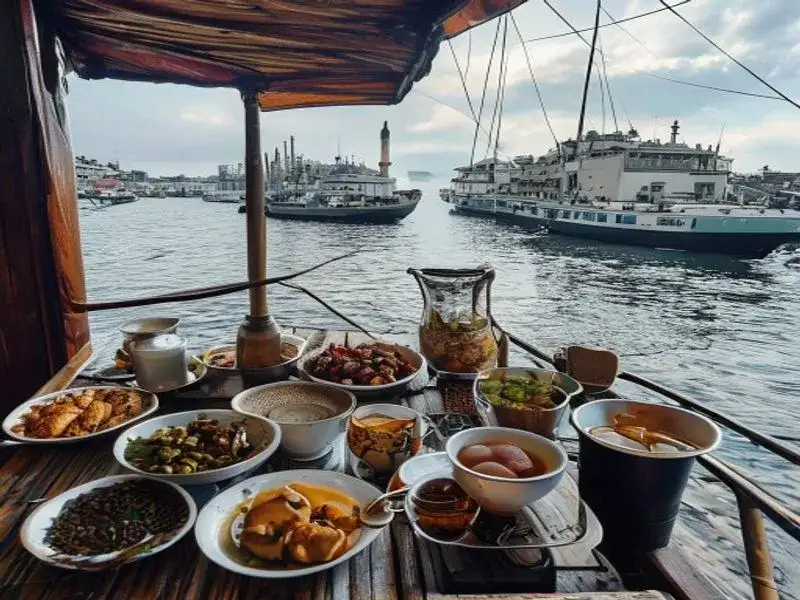
Anatolian Street Food Wonders The vast peninsula of Anatolia is more than just a bridge between Europe and Asia; it is a cradle of civilizations and a monumental culinary crossroad. Street food in Anatolia isn't merely about convenience—it's a living museum of regional #history, agricultural abundance, and multicultural exchange. For generations, the vibrant streets of cities like Gaziantep, Antakya, and Adana have been lined with vendors offering bites that are both profoundly traditional and spectacularly flavorful. Simit: The Sesame-Encrusted Crown Perhaps the most ubiquitous symbol of Anatolian street food is the simit. Often referred to as the Turkish bagel, this circular bread is distinguished by its golden, crunchy exterior achieved through a quick dip in molasses (pekmez) before being generously coated in sesame seeds. Historical records from the Ottoman #empire suggest that simit has been baked in #Istanbul since the 1520s. The traditional method of baking in wood-fired ovens imparts a distinct smokiness, making it an essential companion to a small tulip-shaped glass of black tea. Kokoreç: A Daring Delicacy For the more adventurous food lover, kokoreç offers a deeply satisfying and deeply Anatolian experience. This dish consists of lamb or goat intestines meticulously wrapped around sweetbreads, hearts, or lungs, skewered, and grilled horizontally over charcoal. The rich, fatty meat is then finely chopped and aggressively seasoned with oregano, cumin, and red pepper flakes before being stuffed into a half-loaf of crusty bread. Initially popularized by nomadic tribes who maximized their use of livestock, kokoreç has evolved into a beloved late-night staple across the country. Midye Dolma: The Coastal Connection Though Anatolia is known for its heartland plains, its extensive coastlines introduce a different facet of street gastronomy. Midye dolma—stuffed mussels—are a prime example. Freshly harvested mussels are prized open and packed with aromatic rice heavily spiced with pine nuts, currants, allspice, cinnamon, and copious amounts of black pepper. Served at room temperature, vendors squeeze fresh lemon juice over the mussel just before handing it to the customer. This bite perfectly encapsulates the Levantine and Aegean influences that have shaped Turkish coastal cuisine over centuries. A Living Heritage Anatolian street food encapsulates the soul of Turkey. It represents a fast-paced yet deeply historical culinary tradition where every cart, stall, and corner vendor offers a taste of the region's complex, layered past. Exploring these wonders isn't just about eating; it's about understanding the very fabric of Anatolian society. #AnatolianFood #TurkishStreetFood #Simit #Kokorec #MidyeDolma #CulinaryHistory #FoodTravel #Gastronomy #TurkishCuisine #StreetFoodWonders #turkishfood #recipe #anatolianstreetfoodwonders #anatoliancuisine #demirsef #delicious #food Related InsightsThe Art of Turkish Coffee Linseneintopf wie bei Oma Risotto allo Zafferano{ "@context": "https://schema.org", "@type": "FAQPage", "mainEntity": [ { "@type": "Question", "name": "What is the main focus of Anatolian Street Food Wonders?", "acceptedAnswer": { "@type": "Answer", "text": "Explore the incredible journey of Anatolian Street Food Wonders with Ayşe Kaya." } }, { "@type": "Question", "name": "Who authored the comprehensive guide on Anatolian Street Food Wonders?", "acceptedAnswer": { "@type": "Answer", "text": "This detailed article and its insights were carefully researched and authored by Demir Şef." } }, { "@type": "Question", "name": "Where can I find more related content about Recipe?", "acceptedAnswer": { "@type": "Answer", "text": "You can explore more articles, detailed reviews, and similar insights by browsing the Related Insights section at the bottom of this article or visiting our dedicated Recipe category page." } } ] }