Showing Posts From
Travel

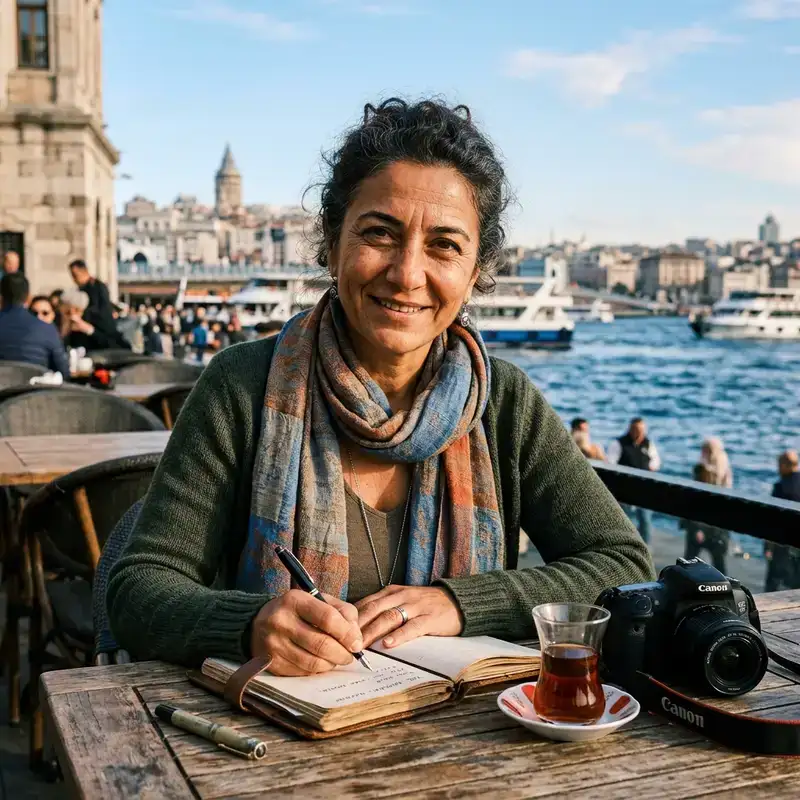
A whisper of mist, cool and laden with the scent of damp earth and verdant foliage, brushes against your face. Below, the #ancient, restless Black Sea stretches, a canvas of deep blues and slate grays. Yet, turn your gaze inland, and the world explodes into an unimaginable spectrum of green – a riotous, untamed, deeply humid green that clings to every mountainside, spills into every valley, and blankets the very soul of the landscape. This, my dear readers, is the legendary Black Sea Greenery, a realm where #nature's generosity knows no bounds, a living tapestry woven by relentless rain, fertile soil, and the enduring spirit of its people. As Cemre Seyyah, I have chased the sun across deserts, delved into the heart of bustling metropolises, and scaled snow-capped peaks. But there is a particular magic, a profound sense of awe, that the Black Sea’s eastern littoral ignites. It’s not merely green; it’s a thousand shades of emerald, jade, moss, and forest, so vibrant they almost hum with life. It is a region that defies expectations, challenging preconceived notions of a Mediterranean climate with its temperate rainforest characteristics. Prepare to #journey with me into this extraordinary corner of the world, where the mountains kiss the clouds and the land bursts forth in an unparalleled display of natural splendor. The Geographic Canvas: An Ode to Orogeny and Orographic Rain To truly appreciate the Black Sea's intense greenery, one must first understand the titanic geological forces that sculpted it. The backbone of this verdant paradise is the Pontic Mountains (Kuzey #Anadolu Dağları), a colossal range that runs parallel to the Black Sea coast of Turkey, extending into Georgia. These mountains are not merely hills; they are formidable barriers, often rising directly from the sea to elevations exceeding 3,000 meters (10,000 feet), with the Kaçkar Mountains (part of the Pontic range) peaking at nearly 3,937 meters (12,917 feet). This dramatic topography is the linchpin of the region's climate. Warm, moist air blowing in from the Black Sea encounters these towering peaks. As the air is forced upwards, it cools, condenses, and releases its moisture in the form of copious rainfall. This phenomenon, known as orographic precipitation, is the lifeblood of the Black Sea's greenery. The eastern Black Sea receives some of the highest rainfall in Turkey, often exceeding 2,000-2,500 millimeters (78-98 inches) annually in certain areas, particularly around Rize. This relentless moisture, combined with relatively mild temperatures, creates a climate akin to a temperate rainforest, fostering an ecological richness rarely seen outside tropical zones. Deep river valleys, carved over millennia by powerful rivers like the Fırtına (Storm), Çoruh, and Yeşilırmak, crisscross the landscape. These rivers cascade down from the mountains, often forming spectacular waterfalls, and transport nutrient-rich sediments to the lower plains. The valleys themselves are microcosms of the larger green ecosystem, acting as natural conduits for biodiversity and human settlement, with villages clinging precariously to their steep sides, seemingly swallowed by the omnipresent green. The very soil, often reddish and fertile, is a testament to the continuous breakdown of ancient volcanic and metamorphic rocks, further enriching the botanical tapestry. A Symphony of Flora: The Green Gold and Wild Wonders The sheer diversity of plant life in the Black Sea region is staggering, a testament to its unique climate and topography. From cultivated crops that form the economic backbone of the region to ancient forests teeming with endemic species, the flora is a defining characteristic of "Black Sea Greenery." The Emerald Harvest: Tea and Hazelnuts Perhaps the most iconic representation of the region's agricultural bounty is tea. The rolling hillsides of Rize, Turkey’s "Tea Capital," are a mesmerizing sight, terraced into geometric patterns of vibrant green. Tea cultivation here began in the 1930s, transforming an impoverished region into a thriving agricultural powerhouse. The unique climate – high rainfall, fertile soil, and frequent morning mists – proved ideal for growing tea. Turkish tea, or çay, is an inseparable part of daily life, served in distinctive small tulip-shaped glasses. A drive through Rize reveals endless tea plantations, where workers meticulously pluck the fresh leaves, a sight of rhythmic human interaction with nature's abundance.Equally vital to the Black Sea's economy and landscape are hazelnuts. Turkey is the world's largest producer of hazelnuts, with the provinces of Ordu and Giresun being the epicenters of this industry. Vast hazelnut groves, often resembling dense, low-growing forests, blanket the hills closer to the coast, their leaves a slightly different shade of green than the tea bushes, adding another layer to the region's multi-faceted palette. The harvest season, typically late summer, sees families gather to collect the nuts, a tradition deeply embedded in the local #culture. Beyond these giants, the region also cultivates kiwifruit, another testament to its favorable climate, as well as corn (a staple in the local diet, especially as corn bread, mısır ekmeği), and a variety of other fruits and vegetables that thrive in the rich soil. Ancient Forests and Wild Blooms Venture beyond the cultivated areas, and you step into a realm of primeval beauty. The higher elevations of the Pontic Mountains are home to magnificent old-growth forests, some of Europe's last remaining temperate rainforests. Here, towering beech, spruce, fir, chestnut, and hornbeam trees form dense canopies, their branches draped with mosses and lichens, creating an otherworldly, ethereal atmosphere. The undergrowth is thick with ferns, wild berries, and an astonishing array of wildflowers. One of the most spectacular floral displays occurs in late spring and early summer when the rhododendrons burst into bloom. Whole mountainsides transform into vibrant canvases of pink, purple, and white, a breathtaking sight that draws nature lovers and photographers from around the globe. These aren't just ornamental garden varieties; these are wild, resilient rhododendrons, a hallmark of the Pontic flora. The Kaçkar Mountains, in particular, are renowned for their incredible botanical diversity, boasting numerous endemic species. This biodiversity extends to medicinal plants, wild herbs, and mushrooms, which are still traditionally gathered by local communities. The Emerald Pathways: Exploring the Green Heartlands To truly immerse oneself in the Black Sea's greenery, one must venture into its various provinces, each offering a unique facet of this emerald wonderland. While the entire Black Sea coast from Bulgaria to Georgia shares a certain green character, the most iconic and intensely lush sections are found in the eastern Turkish provinces and extending into Georgia. Trabzon: Where #history Meets the Mist Trabzon, a historic port city, serves as a gateway to some of the most dramatic landscapes. Just inland, the Altındere Valley National Park cradles the legendary Sumela Monastery. Clinging precariously to a sheer cliff face at an altitude of 1,200 meters, Sumela is often shrouded in swirling mists, making it appear as though it has materialized directly from a dream. The monastery itself, with its intricate frescoes, is a marvel, but its setting – surrounded by dense, ancient forests and cascading waterfalls – is equally captivating. The hike up to the monastery, or even the drive through the national park, is an immersion in deep green. Further east from Trabzon, towards the border with Rize, lies Uzungöl. This alpine lake, nestled amidst towering green mountains, is a postcard-perfect scene. The dense forests descend right to the water's edge, and traditional wooden houses dot the slopes. While it has become a popular tourist destination, Uzungöl still retains an undeniable charm, especially early in the morning when the fog hovers over the lake, or after a fresh rain when the greens are at their most vibrant.Rize: The Heart of Tea Country and Wild Rivers Rize is synonymous with tea. Here, the terraced tea plantations stretch as far as the eye can see, creating a mesmerizing, undulating landscape of manicured green. But Rize is also home to the Fırtına Valley (Storm Valley), one of Turkey's premier destinations for adventure tourism. The Fırtına River, fed by countless mountain streams, rushes through a deep, forested gorge, offering exhilarating white-water rafting experiences. Along its banks, medieval stone arch bridges, remnants of ancient trade routes, provide picturesque photo opportunities, their weathered stones adorned with moss and ivy, blending seamlessly with the surrounding greenery. Higher up in Rize's mountains are the famous yaylas, or highland pastures. Ayder Yaylası is perhaps the most well-known, offering stunning views of the Kaçkar Mountains, thermal springs, and traditional wooden houses. While Ayder can get crowded, the journey there through lush valleys and past roaring waterfalls is breathtaking. For those seeking more solitude, numerous other yaylas like Pokut or Sal provide equally stunning vistas and a deeper connection to the local pastoral life, surrounded by a sea of green. Artvin: Untamed Wilderness and Kaçkar Majesty Artvin, bordering Georgia, represents the wildest and perhaps most pristine aspect of Black Sea greenery. It is less developed for mass tourism than Rize or Trabzon, offering an authentic, rugged experience. The Kaçkar Mountains National Park dominates the landscape here, a true paradise for trekkers and mountaineers. Glacial lakes sparkle amidst jagged peaks, while below, vast ancient forests remain largely untouched. The Çoruh River, known for its thrilling rafting opportunities, cuts through dramatic canyons, its banks lined with dense vegetation. The villages in Artvin, often built entirely from wood, blend harmoniously into the landscape, testaments to a life lived in tune with nature. This is where the green feels deepest, most ancient, and most formidable. Giresun and Ordu: Hazelnut Heaven and Coastal Charms Moving westwards, Giresun and Ordu offer a slightly different character, though no less green. These provinces are dominated by hazelnut groves, giving the hillsides a distinctive texture. Ordu, known as "The City with a Hundred Platters" due to its numerous plateaus (yaylas), offers easily accessible natural beauty. Boztepe, accessible by cable car, provides panoramic views of the city and the Black Sea, framed by verdant hills. Giresun's most famous feature is Giresun Island, the only island in the Turkish Black Sea, shrouded in myths and local folklore, and itself a small patch of green amidst the blue. The coastal areas here are often characterized by small, charming towns nestled between the sea and the green slopes, with cornfields and hazelnut orchards extending down to the shoreline. Life in the Green Embrace: Culture and People The intense greenery of the Black Sea is not just a backdrop; it is an intrinsic part of the region's cultural identity, shaping the lives, traditions, and even the temperament of its people. The Yaylas: A Summer Exodus The practice of transhumance, moving livestock to higher pastures during summer, is deeply ingrained in the Black Sea culture. The yaylas are more than just grazing lands; they are summer communities, often featuring traditional wooden houses (serender) built on stilts to protect from dampness and provide storage. Life on the yaylas is simpler, slower, and profoundly connected to the rhythms of nature. Families spend months there, tending to their animals, making butter and cheese, and enjoying the cooler mountain air. Visiting a yayla offers a glimpse into a way of life that has persisted for centuries, surrounded by uninterrupted vistas of emerald green, often punctuated by the vibrant hues of wild rhododendrons.A Cuisine Rooted in Greenery and the Sea The local cuisine is a delicious reflection of the abundant resources. Corn is king, appearing as mısır ekmeği (cornbread), a hearty staple, or as a base for dishes like mıhlama (also known as kuymak or muhlama), a delightful fondue-like dish made with cornmeal, local cheese, and butter. Fresh vegetables from the fertile valleys are widely used. Of course, the proximity to the sea means hamsi (anchovies) are a local obsession, prepared in countless ways – fried, baked, in rice, or even as a type of bread. And no meal is complete without copious amounts of Turkish tea, grown just outside the window, reflecting the region's "green gold." The food is hearty, comforting, and deeply flavorful, a perfect complement to the cool, moist climate. Music, Dance, and Warmth The Black Sea region has a distinct cultural flair. The kemençe, a small, three-stringed folk fiddle, produces a melancholic yet spirited sound that is the heart of local music. The horon, a fast-paced line dance, embodies the energetic and resilient spirit of the people, often performed with lively enthusiasm at weddings, festivals, and even impromptu gatherings. The people of the Black Sea are known for their strong sense of community, their quick wit, and a hospitality that, like their land, is rich and abundant. Despite the challenging terrain, they have carved out a vibrant existence, deeply proud of their unique heritage and their verdant homeland. Activities and Experiences: Diving into the Green The Black Sea's greenery offers a myriad of opportunities for adventure and introspection alike.Hiking and Trekking: The Kaçkar Mountains are a trekkers paradise, offering trails ranging from gentle day hikes to multi-day expeditions across high passes and past glacial lakes. Paths wind through ancient forests, across alpine meadows, and past remote yaylas, providing unparalleled views of the verdant landscape. White-water Rafting: The Fırtına River in Rize and the Çoruh River in Artvin are internationally recognized for their thrilling rafting and kayaking experiences. The sheer cliffs and dense forests that line the rivers add to the dramatic appeal. Paragliding: For a bird's-eye view of the green expanse meeting the blue sea, several locations, particularly around Ordu's Boztepe, offer paragliding opportunities, providing a truly unforgettable perspective. Cultural Exploration: Visiting tea factories in Rize offers insight into the production process, while exploring the stone arch bridges of Fırtına Valley or the ancient monasteries like Sumela provides a blend of history and natural beauty. Spending time in a local village or a yayla allows for genuine interaction with the local culture. Nature Photography: The ever-changing light, mist, and vibrant colors make the Black Sea a dream for photographers, from grand landscapes to intimate details of flora and fauna.Challenges and Conservation: Protecting the Emerald Gem While breathtaking, the Black Sea's intense greenery also presents challenges. The abundant rainfall can lead to frequent fog, making driving on narrow, winding mountain roads hazardous. Landslides are an unfortunate reality, especially after heavy rains, occasionally disrupting #travel. The climate can be unpredictable, with rapid changes from sunny to stormy within hours. More significantly, this unique ecosystem faces modern threats. Unregulated development, particularly for tourism, can put pressure on fragile natural areas. Climate change models suggest potential alterations to rainfall patterns, which could impact the delicate balance of the temperate rainforests. There is a growing awareness and effort towards conservation, with national parks and protected areas established to safeguard the region's extraordinary biodiversity and natural beauty. Sustainable tourism practices are crucial to ensure that future generations can also experience the profound wonder of the Black Sea's greenery. Preparing for the Green Journey To fully embrace the Black Sea's verdant charm, some preparation is key:Best Time to Visit: Late spring (May-June) offers blossoming rhododendrons and lush post-rain scenery. Summer (July-August) is warmer and drier (relatively), ideal for high-altitude trekking, though it can be busy. Early autumn (September-October) provides comfortable temperatures and #beautiful fall colors in some areas, though rain increases. What to Pack: Layers are essential. Waterproof and windproof jackets are non-negotiable. Comfortable, waterproof hiking shoes are a must. Bring a sturdy backpack, insect repellent, and a good camera. Don't forget an umbrella! Getting Around: A rental car offers the most flexibility for exploring the winding mountain roads and remote villages, but be prepared for steep climbs and sometimes challenging conditions. Local minibuses (dolmuş) connect larger towns and some yaylas.The Enduring Allure of the Emerald Coast The Black Sea Greenery is more than just a geographical feature; it is an experience, a feeling, a deep breath of clean, moist air. It is a world where nature truly reigns supreme, painting the landscape in a thousand shades of green, nurturing a unique culture, and offering endless discoveries to those willing to venture into its embrace. From the iconic tea fields of Rize to the ancient forests of the Kaçkars, from the misty serenity of Sumela to the vibrant life of the yaylas, this region promises an encounter with the wild, untamed heart of Anatolia. As I reflect on my journeys through these emerald pathways, I am reminded that true travel is about connecting – connecting with the land, with its people, and ultimately, with a deeper sense of self that only immersion in such profound natural beauty can awaken. The Black Sea's greenery isn't just a sight to behold; it's a feeling to carry with you, a vibrant memory that will forever color your perception of the world. Come, let the Black Sea's green heart enchant you. #BlackSeaTravel #GreenDestinations #TurkeyTravel #PonticMountains #TeaCountry #travel #explore #guide Related InsightsBaños Árabes de Jaén: El Legado del Agua Il Foro Romano: Dove Pulsava la Vita di Roma The Maldives: Where Overwater Bungalows Meet Coral Reef Conservation{ "@context": "https://schema.org", "@type": "FAQPage", "mainEntity": [ { "@type": "Question", "name": "What is the main focus of Black Sea Greenery?", "acceptedAnswer": { "@type": "Answer", "text": "A deep dive into Black Sea Greenery with Cemre Seyyah." } }, { "@type": "Question", "name": "Who authored the comprehensive guide on Black Sea Greenery?", "acceptedAnswer": { "@type": "Answer", "text": "This detailed article and its insights were carefully researched and authored by Cemre Seyyah." } }, { "@type": "Question", "name": "Where can I find more related content about Travel?", "acceptedAnswer": { "@type": "Answer", "text": "You can explore more articles, detailed reviews, and similar insights by browsing the Related Insights section at the bottom of this article or visiting our dedicated Travel category page." } } ] }
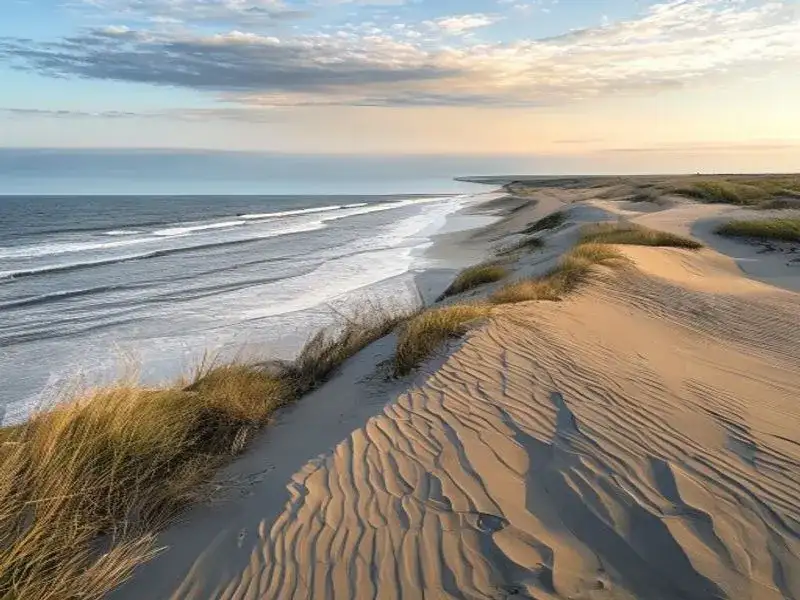
Калининград и Куршская коса Калининград, бывший Кёнигсберг, — это уникальный российский эксклав, расположенный на побережье Балтийского моря и зажатый между Польшей и Литвой. Эта земля хранит в себе удивительное переплетение прусского исторического наследия и монументальной советской архитектуры. Город был основан тевтонскими рыцарями в далеком 1255 году, и на протяжении веков являлся важнейшим культурным и экономическим центром Восточной Пруссии. Главной исторической доминантой современного Калининграда остается величественный Кафедральный собор, расположенный на острове Канта (историческое название — Кнайпхоф). Именно здесь, у старинных стен готического сооружения, находится могила одного из самых выдающихся мыслителей в истории — философа Иммануила Канта, чьи труды сформировали целую эпоху в мировой философии. Кулинарные Особенности Балтийского Берега Кулинарная картина региона так же эклектична и насыщенна, как и его многовековая архитектура. Одним из самых известных исторических местных блюд являются классические кёнигсбергские клопсы — нежные отварные телячьи тефтели, которые по традиции подаются с насыщенным сливочным соусом, каперсами и анчоусами. Этот рецепт, пришедший из времен Восточной Пруссии, бережно сохраняется местными шеф-поварами и до сих пор радует гостей в лучших ресторанах города. Не стоит забывать и о знаменитом кёнигсбергском марципане — изысканном сладком лакомстве из измельченного миндаля и сахара, которое в XIX веке экспортировалось по всей Европе, вплоть до королевских дворов. Местный марципан отличался от любекского тем, что его верхнюю часть слегка запекали до появления аппетитной золотистой корочки, что придавало десерту особый глубокий вкус и неповторимый аромат. Любители пива также могут оценить местные традиции пивоварения, которые восстанавливаются на базе старинных калининградских пивоварен. Куршская Коса: Удивительный Природный Феномен Оставив позади городскую суету Калининграда, путешественники неизменно отправляются на Куршскую косу — узкую песчаную полосу длиной 98 километров, разделяющую соленое Балтийское море и пресноводный Куршский залив. Эта уникальная территория, по праву внесенная в список Всемирного наследия ЮНЕСКО, является одним из самых необычных и экологически значимых природных объектов всей Европы. Танцующий Лес и Странствующие Дюны Самым мистическим и загадочным местом на косе считается так называемый «Танцующий лес». Сосны здесь имеют совершенно невероятную форму: их стволы причудливо изгибаются, скручиваются кольцами и закручиваются в спирали. Ученые со всего мира до сих пор не пришли к единому мнению о точных причинах этой природной аномалии. Среди основных версий — влияние мощных преобладающих ветров с моря, особенности состава песчаной почвы и даже генетические мутации деревьев, вызванные повреждениями молодых побегов специфическими насекомыми (например, гусеницами бабочки побеговьюна зимующего). Еще одна яркая визитная карточка косы — огромные странствующие дюны. Самая известная из них — дюна Эфа (высота более 60 метров), названная в честь Франца Эфы, талантливого немецкого дюнного инженера, который во второй половине XIX века разработал инновационный метод посадки сосен и кустарников для закрепления подвижных песков. Его кропотливая многолетняя работа спасла множество исторических рыбацких деревень от неминуемого погребения под неумолимо движущимися песчаными барханами. Орнитологическая Станция «Фрингилла» Помимо лесов и дюн, Куршская коса также широко известна в научных кругах как важнейший «птичий мост». Каждую весну и осень над этой узкой полоской суши пролетают миллионы перелетных птиц. Именно поэтому здесь была основана орнитологическая станция «Фрингилла» (названа по латинскому имени зяблика — Fringilla coelebs). Она открылась в 1901 году под эгидой немецкого теолога и орнитолога Иоганнеса Тинеманна и стала одной из первых птичьих станций в мире. Сегодня российские ученые продолжают историческое дело: они ловят пернатых путешественников с помощью огромных ловушек-сетей, чтобы аккуратно окольцевать их, измерить и отпустить, продолжая изучать сложные миграционные маршруты. Калининградская область и Куршская коса — это поистине уникальное направление, где богатая история, мультикультурное наследие и первозданная балтийская природа сливаются в единое целое, предлагая каждому туристу глубокий и незабываемый опыт. #Калининград #КуршскаяКоса #Кенигсберг #ПутешествиеПоРоссии #БалтийскоеМоре #ИсторияРоссии #ТанцующийЛес #РоссийскийТуризм #ОтдыхВРоссии #ЮНЕСКО #travel #russia #kaliningrad #curonianspit #nature Related InsightsZanzibar’s Hidden Shores: Unveiling the Most Secluded Beaches Where Crowds Dare Not Wander Ethiopia's Danakil Depression: The Hottest Place on Earth's Alien Landscapes (Part 3) Golden Ring Cities{ "@context": "https://schema.org", "@type": "FAQPage", "mainEntity": [ { "@type": "Question", "name": "What is the main focus of Калининград и Куршская коса?", "acceptedAnswer": { "@type": "Answer", "text": "Explore the incredible journey of Калининград и Куршская коса with Ivan Sokolov." } }, { "@type": "Question", "name": "Who authored the comprehensive guide on Калининград и Куршская коса?", "acceptedAnswer": { "@type": "Answer", "text": "This detailed article and its insights were carefully researched and authored by Ivan Sokolov." } }, { "@type": "Question", "name": "Where can I find more related content about Travel?", "acceptedAnswer": { "@type": "Answer", "text": "You can explore more articles, detailed reviews, and similar insights by browsing the Related Insights section at the bottom of this article or visiting our dedicated Travel category page." } } ] }

The world shifted. Not with the violent tremor of an earthquake, but with a gentle, imperceptible lift, a silent soaring that peeled me away from the terrestrial and offered the earth below as a boundless canvas. Beneath, the landscape of Cappadocia, still cloaked in the deep sapphire of pre-dawn, began to reveal its #ancient secrets, sculpted by eons of wind, water, and volcanic might. This wasn't merely a dawn; it was an awakening, an ascension into a dreamscape that defies every expectation of what a morning should be. The alarm had been an unwelcome jolt at 3:30 AM, a harsh intrusion into the velvet quiet of my cave hotel room in Göreme. Yet, the chill in the air and the promise of what lay ahead quickly dispelled any lingering sleepiness. A quick coffee, a warm jacket, and I was stepping out into a darkness so profound it felt primal, save for the distant, rhythmic roar of gas burners echoing through the valleys – the sound of giants breathing life into their colourful skin. This unique symphony of #DawnChorus and #BalloonRoars is the true soundtrack of a Cappadocian morning. Our transfer van navigated the narrow, winding paths with practiced ease, past silhouettes of #FairyChimneys that stood sentinel-like against the brightening eastern sky. The anticipation was a tangible thing, a nervous flutter shared by my fellow travellers, each with eyes wide with wonder, eager for the spectacle promised by a thousand postcard images. Arriving at the launch site was like entering a fantastical theatre backstage. Giant envelopes of nylon lay sprawled across the fields, some already partially inflated, pulsating with the glow of propane flames. Crew members moved with efficient choreography, their voices low against the rising crescendo of the burners. The air was thick with the scent of canvas, propane, and the crisp, clean earth. Our balloon, a magnificent tapestry of crimson and gold, slowly began to take shape, rising from its slumber. The pilot, a seasoned veteran with a calm demeanor and a twinkle in his eye, greeted us with quiet confidence. As we clambered into the wicker basket, the feeling was surprisingly stable, the vastness of the basket mitigating any sense of precariousness. A final powerful blast of fire, a gentle sway, and we were airborne. No jolt, no lurch, just an ethereal ascent into the cool, still air. This moment of #WeightlessWonder is truly unforgettable. Below us, the world stretched out, bathed in the first blush of sunrise. The valleys, carved over millennia, revealed their intricate patterns: the striated reds of #RoseValley, the otherworldly rock formations of #DevrentValley, and the #ancient #PigeonValley, dotted with countless dovecotes carved into the soft tuff. It was a geological masterpiece unveiled, a testament to the raw power of #nature. The geological story of Cappadocia is one of dramatic forces and slow, persistent erosion. Millions of years ago, colossal volcanic eruptions from ancient volcanoes like #MountErciyes, Mount Hasan, and Mount Melendiz blanketed the region with thick layers of ash and lava. Over time, this volcanic material solidified into a soft, porous rock known as tuff. Above this, a harder layer of basalt formed, acting as a protective cap. The relentless work of wind and water, particularly the Melendiz River, began its slow, artistic process. It chiselled away at the softer tuff, leaving behind the harder basalt caps balanced precariously atop conical pillars – the iconic fairy chimneys, or peribacaları in Turkish. Each one is a unique sculpture, a natural monument to time and persistence, some standing slender and elegant, others stout and mushroom-shaped. As we climbed higher, the true scale of the spectacle became apparent. The sky was no longer just the deep blue of dawn but a vibrant tableau of gold, orange, and fiery red, painted by the rising sun. And within this canvas, hundreds upon hundreds of other hot air balloons, like giant, silent lanterns, drifted majestically. They were a kaleidoscope of colours against the pale sky, each a silent witness to this daily miracle. This isn't just a flight; it's a communion, a shared experience of #CollectiveAwe that binds strangers together in a silent appreciation for beauty. From this vantage point, the distinct features of the #CappadocianLandscape, often explored on foot, transformed into an abstract painting, their textures and contours softened by the distance. Our pilot expertly navigated the currents, occasionally dipping low into a valley, allowing us to skim treetops and almost touch the pointy hats of the fairy chimneys, before rising again to dizzying heights. We saw tiny vineyards carved into the hillsides, ancient cave dwellings, and even the faint outlines of churches etched into the rock faces, whispering tales of early Christian communities who sought refuge and built lives within this surreal landscape. This historical resonance, alongside the natural beauty, makes Cappadocia truly unique – a #LivingHistory book. The silence at altitude, broken only by the occasional whoosh of the burner, was profound. It allowed for introspection, for a deep breath of crisp morning air, for the luxury of simply being. The sun, now fully above the horizon, cast long, dramatic shadows across the valleys, illuminating new features with every passing minute. It was a photographer's dream, an artist's muse, and a wanderer's epiphany. This feeling of #PureBliss is something I carry with me long after the flight. After what felt like an eternity, yet simultaneously too short a time, our pilot began the gentle descent. The landing was as smooth as the take-off, a soft bump as the basket settled firmly onto a waiting trailer. Cheers erupted, and we were soon handed glasses of sparkling champagne – a traditional post-flight toast to a successful #journey and an unforgettable experience. Certificates were distributed, affirming our aerial adventure. This celebration, often overlooked in the grand narrative, is a cherished part of the #BallooningTradition. Back on solid ground, with the sky still dotted with fading balloons, the morning had only just begun. The promise of a traditional Turkish breakfast, rich and hearty, beckoned. There's something particularly satisfying about a meal after such an early start and exhilarating adventure. Many cave hotels offer an exquisite spread, often enjoyed on terraces overlooking the very valleys we'd just floated above. The table groaned under the weight of an array of delicacies: freshly baked simit, a sesame-crusted bread ring; a vibrant menemen, scrambled eggs cooked with tomatoes and peppers; an assortment of local cheeses, briny olives, and sweet jams. Creamy kaymak (clotted cream) with honey, fresh fruit, and endless glasses of dark, strong #TurkishTea complete the tableau. It's a feast for the senses, a true taste of #TurkishCuisine and hospitality. Having refuelled, the morning invited further exploration. While many choose to rest, the energy of Cappadocia in the late morning is infectious. One of the most compelling destinations is the Göreme Open-Air Museum, a #UNESCO World Heritage site that offers an unparalleled glimpse into the region's rich past. Under a sky now brilliant blue, the museum is a sprawling monastic complex composed of dozens of rock-cut churches, chapels, and monasteries, all carved into the distinctive fairy chimney formations. Dating back to the 10th, 11th, and 12th centuries, these structures bear witness to the early Christian communities who found sanctuary and solitude here. Walking through the narrow passages and into the cool, dark interiors of these ancient churches is like stepping back in time. The most striking aspect is undoubtedly the frescoes – vibrant, intricate wall paintings that miraculously survived centuries due to the stable climate within the caves and the relative isolation of the region. Each church, though varying in size and preservation, tells a story. The #DarkChurch (Karanlık Kilise), named for its limited light, boasts some of the best-preserved frescoes, depicting scenes from the Bible with astonishing detail and colour. The #AppleChurch (Elmalı Kilise) and the #SnakeChurch (Yılanlı Kilise) also offer captivating examples of Byzantine art and religious devotion. The sheer scale of human endeavour and faith required to carve and decorate these spaces is humbling. It’s a profound testament to #AncientFaith and #ByzantineArtistry. in Göreme Open-Air Museum, Cappadocia. Photorealistic, showing intricate Byzantine frescoes depicting biblical scenes, well-preserved colors, natural light filtering in from a small opening, ancient rock-hewn #architecture.) Beyond Göreme, other morning excursions beckon. A drive through #Pasabag (Monks Valley) reveals some of Cappadocia's most whimsical fairy chimneys, many with multiple caps, earning them the nickname "mushroom-shaped." Hermit monks once lived in cells carved into these formations, seeking isolation and spiritual contemplation. Further along, #DevrentValley, also known as Imagination Valley, is famed for its animal-like rock formations – a camel, a dolphin, even a virgin Mary – inviting visitors to find their own shapes in the lunar-like landscape. It’s a playful reminder of #nature’s artistry and the power of perception. For those inclined towards local crafts, a mid-morning visit to Avanos, the pottery capital of Cappadocia, is a must. Situated on the banks of the #Kızılırmak (Red River), Turkey’s longest river, Avanos has a pottery tradition dating back to the Hittites, some 4,000 years ago. The distinctive red clay from the riverbed is still used today by local artisans. Watching a master potter at work, effortlessly shaping clay on a kick-wheel, is a mesmerizing experience. Their hands move with practiced grace, transforming a lump of earth into an elegant vase or a delicate plate. Visitors often have the opportunity to try their hand at the wheel, a wonderfully tactile and surprisingly challenging experience. These workshops often double as showrooms, offering #beautiful, handcrafted pieces, from functional kitchenware to intricate decorative items – a perfect #CappadociaSouvenir.The air in Avanos hums with the gentle rhythm of creation, a stark contrast to the quiet drama of the balloon flight, yet equally captivating. The warmth of the local people, their eagerness to share their craft and #culture, adds another layer to the morning’s rich tapestry. This sense of genuine #TurkishHospitality is pervasive throughout Cappadocia. By late morning, as the sun climbs higher and the shadows recede, Cappadocia truly comes alive with the bustle of daily life. The early calm gives way to the murmur of conversations, the clinking of teacups, and the gentle footsteps of explorers. Yet, the magic of the dawn, the memory of floating above the world, lingers like a #beautiful dream. A morning in Cappadocia is not just an activity; it is an odyssey. It is a #journey through geological time, through ancient #history, and through personal wonder. From the silent ascent into a sky ablaze with a thousand balloons to the earthy embrace of ancient cave churches and the creative spirit of local artisans, it engages every sense and stirs the soul. It’s a powerful reminder of nature’s grandeur, human ingenuity, and the profound beauty that awaits those willing to rise before the sun. This is not just a destination; it's an experience that carves itself into your memory, making Cappadocia an unparalleled #TravelDestination and an essential addition to any #BucketList. The morning in Cappadocia isn't just about what you see, but how it transforms your perspective, making you feel like a privileged witness to the world's extraordinary beauty, a true #Wanderlust dream fulfilled.#travel #explore #guide Related InsightsAustralia Unveiled: Where Sun-Kissed Shores Meet Ancient Souls and Modern Marvels (Part 2) Arctic Circle Digital Nomadism: Building Connectivity in Greenland's Remote Towns Unveiling the Hidden Gem of Palawan: A Journey Through Time{ "@context": "https://schema.org", "@type": "FAQPage", "mainEntity": [ { "@type": "Question", "name": "What is the main focus of A Morning in Cappadocia?", "acceptedAnswer": { "@type": "Answer", "text": "A deep dive into A Morning in Cappadocia with Cemre Seyyah." } }, { "@type": "Question", "name": "Who authored the comprehensive guide on A Morning in Cappadocia?", "acceptedAnswer": { "@type": "Answer", "text": "This detailed article and its insights were carefully researched and authored by Cemre Seyyah." } }, { "@type": "Question", "name": "Where can I find more related content about Travel?", "acceptedAnswer": { "@type": "Answer", "text": "You can explore more articles, detailed reviews, and similar insights by browsing the Related Insights section at the bottom of this article or visiting our dedicated Travel category page." } } ] }
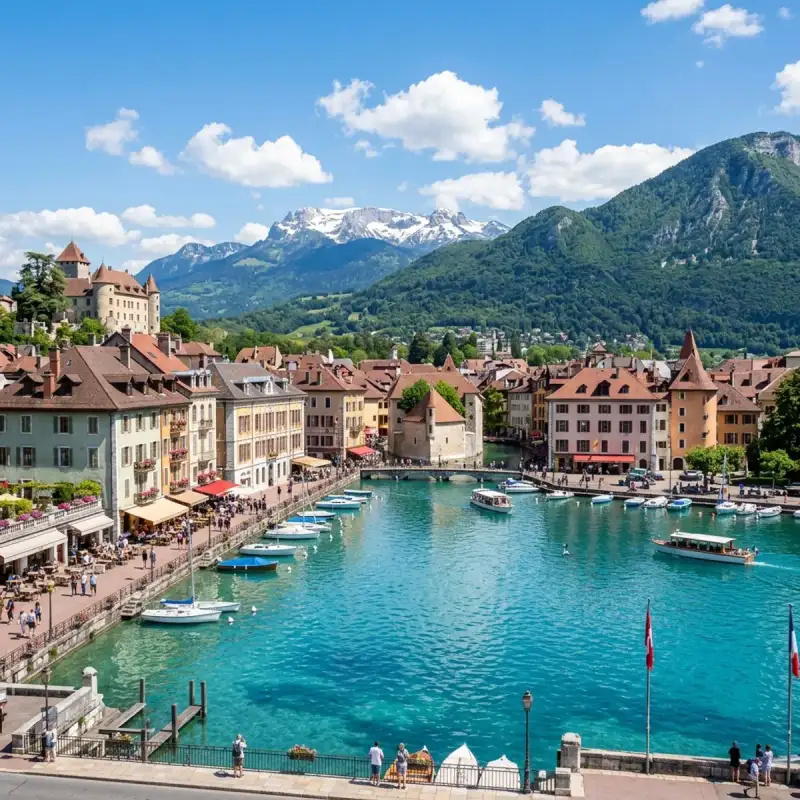
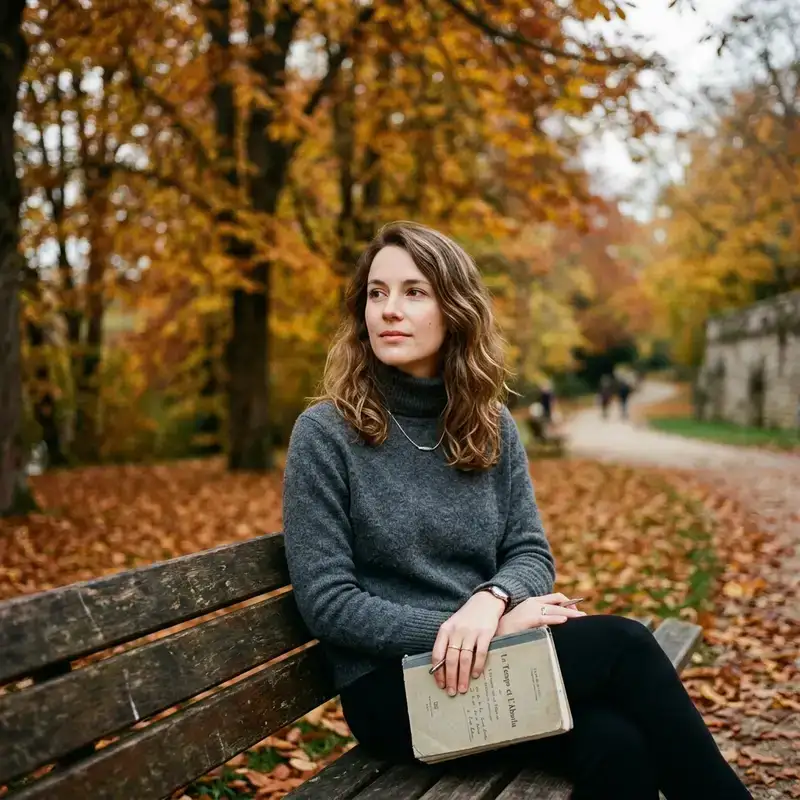
Bienvenue! Let us embark on an unforgettable #journey to the heart of #France. Annecy (US: AN-ə-SEE, ahn-SEE; French: [an(ə)si] ) is the prefecture and largest city of the Haute-Savoie department in the Auvergne-Rhône-Alpes region of Southeastern #France. It lies on the northern tip of Lake Annecy, 35 kilometres (22 mi) south of Geneva, Switzerland. Nicknamed the "Pearl of the French Alps" in Raoul Blanchard's monograph describing its location between lake and mountains, the town controls the northern entrance to the lake gorge. Due to a lack of available building land between the lake and the protected Semnoz mountain, its population has remained stable, around 50,000 inhabitants, since 1950. However, the 2017 merger with several ex-communes extended the population of the city to 128,199 inhabitants and that of the urban area to 177,622, placing Annecy seventh in the Auvergne-Rhône-Alpes region. Switching from the counts of Geneva's dwelling in the 13th century, to the counts of Savoy's in the 14th century, the city became Savoy's capital in 1434 during the Genevois-Nemours prerogative until 1659. Its role increased in 1536, during the Calvinist Reformation in Geneva, while the bishop took refuge in Annecy. Saint Francis de Sales gave Annecy its advanced Catholic citadel role known as Counter-Reformation. The annexation of Savoy merged the city to France in 1860. Sometimes called "Venice of the Alps", this idyllic and touristic representation comes from the three canals and the Thiou river, which passes through the old city. The city experienced an industrial development in the 19th century with silk manufacturing. Some of its industrial legacy remains today with the headquarters of NTN-SNR bearings, Salomon and Dassault Aviation. From the end of the 20th century, Annecy developed tourism around its lake summer facilities, winter resorts proximity and cultural attraction with its castle renovation and fine art museum opening in 1956 and the Animated Film Festival since 1963, hosted in Bonlieu's cultural centre. The municipal environmental policy managed to keep 40.3% of green spaces, and the city was awarded the "Golden Flower" in 2015, given to the nine most-flowered French cities. #history Early history Le vieil Annecy ("Old Annecy"; not to be confused with Annecy-le-Vieux, formerly a neighboring town but now merged into Annecy), was a settlement from the time of the Romans. Annecy was the court of the counts of Geneva or Genevois from the 10th century. It passed to the counts of Savoy in 1401. In 1444, it became the regional capital of the provinces of Genevois, Faucigny and Beaufortain. Counter-Reformation With the advance of Calvinism, Annecy became a centre for the Counter-Reformation, the old Bishopric of Geneva being transferred to it in 1535. Francis of Sales was born in Sales, France in 1567 and served as bishop of Annecy from 1602 to 1622; his relics are preserved in the #cathedral. During the French Revolution, the Savoy region was conquered by France. Annecy became attached to the department of Mont Blanc, whose capital was Chambéry. The Catholic diocese was suppressed in 1801. 1815–present After the Bourbon Restoration in 1815, Annecy was returned to the King of Sardinia and the Catholic diocese restored in 1822. The Hôtel de Ville (city hall) was completed in 1851. When Savoy was annexed to France in 1860 with the Treaty of Turin, it became the capital of the new department of Haute-Savoie. Annecy was the site of the second round of General Agreement on Tariffs and Trade (GATT) talks in 1949. In 2012, a multiple murder occurred in the Annecy area. A new municipality was established on 1 January 2017 with the merger of the former communes of Annecy-le-Vieux, Cran-Gevrier, Meythet, Pringy and Seynod. Administration Annecy is part of four cantons (Annecy-1, Annecy-2, Annecy-3 and Annecy-4); it is the prefecture of Haute-Savoie. Since 2017, Annecy has consisted of six delegate cities: Annecy; Annecy-le-Vieux; Cran-Gevrier; Meythet; Pringy; and Seynod. Local government consists of a city council with 202 members. The number of members in each commune delegate depends upon its population. The Mayor is François Astorg (LE) since 2020. The intercommunality of Annecy, Communauté d'agglomération du Grand Annecy, includes 34 municipalities. Geography The Fier forms part of the commune's northwestern border. The surrounding mountains are Mont Veyrier, Mont Semnoz, La Tournette and Parmelan. Climate Annecy has an oceanic climate (Köppen: Cfb) despite its relatively far inland position. Influenced by its elevation, summers are rather moderate on average, although they can be highly variable with extreme heat spikes. Winters see occasional freezing temperatures, but temperatures most often stay in the single-digits centigrade during the daytime with frequent cold rain. Air frosts are normal during the night and snowfall is not uncommon. #culture Annecy has hosted the Annecy International Animated Film Festival since 1960 and the Rencontres Internationales d'Annecy Cinéma & #architecture since 1999 and it was one of the oldest festivals in France. Sport On 23 July 2009, Annecy played host to Stage 18 of the Tour de France, as the start/finish point for an individual time trial around Lake Annecy. It was also the start town for stage 10 of the 2018 Tour de France on 17 July 2018. Annecy launched a bid to host the 2018 Winter Olympics but lost to Pyeongchang. If they had been chosen, Annecy would have been the fourth French city to host the Winter Olympic Games, after Chamonix (1924), Grenoble (1968), and Albertville (1992). Ligue 1 former team Évian Thonon Gaillard F.C. played their home matches in Annecy. The club was founded in 2007, they grew up to reach Ligue 1, and stayed for four years in the division, thanks to their emblematic manager Pascal Dupraz. The Annecy basin is one of the world's leading locations for the sport of paragliding, an activity of some economic importance to the region. The area regularly hosts major competitions, most recently a leg of the Paragliding World Cup in 2012. Due to its proximity with the lake and the mountains, Annecy is also popular for watersports (sailing, rowing, wakeboarding, water skiing) and wintersports (alpine skiing, snowboarding, Nordic skiing). Le Semnoz, a relatively small ski resort, is 35 minutes away from Annecy. Other bigger ski resorts, La Clusaz and Le Grand Bornand, are only 40 minutes away. Annecy is also very popular among trail runners and many races are organized year round, such as the World Trail Running Championships in 2015. Main sights The Palais de l'Isle is a 12th-century castle on an island in the river Thiou in Annecy's administrative headquarters. It mostly served as a prison and courthouse until the French Revolution. It again was a prison during World War II. The Palais de l'Isle was classified as a Historical Monument in 1900, and today houses a local history museum. The Château d'Annecy (Annecy Castle) was the home of the Counts of Geneva and the Dukes of Genevois-Nemours, an offshoot The 15th century Église Saint-Maurice Education Université Savoie Mont Blanc Polytech'Savoie Population Research organisations LAPP Laboratoire d'Annecy-le-Vieux de Physique des Particules specialized in Physics LISTIC The Computer Science, Systems, Information and Knowledge Processing Laboratory Mecatronics department of CETIM Different R&D activities in the Université de Savoie and its École Polytechnique d'Ingénieurs: Polytech'Savoie. Economy In the 19th century, the primary manufactures were linen and cotton goods, glass, cutlery, earthenware, and leather. The area also carried on linen bleaching and iron mining. By the First World War, it was connected by rail to Aix-les-Bains and there were factories for linen and cotton goods, felt hats, and paper, as well as a "celebrated" bell foundry at Annecy-le-Vieux. Companies located in and around Annecy include: Salomon Group adixen Vacuum Products Sopra Group Ubisoft Annecy Transport The Gare d'Annecy railway station offers connections with Lyon, Geneva, #Paris, Grenoble and several regional destinations. Annecy – Haute-Savoie – Mont Blanc Airport currently used for private air transport only. The nearest passenger airports to Annecy are Chambéry Airport which is 35 km away, Geneva Airport is 45 km away and Lyon Airport which is also 125 km away from Annecy. Twin towns – sister cities Annecy is twinned with: Bayreuth, Germany Cheltenham, England, United Kingdom Liptovský Mikuláš, Slovakia Sainte-Thérèse, Canada Vicenza, Italy Associations Together with other Alpine towns Annecy engages in the Alpine Town of the Year Association for the implementation of the Alpine Convention to achieve sustainable development in the Alpine Arc. Annecy was also Alpine Town of the Year 2012. Notable people Bernard Accoyer (born 1945), politician, President of the National Assembly 2007 to 2012 and Mayor of Annecy-le-Vieux. Bernard Bosson (1948–2017), politician, Govt. minister & Mayor of Annecy Jules Bouyer (born 2002), diver Eustace Chapuys (c. 1490–1556), Imperial ambassador to the English Court of Henry VIII Francis de Sales (1567–1622), bishop of Geneva / Annecy and Catholic Saint. André Dussollier (born 1946), actor Emmanuel Leducq-Barôme (born 1971), conductor, works in Russia Jacques Leveugle (born 1946), retired teacher charged with 89 cases of pedophilia and 2 murders Bernard Miège (born 1941), a media theorist and academic administrator. Guillaume Perret (born 1980), jazz musician and composer Emmanuel Tarpin (born 1992), contemporary jewelry designer Cécile Vogt-Mugnier (1875–1962), brain researcher Sport Louis Lachenal (1921–1955), alpinist, one of the first two mountaineers to climb a summit of more than 8,000 meters. Bernard Collomb (1930–2011), racing driver Vincent Vittoz (born 1975), cross-country skier Johan Clarey (born 1981), alpine skier, silver medallist at the 2022 Winter Olympics Thomas Fanara (born 1981), alpine skier, competed in three Winter Olympics Bernard Grosfilley (1949–2020), alpine skier, competed at the Alpine Ski World Cup David Poisson (born 1982), alpine skier, competed in two Winter Olympics Steve Missillier (born 1984), alpine skier, silver medallist at the 2014 Winter Olympics Jonathan Midol (born 1988), freestyle skier, bronze medallist at the 2014 Winter Olympics Christophe Lemaitre (born 1990), sprinter, bronze medallist at the 2016 Summer Olympics Côme Ledogar (born 1991), racing driver Axelle Mollaret (born 1992), physiotherapist, skyrunner and ski mountaineer Hugo Lapalus (born 1998), cross-country skier, team bronze medallist at the 2022 Winter Olympics Sacha Fenestraz (born 1999), French-Argentine racing driver Loana Lecomte (born 1999), cross-country mountain bike cyclist Sébastien Baud (born 2000), racing driver Associated with the city Jane Frances de Chantal (1572–1641), Holy of the Catholic Church, founded in Annecy the Order of Salesian Sisters Jean Coppier, of the Coppier family, notary in Annecy in 1396. Claude Favre de Vaugelas (1585–1650), man of letters, philologist and grammarian. Jean-Jacques Rousseau (1712–1778), writer and philosopher, spent some time in Annecy. Claude Louis Berthollet (1748–1822), physician and chemist, began medical studies locally in 1760. Eugène Sue (1804–1857), writer, spent his last years in exile in Annecy and died there. References Baynes, T. S., ed. (1878), "Annecy" , Encyclopædia Britannica, vol. 2 (9th ed.), New York: Charles Scribner's Sons, p. 64 Coolidge, William Augustus Brevoort (1911), "Annecy" , in Chisholm, Hugh (ed.), Encyclopædia Britannica, vol. 2 (11th ed.), Cambridge University Press, p. 72 Cultural Impact and Heritage (Part 2) Annecy (US: AN-ə-SEE, ahn-SEE; French: [an(ə)si] ) is the prefecture and largest city of the Haute-Savoie department in the Auvergne-Rhône-Alpes region of Southeastern France. It lies on the northern tip of Lake Annecy, 35 kilometres (22 mi) south of Geneva, Switzerland. Nicknamed the "Pearl of the French Alps" in Raoul Blanchard's monograph describing its location between lake and mountains, the town controls the northern entrance to the lake gorge. Due to a lack of available building land between the lake and the protected Semnoz mountain, its population has remained stable, around 50,000 inhabitants, since 1950. However, the 2017 merger with several ex-communes extended the population of the city to 128,199 inhabitants and that of the urban area to 177,622, placing Annecy seventh in the Auvergne-Rhône-Alpes region. Switching from the counts of Geneva's dwelling in the 13th century, to the counts of Savoy's in the 14th century, the city became Savoy's capital in 1434 during the Genevois-Nemours prerogative until 1659. Its role increased in 1536, during the Calvinist Reformation in Geneva, while the bishop took refuge in Annecy. Saint Francis de Sales gave Annecy its advanced Catholic citadel role known as Counter-Reformation. The annexation of Savoy merged the city to France in 1860. Sometimes called "Venice of the Alps", this idyllic and touristic representation comes from the three canals and the Thiou river, which passes through the old city. The city experienced an industrial development in the 19th century with silk manufacturing. Some of its industrial legacy remains today with the headquarters of NTN-SNR bearings, Salomon and Dassault Aviation. From the end of the 20th century, Annecy developed tourism around its lake summer facilities, winter resorts proximity and cultural attraction with its castle renovation and fine art museum opening in 1956 and the Animated Film Festival since 1963, hosted in Bonlieu's cultural centre. The municipal environmental policy managed to keep 40.3% of green spaces, and the city was awarded the "Golden Flower" in 2015, given to the nine most-flowered French cities. History Early history Le vieil Annecy ("Old Annecy"; not to be confused with Annecy-le-Vieux, formerly a neighboring town but now merged into Annecy), was a settlement from the time of the Romans. Annecy was the court of the counts of Geneva or Genevois from the 10th century. It passed to the counts of Savoy in 1401. In 1444, it became the regional capital of the provinces of Genevois, Faucigny and Beaufortain. Counter-Reformation With the advance of Calvinism, Annecy became a centre for the Counter-Reformation, the old Bishopric of Geneva being transferred to it in 1535. Francis of Sales was born in Sales, France in 1567 and served as bishop of Annecy from 1602 to 1622; his relics are preserved in the cathedral. During the French Revolution, the Savoy region was conquered by France. Annecy became attached to the department of Mont Blanc, whose capital was Chambéry. The Catholic diocese was suppressed in 1801. 1815–present After the Bourbon Restoration in 1815, Annecy was returned to the King of Sardinia and the Catholic diocese restored in 1822. The Hôtel de Ville (city hall) was completed in 1851. When Savoy was annexed to France in 1860 with the Treaty of Turin, it became the capital of the new department of Haute-Savoie. Annecy was the site of the second round of General Agreement on Tariffs and Trade (GATT) talks in 1949. In 2012, a multiple murder occurred in the Annecy area. A new municipality was established on 1 January 2017 with the merger of the former communes of Annecy-le-Vieux, Cran-Gevrier, Meythet, Pringy and Seynod. Administration Annecy is part of four cantons (Annecy-1, Annecy-2, Annecy-3 and Annecy-4); it is the prefecture of Haute-Savoie. Since 2017, Annecy has consisted of six delegate cities: Annecy; Annecy-le-Vieux; Cran-Gevrier; Meythet; Pringy; and Seynod. Local government consists of a city council with 202 members. The number of members in each commune delegate depends upon its population. The Mayor is François Astorg (LE) since 2020. The intercommunality of Annecy, Communauté d'agglomération du Grand Annecy, includes 34 municipalities. Geography The Fier forms part of the commune's northwestern border. The surrounding mountains are Mont Veyrier, Mont Semnoz, La Tournette and Parmelan. Climate Annecy has an oceanic climate (Köppen: Cfb) despite its relatively far inland position. Influenced by its elevation, summers are rather moderate on average, although they can be highly variable with extreme heat spikes. Winters see occasional freezing temperatures, but temperatures most often stay in the single-digits centigrade during the daytime with frequent cold rain. Air frosts are normal during the night and snowfall is not uncommon. Culture Annecy has hosted the Annecy International Animated Film Festival since 1960 and the Rencontres Internationales d'Annecy Cinéma & Architecture since 1999 and it was one of the oldest festivals in France. Sport On 23 July 2009, Annecy played host to Stage 18 of the Tour de France, as the start/finish point for an individual time trial around Lake Annecy. It was also the start town for stage 10 of the 2018 Tour de France on 17 July 2018. Annecy launched a bid to host the 2018 Winter Olympics but lost to Pyeongchang. If they had been chosen, Annecy would have been the fourth French city to host the Winter Olympic Games, after Chamonix (1924), Grenoble (1968), and Albertville (1992). Ligue 1 former team Évian Thonon Gaillard F.C. played their home matches in Annecy. The club was founded in 2007, they grew up to reach Ligue 1, and stayed for four years in the division, thanks to their emblematic manager Pascal Dupraz. The Annecy basin is one of the world's leading locations for the sport of paragliding, an activity of some economic importance to the region. The area regularly hosts major competitions, most recently a leg of the Paragliding World Cup in 2012. Due to its proximity with the lake and the mountains, Annecy is also popular for watersports (sailing, rowing, wakeboarding, water skiing) and wintersports (alpine skiing, snowboarding, Nordic skiing). Le Semnoz, a relatively small ski resort, is 35 minutes away from Annecy. Other bigger ski resorts, La Clusaz and Le Grand Bornand, are only 40 minutes away. Annecy is also very popular among trail runners and many races are organized year round, such as the World Trail Running Championships in 2015. Main sights The Palais de l'Isle is a 12th-century castle on an island in the river Thiou in Annecy's administrative headquarters. It mostly served as a prison and courthouse until the French Revolution. It again was a prison during World War II. The Palais de l'Isle was classified as a Historical Monument in 1900, and today houses a local history museum. The Château d'Annecy (Annecy Castle) was the home of the Counts of Geneva and the Dukes of Genevois-Nemours, an offshoot The 15th century Église Saint-Maurice Education Université Savoie Mont Blanc Polytech'Savoie Population Research organisations LAPP Laboratoire d'Annecy-le-Vieux de Physique des Particules specialized in Physics LISTIC The Computer Science, Systems, Information and Knowledge Processing Laboratory Mecatronics department of CETIM Different R&D activities in the Université de Savoie and its École Polytechnique d'Ingénieurs: Polytech'Savoie. Economy In the 19th century, the primary manufactures were linen and cotton goods, glass, cutlery, earthenware, and leather. The area also carried on linen bleaching and iron mining. By the First World War, it was connected by rail to Aix-les-Bains and there were factories for linen and cotton goods, felt hats, and paper, as well as a "celebrated" bell foundry at Annecy-le-Vieux. Companies located in and around Annecy include: Salomon Group adixen Vacuum Products Sopra Group Ubisoft Annecy Transport The Gare d'Annecy railway station offers connections with Lyon, Geneva, Paris, Grenoble and several regional destinations. Annecy – Haute-Savoie – Mont Blanc Airport currently used for private air transport only. The nearest passenger airports to Annecy are Chambéry Airport which is 35 km away, Geneva Airport is 45 km away and Lyon Airport which is also 125 km away from Annecy. Twin towns – sister cities Annecy is twinned with: Bayreuth, Germany Cheltenham, England, United Kingdom Liptovský Mikuláš, Slovakia Sainte-Thérèse, Canada Vicenza, Italy Associations Together with other Alpine towns Annecy engages in the Alpine Town of the Year Association for the implementation of the Alpine Convention to achieve sustainable development in the Alpine Arc. Annecy was also Alpine Town of the Year 2012. Notable people Bernard Accoyer (born 1945), politician, President of the National Assembly 2007 to 2012 and Mayor of Annecy-le-Vieux. Bernard Bosson (1948–2017), politician, Govt. minister & Mayor of Annecy Jules Bouyer (born 2002), diver Eustace Chapuys (c. 1490–1556), Imperial ambassador to the English Court of Henry VIII Francis de Sales (1567–1622), bishop of Geneva / Annecy and Catholic Saint. André Dussollier (born 1946), actor Emmanuel Leducq-Barôme (born 1971), conductor, works in Russia Jacques Leveugle (born 1946), retired teacher charged with 89 cases of pedophilia and 2 murders Bernard Miège (born 1941), a media theorist and academic administrator. Guillaume Perret (born 1980), jazz musician and composer Emmanuel Tarpin (born 1992), contemporary jewelry designer Cécile Vogt-Mugnier (1875–1962), brain researcher Sport Louis Lachenal (1921–1955), alpinist, one of the first two mountaineers to climb a summit of more than 8,000 meters. Bernard Collomb (1930–2011), racing driver Vincent Vittoz (born 1975), cross-country skier Johan Clarey (born 1981), alpine skier, silver medallist at the 2022 Winter Olympics Thomas Fanara (born 1981), alpine skier, competed in three Winter Olympics Bernard Grosfilley (1949–2020), alpine skier, competed at the Alpine Ski World Cup David Poisson (born 1982), alpine skier, competed in two Winter Olympics Steve Missillier (born 1984), alpine skier, silver medallist at the 2014 Winter Olympics Jonathan Midol (born 1988), freestyle skier, bronze medallist at the 2014 Winter Olympics Christophe Lemaitre (born 1990), sprinter, bronze medallist at the 2016 Summer Olympics Côme Ledogar (born 1991), racing driver Axelle Mollaret (born 1992), physiotherapist, skyrunner and ski mountaineer Hugo Lapalus (born 1998), cross-country skier, team bronze medallist at the 2022 Winter Olympics Sacha Fenestraz (born 1999), French-Argentine racing driver Loana Lecomte (born 1999), cross-country mountain bike cyclist Sébastien Baud (born 2000), racing driver Associated with the city Jane Frances de Chantal (1572–1641), Holy of the Catholic Church, founded in Annecy the Order of Salesian Sisters Jean Coppier, of the Coppier family, notary in Annecy in 1396. Claude Favre de Vaugelas (1585–1650), man of letters, philologist and grammarian. Jean-Jacques Rousseau (1712–1778), writer and philosopher, spent some time in Annecy. Claude Louis Berthollet (1748–1822), physician and chemist, began medical studies locally in 1760. Eugène Sue (1804–1857), writer, spent his last years in exile in Annecy and died there. References Baynes, T. S., ed. (1878), "Annecy" , Encyclopædia Britannica, vol. 2 (9th ed.), New York: Charles Scribner's Sons, p. 64 Coolidge, William Augustus Brevoort (1911), "Annecy" , in Chisholm, Hugh (ed.), Encyclopædia Britannica, vol. 2 (11th ed.), Cambridge University Press, p. 72 #france #travel #history #europe #culture Related InsightsBhutan: Unveiling the Hidden Gem of Gross National Happiness The Glamour and Secrets of the French Riviera The Silent Chronicles of the Steppe: Unearthing the Enigma of Mongolia's Deer Stone Sentinels at Uushgiin Ovor{ "@context": "https://schema.org", "@type": "FAQPage", "mainEntity": [ { "@type": "Question", "name": "What is the main focus of Annecy: The Venice of the Alps?", "acceptedAnswer": { "@type": "Answer", "text": "Join Camille Dubois on a journey exploring Annecy and its incredible history." } }, { "@type": "Question", "name": "Who authored the comprehensive guide on Annecy: The Venice of the Alps?", "acceptedAnswer": { "@type": "Answer", "text": "This detailed article and its insights were carefully researched and authored by Camille Dubois." } }, { "@type": "Question", "name": "Where can I find more related content about Travel?", "acceptedAnswer": { "@type": "Answer", "text": "You can explore more articles, detailed reviews, and similar insights by browsing the Related Insights section at the bottom of this article or visiting our dedicated Travel category page." } } ] }
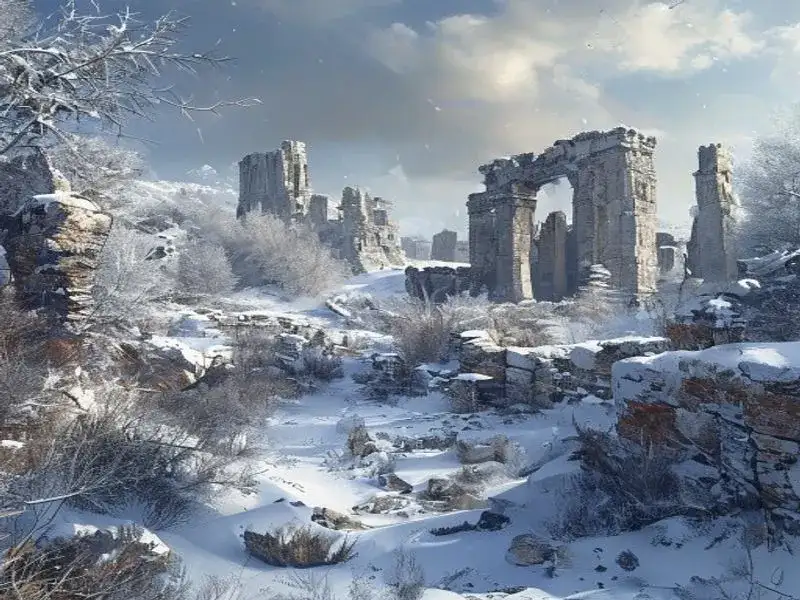

The Ghost City on the Silk Road Nestled on the rugged border between modern-day Turkey and Armenia, the #ancient ruins of Ani whisper tales of a once-glorious past. Often referred to as the "City of 1001 Churches," Ani was a bustling medieval metropolis, serving as the capital of the Bagratid Armenian kingdom in the 10th and 11th centuries. Its strategic location along the Silk Road made it a vital nexus for trade, attracting merchants, artisans, and travelers from across the known world. At its peak, Ani's population surpassed 100,000, rivaling Constantinople, Baghdad, and Cairo in sheer magnificence and economic power. Architectural Marvels of Antiquity The skyline of Ani was once dominated by countless spires and domes, a testament to the unparalleled architectural prowess of its inhabitants. The city's master builders employed cutting-edge techniques, innovating with pointed arches and ribbed vaults long before they became staples of European #gothic #architecture. One of the most striking structures still partially standing is the #cathedral of Ani. Completed in 1001 AD by the legendary architect Trdat, the very same mastermind who repaired the dome of the Hagia Sophia in Constantinople, the cathedral showcases exquisite stonework and a massive, cruciform plan. Even without its towering dome, which collapsed during an earthquake in 1319, the building's sheer scale leaves visitors in awe. Another highlight is the Church of St. Gregory of Tigran Honents. Constructed in 1215, this church features incredibly well-preserved frescoes depicting scenes from the life of Christ and Saint Gregory the Illuminator. The vibrant colors and intricate details offer a rare glimpse into the spiritual and artistic life of the medieval period. A Culinary Crossroad The influx of diverse cultures along the Silk Road deeply influenced the culinary landscape of the region surrounding Ani. Anatolian and Caucasian flavors melded seamlessly, creating unique dishes that have stood the test of time. Travelers passing through would have traded spices like saffron and sumac, while local farmers provided hardy grains like barley and wheat, essential for the harsh Eastern Anatolian winters. Traditional dishes from the Kars province, where Ani is located, still reflect this historical fusion. One such delicacy is piti, a hearty mutton and chickpea stew slowly cooked in individual clay pots. The area is also famous for its exceptional gruyere-style cheese, Kars Kaşarı, introduced by Swiss and German cheesemakers during the 19th-century Russian occupation, proving that the region remained a crossroads of culinary exchange long after Ani's decline. The Fall and Preservation of Ani Ani's golden age was tragically cut short by a series of devastating invasions and natural disasters. Sacked by the Seljuks in 1064, conquered by the Georgians, and later decimated by the Mongols in 1236, the city slowly lost its prominence. A massive earthquake in 1319 dealt the final blow, leading to its gradual abandonment. By the 18th century, the once-great City of 1001 Churches was entirely deserted. Today, Ani stands as a hauntingly #beautiful #UNESCO World Heritage site. Walking amidst the sprawling ruins over the vast, windswept plateau, one can't help but feel a profound connection to the ephemeral #nature of human empires. #AniRuins #CityOf1001Churches #TurkeyTravel #AncientHistory #SilkRoad #KarsTurkey #MedievalArchitecture #TravelTurkey #CulturalHeritage #UNESCOWorldHeritage #travel #exclusive Related InsightsThe Silent Architects of Stone: Unearthing the Last Weavers of Kladenets in Bulgaria's Mystical Rhodopes The Pantanal, Brazil: Unlocking the World’s Largest Wetland and Its Untamed Wildlife Ombre di Storia: Viaggio nel Turismo Oscuro tra Memoria e Mistero{ "@context": "https://schema.org", "@type": "FAQPage", "mainEntity": [ { "@type": "Question", "name": "What is the main focus of Exploring Ani, City of 1001 Churches?", "acceptedAnswer": { "@type": "Answer", "text": "Explore the incredible journey of Exploring Ani, City of 1001 Churches with Emre Yılmaz." } }, { "@type": "Question", "name": "Who authored the comprehensive guide on Exploring Ani, City of 1001 Churches?", "acceptedAnswer": { "@type": "Answer", "text": "This detailed article and its insights were carefully researched and authored by Emre Yılmaz." } }, { "@type": "Question", "name": "Where can I find more related content about Travel?", "acceptedAnswer": { "@type": "Answer", "text": "You can explore more articles, detailed reviews, and similar insights by browsing the Related Insights section at the bottom of this article or visiting our dedicated Travel category page." } } ] }
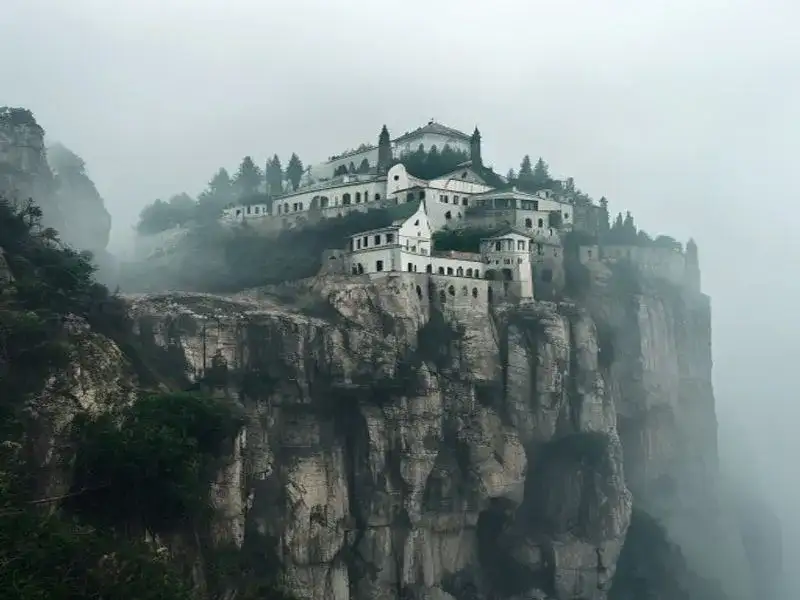
A Sanctuary in the Sky: The Sumela Monastery Clinging precariously to a sheer cliff face in the Pontic Mountains of Turkey's Black Sea region, the Sumela Monastery is a breathtaking architectural marvel. Located at an altitude of approximately 1,200 meters (3,900 feet) within the Altındere National Park, this #ancient Greek Orthodox monastery seems to float in the misty clouds above the lush, evergreen forests of Trabzon. A #history Forged in Legend The origins of the Sumela Monastery are steeped in myth and reverence. According to tradition, it was founded in the year 386 AD, during the reign of the Roman Emperor Theodosius I, by two Athenian monks named Barnabas and Sophronios. Legend dictates that the monks discovered a miraculous icon of the Virgin Mary, believed to have been painted by the Apostle Luke, resting in a cave on the sheer cliff. Interpreting this as a divine sign, they established a sanctuary on that exact spot. Over the centuries, the monastery expanded into a sprawling complex, serving as a vital center of learning and spirituality. It enjoyed a golden age under the #empire of Trebizond in the 13th and 14th centuries and continued to be protected and supported even after the Ottoman conquest of the region in 1461. Ottoman Sultans, including Mehmed the Conqueror, issued decrees ensuring the monastery's protection and privileges, demonstrating a remarkable period of religious tolerance. The Rock Church and Vibrant Frescoes The heart of the Sumela complex is the Rock Church, a natural cavern that was hollowed out and transformed into a spectacular place of worship. The interior and exterior walls of the Rock Church, as well as the adjacent chapels, are adorned with incredibly vibrant and intricate frescoes. These paintings, dating primarily from the 18th and 19th centuries (though some underlying layers are much older), depict biblical scenes, including the Creation of Adam and Eve, the birth of Jesus, and the Last Judgment. Despite suffering damage from the elements and vandalism over the years, the frescoes remain a stunning testament to Byzantine and post-Byzantine artistic traditions. Black Sea Flavors A #journey to Sumela is not just a visual and spiritual experience; it is also an opportunity to delve into the unique culinary traditions of the Black Sea (Karadeniz) region. The steep, rainy terrain makes agriculture challenging, so the local diet relies heavily on the bounties of the sea and hardy crops. After descending from the monastery, visitors should seek out a local pide (Turkish flatbread) restaurant. Trabzon is famous for its distinctive, boat-shaped Trabzon Pidesi, generously topped with local butter, eggs, and a stringy, delicious regional cheese called kolot. Another must-try is Kuymak (also known as Muhlama in neighboring Rize), a rich, fondue-like dish made from cornmeal, local butter, and melted cheese, perfect for warming up after a cool, misty hike in the Pontic Mountains. #SumelaMonastery #Trabzon #BlackSeaRegion #TurkeyTravel #ByzantineArchitecture #Karadeniz #HistoricMonasteries #TravelTurkey #AncientHistory #PonticMountains #travel #exclusive Related InsightsThe Silk Road Revival: Uzbekistan’s Ancient Cities and Modern Wonders The Whispers of the White Gold: Tracing the Carpathian Salt Scribes of Maramureș 西递:中国古代木雕的巅峰{ "@context": "https://schema.org", "@type": "FAQPage", "mainEntity": [ { "@type": "Question", "name": "What is the main focus of Sumela Monastery in the Clouds?", "acceptedAnswer": { "@type": "Answer", "text": "Explore the incredible journey of Sumela Monastery in the Clouds with Emre Yılmaz." } }, { "@type": "Question", "name": "Who authored the comprehensive guide on Sumela Monastery in the Clouds?", "acceptedAnswer": { "@type": "Answer", "text": "This detailed article and its insights were carefully researched and authored by Emre Yılmaz." } }, { "@type": "Question", "name": "Where can I find more related content about Travel?", "acceptedAnswer": { "@type": "Answer", "text": "You can explore more articles, detailed reviews, and similar insights by browsing the Related Insights section at the bottom of this article or visiting our dedicated Travel category page." } } ] }
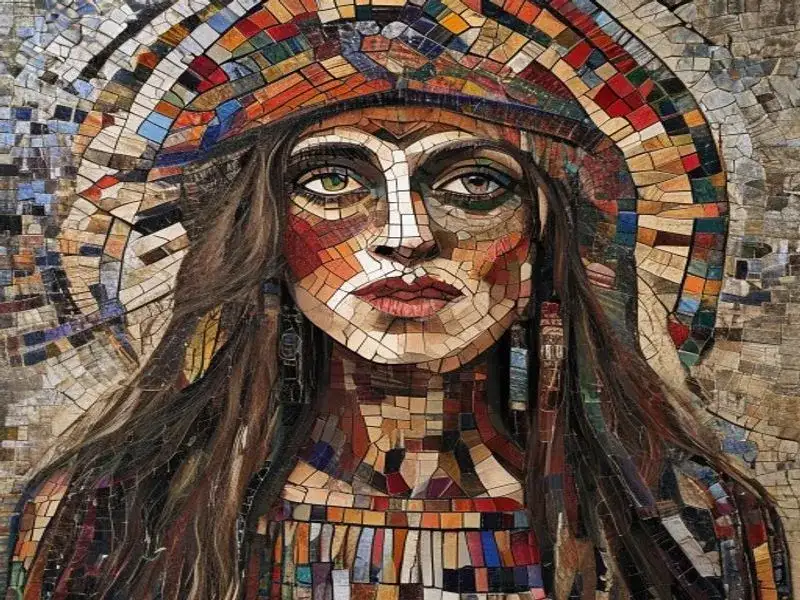
Masterpieces in Stone: The Zeugma Mosaic Museum Situated in the bustling culinary capital of Gaziantep in southeastern Turkey, the Zeugma Mosaic Museum is a sprawling testament to the artistic heights reached by the #ancient Romans. As one of the largest mosaic museums in the world, covering an incredible 30,000 square meters, it houses some of the most intricate and well-preserved Roman floor mosaics ever discovered. A City on the Euphrates The artifacts housed in the museum were rescued from the ancient city of Zeugma, located on the banks of the Euphrates River. Founded around 300 BCE by Seleucus I Nicator, one of Alexander the Great's generals, Zeugma (meaning "bridge" or "crossing" in ancient Greek) thrived due to its strategic position on the Silk Road. By the Roman period, it was a fabulously wealthy metropolis home to affluent merchants, high-ranking military officials, and Roman nobility. These elite citizens decorated their lavish villas with magnificent floor mosaics depicting scenes from Greek and Roman mythology. When the construction of the Birecik Dam in the year 2000 threatened to submerge the ancient city, an intense international rescue excavation was launched to safely recover these priceless artworks before the waters rose. The Gypsy Girl The crown jewel of the museum is undoubtedly the "Gypsy Girl" (Çingene Kızı) mosaic. Despite being only a small fragment of a larger, destroyed floor, the mesmerizing gaze of the subject has captivated visitors worldwide. Housed in a specially darkened room to highlight the intricate tesserae (the small stones used to make the mosaic), the subject’s eyes seem to follow the viewer from every angle. While popularly called the "Gypsy Girl" due to her disheveled hair and prominent cheekbones, historians debate her true identity, with some suggesting she represents a Maenad (a follower of Dionysus) or even Alexander the Great himself. Other notable masterpieces include the massive mosaic of Poseidon, the god of the sea, riding his chariot, and the intricate depiction of the river god Acheloüs. The museum also reconstructs the #architecture of the Roman villas, allowing visitors to view the mosaics from the perspective of their original, wealthy owners. The Culinary Capital of Turkey No trip to the Zeugma Mosaic Museum is complete without exploring the unparalleled culinary scene of Gaziantep. Recognizing its rich gastronomic heritage, #UNESCO inducted Gaziantep into its Creative Cities Network for Gastronomy in 2015. The city is synonymous with pistachios (Antep fıstığı) and baklava. The local baklava, crafted with paper-thin layers of phyllo dough, clarified butter, and vibrant green pistachios, is baked to perfection and soaked in syrup rather than honey. After marveling at the ancient Roman artistry, a plate of warm baklava paired with strong Turkish coffee (Türk kahvesi) or a savory slice of Alinazik kebab (smoked eggplant puree mixed with yogurt and topped with spiced lamb) offers a perfect conclusion to a day of cultural immersion. #Zeugma #MosaicMuseum #Gaziantep #TurkeyTravel #RomanHistory #GypsyGirl #AncientArt #Euphrates #TurkishCuisine #TravelTurkey #travel #exclusive Related InsightsMachu Picchu : Quand les Pierres Éternelles des Incas Murmurent l'Histoire Oubliée au Sommet des Andes Chloe Tremblay’s Epic 10-Day Iceland Ring Road Adventure: A Budgeter’s Paradise and Luxury Dream Sous les Vignobles de la Loire : Le Mystère Énigmatique des Cités Troglodytiques Oubliées{ "@context": "https://schema.org", "@type": "FAQPage", "mainEntity": [ { "@type": "Question", "name": "What is the main focus of Zeugma Mosaic Museum?", "acceptedAnswer": { "@type": "Answer", "text": "Explore the incredible journey of Zeugma Mosaic Museum with Emre Yılmaz." } }, { "@type": "Question", "name": "Who authored the comprehensive guide on Zeugma Mosaic Museum?", "acceptedAnswer": { "@type": "Answer", "text": "This detailed article and its insights were carefully researched and authored by Emre Yılmaz." } }, { "@type": "Question", "name": "Where can I find more related content about Travel?", "acceptedAnswer": { "@type": "Answer", "text": "You can explore more articles, detailed reviews, and similar insights by browsing the Related Insights section at the bottom of this article or visiting our dedicated Travel category page." } } ] }
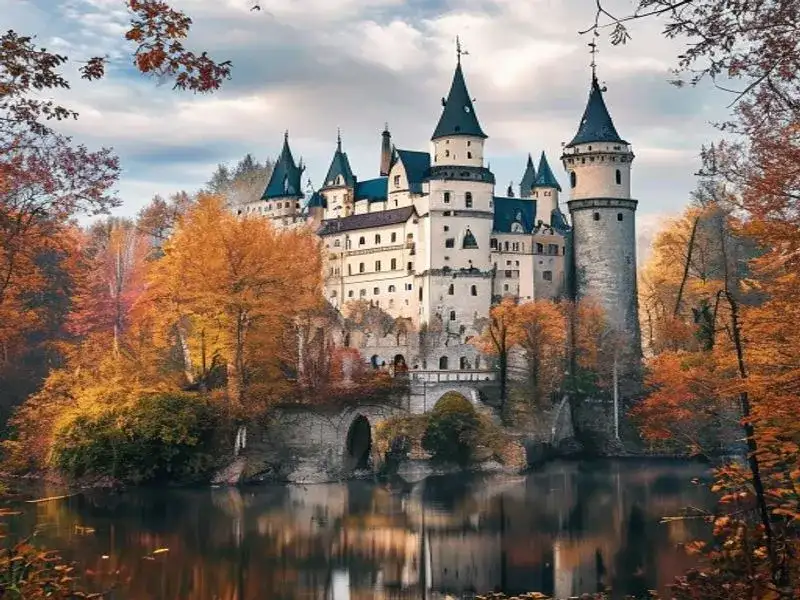
#Schloss Neuschwanstein entdecken: Der Traum eines Märchenkönigs Eingebettet in die zerklüfteten Alpenausläufer im südlichen Bayern, überragt von dunklen Tannenwäldern und mit Blick auf den spiegelglatten Alpsee, thront Schloss Neuschwanstein auf einem schroffen Felsen. Es ist nicht nur das berühmteste Schloss Deutschlands, sondern weltweit der Inbegriff eines Märchenschlosses. Diese majestätische Festung, die Walt Disney sogar als Inspiration für sein Dornröschen-Schloss diente, ist ein steinernes Zeugnis der Träume, Obsessionen und der Tragik ihres Schöpfers: König Ludwig II. von Bayern. Die Vision des "Märchenkönigs" Als König Ludwig II. 1864 den Thron bestieg, war er erst 18 Jahre alt. Der sensible und künstlerisch veranlagte Monarch fühlte sich in der politischen Realität des 19. Jahrhunderts zunehmend unwohl, besonders nach dem Verlust der bayerischen Souveränität an Preußen. Um der Realität zu entfliehen, begann er, sich eigene, fantastische Welten zu erschaffen. 1868 ließ er die Ruinen zweier mittelalterlicher Burgen abtragen, um Platz für seine "Neue Burg Hohenschwangau" (den Namen Neuschwanstein erhielt das Schloss erst nach seinem Tod) zu schaffen. Das Schloss wurde nicht von einem klassischen Architekten entworfen, sondern von einem Theatermaler, Christian Jank. Das erklärte die dramatische, fast bühnenhafte Architektur des Gebäudes, das als idealisierte Version einer mittelalterlichen Ritterburg konzipiert wurde. Neuschwanstein sollte Ludwigs privater Rückzugsort sein und war als riesige, bewohnbare Hommage an die Opern seines Idols Richard Wagner gedacht, insbesondere an "Tannhäuser" und "Lohengrin". Prachtvolle Innenräume und versteckte Hochtechnologie Das Innere des Schlosses ist ein Rausch aus Farben, Gold, schweren Stoffen und opulenten Wandgemälden. Der Thronsaal, der an byzantinische Kirchenarchitektur erinnert, glänzt mit einem riesigen kronleuchterförmigen Messingreif, der die byzantinische Kaiserkrone symbolisiert. Ironischerweise wurde nie ein Thron in diesem Saal aufgestellt, da Ludwig vor der Fertigstellung des Raumes verstarb. Besonders bemerkenswert ist die Tropfsteinhöhle, ein künstlicher Raum zwischen dem Wohn- und Arbeitszimmer des Königs, der mit einer eigenen Beleuchtung und einem kleinen Wasserfall ausgestattet war – eine perfekte Kulisse für Wagners Tannhäuser-Saga. Obwohl das Schloss mittelalterlich anmutet, stattete Ludwig es mit der modernsten Technologie seiner Zeit aus. Es gab eine batteriebetriebene Klingelanlage für die Dienerschaft, Telefonanschlüsse, fließendes Warmwasser, Aufzüge und sogar eine Heißluft-Zentralheizung, die für wohlige Wärme in den eisigen Alpenwintern sorgte. Ein tragisches Ende und ein ewiges Erbe Ludwig II. bewohnte sein Traumschloss insgesamt nur 172 Tage. 1886 wurde er wegen angeblicher Geisteskrankheit abgesetzt und ertrank kurz darauf unter bis heute ungeklärten Umständen im Starnberger See. Das Schloss, das wegen immenser Schulden nie vollständig fertiggestellt wurde (nur 14 der geplanten über 200 Räume wurden vollendet), wurde nur sieben Wochen nach dem Tod des extrem menschenscheuen Königs für die Öffentlichkeit zugänglich gemacht. Heute pilgern jährlich über 1,4 Millionen Menschen nach Hohenschwangau, um das steinerne Vermächtnis des "Kinis" zu bewundern. Die beste Aussicht auf das Schloss bietet die Marienbrücke (benannt nach Ludwigs Mutter Marie von Preußen), die sich in schwindelerregender Höhe über die Pöllatschlucht spannt. Von hier aus wirkt Neuschwanstein wahrhaftig, als wäre es geradewegs einem Märchenbuch entsprungen. #Neuschwanstein #SchlossNeuschwanstein #Märchenkönig #LudwigII #Bavaria #GermanyCastles #RomanticRoad #DisneyCastle #ExploreBavaria #Füssen #travel #exclusive Related InsightsDancing With The Aurora: Unveiling The Arctic’s Celestial Symphony Le Duomo de Florence : L'Aube de la Renaissance Hidden Gems of Eastern Anatolia{ "@context": "https://schema.org", "@type": "FAQPage", "mainEntity": [ { "@type": "Question", "name": "What is the main focus of Schloss Neuschwanstein entdecken?", "acceptedAnswer": { "@type": "Answer", "text": "Explore the incredible journey of Schloss Neuschwanstein entdecken with Felix Müller." } }, { "@type": "Question", "name": "Who authored the comprehensive guide on Schloss Neuschwanstein entdecken?", "acceptedAnswer": { "@type": "Answer", "text": "This detailed article and its insights were carefully researched and authored by Felix Müller." } }, { "@type": "Question", "name": "Where can I find more related content about Travel?", "acceptedAnswer": { "@type": "Answer", "text": "You can explore more articles, detailed reviews, and similar insights by browsing the Related Insights section at the bottom of this article or visiting our dedicated Travel category page." } } ] }

-
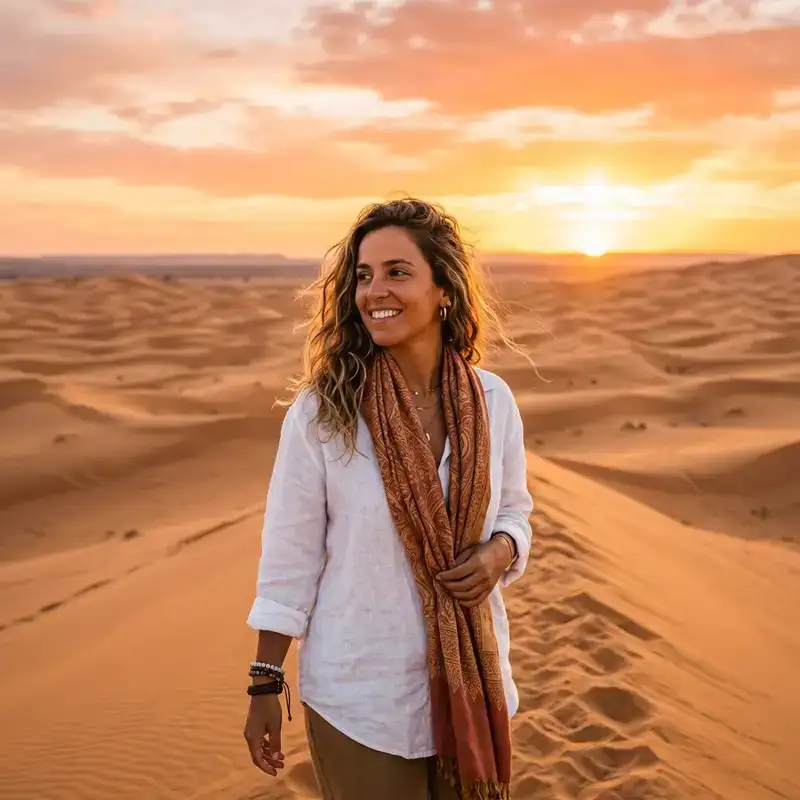 Beatriz Costa
 - 13 Apr, 2026 23:24
Meant to Be Series, Collection Set of 4 Books. If the Shoe Fits, by the Book, Kiss the Girl, Tangled up in You by Julie Murphy Book Review and Summary
Meant to Be Series, Collection Set of 4 Books. If the Shoe Fits, by the Book, Kiss the Girl, Tangled up in You by Julie Murphy Author: Julie MurphyPage Count: UnknownPublication Year: 2024-GB Julie Murphy’s Meant to Be series is a dazzling celebration of love, identity, and the messy, glorious unpredictability of life—wrapped in the warm, unapologetic charm of small-town America. With the Collection Set of four books—If the Shoe Fits, By the Book, Kiss the Girl, and Tangled Up in You—Murphy delivers a quartet of stories that are as vibrant as they are heartfelt, each one a testament to the idea that sometimes, the things meant to be aren’t always the ones we planned. Published in 2024, this box set cements Murphy’s reputation as a master storyteller who knows exactly how to make readers laugh, swoon, and sigh in equal measure. At the heart of the Meant to Be series is a central theme: love isn’t a straight line. It’s a tangled mess of wrong turns, unexpected connections, and the quiet courage to embrace who you are, even when the world tries to box you in. Whether it’s Ellie in If the Shoe Fits navigating a reality TV show that forces her to confront her own insecurities, or Josie in By the Book falling for a woman who challenges her rigid literary worldview, Murphy’s characters are all searching for something—validation, passion, belonging—and finding it in the most unlikely places. The series thrives on the tension between expectation and reality, between the roles society assigns us and the ones we carve out for ourselves. It’s a theme that resonates deeply in a world obsessed with perfection, reminding readers that beauty often lies in the imperfections. Murphy’s writing style is a breath of fresh air—witty, warm, and brimming with heart. Her prose is effortlessly engaging, with dialogue that crackles with authenticity and scenarios that feel both relatable and wildly entertaining. She has a knack for creating characters who are deeply flawed but endlessly likable, people you root for even when they’re making terrible decisions. Whether she’s exploring the complexities of queer love in Kiss the Girl or the messy aftermath of a second chance in Tangled Up in You, Murphy balances humor and emotion with a deft hand, never shying away from the raw, messy parts of life. Her books are the literary equivalent of a cozy blanket on a rainy day—comforting, but never cloying. One of the series’ greatest strengths is its ability to evolve while staying true to its core. Each book in the Meant to Be series can stand alone, but together, they form a tapestry of interconnected stories that celebrate love in all its forms. The small-town setting—likely inspired by Murphy’s own experiences in Texas—serves as a character in its own right, a place where everyone knows your name (and your business), but also where second chances feel not just possible, but inevitable. The setting grounds the stories in a sense of community and belonging, making the emotional highs and lows feel even more powerful. Murphy’s characters are unforgettable, each one a vivid reflection of the human experience. Ellie, the plus-size heroine of If the Shoe Fits, is a revelation—a woman who learns to love herself despite the world’s narrow expectations. Josie, in By the Book, is a bookstore owner who discovers that love isn’t always about grand gestures, but about the quiet moments that build trust. The chemistry between the characters is electric, whether it’s the slow-burn romance of Kiss the Girl or the frenetic, friends-to-lovers dynamic of Tangled Up in You. Murphy excels at writing relationships that feel real, messy, and deeply human, with all the awkwardness and joy that entails. The series also shines a light on the power of found family. In a world where traditional structures are often rigid and unforgiving, Murphy’s characters find solace in the people who accept them unconditionally. Whether it’s the supportive friendships in If the Shoe Fits or the unexpected alliances in By the Book, the books remind readers that love isn’t just about romance—it’s about the people who lift you up when you’re at your lowest. At its core, the Meant to Be series is a love letter to anyone who has ever felt like an outsider. It’s a reminder that the things meant to be aren’t always the ones we expect, and that sometimes, the greatest happiness comes from embracing the unexpected. Murphy’s writing is a celebration of imperfection, of the beauty in not having it all figured out, and of the courage it takes to love—yourself and others—exactly as you are. For readers who love contemporary romance with depth, humor, and heart, the Meant to Be series is a must-read. Julie Murphy has crafted a world that feels like home, where love is messy, life is unpredictable, and happily-ever-afters are earned, not given. This collection is a treasure trove of stories that will make you laugh, cry, and believe in love all over again. #MeantToBeSeries #JulieMurphyBooks #ContemporaryRomance #LoveStories #PlusSizeRepresentation #Bookstagram Related InsightsThe Housemaid Is Watching Book Review and Summary The Hotel New Hampshire Book Review and Summary The Cruel Prince Book Review and Summary{ "@context": "https://schema.org", "@type": "FAQPage", "mainEntity": [ { "@type": "Question", "name": "What is the main focus of Meant to Be Series, Collection Set of 4 Books. If the Shoe Fits, by the Book, Kiss the Girl, Tangled up in You by Julie Murphy Book Review and Summary?", "acceptedAnswer": { "@type": "Answer", "text": "Everything you need to know about Meant to Be Series, Collection Set of 4 Books. If the Shoe Fits, by the Book, Kiss the Girl, Tangled up in You by Julie Murphy with our detailed review." } }, { "@type": "Question", "name": "Who authored the comprehensive guide on Meant to Be Series, Collection Set of 4 Books. If the Shoe Fits, by the Book, Kiss the Girl, Tangled up in You by Julie Murphy Book Review and Summary?", "acceptedAnswer": { "@type": "Answer", "text": "This detailed article and its insights were carefully researched and authored by Beatriz Costa." } }, { "@type": "Question", "name": "Where can I find more related content about Books?", "acceptedAnswer": { "@type": "Answer", "text": "You can explore more articles, detailed reviews, and similar insights by browsing the Related Insights section at the bottom of this article or visiting our dedicated Books category page." } } ] }

The air shimmers with an almost ethereal quality, a gentle warmth rising from the earth itself. As you ascend, the landscape transforms, shedding the familiar greens and browns for an otherworldly spectacle of brilliant white. Before you lies a vision ripped from a dream, a cascade of snow-white terraces brimming with turquoise waters, glistening under the Anatolian sun. This is Pamukkale, Turkey’s "Cotton Castle," a place where geology performs its most poetic dance, creating a realm where the #ancient past whispers from every stone and the present offers a profound connection to #nature's enduring power. To call Pamukkale merely a tourist attraction is to misunderstand its very essence. It is a geological marvel, a historical treasure chest, and a therapeutic sanctuary all rolled into one breathtaking panorama. My #journey to Pamukkale began with the usual expectations of seeing a famous landmark, but what unfolded before me was an experience that transcended mere sightseeing, burrowing deep into the soul and leaving an indelible mark. This is a place that demands exploration, not just with the eyes, but with bare feet tracing the path of millennia, with a mind open to the echoes of empires, and a heart ready to be captivated by unparalleled natural artistry. The Genesis of a Dreamscape: Understanding the Travertines At the heart of Pamukkale’s allure are its renowned travertine terraces. The term "travertine" itself conjures images of ancient Roman baths and grand structures, but here, nature is the architect. Imagine a spring, deep within the earth's crust, heating water to temperatures often exceeding 35 degrees Celsius (95°F). This geothermally heated water is saturated with high concentrations of calcium bicarbonate, dissolved from the limestone bedrock through which it flows. As this water emerges from the earth’s fissures and cascades down the hillside, it undergoes a remarkable transformation. The moment the super-saturated water comes into contact with the cooler air and light, carbon dioxide gas rapidly degasses from it. This process, akin to a fizzy drink losing its fizz when opened, causes the calcium carbonate to precipitate out of the solution. This pure white calcium carbonate then solidifies into a soft, gel-like substance that slowly, incrementally, hardens into travertine. Over millennia, layer upon layer of this mineral deposit has built up, forming the magnificent terraced basins, stalactites, and flowstone formations that characterize Pamukkale. Each terrace acts as a natural pool, capturing the mineral-rich thermal water, creating a mesmerizing staircase of milky-blue oases. The sheer scale of this natural sculpture garden is staggering. The travertines span approximately 2,700 meters (8,860 ft) in length, are 600 meters (1,970 ft) wide, and rise 160 meters (525 ft) high from the plain. It’s a living, breathing geological wonder, constantly being sculpted and reshaped by the very forces that created it. The dazzling white surface, reminiscent of freshly fallen snow, is what gives Pamukkale its poetic name – "Pamuk" meaning cotton, and "kale" meaning castle in Turkish. To walk barefoot across these warm, textured surfaces, feeling the gentle flow of the thermal water between your toes, is to connect with a primal geological rhythm. This unique blend of natural beauty and geological significance is precisely why Pamukkale, along with the ancient city of Hierapolis situated directly above it, was inscribed as a #UNESCO World Heritage site in 1988.However, the preservation of this fragile wonder is paramount. Decades of uncontrolled tourism, including the construction of hotels directly on the travertines and the diversion of water for commercial purposes, led to significant degradation. The brilliant white began to yellow, and some terraces dried out. Thankfully, in the late 20th century, stringent conservation efforts were implemented. Hotels were demolished, water flow was carefully managed to allow different sections to rejuvenate, and strict rules were put in place, including the mandatory removal of shoes when walking on designated areas of the travertines. These measures are a testament to humanity’s ability to correct past mistakes and protect irreplaceable natural heritage for future generations. Hierapolis: An Ancient City of Healing and Splendour Perched atop the "Cotton Castle," as if guarding its snowy slopes, lies the sprawling ruins of Hierapolis. This ancient Greco-Roman city is not merely an adjunct to Pamukkale; it is its integral historical and cultural counterpart. The synergy between the therapeutic thermal springs and the development of a major city dedicated to healing is a fascinating chapter in human #history. Hierapolis, meaning "Holy City," was founded in the 2nd century BC by Eumenes II, king of Pergamon. It quickly rose to prominence not for its strategic location, but for its sacred hot springs, which were believed to have remarkable healing properties. People from across the ancient world flocked here, seeking cures for various ailments, leading to its development as a significant spa town and a center for pilgrimage. The city flourished under Roman rule, reaching its zenith in the 2nd and 3rd centuries AD. Earthquakes, a constant threat in this geologically active region, repeatedly ravaged Hierapolis, but each time, it was rebuilt, often grander than before, a testament to the enduring allure of its healing waters. Walking through Hierapolis is like stepping into a time machine. The sheer scale of its necropolis, the largest in Anatolia, is breathtaking. Thousands of tombs, ranging from sarcophagi to tumuli and house-shaped structures, line the road for over two kilometers, offering a poignant glimpse into the diverse populace who lived and died here. Many came seeking healing, and ultimately found their final resting place in this sacred ground. The city’s monumental theatre is perhaps its most awe-inspiring structure. Built during the reigns of Emperors Hadrian and Septimius Severus, this colossal amphitheater could seat over 15,000 spectators. Its remarkably well-preserved stage building, adorned with intricate marble reliefs depicting mythological scenes and the life of Apollo, is a masterpiece of Roman #architecture and engineering. Standing on the stage, you can almost hear the roar of the crowd, the dramatic declamations, and the melodies of ancient performances echoing across the valley. The panoramic views from the upper tiers, encompassing the sprawling city ruins and the white travertines below, are simply spectacular. Further into the city, you encounter the remnants of grand Roman baths, transformed into the Hierapolis Archaeology Museum. This museum houses an exquisite collection of artifacts discovered during excavations, including sculptures, sarcophagi, and small finds that illuminate daily life in the ancient city. The intricate details on the statues and reliefs offer a profound insight into the artistic prowess and cultural sophistication of Hierapolis’s inhabitants. Another significant site is the Martyrium of St. Philip, one of the twelve apostles, who is believed to have been martyred here in 80 AD. The octagonal structure, surrounded by a complex of chapels and a basilica, marks the traditional site of his martyrdom and is a testament to Hierapolis's importance in early Christian history. For centuries, it served as a significant pilgrimage destination for Christians. As you wander the colonnaded Frontinus Street, the main artery of the city, flanked by the remains of shops, houses, and monumental gates, you can easily envision the bustling life of Hierapolis. The Agora, the sacred pool, and various temples dedicated to Apollo and other deities further enrich the historical tapestry. The city's sophisticated water systems, including its aqueducts, demonstrate the advanced engineering capabilities of its builders, designed to channel the precious thermal waters not only for therapeutic purposes but also for daily needs. Hierapolis and Pamukkale are inextricably linked. The city's existence was predicated on the thermal springs; the springs provided the reason for its fame and prosperity. Today, they form a unified UNESCO World Heritage site, urging visitors to appreciate not just the dazzling white terraces, but also the human story interwoven with them – a story of faith, healing, grandeur, and the relentless march of time. The Allure of Cleopatra's Pool: Swimming Through History No visit to Pamukkale is complete without experiencing the legendary Antique Pool, affectionately known as Cleopatra's Pool. While the name conjures images of the Egyptian queen herself gracing these waters, the historical accuracy of her presence here is debated. However, legend, often more potent than fact, insists that she did indeed swim here, drawn by the same therapeutic properties that attracted countless others. The pool itself is a marvel. Imagine swimming in crystal-clear, mineral-rich thermal water, comfortably warm at around 36 degrees Celsius (97°F), amidst ancient Roman columns and architectural fragments that collapsed during an earthquake in the 7th century AD. These submerged ruins, including parts of the #temple of Apollo, create an otherworldly experience. As you glide through the water, brushing past millennia-old marble, you are literally swimming through history. The effervescent bubbles rising from the depths, caused by the underlying geological activity, create a natural jacuzzi effect, enhancing the sensation of relaxation and rejuvenation. The water, rich in calcium, magnesium, and bicarbonate, is renowned for its purported benefits for skin conditions, circulatory problems, and rheumatic ailments. Whether for its therapeutic properties or simply the sheer novelty of it, a dip in Cleopatra's Pool is an unforgettable experience, a moment of profound connection with the past, surrounded by the beauty of nature and the remnants of a glorious civilization. It’s a place where you can close your eyes and almost feel the presence of Romans, Greeks, and perhaps even queens, all seeking solace and healing in these timeless waters. Beyond the Mainstay: Deeper Dives and Local Flavors While the travertines, Hierapolis, and Cleopatra's Pool are undoubtedly the main draws, a truly immersive experience of Pamukkale involves looking a little further afield and engaging with the local #culture. For those interested in exploring more ancient sites, the nearby city of Laodicea is a worthy excursion. Just a short drive from Pamukkale, Laodicea was one of the Seven Churches of Asia Minor mentioned in the Book of Revelation and a prominent city in its own right. Extensive archaeological work has brought many of its magnificent structures to light, including two theatres, a stadium, temples, and a grand church. Its sheer size and ongoing excavations make it a fascinating complement to Hierapolis, offering a broader understanding of ancient Phrygian and Roman civilization in the region. Another intriguing natural wonder in the vicinity is Kaklık Cave, often referred to as "Pamukkale under the ground." This lesser-known cave features a similar formation process to Pamukkale, with thermal waters creating white travertine formations and terraced pools within a subterranean environment. It offers a unique perspective on the geological forces at play in the Denizli region, away from the crowds of its more famous cousin. When it comes to local culture, the town of Denizli, the provincial capital, is a vibrant hub. Denizli is famous for its textiles, particularly its high-quality towels and bathrobes, often featuring the distinctive Denizli rooster motif. Exploring the local markets and shops offers an opportunity to pick up authentic souvenirs and experience the region's craftsmanship. The local cuisine in Denizli is also a delight, with dishes featuring fresh produce and regional specialties. Don't miss the chance to try "Denizli Kebabı," a slow-roasted lamb dish, or sample some of the local cheeses and olives. Practicalities for the Modern Wanderer To truly unlock the magic of Pamukkale, a little preparation goes a long way. Best Time to Visit: The shoulder seasons (April-May and September-October) offer the most pleasant weather, with warm days ideal for walking and exploring, and fewer crowds than the peak summer months. Summer (June-August) can be scorching, though the warm thermal pools offer a welcome respite. Winter (November-March) is cooler and quieter, but some facilities might be reduced, and the landscape might feel less vibrant. Getting There: The nearest airport is Denizli Cardak Airport (DNZ), with regular flights from #Istanbul. From the airport, shuttles and taxis can take you to Pamukkale village (approximately 1 hour). Alternatively, Pamukkale is well-connected by intercity buses from major Turkish cities like Istanbul, Izmir, and Antalya to Denizli Otogar (bus station), from where local minibusses (dolmuş) frequently #travel to Pamukkale. Accommodation: You can choose to stay in the small, charming Pamukkale village, offering a range of guesthouses and boutique hotels within walking distance of the travertines. Alternatively, the larger city of Denizli provides more upscale hotel options and a wider array of restaurants, though it requires a short commute to the site. Navigating the Site: The Pamukkale-Hierapolis site has several entrances. The south gate is often recommended for those arriving by car, as it allows you to walk downhill through Hierapolis towards the travertines. The north gate is also convenient, particularly for those staying in the village. Remember to bring a bag for your shoes, as walking barefoot on the designated travertine paths is mandatory for preservation. What to Bring:Sunscreen and a hat: The white surfaces reflect sunlight intensely. Swimsuit: For Cleopatra's Pool and potentially some of the travertine pools. Towel: Essential for after your swims. Water bottle: Stay hydrated, especially during warmer months. Comfortable walking shoes: For exploring Hierapolis. Camera: To capture the incredible scenery.Responsible Tourism: Pamukkale is a delicate ecosystem and an invaluable historical site. Adhere to all rules, especially those regarding walking barefoot on the travertines and staying within marked paths. Do not touch or remove any ancient artifacts. Support local businesses and engage respectfully with the culture.The Enduring Magic As the sun begins its descent, casting long, dramatic shadows across the terraces, painting the white with hues of orange and pink, the "Cotton Castle" reveals yet another layer of its magic. The soft light illuminates the steam rising from the pools, creating an almost mystical atmosphere. It's in these quiet moments that the true essence of Pamukkale settles in. It is more than just a collection of #beautiful sights; it is a sensory journey through time and nature. The warm, mineral-rich waters soothe tired muscles, the vastness of Hierapolis ignites the imagination, and the sheer uniqueness of the landscape leaves one humbled by the earth's artistry. It speaks of ancient civilizations seeking healing, of geological processes unfolding over millions of years, and of a continuous human connection to the power of nature. The magic of Pamukkale lies in its ability to transport you, to make you feel part of something ancient and grand, to remind you of the incredible beauty and complexity of our world. It's a place that transcends the ordinary, inviting you not just to observe, but to participate in its timeless story. It beckons, a shimmering white beacon in the heart of Anatolia, promising an experience that will linger long after the memory of the warm water on your feet has faded. Go, and discover its enchantment for yourself.#PamukkaleTravel #TurkeyGuide #AncientCities #ThermalSprings #WorldHeritage #travel #explore #guide Related InsightsBreathing the Andes: Mastering Survival on the High-Altitude Trail Ethiopia’s Danakil Depression: Where Earth’s Hellish Beauty Meets Alien Landscapes The Silk Road's Nomadic Hospitality: Yurt Stays in Kyrgyzstan (Part 2){ "@context": "https://schema.org", "@type": "FAQPage", "mainEntity": [ { "@type": "Question", "name": "What is the main focus of The Magic of Pamukkale?", "acceptedAnswer": { "@type": "Answer", "text": "A deep dive into The Magic of Pamukkale with Cemre Seyyah." } }, { "@type": "Question", "name": "Who authored the comprehensive guide on The Magic of Pamukkale?", "acceptedAnswer": { "@type": "Answer", "text": "This detailed article and its insights were carefully researched and authored by Cemre Seyyah." } }, { "@type": "Question", "name": "Where can I find more related content about Travel?", "acceptedAnswer": { "@type": "Answer", "text": "You can explore more articles, detailed reviews, and similar insights by browsing the Related Insights section at the bottom of this article or visiting our dedicated Travel category page." } } ] }
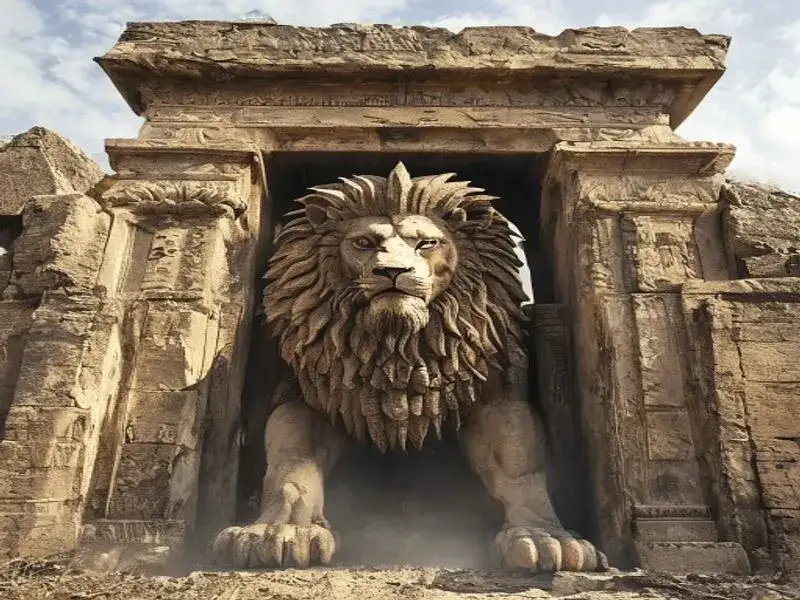
Unveiling Hattusa: The Heart of the Hittite #empire Nestled in the rugged, rolling hills of central Anatolia, near the modern town of Boğazkale, lie the monumental ruins of Hattusa. For over four centuries during the Late Bronze Age (circa 1600–1180 BCE), this sprawling city served as the formidable capital of the Hittite Empire. A superpower of its time, the Hittite Empire rivaled #ancient Egypt and Babylon, dominating much of Anatolia and northern Syria. Today, Hattusa stands as a remarkable #UNESCO World Heritage site, a testament to a civilization that fundamentally shaped the geopolitics of the ancient Near East. The Great Walls and Gates of Hattusa Approaching Hattusa is a humbling experience. The city's defenses were legendary, built upon rocky terrain and fortified by massive cyclopean stone walls spanning over six miles. The Hittites were masterful engineers, creating complex defensive structures that utilized the natural topography. The most iconic features of the city's perimeter are its intricately carved gates. The Lion Gate, flanked by two imposing lion sculptures, served to ward off evil spirits and protect the city's inhabitants. The Sphinx Gate, originally topped with four magnificent sphinxes, highlights the cultural exchange between the Hittites and their Egyptian rivals. Perhaps the most intriguing is the King's Gate, which features a striking relief of a warrior god, showcasing the distinctive Hittite artistic style with its emphasis on power and divine protection. The First Peace Treaty in #history One of the most significant discoveries unearthed at Hattusa is not a monument, but a library. Archaeologists have recovered over 30,000 clay tablets inscribed in cuneiform, detailing everything from legal codes and mythological epics to diplomatic correspondence. Among these archives was the Treaty of Kadesh, signed in 1259 BCE by the Hittite King Hattusili III and the Egyptian Pharaoh Ramesses II. Following the epic Battle of Kadesh, this document established a mutual non-aggression pact and a defensive alliance. It is widely recognized as the world's first recorded peace treaty. In a #beautiful nod to its historical importance, a replica of the treaty is prominently displayed at the United Nations headquarters in New York. Culinary Glimpses from the Bronze Age The cuneiform tablets of Hattusa also provide fascinating insights into the diet and culinary practices of the Hittites. Agriculture was the backbone of their economy, heavily reliant on the cultivation of wheat and barley. Bread was a staple, and the texts mention over 150 different types of baked goods, including sweet breads flavored with honey, figs, and sesame. Meat was generally reserved for the elite or special religious festivals. Rituals often involved the sacrifice of sheep and cattle, followed by communal feasts. The Hittites also enjoyed a variety of fermented beverages, including barley beer and wine, pointing to an early, sophisticated understanding of fermentation techniques in Anatolia. The Mysterious Collapse Around 1180 BCE, the Hittite Empire abruptly collapsed, and Hattusa was abandoned and largely destroyed by fire. This event is part of the broader Late Bronze Age collapse that swept across the Eastern Mediterranean, a mysterious period characterized by famine, earthquakes, and invasions by the enigmatic "Sea Peoples." Although the exact cause of Hattusa's fall remains a subject of intense debate among historians, the ruins left behind offer a hauntingly beautiful window into a once-mighty civilization. #Hattusa #HittiteEmpire #TurkeyTravel #AncientAnatolia #BronzeAge #TreatyOfKadesh #Archaeology #HistoryTravel #UNESCO #Bogazkale #travel #exclusive Related Insights清水寺: 断崖に立つ祈りの舞台 Wandering Through Ephesus L'Eterna Seduzione della Costa Azzurra: Tra Scogliere di Porfido e Misteri Belle Époque{ "@context": "https://schema.org", "@type": "FAQPage", "mainEntity": [ { "@type": "Question", "name": "What is the main focus of Hattusa: The Hittite Capital?", "acceptedAnswer": { "@type": "Answer", "text": "Explore the incredible journey of Hattusa: The Hittite Capital with Emre Yılmaz." } }, { "@type": "Question", "name": "Who authored the comprehensive guide on Hattusa: The Hittite Capital?", "acceptedAnswer": { "@type": "Answer", "text": "This detailed article and its insights were carefully researched and authored by Emre Yılmaz." } }, { "@type": "Question", "name": "Where can I find more related content about Travel?", "acceptedAnswer": { "@type": "Answer", "text": "You can explore more articles, detailed reviews, and similar insights by browsing the Related Insights section at the bottom of this article or visiting our dedicated Travel category page." } } ] }
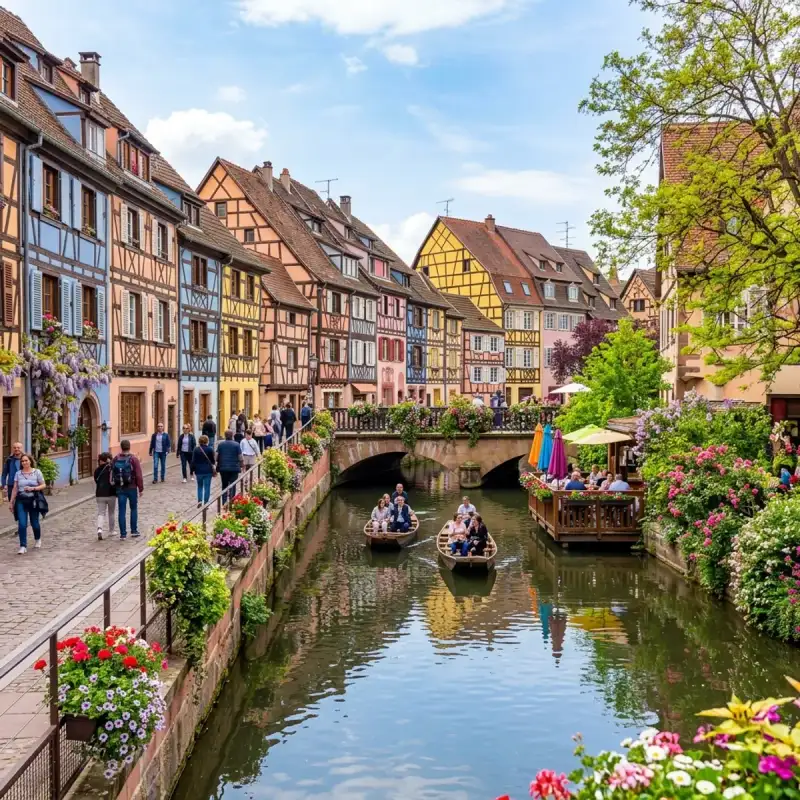
Bienvenue! Let us embark on an unforgettable #journey to the heart of #France. Colmar (French pronunciation: [kɔlmaʁ]; Alsatian: Colmer [ˈkolməʁ]; German: Colmar or Kolmar) is a city and commune in the Haut-Rhin department and Alsace region of north-eastern #France. The third-largest commune in Alsace (after Strasbourg and Mulhouse), it is the seat of the prefecture of the Haut-Rhin department and of the subprefecture of the Colmar-Ribeauvillé arrondissement. Colmar was first mentioned in the 9th century and grew into an important medieval trading town within the Holy Roman #empire. In the 17th century it was annexed by France under Louis XIV, though it retained a distinct German character due to its location, predominant language, and #culture. The city shifted between French and German control multiple times, before being permanently restored to France in 1945. The city is known for its well-preserved old town, numerous architectural landmarks, its blend of French and German heritage and its museums, among which is the Unterlinden Museum, which houses the Isenheim Altarpiece. Colmar is located on the Alsatian Wine Route and considers itself to be the capital of Alsatian wine (capitale des vins d'Alsace). #history Colmar was first mentioned by Charlemagne in his chronicle about Saxon wars. This was the location where the Carolingian Emperor Charles the Fat held a diet in 884. Colmar was granted the status of a free imperial city by Emperor Frederick II in 1226. In 1354 it joined the Décapole city league. The city adopted the Protestant Reformation in 1575, long after the northern neighbours of Strasbourg and Sélestat. During the Thirty Years' War, it was taken by the Swedish army in 1632, which held it for two years. In 1634, the Schoeman family arrived and started the first town library. In 1635, the city's harvest was spoiled by Imperialist forces while the residents shot at them from the walls. The city was conquered by France under King Louis XIV in 1673 and officially ceded by the 1679 Treaties of Nijmegen. In 1854 a cholera epidemic killed many in the city. With the rest of Alsace, Colmar was ceded to the newly formed German Empire in 1871 as a result of the Franco-Prussian War and incorporated into the Alsace–Lorraine province. It returned to France after World War I according to the 1919 Treaty of Versailles, was annexed by Nazi Germany in 1940, and then reverted to French control after the battle of the "Colmar Pocket" in 1945. Colmar has been continuously governed by conservative parties since 1947, the Popular Republican Movement (1947–1977), the Union for French Democracy (1977–1995) and the Union for a Popular Movement (since 1995), and has had only three mayors during that time. The Colmar Treasure, a hoard of precious objects hidden by Jews during the Black Death, was discovered here in 1863. Geography Colmar is 64 kilometres (40 mi) south-southwest of Strasbourg, at 48.08°N, 7.36°E, on the River Lauch, a tributary of the Ill. It is located immediately to the east of the Vosges and connected to the Rhine in the east by a canal. In 2022 the commune of Colmar had a population of 67,360, and the metropolitan area of Colmar had a population of 199,627. Colmar is the centre of the arrondissement of Colmar-Ribeauvillé. Climate Colmar has an oceanic climate (Köppen: Cfb) but it is significantly modified by the city's location far inland, with cold, dry winters and warm to hot, wetter summers. The city has a sunny microclimate and is one of the driest cities in France, with an annual precipitation of just 595 mm (23.4 in), making it ideal for Alsace wine. It is considered the capital of the Alsatian wine region. The town's dryness is due to its location near the mountains, which force clouds arriving from the west to rise. Most of their moisture condenses and falls over the higher ground, leaving the air warm and dry by the time it reaches Colmar. The city therefore has more of a continental climate and winter and summer temperatures can sometimes be the lowest or highest in France. Population Main sights Mostly spared from the destructions of the French Revolution and the wars of 1870–1871, 1914–1918 and 1939–1945, the cityscape of old-town Colmar is homogeneous and renowned among tourists. An area that is crossed by canals of the river Lauch (which formerly served as the butcher's, tanner's and fishmonger's quarter) is now called "little Venice" (la Petite Venise). Architectural landmarks Colmar's secular and religious architectural landmarks reflect eight centuries of Germanic and French #architecture and the adaptation of their respective stylistic language to the local customs and building materials (pink and yellow Vosges sandstone, timber framing). =### Secular buildings= Maison Adolph – 14th century (German #gothic) Koïfhus, also known as Ancienne Douane – 1480 (German Gothic) Maison Pfister – 1537 (German Renaissance). Ancien Corps de garde – 1575 (German Renaissance) Maison des Chevaliers de Saint-Jean – 1608 (German Renaissance) Maison des Têtes – 1609 (German Renaissance) Poêle des laboureurs – 1626 (German Baroque) Ancien Hôpital – 1736–1744 (French Classicism) Tribunal de grande instance – 1771 (French Classicism) Hôtel de Ville – 1790 (French Classicism) Colmar prison – 1791, formerly a convent built in 1316. Cour d'Assises – 1840 (French Neoclassicism) Théâtre municipal – 1849 (French Neoclassicism) Marché couvert – 1865 (French Neo-Baroque). The city's covered market, built in stone, bricks and cast iron, still serves today. Préfecture – 1866 (French Neo-Baroque) Water tower – 1886. Oldest still preserved water tower in Alsace. Out of use since 1984. Gare SNCF – 1905 (German Neo-Baroque) Cour d'appel – 1906 (German Neo-Baroque) =### Religious buildings= Église Saint-Martin – 1234–1365. The largest church of Colmar and one of the largest in Haut-Rhin. Displays some early stained glass windows, several Gothic and Renaissance sculptures and altars, a grand Baroque organ case. The choir is surrounded by an ambulatory opening on a series of Gothic chapels, a unique feature in Alsatian churches. Église des Dominicains – 1289–1364. Now deconsecrated as a church, displays Martin Schongauer's masterwork Madonna of the Rose Bower as well as 14th century stained glass windows and baroque choir stalls. The adjacent convent buildings house a section of the municipal library. Église Saint-Matthieu – 13th century. Gothic and Renaissance stained glass windows and mural paintings, as well as a wooden and painted ceiling. Couvent des Antonins – 13th century. Deconsecrated church and convent buildings notable for a richly ornate cloister. Now housing the Unterlinden Museum (see below). Église Sainte-Catherine – 1371. Deconsecrated church and convent buildings now used as an assembly hall and festival venue (Salle des Catherinettes). Chapelle Saint-Pierre – 1742–1750. Classicist chapel of a former Jesuit college. Synagogue – 1843 (Neoclassicism) =### Fountains= Fontaine de l'Amiral Bruat – 1864 (Statue by Bartholdi) Fontaine Roeselmann – 1888 (Statue by Bartholdi) Fontaine Schwendi – 1898 (Statue by Bartholdi) =### Monuments= Monument du Général Rapp – 1856 (first shown 1855 in #Paris. Statue by Bartholdi, his earliest major work) Monument Hirn – 1894 (Statue by Bartholdi) Statue Les grands soutiens du monde − 1902 (in the courtyard of the Bartholdi Museum) Statue of Liberty (Liberty Enlightening the World) replica Museums Unterlinden Museum – one of the main museums in Alsace. Displays the Isenheim Altarpiece, a large collection of medieval, Renaissance and baroque Upper-Rhenish paintings and sculptures, archaeological artefacts, design and international modern art. Musée Bartholdi – the birthplace of Frédéric Auguste Bartholdi shows his life and work through paintings, drawings, family objects and furniture as well as numerous plaster, metal and stone sculptures. A section of the museum is further dedicated to the local Jewish community's heritage. Musée d'histoire naturelle et d'ethnographie – the zoological and ethnographic museum of Colmar was founded in 1859. Besides a large collection of taxidermied animals, and artefacts from former French and German colonies in Africa and Polynesia, it also houses a collection of #ancient Egyptian items. Musée du jouet – the town's toy museum, founded 1993. Musée des usines municipales – industrial and technological museum in a former factory, dedicated to the history of everyday technology. Choco-Story Colmar - museum presenting the history of chocolate, with regional history displays, the ability to taste different chocolates and artworks made of chocolate Library The Municipal Library of Colmar (Bibliothèque municipale de Colmar) owns one of the richest collections of incunabula in France, with more than 2,300 volumes. This is quite an exceptional number for a city that is neither the main seat of a university, nor of a college, and has its explanation in the dissolution of local monasteries, abbeys and convents during the French Revolution and the subsequent gift of their collections to the town. Transport The small regional Colmar Airport serves Colmar. The nearest international airports are EuroAirport Basel Mulhouse Freiburg which is located 52 km away and Strasbourg Airport located 68 km away from Colmar. The railway station Gare de Colmar offers connections to Strasbourg, Mulhouse, Besançon, Zürich and several regional destinations. Colmar was also once linked to Freiburg im Breisgau, in Germany and on the other side of the Rhine, by the Freiburg–Colmar international railway. However the railway bridge over the Rhine between Breisach and Neuf-Brisach was destroyed in 1945 and never replaced. Education Senior high schools in Colmar include: Lycée Bartholdi Lycée Camille Sée Lycée polyvalent Blaise Pascal Lycée polyvalent Martin Schongauer Lycée privé Saint-André Lycée professionnel privé Saint-Jean École privée Mathias Grunewald Colmar shares the Université de Haute-Alsace (Upper Alsace University) with the neighbouring, larger city of Mulhouse. Of the approximately 8,000 students of the UHA, around 1,500 study at the Institut universitaire de technologie (IUT) Colmar, at the Colmar branch of the Faculté des Sciences et Techniques and at the Unité de Formation et de Recherche Pluridisciplinaire d'Enseignement Professionalisé Supérieur (UFR PEPS). The École Compleméntaire Pour L'Enseignement Japonaise à Colmar (コルマール補習授業校 Korumāru Hoshū Jugyō Kō), a part-time supplementary Japanese school, is held in Colmar. At one time classes were held at the Centre Cultural de Seijo. Music Since 1980, Colmar is home to an international summer festival of classical music Festival de Colmar (also known as Festival international de musique classique de Colmar). In its first version (1980 to 1989), it was placed under the artistic direction of the German conductor Karl Münchinger. Since 1989, it is helmed by the Russian violinist and conductor Vladimir Spivakov. Economy Colmar is an affluent city whose primary economic strength lies in the flourishing tourist industry. But it is also the seat of several large companies: Timken (European seat), Liebherr (French seat), Leitz (French seat), Capsugel France (A division of Pfizer). Every year since 1947, Colmar is host to what is now considered as the biggest annual commercial event as well as the largest festival in Alsace, the Foire aux vins d'Alsace (Alsacian wine fair). When Air Alsace existed, its head office was on the grounds of Colmar Airport. Parks and recreation By 1991 Lycée Seijo, a Japanese boarding high school in Kientzheim, had established a Japanese cultural center. It housed books and printed materials in Japan and hosted lectures and film screenings. Sports Colmar has the following notable sports organizations, accommodations and events. SR Colmar, a football club Ladhof Stadium, a football field Paris-Colmar, a racewalking competition Notable people Caspar Isenmann (1410? – 1484?), painter Martin Schongauer (1450–1491), painter and engraver Georg Wickram (1502–1562), poet and novelist Jean-François Rewbell (1747–1807), diplomat and revolutionist Jean Rapp (1771–1821), lieutenant general Conrad Berg (1785–1852), composer Charles Xavier Thomas (1785–1870), inventor Marie Bigot (1786–1820), musician, pianist and composer, friend of Haydn and Beethoven Armand Joseph Bruat (1796–1855), admiral Georges-Charles de Heeckeren d'Anthès (1812–1895), politician, killer of Alexander Pushkin in a duel Auguste Nefftzer (1820–1876), journalist Frédéric Auguste Bartholdi (1834–1904), sculptor. He created Liberty Enlightening the World (the Statue of Liberty). Camille Sée (1847–1919), politician Jean-Baptiste Lemire (1867–1945), composer Jean-Jacques Waltz (1873–1951), drawer and caricaturist Ernst Stadler (1883–1914), Alsatian poet Paul Wormser (1905–1944), Olympic épée fencer Hans Loewald (1906–1993), psychoanalyst and theorist Jean-Pierre Muller (1924–2008), Olympic epee fencer Bernard Schmitt (1929–2014), economist and founder of the "Quantum Economics" Christian de Chergé (1937-1996), Trappist monk and one of the Tibhirine monks Guy Roux (born 1938), football coach Pierre Moerlen (1952–2005), musician, drummer and composer Pierre Hermé (born 1961), confectioner, entrepreneur and pastry chef Thomas Bloch (born 1962), musician Éric Straumann (born 1964), politician Pascal Elbé (born 1967), actor, director and screenwriter Marc Keller (born 1968), football player Cendrine Wolf (born 1969), children's author Pascal Johansen (born 1979), football player Nicolas Armindo (born 1982), racing driver Amaury Bischoff (born 1987), football player Fabien Schmidt (born 1989), professional cyclist Ryad Boudebouz (born 1990), Algerian-French footballer International relations Twin towns – sister cities Colmar is twinned with: Replicas of historical buildings in Malaysia Bukit Tinggi Resort Colmar Tropicale which is situated in Bentong district, State of Pahang, Malaysia is a resort-theme historical village inspires from the original Colmar commune in France. Colmar Tropicale located 60 km north-east of Kuala Lumpur. North of it, a rebuild of Château du Haut-Kœnigsbourg is in the Berjaya Hills, hosting an organic resort hotel. In popular culture Colmar's cityscape (and that of neighbouring Riquewihr) served as inspiration for the design of the Japanese animated film Howl's Moving Castle. Scenes in the anime Is the Order a Rabbit? are also based on this location. Colmar appears as a map in Day of Defeat: Source set in 1944. Germans and American soldiers try to blow up each other's objectives. #france #travel #history #europe #culture Related InsightsMount Ararat Mysteries Mahoma: El Profeta del Islam Beyond Merv's Veil: Unearthing Turkmenistan's Ghost Oases of the Silk Road{ "@context": "https://schema.org", "@type": "FAQPage", "mainEntity": [ { "@type": "Question", "name": "What is the main focus of Colmar and the Alsace Wine Route: A Colorful Escape?", "acceptedAnswer": { "@type": "Answer", "text": "Join Camille Dubois on a journey exploring Colmar and the Alsace Wine Route and its incredible history." } }, { "@type": "Question", "name": "Who authored the comprehensive guide on Colmar and the Alsace Wine Route: A Colorful Escape?", "acceptedAnswer": { "@type": "Answer", "text": "This detailed article and its insights were carefully researched and authored by Camille Dubois." } }, { "@type": "Question", "name": "Where can I find more related content about Travel?", "acceptedAnswer": { "@type": "Answer", "text": "You can explore more articles, detailed reviews, and similar insights by browsing the Related Insights section at the bottom of this article or visiting our dedicated Travel category page." } } ] }
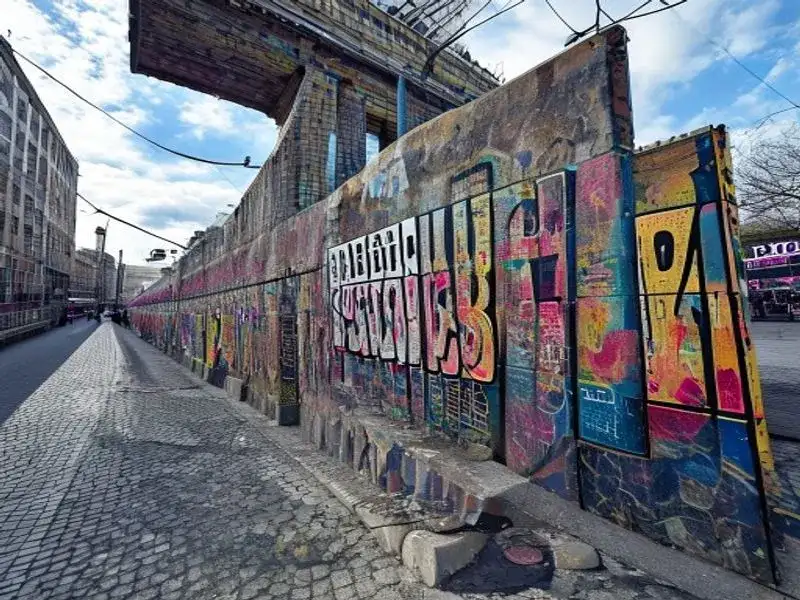
Die Berliner Mauer heute: Ein Symbol der Teilung und der Freiheit Wenn man heute durch die belebten Straßen Berlins spaziert, fällt es oft schwer, sich vorzustellen, dass diese pulsierende Metropole einst durch eine 155 Kilometer lange Betonbarriere brutal in zwei Hälften zerrissen war. Die Berliner Mauer, die vom 13. August 1961 bis zu ihrem historischen Fall am 9. November 1989 stand, war nicht nur eine physische Grenze, sondern das ultimative Symbol des Kalten Krieges und des Eisernen Vorhangs. Heute ist die Mauer verschwunden, aber ihre Spuren sind tief in die DNA der Stadt eingebrannt. Ein Spaziergang entlang der East Side Gallery Der längste noch erhaltene Abschnitt der Berliner Mauer befindet sich im Bezirk Friedrichshain-Kreuzberg und ist als East Side Gallery weltberühmt geworden. Mit einer Länge von 1,3 Kilometern ist dies die längste Open-Air-Galerie der Welt. Im Frühjahr 1990 kamen 118 Künstler aus 21 Ländern zusammen, um die grauen Betonplatten mit über 100 eindrucksvollen Wandbildern zu verzieren. Das wohl bekannteste Werk ist Dmitri Wrubels "Bruderkuss", das den sowjetischen Führer Leonid Breschnew und den ostdeutschen Staatsratsvorsitzenden Erich Honecker in einer innigen Umarmung zeigt. Ein weiteres ikonisches Bild ist der Trabi, der scheinbar durch die Mauer bricht – ein Symbol für den Drang nach Freiheit und den Aufbruch in eine neue Ära. Die Gedenkstätte Berliner Mauer an der Bernauer Straße Wer ein tieferes Verständnis für die brutale Realität der Teilung sucht, muss die Gedenkstätte Berliner Mauer an der Bernauer Straße besuchen. Nirgendwo sonst in #Berlin lässt sich die Dimension des Grenzregimes so eindrücklich nachvollziehen. Hier ist auf einem 1,4 Kilometer langen Streifen der historische Aufbau der Grenzanlagen mit Hinterlandmauer, Todesstreifen, Postenweg und Vorderlandmauer teilweise im Original erhalten oder rekonstruiert. Die Bernauer Straße war ein besonderer Brennpunkt der deutsch-deutschen Nachkriegsgeschichte, da die Grenze direkt an den Häuserfassaden verlief. Menschen sprangen in den ersten Tagen des Mauerbaus aus den Fenstern ihrer Wohnungen in den Westen, um der Diktatur zu entkommen. Die Versöhnungskapelle, die auf den Fundamenten der 1985 von der DDR-Führung gesprengten Versöhnungskirche erbaut wurde, bietet heute einen ruhigen Ort des Gedenkens. Kulturelle und kulinarische Verschmelzung Mit dem Fall der Mauer begann nicht nur eine politische, sondern auch eine immense kulturelle und kulinarische Verschmelzung. Im geteilten Berlin entwickelten sich in Ost und West eigene Lebenswelten. Die berühmt-berüchtigte Currywurst etwa, die angeblich 1949 von Herta Heuwer im Westen Berlins erfunden wurde, fand ihr ostdeutsches Pendant in Form der Ketwurst (einer Art Hotdog, der in der DDR kreiert wurde, um den Bedarf an Fast Food zu decken) und der Grilletta (der ostdeutschen Antwort auf den Hamburger). Heute spiegeln Berlins Bezirke eine faszinierende Mischung wider. In Prenzlauer Berg, einst ein Zentrum der ostdeutschen Bohème und Opposition, findet man heute eine der höchsten Dichten an internationalen Cafés und Restaurants in ganz Europa. Die Berliner Mauer heute ist somit nicht mehr nur eine Erinnerung an Trennung und Leid, sondern ein Mahnmal für die Freiheit und ein Beweis für die unglaubliche Widerstandsfähigkeit und Transformationskraft einer Stadt, die niemals stillsteht. #BerlinerMauer #BerlinHistory #EastSideGallery #GermanyTravel #BerlinWall #WanderlustGermany #ColdWarHistory #BerlinKultur #ExploreBerlin #travel #exclusive Related InsightsThe Faroe Islands: Rugged Landscapes and Viking Echoes Altai Mountains Sun-Drenched Serenity vs. The Fjord’s Embrace: Choosing Between the Albanian Riviera and the Bay of Kotor{ "@context": "https://schema.org", "@type": "FAQPage", "mainEntity": [ { "@type": "Question", "name": "What is the main focus of Die Berliner Mauer heute?", "acceptedAnswer": { "@type": "Answer", "text": "Explore the incredible journey of Die Berliner Mauer heute with Felix Müller." } }, { "@type": "Question", "name": "Who authored the comprehensive guide on Die Berliner Mauer heute?", "acceptedAnswer": { "@type": "Answer", "text": "This detailed article and its insights were carefully researched and authored by Felix Müller." } }, { "@type": "Question", "name": "Where can I find more related content about Travel?", "acceptedAnswer": { "@type": "Answer", "text": "You can explore more articles, detailed reviews, and similar insights by browsing the Related Insights section at the bottom of this article or visiting our dedicated Travel category page." } } ] }
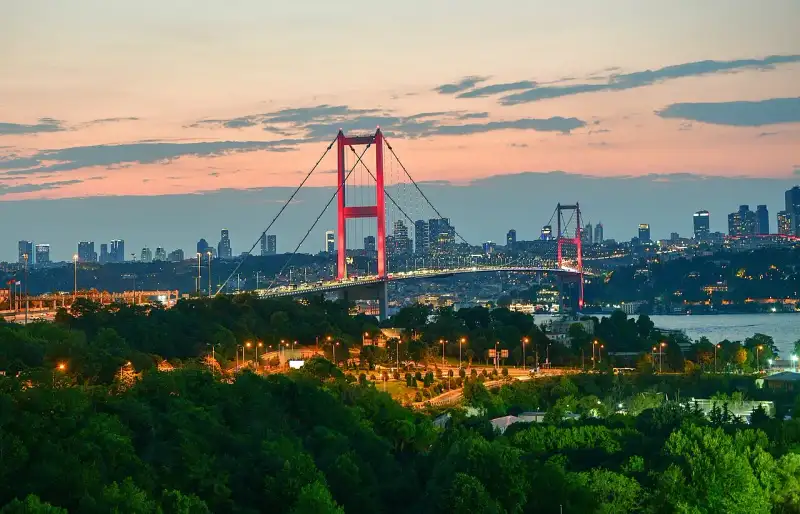
A whisper of the East carried on a breeze from the Sea of Marmara, mingling with the bustling clamor of the West echoing from the Golden Horn. Here, where continents kiss and histories collide, stands #Istanbul – a city woven from the very fabric of contradiction and harmony. It is not merely a city that spans two landmasses; it is a profound philosophical statement etched in stone and water, a place where every step is a #journey through millennia and across worlds. #IstanbulDreams #CrossContinental The Bosphorus: #Istanbul's Pulsating Artery To comprehend Istanbul is to understand the Bosphorus, the narrow, serpentine strait that slices through its heart, carving a natural, undeniable boundary between Asia and Europe. This isn't just a geographical divide; it's a living, breathing entity, a liquid highway that has witnessed empires rise and fall, carried countless ships of trade and war, and continues to be the lifeblood of this colossal metropolis. Its shores are lined with verdant hills, opulent palaces, charming wooden yalı houses, and fortresses that stand as silent sentinels to its strategic importance. From the #ancient Greek colonies to the mighty Roman, Byzantine, and Ottoman Empires, control over the Bosphorus meant dominion over critical trade routes between the Black Sea and the Mediterranean. #BosphorusStrait #GatewayToWorlds A ferry ride across the Bosphorus is perhaps the most quintessential Istanbul experience. As the boat slices through the azure waters, the air is alive with the cry of seagulls, the distant call to prayer, and the murmur of a thousand conversations. Looking back, the European skyline, a silhouette of domes and minarets, gradually gives way to the more serene, residential hills of the Asian side. It's a #journey not just across water, but across a conceptual chasm, a tangible bridge between two vastly different cultural perspectives. The Bosphorus itself is a miracle of #Nature and geopolitics, dictating much of the city's unique charm and enduring significance. Echoes of #empire: The European Side The European side of Istanbul, historically known as Thrace, is where the grand narratives of Byzantium and the Ottoman #empire are most vividly etched. Its historic peninsula, Sultanahmet, is a concentration of monuments that defy belief, each bearing layers of #history. Sultanahmet: The Cradle of Empires No visit to Istanbul is complete without losing oneself in Sultanahmet Square, once the mighty Hippodrome of Constantinople, the epicenter of Byzantine public life. Here, chariot races thrilled crowds, political factions clashed, and emperors displayed their power. Today, it remains an open-air museum, flanked by monuments that define the city's skyline. The Egyptian Obelisk of Thutmose III, brought from Luxor, still stands tall, a testament to the city's #ancient connections. The Serpent Column, originally from Delphi, and the Walled Obelisk further underscore the area's incredible lineage. #AncientHistory #SultanahmetSquare Dominating the square, and indeed the entire city, is Hagia Sophia. A monumental architectural achievement, it has served as a patriarchal basilica, a mosque, a museum, and once again, a mosque. Its colossal dome, seemingly suspended by divine grace, has for centuries inspired awe. Stepping inside, one is enveloped by a spiritual grandeur that transcends religious boundaries. The interplay of light filtering through its numerous windows, illuminating the intricate calligraphy and the faint mosaics peering from behind plaster, speaks volumes of its multi-layered identity. It is a symbol of #ArchitecturalMarvels and human ingenuity.Opposite Hagia Sophia, with its six slender minarets piercing the sky, stands the Blue Mosque (Sultan Ahmed Mosque). Commissioned by Sultan Ahmed I, it was built to rival and surpass the grandeur of its Byzantine neighbor. Its interior is a kaleidoscope of more than 20,000 handmade Iznik tiles, predominantly blue, depicting traditional Ottoman patterns of flowers, trees, and abstract designs. The delicate stained-glass windows, the sweeping calligraphy, and the sheer scale create an atmosphere of profound serenity and devotion. Walking between these two titans of faith and #architecture, one feels the weight of #history pressing down, a tangible sense of the eternal dialogue between East and West. #BlueMosque #OttomanArt A short stroll away lies Topkapı Palace, the opulent residence of Ottoman sultans for nearly 400 years. This sprawling complex, a city within a city, offers a fascinating glimpse into imperial life. Its numerous courtyards, treasury filled with dazzling jewels (including the legendary Spoonmaker's Diamond), the armory, the imperial kitchens, and above all, the labyrinthine Harem, reveal the intricacies of Ottoman court life. The Harem, a world unto itself, housed hundreds of concubines, eunuchs, and the sultan's family, each chamber whispering tales of power, intrigue, and domesticity. The breathtaking views of the Bosphorus and the Golden Horn from the palace gardens are a reminder of the strategic genius behind its placement. #TopkapiPalace #ImperialHistory Beneath the bustling streets of Sultanahmet lies another marvel: the Basilica Cistern (Yerebatan Sarnıcı). A vast underground water reservoir built in the 6th century by Emperor Justinian, its dimly lit, vaulted chambers supported by 336 marble columns create an otherworldly atmosphere. The two Medusa heads, repurposed as column bases, add to the mystique, their inverted and sideways placement sparking endless legends. It's a truly #UniqueExperience, a cool, quiet respite from the city's energy. Beyoğlu: The Modern Pulse Crossing the Galata Bridge from Sultanahmet, one enters the vibrant district of Beyoğlu, historically known as Pera. This area, once home to foreign embassies and European merchants, still carries an air of cosmopolitan sophistication. The iconic Istiklal Avenue, a bustling pedestrian thoroughfare, pulsates with life day and night. Vintage trams clatter along its length, past grand Belle Époque buildings, international boutiques, art galleries, cinemas, and historic passages like the elegant Çiçek Pasajı (Flower Passage). It’s a place where modern Turkish #culture intermingles with echoes of its European past. #IstiklalAvenue #UrbanExploration Rising majestically above Beyoğlu is the Galata Tower. Built by the Genoese in the 14th century, this cylindrical stone tower offers unparalleled panoramic views of Istanbul. From its observation deck, one can see the entire sweep of the city: the historic peninsula with its iconic mosques, the serpentine Bosphorus, the Golden Horn, and the sprawling Asian side. It's a breathtaking vista that underscores Istanbul's sheer scale and beauty. #GalataTower #CityViews Beyond Istiklal, the neighborhoods of Cihangir and Karaköy beckon. Cihangir, with its bohemian vibe, charming cafes, and antique shops, is a haven for artists and intellectuals. Karaköy, once a gritty port district, has transformed into a trendy hub with contemporary art galleries, design studios, and chic eateries housed in renovated warehouses. These areas demonstrate Istanbul's dynamic evolution, where tradition and innovation dance a delicate tango. Fener and Balat: A Step Back in Time For those seeking a deeper dive into Istanbul's multicultural past, the UNESCO-listed neighborhoods of Fener and Balat are essential. These winding, cobblestone streets, lined with brightly painted Ottoman houses, were historically home to Greek Orthodox and Jewish communities. The Patriarchate of Constantinople, the spiritual center of the Greek Orthodox Church, stands proudly in Fener. Balat, with its synagogue and charming cafes nestled amidst restored houses, offers a glimpse into a bygone era, a quiet contrast to the city's major tourist hubs. Exploring these areas feels like uncovering hidden #IstanbulGems. The Asian Side: A Different Rhythm To truly experience Istanbul's duality, one must venture across the Bosphorus to the Asian side, historically known as Anatolia. While often overlooked by first-time visitors, it offers a more relaxed, authentic glimpse into contemporary Turkish life, away from the historical grandeur of Sultanahmet. It's where the city lives, eats, and unwinds. Kadıköy: The Soul of Anatolia Taking a ferry from Eminönü or Karaköy to Kadıköy is an experience in itself. The 20-minute journey offers spectacular views of the European skyline receding and the Asian shore approaching. Kadıköy, a vibrant, sprawling district, feels immediately different – less monumental, more everyday, yet equally captivating. #AsianSideIstanbul #KadıköyLife The Kadıköy Market is a foodie's paradise. A bustling labyrinth of stalls overflowing with fresh produce, aromatic spices, local cheeses, olives, and an impressive array of seafood, it's a sensory feast. Locals flock here for their daily groceries, and visitors can sample an array of Turkish delights, from freshly roasted nuts to succulent midye dolma (stuffed mussels). The market is a true reflection of Istanbul's culinary heart. #FoodieParadise #LocalMarkets Beyond the market, the neighborhood of Moda offers a laid-back, bohemian atmosphere. Its tree-lined streets are dotted with charming cafes, boutique shops, and a #beautiful seaside promenade perfect for an evening stroll, watching the sunset over the European continent. Moda is where Istanbul's youth gathers, enjoying coffee, live music, and the simple pleasure of sea air. Üsküdar: Legends and Panoramas North of Kadıköy, Üsküdar is another historically significant district on the Asian side, replete with #beautiful Ottoman mosques and a distinctly traditional feel. The Mihrimah Sultan Mosque, designed by the legendary Mimar Sinan, stands gracefully by the ferry terminal, its elegant #architecture complementing the Bosphorus backdrop. The most iconic symbol of Üsküdar, and indeed a major emblem of Istanbul, is the Maiden's Tower (Kız Kulesi). Perched on a tiny islet just off the shore, this small, enigmatic tower is steeped in legends – from a Byzantine emperor hiding his daughter from a prophecy of snakebite to a tragic love story. It stands as a solitary, romantic beacon, especially enchanting at sunset when its silhouette is cast against the fiery sky. #MaidenTower #IstanbulLegends For breathtaking panoramic views that encompass both continents, a trip up Çamlıca Hill is a must. Home to the monumental Çamlıca Mosque, Turkey's largest, the hill offers an elevated perspective of the entire cityscape, from the historic peninsula to the sprawling suburbs of Asia, with the Bosphorus weaving its majestic path in between. It's a perfect spot to grasp the sheer scale of Istanbul.The Culinary Tapestry: A Feast for the Senses Istanbul is a city that eats, breathes, and dreams food. Its cuisine is a delectable fusion of Central Asian, Middle Eastern, and Mediterranean influences, refined over centuries in the imperial kitchens of the Ottoman sultans. From humble street food to elegant fine dining, every meal is an adventure. #TurkishCuisine #FoodTravel Start your day with a traditional Turkish breakfast (kahvaltı), a lavish spread of cheeses, olives, tomatoes, cucumbers, honey, jams, eggs, and an endless supply of strong Turkish tea. For lunch, embrace the street food #culture. A freshly baked simit (sesame-crusted bread ring) from a street vendor, a succulent döner kebab, or the spicy, earthy kokoreç are essential experiences. Don't forget midye dolma – mussels stuffed with aromatic rice, lemon, and spices, found on almost every corner. Evenings invite more elaborate meals. Meze, a selection of small, flavorful dishes, sets the stage for a feast. Then come the kebabs – countless varieties, from the classic Adana and Urfa to the more refined Iskender. Seafood, caught fresh from the Bosphorus and the Marmara Sea, is another highlight, especially in restaurants along the strait. No meal is complete without indulging in the famous Turkish desserts. Baklava, layers of filo pastry filled with pistachios or walnuts and drenched in syrup, is a sweet symphony. Künefe, a hot, stretchy cheese pastry topped with pistachios, is heavenly. And of course, the ubiquitous Turkish Delight (lokum), available in a myriad of flavors, makes for a perfect souvenir. Wash it all down with strong Turkish coffee, served in small cups, or endless glasses of black tea. For something stronger, try rakı, the anise-flavored spirit often enjoyed with meze and fish. Cultural Immersion: Beyond the Sights Istanbul's magic isn't just in its landmarks; it's in its soul, its daily rhythms, and its ancient traditions. A visit to a Turkish Hamam is a purifying ritual, a journey back in time. These traditional bathhouses offer a unique experience of steam, exfoliation, and massage, leaving one feeling utterly refreshed and rejuvenated. It's not just a bath; it's a social and cultural institution. #TurkishHamam #WellnessTravel The hauntingly beautiful sound of the Ezan, the call to prayer, echoes through the city five times a day, weaving its way into the urban soundscape. It's a reminder of Istanbul's deep spiritual roots and its enduring faith. Witnessing a performance of the Whirling Dervishes (Sema) is a profoundly moving experience. This spiritual ceremony of the Mevlevi Order, with its mesmerizing circular dance, is a form of active meditation that seeks spiritual union. It is a powerful display of #SufiCulture and tradition. Walking through the Grand Bazaar and the Spice Bazaar is a sensory overload in the best possible way. The Grand Bazaar, one of the world's oldest and largest covered markets, is a maze of over 4,000 shops selling everything from carpets and jewelry to ceramics and leather. The Spice Bazaar, equally vibrant, assaults the senses with the aromas of exotic spices, dried fruits, nuts, and Turkish Delight. Haggling is expected, and the experience is as much about the lively banter as it is about the purchases. #GrandBazaar #SpiceBazaarNavigating the Metropolis: Practicalities Istanbul is a vast city, but its public transportation system is efficient and comprehensive. An Istanbulkart (a rechargeable smart card) is essential for seamless #travel on trams, metros, buses, and ferries. The tram (T1 line) is particularly useful for reaching most major historical sites on the European side. Ferries are not just transport; they are a vital part of the Istanbul experience, offering stunning views and a refreshing journey across the Bosphorus. Taxis are plentiful but ensure the meter is used. The best time to visit Istanbul is during the spring (April-May) and autumn (September-October), when the weather is pleasant, and the crowds are manageable. Summers can be hot and humid, while winters can be cold and occasionally snowy, though they offer a different, quieter charm. Accommodation options are diverse, ranging from luxury hotels in restored Ottoman palaces along the Bosphorus to charming boutique hotels in Sultanahmet and trendy hostels in Beyoğlu. Staying in Sultanahmet keeps you close to the major historical sites, while Beyoğlu offers a more modern, lively atmosphere. For a more local experience, consider the Asian side. Safety in Istanbul is generally good, but like any large city, awareness of your surroundings and safeguarding your belongings is advisable. The warmth and hospitality of the Turkish people (misafirperverlik) are legendary; you'll often find strangers eager to help or share a cup of tea. The Enduring Allure Istanbul is more than a city; it is a crossroads of civilizations, a living museum, and a vibrant, modern metropolis all rolled into one. It is a place where every corner holds a story, every scent evokes a memory, and every view is a masterpiece. Its unique position, straddling two continents, has imbued it with an unparalleled richness – a fusion of logic and mysticism, tradition and innovation, East and West. As the sun sets, casting a golden glow over the Bosphorus, illuminating the minarets and bridges, one realizes that Istanbul doesn't merely exist between two continents; it defines what it means for two worlds to coexist, to enrich each other, and to create something utterly magnificent. It challenges perceptions, broadens horizons, and leaves an indelible mark on the soul of every traveler fortunate enough to wander its storied streets. This city, forever in motion, forever ancient, forever new, truly embodies the spirit of #EternalIstanbul. Come, and let its two hearts beat within you. #TravelInspiration #ExploreTurkey #CulturalCrossroads #CityOfDreams #HistoricalJourney #BreathtakingViews #Wanderlust #EpicDestinations #MustVisit #travel #explore #guide Related InsightsExploring Ani, City of 1001 Churches The Silk Road Revival: Uzbekistan’s Ancient Cities and Modern Wonders (Part 2) Where the Wild Things Roam: The World’s Most Unforgettable Wildlife Encounters{ "@context": "https://schema.org", "@type": "FAQPage", "mainEntity": [ { "@type": "Question", "name": "What is the main focus of Istanbul: Two Continents?", "acceptedAnswer": { "@type": "Answer", "text": "A deep dive into Istanbul: Two Continents with Cemre Seyyah." } }, { "@type": "Question", "name": "Who authored the comprehensive guide on Istanbul: Two Continents?", "acceptedAnswer": { "@type": "Answer", "text": "This detailed article and its insights were carefully researched and authored by Cemre Seyyah." } }, { "@type": "Question", "name": "Where can I find more related content about Travel?", "acceptedAnswer": { "@type": "Answer", "text": "You can explore more articles, detailed reviews, and similar insights by browsing the Related Insights section at the bottom of this article or visiting our dedicated Travel category page." } } ] }
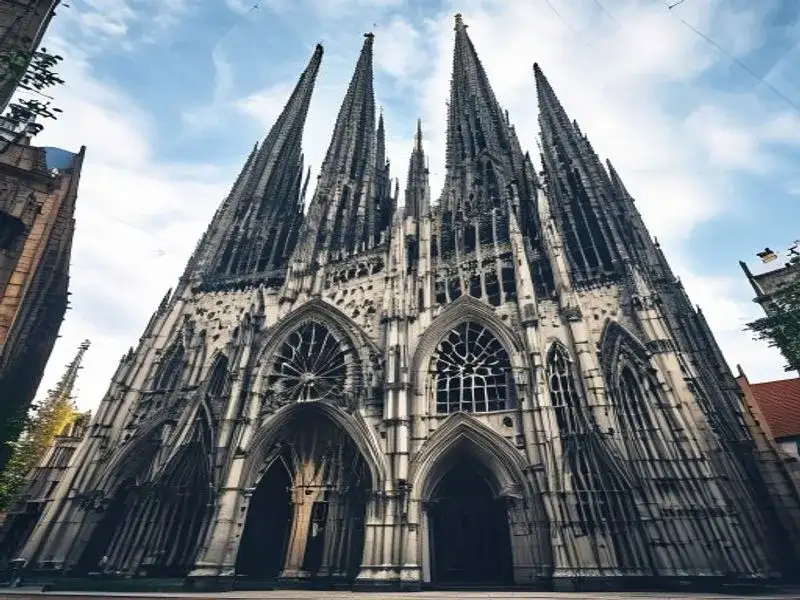
Kölner Dom im Detail: Ein Meisterwerk der Gotik Mitten im Herzen der pulsierenden Rheinmetropole Köln erhebt sich ein Bauwerk von so majestätischer Präsenz, dass es selbst die größten Wolkenkratzer moderner Städte in den Schatten stellt: der Kölner Dom. Offiziell als Hohe Domkirche Sankt Petrus bekannt, ist diese gigantische Kathedrale nicht nur das Wahrzeichen der Stadt, sondern auch das am meisten besuchte Sehenswürdigkeit Deutschlands. Mit seinen 157 Meter hohen Doppeltürmen war der Dom nach seiner Vollendung im Jahr 1880 für kurze Zeit das höchste Gebäude der Welt. Eine Baugeschichte der Extreme Die Geschichte des Kölner Doms ist ein faszinierendes Zeugnis menschlicher Ausdauer. Die Grundsteinlegung erfolgte am 15. August 1248 unter Erzbischof Konrad von Hochstaden. Ziel war es, eine würdige Kathedrale für die Gebeine der Heiligen Drei Könige zu errichten, die 1164 von Kaiser Friedrich Barbarossa nach Köln gebracht worden waren und die Stadt zu einem der wichtigsten Wallfahrtsorte des Mittelalters machten. Der Bau der Kathedrale im hochgotischen Stil orientierte sich an den großen französischen Kathedralen wie Amiens. Doch 1528 kamen die Arbeiten aufgrund von Finanzierungsproblemen und schwindendem Interesse an der Gotik vollständig zum Erliegen. Über 300 Jahre lang prägte ein unvollendeter Baukörper mit einem gewaltigen Baukran auf dem Südturm die Silhouette von Köln. Erst im 19. Jahrhundert, beflügelt durch die romantische Begeisterung für das Mittelalter und das neu erwachte Nationalbewusstsein, wurde der Bau wieder aufgenommen. Nach den wiederentdeckten Originalplänen des Dombaumeisters Johannes aus dem 13. Jahrhundert wurde der Dom 1880 – nach über 632 Jahren – endlich fertiggestellt. Kunstwerke von unschätzbarem Wert Im Inneren des fünfschiffigen Doms erwarten den Besucher architektonische und künstlerische Wunder. Das Highlight ist zweifellos der Dreikönigenschrein, das größte und künstlerisch bedeutendste Reliquiar des abendländischen Mittelalters. Der prächtige Schrein aus vergoldetem Silber und Kupfer, verziert mit über 1000 Edelsteinen und Perlen, wurde um 1190 bis 1225 vom Goldschmied Nikolaus von Verdun geschaffen. Ein weiteres spektakuläres Detail sind die Domfenster, die eine Fläche von rund 10.000 Quadratmetern umfassen. Besonders hervorzuheben ist das moderne Richter-Fenster im Südquerhaus. Nach der Zerstörung des Originalfensters im Zweiten Weltkrieg entwarf der renommierte Künstler Gerhard Richter 2007 ein neues Fenster, das aus 11.263 farbigen, mundgeblasenen Glasquadraten besteht, die in einer per Zufallsgenerator ermittelten Anordnung eine atemberaubende Lichtsinfonie in den Dom zaubern. Das Kölner Lebensgefühl: Kölsch und Halver Hahn Nachdem man die 533 Stufen zur Aussichtsplattform des Südturms erklommen hat und mit einem atemberaubenden Blick über den Rhein und das Siebengebirge belohnt wurde, empfiehlt sich ein Besuch in einem der traditionellen Brauhäuser der Altstadt, etwa dem "Früh am Dom". Hier kann man die Eindrücke bei einem frisch gezapften Kölsch – dem hellen, obergärigen #Bier, das traditionell in schlanken, zylindrischen Gläsern ("Stangen") serviert wird – Revue passieren lassen. Dazu isst der Kölner gerne einen "Halven Hahn". Wer hier Geflügel erwartet, wird überrascht sein: Es handelt sich um ein Röggelchen (ein Roggenbrötchen) mit dick geschnittenem mittelaltem Gouda, Butter und scharfem Senf. Der Kölner Dom ist ein ewiges Symbol für Glauben, Kunst und den unverwüstlichen Geist einer Stadt, die um ihn herum pulsiert. #KölnerDom #CologneCathedral #Köln #Gotik #Architecture #GermanyTravel #VisitCologne #NordrheinWestfalen #UNESCO #TravelGermany #travel #exclusive Related InsightsShirakawa-go: The Enchanting Village of Snow and Traditions The Silent Chronicles of the Steppe: Unearthing the Enigma of Mongolia's Deer Stone Sentinels at Uushgiin Ovor 厳島神社: 海に浮かぶ神々の住処{ "@context": "https://schema.org", "@type": "FAQPage", "mainEntity": [ { "@type": "Question", "name": "What is the main focus of Kölner Dom im Detail?", "acceptedAnswer": { "@type": "Answer", "text": "Explore the incredible journey of Kölner Dom im Detail with Felix Müller." } }, { "@type": "Question", "name": "Who authored the comprehensive guide on Kölner Dom im Detail?", "acceptedAnswer": { "@type": "Answer", "text": "This detailed article and its insights were carefully researched and authored by Felix Müller." } }, { "@type": "Question", "name": "Where can I find more related content about Travel?", "acceptedAnswer": { "@type": "Answer", "text": "You can explore more articles, detailed reviews, and similar insights by browsing the Related Insights section at the bottom of this article or visiting our dedicated Travel category page." } } ] }
- Beatriz Costa
- 29 Mar, 2026 01:16
Literature and the Writing Process--eleventh edition Book Review and Summary
Literature and the Writing Process--eleventh edition Author: Elizabeth McMahanPage Count: UnknownPublication Year: 2018-GB Literature and the Writing Process, now in its eleventh edition, is a masterful guide that continues to captivate readers and inspire writers around the world. Elizabeth McMahan, the author, has woven a rich tapestry of literary expertise, offering a comprehensive and engaging exploration of the writing process. This global bestseller has stood the test of time, and its enduring popularity is a testament to the author's skill in crafting a work that is both informative and accessible. At its core, Literature and the Writing Process is a book about the art of writing, and the ways in which literature can inform and enrich our understanding of the craft. McMahan's approach is multifaceted, drawing on a wide range of literary examples to illustrate the key elements of effective writing. From the basics of style and structure to the nuances of tone and voice, the author provides a thorough and engaging analysis of the writing process, making this book an invaluable resource for students, teachers, and writers alike. One of the strengths of Literature and the Writing Process is its ability to balance theory and practice. McMahan's discussion of literary theory is never dry or abstract, but is instead grounded in a deep understanding of how writers actually work. The book is filled with practical examples and exercises, designed to help readers develop their writing skills and apply the principles of literary analysis to their own work. This approach makes the book an excellent choice for writing workshops and classrooms, where students can benefit from the author's expertise and guidance. Throughout the book, McMahan's writing style is clear, concise, and engaging. Her love of literature is evident on every page, and her enthusiasm is infectious, making even the most complex concepts seem accessible and exciting. The author's use of language is precise and evocative, with a keen attention to detail that reflects her own mastery of the craft. Whether she is discussing the finer points of literary analysis or offering practical advice on writing technique, McMahan's voice is always authoritative, yet approachable, making the book a pleasure to read. The eleventh edition of Literature and the Writing Process has been updated to reflect the latest developments in literary studies and writing pedagogy. The book includes new chapters and sections on topics such as digital writing, creative nonfiction, and literary analysis in the digital age. These additions enhance the book's relevance and usefulness, making it an essential resource for anyone interested in writing, literature, or the teaching of writing. In conclusion, Literature and the Writing Process is a remarkable book that offers a unique blend of literary expertise, practical guidance, and engaging writing style. Elizabeth McMahan's masterpiece is a must-read for anyone who loves literature, writing, or teaching, and its enduring popularity is a testament to the author's skill and dedication. Whether you are a student, teacher, or writer, this book is sure to inspire and inform, offering a wealth of insights and practical advice that will help you to develop your writing skills and deepen your understanding of the literary arts. #writingcommunity #literaryanalysis #writingprocess #literaturelover #teachingwriting #writingtips Related InsightsBook of Night Book Review and Summary The Bookbinder's Code Book Review and Summary Along the Saltwise Sea Book Review and Summary{ "@context": "https://schema.org", "@type": "FAQPage", "mainEntity": [ { "@type": "Question", "name": "What is the main focus of Literature and the Writing Process--eleventh edition Book Review and Summary?", "acceptedAnswer": { "@type": "Answer", "text": "Everything you need to know about Literature and the Writing Process--eleventh edition with our detailed review." } }, { "@type": "Question", "name": "Who authored the comprehensive guide on Literature and the Writing Process--eleventh edition Book Review and Summary?", "acceptedAnswer": { "@type": "Answer", "text": "This detailed article and its insights were carefully researched and authored by Beatriz Costa." } }, { "@type": "Question", "name": "Where can I find more related content about Books?", "acceptedAnswer": { "@type": "Answer", "text": "You can explore more articles, detailed reviews, and similar insights by browsing the Related Insights section at the bottom of this article or visiting our dedicated Books category page." } } ] }
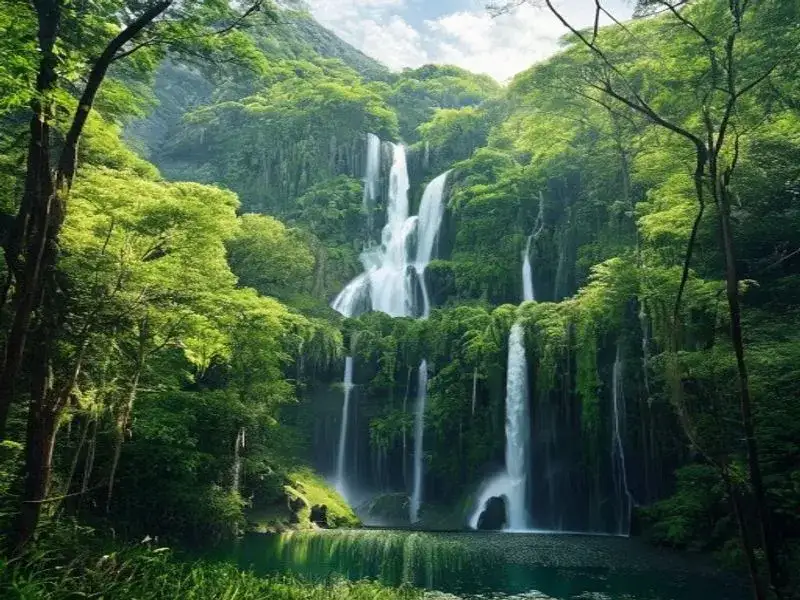
The Mythical Peaks of Mount Ida (Kaz Dağları) Straddling the border of Turkey's Çanakkale and Balıkesir provinces, the Kaz Dağları mountain range—known in antiquity as Mount Ida—is a paradise of biodiversity, pristine waterfalls, and deep mythological roots. Often referred to as the "Lungs of the Aegean" due to its incredibly high oxygen levels (second only to the Swiss Alps), this lush region offers an intoxicating blend of natural beauty and #ancient #history. The Playground of the Gods In Greek mythology, Mount Ida was considered a sacred place, frequently serving as the backdrop for the divine drama of the Olympian gods. It was here that Zeus supposedly watched the epic battles of the Trojan War unfold on the plains of Troy below. Most famously, Mount Ida is the legendary site of the world’s first beauty pageant: the Judgment of #Paris. According to myth, the Trojan prince Paris was tasked with deciding who was the fairest among the goddesses Hera, Athena, and Aphrodite. His choice of Aphrodite, who promised him the love of Helen of Sparta, ultimately sparked the legendary Trojan War. Today, visitors can hike to the "Altar of Zeus" (Zeus Altarı) situated on a hill near the village of Adatepe. This ancient stone structure offers sweeping, panoramic views over the Gulf of Edremit and the Greek island of Lesbos, easily making one understand why the ancients believed the gods resided here. A Biodiversity Hotspot Designated as a national park in 1993, Kaz Dağları is home to an astonishing array of flora and fauna. The mountains boast over 800 plant species, of which at least 30 are endemic to the region. The Kazdağı fir (Abies nordmanniana subsp. equi-trojani) is a rare and protected species of evergreen that only grows in this specific microclimate. The dense forests of oak, chestnut, and black pine are crisscrossed by crystal-clear streams and dramatic waterfalls. The Hasanboğuldu and Sütuçven waterfalls are popular spots for #nature lovers, offering refreshing, ice-cold pools perfect for a summer dip. The Olive Oil Capital of Turkey The foothills of Mount Ida slope gently down to the Aegean Sea, creating the perfect climate for cultivating olives. The Edremit and Ayvalık regions at the base of the mountains are universally recognized as producing the finest olive oil in Turkey. The high oxygen levels and unique sea breezes contribute to an olive oil characterized by its low acidity, fruity aroma, and distinct peppery finish. A visit to the Kaz Dağları region is incomplete without indulging in the local Aegean cuisine, which heavily features this liquid gold. Traditional dishes like Zeytinyağlı Enginar (artichokes braised in olive oil with dill and lemon) or Deniz Börülcesi (samphire salad) highlight the region's commitment to fresh, locally sourced ingredients. For a true taste of the mountains, try the local village breakfasts, featuring regional cheeses, fresh thyme honey, and endless glasses of black tea, all enjoyed under the shadow of the mythical Mount Ida. #MountIda #KazDaglari #TurkeyTravel #GreekMythology #AegeanCoast #OliveOil #TrojanWar #TurkishNature #TravelTurkey #AncientHistory #travel #exclusive Related InsightsL'Abbaye de Westminster : Le Cœur Royal de Londres Unleash Your Inner Explorer: Conquering Java's Fiery Peaks From Bali's Shores – A Definitive Guide The Whispering Ice Temples: Tracing the Vanishing Footprints to Patagonia's Subterranean Sanctuaries{ "@context": "https://schema.org", "@type": "FAQPage", "mainEntity": [ { "@type": "Question", "name": "What is the main focus of Mount Ida (Kaz Daglari) Nature?", "acceptedAnswer": { "@type": "Answer", "text": "Explore the incredible journey of Mount Ida (Kaz Daglari) Nature with Emre Yılmaz." } }, { "@type": "Question", "name": "Who authored the comprehensive guide on Mount Ida (Kaz Daglari) Nature?", "acceptedAnswer": { "@type": "Answer", "text": "This detailed article and its insights were carefully researched and authored by Emre Yılmaz." } }, { "@type": "Question", "name": "Where can I find more related content about Travel?", "acceptedAnswer": { "@type": "Answer", "text": "You can explore more articles, detailed reviews, and similar insights by browsing the Related Insights section at the bottom of this article or visiting our dedicated Travel category page." } } ] }
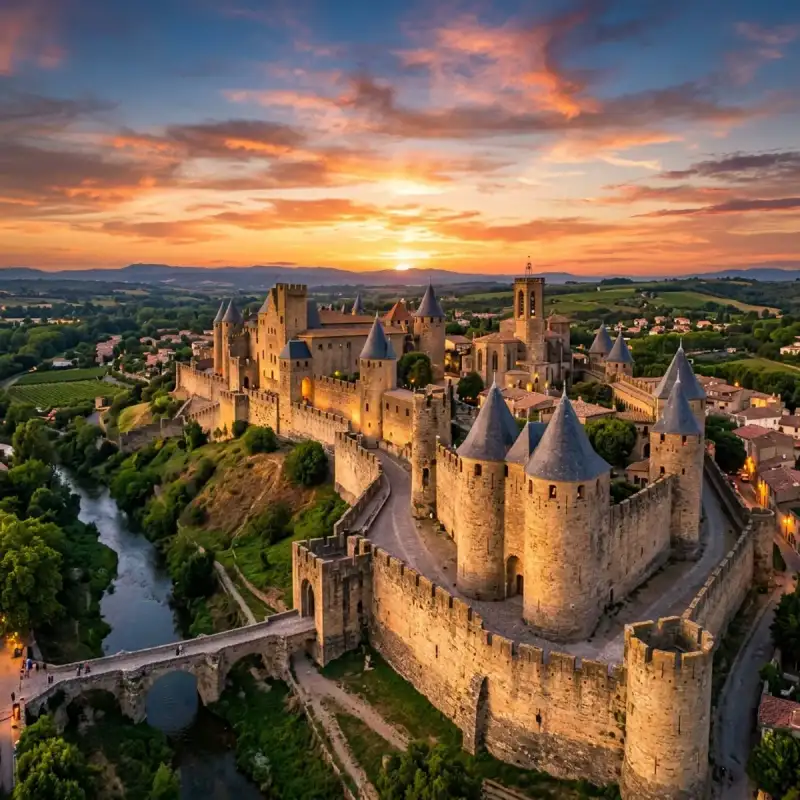
Bienvenue! Let us embark on an unforgettable #journey to the heart of #France. The Cité de Carcassonne (Occitan: Ciutat de Carcassona [siwˈtat de kaɾkaˈsunɔ]) is a medieval citadel located in the French city of Carcassonne, in the Aude department, Occitania region. It is situated on a hill on the right bank of the river Aude, in the south-eastern part of the city proper. The citadel was restored at the end of the 19th century by the theorist and architect Eugène Viollet-le-Duc. In 1997, it was added to the #UNESCO list of World Heritage Sites because of its exceptional testimony to the #architecture and planning of a medieval fortress town. #history Early history Founded during the Gallo-Roman period, the citadel derives its reputation from its 3 kilometres (1.9 mi) long double surrounding walls interspersed by 52 towers. The town has about 2,500 years of history and has been occupied in different ages by Romans, Visigoths, and Crusaders. At the beginning of its history it was a Gaulish settlement; in the 3rd century CE, the Romans decided to transform it into a fortified town. The Roman defences were in place by 333 CE, when the town is described as a castellum. The original walls were supported by between 34 and 40 towers, spaced from 18 to 30 metres apart along the curtain wall. Each tower was semicircular in plan and about 14 metres tall. There were probably 40 main entrances to the town. The Gallo-Roman walls were rebuilt during the town's occupation by the Visigoths in the 5th and 6th centuries, but the original structure remained in place. Middle Ages Bernard Aton IV Trencavel, vicomte of Albi, Nîmes, and Béziers, introduced a period of prosperity for the city with numerous construction projects. During this period, a new sect known as Catharism sprang up in Languedoc. In 1096, the Viscount of Trencavel authorised the construction of the Basilica of Saint-Nazaire with the blessing of Pope Urban II. In 1107, the citizens rejected his sovereignty and called on Ramon Berenguer III, Count of Barcelona to remove him. Bernard Aton V, with the help of Bertrand, Count of Toulouse, regained control of the Cité. In 1120, there was a second revolt, but Bernard Aton re-established order a few years later. In 1130, he started construction of a palace for himself and restoration of the Gallo-Roman fortifications. The Cité of Carcassonne was surrounded by a complete fortification for the first time. At this time, the city had a large population of three to four thousand, including the residents of the two settlements below the walls of the Cité: the bourg Saint-Vincent on the north and the bourg Saint-Michel south of the Narbon gate. In 1208, Pope Innocent III called on the barons of the north to mount a crusade against the Cathars, beginning with the Albigensian Crusade. The Count of Toulouse, accused of heresy, as well as his principal vassal, the Viscount of Trencavel, were the main target of this attack. On 1 August 1209, the Cité was besieged by the Crusaders. Raimond-Roger Trencavel surrendered quickly on 15 August in exchange for the lives of the citizens. The town around the Cité was destroyed and the citizens driven out. The vicomte died of dysentery in his own château on 10 November 1209. His lands were given to Simon de Montfort, the leader of the crusaders. When he died in 1218 at the siege of Toulouse, his son, Amaury de Montfort, took possession of the Cité, but was unable to maintain it. He ceded it to Louis VIII of #France, but Raymond VII of Toulouse and the counts of Foix allied themselves against him. In 1224, Raimond II Trencavel retook the Cité. However, Louis VIII launched another crusade in 1226. From that time forth, the Cité became a royal domain. After 1226, an additional line of fortifications was added outside of the Roman walls. The town was finally annexed to the Kingdom of France in 1247. It provided a strong French frontier between France and the Crown of Aragon. During this period, the inner Roman walls were largely demolished and replaced, while the new outer walls were reinforced and extended to the south. The new towers built during this work were mainly circular, but two were square. Construction continued into the reign of King Philip IV in the early 14th century. In 1659, after the Treaty of the Pyrenees, the province of Roussillon became a part of France and the town lost its military significance. Fortifications were abandoned and the town became one of the economic centres of France, concentrating on the woolen textile industry. In November 1793, the Revolutionary town council burned the Cité's archives and in 1804 Napoleon officially demilitarized the fortress, turning over ownership of most of the fortifications to civil authorities. Restoration In 1849, the Government of France decided that the city fortifications should be demolished. This decision was strongly opposed by the local people. Jean-Pierre Cros-Mayrevieille and literary personality Prosper Mérimée, both noted archaeologists and historians, led a campaign to preserve the fortress as a historical monument. The government later reversed its decision and in 1853 restoration work began. The architect Eugène Viollet-le-Duc was charged with renovating the fortress. Viollet-le-Duc's work was criticised during his lifetime as inappropriate to the climate and traditions of the region, for example by adding slate roofs appropriate to northern France rather than terracotta tiles. After his death in 1879, the restoration work was continued by his pupil, Paul Boeswillwald, and later by the architect Nodet. An image of the historic city of Carcassonne appears on the emblem of local rugby league team, AS Carcassonne. Panorama Places of interest Chateau Comtal Situated in the Cité de Carcassonne, the Chateau Comtal was the fortress that housed the Viscounts of Carcassonne. Built at the beginning of the 12th century, it underwent several later modifications. From 1240 to 1250, major work was carried out to strengthen the walls, incorporating more round towers, the barbican advanced to the entrance gate and the moat. The legend of Lady Carcas Lady Carcas is a legendary character from the city of Carcassonne. According to the legend, she is the wife of Ballak, the Muslim prince of Carcassonne, who was killed in action against Charlemagne. Lady Carcas, following the death of her husband, allegedly took charge of the city's defence against the Frankish army and repelled it. Princess Carcas first used a trick consisting of making fake soldiers, which she had manufactured and placed in each tower of the city. The siege lasted five years. But by the beginning of the sixth year, food and water were becoming increasingly scarce. Lady Carcas wanted to make an inventory of all the reserves left. The city was Saracen, so a part of the population, being Muslim, did not consume pork. The villagers brought her a pig and a bag of wheat. She then had the idea of feeding the pig with the sack of wheat and then pushing it from the highest tower of the city at the foot of the outer ramparts. Charlemagne and his men, believing that the city was still overflowing with soldiers and food to the point of wasting a wheat-fed pig, ended the siege. Seeing Charlemagne's army leaving the plain in front of the city, Lady Carcas was filled with joy at the victory of her ploy and decided to ring all the city's bells. One of Charlemagne's men then shouted: "Carcas is ringing!", in French "Carcas sonne!" thus creating the name of the city. Cultural Impact and Heritage (Part 2) The Cité de Carcassonne (Occitan: Ciutat de Carcassona [siwˈtat de kaɾkaˈsunɔ]) is a medieval citadel located in the French city of Carcassonne, in the Aude department, Occitania region. It is situated on a hill on the right bank of the river Aude, in the south-eastern part of the city proper. The citadel was restored at the end of the 19th century by the theorist and architect Eugène Viollet-le-Duc. In 1997, it was added to the UNESCO list of World Heritage Sites because of its exceptional testimony to the architecture and planning of a medieval fortress town. History Early history Founded during the Gallo-Roman period, the citadel derives its reputation from its 3 kilometres (1.9 mi) long double surrounding walls interspersed by 52 towers. The town has about 2,500 years of history and has been occupied in different ages by Romans, Visigoths, and Crusaders. At the beginning of its history it was a Gaulish settlement; in the 3rd century CE, the Romans decided to transform it into a fortified town. The Roman defences were in place by 333 CE, when the town is described as a castellum. The original walls were supported by between 34 and 40 towers, spaced from 18 to 30 metres apart along the curtain wall. Each tower was semicircular in plan and about 14 metres tall. There were probably 40 main entrances to the town. The Gallo-Roman walls were rebuilt during the town's occupation by the Visigoths in the 5th and 6th centuries, but the original structure remained in place. Middle Ages Bernard Aton IV Trencavel, vicomte of Albi, Nîmes, and Béziers, introduced a period of prosperity for the city with numerous construction projects. During this period, a new sect known as Catharism sprang up in Languedoc. In 1096, the Viscount of Trencavel authorised the construction of the Basilica of Saint-Nazaire with the blessing of Pope Urban II. In 1107, the citizens rejected his sovereignty and called on Ramon Berenguer III, Count of Barcelona to remove him. Bernard Aton V, with the help of Bertrand, Count of Toulouse, regained control of the Cité. In 1120, there was a second revolt, but Bernard Aton re-established order a few years later. In 1130, he started construction of a palace for himself and restoration of the Gallo-Roman fortifications. The Cité of Carcassonne was surrounded by a complete fortification for the first time. At this time, the city had a large population of three to four thousand, including the residents of the two settlements below the walls of the Cité: the bourg Saint-Vincent on the north and the bourg Saint-Michel south of the Narbon gate. In 1208, Pope Innocent III called on the barons of the north to mount a crusade against the Cathars, beginning with the Albigensian Crusade. The Count of Toulouse, accused of heresy, as well as his principal vassal, the Viscount of Trencavel, were the main target of this attack. On 1 August 1209, the Cité was besieged by the Crusaders. Raimond-Roger Trencavel surrendered quickly on 15 August in exchange for the lives of the citizens. The town around the Cité was destroyed and the citizens driven out. The vicomte died of dysentery in his own château on 10 November 1209. His lands were given to Simon de Montfort, the leader of the crusaders. When he died in 1218 at the siege of Toulouse, his son, Amaury de Montfort, took possession of the Cité, but was unable to maintain it. He ceded it to Louis VIII of France, but Raymond VII of Toulouse and the counts of Foix allied themselves against him. In 1224, Raimond II Trencavel retook the Cité. However, Louis VIII launched another crusade in 1226. From that time forth, the Cité became a royal domain. After 1226, an additional line of fortifications was added outside of the Roman walls. The town was finally annexed to the Kingdom of France in 1247. It provided a strong French frontier between France and the Crown of Aragon. During this period, the inner Roman walls were largely demolished and replaced, while the new outer walls were reinforced and extended to the south. The new towers built during this work were mainly circular, but two were square. Construction continued into the reign of King Philip IV in the early 14th century. In 1659, after the Treaty of the Pyrenees, the province of Roussillon became a part of France and the town lost its military significance. Fortifications were abandoned and the town became one of the economic centres of France, concentrating on the woolen textile industry. In November 1793, the Revolutionary town council burned the Cité's archives and in 1804 Napoleon officially demilitarized the fortress, turning over ownership of most of the fortifications to civil authorities. Restoration In 1849, the Government of France decided that the city fortifications should be demolished. This decision was strongly opposed by the local people. Jean-Pierre Cros-Mayrevieille and literary personality Prosper Mérimée, both noted archaeologists and historians, led a campaign to preserve the fortress as a historical monument. The government later reversed its decision and in 1853 restoration work began. The architect Eugène Viollet-le-Duc was charged with renovating the fortress. Viollet-le-Duc's work was criticised during his lifetime as inappropriate to the climate and traditions of the region, for example by adding slate roofs appropriate to northern France rather than terracotta tiles. After his death in 1879, the restoration work was continued by his pupil, Paul Boeswillwald, and later by the architect Nodet. An image of the historic city of Carcassonne appears on the emblem of local rugby league team, AS Carcassonne. Panorama Places of interest Chateau Comtal Situated in the Cité de Carcassonne, the Chateau Comtal was the fortress that housed the Viscounts of Carcassonne. Built at the beginning of the 12th century, it underwent several later modifications. From 1240 to 1250, major work was carried out to strengthen the walls, incorporating more round towers, the barbican advanced to the entrance gate and the moat. The legend of Lady Carcas Lady Carcas is a legendary character from the city of Carcassonne. According to the legend, she is the wife of Ballak, the Muslim prince of Carcassonne, who was killed in action against Charlemagne. Lady Carcas, following the death of her husband, allegedly took charge of the city's defence against the Frankish army and repelled it. Princess Carcas first used a trick consisting of making fake soldiers, which she had manufactured and placed in each tower of the city. The siege lasted five years. But by the beginning of the sixth year, food and water were becoming increasingly scarce. Lady Carcas wanted to make an inventory of all the reserves left. The city was Saracen, so a part of the population, being Muslim, did not consume pork. The villagers brought her a pig and a bag of wheat. She then had the idea of feeding the pig with the sack of wheat and then pushing it from the highest tower of the city at the foot of the outer ramparts. Charlemagne and his men, believing that the city was still overflowing with soldiers and food to the point of wasting a wheat-fed pig, ended the siege. Seeing Charlemagne's army leaving the plain in front of the city, Lady Carcas was filled with joy at the victory of her ploy and decided to ring all the city's bells. One of Charlemagne's men then shouted: "Carcas is ringing!", in French "Carcas sonne!" thus creating the name of the city. #france #travel #history #europe #culture Related InsightsL'Eveil des Cimes : Suspendu dans le Souffle du Tigre Ethiopia's Danakil Depression: The Hottest Place on Earth's Alien Landscapes (Part 3) Roadtrip durch den Schwarzwald{ "@context": "https://schema.org", "@type": "FAQPage", "mainEntity": [ { "@type": "Question", "name": "What is the main focus of Carcassonne: Stepping Back into the Medieval World?", "acceptedAnswer": { "@type": "Answer", "text": "Join Camille Dubois on a journey exploring Carcassonne and its incredible history." } }, { "@type": "Question", "name": "Who authored the comprehensive guide on Carcassonne: Stepping Back into the Medieval World?", "acceptedAnswer": { "@type": "Answer", "text": "This detailed article and its insights were carefully researched and authored by Camille Dubois." } }, { "@type": "Question", "name": "Where can I find more related content about Travel?", "acceptedAnswer": { "@type": "Answer", "text": "You can explore more articles, detailed reviews, and similar insights by browsing the Related Insights section at the bottom of this article or visiting our dedicated Travel category page." } } ] }
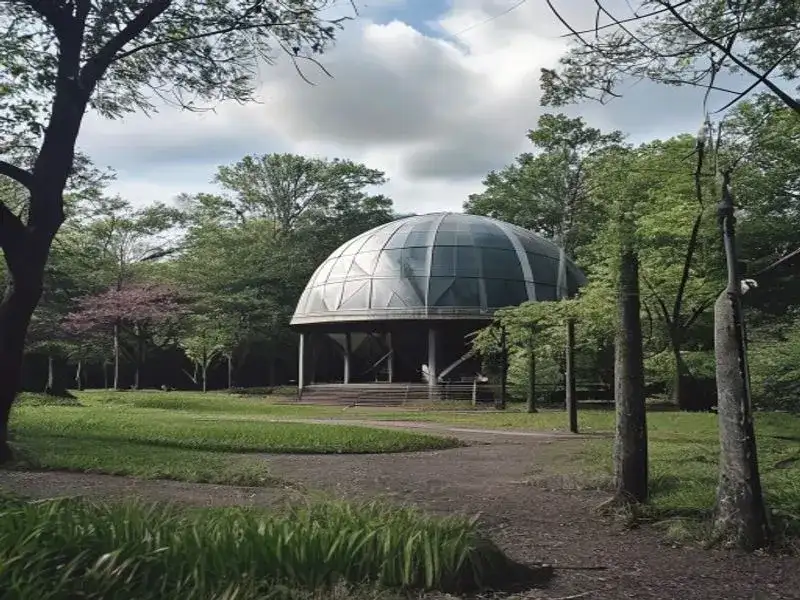

祈りと再生の象徴・広島平和記念公園 1945年8月6日、広島は人類史上初めて原子爆弾が投下された都市となりました。一瞬にして街は壊滅し、多くの尊い命が失われました。しかし、今日の広島は美しい緑と川に囲まれた復興のシンボルとして、世界中に平和の尊さを発信し続けています。その中心にあるのが「広島平和記念公園」です。 原爆ドームが伝える惨禍の記憶 公園の入り口に佇む「原爆ドーム(旧広島県産業奨励館)」は、爆心地からわずか160メートルの至近距離にありながら、奇跡的に全壊を免れました。被爆当時の無惨な姿をそのまま残すこの建物は、「二度と同じ過ちを繰り返さない」という強いメッセージを放ち、1996年に世界文化遺産(負の遺産)に登録されました。むき出しの鉄骨と崩れかけたレンガの壁は、核兵器の恐ろしさを言葉以上に雄弁に物語っています。 丹下健三の設計と慰霊碑 平和記念公園の設計は、日本を代表する建築家である丹下健三によって手がけられました。公園の軸線上には、原爆ドーム、平和の池、原爆死没者慰霊碑、そして平和記念資料館が一直線に並ぶように緻密に計算されています。慰霊碑は、犠牲者の霊を雨露から守るために埴輪(はにわ)の家型にデザインされており、中央の石室には「安らかに眠って下さい 過ちは繰返しませぬから」という碑文が刻まれています。ここから覗き込むと、ちょうどアーチの中に原爆ドームが収まるように設計されており、祈りの空間としての静密さを感じさせます。 折り鶴に込められた願い 公園内にある「原爆の子の像」には、年間を通じて世界中から無数の千羽鶴が届けられます。これは、被爆から10年後に白血病を発症し、回復を信じて鶴を折り続けながら亡くなった少女、佐々木禎子さんを悼んで建立されたものです。彼女の物語は世界中に広まり、折り鶴は現在、平和を願う国際的なシンボルとなっています。 広島平和記念公園を訪れることは、過去の悲惨な歴史と向き合うだけでなく、人類の未来と平和について深く考えるかけがえのない時間となるでしょう。 #hiroshima #peace #atomicbombdome #worldheritage #traveljapan #history #neverforget #peacepark #japan #hope Related Insights沖縄の青い海 日本の温泉文化 大阪のストリートフード{ "@context": "https://schema.org", "@type": "FAQPage", "mainEntity": [ { "@type": "Question", "name": "What is the main focus of 広島の平和記念公園?", "acceptedAnswer": { "@type": "Answer", "text": "Explore the incredible journey of 広島の平和記念公園 with Kenji Sato." } }, { "@type": "Question", "name": "Who authored the comprehensive guide on 広島の平和記念公園?", "acceptedAnswer": { "@type": "Answer", "text": "This detailed article and its insights were carefully researched and authored by Kenji Sato." } }, { "@type": "Question", "name": "Where can I find more related content about Japan Travel Facts?", "acceptedAnswer": { "@type": "Answer", "text": "You can explore more articles, detailed reviews, and similar insights by browsing the Related Insights section at the bottom of this article or visiting our dedicated Japan Travel Facts category page." } } ] }
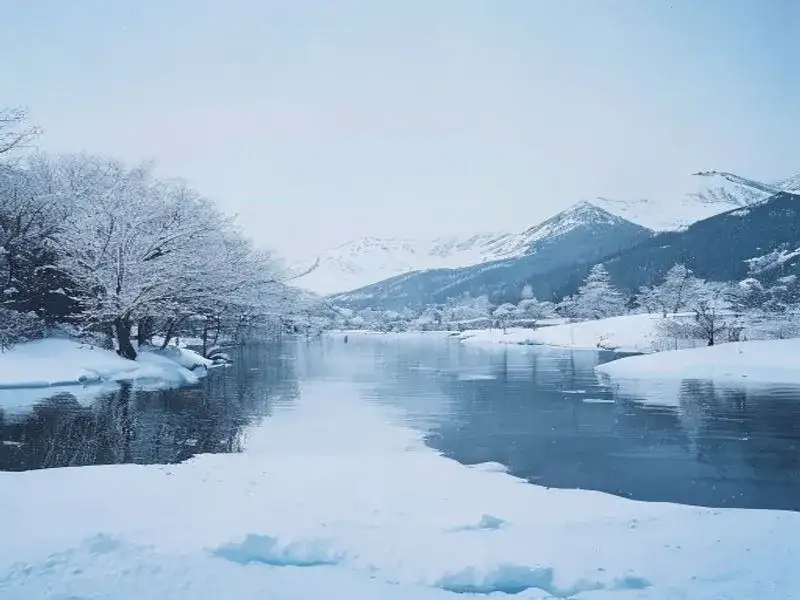
銀世界に包まれる北海道の冬の絶景と魅力 日本の最北端に位置する北海道は、冬になると一面の銀世界へと姿を変えます。厳しい寒さの中だからこそ見ることができる幻想的な風景や、世界最高峰の雪質、そして心温まる冬の味覚は、多くの人々を惹きつけてやみません。北海道の冬が織りなす絶景の数々とその魅力をご紹介します。 世界が認めるパウダースノー・ニセコ 北海道の冬を語る上で欠かせないのが「雪」です。特にニセコエリアの雪質は、水分をほとんど含まない極上の「JAPOW(ジャパン・パウダー)」として世界中のスキーヤーやスノーボーダーから絶賛されています。シベリアから吹き込む冷たい季節風が日本海を渡る際に水分を含み、北海道の山々にぶつかることで、この上なく軽くサラサラの雪が降り積もるのです。雄大な羊蹄山(蝦夷富士)を眺めながらのウィンタースポーツは、まさに至福の体験です。 さっぽろ雪まつりと氷の芸術 毎年2月に開催される「さっぽろ雪まつり」は、国内外から200万人以上が訪れる北海道最大の冬の祭典です。大通公園を中心に、巨大で精巧な雪像や透き通るような氷彫刻が立ち並び、夜にはライトアップやプロジェクションマッピングによって幻想的な空間が広がります。1950年に地元の中高生が作った6つの雪像から始まったこの祭りは、今や世界を代表する雪の芸術祭へと成長しました。 流氷が押し寄せるオホーツク海 道東のオホーツク海沿岸(網走や知床)では、例年1月下旬から3月にかけて、遠くロシアのアムール川から流れ着いた「流氷」を見ることができます。真っ白な氷が海面を埋め尽くす光景は圧巻の一言です。砕氷船に乗ってダイナミックに氷を割りながら進むクルーズや、専用のドライスーツを着て氷の上を歩く「流氷ウォーク」など、大自然の力強さを体感できるアクティビティも充実しています。時には、クリオネやアザラシといった野生動物に出会えることもあります。 厳しい自然環境が作り出す美しさと、そこで育まれた独自の文化。北海道の冬は、訪れる人の心に一生残る感動を与えてくれます。 #hokkaido #winter #japow #snow #sapporo #traveljapan #nature #winterwonderland #niseko #landscape Related Insights広島の平和記念公園 京都の美しい寺院 富士山を望む絶景{ "@context": "https://schema.org", "@type": "FAQPage", "mainEntity": [ { "@type": "Question", "name": "What is the main focus of 北海道の冬景色?", "acceptedAnswer": { "@type": "Answer", "text": "Explore the incredible journey of 北海道の冬景色 with Kenji Sato." } }, { "@type": "Question", "name": "Who authored the comprehensive guide on 北海道の冬景色?", "acceptedAnswer": { "@type": "Answer", "text": "This detailed article and its insights were carefully researched and authored by Kenji Sato." } }, { "@type": "Question", "name": "Where can I find more related content about Japan Travel Facts?", "acceptedAnswer": { "@type": "Answer", "text": "You can explore more articles, detailed reviews, and similar insights by browsing the Related Insights section at the bottom of this article or visiting our dedicated Japan Travel Facts category page." } } ] }
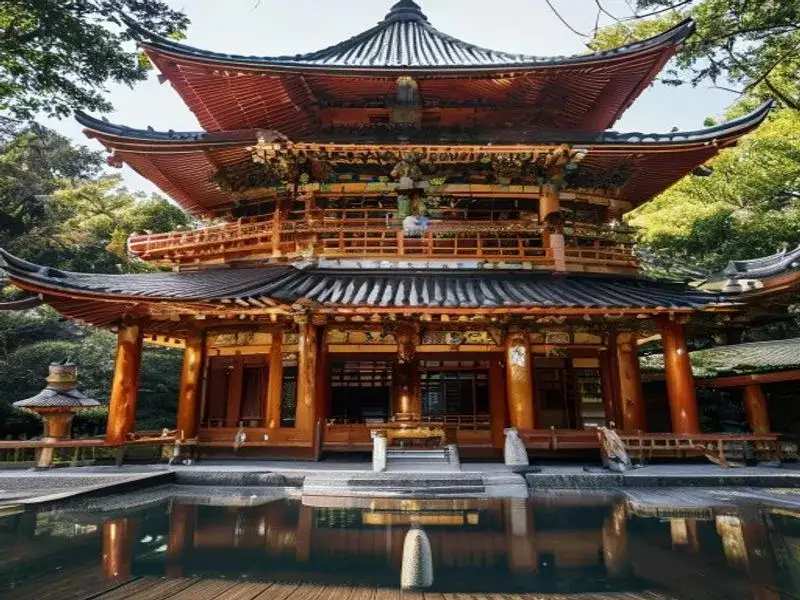
古都・京都が誇る世界遺産の寺院たち 京都には、約2000以上の寺院が存在すると言われています。その中でも特に有名なのが、金閣寺(鹿苑寺)や清水寺といった歴史的建造物です。これらは単なる観光地ではなく、日本の仏教や建築、さらには日本人の精神性を今に伝える重要な文化財です。 金閣寺と室町文化の粋 金閣寺の正式名称は鹿苑寺(ろくおんじ)であり、臨済宗相国寺派の寺院です。建物の内外に金箔が貼られた舎利殿(金閣)が有名で、室町幕府の第3代将軍・足利義満が建立しました。この金閣は、一層が公家風の寝殿造り、二層が武家造り、三層が禅宗様の仏殿造りとなっており、三つの異なる建築様式が見事に調和しています。これは、当時の義満が公家、武家、そして仏教界のすべてを掌握していたことを象徴する設計だと言われています。 清水寺の舞台と観音信仰 「清水の舞台から飛び降りる」ということわざで知られる清水寺は、平安時代から続く観音信仰の聖地です。本堂から張り出した「舞台」は、釘を一本も使わずに組み上げられた懸造り(かけづくり)という伝統工法で作られています。元々は本尊である十一面千手観音菩薩に舞楽を奉納するための舞台であり、現在もその荘厳な姿を保っています。音羽の滝から湧き出る清水は、それぞれ「学業」「恋愛」「長寿」のご利益があるとされ、多くの参拝客で賑わいます。 銀閣寺とわびさびの世界 金閣寺と対照的なのが、足利義政が建てた銀閣寺(慈照寺)です。銀箔は貼られていませんが、東山文化の「わび・さび」を体現する質素で洗練された美しさが魅力です。枯山水庭園である「銀沙灘」や「向月台」は、月明かりを反射させて建物を美しく見せるための工夫とされています。 京都の美しい寺院を巡る旅は、日本の美意識と歴史の深さを学ぶ最高の機会です。四季折々の風景とともに、その歴史的背景にもぜひ目を向けてみてください。 #kyoto #traveljapan #temples #kinkakuji #kiyomizudera #history #culture #japantrip #wanderlust #heritage Related Insights東京のネオン街 北海道の冬景色 日本の温泉文化{ "@context": "https://schema.org", "@type": "FAQPage", "mainEntity": [ { "@type": "Question", "name": "What is the main focus of 京都の美しい寺院?", "acceptedAnswer": { "@type": "Answer", "text": "Explore the incredible journey of 京都の美しい寺院 with Kenji Sato." } }, { "@type": "Question", "name": "Who authored the comprehensive guide on 京都の美しい寺院?", "acceptedAnswer": { "@type": "Answer", "text": "This detailed article and its insights were carefully researched and authored by Kenji Sato." } }, { "@type": "Question", "name": "Where can I find more related content about Japan Travel Facts?", "acceptedAnswer": { "@type": "Answer", "text": "You can explore more articles, detailed reviews, and similar insights by browsing the Related Insights section at the bottom of this article or visiting our dedicated Japan Travel Facts category page." } } ] }