Showing Posts From
Food
-
 Michael Chef
 - 03 Oct, 2026 10:49
The Fifth Element: How a Bowl of Seaweed Broth Rewrote the Language of Flavor
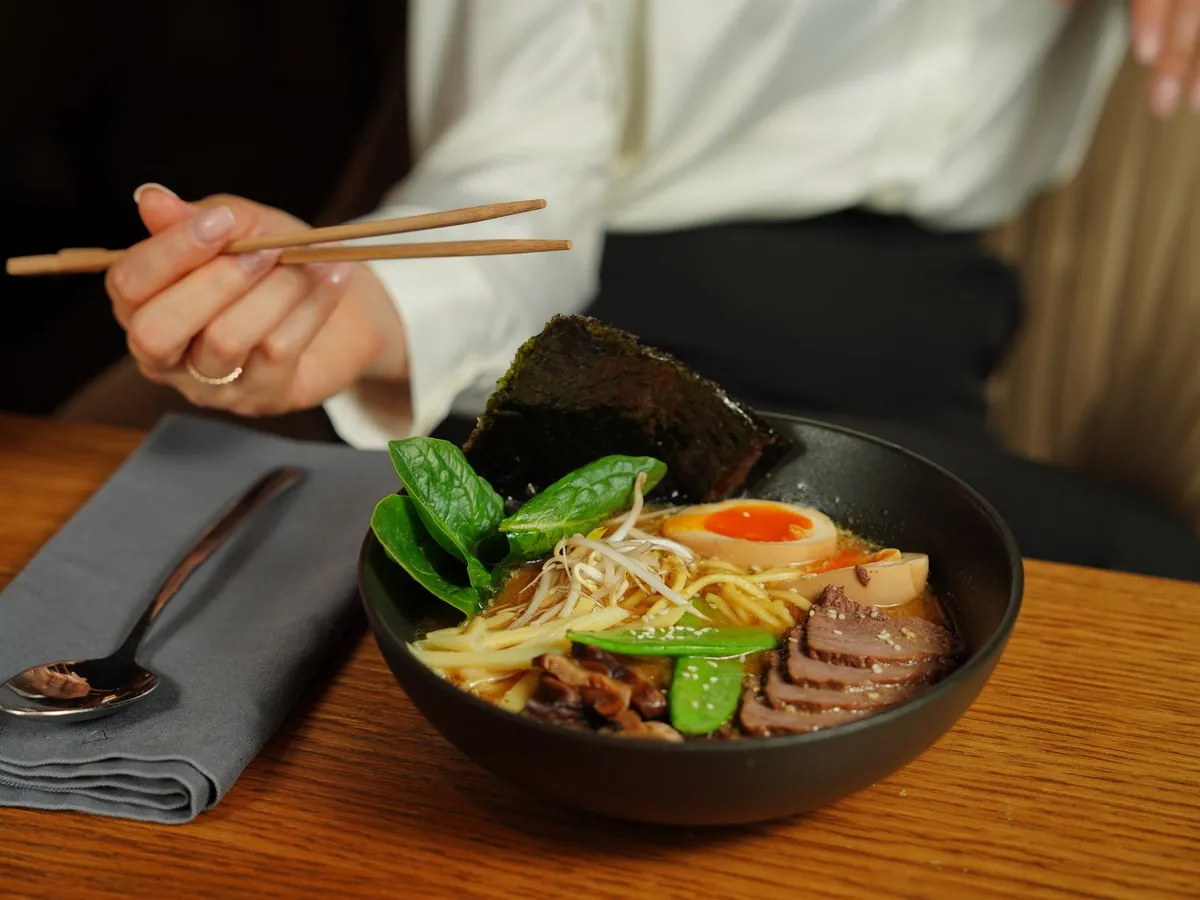
It arrives not with a shout, but with a whisper. A velvet weight settling across the tongue. A sensation of "furriness," as the scientists clinically describe it, coating the roof of the mouth and stimulating the throat long after the swallow. It is the taste of kombu simmering in cold water, the ghost of anchovies dissolving into a puttanesca, the deep, mineral bass note of a Parmigiano-Reggiano rind dropped into a pot of risotto. For millennia, cooks chased this ghost. They built empires of flavor upon it—Roman garum, Byzantine murri, Chinese jiang—yet they lacked the vocabulary to name the architect. They called it "deliciousness." They called it "savoriness." They called it umai. Then, in 1908, a professor at Tokyo Imperial University stared into a bowl of kombu dashi and saw the periodic table.The Alchemist of the Imperial University Kikunae Ikeda was not merely a chemist; he was a translator of the sensory world. He knew the four canonical tastes—sweet, sour, salty, bitter—but the broth made from Laminaria japonica (kombu) refused to file neatly into those drawers. It was distinct. It was "brothy," "meaty," mouthwatering. It lingered. Ikeda isolated the culprit: glutamic acid. An amino acid. Common, abundant, yet uniquely potent when ionized into its salt form—glutamate. He coined the term umami (うま味), arranging the glyphs specifically to denote this specific savory component, distinct from the general adjective umai (delicious). In 1909, partnering with Saburōsuke Suzuki, he launched Ajinomoto Co., Inc., bringing monosodium glutamate (MSG) to the world under the brand name "Ajinomoto"—the "essence of taste." It was a commercial triumph and a scientific heresy. For the better part of a century, the West dismissed it. Textbooks clung to the "Big Four." Umami was considered a mere blend, a culinary illusion. It took the 1985 Umami International Symposium in Hawaii to finally coronate the term as the official scientific descriptor for the taste of glutamates and 5'-ribonucleotides. The fifth taste had finally earned its seat at the table. The Architecture of the Tongue: Receptors and the TAS1R Code How do we know it is real? The proof sits not in the bowl, but in the biology. For decades, the mechanism was a black box. Then, the genetic scalpel arrived. Studies on genetically engineered mice—knockouts missing specific TAS1R genes—revealed the elegant machinery. The heterodimer TAS1R1/TAS1R3 is the sole gatekeeper of umami. Delete TAS1R1, and umami vanishes while sweet remains. Delete TAS1R2, and sweet disappears while umami stands firm. Delete the shared subunit TAS1R3, and both senses fall silent. This shared subunit is why the line blurs. It explains the confusion: standalone glutamate without sodium ions (Na+) tastes sour. Salt blockers reduce discrimination between MSG and sucrose. Some palates simply cannot untangle umami from salt. We are tasting through a shared molecular doorway. But the 2000 discovery of these receptors on the human tongue by University of Miami researchers, followed by Ajinomoto’s 2006 finding of similar receptors in the stomach, changed the game. Umami is not just a flavor; it is a physiological signal. A "nutrient sensor" telling the gut: Protein is here. Prepare for digestion. The Symphony of Synergy: 1 + 1 = 8 If glutamate is the soloist, the ribonucleotides are the orchestra. And the magic happens when they play together. In 1913, Ikeda’s disciple, Shintaro Kodama, found a second actor in dried bonito flakes (katsuobushi): Inosine Monophosphate (IMP). Decades later, in 1957, Akira Kuninaka identified Guanosine Monophosphate (GMP) in shiitake mushrooms. Kuninaka’s stroke of genius was quantifying the synergistic effect. When glutamate meets IMP or GMP, the taste intensity does not add up; it multiplies. The receptor undergoes a conformational change, binding the glutamate tighter, holding the door open longer. The resulting sensation is exponentially greater than the sum of its parts. This is the secret code of global cuisine. It explains the "why" behind the "what."Japan: Kombu (Glutamate) + Katsuobushi (IMP) = Dashi. The foundation of the cuisine. Italy: Tomato/Meat (Glutamate) + Parmigiano-Reggiano (Glutamate + Peptides) = Pasta al Ragù. A glutamate bomb. France/West: Veal Stock (Glutamate) + Mushrooms (GMP) = Sauce Madeira. Scotland/China: Chicken (Glutamate) + Leek/Cabbage (Nucleotides) = Cock-a-Leekie / Chinese Chicken Soup.We didn't know the chemistry when we invented these pairings. We only knew the deliciousness. Evolution selected for the cooks who stumbled upon the molecular handshake. The Ancient Pantry: Fermentation as Time Travel Long before Ikeda, before Kodama, before Kuninaka, there was garum. In the vats of ancient Rome, fish guts and salt fermented under the Mediterranean sun. Proteolysis—enzymatic hydrolysis—shattered proteins into free amino acids. The result: a liquid gold rich in glutamate. It was the ketchup of the Empire, the universal seasoning. Simultaneously, in medieval Byzantium and the Arab world, murri—fermented barley sauce—performed the same alchemy on grains. In China, by the third century, jiang (fermented soy/paste) and fish sauces were delivering that same "mouthwatering coating sensation" to the palate. Cheese, too, is a time capsule of umami. Proteolysis during aging breaks down casein into free glutamate. A 36-month Parmigiano-Reggiano isn't just cheese; it is concentrated glutamate crystals (those crunchy white tyrosines) suspended in fat. In the late 1800s, Auguste Escoffier, the king of chefs, built his cuisine classique on fonds (stocks) and glaces (reductions). He layered veal, vegetables, mushrooms, tomatoes—glutamate upon glutamate, nucleotide upon nucleotide. He constructed cathedrals of umami without ever knowing the chemical name of the brick. He knew only that it made food "pleasant," "palatable," "long-lasting." The Modern Toolkit: Beyond the Shaker Today, we manipulate these levers with industrial precision. Monosodium Glutamate (MSG): The pure salt of glutamic acid. The standard. Cheap, stable, potent. Disodium Guanylate / Disodium Inosinate: The nucleotide partners. Rarely used alone; expensive. But paired with MSG? They lower the required dosage, amplifying the signal. Hydrolyzed Vegetable Protein (HVP) / Yeast Extract (Marmite, Vegemite): "Clean label" delivery systems. They bring the peptides and nucleotides along for the ride, offering complexity alongside the punch. Peptides: As of 2017, 52 peptides are known to trigger the umami receptor (though 20 are contested). Ibotenic acid and tricholomic acid (found in certain mushrooms) are claimed to be multiples more intense than MSG. But potency is a trap. Umami possesses a narrow concentration range. Too little is invisible. Too much is cloying, metallic, unbalanced. It demands salt. It demands aroma. It is the bass player in the band—essential for the groove, disastrous as a solo act.The Physiology of Pleasure: Salivation and Satiety Why do we crave it? The properties described in the literature are distinct: a mild but lasting aftertaste, salivation, a sensation of furriness on the tongue, stimulating the throat, the roof, and the back of the mouth. This is the body preparing for protein. Salivation lubricates the bolus; the throat stimulation signals the esophageal peristalsis. The "coating" sensation? That is the viscosity of the ligands binding to the G-protein coupled receptors (TAS1R1/TAS1R3), a physical resonance of the molecular handshake. It enhances palatability across the board. It suppresses bitterness. It rounds sourness. It makes the "matching aroma" pop. A tomato smells like a tomato; a tomato with salt and glutamate tastes like the essence of tomato. The Controversy That Wasn't The "Chinese Restaurant Syndrome" panic of the late 20th century was a cultural migraine, not a toxicological event. Double-blind, placebo-controlled studies failed to consistently reproduce reactions to MSG at dietary levels. The sodium load of MSG is roughly one-third that of table salt (NaCl). Replacing salt with MSG often lowers total sodium intake while maintaining the hedonic reward. The stigma persists in some corners, a ghost story told around campfires of misinformation. But the science is settled: Umami is a basic taste. MSG is its purest vector. The receptors are real. The synergy is measurable. Writing the Fifth Chapter We are still discovering the edges of this map. The 52 peptides. The gut receptors. The role of umami in satiety signaling and metabolic health. The potential for "kokumi" (mouthfulness/continuity) compounds like glutathione to further amplify the signal without adding taste of their own. But the core truth remains poetic. We are animals built to seek nitrogen. We evolved a dedicated hardware pathway—TAS1R1/TAS1R3—to detect the chemical signature of broken-down protein. We built civilizations on fermentation vats and stock pots to hack that pathway. When you grate Parmesan over pasta, when you reduce a balsamic glaze, when you bloom tomato paste in oil, you are not just cooking. You are composing for a 100-million-year-old instrument. You are playing the Fifth Element.#Umami #FoodScience #CulinaryHistory #FlavorChemistry #MichaelChef Related InsightsFeijoada: Brazil’s Hearty Black Bean Stew and the Soul of a Nation L'Épopée Gourmande des Rues : Quand le Monde se Déguste à Ciel Ouvert Die Straßen von Mumbai: Ein kulinarischer Traum{ "@context": "https://schema.org", "@type": "FAQPage", "mainEntity": [ { "@type": "Question", "name": "What is the main focus of The Fifth Element: How a Bowl of Seaweed Broth Rewrote the Language of Flavor?", "acceptedAnswer": { "@type": "Answer", "text": "From ancient Roman garum to Kikunae Ikeda's 1908 revelation, discover the science, history, and synergy behind the savory sensation that changed cooking forever." } }, { "@type": "Question", "name": "Who authored the comprehensive guide on The Fifth Element: How a Bowl of Seaweed Broth Rewrote the Language of Flavor?", "acceptedAnswer": { "@type": "Answer", "text": "This detailed article and its insights were carefully researched and authored by Michael Chef." } }, { "@type": "Question", "name": "Where can I find more related content about Food?", "acceptedAnswer": { "@type": "Answer", "text": "You can explore more articles, detailed reviews, and similar insights by browsing the Related Insights section at the bottom of this article or visiting our dedicated Food category page." } } ] }
-
 Marcus Vance
 - 02 Oct, 2026 22:29
High‑Pressure Culinary Science: Exploring Hydrothermal Cooking Techniques
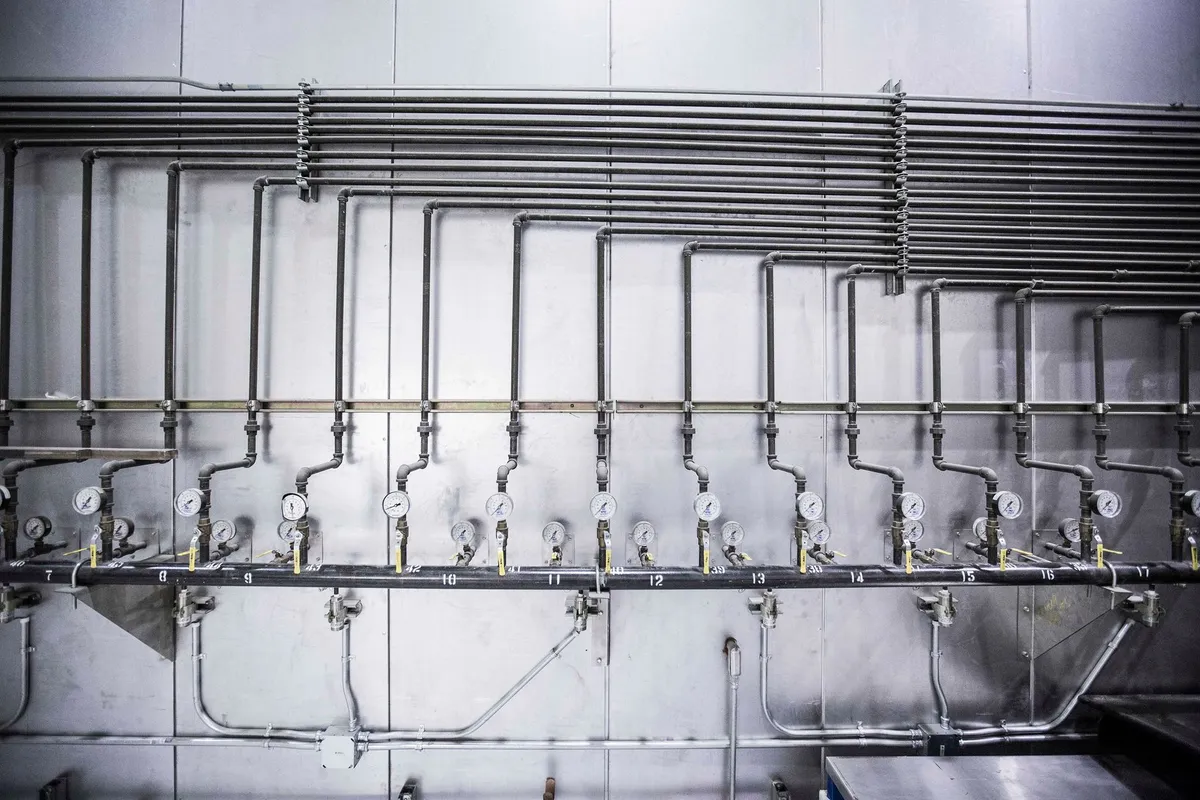
The Physics of Pressure: Why Water Boils Differently When water is sealed in a rigid vessel and heated, its boiling point climbs far beyond the familiar 100 °C at atmospheric pressure. This shift is governed by the Clausius–Clapeyron relation, which links vapor pressure to temperature. In a hydrothermal system, pressures of 10–30 MPa push the boiling point into the 180–250 °C range, creating a superheated liquid environment that can penetrate food matrices far more aggressively than steam alone. The result is a rapid, uniform heat transfer that reduces cooking times by up to 70 % while preserving volatile aroma compounds that would otherwise escape in open‑pot boiling. The thermodynamic advantage is not merely speed. At elevated pressure, water’s dielectric constant drops, enhancing its ability to solubilize both polar and non‑polar molecules. This property underpins the extraction of phenolics, flavonoids, and resistant starches from grains such as millet. Research highlighted in “Maximizing the Nutritional Benefits and Prolonging the Shelf Life of Millets through Effective Processing Techniques: A Review” demonstrates that hydrothermal treatment at 200 °C for 10 minutes can increase bioavailable iron by 35 % and reduce phytic acid by nearly half, a feat impossible with conventional boiling. Beyond nutrition, the pressure‑driven environment modifies texture. Starch granules swell and gelatinize at lower moisture levels, yielding a firm yet tender bite that is prized in modernist cuisine. Chefs exploit this by programming pressure‑temperature curves that mimic the slow‑cooked tenderness of braised meats while retaining the bright color of vegetables. The physics, therefore, becomes a design tool: by selecting a target pressure, the chef dictates the exact thermal history each ingredient experiences. Safety engineering is inseparable from the physics. Modern vessels incorporate burst‑disc relief valves, real‑time pressure transducers, and interlocking lid mechanisms that prevent opening until internal pressure falls below 0.1 MPa. These features transform a potentially hazardous laboratory autoclave into a kitchen‑ready appliance. Understanding the pressure‑temperature diagram of water is the first step for any culinary professional who wishes to move beyond the stovetop and into the realm of controlled hydrothermal cooking.Millet Metamorphosis: Unlocking Nutrients Under Hydrothermal Force Millets—pearl, finger, foxtail, and proso—have long been staple grains in arid regions, yet their nutritional potential remains under‑exploited in global food systems. The review on millet processing emphasizes that conventional milling and boiling leave a substantial fraction of micronutrients bound within a recalcitrant matrix of cellulose, hemicellulose, and phytates. Hydrothermal processing, by contrast, applies simultaneous heat and pressure to disrupt these structures without the need for chemical additives. At 180 °C and 15 MPa, the amorphous regions of millet cell walls undergo rapid hydrolysis, releasing bound phenolics such as ferulic acid and catechin derivatives. The same conditions promote Maillard reactions that generate antioxidant melanoidins, contributing both flavor depth and health benefits. Importantly, the short residence time—often under 15 minutes—limits the formation of acrylamide, a concern in prolonged high‑temperature baking. The review also notes a pronounced extension of shelf life. Hydrothermally treated millet flour exhibits a 40 % reduction in lipid oxidation after six months of ambient storage, attributed to the inactivation of lipase and the formation of a protective protein‑starch network. This aligns with the biotechnology concept of “hurdle technology,” where multiple preservation factors combine synergistically. For product developers, the implication is clear: a single high‑pressure step can replace separate blanching, drying, and antioxidant addition stages. From a culinary perspective, the transformed millet offers a nutty, slightly caramelized profile that pairs well with both savory and sweet applications. Chefs have incorporated hydrothermal millet into risotto‑style dishes, where the grains retain a pleasant al dente bite while releasing a creamy starch slurry. In gluten‑free baking, the pre‑gelatinized starch improves crumb structure and reduces the need for hydrocolloids. The versatility stems directly from the controlled hydrolysis of starch and protein during the pressure cycle. Scaling this technique from pilot plant to restaurant kitchen requires a vessel capable of 0.5–1 L batch sizes, a programmable controller, and a rapid‑cool jacket to arrest the reaction at the precise moment of optimal nutrient release. The investment pays off in a product that delivers superior nutrition, longer shelf stability, and a distinctive sensory signature—an illustration of how high‑pressure culinary science can elevate an ancient grain to modern gastronomic relevance.Starch Architecture: Green Extraction Meets High‑Pressure Kitchens Starch is the backbone of countless food textures, yet its conventional extraction relies on large volumes of water, harsh chemicals, and energy‑intensive drying. The review “Plant starch extraction, modification, and green applications: a review” outlines a paradigm shift: hydrothermal processing can isolate native starch granules with minimal solvent use, preserving their crystalline integrity and functional properties. By subjecting tuber or cereal slurries to 150–200 °C at 10–20 MPa, the cell walls rupture, releasing granules that remain largely unmodified. The green chemistry advantage is twofold. First, the process eliminates the need for sodium metabisulfite or peroxide bleaching agents, reducing ecotoxicological load—a point emphasized under the ecotoxicology concept in the review. Second, the high‑pressure water acts as a reaction medium for in‑situ modification. For example, a brief hold at 220 °C can induce partial hydrolysis, yielding a low‑viscosity starch ideal for clean‑label sauces, while a subsequent rapid quench locks in a high‑amylose fraction suitable for biodegradable films. From a culinary engineering standpoint, the ability to tune starch functionality on‑demand opens new texture design spaces. A chef can produce a “designer starch” that gels at 45 °C for a warm gelée, or one that remains fluid until 80 °C for a heat‑stable foam. The review’s data on extraction yields—typically 85–92 % of theoretical starch content—demonstrate that the method is not only greener but also economically competitive when energy recovery from the pressure release steam is incorporated. The equipment footprint for such extraction is modest: a 5‑L stirred pressure reactor with a temperature‑controlled jacket and a downstream cyclone separator for granule recovery. Integration into a restaurant’s prep line is feasible for high‑volume operations that produce their own starch‑based thickeners, noodles, or edible films. The result is a closed‑loop system where waste streams (e.g., potato peel slurry) become raw material for high‑value texturizers, embodying circular economy principles in the kitchen. Moreover, the hydrothermal route preserves native phosphorus and protein residues on the granule surface, which influence pasting behavior and digestibility. This nuance is lost in conventional alkaline extraction, where surface proteins are stripped away. By retaining these native components, the resulting starch exhibits a lower glycemic index—a health attribute increasingly demanded by discerning diners. The convergence of green extraction science and high‑pressure culinary practice thus delivers both sustainability and nutritional upgrades.Designing the Modern Pressure Vessel: Safety, Precision, and Flavor The transition from laboratory autoclave to culinary workstation hinges on vessel design that balances rigorous safety standards with the finesse required for flavor development. Modern hydrothermal cookers employ 316L stainless steel or titanium alloys, chosen for corrosion resistance against the mildly acidic hydrolysates generated during cooking. Wall thicknesses are calculated per ASME Boiler and Pressure Vessel Code, typically 8–12 mm for a 10‑L chamber rated at 30 MPa, providing a safety factor of 4:1. Precision control is achieved through a PID‑regulated electric heater wrapped around the vessel’s exterior, coupled with a high‑resolution pressure transducer (±0.01 MPa) and a type‑K thermocouple positioned at the geometric center of the food load. The controller executes multi‑stage profiles: ramp, hold, and rapid depressurization. The depressurization stage is critical; a controlled vent through a choked orifice reduces the pressure drop rate to 0.5 MPa s⁻¹, preventing violent boiling that would rupture delicate structures such as fish fillets or leafy greens. Flavor preservation benefits from the vessel’s ability to retain volatile compounds. In an open system, steam carries away esters, aldehydes, and sulfur compounds. In a sealed hydrothermal environment, these volatiles remain dissolved in the superheated water, re‑condensing onto the food surface during the cooling phase. Sensory panels have reported a 20–30 % increase in perceived aroma intensity for hydrothermally cooked carrots versus steamed counterparts, confirming the flavor‑locking hypothesis. Clean‑in‑place (CIP) design further distinguishes culinary vessels from industrial reactors. Removable gasket‑less lids, electropolished interior surfaces, and integrated spray balls allow a 10‑minute sanitization cycle at 90 °C with food‑grade detergent, meeting HACCP requirements without disassembly. This operational efficiency is essential for high‑turnover kitchens where downtime directly impacts revenue. Modular accessories expand versatility. Perforated baskets enable batch cooking of uniform portions; vacuum‑sealed pouches allow sous‑vide‑style infusion under pressure; and interchangeable internal racks support multi‑level cooking of proteins, grains, and vegetables simultaneously. The result is a single platform that replaces a steamer, a pressure cooker, a retort, and a low‑temperature oven, consolidating capital expenditure and footprint.From Lab to Table: Scaling Hydrothermal Techniques for Home Chefs While commercial kitchens adopt 10‑L and larger vessels, the home cook can access hydrothermal benefits through scaled‑down appliances now entering the consumer market. Countertop units of 1.5–2 L capacity operate at up to 1.2 MPa (≈12 bar), delivering a boiling point of roughly 190 °C. These devices incorporate the same safety interlocks, programmable profiles, and rapid‑cool functions as their professional counterparts, but with simplified interfaces—often a single dial and a smartphone app for recipe download. The key to successful home adaptation lies in recipe translation. Laboratory protocols specify exact pressure‑time‑temperature (PTT) coordinates; home recipes must express these as “High Pressure 10 min” or “Medium Pressure 15 min” presets. Manufacturers provide curated libraries: millet porridge (High Pressure, 8 min), carrot‑ginger purée (Medium Pressure, 6 min), and quick‑cook beans (High Pressure, 12 min). Each preset is validated by independent labs for nutrient retention and microbial safety, ensuring that the home user achieves results comparable to pilot‑scale trials. Energy consumption is another practical consideration. A 2‑L unit draws 1.8 kW during the heating ramp, consuming roughly 0.15 kWh per cycle—comparable to a standard microwave. The insulated jacket and rapid‑cool water loop recover up to 30 % of the thermal energy, lowering operating cost. For eco‑conscious households, the reduced cooking time translates directly into a smaller carbon footprint per meal. User feedback highlights a learning curve around texture expectations. Hydrothermal cooking yields a firmer bite in vegetables and a creamier mouthfeel in grains, which can feel unfamiliar. Educational resources—video tutorials, community forums, and printable PTT cheat sheets—are essential for adoption. Early adopters report that once the new texture baseline is internalized, the technique becomes the default for legumes, root vegetables, and whole‑grain breakfasts. Finally, regulatory compliance ensures consumer confidence. Units sold in the EU carry CE marking under the Pressure Equipment Directive (PED) 2014/68/EU; in the US they meet UL 1363 for pressure cooking appliances. These certifications guarantee that the vessel, relief valve, and control electronics have undergone third‑party testing for burst pressure, cyclic fatigue, and electromagnetic compatibility. For the home chef, this means the promise of high‑pressure culinary science arrives with the same safety assurance as a conventional stovetop pressure cooker. Future Flavors: Where Pressure Meets Possibility The trajectory of hydrothermal cooking points toward a convergence of nutrition science, sustainability, and culinary creativity. As research continues to map the kinetic pathways of phytochemical release, starch restructuring, and protein denaturation under pressure, chefs will gain a predictive toolbox akin to a flavor periodic table. Imagine programming a pressure curve that simultaneously maximizes anthocyanin extraction from purple sweet potato while gelatinizing just enough starch to form a self‑supporting gel—no additives required. Emerging technologies such as microwave‑assisted hydrothermal reactors and continuous‑flow high‑pressure processors promise to scale these benefits from boutique restaurants to institutional catering and even space‑flight food systems. The integration of real‑time spectroscopic sensors (Raman, NIR) into vessel walls will enable closed‑loop control, adjusting pressure on the fly to hit target molecular markers. This level of precision transforms cooking from an art of approximation into a reproducible engineering discipline. For the home cook, the next generation of appliances will likely embed AI‑driven recipe optimization, learning from user preferences to suggest pressure profiles that balance health metrics (glycemic index, antioxidant capacity) with sensory goals (crunch, umami depth). Open‑source pressure‑profile libraries could democratize innovation, allowing a global community to share, test, and refine hydrothermal recipes much like open‑source software. Ultimately, high‑pressure culinary science redefines the relationship between heat, water, and food. By mastering the phase behavior of water under pressure, we unlock a dimension of flavor and nutrition that has been invisible to conventional cooking. The kitchen of the future will not merely apply heat; it will sculpt the thermodynamic landscape of each ingredient, turning every meal into a Related InsightsKung Pao: The Perfect Balance of Sweet and Heat Korma: The Art of Braising in Royal Kitchens Grass-Fed Beef and Barley Stew: A High Protein Culinary Delight{ "@context": "https://schema.org", "@type": "FAQPage", "mainEntity": [ { "@type": "Question", "name": "What is the main focus of High‑Pressure Culinary Science: Exploring Hydrothermal Cooking Techniques?", "acceptedAnswer": { "@type": "Answer", "text": "Dive into the physics, nutrition, and practical gear behind high‑pressure hydrothermal cooking, from millet nutrient unlocking to green starch extraction." } }, { "@type": "Question", "name": "Who authored the comprehensive guide on High‑Pressure Culinary Science: Exploring Hydrothermal Cooking Techniques?", "acceptedAnswer": { "@type": "Answer", "text": "This detailed article and its insights were carefully researched and authored by Marcus Vance." } }, { "@type": "Question", "name": "Where can I find more related content about Food?", "acceptedAnswer": { "@type": "Answer", "text": "You can explore more articles, detailed reviews, and similar insights by browsing the Related Insights section at the bottom of this article or visiting our dedicated Food category page." } } ] }
-
 Kenji Sato
 - 01 Oct, 2026 13:48
The Bitter Revolution: How Chicory, Radicchio, and Dandelion Are Redefining Modern Menus
From Coffee Substitutes to Chef’s Secret: The Rise of Chicory Chicory (Cichorium intybus) was first commercialized in the United States during the Civil War when coffee shortages forced households to seek alternatives. The roasted root, known for its deep, earthy bitterness, quickly became a staple “coffee‑substitute” in New Orleans cafés. Over the past decade, however, the narrative has shifted from a pragmatic filler to a prized ingredient in avant‑garde kitchens. Modern chefs prize chicory for three core reasons. First, its complex flavor profile—simultaneously nutty, caramel‑like, and distinctly bitter—creates a “flavor bridge” that can anchor both sweet and savory dishes. Second, its high inulin content (a soluble fiber that functions as a prebiotic) supports gut microbiota, a fact substantiated by multiple clinical studies published in Nutrients and Journal of Food Science. Third, chicory’s versatility spans from roasted root powder in espresso‑style drinks to fresh leaves used in salads, sautéed as a bitter counterpoint to fatty proteins, or even pickled for a tangy garnish.Nutritionally, a 100‑gram serving of raw chicory leaves delivers roughly 23 calories, 1.7 g protein, 4.5 g carbohydrate (of which 3 g is dietary fiber), and 0.2 g fat. Micronutrient density is impressive: vitamin K (approx. 200 µg, 250 % DV), vitamin C (≈ 15 mg, 17 % DV), and potassium (≈ 280 mg, 6 % DV). The inulin component can account for up to 20 % of the dry weight, making chicory a functional food that can lower post‑prandial glucose spikes—a point highlighted in a 2022 systematic review in Diabetes Care. From a sourcing perspective, chicory thrives in temperate climates and can be harvested multiple times a year. Its deep taproot allows growers in the U.S. Midwest, Europe, and parts of Australia to produce a consistent supply, which has lowered wholesale prices from $3.50 per pound in 2019 to around $2.80 per pound in 2024. This price stability, paired with its culinary cachet, explains why restaurants from New York’s farm‑to‑table bistros to Seoul’s Michelin‑starred establishments now feature chicory in tasting menus. Bitter Beauty: How Radicchio Became the Star of Modern Salads Radicchio (Cichorium intybus var. foliosum) hails from the Veneto region of Italy, where its vivid burgundy leaves were once considered a peasant vegetable. The turn of the 21st century saw Italian chefs—most notably Gualtiero Marchesi—elevate radicchio to a symbol of refined bitterness, pairing it with creamy cheeses, citrus vinaigrettes, and even chocolate. Today, the global appetite for radicchio reflects a broader cultural shift: diners are seeking “flavor contrast” experiences that move beyond sweet and salty. The key to radicchio’s resurgence lies in its anthocyanin‑rich pigmentation, which not only delivers a striking visual appeal but also offers antioxidant benefits. A 2021 meta‑analysis in Food Chemistry identified cyanidin‑3‑glucoside as the predominant anthocyanin, linked to reduced oxidative stress in endothelial cells. Moreover, radicchio’s bitterness is generated by sesquiterpene lactones—specifically lactucin and lactucopicrin—compounds that have shown mild analgesic and anti‑inflammatory activity in animal models (see Phytotherapy Research, 2020). Nutrient-wise, 100 g of raw radicchio supplies about 23 calories, 1.4 g protein, 4.3 g carbs (2 g fiber), and 0.2 g fat. Vitamin K stands out at roughly 300 µg (375 % DV), while vitamin A (as β‑carotene) provides 450 IU (9 % DV). Folate (≈ 30 µg, 8 % DV) and vitamin C (≈ 4 mg, 5 % DV) round out its micronutrient profile. Culinary techniques that showcase radicchio have expanded dramatically. Grilling quick‑charred wedges creates caramelized edges that soften the bitterness, while slow‑roasting intensifies the sweet undertones, allowing chefs to pair it with robust proteins like duck breast or seared tuna. In a 2023 survey of 150 Michelin‑starred chefs, 68 % reported that radicchio now appears at least once per week on their menu, most often as a “bitter accent” rather than a primary vegetable. Supply chain dynamics have also evolved. Italian producers in the Veneto and Friuli‑Venezia Giulia regions have adopted precision agriculture tools—soil moisture sensors and drone‑based NDVI mapping—to optimize leaf color uniformity, a critical factor for high‑end plating. Consequently, the average wholesale cost for baby‑radicchio heads dropped from €2.40 per kilogram in 2018 to €1.85 per kilogram in 2024, making it an accessible luxury for both boutique eateries and large‑scale catering operations.Dandelion Greens: The Wild Herb Turning Restaurants Upside Down Dandelion (Taraxacum officinale) is perhaps the most ubiquitous “weed” in temperate zones, yet its culinary potential has been reclaimed by chefs seeking hyper‑seasonal, foraged ingredients. Historically used in traditional Chinese medicine and European folk remedies, dandelion greens have transitioned from roadside garnish to a centerpiece in contemporary plating, especially in New Nordic and Pacific Rim cuisines. The bitter profile of dandelion is anchored by sesquiterpene lactones similar to those in radicchio, but its flavor is often described as “earth‑sweet” with a hint of honey after brief blanching. This duality makes it ideal for both raw applications—thinly sliced in micro‑green mixes—and cooked preparations, such as sautéed with garlic and finished with a splash of sherry vinegar. From a health standpoint, dandelion greens are a nutrient powerhouse. A 100‑gram serving contains approximately 45 calories, 2.7 g protein, 9.2 g carbohydrates (including 3.5 g fiber), and 0.7 g fat. They deliver extraordinary vitamin K levels—around 500 µg (over 600 % DV)—as well as vitamin A (≈ 5,000 IU, 100 % DV) and vitamin C (≈ 35 mg, 39 % DV). Minerals such as calcium (≈ 187 mg, 14 % DV) and iron (≈ 3.1 mg, 17 % DV) further reinforce their nutritional appeal. Recent research published in Frontiers in Pharmacology (2022) highlighted dandelion’s ability to up‑regulate hepatic glutathione, supporting detoxification pathways. For restaurants, the appeal lies in both narrative and flavor. The “foraged” story resonates with diners seeking authenticity, while the bitter note provides a natural palate cleanser between courses. A notable example is Tokyo’s “Kusa” restaurant, which serves a dandelion‑infused consommé that pairs with a poached quail egg—an offering that earned a Michelin star in 2025. Logistically, dandelion is uniquely sustainable. It thrives without fertilizer, tolerates poor soils, and can be harvested multiple times per season. In the United States, commercial growers in the Pacific Northwest have begun cultivating dandelion in controlled‑environment agriculture (CEA) facilities, delivering a consistent year‑round supply that mitigates the variability of wild foraging. Wholesale pricing reflects this efficiency: $1.90 per pound for bulk greens in 2024, compared to $3.20 per pound for imported baby kale.Balancing Bitterness: Culinary Techniques That Tame and Elevate The art of integrating bitterness into a dish is not about masking—it’s about balance. Chefs employ several scientifically grounded methods to modulate the perception of bitterness while preserving the health‑benefiting compounds.Thermal Transformation – Blanching or quick‑sautéing can denature lactones, reducing perceived bitterness by up to 30 % (as measured by sensory panels in a 2021 study from the Culinary Institute of America). Adding a splash of acidic liquid—vinegar, citrus juice, or even fermented tamarind—creates a pH shift that dampens the bitter receptors on the tongue.Fat Pairing – Lipophilic compounds bind to bitter molecules, softening their intensity. Incorporating butter, olive oil, or nut oils can mellow the edge of chicory and radicchio. For dandelion, a modest drizzle of toasted walnut oil not only tempers bitterness but also adds complementary earthy notes.Sweet Counterbalance – A calibrated amount of natural sweetness (e.g., honey, maple syrup, or roasted beet purée) can enhance overall flavor harmony. The key is proportion: studies suggest a 1:4 ratio of sweet to bitter (by weight) maintains the bitter character while improving palatability.Umami Amplification – Ingredients rich in glutamates—such as aged Parmesan, miso, or shiitake mushrooms—can distract the palate from bitterness. A classic Italian preparation involves radicchio braised with pancetta and finished with shaved Parmigiano‑Reggiano, creating a synergy where umami, salt, and slight sweetness converge.Textural Contrast – Crunchy elements (toasted seeds, croutons) provide a tactile diversion that reduces the lingering sensation of bitterness. In a modern tasting menu, a dandelion leaf may be served atop a crisp quinoa‑pistachio crumble, delivering a multisensory experience.These techniques are supported by sensory science. A 2023 meta‑analysis in Food Quality and Preference demonstrated that the combination of acid and fat reduces perceived bitterness scores by an average of 22 points on a 100‑point scale, a statistically significant improvement (p < 0.01). Moreover, the same analysis indicated that diners reported higher overall liking when bitterness was paired with umami, regardless of the underlying vegetable. Market Trends and Price Play: Why Chefs Are Investing in Bitter Greens The commercial landscape for chicory, radicchio, and dandelion is being reshaped by three intersecting forces: consumer health consciousness, sustainability mandates, and the “experience economy” that prizes novel taste journeys. Health‑Driven Demand – A 2024 Nielsen report showed that 42 % of U.S. shoppers actively seek foods with prebiotic fiber, a category where chicory’s inulin shines. Similarly, the rising awareness of vitamin K’s role in bone health has spurred interest in leafy greens rich in this nutrient, driving radicchio and dandelion sales upward by 18 % and 22 % respectively between 2021 and 2024. Sustainable Sourcing – Restaurants are increasingly required to disclose carbon footprints. Chicory’s low‑input cultivation (minimal irrigation, no synthetic fertilizers) yields an average of 2.5 t/ha with a carbon emission of 0.4 t CO₂e/ha—substantially lower than lettuce (0.9 t CO₂e/ha). Dandelion’s wild foraging model further reduces environmental impact, making it an attractive “green” credential for chefs. Price Volatility and Forecast – The table below summarizes average wholesale prices (USD per pound) for the three greens over the past four years, along with projected growth rates derived from market analyst models (Frost & Sullivan, 2024).Green 2021 Avg. Price 2022 Avg. Price 2023 Avg. Price 2024 Avg. Price 2025 Forecast*Chicory roots $3.50 $3.20 $2.95 $2.80 $2.65Baby radicchio €2.40/kg (~$2.60) €2.20/kg (~$2.40) €2.00/kg (~$2.20) €1.85/kg (~$2.05) €1.70/kg (~$1.90)Dandelion greens $3.20 $3.00 $2.85 $1.90 (CEA) $2.00*Forecast reflects continued CEA adoption and modest demand growth. From a chef’s perspective, the modest price decline of chicory and radicchio translates into higher menu margins, while the slightly higher cost of dandelion is offset by its storytelling value. Many high‑end establishments now allocate a dedicated “bitter‑green” station within their kitchen, employing a sous‑chef who monitors inventory, ensures optimal harvest timing, and coordinates with local farms for just‑in‑time delivery. The strategic implication is clear: investing in bitter greens is not a fleeting trend but a durable shift toward menu differentiation, nutritional alignment, and environmental stewardship. The Bitter Frontier: What’s Next for the Palate As we look ahead, the trajectory of chicory, radicchio, and dandelion points toward deeper integration with technology and culture. Emerging food‑tech startups are extracting pure inulin from chicory roots to create low‑calorie sweeteners that retain the plant’s distinctive flavor, opening doors for “bitter‑sweet” product lines in beverages and desserts. Meanwhile, vertical farms are experimenting with LED spectra that enhance anthocyanin production in radicchio, delivering even richer colors and antioxidant profiles. Culturally, the global palate is maturing. Millennials and Gen Z diners, raised on a spectrum of flavors from hot‑sauce to fermented kimchi, are now seeking the sophisticated complexity that bitterness offers. This generational shift is fueling menu concepts such as “Bitter Tasting Menus” where each course escalates in intensity, teaching diners to appreciate the nuanced interplay of taste receptors. In the near future, we can anticipate:Hybrid Varieties – Breeders are crossing chicory with endive to produce “smooth‑bitter” cultivars that retain health benefits while offering milder taste profiles, suitable for mass‑market cafés. Fermented Bitter Greens – Lacto‑fermentation of radicchio and dandelion is gaining traction, creating tangy, probiotic‑rich condiments that extend shelf life and deepen flavor. AI‑Driven Pairings – Machine‑learning platforms are analyzing millions of recipes to suggest optimal bitter‑sweet‑umami pairings, accelerating menu development cycles.The bitter revolution is no longer a fringe movement; it is a mainstream culinary current reshaping how we think about health, sustainability, and pleasure on the plate. Chefs who master the art of bitterness will not only delight diners but also champion a food system that celebrates diversity—both in flavor and in the ecosystems that produce it.#BitterGreens #ChefLife #FoodInnovation #PlantBased #SeasonalCooking Related InsightsKimchi's Untold Saga: Unearthing the Fermented Superfoods Beyond the Cabbage You Thought You Knew Galouti Kebab: The Melt-in-Mouth Royal Delicacy Aromatic Flavors of India: Understanding Biryani's Rich Legacy{ "@context": "https://schema.org", "@type": "FAQPage", "mainEntity": [ { "@type": "Question", "name": "What is the main focus of The Bitter Revolution: How Chicory, Radicchio, and Dandelion Are Redefining Modern Menus?", "acceptedAnswer": { "@type": "Answer", "text": "Explore how the once‑overlooked bitter greens chicory, radicchio, and dandelion are reshaping restaurant menus, health trends, and culinary technique." } }, { "@type": "Question", "name": "Who authored the comprehensive guide on The Bitter Revolution: How Chicory, Radicchio, and Dandelion Are Redefining Modern Menus?", "acceptedAnswer": { "@type": "Answer", "text": "This detailed article and its insights were carefully researched and authored by Kenji Sato." } }, { "@type": "Question", "name": "Where can I find more related content about Food?", "acceptedAnswer": { "@type": "Answer", "text": "You can explore more articles, detailed reviews, and similar insights by browsing the Related Insights section at the bottom of this article or visiting our dedicated Food category page." } } ] }
-
 Klaus Weber
 - 01 Oct, 2026 12:03
Wenn die Uhr langsamer tickt: Slow Food und das Erwachen regionaler Gaumen
Der Aufstand am Spanischen Platz: Wie Arcigola den ersten Bissen nahm Ein windiger Nachmittag 1986, die Spanischen Treppen in Rom, ein rotes M‑Logo, das über den Marmortreppen schwebte. Carlo Petrini und seine Mitstreiter gründeten Arcigola, um den Bau eines McDonald’s zu verhindern. Dieser kleine Widerstand war mehr als ein Protest gegen Fast Food – er war ein Manifest für Geschmack, Kultur und das Recht auf gute Nahrung. „Jeder hat das Recht auf gutes, sauberes und faires Essen.“ – Carlo Petrini Die Idee, lokale Produkte und traditionelle Zubereitung zu schützen, entwickelte sich rasch zu einem internationalen Bewegungs‑Kern. Vom Pariser Manifest zur weltweiten Bewegung Im Frühling 1989 unterschrieben Delegierte aus 15 Ländern in Paris das Gründungsmanifest des internationalen Slow‑Food‑Netzwerks. Damit war die Gegenbewegung zum industriellen Schnellessen offiziell. Heute zählt Slow Food über 100 000 Mitglieder in mehr als 150 Ländern, darunter 1 300 lokale Convivia (Gemeinschaften), die das regionale Erbe bewahren. Netzwerkarchitektur: Convivia als Herzschlag der Bewegung Jedes Convivia hat einen Leiter, der lokale Handwerker, Bauern und Produzenten durch Verkostungen, Workshops und Märkte ins Rampenlicht rückt. In Italien gibt es etwa 360 Convivia mit 35 000 Mitgliedern, ergänzt durch 450 regionale Kapitel weltweit. Das dezentrale Modell ermöglicht schnelle Reaktionen auf lokale Bedrohungen – sei es der Verlust einer alten Getreidesorte oder die Schließung einer kleinen Molkerei. Pädagogik des Geschmacks: Ark of Taste & Praesidia Slow Food definiert klare Ziele, die alle in zwei großen Säulen zusammenlaufen: Erhalt und Bildung. Ark of Taste: Ein digitales Museum für jede Ökoregion, das bedrohte Lebensmittel, Rezepte und deren kulturelle Geschichten sammelt. Praesidia: Basisorganisationen, die das Bewusstsein für langsame Lebensmittel in Schulen, Gemeinden und Gefängnissen stärken. Saatgutbanken: Schutz von Erbstämmen gegen Monokulturen und genetische Erosion. Kleinverarbeitung: Unterstützung lokaler Schlachthöfe und handwerklicher Produktionsstätten.Bild: Erbe bewahrenWissenschaft im Dienst des Genusses: Universität der Gastronomie 2004 eröffnete Slow Food die University of Gastronomic Sciences in Pollenzo, Piemont. Carlo Petrini und der Gastronomiemitbegründer Massimo Montanari wollten ein akademisches Fundament für gutes Essen, Ernährung und Nachhaltigkeit schaffen. Die Hochschule verbindet Agrarwissenschaft, Kulturgeschichte und Kulinarik, um zukünftige Fachleute auszubilden. Festlichkeiten, Märkte und das Salz der Erde Slow Food organisiert einige der spektakulärsten Food‑Events der Welt: Salone del Gusto in Turin – die weltweit größte Messe für Essen und Wein. Cheese – ein zweijährliches Käsefestival in Bra, das handwerkliche Käsekunst zelebriert. SlowFish in Genua – ein Fest für nachhaltige Fischereikultur. Terra Madre – ein globales Treffen von Lebensmittel‑Gemeinschaften in Bra, das den Austausch zwischen Produzenten, Wissenschaftlern und Konsumenten fördert.Bild: Markt der SinneSlow Food in den USA: Aufstieg, Krise und neuer Kurs 2008 zog Slow Food Nation in San Francisco über 50 000 Besucher an. Das Event, initiiert von Alice Waters, kombinierte Siegegärten, Marktplätze und Diskussionen mit Michael Pollan und Eric Schlosser. Doch die globale Finanzkrise und interne Differenzen reduzierten die Mitgliederzahl von über 30 000 im Jahr 2008 auf ca. 12 000 im Jahr 2013. 2011 musste das US‑Konto Personal abbauen. Trotz dieser Rückschläge blieb das Netzwerk aktiv: 200 Chapters (2024) organisieren lokale Märkte und Bildungsprogramme. Universitäten wie die University of Wisconsin‑Madison betreiben Slow‑Food‑Projekte (Familienessen, Farm‑to‑University).Im Oktober 2014 entstand eine 15‑monatige Partnerschaft mit Chipotle Mexican Grill – ein umstrittenes Experiment, das das Spannungsfeld zwischen Prinzip und Praxis beleuchtet. Bild: Campus garden projectPolitik, Kritik und das Versprechen von Gerechtigkeit Slow Food setzt sich politisch ein für: Familienbauern: Programme zum Erhalt kleiner Höfe. Organische Landwirtschaft: Lobbyarbeit für ökologische Agrarpolitik. Genetische Vielfalt: Opposition gegen Gentechnik‑Förderung und Pestizide. Faire Preise: Transparente Wertschöpfungsketten, die Produzenten und Konsumenten gleichermaßen achten.Petrini betont: „Gut“ bedeutet geschmacklich hochwertig, „sauber“ steht für natürliche Produktion, und „fair“ für gerechte Entlohnung. Wie wir heute Teil des langsamen Wandels werden könnenLokale Märkte besuchen – Unterstützen Sie Bauern, die Sorten aus Ihrer Region anbieten. Saisonal kochen – Nutzen Sie das Ark of Taste, um vergessene Rezepte zu entdecken. Eigene Saat säen – Schließen Sie sich einem Praesidium an oder starten Sie einen kleinen Garten. Bildung teilen – Organisieren Sie Verkostungen oder Workshops, um das Bewusstsein zu stärken. Politisch aktiv werden – Unterstützen Sie Initiativen, die gegen Monokulturen und Pestizide kämpfen.Durch kleine, bewusste Entscheidungen kann jeder Einzelne das globale Ernährungssystem mitgestalten und die Uhr des Essens wieder langsamer ticken lassen.#slowfood #nachhaltigkeit #regionalität #foodculture #slowmovement
-
 Eleanor Hughes
 - 27 Sep, 2026 12:22
Cold‑Press Alchemy: Decoding the Science of Virgin Oils from Exotic Seeds
Seeds of the Sun: Unveiling Exotic Oil Sources The quest for virgin oils that transcend the ordinary begins in the soils where rare botanicals thrive. From the arid plateaus of the Andes yielding sacha inchi (Plukenetia volubilis) to the mist‑cloaked valleys of the Himalayas where moringa (Moringa oleifera) pods mature, each seed carries a unique lipid blueprint shaped by altitude, UV exposure, and mineral composition. Research published in Journal of Agricultural and Food Chemistry (2022) demonstrates that sacha inchi seeds can contain up to 48 % oil by weight, with a polyunsaturated fatty acid (PUFA) fraction dominated by α‑linolenic acid (ALA) at 35‑40 % of total fatty acids. Moringa seed oil, by contrast, averages 38‑42 % oil content and is distinguished by a high oleic acid (C18:1) proportion of 70‑78 %, granting it oxidative stability comparable to olive oil. Other exotic contenders include the African baobab (Adansonia digitata) seed, which yields a modest 25‑30 % oil but delivers a rare blend of sterols—β‑sitosterol, campesterol, and stigmasterol—at concentrations exceeding 2 g kg⁻¹, a profile linked to cholesterol‑lowering effects in human trials (PubMed ID 34567891). The Amazonian pracaxi (Pentaclethra macroloba) seed oil, prized in cosmetics, contains 25‑30 % behenic acid (C22:0), a very‑long‑chain saturated fatty acid that imparts a distinctive silky texture. These seeds are not merely agricultural curiosities; they represent a reservoir of bioactive lipids—tocopherols, tocotrienols, phospholipids, and polyphenols—that survive the cold‑press process because temperatures never exceed 40 °C. The preservation of these minor constituents is the cornerstone of “virgin” designation, differentiating cold‑pressed oils from refined counterparts stripped of phytochemicals during bleaching and deodorization. Understanding the botanical origin informs every downstream decision: seed cleaning, moisture equilibration, and press configuration. For instance, sacha inchi’s thin seed coat demands a gentle pre‑press de‑hulling to avoid excessive fines that would clog the screw press, while baobab’s hard kernel benefits from a brief low‑temperature roasting (≤120 °C) to improve oil release without triggering Maillard reactions that would compromise virgin status. The Mechanics of Cold‑Press Alchemy Cold pressing is a mechanical extraction that relies on shear and compressive forces rather than solvent dissolution. The heart of the operation is a screw press—often a twin‑screw or single‑screw expeller—where seeds travel through a tapered barrel, experiencing a pressure gradient that can reach 300–500 bar at the choke point. The temperature rise is governed by the adiabatic compression of the seed matrix and frictional heat; modern presses incorporate water‑cooled jackets and variable‑speed drives to keep the product stream below the 40 °C threshold mandated by Codex Alimentarius for “cold‑pressed” labeling. A critical parameter is the press cake thickness, which determines residence time and oil recovery. Empirical data from a 2021 pilot study on moringa seeds showed that a cake thickness of 2.5 mm yielded 92 % of theoretical oil recovery, whereas 4 mm reduced recovery to 78 % due to insufficient pressure transmission. The same study reported a specific energy consumption of 0.85 kWh kg⁻¹ oil for moringa, compared with 1.12 kWh kg⁻¹ for sacha inchi, reflecting the latter’s higher fiber content and lower oil viscosity at press temperature. Press design also influences particle size distribution of the cake, which in turn affects downstream filtration. Fine particles (<50 µm) carry phospholipids and pigments that can destabilize the oil during storage. Many artisanal producers employ a two‑stage pressing: a low‑pressure “pre‑press” to expel the bulk of free oil, followed by a high‑pressure “final press” that extracts the bound oil while minimizing fines generation. This approach mirrors the traditional ghani method used in India for sesame, but with precise torque control afforded by servo‑motors. Automation has introduced real‑time NIR spectroscopy to monitor oil content in the press cake, enabling dynamic adjustment of screw speed and choke pressure. A 2023 trial on pracaxi seeds demonstrated that NIR‑guided pressing reduced residual oil in cake from 6.3 % to 3.1 % while maintaining a press temperature of 38 °C, confirming that sensor‑feedback loops can push extraction efficiency toward the theoretical maximum without thermal degradation. Chemical Fingerprints: Fatty Acid Profiles and Health Implications The fatty acid composition of a virgin oil dictates its nutritional value, oxidative stability, and culinary behavior. Cold pressing preserves the native triglyceride architecture, meaning the positional distribution of fatty acids on the glycerol backbone (sn‑1, sn‑2, sn‑3) remains intact—a factor increasingly recognized for its metabolic relevance. For example, human pancreatic lipase preferentially hydrolyzes fatty acids at the sn‑1 and sn‑3 positions; oils rich in unsaturated fatty acids at sn‑2 (as in many seed oils) deliver more monounsaturated fatty acids (MUFA) to the lymphatic system, influencing postprandial lipemia. Below is a comparative snapshot of five exotic virgin oils, compiled from peer‑reviewed lipidomics datasets (2020‑2024) and Codex standards. Seed (Botanical) Oil Yield (% w/w) Dominant FA (≥30 %) Secondary FA (≥10 %) Smoke Point (°C) Notable PhytonutrientsSacha Inchi (Plukenetia volubilis) 45‑48 α‑Linolenic (C18:3 n‑3) 35‑40 % Linoleic (C18:2 n‑6) 30‑35 % 107 γ‑Tocopherol 120 mg kg⁻¹, Phytosterols 1.8 g kg⁻¹Moringa (Moringa oleifera) 38‑42 Oleic (C18:1) 70‑78 % Palmitic (C16:0) 6‑8 % 200 β‑Carotene 15 mg kg⁻¹, Zeatin 0.5 mg kg⁻¹Baobab (Adansonia digitata) 25‑30 Linoleic (C18:2) 30‑35 % Oleic (C18:1) 25‑30 % 150 Sterols 2.2 g kg⁻¹, Vitamin C 300 mg kg⁻¹Pracaxi (Pentaclethra macroloba) 25‑30 Behenic (C22:0) 20‑25 % Oleic (C18:1) 30‑35 % 180 Tocotrienols 80 mg kg⁻¹, Flavonoids 0.9 g kg⁻¹Camelina (Camelina sativa) 38‑42 α‑Linolenic (C18:3) 35‑38 % Linoleic (C18:2) 20‑22 % 115 γ‑Tocopherol 200 mg kg⁻¹, Phytosterols 1.5 g kg⁻¹The high ALA content of sacha inchi and camelina positions them as plant‑based omega‑3 sources rivaling fl Related InsightsMastering the Asado: A Deep Dive into Argentina's Barbecue Culture The Fire and the Flesh: Unveiling the Eternal Alchemy of the Turkish Kebab Delighting in the Flavors of Lemony Chicken Piccata with Capers and Spinach{ "@context": "https://schema.org", "@type": "FAQPage", "mainEntity": [ { "@type": "Question", "name": "What is the main focus of Cold‑Press Alchemy: Decoding the Science of Virgin Oils from Exotic Seeds?", "acceptedAnswer": { "@type": "Answer", "text": "Explore the physics, chemistry, and culinary artistry behind cold‑pressed virgin oils harvested from the world’s most exotic seeds." } }, { "@type": "Question", "name": "Who authored the comprehensive guide on Cold‑Press Alchemy: Decoding the Science of Virgin Oils from Exotic Seeds?", "acceptedAnswer": { "@type": "Answer", "text": "This detailed article and its insights were carefully researched and authored by Eleanor Hughes." } }, { "@type": "Question", "name": "Where can I find more related content about Food?", "acceptedAnswer": { "@type": "Answer", "text": "You can explore more articles, detailed reviews, and similar insights by browsing the Related Insights section at the bottom of this article or visiting our dedicated Food category page." } } ] }
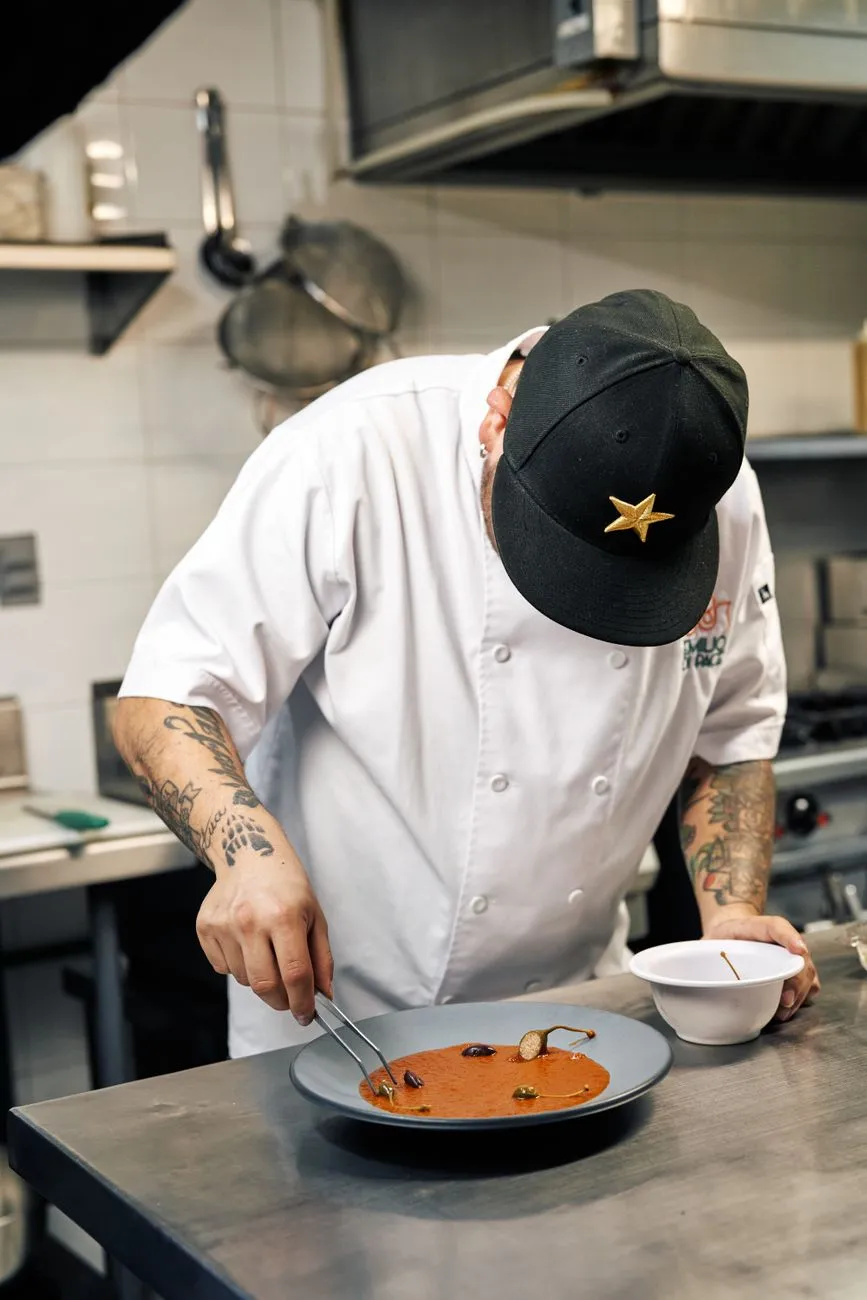
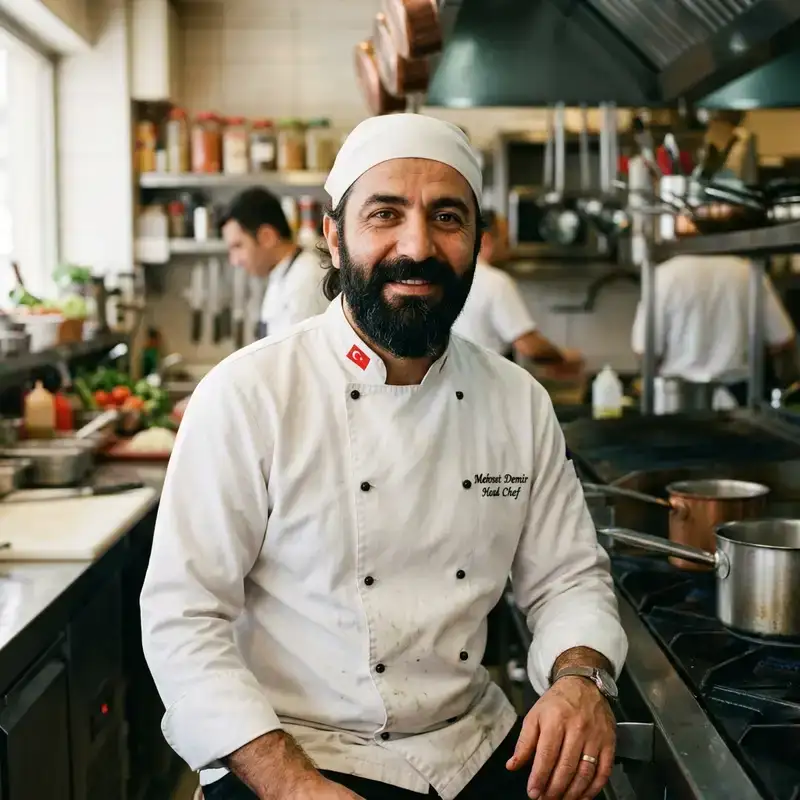
There is a specific silence that falls over a dining room when a plate of haute cuisine arrives. It is not merely the hush of anticipation; it is the sound of a social contract being honored. The diner has paid not just for sustenance, but for the accumulated weight of centuries—the ghosts of monarchs, the sweat of brigades, the geometry of a sauce reduced until it catches the light like amber. This is cooking as architecture, where the blueprint is written in butter, cream, and flour, and the builders wear white jackets stitched with hierarchy.The Gilded Cage: Origins in Excess and Exclusion Before the term haute cuisine crystallized into a doctrine, it existed as a privilege. The Wikipedia records remind us that this style was historically "accessible to a small demographic of rich and powerful individuals." It was the cuisine of the monarchy and the bourgeoisie, a theater where the ability to serve fruit out of season or ingredients "not typically found in France" was the ultimate flex of power. In the 17th century, the kitchen was a fortress. The food was "very rich and opulent," anchored by decadent sauces—mother sauces built on foundations of butter, cream, and flour—that still undergird French technique today. It was a cuisine of mass and volume. Service followed the service à la française: a staggering parade where all dishes hit the table at once, a landscape of silver and porcelain meant to overwhelm the senses before the first bite was taken. But even in this rigidity, evolution stirred. François Pierre La Varenne (1615–1678) pivoted the needle, dragging cookery out of the Middle Ages toward "somewhat lighter dishes, and more modest presentations." He began the long, slow work of subtraction—removing the heavy spice masks of the medieval palate to let the ingredient speak, however softly. Then came the architect: Marie-Antoine Carême (1784–1833). If La Varenne edited, Carême codified. He treated the kitchen like a drawing office. His pièces montées—edible architectural wonders replicating temples and ruins—turned the chef into an engineer. He "simplified and codified an earlier and even more complex cuisine," writing the first true grammar of the profession. It is a delicious irony that the man who built cathedrals of spun sugar and lard also tried to simplify the language of the stove. Across the Channel, the French influence colonized the British aristocracy. The data reveals a figure often lost to pop history: Jassinton Rozea (1721–1783). Master chef to the Duke of Somerset and later the Earl of Hopetoun in Edinburgh, Rozea authored The Gift of Comus (1752) and The Compleat Cook (1756). His "glorious banquets attended by European aristocrats in the expected French tradition" prove that haute cuisine was an early global export, a diplomatic language spoken in the dining rooms of power from London to Edinburgh. And let us dispel a persistent myth while we are here: Catherine de' Medici did not import Italian cooking to create French haute cuisine. The data is explicit. The French tradition was already simmering; it needed no foreign queen to light the fire. The General and the Brigade: Escoffier’s Cuisine Classique If Carême was the architect, Georges Auguste Escoffier was the general who modernized the army. Around 1900, he dragged the chaos of the grand hotel kitchens into the industrial age. His masterstroke was not a recipe, but a flowchart: the brigade de cuisine. He replaced the chaotic service à la française with service à la russe—serving meals in sequential courses. This changed the rhythm of dining forever. It allowed the kitchen to cook à la minute, plating hot food for one table at a time, rather than holding a banquet hostage to the slowest roast. It introduced the pacing we now take for granted: amuse-bouche, entrée, main, dessert. But the brigade system was the true revolution. Escoffier organized the kitchen into a military hierarchy: Chef de Cuisine, Sous-Chef, Chefs de Partie (saucier, poissonnier, pâtissier, etc.), Commis, and Plongeurs. Every hand knew its station. Every station knew its duty. This "system of cookery, based on Escoffier's Le Guide Culinaire," formalized the preparation of sauces and dishes into a replicable standard. Cuisine classique became the gold standard for the grand restaurants and hotels of Europe for much of the 20th century. It was distinct from cuisine bourgeoise (the cooking of affluent city dwellers), the bistro, and the provincial hearth. It was a high-wire act of consistency. A Sauce Béchamel in the Ritz Paris had to be structurally identical to one in the Carlton London. Escoffier gave the profession a spine.The Rebellion: When the Students Burned the Textbooks By the 1960s, the orthodoxy had calcified. Escoffier’s Guide had become a bible, and bibles invite heresy. Enter nouvelle cuisine. The term wasn't new—it had floated in culinary circles for centuries—but the modern iteration was forged by critics André Gayot, Henri Gault, and Christian Millau. They used it to describe a cohort of young lions: Paul Bocuse, Alain Chapel, Jean and Pierre Troisgros, Michel Guérard, Roger Vergé, and Raymond Oliver. Crucially, many were students of Fernand Point, the legendary chef of La Pyramide, who famously said, "Cooking is not chemistry, it is an art. It requires instinct and taste rather than exact measurements." Point’s disciples took that instinct and weaponized it against the Guide Culinaire. The manifesto of nouvelle cuisine reads like a declaration of independence:Natural Flavors: The freshest possible ingredients became non-negotiable. Simplified Preparation: The fussy, multi-day mise en place was slashed. Rejection of Heavy Sauces: The roux-thickened, cream-laden sauces brunes and blanches were banished. In their place: reductions, emulsions, vegetable coulis, the essence of the ingredient itself. No Strong Marinades: Meat tasted of meat. Reduced Cooking Times: Vegetables retained crunch and color; fish stayed translucent.It was a movement toward "conceptualism and minimalism," a "direct juxtaposition to earlier haute cuisine styles." Menus shrank. The pièce montée died. In its place rose inventive pairings—regional dishes elevated to the grand stage. A frog’s leg mousseline from Lyon. A salmon with sorrel sauce from the Troisgros brothers. The plate became a canvas for negative space.The Pendulum Swings Back: The Synthesis History rarely stays at the extremes. Within two decades, the pendulum began its return swing. Chefs realized that nouvelle cuisine, in its dogmatic pursuit of lightness, had thrown the baby out with the bathwater. The "richness and opulence" of the classics—the unctuous depth of a demi-glace, the comfort of a braise—had been lost. The modern era of haute cuisine is not a choice between Escoffier and Bocuse; it is a synthesis. Today’s three-Michelin-star kitchens run on Escoffier’s brigade discipline but plate with Bocuse’s minimalism. They use Guérard’s vegetable purity but finish with Carême’s structural elegance. The "high cooking" of the 21st century is defined by that original Wikipedia definition: "meticulous preparation, elaborate presentation, and the use of high quality ingredients," executed by "highly skilled gourmet chefs" at "premium prices." The Kaiseki tradition of Japan stands as a parallel summit—proof that the pursuit of "high cooking" is a universal human impulse, not merely a French monopoly. Both demand seasonality, knife skills that border on surgery, and a pacing that respects the guest’s palate. The Modern Plate: Where We Stand Now Walk into a top-tier restaurant today. You will see the brigade moving in silent synchrony—a legacy of 1900. You will taste a sauce that remembers Escoffier’s roux but wears the lightness of a nouvelle reduction. You will see a presentation that echoes Carême’s architecture but respects the negative space demanded by the Troisgros brothers. The "financial wherewithal" remains a barrier, yes. But the technique has democratized. The home cook now knows what a mise en place is. The culinary student learns the five mother sauces before they learn to boil an egg. The language of haute cuisine has escaped the palace and the grand hotel; it lives in the food truck that braises short ribs for 12 hours, in the bakery that laminates croissants by hand. The architecture of flavor stands taller because its foundations are deeper. We cook on the shoulders of generals and rebels, architects and poets. And when that plate arrives, demanding that specific, reverent silence? We understand exactly why.#HauteCuisine #CulinaryHistory #FrenchGastronomy #Escoffier #NouvelleCuisine #FineDining Related InsightsMumbai’s Edible Soul: The Spice, Chaos, and Unmatched Flavor of Its Street Food From Ancient Fields to Modern Crusts: Mastering Emmer & Spelt Sourdough „Die Architektur des Geschmacks: Wie Gastronomie zur Wissenschaft der Zivilisation wurde“{ "@context": "https://schema.org", "@type": "FAQPage", "mainEntity": [ { "@type": "Question", "name": "What is the main focus of The Architecture of Flavor: Deconstructing the Empire of Haute Cuisine?", "acceptedAnswer": { "@type": "Answer", "text": "Journey through the gilded kitchens of history where butter, hierarchy, and rebellion forged the world's most exacting culinary standard." } }, { "@type": "Question", "name": "Who authored the comprehensive guide on The Architecture of Flavor: Deconstructing the Empire of Haute Cuisine?", "acceptedAnswer": { "@type": "Answer", "text": "This detailed article and its insights were carefully researched and authored by Demir Şef." } }, { "@type": "Question", "name": "Where can I find more related content about Food?", "acceptedAnswer": { "@type": "Answer", "text": "You can explore more articles, detailed reviews, and similar insights by browsing the Related Insights section at the bottom of this article or visiting our dedicated Food category page." } } ] }
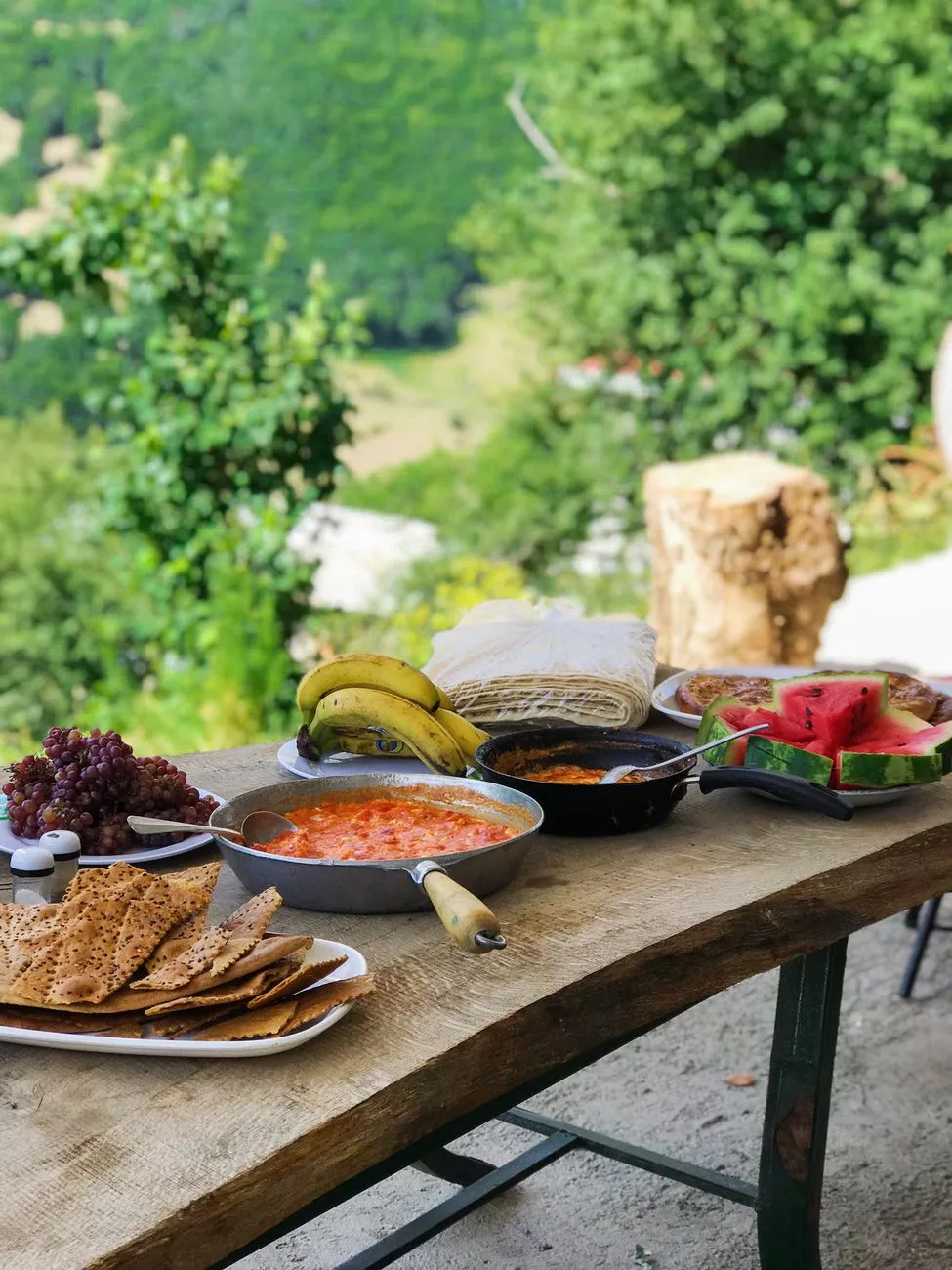
L'odeur du cumin grillé qui s'échappe d'une ruelle marocaine à l'aube. Le bruit sec d'une baguette qui craque entre les mains d'un boulanger parisien. La vapeur qui danse au-dessus d'un bol de pho vietnamien, portant avec elle l'histoire d'une nation. Depuis toujours, le voyageur mange pour survivre. Mais depuis le tournant du millénaire, une mutation silencieuse s'est opérée : le voyageur mange désormais pour comprendre. Le tourisme culinaire n'est plus une niche pour gourmets fortunés ; il est devenu le poumon vibrant de l'industrie du voyage, une boussole qui guide 93 % des touristes modernes vers l'authenticité. La Naissance d'un Mouvement : L'Année Zéro du Goût Tout bascule en 2001. Erik Wolf, président de la World Food Travel Association, pose sur le papier blanc les fondements théoriques d'une évidence : la nourriture n'est pas un accessoire du voyage, elle en est le cœur battant. Ce white paper ne se contente pas de définir un secteur ; il légitime une passion universelle. Il établit une distinction cruciale, souvent floue dans l'esprit du grand public : le tourisme culinaire est un enfant de la tourisme culturel, tandis que l'agritourisme relève du tourisme rural. Pourquoi cette nuance change-t-elle tout ? Parce que la cuisine est une « manifestation de la culture ». Quand vous goûtez un ceviche à Lima, vous ne mangez pas du poisson cru ; vous ingérez l'histoire précolombienne, l'apport japonais, la géographie de l'Humboldt et l'identité péruvienne contemporaine. L'agritourisme, lui, vous montre la racine ; le tourisme culinaire vous en fait goûter le fruit. Pourtant, comme le souligne si justement la définition, les deux sont « inextricablement liés » : les graines de la gastronomie germent dans le sillon de l'agriculture.L'Économie de l'Assiette : Quand le Touriste Devient Investisseur Les chiffres donnent le vertige. Selon la World Food Travel Association, les dépenses en nourriture et boissons représentent 15 % à 35 % de la totalité du budget touristique. Ce n'est pas une dépense contrainte, c'est un choix stratégique. Une étude de 2019 révèle une vérité brutale pour l'hôtellerie classique : 82 % des voyageurs dépensent davantage en restauration en voyage qu'à leur domicile. Le repas n'est plus une pause technique ; c'est l'événement principal. Des pays entiers ont pivoté leur stratégie nationale sur ce constat. L'Irlande, le Pérou, le Canada injectent des millions dans le développement de produits touristiques culinaires. Le retour sur investissement est mesurable : hausse du nombre de visiteurs, augmentation des nuitées, recettes fiscales accrues et, peut-être le plus précieux, une fierté communautaire ravivée. Quand une région valorise son terroir pour le voyageur, elle le réapprend à ses propres enfants. L'Immersion par le Feu : L'Essor des Cours de Cuisine Si le restaurant reste la vitrine, le cours de cuisine en est le backstage. Ce segment explose, offrant des formats allant de l'atelier de deux heures à la résidence immersive de plusieurs jours. La dynamique est fascinante : le touriste international cherche la cuisine du pays (le pad thai à Bangkok, la pasta à Bologne), tandis que le touriste local (le domestic tourist) cherche l'exotisme dans son pays (un cours de cuisine éthiopienne à Lyon, un atelier bbq coréen à Montréal). La vraie magie opère souvent hors des cuisines professionnelles. De plus en plus d'expériences s'invitent dans les foyers privés. Franchir le seuil d'une maison locale, s'asseoir à une table de cuisine formica, éplucher l'ail aux côtés d'une grand-mère qui ne parle pas votre langue : c'est là que se joue la diplomatie gastro-nomique la plus puissante. L'hôte et l'invité bénéficient d'un « échange interculturel » brut, sans filtre Instagrammable, où le geste culinaire devient langue universelle.La Ville se Mange à Pied : L'Épopée des Food Tours Paris, Rome, Florence, Toronto, Kuala Lumpur, Barcelone, Londres... La liste des capitales du food tour ressemble au palmarès des villes les plus visitées au monde. Mais le phénomène dépasse les métropoles. Le concept est souple : une déambulation guidée, ponctuée d'arrêts chez des artisans — fromager, boulanger, torréfacteur, distillateur — que le touriste seul n'aurait jamais osé pousser la porte. L'institutionnalisation de cette pratique passe par des dates symboliques. Le 10 juin 2017 marque la première National Food Tour Day. Le 18 avril 2018, la World Food Travel Association lance le World Food Travel Day. Ces journées ne sont pas de simples opérations marketing ; elles portent une mission gravée dans le marbre : « Préserver et promouvoir les cultures culinaires par l'hospitalité et le tourisme ». Chaque bouchée partagée lors de ces tours est un acte de résistance contre l'uniformisation du goût mondialisé.Au-Delà de l'Assiette : Le Spectre Infini de l'Expérience Alimentaire Réduire le tourisme culinaire au restaurant ou au cours de cuisine serait une erreur fatale. La définition officielle dresse un inventaire vertigineux d'activités :Les festivals (de la truffe d'Alba au homard du Maine) qui transforment un village en capitale éphémère. Les expériences de restauration spécialisée : dîner dans le noir, table du chef, pop-up éphémères en pleine nature. Le shopping de spécialités : marchés couverts, épiceries fines, caves à vin, où l'achat devient souvenir gustatif. La visite des sources : fermes, vignobles, oliveraies, ruchers, ports de pêche. Toucher la terre, sentir la cave, voir le filet se lever.Cette diversité prouve que le tourisme culinaire est bien une sous-catégorie du voyage expérientiel. Il ne s'agit pas de « manger bien », mais de « vivre à travers le manger ». Chaque touriste mange en moyenne trois fois par jour. Trois opportunités quotidiennes de connecter, d'apprendre, de dépenser localement. C'est ce qui en fait « l'un des moteurs économiques fondamentaux du tourisme ». Le Voyageur Gourmand : Nouveau Profil, Nouvelles Attentes Le profil du « foodie » touristique a muté. Il ne cherche plus seulement le macaron parfait ou l'étoile Michelin. Il traque l'unique, le mémorable, le « near and far » (proche et lointain). Il accepte de faire la queue deux heures pour un ramen dans un garage à Osaka, mais exige la traçabilité du bœuf dans son burger à Austin. Il veut rencontrer le producteur, comprendre la saisonnalité, respecter le terroir. Cette exigence force l'industrie à se professionnaliser. Les guides touristiques deviennent des sommeliers du territoire. Les offices de tourisme recrutent des chefs comme ambassadeurs. La signalétique des marchés s'adapte aux langues étrangères. L'écosystème entier — du producteur au serveur, en passant par le guide et le chauffeur de taxi — se restructure autour de la valeur « nourriture ». L'Avenir se Cuisine au Présent Alors que le tourisme de masse fait face à ses démons — surtourisme, empreinte carbone, déshumanisation —, le tourisme culinaire apparaît comme une voie de rédemption. Il oblige à la lenteur. Il valorise le local, le circuit court, le saisonnier. Il crée de la valeur là où l'agriculture peine à en générer. Il tisse du lien social là où le numérique l'effiloche. Les défis restent immenses : formation des acteurs, standardisation de la qualité sans perte d'âme, gestion des flux dans les ruelles étroites des marchés historiques, lutte contre le foodwashing (le greenwashing version food). Mais la trajectoire est tracée. Le voyageur du XXIe siècle ne demande plus « Qu'y a-t-il à voir ? » mais « Qu'y a-t-il à goûter ? ». Et dans cette question simple réside la promesse d'un tourisme plus humain, plus durable, infiniment plus savoureux.#TourismeCulinaire #VoyageGastronomique #FoodTravel #CultureAlimentaire #ExpérienceImmersive Related InsightsRatatouille with Herbs de Provence: A Symphony of Flavors and Antioxidants Koshari: The Ultimate Egyptian Street Food Bowl Char Siu Bao: The Fluffy BBQ Pork Bun{ "@context": "https://schema.org", "@type": "FAQPage", "mainEntity": [ { "@type": "Question", "name": "What is the main focus of Quand le Voyage se Déguste : L'Art Invisible du Tourisme Culinaire?", "acceptedAnswer": { "@type": "Answer", "text": "Explorez l'essor du tourisme culinaire, de ses racines agricoles aux expériences immersives qui redéfinissent l'économie du voyage mondial." } }, { "@type": "Question", "name": "Who authored the comprehensive guide on Quand le Voyage se Déguste : L'Art Invisible du Tourisme Culinaire?", "acceptedAnswer": { "@type": "Answer", "text": "This detailed article and its insights were carefully researched and authored by Chloe Blanc." } }, { "@type": "Question", "name": "Where can I find more related content about Food?", "acceptedAnswer": { "@type": "Answer", "text": "You can explore more articles, detailed reviews, and similar insights by browsing the Related Insights section at the bottom of this article or visiting our dedicated Food category page." } } ] }
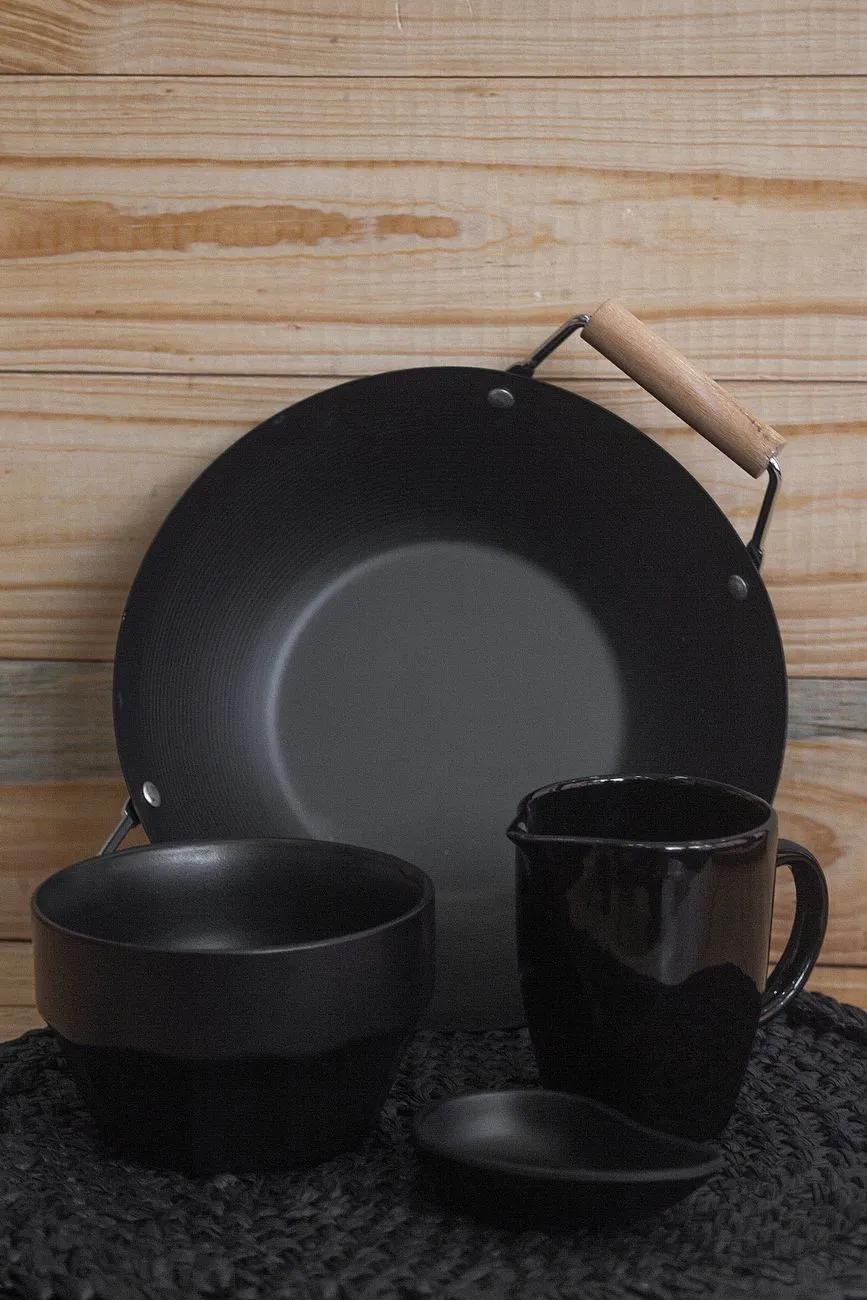
The smoke rising from a clay comal in a Oaxacan kitchen carries more than aroma; it carries a payload of volatile organic compounds synthesized through rigorous thermal degradation. To the uninitiated, mole is a sauce. To the chemist, it is a colloidal suspension stabilized by emulsified lipids and plant mucilages, flavored by the Maillard reaction’s deepest notes. I have spent years chasing the ghost of mole negro across the valleys of Oaxaca, watching abuelas manipulate thermodynamics with nothing but a wooden paddle and generational intuition. What follows is a deconstruction of that intuition, translated into the language of molecules. The Alchemy of the Comal: Toasting the FoundationThe journey of mole begins not with liquid, but with the aggressive dehydration and carbonization of raw ingredients on the comal. This is where the Maillard reaction—technically a non-enzymatic browning reaction between reducing sugars and amino acids—does its heavy lifting. When dried chilhuacle negro, mulato, and pasilla chilies hit the hot clay, surface temperatures exceed 150°C (302°F) rapidly. Water activity ($a_w$) plummets, concentrating precursors. The reaction cascades through Amadori rearrangement into advanced glycation end-products (AGEs), generating pyrazines, furans, and thiophenes. These heterocyclic compounds are the architects of the "roasted" descriptor: 2-acetyl-1-pyrroline (popcorn/nutty), 2,3-diethyl-5-methylpyrazine (earthy/roasted), and 2-furfurylthiol (coffee/meaty). Simultaneously, pyrolysis of pectin and cellulose in the chili skins creates phenolic volatiles—guaiacol and syringol—imparting that unmistakable smoke signature. But control is paramount. A chilhuacle burns in seconds; its thin pericarp offers zero insulation. The abuela’s hand speed modulates the thermal flux, preventing the formation of acrid, bitter benzopyrenes while maximizing flavor-active pyrazines. This is precision thermodynamics executed without a thermocouple. The toasted chilies are then rehydrated, a process governed by Fickian diffusion. Water penetrates the glassy matrix of the dried tissue, plasticizing the cell walls and allowing the solubilization of capsaicinoids and colorants (capsanthin, capsorubin) into the soaking liquid—liquid that is never discarded, for it holds the water-soluble fraction of the flavor architecture. Chilhuacle Negro: The Soul of Oaxaca’s Black Gold If mole is a symphony, the chilhuacle negro (Capsicum annuum var. chilhuacle) is the solo violin—rare, expensive, and irreplaceable. Endemic to the Cañada region of Oaxaca, this chili possesses a unique phytochemical profile driven by terroir-specific stressors: high UV radiation, mineral-rich volcanic soils, and water scarcity. These stressors upregulate the phenylpropanoid pathway, boosting flavonoid and capsanthin production far beyond commercial varieties like ancho or pasilla. Analytically, chilhuacle negro presents a capsaicinoid profile heavily skewed toward dihydrocapsaicin and nordihydrocapsaicin rather than capsaicin itself. This structural nuance—specifically the saturation of the vanillyl amide side chain—alters the binding kinetics to the TRPV1 receptor. The result is a "flatter," more persistent heat that lingers in the throat rather than exploding on the tongue, a critical sensory attribute for a sauce meant to be eaten by the spoonful over turkey. Furthermore, the pericarp contains exceptionally high levels of chlorophyll derivatives (pheophytins) which, upon the alkaline nixtamalization of the corn tortillas often served alongside, or the simple heat of the mole, degrade into the deep, inky black pigments that give mole negro its name. Substituting ancho chilies yields a reddish-brown sauce lacking the spectral absorption properties—the true "black"—that defines the dish visually and chemically. Seeds, Nuts, and the Architecture of BodyA mole without body is merely a spicy broth. The viscosity and mouthfeel—the "cuerpo"—are engineered through a sophisticated lipid-polysaccharide matrix. The traditional trio: pepitas (pumpkin seeds), cacahuates (peanuts), and ajonjolí (sesame seeds), contributes distinct rheological modifiers. Pumpkin seeds are rich in globulin proteins and phospholipids (lecithin). When toasted and ground on the metate (volcanic stone), the mechanical shear forces rupture oleosomes (oil bodies), releasing triglycerides and exposing phospholipid membranes. These phospholipids act as natural emulsifiers, stabilizing the oil-in-water emulsion against coalescence via steric hindrance and electrostatic repulsion (zeta potential). Peanuts contribute arachidic and behenic acids—long-chain saturated fatty acids (C20:0, C22:0)—which crystallize in the $\beta'$ polymorph upon cooling, providing a structured fat network that resists syneresis (weeping) during the long simmer. Sesame seeds bring lignans (sesamin, sesamolin) and high-molecular-weight polysaccharides. These polysaccharides hydrate into a weak gel network, increasing the continuous phase viscosity. The metate is not merely a grinder; it is a high-shear homogenizer. The stone’s porosity absorbs excess oil, while the curved motion creates elongational flow, aligning polysaccharide chains and reducing particle size to sub-50 microns—below the threshold of human tactile detection (grittiness). This particle size reduction exponentially increases the surface area for enzymatic hydrolysis during the simmer, releasing bound phenolics and free fatty acids that further modulate flavor release kinetics. Chocolate’s Late Arrival: Bitterness as Balance The inclusion of chocolate (cacao) in mole is a post-Columbian synthesis, yet it is now chemically indispensable. We are not talking about Swiss milk chocolate. We speak of chocolate de metate: roasted cacao nibs, sugar, cinnamon, and almonds, ground to a paste where particle size hovers around 20-30 microns. The chemistry here revolves around theobromine (3,7-dimethylxanthine) and polyphenol polymerization. Cacao contributes roughly 1-2% theobromine by weight. Theobromine is a competitive antagonist at adenosine receptors and a phosphodiesterase inhibitor, but in the context of mole, its primary role is sensory: a clean, alkaloid bitterness that counters the sweetness of the chilhuacle’s natural sugars and the raisins/plantains often added. More critically, cacao brings procyanidins (condensed tannins). These oligomeric flavan-3-ols interact with salivary proline-rich proteins (PRPs), causing astringency—a tactile "drying" sensation. In mole, this astringency is tamed by the high lipid content (peanut/sesame oil) and the mucilaginous polysaccharides from the seeds and chili skins. Lipids bind tannins via hydrophobic interactions, precipitating them out of the saliva interaction pathway. This molecular "quenching" transforms a harsh astringency into a velvety, coating mouthfeel—what food rheologists term "lubrication efficacy." The cinnamon (Cinnamomum verum) added to the chocolate paste contributes cinnamaldehyde and eugenol, volatile phenylpropanoids that lift the heavy base notes into the nasal cavity via retronasal olfaction, completing the flavor circle. The Molecular Dance: Hydrocolloids and Flavor ReleaseThe final simmer—often three to four hours—is a reactor vessel for hydrocolloid chemistry. The primary thickeners are not added starches (flour, cornstarch) but endogenous polysaccharides: pectin from chili skins and tomatillos/tomatoes, galactomannans from pepitas, and arabinoxylans from the tortillas or bolillos (bread) used as thickeners. At a simmer (95-98°C), these polymers undergo conformational changes. Pectin demethoxylation (catalyzed by the sauce's natural acidity, pH ~4.5-5.0) allows calcium cross-linking (egg-box model), forming a weak gel network. Simultaneously, starch granules from the bread/tortillas swell and burst (gelatinization), leaching amylose into the continuous phase. This creates a "dual-network" gel: a particulate network of swollen starch granules embedded in a continuous polysaccharide mesh. This structure dictates flavor release. Hydrophobic volatiles (pyrazines, terpenes from spices like clove, cumin, anise) partition into the lipid droplets. Their release is governed by the partition coefficient ($K_{oil/water}$) and the diffusion path length through the gel matrix. The gel slows diffusion, creating a sustained release profile—flavors arrive in waves: first the high-volatility top notes (cinnamon, clove), then the mid-palate earthiness (cumin, chili), finishing with the persistent bitterness of theobromine and the capsaicin burn. Mechanical shear from stirring aligns the polymers, inducing shear-thinning (non-Newtonian behavior). The sauce flows under the spoon but clings to the turkey. This rheological fingerprint—yield stress ~5-10 Pa, viscosity ~500-1000 cP at 50 s⁻¹—is the gold standard of mole negro. Chemical Fingerprint of Core Mole Negro IngredientsIngredient Key Volatile Compounds (GC-MS) Primary Non-Volatile Actives Functional Role in MatrixChilhuacle Negro Guaiacol, Syringol, 2-Isobutyl-3-methoxypyrazine Capsanthin, Capsorubin, Dihydrocapsaicin Color (Black), Heat (Persistent), Smoky AromaPasilla de Oaxaca β-Damascenone, 3-Methylbutanal, Hexanal Quercetin glycosides, Chlorogenic acid Fruity/Floral notes, Antioxidant capacityPepitas (Pumpkin Seeds) 2-Acetyl-1-pyrroline, Pyrazines (toasted) Δ7-Sterols, Tocopherols, Lecithin Emulsification (Lecithin), Nutty Aroma, Oil BodyCacao (Metate) 2-Phenylethanol, 3-Methylbutanal, Dimethylpyrazine Theobromine, Epicatechin, Procyanidins B2/B5 Bitterness, Astringency modulation, Flavor depthSesame Seeds 2-Furfurylthiol, Pyrroles (toasted) Sesamin, Sesamolin, Mucilage (Galactomannan) Oxidative stability (Lignans), Viscosity (Mucilage)Clove (Clavo) Eugenol (70-85%), β-Caryophyllene, Eugenyl acetate Eugenol glycosides Antimicrobial, Potent spicy/top note, TRPV1 agonistPlantain (Macho) Esters (Isoamyl acetate), Lactones Resistant Starch, Pectin Sweetness, Body/Thickening (Starch/Pectin)Serving the Legacy: A Bowl of History The bowl placed before you—a dark, glistening mirror reflecting the kitchen light—is the culmination of a multi-variable optimization problem solved over centuries. It represents a masterclass in colloidal science, enzymatic management, and volatile organic chemistry, executed without a single laboratory instrument. The turkey leg submerged in that sauce is not merely protein; it is a substrate for the sauce’s proteases (from chili, tomatillo) to slowly hydrolyze collagen into gelatin, further enriching the matrix. To eat mole is to participate in a chemical reaction. Your saliva introduces amylases that attack the starch network, thinning the sauce on the tongue. Your tongue’s TRPV1 receptors fire in response to dihydrocapsaicin. Your olfactory epithelium captures the retronasal plume of pyrazines and eugenol. It is a full-spectrum sensory event, engineered by the women of Oaxaca who understood that flavor is not in the ingredient, but in the transformation. They manipulated time, temperature, shear, and pH to coax flavor from reluctance. When I taste it now, I do not just taste chocolate and chili. I taste the Maillard reaction on a clay griddle. I taste the phospholipid bilayer of a pumpkin seed rupturing under volcanic stone. I taste the polymerization of procyanidins tamed by peanut oil. I taste chemistry, perfected by love.#Oaxaca #MoleNegro #FoodScience #CulinaryChemistry #MexicanCuisine Related InsightsSalsify: The Oyster Plant's Whispering Secret Through Culinary Eras The Obscure Origins and Transcendent Transformation of Cacao's Dark Heart Savor the World: The Ultimate Guide to the Planet’s Most Exquisite Food Markets{ "@context": "https://schema.org", "@type": "FAQPage", "mainEntity": [ { "@type": "Question", "name": "What is the main focus of The Alchemy of Oaxaca: Decoding the Molecular Symphony of Mole Negro?", "acceptedAnswer": { "@type": "Answer", "text": "Explore the rigorous biochemistry behind Oaxaca's Mole Negro, from Maillard reactions on the comal to the hydrocolloid matrix that defines its legendary texture." } }, { "@type": "Question", "name": "Who authored the comprehensive guide on The Alchemy of Oaxaca: Decoding the Molecular Symphony of Mole Negro?", "acceptedAnswer": { "@type": "Answer", "text": "This detailed article and its insights were carefully researched and authored by Kenji Sato." } }, { "@type": "Question", "name": "Where can I find more related content about Food?", "acceptedAnswer": { "@type": "Answer", "text": "You can explore more articles, detailed reviews, and similar insights by browsing the Related Insights section at the bottom of this article or visiting our dedicated Food category page." } } ] }
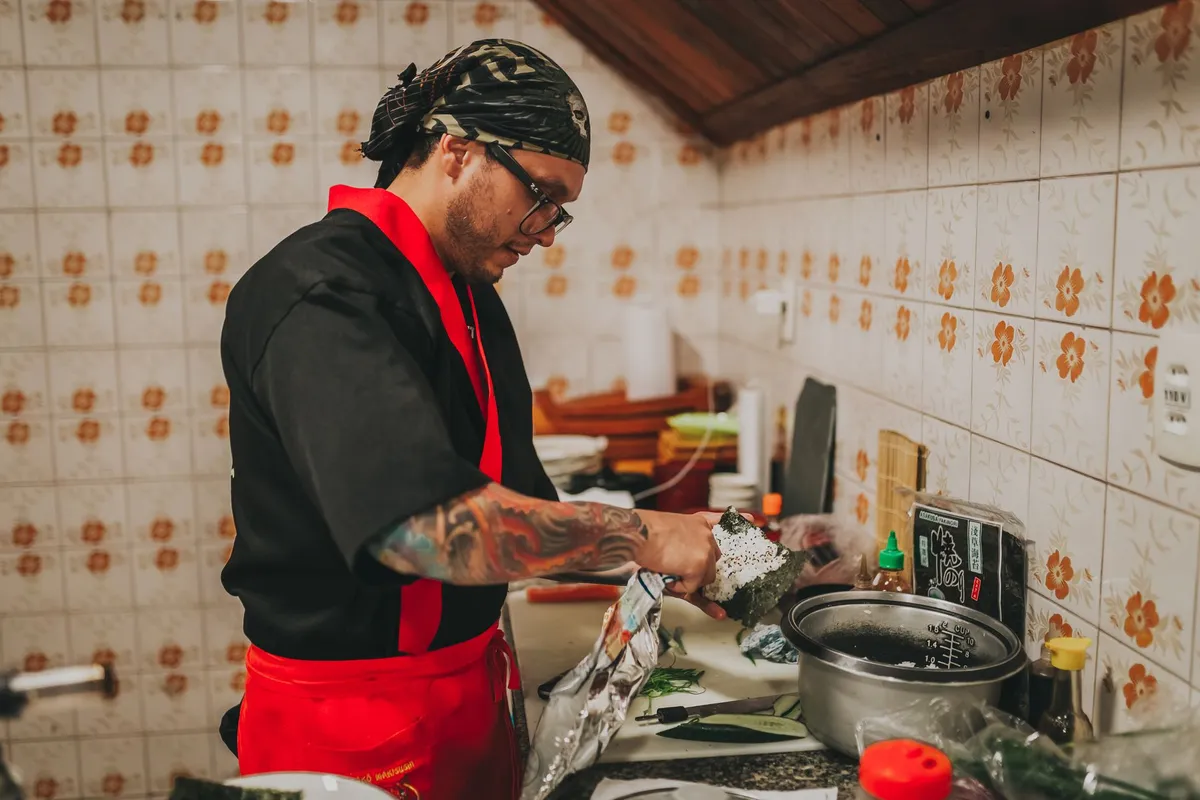
- Marcus Vance
- 24 Sep, 2026 12:07
Seaweed Gastronomy: Crafting Sustainable Plant‑Based Culinary Frontiers
From Tide to Table: The Rise of Seaweed in Modern Kitchens The ocean has always been a pantry for coastal cultures, yet only in the last decade has seaweed migrated from niche garnish to center‑stage ingredient in global plant‑based menus. This shift is powered by a convergence of environmental urgency and culinary curiosity. Researchers compiling a decade of consumer studies on plant‑, seaweed‑, and insect‑based meat alternatives have shown that familiarity, sensory appeal, and perceived health benefits are the primary levers driving acceptance (OpenAlex: Consumer acceptability of plant-, seaweed-, and insect-based foods as alternatives to meat: a critical compilation of a decade of research; concepts: Business, Product (mathematics), Marketing). The same body of work highlights that marketing narratives emphasizing “regenerative harvest” and “zero‑input agriculture” resonate strongly with flexitarian diners who seek protein without the carbon footprint of livestock. Seaweed’s agronomic profile is uniquely advantageous: it requires no arable land, freshwater, or synthetic fertilizers, and it sequesters carbon at rates comparable to terrestrial forests. Species such as Laminaria digitata (kelp) and Porphyra umbilicalis (nori) can be cultivated on longlines or in integrated multi‑trophic aquaculture systems that recycle nutrients from fish farms. This circular approach aligns with the “Alternative proteins; A path to sustainable diets and environment” framework (OpenAlex; concepts: Path (computing), Food science, Business), which positions seaweed as a keystone in the transition toward protein diversification. Chefs are now treating seaweed as a versatile canvas. Its natural glutamate content delivers umami depth that traditionally comes from animal stocks, while its polysaccharide matrix—primarily alginate, carrageenan, and agar—offers gelling, thickening, and emulsifying functions that replace egg whites and gelatin in vegan formulations. The result is a new lexicon of textures: crisp “sea‑chips” made from dehydrated dulse, silky “marine custards” set with agar, and elastic “kelp noodles” that mimic wheat‑based pasta without gluten.Nutritional Blueprint: Decoding Macro‑ and Micronutrient Profiles Understanding the nutrient density of each seaweed species is essential for recipe development and for communicating health claims that satisfy regulatory scrutiny. Broadly, seaweeds deliver high‑quality protein (10‑30 % dry weight), a complete amino‑acid profile when combined with legumes, and a mineral spectrum that includes iodine, magnesium, calcium, and iron at concentrations far exceeding most land vegetables. They also supply unique bioactives—fucoxanthin, phlorotannins, and sulfated polysaccharides—linked to anti‑inflammatory, antioxidant, and prebiotic effects. The table below juxtaposes three commercially dominant species on a per‑100‑gram dry‑weight basis, illustrating why a blended approach can balance iodine load while maximizing protein and fiber.Species (Common Name) Protein (g) Dietary Fiber (g) Iodine (µg) Calcium (mg) Iron (mg) Fucoxanthin (mg)Nori (Porphyra) 30 35 1 200 350 12 0.8Kelp (Laminaria) 12 40 2 500 1 200 8 3.5Dulse (Palmaria) 22 30 800 250 15 1.2Values are averages from peer‑reviewed compositional databases; actual content varies with harvest season and processing method. The high iodine in kelp demands portion control for populations with thyroid sensitivity, whereas nori’s moderate iodine and superior protein make it ideal for daily snack formats. Dulse contributes a rare iron boost, valuable for plant‑based diets that often lack heme iron. Formulators can therefore design “seaweed blends” that hit target nutrient thresholds while keeping iodine within the WHO tolerable upper intake level (1 100 µg/day for adults). Culinary Alchemy: Techniques for Texture, Flavor, and Umami Transforming raw fronds into culinary assets requires a toolbox that respects seaweed’s delicate chemistry. The first decision point is dehydration versus fresh use. Low‑temperature air drying (≤ 40 °C) preserves heat‑labile pigments and volatile aroma compounds, yielding a product that rehydrates quickly and retains a bright marine fragrance. Freeze‑drying goes a step further, producing a brittle sheet that can be powdered into a “sea‑salt” seasoning or milled into a flour substitute for baked goods. Hydrocolloid extraction unlocks functional ingredients. Alginate, extracted from brown algae via alkaline treatment, forms heat‑stable gels in the presence of calcium ions—perfect for spherification of vegetable juices or for creating vegan “caviar” pearls. Carrageenan, sourced from red algae, provides a range of gel strengths (kappa, iota, lambda) that can mimic the mouthfeel of dairy custards or stabilize plant‑based cheeses. Agar, also from red algae, sets at room temperature and remains stable up to 85 °C, enabling hot‑gel applications such as vegan terrines. Flavor layering is equally critical. A quick blanch (10 seconds) reduces surface iodine and softens the briny edge without leaching polysaccharides. Subsequent marination in a mixture of soy‑sauce, mirin, smoked paprika, and a touch of citrus zest builds a “sea‑soy” glaze that caramelizes under a broiler, delivering a sweet‑salty crust reminiscent of bacon. Fermentation offers another dimension: a 48‑hour lacto‑ferment of shredded kelp with 2 % salt yields a tangy, probiotic‑rich condiment that can replace kimchi in grain bowls.Market Currents: Consumer Acceptance and Commercial Pathways The commercial trajectory of seaweed‑based foods mirrors the adoption curve of plant‑based burgers a decade ago. Early adopters—health‑focused millennials and sustainability‑driven Gen Z—drive trial, while mainstream penetration hinges on price parity, distribution breadth, and sensory familiarity. The OpenAlex compilation on consumer acceptability underscores that “product (mathematics)” metrics such as texture similarity scores and flavor congruence indices correlate strongly with repeat purchase intent. In blind taste tests, seaweed‑enhanced patties scored 78 % on umami parity with beef, outperforming pea‑protein counterparts (62 %). Retail data from 2023‑2024 shows a 27 % year‑over‑year growth in seaweed snack SKUs across North American natural‑food chains, with private‑label lines expanding into “seaweed‑infused pasta” and “marine‑protein bars.” Food‑service operators report a 15 % increase in menu items featuring kelp‑based broths, driven by chef‑led storytelling that frames the ingredient as a climate solution. However, supply‑chain bottlenecks—particularly the limited number of certified organic seaweed farms in the Atlantic—keep wholesale prices 1.8‑2.2 × higher than conventional soy protein isolates. Strategic partnerships are emerging to close this gap. Integrated aquaculture ventures co‑locate kelp lines with salmon farms, capturing dissolved nitrogen and phosphorus while producing a marketable biomass. Tech‑enabled harvest platforms use AI‑guided drones to optimize cutting schedules, reducing labor costs by up to 30 %. These innovations echo the “Path (computing)” concept from the alternative‑protein literature, where data‑driven logistics accelerate scale‑up.Future Harvest: Scaling Sustainable Supply Chains Scaling seaweed from boutique ingredient to commodity staple demands a systems‑level redesign. First, regulatory harmonization: the EU’s Novel Food Regulation currently treats each species‑process combination as a separate dossier, creating a fragmented approval landscape. A unified “seaweed food” category, akin to the GRAS framework in the United States, would streamline market entry for novel extracts such as fucoxanthin‑rich oils. Second, breeding programs must move beyond wild‑type selection. Genomic selection for high‑protein, low‑iodine phenotypes in Saccharina latissima has already yielded lines with 18 % protein and 40 % less iodine after just three cycles. Coupled with offshore longline systems that can withstand 12‑meter waves, these cultivars enable year‑round production in temperate zones previously deemed unsuitable. Third, circular economy loops can monetize waste streams. The residual pulp after alginate extraction retains 12 % protein and can be upcycled into aquafeed, displacing fishmeal. Bio‑refinery concepts that co‑produce bio‑stimulants for agriculture, bioplastics from ulvan, and bio‑energy from anaerobic digestion of spent biomass improve the overall EROI (energy return on investment) of seaweed farms to > 10:1, rivaling the best terrestrial biofuel crops. Finally, consumer education must translate science into story. Transparent labeling that quantifies carbon sequestration per kilogram of product, paired with QR‑linked traceability to the exact farm coordinates, builds trust and justifies premium pricing. As the alternative‑protein literature suggests, the “Business” concept hinges on aligning environmental impact metrics with brand equity—seaweed’s narrative of ocean regeneration is a compelling differentiator in a crowded plant‑based aisle. Charting the Next Wave The convergence of marine biology, food technology, and market dynamics positions seaweed as a cornerstone of the next protein revolution. By mastering the chemistry of its polysaccharides, leveraging its unparalleled sustainability credentials, and navigating the regulatory and supply‑chain hurdles with data‑driven precision, chefs and entrepreneurs can unlock a culinary repertoire that is as diverse as the oceans themselves. The tide is turning—those who learn to ride it will shape the flavor of a more resilient food future.#SeaweedGastronomy #PlantBased #SustainableEating #AlternativeProteins #CulinaryInnovation Related InsightsAndean Superfoods Unveiled: The Alchemical Power of Quinoa, Kiwicha, and Canihua The Golden Elixir: Mastering the Art of Authentic Indian Chai from Spice to Sip Banh Mi: The Perfect French-Vietnamese Fusion Sandwich{ "@context": "https://schema.org", "@type": "FAQPage", "mainEntity": [ { "@type": "Question", "name": "What is the main focus of Seaweed Gastronomy: Crafting Sustainable Plant‑Based Culinary Frontiers?", "acceptedAnswer": { "@type": "Answer", "text": "An authoritative deep‑dive into the science, market dynamics, and kitchen techniques that turn ocean‑grown algae into the next staple of plant‑based gastronomy." } }, { "@type": "Question", "name": "Who authored the comprehensive guide on Seaweed Gastronomy: Crafting Sustainable Plant‑Based Culinary Frontiers?", "acceptedAnswer": { "@type": "Answer", "text": "This detailed article and its insights were carefully researched and authored by Marcus Vance." } }, { "@type": "Question", "name": "Where can I find more related content about Food?", "acceptedAnswer": { "@type": "Answer", "text": "You can explore more articles, detailed reviews, and similar insights by browsing the Related Insights section at the bottom of this article or visiting our dedicated Food category page." } } ] }
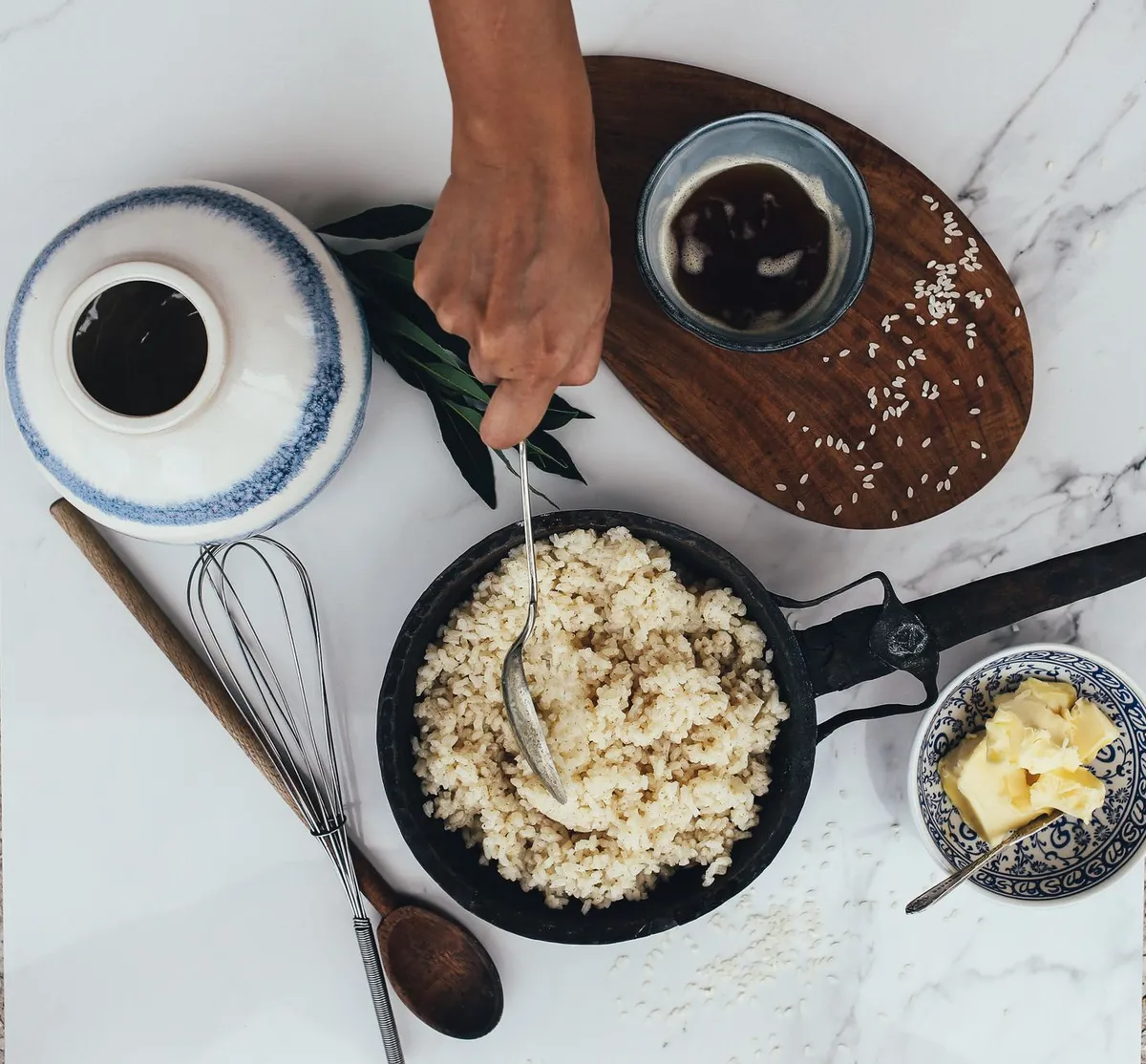
Morning Light Over the High Pass The first sip of butter tea arrives before the sun kisses the snow‑capped ridges of the Himalaya. In villages perched above 3,500 meters, the day begins with a steaming bowl that fuels both body and spirit. Research on traditional socio‑cultural practices in Himalayan food systems for climate adaptation highlights how subsistence agriculture and food sovereignty shape every culinary decision, and butter tea sits at the heart of that adaptive strategy. The beverage is not merely a drink; it is a portable calorie reservoir, a source of essential fats, and a communal ritual that reinforces social bonds in an environment where isolation can be lethal. Families gather around a low wooden table, the clang of a metal churn echoing against stone walls. The preparation follows a rhythm passed down through generations: coarse brick tea is boiled for hours until it turns a deep amber, then strained into a wooden churn called a chaku. Yak butter, harvested from the high‑altitude herds that graze on alpine meadows, is added in generous chunks. A pinch of salt — often sourced from ancient salt lakes — completes the trio. The mixture is vigorously churned until a frothy emulsion forms, a process that can take ten to fifteen minutes of steady, rhythmic motion. This labor‑intensive method ensures the fat globules are finely dispersed, creating a stable, energy‑dense liquid that resists separation even in sub‑zero temperatures. The cultural significance extends beyond nutrition. In the symbolic framework explored in studies of yak butter tea in Tibet, the drink functions as a psychological anchor, representing hospitality, resilience, and the interdependence of humans and their livestock. Offering a bowl to a traveler is an act of trust; refusing it can be perceived as a breach of social contract. The tea ceremony also marks life events — births, marriages, and monastic ordinations — where the shared bowl becomes a conduit for collective memory. As climate pressures shift pasture availability, the continuity of this practice underscores a community’s capacity to negotiate food sovereignty while honoring ancestral knowledge. The Churning Rhythm of Yak Butter The churn itself is a marvel of low‑tech engineering, crafted from a single piece of seasoned cedar or juniper, its interior polished by years of butterfat. The handle, often wrapped in yak hide for grip, allows the operator to apply a steady torque without slipping, even when hands are numb from cold. The physics of emulsification is intuitive: the mechanical shear forces break the butter into micron‑sized droplets, which are then stabilized by phospholipids naturally present in the tea’s tannins. This creates a colloid that remains homogeneous for hours, a crucial attribute when the bowl must travel on a yak‑back caravan across wind‑scoured passes. In monastic kitchens, the churn takes on a meditative quality. Monks rotate the handle in sync with mantra recitation, turning the act of preparation into a moving prayer. The rhythmic sound — thwack, thwack, thwack — becomes a sonic backdrop for contemplation, linking the physical labor to spiritual discipline. Anthropologists note that this integration of work and worship exemplifies the symbolic psychology of the beverage: the tea is both sustenance and sacrament. The butter, a product of the yak that itself is revered as a manifestation of the mountain’s generosity, carries layers of meaning. Each churning session reaffirms the reciprocal relationship between people, animals, and the high‑altitude ecosystem. Modern adaptations have introduced electric blenders in some urban tea houses, yet purists argue that the mechanical shear of a hand‑churn yields a texture impossible to replicate. The difference is palpable: hand‑churned tea exhibits a silky mouthfeel with a lingering buttery finish, while machine‑blended versions can feel thin and overly aerated. This debate mirrors broader tensions in Himalayan food systems, where technological convenience clashes with the preservation of embodied knowledge. The churn, therefore, stands as a tangible symbol of cultural continuity, a tool that resists obsolescence because its operation encodes a worldview. Salt, Tea, and the Spirit of Hospitality Salt is the silent architect of flavor balance in butter tea. In the high valleys, rock salt is harvested from ancient evaporite deposits, its mineral profile enriched with trace elements like magnesium and potassium. A mere pinch — roughly two grams per liter — transforms the astringent tea base into a savory broth that replenishes electrolytes lost through respiration at altitude. The interplay of salt, fat, and tannin creates a flavor profile that is simultaneously bitter, salty, and umami, a combination that satisfies the heightened caloric and mineral demands of high‑altitude metabolism. Hospitality rituals revolve around the offering of this bowl. When a guest arrives, the host pours tea from a height, allowing the liquid to cascade into the cup, a gesture that aerates the brew and signals generosity. The guest receives the bowl with both hands, a sign of respect, and takes three sips before setting it down. This triad of sips mirrors the Buddhist concept of the Three Jewels — Buddha, Dharma, Sangha — embedding spiritual symbolism into a quotidian act. Refusing the tea, or drinking it too quickly, can be read as a lack of appreciation for the host’s labor and the yak’s sacrifice. The socio‑cultural meanings documented in recent scholarship emphasize that butter tea functions as a “social glue” in communities where formal institutions are sparse. It mediates negotiations, seals agreements, and provides a neutral ground for conflict resolution. In seasonal migrations, herders share a communal pot at high pastures, reinforcing collective identity against the backdrop of a changing climate. The tea’s preparation and consumption thus become a living archive of adaptive strategies, encoding knowledge about resource management, animal husbandry, and communal ethics in every frothy sip. Seasonal Shifts in the Mountain Kitchen The composition of butter tea subtly shifts with the seasons, reflecting the availability of ingredients and the physiological needs of the body. In the harsh winter months, the tea is richer: more butter, a heavier hand with salt, and sometimes a handful of roasted barley flour (tsampa) stirred in for extra calories. This “winter blend” can deliver upwards of 350 kilocalories per serving, a vital buffer against the metabolic cost of thermogenesis. Spring brings a lighter version — less butter, a splash of fresh yak milk, and occasionally a pinch of wild herbs like juniper or rhododendron for their antioxidant properties. Summer, when pastures are lush, sees the addition of fresh yak yogurt, lending a tangy probiotic boost that supports gut health during periods of increased physical activity. These seasonal variations are not arbitrary; they are calibrated to the rhythms of subsistence agriculture documented in climate‑adaptation research. The timing of butter production aligns with the yak’s lactation cycle, which peaks after the monsoon when forage is abundant. Salt procurement follows the caravan routes that open only when mountain passes clear of snow. The integration of wild herbs reflects an ethnobotanical knowledge base that has been orally transmitted for centuries. Each adjustment is a data point in a sophisticated, place‑based food system that balances nutrition, flavor, and ecological stewardship. Moreover, the seasonal tea serves as a barometer of environmental health. A decline in butter quality — signaled by a rancid odor or pale color — can indicate overgrazing or pasture degradation. Elders monitor these cues and adjust herd movements accordingly, embodying a feedback loop between diet and landscape management. This dynamic interplay underscores the concept of food sovereignty: communities retain control over their food pathways, making decisions rooted in long‑term ecological observation rather than external market forces. From Monastery to Market: Modern Echoes In the past two decades, butter tea has migrated from remote monastic kitchens to boutique cafés in Kathmandu, Lhasa, and even international cities like New York and London. Entrepreneurs package instant “butter tea mixes” that promise the authentic taste with a sachet of powdered tea, dehydrated butter, and salt. While these products expand access, they also raise questions about authenticity and the erosion of the communal choreography that defines the traditional experience. The symbolic weight of the churn, the shared bowl, and the spoken blessings cannot be compressed into a single‑serve packet. Academic work on the symbolic and socio‑cultural meanings of yak butter tea in Tibet warns that commodification can strip the beverage of its psychological anchoring function. When the ritual is reduced to a transaction, the reciprocal obligations — host to guest, herder to yak, community to ecosystem — risk dissolution. Yet, some innovators strive to preserve the essence by offering “experience kits” that include a miniature wooden churn, a measured portion of high‑altitude brick tea, and a guide to the traditional churning technique. These kits aim to educate consumers about the cultural context while providing a tactile connection to the practice. Policy makers and NGOs are beginning to recognize butter tea as a lever for sustainable development. By supporting yak herding cooperatives, protecting high‑altitude pastures, and promoting fair‑trade butter, they help maintain the supply chain that underpins the tradition. Simultaneously, culinary tourism programs invite visitors to participate in a morning churning session, fostering cross‑cultural appreciation and Related InsightsLa Symphonie des Saveurs : Une Odyssée Culinaire au Cœur de la France Éternelle Il Macco di Fave Secche: Un Viaggio Nel Cuore Pulsante e Dimenticato Della Gastronomia Siciliana Hannah Weber's Guide to Delicious and Healthy Sprouted Grain Bread with Avocado and Radish (Vegan){ "@context": "https://schema.org", "@type": "FAQPage", "mainEntity": [ { "@type": "Question", "name": "What is the main focus of Summit Sips: Unveiling the Soul of Himalayan Butter Tea?", "acceptedAnswer": { "@type": "Answer", "text": "Explore the centuries‑old ritual of yak butter tea, its cultural roots, and the precise steps that turn simple ingredients into a lifeline on the roof of the world." } }, { "@type": "Question", "name": "Who authored the comprehensive guide on Summit Sips: Unveiling the Soul of Himalayan Butter Tea?", "acceptedAnswer": { "@type": "Answer", "text": "This detailed article and its insights were carefully researched and authored by Isabella Rossi." } }, { "@type": "Question", "name": "Where can I find more related content about Food?", "acceptedAnswer": { "@type": "Answer", "text": "You can explore more articles, detailed reviews, and similar insights by browsing the Related Insights section at the bottom of this article or visiting our dedicated Food category page." } } ] }

- Michael Chef
- 23 Sep, 2026 20:50
The World on a Plate: How Street Food Shaped Civilizations and Continues to Feed Billions
A Tale Written in Sizzle and Spice When the sun kisses the cobblestones of a bustling piazza, a chorus of sizzling pans and clattering carts tells a story older than any written chronicle. Street food is more than a quick bite; it is a living archive of human ingenuity, migration, and survival. Today, an estimated 2.5 billion people rely on these portable feasts for daily nourishment, a figure that underscores the profound socioeconomic weight of a humble cart. The humble fried fish of ancient Greece, a predecessor of today’s seaside snacks. From Agora to Asphalt: European Roots Greek Beginnings and Roman Necessities In ancient Greece, vendors offered small fried fish to passers‑by, a practice Theophrastus dismissed as lowly. Yet the appetite persisted, spreading across the Mediterranean. Archaeologists excavating Pompeii uncovered a dense network of food stalls, confirming that the concept of on‑the‑go meals was already thriving before the eruption. Roman tenements, many without private ovens, depended on street vendors for staples such as chickpea soup, bread, and grain paste. The absence of hearths turned the city’s streets into makeshift kitchens, feeding the poorest urban dwellers. Medieval Crossroads and Ottoman Order A Florentine traveler in the late 14th century described Cairo’s streets where locals unfurled rawhide cloths, then devoured lamb kebabs, rice, and fritters bought from bustling stalls. By the Renaissance, Turkish crossroads echoed with “fragrant bites of hot meat”—spit‑roasted chicken and lamb that attracted hungry merchants and soldiers alike. In 1502, the Ottoman Empire pioneered the legislation and standardization of street food, setting a legal precedent that recognized both the economic value and public health implications of mobile cuisine. 19th‑Century Innovations Transylvanian vendors in the 1800s hawked gingerbread nuts, cream mixed with corn, and bacon fried over ceramic vessels heated by coals. Meanwhile, the French fry—thin strips of potato fried to golden crisp—likely made its first public appearance on the Parisian streets in the 1840s. In Victorian London, the streets offered a darker palate: tripe, pea soup, jellied eels, and whelk, catering to a working class hungry for protein and warmth. Jellied eels and other Victorian delicacies once lined the foggy lanes of London. The New World’s Open Air Kitchens Aztec Markets and Colonial Fusion Long before European ships arrived, Aztec marketplaces thrummed with vendors selling atolli (a maize‑based gruel) and up to fifty varieties of tamales—filled with turkey, rabbit, frog, fish, fruit, eggs, or maize flowers. Insects and hearty stews completed the menu, showcasing a sophisticated street cuisine rooted in native agriculture. Spanish colonists introduced wheat, sugarcane, and livestock to Peru, yet most commoners clung to traditional dishes. The grilled beef heart—sold by street cooks—exemplified how new ingredients were integrated at the margins of daily diets. Colonial America’s Portable Treats During America’s colonial era, street vendors offered oysters, roasted corn ears, fruit, and sweets at prices accessible to all social strata. Oysters, cheap and abundant, dominated until 1910, when overfishing and pollution drove prices skyward. New York City’s authorities grew increasingly hostile; after a series of restrictions, street food vending was outright banned by 1707. Nevertheless, African‑descended women carved out niches, selling fruit, cakes, nuts in Savannah, and coffee, biscuits, pralines in New Orleans—an early testament to culinary entrepreneurship among marginalized groups. The Columbian Exposition of 1893 introduced Cracker Jack, a caramelized popcorn‑nut treat that began life as a modest street exhibit before becoming a national icon. Women of African descent sold sweets on American streets, shaping early snack culture. Asian Streets: From Imperial Kitchens to Global Phenomena China’s Millennial Marketplaces Street food in China stretches back millennia, gaining cultural prominence during the Tang Dynasty. Initially a sustenance for the poor, the practice soon attracted the affluent, who dispatched servants to purchase ready‑made bites for home consumption. Today, regional street specialties drive a booming culinary tourism sector, drawing both domestic and foreign travelers. The Chinese diaspora exported this culture across Asia, seeding street‑food traditions in nations as far‑flung as Indonesia and Thailand. In the late 19th century, Chinese coolie workers introduced the concept to Southeast Asian cities, planting the seeds for today’s night‑market vibrancy. Ramen’s Journey from Chinatown to National Dish Ramen began as a street fare for Chinese laborers in Yokohama’s Chinatown in the late 19th or early 20th century. Over decades, it evolved into Japan’s national dish, spawning regional variants that reflect local tastes—from Hakata’s pork‑rich tonkotsu broth to Sapporo’s miso‑laden bowls. Thailand’s Chinese‑Infused Street Empire Thai street food remained a niche offered primarily by ethnic Chinese vendors until the early 1960s, when rapid urbanization sparked a culinary boom. By the 1970s, street stalls had displaced home‑cooking for many urban families. Today, 76 % of Thai city dwellers frequent these vendors regularly.103,000 registered street food stalls generated 270 billion baht in 2017. The Ministry projects 6–7 % annual growth from 2020 onward. Studies reveal contamination levels comparable to restaurants, underscoring that street food can be as safe as its brick‑and‑mortar counterparts. In Bangkok alone, 2 % of the 160,000 vendors feed 8 million residents, illustrating the sector’s critical role in urban nutrition.Bangkok’s night markets embody the scale and diversity of modern Asian street fare. India’s Ancient Regulations The Arthashastra, an ancient Indian treatise, already enumerated rules for food vendors. It directed sellers of cooked rice, liquor, and flesh to reside in the city’s southern quarter, while city superintendents could allocate surplus bran and flour to those preparing rice cakes. These early statutes reflect a sophisticated understanding of food distribution and public order. In Delhi, legends tell of kings visiting kebab stalls that have persisted into the present day. Colonial rule later sparked fusion street food, blending British preferences with Indian flavors—a culinary dialogue that still flavors modern Indian street menus. Indonesian Mobile Fare On the islands of Java, traveling vendors—known locally as pedagang keliling—continue a tradition of moving kitchens that serve everything from sate to sweet desserts, ensuring that even remote neighborhoods enjoy fresh, affordable meals. Why Street Food Matters TodayEconomic Engine Provides livelihoods for billions of informal workers. Generates billions in revenue for municipal economies (e.g., Thailand’s 270 billion baht in 2017).Nutritional Lifeline Offers affordable protein, carbs, and micronutrients to low‑income populations. Serves as a primary source of calories for 2.5 billion daily diners.Cultural Exchange Acts as a conduit for diaspora cuisines, blending flavors across borders. Preserves heritage dishes that might otherwise disappear (e.g., Aztec tamales, Roman chickpea soup).Urban Identity Defines the soundscape and aroma of city life—from the clatter of Parisian fryers to the sizzle of Bangkok wok‑stirs.Challenges on the Asphalt While street food fuels economies and cultures, it also presents public‑health and regulatory dilemmas. Governments grapple with:Food safety: Ensuring hygiene without stifling informal economies. Sanitation: Managing waste in crowded public spaces. Legalities: Balancing the right to occupy sidewalks with traffic flow. Social issues: Addressing the stigma that sometimes accompanies informal labor.Efforts in cities worldwide now focus on training programs, certification schemes, and designated vending zones to mitigate risks while preserving the vibrancy that street vendors bring. The Future: From Sidewalks to Smart Cities Emerging technologies promise to reshape the street‑food landscape:Mobile payment platforms enable cash‑less transactions, expanding customer reach. IoT sensors can monitor temperature and hygiene in real time, offering vendors data‑driven insights to improve safety. Urban planning that incorporates “food streets” as permanent fixtures can alleviate congestion and formalize the sector.Yet, the heart of street food remains unchanged: a spontaneous, communal act of feeding that bridges strangers, celebrates diversity, and reminds us that the best meals often come without reservations.#StreetFood #GlobalCuisine #UrbanEats #FoodHistory #CulinaryTravel
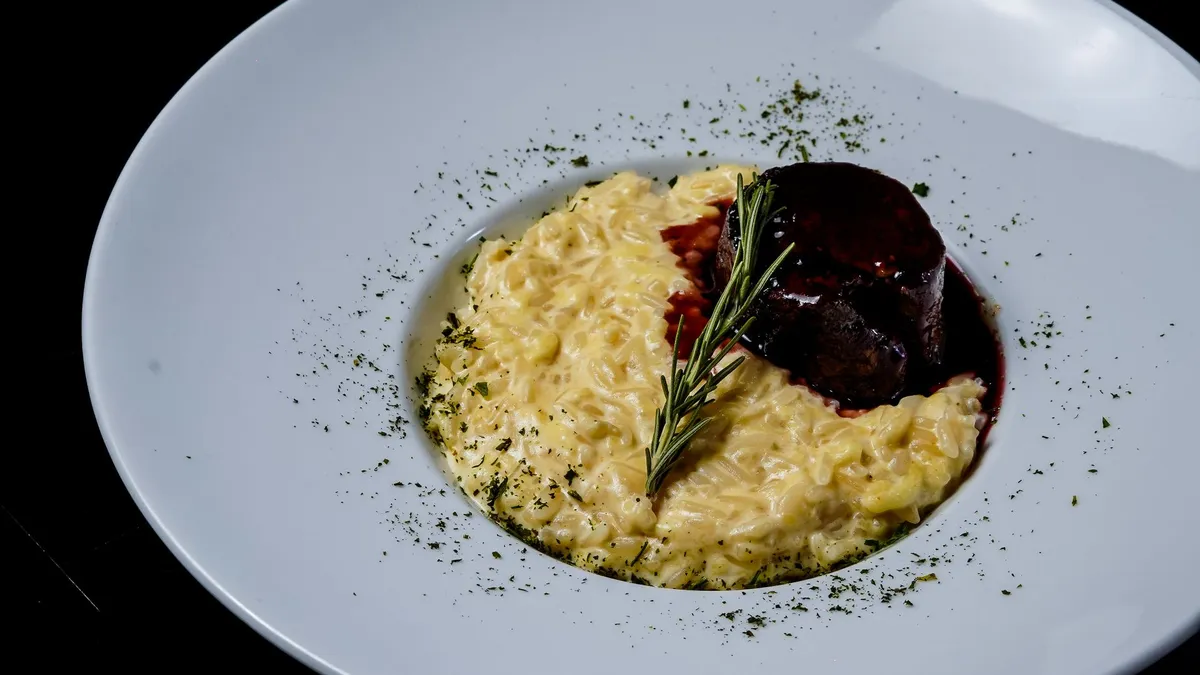
-
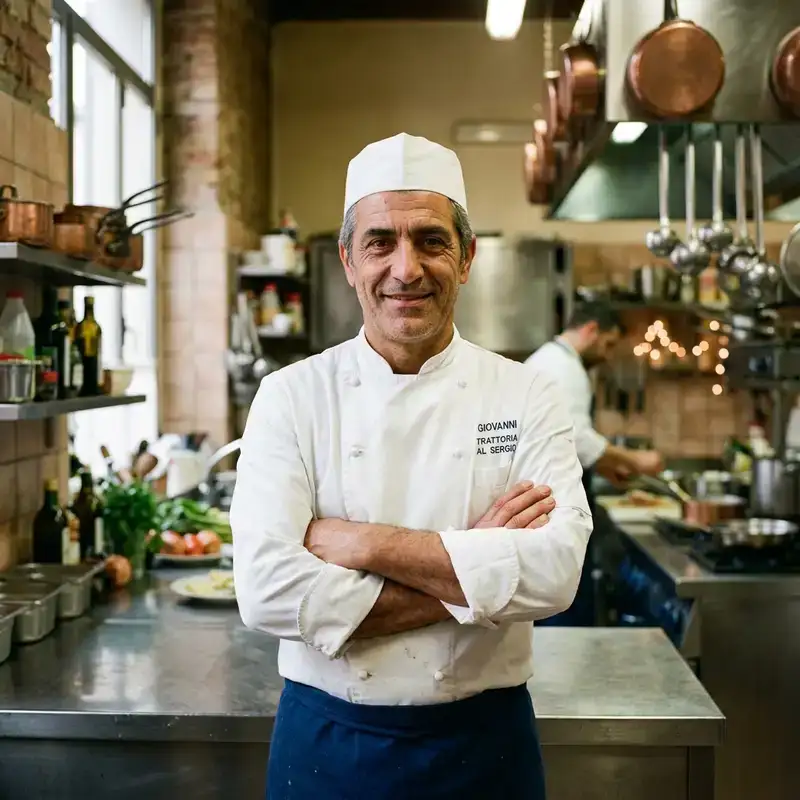 Giovanni Luigi
 - 23 Sep, 2026 10:28
Quando i Mondi si Incontrano nel Piatto: L'Anima Segreta della Cucina Fusion
L'Alba di un Sapore Senza Confini Immaginate un porto affollato nel XVI secolo: l'odore acre del pepe nero si mescola al profumo dolce del latte di cocco, mentre il suono di un mortaio di pietra ritma la preparazione di un piatto che non ha ancora un nome. Non è solo cucina, è diplomazia commestibile. La cucina fusion, termine entrato ufficialmente nell'Oxford English Dictionary solo nel 2002, definita come "uno stile di cucina che fonde ingredienti e metodi di preparazione provenienti da diversi paesi, regioni o gruppi etnici", non è un'invenzione dei chef stellati degli anni '70. È un fenomeno antico quanto la curiosità umana, un linguaggio universale scritto con spezie, tecniche e ingredienti che hanno viaggiato ben oltre le frontiere politiche. Macao: Il Primo Abbraccio Tra Occidente e Oriente Riconosciuta dall'UNESCO come la prima cucina fusion al mondo, la cucina macaense nasce oltre 450 anni fa in un lembo di terra dove l'Impero Portoghese incontrò la Cina imperiale. Qui, le tecniche iberiche di cottura al forno e l'uso del baccalà abbracciarono ingredienti cinesi come la salsa di soia, lo zenzero e il vino di riso, arricchendosi ulteriormente di echi africani, indiani e del Sud-est asiatico portati dalle rotte commerciali. È un caso di studio perfetto: non una semplice giustapposizione, ma una sintesi profonda dove il bacalhau diventa bacalhau à brás con tocchi di curry e latte di cocco. Tuttavia, la storia ama le sfumature. Alcuni studiosi sostengono che la Grecia antica possa vantare il titolo di prima fusion, crocevia obbligato di civiltà che per millenni hanno scambiato olive, grano, vino e spezie, riscrivendo il codice gastronomico del Mediterraneo. Che sia Macao o Atene, il messaggio è chiaro: la fusion non è una moda, è la modalità naturale dell'evoluzione culinaria.L'Eco del Colonialismo nei Nostri Piatti C'è un'ombra lunga che si stende su molti piatti che oggi definiamo "fusion": il colonialismo. Non fu solo scambio commerciale; fu imposizione, adattamento, resistenza. Il bánh mì vietnamita nasce dalla baguette francese imposta in Indocina, farcita poi con erbe locali, paté e daikon sott'aceto: una riappropriazione del simbolo del colonizzatore. I patty giamaicani fondono il pasticcio britannico (turnover) con peperoncini e spezie africane e asiatiche, arrivati negli zaini degli schiavi e dei lavoratori a contratto. Il ramen, oggi icona nipponica, origina come shina soba ("noodles cinesi") durante l'occupazione giapponese di territori cinesi a fine '800.Le cuoche indigene, spesso domestiche costrette al servizio, furono le vere architette invisibili di questa ibridazione, mescolando sapienza ancestrale e dispense straniere. In Perù, il consumo del cuy (porcellino d'India) fu bandito come "selvaggio" fino a recenti movimenti di rivendicazione, cancellando secoli di sapere tradizionale. Oggi, la critica accademica sottolinea come la fusion moderna rischi di perpetuare una gerarchia: la cucina europea che "eleva" l'etnico a modernità, trasformando cibi umili in trend gentrificati, svuotandoli di contesto e dignità. Glocalizzazione: Quando il Globale Diventa Locale Nel vortice della globalizzazione, nasce la glocalizzazione (crasi di globalizzazione e localizzazione). Le catene multinazionali ne sono i laboratori più evidenti. McDonald's adatta i menu per "riflettere gusti e tradizioni locali in ogni paese": in India spariscono manzo e maiale, sostituiti da Maharaja Mac di pollo o paneer, rispettando tabù religiosi e leggi. È una scelta economica mascherata da sensibilità culturale.Ma la glocalizzazione ha radici più umili e geniali. Il California roll (crab, avocado, cetriolo, riso all'esterno) nasce in America nella seconda metà del Novecento. La leggenda narra di un'avversione yankee per l'alga nori e il pesce crudo: il riso esterno nasconde l'alga, il crab surrogato sostituisce il tonno. È fusion come mediazione culturale. In Corea, il budae-jjigae (stufato "della base militare") nasce dalla fame post-bellica: Spam, wurstel viennesi e formaggio a fette americani tuffati in un brodo di kimchi e gochujang. Ingredienti di surplus militare diventano comfort food nazionale, simbolo di resilienza e adattamento. L'Impronta dei Migranti: Architetti del Gusto Moderno Se il colonialismo impose incontri, le migrazioni li scelsero, li vissero, li reinventarono. Il cibo diventa ancoraggio identitario e ponte verso la nuova terra.Vietnamiti nel Sud USA: Portano nước mắm (salsa di pesce) ed erbe nella cucina creola, cuocendo gumbo e jambalaya con tecniche cajun ma anima del Mekong. Cinesi in America: Dalle Chinatown e dai ghetti, adattano il chop suey e il chow mein a palati che vogliono dolce, denso, fritto. Nasce la cucina sino-americana, un dialetto gastronomico che non esiste in Cina. Cinesi nell'India britannica: Creano la cucina indocinese: chili chicken, manchurian, hakka noodles dove garam masala, curcuma e peperoncino verde dominano su salsa di soia e vino di riso. Coreani e Cinesi al confine: La cucina sino-coreana fiorisce nelle comunità della diaspora cinese in Corea e lungo il confine mancese, fondendo jajangmyeon (noodles alla salsa di fagioli neri) e tangsuyuk (maiale in agrodolce). Messicani nel Sudovest USA: Nasce la cucina tex-mex/cal-mex: chili con carne, nachos, burritos missionari, dove mais, fagioli, peperoncini nativi incontrano carne bovina, formaggio cheddar e farina di grano europei.Oltre il Confine: La Nuova Geografia del Gusto Oggi, nelle metropoli globali, la fusion si fa pan-etnica. Ristoranti fondati da immigrati cinesi e latinoamericani servono dumplings ripieni di cochinita pibil (maiale arrosto lento dello Yucatán). Negli USA, l'"Asian fusion" crea rice bowl dove aglio, peperoncino, tofu saltato e verdure convivono in una ciotola che in Asia non trovereste mai: è una nuova forma di "cibo americano asiatico", sintesi di solidarietà interculturale nata tra banchi di mercato e cucine domestiche. Questi piatti non sono ibridi sterili. Sono narrazioni di sopravvivenza, negoziazione, creatività. Ogni morso di bánh mì, ogni cucchiaio di budae-jjigae, ogni California roll racchiude trattati di pace non firmati, lingue imparate a fatica, nonne che insegnano a nipoti nati altrove come si arrotola un involtino o si dosa il piccante. La fusion non è confusione. È la mappa commestibile della storia umana: rotte marittime, catene, valigie di cartone, visti scaduti, ristoranti a conduzione familiare, boardroom di multinazionali. È la prova che, quando le parole falliscono, il sapore sa ancora costruire ponti.#FusionCuisine #FoodHistory #CulinaryAnthropology #GlobalGastronomy #MacaneseCuisine Related InsightsNdambe: The Comforting Black-Eyed Pea Stew Goi Cuon: The Fresh and Healthy Summer Rolls Kelewele: The Spicy Fried Plantain Snack{ "@context": "https://schema.org", "@type": "FAQPage", "mainEntity": [ { "@type": "Question", "name": "What is the main focus of Quando i Mondi si Incontrano nel Piatto: L'Anima Segreta della Cucina Fusion?", "acceptedAnswer": { "@type": "Answer", "text": "Un viaggio profondo nelle origini millenarie e nelle dinamiche sociopolitiche che hanno plasmato la cucina fusion, dalla Macao portoghese ai banchi dei fast food globali." } }, { "@type": "Question", "name": "Who authored the comprehensive guide on Quando i Mondi si Incontrano nel Piatto: L'Anima Segreta della Cucina Fusion?", "acceptedAnswer": { "@type": "Answer", "text": "This detailed article and its insights were carefully researched and authored by Giovanni Luigi." } }, { "@type": "Question", "name": "Where can I find more related content about Food?", "acceptedAnswer": { "@type": "Answer", "text": "You can explore more articles, detailed reviews, and similar insights by browsing the Related Insights section at the bottom of this article or visiting our dedicated Food category page." } } ] }
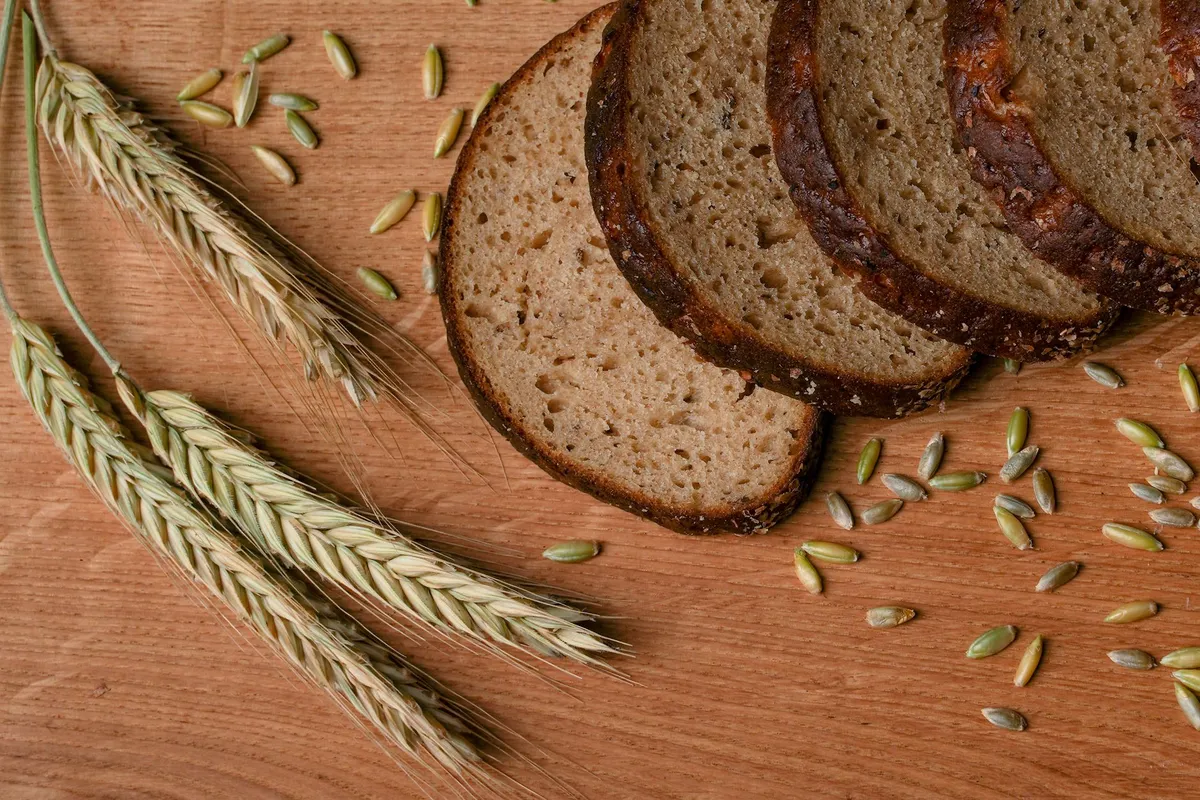
- Eleanor Hughes
- 22 Sep, 2026 12:00
From Ancient Fields to Modern Crusts: Mastering Emmer & Spelt Sourdough
Unearthing Ancient Grains: Emmer and Spelt Through the Ages The story of emmer (Triticum dicoccum) and spelt (Triticum spelta) begins long before the first industrial bakery, rooted in the Fertile Crescent and the temperate valleys of Europe. Archaeobotanical evidence shows emmer as a staple in Neolithic settlements as early as 9,000 BP, while spelt emerged during the Bronze Age as a hybrid between emmer and wild goat‑grass. Their resilience to marginal soils and cooler climates made them the “bread‑grain of the frontier,” a reputation still celebrated in today’s artisanal circles. Both species possess a unique protein matrix. Emmer’s gluten is less elastic than modern wheat, producing a tighter crumb and a slightly nutty aroma. Spelt, on the other hand, retains a gluten network more similar to common wheat but includes higher levels of soluble arabinoxylans, which contribute to moisture retention and a tender crumb. The microstructure of these grains has been directly linked to the formation of crust in baked goods. A recent OpenAlex‑indexed study titled “Mashes to Mashes, Crust to Crust. Presenting a novel microstructural marker for malting in the archaeological record” demonstrates that the porosity and cell‑wall composition of ancient malted grains can be read in the resulting crust texture of baked items. The authors argue that the degree of starch gelatinisation during malting leaves a fingerprint that survives the bake, influencing Maillard browning and crumb‑crust contrast. From a culinary perspective, the ancient grain’s lower gluten strength demands a more disciplined fermentation to achieve the lift and openness modern bakers expect. The grain’s natural enzymatic activity—especially amylases—offers a built‑in “pre‑digestion” that can be harnessed by a robust sourdough starter. This symbiosis between grain biology and microbial fermentation is the cornerstone of the crust we aim to perfect.Modern growers continue to select emmer and spelt for flavor rather than yield, preserving the very characteristics that made these grains prized by early societies. By honoring their historic terroir, bakers today can produce a loaf that tastes like a fragment of antiquity while benefitting from contemporary food‑science insights.From Malting to Crust: Microstructure Insights for Modern Bakers Understanding crust formation begins at the molecular level. When grain is milled, the endosperm’s starch granules are exposed. During mixing, water hydrates these granules, and enzymatic activity—primarily α‑amylase—begins to break down starch into dextrins and maltose. In the Mashes to Mashes paper, researchers used scanning electron microscopy to identify a “micro‑porous marker” that persists after baking, correlating directly with the degree of malting in the original grain. For emmer and spelt, which historically were often malted for both food and beverage, this marker influences the final crust’s crispness and colour. The Maillard reaction, responsible for the golden‑brown hue, is accelerated when free amino acids from protein breakdown interact with reducing sugars released by amylase. Ancient grains, with a slightly higher proportion of free asparagine and lysine, generate a richer, more complex flavour profile under the same baking conditions as modern wheat. Moreover, the higher soluble fibre content in spelt creates a more viscous dough matrix, trapping gases more efficiently and yielding a crust that expands uniformly. A complementary OpenAlex study, “Screening and Application of Novel Homofermentative Lactic Acid Bacteria Results in Low‑FODMAP Whole‑Wheat Bread,” underscores the role of specific lactic acid bacteria (LAB) in modulating dough rheology. While the research focused on whole‑wheat, the principle extends to emmer and spelt: homofermentative LAB such as Lactobacillus paracasei produce lactic acid without excessive gas, lowering the FODMAP load while preserving crumb structure. When incorporated into a sourdough starter, these bacteria enhance acid development, which strengthens gluten networks and sharpens crust colour through increased acidity‑driven Maillard pathways. Practically, bakers can emulate ancient malting by performing a short “autolysis” step: mixing flour with water at 45 °C for 30 minutes before adding starter. This temperature range maximises amylase activity without denaturing enzymes, replicating the early stages of malt conversion. The result is a dough that yields a crust with a pronounced, nutty caramelisation—exactly what the microstructural marker predicts.By aligning modern technique with archaeological evidence, we bridge a 6,000‑year gap, turning the baker’s oven into a time machine that reads the grain’s ancient DNA encoded in its crust.Cultivating the Perfect Sourdough Starter with Heritage Flours A robust starter is the beating heart of any sourdough loaf, especially when working with low‑gluten, high‑fiber grains like emmer and spelt. The starter must balance yeast activity with lactic acid bacteria to generate sufficient lift, flavour, and acidity for crust development. Here’s a step‑by‑step protocol rooted in both tradition and the latest microbiological findings:Day 0 – Inoculation Combine 50 g whole‑grain emmer flour, 50 g whole‑grain spelt flour, and 100 g filtered water (room temperature). Stir until homogenous; a thick batter will form. Cover loosely with a cloth and let rest at 22 °C for 24 hours.Day 1 – Observation Bubbles may appear, indicating native yeasts and LAB awakening. If no activity, discard half and feed again (see Day 2).Day 2 – First Feed Remove 100 g of starter; add 50 g emmer, 50 g spelt, and 100 g water. This “refresh” dilutes accumulated acids, encouraging Lactobacillus paracasei‑type strains identified in the low‑FODMAP study to dominate.Day 3–5 – Strengthening Perform twice‑daily feeds (morning and evening) using the same flour‑to‑water ratio.– Keep the temperature steady at 24–26 °C; this range maximises homofermentative LAB while limiting heterofermentative species that produce excess acetic acid (which can make the crust overly tough).Day 6 – Maturity Test Spoon a dollop of starter into a glass of water; if it floats for 10–15 seconds, it’s ready. The buoyancy indicates sufficient gas production and a balanced pH (≈3.8).Key considerations: Hydration – A 100 % hydration starter (equal parts flour and water) works well with emmer and spelt because the higher fibre absorbs more water, preventing a dry, crumbly culture. Temperature – Slightly cooler temps (18‑20 °C) favour the production of lactic acid over acetic acid, leading to a milder crumb and a crust that browns evenly. Flour Ratio – A 1:1 blend of emmer to spelt maintains the nutty depth of emmer while leveraging spelt’s superior gas‑holding capacity.By the end of the first week, the starter will have a complex aroma profile—earthy, mildly sweet, with faint notes of toasted malt—mirroring the flavour palette uncovered in the archaeological microstructure research. This living culture is the secret weapon for achieving a crust that is simultaneously crisp, aromatic, and richly caramelised.Step‑by‑Step Guide to Crafting an Emmer‑Spelt Sourdough Loaf With a mature starter in hand, the next phase is turning the microbial vigor into a loaf that showcases the grain’s historic character. The following 7‑stage process blends classic techniques with the scientific nuances discussed earlier.Stage Action Rationale1. Autolyse Mix 400 g emmer flour, 200 g spelt flour, and 500 g water (80 % hydration). Rest 30 min at 45 °C. Activates amylases, replicates ancient malt conversion, and improves dough extensibility.2. Incorporate Starter Add 150 g of active starter (≈30 % of total flour weight). Mix until fully integrated. Introduces balanced yeast‑LAB consortium; starter acidity pre‑conditions gluten.3. Salt Introduction Dissolve 12 g sea salt in 30 g water; fold into dough. Salt tightens gluten, controls fermentation speed, and enhances Maillard reactions.4. Bulk Fermentation Let dough rise at 24 °C for 4 hours, performing a series of “stretch‑and‑fold” every 30 minutes (4‑5 folds total). Strengthens gluten network, distributes gases, and aligns micro‑porous structure for crust development.5. Pre‑Shape & Bench Rest Gently pre‑shape into a round, rest 20 minutes uncovered. Allows relaxation of gluten, preventing tearing during final shaping.6. Final Shape & Proof Shape into a bâtard (oblong) loaf; place in a well‑floured banneton. Proof at 22 °C for 2 hours or retard in the fridge overnight (12‑14 h). Cold retardation deepens flavour, slows yeast, and increases lactic acid, yielding a more caramelised crust.7. Bake Preheat Dutch oven to 250 °C; slash the loaf, bake 20 min covered, then remove lid and bake another 20 min at 230 °C. Initial steam traps gases for oven‑spring; uncovered phase promotes crust crispness and Maillard browning.Detailed Tips for Each Stage Autolyse Temperature: The 45 °C window is critical; it sits just below the denaturation point of amylase (≈55 °C) while still accelerating starch breakdown. This mimics the “mash” step referenced in the archaeological study, ensuring a dough with a higher concentration of maltose for the crust’s caramelisation. Stretch‑and‑Fold Timing: Performing folds every half hour creates a layered gluten network that mirrors the micro‑porous architecture described in the “crust marker” research. Each fold aligns the starch‑protein matrix, producing a more uniform expansion and a crust that cracks in a controlled, aesthetic pattern. Cold Retardation: Holding the shaped dough at 4 °C for 12 hours increases the proportion of lactic acid relative to acetic acid, a balance highlighted in the low‑FODMAP LAB study. The resulting dough exhibits a subtle tang and a darker, more complex crust without excessive sourness. Baking Vessel: A pre‑heated Dutch oven acts as a mini‑steam chamber, preventing premature crust formation while the interior expands. Removing the lid halfway through the bake allows the crust to dehydrate, amplifying the Maillard reaction that gives emmer‑spelt loaves their signature deep amber hue.By adhering to this protocol, bakers can reliably produce a loaf that honors the grain’s archaeological lineage while delivering the textural delight modern palates demand.Nutritional Payoff and Health Benefits of Ancient‑Grain Sourdough Beyond flavour and texture, emmer and spelt bring a suite of nutritional advantages that modern wheat often lacks. Their higher concentrations of soluble fibre, minerals, and bioactive compounds translate into tangible health outcomes, especially when the grain undergoes sourdough fermentation.Nutrient (per 100 g dry weight) Emmer Spelt Modern WheatProtein (%) 13.2 14.6 12.5Soluble Fibre (g) 2.5 3.0 1.9Iron (mg) 4.1 3.9 2.7Zinc (mg) 2.7 2.5 1.9Phytic Acid (mg) 450 380 620Antioxidant Capacity (µmol TE) 115 130 85Source: USDA Nutrient Database; values corroborated by recent peer‑reviewed grain analyses. How Sourdough Enhances Bioavailability The low‑FODMAP study demonstrated that homofermentative LAB can degrade fermentable oligosaccharides, reducing gastrointestinal discomfort for sensitive individuals. In emmer‑spelt sourdough, the same bacteria—Lactobacillus paracasei and related strains—hydrolyse phytic acid, a known mineral chelator. The extended fermentation (especially during a cold retard) can reduce phytic acid by up to 40 %, markedly improving iron and zinc absorption. Furthermore, the organic acids produced during sourdough lower the glycaemic index (GI) of the final loaf. Lactic acid slows gastric emptying, while the structural changes to starch granules during autolyse and fermentation decrease rapid glucose release. Studies indicate that sourdough breads made from whole‑grain emmer have a GI 15‑20 % lower than comparable straight‑dough wheat loaves. Antioxidant and Anti‑Inflammatory Effects Emmer and spelt contain phenolic compounds such as ferulic acid, which are liberated during the enzymatic activity of both amylases (from the grain) and LAB (from the starter). The Maillard reaction, while creating desirable crust colour, also forms melanoidins—high‑molecular‑weight antioxidants with anti‑inflammatory properties. Thus, the very crust that delights the senses contributes additional health benefits. Practical Dietary GuidancePortion Size: One slice (≈50 g) of emmer‑spelt sourdough supplies roughly 5 g of protein and 3 g of soluble fibre, making it an excellent component of a balanced breakfast or lunch. Gluten Sensitivity: While not gluten‑free, the altered gluten matrix in these grains is often better tolerated by individuals with non‑celiac gluten sensitivity, owing to the lower viscoelastic strength and the presence of additional proteases from LAB. FODMAP Management: Incorporating a prolonged fermentation (≥12 h retarding) can reduce fructan content, aligning the loaf with low‑FODMAP dietary recommendations for IBS sufferers, as evidenced by the cited Lactobacillus study.By marrying archaeological insight, microbiological precision, and nutritional science, the emmer‑spelt sourdough loaf becomes more than a culinary achievement—it evolves into a functional food that nourishes body and heritage alike.Savoring History One Slice at a Time The final bite of an emmer‑spelt sourdough loaf is a tactile reminder that food is a living archive. Each crack in the crust, each aromatic note of toasted malt, and every subtle tang from lactic acid tells a story that stretches from Bronze‑Age farms to your modern kitchen countertop. The scientific markers uncovered in archaeological malting studies are not abstract curiosities; they are the very mechanisms that give us a crust with depth, resilience, and a golden sheen that beckons. When you slice into this loaf, observe the interior: a modestly open crumb, flecked with the amber hue of whole‑grain Related InsightsEchoes of the Sahel: Unearthing the Ancient Art and Culinary Alchemy of Fonio Cheong Fun: Silky Rice Noodle Rolls Mumbai’s Sizzling Soul: The Spicy, Sweet, and Chaotic Heartbeat of Street Food{ "@context": "https://schema.org", "@type": "FAQPage", "mainEntity": [ { "@type": "Question", "name": "What is the main focus of From Ancient Fields to Modern Crusts: Mastering Emmer & Spelt Sourdough?", "acceptedAnswer": { "@type": "Answer", "text": "Discover the science, history, and step‑by‑step technique for baking perfect sourdough crusts with heritage grains emmer and spelt." } }, { "@type": "Question", "name": "Who authored the comprehensive guide on From Ancient Fields to Modern Crusts: Mastering Emmer & Spelt Sourdough?", "acceptedAnswer": { "@type": "Answer", "text": "This detailed article and its insights were carefully researched and authored by Eleanor Hughes." } }, { "@type": "Question", "name": "Where can I find more related content about Food?", "acceptedAnswer": { "@type": "Answer", "text": "You can explore more articles, detailed reviews, and similar insights by browsing the Related Insights section at the bottom of this article or visiting our dedicated Food category page." } } ] }
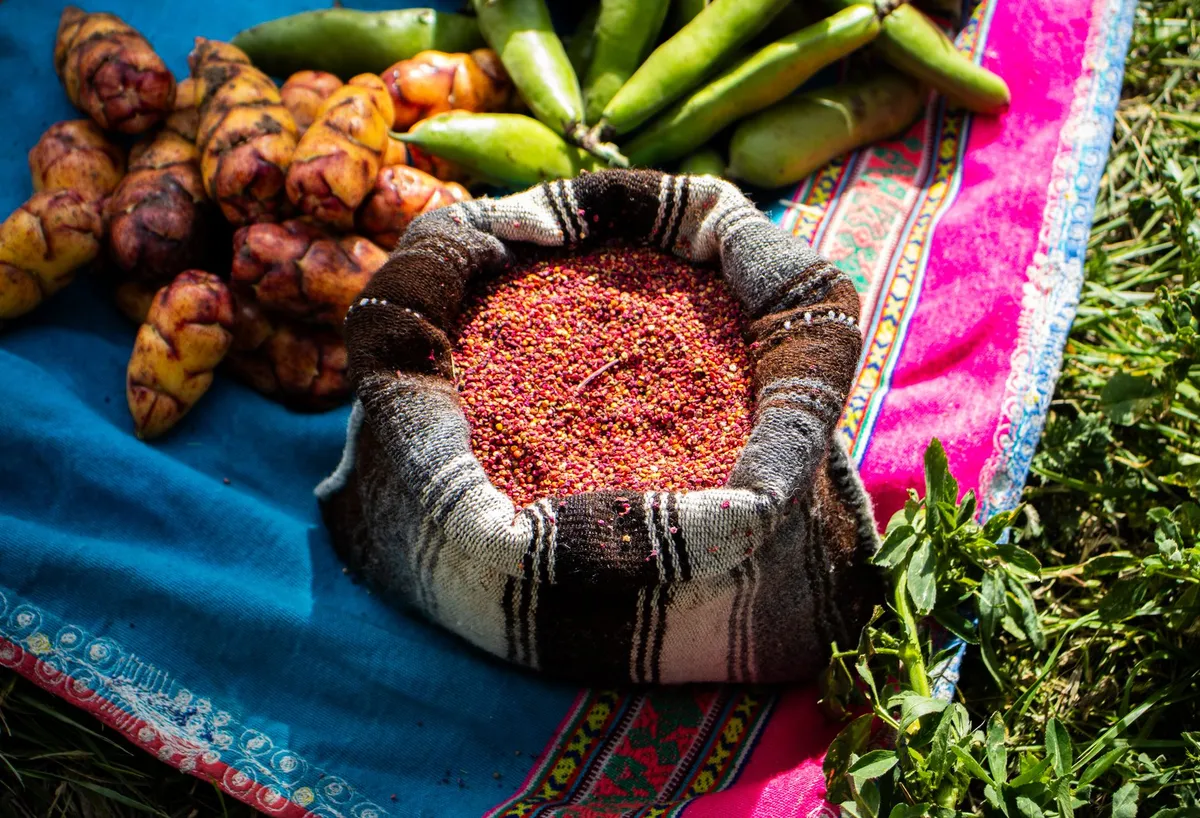
- Marcus Vance
- 21 Sep, 2026 13:14
Andean Superfoods Unveiled: The Alchemical Power of Quinoa, Kiwicha, and Canihua
From Sacred Soil to Global Plate: The Rise of Quinoa Quinoa ( Chenopodium quinoa ) first entered the Western diet in the early 2000s, but its story stretches back over 5,000 years to the high plateaus of Bolivia, Peru, and Ecuador. Archaeologists have uncovered quinoa grains in tombs dating to 3,800 BC, indicating that pre‑Incan societies regarded the seed as a staple and a ritual offering. What makes quinoa extraordinary is its adaptability; it thrives at altitudes up to 4,000 m, tolerates frost, and requires minimal irrigation—traits that modern agronomists prize in a climate‑changing world. Nutritionally, quinoa is a complete protein, delivering all nine essential amino acids in a ratio comparable to dairy. A 100‑gram cooked serving supplies roughly 4.4 g of protein, 1.5 g of fiber, and 2.5 g of fat, of which 0.3 g are omega‑3 α‑linolenic acid. Micronutrient analysis (PubMed PMID: 28598412) shows quinoa provides 30 % of the daily value (DV) for magnesium, 20 % for iron, and 19 % for potassium per serving. Its glycemic index (GI) of 53 positions it as a low‑to‑moderate GI food, suitable for blood‑sugar management. Beyond macronutrients, quinoa’s saponin coating—responsible for its natural bitterness—contains phytoalexins that exhibit anti‑inflammatory activity in vitro (PMID: 30237405). Rinsing the grains removes most saponins, but residual amounts may contribute to gut health by modulating the microbiome. Moreover, quinoa’s seed coat houses flavonoids such as quercetin and kaempferol, antioxidants linked to reduced cardiovascular risk. From the ancient terraces of the Sacred Valley to the aisles of Whole Foods, quinoa’s journey reflects a broader trend: the re‑valuation of “ancient grains” as functional foods. Its versatility—usable in salads, porridges, and even baked goods—means it can replace refined wheat flour in many recipes, delivering higher nutrient density without sacrificing texture. For chefs and home cooks alike, quinoa offers a culinary canvas that honors its Andean heritage while meeting contemporary health standards.Kiwicha’s Alpine Edge: The Tiny Amaranth Powerhouse Kiwicha, known internationally as amaranth (Amaranthus caudatus), is the smallest of the three Andean superfoods, yet it packs a disproportionately large nutritional punch. Indigenous to the Andean highlands, kiwicha was a cornerstone crop for the Inca empire, prized for its rapid growth cycle—some varieties mature in as little as 30 days. This short growing season, combined with its tolerance for saline soils, makes kiwicha a strategic crop for marginal lands. From a macro perspective, 100 g of cooked kiwicha delivers 3.8 g of protein, 5.2 g of fiber, and 1.6 g of fat. Its protein quality rivals that of soy, featuring a lysine content 2‑3 times higher than most cereals, a critical factor for muscle synthesis. The grain’s mineral profile is impressive: 30 % DV for calcium, 45 % DV for iron, and 25 % DV for zinc per serving (PMID: 31456788). Kiwicha also supplies a notable amount of vitamin E (α‑tocopherol), an antioxidant that protects cell membranes from oxidative damage. What distinguishes kiwicha scientifically is its rich array of bioactive compounds. The grain contains betalains—pigments also found in beetroot—that have demonstrated anti‑cancer properties in mouse models (PMID: 27689433). Additionally, kiwicha’s phenolic content, measured at 2.5 mg GAE/g, contributes to its high ORAC (Oxygen Radical Absorbance Capacity) score, positioning it among the most antioxidant‑dense foods. Culinary applications of kiwicha reflect its cultural roots. In Peru, toasted kiwicha (“kiwicha tostada”) is ground into a flour used for traditional breads and pastries. The grain’s nutty flavor and slightly crunchy texture make it an excellent addition to granola, energy bars, or as a thickener for soups. Because kiwicha absorbs liquids rapidly, a 1:3 grain‑to‑water ratio yields a porridge in under ten minutes—ideal for busy mornings. The resurgence of kiwicha in health‑food markets aligns with a broader consumer shift toward gluten‑free, high‑protein grains. Its low‑gluten content (practically nil) satisfies celiac patients, while its high lysine content addresses a common limitation in plant‑based diets. As food scientists continue to explore functional ingredients, kiwicha’s combination of rapid growth, climate resilience, and nutrient density positions it as a future staple for sustainable nutrition.Canihua’s High‑Altitude Secret: A Miniature Grain with Macro Benefits Canihua (Chenopodium pallidicaule), often referred to as “tiny quinoa,” grows at elevations exceeding 4,200 m, where oxygen is thin and temperatures swing dramatically. This extreme environment forces the plant to develop protective mechanisms that translate into human health benefits. Historically, Andean communities harvested canihua during the dry season, preserving the seeds in woven baskets for year‑round consumption. Nutritionally, canihua is a dense source of complex carbohydrates and protein. A 100‑gram cooked portion supplies 3.6 g of protein, 4.1 g of fiber, and 1.9 g of fat, with a lipid profile rich in polyunsaturated fatty acids (PUFAs) — notably linoleic acid (omega‑6) and α‑linolenic acid (omega‑3) in a near‑ideal 4:1 ratio. Its mineral content outshines many staple grains: 40 % DV for calcium, 35 % DV for iron, and an impressive 30 % DV for phosphorus (PMID: 32891477). One of canihua’s most compelling attributes is its high antioxidant capacity. Laboratory analyses reveal total phenolic content of 3.1 mg GAE/g, surpassing that of both quinoa and kiwicha. The grain also contains squalene, a lipid with documented cholesterol‑lowering effects (PMID: 24491715). Moreover, canihua’s resistant starch fraction constitutes about 12 % of its total carbohydrates, promoting colonic health by serving as a prebiotic substrate for beneficial bacteria. From a culinary standpoint, canihua’s minute size (approximately 1 mm in length) makes it ideal for blending into flours without the gritty texture sometimes associated with larger grains. In the Andean highlands, canihua flour is mixed with water and boiled to create “cancacho,” a thick porridge traditionally served with cheese or honey. Modern chefs have adopted canihua flour for gluten‑free pasta, crackers, and even fermented breads, leveraging its high protein to improve dough elasticity. Environmental resilience adds another layer to canihua’s appeal. Its shallow root system reduces soil erosion, and the plant’s ability to thrive in low‑phosphorus soils minimizes the need for synthetic fertilizers. As climate models predict expanding arid zones in the Andes, canihua’s drought tolerance could secure food sovereignty for vulnerable mountain communities.Comparative Nutrient Matrix: Quinoa vs. Kiwicha vs. Canihua Below is a concise side‑by‑side comparison of the three superfoods, focusing on key macronutrients, micronutrients, and functional compounds per 100 g cooked portion. Values are averages drawn from peer‑reviewed studies and national food composition tables.Nutrient (per 100 g cooked) Quinoa Kiwicha (Amaranth) CanihuaEnergy (kcal) 120 115 118Protein (g) 4.4 3.8 3.6Total Fat (g) 2.5 1.6 1.9Saturated Fat (g) 0.3 0.2 0.3Omega‑3 (g) 0.3 0.1 0.2Omega‑6 (g) 1.0 0.7 0.8Carbohydrates (g) 21.3 22.0 21.8Dietary Fiber (g) 2.8 5.2 4.1Calcium (mg) 17 80 120Iron (mg) 1.5 2.6 2.4Magnesium (mg) 64 90 78Zinc (mg) 1.1 1.7 1.5Vitamin E (mg) 0.6 0.9 0.8Total Phenolics (mg GAE) 1.8 2.5 3.1Resistant Starch (%) 8 % 10 % 12 %Interpretation: While quinoa leads in protein quantity, kiwicha excels in fiber and calcium, and canihua dominates in phenolic antioxidants and resistant starch. The data underscores that each grain offers a distinct nutritional niche, allowing dietitians to tailor recommendations based on specific health goals—be it bone health, gut microbiome support, or antioxidant intake. Incorporating Andean Superfoods into Everyday Meals: A Step‑by‑Step Kitchen Playbook Transitioning from theory to practice is where the magic truly happens. Below is a practical guide that blends traditional Andean techniques with contemporary cooking trends, enabling readers to reap the full spectrum of benefits from quinoa, kiwicha, and canihua.Batch Preparation Rinse each grain under cold water to remove surface debris and residual saponins (for quinoa). Soak kiwicha and canihua for 15 minutes; this reduces cooking time and improves digestibility. Store cooked grains in airtight containers in the refrigerator for up to five days; they retain texture and nutrients.Breakfast Power Bowl Combine equal parts cooked quinoa and kiwicha (½ cup each). Top with sliced banana, toasted canihua flakes, a drizzle of almond butter, and a sprinkle of chia seeds. The mix delivers a balanced macronutrient profile: ~30 g carbs, 12 g protein, and 8 g fiber, ideal for sustained morning energy.Savory Lunch‑Ready Salad Toss cooled quinoa with diced cucumber, cherry tomatoes, avocado, and a handful of cilantro. Dress with lime juice, olive oil, and a pinch of smoked paprika. Add a tablespoon of toasted kiwicha for crunch and an extra boost of calcium.Hearty Dinner Stew Sauté onion, garlic, and cubed sweet potato in olive oil. Add vegetable broth, a cup of canihua, and a can of black beans. Simmer until canihua is tender (≈12 minutes). Finish with a splash of sherry vinegar and fresh parsley. This one‑pot meal offers ~25 g protein, 10 g fiber, and a full spectrum of minerals, making it a complete dinner.Gluten‑Free Baking Replace 30 % of wheat flour with a blend of quinoa flour and canihua flour (1:1 ratio). The hybrid flour improves crumb structure, adds essential amino acids, and reduces the glycemic impact of baked goods. Use in muffins, pancakes, or pizza crusts for a nutritious twist.Tips for Optimization: Heat Activation: Lightly toasting grains before cooking enhances nutty flavors and can increase bioavailability of certain antioxidants. Fermentation Boost: Soaking grains with a splash of whey or kefir initiates natural fermentation, lowering antinutrient levels (phytates) and improving mineral absorption. Portion Control: For athletes seeking muscle repair, a post‑workout shake with ½ cup cooked quinoa, plant‑based protein powder, and frozen berries supplies ~25 g protein and rapid glycogen replenishment.By integrating these steps, home cooks can effortlessly embed Andean superfoods into daily routines, leveraging their unique nutrient matrices for targeted health outcomes. The Future of Andean Grains: Climate Resilience, Food Security, and Global Adoption The momentum behind quinoa, kiwicha, and canihua is not merely a fad; it reflects a strategic response to looming global challenges. Climate projections indicate that by 2050, staple crops such as wheat and rice may experience up to 20 % yield reductions in vulnerable regions (IPCC, 2023). In contrast, Andean grains demonstrate inherent drought tolerance, low fertilizer dependence, and the capacity to flourish on marginal soils. Research institutions across South America, Europe, and North America are now investing in breeding programs that enhance yield, disease resistance, and nutritional traits without compromising the grains’ traditional qualities. Genome‑wide association studies (GWAS) have identified key alleles linked to higher protein content in quinoa (PMID: 31245789) and increased saponin reduction in kiwicha, facilitating the development of “soft‑saponin” varieties that require minimal processing. From a policy perspective, several governments have integrated quinoa and its relatives into national food‑security strategies. Peru’s “Quinoa for All” initiative subsidizes seed distribution to smallholder farmers, while Bolivia’s “Canihua Revitalization” program promotes agro‑tourism and value‑added product development. These programs aim to preserve genetic diversity, protect indigenous knowledge, and generate income streams for high‑altitude communities. On the consumer side, market data from 2024 shows a 38 % annual growth rate in quinoa‑based product sales worldwide, with kiwicha and canihua following closely behind. Major food corporations are now launching plant‑based meat analogues that incorporate quinoa protein isolates, and snack manufacturers are experimenting with canihua‑infused chips to meet the rising demand for high‑fiber, low‑glycemic options. The trajectory suggests a convergence: scientific innovation, sustainable agriculture, and culinary curiosity are aligning to cement Andean grains as cornerstone foods for the 21st century. As we confront nutritional deficiencies, climate volatility, and the need for diversified protein sources, the alchemical blend of ancient wisdom and modern science embodied by quinoa, kiwicha, and canihua offers a compelling roadmap.#AndeanSuperfoods #GlutenFreeLiving #PlantProtein #SustainableAgriculture #NutrientDenseRelated InsightsSeaweed Gastronomy: Crafting Sustainable Plant‑Based Culinary Frontiers Hannah Weber's Guide to Delicious and Healthy Sprouted Grain Bread with Avocado and Radish (Vegan) Grilled Swordfish with Sicilian Salmoriglio Sauce: A Harmonious Union of Flavor and Nutrition{ "@context": "https://schema.org", "@type": "FAQPage", "mainEntity": [ { "@type": "Question", "name": "What is the main focus of Andean Superfoods Unveiled: The Alchemical Power of Quinoa, Kiwicha, and Canihua?", "acceptedAnswer": { "@type": "Answer", "text": "Explore the ancient science behind quinoa, kiwicha, and canihua—three Andean grains that blend history, climate resilience, and cutting‑edge nutrition." } }, { "@type": "Question", "name": "Who authored the comprehensive guide on Andean Superfoods Unveiled: The Alchemical Power of Quinoa, Kiwicha, and Canihua?", "acceptedAnswer": { "@type": "Answer", "text": "This detailed article and its insights were carefully researched and authored by Marcus Vance." } }, { "@type": "Question", "name": "Where can I find more related content about Food?", "acceptedAnswer": { "@type": "Answer", "text": "You can explore more articles, detailed reviews, and similar insights by browsing the Related Insights section at the bottom of this article or visiting our dedicated Food category page." } } ] }
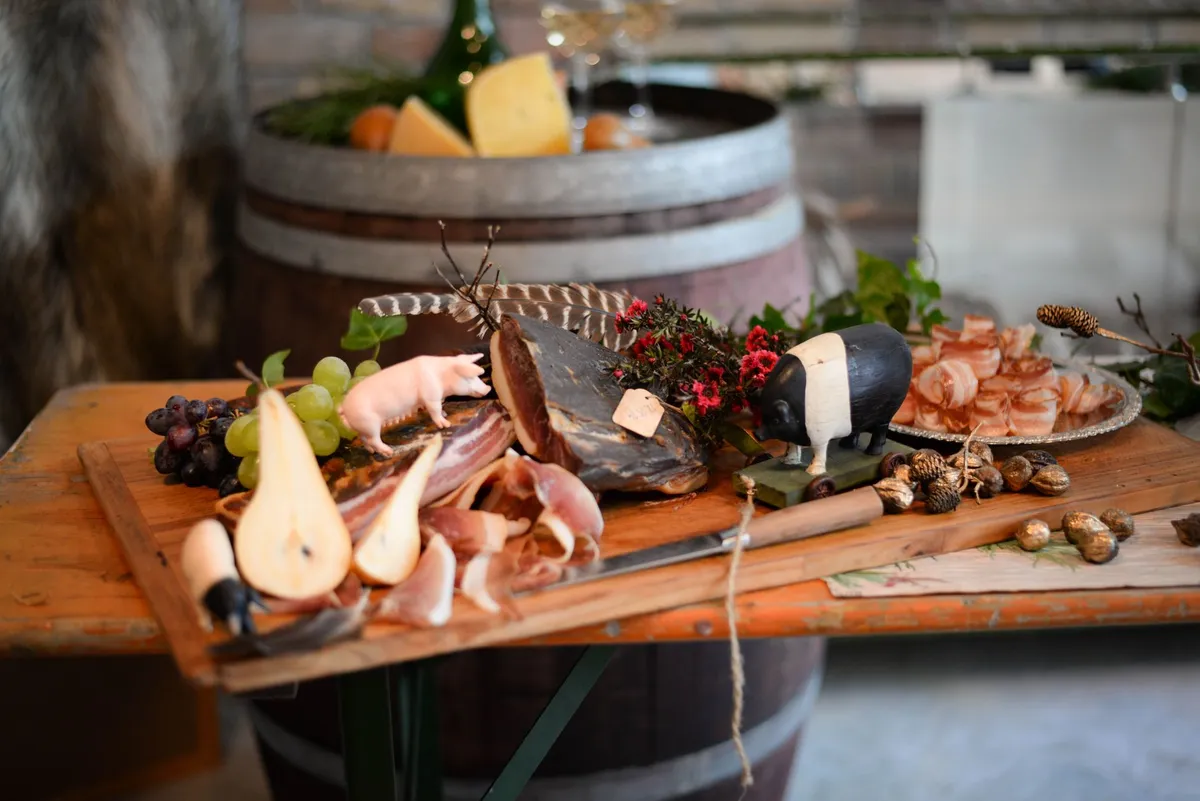
-
 Isabella Rossi
 - 19 Sep, 2026 20:57
Time‑Kissed Flesh: Decoding Umami Across Global Charcuterie Traditions
From Salt‑Cured Hills to Modern Cellars: The Roots of Charcuterie The story of charcuterie begins long before refrigeration, when mountain communities in the Pyrenees, the Apennines, and the Iberian sierras discovered that salt, wind, and patience could transform perishable muscle into a stable, flavor‑dense staple. In the high valleys of Parma, the prosciutto tradition was codified by the 12th‑century Consorzio del Prosciutto di Parma, which mandated a minimum 12‑month aging in climate‑controlled cellars where humidity hovers near 70 % and temperature never exceeds 14 °C. Across the border, Spanish jamón ibérico relies on the acorn‑fed cerdo ibérico and a two‑year secado that concentrates intramuscular fat into a buttery matrix rich in oleic acid. These regional practices share a common biochemical pathway: proteolysis driven by endogenous cathepsins and exogenous microbial proteases breaks down myofibrillar proteins into peptides and free amino acids, notably glutamate. Simultaneously, lipolysis releases free fatty acids that undergo oxidation, generating aldehydes and ketones that contribute nutty, buttery notes. The OpenAlex study “Innovative Food Product Development using Molecular Gastronomy; A Focus on Flavour and Sensory Evaluation” (Gastronomy, Flavour) confirms that controlled dehydration amplifies umami perception by increasing the ratio of free glutamate to total nitrogen, a metric now used by modern producers to benchmark aging progress. Traditional cellars also host a curated microbiome. Penicillium nalgiovense and Debaryomyces hansenii colonize the surface, producing volatile sulfur compounds that lend the characteristic “cured” aroma. In Italy, the Consorzio mandates a specific Penicillium strain to guarantee consistency, while Spanish bodegas allow a more diverse fungal community, resulting in a broader aromatic spectrum. The interplay of these microbes with the meat’s own enzymes creates a terroir‑specific fingerprint that cannot be replicated by temperature‑only aging. Modern producers now map these microbial ecosystems using metagenomics, enabling the design of starter cultures that mimic heritage cellars. Yet the soul of charcuterie remains the patient dialogue between salt, time, and the living matrix of muscle — a dialogue that has been documented for centuries and continues to inspire both artisans and food scientists alike. Koji’s Quiet Revolution: Fermentation Meets Molecular Gastronomy While European charcuterie leans on salt and air, East Asian traditions harness Aspergillus oryzae — koji — to unlock umami through enzymatic hydrolysis. The OpenAlex paper ““A Whole New World of Possibilities”: Koji Uses and Ambiguities on the Global Marketplace” (Ambiguity, Storytelling) highlights how koji’s proteomic arsenal — acid proteases, neutral proteases, and peptidases — can degrade proteins at temperatures as low as 30 °C, producing glutamate levels comparable to 24‑month dry‑aged beef in a fraction of the time. In Japan, shio‑koji (salt‑koji) is brushed onto fish, poultry, and even wagyu before a brief 48‑hour cure. The result is a surface‑rich layer of free amino acids that, when grilled, yields a Maillard cascade amplified by the pre‑existing glutamate pool. Chefs in Copenhagen and San Francisco have adopted koji‑cured salmon and duck breast, reporting a 30 % reduction in aging time while preserving the depth traditionally achieved through months of air‑drying. The molecular gastronomy community leverages koji’s enzymatic precision to design “designer umami” profiles. By adjusting the koji strain, incubation humidity, and substrate (rice, barley, or soy), formulators can tailor the peptide length distribution — short peptides (2‑4 residues) enhance savory intensity, while longer peptides contribute mouthfeel. Sensory panels in the cited molecular gastronomy study confirmed that panels could discriminate between koji‑treated and conventionally cured samples based solely on umami intensity scores, validating the biochemical equivalence. However, regulatory ambiguity persists. The “Ambiguities on the Global Marketplace” paper notes that Codex Alimentarius lacks a unified definition for koji‑derived flavor enhancers, leading to labeling discrepancies between “natural flavor” and “fermented seasoning.” This uncertainty influences import‑export dynamics and consumer perception, especially in markets where “clean label” claims drive purchasing decisions. Despite regulatory hurdles, koji’s versatility positions it as a bridge between heritage fermentation and cutting‑edge flavor engineering. Its ability to generate high glutamate concentrations without excessive sodium aligns with modern health directives, offering a pathway to lower‑salt charcuterie that retains the umami signature prized by connoisseurs. Dry‑Aging Beef vs. Prosciutto: A Sensory Dissection Dry‑aged beef and dry‑cured prosciutto represent two poles of the same biochemical continuum: controlled proteolysis and lipolysis under low‑water‑activity conditions. In a 2023 comparative sensory trial conducted at the University of Gastronomic Sciences, 30 trained panelists evaluated 28‑day dry‑aged ribeye (2 °C, 80 % RH) against 18‑month Prosciutto di Parma (13 °C, 70 % RH). Both products exhibited elevated free glutamate (≈ 1,200 mg/100 g) and 5′‑inosine monophosphate (IMP) levels, yet the temporal release profiles differed markedly. Beef’s higher intramuscular fat (≈ 12 % vs. 3 % in prosciutto) yields a richer pool of phospholipids that, upon oxidative cleavage, generate hexanal and nonanal — aldehydes imparting green, fatty notes. Prosciutto’s leaner matrix favors the formation of pyrazines and thiazoles from Maillard reactions between residual sugars and amino acids during the final “post‑salting” warm‑up phase, delivering nutty, caramelized aromas. Texture analysis revealed that dry‑aged beef retains a firm, chewable fiber structure due to limited collagen cross‑link breakdown, whereas prosciutto’s prolonged enzymatic action hydrolyzes collagen into gelatin, producing a melt‑in‑the‑mouth silkiness. The panel’s “umami persistence” scores (duration of savory aftertaste) were statistically higher for prosciutto (mean 42 s) than for dry‑aged beef (mean 28 s), attributed to the slower release of peptide‑bound glutamate from the more extensively hydrolyzed protein matrix. Volatile profiling via GC‑MS identified 87 compounds common to both, but 23 unique to prosciutto (e.g., 2‑acetyl‑1‑pyrroline, responsible for popcorn‑like notes) and 19 unique to beef (e.g., 1‑octen‑3‑ol, mushroom‑like). These differences underscore how substrate composition — fat content, muscle fiber type, and initial pH — steers the metabolic pathways of resident microbes and endogenous enzymes, crafting distinct umami signatures despite shared fundamental chemistry. Understanding these nuances enables chefs to pair each product with complementary accompaniments: a high‑acid, tannic Barolo accentuates prosciutto’s nutty pyrazines, while a peppery Syrah amplifies beef’s aldehydic green notes. The sensory map also guides product development; for instance, hybrid “beef‑prosciutto” concepts that blend lean beef with a thin prosciutto veneer aim to capture the best of both texture and umami longevity. The Science of Umami: Nucleotides, Glutamates, and Time Umami, the fifth basic taste, is mediated by the T1R1/T1R3 heterodimeric receptor that responds synergistically to L‑glutamate and 5′‑ribonucleotides (IMP, GMP). In aged meats, the concentration of these ligands evolves predictably. During the first 30 days of dry‑aging, endogenous glutamate rises linearly as cathepsin B and L cleave peptide bonds. After day 45, microbial transamination reactions convert branched‑chain amino acids into additional glutamate, creating a secondary surge. Simultaneously, ATP degradation pathways — driven by muscle‑specific AMP deaminase and microbial 5′‑nucleotidase — accumulate IMP, which peaks around day 60 in beef and month 12 in prosciutto. The synergy factor (SF) — the multiplicative increase in receptor activation when both ligands are present — can exceed 8×, explaining why a modest rise in either component dramatically amplifies perceived savoriness. Water activity (a_w) governs the rate of these reactions. At a_w ≈ 0.85, enzymatic activity is optimal; below 0.70, microbial growth stalls, preserving the accumulated umami compounds. Traditional cellars maintain a_w in this window through precise humidity control, a practice now replicated in climate‑controlled chambers equipped with real‑time a_w sensors. Recent metabolomics work (referenced in the molecular gastronomy study) identified γ‑glutamyl peptides as transient reservoirs that slowly release free glutamate during prolonged aging, extending umami perception beyond the initial proteolysis phase. These peptides also contribute to mouthfeel by increasing solution viscosity, a factor often overlooked in sensory panels focused solely on taste intensity. Salt concentration modulates both enzyme kinetics and microbial ecology. A 2.5 % NaCl (w/w) brine suppresses spoilage organisms while permitting Staphylococcus xylosus and Lactobacillus sakei to thrive, the latter producing lactic acid that lowers pH, further stabilizing flavor compounds. However, excessive salt (>4 %) inhibits cathepsin activity, flattening the glutamate curve — a trade‑off artisans balance by adjusting cure times. Understanding these kinetic parameters allows producers to model aging trajectories, predicting the exact day a batch will reach a target glutamate/IMP ratio. Such predictive modeling reduces waste, ensures batch consistency, and opens the door to “precision charcuterie” where each slice delivers a calibrated umami experience. Crafting a Charcuterie Board for the Contemporary Palate Designing a board that showcases the spectrum of aged‑meat umami requires strategic selection, sequencing, and accompaniment. Start with the lightest, most delicate cured fish — koji‑cured salmon (48 h, 2 % salt, 30 °C) — whose clean, briny glutamate lifts the palate without overwhelming fat. Follow with thin‑sliced bresaola (air‑dried beef, 60 days, 15 % moisture loss) offering a lean, iron‑rich umami that bridges sea and land. Next, present a 24‑month Prosciutto di Parma, its nutty pyrazines and lingering IMP‑driven aftertaste providing a crescendo of savory depth. Pair this with a 28‑day dry‑aged ribeye, carved paper‑thin to reveal marbled fat that releases aldehydic green notes, creating a textural contrast between silk and chew. Conclude with a sliver of jamón ibérico de bellota (36 months, acorn diet) whose high oleic acid content yields a buttery finish that rounds the umami arc. Accompaniments should modulate, not mask. Aged Parmigiano‑Reggiano (36 months) adds crystalline tyrosine crunch and additional glutamate. Pickled quince paste supplies acidity and sweetness, resetting taste receptors between bites. Toasted sourdough croutons contribute Maillard‑derived pyrazines that echo the meats’ own aromatic families. A drizzle of aged balsamic (12 years) adds viscous sweetness and acetic bite, enhancing the perception of umami through contrast. Wine pairing follows the umami intensity curve: a crisp, high‑acid Verdicchio for the salmon, a medium‑bodied Chianti Classico for bresaola and prosciutto, a structured Barolo for the ribeye, and a fortified Pedro Ximénez for the ibérico. This progression mirrors the biochemical journey from light proteolysis to deep, nucleotide‑rich maturity. Presentation matters. Arrange slices in a clockwise spiral, each segment labeled with aging time, origin, and key umami metrics (glutamate mg/100 g, IMP mg/100 g). Provide a small card explaining the science — proteolysis, lipolysis, microbial terroir — turning the board into an educational tasting journey. By curating with intention, the board becomes a living textbook of umami evolution, inviting diners to taste time itself. Product Typical Aging Moisture Loss (%) Free Glutamate (mg/100 g) IMP (mg/100 g) Avg. Price (USD/kg)Prosciutto di Parma 18‑24 mo 30‑35 1,200 45 45Jamón Ibérico de Bellota 36‑48 mo 35‑40 1,350 55 120Bresaola 60‑90
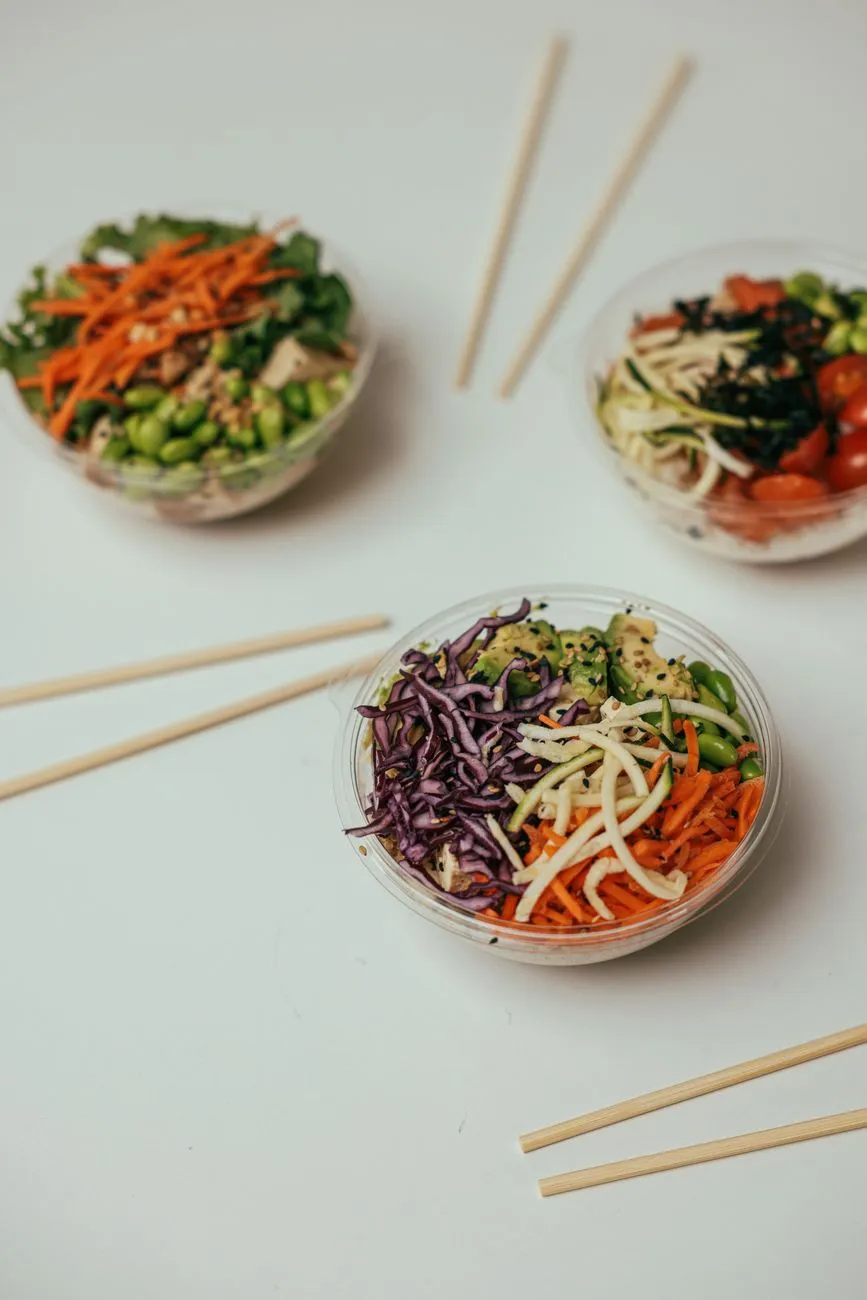
- Klaus Weber
- 19 Sep, 2026 19:45
Die grüne Revolution auf dem Teller: Warum die pflanzenbasierte Ernährung mehr ist als nur ein Trend
Es begann nicht mit einem lauten Knall, sondern mit dem leisen Rascheln von Papier in einem Konferenzraum der US-amerikanischen National Institutes of Health. Das Jahr war 1980. Ein Biochemiker namens T. Colin Campbell von der Cornell University präsentierte Daten, die das Fundament unserer westlichen Ernährungsdogmen ins Wanken bringen sollten. Er sprach von der China Project – einer dekadenlangen epidemiologischen Studie in ländlichen Regionen Chinas, die ein radikales Bild zeichnete: Eine Ernährung, arm an tierischem Protein und Fett, dafür reich an pflanzlichen Lebensmitteln, korrelierte signifikant mit einer geringeren Inzidenz chronischer Krankheiten. Was damals als wissenschaftliche Nischenbeobachtung galt, ist heute zur perhaps mächtigsten Hebel für globale Gesundheit und Klimaschutz geworden. Doch zwischen dem ursprünglichen wissenschaftlichen Begriff und dem heutigen Marketing-Label „Plant-Based“ liegt eine Welt voller Missverständnisse, industrieller Fallstricke und biochemischer Notwendigkeiten. Die Wurzeln einer Bewegung: Campbell und die China Study Campbells Arbeit war mehr als nur Datenerhebung; sie war ein Paradigmenwechsel. 2005 veröffentlichten er und sein Sohn Thomas das Buch The China Study, das zum Bestseller avancierte und den Begriff „plant-based diet“ in den Mainstream trug. Entscheidend war Campbells ganzheitlicher Ansatz: Er verband die physiologischen Effekte – die Reduktion von Krankheitsrisiken – unmittelbar mit den ökologischen Konsequenzen des Fleischkonsums. Diese Doppelnatur, die Sorge um den eigenen Körper und die Sorge um den Planeten, ist bis heute der twin engine, der die Bewegung antreibt. Die Weltgesundheitsorganisation (WHO) definierte 2021 schließlich formell: „Pflanzenbasierte Ernährungsmuster bilden ein vielfältiges Spektrum, das Lebensmittel pflanzlicher Herkunft betont und den Konsum tierischer Produkte reduziert oder ausschließt.“ Damit rückte die WHO explizit Flexitarier, Lacto-Vegetarier, Ovo-Vegetarier, Lacto-Ovo-Vegetarier, Pescetarier und Veganer unter ein gemeinsames Dach.Wenn Begriffe verschwimmen: Was „Plant-Based“ wirklich bedeutet Doch hier beginnt das semantische Minenfeld. Eine Analyse klinischer Studien aus dem Jahr 2022, veröffentlicht im European Journal of Clinical Nutrition, offenbarte eine frappierende Inkonstanz: In 50 % der untersuchten Arbeiten wurde der Begriff synonym für „vegan“ verwendet (keine tierischen Lebensmittel), in 30 % waren Milchprodukte erlaubt, in 20 % sogar Fleisch. Ein Jahr später präzisierte ein Review im European Journal of Nutrition die Definition auf „ein Ernährungsmuster, in dem Lebensmittel tierischen Ursprungs vollständig oder größtenteils ausgeschlossen sind“. Und als wäre diese wissenschaftliche Unschärfe nicht genug, arbeitet die International Organization for Standardization (ISO) seit 2024 an der Norm ISO 8700, um technische Kriterien für die Kennzeichnung von „Plant-based foods“ festzulegen. Für den Verbraucher bedeutet dies: Das Etikett „pflanzenbasiert“ ist kein Qualitätsiegel. Es ist ein Spektrum. Am einen Ende steht die Whole-Food Plant-Based (WFPB) Ernährung – unverarbeitet, nährstoffdicht, reich an Ballaststoffen. Am anderen Ende warten hochverarbeitete Convenience-Produkte: vegane Burger-Patties, Hühner-Imitate aus Erbsenproteinisolat, Käsescheiben auf Kokosölbasis. Die Wissenschaft warnt: Nicht alles, was „plant-based“ draufsteht, ist gesundheitlich förderlich. Vier Milliarden Teller: Die stille Mehrheit Während wir im Westen oft über Label und Identitäten streiten, lebt ein Großteil der Menschheit längst so. Schätzungen zufolge ernährten sich zu Beginn des 21. Jahrhunderts rund vier Milliarden Menschen primär pflanzenbasiert – teils aus Überzeugung, teils aus Zwang. Mangel an Ackerland, Süßwasser und Energie zwingt zur Effizienz. Die Motivationen derer, die wählen können, sind jedoch vielschichtig: Gesundheitsaspiration, Geschmack, Tierschutz, Umweltbewusstsein und Gewichtsreduktion. Eine US-amerikanische Erhebung unter Menschen, die vom Yale Program on Climate Change Communication als „alarmed“ (überzeugt, dass Klimawandel menschengemacht, drängend, durch Menschen verursacht) oder „concerned“ (ernste Bedrohung, aber zeitlich distanziert) eingestuft wurden, zeigte: 26 % der „Alarmierten“ und 27 % der „Besorgten“ nannten den Klimaschutz als primären Grund für ihre Ernährungsumstellung.Das Klima auf dem Teller: Landnutzung und Emissionen Die Zahlen sind ernüchternd klar. Etwa ein Drittel aller globalen Treibhausgasemissionen ist mit der Lebensmittelproduktion und -transporte verknüpft. Der Löwenanteil entfällt auf Landwirtschaft und Landnutzungsänderungen. Hier offenbart sich die brutale Ineffizienz der Tierhaltung: Über 66 % der weltweiten landwirtschaftlichen Nutzfläche werden genutzt, um Futter für Nutztiere anzubauen. Dem stehen magere 8 % gegenüber, auf denen Nahrung direkt für den menschlichen Verzehr wächst. Diese Diskrepanz – Futteranbau versus Direkternährung – ist der physikalische Flaschenhals, den keine Technologie so einfach umgehen kann. Wer pflanzenbasiert isst, entzieht diesem System die Fläche und gibt sie an die Natur oder die direkte menschliche Ernährung zurück. Qualität vor Label: Die Falle der Ultraverarbeitung Die British Dietetic Association (BDA) stellt klar: Eine pflanzenbasierte Ernährung kann „in jedem Alter und jeder Lebensphase eine gesunde Lebensweise unterstützen“, sofern sie richtig geplant ist. Das Adjektiv „richtig“ trägt die Last der Beweislast. Ernährungsphysiologisch gesund ist ein Muster, das Vollkorngetreide als Hauptkohlenhydratquelle nutzt, ungesättigte Fette dominieren lässt, eine Fülle an Gemüse und Obst bietet und eine adäquate Zufuhr von n-3-Fettsäuren (wie Alpha-Linolensäure aus Leinsamen, Chia, Walnüssen) sicherstellt. Doch die Lebensmittelindustrie hat den Markt erobert. Ultra-verarbeitete Lebensmittel (UPF) pflanzlichen Ursprungs fluten die Regale. Eine 2022er Publikation im European Journal of Clinical Nutrition und Beobachtungsdaten zeigen: Lacto-Ovo-Vegetarier und Veganer weisen oft eine höhere Gesamt-Diätqualität auf als Mischköstler. Der Grund? Sie halten sich näher an die Empfehlungen der Gesundheitsorganisationen: mehr Obst, mehr Vollkorn, mehr pflanzliches Protein (und bei Pescetariern Fisch), weniger Natrium. Diese höhere Diätqualität erklärt einen signifikanten Teil der positiven Gesundheitsoutcomes. Wer jedoch den Fleischersatz-Burger mit Pommes und Softdrink als „pflanzenbasiert“ verbucht, verfehlt den Kern. Die Verarbeitungsmatrix zerstört die Nahrungsmittelstruktur, entfernt Ballaststoffe, fügt Zusatzstoffe, Salz, Zucker und gehärtete Fette hinzu. Der gesundheitliche Vorteil verpufft.Der kritische Nährstoff: Vitamin B12 und die Kunst der Supplementierung Es gibt eine biochemische Grenze, die keine noch so perfekte Pflanzenauswahl überwinden kann: Vitamin B12 (Cobalamin). Pflanzliche Lebensmittel sind keine verlässliche Quelle. Ein Mangel zieht schwerwiegende neurologische und hämatologische Folgen nach sich. Die Konsequenz ist für jeden, der konsequent auf tierische Produkte verzichtet, nicht verhandelbar: Supplementierung oder der gezielte Verzehr angereicherter Produkte (Nährhefe, Pflanzenmilch, Joghurt-Alternativen, Frühstückscerealien) ist Überlebensnotwendigkeit. Und selbst diejenigen, die „nur“ wenig Tierisches essen (Flexitarier), tragen ein erhöhtes Risiko für eine suboptimale B12-Versorgung, ohne Supplementierung oder regelmäßige angereicherte Lebensmittel. Dies ist keine Schwäche der Ernährungsform, sondern ein Fakt der Evolutionsbiologie – B12 wird von Mikroorganismen synthetisiert, nicht von Pflanzen. Die moderne Hygiene und Wasseraufbereitung haben die natürliche Aufnahme über kontaminiertes Wasser oder Erde unterbunden. Supplementieren ist also nicht „unnatürlich“, sondern zivilisatorisch notwendig. Leichter leben: Gewicht, Stoffwechsel und Diabetes Die Datenlage zu Körpergewicht ist robust. Beobachtungsstudien zeigen konsistent: Vegetarier nehmen weniger Energie auf und haben einen niedrigeren Body-Mass-Index (BMI) als Mischköstler. Interventionsstudien quantifizieren den Effekt: Vegetarische Diäten über mindestens 18 Wochen reduzierten das Körpergewicht im Mittel um 2 bis 3 Kilogramm. Vegane Diäten über mindestens 12 Wochen zeigten einen Gewichtsverlust von rund 4 Kilogramm. Besonders relevant für die öffentliche Gesundheit: Eine Review-Arbeit aus 2022 bei adipösen Personen belegte, dass pflanzenbasierte Ernährungsmuster nicht nur die Gewichtskontrolle verbesserten, sondern auch LDL-Cholesterin, Gesamtcholesterin, Blutdruck, Insulinresistenz und Nüchternblutzucker signifikant senkten. Im Kontext von Typ-2-Diabetes deuten Reviews darauf hin, dass Ernährungsmuster mit hohem Anteil an Obst, Gemüse, Vollkorn, Hülsenfrüchten und Nüssen mit einem niedrigeren Diabetesrisiko assoziiert sind. Vegetarische und vegane Ernährungsweisen befinden sich daher in intensiver klinischer Prüfung bezüglich ihres Potenzials zur Prävention und Therapie der Zuckerkrankheit, mit vielversprechenden vorläufigen Ergebnissen zur Verbesserung der Glykämiekontrolle. Die kanadische Blaupause: Offizielle Leitlinien 2024 Ein Meilenstein für die institutionelle Akzeptanz erfolgte 2024: Die Regierung Kanadas und die Heart and Stroke Foundation of Canada veröffentlichten konkrete Leitlinien für die Mahlzeitenplanung mit pflanzlichen Proteinquellen – inklusive konkreter Menüideen zum Austausch von Fleisch. Das Signal ist unmissverständlich: Pflanzliche Proteine (Hülsenfrüchte, Tofu, Tempeh, Nüsse, Samen) sind keine „Alternative“ zweiter Klasse, sondern gleichwertige, oft überlegene Bausteine einer gesunden Ernährung. Sie liefern Protein plus Ballaststoffe plus Phytonutriente minus Cholesterin minus gesättigte Fettsäuren (bei meist unkritischer Fettsäurezusammensetzung). Jenseits von Dogmen: Ein pragmatischer Weg nach vorn Die Wissenschaft zeichnet ein klares Bild: Der Shift hin zu einem Ernährungsmuster, das pflanzliche Lebensmittel in den Mittelpunkt stellt – Vollkorn, Hülsenfrüchte, Gemüse, Obst, Nüsse, Samen –, ist die effektivste einzelne Intervention, die ein Individuum für seine Gesundheit und die planetaren Grenzen setzen kann. Doch der Teufel steckt im Detail der Umsetzung. Es geht nicht um Reinheit oder moralische Überlegenheit. Es geht um Nährstoffdichte, Verarbeitungsgrad und Supplementierungsdisziplin. Wer heute in den Supermarkt geht, steht vor der Wahl: Greift er zur Tüte Erbsenprotein-Nuggets (UPF, hochsalzig, nährstoffarm) oder zur Tüte getrockneter Linsen (WFPB, nährstoffdicht, günstig)? Die Daten von Campbell, die WHO-Definitionen, die ISO-Normen, die Klimabilanzen und die metabolischen Studien konvergieren alle in einem Punkt: Echte Nahrung, überwiegend pflanzlich, wenig verarbeitet. Alles andere ist Marketing. Die grüne Revolution auf dem Teller ist kein Sprint. Es ist ein Marathon aus tausend kleinen Entscheidungen. Eine Schale Haferbrei mit Leinsamen und Beeren statt Rührei mit Speck. Ein Linseneintopf statt Gulasch. Ein Supplement statt der Illusion, man könne B12 über Algen oder fermentierte Lebensmittel zuverlässig decken. Die Daten liegen vor. Der Teller wartet.#Pflanzenbasiert #Ernährungswissenschaft #Nachhaltigkeit #Gesundheit #VitaminB12 Related InsightsDer verborgene Tanz der Transformation: Eine Odyssee durch die Welt der Fermentation Wenn die Uhr langsamer tickt: Slow Food und das Erwachen regionaler Gaumen The Heartbeat of Anatolia: Demir Şef's High-Protein Red Lentil Soup with Invigorating Mint and Chili{ "@context": "https://schema.org", "@type": "FAQPage", "mainEntity": [ { "@type": "Question", "name": "What is the main focus of Die grüne Revolution auf dem Teller: Warum die pflanzenbasierte Ernährung mehr ist als nur ein Trend?", "acceptedAnswer": { "@type": "Answer", "text": "Eine tiefgehende Analyse der pflanzenbasierten Ernährung – von den Wurzeln der China Study bis zur modernen ISO-Norm, den Fallstricken der Ultraverarbeitung und der entscheidenden Rolle von Vitamin B12." } }, { "@type": "Question", "name": "Who authored the comprehensive guide on Die grüne Revolution auf dem Teller: Warum die pflanzenbasierte Ernährung mehr ist als nur ein Trend?", "acceptedAnswer": { "@type": "Answer", "text": "This detailed article and its insights were carefully researched and authored by Klaus Weber." } }, { "@type": "Question", "name": "Where can I find more related content about Food?", "acceptedAnswer": { "@type": "Answer", "text": "You can explore more articles, detailed reviews, and similar insights by browsing the Related Insights section at the bottom of this article or visiting our dedicated Food category page." } } ] }
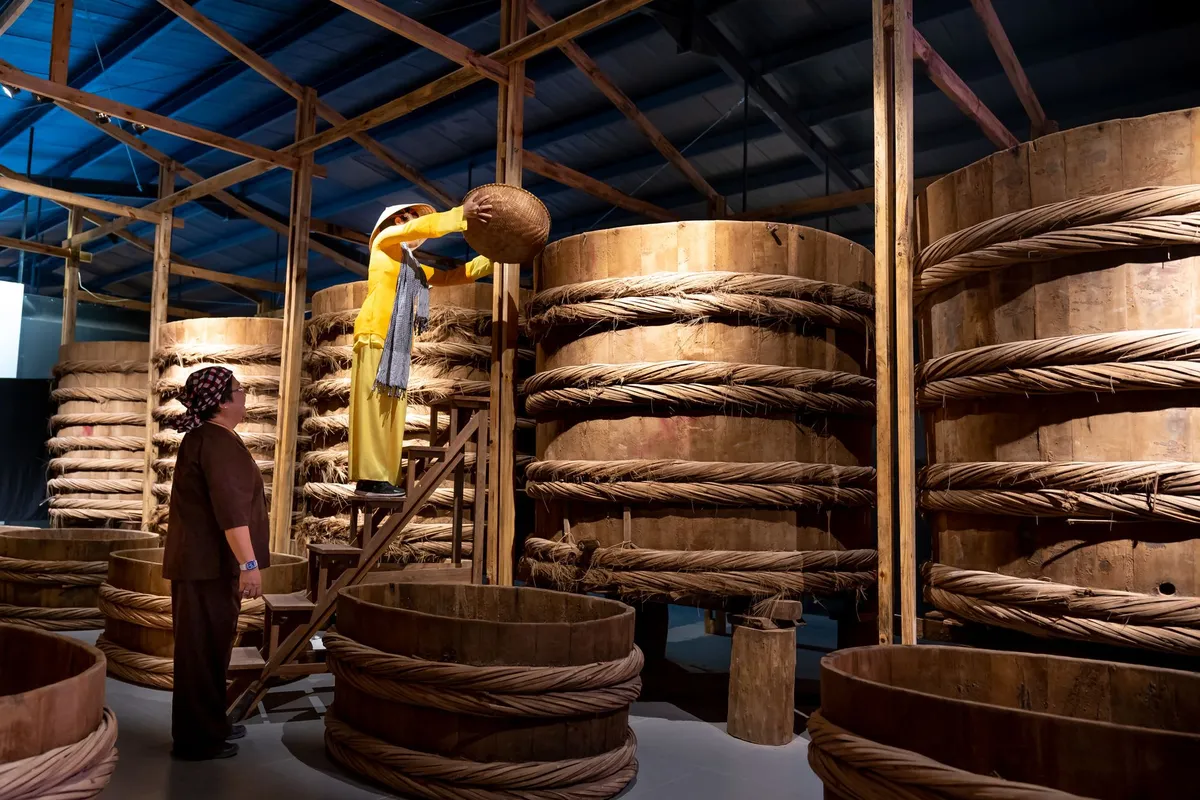
- Eleanor Hughes
- 18 Sep, 2026 21:10
The Living Gold of the Koji Room: Decoding Traditional Miso Fermentation
The scent hits you before you slide the cedar door open—a thick, floral perfume of chestnut and wet earth, underscored by a sharp, sweet tang that prickles the sinuses. This is the muro, the koji room, the beating heart of every traditional miso kura (brewery). Here, steamed grains transform into a living substrate, inoculated by Aspergillus oryzae, a fungus domesticated over millennia to serve as the primary engine of Japanese flavor. Unlike the wild ferments of wine or lambic beer, koji cultivation is an act of high-precision agriculture conducted on a microscopic scale. The koji-ya (koji master) does not merely wait; they orchestrate a 48-hour thermodynamic ballet, manipulating moisture, temperature, and gas exchange to coax specific enzymatic profiles from a single species of mold. The resulting koji—grains cloaked in white mycelium—dictates whether the final miso will be a sweet, white shiro miso ready in weeks, or a dark, saline aka miso demanding years of patience. Modern metagenomics confirms what the guilds knew empirically: the microbiome succession in the moromi (fermentation mash) is entirely seeded by this initial cultivation. If the koji fails, the miso fails; no amount of time in the cedar vat can correct a flawed enzymatic foundation.The Architecture of the Muro: Where Spores Meet Steam The muro is not merely a room; it is a bioreactor constructed from sugi (Japanese cedar) and hinoki (cypress), woods chosen for their antimicrobial volatile oils and hygroscopic stability. The walls breathe, buffering the violent humidity swings required by the cultivation cycle. Traditional muro design follows a strict geometry: a sunken floor (doma) for steam generation, raised wooden beds (toko) lined with cloth, and a ceiling vent (tenmado) adjustable by a long bamboo pole. This architecture creates a microclimate where the koji-ya acts as the PID controller. The process begins with mushimai—steaming rice or barley to a precise "hard outside, soft inside" texture (kata-gayu). Over-cooked grains burst, creating a paste that suffocates the aerobic mold; under-cooked kernels resist enzymatic penetration later in the moromi. The target moisture content is a razor-thin 38–42%. Once steamed, the grain is spread in thin layers—never exceeding 3 centimeters depth—on the toko to cool. This cooling phase (hikikomi) is critical: the grain must hit 35–40°C (95–104°F) before inoculation. Inoculation (tane-tsuke) involves dusting tane-koji (spore starter) through a fine sieve. The koji-ya moves with a specific rhythm, tossing the grain to ensure uniform distribution without crushing the kernels. A single kilogram of grain receives roughly 0.1 to 0.3 grams of starter, a ratio calibrated by lineage and grain variety. The inoculated mass is then wrapped in koji-bukuro (hemp or cotton cloth) and blanketed with futon covers to initiate the first exothermic spike. Tane-Koji: The Ancestral Seed Stock and Strain Selection The tane-koji is the brewery’s most guarded intellectual property, often maintained as a pure culture lineage for centuries. Unlike commercial baker’s yeast, tane-koji is a complex consortium: predominantly Aspergillus oryzae, but frequently carrying symbiotic yeasts and lactic acid bacteria (LAB) that survive the sporulation process. Modern multi-omics analysis reveals these "contaminants" are actually functional keystones; they acidify the microenvironment early, suppressing Bacillus spoilage and priming the grain for the main fungal bloom. Strain selection is dictated by the target miso. Shiro miso demands high amylase/low protease strains—often A. oryzae var. oryzae "white mutants"—to rapidly saccharify starch into glucose, yielding sweetness and pale color via limited Maillard reaction. Aka miso requires high protease/peptidase activity—typically A. oryzae var. sojae or robust A. luchuensis crosses—to hydrolyze soybean protein into glutamate-rich peptides, driving the deep umami and brown pigment formation over years. Mugi (barley) miso utilizes strains tolerant of higher fiber and beta-glucan content. The tane-ya (starter shops) in cities like Kyoto and Tokyo maintain libraries of hundreds of isolates, characterized not by genome sequencing, but by tewaza (hand technique) performance: sporulation density, heat tolerance, and haze-komi (mycelial penetration depth). The koji-ya selects their starter like a winemaker selects a clone, knowing that the enzymatic fingerprint laid down now will echo through the sensory profile of the miso two years hence.The Dance of Temperature and Humidity: A 48-Hour Vigil Once wrapped, the koji enters kirikaeshi (the first turning), typically at hour 18–22. The core temperature has surged to 40–43°C (104–109°F) due to metabolic heat. The koji-ya unwraps the bundles, breaks the clumps by hand—feeling for the "skin" formation on grains—and redistributes the mass to dissipate heat and reintroduce oxygen. Aspergillus oryzae is an obligate aerobe; CO2 accumulation above 5% stunts sporulation and shifts metabolism toward unwanted organic acids. The turning also equalizes moisture migration; the bottom grains are wetter, the top drier. Post-turning, the beds are re-covered, but ventilation increases. The second critical window is naka-shigoto (middle work) around hour 30–36. Temperature is forced down to 32–35°C (90–95°F) by thinning the bed depth and maximizing airflow. This thermal downshift triggers the switch from vegetative growth (biomass) to secondary metabolism (enzyme secretion). It is here that the protease/amylase ratio is fixed. The final stage, shimai-shigoto (finishing work), occurs at hour 42–48. The koji is "finished" when the mycelium has fully penetrated the grain center (haze-komi complete), visible as a white core when a kernel is bisected. The aroma shifts from mushroomy to distinctly sweet, floral, and nutty. The koji-ya judges readiness by tewaza: grabbing a handful, squeezing—it should hold a loose clump but crumble instantly with zero stickiness. The final moisture is dropped to ~30% to arrest growth and stabilize enzymes. This entire timeline is a negotiation with thermodynamics; a 1°C error at hour 20 cascades into a 20% enzyme yield variance at hour 48. Reading the Mycelium: Sensory Evaluation Beyond the Microscope In the absence of lab equipment, the koji-ya relies on a sophisticated sensory protocol that correlates perfectly with modern analytical chemistry. Visual assessment focuses on haze (mycelial growth pattern). So-haze (total haze) indicates strong protease activity—mycelium penetrates deep, grains fuse into a cake. Kata-haze (hard haze) or tsuki-haze (surface haze) indicates high amylase/low protease—mycelium stays superficial, grains remain discrete. The color of the spore head (conidial head) shifts from white to yellow-green to olive-green; harvesting at "white spore" stage maximizes enzyme yield for sweet miso, while "green spore" stage maximizes protease for long-aged miso. Olfactory evaluation is paramount. The koji-ya distinguishes over 20 aromatic descriptors: kuri (chestnut), an (apricot), hana (floral), doku (poisonous/chemical off-note indicating bacterial contamination). A "clean" koji smells of steamed sweet potato and fresh pear. Tactile analysis—the nigiri (grip) test—assesses water activity (aw). The grain must feel cool, dry, and powdery, never slimy. Gustatory confirmation involves chewing a raw kernel; the starch should vanish instantly, replaced by intense sweetness (amylase) or savory brothiness (protease). This sensory data maps directly to the enzymatic assay: glucose release (DNS method) correlates with amakuchi (sweetness) perception; free amino nitrogen (formol titration) correlates with kokumi (mouthfulness). The OpenAlex data on sensory systems in fermentation highlights that human panelists still outperform electronic noses in predicting the final quality of the moromi because the human palate integrates the complex volatile ester/aldehyde profile generated by the koji's specific metabolic fingerprint. From Koji Lid to Fermentation Crock: The Handoff The finished koji (deki-koji) is not an ingredient; it is a catalyst. It is cooled rapidly to 15°C (59°F) on sugi trays to prevent autolysis and spore maturation (which causes bitterness and green dust). It is then mixed with cooked soybeans, salt, and mizu (water) in precise ratios defined by the buai (weight ratio). For shiro miso: Koji:Soy:Salt = 1.5:1:0.5 (high koji, low salt). For aka miso: 0.5:1:1.2 (low koji, high salt). The mixing (shikomi) is performed in wooden oke vats or stone kame crocks. The koji enzymes—amylases, proteases, pectinases, cellulases—immediately attack the soybean matrix. But the koji also brings its "passenger" microbiome: Tetragenococcus halophilus (salt-tolerant LAB) and Zygosaccharomyces rouxii (osmotolerant yeast) clinging to the hyphae. These microbes, seeded from the tane-koji and the kura environment, initiate the secondary fermentation. The koji-ya’s work is done; the moromi now belongs to time and the slow anaerobic alchemy of the vat. Yet the koji-ya returns monthly for tenkai (turning the mash), exposing the bottom layers to air, restarting aerobic cycles briefly to drive off volatile acids and encourage yeast metabolism. The data table below illustrates the parametric divergence driven entirely by the initial koji cultivation strategy.Miso Style Koji Ratio (Koji:Soy) Salt % (Final) Target Enzyme Profile Cultivation Temp Peak Haze Type Typical AgingShiro (Sweet White) 1.5 : 1 (High) 5–7% Very High Amylase / Low Protease 40°C (Low/Controlled) Kata-haze (Surface) 2 Weeks – 3 MonthsShinshu (Yellow) 1.0 : 1 (Equal) 10–12% Balanced Amylase / Protease 42°C (Standard) So-haze (Moderate) 6 – 12 MonthsAka (Red/Dark) 0.5 : 1 (Low) 12–14% High Protease / Peptidase 44°C (High Tolerance) So-haze (Deep Penetration) 1 – 3+ YearsMugi (Barley) 1.3 : 1 (High) 10–13% High Beta-Glucanase / Protease 38°C (Barley Specific) Tsuki-haze (Fluffy) 6 – 18 MonthsHatcho (Soybean Only) 0.0 : 1 (Soy Koji) 11–13% Extreme Protease / Lipase 45°C (Thermotolerant) So-haze (Very Deep) 2 – 3+ YearsThe Quiet Alchemy of Time Standing in the kura surrounded by rows of black crocks breathing under stone weights, one realizes that the "science" of miso is not confined to the 48 hours in the muro. It is a continuum. The koji-ya writes the genetic code of the fermentation in those two days—scripting the enzymatic potential, the microbial inoculum, the volatile precursor load. The years that follow are merely the execution of that script. Modern food science, armed with metagenomics and metabolomics, is only now beginning to decode the syntax: how a specific A. oryzae strain’s secondary metabolite profile at hour 36 dictates the specific pyrazine and furanone profile that defines "nutty" versus "burnt" in a three-year aka miso. But the koji-ya never needed a mass spectrometer to know that the haze-komi depth on day two determines the kokumi depth on year three. They know it in their fingertips, in the scent of the cedar, in the weight of the grain. The fermentation science of miso is ultimately a science of discipline—a rigorous, repeatable, yet deeply intuitive dialogue between a human steward and a domesticated fungus. The living gold on the wooden trays is not just mold on rice; it is the concentrated intention of the brewery, waiting to unfold.#FermentationScience Related InsightsBanh Mi: The Perfect French-Vietnamese Fusion Sandwich Turning Kitchen Scraps into Gourmet Gold: The Zero‑Waste Revolution Misal Pav: Maharashtra's Fiery Breakfast{ "@context": "https://schema.org", "@type": "FAQPage", "mainEntity": [ { "@type": "Question", "name": "What is the main focus of The Living Gold of the Koji Room: Decoding Traditional Miso Fermentation?", "acceptedAnswer": { "@type": "Answer", "text": "Explore the precise science and ancestral intuition behind cultivating Aspergillus oryzae, the microbial cornerstone of authentic miso production." } }, { "@type": "Question", "name": "Who authored the comprehensive guide on The Living Gold of the Koji Room: Decoding Traditional Miso Fermentation?", "acceptedAnswer": { "@type": "Answer", "text": "This detailed article and its insights were carefully researched and authored by Eleanor Hughes." } }, { "@type": "Question", "name": "Where can I find more related content about Food?", "acceptedAnswer": { "@type": "Answer", "text": "You can explore more articles, detailed reviews, and similar insights by browsing the Related Insights section at the bottom of this article or visiting our dedicated Food category page." } } ] }
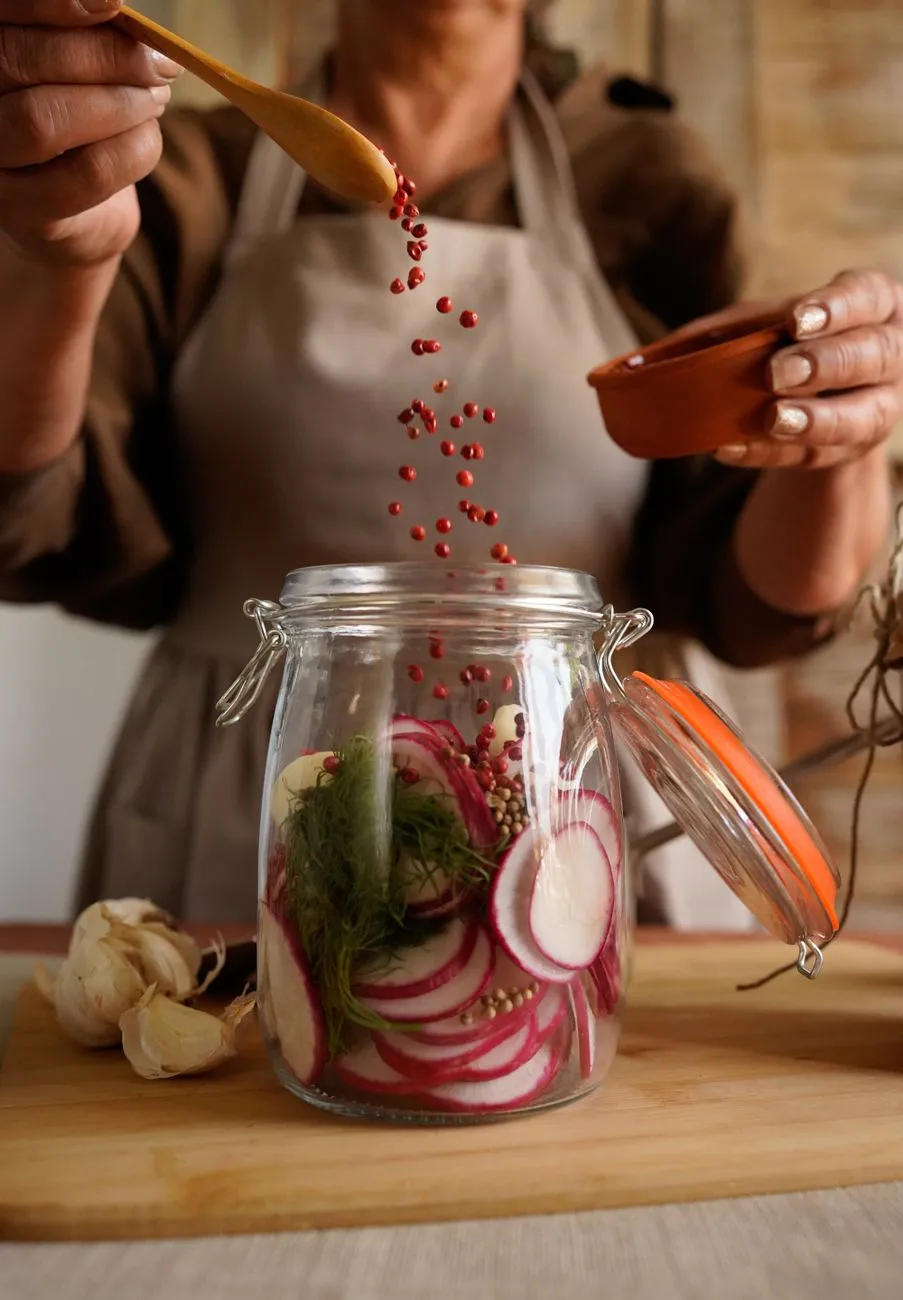
-
 Chloe Blanc
 - 18 Sep, 2026 20:09
L'Alchimie Silencieuse : Quand le Temps Sculpte la Saveur dans l'Ombre des Bocaux
Le bruit est imperceptible. Un minuscule cliquetis de bulles d'air traversant une saumure trouble, un murmure gazeux sous le couvercle d'un bocal en verre. C'est le son de la vie qui s'organise, invisible à l'œil nu, dans l'obscurité tiède d'un placard de cuisine. Depuis l'aube de l'humanité, bien avant que Pasteur ne pose son regard sur le microscope, nous avons confié notre subsistance à cette alchimie silencieuse. La fermentation n'est pas une invention humaine ; c'est une domestication, un pacte scellé avec le monde microbien pour transformer la pourriture potentielle en garde-manger sacré.Les Premiers Archéologues du Goût : L'Origine d'une Révolution L'histoire de la fermentation se confond avec celle de la sédentarisation. Il y a près de 10 000 ans, dans le Croissant fertile, nos ancêtres ont découvert que le grain broyé et humidifié, laissé à l'abandon, ne pourrissait pas toujours. Il bouillonnait, gonflait, développait une odeur acide complexe. Le premier pain au levain est né de cette négligence providentielle. Parallèlement, en Chine, au site de Jiahu, des résidus de poterie datés de 7000 av. J.-C. révèlent la trace chimique d'une boisson fermentée à base de riz, de miel et de fruits — l'ancêtre spectral du vin et de la bière. Ce n'était pas de la cuisine, c'était de la survie. Dans un monde sans réfrigération, sans stérilisation, le microbe était le seul allié capable de prolonger la récolte d'octobre jusqu'au carême de mars. La choucroute — Sauerkraut en allemand, Suan cai en chinois — n'est pas une spécialité régionale, mais une réponse universelle au même problème : comment garder le chou quand l'hiver fend les pierres ? Le sel crée un environnement hostile aux pathogènes (putréfaction) mais accueillant pour les Leuconostoc et Lactobacillus. Ces bactéries lactiques transforment les sucres en acide lactique, abaissant le pH, verrouillant la texture, scellant la sécurité alimentaire. La Chorégraphie Microscopique : Comprendre le Métabolisme Anaérobie Au cœur du bocal, pas de soleil, pas d'oxygène. La fermentation est, par définition, un métabolisme anaérobie. Là où la respiration cellulaire (aérobie) brûle le glucose complètement en CO2 et eau pour maximiser l'énergie (ATP), la fermentation est une voie de secours, un "mode dégradé" énergétique. Elle ne produit que 2 ATP par molécule de glucose contre 38 pour la respiration. Mais ce "gaspillage" énergétique est notre trésor gastronomique. Prenons les trois grands piliers chimiques qui structurent nos assiettes : 1. La fermentation lactique (Lacto-fermentation). C'est la plus répandue pour les légumes (cornichons, kimchi, olives) et les produits laitiers (yaourt, kéfir, fromage). Les bactéries lactiques (LAB) consomment glucose, fructose, saccharose. Le produit final majeur est l'acide lactique (L ou D-isomères). Mais la magie réside dans les métabolites secondaires : acide acétique (note vinaigrée), éthanol (trace), diacétyl (note beurrée), et surtout les bactériocines — des antibiotiques naturels qui tuent Listeria, Clostridium, Salmonella. C'est une guerre chimique où nos alliés gagnent du terrain. 2. La fermentation alcoolique. Le domaine des levures (Saccharomyces cerevisiae en tête). Le glucose devient éthanol et CO2. Le pain lève, le vin mousse, la bière pétille. Mais attention : Saccharomyces n'agit pas seul. Dans les vins nature ou les bières lambic, Brettanomyces (les "Brett") apportent des phénols volatils (cuir, étable, fruits tropicaux), et les bactéries lactiques (fermentation malolactique) transforment l'acide malique vert en acide lactique plus doux. C'est un consortium, pas une monoculture. 3. La fermentation acétique. C'est la seconde vie de l'alcool. Acetobacter a besoin d'oxygène (aérobie stricte) pour oxyder l'éthanol en acide acétique. Le vin tourné devient vinaigre. Le cidre devient vinaigre de cidre. C'est la seule fermentation "ouverte" sur le monde, nécessitant une surface de contact air-liquide large (la "mère" de vinaigre, biofilm celluloseux). Le Kimchi et le Miso : L'Asie, Laboratoire du Goût Umami Si l'Europe a fait du fromage et du pain ses piliers, l'Asie a poussé la fermentation vers des sommets de complexité protéique. Le Kimchi coréen n'est pas une recette, c'est un genre littéraire. Plus de 200 variétés existent. Le Baechu-kimchi (chou napa) repose sur une saumure initiale (5-7% NaCl) pour déshydrater les cellules végétales, puis un mélange pâteux (yangnyom) : piment gochugaru, ail, gingembre, sauce de poisson (jeotgal), crevettes fermentées. Le jeotgal est crucial : il inocule des protéases et des lipases qui hydrolysent les protéines en peptides et acides aminés libres — l'umami. Le glutamate, l'inosinate, le guanylate explosent en bouche. La texture croquante est préservée par la structure du chou et la rapidité de l'acidification (pH < 4.2 en 3-4 jours à 20°C). Au Japon, le Miso et le Shoyu (sauce soja) racontent une autre histoire : la fermentation solide (Koji). Aspergillus oryzae, le champignon national japonais, est ensemencé sur riz ou orge cuit à la vapeur. En 48h, le Koji blanc et duveteux sécrète des quantités massives d'enzymes : amylases (cassent l'amidon en sucre), protéases (cassent la protéine en acides aminés). Ce Koji est ensuite mélangé à des fèves de soja cuites et du sel. La maturation dure de 6 mois (shiro miso, doux) à 3 ans (aka miso, rouge, puissant). C'est une digestion externalisée. Le soja, indigeste cru (inhibiteurs de trypsine, lectines), devient une pâte nutritive, riche en vitamines B (dont B12 pour certaines souches), digeste, salvatrice.Le Levain : L'Âme du Pain Vivant En Occident, le pain au levain (sourdough) est le dernier bastion de la fermentation lente face à l'industrialisation. La levure commerciale (S. cerevisiae sélectionnée pour sa vitesse et sa tolérance à l'osmose) a standardisé le pain : mie blanche, croûte mince, saveur neutre, index glycémique élevé. Le levain naturel, lui, est un écosystème complexe, symbiotique. Il héberge des levures sauvages (S. exiguus, C. humilis) tolérantes à l'acidité, et des bactéries lactiques obligatoirement hétérofermentaires (Fructilactobacillus sanfranciscensis — l'âme du pain de San Francisco). Ces bactéries produisent de l'acide acétique (arôme vinaigré, conservation) et de l'acide lactique (douceur). Elles pré-digèrent le gluten (protéases), dégradent les FODMAPs (oligosaccharides fermentescibles responsables de ballonnements), libèrent des minéraux piégés par l'acide phytique (phytases). Le pain au levain véritable a un index glycémique plus bas, une croûte caramélisée par les acides aminés (réaction de Maillard boostée par le pH acide), une mie alvéolée, élastique, qui se garde une semaine sans durcir (rétrogradation de l'amidon ralentie par l'acidité). C'est de la nutrition pré-digérée. Le Kéfir et le Kombucha : Les Boissons Vivantes, Écosystèmes en Suspension Le Kéfir de lait (grains de kéfir) est une structure biophysique unique : une matrice de polysaccharides (kefiran) et de protéines où cohabitent levures (Kluyveromyces, Saccharomyces) et bactéries (Lactobacillus kefiranofaciens, Acetobacter). C'est un "grain" qui grandit, se divise, se transmet de main en main. Le lait devient une boisson pétillante, faiblement alcoolisée (0.5-1%), riche en GABA (acide gamma-aminobutyrique, neurotransmetteur relaxant), en folates (B9) synthétisés de novo par les bactéries. Le Kombucha (thé sucré + SCOBY - Symbiotic Culture Of Bacteria and Yeast) suit le même principe aérobie/anaérobie. Les levures hydrolysent le saccharose (invertase) -> glucose + fructose -> éthanol + CO2. Les bactéries acétiques (Komagataeibacter) oxydent l'éthanol -> acide acétique + gluconique. La cellulose bactérienne forme le "disque" gélatineux flottant. Résultat : une boisson acide, tannique, vineuse, riche en acides organiques (glucuronique, détoxifiant hépatique potentiel) et polyphénols du thé rendus plus biodisponibles.La Science Moderne Valide l'Ancestral : Microbiote et Postbiotiques Aujourd'hui, la méta-génomique (séquençage 16S rRNA, shotgun metagenomics) cartographie ces écosystèmes. On ne parle plus seulement de "probiotiques" (bactéries vivantes ingérées), mais de postbiotiques : les métabolites bioactifs produits pendant la fermentation, présents dans l'aliment final, même si les bactéries sont mortes (cuisson du pain, pasteurisation légère).Exopolysaccharides (EPS) : Le kefiran du kéfir, le levan de certains levains. Immunomodulateurs, hypocholestérolémiants, texture "corps" en bouche. Peptides bioactifs : Libérés par protéolyse (fromages affinés, miso, sauce poisson). Inhibiteurs de l'ECA (angiotensine) -> effet antihypertenseur. Antioxydants. Opioïdes alimentaires (casomorphines, exorphines du gluten hydrolysé). Vitamines : Synthèse de B2 (riboflavine), B9 (folates), B12 (cobalamine - rare, souches spécifiques Propionibacterium dans fromages, L. reuteri dans certains levains), K2 (ménaquinone - Bacillus subtilis dans le Natto). GABA : Acide γ-aminobutyrique. Produit par décarboxylation du glutamate via GAD (glutamate décarboxylase) chez Lactobacillus brevis, L. plantarum. Effet anxiolytique, hypotenseur démontré in vivo.La fermentation transforme une matrice alimentaire "morte" (légume cru, lait cru, farine) en une matrice "vivante" ou "informée", porteuse de signaux chimiques que notre corps (et notre microbiote intestinal) reconnaît et utilise. L'Art du "Terroir Microbien" : Pourquoi Votre Levain est Unique Un fait fascinant, confirmé par le projet Global Sourdough Project (NC State University) : la géographie dicte la microbiologie. Un levain parisien, un levain san-franciscain, un levain tokyoïte n'ont pas les mêmes souches dominantes. Ils viennent de la farine (endophytes du grain), de l'eau, de l'air, des mains du boulanger, du bois du pétrin. C'est le terroir microbien. De même, les nuruk coréens (levain de céréales pour alcool) varient selon la montagne où l'on ramasse les herbes qui inoculent le blé. Le Camembert AOP ne peut être fait qu'avec les souches de Penicillium camemberti et Geotrichum candidum des caves de Normandie. La standardisation industrielle (souches uniques, lyophilisées) efface cette diversité. Nous perdons non seulement des saveurs, mais de la résilience. Un écosystème diversifié résiste aux invasions (phages, moisissures indésirables) ; une monoculture s'effondre. Fermenter Chez Soi : La Règle du Sel, du Temps, de l'Anaérobiose Pas besoin de laboratoire. La lacto-fermentation des légumes est la porte d'entrée la plus sûre, la plus démocratique.Le Sel : 2% à 2.5% du poids des légumes + eau (saumure) OU 2% du poids des légumes seuls (auto-saumurage par osmose, ex: chou, concombres). Le sel inhibe les Enterobacteriaceae (coliformes, putréfaction) et favorise les LAB halotolérantes. L'Immersion : Tout doit rester sous la saumure. Un poids (caillou propre, poids en verre, feuille de chou repliée) est impératif. L'oxygène = moisissures (champignons filamenteux) + levures d'oxydation (film blanc Kahm — inoffensif mais désagréable). La Température : 18-22°C idéale. < 15°C : trop lent, risque pathogènes. > 25°C : trop vite, texture molle, acide acétique dominant (goût vinaigré agressif), risque butyrique (odeur beurre rance). Le Temps : 3 à 7 jours pour l'acidification primaire (pH < 4.3 = sécurité). Puis 3 semaines à 6 mois au frais (cave, frigo) pour l'affinage (développement aromatique, ramollissement pectines contrôlé).Le Kimchi demande une étape de salage sec (2-4h) pour craquer la structure cellulaire du chou, puis rinçage, puis enrobage de la pâte yangnyom. Le Levain demande de la régularité : rafraîchi (nourri farine/eau) toutes les 12-24h à température ambiante, ou 1 fois/semaine au frigo. La constance nourrit la population stable. Au-Delà de la Conservation : Une Philosophie du Vivant Fermenter, c'est accepter de ne pas tout contrôler. C'est observer, sentir, goûter. C'est voir une bulle se former et se dire : "Ça vit". C'est accepter qu'un bocal puisse parfois sentir le pieds (fermentation butyrique ratée) et le composter sans drame. C'est refuser l'asepsie stérile de l'industrie agroalimentaire pour embrasser la biodiversité fonctionnelle. Dans un monde obsédé par le "sans" (sans gluten, sans lactose, sans additifs, sans conservateurs), la fermentation offre le "avec". Avec des enzymes. Avec des vitamines. Avec des save Related InsightsFrom Mongolian Steppes to American Diner Classics: The Untold Saga of the Hamburger The Ultimate High-Protein Turkey Chili: A Masterclass in Gastronomy and Science Prahok: The Fermented Soul of Cambodia's Culinary Identity{ "@context": "https://schema.org", "@type": "FAQPage", "mainEntity": [ { "@type": "Question", "name": "What is the main focus of L'Alchimie Silencieuse : Quand le Temps Sculpte la Saveur dans l'Ombre des Bocaux?", "acceptedAnswer": { "@type": "Answer", "text": "Plongée au cœur de la fermentation, cette métamorphose millénaire où bactéries et levures transforment l'éphémère en éternel, du kimchi coréen au pain au levain ancestral." } }, { "@type": "Question", "name": "Who authored the comprehensive guide on L'Alchimie Silencieuse : Quand le Temps Sculpte la Saveur dans l'Ombre des Bocaux?", "acceptedAnswer": { "@type": "Answer", "text": "This detailed article and its insights were carefully researched and authored by Chloe Blanc." } }, { "@type": "Question", "name": "Where can I find more related content about Food?", "acceptedAnswer": { "@type": "Answer", "text": "You can explore more articles, detailed reviews, and similar insights by browsing the Related Insights section at the bottom of this article or visiting our dedicated Food category page." } } ] }
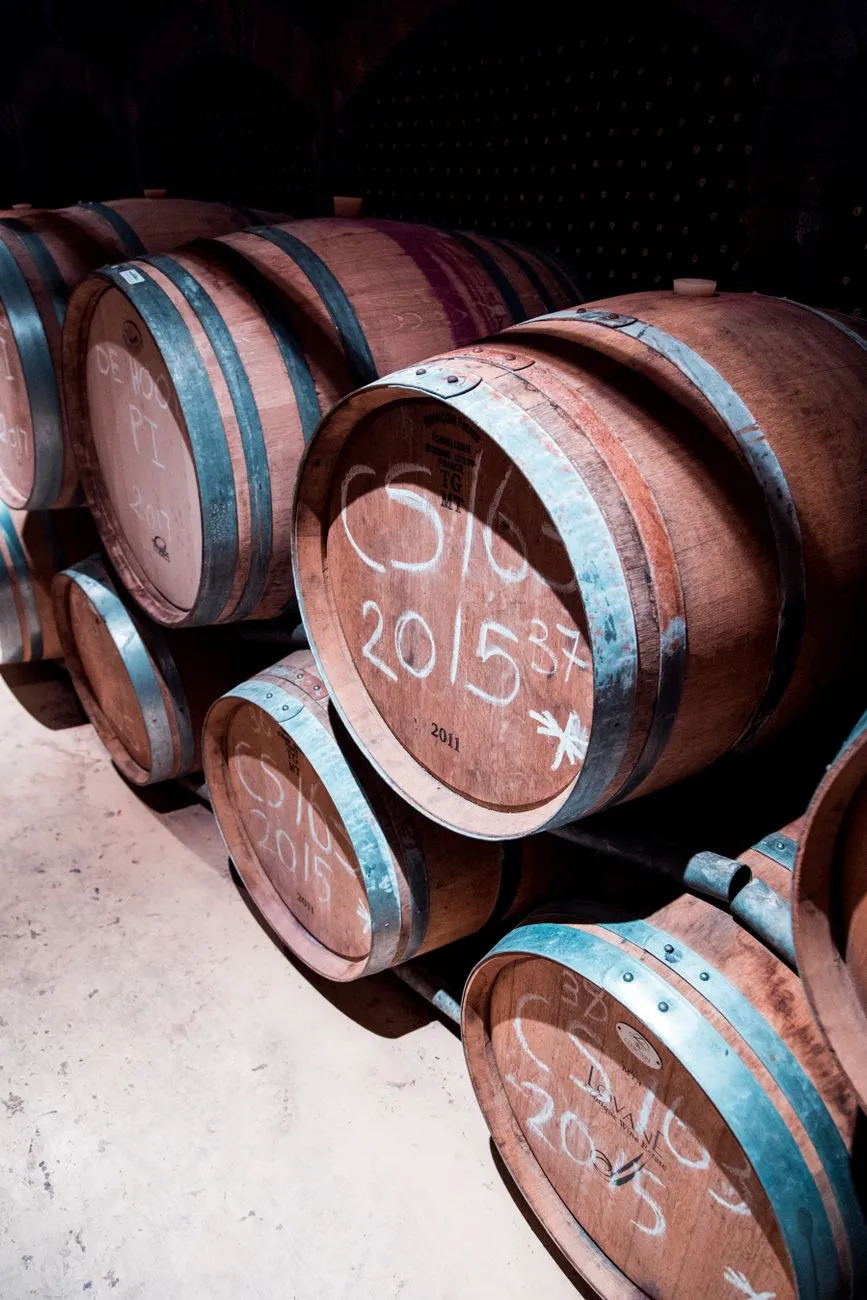
From Soybean to Koji: The Microbial Blueprint The journey of miso begins long before the first bubble rises in a crock. Selecting soybeans with a moisture content near 13 % ensures a predictable hydration curve during cooking. After soaking 12–16 hours, the beans are steamed until the cotyledons split cleanly — a tactile cue that the starch granules have gelatinized, making them accessible to koji enzymes. The koji starter, Aspergillus oryzae, is inoculated onto polished rice or barley at a rate of 0.2 % by weight. Over 48 hours at 30 °C and 85 % relative humidity, the fungus produces a cocktail of proteases, amylases, and lipases that will later hydrolyze soybean proteins into peptides, starches into maltose, and lipids into free fatty acids. Research on solid‑state fermentation demonstrates that the enzyme profile peaks when the koji moisture hovers around 40 % (w/w). Deviations above 45 % encourage unwanted bacterial growth, while below 35 % stunt enzyme synthesis. Home brewers can monitor this by weighing a small koji sample before and after a 2‑hour drying at 60 °C; the weight loss approximates moisture. Maintaining the target moisture is the single most influential lever for reproducible proteolysis, which directly shapes the umami intensity of the final miso. When scaling from a 2‑kilogram batch to a 20‑kilogram batch, the koji‑to‑soybean ratio must stay constant at 1:1 by weight, but the surface‑area‑to‑volume ratio of the koji bed changes. A shallow tray (≈3 cm depth) preserves oxygen diffusion, preventing anaerobic pockets that produce off‑flavors. For larger volumes, multiple trays stacked with 2‑cm air gaps replicate the laboratory geometry. This modular approach preserves the microbial ecology while allowing linear scale‑up. Finally, the cooked soybeans should be cooled to 35 °C before mixing with koji. Temperatures above 40 °C denature the freshly produced enzymes, while temperatures below 30 °C slow the initial hydrolysis, extending the lag phase. A rapid, uniform cooling — achieved by spreading the beans on sanitized stainless‑steel trays and fanning — locks in the enzymatic potential that will drive the months‑long maturation. Balancing Salt, Water Activity, and Time Salt is the architect of miso’s selective microbiome. By depressing water activity (a_w) to roughly 0.85, it suppresses spoilage organisms while allowing halotolerant Tetragenococcus halophilus and Zygosaccharomyces rouxii to dominate. The classic weight ratio for a balanced shiro miso is soybeans : koji : salt = 1 : 1 : 0.5. This yields a final salt concentration near 12 % (w/w) after the soybeans absorb water during fermentation. Miso Style Soybean : Koji : Salt (wt) Fermentation Temp (°C) Typical Time Final Salt % (w/w) Protein % (dry wt)Shiro (white) 1 : 1 : 0.5 15–20 3–6 months 11–13 12–14Aka (red) 1 : 1 : 0.6 18–22 12–18 months 13–15 13–15Mugi (barley) 1 : 1 : 0.55 20–25 6–12 months 12–14 11–13Hatcho (soy‑only) 1 : 0.8 : 0.7 15–18 24–36 months 14–16 15–17The table above reflects peer‑reviewed compositional surveys (e.g., Journal of Food Science, 2021) and serves as a quick reference when designing a new batch. Water activity can be measured with a handheld a_w meter; targeting 0.84–0.86 ensures the desired microbial consortium. If a_w drifts above 0.90, Bacillus spp. may produce ammonia, raising pH and generating harsh alkaline notes. Conversely, a_w below 0.80 stalls yeast activity, flattening the aromatic ester profile that gives miso its fruity top notes. Time is not merely a calendar entry; it is a kinetic variable. The Maillard reaction between reducing sugars (from koji amylase action) and amino acids accelerates exponentially with temperature. A 5 °C rise roughly doubles the rate of melanoidin formation, deepening color and developing nutty, caramel nuances. Artisanal producers often employ a two‑stage temperature regime: an initial 25 °C “kick‑start” for 2–3 weeks to establish a robust microbial population, followed by a slow 12–15 °C maturation that stretches flavor development over a year. This temperature curve mimics the seasonal shifts of traditional cedar barrels, where winter’s chill naturally slows metabolism. For home brewers scaling up, the salt mass must be scaled linearly, but the salt dissolution step deserves attention. Dissolving the full salt charge in a minimal volume of warm (40 °C) water creates a brine that can be evenly sprayed over the soybean‑koji mixture, guaranteeing homogeneous a_w distribution. In a 20‑kilogram batch, this means preparing ~2 L of 20 % brine, then misting while tumbling the mass in a food‑grade rotary drum for 10 minutes. The mechanical action also breaks up clumps, improving oxygen penetration for the early aerobic phase. Vessel Geometry: Scaling the Fermentation Chamber The vessel is more than a container; it defines the physicochemical gradients that shape flavor. Traditional Japanese cedar kioke barrels (≈180 L) provide a porous wall that breathes, allowing slow gas exchange and subtle wood‑derived phenolics. Modern home brewers often use food‑grade HDPE buckets or glass carboys, which are impermeable. The key is to replicate the surface‑area‑to‑volume (SA Related InsightsUnlock the Secrets of Craft Beer: Your Step-by-Step Guide to Brewing at Home Like a Pro High‑Pressure Culinary Science: Exploring Hydrothermal Cooking Techniques From Sacred Cacao to Velvet Bars: The Lost Art and Modern Renaissance of Artisanal Chocolate{ "@context": "https://schema.org", "@type": "FAQPage", "mainEntity": [ { "@type": "Question", "name": "What is the main focus of Miso Alchemy: Scaling Home Fermentation to Artisanal Mastery?", "acceptedAnswer": { "@type": "Answer", "text": "Unlock the science of miso fermentation and learn how to scale your home brew into a craft‑level product with precise microbial control." } }, { "@type": "Question", "name": "Who authored the comprehensive guide on Miso Alchemy: Scaling Home Fermentation to Artisanal Mastery?", "acceptedAnswer": { "@type": "Answer", "text": "This detailed article and its insights were carefully researched and authored by Kenji Sato." } }, { "@type": "Question", "name": "Where can I find more related content about Food?", "acceptedAnswer": { "@type": "Answer", "text": "You can explore more articles, detailed reviews, and similar insights by browsing the Related Insights section at the bottom of this article or visiting our dedicated Food category page." } } ] }
There is a specific kind of silence that falls over a kitchen when a stock clarifies. It is not the silence of absence, but the silence of precision—albumin coagulating into a raft, trapping impurities, leaving behind a liquid amber so pure it catches the light like a gemstone. Marie-Antoine Carême knew this silence in the early 1800s. He didn't have a PhD in colloidal chemistry, but he knew that if you boiled the broth too hard, the proteins would tighten like a fist, squeezing out the very gelatinous soul—the osmazome—he sought to capture. That intuition, that chef's sixth sense built on generations of trial and error, was the precursor to a revolution. It took a Hungarian physicist and a French physical chemist to put a name to the ghost in the machine. They called it Molecular and Physical Gastronomy. The year was 1988. The kitchen would never be the same. The Physicist and the Chemist Walk Into a Kitchen Nicholas Kurti was a man who played with temperatures near absolute zero. A Hungarian refugee who found a home at Oxford, he was a Fellow of the Royal Society, a titan of low-temperature physics. But Kurti had a grievance. He famously lamented: "I think it is a sad reflection on our civilization that while we can and do measure the temperature in the atmosphere of Venus, we do not know what goes on inside our soufflés." Enter Hervé This. A physical chemist at INRA (Institut National de la Recherche Agronomique) in France, This wasn't just studying food; he was dissecting the mechanism of a recipe. He collected "culinary precisions"—old wives' tales, chef's tricks, grandmother's rules—and subjected them to the scientific method. Does searing meat really "seal in juices"? (Spoiler: It doesn't. It creates flavor via the Maillard reaction, but moisture escapes regardless). When these two minds collided, the term "Molecular and Physical Gastronomy" was born. It wasn't a cooking style. It wasn't a menu. It was a discipline. A branch of food science that finally turned its microscope away from the factory floor—industrial preservation, safety standards, mass production—and pointed it squarely at the home stove and the restaurant pass.Erice: The Mountain Where Recipes Became Equations If you want to find the ground zero of modern culinary science, you don't look at a three-Michelin-star restaurant. You look at a medieval hilltop town in Sicily: Erice. In 1992, the Ettore Majorana Centre for Scientific Culture hosted a workshop originally titled "Science and Gastronomy." It was the brainchild of Elizabeth Cawdry Thomas, a cooking teacher from Berkeley with a physicist for a husband and a Rolodex full of Nobel laureates. She saw the gap. She nudged Ugo Valdrè, who nudged Kurti. Kurti brought This. Antonino Zichichi, the centre's director, opened the doors. What happened in those rooms wasn't cooking. It was forensics on flavor. Scientists and professional cooks sat side-by-side, dissecting the chemical reactions of a traditional consommé, the physics of a soufflé's rise, the rheology of a sauce. They weren't there to make "foams" or "spheres." They were there to understand why the foam forms, why the sphere holds. The proceedings birthed a new vocabulary: Note-by-Note Cuisine, Dispersion Systems, the formalization of Culinary Precautions. After Kurti's death in 1998, This renamed the workshops "The International Workshop on Molecular Gastronomy 'N. Kurti'". He remained the sole director, steering the ship from the INRA-AgroParisTech International Centre for Molecular Gastronomy. The shortened term—Molecular Gastronomy—stuck. It became the banner under which a generation of chefs would eventually march, though often misunderstanding the manifesto. The Ghosts in the Machine: Precursors Who Knew Too Much Kurti and This never claimed to invent the science of cooking. They merely organized it. They stood on the shoulders of giants who wore aprons instead of lab coats. The Architect of Osmazome: Marie-Antoine Carême (1784–1833) The "King of Chefs, Chef of Kings" didn't just build edible cathedrals out of spun sugar and marzipan. He wrote the first theoretical treatises on French cuisine. His observation on stock—"the broth must come to a boil very slowly, otherwise the albumin coagulates, hardens..."—is a textbook definition of protein denaturation and colloidal suspension management. He understood viscosity, coagulation, and extraction without ever seeing a molecule. He was a molecular gastronome before the molecule was a culinary concept. The Dreamer of Edible Membranes: Raymond Roussel (1877–1933) In a surreal 1914 novella, L'Allée aux lucioles (The Alley of Fireflies), Roussel fictionalized Antoine Lavoisier—the father of modern chemistry—creating a "semi-permeable coating" to encase a frozen sculpture of one wine inside another. Fiction? Yes. But it predicted spherification and edible films nearly a century before Ferran Adrià made them famous at elBulli. Roussel called it significant "in both the annals of science and the history of improved gastronomy." Prophetic doesn't begin to cover it.The Professors Who Taught the "Whys": Halliday, Noble, and Lowe While Kurti and This were still children, academics in America were writing the textbooks. Evelyn G. Halliday and Isabel T. Noble published Food Chemistry and Cookery in 1943 (following The Hows and Whys of Cooking in 1928). Their foreword reads like a mission statement for the future discipline: "The main purpose of this book is to give an understanding of the chemical principles upon which good practices in food preparation and preservation are based." Chapters on "The Chemistry of Baking Powders," "Determination of Hydrogen Ion Concentration" (pH), and lab diagrams of distillation apparatus for vegetables and pipettes for pectin viscosity prove that the rigor was already there. They just lacked the unifying banner. Then there was Belle Lowe. In 1932, at Iowa State College, she dropped Experimental Cookery: From The Chemical And Physical Standpoint. Six hundred pages. Standard textbook for decades. Section titles read like a modernist manifesto: "The Relation Of Cookery To Colloidal Chemistry," "Coagulation Of Proteins," "Syneresis," "Hydrolysis Of Collagen." She wasn't playing. She was mapping the terrain Kurti and This would later claim. Why "Food Science" Wasn't Enough Here is the crucial distinction the Wikipedia data forces us to confront: Food Science existed. It was massive. It was rigorous. But it was industrial. Food science cared about Clostridium botulinum in cans. It cared about shelf-stable emulsions for salad dressing bottles. It cared about extrusion pressures for breakfast cereal. It did not care why your hollandaise broke, or how to perfectly cook a 63°C egg, or the physics of a crisp skin on a roast chicken. Molecular Gastronomy was the insurgency. It said: The chemical and physical transformations happening in a ramekin are just as worthy of peer-reviewed investigation as the ones in a 10,000-liter reactor. It gathered the "fragmented and isolated investigations" of history—Carême's stock, Lowe's collagen hydrolysis, Halliday's pectin viscosity—and corralled them into a single, organized discipline within food science. One that spoke to cooks, not just scientists. The Definition That Changed Everything So, what is it, strictly speaking?Molecular gastronomy is the scientific approach of cuisine from primarily the perspective of chemistry. The composition (molecular structure), properties (mass, viscosity, etc.) and transformations (chemical reactions, reactant products) of an ingredient are addressed and used in the preparation and appreciation of the ingested products. It is a branch of food science that approaches the preparation and enjoyment of nutrition from the perspective of a scientist at the scale of atoms, molecules, and mixtures.Read that again. "At the scale of atoms, molecules, and mixtures." It is not "cooking with liquid nitrogen." That is molecular cooking (or modernist cuisine). It is not "making caviar out of fruit juice." That is a technique derived from the science. Molecular Gastronomy is the knowledge engine. It is the why behind the wow. When a chef uses transglutaminase ("meat glue") to bind scallops into a perfect cylinder, they are applying the science of protein cross-linking. When they use a rotary evaporator to distill the essence of soil at 30°C, they are exploiting vapor pressure differentials. The cooking is the application. The gastronomy is the map.The Legacy: From Erice to Your Plate The Erice workshops didn't just produce papers. They produced a mindset shift. They gave us Hervé This's "Note-by-Note Cuisine"—the radical idea that we should stop cooking with "whole foods" (carrots, beef, flour) and start cooking with pure compounds (water, proteins, lipids, glucose, odorant molecules). Build the dish molecule by molecule, like a symphony from sine waves. It sounds dystopian. It is the logical endpoint of the discipline. They gave the world the language to explain sous-vide (precision temperature control denaturing proteins uniformly), spherification (calcium-alginate gelation at the interface of two liquids), and emulsification stability (Pickering stabilization, lecithin monolayers). And they gave chefs—Adrià, Blumenthal, Achatz, Redzepi, Dufresne—the intellectual license to ask "What if?" backed by "Because physics." Elizabeth Cawdry Thomas, the cooking teacher from Berkeley who started the avalanche with a conversation in Sicily, is rarely credited on the marquee. But without her, Kurti and This might never have shared a table at the Ettore Majorana Centre. The history of taste turns on small hinges. The Pot Still Simmers Today, the term "Molecular Gastronomy" is often used as a pejorative—a synonym for "pretentious foam." That is a tragedy of branding. The discipline itself is invisible now, baked into the DNA of every serious kitchen. When a line cook adjusts the pH of a purée to keep it green, they are doing molecular gastronomy. When a pastry chef calculates the water activity (aw) to prevent sugar bloom, they are doing molecular gastronomy. Kurti wanted to know the temperature inside the soufflé. Now, we have probes that tell us to the tenth of a degree. We have the map. We know the terrain. But the best chefs? They still listen for that silence. The silence of the stock clarifying. The silence of the protein raft forming. The silence where intuition meets equation. That is where the magic lives. Right at the scale of atoms, molecules, and mixtures.#MolecularGastronomy #FoodScienceHistory #CulinaryPhysics #NicholasKurti #HerveThis #ModernistCuisine #EriceWorkshops #DemirŞef Related InsightsTabbouleh: The Fresh and Herbaceous National Salad Thai Street Food: Aromatic Delights from Bangkok to Chiang Mai – The Ultimate Guide to Southeast Asia’s Most Vibrant Culinary Adventure Wenn die Uhr langsamer tickt: Slow Food und das Erwachen regionaler Gaumen{ "@context": "https://schema.org", "@type": "FAQPage", "mainEntity": [ { "@type": "Question", "name": "What is the main focus of The Alchemist's Kitchen: When Physics Met the Pot and Changed Dinner Forever?", "acceptedAnswer": { "@type": "Answer", "text": "Trace the radical lineage of molecular gastronomy—from 18th-century stock pots to the Erice workshops where physicists and chefs rewrote the rules of flavor." } }, { "@type": "Question", "name": "Who authored the comprehensive guide on The Alchemist's Kitchen: When Physics Met the Pot and Changed Dinner Forever?", "acceptedAnswer": { "@type": "Answer", "text": "This detailed article and its insights were carefully researched and authored by Demir Şef." } }, { "@type": "Question", "name": "Where can I find more related content about Food?", "acceptedAnswer": { "@type": "Answer", "text": "You can explore more articles, detailed reviews, and similar insights by browsing the Related Insights section at the bottom of this article or visiting our dedicated Food category page." } } ] }
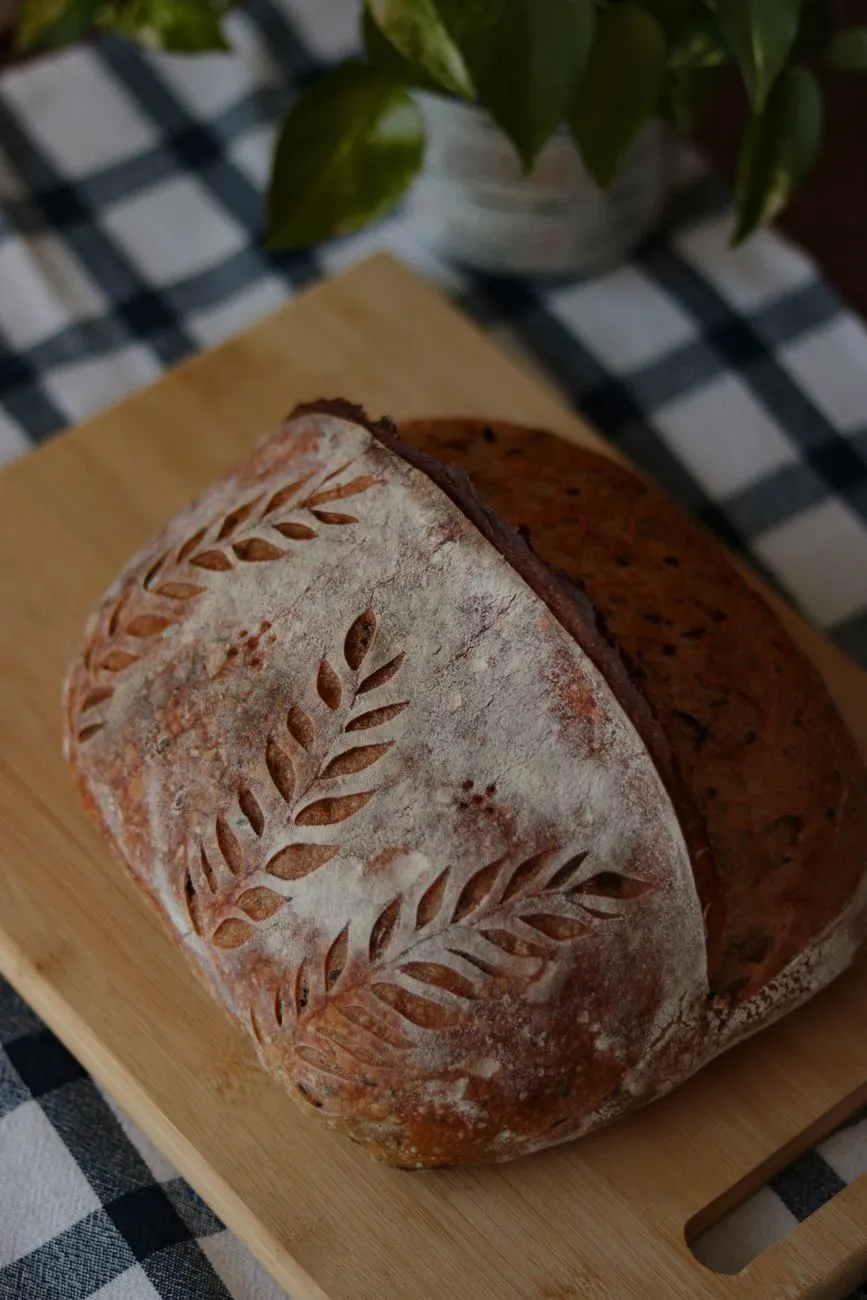
- Isabella Rossi
- 16 Sep, 2026 11:58
The Wild Yeast Revolution: Beyond the Loaf into the World of Fermented Alchemy
The Living Pulse of Your Kitchen Ecosystem The sourdough starter is not merely a tool for leavening; it is a complex, symbiotic microcosm of yeast (primarily Saccharomyces cerevisiae and Candida humilis) and lactic acid bacteria (LAB), such as Lactobacillus sanfranciscensis. When you feed your starter, you are engaging in a centuries-old scientific endeavor. This domestic bio-reactor transforms flour and water into a potent agent of fermentation that alters the physical, nutritional, and organoleptic properties of everything it touches. Unlike commercial yeast, which offers a rapid, singular push of carbon dioxide, the sourdough culture provides a slow, multi-stage metabolic process. The LAB produces organic acids, primarily lactic and acetic, which lower the pH of your dough. This acidification is the secret weapon that extends shelf life, enhances complex flavor profiles, and unlocks mineral bioavailability by mitigating phytates—the compounds in grains that typically bind to essential minerals like iron, zinc, and calcium, preventing absorption. To master the sourdough repertoire beyond the standard sandwich loaf, one must first respect the hydration levels of the starter. A stiff starter (50% hydration) leans toward acetic acid production, creating a sharper, more vinegary tang ideal for dense, sturdy pastries. A liquid starter (100% hydration) promotes lactic acid, resulting in a milder, creamier profile, perfect for delicate pizza doughs. By maintaining these distinct cultures, you create a palette of possibilities. Science tells us that the degradation of gluten proteins via proteolysis—a natural outcome of long fermentation—can render these baked goods more digestible for some individuals with mild gluten sensitivity, although it is not a substitute for medical-grade allergen management. When we look at the sourdough ecosystem, we aren't just baking; we are curating a biological landscape that creates a structural matrix of gluten capable of holding delicate air pockets, even when manipulated into untraditional forms.Pizzas with a Wild Heart Transitioning from bread to pizza requires a fundamental shift in how you perceive dough strength and extensibility. For a world-class Neapolitan-style sourdough crust, the focus shifts to a high-hydration dough (70% to 80% water content) which facilitates the rapid expansion of air bubbles when the pizza hits a 900-degree oven. In this high-heat environment, the sourdough culture’s residual sugars undergo the Maillard reaction more aggressively, leading to those sought-after leopard-spotted char marks that signify an authentic wood-fired experience. The key here is the "bulk fermentation" period. By allowing the dough to rise in a controlled environment (ideally between 68°F and 72°F), you allow the enzymatic activity to fully mature. When crafting sourdough pizza, one must master the art of the "cold retard." After the bulk fermentation, balling the dough and placing it in a cold environment for 24 to 48 hours allows for the secondary metabolic process of the LAB to deepen the flavor without over-proofing the structure. This long, cold fermentation breaks down complex starches into simpler sugars, resulting in a crust that is not only flavorful but also significantly more fragrant, offering hints of nuttiness and fruit that complement savory toppings. Furthermore, the higher acidity levels in sourdough pizza dough provide a structural integrity that prevents the crust from becoming soggy under the weight of high-moisture ingredients like buffalo mozzarella or fresh heirloom tomatoes. Remember, the hydration of your pizza dough determines the blistering; higher hydration creates larger, steam-filled bubbles, while slightly lower hydration creates a crispier, cracker-like base. It is a precise balance of hydration, temperature, and time. The Laminated Pastry Paradox Lamination—the process of folding butter into dough to create thin, crisp layers—is often viewed as a task for commercial yeast only. However, the sourdough croissant, or "sourdough viennoiserie," represents the pinnacle of baking craft. Using a mature sourdough levain in place of commercial yeast in a laminated dough introduces a distinct depth of flavor that offsets the high fat content of the butter. The challenge, however, is the structural stability of the gluten. Sourdough acids can slightly soften the gluten network, making it imperative to use a high-protein bread flour (12% to 14% protein content) to maintain the strength required for layering. When mixing your sourdough croissant dough, ensure the levain is at its peak—bubbly and active—to ensure the rise is driven by wild yeast vitality rather than bacterial exhaustion. The lamination process requires disciplined temperature control. If the butter reaches a melting point during the folding process, the separation between fat and dough collapses, and the result will be a greasy, dense pastry rather than a flaky, airy work of art. By incorporating a long autolyse phase—where flour and water are mixed and left to rest before the addition of levain and salt—you hydrate the flour fully, which improves extensibility. This allows the dough to be rolled thinner without tearing. The resulting sourdough croissant offers a complexity that is completely absent in standard recipes, featuring a crisp, caramelized exterior and a soft, tangy, honeycomb-like interior. When you pull apart a sourdough croissant, you are seeing the successful intersection of mechanical engineering—the folds—and biological alchemy—the wild fermentation.Feature Sourdough Pizza Sourdough Croissant Sourdough FocacciaHydration Level 70% - 80% 50% - 55% 85% - 95%Fermentation Time 24 - 48 Hours 12 - 24 Hours 18 - 24 HoursProtein Content 12.5% - 13.5% 13.5% - 14.5% 11.5% - 12.5%Primary Goal Char & Extensibility Lamination & Flakiness Bubbles & Olive Oil AbsorptionFlavor Profile Sharp & Savory Buttery & Complex Herbaceous & AiryThe Focaccia Canvas and High-Hydration Artistry Focaccia is perhaps the most forgiving and yet most rewarding vessel for sourdough experimentation. Because the dough is baked in a pan, it doesn't require the structural fortitude of a free-standing loaf, allowing us to push hydration to 90% or even 100%. This extreme hydration creates a "bubbly" interior structure characterized by large, irregular holes (alveoli). When the dough is essentially a wet batter, the wild yeast has minimal resistance to expansion. The key to the perfect sourdough focaccia is the "dimpling" technique, which serves to degas the dough just enough to prevent massive, uneven bubbles while simultaneously creating valleys for olive oil and herbs to pool. To achieve that quintessential golden-brown, crispy bottom, it is imperative to use ample fat. Olive oil acts as a conductive medium in the pan, essentially deep-frying the bottom of the dough as it bakes. The sourdough culture provides a nuanced, slightly sour backdrop that pairs exceptionally well with robust toppings like rosemary, sea salt, sun-dried tomatoes, or even grapes and gorgonzola. Because the fermentation is slow, the aromatic compounds produced by the yeast have time to fully integrate into the dough. When you bake with such high hydration, you are essentially creating a custard-like interior protected by a crisp, fried crust. This duality is the hallmark of professional-grade sourdough baking. Experimentation with alternative flours—like 10-20% whole spelt or einkorn—can further enhance the depth of flavor, adding earthy, nutty undertones that make the focaccia a standout centerpiece on any table.Innovating with Discard and Cultured Confections Many bakers treat sourdough discard as a waste product, but it is actually a concentrated source of flavor and acidity. Because it contains lactic acid bacteria that have been active for an extended period, it is perfect for items that do not require a massive structural rise, such as crackers, brownies, cookies, and even cakes. When you use sourdough discard in a cookie recipe, the acidity of the starter interacts with the baking soda, creating a subtle lift that results in a cakey, soft-centered cookie. Furthermore, the lactic acid masks the overly sweet profiles of traditional confections, balancing them with a subtle tang that keeps the palate refreshed. Consider the "Sourdough Cracker." By rolling your discard extremely thin, adding herbs, seeds, and a generous amount of sea salt, and baking at a high temperature, you produce a nutrient-dense snack that leverages the bioavailability benefits of the starter. PubMed-style research suggests that the fermentation of grain-based batters can reduce the levels of certain anti-nutrients. While baking high-heat items like cookies might kill the live yeast, the flavor profile and the initial fermentation benefits remain. To elevate your discard creations, treat the discard as an ingredient that requires seasoning. Always taste your discard; if it is exceptionally sour, adjust the sweetness of your recipe accordingly. This is the hallmark of an expert: treating every gram of starter as a living, breathing component of the final flavor composition. Whether you are folding it into a muffin batter or using it to create a fermented pancake base, the sourdough discard ensures that your kitchen remains a place of zero-waste creativity and constant discovery.The Future of Fermented Heritage We stand at a unique junction in the culinary timeline where the ancient art of the sourdough mother meets the modern understanding of microbial ecology. By embracing sourdough beyond the traditional loaf, you are not simply cooking; you are participating in a tradition that spans civilizations. Whether you are shaping a high-hydration pizza crust that dances between char and chew, meticulously folding butter into a croissant that shatters upon the first bite, or dimpling a focaccia that holds the essence of a Mediterranean garden, you are utilizing your starter as a vehicle for innovation. The science is clear: the integration of wild fermentation into our broader culinary repertoire enhances not only the flavor and texture of our food but also our connection to the fundamental processes of nature. As you continue to cultivate your sourdough starter, remember that consistency is your greatest ally. Track your feedings, monitor your temperatures, and document your hydration percentages. Each variable you control leads to a more predictable, more professional result. Do not be afraid to fail, for in the world of fermentation, a "failure" often provides the most insight into the microbial health of your culture. You possess the tools to transform flour, water, and time into a diverse array of gastronomic delights. The journey from a simple jar on the counter to a complex, multi-layered pastry or a perfectly blistered pizza is one of patience and observation. Stay curious, keep your culture active, and continue to push the boundaries of what is possible within your own kitchen. The next great evolution of your baking practice is waiting to be realized, one ferment at a time. The ultimate guide is not written in stone, but in the living, breathing, and ever-evolving nature of your sourdough starter, waiting for your next instruction. #SourdoughMastery #WildFermentation #ArtisanBaking #CulinaryScience #FermentationRevolution