Showing Posts From
Food
-
 Marcus Vance
 - 15 Sep, 2026 12:02
The Alchemy of Microbes: Crafting Kombucha, Kefir, and Fermented Elixirs at Home
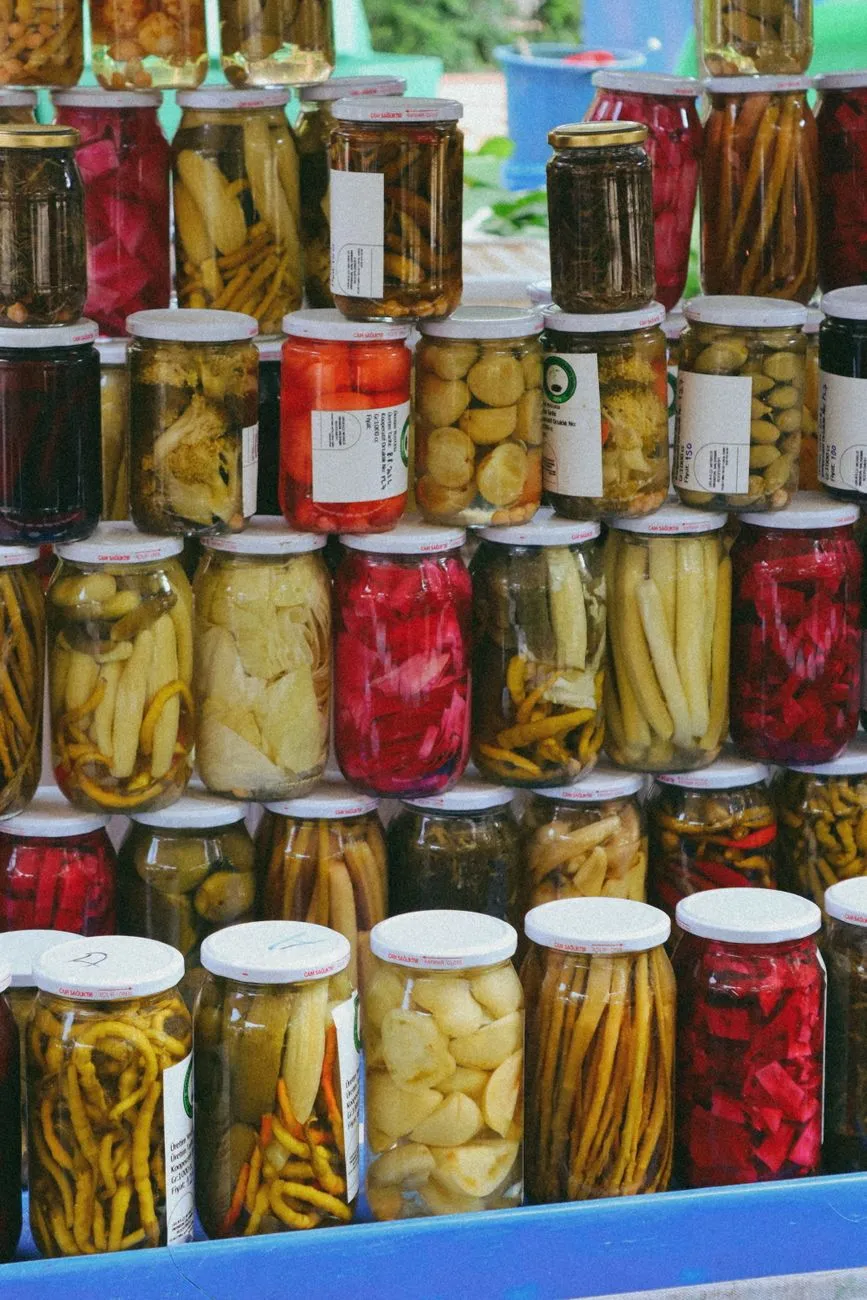
Harnessing the Invisible Universe Within Your Kitchen Counter The transformation of raw ingredients into complex, effervescent, and nutrient-dense elixirs is not merely cooking; it is a profound biological dance. When we discuss fermentation, we are inviting a symbiotic community of microorganisms—bacteria and yeasts—to perform the heavy lifting that our digestive systems often find taxing. As a professional observer of culinary trends and biological realities, I have spent years demystifying the "alchemy" that occurs within a glass jar. At its core, fermentation is the metabolic process where microorganisms break down carbohydrates, such as sugars and starches, into alcohols or acids. Whether you are crafting a tangy kombucha or a creamy milk kefir, you are engaging in a practice that predates modern food preservation by millennia. The science behind this is grounded in the stability of the SCOBY (Symbiotic Culture of Bacteria and Yeast) in kombucha and the "grains" in kefir. These are not just inanimate starters; they are living ecosystems. When you introduce a SCOBY to sweetened tea, the Acetobacter species begin to oxidize the ethanol produced by the yeast into acetic acid, creating that signature sharp, vinegary profile that defines a well-fermented batch. The health implications of this microbial mastery are profound. According to clinical research published in journals such as PubMed, the regular consumption of fermented beverages can modulate the gut microbiome, potentially enhancing the diversity of the intestinal flora. This diversity is linked to everything from improved immune response to regulated glucose metabolism. As you begin your journey, understand that you are essentially acting as a steward for these colonies. Temperature control is the silent partner in your success; most mesophilic ferments thrive between 68°F and 78°F. Straying outside this range invites unwanted guests—mold—which thrive in erratic environments. Always prioritize sterile glass vessels, as reactive metals or plastics can leach into your acidic brews, disrupting the delicate pH balance necessary for healthy fermentation. The Symbiotic Strategy of Kombucha Cultivation Kombucha is, perhaps, the most iconic gateway into the world of home fermentation. It is a tea-based beverage that relies on a specific sequence of aerobic and anaerobic reactions. To master this, one must view the SCOBY as the engine of the operation. When you brew your black or green tea base, ensure you are using high-quality, non-flavored, organic leaves. Essential oils found in flavored teas can be antimicrobial, potentially harming your SCOBY. Begin by dissolving cane sugar into boiling water and steeping your tea. The sugar is not for you; it is the fuel for the yeast. Once the liquid cools to room temperature—this is non-negotiable, as high heat will kill your culture—you introduce the SCOBY and a portion of "starter liquid" from a previous batch. This starter liquid is vital, as it lowers the initial pH of the mixture, preventing the colonization of pathogenic bacteria like Listeria or Salmonella before the beneficial lactic acid bacteria take hold. During the primary fermentation, which lasts typically seven to ten days, the mixture transforms from a sweet tea into a complex elixir. During this phase, oxygen is necessary, which is why a breathable cloth cover is essential. If you seal it too tightly, you stop the gas exchange that the Acetobacter requires. After primary fermentation, you move to the bottling phase. This is where the magic happens: the secondary fermentation. By adding fruit juices or botanicals and sealing the bottle airtight, you trap the carbon dioxide produced by the remaining yeast, resulting in that crisp, natural effervescence. If you find the brew too vinegary, you have let it ferment too long; if it is too sweet, it needs more time. The balance lies in your palate and your patience. Kefir Grains: The Living Pioneers of Gut Health Milk kefir is arguably superior to kombucha in its probiotic density. Unlike the SCOBY, which is a cellulose mat, milk kefir grains are complex, cauliflower-like clusters consisting of proteins, lipids, and a symbiotic community of lactic acid bacteria and yeasts. These grains are essentially a biological "starter pack" that can last for years, potentially decades, if treated with proper care. To cultivate kefir, you simply submerge the grains in fresh cow, goat, or sheep milk. The bacteria within the grains metabolize the lactose (milk sugar) into lactic acid, which causes the milk to thicken and take on a tart, yogurt-like profile. One of the most fascinating aspects of kefir is its ability to produce exopolysaccharides, specifically "kefiran," which is a gel-like substance that gives the drink its thick mouthfeel and has been studied for its potential anti-inflammatory properties in the gut.When managing your grains, consistency is key. If you leave the grains in the milk for too long, the separation of whey and curds is inevitable—a sign that the microorganisms have exhausted the available lactose. While this "over-fermented" kefir is not harmful, it is significantly more sour. I recommend a 24-hour cycle at room temperature. Use a plastic strainer, as metal can damage the soft structure of the grains over time. When you harvest your kefir, keep the grains in a small amount of finished kefir to keep them hydrated while you prepare the next batch. Unlike kombucha, which is a beverage of leisure, kefir is a daily ritual of replenishment. By incorporating just a few ounces into your morning routine, you are introducing a diverse array of Lactobacillus species into your system, which have been shown in various dietary studies to assist in lactose digestion and support the mucosal lining of the gastrointestinal tract. Comparative Nutrient Profiles of Fermented Beverages When assessing the "alchemy" of these ferments, it is important to understand the macronutrient shift that occurs during the process. Because the microorganisms consume the sugars present in the raw ingredients, the final product is inherently lower in glycemic impact than the starting liquid. Below is a breakdown of how the fermentation process alters the composition of your favorite home-brewed elixirs per 8-ounce serving.Beverage Type Primary Substrate Sugar Content (Post-Ferment) Probiotic Count (Approx.) Flavor ProfileKombucha Sucrose/Tea 2-6g 1-5 Billion CFU Tart, Effervescent, CrispMilk Kefir Lactose/Milk 4-8g 50+ Billion CFU Creamy, Sour, TangyWater Kefir Glucose/Water 3-5g 10-20 Billion CFU Light, Sweet, CleanBeet Kvass Starch/Beets 1-2g 5-10 Billion CFU Earthy, Salty, RobustNote: CFU (Colony Forming Units) are approximations and vary significantly based on fermentation time, temperature, and specific microbial strains present in the starter. The data indicates that while kombucha is an excellent entry-level beverage, milk kefir acts as a nutritional powerhouse, delivering significantly higher counts of diverse bacterial strains. Beet kvass, often overlooked, provides a unique mineral profile due to the concentration of beet nutrients combined with the preservative nature of salt-brine fermentation. By understanding these profiles, you can tailor your "home lab" to address specific dietary goals, whether you are seeking a refreshing tonic or a dense probiotic supplement for daily gut maintenance. Beyond the Basics: Botanical Infusions and Second Fermentation Once you have mastered the basics of kombucha and kefir, the true alchemy begins in the creative realm of flavoring and secondary fermentation. This is where your kitchen becomes an apothecary. For kombucha, secondary fermentation is not just for carbonation; it is for extracting flavors. Think of it as a cold-brew infusion. Using ginger, hibiscus flowers, or turmeric does more than improve the taste—it introduces bioactive compounds that can synergize with the fermented base. For instance, adding fresh ginger to your second ferment adds gingerol, a potent anti-inflammatory compound, to a drink that is already packed with organic acids. When you combine the polyphenols found in green tea (from your base) with the gingerols of the infusion, you are crafting a truly medicinal beverage. However, caution is advised. Always use "pressure-rated" bottles, such as Grolsch-style swing-top bottles. During secondary fermentation, the production of carbon dioxide creates significant pressure. Standard glass jars not designed for carbonation can shatter under the force of trapped gas.When experimenting with ingredients, consider the "sugar content" of your additions. If you add high-sugar fruits like mango or pineapple, the fermentation will occur much faster than if you use low-sugar herbs or roots. The yeast will feast on the fruit sugars, leading to a rapid spike in carbonation. Always "burp" your bottles if the room temperature is high, or store them in a cool, dark place to manage the rate of activity. This process is about observation. Smell your ferment—it should be pleasantly acidic and fruity. If it smells like rotten eggs or possesses a slimy, neon-colored film, discard the batch entirely. While botulism is incredibly rare in acidic, fermented beverages (as it cannot survive in a pH below 4.6), one must always maintain the standard hygiene of a professional kitchen. Sanitize your equipment with hot water and avoid cross-contamination. Your commitment to these protocols ensures that your "alchemy" remains a healthy endeavor. The Future of Your Fermentation Journey You have now moved from a novice to a practitioner of microbial arts. Fermentation is a lifelong pursuit; it is a conversation with the invisible world that happens in every corner of your home. It teaches us that decay and growth are often two sides of the same coin. By manipulating these environmental variables—time, temperature, sugar, and substrate—you are not just creating drinks; you are participating in the evolution of your own gut health and fostering a more sustainable lifestyle. Remember, these elixirs are not magical "cures" that replace medical care, but they are potent allies in a health-conscious diet. The modern gut is often starved of the microbial diversity that our ancestors thrived upon. Every glass of homemade kefir or tart kombucha is a step toward reclaiming that ancestral legacy. As you continue to refine your technique, invite others into the fold. Share your grains, trade your SCOBYs, and discuss the nuances of your ferments. The community of home fermenters is as vibrant and active as the cultures sitting on your counter. Maintain your journals, track your temperatures, and never fear the failure of a batch. A "failed" batch is merely a data point in your journey toward perfection. You have the tools, the data, and the methodology. The kitchen is now your laboratory, and the microbes are your partners. Go forth and craft something truly transformative, something that nourishes not only the body but the curiosity of the mind. Your next batch is only a few days away from greatness, and in that time, the alchemy will continue—unseen, silent, and wonderfully persistent. Happy brewing, and may your ferments always be balanced, effervescent, and deeply, undeniably alive. #Fermentation #GutHealth #Probiotics #HomeBrewing #CulinaryAlchemy Related InsightsChicken Yassa: The Tangy and Tender Onion Stew The Golden Harvest: Transforming Your Vitality with Quinoa, Sweet Potatoes, and Kale Mumbai's Sizzling Soul: The Spice, Sweet, and Chaotic Heartbeat of Street Food{ "@context": "https://schema.org", "@type": "FAQPage", "mainEntity": [ { "@type": "Question", "name": "What is the main focus of The Alchemy of Microbes: Crafting Kombucha, Kefir, and Fermented Elixirs at Home?", "acceptedAnswer": { "@type": "Answer", "text": "Unlock the ancient secrets of microbial alchemy by mastering the art of homemade kombucha, kefir, and probiotic elixirs in your own kitchen." } }, { "@type": "Question", "name": "Who authored the comprehensive guide on The Alchemy of Microbes: Crafting Kombucha, Kefir, and Fermented Elixirs at Home?", "acceptedAnswer": { "@type": "Answer", "text": "This detailed article and its insights were carefully researched and authored by Marcus Vance." } }, { "@type": "Question", "name": "Where can I find more related content about Food?", "acceptedAnswer": { "@type": "Answer", "text": "You can explore more articles, detailed reviews, and similar insights by browsing the Related Insights section at the bottom of this article or visiting our dedicated Food category page." } } ] }
-
 Kenji Sato
 - 14 Sep, 2026 21:59
The Fire and the Flesh: Unveiling the Eternal Alchemy of the Turkish Kebab
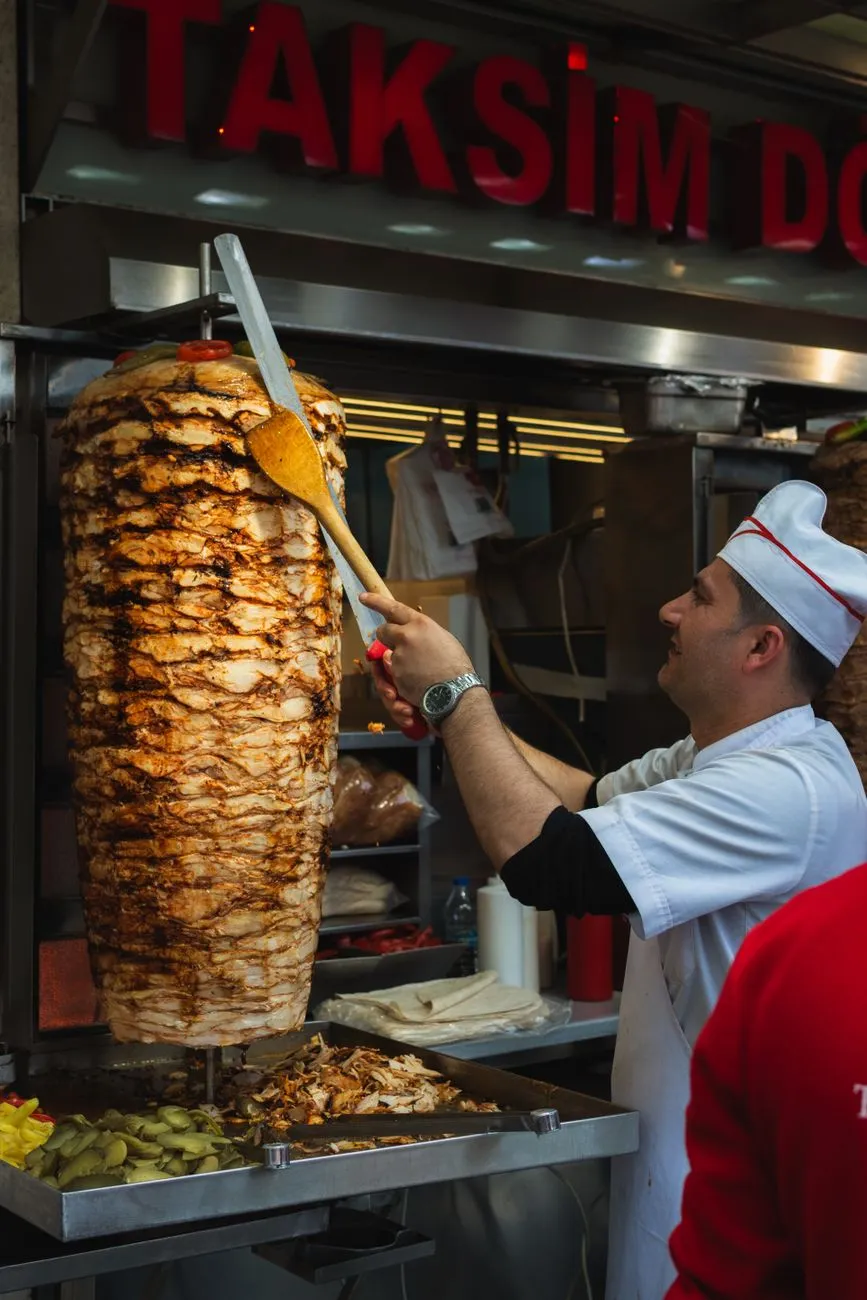
The Culinary Architecture of the Silk Road To understand the Turkish kebab is to understand the very history of human migration and the engineering of flavor. We often perceive travel writing through the lens of the "tourist versus the traveler," a tension explored in creative nonfiction that defines how we document our experiences. While the tourist might view a kebab as a simple, late-night convenience, the traveler—and the true culinary aficionado—recognizes it as a complex manifestation of environmental engineering and nomadic necessity. The word "kebab" derives from the Aramaic "kabab," meaning to char or burn, a testament to the primal relationship between early civilizations and fire. Long before the bustling streets of Istanbul or the high-end eateries of London, kebab culture began in the heart of Anatolia. Nomadic tribes, constantly on the move, required a cooking method that was efficient, portable, and capable of transforming tough cuts of meat into tender, succulent delicacies using only the heat of an open flame. This evolution is fundamentally a story of cultural transmission. As populations moved along the Silk Road, the technique of skewering meat—ironically, often using their own swords—became a standardized practice. The engineering of the kebab is precise; it relies on the Maillard reaction, the chemical interaction between amino acids and reducing sugars that gives browned food its distinctive flavor. When heat hits the surface of the meat, it creates a crisp, savory exterior that acts as a vessel for the rendered juices trapped within. Whether it is the vertical rotisserie of the Doner or the horizontal perfection of the Shish, the core principle remains identical: the mastery of thermal radiation. We are essentially dealing with an edible engineering project, where the protein structure is broken down by carefully managed heat, seasoned by the smoke of charcoal—preferably oak or fruitwood—and elevated by the specific geography of the spice blends utilized in the marination process. Every bite carries the DNA of those ancient caravans, serving as a reminder that food is the most reliable vessel of human history.The Anatomy of the Perfect Skewer Creating a professional-grade kebab is not merely a matter of throwing meat onto a grate; it requires an intimate knowledge of protein chemistry and fat distribution. The gold standard for a traditional Shish Kebab is typically lamb, specifically from the hindquarter or shoulder, where the ratio of lean muscle to intramuscular fat provides the necessary moisture during the intense heat of the grill. In professional kitchens, we speak of the "15-20% fat rule." If the meat is too lean, the kebab dries out before the char develops; if it is too fatty, the flare-ups from the charcoal become unmanageable, leading to a bitter, soot-heavy finish. The marination process is where the artistry truly takes hold. In Anatolian traditions, the marinade is surprisingly minimalist: olive oil, salt, perhaps a hint of onion juice, and the essential Turkish pepper paste, Biber Salçası. Unlike the heavy, yogurt-based marinades of other regions, the authentic Turkish style focuses on elevating the flavor of the meat itself rather than masking it. The preparation phase involves "resting" the meat, a step often overlooked by home cooks. By allowing the seasoned protein to sit, the salt denatures the proteins slightly, allowing them to retain more juice under the extreme pressure of the grill. When skewering, the density of the meat placement matters. We aim for a balance that allows heat to circulate between the pieces, ensuring that the kebab cooks evenly from the center out. The skewer itself is an engineering instrument; flat, wide metal skewers are superior to round ones because they prevent the meat from rotating when you turn the kebab, ensuring that the weight of the protein doesn’t cause it to slip. In the professional setting, we maintain an intense heat profile—high enough to sear the outer layer immediately, sealing in the juices, while the inner core reaches an optimal medium-rare to medium temperature. The resulting experience is a texture contrast: the snap of the outer crust followed by the almost buttery tenderness of the interior. This is the hallmark of the true master: a kebab that is cooked through, yet never toughened. The Vertical Revolution and the Doner Legacy While the Shish is the ancestor, the Doner kebab is the modern giant, a triumph of vertical engineering that transformed street food forever. Invented in the 19th century, the vertical spit solved the issue of gravity and heat distribution. By arranging thinly sliced, marinated layers of meat around a rotating axis, the chef creates a self-basting machine. As the heat radiates from the side—typically gas or electric in modern kitchens, though charcoal remains the supreme, if labor-intensive, choice—the fat from the upper layers slowly melts and drips over the meat below. This constant basting process keeps the outer layers moist even as they crisp under the heat source. The blade work is equally critical; a master "Doner Ustası" slices the meat with an almost surgical precision, ensuring that each shave of the kebab contains both the perfectly browned edge and the succulent, tender heart of the stack. This is where the distinction between "tourist" and "traveler" becomes most apparent in food criticism. The tourist seeks the kebab that is easily available, often pre-processed and mass-produced. The traveler seeks the authentic "Yaprak Doner," where the meat is stacked as individual thin leaves (yaprak) of marinated lamb, rather than a processed, sausage-like log. The quality of a Doner can be measured by the transparency of its sourcing. When you eat a high-quality Doner in a Turkish metropolis, you are tasting the history of the animal, the specific region it was raised in, and the generational knowledge of the butcher who balanced the ratio of leg meat to lamb tail fat—the "kuyruk yağı." This specific fat is the secret weapon of the Turkish kebab; it has a high melting point and a unique, deep flavor that permeates the meat as it renders. To ignore the role of this specific fat is to ignore the foundational flavor profile that makes the Doner, and by extension the Turkish kebab, a world-class culinary icon that remains unmatched by its international imitators.Comparative Data: The Kebab Spectrum To better understand the variance in these grilled delicacies, we must analyze the specific components that define each type of kebab. Below is a comparative look at the three most influential styles found across the Turkish culinary landscape.Kebab Type Primary Meat Fat Content Cooking Method Heat Source Texture ProfileShish Kebab Lamb/Beef 15-20% Horizontal Spit Charcoal/Coal Firm, Charred ExteriorAdana Kebab Hand-minced Lamb 25-30% Flat Metal Skewer Open Charcoal Juicy, Spicy, SoftYaprak Doner Sliced Layers 20% Vertical Rotisserie Radiant Heat Thinly Shaved, TenderIskender Kebab Doner Slices Variable Vertical + Pan Butter/Tomato Base Rich, Soaked, HeartyCop Shish Small Cubes 10-15% Mini Skewers Intense Flame Crisp, SnackableThis table illustrates the technical diversity within the category. The Adana kebab, for instance, requires a much higher fat content because it is hand-minced; the extra fat is necessary to hold the meat together on the skewer without it falling into the coals, a technique that requires significant manual dexterity and a deep understanding of protein binding. Conversely, the Yaprak Doner relies on the structural integrity of the stacked slices, requiring a different set of physical principles to maintain its shape during the extended cooking process. The Geography of Spice and Accompaniment The soul of the kebab is not found in the protein alone, but in the harmonious marriage of spice and the traditional side dishes that cleanse the palate. In regions like Gaziantep, a city renowned for its culinary output, the use of Aleppo pepper (pul biber) and dried mint is not just a flavor choice—it is a mandatory cultural practice. The heat of the kebab requires the cooling contrast of "cacik," a yogurt-based cucumber dip, or the acidity of a "gavurdagi" salad, which typically features finely chopped tomatoes, walnuts, and pomegranate molasses. These accompaniments are functional: the acidity of the pomegranate molasses cuts through the richness of the animal fat, while the cool yogurt neutralizes the capsaicin of the hot peppers. This is a deliberate, ancient sensory strategy. Furthermore, the bread—often "Pide" or "Lavaş"—is rarely just a side dish. In the case of the Iskender Kebab, the bread is used as a foundation, absorbing the rendered fat, tomato sauce, and browned butter, effectively becoming a conduit for the flavor of the meat. In many traditional establishments, the bread is placed on the grill for the final few seconds of the meat’s cooking time, allowing it to soak up the drippings and the smoky aroma of the charcoal. This is the quintessence of the Turkish kebab experience: a holistic approach where every component serves a technical or sensory purpose. When you are eating a kebab in this manner, you are not just consuming protein; you are engaging in a highly refined interaction of temperature, texture, and flavor profiles that have been polished over centuries. It is an exploration of the landscape, the livestock, and the ingenuity of a people who turned the simple act of grilling into a high-art performance.The Future of the Grilled Icon As we look toward the future of global gastronomy, the Turkish kebab stands as a resilient bastion of traditional technique. While the modern world leans toward speed and industrialization, the kebab remains deeply tethered to the physical presence of the artisan. You cannot replicate the soul of an Adana kebab in a microwave or a convection oven; it demands the charcoal, the heat, and the human hand. The "tourist or traveler" dichotomy mentioned earlier is the final filter for the future of this food. As travelers seek deeper, more authentic experiences, the demand for high-quality, heritage-focused kebab shops increases. This is a positive development, as it incentivizes chefs to return to older, more labor-intensive methods—using specific breeds of sheep, hand-chopping meat with a "zirh" (a double-handled curved knife), and utilizing traditional charcoal rather than gas. The engineering of the kebab is a testament to the fact that simple, elegant solutions to human needs often withstand the test of time better than complex, synthetic alternatives. As we continue to document our journeys, let us look closer at the food we consume. Let us appreciate the engineering behind the char, the geography of the spice, and the history embedded in the skewer. The Turkish kebab is not just a meal; it is a profound lesson in how humanity adapts to its environment, refines its resources, and transforms the raw elements of nature into something that is not just edible, but truly transcendental. Whether you are walking the streets of Istanbul or seeking the best local outpost in your home city, remember that the true kebab is a conversation between the past and the present—one that is best enjoyed slowly, with respect for the fire that forged it. May your next experience with this iconic delight be as deep, satisfying, and revelatory as the centuries of tradition that paved the way to your plate. #TurkishCuisine #CulinaryHeritage #FoodEngineering #KebabMastery #GastronomicTravel Related InsightsThe Alchemy of Appetite: Decoding the Molecular Soul of Our Sustenance Mumbai's Sizzling Soul: The Spice, Sweet, and Chaotic Heartbeat of Street Food Bombay Sandwich: The Iconic Triple-Layered Delight{ "@context": "https://schema.org", "@type": "FAQPage", "mainEntity": [ { "@type": "Question", "name": "What is the main focus of The Fire and the Flesh: Unveiling the Eternal Alchemy of the Turkish Kebab?", "acceptedAnswer": { "@type": "Answer", "text": "Journey through the ancient smoke of the Silk Road to master the art of the perfect Turkish kebab, where history, heat, and heritage collide on the skewer." } }, { "@type": "Question", "name": "Who authored the comprehensive guide on The Fire and the Flesh: Unveiling the Eternal Alchemy of the Turkish Kebab?", "acceptedAnswer": { "@type": "Answer", "text": "This detailed article and its insights were carefully researched and authored by Kenji Sato." } }, { "@type": "Question", "name": "Where can I find more related content about Food?", "acceptedAnswer": { "@type": "Answer", "text": "You can explore more articles, detailed reviews, and similar insights by browsing the Related Insights section at the bottom of this article or visiting our dedicated Food category page." } } ] }
-
 Eleanor Hughes
 - 14 Sep, 2026 13:15
The Alchemy of Butter and Flour: Unlocking the Secrets of French Pâtisserie
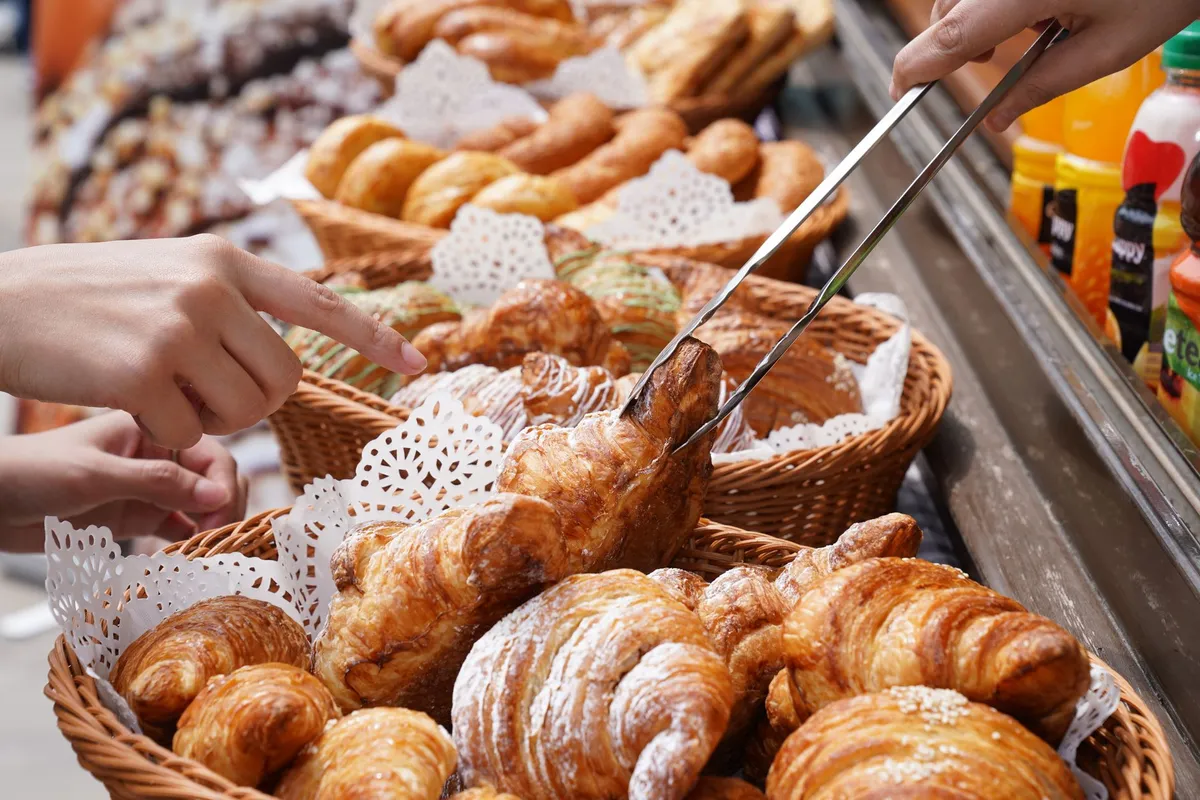
The Whispered Legacy of Parisian Kitchens To step into a Parisian boulangerie at dawn is to inhale the very history of French culinary excellence. It is a sensory experience defined by the scent of caramelized sugar, the deep, earthy richness of high-fat butter, and the structural integrity of perfectly tempered chocolate. As a culinary expert who has spent years dissecting the mechanics of dough, I have learned that French pastry is not merely cooking; it is an exacting science governed by thermodynamics, moisture content, and the molecular behavior of proteins. The evolution of pâtisserie—from the humble medieval galettes to the sophisticated entremets of the 21st century—is a testament to the French obsession with perfection. Historically, the transition from bread baking to the fine art of pâtisserie occurred during the Renaissance, heavily influenced by Catherine de' Medici, who brought Italian pastry chefs to the French court. This fusion of Mediterranean innovation and French technical rigidity birthed the foundational techniques we revere today. When we talk about mastering French pastry, we are discussing the mastery of patience. The process of lamination—the technique of folding butter into dough repeatedly—is a study in physics. Each layer represents a barrier that, when exposed to high heat, creates a rapid expansion of steam. This process, known as the "oven spring," is what differentiates a lackluster roll from a masterpiece of flaky architecture. To succeed in your own kitchen, you must move beyond recipes and begin to understand the "why" behind the crumb structure and the delicate protein coagulation that defines the crème pâtissière. The Laminated Symphony of the Perfect Croissant The croissant is the ultimate litmus test for any aspiring pâtissier. It is a deceptively simple construct of flour, water, yeast, milk, sugar, salt, and, most importantly, high-fat European-style butter (ideally 82% fat or higher). The secret lies in the temperature control of the beurrage—the butter block—and the détrempe—the dough base. If the butter is too warm, it melts into the flour, resulting in a brioche-like texture rather than distinct layers. If it is too cold, the butter shatters during rolling, causing uneven distribution. To master this, one must employ the "tournage" method—a series of folds. A standard croissant requires a single fold and a double fold, or three single folds, creating precisely 27 to 81 layers of butter and dough. The math is relentless. After each turn, the dough must be chilled; this is non-negotiable. The refrigeration allows the gluten to relax, preventing the dough from snapping back during rolling, and ensures the butter remains solid enough to create distinct steam pockets in the oven. When placed in an oven preheated to 200°C (390°F), the moisture in the butter vaporizes, pushing the dough layers apart before the yeast-leavened proteins set. The result is a golden, airy interior that provides the characteristic shatter when bitten. Pay close attention to your proofing temperature. If the proofing room exceeds 26°C (79°F), the butter begins to leak out before the bake, leaving you with a greasy, dense product. Consistency is your only ally in this endeavor. The Temperamental Elegance of the Macaron Macarons are perhaps the most misunderstood of all French confections. They are essentially a meringue-based cookie sandwich, yet they have broken the spirits of even the most skilled home bakers. There are two primary methods: the French meringue method (raw egg whites whipped with sugar) and the Italian meringue method (whipping egg whites while streaming in boiling sugar syrup). For the amateur baker, I recommend the Italian method. By pouring 118°C sugar syrup into the egg whites, you effectively pasteurize them and create a more stable, glossy, and structured meringue that is far more forgiving to the folding process. The "macaronage"—the technique of folding the dry ingredients (almond flour and confectioners' sugar) into the meringue—is the critical failure point. You are looking for a "lava-like" consistency. If you under-mix, the shells will have peaks and lack a smooth, shiny finish. If you over-mix, the trapped air will escape, and the shells will crack in the oven. After piping, the "macaron shells must be rested" until a skin forms. This crusting allows the steam to push the shell upward during the bake, creating the signature "pied" or "foot" at the base. The almond flour used must be finely ground and dry; any excess moisture or oil will cause the shells to become oily and lose their structural integrity. When you master the macaron, you are not just baking; you are mastering the delicate equilibrium of sugar ratios and humidity control.Architectural Precision in the Classic Éclair The éclair represents the marriage of pâte à choux and luxurious pastry cream. Unlike other pastries, pâte à choux is cooked twice: once in a saucepan on the stove to gelatinize the starch in the flour, and again in the oven to expand and dry the pastry shell. When you combine flour, water, butter, and eggs, the goal is to create an emulsion. The addition of eggs is where the baker’s intuition is tested. The dough must reach a "V" consistency, where it drops from the spatula in a slow, thick ribbon. If the batter is too thin, your éclairs will deflate; too thick, and they will be dense. The beauty of the éclair lies in the contrast between the crisp, hollow shell and the velvety, thick crème pâtissière filling. The cream itself must be tempered correctly, whisking hot milk into egg yolks and cornstarch slowly to avoid curdling. Once filled, the glaze—usually a fondant or a chocolate ganache—must be at the perfect viscosity to coat the top without running down the sides. Mastering the éclair requires a focus on piping geometry. Use a star-tipped nozzle to create grooves on the dough; these grooves allow for controlled expansion during the bake, preventing the pastry from cracking in an unappealing way. It is a precise architectural exercise that rewards those who pay attention to the smallest details of texture and piping technique. The Nutritional Science of Sweetness While we often view these delicacies as purely indulgent, there is a clear macronutrient profile underlying their appeal. French pastry relies heavily on lipids and simple carbohydrates. A single croissant, for instance, is a caloric powerhouse, yet the quality of the lipids makes a significant difference in how the body processes the energy. Using high-quality, cultured butter provides a superior mouthfeel and a profile of short-chain fatty acids that contribute to its distinctive tang. Pastry Type Avg. Calories Carbohydrates Fat Protein Key Nutrient FeatureButter Croissant 270 28g 14g 5g High saturated fat from laminationMacaron (x2) 180 22g 9g 3g High sugar/almond protein ratioÉclair (Chocolate) 260 30g 12g 4g Starch-based structure with dairy fatsBrioche (Slice) 210 25g 10g 6g High egg protein/emulsificationUnderstanding these values is crucial for the modern baker who wishes to balance indulgence with dietary awareness. The primary science here involves the Maillard reaction—a chemical reaction between amino acids and reducing sugars that gives browned food its distinctive flavor. In pastries, this happens most intensely on the crust. By controlling the amount of sugar in your washes and the heat of your oven, you can dictate the level of the Maillard reaction, thus altering the complexity of the final flavor profile. It is a balancing act of chemistry that transforms basic staples into artisanal experiences.Finding the Essence of the Pâtissier’s Soul The path to mastering French pastry is paved with collapsed shells, leaked butter, and deflated meringues. Do not be discouraged by these failures; they are the most efficient teachers of chemistry you will ever have. When your croissant refuses to flake, study the heat of your kitchen. When your macaron cracks, investigate the humidity level of your oven. The "Art of the Pâtissier" is not a destination; it is a commitment to a standard of excellence that refuses to compromise on the fundamental rules of thermodynamics and ingredient quality. Invest in a digital scale. Precision is the difference between a professional result and a domestic mistake. In the realm of French pastry, a difference of five grams of flour or two degrees Celsius in oven temperature will change the outcome entirely. As you begin to integrate these techniques into your routine, move slowly. Master the pâte à choux before attempting the delicate puff pastry laminations. Practice your piping consistency on parchment paper before moving to the real dough. Remember that the greatest pastry chefs in Paris—those whose names are etched into the history of the Rue du Bac—began exactly where you are today: staring at a bowl of flour, wondering if the humidity of the room would cooperate with their ambition. Your kitchen is now your laboratory. Treat the butter with respect, monitor your temperatures with military precision, and never underestimate the transformative power of a properly folded dough. The art of French pastry is waiting for you to uncover it, one fold at a time. The transition from home baker to craftsman is defined not by the luxury of the ingredients, but by the relentless discipline of your technique. May your butter always be cold, your steam be ample, and your passion for the craft be as infinite as the layers of a perfectly executed mille-feuille. #FrenchPastry #BakingScience #ArtisanBaking #CulinaryArts #PastryChef Related InsightsHigh‑Pressure Culinary Science: Exploring Hydrothermal Cooking Techniques Spicy Cumin Skewers: The Soul of Night Markets The Golden Threads of History: Unraveling the Millennia-Old Tapestry of Pasta{ "@context": "https://schema.org", "@type": "FAQPage", "mainEntity": [ { "@type": "Question", "name": "What is the main focus of The Alchemy of Butter and Flour: Unlocking the Secrets of French Pâtisserie?", "acceptedAnswer": { "@type": "Answer", "text": "Elevate your baking with an expert guide to the precision, science, and history behind France's most iconic pastries, from crispy croissants to delicate macarons." } }, { "@type": "Question", "name": "Who authored the comprehensive guide on The Alchemy of Butter and Flour: Unlocking the Secrets of French Pâtisserie?", "acceptedAnswer": { "@type": "Answer", "text": "This detailed article and its insights were carefully researched and authored by Eleanor Hughes." } }, { "@type": "Question", "name": "Where can I find more related content about Food?", "acceptedAnswer": { "@type": "Answer", "text": "You can explore more articles, detailed reviews, and similar insights by browsing the Related Insights section at the bottom of this article or visiting our dedicated Food category page." } } ] }
-
 Isabella Rossi
 - 12 Sep, 2026 20:52
The Gastronomic Odyssey: From Charred Street Corn to the Pinnacle of Michelin Perfection
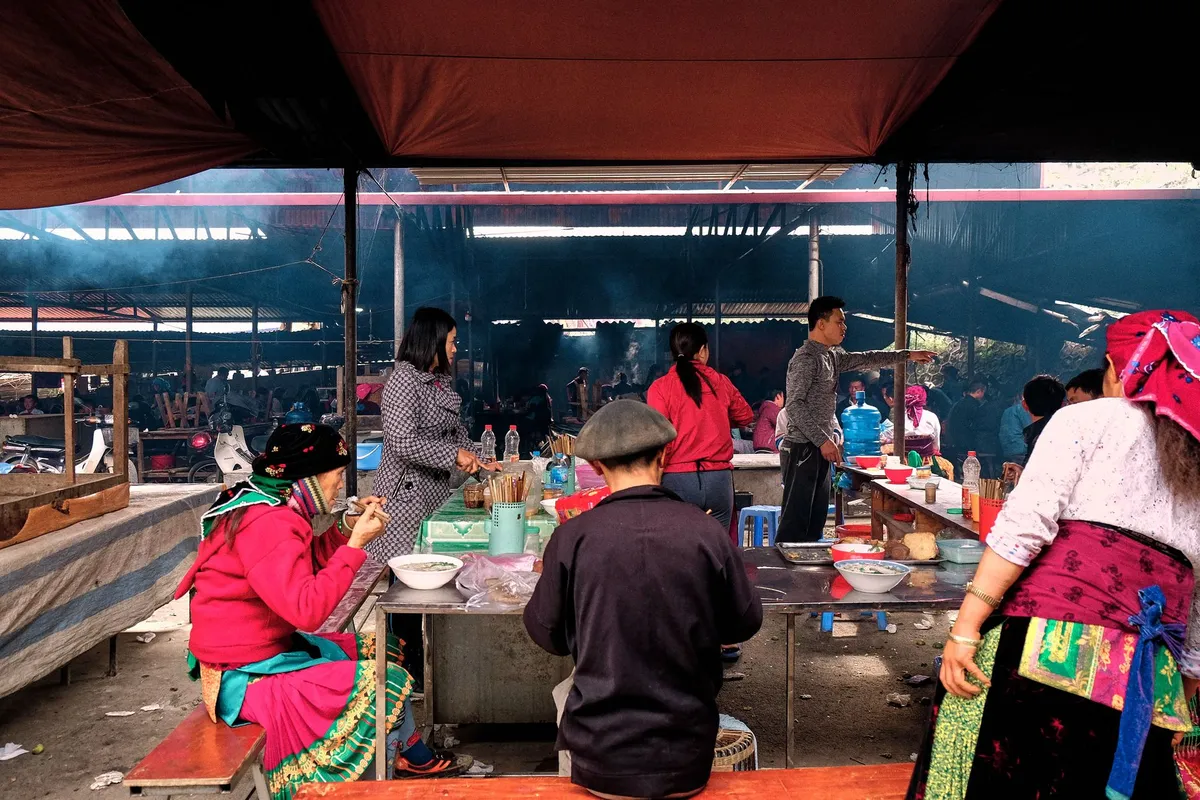
Where Smoke Meets Salt: The Soul of the Street Market To understand the trajectory of human civilization, one need not look at monuments of stone or archives of political mandates; one must look at the grill. The humble origins of street food—from the charred elotes of Mexico City to the aromatic satay skewers of Southeast Asia—represent the foundational DNA of global dining. As travelers, we often find our most profound culinary epiphanies not under the chandelier of a Michelin-starred establishment, but standing on a dusty corner, waiting for a vendor to flip a tortilla. Street food is an exercise in efficiency, aesthetics, and raw business logic. When we examine the culinary landscape, particularly in Mediterranean bastions like Greece, the intersection of the farmers' market and the environmental ecosystem becomes undeniably clear. The "Culinary Landscape of Greece," as analyzed in recent research, is not merely a collection of recipes; it is a manifestation of marketing dynamics. Small-scale producers operate within a closed-loop system where the aesthetics of the harvest dictate the value of the market stall. This is the bedrock upon which high cuisine is built. When a chef sources a perfectly ripened tomato from a local Greek market, they are engaging in a marketing strategy that favors authenticity over industrial processing. The sensory experience of the street market—the scent of charcoal, the cacophony of vendors, the tactile engagement with raw ingredients—provides the necessary "curiosity quotient" for the modern explorer. For the traveler, this is where the expedition begins. It is a lesson in terroir. Whether it is a taco stand in Oaxaca or a souvlaki cart in Athens, the street vendor is the unsung pioneer of global flavor, teaching us that the highest quality food often requires the least amount of pretense. By observing these micro-economies, we gain a deeper appreciation for the rigor that later defines the world of fine dining.The Contradictions of Australian Flavor and Identity When we turn our gaze to the Southern Hemisphere, the narrative of food takes a sharp, political turn. Australia presents a fascinating case study in how a nation defines its culinary soul. The research paper "Terra nullius, culina nullius: the contradictions of Australian food culture" highlights a critical academic tension: the intersection of political science and the plate. For centuries, the concept of terra nullius—or "land belonging to no one"—was used to justify colonial expansion. Today, the culinary equivalent is often debated as scholars examine whether Australian food culture successfully integrates Indigenous ingredients or if it continues to operate within a vacuum of colonial appropriation. For the traveler, this is a pivotal stop on the expedition. The Australian food scene is a paradox. It is defined by high-end coffee culture, fusion brilliance, and world-class wine, yet it struggles with the historical weight of its own foundations. When you dine in Sydney or Melbourne, you are witnessing an evolution. The movement toward "bush tucker"—utilizing native ingredients like finger lime, wattleseed, and macadamia—represents a reclamation of identity. It is an attempt to turn culina nullius into a legitimate, recognized culinary heritage. Understanding this dynamic is essential for the curious traveler. When you order a meal in an Australian bistro, look for the subtle infusion of native flora. This is not just a trend; it is a political statement of reconciliation and culinary evolution. The transition from street corn to haute cuisine in the Australian context is less about the refinement of the grill and more about the refinement of the national consciousness. By engaging with this reality, we as travelers stop being passive consumers and start becoming informed observers of a culinary history in the making. The complexity of these dishes is rooted in the landscape itself, demanding that we respect the geography as much as the flavor profile. From the Farmers' Market to the White Tablecloth The transition from a raw, local marketplace to the pressurized environment of a Michelin-starred kitchen is a journey of transformation. This path is defined by a rigorous obsession with aesthetics, sourcing, and the marketing of experience. Research into the Greek culinary landscape demonstrates that the farmers' market is not just a place of trade; it is an incubator for excellence. The relationship between the environment—the soil, the sun, the Mediterranean winds—and the product is the ultimate differentiator for elite chefs. Consider the journey of a single olive or a bundle of wild mountain herbs. In the market, they are commodities; in the kitchen of a Michelin-starred chef, they are the focal point of a sensory performance. The "Business and Marketing" of fine dining relies on the ability of the chef to translate the authenticity of the local farmer into a narrative that justifies the price point and the prestige. This is not an easy feat. It requires an intimate understanding of the seasonality that the market dictates. For the traveler, this stage of the expedition is about recognizing the "why" behind the plate. Why does a particular dish in a fine dining restaurant resonate so deeply? It is because the chef has distilled the best elements of the local ecosystem. They have taken the "street corn" ethos—the raw, unadulterated flavor of the ingredient—and elevated it through technique, precision, and a narrative that honors the producer. This cycle is the backbone of the global food industry. We move from the market, where we learn the language of food, to the restaurant, where we experience the literature of food.The Global Plate: A Comparative Analysis of Cost and Quality To fully grasp the global food expedition, we must look at the metrics that define our spending and consumption patterns. The following table provides a breakdown of how the cost of a "culinary experience" fluctuates based on the environment, the labor involved, and the prestige of the establishment. This comparative data reflects the real-world financial realities faced by travelers and residents alike in major food hubs.Culinary Segment Typical Cost (USD) Primary Focus Sourcing StrategyStreet Food $3 - $12 Speed & Flavor Hyper-local/DailyMid-Range Bistro $25 - $60 Comfort & Texture Regional/SeasonalMichelin Experience $150 - $500+ Innovation & Story Artisanal/ExclusiveFarmers' Market $10 - $30 Freshness & Raw Direct from FarmerAs this data suggests, the price gap is not merely a reflection of food quantity but of "added value." In the Michelin-starred category, you are paying for the rigorous labor, the aesthetic curation, and the intellectual effort of the culinary team. Conversely, the street food sector provides the highest return on investment regarding pure, unadorned flavor. The savvy traveler is one who learns to balance these experiences, using the farmers' market to build a vocabulary of ingredients and the high-end restaurant to see how those ingredients can reach their artistic zenith. By analyzing these numbers, we see that the global food expedition is, in many ways, an exercise in resource management—how do we extract the most meaning and pleasure from the food systems available to us in any given destination? The Ethics of Global Gastronomy and the Future of Food As we conclude this journey, we must address the ethics of the table. The global food expedition is becoming increasingly centered on sustainability and the preservation of culture. Whether we are discussing the Indigenous food movements in Australia or the agricultural preservation efforts in Greece, the modern food movement is moving away from globalization and back toward localization. The "Curious Traveler" now has a responsibility to support these micro-economies. We have explored the street market, examined the complexities of colonial-tainted culinary identity, and witnessed the transformation of local ingredients into fine art. What binds these experiences together is a shared dependence on the environment. The "Business, Marketing, and Aesthetics" of food is ultimately tethered to the health of our earth. The farmers' market, once a simple place of commerce, is now the front line of environmental advocacy. The Michelin-starred restaurant, once a beacon of exclusivity, is now often a leader in zero-waste initiatives and carbon-neutral sourcing. As you plan your next culinary expedition, look beyond the guidebooks. Seek out the contradiction; find the street food stall that challenges your perception of "cheap," and visit the fine dining establishment that challenges your perception of "elite." Pay attention to the provenance of your ingredients. In a world that is becoming increasingly homogenized, the true luxury is eating food that tells a specific, regional story—a story that begins in the dirt and ends in a moment of pure, culinary perfection. Your role as a traveler is to listen to that story, value the labor behind it, and contribute to the ecosystems that sustain these diverse food cultures. The expedition never truly ends; it merely changes the menu.Harvesting Memories from the Global Trail Reflecting on our global expedition, it becomes evident that the distance between a piece of street-grilled corn and a dish adorned with a Michelin star is shorter than we often imagine. It is a bridge built on quality, history, and the tireless pursuit of culinary truth. We have traveled from the political landscapes of Australia to the sun-drenched markets of Greece, recognizing that every bite carries the weight of history and the promise of the future. The "curious traveler" is defined by an appetite that is never fully sated. We seek the next market, the next hidden kitchen, and the next ingredient that tells a story of survival and triumph. As we move forward, let us remember that the most authoritative culinary critics are not those in suits and ties, but the people who stand in line for their daily bread, the farmers who tend the soil with calloused hands, and the chefs who look at a tomato and see the entire world. Carry this awareness with you as you navigate your next destination. Seek the markets where the air is thick with the scent of the local harvest. Respect the restaurants that prioritize the integrity of the ecosystem. Most importantly, understand that your dining choices are, in effect, a vote for the type of food culture you wish to see thrive. Whether you are seeking a cheap, life-changing snack or an evening of refined excellence, the global food expedition remains the most rewarding way to understand the heart of a civilization. May your plate always be full, your curiosity always be piqued, and your journey always be seasoned with the unexpected. #Gastronomy #FoodTravel #CulinaryExpedition #SlowFood #GlobalDining Related InsightsDelighting in the Flavors of Lemony Chicken Piccata with Capers and Spinach L'Anima della Cucina Italiana: Non Solo Cibo, ma una Storia d'Amore nel Piatto Avocado and Poached Egg Toast on Sourdough{ "@context": "https://schema.org", "@type": "FAQPage", "mainEntity": [ { "@type": "Question", "name": "What is the main focus of The Gastronomic Odyssey: From Charred Street Corn to the Pinnacle of Michelin Perfection?", "acceptedAnswer": { "@type": "Answer", "text": "Join Isabella Rossi on a deep dive into the world’s most fascinating culinary landscapes, exploring the rich tapestry of street food versus fine dining." } }, { "@type": "Question", "name": "Who authored the comprehensive guide on The Gastronomic Odyssey: From Charred Street Corn to the Pinnacle of Michelin Perfection?", "acceptedAnswer": { "@type": "Answer", "text": "This detailed article and its insights were carefully researched and authored by Isabella Rossi." } }, { "@type": "Question", "name": "Where can I find more related content about Food?", "acceptedAnswer": { "@type": "Answer", "text": "You can explore more articles, detailed reviews, and similar insights by browsing the Related Insights section at the bottom of this article or visiting our dedicated Food category page." } } ] }

Tra le strade polverose e vibranti di Accra, quando il sole inizia appena a scaldare l'asfalto e l'aria è intrisa del profumo pungente della terra, sorge un rito che unisce un'intera nazione. Non è un semplice pasto; è una celebrazione dell'identità. Il Waakye, spesso traslitterato come "waakye" o "wakye", è molto più di una combinazione di riso e fagioli: è il battito cardiaco della colazione ghanese. Un’Eredità Tintoria nel Piatto La magia del Waakye risiede in un elemento botanico quasi mistico: le foglie di sorgo, conosciute localmente come "waakye leaves". Queste foglie non vengono mangiate, ma agiscono come un agente tintorio naturale. Quando vengono bollite insieme al riso e ai fagioli dell'occhio, rilasciano un pigmento che trasforma la vivanda in una tonalità rosso-brunastra profonda, quasi color ruggine. Questo processo non è solo estetico. Le foglie conferiscono al riso una consistenza particolare e un aroma terroso che non può essere replicato con metodi moderni. È un esempio perfetto di come la tecnologia alimentare ancestrale, tramandata oralmente tra le generazioni di madri ghanesi, abbia saputo sfruttare la biodiversità locale per creare un piatto che è allo stesso tempo nutriente e visivamente accattivante.L'Architettura di una Colazione Complessa Il Waakye non si presenta mai solo. È il fulcro di un sistema complesso di sapori che riflette l'abbondanza dei mercati dell'Africa occidentale. Se il Waakye è la base — il fondamento – gli accompagnamenti sono la sua architettura. Per comporre il piatto perfetto, bisogna navigare tra una serie di opzioni che variano da venditore a venditore, ma che seguono una grammatica culinaria precisa:Shito: La celebre salsa di peperoncino nero, un concentrato di crostacei essiccati, zenzero e spezie che aggiunge profondità e un calore persistente. Gari: La farina di manioca fermentata, che aggiunge una croccantezza acida essenziale per bilanciare la morbidezza del riso. Uova sode e carne stufata: Proteine fondamentali che trasformano questo pasto in un'iniezione di energia per affrontare la giornata. Talia (spaghetti): Spesso serviti insieme al riso, un retaggio dell'influenza coloniale riadattato perfettamente alla dieta locale. Avocado: La freschezza grassa del frutto locale che rinfresca il palato tra un boccone di peperoncino e l'altro.Dalla Strada al Cuore della Comunità Il Waakye si mangia in piedi, spesso servito su foglie di banano o in contenitori di plastica riciclata, ma sempre con una dignità quasi cerimoniale. Vedere le donne ghanesi – le "Waakye Queens" – mescolare i grandi pentoloni di alluminio con cucchiai di legno usurati è osservare la storia vivente. La loro abilità nello stimare le proporzioni di riso, fagioli e acqua è il risultato di anni di pratica, un'arte che non conosce misurini standardizzati.Questa pietanza è democratica per definizione. Che tu sia un facoltoso uomo d'affari di Cantonments o uno studente che corre verso l'Università del Ghana a Legon, il Waakye è il tuo punto di incontro. È un piatto che abbatte le barriere di classe, un rito collettivo che trasforma l'atto di nutrirsi in un momento di coesione sociale. La Scienza dei Sapori Fermentati Non dobbiamo dimenticare il ruolo cruciale della fermentazione nel Waakye. Il Gari, che accompagna quasi sempre il piatto, subisce un processo di fermentazione lattica che non solo conserva la manioca, ma crea un profilo aromatico acido che taglia la ricchezza del riso. L'abbinamento tra il riso (carboidrati puri) e i fagioli (proteine e fibre) rende il Waakye un esempio eccellente di piatto bilanciato, capace di fornire energia a rilascio prolungato. È questa sinergia tra ingredienti umili che rende il Waakye un capolavoro della nutrizione popolare. In un mondo dominato da cibi ultra-processati, la sopravvivenza del Waakye come pilastro della colazione ghanese è una testimonianza della resistenza delle tradizioni culinarie autentiche. Verso il Futuro: La Globalizzazione del Waakye Negli ultimi anni, il Waakye ha iniziato a varcare i confini del Ghana. Grazie alla diaspora ghanese, è possibile trovare ristoranti che servono questa prelibatezza a Londra, New York e Toronto. Tuttavia, molti esperti e puristi sostengono che per vivere l'esperienza autentica sia necessario tornare alle origini: una bancarella a bordo strada, il rumore del traffico di Accra, e il sapore inconfondibile delle foglie di sorgo appena utilizzate.Il successo del Waakye all'estero è sintomatico di un nuovo interesse globale verso le cucine dell'Africa sub-sahariana. Non è più vista come una gastronomia di nicchia, ma come una risorsa di sapori audaci e tecniche antiche che hanno molto da insegnare alla cucina moderna. Un Invito alla Scoperta Se mai vi trovaste a calpestare il suolo rosso del Ghana, non cedete alla tentazione di cercare la comodità di un hotel internazionale al mattino. Uscite presto. Cercate il fumo che sale dai bidoni trasformati in stufe, seguite il profumo del peperoncino tostato e chiedete una porzione di Waakye. Non sarà solo un pasto. Sarà un rito di iniziazione. Mangerete il rosso del Ghana, sentirete il calore del sole mattutino e capirete perché, in questo angolo di mondo, la colazione non è solo una funzione biologica, ma un atto d'amore verso la propria terra. Il Waakye è l'essenza di un popolo che sa trasformare gli ingredienti più semplici in un'opera d'arte quotidiana, un equilibrio perfetto tra terra, fuoco e memoria. Il viaggio del Waakye è tutt'altro che terminato. Ogni volta che una nuova generazione di cuochi impara a padroneggiare la tecnica della colorazione naturale, il piatto si rinnova, mantenendo intatto il legame con gli antenati. È questa continuità, questa fedeltà alla materia prima, che rende il Waakye non solo un piatto, ma una dichiarazione d'indipendenza culinaria.#Waakye #CucinaGhanese #StreetFood #AfricaDaMangiare #TradizioniCulinarie Related InsightsExploring the Delightful World of Cheese Pairings Bhel Puri: The Crunchy, Tangy Beachside Snack Delving into the World of Anti-Inflammatory German Potato Salad with Dill and Apple Cider Vinaigrette (Vegan){ "@context": "https://schema.org", "@type": "FAQPage", "mainEntity": [ { "@type": "Question", "name": "What is the main focus of Il Cuore Rosso del Ghana: L'Alchimia Millenaria del Waakye?", "acceptedAnswer": { "@type": "Answer", "text": "Scopri il Waakye, il re indiscusso dello street food ghanese, un piatto che fonde tradizioni ancestrali, riso, fagioli e un colore rosso rubino inconfondibile." } }, { "@type": "Question", "name": "Who authored the comprehensive guide on Il Cuore Rosso del Ghana: L'Alchimia Millenaria del Waakye?", "acceptedAnswer": { "@type": "Answer", "text": "This detailed article and its insights were carefully researched and authored by Giovanni Luigi." } }, { "@type": "Question", "name": "Where can I find more related content about Food?", "acceptedAnswer": { "@type": "Answer", "text": "You can explore more articles, detailed reviews, and similar insights by browsing the Related Insights section at the bottom of this article or visiting our dedicated Food category page." } } ] }
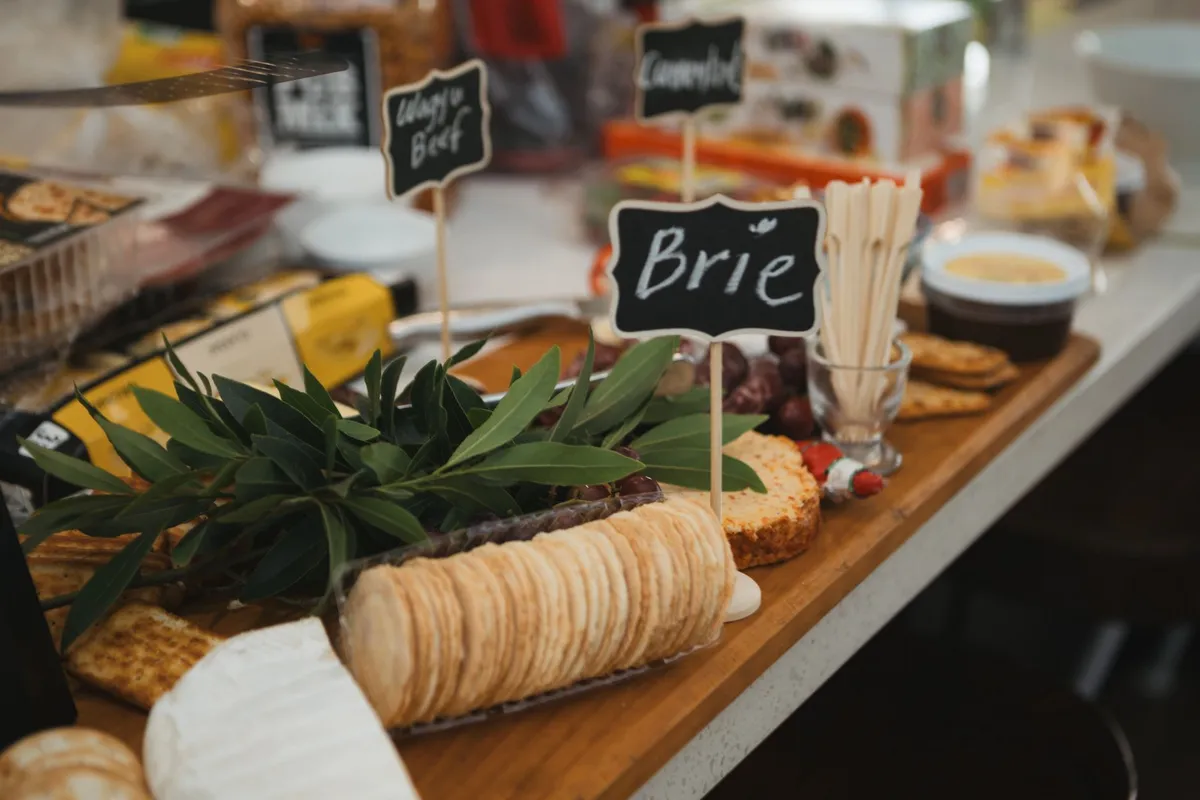
The Architecture of Flavor: Decoding the Dairy Renaissance To understand the profound joy of a perfectly paired cheese board, one must approach it not merely as a snack, but as an exercise in molecular harmony. As someone who has spent years exploring the intersection of global culinary trends and the technical rigor of food science, I have come to view cheese as the "archaeology of flavor." Much like the chemometric strategies used in food authentication—which utilize advanced spectroscopy to reveal the true origin and composition of complex substances—we must use our own sensory apparatus to deconstruct the volatile aromatic compounds within a wedge of aged Comté or a bloomy rind of Camembert. Cheese is a living, breathing system. When we pair it, we are engaging in a form of risk analysis akin to those employed in Industry 4.0 safety protocols; we are calculating the balance of acidity, fat, protein, and salt to ensure the system—in this case, your palate—remains in equilibrium. If the salt content is too high, the wine becomes astringent. If the fat content is too heavy, the fruit accompaniment becomes cloying. By applying complexity-thinking, we learn that the interaction between a pungent blue cheese and a sweet honeycomb is not just a preference; it is a structural necessity to mitigate the overwhelming strength of the mold-ripened proteins. When constructing your board, start by sourcing the highest quality dairy. Look for the "terroir"—the environmental factors that influence the flavor of the milk. A goat cheese from a high-altitude pasture in the Alps will possess a distinct mineral character compared to one from a coastal valley. We are looking for depth. By understanding the chemical fingerprint of our ingredients, we transform a simple platter into a curated experience. Think of yourself as an analytical chemist in a white coat, but instead of a laboratory, your domain is the dining room, and your instruments are the knife, the board, and the glass.The Science of Salinity and Botanical Complements The true secret to a transcendent cheese pairing lies in the structural tension between salt and sugar. In the world of gastronomy, salt serves as a bridge, pulling the fat from the cheese and allowing it to coat the tongue, while sugar—provided by fruits or preserves—acts as a counterweight to the bitterness or sharpness inherent in long-aged specimens. Consider the Parmigiano-Reggiano, a cheese defined by its crystalline structure and intense amino acid profile. To pair this with a simple cracker is to waste its potential. Instead, look toward the balsamic vinegar reduction or a drop of chestnut honey. The balsamic provides an acidity that mimics the way chemometric data filtering clarifies a messy signal, sharpening the umami notes of the cheese without overwhelming the palate. When we consider softer, lactic-set cheeses, the logic shifts toward botanical freshness. A delicate Chèvre demands the herbaceous brightness of fresh rosemary or the floral complexity of wild strawberries. Here, we are looking to bridge the "occupational safety" of the palate—avoiding flavor fatigue. By incorporating fresh herbs, we ensure that the high fat content of the cheese is periodically "reset" by the aromatic essential oils of the greenery. This prevents the tongue from becoming saturated, allowing each bite to taste as fresh as the first. It is essential to remember that moisture content is a key variable. A high-moisture fresh cheese, like a burrata, requires a different approach than a low-moisture hard cheese. The former needs the crunch of a toasted pine nut or a sourdough crouton to provide a textural contrast that mirrors the complexity of the internal system. Furthermore, do not overlook the role of pickles and brined vegetables. A cornichon is not merely a garnish; it is a functional acid bomb. In an environment of dense, creamy Brie, the sharp vinegar and crunch of a pickle act as a pressure-relief valve, cleaning the fat from the palate and preparing the receptors for the next sampling. This is the structural management of a tasting session, ensuring the progression remains orderly rather than chaotic. The Evolution of Texture and Molecular Pairing Modern culinary theory has moved away from rigid rules toward dynamic, complexity-informed pairings. If we view a cheese board as a system, the components must support one another to prevent system failure—where one flavor eclipses the rest. The texture is the primary vector for flavor release. A creamy, triple-crème cheese has a higher surface area of fat that coats the taste buds immediately. Consequently, it requires a pairing that can cut through that coating, such as a sparkling wine with high effervescence or a crisp, tart apple slice. The CO2 in the sparkling wine provides a physical scrubbing action, while the acidity of the fruit provides a chemical contrast. Consider the role of the crust. A bloomy rind cheese, like a Brie or Camembert, brings an earthy, mushroom-like complexity to the party. To pair this successfully, look for earthy, umami-forward accompaniments. A spread of caramelized onion jam or even a light smear of truffle-infused butter can amplify the earthy notes of the rind. If you pair a mild, buttery cheese with something too intense, like a spicy kimchi, you break the system. You introduce too much noise into the signal. The goal is to reach a state of equilibrium where the cheese and the pairing together form a new, superior entity. In the practice of professional sensory analysis, we identify these pairings by looking for "flavor bridges." If your cheese has nutty undertones (like an aged Gruyère), look for toasted hazelnuts or almonds. If the cheese has a crystalline texture (like a vintage Gouda), look for something with a grain-like texture, such as a dark rye cracker. By mirroring these textural elements, we create a sense of familiarity, while the contrasting flavors provide the excitement. This is the essence of high-level food design: balancing the familiar with the provocative to keep the diner engaged.Beyond the Classics: Experimental Pairings and Risk Management To innovate, one must be willing to take calculated risks, much like the process of developing a new industrial safety framework. Sometimes the most unexpected pairings yield the most spectacular results. Take, for example, the pairing of blue cheese—the most polarizing of all categories—with dark chocolate. The intense, metallic salinity of a Roquefort or a Gorgonzola Piccante finds a surprising ally in the bitterness of a high-cacao (70%+) dark chocolate. The chocolate acts as a stabilizer, smoothing out the sharp, biting mold notes of the blue cheese, while the creaminess of the blue softens the bitterness of the cacao. Another bold, contemporary approach involves the integration of savory spices. We often think of cheese as belonging to the realm of fruit and honey, but what about the realm of curry or smoked paprika? A mild, young Havarti or a semi-soft goat cheese becomes a canvas for a dusting of hot smoked paprika or a drizzle of chili-infused oil. This is not for the faint of heart, but when executed with precision, it shifts the cheese from a dessert-adjacent role to a central, savory component of a complex dinner experience. The heat of the spice triggers the palate, while the fat of the cheese provides the necessary protection, creating a dynamic interplay of sensation that mimics the complexity of high-performance engineering systems. We must also reconsider the liquid accompaniment. While wine is the traditional standard, beer—specifically craft ales and stouts—offers a wider range of flavor profiles that can mirror the funkier, more pungent cheeses. An imperial stout, with its roasted, coffee-like malt profile, is a natural companion to a washed-rind cheese, which often possesses a funky, meaty aroma. The beer doesn't just complement the cheese; it interacts with the volatile aromatic compounds, creating an entirely new sensory experience. By treating the liquid and the solid as two parts of a unified, functional system, we can achieve a level of synergy that transcends the sum of its parts.Cheese Category Typical Texture Recommended Pairing Science/ReasoningSoft/Fresh Creamy/Spreadable Fresh Honey/Fig Acidity balance against high fatSemi-Soft Elastic/Supple Green Apple/Nut bread Texture contrast and acidityHard/Aged Crystalline/Dense Balsamic/Dark Chocolate Umami amplification and bitternessBlue/Pungent Crumbly/Creamy Sweet Dessert Wine Salt-to-sugar structural mitigationWashed Rind Pliable/Pungent Stout Beer/Spiced Jam Pairing funk with depth and earthThe Future of Gastronomy and the Art of the Platter As we look toward the future, the integration of data-driven food science into our domestic kitchens will continue to refine how we approach pairing. The concepts derived from chemometrics—identifying patterns and ensuring the purity of our ingredients—will allow us to curate boards with a level of precision previously reserved for professional laboratories. We will understand, with greater clarity, why a specific vintage of Roquefort reacts to a specific type of honey, based on the volatile profile of the nectar. This shift is not about removing the soul of cooking; it is about providing the architect with better tools to construct a more durable and delightful experience. When you assemble your next board, do not rely solely on convention. Use your understanding of the "system." Analyze the components before you: Is this cheese acidic or alkaline? Does it have a high-fat mouthfeel or a crumbly, dry profile? By asking these questions, you move from being a consumer to a creator. You become a culinary strategist. A well-organized cheese board is a testament to the power of deliberate, intelligent assembly. It is a microcosm of the larger world of gastronomy, where chemistry, geology, and history converge on a single wooden surface.Remember that the ultimate goal is the enjoyment of the diner. Even with the best science, the emotional connection to food is what makes it meaningful. Use these guides as a foundation, but allow your own palate to guide the final adjustments. If a pairing feels "safe," challenge it with something sharper. If it feels too volatile, ground it with something creamy. This is the process of continuous improvement, the same ethos that drives technological and scientific progress in every other facet of our lives. As you conclude your exploration, keep in mind that the best pairings are often those that reveal a narrative. A board featuring cheeses from a specific region, paired with wines and preserves from the same terroir, tells a story of the land. It respects the provenance of the food, honoring the labor of the farmers and the science of the producers. Whether you are hosting an intimate dinner or indulging in a quiet evening of reflection, let your cheese pairings be an expression of your curiosity. After all, life is too short for boring crackers and uninspired dairy. Be bold, be precise, and above all, savor the complexity of every bite. #CheesePairing #GourmetFood #CulinaryScience #FoodArtistry #KenjiSatoEats Related InsightsThe Mediterranean Elixir: Baked Cod with Cherry Tomatoes, Capers, and Olives Quand le Voyage se Déguste : L'Art Invisible du Tourisme Culinaire Die grüne Revolution auf dem Teller: Warum die pflanzenbasierte Ernährung mehr ist als nur ein Trend{ "@context": "https://schema.org", "@type": "FAQPage", "mainEntity": [ { "@type": "Question", "name": "What is the main focus of The Alchemist’s Pantry: Mastering the Art of Perfect Cheese Pairings?", "acceptedAnswer": { "@type": "Answer", "text": "Elevate your palate with Kenji Sato’s definitive guide to balancing textures, flavors, and science-backed culinary harmony in cheese pairings." } }, { "@type": "Question", "name": "Who authored the comprehensive guide on The Alchemist’s Pantry: Mastering the Art of Perfect Cheese Pairings?", "acceptedAnswer": { "@type": "Answer", "text": "This detailed article and its insights were carefully researched and authored by Kenji Sato." } }, { "@type": "Question", "name": "Where can I find more related content about Food?", "acceptedAnswer": { "@type": "Answer", "text": "You can explore more articles, detailed reviews, and similar insights by browsing the Related Insights section at the bottom of this article or visiting our dedicated Food category page." } } ] }
-
 Michael Chef
 - 10 Sep, 2026 20:13
The Emerald Symphony of the Levant: Unveiling the Soul of Authentic Tabbouleh
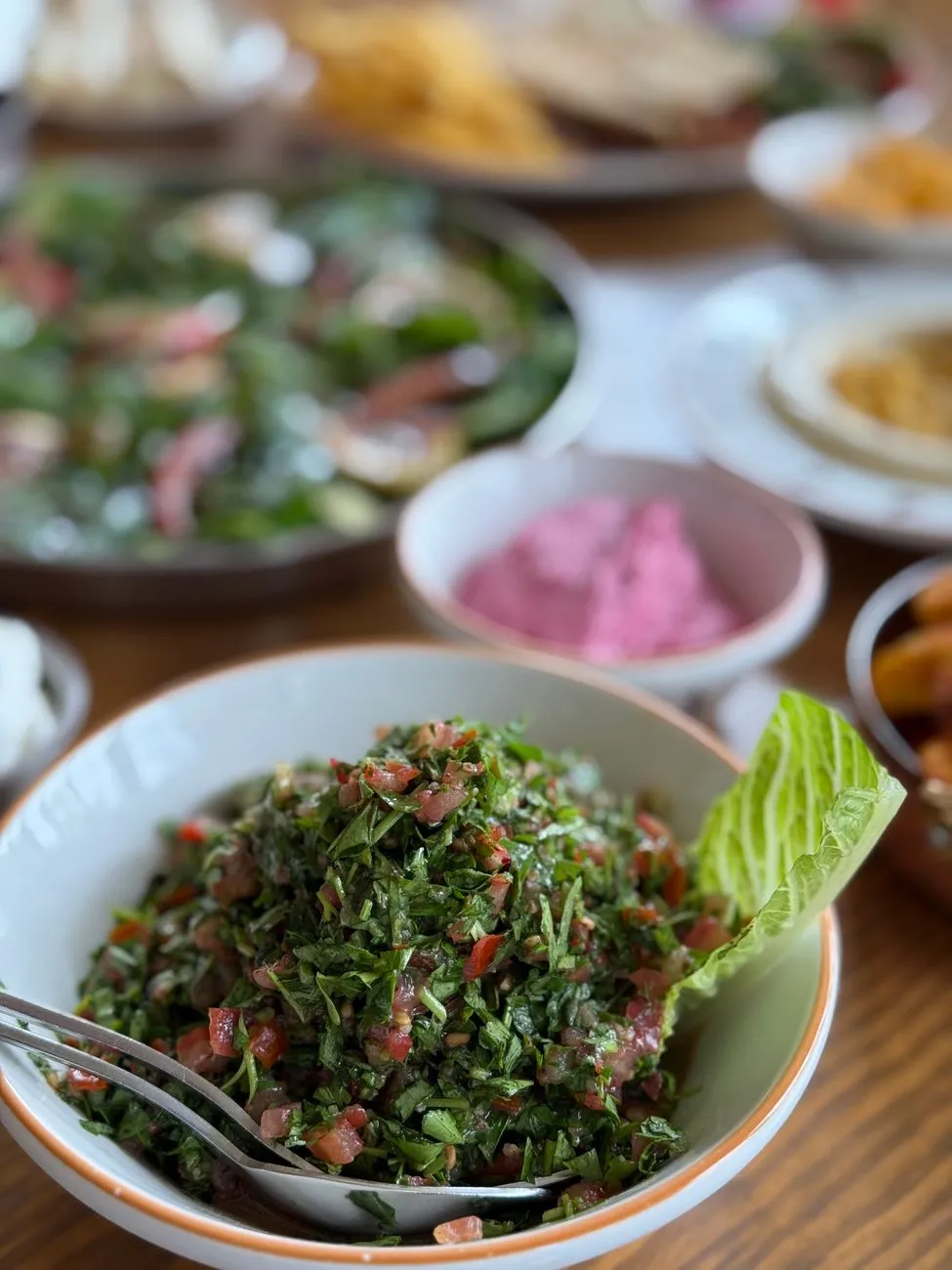
The Green Heartbeat of Mediterranean Culinary Heritage When the first rays of dawn stretch across the rugged hills of the Levant, illuminating the ancient stone terraces of Lebanon and Syria, a quiet ritual begins in countless kitchens. It is a sensory awakening defined not by the sizzle of meat or the crackle of baking bread, but by the rhythmic, hypnotic percussion of a sharp knife kissing a wooden board. Chop, chop, chop. The blade moves with practiced grace, releasing an intoxicating, earthy perfume into the cool morning air. This is the birth of tabbouleh—not merely a side dish, but a vibrant, living monument to freshness, community, and centuries-old agricultural traditions. As Michael Chef, I have spent decades traversing culinary landscapes, yet I always find myself returning to the humble roots of this iconic salad. Tabbouleh teaches us a profound lesson in gastronomy: true luxury is not found in heavy creams or rare truffles, but in the absolute respect for pristine, seasonal ingredients. It is a dish that demands patience, an intimate understanding of texture, and an unwavering commitment to balance. Long before modern wellness culture began preaching the gospel of raw vegetables and superfoods, the mountains and valleys of the Eastern Mediterranean had already perfected the ultimate herbaceous elixir. To truly understand tabbouleh, one must strip away the heavy-handed adaptations found in Western supermarkets—those sad, grain-heavy mounds tinted yellow with excessive turmeric or overloaded with dry, crunchy wheat. Authentic tabbouleh is, at its very core, a salad of herbs where bulgur plays a supportive, textural role rather than starring as the main event. It is an emerald symphony where parsley takes center stage, supported by the sharp crunch of onions, the juicy sweetness of ripe tomatoes, and the bright, citrusy punch of freshly squeezed lemon juice tied together with the finest extra virgin olive oil. Anatomy of a Masterpiece: Ingredients That Tell a Story Every great dish has a lineage, and tabbouleh’s roots trace back thousands of years to the mountains of Mount Lebanon and the Anti-Lebanon range. Originally prepared by ancient communities who relied on what the rugged terrain generously provided, this salad was a celebration of spring herbs gathered fresh from the wild. Over generations, the recipe crystallized into a precise architectural marvel. Let us dissect the components that transform simple produce into a transcendent culinary experience. First and foremost is flat-leaf Italian parsley. You cannot rush the parsley; you certainly cannot throw it into a mechanical food processor unless you wish to commit a cardinal culinary sin. A food processor bruises the delicate leaves, rupturing their cellular walls and turning them into a bitter, watery paste. Authentic preparation requires a razor-sharp knife and a gentle hand. The leaves must be meticulously plucked from their coarse stems, washed, dried to absolute perfection, and then minced with such fine precision that they resemble a fluffy green cloud.Accompanying the parsley is fresh spearmint, lending a cooling, aromatic lift that prevents the parsley from becoming overwhelmingly grassy. Then come the aromatics: finely minced green onions or sweet white onions, salted and gently squeezed to tame their aggressive bite while retaining their pleasant crunch. Ripe tomatoes—firm yet bursting with summer sweetness—are cored, seeded, and diced with microscopic precision. Every single element shares a uniform cut, ensuring that every spoonful delivers a harmonious balance of flavors and textures. The Bulgur Debate and the Golden Rules of Dressing One of the most common points of contention among culinary historians and home cooks alike is the role of bulgur wheat. In authentic Levantine preparation, fine bulgur (known locally as burghul na'em) is used sparingly. It is not cooked on a stove; rather, it is rinsed and left to soften passively in the juices of the freshly chopped tomatoes and lemon juice. The goal is not to create a heavy grain salad, but to let the bulgur absorb the moisture and flavors of the dressing while maintaining a slight, pleasant chew. The dressing itself is simplicity elevated to an art form. There is no complex emulsification, no mysterious vinegars, and no garlic. Just two pristine ingredients: fresh lemon juice, squeezed by hand with reverence, and cold-pressed extra virgin olive oil, preferably from trees that have weathered centuries of Mediterranean sun. The oil coats every fleck of green, protecting the herbs and imparting a buttery, peppery finish, while the lemon juice provides a piercing, clean acidity that awakens the palate. Salt and a generous dusting of fine black pepper—and occasionally a pinch of sweet paprika or aromatic allspice—are all that is needed to complete the seasoning. It is a minimalist masterclass. When tossed together just moments before serving, the ingredients sing in absolute harmony. The moisture from the tomatoes and lemon melds with the olive oil to create a delicate liquor at the bottom of the bowl—a delicious elixir that is traditionally scooped up using crisp romaine lettuce leaves or tender vine leaves. The Cultural Ritual of Sharing the Table Tabbouleh is much more than a recipe; it is a profound social connector. In the Levant, food is an extension of hospitality, and the preparation of a large bowl of tabbouleh is an invitation to gather. It is the undisputed centerpiece of any traditional mezze spread, sitting proudly alongside creamy hummus, smoky baba ganoush, crisp falafel, and warm flatbreads. During weekend family gatherings, the division of labor is sacred. While one person tends to the grill, others sit around the kitchen table, gossiping, laughing, and meticulously mincing mounds of parsley. It is a meditative, communal act that bridges generations. Elders pass down their wisdom regarding which season yields the sweetest tomatoes, while younger family members learn the delicate art of knife work.In Lebanon, World Tabbouleh Day is celebrated annually on the first Saturday of July, a testament to the nation's fierce pride in their culinary ambassador. Guinness World Records have been shattered by villages coming together to produce monumental bowls of the salad, utilizing tons of parsley and tomatoes—all to honor a dish that embodies their cultural identity, resilience, and love for life. Mastering the Craft in Your Own Kitchen As you embark on your own journey to create the ultimate tabbouleh, keep these cardinal rules close to your heart. Respect the ingredients, embrace the physical labor of hand-chopping, and never skimp on the quality of your olive oil. Remember that tabbouleh waits for no one; it should be assembled shortly before serving to maintain its vibrant crunch and brilliant green hue. Leftovers, while still edible, lose their soul as the salt draws out too much moisture and the herbs soften. Pair your freshly made tabbouleh with grilled lamb chops, skewered chicken shish tawook, or simply enjoy it with warm pita and feta cheese. As you take your first bite—experiencing the initial burst of bright lemon, the cool whisper of mint, the earthy depth of parsley, and the subtle crunch of bulgur—you will understand why this green masterpiece has endured through the centuries. It is the taste of the Mediterranean sunshine, captured on a spoon.#Tabbouleh #LevantineCuisine #MediterraneanDiet #HealthyEating #TraditionalRecipes Related InsightsThai Street Food: Aromatic Delights from Bangkok to Chiang Mai – The Ultimate Guide to Southeast Asia’s Most Vibrant Culinary Adventure The Earthy Harvest: A High-Fiber Lentil and Root Vegetable Stew Unlocking the Power of Roasted Beetroot Hummus with Toasted Sesame: A Delicious Anti-Inflammatory Delight{ "@context": "https://schema.org", "@type": "FAQPage", "mainEntity": [ { "@type": "Question", "name": "What is the main focus of The Emerald Symphony of the Levant: Unveiling the Soul of Authentic Tabbouleh?", "acceptedAnswer": { "@type": "Answer", "text": "Discover the rich history, precise preparation, and vibrant herbaceous magic of authentic tabbouleh, the beloved national salad of the Levant." } }, { "@type": "Question", "name": "Who authored the comprehensive guide on The Emerald Symphony of the Levant: Unveiling the Soul of Authentic Tabbouleh?", "acceptedAnswer": { "@type": "Answer", "text": "This detailed article and its insights were carefully researched and authored by Michael Chef." } }, { "@type": "Question", "name": "Where can I find more related content about Food?", "acceptedAnswer": { "@type": "Answer", "text": "You can explore more articles, detailed reviews, and similar insights by browsing the Related Insights section at the bottom of this article or visiting our dedicated Food category page." } } ] }
- Eleanor Hughes
- 10 Sep, 2026 11:44
The Golden Threads of History: Unraveling the Millennia-Old Tapestry of Pasta
From Ancient Grains to the Silk Road Origins When we sit down to a steaming bowl of al dente spaghetti, we are participating in a ritual that spans millennia. To understand the genesis of pasta, we must cast aside the modern nationalist debate—that purely Italian narrative—and look toward the cradle of civilization. Archaeological evidence strongly suggests that the concept of creating a paste from ground grains and water is as old as the discovery of wheat itself. While popular mythology often credits Marco Polo with bringing pasta back from China in the 13th century, the historical record suggests a much more complex, polycentric origin. In the Mediterranean, the Greeks and Romans consumed a product known as 'laganon'—a broad, flat sheet of dough made from wheat flour and water, fried or baked. This precursor to modern lasagna was a staple in ancient diets. However, the transformation from flatbread to the extruded, dried form we recognize today was catalyzed by the Arab conquests in the Middle Ages. As Islamic agriculturalists moved westward into Sicily during the 9th and 10th centuries, they brought with them the technology for drying pasta. This was a revolutionary development; by removing moisture, they created a stable, portable food source that could be stored for long periods, essentially the first "instant" fuel for nomadic travelers and conquering armies. The significance of this evolution cannot be overstated. Drying pasta turned a fresh, perishable luxury into a commodity that could be shipped across the Mediterranean. By the 12th century, the chronicler Al-Idrisi, working for King Roger II of Sicily, famously wrote about a factory in Trabia—a town near Palermo—that produced large quantities of pasta in the shape of strings. This is the earliest documented evidence of mass-produced, commercial pasta. The "golden threads" were no longer just a household craft; they were an engine of trade. As we peel back the layers of history, we see that pasta was the original globalized food, an intersection of Mesopotamian grain cultivation, Chinese noodle-making tradition, and Arab preservation technology.The Industrialization of the Durum Wheat Revolution The true genius of Italian pasta lies in the selection of the primary ingredient: durum wheat. Unlike soft wheat, which is typically used for bread and cakes, durum (Triticum durum) has a high protein content and a unique gluten structure that allows for the creation of an elastic, firm dough. When this semolina flour is hydrated and pushed through bronze dies, it retains its shape during the drying process and maintains a satisfying 'al dente' texture upon cooking. This specific grain variety, which thrives in the arid, sun-drenched climate of Southern Italy, became the backbone of the Mediterranean diet. During the late 18th and 19th centuries, the invention of the hydraulic press and the mechanical kneader transformed pasta from a cottage industry into a burgeoning industrial powerhouse. Naples became the epicenter of this change. The city’s unique geography—its proximity to the sea and the strong coastal winds—provided the perfect conditions for the traditional drying process. Pasta was draped over large wooden racks, hung across the city’s narrow streets, and cured in the salty maritime air. This natural drying process, which took days, gave the pasta a porous surface, which is critical for binding to sauces. Modern manufacturers have since replaced these wind-tunnels with high-heat, rapid-drying chambers. While this has increased output, purists argue that the "bronze-cut" method remains superior. Bronze dies impart a rougher, matte texture to the pasta surface, which serves as a microscopic trellis for tomato sauces and pestos. This is the difference between a bowl of pasta that is slick and oily and one where the sauce clings to every strand. Understanding the mechanical interaction between the flour, the die, and the drying room is essential for any serious cook. We are not merely eating starch; we are consuming a highly engineered product that represents the peak of agricultural and industrial symbiosis. Macronutrient Profiles and the Physiology of Starch To appreciate pasta beyond its flavor, one must view it through the lens of nutritional science. Pasta is fundamentally a complex carbohydrate, a source of glucose that provides the steady fuel required by both the brain and the muscular system. The glycemic index of pasta is lower than that of many other refined grain products, largely due to the physical structure of the semolina starch granules. When processed through extrusion, these granules are packed densely, meaning that the digestive enzymes in our gastrointestinal tract take longer to break them down into absorbable sugars. A standard serving of dried pasta—approximately 56 grams or two ounces—provides a robust baseline of energy. Most durum wheat pasta is an excellent source of B-vitamins, particularly folate, niacin, and thiamine, which are critical for metabolic function. Furthermore, the protein content in durum wheat is significantly higher than that of common white flour, ranging between 12% and 15%. This protein matrix creates a "satiety effect," ensuring that the consumer remains full for a longer duration compared to consuming empty calories. However, the "al dente" preparation is not just a stylistic preference; it is a nutritional imperative. By cooking pasta for a shorter duration, we preserve the integrity of the starch molecules, preventing them from gelatinizing completely. This keeps the glycemic response measured, preventing the sharp blood sugar spikes associated with overcooked, mushy pasta. The addition of healthy fats, such as extra virgin olive oil or proteins like lean poultry, further mitigates the glycemic load, creating a balanced meal profile. The following table provides a breakdown of the nutritional composition typically found in standard dry semolina pasta.Nutrient Type Amount per 100g (Dry) Role in Human PhysiologyCarbohydrates 75g Primary fuel for muscular contractionProtein 13g Muscle repair and enzymatic supportDietary Fiber 3g Gut health and glucose regulationIron 1.5mg Oxygen transport in blood cellsFat 1.5g Essential for fat-soluble vitamin absorptionThis table illustrates why, despite modern trends that demonize carbohydrates, pasta has remained a foundational component of longevity diets, such as the Mediterranean model. The key lies in portion control and the quality of the pairing ingredients. When treated as the vehicle for nutrient-dense vegetables, legumes, and lean proteins rather than the main caloric event, pasta is a highly efficient delivery system for essential vitamins and minerals.The Architecture of Sauces and Sensory Engagement The marriage between a specific pasta shape and its accompanying sauce is governed by the principles of fluid dynamics and culinary architecture. It is not an accident that thick, hearty meat ragùs are paired with wide, flat ribbons like pappardelle or tubular shapes like rigatoni. These shapes are designed to hold weight. The internal hollows of rigatoni act as reservoirs for sauce, ensuring that every bite delivers a uniform ratio of pasta to topping. Conversely, long, thin strands like spaghetti or linguine are designed for emulsified, oil-based, or delicate seafood sauces. These strands rely on their surface area to pick up a thin coating of flavor, making them ideal for dishes like Aglio e Olio or a light vongole. The sensory experience of pasta is rooted in 'mouthfeel'—a term professionals use to describe the tactile sensation of food. A perfectly cooked piece of pasta should offer a subtle resistance to the tooth, a sensation that is satisfying precisely because it requires engagement. This is where the choice of wheat matters. Pasta made from lower-quality grains will fall apart or turn mushy, losing the textural contrast that makes Italian cuisine so compelling. Furthermore, the addition of starchy pasta water to the sauce is perhaps the most critical technical step in the kitchen. This water, cloudy with released amylose, acts as an emulsifier. When tossed with fat-based sauces, it bridges the gap between water and oil, creating a cohesive, velvety glaze that clings to the pasta rather than sliding off it. This technique, a secret of the professional kitchen, transforms simple ingredients into a cohesive masterpiece. It is the culmination of years of cultural refinement—a tacit understanding that the pasta is not a canvas, but an active partner in the flavor profile. Preserving the Heritage of Artisan Craft As we move toward a future of hyper-processed convenience, the artisanal tradition of pasta-making faces a critical juncture. Small-scale pasta makers (pastai) are now working to preserve ancestral grains—varieties like Senatore Cappelli, Russello, and Timilia. These heritage wheats offer a flavor profile far superior to modern, high-yield cultivars, possessing earthy, nutty, and even slightly floral notes. They also present a lower impact on the environment, as they are often grown using traditional, low-input agricultural methods that prioritize soil health over maximum yield. The preservation of this craft is a form of cultural stewardship. When we choose to purchase bronze-extruded, slow-dried pasta made from heritage grains, we are supporting a supply chain that values quality over quantity. This movement toward "Slow Food" is not merely about taste; it is about the resilience of our global food system. The loss of regional wheat varieties would represent a catastrophic reduction in our culinary biodiversity. By engaging with these products, we keep the history of the Mediterranean alive in our own kitchens. Learning to make pasta by hand—using nothing more than flour, water, and perhaps an egg—is a transformative experience. It forces the cook to interact with the raw materials, to feel the hydration levels, and to understand the physics of gluten development. It is a slow, meditative act in an age of speed. It reconnects us to the millions of hands that have kneaded, rolled, and cut these golden threads over the past thousand years. As we look ahead, the future of pasta will likely remain anchored in this balance: the marriage of cutting-edge agricultural science and the unwavering, beautiful simplicity of the artisanal tradition.The journey of pasta is a testament to human ingenuity. It is a story of migration, trade, and the tireless pursuit of culinary perfection. From the drying racks of ancient Sicily to the modern pantry, pasta has survived wars, industrial revolutions, and changing dietary fads, emerging as the world's most enduring comfort food. We must continue to cherish these threads, not just as sources of nutrition, but as the golden tapestry that links us to our collective past. Every time we prepare a meal, we are not just cooking; we are weaving ourselves into a history that is as resilient as it is delicious. Embrace the flour, honor the tradition, and savor every bite of this timeless, golden legacy. #PastaHistory #CulinaryArts #MediterraneanDiet #FoodScience #ArtisanPasta Related Insights„Die Architektur des Geschmacks: Wie Gastronomie zur Wissenschaft der Zivilisation wurde“ Pomegranate and Quinoa Tabbouleh Salad: A Delicious and Healthy Twist Mumbai’s Melting Pot of Flavors: The Soul-Satisfying Street Food That Defines the City{ "@context": "https://schema.org", "@type": "FAQPage", "mainEntity": [ { "@type": "Question", "name": "What is the main focus of The Golden Threads of History: Unraveling the Millennia-Old Tapestry of Pasta?", "acceptedAnswer": { "@type": "Answer", "text": "Join culinary historian Eleanor Hughes on a journey through time as we unravel the origins, evolution, and nutritional science of the world's most beloved pantry staple." } }, { "@type": "Question", "name": "Who authored the comprehensive guide on The Golden Threads of History: Unraveling the Millennia-Old Tapestry of Pasta?", "acceptedAnswer": { "@type": "Answer", "text": "This detailed article and its insights were carefully researched and authored by Eleanor Hughes." } }, { "@type": "Question", "name": "Where can I find more related content about Food?", "acceptedAnswer": { "@type": "Answer", "text": "You can explore more articles, detailed reviews, and similar insights by browsing the Related Insights section at the bottom of this article or visiting our dedicated Food category page." } } ] }
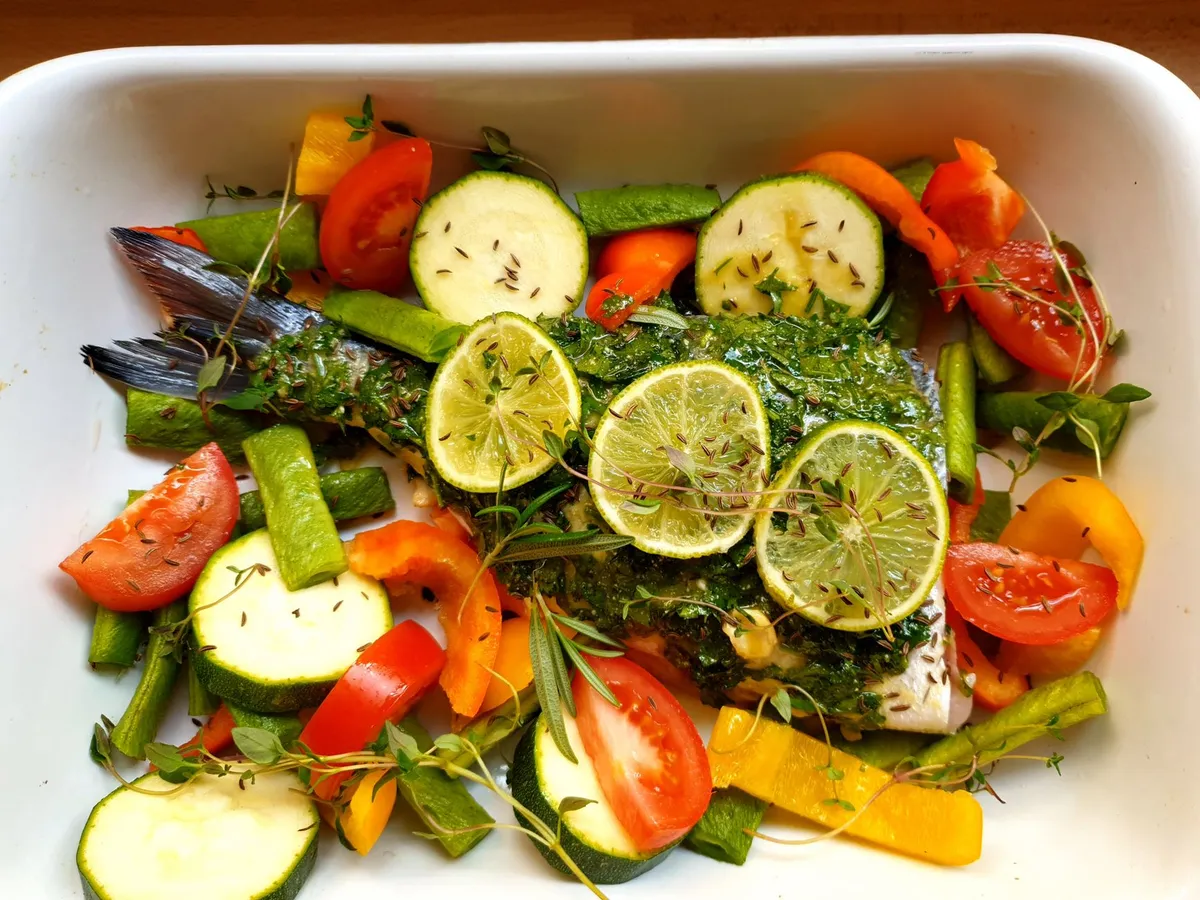
- Marcus Vance
- 08 Sep, 2026 11:40
The Mediterranean Elixir: A Masterclass in Baked Cod with Cherry Tomatoes, Capers, and Olives
The Alchemy of the Aegean: Why Cod Remains the Ultimate Canvas To understand the beauty of baked cod—specifically when adorned with the trio of cherry tomatoes, capers, and olives—one must first look at the biology of the fish itself. Cod, or Gadus morhua, is a lean, white, flaky powerhouse that serves as a pristine substrate for flavor infusion. When you subject this delicate protein to the controlled heat of an oven, you are not merely cooking; you are engaging in a process of enzymatic transformation that preserves the structural integrity of the fish while coaxing out a mild, buttery sweetness. The Mediterranean diet, often heralded by the World Health Organization for its cardioprotective benefits, relies heavily on this philosophy of "less is more." The addition of cherry tomatoes provides more than just aesthetic appeal; they contribute lycopene, a potent carotenoid antioxidant that becomes more bioavailable when heated in the presence of lipid sources, such as the high-quality extra virgin olive oil we use to finish the dish. Meanwhile, capers provide the "brine-bomb" necessary to cut through the mildness of the fish. These are the flower buds of the Capparis spinosa shrub, and they deliver a punch of quercetin—a flavonoid shown in various clinical studies to possess anti-inflammatory properties. When you align these ingredients in a roasting pan, you are effectively creating an ecosystem of flavor. The acidity of the tomatoes balances the salinity of the olives and capers, while the cod absorbs the essential fatty acids released into the pan juices. To achieve the perfect result, one must respect the internal temperature. The FDA recommends an internal temperature of 145°F (63°C) for all fish, but for the most succulent results, pulling the cod at 135°F and allowing it to carry-over cook under a tent of foil is the secret of a seasoned professional. By mastering this rhythm, you ensure that the muscle fibers remain tender rather than chalky, creating a texture that yields effortlessly to the fork. This dish is not just a meal; it is a nutritional intervention designed to optimize cellular health through the synergy of whole, unprocessed foods. Sourcing the Jewels of the Sea and VineSuccess in the kitchen is never an accident; it is the inevitable outcome of rigorous sourcing. When preparing a Mediterranean elixir of baked cod, the quality of your raw materials dictates the boundary of your final outcome. Let’s begin with the cod. Look for line-caught, MSC-certified Atlantic or Pacific cod. Why does this matter? Beyond the ecological imperative, line-caught fish are less likely to suffer from the physiological stress that occurs during trawling, a process that can release cortisol and lactic acid into the muscle tissue, potentially altering the taste profile. You want a fillet that is translucent, firm to the touch, and smells like a fresh breeze—never fishy or ammonia-like. Next, we address the tomatoes. Cherry tomatoes are the preferred choice because of their high skin-to-flesh ratio, which allows them to burst and caramelize into a natural, sweet reduction without turning into a watery soup. If possible, seek out heirlooms for their varied glucose and fructose profiles, which offer a deeper, more nuanced sweetness than standard hothouse varieties. The olives are equally critical. Avoid the canned, chemically blackened "ripe" olives. Instead, look for Kalamata or Niçoise olives, cured in sea salt and wine vinegar. These provide the necessary polyphenols—specifically oleuropein—which acts as a bitter, earthy contrast to the sweetness of the roasted tomato and the delicate cod. Capers must be salt-packed whenever available. Those bottled in vinegar are convenient, but salt-packed capers have a more refined, floral intensity. To prepare them, you simply rinse off the salt and soak them in a small bowl of cold water for ten minutes. This process removes the harshness while retaining the sharp, briny essential oils. When these elements meet the cod, they form a reduction sauce that is naturally thickened by the pectin in the tomatoes and the oils from the olives. This is the hallmark of Mediterranean cuisine: creating a complex sauce without the need for heavy creams or artificial thickeners. It is a testament to the fact that when you start with ingredients of high pedigree, your role as a cook is merely to facilitate their natural chemical evolution. The Mathematical Precision of Roasting and Moisture Control Achieving the perfect texture in a baked fish dish requires an understanding of thermodynamics. Your oven is not just a heating box; it is a kiln. The goal is to maximize the flavor of the aromatics—garlic, shallots, tomatoes—while keeping the cod hydrated. I utilize a "nesting" technique. I arrange the cherry tomatoes, olives, capers, and slivers of garlic on the bottom of the dish, tossing them lightly in a cold-pressed extra virgin olive oil. This mixture serves as a flavor base. I then place the cod fillets on top, nestling them slightly into the bed of aromatics. This does two things: it elevates the cod slightly, ensuring it doesn't braise in too much liquid, and it allows the juices from the tomatoes to steam the bottom of the fish while the top remains exposed to the radiant heat. Temperature control is your most vital variable. If you set your oven to 400°F (200°C), you are in the "sweet spot" for roasting. This temperature is high enough to encourage the Maillard reaction on the surface of the tomatoes—where amino acids and reducing sugars interact to create complex flavor compounds—without drying out the fish. The duration is usually between 12 to 15 minutes, depending on the thickness of the fillet. You are looking for the moment the cod turns from translucent to opaque and begins to flake easily under the pressure of a blade. It is critical to avoid overcooking. Fish proteins are largely composed of collagen, which begins to shrink and contract as heat rises. If it shrinks too rapidly, it squeezes out the moisture that keeps the flesh supple. By roasting at 400°F, you find the balance between achieving a slight caramelization on the vegetables and keeping the internal environment of the fish stable. Once you remove the pan from the oven, let it rest. Resting allows the internal juices to redistribute throughout the muscle fibers. If you slice into it immediately, the moisture escapes, resulting in a dry, lackluster experience. A five-minute rest is the difference between a good dish and a professional masterpiece. Nutrient Profile and Metabolic BenefitsTo understand why this meal is celebrated, we must analyze the macronutrient profile. Cod is an exceptionally low-fat, high-protein source. In a typical 4-ounce serving, you are looking at approximately 20-25 grams of protein with less than 1 gram of fat. This provides a clean slate for the healthy fats we introduce via the olive oil and the olives themselves. By incorporating monounsaturated fats—specifically oleic acid—you are effectively improving your lipid profile, lowering LDL cholesterol, and supporting cardiovascular elasticity. The cherry tomatoes, as mentioned, are vehicles for lycopene. Research published in the Journal of Agricultural and Food Chemistry suggests that the heat-induced isomerization of lycopene from the trans-form to the cis-form increases its absorption in the human digestive tract. By baking these tomatoes until they collapse, you are literally unlocking the nutrient density of the fruit. The capers add a trace amount of sodium, but they also provide Rutin, a bioflavonoid that acts as an antioxidant and may assist in the reduction of capillary fragility. When these components are synthesized into one dish, you achieve a meal that is glycemic-index friendly, high in selenium (a trace mineral crucial for thyroid function), and rich in Vitamin B12. This is the cornerstone of the Mediterranean diet: it is not about deprivation; it is about the functional synergy of ingredients. Unlike a refined carb-heavy meal that triggers an insulin spike followed by a crash, this dish provides sustained energy. The protein provides satiety signaling to the brain through the release of peptide YY and glucagon-like peptide-1 (GLP-1), ensuring that you remain full for several hours without the heavy sensation associated with saturated fat-laden dishes.Nutrient Component Value per 150g Serving Functional BenefitProtein (Cod) 28g Essential Amino Acids for Muscle RepairMonounsaturated Fats 12g Heart Health & Cholesterol RegulationLycopene (Tomatoes) 5mg Potent Antioxidant for Cellular ProtectionSelenium 45mcg Thyroid Support & MetabolismDietary Fiber (Olives) 3g Digestive Health & SatietySodium (from Capers) 350mg Electrolyte Balance (Moderate)Elevating the Plate: Plating and Finishing TouchesThe final stage of the process is the "finish." In professional kitchens, we speak of the "second season." This means adjusting the salt and acidity levels just before serving. After the fish has rested, the juices in the pan will be a concentrated essence of brine, tomato sugar, and olive oil. Using a spoon, baste the fish with these juices. This acts as a natural glaze, giving the fish a glistening, appetizing sheen. To elevate the presentation, you must introduce freshness. The heat of the oven has dulled the brightness of the herbs, so we re-introduce them at the very end. Fresh, torn flat-leaf parsley and perhaps a chiffonade of fresh basil add a volatile aromatics layer that cuts through the richness of the roast. A squeeze of fresh lemon juice—not lime, as the acidity of lemon is more complementary to white fish—provides a final "lift" to the dish. The acidity triggers the salivary glands and prepares the palate, making the flavor of the cod appear more vivid. When plating, place a portion of the roasted aromatics on the bottom of a shallow bowl, place the cod fillet atop the bed, and drizzle a final teaspoon of high-quality, raw, cold-pressed olive oil over the top. This provides a textural contrast and a final burst of polyphenols. Serve this with a side of steamed greens or a light farro salad to complete the nutrient profile. By following this protocol, you are not merely cooking; you are curating an experience that honors the simplicity of Mediterranean traditions while utilizing the rigor of modern culinary science. This is how you transform a simple fillet of cod into a transformative Mediterranean elixir—a meal that sustains the body and satisfies the soul. The journey from raw ingredient to finished plate is a testament to the power of heat, timing, and selection. By understanding the chemistry behind the tomato reduction and the physics of the roasting environment, you step out of the realm of basic cooking and into the domain of a true Mediterranean master. Remember, the cod is a humble fish, but in the right hands, it becomes the centerpiece of health and sophisticated flavor. May your kitchen be a laboratory of wellness, and your dinner table a place of profound satisfaction. #MediterraneanDiet #CodRecipes #HealthyEating #CulinaryScience #NutritionMatters Related InsightsMisal Pav: Maharashtra's Fiery Breakfast Il Garum Pompeiano: Il Sangue Salato degli Dei e la Sua Rinascita Gastronomica Mafe: The Rich Peanut Stew of West Africa{ "@context": "https://schema.org", "@type": "FAQPage", "mainEntity": [ { "@type": "Question", "name": "What is the main focus of The Mediterranean Elixir: A Masterclass in Baked Cod with Cherry Tomatoes, Capers, and Olives?", "acceptedAnswer": { "@type": "Answer", "text": "Discover the art of slow-roasting delicate cod with vibrant Mediterranean aromatics to create a nutritionally superior, restaurant-quality meal at home." } }, { "@type": "Question", "name": "Who authored the comprehensive guide on The Mediterranean Elixir: A Masterclass in Baked Cod with Cherry Tomatoes, Capers, and Olives?", "acceptedAnswer": { "@type": "Answer", "text": "This detailed article and its insights were carefully researched and authored by Marcus Vance." } }, { "@type": "Question", "name": "Where can I find more related content about Food?", "acceptedAnswer": { "@type": "Answer", "text": "You can explore more articles, detailed reviews, and similar insights by browsing the Related Insights section at the bottom of this article or visiting our dedicated Food category page." } } ] }
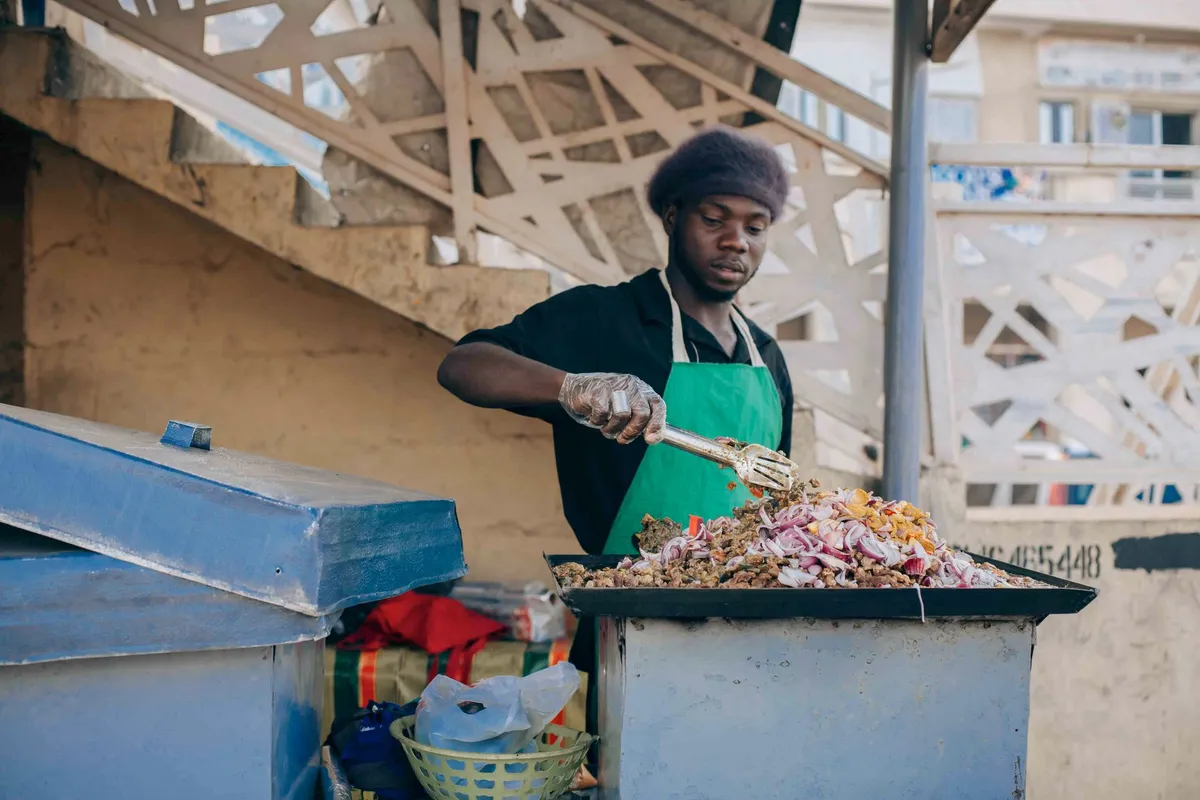
-
 Chloe Blanc
 - 08 Sep, 2026 10:16
Au Cœur du Sénégal : Une Odyssée Sensorielle entre Tradition et Épices
Le soleil décline sur les rivages de Dakar, teintant l'océan Atlantique d'une lumière d'ambre et de cuivre. Dans l'air vaporeux, un mélange enivrant d'oignons caramélisés, de persil frais et de poisson grillé s'élève pour danser entre les étals des marchés. Ce n'est pas seulement l'heure de manger ; c'est le moment où le Sénégal tout entier semble se réunir autour de la « Teranga », cette hospitalité légendaire qui fait battre le cœur de la nation. Bienvenue dans un voyage où la culture n'est pas seulement apprise, elle est goûtée, savourée et partagée. L'Héritage Sacré du Riz dans l'Âme Sénégalaise Au centre de la table sénégalaise trône le « Thieboudienne », ou « Ceebu jën ». Bien plus qu'une simple recette, ce plat est une institution classée au patrimoine immatériel de l'UNESCO. Imaginez une base généreuse de riz, cuit à la perfection dans une sauce tomate concentrée, infusée d'épices locales et enrichie de poisson frais de l'Atlantique. La complexité de ce plat réside dans son équilibre : les légumes, comme le manioc, la carotte et l'aubergine, absorbent les sucs du bouillon, créant une harmonie de textures où le fondant rencontre le croquant. Le Thieboudienne est le symbole de la famille. On le mange traditionnellement dans un immense plat commun, où chaque convive puise dans sa zone, honorant le partage et la convivialité. C'est ici que l'on comprend que la cuisine sénégalaise est une langue parlée avec le cœur.L'Éveil des Sens aux Portes des Marchés Si vous vous perdez dans les allées bouillonnantes du marché Sandaga, laissez votre odorat guider vos pas. Vous découvrirez le secret de la profondeur des saveurs sénégalaises : le « nététou » et le « guedj ». Ces ingrédients, issus de la fermentation, apportent une puissance umami incomparable à la cuisine locale. Le poisson séché et salé, ou le fruit du néré fermenté, servent de fondation à presque toutes les sauces mijotées. À chaque coin de rue, les vendeurs proposent des « Fatayas ». Ces petits chaussons frits, fourrés à la viande hachée ou au poisson, sont la quintessence du street food sénégalais. Ils sont servis avec une sauce tomate pimentée, une explosion de chaleur qui rappelle combien le poivre et le piment occupent une place de choix dans le patrimoine agricole du pays. Accompagnez le tout d'un jus de Bissap, préparé à partir de fleurs d'hibiscus infusées, dont l'acidité vient trancher avec le gras réconfortant des fritures. La Douceur Tropicale au Quotidien Le Sénégal n'est pas seulement terre de saveurs salées. La générosité de sa nature se décline dans des desserts et boissons emblématiques. Le « Bouye », extrait du fruit du baobab, est une boisson onctueuse, presque laiteuse, riche en nutriments. C'est le goût même de la savane : un mélange de douceur et d'une pointe d'acidité rafraîchissante. Il ne faut pas oublier le « Thiakry », un entremets à base de semoule de mil et de lait fermenté (ou yaourt), souvent parfumé à la noix de muscade ou à la fleur d'oranger. C'est le dessert réconfortant par excellence, celui que l'on sert lors des grandes occasions ou pour clore un repas de famille un dimanche après-midi, alors que les discussions s'étirent à l'ombre des manguiers.Les Racines Profondes du Goût : Une Histoire de Croisements La force de la cuisine sénégalaise réside dans sa capacité à avoir intégré les influences des navigateurs portugais, des colonisateurs français et, surtout, des traditions millénaires des ethnies Wolof, Sérère et Diola. Le « Yassa » en est la preuve éclatante. Poulet ou poisson mariné dans une montagne d'oignons, de citron et de moutarde, ce plat est une célébration de la cuisine casamançaise. L'acidité du citron, omniprésent dans le paysage sénégalais, est utilisée non seulement comme exhausteur de goût mais comme un élément essentiel de la conservation dans un climat tropical. Chaque plat que vous dégustez est un livre d'histoire. La manière dont le riz est traité, le choix des épices comme le poivre noir ou le piment oiseau, et la patience nécessaire pour laisser mijoter une sauce « Mafé » à base de pâte d'arachide, tout cela témoigne d'un savoir-faire transmis de mère en fille, de génération en génération. Pourquoi la Table Sénégalaise est une Expérience de Vie Lorsque vous vous asseyez pour manger au Sénégal, vous ne consommez pas simplement des nutriments. Vous participez à un rituel de paix. La Teranga n'est pas un concept marketing, c'est une loi non écrite de la vie quotidienne. Dans les rues, il n'est pas rare qu'un passant soit invité à partager le plat du jour. Cette générosité culinaire est le reflet d'une terre qui, malgré les défis, célèbre la vie avec une intensité vibrante. Les épices, le feu, le temps long de la cuisson, tout est pensé pour que le repas soit une pause nécessaire, un moment de reconnexion avec les siens.Conseils pour une Immersion Totale Si vous souhaitez rapporter un peu de cette âme sénégalaise chez vous, n'oubliez jamais ces trois piliers :La patience : Les plats sénégalais ne supportent pas la précipitation. Le mijotage est l'étape où le sucre de l'oignon rencontre l'épice du poisson. Le partage : La nourriture a toujours meilleur goût lorsqu'elle est servie sur un grand plateau, partagée avec les mains ou une cuillère, dans une atmosphère de discussion animée. L'authenticité : Cherchez le « nététou » et ne craignez pas l'audace des épices. C'est là que réside la véritable âme du Sénégal.En quittant la table, le souvenir qui vous restera ne sera pas celui d'une recette complexe, mais celui de la chaleur humaine qui accompagne chaque bouchée. Le Sénégal ne se visite pas, il se ressent, se goûte et s'inscrit en nous comme une épice que l'on ne peut plus oublier.#GastronomieSénégalaise #CuisineAfricaine #VoyageCulinaire #SaveursAuthentiques #Teranga Related InsightsThe Mediterranean Elixir: Baked Cod with Cherry Tomatoes, Capers, and Olives Aromatic Flavors of India: Understanding Biryani's Rich Legacy Le Garum : L'Élixir Umami Oublié de l'Empire Romain – Une Plongée dans les Abysses Salées de l'Histoire Culinaire{ "@context": "https://schema.org", "@type": "FAQPage", "mainEntity": [ { "@type": "Question", "name": "What is the main focus of Au Cœur du Sénégal : Une Odyssée Sensorielle entre Tradition et Épices?", "acceptedAnswer": { "@type": "Answer", "text": "Plongez dans l'âme vibrante de la gastronomie sénégalaise, où chaque plat raconte une histoire de partage, de terre et de terroir atlantique." } }, { "@type": "Question", "name": "Who authored the comprehensive guide on Au Cœur du Sénégal : Une Odyssée Sensorielle entre Tradition et Épices?", "acceptedAnswer": { "@type": "Answer", "text": "This detailed article and its insights were carefully researched and authored by Chloe Blanc." } }, { "@type": "Question", "name": "Where can I find more related content about Food?", "acceptedAnswer": { "@type": "Answer", "text": "You can explore more articles, detailed reviews, and similar insights by browsing the Related Insights section at the bottom of this article or visiting our dedicated Food category page." } } ] }
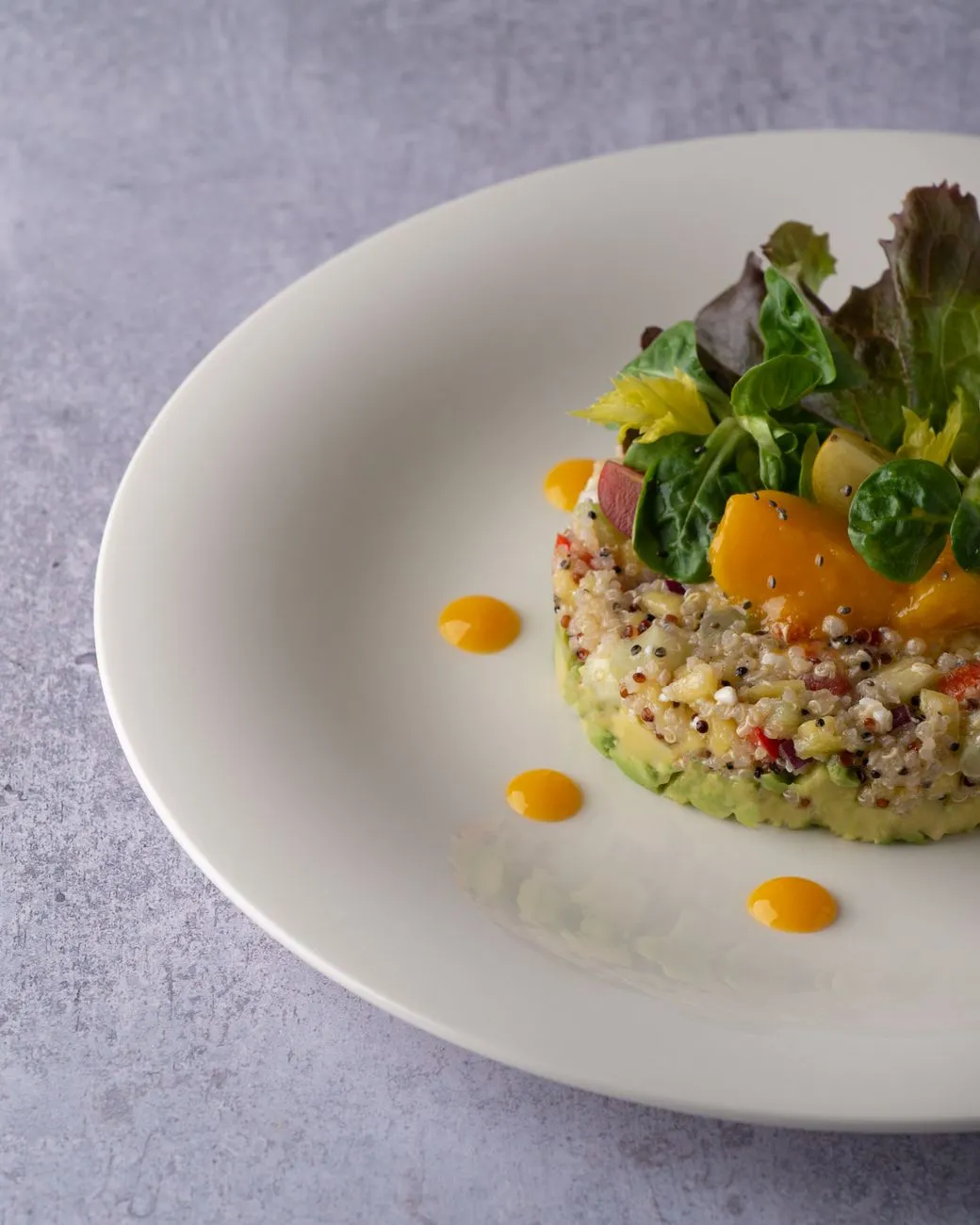
- Isabella Rossi
- 07 Sep, 2026 21:45
The Golden Harvest: Transforming Your Vitality with Quinoa, Sweet Potatoes, and Kale
A Symphony of Cellular Defense Through Culinary Art In the fast-paced modern world, the pursuit of sustained energy is not merely a lifestyle preference but a biological imperative. As an expert in nutrition and culinary arts, I have spent years observing how the synergy of whole, unprocessed ingredients impacts systemic health. Today, we are focusing on a dish that acts as a blueprint for cellular longevity: the Quinoa Salad with Roasted Sweet Potatoes and Kale. This is not just a salad; it is a meticulously constructed intervention designed to combat the persistent threat of oxidative stress. Recent research highlights the crucial role of dietary antioxidants in healthcare, specifically noting their function in energy enhancement. Much like the findings from the NUTRIENT Trial—which investigated the feasibility of Mediterranean-style diets—we are seeing that sustained health is best achieved through consistent, intentional dietary interventions. By integrating foods that contain coenzyme Q10 and various phytonutrients, we provide our bodies with the raw materials needed to neutralize free radicals. When you combine the nutty, protein-rich profile of quinoa with the beta-carotene-dense sweet potato and the cruciferous powerhouse that is kale, you aren't just eating for satisfaction; you are providing your body with the tools to mitigate the psychological and physical impacts of a high-stress lifestyle. We must view our kitchens as our primary pharmacy, crafting meals that reduce the systemic inflammation associated with modern work environments.The Architectonics of Grain: Why Quinoa Reigns Supreme Quinoa is often labeled a "superfood," a term I usually approach with caution, yet in this instance, it is scientifically justified. Unlike refined grains, quinoa is a pseudocereal that functions as a complete protein, containing all nine essential amino acids. In the context of the NUTRIENT Trial, which emphasized the importance of adherence to high-quality, nutrient-dense eating patterns, quinoa stands as a cornerstone for those seeking to stabilize blood glucose while maintaining cognitive function. When we look at the role of dietary antioxidants for energy enhancement, quinoa offers a unique matrix of polyphenols, such as quercetin and kaempferol. These molecules are instrumental in protecting the cardiovascular system and supporting the mitochondrial function of healthcare professionals and high-performers alike. To prepare the perfect base, one must first toast the quinoa slightly before boiling. This process releases nutty essential oils that improve both flavor and nutrient bioavailability. Use a ratio of two parts water to one part quinoa, bringing it to a simmer and allowing it to rest for ten minutes after the moisture is absorbed. This steaming period is vital; it ensures the grains are fluffy rather than mushy, maintaining the structural integrity of the complex carbohydrates. By replacing heavy, refined grains with this fiber-rich alternative, you are effectively slowing the glycemic response of your meal, ensuring that the energy you receive from the salad is sustained over several hours rather than spiking and crashing. This steady release is exactly what is required to keep oxidative stress at bay throughout a demanding afternoon. The Radiant Glow of Beta-Carotene-Rich Tubers The inclusion of roasted sweet potatoes is where this dish transcends standard grain bowls. Sweet potatoes provide a profound concentration of beta-carotene, an antioxidant precursor to Vitamin A that is essential for immune function and vision. When we talk about energy enhancement in professional settings, we often overlook the role of micronutrients in supporting the endocrine system. The roasting process, if done correctly, caramelizes the natural sugars in the potato, intensifying the flavor profile while softening the fiber for easier digestion. To achieve the ideal roast, toss your diced sweet potatoes in a minimal amount of high-quality extra virgin olive oil—the golden standard of the Mediterranean diet—and a pinch of sea salt. Roast them at 400 degrees Fahrenheit until the edges turn a deep, golden brown. This level of roasting creates a Maillard reaction, which not only develops flavor but also makes certain nutrients more accessible to the digestive enzymes in your gut. Research into food supplements and functional foods suggests that the synergy between the healthy fats in the olive oil and the fat-soluble vitamins in the sweet potato creates a biological pathway for optimal absorption. Without this healthy fat anchor, the beta-carotene would not be processed by your body with the same efficiency. By incorporating these roots, you are layering in deep, earth-derived energy. It is this intentional pairing of ingredients—grains for structure, roots for sustained fuel—that forms the backbone of a high-functioning diet. Furthermore, the psychological satisfaction of the sweet flavor profile provides a subtle reward mechanism, reducing the craving for processed sweets that often plague busy professionals during high-stress periods. Mastering the Cruciferous Power of Massaged Kale Kale has earned its reputation as a powerhouse, but its efficacy depends entirely on preparation. Raw kale can be tough, fibrous, and difficult for some individuals to digest, which is why the technique of "massaging" the leaves is non-negotiable. By rubbing the kale with a small amount of lemon juice and a touch of olive oil for two to three minutes, you mechanically break down the cellulose walls of the leaves. This makes the kale more tender, improves its flavor by reducing bitterness, and makes its rich supply of glucosinolates—compounds associated with cellular detoxification—more readily available for your system to utilize. Kale is a dense source of Vitamin K, Vitamin C, and manganese, all of which are critical for the metabolic processes that keep our bodies energized and resilient. In the context of interventions regarding systemic health, kale serves as a primary source of protective chemistry. It is these cruciferous vegetables that have been shown to help regulate the body's oxidative response. When incorporated into the quinoa base, the kale adds a textural contrast that forces you to chew more deliberately, which in turn slows your eating speed—a common recommendation in nutritional behavioral counseling. Slowing down your meal promotes better satiety signals, ensuring you don't over-consume calories while maximizing the absorption of these essential nutrients. Think of this process as a sensory intervention; you are not just eating, you are engaging in a process of systemic renewal. The brightness of the lemon used in the massage also cuts through the earthiness of the roasted potatoes, creating a balanced palate that keeps the meal exciting from the first bite to the last.The Synergy of Dressings and Final Assembly A dish is only as good as the medium that connects its elements. For this antioxidant powerhouse, the dressing must be more than a flavor enhancer; it should be a nutritional vehicle. I recommend a vibrant vinaigrette composed of cold-pressed hemp seed oil, fresh ginger, raw apple cider vinegar, and a hint of turmeric. Hemp seed oil provides a superior ratio of Omega-3 to Omega-6 fatty acids, which is foundational for cognitive health and inflammation management. The ginger and turmeric introduce potent anti-inflammatory compounds that act synergistically with the antioxidants found in the quinoa and kale. When assembling, begin by placing the massaged kale at the bottom of a wide bowl, allowing it to act as the nutrient-dense foundation. Add the warm quinoa, followed by the roasted sweet potatoes. This layering technique allows the residual heat from the potatoes to slightly soften the kale just enough, without losing the fresh, crisp bite. Finally, drizzle your dressing over the top and incorporate toasted pumpkin seeds or walnuts for a necessary crunch. These nuts and seeds are vital additions—they provide zinc, magnesium, and additional Coenzyme Q10 precursors, rounding out the nutrient profile of your meal. This is culinary science at its most refined. Every element is intentional, designed to work in concert to fuel your brain and fortify your cells against the daily pressures of a high-demand career. By taking these steps, you are moving away from the paradigm of "fueling up" and moving toward the strategy of "optimizing your biological hardware."Component Key Nutrient Profile Functional BenefitQuinoa Complete Protein (9 Amino Acids) Sustained energy & muscle repairSweet Potato Beta-Carotene (Vitamin A) Immune support & eye healthKale Glucosinolates & Vit K Cellular detox & bone healthHemp Oil Omega-3 Fatty Acids Reduced inflammation & cognitive focusWalnuts Magnesium & Zinc Neural function & stress resilienceTurmeric Curcumin Powerful antioxidant & anti-inflammatoryNourishing the Future of Your Performance The transition to a highly functional, antioxidant-rich diet is a journey, not a destination. By adopting this Quinoa Salad with Roasted Sweet Potatoes and Kale as a regular feature in your meal rotation, you are making a tangible investment in your long-term health. The data is clear: whether we look at the feasibility of the Mediterranean diet or the necessity of antioxidants in mitigating oxidative stress, the consensus is that what we put on our plates directly dictates how we perform in our professional and personal lives. This salad is more than just a meal; it is a manifestation of self-care. It represents a shift from impulsive consumption to strategic fueling. As you integrate these ingredients into your routine, notice the difference in your energy stability throughout the afternoon. Pay attention to how your focus shifts when you are no longer burdened by the inflammation caused by processed additives and refined sugars. My mission as a food expert is to provide you with the knowledge to make these decisions with confidence. You now have the blueprint. The quinoa provides the structure, the sweet potatoes provide the endurance, the kale provides the resilience, and the dressing provides the catalyst. Start this week by preparing a large batch of these components; they store beautifully, making them an excellent choice for meal prep. Your body is a highly complex machine, and it requires high-performance fuel to function at its peak. By choosing to nourish yourself with this combination of whole, vibrant foods, you are ensuring that you have the vitality to tackle whatever challenges your professional life presents. Remember, consistency is the key to any intervention—keep this salad in your repertoire, and your body will thank you with sustained clarity and vigor. #HealthyEating #AntioxidantRich #PlantBasedNutrition #HighPerformanceFuel #MediterraneanDietInspired Related InsightsPeruvian Ceviche Revealed: The Ancient Citrus Alchemy That Transforms Seafood into a Nutritional Powerhouse (Part 3) Basque Pintxos: Spain’s Tiny Plates of Culinary Genius You Must Try The Protein-Powered Italian Table: Spinach and Ricotta Stuffed Shells{ "@context": "https://schema.org", "@type": "FAQPage", "mainEntity": [ { "@type": "Question", "name": "What is the main focus of The Golden Harvest: Transforming Your Vitality with Quinoa, Sweet Potatoes, and Kale?", "acceptedAnswer": { "@type": "Answer", "text": "Unlock superior energy levels with this nutrient-dense, antioxidant-rich quinoa salad featuring roasted sweet potatoes and kale—backed by the latest nutritional research." } }, { "@type": "Question", "name": "Who authored the comprehensive guide on The Golden Harvest: Transforming Your Vitality with Quinoa, Sweet Potatoes, and Kale?", "acceptedAnswer": { "@type": "Answer", "text": "This detailed article and its insights were carefully researched and authored by Isabella Rossi." } }, { "@type": "Question", "name": "Where can I find more related content about Food?", "acceptedAnswer": { "@type": "Answer", "text": "You can explore more articles, detailed reviews, and similar insights by browsing the Related Insights section at the bottom of this article or visiting our dedicated Food category page." } } ] }
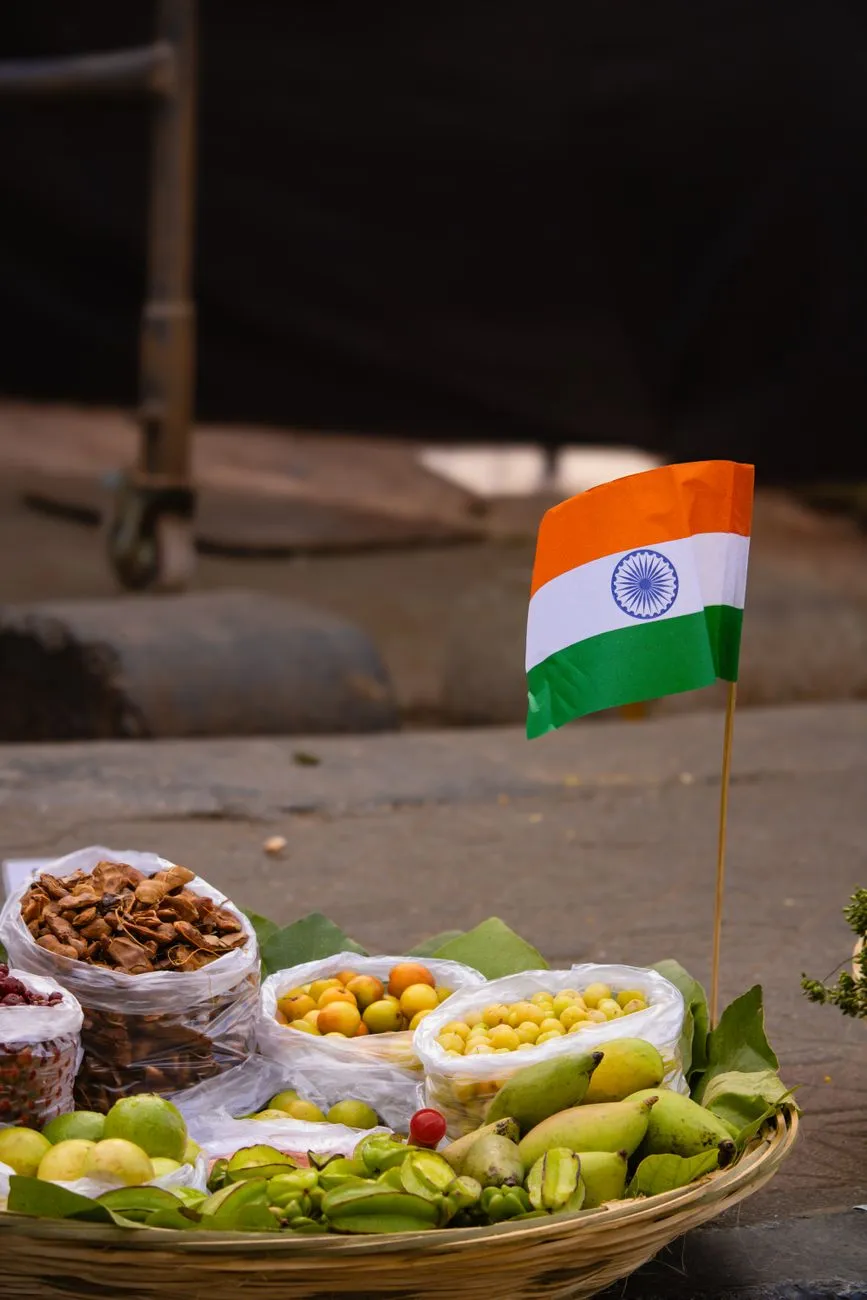
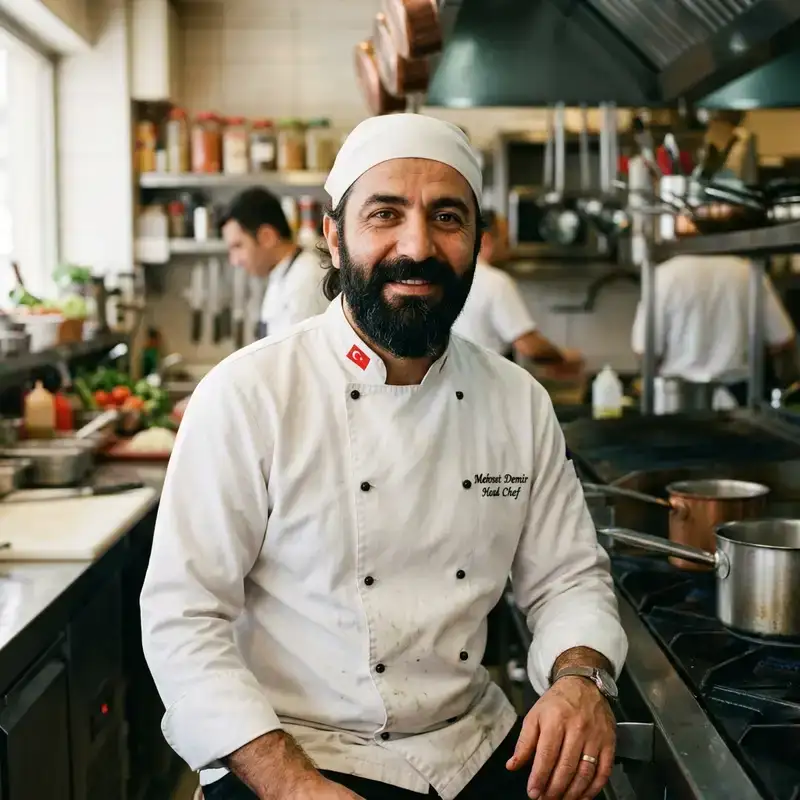
The aroma of crushed coriander seeds, toasted cumin, and sizzling butter dances through the humid air of the Arabian Sea. This is not merely the smell of cooking; it is the olfactory fingerprint of Mumbai, a sprawling, breathless metropolis where millions gather every single day to partake in one of the most vibrant culinary rituals on planet Earth. As Demir Şef, I have wandered through the sprawling alleys of grand European capitals, navigated the spice-laden souks of the Middle East, and studied the ancient techniques of Asian kitchens, but nothing—absolutely nothing—prepares the human spirit for the sensory overload of Mumbai’s street food culture. To understand Mumbai is to understand its streets. The city does not merely feed its inhabitants; it embraces them with a fiery, chaotic, and unapologetic passion. Here, food is democratized. A corporate executive in a crisp linen shirt and a weary daily-wage laborer standing side by side at a wheeled metal cart, both holding the same paper plate of spiced potatoes, bonded by the universal language of flavor. This is a city built on resilience, speed, and ingenuity, and nowhere is that truer than on the metal griddles of its roadside vendors. The Symphony of Pav Bhaji: Butter, Bread, and Brashness If the heartbeat of Mumbai has a rhythm, it is the rhythmic clack-clack-clack of heavy iron mashers beating against a wide, flat griddle known as a tava. This is the birth place of Pav Bhaji, a dish born out of industrial necessity and transformed into an absolute culinary icon. In the 1850s, textile mill workers in Bombay needed a quick, hot, and energy-dense lunch that could be consumed during brief breaks between grueling shifts. Street vendors improvised, mashing together leftover vegetables—potatoes, peas, tomatoes, cauliflowers—with a potent blend of spices, drenching the mixture in an ocean of golden, bubbling butter.When you order Pav Bhaji at a bustling stall in Girgaum Chowpatty, watching the vendor work is like watching a master percussionist. He scoops a massive ladle of the thick, crimson vegetable mash onto the griddle, adds a generous pat of Amul butter that melts instantly into a fragrant pool, and tosses in finely chopped onions and fresh coriander. Next to it, soft white bread rolls (pav) are split open, toasted on the same butter-slicked iron until they are golden-brown and pillowy. Eating it requires total surrender. You tear a piece of the buttery bread, use it to scoop up a mound of the spiced bhaji, and let the explosion of flavors take over. It is rich, spicy, slightly tangy from the tomatoes, and deeply comforting. It represents the very essence of Mumbai: fast, unpretentious, and overwhelmingly alive. Crunch, Tang, and Tears: The Bhel Puri Phenomenon Move away from the heavy butter of the griddle, and you will find yourself drawn toward the coastal breeze of the city's beaches, where the air rings with the sound of hollowed-out puris being cracked and tossed. This is the domain of chaat, the king of Indian street snacks, and specifically Bhel Puri, Mumbai’s ultimate beachside snack. The architecture of a great Bhel Puri is a masterclass in texture and balance. It is a dry, crunchy salad composed of puffed rice (muri), crispy fried wheat noodles (sev), finely diced potatoes, raw onions, and a vibrant medley of chutneys. There is the sweet-tart tamarind chutney, the fiery green chili and mint chutney, and occasionally a splash of garlic paste. The Anatomy of Mumbai Bhel Puri: 1. Base: Puffed rice & crispy sev (Crunch) 2. Body: Boiled potatoes & raw onions (Texture) 3. Accents: Roasted peanuts & fresh coriander (Earthy notes) 4. Dressings: Tamarind & green chili chutneys (Sweet & Heat) 5. Finish: A squeeze of fresh lime juice (Acidic brightness)Watching a bhelwallah assemble this snack is mesmerizing. With lightning-fast movements, ingredients are scooped from various compartments of a wooden box, tossed skillfully in a battered metal bowl, and wrapped in a makeshift cone of old newspaper. You grab a handful and eat it immediately before the moisture of the chutneys can soften the crisp puffed rice. It is crunchy, sweet, spicy, sour, and salty all at once—a literal party on your palate that forces your eyes to water and your lips to tingle, yet leaves you reaching instantly for another handful. The King of Burgers: Vada Pav and the Working Man's Feast No exploration of Mumbai's culinary soul is complete without paying homage to the Vada Pav, often affectionately (and slightly inaccurately) dubbed the "Indian Burger." Invented in the 1960s near Dadar station by Ashok Vaidya, who realized that commuters needed a portable, cheap, and filling meal, this humble creation conquered the city in record time.At its core, a Vada Pav is simple: a spiced, mashed potato dumpling (batata vada) coated in a seasoned chickpea flour batter, deep-fried until golden and crispy, and sandwiched inside a soft pav. But the magic lies in the accompaniments. It is never served plain. A bright dusting of dry garlic and chili chutney (dry lasun chutney) is smeared inside the bread, and a fried green chili is tucked right alongside it for the brave-hearted. Biting into a hot Vada Pav during a sudden Mumbai monsoon is a transcendent experience. The contrast between the soft, yielding bread, the fiery, earthy warmth of the spiced potato filling, and the sharp crunch of the chickpea crust creates a harmony that no Michelin-starred tasting menu can easily replicate. It is democratic, accessible, and bursting with the unapologetic spirit of local pride. Sweet Endings and Cooling Sips: Balancing the Fire After navigating the fiery realms of green chilies, garlic pastes, and chaat masala, your palate will undoubtedly cry out for mercy. Fortunately, Mumbai’s streets are as adept at cooling you down as they are at firing you up. Turn the corner, and you will find vendors slicing open young green coconuts, offering the sweet, mineral-rich water inside, followed by scraping out the soft, jelly-like malai. Alternatively, seek out a Gola vendor near the promenades—crushed ice packed tightly around a wooden stick, drenched in neon-colored syrups ranging from tangy kala Khatta (blackberry and black salt) to sweet rose and orange. It is nostalgic, vibrant, and delightfully messy, turning adults back into laughing children under the tropical sun. For a richer treat, a glass of thick, creamy Piyush—a sweet, chilled blend of shrikhand (sweetened strained yogurt), buttermilk, nutmeg, and cardamom—provides a velvety conclusion to a heavy meal. Every sip washes away the lingering heat of the spices, leaving you calm, contented, and deeply connected to the rhythm of the city. The Eternal Charm of the Pavement Kitchen As the sun dips below the Arabian Sea, casting a golden-orange hue over Marine Drive—affectionately known as the Queen’s Necklace—the lights of the street food stalls flicker to life. The smoke rises again, carrying the scent of roasting spices into the evening breeze. Mumbai's street food is not merely about survival or sustenance; it is a celebration of human ingenuity, cultural fusion, and community. It proves that some of the greatest culinary masterpieces in the world do not require white tablecloths or silver cutlery. They require only a hot griddle, a handful of fresh ingredients, generations of passed-down wisdom, and a heart large enough to welcome every hungry traveler who walks past. When you find yourself standing on a crowded pavement in this magnificent city, holding a paper plate of steaming hot food while horns blare in the background, remember to breathe it all in. You are not just eating; you are tasting the beating heart of Mumbai.#MumbaiStreetFood #IndianCuisine #CulinaryTravel #StreetFoodLovers #FoodieAdventure Related InsightsThe Alchemist’s Pantry: Mastering the Art of Perfect Cheese Pairings Coq au Vin: A Healthy Twist on a Classic Dish Avocado and Poached Egg Toast on Sourdough{ "@context": "https://schema.org", "@type": "FAQPage", "mainEntity": [ { "@type": "Question", "name": "What is the main focus of Mumbai's Sizzling Soul: The Spice, Sweet, and Chaotic Heartbeat of Street Food?", "acceptedAnswer": { "@type": "Answer", "text": "Explore the chaotic, vibrant, and deeply flavorful world of Mumbai street food through the eyes and palate of Chef Demir." } }, { "@type": "Question", "name": "Who authored the comprehensive guide on Mumbai's Sizzling Soul: The Spice, Sweet, and Chaotic Heartbeat of Street Food?", "acceptedAnswer": { "@type": "Answer", "text": "This detailed article and its insights were carefully researched and authored by Demir Şef." } }, { "@type": "Question", "name": "Where can I find more related content about Food?", "acceptedAnswer": { "@type": "Answer", "text": "You can explore more articles, detailed reviews, and similar insights by browsing the Related Insights section at the bottom of this article or visiting our dedicated Food category page." } } ] }
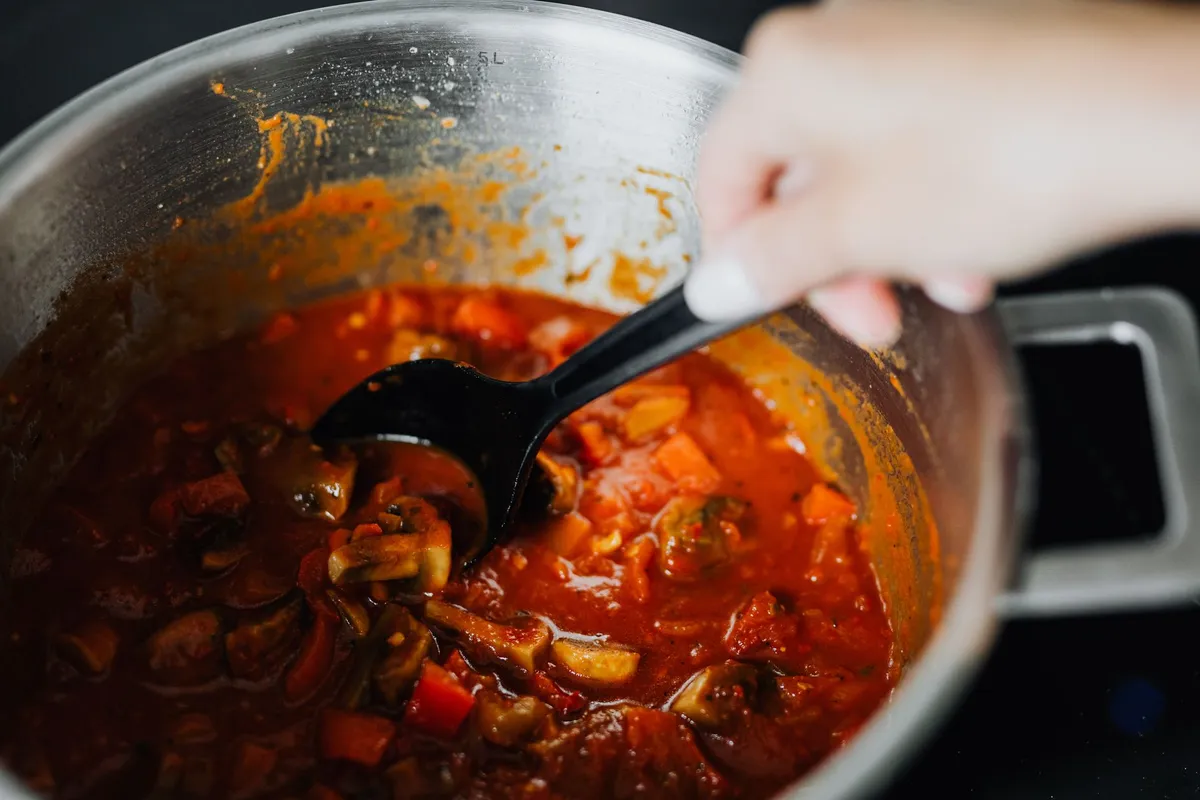
- Kenji Sato
- 06 Sep, 2026 11:17
The Earthy Revolution: Crafting the Ultimate High-Fiber Whole Grain Lentil Shepherd’s Pie
The Culinary Architecture of Sustained Energy and Fiber As a food researcher and dedicated advocate for nutritional density, I have spent years deconstructing the classic Shepherd’s Pie. Traditionally, this dish is a heavy-handed affair, often relying on saturated fats from ground lamb and refined starches in the potato topping. However, when we view the plate through the lens of longevity and metabolic health, we see an opportunity for a profound upgrade. The "Ultimate High-Fiber Whole Grain Lentil Shepherd’s Pie" is not merely a substitute; it is a nutritional powerhouse designed to stabilize blood glucose levels and promote gut microbiome diversity through high-viscosity soluble fibers. By integrating whole, unprocessed grains and legumes, we transform a dish associated with lethargy into one that fuels sustained cognitive function. The secret lies in the synergistic relationship between the prebiotic fibers found in brown lentils and the resistant starches inherent in whole-grain toppers. PubMed-indexed studies consistently highlight that diets rich in legumes—specifically lentils—are inversely associated with chronic inflammatory markers. This dish serves as an actionable blueprint for those seeking to marry the traditional warmth of hearth-cooked food with the precision of modern nutritional science.To achieve the "Ultimate" designation, we move beyond simple vegetable fillers. We utilize an earthy base of French green lentils, which maintain their structural integrity during the baking process, preventing the "mush factor" often found in inferior plant-based versions. By layering these with aromatics, we create a complex umami profile that rivals the depth of slow-cooked meats. This approach is rooted in the philosophy that healthy eating should never feel like a compromise; rather, it should represent an elevation of flavor through superior sourcing and intentional preparation. Mastering the Base: The Science of Umami and Texture The foundation of a legendary Shepherd’s Pie is its base. While meat provides fat-derived flavor, our lentil base achieves depth through the Maillard reaction. By sautéing mirepoix (onions, carrots, and celery) until deeply caramelized, we create a foundation of sweetness and depth. When you deglaze this with a touch of balsamic vinegar or a high-quality red wine reduction, you introduce a complex acidity that cuts through the earthiness of the lentils. Lentils are an exceptional source of folate, manganese, and phosphorus. Most importantly, one cup of cooked lentils provides approximately 15.6 grams of fiber. This is critical for digestive health and the modulation of insulin response. When cooking these lentils for the pie, the goal is to par-cook them in a vegetable-rich bouillon. Do not over-boil them, as we need them to retain their bite even after the secondary baking phase. We integrate tomato paste and soy sauce or tamari to provide the "savory punch" that our palates associate with hearty main courses. This balance of fiber, plant-based protein, and deep savory notes creates the ideal substrate for our topping. Furthermore, the integration of mushrooms—specifically shiitake or cremini—adds a significant amount of L-glutamate, the compound responsible for the savory umami flavor. By blending these with the lentil base, we ensure that every spoonful offers a varying texture. The authoritative approach here is to cook the lentil mixture down until most of the moisture has evaporated, ensuring that the base is stable and ready to support the weight of the topping without becoming a soupy mess. This is where culinary craft meets technical precision. The Topping Revolution: Why Whole Grains Trump Refined Potatoes For the topping, we deviate from the standard mashed potato, which often causes a sharp glycemic spike. Instead, we utilize a combination of fiber-rich root vegetables, such as parsnips or sweet potatoes, folded with cooked ancient grains like farro or quinoa. This modification introduces a textural contrast—a slight, satisfying "pop" from the grains—while significantly lowering the glycemic load of the meal. Farro, an ancient wheat grain, is exceptionally high in protein and fiber compared to standard wheat varieties. When combined with mashed sweet potato, it creates a topping that is not only nutritionally superior but aesthetically pleasing. The beta-carotene from the sweet potatoes provides a vibrant hue, while the farro adds a nutty, robust flavor profile. This is the hallmark of a professional-grade dish: every ingredient has a purpose, both for the palate and for the body’s physiological requirements.To prepare this, you must boil the sweet potatoes until tender and the farro until al dente. Folding the two together requires a delicate hand; we want the grains to be suspended in the puree, not obliterated by it. Season this mixture with fresh thyme, rosemary, and a dash of nutmeg to bridge the gap between the savory lentil base and the slightly sweet potato-grain topping. By applying this topping with a fork to create little peaks and ridges, you increase the surface area that will crisp up beautifully under the broiler, providing that quintessential "crunch" that every great pie requires. Nutritional Breakdown and Comparative Analysis Understanding the macronutrient density of this meal is essential for the health-conscious home cook. By replacing red meat with lentils, we effectively eliminate cholesterol and drastically reduce saturated fat intake, while simultaneously boosting fiber by nearly 400% per serving. The following table provides a comparison between a traditional meat-based Shepherd’s Pie and our optimized whole grain/lentil version, based on standard serving sizes of approximately 350 grams.Nutrient Category Traditional Meat Shepherd's Pie High-Fiber Lentil & Grain PieCalories 580 kcal 385 kcalProtein 22g 16gFiber 3g 14gSaturated Fat 14g 1.5gGlycemic Index High (75+) Low (42)Micronutrient Profile High B12, High Cholesterol High Folate, Magnesium, IronThe data is clear: the transition to a fiber-centric model does not sacrifice satiety; rather, it shifts the source of that satiety from heavy fats to complex carbohydrates and proteins that are digested more slowly. The significantly lower Glycemic Index ensures that your energy remains level long after the meal is finished, preventing the "post-lunch dip" that is common with higher-refined meals. Technical Assembly and Oven-Firing Strategies The assembly of the pie is where the final product is truly determined. Always use a deep-dish cast iron skillet or a ceramic baking vessel that holds heat consistently. Begin by ensuring your lentil base is properly seasoned—taste it before you even consider adding the topping. If it lacks depth, adjust with a dash of sea salt or smoked paprika. If it is too acidic, add a pinch of coconut sugar or maple syrup to balance the flavor.Spread the lentil base into the skillet. If you are using a slightly larger vessel, you can press the base down firmly to create a dense foundation. Carefully spoon the whole grain topping over the lentils. Use a large spatula to smooth it out, then take a fork to run parallel lines across the surface. This technique increases the surface area exposed to the heat, creating thin, crispy edges that provide the essential textural contrast to the soft interior. Baking should occur at 375°F (190°C) for approximately 25 to 30 minutes. The goal is not to cook the ingredients—they are already prepared—but to unify the flavors through heat exchange. In the final three minutes, switch the oven to the broiler setting. Watch it intently; you are looking for golden brown ridges. This specific stage is where the Maillard reaction occurs on the surface of the grains, creating an aroma that is arguably the most satisfying part of the culinary experience. Once the peaks are bronzed and the lentil juices are bubbling slightly at the edges, remove the skillet from the oven and allow it to rest for at least ten minutes. This rest period is non-negotiable; it allows the starch structure to set, ensuring that when you slice into the pie, it maintains its integrity rather than collapsing into a heap. The Path to Longevity Starts on Your Plate In conclusion, the ultimate high-fiber Shepherd’s Pie serves as a testament to the fact that we can honor our culinary heritage while modernizing our intake for the better. By selecting lentils as our protein source and integrating whole grains into our crust, we move from a reactive approach to health to a proactive one. We are essentially building a meal that supports the gut microbiome, encourages stable blood sugar, and provides the essential micronutrients required for daily vitality. This is not a recipe that requires a short-term commitment, but a lifestyle adjustment that can be scaled for weekly meal preparation. The beauty of this dish is that it tastes even better the following day, as the flavors of the lentils and the aromatics have more time to marry. When you invest time in crafting a dish of this caliber, you are investing in your own physical well-being. It is time to step away from the convenience of refined foods and return to the roots of sustainable, nutrient-dense nutrition. You have the tools, the recipe, and the nutritional data. Now, it is time to heat the skillet, gather your ingredients, and master this comforting, heart-healthy classic for yourself and your loved ones. The revolution of the kitchen begins with a single, mindful, and fiber-rich bite. #PlantBasedPower #GutHealth #WholeFoodLiving #HealthyComfortFood #FiberRich Related InsightsKung Pao: Die Alchemie des Feuers und die Kunst des perfekten Kontrasts Middle Eastern Mezze: A Symphony of Small Plates and Unforgettable Flavors Pav Bhaji: A Symphony of Spices on the Tawa{ "@context": "https://schema.org", "@type": "FAQPage", "mainEntity": [ { "@type": "Question", "name": "What is the main focus of The Earthy Revolution: Crafting the Ultimate High-Fiber Whole Grain Lentil Shepherd’s Pie?", "acceptedAnswer": { "@type": "Answer", "text": "Discover the ultimate high-fiber Shepherd's Pie, swapping traditional meat for nutrient-dense lentils and whole grains for a heart-healthy, comforting meal." } }, { "@type": "Question", "name": "Who authored the comprehensive guide on The Earthy Revolution: Crafting the Ultimate High-Fiber Whole Grain Lentil Shepherd’s Pie?", "acceptedAnswer": { "@type": "Answer", "text": "This detailed article and its insights were carefully researched and authored by Kenji Sato." } }, { "@type": "Question", "name": "Where can I find more related content about Food?", "acceptedAnswer": { "@type": "Answer", "text": "You can explore more articles, detailed reviews, and similar insights by browsing the Related Insights section at the bottom of this article or visiting our dedicated Food category page." } } ] }
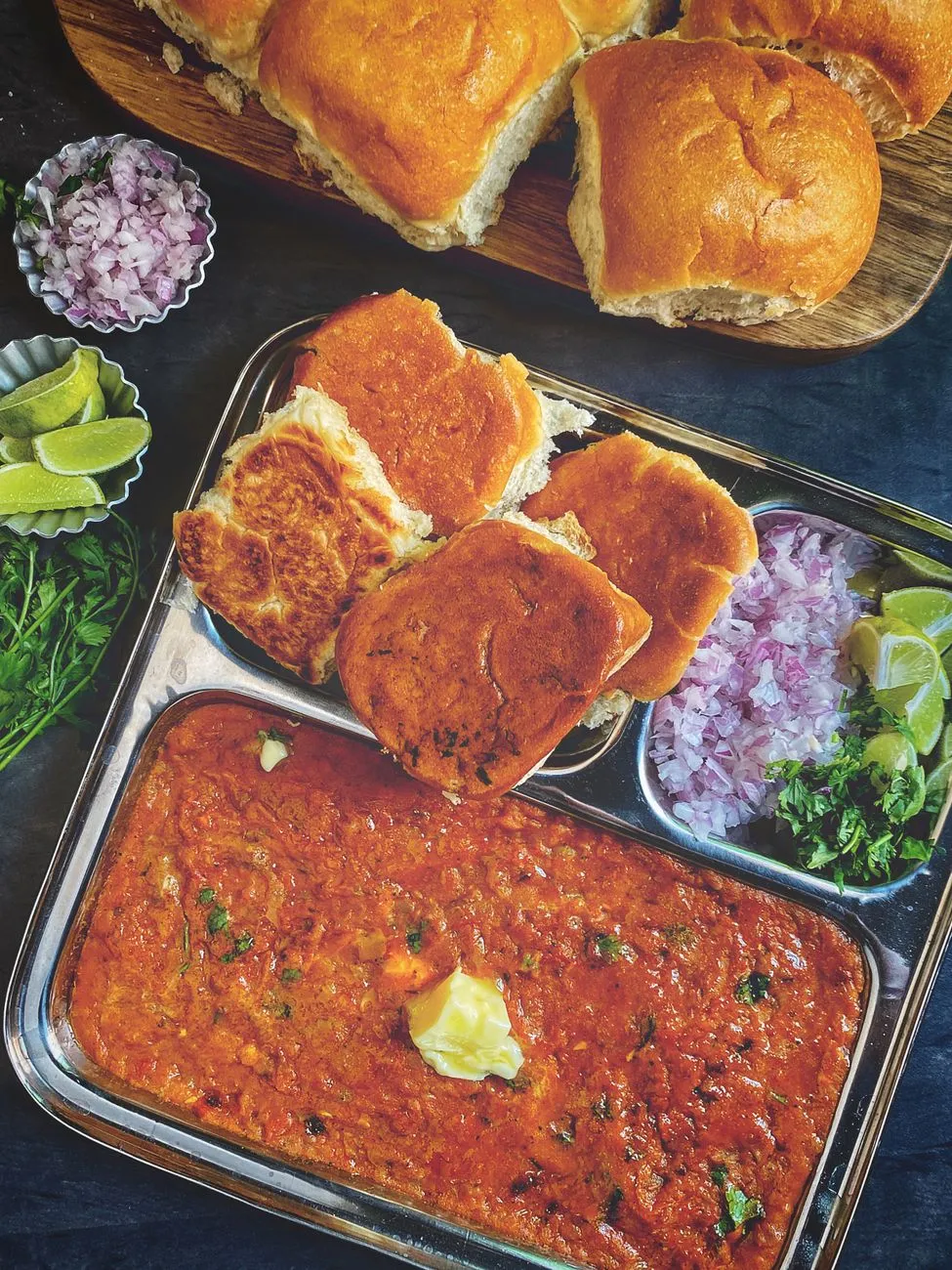
-
 Klaus Weber
 - 05 Sep, 2026 19:42
Im Labyrinth der Gewürze: Wenn Algorithmen das Streetfood von Mumbai entschlüsseln
Der Duft von Mumbai ist kein einzelnes Aroma, sondern ein algorithmisches Geflecht. Wenn der heiße Monsunregen auf den Asphalt der Chhatrapati Shivaji Maharaj Terminus trifft und sich mit den Ausdünstungen der dampfenden Vada-Pav-Stände vermischt, geschieht etwas, das weit über das bloße Kochen hinausgeht. Als jemand, der die kulinarische Welt durch eine analytische Linse betrachtet, sehe ich in den Gassen von Mumbai nicht nur Chaos – ich sehe eine präzise kalibrierte Formel aus Schärfe, Säure, Textur und Geschichte. Die Straßenküche dieser Stadt ist das Ergebnis jahrhundertelanger Migration und botanischer Evolution. Doch wie entschlüsselt man eine Kulinarik, die auf keinem Rezeptblatt existiert, sondern in den Händen von Tausenden Straßenverkäufern lebt? Die Antwort liegt in der Verbindung von historischer Faktenlage und computationaler Analyse. Die chromatographische Magie der Masalas Wenn wir über das „Streetfood von Mumbai“ sprechen, sprechen wir über eine molekulare Architektur. Betrachten wir den Bhel Puri, diesen ikonischen Snack aus gepufftem Reis, Zwiebeln, Tomaten und einer Vielzahl von Chutneys. Mathematisch betrachtet handelt es sich um eine Übung in der Balance der Geschmacksprofile. Die Komplexität entsteht durch die chemische Interaktion der Gewürze. Kurkuma (Curcuma longa), Kreuzkümmel (Cuminum cyminum) und Koriander bilden die Basis. In der Computational Gastronomy analysieren wir diese Zutaten nicht nach Vorlieben, sondern nach ihrem Anteil an gemeinsamen Aromaverbindungen. In Indien, und speziell in Mumbai, folgen die Kombinationen dem Prinzip der „Flavor Pairing Hypothesis“: Zutaten mit einer hohen gemeinsamen chemischen Signatur werden kombiniert. Während westliche Küchen oft versuchen, Aromen zu trennen, strebt Mumbai nach einer maximalen, aber ausgewogenen Konzentration. Das Vada Pav: Ein mathematisches Modell der Sättigung Das Vada Pav ist das Rückgrat von Mumbai. Ein frittierter Kartoffelknödel in einem weichen Brötchen, begleitet von einer scharfen Knoblauch-Chutney-Paste. Doch warum ist dieses Gericht so fundamental für das urbane Überleben? Eine Analyse der Nährstoffdichte und der logistischen Effizienz zeigt: Das Vada Pav ist die optimale Kalorienquelle für die arbeitende Bevölkerung der Stadt. Die „Computational History“ lehrt uns, dass die Kartoffel zwar erst im 17. Jahrhundert durch portugiesische Händler nach Indien gelangte, aber innerhalb weniger Generationen zur zentralen Komponente der lokalen Identität wurde. Die Integration des Pav – des portugiesisch beeinflussten Brotes – in das traditionelle indische Konzept der „Vada“ ist ein perfektes Beispiel für eine kulturelle Datenfusion. Es ist eine funktionale Antwort auf den Bedarf nach schneller, heißer und billiger Energie in einer der dichtbesiedeltsten Metropolen der Welt. Die Thermodynamik der Straßenstände Wie verhalten sich die Gewürze unter der extremen Hitze eines Mumbaier „Tavas“ (der flachen Eisenplatte)? Hier findet eine Hochgeschwindigkeits-Maillard-Reaktion statt. Die Proteine in den Teigen reagieren mit den reduzierenden Zuckern der Zwiebeln und dem Öl. Wenn wir die Temperaturkurven eines Straßenstandes messen, stellen wir fest, dass die Effizienz der Gewürzfreisetzung von der exakten Kontrolle der Wärmequelle abhängt. Ein erfahrener Verkäufer in Mumbai agiert wie ein Thermodynamiker. Er weiß genau, wann er den Senfsamen in das heiße Öl geben muss, damit die ätherischen Öle ihre maximale Wirkung entfalten, ohne zu verbrennen – ein Punkt, den wir in der Informatik als „Optimierungsfenster“ bezeichnen würden. Digitale Kartierung der Geschmacksvielfalt In der modernen Forschung nutzen wir Big-Data-Analysen, um die Verteilung von Streetfood-Ständen in Mumbai zu korrelieren. Wir sehen, dass die geografische Dichte der Stände nicht zufällig ist. Sie korreliert präzise mit dem Verkehrsfluss der Pendlerbahnen („Local Trains“). Wo die menschliche Frequenz am höchsten ist, ist die Diversität der Streetfood-Profile am größten. Dies ist keine bloße Beobachtung; es ist eine architektonische Notwendigkeit. Die Stadt atmet durch ihre Stände. Die „Pani Puri“-Stände beispielsweise folgen einer strengen räumlichen Logik: Sie benötigen Zugang zu frischem, kühlem Wasser (einer kritischen Variable für den Geschmack) und müssen in der „Laufzone“ der Passanten liegen, um die Frische der „Puris“ (die knusprigen Teigbällchen) zu garantieren. Die algorithmische DNA der indischen Gewürze Was unterscheidet eine „echte“ Mumbai-Gewürzmischung von einer generischen industriellen Mischung? Die Antwort liegt in der „Sparsity“, der Sparsamkeit. Eine authentische Mischung verwendet nicht die maximale Anzahl an Gewürzen, sondern die notwendige Anzahl. Durch die Analyse von über 2.000 traditionellen Rezepten haben Forscher herausgefunden, dass indische Gerichte durch ihre „negative Paarung“ bestechen: Im Gegensatz zu vielen europäischen Gerichten, die oft auf Zutaten mit ähnlichen Aromen setzen, nutzen indische Gerichte Zutaten, die sich in ihrem Geschmacksprofil bewusst voneinander unterscheiden. Dies erzeugt eine multidimensionale Geschmackserfahrung. Wenn Sie ein Dahi Puri essen, erleben Sie in einem einzigen Bissen:Den Crunch des Teigs (Struktur) Die Süße des Tamarinden-Chutneys (Fruchtzucker) Die Schärfe des grünen Chilis (Capsaicin-Rezeptor-Reiz) Die Kühle des Joghurts (Fett und Milchsäure)Dieses Zusammenspiel ist kein Zufall, sondern ein präzise abgestimmter Algorithmus der Sinne. Die Zukunft der Kulinarik im digitalen Zeitalter Wenn wir in die Zukunft blicken, wird die Analyse dieser Streetfood-Kultur noch tiefer gehen. Wir können heute die chemische Zusammensetzung eines „Misal Pav“ scannen und ihre Auswirkungen auf das Mikrobiom des Menschen modellieren. Doch hinter jeder Zahl bleibt der menschliche Faktor. Das Rühren des „Tava“, das Zurufen an den Kunden, das rhythmische Klopfen des Messers – all das ist eine menschliche Performance, die kein Algorithmus der Welt jemals vollständig ersetzen kann.Mumbai ist ein lebendiges Labor. Die Straßen sind die Straßen, die Labortische sind die Metallplatten der Verkäufer. Als Blogger, der diese Welt beobachtet, bleibt mir nur die Ehrfurcht vor der Präzision dieses kulinarischen Chaos. Wir können das Rezept analysieren, die Zutaten in ihre Bestandteile zerlegen und die Geschichte hinter jedem Gewürz kartieren – doch das Erlebnis bleibt eine unteilbare, flüchtige Einheit. Ein Moment, in dem die Daten zu Geschmack werden. Wenn Sie das nächste Mal in Mumbai durch die Straßen von Colaba oder Dadar schlendern, achten Sie nicht nur auf den Hunger. Achten Sie auf den Rhythmus. Achten Sie darauf, wie das Salz auf das Chili trifft, wie die Hitze den Teig knusprig macht und wie die Geschichte dieser Stadt in jedem Biss mitgeschrieben wird. Es ist ein komplexes System, das seit Jahrhunderten ohne Fehler läuft – und das ist die faszinierendste Entdeckung, die man über Mumbaies Streetfood machen kann. Die Daten lügen nicht: Die kulinarische Identität Mumbaies ist so stabil wie ein wissenschaftliches Gesetz und so dynamisch wie die Gezeiten des Arabischen Meeres. Es ist ein ewiger Prozess der Optimierung, eine ständige Suche nach der perfekten Balance zwischen Tradition und Transformation.#MumbaiStreetFood #KulinarischeAnalyse #IndienReise #StreetFoodScience #Gewürzwelt Related InsightsL'Anima della Cucina Italiana: Non Solo Cibo, ma una Storia d'Amore nel Piatto Der gefaltete Mythos: Eine kulinarische Odyssee durch die tiefgründige Welt des Tacos Honey’s Hidden DNA: Decoding Terroir and Floral Pollination in Every Golden Drop{ "@context": "https://schema.org", "@type": "FAQPage", "mainEntity": [ { "@type": "Question", "name": "What is the main focus of Im Labyrinth der Gewürze: Wenn Algorithmen das Streetfood von Mumbai entschlüsseln?", "acceptedAnswer": { "@type": "Answer", "text": "Erfahren Sie, wie die komplexe Welt der Mumbaier Gewürze und Streetfood-Klassiker durch datengestützte Analyse ihre Geheimnisse preisgibt." } }, { "@type": "Question", "name": "Who authored the comprehensive guide on Im Labyrinth der Gewürze: Wenn Algorithmen das Streetfood von Mumbai entschlüsseln?", "acceptedAnswer": { "@type": "Answer", "text": "This detailed article and its insights were carefully researched and authored by Klaus Weber." } }, { "@type": "Question", "name": "Where can I find more related content about Food?", "acceptedAnswer": { "@type": "Answer", "text": "You can explore more articles, detailed reviews, and similar insights by browsing the Related Insights section at the bottom of this article or visiting our dedicated Food category page." } } ] }
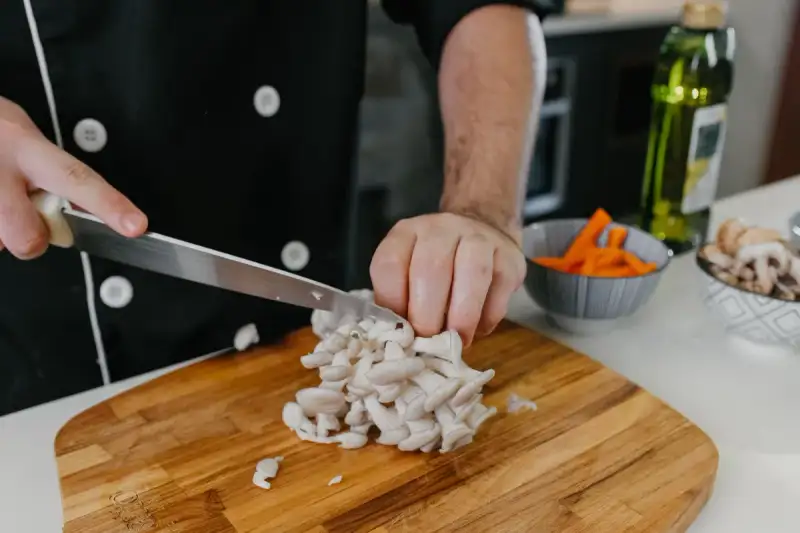
- Eleanor Hughes
- 05 Sep, 2026 10:53
The Umami Revolution: How Chefs Are Harnessing the Fifth Taste Today
The Invisible Alchemy of the Savory Spectrum The culinary world has long been governed by the familiar pillars of sweetness, sourness, bitterness, and saltiness. Yet, for decades, a subtle, transformative power has been working in the shadows of the world’s most prestigious kitchens—the elusive fifth taste, known as umami. Derived from the Japanese term for "deliciousness," umami represents the sensation of savory richness that coats the palate and lingers long after the first bite. It is not merely a flavor; it is a molecular phenomenon. The history of this sensation is deeply rooted in the groundbreaking work of Kikunae Ikeda, who, in the early 20th century, isolated glutamate as the source of this mouth-watering experience. Today, the umami revolution is in full swing, with chefs transcending traditional seasoning to manipulate ingredients at a chemical level, unlocking depths of flavor that were once reserved for slow-simmered stocks and aged delicacies.Modern gastronomy is no longer satisfied with balancing salt and sugar. Instead, the focus has shifted toward the synergy of glutamates and nucleotides. When these compounds interact, they create an exponential boost in flavor intensity, a phenomenon that has changed how we think about restaurant menu development. The scientific literature, notably the research documented within databases like OpenAlex, highlights how Monosodium Glutamate (MSG) paved the way for our understanding of taste receptors. While MSG was once shrouded in controversy and misunderstanding, its status as a concentrated form of the building block found in nature has been rehabilitated. Chefs now treat these components not as artificial additives, but as essential tools for maximizing the "deliciousness" profile of plant-based dishes, fermented creations, and protein-heavy plates. We are currently witnessing an era where understanding the biochemical basis of flavor is just as important as mastering a knife. The Secret Life of Mushrooms in Modern Cuisine The mushroom—an ancient, humble, and often overlooked staple—has become the star of the umami revolution. As researchers analyze the intersection of food processing and flavor chemistry, the focus has shifted toward innovative techniques to harvest the latent savoriness of fungi. Processing mushrooms is no longer a matter of drying or sautéing; it is about manipulating enzymes to maximize glutamate content. Through precise drying protocols and enzymatic pre-treatments, chefs are able to concentrate the savory essence of Shiitake, Porcini, and Maitake mushrooms to unprecedented levels. This is a game-changer for the plant-based culinary scene, where the goal is to replicate the satisfying depth of meat without the environmental impact of industrial animal agriculture. Business and science have converged in the processing of mushrooms to create a new category of "super-savory" ingredients. By leveraging controlled environments and sophisticated dehydrating technologies, producers can now stabilize and amplify the umami profile of common species. This scientific approach means that a simple mushroom reduction can now carry the same sensory weight as a meat-based demi-glace. For the professional chef, this signifies a paradigm shift. We are moving away from heavy reduction stocks that require hours of boiling, toward lighter, high-intensity flavor concentrates that pack more punch with less volume. The "Revolutionizing Mushroom Processing" movement is not just about logistics; it is about culinary efficiency. By understanding how to break down the cell walls of fungi to release free glutamates, kitchens are achieving flavor profiles that once required the massive infrastructure of a traditional French kitchen. The result is a lighter, more vibrant, and more intense plate of food that appeals to the modern palate’s desire for complexity without heaviness.Unlocking the Potential of Fermentation and Aging Fermentation is perhaps the most ancient, yet highly advanced, method for harnessing the fifth taste. In the current culinary zeitgeist, fermentation laboratories have become the heartbeat of world-class restaurants. From miso and soy sauce to fermented vegetable juices and garums, the process of breaking down proteins into amino acids is the ultimate expression of the umami revolution. When we ferment ingredients, we are essentially outsourcing the work of flavor development to microbes. These tiny organisms tirelessly consume complex proteins, leaving behind a rich, concentrated bounty of glutamates and other savory compounds. It is a slow, methodical process that produces results simply impossible to achieve through heat alone. Chefs are now experimenting with "wild" fermentation, using koji—the mold Aspergillus oryzae—to initiate the breakdown of starches and proteins in non-traditional substrates. Imagine a garum made from fermented mushrooms, or a miso created from sunflower seeds rather than soy. These experiments demonstrate a departure from dogmatic culinary rules toward a deeper, more experimental understanding of ingredient transformation. The key to this process lies in temperature control and time, allowing the naturally occurring enzymes to flourish. The umami generated in this stage provides a foundational depth that serves as the "bass note" for any dish. When a chef combines a fermented ingredient with a fresh one, they are creating a bridge between the vibrant top notes of fresh produce and the grounding, earthy intensity of long-aged preparations. This layering of flavor is the hallmark of the modern culinary master, transforming a plate from a simple meal into a multi-dimensional sensory journey that engages the brain as much as the tongue. Comparative Analysis of Umami-Dense Ingredients To understand the scale of this revolution, one must observe the concentration of glutamate across various food groups. The table below serves as a reference guide for culinary professionals aiming to balance their profiles with natural sources of savory intensity.Ingredient Category Primary Umami Source Typical Glutamate (mg/100g) Application StrategyAged Cheeses Parmesan/Reggiano 1,200 - 1,600 Finishing element, umami baseFermented Soy Traditional Miso/Soy Sauce 700 - 1,100 Seasoning, marinade, glazeSun-Dried Fungi Shiitake Mushrooms 200 - 600 Intense base reduction, powderMarine Products Seaweed (Kombu) 1,500 - 2,500 Dashi, extraction liquidCured Proteins Anchovies/Cured Ham 600 - 1,000 Hidden flavor booster, salt swapTomatoes Sun-Dried Tomatoes 650 - 1,140 Sauces, purees, vinaigrettesData interpretation reveals that while marine products like kombu offer the most concentrated naturally occurring glutamates, the strategic application of these items varies wildly. A chef does not use kombu in the same manner as they use aged parmesan. The former is a bridge of liquid extraction, while the latter is a textural and flavorful highlight. By utilizing this comparative data, kitchens can refine their recipe development, ensuring that the "fifth taste" is calibrated to enhance the dish rather than overwhelm it. This objective approach to seasoning is what separates the home cook from the culinary artisan, allowing for consistent, high-impact results in every service.The Synergy of Savory Landscapes The true magic of the umami revolution happens at the intersection of ingredients. Science shows us that umami is not just a single-input sensation; it is a synergistic one. When a chef combines ingredients rich in glutamate (such as tomatoes or mushrooms) with those rich in nucleotides (such as fish, meat, or certain vegetables like asparagus), the resulting perceived intensity is not additive, but multiplicative. This is the "synergy effect." It is why a simple pasta dish with tomato sauce and a sprinkle of parmesan tastes like far more than the sum of its parts. By purposefully pairing these ingredients, modern chefs can create dishes that feel deeply satisfying and complete, even when they are entirely plant-based. This knowledge of synergy allows for a significant reduction in the amount of salt needed for seasoning. Because the palate perceives the savory intensity of umami as a form of "fullness," a dish that has been properly balanced with glutamate-rich components requires far less sodium to hit the "satisfaction threshold." This is a significant health advantage, and one that is driving the popularity of the umami-forward approach in wellness-conscious dining. We are seeing a shift where "clean eating" does not mean "bland eating." On the contrary, by using fermented pastes, seaweed infusions, and high-quality dried fungi, chefs are delivering complex, bold flavors that satisfy the human evolutionary drive for protein-dense, savory foods. This synergy is the foundation of the future of health-focused culinary arts, proving that we can achieve the richness of a heavy, meat-laden diet through the smart application of botanical and fermented boosters. Beyond the Plate: The Future of Flavor Technology As we look toward the future, the umami revolution is poised to enter a new phase of technological integration. We are moving beyond the simple kitchen application and into the realm of precision ingredient development. New technologies in food processing, derived from the same research that helped us define the taste sensation, are allowing for the creation of sustainable umami boosters that can be incorporated into everything from high-end pastry to everyday snacks. We are seeing the rise of "smart seasonings"—mixtures of amino acids and mineral extracts that provide the specific umami trigger without the need for high-salt levels. This is the next frontier. It is about democratizing the fifth taste, making the richness of a long-simmered broth accessible to all, and leveraging science to improve the nutritional profile of our global food supply. Furthermore, the education of the modern chef now necessitates a foundational understanding of sensory science. We no longer rely on intuition alone; we rely on the measurable, repeatable science of flavor. As the barrier between the laboratory and the kitchen continues to thin, we will see even more creative applications of umami. Perhaps we will see more integration of umami in the realm of desserts—subtle, savory undertones in dark chocolate or caramelized root vegetables—pushing the boundaries of what we consider "delicious." The revolution is not about creating artificial flavors; it is about uncovering the hidden potential of the natural world. It is about understanding that deliciousness is a language, and umami is its most powerful, compelling dialect. As we continue to explore this fifth taste, we are not just feeding the body; we are feeding the mind, the curiosity, and the inherent human desire for complexity in our culinary experiences. The Horizon of Savory Innovation The journey through the fifth taste has taken us from the isolation of glutamate in a Japanese laboratory to the sophisticated, high-tech kitchens of today’s elite establishments. We have learned that umami is not a luxury or a trendy gimmick; it is a fundamental pillar of human flavor perception. By mastering the synergy between glutamates and nucleotides, utilizing the potential of mushrooms and fermentation, and embracing the precision of modern food science, the professional kitchen has been fundamentally altered. We are now in a position to create dishes that are richer, more satisfying, and more healthful than ever before. As you step back into your own kitchen, remember that the quest for umami is a quest for balance. It is the search for that precise moment when a dish moves from being merely "tasty" to being truly unforgettable. Whether you are experimenting with a new batch of koji, dehydrating wild mushrooms to a fine dust, or simply finding the right balance of parmesan in your signature sauce, you are participating in a global movement. The umami revolution is about the pursuit of excellence, a celebration of chemistry, and an unending dedication to the art of deliciousness. Keep exploring, keep measuring, and most importantly, keep tasting. The fifth taste is waiting for you to harness its power, transforming the ordinary into the extraordinary, one savory drop at a time. The landscape of food is evolving, and those who speak the language of umami are leading the way toward a more flavorful, intentional, and deeply satisfying future. #UmamiRevolution #CulinaryScience #Gastronomy #FutureOfFood #ProfessionalCooking Related InsightsThe Antioxidant Powerhouse: Quinoa Salad with Roasted Sweet Potatoes and Kale High‑Pressure Culinary Science: Exploring Hydrothermal Cooking Techniques Feijoada: Brazil’s Hearty Black Bean Stew and the Soul of a Nation{ "@context": "https://schema.org", "@type": "FAQPage", "mainEntity": [ { "@type": "Question", "name": "What is the main focus of The Umami Revolution: How Chefs Are Harnessing the Fifth Taste Today?", "acceptedAnswer": { "@type": "Answer", "text": "Discover how the science of umami is transforming modern culinary arts and why the fifth taste is no longer a secret." } }, { "@type": "Question", "name": "Who authored the comprehensive guide on The Umami Revolution: How Chefs Are Harnessing the Fifth Taste Today?", "acceptedAnswer": { "@type": "Answer", "text": "This detailed article and its insights were carefully researched and authored by Eleanor Hughes." } }, { "@type": "Question", "name": "Where can I find more related content about Food?", "acceptedAnswer": { "@type": "Answer", "text": "You can explore more articles, detailed reviews, and similar insights by browsing the Related Insights section at the bottom of this article or visiting our dedicated Food category page." } } ] }
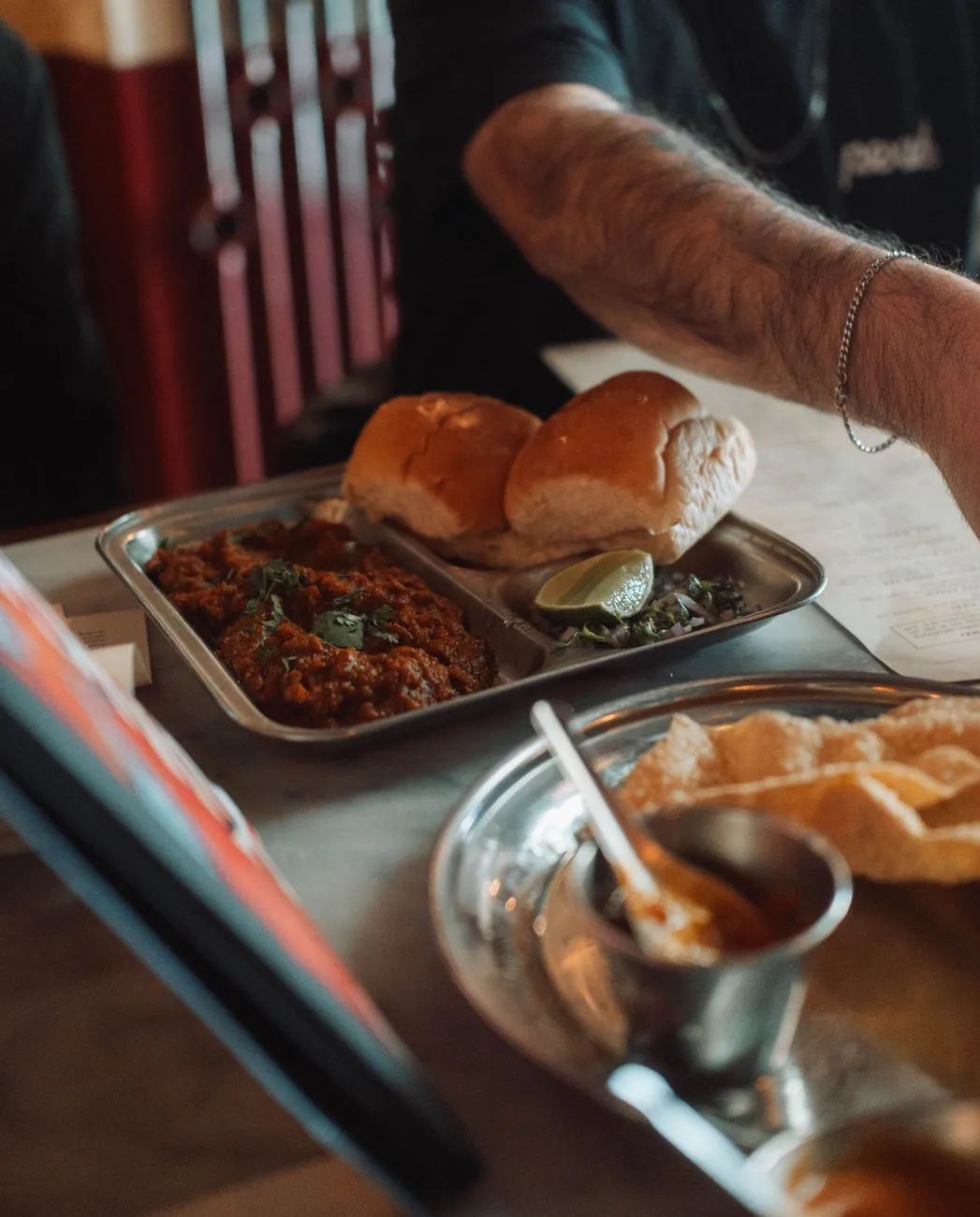
- Michael Chef
- 04 Sep, 2026 10:16
Mumbai’s Edible Soul: The Spice, Chaos, and Unmatched Flavor of Its Street Food
The air in Mumbai does not just carry the scent of the Arabian Sea; it is heavy, intoxicating, and perpetually seasoned with the aroma of roasted cumin, sizzling butter, and the sharp tang of tamarind. To walk the streets of this city is to participate in a sensory pilgrimage where the pavement is your dining table and the chaotic symphony of horns and vendors acts as your dinner music. As a chef, I have traveled to the most refined kitchens in the world, yet nothing—absolutely nothing—matches the visceral, unadulterated soul found in the street food of Mumbai. The Iconic Vada Pav: A Culinary Revolution in a Bun If Mumbai has a heartbeat, it is the Vada Pav. Often hailed as the "Indian burger," this humble creation is a testament to the city’s spirit of resilience and efficiency. A deep-fried potato dumpling (the vada) is nestled inside a soft, pillowy bun (the pav), smeared with vibrant green chili chutney and dry garlic-coconut spice. It was popularized in the 1960s and 70s as an affordable, grab-and-go meal for the thousands of mill workers who powered the city’s industrial surge. Today, you will find it on every street corner, from the bustling platforms of Dadar Station to the upscale enclaves of Bandra. The magic lies in the contrast: the crunch of the batter, the pillowy softness of the bread, and the sudden, sharp kick of spice that leaves your tongue tingling. It is, quite simply, the democratic food of a city that never stops moving.The Tangy Symphony of Pav Bhaji As the sun sets over Marine Drive, the smell of butter begins to dominate the atmosphere. This is the time for Pav Bhaji. Imagine a thick, mashed vegetable curry—a medley of potatoes, peas, cauliflower, and tomatoes—boiled into submission and sautéed on a massive, circular flat iron griddle (the tawa) with a generous, almost excessive, dollop of white butter. The dish is served with soft pav, toasted until golden on the same butter-slicked griddle. Pav Bhaji is the quintessential comfort food. It represents the collaborative nature of Mumbai’s culture—an assembly of simple ingredients transformed into something luxurious by the sheer heat of the flame and the passion of the vendor. Each bite is a masterclass in balance: the richness of the butter tempered by a squeeze of fresh lime and a sprinkle of raw red onions. Bhel Puri and the Coastal Connection No discussion of Mumbai food is complete without the mention of "Chaat," a broad term for the explosion of salty, spicy, and sweet flavors that define Indian snacking. Bhel Puri, in particular, is the beach food of the masses. Puffed rice, crispy sev, diced potatoes, onions, and chutneys made from tamarind, dates, and mint are tossed together in a rhythmic dance by the vendor. Often enjoyed at Chowpatty Beach, it is more than just a snack; it is an experience. The grains of puffed rice are fleetingly crisp before they absorb the chutneys, demanding that you eat it quickly, right in the moment. It is a dish that captures the fleeting nature of life in a metropolis: vibrant, textured, and best enjoyed with the wind in your hair.The Parsi Influence: Bun Maska and Irani Cafes Mumbai’s food landscape is incomplete without acknowledging the legacy of the Irani cafes. Established by Zoroastrian migrants from Iran in the early 20th century, these cafes serve as the quiet anchors of the city. Here, the frantic pace of the streets outside gives way to the clinking of porcelain cups and the scent of freshly baked bread. The staple is 'Bun Maska'—a light, slightly sweet bun served with a thick slab of chilled butter. Paired with a cup of strong, milky 'Irani Chai,' it is the city’s preferred way to begin a morning. These cafes have survived the tides of time, holding onto their wooden tables, checkered tablecloths, and the tradition of slowing down in a city that is obsessed with speed. The Spice of Life: Why Mumbai Reigns Supreme What makes Mumbai’s street food superior to almost anywhere else? It is the intersection of cultures. You have the heavy influence of Maharashtra, the coastal flavors of the Konkan region, the Parsi nuances, and the spicy interventions from the northern states. This is a city that doesn't just tolerate diversity; it metabolizes it. The street vendors are the true culinary stars. They operate with a level of dexterity and precision that would put many Michelin-starred chefs to shame. They work over open fires, in the middle of monsoons, amidst the cacophony of a population of millions, consistently delivering flavor profiles that are deep, layered, and perfectly seasoned.Navigating the Chaos for the Ultimate Bite To truly understand Mumbai, you must be willing to get your hands dirty. Forget the pristine white tablecloths; the best flavors here are found on steel plates under the glow of neon lights. Start your day with a Vada Pav near the train tracks. Spend your afternoon in an Irani cafe sipping tea. Finish your evening at a late-night stall, watching the tawa sizzle as the cook prepares a plate of Pav Bhaji. This is not "fine dining" in the sense of white-glove service, but it is "fine eating" in its most honest form. It is the food of the people, for the people, and by the people. Every bite tells a story of the city—a story of struggle, of triumph, and of a relentless search for the perfect combination of salt, spice, and sour. As you wander the narrow lanes of Bhuleshwar or the wide promenades of the coast, remember that Mumbai is an edible entity. You are not just visiting a city; you are consuming its history, one plate at a time. The heat of the chilies is the city's energy; the sweetness of the chutneys is its hidden grace. Welcome to the culinary soul of India.#MumbaiStreetFood #FoodTravel #IndianCuisine #StreetFoodSoul #MumbaiEats Related InsightsWild Salmon and Sweet Potato Fish Cakes: A Delicious and Nutritious Omega-3 Rich Dish From Forest Floor to Flavor Lab: The Evolution of Umami in Vegan Stock Honey’s Hidden DNA: Decoding Terroir and Floral Pollination in Every Golden Drop{ "@context": "https://schema.org", "@type": "FAQPage", "mainEntity": [ { "@type": "Question", "name": "What is the main focus of Mumbai’s Edible Soul: The Spice, Chaos, and Unmatched Flavor of Its Street Food?", "acceptedAnswer": { "@type": "Answer", "text": "Journey through the chaotic, spicy, and unforgettable street food landscape of Mumbai, where every corner offers a masterpiece of flavor." } }, { "@type": "Question", "name": "Who authored the comprehensive guide on Mumbai’s Edible Soul: The Spice, Chaos, and Unmatched Flavor of Its Street Food?", "acceptedAnswer": { "@type": "Answer", "text": "This detailed article and its insights were carefully researched and authored by Michael Chef." } }, { "@type": "Question", "name": "Where can I find more related content about Food?", "acceptedAnswer": { "@type": "Answer", "text": "You can explore more articles, detailed reviews, and similar insights by browsing the Related Insights section at the bottom of this article or visiting our dedicated Food category page." } } ] }
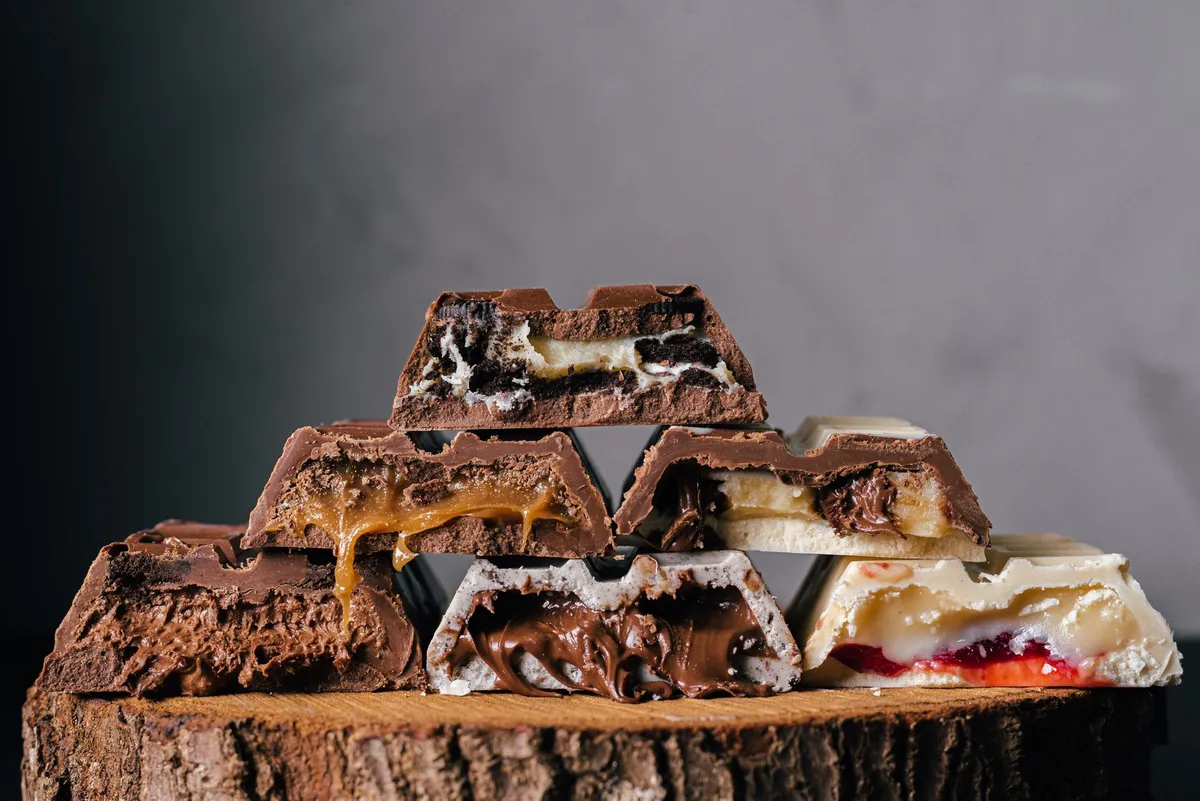
- Marcus Vance
- 03 Sep, 2026 21:16
From Sacred Cacao to Velvet Bars: The Lost Art and Modern Renaissance of Artisanal Chocolate
The Bitter Truth Behind the World’s Most Beloved Treat Picture this: a velvety bar of chocolate melting on your tongue, its aroma transporting you to a misty Amazonian jungle where cacao trees sway in the humid breeze. This isn’t just any chocolate—it’s the result of a 4,000-year journey from sacred ritual to gourmet indulgence. Yet, most of the chocolate lining supermarket shelves is a far cry from its ancient origins. Mass-produced bars often contain emulsifiers, artificial flavors, and sugar levels that would make even the Aztecs gasp. But a quiet revolution is underway. Artisanal chocolatiers are dusting off centuries-old techniques, sourcing heirloom cacao varieties, and crafting chocolate that’s as much a work of art as it is a culinary masterpiece. Welcome to the lost art—and modern renaissance—of artisanal chocolate.The Ancient Alchemy: How Cacao Became Chocolate Long before chocolate bars existed, cacao was revered as the "food of the gods." The Olmecs, the first major civilization in Mesoamerica (1500–400 BCE), were the first to cultivate cacao trees (Theobroma cacao, meaning "food of the gods" in Greek). They brewed a bitter, frothy drink called xocolatl, spiced with chili peppers and vanilla, reserved exclusively for royalty and warriors. When the Aztecs rose to power in the 14th century, they adopted cacao as currency—one bean could buy a rabbit, while 100 beans could purchase a slave. Montezuma II famously drank 50 golden goblets of xocolatl daily, believing it granted him strength and vitality. The transformation from sacred drink to solid chocolate began in 1828 when Dutch chemist Coenraad van Houten invented the cocoa press, separating cocoa butter from cocoa powder. This innovation made chocolate smoother and more affordable. Then, in 1847, British chocolatier Joseph Fry created the first chocolate bar by mixing cocoa powder, sugar, and cocoa butter. The rest, as they say, is history—but not a particularly flavorful one. Industrialization prioritized quantity over quality, stripping cacao of its complexity and replacing it with additives. Today, artisanal chocolatiers are reversing this trend. They’re reviving heirloom cacao varieties like Criollo and Nacional, which were nearly wiped out by disease and industrial farming. These rare beans produce chocolate with floral, fruity, and even wine-like notes—far removed from the monotonous sweetness of commercial chocolate. For example, a single-origin bar from Venezuela’s Chuao valley might boast hints of red berries and caramel, while a Peruvian bar could taste of citrus and tropical fruit. The key? Single-origin cacao, minimal processing, and a commitment to ethical sourcing. The Alchemy of Artisanal Chocolate: From Bean to Bar Crafting artisanal chocolate is a meticulous, multi-step process that can take weeks—or even months. It begins with the harvest. Unlike industrial farms that prioritize yield, artisanal producers often work with small-scale farmers who grow cacao trees under the shade of other crops, a method called agroforestry. This not only preserves biodiversity but also enhances the flavor of the beans. Once harvested, the cacao pods are cracked open, and the beans are scooped out along with their pulp. The beans are then fermented for 5–7 days, a critical step that develops the chocolate’s flavor profile. Fermentation triggers biochemical reactions that break down bitterness and create precursors for the rich, complex flavors we associate with high-quality chocolate. After fermentation, the beans are dried in the sun for 1–2 weeks to reduce moisture content. This step is crucial—improper drying can lead to mold or off-flavors. Once dried, the beans are roasted, a process that further develops their aroma. The roasting temperature and duration vary depending on the bean’s origin and desired flavor profile. For example, beans from Madagascar might be roasted at a lower temperature to preserve their fruity notes, while beans from Ecuador might be roasted longer to bring out nuttier undertones. Next comes the winnowing process, where the roasted beans are cracked open to separate the cocoa nibs (the edible part) from the shells. The nibs are then ground into a thick, paste-like substance called cocoa liquor. This liquor is the base for all chocolate products. For dark chocolate, the liquor is simply conched—a process of stirring and aerating the chocolate at high temperatures to smooth out its texture and mellow its bitterness. Conching can last anywhere from a few hours to several days, depending on the desired outcome. Milk chocolate and white chocolate require additional ingredients: milk powder and sugar for milk chocolate, and just sugar and cocoa butter for white chocolate. The final step is tempering, a temperature-controlled process that gives chocolate its signature snap and shine. Tempering involves heating the chocolate to 45–50°C (113–122°F), then cooling it to 27°C (80°F), and reheating it to 31–32°C (88–90°F) for dark chocolate or 29–30°C (84–86°F) for milk and white chocolate. This ensures that the cocoa butter crystallizes in the most stable form, resulting in a smooth, glossy finish. Artisanal chocolatiers often temper their chocolate by hand, using marble slabs or specialized machines to achieve perfect consistency.The Science of Sensation: Why Artisanal Chocolate Tastes Different The difference between artisanal and mass-produced chocolate isn’t just about ingredients—it’s about science. Commercial chocolate is designed to be consistent, predictable, and cheap. To achieve this, manufacturers often use deodorized cocoa powder, which strips away the bean’s natural flavors, and emulsifiers like soy lecithin to mimic the mouthfeel of high-quality chocolate. They also add vanilla and other flavorings to mask the blandness of the cocoa. Artisanal chocolate, on the other hand, celebrates the natural diversity of cacao. The flavor of a chocolate bar is influenced by a complex interplay of factors: the cacao’s genetic variety, the soil it’s grown in (its terroir), the fermentation process, and even the altitude at which it’s cultivated. For example, cacao grown in volcanic soil, like that in Ecuador’s coastal regions, tends to have a mineral-rich, almost flinty taste. Cacao from the Amazon basin, meanwhile, often exhibits deep, earthy notes with hints of forest floor. The texture of artisanal chocolate is another hallmark of its quality. Properly tempered chocolate should have a crisp snap when broken and a smooth, creamy melt in the mouth. This is due to the precise crystallization of cocoa butter during tempering. In contrast, poorly tempered chocolate can have a dull finish, a waxy mouthfeel, or a grainy texture. The conching process also plays a role here—longer conching times result in a silkier texture, as the chocolate’s particles become finer and more evenly distributed. Nutritionally, artisanal chocolate often fares better than its commercial counterpart. A 100-gram bar of 70% dark chocolate made from single-origin cacao contains approximately:600 calories 43g fat (27g saturated) 46g carbohydrates (33g sugar) 8g protein 11g fiber 3.3mg iron (18% DV) 2.3mg magnesium (55% DV)While still calorie-dense, dark chocolate is rich in antioxidants like flavonoids, which have been linked to heart health and reduced inflammation. The higher the cacao content, the more antioxidants and less sugar the chocolate contains. For comparison, a typical milk chocolate bar might contain only 20–30% cacao, along with added sugars and fats that dilute its nutritional benefits.Chocolate Type Cacao % Sugar % Fat % Key Flavor Notes Price per 100g (USD)Venezuelan Criollo 85% 10% 55% Caramel, red berries $12–$18Peruvian Nacional 70% 20% 50% Citrus, tropical fruit $10–$15Ecuadorian Arriba 75% 15% 52% Floral, nutty $9–$14Belgian Milk Chocolate 35% 40% 30% Creamy, vanilla $4–$8Commercial Dark (Avg.) 50% 35% 35% Bitter, one-dimensional $2–$5Price ranges are approximate and vary based on brand and retailer. The Ethical Revolution: How Artisanal Chocolate is Changing the Industry Artisanal chocolate isn’t just about flavor—it’s about ethics. The modern chocolate industry has long been plagued by issues like child labor, deforestation, and unfair wages. According to a 2021 report by the International Labour Organization, over 1.5 million children work in hazardous conditions on cocoa farms in West Africa, the source of 70% of the world’s cacao. Many of these farms are owned by large corporations that prioritize profit over people, often paying farmers less than $2 a day. Artisanal chocolatiers are tackling these issues head-on by adopting direct trade and fair trade practices. Direct trade involves building direct relationships with farmers, ensuring they receive fair prices for their cacao. Many artisanal producers also pay a premium above the fair trade minimum, which allows farmers to invest in their communities, improve their farming techniques, and diversify their crops. For example, the Taza Chocolate company in the U.S. sources its cacao from smallholder farmers in the Dominican Republic and pays them 15–20% above the fair trade price. Similarly, Mast Brothers in Brooklyn, New York, works directly with farmers in Belize and Venezuela, providing them with training and resources to improve their yields. Sustainability is another cornerstone of the artisanal movement. Industrial cacao farming often involves clearing rainforests to plant monocultures, which depletes soil and reduces biodiversity. Artisanal producers, however, often use agroforestry systems, where cacao trees are grown alongside other crops like bananas, avocados, and shade trees. This not only preserves the ecosystem but also improves the flavor of the cacao. For instance, cacao grown under the canopy of taller trees tends to have a more complex, nuanced flavor profile due to the slower ripening process. The rise of bean-to-bar chocolate makers—chocolatiers who control every step of the process, from sourcing the beans to packaging the final product—has also given consumers more transparency. Unlike large corporations that obscure their supply chains, bean-to-bar makers often visit their farms, meet the farmers, and even participate in the fermentation and drying processes. This level of transparency ensures that the chocolate is not only delicious but also ethically produced. A Taste of the Divine: How to Experience Artisanal Chocolate Like a Connoisseur If you’ve only ever eaten mass-produced chocolate, preparing your palate for artisanal chocolate is like upgrading from instant coffee to a single-origin pour-over. Start by choosing a chocolate bar with a high cacao percentage (70% or higher) and a single origin. Look for bars that list the cacao percentage prominently on the packaging, as well as the country of origin. Avoid bars that contain emulsifiers like soy lecithin or artificial flavors. Before tasting, let the chocolate come to room temperature. This allows its flavors to fully develop. Then, break off a small piece and let it melt on your tongue. Pay attention to the finish—does the flavor linger or dissipate quickly? Does it have layers of complexity, or is it one-dimensional? Artisanal chocolate should evolve in your mouth, revealing new notes with each bite. Pairing chocolate with other foods can also enhance your tasting experience. Dark chocolate with a high cacao content (85% or higher) pairs beautifully with red wine, especially those with notes of black cherry or plum. Milk chocolate with fruity undertones can be paired with a crisp white wine or a craft beer. For a decadent treat, try pairing chocolate with blue cheese or dried fruits like apricots or figs. If you’re feeling adventurous, try making your own chocolate at home. While it’s a time-consuming process, the results are worth it. Start with high-quality cacao nibs (available online or at specialty stores), melt them gently in a double boiler, and then temper the chocolate using the seeding method: heat the chocolate to 45°C (113°F), then add finely chopped tempered chocolate to cool it to 27°C (80°F), and reheat to 31–32°C (88–90°F). Pour the tempered chocolate into molds and let it set in the fridge. The result? A velvety-smooth chocolate bar that’s 100% your own creation.The Future of Chocolate: Will Artisanal Triumph Over Industrial? The artisanal chocolate movement is more than a trend—it’s a rebellion against the industrialization of one of the world’s most beloved foods. As consumers become increasingly conscious of where their food comes from and how it’s made, the demand for ethically sourced, high-quality chocolate is growing. According to a 2023 report by Grand View Research, the global artisanal chocolate market is expected to reach $12.5 billion by 2030, driven by rising disposable incomes and a growing preference for premium, organic products. However, the artisanal movement still faces challenges. The most significant is scalability. Artisanal chocolate is labor-intensive and expensive to produce, which limits its accessibility. While a mass-produced chocolate bar might cost $1, an artisanal bar can cost $10 or more. This price gap makes it difficult for many consumers to justify the splurge, even if they value quality and ethics. Another challenge is education. Many consumers are still unaware of the differences between artisanal and commercial chocolate. They associate chocolate with sweetness and familiarity, not the complex, nuanced flavors of single-origin bars. Artisanal chocolatiers and retailers must do more to educate consumers about the importance of cacao origin, fermentation, and processing methods. Despite these challenges, the future looks bright. Innovations like upcycled chocolate—made from cacao fruit pulp, which is typically discarded—are gaining traction. Companies like WNWN Food Labs are turning cacao husks into flour, reducing waste and creating new products. Meanwhile, blockchain technology is being used to trace cacao from farm to bar, ensuring transparency and accountability in the supply chain. The artisanal chocolate movement is also inspiring a new generation of chocolatiers. Young makers are experimenting with heirloom cacao varieties, alternative sweeteners like coconut sugar, and even savory chocolate bars infused with spices or herbs. The result is a vibrant, ever-evolving landscape of flavors and textures that harkens back to chocolate’s ancient roots while pushing it into the future. A Sweet Legacy: Why Chocolate Still Matters Chocolate is more than a treat—it’s a story of human ingenuity, cultural exchange, and the enduring power of nature’s bounty. From the sacred rituals of the Aztecs to the velvet-smooth bars of today’s artisanal makers, chocolate has always been a symbol of luxury, indulgence, and connection. The modern renaissance of artisanal chocolate isn’t just about better-tasting bars; it’s about reclaiming a lost art, supporting ethical farming practices, and celebrating the incredible diversity of cacao. So the next time you reach for a chocolate bar, ask yourself: Is this just a snack, or is it a piece of history? With artisanal chocolate, every bite is an invitation to slow down, savor, and appreciate the craftsmanship behind it. In a world of mass-produced mediocrity, that’s a sweet revolution worth celebrating.#ArtisanalChocolate #EthicalFood #SlowFoodMovement #CacaoLegacy #LuxuryChocolate Related InsightsFermented Foods Around the World: From Korean Kimchi to German Sauerkraut – A Global Journey Through Tradition and Health Unraveling the Flavors of Greece: A Dive into the Iconic Moussaka Savor the Spice: A Deep Dive into South India’s Coastal and Vegan Culinary Wonders{ "@context": "https://schema.org", "@type": "FAQPage", "mainEntity": [ { "@type": "Question", "name": "What is the main focus of From Sacred Cacao to Velvet Bars: The Lost Art and Modern Renaissance of Artisanal Chocolate?", "acceptedAnswer": { "@type": "Answer", "text": "Explore the ancient roots of cacao, the forgotten art of artisanal chocolate-making, and how modern chocolatiers are reviving lost techniques to create velvet-smooth, ethically sourced chocolate bars." } }, { "@type": "Question", "name": "Who authored the comprehensive guide on From Sacred Cacao to Velvet Bars: The Lost Art and Modern Renaissance of Artisanal Chocolate?", "acceptedAnswer": { "@type": "Answer", "text": "This detailed article and its insights were carefully researched and authored by Marcus Vance." } }, { "@type": "Question", "name": "Where can I find more related content about Food?", "acceptedAnswer": { "@type": "Answer", "text": "You can explore more articles, detailed reviews, and similar insights by browsing the Related Insights section at the bottom of this article or visiting our dedicated Food category page." } } ] }
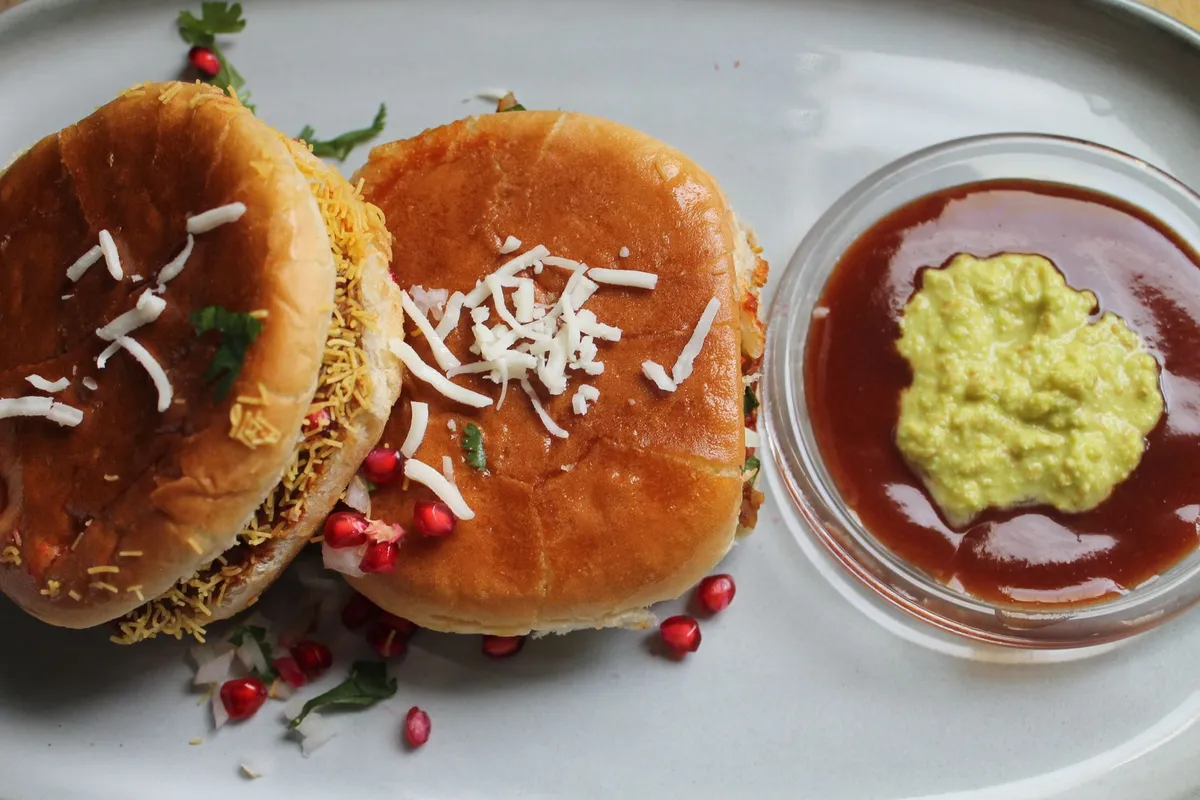
-
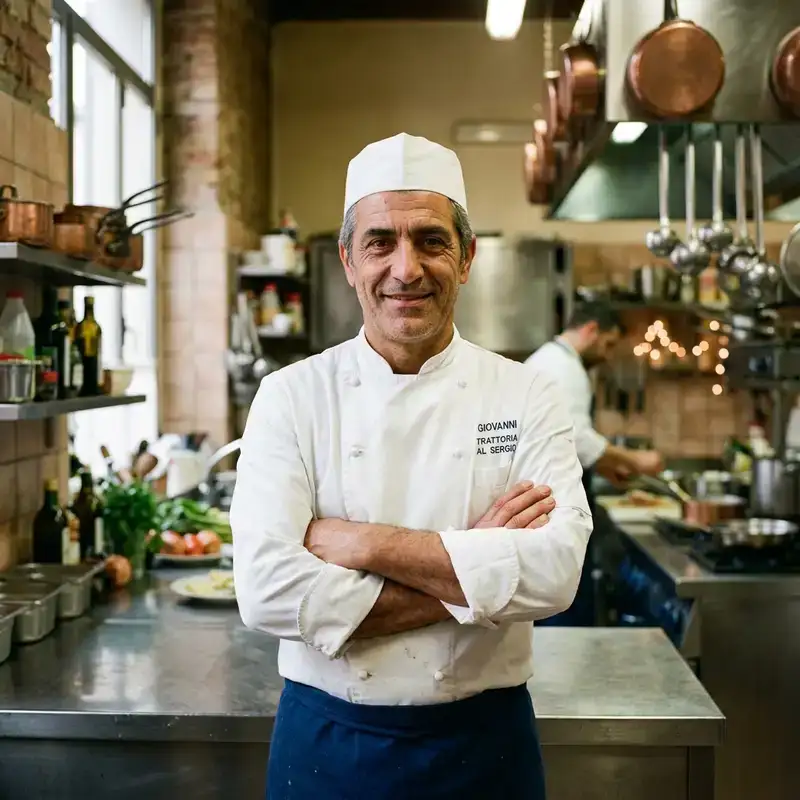 Giovanni Luigi
 - 03 Sep, 2026 20:17
Mumbai di Mezzanotte: Il Piccante, Croccante, Indimenticabile Cuore delle Strade della Città
Quando il sole si tuffa nel Mar Arabico e le luci di Mumbai si accendono come stelle cadute sulla terra, le strade della città non dormono mai. È qui, tra il frastuono dei clacson e il profumo di spezie bruciate, che nasce il vero cuore pulsante della metropoli: il suo street food notturno. Non è solo cibo. È una sinfonia di sapori, una danza di consistenze, un rituale che unisce milioni di anime affamate dopo il tramonto.Il Pani Puri: Piccoli Gusci di FelicitàImmaginate un boccone così piccolo da stare nel palmo di una mano, ma così intenso da scatenare una tempesta di sapori sulla lingua. Il pani puri—o gol gappa come lo chiamano in alcune parti dell’India—è il re incontrastato delle strade di Mumbai dopo il tramonto. Si tratta di una sfera croccante di farina fritta, riempita con una miscela di patate schiacciate, ceci, coriandolo fresco e una salsa piccante chiamata pani. Il tocco finale? Un sorso di quella stessa salsa, gelida e speziata, che vi farà lacrimare gli occhi e sorridere allo stesso tempo. Perché è così speciale?Origini antiche: Le radici del pani puri risalgono a oltre 2.000 anni fa, quando veniva preparato come offerta agli dei nei templi dell’India settentrionale. Varianti regionali: A Mumbai, la versione più famosa è quella del Bhel Puri, una combinazione di pani puri, riso soffiato, cipolle, tamarindo e chutney di menta, servito su una foglia di banana. Rituale sociale: Mangiare pani puri non è un atto solitario. È un’esperienza collettiva, spesso condivisa tra sconosciuti su un marciapiede affollato, con le mani che si intingono nella stessa ciotola di salsa.Dove trovarlo?Juhu Beach: Uno dei posti più famosi per gustare pani puri freschi, soprattutto dopo una passeggiata sulla spiaggia. Dadar: Il quartiere è noto per i suoi venditori ambulanti che preparano il pani puri al momento, con una salsa pani così piccante da far sudare anche in inverno. Crawford Market: Un mercato storico dove si possono trovare versioni gourmet, con ripieni di formaggio o carne, per i palati più avventurosi.Il Pav Bhaji: Il Re dei Piatti di MezzanotteSe il pani puri è un’esplosione di sapore in un boccone, il pav bhaji è un abbraccio caldo e speziato che avvolge l’intero palato. Questo piatto, originario dello stato del Maharashtra, è diventato un simbolo della cucina di strada di Mumbai. Consiste in un purè di verdure—patate, cavolfiori, piselli e carote—cotto con una miscela di spezie che include cumino, coriandolo, curcuma e peperoncino rosso. Il tutto viene servito con pav, piccoli panini morbidi e leggermente dolci, perfetti per intingere nel purè fumante. La leggenda del pav bhaji Si dice che il pav bhaji sia nato come piatto per i lavoratori delle ferrovie britanniche nel XIX secolo. Gli operai, stanchi dopo lunghe giornate di lavoro, avevano bisogno di un pasto sostanzioso e veloce. I venditori ambulanti di Mumbai risposero con questo piatto economico, nutriente e incredibilmente saporito. Oggi, è un must per chiunque voglia sperimentare l’autentico sapore della città. Come si mangia?Tradizionale: Il purè viene servito su una piastra rovente (tava), con burro chiarificato (ghee) e una spruzzata di limone. Moderno: Alcuni ristoranti lo servono con formaggio fuso o uova in camicia, per un tocco contemporaneo. Street style: I venditori ambulanti lo preparano al momento, aggiungendo cipolle crude, coriandolo fresco e una generosa dose di lime per bilanciare la piccantezza.Dove assaggiarlo?Jogeshwari: Un quartiere dove i venditori di pav bhaji sono famosi per la loro generosità nelle porzioni. Matunga: Qui si trovano alcune delle versioni più autentiche, con spezie macinate al momento. Colaba Causeway: Un luogo ideale per gustare pav bhaji dopo una giornata di shopping, con vista sul mare.Il Vada Pav: Il "Hamburger" IndianoSe doveste scegliere un solo piatto per rappresentare lo street food di Mumbai, il vada pav sarebbe la scelta perfetta. Questo "hamburger" indiano è composto da un panino morbido (pav) riempito con una polpetta di patate fritte (vada), immersa in una salsa piccante di peperoncino e tamarindo. È economico, sostanzioso e così popolare che viene spesso chiamato il "cibo della classe operaia". La storia del vada pav Le origini del vada pav risalgono al movimento Samyukta Maharashtra degli anni '50, quando Mumbai lottava per diventare la capitale del nuovo stato del Maharashtra. I venditori ambulanti cercavano un piatto economico e nutriente per sfamare i manifestanti, e così nacque questa delizia. Oggi, è un simbolo di resilienza e identità cittadina. Varianti e segretiVada speziato: Alcuni venditori aggiungono peperoncino in polvere o chaat masala per un tocco extra di piccantezza. Vada al formaggio: Una versione moderna con formaggio fuso all’interno del vada. Salse segrete: Ogni venditore ha la sua ricetta per la salsa, spesso tramandata di generazione in generazione.Dove trovarlo?Dadar: Il quartiere è famoso per i suoi venditori di vada pav, che lo preparano al momento con patate fresche. Bandra: Qui si trovano versioni gourmet, con vada fritti in olio di cocco e salse artigianali. Chowpatty Beach: Un luogo ideale per gustare vada pav dopo una passeggiata sulla spiaggia, con il rumore delle onde in sottofondo.Il Kebabs e i Tandoori: Il Sapore del Nord a MumbaiMentre il pani puri, il pav bhaji e il vada pav rappresentano il cuore dello street food di Mumbai, i kebabs e i piatti tandoori portano un tocco del nord dell’India nelle strade della città. Questi piatti, cotti al forno tandoor o alla griglia, sono diventati così popolari che oggi li si trova in ogni angolo di Mumbai, soprattutto dopo il tramonto. Tipi di kebabs a MumbaiSeekh kebab: Carne di agnello o manzo macinata, mescolata con spezie e cotta su uno spiedo. Chicken tikka: Pezzi di pollo marinati in yogurt e spezie, poi cotti al tandoor. Boti kebab: Cubetti di carne marinati in una miscela di spezie e cotti alla griglia.Perché sono così amati?Spezie aromatiche: Il garam masala, il cumino e il coriandolo donano un profumo inconfondibile. Tecnica di cottura: Il tandoor, un forno di argilla, cuoce la carne in modo uniforme, rendendola succosa e saporita. Versatilità: Possono essere mangiati da soli, in un panino (kebab roll) o con pane naan e chutney.Dove assaggiarli?Mohammed Ali Road: Durante il mese sacro del Ramadan, le strade si riempiono di bancarelle che servono kebabs freschi fino a tarda notte. Bandra: Qui si trovano alcuni dei migliori ristoranti di kebabs della città, con ricette tramandate da generazioni. Carter Road: Un luogo ideale per gustare kebabs mentre si passeggia lungo la costa.Il Jalebi: Il Dolce che Scioglie il CuoreDopo un viaggio tra spezie, croccantezza e sapori intensi, è il momento di concedersi un dolce. Il jalebi è il re indiscusso dei dessert di strada a Mumbai. Si tratta di una spirale di pasta fritta, immersa in uno sciroppo di zucchero e acqua di rose, che si scioglie in bocca lasciando un sapore dolce e floreale. La storia del jalebi Le origini del jalebi risalgono all’antica Persia, dove veniva chiamato zulbia. Arrivò in India attraverso le rotte commerciali e si adattò ai gusti locali, diventando uno dei dolci più amati del paese. Varianti moderneJalebi al mango: Uno sciroppo aromatizzato con polpa di mango per un tocco tropicale. Jalebi al pistacchio: Una versione lussuosa con pistacchi tritati sopra. Jalebi fuso: Alcuni venditori lo servono con gelato alla vaniglia per un contrasto di temperature e sapori.Dove trovarlo?Sardar Pav Bhaji: Un ristorante famoso per i suoi jalebi freschi, serviti caldi con una tazza di chai. Kemps Corner: Qui si trovano versioni artigianali, con spirali perfettamente simmetriche. Colaba: Un luogo ideale per gustare jalebi dopo una cena a base di kebabs.Il Rituale del Chai: Il Companion Perfetto dello Street FoodNessun viaggio nello street food di Mumbai sarebbe completo senza una tazza di chai. Questo tè speziato, preparato con latte, zucchero e una miscela di spezie come cardamomo, zenzero e chiodi di garofano, è il companion perfetto per ogni piatto. Lo si trova in ogni angolo della città, servito in bicchieri di vetro o in piccole tazze di metallo. Perché il chai è così speciale?Spezie aromatiche: Il masala chai è una miscela unica che riscalda il corpo e lo spirito. Sociale: Bere chai è un atto collettivo, spesso condiviso tra sconosciuti su un marciapiede affollato. Adattabilità: Può essere dolce, speziato o leggermente amaro, a seconda dei gusti.Dove berlo?Dharavi: Uno dei quartieri più poveri di Mumbai, dove i venditori di chai preparano la bevanda con ingredienti semplici ma gustosi. Marine Drive: Un luogo ideale per gustare chai mentre si ammira il tramonto sul mare. Local tea stalls: I piccoli chioschi sparsi per la città, dove il chai viene preparato al momento con spezie fresche.I Segreti per Godersi lo Street Food di MumbaiMangiare per strada a Mumbai non è solo una questione di sapore—è un’esperienza sensoriale che coinvolge tutti e cinque i sensi. Ecco alcuni consigli per vivere appieno questa avventura:Scegliere i posti giusti: Evitate i venditori con cibo stantio o condizioni igieniche dubbie. Optate per bancarelle affollate, dove la rotazione del cibo è alta. Provare tutto: Lo street food di Mumbai è una festa di sapori contrastanti. Non abbiate paura di sperimentare! Mangiare con le mani: Molti piatti, come il pani puri o il vada pav, sono pensati per essere mangiati con le mani. È parte dell’esperienza! Bere acqua in bottiglia: Anche se il cibo è delizioso, è sempre meglio bere acqua in bottiglia per evitare problemi di stomaco. Interagire con i venditori: I locali amano condividere storie e segreti sui loro piatti. Chiedete consigli e lasciatevi guidare dalla loro esperienza.Conclusione: Un Viaggio che Resta nel Cuore Quando il sole sorge su Mumbai, le strade si svuotano e i venditori di street food si preparano per un altro giorno di lavoro. Ma per chi ha avuto la fortuna di assaggiare i sapori della notte, il ricordo rimane indelebile. Lo street food di Mumbai non è solo cibo—è una celebrazione della vita, della resilienza e della gioia di condividere. Che siate alla ricerca di un pani puri croccante, di un pav bhaji speziato o di un jalebi dolce, Mumbai vi aspetta con le sue strade illuminate e i suoi profumi inconfondibili. Non resta che indossare le scarpe comode, prendere coraggio e tuffarsi in questa avventura gastronomica senza fine.#streetfoodmumbai #MumbaiFoodTour #IndianStreetFood #SpicyDelights #NightMarkets Related InsightsCaprese Salad: A Symphony of Flavors and Antioxidants Kung Pao: Die Alchemie des Feuers und die Kunst des perfekten Kontrasts Japanese Ramen: The Ultimate Guide to Regional Styles, Secret Broths, and How to Make Them at Home{ "@context": "https://schema.org", "@type": "FAQPage", "mainEntity": [ { "@type": "Question", "name": "What is the main focus of Mumbai di Mezzanotte: Il Piccante, Croccante, Indimenticabile Cuore delle Strade della Città?", "acceptedAnswer": { "@type": "Answer", "text": "Scopri i sapori indimenticabili dello street food di Mumbai: dai pani puri al pav bhaji, un viaggio tra spezie, croccantezza e tradizioni che solo la notte può svelare." } }, { "@type": "Question", "name": "Who authored the comprehensive guide on Mumbai di Mezzanotte: Il Piccante, Croccante, Indimenticabile Cuore delle Strade della Città?", "acceptedAnswer": { "@type": "Answer", "text": "This detailed article and its insights were carefully researched and authored by Giovanni Luigi." } }, { "@type": "Question", "name": "Where can I find more related content about Food?", "acceptedAnswer": { "@type": "Answer", "text": "You can explore more articles, detailed reviews, and similar insights by browsing the Related Insights section at the bottom of this article or visiting our dedicated Food category page." } } ] }
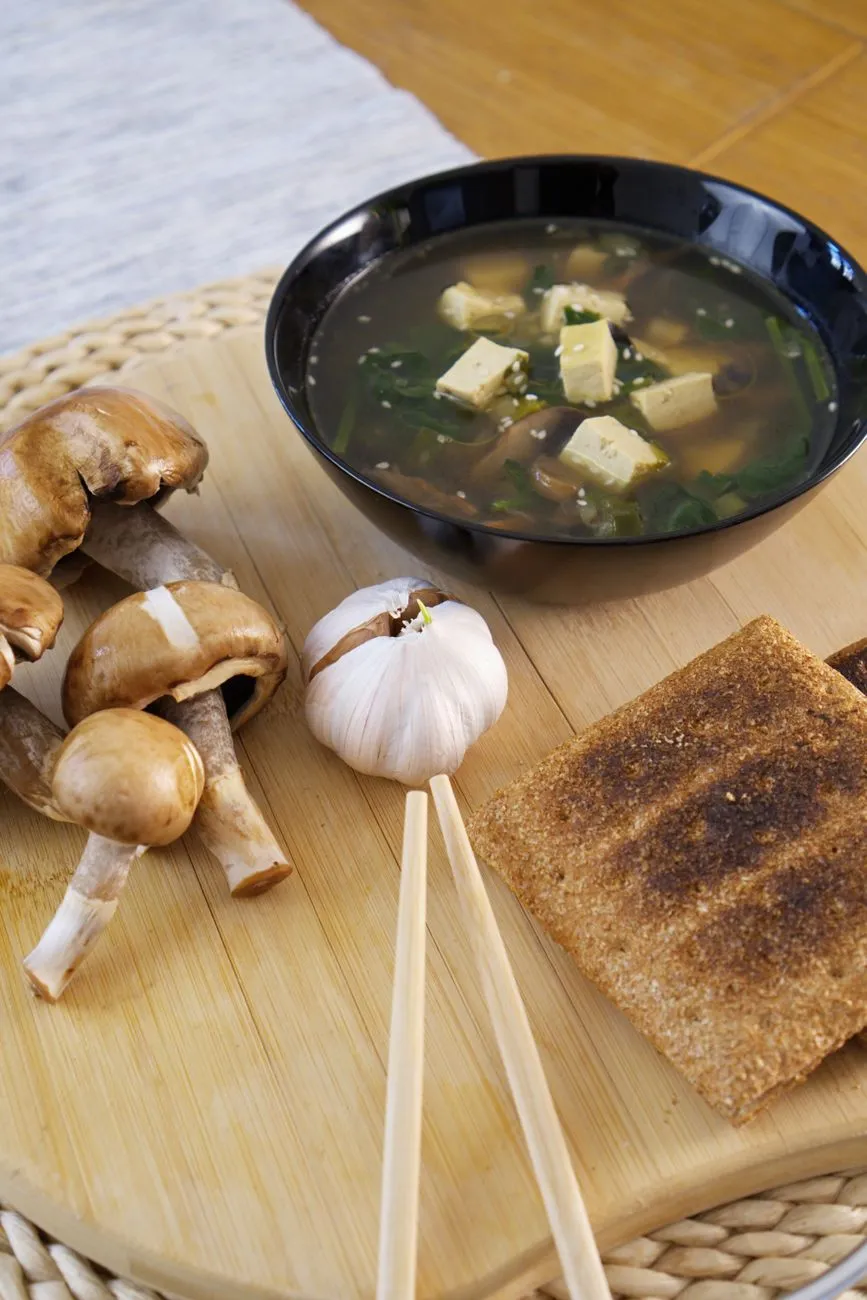
- Isabella Rossi
- 02 Sep, 2026 21:14
The Fifth Taste Unlocked: Mastering Umami to Transform Every Bite into a Flavor Explosion
The Fifth Taste Unlocked: Mastering Umami to Transform Every Bite into a Flavor Explosion Have you ever wondered why a simple bowl of miso soup can taste so deeply satisfying, or why a sprinkle of Parmesan cheese can turn a bland pasta dish into a culinary masterpiece? The answer lies in umami—the fifth taste, alongside sweet, sour, salty, and bitter. Discovered by Japanese chemist Kikunae Ikeda in 1908, umami is the savory, mouthwatering sensation that makes food irresistibly delicious. Unlike the other four tastes, which are detected by taste buds on the tongue, umami is detected by receptors in the gut, making it a unique and powerful flavor enhancer. Umami is not just a fleeting trend in fine dining; it’s a fundamental building block of flavor that can transform everyday meals into extraordinary experiences. From the rich depth of soy sauce to the earthy notes of mushrooms, umami is the secret weapon of chefs and home cooks alike. But how do you harness its power? What foods are the best sources of umami, and how can you combine them to create dishes that burst with flavor? Let’s dive into the science, history, and art of umami mastery.The Science of Umami: How Your Brain Falls in Love with Savory Flavors Umami is triggered by glutamates and nucleotides, natural compounds found in a variety of foods. The most well-known glutamate is monosodium glutamate (MSG), but umami-rich foods contain glutamates in their natural form, such as in tomatoes, cheese, and fermented products. When these compounds bind to umami receptors in your gut, they send signals to your brain that trigger a sense of satisfaction and craving for more. Research published in the Journal of Nutrition highlights that umami not only enhances flavor but also increases saliva production, which aids digestion and makes food more enjoyable. Additionally, studies in Flavour journal suggest that umami can reduce the need for excessive salt in cooking, making it a healthier option for those watching their sodium intake. The science is clear: umami is not just a taste—it’s a biological trigger for pleasure. To truly understand umami, let’s break down its key components:Glutamates: Found in foods like tomatoes, Parmesan cheese, and soy sauce, glutamates are the primary drivers of umami. For example, a ripe tomato contains about 250 mg of glutamate per 100 grams, while Parmesan cheese boasts a whopping 1,200 mg per 100 grams. Nucleotides: These compounds, such as inosinate and guanylate, amplify the umami effect. They are found in foods like dried shiitake mushrooms (150 mg of guanylate per 100 grams) and bonito flakes (200 mg of inosinate per 100 grams). Synergy: When glutamates and nucleotides are combined, they create a synergistic effect, enhancing the umami flavor exponentially. This is why dishes like ramen, which combine soy sauce (glutamate) with bonito flakes (inosinate), are so irresistibly savory.The Global Pantry of Umami: Ingredients That Pack a Savory Punch Umami is not confined to Japanese cuisine—it’s a universal language of flavor found in cuisines around the world. From the fermented soybeans of Southeast Asia to the aged cheeses of Europe, umami-rich ingredients are the backbone of countless dishes. Here’s a global tour of the most potent umami sources: Asia: The Birthplace of UmamiSoy Sauce: A staple in Chinese and Japanese cooking, soy sauce is fermented from soybeans and wheat, containing high levels of glutamate. A single tablespoon can provide up to 500 mg of glutamate. Miso Paste: Made from fermented soybeans, miso is a powerhouse of umami. White miso contains about 800 mg of glutamate per 100 grams, while red miso can have up to 1,200 mg. Fish Sauce: Used in Thai and Vietnamese cuisine, fish sauce is made from fermented fish and is rich in inosinate. A tablespoon can contain up to 300 mg of inosinate. Dried Shiitake Mushrooms: These mushrooms are dried to concentrate their umami compounds, with 100 grams containing about 150 mg of guanylate.Europe: Aged and Fermented DelightsParmesan Cheese: Aged for at least 12 months, Parmesan is one of the richest sources of glutamate, with 1,200 mg per 100 grams. Pecorino Romano: Another Italian cheese, Pecorino Romano contains about 1,000 mg of glutamate per 100 grams. Anchovies: These small fish are packed with inosinate, with a single anchovy fillet containing up to 50 mg. Sun-Dried Tomatoes: Concentrated by the drying process, sun-dried tomatoes can contain up to 650 mg of glutamate per 100 grams.The Americas: Earthy and Robust FlavorsTomatoes: Ripe tomatoes are a natural source of glutamate, with about 250 mg per 100 grams. Cooking tomatoes, as in a slow-simmered marinara sauce, intensifies their umami. Corn: When dried and processed into masa, corn becomes a rich source of glutamate, with about 150 mg per 100 grams. Beef: Slow-cooked beef, such as in a pot roast, releases glutamates through the breakdown of proteins, enhancing its savory depth.Africa: Fermented StaplesFermented Locust Beans (Iru): Used in West African cuisine, fermented locust beans are a potent source of glutamate, with about 1,000 mg per 100 grams. Dried Fish: Common in Nigerian and Ghanaian dishes, dried fish is rich in inosinate, adding a deep umami flavor to stews and soups.The Umami Equation: How to Combine Ingredients for Maximum Flavor Now that you know the key players, it’s time to master the art of umami pairing. The secret lies in combining ingredients that complement each other’s umami compounds, creating a flavor explosion that lingers on the palate. Here’s a step-by-step guide to crafting umami-rich dishes: Step 1: Start with a Base Umami Ingredient Every great umami dish begins with a strong base. This could be:A soy sauce or miso marinade for meats or tofu. A tomato-based sauce for pasta or pizza. A fermented cheese like Parmesan for pasta or risotto. A mushroom or seaweed broth for soups and stews.For example, a classic Italian dish like Pasta al Pomodoro relies on the umami from sun-dried tomatoes and Parmesan cheese. The glutamate in the tomatoes and the cheese create a synergistic effect, making the dish taste richer and more satisfying. Step 2: Layer in Secondary Umami Sources Once you have your base, add secondary umami ingredients to deepen the flavor. These could include:Bonito flakes in a Japanese dashi broth. Anchovies in a Caesar salad dressing. Fish sauce in a Thai green curry. Dried mushrooms in a risotto.For instance, a French onion soup gains its depth from caramelized onions (which develop glutamate when cooked) and a splash of Worcestershire sauce (which contains anchovies and tamarind, both rich in umami). Step 3: Balance with Acid and Fat Umami is powerful, but it needs balance to shine. Acidic ingredients like lemon juice, vinegar, or wine can brighten the flavor, while fats like olive oil, butter, or cream can round out the richness. For example:A drizzle of balsamic glaze over roasted vegetables enhances the umami of the vegetables. A pat of butter stirred into a mushroom sauce adds a velvety texture that carries the umami flavors.Step 4: Finish with a Umami Boost The final touch can make all the difference. Consider adding:A sprinkle of grated Parmesan over a dish. A dash of soy sauce to a stir-fry. A pinch of MSG (if you’re comfortable with it) to intensify the flavor.Umami in Action: Recipes That Prove Its Power Let’s put theory into practice with three umami-packed recipes that showcase the fifth taste in all its glory. 1. The Ultimate Umami Burger Ingredients:1 lb ground beef (80/20 fat ratio) 1 tbsp fish sauce 1 tsp Worcestershire sauce 1 tbsp soy sauce 1 tsp grated Parmesan cheese 1 tbsp butter 1 slice aged cheddar cheese 1 brioche bun, toasted Toppings: caramelized onions, pickles, arugulaMethod:Mix the fish sauce, Worcestershire sauce, soy sauce, and Parmesan into the ground beef. This marinade infuses the meat with umami before cooking. Form the patties and cook in a cast-iron skillet with butter over medium-high heat until medium-rare. Add the cheddar cheese in the last minute of cooking to melt. Assemble the burger with caramelized onions (cooked with a splash of balsamic vinegar for acidity) and pickles for contrast.Why It Works: The fish sauce and Worcestershire sauce provide inosinate and glutamate, while the Parmesan and aged cheddar add more glutamate. The caramelized onions and pickles balance the richness with acidity and crunch. 2. Miso-Glazed Salmon with Sesame Broccoli Ingredients:2 salmon fillets 2 tbsp white miso paste 1 tbsp honey 1 tbsp rice vinegar 1 tsp grated ginger 1 head broccoli, cut into florets 1 tbsp sesame oil 1 tbsp toasted sesame seedsMethod:Whisk together the miso paste, honey, rice vinegar, and ginger to make the glaze. Coat the salmon fillets in the glaze and let marinate for 30 minutes. Roast the salmon at 400°F (200°C) for 12-15 minutes until flaky. Toss the broccoli in sesame oil and roast alongside the salmon for the last 10 minutes. Sprinkle with sesame seeds before serving.Why It Works: Miso paste is a glutamate powerhouse, and the honey and ginger add sweetness and warmth to balance the savory depth. The sesame seeds and oil contribute a nutty umami of their own. 3. Umami Bomb Pasta Carbonara Ingredients:8 oz spaghetti 4 oz guanciale or pancetta, diced 2 large egg yolks 1 oz Pecorino Romano, grated 1 oz Parmesan, grated 1 tsp black pepper, freshly cracked 1 tbsp olive oil 1 clove garlic, minced (optional)Method:Cook the spaghetti in salted water until al dente. Reserve 1 cup of pasta water. In a pan, cook the guanciale or pancetta over medium heat until crispy. Add the garlic if using. In a bowl, whisk the egg yolks, grated cheeses, and black pepper. Drain the pasta and add it to the pan with the guanciale. Toss to coat. Remove the pan from heat and quickly stir in the egg mixture, adding reserved pasta water as needed to create a creamy sauce.Why It Works: Guanciale and pancetta are rich in inosinate, while the Pecorino and Parmesan provide glutamate. The egg yolks add richness, and the black pepper adds a subtle bite to round out the flavors.The Umami Table: A Flavor Profile Comparison To help you visualize the power of umami, here’s a comparison of common umami-rich ingredients and their glutamate and nucleotide content:Ingredient Glutamate (mg/100g) Nucleotide (mg/100g) Best PairingsParmesan cheese 1,200 0 Pasta, risotto, saladsSoy sauce 500 0 Stir-fries, marinades, dippingSun-dried tomatoes 650 0 Pasta, bruschetta, saucesDried shiitake mushrooms 0 150 (guanylate) Broths, stir-fries, risottoBonito flakes 0 200 (inosinate) Dashi broth, soupsFish sauce 0 300 (inosinate) Thai curries, Vietnamese phoAnchovies 0 50 (inosinate) Caesar dressing, pasta saucesMiso paste 800-1,200 0 Soups, marinades, glazesThis table highlights how different ingredients contribute to umami in unique ways. For example, while Parmesan is a glutamate powerhouse, bonito flakes rely on nucleotides to amplify flavor. Combining these ingredients can create a symphony of savory notes.Umami Beyond the Plate: Unexpected Sources and Uses Umami isn’t just for savory dishes—it can elevate sweet and even vegetarian meals too. Here are some unexpected ways to incorporate umami into your cooking: Sweet Dishes with a Savory TwistUmami Caramel Sauce: Add a splash of soy sauce or fish sauce to your caramel sauce for a deep, complex flavor. The glutamate in the soy sauce enhances the sweetness, creating a balance that’s both familiar and intriguing. Chocolate-Dipped Strawberries with Miso Glaze: A thin layer of white miso paste mixed with honey and chocolate creates a dessert that’s both sweet and umami-rich. The miso’s saltiness cuts through the chocolate’s richness.Vegetarian and Vegan Umami BoostersNutritional Yeast: This deactivated yeast is a vegan source of glutamate, with about 1,500 mg per 100 grams. Sprinkle it on popcorn, pasta, or roasted vegetables for a cheesy, savory flavor. Tomato Paste: Concentrated tomato paste is a glutamate bomb, with about 1,400 mg per 100 grams. Use it as a base for vegan Bolognese or as a glaze for roasted vegetables. Seaweed: Dried seaweed, like nori or kombu, is rich in glutamate. Use it to wrap sushi, sprinkle on salads, or make a quick dashi broth.Umami in BeveragesUmami Bloody Mary: Add a dash of Worcestershire sauce and a pinch of MSG to your Bloody Mary mix for a deeper, more complex flavor. Mushroom Coffee: Some specialty coffee blends incorporate dried mushrooms, which add a subtle umami note to the brew, enhancing its earthy flavor.The Future of Umami: Trends and Innovations Umami is no longer a secret confined to professional kitchens—it’s a global phenomenon shaping the future of food. Here are some trends and innovations to watch: Umami in Plant-Based Cooking As plant-based diets grow in popularity, umami is becoming the key to creating satisfying, meaty flavors without animal products. Innovations like fermented tofu, mushroom-based "meats," and umami-rich vegetable broths are making plant-based dishes more appealing to even the most devoted carnivores. Umami in Snack Foods Snack companies are catching on to the power of umami, incorporating ingredients like dried mushrooms, miso, and seaweed into chips, crackers, and popcorn. These snacks offer a savory crunch that’s both addictive and nutritious. Umami in Beverages From umami-infused cocktails to savory sodas, the beverage industry is experimenting with umami to create drinks that are both refreshing and deeply flavorful. For example, a tomato-based Bloody Mary mix or a miso-infused gin cocktail can offer a unique twist on classic drinks. Umami in Fermentation Fermentation is the key to unlocking umami, and chefs and home cooks are embracing traditional fermentation techniques to create their own umami-rich ingredients. From homemade miso and soy sauce to fermented hot sauces, the possibilities are endless.Your Umami Journey Begins Now Umami is more than just a taste—it’s a gateway to a world of flavor exploration. Whether you’re a home cook looking to elevate your meals or a professional chef seeking to refine your craft, mastering umami will transform the way you think about food. Start by experimenting with the ingredients and techniques in this guide, and don’t be afraid to get creative. The fifth taste is waiting to be unlocked in your kitchen. Remember, umami is not about overpowering flavors—it’s about balance, depth, and satisfaction. So go ahead, sprinkle that Parmesan, drizzle that soy sauce, and savor the explosion of flavor that umami brings to every bite.#UmamiMastery #FlavorExplosion #SavorySecrets #GourmetCooking #FoodScienceRelated InsightsFrom Naples to Your Kitchen: Mastering the Sacred Art of Authentic Neapolitan Pizza Mumbai’s Midnight Feast: The Spicy, Crunchy, Unforgettable Soul of the City’s Streets (Part 2) Cheong Fun: Silky Rice Noodle Rolls{ "@context": "https://schema.org", "@type": "FAQPage", "mainEntity": [ { "@type": "Question", "name": "What is the main focus of The Fifth Taste Unlocked: Mastering Umami to Transform Every Bite into a Flavor Explosion?", "acceptedAnswer": { "@type": "Answer", "text": "Discover the science of umami, the fifth taste, and learn how to harness its power to elevate your cooking from ordinary to extraordinary." } }, { "@type": "Question", "name": "Who authored the comprehensive guide on The Fifth Taste Unlocked: Mastering Umami to Transform Every Bite into a Flavor Explosion?", "acceptedAnswer": { "@type": "Answer", "text": "This detailed article and its insights were carefully researched and authored by Isabella Rossi." } }, { "@type": "Question", "name": "Where can I find more related content about Food?", "acceptedAnswer": { "@type": "Answer", "text": "You can explore more articles, detailed reviews, and similar insights by browsing the Related Insights section at the bottom of this article or visiting our dedicated Food category page." } } ] }
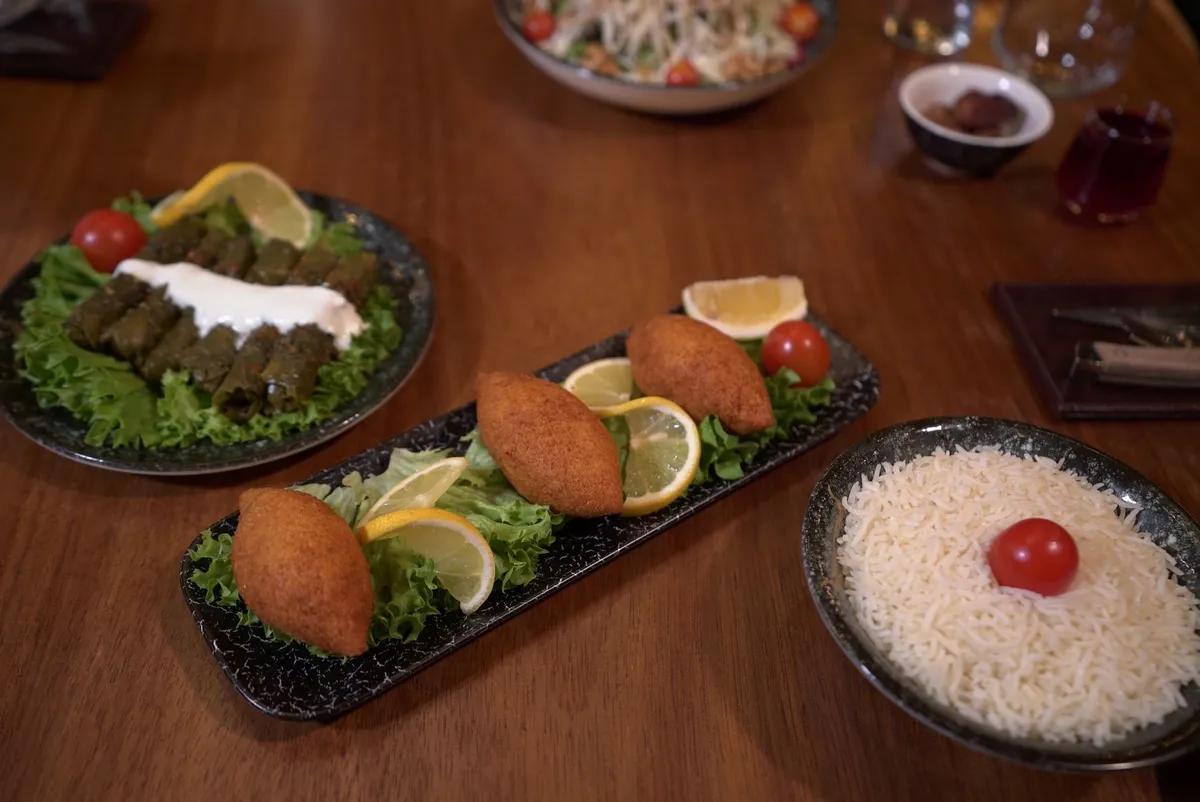
Le soleil décline sur les toits en pierre de taille, projetant des ombres allongées sur les plateaux cuivrés où s’entassent, dans un désordre savamment orchestré, les promesses d’une soirée mémorable. Ici, au cœur du Levant, manger n’est pas un acte solitaire, mais une liturgie partagée. Le Mezze n’est pas une simple entrée ; c’est une philosophie, une grammaire du goût où le sel, l’acidité et le gras s’entrelacent pour raconter l’histoire d’une terre qui a vu naître les premières civilisations et les routes commerciales les plus anciennes du monde. L'Héritage des Routes de la Soie et des Épices Le Mezze, du persan maza signifiant « savourer », porte en lui les échos des comptoirs phéniciens, des conquêtes romaines et du raffinement ottoman. C’est une mosaïque culturelle disposée sur une table. Chaque élément – du houmous onctueux au taboulé vibrant – agit comme un ambassadeur d’une région spécifique. Le Levant, ce carrefour entre l’Europe, l’Afrique et l’Asie, a su capturer l’essence des épices orientales pour les marier à la frugalité méditerranéenne : l’huile d’olive, les pois chiches, les aubergines et les herbes fraîches. En explorant ces saveurs, on ne se contente pas de nourrir son corps, on remonte le temps. Le pois chiche, base fondamentale du houmous, est cultivé dans la région depuis près de 10 000 ans, un pilier archéologique devenu aujourd'hui le symbole du partage universel.La Poésie des Textures : Au-delà du simple Houmous Si le houmous domine souvent les conversations, il ne constitue que la première note d’une partition complexe. Le Mutabal, ce caviar d’aubergines fumées au feu de bois, révèle la maîtrise du feu, un savoir-faire ancestral des populations nomades. La texture soyeuse du tahini, cette crème de sésame indispensable, apporte une profondeur noisettée qui équilibre l'acidité tranchante du citron, omniprésent dans ces contrées baignées de soleil. On ne saurait parler de Mezze sans évoquer le Taboulé traditionnel. Ici, point de montagne de semoule ; le persil plat est roi, finement haché, marié à une pointe de menthe et une pincée de boulgour. C’est la fraîcheur brute de la terre libanaise et syrienne, une salade qui nettoie le palais et prépare le convive aux richesses plus denses qui suivent. Le Rituel de la Table Partagée La force du Mezze réside dans sa capacité à briser les barrières. Dans une taverne de Beyrouth ou dans la cour d’une maison à Damas, le plateau est un espace démocratique. On pioche, on trempe, on échange. Le pain, souvent un pain plat type khubz, devient l'instrument indispensable, le prolongement de la main, capable de recueillir chaque goutte d'huile d'olive infusée au zaatar. Le zaatar, ce mélange iconique de thym, de sumac et de graines de sésame, est le véritable ciment spirituel de cette cuisine. Chaque famille possède sa propre recette, transmise oralement de génération en génération. C'est une signature olfactive, une madeleine de Proust pour quiconque a grandi sous le ciel azur du Levant.Les Joyaux Cachés : Kibbeh et Feuilles de Vigne Parmi les plats plus complexes, le Kibbeh occupe une place à part. Composé de boulgour, d'oignons hachés et de viande de bœuf ou d'agneau finement épicée, il représente la patience. Qu’il soit servi cru (kibbeh nayyeh), frit ou cuit au four, il témoigne de la maîtrise technique des chefs levantins, capables de transformer des ingrédients simples en une expérience gastronomique riche en omami. Les feuilles de vigne farcies, ou warak enab, sont quant à elles le témoignage de la patience. Rouler ces petits cigares végétaux demande une dextérité acquise dès l'enfance. Farcies de riz, de tomates et d'aromates, elles sont lentement mijotées dans un jus citronné qui confère à la feuille une tendreté incomparable. Chaque bouchée est un chapitre d'histoire : la vigne, présente dans le Levant depuis l'Antiquité, symbolise la fertilité et la convivialité des terres méditerranéennes. L'Équilibre Saisonnier : Un Art de Vivre Le Mezze est une ode au cycle des saisons. En automne, les grenades font leur apparition, apportant leurs grains rubis pour agrémenter les plats d'une acidité sucrée. Au printemps, les jeunes pousses et les fèves fraîches prennent le devant de la scène. Cette adaptation permanente au terroir fait de la cuisine levantine l'une des plus durables et saines au monde. Il ne s'agit pas d'une cuisine de transformation lourde, mais d'une cuisine de révélation. On sublime le produit brut, on souligne sa saveur naturelle avec quelques gouttes d'huile d'olive pressée à froid, récoltée dans les oliveraies séculaires qui ponctuent les paysages escarpés du Liban ou de la Palestine.Une Invitation à l'Hospitalité En conclusion, aborder le Mezze, c'est accepter une invitation à l'hospitalité légendaire du peuple levantin. C’est une invitation à ralentir. Dans un monde de plus en plus rapide, le Mezze nous force à nous arrêter, à savourer le temps qui passe entre deux discussions passionnées, un verre d'arak à la main. C’est une cuisine qui ne se mange pas seulement, elle se vit. Chaque petite assiette raconte une épopée, chaque ingrédient porte la mémoire d'un sol aride devenu fertile grâce à l'ingéniosité humaine. Alors, la prochaine fois que vous tremperez un morceau de pain dans un houmous onctueux ou que vous sentirez le parfum terreux du sumac, rappelez-vous : vous ne faites pas que manger, vous participez à une tradition millénaire qui, malgré les vicissitudes du monde, continue de rassembler les hommes autour de la table. Car au bout du compte, comme le disent les anciens de la région : « Une table sans Mezze est une table sans âme. » Que ce voyage à travers les saveurs levantines vous inspire à transformer votre propre table en un lieu de partage, où chaque ingrédient devient le prétexte à une belle histoire à raconter. #CuisineLevantine #Gastronomie #ArtDeVivre #VoyageCulinaire #Mezze Related InsightsDelving into the World of Anti-Inflammatory German Potato Salad with Dill and Apple Cider Vinaigrette (Vegan) Siu Mai: The Classic Open-Faced Pork Dumpling The Emerald Symphony of the Levant: Unveiling the Soul of Authentic Tabbouleh{ "@context": "https://schema.org", "@type": "FAQPage", "mainEntity": [ { "@type": "Question", "name": "What is the main focus of L'Alchimie du Levant : Quand l'Histoire se Déguste en Mezze?", "acceptedAnswer": { "@type": "Answer", "text": "Plongez dans l'art séculaire du Mezze, une symphonie culinaire où chaque bouchée narre les épices et les traditions du bassin méditerranéen." } }, { "@type": "Question", "name": "Who authored the comprehensive guide on L'Alchimie du Levant : Quand l'Histoire se Déguste en Mezze?", "acceptedAnswer": { "@type": "Answer", "text": "This detailed article and its insights were carefully researched and authored by Chloe Blanc." } }, { "@type": "Question", "name": "Where can I find more related content about Food?", "acceptedAnswer": { "@type": "Answer", "text": "You can explore more articles, detailed reviews, and similar insights by browsing the Related Insights section at the bottom of this article or visiting our dedicated Food category page." } } ] }
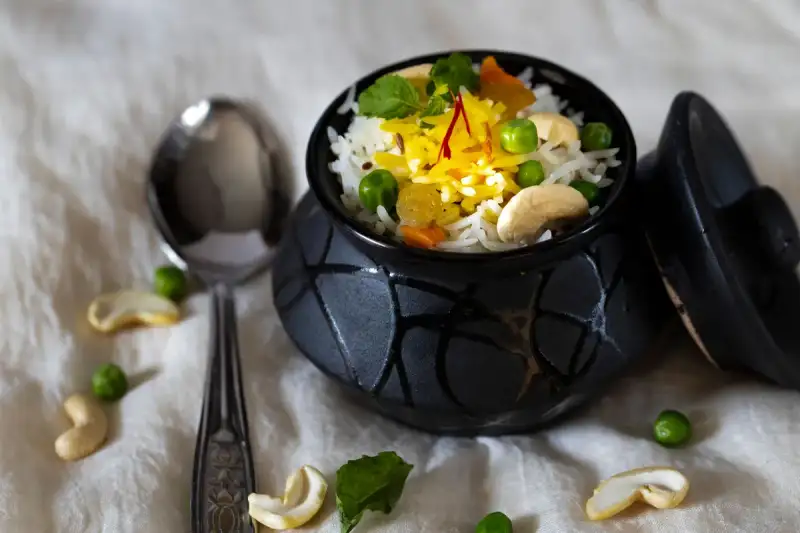
- Kenji Sato
- 01 Sep, 2026 11:58
The Scents of Royalty: A Journey Through Indian Biryani's Aromatic Delights
The first whiff of biryani is like stepping into a Mughal palace—warm, complex, and undeniably regal. This isn’t just a dish; it’s a symphony of spices, slow-cooked traditions, and centuries-old craftsmanship. From the royal kitchens of Delhi to the bustling streets of Hyderabad, biryani has traveled through time, carrying with it the scents of empire, the whispers of spice traders, and the soul of a subcontinent.The Mughal Legacy: How Biryani Became the Crown Jewel of Indian Cuisine The story of biryani begins not in India, but in Persia. The word itself derives from the Persian beryan, meaning "to fry or roast." When Persian chefs entered the Indian subcontinent under Mughal rule in the 16th century, they brought with them techniques of layering meat and rice, slow-cooked in sealed pots—a method perfected in the royal kitchens of Emperor Babur and later refined by his successors. Historical records from the Mughal court, such as the Ain-i-Akbari compiled during Akbar’s reign, mention dishes resembling biryani, prepared for emperors and nobility. The dish evolved as it traveled—Persian pulao met Indian spices, and the result was biryani: a layered masterpiece where basmati rice, marinated meat, and aromatic spices meld into one transcendent bite. The technique of dum cooking—sealing the pot with dough and slow-cooking over charcoal—was a Mughal innovation. This method ensured that the flavors of meat, rice, and spices intermingled without losing their individual identities. The use of saffron, a luxury imported from Kashmir, became a hallmark of royal biryani, symbolizing opulence and refinement. Today, two styles dominate the biryani narrative: Hyderabadi and Lucknowi. The Hyderabadi version, born in the Nizami court, is robust and fiery, with layers of basmati rice, spiced meat (usually mutton or chicken), and fried onions. The Lucknowi biryani, on the other hand, is delicate and perfumed, with meat marinated in yogurt and rose water, and rice lightly spiced with kewra and saffron.The Spice Alchemy: Decoding the Aromatic Soul of Biryani At the heart of every biryani lies its spice blend—a carefully curated orchestra of flavors that dance on the palate. While regional variations exist, the core spices remain consistent: cardamom, cinnamon, cloves, bay leaves, and nutmeg, along with ginger, garlic, and green chilies for depth. The star, however, is biryani masala, a proprietary mix that varies from family to family. The process begins with marinating the meat—traditionally lamb or chicken—in yogurt, ginger-garlic paste, and a blend of spices. The yogurt tenderizes the meat while infusing it with flavor. The marinade often includes kasturi methi (dried fenugreek leaves), which lends a distinctive earthy aroma, and saffron strands soaked in warm milk, adding a golden hue and floral notes. For the rice, basmati is the gold standard—long-grain, fragrant, and non-sticky. The rice is parboiled with whole spices like bay leaves, cinnamon, and cardamom, then layered with the marinated meat in a handi (clay pot) or heavy-bottomed vessel. The final touch is the dum process: the pot is sealed with dough or foil, and the biryani is slow-cooked over low heat, allowing the steam to work its magic. The result? A dish where every grain of rice is infused with the essence of the meat, and every bite of meat carries the warmth of spices. The aroma alone—cardamom’s citrusy sweetness, cinnamon’s woody depth, and the faint smokiness of charred onions—is enough to transport you to the streets of Old Delhi or the palaces of Awadh.Regional Variations: A Culinary Map of India’s Biryani Kingdom India’s biryani is not a monolith—it’s a patchwork of regional identities, each with its own history, ingredients, and techniques. Hyderabad: The Fire and Spice Capital Hyderabadi biryani is the stuff of legend. Here, the kacchi style—where raw marinated meat is layered with parboiled rice and slow-cooked—dominates. The meat is cooked in its own juices, absorbing the spices deeply. The dish is finished with fried onions, mint, and coriander, and served with mirchi ka salan (a fiery chili curry) and raita. The heat is balanced by the cooling yogurt, creating a perfect harmony. Lucknow: The Elegance of Awadh Lucknowi biryani is a study in subtlety. The pakki style—where meat is pre-cooked before layering—results in tender, melt-in-the-mouth pieces. The rice is lightly spiced with kewra water and saffron, giving it a pale golden hue. The meat is marinated in yogurt and rose water, lending a delicate floral note. This biryani is often served with raita and shahi tukda (a royal dessert), reflecting its Mughal aristocratic roots. Kolkata: The Colonial Fusion Biryani in Kolkata is a product of British colonial influence. The Kolkata biryani uses potatoes and boiled eggs alongside meat, a nod to the British preference for softer textures. The spices are milder, and the dish is often garnished with fried cashews and raisins, adding a touch of sweetness. This version is a testament to how biryani adapted to local tastes while retaining its essence. Malabar: The Coastal Twist In Kerala’s Malabar region, biryani takes on a coastal flair. The Malabar biryani features short-grain rice, coconut milk, and a generous dose of curry leaves and black pepper. The meat—often chicken or beef—is marinated in coconut yogurt and spices, then layered with rice. The result is a biryani that’s fragrant, slightly tangy, and deeply aromatic, with the unmistakable influence of Malabar’s spice trade history. Sindhi: The Bold and Spicy Sindhi biryani, hailing from the Sindh region (now in Pakistan), is known for its bold flavors. The meat is marinated in a fiery blend of spices, including red chili powder and garam masala, and cooked with potatoes. The rice is vibrantly colored with turmeric or food coloring, and the dish is garnished with fried onions and boiled eggs. This biryani is hearty, spicy, and unapologetically robust.Biryani Style Key Ingredients Cooking Style Flavor ProfileHyderabadi Mutton, basmati rice, fried onions Kacchi (raw meat) Spicy, robust, layeredLucknowi Chicken, yogurt, kewra water Pakki (pre-cooked meat) Mild, floral, delicateKolkata Potatoes, eggs, basmati rice Pakki Milder, slightly sweetMalabar Chicken, coconut milk, curry leaves Kacchi Tangy, fragrant, coastalSindhi Beef, potatoes, red chili powder Kacchi Bold, spicy, vibrantThe Biryani Ritual: From Market to Table Making biryani is not just cooking—it’s a ritual. It begins at the spice market, where vendors grind fresh spices on stone wheels, their aromas mingling in the air. The selection of basmati rice is crucial; only the finest, aged grains will yield the perfect texture. The meat—whether lamb, chicken, or goat—must be fresh and marinated overnight to allow the spices to penetrate deeply. The handi (clay pot) is an essential tool. It’s preheated to ensure even cooking, and the dough seal (purda) is meticulously crafted to trap the steam. The dum process is where the magic happens—low heat, slow cooking, and patience. Some chefs even place a lit charcoal on top of the sealed pot, infusing the biryani with a smoky aroma. Serving biryani is an art in itself. It’s traditionally presented in a large platter, with the rice and meat arranged in layers. Garnishes like fried onions, mint, and coriander are added just before serving, along with a side of raita (yogurt with cucumber and mint) to balance the heat. In Hyderabad, it’s served with mirchi ka salan, while in Lucknow, it’s paired with shahi tukda for a royal finish. The experience of eating biryani is communal—often shared from a single platter, with hands or utensils, in a setting that’s as much about the people as the food. It’s a dish that brings families together, celebrates festivals, and marks life’s milestones.Biryani Beyond Borders: Global Adaptations and Health Considerations While biryani is deeply rooted in Indian culture, its influence has spread globally. In the UK, Pakistani and Bangladeshi communities have popularized biryani as a takeaway staple, often served with raita and salad. In the Middle East, versions like Yemeni mandi (a spiced rice and meat dish) and Omani kabsa share similarities with biryani, reflecting the historical spice trade routes. In the US, biryani has found a niche in food trucks and fusion restaurants. Chefs experiment with ingredients like quinoa instead of rice, or tofu for a vegetarian twist. However, purists argue that these adaptations dilute the essence of biryani, which relies on the harmony of traditional spices and techniques. For those mindful of nutrition, biryani can be a balanced meal when prepared with lean meats and less oil. A typical serving of Hyderabadi biryani (about 300g) contains approximately:Calories: 450-500 kcal Protein: 25-30g (from meat) Carbohydrates: 50-60g (from rice) Fat: 15-20g (mostly from ghee and oil) Fiber: 3-5g (from vegetables and spices)The spices in biryani also offer health benefits. Turmeric, a key ingredient, is anti-inflammatory, while cardamom aids digestion. However, the high sodium content from fried onions and added salt should be consumed in moderation.The Future of Biryani: Preserving Tradition in a Modern World As global interest in biryani grows, so does the challenge of preserving its authenticity. Fast-food chains and instant biryani mixes threaten to dilute the centuries-old techniques that make biryani special. Yet, there’s hope in the revival of artisanal methods—chefs like Imtiaz Qureshi (a pioneer of modern Indian cuisine) and Zorawar Kalra (of Masala Library fame) are reimagining biryani with a focus on tradition and innovation. Social media has also played a role in biryani’s resurgence. Platforms like Instagram and TikTok have turned biryani into a viral sensation, with videos of the dum process and layered rice garnering millions of views. Food festivals dedicated to biryani, such as the Hyderabad Biryani Festival, celebrate the dish’s diversity and cultural significance. For home cooks, the key to a great biryani lies in patience and attention to detail. Start with the right spices, marinate the meat overnight, and don’t rush the dum process. The result will be a dish that’s not just food, but a piece of history on your plate.A Feast for the Senses: Why Biryani Endures Biryani is more than a dish—it’s a cultural artifact, a culinary masterpiece, and a sensory experience. Its aromas evoke memories of bustling markets and royal feasts. Its flavors tell stories of trade routes, empires, and local ingenuity. And its textures—crispy fried onions, tender meat, fluffy rice—are a testament to the skill of the cook. In a world where fast food often dominates, biryani reminds us of the beauty of slow cooking, of layering flavors, and of sharing a meal with loved ones. It’s a dish that transcends borders, bringing people together in celebration of India’s rich culinary heritage. So the next time you take a bite of biryani, close your eyes and let the scents transport you. You’re not just eating a meal—you’re tasting history.#IndianFoodie #BiryaniLove #SpiceTrails #RoyalCuisine #FoodMemories Related InsightsSip, Savor, and Swoon: The Art of French Wine and Cheese Pairings That Will Transport You to the Vineyards of Bordeaux French Lentil Soup with Kale and Dijon: A High Protein Delight Das Herz des Dampfes: Die Kunst und Philosophie hinter der Dim Sum Kultur{ "@context": "https://schema.org", "@type": "FAQPage", "mainEntity": [ { "@type": "Question", "name": "What is the main focus of The Scents of Royalty: A Journey Through Indian Biryani's Aromatic Delights?", "acceptedAnswer": { "@type": "Answer", "text": "Discover the regal history, regional variations, and aromatic secrets of India's most celebrated dish—biryani." } }, { "@type": "Question", "name": "Who authored the comprehensive guide on The Scents of Royalty: A Journey Through Indian Biryani's Aromatic Delights?", "acceptedAnswer": { "@type": "Answer", "text": "This detailed article and its insights were carefully researched and authored by Kenji Sato." } }, { "@type": "Question", "name": "Where can I find more related content about Food?", "acceptedAnswer": { "@type": "Answer", "text": "You can explore more articles, detailed reviews, and similar insights by browsing the Related Insights section at the bottom of this article or visiting our dedicated Food category page." } } ] }