Showing Posts From
Food
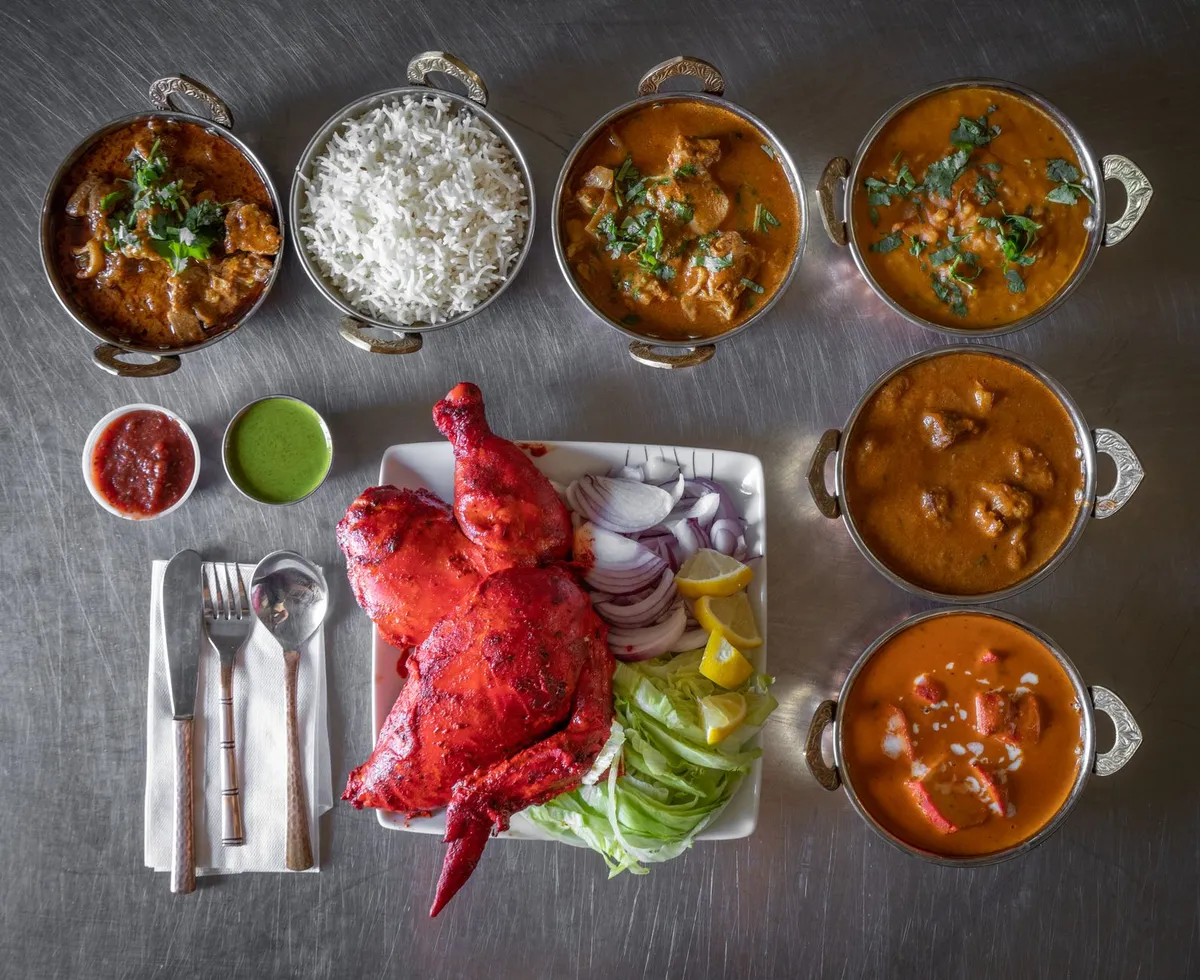
-
 Eleanor Hughes
 - 31 Aug, 2026 14:20
Savor the Spice: A Deep Dive into South India’s Coastal and Vegan Culinary Wonders
South India’s culinary landscape is a symphony of flavors, where the rhythmic waves of the Indian Ocean meet the lush greenery of the Western Ghats, and where centuries-old traditions blend seamlessly with modern vegan innovations. This region, stretching from the sun-kissed beaches of Kerala to the aromatic backwaters of Tamil Nadu, is a treasure trove of coastal delicacies and plant-based masterpieces. Whether you're a seasoned foodie or a curious vegan explorer, South India offers a sensory journey that’s as nourishing as it is unforgettable. Here, coconut reigns supreme—not just as an ingredient but as a cultural cornerstone. From the creamy coconut milk that thickens curries to the freshly grated coconut that crowns dosas, this versatile fruit is the heartbeat of South Indian cuisine. Meanwhile, the coastal regions infuse every dish with the briny kiss of the sea, where fish curries dissolve into tangy tamarind broths and prawns dance in fiery red masalas. For vegans, the challenge isn’t scarcity but abundance: jackfruit masquerades as meat, lentils transform into rich stews, and banana blossoms star in crispy fritters. But what makes South Indian food truly extraordinary is its ability to balance heat, acidity, and umami with effortless grace. The cuisine thrives on contrasts—tangy tamarind cuts through the richness of coconut, while fiery green chilies are tempered by cooling yogurt or coconut water. Even the simplest meal, like a bowl of steaming sambar with rice, becomes a revelation when the spices are freshly ground and the ingredients are locally sourced. In this guide, we’ll peel back the layers of South India’s culinary magic, exploring its coastal treasures and vegan delights through the lens of history, science, and sensory experience. Prepare to be transported to a world where every bite tells a story.The Spice Route Reimagined: How Coastal Flavors Define South India’s Culinary IdentitySouth India’s coastline, stretching over 800 kilometers, has been a crossroads of trade, culture, and cuisine for millennia. The spice route that once connected India to the Mediterranean and beyond left an indelible mark on the region’s food, infusing it with flavors that are as diverse as they are vibrant. Coastal cuisine here is a celebration of the sea, where fish, prawns, and crab are transformed into dishes that are as much about texture as they are about taste. Take, for example, the iconic Karimeen Pollichathu, a Kerala delicacy made with pearl spot fish marinated in a fiery red masala, wrapped in banana leaf, and grilled to perfection. The banana leaf not only imparts a subtle aroma but also enhances the dish’s umami profile. Similarly, Meen Moilee, a coconut milk-based fish curry, showcases the region’s love for creamy, mildly spiced gravies. The secret? Freshly ground spices like turmeric, coriander, and fenugreek, which are toasted to release their essential oils before being blended into a smooth paste. But coastal South Indian cuisine isn’t just about seafood. The region’s proximity to the ocean means that coconut, a staple crop, is used in every form imaginable—from milk to oil to grated flesh. Coconut oil, with its high smoke point, is ideal for frying, while coconut milk adds richness to curries without overpowering the delicate flavors of fish or vegetables. Even the humble appam, a lacy rice pancake, is made with coconut milk, giving it a slightly sweet, chewy texture that pairs perfectly with stews or curries. For vegans, the coastal influence is equally transformative. Dishes like Chemmeen Thoran, a stir-fry of prawns with coconut and curry leaves, can be reimagined using banana blossoms or jackfruit to mimic the texture of seafood. The key is to use the same aromatic spices—mustard seeds, curry leaves, and dried red chilies—to create a dish that’s just as satisfying. Even fish curry can be veganized by substituting fish with firm tofu or mushrooms, marinated in tamarind and coconut milk to replicate the tangy, briny notes. The science behind these flavors is fascinating. Coconut, for instance, contains medium-chain triglycerides (MCTs), which are metabolized quickly for energy and may aid in digestion. Meanwhile, the capsaicin in chilies triggers endorphin release, creating that addictive "spice high" that South Indian food is famous for. And let’s not forget the role of fermentation—dishes like idli and dosa rely on the microbial magic of rice and lentil batter, which not only enhances digestibility but also boosts the bioavailability of nutrients like iron and zinc. To truly understand coastal South Indian cuisine, one must visit its heartland. In Kochi, the aroma of Karimeen Pollichathu wafts through the air as fishermen unload their daily catch at the harbor. In Mangalore, the fiery Goli Baje, a spicy fritter made with semolina and coconut, is a street food staple. And in Chennai, the Meen Kuzhambu, a tamarind-based fish curry, is a testament to the region’s love for bold, tangy flavors.From Farm to Table: The Vegan Alchemy of South India’s Plant-Based TraditionsSouth India’s vegan cuisine is a testament to the region’s resourcefulness and deep-rooted connection to the land. Long before plant-based diets became a global trend, communities across Tamil Nadu, Karnataka, and Kerala were crafting meals that were not only nourishing but also entirely free of animal products. At the heart of this tradition lies the sambar, a lentil-based stew that’s as versatile as it is flavorful. Made with pigeon peas, tamarind, and a medley of vegetables like drumsticks, eggplant, and pumpkin, sambar is a nutritional powerhouse. A single serving provides 15 grams of protein, 10 grams of fiber, and a hefty dose of vitamin C from the tamarind and vegetables. Another cornerstone of South Indian vegan cuisine is avial, a coconut-based vegetable medley that’s both creamy and crunchy. The dish is a celebration of seasonal produce, with vegetables like carrots, beans, and yam simmered in a coconut-yogurt gravy. The yogurt, though technically a dairy product, is often substituted with coconut yogurt in modern vegan adaptations, adding a tangy depth without compromising on ethics. Avial is rich in antioxidants from the vegetables and healthy fats from the coconut, making it a balanced and satisfying dish. One of the most ingenious vegan adaptations in South Indian cuisine is the use of jackfruit. When young and unripe, jackfruit has a meaty texture that’s perfect for curries and stir-fries. In Kerala, jackfruit is often cooked in a spicy coconut gravy, mimicking the texture of meat while delivering a low-fat, high-fiber alternative. A 100-gram serving of jackfruit contains just 95 calories and 1.7 grams of protein, but its high water content makes it incredibly hydrating. For those looking to boost their protein intake, pairing jackfruit with lentils or tofu can create a complete amino acid profile. Banana blossoms, or vazhaipoo, are another vegan secret weapon. These vibrant purple flowers are packed with iron, calcium, and vitamin A, and their slightly bitter taste makes them a perfect match for spicy curries. In Tamil Nadu, vazhaipoo is often used to make crispy fritters or stir-fries, where its delicate texture shines. The blossoms are also a great source of polyphenols, which have anti-inflammatory properties. But perhaps the most iconic vegan dish in South India is the dosa. Made from fermented rice and lentil batter, dosa is not only delicious but also easily digestible due to the fermentation process. The batter’s microbial activity breaks down phytic acid, which can inhibit mineral absorption, making the nutrients in dosa more bioavailable. A single dosa contains 3 grams of protein and 2 grams of fiber, and when paired with coconut chutney and sambar, it becomes a complete meal. For those looking to recreate these dishes at home, the key is to use fresh, locally sourced ingredients. Spices like mustard seeds, cumin, and coriander should be toasted just before grinding to preserve their volatile oils, which are responsible for the aromatic punch. Tamarind, a staple in South Indian cooking, should be soaked and squeezed to extract its tangy pulp, while coconut should be used in its freshest form—grated, milked, or pressed into oil.The Science of Spice: Decoding the Flavors That Make South Indian Food IrresistibleSouth Indian cuisine is a masterclass in flavor balancing, where heat, acidity, sweetness, and umami coexist in perfect harmony. The secret lies in the spices, which are not just seasonings but bioactive compounds that interact with our taste buds and even our physiology. Take, for example, turmeric, a golden spice that’s a staple in almost every South Indian dish. Curcumin, the active compound in turmeric, has been shown in PubMed studies to have anti-inflammatory and antioxidant properties, which may help reduce the risk of chronic diseases like heart disease and cancer. Then there’s mustard seeds, which are tempered in hot oil to release their pungent aroma. Mustard seeds contain glucosinolates, compounds that have been linked to cancer prevention and digestive health. When heated, these compounds break down into isothiocyanates, which give mustard its signature kick and may also have antimicrobial properties. Cumin, another cornerstone of South Indian cooking, is rich in iron, making it a boon for those at risk of anemia. A single teaspoon of cumin seeds provides 1.4 milligrams of iron, which is 8% of the daily recommended intake. Cumin also contains thymol, a compound that stimulates digestive enzymes and may help alleviate bloating and indigestion. But perhaps the most fascinating spice in South Indian cuisine is asafoetida, or hing. This pungent resin is used in tiny quantities to add a savory, umami depth to dishes, especially in vegan cooking where it mimics the taste of meat. Asafoetida contains coumarins, compounds that have been studied for their anti-inflammatory and antimicrobial effects. It’s also a great source of iron and calcium, making it a nutritional powerhouse. The heat in South Indian food comes primarily from green chilies and black pepper. Capsaicin, the compound responsible for the burn, has been shown to boost metabolism and reduce appetite, making it a popular ingredient in weight management diets. Black pepper, on the other hand, contains piperine, a compound that enhances the absorption of nutrients like selenium and vitamin B6. Even the tamarind used in dishes like puliyodarai (tamarind rice) is a nutritional gem. Tamarind is rich in tartaric acid, which gives it its signature tang and has been studied for its antioxidant and anti-inflammatory properties. It’s also a good source of magnesium, potassium, and iron. To truly appreciate the science behind South Indian flavors, one must understand the concept of flavor pairing. In South Indian cuisine, ingredients are often combined based on their volatile compounds, which create complementary aromas. For example, coconut and curry leaves share similar aromatic profiles, which is why they’re often used together. Similarly, mustard seeds and curry leaves release compounds that enhance each other’s flavors when tempered in hot oil. For home cooks looking to replicate these flavors, the key is to toast spices lightly before grinding them. This process, known as tempering, helps release the essential oils and deepens the flavor profile. Freshly ground spices should be used within a week to preserve their potency, and whole spices should be stored in airtight containers away from light and heat.👉 Continue Reading: Savor the Spice: A Deep Dive into South India’s Coastal and Vegan Culinary Wonders (Part 2)#SouthIndianVegan #CoastalCuisineMagic #PlantBasedJourney Related InsightsPeruvian Ceviche Revealed: The Ancient Citrus Alchemy That Transforms Seafood into a Nutritional Powerhouse Das vergessene Moretum: Eine kulinarische Zeitreise in die römische Bauernküche Beyond Black Pepper: The Enchanting Aromas of Long Pepper and Grains of Paradise{ "@context": "https://schema.org", "@type": "FAQPage", "mainEntity": [ { "@type": "Question", "name": "What is the main focus of Savor the Spice: A Deep Dive into South India’s Coastal and Vegan Culinary Wonders?", "acceptedAnswer": { "@type": "Answer", "text": "Unlock the secrets of South India’s vibrant coastal flavors and plant-based traditions in this expert-led culinary journey." } }, { "@type": "Question", "name": "Who authored the comprehensive guide on Savor the Spice: A Deep Dive into South India’s Coastal and Vegan Culinary Wonders?", "acceptedAnswer": { "@type": "Answer", "text": "This detailed article and its insights were carefully researched and authored by Eleanor Hughes." } }, { "@type": "Question", "name": "Where can I find more related content about Food?", "acceptedAnswer": { "@type": "Answer", "text": "You can explore more articles, detailed reviews, and similar insights by browsing the Related Insights section at the bottom of this article or visiting our dedicated Food category page." } } ] }
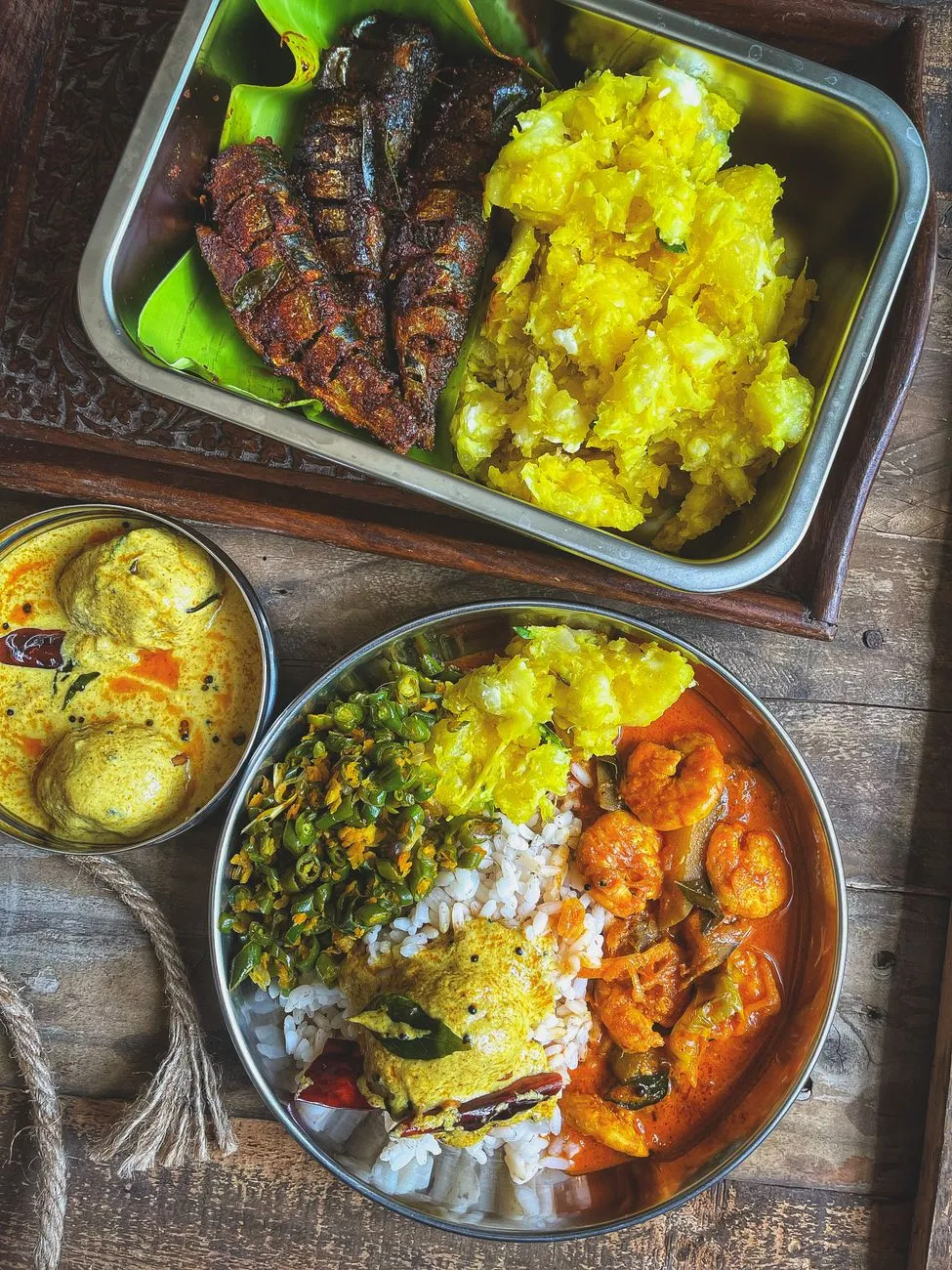
- Eleanor Hughes
- 31 Aug, 2026 14:20
Savor the Spice: A Deep Dive into South India’s Coastal and Vegan Culinary Wonders (Part 2)
This is Part 2 of the series. Read Part 1 here.A Feast for the Senses: The Rituals and Traditions Behind South Indian Meals In South India, food is more than sustenance—it’s a ritual, a celebration, and a way of life. Meals are often served on banana leaves, which not only add a subtle aroma but also have antimicrobial properties that keep food fresh. The leaf is arranged in a specific order, with rice placed in the center and accompaniments like sambar, rasam, and curries placed around it. This arrangement isn’t just aesthetic; it’s designed to create a balanced meal where each component complements the others. The meal typically begins with a sambar or rasam, both of which are lentil-based soups that aid digestion. Sambar, with its thick, vegetable-packed gravy, is rich in protein and fiber, while rasam, a tangy tamarind-based soup, is packed with vitamin C and antioxidants. These dishes are followed by vegetable curries, which provide a variety of textures and flavors. In coastal regions, seafood curries like meen moilee or chemmeen curry take center stage, their creamy coconut milk and fiery spices creating a symphony of taste. One of the most beloved traditions in South Indian cuisine is the filter coffee, a strong, frothy brew made with dark roasted coffee beans and chicory. The coffee is poured from a height to create a frothy layer, which is then mixed with hot milk and sugar. This ritual isn’t just about taste—it’s about community. In Kerala, it’s common to see people gathering at toddy shops to sip coffee and discuss the day’s events over steaming cups. For vegans, the challenge is to adapt these traditions without losing their essence. Coconut yogurt can replace dairy yogurt in dishes like thayir sadam (yogurt rice), while cashew milk can be used to make creamy curries. Even ghee, a staple in traditional cooking, can be substituted with coconut oil or vegan ghee made from plant-based fats. The act of eating on a banana leaf is also steeped in symbolism. In many South Indian cultures, the leaf represents hospitality and prosperity. It’s believed that the leaf’s natural oils enhance the flavor of the food, and its biodegradable nature aligns with the region’s emphasis on sustainability. After the meal, the leaf is often folded and given to guests as a token of gratitude. To experience the full magic of South Indian meals, one must visit a traditional feast or sadya, a multi-course vegetarian meal served during festivals like Onam. A sadya typically includes 11 to 13 dishes, each with its own unique flavor and texture. From the crispy papadam to the sweet payasam (a rice pudding), every bite is a celebration of South India’s culinary heritage.Beyond the Plate: The Cultural and Environmental Impact of South Indian CuisineSouth Indian cuisine is deeply intertwined with the region’s culture, environment, and economy. The use of local, seasonal ingredients isn’t just a culinary choice—it’s a way of life that supports small farmers and preserves biodiversity. In Kerala, for example, the rice-tapioca combination is a staple, reflecting the state’s reliance on tubers during monsoon seasons. Tapioca, or kappa, is a drought-resistant crop that thrives in the region’s humid climate, making it a sustainable alternative to rice. The coconut palm, often called the "tree of life," is another example of South India’s sustainable food culture. Every part of the coconut is used—water for hydration, flesh for milk and oil, husk for coir, and leaves for thatching. Coconut oil, a byproduct of coconut milk production, is a key ingredient in South Indian cooking and is also used in ayurvedic medicine for its antimicrobial properties. But South Indian cuisine isn’t without its challenges. The region’s love for seafood has led to overfishing in some areas, threatening marine ecosystems. In response, many coastal communities are turning to sustainable fishing practices and aquaculture to preserve fish populations. Similarly, the rise of veganism has prompted a shift toward plant-based proteins like lentils, jackfruit, and banana blossoms, reducing the environmental footprint of the cuisine. The spice trade, which once fueled colonial ambitions, has also left a lasting impact on South India’s culinary landscape. Today, spices like cardamom, black pepper, and cinnamon are grown in small farms across Kerala and Tamil Nadu, providing livelihoods for thousands of farmers. The Fair Trade movement has further empowered these communities, ensuring that they receive fair wages for their labor. For vegans, South Indian cuisine offers a sustainable and ethical alternative to traditional diets. By focusing on plant-based proteins, seasonal produce, and locally sourced ingredients, vegan South Indian meals have a lower carbon footprint than their meat-based counterparts. A study by the University of Oxford found that a vegan diet can reduce an individual’s carbon footprint by up to 73%, making it one of the most effective ways to combat climate change. The cultural significance of South Indian cuisine extends beyond its borders. Dishes like dosa, idli, and sambar have become global symbols of Indian cuisine, inspiring fusion restaurants and plant-based eateries worldwide. In cities like London, New York, and Berlin, South Indian vegan restaurants are popping up, offering a taste of the region’s culinary magic to international audiences. To support South India’s culinary traditions, consumers can look for certified organic and fair-trade products when shopping for spices and ingredients. By choosing sustainably sourced coconut oil, tamarind, and lentils, they can contribute to the preservation of the region’s food culture while enjoying its incredible flavors.The Ultimate South Indian Vegan Feast: A Step-by-Step Guide to Cooking Like a ProFor those eager to bring the flavors of South India into their own kitchens, here’s a step-by-step guide to crafting an authentic vegan feast. Whether you’re a beginner or a seasoned cook, these recipes will help you master the art of South Indian cuisine. 1. The Perfect Vegan Sambar Ingredients:1 cup pigeon peas (toor dal) 1 cup mixed vegetables (drumsticks, eggplant, pumpkin) 1 tbsp sambar powder 1 tsp turmeric 1 tbsp tamarind paste 1 tsp mustard seeds 1 tsp cumin seeds 2 dried red chilies 1 sprig curry leaves Salt to taste 2 cups waterInstructions:Pressure cook the pigeon peas with turmeric and 2 cups of water until soft (about 5 whistles). In a pan, temper mustard seeds, cumin seeds, red chilies, and curry leaves in coconut oil. Add the cooked dal and vegetables, followed by sambar powder and tamarind paste. Simmer for 10 minutes, adjusting salt to taste. Serve hot with rice or dosa.Nutritional Profile (per serving):Nutrient AmountCalories 250 kcalProtein 15 gFiber 10 gIron 3 mgVitamin C 20 mg2. Crispy Banana Blossom Fritters (Vazhaipoo Pakoda) Ingredients:1 cup banana blossom (finely chopped) 1 cup besan (gram flour) 1 tsp cumin seeds 1 green chili (finely chopped) 1/2 tsp turmeric Salt to taste Oil for fryingInstructions:Soak the banana blossom in water to remove bitterness, then drain and pat dry. Mix besan, cumin seeds, green chili, turmeric, and salt in a bowl. Add water gradually to form a thick batter. Dip the banana blossom pieces in the batter and deep-fry until golden brown.Nutritional Profile (per serving):Nutrient AmountCalories 180 kcalProtein 6 gFiber 4 gIron 2 mg3. Coconut Chutney (The Ultimate Accompaniment) Ingredients:1 cup grated coconut 1/2 cup roasted chana dal 1 green chili 1/2 inch ginger Salt to taste Water as neededInstructions:Blend all ingredients in a mixer until smooth. Adjust water for desired consistency. Temper with mustard seeds and curry leaves for extra flavor.Nutritional Profile (per serving):Nutrient AmountCalories 120 kcalProtein 4 gFiber 3 gA Culinary Love Letter to South IndiaSouth India’s culinary traditions are a testament to the region’s resilience, creativity, and deep connection to the land. From the fiery coastal curries of Kerala to the fragrant vegan feasts of Tamil Nadu, every dish tells a story of culture, history, and innovation. Whether you’re savoring a steaming bowl of sambar, biting into a crispy dosa, or sipping on a frothy filter coffee, you’re not just eating—you’re participating in a centuries-old ritual that celebrates the beauty of plant-based living. For those looking to explore further, South India offers endless possibilities. Visit a local spice farm in Wayanad to see how cardamom and black pepper are grown. Take a cooking class in Chennai to master the art of making vegan biryani. Or simply gather friends for a banana leaf feast and let the flavors transport you to the backwaters of Kerala. In a world where food is often reduced to mere sustenance, South Indian cuisine reminds us that meals are celebrations—of life, of community, and of the incredible diversity of our planet. So go ahead, light the stove, grind those spices, and let the aromas of South India fill your home. After all, the best way to understand a culture isn’t just through its history books, but through its food.#SouthIndianVegan #CoastalCuisineMagic #PlantBasedJourney Related InsightsSip, Savor, and Swoon: The Art of French Wine and Cheese Pairings That Will Transport You to the Vineyards of Bordeaux Slurp Your Way Through Japan: The Definitive Ramen Roadmap from Tonkotsu to Shoyu The Umami Echo: Tracing Garum's Resurgence from Pompeii to Michelin Stars{ "@context": "https://schema.org", "@type": "FAQPage", "mainEntity": [ { "@type": "Question", "name": "What is the main focus of Savor the Spice: A Deep Dive into South India’s Coastal and Vegan Culinary Wonders (Part 2)?", "acceptedAnswer": { "@type": "Answer", "text": "Unlock the secrets of South India’s vibrant coastal flavors and plant-based traditions in this expert-led culinary journey." } }, { "@type": "Question", "name": "Who authored the comprehensive guide on Savor the Spice: A Deep Dive into South India’s Coastal and Vegan Culinary Wonders (Part 2)?", "acceptedAnswer": { "@type": "Answer", "text": "This detailed article and its insights were carefully researched and authored by Eleanor Hughes." } }, { "@type": "Question", "name": "Where can I find more related content about Food?", "acceptedAnswer": { "@type": "Answer", "text": "You can explore more articles, detailed reviews, and similar insights by browsing the Related Insights section at the bottom of this article or visiting our dedicated Food category page." } } ] }
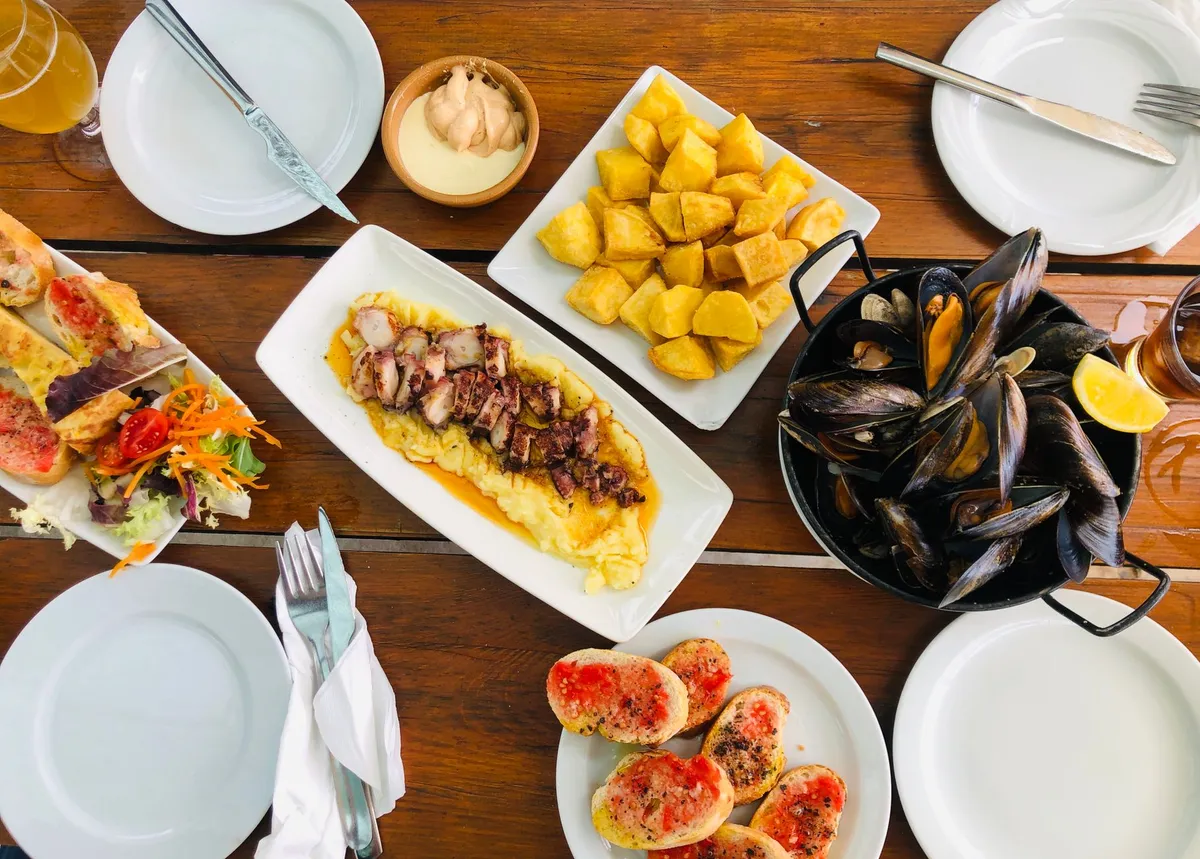
-
 Marcus Vance
 - 30 Aug, 2026 21:27
From Andalusia to Galicia: The Definitive Journey Through Spain’s Tapas Culture and Recipes
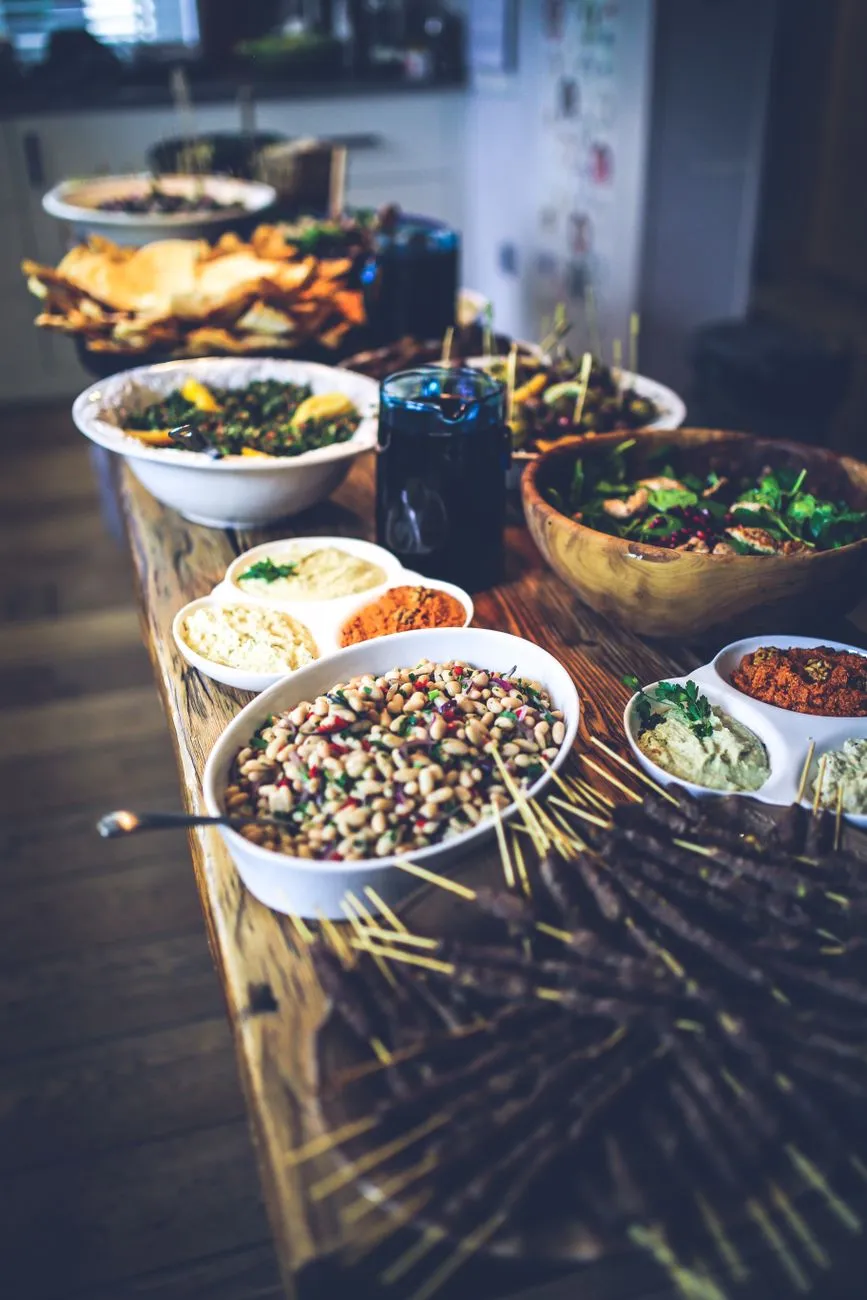
A Taste of Spain’s Soul: How Tapas Became a Global Obsession Few culinary traditions are as universally beloved—or as misunderstood—as Spanish tapas. Far more than just appetizers, tapas are a cultural phenomenon, a social ritual, and a canvas for regional pride. Whether you’re biting into a crispy slice of patatas bravas in Madrid, savoring a delicate pulpo a la gallega in Santiago de Compostela, or sharing a plate of gambas al ajillo in Barcelona, each bite tells a story of Spain’s diverse landscapes, histories, and flavors. Tapas trace their origins to medieval Spain, where King Alfonso X the Wise decreed that taverns must serve food with wine to prevent drunkenness—a law that inadvertently birthed an entire culinary tradition. The word tapa, derived from the verb tapar (to cover), originally referred to a slice of bread or ham placed over a glass of wine to keep out flies. Over centuries, this humble practice evolved into a sophisticated art form, with each region of Spain developing its own tapas culture, ingredients, and techniques. Today, tapas are enjoyed worldwide, but their true essence lies in their spontaneity and variety. A proper tapas meal is a journey—one that might begin with a tortilla española (Spanish omelette) in the Basque Country, pause for jamón ibérico in Extremadura, and end with churros con chocolate in Andalusia. The key to mastering tapas isn’t just in the recipes but in understanding the spirit behind them: sharing, savoring, and celebrating life’s simple pleasures.The Andalusian Fire: Patatas Bravas and the Art of Spicy Tapas Andalusia, Spain’s sun-drenched southern region, is the birthplace of some of the country’s most iconic tapas. Here, the flavors are bold, the spices are vibrant, and the dishes are designed to ignite the senses. Among these, patatas bravas—crispy fried potatoes smothered in a fiery red sauce—stands as a crown jewel of Andalusian tapas culture. The dish’s origins are humble, born in the taverns of Seville and Granada, where workers needed hearty, affordable food to sustain them through long days. The name bravas (meaning "fierce" or "angry") refers to the spicy tomato sauce that accompanies the potatoes, a sauce that typically includes smoked paprika, garlic, and a touch of cayenne pepper. The contrast between the crispy exterior of the potatoes and the rich, slightly smoky sauce is nothing short of magical. To make authentic patatas bravas, start with waxy potatoes like Yukon Gold or Monalisa, cut into 1-inch cubes. Parboil them for 5–7 minutes until just tender, then drain and let them dry thoroughly. Heat olive oil in a deep fryer or heavy pot to 350°F (175°C) and fry the potatoes in batches until golden and crispy, about 4–5 minutes per batch. Drain on paper towels and season with salt. For the salsa brava, heat 2 tablespoons of olive oil in a saucepan over medium heat. Add 2 minced garlic cloves and 1 teaspoon of smoked paprika (pimentón de la Vera), stirring for 30 seconds until fragrant. Add 1 can (14 oz) of crushed tomatoes, 1 teaspoon of sugar, 1 teaspoon of salt, and ½ teaspoon of cayenne pepper. Simmer for 15–20 minutes until thickened, then blend until smooth. Serve the sauce warm over the fried potatoes, garnished with a drizzle of alioli (garlic mayonnaise) and a sprinkle of chopped parsley. Andalusia’s tapas scene is also famous for pescaíto frito—a dish of small fried fish, typically anchovies, sardines, or squid, coated in a light batter and fried until crisp. The fish is served with lemon wedges and often accompanied by a salmorejo, a thick, cold tomato soup similar to gazpacho but with bread and egg as key ingredients. To make salmorejo, blend 2 lbs of ripe tomatoes, 100g of stale bread (soaked in water and squeezed dry), 1 garlic clove, 100ml of olive oil, and 1 teaspoon of salt until smooth. Chill for at least 2 hours before serving, topped with diced Serrano ham and hard-boiled egg.The Basque Country’s Pintxos: Where Art Meets Appetizer Move north to the Basque Country, and tapas take on a new identity: pintxos. Unlike the shared plates of Andalusia, pintxos are individual, elaborately constructed bites designed to be eaten in one or two mouthfuls. The word pintxo comes from the Basque pintxa, meaning "spike," referring to the toothpick or skewer used to hold the ingredients together. In cities like San Sebastián and Bilbao, pintxos bars are temples of culinary creativity, where chefs compete to create the most visually stunning and flavorful bites. The foundation of a great pintxo is the barra—the slice of bread or baguette that serves as the canvas. Toppings range from the classic Gilda—a skewer of anchovy, green olive, and guindilla pepper—to more avant-garde creations like foie gras with caramelized onions or cod brandade with piquillo peppers. One of the most iconic pintxos is txalupa, a small boat-shaped piece of bread topped with tuna salad, red peppers, and mayonnaise, garnished with a slice of hard-boiled egg. To make txalupa, start with a small piece of baguette or rustic bread, hollowed out slightly to create a "boat." For the tuna salad, mix 1 can of high-quality tuna in olive oil with 2 tablespoons of mayonnaise, 1 tablespoon of finely chopped red onion, 1 teaspoon of lemon juice, and a pinch of salt. Spoon the mixture into the bread boat and top with a slice of hard-boiled egg and a small piece of roasted red pepper. Secure with a toothpick and serve. Another Basque favorite is pintxo de tortilla, a deconstructed version of the classic Spanish omelette. Instead of a full slice, the tortilla is cut into small cubes and skewered with a toothpick, often topped with a dab of alioli or a sprinkle of smoked salt. The key to a perfect tortilla pintxo is a creamy, slightly undercooked center, achieved by cooking the eggs over low heat and folding them gently. Pintxos are not just food; they’re an experience. In San Sebastián, the Combined (a walking tour of pintxos bars) is a rite of passage for food lovers, where participants hop from bar to bar, sampling a new pintxo at each stop. The culture is deeply social, with locals and visitors alike standing at the bar, engaging in lively conversation while savoring each bite.Galicia’s Seafood Extravaganza: Pulpo a la Gallega and Beyond Galicia, Spain’s northwestern region, is a land of rugged coastlines, green hills, and some of the freshest seafood in the world. Here, tapas are a celebration of the sea, with dishes that highlight the bounty of the Atlantic Ocean. The most famous of these is pulpo a la gallega—Galician-style octopus—a dish so iconic it’s practically a national symbol. Pulpo a la gallega is simplicity at its finest. The octopus is boiled until tender, then sliced and arranged on a wooden platter. It’s sprinkled with coarse sea salt, drizzled with olive oil, and dusted with pimentón de la Vera—smoked paprika that gives the dish its signature deep red hue and smoky flavor. Traditionally, the octopus is served with patatas cocidas (boiled potatoes) and a side of pan de maíz (cornbread), though modern variations might include a sprinkle of fresh parsley or a drizzle of alioli. To prepare pulpo a la gallega, start with 2 lbs of fresh octopus. Freeze the octopus for 24 hours to tenderize it, then thaw and rinse thoroughly. Bring a large pot of water to a boil and add 1 bay leaf, 1 onion (halved), and 1 carrot (cut into chunks). Add the octopus and simmer for 45–60 minutes, depending on size, until tender. Drain and let it cool slightly before slicing into rounds. For the finishing touches, arrange the octopus on a wooden platter, sprinkle generously with coarse sea salt, and drizzle with high-quality Spanish olive oil. Finish with a generous dusting of pimentón de la Vera (smoked sweet paprika) and serve with boiled potatoes and crusty bread. Galicia’s tapas scene also includes empanada gallega, a savory pie filled with tuna, peppers, onions, and sometimes octopus or sardines. The dough is made with olive oil and flour, giving it a tender, slightly chewy texture. Another must-try is vieiras a la gallega—scallops gratinéed with garlic, breadcrumbs, and olive oil, served in their shells. Galicia’s coastal tapas culture is deeply tied to its fishing traditions. In towns like A Coruña and Vigo, it’s common to see fishermen’s wives preparing seafood tapas right on the docks, using the day’s catch. The result is a tapas experience that’s as fresh as it is flavorful, with each bite a testament to Galicia’s maritime heritage.Castile’s Comfort Food: From Tortilla Española to Morcilla While Andalusia dazzles with spice and the Basque Country wows with pintxos, the heart of Spain—Castile—offers a different kind of tapas magic: hearty, comforting, and deeply rooted in tradition. Here, tapas are less about sharing small bites and more about enjoying robust, rustic dishes that reflect the region’s agricultural roots. The undisputed king of Castilian tapas is tortilla española—the Spanish omelette. Unlike French omelettes, which are delicate and rolled, the Spanish version is thick, hearty, and served in wedges. The key to a perfect tortilla is the ratio of potatoes to eggs: for every 4 large eggs, use 2 medium potatoes, peeled and thinly sliced. Cook the potatoes in olive oil over low heat until tender but not browned, then drain and mix with the beaten eggs. Cook the mixture in a nonstick skillet over medium-low heat, flipping once to cook both sides. The center should be slightly underdone—creamy and custard-like. Another Castilian classic is migas—a dish of fried breadcrumbs, often served with chorizo, garlic, and sometimes grapes or sardines. The name comes from the Spanish migas, meaning "crumbs," and the dish originated as a way to use stale bread. To make migas, heat olive oil in a skillet and fry 4 cups of stale breadcrumbs until crispy. Add 4 minced garlic cloves and 1 teaspoon of smoked paprika, then stir in ½ cup of diced chorizo. Serve hot, garnished with fresh parsley. Castile is also famous for its morcilla—blood sausage flavored with onions, rice, and spices. In the town of Burgos, morcilla de Burgos is a staple, made with pork blood, rice, onions, and a touch of cinnamon. It’s often served grilled or fried and paired with apples or pears to balance its richness. To prepare morcilla, score the sausage lengthwise and grill over medium heat for 10–12 minutes, turning occasionally, until crispy on the outside and heated through. The tapas culture in Castile is deeply tied to mesones—traditional inns where travelers would stop for food and rest. Today, these mesones have evolved into lively tapas bars, where locals gather to enjoy a glass of Ribera del Duero wine with their tortilla or migas. The atmosphere is warm and convivial, with an emphasis on slow, unhurried dining.A Tapas Feast Across Spain: Prices, Pairings, and Where to Find the Best No guide to Spanish tapas would be complete without a practical breakdown of where to find the best, how much to expect to pay, and what drinks to pair with each dish. Below is a comparative table of tapas prices across Spain’s major regions, based on average costs in 2024. Prices are approximate and can vary depending on the establishment.Dish Andalusia (€) Basque Country (€) Galicia (€) Castile (€)Patatas bravas 3.50–5.00 4.00–6.00 4.50–6.50 3.00–4.50Gambas al ajillo 6.00–8.00 7.00–9.00 8.00–10.00 5.00–7.00Pulpo a la gallega 8.00–12.00 10.00–14.00 9.00–13.00 7.00–10.00Tortilla española 2.50–4.00 3.00–5.00 3.50–5.50 2.00–3.50Pintxos (per piece) 2.00–4.00 3.00–6.00 4.00–7.00 2.50–4.50Morcilla 3.00–5.00 4.00–6.00 5.00–7.00 2.50–4.00When it comes to drink pairings, Spanish tapas are all about balance. In Andalusia, a crisp fino or manzanilla sherry cuts through the richness of fried dishes like pescaíto frito. In the Basque Country, a dry Txakoli white wine complements the acidity of pintxos like Gilda or txalupa. In Galicia, a crisp Albariño wine enhances the briny flavors of seafood tapas, while in Castile, a bold Ribera del Duero red wine stands up to the hearty flavors of migas and morcilla. For the best tapas experiences, head to these iconic spots:Andalusia: Casa Morales in Seville for salmorejo and pescaíto frito. Basque Country: La Cuchara de San Telmo in San Sebastián for creative pintxos. Galicia: O Gato Negro in Vigo for pulpo a la gallega and vieiras. Castile: Mesón de Cándido in Segovia for cochinillo asado (suckling pig) tapas.The Tapas Table: Bringing Spain’s Flavors Home You don’t need a plane ticket to Spain to enjoy tapas—the magic of these dishes lies in their simplicity and adaptability. With a few key ingredients and techniques, you can recreate the tapas experience in your own kitchen. Start with the basics: high-quality olive oil, smoked paprika, fresh garlic, and a selection of cured meats like chorizo and jamón ibérico. Begin with a tabla de embutidos—a platter of cured meats, olives, and marinated vegetables. Arrange slices of jamón ibérico, chorizo, and salchichón on a wooden board, alongside bowls of aceitunas aliñadas (marinated olives) and pimientos de padrón (blistered green peppers). Serve with crusty bread and a glass of vermut (vermouth). For a vegetarian-friendly option, prepare berenjenas con miel—fried eggplant drizzled with honey and sprinkled with sea salt. Slice 2 eggplants into ½-inch rounds, salt them, and let them sit for 30 minutes to draw out moisture. Pat dry, dredge in flour, and fry in olive oil until golden. Drain on paper towels, then drizzle with honey and a sprinkle of flaky salt. No tapas feast is complete without pan con tomate—a Catalan classic of toasted bread rubbed with garlic, tomato, and olive oil. Toast slices of rustic bread until crisp, then rub with a garlic clove and a ripe tomato half. Drizzle with olive oil and sprinkle with salt. Serve alongside any tapas spread for a taste of Catalonia. To host a tapas party, set up a buffet-style spread with small plates, toothpicks, and glasses of wine or tinto de verano (red wine with soda). Encourage guests to graze, share, and savor each bite. The beauty of tapas is that it’s as much about the experience as it is about the food—so dim the lights, put on some flamenco or txalaparta music, and let the flavors of Spain transport you.A Last Bite: Why Tapas Are More Than Just Food In a world where meals are often rushed and eaten alone, tapas offer a refreshing alternative—a reminder that food is best enjoyed in good company. Whether you’re in a bustling bar in Seville, a pintxos den in San Sebastián, or your own kitchen, tapas are about more than just taste. They’re about storytelling, tradition, and the joy of sharing. So the next time you’re craving a taste of Spain, skip the heavy entrees and dive into a world of small plates. Let the smoky paprika of Andalusia dance on your tongue, the creamy custard of a Castilian tortilla melt in your mouth, and the briny sweetness of Galician scallops transport you to the Atlantic coast. Because in Spain, the best meals aren’t measured in calories—they’re measured in memories.#SpanishFoodie #TapasTime #MediterraneanEats #FoodTravel #FlavorOfSpain Related InsightsLa Symphonie des Saveurs : Une Odyssée Culinaire au Cœur de la France Éternelle Tabbouleh: The Fresh and Herbaceous National Salad Ratatouille with Herbs de Provence: A Symphony of Flavors and Antioxidants{ "@context": "https://schema.org", "@type": "FAQPage", "mainEntity": [ { "@type": "Question", "name": "What is the main focus of From Andalusia to Galicia: The Definitive Journey Through Spain’s Tapas Culture and Recipes?", "acceptedAnswer": { "@type": "Answer", "text": "Discover the rich history, authentic recipes, and regional secrets of Spanish tapas—from fiery Andalusian patatas bravas to delicate Galician scallops." } }, { "@type": "Question", "name": "Who authored the comprehensive guide on From Andalusia to Galicia: The Definitive Journey Through Spain’s Tapas Culture and Recipes?", "acceptedAnswer": { "@type": "Answer", "text": "This detailed article and its insights were carefully researched and authored by Marcus Vance." } }, { "@type": "Question", "name": "Where can I find more related content about Food?", "acceptedAnswer": { "@type": "Answer", "text": "You can explore more articles, detailed reviews, and similar insights by browsing the Related Insights section at the bottom of this article or visiting our dedicated Food category page." } } ] }

In the sweltering, relentless hum of a Cairo afternoon, amidst the cacophony of honking taxis and the rhythmic calls of vendors, there exists a singular, steaming bowl that anchors the Egyptian identity. It is a dish that defies the elitism of haute cuisine, opting instead for the democratic embrace of the street. This is Koshari—a symphony of textures, a carbohydrate-laden titan, and a culinary monument to the resourcefulness of a culture that has mastered the art of making the humble feel like a feast. A Mosaic of Grains and History To understand Koshari is to understand the layers of Egypt itself. It is not merely a dish; it is a historical document written in pulses and grains. While often misattributed to ancient roots, the Koshari we celebrate today is a nineteenth-century marvel, a product of a cosmopolitan era where Egypt sat at the crossroads of global trade. The bowl itself is a testament to colonial influence and domestic adaptation. It mirrors the spirit of the British occupation era, where diverse influences mingled with local ingredients. It is believed that Indian soldiers and settlers brought the inspiration of 'khichdi'—a dish of rice and lentils—to Egypt. However, the Egyptian spirit took this foundation and transformed it into something uniquely chaotic and harmonious. By adding pasta, tomato sauce, and the signature crispy fried onions, the Egyptians created a caloric powerhouse that powered the city’s working class through the most grueling days.The Anatomy of the Perfect Bowl If you ask a Cairene about the construction of the perfect Koshari, you are likely to spark a debate that lasts until dawn. It is a precise architecture of comfort. At the base, you have the foundation: a hearty mix of rice, black lentils, and macaroni. This trinity provides the canvas upon which the real magic happens. The "sauce" is the soul of the operation. It begins with a deep, garlicky tomato base, often spiked with a vinegary kick that cuts through the starch, awakening the palate. But the true mastery lies in the condiments. No self-respecting Koshari shop is complete without two sidekicks: 'da’ah', a thin, pungent garlic and vinegar liquid, and 'shatta', a fiery chili-infused oil that challenges the bravest of diners. When you douse your bowl with these, the dish undergoes a metamorphosis, shifting from a mild comfort meal to a sharp, aggressive, and deeply addictive sensory experience. The Cultural Pulse of the Street Koshari is the ultimate equalizer. Whether you are a business mogul in a bespoke suit or a student clutching a few small coins, the Koshari stall treats everyone with the same steamy, garlicky warmth. It is a street food that transcends economic boundaries. In the narrow, vibrant alleys of the Khan el-Khalili market or the bustling districts of downtown Cairo, the sound of metal spoons scraping against metal bowls is the unofficial rhythm of the city. This dish is a testament to the Egyptian philosophy of "baraka," or blessing. It is filling, inexpensive, and accessible. It represents the resilience of the people—a dish that can be assembled in seconds but requires a lifetime of mastery to get the balance of vinegar and heat exactly right.Why the World Obsesses Over This Bowl Why has this simple bowl captivated the global imagination? The answer lies in the layering. Texture is the secret language of the food lover. You have the soft chew of the rice and lentils, the varying resistance of the different pasta shapes, the crunch of the golden-fried onions, and the pop of the chickpeas. Every bite offers a different encounter, a new angle on the same flavor profile. Furthermore, in an era of processed foods and complex culinary trends, Koshari remains defiantly simple. It is vegan, it is wholesome, and it is unapologetically starch-heavy. It is the food of the people, for the people. When you travel to Egypt, you are not just visiting the Pyramids; you are engaging with a living, breathing culinary heritage that pulses through the stalls of every neighborhood. Preparing the Experience at Home While recreating the authentic Cairo street experience is nearly impossible without the backdrop of the Nile and the desert breeze, you can approximate the magic in your own kitchen. The key is in the timing and the independent preparation of the components. # The Secret Recipe Structure ingredients = { "base": ["lentils", "rice", "macaroni", "vermicelli"], "toppings": ["chickpeas", "crispy fried onions"], "sauces": ["garlic tomato sauce", "da’ah vinegar", "shatta chili oil"] }def assemble_koshari(bowl): # Always layer the grains first # Add the sauce generously # Finish with the crunch of the onions return "The Perfect Egyptian Bowl"To achieve the best result, remember that the onions are not just a garnish—they are the centerpiece. They must be sliced thin, fried until dark mahogany, and drained until they shatter like glass under your spoon. If you miss this step, you are merely eating grains; you must have the crunch to elevate the bowl to greatness. The Future of an Ancient Staple As Egypt modernizes and global culinary influences continue to flood the market, Koshari remains steadfast. It has survived wars, revolutions, and the arrival of global fast-food chains. Why? Because you cannot replicate the comfort of a warm bowl of Koshari. It is etched into the cultural DNA of the nation. It is the fuel of the Egyptian heartbeat, a dish that proves that sometimes, the most magnificent meals are not found on white tablecloths, but on a plastic tray in the middle of a chaotic, wonderful city street. The next time you find yourself wandering, look for the stall where the steam rises high into the evening air, where the scent of garlic and vinegar lures you like a siren. Take a seat, ignore the noise, and dive into the bowl. You are not just eating lunch; you are participating in a tradition that defines the spirit of Cairo.Whether you prefer it drowning in extra vinegar or dancing on the edge of heat with a heavy dash of shatta, Koshari is an experience that demands to be felt. It is humble, it is brilliant, and it is undeniably Egyptian. #EgyptianFood #StreetFood #Koshari #CairoEats #CulinaryHistory Related InsightsSavor the Spice: A Deep Dive into South India’s Coastal and Vegan Culinary Wonders (Part 2) Echoes of the Sun God: Unearthing the Lost Amaranth Varieties of Ancient Mesoamerica Misal Pav: Maharashtra's Fiery Breakfast{ "@context": "https://schema.org", "@type": "FAQPage", "mainEntity": [ { "@type": "Question", "name": "What is the main focus of The Alchemy of Cairo: Unraveling the Soul of Koshari?", "acceptedAnswer": { "@type": "Answer", "text": "Discover the history, complexity, and sheer culinary genius of Koshari, Egypt’s beloved, carb-loaded street food masterpiece." } }, { "@type": "Question", "name": "Who authored the comprehensive guide on The Alchemy of Cairo: Unraveling the Soul of Koshari?", "acceptedAnswer": { "@type": "Answer", "text": "This detailed article and its insights were carefully researched and authored by Demir Şef." } }, { "@type": "Question", "name": "Where can I find more related content about Food?", "acceptedAnswer": { "@type": "Answer", "text": "You can explore more articles, detailed reviews, and similar insights by browsing the Related Insights section at the bottom of this article or visiting our dedicated Food category page." } } ] }
-
 Isabella Rossi
 - 29 Aug, 2026 21:06
From Jollof to Injera: A Flavorful Journey Through Africa’s Most Iconic Traditional Dishes
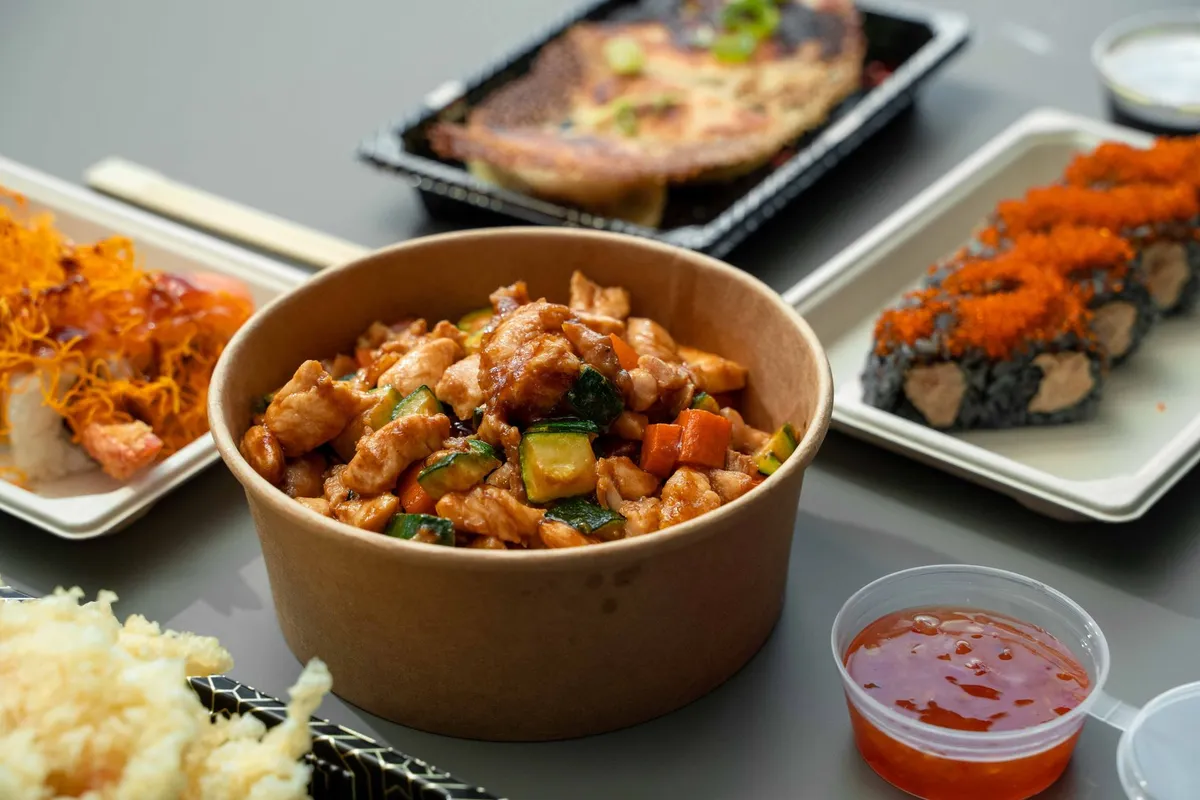
The Spice Routes of West Africa: Where Jollof Rice Rules Supreme Few dishes in the world carry the weight of cultural pride and culinary debate quite like Jollof rice. Originating from the Senegambia region, this vibrant one-pot dish has become a symbol of West African identity, sparking friendly (and sometimes fiery) rivalries between countries like Nigeria, Ghana, Senegal, and Liberia over who makes it best. At its core, Jollof rice is a harmonious blend of rice, tomatoes, onions, peppers, and spices, cooked in a rich tomato sauce. The dish’s deep red hue comes from the slow simmering of fresh tomatoes, tomato paste, and sometimes palm oil or vegetable oil, creating a depth of flavor that’s both comforting and complex. The magic of Jollof rice lies in its versatility. While the base ingredients remain consistent, regional variations introduce unique twists. In Nigeria, the dish is often spiced with scotch bonnet peppers, thyme, and curry powder, giving it a fiery kick. Ghanaian Jollof, on the other hand, tends to be milder but richer, with a generous use of butter or palm oil. Senegal’s version, known as thieboudienne, incorporates fish and vegetables, making it a complete meal. The dish’s adaptability is a testament to West Africa’s diverse culinary traditions, where each community infuses its own cultural identity into the recipe. Beyond its taste, Jollof rice holds a special place in West African social gatherings. It’s a staple at weddings, festivals, and family celebrations, often served with fried plantains, grilled chicken, or beef. The dish’s communal nature—where large pots are shared among diners—reflects the region’s emphasis on togetherness. Nutrition-wise, Jollof rice is a balanced meal, providing carbohydrates from the rice, protein from the meat or fish, and vitamins from the vegetables. A typical serving (about 250g) contains approximately 350-400 calories, with 60-70g of carbohydrates, 8-12g of protein, and 8-10g of fat, depending on the ingredients used. For those eager to recreate this iconic dish at home, the process is straightforward but requires patience. Start by blending fresh tomatoes, red bell peppers, onions, and scotch bonnet peppers into a smooth paste. Sauté onions in oil until translucent, then add the tomato paste and let it caramelize slightly to deepen the flavor. Stir in the blended pepper mix and cook until the oil separates from the sauce—a sign that the flavors have melded. Add rice, water or broth, and your choice of spices (thyme, curry powder, bay leaves, and salt are common). Simmer on low heat until the rice is tender and the liquid is absorbed. The result? A fragrant, slightly smoky, and irresistibly savory dish that’s sure to transport you to the bustling markets of Lagos or Accra.East Africa’s Crown Jewel: The Tangy, Spongy Magic of Injera If Jollof rice is West Africa’s culinary superstar, then Injera is East Africa’s beloved staple—a sourdough flatbread with a tangy flavor and spongy texture that serves as both food and utensil. Made from teff flour, a tiny, nutrient-dense grain native to Ethiopia and Eritrea, injera is a cornerstone of Ethiopian and Eritrean cuisine. The fermentation process, which can take up to three days, gives the bread its distinctive sour taste and airy, slightly spongy texture. Unlike traditional bread, injera is not meant to be sliced; instead, it’s used to scoop up stews, salads, and meats in a communal dining style known as gursha, where diners feed each other as a sign of friendship. Teff, the primary ingredient in injera, is a powerhouse of nutrition. This ancient grain is naturally gluten-free, high in fiber, and packed with essential minerals like iron, calcium, and magnesium. A 100g serving of injera provides approximately 100-120 calories, 20-25g of carbohydrates, 3-4g of protein, and 1-2g of fat. Its low glycemic index makes it an excellent choice for those managing blood sugar levels, while its high fiber content aids digestion. The fermentation process also enhances the bioavailability of nutrients, making injera a gut-friendly food. The process of making injera is an art form. Traditionally, teff flour is mixed with water and left to ferment for 2-3 days, allowing natural yeasts and bacteria to develop the characteristic sour flavor. The batter is then poured onto a hot, clay griddle called a mitad in a circular motion, creating a thin, lace-like pancake. The edges curl up slightly as it cooks, giving it a unique texture that’s both soft and slightly chewy. Injera is typically served with a variety of stews, known as wats, such as doro wat (spicy chicken stew), misir wat (spicy red lentil stew), or shiro (chickpea stew). The combination of the tangy injera with the rich, spicy stews creates a symphony of flavors that’s both bold and balanced. Beyond its culinary uses, injera holds deep cultural significance. In Ethiopia and Eritrea, it’s a symbol of unity and hospitality, often shared among family and friends during meals. The communal aspect of eating from a single platter of injera and stews fosters a sense of connection and togetherness. For those outside East Africa, injera can be challenging to find due to the rarity of teff flour in some regions. However, substitutes like a mix of buckwheat and rice flour can mimic the texture, though the flavor will differ. For an authentic experience, seek out specialty stores or online retailers that import teff flour.The Smoky, Spicy Allure of Morocco’s Tagine Nestled in the heart of North Africa, Morocco is a land of vibrant spices, fragrant herbs, and slow-cooked masterpieces. At the center of its culinary tradition is the tagine, a conical clay pot that gives its name to the dish it cooks. Tagine is more than just a meal; it’s a celebration of Morocco’s rich history, blending Berber, Arab, and Mediterranean influences into a harmonious blend of flavors. The dish typically features tender meat (such as lamb, chicken, or beef), dried fruits, nuts, and an array of spices like cumin, coriander, cinnamon, and saffron. The slow cooking process, which can take hours, allows the flavors to meld together, creating a dish that’s both hearty and aromatic. The tagine’s unique cooking vessel is key to its success. The conical shape of the pot traps steam, which condenses and drips back into the dish, keeping the meat moist and infusing it with flavor. This method of cooking is not only practical but also deeply rooted in Moroccan culture. Traditionally, tagines are cooked over charcoal or wood fires, adding a subtle smokiness to the dish. The spices used in tagine are a reflection of Morocco’s spice trade history, with ingredients like saffron, ginger, and turmeric adding layers of complexity. A classic lamb tagine with prunes and almonds, for example, balances sweet and savory notes, while a chicken tagine with preserved lemons and olives offers a tangy, briny contrast. Nutritionally, tagine is a balanced meal that provides a good mix of protein, healthy fats, and carbohydrates. A typical serving (about 300g) contains approximately 400-450 calories, with 30-35g of protein, 20-25g of fat, and 30-35g of carbohydrates. The dish is also rich in vitamins and minerals, thanks to the variety of vegetables, fruits, and spices used. For instance, saffron, a key ingredient in many tagines, is known for its anti-inflammatory properties and high levels of antioxidants. Similarly, the use of olive oil, a staple in Moroccan cuisine, provides heart-healthy monounsaturated fats. Making a tagine at home requires patience and attention to detail. Start by browning the meat in the tagine pot to develop a deep, caramelized crust. Add onions, garlic, and spices, cooking until fragrant. Stir in the liquid—often a combination of broth, water, or even fruit juice—and bring to a simmer. The key is to cook the tagine on low heat, allowing the flavors to develop slowly. For a vegetarian version, try a vegetable tagine with eggplant, zucchini, and chickpeas, seasoned with ras el hanout, a Moroccan spice blend. The result is a dish that’s as visually stunning as it is delicious, with vibrant colors and a symphony of flavors that dance on the palate.South Africa’s Braai Culture: The Hearty Flavors of Potjiekos In the southern tip of Africa, South Africa is a melting pot of cultures, and its cuisine reflects this diversity. At the heart of South African food culture is the braai, a social gathering centered around grilling meat over an open fire. But beyond the sizzling sausages and steaks lies another culinary treasure: potjiekos, a slow-cooked stew that’s as much a part of South African tradition as the braai itself. The name potjiekos translates to "small pot food," referring to the traditional three-legged cast-iron pot used to cook the dish. Unlike modern pressure cookers, potjiekos is cooked over an open flame, allowing the flavors to develop slowly and deeply. Potjiekos is a dish of simplicity and heartiness, typically made with a base of onions, garlic, and vegetables like carrots, potatoes, and green beans. The meat—often lamb, beef, or game—is browned first to seal in the juices, then layered with the vegetables and a liquid such as broth or beer. The pot is then placed over hot coals, and the stew is left to simmer for several hours, with the lid left slightly ajar to allow steam to escape. This slow cooking method ensures that the meat becomes tender and the flavors meld together into a rich, savory broth. The origins of potjiekos trace back to the Dutch settlers who brought their love of slow-cooked stews to South Africa. Over time, the dish evolved to incorporate local ingredients and flavors, such as biltong (dried cured meat) and indigenous spices. Today, potjiekos is a staple at braais, family gatherings, and even competitive cook-offs, where chefs vie for the title of best potjiekos. Nutritionally, potjiekos is a balanced meal, providing protein from the meat, fiber from the vegetables, and carbohydrates from the potatoes or rice often served alongside. A typical serving (about 350g) contains approximately 450-500 calories, with 30-35g of protein, 20-25g of fat, and 35-40g of carbohydrates. One of the joys of potjiekos is its adaptability. While traditional recipes call for meat and vegetables, modern twists include vegetarian versions with mushrooms and lentils or seafood potjiekos with fish and prawns. The key to a successful potjiekos lies in the layering of ingredients and the patience to let the dish cook slowly. For those new to the dish, start with a classic lamb potjiekos with rosemary and red wine, which offers a robust, earthy flavor. Serve it with fresh bread or rice to soak up the delicious broth, and you’ll understand why potjiekos is often called South Africa’s answer to a slow-cooked comfort meal.The Coastal Delights of West Africa: Ghana’s Fufu and Light Soup While Jollof rice may be West Africa’s most famous export, Ghana boasts another culinary gem: fufu, a dough-like staple made from boiled and pounded cassava and plantains. Paired with light soup, a delicate but flavorful broth made with tomatoes, onions, and lean meats like chicken or goat, fufu is a dish that embodies the comfort and warmth of Ghanaian home cooking. The texture of fufu is unique—soft, stretchy, and slightly sticky, designed to be pinched off and used to scoop up the soup. The contrast between the blandness of the fufu and the vibrant, spicy soup creates a sensory experience that’s both satisfying and memorable. The preparation of fufu is labor-intensive but rewarding. Cassava and plantains are peeled, boiled until soft, and then pounded in a large wooden mortar with a pestle until they form a smooth, elastic dough. Traditionally, this process is done by hand, though modern adaptations use food processors for convenience. The result is a neutral-tasting base that absorbs the flavors of the soup, making it the perfect vehicle for the dish’s star—the light soup. Unlike its name suggests, light soup is anything but bland. It’s a fragrant broth made with fresh tomatoes, onions, ginger, garlic, and a blend of spices like nutmeg and cloves. The soup is typically finished with a squeeze of lime juice for a bright, tangy finish. Nutritionally, fufu and light soup offer a balanced meal with a focus on carbohydrates and lean protein. A serving of fufu (about 200g) contains approximately 250-300 calories, with 50-60g of carbohydrates and 1-2g of protein. The light soup, depending on the meat used, adds 100-150 calories and 15-20g of protein per serving. The dish is also rich in vitamins, particularly from the tomatoes and plantains, which provide vitamin C and potassium. For those looking to make a healthier version, fufu can be made with less cassava and more plantains, reducing the carbohydrate content while increasing the fiber. Fufu and light soup are deeply rooted in Ghanaian culture, often served at family gatherings, festivals, and religious ceremonies. The act of eating fufu is a communal experience, with diners using their hands to form small balls of dough and dip them into the soup. This tactile method of eating fosters a sense of connection and intimacy, making the meal more than just sustenance—it’s a celebration of Ghanaian heritage. For those eager to try making fufu at home, the process can be simplified by using pre-peeled cassava or frozen plantains, though the traditional method yields the best results. Pair it with a steaming bowl of light soup, and you’ll taste why this dish is a cornerstone of Ghanaian cuisine.A Taste of Africa: Nutritional Comparison of Iconic Dishes To better understand the nutritional profiles of Africa’s most iconic dishes, let’s compare their macronutrient content and key ingredients. Below is a breakdown of the dishes we’ve explored, highlighting their calorie count, protein, carbohydrates, and fat content per typical serving.Dish Calories Protein (g) Carbohydrates (g) Fat (g) Key IngredientsJollof Rice (Nigeria) 350-400 8-12 60-70 8-10 Rice, tomatoes, peppers, spices, meatInjera (Ethiopia) 100-120 3-4 20-25 1-2 Teff flour, water, spicesLamb Tagine (Morocco) 400-450 30-35 30-35 20-25 Lamb, spices, dried fruits, nutsPotjiekos (South Africa) 450-500 30-35 35-40 20-25 Meat, vegetables, broth, spicesFufu & Light Soup (Ghana) 350-450 15-20 50-60 5-10 Cassava, plantains, tomatoes, meatThis table illustrates the diversity of African cuisine, from the carbohydrate-rich Jollof rice and fufu to the protein-packed tagine and potjiekos. Each dish reflects the agricultural and cultural influences of its region, offering a glimpse into the continent’s rich culinary tapestry. Whether you’re drawn to the fiery flavors of West Africa or the aromatic spices of North Africa, there’s a dish that will captivate your taste buds and transport you to the heart of the continent.A Feast for the Senses: Why Africa’s Traditional Dishes Deserve Global Acclaim Africa’s culinary landscape is a vibrant mosaic of flavors, textures, and traditions, each dish telling a story of heritage, innovation, and resilience. From the fiery debates over Jollof rice to the communal joy of sharing injera, these dishes are more than just food—they’re a celebration of culture, history, and identity. What makes African cuisine truly remarkable is its ability to blend simplicity with complexity, using humble ingredients to create dishes that are both nourishing and deeply satisfying. One of the most striking aspects of African food is its reliance on whole, unprocessed ingredients. Dishes like injera and fufu are made from ancient grains and tubers, offering a glimpse into the continent’s agricultural roots. Meanwhile, stews like tagine and potjiekos showcase the art of slow cooking, where time and patience transform simple ingredients into culinary masterpieces. The use of spices and herbs, from the smoky warmth of Moroccan ras el hanout to the fiery kick of West African scotch bonnet peppers, adds depth and character to every bite. For those eager to explore African cuisine, the journey begins with curiosity and an open mind. Start with a classic like Jollof rice or injera, and let the flavors guide you to other dishes. Visit local African restaurants, try recipes at home, or even plan a culinary trip to the continent itself. Each bite is an invitation to connect with Africa’s rich cultural heritage and to appreciate the ingenuity and creativity of its people. Whether you’re a seasoned foodie or a curious newcomer, Africa’s traditional dishes offer a feast for the senses that’s not to be missed. As you embark on your culinary adventure, remember that food is more than just sustenance—it’s a bridge between cultures, a celebration of tradition, and a testament to the power of flavor. So, grab a plate of Jollof rice, tear into a piece of injera, or savor a steaming bowl of potjiekos. Let Africa’s iconic dishes take you on a journey that’s as enriching as it is delicious. #AfricanCuisine #FoodieAdventure #GlobalFlavors #CulturalFood #SpiceJourney Related InsightsUnlock the Secrets of Craft Beer: Your Step-by-Step Guide to Brewing at Home Like a Pro The Umami Echo: Tracing Garum's Resurgence from Pompeii to Michelin Stars The Golden Embrace: High-Protein Hummus with Za'atar & Olive Oil, A Culinary Journey of Health and Heritage{ "@context": "https://schema.org", "@type": "FAQPage", "mainEntity": [ { "@type": "Question", "name": "What is the main focus of From Jollof to Injera: A Flavorful Journey Through Africa’s Most Iconic Traditional Dishes?", "acceptedAnswer": { "@type": "Answer", "text": "Explore the rich flavors and cultural significance of Africa’s most beloved traditional dishes, from West African Jollof to East African Injera." } }, { "@type": "Question", "name": "Who authored the comprehensive guide on From Jollof to Injera: A Flavorful Journey Through Africa’s Most Iconic Traditional Dishes?", "acceptedAnswer": { "@type": "Answer", "text": "This detailed article and its insights were carefully researched and authored by Isabella Rossi." } }, { "@type": "Question", "name": "Where can I find more related content about Food?", "acceptedAnswer": { "@type": "Answer", "text": "You can explore more articles, detailed reviews, and similar insights by browsing the Related Insights section at the bottom of this article or visiting our dedicated Food category page." } } ] }
-
 Klaus Weber
 - 29 Aug, 2026 20:09
Kung Pao: Die Alchemie des Feuers und die Kunst des perfekten Kontrasts
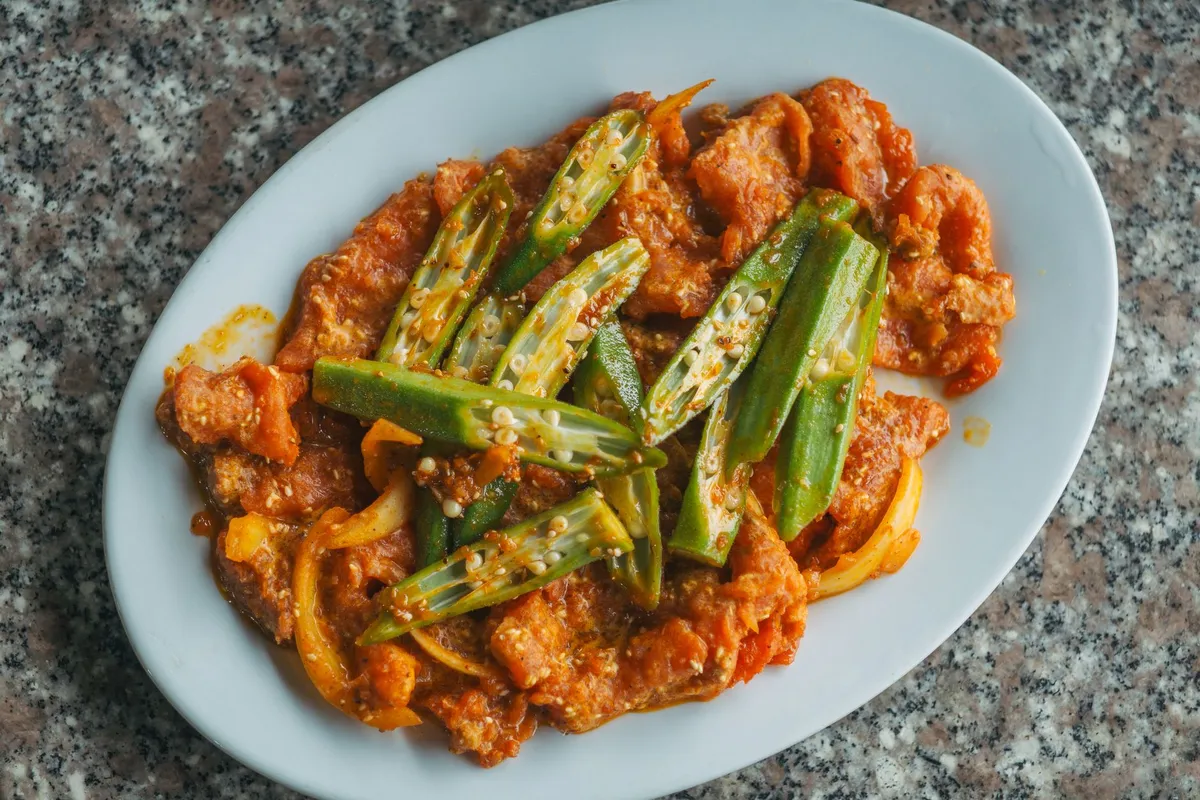
Wenn die Hitze des Woks auf die betäubende Schärfe des Szechuan-Pfeffers trifft, geschieht eine kulinarische Alchemie, die weit über das bloße Zubereiten einer Mahlzeit hinausgeht. Kung Pao ist nicht einfach nur ein Gericht; es ist eine flüchtige Symphonie aus Texturen und Geschmacksnoten, die den Gaumen herausfordert, ihn umschmeichelt und schließlich in einem Zustand glückseliger Erschöpfung zurücklässt. Wer einmal den Tanz zwischen der süßlichen Tiefe, der salzigen Würze und der markanten, elektrisierenden Note des „Mala“-Effekts erlebt hat, der weiß, warum dieses Rezept seit Generationen die Welt erobert hat. Das Echo der Provinz Szechuan auf dem Teller Ursprünglich stammt dieses Meisterwerk aus der Provinz Szechuan, einer Region Chinas, die für ihre mutige und kompromisslose Art zu kochen bekannt ist. Das Geheimnis des Kung Pao liegt nicht in einer einzigen Zutat, sondern in der präzisen Komposition der Gegensätze. Wir sprechen hier von der Kunst des „Wok Hei“ – dem „Atem des Woks“ –, jener fast mystischen Hitze, die einem Pfannengericht sein unverwechselbares rauchiges Aroma verleiht. Die Authentizität beginnt mit der Wahl der Zutaten. Der Szechuan-Pfeffer (Hua Jiao) ist hierbei die Seele des Gerichts. Anders als schwarzer oder weißer Pfeffer, sorgt er für ein prickelndes, leicht betäubendes Gefühl auf der Zunge. Dies ist das Fundament, auf dem die Süße des Zuckers und die Salzigkeit der Sojasauce aufbauen. In meiner Küche betrachte ich das Kung Pao als eine Übung in Präzision: Nichts darf dominieren, alles muss in einer fließenden Bewegung verschmelzen.Warum Symmetrie den Geschmack definiert In einer Welt, die oft zu extremen neigt, ist Kung Pao ein Beweis für die Kraft der Ausgewogenheit. Man nehme das Huhn, mariniert in einer zarten Mischung aus Stärke und Reiswein, das die Textur so seidig macht, dass es förmlich auf der Zunge zergeht. Dazu der Crunch der gerösteten Erdnüsse, die nicht nur als Dekoration dienen, sondern eine erdige Komponente in das feurige Szenario einbringen. Es ist diese Dreifaltigkeit aus zartem Geflügel, knackiger Nuss und der scharfen, aromatischen Sauce, die das Gericht so besonders macht. Die getrockneten roten Chilischoten, die im Öl angeschwitzt werden, entfalten eine tiefe, fast schon fruchtige Schärfe, die niemals aggressiv wirkt, sondern den Appetit auf den nächsten Bissen geradezu erzwingt. Für den ambitionierten Koch ist das Verständnis der Hitzeintensität das A und O: Zuerst das Öl aromatisieren, dann das Fleisch versiegeln, und am Ende die Sauce kurz karamellisieren lassen. Die Evolution eines Klassikers über die Landesgrenzen hinweg Es ist faszinierend zu beobachten, wie sich Kung Pao in verschiedenen Teilen der Welt angepasst hat. Während in den Ursprungsregionen der Fokus auf den Szechuan-Pfeffer und die frische Schärfe liegt, finden wir in westlichen Adaptionen oft eine deutlich süßere Note. Doch egal in welcher Variante: Die DNA des Gerichts bleibt stabil. Wenn ich in meiner Küche stehe und die Pfanne schwenke, denke ich oft an die Geschichte hinter den Zutaten. Die Verwendung von Lauch oder Frühlingszwiebeln, die in den letzten Sekunden hinzugefügt werden, sorgt für die notwendige Frische, die das ölige Finish der Sauce durchbricht. Es ist diese feine Linie zwischen "gutem Essen" und "unvergesslichem Erlebnis", die nur durch das Verständnis für die Balance erreicht werden kann.Handwerk als Fundament für den Genuss Um Kung Pao auf ein weltklasse Niveau zu heben, muss man die Angst vor der Hitze verlieren. Der Wok muss glühend heiß sein. Wer seine Zutaten in eine lauwarme Pfanne wirft, wird lediglich gedünstetes Fleisch erhalten, niemals aber die Röstaromen, die dieses Gericht ausmachen. Ein wichtiger technischer Aspekt ist das "Velveting" – das Einlegen des Fleisches in eine Mischung aus Eiweiß und Stärke. Dieser Schritt schützt das Fleisch vor der direkten, extremen Hitze und sorgt dafür, dass die Saucen-Emulsion perfekt an den Stücken haftet. Hier ist ein kurzer technischer Exkurs für diejenigen, die ihre Technik verfeinern möchten: # Grundkonzept der Kung Pao Sauce Emulsion def create_sauce(): base = { "soy_sauce": "salty_foundation", "black_vinegar": "acidic_balance", "sugar": "sweet_harmony", "cornstarch": "binding_texture" } return baseDieses einfache Modell verdeutlicht, dass jede Komponente eine spezifische Funktion hat. Die Essigsäure schneidet durch das Fett, das Zucker die Schärfe puffert, und die Stärke sorgt für das glänzende Finish, das den Appetit optisch anregt. Das Gesamterlebnis: Mehr als die Summe seiner Teile Wenn Sie Kung Pao servieren, sollten Sie darauf achten, dass die Erdnüsse erst im allerletzten Moment hinzugefügt werden. Ihr Zweck ist es, den Kontrast zu liefern – der erste Bissen ist weich, der zweite bietet Widerstand. Es ist diese taktile Erfahrung, die das Gehirn signalisiert: Hier ist ein Gericht, das mit Sorgfalt zubereitet wurde. In der modernen Gastronomie sehen wir oft, dass Klassiker verfälscht werden, um den "Mainstream" zu bedienen. Doch Kung Pao braucht keinen Schnickschnack. Es benötigt nur erstklassige Zutaten, die richtige Hitze und den Mut, die Schärfe nicht zu verstecken. Es ist ein ehrliches Gericht, ein archaisches Gericht fast, das uns daran erinnert, dass wir Menschen seit Jahrtausenden von der Kombination aus Feuer und Gewürzen fasziniert sind.Ein Plädoyer für den bewussten Genuss Warum fasziniert uns Kung Pao auch heute noch so sehr? Vielleicht liegt es an der Einfachheit, die dennoch hohe Anforderungen an das Können stellt. Jeder Koch, der sich an diesem Gericht versucht, begibt sich auf einen Pfad der Selbstverbesserung. Man lernt, die Zutaten zu lesen, auf das Zischen in der Pfanne zu hören und den richtigen Moment für die Zugabe der Szechuan-Pfefferkörner zu erkennen. Es gibt keinen Ersatz für die echte Erfahrung. Wenn die Aromen von Ingwer, Knoblauch und Chili in der Luft hängen und sich mit der leicht säuerlichen Note des schwarzen Essigs verbinden, dann – und nur dann – weiß man, dass man das Herz der Szechuan-Küche getroffen hat. Nehmen Sie sich Zeit bei der Zubereitung. Schneiden Sie das Gemüse gleichmäßig, marinieren Sie das Fleisch geduldig und geben Sie dem Wok den Raum, den er braucht, um zu arbeiten. Abschließende Gedanken zur kulinarischen Balance Kung Pao ist ein Spiegelbild der menschlichen Suche nach dem perfekten Gleichgewicht. Süß gegen scharf, weich gegen hart, kühl gegen heiß. Es ist eine Lektion in Demut vor dem Produkt und eine Feier der Komplexität, die in scheinbar einfachen Dingen verborgen liegt. Wenn Sie das nächste Mal nach einem Rezept suchen, das nicht nur satt macht, sondern auch eine Geschichte erzählt, dann kehren Sie zu diesem Klassiker zurück. Er ist der Anker, der uns in der hektischen Welt der schnellen Küche daran erinnert, was es bedeutet, mit Leidenschaft zu kochen. Es geht nicht darum, den Gaumen zu überfordern, sondern ihn zu wecken. Die feine Balance zwischen der prickelnden Schärfe des Pfeffers und der umami-reichen Tiefe der Sojasauce ist das, was dieses Gericht unsterblich macht. Bleiben Sie neugierig, bleiben Sie hungrig nach Qualität und hören Sie nie auf, den Wok zu fordern. Denn genau dort, in der Hitze des Moments, entsteht wahre Meisterschaft.#KungPao #SzechuanKüche #AsiatischKochen #GourmetFood #KlausWeberKulinarik Related InsightsThe Liquid Gold of Antiquity: Rediscovering Garum, Rome's Fermented Umami Elixir and Its Forgotten Legacy Minestrone Soup with Genovese Pesto and Spelt: A High Fiber Delight Hannah Weber's Guide to Delicious and Healthy Sprouted Grain Bread with Avocado and Radish (Vegan){ "@context": "https://schema.org", "@type": "FAQPage", "mainEntity": [ { "@type": "Question", "name": "What is the main focus of Kung Pao: Die Alchemie des Feuers und die Kunst des perfekten Kontrasts?", "acceptedAnswer": { "@type": "Answer", "text": "Tauchen Sie ein in die feurige Welt des Kung Pao Chicken – eine Reise durch die Geschichte, die Balance der Aromen und die Kunst der Szechuan-Küche." } }, { "@type": "Question", "name": "Who authored the comprehensive guide on Kung Pao: Die Alchemie des Feuers und die Kunst des perfekten Kontrasts?", "acceptedAnswer": { "@type": "Answer", "text": "This detailed article and its insights were carefully researched and authored by Klaus Weber." } }, { "@type": "Question", "name": "Where can I find more related content about Food?", "acceptedAnswer": { "@type": "Answer", "text": "You can explore more articles, detailed reviews, and similar insights by browsing the Related Insights section at the bottom of this article or visiting our dedicated Food category page." } } ] }
-
 Michael Chef
 - 27 Aug, 2026 17:07
The Verdant Alchemy: Why Bhindi is the Ocean-Breeze Snack You Never Knew You Craved
The morning sun breaks over the horizon, casting a liquid gold hue across the sand, but my appetite is not for the catch of the day—it is for the humble, jagged silhouette of the okra pod. Known globally as Abelmoschus esculentus, this botanical marvel is far more than just a stew thickener; it is a vessel for texture, a canvas for spices, and, when handled with the precision of a chef, the crunchiest snack you will find on any coast. From Tropical Roots to Your Culinary Shoreline Tracing the lineage of okra is a journey through history, likely beginning in the lush, humid regions of tropical Africa or perhaps the shaded groves of South Asia. It is a plant that thrives in the warmth, much like the sun-drenched beaches where we find our greatest culinary inspirations. The plant belongs to the mallow family—cousin to the hibiscus and cotton—which explains its elegant, pale yellow flowers that bloom briefly before giving way to the pods we know so well. When we talk about "Bhindi," we are talking about a cultural icon. Whether it is stir-fried in a cast-iron pan over an open flame near the boardwalk or sliced thinly and flash-fried to a golden crisp, the okra pod possesses a unique structural integrity. It is resilient, fibrous, and holds onto seasonings with a tenacity that makes it the ultimate vehicle for tangy, salty, and spicy flavor profiles.The Art of the Perfect Crunch Why does the world obsession with "crunch" often bypass the okra? It is a tragedy born of poor technique. When stewed for too long, the okra yields its mucilaginous interior, a trait prized in gumbo but arguably misunderstood in the snack world. To transform the pod into a beachside snack, we must embrace the dry heat. The secret to a perfect crispy Bhindi snack lies in three pillars: preparation, moisture control, and heat. First, the pods must be cleaned and—this is non-negotiable—completely dried. Any residual water is the enemy of the crunch. Once sliced into uniform, thin rounds, they should be tossed in a light coating of chickpea flour (besan) and a dusting of turmeric, Kashmiri chili powder, and a heavy pinch of sea salt. This coating acts as a protective barrier, sealing in the essence of the vegetable while allowing the surface to crisp into a shatteringly brittle crust. A Tangy Twist for Coastal palates No snack is complete without a bit of zing, and when we are talking about sea-breeze eating, acidity is the key to cutting through the richness of fried ingredients. Imagine sitting on a teak deck, the salt air tangling your hair, with a bowl of these seasoned okra rounds. A squeeze of fresh lime juice—or better yet, a dash of dry mango powder (amchur)—adds a fruity, puckering acidity that elevates the deep, earthiness of the okra. This specific flavor profile is the hallmark of Indian street food, but it fits perfectly into the aesthetic of a global beach snack. It is light enough to graze on throughout the afternoon, yet satisfying enough to keep you fueled while you watch the tide come in. It is, in every sense, a snack of the earth that belongs by the water.Culinary Science: Why the Texture Matters At the molecular level, okra is a fascinating specimen. Its mucilage is composed of polysaccharides—a type of carbohydrate that forms a gel when heated in liquid. By choosing to fry, bake, or air-fry the okra at high temperatures, we effectively bypass the hydration of these polysaccharides. We are essentially forcing the plant to surrender its moisture, turning the pods into crispy, vegetal chips. This process is a form of edible alchemy. You are taking a plant that is traditionally associated with "slime" and reclaiming it as a "shatter." The fiber content remains, providing a nutritious backbone, but the sensory experience is entirely redirected. It is a masterclass in how heat can rewrite the identity of a vegetable. Cultivating Your Own Okra Obsession If you are inspired to bring this snack into your kitchen, remember that size matters. When selecting okra pods at the market, look for the smaller, "young" pods. They are tender, possess fewer seeds, and have a significantly better snap when fried. Larger, older pods can become woody, which is fine for long-simmering dishes but less than ideal for our mission of creating the perfect crunchy snack. Here is a simple blueprint for your first batch of "Ocean-Breeze Bhindi": # The Chef's Logic for Crispy Okra def prepare_crispy_okra(okra_rounds, seasoning_blend): """ Ensure total moisture removal for maximum crunch. Coat with chickpea flour for structural crispness. Flash fry at high heat. """ dried_okra = remove_all_surface_moisture(okra_rounds) coated_okra = apply_chickpea_flour_and_spices(dried_okra, seasoning_blend) return fry_until_golden_brown(coated_okra)By following this approach, you move away from the "soggy" stereotype and into the realm of the sophisticated, high-texture snack. The Social Aspect of Snacking There is an inherent social quality to the snack board. Whether you are hosting a sunset gathering or just enjoying a quiet moment, Bhindi is a snack that demands to be shared. Because it is plant-based and naturally gluten-free (when using chickpea flour), it is the inclusive snack of the modern age. It welcomes everyone to the table, regardless of dietary restrictions. As you sit by the ocean, watching the waves churn, there is something poetic about consuming a snack that—like the tide—has gone through its own series of transformations. The earthiness of the soil, the heat of the fire, the tang of the citrus, and the spray of the ocean salt. It is a complete sensory loop.Final Culinary Reflections We often seek novelty in our food, searching for the next superfood or the newest processed trend. Yet, the answer is often hiding in plain sight—the local produce section of our favorite market. Bhindi is a reminder that we do not need to invent new foods to change our experience; we only need to change our perspective on the classics. Next time you find yourself at the market, walk past the potato chips and the processed crackers. Head straight for the okra. Take a moment to feel the jagged edges of the pods, imagine them tossed in spices, and envision them hitting the hot oil until they sing. That sound—that high-pitched sizzle—is the sound of a snack being born. Treat it with respect, season it with boldness, and enjoy it in the sunshine. Your transition from casual snacker to a devotee of the crunchy, tangy Bhindi begins with the very next pod you pick up. It is time to treat the okra with the reverence it deserves. It has been waiting for you, standing tall in the garden, ready to be turned into your new favorite coastal tradition. Whether you enjoy them as a garnish for a seafood curry or a standalone bowl of golden, spiced perfection, the humble okra pod has earned its place on the pedestal. It is simple, it is scientific, and most importantly, it is utterly delicious. Dive into the world of crispy Bhindi; your palate will thank you for the adventure. #Bhindi #CrispyOkra #CoastalCuisine #GourmetSnacking #VegetarianDelights Related InsightsTabbouleh: The Fresh and Herbaceous National Salad The Ultimate Guide to Spanish Tapas: Recipes and Regional Variations The Mediterranean Symphony: Whole Wheat Pasta Primavera with Abundant Vegetables{ "@context": "https://schema.org", "@type": "FAQPage", "mainEntity": [ { "@type": "Question", "name": "What is the main focus of The Verdant Alchemy: Why Bhindi is the Ocean-Breeze Snack You Never Knew You Craved?", "acceptedAnswer": { "@type": "Answer", "text": "Discover the transformation of humble okra into a seaside-inspired, crunchy delicacy that defines modern coastal snacking." } }, { "@type": "Question", "name": "Who authored the comprehensive guide on The Verdant Alchemy: Why Bhindi is the Ocean-Breeze Snack You Never Knew You Craved?", "acceptedAnswer": { "@type": "Answer", "text": "This detailed article and its insights were carefully researched and authored by Michael Chef." } }, { "@type": "Question", "name": "Where can I find more related content about Food?", "acceptedAnswer": { "@type": "Answer", "text": "You can explore more articles, detailed reviews, and similar insights by browsing the Related Insights section at the bottom of this article or visiting our dedicated Food category page." } } ] }
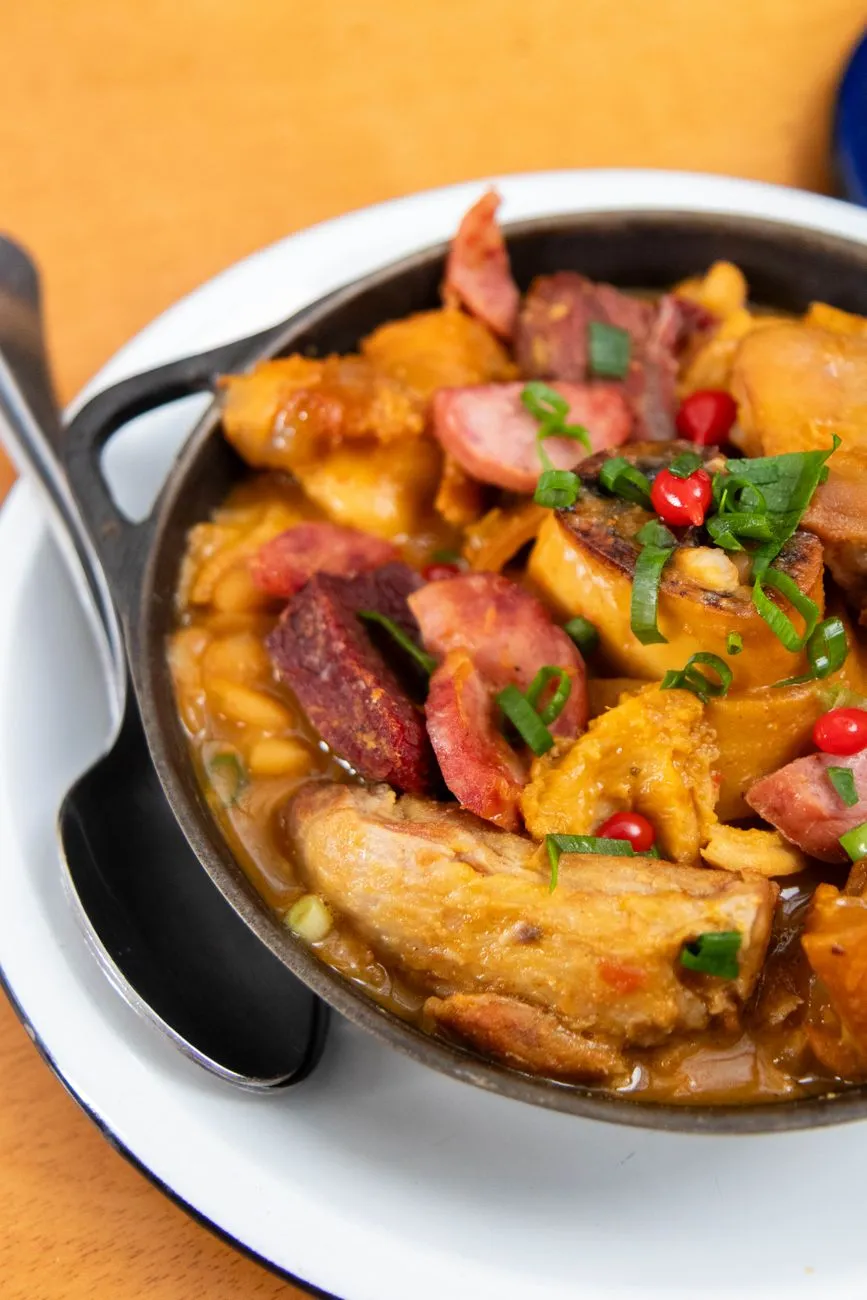
C’è un profumo che aleggia nelle strade di Rio de Janeiro, sospeso tra il riverbero del sole sull’asfalto e il brusio ritmato del samba, che racconta più di mille libri di storia. È il profumo intenso, terroso e avvolgente della Feijoada. Non è semplicemente uno stufato di fagioli neri; è un’istituzione, un rito sociale, il battito cardiaco di una nazione che ha fatto della fusione tra culture diverse il suo tratto distintivo. Io sono Giovanni Luigi, e oggi vi porto nel cuore fumante di una pentola di terracotta, dove la tradizione brasiliana si scioglie in un abbraccio di sapori millenari. Le Radici Profonde in un Piatto di Terra La Feijoada non è nata in un ristorante stellato, ma è cresciuta nelle viscere della terra e nella necessità. Storicamente, questo piatto è legato alla complessa e dolorosa epoca della schiavitù nelle piantagioni coloniali. La leggenda narra — una leggenda che trova conferme in molti studi antropologici — che gli schiavi africani, privati delle parti nobili degli animali, utilizzassero le interiora, le orecchie, la coda e i piedi di maiale, unendoli ai fagioli neri, alimento base disponibile in abbondanza. Questa interpretazione, sebbene romantica, è stata nel tempo dibattuta dagli storici moderni. Molti studiosi, infatti, suggeriscono un’influenza europea più marcata, paragonando la Feijoada ai classici stufati portoghesi, come il cozido à portuguesa o le feijoadas trasmontane, dove il consumo di fagioli misti a carne era una pratica diffusa tra le classi meno abbienti della Penisola Iberica. La verità, come spesso accade, sta nel mezzo: il Brasile ha preso una tecnica di cottura europea e l'ha infusa di spirito africano, creando qualcosa di totalmente nuovo, denso e carnoso.L'Alchimia degli Ingredienti e la Pazienza della Lunga Cottura Preparare una Feijoada è un atto di devozione. Non è un piatto per chi ha fretta. Richiede pazienza, una pentola pesante (preferibilmente di terracotta o ghisa) e una selezione meticolosa di ingredienti. I protagonisti assoluti sono i fagioli neri, che devono cuocere fino a diventare burrosi, creando una salsa scura e vellutata. Ma è la carne a dettare il ritmo: carne secca (carne-seca), salsiccia affumicata, pancetta, costine di maiale e, per i puristi, le parti meno convenzionali dell'animale. La magia avviene quando questi elementi si sposano per ore a fuoco lento. La carne rilascia i suoi grassi, i fagioli si impregnano di sapori profondi e la consistenza finale diventa un equilibrio perfetto tra il solido e il cremoso. Ma la Feijoada non sarebbe nulla senza i suoi accompagnamenti cerimoniali: il riso bianco, che funge da tela neutra, la farofa (farina di manioca tostata che aggiunge una nota croccante e terrosa), le fette d'arancia (fondamentali per pulire il palato dalla ricchezza del grasso) e il cavolo riccio (couve) saltato in padella con aglio, che dona una nota vegetale e vibrante al piatto. Un Rito Sociale tra Samba e Allegria In Brasile, la Feijoada non si mangia mai da soli. È il piatto del sabato, il momento in cui la vita rallenta. È l'evento che unisce le famiglie o gli amici attorno a un tavolo imbandito. Spesso, nei quartieri carioca, l'arrivo della "Feijoada" coincide con l'inizio di una sessione di musica dal vivo. Il ritmo del samba accompagna la digestione, creando un'atmosfera dove la cucina diventa performance e il pasto diventa convivialità pura. Il legame tra questo stufato e l'identità nazionale è talmente forte che persino i politici e gli intellettuali del ventesimo secolo hanno celebrato la Feijoada come il simbolo del "meticciato" brasiliano. È un piatto che non fa distinzione di classe: la trovi nelle case popolari delle favelas così come nei club più esclusivi di San Paolo. È il filo conduttore che unisce le diverse anime del Brasile.L'Arte della Farofa: Il Segreto Spesso Sottovalutato Se dovessi scegliere l'elemento che più mi affascina nella Feijoada, non sarebbe il fagiolo in sé, ma la farofa. La farina di manioca è un dono delle popolazioni indigene del Brasile. Tostarla con burro, cipolla, uova o persino pezzetti di pancetta croccante trasforma un elemento semplice in una sinfonia di consistenze. Senza la farofa, la Feijoada perderebbe la sua "anima" strutturale. È il contrasto, la croccantezza che sfida la densità dello stufato, rendendo ogni boccone un'esperienza sensoriale complessa. Immaginate il piatto davanti a voi: il nero profondo dei fagioli, il rosa della carne affumicata, il verde brillante del cavolo saltato e la pioggia dorata della farofa. Ogni colore racconta una parte del viaggio, ogni sapore celebra la diversità biologica e culturale del vasto territorio brasiliano. Perché la Feijoada Continua a Sedurre il Mondo Perché, dopo secoli, questo piatto è ancora così rilevante? La risposta è nel suo conforto. La Feijoada è "cibo dell'anima" nel senso più letterale del termine. In un mondo frenetico, dove i pasti sono diventati veloci e spesso privi di significato, una pentola di Feijoada riporta l'individuo al centro del proprio tempo. Richiede dedizione, richiede attesa e premia con un calore che va oltre la semplice nutrizione. È un piatto che sfida i dogmi della cucina moderna, celebrando la materia prima, la trasformazione lenta e, soprattutto, la condivisione. Se volete comprendere il Brasile, non cercate le risposte nei libri di economia o nei telegiornali. Sedetevi a un tavolo, lasciate che vi servano un piatto fumante di Feijoada, aggiungete un cucchiaio di farofa e ascoltate il suono della gente che mangia, ride e vive. È lì, tra la sapidità della carne e la dolcezza dell'arancia, che troverete l'essenza pulsante della nazione più grande del Sud America.Consigli per l'Esperienza Autentica Se vi trovate in Brasile, cercate le "Feijoadas di sabato". Molti ristoranti la servono in formato buffet, permettendovi di esplorare le diverse varianti di carne. Non abbiate paura di assaggiare le parti meno nobili: è proprio in quelle che si nasconde il sapore più autentico e la tradizione più antica. Accompagnate il tutto con una caipirinha ben fatta — la freschezza del lime e la forza della cachaça sono i compagni ideali per bilanciare la ricchezza proteica dello stufato. E ricordate: dopo una Feijoada completa, non c'è posto per la fretta. È il momento perfetto per una conversazione lunga, profonda, bagnata dal sole e dalla musica. La Feijoada non è solo una ricetta. È una dichiarazione d'amore verso la propria terra. È il racconto di un passato complicato, trasformato in una celebrazione festosa del presente. È, in tutto e per tutto, l'anima nera del Brasile che continua, inesorabilmente, a sedurre chiunque abbia il coraggio di affondare il cucchiaio in quella pentola magica.#Feijoada #CucinaBrasiliana #TradizioneGastronomica #ViaggiInBrasile #CulturaCulinaria Related InsightsFrom Andalusia to Galicia: The Definitive Journey Through Spain’s Tapas Culture and Recipes Bombay Sandwich: The Iconic Triple-Layered Delight Goi Cuon: The Fresh and Healthy Summer Rolls{ "@context": "https://schema.org", "@type": "FAQPage", "mainEntity": [ { "@type": "Question", "name": "What is the main focus of Feijoada: L’Anima Nera del Brasile che Seduce il Mondo?", "acceptedAnswer": { "@type": "Answer", "text": "Un viaggio gastronomico nel cuore del Brasile alla scoperta della Feijoada, un connubio perfetto di legumi, carne e storia millenaria." } }, { "@type": "Question", "name": "Who authored the comprehensive guide on Feijoada: L’Anima Nera del Brasile che Seduce il Mondo?", "acceptedAnswer": { "@type": "Answer", "text": "This detailed article and its insights were carefully researched and authored by Giovanni Luigi." } }, { "@type": "Question", "name": "Where can I find more related content about Food?", "acceptedAnswer": { "@type": "Answer", "text": "You can explore more articles, detailed reviews, and similar insights by browsing the Related Insights section at the bottom of this article or visiting our dedicated Food category page." } } ] }
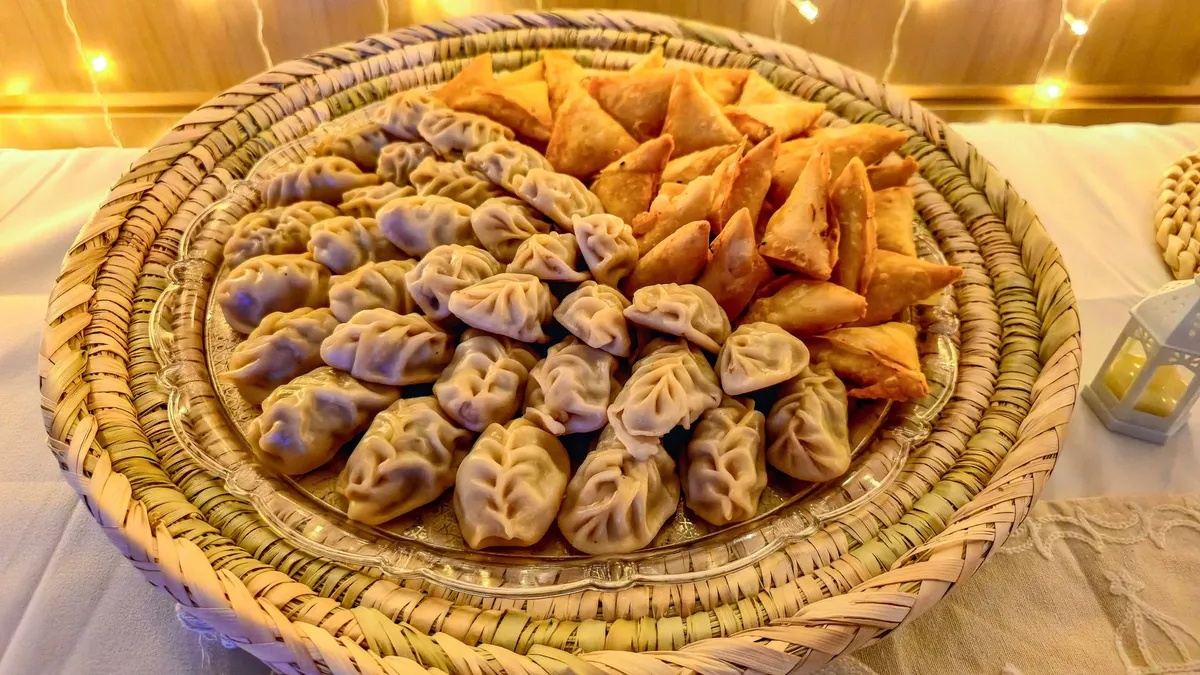
Le silence règne dans la cuisine, troublé seulement par le murmure étouffé d'une vapeur parfumée qui s'échappe d'un récipient en cuivre scellé à la pâte de farine. Ce n'est pas une simple cuisson ; c'est une alchimie séculaire, une promesse faite au temps. Le Biryani Awadhi, joyau de la couronne culinaire de Lucknow, ne se prépare pas, il se compose comme une symphonie dont le compositeur aurait oublié la précipitation. Dans l'univers de la haute gastronomie indienne, ce plat incarne la sophistication ultime, loin du feu ardent et des saveurs agressives, préférant la caresse lente du Dum Pukht. L'Héritage des Cours de Lucknow Tout commence par une élégance qui définit l'identité même de l'Awadh. Au XVIIIe siècle, sous le patronage des Nawabs, la cuisine a cessé d'être un simple besoin pour devenir une forme d'expression artistique. Contrairement à son cousin, le Biryani Hyderabadi, réputé pour son piquant audacieux et sa fougue, le Biryani Awadhi privilégie la nuance. Imaginez le décor : les cours royales où les poètes déclamaient des vers et où les chefs, véritables artisans de l'ombre, cherchaient à apaiser les palais exigeants des souverains. Le Biryani Awadhi n'est pas qu'un mélange de riz et de viande ; c'est un poème narratif où chaque grain de riz Basmati est traité avec une dévotion presque religieuse. La technique du Dum Pukht, ou cuisson à la vapeur, permet aux arômes de se libérer lentement, emprisonnés sous un couvercle hermétique, créant une texture veloutée qui ne ressemble à rien d'autre.L'Art de la Patience : Le secret du Dum Pukht Si le goût du Biryani Awadhi est incomparable, c'est parce qu'il refuse la dictature du temps. La viande est marinée avec une précision chirurgicale dans un mélange de yaourt, de safran et d'épices entières, évitant soigneusement les poudres agressives qui pourraient masquer la subtilité de la protéine. Le riz, quant à lui, est précuit à moitié avant d'être superposé dans le handi — ce récipient en terre ou en cuivre — avec des couches alternées de viande, de safran, d'eau de rose et de ghee pur. Le processus est une chorégraphie thermique. Le feu doit être assez doux pour que les arômes infusent chaque particule de riz sans jamais brûler le fond. Cette lenteur permet à la viande de devenir si tendre qu'elle semble fondre au contact de la langue, tandis que le riz reste aérien, imprégné de l'essence profonde du bouillon royal. C'est ici, dans ce mariage entre le riz long et la patience infinie, que réside la véritable magie de l'Inde du Nord. Un Bouquet d'Épices en Demi-Teinte Dans le monde du Biryani Awadhi, l'épice n'est pas une attaque, c'est une invitation. Les ingrédients utilisés sont choisis pour leur capacité à parfumer plutôt qu'à consumer :Le Safran : Il apporte non seulement cette couleur dorée impériale, mais aussi une note florale qui élève le plat vers des sommets aristocratiques. La Cardamome verte : Utilisée avec une parcimonie calculée, elle offre une fraîcheur qui équilibre la richesse du ghee. L'Eau de Rose et le Kewra : Ces essences florales, héritage direct de l'influence persane, confèrent au plat un parfum envoûtant, presque mystique. Le Mace et la Noix de Muscade : Ils ajoutent une chaleur terreuse, une profondeur qui persiste longtemps après la dernière bouchée.Pourquoi le Biryani Awadhi reste inégalé Il est facile de confondre les styles de Biryani, mais le palais averti reconnaît immédiatement la signature d'Awadh. Alors que d'autres versions misent sur une explosion de saveurs instantanées, l'Awadhi mise sur la "longueur en bouche". C'est un plat de réflexion. Chaque bouchée révèle une nouvelle couche : d'abord le parfum délicat des fleurs, puis la richesse beurrée du riz, et enfin la tendreté succulente de la viande qui semble porter en elle toute l'histoire d'une dynastie. Ce plat est le reflet d'une civilisation qui plaçait le raffinement et l'hospitalité au sommet de ses valeurs. Servir un Biryani Awadhi, c'est ouvrir une fenêtre sur un temps où le plaisir gustatif était une philosophie, où le soin apporté à la préparation d'un repas était un signe de respect envers l'invité autant que envers l'ingrédient lui-même. La Transmission d'un Savoir-Faire Ancestral Aujourd'hui, alors que la gastronomie rapide domine le paysage mondial, le maintien des traditions comme celle du Biryani Awadhi est un acte de résistance culturelle. Il existe un danger, celui de la simplification, d'oublier que ce plat n'est pas destiné à être "produit" mais à être "créé". Les chefs qui maîtrisent encore cette technique comprennent qu'il n'y a pas de raccourci. Utiliser un autocuiseur moderne pour préparer ce qui devrait mijoter durant des heures serait trahir l'âme même des Nawabs. La transmission de ce savoir, de maître à élève, est une chaîne ininterrompue qui préserve non seulement une recette, mais une manière d'habiter le monde, avec lenteur, profondeur et une attention constante au détail.Une Invitation à l'Éveil des Sens Si vous avez l'opportunité de goûter à un véritable Biryani Awadhi, ne le dévorez pas. Appréciez d'abord son odeur ; fermez les yeux et laissez les effluves de safran et de bois de santal — si une pointe d'encens a été utilisée dans la préparation — vous transporter. Ce plat est une expérience sensorielle complète. Il est le point de rencontre entre l'histoire de l'Inde, l'influence persane et une technique de cuisson qui, malgré les siècles, n'a pas trouvé son égal en termes de texture et d'équilibre. Le Biryani Awadhi n'est pas seulement de la nourriture. C'est le témoignage qu'il est encore possible, dans notre monde pressé, de s'arrêter pour savourer le fruit d'une patience qui frise le sublime. C'est l'invitation à ralentir, à humer, à goûter, et à comprendre enfin pourquoi, même après des siècles, le souffle des Nawabs continue de hanter nos assiettes avec une élégance aussi persistante qu'irrésistible. La prochaine fois que vous croiserez ce nom sur une carte, sachez qu'il ne s'agit pas d'une simple option sur un menu, mais d'une page d'histoire, une portion d'art de vivre, servie dans toute sa splendeur fumante. Célébrez cette maîtrise, car c'est dans ces détails, dans ces grains de riz infusés à la perfection, que réside tout l'éclat de notre patrimoine culinaire mondial.#AwadhiBiryani #GastronomieIndienne #LucknowCuisine #SlowCooking #ArtCulinaire Related InsightsL'Alchimie Silencieuse : Quand le Temps Sculpte la Saveur dans l'Ombre des Bocaux Il Cuore Rosso del Ghana: L'Alchimia Millenaria del Waakye From Dragon Fruit to Durian: A Global Tour of the World’s Most Exotic Fruits and Their Secrets{ "@context": "https://schema.org", "@type": "FAQPage", "mainEntity": [ { "@type": "Question", "name": "What is the main focus of Le Souffle des Nawabs : L'Art Impérial du Biryani Awadhi?", "acceptedAnswer": { "@type": "Answer", "text": "Plongez dans l'élégance raffinée du Biryani Awadhi, un chef-d'œuvre de patience et d'épices né dans les cours royales de Lucknow." } }, { "@type": "Question", "name": "Who authored the comprehensive guide on Le Souffle des Nawabs : L'Art Impérial du Biryani Awadhi?", "acceptedAnswer": { "@type": "Answer", "text": "This detailed article and its insights were carefully researched and authored by Chloe Blanc." } }, { "@type": "Question", "name": "Where can I find more related content about Food?", "acceptedAnswer": { "@type": "Answer", "text": "You can explore more articles, detailed reviews, and similar insights by browsing the Related Insights section at the bottom of this article or visiting our dedicated Food category page." } } ] }
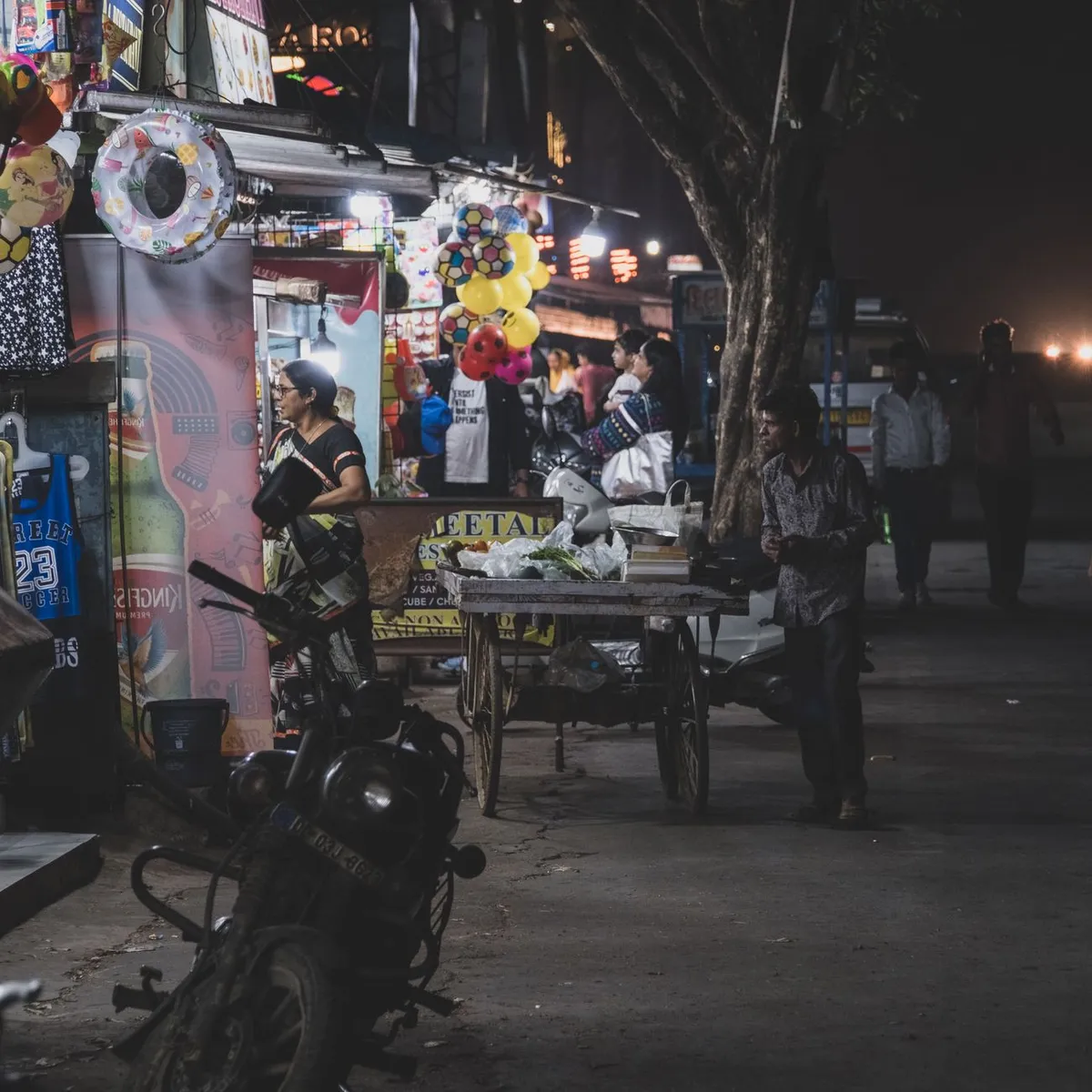
The sun dips below the horizon, yet in Mumbai, the day is only just beginning. As the humidity of the Arabian Sea settles over the city, the air becomes thick with the intoxicating aroma of toasted buns, sizzling spices, and the sharp, bright tang of tamarind chutney. This is not merely a place to eat; it is a sprawling, sensory-rich theater where every vendor is a performer and every plate of food is a testament to the city’s unyielding spirit. I am Demir Şef, and today, I invite you to navigate the chaotic, aromatic, and undeniably delicious labyrinth of Mumbai’s street food culture. The Rhythm of the Concrete Kitchen In Mumbai, street food is not just a convenience—it is a societal equalizer. Whether you are a bustling office goer navigating the rush at Nariman Point or a student huddled in a corner near a college campus, the roadside stall is your dining room. It is a unique characteristic of this metropolis that individuals from every economic stratum converge at these portable market stalls. Many locals, in fact, argue that the authentic, unpolished, and intensely flavored street offerings far surpass the refined dishes served in the city’s high-end restaurants. The sheer variety available is a direct reflection of Mumbai’s cosmopolitan DNA. As the capital of Maharashtra, the city is steeped in Maharashtrian culinary traditions, yet it has opened its arms to global influences. This culture of eating on the move—often round the clock—has allowed street vendors to become the unsung architects of the city’s food identity.The Reign of the Vada Pav and Beyond If one were to crown a king of Mumbai’s street food, it would undoubtedly be the Vada Pav. This iconic snack—a golden-fried potato patty tucked into a soft, pillowy bread roll—is the quintessential fuel for the city. But the list of delights does not end there. From the chaotic assembly of Panipuri, where a single bite offers a burst of spicy, tangy water, to the textural crunch of Bhel puri and Sev puri, the variety is staggering. Vegetarianism dominates the street landscape, with delicacies like Ragda pattice, Pav bhaji, and the comforting, soul-warming Dosa and Idli holding court. Even the adventurous palate is catered to; in the 1980s, Indianised Chinese food exploded onto the scene, giving birth to the phenomenon of Chinese bhel—a fusion that perfectly captures the inventive, slightly defiant nature of Mumbai’s hawkers. For those seeking non-vegetarian bites, the streets offer savory omelettes, succulent kebabs, and fresh catches of fish, ensuring that every craving finds its match. Coolants and Sugarcane Dreams Mumbai’s tropical heat necessitates a liquid remedy, and the streets provide this in abundance. Fresh sugarcane juice vendors, their machines grinding stalks into a sweet, refreshing elixir, are as synonymous with the city as the iconic black-and-yellow taxis. Juice and milkshake bars dot the sidewalks, offering everything from thick, creamy shakes to revitalizing fruit juices. As the sun sets, those with a sweet tooth turn to Kulfi, the dense, slow-cooked frozen dairy dessert that defies the heat with its milky richness. And for a unique, nostalgic treat, there is the golah—an Indian snow cone that transforms simple shaved ice into a vibrant, syrup-drenched delight on a stick. Even the tradition of the post-meal mouth freshener, the paan, remains a staple at roadside stalls, a lingering burst of betel leaf and aromatic spices that marks the end of a culinary adventure.Navigating the Khau Galli To truly understand Mumbai, one must step into a Khau Galli—a 'Food Alley' in the local Marathi tongue. These narrow arteries are the heart of the city’s gastronomy. At Girgaon Chowpatty, the rhythm of the waves provides the soundtrack to a plate of Bhel puri. Near the financial districts, the lunch hour creates a frenetic energy as workers descend upon stalls for a quick, affordable, and incredibly flavorful meal. These vendors are the bedrock of the city’s rhythm. They operate with a resilience that is rare; even during general strikes, the smoke from the charcoal grills rarely fades. They cycle through the city, tea vendors carrying piping hot chai to the doorsteps of offices and homes, ensuring that the city is always caffeinated and fed. The Complex Reality of the Hawker The story of Mumbai’s street food is not without its tensions. The legal status of these hawkers is a perennial debate. Despite being the backbone of the city's food culture, many trade without official permits, navigating a cycle of fines, seizures, and the constant threat of eviction. A 2009 report revealed that out of approximately 250,000 hawkers, only a tiny fraction held valid licenses, illustrating the deep-seated bureaucracy that these entrepreneurs must circumvent to survive. While the Supreme Court has made efforts to designate legal hawking zones, the implementation remains a challenge. There are, of course, hygiene concerns often raised by critics, yet the public’s loyalty remains unshaken. In fact, the phenomenon is so influential that high-end restaurants and five-star hotels have begun incorporating these 'humble' street snacks into their own menus. The demand is so high that homegrown fast-food chains have even emerged to package the street experience for a wider, perhaps more cautious, audience. When Worlds Collide: Passion and Prejudice The vulnerability of these vendors is sometimes exposed by the volatility of the city's politics. A notable controversy in 2011 involving a panipuri vendor turned into a city-wide drama, where political groups targeted specific communities, forcing many to abandon their livelihoods. It serves as a stark reminder that in a city as large and diverse as Mumbai, the simple act of selling food is inextricably linked to the complex social and political fabric of the nation. Despite this, the vendors persist. They are the survivors, the early risers, and the late-night protectors of the city’s appetite.Why Mumbai Remains the Culinary North Star What makes Mumbai’s street food superior to anywhere else? It is the intersection of urgency and craft. The hawkers have honed their skills over decades, often passing the recipes down through generations. Whether it is the perfect balance of spice in a Misal pav or the specific texture of a vegetable frankie, there is an artistry here that cannot be replicated in a commercial kitchen. When you stand on a busy corner, clutching a steaming paper plate of food, surrounded by the noise and the motion of one of the world's most populous cities, you are participating in a living history. It is a culture that honors the worker, the student, and the traveler alike. It is cheap, it is accessible, and above all, it is honest. So, the next time you find yourself in the bustling metropolis of Mumbai, do not look for the quiet, air-conditioned dining room. Follow the smoke. Follow the crowd. Find the nearest Khau Galli, and let the street food of Mumbai tell you its story, one bite at a time. It is a journey that will stay with you long after the taste of the chutney has faded from your palate. The city is waiting, the grill is hot, and the pav is soft. There is no better time to eat. #MumbaiStreetFood #IndianCuisine #StreetFoodCulture #FoodLovers #HiddenGems Related InsightsThe Fifth Taste Unlocked: Mastering Umami to Transform Every Bite into a Flavor Explosion Baba Ghanoush: The Smoky Eggplant Dip Mapo Tofu: The Spicy and Numbing Classic{ "@context": "https://schema.org", "@type": "FAQPage", "mainEntity": [ { "@type": "Question", "name": "What is the main focus of The Edible Pulse of Mumbai: A Gastronomic Odyssey Through the Khau Gallis?", "acceptedAnswer": { "@type": "Answer", "text": "Discover the vibrant world of Mumbai’s street food, where legendary snacks and bustling food alleys define the pulse of a city that never stops eating." } }, { "@type": "Question", "name": "Who authored the comprehensive guide on The Edible Pulse of Mumbai: A Gastronomic Odyssey Through the Khau Gallis?", "acceptedAnswer": { "@type": "Answer", "text": "This detailed article and its insights were carefully researched and authored by Demir Şef." } }, { "@type": "Question", "name": "Where can I find more related content about Food?", "acceptedAnswer": { "@type": "Answer", "text": "You can explore more articles, detailed reviews, and similar insights by browsing the Related Insights section at the bottom of this article or visiting our dedicated Food category page." } } ] }
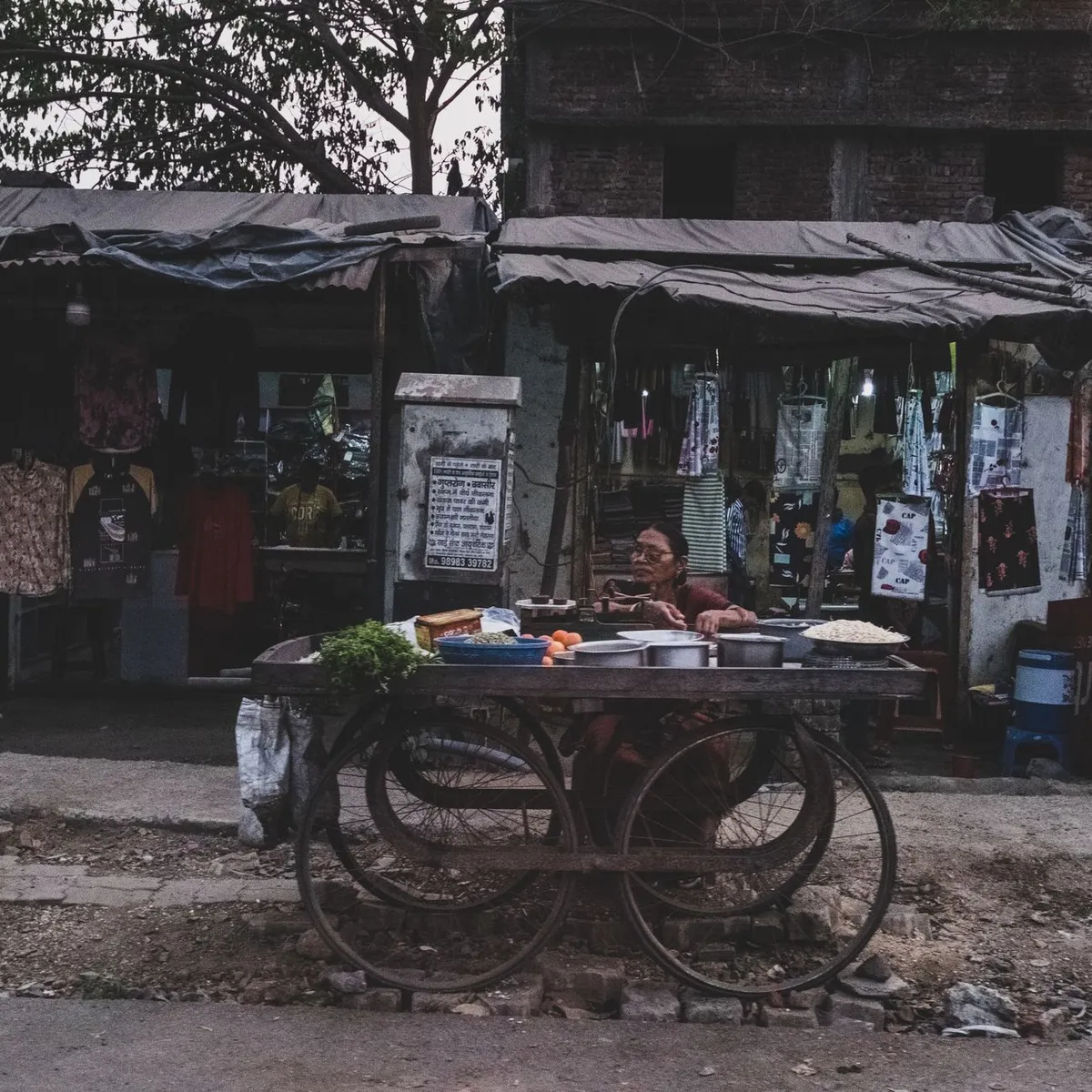
-
 Giovanni Luigi
 - 19 Aug, 2026 18:19
Il Battito Speziato di Mumbai: Un Viaggio nei Vicoli del Gusto che Sfida le Convenzioni
C’è un aroma che danza tra il rumore incessante del traffico e il respiro frenetico dei treni pendolari di Mumbai, un profumo che definisce l’identità di una metropoli dove il tempo non sembra mai scorrere, ma semplicemente bollire. A Mumbai, il cibo di strada non è un semplice pasto veloce: è il sangue che scorre nelle vene della città, un rito collettivo che ignora le barriere sociali e sfida, quotidianamente, l’autorità dei ristoranti più blasonati. Qui, dove milioni di persone si incrociano ogni giorno, la strada è la cucina più democratica del mondo. L'Arte della Sopravvivenza in un Boccone di Vada Pav Se dovessimo eleggere il re indiscusso di questa giungla urbana, il trono spetterebbe senza ombra di dubbio al Vada Pav. Non si tratta solo di una frittella di patate racchiusa in un soffice panino indiano; è il simbolo di una città che vive in movimento. Questo snack onnipresente incarna perfettamente l'anima di Mumbai: economico, immediato, irresistibile. Tuttavia, Mumbai è una tavolozza di sapori cosmopoliti. Mentre il Vada Pav regna, la varietà degli snack vegetariani — tra cui spiccano Dabeli, Panipuri, Bhel puri, Sev puri e Dahipuri — racconta la storia di un'India che si fonde in Maharashtra. Il "Ragda pattice" o il "Pav bhaji" non sono solo piatti, sono la prova concreta che la cultura culinaria di Mumbai è stata forgiata proprio da questi venditori ambulanti, pionieri di un gusto che ha saputo resistere al passaggio dei decenni.Oltre il Vegetariano: Una Metropoli dai Mille Volti Sebbene la tradizione vegetariana sia predominante, la cosmopolita Mumbai nasconde angoli dove il non-vegetariano diventa protagonista. Non è raro imbattersi in omelette fumanti, kebab succulenti e piatti a base di pesce che raccontano la vicinanza della città al Mar Arabico. Negli anni '80, abbiamo assistito a una rivoluzione: l'ascesa dell'Indianised Chinese food, una tendenza che ha trasformato i marciapiedi della metropoli in una fusion inaspettata. Penso al "Chinese bhel", un'invenzione tanto audace quanto popolare, che dimostra come la cucina di strada di Mumbai sia viva, plastica e capace di reinventarsi costantemente. E per chi cerca qualcosa di più sostanzioso, il "vegetable frankie" — una versione accessibile e rapida dei famosi involtini — è diventato il compagno fedele di studenti universitari e impiegati durante la pausa pranzo. I Khau Galli: Santuari di Sapori nei Labirinti Urbani Esistono luoghi a Mumbai chiamati Khau Galli, che in lingua marathi significa letteralmente "Vicolo del Cibo". Sono corridoi stretti, avvolti da una nuvola costante di spezie e vapore, dove la vita urbana si ferma per un istante. A Girgaon Chowpatty, la spiaggia si trasforma in un palcoscenico per i venditori di Bhel puri e kulfi, mentre le zone finanziarie come Nariman Point brulicano di vita durante l'ora di pranzo, creando un contrasto affascinante tra il rigore degli affari e la semplicità di un pasto consumato in piedi. Questi venditori sono l'ossatura della città. Nonostante le sfide, le intemperie e le chiamate agli scioperi che paralizzano altri settori, i venditori ambulanti di Mumbai sono una costante incrollabile. Sono lì, instancabili, a offrire un sorso di fresco succo di canna da zucchero — sinonimo visivo e gustativo delle strade di Mumbai — o a preparare un caldo tè, venduto da coraggiosi ciclisti che pedalano tra il traffico caotico portando ristoro in ogni angolo.Il Paradosso della Legalità e il Gusto del Rischio Non si può parlare di Mumbai senza menzionare l'eterna tensione che circonda i suoi venditori. Il 2007 ha segnato una pietra miliare con la sentenza della Corte Suprema che chiedeva di demarcare zone di vendita legali, una promessa burocratica che ancora oggi fatica a trovare piena attuazione. La realtà è fatta di stime approssimative: su circa 250.000 hawkers, solo una frazione infinitesimale possiede una licenza valida. Questa fragilità crea un rapporto ambiguo con l'autorità: sequestri di attrezzature, multe e periodi di sgombero seguiti dal ritorno inesorabile dei venditori. Eppure, la gente continua a scegliere il cibo di strada, ignorando spesso le critiche sull'igiene a favore di una tradizione che è percepita, spesso, come superiore per gusto rispetto alla cucina dei ristoranti convenzionali. Anche nei momenti di crisi, come il controverso incidente del 2011 che ha visto coinvolto un venditore di Panipuri, la resilienza di questo settore è sorprendente: il sistema si scuote, le tensioni politiche emergono, ma il desiderio di un boccone speziato all'angolo della via rimane radicato nel profondo dell'animo di ogni Mumbaikar. Dalle Strade alle Tabelle dei Ristoranti Cinque Stelle Ciò che rende Mumbai un caso studio unico è la transizione del suo cibo di strada verso l'alta gastronomia. Quello che nasce su un carrettino fatiscente finisce oggi nelle cucine dei ristoranti di lusso e persino nei menù dei grandi alberghi internazionali. È una consacrazione meritata per un'arte, quella del cibo di strada, che ha saputo evolversi diventando un'icona globale.Che si tratti di concludere un pasto con il Paan — la tipica preparazione a base di foglie di betel, vero e proprio rinfrescante orale — o di rinfrescarsi con un golah (la granita indiana), Mumbai offre un’esperienza sensoriale completa. Non è solo nutrizione; è un atto di appartenenza. Mangiare per strada a Mumbai significa partecipare al respiro di una città che non chiede permesso, che non si scusa per il suo caos, ma che ti offre, in cambio di pochi spiccioli, il sapore autentico della vita. I venditori di strada di Mumbai non sono solo commercianti; sono i custodi di una cultura che si rifiuta di essere chiusa tra quattro mura. Sono la voce di milioni di persone che, tra una stazione ferroviaria e un campus universitario, trovano nella semplicità di un "pav bhaji" o in un bicchiere di succo fresco, un momento di pace e di piacere nel cuore pulsante dell'India. #MumbaiStreetFood #CucinaIndiana #ViaggioGastronomico #StreetFoodCulture #IndiaTravel Related InsightsIl Cuore della Città: Il Cibo di Strada di Mumbai Kung Pao: Die Alchemie des Feuers und die Kunst des perfekten Kontrasts Delving into the World of Anti-Inflammatory German Potato Salad with Dill and Apple Cider Vinaigrette (Vegan){ "@context": "https://schema.org", "@type": "FAQPage", "mainEntity": [ { "@type": "Question", "name": "What is the main focus of Il Battito Speziato di Mumbai: Un Viaggio nei Vicoli del Gusto che Sfida le Convenzioni?", "acceptedAnswer": { "@type": "Answer", "text": "Esplora l'anima vibrante di Mumbai attraverso i suoi leggendari venditori ambulanti, dove la cultura culinaria incontra la storia vivente di una metropoli inarrestabile." } }, { "@type": "Question", "name": "Who authored the comprehensive guide on Il Battito Speziato di Mumbai: Un Viaggio nei Vicoli del Gusto che Sfida le Convenzioni?", "acceptedAnswer": { "@type": "Answer", "text": "This detailed article and its insights were carefully researched and authored by Giovanni Luigi." } }, { "@type": "Question", "name": "Where can I find more related content about Food?", "acceptedAnswer": { "@type": "Answer", "text": "You can explore more articles, detailed reviews, and similar insights by browsing the Related Insights section at the bottom of this article or visiting our dedicated Food category page." } } ] }
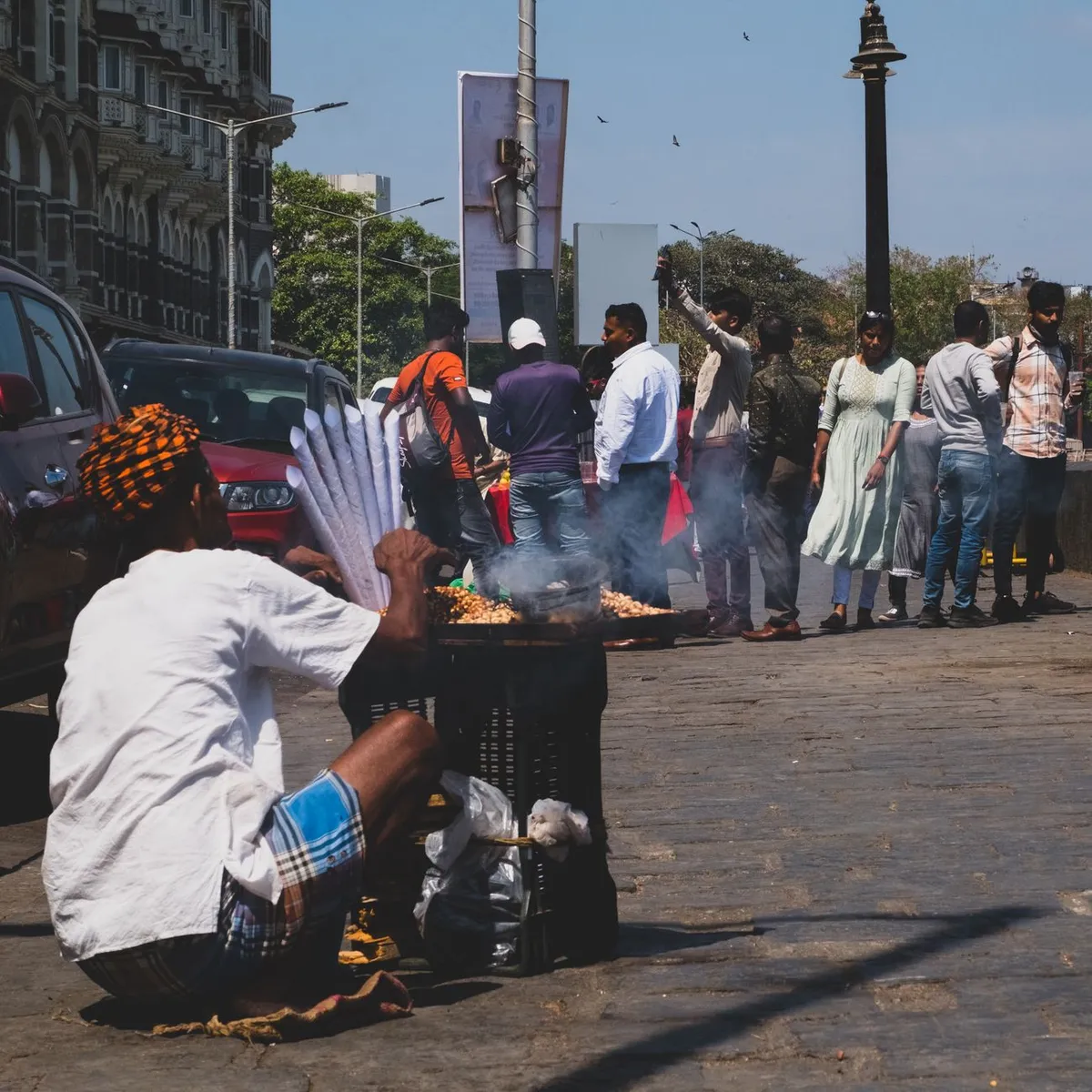
- Klaus Weber
- 19 Aug, 2026 06:26
Mumbais flüchtige Gaumenfreuden: Wo Straßenstände die Stadt zum Kochen bringen
Der Duft von frittiertem Teig, der scharfe Kick von Chutneys, das leise Klirren von Metallschüsseln – wenn die Sonne über Mumbai untergeht, erwacht eine andere Stadt. Nicht die der gläsernen Wolkenkratzer oder der hektischen Börsen, sondern die der Straßenstände, wo das wahre Herz der Megacity schlägt. Hier, zwischen dem Hupen der Taxis und dem Lachen von Schulkindern, wird jede Mahlzeit zu einem Fest. Willkommen in der Welt des Mumbai Street Food, wo Armut und Luxus aufeinandertreffen, wo Tradition und Innovation sich küssen – und wo jeder Bissen eine Geschichte erzählt.Die unsichtbaren Könige der Gassen: Wer steht hinter dem Geschmack? Hinter jedem dampfenden Teller Bhel Puri, jedem knusprigen Vada Pav, steckt ein Mensch mit einer Geschichte. Die Straßenhändler von Mumbai sind keine bloßen Verkäufer – sie sind die Architekten einer kulinarischen Revolution. Viele von ihnen stammen aus bescheidenen Verhältnissen, manche aus ländlichen Regionen Maharashtras, die in der Stadt ihr Glück suchten. Doch statt in Fabriken zu arbeiten, entschieden sie sich für den Straßenverkauf. Warum? Weil hier, zwischen den Rissen des Asphalts, die wahre Seele Mumbais schmeckbar wird. Die meisten Händler sind Männer, oft in ihren 30ern oder 40ern, die seit Jahrzehnten dieselben Rezepte perfektionieren. Ihre Stände sind oft nur ein paar Quadratmeter groß, ausgestattet mit rostigen Pfannen, dampfenden Bottichen und einem unerschöpflichen Vorrat an Gewürzen. Doch was sie an Ausstattung fehlt, machen sie durch Leidenschaft wett. Viele von ihnen arbeiten 16 Stunden am Tag, von frühmorgens bis spät in die Nacht, während die Stadt schläft und erwacht. Doch nicht alle sind legal. Schätzungsweise 250.000 Straßenhändler gibt es in Mumbai – doch nur etwa 17.000 besitzen eine offizielle Lizenz. Der Rest operiert im Schatten, zahlt Schmiergelder an korrupte Beamte oder riskiert ständige Räumungen. Die Behörden führen regelmäßig Razzien durch, beschlagnahmen Kochutensilien und vertreiben die Händler – doch nach ein paar Tagen sind sie zurück, als wäre nichts gewesen. Die Stadt braucht sie. Ohne sie würde Mumbai hungern.Von Vada Pav bis Misal Pav: Die ungeschriebenen Gesetze der Straßenküche Mumbai ist eine Stadt der Extreme – und das spiegelt sich in ihrem Street Food wider. Hier gibt es keine halben Sachen: Entweder ist es scharf, fettig und unwiderstehlich, oder es ist einfach nur da. Doch eines haben alle Gerichte gemeinsam: Sie sind günstig. Während ein Restaurantbesuch in der Stadt schnell 500 Rupien (ca. 6 Euro) kostet, bekommt man für denselben Betrag ein Festmahl an der nächsten Ecke. Die vegetarischen Ikonen: Wenn die Götter der Maharashtrian-Küche lächeln Vada Pav – Das "Burger" der Armen Wenn es ein Gericht gibt, das Mumbai definiert, dann ist es der Vada Pav. Ein knuspriges, frittiertes Kartoffelbällchen (Vada) in einem weichen Brötchen (Pav), serviert mit scharfer grünen Chutney und süßem Tamarinden-Dip. Erfunden in den 1970er Jahren von Ashok Vaidya, einem Straßenhändler aus Dadar, wurde es schnell zum Nationalgericht der Stadt. Heute gibt es ihn an jeder Ecke – doch die besten Exemplare findet man in den engen Gassen von Matunga oder bei den alten Händlern in Girgaon. Misal Pav – Der scharfe Weckruf des Morgens Misal Pav ist kein Gericht für schwache Mägen. Eine würzige Curry aus gekeimten Mungbohnen (Misal), serviert mit geröstetem Brot (Pav) und einer Prise Zwiebeln, Zitrone und Koriander. Ursprünglich ein Gericht der Arbeiterklasse, hat es sich längst in die Herzen aller Schichten geschlichen. Besonders beliebt ist es zum Frühstück – wer es schafft, den ersten Bissen zu überleben, ist für den Rest des Tages wach. Bhel Puri – Der Tanz der Texturen Ein knuspriges, süß-saures, scharfes Chaos in einem Papierteller: Bhel Puri ist das ultimative Street-Food-Erlebnis. Puffreis, gebratene Nudeln, Kichererbsen, Chutneys und eine Handvoll frischer Kräuter – alles vermischt zu einem Geschmacksexplosionscocktail. Der beste Ort, um ihn zu probieren? Girgaon Chowpatty, wo die Wellen des Arabischen Meeres im Hintergrund rauschen und der Wind die Aromen der Stadt mit sich trägt. Pani Puri – Die kleine Kugel der Glückseligkeit Pani Puri (auch Golgappa genannt) ist ein Spiel mit Kontrasten: knusprige, hohle Teigkugeln, gefüllt mit Kartoffelpüree, Kichererbsen und einer würzigen Minz-Wasser-Mischung (Pani). Der erste Biss ist ein Schock – dann kommt der Rausch. Doch Vorsicht: Nicht alle Händler halten sich an Hygienestandards. Im Jahr 2011 sorgte ein Vorfall in Thane für einen Skandal, als ein Verkäufer in einen Behälter urinierte. Die Folge? Politische Grabenkämpfe, Angriffe auf nordindische Händler und ein generelles Misstrauen gegenüber Pani Puri-Ständen. Die fleischlichen Verführungen: Wenn Mumbai seinen Hunger nicht versteckt Während die meisten Street-Food-Gerichte vegetarisch sind, gibt es auch fleischliche Optionen – allerdings in kleinerem Umfang. Omeletts – Das Frühstück der Studenten Ein einfaches, aber geniales Gericht: ein dickes Omelett, gefüllt mit Zwiebeln, Chilis und manchmal sogar Käse, serviert in einem Brötchen. Beliebt bei College-Studenten, die nach einer durchzechten Nacht einen schnellen Energiekick brauchen. Kebabs – Die gegrillten Träume der Nachtarbeiter An den Straßen von Mohammed Ali Road oder Crawford Market findet man oft kleine Grillstände, an denen Lamm- oder Hähnchenkebabs über Holzkohle gegrillt werden. Serviert mit Zwiebeln, Limette und einem Stück Fladenbrot – perfekt für diejenigen, die nachts durch die Stadt streifen. Fisch – Der Geschmack des Meeres in der Stadt Mumbai ist eine Hafenstadt, und das merkt man. An den Küstenstraßen wie Chowpatty oder Juhu findet man frischen Fisch, gebraten oder in Currys zubereitet. Besonders beliebt: der "Bombil" (fliegender Fisch), der knusprig frittiert und mit einer scharfen Tamarinden-Chutney serviert wird. Die süßen Verführungen: Wenn die Hitze der Stadt schmilzt Kulfi – Das Eis, das die Seele wärmt Kein Mumbai Street Food ohne Kulfi. Dieses cremige, gefrorene Dessert aus Milch, Nüssen und Safran ist die Antwort auf die drückende Hitze der Stadt. Serviert in einem konischen Behälter oder auf einem Stock, oft mit Pistazien oder Rosenwasser aromatisiert. Der beste Ort, um es zu probieren? Chowpatty Beach, wo der Wind die Süße der Kulfi mit dem Salz des Meeres vermischt. Gola – Der Zuckerrausch der Kinder Ein einfaches, aber geniales Konzept: zerstoßenes Eis, übergossen mit süßen Sirups (Mango, Rose, Kala Khatta) und einer Prise Salz. Serviert in einem Plastikbecher oder auf einem Stock – perfekt für die heißen Nachmittage. Milchshakes – Die flüssigen Träume der Teenager An jeder zweiten Ecke findet man kleine Milchshake-Stände, die mit exotischen Geschmacksrichtungen wie "Thandai" (eine Gewürzmilch mit Mandeln und Safran) oder "Badam" (Mandel) locken. Besonders beliebt bei Teenagern, die nach der Schule eine süße Pause brauchen.Die unsichtbaren Straßen: Wo die besten Stände versteckt sind Mumbai ist eine Stadt der Kontraste – und das gilt auch für ihre Street-Food-Szene. Während einige Stände in den touristischen Hotspots wie Colaba oder Bandra zu finden sind, verstecken sich die wahren Juwelen in den weniger bekannten Ecken. Girgaon Chowpatty – Wo das Meer die Aromen trägt Hier, wo die Wellen des Arabischen Meeres gegen den Sand schlagen, wird Street Food zu einem sinnlichen Erlebnis. Die besten Bhel Puri-Stände der Stadt finden sich hier, ebenso wie frische Kokosnüsse und süße Kulfi. Besonders abends, wenn die Sonne untergeht und die Lichter der Stadt zu glitzern beginnen, wird Chowpatty zu einem Ort der Magie. Nariman Point – Wo die Bürohengste ihre Mittagspause verbringen In der Mittagspause, wenn die Straßen von Nariman Point mit Anzugträgern überflutet werden, erwachen die Straßenstände zum Leben. Hier gibt es schnelle, sättigende Snacks wie Pav Bhaji (ein cremiges Kartoffel-Curry mit Brötchen) oder Chinese Bhel (eine indisch-chinesische Fusion aus Nudeln, Gemüse und Sojasauce). Dadar – Das Herz der Maharashtrian-Küche Dadar ist der Ort, an dem die traditionelle Küche Maharashtras am lebendigsten ist. Hier findet man Misal Pav, Vada Pav und sogar Khandvi (gedämpfte Kichererbsenflocken) – alles in authentischer, hausgemachter Qualität. Besonders empfehlenswert: die Stände in der Nähe des Dadar Bahnhofs, wo die Händler seit Jahrzehnten dieselben Rezepte perfektionieren. Crawford Market – Wo die Welt in einem Markt zusammenkommt Dieser historische Markt ist ein Schmelztiegel der Kulturen. Hier gibt es nicht nur frisches Obst und Gewürze, sondern auch Street Food aus allen Ecken Indiens. Von süßem Jalebi (knusprige, spiralförmige Teigringe) bis zu scharfen Kebabs – hier findet jeder etwas, das ihm das Wasser im Mund zusammenlaufen lässt.Die dunklen Seiten der Gassen: Hygiene, Politik und die unsichtbaren Kämpfe So verlockend das Mumbai Street Food auch sein mag – es ist nicht ohne Risiken. Die größten Kontroversen drehen sich um Hygiene, Korruption und politische Machtspiele. Die Hygiene-Falle: Wenn der Magen zum Glücksspiel wird Für viele Touristen und Einheimische ist das größte Hindernis beim Genuss von Street Food die Angst vor Magenverstimmungen. Die Realität? Ja, es gibt Händler, die ihre Zutaten in schmutzigen Eimern lagern oder ihr Wasser aus undichten Leitungen beziehen. Doch die meisten Stände halten erstaunlich hohe Hygienestandards ein – schließlich geht es um ihren Ruf. Doch selbst die besten Händler können nicht immer kontrollieren, was in ihre Zutaten gelangt. In den Monsunmonaten, wenn die Straßen überschwemmt sind und Ratten durch die Gassen huschen, wird die Situation prekär. Viele Händler wechseln dann zu konservierten Zutaten – doch das verändert den Geschmack. Die politische Arena: Wenn Street Food zum Spielball wird Street Food ist nicht nur Nahrung – es ist Macht. Politische Parteien nutzen die Stände, um ihre Agenden voranzutreiben. Im Jahr 2011 sorgte ein Vorfall in Thane für einen Skandal, als ein Pani Puri-Verkäufer gefilmt wurde, wie er in einen Behälter urinierte. Die Folge? Shiv Sena und Maharashtra Navnirman Sena starteten eine Hetzkampagne gegen nordindische Händler, die mit Pani Puri und Bhel Puri in Verbindung gebracht wurden. Doch das war nicht das erste Mal, dass Street Food zum politischen Spielball wurde. In den 1990er Jahren wurden nordindische Händler beschuldigt, "die Kultur Maharashtras zu korrumpieren" – ein Vorwand, um sie aus der Stadt zu vertreiben. Heute ist die Situation etwas entspannter, doch die Spannungen bleiben. Die rechtliche Grauzone: Wo das Gesetz ignoriert wird Offiziell sind Straßenhändler in Mumbai illegal – es sei denn, sie besitzen eine Lizenz. Doch die Realität sieht anders aus. Die meisten Händler zahlen Schmiergelder an korrupte Beamte, um weiterarbeiten zu dürfen. Die Behörden führen regelmäßig Razzien durch, beschlagnahmen Kochutensilien und vertreiben die Händler – doch nach ein paar Tagen sind sie zurück. Im Jahr 2007 urteilte der Oberste Gerichtshof, dass die Stadt 230 legale Verkaufszonen einrichten sollte. Die Zahl wurde später auf 1.700 erhöht – doch bis heute ist die Umsetzung schleppend. Viele Händler warten seit Jahrzehnten auf ihre Papiere. Bis dahin bleibt die Street-Food-Szene ein Spiel mit dem Feuer: legal oder illegal, sauber oder schmutzig – Hauptsache, es schmeckt.Wenn die Gassen in die Restaurants wandern: Wie Mumbai Street Food die Welt erobert Was in den engen Gassen Mumbais beginnt, endet oft in den kulinarischen Tempeln der Stadt – und manchmal sogar in den Restaurants der Welt. Die Street-Food-Kultur hat die Gastronomie revolutioniert, und viele Köche haben die Rezepte der Straßenstände adaptiert. Von den Ständen in die Sterneküche Restaurants wie "Bombay Canteen" oder "Peshawri" in den Taj-Hotels haben Street-Food-Klassiker wie Pav Bhaji oder Kebabs in ihre Menüs aufgenommen – allerdings in einer verfeinerten, teureren Version. Doch die wahre Magie liegt im Original: Ein Pav Bhaji, der auf der Straße zubereitet wird, schmeckt nach mehr als nur Gewürzen – er schmeckt nach Mumbai. Die Fast-Food-Revolution: Wenn Start-ups Street Food kommerzialisieren In den letzten Jahren haben sich mehrere Start-ups gegründet, die Street Food in eine moderne, verpackbare Form bringen. Unternehmen wie "Faasos" oder "FreshMenu" bieten Vada Pav, Misal Pav und andere Klassiker als Lieferservice an – doch puristische Street-Food-Liebhaber lehnen diese Versionen oft ab. Für sie ist Street Food mehr als nur Essen – es ist ein Erlebnis. Die globale Expansion: Wenn die Welt Mumbai schmeckt Mumbai Street Food hat längst die Grenzen Indiens überschritten. In London, New York oder Berlin findet man heute Restaurants, die indische Street-Food-Klassiker anbieten. Doch die meisten von ihnen scheitern daran, den wahren Geschmack einzufangen. Denn das Geheimnis des Mumbai Street Food liegt nicht nur in den Zutaten – es liegt in der Atmosphäre, im Chaos, im Leben der Stadt selbst.Ein letzter Bissen: Warum Mumbai ohne seine Straßenstände nicht dasselbe wäre Wenn man durch Mumbai läuft, sieht man nicht nur Wolkenkratzer und Slums – man sieht die Seele der Stadt. Die Straßenstände sind die Pulse der Stadt, die Orte, an denen Menschen aus allen Schichten zusammenkommen. Hier, zwischen dampfenden Pfannen und schreienden Händlern, wird die Hierarchie der Stadt für einen Moment aufgehoben. Street Food ist mehr als nur Essen – es ist Kultur, Tradition und Rebellion in einem. Es ist das Lachen der Schulmädchen, die sich eine Portion Bhel Puri teilen. Es ist der müde Blick des Büroangestellten, der nach einem langen Tag einen Vada Pav in sich hineinstopft. Es ist die Hand, die einem Fremden eine kostenlose Kostprobe gibt, weil "das Leben zu kurz ist, um nicht zu teilen". Doch es ist auch ein Kampf. Ein Kampf um Hygiene, um Rechte, um Anerkennung. Ein Kampf, der seit Jahrzehnten geführt wird – und der noch lange nicht vorbei ist. Also, wenn Sie das nächste Mal in Mumbai sind: Halten Sie inne. Atmen Sie den Duft von frittiertem Teig ein. Probieren Sie einen Bissen – und lassen Sie sich von der Stadt verführen. Denn hier, zwischen den Gassen und den Träumen, schmeckt Mumbai am besten.#MumbaiStreetFood #IndischesStreetFood #VadaPav #MumbaiKulinarik #IndienKulinarisch Related InsightsBaba Ghanoush: The Smoky Eggplant Dip The Golden Threads of History: Unraveling the Millennia-Old Tapestry of Pasta The Mediterranean Symphony: Whole Wheat Pasta Primavera with Abundant Vegetables{ "@context": "https://schema.org", "@type": "FAQPage", "mainEntity": [ { "@type": "Question", "name": "What is the main focus of Mumbais flüchtige Gaumenfreuden: Wo Straßenstände die Stadt zum Kochen bringen?", "acceptedAnswer": { "@type": "Answer", "text": "Entdecken Sie die pulsierende Welt des Mumbai Street Food – von würzigem Vada Pav bis zu süßer Kulfi. Eine kulinarische Reise durch die Gassen der Megacity." } }, { "@type": "Question", "name": "Who authored the comprehensive guide on Mumbais flüchtige Gaumenfreuden: Wo Straßenstände die Stadt zum Kochen bringen?", "acceptedAnswer": { "@type": "Answer", "text": "This detailed article and its insights were carefully researched and authored by Klaus Weber." } }, { "@type": "Question", "name": "Where can I find more related content about Food?", "acceptedAnswer": { "@type": "Answer", "text": "You can explore more articles, detailed reviews, and similar insights by browsing the Related Insights section at the bottom of this article or visiting our dedicated Food category page." } } ] }

-
 Kenji Sato
 - 18 Aug, 2026 19:09
The Art of Dim Sum: Hong Kong’s Tiny Bites That Pack a World of Flavor
Where Bamboo Steamers Meet Century-Old Traditions Hong Kong’s dim sum culture is a living museum of culinary artistry, where the clatter of bamboo steamers and the hum of teacups create a symphony of tradition. Born in the teahouses of Cantonese-speaking regions during the Song Dynasty (960–1279 AD), dim sum—literally translating to "touch the heart"—was originally a snack served with tea to travelers and farmers. By the time British colonial rule took hold in the 19th century, these humble bites evolved into a sophisticated dining ritual, blending Chinese heritage with Western influences. Today, dim sum is the heartbeat of Hong Kong’s food scene, a daily ritual for locals and a must-try experience for visitors. The magic of dim sum lies in its communal nature. Unlike Western meals where dishes are served sequentially, dim sum is a parade of small plates passed around the table, encouraging sharing and conversation. Each bite tells a story—whether it’s the delicate folds of a har gow (shrimp dumpling) that reveal a chef’s skill or the crispy layers of a char siu bao (barbecue pork bun) that hint at hours of steaming. The artistry extends beyond taste to presentation: dumplings are pleated into intricate shapes, buns are dusted with sesame seeds, and rice rolls are garnished with vibrant vegetables. Even the choice of tea—from floral jasmine to robust pu-erh—plays a role in balancing the flavors of the meal. But dim sum is more than just food; it’s a cultural institution. In Hong Kong, teahouses like Lin Heung Tea House in Central or the legendary Luk Yu Tea House in Central District have been serving dim sum since the 1920s, their wooden booths and tiled floors echoing with the laughter of families and the clinking of teacups. These institutions are where generations gather to celebrate birthdays, weddings, and even business deals. The tradition is so ingrained that the Hong Kong Tourism Board has designated dim sum as an intangible cultural heritage, recognizing its role in shaping the city’s identity.To truly understand dim sum, one must start with its foundation: the teahouse. In Hong Kong, these establishments are more than just restaurants; they’re social hubs where the elderly sip tea for hours while younger generations catch up over plates of siu mai (pork dumplings) and turnip cakes. The teahouse culture is a testament to the city’s fast-paced yet deeply rooted lifestyle. Here, time slows down, and every bite is savored with intention. The teahouse isn’t just a place to eat—it’s a sanctuary where the past and present collide in a steam-filled embrace.From Har Gow to Egg Tarts: The Dim Sum Pantheon You Must Know Dim sum is a vast and varied world, with over 100 dishes that can be broadly categorized into steamed, fried, baked, and rice-based bites. Each category offers a unique texture and flavor profile, making the dim sum menu a playground for adventurous eaters. To navigate this culinary labyrinth, it’s essential to familiarize yourself with the most iconic dishes, each a masterpiece in its own right. Steamed Delights: The Art of the Dumpling Steamed dim sum is where precision meets passion. The most celebrated of these is har gow (虾饺), the translucent shrimp dumpling with a pleated edge that resembles a lotus bud. Made from wheat starch and tapioca flour, har gow’s skin is so thin it’s almost translucent, revealing the plump shrimp and pork filling inside. The dumpling’s texture is a delicate balance—chewy yet tender, with a slight bounce that melts in the mouth. Authentic har gow is made with fresh, high-quality shrimp, and the pleats are hand-folded, a skill that takes years to master. In Hong Kong, teahouses like Maxim’s Palace pride themselves on their har gow, often serving it as the first dish to whet the appetite. Next in line is siu mai (烧卖), the open-faced pork dumpling that’s a staple in every dim sum spread. Unlike har gow, siu mai’s skin is thicker and slightly chewy, designed to hold its shape during steaming. The filling is a mix of minced pork, shrimp, and sometimes mushrooms or water chestnuts for added texture. The top is often garnished with a tiny piece of carrot or a pea, adding a pop of color. The best siu mai are juicy and flavorful, with a hint of sweetness from the pork fat. In Hong Kong, siu mai is often paired with chili sauce or soy sauce, but purists prefer it plain to appreciate the purity of the ingredients. Another steamed gem is the cheung fun (肠粉), a delicate rice noodle roll filled with shrimp, beef, or barbecue pork. The noodles are steamed into thin sheets, then rolled around the filling and sliced into bite-sized pieces. Cheung fun is often served with a drizzle of soy sauce and sesame oil, and in some teahouses, it’s topped with crispy fried dough sticks for added crunch. The texture is silky and smooth, with a slight chewiness that makes it irresistible. Cheung fun is a favorite among locals, especially as a breakfast item, and it’s a dish that showcases the versatility of rice in Cantonese cuisine. Fried and Baked Wonders: Crisp, Golden, and Irresistible Fried dim sum is where texture takes center stage. The most iconic of these is the char siu bao (叉烧包), a fluffy steamed bun filled with sweet and savory barbecue pork. The bun’s skin is soft and pillowy, with a slight sheen from the steaming process, while the filling is sticky, sweet, and infused with the smoky aroma of char siu. In Hong Kong, char siu bao is often served as a mid-morning snack or as part of a dim sum brunch. The best versions are made with slow-cooked pork that’s been marinated in a blend of soy sauce, honey, and five-spice powder, then glazed with a sweet hoisin sauce. Another fried delight is the turnip cake (萝卜糕), a savory cake made from shredded daikon radish and rice flour. The cake is steamed until firm, then pan-fried until crispy on the outside and tender on the inside. Turnip cake is often served with a side of chili sauce or soy sauce, and it’s a popular choice for those who prefer a heartier bite. The texture is a delightful contrast—crispy on the outside, soft and slightly sticky on the inside, with a subtle sweetness from the radish. In Hong Kong, turnip cake is a common sight in dim sum teahouses, often served as part of a larger spread. For those with a sweet tooth, the egg tart (蛋挞) is a must-try. This Portuguese-inspired pastry features a buttery, flaky crust filled with a rich, creamy custard. The custard is made from egg yolks, sugar, and condensed milk, giving it a velvety texture and a deep golden color. In Hong Kong, egg tarts are a staple in dim sum menus, with each teahouse offering its own twist. Some versions are baked until the custard is slightly caramelized on top, while others are steamed for a softer finish. The best egg tarts have a custard that’s just set, with a slight wobble when shaken, and a crust that’s crisp yet tender. Rice-Based Bites: Comfort in Every Bite Rice-based dim sum offers a comforting alternative to dumplings and buns. The most beloved of these is the glutinous rice roll (糯米卷), a sticky rice roll filled with mushrooms, pork, or shrimp. The rice is steamed until tender, then rolled into a cylinder and sliced into bite-sized pieces. Glutinous rice rolls are often served with a drizzle of soy sauce or a sprinkle of sesame seeds, and they’re a popular choice for those who prefer a heartier texture. In Hong Kong, glutinous rice rolls are a common sight in dim sum teahouses, often served as part of a larger spread. Another rice-based gem is the congee (粥), a savory rice porridge that’s often served as a starter or a light meal. In dim sum culture, congee is typically topped with ingredients like century egg, pork floss, or pickled vegetables. The porridge itself is smooth and creamy, with a subtle sweetness from the rice. Congee is a comforting dish that’s perfect for a chilly morning or a late-night snack, and it’s a staple in many Hong Kong teahouses.The Dim Sum Ritual: How to Order, Eat, and Savor Like a Local Ordering dim sum can be intimidating for first-timers, but with a few insider tips, you’ll be navigating the menu like a pro. The key is to start with a mix of steamed, fried, and rice-based dishes to get a sense of the flavors and textures. In Hong Kong, dim sum is typically served in a continuous stream, with carts or waitstaff circling the restaurant to offer dishes. To order, simply point at the dishes you want or ask the server for recommendations. If you’re unsure, look for dishes with high turnover—like har gow or char siu bao—as these are often fresher. One of the most important aspects of dim sum is the tea. In Hong Kong, tea is more than just a beverage; it’s a ritual. The most common teas served with dim sum are pu-erh, jasmine, and oolong, each chosen for its ability to cleanse the palate and complement the flavors of the food. When the tea arrives, it’s poured into small cups, and the server will often leave the pot at the table so you can refill as needed. A local tip: never fill your own cup; instead, let the server or a dining companion pour for you as a sign of respect. Timing is everything when it comes to dim sum. In Hong Kong, the best time to go is between 8 AM and 11 AM, when the teahouses are buzzing with locals enjoying their morning ritual. If you’re visiting a popular spot like Lin Heung Tea House or Luk Yu Tea House, be prepared to wait—these places are often packed, and the wait can be up to an hour during peak hours. Once seated, don’t rush. Dim sum is meant to be savored slowly, with plenty of time for conversation and laughter. Another local custom is the use of dim sum lingo. For example, har gow is often called "prawn dumplings," while siu mai is referred to as "pork dumplings." If you’re unsure about a dish, don’t hesitate to ask the server for clarification. And remember, in Hong Kong, it’s perfectly acceptable to order just one or two dishes and share them with your dining companions. Dim sum is all about variety, so don’t feel pressured to try everything at once. When it comes to eating, the rules are simple: use chopsticks for dumplings and buns, and a spoon for rice-based dishes. If you’re unsure how to eat a particular dish, watch what the locals do and follow their lead. And don’t forget to try the dipping sauces! Soy sauce, chili sauce, and vinegar are common accompaniments, but some teahouses offer unique sauces like XO sauce or hoisin sauce for added depth of flavor.Beyond the Basics: Regional Variations and Modern Twists While Cantonese dim sum is the most widely recognized, Hong Kong’s culinary scene is a melting pot of influences, and this is reflected in the city’s dim sum offerings. From traditional teahouses to modern fusion restaurants, there’s a dim sum experience for every palate. One of the most exciting trends in Hong Kong’s dim sum scene is the rise of modern twists on classic dishes. Chefs are experimenting with ingredients and techniques to create innovative takes on traditional bites. For example, some restaurants now offer har gow made with lobster instead of shrimp, or siu mai filled with truffle-infused pork. Others are reimagining egg tarts with matcha or black sesame custard, or turning turnip cake into a deconstructed dish with crispy elements and dipping sauces. These modern interpretations are a testament to Hong Kong’s dynamic food culture, where tradition and innovation coexist. Another trend is the fusion of dim sum with other cuisines. In recent years, some restaurants have begun offering dim sum-inspired dishes with Japanese, Korean, or even Western influences. For example, you might find sushi rolls made with dim sum fillings, or dumplings stuffed with cheese and bacon. These fusion dishes are a fun way to explore the versatility of dim sum, but purists argue that they stray too far from the traditional roots of the cuisine. Regional variations also play a role in Hong Kong’s dim sum scene. While Cantonese dim sum dominates, you’ll also find dishes inspired by other Chinese regional cuisines. For example, Shanghai-style soup dumplings (xiao long bao) are now a common sight in some teahouses, as are Sichuan-style dumplings with spicy fillings. These regional variations add a new dimension to the dim sum experience, allowing diners to explore the diverse flavors of China in a single meal. For those looking to dive deeper into Hong Kong’s dim sum culture, there are plenty of resources available. Cookbooks like Dim Sum: The Art of Chinese Tea Lunch by Eileen Yin-Fei Lo offer step-by-step guides to making classic dishes at home, while food tours like the Dim Sum Crawl in Central provide a hands-on introduction to the city’s best teahouses. And if you’re visiting Hong Kong, be sure to check out the annual Dim Sum Festival, where local chefs showcase their creativity and innovation in the world of dim sum.The Dim Sum Diet: Nutrition, Calories, and How to Enjoy Guilt-Free Dim sum is often associated with indulgence, and for good reason. Many dishes are fried, steamed in oil, or filled with rich ingredients like pork fat and barbecue sauce. However, dim sum can also be a balanced and nutritious meal if you make smart choices. The key is to focus on dishes that are steamed or baked rather than fried, and to balance richer bites with lighter options. Here’s a breakdown of the nutritional profiles of some popular dim sum dishes, based on standard serving sizes:Dish Calories (per serving) Protein (g) Carbs (g) Fat (g) Fiber (g)Har gow (3 pieces) 120 6 18 2 1Siu mai (3 pieces) 150 8 15 5 1Char siu bao (1 bun) 250 10 35 8 1Turnip cake (1 slice) 180 3 25 7 2Egg tart (1 tart) 200 3 22 12 0Cheung fun (1 roll) 100 4 18 2 1As you can see, dim sum dishes vary widely in their nutritional content. Steamed dishes like har gow and cheung fun are lighter and lower in calories, while fried and baked items like char siu bao and egg tarts are richer and higher in fat. To enjoy dim sum without overindulging, consider sharing dishes with your dining companions, and opt for steamed or baked options whenever possible. You can also balance richer bites with lighter dishes like congee or rice rolls. Another tip is to pay attention to portion sizes. In Hong Kong, dim sum dishes are typically served in small portions, but it’s easy to overindulge when faced with a table full of delicious bites. To avoid overeating, try to limit yourself to 6–8 dishes per meal, and take your time savoring each bite. And don’t forget to hydrate! Tea is a great way to cleanse the palate and aid digestion, so be sure to sip plenty throughout the meal. For those with dietary restrictions, dim sum can still be enjoyed with a few adjustments. Many teahouses offer vegetarian or gluten-free options, such as steamed vegetable dumplings or rice-based dishes like cheung fun. Be sure to ask the server about ingredients and preparation methods to avoid allergens or unwanted ingredients. And if you’re watching your sodium intake, opt for dishes that are steamed or baked rather than fried, and ask for sauces on the side to control the amount you consume.Where to Find the Best Dim Sum in Hong Kong: A Local’s Guide Hong Kong is a city of culinary wonders, and its dim sum scene is no exception. From century-old teahouses to modern fusion restaurants, there’s a dim sum experience for every taste and budget. Here’s a local’s guide to the best spots to indulge in Hong Kong’s iconic bites. Classic Teahouses: Timeless Elegance For a taste of old-school Hong Kong, head to one of the city’s classic teahouses. Lin Heung Tea House in Central is a must-visit, with its wooden booths, tiled floors, and bustling atmosphere. The har gow here is legendary, and the siu mai is juicy and flavorful. Another iconic spot is Luk Yu Tea House in Central District, which has been serving dim sum since 1933. The egg tarts here are a standout, with a buttery crust and a rich, creamy custard. Modern Twists: Innovation Meets Tradition If you’re looking for a contemporary take on dim sum, check out restaurants like Tim Ho Wan, which gained fame as the world’s cheapest Michelin-starred restaurant. Tim Ho Wan offers a modern dim sum menu with dishes like baked BBQ pork buns and truffle dumplings. Another great option is Lung King Heen, the first Chinese restaurant in the world to earn three Michelin stars. Their dim sum menu features dishes like lobster dumplings and abalone congee, showcasing the best of Cantonese cuisine with a modern twist. Hidden Gems: Off the Beaten Path For a more local experience, venture off the beaten path to teahouses like Yum Lai Yuen in Mong Kok. This no-frills spot is beloved by locals for its generous portions and affordable prices. The turnip cake here is a must-try, and the congee is comforting and flavorful. Another hidden gem is the Tsui Hang Village Teahouse in Sheung Wan, which offers a mix of traditional and modern dim sum in a cozy, rustic setting. Late-Night Dim Sum: For the Night Owls Dim sum isn’t just a breakfast or lunch affair in Hong Kong—it’s a 24-hour culture. For late-night dim sum, head to Maxim’s Palace in Tsim Sha Tsui, which stays open until 4 AM. The char siu bao here is a standout, and the atmosphere is lively and bustling, even in the wee hours. Another great option is the New Asia Tea House in Tsuen Wan, which offers a mix of classic and modern dim sum until the early morning. Street Food Dim Sum: Casual and Delicious If you’re looking for a more casual dim sum experience, check out the city’s street food stalls. At the Sham Shui Po Cooked Food Market, you’ll find vendors selling everything from steamed dumplings to fried rice rolls. The prices are unbeatable, and the flavors are authentic. Another great spot is the Temple Street Night Market, where you can enjoy dim sum while soaking in the vibrant atmosphere of the market.The Last Bite: Why Dim Sum is More Than Just Food Dim sum is more than just a meal—it’s a cultural experience that embodies the spirit of Hong Kong. It’s a celebration of tradition, innovation, and community, where every bite tells a story and every teahouse has its own unique charm. Whether you’re a first-time visitor or a seasoned local, dim sum offers something for everyone, from the delicate folds of a har gow to the crispy layers of a char siu bao. In a city that’s constantly evolving, dim sum remains a constant, a reminder of Hong Kong’s rich culinary heritage. It’s a dish that brings people together, fostering connections and creating memories that last a lifetime. So the next time you find yourself in Hong Kong, skip the fancy restaurants and head to a teahouse instead. Pull up a stool, pour yourself a cup of tea, and let the magic of dim sum unfold. And remember, the best dim sum is the kind that’s shared with good company. So gather your friends and family, order a spread of your favorite dishes, and savor every bite. Because in the end, dim sum isn’t just about the food—it’s about the people you share it with.#DimSumDelights #HongKongEats #CantoneseCuisine #TeaHouseCulture #FoodieAdventures Related InsightsAromatic Flavors of India: Understanding Biryani's Rich Legacy The Heartbeat of Anatolia: Demir Şef's High-Protein Red Lentil Soup with Invigorating Mint and Chili Il Farro Inquieto: Tracce di un Cereale Millenario Tra Imperi Dimenticati e Rivoluzioni Gastronomiche Rurali{ "@context": "https://schema.org", "@type": "FAQPage", "mainEntity": [ { "@type": "Question", "name": "What is the main focus of The Art of Dim Sum: Hong Kong’s Tiny Bites That Pack a World of Flavor?", "acceptedAnswer": { "@type": "Answer", "text": "Dive into the vibrant world of Hong Kong dim sum, where tradition meets innovation in steamed, fried, and baked morsels. Discover the history, must-try dishes, and insider tips to savor these iconic bites like a local." } }, { "@type": "Question", "name": "Who authored the comprehensive guide on The Art of Dim Sum: Hong Kong’s Tiny Bites That Pack a World of Flavor?", "acceptedAnswer": { "@type": "Answer", "text": "This detailed article and its insights were carefully researched and authored by Kenji Sato." } }, { "@type": "Question", "name": "Where can I find more related content about Food?", "acceptedAnswer": { "@type": "Answer", "text": "You can explore more articles, detailed reviews, and similar insights by browsing the Related Insights section at the bottom of this article or visiting our dedicated Food category page." } } ] }

- Michael Chef
- 18 Aug, 2026 18:22
Mumbai’s Midnight Feast: The Spicy, Crunchy, Unforgettable Soul of the City’s Streets
The neon glow of Mumbai’s streets doesn’t just illuminate the skyline—it ignites the senses. Beneath the hum of traffic and the shuffle of a million footsteps, the city’s true heartbeat pulses in the sizzle of oil, the crackle of spices, and the laughter of vendors calling out their wares. This is where the soul of Mumbai isn’t just tasted—it’s felt. From the first light of dawn to the witching hour past midnight, the streets of this metropolis are a living, breathing buffet of flavors, where a humble vada pav can taste like a revolution and a cup of sugarcane juice feels like liquid gold. Mumbai’s street food isn’t just food—it’s a cultural phenomenon, a daily ritual, and a defiant act of joy in a city that never sleeps. Here, the rich and the poor, the student and the CEO, the night-shift worker and the daydreamer all stand side by side, united by the same cravings. The stalls, crammed into alleyways and perched on railway platforms, are temples of taste where recipes have been perfected over generations. And yet, for all its fame, Mumbai’s street food remains a mystery to outsiders—a labyrinth of flavors where every corner hides a new discovery. So, pull up a plastic stool, ignore the honking horns for a moment, and let’s take a bite out of the real Mumbai. The Golden Triangle of Mumbai’s Street Food: Where Every Bite is a Story Mumbai’s street food isn’t just a meal—it’s a passport to the city’s soul. And at the heart of this edible adventure are three iconic dishes that define the Mumbai experience: Vada Pav, Bhel Puri, and Pav Bhaji. These aren’t just snacks; they’re cultural landmarks, each with its own history, its own loyal fanbase, and its own way of making your taste buds dance. Vada Pav: The Poor Man’s Burger That Conquered a MegacityIf Mumbai had a national dish, it would be the vada pav—a humble yet revolutionary street food that’s as much a part of the city as the local trains. Born in the 1960s in the working-class neighborhoods of central Mumbai, the vada pav was the brainchild of street food pioneer Ashok Vaidya, who wanted to create an affordable, portable snack for the city’s laborers. His creation? A spicy potato fritter (vada) stuffed inside a soft, buttered bread roll (pav), served with a fiery green chutney and a side of fried green chilies. What started as a 4-anna (25 paise) snack for mill workers is now a 50-rupee (less than a dollar) legend. The vada pav’s magic lies in its simplicity: a crispy, golden-brown potato patty, mashed with garlic, ginger, and green chilies, dunked in a tangy tamarind-chili sauce, and sandwiched in a fluffy pav. The first bite is a revelation—a crunch that gives way to a burst of spice, followed by the buttery softness of the bread. It’s the kind of dish that makes you understand why Mumbaikars swear by street food over restaurant meals. Today, vada pav stalls are everywhere—from the crowded lanes of Dadar to the railway stations of Andheri. But the most famous? Jai Hind Vada Pav in Dadar East, where the queue snakes around the block before sunrise. Or Raj Thackeray’s favorite stall in Thane, where the vada is so good it’s said to have political clout. The vada pav isn’t just food; it’s a symbol of Mumbai’s resilience, a dish that feeds the city’s dreams as much as its stomachs. Bhel Puri: The Crunchy, Tangy, Addictive Chaos of Mumbai’s BeachesIf the vada pav is Mumbai’s burger, then Bhel Puri is its answer to nachos—a chaotic, crunchy, tangy symphony of flavors that’s as much about the experience as it is about the taste. Born in the coastal neighborhoods of Girgaon Chowpatty, where the Arabian Sea meets the city’s bustling streets, Bhel Puri is a dish that thrives on imperfection. There’s no single recipe; every vendor has their own twist, their own secret blend of puffed rice, sev (crispy chickpea noodles), onions, tomatoes, cilantro, and the all-important tamarind-chili-green chutney. The magic of Bhel Puri lies in its textural anarchy. One moment, you’re biting into the crispness of the puffed rice; the next, you’re hit with the chewiness of the sev. The tamarind sauce adds a sweet-sour tang, while the green chutney brings the heat. And then there’s the golgappa factor—the tiny, crispy hollow spheres that burst in your mouth, releasing a rush of flavors. Eating Bhel Puri isn’t just a meal; it’s a performance. You have to mix it yourself, adjust the spice levels, and eat it fast before the puffed rice turns soggy. At Girgaon Chowpatty, Bhel Puri stalls light up as the sun sets, drawing crowds of office workers, families, and groups of friends. The best stalls? Bhel Puriwala at Chowpatty, where the mix is just right—crunchy, tangy, and spicy enough to make your eyes water. Or Trishna’s Bhel Puri, a more upscale version served with a side of Mumbai’s famous seafood. But no matter where you go, one thing’s certain: Bhel Puri is the snack that turns strangers into friends, as everyone gathers around the same stall, sharing stories and laughter over a plate of this addictive chaos. Pav Bhaji: The Comfort Food That Feeds a City’s SoulWhen the monsoon rains lash Mumbai and the humidity turns the air thick enough to chew, there’s only one dish that can warm the soul: Pav Bhaji. A buttery, spicy curry made from mashed vegetables (traditionally potatoes, cauliflower, peas, and capsicum), served with soft, buttered bread rolls (pav), this dish is Mumbai’s answer to comfort food. Its origins are murky—some say it was created by Maharashtrian housewives to use up leftover vegetables, while others claim it was born in the colonial-era cafes of Mumbai, where British officers demanded a hearty meal to survive the city’s chaos. What’s undeniable is Pav Bhaji’s universal appeal. It’s the dish that office workers devour after a long day, the snack that college students survive on during exam season, and the late-night feast that night-shift workers crave at 3 AM. The key to a great Pav Bhaji lies in the butter. A generous dollop of melted butter is stirred into the curry, giving it a rich, velvety texture that clings to the pav. The bread itself is toasted in butter until it’s golden and crisp, perfect for scooping up the spicy, tangy bhaji. The best Pav Bhaji stalls are legendary. Sardar Pav Bhaji in Matunga is a favorite among locals, where the bhaji is thick, spicy, and loaded with vegetables. Juhu’s Beach Pav Bhaji stall offers a seafood twist, with prawns or fish added to the mix. And at Dadar’s Khau Galli, you’ll find stalls where the pav is grilled over open flames, adding a smoky depth to the dish. But no matter where you go, Pav Bhaji is more than just food—it’s a ritual. It’s the dish that brings people together, that turns a simple meal into a celebration.Beyond the Classics: Mumbai’s Hidden Gems of the Street Food World While Vada Pav, Bhel Puri, and Pav Bhaji are the superstars of Mumbai’s street food scene, the city’s hawkers serve up a treasure trove of lesser-known delights that are just as worthy of your time. These are the dishes that locals swear by, the snacks that fuel late-night cravings, and the flavors that make Mumbai’s streets unforgettable. Misal Pav: The Spicy, Sprouted Bean Curry That Packs a PunchIf you think you know spice, wait until you try Misal Pav. This fiery dish is a Maharashtrian masterpiece—a spicy curry made from sprouted moth beans (matki), slow-cooked with onions, tomatoes, and a blend of aromatic spices like goda masala and red chili powder. Served with pav (bread rolls) and topped with farsan (crispy chickpea noodles), fried onions, and a squeeze of lemon, Misal Pav is the kind of dish that makes your forehead sweat and your heart race. The name "Misal" comes from the Marathi word for "mix," and that’s exactly what this dish is—a flavor explosion in every bite. The sprouted beans give it a nutty, earthy base, while the spices build a slow, smoldering heat. The farsan adds a crunchy contrast, and the lemon brightens it all up. It’s a dish that’s not for the faint-hearted, but for those who love heat, Misal Pav is a religious experience. The best place to try it? Shree Thaker Bhojanalay in Girgaon, where the Misal Pav is legendary. Or Prabhat in Dadar, where the curry is so spicy it’s said to cure hangovers. But be warned: once you try Misal Pav, you’ll never look at lentils the same way again. Dabeli: The Sweet, Spicy, Tangy Street Food Sensation from KutchHailing from the Kutch region of Gujarat, Dabeli is Mumbai’s answer to the sloppy joe—a messy, delicious, and utterly addictive street food that’s a flavor bomb in every sense. The dish consists of a spicy potato filling, stuffed inside a pav (bread roll), and topped with a mix of sweet, tangy, and spicy chutneys, sev, and pomegranate seeds. The name "Dabeli" comes from the Gujarati word for "shake," referring to the way the filling is tossed in spices to coat it evenly. What makes Dabeli special is its contrasting flavors. The potato filling is spiced with garlic, green chilies, and a blend of aromatic spices, giving it a deep, savory kick. But then come the chutneys—sweet tamarind sauce, spicy green chili sauce, and sometimes even a tangy date-chili chutney—that balance the heat with sweetness and tang. Topped with sev and pomegranate seeds for crunch, Dabeli is a textural and flavor rollercoaster. The best Dabeli in Mumbai? Kutch Dabeli in Andheri is a local favorite, where the filling is perfectly spiced and the chutneys are just sweet enough. Or Dabeli House in Bandra, where the dish is served with a side of crispy fried green chilies. Once you try Dabeli, you’ll understand why Mumbaikars queue up for hours just to get a taste. Ragda Pattice: The Mumbai Street Food That’s a Hug in a BiteIf you’ve ever craved a dish that’s crispy, creamy, and spicy all at once, then Ragda Pattice is your answer. This Mumbai street food staple consists of potato patties (pattice) that are shallow-fried until golden and crispy, topped with a white pea curry (ragda), and garnished with onions, cilantro, sev, and a squeeze of lemon. The contrast between the crunchy pattie and the creamy, tangy ragda is nothing short of magical. The ragda itself is a slow-cooked curry made from white peas, potatoes, and a blend of spices like turmeric, cumin, and coriander. It’s thick, hearty, and packed with protein, making it the perfect comfort food for Mumbai’s chilly monsoon evenings. The pattie, on the other hand, is a crispy, golden-brown shell that holds the ragda together, adding a satisfying crunch to every bite. Where to find the best Ragda Pattice in Mumbai? Ragda Pattice stall at Dadar Station is a classic, where the curry is spicy and the patties are perfectly fried. Or Sardar Ragda Pattice in Matunga, where the dish is served with a side of green chutney for extra heat. Ragda Pattice isn’t just a snack—it’s a warm, spicy hug that reminds you why Mumbai’s streets are the best place to eat.The Dark Side of Mumbai’s Street Food: Hygiene, Politics, and the Fight for Survival Mumbai’s street food is legendary, but it’s not without its controversies and challenges. From hygiene concerns to political battles and legal battles, the hawkers who bring the city’s flavors to life face an uphill struggle. Yet, despite the odds, they persist—because Mumbai’s streets would be a lot less vibrant without them.👉 Continue Reading: Mumbai’s Midnight Feast: The Spicy, Crunchy, Unforgettable Soul of the City’s Streets (Part 2)MumbaiStreetFood #VadaPavLove #BhelPuriMagic #PavBhajiDiaries #MumbaiEats Related InsightsHot, Tempting and Delicious Pad Thai: The World's Most Unique Noodles French Lentil Soup with Kale and Dijon: A High Protein Delight Au Cœur du Sénégal : Une Odyssée Sensorielle entre Tradition et Épices{ "@context": "https://schema.org", "@type": "FAQPage", "mainEntity": [ { "@type": "Question", "name": "What is the main focus of Mumbai’s Midnight Feast: The Spicy, Crunchy, Unforgettable Soul of the City’s Streets?", "acceptedAnswer": { "@type": "Answer", "text": "Dive into Mumbai’s chaotic, flavor-packed street food scene—where every bite tells a story of culture, chaos, and culinary genius." } }, { "@type": "Question", "name": "Who authored the comprehensive guide on Mumbai’s Midnight Feast: The Spicy, Crunchy, Unforgettable Soul of the City’s Streets?", "acceptedAnswer": { "@type": "Answer", "text": "This detailed article and its insights were carefully researched and authored by Michael Chef." } }, { "@type": "Question", "name": "Where can I find more related content about Food?", "acceptedAnswer": { "@type": "Answer", "text": "You can explore more articles, detailed reviews, and similar insights by browsing the Related Insights section at the bottom of this article or visiting our dedicated Food category page." } } ] }
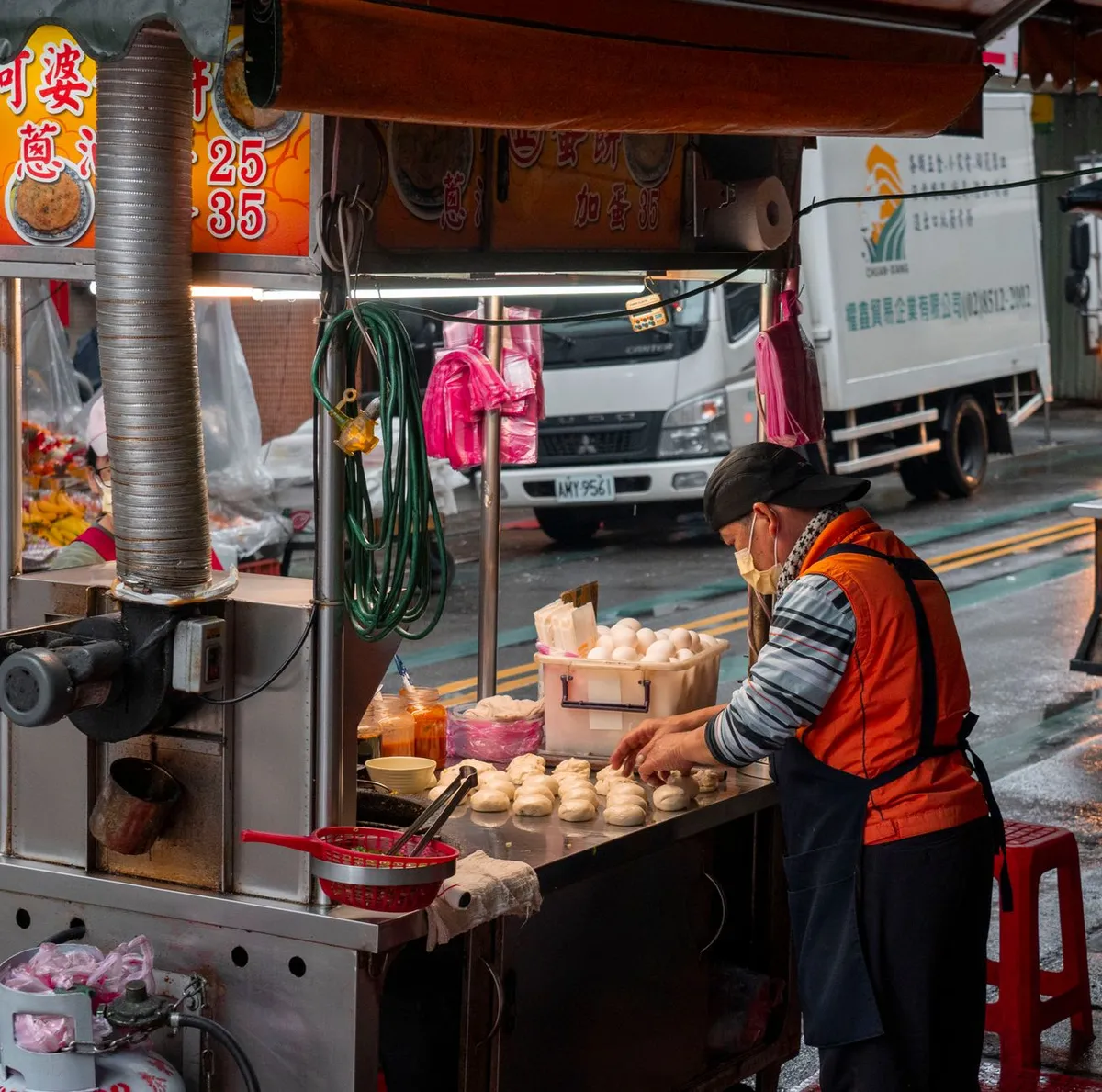
- Michael Chef
- 18 Aug, 2026 18:22
Mumbai’s Midnight Feast: The Spicy, Crunchy, Unforgettable Soul of the City’s Streets (Part 2)
The neon glow of Mumbai’s streets doesn’t just illuminate the skyline—it ignites the senses. Beneath the hum of traffic and the shuffle of a million footsteps, the city’s true heartbeat pulses in the sizzle of oil, the crackle of spices, and the laughter of vendors calling out their wares. This is where the soul of Mumbai isn’t just tasted—it’s felt. From the first light of dawn to the witching hour past midnight, the streets of this metropolis are a living, breathing buffet of flavors, where a humble vada pav can taste like a revolution and a cup of sugarcane juice feels like liquid gold. Mumbai’s street food isn’t just food—it’s a cultural phenomenon, a daily ritual, and a defiant act of joy in a city that never sleeps. Here, the rich and the poor, the student and the CEO, the night-shift worker and the daydreamer all stand side by side, united by the same cravings. The stalls, crammed into alleyways and perched on railway platforms, are temples of taste where recipes have been perfected over generations. And yet, for all its fame, Mumbai’s street food remains a mystery to outsiders—a labyrinth of flavors where every corner hides a new discovery. So, pull up a plastic stool, ignore the honking horns for a moment, and let’s take a bite out of the real Mumbai. This is Part 2 of the series. Read Part 1 here.The Hygiene Dilemma: Can You Really Eat That? For all its charm, Mumbai’s street food scene has a dark underbelly: hygiene concerns. The same stalls that serve up piping hot vada pav and sizzling Pav Bhaji often operate in less-than-ideal conditions. Open drains, dusty streets, and a lack of refrigeration can turn a simple snack into a health hazard. And yet, Mumbaikars keep coming back. Why? The answer lies in trust. For generations, street food vendors have built loyal customer bases by perfecting their recipes and maintaining consistency. Many vendors use fresh ingredients daily, and some even have their own secret techniques to keep their food safe. But the risks are real. In 2011, a Pani Puri vendor in Thane was caught on camera urine into a container used to serve customers, sparking a public uproar and a political firestorm. The incident led to crackdowns on street food vendors, with political parties like Shiv Sena and Maharashtra Navnirman Sena targeting Pani Puri and Bhel Puri stalls. The controversy highlighted the vulnerability of street food vendors, who often operate without licenses or permits. In 2009, a news report revealed that no hawking licenses had been issued in Mumbai for 20 years, despite the city having an estimated 250,000 hawkers. The Supreme Court later ruled in favor of legalizing hawking zones, but the implementation has been slow. Today, only about 17,000 vendors have valid licenses, leaving the rest in a legal gray area. For Mumbaikars, the choice is simple: support the street food they love or risk losing it forever. Many vendors have taken matters into their own hands, installing handwashing stations and using disposable plates to improve hygiene. But the battle is far from over. The Political Battles: When Street Food Becomes a Pawn  across the country. Kwality Walls, a Mumbai-based ice cream brand, turned kulfi into a global dessert. And Haldiram’s, a Rajasthani snack brand with a strong Mumbai presence, started selling Bhel Puri and Sev Puri in supermarkets worldwide. The result? Mumbai’s street food is no longer just a local treasure—it’s a global brand. The Dark Side of Globalization: When Street Food Loses Its Soul  are being paved over, street vendors are being relocated, and traditional stalls are being replaced by sterile food courts. The loss of street food stalls isn’t just a culinary tragedy—it’s a cultural one. These stalls are more than just places to eat; they’re community hubs, social equalizers, and living museums of Mumbai’s history. When they disappear, so does a piece of the city’s soul. The solution? Preservation through innovation. Some vendors are moving indoors, setting up pop-up stalls in food halls or food trucks. Others are embracing technology, using social media to attract customers and delivery apps to reach new audiences. But the real challenge is keeping the spirit alive. Can a Vada Pav served in a sterile food court ever taste as good as one from a gritty street stall? Probably not. The Legal Battles: When the Law Doesn’t Understand the StreetMumbai’s street food vendors are entrepreneurs, artists, and cultural ambassadors. But they’re also outlaws—operating without licenses, permits, or legal protection. The municipality’s crackdowns on hawkers are short-sighted, treating street food as a nuisance rather than a cultural treasure. The Supreme Court’s ruling to legalize hawking zones was a step in the right direction, but the implementation has been slow. Until vendors are given proper infrastructure—like covered stalls, waste disposal systems, and training in food safety—they’ll continue to operate in the shadows. The real solution is collaboration. The municipality, vendors, and consumers need to work together to create a sustainable model for street food. That means legalizing hawking zones, providing training in hygiene, and promoting street food as a cultural asset. The Global Opportunity: Can Mumbai’s Street Food Go Mainstream Without Losing Its Soul?Mumbai’s street food has global potential. Dishes like Vada Pav, Bhel Puri, and Pav Bhaji are flavor-packed, affordable, and easy to adapt for international palates. But the key to success is authenticity. If Mumbai’s street food becomes too commercialized, it risks losing the magic that makes it special. The future lies in balancing tradition with innovation. That means preserving the recipes, supporting local vendors, and celebrating the culture behind the food. It means educating the world about the history and heritage of Mumbai’s street food, not just its taste. For now, the best way to experience Mumbai’s street food is still on the streets—where the chaos, the flavor, and the soul of the city come together in every bite.Mumbai’s Street Food: A Love Letter to the City’s Soul Mumbai’s street food isn’t just a culinary experience—it’s a cultural journey. It’s the sizzle of the oil on a rainy afternoon, the laughter of friends sharing a plate of Bhel Puri, the spicy kick of a Misal Pav that makes your eyes water. It’s the defiant joy of eating on the streets in a city that never stops moving. For all its controversies and challenges, Mumbai’s street food remains alive and thriving. It’s a testament to the city’s resilience, its diversity, and its unbreakable spirit. And as long as there are hawkers with carts, students with empty stomachs, and dreamers with cravings, Mumbai’s streets will keep serving up the flavors of a city that never sleeps. So the next time you’re in Mumbai, forget the restaurants. Skip the fancy cafes. Head to the streets, find a plastic stool, and let the magic of Mumbai’s street food take over. Because in this city, the best meals aren’t served on plates—they’re served on the wind, with a side of chaos, flavor, and soul.MumbaiStreetFood #VadaPavLove #BhelPuriMagic #PavBhajiDiaries #MumbaiEats Related InsightsL'Alchimie du Levant : Quand l'Histoire se Déguste en Mezze Portuguese Pastéis de Nata: The Custard Tart's Sweet History (Part 2) Har Gow: The Translucent Shrimp Dumpling Masterpiece{ "@context": "https://schema.org", "@type": "FAQPage", "mainEntity": [ { "@type": "Question", "name": "What is the main focus of Mumbai’s Midnight Feast: The Spicy, Crunchy, Unforgettable Soul of the City’s Streets (Part 2)?", "acceptedAnswer": { "@type": "Answer", "text": "Dive into Mumbai’s chaotic, flavor-packed street food scene—where every bite tells a story of culture, chaos, and culinary genius." } }, { "@type": "Question", "name": "Who authored the comprehensive guide on Mumbai’s Midnight Feast: The Spicy, Crunchy, Unforgettable Soul of the City’s Streets (Part 2)?", "acceptedAnswer": { "@type": "Answer", "text": "This detailed article and its insights were carefully researched and authored by Michael Chef." } }, { "@type": "Question", "name": "Where can I find more related content about Food?", "acceptedAnswer": { "@type": "Answer", "text": "You can explore more articles, detailed reviews, and similar insights by browsing the Related Insights section at the bottom of this article or visiting our dedicated Food category page." } } ] }

- Eleanor Hughes
- 18 Aug, 2026 07:22
The Hidden Science Behind Every Bite: How Food Shapes Our Health, Culture, and Future
The first time I bit into a perfectly ripe mango, I didn’t just taste sweetness—I felt the weight of centuries of agricultural innovation, colonial trade routes, and biochemical alchemy in my mouth. Food is never just fuel. It is a living archive of human ingenuity, a silent diplomat between civilizations, and a battleground for health, ethics, and identity. Yet, despite its omnipresence, we rarely pause to ask: What is food, really? Is it merely the sum of its macronutrients? Or is it a complex interplay of biology, culture, and technology that shapes who we are? Today, we peel back the layers of this delicious mystery. We’ll explore how food is engineered by our bodies, how it is weaponized by policymakers, and how it might just hold the key to our collective future. From the operating rooms of minimally invasive surgery to the policy desks of Australian health networks, food’s influence stretches far beyond the dinner plate. So grab a snack—preferably one that’s been sustainably sourced—and let’s begin.The Body’s Silent Architect: How Food Rewires Your Biology Without You Noticing Every cell in your body is a testament to the food you’ve consumed. Glucose from a bowl of oatmeal doesn’t just power your morning—it fuels the mitochondria in your heart, the neurons in your brain, and even the fibroblasts that heal your skin. But food’s role goes deeper than energy. It is a master regulator of inflammation, a designer of your microbiome, and, in some cases, a silent saboteur. Consider minimally invasive surgery for urinary calculi—a procedure that removes kidney stones with lasers or shockwaves. The choice between general and regional anesthesia isn’t just about comfort; it’s about outcomes. A 2026 meta-analysis from PubMed reveals that patients under regional anesthesia (like spinal blocks) experience fewer postoperative complications, shorter hospital stays, and lower opioid requirements. Why? Because regional anesthesia preserves gut motility and reduces stress responses, which in turn minimizes systemic inflammation. Food and anesthesia, it turns out, are partners in healing. But what you eat before surgery matters just as much. A diet rich in omega-3 fatty acids (found in fatty fish, flaxseeds, and walnuts) can dampen the body’s inflammatory response, making recovery smoother. Conversely, a diet high in processed sugars and trans fats primes your body for a storm of oxidative stress, delaying healing and increasing infection risk. The food you eat isn’t just background noise—it’s the conductor of your body’s symphony.This biological choreography extends to the gut-brain axis, where trillions of microbes produce neurotransmitters like serotonin and dopamine. Up to 90% of serotonin, a key mood regulator, is synthesized in the gut. A diet low in fiber (think white bread and processed snacks) starves these microbes, leading to imbalances linked to depression and anxiety. Meanwhile, fermented foods like kimchi and kefir act as probiotic allies, boosting microbial diversity and mental resilience. Yet, the most insidious food-biology interactions are often invisible. Glyphosate, a herbicide used in conventional farming, has been detected in human urine and breast milk. While its health effects are debated, emerging research suggests it may disrupt gut bacteria and contribute to chronic inflammation. The irony? The same food system that feeds billions may be quietly undermining our health. So, how do you harness food as a tool for wellness? Start with these non-negotiables:Prioritize whole foods: Vegetables, fruits, legumes, nuts, and whole grains provide fiber, antioxidants, and phytonutrients that processed foods lack. Balance your plate: Aim for a rainbow of colors to ensure a diversity of nutrients. Dark leafy greens (kale, spinach) are rich in vitamin K, while orange and red produce (carrots, bell peppers) offer beta-carotene. Mind the microbiome: Incorporate fermented foods (sauerkraut, miso, yogurt) and prebiotic fibers (garlic, onions, asparagus) to feed your gut’s beneficial bacteria. Limit ultra-processed foods: These are engineered to be hyper-palatable, triggering overeating and metabolic dysfunction. Think twice before reaching for that bag of chips or frozen pizza.Food isn’t just what you eat—it’s how you become.The Invisible Hand: How Policies Shape What Ends Up on Your Plate Food is political. It’s a battleground where economics, power, and public health collide. In Australia, primary health networks (PHNs) are tasked with improving healthcare outcomes, but their effectiveness is often mired in perception gaps between policymakers and general practitioners. A 2026 study titled "A tale of two realities" reveals a stark disconnect: while policymakers tout PHNs as efficient hubs for preventive care, GPs on the ground see them as bureaucratic obstacles that drain resources and fragment patient care. This disconnect trickles down to what ends up on your plate. Consider the Australian government’s Healthy Food Partnership, which aims to reduce sugar, salt, and saturated fat in processed foods. Sounds noble, right? Yet, the food industry’s lobbying power often dilutes these efforts. In 2025, a proposal to mandate front-of-pack warning labels on sugary drinks was watered down after intense industry pushback. The result? Consumers remain in the dark about the true health costs of their purchases. Globally, food policies are equally fraught. The European Union’s Farm to Fork Strategy aims to reduce pesticide use by 50% and increase organic farming to 25% of agricultural land by 2030. But critics argue this is an unrealistic target that could drive up food prices and reduce yields, exacerbating food insecurity. Meanwhile, in the U.S., the Supplemental Nutrition Assistance Program (SNAP) provides food assistance to millions, but its guidelines prioritize calorie density over nutritional quality, leading to a paradox where low-income families have access to cheap, ultra-processed foods but struggle to afford fresh produce.The consequences of these policies are visible in our health statistics. Obesity rates in Australia have tripled since 1980, with Indigenous Australians disproportionately affected. In the U.S., diet-related diseases like type 2 diabetes and heart disease are the leading causes of death, yet preventive nutrition programs remain underfunded. The irony? We produce enough food to feed 10 billion people, yet 828 million go hungry, and millions more suffer from malnutrition. So, what can you do? Vote with your wallet and your vote:Support local and sustainable: Buy from farmers markets or community-supported agriculture (CSA) programs. This reduces your carbon footprint and ensures your food is free from harmful pesticides. Advocate for transparency: Demand clear labeling that reveals the true cost of your food—environmental, social, and health-wise. Apps like Yuka or Open Food Facts can help you decode ingredient lists. Push for policy change: Support organizations like the Center for Science in the Public Interest or FoodPrint that lobby for healthier food systems. Write to your representatives to demand stricter regulations on ultra-processed foods and better funding for nutrition education.Food isn’t just sustenance—it’s a reflection of the systems that produce it. And those systems are in desperate need of reform.The Digital Alchemy: How AI is Redefining What We Eat (and How We Think About It) In a world where algorithms curate our news feeds and predict our next purchase, it’s no surprise that artificial intelligence is now reshaping our food choices. From personalized meal plans to AI-driven crop optimization, technology is transforming food from a static commodity into a dynamic, data-driven experience. Take generic topic segmentation of document texts, a concept borrowed from computer science but applied to food. Imagine an AI that analyzes your dietary habits, health data, and even your mood to suggest meals tailored to your microbiome. Companies like Nutrino (acquired by Medtronic) and ZOE use machine learning to predict how your body will respond to different foods, offering insights like, “Your blood sugar spikes after eating bananas, but avocados stabilize it.” This isn’t fortune-telling—it’s the intersection of nutrition science and big data.Then there’s Topic-sensitive PageRank, an algorithm originally designed to rank web pages but now repurposed for food systems. In agriculture, this AI can identify the most efficient supply chains by analyzing factors like transportation costs, seasonal availability, and nutritional density. For example, an AI might determine that shipping quinoa from Peru to New York is less carbon-intensive than growing it locally in greenhouses—a counterintuitive but data-backed insight. But AI’s role in food isn’t without controversy. Critics warn of a “digital divide” where only the wealthy can afford personalized nutrition advice, while others fear the loss of culinary tradition in favor of algorithmic efficiency. What happens to the art of cooking when a machine dictates your dinner menu? And can an AI truly understand the cultural significance of a dish like feijoada in Brazil or sushi in Japan? The answer lies in balance. AI can democratize access to nutritional knowledge, but it should complement—not replace—human expertise. Here’s how to leverage it responsibly:Use AI as a tool, not a crutch: Apps like MyFitnessPal or Cronometer can track macros, but don’t let them dictate your relationship with food. Listen to your body’s hunger and fullness cues. Support open-source AI: Projects like Open Food Facts use crowdsourced data to create transparent food databases. Your contributions can help improve these tools for everyone. Preserve culinary heritage: Use AI to explore new recipes, but don’t let it erase the stories behind traditional dishes. Cook with elders, share family recipes, and celebrate the cultural roots of your food.Food is more than fuel—it’s a story. And AI is just the latest chapter.The Flavor of Tomorrow: Sustainable Eating in a Climate-Changed World By 2050, the world’s population will reach 9.7 billion, and our food systems will need to produce 70% more food than they do today. But with climate change disrupting growing seasons, depleting soil health, and intensifying extreme weather, the challenge is monumental. The question isn’t just how we’ll feed the planet—it’s what we’ll eat. The answer lies in reimagining our relationship with food. Sustainable eating isn’t about deprivation; it’s about innovation, resilience, and rediscovery. It’s about eating like our ancestors did—rooted in seasonality and biodiversity—but with the tools of the 21st century. Let’s start with protein. The global livestock industry accounts for 14.5% of greenhouse gas emissions, more than all the world’s cars, planes, and ships combined. But plant-based proteins are gaining ground. Companies like Beyond Meat and Impossible Foods have created meat alternatives that mimic the taste and texture of animal products, using ingredients like pea protein, soy, and beet juice for that “bleeding” effect. While these products aren’t perfect (they’re often highly processed and expensive), they’re a step toward reducing our reliance on resource-intensive livestock.Then there’s lab-grown meat, which produces real animal protein without the environmental cost of traditional farming. In 2023, the U.S. approved the sale of lab-grown chicken, and companies like Upside Foods and Good Meat are scaling up production. The potential? A 90% reduction in land use and 50% less greenhouse gas emissions compared to conventional beef. But ethical questions remain: Is lab-grown meat truly sustainable if it relies on fetal bovine serum (a byproduct of the dairy industry) for growth? And will it ever be accessible to the average consumer? For those not ready to give up meat entirely, regenerative agriculture offers a middle path. This farming method focuses on soil health, biodiversity, and carbon sequestration. Practices like cover cropping, rotational grazing, and agroforestry not only reduce emissions but also improve water retention and crop resilience. Brands like Patagonia Provisions and White Oak Pastures are leading the charge, proving that meat can be part of a sustainable diet—if produced responsibly. But sustainable eating isn’t just about what we eat—it’s about how we eat. Food waste is a global scandal, with one-third of all food produced lost or wasted. In developed countries, the majority of waste occurs at the consumer level, thanks to overbuying, confusing expiration dates, and aesthetic standards that reject “ugly” produce. The solution? Plan meals, store food properly (hello, fridge organization hacks), and embrace imperfect produce. Apps like Too Good To Go connect consumers with surplus food from restaurants and stores, turning waste into opportunity. Here’s your action plan for sustainable eating:Eat lower on the food chain: Prioritize plants, but if you eat meat, choose regeneratively raised or lab-grown options. Embrace seasonality: Eating strawberries in winter means they’ve traveled thousands of miles. Opt for local, seasonal produce to reduce your carbon footprint. Reduce waste: Get creative with leftovers, compost scraps, and support businesses that do the same. Grow your own: Even a windowsill herb garden can reduce packaging waste and reconnect you with the food cycle.The future of food isn’t just about survival—it’s about thriving in harmony with the planet.The Global Table: How Food Bridges—and Divides—Cultures Food is the ultimate cultural ambassador. It tells stories of migration, conquest, and adaptation. It’s the thread that weaves together the tapestry of human history. Yet, in an era of globalization, food is also a flashpoint for cultural preservation and appropriation. Take the humble potato. Indigenous to the Andes, it was domesticated over 7,000 years ago by the Inca. When Spanish conquistadors brought it to Europe in the 16th century, it sparked a culinary revolution. The Irish adopted it as a staple, leading to the Great Famine when blight destroyed crops in the 1840s. Today, potatoes are a global commodity, but their journey is a reminder of how food shapes—and is shaped by—history.Or consider the chili pepper. Native to Mexico, it was carried across the globe by Portuguese and Spanish traders in the 16th century. Today, Thai, Indian, and Sichuan cuisines are unimaginable without it. Yet, in its country of origin, Mexico, the chili pepper is often reduced to a generic “Mexican seasoning” in global fast-food chains—a form of culinary erasure. Cultural food appropriation is a contentious issue. When non-Indigenous chefs rebrand traditional dishes as “fusion” or “elevated,” they often strip them of their cultural significance. Think of the backlash against Pokémon’s “sushi” rolls or the Taco Bell empire, which reduces Mexican cuisine to a caricature. The line between appreciation and appropriation is thin, but it hinges on respect and credit. If you’re inspired by a culture’s food, learn its history, support its practitioners, and give credit where it’s due. Food can also be a tool for diplomacy. The Mediterranean Diet, recognized by UNESCO as an Intangible Cultural Heritage, is more than a diet—it’s a way of life that emphasizes fresh, seasonal ingredients, communal meals, and olive oil. It’s a testament to the power of food to foster connection and well-being. Similarly, the Japanese Washoku tradition, with its emphasis on balance and seasonal harmony, reflects a philosophy of respect for nature and community. But food can also deepen divides. In India, the beef ban—a legacy of colonial-era laws and Hindu nationalist policies—has sparked violent conflicts. In Israel, food is a daily reminder of the Israeli-Palestinian conflict, with olive trees (a symbol of Palestinian heritage) often uprooted by settlers. Even in multicultural societies like the U.S., food can become a marker of identity, with debates over cultural assimilation vs. preservation playing out in kitchens and restaurants. So, how do we navigate this complex landscape? Here’s a guide:Educate yourself: Learn the history behind the dishes you eat. Why is pho Vietnam’s national dish? How did jambalaya evolve from West African, French, and Spanish influences? Support immigrant-owned businesses: From Ethiopian restaurants in Washington, D.C., to Vietnamese pho shops in Paris, these eateries are cultural lifelines. Cook with intention: If you’re making a dish from another culture, acknowledge its roots. Share the story behind the recipe. Challenge stereotypes: Call out restaurants that reduce cultures to stereotypes. Demand authenticity and respect.Food is more than sustenance—it’s a living, breathing testament to our shared humanity.The Last Bite: Why Food is the Most Powerful Tool You Have Food is the oldest technology we have. Long before the internet or the Industrial Revolution, humans were fermenting, drying, and cooking to preserve life. Today, food remains our most intimate interface with the world—shaping our bodies, economies, and cultures in ways we’re only beginning to understand. Yet, for all its power, food is often taken for granted. We eat without thinking, shop without questioning, and cook without connecting. But food is a conversation—a dialogue between you, the planet, and the people who grow, cook, and serve it. It’s a conversation worth having. So the next time you sit down to eat, ask yourself:Where did this food come from? Who grew it, and under what conditions? What impact does it have on my body and the planet? How can I honor its story and share its legacy?Food isn’t just what’s on your plate. It’s the story of who you are—and who you could be.#FoodRevolution #SustainableEating #CulturalCuisine #NutritionMatters #EatForThePlanet Related InsightsPav Bhaji: A Symphony of Spices on the Tawa Mulukhiyah: The Royal Green Soup of the Pharaohs L'Odyssée des Saveurs Nomades : Quand la Rue Devient Table{ "@context": "https://schema.org", "@type": "FAQPage", "mainEntity": [ { "@type": "Question", "name": "What is the main focus of The Hidden Science Behind Every Bite: How Food Shapes Our Health, Culture, and Future?", "acceptedAnswer": { "@type": "Answer", "text": "Uncover the surprising ways food influences our biology, traditions, and global systems—from ancient rituals to cutting-edge research." } }, { "@type": "Question", "name": "Who authored the comprehensive guide on The Hidden Science Behind Every Bite: How Food Shapes Our Health, Culture, and Future?", "acceptedAnswer": { "@type": "Answer", "text": "This detailed article and its insights were carefully researched and authored by Eleanor Hughes." } }, { "@type": "Question", "name": "Where can I find more related content about Food?", "acceptedAnswer": { "@type": "Answer", "text": "You can explore more articles, detailed reviews, and similar insights by browsing the Related Insights section at the bottom of this article or visiting our dedicated Food category page." } } ] }
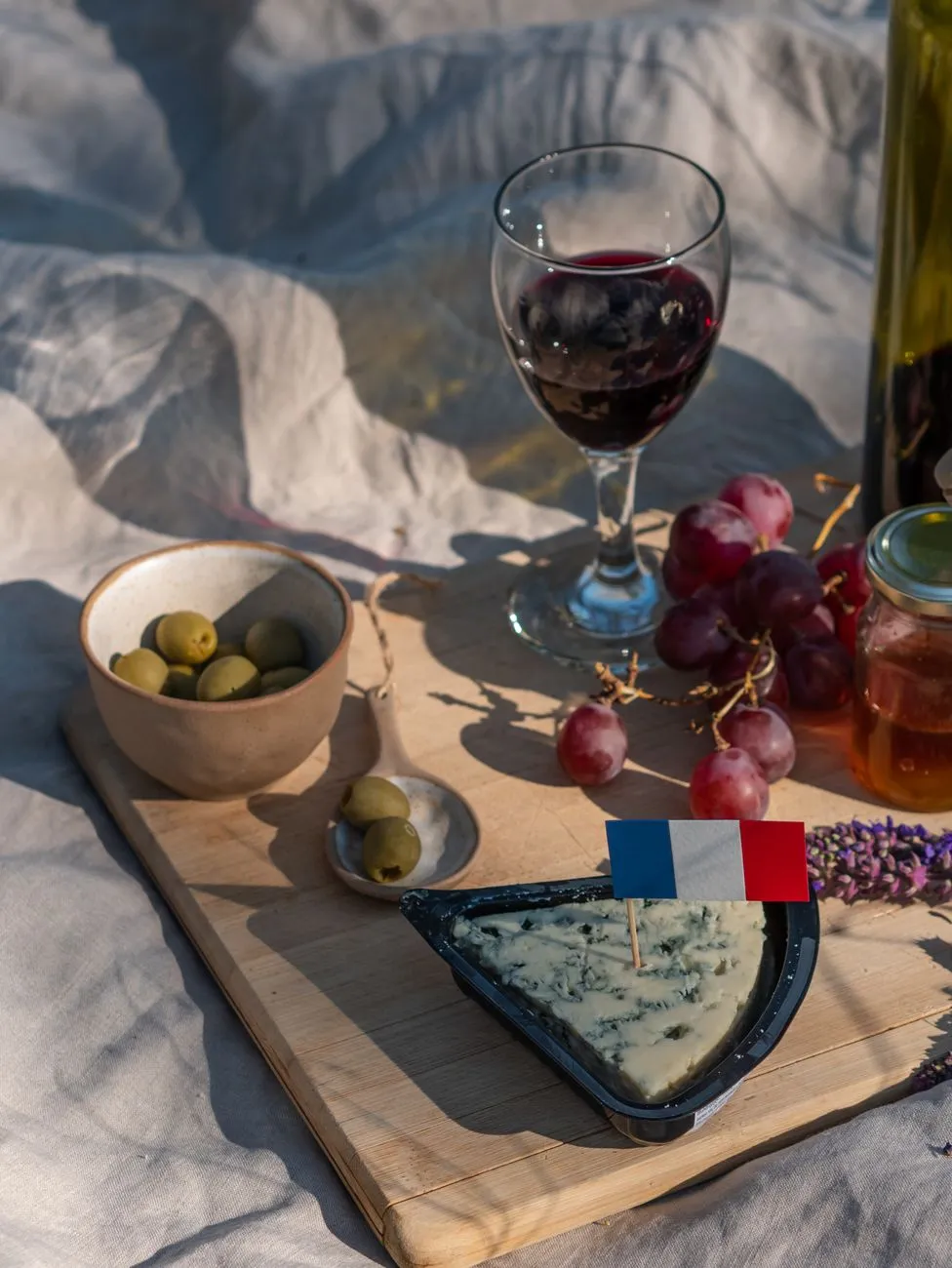
- Marcus Vance
- 17 Aug, 2026 19:10
Sip, Savor, and Swoon: The Art of French Wine and Cheese Pairings That Will Transport You to the Vineyards of Bordeaux
The Golden Rules of French Wine and Cheese Pairings: A Sommelier’s Secret Handbook Pairing French wine and cheese is less about rigid rules and more about harmony—balancing flavors, textures, and regional origins to create a symphony on your palate. The French have elevated this art to near-religious status, and for good reason. A well-chosen pairing can elevate a simple snack into a transcendent experience, revealing layers of flavor that neither component could achieve alone. The first rule is regional alignment. Wines and cheeses from the same region naturally complement each other because they share the same terroir—the unique combination of soil, climate, and tradition that shapes their character. For example, a creamy Brie de Meaux pairs effortlessly with a Champagne from the same region, as both reflect the chalky soils of Île-de-France. Similarly, the bold tannins of a Cahors Malbec harmonize with the earthy, aged flavors of a Cantal cheese from Auvergne. The second rule is texture and intensity. Delicate wines like a Sancerre demand cheeses with subtle flavors, such as a young Chèvre, while robust reds like a Syrah from the Northern Rhône can stand up to the pungent funk of a Munster. The key is to match the weight of the wine with the weight of the cheese. A light-bodied wine will be overwhelmed by a dense, aged cheese, just as a heavy, full-bodied wine can overpower a delicate fresh cheese. Finally, acidity and fat balance is crucial. The acidity in a wine like a Sauternes cuts through the richness of a buttery Comté, while the fat in the cheese softens the wine’s tannins, creating a smooth, balanced finish. This interplay is what makes French pairings so magical. To master this art, start with regional pairings, then experiment with contrasting textures and intensities. Keep a tasting journal to track your preferences—you’ll soon develop an intuitive sense for what works.Bordeaux and Beyond: The Terroir-Driven Art of French Wine RegionsThe concept of terroir is the heartbeat of French wine and cheese pairings. Terroir encompasses everything from the mineral composition of the soil to the microclimate of a vineyard, all of which imprints a distinct character on both wine and cheese. Nowhere is this more evident than in Bordeaux, where the gravelly soils of the Left Bank produce bold, structured reds like a Pauillac, while the clay-limestone soils of the Right Bank yield softer, fruit-forward Merlots like a Saint-Émilion. Bordeaux is divided into two primary regions: the Left Bank (Médoc, Graves, and Sauternes) and the Right Bank (Saint-Émilion and Pomerol). The Left Bank’s Cabernet Sauvignon-dominant blends thrive in the well-drained gravel soils, producing wines with firm tannins and dark fruit flavors that pair beautifully with aged cheeses like a mature Ossau-Iraty from the Basque Country. The Right Bank’s Merlot-based wines, with their lush plum and cherry notes, are perfect with creamy, buttery cheeses such as a Saint-Nectaire. Moving east to Burgundy, the terroir shifts to limestone and clay, yielding elegant Pinot Noirs and Chardonnays. A Burgundy Pinot Noir, with its red fruit and earthy undertones, pairs exquisitely with a Époisses de Bourgogne, a pungent, washed-rind cheese that mirrors the wine’s complexity. Meanwhile, a Chablis, with its crisp acidity and mineral notes, is a match made in heaven with a fresh, tangy Chèvre. In the Rhône Valley, the terroir ranges from the steep, granite slopes of the Northern Rhône to the sun-drenched, galet-strewn vineyards of the Southern Rhône. A Syrah from Hermitage, with its peppery, smoky notes, demands a cheese with depth, such as a Bleu de Gex. Conversely, a Southern Rhône Grenache-based blend, with its ripe red fruit and spice, pairs wonderfully with a Tomme de Provence, a semi-hard cheese with a nutty, herbal profile. The Loire Valley offers a diverse terroir, from the chalky soils of Sancerre to the schist of Chinon. A Sancerre Sauvignon Blanc, with its zesty citrus and herbal notes, is a natural partner for a Crottin de Chavignol, a small, tangy goat cheese from the region. Meanwhile, a Chinon Cabernet Franc, with its bell pepper and raspberry aromas, pairs beautifully with a Sainte-Maure de Touraine, a cylindrical goat cheese with a wrinkled rind. Understanding terroir is the key to unlocking the perfect pairing. By aligning wine and cheese from the same region, you honor the unique expression of that place, creating a harmonious balance that transcends the sum of its parts.From Brie to Bleu: A Cheese Lover’s Tour of France’s FinestFrance is home to over 1,000 varieties of cheese, each with its own story, texture, and flavor profile. To navigate this dairy paradise, it’s helpful to categorize cheeses into broad families based on their milk type, aging process, and texture. Fresh Cheeses are unaged, soft, and mild, with a high moisture content. Examples include Boursin, a creamy garlic-and-herb cheese, and Faisselle, a delicate, slightly tangy fresh goat cheese. These cheeses pair best with light, crisp wines like a Muscadet or a Champagne Blanc de Blancs, which won’t overpower their delicate flavors. Soft-Ripened Cheeses are aged for a short period, developing a bloomy rind and creamy interior. Brie de Meaux and Camembert de Normandie are quintessential examples. These cheeses, with their buttery, mushroomy notes, shine when paired with Champagne or a light-bodied red like a Beaujolais. The effervescence of Champagne cuts through the richness, while the red wine’s acidity balances the cheese’s creaminess. Semi-Soft Cheeses have a firmer texture and a more pronounced flavor. Saint-Nectaire, a cow’s milk cheese from Auvergne, and Tomme de Savoie, a nutty, alpine cheese, fall into this category. These cheeses pair well with medium-bodied reds like a Crozes-Hermitage or whites like a Viognier. The wine’s body complements the cheese’s texture, while its acidity refreshes the palate. Hard Cheeses are aged for months or years, resulting in a dense, crumbly texture and concentrated flavors. Comté, a Jura cheese with caramel and nutty notes, and Beaufort, a buttery alpine cheese, are prime examples. These cheeses demand full-bodied wines like a Jura Vin Jaune or a bold red like a Cahors Malbec. The wine’s tannins and intensity stand up to the cheese’s complexity, creating a harmonious pairing. Blue Cheeses are characterized by veins of mold that give them a sharp, tangy flavor. Roquefort, made from sheep’s milk, and Bleu d’Auvergne, a cow’s milk blue, are iconic French blues. These cheeses pair best with sweet wines like a Sauternes or a Banyuls, which balance their saltiness and pungency. The contrast between the sweet wine and the salty, funky cheese is a match made in heaven. Washed-Rind Cheeses are aged in brine or alcohol, developing a pungent aroma and creamy texture. Époisses de Bourgogne, washed in Marc de Bourgogne, and Munster, a strong-smelling cheese from Alsace, are standout examples. These cheeses require bold, aromatic wines like a Gewürztraminer or a Pinot Gris. The wine’s spice and fruit notes complement the cheese’s funk, creating a dynamic pairing. To create a balanced cheese board, include a variety of textures and milk types. Start with a fresh cheese, move to a soft-ripened, then a semi-soft, and finish with a hard or blue cheese. Pair each with a wine that complements its intensity, and you’ll have a tasting experience that’s both educational and delicious.The Science of Pairing: How Acidity, Tannins, and Fat Create Culinary MagicThe magic of French wine and cheese pairings lies in the science of flavor interaction. Three key components—acidity, tannins, and fat—play a crucial role in determining how a wine and cheese will harmonize on your palate. Acidity is the backbone of many French wines, from the crisp Sancerre to the lively Champagne. Acidity in wine acts like a palate cleanser, cutting through the richness of cheese and refreshing your taste buds. For example, a high-acid white wine like a Chablis will slice through the creaminess of a Camembert, preventing the cheese from feeling overly heavy. Similarly, a sparkling wine’s effervescence enhances the perception of freshness, making it an ideal pairing for salty cheeses like a Feta or a young Pecorino. Tannins are the compounds in red wine that create a dry, astringent sensation. They bind to proteins in cheese, softening the wine’s structure and enhancing its fruit flavors. This is why bold reds like a Bordeaux or a Syrah pair so well with aged cheeses like a Comté or a Parmigiano-Reggiano. The tannins in the wine interact with the fat and protein in the cheese, creating a smooth, balanced finish. However, tannins can clash with soft, creamy cheeses like Brie, making the wine taste overly astringent. In such cases, opt for a lighter red or a white wine with higher acidity. Fat is the unsung hero of cheese pairings. The fat in cheese coats your palate, softening the impact of tannins and acidity in wine. This is why a buttery Brie pairs so well with a Champagne— the fat in the cheese mellows the wine’s acidity, while the acidity in the wine cuts through the cheese’s richness. Similarly, the fat in a mature Gouda enhances the fruitiness of a Rioja, creating a harmonious balance. When pairing, consider the fat content of the cheese: aged cheeses are higher in fat and pair better with full-bodied wines, while fresh cheeses are lower in fat and require lighter wines. Another scientific principle to consider is umami, the savory taste found in aged cheeses like Parmesan and aged Gouda. Umami enhances the perception of sweetness in wine, making it a natural partner for off-dry or sweet wines like a Sauternes or a Jurançon. The interaction between umami and sweetness creates a complex, layered flavor profile that’s both satisfying and intriguing. Finally, temperature plays a crucial role in pairing. Serving wine and cheese at the correct temperature enhances their flavors and textures. Red wines should be served slightly below room temperature (around 60-65°F or 15-18°C), while white wines and Champagnes are best served chilled (around 45-50°F or 7-10°C). Cheese should be served at room temperature to fully express its flavors. A chilled wine will taste flat and dull, while a room-temperature cheese will taste overly sharp and intense. By understanding the science behind these interactions, you can make informed pairing choices that elevate your tasting experience from good to extraordinary.The Ultimate French Wine and Cheese Pairing Cheat SheetWine Cheese Pairing Why It Works Price Range (USD)Champagne Brie de Meaux The acidity cuts through the creaminess, while the effervescence refreshes the palate. $40-$150Sancerre (Sauvignon Blanc) Crottin de Chavignol The wine’s herbal notes complement the goat cheese’s tanginess. $20-$50Bordeaux (Cabernet Sauvignon) Ossau-Iraty The wine’s tannins soften the cheese’s nutty, aged flavors. $25-$80Burgundy (Pinot Noir) Époisses de Bourgogne The wine’s earthy notes mirror the cheese’s funky, washed-rind character. $30-$100Sauternes Roquefort The sweetness balances the cheese’s saltiness and pungency. $35-$200Syrah (Northern Rhône) Bleu de Gex The wine’s peppery notes complement the blue cheese’s tangy, creamy texture. $25-$70Muscadet Faisselle The wine’s crisp acidity enhances the fresh cheese’s delicate flavors. $15-$30This table serves as a quick reference for pairing French wines and cheeses. Use it as a starting point, but don’t be afraid to experiment—sometimes the most unexpected pairings yield the most delightful results.A Toast to Tradition: How to Host the Perfect French Wine and Cheese EveningHosting a French wine and cheese evening is about more than just serving food and drink—it’s about creating an experience that transports your guests to the vineyards and fromageries of France. To host the perfect evening, start with the essentials: a well-curated selection of wines and cheeses, the right accompaniments, and a thoughtful presentation. Step 1: Select Your Wines and Cheeses Choose a variety of wines and cheeses that represent different regions and styles. Aim for a mix of reds, whites, and sparkling wines, along with a diverse selection of cheeses—soft, hard, blue, and fresh. For example, you might include a Champagne, a Sancerre, a Bordeaux, a Burgundy Pinot Noir, and a Sauternes, paired with Brie, Comté, Roquefort, Chèvre, and Époisses. Step 2: Prepare the Cheese Board Arrange the cheeses on a large wooden board or slate platter, leaving space between each variety to avoid overwhelming the senses. Use small knives or spreaders for each cheese, and label them with tent cards to guide your guests. Serve the cheeses at room temperature, as this allows their flavors to fully develop. Step 3: Pair with Accompaniments French cheese boards are often served with simple accompaniments that enhance the flavors of the cheese and wine. Include a fresh baguette or crusty bread, as the bread’s texture and mild flavor won’t compete with the cheese. Add nuts like walnuts or almonds for crunch, and dried fruits like figs or apricots for sweetness. Olives, cornichons, and charcuterie like jambon de Bayonne or saucisson sec are also excellent additions. Step 4: Serve the Wine Properly Serve white wines and Champagnes chilled (around 45-50°F or 7-10°C), and red wines slightly below room temperature (around 60-65°F or 15-18°C). Use proper glassware—white wine glasses for whites and sparkling wines, and larger red wine glasses for reds. Pour the wine generously but not excessively, leaving room in the glass for swirling and sniffing. Step 5: Guide the Tasting Encourage your guests to engage their senses. Have them observe the wine’s color and clarity, sniff its aromas, and take a sip to assess its body and finish. For the cheese, ask them to note the texture, aroma, and flavor profile. Discuss the pairings—why does the Champagne work so well with the Brie? How does the Sauternes balance the Roquefort? This interactive approach makes the tasting more engaging and educational. Step 6: Create a Relaxed Atmosphere French wine and cheese evenings are all about leisure and conversation. Play soft jazz or classical music in the background, and keep the lighting warm and inviting. Provide small plates and cheese knives, and encourage guests to serve themselves. The goal is to create an atmosphere where everyone feels comfortable exploring the flavors and sharing their thoughts. By following these steps, you’ll host an evening that’s not just a meal, but a celebration of French culture and culinary artistry.The Last Sip: Why French Wine and Cheese Pairings Are a Timeless Love StoryFrench wine and cheese pairings are more than just a culinary tradition—they are a testament to the art of living well. For centuries, the French have understood that food and drink are not merely sustenance but a way to connect with the land, the seasons, and the people who produce them. A perfectly paired wine and cheese can evoke memories of a sun-drenched afternoon in Provence, the crisp air of an alpine pasture, or the bustling markets of Paris. What makes this tradition so enduring is its adaptability. While the basics of terroir and balance remain constant, there’s always room for experimentation. Perhaps you’ll discover that a bold Cahors Malbec pairs surprisingly well with a tangy Chèvre, or that a crisp Alsace Pinot Gris enhances the funk of a Munster. The beauty of French wine and cheese pairings lies in their ability to surprise and delight, even as they honor tradition. As you embark on your own journey through the world of French wine and cheese, remember that the best pairings are those that bring you joy. Whether you’re enjoying a simple picnic in the park or hosting a lavish tasting for friends, let your palate be your guide. Savor each sip and bite, and let the flavors transport you to the heart of France.#FrenchWinePairing #CheeseLover #WineAndDine #TerroirMagic #SavorTheMoment Related InsightsVeganismo: Una Rivoluzione Morale, Ambientale e Gastronomica che Sta Ridisegnando il Mondo Das Herz des Dampfes: Die Kunst und Philosophie hinter der Dim Sum Kultur Exploring the Delightful World of Cheese Pairings (Part 2){ "@context": "https://schema.org", "@type": "FAQPage", "mainEntity": [ { "@type": "Question", "name": "What is the main focus of Sip, Savor, and Swoon: The Art of French Wine and Cheese Pairings That Will Transport You to the Vineyards of Bordeaux?", "acceptedAnswer": { "@type": "Answer", "text": "Unlock the secrets of perfect French wine and cheese pairings with this expert guide. Discover regional pairings, tasting tips, and the science behind terroir." } }, { "@type": "Question", "name": "Who authored the comprehensive guide on Sip, Savor, and Swoon: The Art of French Wine and Cheese Pairings That Will Transport You to the Vineyards of Bordeaux?", "acceptedAnswer": { "@type": "Answer", "text": "This detailed article and its insights were carefully researched and authored by Marcus Vance." } }, { "@type": "Question", "name": "Where can I find more related content about Food?", "acceptedAnswer": { "@type": "Answer", "text": "You can explore more articles, detailed reviews, and similar insights by browsing the Related Insights section at the bottom of this article or visiting our dedicated Food category page." } } ] }
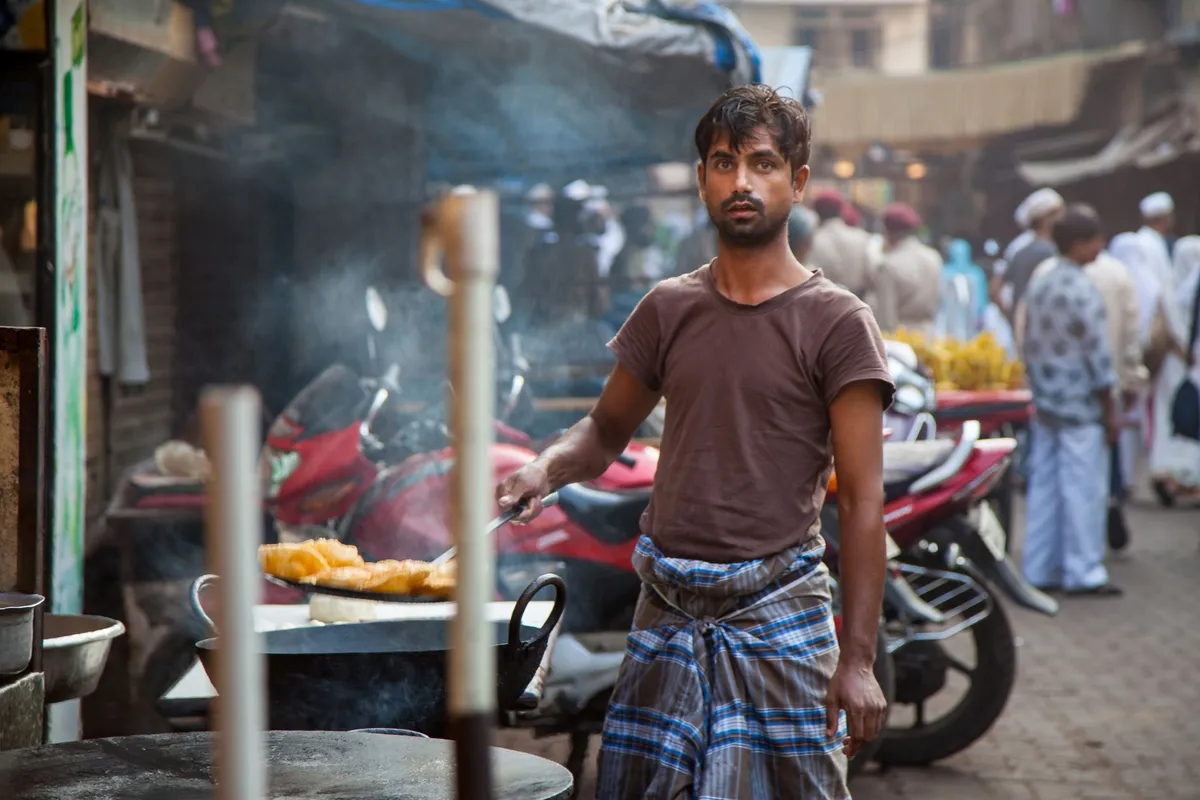
-
 Chloe Blanc
 - 17 Aug, 2026 06:34
L'Alchimie des Trottoirs : Voyage Sensoriel au Cœur de la Street Food de Mumbai
L'air est saturé d'un mélange envoûtant de cumin torréfié, de piment brûlant et de vapeur d'huile chaude. À Mumbai, la ville qui ne dort jamais, le trottoir n'est pas simplement un lieu de passage, c'est une table ouverte, un théâtre permanent où se joue chaque jour la symphonie des saveurs. Ici, le luxe ne se mesure pas au nombre d'étoiles d'un restaurant, mais à la queue qui s'allonge devant un chariot coloré à l'heure du déjeuner. C'est une démocratie du goût où le PDG en costume cravate et l'étudiant pressé se côtoient, épaule contre épaule, pour savourer un en-cas rapide, unis par l'irrésistible appel des épices. L'Âme du Maharashtra dans un Pain Bon : Le Règne du Vada Pav Impossible de parler de Mumbai sans s'incliner devant le Vada Pav. Plus qu'un simple snack, c'est l'emblème identitaire de la métropole. Ce "burger indien", composé d'une boule de pomme de terre épicée frite (le vada) glissée dans un pain souple (le pav), incarne l'efficacité et la gourmandise. C'est le carburant des millions de travailleurs qui animent la ville. Mais la diversité culinaire de Mumbai ne s'arrête pas là. La ville, capitale du Maharashtra, est dominée par les saveurs locales, mais elle a su absorber toutes les influences de son cosmopolitisme. On y croise ainsi le Dabeli, une autre variante savoureuse, ou le Misal Pav, ce curry piquant à base de germes de haricots moth, dont la force aromatique réveille les sens les plus endormis. Pour ceux qui cherchent un début de journée énergique, les œufs Kejriwal, servis sous forme de sandwich, constituent un petit-déjeuner ou un snack courant, prouvant que la street food mumbaikaraise s'adapte à chaque moment de la journée.Le Carnaval des Saveurs Végétariennes et l'Influence Globale La richesse de l'offre alimentaire sur les rues de Mumbai est le reflet direct de sa culture cosmopolite. Le végétarisme y est roi, offrant une palette de textures et de goûts hallucinante. Imaginez des stands où s'enchaînent :Le Panipuri et ses dérivés : Le Panipuri, avec ses petites sphères croustillantes remplies d'eau épicée, est un incontournable. On trouve également le Bhel puri (un mélange de riz soufflé et de chutneys), le Sev puri et le Dahipuri, chacun apportant une nuance différente entre l'acide, le sucré et le piquant. Les classiques réconfortants : Le Pav bhaji, avec son mélange de légumes écrasés et beurrés, le Ragda pattice ou encore les sandwichs variés qui ponctuent chaque coin de rue. L'héritage du Sud et de l'Ouest : Le Khaman, la Dhokla, l'Idli et la Dosa s'invitent également sur les étals, rappelant la diversité régionale de l'Inde.Un phénomène fascinant est apparu dans les années 1980 : l'émergence de la cuisine chinoise "indianisée". Ce mélange audacieux, illustré par le Chinese bhel, montre la capacité de Mumbai à fusionner les cultures. Pour ceux qui préfèrent les formats wraps, le vegetable frankie s'est imposé comme une version économique et populaire des rouleaux, idéale pour être dégustée en marchant. Entre Douceurs Glacées et Rafraîchissements Nomades Après le feu des épices, vient le temps de l'apaisement. La street food de Mumbai possède un arsenal de desserts et de boissons pour combattre la chaleur écrasante de la côte occidentale. Le Kulfi, ce dessert lacté congelé, plus dense que la glace traditionnelle, offre une onctuosité divine. À ses côtés, le Golah, sorte de cône de neige indien parfois servi sur un bâton et nappé de sirops colorés, ravit les enfants comme les adultes. Le paysage urbain est également ponctué de bars à jus et de milkshakes improvisés. Cependant, rien n'est plus synonyme de Mumbai que le vendeur de jus de canne fraîche, offrant une hydratation sucrée et bon marché. Et pour clore l'expérience, les vendeurs de thé, circulant à vélo à travers la jungle de béton, distribuent leur breuvage brûlant à toute heure. Enfin, le Paan, cette préparation à base de feuilles de bétel consommée comme rafraîchisseur de bouche après le repas, vient ponctuer l'aventure gustative.Les Khau Galli : Là où la Ville se Nourrit À Mumbai, on ne cherche pas simplement un restaurant, on cherche un "Khau Galli". En marathi, ce terme signifie littéralement "Ruelle de la Nourriture". Ces zones sont de véritables clusters de stands, où l'offre est telle que le choix devient un dilemme délicieux. Certains lieux sont devenus mythiques. La plage de Girgaon Chowpatty est le sanctuaire du Bhel puri et du kulfi, où l'on déguste ses snacks face à l'Océan Indien. À l'opposé, à Nariman Point, le cœur financier de la ville, les vendeurs font un commerce effréné durant la pause déjeuner, nourrissant les cadres et les traders dans un tourbillon d'activité. L'influence de cette cuisine de rue est telle qu'elle a transcendé les trottoirs. On retrouve aujourd'hui ces saveurs dans les cuisines des hôtels cinq étoiles de la ville, et même dans des restaurants à travers le monde qui intègrent le menu de Mumbai. Des entreprises de fast-food locales ont même vu le jour pour industrialiser ces recettes artisanales. L'Ombre du Chaos : Hygiène, Légalité et Controversies Toutefois, ce paradis gustatif n'est pas sans zones d'ombre. La street food de Mumbai est le théâtre de tensions sociales et administratives permanentes. Pour beaucoup, la question de l'hygiène reste un frein. Cependant, l'attrait du goût et l'accessibilité financière l'emportent souvent, faisant de ces snacks le régime quotidien d'une multitude d'étudiants et d'employés de bureau. Le flou juridique entoure également l'activité des vendeurs. Une immense majorité d'entre eux opèrent illégalement, sans les permis obligatoires de la municipalité, s'appuyant parfois sur des pots-de-vin pour maintenir leur emplacement. Les campagnes d'expulsion sont régulières, mais elles sont souvent vaines : les vendeurs reviennent presque systématiquement après avoir payé une amende pour récupérer leur matériel saisi. En 2007, la Cour Suprême a tenté de réguler ce chaos en demandant à la municipalité de délimiter des zones de vente légales. Initialement fixées à 230 zones, elles auraient dû passer à 1700, mais la mise en œuvre reste problématique. En 2009, un rapport révélait l'ampleur du problème : sur environ 250 000 vendeurs, seuls 17 000 possédaient une licence valide, aucune nouvelle licence n'ayant été délivrée pendant deux décennies. L'histoire de la street food a aussi été marquée par des crises sociales. En 2011, un incident choquant impliquant un vendeur de Panipuri de Thane, filmé en train d'uriner dans un récipient servant aux clients, a déclenché un tollé public et politique. Cet événement a été utilisé par des organisations comme le Shiv Sena et le Maharashtra Navnirman Sena pour cibler les vendeurs d'origine nord-indienne, transformant un problème d'hygiène en drame politique. Le vendeur, malgré quinze ans d'expérience, a fini par abandonner son commerce pour devenir agent de sécurité. Un Patrimoine Immatériel Indestructible Malgré les controverses, les raids municipaux et les crises sanitaires, la street food de Mumbai demeure indestructible. Elle est le reflet d'une ville résiliente, capable de transformer la précarité d'un chariot en bois en un empire de saveurs. Les vendeurs, imperturbables face aux appels à la grève générale, continuent de servir leurs clients toute l'année, faisant de leur activité un pilier économique et culturel. Que l'on soit attiré par le piment du Misal pav, la fraîcheur d'un jus de canne ou la douceur d'un kulfi, manger dans la rue à Mumbai, c'est accepter de plonger dans l'énergie brute de l'Inde. C'est accepter que le meilleur repas de sa vie puisse être servi sur un morceau de papier journal, au milieu d'un vacarme de klaxons, sous le regard bienveillant d'un vendor qui connaît ses recettes par cœur depuis des générations.La street food de Mumbai n'est pas qu'une question de nourriture ; c'est l'âme même de la ville, une célébration du quotidien où chaque bouchée raconte l'histoire d'une métropole cosmopolite, vibrante et indomptable.#MumbaiStreetFood #GastronomieIndienne #VoyageCulinaire #VadaPav #IndeAuthentique Related InsightsEchoes of the Sun God: Unearthing the Lost Amaranth Varieties of Ancient Mesoamerica The Alchemy of Butter and Flour: Unlocking the Secrets of French Pâtisserie Andean Superfoods Unveiled: The Alchemical Power of Quinoa, Kiwicha, and Canihua{ "@context": "https://schema.org", "@type": "FAQPage", "mainEntity": [ { "@type": "Question", "name": "What is the main focus of L'Alchimie des Trottoirs : Voyage Sensoriel au Cœur de la Street Food de Mumbai?", "acceptedAnswer": { "@type": "Answer", "text": "Plongez dans l'effervescence culinaire de Mumbai, des Khau Galli légendaires au Vada Pav iconique. Un voyage gastronomique entre tradition et chaos urbain." } }, { "@type": "Question", "name": "Who authored the comprehensive guide on L'Alchimie des Trottoirs : Voyage Sensoriel au Cœur de la Street Food de Mumbai?", "acceptedAnswer": { "@type": "Answer", "text": "This detailed article and its insights were carefully researched and authored by Chloe Blanc." } }, { "@type": "Question", "name": "Where can I find more related content about Food?", "acceptedAnswer": { "@type": "Answer", "text": "You can explore more articles, detailed reviews, and similar insights by browsing the Related Insights section at the bottom of this article or visiting our dedicated Food category page." } } ] }
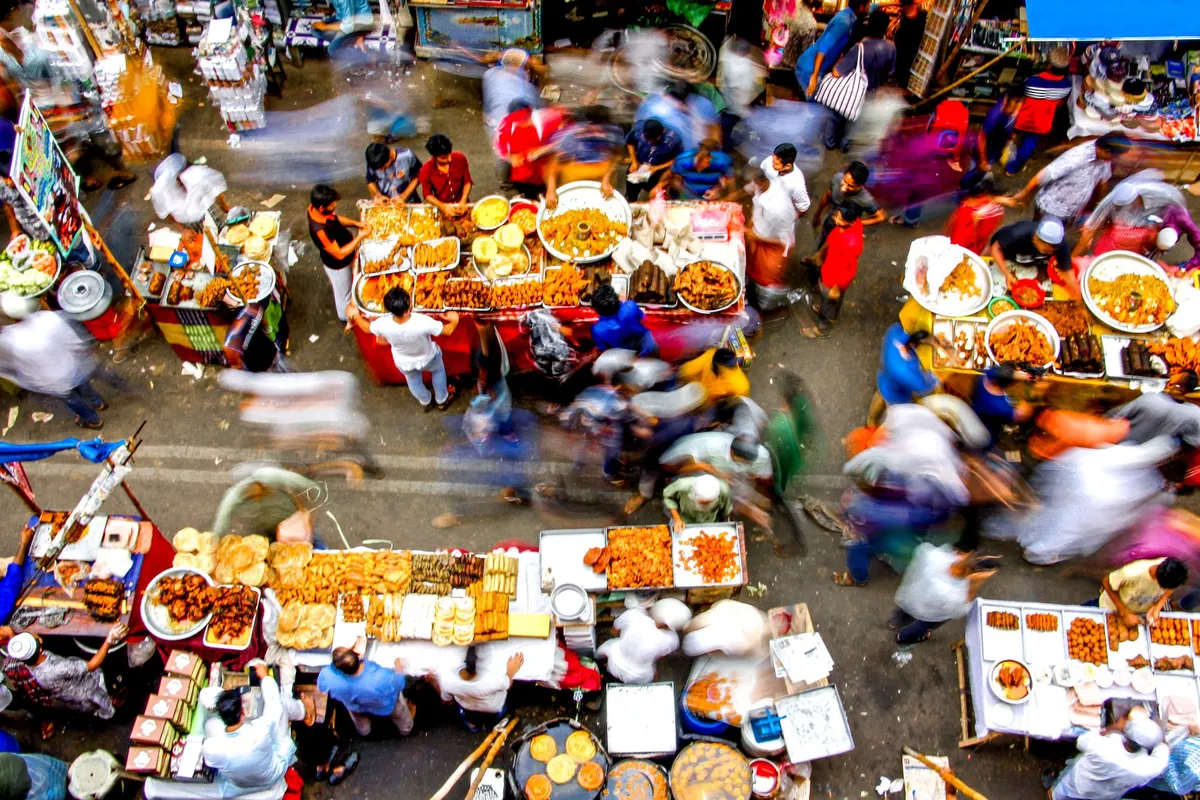
- Isabella Rossi
- 16 Aug, 2026 07:10
Savor the World: The Ultimate Guide to the Planet’s Most Exquisite Food Markets
Where the World’s Flavors Collide: A Culinary Journey Through the Best Food Markets Food markets are the beating hearts of cities, where history, culture, and flavor intertwine in every bite. They are not just places to shop—they are living museums of culinary tradition, innovation, and community. Whether you’re a seasoned traveler or a curious foodie, these markets offer an unfiltered glimpse into the soul of a destination. From the aromatic spice stalls of Istanbul to the sizzling seafood grills of Tokyo, each market tells a story through its ingredients, techniques, and the people who bring them to life. But with so many incredible markets around the world, how do you choose where to go? What dishes should you prioritize? And how can you navigate these bustling hubs like a local? In this guide, we’ll take you on a gastronomic tour of the planet’s most extraordinary food markets, breaking down the must-try foods, hidden gems, and insider tips to make your visit unforgettable.Marrakech’s Jemaa el-Fnaa: A Symphony of Spices and Street Food Magic Few places on Earth capture the essence of a culture as vividly as Marrakech’s Jemaa el-Fnaa. This UNESCO-listed square transforms from a quiet plaza by day into a pulsating food market by night, where the air is thick with the scent of cumin, saffron, and grilled meats. The market is a sensory overload in the best possible way—vendors shout in Arabic and French, the clatter of tagines echoes through the alleys, and the flicker of lanterns casts a golden glow over the stalls. At the heart of Jemaa el-Fnaa is the food section, where rows of makeshift kitchens serve up Morocco’s most iconic dishes. Must-try foods include:Tanjia: A slow-cooked lamb dish named after the clay pot it’s prepared in. The meat is marinated in preserved lemon, garlic, and spices, then simmered for hours until it’s fall-off-the-bone tender. Locals swear by the tanjia from the stalls near the center of the square. Harira: A hearty soup made with tomatoes, lentils, chickpeas, and lamb, traditionally eaten to break the fast during Ramadan. The version sold here is rich, spiced with cinnamon and ginger, and often served with a squeeze of lemon. Snail soup: A surprisingly popular street food, this dish features snails simmered in a spicy broth with herbs. It’s an acquired taste but a rite of passage for visitors looking to dive deep into Moroccan cuisine.Pro tip: Arrive at sunset to watch the market come alive, but don’t eat right away. Wander through the spice stalls first—vendors will often let you sample their wares, and you’ll get a better sense of the flavors you’re about to encounter. For the best tanjia, head to the stalls run by older men in traditional djellabas; they’ve been perfecting the recipe for decades.Bangkok’s Chatuchak Weekend Market: A Feast for the Senses Bangkok’s Chatuchak Weekend Market is not just a market—it’s a phenomenon. Spanning 35 acres and housing over 15,000 stalls, it’s one of the largest markets in the world. But beyond its sheer size, Chatuchak is a paradise for food lovers, offering everything from Thai street food classics to exotic delicacies you won’t find anywhere else. The market is divided into sections, but the food area is where the real magic happens. Here’s what you can’t miss:Som Tam (Green Papaya Salad): A fiery, tangy salad made with shredded unripe papaya, chili, lime, fish sauce, and palm sugar. The best versions are made to order, with vendors pounding the ingredients in a mortar and pestle right in front of you. Grilled river prawns: These massive prawns are marinated in garlic, pepper, and cilantro, then grilled over charcoal until they’re crispy on the outside and juicy on the inside. They’re often served with a spicy dipping sauce made from chili and tamarind. Mango Sticky Rice: Thailand’s most beloved dessert, this dish features sweet, ripe mango served over glutinous rice drizzled with coconut milk. The version at Chatuchak is legendary—creamy, fragrant, and perfectly balanced.Pro tip: Chatuchak is enormous, so plan your route. The food section is in the northern part of the market, near the exit at Kamphaeng Phet 2. Go early to avoid the midday heat and crowds, and bring cash—many stalls don’t accept cards. Also, be adventurous: Chatuchak is one of the few places where you can try insects like crickets or silkworm larvae, if you’re feeling daring.Tokyo’s Tsukiji Outer Market: A Seafood Lover’s Paradise Tokyo’s Tsukiji Outer Market is a shrine to seafood, where the freshest fish in the world changes hands before dawn. While the inner wholesale market has moved to Toyosu, the outer market remains a must-visit for food enthusiasts. Here, you’ll find everything from sushi-grade tuna to steaming bowls of ramen, all within a few blocks. The market is divided into two main areas: the sushi stalls and the general food stalls. Don’t leave without trying:Otorodako (Giant Pacific Octopus): A local specialty, this dish features octopus that’s been boiled and sliced, then served with a sweet soy-based sauce. The texture is tender and slightly chewy, with a mild oceanic flavor. Tamagoyaki (Japanese Omelette): A sweet, layered omelette made with eggs, sugar, and soy sauce. The version at Tsukiji is fluffy and slightly caramelized, often served as a side dish or in bento boxes. Uni (Sea Urchin): Tsukiji is one of the best places in the world to try uni, which is prized for its creamy, briny flavor. It’s often served over rice as a sushi topping or in a bowl of steamed rice as a uni-don.Pro tip: Arrive early—many stalls open around 5 AM, and the best spots sell out by 9 AM. If you’re not an early riser, don’t worry; the market stays lively until the afternoon. For the freshest seafood, head to the sushi stalls along the main street, where chefs prepare nigiri right in front of you. And if you’re feeling adventurous, try the fugu (pufferfish) if it’s in season—just make sure the chef is licensed to prepare it!Istanbul’s Spice Bazaar and the Grand Bazaar: A Feast for the Eyes and Palate Istanbul’s Spice Bazaar (Mısır Çarşısı) and the Grand Bazaar are two of the most iconic markets in the world, but their culinary offerings are often overshadowed by their reputation as shopping destinations. However, hidden among the textiles and jewelry are some of the most delicious foods Turkey has to offer. The Spice Bazaar is a labyrinth of stalls selling everything from dried fruits to Turkish delight, but the real gems are the food vendors tucked away in the corners. Must-try foods include:Baklava: While baklava is available throughout Turkey, the version at the Spice Bazaar is legendary. Look for stalls that use pistachios and honey, and ask for a sample before buying—some vendors will happily give you a tiny piece to taste. Künefe: A sweet cheese pastry soaked in syrup and baked until crispy, often served with clotted cream. The best kunefe in Istanbul is made with fresh cheese and cooked in a copper pan over charcoal. Simit: A circular sesame-crusted bread that’s a staple of Turkish breakfast. The simit sold at the Spice Bazaar is freshly baked and best eaten warm, with a sprinkle of salt or a smear of kaymak (clotted cream).Pro tip: The Spice Bazaar can be overwhelming, so focus on the food stalls near the entrance on the Eminönü side. For a more immersive experience, visit the Grand Bazaar’s food section, where you’ll find vendors selling everything from simit to kebabs. And don’t forget to haggle—it’s expected in Turkish markets, and a little negotiation can go a long way in getting a better price.Mexico City’s Mercado de San Juan: A Celebration of Mexican Gastronomy Mexico City’s Mercado de San Juan is a gourmet’s dream, where high-end ingredients meet traditional street food. Unlike the more touristy markets, San Juan is a favorite among locals and chefs, offering everything from exotic meats to artisanal cheeses. The market is divided into sections, but the food hall is where the magic happens. Here’s what you should try:Chapulines (Grasshoppers): A Oaxacan specialty, these toasted grasshoppers are seasoned with chili and lime, offering a crunchy, savory snack. They’re often served in tacos or as a topping for guacamole. Cochinita Pibil: A Yucatecan slow-roasted pork dish marinated in achiote and sour orange juice, then wrapped in banana leaves and baked. The version at San Juan is tender and infused with citrusy, earthy flavors. Queso de Tuna: A unique cheese made from the fruit of the prickly pear cactus, often served with honey or in salads. It’s creamy, slightly sweet, and unlike anything you’ve ever tasted.Pro tip: Mercado de San Juan is a bit more upscale than other markets, so prices are higher. However, the quality is unmatched. For the best cochinita pibil, head to the stall run by a woman in a traditional huipil—she’s been perfecting the recipe for years. And if you’re feeling adventurous, ask for a tasting of escamoles (ant larvae), a delicacy in Mexican cuisine.A Taste of the World: What to Eat and Where Food markets are more than just places to eat—they’re cultural landmarks that offer a glimpse into the heart of a city. Whether you’re feasting on tanjia in Marrakech, slurping som tam in Bangkok, or savoring fresh sushi in Tokyo, each market tells a story through its flavors and traditions. To help you plan your culinary adventures, here’s a quick breakdown of the must-try dishes and where to find them:Market Must-Try Dish Price Range (USD) Best Time to VisitJemaa el-Fnaa (Marrakech) Tanjia $3–$5 Sunset to late nightChatuchak (Bangkok) Som Tam $2–$4 Early morning to afternoonTsukiji (Tokyo) Otorodako $5–$10 Dawn to mid-morningSpice Bazaar (Istanbul) Baklava $1–$3 Morning to afternoonMercado de San Juan (Mexico City) Cochinita Pibil $4–$8 Mid-morning to eveningBeyond the Plate: The Soul of Food Markets Food markets are where culture, history, and community come together in the most delicious way possible. They are places of connection, where strangers become friends over shared plates of food, and where the past and present collide in every bite. As you explore these markets, remember that the best experiences often come from stepping outside your comfort zone. Try that dish you’ve never heard of. Strike up a conversation with a vendor. Let the flavors guide you. Because in the end, the best food markets aren’t just about what you eat—they’re about the stories you take home with you. So pack your appetite, leave your reservations at the door, and get ready to savor the world, one market at a time.#FoodMarkets #StreetFoodAroundTheWorld #CulinaryTravel #EatLikeALocal #GlobalFlavors Related InsightsGlobal Secrets of Preserved Lemons & Salt‑Cured Citrus: From Marrakech Markets to Tokyo Kitchens The Alchemy of Butter and Flour: Unlocking the Secrets of French Pâtisserie The Edible Pulse of Mumbai: A Gastronomic Odyssey Through the Khau Gallis{ "@context": "https://schema.org", "@type": "FAQPage", "mainEntity": [ { "@type": "Question", "name": "What is the main focus of Savor the World: The Ultimate Guide to the Planet’s Most Exquisite Food Markets?", "acceptedAnswer": { "@type": "Answer", "text": "From the bustling souks of Marrakech to the vibrant night markets of Bangkok, discover the world’s best food markets and the must-try dishes that define them." } }, { "@type": "Question", "name": "Who authored the comprehensive guide on Savor the World: The Ultimate Guide to the Planet’s Most Exquisite Food Markets?", "acceptedAnswer": { "@type": "Answer", "text": "This detailed article and its insights were carefully researched and authored by Isabella Rossi." } }, { "@type": "Question", "name": "Where can I find more related content about Food?", "acceptedAnswer": { "@type": "Answer", "text": "You can explore more articles, detailed reviews, and similar insights by browsing the Related Insights section at the bottom of this article or visiting our dedicated Food category page." } } ] }

- Kenji Sato
- 15 Aug, 2026 07:09
The Golden Elixir: Mastering the Art of Authentic Indian Chai from Spice to Sip
The Golden Elixir: Mastering the Art of Authentic Indian Chai from Spice to SipWhere the Aroma of Tradition Meets the Science of Flavor Few beverages carry the cultural weight and sensory richness of Indian chai. More than just a drink, it is a daily ritual, a social connector, and a canvas for regional identity. From the misty tea gardens of Darjeeling to the bustling streets of Mumbai, chai transcends class and geography, offering a sensory journey through India’s diverse culinary landscape. But what makes Indian chai so uniquely captivating? It’s not just the tea leaves—it’s the symphony of spices, the precise brewing technique, and the deep-rooted cultural philosophy that transforms a simple beverage into a golden elixir. At its core, Indian chai is a spiced milk tea, traditionally made with black tea, fresh milk, water, and a blend of warming spices. The word “chai” itself is derived from the Hindi word for tea, “chai,” which originates from the Chinese word “chá.” However, the Indian interpretation is far more complex. Unlike Western tea culture, which often emphasizes the purity of the leaf, Indian chai embraces fusion—layering bold spices, sweetness, and creaminess into a harmonious whole. Recent research in tea diversification highlights how regional adaptations have shaped tea consumption globally. A 2023 study from OpenAlex, titled Tea and Tea Product Diversification: A Review, underscores how cultural preferences drive innovation in tea preparation, from flavored infusions to functional blends. Indian chai exemplifies this perfectly: it’s not just a drink—it’s a living tradition that evolves with every household, every chaiwallah, and every region.The Spice Alchemy: Crafting the Perfect Masala BlendThe soul of Indian chai lies in its masala—a carefully curated blend of spices that awakens the senses. While commercial masala chai powders are widely available, purists insist that the best chai begins with freshly ground spices. The choice of spices varies by region, season, and personal taste, but several key ingredients form the foundation of an authentic blend. Cardamom (Elaichi) is the cornerstone of most masala chai blends. Its citrusy, floral aroma cuts through the richness of milk and balances the bitterness of black tea. In Ayurveda, cardamom is revered for its digestive properties and is often paired with ginger to soothe the stomach. Cinnamon (Dalchini) adds warmth and depth, with its woody, slightly sweet notes. It pairs beautifully with cloves and black pepper, creating a complex flavor profile that lingers on the palate. In South India, cinnamon is sometimes replaced with nutmeg or mace for a milder, sweeter touch. Ginger (Adrak) is a non-negotiable for many chai enthusiasts. Fresh ginger root, crushed or sliced, infuses the brew with a spicy kick that enhances circulation and adds a vibrant zing. In colder climates, ginger is often used in larger quantities to provide warmth. Cloves (Laung) contribute a pungent, slightly sweet heat that complements the other spices. They are particularly prominent in North Indian chai, where they are often paired with black pepper for a sharper, more intense flavor. Black Pepper (Kali Mirch) may seem unusual, but it plays a crucial role in balancing the sweetness of milk and sugar. A pinch of freshly ground black pepper enhances the bioavailability of other spices and adds a subtle, lingering warmth. Star Anise (Anasphal) is a favorite in Bengali and South Indian chai, offering a licorice-like sweetness that pairs well with fennel seeds. Its unique flavor profile makes it a standout ingredient in many regional variations. Fennel Seeds (Saunf) are often included for their cooling, anise-like notes, which help counteract the heat of other spices. They are especially popular in post-meal chai, believed to aid digestion. Bay Leaves (Tej Patta) and nutmeg (Jaiphal) are less common but add layers of complexity. Bay leaves contribute a subtle, herbal aroma, while nutmeg lends a warm, nutty sweetness that is particularly prized in winter blends. The proportions of these spices are highly subjective. A classic North Indian masala might favor cardamom, ginger, and cloves, while a South Indian version could lean toward cinnamon, fennel, and star anise. Experimentation is encouraged—many families have their own closely guarded recipes passed down through generations. For those new to spice blending, start with a basic ratio: 4-5 green cardamom pods, 1-inch piece of fresh ginger, 2-3 cloves, 1 small cinnamon stick, and a pinch of black pepper. Crush the spices lightly in a mortar and pestle to release their essential oils, then add them to the brewing water. This ensures maximum flavor extraction and a vibrant, aromatic chai.From Leaf to Cup: The Ritual of Brewing Perfect Indian ChaiThe art of brewing Indian chai is as much about technique as it is about ingredients. Unlike Western tea, which is often steeped briefly to avoid bitterness, Indian chai thrives on a longer, slower infusion that allows the spices and tea leaves to meld together in a rich, robust brew. Step 1: Boil the Water and Spices Begin by bringing fresh, filtered water to a rolling boil in a kettle or pot. Add the freshly crushed spices—cardamom, ginger, cloves, cinnamon, and others—to the water. Let them simmer for 2-3 minutes. This step is crucial for extracting the aromatic oils from the spices, which will form the backbone of the chai’s flavor. Step 2: Add the Tea Leaves Once the spices have infused the water, add loose black tea leaves. The most commonly used varieties are Assam tea (bold and malty) or Darjeeling tea (lighter and floral). Use approximately 1 teaspoon of loose tea per cup of water. Let the tea steep for 3-4 minutes. Oversteeping can result in a bitter brew, so keep an eye on the clock. Step 3: Introduce the Milk After the tea has steeped, pour in an equal amount of milk—traditionally whole milk for richness, though many modern variations use plant-based milks like oat or almond. Bring the mixture to a gentle boil, then reduce the heat and let it simmer for another 2-3 minutes. This step is where the magic happens: the milk emulsifies with the tea, creating a creamy, frothy texture that is the hallmark of good chai. Step 4: Sweeten to Taste Sugar is added at this stage, though the amount varies widely. In many households, chai is enjoyed unsweetened or lightly sweetened, while street vendors often serve it with a generous dose of sugar. Jaggery (unrefined cane sugar) is a popular alternative, adding a caramel-like depth to the flavor. Step 5: Strain and Serve Strain the chai through a fine mesh sieve or cloth to remove the tea leaves and spices. Pour the steaming brew into small clay cups (kulhads) or sturdy glass cups for an authentic experience. The first sip should be a revelation—warm, spicy, creamy, and deeply comforting. Pro Tips for the Perfect BrewUse fresh spices: Pre-ground spices lose their potency quickly. For the best flavor, grind your spices just before brewing. Control the heat: Boiling the milk too vigorously can cause it to curdle. Keep the heat medium-low to maintain a smooth texture. Experiment with ratios: Some prefer a stronger tea-to-milk ratio, while others enjoy a lighter, more milky brew. Adjust to taste. Don’t skip the foam: The frothy layer on top of well-brewed chai is a sign of quality. To achieve this, pour the chai from a height or whisk vigorously before serving.The brewing process is not just a means to an end—it’s a meditative ritual that connects the brewer to centuries of tradition. Whether you’re making chai in a bustling Delhi market or in your own kitchen, the method remains a testament to the drink’s enduring appeal.A Journey Through India: Regional Chai Variations and Their StoriesIndia’s vast and diverse landscape has given rise to an astonishing variety of chai styles, each reflecting the local culture, climate, and culinary traditions. From the smoky, spiced chai of the Himalayas to the sweet, milky versions of the south, exploring these regional variations is like taking a culinary tour of the subcontinent. North India: The Heartland of Masala Chai In cities like Delhi, Jaipur, and Lucknow, masala chai reigns supreme. The blend typically includes cardamom, ginger, cloves, and cinnamon, with a generous pour of milk and sugar. Street vendors, known as chaiwallahs, are legendary for their skill in brewing the perfect cup. The chai is often served in small clay cups (kulhads), which are biodegradable and add a rustic charm to the experience. The strong, spicy flavor of North Indian chai is designed to cut through the richness of buttery parathas and fried snacks, making it a staple of the region’s street food culture. West India: The Sweet and Creamy Mumbai Style Mumbai’s chai is a decadent affair, characterized by its high milk-to-tea ratio and liberal use of sugar. The spice blend often includes fennel seeds, star anise, and a touch of nutmeg, giving it a sweeter, more aromatic profile. The chai is typically served in glass cups, allowing the rich, creamy texture to be fully appreciated. Mumbai’s chai culture is deeply intertwined with the city’s fast-paced lifestyle—grab a cup from a street vendor between meetings, and you’ll understand why it’s called “cutting chai” (served in half-glass portions). East India: The Floral and Fragrant Assam Blend In Assam, the birthplace of India’s tea industry, chai takes on a different character. Assam tea leaves, known for their robust, malty flavor, are brewed with minimal spices—just a hint of cardamom or cinnamon. The milk is often added in equal parts, creating a strong, invigorating brew that pairs perfectly with the region’s hearty meals. In Kolkata, the chai is lighter and often served with a side of biscuits or rusks, making it a popular breakfast option. South India: The Light and Aromatic Filter Coffee Chai South Indian chai is a unique fusion of tradition and innovation. While filter coffee is the region’s beloved beverage, many households enjoy a lighter, spiced milk tea in the afternoon. The spice blend often includes cinnamon, fennel, and a touch of pepper, with a hint of jaggery for sweetness. The tea leaves used are typically a lighter variety, such as Nilgiri or Ceylon, resulting in a more delicate, aromatic brew. In Kerala, coconut milk is sometimes substituted for regular milk, adding a tropical twist to the classic chai. The Himalayas: The Smoky, Spiced Butter Chai In the mountainous regions of Himachal Pradesh, Uttarakhand, and Nepal, chai takes on a distinctly smoky, buttery character. Known as gur gur chai or butter tea, this version is made by churning brewed tea with yak butter and salt, creating a rich, salty, and slightly oily beverage that is both energizing and warming. The smoky flavor comes from the traditional method of boiling the tea leaves over a wood fire. This style of chai is deeply rooted in Tibetan culture and is often enjoyed with momos (dumplings) or tsampa (roasted barley flour). The Deccan Plateau: The Spicy and Tangy Chai In the Deccan region, including Hyderabad and Bangalore, chai often includes a touch of tamarind or lemon juice for a tangy twist. The spice blend is robust, with black pepper, cloves, and a hint of nutmeg, creating a bold, complex flavor profile. This style of chai is particularly refreshing in the hot, dry climate of the region. Each of these regional variations tells a story—of trade routes, colonial influences, and local ingenuity. Whether you prefer the smoky richness of Himalayan butter chai or the sweet, creamy indulgence of Mumbai’s cutting chai, there’s a version of this golden elixir to suit every palate.The Health Alchemy: Unpacking the Benefits of Indian ChaiBeyond its irresistible flavor, Indian chai is celebrated for its health-promoting properties. The combination of black tea, spices, and milk creates a beverage that is not only comforting but also packed with antioxidants, anti-inflammatory compounds, and digestive aids. Let’s break down the key health benefits of this golden elixir. 1. Rich in Antioxidants Black tea is a powerhouse of polyphenols, particularly theaflavins and thearubigins, which are known for their antioxidant properties. These compounds help combat oxidative stress, reduce inflammation, and may lower the risk of chronic diseases such as heart disease and diabetes. A study published in the Journal of Agricultural and Food Chemistry found that black tea polyphenols can inhibit the growth of certain cancer cells, highlighting the beverage’s potential as a functional food. 2. Aids Digestion Many of the spices used in Indian chai are renowned for their digestive benefits. Ginger, for example, stimulates digestion, reduces nausea, and alleviates bloating. Cardamom is known to soothe stomach cramps and improve gut motility, while fennel seeds are traditionally used to relieve indigestion and flatulence. The combination of these spices makes chai an excellent post-meal beverage, helping to ease digestion and prevent discomfort. 3. Boosts Immunity The spices in chai—ginger, cloves, cinnamon, and black pepper—are all known for their immune-boosting properties. Ginger and cloves have antimicrobial and antiviral effects, while cinnamon is rich in cinnamaldehyde, a compound that may help fight infections. The warmth of chai also promotes sweating, which can help the body expel toxins and reduce fever. 4. Supports Heart Health Regular consumption of black tea has been linked to improved cardiovascular health. The flavonoids in black tea help lower LDL cholesterol (the “bad” cholesterol) and reduce blood pressure. Additionally, the anti-inflammatory properties of spices like cinnamon and cloves may further protect against heart disease. A meta-analysis published in the European Journal of Epidemiology found that drinking three or more cups of black tea per day was associated with a lower risk of stroke and heart attack. 5. Enhances Mental Alertness The caffeine in black tea provides a gentle energy boost without the jitters associated with coffee. Combined with L-theanine, an amino acid found in tea, it promotes alertness and focus while inducing a state of calm. The spices in chai, particularly cardamom and cinnamon, are also known to enhance cognitive function and reduce mental fatigue. 6. May Aid Weight Management While chai itself is not a weight-loss miracle, its ingredients can support a healthy metabolism. Ginger and black pepper are thermogenic, meaning they increase heat production in the body and may help burn fat. Additionally, the spices in chai can help regulate blood sugar levels, reducing cravings and promoting satiety. 7. Oral Health Benefits The antimicrobial properties of spices like cloves and cinnamon can help combat oral bacteria, reducing the risk of cavities and gum disease. Chewing on a clove or cardamom pod after a meal is a traditional practice in India to freshen breath and promote oral health. A Word of Caution While chai offers numerous health benefits, it’s important to consume it in moderation. The caffeine content in black tea can interfere with sleep if consumed late in the day, and excessive sugar intake (common in commercial chai blends) can negate some of the health benefits. Opt for homemade chai with minimal sugar, or use natural sweeteners like jaggery or honey. Additionally, those with lactose intolerance may want to experiment with plant-based milks to avoid digestive discomfort.The Chai Experience: More Than Just a DrinkIn India, chai is more than a beverage—it’s a social glue, a symbol of hospitality, and a marker of identity. The act of sharing chai fosters connection, whether it’s between friends catching up at a roadside stall, families gathering for breakfast, or strangers bonding over a steaming cup on a train journey. The Chaiwallah: A Cultural Icon No discussion of Indian chai would be complete without mentioning the chaiwallah—the street vendor who brews and serves chai with unmatched skill and charm. In cities across India, chaiwallahs are a ubiquitous presence, their brass kettles and clay cups a familiar sight. They are not just vendors; they are storytellers, musicians, and confidants, often forming deep bonds with their regular customers. The chaiwallah’s role extends beyond serving drinks; they are keepers of local lore, purveyors of gossip, and symbols of resilience in the face of economic challenges. Chai in Rituals and Celebrations Chai plays a central role in many Indian rituals and festivals. During weddings, engagements, and religious ceremonies, it is offered to guests as a gesture of welcome and hospitality. In South India, chai is often served with savory snacks like murukku or seedai during festive occasions. In the Sikh community, chai is a staple during langar (community meals) at gurdwaras, symbolizing equality and shared sustenance. The Global Chai Movement In recent years, Indian chai has gained international acclaim, with specialty tea shops and cafes around the world offering their own interpretations of masala chai. From the trendy chai lattes of Portland to the artisanal spice blends of London, the global chai movement is a testament to the drink’s universal appeal. However, purists argue that the true essence of chai can only be experienced in its country of origin, where the spices are fresh, the milk is whole, and the ritual is deeply ingrained in daily life. Chai and Mindfulness In a fast-paced world, the act of brewing and savoring chai can be a meditative practice. The slow simmering of spices, the rhythmic pouring of milk, and the first sip of the warm, aromatic brew create a moment of pause—a chance to reconnect with oneself and the present. Many wellness practitioners advocate for “chai mindfulness,” encouraging people to savor each sip and appreciate the sensory experience.Your Chai, Your Way: A Customizable Recipe for Every PalateWhile traditional Indian chai follows a set of time-honored principles, the beauty of this beverage lies in its adaptability. Whether you prefer a spicy kick, a creamy indulgence, or a caffeine-free alternative, there’s a chai variation to suit your taste. Below is a customizable recipe that you can tweak to create your perfect cup. Basic Masala Chai Recipe Makes 2 cups Ingredients:2 cups water 1-inch piece fresh ginger, sliced or crushed 4-5 green cardamom pods, lightly crushed 2-3 cloves 1 small cinnamon stick 1 star anise (optional) 1 black peppercorn (optional) 1 tsp loose black tea (Assam or Darjeeling) 1 cup whole milk (or plant-based milk) Sugar or jaggery to tasteInstructions:In a small pot, bring the water to a boil. Add the ginger, cardamom, cloves, cinnamon, star anise, and black peppercorn. Simmer for 2-3 minutes to infuse the spices. Add the black tea leaves and let them steep for 3-4 minutes. Avoid oversteeping to prevent bitterness. Pour in the milk and bring the mixture to a gentle boil. Reduce the heat and let it simmer for another 2-3 minutes. Strain the chai into cups, add sugar or jaggery to taste, and serve hot.Variations to ExploreSpicy Kick: Add a pinch of cayenne pepper or a small piece of fresh chili for a fiery twist. Creamy Indulgence: Replace half the milk with sweetened condensed milk for a richer, dessert-like chai. Caffeine-Free: Use rooibos tea or herbal tea blends (like hibiscus or chamomile) instead of black tea. Iced Chai: Brew the chai as usual, then chill it and serve over ice with a splash of milk and a drizzle of honey. Golden Chai: Add a pinch of turmeric and a dash of black salt for an anti-inflammatory, gut-friendly version. Nutty Chai: Stir in a teaspoon of almond butter or a sprinkle of toasted coconut flakes for added richness.Pairing Suggestions Indian chai pairs beautifully with a variety of snacks and sweets. Try it with:Savory: Samosas, pakoras, kachori, or toasted bread with butter and cheese. Sweet: Rusks, biscuits, jalebi, or gulab jamun. Spicy: Vada pav (a spicy potato burger) or mirchi bajji (stuffed chili fritters).The Future of Chai: Innovation Meets TraditionAs global interest in specialty teas and functional beverages grows, Indian chai is evolving to meet modern tastes while staying true to its roots. Innovations in tea processing, spice sourcing, and brewing techniques are giving rise to new interpretations of this classic drink. Sustainable Chai With increasing awareness of environmental issues, many tea brands are focusing on sustainability. Look for chai blends made with organic, fair-trade tea leaves and ethically sourced spices. Some companies are even experimenting with upcycled ingredients, such as chai blends infused with spent coffee grounds or fruit peels. Functional Chai The wellness industry has embraced chai as a vehicle for functional ingredients. Adaptogenic chai blends, infused with ashwagandha, reishi mushrooms, or maca, are gaining popularity for their stress-relieving and energy-boosting properties. Turmeric chai, with its anti-inflammatory benefits, is another trendy variation. Global Fusion Chai Chefs and mixologists around the world are reimagining chai by incorporating local ingredients and techniques. Examples include:Matcha Masala Chai: A fusion of Japanese matcha and Indian spices, offering a vibrant green hue and a grassy, umami-rich flavor. Lavender Chai: A floral twist on the classic, using dried lavender buds for a soothing, aromatic brew. Chai Cold Brew: A refreshing, caffeine-packed iced chai made by cold-brewing tea and spices overnight. Chai-Infused Desserts: From chai-spiced cookies to chai custard tarts, the flavors of chai are being incorporated into baked goods and confections.Technology and Chai Smart kettles and tea infusers with temperature control are making it easier than ever to brew the perfect cup of chai at home. Some companies are even developing chai-specific brewing devices that optimize spice extraction and milk frothing. Despite these innovations, the essence of chai remains unchanged. It is a drink that celebrates tradition, community, and the simple joy of sharing a warm cup with loved ones. Whether you’re a purist who insists on freshly ground spices or a modernist who enjoys a matcha chai latte, the spirit of Indian chai endures.A Toast to the Golden ElixirIn a world that often feels fragmented by technology and fast-paced living, Indian chai offers a moment of connection—a pause to savor the present, to share a story, or to simply enjoy the warmth of a steaming cup. It is a drink that transcends borders, cultures, and generations, uniting people in a shared appreciation for its rich flavors and comforting embrace. From the bustling streets of Mumbai to the quiet corners of a home kitchen, chai is more than a beverage; it is a tradition, a ritual, and a celebration. It is the aroma of cardamom and ginger wafting through a morning, the clink of cups at a family gathering, the first sip of comfort on a rainy afternoon. So, the next time you brew a cup of chai, take a moment to appreciate the journey—from the tea gardens of Assam to the spice markets of Kerala, from the chaiwallah’s kettle to your own hands. Let the spices dance in the water, the tea leaves unfurl their flavors, and the milk create a velvety texture that carries you away. Savor each sip, and let the golden elixir remind you that some traditions are worth preserving, one cup at a time.#ChaiLove #SpiceAndSoul #GoldenElixir #MasalaMagic #TeaTradition Related InsightsKorma: The Art of Braising in Royal Kitchens Grass-Fed Beef and Barley Stew: A High Protein Culinary Delight The Antioxidant Powerhouse: Quinoa Salad with Roasted Sweet Potatoes and Kale{ "@context": "https://schema.org", "@type": "FAQPage", "mainEntity": [ { "@type": "Question", "name": "What is the main focus of The Golden Elixir: Mastering the Art of Authentic Indian Chai from Spice to Sip?", "acceptedAnswer": { "@type": "Answer", "text": "Unlock the secrets of India’s beloved masala chai—from traditional spices and brewing techniques to cultural significance and health benefits. Your ultimate guide to perfecting the golden elixir at home." } }, { "@type": "Question", "name": "Who authored the comprehensive guide on The Golden Elixir: Mastering the Art of Authentic Indian Chai from Spice to Sip?", "acceptedAnswer": { "@type": "Answer", "text": "This detailed article and its insights were carefully researched and authored by Kenji Sato." } }, { "@type": "Question", "name": "Where can I find more related content about Food?", "acceptedAnswer": { "@type": "Answer", "text": "You can explore more articles, detailed reviews, and similar insights by browsing the Related Insights section at the bottom of this article or visiting our dedicated Food category page." } } ] }
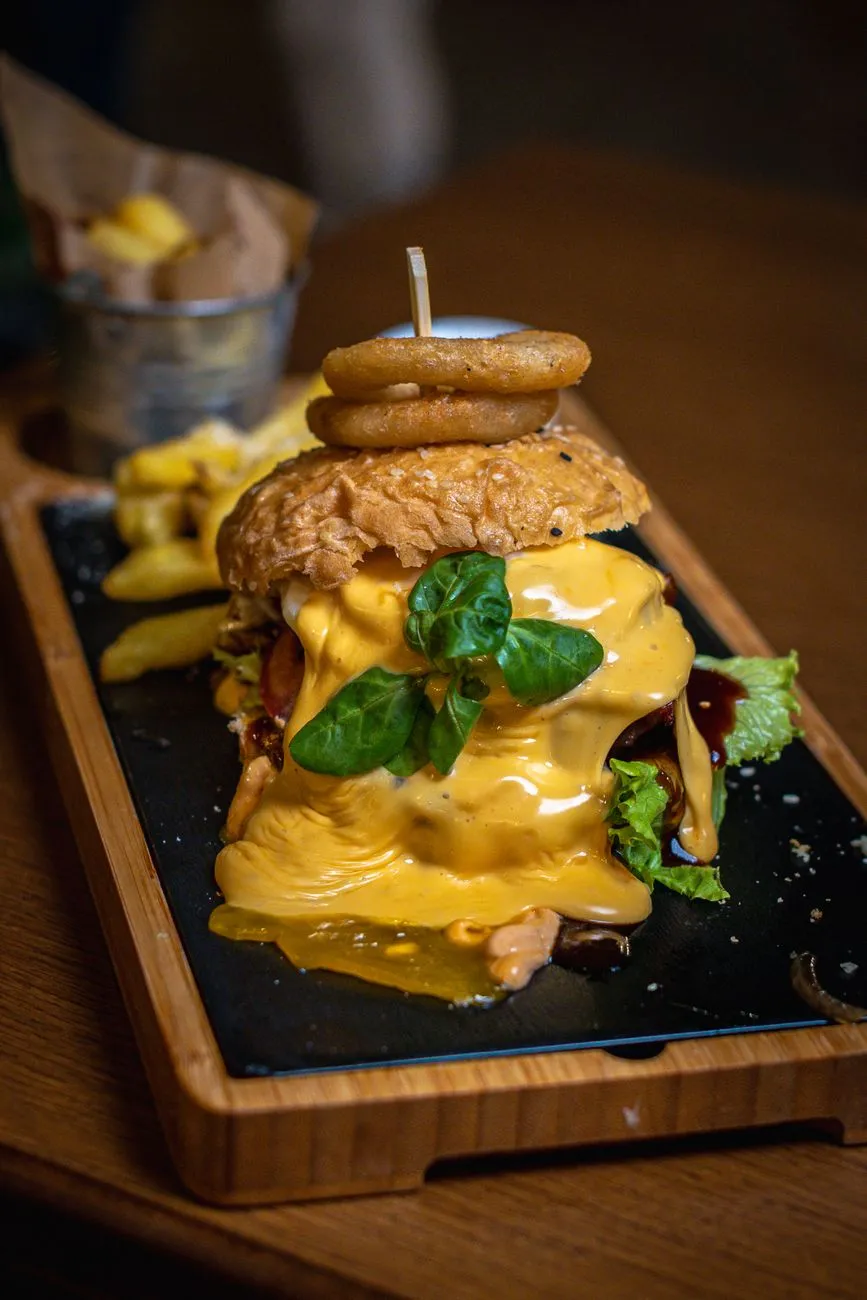
- Marcus Vance
- 14 Aug, 2026 07:59
From Mongolian Steppes to American Diner Classics: The Untold Saga of the Hamburger
From Mongolian Steppes to American Diner Classics: The Untold Saga of the HamburgerIn the pantheon of global cuisine, few dishes command the universal adoration—or the fierce debate—surrounding the humble hamburger. This seemingly simple creation, a symphony of ground meat, bread, and condiments, has transcended its humble origins to become a symbol of cultural identity, economic power, and culinary innovation. But where did the hamburger truly begin? Was it born in the bustling streets of Hamburg, Germany, or did its roots stretch back further, to the nomadic tribes of Central Asia? And how did a dish once considered peasant food evolve into a multi-billion-dollar industry that shapes diets worldwide? The journey of the hamburger is not merely a culinary tale; it is a reflection of human migration, industrialization, and the democratization of food. From the Mongol horsemen who carried dried meat under their saddles to the German immigrants who brought their culinary traditions to America, and from the street vendors of late 19th-century New York to the gleaming fast-food chains of the 21st century, the hamburger’s evolution is a testament to the adaptability and ingenuity of human culture. To understand this iconic dish, we must peel back the layers of history, separating myth from reality, and explore the forces that transformed it from a simple meat patty into a global phenomenon.The Steppes of Genghis Khan: The Ancient Origins of Ground Meat The story of the hamburger begins not in a kitchen, but on the vast, windswept steppes of Central Asia, where the Mongol Empire under Genghis Khan reshaped the world in the 13th century. The Mongols were a nomadic people, and their survival depended on their ability to travel long distances with minimal supplies. One of their most ingenious culinary innovations was khoormog, a method of drying meat by pounding it thin, salting it, and then hanging it to dry in the sun or wind. This process not only preserved the meat but also made it lightweight and easy to carry—ideal for soldiers and travelers. But the Mongols took this concept further. According to historical accounts, they would place thin slices of meat under their saddles while riding, allowing the combination of body heat and movement to tenderize the meat. This practice, known as sukha, is often cited as an early precursor to ground meat. When the Mongols expanded their empire westward, they brought this technique with them, influencing the culinary traditions of Persia, the Middle East, and eventually Europe. By the time the technique reached the port city of Hamburg in northern Germany, it had evolved into Hamburg steak, a dish of minced beef mixed with onions, salt, and spices, often served raw or lightly cooked. This dish became a staple among German sailors and immigrants, who carried it with them as they traveled to the New World. The connection between the Mongol sukha and the German Hamburg steak is more than just culinary—it is a thread that weaves through centuries of cultural exchange, proving that even the humblest of dishes can carry the weight of history.The American Melting Pot: How Hamburgers Conquered the New World The transformation of the hamburger from a European delicacy to an American icon is a story of immigration, innovation, and sheer entrepreneurial spirit. In the mid-19th century, German immigrants flocked to the United States, bringing with them their culinary traditions, including the Hamburg steak. These immigrants settled primarily in cities like New York, Chicago, and Cincinnati, where they opened butcher shops, restaurants, and street carts that served their beloved dish. One of the earliest recorded instances of a hamburger-like dish in America dates back to 1885, when a vendor named Charlie Nagreen, just 15 years old, flattened a meatball and placed it between two slices of bread at a fair in Seymour, Wisconsin. Nagreen’s innovation was born out of necessity—he wanted to make it easier for customers to eat while walking around the fairgrounds. This simple act of culinary ingenuity is often credited as the birth of the modern hamburger. Meanwhile, in other parts of the country, the hamburger was gaining traction in different forms. In 1891, a restaurant owner named Fletcher Davis in Athens, Texas, began serving a dish he called a "hamburger sandwich," which consisted of a ground beef patty served between two slices of bread with lettuce, tomatoes, and onions. Davis’s creation caught the attention of a traveling salesman named Fletcher Davis, who later popularized the dish at the 1904 St. Louis World’s Fair. The fair was a turning point for the hamburger, as it introduced millions of Americans to the dish and sparked a nationwide craze. The rise of the hamburger in America was not just a culinary phenomenon; it was also a reflection of the country’s industrialization and urbanization. As cities grew and the pace of life quickened, the hamburger’s convenience and affordability made it the perfect meal for the working class. Street vendors, diners, and eventually fast-food chains capitalized on this demand, turning the hamburger into a symbol of American ingenuity and capitalism.The Fast-Food Revolution: How McDonald’s and the Drive-Thru Changed the Game The hamburger’s journey from street food to global dominance reached its apex in the mid-20th century, thanks to the rise of fast food and the visionary entrepreneurs who transformed the industry. While the hamburger had been a staple of American diners for decades, it was the post-World War II economic boom and the advent of the automobile that truly catapulted it into the stratosphere of global cuisine. The most pivotal figure in this transformation was Ray Kroc, a milkshake machine salesman who joined the McDonald’s brothers’ small burger stand in San Bernardino, California, in 1954. Kroc saw the potential of the McDonald’s concept—standardized, efficient, and affordable—and he set out to turn it into a franchise empire. By 1961, Kroc had bought out the McDonald’s brothers and began expanding the chain at a breakneck pace. The introduction of the drive-thru window in 1975 was a game-changer, allowing customers to enjoy their hamburgers without ever leaving their cars. This innovation not only catered to the growing car culture of America but also set the stage for the global fast-food phenomenon. McDonald’s wasn’t alone in its quest to dominate the hamburger market. Competitors like Burger King, Wendy’s, and White Castle also played crucial roles in shaping the industry. White Castle, founded in 1921, is often credited as the first fast-food hamburger chain. Its small, square patties and distinctive architecture were designed to appeal to the middle-class families of the era, and its emphasis on cleanliness and consistency set the standard for the industry. Wendy’s, launched in 1969 by Dave Thomas, differentiated itself with its square patties and fresh, never-frozen beef, appealing to a more discerning customer base. The fast-food revolution also had a profound impact on global culture. As American fast-food chains expanded overseas, they brought the hamburger with them, often adapting it to local tastes and preferences. In Japan, for example, McDonald’s introduced the Teriyaki Burger, while in India, the chain created the McAloo Tikki, a vegetarian patty made from potatoes and peas. This globalization of the hamburger not only made it a ubiquitous presence in nearly every corner of the world but also turned it into a symbol of American cultural influence.The Science of the Burger: What Makes a Perfect Patty? Behind every great hamburger lies a carefully crafted balance of ingredients, techniques, and science. The perfect patty is not just a matter of taste; it is a result of understanding the chemical and physical properties of meat, the role of fat, and the importance of cooking methods. To appreciate the hamburger fully, we must delve into the science that makes it so irresistible. The foundation of any hamburger is the meat itself. Ground beef is typically made from a blend of different cuts, including chuck, brisket, and round. The fat content is crucial—too little, and the patty will be dry and tough; too much, and it will shrink excessively during cooking and become greasy. The ideal fat content for a hamburger patty is around 20-30%, which provides both flavor and juiciness. The fat also plays a key role in the Maillard reaction, the chemical process that gives the patty its characteristic brown crust and rich, savory flavor. The grind of the meat is another critical factor. A coarse grind, with visible chunks of fat and connective tissue, will result in a more textured and flavorful patty. A fine grind, on the other hand, produces a smoother texture but can lead to a denser, less juicy burger. The temperature of the meat is also important. Cold meat is easier to handle and shape, but it can lead to a tougher patty. Many chefs recommend letting the meat sit at room temperature for about 30 minutes before forming the patties to achieve the best balance of texture and tenderness. The cooking method is where the science truly comes into play. Grilling, pan-searing, and griddling are the most common techniques, each with its own advantages. Grilling imparts a smoky flavor and creates a desirable char, while pan-searing and griddling allow for more precise temperature control and even cooking. The use of a meat thermometer is essential to ensure that the patty reaches a safe internal temperature of 160°F (71°C) without overcooking. Resting the patty for a few minutes after cooking allows the juices to redistribute, ensuring a moist and flavorful bite. Condiments and toppings also play a role in the science of the burger. The acidity in ketchup, mustard, and pickles helps to cut through the richness of the meat, while the sweetness of caramelized onions or the umami of cheese enhances the overall flavor profile. The bun, often an overlooked component, is equally important. A high-quality bun should be soft yet sturdy enough to hold the patty and toppings without falling apart. Brioche buns, with their buttery richness, are a popular choice for gourmet burgers, while sesame seed buns are a classic staple.Hamburger Patty ComparisonCut Blend Fat ContentChuck (70%) + Brisket (30%) 25%Chuck (80%) + Short Rib (20%) 20%Sirloin (100%) 15%The Global Burger: How Different Cultures Reinvented the Classic While the hamburger is undeniably an American icon, its adaptability has allowed it to thrive in cultures around the world. From the teriyaki burgers of Japan to the lamb kofta burgers of the Middle East, each region has put its own unique spin on this global dish, creating a diverse tapestry of flavors and traditions. In Japan, the hamburger has been embraced and reimagined in ways that reflect the country’s culinary sensibilities. The Teriyaki Burger, introduced by McDonald’s in the 1980s, combines the sweet and savory flavors of teriyaki sauce with a beef patty, often served with shredded cabbage and a sesame seed bun. Another popular variation is the Katsu Burger, which features a breaded and fried pork cutlet instead of beef, topped with tonkatsu sauce and cabbage. These burgers highlight Japan’s love for umami-rich flavors and crispy textures, proving that the hamburger can be both familiar and innovative. In the Middle East, the hamburger has been adapted to local tastes and ingredients. In Lebanon, for example, the Kafta Burger is a popular street food made from spiced ground lamb or beef, grilled and served in a pita bread with garlic sauce, pickles, and fresh vegetables. In Turkey, the Izgara Burger is a grilled beef patty served with melted cheese, tomatoes, and a spicy red pepper sauce called acili sos. These variations showcase the region’s love for bold spices and fresh, vibrant flavors, demonstrating how the hamburger can be transformed into a dish that feels both local and global. In India, where beef consumption is limited due to religious and cultural beliefs, the hamburger has been reinvented with plant-based ingredients. The McAloo Tikki Burger, introduced by McDonald’s in the 1990s, features a spiced potato and pea patty, served with mint chutney and onions in a sesame seed bun. This vegetarian burger has become a staple in India and has even inspired similar creations in other countries, proving that the hamburger’s appeal extends far beyond meat. Even in Europe, where the hamburger originated, the dish has been reimagined in ways that reflect local traditions. In Germany, the Rundstück warm is a classic hamburger-style sandwich served with pickles, onions, and mustard on a soft roll. In France, the Steak Haché Burger is a simple yet elegant creation, featuring a high-quality beef patty served with a fried egg, cheese, and a side of fries. These variations highlight the hamburger’s versatility and its ability to adapt to different culinary landscapes.The Burger of Tomorrow: Innovation and the Future of Fast Food As we look to the future, the hamburger is poised to continue its evolution, driven by advances in technology, changing consumer preferences, and a growing emphasis on sustainability. The fast-food industry is under increasing pressure to reduce its environmental impact, and the hamburger, with its reliance on beef, is at the forefront of this conversation. Innovations in plant-based and lab-grown meat are already transforming the industry, offering alternatives that are more sustainable, ethical, and healthier. Plant-based burgers, such as the Impossible Burger and the Beyond Burger, have gained widespread popularity in recent years. These burgers are designed to mimic the taste and texture of traditional beef patties, using ingredients like pea protein, beet juice, and coconut oil to achieve a meat-like experience. In 2023, the global plant-based meat market was valued at over $10 billion, and it is projected to continue growing as consumers seek more sustainable and ethical food options. Lab-grown meat, also known as cultured or cell-based meat, is another promising innovation. This technology involves growing meat from animal cells in a lab, eliminating the need for traditional livestock farming. While still in the early stages of development, lab-grown meat has the potential to revolutionize the hamburger industry by offering a product that is both environmentally friendly and indistinguishable from traditional beef. Companies like Memphis Meats and Mosa Meat are leading the charge in this field, with products that could hit the market as early as 2025. The future of the hamburger is not just about what’s inside the patty; it’s also about how it’s served. The rise of digital ordering, delivery apps, and ghost kitchens is changing the way we interact with fast food. Customers can now customize their burgers with the touch of a screen, and restaurants are leveraging data analytics to predict demand and optimize their menus. The drive-thru, once the hallmark of fast food, is being reimagined with touchless ordering systems and autonomous delivery vehicles. Sustainability is also becoming a key focus for the hamburger industry. Restaurants are exploring ways to reduce food waste, such as using imperfect produce or repurposing leftover ingredients. Packaging is another area of innovation, with many chains switching to compostable or biodegradable materials to minimize their environmental footprint. The Zero-Waste Burger, a concept gaining traction in Europe, features a patty made from upcycled ingredients like spent grain from breweries or vegetable scraps, proving that even the humblest of dishes can contribute to a more sustainable future.A Bite of History: Why the Hamburger Endures In a world where culinary trends come and go, the hamburger’s enduring popularity is a testament to its simplicity, versatility, and cultural resonance. It is a dish that has traveled across continents and centuries, adapting to the tastes and needs of each generation. From the Mongol horsemen who carried dried meat under their saddles to the fast-food chains that now serve billions of burgers every year, the hamburger’s journey is a reflection of humanity’s ingenuity and love for good food. But the hamburger is more than just a meal; it is a symbol of community and shared experience. Whether enjoyed at a backyard barbecue, a bustling street cart, or a high-end restaurant, the hamburger brings people together. It is a dish that transcends class, culture, and geography, uniting us in our love for a simple yet perfect combination of meat, bread, and condiments. As we look to the future, the hamburger will continue to evolve, shaped by innovation, sustainability, and the ever-changing tastes of consumers. But no matter how it changes, one thing is certain: the hamburger will always be a beloved part of our global culinary heritage. So the next time you sink your teeth into a juicy, perfectly cooked patty, take a moment to appreciate the rich history and cultural significance behind every bite.#HamburgerHistory #GlobalCuisine #FastFoodEvolution #CulinaryJourney #FoodCulture Related InsightsThe Unfolding Tapestry of Flavor: A Millennia-Spanning Journey Through the Epic Evolution of Curry 'From Sacred Ritual to Sweet Obsession: The Untold History of Chocolate That Will Change How You Taste It' The Alchemist's Kitchen: When Physics Met the Pot and Changed Dinner Forever{ "@context": "https://schema.org", "@type": "FAQPage", "mainEntity": [ { "@type": "Question", "name": "What is the main focus of From Mongolian Steppes to American Diner Classics: The Untold Saga of the Hamburger?", "acceptedAnswer": { "@type": "Answer", "text": "Uncover the surprising journey of the hamburger—from ancient nomadic delicacies to a global fast-food phenomenon. Discover the cultural, culinary, and historical forces that shaped this iconic dish." } }, { "@type": "Question", "name": "Who authored the comprehensive guide on From Mongolian Steppes to American Diner Classics: The Untold Saga of the Hamburger?", "acceptedAnswer": { "@type": "Answer", "text": "This detailed article and its insights were carefully researched and authored by Marcus Vance." } }, { "@type": "Question", "name": "Where can I find more related content about Food?", "acceptedAnswer": { "@type": "Answer", "text": "You can explore more articles, detailed reviews, and similar insights by browsing the Related Insights section at the bottom of this article or visiting our dedicated Food category page." } } ] }