Showing Posts From
Food

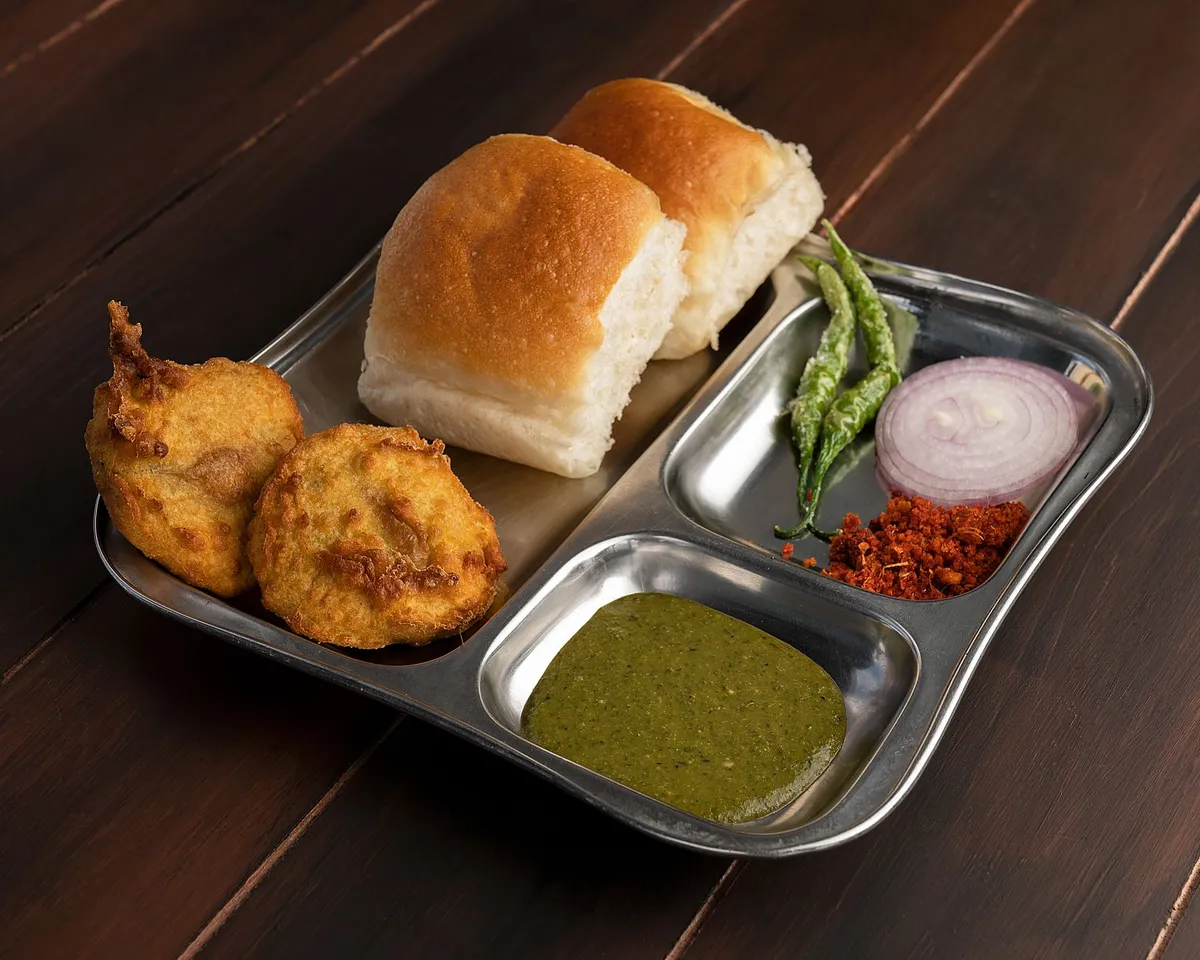
The air in Mumbai does not just carry the scent of the Arabian Sea; it carries the intoxicating, spicy perfume of frying batter, simmering tamarind, and the sharp tang of fresh coriander. Here, the city does not eat in silence. It eats on its feet, amidst the roar of local trains and the relentless honking of taxis. The sidewalk is not merely a path for transit; it is a dining room for the masses, a democratic theater where a billionaire in a luxury sedan and a college student with a threadbare backpack stand shoulder to shoulder, united by the singular pursuit of a perfect, spicy bite. The Pulsing Heart of the Maximum City Mumbai's reputation as the street food capital of India is not an accident; it is a characteristic woven into the very fabric of the city. While street food is a staple across the subcontinent, Mumbai has elevated it to an art form. The city's culinary landscape is defined by its accessibility. From the bustling railway stations to the quiet corners of college campuses, food hawkers are strategically clustered where the crowds are densest, offering an inexpensive alternative to formal dining. For many Mumbaikars, the roadside is where the real flavor resides. There is a prevailing sentiment that the authenticity and punch of street-side snacks far surpass the curated menus of high-end restaurants. This culture is a reflection of the city's relentless energy—fast, bold, and unapologetic. These vendors are not just sellers; they are the architects of the city's food culture, evolving their recipes to suit the cosmopolitan palate of a city that never sleeps.The Vegetarian Crown Jewels of Maharashtra Being the capital of Maharashtra, Mumbai's street food is heavily dominated by the bold flavors of the region. At the pinnacle of this hierarchy sits the Vada Pav. Often described as the "Indian burger," it is more than just a snack; it is a cultural icon. The combination of a spicy potato fritter (vada) nestled within a soft bread roll (pav) represents the efficiency and spirit of the city. But the vegetarian variety extends far beyond the Vada Pav. The streets offer a dizzying array of textures and tastes:The Tangy Trio: Panipuri, Bhel puri, and Sev puri. These are the gold standards of "chaat," combining crispy wafers with spiced water, chutneys, and savory toppings. The Comfort Classics: Dahipuri, Ragda pattice, and Pav bhaji—the latter being a hearty vegetable mash served with buttered buns that serves as a staple evening meal for thousands. The Regional Influences: From the softness of Idli and Dosa to the porous, savory textures of Khaman and Dhokla, the influence of southern and western India is palpable. The Mumbai Twist: Dabeli, a spicy potato mixture pressed in a pav, and the "Chinese Bhel," a fascinating fusion of Indian flavors and Indo-Chinese stir-fry techniques.For those seeking a quick breakfast or a mid-morning energy boost, Eggs Kejriwal—a sandwich-style preparation—remains a common sight, providing a protein-rich start to the chaotic day. A Melting Pot of Flavors and Fusion The sheer variety of Mumbai's street food is a direct result of its cosmopolitan nature. The city is a magnet for migrants from every corner of India and beyond, and this diversity manifests on the plate. In the 1980s, the city saw the rise of "Indianised Chinese food," a trend that transformed traditional Chinese stir-fries into spicy, tangy delights that appealed to the local palate. Beyond the vegetarian staples, the city's streets cater to non-vegetarian cravings with a variety of Kebabs, Omelettes, and fresh fish preparations. Then there is the Vegetable Frankie—a clever, affordable version of the wrap or roll that has become a favorite for office goers who need a meal they can eat while walking. Not to be forgotten is the Misal pav, a fiery curry made from sprouted moth beans, served with pav. It is a dish that challenges the taste buds and warms the soul, embodying the spicy intensity that Mumbai is known for.Liquid Gold and Frozen Delights The gastronomic journey doesn't end with savory snacks. Mumbai’s roads are lined with a network of refreshment centers. Fresh sugarcane juice vendors are an iconic sight, providing a cheap, sweet, and cooling reprieve from the humid tropical heat. Alongside them are juice and milkshake bars that serve a colorful array of blended fruits and creamy shakes. Then there are the tea vendors. These entrepreneurs cycle through the city, their kettles steaming, selling hot tea to anyone who needs a momentary pause in their day. To cleanse the palate after a spicy meal, many turn to Paan—a traditional betel leaf preparation used as a mouth freshener. When it comes to desserts, the city offers the frozen luxury of Kulfi, a dense dairy dessert similar to ice cream, and Golah, the Indian version of a snow cone, often served on a stick and drenched in vibrant, flavored syrups. Mapping the Taste: From Khau Gallis to the Coastline In Mumbai, certain streets are dedicated entirely to the art of eating. These are known as "Khau Galli," which translates from Marathi to "Food Alley." These lanes are sensory overloads, where the aroma of roasting spices and frying oil hangs thick in the air. One of the most famous spots for a culinary excursion is Girgaon Chowpatty beach. Here, the sound of the waves mixes with the chatter of crowds queuing for Bhel puri and Kulfi. In contrast, Nariman Point, a hub of the city's financial power, transforms during the lunch hour. The high-flying corporate world pauses as thousands of employees descend upon the local vendors for a quick, flavorful meal. The influence of these street stalls has become so profound that it has permeated the upper echelons of the culinary world. It is now common to find Mumbai’s street favorites on the menus of five-star hotels. Globally, restaurants have begun incorporating these specific Mumbai flavors into their offerings. Even the corporate world has noticed, with homegrown fast-food companies launching brands that standardize the street food experience. The Shadow Side: Legality and Controversy While the flavors are divine, the world of Mumbai's street food is not without its complexities. For many, the primary concern is hygiene. Despite these worries, the general public continues to patronize the stalls regardless of their socio-economic status. There is also a persistent tension between the vendors and the municipality. A significant portion of the city's hawkers operate illegally without the mandatory permits, often relying on bribes to keep their stalls open. This leads to regular eviction drives. However, these efforts are often temporary; once the municipality returns seized equipment after a fine is paid, the vendors return to their spots. The legal battle reached the Supreme Court in 2007, which ordered the municipality to demarcate legal hawking zones. Initially set at 230 areas, this number was increased to 1,700. Yet, implementation remains a challenge. Reports from 2009 suggested a staggering gap in licensing, claiming that out of an estimated 250,000 hawkers, only about 17,000 held valid licenses, with some claiming no new licenses had been issued for two decades. The industry also faced a moment of crisis in 2011. A controversy erupted when a Panipuri vendor from Thane was filmed urinating into a container used for serving customers. This sparked a massive public outcry and political unrest, leading to attacks on North Indian vendors by political groups like the Shiv Sena and Maharashtra Navnirman Sena. The specific vendor, who had been in the trade for 15 years, was eventually fined and forced to abandon his business entirely, trading his food stall for a job in a private security agency.The Enduring Spirit of the Sidewalk Despite the legal battles, the hygiene scandals, and the constant threat of eviction, the street food of Mumbai remains indestructible. These vendors are the unsung heroes of the city's daily rhythm. They are the only ones who remain unaffected by general strike calls, continuing to serve the city all year round. Mumbai's street food is more than just sustenance; it is a social equalizer. It is a place where the rigid hierarchies of Indian society blur. In the heat of a Khau Galli, the only thing that matters is the spice level of your Panipuri or the crunch of your Vada Pav. It is a testament to the city's resilience and its eternal love for flavor. #MumbaiStreetFood #IndianCuisine #TravelIndia #FoodTourism #MaximumCity Related InsightsSheermal: The Saffron-Infused Royal Bread Andean Superfoods Unveiled: The Alchemical Power of Quinoa, Kiwicha, and Canihua Kibbeh: The Spiced Meat and Bulgur Masterpiece{ "@context": "https://schema.org", "@type": "FAQPage", "mainEntity": [ { "@type": "Question", "name": "What is the main focus of The Concrete Palette: Unveiling the Sizzling Soul of Mumbai's Sidewalks?", "acceptedAnswer": { "@type": "Answer", "text": "Dive deep into the chaotic, flavorful world of Mumbai's street food, from the legendary Vada Pav to the hidden Khau Gallis." } }, { "@type": "Question", "name": "Who authored the comprehensive guide on The Concrete Palette: Unveiling the Sizzling Soul of Mumbai's Sidewalks?", "acceptedAnswer": { "@type": "Answer", "text": "This detailed article and its insights were carefully researched and authored by Demir Şef." } }, { "@type": "Question", "name": "Where can I find more related content about Food?", "acceptedAnswer": { "@type": "Answer", "text": "You can explore more articles, detailed reviews, and similar insights by browsing the Related Insights section at the bottom of this article or visiting our dedicated Food category page." } } ] }

Die Straßen von Mumbai sind ein kulinarischer Traum, ein Ort, an dem die Sinne durch die vielfältigen Düfte und Geschmacksrichtungen der Straßenküche betört werden. Von den frühen Morgenstunden bis in die späten Abendstunden bieten die Straßenhändler ihre Köstlichkeiten an, von denen viele zu echten Klassikern der Stadt geworden sind. Die Straßenküche Mumbais ist nicht nur ein Teil der Stadt, sondern ein wichtiger Bestandteil ihrer Identität. Die Vielfalt der Straßenküche Mumbai, die Hauptstadt von Maharashtra, ist bekannt für ihre Maharashtrianische Küche, die sich in den Straßen der Stadt widerspiegelt. Vada Pav, ein Sandwich aus frittierten Kartoffeln und Weißbrot, ist eines der beliebtesten Straßenessen der Stadt. Ein weiteres Highlight ist Eggs Kejriwal, ein Sandwich aus Spiegeleiern und verschiedenen Gewürzen. Andere beliebte Straßenessen sind Dabeli, Panipuri, Bhel Puri, Sev Puri, Dahipuri, Sandwiches, Ragda Pattice, Pav Bhaji, Chinese Bhel, Khaman, Dhokla, Idli und Dosa, die alle vegetarisch sind.In den letzten Jahrzehnten hat sich die Straßenküche Mumbais weiterentwickelt und bietet jetzt auch eine Vielzahl an nicht-vegetarischen Gerichten an, wie Omelett, Kebab und Fisch. Die Stadt ist ein Schmelztiegel der Kulturen, und dies spiegelt sich auch in ihrer Küche wider. In den 80er Jahren begann die Indianisierte chinesische Küche, in Mumbai populär zu werden, und heute gibt es eine Vielzahl an chinesisch-indischen Gerichten in den Straßen der Stadt. Die Straßenhändler und ihre Stände Die Straßenhändler Mumbais sind die Seele der Stadt und bieten ihre Waren an, von früh bis spät. Sie sind überall in der Stadt zu finden, von den belebten Straßen in den Geschäftsbezirken bis zu den ruhigeren Vierteln. Die Straßenhändler bieten nicht nur Essen an, sondern auch Getränke, wie frischen Orangensaft, Wasser und Tee. Die Stadt hat auch eine Vielzahl an Saft- und Milkshake-Bars, die eine breite Palette an Getränken anbieten.Die Straßenhändler in Mumbai sind bekannt für ihre Freundlichkeit und ihre Fähigkeit, die Kunden zufriedenzustellen. Sie bieten eine Vielzahl an Gerichten an, von denen viele speziell für die Straßenküche entwickelt wurden. Die Preise sind sehr niedrig, und die Qualität der Gerichte ist hoch. Die Straßenhändler in Mumbai sind ein wichtiger Teil der Stadt und bieten eine einzigartige Erfahrung für die Besucher. Die Kontroversen um die Straßenküche Trotz ihrer Beliebtheit gibt es auch Kontroversen um die Straßenküche in Mumbai. Einige Menschen sind besorgt über die Hygiene und die Sicherheit der Gerichte, die auf den Straßen verkauft werden. Es gibt auch Bedenken über die Rechte der Straßenhändler, die oft ohne die notwendigen Genehmigungen arbeiten. Die Stadtverwaltung hat versucht, die Straßenhändler zu regulieren, aber es gibt immer noch viele Probleme, die gelöst werden müssen.Die Straßenküche in Mumbai ist ein wichtiger Teil der Stadt und ihrer Kultur. Sie bietet eine einzigartige Erfahrung für die Besucher und ist ein wichtiger Teil der Identität der Stadt. Es ist wichtig, dass die Stadtverwaltung und die Straßenhändler zusammenarbeiten, um sicherzustellen, dass die Straßenküche sicher und hygienisch ist. Die Zukunft der Straßenküche Die Zukunft der Straßenküche in Mumbai ist ungewiss. Es gibt viele Herausforderungen, die die Stadt und die Straßenhändler überwinden müssen, um sicherzustellen, dass die Straßenküche weiterhin ein wichtiger Teil der Stadt ist. Es ist wichtig, dass die Stadtverwaltung und die Straßenhändler zusammenarbeiten, um die Straßenküche zu regulieren und zu unterstützen.Die Straßenküche in Mumbai ist ein wichtiger Teil der Stadt und ihrer Kultur. Sie bietet eine einzigartige Erfahrung für die Besucher und ist ein wichtiger Teil der Identität der Stadt. Es ist wichtig, dass die Stadtverwaltung und die Straßenhändler zusammenarbeiten, um sicherzustellen, dass die Straßenküche weiterhin ein wichtiger Teil der Stadt ist. #Reise #Essen #Mumbai Related InsightsIl Garum Pompeiano: Il Sangue Salato degli Dei e la Sua Rinascita Gastronomica From Mongolian Steppes to American Diner Classics: The Untold Saga of the Hamburger Mumbai’s Edible Soul: The Spice, Chaos, and Unmatched Flavor of Its Street Food{ "@context": "https://schema.org", "@type": "FAQPage", "mainEntity": [ { "@type": "Question", "name": "What is the main focus of Die Straßen von Mumbai: Ein kulinarischer Traum?", "acceptedAnswer": { "@type": "Answer", "text": "Entdecken Sie die vielfältige und leckere Straßenküche Mumbais, von Vada Pav bis Bhel Puri." } }, { "@type": "Question", "name": "Who authored the comprehensive guide on Die Straßen von Mumbai: Ein kulinarischer Traum?", "acceptedAnswer": { "@type": "Answer", "text": "This detailed article and its insights were carefully researched and authored by Klaus Weber." } }, { "@type": "Question", "name": "Where can I find more related content about Food?", "acceptedAnswer": { "@type": "Answer", "text": "You can explore more articles, detailed reviews, and similar insights by browsing the Related Insights section at the bottom of this article or visiting our dedicated Food category page." } } ] }

-
 Isabella Rossi
 - 11 Aug, 2026 07:47
Unlock the Secrets of Craft Beer: Your Step-by-Step Guide to Brewing at Home Like a Pro
The first sip of a perfectly crafted beer is more than just a taste—it’s a journey through time, tradition, and terroir. Every bubble, every note of citrus or caramel, tells a story of patience, precision, and passion. But what if you could write that story yourself? What if the next great craft beer wasn’t brewed in a sprawling industrial facility, but in your own kitchen, garage, or backyard shed? Welcome to the world of home brewing—a craft that has exploded in popularity over the past decade, transforming hobbyists into artisans and basement setups into microbreweries. The rise of craft beer isn’t just a trend; it’s a cultural shift. In Ontario, for example, the craft brewing scene has surged from a handful of pioneers in the 1980s to over 400 licensed breweries today, each with its own identity and flavor profile. This isn’t just about beer—it’s about identity, resilience, and the power of small-scale innovation. But how do you begin? Where do you start when the world of malt, hops, and yeast feels as vast as the ocean? Don’t worry—this guide will walk you through every step, from choosing your first ingredients to bottling your first batch. Whether you’re drawn to the crisp bitterness of an IPA, the malty sweetness of a stout, or the fruity complexity of a saison, we’ll help you unlock the secrets of brewing at home.The Roots of the Revolution: How Craft Beer Rewrote the Rules of Brewing Long before craft beer became a global phenomenon, beer was a humble staple—nourishment, celebration, and even currency in ancient societies. But the modern craft beer movement traces its lineage to a rebellion against mass-produced, flavorless lagers. In Ontario, the craft brewing revival began in the late 1980s, when a handful of visionaries dared to challenge the dominance of large commercial breweries. These early pioneers weren’t just brewers; they were storytellers, using beer as a medium to express local identity and heritage. Fast forward to today, and the craft beer landscape has evolved into a dynamic ecosystem. According to research from OpenAlex, the craft brewing industry in Ontario isn’t just about beer—it’s about identity. Each brewery, from Toronto’s sleek urban taprooms to rural farmhouse operations, reflects the values and culture of its community. This isn’t merely production; it’s a form of cultural expression, much like music or art. But craft brewing isn’t just an artistic endeavor—it’s a testament to resilience. The UK craft brewing sector, for instance, has faced immense challenges, from fluctuating ingredient costs to shifting consumer preferences. Yet, despite these obstacles, small and medium-sized enterprises (SMEs) in the craft brewing industry have thrived. A thematic analysis of these businesses reveals a common thread: psychological resilience. Brewers who succeed are those who adapt, innovate, and embrace failure as part of the process. They experiment with wild yeast strains, barrel-aging techniques, and unconventional ingredients like coffee, chili, or even seaweed. This spirit of experimentation is what sets craft beer apart. While industrial breweries prioritize consistency and efficiency, craft brewers chase complexity and uniqueness. They revive forgotten styles, such as the historic "small beer" of medieval England, or reimagine classics like the Belgian saison. The result? A beer culture that’s as diverse as it is delicious. So, how can you tap into this tradition? Start by understanding the core ingredients of beer and how they interact. Malt provides the backbone—caramel, toasted, or chocolatey notes depending on the grain. Hops add bitterness, aroma, and floral or citrusy flavors. Yeast is the unsung hero, transforming sugar into alcohol and carbon dioxide while creating a spectrum of esters and phenols that define a beer’s character. Water, often overlooked, is the canvas on which all these flavors are painted.Your Brewing Arsenal: Tools, Techniques, and the Essentials You Can’t Skip Before you dive into brewing, you’ll need the right tools. While it’s possible to start with a basic starter kit—often called a "Mr. Beer" or "Brooklyn Brew Shop" setup—serious brewers quickly outgrow these limitations. Here’s a breakdown of the essential equipment you’ll need for all-grain brewing, the gold standard for craft beer enthusiasts:Equipment Purpose Budget-Friendly TipBrew Kettle (5+ gallons) Boils wort (unfermented beer) and sterilizes equipment. Use a stainless steel stockpot from a restaurant supply store.Fermenter (6+ gallons) Holds the wort during fermentation. Plastic buckets or glass carboys work. A food-grade plastic bucket with an airlock is a great start.Airlock & Bung Allows CO2 to escape while preventing contaminants from entering. DIY airlocks can be made from tubing and a jar lid.Hydrometer Measures specific gravity to determine alcohol content and fermentation progress. Borrow one from a local homebrew club.Thermometer Ensures precise temperature control during mashing and boiling. A simple candy thermometer works in a pinch.Sanitizer Kills bacteria and wild yeast that can spoil your beer. Star San or diluted bleach solution (1 tbsp per gallon of water).Siphon Transfers beer between vessels without disturbing sediment. A racking cane with tubing is essential.Bottle Filler Fills bottles without creating foam or introducing oxygen. Use a spring-loaded bottle filler attachment.Bottles & Caps Stores your finished beer. Use 12-ounce brown glass bottles with twist-off or pry-off caps. Save and sanitize used beer bottles.Now, let’s talk technique. The brewing process can be broken down into four main stages: mashing, boiling, fermenting, and bottling. Each step is critical, and even small deviations can drastically alter the final product. Mashing is where the magic begins. You’ll mix crushed malted barley (or other grains) with hot water in a process called "sparging." The goal is to convert the grain’s starches into fermentable sugars. The temperature of the water determines the beer’s body and mouthfeel. For example, a mash temperature of 152–156°F (67–69°C) produces a medium-bodied beer with moderate fermentability, while a lower temperature (149–153°F or 65–67°C) creates a lighter, crisper beer. Boiling follows mashing and involves adding hops at specific intervals to extract bitterness, flavor, and aroma. The boil also sterilizes the wort and helps precipitate proteins that could cloud your beer. A typical boil lasts 60–90 minutes, with hops added at intervals like 60 minutes (for bitterness), 15 minutes (for flavor), and 5 minutes (for aroma). Fermenting is where yeast works its magic. After cooling the wort to around 68–72°F (20–22°C), you’ll pitch the yeast and seal the fermenter with an airlock. Fermentation typically takes 1–2 weeks, during which the yeast consumes the sugars and produces alcohol and CO2. The temperature is crucial here—too hot, and you risk off-flavors; too cold, and the yeast may go dormant. Bottling is the final act. After fermentation, you’ll add a small amount of priming sugar to the beer, which the remaining yeast will consume in the bottle, creating carbonation. The beer must then carbonate for 2–4 weeks before it’s ready to drink. Patience is key—rushing this step can result in flat or over-carbonated beer.From Grain to Glass: Crafting Your First Batch of Liquid Gold Now that you’re equipped with the tools and techniques, it’s time to brew your first batch. Let’s walk through a classic American Pale Ale (APA) recipe—a crowd-pleaser that’s approachable for beginners but complex enough to showcase your skills. Recipe: Isabella’s Beginner-Friendly Pale Ale Batch Size: 5 gallons OG (Original Gravity): 1.052 FG (Final Gravity): 1.012 ABV: ~5.3% IBU (International Bitterness Units): 35 Ingredients:9 lbs (4.1 kg) Pale Malt (2-row) 1 lb (0.45 kg) Crystal Malt (60L) 1 oz (28 g) Cascade Hops (60 min) 1 oz (28 g) Cascade Hops (15 min) 1 oz (28 g) Cascade Hops (5 min) 1 oz (28 g) Cascade Hops (Dry Hop, Day 5) 1 packet American Ale Yeast (e.g., US-05)Step-by-Step Guide:Mashing (1 hour):Heat 3.5 gallons (13.2 L) of water to 165°F (74°C). Mix the water with the crushed grains in your mash tun (or a cooler with a false bottom). Maintain a mash temperature of 154°F (68°C) for 60 minutes. Stir occasionally to ensure even heating.Sparging (30 minutes):Drain the sweet wort from the mash tun into your brew kettle. Add 3.5 gallons (13.2 L) of 170°F (77°C) water to the mash tun to rinse out remaining sugars. Combine the sparged wort with the initial wort in the kettle.Boiling (60 minutes):Bring the wort to a rolling boil. At 60 minutes, add the first dose of Cascade hops. At 15 minutes, add the second dose. At 5 minutes, add the third dose. After boiling, cool the wort rapidly to 68°F (20°C) using an immersion chiller or ice bath.Fermenting (2 weeks):Transfer the cooled wort to your sanitized fermenter. Pitch the yeast and seal the fermenter with an airlock. Ferment at 68°F (20°C) for 1–2 weeks, or until the airlock stops bubbling.Dry Hopping (Optional, Day 5):Add the final 1 oz of Cascade hops to the fermenter for 3–5 days to enhance aroma.Bottling (2–4 weeks):Sanitize your bottles and priming sugar. Boil ¾ cup (150 g) of priming sugar in 2 cups (473 mL) of water, then add it to the beer. Transfer the beer to the bottles using a siphon, leaving 1–2 inches of headspace. Cap the bottles and store them at room temperature for 2–4 weeks to carbonate.Enjoying:Chill a bottle and pour it into a glass. Observe the color (a golden amber hue), the head (a creamy, white foam), and the aroma (bright citrus and floral notes from the Cascade hops). Take a sip. Notice the balance of malt sweetness and hop bitterness, the crisp finish, and the lingering hop aroma.Troubleshooting the Pitfalls: When Your Beer Doesn’t Turn Out as Planned Even the most experienced brewers encounter setbacks. Maybe your beer is too bitter, too sweet, or worse—infected. Don’t panic. Most issues have simple solutions, and every "mistake" is a learning opportunity. Common Problems and Fixes:Issue Cause SolutionCloudy Beer Proteins or yeast not fully settled. Use fining agents like Irish moss or gelatin during boiling or fermentation.Overly Bitter Beer Too many hops or long boil times. Reduce hop additions or shorten the boil time.Flat Beer Insufficient priming sugar or old yeast. Ensure proper priming sugar calculation and use fresh yeast.Sour or Funky Taste Bacterial or wild yeast contamination. Sanitize all equipment thoroughly and avoid introducing contaminants.Yeasty or Estery Flavor Fermenting too warm or using old yeast. Ferment at the recommended temperature and use fresh yeast.One of the most common mistakes beginners make is skimming the importance of sanitation. A single unsterilized surface or utensil can introduce bacteria or wild yeast, leading to off-flavors or spoilage. Always sanitize your fermenter, airlock, siphon, and bottles with a no-rinse sanitizer like Star San or a diluted bleach solution. Another pitfall is rushing the process. Fermentation and carbonation take time. While it’s tempting to crack open a bottle after just a week, patience will reward you with a smoother, more balanced beer. Use a hydrometer to track fermentation progress—if the gravity hasn’t dropped after two weeks, your yeast may have stalled, and you might need to repitch or adjust the temperature. Temperature control is also critical. Yeast is sensitive to heat, and fermenting too warm (above 75°F or 24°C) can produce fusel alcohols, which taste harsh or solvent-like. Conversely, fermenting too cold (below 60°F or 15°C) can slow or stop fermentation entirely. Invest in a fermentation chamber or temperature controller if your home environment fluctuates wildly. Finally, don’t be afraid to experiment. Brewing is as much an art as it is a science. Swap out ingredients to create your own signature style. Try adding vanilla beans to a stout, or dry-hopping with experimental hops like Citra or Mosaic. Keep detailed notes on each batch—what worked, what didn’t, and how you’d adjust next time. Over time, you’ll develop an intuition for brewing, and your beers will reflect your unique taste and creativity.The Future in a Pint: Trends, Innovations, and Where Home Brewing is Headed The craft beer movement shows no signs of slowing down. In fact, it’s evolving at a breakneck pace, with new trends emerging every year. For home brewers, this means endless opportunities to innovate and push boundaries. One of the most exciting trends is the rise of sour beers. Styles like Berliner Weisse, Gose, and Flanders Red rely on lactic acid bacteria or wild yeast to create tart, complex flavors. Brewing these beers requires a separate fermentation vessel and meticulous attention to sanitation, but the results are worth it. Imagine a crisp, effervescent beer with notes of lemon, pineapple, or even yogurt—all from your own kitchen. Another burgeoning trend is experimental ingredients. Craft brewers are no longer limited to barley, hops, yeast, and water. The modern home brewery might include adjuncts like oats, rye, or even unconventional additions like coffee, chocolate, fruit, or spices. For example, a pumpkin ale brewed with real pumpkin puree and autumnal spices like cinnamon and nutmeg can evoke the cozy flavors of the season. Sustainability is also becoming a cornerstone of craft brewing. Home brewers are increasingly mindful of their environmental impact, opting for locally sourced ingredients, reusing spent grain as compost or in baking, and minimizing water waste. Some even experiment with grain-free beers, using alternative bases like sorghum, millet, or buckwheat for gluten-free options. Technology is another game-changer. Smart fermentation chambers, digital hydrometers, and brewing apps like Brewfather or BeerSmith allow brewers to monitor and control every aspect of the process remotely. These tools democratize precision brewing, making it easier than ever to replicate professional results at home. But perhaps the most significant trend is the community aspect of craft brewing. Home brewing clubs, online forums, and local competitions foster camaraderie and knowledge-sharing. In the UK, for instance, the craft brewing sector’s resilience is partly attributed to the strong networks between brewers, suppliers, and consumers. These communities provide support, feedback, and inspiration, turning solo brewers into part of a global movement. As you embark on your brewing journey, remember that every great brewer started where you are now. Whether your first batch is a triumph or a learning experience, it’s a step toward mastering the art of craft beer. So raise a glass—to the past, to the present, and to the future you’re brewing, one pint at a time.The journey of craft beer is one of discovery, creativity, and connection. From the historic breweries of Ontario to the resilient SMEs of the UK, the craft beer movement is a testament to the power of passion and innovation. Whether you’re brewing your first batch or your fiftieth, remember that every beer tells a story—yours is just beginning. So, what are you waiting for? Gather your ingredients, sanitize your equipment, and let the alchemy begin. The world of craft beer is yours to explore, one batch at a time.#HomeBrewing #CraftBeerRevolution #SmallBatchMagic
-
 Marcus Vance
 - 10 Aug, 2026 19:34
Sourdough Bread: The Ancient Art of Fermentation That’s Revolutionizing Modern Baking
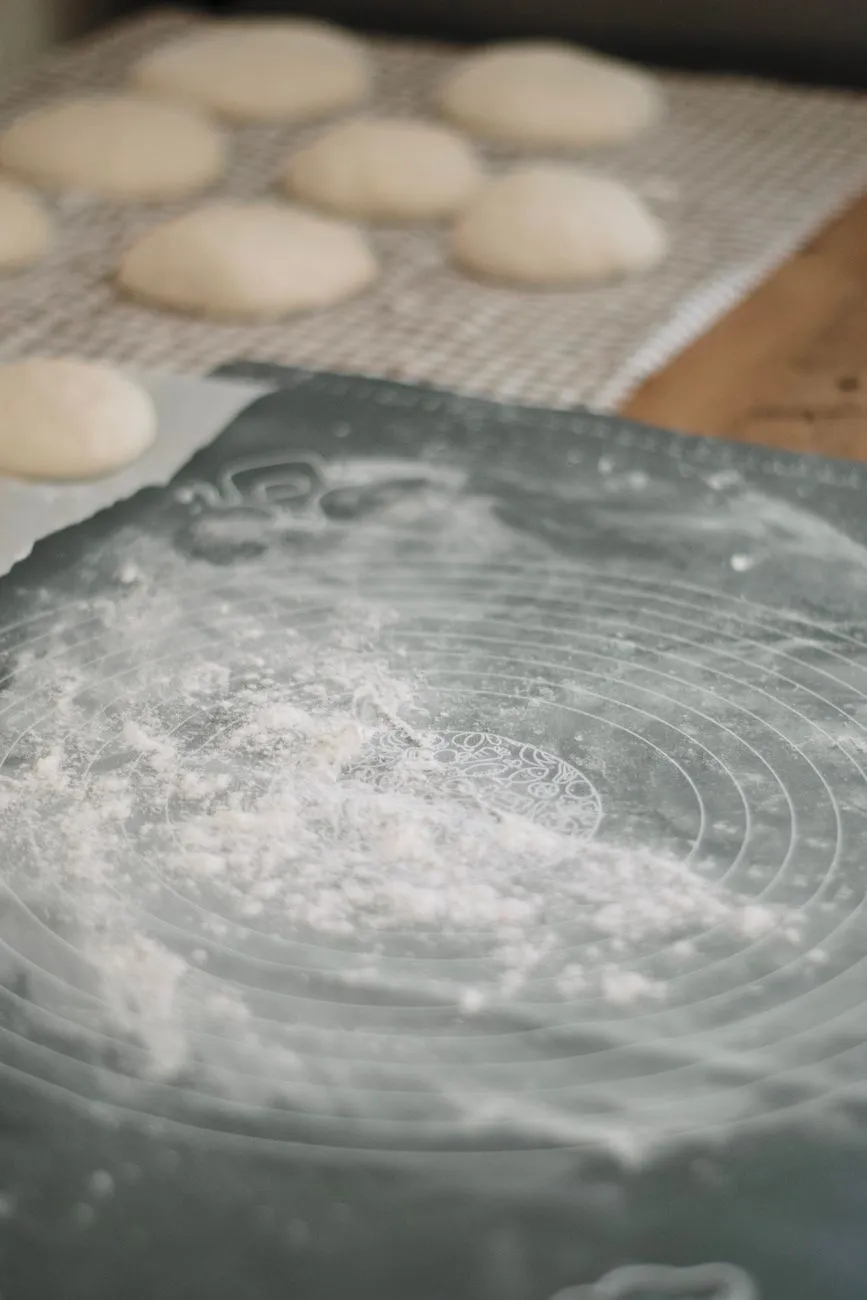
The Alchemy of Time: How a 5,000-Year-Old Tradition Still Shapes Our Bread Few foods carry the weight of history like sourdough bread. Its origins trace back to ancient Egypt, where archaeologists have uncovered evidence of fermented bread dating to 3000 BCE. Unlike modern bread, which relies on commercial yeast for a quick rise, sourdough harnesses wild yeast and lactic acid bacteria—naturally present in flour and the environment—to leaven and flavor the dough over days, not hours. This slow fermentation isn’t just a culinary technique; it’s a biological marvel that transforms humble ingredients into a loaf with depth, complexity, and a shelf life that defies convention. The magic begins with the starter—a living ecosystem of microbes that, when nurtured correctly, can produce bread with a tangy brightness, an airy crumb, and a crust so crisp it shatters like glass. But here’s the paradox: while sourdough is one of the oldest forms of bread, its modern revival is fueled by cutting-edge food science. Researchers at institutions like the University of Copenhagen and the Technical University of Munich have spent years dissecting the microbial communities in starters, uncovering how specific strains of Lactobacillus and Pediococcus can enhance texture, delay staling, and even inhibit mold growth. A 2023 study published in PubMed titled "The quest for the perfect loaf of sourdough bread continues: Novel developments for selection of sourdough starter cultures" highlights how selecting the right microbial allies can elevate sourdough from a weekend hobby to a bakery-grade masterpiece. Yet, for all its scientific intrigue, sourdough remains deeply personal. Every baker’s starter is a fingerprint—shaped by local flour, water, and the invisible microbes in their kitchen. Whether you’re a novice kneading your first dough or a seasoned artisan refining a decades-old culture, the journey from starter to loaf is a testament to patience, precision, and the quiet power of fermentation.The Science of Sourdough: Why Wild Yeast and Bacteria Are Your Secret Weapons At the heart of every sourdough loaf lies a delicate balance of microorganisms, each playing a distinct role in flavor, texture, and preservation. The primary players are wild yeast (Saccharomyces cerevisiae and related species) and lactic acid bacteria (LAB), which include genera like Lactobacillus, Leuconostoc, and Pediococcus. When combined in a starter—a mixture of flour and water left to ferment—they engage in a metabolic dance that’s as much chemistry as it is biology. Here’s how it works: The wild yeast consumes sugars in the flour, producing carbon dioxide (which leavens the dough) and ethanol (which evaporates during baking). Meanwhile, LAB ferment sugars into lactic acid and acetic acid, giving sourdough its signature tang. The ratio of these acids determines the flavor profile—more lactic acid yields a milder, yogurt-like tang, while acetic acid (found in vinegar) adds a sharper, almost fruity note. A 2022 review in OpenAlex titled "Sourdoughs as Natural Enhancers of Bread Quality and Shelf Life" found that starters dominated by Lactobacillus plantarum or Pediococcus pentosaceus not only improved crumb structure but also extended shelf life by up to 50% compared to commercial yeast breads. This is due to the antimicrobial properties of LAB, which produce compounds like bacteriocins that inhibit spoilage organisms. But not all starters are created equal. The microbial composition varies wildly based on factors like flour type, hydration, temperature, and feeding schedule. A study evaluating Pediococcus pentosaceus SP2 as a starter culture (OpenAlex, 2023) demonstrated that carefully selected LAB strains could reduce proofing time by 30% while enhancing loaf volume by 15%. This suggests that while traditional starters rely on chance microbial colonization, modern science offers tools to optimize fermentation for consistency and efficiency. For bakers, this means two things: First, your starter is alive, and its health dictates your bread’s success. Second, the environment you create—temperature, humidity, and feeding rhythm—is as crucial as the ingredients themselves. A starter kept at 75°F (24°C) will ferment faster than one at 60°F (15°C), but the latter may develop more complex flavors. Similarly, whole-grain flours (like rye or whole wheat) introduce more nutrients for microbes, fostering a more diverse and robust ecosystem.Crafting the Perfect Starter: A Step-by-Step Guide to Building Your Microbial Masterpiece Creating a sourdough starter is less about following a rigid recipe and more about cultivating a relationship with microorganisms. The process is simple in theory—mix flour and water, wait, feed it daily—but the devil is in the details. Here’s how to do it right, backed by both tradition and science. Day 1: The Birth of Your Starter Combine 50g whole wheat or rye flour (these flours contain more nutrients for microbes) with 50g lukewarm water (around 80°F/27°C) in a clean glass jar. Stir until smooth, cover loosely (to allow gas exchange), and let it sit at room temperature (ideally 70–75°F/21–24°C). Avoid metal utensils, as they can react with acids. By Day 2, you may see tiny bubbles—a sign that wild yeast and bacteria are waking up. If not, don’t panic; some starters take longer to activate. Days 2–5: The Feeding Ritual Discard half the starter (about 50g) to prevent overgrowth of harmful bacteria and refresh it with 50g flour + 50g water. Repeat every 24 hours. By Day 3, you should notice a noticeable rise and fall in the starter, along with a tangy aroma (think yogurt with a hint of fruit). If it smells putrid or develops a gray liquid (hooch), it’s hungry—feed it more frequently or increase the discard amount. Pro Tip: Use unbleached, organic flour for the best microbial diversity. A 2023 study in Food Microbiology found that starters made with organic flours had 30% more LAB diversity than those made with conventional flours, likely due to the absence of antifungal agents. Days 5–7: The Maturation Phase Your starter should now double in size within 4–8 hours of feeding—a sign it’s ready for baking. It should smell pleasantly sour, with notes of apple cider vinegar or yogurt. If it’s sluggish, try feeding it twice daily or moving it to a warmer spot (like an oven with the light on). If it develops a pink or orange hue, discard it immediately—this indicates harmful bacteria. Troubleshooting:No activity? Try a different flour (rye often kickstarts fermentation faster). Hooch layer? Stir it back in or pour it off—it’s a sign of hunger, not spoilage. Mold? Toss it and start over.Once mature, your starter can live indefinitely with proper care. Store it in the fridge (feed weekly) or keep it at room temperature (feed daily). The choice depends on your baking frequency—fridge starters develop deeper flavors over time but require reactivation.The Art of the Dough: Kneading, Proofing, and Baking for Maximum Crust and Crumb With a healthy starter in hand, the real challenge begins: transforming flour, water, and salt into a loaf that’s light yet chewy, with a crust that crackles under the knife. The key lies in mastering three stages: autolyse, bulk fermentation, and final proofing. Step 1: The Autolyse (Resting the Dough) Before adding starter or salt, mix 500g bread flour (or a mix of bread and whole wheat) with 350g water (70% hydration) and let it rest for 30–60 minutes. This hydrates the flour, develops gluten naturally, and reduces kneading time. Autolyse also improves extensibility, making the dough easier to shape. Step 2: Incorporating the Starter and Salt Add 100g active starter (fed 4–12 hours prior) and 10g salt to the autolysed dough. The salt strengthens gluten and controls fermentation. Mix gently by hand (or with a dough whisk) until fully incorporated. The dough should feel tacky but not sticky. Step 3: Bulk Fermentation (The Slow Rise) Cover the dough and let it ferment at 75–78°F (24–26°C) for 4–6 hours, performing stretch-and-folds every 30–60 minutes for the first 2 hours. Stretch-and-folds build strength without over-kneading. You’ll know fermentation is complete when the dough has increased in volume by 50–75% and jiggles like a water balloon when shaken. Signs of Over- or Under-Fermentation:Too fast? The dough may collapse or taste bland. Lower the temperature or reduce starter percentage. Too slow? The dough may taste overly sour. Increase temperature or use a more active starter.Step 4: Shaping and Final Proof Gently shape the dough into a boule (round) or batard (oval), then place it in a proofing basket (banneton) dusted with rice flour (prevents sticking). Proof at room temperature for 1–2 hours, then refrigerate overnight (12–16 hours). Cold proofing slows fermentation, enhancing flavor and improving oven spring (the dramatic rise during baking). Step 5: Baking to Perfection Preheat your oven to 475°F (245°C) with a Dutch oven inside for 30–45 minutes. Turn the dough onto parchment paper, score the top with a razor (helps control expansion), and transfer it to the hot Dutch oven. Bake covered for 20 minutes, then uncovered for 20–25 minutes until deep golden brown. The internal temperature should reach 205–210°F (96–99°C). Pro Tips for the Best Crust:Steam is key. The Dutch oven traps steam, which gelatinizes the starches for a crisp crust. Don’t skip the score. A shallow cut (½ inch deep) prevents cracks and gives the loaf its signature "ear." Cool completely. Slicing too soon traps moisture, making the crumb gummy. Wait at least 1 hour.Flour Power: How Grain Choices Shape Your Sourdough’s Soul Not all flours are created equal when it comes to sourdough. The type of flour you use influences fermentation speed, flavor, texture, and even nutritional profile. Here’s a breakdown of the most popular options, backed by food science:Flour Type Fermentation Speed Flavor Profile Best For Nutritional NotesBread Flour Moderate Mild, slightly sweet Classic sourdough loaves High protein (12–14%), strong glutenAll-Purpose Flour Fast Neutral Beginners, quick bakes Lower protein (10–12%), versatileWhole Wheat Slow Nutty, earthy, tangy Hearty loaves Rich in fiber, B vitamins, and mineralsRye Flour Very Slow Intense, sour, malty Traditional German-style High in fiber, low gluten, prebioticSpelt Flour Moderate Sweet, slightly fruity Artisan loaves Easier to digest, lower gluten** Einkorn** Slow Buttery, rich Gourmet baking Ancient grain, high in luteinWhy It Matters:Whole grain flours (rye, whole wheat) contain more nutrients, feeding microbes and slowing fermentation. This results in a more complex flavor but requires more patience. Low-protein flours (like all-purpose) produce a softer crumb but may lack structure for high-hydration doughs. Ancient grains (einkorn, spelt) offer unique flavors but can be finicky due to lower gluten content.Blending for Balance: Many bakers use a 70/30 mix of bread flour and whole wheat for the best of both worlds—strong gluten structure with depth of flavor. For a tangier loaf, try 50% bread flour + 50% rye, which ferments slowly and develops a pronounced sourness.The Sourdough Paradox: Why This Ancient Bread Is the Future of Sustainable Baking In an era of industrialized food, sourdough stands as a rebellion against mass production. It’s a craft that demands time, attention, and respect for natural processes—qualities that resonate with modern consumers seeking authenticity. But sourdough’s appeal isn’t just philosophical; it’s practical. Research shows that sourdough bread offers tangible benefits over commercial yeast breads, from improved digestibility to extended freshness. Digestibility and Gut Health The fermentation process breaks down gluten and phytic acid, making sourdough easier to digest for many people with mild gluten sensitivities. A 2021 study in Nutrients found that sourdough bread had a lower glycemic index than conventional bread, leading to more stable blood sugar levels. Additionally, the LAB in sourdough produce exopolysaccharides, which act as prebiotics, feeding beneficial gut bacteria. Shelf Life and Waste Reduction Sourdough’s natural acidity inhibits mold and staling, extending shelf life by 3–5 days compared to commercial breads. This is particularly valuable in an age where food waste is a global crisis. A 2023 review in Food Control highlighted that sourdough starters containing Pediococcus strains could reduce bread spoilage by up to 40% due to their antimicrobial properties. Sustainability Unlike commercial yeast, which requires energy-intensive fermentation vats, sourdough relies on ambient microbes and minimal inputs. Using locally milled flour and reducing packaging waste (by baking at home) further lowers its carbon footprint. For urban bakers, sourdough is a way to reconnect with food systems—turning a handful of flour and water into sustenance with almost zero waste. The Future of Sourdough As climate change threatens wheat yields, researchers are exploring alternative flours for sourdough, including sorghum, teff, and buckwheat. These grains require less water and can thrive in harsher conditions, making them a potential solution for sustainable baking. Meanwhile, bakeries are reviving heirloom starters passed down for generations, preserving microbial biodiversity that could be lost to industrialization. Sourdough isn’t just bread—it’s a movement. It’s a return to slow food in a fast world, a celebration of microbial alchemy, and a testament to the idea that the best things in life take time. Whether you’re baking your first loaf or perfecting a 10-year-old starter, remember: every rise, every fold, every hour of proofing is a step toward something extraordinary.The Last Crumb: Why Your Sourdough Journey Is Just Beginning If you’ve ever pulled a golden-brown loaf from the oven, listened to its crust crackle, and inhaled its intoxicating aroma, you know the magic of sourdough. It’s more than food; it’s a connection to the past, a collaboration with nature, and a daily reminder that patience and care yield the sweetest rewards. But here’s the secret no one tells you: Sourdough is a living relationship. Your starter will evolve with you, adapting to your kitchen, your flour, your habits. Some days it will rise like a dream; other days it will rebel. And that’s okay. Each loaf is a lesson, each discard a chance to start anew. So go ahead—feed your starter, knead the dough, and let time do its work. The perfect loaf isn’t a destination; it’s the journey itself.#SourdoughRevolution #ArtisanBaking #FermentationMagic #BreadWithPurpose #SlowFoodMovement Related InsightsPav Bhaji: A Symphony of Spices on the Tawa Summit Sips: Unveiling the Soul of Himalayan Butter Tea Ndambe: The Comforting Black-Eyed Pea Stew{ "@context": "https://schema.org", "@type": "FAQPage", "mainEntity": [ { "@type": "Question", "name": "What is the main focus of Sourdough Bread: The Ancient Art of Fermentation That’s Revolutionizing Modern Baking?", "acceptedAnswer": { "@type": "Answer", "text": "Unlock the secrets of sourdough bread—from crafting the perfect starter to baking a loaf with unmatched flavor and texture. Dive into the science and tradition behind this timeless craft." } }, { "@type": "Question", "name": "Who authored the comprehensive guide on Sourdough Bread: The Ancient Art of Fermentation That’s Revolutionizing Modern Baking?", "acceptedAnswer": { "@type": "Answer", "text": "This detailed article and its insights were carefully researched and authored by Marcus Vance." } }, { "@type": "Question", "name": "Where can I find more related content about Food?", "acceptedAnswer": { "@type": "Answer", "text": "You can explore more articles, detailed reviews, and similar insights by browsing the Related Insights section at the bottom of this article or visiting our dedicated Food category page." } } ] }
-
 Michael Chef
 - 10 Aug, 2026 18:42
Mumbai’s Melting Pot of Flavors: The Soul-Satisfying Street Food That Defines the City
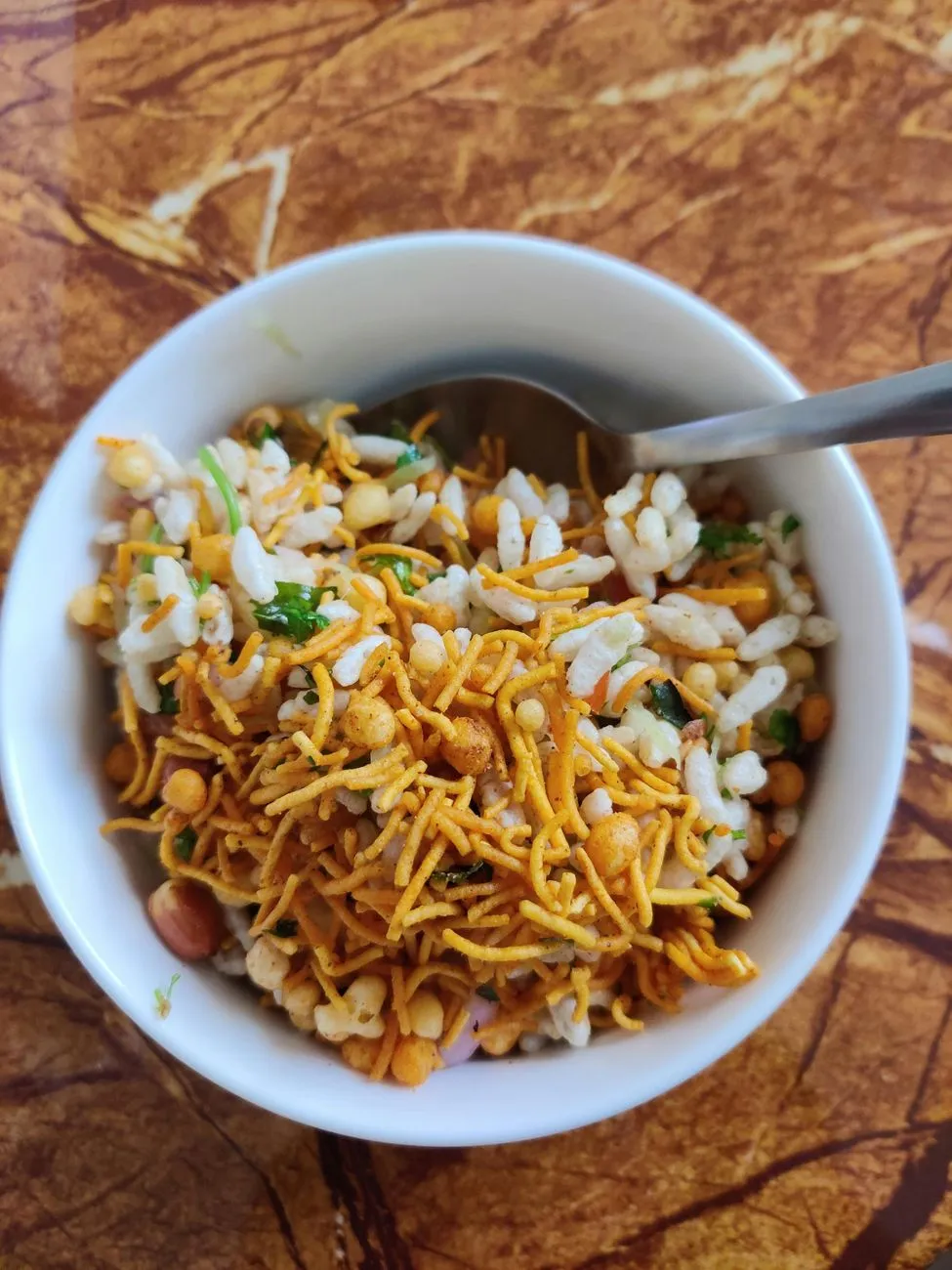
The neon glow of Mumbai’s streets doesn’t just illuminate the skyline—it ignites the senses. Beneath the hum of traffic and the rush of humanity, a symphony of sizzling pans, hissing steam, and the rhythmic clatter of utensils plays out in every corner. This is where the city’s heartbeat isn’t just felt; it’s tasted. Mumbai’s street food isn’t just sustenance—it’s a cultural mosaic, a rebellion against convention, and a testament to the city’s unapologetic love for bold, unfiltered flavors. From the first light of dawn to the late-night glow of neon signs, the streets of Mumbai serve up more than meals; they dish out memories, nostalgia, and a slice of the city’s chaotic soul.The Golden Age of Mumbai’s Street Food: A Legacy Carved in Spice and Chaos Long before Mumbai became the financial capital of India, its streets were already a thriving marketplace of flavors. The city’s street food culture didn’t emerge overnight—it evolved over centuries, shaped by waves of migration, colonial influences, and the relentless hustle of its people. The Portuguese, British, and Gujarati traders all left their culinary fingerprints, but it was the Marathi-speaking locals who truly made street food a way of life. The result? A culinary playground where affordability meets innovation, and where a humble vada pav or a plate of bhel puri can spark conversations that last for hours. What makes Mumbai’s street food so legendary isn’t just its taste—it’s its accessibility. Unlike the rigid menus of high-end restaurants, street food in Mumbai is democratic. A daily wage worker, a college student cramming for exams, and a corporate executive on a lunch break all stand side by side, united by their cravings. The stalls, often no bigger than a closet, become temporary sanctuaries where class distinctions dissolve into the aroma of fried onions, tangy chutneys, and the unmistakable smokiness of a kebab sizzling on a grill. The Crown Jewels of Mumbai’s Street Food: Dishes That Define the City Vada Pav: The Humble Burger That Conquered a Megacity No exploration of Mumbai’s street food is complete without bowing to the vada pav—the city’s unofficial national snack. Born in the 1970s in the bustling streets of Dadar, this deep-fried potato dumpling (vada) stuffed inside a soft pav (bread roll) is the ultimate comfort food. The vada, spiced with garlic, ginger, and green chilies, is coated in a crispy chickpea batter and fried to golden perfection. Served with a side of fiery green chutney and sweet tamarind sauce, it’s a flavor explosion that costs less than a dollar. What’s fascinating about vada pav is its adaptability. From the classic version to gourmet twists like cheese vada pav or schezwan vada pav, the dish has evolved without losing its soul. Street vendors, or bhaiyyas as they’re affectionately called, have turned vada pav into an art form, each stall boasting its own secret spice blend. It’s no wonder that even Michelin-starred chefs in London have tried to replicate its magic—though none can quite capture the magic of eating it under a Mumbai sky, with the city’s symphony of honks and chatter as your soundtrack. Panipuri: The Crunchy, Tangy, Addictive Bite-Sized Balloon Few things in life are as satisfying as the first pop of a panipuri between your teeth. This deceptively simple dish—crisp hollow puris filled with spiced water, tamarind chutney, potato, chickpeas, and sweet chutney—is a rollercoaster of textures and flavors. The puris themselves are made from semolina or wheat flour, fried until they’re light as air, then filled with a medley of ingredients that dance on your palate. Panipuri isn’t just a snack; it’s an experience. The act of assembling it yourself—choosing your fillings, balancing the flavors, and finally devouring it in one go—is almost meditative. Mumbai’s panipuri vendors are masters of their craft, their stalls often surrounded by a loyal crowd of regulars. Whether you prefer it spicy, sweet, or tangy, one thing’s for sure: once you’ve had panipuri from a Mumbai street, you’ll spend the rest of your life chasing that perfect bite. Bhel Puri: The Crunchy, Tangy, Umami-Packed Party in a Plate If panipuri is a bite-sized adventure, bhel puri is a full-blown flavor fiesta. This chaotic mix of puffed rice, sev (crispy chickpea noodles), onions, tomatoes, cilantro, and chutneys is a celebration of contrasts—crunchy yet soft, spicy yet sweet, tangy yet savory. The secret to a great bhel puri lies in the balance of its components, each adding its own personality to the dish. Mumbai’s beaches, especially Girgaon Chowpatty, are legendary for their bhel puri. Picture this: the salty breeze of the Arabian Sea, the golden hues of the setting sun, and a plate of bhel puri that’s been expertly tossed to perfection. It’s no wonder that this dish is a favorite among Mumbaikars looking to unwind after a long day. Pro tip: Add a squeeze of lemon and a sprinkle of sev right before eating to elevate the experience. Misal Pav: The Spicy, Hearty Breakfast That Fuels the City For those who wake up with a hunger that demands more than just a cup of chai, misal pav is the answer. This Maharashtrian street food staple consists of a spicy curry made from sprouted moth beans (matki), topped with onions, cilantro, lemon, and a dollop of butter. Served with a soft pav (bread roll), it’s a dish that’s as filling as it is flavorful. Misal pav is a dish with a history. Originally a humble farmer’s meal, it has evolved into a beloved street food that’s often enjoyed as a late-night snack or a post-party cure. The key to a great misal pav lies in the curry—it should be thick, spicy, and packed with the earthy flavors of sprouted beans. Top it with a fried egg, and you’ve got a meal that’s nothing short of a hug in a bowl. Pav Bhaji: The Buttery, Spicy, Comfort Food That Never Disappoints No list of Mumbai’s street food would be complete without pav bhaji—a dish that’s as much a part of the city’s identity as the local trains. This vibrant medley of mashed vegetables (typically potatoes, cauliflower, peas, and capsicum) cooked in a spicy tomato-based gravy is served with buttered pav (bread rolls). The dish originated in the 1850s as a quick meal for textile mill workers, but it has since become a staple in every Mumbaikar’s diet. What makes pav bhaji so special is its versatility. Whether you prefer it mild or fiery, with extra butter or a squeeze of lemon, there’s a version for everyone. Street vendors often customize the dish based on their customers’ preferences, making each plate a unique creation. And let’s not forget the theatrical flair with which pav bhaji is served—vendors often toss the bhaji in the air, a move that’s as much about showmanship as it is about mixing the flavors. The Unsung Heroes: Street Food Stalls and the People Behind Them Behind every plate of Mumbai’s street food is a story—a story of resilience, creativity, and an unshakable passion for the craft. The vendors, often referred to as hawker bhaiyyas or aunties, are the lifeblood of the city’s culinary scene. They wake up before dawn to prepare their ingredients, set up their stalls in the most unlikely of places, and work tirelessly until the last customer has been served. For many, this isn’t just a job; it’s a legacy passed down through generations. Take, for example, the panipuri vendor at Thane who was filmed urinating into a container in 2011. The incident sparked outrage and a political storm, but it also highlighted the struggles of street vendors in Mumbai. Many operate without licenses, paying bribes to avoid eviction, and living under the constant threat of municipal drives. Despite these challenges, they continue to serve the city with pride, their stalls becoming makeshift community centers where strangers become friends over a shared meal. The Dark Side of the Street: Hygiene, Controversies, and the Fight for Survival For all its charm, Mumbai’s street food scene isn’t without its controversies. Hygiene is a major concern, with critics pointing to the lack of proper sanitation and the use of questionable ingredients. The infamous 2011 panipuri incident, where a vendor was caught urinating into a serving container, was a stark reminder of the challenges faced by the city’s street food vendors. The incident led to a crackdown on panipuri and bhelpuri stalls, with political parties targeting vendors and forcing many to shut down. Yet, despite these controversies, the love for street food in Mumbai remains undiminished. The city’s residents are fiercely loyal to their favorite stalls, often ignoring hygiene concerns in favor of the unbeatable flavors. Recognizing this, the Mumbai Municipal Corporation has taken steps to legalize street vending, demarcating 1,700 zones for hawkers. However, the implementation has been slow, and many vendors continue to operate in legal gray areas. Where to Find Mumbai’s Best Street Food: A Guide for the Adventurous Eater Girgaon Chowpatty: The Beachside Bhel Puri Paradise No trip to Mumbai is complete without a visit to Girgaon Chowpatty. This iconic beach is a hub for street food lovers, with stalls lining the shore offering everything from bhel puri to kulfi. The best time to visit is during sunset, when the sky is painted in hues of orange and pink, and the salty breeze carries the aroma of sizzling snacks. Nariman Point: The Financial Hub’s Lunch Break Escape For the office-goers of Nariman Point, street food is a lifeline. During lunch hour, the sidewalks transform into a bustling marketplace, with vendors selling everything from vada pav to Chinese bhel. The energy here is electric, with professionals grabbing quick bites between meetings, their conversations punctuated by the sizzle of kebabs and the clatter of utensils. Mohammed Ali Road: The Night Market Extravaganza If you’re in Mumbai during Ramadan, Mohammed Ali Road is a must-visit. The street transforms into a nocturnal wonderland, with stalls serving up kebabs, biryanis, and an array of sweets. The air is thick with the scent of spices, and the sound of laughter and clinking glasses fills the night. It’s a sensory overload in the best possible way. Juhu Beach: The Kulfi and Chaat Lover’s Dream Juhu Beach is famous for its kulfi, a frozen dairy dessert that’s a refreshing respite from the city’s heat. Vendors serve kulfi in cones or on sticks, with flavors ranging from classic mango to exotic kesar pista. Pair it with a plate of sev puri, and you’ve got a dessert that’s as satisfying as it is indulgent.The Global Invasion: How Mumbai’s Street Food Conquered the World Mumbai’s street food isn’t just confined to the city’s streets—it’s made its way into kitchens around the world. From London to New York, restaurants are putting their own spin on dishes like vada pav, bhel puri, and pav bhaji. Even fast-food chains in India have jumped on the bandwagon, launching homegrown versions of street food staples. What’s fascinating about this global adoption is how it’s evolved. Chefs abroad often infuse local ingredients into traditional dishes, creating fusion versions that pay homage to Mumbai’s culinary heritage while embracing new flavors. For example, a London-based restaurant might serve a vada pav with avocado and chipotle mayo, while a New York eatery could offer a bhel puri-inspired salad with quinoa and kale. These adaptations are a testament to the versatility and universal appeal of Mumbai’s street food.The Future of Mumbai’s Street Food: Innovation Meets Tradition As Mumbai continues to grow and modernize, the future of its street food scene hangs in a delicate balance. On one hand, there’s a push for modernization—food trucks, pop-up stalls, and even app-based delivery services are making street food more accessible than ever. On the other hand, there’s a growing appreciation for tradition, with younger generations seeking out authentic, time-honored recipes. One exciting trend is the rise of homegrown fast-food companies that serve street food. Brands like Burger Singh and The Bombay Canteen have taken inspiration from Mumbai’s street food culture, offering gourmet versions of classic dishes. These ventures are not only preserving the city’s culinary heritage but also giving it a contemporary twist. Another trend to watch is the increasing focus on hygiene and sustainability. With stricter regulations and a growing awareness of food safety, street food vendors are adopting better practices, from using stainless steel utensils to sourcing ingredients locally. These changes are slowly but surely transforming Mumbai’s street food scene into a more sustainable and health-conscious one. A Love Letter to Mumbai’s Street Food Mumbai’s street food is more than just a culinary experience—it’s a cultural phenomenon. It’s the sound of a sizzling kebab grill at 3 AM, the sight of a crowded stall where strangers become friends over a shared plate of misal pav, and the taste of a kulfi that instantly transports you to a childhood memory. It’s the chaos, the passion, and the unapologetic love for flavor that makes Mumbai’s streets so magical. So, the next time you find yourself in this city of dreams, don’t just visit the landmarks—venture into the labyrinth of its streets. Let the aroma of fried spices guide you, the sizzle of pans enchant you, and the warmth of a street vendor’s smile welcome you. Because in Mumbai, the best stories—and the best meals—are found not in restaurants, but on the streets.#MumbaiStreetFood #FoodieParadise #HiddenGemsOfIndia #StreetFoodLovers #FlavorOfMumbai Related InsightsTacos Al Pastor: Il Mio Viaggio nel Cuore della Messicana Cucina The Concrete Palette: Unveiling the Sizzling Soul of Mumbai's Sidewalks The Emerald Jewel of Turkish Cuisine: Çoban Salata with Walnuts – A Masterclass in Antioxidant-Rich Gastronomy{ "@context": "https://schema.org", "@type": "FAQPage", "mainEntity": [ { "@type": "Question", "name": "What is the main focus of Mumbai’s Melting Pot of Flavors: The Soul-Satisfying Street Food That Defines the City?", "acceptedAnswer": { "@type": "Answer", "text": "Dive into Mumbai’s vibrant street food culture, where every bite tells a story of tradition, chaos, and unmatched flavor—from vada pav to panipuri, and beyond." } }, { "@type": "Question", "name": "Who authored the comprehensive guide on Mumbai’s Melting Pot of Flavors: The Soul-Satisfying Street Food That Defines the City?", "acceptedAnswer": { "@type": "Answer", "text": "This detailed article and its insights were carefully researched and authored by Michael Chef." } }, { "@type": "Question", "name": "Where can I find more related content about Food?", "acceptedAnswer": { "@type": "Answer", "text": "You can explore more articles, detailed reviews, and similar insights by browsing the Related Insights section at the bottom of this article or visiting our dedicated Food category page." } } ] }
-
 Kenji Sato
 - 10 Aug, 2026 08:15
From Dragon Fruit to Durian: A Global Tour of the World’s Most Exotic Fruits and Their Secrets
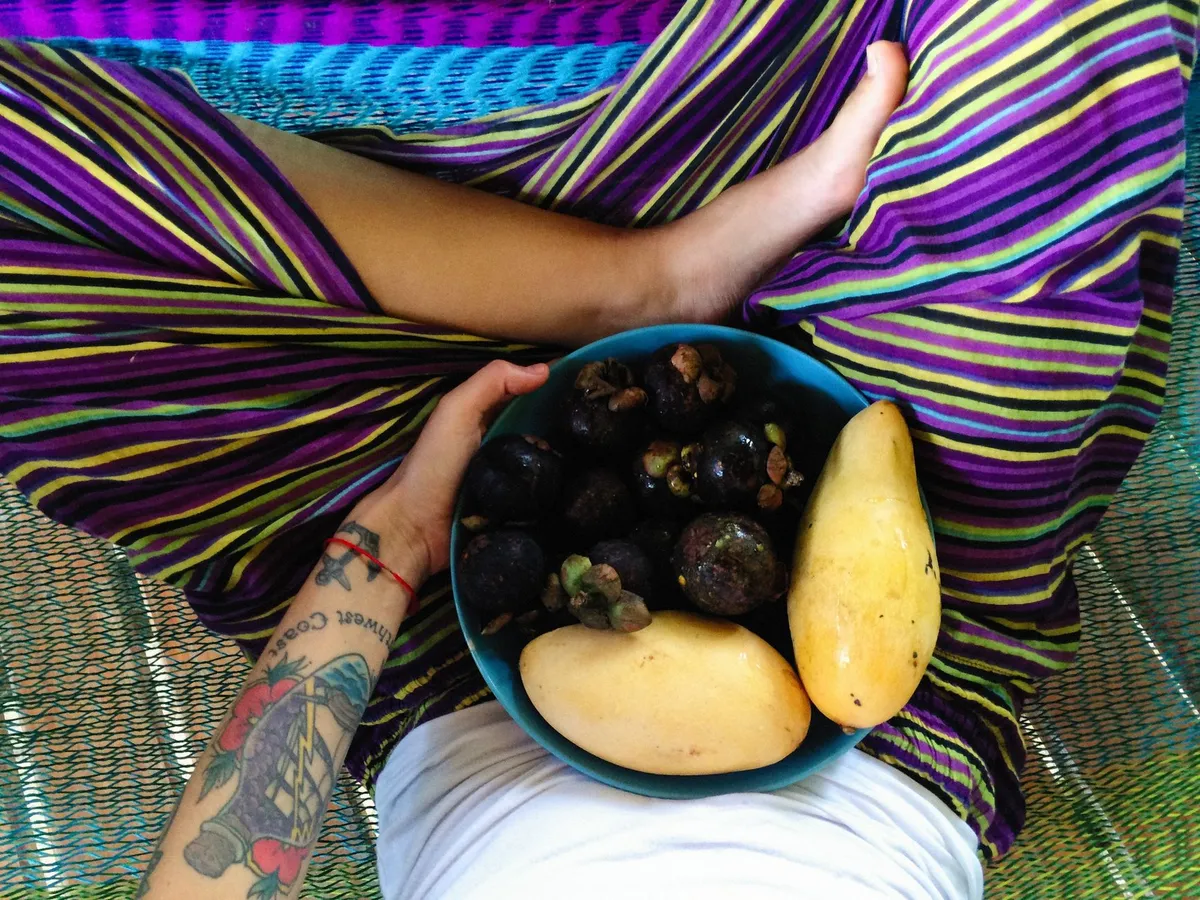
The Forbidden Delights of the Amazon: Where Flavor Meets Mystery Deep in the heart of the Amazon rainforest, where the canopy whispers secrets older than civilization itself, grows one of the world’s most enigmatic fruits: the cupuaçu. This relative of the cacao tree, native to Brazil, Colombia, and Peru, is a treasure trove of creamy, tangy goodness. The cupuaçu’s outer rind is hard and woody, but inside lies a pale, snow-white pulp that tastes like a cross between chocolate, pineapple, and citrus. Locals in the Amazon often blend it into juices, ice creams, or even ferment it into a type of wine. The fruit’s name itself comes from the indigenous Tupi language, where cupuaçu means "fruit of the gods." But how do you eat it? First, you must crack open the tough outer shell—usually with a machete or a sturdy knife. Inside, the pulp clings to large seeds, which are bitter and inedible. The pulp is scooped out, and its fibrous texture means it’s best strained before consumption. In Brazil, cupuaçu is so beloved that it’s often sold in markets as cupulate, a frozen dessert similar to sorbet but with a richer, more complex flavor. The fruit’s popularity has even led to biotechnological research into improving its postharvest shelf life, ensuring that its unique taste can be enjoyed far beyond the Amazon.Another Amazonian marvel is the peanut butter fruit, or Bunchosia argentea, a small, red berry that lives up to its name. When ripe, its flesh is soft, juicy, and tastes eerily like peanut butter. Indigenous communities in the region have used it for centuries, not just as a snack but as a natural remedy for inflammation. The fruit is delicate, so it’s rarely exported, making it a true hidden gem for adventurous eaters. To eat it, simply pluck the ripe fruit from the tree (it should be slightly soft to the touch), pop it into your mouth, and let the creamy texture melt on your tongue. No preparation needed—just pure, unadulterated flavor. The Amazon isn’t the only place where exotic fruits thrive. In Southeast Asia, the mangosteen reigns supreme as the "queen of fruits." Its thick, purple rind hides snow-white segments that burst with a sweet-tart flavor, often described as a mix of peach, strawberry, and citrus. Mangosteens are notoriously difficult to open—locals in Thailand and Malaysia use a special knife to slice around the equator, twist, and pop the segments out like edible jewels. The fruit is so prized that in some cultures, it’s a symbol of royalty and hospitality. In fact, the mangosteen’s scientific name, Garcinia mangostana, pays homage to the French naturalist Laurent Garcin, who first documented it in the 18th century.The Spiky King of the Tropics: Durian and Its Polarizing Power No discussion of exotic fruits would be complete without mentioning the durian, the so-called "king of fruits" in Southeast Asia. Revered for its custard-like texture and pungent aroma, durian is a fruit that divides opinion like no other. To some, it’s a heavenly indulgence; to others, it’s a biological weapon. The smell alone has been described as a mix of gym socks, rotten onions, and gasoline, which is why it’s banned in many hotels and public transport systems across Asia. But for those who love it, durian is an addiction. The fruit’s creamy flesh is rich, sweet, and slightly bitter, with notes of caramel and almond. In Malaysia and Thailand, durian is eaten fresh, but it’s also used in desserts like tempoyak (a fermented durian paste) or durian sticky rice. The key to enjoying durian is knowing how to pick a good one. A ripe durian should have a strong aroma (if it smells mild, it’s underripe) and give slightly when pressed. Locals often use a special durian knife to cut open the spiky husk, revealing the coveted yellow segments inside.For the uninitiated, trying durian can be a rite of passage. In Singapore, durian lovers flock to the annual Durian Festival, where vendors offer samples of rare varieties like Musang King (known for its buttery texture) and Red Prawn (with a hint of seafood-like sweetness). The fruit’s polarizing nature has even inspired scientific research into its genetic makeup, with studies exploring how to enhance its flavor while reducing its infamous odor. Some biotechnologists are experimenting with gene editing to create a less pungent version, though purists argue that the smell is part of durian’s allure. Beyond its culinary uses, durian has cultural significance. In Thailand, it’s a symbol of prosperity, and during the durian season, entire villages come alive with street vendors and night markets. The fruit is also a major export, with Thailand being the world’s largest producer. However, its high sulfur content means it’s not for everyone—some people report headaches or nausea after eating it, a phenomenon known as "durian sickness." For those willing to brave the aroma, durian is a fruit that rewards patience and curiosity.The Jewels of the Pacific: Dragon Fruit and Its Hidden Crunch Sailing across the Pacific, we arrive in Vietnam and Thailand, where the dragon fruit (or pitaya) dazzles with its vibrant pink skin and electric blue seeds. This cactus fruit, native to Central America but now widely cultivated in Southeast Asia, is a feast for the eyes as much as the palate. The flesh can be white or deep magenta, depending on the variety, and tastes like a mild kiwi with a hint of pear. The tiny black seeds add a satisfying crunch, making it a popular ingredient in smoothie bowls and salads. Dragon fruit is incredibly versatile. In Vietnam, it’s often blended into sinh tố (fruit smoothies) or used as a natural food coloring in desserts. The fruit’s high water content and low calorie count have also made it a favorite among health-conscious eaters. To eat it, simply slice it in half and scoop out the flesh with a spoon, or peel the skin and slice it into cubes. The seeds are edible and add a subtle nutty flavor.One of the most fascinating aspects of dragon fruit is its connection to biotechnology. Researchers have been studying its genome to enhance its disease resistance and shelf life, ensuring that it can be enjoyed fresh even after long-distance travel. The fruit’s popularity has also led to a boom in dragon fruit farming, with countries like Vietnam and Israel exporting it globally. In fact, Vietnam is now the world’s largest exporter of dragon fruit, with over 50,000 hectares dedicated to its cultivation. For those looking to try dragon fruit, the best varieties are those with bright, unblemished skin and a slight give when pressed. The fruit is low in calories but high in fiber, vitamin C, and antioxidants, making it a nutritional powerhouse. Whether eaten fresh, juiced, or frozen into sorbet, dragon fruit is a tropical delight that’s as beautiful as it is delicious.The African Enigma: Miracle Fruit and the Berry That Tricks Your Taste Buds Venturing into West Africa, we encounter the miracle fruit, or Synsepalum dulcificum, a small red berry that has the extraordinary ability to temporarily alter your taste perception. When eaten, the fruit’s active compound, miraculin, binds to your taste buds and makes sour foods taste sweet. For example, a slice of lemon becomes as sweet as candy, and black coffee transforms into a caramel-like delight. This phenomenon has made miracle fruit a sensation in molecular gastronomy and a popular novelty item at science-themed dinner parties. The miracle fruit is traditionally used in Ghana and Nigeria as a natural sweetener, especially for those with diabetes or sugar restrictions. Locals often chew the berry before a meal to enhance the flavors of sour dishes. The effect lasts about 30 minutes to an hour, making it a fun and interactive way to experience food. To eat it, simply pop the berry into your mouth and let it dissolve on your tongue. The seeds are inedible, so you’ll need to spit them out.The science behind miracle fruit is fascinating. Researchers have been studying miraculin’s potential as a sugar substitute, particularly for people with metabolic disorders. Some biotech companies are even exploring ways to incorporate it into processed foods to reduce sugar content without sacrificing sweetness. However, the fruit itself is delicate and doesn’t travel well, which is why it remains a niche product outside of West Africa. For adventurous eaters, miracle fruit offers a unique culinary experience. Imagine biting into a slice of grapefruit and tasting something akin to candy—it’s a surreal sensation that challenges your perception of flavor. The fruit’s ability to "trick" the taste buds has even inspired cocktail bars to create "flavor-tripping" events, where guests sample a series of dishes before and after eating the berry to compare the differences.The Caribbean’s Hidden Gem: Soursop and Its Healing Powers In the Caribbean, the soursop (Annona muricata) is a fruit steeped in folklore and medicinal lore. Known locally as guanábana in Spanish-speaking countries or corossol in French, this large, spiky green fruit has a creamy white flesh that tastes like a mix of strawberry, pineapple, and citrus. Soursop is a staple in Caribbean cuisine, used in everything from juices and smoothies to ice creams and even savory dishes like callaloo (a leafy green stew). The fruit’s health benefits are legendary. In traditional medicine, soursop is believed to treat everything from hypertension to cancer, though modern science is still exploring its potential. The leaves of the soursop tree are often brewed into tea, while the fruit itself is rich in vitamin C, fiber, and antioxidants. To eat it, you’ll need to cut open the tough outer rind (a machete is helpful) and scoop out the flesh, avoiding the large black seeds.In Jamaica, soursop is so beloved that it’s featured in soursop cheesecake and soursop wine. The fruit’s versatility extends to its leaves, which are used in bush medicine to treat fevers and infections. Some researchers are studying the fruit’s acetogenins, compounds that have shown promise in cancer research. While more studies are needed, soursop’s reputation as a "healing fruit" has made it a sought-after ingredient in both culinary and medicinal circles. For those trying soursop for the first time, the best varieties are those with a slight softness when pressed and a strong, sweet aroma. The flesh can be eaten raw or blended into a refreshing drink. In Puerto Rico, it’s common to mix soursop pulp with milk and sugar for a creamy, tropical smoothie. The fruit’s unique flavor profile makes it a standout in any exotic fruit lineup.A Flavorful Farewell: How Exotic Fruits Connect Us to the World From the misty jungles of the Amazon to the sun-drenched islands of the Caribbean, exotic fruits are more than just food—they’re a bridge to cultures, histories, and scientific innovations. Each fruit tells a story: of indigenous traditions, of biotechnological breakthroughs, and of the sheer joy of discovery. Whether it’s the polarizing allure of durian, the sweet deception of miracle fruit, or the creamy richness of soursop, these fruits challenge our palates and expand our culinary horizons. As global travel and gastronomy continue to intertwine, exotic fruits are becoming more accessible than ever. Farmers’ markets in cosmopolitan cities now stock durian, dragon fruit, and mangosteen, while online retailers ship rare varieties like cupuaçu and peanut butter fruit straight to your door. The rise of food tourism has also fueled interest in these fruits, with destinations like Thailand and Brazil offering durian-tasting tours and Amazonian fruit expeditions. Yet, for all their global appeal, exotic fruits remain deeply rooted in their local cultures. The way they’re grown, harvested, and eaten reflects centuries of tradition and innovation. In a world where fast food and processed snacks dominate, these fruits remind us of the beauty of natural, unadulterated flavors. They invite us to slow down, to savor, and to explore. So the next time you’re at a market or a restaurant, don’t shy away from the unfamiliar. Try that strange-looking fruit. Ask the vendor how to eat it. Let your taste buds embark on a journey around the world. After all, food is one of the most powerful ways to connect with the planet—and with each other.#ExoticFruitAdventure #TasteTheWorld #GlobalCuisine Related InsightsMisal Pav: Maharashtra's Fiery Breakfast Mumbais flüchtige Gaumenfreuden: Wo Straßenstände die Stadt zum Kochen bringen Kelewele: The Spicy Fried Plantain Snack{ "@context": "https://schema.org", "@type": "FAQPage", "mainEntity": [ { "@type": "Question", "name": "What is the main focus of From Dragon Fruit to Durian: A Global Tour of the World’s Most Exotic Fruits and Their Secrets?", "acceptedAnswer": { "@type": "Answer", "text": "Discover the most exotic fruits on Earth, their origins, flavors, and step-by-step guides on how to eat them like a local." } }, { "@type": "Question", "name": "Who authored the comprehensive guide on From Dragon Fruit to Durian: A Global Tour of the World’s Most Exotic Fruits and Their Secrets?", "acceptedAnswer": { "@type": "Answer", "text": "This detailed article and its insights were carefully researched and authored by Kenji Sato." } }, { "@type": "Question", "name": "Where can I find more related content about Food?", "acceptedAnswer": { "@type": "Answer", "text": "You can explore more articles, detailed reviews, and similar insights by browsing the Related Insights section at the bottom of this article or visiting our dedicated Food category page." } } ] }
-
 Eleanor Hughes
 - 09 Aug, 2026 19:13
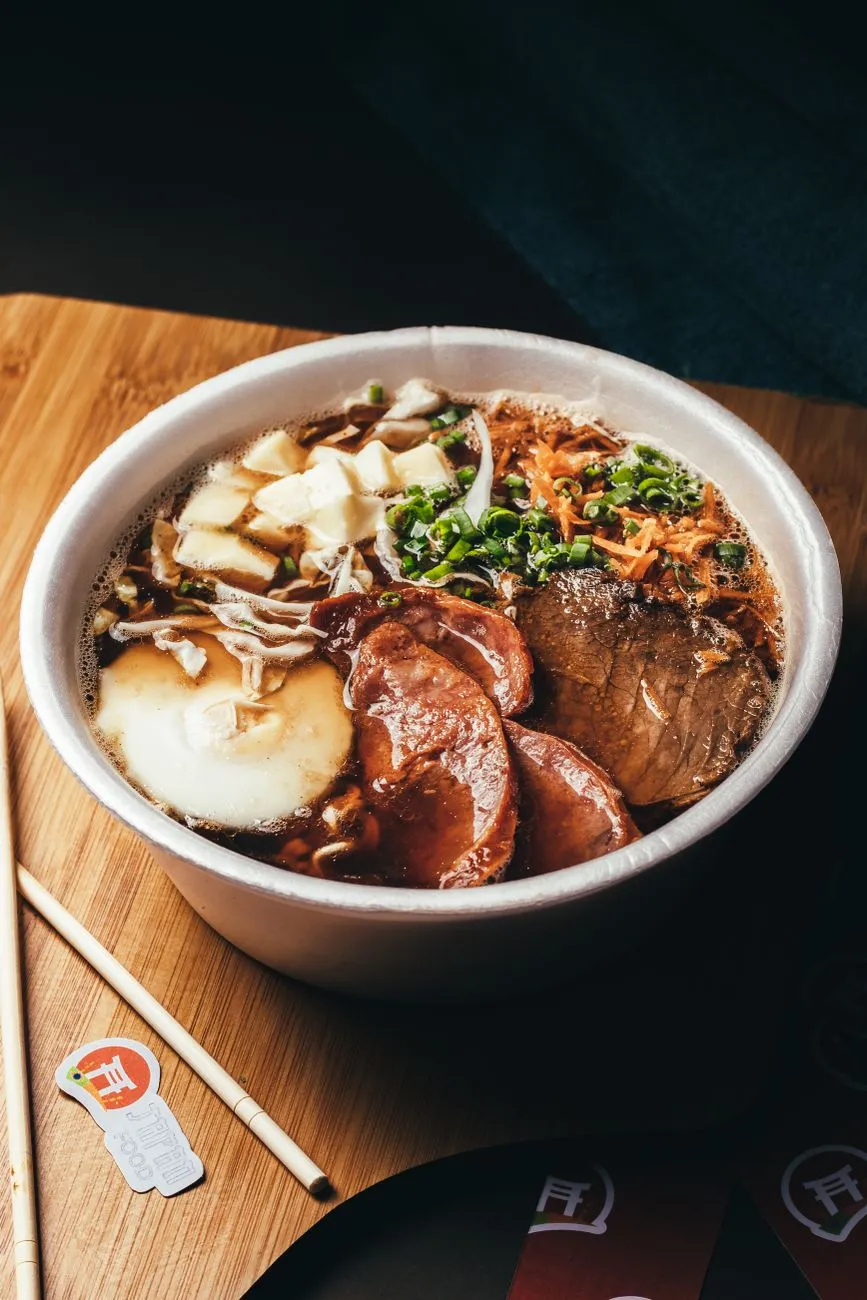
Slurp Your Way Through Japan: The Definitive Ramen Roadmap from Tonkotsu to Shoyu
Tokyo’s Lantern-Lit Alleys to Osaka’s Steam-Filled Kitchens: Where Ramen Was Born Few dishes carry the weight of history and comfort quite like ramen. Born in the late 19th century as a humble adaptation of Chinese wheat noodles, ramen evolved into a cultural icon—one that now fuels millions daily across Japan and beyond. From the creamy, collagen-rich broths of Fukuoka’s tonkotsu ramen to the soy-kissed clarity of Tokyo’s shoyu ramen, each bowl tells a story of regional pride, culinary innovation, and communal warmth. But what truly sets ramen apart isn’t just its flavor—it’s the precision behind every element: the wheat’s gluten structure, the pork’s collagen breakdown, the umami depth of kombu and katsuobushi. Whether you’re a first-time slurper or a seasoned ramen hunter, mastering the nuances of this dish means understanding its soul: the broth.The Broth Alchemy: How Collagen, Time, and Fire Create Liquid Gold At the heart of every bowl of ramen lies its broth—a symphony of flavor built over hours, sometimes days, of patient extraction. The four primary broth styles—tonkotsu (pork bone), shoyu (soy sauce), miso, and shio (salt)—each demand a unique approach, but all share a common goal: to dissolve collagen into gelatin, extract minerals, and layer umami until the liquid hums with depth. Tonkotsu ramen, hailing from Fukuoka, is the poster child of collagen extraction. Traditionally simmered for 12–18 hours, pork femurs and trotters are boiled at a rolling boil to emulsify fat and marrow into a thick, creamy white broth. The result? A velvety texture with a neutral base that lets toppings shine. Science backs this up: collagen breaks down into gelatin at 160°F (71°C), but sustained high heat (212°F/100°C) accelerates the process, extracting more gelatin and fat for body. A 2018 study in the Journal of Food Science confirmed that prolonged boiling increases free amino acids like glycine and proline, enhancing umami and mouthfeel. Shoyu ramen, Tokyo’s answer to flavor, blends chicken or pork broth with soy sauce, mirin, and dashi. The soy sauce—fermented for months—adds saltiness, acidity, and a reddish-brown hue. A key trick? Adding a splash of kombu dashi (kelp stock) to balance the soy’s intensity. Miso ramen, born in Hokkaido, swaps soy for fermented soybean paste, introducing earthy, funky notes. The miso’s enzymes break down proteins further, creating a thicker, almost paste-like broth. Shio ramen, the lightest style, relies on salt and chicken or pork stock, often clarified with egg whites (a technique called chawanmushi filtration) for a crystal-clear finish. Broth Style Comparison TableStyle Base Ingredients Cooking Time Key Flavor Profile Regional OriginTonkotsu Pork bones, trotters 12–18 hrs Creamy, rich, fatty FukuokaShoyu Chicken/pork broth, soy sauce 6–8 hrs Salty, tangy, umami TokyoMiso Pork/chicken broth, miso paste 4–6 hrs Earthy, funky, bold SapporoShio Chicken/pork broth, salt 3–5 hrs Clean, delicate, briny HakodateNoodles: The Unsung Heroes of Texture and Taste If broth is ramen’s soul, noodles are its backbone. Made from just four ingredients—wheat flour, water, salt, and kansui (alkaline mineral water)—ramen noodles undergo a transformation unlike any other. Kansui, typically a mix of sodium carbonate and potassium carbonate, raises the pH to 9–11, strengthening the gluten network. This gives ramen noodles their signature chew (al dente bite) and springy resilience. The flour matters too. Japanese noodle flour is typically a blend of hard and soft wheat, with protein content around 11–13%. Higher protein means more gluten, which translates to a firmer noodle. For example, Hakubaku’s ramen noodles use a 12% protein flour, resulting in a noodle that holds up to broth without turning mushy. The kneading and resting process is equally critical: dough is rested for 30–60 minutes to relax the gluten, then rolled thin (1.2–1.5mm) and cut into fine strands. Regional variations abound. Sapporo’s miso ramen noodles are thicker and wavier, designed to cling to the rich broth. Tokyo’s shoyu noodles are medium-thin and straight, slicing through the broth’s clarity. Tonkotsu noodles in Fukuoka are thick and curly, trapping the creamy broth in their folds. And in Kyoto, salt ramen noodles are often slightly alkaline, giving them a subtle yellow tint and a firmer bite.Toppings That Elevate Ramen from Meal to Masterpiece No bowl of ramen is complete without its garnishes—a carefully curated ensemble that adds texture, color, and contrast. The most iconic topping is chashu: slow-braised pork belly, marinated in soy sauce, sake, mirin, and sugar. The cut is crucial—belly’s fat melts during cooking, basting the meat in its own juices. A 2020 study in Meat Science found that sous-vide chashu at 165°F (74°C) for 12 hours yields the most tender, evenly cooked results. Eggs are another star. Ajitsuke tamago (marinated eggs) are soft-boiled, then soaked in a soy-mirin mixture for 4–12 hours. The yolk remains custardy, while the white firms up just enough to hold its shape. For extra richness, some chefs use onsen tamago (hot spring eggs), where eggs are poached in 140°F (60°C) water for 45 minutes, resulting in a creamy, almost runny yolk. Vegetables add freshness and crunch. Menma (fermented bamboo shoots) provide a tangy bite, while narutomaki (fish cake) offers a mild, slightly sweet flavor. Green onions, nori (seaweed), and sesame seeds round out the ensemble, their bright colors and textures cutting through the broth’s richness. The Art of Assembly: How to Build a Bowl Like a Pro Building a bowl of ramen is like conducting a symphony—each element must play its part in harmony. Start with the broth: strain it carefully to remove impurities, then reheat gently to preserve its clarity and body. Add the noodles last, cooking them al dente (1–2 minutes in boiling water) to avoid mushiness. Drain well, then transfer to a bowl. Next, ladle the hot broth over the noodles, ensuring they’re fully submerged. Arrange the toppings artfully: place the chashu slices on one side, the ajitsuke tamago on the other, and scatter the menma, narutomaki, and green onions on top. Finally, add a sprinkle of sesame seeds or a drizzle of chili oil for heat.From Tokyo to Hakodate: A Ramen Pilgrimage Across Japan Ramen isn’t just a dish—it’s a journey. Each region of Japan boasts its own style, shaped by local ingredients, climate, and history. In Tokyo, shoyu ramen reigns supreme. The city’s first ramen shop, Nakiryu (now a Michelin-starred spot), opened in 1959, popularizing the soy-based broth. Tokyo’s ramen is all about balance: a clear, golden broth with a hint of tang from vinegar or citrus, paired with medium-thin, straight noodles. Toppings are minimal—chashu, egg, and green onions—letting the broth shine. Head north to Sapporo, and you’ll find miso ramen, a hearty, warming dish born from Hokkaido’s cold winters. The miso base is rich and earthy, often paired with corn, butter, and local seafood like scallops or crab. The noodles are thick and wavy, designed to cling to the thick broth. In Fukuoka, tonkotsu ramen takes center stage. The broth is a creamy, opaque white, thanks to the emulsified fat and collagen. The noodles are thick and curly, and toppings often include pickled ginger and garlic for extra zing. A must-try spot is Ichiran, where you can customize your spice level and broth richness. Hakodate, on the northern tip of Honshu, is famous for its shio ramen. The broth is light and clear, with a delicate saltiness that lets the umami of kombu and katsuobushi shine. The noodles are thin and slightly alkaline, giving them a subtle yellow hue. Toppings are simple—chashu, egg, and nori—letting the broth’s purity take the spotlight. South to Kumamoto, and you’ll encounter tonkotsu shoyu ramen, a hybrid style blending Fukuoka’s creamy tonkotsu with Tokyo’s tangy shoyu. The result is a broth that’s both rich and bright, with a deep umami backbone.Ramen at Home: How to Recreate the Magic in Your Kitchen You don’t need a Michelin-starred kitchen to make great ramen at home. Start with the broth: for tonkotsu, simmer pork bones and trotters for 12–18 hours, skimming fat and impurities regularly. For shoyu, use a blend of chicken and pork bones, simmered for 6–8 hours, then finished with soy sauce and dashi. For the noodles, you can buy fresh or dried ramen noodles from an Asian grocery store. If you’re feeling ambitious, make your own dough with bread flour (12% protein), water, salt, and kansui (available online or at specialty stores). Knead the dough for 10 minutes, rest it for 30 minutes, then roll and cut it thin. The toppings are where you can get creative. Marinate pork belly in soy sauce, sake, mirin, and sugar for at least 4 hours (overnight is ideal), then braise it low and slow until tender. For the egg, soft-boil it for 6–7 minutes, then marinate in soy-mirin mixture for 4–12 hours. Pro Tips for Home CooksBroth Clarity: Use egg whites to clarify your broth. Whisk 2 egg whites per liter of broth, heat gently, then strain through a fine-mesh sieve. Noodle Texture: Cook noodles in salted water (like pasta water) to enhance their flavor. Umami Boost: Add a piece of kombu or a few shiitake mushrooms to your broth for extra depth. Spice Control: Customize heat with chili oil, rayu (chili sesame oil), or fresh chili peppers.The Global Ramen Revolution: How the World Fell in Love with a Japanese Icon Ramen’s journey from Japan to the world is a testament to its universal appeal. In the 1970s, instant ramen—pioneered by Momofuku Ando—became a global phenomenon, with brands like Nissin and Maruchan making ramen accessible to millions. Today, instant ramen is a $30 billion industry, with innovations like cup noodles and freeze-dried broths. But the real ramen revolution is happening in restaurants. From New York’s Ivan Ramen to London’s Bao, chefs worldwide are putting their spin on the dish. In Los Angeles, Daikokuya serves a tonkotsu ramen with a spicy miso twist. In Melbourne, Ramen Kan offers a vegan ramen with mushroom and kombu broth. Even in Paris, Umami Matcha blends French techniques with Japanese flavors, creating a ramen that’s both familiar and avant-garde. Ramen’s global success isn’t just about flavor—it’s about adaptability. Chefs are experimenting with gluten-free noodles, plant-based broths, and fusion toppings like truffle oil or kimchi. Yet, the core principles remain: a rich, umami-packed broth, chewy noodles, and thoughtful toppings.The Future of Ramen: Innovation Meets Tradition As ramen continues to evolve, two trends are shaping its future. First, sustainability: chefs are exploring nose-to-tail cooking, using every part of the pig (even the blood for kurobuta ramen) and sourcing ingredients locally. Second, technology: labs are developing new techniques, like pressure-cooking broths to reduce cooking time without sacrificing flavor, or using enzymes to enhance umami. Yet, despite these innovations, the soul of ramen remains unchanged. It’s a dish that brings people together—whether in a tiny Tokyo alley or a bustling New York kitchen. It’s comfort in a bowl, history in a slurp, and a reminder that the best meals are the ones shared with others. So the next time you lift your spoon, take a moment to appreciate the craft behind your bowl. From the collagen-rich broth to the al dente noodles, every element is a testament to the art of ramen.#RamenLove #JapaneseCuisine #FoodieAdventure Related InsightsThe Art of Dim Sum: Hong Kong’s Tiny Bites That Pack a World of Flavor Baba Ghanoush: The Smoky Eggplant Dip Andean Superfoods Unveiled: The Alchemical Power of Quinoa, Kiwicha, and Canihua{ "@context": "https://schema.org", "@type": "FAQPage", "mainEntity": [ { "@type": "Question", "name": "What is the main focus of Slurp Your Way Through Japan: The Definitive Ramen Roadmap from Tonkotsu to Shoyu?", "acceptedAnswer": { "@type": "Answer", "text": "Dive into the soul of Japanese ramen with this expert guide covering broths, noodles, toppings, and the best regional styles to try at home or abroad." } }, { "@type": "Question", "name": "Who authored the comprehensive guide on Slurp Your Way Through Japan: The Definitive Ramen Roadmap from Tonkotsu to Shoyu?", "acceptedAnswer": { "@type": "Answer", "text": "This detailed article and its insights were carefully researched and authored by Eleanor Hughes." } }, { "@type": "Question", "name": "Where can I find more related content about Food?", "acceptedAnswer": { "@type": "Answer", "text": "You can explore more articles, detailed reviews, and similar insights by browsing the Related Insights section at the bottom of this article or visiting our dedicated Food category page." } } ] }
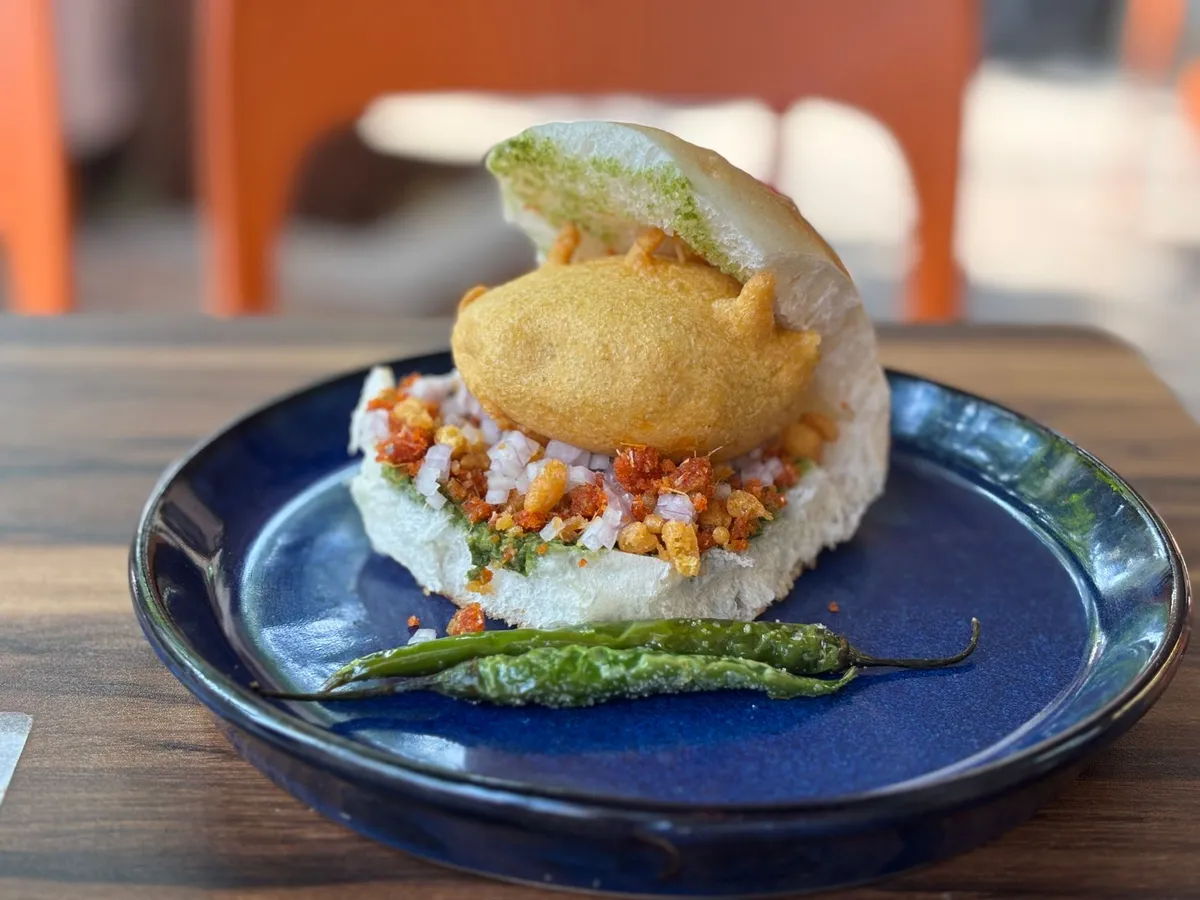

Les rues de Mumbai, la ville des rêves, sont un véritable paradis pour les amateurs de street food. Les odeurs de épices et de friture embaument l'air, tandis que les sons des vendeurs et des clients créent une symphonie animée. C'est dans ce contexte que nous allons explorer les saveurs et les secrets de la rue à Mumbai. Les Spécialités de la Rue Mumbai, la capitale de l'État du Maharashtra, est dominée par la cuisine maharashtrienne. Le Vada pav, un sandwich de pomme de terre frite, est considéré comme le street food le plus populaire de la ville. Mais il y a bien d'autres délices à découvrir, comme les Dabeli, les Panipuri, les Bhel puri, les Sev puri, les Dahipuri, les Sandwiches, les Ragda pattice, les Pav bhaji, les Chinese bhel, les Khaman, les Dhokla, les Idli et les Dosa, tous végétariens.Les non-végétariens ne sont pas en reste, avec des options comme les Omelettes, les Kebab et le poisson. La variété de street food est due à la culture cosmopolite de la ville. Dans les années 80, la cuisine chinoise indienne émergeait comme une tendance sur les rues de Mumbai. D'autres spécialités populaires incluent les Misal pav, un curry épicé à base de haricots, et les Vegetable frankie, une version végétarienne des wraps et des rolls. Les Desserts et les Rafraîchissements Les desserts et les rafraîchissements ne sont pas oubliés à Mumbai. Les Kulfi, des glaces à base de lait, et les Golah, des cones de neige indiens, sont parmi les options les plus populaires. Les vendeurs de jus et de milkshakes sont également très présents, offrant une grande variété de boissons fraîches. Les vendeurs de jus de canne à sucre sont synonymes des rues de Mumbai, offrant un moyen de se rafraîchir à petit prix.Les Quartiers et la Répartition Les rues avec un grand nombre de stands de street food sont connues sous le nom de Khau Galli, ce qui signifie « Allée de la nourriture » en marathi. La plage de Girgaon Chowpatty est célèbre pour ses Bhel puri et ses Kulfi. Les vendeurs de street food à Nariman Point, l'un des principaux quartiers d'affaires de la ville, font un excellent commerce pendant les heures de repas.Les Controverses Malgré la popularité de la street food à Mumbai, il y a des controverses autour de la question de l'hygiène. Certains évitent les stands de street food en raison des risques pour la santé, mais la majorité des gens, quelle que soit leur classe sociale, apprécient les délices de la rue. Les restaurants et les hôtels ont capitalisé sur ce phénomène en offrant des options de street food à leurs clients. La street food de Mumbai est un véritable trésor de la ville, offrant une grande variété de saveurs et de textures à découvrir. Que vous soyez végétarien ou non-végétarien, il y a quelque chose pour tout le monde dans les rues de Mumbai. Alors, venez découvrir les délices de la rue et laissez-vous emporter par les odeurs et les sons de cette ville vibrante. #StreetFood #Mumbai #Inde #CuisineIndienne #Foodie #Voyage #Découverte #SaveursDuMonde Related InsightsThe Mediterranean Elixir: A Masterclass in Baked Cod with Cherry Tomatoes, Capers, and Olives Aromatic Flavors of India: Understanding Biryani's Rich Legacy La Bottarga: Più che un Condimento, un Elixir di Mare tra Mito, Storia e Alta Cucina Italiana{ "@context": "https://schema.org", "@type": "FAQPage", "mainEntity": [ { "@type": "Question", "name": "What is the main focus of Les Saveurs de la Rue à Mumbai?", "acceptedAnswer": { "@type": "Answer", "text": "Découvrez les délices de la rue à Mumbai, où les saveurs et les parfums se mélangent dans un festival gustatif inoubliable." } }, { "@type": "Question", "name": "Who authored the comprehensive guide on Les Saveurs de la Rue à Mumbai?", "acceptedAnswer": { "@type": "Answer", "text": "This detailed article and its insights were carefully researched and authored by Chloe Blanc." } }, { "@type": "Question", "name": "Where can I find more related content about Food?", "acceptedAnswer": { "@type": "Answer", "text": "You can explore more articles, detailed reviews, and similar insights by browsing the Related Insights section at the bottom of this article or visiting our dedicated Food category page." } } ] }

- Isabella Rossi
- 07 Aug, 2026 19:33
The Art of French Pastry: From Parisian Kitchens to Your Plate, Mastering Macarons, Éclairs, and Croissants
Parisian Delights in Your Hands: The Timeless Craft of French Pastry The scent of buttery croissants wafting through a Parisian morning, the delicate crunch of a macaron shell dissolving on your tongue, the rich, velvety filling of an éclair melting into perfection—these are the hallmarks of French pastry. A tradition that blends centuries of culinary innovation with meticulous technique, French pastry is not merely food; it is an art form. From the golden layers of a croissant to the precise piping of an éclair, each creation tells a story of patience, precision, and passion. Whether you're a seasoned baker or an enthusiastic home cook, mastering these pastries will elevate your kitchen to the level of a Parisian pâtisserie. But what makes French pastry so revered? The answer lies in its uncompromising standards, its deep-rooted traditions, and the science behind its magic. Let’s embark on a journey through the world of French pastry, where every fold, every fold, and every fold of dough is a step toward perfection.The Macaron: A Symphony of Texture and Flavor Few pastries are as visually striking and technically demanding as the macaron. With its smooth, domed shell, vibrant colors, and delicate interior, the macaron is a testament to the precision of French pastry chefs. Originating in Italy and perfected in France, this almond meringue-based confection has become a global phenomenon, gracing the windows of Parisian bakeries and high-end patisseries worldwide. At its core, a macaron is a simple combination of almond flour, egg whites, and sugar. But the magic lies in the technique. The process begins with the creation of an Italian meringue, where sugar is cooked to the soft-ball stage (115–118°C) and then whipped into egg whites until stiff, glossy peaks form. This meringue is then folded into sifted almond flour and powdered sugar in a process known as macaronage, where the batter is gently mixed until it reaches the consistency of lava—smooth, flowing, and slightly ribbony. The next critical step is resting. Before baking, the macaron shells must rest for 30 minutes to 1 hour, allowing a skin to form on the surface. This skin is essential for creating the characteristic "feet" or ruffled edges during baking. Baking at a precise temperature of 150–160°C for 12–15 minutes ensures a crisp shell and a chewy interior. Overbaking or underbaking can result in cracked shells or a dense texture, which is why macarons are often considered the ultimate test of a baker’s skill. Filling a macaron is where creativity truly shines. Classic options include ganache, buttercream, or jam, but modern patisseries experiment with flavors like matcha, salted caramel, or even savory fillings like foie gras. The key is balance—each bite should harmonize the crisp shell, the chewy interior, and the creamy filling.To achieve macaron perfection at home, invest in a kitchen scale for accurate measurements, a fine-mesh sieve for sifting almond flour, and a silicone baking mat to ensure even heat distribution. And remember: patience is key. Rushing the process will only lead to disappointment.Éclairs: The Art of Pâte à Choux and the Science of Cream Few pastries are as universally beloved as the éclair. With its elongated shape, glossy chocolate glaze, and airy choux pastry interior filled with rich pastry cream, the éclair is a masterpiece of French patisserie. The name "éclair" comes from the French word for "lightning," a nod to its quick baking time and the speed with which it disappears from the plate. The foundation of an éclair is pâte à choux, a dough that transforms from a humble mixture of water, butter, flour, and eggs into a light, hollow pastry through the magic of steam. The process begins by bringing water, butter, salt, and sugar to a boil, then adding flour all at once to create a smooth, cohesive dough. This dough is then cooked over medium heat until it forms a smooth ball and a thin film forms on the bottom of the pan—a sign that the moisture has evaporated and the gluten has fully developed. Eggs are added one at a time, ensuring each is fully incorporated before adding the next. The dough should be thick, glossy, and pipeable, with the consistency of toothpaste. Piping the dough onto a baking sheet in 4-inch lengths requires a steady hand and a piping bag fitted with a large round tip. The key to achieving the signature elongated shape is to pipe the dough in one continuous motion, lifting the bag slightly as you reach the end of each éclair. Baking is where the science of pâte à choux truly shines. The high moisture content in the dough creates steam, which causes the pastry to rise dramatically and develop a crisp shell. Baking at 200°C for 20–25 minutes ensures a golden-brown exterior while maintaining a hollow interior. Once baked, the éclairs must cool completely before filling to prevent sogginess. The filling is where the magic happens. Traditional pastry cream, or crème pâtissière, is made by whisking egg yolks, sugar, and cornstarch, then tempering with hot milk and vanilla. The mixture is cooked until thickened, then chilled before being piped into the cooled éclairs. For a modern twist, some patisseries use flavored creams like chocolate, coffee, or fruit-infused varieties. The final touch is the glaze. A glossy chocolate ganache or mirror glaze not only adds visual appeal but also enhances the flavor. The glaze should be poured over the top of each éclair, allowing it to drip down the sides for a professional finish.Mastering éclairs requires practice, but the reward is well worth the effort. Start with a simple vanilla pastry cream and chocolate glaze, then experiment with flavors like salted caramel, pistachio, or raspberry. The possibilities are endless, and each batch will bring you one step closer to patisserie perfection.Croissants: The Golden Layers of Buttery Perfection No discussion of French pastry would be complete without the croissant—a flaky, buttery, crescent-shaped delight that has become a symbol of French baking. Originating in Austria as the kipferl, the croissant was adopted and perfected by French bakers in the 19th century, evolving into the iconic pastry we know today. The secret to a perfect croissant lies in its dough, known as détrempe, and the lamination process. Lamination is the technique of folding butter into the dough to create distinct layers, resulting in the signature flaky texture. The process begins with a simple dough made from flour, water, yeast, sugar, and salt. The butter, which must be of the highest quality and at the correct temperature (around 16°C), is encased in the dough and rolled out into a rectangle. The first fold, or tour, involves folding the dough into thirds, like a letter, and turning it 90 degrees before rolling it out again. This process is repeated multiple times—typically three or four tours—to create hundreds of delicate layers. Each fold and roll must be done with precision to ensure even distribution of butter and consistent layering. After the final fold, the dough is rested in the refrigerator for several hours or overnight to relax the gluten and prevent shrinking during baking. This resting period is crucial for achieving the ideal texture. The croissants are then shaped into crescents, proofed until doubled in size, and baked at 200°C for 15–20 minutes until golden brown and flaky. The result is a pastry with a crisp, golden exterior and a soft, airy interior, with layers that separate easily and melt in the mouth. A well-made croissant should be light enough to float in your coffee, yet sturdy enough to hold its shape.Achieving croissant perfection at home is a labor of love, but the process can be broken down into manageable steps. Start with a high-quality butter, such as European-style, and ensure your dough and butter are at the correct temperatures throughout the lamination process. Invest in a good rolling pin and a bench scraper to help with folding and shaping. And most importantly, be patient. The resting and proofing times are non-negotiable—rushing them will result in a dense, tough pastry. For those short on time, consider making pain au chocolat or pain aux raisins, which use the same laminated dough but are easier to shape and bake. These variations are just as delicious and offer a taste of French pastry mastery without the complexity of croissants.The Science Behind the Magic: Temperature, Texture, and Technique French pastry is as much about science as it is about art. The precise control of temperature, humidity, and ingredients is what separates a mediocre pastry from a masterpiece. Understanding the role of each component—whether it’s the moisture content in pâte à choux or the fat content in butter—is essential for achieving consistent results. For example, the temperature of the butter in laminated doughs like croissants and puff pastry is critical. If the butter is too warm, it will melt into the dough, creating a dense, tough pastry. If it’s too cold, it won’t spread evenly, leading to uneven layers. Similarly, the humidity in your kitchen affects the proofing of yeast-based pastries like croissants and brioche. Too much humidity can cause the dough to stick, while too little can dry out the surface, preventing proper rise. The texture of French pastries is also influenced by the type of flour used. Bread flour, with its higher protein content, is ideal for laminated doughs like croissants, as it provides the structure needed to hold the layers together. Pastry flour, with a lower protein content, is better suited for delicate pastries like macarons and éclairs, where a tender crumb is desired. Another key factor is the pH of the ingredients. For example, the acidity in lemon juice or vinegar can help tenderize doughs and enhance the flavor of pastries like scones and biscuits. In macarons, the pH of the egg whites affects the stability of the meringue, with older egg whites (which are more alkaline) producing a more stable foam.To master French pastry, it’s essential to experiment and keep detailed notes. Track the temperature of your ingredients, the humidity in your kitchen, and the baking times for each pastry. Over time, you’ll develop an intuitive understanding of how these variables interact, allowing you to troubleshoot issues and refine your techniques.From Paris to Your Plate: Bringing French Pastry Home French pastry may seem intimidating, but with the right tools, techniques, and a bit of practice, you can recreate the magic of a Parisian pâtisserie in your own kitchen. Start with simpler pastries like éclairs or madeleines before tackling more complex creations like croissants or mille-feuille. Invest in high-quality ingredients, particularly vanilla beans, European-style butter, and fine almond flour, as these will elevate your pastries from good to extraordinary. One of the most rewarding aspects of French pastry is its versatility. Don’t be afraid to experiment with flavors and fillings. Swap out traditional vanilla pastry cream for a matcha-infused version, or top your macarons with a tangy lemon curd. The world of French pastry is vast and full of possibilities—each pastry is a canvas waiting for your creativity. And remember, even the most skilled bakers encounter setbacks. A batch of macarons with cracked shells or croissants that didn’t rise properly are not failures—they’re learning opportunities. Each mistake brings you one step closer to mastery.To further hone your skills, consider taking a pastry class or watching tutorials from renowned French pastry chefs like Christophe Michalak or Pierre Hermé. Their expertise and passion for the craft will inspire you to push the boundaries of your baking.A Toast to Tradition: The Enduring Legacy of French Pastry French pastry is more than just food—it’s a celebration of tradition, innovation, and the pursuit of perfection. From the delicate shells of macarons to the buttery layers of croissants, each pastry is a testament to the skill and dedication of the artisans who craft them. Whether you’re baking for a special occasion or simply indulging in a moment of self-care, French pastries offer a taste of Parisian elegance and the joy of creating something truly extraordinary. So preheat your oven, gather your ingredients, and let the adventure begin. The world of French pastry awaits, and with each fold of dough and swirl of cream, you’ll be one step closer to mastering the art.#FrenchPastry #BakingMagic #MacaronMastery #ÉclairPerfection #CroissantLove Related InsightsThe Mediterranean Symphony: Whole Wheat Pasta Primavera with Abundant Vegetables The Fifth Dimension of Flavor: How a Bowl of Seaweed Broth Rewrote the History of Taste Sourdough Beyond Bread: The Art of Crafting Pizzas, Pastries, and Innovative Baked Delights{ "@context": "https://schema.org", "@type": "FAQPage", "mainEntity": [ { "@type": "Question", "name": "What is the main focus of The Art of French Pastry: From Parisian Kitchens to Your Plate, Mastering Macarons, Éclairs, and Croissants?", "acceptedAnswer": { "@type": "Answer", "text": "Unlock the secrets of French pastry with expert techniques, historical insights, and step-by-step guides to crafting perfect macarons, éclairs, and croissants at home." } }, { "@type": "Question", "name": "Who authored the comprehensive guide on The Art of French Pastry: From Parisian Kitchens to Your Plate, Mastering Macarons, Éclairs, and Croissants?", "acceptedAnswer": { "@type": "Answer", "text": "This detailed article and its insights were carefully researched and authored by Isabella Rossi." } }, { "@type": "Question", "name": "Where can I find more related content about Food?", "acceptedAnswer": { "@type": "Answer", "text": "You can explore more articles, detailed reviews, and similar insights by browsing the Related Insights section at the bottom of this article or visiting our dedicated Food category page." } } ] }
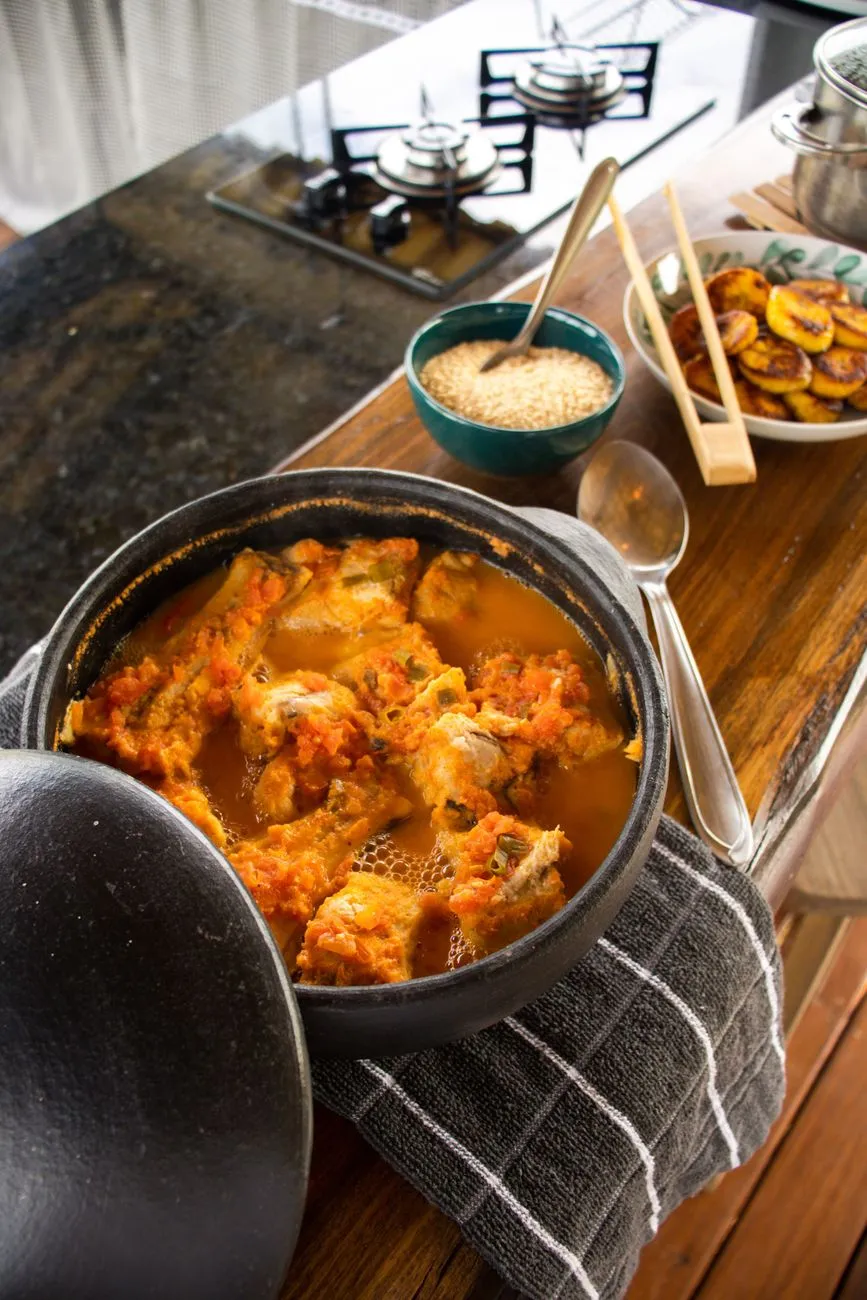
- Eleanor Hughes
- 07 Aug, 2026 00:26
Feijoada: Brazil’s Hearty Black Bean Stew and the Soul of a Nation
The aroma of slow-cooked black beans mingles with smoky pork and garlic, filling the air with a scent that has echoed through Brazilian kitchens for centuries. This is feijoada—the national dish of Brazil—a stew so deeply embedded in the country’s identity that it transcends mere food, becoming a symbol of resilience, cultural fusion, and communal celebration. Born from the ingenuity of enslaved Africans, refined by Portuguese colonizers, and embraced by every social class, feijoada is more than a meal; it is a living testament to Brazil’s complex history and vibrant culinary soul. From the colonial sugar plantations of the 16th century to the bustling botecos of modern Rio de Janeiro, feijoada has evolved while retaining its core essence: a hearty, nourishing stew that brings people together. Its preparation is an act of love, its consumption a ritual, and its flavors a mosaic of Brazil’s multicultural heritage. To understand feijoada is to understand Brazil itself—its struggles, its triumphs, and its unshakable spirit.The Birth of Feijoada: A Dish Forged in Resistance The origins of feijoada trace back to the brutal era of Brazilian slavery, when enslaved Africans were forced to work on sugar and coffee plantations. With limited resources, they had to make do with the scraps left behind by their enslavers—pig parts like ears, feet, and tails, which were considered undesirable by the Portuguese elite. These cuts, rich in flavor and nutrients, were combined with black beans, a staple crop in Brazil, to create a dish that was both filling and economical. The word feijoada itself derives from feijão, the Portuguese word for bean, but the dish’s soul lies in its African roots. Enslaved Africans brought with them techniques like slow cooking and the use of offal, which became integral to feijoada’s preparation. Over time, Portuguese colonizers added their own touches, such as garlic, bay leaves, and pork sausages like linguiça, further enriching the dish’s flavor profile. By the 19th century, feijoada had transitioned from a survival food to a celebrated dish among all social classes. Wealthy Brazilians began incorporating it into their diets, often serving it on weekends or special occasions. Today, it is a staple in restaurants across the country, with each region adding its own unique twist—whether it’s the addition of farofa (toasted cassava flour) in São Paulo or the inclusion of couve (collard greens) in Minas Gerais. The transformation of feijoada from a symbol of oppression to a national treasure reflects Brazil’s broader cultural evolution. It is a dish that tells a story of adaptation, resistance, and unity—a story that continues to unfold with every pot of feijoada simmered in Brazilian homes.The Art of Crafting Feijoada: A Step-by-Step Guide to Authentic Flavor Feijoada is not a dish that can be rushed. Its magic lies in the slow, patient melding of flavors, a process that can take up to 12 hours of simmering. While regional variations exist, the traditional recipe remains a sacred ritual for many Brazilians. Here’s how to create an authentic feijoada that honors its heritage: 1. The Beans: The Heart of the Dish Start with high-quality dried black beans, preferably the feijão preto variety, which is native to Brazil. Soak the beans overnight in water to reduce cooking time and ensure even tenderness. Some chefs prefer to use a pressure cooker to speed up the process, but purists insist on the slow-cooked method for maximum depth of flavor. 2. The Meat: A Symphony of Pork The meats used in feijoada are as diverse as they are flavorful. Traditional cuts include:Pork shoulder (for its marbled fat, which adds richness) Pork ribs (for a meaty, succulent bite) Pork sausage (linguiça or chorizo, for a smoky kick) Pork belly or fatback (to render down and enrich the broth) Smoked pork loin (for a balance of smokiness and tenderness) Pig’s feet or ears (for gelatinous texture and collagen)For a truly authentic touch, some recipes include beef cuts like costela (short ribs) or even dried beef (carne seca), though these are less traditional. The key is to use a variety of cuts to create layers of flavor—fat for richness, connective tissue for body, and lean meat for texture. 3. The Aromatics: Building the Foundation The base of feijoada’s flavor comes from a sofrito of onions, garlic, and bay leaves, sautéed in pork fat or olive oil. Some recipes include dried red peppers for heat or cilantro for brightness. The sofrito is added to the beans early in the cooking process to infuse the broth with its essence. 4. The Broth: Slow and Steady Wins the Race Once the beans and meats are combined, the dish is simmered gently for hours, allowing the flavors to deepen and the meats to become fall-off-the-bone tender. Water or broth is added as needed to maintain a thick, stew-like consistency. Some chefs add a splash of cachaça (Brazilian sugarcane spirit) for a subtle kick, while others use orange peel for a hint of citrus. 5. The Finishing Touches Feijoada is traditionally served with an array of accompaniments that enhance its flavors:Farofa: Toasted cassava flour, often mixed with bacon, eggs, or herbs, adds a crunchy contrast. Couve à Mineira: Collard greens sautéed with garlic and olive oil, a nod to Minas Gerais’ culinary traditions. Orange slices: The acidity cuts through the richness of the stew. Hot sauce or malagueta pepper: For those who crave heat. White rice: A simple, neutral base to soak up the broth. Torresmo: Crispy fried pork rinds, adding a salty crunch.The dish is often enjoyed as a midday meal on weekends, a tradition that dates back to when enslaved people had Sundays off and feijoada became a communal feast. Today, it remains a symbol of togetherness, bringing families and friends around the table.Feijoada Across Brazil: Regional Variations and Modern Twists While feijoada is universally recognized as Brazil’s national dish, its preparation varies significantly from region to region. Each area adds its own cultural influences, ingredients, and techniques, creating a diverse tapestry of flavors. Here’s a look at how feijoada is reimagined across the country:Region Key Ingredients Unique TwistRio de Janeiro Pork ribs, sausage, bacon, beef Served with farofa and orange slicesSão Paulo Pork shoulder, linguiça, smoked bacon Often includes a touch of vinegarMinas Gerais Pork belly, sausage, dried beef (carne seca) Collard greens (couve) are a mustBahia Coconut milk, dendê oil, peanuts Influenced by Afro-Brazilian moquecaPernambuco Goat meat, jerked beef Spicier, with a coastal seafood twistIn Bahia, feijoada takes on a distinctly Afro-Brazilian flair with the addition of coconut milk and dendê oil, ingredients that reflect the state’s strong African heritage. Meanwhile, in Minas Gerais, the dish is often paired with pão de queijo (cheese bread) and linguiça de Minas, a local sausage with a distinct smoky flavor. Modern chefs are also putting their own spin on feijoada, experimenting with vegetarian versions (using mushrooms and smoked tofu) or fusion twists like feijoada tacos or feijoada-inspired burgers. These innovations ensure that the dish remains relevant in contemporary Brazilian cuisine while staying true to its roots.Feijoada in Culture: More Than Just a Dish Feijoada’s significance extends far beyond the kitchen. It is a cultural icon, a symbol of Brazil’s multicultural identity, and a marker of social change. During the military dictatorship (1964–1985), feijoada became a subtle act of resistance. While the government suppressed dissent, Brazilians continued to gather around the pot of feijoada, using it as a space to discuss politics, share stories, and preserve their heritage. In literature and music, feijoada often appears as a metaphor for Brazilian identity. The dish’s mix of ingredients—African beans, Portuguese meats, Indigenous techniques—mirrors the country’s racial and cultural diversity. Poets and musicians have celebrated feijoada as a symbol of unity in diversity, a dish that brings together people of all backgrounds. Feijoada also plays a role in Brazilian festivals and holidays. During Carnival, many blocos (street parties) serve feijoada as a communal meal, reinforcing the dish’s association with celebration and togetherness. In São Paulo, the Feijoada da Gente festival celebrates the dish’s history and cultural impact, drawing thousands of visitors each year. For many Brazilians, feijoada is more than food—it’s a rite of passage. Learning to cook feijoada is a rite of passage for young chefs, and sharing a pot of feijoada with loved ones is a way to honor family traditions. It is a dish that carries the weight of history, the joy of community, and the pride of a nation.The Global Appeal of Feijoada: Why the World is Falling in Love While feijoada is undeniably Brazilian, its appeal has spread far beyond the country’s borders. In cities like New York, London, and Lisbon, Brazilian restaurants serve feijoada as a way to introduce diners to the country’s rich culinary heritage. Chefs around the world are drawn to its complex flavors, hearty texture, and cultural depth. In Portugal, feijoada is sometimes called feijoada à transmontana, a nod to the country’s own bean stews but with a distinctly Brazilian twist. In Japan, where Brazilian-Japanese communities thrive, feijoada is a staple in churrascarias (Brazilian steakhouses), often served with sushi and sashimi for a fusion experience. The dish’s global popularity can be attributed to several factors:Its versatility: Feijoada can be adapted to suit vegetarian, vegan, or gluten-free diets without losing its essence. Its comfort factor: The rich, smoky flavors and tender meats make it a soul-warming dish, perfect for cold weather. Its story: Diners are drawn to the dish’s history and the way it reflects Brazil’s multicultural identity.Feijoada’s journey from a survival food to a global phenomenon is a testament to its universal appeal. It is a dish that speaks to the human experience—of struggle, resilience, and joy—and invites people from all walks of life to share in its story.Preserving the Legacy: How to Experience Feijoada Like a Local For those eager to experience feijoada in its purest form, Brazil offers countless opportunities to indulge in this national treasure. Here’s how to make the most of your feijoada journey: Where to Eat Feijoada in BrazilRio de Janeiro: Head to Bar do Mineiro in Santa Teresa or Bar Brasil in Copacabana for a classic experience. São Paulo: Try Bar do Juarez in Vila Madalena or Figueira Rubaiyat for a gourmet twist. Salvador, Bahia: Visit Restaurante Yemanjá for a Bahian-inspired feijoada with coconut and dendê. Minas Gerais: Tia Nilda in Belo Horizonte is famous for its traditional feijoada with couve and pão de queijo.How to Cook Feijoada at Home If you’re inspired to make feijoada yourself, here’s a simplified recipe to get you started:Soak 1 lb (450g) black beans overnight. Brown 1 lb (450g) pork shoulder, 1 lb (450g) pork ribs, 1 lb (450g) sausage, and 4 oz (115g) pork belly in a large pot. Sauté 1 onion, 4 garlic cloves, and 2 bay leaves in the rendered fat until fragrant. Add the beans, 8 cups water or broth, and simmer for 3–4 hours until tender. Season with salt, pepper, and a splash of cachaça (optional). Serve with farofa, collard greens, rice, and orange slices.Feijoada EtiquetteIn Brazil, feijoada is often a weekend meal, so don’t expect to find it on weekday menus. It’s common to eat feijoada in two sittings—first the stew, then the sides like farofa and rice. Leftovers taste even better the next day, as the flavors deepen overnight.The Future of Feijoada: A Dish That Keeps Evolving As Brazil continues to evolve, so too does feijoada. Chefs are experimenting with sustainable ingredients, such as locally sourced meats and plant-based alternatives, to keep the dish relevant in a changing world. Meanwhile, food historians are working to preserve the oral traditions and regional variations that make feijoada so unique. One thing is certain: feijoada will endure. It is more than a dish—it is a living archive of Brazilian history, a celebration of cultural fusion, and a reminder of the power of food to bring people together. Whether enjoyed in a humble boteco in Rio or a high-end restaurant in São Paulo, feijoada remains a testament to Brazil’s resilience, creativity, and unbreakable spirit. As the great Brazilian writer Jorge Amado once said, "Feijoada is the only dish that can feed a family of ten with love and leftovers." And in that simple truth lies the magic of feijoada—it nourishes not just the body, but the soul.#BrazilianFood #FeijoadaLove #CulturalCuisine #ComfortFood #GlobalFlavors Related InsightsUnlocking Nature's Secret: How New Nordic Cuisine is Revolutionizing Health and Gastronomy Forever Nihari: The Rich Morning Stew of the Nawabs Pomegranate and Quinoa Tabbouleh Salad: A Delicious and Healthy Twist{ "@context": "https://schema.org", "@type": "FAQPage", "mainEntity": [ { "@type": "Question", "name": "What is the main focus of Feijoada: Brazil’s Hearty Black Bean Stew and the Soul of a Nation?", "acceptedAnswer": { "@type": "Answer", "text": "Dive into the rich history, cultural significance, and culinary mastery of Brazil’s iconic feijoada—a dish born from resilience, tradition, and the fusion of African, Indigenous, and Portuguese flavors." } }, { "@type": "Question", "name": "Who authored the comprehensive guide on Feijoada: Brazil’s Hearty Black Bean Stew and the Soul of a Nation?", "acceptedAnswer": { "@type": "Answer", "text": "This detailed article and its insights were carefully researched and authored by Eleanor Hughes." } }, { "@type": "Question", "name": "Where can I find more related content about Food?", "acceptedAnswer": { "@type": "Answer", "text": "You can explore more articles, detailed reviews, and similar insights by browsing the Related Insights section at the bottom of this article or visiting our dedicated Food category page." } } ] }
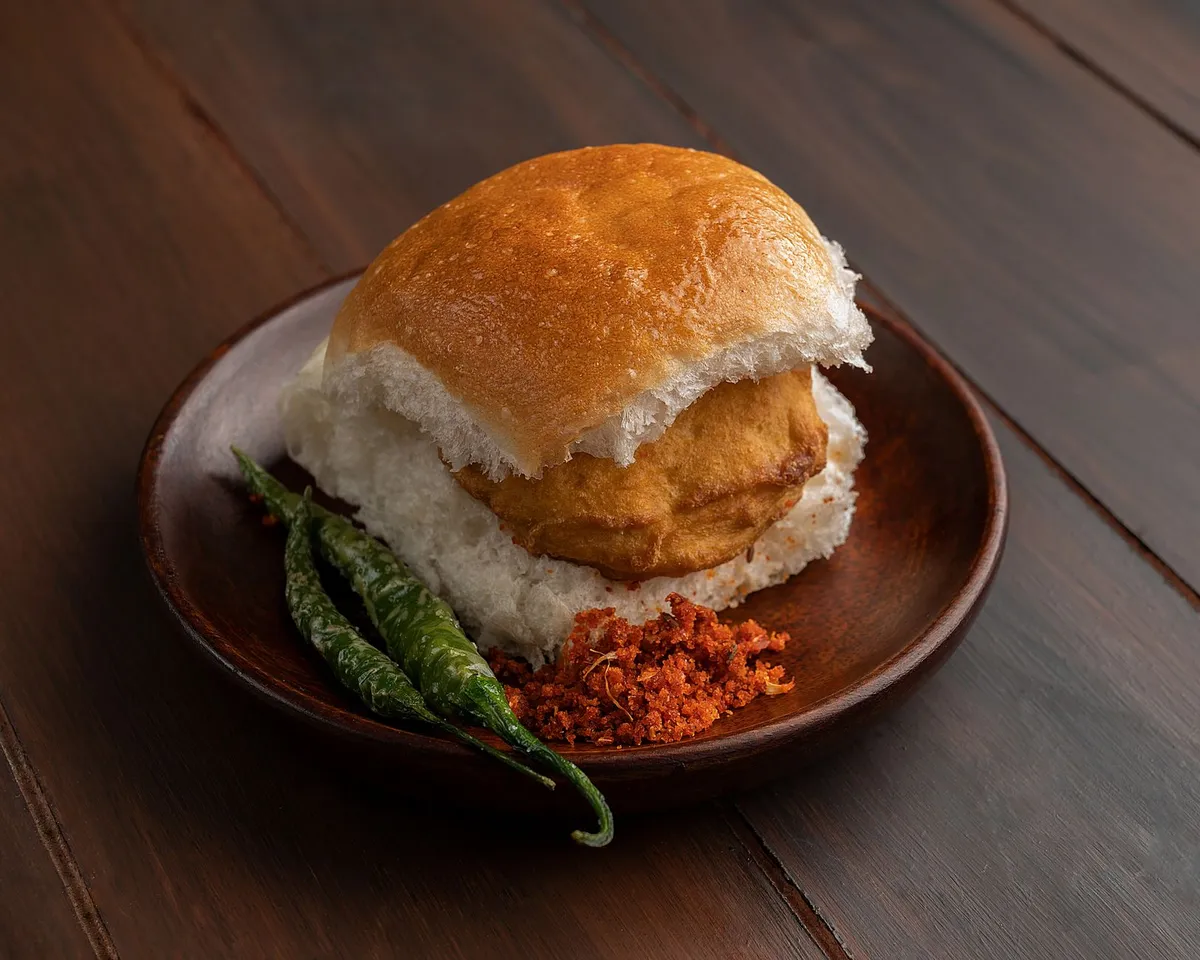
The Golden Arches of the Pavement: Where Mumbai’s Hunger Meets Its Heritage The first time you step into Mumbai’s labyrinth of streets, you don’t just smell the salt of the Arabian Sea—you taste it. It lingers in the tang of fresh lime squeezed over bhel puri, in the smoky aroma of kebabs sizzling on skewers, in the sweet, milky perfume of kulfi melting under the midday sun. This is a city where hunger isn’t just a need; it’s a ritual, a rebellion, a shared secret whispered between strangers in the glow of neon bulbs and the hum of traffic. Here, the pavement is the plate, and every hawker is a chef of chaos, crafting flavors that outshine even the fanciest five-star kitchens. Mumbai’s street food isn’t just sustenance—it’s a cultural manifesto. It’s the reason why a daily wage worker and a stockbroker can stand side by side, elbows deep in a paper cone of sev puri, arguing over whose version is spicier. It’s the reason why a city that never sleeps also never stops eating. From the crack of dawn, when tea vendors pedal their brass kettles through foggy alleys, to the witching hour when kulfi carts roll into Girgaon Chowpatty, Mumbai’s streets are a 24/7 banquet of the senses. And at the center of it all is vada pav—the crowned jewel of Mumbai’s culinary kingdom.Vada Pav: The Burger That Mumbai Made Its Own Imagine a burger, but instead of a beef patty, you have a golden, deep-fried potato dumpling, crisp on the outside and fluffy within, sandwiched between a soft, buttered pav (a pillowy bread roll). Now, slather it with green chutney, red chutney, and a generous dollop of garlic chutney. That, my friend, is vada pav—the unofficial national dish of Mumbai. Born in the 1970s in the working-class neighborhoods of Dadar and Matunga, vada pav was the brainchild of street food pioneer Ashok Vaidya. He wanted to create a snack that was cheap, filling, and portable—something a factory worker or a college student could grab on the go. What he got was a revolution. Today, vada pav stalls dot every corner, from the grime of CST to the glitter of Bandra. Some purists insist on the original recipe: potato, garlic, and spices, fried to perfection. Others push boundaries—adding paneer, cheese, or even mutton to the mix. But the magic isn’t just in the ingredients—it’s in the ritual. Watch a vendor at work: one hand deftly slicing the pav, the other pressing the vada into the bread with a flick of the wrist. The sizzle of oil, the aroma of spices, the way the chutney oozes out when you take a bite—it’s theater. It’s fast food, but not the sterile, assembly-line kind. This is food made with love, sweat, and a little bit of rebellion.The Crunch of Panipuri: A Symphony of Sweet, Sour, and Spicy If vada pav is Mumbai’s burger, then panipuri is its answer to the world’s obsession with crunchy, tangy snacks. These hollow, crispy puris are filled with a mix of mashed potatoes, chickpeas, sweet chutney, tamarind sauce, and a dash of chaat masala. The first bite is a revelation: the crunch of the puri gives way to a burst of flavors—sweet, sour, spicy, and salty—all at once. But panipuri isn’t just a snack; it’s a cultural battleground. In 2011, a single incident—a panipuri vendor in Thane urinating into his serving container—sparked a political firestorm. Shiv Sena and other parties launched a crackdown on panipuri and bhelpuri sellers, accusing them of spreading disease and “polluting” Mumbai’s streets. The vendor, a man who had sold panipuri for 15 years, was arrested and fined. The controversy exposed deeper tensions: the clash between Mumbai’s cosmopolitan identity and its conservative undercurrents, the stigma around street food, and the vulnerability of vendors who operate in legal gray zones. Yet, despite the controversy, panipuri endures. It’s a symbol of Mumbai’s resilience, its ability to turn even the most mundane snack into a political statement. Today, you’ll find panipuri stalls in every nook and cranny—from the posh lanes of South Mumbai to the crowded bylanes of Dharavi. Some vendors offer gourmet versions: pomegranate panipuri, mango panipuri, even paneer panipuri. But purists insist the classic is unbeatable.Bhel Puri: The Original Mumbai Mix Bhel puri is the street food equivalent of a Bollywood potboiler—chaotic, colorful, and impossible to resist. It’s a medley of puffed rice, sev (crispy chickpea noodles), onions, tomatoes, cilantro, and a tangy tamarind-chutney dressing. The key? The balance. Too much chutney, and it’s a soggy mess. Too little, and it’s bland. But when it’s done right, it’s a symphony of textures and flavors. Girgaon Chowpatty beach is the mecca of bhel puri, where vendors set up shop as the sun dips below the horizon. The salty sea breeze mingles with the aroma of spices, and the sound of waves crashing against the shore becomes the soundtrack to your snack. Some stalls add their own twists: a squeeze of lemon, a sprinkle of chaat masala, or even a handful of boiled potatoes for extra heartiness. But bhel puri isn’t just a beach snack. It’s a college staple, a post-movie treat, a midnight craving. It’s the kind of food that brings people together—strangers sharing a paper plate, friends debating whose bhel is the best, families gathering around a street cart after a long day.The Non-Vegetarian Delights: Kebabs, Omelettes, and Fish That Taste Like the Sea Mumbai’s street food isn’t all vegetarian. In fact, the city’s non-veg offerings are just as legendary. Take the Eggs Kejriwal, for instance—a sandwich so spicy it’s named after a former Indian Prime Minister. The filling? Scrambled eggs cooked with green chilies, onions, and a fiery red chutney, all stuffed between slices of buttered bread. It’s a breakfast that’ll wake you up faster than a Mumbai local train at rush hour. Then there are the kebabs. Whether it’s the succulent chicken tikka kebab sizzling on a skewer or the melt-in-your-mouth galouti kebab (a Lucknowi delicacy that’s found a second home in Mumbai’s streets), these skewers are a testament to the city’s love affair with meat. The best kebabs are cooked over charcoal, their smoky aroma wafting through the air and drawing crowds like moths to a flame. And let’s not forget the fish. Mumbai’s coastal location means fresh seafood is never far away. The Bombil (Bombay duck), a local fish with a pungent aroma, is often fried and served with a side of lemon and onions. Or there’s the Bombay sandwich, a vegetarian delight that’s somehow even more iconic—a layer of chutney, cucumber, tomato, and boiled potatoes between buttered bread, pressed and toasted to perfection. But the undisputed king of Mumbai’s non-veg street food? The Bombay omelette. Fluffy, buttery, and studded with onions, green chilies, and coriander, it’s the perfect hangover cure or late-night snack. Served with a side of ketchup and a cup of cutting chai, it’s a taste of Mumbai’s soul.The Sweet Side of the Street: Kulfi, Golah, and the Art of Frozen Bliss After the spice and crunch of chaat and kebabs, Mumbai’s streets offer a cool respite in the form of kulfi—India’s answer to ice cream. Unlike its Western counterpart, kulfi is denser, creamier, and infused with flavors like mango, pistachio, rose, or saffron. It’s served in a clay cup or on a stick, often garnished with chopped nuts or a drizzle of rose syrup. Then there’s golah—the Indian snow cone. Vendors shave ice into a paper cone and douse it with flavored syrups like lemon, orange, or even cola. It’s the ultimate summer refresher, a burst of sweetness on a hot Mumbai day. But the sweetest treat of all? Gulab jamun. These deep-fried dough balls soaked in sugar syrup are a street food staple, often sold by vendors pushing carts laden with trays of golden-brown orbs. The best gulab jamuns are crisp on the outside, syrupy on the inside, and melt in your mouth like a dream.The Dark Side of the Street: Hygiene, Politics, and the Fight for Survival For all its magic, Mumbai’s street food isn’t without its controversies. Hygiene is a constant concern. In a city where 250,000 hawkers operate without licenses, the risk of foodborne illness is real. Yet, Mumbaikars continue to eat street food with gusto, trusting in the vendors’ skill and the city’s collective immunity. Then there’s the issue of legality. Mumbai’s street vendors operate in a legal gray zone. In 2007, the Supreme Court ordered the municipality to demarcate 2,300 legal hawking zones—later increased to 1,700. But implementation has been slow. Out of 250,000 hawkers, only 17,000 have valid licenses. Vendors often pay bribes to avoid eviction, only to return after a few days. The cycle continues, a dance between law and survival. Politics, too, plays a role. In 2011, the panipuri controversy revealed the tensions between Mumbai’s cosmopolitan identity and its conservative undercurrents. Parties like Shiv Sena have targeted street food vendors in the past, accusing them of “polluting” the city. Yet, these same vendors are the backbone of Mumbai’s economy, feeding millions every day. Despite the challenges, street food vendors remain resilient. They adapt, innovate, and keep the city fed. They are the unsung heroes of Mumbai’s culinary scene.The Global Spread: How Mumbai’s Street Food Conquered the World Mumbai’s street food isn’t just confined to the city’s streets. It’s made its way into restaurants, fast-food chains, and even five-star hotels. From London to New York, you’ll find vada pav on menus, bhel puri in fusion dishes, and panipuri as a trendy appetizer. Homegrown fast-food companies have also capitalized on Mumbai’s street food craze. Brands like Mumbai’s Belly and Bombay Food Truck bring street food to offices, colleges, and events, serving up vada pav, pav bhaji, and more in a more “hygienic” setting. Even Bollywood has played a role. Films like Jaane Tu… Ya Jaane Na and Dil Chahta Hai have immortalized Mumbai’s street food, turning it into a symbol of youth, freedom, and rebellion. Today, street food tours are a growing trend, with foodies flocking to Mumbai to sample its iconic snacks.Where to Find the Best Street Food in Mumbai If you’re planning a street food tour of Mumbai, here are some must-visit spots: Juhu Beach Famous for its pav bhaji—a buttery bread roll served with a spicy potato and vegetable curry. The best stalls are near the beach, where the sea breeze adds to the experience. Crawford Market A bustling market where you’ll find everything from fresh fruits to spices. Don’t miss the Bombay sandwich or the egg rolls from the street vendors outside. Dadar East The birthplace of vada pav. Try the Ashok Vada Pav stall for an authentic taste of history. Girgaon Chowpatty The mecca of bhel puri and kulfi. Come here at sunset for the full experience. Colaba Causeway A haven for non-veg lovers. Try the Bombay omelette or the chicken kebabs from the stalls near the Regal Cinema. Bandra A melting pot of cultures, Bandra offers everything from misal pav (a spicy curry made of sprouted moth beans) to vegetable frankie (a Mumbai-style wrap).The Future of Mumbai’s Street Food: Innovation Meets Tradition As Mumbai grows and changes, so does its street food scene. Vendors are experimenting with new flavors and techniques, while still staying true to tradition. Vegan vada pav, gluten-free bhel puri, and organic kulfi are just a few of the innovations taking hold. At the same time, the city is grappling with the challenges of urbanization. Rising rents, stricter regulations, and gentrification threaten the survival of street food vendors. Yet, the spirit of Mumbai’s streets remains unbroken. For every stall that closes, a new one opens. For every controversy, there’s a vendor fighting to keep the tradition alive. Mumbai’s street food is more than just a snack—it’s a way of life. It’s the sound of sizzling oil, the smell of spices, the taste of rebellion. It’s the heartbeat of a city that never stops moving, never stops eating, never stops dreaming.#MumbaiStreetFood #VadaPavLove #BhelPuriMagic #KulfiDreams #BombayBites Related InsightsBun Cha: The Smoky Grilled Pork and Noodles of Hanoi Malaysian Laksa: The Spicy, Creamy Noodle Soup That Defines Southeast Asia’s Culinary Soul The Legacy of Nourishment: A Nutrient-Dense Chicken and Vegetable Pot Pie{ "@context": "https://schema.org", "@type": "FAQPage", "mainEntity": [ { "@type": "Question", "name": "What is the main focus of Mumbai’s Sizzling Soul: The Spicy, Sweet, and Chaotic Heartbeat of Street Food?", "acceptedAnswer": { "@type": "Answer", "text": "Dive into Mumbai’s vibrant street food culture, where vada pav meets panipuri, and every bite tells a story of the city’s fiery spirit." } }, { "@type": "Question", "name": "Who authored the comprehensive guide on Mumbai’s Sizzling Soul: The Spicy, Sweet, and Chaotic Heartbeat of Street Food?", "acceptedAnswer": { "@type": "Answer", "text": "This detailed article and its insights were carefully researched and authored by Demir Şef." } }, { "@type": "Question", "name": "Where can I find more related content about Food?", "acceptedAnswer": { "@type": "Answer", "text": "You can explore more articles, detailed reviews, and similar insights by browsing the Related Insights section at the bottom of this article or visiting our dedicated Food category page." } } ] }
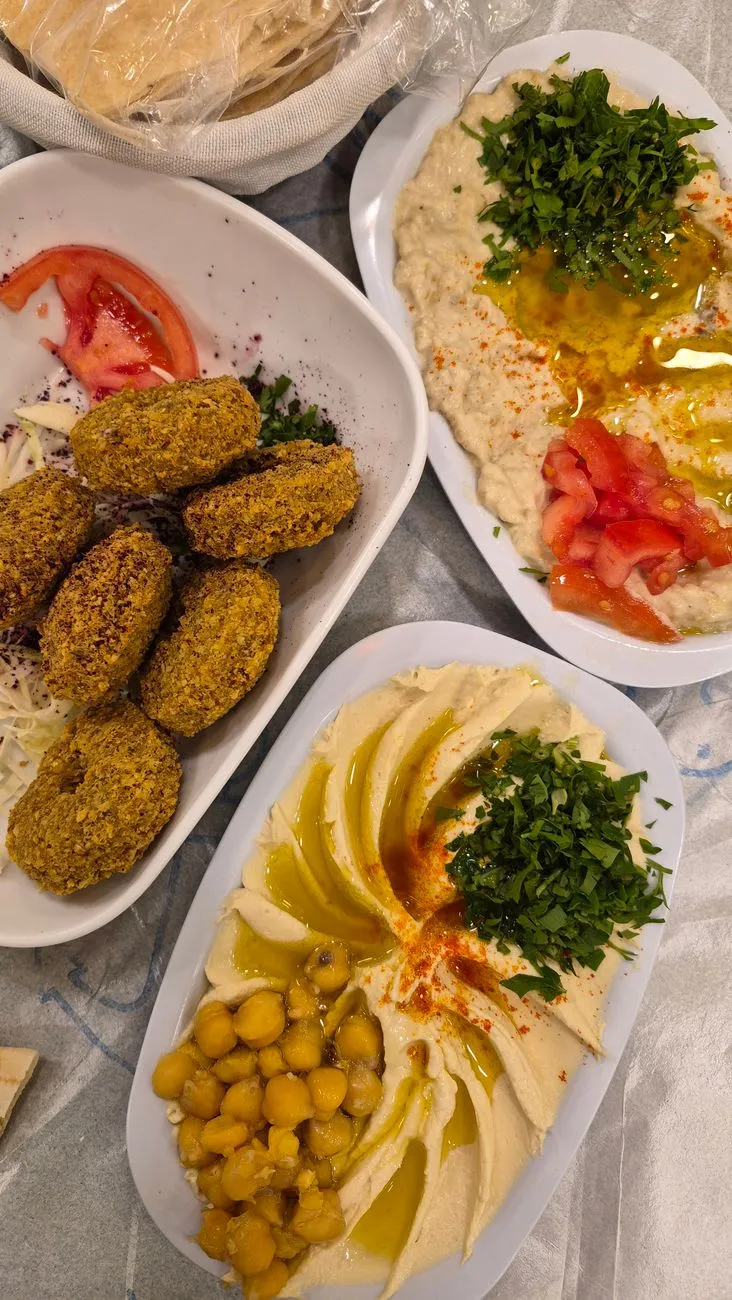
- Marcus Vance
- 05 Aug, 2026 09:21
Middle Eastern Mezze: A Symphony of Small Plates and Unforgettable Flavors
A Journey Through the Spice-Scented Souks of the Levant The first time I stepped into a bustling souk in Beirut, the air was thick with the scent of sizzling kebabs, crushed sumac, and freshly baked pita. My guide, an elderly man with hands stained golden from turmeric, handed me a small plate piled high with golden-brown falafel, still steaming from the fryer. "This," he said, "is mezze." It wasn’t just a meal; it was an experience, a cultural tapestry woven from centuries of trade, migration, and culinary innovation. Mezze, derived from the Arabic word for "taste," is more than a collection of small dishes—it’s a ritual, a celebration of community, and a testament to the Middle East’s rich gastronomic heritage. From the sun-baked terraces of Lebanon to the bustling streets of Damascus, mezze is the heartbeat of social dining. It’s a feast where no one leaves hungry, where every bite is an invitation to linger, converse, and savor. But what makes mezze so extraordinary? It’s the alchemy of simple ingredients—chickpeas, yogurt, eggplant, and spices like za’atar and sumac—transformed into dishes that dance on the palate. It’s the way hummus, once a humble chickpea dip, becomes a canvas for olive oil rivers and pomegranate molasses drizzles. It’s the crunch of fresh tabbouleh, the creamy tang of labneh, and the smoky depth of grilled halloumi. This is a cuisine that doesn’t just feed the body; it nourishes the soul.The Roots of Mezze: A Tapestry Woven by Trade and Tradition To understand mezze, we must travel back to the ancient trade routes that crisscrossed the Middle East. The region’s culinary identity was shaped by the spice trade, the Silk Road, and the empires that rose and fell along its paths. The Persians, Ottomans, and Arabs all left their mark, blending techniques and ingredients into a cuisine that is as diverse as it is unified. Mezze, in particular, reflects this history of cultural exchange. The word itself may derive from the Persian mazze, meaning "to taste," but its roots stretch even further back to the Levantine tradition of serving small dishes alongside wine—a practice documented in ancient texts. The Ottoman Empire, with its vast culinary repertoire, played a pivotal role in shaping mezze as we know it today. Dishes like muhammara (a fiery red pepper and walnut dip) and sigara böreği (crispy cheese-filled pastries) were born in the imperial kitchens of Istanbul but found their way into the homes and taverns of the Levant. Meanwhile, the Arab world contributed its own gems: fatayer (savory pastries stuffed with spiced meat or spinach), moujadara (lentils and rice with caramelized onions), and fatteh (a layered dish of bread, yogurt, and chickpeas). Even the Greeks, with their tzatziki and dolmades, added their own flair to the mezze table. But mezze is more than just a historical artifact—it’s a living tradition. In Palestine, for example, mezze is deeply tied to the land and its people. The OpenAlex Research Data on "Savory Politics: Land, Memory, and the Ecological Occupation of Palestine" highlights how food in the region is intertwined with identity and resistance. Palestinian mezze dishes like maqluba (an upside-down rice dish with meat and vegetables) and musakhan (roasted chicken with sumac and caramelized onions on flatbread) are not just meals; they are acts of defiance against erasure. They tell stories of resilience, of families gathering around a shared table despite the odds. In this way, mezze becomes a form of cultural preservation, a way to keep traditions alive in the face of adversity.The Art of Mezze: Crafting a Feast for the Senses Creating a mezze spread is like composing a symphony. Each dish must harmonize with the others, offering a balance of textures, temperatures, and flavors. The key is variety—warm and cold dishes, creamy and crunchy, spicy and mild. A well-curated mezze table might include:Dips and Spreads: Hummus, baba ghanoush, muhammara, and labneh are staples. Hummus, made from blended chickpeas, tahini, lemon, and garlic, is a global ambassador for mezze. In Lebanon, it’s often served with a drizzle of olive oil and a sprinkle of paprika. Baba ghanoush, a smoky eggplant dip, gets its depth from roasted eggplant, tahini, and pomegranate molasses. Muhammara, a Syrian red pepper and walnut dip, packs a punch with its blend of Aleppo pepper, cumin, and pomegranate syrup.Salads and Fresh Preparations: Tabbouleh, a parsley and bulgur salad, is a refreshing counterpoint to richer dishes. Fattoush, with its crispy pita croutons and sumac dressing, adds a tangy crunch. In Turkey, çoban salatası (shepherd’s salad) brings together tomatoes, cucumbers, and peppers in a light vinaigrette.Grilled and Fried Delights: Falafel, deep-fried chickpea fritters, are a mezze staple, often served with tahini sauce. Kibbeh, a mixture of bulgur, minced meat, and spices, can be baked, fried, or served raw (kibbeh nayyeh). Grilled halloumi, a salty Cypriot cheese, is a vegetarian favorite, often drizzled with honey or served with mint.Breads and Accompaniments: Warm pita, markook (a paper-thin Lebanese flatbread), or manakeesh (flatbread topped with za’atar and olive oil) are essential for scooping up dips and meats. Foul medames, a fava bean stew, is a hearty addition, often topped with cumin, lemon, and olive oil.Meats and Seafood: Kofta (spiced meatballs), shish tawook (grilled chicken skewers), and samak mashwi (grilled fish) add protein to the spread. In coastal regions, seafood mezze like sayadieh (spiced fish with rice) or sambousek (fried pastries stuffed with spiced fish) are popular.The magic of mezze lies in its flexibility. A simple gathering might feature just a few dishes, while a lavish feast could include dozens. The rule is to serve small portions, encouraging diners to try everything and share stories over the table.Mezze Around the World: From Beirut to Brooklyn While mezze is deeply rooted in the Middle East, its influence has spread far beyond its borders. In cities like London, New York, and Melbourne, Middle Eastern restaurants have introduced mezze to global audiences, adapting dishes to local tastes while staying true to their origins. In London’s Edgware Road, for example, you’ll find mezze plates that blend traditional recipes with British ingredients. A halloumi and mint salad might be topped with British watercress, while lamb kofta could be served with a side of minted yogurt and pickled red cabbage. In the United States, mezze has become a staple in fusion cuisine. Restaurants in Los Angeles and San Francisco offer "mezze boards" that pair Middle Eastern dips with artisanal cheeses, charcuterie, and local produce. The trend reflects a broader movement toward shared dining experiences, where small plates encourage conversation and connection. Even fast-casual chains have caught on, offering "mezze-style" platters with hummus, falafel, and tabbouleh as healthier alternatives to traditional appetizers. But the global spread of mezze isn’t just about adaptation—it’s also about preservation. In cities with large Middle Eastern diaspora communities, like Dearborn, Michigan, or Sydney, Australia, mezze remains a cultural anchor. Restaurants like Shawarma King in Dearborn or Bar Zini in Sydney serve up authentic dishes that remind immigrants of home. For many, mezze is a way to keep traditions alive, a taste of the homeland in a foreign land. The OpenAlex Research Data on "Stirring Words: Women and the Making of Modern Food Writing" underscores how women, often the keepers of culinary traditions, have played a crucial role in preserving mezze recipes. In many Middle Eastern cultures, recipes are passed down orally from mother to daughter, with each generation adding its own twist. This oral tradition ensures that mezze remains a living, evolving cuisine, even as it spreads across the globe.Mezze Dish Origin Key Ingredients Average Price (USD)Hummus Lebanon/Palestine Chickpeas, tahini, lemon, garlic $5–$8 per servingBaba Ghanoush Levant Eggplant, tahini, pomegranate molasses $6–$9 per servingFalafel Egypt/Levant Chickpeas, parsley, cumin, coriander $3–$5 per pieceTabbouleh Lebanon Parsley, bulgur, tomatoes, lemon $4–$7 per servingMuhammara Syria Red peppers, walnuts, Aleppo pepper $5–$8 per servingHalloumi Cyprus Halloumi cheese, olive oil, mint $6–$10 per servingFattoush Levant Lettuce, tomatoes, pita, sumac dressing $4–$7 per servingThe Ritual of Mezze: More Than Just a Meal Mezze is not just about the food—it’s about the experience. In the Middle East, mezze is a social ritual, a way to connect with others over shared plates. It’s common to spend hours at a table, nibbling on small bites, sipping on ayran (a yogurt drink) or arak (an anise-flavored spirit), and engaging in lively conversation. The pace is slow, the atmosphere relaxed, and the focus is on the people around the table rather than the food itself. This communal aspect of mezze is what makes it so special. Unlike Western dining, where courses are served sequentially, mezze encourages diners to graze, to try a bit of everything, and to linger. It’s a celebration of abundance, of generosity, and of the joy of sharing. In many cultures, mezze is served at gatherings like weddings, Eid celebrations, and family reunions. It’s a way to honor guests, to show love through food, and to create memories that last a lifetime. But mezze is also a reflection of the Middle East’s complex history. The OpenAlex Research Data on "Savory Politics" highlights how food in the region is intertwined with politics, identity, and resistance. In Palestine, for example, mezze dishes like maqluba and musakhan are not just meals—they are acts of defiance against erasure. They tell stories of resilience, of families gathering around a shared table despite the odds. In this way, mezze becomes a form of cultural preservation, a way to keep traditions alive in the face of adversity.Bringing Mezze Home: A Guide to Creating Your Own Feast You don’t need to travel to Beirut or Damascus to experience the magic of mezze. With a few key ingredients and a little patience, you can create your own mezze spread at home. Here’s how to get started: Step 1: Choose Your Dips and Spreads Start with the classics:Hummus: Blend cooked chickpeas, tahini, lemon juice, garlic, and a pinch of cumin in a food processor until smooth. Drizzle with olive oil and paprika before serving. Baba Ghanoush: Roast eggplants until charred, then blend with tahini, lemon juice, garlic, and a touch of pomegranate molasses. Garnish with parsley and olive oil. Labneh: Strain Greek yogurt until thick, then mix with salt, olive oil, and za’atar. Serve with warm pita.Step 2: Add Fresh SaladsTabbouleh: Finely chop parsley, tomatoes, and mint. Mix with bulgur, lemon juice, olive oil, and salt. Serve chilled. Fattoush: Toss lettuce, tomatoes, cucumbers, and radishes with a sumac-lemon dressing. Top with crispy pita croutons. Mujadara: Cook lentils and rice separately, then combine with caramelized onions and cumin. Serve warm.Step 3: Include Grilled and Fried DishesFalafel: Soak chickpeas overnight, then blend with herbs, garlic, and spices. Form into patties and deep-fry until golden. Serve with tahini sauce. Halloumi: Grill slices of halloumi until golden, then drizzle with honey and sprinkle with mint. Kofta: Mix ground lamb or beef with onions, parsley, and spices. Form into small patties and grill until cooked through.Step 4: Set the Table Use small plates and bowls to encourage sharing. Arrange the dishes in the center of the table, and provide plenty of warm pita or flatbread for scooping. Serve with beverages like ayran, arak, or mint lemonade. Step 5: Savor the Moment The key to mezze is to take your time. Encourage guests to try a bit of everything, to share stories, and to enjoy the experience. Don’t rush—mezze is about the journey, not the destination.Where to Find the Best Mezze: A Global Tour If you’re eager to taste authentic mezze, here are some of the world’s best spots to indulge:Beirut, Lebanon: Barbar – A modern take on classic Lebanese mezze, with dishes like fatayer and kibbeh nayyeh. Damascus, Syria: Naranj – A historic restaurant serving traditional Syrian mezze, including muhammara and sambousek. Istanbul, Turkey: 360 Istanbul – A rooftop restaurant offering mezze with a view, featuring dishes like sigara böreği and çoban salatası. London, UK: The Black Axe Mangal – A Turkish-inspired spot with creative mezze like lamb ribs and halloumi fries. New York, USA: Sahadi’s – A Lebanese market and restaurant serving classic mezze like hummus and tabbouleh. Melbourne, Australia: Charcoal Fish – A seafood-focused mezze spot with dishes like grilled octopus and sayadieh.For those who can’t travel, many Middle Eastern grocery stores sell pre-made mezze dishes, or you can order ingredients online to create your own spread at home.Mezze: A Feast for the Soul Mezze is more than just food—it’s a celebration of life, culture, and community. It’s a reminder that the best meals are the ones shared with others, where every bite tells a story and every dish carries the weight of history. Whether you’re enjoying a simple hummus and pita in your kitchen or indulging in a lavish spread at a Beirut souk, mezze invites you to slow down, savor, and connect. So the next time you gather around a table, consider creating your own mezze feast. Light some candles, pour a glass of arak or mint lemonade, and let the flavors transport you to the sun-drenched streets of the Middle East. Because mezze isn’t just a meal—it’s an experience, a tradition, and a taste of something truly extraordinary.#MiddleEasternFood #MezzeMagic #FoodieAdventure #CulinaryTravel #SharedPlates Related InsightsUnlocking Nature's Secret: How New Nordic Cuisine is Revolutionizing Health and Gastronomy Forever Ndambe: The Comforting Black-Eyed Pea Stew Sourdough Beyond Bread: The Art of Crafting Pizzas, Pastries, and Innovative Baked Delights{ "@context": "https://schema.org", "@type": "FAQPage", "mainEntity": [ { "@type": "Question", "name": "What is the main focus of Middle Eastern Mezze: A Symphony of Small Plates and Unforgettable Flavors?", "acceptedAnswer": { "@type": "Answer", "text": "Dive into the vibrant world of Middle Eastern mezze, where every bite tells a story of culture, tradition, and bold spices. Discover the must-try dishes and their rich histories." } }, { "@type": "Question", "name": "Who authored the comprehensive guide on Middle Eastern Mezze: A Symphony of Small Plates and Unforgettable Flavors?", "acceptedAnswer": { "@type": "Answer", "text": "This detailed article and its insights were carefully researched and authored by Marcus Vance." } }, { "@type": "Question", "name": "Where can I find more related content about Food?", "acceptedAnswer": { "@type": "Answer", "text": "You can explore more articles, detailed reviews, and similar insights by browsing the Related Insights section at the bottom of this article or visiting our dedicated Food category page." } } ] }

Il cuore di Mumbai batte forte, e il suo ritmo è scandito dalle strade piene di vita, di colori e di sapori. La città è un melting pot di culture, di tradizioni e di cucine, e il cibo di strada è uno degli aspetti più affascinanti di questa metropoli indiana. In questo articolo, vi porterò alla scoperta del mondo del cibo di strada di Mumbai, dove le strade sono piene di sapori e profumi che ti faranno innamorare di questa città. La Varietà del Cibo di Strada Il cibo di strada di Mumbai è noto per la sua varietà e per la sua capacità di soddisfare ogni tipo di palato. Dai classici Vada pav e Eggs Kejriwal, ai più esotici Dabeli e Panipuri, ogni strada e ogni angolo della città offre una nuova scoperta gastronomica. Il cibo di strada di Mumbai è anche noto per la sua economicità, con prezzi che sono spesso più bassi di quelli dei ristoranti tradizionali.Il cibo di strada di Mumbai è anche noto per la sua capacità di adattarsi alle esigenze dei clienti. I venditori di strada offrono una vasta gamma di opzioni, dalle classiche pietanze indiane ai più moderni e innovativi piatti di strada. E non dimentichiamo i dessert, come il Kulfi e il Golah, che sono perfetti per rinfrescarsi dopo una lunga giornata di esplorazione della città. Le Zone del Cibo di Strada Il cibo di strada di Mumbai è concentrato in alcune zone specifiche della città, note come Khau Galli, o "Food Alley" in marathi. Queste zone sono piene di vita e di attività, con venditori di strada che offrono ogni tipo di cibo e bevanda. Una delle zone più note è Girgaon Chowpatty beach, dove si può trovare il famoso Bhel puri e il Kulfi.Un'altra zona nota è Nariman Point, uno dei centri finanziari della città, dove i venditori di strada offrono una vasta gamma di opzioni per il pranzo e la cena. E non dimentichiamo le zone universitarie, dove gli studenti possono trovare una vasta gamma di opzioni per il cibo di strada a prezzi accessibili. Le Controversie del Cibo di Strada Il cibo di strada di Mumbai non è immune dalle controversie. Alcune persone evitano il cibo di strada a causa delle preoccupazioni per l'igiene, mentre altri lo amano per la sua autenticità e per la sua capacità di offrire un'esperienza culinaria unica. I ristoranti e gli alberghi hanno anche capitalizzato sul fenomeno del cibo di strada, offrendo opzioni di cibo di strada ai loro clienti.Tuttavia, il cibo di strada di Mumbai è anche stato al centro di alcune controversie, come ad esempio la questione delle licenze e delle autorizzazioni per i venditori di strada. Nel 2007, la Corte Suprema ha emesso una sentenza che ha chiesto al comune di demarcare 230 aree della città come zone di vendita di strada legale, ma questo non è stato ancora implementato. Conclusione Il cibo di strada di Mumbai è un aspetto fondamentale della cultura e della vita della città. Offre una vasta gamma di opzioni per ogni tipo di palato e di budget, e è un'esperienza culinaria unica che non può essere trovata altrove. Se sei un amante del cibo di strada, Mumbai è la città perfetta per te. Quindi, vieni a scoprire il mondo affascinante del cibo di strada di Mumbai e lasciatevi travolgere dai sapori e dai profumi di questa città incredibile. #CiboDiStrada #Mumbai #CucinaIndiana #StreetFood #India Related InsightsFrom Jollof to Injera: A Flavorful Journey Through Africa’s Most Iconic Traditional Dishes The Earthy Revolution: Crafting the Ultimate High-Fiber Whole Grain Lentil Shepherd’s Pie Il Farro Inquieto: Tracce di un Cereale Millenario Tra Imperi Dimenticati e Rivoluzioni Gastronomiche Rurali{ "@context": "https://schema.org", "@type": "FAQPage", "mainEntity": [ { "@type": "Question", "name": "What is the main focus of Il Cuore della Città: Il Cibo di Strada di Mumbai?", "acceptedAnswer": { "@type": "Answer", "text": "Scopriamo il mondo affascinante del cibo di strada di Mumbai, dove le strade sono piene di sapori e profumi che ti faranno innamorare di questa città." } }, { "@type": "Question", "name": "Who authored the comprehensive guide on Il Cuore della Città: Il Cibo di Strada di Mumbai?", "acceptedAnswer": { "@type": "Answer", "text": "This detailed article and its insights were carefully researched and authored by Giovanni Luigi." } }, { "@type": "Question", "name": "Where can I find more related content about Food?", "acceptedAnswer": { "@type": "Answer", "text": "You can explore more articles, detailed reviews, and similar insights by browsing the Related Insights section at the bottom of this article or visiting our dedicated Food category page." } } ] }
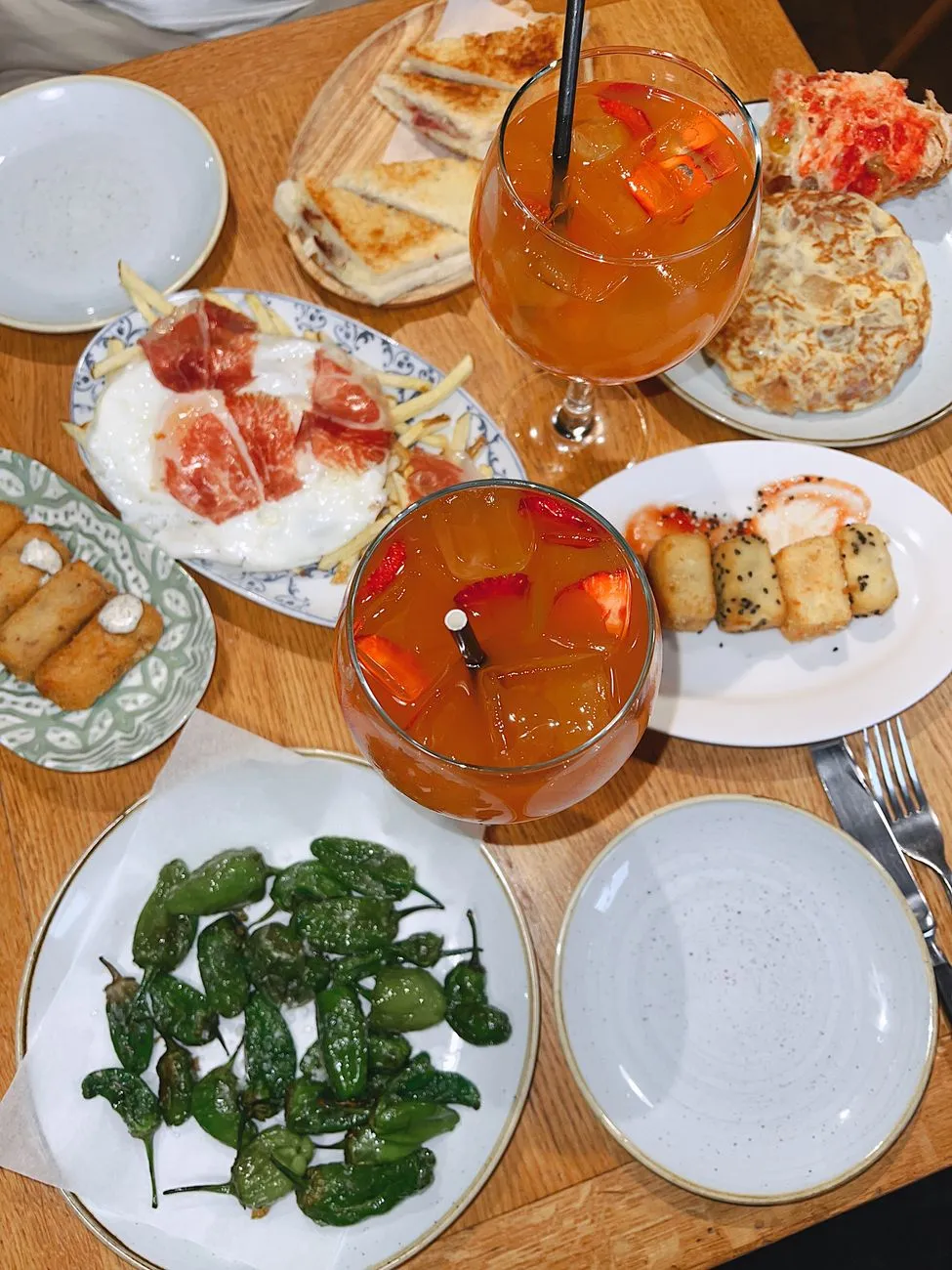
The Ultimate Guide to Spanish Tapas: Recipes and Regional Variations Spanish tapas are more than just small plates—they are a cultural phenomenon, a social ritual, and a culinary art form that has captivated the world. Originating in medieval Spain as a simple way to cover wine glasses with slices of bread or ham to keep flies away, tapas have evolved into a vibrant tradition that reflects the country’s diverse regions, history, and flavors. Today, tapas are enjoyed in bustling bars across Spain, from the sun-drenched streets of Andalusia to the cosmopolitan taverns of Madrid, each region offering its own unique twist on these bite-sized delights. What makes tapas so special is their versatility. Whether you’re savoring a classic patatas bravas drizzled with spicy tomato sauce, indulging in gambas al ajillo (garlic shrimp), or sampling tortilla española (Spanish omelette), each tapa tells a story. The communal nature of tapas—sharing small plates with friends over a glass of wine or beer—embodies the Spanish spirit of sobremesa, the art of lingering at the table long after the meal is finished. In this guide, we’ll explore the history, regional variations, and authentic recipes that make Spanish tapas a must-try for any food lover.The History and Cultural Significance of Spanish Tapas The origins of tapas are as rich and varied as the dishes themselves. The most popular legend traces tapas back to the 13th century, when King Alfonso X of Castile allegedly ordered taverns to serve food with wine to prevent drunkenness. Another theory suggests that tapas emerged as a practical solution for workers in Andalusia, who needed a small snack to sustain them through long hours. Regardless of their exact beginnings, tapas became deeply embedded in Spanish culture, evolving from a simple necessity to a celebrated culinary tradition. Tapas are intrinsically linked to the concept of sobremesa, the Spanish tradition of lingering at the table after a meal to chat, laugh, and enjoy each other’s company. This social ritual is a cornerstone of Spanish life, where food is not just sustenance but a way to connect with others. The word tapa itself means "lid" or "cover," reflecting its humble beginnings as a small plate used to cover a glass of wine. Over time, the term expanded to include any small dish served alongside drinks, and today, tapas menus can range from a few simple items to elaborate spreads featuring dozens of dishes. Regional variations in tapas reflect Spain’s diverse geography and history. In the north, particularly in the Basque Country and Navarre, tapas take the form of pintxos—elaborate skewered bites often served on bread. In Andalusia, seafood tapas like boquerones en vinagre (marinated anchovies) and gambas al ajillo dominate, while in Catalonia, you’ll find pan con tomate (bread with tomato) and allioli (garlic mayonnaise). Central Spain, including Madrid, is known for hearty tapas like callos a la madrileña (tripe stew) and huevos rotos (broken eggs with potatoes and ham). Each region’s tapas are a reflection of its local ingredients, traditions, and cultural influences, making tapas a true culinary mosaic.Classic Spanish Tapas Recipes You Must Try 1. Patatas Bravas: The Iconic Spicy Potato Dish No tapas spread is complete without patatas bravas, a dish that perfectly encapsulates the bold flavors of Spanish cuisine. Originating in Madrid, this dish features crispy fried potatoes served with two essential sauces: salsa brava, a smoky and spicy tomato-based sauce, and allioli, a creamy garlic mayonnaise. The contrast between the crunchy potatoes and the rich, tangy sauces makes this a beloved tapa. Ingredients:4 large potatoes, peeled and cut into 1-inch cubes 1 cup olive oil (for frying) 1 onion, finely chopped 2 garlic cloves, minced 1 can (14 oz) crushed tomatoes 1 tsp smoked paprika 1/2 tsp cayenne pepper (adjust to taste) 1/2 cup mayonnaise 2 garlic cloves (for allioli) Salt and pepper to taste Fresh parsley, chopped (for garnish)Instructions:Fry the potatoes: Heat the olive oil in a deep pan over medium heat. Add the potato cubes and fry until golden and crispy, about 8-10 minutes. Remove with a slotted spoon and drain on paper towels. Season with salt. Make the salsa brava: In a separate pan, sauté the onion and garlic until soft. Add the crushed tomatoes, smoked paprika, cayenne pepper, salt, and pepper. Simmer for 15-20 minutes until thickened. Prepare the allioli: Blend the mayonnaise with the garlic cloves until smooth. Adjust seasoning to taste. Assemble: Place the fried potatoes on a plate, drizzle with salsa brava and allioli, and garnish with fresh parsley. Serve warm.2. Gambas al Ajillo: Garlic Shrimp with a Kick Gambas al ajillo is a staple in Andalusian tapas bars, where fresh shrimp are cooked in a fragrant garlic and olive oil sauce, often infused with chili peppers and a splash of sherry. The dish is typically served sizzling in a clay dish, accompanied by crusty bread to soak up the garlicky oil. Ingredients:1 lb large shrimp, peeled and deveined 1/2 cup olive oil 8 garlic cloves, thinly sliced 1-2 dried guindilla peppers (or 1/2 tsp red pepper flakes) 1/4 cup dry sherry (optional) 1 tbsp lemon juice Salt to taste Fresh parsley, chopped (for garnish) Crusty bread, for servingInstructions:Prepare the shrimp: Pat the shrimp dry and season lightly with salt. Cook the garlic: Heat the olive oil in a skillet over medium heat. Add the garlic and guindilla peppers, cooking until the garlic is golden but not burnt, about 2-3 minutes. Add the shrimp: Increase the heat to medium-high and add the shrimp. Cook for 2-3 minutes per side until pink and opaque. Finish the dish: Deglaze the pan with sherry (if using) and lemon juice. Stir well and garnish with fresh parsley. Serve: Transfer to a clay dish or skillet and serve immediately with crusty bread.3. Tortilla Española: The Ultimate Spanish Omelette A staple in every Spanish home and bar, tortilla española is a thick, hearty omelette made with eggs, potatoes, and onions. Unlike French omelettes, which are thin and folded, the Spanish version is a substantial dish that can be served hot or at room temperature. It’s a perfect example of how simple ingredients can create something extraordinary. Ingredients:6 large eggs 2 large potatoes, peeled and thinly sliced 1 large onion, thinly sliced 1/2 cup olive oil (for frying) Salt to tasteInstructions:Fry the potatoes and onions: Heat the olive oil in a large skillet over medium heat. Add the potatoes and onions, cooking gently until soft but not browned, about 15-20 minutes. Drain and set aside, reserving the oil. Beat the eggs: In a large bowl, beat the eggs and season with salt. Add the cooked potatoes and onions, mixing well. Let the mixture rest for 10 minutes. Cook the omelette: Heat 2 tablespoons of the reserved oil in a non-stick skillet over medium heat. Pour in the egg mixture and cook for 4-5 minutes until the edges are set. Flip the omelette: Place a large plate over the skillet and carefully flip the omelette onto the plate. Slide it back into the skillet to cook the other side for another 4-5 minutes. Serve: Let the tortilla rest for a few minutes before slicing into wedges. Serve warm or at room temperature.Regional Variations: A Tapas Tour Across Spain 1. Basque Country: The Art of Pintxos In the Basque Country, tapas take the form of pintxos, small, elaborate bites often served on a slice of bread or skewered with a toothpick. Pintxos are a point of pride in the region, with each bar vying to create the most innovative and visually stunning dishes. Unlike traditional tapas, pintxos are often more complex, featuring ingredients like foie gras, smoked salmon, and local cheeses. One iconic pintxo is Gilda, a simple yet flavorful combination of anchovies, olives, and guindilla peppers on a toothpick. Another favorite is Txalupa, a small boat-shaped bread filled with seafood salad or brandade (a creamy cod dish). The Basque Country is also known for its pintxos de morcilla, a blood sausage pintxo often served with caramelized onions. 2. Andalusia: Seafood and Moorish Influences Andalusia’s tapas are deeply influenced by its coastal location and Moorish history. Seafood tapas dominate the region, with dishes like boquerones en vinagre (marinated anchovies), tortillitas de camarones (shrimp fritters), and berenjenas con miel (fried eggplant drizzled with honey). The use of spices like cumin, paprika, and saffron reflects the region’s Moorish past. One of the most beloved Andalusian tapas is salmorejo, a cold tomato soup similar to gazpacho but thicker and creamier, topped with diced ham and hard-boiled eggs. Another classic is espinacas con garbanzos, a spinach and chickpea stew with Moroccan-inspired flavors. The Andalusian love for fried foods is evident in tapas like croquetas de jamón (ham croquettes) and pimientos de padrón (blistered Padrón peppers). 3. Catalonia: Rustic and Innovative Catalonia’s tapas are a blend of rustic tradition and modern innovation. The region is known for its pa amb tomàquet (bread rubbed with tomato, garlic, and olive oil), a simple yet essential tapa that accompanies many dishes. Another Catalan staple is allioli, a garlic mayonnaise that can be served with grilled meats, fish, or vegetables. Catalonia is also famous for its fideuà, a paella-like dish made with short noodles instead of rice, often cooked with seafood and served in a shallow pan. Another unique tapa is butifarra amb mongetes, a Catalan sausage served with white beans. The region’s love for cheese is evident in tapas like mató de Pedralbes, a fresh cheese served with honey or nuts. 4. Madrid: Hearty and Traditional Madrid’s tapas scene is characterized by hearty, traditional dishes that reflect the city’s working-class roots. One of the most iconic Madrid tapas is callos a la madrileña, a tripe stew slow-cooked with chorizo, morcilla (blood sausage), and chickpeas. Another favorite is huevos rotos, a dish of fried potatoes and ham topped with fried eggs, which are "broken" to mix the yolks with the other ingredients. Madrid is also known for its bocadillo de calamares, a sandwich filled with fried squid rings, often served with a side of alioli. The city’s love for offal is evident in tapas like oreja a la plancha (grilled pig’s ear) and rabas (fried squid). Madrid’s tapas bars are often standing-room-only, with locals and tourists alike enjoying these robust dishes with a glass of beer or wine. 5. Galicia: Seafood Heaven Galicia, in northwest Spain, is a seafood lover’s paradise, and its tapas reflect this abundance. One of the most famous Galician tapas is pulpo a la gallega, or Galician-style octopus, served with potatoes, paprika, and olive oil. Another iconic dish is empanada gallega, a savory pie filled with tuna, sardines, or other seafood. Galicia is also known for its percebes (gooseneck barnacles), a delicacy often served simply steamed with a drizzle of olive oil and lemon. Another beloved tapa is vieiras a la gallega, scallops cooked with garlic, parsley, and white wine. The region’s tapas are often simple, letting the freshness of the seafood shine through.The Science and Art of Pairing Tapas with Wine and Beer Pairing tapas with the right drink is an art form that enhances the dining experience. In Spain, wine and beer are the most common accompaniments to tapas, with each region offering its own specialties. The key to successful pairing is balancing the flavors of the tapa with the drink—rich, fatty tapas pair well with acidic wines, while lighter tapas benefit from crisp, refreshing beverages. Wine PairingsRioja (Red Wine): A medium-bodied Rioja with its notes of cherry and vanilla is perfect for hearty tapas like callos a la madrileña or tortilla española. Albariño (White Wine): This crisp, aromatic white wine from Galicia pairs beautifully with seafood tapas like gambas al ajillo or pulpo a la gallega. Cava (Sparkling Wine): The effervescence of Cava cuts through the richness of fried tapas like croquetas or patatas bravas. Sherry (Fortified Wine): From Andalusia, sherry—particularly fino or manzanilla—pairs wonderfully with salty tapas like boquerones en vinagre or jamón ibérico.Beer PairingsLager (e.g., Estrella Damm, Mahou): A cold lager is a classic choice for tapas, especially in Madrid and Andalusia. Its crispness complements fried foods and seafood. Craft Beer (e.g., IPA, Stout): In recent years, craft beer has gained popularity in Spain, with IPAs pairing well with spicy tapas like patatas bravas and stouts complementing rich dishes like morcilla. Radler (Beer with Lemon): A refreshing Radler is ideal for hot days and lighter tapas like ensaladilla rusa (Russian salad).Non-Alcoholic PairingsTinto de Verano (Red Wine Spritzer): A mix of red wine and soda water, lighter than sangria, pairs well with grilled tapas. Horchata (Tiger Nut Drink): A sweet, creamy drink from Valencia, horchata is a refreshing contrast to salty tapas like anchovies or cheese. Agua de Valencia (Orange Juice and Cava): A festive non-alcoholic version can be made with orange juice and sparkling water.Nutritional Breakdown and Health Benefits of Spanish Tapas Spanish tapas are not only delicious but also offer a range of nutritional benefits, thanks to their emphasis on fresh ingredients, olive oil, and seafood. Here’s a breakdown of the macronutrient and micronutrient profiles for some classic tapas:Tapa Calories (per serving) Protein (g) Carbs (g) Fat (g) Key NutrientsPatatas Bravas 350 4 35 22 Vitamin C, Potassium, FiberGambas al Ajillo 250 20 5 18 Omega-3, Selenium, Vitamin B12Tortilla Española 300 12 10 24 Vitamin D, Iron, CholineBoquerones en Vinagre 180 15 5 12 Omega-3, Calcium, Vitamin ACroquetas de Jamón 280 8 20 18 Protein, Calcium, Vitamin B6Health BenefitsRich in Healthy Fats: Olive oil, a staple in Spanish cuisine, is high in monounsaturated fats, which are heart-healthy and can help reduce bad cholesterol. High in Protein: Many tapas, such as gambas al ajillo and tortilla española, are excellent sources of protein, essential for muscle repair and growth. Packed with Vitamins and Minerals: Seafood tapas like pulpo a la gallega provide omega-3 fatty acids, which support brain health, while dishes like ensaladilla rusa offer a variety of vitamins from vegetables. Antioxidant-Rich: Ingredients like garlic, tomatoes, and peppers are high in antioxidants, which help combat inflammation and oxidative stress. Moderate Portions: Tapas are typically served in small portions, making them a great option for mindful eating and portion control.Dietary ConsiderationsGluten-Free: Many tapas are naturally gluten-free, such as gambas al ajillo, boquerones en vinagre, and tortilla española. However, be cautious with fried tapas, as they may be dusted with flour. Vegetarian: Vegetarian-friendly tapas include pimientos de padrón, berenjenas con miel, and espinacas con garbanzos. Vegan: Vegan tapas options include pan con tomate, allioli (made without eggs), and pisto (a ratatouille-like dish). Low-Carb: Tapas like tortilla española, boquerones en vinagre, and grilled seafood are low in carbohydrates.Conclusion & Sign-off Spanish tapas are a celebration of flavor, tradition, and community. From the smoky patatas bravas of Madrid to the delicate pintxos of the Basque Country, each tapa offers a glimpse into the rich cultural tapestry of Spain. Whether you’re hosting a tapas night at home or exploring the bustling bars of Seville, these small plates are a gateway to the heart of Spanish cuisine. As you embark on your tapas journey, remember that the true magic of tapas lies in sharing. Gather friends around a table, order a variety of dishes, and let the flavors—and the conversations—flow. Pair your tapas with a glass of Rioja or a cold beer, and you’ll experience the essence of sobremesa, where food becomes a reason to connect and savor life’s simple pleasures. So, whether you’re a seasoned tapas enthusiast or a curious newcomer, dive into the world of Spanish tapas with an open heart and an adventurous palate. ¡Buen provecho!#SpanishFood #TapasNight #MediterraneanEats #FoodTravel #AuthenticCuisine Related InsightsExploring the Delightful World of Cheese Pairings Unlock the Secrets of Craft Beer: Your Step-by-Step Guide to Brewing at Home Like a Pro The Earthy Harvest: A High-Fiber Lentil and Root Vegetable Stew{ "@context": "https://schema.org", "@type": "FAQPage", "mainEntity": [ { "@type": "Question", "name": "What is the main focus of The Ultimate Guide to Spanish Tapas: Recipes and Regional Variations?", "acceptedAnswer": { "@type": "Answer", "text": "Discover the rich history, authentic recipes, and regional variations of Spanish tapas, from classic patatas bravas to Andalusian seafood." } }, { "@type": "Question", "name": "Who authored the comprehensive guide on The Ultimate Guide to Spanish Tapas: Recipes and Regional Variations?", "acceptedAnswer": { "@type": "Answer", "text": "This detailed article and its insights were carefully researched and authored by Kenji Sato." } }, { "@type": "Question", "name": "Where can I find more related content about Food?", "acceptedAnswer": { "@type": "Answer", "text": "You can explore more articles, detailed reviews, and similar insights by browsing the Related Insights section at the bottom of this article or visiting our dedicated Food category page." } } ] }
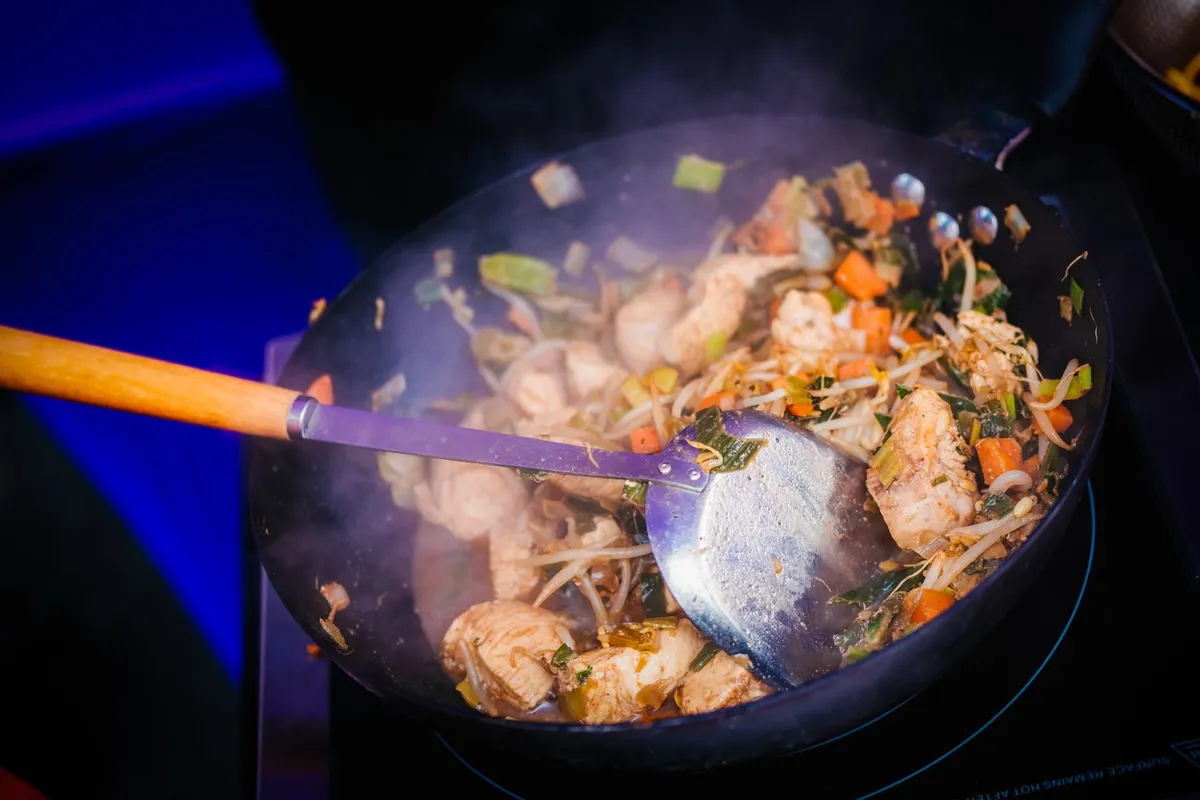
- Eleanor Hughes
- 01 Aug, 2026 19:46
Thai Street Food Secrets: How to Recreate Bangkok’s Best Dishes at Home
Thai Street Food Secrets: How to Recreate Bangkok’s Best Dishes at Home Bangkok’s streets are a symphony of sizzling woks, fragrant herbs, and the unmistakable tang of lime and chili. The city’s street food isn’t just sustenance—it’s a cultural phenomenon, a daily ritual that binds communities and fuels millions. From the crack of dawn until well past midnight, vendors transform humble ingredients into dishes that have earned Bangkok the title of the world’s top street food city (CNN Travel, 2023). But what makes these dishes so irresistible? And how can you recreate their magic in your own kitchen? The answer lies in the alchemy of balance: the interplay of sweet, sour, salty, and spicy that defines Thai cuisine. It’s about understanding the role of fresh herbs like Thai basil and cilantro, the importance of fermented fish sauce, and the technique of pounding spices in a mortar and pestle. This article will peel back the layers of Bangkok’s most iconic street foods, offering step-by-step guides, insider tips, and the science behind their flavors. Whether you’re a seasoned home cook or a curious beginner, you’ll leave equipped to bring the spirit of Bangkok’s streets to your table.The Foundations of Thai Street Food Flavor At the heart of every Thai street food dish is a foundation of flavors that have been perfected over centuries. The balance of nam prik (chili pastes), nam pla (fish sauce), nam makham (tamarind), and nam tan (palm sugar) is non-negotiable. These ingredients are the building blocks of dishes like pad thai, som tam (green papaya salad), and tom yum goong (spicy shrimp soup). But it’s not just about the ingredients—it’s about the technique. The Role of Fermented Fish Sauce Fish sauce, or nam pla, is the backbone of Thai cooking. Made from fermented anchovies and salt, it adds a deep umami richness that salt alone cannot achieve. In Bangkok’s street food, it’s used liberally but judiciously. For example, in pad thai, a splash of fish sauce enhances the sweetness of the tamarind and the savoriness of the dried shrimp. The fermentation process breaks down proteins into glutamates, which is why fish sauce is often called "Thai soy sauce." To recreate this at home, use high-quality fish sauce like Red Boat or Tiparos. A little goes a long way—start with 1 teaspoon and adjust to taste. Remember, the goal is to enhance, not overpower. The Art of the Mortar and Pestle Thai cuisine relies heavily on freshly pounded spices and herbs. The mortar and pestle (kruk kruk) isn’t just a tool; it’s a ritual. In Bangkok’s street markets, vendors pound garlic, chilies, lemongrass, and shrimp paste together to create pastes like nam prik pao (chili jam) or krueng gaeng (curry paste). The friction releases essential oils, creating a paste that’s far more aromatic than pre-ground spices. For som tam, the mortar is essential for crushing peanuts, garlic, chilies, and lime juice into a coarse paste before adding shredded papaya. The texture should be chunky, not smooth. If you don’t have a mortar and pestle, a heavy-bottomed skillet or a food processor can work in a pinch, but the flavor won’t be as vibrant. The Importance of Fresh Herbs Thai basil (horapa), cilantro (pak chi), and mint are non-negotiable in dishes like phat kaphrao (stir-fried holy basil pork) or khao soi (Northern Thai coconut curry noodles). These herbs are added at the end of cooking to preserve their bright, fresh flavors. In Bangkok, vendors often grow their own herbs, ensuring they’re picked at peak freshness. At home, source herbs from an Asian market or grow them in your garden if possible.Pad Thai: Bangkok’s Most Iconic Noodle Dish No discussion of Bangkok’s street food would be complete without pad thai. Born in the 1930s as part of a nationalist campaign to reduce rice consumption, pad thai has since become a global ambassador for Thai cuisine. The dish’s magic lies in its balance of flavors and textures: chewy rice noodles, tender shrimp or tofu, crunchy bean sprouts, and a tangy-sweet tamarind sauce. The Perfect Pad Thai Sauce The sauce is the soul of pad thai. It’s a harmonious blend of:Tamarind paste (for sourness) Palm sugar (for sweetness) Fish sauce (for umami) Lime juice (for brightness)To make the sauce, combine 3 tablespoons tamarind paste, 2 tablespoons palm sugar, 2 tablespoons fish sauce, and 1 tablespoon lime juice. Simmer until the sugar dissolves. The ratio should be 2 parts tamarind to 1 part sugar, with fish sauce added to taste. Authentic pad thai sauce is slightly tangy with a hint of sweetness—never cloyingly sweet. Cooking TechniqueSoak the noodles: Use thin rice noodles (sen lek). Soak them in warm water for 20-30 minutes until pliable but still firm. Over-soaking leads to mushy noodles. Stir-fry the protein: Heat a wok or large skillet over high heat. Add oil, then shrimp, tofu, or chicken. Cook until just done, then set aside. Cook the noodles: Add a bit more oil to the wok, then add the noodles. Stir-fry for 1-2 minutes until they soften slightly. Combine and toss: Add the protein back to the wok, pour in the sauce, and toss everything together. The noodles should be evenly coated but still slightly chewy. Garnish: Top with crushed peanuts, bean sprouts, lime wedges, and cilantro.Common Mistakes to AvoidOver-soaking the noodles: They should be al dente. Using too much sauce: The noodles should glisten, not swim. Skipping the high heat: Pad thai should be cooked quickly to avoid sogginess.Som Tam: The Spicy Green Papaya Salad That Packs a Punch Som tam, or green papaya salad, is a dish that embodies the Thai love of bold, contrasting flavors. Shredded unripe papaya, chilies, lime juice, fish sauce, and palm sugar are pounded together in a mortar to create a salad that’s spicy, sour, sweet, and salty all at once. In Bangkok, vendors often add dried shrimp or crab to enhance the umami. The Right Papaya The key to som tam is using unripe papaya, which has a crisp, slightly crunchy texture. Look for papayas that are firm to the touch and have a pale green skin. If unripe papaya isn’t available, substitute with shredded green cabbage or green mango. The Pounding TechniquePound the garlic and chilies: Start with 2 cloves of garlic and 2-3 Thai chilies (adjust for heat). Pound them into a coarse paste. Add the papaya: Add 2 cups of shredded papaya and pound gently to bruise the fibers. Add the seasonings: Add 1 tablespoon fish sauce, 1 tablespoon palm sugar, and the juice of 1 lime. Pound again to combine. Finish with toppings: Toss in 2 tablespoons crushed peanuts, 1 tablespoon dried shrimp (optional), and a handful of cherry tomatoes. Toss gently.Balancing the Flavors The ideal som tam should have:Heat from the chilies Sourness from the lime Sweetness from the palm sugar Saltiness from the fish sauce Umami from the dried shrimpTaste as you go and adjust the seasonings. If it’s too spicy, add more palm sugar. If it’s too sour, add a bit more fish sauce. Serving Suggestion Som tam is traditionally eaten with sticky rice (khao niew), which helps balance the heat. In Bangkok, vendors often serve it with grilled chicken or kai yang (Thai-style grilled chicken) on the side.Tom Yum Goong: The Spicy-Sour Shrimp Soup That’s a Thai Classic Tom yum goong is the poster child of Thai street food—a fragrant, spicy-sour soup that’s as comforting as it is invigorating. Made with shrimp, lemongrass, galangal, kaffir lime leaves, and chilies, it’s a dish that showcases the Thai principle of hedonism: eating for pleasure. In Bangkok, vendors often serve it with a side of rice to soak up the broth. The Essential IngredientsShrimp: Use fresh, head-on shrimp for the best flavor. The heads add a deep, briny taste to the broth. Aromatics: Lemongrass, galangal, and kaffir lime leaves are non-negotiable. These ingredients are the backbone of the soup’s fragrance. Chilies: Thai bird’s eye chilies add heat. Adjust the quantity to your tolerance. Mushrooms: Straw mushrooms or button mushrooms add texture. Fish sauce and lime juice: For seasoning. Cilantro: For garnish.The Cooking ProcessPrepare the broth: In a pot, bring 4 cups of water to a boil. Add 2 stalks of lemongrass (bruised), 4 slices of galangal, 4 kaffir lime leaves, and 2-3 chilies. Simmer for 10 minutes to infuse the flavors. Add the shrimp: Add 1 pound of shrimp (shells on for extra flavor) and simmer for 3-4 minutes until pink. Season: Add 2 tablespoons fish sauce and the juice of 2 limes. Taste and adjust—it should be spicy, sour, and salty. Finish with herbs: Add 1 cup of sliced mushrooms and simmer for another 2 minutes. Garnish with cilantro.The Secret to a Great Broth The broth should be clear and fragrant, not cloudy. To achieve this:Don’t overcook the aromatics: Simmer just long enough to release their flavors. Use fresh ingredients: Stale lemongrass or galangal will make the broth taste flat. Strain if necessary: If you want a crystal-clear broth, strain out the aromatics before adding the shrimp.Serving Suggestion Tom yum goong is best served piping hot with steamed jasmine rice. In Bangkok, vendors often serve it with a side of nam prik pao (chili jam) for dipping.Moo Ping: The Sweet and Smoky Grilled Pork Skewers Moo ping, or grilled pork skewers, are a staple of Bangkok’s street food scene. Marinated in a sweet and savory sauce, then grilled over charcoal, these skewers are juicy, tender, and packed with flavor. In Bangkok, vendors often sell them from mobile carts, the aroma of grilling pork wafting through the air. The Marinade The marinade for moo ping is a blend of:Coconut milk: For richness and tenderness. Palm sugar: For sweetness. Fish sauce: For umami. Garlic and coriander root: For depth of flavor. White pepper: For a subtle kick.Combine 1 cup coconut milk, 3 tablespoons palm sugar, 2 tablespoons fish sauce, 4 cloves garlic (minced), 1 tablespoon coriander root (or cilantro stems), and 1 teaspoon white pepper. Marinate 1 pound of pork shoulder (cut into thin strips) for at least 4 hours, or overnight for maximum flavor. The Grilling TechniqueSkewer the pork: Thread the pork onto bamboo skewers, leaving a little space between each piece for even cooking. Grill over charcoal: Heat a charcoal grill or grill pan to medium-high. Grill the skewers for 2-3 minutes per side, basting with the leftover marinade. Char the edges: The pork should have a slight char for added flavor. Serve: Cut the skewers into bite-sized pieces and serve with sticky rice and nam jim (Thai dipping sauce).The Dipping Sauce The perfect nam jim for moo ping is a blend of:Fish sauce Lime juice Palm sugar Chilies GarlicCombine 2 tablespoons fish sauce, 1 tablespoon lime juice, 1 teaspoon palm sugar, 1 minced chili, and 1 clove minced garlic. Adjust to taste. Tips for SuccessUse pork shoulder: It’s fatty and stays juicy when grilled. Don’t overcook: The pork should be just cooked through. Charcoal is key: If you don’t have a charcoal grill, a grill pan will work, but the flavor won’t be as authentic.Khao Soi: The Creamy Northern Thai Curry Noodle Soup Khao soi is a dish that defies categorization. It’s a curry noodle soup with a rich, coconut milk-based broth, topped with crispy fried noodles and pickled mustard greens. Originating from Northern Thailand, khao soi is a fusion of Thai and Burmese influences, and it’s a must-try for any street food enthusiast. The Curry Paste The soul of khao soi is its curry paste, which includes:Dried chilies Turmeric Cumin Galangal Lemongrass Shallots Garlic Shrimp pasteToast the dried chilies, turmeric, and cumin in a dry pan until fragrant. Then, pound them in a mortar with the other ingredients until you have a coarse paste. The paste should be vibrant and aromatic, with a deep red color. The BrothSauté the paste: Heat 2 tablespoons oil in a pot. Add 3 tablespoons of the curry paste and sauté until fragrant. Add coconut milk: Pour in 2 cups of coconut milk and simmer for 5 minutes. Add protein: Add 1 pound of chicken thighs (bone-in for extra flavor) and simmer for 20 minutes. Season: Add 1 tablespoon fish sauce and 1 teaspoon palm sugar. Taste and adjust.The Noodles Khao soi uses two types of noodles:Egg noodles: Cooked until al dente. Crispy fried noodles: For topping.The ToppingsPickled mustard greens: Adds a tangy crunch. Lime wedges: For brightness. Cilantro: For freshness. Chilies: For heat.Serving Suggestion Ladle the broth over the cooked noodles, then top with the crispy fried noodles, pickled greens, lime, and cilantro. The contrast of textures and flavors is what makes khao soi so special.The Economics of Thai Street Food: A Global Perspective Thai street food isn’t just a culinary delight—it’s a economic powerhouse. According to research on the globalization of Chinese food (OpenAlex, 2023), street food cultures often serve as cultural ambassadors, introducing global audiences to a country’s culinary traditions. In the case of Thailand, street food has become a significant driver of tourism, with Bangkok’s markets attracting millions of visitors each year. The "Riches of the Forest" study (OpenAlex, 2023) highlights how traditional ingredients like lemongrass, galangal, and kaffir lime leaves have gained international popularity, appearing in fusion dishes worldwide. This global interest has led to a surge in demand for authentic Thai ingredients, benefiting local farmers and vendors in Thailand. The Price of Authenticity In Bangkok, a plate of pad thai costs between 40-70 THB ($1.20-$2.10 USD), while som tam ranges from 50-90 THB ($1.50-$2.70 USD). The affordability of street food is a key factor in its popularity, making it accessible to locals and tourists alike. However, the cost of ingredients abroad can be significantly higher. For example, fresh galangal may cost $5-$10 per pound in Western supermarkets, compared to $1-$2 per pound in Thailand. The Future of Thai Street Food As global interest in Thai cuisine grows, so does the demand for authentic street food experiences. Food trucks and pop-up markets in cities like New York, London, and Sydney are bringing the flavors of Bangkok to international audiences. However, the challenge lies in preserving the authenticity of these dishes while adapting to local tastes and ingredient availability.Nutritional Breakdown of Bangkok’s Best Street FoodsDish Calories (per serving) Protein (g) Carbs (g) Fat (g) Key NutrientsPad Thai 450 12 65 15 Fiber, Vitamin C, IronSom Tam 120 3 20 4 Vitamin A, Vitamin C, PotassiumTom Yum Goong 200 15 10 10 Omega-3, Vitamin C, AntioxidantsMoo Ping 300 20 15 18 Iron, Zinc, B VitaminsKhao Soi 500 25 50 20 Fiber, Calcium, Vitamin DNote: Nutritional values are approximate and based on standard recipes. Actual values may vary.Conclusion: Bring the Spirit of Bangkok to Your Kitchen Bangkok’s street food is more than just a meal—it’s an experience. It’s the sizzle of the wok, the aroma of lemongrass and galangal, the burst of lime and chili on your tongue. By understanding the foundations of Thai flavor—balance, freshness, and technique—you can recreate these dishes at home with authenticity and flair. Start with the basics: invest in high-quality fish sauce, fresh herbs, and a mortar and pestle. Master the art of the nam prik and nam jim, and don’t be afraid to experiment with heat and spice. Remember, the key to Thai cooking is balance. Each dish should be a symphony of flavors, where no single note overpowers the others. Whether you’re whipping up a quick pad thai for dinner or spending a lazy Sunday afternoon crafting khao soi, let the spirit of Bangkok guide you. And who knows? Your kitchen might just become the next best street food stall in your neighborhood. Now, grab your apron, fire up the wok, and let the flavors of Thailand transport you to the bustling streets of Bangkok.#ThaiStreetFood #BangkokEats #HomemadeThai #AuthenticRecipes #StreetFoodSecrets Related InsightsCaprese Salad: A Symphony of Flavors and Antioxidants Die Straßen von Mumbai: Ein kulinarischer Traum Il Garum Pompeiano: Il Sangue Salato degli Dei e la Sua Rinascita Gastronomica{ "@context": "https://schema.org", "@type": "FAQPage", "mainEntity": [ { "@type": "Question", "name": "What is the main focus of Thai Street Food Secrets: How to Recreate Bangkok’s Best Dishes at Home?", "acceptedAnswer": { "@type": "Answer", "text": "Unlock the secrets of Thailand’s most beloved street food with authentic recipes, insider tips, and a deep dive into the flavors that make Bangkok’s markets legendary." } }, { "@type": "Question", "name": "Who authored the comprehensive guide on Thai Street Food Secrets: How to Recreate Bangkok’s Best Dishes at Home?", "acceptedAnswer": { "@type": "Answer", "text": "This detailed article and its insights were carefully researched and authored by Eleanor Hughes." } }, { "@type": "Question", "name": "Where can I find more related content about Food?", "acceptedAnswer": { "@type": "Answer", "text": "You can explore more articles, detailed reviews, and similar insights by browsing the Related Insights section at the bottom of this article or visiting our dedicated Food category page." } } ] }
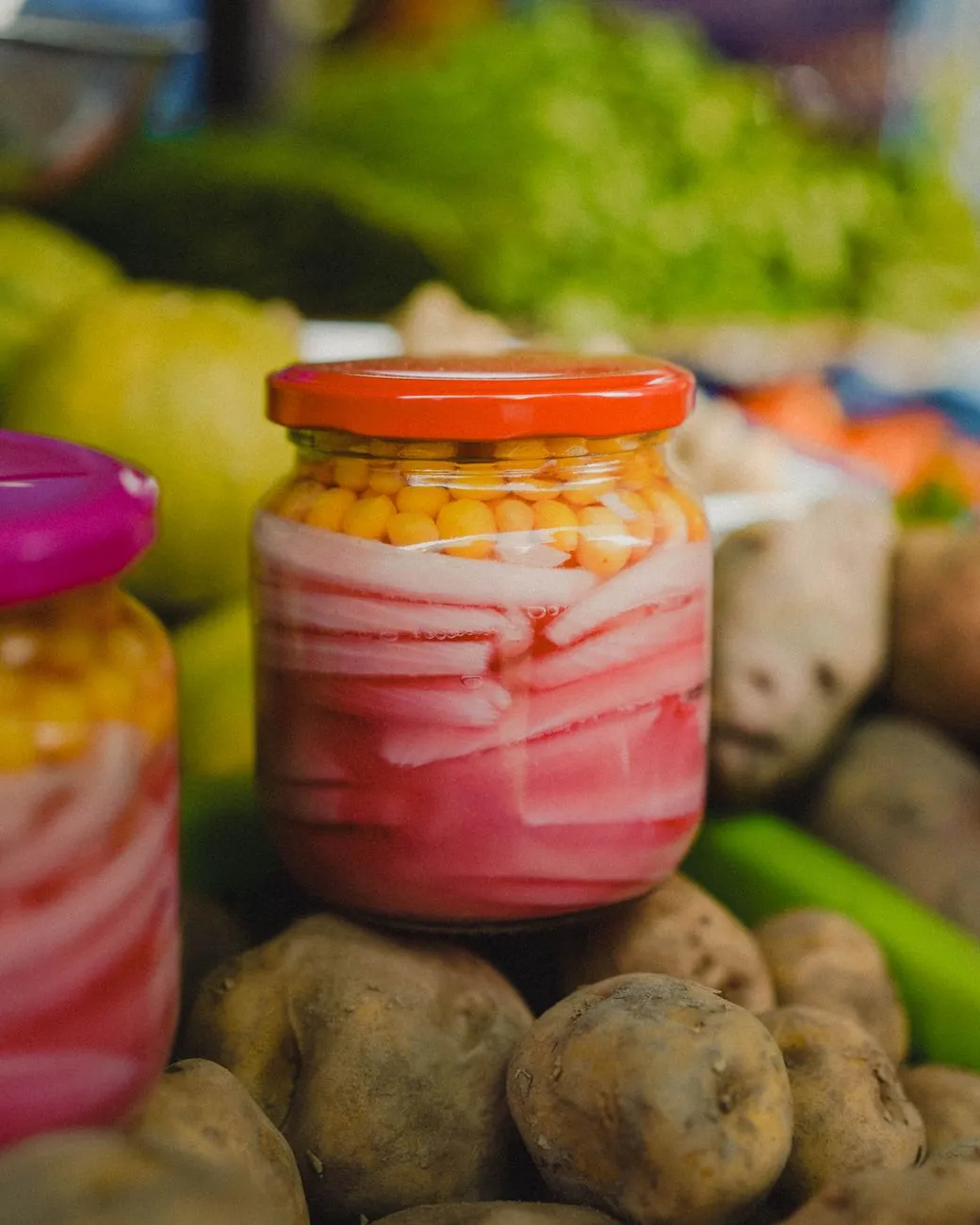
- Marcus Vance
- 01 Aug, 2026 08:42
Fermented Foods Around the World: From Korean Kimchi to German Sauerkraut – A Global Journey Through Tradition and Health
Fermented foods are more than just culinary delights—they are living testaments to human ingenuity, preserving the bounty of harvests, enhancing flavors, and nurturing health across millennia. From the fiery tang of Korean kimchi to the crisp acidity of German sauerkraut, these foods represent a global tapestry of tradition, science, and gastronomy. But what makes fermented foods so universally revered? At their core, they are the result of microbial alchemy, where beneficial bacteria and yeasts transform raw ingredients into complex, nutrient-dense masterpieces. Recent research highlights their role not only in flavor development but also in promoting gut health, immune function, and even mental well-being. As we embark on this global journey, we’ll explore the origins, science, and cultural significance of fermented foods, uncovering why they remain indispensable in kitchens from Seoul to Berlin.The process of fermentation is ancient, predating recorded history. Archaeological evidence suggests that early humans fermented grains and fruits as early as 10,000 BCE, long before the advent of refrigeration or modern food preservation techniques. This method allowed communities to store food safely, enhance its nutritional value, and create flavors that could not be achieved through cooking alone. Today, fermented foods are celebrated not only for their taste but also for their probiotic properties, which support a healthy gut microbiome—a cornerstone of overall wellness. In this article, we’ll delve into five iconic fermented foods, examining their unique characteristics, health benefits, and the science behind their transformation.The Science of Fermentation: How Microbes Transform Food Fermentation is a metabolic process where microorganisms—primarily bacteria and yeasts—convert carbohydrates into acids, gases, or alcohol in the absence of oxygen. This transformation is not merely a culinary trick; it’s a biochemical revolution that enhances food’s nutritional profile, digestibility, and shelf life. The OpenAlex research data underscores the diversity of microorganisms involved in fermentation, with species like Lactobacillus, Leuconostoc, and Saccharomyces playing pivotal roles across different cuisines. At its simplest, fermentation begins with the natural microbes present on raw ingredients or introduced via a starter culture. For example, kimchi relies on Lactobacillus kimchii, a bacterium that thrives in the spicy, cabbage-rich environment, producing lactic acid that gives kimchi its signature tang. Similarly, sauerkraut fermentation involves Leuconostoc mesenteroides and Lactobacillus plantarum, which work sequentially to break down sugars and create a stable, probiotic-rich product. The health benefits of fermentation are profound. Fermented foods are rich in live cultures, which act as probiotics, supporting gut health by restoring microbial balance. Studies cited in the OpenAlex research highlight that these foods can improve digestion, boost immunity, and even reduce inflammation. Additionally, fermentation enhances the bioavailability of nutrients. For instance, the fermentation of soybeans into miso increases the availability of amino acids and antioxidants, making it a more nutritious protein source.To ferment food at home, the process is straightforward but requires attention to detail. Start with fresh, high-quality ingredients—cabbage for sauerkraut, radishes for kimchi, or soybeans for miso. Submerge the ingredients in a brine solution (typically 2-3% salt by weight) to create an anaerobic environment that favors beneficial microbes while inhibiting harmful ones. Keep the mixture at room temperature (ideally 65-75°F) for 3-10 days, depending on the desired level of sourness. Taste-test regularly, and once the flavor is to your liking, transfer the ferment to the refrigerator to slow down the process. Understanding the science behind fermentation empowers us to experiment with flavors and textures while ensuring safety and quality. Whether you’re a seasoned fermenter or a curious beginner, mastering this process opens a world of culinary possibilities.Korean Kimchi: A Spicy, Probiotic Powerhouse Kimchi is more than Korea’s national dish—it’s a cultural icon, a symbol of resilience, and a nutritional powerhouse. Dating back to the 7th century, kimchi was originally a way to preserve vegetables through harsh winters, but today, it’s celebrated worldwide for its bold flavors and health benefits. The OpenAlex research highlights kimchi’s microbial diversity, with over 200 bacterial species identified in traditional preparations, including Lactobacillus brevis and Weissella cibaria. The primary ingredient in kimchi is napa cabbage, which is salted and left to ferment for several days. The fermentation process is divided into two stages: the initial lactic acid fermentation by Leuconostoc species, followed by a secondary fermentation dominated by Lactobacillus species. This dual-phase process creates a complex flavor profile, ranging from mildly tangy to intensely pungent, depending on the fermentation time. Kimchi’s signature spiciness comes from gochugaru, a Korean red pepper flake that not only adds heat but also contributes to the fermentation process by inhibiting the growth of undesirable microbes. Other key ingredients include garlic, ginger, scallions, and sometimes seafood like jeotgal (salted shrimp), which adds umami depth. The combination of these ingredients creates a symphony of flavors—sour, spicy, sweet, and umami—that make kimchi a versatile condiment.Beyond its culinary appeal, kimchi is a nutritional powerhouse. A single serving (about 100 grams) contains approximately 23 calories, 2 grams of fiber, and 1 gram of protein. It’s also rich in vitamins A, B, and C, as well as minerals like iron and calcium. The probiotics in kimchi, particularly Lactobacillus, have been shown to improve gut health, reduce cholesterol levels, and even enhance immune function. Some studies suggest that regular kimchi consumption may lower the risk of obesity and type 2 diabetes, thanks to its high fiber content and low calorie count. To make kimchi at home, start with 2 pounds of napa cabbage, cut into quarters and rinsed thoroughly. Dissolve ½ cup of coarse sea salt in 8 cups of water, then submerge the cabbage in the brine for 2 hours, flipping halfway through. Rinse the cabbage thoroughly and drain. In a separate bowl, mix 1 cup of gochugaru, ½ cup of minced garlic, 1 tablespoon of grated ginger, 4 scallions (chopped), and 1 tablespoon of fish sauce (optional). Combine the spice paste with the cabbage, massaging it thoroughly to ensure even coating. Pack the kimchi into a clean jar, pressing down to remove air pockets, and leave it at room temperature for 1-2 days before refrigerating. The flavor will continue to develop over the next few weeks. Kimchi’s versatility extends beyond the traditional side dish. It can be used in soups, stews, fried rice, or even as a topping for tacos and burgers. Its bold flavors and probiotic benefits make it a must-try for anyone looking to explore the world of fermented foods.German Sauerkraut: The Tangy Treasure of Northern Europe Sauerkraut, or "sour cabbage," is one of the oldest fermented foods in Europe, with roots tracing back to the 4th century BCE. Legend has it that the nomadic tribes of Central Asia first fermented cabbage to preserve it during long journeys, and the technique spread to Germany via the Mongols. By the Middle Ages, sauerkraut had become a staple in German cuisine, prized for its long shelf life and nutritional value. Today, it remains a beloved side dish, often served alongside sausages, pork, or potatoes. The fermentation process for sauerkraut is straightforward but requires patience. Thinly shredded cabbage is mixed with salt (typically 2% of the cabbage’s weight) and massaged to release its natural juices. The cabbage is then packed tightly into a fermentation vessel, such as a crock or jar, and weighted down to keep it submerged in its brine. Over the course of 1-4 weeks, lactic acid bacteria like Leuconostoc mesenteroides and Lactobacillus plantarum break down the sugars in the cabbage, producing lactic acid that gives sauerkraut its signature tang. Sauerkraut’s health benefits are well-documented. A 100-gram serving contains approximately 22 calories, 4 grams of fiber, and 1 gram of protein. It’s also rich in vitamins C and K, as well as minerals like potassium and iron. The probiotics in sauerkraut support gut health by promoting the growth of beneficial bacteria, which can improve digestion and boost immunity. Additionally, sauerkraut is low in calories and high in fiber, making it a great addition to weight management diets.Sauerkraut’s versatility extends beyond the traditional German plate. It can be used as a topping for hot dogs, a filling for dumplings, or even as a base for soups and stews. In modern cuisine, chefs are experimenting with sauerkraut in unexpected ways, such as incorporating it into tacos, sandwiches, or even vegan "cheese" spreads. To make sauerkraut at home, start with 2 pounds of green or red cabbage, thinly shredded. Mix the cabbage with 1 tablespoon of salt (or 2% of the cabbage’s weight) and massage it thoroughly to release its juices. Pack the cabbage into a clean jar or crock, pressing down firmly to remove air pockets. Cover the cabbage with a fermentation weight or a smaller jar filled with water to keep it submerged. Leave the jar at room temperature for 1-2 weeks, then transfer it to the refrigerator to slow down the fermentation process. The sauerkraut will continue to develop flavor over time, becoming tangier and more complex. Sauerkraut’s cultural significance is also worth noting. In Germany, it’s often served during Oktoberfest celebrations, paired with hearty dishes like bratwurst and pretzels. In the United States, sauerkraut gained popularity among German immigrants in the 19th century and has since become a staple in dishes like Reuben sandwiches and Reubenesque salads.Japanese Miso: The Umami-Rich Fermented Soybean Paste Miso is a cornerstone of Japanese cuisine, a fermented soybean paste that adds depth, umami, and complexity to soups, marinades, and sauces. Dating back to the 8th century, miso was introduced to Japan from China via Buddhist monks, who valued it for its nutritional and medicinal properties. Today, miso is a staple in Japanese households, with regional variations like white miso (shiro miso), red miso (aka miso), and barley miso (mugi miso) each offering unique flavors and uses. The fermentation process for miso begins with koji, a culture of Aspergillus oryzae grown on steamed rice or barley. The koji is mixed with soybeans, salt, and sometimes additional grains like barley or wheat, then left to ferment for months or even years. During this time, enzymes from the koji break down the proteins and carbohydrates in the soybeans, creating a rich, savory paste. The longer the fermentation, the deeper and more complex the flavor becomes. Miso’s nutritional profile is impressive. A 100-gram serving contains approximately 195 calories, 12 grams of protein, and 6 grams of fiber. It’s also rich in vitamins B2, B12, and E, as well as minerals like manganese and zinc. The fermentation process enhances the bioavailability of these nutrients, making miso a highly nutritious food. Additionally, miso contains probiotics that support gut health and may reduce the risk of certain cancers, thanks to its high content of antioxidants and isoflavones.Miso’s versatility in the kitchen is unparalleled. It can be used to make miso soup, a comforting and nourishing dish often served for breakfast in Japan. Miso can also be used as a marinade for fish or meat, a glaze for roasted vegetables, or a base for salad dressings. In modern cuisine, chefs are experimenting with miso in unexpected ways, such as incorporating it into desserts, cocktails, or even ice cream. To make miso at home, start with 2 cups of soybeans, soaked overnight and steamed until tender. Mix the soybeans with 1 cup of koji (available at Asian markets or online), ½ cup of salt, and ¼ cup of miso starter (optional). Pack the mixture into a clean jar, pressing down to remove air pockets, and cover it with a fermentation weight. Leave the jar at room temperature for 6-12 months, then transfer it to the refrigerator to slow down the fermentation process. The miso will continue to develop flavor over time, becoming richer and more complex. Miso’s cultural significance extends beyond Japan. In Korea, a similar fermented soybean paste called doenjang is used in soups and stews, while in China, a fermented soybean paste called douchi is used as a seasoning. These variations highlight the global appeal of fermented soybean pastes and their role in traditional cuisines.Indian Idli and Dosa Batter: Fermented Rice and Lentil Delights Idli and dosa are iconic South Indian dishes made from fermented rice and lentil batter. Idli is a steamed rice cake, while dosa is a thin, crispy pancake, both of which rely on fermentation to achieve their signature textures and flavors. The fermentation process for idli and dosa batter begins with a mixture of rice and urad dal (black gram lentils), which are soaked, ground into a batter, and left to ferment overnight. During fermentation, lactic acid bacteria like Leuconostoc mesenteroides and Lactobacillus species break down the carbohydrates in the batter, creating a light, fluffy texture and a slightly tangy flavor. The fermentation process is crucial to the success of idli and dosa. Without proper fermentation, the batter will not rise, resulting in dense, flat cakes. The ideal fermentation time is 8-12 hours, depending on the temperature and humidity. In South India, where idli and dosa are staples, families often prepare batter in large quantities and ferment it overnight, allowing the flavors to develop and the texture to become airy. Idli and dosa are not only delicious but also highly nutritious. A single idli contains approximately 39 calories, 1 gram of protein, and 0.5 grams of fiber. Dosa is slightly higher in calories, with a single dosa containing approximately 120 calories, 3 grams of protein, and 1 gram of fiber. Both dishes are rich in carbohydrates and low in fat, making them a great option for those looking for a light, nutritious meal. Additionally, the fermentation process enhances the bioavailability of nutrients, making the protein and fiber in idli and dosa more easily digestible.Idli and dosa are often served with accompaniments like coconut chutney, sambar (a lentil-based vegetable stew), and tomato chutney. These dishes are not only a staple in South Indian cuisine but also a symbol of the region’s rich culinary heritage. In recent years, idli and dosa have gained popularity worldwide, with Indian restaurants and food trucks offering these dishes as part of their menus. To make idli and dosa batter at home, start with 2 cups of parboiled rice and 1 cup of urad dal. Soak the rice and dal separately for 4-6 hours, then grind them into a smooth batter. Mix the batter with salt and a pinch of baking soda (optional), then leave it to ferment overnight at room temperature. The batter is now ready to use for making idli or dosa. For idli, pour the batter into greased molds and steam for 10-12 minutes. For dosa, spread a thin layer of batter onto a hot griddle and cook until crispy. The fermentation process for idli and dosa batter is a testament to the ingenuity of South Indian cooks, who have perfected the art of fermentation over centuries. Today, idli and dosa are enjoyed by millions of people worldwide, a delicious reminder of the power of fermentation to transform simple ingredients into culinary masterpieces.Nutritional Comparison: Kimchi vs. Sauerkraut vs. Miso vs. Idli/DosaFermented Food Calories (per 100g) Protein (g) Fiber (g) Probiotics Key NutrientsKimchi 23 1 2 High Vitamins A, B, C; Iron, CalciumSauerkraut 22 1 4 High Vitamins C, K; Potassium, IronMiso 195 12 6 Moderate Vitamins B2, B12, E; ManganeseIdli (1 piece) 39 1 0.5 High Carbohydrates, ProteinDosa (1 piece) 120 3 1 High Carbohydrates, ProteinData sourced from OpenAlex research and nutritional databases.Fermented foods are a testament to humanity’s ability to harness the power of microbes for culinary and health benefits. From the spicy, probiotic-rich kimchi of Korea to the tangy, fiber-packed sauerkraut of Germany, these foods offer a glimpse into the rich tapestry of global cuisine. Whether you’re drawn to the umami depth of Japanese miso or the airy texture of South Indian idli, there’s a fermented food to suit every palate and dietary need. The science behind fermentation is equally fascinating. Microorganisms like Lactobacillus and Leuconostoc not only preserve food but also enhance its nutritional value, making fermented foods a valuable addition to any diet. Research continues to uncover the health benefits of these foods, from improved gut health to reduced inflammation and enhanced immunity. As we’ve seen, fermentation is more than a preservation technique—it’s a gateway to a world of flavor, tradition, and wellness. For those new to fermented foods, the journey begins with a single jar of sauerkraut or a bowl of miso soup. Experiment with flavors, textures, and techniques, and don’t be afraid to make mistakes. Fermentation is as much an art as it is a science, and every batch is a unique expression of time, temperature, and microbial activity. Whether you’re a seasoned fermenter or a curious beginner, the world of fermented foods offers endless possibilities for exploration and discovery. As we look to the future, fermented foods are poised to play an even greater role in global cuisine and health. With growing interest in gut health, plant-based diets, and sustainable food practices, fermented foods offer a delicious and nutritious solution. So, why not start your own fermentation journey today? Your gut—and your taste buds—will thank you.#FermentedFoods #GutHealth #TraditionalCuisine #Probiotics #GlobalCuisine Related InsightsHar Gow: The Translucent Shrimp Dumpling Masterpiece L'Alchimie du Levant : Quand l'Histoire se Déguste en Mezze Steel-Cut Oats with Chia Seeds and Blueberries: A Delicious and Nutritious Breakfast Option{ "@context": "https://schema.org", "@type": "FAQPage", "mainEntity": [ { "@type": "Question", "name": "What is the main focus of Fermented Foods Around the World: From Korean Kimchi to German Sauerkraut – A Global Journey Through Tradition and Health?", "acceptedAnswer": { "@type": "Answer", "text": "Discover the rich history, health benefits, and cultural significance of fermented foods like Korean kimchi and German sauerkraut, backed by science and tradition." } }, { "@type": "Question", "name": "Who authored the comprehensive guide on Fermented Foods Around the World: From Korean Kimchi to German Sauerkraut – A Global Journey Through Tradition and Health?", "acceptedAnswer": { "@type": "Answer", "text": "This detailed article and its insights were carefully researched and authored by Marcus Vance." } }, { "@type": "Question", "name": "Where can I find more related content about Food?", "acceptedAnswer": { "@type": "Answer", "text": "You can explore more articles, detailed reviews, and similar insights by browsing the Related Insights section at the bottom of this article or visiting our dedicated Food category page." } } ] }
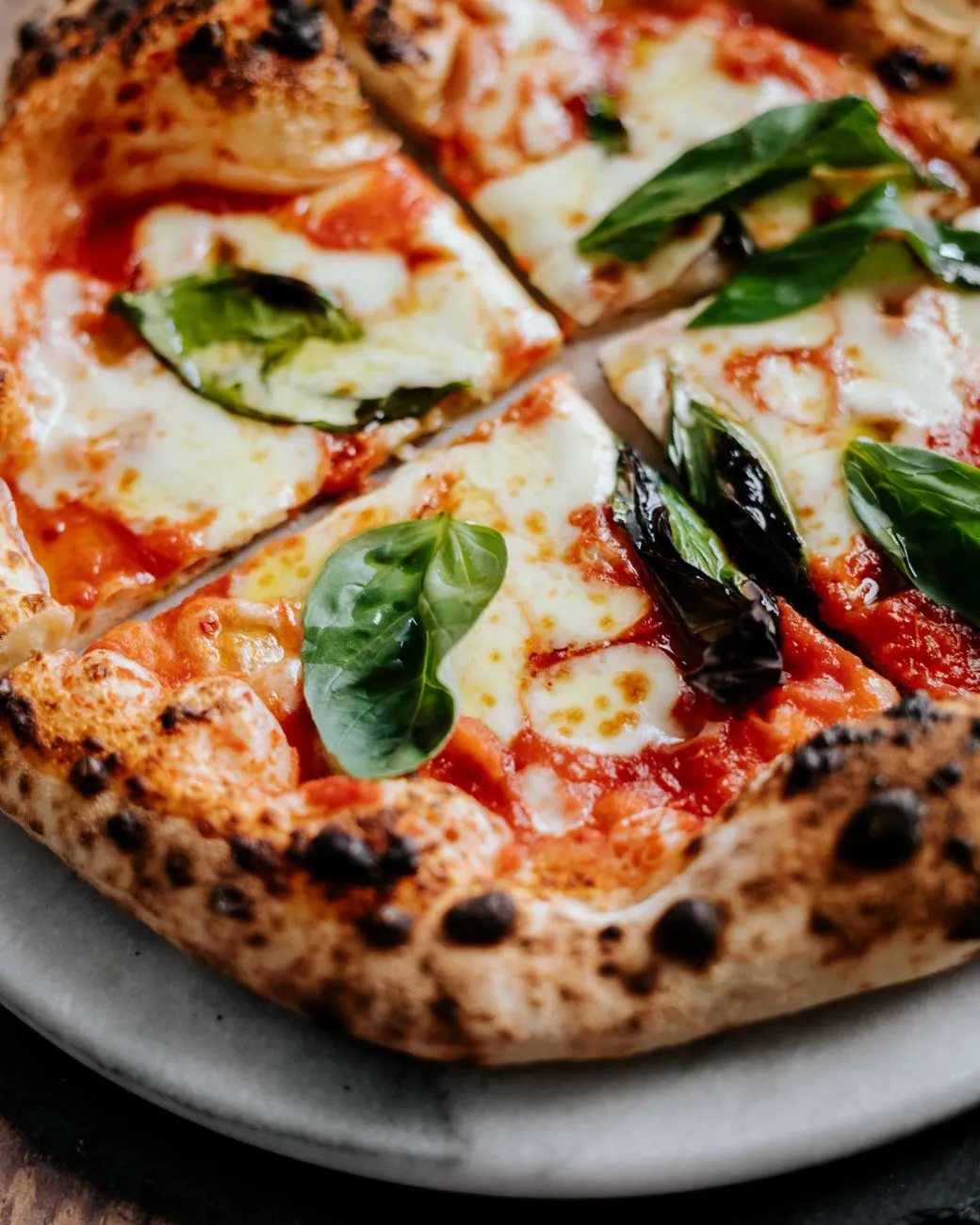
- Isabella Rossi
- 22 Jul, 2026 10:39
From Naples to Your Kitchen: Mastering the Sacred Art of Authentic Neapolitan Pizza
There is no dish in the world more revered, debated, and passionately defended than Neapolitan pizza. Born in the working-class neighborhoods of Naples in the late 18th century, this humble creation—flour, water, salt, and tomatoes—rose to become a global icon, a UNESCO-recognized cultural treasure, and the benchmark against which all other pizzas are judged. Yet, despite its ubiquity, true Neapolitan pizza remains elusive outside the volcanic slopes of Mount Vesuvius. Why? Because authenticity is not a recipe—it is a philosophy. To make Neapolitan pizza at home is to embark on a journey of precision, patience, and reverence. It demands respect for tradition, an understanding of fermentation, and an almost spiritual connection to the ingredients. This is not the quick, cheesy, deep-dish experiment of Chicago or the crispy, thin-crust affair of New York. This is pizza napoletana—soft, leopard-spotted crust with a charred, blistered cornicione, a sauce so bright it sings of San Marzano tomatoes, and a center so delicate it melts on the tongue like a summer breeze off the Bay of Naples. In this guide, we will peel back the layers of myth and misconception to reveal the science, history, and technique behind crafting an authentic Neapolitan pizza in your own kitchen. Whether you own a $10,000 wood-fired oven or a basic home oven, the principles remain the same: respect the dough, honor the ingredients, and let time do the work.The Soul of Neapolitan Pizza: Understanding the Dough At the heart of every great Neapolitan pizza lies its dough—a living organism of flour, water, salt, and time. Unlike commercial pizza doughs that rely on yeast for rapid rise, Neapolitan dough is a testament to slow fermentation, where microbial activity and enzymatic breakdown transform simple ingredients into a complex, flavorful base. The Ingredients: Less Is More The dough recipe is deceptively simple:Type 00 flour (100%): This finely milled, low-protein flour from Italy is the gold standard. It produces a tender, elastic dough with minimal gluten development, crucial for the characteristic softness of Neapolitan crust. Water (60–65%): The hydration level affects the dough’s extensibility and final texture. Neapolitan dough typically falls between 60–65% hydration, yielding a supple, slightly sticky dough that’s easy to work with. Sea salt (2–3%): Salt enhances flavor and strengthens the gluten network. Neapolitan dough uses minimal salt to preserve the natural sweetness of the flour. Fresh yeast (0.1–0.2%): A tiny amount of fresh yeast (or 0.02–0.05% of instant yeast) kickstarts fermentation. The key is patience—long, cold fermentation develops flavor without over-proofing.The Fermentation Process: A Symphony of Time Neapolitan dough undergoes a long, cold fermentation, typically 24–48 hours at 4–6°C (39–43°F). This slow rise allows:Lactic and acetic acid bacteria to develop, contributing to the dough’s tangy complexity. Proteolytic enzymes to break down proteins, tenderizing the gluten. Gas retention to improve oven spring and crust structure.For home bakers, this means preparing the dough 24–48 hours before baking. Divide the dough into 250–280g portions (traditional Neapolitan pizza size), shape into balls, and refrigerate in airtight containers. Remove the dough 2–3 hours before baking to allow it to warm slightly and relax. Kneading and Shaping: The Art of Hand Work Neapolitan dough is never kneaded aggressively. Instead, it’s gently stretched and folded during the bulk fermentation phase to develop gluten without overworking it. The final shaping is done by hand—no rolling pins allowed. The dough is pressed from the center outward, leaving a thick, airy cornicione (crust edge) that puffs up in the oven.The Fire of Naples: Mastering the Oven The soul of Neapolitan pizza is not just in the dough—it’s in the fire. Traditional Neapolitan pizza is baked in a wood-fired dome oven at temperatures between 430–485°C (806–905°F) for just 60–90 seconds. This extreme heat creates the signature charred spots (leopard spotting) and blistered cornicione while keeping the center soft and moist. Wood-Fired Ovens: The Gold Standard A true Neapolitan pizza oven is made of refractory brick and fired with hardwood (typically oak or chestnut). The dome shape ensures even heat distribution, and the fire is built in the center, radiating heat outward. The pizza is launched onto the oven floor using a long wooden peel, where it cooks quickly under direct radiant and convective heat. For home cooks, replicating this environment is challenging but not impossible. Here are your options:Oven Type Max Temp Baking Time Authenticity LevelWood-fired oven 430–485°C (806–905°F) 60–90 sec ★★★★★Outdoor pizza oven (propane) 370–430°C (700–800°F) 90–120 sec ★★★★☆Home oven (with broiler) 260–290°C (500–550°F) 5–7 min ★★★☆☆Home oven (with pizza stone) 260–290°C (500–550°F) 8–12 min ★★☆☆☆Home Oven Hacks for Neapolitan-Style Pizza Since most home ovens max out at 260–290°C (500–550°F), you’ll need to mimic the conditions of a wood-fired oven:Preheat for at least 1 hour to ensure the stone or steel reaches maximum temperature. Use a pizza stone or steel to absorb and radiate heat. A steel plate (like a baking steel) is superior for heat retention. Add a broiler pan filled with lava rocks or a cast-iron skillet to create a smoky, high-heat environment. Bake on the highest oven rack to maximize exposure to the broiler’s direct heat. Use a pizza peel to launch the pizza quickly and retrieve it with minimal heat loss.The Baking Process: Timing and Technique Neapolitan pizza bakes in stages:First 30 seconds: The crust blisters and puffs up as moisture evaporates. Next 30 seconds: The sauce caramelizes slightly, and the cheese melts. Final 30 seconds: The toppings set, and the crust develops its characteristic char.For home ovens, expect 5–12 minutes depending on your setup. The goal is a soft, chewy center with a charred, leopard-spotted crust—not a crispy, dry pizza.The Sacred Toppings: Sauce, Cheese, and Beyond Neapolitan pizza is not about abundance—it’s about simplicity and quality. The Associazione Verace Pizza Napoletana (AVPN), the governing body of authentic Neapolitan pizza, has strict rules about toppings. Only three variations are officially recognized:Marinara: Tomato sauce, garlic, oregano, and olive oil. Margherita: Tomato sauce, fresh mozzarella (fior di latte or buffalo mozzarella), basil, and olive oil. Marinara with Oregano: A variation of the classic marinara with added oregano.The Sauce: San Marzano Tomatoes The soul of Neapolitan pizza lies in its sauce, made from San Marzano tomatoes—a variety grown in the volcanic soil near Mount Vesuvius. These tomatoes are:Low-acid, with a sweet, rich flavor. Meatier and less watery than standard canned tomatoes. Peeled and crushed by hand (no blender!) to preserve texture.The sauce is simply crushed tomatoes, salt, and a drizzle of olive oil, simmered for just 10–15 minutes to concentrate the flavor. No garlic, no herbs—just the pure essence of the tomato. The Cheese: Mozzarella di Bufala or Fior di Latte Authentic Neapolitan pizza uses fresh mozzarella, either:Mozzarella di Bufala Campana DOP: Made from buffalo milk, it’s creamier and tangier. Fior di Latte: Made from cow’s milk, it’s milder and more widely available.The cheese is drained well (to avoid a soggy crust) and torn by hand (never sliced) to create irregular, melty patches. A light sprinkle of Parmigiano-Reggiano can be added for umami depth, but it’s not traditional. The Finishing Touches: Olive Oil and Basil A drizzle of extra-virgin olive oil (preferably from Campania) is added after baking to enhance flavor and sheen. Fresh basil leaves are placed on top of the pizza just before serving to preserve their aroma.Troubleshooting and Common Mistakes Even the most experienced pizza makers encounter challenges. Here are the most common pitfalls and how to avoid them: Problem: Dough Doesn’t Rise Cause: Old or inactive yeast, cold fermentation temperatures, or insufficient fermentation time. Solution: Use fresh yeast (or instant yeast in small quantities), ferment at 4–6°C (39–43°F), and extend fermentation to 48 hours if needed. Problem: Crust is Too Dense Cause: Over-kneading, high-protein flour, or insufficient fermentation. Solution: Use Type 00 flour, knead gently, and ferment longer to develop gluten naturally. Problem: Pizza Sticks to the Peel Cause: Insufficient flour on the peel or dough too wet. Solution: Use semolina or rice flour on the peel, and ensure the dough is well-floured before shaping. Problem: Cheese Makes the Pizza Soggy Cause: Using pre-shredded cheese (which contains anti-caking agents) or not draining mozzarella properly. Solution: Use fresh mozzarella, drain it well, and tear it by hand. Problem: Crust Doesn’t Char Cause: Oven not hot enough or baking too long. Solution: Preheat the oven and stone for at least 1 hour, and bake at the highest possible temperature for the shortest time.Conclusion & Sign-off Crafting an authentic Neapolitan pizza at home is not just about following a recipe—it’s about embracing a philosophy. It’s about patience, respect for ingredients, and a willingness to let time and fire work their magic. The result is a pizza that transcends the ordinary: a harmonious blend of crisp and soft, tangy and sweet, charred and delicate. As you embark on your Neapolitan pizza journey, remember that perfection is not the goal—authenticity is. Each pizza you make will be a reflection of your environment, your ingredients, and your dedication. Whether it’s your first attempt or your fiftieth, the process itself is a celebration of one of Italy’s greatest culinary gifts. So fire up your oven, dust off your peel, and let the spirit of Naples guide your hands. The world’s best pizza might just be the one you make tonight.#NeapolitanPizza #AuthenticItalianFood #HomemadePizzaMagic #WoodFiredLove #PizzaPerfection Related InsightsCoq au Vin: A Healthy Twist on a Classic Dish Misal Pav: Maharashtra's Fiery Breakfast Die Straßen von Mumbai: Ein kulinarischer Traum{ "@context": "https://schema.org", "@type": "FAQPage", "mainEntity": [ { "@type": "Question", "name": "What is the main focus of From Naples to Your Kitchen: Mastering the Sacred Art of Authentic Neapolitan Pizza?", "acceptedAnswer": { "@type": "Answer", "text": "Unlock the secrets of Italy’s most beloved culinary treasure with this definitive guide to crafting true Neapolitan pizza in your own oven." } }, { "@type": "Question", "name": "Who authored the comprehensive guide on From Naples to Your Kitchen: Mastering the Sacred Art of Authentic Neapolitan Pizza?", "acceptedAnswer": { "@type": "Answer", "text": "This detailed article and its insights were carefully researched and authored by Isabella Rossi." } }, { "@type": "Question", "name": "Where can I find more related content about Food?", "acceptedAnswer": { "@type": "Answer", "text": "You can explore more articles, detailed reviews, and similar insights by browsing the Related Insights section at the bottom of this article or visiting our dedicated Food category page." } } ] }
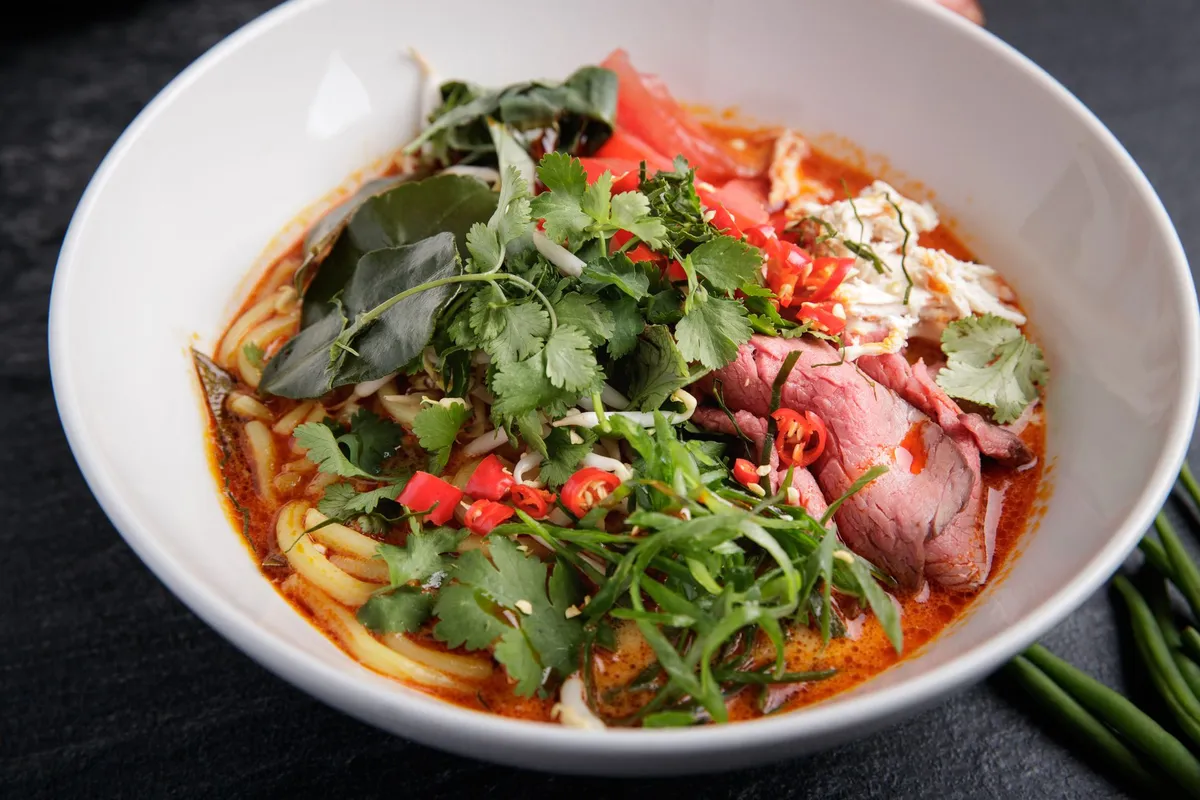
- Eleanor Hughes
- 22 Jul, 2026 03:58
Malaysian Laksa: The Spicy, Creamy Noodle Soup That Defines Southeast Asia’s Culinary Soul
Malaysian Laksa is more than just a noodle soup—it’s a cultural phenomenon. A symphony of flavors where fiery chili pastes dance with creamy coconut milk, fragrant herbs, and tender seafood or meat, all tangled in slippery rice noodles. This dish isn’t just food; it’s a story of migration, colonialism, and the Peranakan community’s ingenuity. Born in the bustling streets of Penang and Malacca, Laksa reflects the fusion of Malay, Chinese, and Indian culinary traditions, creating a dish that’s uniquely Malaysian yet universally loved. Imagine walking into a hawker stall at dawn, the air thick with the scent of lemongrass, galangal, and shrimp paste. The sizzle of a wok, the rhythmic chopping of herbs, and the vibrant orange-red hue of the broth—this is Laksa. It’s a dish that demands attention, not just for its bold flavors but for its ability to transport you to the heart of Southeast Asia. Whether you’re a spice enthusiast or a comfort food lover, Laksa offers something unforgettable. Ready to uncover the secrets behind this iconic dish? Let’s dive in.The Origins of Laksa: A Dish Born from Migration and Fusion Laksa’s roots trace back to the Peranakan community, descendants of Chinese immigrants who settled in the Malay Archipelago centuries ago. These communities, particularly in Penang and Malacca, blended their culinary traditions with local Malay ingredients, giving birth to a dish that’s both familiar and exotic. The word "Laksa" itself comes from the Sanskrit word laksha, meaning "a hundred thousand," possibly referring to the myriad spices and ingredients used in the dish. Historical records and research, such as the OpenAlex study on The development of Nyonya cuisine in the Malay Archipelago, highlight how Peranakan women played a pivotal role in shaping this cuisine. Their culinary innovations were a response to the constraints and opportunities of colonialism, assimilation, and nationalism. For instance, the use of coconut milk—a staple in Malay cuisine—was combined with Chinese noodles and Indian spices to create Laksa’s signature creamy yet spicy broth.The dish’s evolution is also tied to the region’s geography. Penang, an island off the northwest coast of Peninsular Malaysia, became a melting pot of cultures due to its strategic location as a trading hub. Chinese, Malay, Indian, and European influences converged here, giving rise to dishes like Laksa. Meanwhile, Malacca, a historic port city, contributed its own variations, such as Asam Laksa, which features a tangy tamarind-based broth. Understanding Laksa’s origins isn’t just about appreciating its flavors—it’s about recognizing the resilience and creativity of the Peranakan women who perfected it. Their journey, as explored in studies like The Chinese Peranakan Women’s journey amidst tradition, colonialism, assimilation, and nationalism, underscores how food can be a form of cultural resistance and identity. Laksa isn’t just a meal; it’s a testament to the power of fusion cuisine.The Two Faces of Laksa: Curry Laksa vs. Asam Laksa Laksa isn’t a one-size-fits-all dish. It splits into two dominant styles: Curry Laksa and Asam Laksa, each with its own personality and regional pride. Curry Laksa, also known as Curry Mee, is a rich, coconut milk-based broth infused with spices like turmeric, lemongrass, and galangal. It’s often served with thick yellow noodles, rice vermicelli, prawns, fish cakes, and sometimes chicken or tofu. The broth is thick, fragrant, and slightly sweet, with a lingering heat from chili paste. Asam Laksa, on the other hand, is a lighter, tangier cousin. The name Asam means "sour" in Malay, referring to its tamarind-based broth. This version is packed with fresh herbs like Vietnamese coriander (daun kesum), torch ginger flower (bunga kantan), and pineapple slices for extra zing. The noodles are typically rice-based, and the dish is garnished with shredded fish, cucumber, and mint. Asam Laksa is a favorite in Penang, where it’s considered the city’s signature dish.The differences between these two styles highlight the diversity of Malaysian cuisine. Curry Laksa leans into the creamy, spicy comfort of coconut milk, while Asam Laksa offers a refreshing, herbaceous punch. Both are beloved, but they cater to different cravings—one for warmth and richness, the other for brightness and tang. To truly understand Laksa, you need to experience both.The Art of Making Laksa: A Step-by-Step Guide to Authentic Broth Making Laksa from scratch is a labor of love, but the results are worth every minute. The key to a great Laksa broth lies in the rempah—the spice paste that forms the base of the dish. This paste is a complex blend of ingredients like dried chilies, shallots, garlic, lemongrass, galangal, and shrimp paste (belacan). Each ingredient is toasted and ground into a paste, releasing its aromatic oils and flavors. For Curry Laksa, the rempah is fried in oil until fragrant, then simmered with coconut milk, chicken or fish stock, and spices like turmeric and cumin. The broth is simmered for hours to meld the flavors, resulting in a velvety texture. For Asam Laksa, the process starts with a tamarind-infused broth, often with added fish or prawn stock. Fresh herbs like torch ginger and Vietnamese coriander are added at the end to preserve their vibrant flavors.Here’s a simplified breakdown of the process:Prepare the Rempah: Toast dried chilies, shallots, garlic, lemongrass, galangal, and shrimp paste until fragrant. Grind into a smooth paste. Fry the Rempah: Heat oil in a pot and fry the rempah until the oil separates, releasing its aroma. Build the Broth: For Curry Laksa, add coconut milk and stock, then simmer. For Asam Laksa, add tamarind paste and stock, then bring to a boil. Add Protein: Simmer prawns, fish, or chicken in the broth until cooked. Assemble: Cook noodles separately, then ladle the broth over them. Garnish with fresh herbs, lime, and sambal.The secret to a perfect Laksa broth is patience. Rushing the process will result in a flat, underdeveloped flavor. The best Laksa broths are simmered for hours, allowing the spices to infuse every drop of liquid. It’s a dish that rewards time and effort, and the result is a bowl of noodles that’s nothing short of magical.Regional Variations: Where to Find the Best Laksa in Malaysia Malaysia’s diverse regions each put their own spin on Laksa, making it a dish worth traveling for. In Penang, Asam Laksa reigns supreme. The city’s version is tangy, herbaceous, and packed with fresh flavors. Stalls like Toh Soon Café and Restoran Line Clear are legendary for their Asam Laksa, often served with a side of otah (spicy fish mousse) for extra heat. In Malacca, Curry Laksa takes center stage. The broth here is richer, often featuring a blend of coconut milk and prawn stock. The noodles are thicker, and the dish is typically served with a variety of seafood, including prawns, cockles, and fish cakes. Nyonya Mak Wan is a must-visit for an authentic Malaccan Laksa experience.Ipoh, a city in Perak, is famous for its Sar Hor Fun—a Laksa-style dish with flat rice noodles in a prawn-based broth. The broth is lighter than Curry Laksa but packed with umami from prawn heads and dried shrimp. Lou Wong Tauge Ayam is a popular spot for this variation. In Kuala Lumpur, you’ll find modern twists on Laksa, such as Laksa Lemak—a creamier version with extra coconut milk—and White Laksa, which omits the chili paste for a milder broth. The city’s hawker stalls, like Jalan Alor Night Market, offer a mix of traditional and contemporary styles. Each region’s Laksa tells a story of local ingredients, cultural influences, and culinary innovation. Whether you’re a purist or an adventurous eater, Malaysia’s Laksa scene has something for everyone.Laksa Around the World: How This Dish Conquered Global Palates Laksa’s journey didn’t stop at Malaysia’s borders. Thanks to migration and globalization, this dish has found a home in kitchens and restaurants worldwide. In Singapore, Laksa is a staple in hawker centers, with both Curry and Asam versions widely available. The city-state’s multiculturalism has led to unique fusions, such as Laksa with laksa leaf—a herb native to Singapore. In Australia, Laksa has become a beloved comfort food, especially in cities with large Malaysian and Singaporean communities like Melbourne and Sydney. Restaurants like Chin Chin in Melbourne offer modern interpretations of Laksa, blending traditional flavors with contemporary techniques. The dish’s creamy, spicy profile makes it a hit with Australians, who often enjoy it as a late-night meal.In the United States, Laksa has gained traction in cities with diverse food scenes. In New York, restaurants like Laksa Lab and Mama Lu’s Dumpling House serve up authentic versions of the dish. The dish’s bold flavors and vibrant presentation make it a standout in the competitive NYC food scene. Meanwhile, in London, Laksa has become a favorite in Malaysian and Singaporean eateries, with spots like Kiln and Roti King offering their own takes. The global appeal of Laksa lies in its versatility. It can be adapted to local tastes—whether that means adding extra heat for spice lovers or incorporating local ingredients like seafood or vegetables. Its creamy, spicy broth is comforting yet exciting, making it a dish that transcends cultural boundaries.Laksa Nutrition: Health Benefits and Dietary Considerations While Laksa is undeniably delicious, it’s also a dish with nutritional benefits and considerations. The broth, particularly in Curry Laksa, is rich in healthy fats from coconut milk, which provides medium-chain triglycerides (MCTs) that can boost metabolism. The dish also includes protein from seafood or meat, as well as fiber from vegetables like beansprouts and kangkung (water spinach). However, Laksa isn’t without its drawbacks. The broth can be high in sodium, especially if store-bought pastes or stocks are used. The coconut milk, while nutritious, is calorie-dense, so moderation is key for those watching their calorie intake. Additionally, some versions of Laksa contain prawns or shellfish, which may not be suitable for those with allergies. Here’s a rough breakdown of the nutritional profile for a typical serving of Curry Laksa (per bowl):Nutrient AmountCalories 450-600 kcalProtein 20-30gFat 25-35gCarbohydrates 40-50gFiber 5-8gSodium 800-1200mgFor those looking to make Laksa healthier, consider these tips:Use low-sodium stock and reduce the amount of shrimp paste. Opt for lean proteins like chicken or tofu instead of fried fish cakes. Load up on fresh herbs and vegetables for added fiber and nutrients. Serve with a side of steamed greens or a light salad to balance the meal.Laksa can be part of a balanced diet, especially when enjoyed in moderation and with mindful ingredient choices.How to Make Laksa at Home: A Beginner’s Guide Making Laksa at home might seem daunting, but with the right ingredients and techniques, it’s entirely achievable. Here’s a simplified recipe to get you started: Ingredients:For the Rempah:10 dried chilies (soaked and deseeded) 5 shallots 4 cloves garlic 2 stalks lemongrass (white part only) 1-inch galangal 1 tbsp shrimp paste (belacan) 1 tsp turmeric powderFor the Broth:2 cups coconut milk 4 cups chicken or fish stock 1 tbsp tamarind paste (for Asam Laksa) or 1 tbsp curry powder (for Curry Laksa) 200g prawns or fish fillets 200g rice noodles or yellow noodles 1 cup beansprouts 1 cup kangkung (water spinach) Lime wedges, mint, and Vietnamese coriander for garnishInstructions:Prepare the Rempah: Blend all rempah ingredients into a smooth paste. Fry the Rempah: Heat 2 tbsp oil in a pot and fry the rempah for 5-7 minutes until fragrant. Build the Broth: Add coconut milk and stock, then simmer for 20 minutes. For Asam Laksa, add tamarind paste; for Curry Laksa, add curry powder. Cook the Protein: Add prawns or fish and simmer until cooked (5-7 minutes). Assemble: Cook noodles according to package instructions. Ladle the broth over the noodles, then top with beansprouts, kangkung, and herbs. Serve with lime wedges.Tips for success:Use fresh ingredients for the rempah—dried chilies and shrimp paste should be toasted before blending. Simmer the broth low and slow to develop deep flavors. Don’t skip the garnishes—fresh herbs and lime add brightness and balance to the dish.With a little practice, you’ll be making Laksa that rivals your favorite hawker stall!Pairing Laksa: Drinks and Sides to Complete the Meal Laksa is a dish that deserves to be paired thoughtfully. The right drink can enhance its flavors, while the right sides can round out the meal. In Malaysia, Laksa is often served with teh tarik—a pulled milk tea that’s sweet, creamy, and slightly spiced. The contrast between the rich, spicy Laksa and the cool, sweet tea is heavenly. For a non-caffeinated option, try bandung—a rose-flavored milk drink that’s light and refreshing. If you prefer something fizzy, a cold glass of sarsi (a Malaysian-style root beer) or limau ais (iced lime juice) can cut through the richness of the broth.As for sides, otah (spicy fish mousse wrapped in banana leaf) is a classic pairing for Asam Laksa, adding an extra layer of heat and umami. For Curry Laksa, kuih lapis (layered rice cakes) or cucur udang (shrimp fritters) make great accompaniments. These sides add texture and variety, making the meal even more satisfying. If you’re serving Laksa as part of a larger spread, consider adding:Sambal: A spicy chili paste for those who want extra heat. Kerupuk: Prawn crackers for crunch. Acar: Pickled vegetables for a tangy contrast.The key is to balance the meal’s richness with light, fresh, or spicy elements that keep every bite exciting.The Cultural Significance of Laksa: More Than Just a Dish Laksa is more than a meal—it’s a cultural artifact. It tells the story of the Peranakan community, their resilience, and their culinary ingenuity. The dish’s evolution reflects the broader history of the Malay Archipelago, where trade, colonialism, and migration shaped the region’s cuisine. For the Peranakan women, cooking Laksa was an act of cultural preservation. Their recipes were passed down through generations, each family adding its own twist. Today, Laksa is a symbol of Malaysian identity, celebrated in festivals, cookbooks, and even street art. It’s a dish that brings people together, transcending ethnic and social boundaries.Laksa also represents the fusion of flavors and techniques that define Southeast Asian cuisine. It’s a testament to the region’s diversity, where Chinese, Malay, Indian, and European influences coexist harmoniously. In a world where culinary traditions are often commodified, Laksa remains a humble yet powerful reminder of the region’s rich cultural tapestry.Conclusion: Why Laksa Should Be on Your Must-Try List Malaysian Laksa is a dish that defies easy description. It’s spicy, creamy, tangy, and comforting all at once. It’s a dish that tells a story—of migration, fusion, and cultural resilience. Whether you’re slurping it from a hawker stall in Penang or making it at home, Laksa offers an experience that’s as rich and complex as its flavors. So, why should Laksa be on your must-try list? Because it’s a dish that challenges your palate while warming your soul. It’s a dish that connects you to the history and culture of Southeast Asia. And most importantly, it’s a dish that’s undeniably delicious. Next time you’re craving something bold and unforgettable, seek out a bowl of Laksa. Let its vibrant colors, intoxicating aromas, and layers of flavor transport you to the streets of Malaysia. And who knows? You might just find yourself hooked on this spicy, creamy noodle soup for life.#MalaysianFood #NoodleSoupLove #SoutheastAsianCuisine #SpicyEats #FoodTravel Related InsightsThe Crystal Architecture of Chocolate: Mastering the Science of the Perfect Snap High‑Pressure Culinary Science: Exploring Hydrothermal Cooking Techniques Unraveling the Flavors of Greece: A Dive into the Iconic Moussaka{ "@context": "https://schema.org", "@type": "FAQPage", "mainEntity": [ { "@type": "Question", "name": "What is the main focus of Malaysian Laksa: The Spicy, Creamy Noodle Soup That Defines Southeast Asia’s Culinary Soul?", "acceptedAnswer": { "@type": "Answer", "text": "Dive into the rich history, diverse regional variations, and authentic recipes of Malaysian Laksa—a fiery, creamy noodle soup that captures the essence of Southeast Asian cuisine." } }, { "@type": "Question", "name": "Who authored the comprehensive guide on Malaysian Laksa: The Spicy, Creamy Noodle Soup That Defines Southeast Asia’s Culinary Soul?", "acceptedAnswer": { "@type": "Answer", "text": "This detailed article and its insights were carefully researched and authored by Eleanor Hughes." } }, { "@type": "Question", "name": "Where can I find more related content about Food?", "acceptedAnswer": { "@type": "Answer", "text": "You can explore more articles, detailed reviews, and similar insights by browsing the Related Insights section at the bottom of this article or visiting our dedicated Food category page." } } ] }
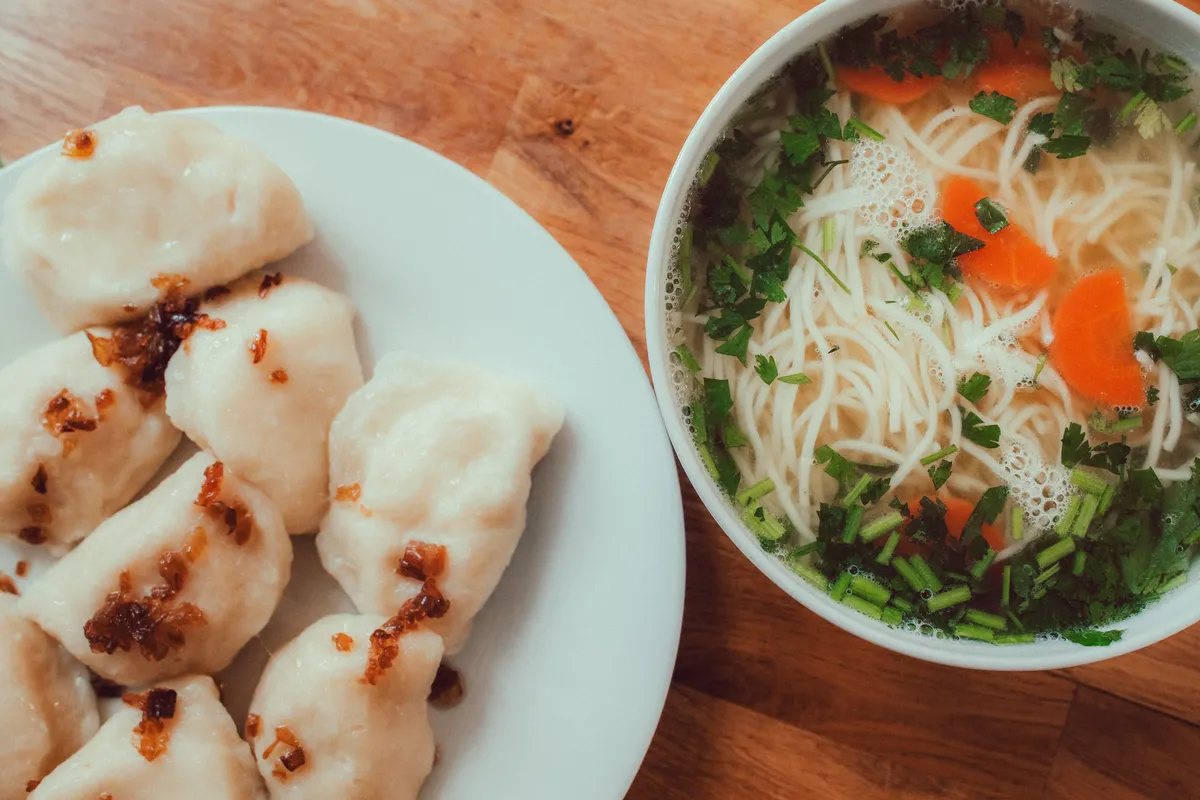
In the heart of Eastern Europe, where the air is crisp and the land is fertile, lies a culinary treasure that has been delighting palates for centuries. Pierogi, the traditional Polish dish, has become an integral part of the region's gastronomic heritage, with its origins dating back to at least 1682. These filled dumplings, made by wrapping unleavened dough around a variety of sweet and savory fillings, have captured the hearts of many, and their popularity extends far beyond the borders of Poland. A Brief History of Pierogi The word "pierogi" is derived from the Proto-Slavic *pirъ, meaning "feast," and is closely related to the Russian word "pirog," meaning "pie." This etymological connection highlights the dish's common Slavic origins, which predate the modern nation-states and their standardized languages. While the exact origin of pierogi is unknown and unverifiable, it is believed that dumplings similar to pierogi were introduced to Europe from China during the Middle Ages. Some theories suggest that Marco Polo's expeditions through the Silk Road may have played a role in the spread of pierogi, while others propose that the dish was brought to Eastern Europe by Saint Hyacinth of Poland from the Far East.The first written records of pierogi can be found in Poland's first cookbook, "Compendium ferculorum, albo Zebranie potraw," published in 1682. This cookbook provides a glimpse into the culinary practices of the time, showcasing the diversity of fillings and cooking methods used in pierogi. From savory fillings like ground meat and sauerkraut to sweet fillings like fruits and berries, the possibilities are endless. Fillings and Preparation Pierogi can be stuffed with a wide variety of ingredients, depending on the cook's preferences. Savory fillings like mashed potatoes, fried onions, and quark or farmer cheese are popular, while dessert versions can be filled with sweetened quark or fresh fruits like cherry, strawberry, or blueberry. The dough, made by mixing flour and warm water, sometimes with an egg, is rolled flat and cut into squares or circles. The filling is then placed in the middle, and the dough is folded over to form a half circle or rectangle. The seams are pressed together to seal the pierogi, ensuring that the filling remains inside during cooking.The preparation of pierogi is an art form in itself. The dough can be made with some mashed potato, creating a smoother texture, or with curd and eggs, salt, and water, as is popular in Slovakia. The pierogi are then simmered until they float, drained, and sometimes fried or baked in butter before serving. They can be served with melted butter or sour cream, or garnished with small pieces of fried bacon, onions, and mushrooms. Dessert varieties may be topped with apple sauce, jam, or varenye. Countries and Variations Pierogi have become an integral part of the cuisine in many Eastern European countries. In Poland, they are a staple of the diet, with each holiday having its own special kind of pierogi. The Biłgoraj pierogi, stuffed with buckwheat, potatoes, and cheese, and then baked in the oven, is a famous variation. In Ukraine, a related but distinct type of filled dumpling is known as varenyky, which are traditionally boiled but can also be steamed. The Slovak term for dumplings filled with sheep milk cheese is bryndzové pirohy, while the Romanian term for filled dumplings is colțunași.In Canada and the United States, pierogi have become a popular dish, with many restaurants and festivals celebrating the culinary delights of Eastern Europe. The 2007 Pierogi Festival in Kraków, where 30,000 pierogi were consumed daily, is a testament to the dish's enduring popularity. Whether savory or sweet, pierogi have captured the hearts of many, and their rich history and cultural significance continue to inspire new generations of food enthusiasts. Conclusion Pierogi, the traditional Polish dish, is more than just a meal – it's a culinary experience that brings people together. With its rich history, diverse fillings, and cultural significance, pierogi have become an integral part of Eastern European cuisine. Whether you're a food enthusiast or just looking to try something new, pierogi are sure to delight your taste buds and leave you wanting more. #Pierogi #PolishCuisine #EasternEuropeanFood #TraditionalDishes #FoodieAdventures #CulinaryDelights #Dumplings #SlavicCuisine
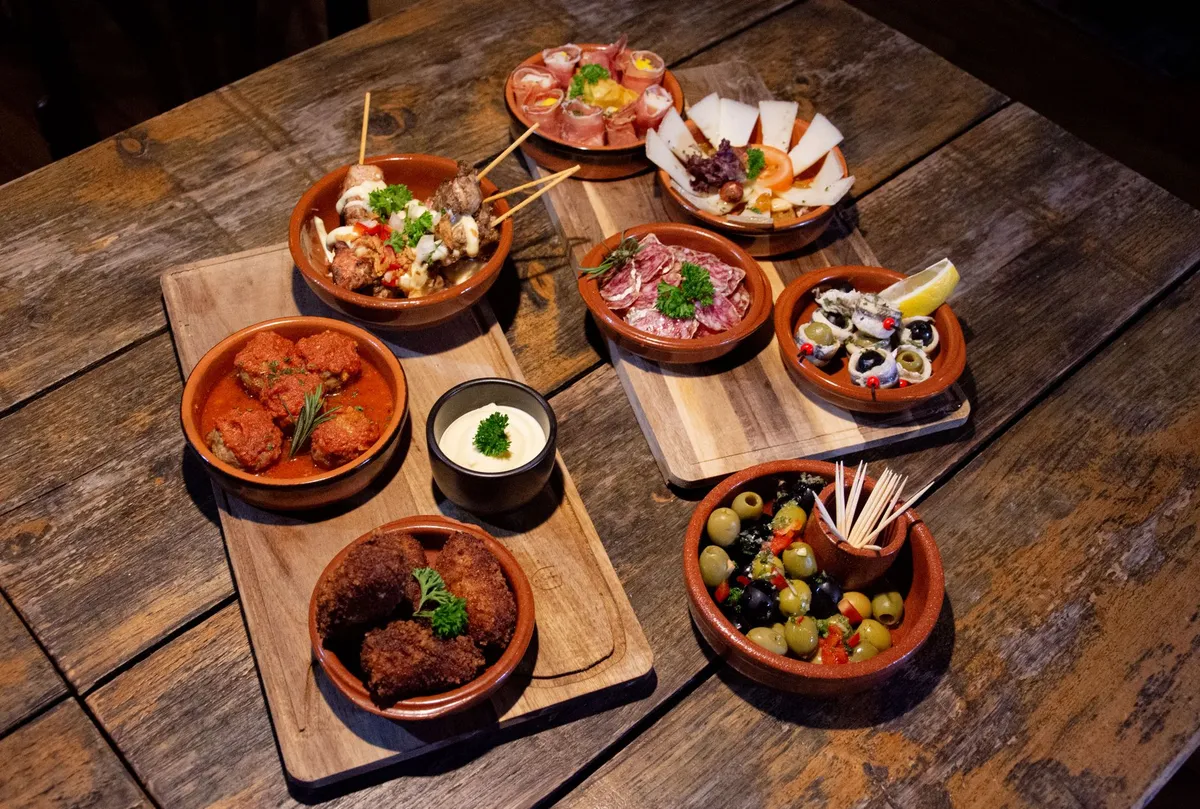
Basque Pintxos: Spain’s Tiny Plates of Culinary Genius You Must Try In the heart of northern Spain, where the Pyrenees meet the Bay of Biscay, lies a culinary tradition that has captivated food lovers for centuries. This is the world of Basque pintxos—small, artfully crafted bites that are as much about visual appeal as they are about flavor. Unlike their more famous cousin, tapas, pintxos are not just about sharing; they are about precision, creativity, and a deep respect for tradition. Each pintxo is a miniature masterpiece, designed to be eaten in one or two bites, often skewered with a toothpick to signal its price and availability. The word "pintxo" itself comes from the Basque word "pintxo," meaning "spike" or "skewer," a nod to the humble toothpick that holds these culinary gems together. What makes pintxos so extraordinary is their ability to encapsulate the essence of Basque culture in a single bite. The Basque Country, or Euskadi, is a region with a distinct language, history, and culinary identity. Here, food is not just sustenance; it is a way of life. Pintxos bars, known as "pintxos barrak," are the social hubs where locals and visitors alike gather to indulge in this edible art form. Whether it’s a classic Gilda—a skewer of anchovy, olive, and guindilla pepper—or a modern creation like foie gras atop caramelized onions on brioche, each pintxo tells a story. The tradition of pintxos is deeply rooted in the region’s history, with recipes passed down through generations and techniques refined over centuries. For food enthusiasts, pintxos offer a journey into the soul of Basque cuisine, where every ingredient is chosen with care and every presentation is a testament to the chef’s skill. But pintxos are more than just a culinary delight; they are a cultural experience. The ritual of hopping from one bar to another, sampling a variety of pintxos while sipping on a glass of txakoli (a crisp Basque white wine) or a local beer, is a rite of passage for anyone visiting the region. The pintxos culture is a celebration of community, where strangers become friends over shared plates and animated conversations. It’s a tradition that has stood the test of time, evolving with modern tastes while staying true to its roots. Whether you’re a seasoned foodie or a curious traveler, exploring the world of Basque pintxos is an adventure that will leave you craving more.The History and Cultural Significance of Pintxos The origins of pintxos can be traced back to the early 19th century in the Basque Country, a region known for its rugged landscapes and resilient people. The word "pintxo" first appeared in written records in the 1920s, but the tradition likely began much earlier as a way for workers to enjoy a quick, affordable meal. The concept of small, skewered bites was practical—easy to eat with one hand while standing at a bar—but it quickly evolved into a form of culinary expression. The Basque people, with their deep connection to the sea and the land, began incorporating local ingredients like fresh fish, cured meats, and seasonal vegetables into their pintxos. Over time, the tradition spread beyond the Basque Country, becoming a symbol of Spanish gastronomy. The cultural significance of pintxos goes beyond their taste. In Basque society, pintxos bars are places of social interaction, where people gather to discuss politics, sports, and life. The act of standing at a bar, ordering a drink, and sampling a variety of pintxos is a communal experience that fosters connection. This is reflected in the Basque phrase "ir de pintxos," which means "to go for pintxos," a ritual that is as much about the people you share it with as the food itself. The pintxos culture is also a testament to the Basque people’s resilience and creativity. During times of hardship, such as the Spanish Civil War and the post-war period, pintxos allowed people to enjoy small luxuries without breaking the bank. Today, pintxos bars range from humble, family-run establishments to high-end gastronomic temples, each offering a unique take on this timeless tradition. One of the most fascinating aspects of pintxos culture is its regional diversity. While the Basque Country is the epicenter of pintxos, other regions of Spain have adopted and adapted the tradition. In San Sebastián, for example, pintxos bars are a major tourist attraction, with some establishments gaining international acclaim. The city’s three-Michelin-starred restaurants, like Arzak and Mugaritz, have roots in the pintxos tradition, with many chefs starting their careers in local bars. Meanwhile, in Bilbao, pintxos bars are more traditional, with recipes that have been passed down for generations. This diversity is a reflection of Spain’s rich culinary tapestry, where regional identity is celebrated through food. For visitors, exploring the different styles of pintxos is like taking a culinary tour of the Basque Country, each bar offering a glimpse into the local culture and history.The Art of Crafting Pintxos: Techniques and Ingredients Creating a perfect pintxo is an art form that requires skill, creativity, and an intimate knowledge of ingredients. Unlike tapas, which can be simple and rustic, pintxos are meticulously crafted, with each element carefully chosen and prepared. The foundation of a great pintxo is the base, which can range from a slice of crusty bread to a delicate puff pastry shell. In traditional Basque cuisine, the base is often a slice of pan de cristal, a thin, airy bread that is crisp on the outside and soft on the inside. The bread is toasted and topped with ingredients that complement its texture, such as smoked salmon, serrano ham, or roasted peppers. The next layer of a pintxo is the main ingredient, which can be anything from fresh seafood to cured meats, cheeses, or vegetables. Seafood is a staple in Basque pintxos, thanks to the region’s coastal location. Anchovies, tuna, and cod are popular choices, often marinated in olive oil, garlic, and vinegar. Cured meats like chorizo, morcilla (blood sausage), and jamón ibérico are also common, adding a rich, savory depth to the pintxo. Cheeses, such as Idiazábal and Roncal, are another favorite, offering a creamy contrast to the crispy bread. Vegetables like roasted peppers, artichokes, and asparagus are used to add freshness and color. The key to a successful pintxo is balance—combining flavors and textures that complement each other without overpowering the palate. Presentation is just as important as taste when it comes to pintxos. A well-crafted pintxo is a feast for the eyes, with vibrant colors and intricate arrangements. Chefs often use garnishes like microgreens, edible flowers, and sauces to elevate the visual appeal. For example, a pintxo of foie gras might be drizzled with a reduction of Pedro Ximénez sherry, while a seafood pintxo could be garnished with a sprinkle of smoked paprika or a dollop of aioli. The use of skewers is also an art form, with chefs choosing the right size and shape to enhance the pintxo’s appearance. In some cases, the skewer itself is part of the presentation, such as a decorative toothpick or a small wooden stick. The goal is to create a pintxo that is as beautiful as it is delicious, a testament to the chef’s skill and creativity.Must-Try Pintxos: A Guide to the Classics and Modern Innovations For anyone visiting the Basque Country, trying the classic pintxos is a rite of passage. These timeless creations are a window into the region’s culinary soul, with recipes that have been perfected over generations. One of the most iconic pintxos is the Gilda, named after the 1946 film Gilda starring Rita Hayworth. This simple yet flavorful pintxo consists of an anchovy, a green olive, and a guindilla pepper, all skewered together. The combination of salty, briny, and slightly spicy flavors makes it a favorite among locals and visitors alike. Another classic is the Tigres, or "Tigers," which features oysters stuffed with a mixture of breadcrumbs, garlic, parsley, and sometimes a touch of chili. The oysters are breaded and fried, creating a crispy, savory bite that is both indulgent and refreshing. Seafood pintxos are a staple in the Basque Country, thanks to the region’s proximity to the Atlantic Ocean. One standout is the Bacalao al Pil-Pil, a pintxo made with salted cod cooked in olive oil and garlic, creating a silky, emulsified sauce that clings to the fish. Another popular choice is the Txangurro a la Donostiarra, a spider crab salad served on a slice of bread, topped with a creamy sauce made from the crab’s roe. For meat lovers, the Txuleta pintxo is a must-try. This pintxo features a small piece of grilled ribeye steak, often served with a side of chistorra (a Basque chorizo) and a drizzle of chimichurri sauce. Cheese lovers will delight in the Idiazábal al Txoko, a pintxo made with grilled Idiazábal cheese, often served with a side of quince paste or membrillo. While traditional pintxos are a cornerstone of Basque cuisine, modern chefs are pushing the boundaries with innovative creations that blend tradition with contemporary techniques. One such example is the Foie Gras y Caramelo pintxo, which features seared foie gras atop a slice of brioche, topped with a caramelized onion compote and a drizzle of balsamic reduction. Another modern favorite is the Tartar de Atún con Aguacate, a diced tuna tartar served on a crispy wonton shell, garnished with avocado, mango, and a lime-cilantro aioli. Vegetarian pintxos are also gaining popularity, with options like Pimientos de Padrón con Queso de Cabra, which features blistered Padrón peppers topped with goat cheese and a drizzle of honey. These modern pintxos showcase the creativity and versatility of Basque cuisine, proving that tradition and innovation can coexist harmoniously.Where to Experience the Best Pintxos: Top Bars and Regions No exploration of Basque pintxos would be complete without a guide to the best bars and regions to try them. The Basque Country is home to some of the most renowned pintxos bars in the world, each offering a unique take on this culinary tradition. In San Sebastián, the heart of pintxos culture, bars like La Cuchara de San Telmo and Bar Txepetxa are must-visits. La Cuchara de San Telmo is famous for its slow-cooked meats, including a legendary morcilla (blood sausage) pintxo, while Bar Txepetxa is known for its anchovy-based pintxos, particularly the Bacalao al Pil-Pil. For a more upscale experience, Ganbara offers a refined take on pintxos, with dishes like foie gras and truffle-infused creations. In Bilbao, the pintxos scene is more traditional, with bars like Café Iruña and Casa Rufo offering classic recipes that have been perfected over generations. Café Iruña, one of the oldest bars in Bilbao, is known for its Gilda pintxos and a wide selection of local wines. Casa Rufo, on the other hand, is famous for its Txangurro a la Donostiarra and other seafood pintxos. For a modern twist, Gure Toki offers innovative pintxos that blend Basque tradition with contemporary techniques. Meanwhile, in Vitoria-Gasteiz, the capital of the Basque Autonomous Community, bars like Borda Berri and Zaldiaran are celebrated for their creative pintxos and lively atmosphere. Beyond the Basque Country, pintxos have gained popularity in other parts of Spain and even internationally. In Madrid, bars like Casa Revuelta and Bodega de la Ardosa offer a taste of Basque pintxos, though they may not be as authentic as those found in the Basque Country. In Barcelona, El Xampanyet is a beloved spot for pintxos, particularly its anchovies with peppers and pan con tomate. Internationally, cities like New York, London, and Tokyo have seen a rise in pintxos bars, often run by Basque chefs or inspired by the tradition. These global outposts offer a chance to experience pintxos outside of Spain, though purists may argue that the true essence of the tradition can only be found in the Basque Country.Pintxos Bar Location Signature Pintxo Price Range (€) AtmosphereLa Cuchara de San Telmo San Sebastián Morcilla con Pimientos 3-5 Cozy, traditionalBar Txepetxa San Sebastián Bacalao al Pil-Pil 4-6 Lively, seafood-focusedCafé Iruña Bilbao Gilda 2-4 Historic, elegantCasa Rufo Bilbao Txangurro a la Donostiarra 5-7 Traditional, family-runBorda Berri Vitoria-Gasteiz Foie Gras y Caramelo 6-8 Modern, innovativeThe Future of Pintxos: Trends and Global Influence As Basque pintxos continue to gain international recognition, the tradition is evolving to meet the demands of modern diners. One of the most significant trends is the rise of vegetarian and vegan pintxos, driven by the growing demand for plant-based options. Chefs are experimenting with ingredients like roasted vegetables, mushrooms, and plant-based cheeses to create pintxos that are both delicious and sustainable. For example, the Pimientos de Padrón con Queso Vegano is a popular vegan pintxo that features blistered Padrón peppers topped with vegan cheese and a drizzle of tahini. Another trend is the fusion of Basque pintxos with other culinary traditions, such as Japanese, Mexican, or Middle Eastern. These innovative creations, like Tartar de Atún con Wasabi or Pulpo a la Gallega con Miso, are pushing the boundaries of what a pintxo can be. Sustainability is also becoming a key focus in the world of pintxos. With increasing awareness of environmental issues, chefs are sourcing ingredients locally and seasonally, reducing food waste, and using eco-friendly packaging. For example, some bars are replacing plastic toothpicks with biodegradable alternatives, while others are incorporating "ugly" produce into their pintxos to reduce waste. The use of foraged ingredients, such as wild mushrooms and herbs, is also on the rise, adding a unique twist to traditional recipes. Additionally, the pintxos culture is embracing technology, with some bars offering digital menus, online reservations, and even virtual tastings. These innovations are making pintxos more accessible to a global audience while preserving the tradition’s authenticity. The global influence of pintxos is undeniable, with the tradition inspiring chefs and food enthusiasts around the world. In cities like New York, London, and Tokyo, pintxos bars are popping up in trendy neighborhoods, offering a taste of Basque culture to international audiences. These global outposts often put a modern spin on traditional pintxos, catering to local tastes while staying true to the spirit of the tradition. For example, in New York, Txikito offers a mix of classic and innovative pintxos, while in London, Pintxos y Tapas serves a fusion of Basque and Spanish tapas. The global popularity of pintxos is also reflected in food festivals and competitions, where chefs from around the world showcase their take on this culinary tradition. As pintxos continue to evolve, they serve as a reminder of the power of food to bring people together, transcending borders and cultures.Conclusion: Why Pintxos Are a Must-Try Culinary Experience Basque pintxos are more than just a culinary delight; they are a cultural phenomenon that embodies the spirit of the Basque Country. From their humble origins as a practical way to enjoy a quick meal to their current status as a global gastronomic treasure, pintxos have stood the test of time. They are a testament to the Basque people’s creativity, resilience, and deep connection to their land and sea. Whether you’re savoring a classic Gilda or indulging in a modern foie gras creation, each pintxo tells a story—a story of tradition, innovation, and community. For food enthusiasts, pintxos offer a unique opportunity to explore the rich culinary heritage of the Basque Country. The act of hopping from one bar to another, sampling a variety of pintxos while sipping on a glass of txakoli, is an experience that engages all the senses. It’s a chance to connect with locals, learn about the region’s history, and discover the artistry behind each bite. Even if you can’t visit the Basque Country, pintxos bars around the world offer a taste of this tradition, allowing you to bring a piece of Basque culture into your own home. As pintxos continue to evolve, they remind us of the power of food to bring people together. Whether you’re a seasoned foodie or a curious traveler, exploring the world of pintxos is an adventure that will leave you craving more. So the next time you’re looking for a culinary experience that is both delicious and meaningful, seek out a pintxos bar near you—or better yet, book a trip to the Basque Country. Because in the world of pintxos, every bite is a masterpiece.#BasqueCuisine #FoodTravel #GourmetBites #CulinaryArt #SpanishTapas Related InsightsHawawshi: The Spiced Meat Bread of Cairo The Emerald Jewel of Turkish Cuisine: Çoban Salata with Walnuts – A Masterclass in Antioxidant-Rich Gastronomy Il Garum Pompeiano: Il Sangue Salato degli Dei e la Sua Rinascita Gastronomica{ "@context": "https://schema.org", "@type": "FAQPage", "mainEntity": [ { "@type": "Question", "name": "What is the main focus of Basque Pintxos: Spain’s Tiny Plates of Culinary Genius You Must Try?", "acceptedAnswer": { "@type": "Answer", "text": "Uncover the artistry behind Basque pintxos—Spain’s bite-sized culinary treasures. From traditional recipes to modern twists, explore why these miniature masterpieces are a must-try." } }, { "@type": "Question", "name": "Who authored the comprehensive guide on Basque Pintxos: Spain’s Tiny Plates of Culinary Genius You Must Try?", "acceptedAnswer": { "@type": "Answer", "text": "This detailed article and its insights were carefully researched and authored by Kenji Sato." } }, { "@type": "Question", "name": "Where can I find more related content about Food?", "acceptedAnswer": { "@type": "Answer", "text": "You can explore more articles, detailed reviews, and similar insights by browsing the Related Insights section at the bottom of this article or visiting our dedicated Food category page." } } ] }
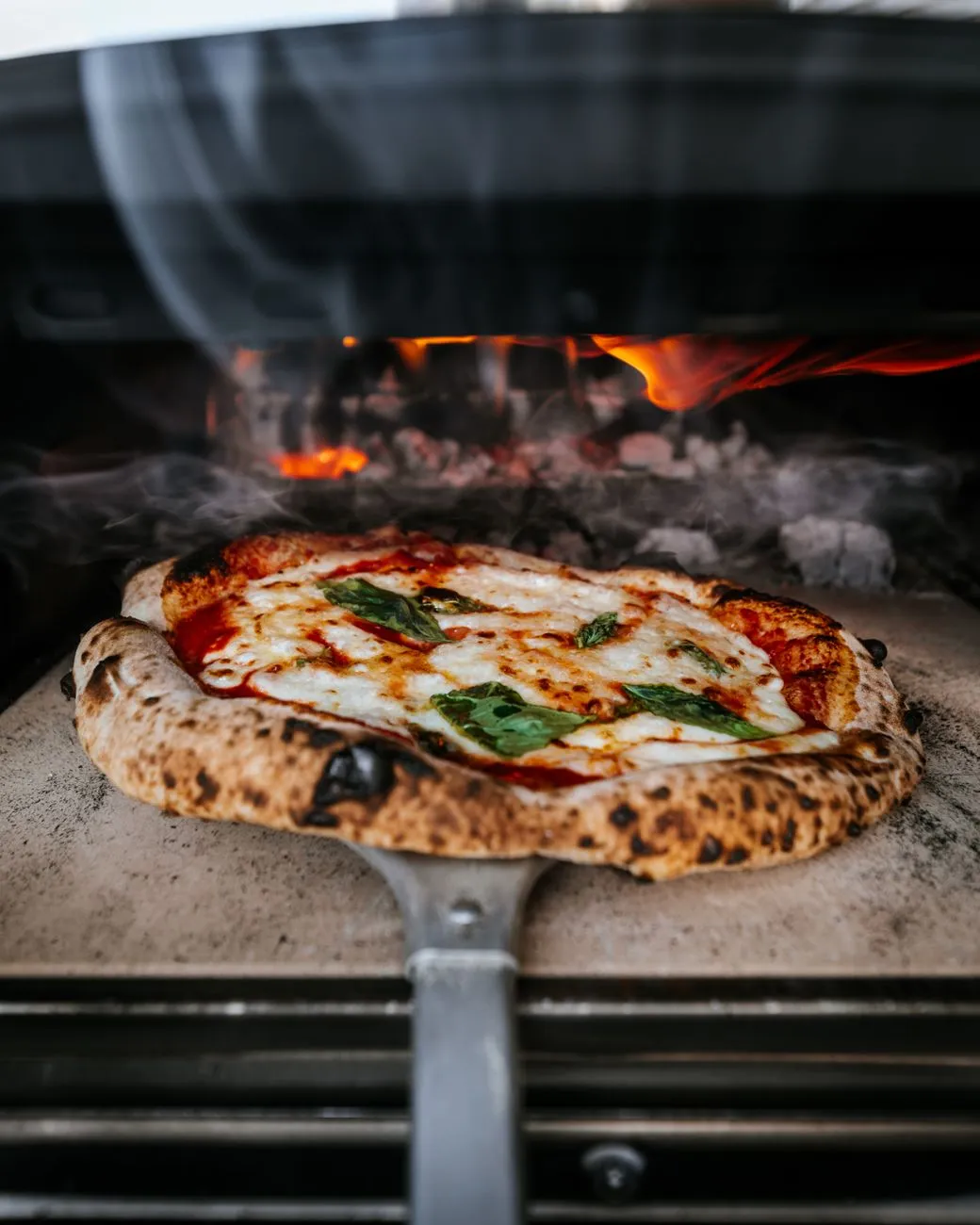
- Marcus Vance
- 21 Jul, 2026 17:54
Sourdough Beyond Bread: The Art of Crafting Pizzas, Pastries, and Innovative Baked Delights
The golden crust cracks under the pressure of a fork, releasing a symphony of tangy aroma and cheesy bliss—this is no ordinary pizza. This is a sourdough pizza, where the slow-fermented magic of a wild yeast culture transforms humble ingredients into a transcendent culinary experience. Sourdough is no longer confined to the loaf; it has evolved into a versatile medium for creativity in the kitchen, from airy, leopard-spotted pizzas to flaky, buttery pastries that melt in the mouth. The resurgence of sourdough baking, fueled by a global pandemic and a renewed appreciation for fermentation, has unlocked a world of possibilities beyond the traditional boule or batard. What began as a preservation technique in ancient Egypt has evolved into a symbol of artisan craftsmanship and culinary innovation. Today, sourdough is celebrated not just for its distinctive flavor but for its digestibility, nutritional benefits, and adaptability. Whether you're a seasoned baker or a curious home cook, the journey into sourdough’s expansive repertoire promises to elevate your baking game. In this article, we’ll delve into the science, techniques, and creativity behind sourdough pizzas, pastries, and innovative baked goods, backed by research and expert insights.The versatility of sourdough lies in its microbial ecosystem—a delicate balance of lactic acid bacteria (LAB) and wild yeast that work in harmony to break down starches and proteins, enhancing flavor and texture. Unlike commercial yeast, which provides a rapid rise, sourdough’s slow fermentation develops complex flavors and improves gluten structure, making it ideal for a wide range of baked goods. From the crispy edges of a Neapolitan-style pizza to the delicate layers of a croissant, sourdough’s adaptability is unparalleled. Let’s explore how to harness this ancient technique for modern culinary adventures.The Science of Sourdough: Why It Elevates Pizzas to Masterpieces Sourdough pizza is more than a trend—it’s a scientific marvel. The key to its success lies in the fermentation process, which begins with a sourdough starter, a living culture of wild yeast and lactic acid bacteria. When combined with flour and water, these microorganisms consume sugars, producing carbon dioxide (for rise) and organic acids (for flavor). The result? A dough that’s easier to digest, richer in flavor, and more resilient during baking. Research from OpenAlex highlights the cultural diversity of traditional flatbreads, emphasizing how fermentation techniques vary across regions. In Italy, for example, sourdough pizzas like pizza napoletana rely on a long fermentation (24–48 hours) to develop a light, airy crust with a chewy interior. The slow fermentation allows enzymes to break down starches, reducing the glycemic index and improving digestibility. Meanwhile, the lactic acid bacteria produce compounds like acetic acid (vinegar-like tang) and propionic acid (nutty notes), which contribute to the pizza’s complex flavor profile.To achieve the perfect sourdough pizza, start with a high-hydration dough (65–75% water) to create a tender, extensible crust. Autolyse the dough (mix flour and water first, then add starter and salt later) to hydrate the gluten evenly. Ferment at room temperature (70–75°F) for 4–6 hours, then cold-proof in the fridge for 12–24 hours. This extended fermentation enhances flavor and makes the dough easier to shape. When baking, use a pizza stone or steel preheated to 500–550°F (260–290°C) for a crispy, leopard-spotted crust. The science behind sourdough pizza also extends to its nutritional benefits. Studies show that sourdough fermentation reduces phytic acid, an anti-nutrient found in grains that can inhibit mineral absorption. This makes sourdough pizza a more digestible option for those with mild gluten sensitivities. Additionally, the prebiotic fibers produced during fermentation support gut health, making it a win-win for both flavor and wellness.Sourdough Pastries: Flaky, Buttery, and Irresistible Sourdough isn’t just for bread and pizza—it’s a game-changer for pastries too. The same microbial magic that gives sourdough bread its tangy depth can be harnessed to create pastries with unparalleled texture and flavor. From croissants to Danish pastries, sourdough adds a subtle complexity that commercial yeast simply can’t match. The secret lies in the dough’s hydration and fermentation time. Sourdough pastries typically use a lower hydration dough (50–60%) to maintain structure, with a longer fermentation (12–24 hours) to develop flavor. The lactic acid bacteria soften the gluten, creating a tender crumb, while the wild yeast provides a slow, steady rise. For laminated pastries like croissants, sourdough can be incorporated into the dough or used as a levain (pre-ferment) to enhance flavor without compromising flakiness.One of the most popular sourdough pastries is the sourdough cinnamon roll, where the tangy dough pairs perfectly with sweet fillings. To make these, prepare a sourdough dough with 60% hydration, ferment for 12 hours, then roll out, fill with cinnamon sugar and butter, and bake until golden. The result is a pastry with a tender interior and a slightly crisp exterior, with a flavor profile that’s both familiar and excitingly new. Another innovative use of sourdough in pastries is the sourdough pie crust. Traditional pie crusts can be dense and tough, but sourdough fermentation tenderizes the dough, resulting in a flaky, melt-in-your-mouth crust. To make a sourdough pie crust, mix 50% sourdough starter with 50% flour and water, ferment for 12 hours, then incorporate into your pie dough. The lactic acid bacteria break down proteins, creating a more tender texture. For those looking to experiment, sourdough can also be used in scones, muffins, and even cookies. The key is to adjust hydration and fermentation time to suit the pastry’s structure. For example, sourdough scones benefit from a shorter fermentation (4–6 hours) to maintain their crumbly texture, while sourdough muffins can handle a longer fermentation (12–18 hours) for a tender crumb.Innovative Sourdough Baking: Beyond the Basics Sourdough baking is an art form, and innovation is at its heart. While traditional bread and pizza are staples, modern bakers are pushing the boundaries of what sourdough can do. From savory sourdough pancakes to sweet sourdough doughnuts, the possibilities are endless. One innovative trend is sourdough discard baking, where bakers use the unfed portion of their starter (discard) to create quick breads, muffins, and even waffles. Discard baking is not only waste-reducing but also adds depth of flavor to baked goods. For example, a sourdough discard banana bread combines the tangy notes of sourdough with the sweetness of ripe bananas, resulting in a moist, flavorful loaf.Another exciting innovation is sourdough flatbreads, inspired by traditional Italian flatbreads like focaccia and piadina. These flatbreads are quick to make, requiring minimal fermentation (2–4 hours) and no shaping. Simply mix sourdough starter with flour, water, and salt, let it rest, then cook in a hot skillet or on a griddle. The result is a soft, pillowy flatbread with a subtle tang, perfect for dipping in olive oil or topping with fresh herbs. Sourdough can also be used in gluten-free baking, where it helps improve texture and flavor. For gluten-free sourdough bread, a blend of rice flour, tapioca starch, and xanthan gum is often used, with a sourdough starter to provide structure and tang. The fermentation process helps break down the starches, making the bread easier to digest. For the adventurous baker, sourdough can even be incorporated into savory dishes like sourdough crackers, sourdough pretzels, and sourdough waffles. The key is to experiment with hydration, fermentation time, and ingredient ratios to achieve the desired texture and flavor.Sourdough Pizza: A Step-by-Step Guide to the Perfect Crust Making sourdough pizza at home is a rewarding experience, but it requires patience and precision. Here’s a step-by-step guide to crafting a pizza that rivals your favorite pizzeria. Ingredients:500g bread flour or Tipo 00 flour 350g water (70% hydration) 100g active sourdough starter (100% hydration) 10g salt 5g olive oil (optional, for extensibility)Method:Autolyse: Mix flour and water in a bowl, cover, and let rest for 30–60 minutes. This hydrates the flour and begins gluten development. Add Starter and Salt: After autolyse, add the sourdough starter and salt (and olive oil, if using). Mix until fully incorporated. Bulk Fermentation: Cover and ferment at room temperature (70–75°F) for 4–6 hours, performing 2–3 sets of stretch and folds every 30 minutes to strengthen the dough. Cold Proof: Transfer the dough to the fridge and cold-proof for 12–24 hours. This slow fermentation enhances flavor and makes the dough easier to shape. Shape and Proof: Divide the dough into 250g balls, shape into rounds, and proof at room temperature for 2–4 hours until doubled in size. Bake: Preheat your oven to its highest setting (500–550°F) with a pizza stone or steel inside. Stretch the dough, top with sauce and cheese, and bake for 5–7 minutes until the crust is golden and the cheese is bubbly.Tips for Success:Use high-quality flour (Tipo 00 for Neapolitan-style, bread flour for chewier crusts). Keep your starter active and at peak strength for best results. Don’t overload the pizza with toppings—less is more for a crispy crust. Experiment with different fermentation times to find your preferred flavor profile.Nutritional Comparison: Sourdough vs. Commercial Yeast PizzaNutrient Sourdough Pizza Commercial Yeast PizzaCalories (per slice) 250–300 kcal 280–320 kcalCarbohydrates 35–40g 40–45gProtein 10–12g 8–10gFiber 2–3g 1–2gGlycemic Index Low (50–55) High (70–80)Digestibility High (reduced phytic acid) ModerateFlavor Complexity High (tangy, complex) Low (yeasty, one-note)Data sourced from nutritional databases and sourdough fermentation studies.Conclusion & Sign-off Sourdough baking is a journey of patience, experimentation, and discovery. From the crispy perfection of a sourdough pizza to the buttery layers of a sourdough croissant, this ancient technique offers endless possibilities for the modern baker. By understanding the science behind fermentation and embracing creativity, you can transform sourdough into a versatile medium for culinary innovation. Whether you’re a seasoned baker or a curious beginner, the world of sourdough pastries and innovative baking awaits. Start with a simple sourdough starter, experiment with different flours and fermentation times, and let your creativity soar. Remember, the key to great sourdough is in the details—hydration, temperature, and time all play crucial roles in shaping the final product. As you embark on your sourdough adventure, don’t be afraid to push boundaries. Try a sourdough scone with lemon curd, or a sourdough focaccia topped with roasted vegetables. The beauty of sourdough lies in its adaptability, and the only limit is your imagination. So, fire up your oven, feed your starter, and let the magic of sourdough transform your baking. The results will speak for themselves—one tangy, flavorful bite at a time. Happy baking! Marcus Vance#SourdoughBaking #ArtisanBread #PizzaPerfection #SourdoughPastries #InnovativeBaking Related InsightsMumbai's Sizzling Soul: The Spice, Sweet, and Chaotic Heartbeat of Street Food Middle Eastern Mezze Beyond Turkish: Authentic Lebanese and Syrian Small Plates High‑Pressure Culinary Science: Exploring Hydrothermal Cooking Techniques{ "@context": "https://schema.org", "@type": "FAQPage", "mainEntity": [ { "@type": "Question", "name": "What is the main focus of Sourdough Beyond Bread: The Art of Crafting Pizzas, Pastries, and Innovative Baked Delights?", "acceptedAnswer": { "@type": "Answer", "text": "Unlock the secrets of sourdough beyond bread—explore sourdough pizzas, pastries, and innovative baking techniques with expert insights and step-by-step guides." } }, { "@type": "Question", "name": "Who authored the comprehensive guide on Sourdough Beyond Bread: The Art of Crafting Pizzas, Pastries, and Innovative Baked Delights?", "acceptedAnswer": { "@type": "Answer", "text": "This detailed article and its insights were carefully researched and authored by Marcus Vance." } }, { "@type": "Question", "name": "Where can I find more related content about Food?", "acceptedAnswer": { "@type": "Answer", "text": "You can explore more articles, detailed reviews, and similar insights by browsing the Related Insights section at the bottom of this article or visiting our dedicated Food category page." } } ] }