
- 30 Apr, 2026 08:06
A Little Life Book Review and Summary
A Little Life Box Set (Four Volumes) Author: Hanya YanagiharaPage Count: UnknownPublication Date: 2025-PRH Hanya Yanagihara’s A Little Life is not a book you read—it’s a book you endure. A four-volume box set that unfolds like a slow, deliberate hemorrhage, it is a work of such emotional ferocity that it leaves the reader gasping, hollowed out, and forever altered. Published in 2025 (though its themes feel timeless), this sprawling epic is less a novel than a psychological dissection of love, trauma, and the fragile architecture of human connection. Yanagihara does not write to comfort; she writes to expose, to wound, to force her audience to confront the unbearable weight of existence alongside her characters. At its core, A Little Life is a story about four friends—Jude, Willem, Malcolm, and JB—whose lives intertwine in New York City over decades. But the novel is not about them equally. It is about Jude St. Francis, a man whose past is a labyrinth of unspeakable horrors, whose body bears the scars of a childhood spent in the clutches of monsters, and whose mind is a battleground between self-loathing and the desperate need to be loved. Yanagihara’s genius lies in her refusal to soften Jude’s suffering. She does not flinch. She does not look away. Instead, she drags the reader into the muck of his pain, forcing us to witness his physical and emotional agony with the same relentless precision with which he experiences it. Yanagihara’s prose is a paradox: it is both lush and austere, extravagant in its detail yet stripped of sentimentality. She writes with the precision of a surgeon, slicing open her characters’ lives with clinical detachment, only to drench the pages in raw, unfiltered emotion. The novel’s structure mirrors its themes—it is episodic, meandering, sometimes maddeningly slow, but always purposeful. Yanagihara does not rush. She lets time pass, lets wounds fester, lets love curdle into something complicated and messy. The result is a narrative that feels less like fiction and more like a life observed in real time, with all its mundanity and its catastrophes. What makes A Little Life so devastating is not just its subject matter but its unflinching honesty about the nature of resilience. Jude is not a hero. He is not a survivor in the traditional sense. He is a man who has been broken so completely that his very existence is a testament to the indomitable, if fragile, will to endure. His relationships—with Willem, his closest friend and eventual lover; with Harold, his surrogate father; with his students—are not just sources of solace but also battlegrounds where love and pain are indistinguishable. Yanagihara forces us to ask: How much suffering can one person absorb before they become unrecognizable to themselves? And how much love can they accept before they believe they deserve it? The novel’s power lies in its refusal to offer easy answers. There are no neat resolutions, no catharsis that feels earned or deserved. Instead, Yanagihara presents life as it is: a series of small, often invisible triumphs and failures, where joy and despair are inextricably linked. The prose, while occasionally indulgent in its descriptive excess, serves a purpose—it mirrors the way trauma lingers, how the past never truly leaves us, how the body and mind remember what the heart tries to forget. Yanagihara’s style is polarizing. Some readers will find her prose overwrought, her characters too passive, her narrative too bleak. But those who surrender to its rhythm will find themselves immersed in a story that is as much about the act of living as it is about the inevitability of suffering. This is not a book for the faint of heart. It is a book for those who have ever loved someone so deeply it hurt, for those who have carried wounds they could not name, for those who have looked into the abyss and wondered if they would ever find their way back. In the end, A Little Life is a testament to the resilience of the human spirit, but it is also a reminder of its fragility. Yanagihara does not offer redemption; she offers truth. And truth, as we know, is often the hardest thing to bear. #ALittleLife #HanyaYanagihara #LiteraryFiction #EmotionalJourney #TraumaAndResilience #MustRead Related InsightsThe Vampire Lestat Book Review and Summary A reaper at the gates Book Review and Summary 1984 Book Review and Summary{ "@context": "https://schema.org", "@type": "FAQPage", "mainEntity": [ { "@type": "Question", "name": "What is the main focus of A Little Life Book Review and Summary?", "acceptedAnswer": { "@type": "Answer", "text": "Everything you need to know about A Little Life with our detailed review." } }, { "@type": "Question", "name": "Who authored the comprehensive guide on A Little Life Book Review and Summary?", "acceptedAnswer": { "@type": "Answer", "text": "This detailed article and its insights were carefully researched and authored by Hanya Yanagihara." } }, { "@type": "Question", "name": "Where can I find more related content about Books?", "acceptedAnswer": { "@type": "Answer", "text": "You can explore more articles, detailed reviews, and similar insights by browsing the Related Insights section at the bottom of this article or visiting our dedicated Books category page." } } ] }

Last Lady B Author: Eloisa JamesPage Count: UnknownPublication Year: 2025-GB Eloquent, witty, and deliciously bold, Eloisa James’s Last Lady B is set to reign as the literary event of 2025. With her signature blend of Regency-era charm and modern feminist verve, James once again proves why she is the undisputed queen of historical romance. The book is not merely a novel; it is a triumphant celebration of female agency, a sly deconstruction of aristocratic expectations, and a love story that crackles with both heat and heart. At its core, Last Lady B explores the audacious transformation of Beatrice “Bea” Blackwood, a woman born into the rigid confines of the British peerage who dares to carve her own destiny. While the ton expects her to marry, bear children, and fade into genteel obscurity, Bea refuses to be anyone’s ornament. Instead, she reinvents herself as “Lady B,” a bold, outspoken advocate for women’s rights—cloaked in the guise of a scandalous society columnist. James deftly explores the tension between duty and desire, tradition and revolution, all while maintaining a razor-sharp wit that keeps the reader laughing out loud even as she challenges their perceptions. What makes James’s work so compelling is her ability to blend historical accuracy with contemporary relevance. She doesn’t just recreate the past; she interrogates it. Bea’s journey is not merely one of personal growth but a searing critique of the systems that seek to control women. Through her sharp, often humorous prose, James exposes the hypocrisies of the aristocracy—where a woman’s virtue is prized above all else, yet her intellect is dismissed as unfeminine. The novel asks a provocative question: What if the last lady standing isn’t the one who conforms, but the one who refuses to be tamed? James’s prose is as lush as it is precise. Her sentences flow like silk, wrapping the reader in the opulence of the Regency era while delivering verbal jabs that feel startlingly modern. There’s a delightful irony in her narration, a tone that reminds us of Jane Austen’s acerbic wit but with the emotional depth of Georgette Heyer and the feminist edge of Sarah Waters. The dialogue crackles with energy, whether it’s Bea’s cutting retorts to pompous lords or the tender, hesitant conversations she shares with the enigmatic but honorable Lord Westbury. James has a rare gift for making even the most mundane social interactions feel charged with meaning—and potential scandal. The romance in Last Lady B is slow-burning but deeply satisfying. Lord Westbury, a man of quiet integrity and hidden passion, serves as the perfect foil to Bea’s fiery defiance. Their dynamic is a masterclass in tension—will they trust each other before it’s too late? James avoids the pitfalls of forced declarations or contrived misunderstandings, instead crafting a relationship that feels earned. The emotional stakes are high, and the payoff is both sweet and stirring. Yet what truly elevates this novel is its unapologetic celebration of female solidarity. Bea is surrounded by a cast of vibrant, complex women—her sharp-tongued sister, her loyal maid, even the formidable Duchess of Devonshire—all of whom play pivotal roles in her journey. James doesn’t just write women who support each other; she writes women who elevate each other. In an era where female friendship is often sidelined for romantic subplots, Last Lady B puts it at the forefront, making it as vital to the story as any love affair. The novel’s pacing is impeccable, balancing high-stakes social maneuvering with tender, intimate moments. James knows when to let the reader catch their breath and when to propel them forward with a revelation or a scandalous twist. The stakes feel real, the humor never forced, and the emotional beats land with precision. In Last Lady B, Eloisa James doesn’t just give us a historical romance—she gives us a manifesto for modern womanhood disguised as a dazzling period piece. It’s a book that will make you laugh, gasp, and occasionally throw the book across the room in frustration (at the injustices Bea endures, naturally). But more than anything, it will leave you cheering for a heroine who refuses to be last in anything, least of all her own story. If Last Lady B is indeed the global bestseller it’s poised to be, it won’t just be because of James’s sterling reputation—it will be because readers, from all walks of life, recognize a kindred spirit in Bea Blackwood. She’s not just a lady; she’s a force. #LastLadyB #EloisaJames #HistoricalRomance #FeministFiction #RegencyRevolution #Bookstagram Related InsightsBridge to Bat City 6c Signed Solid Prepack Book Review and Summary The Best American Mystery Stories 2020 Book Review and Summary Off Balance (The Heights, #2) Book Review and Summary{ "@context": "https://schema.org", "@type": "FAQPage", "mainEntity": [ { "@type": "Question", "name": "What is the main focus of Last Lady B Book Review and Summary?", "acceptedAnswer": { "@type": "Answer", "text": "Everything you need to know about Last Lady B with our detailed review." } }, { "@type": "Question", "name": "Who authored the comprehensive guide on Last Lady B Book Review and Summary?", "acceptedAnswer": { "@type": "Answer", "text": "This detailed article and its insights were carefully researched and authored by Natalia Sokolova." } }, { "@type": "Question", "name": "Where can I find more related content about Books?", "acceptedAnswer": { "@type": "Answer", "text": "You can explore more articles, detailed reviews, and similar insights by browsing the Related Insights section at the bottom of this article or visiting our dedicated Books category page." } } ] }
-
 Klaus Weber
- 30 Apr, 2026 01:49
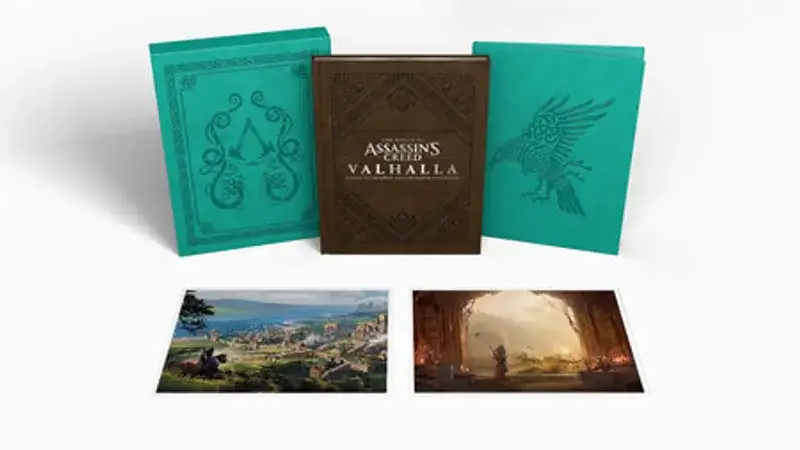
The World of Assassin's Creed Valhalla: Journey to the North--Logs and Files of a Hidden One (Deluxe Edition) Book Review and Summary
The World of Assassin's Creed Valhalla: Journey to the North--Logs and Files of a Hidden One (Deluxe Edition) Author: Rick BarbaPage Count: UnknownPublication Date: 2023-PRH Rick Barba’s The World of Assassin’s Creed Valhalla: Journey to the North—Logs and Files of a Hidden One is not just another companion book to a video game—it is a meticulously crafted portal into the frozen, blood-soaked soul of Assassin’s Creed Valhalla. This deluxe edition, co-published by Ubisoft and Dark Horse Books, transcends the boundaries of mere art book or lore compendium. It is, in essence, the personal journal of Hytham, the enigmatic Hidden One who guides Eivor through the treacherous political and mythic landscapes of ninth-century Britain. Presented as a recovered archive, the book immerses the reader in the same shadowed corridors of history and legend that the game navigates with such confidence. At its core, this volume is a celebration of Viking culture—its brutal pragmatism, its deep-rooted reverence for fate and familial bonds, and its mythic imagination. Barba doesn’t just describe the world of Valhalla; he reconstructs it from the ground up. The text is structured as Hytham’s observations, blending historical research with Assassin lore, as if the Hidden One himself has transcribed fragments of Viking sagas, Anglo-Saxon chronicles, and whispers from the supernatural realms. This narrative framing is both clever and immersive, lending an air of authenticity to the fantasy. It’s as though the reader has stumbled upon a secret manuscript hidden beneath the floorboards of a London tavern or tucked away in the frostbitten archives of Ravensthorpe. Barba’s writing style is sharp, unadorned, and purposeful—much like the Viking warriors he describes. He avoids excessive romanticism, opting instead for a tone that respects the duality of Viking life: the poetry of the skalds balanced against the stench of blood in the longhouse. There is a scholarly precision here, but it never feels academic. Instead, it reads like the field notes of a Hidden One, someone who must know both the blade and the word to survive. The prose is clean and direct, allowing the rich visuals to speak for themselves. When Barba does indulge in description, it is vivid and tactile—whether describing the weight of a seax in hand or the mist curling over the Thames at dawn. The visual presentation is nothing short of spectacular. Full-color illustrations dominate every page, from detailed character portraits to sweeping landscapes of snowy fjords and mist-laden forests. The deluxe edition elevates this experience further with a protective slipcase and an exclusive cover, making it not only a book to read but a collector’s artifact to cherish. The two gallery-quality prints included in the folio are museum-worthy—feast your eyes on Eivor mid-battle or Hytham’s piercing gaze, and you’ll understand the care that went into every brushstroke. One of the book’s most compelling themes is the tension between myth and history. Valhalla is, after all, a game that places players in a world where gods walk among mortals and where reality bends to the whims of ancient magic. Barba leans into this duality, presenting Viking lore—not as mere superstition, but as living belief. The reader encounters Odin’s whispers, sees the influence of the Wolf and Raven clans, and witnesses the creeping dread of the Order of the Ancients, who lurk like shadows in the halls of power. This isn’t just world-building; it’s world-believing. Barba ensures that the supernatural elements feel as real as the historical ones, and that’s a rare achievement in any media. The book also shines in its portrayal of Eivor’s journey. From the rocky shores of Norway to the mist-laced hills of Ireland, each region is rendered with geographic and cultural fidelity. Barba doesn’t gloss over the brutality of the age—raids, betrayals, and political intrigue are all laid bare—but he also captures the warmth of community, the strength of kinship, and the quiet dignity of a people who carved their names into the earth with both sword and story. This duality is what makes Valhalla resonate, and Barba ensures the book reflects it. If there is a criticism to be made, it’s that the book assumes a certain familiarity with the game. While it’s possible to enjoy it as a standalone work, those who haven’t played Valhalla might find the references to characters and events a bit opaque. However, this is a minor quibble. The strength of the writing and art compensates for any assumed knowledge, and a quick glance at the index or a playthrough of the game’s opening sequences would bridge any gaps. Ultimately, The World of Assassin’s Creed Valhalla is a triumph of transmedia storytelling. Barba doesn’t just document a game—he deepens the player’s connection to its world. By adopting Hytham’s voice, he transforms a static companion book into a living artifact, one that feels as if it was pulled from the cold earth of England itself. This is not a book for casual fans. It’s for those who have stood beside Eivor in the rain, who have felt the weight of a hidden blade in their palm, and who now hunger for more. If you’re a collector, a historian, a gamer, or simply someone who loves great storytelling, this deluxe edition is a must-have. It’s more than a book. It’s a relic from a hidden world. #AssassinsCreedValhalla #RickBarba #VikingHistory #GamingLore #HiddenOneArchives #DarkHorseBooks Related InsightsCoraline Book Review and Summary David Copperfield Book Review and Summary The Giver of Stars Book Review and Summary{ "@context": "https://schema.org", "@type": "FAQPage", "mainEntity": [ { "@type": "Question", "name": "What is the main focus of The World of Assassin's Creed Valhalla: Journey to the North--Logs and Files of a Hidden One (Deluxe Edition) Book Review and Summary?", "acceptedAnswer": { "@type": "Answer", "text": "Everything you need to know about The World of Assassin's Creed Valhalla: Journey to the North--Logs and Files of a Hidden One (Deluxe Edition) with our detailed review." } }, { "@type": "Question", "name": "Who authored the comprehensive guide on The World of Assassin's Creed Valhalla: Journey to the North--Logs and Files of a Hidden One (Deluxe Edition) Book Review and Summary?", "acceptedAnswer": { "@type": "Answer", "text": "This detailed article and its insights were carefully researched and authored by Klaus Weber." } }, { "@type": "Question", "name": "Where can I find more related content about Books?", "acceptedAnswer": { "@type": "Answer", "text": "You can explore more articles, detailed reviews, and similar insights by browsing the Related Insights section at the bottom of this article or visiting our dedicated Books category page." } } ] }

Enlightenment Now Author: Steven PinkerPage Count: UnknownPublication Date: 2019-PRH Steven Pinker’s Enlightenment Now is not just a book—it’s a manifesto, a data-driven plea, and a defiant counter-narrative to the doom-mongering that dominates our cultural moment. In an era where pessimism sells and headlines scream of collapse, Pinker arms readers with irrefutable evidence: the world is not falling apart. It’s getting better. And the force driving that progress isn’t luck or divine intervention—it’s the Enlightenment ideal of reason, science, and humanism. Pinker, a cognitive scientist and Harvard professor, marshals an arsenal of statistics—75 graphs, to be exact—to dismantle the illusion of decline. Life expectancy has never been higher. Global poverty is plummeting. Violence, war, and even child mortality are in steep decline. Democracy is spreading, literacy is rising, and extreme hunger is shrinking. These aren’t anecdotes or hopeful platitudes; they’re measured realities. Yet despite this progress, Pinker notes, we remain stubbornly convinced that things are worse than ever. Why? Because our brains are wired to prioritize bad news—it’s a survival mechanism. But in the modern world, that wiring is a liability. Enlightenment Now is Pinker’s corrective, a passionate argument that progress is not a fluke but the result of deliberate, rational effort. What makes the book so compelling is its blend of rigorous data and accessible prose. Pinker writes with the precision of a scientist but the urgency of a preacher. He doesn’t just present facts; he explains why we ignore them. We’re prone to "negativity bias," he argues, where a single tragedy on the news outweighs a thousand stories of improvement. Social media amplifies outrage, and political rhetoric thrives on fear. The result? A cultural narrative that clings to decline, even as the data screams otherwise. Yet Pinker is no Pollyanna. He acknowledges that progress is uneven and that new crises—climate change, inequality, AI disruption—threaten to unravel hard-won gains. But his response isn’t despair; it’s a call to double down on the Enlightenment values that have delivered these improvements. Reason, skepticism, and evidence-based policy are not just abstract ideals—they’re the tools that have saved millions from disease, tyranny, and destitution. The alternative—tribalism, authoritarianism, and magical thinking—is not just wrong; it’s dangerous. Pinker warns that the backlash against Enlightenment ideals is already underway, fueled by populists, religious dogmatists, and postmodern skeptics who dismiss objective truth. His book is a battle cry for those who believe in the power of human ingenuity to solve problems. Pinker’s style is one of his greatest strengths. He writes with the clarity of a professor who loves his subject and the wit of a debater who knows how to dismantle bad arguments. At times, the book reads like a TED Talk stretched into book form—dense with stats but never dry. He deftly handles complex topics, from the economics of inequality to the psychology of hope, making them digestible without dumbing them down. His tone is neither smug nor preachy; it’s urgent but measured, like a doctor calmly listing symptoms before prescribing a treatment. That said, Enlightenment Now isn’t without its critics. Some argue that Pinker underplays the depth of modern crises, particularly the existential threat of climate change. Others accuse him of cherry-picking data to fit his narrative. But even if you disagree with his optimism, you can’t ignore the book’s central thesis: progress is possible, but it’s not inevitable. It requires constant vigilance, skepticism, and a commitment to reason over dogma. Ultimately, Enlightenment Now is a book for the anxious age—a period when fear sells books, clicks, and votes, but rarely solutions. Pinker’s message is simple: the world is improving, but we can’t take it for granted. We must defend the institutions of liberal democracy, invest in science, and reject the siren song of pessimism. It’s a rallying cry for the 21st century, and one that arrives not a moment too soon. #HopeInData #ProgressMatters #EnlightenmentNow #ReasonOverFear #HumanismWorks #GoodNewsIsNotNews Related InsightsJust Listen Book Review and Summary Walk Two Moons Book Review and Summary It's a Prince Thing (the Princess Rules) Book Review and Summary{ "@context": "https://schema.org", "@type": "FAQPage", "mainEntity": [ { "@type": "Question", "name": "What is the main focus of Enlightenment Now Book Review and Summary?", "acceptedAnswer": { "@type": "Answer", "text": "Everything you need to know about Enlightenment Now with our detailed review." } }, { "@type": "Question", "name": "Who authored the comprehensive guide on Enlightenment Now Book Review and Summary?", "acceptedAnswer": { "@type": "Answer", "text": "This detailed article and its insights were carefully researched and authored by Klaus Weber." } }, { "@type": "Question", "name": "Where can I find more related content about Books?", "acceptedAnswer": { "@type": "Answer", "text": "You can explore more articles, detailed reviews, and similar insights by browsing the Related Insights section at the bottom of this article or visiting our dedicated Books category page." } } ] }


Official Game of Thrones Cookbook Author: Chelsea Monroe-CasselPage Count: UnknownPublication Year: 2024-GB The Official Game of Thrones Cookbook by Chelsea Monroe-Cassel isn’t just a cookbook—it’s a culinary journey into the heart of Westeros, where dragon fire and hearty stews are equally essential. Published in 2024, this highly anticipated follow-up to the original A Feast of Ice and Fire (and its sequel) promises to elevate medieval-inspired cuisine to mythic proportions. With the weight of a global bestseller behind it, Monroe-Cassel doesn’t just recreate dishes from George R.R. Martin’s universe; she immerses readers in the gritty, flavorful world of Westeros, where food is both a comfort and a weapon. Monroe-Cassel, the creator of the beloved Inn at the Crossroads blog, has long been the unofficial chef laureate of Game of Thrones. Her knack for blending historical authenticity with fantasy whimsy makes this cookbook more than a novelty—it’s a masterclass in world-building through food. Unlike typical tie-in cookbooks, which often feel like gimmicks, this one treats its recipes as sacred texts, respecting the lore while inviting readers to engage with it on a deeply sensory level. Whether you’re a casual fan or a devoted foodie, the book makes the Seven Kingdoms feel tangible, one bite at a time. The book’s structure mirrors the political and geographical divides of Westeros itself. Recipes are organized by region—from the icy halls of Castle Black to the sun-drenched kitchens of Dorne—each section infused with cultural context. Monroe-Cassel doesn’t just list ingredients; she weaves in anecdotes about Westerosi dining customs, from the lavish feasts of King’s Landing to the humble meals of the Free Folk. A chapter on "Winter’s Feast" might include hearty venison pasties and spiced cider, while "A Taste of the Summer Isles" offers tropical fruit tarts and coconut-spiked rum punch. The attention to detail is nothing short of obsessive, ensuring that every dish feels like it truly belongs in its fictional setting. What sets this cookbook apart is Monroe-Cassel’s ability to balance accessibility with authenticity. While some recipes might intimidate home cooks with their medieval techniques (horn spoons for serving honey? A pie crust that requires lard rendered from a boar?), the instructions are clear enough for a modern kitchen. She modernizes where necessary—substituting hard-to-find ingredients or offering time-saving tips—without betraying the spirit of the original dishes. Her style is warm and conversational, as if she’s standing right beside you in the Red Keep’s kitchen, guiding you through the process with a wink and a nod. Take, for example, the recipe for "Dany’s Targaryen Roast Lamb with Fire and Blood." Monroe-Cassel doesn’t just provide the method; she tells the story of how the dish might be prepared for a queen who commands dragons. The marinade includes pomegranate molasses and smoked paprika, evoking the sensual, spice-rich flavors of Essos, while the presentation mimics the dramatic flair of Dany’s conquests. Or consider "The Hound’s Blackwater Ale Stew," a gruesome-sounding but deeply satisfying dish that reflects the harsh, no-nonsense diet of a warrior like Sandor Clegane. The use of dark beer and smoked sausage gives it a rustic, battle-ready richness. Monroe-Cassel’s prose is as rich as the dishes she describes. She writes with the same narrative flair as Martin’s prose, making even the most mundane steps feel part of a larger epic. Her commentary isn’t just functional—it’s immersive. A simple note about using juniper berries in a stew becomes a meditation on the Wildlings’ herbal traditions. A warning about over-kneading dough turns into a metaphor for the dangers of haste in a world where patience can mean the difference between life and death. That said, the book isn’t without its challenges. Some recipes are undeniably labor-intensive, requiring multiple days of prep or hard-to-source ingredients. Others might leave vegetarians (or those who refuse to eat "direwolf kebabs") feeling sidelined. And while Monroe-Cassel’s love for her subject is infectious, purists might argue that certain dishes stray too far from historical accuracy in favor of fantasy aesthetics. Still, these are minor quibbles in a book that succeeds so wildly in its primary goal: to make you feel like you’ve stepped into Westeros. For fans of Game of Thrones, this cookbook is a love letter to the series—a way to keep the world alive even after the final credits roll. For food lovers, it’s an adventure, a challenge, and a celebration of how deeply food and storytelling intertwine. Monroe-Cassel doesn’t just feed your hunger; she feeds your imagination. #GameOfThronesCookbook #FeastOfIceAndFire #FoodOfWesteros #MedievalEats #TargaryenTastes #DragonDining Related InsightsThank You for Remembering: A Novel Book Review and Summary The Shell Seekers Book Review and Summary Tess of the D’Urbervilles Book Review and Summary{ "@context": "https://schema.org", "@type": "FAQPage", "mainEntity": [ { "@type": "Question", "name": "What is the main focus of Official Game of Thrones Cookbook Book Review and Summary?", "acceptedAnswer": { "@type": "Answer", "text": "Everything you need to know about Official Game of Thrones Cookbook with our detailed review." } }, { "@type": "Question", "name": "Who authored the comprehensive guide on Official Game of Thrones Cookbook Book Review and Summary?", "acceptedAnswer": { "@type": "Answer", "text": "This detailed article and its insights were carefully researched and authored by Diego Lopez." } }, { "@type": "Question", "name": "Where can I find more related content about Books?", "acceptedAnswer": { "@type": "Answer", "text": "You can explore more articles, detailed reviews, and similar insights by browsing the Related Insights section at the bottom of this article or visiting our dedicated Books category page." } } ] }

Yo, Julio César / I, Julius Caesar Author: Montesquiou NévilPage Count: UnknownPublication Date: 2026-PRH In the realm of historical fiction, few authors have dared to reimagine the life of one of history's most iconic figures, Julius Caesar. Montesquiou Névil's latest offering, "Yo, Julio César / I, Julius Caesar," is a bold and unapologetic retelling of Caesar's story, one that promises to shatter conventions and defy expectations. From the onset, it is clear that Névil's approach to Caesar's narrative is far from traditional. The title itself, a playful juxtaposition of Spanish and English, hints at the author's intention to subvert the usual tropes associated with historical fiction. This is not a dusty, dry retelling of ancient history, but rather a vibrant, pulsing exploration of the man behind the legend. Névil's prose is a marvel, effortlessly conjuring the sights, sounds, and sensations of ancient Rome. His writing is akin to a rich tapestry, woven from threads of politics, passion, and intrigue. The author's use of language is deliberate and evocative, conjuring the grandeur and majesty of Caesar's world. At its core, "Yo, Julio César / I, Julius Caesar" is a deeply human story, one that strips away the myth and legend to reveal the complexities and contradictions of its protagonist. Névil's Caesar is a multifaceted figure, driven by both ambition and vulnerability. He is a man of immense power and influence, yet also one of deep emotional scars and insecurities. One of the most striking aspects of Névil's narrative is its willingness to challenge the conventional wisdom surrounding Caesar's life. The author is unafraid to explore the gray areas, to question the motivations and actions of his protagonist. This is a Caesar who is both hero and villain, a man capable of great cruelty and great kindness. Throughout the book, Névil's style is characterized by a sense of restless energy, a feeling of perpetual motion. The narrative is constantly shifting and evolving, mirroring the turbulent world of ancient Rome. This is a book that is impossible to put down, a true page-turner that will keep readers on the edge of their seats. If there is one criticism to be made, it is that Névil's ambition sometimes gets the better of him. There are moments where the narrative feels overly complex, where the sheer scope of the story threatens to overwhelm the reader. However, these moments are few and far between, and the author's skill and craftsmanship ultimately win out. In conclusion, "Yo, Julio César / I, Julius Caesar" is a triumph, a bold and innovative retelling of one of history's most enduring stories. Névil's style is a true marvel, a unique blend of passion, politics, and intrigue. This is a book that will appeal to fans of historical fiction, ancient history, and anyone looking for a compelling and thought-provoking read. #JuliusCaesarReimagined #HistoricalFiction #AncientRome #MontesquiouNevil #IJuliusCaesar #YoJulioCesar Related InsightsThe Compleat Works of Wllm Shkspr Book Review and Summary Chasing Demons Book Review and Summary Birth of the Witch (A Coven of Three Trilogy, #1) Book Review and Summary{ "@context": "https://schema.org", "@type": "FAQPage", "mainEntity": [ { "@type": "Question", "name": "What is the main focus of Julius Caesar Book Review and Summary?", "acceptedAnswer": { "@type": "Answer", "text": "Everything you need to know about Julius Caesar with our detailed review." } }, { "@type": "Question", "name": "Who authored the comprehensive guide on Julius Caesar Book Review and Summary?", "acceptedAnswer": { "@type": "Answer", "text": "This detailed article and its insights were carefully researched and authored by William Shakespeare." } }, { "@type": "Question", "name": "Where can I find more related content about Books?", "acceptedAnswer": { "@type": "Answer", "text": "You can explore more articles, detailed reviews, and similar insights by browsing the Related Insights section at the bottom of this article or visiting our dedicated Books category page." } } ] }


Pav Bhaji, a dish that embodies the vibrant spirit of Indian street food, is a culinary masterpiece that has been delighting the taste buds of people for generations. This beloved dish, born in the bustling streets of Mumbai, is a symphony of spices, a harmony of flavors, and a testament to the city's rich cultural heritage. As we delve into the world of Pav Bhaji, we will explore its history, cultural significance, and the secrets behind its irresistible flavor. Introduction to Pav Bhaji Pav Bhaji is a popular Indian street food dish that consists of a thick vegetable curry served with a soft, buttery bread roll. The curry, known as Bhaji, is a rich and flavorful mixture of sautéed vegetables, spices, and herbs, cooked to perfection on a large iron griddle called a Tawa. The Pav, a soft and fluffy bread roll, is toasted to a golden brown perfection and served alongside the Bhaji, allowing diners to mop up the flavorful curry with ease.The origins of Pav Bhaji date back to the 19th century, when it was created as a quick and affordable meal for the textile mill workers in Mumbai. The dish was designed to be a filling and nutritious meal that could be consumed on the go, and its popularity quickly spread throughout the city. Today, Pav Bhaji is a staple of Indian street food, with vendors and restaurants serving their own unique versions of the dish. The Cultural Significance of Pav Bhaji Pav Bhaji is more than just a dish; it's a cultural phenomenon that brings people together. In Mumbai, Pav Bhaji vendors are an integral part of the city's street food scene, with many vendors serving the dish for generations. The dish has also become a symbol of the city's cultural diversity, with vendors from different regions and communities adding their own unique twist to the recipe.Pav Bhaji has also played a significant role in Indian cuisine, influencing the development of other popular dishes such as Vada Pav and Misal Pav. The dish has also been featured in numerous films, television shows, and literature, cementing its place in Indian popular culture. The Art of Cooking Pav Bhaji Cooking Pav Bhaji is an art that requires skill, patience, and attention to detail. The dish is typically cooked on a large iron Tawa, which is heated to a high temperature to achieve the perfect balance of flavors and textures. The Bhaji is cooked in a series of stages, with each stage building on the previous one to create a rich and complex flavor profile.The recipe for Pav Bhaji typically includes a mixture of sautéed vegetables such as potatoes, peas, and onions, which are cooked in a mixture of spices and herbs. The Pav is toasted to a golden brown perfection and served alongside the Bhaji, allowing diners to mop up the flavorful curry with ease. Variations of Pav Bhaji While the traditional recipe for Pav Bhaji remains the same, there are many variations of the dish that can be found throughout India. Some popular variations include:Jain Pav Bhaji: A version of the dish that is cooked without onions and garlic, making it suitable for Jain vegetarians. Cheese Pav Bhaji: A variation of the dish that includes melted cheese, adding an extra layer of flavor and creaminess. Mushroom Pav Bhaji: A version of the dish that includes sautéed mushrooms, adding an earthy flavor and texture.Conclusion Pav Bhaji is a dish that embodies the spirit of Indian street food, with its rich flavors, vibrant colors, and cultural significance. Whether you're a foodie, a history buff, or simply someone who loves to try new things, Pav Bhaji is a dish that is sure to delight and inspire. So next time you're in Mumbai, be sure to try a plate of Pav Bhaji from a street vendor or restaurant, and experience the magic of this beloved dish for yourself. #PavBhaji #IndianStreetFood #MumbaiCuisine #Foodie #StreetFood #CulturalHeritage #TraditionalFood #IndianCuisine Related InsightsSlurp Your Way Through Japan: The Definitive Ramen Roadmap from Tonkotsu to Shoyu Mulukhiyah: The Royal Green Soup of the Pharaohs The Dark Elixir of Waking Minds: A Deep Historical, Etymological, and Economic Inquiry into Coffee{ "@context": "https://schema.org", "@type": "FAQPage", "mainEntity": [ { "@type": "Question", "name": "What is the main focus of Pav Bhaji: A Symphony of Spices on the Tawa?", "acceptedAnswer": { "@type": "Answer", "text": "Discover the deep cultural roots, authentic flavors, and history of Pav Bhaji: A Symphony of Spices on the Tawa." } }, { "@type": "Question", "name": "Who authored the comprehensive guide on Pav Bhaji: A Symphony of Spices on the Tawa?", "acceptedAnswer": { "@type": "Answer", "text": "This detailed article and its insights were carefully researched and authored by Priya Kapoor." } }, { "@type": "Question", "name": "Where can I find more related content about Food?", "acceptedAnswer": { "@type": "Answer", "text": "You can explore more articles, detailed reviews, and similar insights by browsing the Related Insights section at the bottom of this article or visiting our dedicated Food category page." } } ] }


In the misty dawn of southern India, where the aroma of fresh coconut and spices fills the air, a traditional breakfast dish has been steaming its way into the hearts of locals and visitors alike for centuries. Idli Sambar, a harmonious union of soft, fluffy idlis (steamed rice cakes) and a flavorful, lentil-based sambar (stew), is more than just a meal – it's an experience that embodies the rich cultural heritage and warmth of Indian hospitality. As we delve into the world of Idli Sambar, we'll uncover its history, explore its cultural significance, and, of course, provide an authentic recipe to recreate this vegan breakfast masterpiece in the comfort of your own home. Introduction to Idli Sambar Idli Sambar is a staple breakfast dish in southern Indian cuisine, particularly in the states of Tamil Nadu, Karnataka, and Kerala. The dish is a perfect example of how simple, locally sourced ingredients can be transformed into a culinary masterpiece. Idlis, made from a fermented batter of rice and lentils, are steamed to perfection, resulting in a soft, spongy texture that absorbs the flavorful sambar beautifully. The sambar, a spicy stew made with lentils, vegetables, and a blend of aromatic spices, adds a depth of flavor that complements the idlis perfectly.The History of Idli Sambar The origins of Idli Sambar date back to the ancient times of the Indus Valley Civilization, where people consumed rice and lentil-based dishes as a staple part of their diet. Over time, the dish evolved and spread throughout southern India, with each region adding its own unique twist to the recipe. The fermented batter used to make idlis is believed to have been inspired by the traditional Indian practice of fermenting foods to enhance their nutritional value and shelf life. The sambar, on the other hand, has its roots in the ancient Indian system of medicine, Ayurveda, where lentils and spices were used to create balancing and nourishing meals. Cultural Significance of Idli Sambar Idli Sambar is more than just a breakfast dish in southern India – it's a symbol of hospitality, community, and tradition. In many Indian households, Idli Sambar is served as a special breakfast treat on weekends and holidays, bringing families and friends together to share in the joy of a delicious meal. The dish is also an integral part of Indian street food culture, with idli sambar stalls and restaurants lining the streets of cities and towns, serving up steaming hot plates of idlis and sambar to hungry locals and visitors.Authentic Recipe for Idli Sambar To recreate the authentic flavors of Idli Sambar in your own home, you'll need the following ingredients: For the idlis:2 cups of rice 1 cup of lentils (urad dal) 1/2 cup of fenugreek seeds 1/2 teaspoon of salt Water, as neededFor the sambar:1 cup of lentils (toor dal) 2 cups of water 1 onion, chopped 2 tomatoes, chopped 1 carrot, chopped 1 potato, chopped 1 drumstick, chopped 1 teaspoon of sambar powder 1 teaspoon of turmeric powder 1 teaspoon of red chili powder Salt, to taste 2 tablespoons of coconut oil Fresh cilantro, for garnishTo make the idlis, soak the rice, lentils, and fenugreek seeds in water for at least 4 hours. Grind the mixture into a smooth batter, adding salt and water as needed. Ferment the batter overnight, then steam the idlis in a steamer basket lined with cheesecloth or a clean cotton cloth. To make the sambar, cook the lentils in water until they're soft and mushy. Heat coconut oil in a pan, then add the chopped onion, tomatoes, carrot, potato, and drumstick. Cook the vegetables until they're tender, then add the cooked lentils, sambar powder, turmeric powder, red chili powder, and salt. Simmer the sambar for at least 10 minutes, allowing the flavors to meld together. Serving and Enjoying Idli Sambar To serve Idli Sambar, place a few steaming hot idlis on a plate, then ladle the flavorful sambar over them. Garnish with fresh cilantro and a dollop of coconut chutney, if desired. As you take your first bite, the soft idlis will absorb the spicy, tangy sambar, releasing a burst of flavors that will leave you craving for more.In conclusion, Idli Sambar is a true culinary treasure of southern India, offering a delicious, nutritious, and culturally rich breakfast experience that's steeped in tradition and history. Whether you're a foodie, a culture enthusiast, or simply a lover of good food, Idli Sambar is a dish that's sure to captivate your senses and leave you wanting more.#IdliSambar #VeganBreakfast #SouthernIndianCuisine #TraditionalFood #StreetFood #CulturalHistory #Foodie #IndianCuisine Related InsightsIl Farro Inquieto: Tracce di un Cereale Millenario Tra Imperi Dimenticati e Rivoluzioni Gastronomiche Rurali Nihari: The Rich Morning Stew of the Nawabs Tacos Al Pastor: Il Mio Viaggio nel Cuore della Messicana Cucina{ "@context": "https://schema.org", "@type": "FAQPage", "mainEntity": [ { "@type": "Question", "name": "What is the main focus of Idli Sambar: The Ultimate Steamed Vegan Breakfast?", "acceptedAnswer": { "@type": "Answer", "text": "Discover the deep cultural roots, authentic flavors, and history of Idli Sambar: The Ultimate Steamed Vegan Breakfast." } }, { "@type": "Question", "name": "Who authored the comprehensive guide on Idli Sambar: The Ultimate Steamed Vegan Breakfast?", "acceptedAnswer": { "@type": "Answer", "text": "This detailed article and its insights were carefully researched and authored by Anjali Desai." } }, { "@type": "Question", "name": "Where can I find more related content about Food?", "acceptedAnswer": { "@type": "Answer", "text": "You can explore more articles, detailed reviews, and similar insights by browsing the Related Insights section at the bottom of this article or visiting our dedicated Food category page." } } ] }


The flavors of West Africa come alive in the dish known as Chicken Yassa, a culinary masterpiece that weaves together the tanginess of onions, the tenderness of chicken, and the depth of a variety of spices. This onion stew, originating from the regions of Senegal and Gambia, is not just a meal but an experience that transports one to the vibrant markets and bustling streets of these countries. Chicken Yassa, or "Yassa de Poulet" as it's known in French, is a reflection of the cultural diversity and richness of the region, with influences from French, Portuguese, and indigenous cuisines. Introduction to Chicken Yassa Chicken Yassa is typically made with marinated chicken cooked in a flavorful onion and pepper sauce. The dish is known for its simplicity yet profound flavors, which are achieved through the use of a few key ingredients, including onions, garlic, peppers, mustard, and sometimes vegetables like cabbage or carrots. The preparation of Chicken Yassa involves marinating the chicken in a mixture of lemon juice, onions, peppers, and spices, then grilling or frying it before simmering it in the sauce made from the marinade, onions, and sometimes additional ingredients like tomatoes or potatoes. The Cultural Significance of Chicken YassaChicken Yassa holds a special place in the cultural and culinary landscapes of Senegal and Gambia. It is a dish that brings people together, often served at gatherings, parties, and even street food stalls. The recipe for Chicken Yassa has been passed down through generations, with each family adding its own unique twist and secret ingredients. This dish is not only a source of pride but also a symbol of hospitality and generosity, reflecting the warm and welcoming nature of the people of West Africa. The Flavors and Textures of Chicken YassaThe beauty of Chicken Yassa lies in its balance of flavors and textures. The onions, which are the backbone of the dish, are caramelized to bring out their natural sweetness, contrasting beautifully with the tanginess from the lemon juice and the slight bitterness from the peppers. The chicken, tender and juicy from the marinade, absorbs all the flavors of the sauce, creating a dish that is both hearty and refreshing. The addition of vegetables like cabbage or potatoes adds a delightful contrast in texture, making each bite a fascinating experience. Preparing Chicken Yassa at Home Ingredients1 1/2 pounds chicken pieces (legs, thighs, wings, breasts) 2 large onions, sliced 2 cloves of garlic, minced 1 large pepper, sliced 2 lemons, juiced 2 tablespoons mustard 2 teaspoons grated ginger 1 teaspoon ground cumin Salt and black pepper, to taste 2 tablespoons vegetable oil Optional: cabbage, carrots, potatoesInstructionsMarination: In a large bowl, combine chicken, sliced onions, garlic, pepper, lemon juice, mustard, ginger, cumin, salt, and black pepper. Mix well to coat the chicken evenly, then cover and refrigerate for at least 2 hours or overnight. Grilling or Frying the Chicken: Remove the chicken from the marinade, letting any excess liquid drip off. Grill the chicken over medium heat until browned on all sides and cooked through, or fry in oil until golden and cooked. Set aside. Making the Sauce: In a large saucepan, heat a couple of tablespoons of oil over medium heat. Add the remaining onions from the marinade (and any optional vegetables) and cook, stirring occasionally, until the onions are caramelized and the vegetables are tender. Assembling the Dish: Add the cooked chicken back into the saucepan with the onions and sauce. Pour in any remaining marinade and enough water to cover the chicken. Bring to a boil, then reduce the heat to low and simmer, covered, until the flavors have melded together and the chicken is very tender. Serving: Serve Chicken Yassa hot, garnished with fresh herbs or additional onions, if desired. It is traditionally served with rice or alongside crusty bread for sopping up the flavorful sauce.Variations and InnovationsWhile traditional recipes are cherished, modern twists on Chicken Yassa are also gaining popularity. Some variations include using different types of protein like fish or beef, adding a variety of spices to give it a unique flavor, or serving it with healthier alternatives like quinoa or roasted vegetables. These innovations not only appeal to a broader audience but also keep the dish vibrant and relevant in contemporary culinary scenes. Conclusion Chicken Yassa is more than just a dish; it's an experience that combines culture, tradition, and flavor in a way that is uniquely West African. Whether enjoyed in a bustling market in Dakar or replicated in a home kitchen thousands of miles away, Chicken Yassa brings people together through its aromatic flavors and the stories it tells of hospitality, community, and the joy of sharing meals.#ChickenYassa #WestAfricanCuisine #FoodCulture #TraditionalRecipes #StreetFood #CulinaryDelights #AfricanFood #GlobalCuisine Related InsightsThe Mediterranean Vitality Bowl: A Masterclass in Omega-3 Rich Chickpea and Tuna Salad The Obscure Origins and Transcendent Transformation of Cacao's Dark Heart Portuguese Pastéis de Nata: The Custard Tart's Sweet History{ "@context": "https://schema.org", "@type": "FAQPage", "mainEntity": [ { "@type": "Question", "name": "What is the main focus of Chicken Yassa: The Tangy and Tender Onion Stew?", "acceptedAnswer": { "@type": "Answer", "text": "Discover the deep cultural roots, authentic flavors, and history of Chicken Yassa: The Tangy and Tender Onion Stew." } }, { "@type": "Question", "name": "Who authored the comprehensive guide on Chicken Yassa: The Tangy and Tender Onion Stew?", "acceptedAnswer": { "@type": "Answer", "text": "This detailed article and its insights were carefully researched and authored by Amara Ndiaye." } }, { "@type": "Question", "name": "Where can I find more related content about Food?", "acceptedAnswer": { "@type": "Answer", "text": "You can explore more articles, detailed reviews, and similar insights by browsing the Related Insights section at the bottom of this article or visiting our dedicated Food category page." } } ] }

-
 Irina Ivanova
- 28 Apr, 2026 19:38
Estuche Jane Austen (Contiene: Orgullo y prejuicio / Sentido y sensibilidad) / Jane Austen Box Set (includes: Pride and Prejudice / Sense and Sensibility) Book Review and Summary
Estuche Jane Austen (Contiene: Orgullo y prejuicio / Sentido y sensibilidad) / Jane Austen Box Set (includes: Pride and Prejudice / Sense and Sensibility) Author: Jane AustenPage Count: UnknownPublication Date: 2026-PRH Jane Austen’s Estuche Jane Austen is a literary treasure trove, a boxed set that brings together two of her most celebrated novels: Orgullo y prejuicio (Pride and Prejudice) and Sentido y sensibilidad (Sense and Sensibility). Though the publication year listed—2026—might raise an eyebrow (Austen’s works were penned in the early 19th century), the enduring brilliance of her prose ensures that this collection remains timeless. Whether you’re a first-time reader or a longtime admirer, Austen’s sharp wit, keen social observation, and masterful storytelling make this box set an essential addition to any bookshelf. At the heart of Austen’s work lies a deceptively simple yet profoundly insightful exploration of human nature. Both novels dissect the complexities of love, marriage, and societal expectations in Regency England, but they do so with a wit that is as biting as it is affectionate. Pride and Prejudice follows the spirited Elizabeth Bennet as she navigates the rigid class structures of her time, clashing with the proud Mr. Darcy in a battle of wits and wills. Meanwhile, Sense and Sensibility contrasts the rational Elinor Dashwood with her impulsive sister Marianne, illustrating how emotional extremes—whether in love or in life—can lead to both folly and wisdom. What makes Austen’s writing so enduring is her ability to blend humor with social critique. She doesn’t merely tell a love story; she dissects the hypocrisies of her era with surgical precision. Her characters are not one-dimensional—they are flawed, relatable, and often hilariously flawed. Mr. Collins, with his obsequiousness and absurdity, is a comic masterpiece, while Lady Catherine de Bourgh’s imperiousness is both ridiculous and terrifying. Austen’s dialogue crackles with energy, revealing personalities in every exchange. A single line—like Elizabeth’s retort to Mr. Darcy’s first proposal—can encapsulate an entire world of pride, prejudice, and unspoken desire. Her prose is elegant yet accessible, a testament to her skill in making the intricacies of Regency society feel intimate and immediate. There’s a reason her novels have endured for centuries: they are not just historical relics but living, breathing stories about human nature. The themes she explores—class, gender, the pressure to marry well—are still relevant today, which is why adaptations of her work continue to thrive in film, television, and modern retellings. The box set format is a delightful bonus for collectors and newcomers alike. Holding both novels in one elegant package allows readers to appreciate Austen’s range—from the fiery romance of Pride and Prejudice to the more measured, introspective Sense and Sensibility. Whether you read them in sequence or dip in and out, the experience is one of pure literary pleasure. For those who haven’t yet encountered Austen’s genius, this collection is the perfect introduction. For those who already cherish her work, it’s a chance to revisit old favorites with fresh eyes. Either way, Estuche Jane Austen is more than a set of books—it’s an invitation into a world where wit, wisdom, and romance intertwine flawlessly. #JaneAusten #PrideAndPrejudice #SenseAndSensibility #ClassicLiterature #RegencyRomance #BookLovers Related InsightsWrecked Book Review and Summary Happy Place Book Review and Summary Greywaren Book Review and Summary{ "@context": "https://schema.org", "@type": "FAQPage", "mainEntity": [ { "@type": "Question", "name": "What is the main focus of Estuche Jane Austen (Contiene: Orgullo y prejuicio / Sentido y sensibilidad) / Jane Austen Box Set (includes: Pride and Prejudice / Sense and Sensibility) Book Review and Summary?", "acceptedAnswer": { "@type": "Answer", "text": "Everything you need to know about Estuche Jane Austen (Contiene: Orgullo y prejuicio / Sentido y sensibilidad) / Jane Austen Box Set (includes: Pride and Prejudice / Sense and Sensibility) with our detailed review." } }, { "@type": "Question", "name": "Who authored the comprehensive guide on Estuche Jane Austen (Contiene: Orgullo y prejuicio / Sentido y sensibilidad) / Jane Austen Box Set (includes: Pride and Prejudice / Sense and Sensibility) Book Review and Summary?", "acceptedAnswer": { "@type": "Answer", "text": "This detailed article and its insights were carefully researched and authored by Irina Ivanova." } }, { "@type": "Question", "name": "Where can I find more related content about Books?", "acceptedAnswer": { "@type": "Answer", "text": "You can explore more articles, detailed reviews, and similar insights by browsing the Related Insights section at the bottom of this article or visiting our dedicated Books category page." } } ] }


Bienvenue! Let us embark on an unforgettable #journey to the heart of #France. Annecy (US: AN-ə-SEE, ahn-SEE; French: [an(ə)si] ) is the prefecture and largest city of the Haute-Savoie department in the Auvergne-Rhône-Alpes region of Southeastern #France. It lies on the northern tip of Lake Annecy, 35 kilometres (22 mi) south of Geneva, Switzerland. Nicknamed the "Pearl of the French Alps" in Raoul Blanchard's monograph describing its location between lake and mountains, the town controls the northern entrance to the lake gorge. Due to a lack of available building land between the lake and the protected Semnoz mountain, its population has remained stable, around 50,000 inhabitants, since 1950. However, the 2017 merger with several ex-communes extended the population of the city to 128,199 inhabitants and that of the urban area to 177,622, placing Annecy seventh in the Auvergne-Rhône-Alpes region. Switching from the counts of Geneva's dwelling in the 13th century, to the counts of Savoy's in the 14th century, the city became Savoy's capital in 1434 during the Genevois-Nemours prerogative until 1659. Its role increased in 1536, during the Calvinist Reformation in Geneva, while the bishop took refuge in Annecy. Saint Francis de Sales gave Annecy its advanced Catholic citadel role known as Counter-Reformation. The annexation of Savoy merged the city to France in 1860. Sometimes called "Venice of the Alps", this idyllic and touristic representation comes from the three canals and the Thiou river, which passes through the old city. The city experienced an industrial development in the 19th century with silk manufacturing. Some of its industrial legacy remains today with the headquarters of NTN-SNR bearings, Salomon and Dassault Aviation. From the end of the 20th century, Annecy developed tourism around its lake summer facilities, winter resorts proximity and cultural attraction with its castle renovation and fine art museum opening in 1956 and the Animated Film Festival since 1963, hosted in Bonlieu's cultural centre. The municipal environmental policy managed to keep 40.3% of green spaces, and the city was awarded the "Golden Flower" in 2015, given to the nine most-flowered French cities. #history Early history Le vieil Annecy ("Old Annecy"; not to be confused with Annecy-le-Vieux, formerly a neighboring town but now merged into Annecy), was a settlement from the time of the Romans. Annecy was the court of the counts of Geneva or Genevois from the 10th century. It passed to the counts of Savoy in 1401. In 1444, it became the regional capital of the provinces of Genevois, Faucigny and Beaufortain. Counter-Reformation With the advance of Calvinism, Annecy became a centre for the Counter-Reformation, the old Bishopric of Geneva being transferred to it in 1535. Francis of Sales was born in Sales, France in 1567 and served as bishop of Annecy from 1602 to 1622; his relics are preserved in the #cathedral. During the French Revolution, the Savoy region was conquered by France. Annecy became attached to the department of Mont Blanc, whose capital was Chambéry. The Catholic diocese was suppressed in 1801. 1815–present After the Bourbon Restoration in 1815, Annecy was returned to the King of Sardinia and the Catholic diocese restored in 1822. The Hôtel de Ville (city hall) was completed in 1851. When Savoy was annexed to France in 1860 with the Treaty of Turin, it became the capital of the new department of Haute-Savoie. Annecy was the site of the second round of General Agreement on Tariffs and Trade (GATT) talks in 1949. In 2012, a multiple murder occurred in the Annecy area. A new municipality was established on 1 January 2017 with the merger of the former communes of Annecy-le-Vieux, Cran-Gevrier, Meythet, Pringy and Seynod. Administration Annecy is part of four cantons (Annecy-1, Annecy-2, Annecy-3 and Annecy-4); it is the prefecture of Haute-Savoie. Since 2017, Annecy has consisted of six delegate cities: Annecy; Annecy-le-Vieux; Cran-Gevrier; Meythet; Pringy; and Seynod. Local government consists of a city council with 202 members. The number of members in each commune delegate depends upon its population. The Mayor is François Astorg (LE) since 2020. The intercommunality of Annecy, Communauté d'agglomération du Grand Annecy, includes 34 municipalities. Geography The Fier forms part of the commune's northwestern border. The surrounding mountains are Mont Veyrier, Mont Semnoz, La Tournette and Parmelan. Climate Annecy has an oceanic climate (Köppen: Cfb) despite its relatively far inland position. Influenced by its elevation, summers are rather moderate on average, although they can be highly variable with extreme heat spikes. Winters see occasional freezing temperatures, but temperatures most often stay in the single-digits centigrade during the daytime with frequent cold rain. Air frosts are normal during the night and snowfall is not uncommon. #culture Annecy has hosted the Annecy International Animated Film Festival since 1960 and the Rencontres Internationales d'Annecy Cinéma & #architecture since 1999 and it was one of the oldest festivals in France. Sport On 23 July 2009, Annecy played host to Stage 18 of the Tour de France, as the start/finish point for an individual time trial around Lake Annecy. It was also the start town for stage 10 of the 2018 Tour de France on 17 July 2018. Annecy launched a bid to host the 2018 Winter Olympics but lost to Pyeongchang. If they had been chosen, Annecy would have been the fourth French city to host the Winter Olympic Games, after Chamonix (1924), Grenoble (1968), and Albertville (1992). Ligue 1 former team Évian Thonon Gaillard F.C. played their home matches in Annecy. The club was founded in 2007, they grew up to reach Ligue 1, and stayed for four years in the division, thanks to their emblematic manager Pascal Dupraz. The Annecy basin is one of the world's leading locations for the sport of paragliding, an activity of some economic importance to the region. The area regularly hosts major competitions, most recently a leg of the Paragliding World Cup in 2012. Due to its proximity with the lake and the mountains, Annecy is also popular for watersports (sailing, rowing, wakeboarding, water skiing) and wintersports (alpine skiing, snowboarding, Nordic skiing). Le Semnoz, a relatively small ski resort, is 35 minutes away from Annecy. Other bigger ski resorts, La Clusaz and Le Grand Bornand, are only 40 minutes away. Annecy is also very popular among trail runners and many races are organized year round, such as the World Trail Running Championships in 2015. Main sights The Palais de l'Isle is a 12th-century castle on an island in the river Thiou in Annecy's administrative headquarters. It mostly served as a prison and courthouse until the French Revolution. It again was a prison during World War II. The Palais de l'Isle was classified as a Historical Monument in 1900, and today houses a local history museum. The Château d'Annecy (Annecy Castle) was the home of the Counts of Geneva and the Dukes of Genevois-Nemours, an offshoot The 15th century Église Saint-Maurice Education Université Savoie Mont Blanc Polytech'Savoie Population Research organisations LAPP Laboratoire d'Annecy-le-Vieux de Physique des Particules specialized in Physics LISTIC The Computer Science, Systems, Information and Knowledge Processing Laboratory Mecatronics department of CETIM Different R&D activities in the Université de Savoie and its École Polytechnique d'Ingénieurs: Polytech'Savoie. Economy In the 19th century, the primary manufactures were linen and cotton goods, glass, cutlery, earthenware, and leather. The area also carried on linen bleaching and iron mining. By the First World War, it was connected by rail to Aix-les-Bains and there were factories for linen and cotton goods, felt hats, and paper, as well as a "celebrated" bell foundry at Annecy-le-Vieux. Companies located in and around Annecy include: Salomon Group adixen Vacuum Products Sopra Group Ubisoft Annecy Transport The Gare d'Annecy railway station offers connections with Lyon, Geneva, #Paris, Grenoble and several regional destinations. Annecy – Haute-Savoie – Mont Blanc Airport currently used for private air transport only. The nearest passenger airports to Annecy are Chambéry Airport which is 35 km away, Geneva Airport is 45 km away and Lyon Airport which is also 125 km away from Annecy. Twin towns – sister cities Annecy is twinned with: Bayreuth, Germany Cheltenham, England, United Kingdom Liptovský Mikuláš, Slovakia Sainte-Thérèse, Canada Vicenza, Italy Associations Together with other Alpine towns Annecy engages in the Alpine Town of the Year Association for the implementation of the Alpine Convention to achieve sustainable development in the Alpine Arc. Annecy was also Alpine Town of the Year 2012. Notable people Bernard Accoyer (born 1945), politician, President of the National Assembly 2007 to 2012 and Mayor of Annecy-le-Vieux. Bernard Bosson (1948–2017), politician, Govt. minister & Mayor of Annecy Jules Bouyer (born 2002), diver Eustace Chapuys (c. 1490–1556), Imperial ambassador to the English Court of Henry VIII Francis de Sales (1567–1622), bishop of Geneva / Annecy and Catholic Saint. André Dussollier (born 1946), actor Emmanuel Leducq-Barôme (born 1971), conductor, works in Russia Jacques Leveugle (born 1946), retired teacher charged with 89 cases of pedophilia and 2 murders Bernard Miège (born 1941), a media theorist and academic administrator. Guillaume Perret (born 1980), jazz musician and composer Emmanuel Tarpin (born 1992), contemporary jewelry designer Cécile Vogt-Mugnier (1875–1962), brain researcher Sport Louis Lachenal (1921–1955), alpinist, one of the first two mountaineers to climb a summit of more than 8,000 meters. Bernard Collomb (1930–2011), racing driver Vincent Vittoz (born 1975), cross-country skier Johan Clarey (born 1981), alpine skier, silver medallist at the 2022 Winter Olympics Thomas Fanara (born 1981), alpine skier, competed in three Winter Olympics Bernard Grosfilley (1949–2020), alpine skier, competed at the Alpine Ski World Cup David Poisson (born 1982), alpine skier, competed in two Winter Olympics Steve Missillier (born 1984), alpine skier, silver medallist at the 2014 Winter Olympics Jonathan Midol (born 1988), freestyle skier, bronze medallist at the 2014 Winter Olympics Christophe Lemaitre (born 1990), sprinter, bronze medallist at the 2016 Summer Olympics Côme Ledogar (born 1991), racing driver Axelle Mollaret (born 1992), physiotherapist, skyrunner and ski mountaineer Hugo Lapalus (born 1998), cross-country skier, team bronze medallist at the 2022 Winter Olympics Sacha Fenestraz (born 1999), French-Argentine racing driver Loana Lecomte (born 1999), cross-country mountain bike cyclist Sébastien Baud (born 2000), racing driver Associated with the city Jane Frances de Chantal (1572–1641), Holy of the Catholic Church, founded in Annecy the Order of Salesian Sisters Jean Coppier, of the Coppier family, notary in Annecy in 1396. Claude Favre de Vaugelas (1585–1650), man of letters, philologist and grammarian. Jean-Jacques Rousseau (1712–1778), writer and philosopher, spent some time in Annecy. Claude Louis Berthollet (1748–1822), physician and chemist, began medical studies locally in 1760. Eugène Sue (1804–1857), writer, spent his last years in exile in Annecy and died there. References Baynes, T. S., ed. (1878), "Annecy" , Encyclopædia Britannica, vol. 2 (9th ed.), New York: Charles Scribner's Sons, p. 64 Coolidge, William Augustus Brevoort (1911), "Annecy" , in Chisholm, Hugh (ed.), Encyclopædia Britannica, vol. 2 (11th ed.), Cambridge University Press, p. 72 Cultural Impact and Heritage (Part 2) Annecy (US: AN-ə-SEE, ahn-SEE; French: [an(ə)si] ) is the prefecture and largest city of the Haute-Savoie department in the Auvergne-Rhône-Alpes region of Southeastern France. It lies on the northern tip of Lake Annecy, 35 kilometres (22 mi) south of Geneva, Switzerland. Nicknamed the "Pearl of the French Alps" in Raoul Blanchard's monograph describing its location between lake and mountains, the town controls the northern entrance to the lake gorge. Due to a lack of available building land between the lake and the protected Semnoz mountain, its population has remained stable, around 50,000 inhabitants, since 1950. However, the 2017 merger with several ex-communes extended the population of the city to 128,199 inhabitants and that of the urban area to 177,622, placing Annecy seventh in the Auvergne-Rhône-Alpes region. Switching from the counts of Geneva's dwelling in the 13th century, to the counts of Savoy's in the 14th century, the city became Savoy's capital in 1434 during the Genevois-Nemours prerogative until 1659. Its role increased in 1536, during the Calvinist Reformation in Geneva, while the bishop took refuge in Annecy. Saint Francis de Sales gave Annecy its advanced Catholic citadel role known as Counter-Reformation. The annexation of Savoy merged the city to France in 1860. Sometimes called "Venice of the Alps", this idyllic and touristic representation comes from the three canals and the Thiou river, which passes through the old city. The city experienced an industrial development in the 19th century with silk manufacturing. Some of its industrial legacy remains today with the headquarters of NTN-SNR bearings, Salomon and Dassault Aviation. From the end of the 20th century, Annecy developed tourism around its lake summer facilities, winter resorts proximity and cultural attraction with its castle renovation and fine art museum opening in 1956 and the Animated Film Festival since 1963, hosted in Bonlieu's cultural centre. The municipal environmental policy managed to keep 40.3% of green spaces, and the city was awarded the "Golden Flower" in 2015, given to the nine most-flowered French cities. History Early history Le vieil Annecy ("Old Annecy"; not to be confused with Annecy-le-Vieux, formerly a neighboring town but now merged into Annecy), was a settlement from the time of the Romans. Annecy was the court of the counts of Geneva or Genevois from the 10th century. It passed to the counts of Savoy in 1401. In 1444, it became the regional capital of the provinces of Genevois, Faucigny and Beaufortain. Counter-Reformation With the advance of Calvinism, Annecy became a centre for the Counter-Reformation, the old Bishopric of Geneva being transferred to it in 1535. Francis of Sales was born in Sales, France in 1567 and served as bishop of Annecy from 1602 to 1622; his relics are preserved in the cathedral. During the French Revolution, the Savoy region was conquered by France. Annecy became attached to the department of Mont Blanc, whose capital was Chambéry. The Catholic diocese was suppressed in 1801. 1815–present After the Bourbon Restoration in 1815, Annecy was returned to the King of Sardinia and the Catholic diocese restored in 1822. The Hôtel de Ville (city hall) was completed in 1851. When Savoy was annexed to France in 1860 with the Treaty of Turin, it became the capital of the new department of Haute-Savoie. Annecy was the site of the second round of General Agreement on Tariffs and Trade (GATT) talks in 1949. In 2012, a multiple murder occurred in the Annecy area. A new municipality was established on 1 January 2017 with the merger of the former communes of Annecy-le-Vieux, Cran-Gevrier, Meythet, Pringy and Seynod. Administration Annecy is part of four cantons (Annecy-1, Annecy-2, Annecy-3 and Annecy-4); it is the prefecture of Haute-Savoie. Since 2017, Annecy has consisted of six delegate cities: Annecy; Annecy-le-Vieux; Cran-Gevrier; Meythet; Pringy; and Seynod. Local government consists of a city council with 202 members. The number of members in each commune delegate depends upon its population. The Mayor is François Astorg (LE) since 2020. The intercommunality of Annecy, Communauté d'agglomération du Grand Annecy, includes 34 municipalities. Geography The Fier forms part of the commune's northwestern border. The surrounding mountains are Mont Veyrier, Mont Semnoz, La Tournette and Parmelan. Climate Annecy has an oceanic climate (Köppen: Cfb) despite its relatively far inland position. Influenced by its elevation, summers are rather moderate on average, although they can be highly variable with extreme heat spikes. Winters see occasional freezing temperatures, but temperatures most often stay in the single-digits centigrade during the daytime with frequent cold rain. Air frosts are normal during the night and snowfall is not uncommon. Culture Annecy has hosted the Annecy International Animated Film Festival since 1960 and the Rencontres Internationales d'Annecy Cinéma & Architecture since 1999 and it was one of the oldest festivals in France. Sport On 23 July 2009, Annecy played host to Stage 18 of the Tour de France, as the start/finish point for an individual time trial around Lake Annecy. It was also the start town for stage 10 of the 2018 Tour de France on 17 July 2018. Annecy launched a bid to host the 2018 Winter Olympics but lost to Pyeongchang. If they had been chosen, Annecy would have been the fourth French city to host the Winter Olympic Games, after Chamonix (1924), Grenoble (1968), and Albertville (1992). Ligue 1 former team Évian Thonon Gaillard F.C. played their home matches in Annecy. The club was founded in 2007, they grew up to reach Ligue 1, and stayed for four years in the division, thanks to their emblematic manager Pascal Dupraz. The Annecy basin is one of the world's leading locations for the sport of paragliding, an activity of some economic importance to the region. The area regularly hosts major competitions, most recently a leg of the Paragliding World Cup in 2012. Due to its proximity with the lake and the mountains, Annecy is also popular for watersports (sailing, rowing, wakeboarding, water skiing) and wintersports (alpine skiing, snowboarding, Nordic skiing). Le Semnoz, a relatively small ski resort, is 35 minutes away from Annecy. Other bigger ski resorts, La Clusaz and Le Grand Bornand, are only 40 minutes away. Annecy is also very popular among trail runners and many races are organized year round, such as the World Trail Running Championships in 2015. Main sights The Palais de l'Isle is a 12th-century castle on an island in the river Thiou in Annecy's administrative headquarters. It mostly served as a prison and courthouse until the French Revolution. It again was a prison during World War II. The Palais de l'Isle was classified as a Historical Monument in 1900, and today houses a local history museum. The Château d'Annecy (Annecy Castle) was the home of the Counts of Geneva and the Dukes of Genevois-Nemours, an offshoot The 15th century Église Saint-Maurice Education Université Savoie Mont Blanc Polytech'Savoie Population Research organisations LAPP Laboratoire d'Annecy-le-Vieux de Physique des Particules specialized in Physics LISTIC The Computer Science, Systems, Information and Knowledge Processing Laboratory Mecatronics department of CETIM Different R&D activities in the Université de Savoie and its École Polytechnique d'Ingénieurs: Polytech'Savoie. Economy In the 19th century, the primary manufactures were linen and cotton goods, glass, cutlery, earthenware, and leather. The area also carried on linen bleaching and iron mining. By the First World War, it was connected by rail to Aix-les-Bains and there were factories for linen and cotton goods, felt hats, and paper, as well as a "celebrated" bell foundry at Annecy-le-Vieux. Companies located in and around Annecy include: Salomon Group adixen Vacuum Products Sopra Group Ubisoft Annecy Transport The Gare d'Annecy railway station offers connections with Lyon, Geneva, Paris, Grenoble and several regional destinations. Annecy – Haute-Savoie – Mont Blanc Airport currently used for private air transport only. The nearest passenger airports to Annecy are Chambéry Airport which is 35 km away, Geneva Airport is 45 km away and Lyon Airport which is also 125 km away from Annecy. Twin towns – sister cities Annecy is twinned with: Bayreuth, Germany Cheltenham, England, United Kingdom Liptovský Mikuláš, Slovakia Sainte-Thérèse, Canada Vicenza, Italy Associations Together with other Alpine towns Annecy engages in the Alpine Town of the Year Association for the implementation of the Alpine Convention to achieve sustainable development in the Alpine Arc. Annecy was also Alpine Town of the Year 2012. Notable people Bernard Accoyer (born 1945), politician, President of the National Assembly 2007 to 2012 and Mayor of Annecy-le-Vieux. Bernard Bosson (1948–2017), politician, Govt. minister & Mayor of Annecy Jules Bouyer (born 2002), diver Eustace Chapuys (c. 1490–1556), Imperial ambassador to the English Court of Henry VIII Francis de Sales (1567–1622), bishop of Geneva / Annecy and Catholic Saint. André Dussollier (born 1946), actor Emmanuel Leducq-Barôme (born 1971), conductor, works in Russia Jacques Leveugle (born 1946), retired teacher charged with 89 cases of pedophilia and 2 murders Bernard Miège (born 1941), a media theorist and academic administrator. Guillaume Perret (born 1980), jazz musician and composer Emmanuel Tarpin (born 1992), contemporary jewelry designer Cécile Vogt-Mugnier (1875–1962), brain researcher Sport Louis Lachenal (1921–1955), alpinist, one of the first two mountaineers to climb a summit of more than 8,000 meters. Bernard Collomb (1930–2011), racing driver Vincent Vittoz (born 1975), cross-country skier Johan Clarey (born 1981), alpine skier, silver medallist at the 2022 Winter Olympics Thomas Fanara (born 1981), alpine skier, competed in three Winter Olympics Bernard Grosfilley (1949–2020), alpine skier, competed at the Alpine Ski World Cup David Poisson (born 1982), alpine skier, competed in two Winter Olympics Steve Missillier (born 1984), alpine skier, silver medallist at the 2014 Winter Olympics Jonathan Midol (born 1988), freestyle skier, bronze medallist at the 2014 Winter Olympics Christophe Lemaitre (born 1990), sprinter, bronze medallist at the 2016 Summer Olympics Côme Ledogar (born 1991), racing driver Axelle Mollaret (born 1992), physiotherapist, skyrunner and ski mountaineer Hugo Lapalus (born 1998), cross-country skier, team bronze medallist at the 2022 Winter Olympics Sacha Fenestraz (born 1999), French-Argentine racing driver Loana Lecomte (born 1999), cross-country mountain bike cyclist Sébastien Baud (born 2000), racing driver Associated with the city Jane Frances de Chantal (1572–1641), Holy of the Catholic Church, founded in Annecy the Order of Salesian Sisters Jean Coppier, of the Coppier family, notary in Annecy in 1396. Claude Favre de Vaugelas (1585–1650), man of letters, philologist and grammarian. Jean-Jacques Rousseau (1712–1778), writer and philosopher, spent some time in Annecy. Claude Louis Berthollet (1748–1822), physician and chemist, began medical studies locally in 1760. Eugène Sue (1804–1857), writer, spent his last years in exile in Annecy and died there. References Baynes, T. S., ed. (1878), "Annecy" , Encyclopædia Britannica, vol. 2 (9th ed.), New York: Charles Scribner's Sons, p. 64 Coolidge, William Augustus Brevoort (1911), "Annecy" , in Chisholm, Hugh (ed.), Encyclopædia Britannica, vol. 2 (11th ed.), Cambridge University Press, p. 72 #france #travel #history #europe #culture Related InsightsBhutan: Unveiling the Hidden Gem of Gross National Happiness The Glamour and Secrets of the French Riviera The Silent Chronicles of the Steppe: Unearthing the Enigma of Mongolia's Deer Stone Sentinels at Uushgiin Ovor{ "@context": "https://schema.org", "@type": "FAQPage", "mainEntity": [ { "@type": "Question", "name": "What is the main focus of Annecy: The Venice of the Alps?", "acceptedAnswer": { "@type": "Answer", "text": "Join Camille Dubois on a journey exploring Annecy and its incredible history." } }, { "@type": "Question", "name": "Who authored the comprehensive guide on Annecy: The Venice of the Alps?", "acceptedAnswer": { "@type": "Answer", "text": "This detailed article and its insights were carefully researched and authored by Camille Dubois." } }, { "@type": "Question", "name": "Where can I find more related content about Travel?", "acceptedAnswer": { "@type": "Answer", "text": "You can explore more articles, detailed reviews, and similar insights by browsing the Related Insights section at the bottom of this article or visiting our dedicated Travel category page." } } ] }
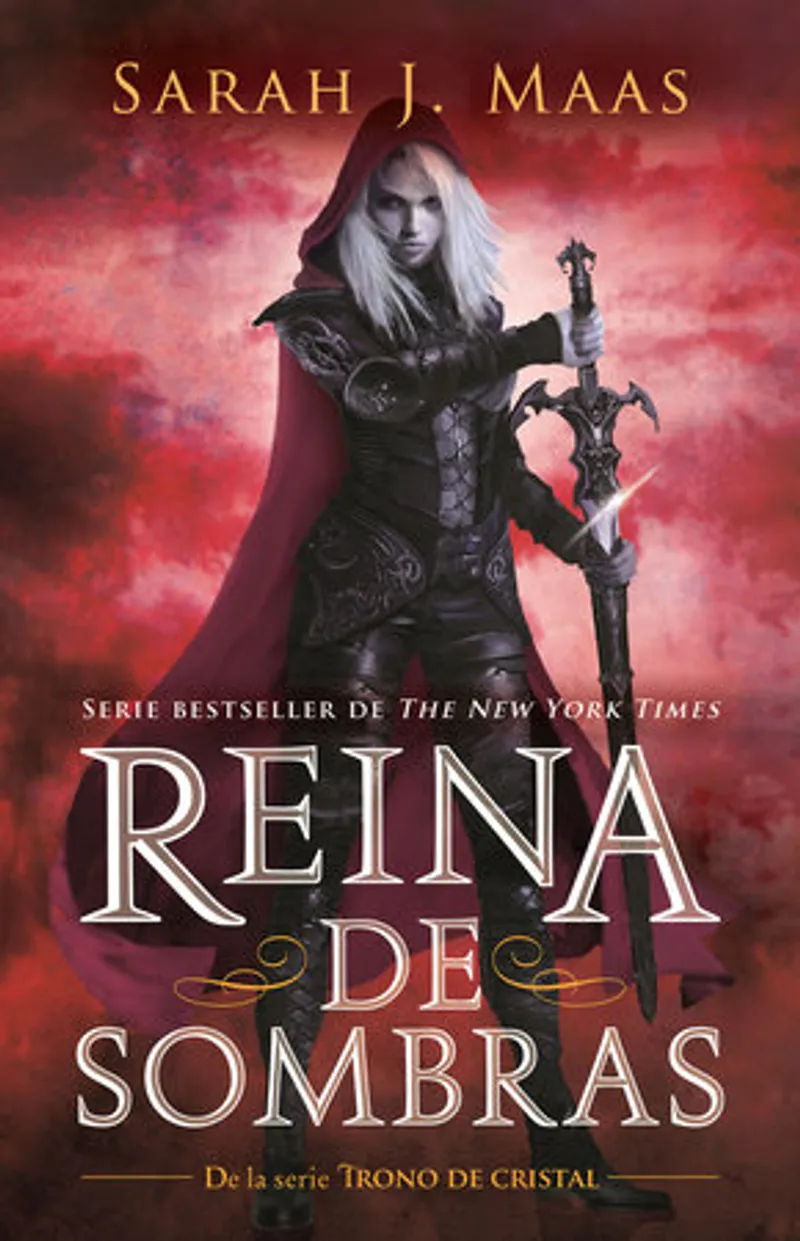
Reina de sombras / Queen of Shadows Author: Sarah J. MaasPage Count: UnknownPublication Date: 2024-PRH Reina de Sombras: A Storm of Fire and Fury in Sarah J. Maas’s Masterful Fourth Act Sarah J. Maas’s Reina de sombras (Queen of Shadows), the fourth installment in the Throne of Glass series, is not merely a continuation of Celaena Sardothien’s journey—it is a volcanic eruption of vengeance, identity, and raw, unrelenting power. Where previous books built the foundation of a sprawling fantasy empire, this volume detonates it, leaving readers breathless in the wreckage of shattered expectations and soaring triumphs. Maas, a virtuoso of emotional crescendos and high-stakes storytelling, once again proves why her work resonates with millions, blending razor-sharp prose with a narrative intensity that feels less like reading and more like being strapped into a runaway chariot hurtling toward destiny. At its core, Queen of Shadows is a story about reclaiming what was stolen—not just a throne, but a soul. Celaena, now fully embracing her true identity as Aelin Galathynius, Queen of Terrasen, returns to a world that has burned in her absence. The empire she once served as an assassin has become a gilded cage, ruled by the sadistic King Erawan, who has enslaved her people and twisted her homeland into a wasteland of despair. Her mission is clear: vengeance against those who betrayed her, rescue for those she left behind, and reclamation of a kingdom that rightfully belongs to her. But vengeance, Maas reminds us, is a double-edged sword—it carves through enemies, but it also wounds the wielder. What makes this installment so devastatingly compelling is Maas’s unparalleled ability to weave personal and political stakes into a tapestry of heartbreak and hope. Aelin’s grief is palpable; she has lost everything—her friends, her lovers, her sense of self—yet she rises from the ashes with a fire that burns hotter than any magic. Her relationship with Rowan, the brooding Fae warrior who becomes her anchor, is a masterclass in slow-burning tension. Their dynamic is electric, a push-and-pull of loyalty, desire, and mutual destruction that feels both inevitable and heart-wrenching. Meanwhile, the introduction of new allies and enemies—each with their own agendas and secrets—adds layers of complexity to a world already teetering on the edge of war. Maas’s prose is a force of nature. She balances lyrical descriptions of ancient ruins and celestial magic with brutal, visceral action sequences that leave you gripping the pages. The dialogue crackles with wit and venom, particularly in exchanges between Aelin and her enemies, where every word feels like a blade. The pacing is relentless, with twists that land like punches—some expected, others so shocking they leave you gasping. The emotional beats are equally masterful; Maas doesn’t shy away from cruelty, and the betrayals and losses hit with the weight of a sledgehammer. Yet, in the darkest moments, there is light—resilience, friendship, and the unshakable belief that even in ruin, a queen can rise. Thematically, Queen of Shadows explores the cost of power and the burden of legacy. Aelin is not just fighting for a crown; she is fighting against the shadows of her past, the ghosts of her failures, and the expectations of a people who see her as both savior and symbol. Her journey is one of reclamation—not just of a throne, but of her own agency. Maas challenges the idea of destiny, asking whether greatness is inherited or earned, and whether vengeance can ever truly heal what it destroys. The answer, as always in her work, is complicated, but the journey to find it is what makes the story unforgettable. For fans of the series, this book is a triumph—a middle finger to complacency, a declaration that the stakes have never been higher. For newcomers, it’s a masterclass in how to craft a fantasy epic that feels both intimate and epic. Queen of Shadows is not just a book; it’s an experience, one that demands your attention, your tears, and your undying loyalty. If you thought Throne of Glass was a saga of assassins and magic, buckle up. Maas has just set the bar higher, and the fallout is glorious. #QueenOfShadows #SarahJMaas #ThroneOfGlass #FantasyEpic #AelinGalathynius #BookTok Related InsightsViscount in Love Book Review and Summary American Heroes Book Review and Summary Midnight in the Garden of Good and Evil Book Review and Summary{ "@context": "https://schema.org", "@type": "FAQPage", "mainEntity": [ { "@type": "Question", "name": "What is the main focus of Queen of Shadows Book Review and Summary?", "acceptedAnswer": { "@type": "Answer", "text": "Everything you need to know about Queen of Shadows with our detailed review." } }, { "@type": "Question", "name": "Who authored the comprehensive guide on Queen of Shadows Book Review and Summary?", "acceptedAnswer": { "@type": "Answer", "text": "This detailed article and its insights were carefully researched and authored by Sarah J. Maas." } }, { "@type": "Question", "name": "Where can I find more related content about Books?", "acceptedAnswer": { "@type": "Answer", "text": "You can explore more articles, detailed reviews, and similar insights by browsing the Related Insights section at the bottom of this article or visiting our dedicated Books category page." } } ] }


Can't Be That Other Woman Author: Ambria DavisPage Count: UnknownPublication Date: 2022-PRH Ambria Davis delivers a scorching, unapologetic exploration of love, obsession, and the raw edges of human desire in Can’t Be That Other Woman. This isn’t just another tale of forbidden romance; it’s a visceral, emotionally charged battle between duty and desire, where loyalty is tested and hearts are weaponized. With razor-sharp prose and a narrative that crackles with tension, Davis crafts a story that lingers long after the last page—leaving readers questioning: Would I be the woman who walks away, or the one who fights to the end? At its core, Can’t Be That Other Woman is a story about power—who holds it, who abuses it, and who is ultimately destroyed by it. The novel thrusts us into the lives of three unforgettable characters: Delaney, Onijae, and Bianca, each tethered to the others by love, lust, and lies. Delaney, the book’s protagonist, is a survivor in the truest sense. At seventeen, she’s already shouldered the weight of a broken family, her parents lost to addiction while she scrambles to keep her younger siblings fed and sheltered. Her resilience is magnetic, but Davis doesn’t paint her as a saint. Delaney is flawed, impulsive, and—like all of us—capable of making reckless choices when emotions run high. When she meets Onijae, a devastatingly handsome businessman with a reputation for breaking hearts, she’s not just dazzled by his charm; she’s captivated. This isn’t a fleeting infatuation—it’s a spark that threatens to consume her, and Davis ensures we feel the heat of it too. Onijae is the kind of man who exists in fiction to both intrigue and infuriate. Charismatic, wealthy, and effortlessly magnetic, he’s the kind of figure who commands attention without trying. But Davis doesn’t let him off easy. He’s not a hero; he’s a man who thrives on control, who enjoys the thrill of the chase, and who sees women as either trophies or obstacles. His relationship with Bianca—his long-term girlfriend—is a carefully constructed illusion of stability, one that Delaney shatters the moment she steps into his orbit. What makes Onijae compelling isn’t his goodness (he’s decidedly not good), but his humanity. Davis peels back his layers to reveal a man who is as much a prisoner of his own desires as anyone else. Then there’s Bianca, the book’s most chilling character. Where Onijae is all charm and Delaney is all fire, Bianca is ice and steel. She’s not just fighting to keep her man; she’s fighting for her identity. Their relationship is a prison of her own making, and Bianca’s response to Delaney’s presence isn’t desperation—it’s war. Davis writes her with such ferocity that you’ll flinch at her ruthlessness, admire her tenacity, and yet still recoil at her methods. Bianca is the kind of villain you can’t look away from, a woman who refuses to be discarded and will burn the world to ashes before she lets that happen. Davis’s writing style is electric, pulsing with urgency and raw emotion. She doesn’t waste time on flowery descriptions or unnecessary exposition; every sentence serves a purpose, whether it’s to ratchet up the tension or reveal a character’s hidden depths. The dialogue crackles with authenticity, especially in the charged exchanges between the three leads. There’s a gritty realism to the story that grounds it, making the drama feel visceral rather than melodramatic. Even the secondary characters—Delaney’s siblings, Onijae’s associates, Bianca’s allies—are sketched with just enough detail to breathe life into the world without distracting from the main conflict. The themes of Can’t Be That Other Woman are timeless but rendered fresh through Davis’s bold lens. Betrayal isn’t just a plot device here; it’s a living, breathing entity that twists and distorts every relationship. Loyalty is tested in ways that are both heartbreaking and infuriating, and the question of who gets to claim love—or even deserve it—is left hauntingly ambiguous. Davis forces readers to confront uncomfortable truths: Is love ever truly selfless? Can two women truly share a man without one of them being destroyed? And perhaps most importantly, what would you do if you found yourself in Delaney’s shoes, knowing the cost of your choices? This is a book that demands to be read in one sitting. It’s addictive, exasperating, and impossible to put down. By the end, you’ll be left breathless, questioning your own boundaries and wondering how far you’d go for the people you love—or the ones you think you love. Davis doesn’t just tell a story; she immerses you in it, making you a witness to the collision of passion and destruction. Can’t Be That Other Woman is a masterclass in modern fiction that thrives on its unflinching portrayal of love as both salvation and sin. It’s a book for anyone who’s ever loved too hard, fought too fiercely, or been broken by desire. #Can’tBeThatOtherWoman #AmbriaDavis #ForbiddenLove #LoveTriangleDrama #DarkRomance #TakeTheRisk Related InsightsClockers Book Review and Summary Death at a Highland Wedding Book Review and Summary Claimed by the Orc King (Fated and Bound, 1) Book Review and Summary{ "@context": "https://schema.org", "@type": "FAQPage", "mainEntity": [ { "@type": "Question", "name": "What is the main focus of Can't Be That Other Woman Book Review and Summary?", "acceptedAnswer": { "@type": "Answer", "text": "Everything you need to know about Can't Be That Other Woman with our detailed review." } }, { "@type": "Question", "name": "Who authored the comprehensive guide on Can't Be That Other Woman Book Review and Summary?", "acceptedAnswer": { "@type": "Answer", "text": "This detailed article and its insights were carefully researched and authored by Olivia Harris." } }, { "@type": "Question", "name": "Where can I find more related content about Books?", "acceptedAnswer": { "@type": "Answer", "text": "You can explore more articles, detailed reviews, and similar insights by browsing the Related Insights section at the bottom of this article or visiting our dedicated Books category page." } } ] }

In the culinary landscape of India, few dishes evoke the same level of reverence and adoration as the Awadhi Biryani. This iconic dish, hailing from the city of Lucknow in the state of Uttar Pradesh, is a masterclass in slow-cooked perfection, weaving together a tapestry of aromatic spices, tender meat, and fluffy basmati rice. The Awadhi Biryani is more than just a meal; it's an experience that transports the senses to the royal courts of the past, where the art of cooking was elevated to an exquisite science. Introduction to Awadhi Biryani The origins of Awadhi Biryani are deeply rooted in the cultural and culinary heritage of Lucknow, a city known for its refined tastes and sophisticated cuisine. The dish is believed to have been created during the reign of the Nawabs of Awadh, who were known for their love of fine food and entertainment. Over time, the Awadhi Biryani has evolved into a distinctive style that is characterized by its use of aromatic spices, slow-cooking techniques, and the careful layering of ingredients.One of the key factors that sets Awadhi Biryani apart from other types of biryani is its use of the dum pukht method of cooking. This ancient technique involves sealing the ingredients in a large pot and cooking them over low heat, allowing the flavors to meld together and the rice to cook to perfection. The result is a dish that is both flavorful and aromatic, with a texture that is at once tender and fluffy. The Art of Making Awadhi Biryani Making Awadhi Biryani is an art that requires patience, skill, and attention to detail. The process begins with the preparation of the ingredients, which includes marinating the meat in a mixture of spices, yogurt, and lemon juice. The rice is also prepared separately, using a combination of basmati rice, ghee, and spices to create a flavorful and aromatic base.Once the ingredients are prepared, they are layered in a large pot, known as a handi, and sealed with a lid. The pot is then placed over low heat, where the ingredients are allowed to cook slowly, absorbing the flavors and aromas of the spices and herbs. This slow-cooking process can take several hours, during which time the biryani is periodically checked and stirred to ensure that the ingredients are cooking evenly. The Flavors and Aromas of Awadhi Biryani One of the most distinctive features of Awadhi Biryani is its complex and nuanced flavor profile. The dish is characterized by a rich and aromatic blend of spices, including cardamom, cinnamon, and cloves, which are combined with the sweetness of onions and the tanginess of yogurt. The basmati rice adds a light and fluffy texture to the dish, while the meat or vegetables provide a satisfying and filling element.The aromas of Awadhi Biryani are equally impressive, with the fragrance of saffron, rosewater, and kewra adding a subtle and alluring quality to the dish. As the biryani cooks, the aromas mingle and blend together, creating a heady and intoxicating scent that is both appetizing and irresistible. Serving and Enjoying Awadhi Biryani Awadhi Biryani is typically served at special occasions and celebrations, where it is often accompanied by a range of side dishes and condiments. The dish is usually served hot, garnished with fresh herbs and a dollop of raita, a cool and creamy yogurt sauce that helps to balance the richness of the biryani.To fully appreciate the flavors and aromas of Awadhi Biryani, it's essential to eat it slowly and mindfully, savoring each bite and allowing the flavors to linger on the palate. The dish is best enjoyed with a group of friends and family, where the communal experience of sharing a meal can add to the joy and appreciation of the occasion. Conclusion Awadhi Biryani is a culinary masterpiece that embodies the rich cultural heritage and traditions of Lucknow. This iconic dish is a testament to the power of food to bring people together, to evoke emotions and memories, and to create a sense of community and belonging. Whether you're a food enthusiast, a history buff, or simply someone who appreciates the beauty of a well-crafted meal, Awadhi Biryani is a dish that is sure to delight and inspire. #AwadhiBiryani #IndianCuisine #FoodHistory #Lucknow #BiryaniLove #SlowCooked #AromaticDishes #CulinaryMasterpiece Related InsightsCongee (Jook): The Ultimate Comforting Rice Porridge Har Gow: The Translucent Shrimp Dumpling Masterpiece Char Siu Bao: The Fluffy BBQ Pork Bun{ "@context": "https://schema.org", "@type": "FAQPage", "mainEntity": [ { "@type": "Question", "name": "What is the main focus of Awadhi Biryani: The Aromatic Slow-Cooked Masterpiece?", "acceptedAnswer": { "@type": "Answer", "text": "Discover the deep cultural roots, authentic flavors, and history of Awadhi Biryani: The Aromatic Slow-Cooked Masterpiece." } }, { "@type": "Question", "name": "Who authored the comprehensive guide on Awadhi Biryani: The Aromatic Slow-Cooked Masterpiece?", "acceptedAnswer": { "@type": "Answer", "text": "This detailed article and its insights were carefully researched and authored by Rahul Sharma." } }, { "@type": "Question", "name": "Where can I find more related content about Food?", "acceptedAnswer": { "@type": "Answer", "text": "You can explore more articles, detailed reviews, and similar insights by browsing the Related Insights section at the bottom of this article or visiting our dedicated Food category page." } } ] }
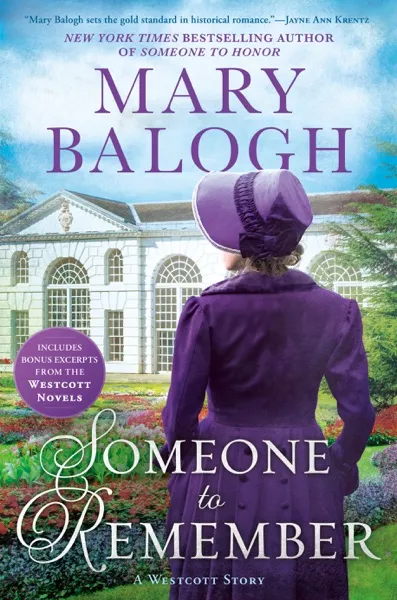

Someone to Remember Author: Mary BaloghPage Count: UnknownPublication Year: 2019-GB Mary Balogh’s Someone to Remember (2019) is a luminous testament to the enduring power of love, memory, and second chances. As a global bestseller and a staple of historical romance, Balogh once again proves why she remains a master of emotional depth, vivid characterization, and the kind of storytelling that lingers long after the final page. This novel is not merely a love story—it is an exploration of how the past shapes us, how forgiveness can heal, and how love, when given a chance, can rewrite even the most painful chapters of our lives. At its heart, Someone to Remember revolves around the theme of memory—both the memories we cling to and the ones we deliberately bury. Set in Regency-era England, the story follows a woman who has spent years concealing her true identity to avoid the stigma of a scandal that once defined her. Yet, fate—or perhaps destiny—has other plans. When she encounters a man from her past, one who once loved her despite her circumstances, she is forced to confront the ghosts she has long tried to evade. Balogh weaves a tale where love is not just a feeling but a force that demands truth, where the past is not a prison but a teacher. What makes Balogh’s writing so compelling is her ability to craft characters who feel achingly human. Her protagonists are not flawless heroes or heroines; they are flawed, resilient, and deeply introspective. The hero, a man of honor and quiet strength, carries his own burdens—regrets, losses, and the weight of promises unkept. Their romance is not built on grand gestures but on quiet moments: a shared glance, a whispered confession, the unspoken understanding that love is often found in the spaces between words. Balogh excels at creating tension not through external conflicts alone but through the internal battles her characters wage—doubt, fear, and the struggle to let go of what once was. Balogh’s prose is elegant yet accessible, rich with period details that transport the reader to a bygone era without overwhelming them with historical minutiae. She has a knack for dialogue that crackles with wit and emotional depth, where every exchange feels authentic to the time yet resonates with universal truths. The love scenes, when they occur, are tender and passionate, never gratuitous, serving always to deepen the emotional connection between the characters. One of the most striking aspects of Someone to Remember is its exploration of how society’s judgments can shape a person’s life. The heroine’s initial fear of exposure is not just about personal shame but about the very real consequences of societal ostracization. Balogh does not shy away from depicting the harsh realities of Regency England, where a woman’s reputation could make or break her. Yet, in the midst of this, she champions the idea that love can transcend such judgments—that true worth lies not in what others think but in the strength of one’s own heart. The pacing of the novel is masterful, balancing moments of quiet introspection with bursts of emotional intensity. Balogh knows when to linger on a scene, allowing the reader to savor the emotional weight of a character’s realization, and when to propel the story forward with a revelation or a confrontation. The result is a narrative that feels both immersive and unhurried, a rare feat in romance where the stakes are often emotional rather than external. Ultimately, Someone to Remember is a story about redemption—not in the grand, dramatic sense, but in the quiet, personal kind. It is about the courage to face the past, the humility to ask for forgiveness, and the wisdom to recognize that love is worth the risk. Balogh’s genius lies in making this journey feel not just possible but inevitable, as if the characters—and the reader—were always meant to find their way back to each other. For fans of historical romance, this novel is a must-read, a reminder of why Balogh’s work has stood the test of time. For those new to her writing, it is an invitation into a world where love is not just a fleeting emotion but a transformative force. Someone to Remember is more than a love story; it is a testament to the resilience of the human heart. #SomeoneToRemember #HistoricalRomance #MaryBalogh #RegencyRomance #SecondChances #LoveAndMemory Related InsightsTo All the Boys I've Loved Before Book Review and Summary Pet Sematary Book Review and Summary Temper: Practicing Freedom in an Unfree World Book Review and Summary{ "@context": "https://schema.org", "@type": "FAQPage", "mainEntity": [ { "@type": "Question", "name": "What is the main focus of Someone to Remember Book Review and Summary?", "acceptedAnswer": { "@type": "Answer", "text": "Everything you need to know about Someone to Remember with our detailed review." } }, { "@type": "Question", "name": "Who authored the comprehensive guide on Someone to Remember Book Review and Summary?", "acceptedAnswer": { "@type": "Answer", "text": "This detailed article and its insights were carefully researched and authored by Emma Thompson." } }, { "@type": "Question", "name": "Where can I find more related content about Books?", "acceptedAnswer": { "@type": "Answer", "text": "You can explore more articles, detailed reviews, and similar insights by browsing the Related Insights section at the bottom of this article or visiting our dedicated Books category page." } } ] }


The Deep-Fried Heritage: Classic Fish and Chips When one imagines the quintessential British takeaway, the scent of malt vinegar and the crisp crackle of golden batter immediately come to mind. Fish and chips is not merely a meal in the United Kingdom; it is a cultural institution. From the wind-swept coastal towns of Cornwall to the bustling streets of London, this dish tells a compelling story of immigration, industrialization, and culinary ingenuity. A Tale of Two Ingredients The pairing of fried fish and chipped potatoes seems inevitable now, but historically, they were separate entities introduced by different immigrant communities. The tradition of frying fish in batter—often referred to as pescado frito—was brought to Britain in the 16th century by Jewish refugees from Portugal and #Spain. They fried fish in oil so it could be eaten cold on the Sabbath without violating religious laws regarding cooking. Meanwhile, the "chip" (a thick-cut fried potato) had its origins debated between #France and Belgium, but it gained immense popularity in the UK during the 19th century as a cheap, calorie-dense staple for the working class. The exact moment these two culinary forces joined is contested. Some credit a Jewish immigrant named Joseph Malin, who allegedly opened the first combined fish and chip shop in London's East End around 1860. Others champion John Lees, who was selling the pairing out of a wooden hut in Lancashire around the same time. The Science of the Perfect Fry Creating the perfect portion of fish and chips is an art form heavily reliant on chemistry and technique. The fish—traditionally cod or haddock—must be incredibly fresh. The batter is typically a simple mixture of flour, water or beer, and a rising agent. The carbonation and acidity in beer not only add flavor but also create a lighter, crispier crust by expanding violently when hitting the hot oil, preventing the fish inside from becoming greasy. The chips are equally important. Unlike French fries, British chips are thick-cut, traditionally from floury potato varieties like Maris Piper or King Edward. This ensures a fluffy interior with a robust, crispy exterior, capable of holding up to generous lashings of salt and malt vinegar. Historically fried in beef dripping for an unparalleled savory flavor, many modern "chippies" now use vegetable oils. The Working Class Hero During the Industrial Revolution, fish and chips became the fuel of the working class. The expansion of the railway network meant that fresh catch from ports like Grimsby and Whitby could be transported rapidly to inland industrial cities. During both World Wars, fish and chips were among the few foods not subject to rationing, as the British government recognized the dish's vital role in maintaining home-front morale. Today, whether wrapped in a cone of paper on a seaside pier or served alongside mushy peas and tartar sauce in a gastropub, fish and chips remain an enduring symbol of British resilience and culinary tradition. #FishAndChips #BritishFood #CulinaryHistory #BritishTakeaway #FoodHistory #Seafood #UKCuisine #britishfood #michaelchef #recipe #ukcuisine Related InsightsSunday Roast Tradition Schwarzwälder Kirschtorte vegan Turkish Delight: A Sweet History{ "@context": "https://schema.org", "@type": "FAQPage", "mainEntity": [ { "@type": "Question", "name": "What is the main focus of Classic Fish and Chips?", "acceptedAnswer": { "@type": "Answer", "text": "Explore the incredible journey of Classic Fish and Chips with Emily Page." } }, { "@type": "Question", "name": "Who authored the comprehensive guide on Classic Fish and Chips?", "acceptedAnswer": { "@type": "Answer", "text": "This detailed article and its insights were carefully researched and authored by Michael Chef." } }, { "@type": "Question", "name": "Where can I find more related content about Recipe?", "acceptedAnswer": { "@type": "Answer", "text": "You can explore more articles, detailed reviews, and similar insights by browsing the Related Insights section at the bottom of this article or visiting our dedicated Recipe category page." } } ] }
What Am I Doing Here Author: Bruce ChatwinPage Count: UnknownPublication Date: 1990-PRH In "What Am I Doing Here", Bruce Chatwin masterfully weaves a tapestry of reflections, anecdotes, and philosophical musings, blurring the lines between memoir, travelogue, and literary criticism. This collection of essays, penned in Chatwin's characteristic lyrical prose, delves into the author's inner world, laying bare his thoughts on identity, creativity, and the human condition. Through a series of vignettes, Chatwin reminisces about his father, a man whose presence is both deeply felt and strangely elusive. These recollections serve as a springboard for exploring the complexities of family, love, and the search for one's own identity. The author's relationship with his father is a recurring theme, one that he revisits with a mix of nostalgia, longing, and introspection. Chatwin's friendships with artists and intellectuals, such as Howard Hodgkin and Andre Malraux, are also a rich source of inspiration. His conversations with these individuals are rendered with remarkable vividness, offering a glimpse into the world of creative genius and the passions that drive it. The author's portraits of these figures are at once intimate and respectful, conveying the depth of their connections and the ways in which they influenced his own artistic vision. One of the most striking aspects of "What Am I Doing Here" is Chatwin's fascination with the unknown, the unexplained, and the fantastical. His tales of searching for a "wolf-boy" in India or tracking the elusive Yeti in the Himalayas are testaments to his boundless curiosity and sense of wonder. These quests, though often fruitless, serve as metaphors for the human search for meaning and connection. Throughout the book, Chatwin's writing is characterized by its lyricism, precision, and intellectual curiosity. His prose is a joy to read, with its unique blend of poetry, philosophy, and storytelling. The author's style is both personal and expansive, drawing the reader into a world of ideas, emotions, and experiences that are at once deeply subjective and universally relatable. Ultimately, "What Am I Doing Here" is a book about the search for self, the power of imagination, and the interconnectedness of human experience. It is a testament to Chatwin's remarkable gifts as a writer, thinker, and observer of the human condition. This collection of essays is a must-read for anyone interested in literary memoir, travel writing, or the art of storytelling. #BruceChatwin #WhatAmIDoingHere #LiteraryMemoir #TravelWriting #PhilosophicalReflections #CreativeNonfiction Related InsightsThe Lost Guardian Book Review and Summary Heat Wave Book Review and Summary Jane Eyre Book Review and Summary{ "@context": "https://schema.org", "@type": "FAQPage", "mainEntity": [ { "@type": "Question", "name": "What is the main focus of The Purpose Driven Life: What on Earth Am I Here for? Book Review and Summary?", "acceptedAnswer": { "@type": "Answer", "text": "Everything you need to know about The Purpose Driven Life: What on Earth Am I Here for? with our detailed review." } }, { "@type": "Question", "name": "Who authored the comprehensive guide on The Purpose Driven Life: What on Earth Am I Here for? Book Review and Summary?", "acceptedAnswer": { "@type": "Answer", "text": "This detailed article and its insights were carefully researched and authored by Rick Warren." } }, { "@type": "Question", "name": "Where can I find more related content about Books?", "acceptedAnswer": { "@type": "Answer", "text": "You can explore more articles, detailed reviews, and similar insights by browsing the Related Insights section at the bottom of this article or visiting our dedicated Books category page." } } ] }
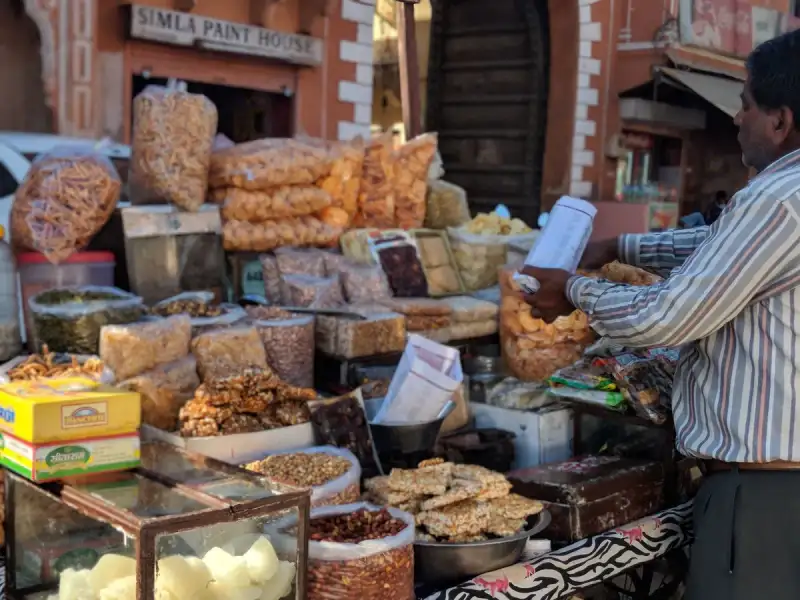
The streets of Maharashtra, a state in western India, are known for their vibrant culture, rich history, and delectable cuisine. Among the numerous traditional dishes that originated in this region, Misal Pav stands out as a favorite breakfast option for the locals and a must-try for food enthusiasts. This flavorful and spicy curry is made with sprouted lentils, pav (a type of bread), and an assortment of spices, making it a true delight for the taste buds. Introduction to Misal Pav Misal Pav is a popular Maharashtrian dish that has gained widespread recognition across India and beyond. The name "Misal" refers to the curry made from sprouted lentils, while "Pav" is the bread that accompanies it. This iconic breakfast combination has a long history, dating back to the 19th century when it was first introduced by the street food vendors in Mumbai (formerly known as Bombay). Over time, Misal Pav has evolved into various regional variations, with each recipe having its unique flavor profile and texture. The Cultural Significance of Misal PavMisal Pav holds a special place in the hearts of the people of Maharashtra. It is more than just a meal; it's an emotion, a tradition, and a way of life. The dish is often served at family gatherings, festivals, and social events, where it is devoured with great enthusiasm. In fact, Misal Pav is an integral part of the state's cultural identity, reflecting the values of simplicity, humility, and community. The Ingredients and Preparation The preparation of Misal Pav involves a combination of ingredients, including sprouted lentils (usually moong or moth beans), onions, tomatoes, garlic, ginger, and a blend of spices. The lentils are first cooked and then mixed with a spicy curry made from onions, tomatoes, and a variety of spices. The pav, which is typically a small, soft bread roll, is served on the side, allowing each person to dip it into the flavorful curry. Regional Variations of Misal PavWhile the basic recipe of Misal Pav remains the same, there are several regional variations that have emerged over time. Some popular variations include:Pune-style Misal Pav: This version is known for its thick, spicy curry and is often served with a dollop of yogurt to balance the heat. Mumbai-style Misal Pav: This variation is characterized by its lighter, more brothy curry and is often served with a sprinkle of chopped onions and coriander. Nashik-style Misal Pav: This version is famous for its use of goda masala, a special spice blend that gives the curry a unique flavor and aroma.Health Benefits of Misal PavMisal Pav is not only a delicious breakfast option but also a nutritious one. The sprouted lentils used in the recipe are rich in protein, fiber, and vitamins, making them an excellent choice for those looking for a healthy meal. The dish is also low in calories and fat, making it an ideal option for those watching their weight. Conclusion Misal Pav is a true reflection of Maharashtra's rich cultural heritage and culinary expertise. This spicy, flavorful breakfast dish has captured the hearts of food lovers across India and beyond, and its popularity continues to grow with each passing day. Whether you're a food enthusiast, a culture vulture, or simply someone who loves to try new things, Misal Pav is a must-try dish that is sure to leave you wanting more. #MisalPav #MaharashtrianCuisine #IndianStreetFood #BreakfastDishes #TraditionalFood #CulturalHeritage #FoodLovers #StreetFoodStalls Related InsightsDelving into the World of Anti-Inflammatory German Potato Salad with Dill and Apple Cider Vinaigrette (Vegan) The Alchemy of Cairo: Unraveling the Soul of Koshari Das vergessene Moretum: Eine kulinarische Zeitreise in die römische Bauernküche{ "@context": "https://schema.org", "@type": "FAQPage", "mainEntity": [ { "@type": "Question", "name": "What is the main focus of Misal Pav: Maharashtra's Fiery Breakfast?", "acceptedAnswer": { "@type": "Answer", "text": "Discover the deep cultural roots, authentic flavors, and history of Misal Pav: Maharashtra's Fiery Breakfast." } }, { "@type": "Question", "name": "Who authored the comprehensive guide on Misal Pav: Maharashtra's Fiery Breakfast?", "acceptedAnswer": { "@type": "Answer", "text": "This detailed article and its insights were carefully researched and authored by Priya Kapoor." } }, { "@type": "Question", "name": "Where can I find more related content about Food?", "acceptedAnswer": { "@type": "Answer", "text": "You can explore more articles, detailed reviews, and similar insights by browsing the Related Insights section at the bottom of this article or visiting our dedicated Food category page." } } ] }

The Pirate's Coin: A Sixty-Eight Rooms Adventure Author: Marianne MalonePage Count: UnknownPublication Date: 2014-PRH The Pirate's Coin: A Sixty-Eight Rooms Adventure by Marianne Malone is a captivating tale that masterfully weaves together elements of magic, mystery, and adventure, making it a perfect fit for fans of the Magic Tree House series and readers who enjoy books like Chasing Vermeer and Wonderstruck. This third installment in the series reunites readers with sixth graders Ruthie and Jack, who once again find themselves entangled in a thrilling adventure at the Art Institute of Chicago's magical Thorne Rooms. When their classmate Kendra reveals that her family's name and business were tarnished by false accusations, Ruthie and Jack embark on a mission to clear her name, knowing that they possess crucial knowledge about a secret ledger containing Phoebe Monroe's herbal remedies recipes. As they delve deeper into the mystery, a cryptic old coin transports them to 1753 Cape Cod, where they encounter Jack's own ancestor, the pirate Jack Norfleet. The stakes become higher when Jack's existence is threatened, and Ruthie and Jack must navigate the complexities of altering the past to save their present and future. Marianne Malone's writing style is a perfect blend of imagination, wit, and historical intrigue. Her ability to craft relatable characters and engaging storylines has earned her praise from publications like The New York Times, Chicago Sun-Times, and Chicago Tribune. Malone's unique approach to storytelling, which combines fantasy and historical elements, has been described as "irresistible," "exhilarating," and "completely universal." One of the most striking aspects of The Pirate's Coin is its exploration of the consequences of playing with history. Malone raises thought-provoking questions about the potential risks and benefits of altering the past, making this book an excellent choice for readers who enjoy stories that challenge their perspectives. The Pirate's Coin is a must-read for anyone who loves adventure, magic, and mystery. With its richly detailed historical settings, memorable characters, and gripping plot, this book is sure to captivate readers of all ages. Malone's writing is engaging, and her passion for storytelling is evident on every page. In short, The Pirate's Coin is a thrilling adventure that will keep you on the edge of your seat. With its unique blend of magic, mystery, and historical intrigue, this book is a must-read for anyone looking for a compelling and thought-provoking story. #TheSixtyEightRoomsAdventures #MarianneMalone #ThePiratesCoin #MiddleGradeFiction #HistoricalFiction #TimeTravelAdventures Related InsightsKing of Greed Book Review and Summary An Opportunity Book Review and Summary For Whom the Bell Tolls Book Review and Summary{ "@context": "https://schema.org", "@type": "FAQPage", "mainEntity": [ { "@type": "Question", "name": "What is the main focus of A Child Called 'It' Book Review and Summary?", "acceptedAnswer": { "@type": "Answer", "text": "Everything you need to know about A Child Called 'It' with our detailed review." } }, { "@type": "Question", "name": "Who authored the comprehensive guide on A Child Called 'It' Book Review and Summary?", "acceptedAnswer": { "@type": "Answer", "text": "This detailed article and its insights were carefully researched and authored by Dave Pelzer." } }, { "@type": "Question", "name": "Where can I find more related content about Books?", "acceptedAnswer": { "@type": "Answer", "text": "You can explore more articles, detailed reviews, and similar insights by browsing the Related Insights section at the bottom of this article or visiting our dedicated Books category page." } } ] }

Scarlet Witch By Steve Orlando Vol. 3: Scarlet Witch & Quicksilver Author: Jack KirbyPage Count: UnknownPublication Date: 2024-PRH In the latest installment of the Scarlet Witch series, Steve Orlando's Vol. 3: Scarlet Witch & Quicksilver is a thrilling exploration of the complex bond between Wanda and Pietro Maximoff, Marvel's iconic super-powered siblings. Celebrating the 60th anniversary of the Scarlet Witch and Quicksilver's first appearance, this volume is a must-read for fans of the Avengers and the X-Men. The story revolves around a letter from Magneto, the twins' father figure, which Wanda decides to keep from Pietro, fearing its contents will upset him. This decision sets off a chain of events that drives the siblings apart, just as a new threat emerges in the form of the Wizard, who has undergone a terrifying eldritch upgrade. The Wizard's sinister plans are backed by the Frightful Four Hundred, a formidable force that the Scarlet Witch and Quicksilver must confront together if they hope to survive. Orlando's writing style is a perfect blend of action, drama, and suspense, making this volume a page-turner from start to finish. The author's ability to delve into the complex emotions and motivations of the characters is impressive, particularly in the portrayal of Wanda and Pietro's relationship. The twins' bond is multifaceted, and Orlando expertly explores the depths of their connection, revealing the intricacies of their sibling dynamics. The inclusion of classic material from X-Men (1963) #4 adds a nostalgic touch to the volume, providing context and depth to the story. Jack Kirby's original artwork is a testament to the enduring legacy of the Scarlet Witch and Quicksilver, and its incorporation into this volume is a fitting tribute to the characters' 60th anniversary. One of the standout aspects of this volume is its exploration of the theme of family and the bonds that tie us together. Wanda and Pietro's relationship is a powerful example of the complexities of sibling love, and Orlando's portrayal of their struggles and triumphs is both poignant and compelling. The volume also touches on the idea of legacy and the weight of responsibility that comes with being part of a larger family, in this case, the Avengers and the X-Men. Overall, Scarlet Witch By Steve Orlando Vol. 3: Scarlet Witch & Quicksilver is a gripping and emotionally charged story that will keep readers on the edge of their seats. With its blend of action, suspense, and drama, this volume is a must-read for fans of the Marvel Universe. The exploration of the Scarlet Witch and Quicksilver's relationship is a highlight of the book, and Orlando's writing style is a perfect fit for the characters. #ScarletWitchAndQuicksilver #MarvelComics #Avengers #XMen #SteveOrlando #JackKirby Related InsightsBig Little Truths Book Review and Summary A Clockwork Orange Book Review and Summary Lost in the Moment and Found Book Review and Summary{ "@context": "https://schema.org", "@type": "FAQPage", "mainEntity": [ { "@type": "Question", "name": "What is the main focus of Scarlet Book Review and Summary?", "acceptedAnswer": { "@type": "Answer", "text": "Everything you need to know about Scarlet with our detailed review." } }, { "@type": "Question", "name": "Who authored the comprehensive guide on Scarlet Book Review and Summary?", "acceptedAnswer": { "@type": "Answer", "text": "This detailed article and its insights were carefully researched and authored by Marissa Meyer." } }, { "@type": "Question", "name": "Where can I find more related content about Books?", "acceptedAnswer": { "@type": "Answer", "text": "You can explore more articles, detailed reviews, and similar insights by browsing the Related Insights section at the bottom of this article or visiting our dedicated Books category page." } } ] }

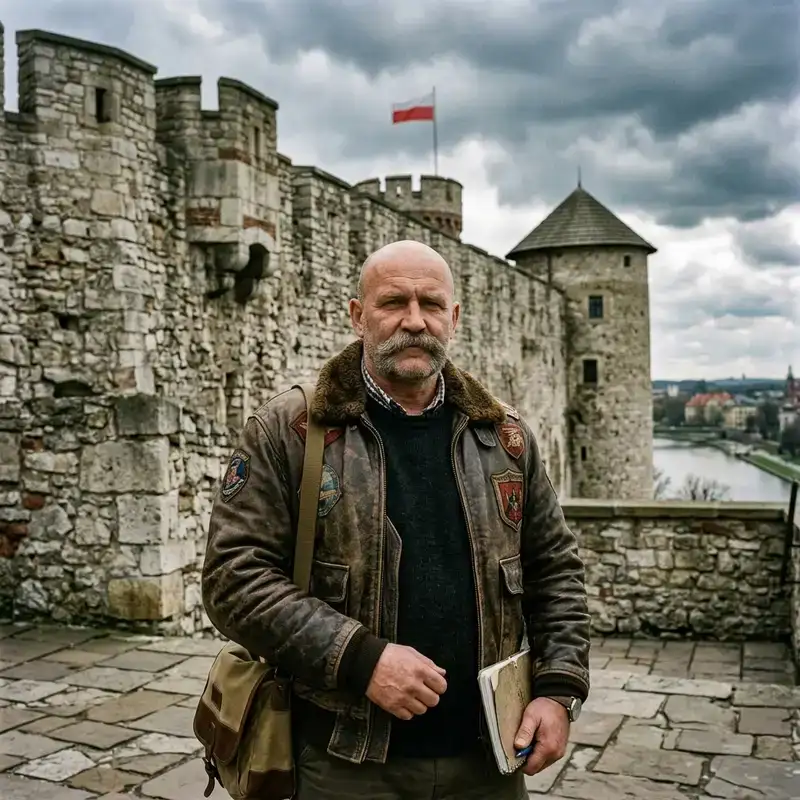
That Is Not Your Mind! Author: Robert RosenbaumPage Count: UnknownPublication Date: 2022-PRH In "That Is Not Your Mind!", Robert Rosenbaum embarks on a fascinating exploration of the Surangama Sutra, a classic Zen text that delves into the intricacies of sensory experiences and the path to liberation. By seamlessly interweaving passages from the sutra with insights from neuroscience and psychology, Rosenbaum masterfully demonstrates the timeless relevance of this ancient text. One of the most striking aspects of Rosenbaum's approach is his ability to balance the esoteric with the accessible. He draws upon his forty years of teaching experience to illustrate the practical applications of the sutra's teachings, making the text feel both deeply personal and universally relatable. Through anecdotes and real-life examples, Rosenbaum brings the abstract concepts of the Surangama Sutra to life, rendering them tangible and applicable to readers from all walks of life. At its core, "That Is Not Your Mind!" is a book about the transformative power of sensory awareness. Rosenbaum guides readers through a series of meditations and practices derived from the sutra's teachings, designed to awaken the senses and reveal the true nature of reality. From the deceptively simple yet profound "hearing meditations" to the compassionate centering practices, each exercise is carefully crafted to help readers develop a deeper understanding of their own minds and the world around them. Throughout the book, Rosenbaum's writing is characterized by a clarity and precision that is both refreshing and engaging. His prose is infused with a sense of curiosity and wonder, reflecting his own passion for exploring the mysteries of the human experience. Whether he is delving into the intricacies of Buddhist philosophy or discussing the latest findings in neuroscience, Rosenbaum's enthusiasm is contagious, making "That Is Not Your Mind!" a joy to read. One of the most compelling aspects of Rosenbaum's approach is his emphasis on the interconnectedness of ethics and meditation practice. By highlighting the importance of basic ethical commitments, such as not killing or stealing, he provides a nuanced understanding of the sutra's teachings and their relevance to contemporary life. This integration of ethics and spirituality is a hallmark of Rosenbaum's approach, and it lends depth and complexity to his exploration of the Surangama Sutra. If there is a criticism to be made, it is that the book occasionally feels overly ambitious in its scope. Rosenbaum's attempts to synthesize insights from psychology, neuroscience, and Buddhist philosophy can sometimes result in a sense of disjointedness, as if the various threads of his argument are struggling to cohere. However, this is a minor quibble, and one that does not detract from the overall impact of the book. In conclusion, "That Is Not Your Mind!" is a thought-provoking and deeply engaging exploration of the Surangama Sutra and its teachings on sensory awareness and liberation. Through his unique blend of scholarship, personal anecdote, and practical guidance, Robert Rosenbaum has created a book that is both a valuable resource for seasoned practitioners and an accessible introduction for newcomers to the world of Buddhist philosophy. #BuddhistPhilosophy #Mindfulness #SensoryAwareness #ZenBuddhism #NeuroscienceAndSpirituality #LiberationThroughSensoryExperience Related InsightsThe Mayor: One Poor City’s Fight to Bring Back Government and Save the Nation’s Soul Book Review and Summary Dijital Çağda Kitapların Büyüsü: Neden Hâlâ Bir Kitaba İhtiyacımız Var? Atlas de lugares extraordinarios para pequeños curiosos / Atlas of Extraordinary Places to Discover the World Book Review and Summary{ "@context": "https://schema.org", "@type": "FAQPage", "mainEntity": [ { "@type": "Question", "name": "What is the main focus of That Is Not Your Mind! Book Review and Summary?", "acceptedAnswer": { "@type": "Answer", "text": "Everything you need to know about That Is Not Your Mind! with our detailed review." } }, { "@type": "Question", "name": "Who authored the comprehensive guide on That Is Not Your Mind! Book Review and Summary?", "acceptedAnswer": { "@type": "Answer", "text": "This detailed article and its insights were carefully researched and authored by Piotr Nowak." } }, { "@type": "Question", "name": "Where can I find more related content about Books?", "acceptedAnswer": { "@type": "Answer", "text": "You can explore more articles, detailed reviews, and similar insights by browsing the Related Insights section at the bottom of this article or visiting our dedicated Books category page." } } ] }