
-
 Antoine Leroy
 - 01 Sep, 2026 11:06
Beneath, It Sleeps Book Review and Summary
Author: Maria TureaudPage Count: UnknownPublication Date: Expected publication 2026 APL September air smells like rot and wet wool, though nobody wants to admit the summer is truly dead. I sit here surrounded by piles of unread proofs while my own grandchildren treat me like a piece of antique furniture they forgot to dust, demanding ancient tales they never actually listen to anyway. They just want noise. They want blood and shadows without paying any attention to the old blood on the hearthstones. Maria Tureaud is about to drop Beneath, It Sleeps upon us in 2026, and I already know I will despise the modern gloss slapped over real suffering. An eighteenth-century Irish Gothic tale about a runaway accountant hiding in the notorious Hellfire Club. Dublin brothels, wicked gentlemen, and the sudden intrusion of an ancient púca. Because apparently, we are still recycling the same tired folklore tropes until every drop of terror is wrung completely dry. Ledgers and Bloodstains The premise leans heavily on the domesticity of fear—running from a powerful duke only to land in the lap of Dorcas Kelly, the city's most infamous madam. Lotty Boyle is supposed to be our eyes and ears, an accountant turned spy. Yet everyone loves a plucky female protagonist who stumbles into supernatural conspiracies because human greed is apparently too mundane for the current literary market. Why must every historical fiction piece turn into a monster mash by chapter three? It is exhausting. It is the exact same intellectual laziness I saw last year when everyone lost their minds over that dreadful Irish witch novel that shall remain nameless—the one where the protagonist spent three hundred pages staring at damp peat while the author desperately tried to invent a new adjective for "grey." The Old Sins Wake God forbid a story just be about the crushing weight of eighteenth-century debt and male cruelty without needing an elemental power waging war against the Devil. We always have to dig up some primeval entity sleeping beneath the floorboards. Subtlety died somewhere around 2012, buried under a mountain of high-concept pitches designed for streaming adaptations rather than actual readers who appreciate a well-turned sentence. The locals chatter about banshees, Lotty has nightmares of shapeshifters, and the dark magics collide in a predictable display of pyrotechnics. My offshore accountant is demanding a secure phone call. Related InsightsDeath in Berlin Book Review and Summary A Storm of Swords Book Review and Summary Do Androids Dream of Electric Sheep? Book Review and Summary{ "@context": "https://schema.org", "@type": "FAQPage", "mainEntity": [ { "@type": "Question", "name": "What is the main focus of Beneath, It Sleeps Book Review and Summary?", "acceptedAnswer": { "@type": "Answer", "text": "Everything you need to know about Beneath, It Sleeps with our detailed review." } }, { "@type": "Question", "name": "Who authored the comprehensive guide on Beneath, It Sleeps Book Review and Summary?", "acceptedAnswer": { "@type": "Answer", "text": "This detailed article and its insights were carefully researched and authored by Antoine Leroy." } }, { "@type": "Question", "name": "Where can I find more related content about Books?", "acceptedAnswer": { "@type": "Answer", "text": "You can explore more articles, detailed reviews, and similar insights by browsing the Related Insights section at the bottom of this article or visiting our dedicated Books category page." } } ] }

-
 Emily Page
 - 01 Sep, 2026 10:45
The Invisible Canvas of the Digital Age: A Deep Dive into Silicon Wafers
Beneath the polished glass of your smartphone and the rhythmic hum of the servers that power our global connectivity lies a substance so profoundly transformative that it has redefined the boundaries of human possibility. We treat technology as ephemeral, a cloud-based ether that exists everywhere and nowhere, yet its physical manifestation is anchored in something as tangible and ancient as the earth itself: sand. Specifically, the ultra-pure, crystalline silicon wafer. These discs, shimmering with a holographic iridescence, are the invisible canvases of the digital age, the fragile foundations upon which we have etched the entire library of human knowledge. From Earth to Eternity: The Alchemy of Crystal Growth The story of the silicon wafer begins not in a laboratory, but in the elemental furnace of the earth. Silicon is the second most abundant element in the crust, but to become a computer chip, it must undergo a rigorous purification process. The goal is to reach a level of purity known as "eleven nines"—99.999999999% pure. This is a level of refinement that borders on the spiritual; even a single errant atom of impurity can render the entire structure chaotic and unusable. To create the wafer, high-purity polycrystalline silicon is melted in a crucible. This process, often referred to as the Czochralski method, involves dipping a tiny, perfectly oriented seed crystal into the molten pool. As the seed is slowly pulled upward and rotated, a single, flawless cylindrical ingot—a boules—is formed. It is a slow, meditative process. Imagine a single crystal structure, growing atom by atom, maintaining a perfect lattice orientation throughout its entire length. This ingot, often weighing hundreds of pounds, represents the raw potential of the digital world.The Precision of the Blade Once the ingot is cooled, it is sliced with wire saws impregnated with diamond dust. These blades move with surgical precision, carving the solid cylinder into discs often less than a millimeter thick. The surface must be polished until it reaches a mirror-like finish, free of any microscopic scratches or deformations. This wafer is the canvas. It is a stage of absolute flatness, a pristine landscape where we will soon construct cities of light and electricity. When you hold a wafer in your hand, you are not merely looking at a piece of glass-like material; you are looking at a substrate that has been engineered to be the most perfect surface on the planet. If the topography of the Earth were scaled down to the smoothness of a silicon wafer, the Himalayas would be invisible to the naked eye. Etching the Architecture of Thought The actual process of turning a wafer into a functional brain for a computer—the integrated circuit—is perhaps the most sophisticated manufacturing feat in history. It is a process of photolithography, a form of high-tech printing that uses light to project patterns onto the wafer. The wafer is coated with a light-sensitive chemical called a photoresist. Through a series of complex masks, ultraviolet light is shone onto the surface, creating intricate patterns of channels and gates. These patterns define the logic, the memory, and the processing power of the chip. Following exposure, the wafer is subjected to chemical etching or ion implantation, processes that carve away unwanted materials or inject specific impurities into the silicon to change its electrical properties. We are, in essence, painting with light. We build layers upon layers, a vertical architecture of transistors that are so small that billions can fit on a single chip. It is a cathedral of microscopic proportions, where logic flows through gates that are only a few atoms wide.The Invisible Library of Human Progress Why do we not talk more about the wafer? Perhaps because it is designed to disappear. Once the chips are cut from the wafer, packaged into plastic or ceramic shells, and installed into devices, the wafer itself is gone, buried deep within the machinery. Yet, every book we read on a tablet, every photograph stored in the cloud, and every line of code that guides our autonomous vehicles began its life on that round, shimmering disc. This technology has shifted the way we store history. In the past, we relied on paper and parchment, canvases made of pulp or animal skin. Now, our history is recorded in the displacement of electrons within a crystal lattice. We have moved from the ink of the quill to the light of the laser. The silicon wafer is the ultimate library, one that can hold the entire sum of human thought within a space no larger than a human fingernail. Challenges at the Edge of Physics As we push the boundaries of what is possible, we encounter the strange and unforgiving laws of quantum mechanics. When a transistor gate is only a few atoms thick, the electrons do not always behave as expected. They exhibit "tunneling," where they skip over barriers as if they were ghosts. This is the frontier of our current age. Engineers are now moving toward three-dimensional structures—FinFETs and Gate-All-Around (GAA) architectures—where the transistors are no longer flat, but standing upright like skyscrapers in a digital metropolis. The canvas is becoming a landscape of depth and complexity. We are not just building on the surface; we are building upward, seeking to pack more intelligence into every square millimeter of silicon.The Future of the Crystalline Canvas What lies beyond the current generation of wafers? Research into materials like gallium nitride and silicon carbide promises to handle higher voltages and heat, potentially transforming how we manage energy grid infrastructure and electric vehicles. We are even exploring the use of neuromorphic computing—chips designed to mimic the biological structure of the human brain. The silicon wafer remains the constant. Despite the chatter about quantum computing and biological data storage, silicon's role as the foundation of modern civilization is unlikely to be supplanted soon. It is a testament to the power of human ingenuity—that we took the most common material in the earth, and through relentless, exacting science, turned it into the very medium of modern consciousness. When you look at your computer or smartphone again, remember the wafer. Remember the ingot grown from a single seed, the diamond-sawed slices, and the light-etched patterns that move at the speed of thought. You are looking at the culmination of a journey that began with the earth and ended with the stars, a canvas that holds not just data, but the story of us. #SiliconWafers #SemiconductorHistory #ComputingArchitecture #MicrochipInnovation #DigitalFoundations Related InsightsBrisingr Book Review and Summary The Knife of Never Letting Go Book Review and Summary House of Earth and Blood Book Review and Summary{ "@context": "https://schema.org", "@type": "FAQPage", "mainEntity": [ { "@type": "Question", "name": "What is the main focus of The Invisible Canvas of the Digital Age: A Deep Dive into Silicon Wafers?", "acceptedAnswer": { "@type": "Answer", "text": "Explore the microscopic architecture of our modern world. Discover how thin slices of silicon form the silent, invisible canvases upon which the history of human progress is written." } }, { "@type": "Question", "name": "Who authored the comprehensive guide on The Invisible Canvas of the Digital Age: A Deep Dive into Silicon Wafers?", "acceptedAnswer": { "@type": "Answer", "text": "This detailed article and its insights were carefully researched and authored by Emily Page." } }, { "@type": "Question", "name": "Where can I find more related content about Books?", "acceptedAnswer": { "@type": "Answer", "text": "You can explore more articles, detailed reviews, and similar insights by browsing the Related Insights section at the bottom of this article or visiting our dedicated Books category page." } } ] }


Author: A.D. BellPage Count: UnknownPublication Date: Expected publication 2026 APL The fluorescent lights overhead are humming a violent F-sharp and honestly, the chill creeping in through the loading bay door tonight is doing zero favors for my chronic existential dread. Autumn is here, people are wearing scarves, and I am desperately looking for the literary equivalent of a warm blanket dipped in cheap gin. Enter The Bookbinder's Code. Because nothing says cozy comfort quite like a Victorian-era missing person case and a dash of dusty antiquarian heresy. Binding Wounds and Coded Conspiracies We get it. The plucky artisan thrust into a high-society bloodbath is basically the pumpkin spice latte of historical mysteries. A.D. Bell is leaning hard into the cozy-meets-creepy aesthetic that keeps Dan Brown publishers swimming in cash. Yet—and this is a big, exhausted yet—there is something deeply comforting about the formula. Give me secret societies in Oxford quadrangles over modern nihilism any day. Give me a protagonist named Lily running around in a corset while a shadowy cabal tries to murder her. It is aggressively familiar. It is predictable. My coffee went cold reading this synopsis because I was too busy rolling my eyes at the exact same trope we have all consumed a thousand times since The Da Vinci Code dropped in 2003. The Heresy of the Familiar Yet we eat it up. Every single time. The plot relies on the oldest trick in the bibliographic thriller playbook: the mentor isn't who he says he is. Shocker. I am practically vibrating with apathy regarding the Liber Numerorum, mostly because vague synopses love throwing around Latin titles like they are instant tickets to gravitas. But do I care that it lacks structural originality? Absolutely not. Sometimes you just want to watch an Edwardian bookbinder dodge assassins in a ballroom while pondering the decimal system. It is pure serotonin for the exhausted night-shift brain. Expect breathless pacing that completely glosses over actual historical verisimilitude in favor of vibes. Think Kate Mosse meets Arthur Conan Doyle, filtered through a contemporary algorithm designed to maximize airport bookstore sales. It is low-stakes intellectual fast food wrapped in leather and gold leaf. And honestly? We desperately need that comfort right now as the leaves turn brown and the nights swallow the evening whole. My tarot reading this morning predicted an evening of profound annoyance. Related Insightsالقرآن الكريم Book Review and Summary The Ministry for the Future Book Review and Summary A Breath of Snow and Ashes Book Review and Summary{ "@context": "https://schema.org", "@type": "FAQPage", "mainEntity": [ { "@type": "Question", "name": "What is the main focus of The Bookbinder's Code Book Review and Summary?", "acceptedAnswer": { "@type": "Answer", "text": "Everything you need to know about The Bookbinder's Code with our detailed review." } }, { "@type": "Question", "name": "Who authored the comprehensive guide on The Bookbinder's Code Book Review and Summary?", "acceptedAnswer": { "@type": "Answer", "text": "This detailed article and its insights were carefully researched and authored by Beatriz Costa." } }, { "@type": "Question", "name": "Where can I find more related content about Books?", "acceptedAnswer": { "@type": "Answer", "text": "You can explore more articles, detailed reviews, and similar insights by browsing the Related Insights section at the bottom of this article or visiting our dedicated Books category page." } } ] }


Author: Zoe BlakePage Count: UnknownPublication Date: Expected publication 2026 APL Paper wrappers from cheap bodega coffee flutter past my boots like dead leaves as September brings that familiar, bitter chill down the asphalt corridor. I am supposed to be mapping out the zoning petition for the community garden's winterizing phase tonight, but instead I find myself staring at a promotional blurb for Ashes of Austen, wondering how many times the publishing industry can dig up a dead Victorian satirist and force her corpses into a bustier. Zoe Blake clearly saw the current obsession with gothic hyper-fixation and decided to toss Jane Austen into a blender with a cheap bodice-ripper, promising us a world where high society's greed gets traded for poisoned wedding soup and mysterious dress destructions inside Northanger Abbey. Because nothing screams systemic critique quite like a protagonist named Julianna being terrorized by a brooding aristocrat who may or may not be a walking red flag with a title. Actually, wait. Let me walk that back entirely. Maybe reducing this to a mere cash grab misses the entire point of why these tropes endure in the concrete-choked sprawl of modern life. Perhaps we crave the melodramatic crumbling walls precisely because our own structural foundations are rotting in real-time, making a toxic romance inside a cursed estate feel almost quaint compared to the municipal neglect outside my window. Control. Obsession. Financial ruin wrapped in velvet and predatory protection. It is the exact same dynamic we fight against at every local city council hearing, just draped in gothic lace instead of developer zoning permits. Or maybe it is just garbage. Truth. Look, if you enjoyed Colleen Hoover’s brand of psychological whiplash or wanted Silvia Moreno-Garcia’s Mexican Gothic to lean harder into aggressive romantic suspense without any of the historical nuance, this is your next pre-order. Just don't expect actual social commentary. The radiator in my pre-war apartment is clanking like an angry ghost again. Related InsightsSeasonal Fears Book Review and Summary Cry, the Beloved Country Book Review and Summary I Am the Night: The Ultimate Unauthorized History of Batman: The Animated Series Book Review and Summary{ "@context": "https://schema.org", "@type": "FAQPage", "mainEntity": [ { "@type": "Question", "name": "What is the main focus of Ashes of Austen Book Review and Summary?", "acceptedAnswer": { "@type": "Answer", "text": "Everything you need to know about Ashes of Austen with our detailed review." } }, { "@type": "Question", "name": "Who authored the comprehensive guide on Ashes of Austen Book Review and Summary?", "acceptedAnswer": { "@type": "Answer", "text": "This detailed article and its insights were carefully researched and authored by Hannah Schmidt." } }, { "@type": "Question", "name": "Where can I find more related content about Books?", "acceptedAnswer": { "@type": "Answer", "text": "You can explore more articles, detailed reviews, and similar insights by browsing the Related Insights section at the bottom of this article or visiting our dedicated Books category page." } } ] }


Author: Chuck PalahniukPage Count: UnknownPublication Date: Expected publication 2026 APL The synopsis for Galleria is a masterclass in controlled ambiguity—like a sci-fi pulp magazine cover that promises a wild ride but only lets you see the edge of the cliff. Grunt, a son searching for a father who vanished into the void, stumbles upon Rockets Ho!!, a magazine that might as well be a Rosetta Stone for the cosmos. The Welcome2 Homestead1 series—what a title, like a corporate slogan for a dystopian theme park—hints at something both utopian and predatory, where beauty is a weapon and field trips are hunting expeditions. But here’s the thing: the synopsis doesn’t tell you whether Homestead1 is a real colony, a psychological projection, or a metaphor for something far more mundane, like a cult’s playpen. That’s the genius—or the laziness—of it. Palahniuk has always thrived in the gray area between reality and hallucination, but this is his first foray into sci-fi, and it feels like he’s testing the waters with a splash of Stranger in a Strange Land meets Battle Royale—but with the existential dread of a man who’s read too many Lovecraft stories while chain-smoking in a diner booth at 3 AM. The synopsis leans into the pulp aesthetic, which is fine, but it also leans just hard enough to make you wonder if Palahniuk is either channeling his inner John Carpenter or just really, really tired of writing about people who self-destruct in basements. The Rockets Ho!! magazine is a neat device—it’s the kind of thing that would make a fanboy like me salivate, but it’s also a narrative crutch. If Grunt’s father’s disappearance is tied to this fictional pulp, then the book either becomes a detective story about decoding a mystery or a meta-commentary on how fiction shapes reality. Right now, it’s too vague to tell. And then there’s Homestead1—perfect, beautiful, too perfect. The description of Bradbury9 and Ursula6 doing calisthenics by the Fountain of Authors is either a satire of literary canon-worship or a straight-up Lovecraftian horror setup, depending on whether you believe in the existence of the place. The fact that children are taught to kill Earthlings? That’s the kind of line that could either be a darkly comic jab at colonialism or the setup for a body-horror sequence where the kids start eating their teachers. The synopsis doesn’t commit, and that’s frustrating—but then again, maybe that’s the point. Palahniuk has always been a master of leaving things unsettled, of making the reader’s own paranoia the real villain. Fight Club didn’t explain everything; it made you feel the unraveling. So maybe Galleria isn’t about solving a mystery—maybe it’s about the way mysteries haunt you. But here’s where I pivot—because the synopsis is so sparse, it’s hard to tell if this is a book about fatherhood, alienation, or just a really elaborate metaphor for why people disappear. The Welcome2 Homestead1 series could be a stand-in for anything: social media algorithms, the allure of a better life, the way fiction becomes its own kind of truth. Or it could just be a really elaborate way to say “the universe is a shithole and we’re all just trying to survive.” That’s Palahniuk’s wheelhouse, sure, but it’s also the kind of broad stroke that makes you wonder if the book will feel like it’s stretching for a theme instead of letting the story breathe. The real question is whether Palahniuk can make sci-fi feel as visceral as his other work. He’s done it before, in Choke, where the body horror was so intimate it felt like a personal confession. But sci-fi requires a different kind of suspension of disbelief—one that’s harder to sell when the setting is as vague as a dream you can’t quite remember. The synopsis sells the idea of a lost father and a hidden colony, but it doesn’t sell the feeling of being there. And that’s the difference between a good hook and a great book. I’m going to stare at a blank canvas until inspiration strikes—probably while listening to some industrial noise music and wondering if I’ll ever figure out what the hell is going on in my own life, let alone someone else’s. #Palahniuk #SciFi #Dystopian #BookPreview #LiteraryChaos Related InsightsTerms and Conditions Book Review and Summary All You Need Is a Pencil: The Stuck in a Car, Plane, or Train Activity Book Book Review and Summary Beach Read Book Review and Summary{ "@context": "https://schema.org", "@type": "FAQPage", "mainEntity": [ { "@type": "Question", "name": "What is the main focus of Galleria Book Review and Summary?", "acceptedAnswer": { "@type": "Answer", "text": "Everything you need to know about Galleria with our detailed review." } }, { "@type": "Question", "name": "Who authored the comprehensive guide on Galleria Book Review and Summary?", "acceptedAnswer": { "@type": "Answer", "text": "This detailed article and its insights were carefully researched and authored by Olya Shevchenko." } }, { "@type": "Question", "name": "Where can I find more related content about Books?", "acceptedAnswer": { "@type": "Answer", "text": "You can explore more articles, detailed reviews, and similar insights by browsing the Related Insights section at the bottom of this article or visiting our dedicated Books category page." } } ] }


Author: Dana HawkinsPage Count: UnknownPublication Date: Expected publication 2026-08-27 APL The provenance of a piece dictates its entire aesthetic value—or at least that is what I remind myself when staring at a provenance trail as thin as tracing paper. Dana Hawkins’s upcoming Forced Proximity arrives with a scaffolding built entirely from marketable tropes and glittering reader testimonials, leaving the actual texture of the prose frustratingly opaque. We are handed a blueprint instead of a completed canvas. The Architecture of Friction Consider the central conceit. An elite personal security operative juxtaposed against a recalcitrant A-list actor. It is a compositional setup as old as the salon, yet the friction relies on familiar strokes. Lexi Morgan is sketched with the broad charcoal strokes of physical competence and professional disdain. Justin Greenwood is the vanity project she must manage. And yet, the synopsis promises a slow-burn combustion. Or perhaps a mild simmer, given the genre's constraints. Actually, let me retract that sweeping dismissal of the burn rate. Hawkins has proven her mettle in crafting queer contemporary narratives—works like Not in the Plan carry a distinct emotional cadence that suggests the interpersonal dynamics here might possess genuine bite beneath the glossy veneer. The Palette of Peril A stalker enters the frame to accelerate the mandatory physical proximity. This is narrative convenience disguised as high stakes. A tired trope, frankly. One expects more psychological acuity from a creator whose previous character arcs have earned such fervent praise in niche literary circles. But commercial romance requires a looming threat to force the protagonists into each other's personal space, converting professional detachment into domestic intimacy whether they consented to the layout or not. The aesthetic tension here is obvious. High-society glamor meets the utilitarian grit of a bodyguard who thinks she's just babysitting. It is low-hanging fruit for character contrast. The juxtaposition of luxury trailers and menacing anonymous texts provides a jarring chiaroscuro effect, though one worries the execution might lean too heavily into superficial cinematic cues—pure slop for the masses who want their emotional beats telegraphed from three chapters away. The Market Frame Kate Spencer would likely devour this in a single afternoon on her patio, while Emily Henry fans will spot the structural scaffolding from a mile away. The pedigree matches the current contemporary market demand for forced proximity aesthetics. My literary agent just called on the secure line with international translation rights for my obscure monograph on 18th-century forgery, so I must abruptly depart this critique before I dissect the publisher's marketing copy any further. #ForcedProximity #BookTwitter #ContemporaryRomance Related InsightsNothing Human Left Book Review and Summary Striker Book Review and Summary A Wall Is Also a Road Book Review and Summary{ "@context": "https://schema.org", "@type": "FAQPage", "mainEntity": [ { "@type": "Question", "name": "What is the main focus of Forced Proximity Book Review and Summary?", "acceptedAnswer": { "@type": "Answer", "text": "Everything you need to know about Forced Proximity with our detailed review." } }, { "@type": "Question", "name": "Who authored the comprehensive guide on Forced Proximity Book Review and Summary?", "acceptedAnswer": { "@type": "Answer", "text": "This detailed article and its insights were carefully researched and authored by Emma Thompson." } }, { "@type": "Question", "name": "Where can I find more related content about Books?", "acceptedAnswer": { "@type": "Answer", "text": "You can explore more articles, detailed reviews, and similar insights by browsing the Related Insights section at the bottom of this article or visiting our dedicated Books category page." } } ] }


Author: Jordan HarrisonPage Count: UnknownPublication Date: Expected publication 2026 APL Staring at a blinking cursor in late September is a combat sport where the opponent is always winning. But instead of studying footwork or analyzing a brutal liver shot, I am sitting here trying to hit an arbitrary word count about a book that isn't even on shelves yet. Jordan Harrison’s Miss Archer arrives sometime in 2026, which means I am currently doing acrobatics over a premise I can barely touch. Let us get through this so I can return to staring blankly at the wall. The Architecture of the Gimmick The setup relies heavily on a classic speculative bait-and-switch. Dre Archer gets plucked from the Squares—where human history supposedly ended—to nanny a five-year-old prodigy named Albie. The catch? Albie is convinced the year is 1884, two centuries out of sync with reality, and his grand Victorian manor operates as a strict historical reenactment society. Corsets, comportment lessons, and absolute denial of the 22nd century. Writers love throwing characters into artificial cages—Kazuo Ishiguro did it with devastating grace in Never Let Me Go, and Daphne du Maurier practically patented the oppressive architectural anxiety in Rebecca. Yet the synopsis leans hard into Russian doll-like revelations. I can already smell the third-act twist. Someone is watching through a two-way mirror. Someone is harvesting data. What Makes Us Tick The promotional blurbs—courtesy of heavyweights like Rumaan Alam and Charles Yu—insist this debut is principally concerned with the great, unanswerable question of what makes us human. That is publisher-speak for philosophical window dressing. Every speculative novel written in the shadow of climate collapse and digital saturation now tackles our pathetic yearning for the analog world. We stare at glowing rectangles all day, so naturally, novelists write about corsets and candlelight as the ultimate resistance. Harrison is a playwright by trade. Dialogue will likely snap and crackle, carrying the entire weight of the narrative while the world-building does the heavy lifting in the background. But I worry about the mechanics. When a protagonist asks "What is my job, really?", the reader is implicitly promised an intellectual payoff that rarely survives the landing. If the prose stays as fluid as Yu claims, the journey through this bizarre Victorian time-bubble might justify the inevitable techno-paranoia tropes. Or it will collapse under the weight of its own cleverness. Either way, I am trapped writing about a 2026 publication date while September winds rattle the windowpane. I have to go finish painting a terribly depressing portrait. #MissArcher #JordanHarrison #LiteraryFiction #SpeculativeFiction Related InsightsIn a Holidaze Book Review and Summary Edge Book Review and Summary Charlaine Harris Gunnie Rose 4 Book Review and Summary{ "@context": "https://schema.org", "@type": "FAQPage", "mainEntity": [ { "@type": "Question", "name": "What is the main focus of Miss Archer Book Review and Summary?", "acceptedAnswer": { "@type": "Answer", "text": "Everything you need to know about Miss Archer with our detailed review." } }, { "@type": "Question", "name": "Who authored the comprehensive guide on Miss Archer Book Review and Summary?", "acceptedAnswer": { "@type": "Answer", "text": "This detailed article and its insights were carefully researched and authored by Natalia Sokolova." } }, { "@type": "Question", "name": "Where can I find more related content about Books?", "acceptedAnswer": { "@type": "Answer", "text": "You can explore more articles, detailed reviews, and similar insights by browsing the Related Insights section at the bottom of this article or visiting our dedicated Books category page." } } ] }


Author: Hannah MorrisseyPage Count: UnknownPublication Date: Expected publication 2026 APL The synopsis for Scream City is a masterclass in how not to waste a good premise—because what it could be is a brutal, genre-defying descent into the kind of psychological horror that makes you question whether the real monster was ever the one in the alley. Instead, it’s a synopsis that leans so hard into the "copycat killer" trope that it risks becoming a pastiche of Se7en meets Zodiac, but with the emotional depth of a True Detective episode that got cut short by a budget meeting. The problem isn’t that the idea is weak—it’s that the execution feels like it’s being held together by duct tape and a prayer to whatever god watches over Milwaukee’s Walker’s Point. Alice Foster, CCK’s granddaughter, is the kind of character who should be fascinating—trapped in the shadow of her grandfather’s legacy, running a bookstore that’s somehow both a sanctuary and a time bomb. But the synopsis reduces her to a plot device, a "suspect" who exists primarily to make Rex Hale’s life miserable. And Rex? Oh, Rex is the everyman cop who’s already been broken by the system, which is fine, but the way the synopsis frames him—divorced, suspended, evicted—it’s like the author is trying to cram every cliché of the "burned-out detective" into one paragraph. Where’s the nuance? Where’s the humanity? This feels like a script for a TV show where the writers hit "save" after the third take and called it a day. But here’s where the synopsis almost works—because the idea of a copycat killer in a city still scarred by its own history is rich with potential. Milwaukee’s Cream City Killer was real, and the way the synopsis drops that name like a punchline—"Scream City"—it’s a nod to the way trauma lingers, how cities become named by their violence. That’s the kind of thematic weight that could make this book more than just another thriller. But instead, it’s treated like a gimmick, a way to sell the idea that "this time, it’s personal" because the killer is mimicking a past crime. It’s the literary equivalent of a TikTok trend—short-lived, surface-level, and entirely forgettable unless someone slaps a viral hashtag on it. And speaking of trends—why does every thriller these days have to be a "copycat" story? It’s like the publishing industry decided that if Se7en worked, then Se7en 2.0 must be even better, even if it’s just a rehash of the same tired mechanics. The synopsis doesn’t even bother to hide that this is a formula: a disgraced cop, a suspect with a dark family history, a killer who’s just another ghost in the machine. It’s the kind of thing that makes you wonder if the author even read the books they’re trying to emulate, or if they just Googled "psychological thriller tropes" and picked the ones that sounded the most dramatic. But let’s talk about the real crime here—the way the synopsis treats Walker’s Point like a character itself, a neighborhood doomed by gentrification and the weight of its past. That’s the part that could be compelling, if only the author didn’t reduce it to a backdrop. Gentrification isn’t just a setting; it’s a force that erases people, and the synopsis hints at that tension—Rex’s eviction, Alice’s bookstore surviving where others haven’t—but it never digs into why that matters. Is this about displacement? About the way history gets rewritten? Or is it just another excuse to throw in a few urban decay aesthetics before the final act? The most infuriating part? The synopsis doesn’t even try to sell the emotional core. It’s all about the murders, the suspects, the "path of destruction"—but where’s the heart? Where’s the moment that makes you care about Alice or Rex beyond their roles in the investigation? This feels like a book that was written by committee, where the only thing that matters is the next body drop, not the next tear. And don’t even get me started on the fact that this is supposed to be a new novel in 2026, when the market is already saturated with reboots and rehashes. The synopsis reads like it was cobbled together from a list of "things that sell": serial killer, copycat, haunted bookstore, disgraced cop, gentrification subplot. It’s the literary equivalent of a fast-food meal—familiar, predictable, and entirely forgettable unless you’re starving. But fine, let’s pretend this is actually something. Let’s pretend that Alice and Rex will somehow find a way to trust each other, that they’ll dig up the past and uncover the truth before the killer silences them both. Let’s pretend that Scream City will be the kind of book that lingers, that makes you think about the weight of history and the way violence echoes through generations. Because right now, it’s just another synopsis that’s too busy selling the idea of a thriller to actually be one. Now I have to explain to a teenager why the Wi-Fi is down again, and honestly, that’s more interesting than whatever this book is going to be. #BookTok #ThrillerSeason #WhyIsEverythingSoPredictable Related InsightsOnce in a Timeline Book Review and Summary Peace Like a River Book Review and Summary Our Violent Ends Book Review and Summary{ "@context": "https://schema.org", "@type": "FAQPage", "mainEntity": [ { "@type": "Question", "name": "What is the main focus of Scream City Book Review and Summary?", "acceptedAnswer": { "@type": "Answer", "text": "Everything you need to know about Scream City with our detailed review." } }, { "@type": "Question", "name": "Who authored the comprehensive guide on Scream City Book Review and Summary?", "acceptedAnswer": { "@type": "Answer", "text": "This detailed article and its insights were carefully researched and authored by Thomas Wright." } }, { "@type": "Question", "name": "Where can I find more related content about Books?", "acceptedAnswer": { "@type": "Answer", "text": "You can explore more articles, detailed reviews, and similar insights by browsing the Related Insights section at the bottom of this article or visiting our dedicated Books category page." } } ] }
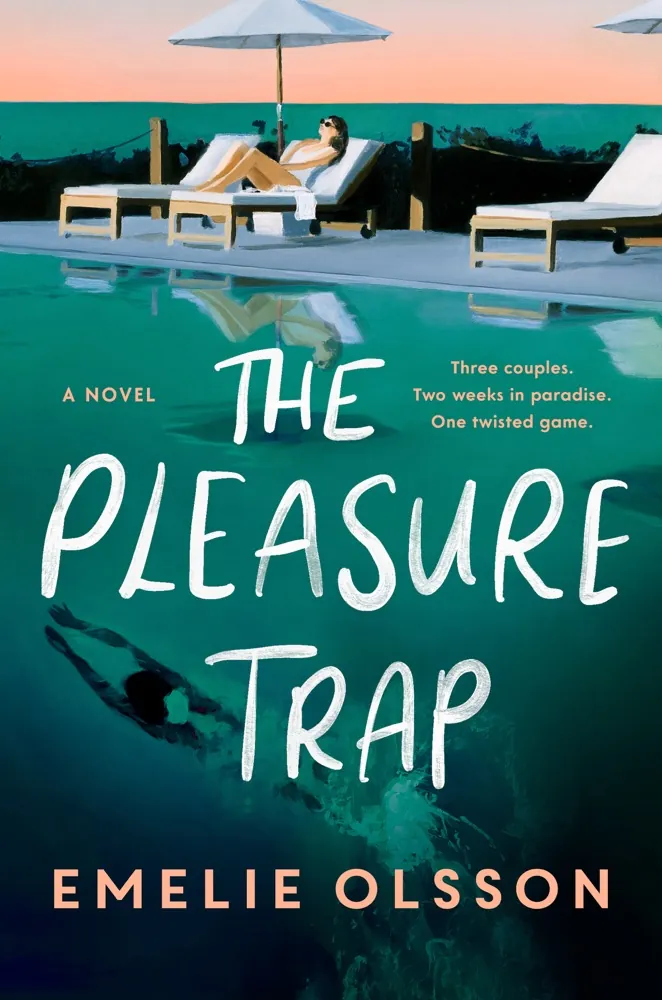

Author: Emelie OlssonPage Count: UnknownPublication Date: Expected publication 2026 APL Hold onto your metal pole because the screeching brakes of this packed morning commute are barely rattling my teeth compared to how hard Emelie Olsson’s upcoming The Pleasure Trap is about to scramble contemporary psychological thrillers. Look, I am only typing this frantically on my phone between lurches because my cynical editor demanded word-count blood before noon, treating my brain like an ATM for hot takes. But let us dissect the promotional anatomy of this 2026 release. Three couples. A sun-drenched Mexican resort. And a malicious psychological predation masquerading as a casual vacation friendship. The Architecture of Betrayal Consider the manipulative scaffolding here. Alice and Tom are drowning in barren, sixteen-year domesticity. Melissa and Callum are digital narcissists chasing algorithmic clout through matrimonial aesthetics. Rebecca and Ryan are the veteran sociopaths orchestrating the whole miserable ecosystem. Olsson is clearly leaning into a savage critique of modern partnership taxonomy—exposing how easily wedded bliss morphs into absolute transactional warfare. It gives off major early Gillian Flynn energy crossed with a sun-bleached season of White Lotus, yet the marketing boldly leans into explicit romance territory. Kate Storey promises "the hottest [spice] you’ll ever see on the page." What an absolute linguistic flashbang. Combining searing sociological deconstructions of marriage with high-octane erotica is a tightrope walk that usually ends in narrative splat, but if Olsson pulls it off, it will be an absolute cultural banger. Seduction as Weaponized Epistemology Power dynamics are the invisible architecture of every compelling domestic noir. Yet here, seduction is weaponized into an epistemological cage match. Rebecca and Ryan view their targets not as human beings with interior lives, but as low-key NPCs in their twisted relationship-maintenance game. It is peak psychological gaslighting, rendered in neon resort lighting. Do I know how this ends? Absolutely not, because the synopsis stops right at the precipice of narrative chaos, leaving us hanging like a wet towel on a hurricane-swept balcony. But I predict the third-act twist will involve a catastrophic boundary-shattering collapse where the hunters accidentally become the hunted, realizing too late that they played themselves. We are living in an era oversaturated with domestic thrillers featuring unreliable narrators drinking tepid Chardonnay in suburban kitchens. Olsson taking this exact exhausted trope and dragging it out into the glaring Mexican sun feels electric. It is messy, it is provocative, and frankly, I am entirely here for the ensuing dumpster fire. Now if you will excuse me, this train is pulling into my stop and I need to go drink absinthe and pretend I am in 1920s Paris. #ThePleasureTrap #BookTwitter #ThrillsAndSpills #EmelieOlsson Related InsightsDesert Star Book Review and Summary The Worst Is Yet to Come Book Review and Summary Find Me Where It Ends Book Review and Summary{ "@context": "https://schema.org", "@type": "FAQPage", "mainEntity": [ { "@type": "Question", "name": "What is the main focus of The Pleasure Trap Book Review and Summary?", "acceptedAnswer": { "@type": "Answer", "text": "Everything you need to know about The Pleasure Trap with our detailed review." } }, { "@type": "Question", "name": "Who authored the comprehensive guide on The Pleasure Trap Book Review and Summary?", "acceptedAnswer": { "@type": "Answer", "text": "This detailed article and its insights were carefully researched and authored by Piotr Nowak." } }, { "@type": "Question", "name": "Where can I find more related content about Books?", "acceptedAnswer": { "@type": "Answer", "text": "You can explore more articles, detailed reviews, and similar insights by browsing the Related Insights section at the bottom of this article or visiting our dedicated Books category page." } } ] }
-
 Isabella Moore
 - 01 Sep, 2026 03:40
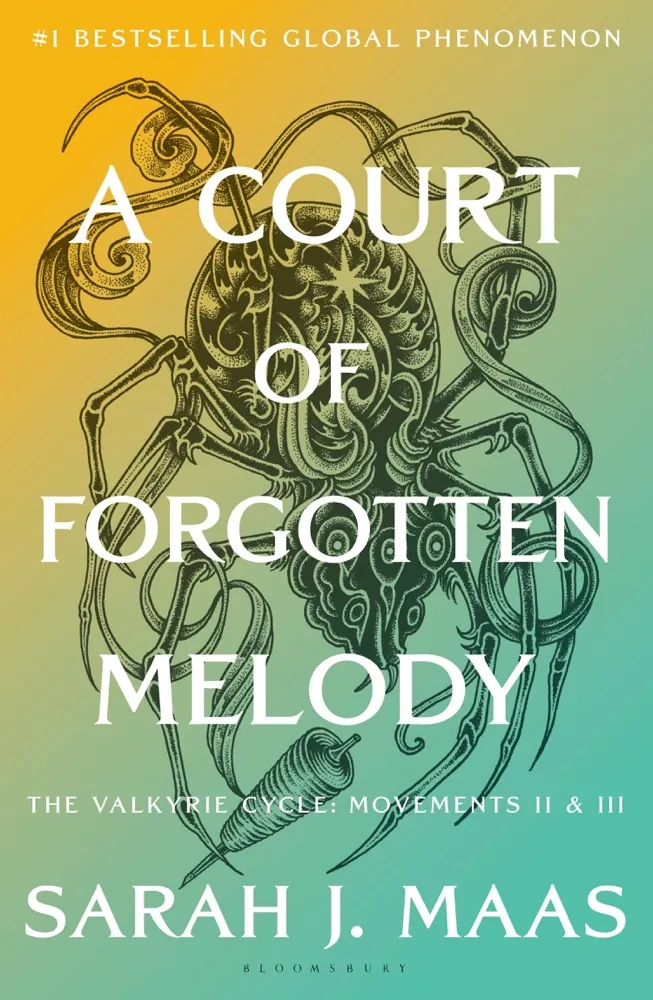
A Court of Forgotten Melody (A Court of Thorns and Roses, #7) Book Review and Summary
Author: Sarah J. MaasPage Count: UnknownPublication Date: Expected publication 2026 APL The coffee is stone cold, someone has smeared peanut butter across the stainless-steel toaster handle, and I am staring down Sarah J. Maas’s A Court of Forgotten Melody while the hum of the refrigerator threatens to deafen me. Here's the catch. The official synopsis reads like a word salad generated by a caffeinated marketing intern who just discovered the thesaurus function under the headings of political instability and generic peril. Prythian might never be the same again? Traditional alliances are crumbling? Please. It is the exact same breathless marketing speak plastered over every romantasy paper-weight currently clogging the bestseller lists next to Rebecca Yarros and Jennifer L. Armentrout. We get it. The stakes are high. The shadows are looming. The immortal fae are throwing temper tantrums while ancient evil lurks just off-screen, refusing to actually do anything until chapter fifty. When the Dust Settles on the Dishwasher The cultural obsession with ancient warlords who suddenly turn into soft-hearted domestic partners who do the dishes needs to be studied by sociologists, because I am watching my eight-year-old try to construct a functioning catapult out of dried fettuccine and a damp sponge right now and showing infinitely more innovation than these multi-perspective territorial disputes about dying stars and forgotten melodies. Exhausting. The Symphony of Shattered Alliances Give me characters who communicate like functional adults instead of brooding behind suspiciously well-moisturized cheekbones while the world literally burns around them. The synopsis promises that bonds will be tested and power will shift, yet we all know this just means another three hundred pages of decorative agonizing before a deus ex machina saves the day and everyone goes back to drinking enchanted wine in their ridiculously oversized mountain mansions. Unimaginative. Stop screaming about the television volume. I have to go stop a full-scale geopolitical crisis over the living room remote right now. #fantasy #books #romantasy #reading Related InsightsRabbit Rabbit Book Review and Summary Dark Restraint Book Review and Summary Lolita Book Review and Summary{ "@context": "https://schema.org", "@type": "FAQPage", "mainEntity": [ { "@type": "Question", "name": "What is the main focus of A Court of Forgotten Melody (A Court of Thorns and Roses, #7) Book Review and Summary?", "acceptedAnswer": { "@type": "Answer", "text": "Everything you need to know about A Court of Forgotten Melody (A Court of Thorns and Roses, #7) with our detailed review." } }, { "@type": "Question", "name": "Who authored the comprehensive guide on A Court of Forgotten Melody (A Court of Thorns and Roses, #7) Book Review and Summary?", "acceptedAnswer": { "@type": "Answer", "text": "This detailed article and its insights were carefully researched and authored by Isabella Moore." } }, { "@type": "Question", "name": "Where can I find more related content about Books?", "acceptedAnswer": { "@type": "Answer", "text": "You can explore more articles, detailed reviews, and similar insights by browsing the Related Insights section at the bottom of this article or visiting our dedicated Books category page." } } ] }


Author: Susan Elia MacNealPage Count: UnknownPublication Date: Expected publication 2026 APL Sweat is currently dripping off my nose and pooling right on the keyboard while a distant siren wails a flatulent three-note harmony against the brick facade across the alley. God, the concrete radiates heat like a pizza oven left on broil until midnight. Yet here I am, staring at a screen, evaluating Susan Elia MacNeal’s forthcoming Last Mission to Paris—a title that sounds less like a WWII espionage thriller and more like a tax-deductible vacation for a mid-list historical fiction author who got tired of writing about bookshops. The Nostalgia Industrial Complex Look at this lineup. Flip the Southern Belle. Zaina the dreamy Indian princess. Bella the stage star. Gabrielle the London shopgirl. It reads less like an espionage unit and more like a painfully diverse casting call for a prestige streaming limited series designed to win Emmys through sheer demographic arithmetic. We are supposed to buy that these four disparate archetypes parachuted into Nazi-occupied France and became inseparable before a tragic betrayal. Because nothing says covert operational efficacy like a stage actress yelling lines in a Parisian bistro. Or maybe I am being too harsh on the character dynamics—wait, no, let me walk that back entirely. The premise actually hits that sweet spot of high-concept middlebrow escapism that feels like Kate Quinn and Ken Follett had a baby in a gift shop at the Imperial War Museum. Swinging Sixties Meet Historical Trauma Twenty years later, we leap to the vibrantly commercialized London of the Swinging Sixties where a statue goes up, a historian drops dead, and Chloe the daughter steps in. The thematic machinery here relies entirely on structural irony. The public gets bronze monuments on the Thames, but the actual truth rots in a damp archive. MacNeal leans hard into the legacy of generational trauma, though she wraps it in the kind of genre tropes that scream airport bookstore display. The prose promises a trajectory from London to Paris to Berlin. But let us be honest with ourselves. This book is going to coast entirely on middle-aged female empowerment vibes disguised as a gritty spy hunt. It is historical gaslighting with a feminist gloss. The betrayal wasn't just a failure; it was deliberately sabotaged. Groundbreaking stuff. Truly a paradigm shift in how we conceptualize the Third Reich. Lexical whiplash aside, this narrative trajectory is basically the literary equivalent of a nostalgia-bait reboot nobody asked for, yet suburban book clubs are going to stan this absolute nonsense until the paperbacks disintegrate. Drop the mic. I have to go scream at a developer who is trying to turn the 1920s vaudeville house down the block into an artisanal matcha dispensary. Related InsightsGone Girl Book Review and Summary Primal Mirror Book Review and Summary Sharpe's Assassin Book Review and Summary{ "@context": "https://schema.org", "@type": "FAQPage", "mainEntity": [ { "@type": "Question", "name": "What is the main focus of Last Mission to Paris Book Review and Summary?", "acceptedAnswer": { "@type": "Answer", "text": "Everything you need to know about Last Mission to Paris with our detailed review." } }, { "@type": "Question", "name": "Who authored the comprehensive guide on Last Mission to Paris Book Review and Summary?", "acceptedAnswer": { "@type": "Answer", "text": "This detailed article and its insights were carefully researched and authored by Carmen Martinez." } }, { "@type": "Question", "name": "Where can I find more related content about Books?", "acceptedAnswer": { "@type": "Answer", "text": "You can explore more articles, detailed reviews, and similar insights by browsing the Related Insights section at the bottom of this article or visiting our dedicated Books category page." } } ] }


Author: Emma RosenblumPage Count: UnknownPublication Date: Expected publication 2026 APL Every bump along this asphalt artery sends a fresh vibration straight up my spine, yet my spirit remains annoyingly buoyant. Perhaps it is the sheer absurdity of typing literary notes on a cracked phone screen while an engine wheezes two feet behind my head. Or perhaps it is simply the delicious schadenfreude promised by Members Only. Emma Rosenblum knows how to skewer the privileged class without breaking a sweat. Her upcoming satire drops us straight into the manicured hellscape of Greenwich country clubs, where ice-blonde hair is uniform and bank accounts are hemorrhaging behind closed doors. The Cult of the Country Club and Other Extinct Species Pickleball courts and Olympic pools. The synopsis reads like a greatest hits album of modern upper-class ennui. And honestly, I cannot wait to tear into it. Rosenblum follows in the sharp, merciless footsteps of Candace Bushnell or Maria Semple, dissecting the grotesque lengths people will endure just to keep up appearances. We have Ted Flynn, a club president drowning in debt while pretending everything is pristine. We have Jessie Summit, a bride sprinting toward an altar she secretly despises just to satisfy maternal expectations. And of course, a dead body arrives right on cue to ruin the hors d'oeuvres. Wait. Let me rephrase that entirely. Perhaps calling this a merciless skewering gives the premise too much credit. Honestly, satirical thrillers about wealthy people dying at weddings have officially become the pumpkin spice lattes of contemporary fiction—overdone, aggressively predictable, and desperately clinging to relevance. Why am I even breaking down a synopsis for a book that relies on the exact same tired "rich people have dark secrets" trope we have ingested a thousand times? I need to stretch this commentary to hit a very specific, highly annoying word count just to satisfy an invoice, so let us pretend I am fascinated by the psychological nuance of a Ken doll named Patrick Flynn. Privilege Bleeding on the Tennis Court The real meat of this narrative—if the synopsis bothers to offer any—lies in Mike Lightbody, the Brooklyn chef transplanted to Connecticut. Class friction always tastes better when it is soaked in sweat and expensive gin. Yet the synopsis plays it remarkably safe. A body hits the ground. Everyone is a suspect. Groundbreaking. Agatha Christie did it with a silver candlestick, and suburbanites have been doing it with golf clubs ever since. Still, Rosenblum's prose is propulsive enough to forgive a recycled plot engine. She writes with a breezy cruelty that makes bad behavior look terribly fun. Let us be completely real. I am trapped in a metal box rolling through the dark, surviving on stale crackers, and I still have to figure out the damn floral arrangements for my own upcoming book launch by tomorrow morning. #bookstagram #satire #readinglife #greenwich Related InsightsThe Collector Book Review and Summary After Midnight Book Review and Summary Empire (Heir Duology, #2) Book Review and Summary{ "@context": "https://schema.org", "@type": "FAQPage", "mainEntity": [ { "@type": "Question", "name": "What is the main focus of Members Only Book Review and Summary?", "acceptedAnswer": { "@type": "Answer", "text": "Everything you need to know about Members Only with our detailed review." } }, { "@type": "Question", "name": "Who authored the comprehensive guide on Members Only Book Review and Summary?", "acceptedAnswer": { "@type": "Answer", "text": "This detailed article and its insights were carefully researched and authored by Marta Wisniewska." } }, { "@type": "Question", "name": "Where can I find more related content about Books?", "acceptedAnswer": { "@type": "Answer", "text": "You can explore more articles, detailed reviews, and similar insights by browsing the Related Insights section at the bottom of this article or visiting our dedicated Books category page." } } ] }

-
 Zola Ndlovu
 - 31 Aug, 2026 23:00
Japan’s Secret Onsen: 10 Underrated Retreats Where Tradition Meets Serenity
Where the Crowds Never Go: Japan’s Best-Kept Onsen Secrets Japan’s onsen culture is legendary, but the most transformative experiences often lie in the quiet corners of the archipelago. While Hakone and Beppu bask in global fame, their lesser-known counterparts offer something far more precious: solitude, authenticity, and a deeper connection to Japan’s timeless traditions. These are the onsen towns where the air smells of cedar, the waters whisper ancient secrets, and the rhythm of life slows to match the pace of a steaming ryokan bath. From the volcanic cliffs of Ibusuki to the alpine serenity of Nyuto Onsen, these retreats are where tradition isn’t just preserved—it’s lived. Here, you won’t find Instagram influencers or overpriced ryokan chains. Instead, you’ll find family-run sento (public baths) where locals soak alongside travelers, and ryokan where the tatami mats still creak with history. These are the places where the onsen isn’t just a tourist attraction—it’s a way of life. Let’s journey to where Japan’s soul still bubbles beneath the surface.The Forgotten Valleys: Nyuto Onsen’s Alpine Serenity Nestled in the remote mountains of Akita Prefecture, Nyuto Onsen is a cluster of seven onsen villages where time seems to stand still. The name Nyuto (乳頭温泉) translates to "nipple hot spring," a playful nod to the shape of the nearby Mount Nyuto, which resembles a woman’s breast. But don’t let the quirky name fool you—this is a place of profound tranquility, where the waters are milky white with minerals and the air is crisp with pine. The most famous of the Nyuto villages is Tsurunoyu Onsen, accessible only by a winding mountain road that feels like a journey to another world. The ryokan here, like Tsurunoyu Onsen, are modest but deeply authentic, with wooden bathtubs fed by natural hot springs. The water here is alkaline and rich in sodium bicarbonate, known for its skin-softening properties. Locals swear by its healing effects for arthritis and fatigue. For those willing to venture deeper, Nyuto Onsen Village offers a more developed (but still understated) experience. The village’s public bathhouse, Nishiki-no-Yu, is a communal space where travelers and locals mix freely. The water here is sulfuric, with a faint eggy scent that dissipates once you’re submerged. The surrounding landscape is a symphony of autumn colors in October or a snowy wonderland in winter, when the ryokan become cozy cocoons of warmth.How to Get There: Nyuto Onsen is best reached by train to Tazawako Station (via the Akita Shinkansen from Tokyo), followed by a 30-minute bus ride. A rental car is ideal for exploring the villages at your own pace. What to Expect:Price Range: ¥15,000–¥30,000 per night (including two meals) Best Time to Visit: October for autumn foliage or January–February for snow-covered serenity Must-Try: The onsen hopping pass (¥2,000) grants access to all seven villagesThe Volcanic Playground: Ibusuki’s Sand Baths and Sea Springs On the southern tip of Kyushu, where the East China Sea crashes against volcanic cliffs, lies Ibusuki Onsen. Unlike traditional onsen towns, Ibusuki is famous for its suna-mushi (sand baths), where visitors are buried up to their necks in naturally heated sand—a practice believed to detoxify the body and improve circulation. The sand here is rich in minerals like sulfur and magnesium, and the experience is as much about the heat as it is about the surreal sensation of being "cooked" by the earth itself. The town’s other claim to fame is its seawater onsen, where the mineral-rich waters are pumped directly from the ocean. The most iconic of these is Sengan-en Garden’s onsen, a historic site where samurai once bathed. Today, it’s a serene spot surrounded by Japanese gardens, where the contrast of hot spring water against the cool sea breeze is nothing short of magical. Ibusuki’s cuisine is another highlight. The town is known for kurobuta (black pork), grilled over charcoal and served with a side of imo jochu (sweet potato liquor). Pair your meal with a dip in the onsen, and you’ll understand why this place feels like a hidden paradise.How to Get There: Ibusuki is a 2.5-hour train ride from Kagoshima (via the Kyushu Shinkansen), followed by a short bus or taxi ride to the town center. What to Expect:Price Range: ¥10,000–¥25,000 per night (ryokan with sand bath access) Best Time to Visit: April–May for cherry blossoms or September–October for mild weather Must-Try: The suna-mushi experience at Ibusuki Sand Bathing Center (¥1,500 for 15 minutes)The Coastal Hideaways: Shirahama’s Hidden Gems Along the rugged Kii Peninsula in Wakayama Prefecture, Shirahama Onsen is a coastal retreat where the Pacific Ocean meets steaming hot springs. Unlike the more commercialized onsen towns, Shirahama’s charm lies in its understated elegance. The town is built around Saki-no-Yu, a striking red torii gate that marks the entrance to the public baths, where the water is said to cure everything from skin ailments to fatigue. One of the town’s best-kept secrets is Adventure World’s onsen, a luxury resort where you can soak in open-air baths while overlooking the ocean. The water here is rich in chloride and sodium, making it ideal for relaxation. For a more rustic experience, Shirahama Onsen-yu offers a traditional ashiyu (foot bath) right on the beach, where you can dip your toes in the sand while the waves lap at your ankles. Shirahama is also a gateway to Nachi Falls, Japan’s tallest waterfall, where you can combine a spiritual hike with a soothing soak. The contrast of the icy waterfall and the warm onsen is a sensory experience unlike any other.How to Get There: Shirahama is a 2-hour train ride from Osaka (via the Nanki Shirahama Express), followed by a short bus ride to the onsen district. What to Expect:Price Range: ¥12,000–¥28,000 per night (ocean-view ryokan) Best Time to Visit: June for hydrangeas or November for autumn colors Must-Try: The ashiyu foot bath at Shirahama Onsen-yu (¥300)The Snow Country Enclave: Ginzan Onsen’s Fairy-Tale Charm In the heart of Yamagata Prefecture, where the snow falls like powdered sugar in winter, lies Ginzan Onsen, a village straight out of a Studio Ghibli film. The town’s wooden ryokan line a riverbank, their facades illuminated by lanterns at night, creating a scene so picturesque it feels staged. The onsen here are fed by the Ginzan River, which runs through the village, and the water is rich in sodium bicarbonate, known for its gentle, skin-friendly properties. The most famous ryokan in Ginzan is Ginzan Onsen Fujiya, a historic inn where the baths are carved into the rock face, offering a view of the river below. The water is piped directly from the source, ensuring its mineral content remains potent. In winter, the village becomes a snowy wonderland, with the steam from the onsen creating an ethereal mist that clings to the wooden buildings. Ginzan is also a hub for traditional crafts. The town is known for its Zao-style daruma dolls, and you can visit workshops to try your hand at painting one. Pair your craft session with a soak in the onsen, and you’ll leave feeling like you’ve stepped into a different era.How to Get There: Ginzan Onsen is a 3-hour train ride from Tokyo (via Yamagata Shinkansen to Oishida Station), followed by a 30-minute bus ride. What to Expect:Price Range: ¥20,000–¥40,000 per night (luxury ryokan with private baths) Best Time to Visit: December–February for snowscapes or October for autumn foliage Must-Try: The kaiseki dinner at Ginzan Onsen Fujiya (multi-course meal with local ingredients)The Hidden Coastal Retreat: Kurokawa Onsen’s Riverfront Baths Tucked away in the mountains of Kumamoto Prefecture, Kurokawa Onsen is a village where the onsen are as much a part of the landscape as the river that winds through it. Unlike other onsen towns, Kurokawa’s baths are scattered along the Kurokawa River, and many are open-air, allowing you to soak while listening to the sound of water rushing over rocks. The village is divided into two districts: Naka-no-Yu (upper hot springs) and Shimo-no-Yu (lower hot springs). Each has its own character—Naka-no-Yu is more rustic, with family-run ryokan and public baths like Yunohana-no-Yu, while Shimo-no-Yu is slightly more developed, with larger ryokan and a communal foot bath. One of the town’s best-kept secrets is Kurokawa Onsen’s onsen-hopping pass, which grants access to 20+ baths for ¥2,000. This is the best way to experience the village’s diversity, from sulfuric pools to alkaline ones. The water here is rich in hydrogen sulfide, giving it a distinctive smell (which dissipates once you’re in the water) and reputed benefits for respiratory health.How to Get There: Kurokawa Onsen is a 2.5-hour bus ride from Kumamoto City, winding through scenic mountain roads. What to Expect:Price Range: ¥8,000–¥20,000 per night (budget to mid-range ryokan) Best Time to Visit: April–May for cherry blossoms or September–October for autumn colors Must-Try: The onsen-hopping pass (¥2,000) for 20+ bathsA Snapshot of Value: Comparing Japan’s Secret Onsen RetreatsOnsen Town Average Nightly Cost (¥) Best Season Unique Feature AccessibilityNyuto Onsen 15,000–30,000 October, January Alpine serenity, milk-white water Train + bus (Akita)Ibusuki Onsen 10,000–25,000 April–May, September Sand baths, seawater onsen Train (Kagoshima)Shirahama Onsen 12,000–28,000 June, November Coastal views, red torii gate Train (Osaka)Ginzan Onsen 20,000–40,000 December–February Snowy fairy-tale village Train (Tokyo)Kurokawa Onsen 8,000–20,000 April–May, September Riverfront baths, onsen-hopping Bus (Kumamoto)Where Tradition Still Breathes: The Unspoken Rules of Japan’s Secret Onsen To fully embrace the magic of Japan’s hidden onsen towns, you must first understand the unspoken etiquette that governs these sacred spaces. The onsen is not just a bath—it’s a ritual, a moment of connection between body, mind, and nature. Here’s how to honor that tradition:Wash Thoroughly Before Entering The first rule is non-negotiable: you must shower and scrub before entering the onsen. Use the provided stools, soap, and shampoo to cleanse thoroughly. The onsen is for soaking, not washing—never bring soap or shampoo into the bath.No Swimsuits or Towels Onsen are enjoyed nude, as clothing and swimsuits can contaminate the water. Most ryokan provide small towels to cover yourself while walking between the shower area and the bath, but you’ll remove it once in the water.Tattoos Are a Delicate Issue While tattoo culture is becoming more accepted in Japan, many traditional onsen still ban tattoos due to their historical association with the yakuza. Some towns, like Kurokawa Onsen, are more lenient, but always check ahead. If you have tattoos, consider covering them with waterproof patches or seeking out tattoo-friendly onsen.Silence Is Golden Onsen are places of quiet reflection. Avoid loud conversations, splashing, or disruptive behavior. The goal is to let the warmth of the water and the stillness of the surroundings wash over you.Respect the Seasons Each season offers a different onsen experience. In winter, the contrast of hot water against cold air is invigorating. In summer, the steam can be intense, but the cooler evenings make for a refreshing soak. Plan your visit around the seasonal beauty of the town—whether it’s autumn leaves in Nyuto or snowscapes in Ginzan.Support Local Businesses These hidden gems thrive because of the people who call them home. Stay in family-run ryokan, eat at local restaurants, and buy handmade crafts. Your presence is a gift to these communities, and your support ensures their traditions endure.The Last Soak: Why These Hidden Onsen Are Worth the Journey Japan’s secret onsen towns are more than just destinations—they are portals to a slower, more intentional way of life. In a world that moves at breakneck speed, these places offer a rare gift: the chance to unplug, unwind, and reconnect with something deeper than ourselves. Whether you’re buried in volcanic sand in Ibusuki, soaking in a riverfront bath in Kurokawa, or wandering through a snowy village in Ginzan, you’re not just visiting a place. You’re stepping into a story that’s been unfolding for centuries. The ryokan owners, the local artisans, the farmers who tend the rice fields—all of them are custodians of a tradition that refuses to fade. So the next time you plan a trip to Japan, skip the crowds of Hakone and Beppu. Seek out the quiet corners, the forgotten valleys, the coastal hideaways where the onsen waters still whisper the old stories. Because the best journeys aren’t the ones that fill your Instagram feed—they’re the ones that fill your soul.#JapanOnsen #HiddenGems #SlowTravel #CulturalImmersion #OffTheBeatenPath Related InsightsBeyond the Horizon: Unveiling Naoshima and Teshima - Japan's Transformative Art Island Odyssey Les Sentinelles Solitaires du Bout du Monde : Une Odyssée vers les Phares Oubliés de Patagonie Chilienne Romantische Straße fahren{ "@context": "https://schema.org", "@type": "FAQPage", "mainEntity": [ { "@type": "Question", "name": "What is the main focus of Japan’s Secret Onsen: 10 Underrated Retreats Where Tradition Meets Serenity?", "acceptedAnswer": { "@type": "Answer", "text": "Discover Japan’s most underrated onsen towns, where ancient traditions blend with breathtaking nature—far from the crowds of Hakone and Beppu." } }, { "@type": "Question", "name": "Who authored the comprehensive guide on Japan’s Secret Onsen: 10 Underrated Retreats Where Tradition Meets Serenity?", "acceptedAnswer": { "@type": "Answer", "text": "This detailed article and its insights were carefully researched and authored by Zola Ndlovu." } }, { "@type": "Question", "name": "Where can I find more related content about Travel?", "acceptedAnswer": { "@type": "Answer", "text": "You can explore more articles, detailed reviews, and similar insights by browsing the Related Insights section at the bottom of this article or visiting our dedicated Travel category page." } } ] }

-
 Anya Petrovna
 - 31 Aug, 2026 22:53
Quantum Sensors: The Next Frontier in Precision Measurement with Unbreakable Physics
The Quantum Leap: Why Sensors Are Entering a New Era of Precision The world of measurement is undergoing a silent revolution. For centuries, humanity has relied on classical instruments—sextants, barometers, atomic clocks—to probe the physical universe. Yet these tools are now being eclipsed by a new generation of sensors that exploit the counterintuitive laws of quantum mechanics. Quantum sensors don’t just measure—they entangle, superpose, and correlate at scales where classical physics falters. At the heart of this transformation lies a paradox: the more we push the boundaries of precision, the more quantum effects—once considered mere curiosities—become the foundation of measurement. A quantum sensor can detect a change in gravity smaller than a single atom’s mass, or measure a magnetic field so faint it’s equivalent to the signal from a neuron firing in the brain. These capabilities are not theoretical abstractions; they are being deployed in real-world systems today. One of the most promising frameworks enabling this leap is QGPINNs—a physics-informed neural network designed to solve complex differential equations on quantum graphs. Developed in PyTorch, QGPINNs doesn’t just simulate quantum systems—it learns them, integrating continuity, boundary conditions, and even inverse problems into a unified computational model. This is not machine learning applied to physics; it is physics embedded into learning. But how do we get from neural networks to actual sensors? The answer lies in the fusion of quantum control, error correction, and intelligent computation. Quantum sensors are no longer confined to laboratories—they are being integrated into navigation systems, medical imaging devices, and even agricultural monitoring networks. The IEEE 14-bus system, a benchmark in power grid analysis, is now being modeled using quantum-inspired computational tools to simulate fractional dynamics in electrical networks. This is not just an evolution—it’s a revolution in how we perceive reality.Quantum Sensors: How Entanglement and Superposition Redefine Measurement At the core of quantum sensing lies a fundamental truth: quantum systems are exquisitely sensitive to their environment. A single photon, an electron spin, or a trapped ion can act as a probe of the universe’s deepest forces—gravity, magnetism, and time itself. The Quantum Advantage: Superposition and Entanglement Quantum sensors exploit two pillars of quantum mechanics: superposition and entanglement.Superposition allows a quantum system to exist in multiple states simultaneously. For example, a qubit can be in a state representing both 0 and 1 until measured. This enables sensors to probe multiple configurations at once, increasing sensitivity. Entanglement creates correlations between particles that persist even when separated by vast distances. When one particle is measured, the state of its entangled partner is instantly known—this non-local correlation is the basis of quantum-enhanced precision.Consider a quantum gravimeter: a device that measures gravitational acceleration by tracking the quantum state of atoms in free fall. In a classical gravimeter, noise limits precision. But in a quantum version, atoms are prepared in a superposition of two energy states. As they fall, gravity shifts the phase of their wavefunction. By measuring this phase with interferometry, the gravitational field can be determined with unparalleled accuracy—down to (10^{-9} , \text{m/s}^2). This is not science fiction. Companies like Muquans and AOSense have commercialized quantum gravimeters capable of detecting subsurface density changes—useful for mineral exploration, earthquake prediction, and even archaeology. Magnetic Field Detection: From SQUIDs to Quantum Diamond Sensors Magnetic fields are invisible, but they permeate every corner of modern technology. Detecting them with quantum precision has led to breakthroughs in medical diagnostics, materials science, and security.Superconducting Quantum Interference Devices (SQUIDs) have long been the gold standard, capable of detecting magnetic fields as weak as (10^{-15}) Tesla—far below the noise floor of classical sensors. But a newer contender is emerging: quantum diamond sensors, which use nitrogen-vacancy (NV) centers in diamond lattices. These defects act as atomic-scale magnetometers. When illuminated with green laser light, they fluoresce differently depending on the local magnetic field. This allows for 3D magnetic imaging at the nanoscale—ideal for mapping brain activity or detecting flaws in microchips.Recent advances in coadjoint orbit effective field theory—a mathematical framework from quantum many-body physics—have revealed how interaction effects in two-dimensional Fermi liquids modify density correlations. These insights are now being used to refine quantum sensor models, particularly in systems where interactions distort the expected quantum response. Timekeeping: The Quantum Clock Revolution Atomic clocks have long defined timekeeping, but quantum sensors are pushing the limits further. Optical lattice clocks, which trap strontium atoms in laser lattices, now achieve uncertainties below (10^{-18}) seconds. That’s a precision where general relativity matters—time runs slower near Earth’s surface due to gravitational time dilation. Quantum sensors are now being used to test Einstein’s theories with unprecedented rigor. Projects like NASA’s Deep Space Atomic Clock and Europe’s ACES (Atomic Clock Ensemble in Space) are deploying quantum clocks in orbit to measure gravitational redshift and test the equivalence principle. But the future lies in quantum networked clocks. By entangling distant atomic clocks, researchers aim to create a global time standard immune to local perturbations—ushering in an era of quantum time synchronization.Neural Quantum Physics: QGPINNs and the Future of Computational Sensing While quantum sensors provide raw data, interpreting that data requires solving equations that govern quantum systems—often involving nonlocal differential equations on complex networks. This is where QGPINNs (Quantum Graph Physics-Informed Neural Networks) come into play. What Is QGPINNs? QGPINNs is a PyTorch-based framework designed to solve nonlocal differential equations on quantum graphs—mathematical structures where edges represent quantum systems and vertices represent interactions or boundary conditions. The framework approximates the solution on each edge using a neural network, while enforcing global consistency through a unified loss function that incorporates:Continuity conditions (wavefunctions must match at vertices) Kirchhoff-Neumann conditions (probability current conservation) Dirichlet boundary conditions (fixed values at edges) Fractional dynamics (for systems with memory or long-range interactions)This is not just numerical simulation—it’s physics-informed machine learning, where the laws of physics are embedded into the learning process. Real-World Applications QGPINNs has been validated on:The IEEE 14-bus system: A standard power grid model, now simulated with fractional-order dynamics to capture real-world anomalies. Agricultural drainage networks: Real-world hydrological systems modeled with nonlocal equations to predict water flow and pollutant transport.But the real power lies in inverse problems: using sensor data to infer unknown parameters. For example:From noisy magnetic field measurements, can we reconstruct the 3D current distribution in a circuit? Can we identify the order of a fractional operator in a quantum diffusion process?QGPINNs answers yes—by training neural networks to invert the physics, even when data is sparse or corrupted. Code Example: A Minimal QGPINNs Implementation Here’s a simplified PyTorch implementation of a physics-informed neural network for a quantum graph edge: import torch import torch.nn as nn import torch.optim as optimclass QuantumEdgeNN(nn.Module): def __init__(self, input_dim=2, hidden_dim=64, output_dim=1): super().__init__() self.net = nn.Sequential( nn.Linear(input_dim, hidden_dim), nn.SiLU(), nn.Linear(hidden_dim, hidden_dim), nn.SiLU(), nn.Linear(hidden_dim, output_dim) ) def forward(self, x): return self.net(x)# Define a simple quantum graph edge: x ∈ [0,1], solution u(x) x = torch.linspace(0, 1, 100).view(-1, 1) model = QuantumEdgeNN()# Physics-informed loss: enforce u(0) = 0, u(1) = 1 (Dirichlet BCs) def loss_fn(pred, x): u = pred.squeeze() # Boundary loss bc_loss = (u[0] - 0)**2 + (u[-1] - 1)**2 # Residual loss: -u''(x) = f(x) (Poisson equation) u_x = torch.gradient(u, spacing=(x[1]-x[0],))[0] u_xx = torch.gradient(u_x, spacing=(x[1]-x[0],))[0] residual = -u_xx - torch.sin(torch.pi * x.squeeze()) physics_loss = torch.mean(residual**2) return bc_loss + physics_lossoptimizer = optim.Adam(model.parameters(), lr=1e-3) for epoch in range(1000): optimizer.zero_grad() u_pred = model(x) loss = loss_fn(u_pred, x) loss.backward() optimizer.step() if epoch % 100 == 0: print(f"Epoch {epoch}, Loss: {loss.item():.4e}")This code trains a neural network to approximate the solution of a quantum edge governed by a Poisson equation with boundary conditions. The loss function enforces both physics and constraints—exactly the approach used in QGPINNs.From Theory to Reality: Deploying Quantum Sensors in the Wild Quantum sensors are no longer confined to research labs. They are being integrated into real-world systems across industries. Gravity Mapping and Geophysics Quantum gravimeters are now used in:Oil and gas exploration: Detecting subsurface density anomalies. Earthquake monitoring: Measuring tiny deformations in the Earth’s crust. Civil engineering: Assessing structural integrity of bridges and dams.The UK’s Gravity Pioneer project, led by the University of Birmingham, has deployed quantum gravimeters to map underground infrastructure with centimeter-level resolution. Medical Imaging: Quantum-Enhanced MRI Traditional MRI machines rely on superconducting magnets and classical signal detection. But quantum-enhanced MRI uses NV centers in diamond to detect magnetic resonance signals at room temperature, without cryogenics. This enables:Portable MRI machines for rural clinics. Real-time imaging during surgery. Detection of metabolic activity at the molecular level.Navigation and Timing Quantum clocks and inertial sensors are being integrated into next-generation GPS alternatives:Quantum Positioning Systems (QPS): Use atomic interferometry to measure acceleration and rotation, enabling navigation without satellite signals. Deep-space navigation: Quantum clocks on spacecraft can maintain time synchronization over interplanetary distances.The Quantum Navigation Demonstrator, developed by the UK Defence Science and Technology Laboratory (DSTL), has shown that quantum sensors can navigate with meter-level accuracy even when GPS is jammed or spoofed. Environmental Monitoring Quantum sensors are being used to:Detect trace gases with parts-per-trillion sensitivity. Monitor ocean currents via gravity anomalies. Track volcanic activity through magnetic field fluctuations.The Quantum Sensor Stack: Hardware, Software, and the Path Forward Building a quantum sensor is not just about quantum physics—it’s about systems engineering. The full stack includes:Layer Component ExamplePhysical Layer Quantum probe NV center in diamond, trapped ion, superconducting qubitControl Layer Laser, microwave, RF systems 532 nm laser for NV excitation, microwave for spin manipulationReadout Layer Fluorescence detection, interferometry Avalanche photodiode for photon counting, Mach-Zehnder interferometerComputational Layer Classical processing QGPINNs, Kalman filtering, Bayesian inferenceDeployment Layer Packaging, calibration, networking Cryogenic dewar, vibration isolation, quantum network interfaceChallenges and Limitations Despite progress, quantum sensors face hurdles:Decoherence: Quantum states are fragile. Even NV centers lose coherence in milliseconds. Scalability: Integrating thousands of quantum sensors into a single device is nontrivial. Cost: Cryogenic systems and laser stabilization are expensive. Interpretability: QGPINNs and other AI models can be black boxes—trust in their predictions requires rigorous validation.The Road Ahead The next decade will see:Room-temperature quantum sensors: Eliminating the need for cryogenics. Quantum sensor networks: Distributed arrays for global monitoring. Hybrid quantum-classical systems: Combining quantum sensors with classical AI for real-time decision-making. Quantum internet integration: Secure, entanglement-based communication for sensor data.Organizations like IBM Quantum, Google Quantum AI, and Rigetti Computing are investing heavily in quantum sensor development, while startups like Q-CTRL, Quantum Diamonds, and Muquans are commercializing early products.The Quantum Horizon: Where Measurement Meets Consciousness We stand at the precipice of a new era—not just in technology, but in how we understand the universe. Quantum sensors are not merely tools; they are extensions of human perception, allowing us to see the invisible, measure the immeasurable, and question the unquestionable. From detecting the faint hum of a distant black hole’s gravitational waves to mapping the magnetic whispers of a neuron firing, quantum sensors are redefining the boundaries of science and industry. But perhaps the most profound implication is philosophical. As we peer into the quantum fabric of reality with ever-greater precision, we are not just measuring the world—we are participating in its creation. Every quantum measurement collapses a wavefunction, every entangled pair binds distant particles into a single quantum system. In this light, quantum sensors are not just instruments. They are mirrors of the quantum soul of the universe. The future of measurement is not classical. It is quantum. And it has only just begun.#QuantumSensing #PrecisionMeasurement #QuantumComputing #QuantumPhysics #NeuralNetworks #Gravimetry #MagneticSensing Related InsightsNeural Architectures and the Synthetic Nervous System: The Future of Neuroprosthetic Integration From Pulses to Predictions: How Wearable Health Tech is Evolving from Data Tracking to AI-Driven Insight Quantum Sensing: The Subatomic Microscope Reshaping Mineral Exploration{ "@context": "https://schema.org", "@type": "FAQPage", "mainEntity": [ { "@type": "Question", "name": "What is the main focus of Quantum Sensors: The Next Frontier in Precision Measurement with Unbreakable Physics?", "acceptedAnswer": { "@type": "Answer", "text": "Explore how quantum sensors are revolutionizing measurement precision in gravity, magnetic fields, and timekeeping using quantum entanglement, superposition, and advanced neural frameworks like QGPINNs." } }, { "@type": "Question", "name": "Who authored the comprehensive guide on Quantum Sensors: The Next Frontier in Precision Measurement with Unbreakable Physics?", "acceptedAnswer": { "@type": "Answer", "text": "This detailed article and its insights were carefully researched and authored by Anya Petrovna." } }, { "@type": "Question", "name": "Where can I find more related content about Technology?", "acceptedAnswer": { "@type": "Answer", "text": "You can explore more articles, detailed reviews, and similar insights by browsing the Related Insights section at the bottom of this article or visiting our dedicated Technology category page." } } ] }

Le granit ne dort jamais en Corse ; il veille sur des millénaires d'histoires, de conquêtes et de silences. Lorsque l'on approche des côtes corses depuis le large, ce n'est pas une simple île qui se dessine, mais une forteresse minérale surgissant des abysses bleus, une proue de pierre braquant le vent et les siècles. Pour le voyageur en quête d'absolu, la Corse n'est pas une destination, c'est une confrontation avec la beauté pure, là où la rudesse des cimes tutoie la douceur des plages de sable blanc. Le bastion de Bonifacio : Entre ciel et abîme Perchée sur ses falaises de calcaire blanc, Bonifacio défie la pesanteur. Cette ville, véritable sentinelle de l'extrême sud, semble flotter au-dessus d'une mer si limpide qu'elle en devient irréelle. La cité est une architecture de vertige, où les maisons séculaires paraissent vouloir s'élancer dans le vide, offrant un spectacle dont la puissance dramatique ne laisse aucun visiteur indemne. L’histoire de Bonifacio est intimement liée à son port naturel, une entaille profonde dans la roche qui servit de refuge aux navigateurs depuis l'Antiquité. En arpentant les ruelles étroites de la Haute Ville, on sent le poids des siècles : les influences génoises sont partout, dans les blasons de pierre gravés au-dessus des portes et dans cette langue locale, le bonifacien, qui chante encore le passé médiéval de la cité. Chaque pavé est une archive, chaque escalier taillé dans la roche est un vestige de l'obstination humaine à vouloir s'ancrer dans l'impossible. Les sommets du granit : L'âme sauvage de l'Alta Rocca Il serait une erreur magistrale de limiter la Corse à ses rivages. Dès que l'on quitte le littoral pour s'enfoncer dans l'intérieur des terres, le paysage bascule dans une dimension alpine. Les Aiguilles de Bavella ne sont pas seulement des pics rocheux ; elles sont les cathédrales naturelles de l'Alta Rocca. Ce massif de granit rose, sculpté par l'érosion, offre un terrain de jeu sublime pour les randonneurs qui parcourent le célèbre sentier GR20, l'un des plus exigeants d'Europe. Ici, l'air change. Il se charge du parfum du maquis — ce tapis dense de cistes, de myrtes, d'arbousiers et de romarins qui recouvre l'île et lui donne son identité olfactive si particulière. C'est dans ces hauteurs que l'on comprend la fierté corse : une terre qui ne s'est jamais laissée dompter, où les villages de pierre se nichent dans des replis de montagnes inaccessibles, gardant farouchement leurs traditions agropastorales. Les citadelles de la mémoire : Bastia et Calvi Sur la côte nord, le contraste est frappant. Bastia, ville d'art et d'histoire, déploie ses façades baroques autour du Vieux-Port, où les barques de pêcheurs dansent doucement sous le regard bienveillant de la citadelle. À l'opposé, Calvi se dresse sur la Balagne, une région souvent surnommée le « jardin de la Corse » en raison de sa fertilité et de la douceur de son climat. Calvi, avec sa citadelle génoise, semble veiller éternellement sur son golfe. La légende raconte que la ville serait le lieu de naissance de Christophe Colomb, une théorie qui alimente encore aujourd'hui les discussions passionnées dans les cafés du port. Que ce soit vrai ou non, il règne ici une aura d'aventure, un écho lointain de grandes expéditions maritimes qui a façonné l'esprit insulaire. Un écosystème de contrastes : La nature à l'état brut La Corse est une terre de biodiversité exceptionnelle. Le parc naturel régional de Corse, qui couvre une grande partie de l'intérieur de l'île, protège des écosystèmes fragiles. Des forêts de pins laricio, ces géants qui peuvent atteindre 50 mètres de haut, aux lacs glaciaires comme celui de Nino, bordé par ses célèbres pozzines (pelouses humides), la nature corse est un sanctuaire. Le climat méditerranéen, chaud et sec, se heurte ici aux influences montagnardes, créant des micro-climats qui favorisent une flore endémique riche. Observer un gypaète barbu survolant les cimes ou croiser un mouflon sauvage dans les vallées reculées est le signe que l'homme, ici, est l'invité d'une terre qui lui survit. Gastronomie de caractère : Le goût du terroir La cuisine corse est à l'image du paysage : brute, généreuse et authentique. Elle ne triche pas. Le « prisutu » (jambon), la « coppa » et le « lonzu » sont les fleurons d'une charcuterie issue de cochons élevés en liberté, nourris aux châtaignes et aux glands du maquis. Ces saveurs puissantes sont le résultat d'un savoir-faire ancestral, celui des bergers qui, pendant des générations, ont transformé les produits de la terre en un art de vivre. Le fromage, comme le célèbre « brocciu », est le cœur battant de la table corse. Qu'il soit consommé frais en saison ou affiné, il accompagne les repas avec une onctuosité qui n'a pas d'égale. Accompagné d'un vin de Patrimonio, dont le terroir calcaire donne des cuvées d'une élégance rare, le repas corse devient une cérémonie où le temps s'arrête.Pourquoi la Corse reste une évasion sans pareille Il existe dans l'île une forme de résistance au temps. Malgré la pression touristique, la Corse conserve ses zones d'ombre, ses vallées mystérieuses et ses traditions immuables. Voyager en Corse, c'est accepter de se perdre sur des routes en lacets, de privilégier le silence d'une crique isolée à l'effervescence des plages aménagées, et de respecter cette dignité farouche que les insulaires ont su préserver. Pour quiconque cherche à s'échapper du tumulte du monde moderne, cette île est un refuge. On y vient pour la beauté des paysages, mais on y revient pour cette sensation unique d'être arrivé sur une terre où l'humanité a su, malgré tout, garder un lien profond avec les éléments. Conseils pour une immersion réussiePrivilégiez le printemps ou l'automne : La lumière y est plus douce, les sentiers moins fréquentés et le maquis offre ses plus belles floraisons. Prenez le temps de la rencontre : La Corse est une terre de parole. Les Corses sont fiers de leur histoire et aiment partager leurs récits, à condition que le voyageur aborde l'île avec humilité et curiosité. Respectez le territoire : Le maquis est inflammable, les chemins sont fragiles. La Corse se parcourt avec le souci constant de ne laisser que des traces de pas.La Corse n'est pas seulement un lieu sur une carte. C'est une émotion, un état d'esprit qui vous accompagne longtemps après votre retour. Elle est, comme l'écrivait Guy de Maupassant, une montagne dans la mer. Et cette montagne ne demande qu'à être comprise par ceux qui savent regarder au-delà des apparences.#Corse #VoyageCorse #IleDeBeauté #TourismeFrance #Méditerranée Related InsightsWhere Faith Clings to Cliffs: An Expedition to Tigray's Unseen Sky Sanctuaries The Galapagos Islands: A Living Laboratory Under Siege 平遥古城:穿越明清的金融中心{ "@context": "https://schema.org", "@type": "FAQPage", "mainEntity": [ { "@type": "Question", "name": "What is the main focus of La Corse : Éclats de granit et murmures de Méditerranée?", "acceptedAnswer": { "@type": "Answer", "text": "Plongez au cœur de la Corse, une terre de contrastes sauvages où les sommets escarpés rencontrent les eaux turquoise de la Méditerranée." } }, { "@type": "Question", "name": "Who authored the comprehensive guide on La Corse : Éclats de granit et murmures de Méditerranée?", "acceptedAnswer": { "@type": "Answer", "text": "This detailed article and its insights were carefully researched and authored by Pierre Dubois." } }, { "@type": "Question", "name": "Where can I find more related content about Travel?", "acceptedAnswer": { "@type": "Answer", "text": "You can explore more articles, detailed reviews, and similar insights by browsing the Related Insights section at the bottom of this article or visiting our dedicated Travel category page." } } ] }

-
 Eleanor Hughes
 - 31 Aug, 2026 14:20
Savor the Spice: A Deep Dive into South India’s Coastal and Vegan Culinary Wonders
South India’s culinary landscape is a symphony of flavors, where the rhythmic waves of the Indian Ocean meet the lush greenery of the Western Ghats, and where centuries-old traditions blend seamlessly with modern vegan innovations. This region, stretching from the sun-kissed beaches of Kerala to the aromatic backwaters of Tamil Nadu, is a treasure trove of coastal delicacies and plant-based masterpieces. Whether you're a seasoned foodie or a curious vegan explorer, South India offers a sensory journey that’s as nourishing as it is unforgettable. Here, coconut reigns supreme—not just as an ingredient but as a cultural cornerstone. From the creamy coconut milk that thickens curries to the freshly grated coconut that crowns dosas, this versatile fruit is the heartbeat of South Indian cuisine. Meanwhile, the coastal regions infuse every dish with the briny kiss of the sea, where fish curries dissolve into tangy tamarind broths and prawns dance in fiery red masalas. For vegans, the challenge isn’t scarcity but abundance: jackfruit masquerades as meat, lentils transform into rich stews, and banana blossoms star in crispy fritters. But what makes South Indian food truly extraordinary is its ability to balance heat, acidity, and umami with effortless grace. The cuisine thrives on contrasts—tangy tamarind cuts through the richness of coconut, while fiery green chilies are tempered by cooling yogurt or coconut water. Even the simplest meal, like a bowl of steaming sambar with rice, becomes a revelation when the spices are freshly ground and the ingredients are locally sourced. In this guide, we’ll peel back the layers of South India’s culinary magic, exploring its coastal treasures and vegan delights through the lens of history, science, and sensory experience. Prepare to be transported to a world where every bite tells a story.The Spice Route Reimagined: How Coastal Flavors Define South India’s Culinary IdentitySouth India’s coastline, stretching over 800 kilometers, has been a crossroads of trade, culture, and cuisine for millennia. The spice route that once connected India to the Mediterranean and beyond left an indelible mark on the region’s food, infusing it with flavors that are as diverse as they are vibrant. Coastal cuisine here is a celebration of the sea, where fish, prawns, and crab are transformed into dishes that are as much about texture as they are about taste. Take, for example, the iconic Karimeen Pollichathu, a Kerala delicacy made with pearl spot fish marinated in a fiery red masala, wrapped in banana leaf, and grilled to perfection. The banana leaf not only imparts a subtle aroma but also enhances the dish’s umami profile. Similarly, Meen Moilee, a coconut milk-based fish curry, showcases the region’s love for creamy, mildly spiced gravies. The secret? Freshly ground spices like turmeric, coriander, and fenugreek, which are toasted to release their essential oils before being blended into a smooth paste. But coastal South Indian cuisine isn’t just about seafood. The region’s proximity to the ocean means that coconut, a staple crop, is used in every form imaginable—from milk to oil to grated flesh. Coconut oil, with its high smoke point, is ideal for frying, while coconut milk adds richness to curries without overpowering the delicate flavors of fish or vegetables. Even the humble appam, a lacy rice pancake, is made with coconut milk, giving it a slightly sweet, chewy texture that pairs perfectly with stews or curries. For vegans, the coastal influence is equally transformative. Dishes like Chemmeen Thoran, a stir-fry of prawns with coconut and curry leaves, can be reimagined using banana blossoms or jackfruit to mimic the texture of seafood. The key is to use the same aromatic spices—mustard seeds, curry leaves, and dried red chilies—to create a dish that’s just as satisfying. Even fish curry can be veganized by substituting fish with firm tofu or mushrooms, marinated in tamarind and coconut milk to replicate the tangy, briny notes. The science behind these flavors is fascinating. Coconut, for instance, contains medium-chain triglycerides (MCTs), which are metabolized quickly for energy and may aid in digestion. Meanwhile, the capsaicin in chilies triggers endorphin release, creating that addictive "spice high" that South Indian food is famous for. And let’s not forget the role of fermentation—dishes like idli and dosa rely on the microbial magic of rice and lentil batter, which not only enhances digestibility but also boosts the bioavailability of nutrients like iron and zinc. To truly understand coastal South Indian cuisine, one must visit its heartland. In Kochi, the aroma of Karimeen Pollichathu wafts through the air as fishermen unload their daily catch at the harbor. In Mangalore, the fiery Goli Baje, a spicy fritter made with semolina and coconut, is a street food staple. And in Chennai, the Meen Kuzhambu, a tamarind-based fish curry, is a testament to the region’s love for bold, tangy flavors.From Farm to Table: The Vegan Alchemy of South India’s Plant-Based TraditionsSouth India’s vegan cuisine is a testament to the region’s resourcefulness and deep-rooted connection to the land. Long before plant-based diets became a global trend, communities across Tamil Nadu, Karnataka, and Kerala were crafting meals that were not only nourishing but also entirely free of animal products. At the heart of this tradition lies the sambar, a lentil-based stew that’s as versatile as it is flavorful. Made with pigeon peas, tamarind, and a medley of vegetables like drumsticks, eggplant, and pumpkin, sambar is a nutritional powerhouse. A single serving provides 15 grams of protein, 10 grams of fiber, and a hefty dose of vitamin C from the tamarind and vegetables. Another cornerstone of South Indian vegan cuisine is avial, a coconut-based vegetable medley that’s both creamy and crunchy. The dish is a celebration of seasonal produce, with vegetables like carrots, beans, and yam simmered in a coconut-yogurt gravy. The yogurt, though technically a dairy product, is often substituted with coconut yogurt in modern vegan adaptations, adding a tangy depth without compromising on ethics. Avial is rich in antioxidants from the vegetables and healthy fats from the coconut, making it a balanced and satisfying dish. One of the most ingenious vegan adaptations in South Indian cuisine is the use of jackfruit. When young and unripe, jackfruit has a meaty texture that’s perfect for curries and stir-fries. In Kerala, jackfruit is often cooked in a spicy coconut gravy, mimicking the texture of meat while delivering a low-fat, high-fiber alternative. A 100-gram serving of jackfruit contains just 95 calories and 1.7 grams of protein, but its high water content makes it incredibly hydrating. For those looking to boost their protein intake, pairing jackfruit with lentils or tofu can create a complete amino acid profile. Banana blossoms, or vazhaipoo, are another vegan secret weapon. These vibrant purple flowers are packed with iron, calcium, and vitamin A, and their slightly bitter taste makes them a perfect match for spicy curries. In Tamil Nadu, vazhaipoo is often used to make crispy fritters or stir-fries, where its delicate texture shines. The blossoms are also a great source of polyphenols, which have anti-inflammatory properties. But perhaps the most iconic vegan dish in South India is the dosa. Made from fermented rice and lentil batter, dosa is not only delicious but also easily digestible due to the fermentation process. The batter’s microbial activity breaks down phytic acid, which can inhibit mineral absorption, making the nutrients in dosa more bioavailable. A single dosa contains 3 grams of protein and 2 grams of fiber, and when paired with coconut chutney and sambar, it becomes a complete meal. For those looking to recreate these dishes at home, the key is to use fresh, locally sourced ingredients. Spices like mustard seeds, cumin, and coriander should be toasted just before grinding to preserve their volatile oils, which are responsible for the aromatic punch. Tamarind, a staple in South Indian cooking, should be soaked and squeezed to extract its tangy pulp, while coconut should be used in its freshest form—grated, milked, or pressed into oil.The Science of Spice: Decoding the Flavors That Make South Indian Food IrresistibleSouth Indian cuisine is a masterclass in flavor balancing, where heat, acidity, sweetness, and umami coexist in perfect harmony. The secret lies in the spices, which are not just seasonings but bioactive compounds that interact with our taste buds and even our physiology. Take, for example, turmeric, a golden spice that’s a staple in almost every South Indian dish. Curcumin, the active compound in turmeric, has been shown in PubMed studies to have anti-inflammatory and antioxidant properties, which may help reduce the risk of chronic diseases like heart disease and cancer. Then there’s mustard seeds, which are tempered in hot oil to release their pungent aroma. Mustard seeds contain glucosinolates, compounds that have been linked to cancer prevention and digestive health. When heated, these compounds break down into isothiocyanates, which give mustard its signature kick and may also have antimicrobial properties. Cumin, another cornerstone of South Indian cooking, is rich in iron, making it a boon for those at risk of anemia. A single teaspoon of cumin seeds provides 1.4 milligrams of iron, which is 8% of the daily recommended intake. Cumin also contains thymol, a compound that stimulates digestive enzymes and may help alleviate bloating and indigestion. But perhaps the most fascinating spice in South Indian cuisine is asafoetida, or hing. This pungent resin is used in tiny quantities to add a savory, umami depth to dishes, especially in vegan cooking where it mimics the taste of meat. Asafoetida contains coumarins, compounds that have been studied for their anti-inflammatory and antimicrobial effects. It’s also a great source of iron and calcium, making it a nutritional powerhouse. The heat in South Indian food comes primarily from green chilies and black pepper. Capsaicin, the compound responsible for the burn, has been shown to boost metabolism and reduce appetite, making it a popular ingredient in weight management diets. Black pepper, on the other hand, contains piperine, a compound that enhances the absorption of nutrients like selenium and vitamin B6. Even the tamarind used in dishes like puliyodarai (tamarind rice) is a nutritional gem. Tamarind is rich in tartaric acid, which gives it its signature tang and has been studied for its antioxidant and anti-inflammatory properties. It’s also a good source of magnesium, potassium, and iron. To truly appreciate the science behind South Indian flavors, one must understand the concept of flavor pairing. In South Indian cuisine, ingredients are often combined based on their volatile compounds, which create complementary aromas. For example, coconut and curry leaves share similar aromatic profiles, which is why they’re often used together. Similarly, mustard seeds and curry leaves release compounds that enhance each other’s flavors when tempered in hot oil. For home cooks looking to replicate these flavors, the key is to toast spices lightly before grinding them. This process, known as tempering, helps release the essential oils and deepens the flavor profile. Freshly ground spices should be used within a week to preserve their potency, and whole spices should be stored in airtight containers away from light and heat.👉 Continue Reading: Savor the Spice: A Deep Dive into South India’s Coastal and Vegan Culinary Wonders (Part 2)#SouthIndianVegan #CoastalCuisineMagic #PlantBasedJourney Related InsightsPeruvian Ceviche Revealed: The Ancient Citrus Alchemy That Transforms Seafood into a Nutritional Powerhouse Das vergessene Moretum: Eine kulinarische Zeitreise in die römische Bauernküche Beyond Black Pepper: The Enchanting Aromas of Long Pepper and Grains of Paradise{ "@context": "https://schema.org", "@type": "FAQPage", "mainEntity": [ { "@type": "Question", "name": "What is the main focus of Savor the Spice: A Deep Dive into South India’s Coastal and Vegan Culinary Wonders?", "acceptedAnswer": { "@type": "Answer", "text": "Unlock the secrets of South India’s vibrant coastal flavors and plant-based traditions in this expert-led culinary journey." } }, { "@type": "Question", "name": "Who authored the comprehensive guide on Savor the Spice: A Deep Dive into South India’s Coastal and Vegan Culinary Wonders?", "acceptedAnswer": { "@type": "Answer", "text": "This detailed article and its insights were carefully researched and authored by Eleanor Hughes." } }, { "@type": "Question", "name": "Where can I find more related content about Food?", "acceptedAnswer": { "@type": "Answer", "text": "You can explore more articles, detailed reviews, and similar insights by browsing the Related Insights section at the bottom of this article or visiting our dedicated Food category page." } } ] }

- Eleanor Hughes
- 31 Aug, 2026 14:20
Savor the Spice: A Deep Dive into South India’s Coastal and Vegan Culinary Wonders (Part 2)
This is Part 2 of the series. Read Part 1 here.A Feast for the Senses: The Rituals and Traditions Behind South Indian Meals In South India, food is more than sustenance—it’s a ritual, a celebration, and a way of life. Meals are often served on banana leaves, which not only add a subtle aroma but also have antimicrobial properties that keep food fresh. The leaf is arranged in a specific order, with rice placed in the center and accompaniments like sambar, rasam, and curries placed around it. This arrangement isn’t just aesthetic; it’s designed to create a balanced meal where each component complements the others. The meal typically begins with a sambar or rasam, both of which are lentil-based soups that aid digestion. Sambar, with its thick, vegetable-packed gravy, is rich in protein and fiber, while rasam, a tangy tamarind-based soup, is packed with vitamin C and antioxidants. These dishes are followed by vegetable curries, which provide a variety of textures and flavors. In coastal regions, seafood curries like meen moilee or chemmeen curry take center stage, their creamy coconut milk and fiery spices creating a symphony of taste. One of the most beloved traditions in South Indian cuisine is the filter coffee, a strong, frothy brew made with dark roasted coffee beans and chicory. The coffee is poured from a height to create a frothy layer, which is then mixed with hot milk and sugar. This ritual isn’t just about taste—it’s about community. In Kerala, it’s common to see people gathering at toddy shops to sip coffee and discuss the day’s events over steaming cups. For vegans, the challenge is to adapt these traditions without losing their essence. Coconut yogurt can replace dairy yogurt in dishes like thayir sadam (yogurt rice), while cashew milk can be used to make creamy curries. Even ghee, a staple in traditional cooking, can be substituted with coconut oil or vegan ghee made from plant-based fats. The act of eating on a banana leaf is also steeped in symbolism. In many South Indian cultures, the leaf represents hospitality and prosperity. It’s believed that the leaf’s natural oils enhance the flavor of the food, and its biodegradable nature aligns with the region’s emphasis on sustainability. After the meal, the leaf is often folded and given to guests as a token of gratitude. To experience the full magic of South Indian meals, one must visit a traditional feast or sadya, a multi-course vegetarian meal served during festivals like Onam. A sadya typically includes 11 to 13 dishes, each with its own unique flavor and texture. From the crispy papadam to the sweet payasam (a rice pudding), every bite is a celebration of South India’s culinary heritage.Beyond the Plate: The Cultural and Environmental Impact of South Indian CuisineSouth Indian cuisine is deeply intertwined with the region’s culture, environment, and economy. The use of local, seasonal ingredients isn’t just a culinary choice—it’s a way of life that supports small farmers and preserves biodiversity. In Kerala, for example, the rice-tapioca combination is a staple, reflecting the state’s reliance on tubers during monsoon seasons. Tapioca, or kappa, is a drought-resistant crop that thrives in the region’s humid climate, making it a sustainable alternative to rice. The coconut palm, often called the "tree of life," is another example of South India’s sustainable food culture. Every part of the coconut is used—water for hydration, flesh for milk and oil, husk for coir, and leaves for thatching. Coconut oil, a byproduct of coconut milk production, is a key ingredient in South Indian cooking and is also used in ayurvedic medicine for its antimicrobial properties. But South Indian cuisine isn’t without its challenges. The region’s love for seafood has led to overfishing in some areas, threatening marine ecosystems. In response, many coastal communities are turning to sustainable fishing practices and aquaculture to preserve fish populations. Similarly, the rise of veganism has prompted a shift toward plant-based proteins like lentils, jackfruit, and banana blossoms, reducing the environmental footprint of the cuisine. The spice trade, which once fueled colonial ambitions, has also left a lasting impact on South India’s culinary landscape. Today, spices like cardamom, black pepper, and cinnamon are grown in small farms across Kerala and Tamil Nadu, providing livelihoods for thousands of farmers. The Fair Trade movement has further empowered these communities, ensuring that they receive fair wages for their labor. For vegans, South Indian cuisine offers a sustainable and ethical alternative to traditional diets. By focusing on plant-based proteins, seasonal produce, and locally sourced ingredients, vegan South Indian meals have a lower carbon footprint than their meat-based counterparts. A study by the University of Oxford found that a vegan diet can reduce an individual’s carbon footprint by up to 73%, making it one of the most effective ways to combat climate change. The cultural significance of South Indian cuisine extends beyond its borders. Dishes like dosa, idli, and sambar have become global symbols of Indian cuisine, inspiring fusion restaurants and plant-based eateries worldwide. In cities like London, New York, and Berlin, South Indian vegan restaurants are popping up, offering a taste of the region’s culinary magic to international audiences. To support South India’s culinary traditions, consumers can look for certified organic and fair-trade products when shopping for spices and ingredients. By choosing sustainably sourced coconut oil, tamarind, and lentils, they can contribute to the preservation of the region’s food culture while enjoying its incredible flavors.The Ultimate South Indian Vegan Feast: A Step-by-Step Guide to Cooking Like a ProFor those eager to bring the flavors of South India into their own kitchens, here’s a step-by-step guide to crafting an authentic vegan feast. Whether you’re a beginner or a seasoned cook, these recipes will help you master the art of South Indian cuisine. 1. The Perfect Vegan Sambar Ingredients:1 cup pigeon peas (toor dal) 1 cup mixed vegetables (drumsticks, eggplant, pumpkin) 1 tbsp sambar powder 1 tsp turmeric 1 tbsp tamarind paste 1 tsp mustard seeds 1 tsp cumin seeds 2 dried red chilies 1 sprig curry leaves Salt to taste 2 cups waterInstructions:Pressure cook the pigeon peas with turmeric and 2 cups of water until soft (about 5 whistles). In a pan, temper mustard seeds, cumin seeds, red chilies, and curry leaves in coconut oil. Add the cooked dal and vegetables, followed by sambar powder and tamarind paste. Simmer for 10 minutes, adjusting salt to taste. Serve hot with rice or dosa.Nutritional Profile (per serving):Nutrient AmountCalories 250 kcalProtein 15 gFiber 10 gIron 3 mgVitamin C 20 mg2. Crispy Banana Blossom Fritters (Vazhaipoo Pakoda) Ingredients:1 cup banana blossom (finely chopped) 1 cup besan (gram flour) 1 tsp cumin seeds 1 green chili (finely chopped) 1/2 tsp turmeric Salt to taste Oil for fryingInstructions:Soak the banana blossom in water to remove bitterness, then drain and pat dry. Mix besan, cumin seeds, green chili, turmeric, and salt in a bowl. Add water gradually to form a thick batter. Dip the banana blossom pieces in the batter and deep-fry until golden brown.Nutritional Profile (per serving):Nutrient AmountCalories 180 kcalProtein 6 gFiber 4 gIron 2 mg3. Coconut Chutney (The Ultimate Accompaniment) Ingredients:1 cup grated coconut 1/2 cup roasted chana dal 1 green chili 1/2 inch ginger Salt to taste Water as neededInstructions:Blend all ingredients in a mixer until smooth. Adjust water for desired consistency. Temper with mustard seeds and curry leaves for extra flavor.Nutritional Profile (per serving):Nutrient AmountCalories 120 kcalProtein 4 gFiber 3 gA Culinary Love Letter to South IndiaSouth India’s culinary traditions are a testament to the region’s resilience, creativity, and deep connection to the land. From the fiery coastal curries of Kerala to the fragrant vegan feasts of Tamil Nadu, every dish tells a story of culture, history, and innovation. Whether you’re savoring a steaming bowl of sambar, biting into a crispy dosa, or sipping on a frothy filter coffee, you’re not just eating—you’re participating in a centuries-old ritual that celebrates the beauty of plant-based living. For those looking to explore further, South India offers endless possibilities. Visit a local spice farm in Wayanad to see how cardamom and black pepper are grown. Take a cooking class in Chennai to master the art of making vegan biryani. Or simply gather friends for a banana leaf feast and let the flavors transport you to the backwaters of Kerala. In a world where food is often reduced to mere sustenance, South Indian cuisine reminds us that meals are celebrations—of life, of community, and of the incredible diversity of our planet. So go ahead, light the stove, grind those spices, and let the aromas of South India fill your home. After all, the best way to understand a culture isn’t just through its history books, but through its food.#SouthIndianVegan #CoastalCuisineMagic #PlantBasedJourney Related InsightsSip, Savor, and Swoon: The Art of French Wine and Cheese Pairings That Will Transport You to the Vineyards of Bordeaux Slurp Your Way Through Japan: The Definitive Ramen Roadmap from Tonkotsu to Shoyu The Umami Echo: Tracing Garum's Resurgence from Pompeii to Michelin Stars{ "@context": "https://schema.org", "@type": "FAQPage", "mainEntity": [ { "@type": "Question", "name": "What is the main focus of Savor the Spice: A Deep Dive into South India’s Coastal and Vegan Culinary Wonders (Part 2)?", "acceptedAnswer": { "@type": "Answer", "text": "Unlock the secrets of South India’s vibrant coastal flavors and plant-based traditions in this expert-led culinary journey." } }, { "@type": "Question", "name": "Who authored the comprehensive guide on Savor the Spice: A Deep Dive into South India’s Coastal and Vegan Culinary Wonders (Part 2)?", "acceptedAnswer": { "@type": "Answer", "text": "This detailed article and its insights were carefully researched and authored by Eleanor Hughes." } }, { "@type": "Question", "name": "Where can I find more related content about Food?", "acceptedAnswer": { "@type": "Answer", "text": "You can explore more articles, detailed reviews, and similar insights by browsing the Related Insights section at the bottom of this article or visiting our dedicated Food category page." } } ] }

-
 Tariq Al-Fayed
 - 31 Aug, 2026 13:55
AI in Robotics: How Physics-Informed Neural Networks Are Revolutionizing Humanoid Machines from Boston Dynamics to Tesla Optimus
The Rise of Thinking Machines: When Robotics Meets Physics The image of a 6-foot-tall humanoid robot executing a perfect backflip across a laboratory floor is no longer science fiction—it’s a YouTube clip watched millions of times. Behind that motion lies not just motors and sensors, but a revolution in how machines learn: Physics-Informed Neural Networks (PINNs). These are not ordinary AI models. They are mathematical hybrids—neural networks that don’t just memorize data, but understand the laws of physics. Traditional robotics relies on rigid control systems and pre-programmed kinematics. But real-world environments are messy. A robot navigating uneven terrain or lifting an unknown object cannot rely solely on pre-recorded trajectories. It must infer dynamics from incomplete data, respect physical constraints, and adapt in real time. Enter QGPINNs—a cutting-edge framework from recent arXiv research that generalizes PINNs to quantum graphs, enabling robots to model complex, interconnected systems like power grids, drainage networks, and even their own limbs as dynamic graphs. This is the future: robots that don’t just move—they think, predict, and reason using physics as a guide.From Graph Theory to Robot Kinematics: The Mathematics of Movement At the heart of modern robotics lies graph-based modeling. A humanoid robot’s body isn’t just a collection of joints—it’s a quantum graph, where each limb is an edge, and joints are vertices with transmission conditions. The motion of the robot is governed by differential equations that describe how forces propagate through this graph. The paper QGPINNs: A Physics-Informed Neural Network Framework for Nonlocal Differential Equations on Quantum Graphs introduces a groundbreaking approach: neural networks that solve nonlocal differential equations on graphs. In simpler terms, each segment of the robot’s arm or leg is approximated by a neural network. But instead of letting the network learn freely, it’s constrained by physical laws—continuity, Kirchhoff-Neumann conditions at joints, and Dirichlet boundary conditions at endpoints. # Simplified PyTorch implementation of a graph-based PINN for a robotic arm segment import torch import torch.nn as nnclass EdgeNetwork(nn.Module): def __init__(self, input_dim=3, hidden_dim=64, output_dim=1): super().__init__() self.net = nn.Sequential( nn.Linear(input_dim, hidden_dim), nn.SiLU(), nn.Linear(hidden_dim, hidden_dim), nn.SiLU(), nn.Linear(hidden_dim, output_dim) ) def forward(self, x): return self.net(x)# Simulate a robotic arm segment (edge) with physics constraints def physics_loss(predicted_disp, true_disp, edge_length): # Continuity: displacement should be smooth across the edge continuity_loss = torch.mean((predicted_disp[1:] - predicted_disp[:-1])**2) # Kirchhoff condition: sum of forces at joint = 0 (simplified) kirchhoff_loss = torch.mean(predicted_disp[-1] - true_disp[-1])**2 return continuity_loss + 0.1 * kirchhoff_loss# Example usage model = EdgeNetwork() x = torch.linspace(0, 1, 10) # Position along the edge pred = model(x.unsqueeze(-1)) loss = physics_loss(pred, torch.sin(x), edge_length=1.0)This code snippet captures the essence: a neural network learns the displacement field along a robotic limb, but its training is guided by physical continuity and joint equilibrium. This is not deep learning—it’s deep reasoning.The Continuity Equation: How Robots Understand Flow and Motion But what governs the flow of information—of forces, of states—across the robot’s body? The answer lies in the continuity equation, a fundamental law in physics that states: what goes in must come out. In robotics, this translates to conservation of momentum and energy across joints and limbs. The second arXiv paper, Continuity Equation on Metric Spaces via Measure-Valued Derivations and BV-Wasserstein Curves, extends this idea to probability measures and metric spaces—a mathematical framework essential for modeling uncertainty in robot motion. Imagine a robot arm moving a cup of water. The water’s surface deforms, splashes, and ripples. The robot doesn’t track every molecule—it models the distribution of water states over time. The continuity equation here becomes a Wasserstein flow, where the robot’s internal state evolves along a geodesic in the space of probability measures. # Docker Compose for deploying a physics-informed robotics simulation stack version: '3.8' services: pinngym: image: ghcr.io/robotics-lab/pinngym:latest build: context: ./pinngym dockerfile: Dockerfile ports: - "8888:8888" volumes: - ./data:/data - ./models:/models environment: - PINN_MODEL=qgpinns - GPU_ENABLED=true deploy: resources: reservations: devices: - driver: nvidia count: 1 capabilities: [gpu]This YAML config deploys a PINN-based robotics gym—a simulation environment where robots train using physics-informed neural networks. The model learns to predict motion while respecting the continuity of mass, momentum, and energy. No more brittle simulations that break when reality deviates. Now, the robot understands the physics.Real-World Networks: From Power Grids to Humanoid Limbs The QGPINNs framework isn’t just theoretical. It’s been validated on real-world networks:IEEE 14-bus system: A standard power grid model where fractional differential equations describe load flow and stability. Agricultural drainage networks: Open-channel systems where water flow is governed by nonlocal dynamics.What does this have to do with a humanoid robot? Everything. A robot’s body is a network of interconnected segments. Its nervous system is a graph of sensors and actuators. Its motion is a flow of forces and states. By modeling the robot as a quantum graph and applying QGPINNs, engineers can:Predict joint stress in real time. Adapt gait patterns to uneven terrain. Recover from unexpected impacts (like a shove or a slip). Optimize energy use by respecting physical constraints.This is the difference between a robot that moves and one that understands.From Boston Dynamics to Humanoid Assistants: The AI-Powered Evolution Boston Dynamics’ Atlas can now perform parkour, backflips, and complex obstacle courses. Tesla’s Optimus is learning to fold laundry and sort objects. But behind these feats lies a silent revolution: physics-informed learning. Traditional reinforcement learning (RL) trains robots through trial and error—millions of simulations, often in unrealistic environments. The result? Robots that fail in the real world because they never learned the physics of friction, momentum, or structural stress. PINNs change that. They embed physics directly into the learning process. The robot doesn’t just learn from data—it learns from the laws of nature. Consider a robot lifting a box:A traditional RL agent might learn a policy that works in simulation but fails when the box is slightly heavier. A PINN-powered robot uses a neural network to approximate the stress distribution along its arm, constrained by the continuity of force and equilibrium at the elbow joint. It generalizes because it understands the physics.This is why Tesla’s Optimus can handle unknown objects with grace. It’s not memorizing shapes—it’s inferring dynamics.The Future: Self-Aware Robots and the Physics of Thought We are entering an era where robots don’t just execute commands—they reason. The next frontier? Self-aware robotic systems that use PINNs to model not just their bodies, but their environment and even their own internal state. Imagine a robot surgeon that uses QGPINNs to simulate tissue deformation in real time during an operation. Or a search-and-rescue robot that models structural collapse dynamics as a graph, predicting safe paths through rubble. The mathematics is already here. The code is being written. The robots are learning.The Integration Stack: How to Build a PINN-Powered Robot Today To deploy physics-informed neural networks in robotics, you need an integrated stack. Here’s a production-ready architecture: # Full-stack PINN training pipeline for robotic control import torch import torch.optim as optim from torch_geometric.data import Data from torch_geometric.nn import GCNConvclass QGPINNRobotController(nn.Module): def __init__(self, num_edges, hidden_dim=128): super().__init__() # Edge-wise neural networks self.edge_nets = nn.ModuleList([ EdgeNetwork(input_dim=3, hidden_dim=hidden_dim, output_dim=2) for _ in range(num_edges) ]) # Graph neural network for inter-edge communication self.gnn = GCNConv(hidden_dim, hidden_dim) self.fc = nn.Linear(hidden_dim, 1) # Output: joint torque def forward(self, edge_data_list, edge_index): # Process each edge edge_outputs = [] for i, net in enumerate(self.edge_nets): x = edge_data_list[i] out = net(x) edge_outputs.append(out) # Aggregate via GNN x = torch.stack(edge_outputs) x = self.gnn(x, edge_index) return self.fc(x)# Training loop with physics constraints def train_pinn_robot(model, dataloader, epochs=100): optimizer = optim.Adam(model.parameters(), lr=1e-3) scheduler = optim.lr_scheduler.ReduceLROnPlateau(optimizer, 'min') for epoch in range(epochs): total_loss = 0 for batch in dataloader: optimizer.zero_grad() pred = model(batch.x, batch.edge_index) # Physics loss: continuity, kirchhoff, boundary conditions loss = physics_loss(pred, batch.y, batch.edge_length) loss.backward() optimizer.step() total_loss += loss.item() scheduler.step(total_loss / len(dataloader)) print(f"Epoch {epoch}: Loss = {total_loss / len(dataloader):.4f}")This pipeline combines:Edge-wise neural networks (each limb modeled separately). Graph neural networks (to model inter-limb communication). Physics-informed loss functions (to enforce real-world constraints).It’s not just AI—it’s embodied cognition.The Ethical Horizon: When Robots Understand Too Well With great understanding comes great responsibility. As robots begin to reason using physics-informed models, questions arise:Can a robot predict its own failure before it happens? Should a humanoid assistant refuse to perform a task that violates physical laws? How do we ensure transparency in AI that reasons through differential equations?The same mathematics that enables stability could enable autonomy without oversight. We must build explainable physics-informed AI—systems where the robot can not only predict motion but justify it.The Final Leap: From Lab to Life The journey from Boston Dynamics’ Atlas to a humanoid assistant in your home is not just about better motors or stronger actuators. It’s about better brains. Physics-informed neural networks are the bridge between data and reality. They allow robots to learn from observation while respecting the immutable laws of physics. They enable generalization, robustness, and trust. The future of robotics isn’t in more data—it’s in more understanding. And that understanding is being coded, right now, in PyTorch, on GitHub, and in the labs of the world’s leading robotics teams. The age of thinking machines has begun.The Physics of Tomorrow: Where Code Meets Cosmos We stand at the threshold of a new paradigm: robots that don’t just move, but comprehend. Where neural networks are not black boxes, but mathematical mirrors reflecting the laws of nature. From quantum graphs to Wasserstein flows, from robotic limbs to power grids, physics-informed AI is rewriting the rules of machine intelligence. The next time you see a robot balance, leap, or lift, remember: it’s not just executing code. It’s solving equations. And those equations are the foundation of a new era—one where machines don’t just serve us, but understand us. The future is not artificial. It’s augmented by reality.#AIInRobotics #PhysicsInformedAI #HumanoidRobots #NeuralNetworks #RoboticsRevolution #DeepLearningPhysics #AutonomousSystems Related InsightsEdge Cloud Continuum - Part 01: Architecture and Deployment Strategies The Ultimate Guide to Custom PC Building: Forging Your Digital Masterpiece From Pulses to Predictions: How Wearable Health Tech is Evolving from Data Tracking to AI-Driven Insight (Part 2){ "@context": "https://schema.org", "@type": "FAQPage", "mainEntity": [ { "@type": "Question", "name": "What is the main focus of AI in Robotics: How Physics-Informed Neural Networks Are Revolutionizing Humanoid Machines from Boston Dynamics to Tesla Optimus?", "acceptedAnswer": { "@type": "Answer", "text": "Explore how physics-informed neural networks (PINNs) are transforming robotics, from Boston Dynamics' Atlas to Tesla's Optimus, enabling unprecedented stability, adaptability, and real-world autonomy." } }, { "@type": "Question", "name": "Who authored the comprehensive guide on AI in Robotics: How Physics-Informed Neural Networks Are Revolutionizing Humanoid Machines from Boston Dynamics to Tesla Optimus?", "acceptedAnswer": { "@type": "Answer", "text": "This detailed article and its insights were carefully researched and authored by Tariq Al-Fayed." } }, { "@type": "Question", "name": "Where can I find more related content about Technology?", "acceptedAnswer": { "@type": "Answer", "text": "You can explore more articles, detailed reviews, and similar insights by browsing the Related Insights section at the bottom of this article or visiting our dedicated Technology category page." } } ] }


The sun does not merely shine upon the Adriatic; it illuminates a living tapestry of stone, salt, and centuries of defiance. To walk the streets of a Croatian coastal town is to step through a veil of time, where the modern traveler finds themselves brushing shoulders with the ghosts of Venetians, Ragusans, and ancient Illyrian tribes. Croatia is not just a destination; it is a monumental archive of human resilience carved into the very karst of the Balkan Peninsula. The Bastions of Ragusa and the Adriatic Horizon Dubrovnik, the legendary "Pearl of the Adriatic," remains the most profound testament to the medieval obsession with security and aesthetic grandeur. As you stand atop the Minceta Tower, the highest point of the city’s massive defensive system, the world narrows down to the rhythm of the waves crashing against the base of limestone ramparts. These walls, constructed predominantly between the 12th and 17th centuries, represent a masterclass in fortification. Unlike many European cities that lost their medieval character to fire or modernization, Dubrovnik preserved its core. Walking the Stradun, the main thoroughfare, one notices the uncanny uniformity of the buildings—a result of the Great Earthquake of 1667, which forced a rapid and structured reconstruction. The city was once the Republic of Ragusa, a maritime powerhouse that dared to rival the Venetian Republic. Its independence was bought not just with gold, but with the genius of diplomacy, navigating the complex power dynamics between the Ottoman Empire and the burgeoning kingdoms of the West.Diocletian’s Palatial Ghost in Split If Dubrovnik is a fortress preserved, Split is a city living inside a palace. The Diocletian’s Palace is arguably one of the most significant archaeological wonders in Europe. Built for the Roman Emperor Diocletian at the turn of the 4th century, it was never merely a temporary residence; it was a retirement fortress designed to be an entire city within itself. To navigate the Peristyle today is to participate in a strange, beautiful historical synthesis. Locals sip coffee where Roman soldiers once stood watch. The substructures, or the "cellars" of the palace, provided the blueprint for the living quarters above. As the Roman Empire receded, the citizens of Salona fled into these massive walls, building their homes within the very corridors designed for imperial guards. You are not visiting a ruin; you are visiting a layer cake of human habitation that spans 1,700 years. The Venetian Influence on the Istrian Peninsula Heading north to the Istrian Peninsula, the architectural dialect shifts. The town of Rovinj stands as a beacon of Venetian Gothic influence. Here, the landscape is defined by tight, winding alleys that climb toward the Basilica of St. Euphemia. The Venetian influence is unmistakable in the ornate balconies, the lion motifs carved into the stone lintels, and the vibrant, pastel-colored facades that reflect off the emerald waters of the Adriatic. The history of Istria is a complex narrative of shifting allegiances. It was a frontline of culture, where the Mediterranean influence of Italy met the rugged, Slavic soul of the hinterlands. While the coastal towns became hubs of maritime commerce and trade, the inland villages—often perched on hilltop plateaus like Motovun—functioned as defensive bastions against inland invaders. These towns, constructed from the local gray stone, offer a stark contrast to the opulence of the coast, revealing the tougher, more stoic side of the medieval Croatian experience.The Sacred Geometry of Zadar and Sibenik The medieval spirit of Croatia is deeply rooted in its religious heritage. In Zadar, the Church of St. Donatus, a pre-Romanesque structure from the 9th century, stands as an architectural anomaly. Its circular shape and massive, thick walls evoke the spirit of early Byzantine influence that permeated the Dalmatian coast long before the Gothic cathedrals began to dominate the skyline. Sibenik, however, takes this stone-carving mastery to an apex with the Cathedral of St. James. This structure is unique in the world, having been constructed entirely from stone without the use of wood or mortar for its structural joints. It is a masterpiece of the Renaissance, yet its spirit is purely medieval—an ambitious project that required the ingenuity of multiple generations of architects, including the legendary Juraj Dalmatinac. When you stand inside, looking at the stone barrel vaulting, you are witnessing the pinnacle of stone-crafting in the medieval period. The Living Heritage of the Adriatic Beyond the grand cathedrals and the intimidating ramparts, the true medieval world of Croatia survives in its traditions. It is found in the "klapa" singing, a form of a cappella music that echoes through the stone alleys of Dalmatia—a tradition recognized by UNESCO for its intangible cultural value. It is found in the local trade of salt, olive oil, and wine, industries that have defined the coastal lifestyle since the arrival of the Ancient Greeks. To travel through Croatia is to learn the language of stone. Every block in a wall, every archway in a cellar, and every crest above a doorway has a story of a merchant, a king, or a commoner fighting to maintain their autonomy against the tides of larger, more aggressive empires.Preserving the Past for Future Explorations The challenge for the modern visitor is to look past the glitz of the tourism industry and see the endurance beneath. Croatia has survived seismic shifts in borders, regimes, and ideologies. What remains is a testament to the fact that beauty, when crafted with the permanence of stone, can outlast even the most volatile historical eras. When you walk the ancient walls of Ston, or the narrow, labyrinthine alleys of Korcula—the purported birthplace of Marco Polo—you are connecting with a tangible, physical manifestation of medieval life. These towns were designed for a time when survival meant being able to seal the gates at sunset. Today, the gates are open, but the atmosphere remains thick with the scent of pine, sea salt, and the enduring weight of history. As the sun sets over the Adriatic, painting the limestone in hues of gold and violet, one cannot help but feel a deep sense of gratitude for those who labored to preserve these spaces. Croatia remains one of the few places in Europe where the medieval world hasn't just been preserved behind glass, but remains the backdrop for the daily lives of the people who call it home. It is a place where you don't just learn history; you inhabit it.#CroatiaTravel #MedievalHistory #Dubrovnik #Dalmatia #EuropeanHeritage Related InsightsIm Bann der Gezeiten: Wenn Stein und Meer den Mont Saint-Michel umarmen Sardinian Nuraghe Trails: Mapping the Bronze Age Megalithic Landscapes Lalibela : Le Chant de la Pierre Vivante – Plongée au Cœur des Églises Monolithiques d'Éthiopie{ "@context": "https://schema.org", "@type": "FAQPage", "mainEntity": [ { "@type": "Question", "name": "What is the main focus of Croatia Unveiled: Stepping Back into the Medieval World?", "acceptedAnswer": { "@type": "Answer", "text": "Journey through the ancient limestone corridors and fortress walls of Croatia, where the whispers of the Adriatic sea tell tales of empires past." } }, { "@type": "Question", "name": "Who authored the comprehensive guide on Croatia Unveiled: Stepping Back into the Medieval World?", "acceptedAnswer": { "@type": "Answer", "text": "This detailed article and its insights were carefully researched and authored by John Explorer." } }, { "@type": "Question", "name": "Where can I find more related content about Travel?", "acceptedAnswer": { "@type": "Answer", "text": "You can explore more articles, detailed reviews, and similar insights by browsing the Related Insights section at the bottom of this article or visiting our dedicated Travel category page." } } ] }
-
 Marcus Vance
 - 30 Aug, 2026 21:27
From Andalusia to Galicia: The Definitive Journey Through Spain’s Tapas Culture and Recipes
A Taste of Spain’s Soul: How Tapas Became a Global Obsession Few culinary traditions are as universally beloved—or as misunderstood—as Spanish tapas. Far more than just appetizers, tapas are a cultural phenomenon, a social ritual, and a canvas for regional pride. Whether you’re biting into a crispy slice of patatas bravas in Madrid, savoring a delicate pulpo a la gallega in Santiago de Compostela, or sharing a plate of gambas al ajillo in Barcelona, each bite tells a story of Spain’s diverse landscapes, histories, and flavors. Tapas trace their origins to medieval Spain, where King Alfonso X the Wise decreed that taverns must serve food with wine to prevent drunkenness—a law that inadvertently birthed an entire culinary tradition. The word tapa, derived from the verb tapar (to cover), originally referred to a slice of bread or ham placed over a glass of wine to keep out flies. Over centuries, this humble practice evolved into a sophisticated art form, with each region of Spain developing its own tapas culture, ingredients, and techniques. Today, tapas are enjoyed worldwide, but their true essence lies in their spontaneity and variety. A proper tapas meal is a journey—one that might begin with a tortilla española (Spanish omelette) in the Basque Country, pause for jamón ibérico in Extremadura, and end with churros con chocolate in Andalusia. The key to mastering tapas isn’t just in the recipes but in understanding the spirit behind them: sharing, savoring, and celebrating life’s simple pleasures.The Andalusian Fire: Patatas Bravas and the Art of Spicy Tapas Andalusia, Spain’s sun-drenched southern region, is the birthplace of some of the country’s most iconic tapas. Here, the flavors are bold, the spices are vibrant, and the dishes are designed to ignite the senses. Among these, patatas bravas—crispy fried potatoes smothered in a fiery red sauce—stands as a crown jewel of Andalusian tapas culture. The dish’s origins are humble, born in the taverns of Seville and Granada, where workers needed hearty, affordable food to sustain them through long days. The name bravas (meaning "fierce" or "angry") refers to the spicy tomato sauce that accompanies the potatoes, a sauce that typically includes smoked paprika, garlic, and a touch of cayenne pepper. The contrast between the crispy exterior of the potatoes and the rich, slightly smoky sauce is nothing short of magical. To make authentic patatas bravas, start with waxy potatoes like Yukon Gold or Monalisa, cut into 1-inch cubes. Parboil them for 5–7 minutes until just tender, then drain and let them dry thoroughly. Heat olive oil in a deep fryer or heavy pot to 350°F (175°C) and fry the potatoes in batches until golden and crispy, about 4–5 minutes per batch. Drain on paper towels and season with salt. For the salsa brava, heat 2 tablespoons of olive oil in a saucepan over medium heat. Add 2 minced garlic cloves and 1 teaspoon of smoked paprika (pimentón de la Vera), stirring for 30 seconds until fragrant. Add 1 can (14 oz) of crushed tomatoes, 1 teaspoon of sugar, 1 teaspoon of salt, and ½ teaspoon of cayenne pepper. Simmer for 15–20 minutes until thickened, then blend until smooth. Serve the sauce warm over the fried potatoes, garnished with a drizzle of alioli (garlic mayonnaise) and a sprinkle of chopped parsley. Andalusia’s tapas scene is also famous for pescaíto frito—a dish of small fried fish, typically anchovies, sardines, or squid, coated in a light batter and fried until crisp. The fish is served with lemon wedges and often accompanied by a salmorejo, a thick, cold tomato soup similar to gazpacho but with bread and egg as key ingredients. To make salmorejo, blend 2 lbs of ripe tomatoes, 100g of stale bread (soaked in water and squeezed dry), 1 garlic clove, 100ml of olive oil, and 1 teaspoon of salt until smooth. Chill for at least 2 hours before serving, topped with diced Serrano ham and hard-boiled egg.The Basque Country’s Pintxos: Where Art Meets Appetizer Move north to the Basque Country, and tapas take on a new identity: pintxos. Unlike the shared plates of Andalusia, pintxos are individual, elaborately constructed bites designed to be eaten in one or two mouthfuls. The word pintxo comes from the Basque pintxa, meaning "spike," referring to the toothpick or skewer used to hold the ingredients together. In cities like San Sebastián and Bilbao, pintxos bars are temples of culinary creativity, where chefs compete to create the most visually stunning and flavorful bites. The foundation of a great pintxo is the barra—the slice of bread or baguette that serves as the canvas. Toppings range from the classic Gilda—a skewer of anchovy, green olive, and guindilla pepper—to more avant-garde creations like foie gras with caramelized onions or cod brandade with piquillo peppers. One of the most iconic pintxos is txalupa, a small boat-shaped piece of bread topped with tuna salad, red peppers, and mayonnaise, garnished with a slice of hard-boiled egg. To make txalupa, start with a small piece of baguette or rustic bread, hollowed out slightly to create a "boat." For the tuna salad, mix 1 can of high-quality tuna in olive oil with 2 tablespoons of mayonnaise, 1 tablespoon of finely chopped red onion, 1 teaspoon of lemon juice, and a pinch of salt. Spoon the mixture into the bread boat and top with a slice of hard-boiled egg and a small piece of roasted red pepper. Secure with a toothpick and serve. Another Basque favorite is pintxo de tortilla, a deconstructed version of the classic Spanish omelette. Instead of a full slice, the tortilla is cut into small cubes and skewered with a toothpick, often topped with a dab of alioli or a sprinkle of smoked salt. The key to a perfect tortilla pintxo is a creamy, slightly undercooked center, achieved by cooking the eggs over low heat and folding them gently. Pintxos are not just food; they’re an experience. In San Sebastián, the Combined (a walking tour of pintxos bars) is a rite of passage for food lovers, where participants hop from bar to bar, sampling a new pintxo at each stop. The culture is deeply social, with locals and visitors alike standing at the bar, engaging in lively conversation while savoring each bite.Galicia’s Seafood Extravaganza: Pulpo a la Gallega and Beyond Galicia, Spain’s northwestern region, is a land of rugged coastlines, green hills, and some of the freshest seafood in the world. Here, tapas are a celebration of the sea, with dishes that highlight the bounty of the Atlantic Ocean. The most famous of these is pulpo a la gallega—Galician-style octopus—a dish so iconic it’s practically a national symbol. Pulpo a la gallega is simplicity at its finest. The octopus is boiled until tender, then sliced and arranged on a wooden platter. It’s sprinkled with coarse sea salt, drizzled with olive oil, and dusted with pimentón de la Vera—smoked paprika that gives the dish its signature deep red hue and smoky flavor. Traditionally, the octopus is served with patatas cocidas (boiled potatoes) and a side of pan de maíz (cornbread), though modern variations might include a sprinkle of fresh parsley or a drizzle of alioli. To prepare pulpo a la gallega, start with 2 lbs of fresh octopus. Freeze the octopus for 24 hours to tenderize it, then thaw and rinse thoroughly. Bring a large pot of water to a boil and add 1 bay leaf, 1 onion (halved), and 1 carrot (cut into chunks). Add the octopus and simmer for 45–60 minutes, depending on size, until tender. Drain and let it cool slightly before slicing into rounds. For the finishing touches, arrange the octopus on a wooden platter, sprinkle generously with coarse sea salt, and drizzle with high-quality Spanish olive oil. Finish with a generous dusting of pimentón de la Vera (smoked sweet paprika) and serve with boiled potatoes and crusty bread. Galicia’s tapas scene also includes empanada gallega, a savory pie filled with tuna, peppers, onions, and sometimes octopus or sardines. The dough is made with olive oil and flour, giving it a tender, slightly chewy texture. Another must-try is vieiras a la gallega—scallops gratinéed with garlic, breadcrumbs, and olive oil, served in their shells. Galicia’s coastal tapas culture is deeply tied to its fishing traditions. In towns like A Coruña and Vigo, it’s common to see fishermen’s wives preparing seafood tapas right on the docks, using the day’s catch. The result is a tapas experience that’s as fresh as it is flavorful, with each bite a testament to Galicia’s maritime heritage.Castile’s Comfort Food: From Tortilla Española to Morcilla While Andalusia dazzles with spice and the Basque Country wows with pintxos, the heart of Spain—Castile—offers a different kind of tapas magic: hearty, comforting, and deeply rooted in tradition. Here, tapas are less about sharing small bites and more about enjoying robust, rustic dishes that reflect the region’s agricultural roots. The undisputed king of Castilian tapas is tortilla española—the Spanish omelette. Unlike French omelettes, which are delicate and rolled, the Spanish version is thick, hearty, and served in wedges. The key to a perfect tortilla is the ratio of potatoes to eggs: for every 4 large eggs, use 2 medium potatoes, peeled and thinly sliced. Cook the potatoes in olive oil over low heat until tender but not browned, then drain and mix with the beaten eggs. Cook the mixture in a nonstick skillet over medium-low heat, flipping once to cook both sides. The center should be slightly underdone—creamy and custard-like. Another Castilian classic is migas—a dish of fried breadcrumbs, often served with chorizo, garlic, and sometimes grapes or sardines. The name comes from the Spanish migas, meaning "crumbs," and the dish originated as a way to use stale bread. To make migas, heat olive oil in a skillet and fry 4 cups of stale breadcrumbs until crispy. Add 4 minced garlic cloves and 1 teaspoon of smoked paprika, then stir in ½ cup of diced chorizo. Serve hot, garnished with fresh parsley. Castile is also famous for its morcilla—blood sausage flavored with onions, rice, and spices. In the town of Burgos, morcilla de Burgos is a staple, made with pork blood, rice, onions, and a touch of cinnamon. It’s often served grilled or fried and paired with apples or pears to balance its richness. To prepare morcilla, score the sausage lengthwise and grill over medium heat for 10–12 minutes, turning occasionally, until crispy on the outside and heated through. The tapas culture in Castile is deeply tied to mesones—traditional inns where travelers would stop for food and rest. Today, these mesones have evolved into lively tapas bars, where locals gather to enjoy a glass of Ribera del Duero wine with their tortilla or migas. The atmosphere is warm and convivial, with an emphasis on slow, unhurried dining.A Tapas Feast Across Spain: Prices, Pairings, and Where to Find the Best No guide to Spanish tapas would be complete without a practical breakdown of where to find the best, how much to expect to pay, and what drinks to pair with each dish. Below is a comparative table of tapas prices across Spain’s major regions, based on average costs in 2024. Prices are approximate and can vary depending on the establishment.Dish Andalusia (€) Basque Country (€) Galicia (€) Castile (€)Patatas bravas 3.50–5.00 4.00–6.00 4.50–6.50 3.00–4.50Gambas al ajillo 6.00–8.00 7.00–9.00 8.00–10.00 5.00–7.00Pulpo a la gallega 8.00–12.00 10.00–14.00 9.00–13.00 7.00–10.00Tortilla española 2.50–4.00 3.00–5.00 3.50–5.50 2.00–3.50Pintxos (per piece) 2.00–4.00 3.00–6.00 4.00–7.00 2.50–4.50Morcilla 3.00–5.00 4.00–6.00 5.00–7.00 2.50–4.00When it comes to drink pairings, Spanish tapas are all about balance. In Andalusia, a crisp fino or manzanilla sherry cuts through the richness of fried dishes like pescaíto frito. In the Basque Country, a dry Txakoli white wine complements the acidity of pintxos like Gilda or txalupa. In Galicia, a crisp Albariño wine enhances the briny flavors of seafood tapas, while in Castile, a bold Ribera del Duero red wine stands up to the hearty flavors of migas and morcilla. For the best tapas experiences, head to these iconic spots:Andalusia: Casa Morales in Seville for salmorejo and pescaíto frito. Basque Country: La Cuchara de San Telmo in San Sebastián for creative pintxos. Galicia: O Gato Negro in Vigo for pulpo a la gallega and vieiras. Castile: Mesón de Cándido in Segovia for cochinillo asado (suckling pig) tapas.The Tapas Table: Bringing Spain’s Flavors Home You don’t need a plane ticket to Spain to enjoy tapas—the magic of these dishes lies in their simplicity and adaptability. With a few key ingredients and techniques, you can recreate the tapas experience in your own kitchen. Start with the basics: high-quality olive oil, smoked paprika, fresh garlic, and a selection of cured meats like chorizo and jamón ibérico. Begin with a tabla de embutidos—a platter of cured meats, olives, and marinated vegetables. Arrange slices of jamón ibérico, chorizo, and salchichón on a wooden board, alongside bowls of aceitunas aliñadas (marinated olives) and pimientos de padrón (blistered green peppers). Serve with crusty bread and a glass of vermut (vermouth). For a vegetarian-friendly option, prepare berenjenas con miel—fried eggplant drizzled with honey and sprinkled with sea salt. Slice 2 eggplants into ½-inch rounds, salt them, and let them sit for 30 minutes to draw out moisture. Pat dry, dredge in flour, and fry in olive oil until golden. Drain on paper towels, then drizzle with honey and a sprinkle of flaky salt. No tapas feast is complete without pan con tomate—a Catalan classic of toasted bread rubbed with garlic, tomato, and olive oil. Toast slices of rustic bread until crisp, then rub with a garlic clove and a ripe tomato half. Drizzle with olive oil and sprinkle with salt. Serve alongside any tapas spread for a taste of Catalonia. To host a tapas party, set up a buffet-style spread with small plates, toothpicks, and glasses of wine or tinto de verano (red wine with soda). Encourage guests to graze, share, and savor each bite. The beauty of tapas is that it’s as much about the experience as it is about the food—so dim the lights, put on some flamenco or txalaparta music, and let the flavors of Spain transport you.A Last Bite: Why Tapas Are More Than Just Food In a world where meals are often rushed and eaten alone, tapas offer a refreshing alternative—a reminder that food is best enjoyed in good company. Whether you’re in a bustling bar in Seville, a pintxos den in San Sebastián, or your own kitchen, tapas are about more than just taste. They’re about storytelling, tradition, and the joy of sharing. So the next time you’re craving a taste of Spain, skip the heavy entrees and dive into a world of small plates. Let the smoky paprika of Andalusia dance on your tongue, the creamy custard of a Castilian tortilla melt in your mouth, and the briny sweetness of Galician scallops transport you to the Atlantic coast. Because in Spain, the best meals aren’t measured in calories—they’re measured in memories.#SpanishFoodie #TapasTime #MediterraneanEats #FoodTravel #FlavorOfSpain Related InsightsLa Symphonie des Saveurs : Une Odyssée Culinaire au Cœur de la France Éternelle Tabbouleh: The Fresh and Herbaceous National Salad Ratatouille with Herbs de Provence: A Symphony of Flavors and Antioxidants{ "@context": "https://schema.org", "@type": "FAQPage", "mainEntity": [ { "@type": "Question", "name": "What is the main focus of From Andalusia to Galicia: The Definitive Journey Through Spain’s Tapas Culture and Recipes?", "acceptedAnswer": { "@type": "Answer", "text": "Discover the rich history, authentic recipes, and regional secrets of Spanish tapas—from fiery Andalusian patatas bravas to delicate Galician scallops." } }, { "@type": "Question", "name": "Who authored the comprehensive guide on From Andalusia to Galicia: The Definitive Journey Through Spain’s Tapas Culture and Recipes?", "acceptedAnswer": { "@type": "Answer", "text": "This detailed article and its insights were carefully researched and authored by Marcus Vance." } }, { "@type": "Question", "name": "Where can I find more related content about Food?", "acceptedAnswer": { "@type": "Answer", "text": "You can explore more articles, detailed reviews, and similar insights by browsing the Related Insights section at the bottom of this article or visiting our dedicated Food category page." } } ] }

-
 Julian Thorne
 - 30 Aug, 2026 21:08
AI’s Alchemy in Pharma: How Generative Models Are Brewing the Next Blockbuster Drugs
The Silent Revolution in Drug Discovery: AI as the New Alchemist The pharmaceutical industry stands on the precipice of a transformation so profound that it rivals the discovery of penicillin. For over a century, drug discovery has been a painstaking process of trial and error—screening thousands of compounds, synthesizing molecules in labs, and testing them in clinical trials that can span decades. The average cost to bring a new drug to market hovers around $2.6 billion, and the attrition rate is staggering: fewer than 10% of drug candidates ever reach approval. But what if the alchemy of drug discovery could be outsourced to machines? What if algorithms could not only predict molecular interactions but also design entirely new compounds from scratch? This is not science fiction—it’s the reality unfolding today, powered by generative AI models that are rewriting the rules of pharmaceutical research and development (R&D). Generative models, particularly variational autoencoders (VAEs), generative adversarial networks (GANs), and diffusion models, are now being deployed to generate novel molecular structures with desired properties. These models learn from vast datasets of known drugs, biochemical interactions, and molecular dynamics, enabling them to propose compounds that are not just chemically plausible but also optimized for efficacy, safety, and manufacturability. Companies like Recursion Pharmaceuticals, BenevolentAI, and Insilico Medicine are already leveraging these technologies to identify drug candidates at speeds and scales previously unimaginable. For instance, Insilico’s AI-driven platform, Pharma.AI, recently designed a novel fibrotic idiopathic pulmonary fibrosis (IPF) inhibitor in just 46 days—a process that traditionally takes years. The compound, ISM001-055, entered Phase I clinical trials in 2023, marking a watershed moment in AI-driven drug discovery. The implications are staggering. Generative AI is not merely accelerating R&D—it’s redefining the very nature of innovation in pharma. By bridging the gap between computational prediction and real-world synthesis, these models are enabling researchers to explore chemical spaces that were once inaccessible, unlocking treatments for diseases that have long defied conventional medicine. Yet, this revolution is not without its challenges. The integration of AI into drug discovery demands rigorous validation, ethical considerations, and a deep understanding of both computational and biological systems. As we stand on the brink of this new era, it’s worth asking: How exactly are generative models transforming drug discovery, and what does the future hold for AI in pharma?Generative AI: The Engine Behind the Next Generation of Drugs At the heart of AI-driven drug discovery lies the generative model—a class of machine learning algorithms designed to create new data that resembles the training data. In the context of pharmaceuticals, these models are trained on vast repositories of molecular structures, biochemical interactions, and drug-like properties to generate novel compounds with specific therapeutic profiles. The Architecture of Generative Models in Drug Discovery The most prominent generative architectures in pharma include:Variational Autoencoders (VAEs)How they work: VAEs consist of an encoder that maps input molecules into a latent space and a decoder that reconstructs molecules from this space. By sampling from the latent space, VAEs can generate new molecular structures. Advantages: VAEs provide a probabilistic framework, allowing for controlled generation of molecules with desired properties. They are particularly useful for de novo drug design, where the goal is to generate entirely new compounds. Example: MolGAN (Molecular Generative Adversarial Network) combines VAEs with reinforcement learning to generate molecules optimized for drug-likeness and synthetic accessibility.Generative Adversarial Networks (GANs)How they work: GANs consist of two neural networks—a generator that creates molecules and a discriminator that evaluates their validity. The generator learns to produce molecules that fool the discriminator, leading to increasingly realistic outputs. Advantages: GANs excel at generating high-quality molecular structures and can be fine-tuned for specific properties, such as binding affinity or solubility. Example: ORGAN (Objective-Reinforced Generative Adversarial Network) uses reinforcement learning to guide GANs toward generating molecules with desired pharmacological properties.Diffusion ModelsHow they work: Diffusion models gradually add noise to molecular structures and then learn to reverse this process, generating new molecules from random noise. This approach has gained traction for its ability to produce diverse and high-quality samples. Advantages: Diffusion models are highly flexible and can be conditioned on multiple properties, making them ideal for multi-objective drug design. Example: DiffSBDD (Diffusion for Structure-Based Drug Design) uses diffusion models to generate molecules that fit into specific protein binding sites.Real-World Applications and Case Studies The impact of generative AI in drug discovery is already evident in several high-profile projects:AlphaFold and Generative Design: While AlphaFold (developed by DeepMind) is primarily a protein structure prediction tool, its integration with generative models enables the design of protein binders—molecules that can target specific proteins with high affinity. For example, researchers at the University of Washington used AlphaFold-predicted structures to design novel antibodies for COVID-19, accelerating vaccine development.BenevolentAI’s AI-Driven Drug Discovery: BenevolentAI’s platform combines knowledge graphs with generative models to identify drug repurposing opportunities. In 2020, the company used its AI system to identify baricitinib, an existing rheumatoid arthritis drug, as a potential treatment for COVID-19. The drug was subsequently approved for emergency use by the FDA.Recursion Pharmaceuticals’ AI-Powered Phenomics: Recursion uses high-throughput imaging combined with AI to screen millions of compounds for phenotypic effects. Its platform, Recursion OS, has identified multiple drug candidates for rare diseases, including NPC1, a treatment for Niemann-Pick type C disease, which entered Phase II trials in 2023.The Role of Reinforcement Learning in Optimization Generative models are often paired with reinforcement learning (RL) to optimize molecular properties. For example:REINVENT (developed by AstraZeneca) uses RL to guide a generative model toward generating molecules with high predicted binding affinity to a target protein. MolDQN (Molecular Deep Q-Network) applies RL to optimize molecular structures for properties like solubility and synthetic accessibility.From Molecules to Medicines: The AI-Powered Drug Discovery Pipeline The traditional drug discovery pipeline is a linear, time-consuming process:Target Identification: Identifying a biological target (e.g., a protein) associated with a disease. Hit Discovery: Screening thousands of compounds to find those that interact with the target. Lead Optimization: Refining hit compounds to improve efficacy, reduce toxicity, and enhance pharmacokinetic properties. Preclinical Testing: Evaluating safety and efficacy in animal models. Clinical Trials: Testing the drug in humans across multiple phases.Generative AI is disrupting this pipeline at every stage, particularly in hit discovery and lead optimization. AI in Hit Discovery: Expanding the Chemical Search Space The chemical space of possible drug-like molecules is estimated to be 10⁶⁰—far larger than the number of atoms in the observable universe. Traditional high-throughput screening (HTS) can only test a tiny fraction of this space. Generative AI changes the game by:Generating Novel Molecules: Models like ChemVAE and MolGAN can propose entirely new molecular structures that were not present in the training data. Virtual Screening: AI models can predict the binding affinity of generated molecules to a target protein, reducing the need for physical screening. De Novo Design: Tools like GENTRL (Generative Tensorial Reinforcement Learning) design molecules from scratch, optimizing for properties like drug-likeness and synthetic accessibility.Code Block: Generating Molecules with a VAE Below is a Python script using RDKit and TensorFlow to train a simple VAE for molecular generation. This example uses the ZINC dataset, a collection of commercially available chemical compounds. import numpy as np import tensorflow as tf from tensorflow.keras.layers import Input, Dense, Lambda, Layer from tensorflow.keras.models import Model from tensorflow.keras import backend as K from rdkit import Chem from rdkit.Chem import Descriptors# Load and preprocess molecular data (simplified example) def load_molecules(filepath): suppl = Chem.SDMolSupplier(filepath) molecules = [] for mol in suppl: if mol is not None: molecules.append(Chem.MolToSmiles(mol)) return molecules# Tokenize SMILES strings def tokenize_smiles(smiles_list, max_length=100): char_to_idx = {'<PAD>': 0, '<START>': 1, '<END>': 2} for smiles in smiles_list: for char in smiles: if char not in char_to_idx: char_to_idx[char] = len(char_to_idx) return char_to_idx# VAE Model Definition class Sampling(Layer): def call(self, inputs): z_mean, z_log_var = inputs batch = tf.shape(z_mean)[0] dim = tf.shape(z_mean)[1] epsilon = K.random_normal(shape=(batch, dim)) return z_mean + tf.exp(0.5 * z_log_var) * epsilon# Encoder inputs = Input(shape=(max_length,), name='encoder_inputs') x = tf.keras.layers.Embedding(input_dim=vocab_size, output_dim=64)(inputs) x = tf.keras.layers.LSTM(64, return_sequences=True)(x) x = tf.keras.layers.LSTM(32)(x) z_mean = Dense(latent_dim, name='z_mean')(x) z_log_var = Dense(latent_dim, name='z_log_var')(x) z = Sampling()([z_mean, z_log_var]) encoder = Model(inputs, [z_mean, z_log_var, z], name='encoder')# Decoder latent_inputs = Input(shape=(latent_dim,), name='z_sampling') x = tf.keras.layers.RepeatVector(max_length)(latent_inputs) x = tf.keras.layers.LSTM(32, return_sequences=True)(x) x = tf.keras.layers.LSTM(64, return_sequences=True)(x) outputs = tf.keras.layers.TimeDistributed(Dense(vocab_size, activation='softmax'))(x) decoder = Model(latent_inputs, outputs, name='decoder')# VAE Model outputs = decoder(encoder(inputs)[2]) vae = Model(inputs, outputs, name='vae')# Compile and train vae.compile(optimizer='adam', loss='sparse_categorical_crossentropy') vae.fit(x_train, y_train, epochs=50, batch_size=32)# Generate new molecules def generate_molecules(decoder, latent_dim, num_samples=10): z_samples = np.random.normal(size=(num_samples, latent_dim)) generated = decoder.predict(z_samples) return generated# Example usage generated_smiles = generate_molecules(decoder, latent_dim) print("Generated SMILES:", generated_smiles)AI in Lead Optimization: Fine-Tuning for Efficacy and Safety Once a hit compound is identified, the next challenge is lead optimization—refining the molecule to enhance its therapeutic properties while minimizing side effects. Generative AI accelerates this process by:Multi-Objective Optimization: Models like ChemBO (Chemical Bayesian Optimization) optimize molecules for multiple properties simultaneously, such as binding affinity, solubility, and toxicity. Synthetic Accessibility Prediction: Tools like SAScore (Synthetic Accessibility Score) use AI to predict how easy a molecule is to synthesize, guiding chemists toward more manufacturable compounds. ADMET Prediction: AI models predict Absorption, Distribution, Metabolism, Excretion, and Toxicity (ADMET) properties, reducing the risk of late-stage failures.Code Block: Multi-Objective Molecular Optimization with Reinforcement Learning Below is a simplified example using REINVENT to optimize a molecule for binding affinity to a target protein (e.g., BRD4, a protein implicated in cancer). import numpy as np import tensorflow as tf from rdkit import Chem from rdkit.Chem import AllChem from rdkit.Chem import Descriptors from tensorflow.keras.layers import Input, Dense, LSTM, Embedding from tensorflow.keras.models import Model# Define the reward function (simplified) def reward_function(smiles, target_protein): mol = Chem.MolFromSmiles(smiles) if mol is None: return -1.0 # Invalid molecule # Predict binding affinity (simplified) binding_affinity = predict_binding_affinity(smiles, target_protein) # Penalize for toxicity (simplified) toxicity = predict_toxicity(smiles) # Reward for drug-likeness qed = Descriptors.qed(mol) reward = binding_affinity - 0.5 * toxicity + 0.3 * qed return reward# RL Agent (simplified) class RLAgent: def __init__(self, vocab_size, max_length): self.vocab_size = vocab_size self.max_length = max_length self.model = self.build_model() def build_model(self): inputs = Input(shape=(self.max_length,)) x = Embedding(self.vocab_size, 64)(inputs) x = LSTM(128)(x) x = Dense(64, activation='relu')(x) outputs = Dense(self.vocab_size, activation='softmax')(x) model = Model(inputs, outputs) model.compile(optimizer='adam', loss='categorical_crossentropy') return model def generate_molecule(self, target_protein): smiles = "" for _ in range(self.max_length): probs = self.model.predict(np.array([self.tokenize(smiles)])) next_char = np.random.choice(self.vocab, p=probs[0][-1]) smiles += next_char if next_char == '<END>': break reward = reward_function(smiles, target_protein) return smiles, reward# Example usage agent = RLAgent(vocab_size=50, max_length=100) best_smiles, best_reward = "", -np.inf for _ in range(1000): smiles, reward = agent.generate_molecule("BRD4") if reward > best_reward: best_reward = reward best_smiles = smiles print("Best SMILES:", best_smiles) print("Reward:", best_reward)Challenges and Ethical Considerations in AI-Driven Drug Discovery While generative AI holds immense promise, its integration into drug discovery is not without challenges. These include: 1. Data Quality and BiasTraining Data: Generative models rely on large datasets of molecular structures and biochemical data. If these datasets are biased (e.g., overrepresenting certain chemical scaffolds), the models may generate molecules that are not truly novel or effective. Validation: AI-generated molecules must be validated experimentally, which can be time-consuming and costly. False positives can lead to wasted resources.2. Interpretability and ExplainabilityBlack-Box Models: Many generative models, particularly deep neural networks, are difficult to interpret. Researchers need to understand why a model generated a particular molecule to trust its predictions. SHAP Values and Attention Mechanisms: Techniques like SHAP (SHapley Additive exPlanations) and attention mechanisms are being used to shed light on model decisions.3. Regulatory and Ethical ConcernsIP and Ownership: Who owns an AI-generated drug? The developers of the AI model, the pharmaceutical company, or the researchers who fine-tuned it? Safety and Toxicity: AI-generated molecules may have unforeseen toxicities or off-target effects. Rigorous preclinical testing is essential. Equity in Access: Will AI-driven drug discovery exacerbate disparities in healthcare, with treatments primarily benefiting wealthy nations or corporations?4. Integration with Traditional MethodsHybrid Approaches: AI is most effective when combined with traditional methods like X-ray crystallography, NMR spectroscopy, and high-throughput screening. A purely AI-driven approach is unlikely to replace these techniques entirely. Human-in-the-Loop: Many companies, including Pfizer and Merck, use AI as a decision support tool rather than a replacement for human expertise.The Future: AI, Quantum Computing, and the Next Frontier of Drug Discovery The next decade will see generative AI in drug discovery evolve in tandem with other cutting-edge technologies, particularly quantum computing and robotics. Quantum Computing: Accelerating Molecular Simulations Quantum computers have the potential to simulate molecular interactions with unprecedented accuracy. For example:Variational Quantum Eigensolvers (VQE): These algorithms can compute the electronic structure of molecules, enabling precise predictions of binding affinities and reaction mechanisms. Quantum Machine Learning (QML): Quantum-enhanced machine learning models could accelerate the training of generative models, enabling faster and more accurate molecular design.Code Block: Quantum Molecular Simulation with Qiskit Below is a simplified example using Qiskit to simulate the electronic structure of a molecule (e.g., H₂). from qiskit import Aer from qiskit.algorithms import VQE from qiskit.algorithms.optimizers import COBYLA from qiskit.circuit.library import TwoLocal from qiskit.opflow import PauliSumOp from qiskit.utils import QuantumInstance from qiskit_nature.drivers import Molecule from qiskit_nature.problems.second_quantization import ElectronicStructureProblem from qiskit_nature.mappers.second_quantization import JordanWignerMapper from qiskit_nature.converters.second_quantization import QubitConverter# Define a molecule (H₂) molecule = Molecule( geometry=[['H', [0., 0., 0.]], ['H', [0., 0., 0.735]]], charge=0, multiplicity=1, )# Create an electronic structure problem problem = ElectronicStructureProblem(molecule)# Map to qubits mapper = JordanWignerMapper() converter = QubitConverter(mapper)# Define the Hamiltonian hamiltonian = problem.second_q_ops()# Convert to PauliSumOp pauli_sum_op = PauliSumOp.from_list([(term, coeff) for term, coeff in hamiltonian.items()])# Define the ansatz ansatz = TwoLocal(qubit_converter.num_qubits, 'ry', 'cz', reps=2)# Define the optimizer optimizer = COBYLA(maxiter=100)# Run VQE vqe = VQE(ansatz, optimizer, quantum_instance=QuantumInstance(Aer.get_backend('qasm_simulator'))) result = vqe.compute_minimum_eigenvalue(pauli_sum_op)print("Ground state energy:", result.eigenvalue.real)Robotics and Automated Labs The integration of AI-driven robotics is enabling fully automated labs where AI models design experiments, robots execute them, and the results are fed back into the model for continuous learning. Companies like BenevolentAI and Recursion Pharmaceuticals are already deploying such systems. The Rise of Digital Twins A digital twin is a virtual replica of a physical system. In drug discovery, digital twins of cells, organs, and even entire organisms are being used to simulate drug effects in silico. For example:Organ-on-a-Chip: AI models can simulate the behavior of human organs, enabling researchers to test drug candidates without animal models. Patient-Specific Modeling: Digital twins of individual patients can be used to personalize drug therapies, reducing the risk of adverse reactions.AI in Drug Discovery: A Paradigm Shift or Just Another Tool?The integration of generative AI into drug discovery is not just an incremental improvement—it’s a paradigm shift. By enabling researchers to explore chemical spaces that were previously inaccessible, AI is accelerating the discovery of treatments for diseases that have long defied conventional medicine. From Alzheimer’s to rare genetic disorders, AI-driven drug discovery is opening new frontiers in medicine. Yet, the journey is far from over. The challenges of data quality, interpretability, and regulatory approval must be addressed before AI can fully realize its potential. Moreover, the ethical implications of AI-generated drugs—from intellectual property to equitable access—demand careful consideration. As we stand on the brink of this new era, one thing is clear: generative AI is not replacing human ingenuity—it’s amplifying it. By combining the power of machine learning with the expertise of chemists, biologists, and clinicians, we are entering a future where drug discovery is faster, cheaper, and more effective than ever before. The question is no longer whether AI will transform drug discovery, but how soon we will see its full impact. One thing is certain: the alchemists of the 21st century will not be wearing lab coats—they’ll be wearing GPU clusters.#AI #DrugDiscovery #GenerativeAI #PharmaR&D #Biotech #QuantumComputing #MolecularDesign Related InsightsReal-Time Analytics with Apache Flink and Kafka: Powering Instant Insights The Timeless Appeal of Retro Gaming: Preserving the Pixels Beyond the Browser: How WebAssembly (Wasm) is Revolutionizing Server-Side and Edge Computing{ "@context": "https://schema.org", "@type": "FAQPage", "mainEntity": [ { "@type": "Question", "name": "What is the main focus of AI’s Alchemy in Pharma: How Generative Models Are Brewing the Next Blockbuster Drugs?", "acceptedAnswer": { "@type": "Answer", "text": "Explore how generative AI is revolutionizing pharmaceutical R&D by accelerating drug discovery, optimizing molecular design, and slashing timelines from lab to market." } }, { "@type": "Question", "name": "Who authored the comprehensive guide on AI’s Alchemy in Pharma: How Generative Models Are Brewing the Next Blockbuster Drugs?", "acceptedAnswer": { "@type": "Answer", "text": "This detailed article and its insights were carefully researched and authored by Julian Thorne." } }, { "@type": "Question", "name": "Where can I find more related content about Technology?", "acceptedAnswer": { "@type": "Answer", "text": "You can explore more articles, detailed reviews, and similar insights by browsing the Related Insights section at the bottom of this article or visiting our dedicated Technology category page." } } ] }