
-
 Lucas Moreau
 - 08 Aug, 2026 19:00
Unlocking Microservices Architecture: The Future of API-First Development
Navigating the Complexities of Modern Software Development In the ever-evolving landscape of software development, the adoption of microservices architecture has become increasingly prevalent. As organizations strive to create more agile, scalable, and maintainable systems, the need for a robust API-first development approach has never been more pressing. By prioritizing APIs as the primary interface for communication between microservices, developers can unlock a wide range of benefits, from improved collaboration and reuse to enhanced flexibility and resilience. Secure Design Principles When it comes to designing APIs for microservices architecture, security is paramount. By incorporating secure design principles from the outset, developers can minimize the risk of vulnerabilities and ensure the integrity of their systems. Some key considerations include:Authentication and Authorization: Implementing robust authentication and authorization mechanisms to control access to APIs and ensure that only authorized parties can interact with microservices. Data Encryption: Encrypting data in transit and at rest to protect sensitive information from unauthorized access. Input Validation: Validating user input to prevent common web application vulnerabilities such as SQL injection and cross-site scripting (XSS).# Example of authentication and authorization using Python and Flask from flask import Flask, request, jsonify from flask_jwt_extended import JWTManager, jwt_required, create_access_tokenapp = Flask(__name__) app.config['JWT_SECRET_KEY'] = 'super-secret' # Change this! jwt = JWTManager(app)@app.route('/login', methods=['POST']) def login(): username = request.json.get('username') password = request.json.get('password') if username == 'admin' and password == 'password': access_token = create_access_token(identity=username) return jsonify(access_token=access_token), 200 return jsonify({'msg': 'Bad username or password'}), 401@app.route('/protected', methods=['GET']) @jwt_required def protected(): return jsonify({'msg': 'Hello, {}'.format(current_user)}), 200API-First Development Methodologies API-first development involves designing and implementing APIs before building the underlying microservices. This approach enables developers to create well-defined, consistent, and reusable APIs that can be easily integrated with multiple microservices. Some popular API-first development methodologies include:API-First Design: Designing APIs using tools such as Swagger or API Blueprint before implementing the underlying microservices. Test-Driven Development (TDD): Writing automated tests for APIs before implementing the underlying microservices. Behavior-Driven Development (BDD): Defining the behavior of APIs using natural language and then implementing the underlying microservices.# Example of API-first design using Swagger swagger: "2.0" info: title: "User Service API" description: "API for managing users" version: "1.0.0" host: "localhost:8080" basePath: "/api" schemes: - "http" paths: /users: get: summary: "Retrieve a list of users" responses: 200: description: "A list of users" schema: type: "array" items: $ref: "#/definitions/User"Microservices Architecture Patterns Microservices architecture patterns provide a set of proven design principles and practices for building scalable, resilient, and maintainable systems. Some common microservices architecture patterns include:Service-Oriented Architecture (SOA): Breaking down a system into a set of services that communicate with each other using APIs. Event-Driven Architecture (EDA): Designing a system around events and event handlers to enable loose coupling and scalability. Microkernel Architecture: Using a small core kernel to manage a set of plug-in components or services.API Gateway and Service Mesh API gateways and service meshes provide a set of infrastructure components for managing APIs and microservices. Some common use cases include:API Gateway: Providing a single entry point for clients to access multiple microservices. Service Mesh: Managing communication between microservices and providing features such as traffic splitting and circuit breaking.# Example of deploying an API gateway using Docker Compose version: "3" services: api-gateway: image: "nginx:latest" ports: - "8080:80" volumes: - ./nginx.conf:/etc/nginx/nginx.conf:ro depends_on: - user-service - product-service user-service: image: "user-service:latest" ports: - "8081:80" product-service: image: "product-service:latest" ports: - "8082:80"Real-World Applications and Future Directions API-first development in microservices architecture has a wide range of real-world applications, from e-commerce platforms to IoT systems. As the field continues to evolve, we can expect to see new trends and technologies emerge, such as:Serverless Architecture: Using cloud providers to manage infrastructure and reduce costs. Kubernetes: Using container orchestration to manage and scale microservices. Machine Learning: Integrating machine learning models into microservices to enable predictive analytics and automation.Unlocking the Future of Software Development In conclusion, API-first development in microservices architecture offers a powerful set of design principles and practices for building scalable, resilient, and maintainable systems. By prioritizing APIs as the primary interface for communication between microservices, developers can unlock a wide range of benefits, from improved collaboration and reuse to enhanced flexibility and resilience. As the field continues to evolve, we can expect to see new trends and technologies emerge, enabling even more innovative and effective software development practices. #AI #MicroservicesArchitecture #APIFirstDevelopment #SoftwareEngineering Related InsightsThe Robotics & Autonomous Systems Engineer: Architecting the Future of Intelligent Machines Taming the Hallucinations: An In-Depth Analysis of Retrieval-Augmented Generation (RAG) Architectures Regenerative AI: When Models Grow Their Own Memory and Reasoning{ "@context": "https://schema.org", "@type": "FAQPage", "mainEntity": [ { "@type": "Question", "name": "What is the main focus of Unlocking Microservices Architecture: The Future of API-First Development?", "acceptedAnswer": { "@type": "Answer", "text": "API-First Development in Microservices Architecture: A Deep Dive" } }, { "@type": "Question", "name": "Who authored the comprehensive guide on Unlocking Microservices Architecture: The Future of API-First Development?", "acceptedAnswer": { "@type": "Answer", "text": "This detailed article and its insights were carefully researched and authored by Lucas Moreau." } }, { "@type": "Question", "name": "Where can I find more related content about Technology?", "acceptedAnswer": { "@type": "Answer", "text": "You can explore more articles, detailed reviews, and similar insights by browsing the Related Insights section at the bottom of this article or visiting our dedicated Technology category page." } } ] }
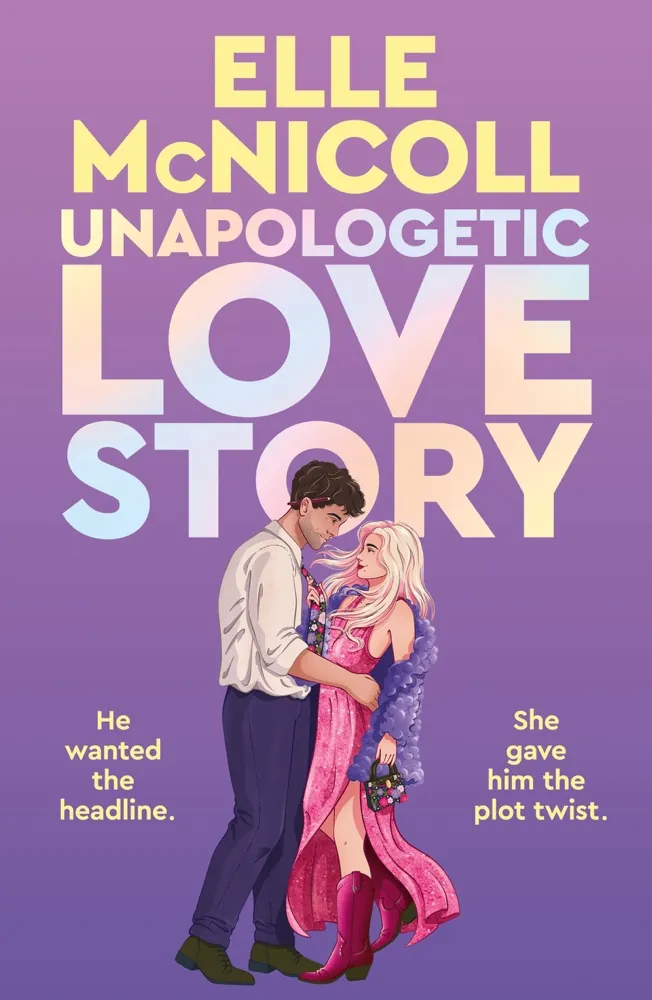

Author: Elle McNicollPage Count: UnknownPublication Date: Expected publication 2026-10-13 APL Another three a.m. shift under the flickering fluorescent hum of the copy room, and what am I looking at? Yet another manuscript engineered in a sterile corporate lab to farm likes on TikTok. Elle McNicoll is pivoting from middle-grade to the ever-lucrative new adult bracket with Unapologetic Love Story, slated for late 2026. Because God forbid the publishing machine leaves any demographic unmonetized. Emily Henry comparisons are already flying like confetti at a dead man’s party. And honestly? I am tired. The Algorithm of Enmity Meet Raina Lewis. London’s hottest "It Girl." What does that even mean in our current cultural wasteland? She hosts a podcast about autistic women. Cool. Groundbreaking. Then there is Tom Branimir. An investigative journalist stylized as the "King of Cancel Culture." Can we please retire the word cancel culture? It lost all meaning somewhere around 2019. But here he is, chasing a scoop, convinced Raina is a fraud. Predictable beat incoming. They clash. Sparks fly. He falls first. It is the exact structural DNA of every enemies-to-lovers cash grab currently flooding Barnes & Noble tables, right beside Colleen Hoover reprints and whatever derivative romantasy is trending this week. Manufactured Friction in a Glass House The thematic core here relies entirely on externalized modern archetypes rather than actual human mess. We have the pristine podcast host versus the cynical internet scumbag. Yet the synopsis gives us zero actual conflict beyond the publisher's breathless hype. "Big-hearted and full of bite!" What does that mean? Does it bite with the ferocity of a teething Chihuahua? I suspect the stakes will vanish the second the male lead has to gaze into her misunderstood eyes. McNicoll is a talented writer—anyone who read A Kind of Spark knows she handles neurodivergence with genuine care. But shoving that vital perspective into the suffocating, hyper-commercialized corset of a new adult romance feels like selling out to the algorithm gods. They want the Emily Henry bump. They want the glossy pastel covers on every subway seat in zone one. The Inevitable Verdict My prediction? It will sell four hundred thousand copies in the first month, dominate booktok for a fortnight, and leave zero lasting cultural footprint. We will all nod along, pretend the chemistry worked, and wait for the next carbon copy to drop. My septum piercing is acting up again from the office draft. Related InsightsBecause of Winn-Dixie Book Review and Summary The Lost Symbol Book Review and Summary Chain of Gold Book Review and Summary{ "@context": "https://schema.org", "@type": "FAQPage", "mainEntity": [ { "@type": "Question", "name": "What is the main focus of Unapologetic Love Story Book Review and Summary?", "acceptedAnswer": { "@type": "Answer", "text": "Everything you need to know about Unapologetic Love Story with our detailed review." } }, { "@type": "Question", "name": "Who authored the comprehensive guide on Unapologetic Love Story Book Review and Summary?", "acceptedAnswer": { "@type": "Answer", "text": "This detailed article and its insights were carefully researched and authored by Beatriz Costa." } }, { "@type": "Question", "name": "Where can I find more related content about Books?", "acceptedAnswer": { "@type": "Answer", "text": "You can explore more articles, detailed reviews, and similar insights by browsing the Related Insights section at the bottom of this article or visiting our dedicated Books category page." } } ] }


L'horizon s'étire à l'infini, là où l'ocre brûlant du centre terrestre vient embrasser l'écume d'un océan indomptable. L'Australie n'est pas simplement un pays, c'est une promesse de vastitude, un théâtre où la nature dicte sa loi et où chaque kilomètre parcouru raconte une histoire de courage, de migration et de découverte. Traverser ce continent, c'est s'aventurer dans un sanctuaire où le temps semble s'être arrêté pour préserver des espèces uniques, tout en vibrant au rythme effréné de cités cosmopolites tournées vers l'avenir. Un moteur économique vibrant au cœur du Pacifique Le tourisme en Australie ne se résume pas à de simples cartes postales ; c'est un pilier structurel, une force vive qui soutient l'économie nationale. Pour comprendre l'ampleur de ce secteur, il faut plonger dans les chiffres. Au cours de l'exercice financier 2018/19, le tourisme s'est imposé comme le quatrième export le plus important du pays. Plus impressionnant encore, sur une décennie, sa croissance a surpassé celle du produit intérieur brut (PIB) national. Avec une contribution de 60,8 milliards de dollars australiens, représentant environ 3,1 % du PIB, le tourisme est un moteur de prospérité. En 2018/19, ce secteur représentait 8,2 % des revenus totaux d'exportation de l'Australie. Mais au-delà des chiffres macroéconomiques, c'est un vecteur social majeur. On estime que 666 000 personnes étaient employées dans ce domaine lors de la même période, ce qui signifie qu'un emploi sur 21 dans l'ensemble de la population active était lié au tourisme. L'analyse démographique de cette main-d'œuvre révèle un aspect intéressant : 54 % des employés du secteur sont des femmes, et 48 % occupent des postes à temps plein. Cette dynamique humaine est le socle sur lequel repose l'accueil des 8,7 millions de visiteurs internationaux enregistrés jusqu'en décembre 2019.De la caravane coloniale à l'ère du Jet : une épopée de mobilité Le goût du voyage est ancré dans l'ADN australien. Dès l'époque coloniale, le mouvement était plus naturel pour les Australiens que pour ceux installés depuis des générations dans leurs foyers. Qu'il s'agisse de poursuivre une quête de richesse, de chercher la sécurité ou de retourner visiter des parents dans les "pays d'origine" pour rafraîchir des souvenirs anciens, la mobilité était une stratégie de survie et d'épanouissement. L'ouverture de nouvelles terres et l'établissement de villes et d'industries ont dispersé la population, forgeant une habitude d'entreprise et de courage. Les pionniers ont affronté les rigueurs des premiers voyages, qu'ils soient à dos de cheval, en diligence ou par voie maritime. Cependant, l'immensité des distances et la lenteur des transports limitaient longtemps les déplacements aux seuls besoins essentiels : le commerce, la profession ou l'installation définitive. L'avènement du rail a marqué le premier grand tournant. Le tourisme de plaisir s'est d'abord concentré autour des centres de population majeurs. Les Blue Mountains en Nouvelle-Galles du Sud, ainsi que les stations balnéaires et montagneuses près de Melbourne et d'autres villes victoriennes, sont devenues les premiers refuges des vacanciers. À l'époque, les bureaux touristiques ferroviaires de l'État étaient les principaux agents de vente pour les voyages intra-étatiques et parfois même inter-étatiques, s'appuyant sur des services de cars hippomobiles, puis motorisés, pour relier les gares aux destinations finales. L'âge d'or de la promotion et l'explosion du voyage de masse Après la Seconde Guerre mondiale, le paysage du voyage a été radicalement transformé. L'établissement de l'Australian National Travel Association (ANTA), avec des bureaux au Royaume-Uni et aux États-Unis, a permis de promouvoir le pays avec vigueur. On se souvient notamment de l'utilisation intensive d'affiches et du magazine Walkabout, publié de 1934 à 1974. Ce dernier a d'ailleurs servi de journal officiel à la Société Géographique Australienne (AGS) à partir de 1946, grâce à une subvention de 5 000 livres sterling accordée par l'ANTA. Ce rôle de chroniqueur du territoire est aujourd'hui perpétué par le magazine Australian Geographic. Le transport a évolué parallèlement. Si le rail et la mer restaient dominants, l'ère de l'automobile familiale a débuté dès les années 1930 pour les trajets courts. Des compagnies comme la State Shipping Service of Western Australia et l'Adelaide Steamship Company assuraient des liaisons vitales et populaires entre tous les ports du pays. Fait fascinant : les croisières d'hiver vers le Queensland étaient alors l'équivalent des vols ou des road-trips actuels vers la Gold Coast ou la Grande Barrière de Corail. En 1934-35, les premières croisières vers la Nouvelle-Zélande étaient organisées, et juste avant la Seconde Guerre mondiale, un voyage vers la Grande-Bretagne en classe touristique pouvait coûter seulement 78 dollars. L'année 1960 a marqué l'entrée dans l'ère du Jet. Avec des avions capables de transporter plus de 100 passagers à des vitesses approchant les 600 miles par heure, le monde a semblé rétrécir de moitié. Cette révolution, couplée à l'augmentation du niveau de vie, a transformé le voyage international en un mouvement de masse.La conquête intérieure et l'éveil des consciences environnementales L'expansion du voyage a été particulièrement marquée au niveau national. L'augmentation des revenus, la généralisation de la voiture privée et l'obtention de plus de temps libre ont permis aux Australiens d'investir leur propre terre. Une étape législative cruciale a été l'introduction des trois semaines de congés annuels payés (d'abord en Nouvelle-Galles du Sud en 1958) et des congés de longue durée. Soudain, des milliers de citoyens ont commencé à parcourir le pays par la route, atteignant les recoins les plus reculés. Ce flux massif a entraîné :Un investissement massif dans les infrastructures d'hébergement. La création de nouveaux complexes touristiques dans des zones isolées. Une modernisation de l'administration et de la promotion touristique. L'amélioration significative des réseaux routiers. L'ouverture et la protection des parcs nationaux et des zones côtières.L'État a également pris conscience de la nécessité d'une planification stratégique, aboutissant à la publication d'un Livre Blanc en 2003 analysant l'industrie, suivi de la mise en œuvre de la stratégie "Tourism 2020". Les joyaux du continent : entre urbanisme et nature sauvage Aujourd'hui, l'attractivité de l'Australie repose sur un équilibre parfait entre ses métropoles dynamiques et ses sanctuaires naturels. Les villes côtières sont les points d'entrée privilégiés. Sydney et Melbourne, avec leur rayonnement international, attirent la majorité des visiteurs, mais Brisbane, Perth, Adélaïde et la Gold Coast ne sont pas en reste, offrant chacune une facette différente de la vie australienne. Cependant, c'est loin des lumières de la ville que l'Australie révèle sa véritable âme. La Grande Barrière de Corail, le plus grand récif au monde, demeure une destination phare, attirant les amoureux de la biodiversité marine. Plus loin, vers le cœur battant du continent, Uluru et le bush australien offrent une expérience spirituelle et brute, tandis que la nature sauvage de la Tasmanie propose un contraste verdoyant et mystique. On ne peut occulter l'importance de la faune unique du pays. Qu'il s'agisse des kangourous, des koalas ou d'espèces plus cryptiques, la biodiversité australienne est un moteur touristique majeur, transformant chaque excursion en une leçon de biologie vivante.Résilience et horizons futurs face aux crises mondiales Le tourisme, comme toute industrie mondiale, n'a pas été épargné par les crises sanitaires. Avant la pandémie de COVID-19 et l'apparition du variant hybride Deltacron, le tourisme domestique représentait une part colossale de l'activité, contribuant à hauteur de 73 % au PIB touristique direct. Cette dépendance interne a été un salut durant les périodes de fermeture des frontières internationales. En 2021, malgré les restrictions, les Australiens ont continué à voyager à l'intérieur de leurs propres États ou vers d'autres États lorsque les frontières internes étaient ouvertes. Le tournant est survenu en novembre 2021, lorsque les frontières ont commencé à s'ouvrir pour les citoyens entièrement vaccinés. Dès le 1er décembre 2021, la liste des pays autorisés s'est élargie pour inclure la Malaisie, Singapour, la Nouvelle-Zélande et, plus tard, le Japon. L'Australie regarde désormais vers l'avenir avec la stratégie "Tourism 2030", fruit de consultations approfondies visant à adapter l'industrie aux nouveaux enjeux du XXIe siècle : durabilité, technologie et respect des cultures ancestrales. L'Australie reste ce territoire de paradoxes, où l'on peut passer d'un gratte-ciel de verre à une forêt d'eucalyptus en quelques heures. C'est un pays qui a su transformer sa distance géographique, autrefois perçue comme un obstacle, en un atout exotique et mystérieux, faisant de chaque visiteur un explorateur et de chaque voyage une aventure inoubliable. #Australie #VoyageDexception #NatureSauvage #TourismeDurable #ExplorationOutback Related InsightsThe Obsidian Trails: Tracing Azerbaijan's Forgotten Fire Keepers of Garasu 宏村:画中的明清古村落 Southeast Asia’s Best-Kept Secrets: Uncharted Adventures and Untouched Wonders in 2026{ "@context": "https://schema.org", "@type": "FAQPage", "mainEntity": [ { "@type": "Question", "name": "What is the main focus of L'Odyssée Australienne : Entre Terre Rouge et Récifs d'Azur?", "acceptedAnswer": { "@type": "Answer", "text": "Plongez dans l'univers fascinant de l'Australie, un géant économique et naturel où l'aventure se conjugue au présent, du bush mystique aux métropoles côtières." } }, { "@type": "Question", "name": "Who authored the comprehensive guide on L'Odyssée Australienne : Entre Terre Rouge et Récifs d'Azur?", "acceptedAnswer": { "@type": "Answer", "text": "This detailed article and its insights were carefully researched and authored by Pierre Dubois." } }, { "@type": "Question", "name": "Where can I find more related content about Travel?", "acceptedAnswer": { "@type": "Answer", "text": "You can explore more articles, detailed reviews, and similar insights by browsing the Related Insights section at the bottom of this article or visiting our dedicated Travel category page." } } ] }
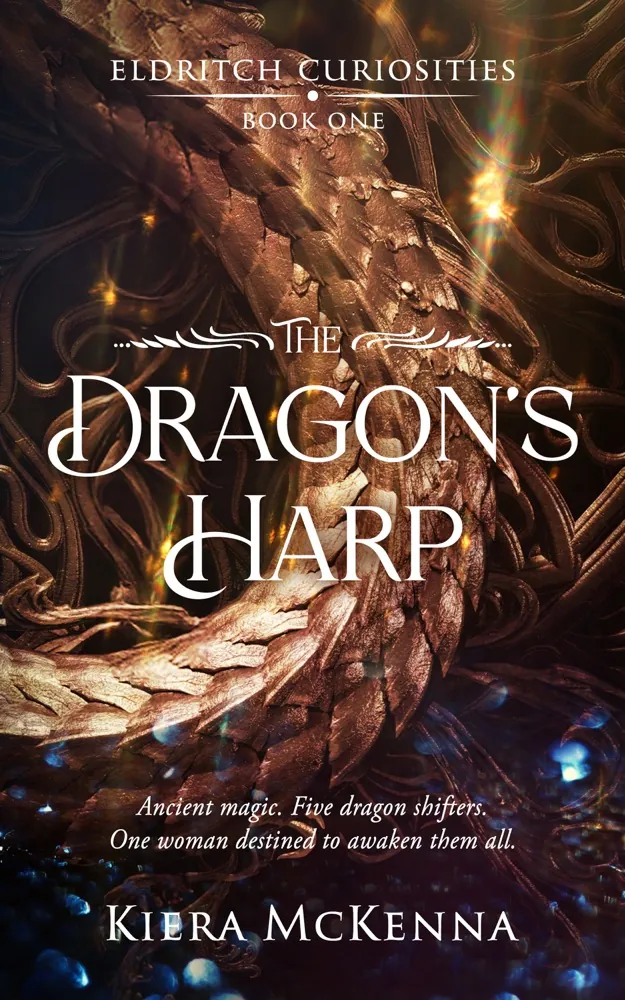
Author: Izzy BarryPage Count: UnknownPublication Date: Expected publication 2026 APL Look, I watch people beat each other unconscious for a living inside a cage. I understand striking angles, defensive posture, and how a fighter reacts when they take a brutal hit to the liver. So forgive me if I roll my eyes when a fantasy synopsis throws five dudes at one protagonist and expects me to buy the physical dynamics. Five-on-one? In a clinch, numbers usually dictate the casualty count, myth or no myth. Yet here we are, looking at Red by Izzy Barry—or is it Kiera McKenna, given the promotional whiplash at the top of the press release? Branding confusion aside, let us talk about the tactical realities of taking on a crew of ancient, winged apex predators on the Isle of Skye. Footwork, Fang, and Five-Against-One Brawls Isobel Rhodes walks into a dusty archive looking for a paycheck and stumbles into a reverse harem fever dream featuring the Sìol Dòmhnaill brothers. And honestly? The logistical nightmare of five guys trying to crowd around one human woman while defending ancient relics stresses me out more than a botched weight cut. How does the cage control work here? Who maintains the perimeter while everyone is busy being "fierce and unyielding"? Barry—or McKenna, whoever is actually steering this hype train—promises sizzling romantic tension and mythic stakes. But give me some dirty striking. Give me actual friction in the grappling exchanges, not just endless lingering over chiseled jaws and draconic heat. If you are going to write combatants who can shift into mythical fire-breathing monsters, they better throw hands with the same kind of explosive violence you see in a championship title fight. Otherwise, the stakes are just soft-focus melodrama disguised as a paranormal turf war. The Problem with Prophesized Punch-Ducking Every combat sports analyst knows that relying purely on destiny gets you knocked out cold in the first round. You need actual technique, grit, and situational awareness. Yet the synopsis leans hard into the oldest trope in the book: the reluctant heroine who has zero interest in mates until she is suddenly forced to choose between her old life and a blazing inferno of supernatural destiny. Groundbreaking. We have seen this exact style of matchmaking in books like A Court of Thorns and Roses or whatever grimdark romantasy Sarah J. Maas cooked up this week. But let us be real. If an ancient harp starts playing and five dragon shifters trap you on a mist-drenched Scottish island, your first instinct should be a double-leg takedown or an improvised weapon, not falling backward into their collective arms. Yet I am still pre-ordering. Why? Because the genre is starved for high-stakes aggression, and if Barry delivers even half the atmospheric punch she’s selling, I will happily consume every single page before the sequel drops. I just need the physical confrontations to hit as hard as the emotional ones. I need to go block three people on Instagram. Related InsightsThe Complete Poems of Emily Dickinson Book Review and Summary Wizard's First Rule Book Review and Summary Take My Word for It: A Memoir Book Review and Summary{ "@context": "https://schema.org", "@type": "FAQPage", "mainEntity": [ { "@type": "Question", "name": "What is the main focus of Red (The Myth That Burns, #1) Book Review and Summary?", "acceptedAnswer": { "@type": "Answer", "text": "Everything you need to know about Red (The Myth That Burns, #1) with our detailed review." } }, { "@type": "Question", "name": "Who authored the comprehensive guide on Red (The Myth That Burns, #1) Book Review and Summary?", "acceptedAnswer": { "@type": "Answer", "text": "This detailed article and its insights were carefully researched and authored by Natalia Sokolova." } }, { "@type": "Question", "name": "Where can I find more related content about Books?", "acceptedAnswer": { "@type": "Answer", "text": "You can explore more articles, detailed reviews, and similar insights by browsing the Related Insights section at the bottom of this article or visiting our dedicated Books category page." } } ] }
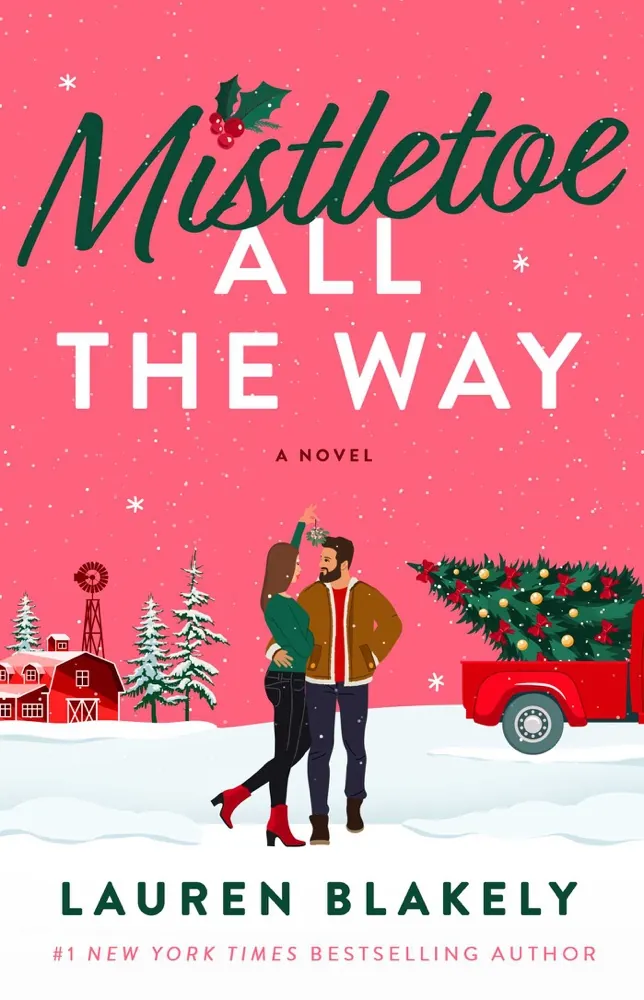

Author: Lauren BlakelyPage Count: UnknownPublication Date: Expected publication 2026-10-06 APL Espresso empty, jacket buttoned. I have four minutes before my driver arrives for the Chelsea gallery opening, yet my mind remains hijacked by Lauren Blakely’s upcoming pitch for Mistletoe All the Way. Let us be entirely honest. The conceit is derivative to the point of exhaustion. A grumpy veterinarian and a sunshine-drenched optimist enter a contrived proximity dynamic involving a small-town competition—ground thoroughly tilled by every romance imprint from here to Seattle. Yet, the commercial viability is undeniable. Blakely understands the algorithm of longing. She knows precisely how to package serialized comfort for a market desperate for high-sugar escapism. The Architecture of Enmity Consider the structural mechanics at play here. We have a classic ideological collision between pastoral isolation and civic engagement. Dr. Noah Lennox retreats from joy like a starving artist fleeing a corporate commission. And Eloise Langston? She is the literal embodiment of forced cheer, weaponizing tinsel for a paycheck. The synopsis leans heavily on the forced-proximity blueprint—twinkle lights, fake kisses, and high-stakes real estate drama involving a slick cousin named Stephen. Standard genre machinery. But watch the stakes. The battle for the sleigh-ride farm isn't merely about property rights; it's a proxy war for authenticity versus commodified holiday spirit. Tropes as Currency Is the premise lazy? Perhaps. The "grumpy cowboy meets sunshine marketing girl" dynamic reads like an AI prompt fed straight into Kindle Unlimited. But execution is everything in this tax bracket. Emily Henry and Ali Hazelwood built empires on this exact brand of emotional friction. Blakely is betting her autumn royalties that readers will overlook the recycled scaffolding for the promise of a well-earned, slow-burn combustion. The real tension rests on whether Blakely can elevate Eloise beyond a walking Pinterest board. The synopsis reduces her to a tourism hopeful chasing rent money, which risks rendering her an accessory to Noah’s sullen transformation. A romance only sings when both entities possess equal gravitational pull. If Noah does all the brooding while Eloise does all the smiling, the dynamic stalls out halfway through Act Two. My forecast? It hits the New York Times list by midnight on launch week. The readership will devour it between flights or during lazy Sunday mornings in minimalist lofts. It offers zero intellectual challenge, and honestly? That is precisely why the advance orders are breaking records. We do not read Blakely for avant-garde deconstruction. We read her for the sugar spike. Now, if you will excuse me, I need to go pick out new marble countertops. #BookTok #RomanceBooks #PublishingLife Related InsightsPossession Book Review and Summary Soy Pilgrim / I Am Pilgrim Book Review and Summary Resurrection Book Review and Summary{ "@context": "https://schema.org", "@type": "FAQPage", "mainEntity": [ { "@type": "Question", "name": "What is the main focus of Mistletoe All the Way Book Review and Summary?", "acceptedAnswer": { "@type": "Answer", "text": "Everything you need to know about Mistletoe All the Way with our detailed review." } }, { "@type": "Question", "name": "Who authored the comprehensive guide on Mistletoe All the Way Book Review and Summary?", "acceptedAnswer": { "@type": "Answer", "text": "This detailed article and its insights were carefully researched and authored by Chloé Laurent." } }, { "@type": "Question", "name": "Where can I find more related content about Books?", "acceptedAnswer": { "@type": "Answer", "text": "You can explore more articles, detailed reviews, and similar insights by browsing the Related Insights section at the bottom of this article or visiting our dedicated Books category page." } } ] }
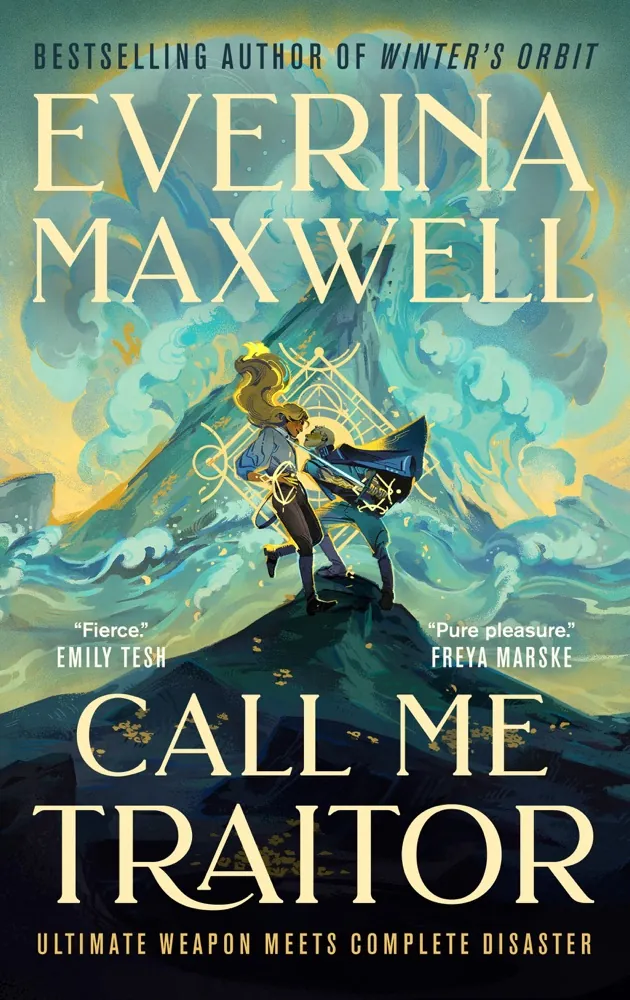
Author: Everina MaxwellPage Count: UnknownPublication Date: Expected publication 2026-12-01 APL What's so compelling about Call Me Traitor, the latest offering from Everina Maxwell, the same author who brought us Winter's Orbit, a romance that's been name-dropped by none other than The New York Times? As a pop-culture connoisseur on the night shift, I'm intrigued by the prospect of a slowburning sapphic adventure, particularly one rooted in dark academia and forbidden love. —And let's get straight to the point: the setup is tantalizing. We're presented with five individuals bearing exile brands on their hands, individuals who by all logical reasoning should have met their maker, yet they're still kicking. It's the kind of mysterious premise that sets my analytical gears in motion. But then, we're introduced to En, a weapon masquerading as a soldier, trained to withstand excruciating pain, and bound by loyalty to her archmagi commander. Tamol, on the other hand, is the soldier En begrudgingly has to pair up with to achieve their mission objective. En is a character with depth, at least according to the synopsis. Her backstory and motivations are clearly alluded to, painting a picture of a stoic assassin driven by duty and obligation. Then there's Tamol, whose 'flightiness' and 'cowardice' En so readily dismisses. It's as if Maxwell has crafted a classic love-to-hate relationship, the same kind that captivated readers in Annie on My Mind or The Lady's Guide to Petticoats and Piracy. But let's not kid ourselves – this is Call Me Traitor, and it's aiming for something far more nuanced than surface-level angst. What really gets my pulse racing, though, is the thematic depth Maxwell seems to be exploring. The tension between duty and desire, the societal expectations placed upon women, the dark underbelly of academia — it's a sizzling cocktail of elements that will undoubtedly leave readers invested in the story. I'm reminded of authors like Patricia A. McKillip, who've woven similar intricate narratives that subvert and challenge the status quo. Yet we're also faced with an enigmatic empire that seems all too willing to crush anyone who dares to challenge its authority. It's a classic case of oppression vs. revolution, the kind of binary setup that leaves me pining for the days of The Handmaid's Tale. And then, of course, there's the monstrous entity lurking in the shadows of the Far Peninsula, an antagonist as unpredictable as the plot. At this point, I'm salivating at the mere prospect of being immersed in such a rich, atmospheric world. But the question remains: will Maxwell successfully navigate this complex web of characters and storylines without losing readers along the way? Only time will tell. One thing's for certain, though, Call Me Traitor looks like it's going to be a wild ride — and I couldn't be more thrilled. Moving swiftly on... it's time to prep my feminist stickers because I know that's what's needed for this kind of analysis. #DarkAcademia #FictionalWomenUnite #TheNewRomance #ForbiddenLove #SapphicStories #LGBTQPlus #PopCultureAnalysis #CritiquingPop #BookRecommendations #LiteraryTropes #FeministFiction #FeminismInLiterature Related InsightsBlack Cake Book Review and Summary Scene Partner Book Review and Summary Crown of Midnight Book Review and Summary{ "@context": "https://schema.org", "@type": "FAQPage", "mainEntity": [ { "@type": "Question", "name": "What is the main focus of Call Me Traitor Book Review and Summary?", "acceptedAnswer": { "@type": "Answer", "text": "Everything you need to know about Call Me Traitor with our detailed review." } }, { "@type": "Question", "name": "Who authored the comprehensive guide on Call Me Traitor Book Review and Summary?", "acceptedAnswer": { "@type": "Answer", "text": "This detailed article and its insights were carefully researched and authored by Beatriz Costa." } }, { "@type": "Question", "name": "Where can I find more related content about Books?", "acceptedAnswer": { "@type": "Answer", "text": "You can explore more articles, detailed reviews, and similar insights by browsing the Related Insights section at the bottom of this article or visiting our dedicated Books category page." } } ] }
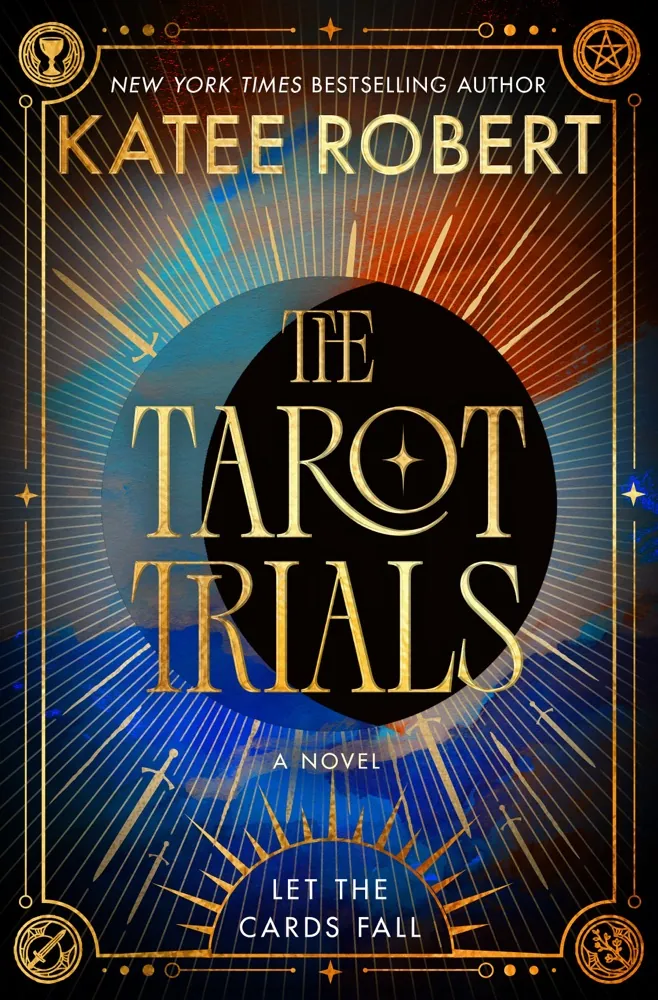

Author: Katee RobertPage Count: UnknownPublication Date: Expected publication 2026-10-20 APL The Tarot Trials: A Novel by Katee Robert—this author knows how to craft an alluring pitch. I'm intrigued by the notion of a fantasy world governed by a mysterious tarot deck, where allegory masquerades as reality. But what are the stakes in this world of tarot magic? Who are these Cinque, and how do they wield their cards? Kestrel's mother, a Champion of the Moon, was executed, leaving behind a legacy of secrets and a determined daughter. I suspect we're headed toward a classic tale of vendetta and deception, à la Robin McKinley's Beauty with a dash of Leigh Bardugo's cunning. Yet Kestrel's drive to master her shadow and illusion magic, and confront the Champion responsible for her mother's downfall, hints at a more complex exploration of power and identity. Will she forge unlikely alliances or forge her own path? The synopsis tantalizingly avoids providing clear answers, which may prove to be a savvy tactic in a market increasingly enamored with morally ambiguous protagonists. Consider, if you will, the problematic undertones in this narrative of Kestrel competing for her place among the Cinque. The Minor Court's propensity for executing "traitors" raises questions about the true nature of their power and the morality that underlies it. Is this merely a reflection of the arbitrary nature of authority in a fantasy world, or does it bespeak a darker commentary on the treatment of those deemed "other"? We might reasonably expect Robert to subvert expectations, given her background in crafting morally ambiguous characters and situations, but one wonders if she'll choose to do so in The Tarot Trials. In terms of character psychology, Kestrel's relationship with her mother seems crucial to understanding her motivations. What's the nature of their bond, and how will it influence her choices in the trials? Her determination to uncover the truth behind her mother's execution is admirable, yet also potentially perilous—hardly groundbreaking, I suppose. The notion that alliances and lies abound, however, suggests a rich world of complex relationships, rife with potential for tension and intrigue. If I'm being entirely honest, my excitement for this novel lies not so much in the specifics of the story, but in the potential for world-building and thematic exploration. In 2023's fantasy market, we've seen an increasing emphasis on immersive, often problematic world-crafting, and Robert's background in exploring dark, taboo subjects (see her Dark Olympus series) suggests she may be well-equipped to deliver something thought-provoking. Perhaps it's a case of "the right author, wrong time," or maybe The Tarot Trials will surprise us with its unique take on a familiar formula. And so, I'll continue to ponder the possibilities, just as I will when I return to the table at this Michelin-starred rooftop, where a certain heirloom tiara is patiently waiting my reappraisal. #FantasyFiction #KateeRobert #TarrotTrials #DarkOlympusSeries #BookLovers #ComingSoon #NewYorkTimesBestSeller Related InsightsThe Silence of the Lambs Book Review and Summary Heartstopper #1-3 Book Review and Summary Heartsong Book Review and Summary{ "@context": "https://schema.org", "@type": "FAQPage", "mainEntity": [ { "@type": "Question", "name": "What is the main focus of The Tarot Trials: A Novel Book Review and Summary?", "acceptedAnswer": { "@type": "Answer", "text": "Everything you need to know about The Tarot Trials: A Novel with our detailed review." } }, { "@type": "Question", "name": "Who authored the comprehensive guide on The Tarot Trials: A Novel Book Review and Summary?", "acceptedAnswer": { "@type": "Answer", "text": "This detailed article and its insights were carefully researched and authored by Anna Kowalska." } }, { "@type": "Question", "name": "Where can I find more related content about Books?", "acceptedAnswer": { "@type": "Answer", "text": "You can explore more articles, detailed reviews, and similar insights by browsing the Related Insights section at the bottom of this article or visiting our dedicated Books category page." } } ] }
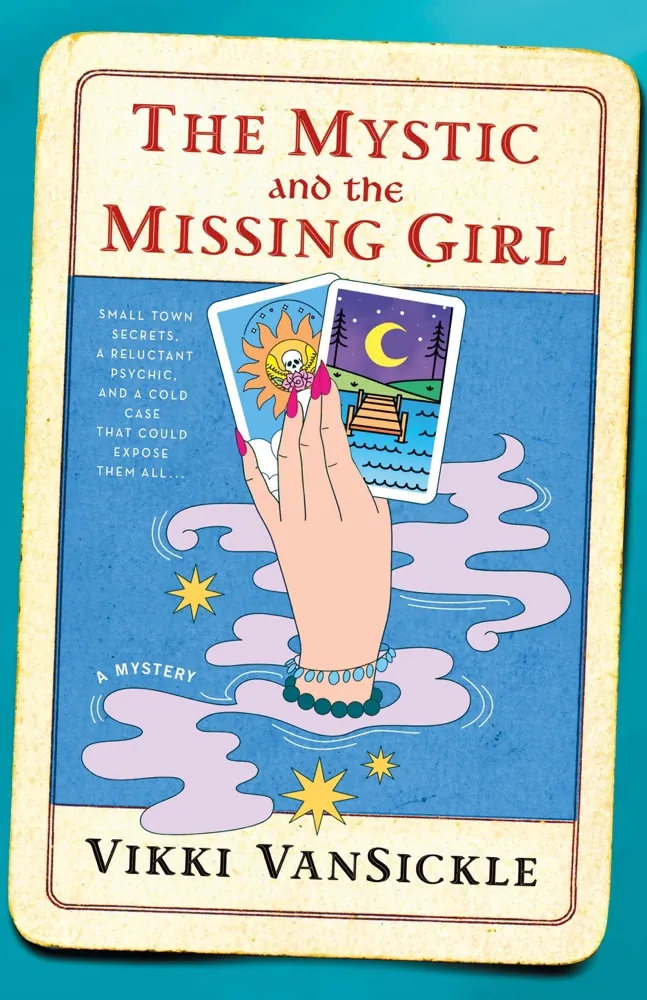

Author: Vikki VanSicklePage Count: UnknownPublication Date: Expected publication 2026-09-08 APL I pull espresso shots all morning for people who think oat milk is a personality trait, and honestly, I survive on a steady diet of extreme splatterpunk and cosmic nihilism where everybody dies screaming in the dark. So why am I staring at the press release for Vikki VanSickle’s upcoming The Mystic and the Missing Girl with my jaw literally unhinged? Read the room, please. This is supposed to be a cozy little lakeside mystery about tarot cards and small-town grudges. Yet I am sitting here, utterly paralyzed by the sheer, unadulterated dread of a protagonist whose mother disapproves of her. Forget ghosts. Forget cold cases. The real horror is familial disappointment and past-due utility bills. The Aesthetics of Small-Town Suffocation VanSickle sets up a quaint postcard nightmare. A picturesque town. A metaphysical shop. An astrology-obsessed employee who probably cleans crystals with sage and good vibes. But underneath the cute pastel aesthetic lies a psychological pressure cooker. And I respect that. Twenty years of cold-case baggage dumped right into the lap of a reluctant psychic who just wants to sell quartz and dodge a local rake named Foster Banks? It has all the ingredients of a Stephen King minor-key nightmare—minus the rabid dogs and interdimensional spiders, unfortunately. The Weaponization of Nostalgia Let us talk about the narrative mechanics here. The synopsis leans hard on the sins of the past. Hannah Mystic—what a gloriously tragic moniker—taking the fall for a local disappearance two decades ago. That is not just a plot point. That is generational scapegoating. Drew Benson is trapped in the amber of her dead aunt’s ruined reputation. Every tarot reading and object-reading psychometry session is a forced excavation of trauma she abandoned in high school. But now an arch-nemesis turned big-city reporter is rolling into town to dig up the bones. Literally. I am usually allergic to cozy mysteries. They lack the sweet, sticky copper scent of genuine human ruin. Yet VanSickle’s premise feels less like a cozy tea party and more like a slow, agonizing tightening of a noose made of hemp and locally sourced incense. Think Shirley Jackson meets an episode of True Detective written by someone who actually knows how to run a small business. The financial ruin angle—bills piling up, a local vandal hating the witchy storefront—gives it grit. It grounds the supernatural nonsense in the bleak, crushing reality of modern capitalism. Will the cold case actually expose the whole town? The synopsis promises it. And I am weirdly, sickeningly invested in seeing how many local pillars of the community get dragged down into the mud. Give me ruined reputations. Give me exposed hypocrisy. Give me the total collapse of lakeside tranquility. Anyway, I would write another paragraph, but the blinding afternoon sun is hitting my POS terminal at an ungodly angle and the glare is currently burning a hole straight through my retina. Related InsightsUs Against You Nosotros Contra Ti (Spanish Edition) Book Review and Summary Find Me Where It Ends Book Review and Summary Honour of Rome Book Review and Summary{ "@context": "https://schema.org", "@type": "FAQPage", "mainEntity": [ { "@type": "Question", "name": "What is the main focus of The Mystic and the Missing Girl Book Review and Summary?", "acceptedAnswer": { "@type": "Answer", "text": "Everything you need to know about The Mystic and the Missing Girl with our detailed review." } }, { "@type": "Question", "name": "Who authored the comprehensive guide on The Mystic and the Missing Girl Book Review and Summary?", "acceptedAnswer": { "@type": "Answer", "text": "This detailed article and its insights were carefully researched and authored by Diego Lopez." } }, { "@type": "Question", "name": "Where can I find more related content about Books?", "acceptedAnswer": { "@type": "Answer", "text": "You can explore more articles, detailed reviews, and similar insights by browsing the Related Insights section at the bottom of this article or visiting our dedicated Books category page." } } ] }


Author: Ellen O'CloverPage Count: UnknownPublication Date: Expected publication 2026-09-15 APL Sweat is dripping down the back of my neck while I prune these late-summer tomato vines in the sticky August heat, and frankly, I am wondering why two rival copywriters need a whole month of travel just to pitch a luxury resort account. Does the modern advertising industry really operate on such bloated carbon footprints? Ellen O'Clover's upcoming If Not You drops this September, right as we harvest our root vegetables and wind down the growing season. And yet, I am sitting here on the porch, staring at a premise that feels distinctly manufactured. Enemies-to-lovers. Office rivalry. Forced proximity on the open road. We have seen this blueprint a thousand times. Emily Henry built an empire on it; Ali Hazelwood practically patents the academic variant every six months. But O'Clover steps into the ring with a corporate sheen—swapping rural charm or dusty labs for sleek Chicago agencies and luxury hospitality accounts. The Concrete Jungle Meets the Open Highway Let us look at the mechanics of the pitch. Mattie French is the scrappy underdog from an independent shop. Campbell Porter is the golden-boy heavyweight from slicker pastures. A classic David versus Goliath dynamic, except Goliath has a smirk and a tailored suit. Yet, I find myself squinting at the synopsis with the same skepticism I reserve for a bag of pesticide-laden fertilizer. What are they actually selling on this four-week road trip? The synopsis remains frustratingly vague about the physical journey itself. Are they driving fuel-guzzling SUVs across interstate highways? Stopping at neon-lit motels? O'Clover leaves the geography blank, leaning entirely on the psychological crutch of "hidden wounds and softest parts." The Artifice of the Corporate Pitch Here is my core critique from the dirt rows: the book treats capitalism's luxury marketing arm as a backdrop for emotional healing. Irony, thy name is modern romance. Mattie wants to beat Campbell to earn a promotion, but the prize is landing a resort account—presumably paving over some pristine coastal ecosystem or cutting down old-growth trees for cabanas. Does the narrative care about the ecological absurdity of luxury resorts? Unlikely. O'Clover is interested in the tight, claustrophobic space of a shared itinerary. The forced proximity trope relies on stripping away urban distractions until only the two combatants remain. Still, O'Clover possesses sharp prose. If her previous work is any indicator, the dialogue will crackle with enough kinetic energy to power my homestead for a week. I just hope the resolution avoids the tired trope of abandoning one's career ambitions for a country house. Some of us actually like the soil under our fingernails. Hold on. Do you smell that? Damn it, I left the hickory wood chips too close to the direct flame on the smoker. If I do not go flip those beef briskets right now, our entire Friday night dinner is going to turn into charcoal. #BookTwitter #RomanceBooks #EllenOClover #IfNotYou Related InsightsRequiem for a Dream Book Review and Summary Harry Potter y la cámara secreta (Edición con ilustraciones de Xavier Bonet) / Harry Potter and the Chamber of Secrets Book Review and Summary Lanetli Kral [HC] Book Review and Summary{ "@context": "https://schema.org", "@type": "FAQPage", "mainEntity": [ { "@type": "Question", "name": "What is the main focus of If Not You Book Review and Summary?", "acceptedAnswer": { "@type": "Answer", "text": "Everything you need to know about If Not You with our detailed review." } }, { "@type": "Question", "name": "Who authored the comprehensive guide on If Not You Book Review and Summary?", "acceptedAnswer": { "@type": "Answer", "text": "This detailed article and its insights were carefully researched and authored by William Clark." } }, { "@type": "Question", "name": "Where can I find more related content about Books?", "acceptedAnswer": { "@type": "Answer", "text": "You can explore more articles, detailed reviews, and similar insights by browsing the Related Insights section at the bottom of this article or visiting our dedicated Books category page." } } ] }


Author: Tananarive DuePage Count: UnknownPublication Date: Expected publication 2026-09-22 APL Another morning staring at a blank screen while my morning chamomile grows tepid on the mahogany desk. My publisher demands prose; my aristocratic lineage demands distinction. And yet, this wretched writer's block remains more stubborn than a Vanderbilt clinging to old railroad stock. But salvation perhaps arrives in the mail, disguised as publisher galley sheets for Tananarive Due’s upcoming Mazywood. Let us inspect the pedigree. A Pedigree of Privilege and Peril The synopsis attempts to brandish comparisons to S.A. Cosby and Percival Everett—truly, publishers never tire of reaching for the shelf—yet my eyes naturally gravitate toward the lineage. We are tracking bloodlines here. Johnny, a filmmaker of descent, retreating to a California mountain lodge left by his grandmother, Mazelle Washington—a Black actress whose career spanned Hollywood’s golden cage from the twenties to the forties. Old Hollywood. How I adore a proper period of inherited glamour and hidden rot. Mazelle brushed shoulders with Gable and Horne, yes, but she carried a subterranean secret. A dark wish from childhood. One must ask: does the synopsis rely too heavily on the supernatural crutch of a "dark wish" rather than the delicious, mundane cruelty of studio-era exploitation? One hopes Due leans into the latter. Monsters lurking in the woods are terribly pedestrian. Monsters manufactured by the studio system and preserved in mountain air? Now that warrants turning a page. The Burden of Inheritance We aristocrats understand the crushing weight of what preceding generations left rotting in the cellar. Johnny brings his family to Mazywood—a splendidly haughty name for a cabin—only to discover fifty years of accumulated familial sins. Yet the synopsis remains infuriatingly vague. Fifty years after her death, he confronts the truth. But what truth? Vague marketing copy always protects the twist. And yet, Due’s previous work commands respect. If The Reformatory proved anything, it is that she understands historical ghosts quite intimately. One suspects the book will explore the transactional nature of fame and how generational rage curdles into heirloom venom. Or perhaps it is simply an excuse to spend three hundred pages chronicling California real estate horror. Either way, it offers a welcome distraction from my own editorial paralysis. Now, if you will excuse me, I must brave the absolute catastrophe of traffic crawling out toward the Hamptons—merely because some dreadful hedge fund manager decided a Friday departure was appropriate for polite society. #TananariveDue #Mazywood #LiteraryThriller #OldHollywood Related InsightsThe Poppy War Book Review and Summary The Dark Vault Book Review and Summary The Bound Guardians of Knowledge: Unlocking the Enduring Legacy of Chained Libraries{ "@context": "https://schema.org", "@type": "FAQPage", "mainEntity": [ { "@type": "Question", "name": "What is the main focus of Mazywood Book Review and Summary?", "acceptedAnswer": { "@type": "Answer", "text": "Everything you need to know about Mazywood with our detailed review." } }, { "@type": "Question", "name": "Who authored the comprehensive guide on Mazywood Book Review and Summary?", "acceptedAnswer": { "@type": "Answer", "text": "This detailed article and its insights were carefully researched and authored by James Miller." } }, { "@type": "Question", "name": "Where can I find more related content about Books?", "acceptedAnswer": { "@type": "Answer", "text": "You can explore more articles, detailed reviews, and similar insights by browsing the Related Insights section at the bottom of this article or visiting our dedicated Books category page." } } ] }
-
 Emma Thompson
 - 08 Aug, 2026 14:01
With Hearts of Flame: A Novel (Bloodwing Academy Book 4) Book Review and Summary
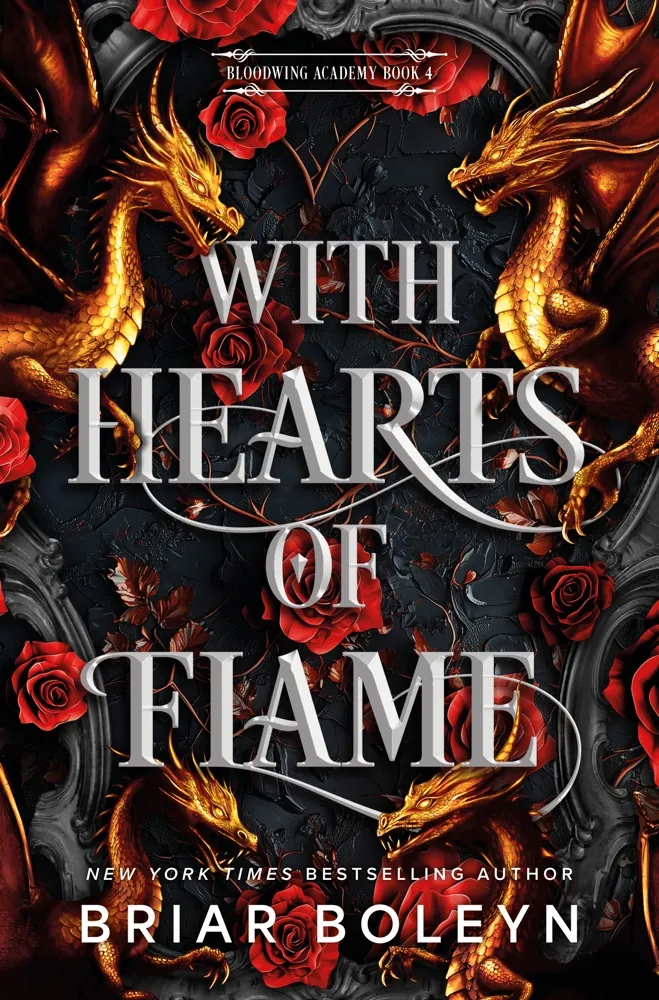
Author: Briar BoleynPage Count: UnknownPublication Date: Expected publication 2026-10-20 APL The darkness that has been brewing in the Bloodwing Academy series is about to get a whole lot hotter. I mean, I was already primed for a thrilling ride with the revelation that dragons and vampires have taken center stage, but With Hearts of Flame, Briar Boleyn promises to take it up a notch. What is it about this series, you ask? Is it the fact that we're witnessing a full-blown romance between a vampire and a dragonrider? Or perhaps it's the sinister undertones, the sense of foreboding that something's off at this academy for the undead and the winged? Let's be real, the world of Sangratha isn't exactly the sunniest of places. I mean, we've got vampires, dragons, and a prophecy that seems to be inching closer to reality by the minute. It's a wonder our hero, along with her cohorts, is able to keep it together amidst the chaos. Yet here I am, intrigued by the prospect of witnessing the inner turmoil that's sure to unfold. And can we talk about the sheer audacity of pitting love against danger? Because let's be clear, love can indeed be a double-edged sword. But have you noticed how this series keeps pushing the boundaries of what we consider "normal" in the realm of high fantasy? I bring up this point because let's be real, Boleyn is no stranger to tackling the tough stuff. She draws her inspiration from the shadows, weaving in real-world issues like oppression and rebellion into the very fabric of her narrative. It's almost as if she's trying to tell us something — that even in a fantastical world, our struggles are still very much real. And what about the Bonewood? This isolated location, shrouded in mystery, is sure to be a focal point of the story, I presume. But what's going to happen there? Will our heroes emerge victorious, or will the enemy manage to outmaneuver them? I'm still on the fence about this one, but I suppose only time will tell. One thing's for certain, though: With Hearts of Flame promises to be a wild ride. And if the Vampire Academy series meets A Court of Thorns and Roses in terms of dark academia and romance, I'm in. I must admit, I'm both excited and intimidated by the sheer scope of it all. I mean, what kind of dark fantasy can possibly live up to these lofty expectations? Still, one thing that keeps me awake at night is the idea that this series might just become a reflection of our own world's problems. But is that not the point of high fantasy, to comment on the human condition through allegory? Perhaps, but then again, maybe it's just a convenient excuse to indulge in some delicious moral ambiguity. Plot twist: what if the true enemy is within, waiting to be unleashed? What if our heroes' greatest foe is not the external forces, but their very own insecurities? That would be a bold move, don't you think? It would certainly be in line with Boleyn's track record of pushing the boundaries of high fantasy. As I conclude this preview, I'm left with more questions than answers. But one thing's for sure: I'm going to need a nap after devouring With Hearts of Flame. #DarkAcademiaFever #RomanceIsADeadlySin #VampiresAndDragons Related InsightsA Domestication: A Novel Book Review and Summary Torment Book Review and Summary The Soul Mate Book Review and Summary{ "@context": "https://schema.org", "@type": "FAQPage", "mainEntity": [ { "@type": "Question", "name": "What is the main focus of With Hearts of Flame: A Novel (Bloodwing Academy Book 4) Book Review and Summary?", "acceptedAnswer": { "@type": "Answer", "text": "Everything you need to know about With Hearts of Flame: A Novel (Bloodwing Academy Book 4) with our detailed review." } }, { "@type": "Question", "name": "Who authored the comprehensive guide on With Hearts of Flame: A Novel (Bloodwing Academy Book 4) Book Review and Summary?", "acceptedAnswer": { "@type": "Answer", "text": "This detailed article and its insights were carefully researched and authored by Emma Thompson." } }, { "@type": "Question", "name": "Where can I find more related content about Books?", "acceptedAnswer": { "@type": "Answer", "text": "You can explore more articles, detailed reviews, and similar insights by browsing the Related Insights section at the bottom of this article or visiting our dedicated Books category page." } } ] }
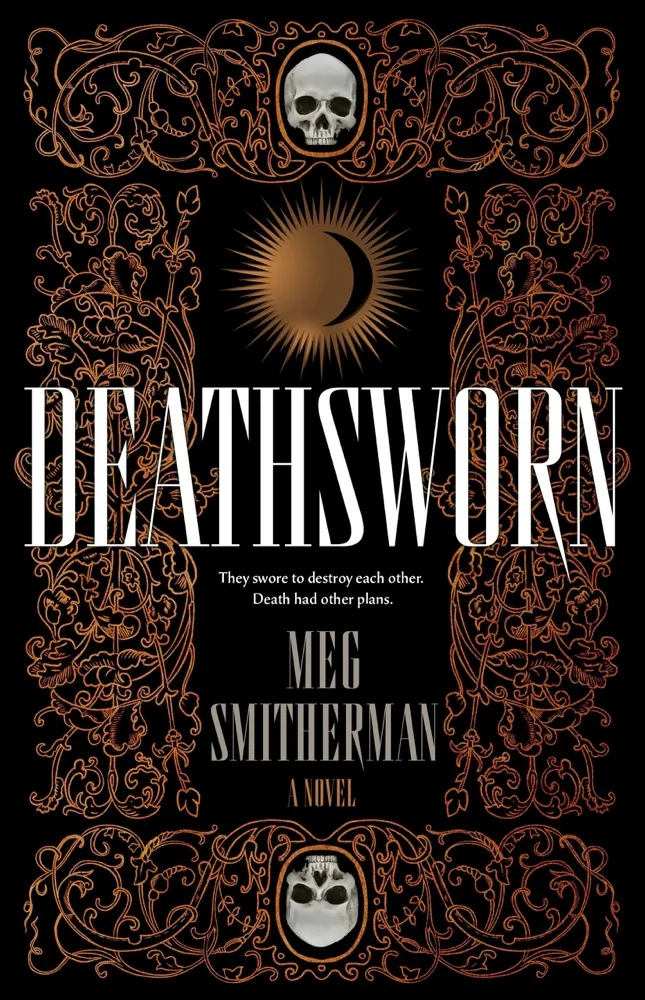

Author: Meg SmithermanPage Count: UnknownPublication Date: Expected publication 2026 APL August heat is radiating through my studio window, baking the turpentine fumes into something genuinely nauseating, and yet, here I am, staring at the promotional copy for Meg Smitherman's Deathsworn. My canvas sits half-finished in the corner—a messy, oil-slicked rendering of two figures tearing each other apart—because apparently, I have zero self-preservation instinct when a good enemies-to-lovers pitch crosses my desk. My heart is currently held together with dried acrylic and sheer spite, which makes me uniquely qualified to dissect this particular brand of literary torture. The Art of the Dual-Sided Blade Let us look at the mechanics of what Smitherman is selling us for 2026. Jonquil Foye wields Life. Edmund Blackburn wields Death. How utterly, deliciously unsubtle. It is the kind of artistic binary that usually makes me want to throw a palette knife at the wall—too neat, too clean, too easily resolved by standard narrative physics. But then they clash, their magic entwine, and they accidentally birth a volatile abomination that drags them straight into the underworld. And honestly? As someone whose last relationship felt precisely like being dragged into a subterranean wasteland by our own mutual collateral damage, I respect the metaphor. Why We Fall for the Masked Monster The synopsis leans heavily into the Reylo and masked-MMC aesthetic. We are looking at a gothic Victorian fever dream. Give me all the tragic yearning. Yet, I refuse to pretend this is a revolutionary character dynamic. It is a time-tested formula for a reason. Authors like Holly Black or T. Kingfisher understand that readers do not want healed protagonists; they want broken people who cause maximum structural damage to each other before they even think about holding hands. Edmund and Jonquil are locked in a forced proximity nightmare, running out of time while Death actively tries to keep them underground. But truces are fragile. Just like every single promise whispered in a dim-lit studio at three in the morning when you are convinced the person standing across from you is both your muse and your executioner. A Cynic’s Bet on the Underworld Will this book actually deliver on the gothic horror promised in the marketing copy, or will it devolve into a sanitized romance with gothic wallpaper pasted over it? I have my doubts. Publishers love to slap the "dark fantasy" label on books where the darkest thing that happens is a stern look across a battlefield. Yet, the premise of a magical creature born from their clashing life-and-death forces suggests something deliciously grotesque could happen. I am betting the monster they create is far more interesting than either of them. I need to go book an emergency session to complain to my therapist about why this exact plot twist feels like a personal attack on my current emotional state. #deathsworn #necromantasy #gothicfantasy #booktok #enemiestolovers Related InsightsUntamed Book Review and Summary Archer's Voice Book Review and Summary A Midsummer Night’s Dream Book Review and Summary{ "@context": "https://schema.org", "@type": "FAQPage", "mainEntity": [ { "@type": "Question", "name": "What is the main focus of Deathsworn Book Review and Summary?", "acceptedAnswer": { "@type": "Answer", "text": "Everything you need to know about Deathsworn with our detailed review." } }, { "@type": "Question", "name": "Who authored the comprehensive guide on Deathsworn Book Review and Summary?", "acceptedAnswer": { "@type": "Answer", "text": "This detailed article and its insights were carefully researched and authored by Giulia Ricci." } }, { "@type": "Question", "name": "Where can I find more related content about Books?", "acceptedAnswer": { "@type": "Answer", "text": "You can explore more articles, detailed reviews, and similar insights by browsing the Related Insights section at the bottom of this article or visiting our dedicated Books category page." } } ] }
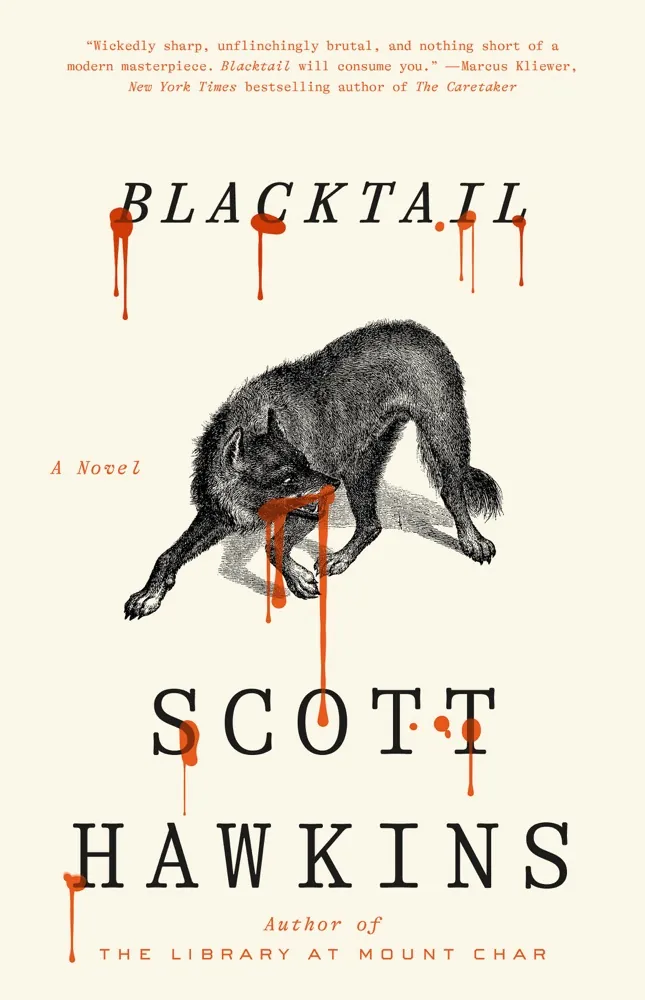

Author: Scott HawkinsPage Count: UnknownPublication Date: Expected publication 2026-09-01 APL Vagueness abounds in the official synopsis of Blacktail, the forthcoming dark fantasy novel by Scott Hawkins. At first pass, it seems like a straightforward revenge tale with a wolf's quest for justice against the humans who destroyed his world. But scratch beneath the surface, and we find ourselves entangled in a richly woven narrative that promises to upend our expectations. Ancient feline witches, territorial invasions, house dogs, and Forest Gods all converge in a narrative that, so far, defies clear categorization. Yet, it's precisely this mystique that draws me in, a devotee of the dark and the unsettling as I am. I crave the unknown, the unseen, and the unexplored. And in Blacktail, I sense a kindred spirit—albeit one that might prove more sinister than I initially anticipated. But let's not forget the author himself, Scott Hawkins. His cult hit The Library at Mount Char still lingers in the collective consciousness of genre enthusiasts, a testament (if you will) to Hawkins's capacity to craft tales that defy conventional genre boundaries. If I had to draw comparisons, I'd lean towards the works of authors like Joe Abercrombie or Glen Duncan, both masters of subverting our expectations while navigating the darker corners of fantasy. So, what exactly does Blacktail promise to deliver? A world beset by humans, a wolf driven by vengeance, and a cast of characters that defy easy categorization. Yet, it's the vagueness surrounding the Forest God's role and the wolf's journey that has me both intrigued and concerned. How far will Hawkins push the narrative into the realms of the surreal and the unknown? The stakes are already high, with Hawkins promising a "tale of lupine vengeance [...] whose stakes escalate to degrees I never saw coming." The question, of course, is what these stakes might look like, and whether they'll remain aligned with the wolf's initial quest for justice or veer into more complex, morally ambiguous territory. Only time will tell. What is certain, however, is that Blacktail promises to be an unforgettable reading experience—a slow-burning fire that will consume us in its entirety. Wolves at the Door: A Thematic Exploration At its core, Blacktail seems to revolve around the age-old struggle between nature and humanity. The world is beset by men, and the natural order is under threat. In many ways, this echoes the themes of The Night Circus or The First Fifteen Lives of Harry August, two novels that, among other things, explored the complex relationships between human and non-human entities. In the context of Blacktail, the wolf's journey assumes a more pronounced sense of urgency, driven by the loss of his mate and the encroachment of human settlements into his territory. It raises essential questions about the place of animals in our world and our responsibility towards the natural world. But can Scott Hawkins pull it off? Will he manage to balance the wolf's quest for vengeance with a nuanced exploration of these themes? Or will he succumb to the temptation to sensationalize, risking a narrative that's more noise than substance? Vagueness and the Human Condition One of the most intriguing aspects of Blacktail's synopsis is its vagueness. Hawkins refuses to give us clear answers about the world he's created, instead opting for an air of mystery that's both alluring and unsettling. It's a bold move, one that might just backfire or, conversely, yield extraordinary results. We find ourselves in a world where the lines between reality and myth blur precipitously. Will Hawkins's refusal to provide clear guidance lead us down a rabbit hole of discovery, or will it result in a narrative that's as opaque as it is captivating? Only time will tell. I have to go clean out the gutters before autumn sets in. Related InsightsYoung Man in a Hurry Book Review and Summary Murder on the Upper East Side Book Review and Summary A Thousand Splendid Suns Book Review and Summary{ "@context": "https://schema.org", "@type": "FAQPage", "mainEntity": [ { "@type": "Question", "name": "What is the main focus of Blacktail Book Review and Summary?", "acceptedAnswer": { "@type": "Answer", "text": "Everything you need to know about Blacktail with our detailed review." } }, { "@type": "Question", "name": "Who authored the comprehensive guide on Blacktail Book Review and Summary?", "acceptedAnswer": { "@type": "Answer", "text": "This detailed article and its insights were carefully researched and authored by Piotr Nowak." } }, { "@type": "Question", "name": "Where can I find more related content about Books?", "acceptedAnswer": { "@type": "Answer", "text": "You can explore more articles, detailed reviews, and similar insights by browsing the Related Insights section at the bottom of this article or visiting our dedicated Books category page." } } ] }
-
 Olivia Harris
 - 08 Aug, 2026 12:35
The Twelve Loves of Christmas: An Advent Romance Collection Book Review and Summary
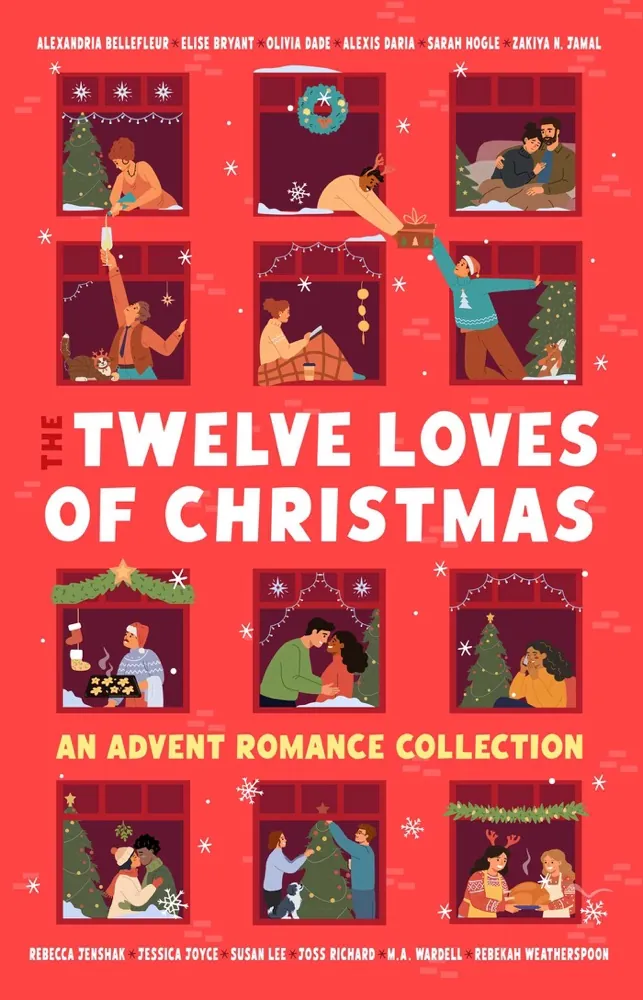
Author: Alexandria BellefleurPage Count: UnknownPublication Date: Expected publication 2026-09-29 APL This The Twelve Loves of Christmas promises to be a trifling exercise in holiday romance, a predictable yet endearing series of short stories that will no doubt tickle the fancy of those who insist on sentimentalizing December. And yet, I find myself drawn to the collection's forced proximity romance, a trope I've always considered a cheap trick for authors to get their characters in close quarters—what is it about confined spaces that sparks intimacy? But here, it's not just a device; it's a holiday tradition. I envision a cast of characters who've learned to appreciate the warmth of their own company, much like those of Helen Hoang's The Kiss Quotient, where sex and intimacy are merely a means of connection. The inclusion of a second-chance romance between exes stranded at the airport hints at the possibility of The Twelve Loves of Christmas being more than just a surface-level holiday collection—perhaps it will touch on the complex, often messy nature of relationships, much like Tessa Bailey's Fix Her Up. But we must be cautious not to assume too much from a synopsis that barely scratches the surface. But then again, is that the point of this book? Is it merely to offer a palate cleanser for those who crave lighthearted holiday reads? The fact that each story is sealed, to be opened one at a time, speaks to our desire for structure, for a clear beginning, middle, and end. It's a format not dissimilar to those Dear John letters, where each installment is carefully crafted to elicit a specific reaction. As I ponder the significance of this format, I'm reminded of the works of Emily Henry, who weaves together intricate, character-driven narratives that often subvert our expectations. But will The Twelve Loves of Christmas push the boundaries of the romance genre, or will it play it safe, relying on our nostalgia for holiday tales? And so, as we await the release of what promises to be a pleasant, if predictable, read, I find myself asking: what is the value of these fleeting, often saccharine stories? Is it merely a distraction from the drudgery of daily life, a temporary reprieve from the monotony of our routines? I predict that The Twelve Loves of Christmas will be a moderate success, appealing to those who crave a quick holiday fix. It will not, however, challenge the reader to question the nature of love or relationships. Here we go again. The caviar I ordered was far too salty. #RomanceNovels #HolidayReads #LiteraryCriticism Related InsightsWatching you Book Review and Summary Breakfast at Tiffany’s and Three Stories Book Review and Summary Instant Classic Book Review and Summary{ "@context": "https://schema.org", "@type": "FAQPage", "mainEntity": [ { "@type": "Question", "name": "What is the main focus of The Twelve Loves of Christmas: An Advent Romance Collection Book Review and Summary?", "acceptedAnswer": { "@type": "Answer", "text": "Everything you need to know about The Twelve Loves of Christmas: An Advent Romance Collection with our detailed review." } }, { "@type": "Question", "name": "Who authored the comprehensive guide on The Twelve Loves of Christmas: An Advent Romance Collection Book Review and Summary?", "acceptedAnswer": { "@type": "Answer", "text": "This detailed article and its insights were carefully researched and authored by Olivia Harris." } }, { "@type": "Question", "name": "Where can I find more related content about Books?", "acceptedAnswer": { "@type": "Answer", "text": "You can explore more articles, detailed reviews, and similar insights by browsing the Related Insights section at the bottom of this article or visiting our dedicated Books category page." } } ] }
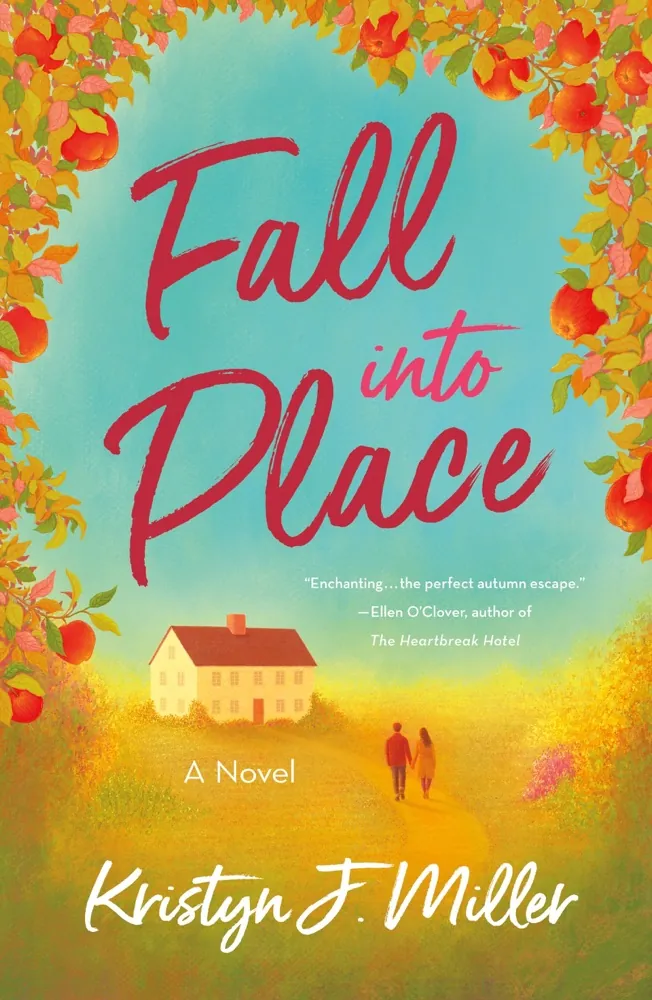

Author: Kristyn J. MillerPage Count: UnknownPublication Date: Expected publication 2026-09-08 APL There is something deeply grounding about a rural Vermont backdrop, especially when it involves old family land and a forced proximity trope that practically begs for emotional fallout. Kristyn J. Miller is bringing us Fall into Place in September 2026, and frankly, my family-oriented soul is already buckling under the weight of this synopsis. Roots, Branches, and Heavy Decisions Lenore’s predicament hits home in a very visceral way. Coming back to French Hill Farm isn't just a physical displacement; it is an excavation of every expectation her family quietly planted in her. As if that wasn't enough, she has to deal with the impending sale of the orchard—the very place that tethered her childhood to her art. Miller establishes a classic tension here: the pull of familial heritage versus the terrifying expanse of individual ambition. Yet, one wonders if the synopsis plays its cards a bit too close to the chest regarding how Lenore's art actually suffered. Give us the messy details, Miller! The Boy Next Door (Who Was Always Off-Limits) Then we have Callan. Oh, Callan. The quintessential small-town caretaker whose roots are practically fossilized in Whitbury soil. I adore a character whose loyalty is both his armor and his prison. And let us be honest about the chemistry. As someone who treats fictional couples like dear friends I desperately want to lock in a room until they communicate, the "best friend's little sister" dynamic combined with a botched past encounter is pure, unadulterated catnip. Callan thinks he can't outrun his hometown. Lenore thinks she outgrew it. I predict right now that this book will devastate us in the best possible way—giving major Emily Henry meets Abby Jimenez vibes, complete with emotional eavesdropping and porch steps at twilight. Miller has a knack for making these dynamics feel like an old Sunday dinner with people you actually like. The Paintbrush and the Groundskeeping Tools The thematic architecture here leans heavily on contrast. Paintbrushes versus pruning shears. Manhattan skyscrapers versus Vermont autumn leaves. Miller uses the historic apple orchard as a canvas for unresolved tension. But will the narrative lean too hard into Hallmark-esque beats? The synopsis relies heavily on familiar genre scaffolding. I demand emotional bruising, not just cute banter by the cider press. My septum piercing is acting up because the autumn chill in this imaginary Vermont air is getting to my sinuses—or maybe it is just the sheer anxiety of waiting until late 2026 for this release. #FallIntoPlace #KristynJMiller #BookTok #CozyRomance Related InsightsI'll Be Waiting Book Review and Summary Charlotte’s Web Book Review and Summary Life Out of Order (The Time Traveler's Wife, #2) Book Review and Summary{ "@context": "https://schema.org", "@type": "FAQPage", "mainEntity": [ { "@type": "Question", "name": "What is the main focus of Fall into Place Book Review and Summary?", "acceptedAnswer": { "@type": "Answer", "text": "Everything you need to know about Fall into Place with our detailed review." } }, { "@type": "Question", "name": "Who authored the comprehensive guide on Fall into Place Book Review and Summary?", "acceptedAnswer": { "@type": "Answer", "text": "This detailed article and its insights were carefully researched and authored by Camille Dubois." } }, { "@type": "Question", "name": "Where can I find more related content about Books?", "acceptedAnswer": { "@type": "Answer", "text": "You can explore more articles, detailed reviews, and similar insights by browsing the Related Insights section at the bottom of this article or visiting our dedicated Books category page." } } ] }
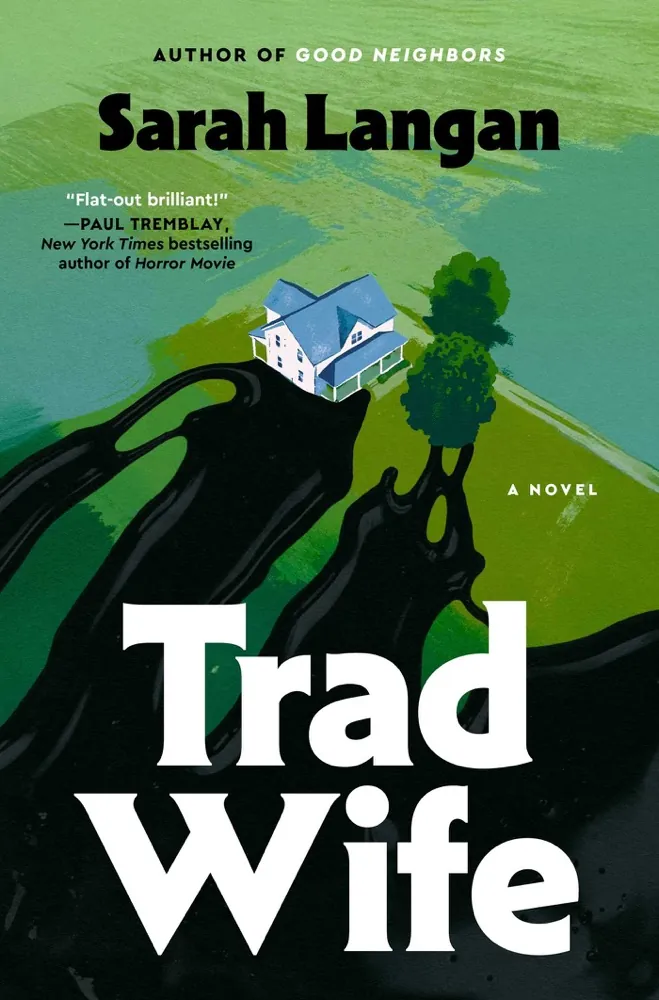
Author: Sarah LanganPage Count: UnknownPublication Date: Expected publication 2026-09-29 APL The air in August is thick with the scent of damp earth and overripe peaches—perfect for the kind of suffocating dread that clings to a story like Trad Wife, where the very soil seems to whisper secrets. Sarah Langan’s upcoming novel, billed as a razor-sharp dissection of performative domesticity, arrives with the weight of a gilded cage. The synopsis teases a journalist, Jenny Kaplan, descending into the pastoral nightmare of Black Swan Farm, where Mia Wright’s "trad wife" persona is less a lifestyle and more a carefully curated abyss. But here’s the rub: the prose doesn’t just describe the horror—it performs it, mirroring the very illusion it critiques. The synopsis leans heavily on the gothic tradition of the "perfect house that hides something worse"—think Shirley Jackson’s The Haunting of Hill House, but with the added layer of modern femininity as both armor and cage. Mia Wright’s farm isn’t just a setting; it’s a character in itself, a sprawling, sun-bleached monolith where the children’s laughter curdles into nursery rhymes and the camera never lies—except it does, doesn’t it? The tension between the seen and the unseen is the novel’s true villain, a theme Langan shares with the likes of Carmen Maria Machado, whose In the Dream House exposed the fractures beneath queer domesticity. But where Machado’s work is introspective, Trad Wife promises to be a scalpel, dissecting the performative nature of womanhood with the same clinical precision as a Victorian-era dissection manual. Yet—yet—the synopsis is frustratingly vague. We’re told Jenny loses time, her hair, her grip on reality, but we’re not given the texture of that unraveling. Is it psychological? Supernatural? A slow-burn descent into madness, or something far more sinister? The lack of specificity feels deliberate, a nod to the unreliable narrator trope that’s been mined ad nauseam, but also a missed opportunity. Compare this to Mexican Gothic, where Shirley Jackson’s influence is palpable in the way the decay isn’t just physical—it’s cultural, a rot that festers beneath the surface of polite society. Trad Wife risks becoming just another cautionary tale about the dangers of social media, unless it leans harder into the gothic’s love of ambiguity. And then there’s the class angle—oh, the class angle. The "trad wife" aesthetic isn’t just a lifestyle; it’s a performance of privilege, a way for women to signal their compliance with patriarchal structures while still wielding a certain power. The synopsis hints at this, but it doesn’t explore whether Jenny’s own career desperation makes her complicit in the very illusion she’s meant to expose. Is she the outsider, or just another predator in a landscape of curated lies? The tension between Jenny and Mia feels like it could be the novel’s emotional core, but the synopsis doesn’t give us enough to chew on. My prediction? Trad Wife will be a masterclass in atmospheric dread, but only if Langan resists the urge to explain everything. The best gothic horror—The Turn of the Screw, We Have Always Lived in the Castle—lets the reader fill in the blanks. If this stays true to its synopsis, it’ll be a chilling, if slightly undercooked, critique of modern femininity. But if Langan dares to be bold, it could be something far more unsettling—a novel that doesn’t just ask what’s real, but who gets to decide? Now, if you’ll excuse me, I have to go defend my favorite director on Film Twitter. #GothicHorror #TradWife #SarahLangan Related InsightsThe Lightning Thief Book Review and Summary Dragonfly in Amber Book Review and Summary American Anti-Slavery Almanac, For ... Book Review and Summary{ "@context": "https://schema.org", "@type": "FAQPage", "mainEntity": [ { "@type": "Question", "name": "What is the main focus of Trad Wife Book Review and Summary?", "acceptedAnswer": { "@type": "Answer", "text": "Everything you need to know about Trad Wife with our detailed review." } }, { "@type": "Question", "name": "Who authored the comprehensive guide on Trad Wife Book Review and Summary?", "acceptedAnswer": { "@type": "Answer", "text": "This detailed article and its insights were carefully researched and authored by James Miller." } }, { "@type": "Question", "name": "Where can I find more related content about Books?", "acceptedAnswer": { "@type": "Answer", "text": "You can explore more articles, detailed reviews, and similar insights by browsing the Related Insights section at the bottom of this article or visiting our dedicated Books category page." } } ] }
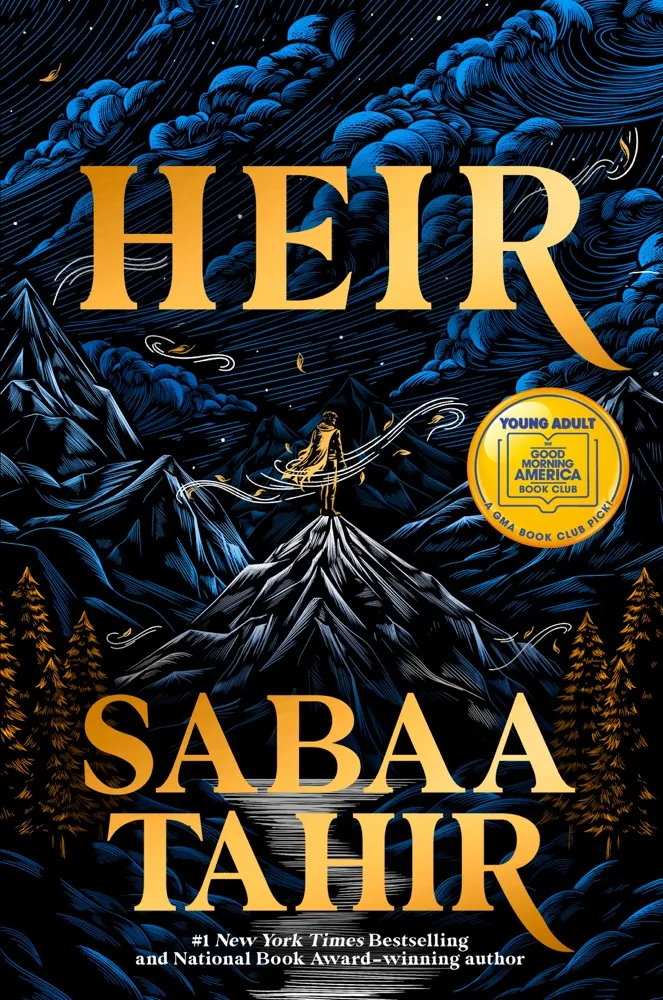
Author: Sabaa TahirPage Count: UnknownPublication Date: Expected publication 2026 APL Darling, my first-edition collection of An Ember in the Ashes occupies a rather climate-controlled nook in my Mayfair townhouse, bound in rare morocco leather, of course. Yet here we are, casting an elitist eye toward Sabaa Tahir’s upcoming sequel, Empire. Or is it merely Empire? The marketing materials are delightfully opaque about the actual subtitle, a trend I find distressingly pedestrian—reminiscent of Leigh Bardugo’s earlier publicity stunts before she learned proper cadence. Let us examine the text through a sociological lens. What do we actually know from this publisher-fed brief? Absolutely nothing substantial. But oh, the class dynamics! We have slum-dwelling orphans and destitute trackers crossing paths with crown princes. How very Dickensian, albeit dressed in synthetic fantasy tropes. The Architecture of Despair Aiz in the Kegari slums. Sirsha banished for an unforgivable crime. Quil trapped by a tragic lineage. It is a classic trichotomy of social strata—the bottom, the margin, and the apex. Tahir relies heavily on these rigid socioeconomic brackets to manufacture friction. But does she transcend the genre's predictable trappings, or merely rehash the tired structural violence we already consume with our morning Darjeeling? One must wonder if the publisher’s summary is deliberately vague to conceal a lack of structural innovation. Yet—and this is where my curiosity flickers—the psychological weight assigned to systemic greed feels genuinely potent. Power corrupts. Yawn. We have heard this since Euripides. But packaged with what the blurbs promise is a "ruthless" romantic edge? Perhaps there is hope for the prose yet. Or perhaps it is merely fodder for the masses who buy paperbacks at airports. Sorry, lost my train of thought. My assistant just handed me the uncorrected proof in custom slipcase, smelling faintly of imported ink and ambition. One expects the prose to crackle with the same kinetic energy that made Tahir a darling of the New York Times bestseller lists, though I privately suspect the romantic entanglements will eclipse the sociological critique. After all, the bourgeoisie love a good rebellion until it threatens their dividends. Watch closely how she handles the prince's redemption arc. It is a tightrope walk between genuine political awakening and exhausting white-savior-adjacent monarchism—even in secondary worlds. If Quil does not accidentally ruin the entire state apparatus by chapter four, I shall be profoundly disappointed. My sommelier just arrived with the new vintage. Related InsightsThe Plague Book Review and Summary Mortal Minds (The Broken Realms #2) Book Review and Summary King of Wrath / King of Pride / King of Greed / King of Sloth Book Review and Summary{ "@context": "https://schema.org", "@type": "FAQPage", "mainEntity": [ { "@type": "Question", "name": "What is the main focus of Empire (Heir Duology, #2) Book Review and Summary?", "acceptedAnswer": { "@type": "Answer", "text": "Everything you need to know about Empire (Heir Duology, #2) with our detailed review." } }, { "@type": "Question", "name": "Who authored the comprehensive guide on Empire (Heir Duology, #2) Book Review and Summary?", "acceptedAnswer": { "@type": "Answer", "text": "This detailed article and its insights were carefully researched and authored by Olivia Harris." } }, { "@type": "Question", "name": "Where can I find more related content about Books?", "acceptedAnswer": { "@type": "Answer", "text": "You can explore more articles, detailed reviews, and similar insights by browsing the Related Insights section at the bottom of this article or visiting our dedicated Books category page." } } ] }
-
 Olya Shevchenko
 - 08 Aug, 2026 11:37
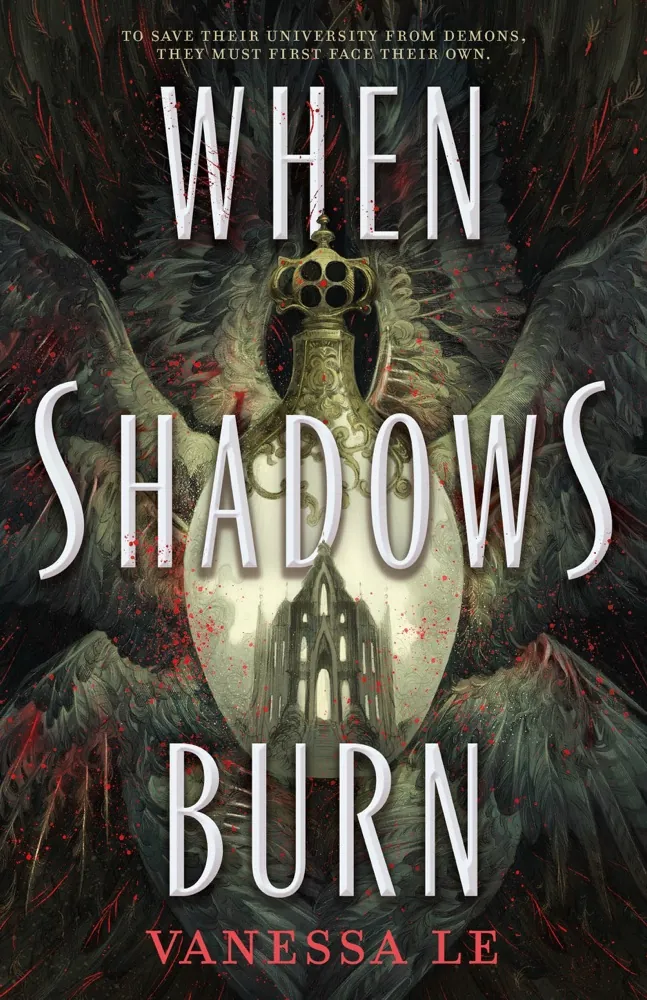
When Shadows Burn (When Shadows Burn Duology, 1) Book Review and Summary
Author: Vanessa LePage Count: UnknownPublication Date: Expected publication 2026-12-01 APL My radiator is hissing again, spitting metallic breaths into this cramped, radiator-warmed box I call a study. Yet I find myself staring at a promotional blurb for Vanessa Le’s upcoming When Shadows Burn, wondering if the ink stains on my desk will ever wash out. We writers and readers love our academia dark, don't we? Give us stone cloisters, institutional rot, and moral compromises disguised as prestige. The Ledger of Blood and Tuition The premise relies on a dual-operator mechanic for demon hunting. Kiet Sren brings the blood; Song Sarna brings the blade. And Inkspill Agency sounds less like a gritty detective firm and more like an edgy startup founded by exhausted grad students who skipped too many meals. Le positions her narrative at the intersection of bureaucratic corruption and supernatural extermination. But what truly lingers in the mind—long after turning away from the glowing screen—is the implicit commentary on institutional complicity. Phenbridge University isn't just a backdrop. It is an active participant in its own decay. Dark academia thrives on the rot beneath polished mahogany. We have seen this institutional cynicism before. Think of R.F. Kuang’s Babel or the razor-sharp academia angst in Leigh Bardugo’s work. Yet Le injects a clinical precision into the supernatural, trading mystical vagueness for a magic system that behaves like lab work. Procedures. Measurements. Consequences. The Currency of Sufferance And then there is the slow-burn romance, wrapped tightly in family betrayal and secret identities. Because nothing says intimacy quite like bleeding on your coworker while investigating a systemic conspiracy. The synopsis leans heavily on the agonizing geometry of proximity. Two people trapped in a dangerous orbit. Secrets held like knives behind the back. Will the execution match the sleek promise of the blurb? Publishers love to lean on buzzwords. They promise us intricate world-building and propulsive detective tales. But synopsis-craft is a seductive artifice. It sells an aesthetic. It sells the heavy velvet drape of a mood. My cynicism—honed by too many late nights and too little coffee—whispers that the book might lean too safely into familiar YA beats. Or perhaps it will shatter those boundaries entirely. I suspect Le possesses the teeth to bite the hand that feeds the genre. The December 2026 release date feels impossibly far away. Time stretches when you are waiting for books that promise to dissect the institutions we blindly trust. For now, I stare at the blinking cursor while the steam pipe rattles against the wall. I have to go bleach my eyebrows. #DarkAcademia #BookTwitter #WhenShadowsBurn #VanessaLe Related InsightsEyes of the Void Book Review and Summary Never Say Die Book Review and Summary When the Moon Hits Your Eye Book Review and Summary{ "@context": "https://schema.org", "@type": "FAQPage", "mainEntity": [ { "@type": "Question", "name": "What is the main focus of When Shadows Burn (When Shadows Burn Duology, 1) Book Review and Summary?", "acceptedAnswer": { "@type": "Answer", "text": "Everything you need to know about When Shadows Burn (When Shadows Burn Duology, 1) with our detailed review." } }, { "@type": "Question", "name": "Who authored the comprehensive guide on When Shadows Burn (When Shadows Burn Duology, 1) Book Review and Summary?", "acceptedAnswer": { "@type": "Answer", "text": "This detailed article and its insights were carefully researched and authored by Olya Shevchenko." } }, { "@type": "Question", "name": "Where can I find more related content about Books?", "acceptedAnswer": { "@type": "Answer", "text": "You can explore more articles, detailed reviews, and similar insights by browsing the Related Insights section at the bottom of this article or visiting our dedicated Books category page." } } ] }
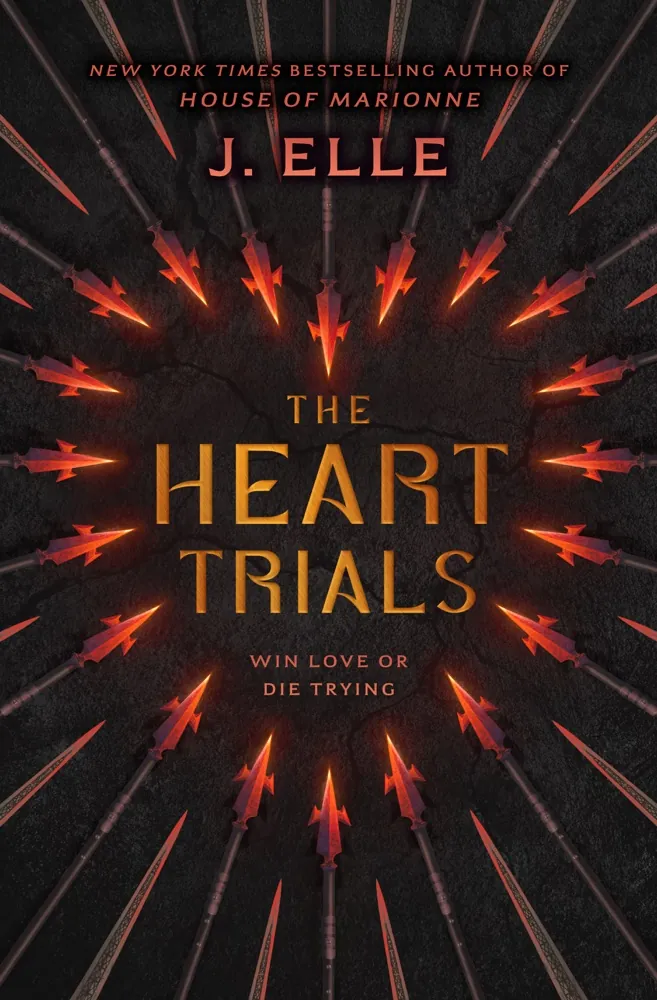

Author: J. EllePage Count: UnknownPublication Date: Expected publication 2026-09-01 APL Flour is currently coating my kitchen counter, three children are aggressively demanding chocolate chips, and yet here I am, glaring at a dystopian synopsis about state-mandated lovelessness. Honestly? I need this kind of high-stakes escapism like I need a double espresso. J. Elle is stepping into our reading lives with The Heart Trials. And yes, the premise sounds like someone threw The Hunger Games, a brutal class war, and a trashy reality dating show into a blender. But does that make it delicious? Absolutely. Sugar, Spice, and Lethal Dating Shows Consider the sheer audacity of a society where the elite get to feel things, while the working class must swallow government-issued "Heartfillers." What a delightfully grotesque world-building choice! Just another drop in the bucket of corporate-engineered misery. But as someone who spends hours measuring out vanilla extract for tiny, ungrateful humans, I appreciate a good rigid system. Axira Merreri—what a wonderfully punchy protagonist name—smuggles these illegal emotional highs by night. Naturally, her smuggling run goes horribly wrong. Doesn't it always? The Ultimate Cook-Off with Death So, our heroine ends up bargaining for her life by infiltrating a murderous dating tournament meant for highborn citizenship. Because nothing says romance quite like a bloodbath for a marriage license. J. Elle is leaning hard into the current romantasy trend of deadly competitions—think Carissa Broadbent’s Powerless or Danielle L. Jensen's ruthless court politics—and frankly, I am seated. Yet, the synopsis remains delightfully vague on the actual mechanics of this tournament. Are we talking obstacle courses? Poisoned cocktails? Secret rose ceremonies with actual broadswords? The publisher’s marketing copy refuses to tell us. Typical. Emotional Engineering and Flour Dust What fascinates me intellectually is the core thematic tension here. The regime monetizes and rations affection. Axira enters the arena purely for survival, only to have her carefully armored defenses cracked by an unexpected connection. Will it be cliché? Probably. Do I care? Not even a little bit while my nine-year-old licks raw batter off the spoon. The juxtaposition of a brutal physical death match with the weaponization of genuine emotion gives the author plenty of room to explore bodily autonomy under a totalitarian regime. My bold prediction? This duology starter is going to dominate BookTok by late autumn. It has all the right ingredients. High stakes. Forbidden yearning. A heroine who probably makes terrible, impulsive decisions for the greater good. I just hope the ending doesn't leave us hanging on a cliff too brutal to digest. Now, if you will excuse me, I need a massive glass of red wine after surviving toddler tantrums and baking three dozen cookies. Related InsightsHeir Book Review and Summary The Emperor's Enemy (Unsurvivable Love Duet, #1) Book Review and Summary Meditations on Nature, Meditations on Silence Book Review and Summary{ "@context": "https://schema.org", "@type": "FAQPage", "mainEntity": [ { "@type": "Question", "name": "What is the main focus of The Heart Trials Book Review and Summary?", "acceptedAnswer": { "@type": "Answer", "text": "Everything you need to know about The Heart Trials with our detailed review." } }, { "@type": "Question", "name": "Who authored the comprehensive guide on The Heart Trials Book Review and Summary?", "acceptedAnswer": { "@type": "Answer", "text": "This detailed article and its insights were carefully researched and authored by Sarah Davis." } }, { "@type": "Question", "name": "Where can I find more related content about Books?", "acceptedAnswer": { "@type": "Answer", "text": "You can explore more articles, detailed reviews, and similar insights by browsing the Related Insights section at the bottom of this article or visiting our dedicated Books category page." } } ] }
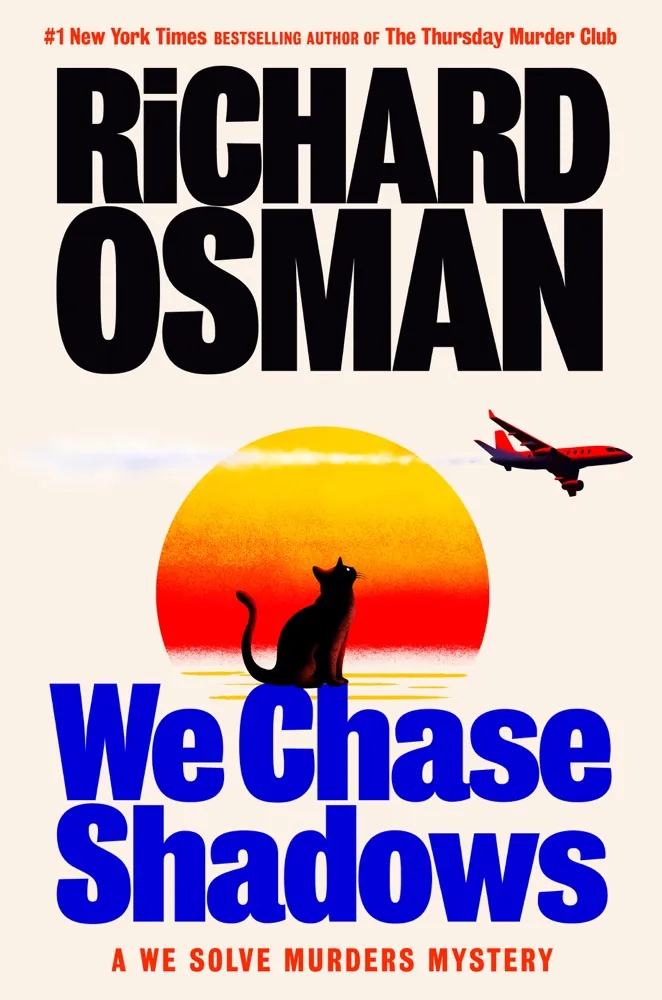
Author: Richard OsmanPage Count: UnknownPublication Date: Expected publication 2026-09-15 APL Grating garlic over the quinoa while my butter chicken marinates elsewhere in the kitchen is an exercise in patience—much like waiting for Richard Osman’s next installment, We Chase Shadows. Compositional Brushstrokes and Italian Sunrises A body on the steps of a private villa in the Italian hills. How utterly Caravaggio. Yet, Osman refuses to lean entirely into high-art gloom, keeping his prose breezy enough to pair with a crisp Sancerre. The synopsis gives us a neat little tableau: the corpse, the threatening note, and a trio of investigators who look at law enforcement protocol the way I look at mass-produced polyester upholstery—with absolute disdain. The Curation of Suspects Sweden’s most-wanted criminal. A canny ex-wife. A fierce business rival. Is this a murder mystery or a guest list for a disastrous charity gala in Palm Springs? The sheer accumulation of archetypes feels slightly derivative—almost as if Osman looked at Elmore Leonard’s discarded notebooks and said, "Yes, let's toss all of that into a blender with a British village pub." But I appreciate the global canvas. Art is meant to travel, after all. Still, one wonders if the suspects are merely decorative objects placed on the mantelpiece for aesthetic variety. Will they actually possess interior lives, or are they just colorful baubles destined to be shattered by the final chapter? The Shadow Play of Genre Osman trades heavily in the cozy-adjacent market—think a sunnier, less nicotine-stained version of Mick Herron’s Slough House crew, crossed with the domestic comedy of Anthony Horowitz. But what fascinates me as a collector of rare aesthetics is the geography of the chase. Moving from the Mediterranean light of Barcelona and Italy straight to the arid heat of Palm Springs and back to a damp English pub? That is a jarring tonal shift. Can a writer successfully transition from sun-drenched coastal dread to cozy pint-pulling without giving the reader literary whiplash? I have my doubts. The synopsis promises danger traveling close to home, yet it plays its cards so close to the chest that I suspect the mystery itself might be entirely weightless. Just a clever parlor trick wrapped in international jet-setting. We shall see if the craftsmanship holds up under scrutiny, or if it merely functions as literary fast food for people who buy their prints at IKEA. My private chef is waiting for my dinner instructions. Related InsightsBig Little Lies Book Review and Summary Best American Science Fiction and Fantasy 2020 Book Review and Summary A Really Short History of Nearly Everything Book Review and Summary{ "@context": "https://schema.org", "@type": "FAQPage", "mainEntity": [ { "@type": "Question", "name": "What is the main focus of We Chase Shadows (We Solve Murders, #2) Book Review and Summary?", "acceptedAnswer": { "@type": "Answer", "text": "Everything you need to know about We Chase Shadows (We Solve Murders, #2) with our detailed review." } }, { "@type": "Question", "name": "Who authored the comprehensive guide on We Chase Shadows (We Solve Murders, #2) Book Review and Summary?", "acceptedAnswer": { "@type": "Answer", "text": "This detailed article and its insights were carefully researched and authored by Emma Thompson." } }, { "@type": "Question", "name": "Where can I find more related content about Books?", "acceptedAnswer": { "@type": "Answer", "text": "You can explore more articles, detailed reviews, and similar insights by browsing the Related Insights section at the bottom of this article or visiting our dedicated Books category page." } } ] }

Author: Jim ButcherPage Count: UnknownPublication Date: Expected publication 2026 APL My knees are jammed against the sticky plastic seat of the Greyhound while the engine rattles like a dying washing machine, and yet, somehow, my primary concern is whether Butcher actually wrote this garbage or if an overworked marketing intern at Penguin Random House fed a bunch of millennial buzzwords into an LLM. Let us be entirely serious here. The official copy for Viral Hex—floating somewhere out there in the ether as the supposed nineteenth entry of The Dresden Files—reads like a desperate executive trying to explain TikTok to a board of directors who still use dial-up. The Algorithmic Panopticon And what a magnificent trainwreck of high-concept desperation it is. Look at the mechanics. A broke kid accidentally casting spells with discount ramen? It is practically dripping with the kind of forced contemporary relevance that makes true editors want to throw their red pens out the emergency exit. Yet, beneath the cringe-inducing invocation of "memes" and "followers," there is a genuinely ruthless mechanism at play. Attention economy as literal thaumaturgy. Notice how the synopsis leans hard into the transactional nature of modern existence. In older, dirtier mythologies, you sold your soul to a horned proprietor for gold or influence. Now? You trade it incrementally, one heart icon and algorithmic boost at a time, until your corporeal form rots from digital exposure. That is not just urban fantasy. That is late-stage capitalism stripped of its pleasantries. When Intellectual Property Loses the Plot Let us address the elephant in the bus aisle. This is supposedly a Dresden book, yet Harry Dresden is completely absent from the text provided, replaced instead by a broke college student named Reed and a snarky digital demon named Zyx. Is this an off-shoot? An editorial misattribution? A cosmic prank? Who knows. But the thematic DNA is transparent. It borrows heavily from the ironic detachment of Ben Aaronovitch’s Rivers of London and mashes it into the cynical, screen-addicted nightmare-scape of Charlie Brooker’s Black Mirror. The subtext here is violently blunt. Engagement metrics dictate magical potency. If your reach is broad enough, you rewrite reality. But art—even trashy, viral art—requires a victim. The soul rot eating away at Reed's body is a neat little metaphor for the hollowed-out affect of every chronically online influencer currently dancing in front of a ring light for rent money. A Bold Bet on the Slush Pile My prediction? This thing is going to sell half a million copies to exhausted twenty-somethings who feel entirely seen by a book about demonic discount ramen, while purists froth at the mouth over the tonal shift. It is garish, it is loud, and it smells faintly of desperation. Still, it beats looking out the frosted window at another stretch of desolate highway. My landlord in Chicago is threatening to evict me by Friday if I do not wire three months of back rent, and here I am, dissecting promotional copy on a moving vehicle for pennies, wondering why I ever majored in English instead of computer science. Related InsightsToo Cold for Comfort Book Review and Summary Don't Let Him In Book Review and Summary Battle Ground Book Review and Summary{ "@context": "https://schema.org", "@type": "FAQPage", "mainEntity": [ { "@type": "Question", "name": "What is the main focus of Mirror Mirror (The Dresden Files, #19) Book Review and Summary?", "acceptedAnswer": { "@type": "Answer", "text": "Everything you need to know about Mirror Mirror (The Dresden Files, #19) with our detailed review." } }, { "@type": "Question", "name": "Who authored the comprehensive guide on Mirror Mirror (The Dresden Files, #19) Book Review and Summary?", "acceptedAnswer": { "@type": "Answer", "text": "This detailed article and its insights were carefully researched and authored by Irina Ivanova." } }, { "@type": "Question", "name": "Where can I find more related content about Books?", "acceptedAnswer": { "@type": "Answer", "text": "You can explore more articles, detailed reviews, and similar insights by browsing the Related Insights section at the bottom of this article or visiting our dedicated Books category page." } } ] }