
-
 Kaan Demir
 - 19 Jul, 2026 22:39
RISC-V Revolution: How Open-Source Hardware is Challenging ARM and x86 Dominance
The Rise of RISC-V In recent years, the open-source RISC-V (Reduced Instruction Set Computing Five) architecture has been gaining significant attention in the tech industry. RISC-V is a free and open instruction set architecture (ISA) that allows companies to design, manufacture, and sell their own RISC-V-based processors without paying royalties or licensing fees. This openness has led to a proliferation of RISC-V-based designs, from small microcontrollers to high-performance server processors.The RISC-V architecture is designed to be highly scalable, efficient, and customizable. It supports a wide range of applications, from embedded systems to datacenter servers. RISC-V's open-source nature has also led to a vibrant community of developers, researchers, and companies contributing to its growth and adoption. Challenging ARM and x86 Dominance ARM and x86 have long dominated the processor market, with ARM focusing on mobile and embedded systems, while x86 has traditionally been the choice for desktop and server applications. However, RISC-V is slowly but surely challenging their dominance. ARM's business model relies heavily on licensing its ISA to other companies, which can be a significant cost barrier for new entrants. In contrast, RISC-V's open-source nature allows companies to design and manufacture their own RISC-V-based processors without paying royalties. This has led to a surge in RISC-V adoption, particularly among Chinese companies looking to reduce their dependence on foreign technology. x86, on the other hand, has long been the choice for desktop and server applications due to its high performance and compatibility with a wide range of software. However, RISC-V is slowly gaining traction in these markets as well, with companies like SiFive and Esperanto Technologies developing high-performance RISC-V-based processors. RISC-V in Action: Real-World Examples RISC-V is not just a theoretical concept; it's being used in real-world applications. For example, the Western Digital SweRV Core is a RISC-V-based processor designed for storage applications. The SweRV Core is a highly efficient processor that can handle demanding storage workloads while minimizing power consumption. import numpy as np# RISC-V instruction set architecture (ISA) riscv_isa = { "RV32I": ["add", "sub", "and", "or", "xor"], "RV32M": ["mul", "div", "rem"], "RV32A": ["lr", "sc", "amoswap", "amoadd", "amoxor"] }# Print RISC-V ISA instructions for extension, instructions in riscv_isa.items(): print(f"{extension}: {instructions}")Another example is the NVIDIA Ampere GPU, which uses a RISC-V-based processor for its Tensor Cores. The Tensor Cores are designed for high-performance AI and machine learning workloads, and the RISC-V processor provides a highly efficient and scalable architecture for these applications. SciDiagramEdit and RoboTTT: AI-Powered RISC-V Applications Recent advancements in AI have led to the development of innovative RISC-V-based applications. For example, SciDiagramEdit is a benchmark and skill-evolution framework that learns to edit scientific diagrams from paper revisions. SciDiagramEdit uses a RISC-V-based processor to accelerate its AI-powered editing workflow. # SciDiagramEdit YAML configuration version: 1.0 processor: RISC-V isa: RV32I extensions: ["RV32M", "RV32A"]Another example is RoboTTT, a robot model and training recipe that scales visuomotor context to 8K timesteps. RoboTTT uses a RISC-V-based processor to accelerate its AI-powered robot control workflow. # RoboTTT Bash deployment script #!/bin/bash# Set RISC-V processor architecture RISC_V_ARCH="RV32I"# Set RoboTTT model parameters ROBOT_MODEL="RoboTTT" CONTEXT_LENGTH=8000# Deploy RoboTTT model on RISC-V processor deploy_roboqtt "$RISC_V_ARCH" "$ROBOT_MODEL" "$CONTEXT_LENGTH"Conclusion RISC-V is a rapidly growing open-source architecture that's challenging the dominance of ARM and x86 in the processor market. Its highly scalable, efficient, and customizable design has led to a wide range of applications, from embedded systems to datacenter servers. With the rise of AI-powered RISC-V applications like SciDiagramEdit and RoboTTT, the future of computing looks bright for this open-source architecture.#AI #RISC-V #OpenSourceHardware #ARM #x86 Related InsightsZero-Knowledge Proofs in Enterprise Blockchain: The Verifiable Privacy Layer Beyond the Electron: Harnessing the Power of Photons for Optical Computing Cloud Sovereignty: The Rise of Independent Digital Infrastructures{ "@context": "https://schema.org", "@type": "FAQPage", "mainEntity": [ { "@type": "Question", "name": "What is the main focus of RISC-V Revolution: How Open-Source Hardware is Challenging ARM and x86 Dominance?", "acceptedAnswer": { "@type": "Answer", "text": "The open-source RISC-V architecture is gaining momentum, threatening the long-standing dominance of ARM and x86 in the processor market." } }, { "@type": "Question", "name": "Who authored the comprehensive guide on RISC-V Revolution: How Open-Source Hardware is Challenging ARM and x86 Dominance?", "acceptedAnswer": { "@type": "Answer", "text": "This detailed article and its insights were carefully researched and authored by Kaan Demir." } }, { "@type": "Question", "name": "Where can I find more related content about Technology?", "acceptedAnswer": { "@type": "Answer", "text": "You can explore more articles, detailed reviews, and similar insights by browsing the Related Insights section at the bottom of this article or visiting our dedicated Technology category page." } } ] }

-
 Sofia Romano
 - 19 Jul, 2026 21:48
La Magia della Solitudine: Un Viaggio attraverso le Pagine di 'Cent'anni di Solitudine'
La solitudine è un tema che ha sempre affascinato gli scrittori e i lettori di tutto il mondo. In "Cent'anni di Solitudine" di Gabriel García Márquez, questo tema è espresso in modo unico e originale, attraverso la storia della famiglia Buendía e del loro paese natale, Macondo. Questo romanzo, pubblicato per la prima volta nel 1967, è considerato uno dei capolavori della letteratura latinoamericana e ha conquistato il cuore di milioni di lettori in tutto il mondo. La Storia della Famiglia Buendía La storia inizia con José Arcadio Buendía, il patriarca della famiglia Buendía, che fonda il paese di Macondo dopo aver ucciso un uomo in un combattimento di galli. Da quel momento in poi, la famiglia Buendía è destinata a vivere una serie di eventi straordinari e misteriosi, che li portano a scoprire il mondo e se stessi. La storia si snoda attraverso sette generazioni della famiglia Buendía, ognuna con le proprie vicende e segreti.Il Paese di Macondo Macondo è un paese incantato, dove il tempo sembra essersi fermato. La famiglia Buendía lo fonda in un luogo isolato, circondato da una foresta lussureggiante, e lo costruisce con le proprie mani. Il paese è un riflesso del mondo esterno, ma con una sua ownita magia e mistero. La gente di Macondo è strana e affascinante, con le proprie storie e segreti.La Scrittura di García Márquez La scrittura di García Márquez è unica e originale. Egli utilizza un linguaggio ricco e poetico, pieno di immagini e metafore, per descrivere il mondo di Macondo e la famiglia Buendía. La sua scrittura è un misto di realismo e magia, che crea un'atmosfera incantata e misteriosa. García Márquez è stato influenzato dalla letteratura europea e nordamericana, ma ha anche creato un suo ownito stile, che è diventato un modello per la letteratura latinoamericana.Il Tema della Solitudine La solitudine è un tema che attraversa tutto il romanzo. La famiglia Buendía è destinata a vivere in solitudine, nonostante la loro vicinanza fisica. Ognuno di loro ha le proprie preoccupazioni e segreti, che li portano a isolarsi dagli altri. La solitudine è anche un tema che riguarda il paese di Macondo, che è isolato dal mondo esterno. Il romanzo esplora il tema della solitudine in modo profondo e originale, mostrando come essa possa essere sia una fonte di sofferenza che di liberazione. Conclusione "Cent'anni di Solitudine" è un romanzo che ha conquistato il cuore di milioni di lettori in tutto il mondo. La sua storia incantata e misteriosa, la sua scrittura unica e originale, e il suo tema della solitudine lo rendono un capolavoro della letteratura latinoamericana. Se sei un amante della letteratura, non puoi perderti questo romanzo. È un viaggio che ti porterà in un mondo incantato e misterioso, dove la solitudine e la magia si incontrano. #LetteraturaLatinoamericana #RealismoMagico #GabrielGarcíaMárquez #Libri #Solitudine Related Insights{ "@context": "https://schema.org", "@type": "FAQPage", "mainEntity": [ { "@type": "Question", "name": "What is the main focus of La Magia della Solitudine: Un Viaggio attraverso le Pagine di 'Cent'anni di Solitudine'?", "acceptedAnswer": { "@type": "Answer", "text": "Scopri il mondo incantato di Macondo e la storia della famiglia Buendía in questo classico della letteratura latinoamericana." } }, { "@type": "Question", "name": "Who authored the comprehensive guide on La Magia della Solitudine: Un Viaggio attraverso le Pagine di 'Cent'anni di Solitudine'?", "acceptedAnswer": { "@type": "Answer", "text": "This detailed article and its insights were carefully researched and authored by Sofia Romano." } }, { "@type": "Question", "name": "Where can I find more related content about Libri?", "acceptedAnswer": { "@type": "Answer", "text": "You can explore more articles, detailed reviews, and similar insights by browsing the Related Insights section at the bottom of this article or visiting our dedicated Libri category page." } } ] }

-
 Eleanor Sterling
 - 19 Jul, 2026 21:40
Rust in Production: Why Developers Are Embracing Memory Safety and Performance
Introduction The Rust programming language has been gaining significant attention in recent years due to its focus on memory safety and performance. As a systems programming language, Rust aims to provide a safe and efficient way to build software systems. In this article, we will explore why developers are embracing Rust in production environments and how it can help ensure memory safety and high performance. Memory Safety in Rust Rust's memory safety features are one of its most significant advantages. The language uses a concept called ownership and borrowing to manage memory, which helps prevent common errors like null pointer dereferences and data races. This is achieved through the use of smart pointers, which automatically manage the memory they point to. // Example of ownership and borrowing in Rust fn main() { let s = String::from("hello"); // s owns the string let len = calculate_length(&s); // len borrows the string println!("The length of '{}' is {}.", s, len); } fn calculate_length(s: &String) -> usize { s.len() } In the above example, the calculate_length function borrows the string s and returns its length. The & symbol is used to denote a reference, which allows the function to access the string without taking ownership of it. Performance in Rust Rust's performance is another key area where it excels. The language is designed to generate efficient machine code, which makes it suitable for systems programming. Rust's abstractions are also designed to be zero-cost, meaning that they do not incur any runtime overhead. // Example of performance in Rust fn main() { let mut vec = Vec::new(); for i in 0..1000000 { vec.push(i); } println!("Vector length: {}", vec.len()); } In the above example, we create a vector and push one million elements into it. Rust's vector implementation is designed to be efficient and scalable, making it suitable for large datasets. Using Rust in Production Rust is being used in production environments by many companies, including Dropbox, Mozilla, and Cloudflare. One of the most significant advantages of using Rust in production is its ability to prevent memory-related bugs, which can be costly to fix. Example of using Rust in a Docker container FROM rust:alpine WORKDIR /app COPY Cargo.toml . RUN cargo build --release COPY . . CMD ["cargo", "run"] In the above example, we create a Docker container that builds and runs a Rust application. This allows us to deploy Rust applications in a containerized environment. Integrating Rust with Other Languages Rust can be integrated with other languages using foreign function interfaces (FFIs). This allows developers to use Rust libraries in other languages, such as Python or JavaScript. Example of using a Rust library in Python import ctypes lib = ctypes.CDLL('./target/release/librust.so') lib.add.argtypes = [ctypes.c_int, ctypes.c_int] lib.add.restype = ctypes.c_int result = lib.add(2, 3) print(result) # prints 5 In the above example, we use the ctypes library to load a Rust library and call a function from it. Conclusion Rust is a systems programming language that provides memory safety and performance. Its ownership and borrowing model helps prevent common errors, and its abstractions are designed to be zero-cost. Rust is being used in production environments by many companies, and its FFI allows it to be integrated with other languages.As a developer, if you're looking for a language that provides memory safety and performance, Rust is definitely worth considering. With its growing ecosystem and community, Rust is becoming an increasingly popular choice for systems programming. Comparison TableLanguage Memory Safety PerformanceRustC++JavaMarkdown Code Block Rust in ProductionIntroduction Memory Safety in Rust Performance in Rust Using Rust in Production Integrating Rust with Other Languages Conclusion#AI #Cybersecurity #DevOps Related InsightsQuantum Singularity: How Post-Quantum Crypto Will Reshape Our Digital Destiny Forever (Part 2) Regenerative AI: When Models Grow Their Own Memory and Reasoning Revolutionizing Enterprise Data Fetching: The Ascension of GraphQL over REST{ "@context": "https://schema.org", "@type": "FAQPage", "mainEntity": [ { "@type": "Question", "name": "What is the main focus of Rust in Production: Why Developers Are Embracing Memory Safety and Performance?", "acceptedAnswer": { "@type": "Answer", "text": "Unlock the potential of Rust programming language in production environments, ensuring memory safety and high performance." } }, { "@type": "Question", "name": "Who authored the comprehensive guide on Rust in Production: Why Developers Are Embracing Memory Safety and Performance?", "acceptedAnswer": { "@type": "Answer", "text": "This detailed article and its insights were carefully researched and authored by Eleanor Sterling." } }, { "@type": "Question", "name": "Where can I find more related content about Technology?", "acceptedAnswer": { "@type": "Answer", "text": "You can explore more articles, detailed reviews, and similar insights by browsing the Related Insights section at the bottom of this article or visiting our dedicated Technology category page." } } ] }
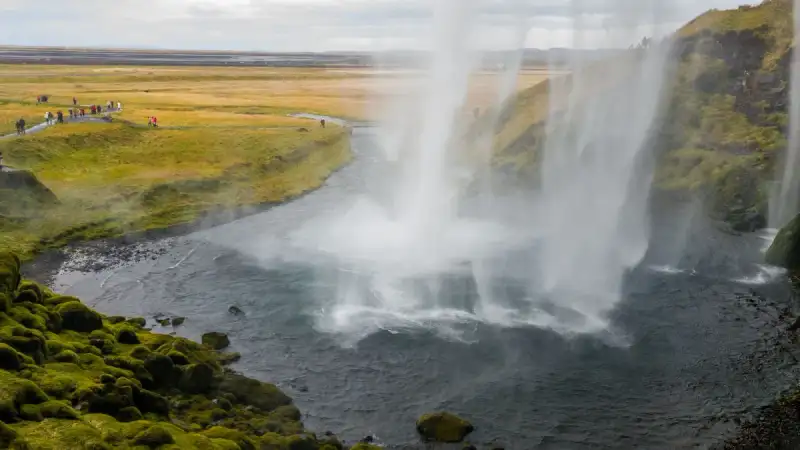

Introduction Iceland, a country known for its rugged landscapes, hot springs, and the Northern Lights, has become a popular destination for travelers and adventure-seekers. One of the most famous attractions in Iceland is the Golden Circle, a route that covers approximately 300 kilometers and takes you to some of the most breathtaking and unique wonders of the country. As a traveler, you'll have the opportunity to explore geysers, waterfalls, and volcanic landscapes that are sure to leave you in awe. In this article, we'll delve into the details of the Golden Circle, providing you with a comprehensive guide on what to expect, how to plan your trip, and what to budget for. Understanding the Golden Circle The Golden Circle is a popular tourist route in Iceland that covers three main attractions: Þingvellir National Park, Geysir geothermal area, and Gullfoss waterfall. Þingvellir National Park is a UNESCO World Heritage Site and the site of the world's first parliament, the Althing, which was established in 930 AD. The park is also home to a unique geological feature, where the North American and Eurasian tectonic plates meet. Geysir geothermal area is famous for its hot springs and geysers, including the Great Geysir, which erupts every few minutes. Gullfoss waterfall is a breathtaking sight, with water cascading down a 32-meter drop. Planning Your Trip to the Golden Circle Planning a trip to the Golden Circle requires some research and preparation. The best time to visit Iceland is during the summer months, from June to August, when the weather is mild and the days are long. However, this is also the peak tourist season, and prices for accommodations and tours may be higher. If you're on a budget, consider visiting during the shoulder season, from April to May or September to October. The Golden Circle is approximately a 300-kilometer drive from Reykjavik, and the journey can take around 4-5 hours, depending on the number of stops you make along the way. Budgeting for Your Trip to the Golden Circle When planning your trip to the Golden Circle, it's essential to budget for the costs of transportation, accommodation, food, and activities. According to the latest cost of living data for Iceland, the average price of a meal in a mid-range restaurant is around 2,500-3,500 ISK (Icelandic krona) per person. The cost of accommodation varies depending on the type and location, but on average, a hostel dorm costs around 4,000-6,000 ISK per night, while a hotel room costs around 20,000-30,000 ISK per night. Gasoline is around 230-250 ISK per liter, and a guided tour of the Golden Circle can cost around 10,000-15,000 ISK per person. Exploring the Golden Circle The Golden Circle is a self-drive route, and the journey is just as scenic as the destinations. The route takes you through picturesque landscapes, including rolling hills, glaciers, and black sand beaches. The first stop on the Golden Circle is Þingvellir National Park, where you can explore the historic site of the Althing and see the unique geological feature of the tectonic plates. The next stop is Geysir geothermal area, where you can see the famous Great Geysir and other hot springs and geysers. The final stop is Gullfoss waterfall, where you can take in the breathtaking views of the waterfall and surrounding landscape. Tips and Essentials for Visiting the Golden Circle When visiting the Golden Circle, there are a few tips and essentials to keep in mind. Firstly, make sure to check the weather forecast before you leave, as the weather in Iceland can be unpredictable. Secondly, bring warm clothing and layers, as the temperature can drop significantly, especially in the evenings. Thirdly, bring a camera and charger, as you'll want to capture the stunning landscapes and scenery. Finally, consider purchasing a guided tour or renting a 4x4 vehicle, as some of the roads on the Golden Circle can be rough and require a sturdy vehicle.Product/Service Average Price (ISK)Meal in a mid-range restaurant 2,500-3,500Hostel dorm 4,000-6,000Hotel room 20,000-30,000Gasoline (per liter) 230-250Guided tour of the Golden Circle 10,000-15,000Conclusion The Golden Circle is a must-visit destination in Iceland, offering a unique and breathtaking experience that combines history, geology, and natural beauty. With its stunning landscapes, hot springs, and waterfalls, the Golden Circle is sure to leave you in awe. Whether you're a traveler, adventure-seeker, or nature lover, the Golden Circle has something for everyone. As you plan your trip to the Golden Circle, remember to budget for the costs of transportation, accommodation, food, and activities, and don't forget to bring warm clothing and layers, a camera, and a sense of adventure. #Travel #Iceland #GoldenCircle #DigitalNomad Related Insights松本城: 漆黒の天守が語る戦国浪漫 Australia Unveiled: Where Sun-Kissed Shores Meet Ancient Souls and Modern Marvels Castel Sant'Angelo: Dal Mausoleo Imperiale alla Fortezza Papale{ "@context": "https://schema.org", "@type": "FAQPage", "mainEntity": [ { "@type": "Question", "name": "What is the main focus of Iceland's Golden Circle: Unveiling the Land of Fire and Ice?", "acceptedAnswer": { "@type": "Answer", "text": "Discover the breathtaking beauty of Iceland's Golden Circle, where geysers, waterfalls, and volcanic landscapes await. Get ready for an adventure of a lifetime in this land of fire and ice." } }, { "@type": "Question", "name": "Who authored the comprehensive guide on Iceland's Golden Circle: Unveiling the Land of Fire and Ice?", "acceptedAnswer": { "@type": "Answer", "text": "This detailed article and its insights were carefully researched and authored by Wei Chen." } }, { "@type": "Question", "name": "Where can I find more related content about Travel?", "acceptedAnswer": { "@type": "Answer", "text": "You can explore more articles, detailed reviews, and similar insights by browsing the Related Insights section at the bottom of this article or visiting our dedicated Travel category page." } } ] }
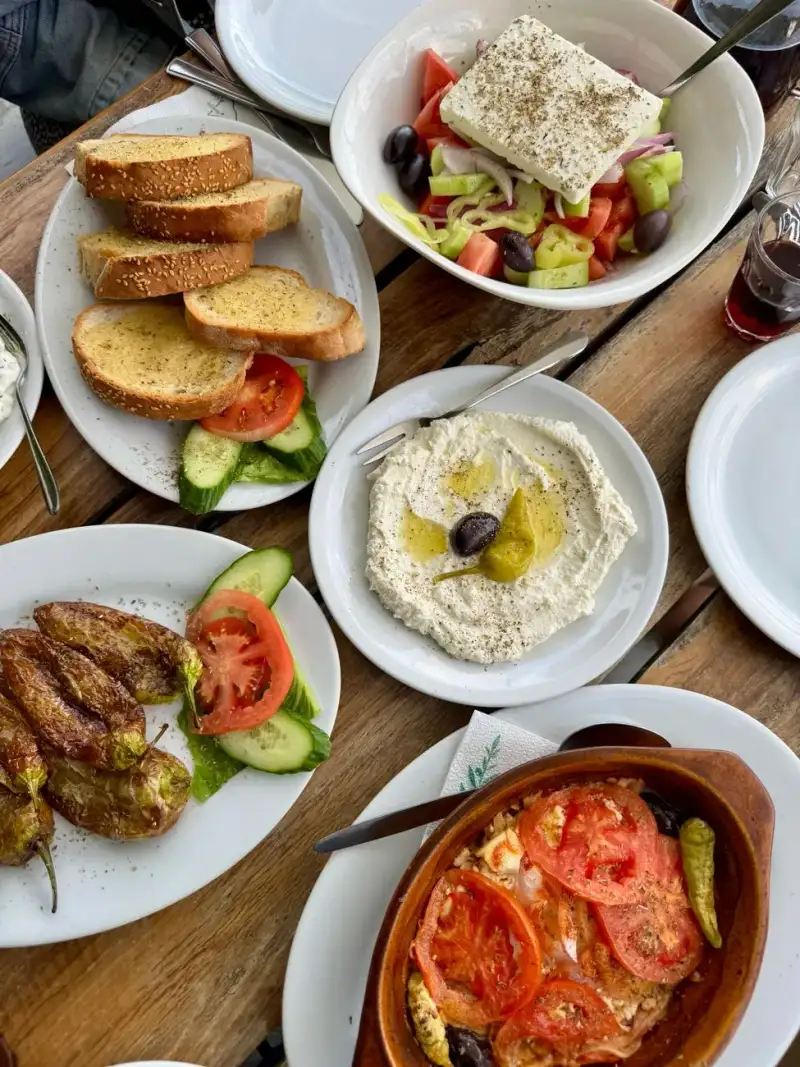

Introduction Greek Moussaka, a dish so quintessentially Mediterranean, is a culinary masterpiece that has captured the hearts and taste buds of people around the globe. This iconic lasagna-like dish, layered with tender eggplant, rich meat sauce, and a velvety béchamel sauce, is more than just a meal; it's an experience. The term "Moussaka" is derived from the Arabic word "musaqqa'a," meaning "chilled," which is ironic given the dish's warm, comforting nature. The origins of Moussaka are deeply rooted in Greek cuisine, but its evolution over time reflects the cultural exchange and diversity that characterize the Mediterranean region. In this article, we will delve into the layers of comfort and Mediterranean flavors that make Greek Moussaka an unforgettable culinary experience. The History of Moussaka To understand the significance of Moussaka in Greek cuisine, it's essential to explore its historical context. The dish as we know it today, with its characteristic layers of eggplant, minced meat, and béchamel sauce, is a relatively modern creation. However, the concept of layering ingredients to create a satisfying and filling meal dates back to ancient times. The use of eggplant, a staple in Mediterranean cuisine, was introduced by the Arabs during their conquest of the region. Over time, the dish evolved, incorporating local ingredients and cooking techniques. The modern version of Moussaka was popularized in the 20th century by Greek chef Nicholas Tselementes, who included it in his influential cookbook, "Odigos Mageirikes" (Culinary Guide). The Components of Moussaka Moussaka is a dish that celebrates the simplicity and richness of Mediterranean ingredients. The three main components – eggplant, meat sauce, and béchamel sauce – work together in harmony to create a culinary masterpiece. The eggplant, typically sliced into thin rounds and fried until golden, provides a meaty texture and a depth of flavor. The meat sauce, made with ground lamb or beef, onions, garlic, and tomatoes, adds a hearty, savory element. The béchamel sauce, a white sauce made with butter, flour, and milk, brings a creamy, velvety texture to the dish. Each component is carefully prepared and layered to create a dish that is both comforting and elegant.Cooking Techniques and Variations While traditional Moussaka is a staple of Greek cuisine, the dish has evolved over time, with various regions and chefs adding their own twists and variations. The key to a successful Moussaka lies in the cooking techniques used to prepare each component. The eggplant, for instance, can be grilled or baked instead of fried, offering a healthier alternative. The meat sauce can be made with different types of meat or spices, and the béchamel sauce can be enriched with cheese or herbs. These variations not only reflect personal preferences but also the cultural and geographical diversity of the Mediterranean region. Whether you're a traditionalist or an innovator, the beauty of Moussaka lies in its adaptability and the endless possibilities it offers.Cultural Significance and Identity Moussaka, like many traditional dishes, is deeply tied to cultural identity and community. In Greece, Moussaka is often served at family gatherings, special occasions, and celebrations, symbolizing hospitality, warmth, and generosity. The dish has also played a significant role in shaping national culinary identity, with its rich flavors and aromas evoking a sense of belonging and tradition. The cultural significance of Moussaka is not limited to Greece; the dish has become an integral part of Mediterranean cuisine, enjoyed and adapted by people from different ethnic and cultural backgrounds. This cross-cultural exchange and appreciation of traditional cuisine highlight the power of food to bring people together and transcend borders.The Mediterranean Diet and Health Benefits The Mediterranean diet, which Moussaka is a part of, has been widely recognized for its health benefits. Characterized by an emphasis on whole grains, fruits, vegetables, and healthy fats, this dietary pattern has been associated with a reduced risk of heart disease, diabetes, and certain types of cancer. Moussaka, with its vegetable-rich layers and moderate use of meat and dairy, can be a nutritious and balanced meal option when prepared with healthy cooking techniques and ingredients. The dish also celebrates the use of olive oil, a cornerstone of the Mediterranean diet, known for its antioxidant properties and health benefits.Component Calories Protein Fat CarbohydratesEggplant 25 1g 0g 6gMeat Sauce 200 15g 10g 10gBéchamel Sauce 150 5g 10g 10gTotal 375 21g 20g 26gConclusion Greek Moussaka is more than just a dish; it's a culinary journey through the Mediterranean, a celebration of tradition, culture, and community. With its rich layers of flavor and texture, Moussaka embodies the essence of comfort food, inviting us to gather around the table and share in the joy of eating. Whether you're a food enthusiast, a cultural explorer, or simply someone who appreciates the beauty of traditional cuisine, Moussaka is a dish that will leave you wanting more. So, go ahead, take a bite, and let the flavors of Greece transport you to a world of culinary delight. #MediterraneanDiet #GreekCuisine #ComfortFood #FoodCulture #TraditionalRecipes Related InsightsGrass-Fed Beef and Barley Stew: A High Protein Culinary Delight The Emerald Symphony of the Levant: Unveiling the Soul of Authentic Tabbouleh Il Segreto Dolce e Antico: Svelare l'Anima della Sapa e del Mosto Cotto tra Storia, Territorio e Rinascita Gastronomica{ "@context": "https://schema.org", "@type": "FAQPage", "mainEntity": [ { "@type": "Question", "name": "What is the main focus of Unraveling the Flavors of Greece: A Dive into the Iconic Moussaka?", "acceptedAnswer": { "@type": "Answer", "text": "Discover the rich history and cultural significance of Greek Moussaka, a dish that embodies the essence of Mediterranean cuisine. Explore its layers of comfort and the blend of traditional and modern flavors that make it an iconic dish worldwide." } }, { "@type": "Question", "name": "Who authored the comprehensive guide on Unraveling the Flavors of Greece: A Dive into the Iconic Moussaka?", "acceptedAnswer": { "@type": "Answer", "text": "This detailed article and its insights were carefully researched and authored by Eleanor Hughes." } }, { "@type": "Question", "name": "Where can I find more related content about Food?", "acceptedAnswer": { "@type": "Answer", "text": "You can explore more articles, detailed reviews, and similar insights by browsing the Related Insights section at the bottom of this article or visiting our dedicated Food category page." } } ] }

-
 Alexander Vance
 - 19 Jul, 2026 18:28
Revolutionizing Human-Computer Interaction: A Deep Dive into Extended Reality (XR) Hardware Innovations
The Immersive Frontier Extended Reality (XR) has revolutionized the way we interact with computers, enabling immersive experiences that blur the lines between the physical and digital worlds. From Virtual Reality (VR) to Augmented Reality (AR) and Mixed Reality (MR), XR technologies have transformed industries such as gaming, education, and healthcare. In this article, we will delve into the latest advancements in XR hardware innovations and their impact on human-computer interaction. Hierarchical Denoising for Multi-Step Visual Reasoning Recent research in XR has focused on developing more sophisticated algorithms for visual reasoning. One such approach is Hierarchical Denoising for Visual Reasoning (HDR), which integrates hierarchical latents into causal video generation for multi-step reasoning. HDR enables coarse-to-fine reasoning before streaming output, preserving uncertain hypotheses for global planning while refining them into concrete visual states. import torch import torch.nn as nnclass HDR(nn.Module): def __init__(self, num_layers, num_heads, hidden_dim): super(HDR, self).__init__() self.num_layers = num_layers self.num_heads = num_heads self.hidden_dim = hidden_dim self.layers = nn.ModuleList([self._build_layer() for _ in range(num_layers)]) def _build_layer(self): return nn.TransformerEncoderLayer(d_model=self.hidden_dim, nhead=self.num_heads, dim_feedforward=self.hidden_dim, dropout=0.1) def forward(self, x): for layer in self.layers: x = layer(x) return xLocality of Deep Thermalisation through Entanglement Teleportation Another area of research in XR is the study of locality in deep thermalisation. Recent studies have shown that the onset of deep thermalisation in a subsystem is fundamentally bounded by measurement-induced entanglement teleportation between subregions. This has significant implications for the development of XR systems that rely on quantum computing. # Entanglement Teleportation Simulation using Qiskit from qiskit import QuantumCircuit, execute, Aer# Define the quantum circuit qc = QuantumCircuit(3)# Apply Hadamard gate to the first qubit qc.h(0)# Apply CNOT gate between the first and second qubits qc.cx(0, 1)# Apply CNOT gate between the second and third qubits qc.cx(1, 2)# Measure the third qubit qc.measure(2, 0)# Execute the quantum circuit job = execute(qc, Aer.get_backend('qasm_simulator')) result = job.result()# Print the measurement outcome print(result.get_counts())Advancements in XR Hardware Recent advancements in XR hardware have focused on improving the resolution, field of view, and latency of XR devices. For example, the Oculus Quest 2 VR headset features a high-resolution display with a 1832 x 1920 pixel resolution per eye, providing a more immersive experience for users.XR Device Resolution Field of View LatencyOculus Quest 2 1832 x 1920 110° 72 HzHTC Vive Pro 1832 x 1920 110° 90 HzMicrosoft HoloLens 2 1832 x 1920 52° 60 HzHuman-Computer Interaction in XR XR technologies have transformed the way we interact with computers, enabling more natural and intuitive interfaces. For example, the use of hand tracking and gesture recognition in VR and AR systems allows users to interact with virtual objects in a more immersive and engaging way. import cv2# Load the video capture device cap = cv2.VideoCapture(0)while True: # Read a frame from the video capture device ret, frame = cap.read() # Convert the frame to grayscale gray = cv2.cvtColor(frame, cv2.COLOR_BGR2GRAY) # Apply hand tracking algorithm hands = cv2.findHands(gray) # Draw the hand tracking results on the original frame cv2.drawContours(frame, hands, -1, (0, 255, 0), 2) # Display the output cv2.imshow('Hand Tracking', frame) # Exit on key press if cv2.waitKey(1) & 0xFF == ord('q'): break# Release the video capture device cap.release() cv2.destroyAllWindows()The Road Ahead In conclusion, the latest advancements in XR hardware innovations and human-computer interaction have transformed the way we interact with computers, enabling more immersive and engaging experiences. As XR technologies continue to evolve, we can expect to see even more sophisticated algorithms and interfaces that blur the lines between the physical and digital worlds. #XR #ExtendedReality #HumanComputerInteraction Related InsightsFlash Forward: Navigating the QLC‑to‑PLC Transition in Modern SSDs Blockchain Beyond Crypto: Supply Chain Transparency with NFTs and IoT The Art of Tech Reviewing: A Comprehensive Guide to Mastering the Craft{ "@context": "https://schema.org", "@type": "FAQPage", "mainEntity": [ { "@type": "Question", "name": "What is the main focus of Revolutionizing Human-Computer Interaction: A Deep Dive into Extended Reality (XR) Hardware Innovations?", "acceptedAnswer": { "@type": "Answer", "text": "Explore the latest advancements in Extended Reality (XR) hardware and their impact on human-computer interaction." } }, { "@type": "Question", "name": "Who authored the comprehensive guide on Revolutionizing Human-Computer Interaction: A Deep Dive into Extended Reality (XR) Hardware Innovations?", "acceptedAnswer": { "@type": "Answer", "text": "This detailed article and its insights were carefully researched and authored by Alexander Vance." } }, { "@type": "Question", "name": "Where can I find more related content about Technology?", "acceptedAnswer": { "@type": "Answer", "text": "You can explore more articles, detailed reviews, and similar insights by browsing the Related Insights section at the bottom of this article or visiting our dedicated Technology category page." } } ] }

- Kaan Demir
- 19 Jul, 2026 17:30
Unlocking the Potential of Extended Reality (XR): Enterprise Applications and Digital Collaboration
The Dawn of Immersive Business Extended Reality (XR), encompassing Virtual Reality (VR), Augmented Reality (AR), and Mixed Reality (MR), has been gaining traction in various industries, transforming the way we work, interact, and collaborate. As we continue to navigate the complexities of remote work and digital transformation, XR has emerged as a game-changer in the enterprise landscape. In this article, we will delve into the world of XR in enterprise applications and digital collaboration, exploring its potential, benefits, and real-world examples. Enhancing Collaboration with XR XR has the potential to revolutionize the way teams collaborate, regardless of geographical distance. With XR, teams can work together in immersive, interactive environments, fostering creativity, productivity, and innovation.For instance, companies like Facebook and Microsoft are already leveraging XR to enhance remote collaboration. Facebook's Horizon Workrooms allows teams to collaborate in virtual reality, while Microsoft's Mesh enables teams to work together in a mixed reality environment. Setting up a Basic XR Collaboration Environment with A-Frame <!-- index.html --> <!DOCTYPE html> <html> <head> <meta charset="UTF-8"> <meta name="viewport" content="width=device-width, initial-scale=1.0"> <title>XR Collaboration Environment</title> <script src="https://aframe.io/releases/1.3.0/aframe.min.js"></script> </head> <body> <a-scene> <!-- Create a virtual environment --> <a-entity geometry="primitive: box" material="color: #4CC3D9" position="0 0 -3"></a-entity> <!-- Add collaboration tools --> <a-entity id="collaboration-tool" geometry="primitive: sphere" material="color: #FF69B4" position="0 0 -2"></a-entity> </a-scene> </body> </html>XR in Training and Development XR is also transforming the way we approach training and development in the enterprise. With XR, employees can engage in immersive, interactive training experiences that simulate real-world scenarios, reducing costs and improving knowledge retention.For example, companies like Walmart and UPS are using XR to train employees in areas such as customer service and logistics management. Creating a Basic XR Training Environment with Unity // TrainingEnvironment.cs using UnityEngine; using UnityEngine.XR;public class TrainingEnvironment : MonoBehaviour { // Create a virtual training environment public GameObject trainingEnvironment; // Add interactive training elements public GameObject trainingElement; void Start() { // Initialize the training environment trainingEnvironment.SetActive(true); // Initialize the training element trainingElement.SetActive(true); } }XR in Remote Work and Virtual Offices As remote work continues to rise, XR is becoming an essential tool for creating virtual offices and remote work environments. With XR, employees can work together in immersive, interactive environments, reducing the need for physical office space.For instance, companies like Google and Amazon are already exploring the use of XR in remote work and virtual offices. Setting up a Basic XR Remote Work Environment with Docker # Dockerfile FROM ubuntu:latest# Install XR dependencies RUN apt-get update && apt-get install -y xorg openbox# Create a virtual office environment RUN mkdir -p /home/user/office# Copy XR configuration files COPY xr_config.json /home/user/office/# Run the XR remote work environment CMD ["openbox", "--config-file=/home/user/office/xr_config.json"]XR in Data Visualization and Analytics XR is also transforming the way we approach data visualization and analytics in the enterprise. With XR, employees can engage in immersive, interactive data visualizations, gaining deeper insights and improving decision-making.For example, companies like IBM and Accenture are using XR to create immersive data visualizations and analytics experiences. Creating a Basic XR Data Visualization Environment with Python # data_visualization.py import pandas as pd import matplotlib.pyplot as plt import numpy as np# Load data data = pd.read_csv("data.csv")# Create a virtual data visualization environment fig = plt.figure() ax = fig.add_subplot(111, projection="3d")# Add interactive data visualization elements ax.scatter(data["x"], data["y"], data["z"])# Show the data visualization plt.show()XR in Customer Experience and Engagement Finally, XR is transforming the way we approach customer experience and engagement in the enterprise. With XR, companies can create immersive, interactive experiences that engage customers and improve brand loyalty.For instance, companies like IKEA and Sephora are using XR to create immersive customer experiences and improve engagement. Comparison Table: XR Platforms for Enterprise ApplicationsPlatform Description Use CasesA-Frame Open-source XR framework Collaboration, training, remote workUnity Popular game engine with XR capabilities Training, data visualization, customer experienceUnreal Engine High-performance game engine with XR capabilities Training, data visualization, customer experienceGoogle Cloud XR Cloud-based XR platform Remote work, data visualization, customer experienceShaping the Future of Work In conclusion, XR has the potential to transform the way we work, interact, and collaborate in the enterprise. From enhancing collaboration and training to remote work and customer experience, XR is revolutionizing the way we approach various aspects of the enterprise. As we continue to navigate the complexities of digital transformation, XR will play an increasingly important role in shaping the future of work.#AI #ExtendedReality #DigitalTransformation Related InsightsQuantum Sensors: The Next Frontier in Precision Measurement with Unbreakable Physics Regenerative AI: When Models Grow Their Own Memory and Reasoning Ghost Topologies: Securing the Internet of Battlefield Things Through Hyperbolic Geometry and Optical Nonlinearity{ "@context": "https://schema.org", "@type": "FAQPage", "mainEntity": [ { "@type": "Question", "name": "What is the main focus of Unlocking the Potential of Extended Reality (XR): Enterprise Applications and Digital Collaboration?", "acceptedAnswer": { "@type": "Answer", "text": "Explore the transformative power of Extended Reality (XR) in enterprise applications and digital collaboration, revolutionizing the way we work and interact." } }, { "@type": "Question", "name": "Who authored the comprehensive guide on Unlocking the Potential of Extended Reality (XR): Enterprise Applications and Digital Collaboration?", "acceptedAnswer": { "@type": "Answer", "text": "This detailed article and its insights were carefully researched and authored by Kaan Demir." } }, { "@type": "Question", "name": "Where can I find more related content about Technology?", "acceptedAnswer": { "@type": "Answer", "text": "You can explore more articles, detailed reviews, and similar insights by browsing the Related Insights section at the bottom of this article or visiting our dedicated Technology category page." } } ] }

-
 Marcus Vance
 - 19 Jul, 2026 14:26
Secure Software Development Lifecycle (SSDLC): Integrating Security from Design to Deployment
Secure Software Development Lifecycle (SSDLC): Integrating Security from Design to Deployment Introduction In today's fast-paced digital landscape, software development has become a crucial aspect of any organization. However, with the increasing number of cyber threats and data breaches, it's essential to prioritize security in the software development lifecycle. The Secure Software Development Lifecycle (SSDLC) is a methodology that integrates security into every phase of the software development process, from design to deployment. In this article, we'll delve into the world of SSDLC, exploring its principles, best practices, and real-world applications. Secure Design Principles Secure design is the foundation of SSDLC. It involves incorporating security considerations into the design phase of the software development lifecycle. This includes threat modeling, secure coding practices, and secure architecture design. Threat Modeling Threat modeling is a critical aspect of secure design. It involves identifying potential threats and vulnerabilities in the system and designing countermeasures to mitigate them. One popular threat modeling framework is the STRIDE (Spoofing, Tampering, Repudiation, Denial of Service, Elevation of Privilege) framework. # STRIDE Threat Modeling Framework class ThreatModel: def __init__(self, threat_name, threat_type): self.threat_name = threat_name self.threat_type = threat_type def mitigate_threat(self): if self.threat_type == "Spoofing": # Implement authentication and authorization mechanisms pass elif self.threat_type == "Tampering": # Implement data encryption and integrity checks pass elif self.threat_type == "Repudiation": # Implement auditing and logging mechanisms pass elif self.threat_type == "Denial of Service": # Implement rate limiting and IP blocking mechanisms pass elif self.threat_type == "Elevation of Privilege": # Implement access control and privilege escalation mechanisms pass# Example usage: threat_model = ThreatModel("Unauthorized access", "Spoofing") threat_model.mitigate_threat()Secure Coding Practices Secure coding practices are essential to prevent common web application vulnerabilities such as SQL injection and cross-site scripting (XSS). One popular secure coding framework is the OWASP Secure Coding Practices. # OWASP Secure Coding Practices class SecureCoder: def __init__(self, code_language): self.code_language = code_language def validate_user_input(self, user_input): if self.code_language == "Python": # Use Python's built-in input validation mechanisms pass elif self.code_language == "Java": # Use Java's built-in input validation mechanisms pass def sanitize_user_input(self, user_input): if self.code_language == "Python": # Use Python's built-in sanitization mechanisms pass elif self.code_language == "Java": # Use Java's built-in sanitization mechanisms pass# Example usage: secure_coder = SecureCoder("Python") user_input = "Hello, World!" secure_coder.validate_user_input(user_input) secure_coder.sanitize_user_input(user_input)Secure Architecture Design Secure architecture design involves designing the system's architecture with security in mind. This includes designing secure communication protocols, secure data storage mechanisms, and secure authentication and authorization mechanisms. # Secure Architecture Design apiVersion: v1 kind: Deployment metadata: name: secure-deployment spec: replicas: 3 selector: matchLabels: app: secure-app template: metadata: labels: app: secure-app spec: containers: - name: secure-container image: my-secure-app:latest ports: - containerPort: 8080 securityContext: runAsUser: 1000 fsGroup: 1000Secure Testing and Validation Secure testing and validation involve testing and validating the system's security mechanisms to ensure they are working as expected. This includes penetration testing, vulnerability scanning, and compliance scanning. # Secure Testing and Validation docker run -it --rm owasp/zap2docker-weekly zap-baseline-scan --target http://example.com --recursiveSecure Deployment and Maintenance Secure deployment and maintenance involve deploying and maintaining the system in a secure manner. This includes using secure deployment mechanisms, monitoring the system for security vulnerabilities, and patching the system regularly. # Secure Deployment and Maintenance docker run -d --name secure-deployment -p 8080:8080 secure-image#Cybersecurity #SSDLC #SoftwareDevelopment #DevSecOps #SecureCoding #TechTrends Related InsightsHyper-Automation: The Convergence of AI, RPA, and BPM RISC-V Revolution: How Open-Source Hardware is Redefining the CPU Landscape The Future is Illuminating: A Deep Dive into OLED Technology{ "@context": "https://schema.org", "@type": "FAQPage", "mainEntity": [ { "@type": "Question", "name": "What is the main focus of Secure Software Development Lifecycle (SSDLC): Integrating Security from Design to Deployment?", "acceptedAnswer": { "@type": "Answer", "text": "Learn how to implement a Secure Software Development Lifecycle (SSDLC) to protect your applications from design to deployment." } }, { "@type": "Question", "name": "Who authored the comprehensive guide on Secure Software Development Lifecycle (SSDLC): Integrating Security from Design to Deployment?", "acceptedAnswer": { "@type": "Answer", "text": "This detailed article and its insights were carefully researched and authored by Marcus Vance." } }, { "@type": "Question", "name": "Where can I find more related content about Technology?", "acceptedAnswer": { "@type": "Answer", "text": "You can explore more articles, detailed reviews, and similar insights by browsing the Related Insights section at the bottom of this article or visiting our dedicated Technology category page." } } ] }

Portuguese Pastéis de Nata: The Custard Tart’s Sweet History Introduction Few desserts in the world carry the weight of history, culture, and national pride quite like Portugal’s Pastéis de Nata—those golden, flaky custard tarts with their caramelized tops and creamy interiors. Born in the cloisters of Lisbon’s Jerónimos Monastery in the 18th century, these tarts have transcended their monastic origins to become a global icon of Portuguese cuisine. Their journey from humble convent confections to UNESCO-recognized culinary ambassadors is a testament to Portugal’s rich gastronomic legacy and its enduring influence on world food culture. What makes Pastéis de Nata so extraordinary is not just their taste but their story—a blend of religious tradition, economic necessity, and culinary innovation. The monks of Jerónimos, facing declining income after the dissolution of religious orders in 1834, began selling the tarts to sustain their community. Today, they are a symbol of Portuguese identity, featured in every bakery from Porto to Tokyo, and even inspiring geopolitical discussions about cultural diplomacy. As we peel back the layers of this delectable treat, we uncover a narrative of resilience, adaptation, and the sweet power of culinary heritage.The Monastic Origins: How Nuns Shaped Portugal’s Most Famous Tart The story of Pastéis de Nata begins in the hallowed halls of Lisbon’s Jerónimos Monastery, a UNESCO World Heritage Site and one of Portugal’s most revered religious landmarks. Founded in the early 16th century by King Manuel I, the monastery was a center of spiritual and intellectual life, but by the 18th century, its monks faced financial strain. To supplement their income, the nuns turned to baking, creating pastries using egg yolks—a byproduct of the monastery’s wine production and the frequent use of egg whites for starching religious garments. The original recipe was a closely guarded secret, passed down through generations of nuns. The tarts were made with a simple yet ingenious combination: a crisp, thin pastry shell layered with a rich, spiced custard, baked until the top blistered into a dark caramel. The secret lay in the balance of ingredients—sugar, milk, cinnamon, and vanilla—crafted to perfection in the monastery’s kitchens. When the religious orders were dissolved in 1834 under the liberal reforms of the Portuguese government, the monks were forced to leave, but the recipe lived on. The nuns’ legacy was preserved by a man named Domingos Rodrigues, a former monk who opened a bakery in Lisbon’s Belém district. He named his creation Pastéis de Belém, a nod to the monastery’s location. Today, Pastéis de Belém remains the only place where the original recipe is still made, using the same wood-fired ovens and techniques as in the 19th century. The bakery’s success turned the tarts into a national treasure, with lines stretching around the block as tourists and locals alike queue for a taste of history.The monastic origins of Pastéis de Nata are more than just a quirky footnote in culinary history—they reflect a broader tradition of convent sweets in Portugal. Similar to Spain’s yemas or France’s madeleines, these tarts were born out of necessity, where nuns used available ingredients to create something extraordinary. The use of egg yolks, in particular, was a stroke of culinary genius, transforming a waste product into a delicacy. This resourcefulness is a hallmark of Portuguese cuisine, where scarcity often bred innovation. The transition from monastery to mainstream bakery also highlights the role of culinary diplomacy in Portugal’s history. As the tarts gained popularity, they became a symbol of Portuguese hospitality and craftsmanship, often served at diplomatic events to showcase the country’s cultural heritage. Research on Portuguese culinary diplomacy reveals how food has been used as a tool to foster international relations, with Pastéis de Nata serving as a delicious ambassador. The tarts’ journey from cloistered kitchens to global fame is a delicious reminder of how food can bridge cultures and eras.The Alchemy of Ingredients: Decoding the Perfect Pastel de Nata At the heart of every Pastel de Nata lies a delicate alchemy of ingredients, where simplicity meets precision. The magic begins with the pastry shell, a thin, flaky massa folhada (puff pastry) that encases the custard. Unlike other custard tarts, the pastry in Pastéis de Nata is not just a vessel but an integral part of the experience—its crispness contrasts with the creamy custard, creating a textural symphony. The dough is rolled paper-thin, layered with butter, and folded multiple times to achieve the signature layers. This technique, known as folhagem, requires skill and patience, as the dough must rest between folds to prevent the butter from melting and ruining the layers. The custard, or nata, is where the true artistry lies. Traditional recipes call for whole milk, sugar, egg yolks, and a blend of spices—cinnamon, nutmeg, and sometimes lemon zest—to add depth. The milk is scalded with the spices to infuse flavor, then cooled before being mixed with the yolks and sugar. The key to a perfect custard is slow cooking; the mixture must be stirred constantly over low heat until it thickens to a pudding-like consistency, ensuring a silky, velvety texture. Overcooking risks curdling, while undercooking leaves it too thin. The custard is then poured into the pastry shells and baked at a high temperature (around 250°C or 480°F) for just 12-15 minutes. The intense heat causes the top to caramelize, forming a dark, slightly blistered crust that contrasts with the pale custard beneath. One of the most debated aspects of Pastéis de Nata is the role of vanilla. Some purists insist on using a single vanilla bean, scraped into the milk, while others opt for high-quality extract. The debate extends to the type of sugar—granulated for a cleaner taste or brown sugar for a deeper caramel note. Another point of contention is the baking vessel. Traditionalists swear by the small, round metal tins used in Pastéis de Belém, which conduct heat evenly and create the perfect blistered top. Modern bakeries often use ceramic or silicone molds, which can alter the texture slightly.The ingredients of Pastéis de Nata also tell a story of Portugal’s colonial past. Cinnamon, a staple in the custard, was a prized spice imported from Sri Lanka and India during the Age of Exploration. Sugar, another key component, was cultivated in Portugal’s Atlantic colonies, including Madeira and Brazil. The use of egg yolks, as mentioned earlier, was a practical solution to the surplus created by the wine industry. This blend of indigenous and colonial ingredients reflects Portugal’s historical role as a global trading hub, where spices, sugar, and techniques from around the world converged in Lisbon’s kitchens. For those attempting to recreate Pastéis de Nata at home, the challenge lies not just in the ingredients but in the technique. The pastry must be rolled thin enough to achieve the signature flakiness, and the custard must be cooked to the precise temperature to avoid separation. Many home bakers opt for pre-made puff pastry to simplify the process, but purists argue that homemade dough is non-negotiable. The baking time is equally critical; too long in the oven, and the custard becomes rubbery, while too short, and it remains undercooked. A kitchen thermometer is essential for monitoring the custard’s temperature, which should reach 82°C (180°F) before baking. The ingredients of Pastéis de Nata are a testament to the power of simplicity. With just milk, sugar, eggs, and a handful of spices, a masterpiece is created. This minimalist approach is a hallmark of Portuguese cuisine, where complex flavors emerge from humble ingredients. Whether enjoyed with a sprinkle of cinnamon or a dusting of powdered sugar, each bite is a celebration of Portugal’s culinary ingenuity.From Belém to the World: The Global Rise of Portugal’s Iconic Tart The global ascent of Pastéis de Nata is a story of culinary diplomacy, migration, and the universal appeal of sweet indulgence. While the tarts originated in Lisbon’s Jerónimos Monastery, their journey to international fame began in the 19th century, when Domingos Rodrigues opened Pastéis de Belém in 1837. The bakery’s location near the monastery made it a natural destination for visitors seeking a taste of history. By the early 20th century, the tarts had become a must-try for tourists, earning a reputation as Lisbon’s unofficial dessert ambassador. The tarts’ global expansion accelerated in the 21st century, thanks to Portugal’s growing influence in food culture and the rise of social media. Instagram, in particular, played a pivotal role, with food bloggers and influencers sharing images of the golden, caramelized tarts, sparking curiosity and demand worldwide. Bakeries from London to Los Angeles began offering their own versions, often adapting the recipe to local tastes—some adding citrus zest, others incorporating chocolate or salted caramel. The globalized Pastel de Nata became a canvas for innovation, with chefs experimenting with flavors while purists clung to tradition. Portugal’s culinary diplomacy has also been instrumental in spreading the tarts’ fame. The country has actively promoted its gastronomy as a tool for soft power, with Pastéis de Nata serving as a flagship product. In 2011, the European Union granted Pastéis de Belém Protected Geographical Indication (PGI) status, recognizing the bakery’s exclusive right to use the name Pastel de Belém for its tarts. This designation ensures that only the original recipe, made in Belém, can bear the name, protecting Portugal’s culinary heritage from imitation. The PGI status also underscores the tarts’ cultural significance, elevating them beyond mere dessert to a symbol of national identity.The global success of Pastéis de Nata has not been without controversy. As the tarts spread, so did debates over authenticity. Purists argue that only Pastéis de Belém can claim the title of "original," while others contend that the spirit of the recipe transcends its birthplace. In cities like New York, Paris, and Tokyo, bakeries have put their own spin on the classic, using local ingredients or modern techniques. Some adaptations have been met with acclaim, while others have faced backlash from traditionalists. The debate over authenticity reflects a broader tension in global food culture—how to honor tradition while embracing innovation. The tarts’ global reach is also a testament to Portugal’s diaspora. Portuguese communities in France, Canada, and the United States have played a crucial role in popularizing Pastéis de Nata, opening bakeries and cafes that serve as cultural outposts. In these spaces, the tarts become more than just dessert; they are a connection to home, a taste of Portugal’s sun-drenched coasts and historic streets. The global Portuguese community has turned the tarts into a symbol of resilience and cultural pride, ensuring that even in distant lands, the flavors of Portugal endure. The rise of Pastéis de Nata in the global market has also had economic implications. The tarts have become a lucrative export, with Portugal shipping frozen and pre-baked versions to supermarkets worldwide. The bakery Pastéis de Belém alone produces over 20,000 tarts daily, with a significant portion exported to countries like the UK, France, and Brazil. The tarts’ success has inspired other Portuguese bakeries to expand internationally, creating a ripple effect in the country’s food economy. This economic impact underscores the power of culinary heritage as a driver of growth and tourism. As Pastéis de Nata continue to captivate palates around the world, their story serves as a reminder of how food can transcend borders. Whether enjoyed in a Lisbon bakery or a Tokyo café, each tart carries a piece of Portugal’s history, culture, and spirit. The global rise of this humble custard tart is a delicious example of how culinary diplomacy can shape a nation’s identity and influence the world.👉 Continue Reading: Portuguese Pastéis de Nata: The Custard Tart's Sweet History (Part 2)#PastelDeNata #PortugueseCuisine #CulinaryHeritage #FoodHistory #GlobalDesserts Related InsightsMiso Alchemy: Scaling Home Fermentation to Artisanal Mastery Mumbai’s Melting Pot of Flavors: The Soul-Satisfying Street Food That Defines the City Appam and Stew: Kerala's Comforting Coconut Duo{ "@context": "https://schema.org", "@type": "FAQPage", "mainEntity": [ { "@type": "Question", "name": "What is the main focus of Portuguese Pastéis de Nata: The Custard Tart's Sweet History?", "acceptedAnswer": { "@type": "Answer", "text": "Discover the historical migration of Portugal's beloved pastéis de nata—their journey from convent cuisine to worldwide sensation, served with a hint of cinnamon." } }, { "@type": "Question", "name": "Who authored the comprehensive guide on Portuguese Pastéis de Nata: The Custard Tart's Sweet History?", "acceptedAnswer": { "@type": "Answer", "text": "This detailed article and its insights were carefully researched and authored by Marcus Vance." } }, { "@type": "Question", "name": "Where can I find more related content about Food?", "acceptedAnswer": { "@type": "Answer", "text": "You can explore more articles, detailed reviews, and similar insights by browsing the Related Insights section at the bottom of this article or visiting our dedicated Food category page." } } ] }

- Marcus Vance
- 19 Jul, 2026 14:15
Portuguese Pastéis de Nata: The Custard Tart's Sweet History (Part 2)
This is Part 2 of the series. Read Part 1 here.The Science Behind the Blister: Why Pastéis de Nata’s Top is the Secret to Perfection The blistered, caramelized top of a Pastel de Nata is its most distinctive feature—a dark, slightly cracked surface that contrasts with the pale custard beneath. This blister is not just a visual hallmark; it’s a result of precise scientific principles that govern baking. Understanding the science behind the blister reveals why some tarts achieve this coveted texture while others fall short. The blister forms due to a process called Maillard reaction, a chemical reaction between amino acids and reducing sugars that occurs at high temperatures. When the custard is baked at 250°C (480°F), the sugars in the milk and eggs caramelize, creating the dark, glossy top. The blisters themselves are caused by steam escaping from the custard as it bakes. The high heat causes the moisture in the custard to vaporize rapidly, creating pressure that forces the pastry to puff and blister. The key to achieving this effect lies in the baking temperature and time—too low, and the custard won’t blister; too high, and it will burn. Another critical factor is the pastry’s composition. The massa folhada used in Pastéis de Nata is rolled thin and layered with butter, creating a structure that traps steam during baking. As the butter melts, it releases moisture, which combines with the custard’s sugars to enhance the Maillard reaction. The pastry’s thinness also allows heat to penetrate quickly, ensuring the custard sets before the top burns. This delicate balance is why the blister is so difficult to replicate outside of Portugal, where bakers have perfected the technique over generations. The role of the baking vessel cannot be overstated. Traditional metal tins conduct heat efficiently, ensuring even baking and optimal blister formation. Ceramic or silicone molds, while convenient, can insulate the tart, preventing the custard from reaching the high temperatures needed for blistering. This is why many home bakers struggle to replicate the texture of authentic Pastéis de Nata—their equipment simply doesn’t match the conductivity of metal tins. The science of the blister also explains why the custard must be poured into the pastry shells just before baking. If the custard sits too long, the pastry can become soggy, and the blister may not form properly. The high heat of the oven causes the custard to set almost instantly, trapping the steam and creating the blisters. This rapid setting is why the custard remains creamy and smooth despite the intense heat—a testament to the precision of the recipe. For bakers looking to perfect their technique, understanding the science behind the blister is essential. The key takeaways are:High Heat: Bake at 250°C (480°F) for 12-15 minutes to achieve the Maillard reaction. Thin Pastry: Roll the dough paper-thin to allow heat to penetrate quickly. Metal Tins: Use metal baking tins for optimal heat conduction. Fresh Custard: Pour the custard into the pastry shells just before baking to prevent sogginess. Steam Control: Ensure the oven is preheated to avoid temperature fluctuations that can affect blister formation.The blistered top of a Pastel de Nata is more than just a visual delight—it’s a testament to the interplay of chemistry, physics, and culinary artistry. This delicate balance of heat, moisture, and structure is what sets Portuguese custard tarts apart from their imitators. Whether enjoyed in Lisbon or replicated at home, the blister is a reminder that great food is as much about science as it is about tradition.Modern Twists and Global Adaptations: Reinventing Portugal’s Classic Tart While the traditional Pastel de Nata remains a beloved classic, modern bakers and chefs around the world have begun experimenting with innovative twists, blending Portuguese heritage with global flavors. These adaptations reflect the tarts’ versatility and their ability to evolve while retaining their core identity. From savory versions to vegan alternatives, the Pastel de Nata has become a canvas for creativity, proving that even the most iconic recipes can be reimagined. One of the most popular modern adaptations is the Pastel de Nata with salted caramel. This variation swaps the traditional cinnamon for a drizzle of salted caramel sauce, adding a rich, buttery sweetness that complements the custard’s vanilla notes. The caramel’s saltiness cuts through the sweetness, creating a balanced flavor profile that has become a favorite in bakeries from New York to Sydney. Another trend is the incorporation of citrus, with some chefs adding lemon or orange zest to the custard for a bright, zesty twist. This adaptation nods to Portugal’s citrus-growing regions, such as the Algarve, and adds a refreshing contrast to the rich custard. Vegan Pastéis de Nata have also gained traction, catering to the growing demand for plant-based desserts. These versions replace the egg yolks and milk with alternatives like coconut milk, almond milk, and cornstarch for thickening. The custard is often flavored with vanilla and a touch of turmeric for color, creating a dairy-free version that mimics the original’s texture and taste. While purists may balk at these adaptations, vegan tarts have opened the door for a wider audience to enjoy Portugal’s iconic dessert. In cities like Berlin and Amsterdam, vegan bakeries have made Pastéis de Nata accessible to those with dietary restrictions, proving that culinary traditions can adapt without losing their essence.Savory Pastéis de Nata have also emerged as a bold new trend, challenging the notion that the tarts must be sweet. Chefs have experimented with fillings like goat cheese and honey, chorizo and caramelized onions, or even truffle-infused custard. These savory versions are often served as appetizers or snacks, showcasing the tarts’ versatility beyond dessert. In Portugal, some bakeries offer Pastéis de Nata with a sprinkle of sea salt or a drizzle of olive oil, highlighting the country’s Mediterranean influences. These adaptations speak to the tarts’ potential as a culinary chameleon, capable of transcending traditional boundaries. Global adaptations of Pastéis de Nata also reflect local tastes and ingredients. In Brazil, where Portuguese influence runs deep, bakeries often add condensed milk to the custard, creating a denser, sweeter version. In Macau, a former Portuguese colony, the tarts are sometimes infused with coconut milk or pandan, reflecting the region’s Southeast Asian flavors. In the United States, fusion bakeries have experimented with flavors like matcha, pumpkin spice, and even s’mores, blending Portuguese tradition with American nostalgia. These adaptations highlight the tarts’ ability to absorb and reflect the cultures they encounter, making them a truly global phenomenon. Despite the innovations, purists argue that the traditional Pastel de Nata should remain untouched. They contend that the original recipe is a masterpiece that doesn’t need alteration, and that modern twists dilute its authenticity. This debate mirrors broader discussions in food culture about tradition versus innovation. However, the beauty of Pastéis de Nata lies in their adaptability—they can be enjoyed in their classic form or reimagined to suit modern palates. Whether served plain or with a contemporary twist, the tarts remain a symbol of Portugal’s culinary heritage and its enduring appeal. The global adaptations of Pastéis de Nata also underscore the role of food in cultural exchange. As the tarts travel the world, they carry with them a piece of Portugal’s history, while also absorbing new influences. This exchange enriches both the original recipe and its adaptations, creating a dynamic culinary dialogue. For example, a vegan Pastel de Nata in Berlin might inspire a Portuguese baker to experiment with plant-based ingredients, while a matcha-infused tart in Tokyo could introduce new flavors to Lisbon’s bakeries. This cross-pollination of ideas is a testament to the power of food as a universal language.Nutritional Breakdown and Health Considerations: Can You Indulge Guilt-Free? For all their indulgent appeal, Pastéis de Nata are undeniably a treat—rich, buttery, and high in sugar and fat. A single tart contains approximately 200-250 calories, with 12-15 grams of fat and 15-20 grams of sugar. The majority of the fat comes from the puff pastry and butter, while the sugar is concentrated in the custard. These nutritional values make the tarts a high-calorie dessert, best enjoyed in moderation. However, understanding their nutritional profile can help consumers make informed choices about when and how to indulge. A typical Pastel de Nata provides:Calories: 200-250 kcal Fat: 12-15 g (7-9 g saturated fat) Carbohydrates: 20-25 g (10-12 g sugars) Protein: 3-5 g Sodium: 50-80 mgThe high saturated fat content is primarily due to the butter in the pastry and the egg yolks in the custard. While fat is essential for the tarts’ flaky texture and rich flavor, it also contributes to their calorie density. The sugar content, derived from both the custard and the caramelized top, is another consideration for those monitoring their intake. For comparison, a medium-sized chocolate chip cookie contains roughly the same calories as a Pastel de Nata, but the tarts’ fat and sugar content is more concentrated. For those looking to enjoy Pastéis de Nata without the guilt, there are several strategies. One option is to share a tart, as the small size makes it easy to split between two people. Pairing the tart with a cup of black coffee or tea can also help balance the richness, as the bitterness of the coffee cuts through the sweetness. Another approach is to opt for a smaller version, such as a mini Pastel de Nata, which contains roughly half the calories of a standard tart. Some bakeries also offer lighter versions, using less butter or substituting part of the sugar with a natural sweetener like stevia.For health-conscious bakers, there are ways to adapt the recipe to reduce calories and fat without sacrificing too much of the original flavor. Using whole wheat flour for the pastry can add fiber, while substituting part of the butter with coconut oil or olive oil can reduce saturated fat. For the custard, low-fat milk and egg whites can be used to cut calories, though this may affect the texture. Natural sweeteners like honey or maple syrup can replace some of the sugar, though they may alter the taste slightly. These modifications are not traditional, but they offer a compromise for those who want to enjoy the tarts while adhering to dietary guidelines. It’s also worth noting that Pastéis de Nata are not inherently unhealthy when consumed as part of a balanced diet. Like many desserts, they are best enjoyed occasionally rather than daily. Their high calorie and fat content make them a treat to be savored, not a staple. For those with dietary restrictions, vegan or gluten-free adaptations can provide a way to enjoy the tarts without compromising health goals. Ultimately, the key to indulging in Pastéis de Nata is moderation—savoring each bite while being mindful of portion sizes.Conclusion The Pastel de Nata is more than just a custard tart—it is a living testament to Portugal’s history, culture, and culinary ingenuity. From its monastic origins in the Jerónimos Monastery to its status as a global icon, this humble dessert has traveled the world, carrying with it the flavors and stories of Portugal. Its journey reflects the power of food to bridge cultures, foster diplomacy, and preserve heritage. Whether enjoyed in a Lisbon bakery, a Tokyo café, or a home kitchen, each tart is a bite of history—a connection to the nuns who first baked it, the monks who preserved the recipe, and the bakers who continue to perfect it today. The science behind the blistered top, the alchemy of its ingredients, and the global adaptations that have emerged all speak to the Pastel de Nata’s enduring appeal. It is a dessert that defies trends, remaining as beloved in its traditional form as it is in modern reinterpretations. As Portugal’s culinary diplomacy continues to elevate its gastronomy on the world stage, the Pastel de Nata stands as a symbol of the country’s ability to share its culture through flavor. Whether you’re a purist who insists on the original recipe or an adventurous eater who enjoys the latest fusion twist, one thing is certain: the Pastel de Nata is a dessert worth celebrating. So the next time you bite into a golden, caramelized Pastel de Nata, take a moment to appreciate the centuries of history in each flaky layer. Let it transport you to the sun-drenched streets of Lisbon, the bustling markets of Macau, or the cozy kitchens of Portuguese immigrants around the world. In every bite, there’s a story—a story of resilience, innovation, and the sweet power of tradition.#PastelDeNata #PortugueseCuisine #CulinaryHeritage #FoodHistory #GlobalDesserts Related InsightsThe Legacy of Nourishment: A Nutrient-Dense Chicken and Vegetable Pot Pie L'Âme Fermentée de la Corée : Odyssée Sensorielle et Historique du Kimchi Eine deutsche Seele in der Küche: Essen ist nicht nur zum Sattwerden da!{ "@context": "https://schema.org", "@type": "FAQPage", "mainEntity": [ { "@type": "Question", "name": "What is the main focus of Portuguese Pastéis de Nata: The Custard Tart's Sweet History (Part 2)?", "acceptedAnswer": { "@type": "Answer", "text": "Discover the historical migration of Portugal's beloved pastéis de nata—their journey from convent cuisine to worldwide sensation, served with a hint of cinnamon." } }, { "@type": "Question", "name": "Who authored the comprehensive guide on Portuguese Pastéis de Nata: The Custard Tart's Sweet History (Part 2)?", "acceptedAnswer": { "@type": "Answer", "text": "This detailed article and its insights were carefully researched and authored by Marcus Vance." } }, { "@type": "Question", "name": "Where can I find more related content about Food?", "acceptedAnswer": { "@type": "Answer", "text": "You can explore more articles, detailed reviews, and similar insights by browsing the Related Insights section at the bottom of this article or visiting our dedicated Food category page." } } ] }

-
 Clara Schmidt
 - 19 Jul, 2026 13:10
Schiff des Odysseus in die Nacht: Ein Blick in die griechische Epopöe
Die Suche nach dem Heimweg - Odysseus' Reise Die Odyssee, eines der bekanntesten Werke der griechischen Literatur, gilt als eine der bedeutendsten epischen Geschichten aller Zeiten. Der Held Odysseus, König von Ithaka, kehrt nach 20 Jahren Abwesenheit in sein Heimatland zurück. Doch seine Heimkehr wird zu einer langen und gefährlichen Reise, die ihn durch die Meere und Wüsten der Antike führt.Die Reise durch den Hades Die Odyssee beginnt mit Odysseus' Rückkehr aus dem Trojanischen Krieg. Nachdem er 10 Jahre an der Seite der Griechen kämpft hat, muss er auf seiner Heimreise eine Reihe von Herausforderungen überwinden. Er trifft auf die Cyclopen, einen Riesen, der ihn gefangen nimmt und ein Auge ausstochert. Anschließend kommt Odysseus bei den Land der Wüsten, wo er von der Sirenen angelockt wird und von ihnen ein Lied hören muss, das ihn in den Wahnsinn treiben würde, wenn er nicht dem Rat eines Seemanns gefolgt wäre.Der Aufenthalt in der Hölle Odysseus' Reise durch den Hades ist ein weiterer wichtiger Teil der Odyssee. Er muss den Toten untergeordnet, den Gerichtshof in der Unterwelt besuchen, und eine Reihe von Herausforderungen überwinden, um letztendlich mit dem Seher Teiresias zu sprechen, der ihm eine prophezeit, was in der Zukunft geschehen wird.Die Rückkehr nach Ithaka Schließlich kehrt Odysseus in sein Heimatland zurück, wo er von seiner Frau Penelope und seinem Sohn Telemachos erwartet wird. Doch die Rückkehr ist nicht ohne Hürden, da Odysseus' Feinde, die Söhne des antiken Königs, ihn und seine Familie bedrohen. In einer Reihe von Schlachten und Intrigen muss Odysseus sein Haus und seine Familie vor der Bedrohung schützen.Fazit Die Odyssee ist eine der bedeutendsten epischen Geschichten aller Zeiten, die Menschen und Götter auf eine wahre Reise durch den Hades bringt. Der Held Odysseus, König von Ithaka, kehrt nach 20 Jahren Abwesenheit in sein Heimatland zurück und muss auf seiner Heimreise eine Reihe von Herausforderungen überwinden. Seine Reise durch den Hades ist ein weiterer wichtiger Teil der Odyssee, in dem er den Toten untergeordnet und mit dem Seher Teiresias spricht. Hashtags: #EpicGreekLegends #ClassicalGreekLiterature #HomerischeDichtung #MythenUndSagen Related InsightsDas magische Flüstern der Bücher: Eine Entdeckungsreise aus der Sicht einer deutschen Leserin Verbrechen und Strafe: Ein Blick in die Seele des Menschen{ "@context": "https://schema.org", "@type": "FAQPage", "mainEntity": [ { "@type": "Question", "name": "What is the main focus of Schiff des Odysseus in die Nacht: Ein Blick in die griechische Epopöe?", "acceptedAnswer": { "@type": "Answer", "text": "Entdecken Sie die epische Geschicht von Homer, die das antike Griechenland in den Blick nimmt. Die Odyssee, eine der bedeutendsten Literaturwerke der Welt, bringt Menschen und Götter auf eine wahre Reise durch den Hades." } }, { "@type": "Question", "name": "Who authored the comprehensive guide on Schiff des Odysseus in die Nacht: Ein Blick in die griechische Epopöe?", "acceptedAnswer": { "@type": "Answer", "text": "This detailed article and its insights were carefully researched and authored by Clara Schmidt." } }, { "@type": "Question", "name": "Where can I find more related content about Bücher?", "acceptedAnswer": { "@type": "Answer", "text": "You can explore more articles, detailed reviews, and similar insights by browsing the Related Insights section at the bottom of this article or visiting our dedicated Bücher category page." } } ] }

-
 Emily Page
 - 19 Jul, 2026 11:55
Unlocking the Odyssey: A Deep Dive into James Joyce's Modernist Masterpiece
The Birth of a Literary Icon James Joyce's Ulysses, first published in 1922, is a novel that has left an indelible mark on the literary world. This modernist masterpiece is a deeply personal and philosophical work, weaving together elements of realism, stream-of-consciousness, and mythological allusions to create a rich tapestry of Dublin life in the early 20th century. As we delve into the world of Leopold Bloom, Stephen Dedalus, and Molly Bloom, we find ourselves immersed in a complex web of themes and characters that continue to captivate readers to this day. Pioneering a New Literary Style Ulysses was a groundbreaking work that pushed the boundaries of what was considered acceptable in literary circles at the time. Joyce's innovative use of stream-of-consciousness narration, where the inner monologues of his characters are presented in a fluid, unstructured manner, was a radical departure from traditional narrative techniques. This technique allowed readers to experience the inner lives of his characters in a way that was both intimate and immediate, creating a sense of immediacy and authenticity.A Homage to Homer One of the most striking aspects of Ulysses is its nods to Homer's Odyssey, which serves as the novel's loose framework. Joyce draws parallels between the ancient Greek hero's journey and the daily struggles of his modern-day counterparts, Leopold Bloom and Stephen Dedalus. This interweaving of myth and reality creates a rich tapestry of meaning, inviting readers to explore the connections between ancient and modern, myth and reality.A Portrait of Dublin Ulysses is perhaps best known for its vivid portrayal of Dublin life in the early 20th century. Joyce's Dublin is a city of contrast, where the grandeur of Trinity College and the Dublin Castle rubs shoulders with the poverty and squalor of the city's working-class neighborhoods. Through his characters, Joyce reveals the city's inhabitants, from the middle-class professionals to the street vendors and petty criminals, creating a rich and nuanced picture of urban life.A World of Themes and Motifs Ulysses is a novel that defies easy summary, as it explores a wide range of themes and motifs that intersect and overlap in complex ways. From the search for identity and belonging to the struggle for artistic expression and creative freedom, Joyce's novel is a rich tapestry of ideas and emotions. His characters grapple with the complexities of nationality, language, and culture, creating a world that is at once deeply Dublin and quintessentially human.Legacy and Influence Ulysses has had a profound influence on modern literature, paving the way for future innovators and revolutionizing the form of the novel. Its influence can be seen in the works of writers such as Samuel Beckett, Virginia Woolf, and Gabriel Garcia Marquez, to name just a few. As a work of modernist literature, Ulysses has transcended the boundaries of time and place, speaking to readers across cultures and generations. A Timeless Masterpiece As we celebrate the legacy of Ulysses, we recognize its timelessness as a masterpiece of modern literature. This novel continues to captivate readers with its complex characters, innovative style, and profound themes, offering a rich and immersive experience that invites us to explore the world of Dublin and the human condition.#hashtag1 #hashtag2 #hashtag3 #JamesJoyce #Ulysses #ModernistLiterature #DublinLife #LiteraryClassics #StreamOfConsciousness #HomerOdyssey #DublinLandmarks #IrishHistory #HistoricUniversities #LiteraryCharacters #ModernNovels #StreamOfConsciousness Related InsightsThomas Piketty's Capital in the Twenty-First Century Book Review and Summary Confessions of a Shopaholic Book Review and Summary Anthropocene Book Review and Summary{ "@context": "https://schema.org", "@type": "FAQPage", "mainEntity": [ { "@type": "Question", "name": "What is the main focus of Unlocking the Odyssey: A Deep Dive into James Joyce's Modernist Masterpiece?", "acceptedAnswer": { "@type": "Answer", "text": "Embark on a journey through Dublin with James Joyce's iconic novel, Ulysses, a groundbreaking work of modernist literature that continues to fascinate readers to this day." } }, { "@type": "Question", "name": "Who authored the comprehensive guide on Unlocking the Odyssey: A Deep Dive into James Joyce's Modernist Masterpiece?", "acceptedAnswer": { "@type": "Answer", "text": "This detailed article and its insights were carefully researched and authored by Emily Page." } }, { "@type": "Question", "name": "Where can I find more related content about Books?", "acceptedAnswer": { "@type": "Answer", "text": "You can explore more articles, detailed reviews, and similar insights by browsing the Related Insights section at the bottom of this article or visiting our dedicated Books category page." } } ] }

-
 Claire Beaufort
 - 19 Jul, 2026 11:48
Low-Code/No-Code Platforms: Empowering Citizen Developers and Accelerating Innovation
Low-Code/No-Code Platforms: Empowering Citizen Developers and Accelerating Innovation Introduction Low-code and no-code platforms have gained significant traction in recent years, driven by the need for faster and more efficient software development. These platforms provide visual interfaces and drag-and-drop tools that enable users to build applications without writing extensive code. This has opened up opportunities for citizen developers, who can now build and deploy applications without requiring extensive programming knowledge. Benefits of Low-Code/No-Code Platforms Low-code and no-code platforms offer several benefits, including:Faster Development: Low-code and no-code platforms enable faster development and deployment of applications, reducing the time and cost associated with traditional software development. Increased Productivity: These platforms provide visual interfaces and drag-and-drop tools that enable users to build applications quickly and efficiently, increasing productivity and reducing the risk of errors. Improved Collaboration: Low-code and no-code platforms enable collaboration between developers and non-developers, allowing them to work together to build and deploy applications.Challenges of Low-Code/No-Code Platforms While low-code and no-code platforms offer several benefits, they also present several challenges, including:Security: Low-code and no-code platforms can introduce security risks if not properly configured and managed. Scalability: These platforms can struggle to scale, particularly for complex applications. Integration: Integrating low-code and no-code platforms with existing systems and applications can be challenging.Role of AI and Machine Learning in Low-Code/No-Code Platforms AI and machine learning play a significant role in low-code and no-code platforms, enabling features such as:Predictive Analytics: AI and machine learning algorithms can be used to analyze data and provide predictive insights, enabling users to make informed decisions. Automated Testing: AI and machine learning can be used to automate testing, reducing the risk of errors and improving the quality of applications.Real-World Applications of Low-Code/No-Code Platforms Low-code and no-code platforms are being used in a variety of real-world applications, including:Web Development: Low-code and no-code platforms are being used to build and deploy web applications quickly and efficiently. Mobile App Development: These platforms are being used to build and deploy mobile applications, reducing the time and cost associated with traditional software development.Example Code: Building a Web Application with a Low-Code Platform Here is an example of how to build a web application using a low-code platform: Import the necessary libraries from flask import Flask, render_template from flask_sqlalchemy import SQLAlchemy Create a new Flask application app = Flask(name) Configure the application app.config["SQLALCHEMY_DATABASE_URI"] = "sqlite:///example.db" db = SQLAlchemy(app) Define a new route @app.route("/") def index(): return render_template("index.html") Run the application if name == "main": app.run(debug=True) Related InsightsRevolutionizing Code Maintenance: The Power of AI-Powered Code Refactoring The Martian Architecture: Converging Quantum Sensing and Neural Distillation for Interplanetary Logistics RISC-V Revolution: How Open-Source Hardware is Redefining the CPU Landscape{ "@context": "https://schema.org", "@type": "FAQPage", "mainEntity": [ { "@type": "Question", "name": "What is the main focus of Low-Code/No-Code Platforms: Empowering Citizen Developers and Accelerating Innovation?", "acceptedAnswer": { "@type": "Answer", "text": "Low-Code/No-Code Platforms: Empowering Citizen Developers and Accelerating Innovation hakkinda bilmeniz gereken her sey." } }, { "@type": "Question", "name": "Who authored the comprehensive guide on Low-Code/No-Code Platforms: Empowering Citizen Developers and Accelerating Innovation?", "acceptedAnswer": { "@type": "Answer", "text": "This detailed article and its insights were carefully researched and authored by Claire Beaufort." } }, { "@type": "Question", "name": "Where can I find more related content about Technology?", "acceptedAnswer": { "@type": "Answer", "text": "You can explore more articles, detailed reviews, and similar insights by browsing the Related Insights section at the bottom of this article or visiting our dedicated Technology category page." } } ] }


La poutine, ce plat simple et délicieux qui a conquis le cœur des Québécois et des gens du monde entier. Mais d'où vient-elle vraiment ? Quelle est son histoire ? Dans cet article, nous allons explorer les origines de la poutine, son développement et son élevation au rang de symbole national. Les Origines de la Poutine La poutine est née dans la région du Centre-du-Québec, plus précisément dans les années 1950. Plusieurs restaurants de la région prétendent être les inventeurs de ce plat, mais il n'y a pas de consensus. Le Lutin qui rit, à Warwick, est l'un des restaurants qui revendique l'origine de la poutine. Selon la légende, le propriétaire, Fernand Lachance, a créé la poutine en 1957 en servant des frites avec des fromages frais et une sauce brune.Un autre restaurant, Le Roy Jucep, à Drummondville, prétend également être l'inventeur de la poutine. Selon le propriétaire, Jean-Paul Roy, il a commencé à servir des frites avec des fromages frais et une sauce brune en 1958. La poutine est devenue un plat populaire dans la région et a rapidement gagné en popularité dans tout le Québec. Le Développement de la Poutine Au fil des ans, la poutine a évolué et s'est développée. Elle est devenue un plat populaire dans les cantines, les pubs et les restaurants de tout le Québec. Les gens ont commencé à expérimenter avec différents ingrédients et à créer leurs propres versions de la poutine. Certains ont ajouté des ingrédients tels que des champignons, des oignons ou des poivrons, tandis que d'autres ont utilisé différents types de fromage ou de sauce.La poutine a également gagné en popularité à l'extérieur du Québec. Les gens ont découvert ce plat délicieux et l'ont adopté comme leur propre. Aujourd'hui, on peut trouver des restaurants qui servent de la poutine dans tout le Canada et même dans d'autres pays. La Poutine, un Symbole National La poutine est devenue un symbole national au Canada. Elle représente la culture québécoise et la histoire de la province. Les gens sont fiers de leur poutine et la considèrent comme un plat emblématique. La poutine a également été reconnue comme l'un des meilleurs plats du monde par les critiques gastronomiques.La poutine a également inspiré des festivals et des célébrations. Dans plusieurs villes du Québec, on organise des festivals de la poutine, où les gens peuvent venir déguster différentes versions de ce plat délicieux. La poutine a également été reconnue comme un symbole de l'amitié et de la convivialité. Conclusion La poutine est un plat fascinant qui a conquis le cœur des Québécois et des gens du monde entier. Son histoire est riche et complexe, et son développement est un véritable phénomène culinaire. La poutine est devenue un symbole national au Canada et représente la culture québécoise et la histoire de la province. Que vous soyez un Québécois ou un étranger, la poutine est un plat qui vous fera découvrir les saveurs et les traditions de ce pays magnifique. #Poutine #NourritureCanadienne #Quebec Related InsightsLe Baklava : Un Dessert Épicé au Carrefour des Civilisations{ "@context": "https://schema.org", "@type": "FAQPage", "mainEntity": [ { "@type": "Question", "name": "What is the main focus of Le Mystère de la Poutine : Une Histoire de Fromage et de Frites?", "acceptedAnswer": { "@type": "Answer", "text": "Découvrez l'histoire fascinante de la poutine, un plat emblématique qui a conquis le cœur des Québécois et des gens du monde entier. De ses origines modestes à son élevation au rang de symbole national, la poutine est un véritable phénomène culinaire." } }, { "@type": "Question", "name": "Who authored the comprehensive guide on Le Mystère de la Poutine : Une Histoire de Fromage et de Frites?", "acceptedAnswer": { "@type": "Answer", "text": "This detailed article and its insights were carefully researched and authored by Chloe Blanc." } }, { "@type": "Question", "name": "Where can I find more related content about Nourriture?", "acceptedAnswer": { "@type": "Answer", "text": "You can explore more articles, detailed reviews, and similar insights by browsing the Related Insights section at the bottom of this article or visiting our dedicated Nourriture category page." } } ] }

Dort, wo der Kura-Fluss sich wie ein silbernes Band durch die schroffen Täler windet und der Atem der Erde in Form von dampfenden Schwefelquellen aus dem Boden bricht, liegt eine Stadt, die mehr ist als nur eine Metropole. Sie ist ein Palimpsest der Weltgeschichte. In Tbilisi verschmelzen die Echos persischer Poesie, die Strenge russischer Imperialarchitektur und die unbeugsame Spiritualität des orthodoxen Christentums zu einem urbanen Teppich, dessen Farben so intensiv sind wie der georgische Wein. Es ist ein Ort, an dem die Zeit nicht linear verläuft, sondern in Schichten übereinander liegt. Die Etymologie des Feuers: Warum „Ort der Wärme“? Um Tbilisi zu verstehen, muss man bei seinem Namen beginnen. Die Sprache Georgiens ist eine Welt für sich, und die Bezeichnung der Hauptstadt ist ein direktes Versprechen an den Besucher. Das Wort „Tbilisi“ leitet sich vom altgeorgischen tpili (heute tbili) ab, was schlichtweg „warm“ bedeutet. Dieser Name ist kein Zufall, sondern eine Hommage an die natürlichen sulfuric hot springs, die das Fundament der Stadt bilden. Interessanterweise spiegelt die Namensgeschichte die politischen Turbulenzen der Region wider. Bis zum Jahr 1936 war die Stadt im Englischen und in vielen anderen Sprachen unter dem Namen Tiflis bekannt – eine Form, die auf der persischen Aussprache basierte. Erst unter der sowjetischen Führung wurde am 17. August 1936 angeordnet, die Namen vieler Städte anzupassen, um sie näher an die lokalen Sprachen zu bringen. Während die georgische Form Ṭpilisi modernisiert wurde, um dem neueren Wort für Wärme (tbili) zu entsprechen, hielten einige Sprachen wie das Deutsche, Spanische oder Türkische lange an der Variante Tiflis fest. Doch egal, ob man sie Tiflis oder Tbilisi nennt: Die Stadt bleibt der „Ort der Wärme“, sowohl in geologischer als auch in menschlicher Hinsicht.Eine Gründung zwischen Mythe und Mythos Die archäologischen Belege sprechen eine deutliche Sprache: In Vororten wie Dighomi gibt es Hinweise auf eine kontinuierliche Besiedlung seit der frühen Bronzezeit, und Steinartefakte führen uns sogar zurück in das Paläolithikum. Doch die Seele einer Stadt speist sich nicht aus Daten, sondern aus Legenden. Die Gründungsgeschichte von Tbilisi ist eine der poetischsten Anekdoten des Kaukasus. Man erzählt sich, dass König Vakhtang I. von Iberien gegen Ende des 5. Jahrhunderts in dieser damals dicht bewaldeten Region auf der Jagd war. Sein Falke (in einigen Versionen ein Habicht) erbeutete ein Fasanhuhn, wobei beide Vögel in eine heiße Quelle stürzten und dort an den Verbrennungen starben. Der König, fasziniert von der Wärme des Wassers und der strategischen Lage, beschloss, den Wald zu roden und an genau dieser Stelle eine Stadt zu errichten. Vakhtang I. legte den Grundstein, doch es war sein Nachfolger, König Dachi (Regierungszeit 522–534), der die Hauptstadt von Mzcheta nach Tbilisi verlegte und den Bau der Festungsmauern einleitete, die die Grenzen der neuen Stadt definierten. Von diesem Moment an wurde Tbilisi zu einem Magneten für Händler, Gelehrte und Eroberer. Das Schicksal am Kreuzweg: Ein Spiel der Weltmächte Tbilisi liegt an der Schnittstelle zwischen Europa und Asien, in unmittelbarer Nähe zur lukrativen Seidenstraße. Diese geografische Privilegierung war jedoch ein zweischneidiges Schwert. Wer die Kontrolle über Tbilisi hatte, kontrollierte einen der wichtigsten Transitwege der Welt. Dies machte die Stadt über Jahrhunderte hinweg zum Zankapfel globaler Mächte. Die Liste der Regenten liest sich wie ein Who-is-Who der Weltgeschichte:Perser und Byzantiner: Zwischen 570 und 627 Jahre beherrschten die Perser die Stadt, bevor byzantinische und chasarische Armeen sie plünderten. Das Arabische Emirat: Ab 736–738 errichteten arabische Truppen unter Marwan II. ein Emirat in Tbilisi. Diese Ära hinterließ bleibende Spuren; es wurde eine Münzprägeanstalt gegründet, die Dirhams mit Inschriften in sowohl arabischer als auch georgischer Sprache produzierte. Die Seldschuken: Im Jahr 1065 unterwarf der Sultan Alp Arslan die Stadt und errichtete eine Moschee, was die islamische Prägung der Stadt in dieser Zeit zementierte.Trotz dieser ständigen wechselnden Herrschaften bewahrte Tbilisi einen bemerkenswerten Kosmopolitismus. Die Stadt war ein Schmelztiegel der Kulturen, Ethnien und Religionen, auch wenn die ostorthodoxe christliche Identität stets der dominierende Kern blieb. Das Goldene Zeitalter: Wenn Kunst und Macht verschmelzen Der Wendepunkt in der Geschichte der Stadt kam im Jahr 1121. Nach der entscheidenden Schlacht von Didgori gegen die Seldschuken belagerte König David IV. Tbilisi und nahm sie 1122 ein. Er verlegte seine Residenz von Kutaissi nach Tbilisi und machte die Stadt zur Hauptstadt eines vereinten georgischen Staates. Dies markierte den Beginn des „Goldenen Zeitalters“ Georgiens. Im 12. und 13. Jahrhundert blühte die Wirtschaft, und die kulturelle Produktion erreichte Dimensionen, die heute noch bewundernswert sind. Die Bevölkerung wuchs auf etwa 100.000 Einwohner an, und Tbilisi entwickelte sich zu einem Zentrum der Literatur, nicht nur für Georgien, sondern für die gesamte orthodoxe Welt. Ein Höhepunkt dieser Ära war die Regierungszeit von Königin Tamar. Unter ihrer Schirmherrschaft schuf Shota Rustaveli sein legendäres Epos Der Ritter im Pantherfell, ein Werk, das bis heute als Nationalstolz Georgiens gilt. Diese Zeit der georgischen Renaissance schuf ein intellektuelles Fundament, das die Stadt durch spätere Krisen tragen sollte.Ein architektonisches Archiv der Epochen Wenn man heute durch die Straßen von Tbilisi spaziert, wandelt man durch ein offenes Geschichtsbuch. Die Architektur der Stadt ist nicht einheitlich; sie ist eine eklektische Mischung, die jede Phase der Fremdherrschaft und der nationalen Erneuerung widerspiegelt.Das Mittelalter: In der Narikala-Festung und den engen Gassen der Altstadt spürt man den Geist der frühen Festungsstadt und der byzantinischen Einflüsse. Neoklassizismus und Beaux Arts: Aus der Zeit des Russischen Reiches, als Tbilisi zwischen 1801 und 1917 Sitz des Kaukasus-Vizekönigreichs war, stammen prächtige Gebäude, die den imperialen Anspruch widerspiegelten. Jugendstil (Art Nouveau): In den Wohnvierteln finden sich filigrane Fassaden, die den europäischen Geist der Jahrhundertwende einfingen. Stalinistischer Klassizismus: Die monumentalen Bauten der sowjetischen Ära prägen viele der zentralen Plätze und Regierungsgebäude. Moderne: Zeitgenössische Strukturen setzen heute mutige Akzente in der Skyline der Stadt.Besonders hervorzuheben ist das Operntheater im pseudo-maurischen Stil, das die tiefe Verbindung der Stadt zu den orientalischen Einflüssen unterstreicht. Die pulsierenden Zentren: Von Rustaveli bis zur Freiheit Tbilisi ist eine Stadt der Kontraste, was sich besonders in ihren zentralen Achsen zeigt. Die Rustaveli Avenue ist das schlagende Herz der Stadt. Hier finden sich das Georgische Nationalmuseum und zahlreiche Regierungsgebäude, flankiert von einer Architektur, die von klassischem Prunk bis hin zu sowjetischem Beton reicht. Nicht weit entfernt liegt der Freedom Square (Platz der Freiheit), ein zentraler Treffpunkt und Schauplatz politischer Umbrüche. Wer Tiefe sucht, besucht die Kathedralen: Die Sioni-Kathedrale im Herzen der Altstadt und die monumentale Sameba-Kathedrale, die als eine der größten orthodoxen Kirchen der Welt über der Stadt thront. Die Aghmashenebeli Avenue hingegen bietet ein anderes Erlebnis. Hier mischen sich renovierte historische Gebäude mit modernen Cafés, was den Aufstieg Tbilisis zu einem modernen Trendzentrum zwischen Ost und West verdeutlicht.Klima und Lebensgefühl: Ein Guide für den Besucher Für Reisende ist das Klima in Tbilisi ein wichtiger Faktor. Die Sommer sind heiß und lebhaft, mit Temperaturen, die meist zwischen 20 und 32 °C liegen – die perfekte Zeit, um die schattigen Höfe der Altstadt zu erkunden. Die Winter hingegen sind frisch und können mit Temperaturen zwischen -1 und 7 °C recht kühl werden, was die Stadt in ein melancholisches, aber wunderschönes Licht taucht. Tbilisi ist heute mehr als nur ein touristisches Ziel; es ist ein wichtiger Transitknoten für Energie- und Handelsprojekte. Doch trotz der Modernisierung hat die Stadt ihre Seele bewahrt. Die Mischung aus der Ruhe in den orthodoxen Kirchen, dem Lärm der Märkte und dem Schwefelgeruch der heißen Quellen schafft eine Atmosphäre, die man nirgendwo sonst auf der Welt findet. Zusammenfassung der Highlights für Ihre Reise Wenn Sie Tbilisi besuchen, sollten diese Orte auf Ihrer Liste stehen:Narikala-Festung: Für den besten Panoramablick über die gesamte Stadt. Die Schwefelbäder: Ein Bad in den heißen Quellen, die der Stadt ihren Namen gaben. Sameba-Kathedrale: Ein Symbol des modernen georgischen Glaubens. Altstadt-Gassen: Ein Labyrinth aus Holzbalkonen und versteckten Cafés. Georgisches Nationalmuseum: Um die tiefe Geschichte vom Paläolithikum bis heute zu verstehen.Tbilisi ist eine Stadt, die nicht einfach besichtigt wird – sie muss gefühlt werden. Sie ist die Wärme der Quellen, die Stärke der Mauern und die Leidenschaft einer Bevölkerung, die trotz zahlreicher Invasionen und Umstürze ihre Identität bewahrt hat. #Travel #Tbilisi #Georgia #Kaukasus #Kulturreise Related InsightsWhispers of the Taiga: Journey Among Mongolia's Last Reindeer Nomads Echoes of Eternity: Unearthing the Colosseum's Immutable Grandeur L'Écho des Pierres : Voyage au Cœur du Patrimoine Vivant{ "@context": "https://schema.org", "@type": "FAQPage", "mainEntity": [ { "@type": "Question", "name": "What is the main focus of Tiflis der Wärme: Eine zeitlose Odyssee durch das Herz von Georgien?", "acceptedAnswer": { "@type": "Answer", "text": "Entdecken Sie Tbilisi, die pulsierende Hauptstadt Georgiens, wo heiße Quellen auf imperiale Pracht und mittelalterliche Festungen treffen." } }, { "@type": "Question", "name": "Who authored the comprehensive guide on Tiflis der Wärme: Eine zeitlose Odyssee durch das Herz von Georgien?", "acceptedAnswer": { "@type": "Answer", "text": "This detailed article and its insights were carefully researched and authored by Hans Müller." } }, { "@type": "Question", "name": "Where can I find more related content about Travel?", "acceptedAnswer": { "@type": "Answer", "text": "You can explore more articles, detailed reviews, and similar insights by browsing the Related Insights section at the bottom of this article or visiting our dedicated Travel category page." } } ] }

-
 Aylin Okur
 - 18 Jul, 2026 20:03
The Architecture of Middle-earth: Decoding the Eternal Legacy of J.R.R. Tolkien's Masterpiece
Shadows lengthen over the rolling hills of the Shire, and a ring—small, gold, and deceptively simple—carries the weight of an entire world's salvation or ruin. To step into the pages of The Lord of the Rings is not merely to read a story, but to enter a meticulously crafted reality where language is the bedrock of existence and myth is etched into every mountain pass. J.R.R. Tolkien did not simply write a novel; he breathed life into a lost mythology, weaving together the threads of philology, ancient history, and a profound understanding of the human spirit. #TheLordOfTheRings #HighFantasy #Tolkien The Genesis of a Legend: From The Hobbit to Middle-earth What began as a modest children's tale in 1937, The Hobbit, evolved into an intellectual odyssey that spanned over a decade of composition. Between 1937 and 1949, Tolkien expanded the horizons of his world, transforming a whimsical adventure into an epic high fantasy that would redefine the genre. This transition was not merely a change in scale but a shift in tone and purpose. Where The Hobbit was a story of discovery, The Lord of the Rings became a meditation on power, corruption, and the resilience of the small against the monolithic. Tolkien's approach was scholarly and exhaustive. As a professor of language, he viewed the creation of Middle-earth as a vessel for his constructed languages. The world was built to give his languages a place to live, rather than the languages being mere ornaments for the world. This depth is evident in the internal structure of the work—divided into six books and supplemented by extensive appendices featuring complex genealogies and linguistic data.Though widely recognized today as a trilogy, it is essential to understand that Tolkien intended the work to be a single volume. The publication as three separate books—The Fellowship of the Ring, The Two Towers, and The Return of the King—was a decision born of economic necessity between 1954 and 1955. This fragmented release, while contrary to the author's original vision, perhaps contributed to the narrative's legendary status, allowing readers to savor the escalating tension over time. The Burden of Power: The One Ring and the Shadow of Sauron At the heart of the narrative lies a singular object of terrifying potency: the One Ring. Forged by the Dark Lord Sauron in the fires of Mount Doom, the Ring was designed as a tool of absolute dominion. By creating the One Ring to rule the other Rings of Power bestowed upon Men, Dwarves, and Elves, Sauron sought to bind the Free Peoples of Middle-earth to his will. The Ring is more than a plot device; it is a symbol of the corruptive nature of power. Its journey from the depths of the Second Age, passing through the hands of Isildur, the wretched Gollum, and finally to the unassuming Bilbo Baggins, serves as a historical bridge. When the Ring finds its way to Frodo, the story shifts from the grand scale of empires to the intimate struggle of a hobbit. #EpicFantasy #DarkLord #LiterarySymbols The choice of hobbits—creatures of comfort, peace, and simple joys—as the protagonists is a masterstroke of thematic contrast. In a world inhabited by powerful wizards like Gandalf and noble heirs like Aragorn, it is the smallest and most overlooked citizens of the Shire who are tasked with the most monumental burden. Frodo, accompanied by the steadfast Sam Gamgee, the spirited Merry Brandybuck, and the loyal Pippin Took, represents the triumph of humility over ambition. The Fellowship: A Coalition of the Free Peoples The narrative takes a pivotal turn at the Council of Elrond in Rivendell, where the necessity of the Ring's destruction is established. This gathering marks the formation of the Fellowship of the Ring, a carefully balanced coalition representing the diverse races of Middle-earth:The Hobbits: Frodo, Sam, Merry, and Pippin—the heart of the quest. The Wizard: Gandalf, the guiding light and strategist. The Men: Aragorn, the exiled heir of Isildur, and Boromir, the valiant son of the Steward of Gondor. The Elf: Legolas, bringing the grace and keen sight of his people. The Dwarf: Gimli, embodying the stubbornness and strength of the mountain folk.This alliance is a poignant reflection of Tolkien's own experiences, particularly his time in the First World War. The camaraderie and brotherhood forged in the face of overwhelming darkness mirror the bonds formed in the trenches of the Great War. The Fellowship's journey through the treacherous Mines of Moria, their encounter with the Balrog, and their respite in the ethereal forests of Lothlórien all serve to test these bonds.The tension within the Fellowship reaches a breaking point at Amon Hen. Boromir's attempt to seize the Ring highlights the fragility of the alliance and the seductive power of Sauron's creation. This moment of betrayal forces a divergence in the plot: Frodo and Sam venture toward Mordor alone, while Aragorn, Legolas, and Gimli pursue the Orcs to rescue the captured Merry and Pippin. The Intellectual Tapestry: Philology and Influence Tolkien's work is an intersection of multiple intellectual currents. He drew heavily from philology, Norse mythology, and Anglo-Saxon epics, blending these with the moral framework of Christianity. However, he avoided direct adaptation, opting instead to create a "secondary world" with its own internal logic and history. The depth of this world-building is staggering. From the architectural ruins of the Second Age to the precise geography of the Misty Mountains and the river Anduin, Middle-earth feels inhabited. The inclusion of figures like Tom Bombadil—an enigmatic being who resides outside the struggle for power—adds a layer of folklore and mystery that prevents the story from becoming a binary conflict of "good vs. evil." #WorldBuilding #Mythology #Philology The internal division of the story into six books, tucked within three volumes, allows for a rhythmic expansion and contraction of the narrative. We move from the quaint, English-countryside atmosphere of the Shire to the oppressive, ash-choked wastes of Mordor. This geographical transition mirrors Frodo's internal journey from innocence to a weathered, burdened maturity. A Legacy That Shaped Modernity When The Lord of the Rings first met the literary establishment, the reception was mixed. Some critics struggled with its density and its departure from the realism of the era. Yet, the public embraced it with an intensity that has never truly waned. With over 150 million copies sold and translations into at least 38 languages, it has ascended to the status of a global cultural phenomenon. Its influence on the modern fantasy genre cannot be overstated. Nearly every contemporary work of high fantasy owes a debt to Tolkien's establishment of the "secondary world" tropes: the noble elf, the rugged dwarf, and the dark lord. Beyond literature, the work has inspired a vast ecosystem of derivative art, from symphonic music and intricate paintings to award-winning radio and film adaptations.In 2003, the BBC's "The Big Read" poll named The Lord of the Rings as Britain's best-loved novel of all time. This accolade is a testament to the story's universal themes: the fight against inevitable decay, the importance of friendship, and the belief that even the smallest person can change the course of the future. Conclusion: The Eternal Return The journey to Mount Doom is not just a physical trek across a map; it is a pilgrimage of the soul. By the time the Ring is cast into the fire, the characters and the reader have traveled through a landscape of profound loss and hard-won victory. Tolkien's genius lay in his ability to make a fictional world feel more authentic than the real one, providing a sanctuary of myth in an age of industrialization. As we look back at the legacy of J.R.R. Tolkien, we find a work that transcends the boundaries of "genre fiction." The Lord of the Rings remains a towering achievement of human imagination, reminding us that while the shadows may grow, the light—however flickering—is always worth defending.#ClassicLiterature #TolkienUniverse #EpicJourneys #BookReview #MiddleEarth Related InsightsTomorrow, and Tomorrow, and Tomorrow Book Review and Summary For Whom the Bell Tolls Book Review and Summary Daddy Issues: A Memoir Book Review and Summary{ "@context": "https://schema.org", "@type": "FAQPage", "mainEntity": [ { "@type": "Question", "name": "What is the main focus of The Architecture of Middle-earth: Decoding the Eternal Legacy of J.R.R. Tolkien's Masterpiece?", "acceptedAnswer": { "@type": "Answer", "text": "A deep dive into the philological roots, epic narrative, and enduring cultural impact of Tolkien's high fantasy magnum opus." } }, { "@type": "Question", "name": "Who authored the comprehensive guide on The Architecture of Middle-earth: Decoding the Eternal Legacy of J.R.R. Tolkien's Masterpiece?", "acceptedAnswer": { "@type": "Answer", "text": "This detailed article and its insights were carefully researched and authored by Aylin Okur." } }, { "@type": "Question", "name": "Where can I find more related content about Books?", "acceptedAnswer": { "@type": "Answer", "text": "You can explore more articles, detailed reviews, and similar insights by browsing the Related Insights section at the bottom of this article or visiting our dedicated Books category page." } } ] }

The Silk Road's Nomadic Hospitality: Yurt Stays in Kyrgyzstan Introduction Few experiences transport travelers back to the ancient Silk Road as vividly as spending a night in a traditional Kyrgyz yurt. Perched on the undulating steppes of Central Asia, these circular felt dwellings—known as boz üy in Kyrgyz—have sheltered nomadic herders for millennia. Today, they offer intrepid explorers a chance to step into a living tradition where hospitality is sacred, and the landscape is a masterpiece of untamed beauty. Kyrgyzstan, a landlocked jewel in Central Asia, has quietly emerged as one of the world’s most compelling destinations for cultural immersion and adventure. With its soaring peaks of the Tian Shan and Pamir-Alay ranges, crystalline alpine lakes like Issyk-Kul, and a cost of living that’s a fraction of Western standards, it’s no wonder remote workers and travelers are flocking here. According to Numbeo, the average monthly cost for a single person in Kyrgyzstan is just $446.40—60.8% lower than in the United States—making long-term stays not only possible but deeply rewarding. But beyond the affordability lies a deeper allure: the unparalleled hospitality of the Kyrgyz people. In a culture where guests are considered a blessing, travelers are welcomed into yurt camps with open arms, shared meals of beshbarmak (a hearty noodle and meat dish), and stories under the vast, star-studded sky. This is the Silk Road’s nomadic spirit, alive and breathing in the highlands of Kyrgyzstan.Whether you're a digital nomad seeking a change of scenery, a family craving adventure, or a solo traveler chasing authenticity, a yurt stay in Kyrgyzstan promises an experience that transcends the ordinary. From the practicalities of booking to the cultural nuances of nomadic life, this guide will equip you with everything you need to embark on your own Silk Road journey.Why Choose a Yurt Stay in Kyrgyzstan? The Allure of Nomadic Life The decision to trade a hotel room for a yurt isn’t just about novelty—it’s about reconnecting with a way of life that has sustained Central Asian nomads for centuries. Yurts, or ger in Mongolian (a term often used interchangeably in Kyrgyzstan), are marvels of portable architecture. Constructed from a collapsible wooden frame, layered with thick felt insulation, and topped with a crown (tündük) that allows smoke to escape and starlight to filter in, these dwellings are perfectly adapted to the region’s harsh climate. In summer, they offer cool refuge from the sun; in winter, they retain warmth against sub-zero temperatures. For travelers, a yurt stay is a gateway to understanding Kyrgyzstan’s soul. The country’s identity is deeply intertwined with its nomadic heritage, a legacy that dates back to the 2nd millennium BCE when the Scythians roamed these lands. Even today, nearly a third of Kyrgyzstan’s population identifies as nomadic or semi-nomadic, with many herding sheep, horses, and yaks across the high pastures during the warmer months. Beyond the cultural significance, yurt camps offer an unparalleled connection to nature. Imagine waking up to the sound of horses whinnying in the distance, the scent of juniper smoke curling from a nearby fire, and the sight of the sun rising over the Alay or Issyk-Kul valleys. Many camps are situated in UNESCO-listed landscapes, such as the Sary-Chelek Biosphere Reserve or the Song Kol Lake area, where the absence of light pollution makes the night sky a dazzling spectacle. From a practical standpoint, yurt stays are surprisingly comfortable. Modern yurt camps are equipped with amenities like electricity (often solar-powered), Wi-Fi (a boon for digital nomads), and even en-suite bathrooms with hot showers. The beds are typically simple but cozy, with thick mattresses and wool blankets to ward off the chill. Meals, often included in the cost, are a highlight—think freshly baked lepyoshka bread, manty (steamed dumplings), and plov (pilaf), all prepared with ingredients sourced from the camp’s own livestock or local farms. For those concerned about accessibility, yurt camps are generally easy to reach. Major hubs like Bishkek, the capital, serve as gateways to the countryside, with well-maintained roads leading to popular destinations such as the Ala-Archa National Park, the Boom Gorge, or the remote valleys of the Tian Shan. Many camps also offer transfer services from airports or bus stations, making the journey seamless.But perhaps the most compelling reason to choose a yurt stay is the people. Kyrgyz hospitality (kyrgyz konokchulugu) is legendary, rooted in the ancient code of manas, an epic poem that celebrates generosity and bravery. Guests are treated with reverence, often invited to join in traditional games like kok-boru (a Central Asian version of polo) or to participate in the preparation of a beshbarmak feast. In a world where authentic connections are increasingly rare, a yurt stay offers something truly priceless: a sense of belonging.Planning Your Yurt Stay: Logistics, Costs, and Best Seasons Embarking on a yurt stay in Kyrgyzstan requires a bit of planning, but the rewards far outweigh the effort. The first step is choosing the right time to visit. Kyrgyzstan’s climate is continental, with hot summers, cold winters, and dramatic temperature swings in between. The ideal seasons for a yurt stay are late spring (May to early June) and early autumn (September to October), when the weather is mild, the landscapes are lush, and the crowds are minimal. Summer (June to August) is the peak season, with temperatures in the valleys reaching up to 30°C (86°F). This is prime time for hiking, horseback riding, and exploring alpine lakes like Song Kol or Ala-Kul. However, it’s also the busiest period, so book yurt camps well in advance. Winter (November to March) transforms the landscape into a snowy wonderland, offering a quieter, more introspective experience. Some yurt camps operate year-round, but winter stays require warmer clothing and a tolerance for sub-zero temperatures. Booking Your Yurt Stay Yurt camps can be booked through a variety of platforms, including local tour operators, international booking sites like Booking.com or Airbnb, or directly via the camps’ websites or social media pages. Prices vary depending on the location, amenities, and season, but you can expect to pay between $20 and $50 per night for a standard yurt stay. Luxury yurts with private bathrooms or hot tubs may cost upwards of $80 per night. Here’s a breakdown of what to consider when booking:Location: Do you want to be near a major city like Bishkek, or are you seeking remote wilderness? Popular yurt camp destinations include:Song Kol Lake: A high-altitude lake surrounded by rolling pastures, perfect for horseback riding and stargazing. Issyk-Kul Region: Close to the lake’s northern shore, offering a mix of cultural and natural attractions. Jyrgalan Valley: A hidden gem in the Tian Shan, known for its hot springs and hiking trails. Ala-Archa National Park: Just a short drive from Bishkek, ideal for day trips and short stays.Amenities: Basic yurt camps offer shared bathroom facilities and simple meals, while upscale camps provide private bathrooms, Wi-Fi, and gourmet dining. Some even offer activities like eagle hunting demonstrations or traditional music performances.Transportation: Most yurt camps are located in rural areas, so you’ll need to arrange transportation. Many camps offer shuttle services from Bishkek or nearby towns, or you can rent a car (4x4 recommended for remote areas). Public buses (marshrutkas) are an option but may not drop you directly at the camp.Cultural Sensitivity: Yurt camps are often family-run businesses, and the Kyrgyz people are deeply proud of their traditions. Respect local customs by dressing modestly, asking before taking photos of people, and participating in communal activities when invited.Visa Requirements and Entry Kyrgyzstan has made it easier than ever for travelers to visit, with a 60-day visa-free entry for citizens of over 40 countries, including the US, UK, EU, Canada, and Australia. For longer stays, a digital nomad visa is available, allowing remote workers to live in Kyrgyzstan for up to six months. The visa costs $75 and requires proof of remote employment or freelance income. Upon arrival, you’ll need to register with the State Migration Service if staying longer than 60 days. Many yurt camps assist with this process, so be sure to ask when booking. Budgeting for Your Stay Kyrgyzstan’s low cost of living extends to yurt stays, making it an affordable destination for travelers of all budgets. Here’s a rough estimate of expenses for a 7-day yurt stay:Expense Category Estimated Cost (USD)Yurt stay (per night) $20 - $50Meals (per day) $5 - $15Transportation $10 - $30Activities (horseback riding, hiking) $15 - $50Visa (if applicable) $0 - $75Total (7 days) $150 - $400This budget assumes a mid-range experience, with some splurges on activities or upgrades. For digital nomads, the affordability of Kyrgyzstan means you can stretch your income further while enjoying a high quality of life.Top Yurt Camps in Kyrgyzstan: Where to Stay for an Unforgettable Experience Kyrgyzstan boasts hundreds of yurt camps, each offering a unique blend of comfort, culture, and natural beauty. Below are some of the most highly recommended camps, categorized by region and experience. 1. Song Kol Lake: The Heart of Nomadic Life Song Kol Lake, located at an altitude of 3,016 meters (9,900 feet), is one of Kyrgyzstan’s most iconic destinations. The lake is surrounded by rolling pastures where herders graze their livestock, and the yurt camps here offer an immersive nomadic experience. Top Camps:Song Kol Lake Yurt Camp: A family-run camp with basic but cozy yurts, home-cooked meals, and horseback riding. The camp organizes traditional games like ulak tartysh (a Central Asian tug-of-war game) and evening gatherings around the fire. Kyzyl-Tuu Yurt Camp: Situated on the lake’s eastern shore, this camp offers stunning views and activities like fishing and eagle hunting demonstrations. The yurts are equipped with solar-powered electricity and shared bathrooms. Djeti-Oguz Yurt Camp: Located near the famous red rock formations of Jeti-Oguz, this camp is ideal for those who want to combine a yurt stay with hiking in the nearby mountains.Best For: Families, photographers, and travelers seeking a deep dive into nomadic culture. 2. Issyk-Kul Region: Lakeside Serenity The Issyk-Kul Lake, the world’s second-largest alpine lake, is a year-round destination with a mix of Soviet-era resorts and traditional yurt camps. The northern shore, in particular, is dotted with camps offering easy access to the lake and nearby attractions like the Boom Gorge. Top Camps:Issyk-Kul Yurt Camp: A well-established camp with private yurts, a restaurant serving fresh lake fish, and boat tours on Issyk-Kul. The camp also offers cooking classes where you can learn to make manty and plov. Bokonbaev Yurt Camp: Famous for its eagle hunting demonstrations, this camp is a must-visit for wildlife enthusiasts. Guests can watch trainers work with golden eagles and even hold the birds if they’re comfortable. Cholpon-Ata Yurt Camp: Located near the petroglyphs of Cholpon-Ata, this camp offers a mix of cultural and outdoor activities, including visits to ancient rock carvings and horseback riding along the lake’s shores.Best For: Couples, solo travelers, and those who enjoy a mix of relaxation and adventure.👉 Continue Reading: The Silk Road's Nomadic Hospitality: Yurt Stays in Kyrgyzstan (Part 2)Conclusion A yurt stay in Kyrgyzstan is more than a travel experience—it’s a journey into the heart of Central Asia’s nomadic soul. From the moment you step into a boz üy, you’re enveloped in a world where time moves to the rhythm of the seasons, where hospitality is a sacred duty, and where the land itself tells stories of resilience and beauty. Whether you’re sipping kumis with a herder, galloping across the steppes on horseback, or gazing at the Milky Way from a remote yurt camp, you’ll leave with memories that linger long after you’ve returned home. Kyrgyzstan’s affordability makes it an accessible dream for travelers of all backgrounds. With a cost of living that’s a fraction of Western standards, you can extend your stay, splurge on a luxury yurt, or indulge in local delicacies without breaking the bank. The digital nomad visa further cements Kyrgyzstan’s appeal, offering remote workers the chance to live and work in a land of unparalleled beauty and culture. But beyond the practicalities, what makes Kyrgyzstan truly special is its people. The Kyrgyz are warm, proud, and deeply connected to their heritage. In a world where authenticity is increasingly commodified, a yurt stay offers something rare: a genuine connection to a culture that has thrived for millennia. It’s a reminder that travel isn’t just about seeing new places—it’s about being seen, welcomed, and transformed by the people and landscapes you encounter. As you plan your journey, remember that the Silk Road’s spirit lives on in the highlands of Kyrgyzstan. It’s in the smoke curling from a yurt’s tündük, in the laughter of children playing near a campfire, and in the vast, untamed beauty of the Tian Shan and Pamir-Alay. So pack your bags, leave your preconceptions behind, and let the nomadic hospitality of Kyrgyzstan welcome you home. Safe travels, and may your yurt stay be filled with wonder, warmth, and the kind of stories that stay with you forever.#DigitalNomadLife #SilkRoadAdventures #KyrgyzstanTravel #YurtLiving #OffTheBeatenPath Related InsightsThe Faroe Islands: Rugged Landscapes and Viking Echoes Il Foro Romano: Dove Pulsava la Vita di Roma Die Berliner Mauer heute{ "@context": "https://schema.org", "@type": "FAQPage", "mainEntity": [ { "@type": "Question", "name": "What is the main focus of The Silk Road's Nomadic Hospitality: Yurt Stays in Kyrgyzstan?", "acceptedAnswer": { "@type": "Answer", "text": "The Silk Road's Nomadic Hospitality: Yurt Stays in Kyrgyzstan hakkinda bilmeniz gereken her sey." } }, { "@type": "Question", "name": "Who authored the comprehensive guide on The Silk Road's Nomadic Hospitality: Yurt Stays in Kyrgyzstan?", "acceptedAnswer": { "@type": "Answer", "text": "This detailed article and its insights were carefully researched and authored by Chloe Tremblay." } }, { "@type": "Question", "name": "Where can I find more related content about Travel?", "acceptedAnswer": { "@type": "Answer", "text": "You can explore more articles, detailed reviews, and similar insights by browsing the Related Insights section at the bottom of this article or visiting our dedicated Travel category page." } } ] }
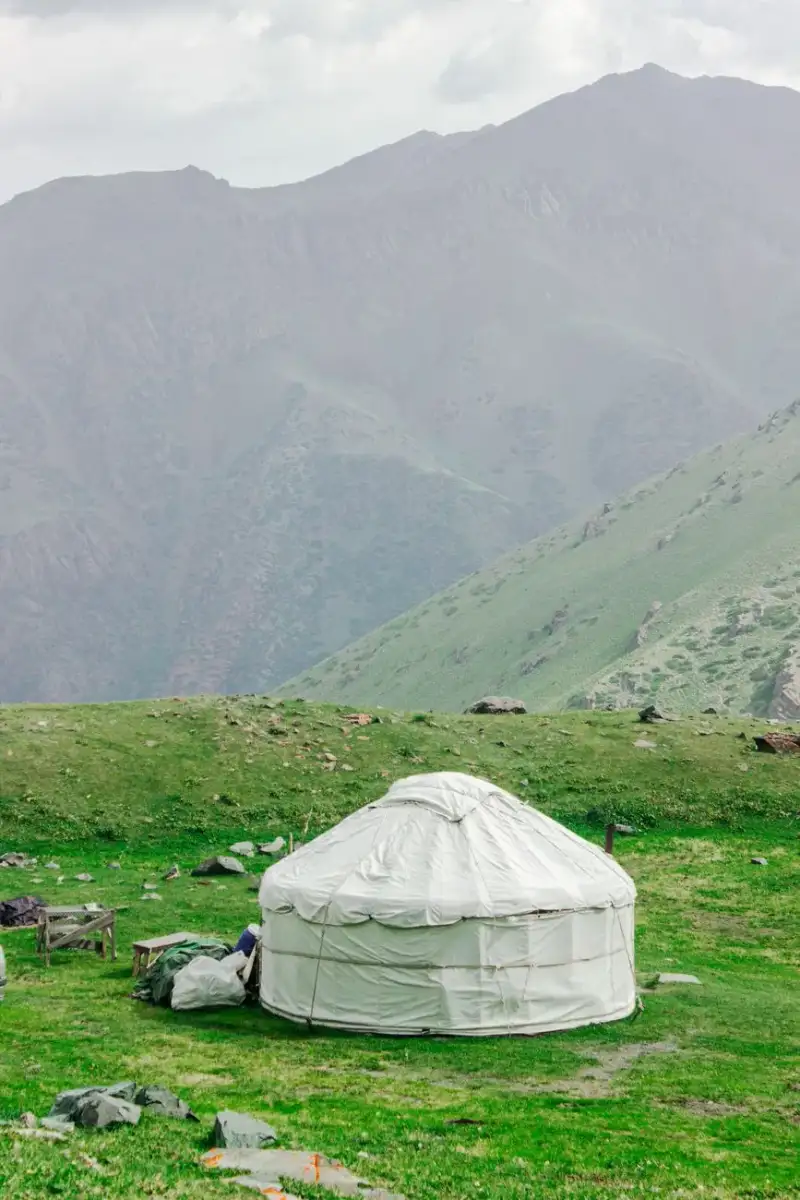
-
 Chloe Tremblay
 - 18 Jul, 2026 18:40
The Silk Road's Nomadic Hospitality: Yurt Stays in Kyrgyzstan (Part 2)
This is Part 2 of the series. Read Part 1 here.3. Jyrgalan Valley: Adventure and Hot Springs Tucked away in the Tian Shan mountains, the Jyrgalan Valley is a hidden gem known for its hot springs, hiking trails, and stunning alpine scenery. Yurt camps here are perfect for active travelers who want to explore off-the-beaten-path destinations. Top Camps:Jyrgalan Yurt Camp: A rustic but charming camp with yurts nestled among wildflowers. The camp offers guided hikes to waterfalls and hot springs, as well as traditional Kyrgyz meals cooked over an open fire. Altyn Arashan Yurt Camp: Located near the Altyn Arashan hot springs, this camp is a base for multi-day treks into the mountains. The yurts are basic but comfortable, and the hot springs are a perfect way to unwind after a day of hiking. Karakol Yurt Camp: Situated near the town of Karakol, this camp is a gateway to the nearby Karakol Valley and the stunning Ala-Kul Lake. It’s ideal for travelers who want to combine a yurt stay with trekking in the Tian Shan.Best For: Hikers, adventure seekers, and those seeking thermal relaxation. 4. Ala-Archa National Park: Gateway to the Tian Shan Just a 45-minute drive from Bishkek, Ala-Archa National Park is a paradise for nature lovers. The park’s yurt camps offer easy access to hiking trails, waterfalls, and the majestic peaks of the Tian Shan. Top Camps:Ala-Archa Yurt Camp: A family-run camp with yurts scattered among pine trees. The camp offers horseback riding, hiking, and traditional Kyrgyz meals. It’s a great option for those who want to experience the mountains without venturing too far from the capital. Ak-Sai Yurt Camp: Located at the entrance to the park, this camp is a base for treks to the Ak-Sai Glacier and the nearby waterfalls. The yurts are simple but cozy, and the camp’s restaurant serves hearty meals to fuel your adventures. Tien Shan Yurt Camp: A more upscale option with private yurts, a sauna, and a restaurant serving organic meals. The camp organizes guided treks and cultural tours, making it ideal for travelers who want a mix of comfort and adventure.Best For: Day trippers from Bishkek, hikers, and those seeking a quick escape into nature. 5. The Pamir-Alay Mountains: Remote and Rugged For travelers seeking a truly off-the-beaten-path experience, the Pamir-Alay Mountains in southern Kyrgyzstan offer some of the country’s most dramatic landscapes. Yurt camps here are sparse but rewarding, with opportunities to explore ancient Silk Road caravanserais and remote villages. Top Camps:Osh Yurt Camp: Located near the city of Osh, this camp is a gateway to the Pamir-Alay. It offers basic yurts and guided tours to nearby attractions like the Sulaiman-Too Sacred Mountain and the ruins of the ancient city of Uzgen. Kazarman Yurt Camp: Situated in the Chatkal Valley, this camp is a base for treks into the Chatkal Nature Reserve, home to ibex, snow leopards, and golden eagles. The yurts are simple but comfortable, and the camp’s guides can arrange multi-day treks. Arslanbob Yurt Camp: Near the world’s largest walnut forest, this camp offers a unique blend of nature and culture. Guests can explore the forest, visit local walnut-processing workshops, and enjoy traditional Kyrgyz meals.Best For: Adventurers, cultural explorers, and those willing to venture off the tourist trail.Cultural Etiquette and Practical Tips for Yurt Stays Staying in a yurt is more than just a place to sleep—it’s an invitation into a way of life that values community, respect, and harmony with nature. To ensure your stay is as enriching as possible, it’s important to understand and honor the cultural norms of Kyrgyz hospitality. Dos and Don’ts in a Kyrgyz Yurt Do:Remove your shoes before entering a yurt. This is a sign of respect and cleanliness. Accept food and drink when offered, even if it’s just a small portion. Refusing can be seen as impolite, especially if the host has gone to great effort to prepare the meal. Sit on the floor or on provided cushions. Avoid pointing your feet at others or the tündük (the yurt’s crown), as this is considered rude. Ask before taking photos of people, especially elders or during private moments. Participate in communal activities like games, music, or storytelling. This is how bonds are formed in nomadic culture.Don’t:Waste food. In Kyrgyz culture, wasting food is a serious offense, as it’s seen as disrespectful to the earth and the host’s efforts. Touch or move objects without permission. Many items in a yurt have sentimental or practical value. Raise your voice or argue. Kyrgyz people value harmony (tynchtyk), and loud or aggressive behavior is frowned upon. Assume you can stay indefinitely. While hospitality is generous, it’s polite to ask about the host’s expectations regarding your length of stay.Communicating with Your Hosts While many yurt camp owners and staff speak basic English or Russian, learning a few phrases in Kyrgyz can go a long way in building rapport. Here are some essential phrases:Salamatsyzby? (Hello, how are you?) Rahmat (Thank you) Men suuda jurot (I am happy to be here) Kanday jashaysyz? (How are you living?) Beshbarmak jasyngyz! (Enjoy your beshbarmak!)Body language is also important. A warm smile, a handshake (with the right hand, as the left is considered unclean), and direct eye contact are signs of respect. Health and Safety Kyrgyzstan is generally a safe destination, but it’s always wise to take precautions:Water: Stick to bottled or boiled water to avoid stomach issues. Many yurt camps provide filtered water for drinking. Food: While meals are typically safe, avoid raw or undercooked foods if you have a sensitive stomach. Opt for freshly cooked, hot meals. Altitude: Many yurt camps are located at high altitudes (over 2,500 meters/8,200 feet). Take it easy for the first day or two to acclimate, and stay hydrated. Wildlife: In remote areas, be mindful of bears, wolves, and snakes. Follow your host’s advice on safe hiking practices. Emergency contacts: Save the number for the local police (102) and ambulance (103) in your phone. Many yurt camps also have first aid kits and basic medical supplies.Packing Essentials Packing for a yurt stay requires a balance between comfort and practicality. Here’s a checklist to ensure you’re prepared:Clothing: Layered clothing for temperature swings (wool or thermal base layers, fleece mid-layers, and a waterproof jacket). Sturdy hiking boots and warm socks. A hat, gloves, and scarf for colder months. Swimwear if your camp has hot springs or a lake nearby.Gear: A sleeping bag (some yurts provide blankets, but a sleeping bag adds extra warmth). A headlamp or flashlight (power outages can happen). A power bank for your devices (solar charging is common but not always reliable). A reusable water bottle and water purification tablets.Extras: A lightweight towel and toiletries (some camps provide basics, but it’s good to have your own). A small gift for your host (e.g., tea, chocolate, or a local souvenir from your home country). A phrasebook or translation app for Kyrgyz or Russian.Beyond the Yurt: Activities and Experiences to Enhance Your Stay A yurt stay in Kyrgyzstan is just the beginning of your adventure. The country’s vast landscapes and rich cultural heritage offer endless opportunities for exploration. Here are some must-do activities to make the most of your trip. Horseback Riding: The Nomadic Way to Travel Horses are the lifeblood of Kyrgyzstan’s nomadic culture, and riding one is the best way to experience the landscape as the locals do. Many yurt camps offer horseback riding tours, ranging from short rides around the camp to multi-day treks across the steppes.Song Kol Lake: Ride through flower-filled meadows with the lake as your backdrop. Jyrgalan Valley: Trek to remote hot springs and waterfalls on horseback. Ala-Archa National Park: Navigate alpine trails with views of the Tian Shan peaks.For a truly immersive experience, consider a multi-day horseback trek along the ancient Silk Road routes. Companies like Kyrgyz Horse Trek and Eagle Trekking Company offer guided tours that include yurt stays, meals, and cultural exchanges with local herders. Hiking and Trekking: Trails for Every Level Kyrgyzstan is a hiker’s paradise, with trails ranging from easy day hikes to challenging multi-day treks. Some of the best hiking destinations include:Ala-Kul Lake: A 2-day trek from the village of Karakol, leading to a stunning alpine lake. Song Kol Lake: A gentle 3-4 hour hike around the lake’s perimeter, with opportunities to meet herders and their families. Jeti-Oguz: A challenging but rewarding hike through the "Seven Bulls" rock formations to the scenic Barskoon Valley. Tian Shan Mountains: For experienced hikers, the Kyrgyzstan-Tajikistan Transboundary Trek offers a 10-day journey through some of Central Asia’s most breathtaking landscapes.Many yurt camps can arrange guides and pack animals for treks, making it easy to explore without heavy gear. Cultural Immersion: Festivals and Traditions Kyrgyzstan’s calendar is filled with vibrant festivals that offer a glimpse into its nomadic heritage. If your visit aligns with one of these events, it’s an unforgettable experience.Nowruz (March 21): The Persian New Year is celebrated with music, dancing, and the preparation of sumalak (a sweet wheat pudding). Many yurt camps host Nowruz events with traditional games and feasts. Kyrgyz Yurt Festival (July): Held in Cholpon-Ata, this festival celebrates Kyrgyz culture with yurt-building competitions, eagle hunting displays, and folk music performances. World Nomad Games (September): A biennial event in Cholpon-Ata that brings together nomadic cultures from around the world. Competitions include kok-boru, archery, and traditional wrestling.Even outside of festivals, you can participate in daily nomadic activities like milking mares, making kumis (fermented mare’s milk), or learning to play the komuz (a traditional Kyrgyz string instrument). Hot Springs and Relaxation After days of hiking and exploring, soaking in a natural hot spring is a divine way to unwind. Kyrgyzstan is home to thousands of thermal springs, many of which are located near yurt camps.Jyrgalan Valley: The Jyrgalan Hot Springs are a series of pools with temperatures ranging from warm to scalding. The nearby yurt camps offer shuttle services. Altyn Arashan: A 3-hour hike from the yurt camp of the same name, these hot springs are nestled in a secluded valley. Chon-Kyzyl-Suu: A lesser-known hot spring near Issyk-Kul, perfect for a quiet soak.Many hot springs are clothing-optional, so be sure to pack a swimsuit or quick-dry towel. Wildlife and Birdwatching Kyrgyzstan’s diverse ecosystems are home to a wealth of wildlife, including snow leopards, ibex, golden eagles, and Marco Polo sheep. For birdwatchers, the country is a paradise, with over 400 species recorded.Sary-Chelek Biosphere Reserve: A UNESCO-listed reserve with dense forests, alpine meadows, and a lake teeming with fish. Look for bears, lynx, and the elusive snow leopard. Chatkal Nature Reserve: One of the best places to spot golden eagles and lammergeiers (bearded vultures). Issyk-Kul Lake: A haven for migratory birds, including pelicans, cormorants, and seagulls.Many yurt camps can arrange guided wildlife tours or birdwatching excursions with local experts.Conclusion A yurt stay in Kyrgyzstan is more than a travel experience—it’s a journey into the heart of Central Asia’s nomadic soul. From the moment you step into a boz üy, you’re enveloped in a world where time moves to the rhythm of the seasons, where hospitality is a sacred duty, and where the land itself tells stories of resilience and beauty. Whether you’re sipping kumis with a herder, galloping across the steppes on horseback, or gazing at the Milky Way from a remote yurt camp, you’ll leave with memories that linger long after you’ve returned home. Kyrgyzstan’s affordability makes it an accessible dream for travelers of all backgrounds. With a cost of living that’s a fraction of Western standards, you can extend your stay, splurge on a luxury yurt, or indulge in local delicacies without breaking the bank. The digital nomad visa further cements Kyrgyzstan’s appeal, offering remote workers the chance to live and work in a land of unparalleled beauty and culture. But beyond the practicalities, what makes Kyrgyzstan truly special is its people. The Kyrgyz are warm, proud, and deeply connected to their heritage. In a world where authenticity is increasingly commodified, a yurt stay offers something rare: a genuine connection to a culture that has thrived for millennia. It’s a reminder that travel isn’t just about seeing new places—it’s about being seen, welcomed, and transformed by the people and landscapes you encounter. As you plan your journey, remember that the Silk Road’s spirit lives on in the highlands of Kyrgyzstan. It’s in the smoke curling from a yurt’s tündük, in the laughter of children playing near a campfire, and in the vast, untamed beauty of the Tian Shan and Pamir-Alay. So pack your bags, leave your preconceptions behind, and let the nomadic hospitality of Kyrgyzstan welcome you home. Safe travels, and may your yurt stay be filled with wonder, warmth, and the kind of stories that stay with you forever.#DigitalNomadLife #SilkRoadAdventures #KyrgyzstanTravel #YurtLiving #OffTheBeatenPath Related InsightsL'Écho des Pierres : Voyage au Cœur du Patrimoine Vivant Dive Into a Hidden World: The Most Breathtaking Underwater Museums and Sculpture Parks (Part 2) The Enigmatic Ruins of Angkor Wat: Beyond the Crowds and Into the Jungle{ "@context": "https://schema.org", "@type": "FAQPage", "mainEntity": [ { "@type": "Question", "name": "What is the main focus of The Silk Road's Nomadic Hospitality: Yurt Stays in Kyrgyzstan (Part 2)?", "acceptedAnswer": { "@type": "Answer", "text": "The Silk Road's Nomadic Hospitality: Yurt Stays in Kyrgyzstan hakkinda bilmeniz gereken her sey." } }, { "@type": "Question", "name": "Who authored the comprehensive guide on The Silk Road's Nomadic Hospitality: Yurt Stays in Kyrgyzstan (Part 2)?", "acceptedAnswer": { "@type": "Answer", "text": "This detailed article and its insights were carefully researched and authored by Chloe Tremblay." } }, { "@type": "Question", "name": "Where can I find more related content about Travel?", "acceptedAnswer": { "@type": "Answer", "text": "You can explore more articles, detailed reviews, and similar insights by browsing the Related Insights section at the bottom of this article or visiting our dedicated Travel category page." } } ] }

The Devastating Consequences of Space Debris: A Growing Threat to Earth's Orbit As the world grapples with the challenges of space exploration and satellite technology, a growing concern has emerged in the form of space debris. The accumulation of defunct satellites, rocket parts, and other human-made objects in Earth's orbit poses a significant threat to the safety and sustainability of space travel. In this article, we will delve into the complexities of space debris mitigation, exploring the latest research, technologies, and strategies aimed at cleaning up Earth's orbit. Understanding the Problem: The Physics of Space Debris To comprehend the scope of the issue, it's essential to understand the physics behind space debris. When two objects collide in space, they can create a massive amount of debris, which can then go on to collide with other objects, creating a chain reaction of collisions. This phenomenon is known as the Kessler syndrome. The arXiv paper "Particle production from bubble collisions" provides valuable insights into the physics of particle production during high-energy collisions, which can be applied to the study of space debris. import numpy as np def calculate_collision_energy(m1, m2, v1, v2): """ Calculate the energy released during a collision between two objects. Parameters: m1 (float): Mass of the first object. m2 (float): Mass of the second object. v1 (float): Velocity of the first object. v2 (float): Velocity of the second object.Returns: float: Energy released during the collision. """ energy = 0.5 * (m1 + m2) * (v1**2 + v2**2) return energyExample usage: m1 = 1000 # kg m2 = 500 # kg v1 = 2000 # m/s v2 = 1500 # m/s energy = calculate_collision_energy(m1, m2, v1, v2) print(f"Energy released during collision: {energy} J") Robotic Solutions for Space Debris Removal One promising approach to mitigating space debris is the use of robotic systems. Researchers have proposed various robotic architectures, such as the RoboTTT system, which utilizes a combination of machine learning and computer vision to navigate and interact with space debris. import torch import torch.nn as nn import torch.optim as optim class RoboTTT(nn.Module): def init(self): super(RoboTTT, self).init() self.fc1 = nn.Linear(128, 128) # input layer (128) -> hidden layer (128) self.fc2 = nn.Linear(128, 128) # hidden layer (128) -> output layer (128) def forward(self, x): x = torch.relu(self.fc1(x)) # activation function for hidden layer x = self.fc2(x) return xInitialize the model, loss function, and optimizer model = RoboTTT() criterion = nn.MSELoss() optimizer = optim.Adam(model.parameters(), lr=0.001) Train the model for epoch in range(100): # Forward pass outputs = model(inputs) loss = criterion(outputs, labels) # Backward pass optimizer.zero_grad() loss.backward() optimizer.step()Machine Learning for Space Debris Detection Machine learning algorithms can be employed to detect and track space debris. By analyzing data from sensors and cameras, these algorithms can identify potential threats and predict their trajectories. import pandas as pd from sklearn.ensemble import RandomForestClassifier from sklearn.model_selection import train_test_split Load the dataset df = pd.read_csv("space_debris_data.csv") Preprocess the data X = df.drop(["label"], axis=1) # features y = df["label"] # target variable Split the data into training and testing sets X_train, X_test, y_train, y_test = train_test_split(X, y, test_size=0.2, random_state=42) Train a random forest classifier rfc = RandomForestClassifier(n_estimators=100, random_state=42) rfc.fit(X_train, y_train) Evaluate the model accuracy = rfc.score(X_test, y_test) print(f"Model accuracy: {accuracy:.3f}") Related InsightsBeyond the Cipher: Homomorphic Encryption Powers Collaborative AI in the Age of Secure Multi‑Party Computation The Haptic Renaissance: How Quantum-Entangled Feedback is Reshaping Remote Surgery Industrial Metaworlds: How AI-Driven Digital Twins Are Redefining Real-Time Factory Automation{ "@context": "https://schema.org", "@type": "FAQPage", "mainEntity": [ { "@type": "Question", "name": "What is the main focus of Space Debris Mitigation: The Race to Clean Up Earth's Orbit?", "acceptedAnswer": { "@type": "Answer", "text": "Space Debris Mitigation: The Race to Clean Up Earth's Orbit hakkinda bilmeniz gereken her sey." } }, { "@type": "Question", "name": "Who authored the comprehensive guide on Space Debris Mitigation: The Race to Clean Up Earth's Orbit?", "acceptedAnswer": { "@type": "Answer", "text": "This detailed article and its insights were carefully researched and authored by Claire Beaufort." } }, { "@type": "Question", "name": "Where can I find more related content about Technology?", "acceptedAnswer": { "@type": "Answer", "text": "You can explore more articles, detailed reviews, and similar insights by browsing the Related Insights section at the bottom of this article or visiting our dedicated Technology category page." } } ] }

- Kaan Demir
- 18 Jul, 2026 17:03
Beyond the Browser: How WebAssembly (Wasm) is Revolutionizing Server-Side and Edge Computing
The Rise of WebAssembly (Wasm) Beyond the Browser: Server-Side and Edge Introduction Wasm can be used as a server-side runtime, allowing developers to write high-performance, language-agnostic code that can run on any platform. This is particularly useful for edge computing, where low-latency and high-performance are critical. Wasmtime: A Wasm Runtime for Server-Side Applications Wasmtime is a standalone Wasm runtime that allows developers to run Wasm code on the server-side. It's designed to be fast, secure, and language-agnostic, making it an ideal choice for server-side applications. Install wasmtime curl https://wasmtime.dev/install.sh -sO - | bash Compile a Wasm module wasm-pack build --target web Run the Wasm module on the server-side wasmtime run -- .pkg/index_bg.wasm Edge Computing with Wasm Edge computing involves processing data closer to the source, reducing latency and improving performance. Wasm is well-suited for edge computing due to its platform-agnostic nature and high-performance capabilities. Cloudflare Workers: A Wasm-Powered Edge Computing Platform Cloudflare Workers is a serverless platform that uses Wasm as its runtime. It allows developers to write edge computing applications in languages like Rust, C++, and JavaScript, which are then compiled to Wasm and executed on the edge. // Create a Cloudflare Worker addEventListener('fetch', event => { event.respondWith(handleRequest(event.request)) }) async function handleRequest(request) { // Wasm code can be executed here return new Response('Hello, world!') } Wasm and AI Wasm can be used to accelerate AI workloads by compiling AI models to Wasm and executing them on the server-side or edge. TensorFlow Wasm: A Wasm-Powered AI Runtime TensorFlow Wasm is a Wasm-powered runtime for TensorFlow models. It allows developers to compile TensorFlow models to Wasm and execute them on the server-side or edge. Compile a TensorFlow model to Wasm tensorflow-wasm compile --model model.pb --output model.wasm Execute the Wasm model on the server-side wasmtime run -- .pkg/model.wasm Wasm and Robotics Wasm can be used in robotics to accelerate robot control and perception workloads. RoboTTT: A Wasm-Powered Robot Control System RoboTTT is a Wasm-powered robot control system that uses Wasm to accelerate robot control and perception workloads. It's designed to be fast, secure, and language-agnostic, making it an ideal choice for robotics applications. // Create a RoboTTT robot control system use robo_ttt::{Robot, WasmRuntime}; fn main() { // Create a Wasm runtime let wasm_runtime = WasmRuntime::new(); // Load a Wasm module let wasm_module = wasm_runtime.load_module("robot_control.wasm").unwrap(); // Create a robot control system let robot = Robot::new(wasm_module); } #WebAssembly #Wasm #EdgeComputing #ServerSide #TechTrends Related InsightsBeyond the Electron: Harnessing the Power of Photons for Optical Computing Holographic Displays: The Silent Revolution Reshaping AR/VR, 3D Visualization, and Human-Computer Interaction Navigating the Uncharted Territory of AI Ethics & Tech Strategy Expertise{ "@context": "https://schema.org", "@type": "FAQPage", "mainEntity": [ { "@type": "Question", "name": "What is the main focus of Beyond the Browser: How WebAssembly (Wasm) is Revolutionizing Server-Side and Edge Computing?", "acceptedAnswer": { "@type": "Answer", "text": "WebAssembly has evolved far beyond its browser origins, now powering server-side applications and edge computing. Discover how Wasm is transforming modern computing architecture." } }, { "@type": "Question", "name": "Who authored the comprehensive guide on Beyond the Browser: How WebAssembly (Wasm) is Revolutionizing Server-Side and Edge Computing?", "acceptedAnswer": { "@type": "Answer", "text": "This detailed article and its insights were carefully researched and authored by Kaan Demir." } }, { "@type": "Question", "name": "Where can I find more related content about Technology?", "acceptedAnswer": { "@type": "Answer", "text": "You can explore more articles, detailed reviews, and similar insights by browsing the Related Insights section at the bottom of this article or visiting our dedicated Technology category page." } } ] }
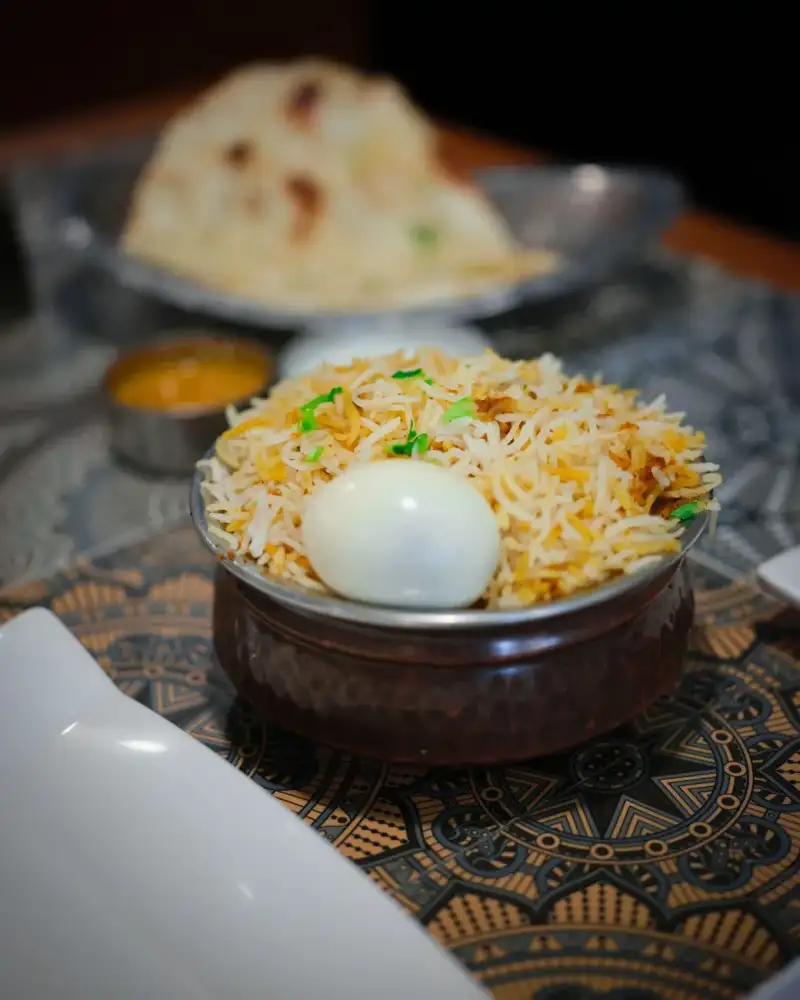

Indian Biryani: Aromatic Rice, Spices, and Royal Legacies Introduction Few dishes in the world evoke the same sense of grandeur, complexity, and sensory delight as Indian biryani. This iconic rice preparation, layered with marinated meat, fragrant spices, and slow-cooked perfection, is more than just a meal—it is a culinary narrative woven through centuries of trade, conquest, and cultural fusion. From the royal kitchens of the Mughal emperors to the bustling streets of Hyderabad and Lucknow, biryani tells a story of migration, adaptation, and mastery. What makes this dish truly extraordinary is not just its taste, but the meticulous craftsmanship behind it: the careful selection of basmati rice, the art of marinating meat for hours, and the layering technique that transforms simple ingredients into a symphony of flavor. Historically, biryani emerged as a symbol of opulence during the Mughal era, when Persian culinary traditions merged with Indian spices and techniques. The word "biryani" itself is believed to derive from the Persian beryan, meaning "to fry" or "to roast," a testament to its origins in the royal courts of Persia and Central Asia. Over time, regional variations evolved across India, each reflecting local tastes, available ingredients, and cultural influences. Today, biryani is celebrated globally—not just as a dish, but as a heritage, a tradition, and a testament to India’s rich culinary diversity. In this article, we will explore the origins, regional variations, and intricate preparation methods of biryani. We’ll delve into the science behind its aroma, the cultural significance of its ingredients, and the techniques that elevate it from a simple rice dish to a royal legacy.The Historical Roots of Biryani: From Persian Palaces to Indian Courts The story of biryani begins not in India, but in the heart of the Persian Empire. Historical records suggest that the dish originated in Persia, where it was known as beryan polo—a dish of rice and meat cooked together. When Persian rulers and their culinary traditions spread to the Indian subcontinent through trade and conquest, biryani underwent a transformation. The Mughal emperors, particularly Babur and Akbar, played a pivotal role in popularizing biryani in India. Akbar’s court chronicler, Abul Fazl, documented the emperor’s love for biryani in the Ain-i-Akbari, describing it as a dish fit for royalty. The evolution of biryani in India was shaped by several factors, including the availability of local spices, the influence of regional cuisines, and the Mughal preference for rich, layered dishes. One of the earliest Indian adaptations was Awadhi biryani, which emerged in the royal kitchens of Lucknow. This version is characterized by its delicate flavors, slow-cooked meat, and the use of dum cooking—a technique where the pot is sealed with dough to trap steam and infuse the dish with aroma. Another significant variation is Hyderabadi biryani, which reflects the Nizami culture of the Deccan region. Unlike Awadhi biryani, Hyderabadi biryani uses raw meat and rice, layered and cooked together in a single pot, creating a robust, spicy flavor profile. The socio-historical context of biryani’s development is deeply intertwined with the Indian subcontinent’s cultural evolution. As per the Evolution of Indian cuisine: a socio-historical review, the fusion of Persian and Indian culinary traditions was not merely a transfer of recipes but a dynamic exchange that enriched both cuisines. The use of spices like cardamom, cloves, and cinnamon, which were indigenous to India, became integral to biryani, while techniques like dum cooking were refined under Mughal patronage. This cultural synthesis is evident in the regional variations of biryani across India, each telling a unique story of adaptation and innovation.The Art of Biryani: Ingredients, Techniques, and Flavor Chemistry At its core, biryani is a dish of contrasts: tender meat, fragrant rice, and a harmonious blend of spices. The secret to a perfect biryani lies in the quality of its ingredients and the precision of its techniques. Let’s break down the essential components and the science behind their magic. 1. The Rice: Basmati and Its Role in Biryani The foundation of biryani is basmati rice, a long-grain variety known for its delicate aroma and ability to absorb flavors. Basmati rice is cultivated primarily in the foothills of the Himalayas, where the climate and soil conditions impart its signature fragrance. The grains are parboiled (kaccha method) or fully cooked (pakki method) before being layered with meat and spices. Parboiling ensures that the rice remains firm and separate, while full cooking makes it softer and more absorbent. The choice of rice is critical. Basmati’s low amylose content (around 20-22%) ensures that the grains do not turn mushy during cooking. Additionally, the presence of 2-acetyl-1-pyrroline, a compound responsible for its aromatic scent, is what sets basmati apart from other rice varieties. When combined with spices like saffron, cardamom, and bay leaves, the rice absorbs these aromas, creating a fragrant base for the biryani. 2. The Meat: Marination and Slow Cooking The meat used in biryani varies by region—chicken, lamb, goat, and even fish are common. The key to tender meat lies in marination. Traditional marinades include yogurt, ginger-garlic paste, lemon juice, and a blend of spices such as turmeric, red chili powder, coriander, and garam masala. The yogurt acts as a tenderizer, breaking down the muscle fibers, while the acids in lemon juice further enhance this effect. Marination times vary: chicken is typically marinated for 4-6 hours, while tougher cuts like lamb require overnight marination. The science behind this is simple—longer marination allows the spices to penetrate deeper into the meat, enhancing flavor and tenderness. After marination, the meat is partially cooked through boiling or frying, depending on the regional style. In Hyderabadi biryani, for example, the meat is fried to develop a rich, caramelized crust before being layered with rice. Slow cooking is another crucial technique. Whether using the dum method (sealed pot cooking) or pressure cooking, the goal is to allow the meat to become fall-off-the-bone tender while infusing the rice with its juices. The Maillard reaction, which occurs during frying or searing, contributes to the deep, savory flavors of the meat. 3. The Spice Blend: A Symphony of Aromas The spice blend in biryani is a carefully balanced mix that varies by region. Common spices include:Whole spices: Bay leaves, cardamom pods, cloves, cinnamon sticks, and star anise. Ground spices: Turmeric, red chili powder, coriander powder, cumin powder, and garam masala. Aromatics: Fresh ginger, garlic, and green chilies. Finishing touches: Saffron strands soaked in warm milk, kewra water (a floral extract), and rose water.The role of spices in biryani is not just about heat—it’s about creating a layered aroma. For instance, cardamom and cloves contribute warm, sweet notes, while black pepper and green chilies add a subtle kick. The use of saffron, one of the most expensive spices in the world, is a hallmark of premium biryani, imparting a golden hue and a distinct floral aroma. The Evolution of Indian cuisine study highlights how spices were not just culinary tools but also symbols of wealth and status. In biryani, the liberal use of spices reflects the dish’s royal origins, where extravagance was a sign of prestige. 4. The Layering Technique: Dum Cooking and the Magic of Sealed Pots The final step in biryani preparation is layering and dum cooking. This technique involves arranging the partially cooked rice and meat in a heavy-bottomed pot, sealing it with dough or a tight lid, and slow-cooking it over low heat. The steam generated during this process infuses the rice with the meat’s flavors while ensuring that the grains remain separate and fluffy. There are two primary methods of layering:Kaccha style (Hyderabadi): Raw marinated meat is layered with half-cooked rice. The pot is sealed and cooked until the meat and rice are done together. Pakki style (Awadhi): Both meat and rice are fully cooked separately before being layered. This method allows for greater control over the texture of the rice and meat.The dum cooking process can take anywhere from 30 minutes to an hour, depending on the quantity and type of meat. The sealed environment ensures that the flavors meld together, creating a dish where every bite is a harmonious blend of spices, meat, and rice.Regional Variations: A Culinary Map of India India’s diversity is reflected in its biryani, with each region offering a unique interpretation of this classic dish. From the royal kitchens of Lucknow to the coastal flavors of Kerala, biryani adapts to local tastes, ingredients, and cultural influences. Here’s a journey through India’s biryani landscape: 1. Hyderabadi Biryani: The Spicy Deccan Delight Hyderabadi biryani is perhaps the most famous variation, known for its robust, spicy flavor and distinctive cooking method. Originating in the kitchens of the Nizams of Hyderabad, this biryani is characterized by its use of raw meat and rice, layered and cooked together in a single pot. The meat is marinated in a blend of yogurt, ginger-garlic paste, and spices, then fried to develop a deep, caramelized crust. The rice, parboiled with whole spices, is layered over the meat along with fried onions, mint, and coriander leaves. The pot is sealed with dough and slow-cooked, allowing the flavors to meld. The key to Hyderabadi biryani lies in its spice blend, which includes black pepper, nutmeg, and mace, giving it a distinct warmth. It is traditionally served with mirchi ka salan (a fiery chili curry) and raita (yogurt dip), creating a balance of heat and cooling elements.👉 Continue Reading: Aromatic Flavors of India: Understanding Biryani's Rich Legacy (Part 2)Conclusion Indian biryani is more than a dish—it is a living testament to the subcontinent’s rich history, cultural fusion, and culinary ingenuity. From its Persian origins to its royal Mughal adaptations, and from the bustling streets of Hyderabad to the high-end kitchens of the world, biryani has traveled through time and space, evolving with each generation while retaining its soul. The art of biryani lies not just in its ingredients or techniques, but in the stories it tells: of empires and traders, of love and celebration, and of the universal human desire to create something extraordinary from the ordinary. What makes biryani truly special is its ability to adapt. Whether it’s the fiery Hyderabadi version, the delicate Lucknowi style, or the coastal flavors of Malabar, each variation offers a unique glimpse into the region it hails from. And as global tastes evolve, biryani continues to reinvent itself—whether through vegan adaptations, fusion experiments, or sustainable innovations. It is a dish that transcends borders, bringing people together over a shared love for bold flavors and rich traditions. For those who have never tried biryani, the journey begins with a single bite—a fragrant, spicy, and deeply satisfying experience that lingers long after the last grain of rice is gone. For those who are already fans, the quest for the perfect biryani is an endless adventure, one that promises new flavors, techniques, and stories with every bite. As you embark on your own biryani journey, remember that the true magic lies not just in the recipe, but in the love and care you pour into it. Whether you’re cooking for a royal feast or a simple family dinner, biryani is a dish that deserves to be savored, shared, and celebrated. Until next time, happy cooking—and may your biryani always be fragrant, flavorful, and unforgettable. — Isabella Rossi #BiryaniLovers #SpiceAndEverythingNice #FoodHeritage #RoyalCuisine #GlobalFlavors #Biryani #IndianCuisine #FoodHistory #AromaticFlavors Related InsightsMastering the Asado: A Deep Dive into Argentina's Barbecue Culture Aromatic Flavors of India: Understanding Biryani's Rich Legacy (Part 2) From Dragon Fruit to Durian: A Global Tour of the World’s Most Exotic Fruits and Their Secrets{ "@context": "https://schema.org", "@type": "FAQPage", "mainEntity": [ { "@type": "Question", "name": "What is the main focus of Aromatic Flavors of India: Understanding Biryani's Rich Legacy?", "acceptedAnswer": { "@type": "Answer", "text": "Dive into the world of biryani, exploring its origins, preparation methods, and the cultural significance behind this mouthwatering Indian staple." } }, { "@type": "Question", "name": "Who authored the comprehensive guide on Aromatic Flavors of India: Understanding Biryani's Rich Legacy?", "acceptedAnswer": { "@type": "Answer", "text": "This detailed article and its insights were carefully researched and authored by Isabella Rossi." } }, { "@type": "Question", "name": "Where can I find more related content about Food?", "acceptedAnswer": { "@type": "Answer", "text": "You can explore more articles, detailed reviews, and similar insights by browsing the Related Insights section at the bottom of this article or visiting our dedicated Food category page." } } ] }