Showing Posts From
Food
![[The Sun-Drenched Symphony of Provence: Unveiling the Soul of Ratatouille]](/images/posts/the-sun-drenched-symphony-of-provence-unveiling-the-soul-of-ratatouille-cover.webp)
-
 Michael Chef
 - 21 Jul, 2026 06:28
[The Sun-Drenched Symphony of Provence: Unveiling the Soul of Ratatouille]
Imagine a golden afternoon in the South of France, where the air is thick with the scent of wild thyme and the relentless Mediterranean sun coaxes the deepest colors and richest sugars from the earth. In the rustic kitchens of Provence, there is a dish that captures this exact essence—a vibrant, simmering alchemy of summer's bounty. This is not merely a vegetable stew; it is a historical record of global trade, a testament to rural ingenuity, and a poetic expression of the terroir of Nice. We are talking about Ratatouille. The Linguistic Dance of the Stir To understand Ratatouille, one must first look at the language of the people who created it. The name itself is not a static label but an action. It finds its roots in the Occitan word ratatolha, and is closely linked to the French verbs ratouiller and tatouiller. These are expressive, almost playful forms of the verb touiller, which simply means "to stir" or "to toss." In its earliest linguistic incarnations during the 19th century, the term was far from a culinary gold standard. In fact, it often carried a pejorative connotation. At that time, the word described a coarse, mixed dish—a rustic jumble of ingredients rather than the precise, celebrated vegetable preparation we recognize today. It was the food of the humble, the "tossed together" meal of those who lived by the seasons and the soil.A Global Voyage on a Provençal Plate The Ratatouille we adore today is a biological map of the New World's encounter with Europe. It is a common misconception that this dish has existed in its current form since antiquity. In reality, the core components of the dish had to travel thousands of miles across oceans before they ever met in a pot in Nice. The tomatoes, bell peppers, and squash—essential pillars of the dish—were introduced to France after the 16th century following contact with the Americas. However, the road to the dinner table was slow. These "New World" vegetables were not widely accepted as food in France until the 18th and 19th centuries. While the aubergine (eggplant) arrived earlier, brought through Mediterranean and Islamic culinary influences, it took time for all these diverse elements to converge. Once these ingredients became staples of the Provençal garden, the rural population began combining them with the local staples: golden olive oil, pungent garlic, and sharp onions. What emerged was a practical solution for the summer harvest—a way to utilize the surplus of produce before it withered under the heat. The Evolution from Peasant Pot to Printed Page If you were to search for a standardized recipe for Ratatouille in a cookbook from the early 1800s, you would likely come up empty-handed. Historical evidence reveals that the "modern" version of the dish—the specific combination of aubergines, tomatoes, courgettes, and peppers—was not codified in print until much later. While vegetable stews were a mainstay of the Provence region for centuries, the consistency we see today is a relatively recent development. In fact, a recognized, modern version of the recipe does not appear in print until as late as 1930. Before this consolidation, preparations varied wildly from one household to another. One family might emphasize the pepper; another might rely more heavily on the eggplant. By the early 20th century, the dish became inextricably linked with the city of Nice and its surrounding region, often referred to specifically as ratatouille niçoise. Its inclusion in major culinary reference works during this era helped transform it from a nameless regional habit into a distinct, celebrated specialty of French cuisine. The Art of the Simmer: Purists vs. Pragmatists Preparation is where the soul of Ratatouille is debated. Because the dish emerged from rural traditions rather than a royal court, there is no single "correct" way to cook it, but there are philosophies. The Larousse Gastronomique highlights a divide in methodology. According to the purists, the path to perfection requires patience and separation. The theory is that each vegetable has a different water content and cooking time. Therefore, the different vegetables should be cooked separately first, then combined and cooked slowly together. This process continues until the textures merge into a smooth, creamy consistency. Conversely, more rustic versions involve sautéing the vegetables together, allowing them to interact from the start, creating a more robust and chunky stew. Regardless of the method, the seasoning remains the aromatic fingerprint of the region. The herbs used are a reflection of the Provençal hillside:Fresh Herbs: Basil, marjoram, and fennel. Dried Aromatics: Thyme, bay leaves, or the classic blend known as herbes de Provence.From the Countryside to Haute Cuisine The mid-20th century saw Ratatouille break the borders of France. As the world grew fascinated with Mediterranean diets, English-speaking audiences began to see the dish as emblematic of the South of France. It was marketed as a celebration of simplicity, ripe produce, and the health-giving properties of olive oil. However, the most dramatic transformation occurred in the late 20th century when professional chefs began to apply the lens of haute cuisine to this peasant stew. The most notable evolution is the Confit Byaldi, created by chef Michel Guérard. Unlike the traditional stew, Confit Byaldi treats the vegetables as architectural elements. They are sliced into thin, precise rounds and layered meticulously. This version prioritizes visual aesthetics and refined techniques over the rustic, "tossed" nature of the original ratatolha. While this version gained immense global popularity—particularly after being featured in popular culture—it stands as a distinct departure from the home-cooked stews of the Niçoise countryside. A Global Family of Stews Ratatouille is not a lonely masterpiece; it is part of a vast global family of vegetable medleys. The human instinct to stew seasonal vegetables is universal, and similar dishes exist across many cultures, sharing the same spirit of using what the land provides. Within France, you will find siblings like the piperade in the South-West, the bohémienne in Vaucluse, the chichoumeille in Languedoc, and the tian in the South-East. Crossing the border into Spain, we find the pisto of Castille-La Mancha, the samfaina of Catalonia, and the tombet of Mallorca. The Italian peninsula offers ciambotta, caponata, and peperonata, while Greece gives us briám and tourloú. The influence extends even further:Turkey: Şakşuka and türlü. Georgia: Ajapsandali. Hungary: Lecsó. Philippines: Pinakbet. Romania: Ghiveci. Morocco: Zaalouk.Even in the Indian subcontinent, the tradition persists through winter vegetable stews such as the undhiyu of Gujarat, the avial of Kerala (which incorporates coconut), and the shukto of Bengal. The Cinematic Spark While cookbooks and chefs did the heavy lifting of spreading the dish's reputation, the 21st century brought a different kind of catalyst. In 2007, the release of the Disney-Pixar film Ratatouille catapulted the dish into the global spotlight. The movie didn't just showcase the food; it romanticized the act of cooking and the idea that a humble vegetable dish could evoke powerful memories and emotions. This pop-culture phenomenon gave the dish an unprecedented level of exposure, ensuring that even those who had never stepped foot in Provence knew exactly what a ratatouille was.The Enduring Legacy of a Rustic Stir Ratatouille is more than just a recipe; it is a story of adaptation. It tells us how the Americas changed European flavors, how the Islamic world influenced the Mediterranean, and how a "coarse stew" once looked down upon by the elite became a symbol of French culinary pride. Whether you prefer it as a chunky, slow-cooked stew that tastes of a grandmother's kitchen in Nice, or as a refined Confit Byaldi with its concentric circles of precision, the essence remains the same. It is a dish of patience, a celebration of the summer sun, and a reminder that the simplest ingredients—when stirred with love and seasoned with the herbs of the earth—can become a world-class symphony of flavor.#FrenchCuisine #Ratatouille #ProvençalCooking #VegetarianDelights #CulinaryHistory Related InsightsThe Crystal Architecture of Chocolate: Mastering the Science of the Perfect Snap Il Garum Pompeiano: Il Sangue Salato degli Dei e la Sua Rinascita Gastronomica Echoes of the Sun God: Unearthing the Lost Amaranth Varieties of Ancient Mesoamerica{ "@context": "https://schema.org", "@type": "FAQPage", "mainEntity": [ { "@type": "Question", "name": "What is the main focus of [The Sun-Drenched Symphony of Provence: Unveiling the Soul of Ratatouille]?", "acceptedAnswer": { "@type": "Answer", "text": "Explore the deep historical roots and culinary evolution of Ratatouille, from its humble peasant origins in Nice to haute cuisine." } }, { "@type": "Question", "name": "Who authored the comprehensive guide on [The Sun-Drenched Symphony of Provence: Unveiling the Soul of Ratatouille]?", "acceptedAnswer": { "@type": "Answer", "text": "This detailed article and its insights were carefully researched and authored by Michael Chef." } }, { "@type": "Question", "name": "Where can I find more related content about Food?", "acceptedAnswer": { "@type": "Answer", "text": "You can explore more articles, detailed reviews, and similar insights by browsing the Related Insights section at the bottom of this article or visiting our dedicated Food category page." } } ] }
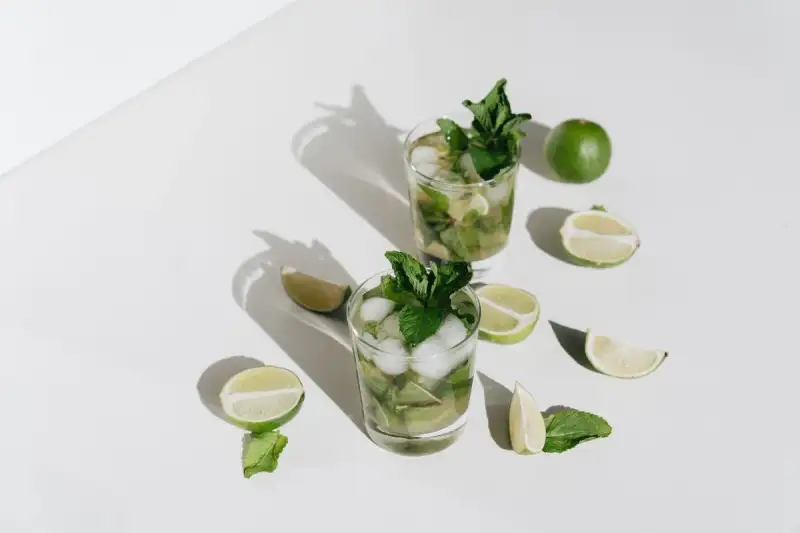
Few drinks capture the essence of the Caribbean like the Cuban Mojito. With its vibrant blend of rum, lime, mint, sugar, and soda water, this iconic cocktail is more than just a refreshing beverage—it’s a cultural artifact, a symbol of Cuban hospitality, and a testament to the island’s rich history. But where did the Mojito originate? How did it evolve from a simple medicinal tonic to a global phenomenon? And what makes the Cuban version so distinct from its variations around the world? The Mojito’s story is intertwined with the history of Cuba itself. Born in the bustling streets of Havana, this cocktail has weathered revolutions, economic embargoes, and the passage of time to become one of the most beloved drinks in the world. Its journey reflects the resilience and creativity of the Cuban people, who transformed humble ingredients into a drink that now graces bars from Miami to Tokyo. Whether sipped under the shade of a palm tree or enjoyed in a high-end cocktail lounge, the Mojito remains a timeless emblem of Caribbean culture. In this article, we’ll explore the fascinating history of the Cuban Mojito, from its indigenous roots to its modern-day variations. We’ll delve into the ingredients that define its character, uncover the secrets behind its preparation, and examine its global influence. By the end, you’ll not only appreciate the Mojito as a drink but also understand why it holds a special place in the heart of Cuban identity.The Indigenous Roots: How the Mojito’s Ancestors Shaped Cuban Culture The story of the Mojito begins long before the arrival of European colonizers in the Caribbean. Indigenous peoples, including the Taíno, who inhabited Cuba and other islands, had long used natural ingredients like mint, lime, and honey for both medicinal and culinary purposes. The Taíno word "mojo" referred to a concoction made from fermented cassava juice, which was often mixed with herbs and citrus to create a refreshing drink. This early form of a "mojito" was not a cocktail in the modern sense but rather a functional beverage designed to quench thirst and aid digestion in the tropical climate. When Spanish conquistadors arrived in Cuba in the 15th century, they encountered these indigenous practices and began to adapt them. The Spanish introduced sugarcane, which thrived in Cuba’s fertile soil, and distillation techniques that would later give rise to rum. The fusion of indigenous ingredients with European techniques laid the groundwork for what would eventually become the Cuban Mojito. By the 16th century, the island’s sugar plantations were booming, and rum production was becoming a cornerstone of Cuban economy. This agricultural revolution provided the raw materials—sugar, lime, and mint—that would define the Mojito. The drink’s evolution was also influenced by African traditions. Enslaved Africans brought to Cuba during the transatlantic slave trade brought their own culinary and medicinal knowledge, including the use of herbs and citrus in beverages. The combination of African, indigenous, and European influences created a uniquely Cuban identity, reflected in the Mojito’s ingredients and preparation. By the 18th century, the Mojito as we know it was beginning to take shape, though it would still undergo significant changes before achieving its modern form. Historical records from the colonial era suggest that early versions of the Mojito were consumed by laborers and soldiers for their energizing and hydrating properties. The drink was often prepared in large batches and shared among communities, reinforcing its role as a social lubricant. This communal aspect remains a defining feature of the Mojito, which is still enjoyed in gatherings across Cuba today.The Birth of the Modern Mojito: Havana’s Golden Age The late 19th and early 20th centuries marked Havana’s golden age, a period of cultural and economic prosperity that would cement the Mojito’s place in history. During this time, Cuba became a playground for the wealthy, attracting tourists from the United States and Europe who were drawn to the island’s vibrant nightlife, music, and, of course, its cocktails. The Mojito, with its refreshing blend of rum, lime, and mint, became a favorite among visitors and locals alike. One of the most famous figures associated with the Mojito’s rise to fame is the American writer Ernest Hemingway. Hemingway lived in Havana during the 1930s and 1940s, and he was a regular at the legendary bar La Bodeguita del Medio, often credited with popularizing the Mojito. While there’s some debate about whether Hemingway actually invented the drink (he famously claimed to have done so), his patronage certainly helped elevate the Mojito’s status. The bar’s walls are adorned with quotes from Hemingway and other celebrities, including a famous line that reads, "My mojito in La Bodeguita, my daiquiri in El Floridita." The Mojito’s popularity during this era was also tied to the rise of rum as Cuba’s national spirit. Cuban rum, produced by distilleries like Havana Club and Bacardí, was gaining international acclaim for its smooth, rich flavor. The combination of high-quality rum with fresh lime, mint, and sugar created a drink that was both sophisticated and accessible. Bartenders in Havana began experimenting with variations, adding ingredients like bitters or different types of rum to create unique twists on the classic recipe. By the 1950s, the Mojito had become a staple of Cuban nightlife, enjoyed in bars, restaurants, and private homes. The drink’s simplicity and versatility made it easy to prepare, and its refreshing taste made it a hit in the tropical climate. However, the Cuban Revolution in 1959 would bring significant changes to the country, including an economic embargo that would impact the production and export of Cuban rum and other goods. Despite these challenges, the Mojito endured, becoming a symbol of Cuban resilience and creativity.The Mojito’s Global Journey: From Cuba to the World The Mojito’s journey beyond Cuba’s shores began in earnest in the mid-20th century, as travelers and expatriates brought the drink to new audiences. By the 1960s and 1970s, the Mojito had gained popularity in the United States, particularly in cities with large Cuban communities, such as Miami and New York. Cuban-American bartenders played a key role in introducing the Mojito to American audiences, often adapting the recipe to suit local tastes. For example, some versions included additional fruits like strawberries or pineapple, while others used different types of rum to cater to regional preferences. The Mojito’s global expansion accelerated in the 1990s and 2000s, thanks in part to the rise of cocktail culture and the popularity of "tiki" and tropical-themed bars. The drink became a staple in resorts, cruise ships, and beachside bars, where its refreshing taste made it a favorite among tourists. International bartenders began experimenting with the Mojito, creating variations that incorporated local ingredients and flavors. In Japan, for example, some versions included yuzu or matcha, while in Europe, bartenders experimented with different types of mint and citrus. Despite its global popularity, the Cuban Mojito remained a point of pride for Cubans, who viewed it as a symbol of their national identity. The economic embargo imposed by the United States in 1960 made it difficult for Cuban rum to be exported to the U.S., but the embargo also fueled a sense of defiance and creativity among Cuban bartenders. They continued to refine the Mojito, ensuring that it remained true to its roots while adapting to changing tastes. Today, the Mojito is enjoyed in virtually every corner of the world, from high-end cocktail bars in London to beach shacks in Thailand. Its versatility and refreshing taste have made it a timeless classic, while its Cuban heritage ensures that it remains a cultural touchstone. The Mojito’s global journey is a testament to the power of cultural exchange and the enduring appeal of Cuban hospitality.The Art of the Cuban Mojito: Ingredients, Techniques, and Secrets At its core, the Cuban Mojito is a study in simplicity and balance. The drink’s magic lies in the harmony of its ingredients: white rum, fresh lime juice, sugar, mint, and soda water. Each component plays a crucial role in creating the Mojito’s signature taste and texture. Let’s break down the ingredients and techniques that define an authentic Cuban Mojito. The Essential IngredientsWhite Rum: The backbone of the Mojito, white rum is light, crisp, and slightly sweet, allowing the other flavors to shine. Cuban rums like Havana Club 3 Años or Bacardí Superior are traditional choices, though other light rums can be used in a pinch. Fresh Lime Juice: The tartness of fresh lime juice is essential for balancing the sweetness of the sugar and rum. Bottled lime juice lacks the brightness and complexity of fresh lime, so always use fresh if possible. Sugar: Traditional Cuban Mojitos use white granulated sugar, which dissolves easily and blends seamlessly with the other ingredients. Some variations use demerara or piloncillo (unrefined cane sugar) for a deeper flavor. Mint Leaves: Fresh mint is non-negotiable. The leaves should be muddled gently to release their oils without bruising them, which can make the drink bitter. Soda Water: A splash of soda water adds effervescence and lightens the drink, making it refreshing and easy to sip.👉 Continue Reading: Cuban Mojito: The Refreshing History of a Caribbean Classic (Part 2)#CubanHeritage #CocktailCulture #CaribbeanFlavors #RumLovers #TropicalVibes Related InsightsFul Medames: The Ancient Fava Bean Breakfast Portuguese Pastéis de Nata: The Custard Tart's Sweet History (Part 2) The Antioxidant Powerhouse: Quinoa Salad with Roasted Sweet Potatoes and Kale{ "@context": "https://schema.org", "@type": "FAQPage", "mainEntity": [ { "@type": "Question", "name": "What is the main focus of Cuban Mojito: The Refreshing History of a Caribbean Classic?", "acceptedAnswer": { "@type": "Answer", "text": "Discover the rich origins and cultural significance of the Cuban Mojito, a refreshing cocktail that embodies the spirit of the Caribbean." } }, { "@type": "Question", "name": "Who authored the comprehensive guide on Cuban Mojito: The Refreshing History of a Caribbean Classic?", "acceptedAnswer": { "@type": "Answer", "text": "This detailed article and its insights were carefully researched and authored by Isabella Rossi." } }, { "@type": "Question", "name": "Where can I find more related content about Food?", "acceptedAnswer": { "@type": "Answer", "text": "You can explore more articles, detailed reviews, and similar insights by browsing the Related Insights section at the bottom of this article or visiting our dedicated Food category page." } } ] }

-
 Isabella Rossi
 - 21 Jul, 2026 03:57
Cuban Mojito: The Refreshing History of a Caribbean Classic (Part 2)
This is Part 2 of the series. Read Part 1 here.The Step-by-Step TechniqueMuddle the Mint: In a sturdy glass (traditionally a highball or Collins glass), place 6-8 fresh mint leaves. Add 2 teaspoons of sugar and 1/2 ounce of lime juice. Gently muddle the mint with a muddler or the back of a spoon, pressing just enough to release the oils without crushing the leaves. Add Lime and Sugar: Pour in another 1/2 ounce of lime juice and 1 teaspoon of sugar. Stir to dissolve the sugar completely. Fill with Ice: Add crushed ice to the glass, filling it about halfway. Pour the Rum: Add 2 ounces of white rum to the glass. Top with Soda Water: Fill the glass with soda water, leaving a little room at the top for stirring. Garnish and Serve: Stir gently to combine the ingredients, then garnish with a sprig of mint and a lime wedge. Serve immediately with a straw.Common Mistakes to AvoidOver-muddling the Mint: This can release bitter compounds from the stems and make the drink unpleasantly grassy. Using Bottled Lime Juice: Fresh lime juice is essential for the bright, tangy flavor that defines a good Mojito. Skipping the Sugar: Sugar is not just for sweetness; it also helps to balance the acidity of the lime and the strength of the rum. Using the Wrong Rum: Dark or aged rums can overpower the drink, making it too heavy. Stick to white rum for authenticity.Variations and Modern Twists While the classic Cuban Mojito remains a favorite, modern bartenders have created countless variations. Some popular twists include:Strawberry Mojito: Fresh strawberries are muddled with the mint for a fruity, vibrant version. Pineapple Mojito: Pineapple juice or muddled pineapple adds a tropical sweetness. Coconut Mojito: Coconut water or cream of coconut gives the drink a creamy, tropical flavor. Spicy Mojito: A slice of jalapeño or a dash of hot sauce adds a kick for those who like heat.Despite these variations, purists argue that the Cuban Mojito should always stay true to its roots. The key is to maintain the balance of sweet, sour, and refreshing elements that make the drink so iconic.The Mojito’s Cultural Legacy: More Than Just a Drink The Cuban Mojito is more than just a cocktail—it’s a cultural icon that embodies the spirit of Cuba. From its indigenous roots to its modern-day global popularity, the Mojito has played a role in shaping Cuba’s identity and its relationship with the world. Let’s explore the deeper cultural significance of this beloved drink. A Symbol of Cuban Hospitality In Cuba, hospitality is a point of national pride. The Mojito, with its refreshing and communal nature, is a perfect embodiment of this ethos. It’s a drink meant to be shared, whether among family, friends, or even strangers in a bustling Havana bar. The act of preparing and serving a Mojito is often a social ritual, with bartenders taking pride in crafting the perfect drink for their guests. A Drink of Revolution and Resilience The Mojito’s history is intertwined with Cuba’s turbulent political landscape. During the Cuban Revolution in the 1950s and 1960s, the drink became a symbol of resistance and resilience. Despite the economic embargo and the challenges faced by the Cuban people, the Mojito endured as a reminder of the island’s rich cultural heritage. Even today, it serves as a point of pride for Cubans, who view it as a testament to their ability to thrive in the face of adversity. A Global Ambassador for Cuban Culture The Mojito’s journey from Cuba to the world has made it a global ambassador for Cuban culture. In cities like Miami, New York, and London, the Mojito is often one of the first Cuban drinks people encounter, serving as an introduction to the island’s vibrant music, dance, and cuisine. The drink’s popularity has also helped to promote Cuban rum, which is now enjoyed worldwide. A Drink of Celebration and Joy At its heart, the Mojito is a drink of celebration. Whether enjoyed at a family gathering, a beach party, or a night out on the town, it brings people together and creates moments of joy. Its refreshing taste and vibrant colors make it a favorite for celebrations, from weddings to New Year’s Eve parties. The Mojito in Popular Culture The Mojito’s cultural impact extends beyond Cuba’s shores. It has been featured in countless films, TV shows, and songs, further cementing its place in global pop culture. From James Bond sipping a Mojito in Die Another Day to countless references in music and literature, the drink has become a symbol of tropical escapism and carefree living.The Mojito’s Nutritional Profile: What’s Really in Your Glass? While the Mojito is undeniably delicious, it’s also worth considering its nutritional profile. Like many cocktails, the Mojito is a mix of sweet, sour, and alcoholic elements, which can have both positive and negative health implications. Let’s break down the macronutrients and calories in a classic Cuban Mojito, as well as some healthier alternatives. Nutritional Breakdown (Per Serving)Ingredient Amount Calories Carbohydrates (g) Sugar (g) Fat (g) Protein (g)White Rum (2 oz) 2 oz 140 0 0 0 0Fresh Lime Juice 1 oz 4 1.3 0.5 0 0.1Sugar 1 tsp 16 4.2 4.2 0 0Mint Leaves 6-8 leaves 2 0.4 0 0 0.1Soda Water 3 oz 0 0 0 0 0Total162 5.9 4.7 0 0.2Health ConsiderationsCalories: At around 162 calories per serving, the Mojito is a relatively low-calorie cocktail compared to others like margaritas or piña coladas. However, the sugar content (4.7 grams) can add up if multiple drinks are consumed. Alcohol Content: The Mojito typically contains about 15-20% alcohol by volume (ABV), depending on the rum used. This makes it a moderate-strength cocktail. Hydration: The soda water in the Mojito can help with hydration, especially in hot climates, but the alcohol content can have a dehydrating effect if consumed in excess. Antioxidants: Lime juice is rich in vitamin C and antioxidants, which can provide some health benefits. Mint also has anti-inflammatory properties.Healthier Alternatives For those looking to enjoy a Mojito without the excess sugar or calories, there are several healthier alternatives:Use a Sugar Substitute: Replace the sugar with a natural sweetener like stevia or monk fruit. Add More Lime: Increase the lime juice to enhance the tartness and reduce the need for sugar. Use Diet Soda Water: Opt for sugar-free soda water to cut down on calories. Infuse with Herbs: Add other herbs like basil or cilantro for additional flavor without extra sugar.While the Mojito may not be a health food, it’s a drink that can be enjoyed in moderation as part of a balanced lifestyle.Conclusion & Sign-off The Cuban Mojito is far more than just a refreshing cocktail—it’s a living testament to Cuba’s rich history, vibrant culture, and unyielding spirit. From its indigenous roots to its modern-day global fame, the Mojito has evolved alongside the island itself, adapting to changing times while remaining true to its core identity. Whether enjoyed in a bustling Havana bar, a tropical resort, or a backyard gathering, the Mojito brings people together, fostering connection and celebration. As we’ve explored, the Mojito’s story is one of fusion and resilience. It reflects the blending of indigenous, African, and European influences that define Cuban culture, as well as the island’s ability to thrive despite economic and political challenges. The drink’s simplicity and versatility have allowed it to transcend borders, becoming a global ambassador for Cuban hospitality and creativity. For those who love the Mojito, there’s always more to discover. Experiment with different rums, herbs, or fruits to create your own signature twist. Visit Cuba and experience the drink in its birthplace, where the air is thick with the scent of mint and the sound of salsa music. Or simply raise a glass at home, toasting to the timeless appeal of this Caribbean classic. So the next time you sip a Mojito, take a moment to appreciate the history in your glass. From the Taíno people who first mixed mint and lime to the bartenders of Havana who perfected the recipe, the Mojito is a drink with soul. And like all great stories, its tale is far from over. Cheers to the Cuban Mojito—the drink that captures the essence of the Caribbean in every sip!#CubanHeritage #CocktailCulture #CaribbeanFlavors #RumLovers #TropicalVibes Related InsightsHot, Tempting and Delicious Pad Thai: The World's Most Unique Noodles French Lentil Soup with Kale and Dijon: A High Protein Delight Mafe: The Rich Peanut Stew of West Africa{ "@context": "https://schema.org", "@type": "FAQPage", "mainEntity": [ { "@type": "Question", "name": "What is the main focus of Cuban Mojito: The Refreshing History of a Caribbean Classic (Part 2)?", "acceptedAnswer": { "@type": "Answer", "text": "Discover the rich origins and cultural significance of the Cuban Mojito, a refreshing cocktail that embodies the spirit of the Caribbean." } }, { "@type": "Question", "name": "Who authored the comprehensive guide on Cuban Mojito: The Refreshing History of a Caribbean Classic (Part 2)?", "acceptedAnswer": { "@type": "Answer", "text": "This detailed article and its insights were carefully researched and authored by Isabella Rossi." } }, { "@type": "Question", "name": "Where can I find more related content about Food?", "acceptedAnswer": { "@type": "Answer", "text": "You can explore more articles, detailed reviews, and similar insights by browsing the Related Insights section at the bottom of this article or visiting our dedicated Food category page." } } ] }

-
 Klaus Weber
 - 20 Jul, 2026 06:45
Das Herz des Dampfes: Die Kunst und Philosophie hinter der Dim Sum Kultur
Ein zarter Schleier aus weißem Dampf steigt in den Morgenstunden aus geflochtenen Bambuskörben auf, während das Klirren von Porzellantassen und das lebhafte Stimmengewirr eines erwachenden Viertels die Luft erfüllen. Es ist mehr als nur ein Frühstück; es ist ein ritueller Tanz der Sinne, eine Choreografie aus Teeblättern und Teigtaschen, die seit Jahrhunderten die soziale Architektur Südchinas prägt. In der Welt des Dim Sum wird das Essen zur Poesie, und jeder kleine Bissen erzählt eine Geschichte von Präzision, Geduld und der tiefen Verbundenheit zwischen Mensch und Gemeinschaft. Die Philosophie des „Berührens des Herzens“ Um Dim Sum wirklich zu verstehen, muss man zuerst die Sprache betrachten. Der Begriff „Dim Sum“ (点心) lässt sich wörtlich als „das Herz berühren“ übersetzen. Doch diese poetische Definition verbirgt eine kulinarische Disziplin, die in ihrer Komplexität wenigen anderen Küchen gleicht. Ursprünglich waren Dim Sum kleine Snacks, die dazu dienten, den Appetit anzuregen oder eine leichte Zwischenmahlzeit zu bieten, lange bevor sie zu dem monumentalen Festmahl wurden, das wir heute kennen. Historisch gesehen ist Dim Sum untrennbar mit der Kultur der Teehäuser in der Provinz Guangdong und insbesondere in Hongkong verbunden. Hier entstand das Konzept von Yum Cha (饮茶), was schlicht „Tee trinken“ bedeutet. Während der Tee das Zentrum des Geschehens ist, bilden die Dim Sum die perfekte Ergänzung. Es ist ein soziales Ereignis, bei dem Generationen zusammenkommen, um bei einem heißen Topf Jasmin- oder Oolong-Tee die neuesten Familienneuigkeiten auszutauschen.Die Architektur der Aromen: Die verschiedenen Kategorien Dim Sum ist kein einzelnes Gericht, sondern ein ganzes Universum an Speisen. Die Vielfalt ist atemberaubend und lässt sich grob in verschiedene Zubereitungsarten unterteilen, die jeweils eine eigene Technik und Textur erfordern. Die Gedämpften (Steamed) Das Herzstück jeder Dim Sum-Auswahl sind die gedämpften Köstlichkeiten. Hier ist die Meisterschaft des Teigs entscheidend.Ha Gao (Garnelen-Dumplings): Diese gelten als Goldstandard. Der Teig besteht oft aus Weizenstärke und Tapioka, was ihm eine charakteristische Transluzenz und eine leicht klebrige, elastische Textur verleiht. Die Füllung aus knackigen Garnelen muss perfekt ausbalanciert sein. Siu Mai (Offene Dumplings): Im Gegensatz zu den geschlossenen Ha Gao sind Siu Mai oben offen. Die klassische Füllung besteht aus Schweinefleisch und Garnelen, oft gekrönt mit einer kleinen Erbsenbeere oder einer Karottenwürfelung für den farblichen Akzent. Char Siu Bao (Gedämpfte BBQ-Schweinefleisch-Brötchen): Diese schneeweißen, fluffigen Hefeteigbrötchen umschließen eine süß-salzige Füllung aus mariniertem Schweinefleisch. Die Herausforderung liegt hier in der Luftigkeit des Teigs.Die Gebratenen und Frittierten (Fried) Kontrast ist in der kantonesischen Küche essenziell. Neben der Sanftheit des Dampfes folgt die Knusprigkeit des Feuers.Spring Rolls (Frühlingsrollen): Dünne Teigblätter, gefüllt mit Gemüse und Fleisch, goldbraun ausgebacken. Fried Tofu Skins: Mit einer würzigen Mischung gefüllte Tofuhäute, die eine wunderbare Texturvarianz bieten.Die Gesunden und Leichten (Savory & Sweet) Nicht alles bei Dim Sum ist herzhaft. Die Balance wird oft durch süße Abschlüsse vervollständigt, wie etwa gedämpfte Eiertörtchen oder kleine Mango-Desserts, die den Gaumen nach den intensiven Umami-Geschmack der Dumplings reinigen. Die technische Meisterschaft hinter der Herstellung Was für den Gast wie ein einfacher kleiner Happen aussieht, ist in Wahrheit das Ergebnis höchster handwerklicher Präzision. Ein Dim Sum Meister verbringt Jahre damit, die perfekte Faltung zu erlernen. Die Anzahl der Falten in einem Ha Gao-Dumpling ist nicht zufällig; sie ist ein Zeichen für das Können des Kochs. Je feiner und gleichmäßiger die Falten, desto höher das Prestige des Restaurants. Zudem spielt die Temperaturkontrolle eine entscheidende Rolle. Der Dampf muss konstant sein, damit der Teig nicht zu weich wird oder aufplatzt. Die Verwendung von Bambuskörben ist hierbei kein nostalgisches Accessoire, sondern funktional: Das Bambusmaterial absorbiert überschüssige Feuchtigkeit, sodass die Dumplings nicht im eigenen Kondenswasser schwimmen, sondern ihre perfekte Konsistenz behalten.Yum Cha: Mehr als nur eine Mahlzeit Wenn man ein traditionelles Dim Sum Restaurant betritt, wird man oft von der Dynamik des Service überwältigt. In klassischen Etablissements gibt es immer noch die Tradition der Wagen, auf denen die Köstlichkeiten präsentiert werden. Der Gast zeigt einfach auf das, was ihn anspricht. In moderneren Betrieben nutzt man Markierungsbögen, auf denen der Kellner die bestellten Gerichte mit Stempeln markiert. Doch das eigentliche Zentrum ist der Tee. Ohne Tee gibt es kein Dim Sum. Der Tee fungiert als Verdauungshilfe und neutralisiert die fettigen Komponenten der frittierten Speisen. Ein wichtiger Teil der Etikette ist das "Tee-Dankeschön": Wenn jemand anderes den Tee für den Tisch nachschenkt, klopft man mit zwei Fingern leicht auf den Tisch. Diese Geste stammt aus einer alten Legende, in der ein Kaiser verkleidet unter seinem Volk reiste und seine Begleiter eine diskrete Art fanden, ihm zu danken, ohne seine Identität preiszugeben. Die regionale Evolution: Von Kanton in die Welt Obwohl die Wurzeln tief in der Provinz Guangdong liegen, hat sich Dim Sum weltweit verbreitet und an lokale Gegebenheiten angepasst. In Hongkong wurde es zu einer urbanen Institution, in den USA und Europa zu einem Symbol für die Raffinesse der chinesischen Küche. Interessant ist die Entwicklung hin zu "Modern Dim Sum". Heute experimentieren Spitzenköche mit Zutten wie Trüffeln, Kaviar oder sogar veganen Alternativen, die mithilfe von molekularer Gastronomie die Textur von Garnelen oder Schweinefleisch imitieren. Dennoch bleibt der Kern derselbe: Die Suche nach dem perfekten Gleichgewicht zwischen Teig und Füllung, zwischen Hitze und Frische. Zusammenfassung der Essenz: Warum Dim Sum zeitlos ist Die Beständigkeit von Dim Sum liegt in seiner Fähigkeit, Intimität und Opulenz zu vereinen. Es ist eine Küche des Teilens. Man bestellt viele verschiedene Teller, die in die Mitte des Tisches gestellt werden, und jeder nimmt ein Stück von allem. Dies spiegelt die konfuzianischen Werte von Harmonie und Gemeinschaft wider. In einer Welt, die immer schneller wird, bietet ein Dim Sum Frühstück eine seltene Gelegenheit zur Entschleunigung. Man lässt sich Zeit, trinkt Tasse um Tasse Tee und genießt die kleinen, perfekt geformten Kunstwerke aus Teig und Dampf.Tipps für das ultimative Dim Sum Erlebnis Wenn Sie sich zum ersten Mal in diese Welt stürzen, beachten Sie folgende Empfehlungen, um das Maximum aus Ihrem Besuch herauszuholen:Die Reihenfolge beachten: Beginnen Sie mit den leicht gedämpften Gerichten wie Ha Gao, gehen Sie über zu den reichhaltigeren Siu Mai und beenden Sie das Mahl mit den frittierten Optionen und etwas Süßem. Der Tee ist heilig: Wählen Sie eine Sorte, die zum Essen passt. Pu-erh Tee ist ideal für fettigere Speisen, während Jasmintee die Zartheit von Garnelendumplings unterstreicht. Die Saucen nutzen: Nutzen Sie die bereitgestellten Saucen (meist eine Mischung aus Sojasauce, Chili-Öl und schwarzem Essig) sparsam, um die feinen Aromen der Füllung nicht zu überdecken. Die Gesellschaft genießen: Dim Sum ist nicht für Einzelgänger gedacht. Laden Sie Freunde oder Familie ein, denn die Vielfalt der Gerichte ist darauf ausgelegt, geteilt zu werden.Dim Sum ist somit weit mehr als nur "chinesische Tapas". Es ist ein kulturelles Erbe, ein handwerkliches Meisterstück und eine Lektion in Achtsamkeit. Wer einmal den Duft von frischem Bambus und dampfenden Teigtaschen eingeatmet hat, weiß, dass dieses kulinarische Erlebnis tatsächlich das Herz berührt.#DimSum #YumCha #KantonesischeKüche #Kulinarik #FoodCulture #AsianGastronomy Related InsightsDelicious Baked Sea Bass with Cherry Tomatoes and Capers The Enigmatic Umami of Antiquity: Unearthing the Lost Flavors of Roman Garum Mapo Tofu: The Spicy and Numbing Classic{ "@context": "https://schema.org", "@type": "FAQPage", "mainEntity": [ { "@type": "Question", "name": "What is the main focus of Das Herz des Dampfes: Die Kunst und Philosophie hinter der Dim Sum Kultur?", "acceptedAnswer": { "@type": "Answer", "text": "Eine tiefgehende Reise durch die Welt der Dim Sum – von den Teehäusern Kantons bis zur Meisterschaft der gedämpften Köstlichkeiten." } }, { "@type": "Question", "name": "Who authored the comprehensive guide on Das Herz des Dampfes: Die Kunst und Philosophie hinter der Dim Sum Kultur?", "acceptedAnswer": { "@type": "Answer", "text": "This detailed article and its insights were carefully researched and authored by Klaus Weber." } }, { "@type": "Question", "name": "Where can I find more related content about Food?", "acceptedAnswer": { "@type": "Answer", "text": "You can explore more articles, detailed reviews, and similar insights by browsing the Related Insights section at the bottom of this article or visiting our dedicated Food category page." } } ] }
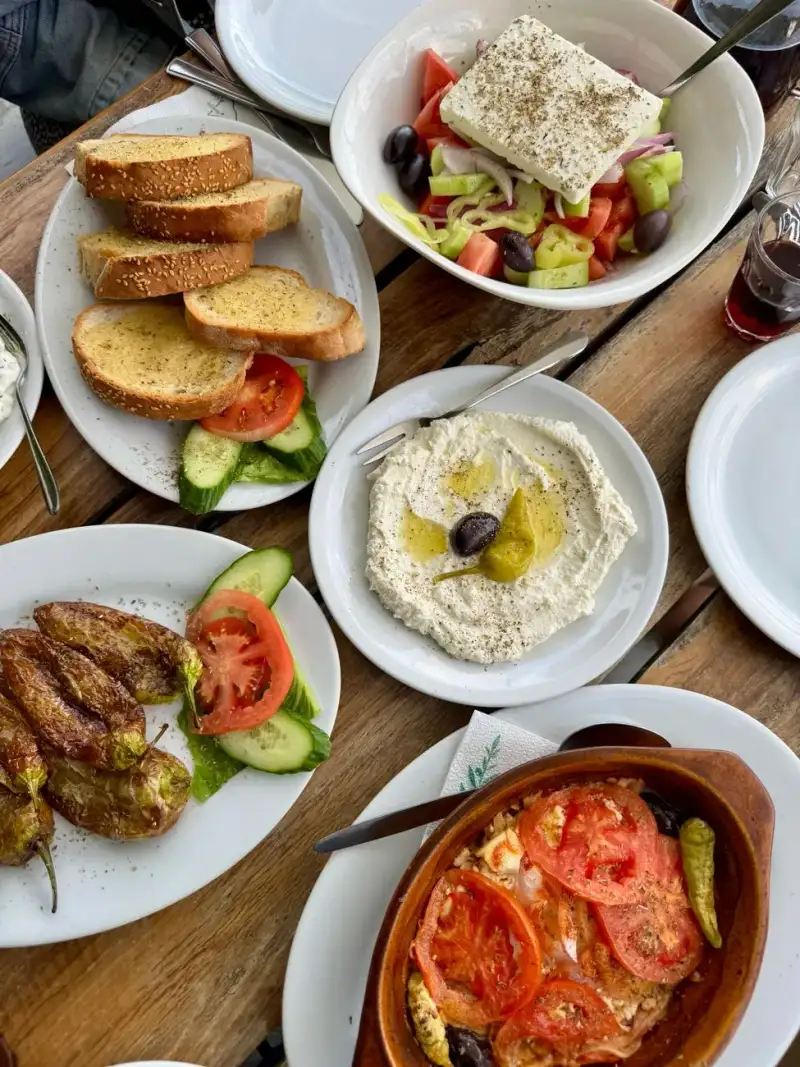
Introduction Greek Moussaka, a dish so quintessentially Mediterranean, is a culinary masterpiece that has captured the hearts and taste buds of people around the globe. This iconic lasagna-like dish, layered with tender eggplant, rich meat sauce, and a velvety béchamel sauce, is more than just a meal; it's an experience. The term "Moussaka" is derived from the Arabic word "musaqqa'a," meaning "chilled," which is ironic given the dish's warm, comforting nature. The origins of Moussaka are deeply rooted in Greek cuisine, but its evolution over time reflects the cultural exchange and diversity that characterize the Mediterranean region. In this article, we will delve into the layers of comfort and Mediterranean flavors that make Greek Moussaka an unforgettable culinary experience. The History of Moussaka To understand the significance of Moussaka in Greek cuisine, it's essential to explore its historical context. The dish as we know it today, with its characteristic layers of eggplant, minced meat, and béchamel sauce, is a relatively modern creation. However, the concept of layering ingredients to create a satisfying and filling meal dates back to ancient times. The use of eggplant, a staple in Mediterranean cuisine, was introduced by the Arabs during their conquest of the region. Over time, the dish evolved, incorporating local ingredients and cooking techniques. The modern version of Moussaka was popularized in the 20th century by Greek chef Nicholas Tselementes, who included it in his influential cookbook, "Odigos Mageirikes" (Culinary Guide). The Components of Moussaka Moussaka is a dish that celebrates the simplicity and richness of Mediterranean ingredients. The three main components – eggplant, meat sauce, and béchamel sauce – work together in harmony to create a culinary masterpiece. The eggplant, typically sliced into thin rounds and fried until golden, provides a meaty texture and a depth of flavor. The meat sauce, made with ground lamb or beef, onions, garlic, and tomatoes, adds a hearty, savory element. The béchamel sauce, a white sauce made with butter, flour, and milk, brings a creamy, velvety texture to the dish. Each component is carefully prepared and layered to create a dish that is both comforting and elegant.Cooking Techniques and Variations While traditional Moussaka is a staple of Greek cuisine, the dish has evolved over time, with various regions and chefs adding their own twists and variations. The key to a successful Moussaka lies in the cooking techniques used to prepare each component. The eggplant, for instance, can be grilled or baked instead of fried, offering a healthier alternative. The meat sauce can be made with different types of meat or spices, and the béchamel sauce can be enriched with cheese or herbs. These variations not only reflect personal preferences but also the cultural and geographical diversity of the Mediterranean region. Whether you're a traditionalist or an innovator, the beauty of Moussaka lies in its adaptability and the endless possibilities it offers.Cultural Significance and Identity Moussaka, like many traditional dishes, is deeply tied to cultural identity and community. In Greece, Moussaka is often served at family gatherings, special occasions, and celebrations, symbolizing hospitality, warmth, and generosity. The dish has also played a significant role in shaping national culinary identity, with its rich flavors and aromas evoking a sense of belonging and tradition. The cultural significance of Moussaka is not limited to Greece; the dish has become an integral part of Mediterranean cuisine, enjoyed and adapted by people from different ethnic and cultural backgrounds. This cross-cultural exchange and appreciation of traditional cuisine highlight the power of food to bring people together and transcend borders.The Mediterranean Diet and Health Benefits The Mediterranean diet, which Moussaka is a part of, has been widely recognized for its health benefits. Characterized by an emphasis on whole grains, fruits, vegetables, and healthy fats, this dietary pattern has been associated with a reduced risk of heart disease, diabetes, and certain types of cancer. Moussaka, with its vegetable-rich layers and moderate use of meat and dairy, can be a nutritious and balanced meal option when prepared with healthy cooking techniques and ingredients. The dish also celebrates the use of olive oil, a cornerstone of the Mediterranean diet, known for its antioxidant properties and health benefits.Component Calories Protein Fat CarbohydratesEggplant 25 1g 0g 6gMeat Sauce 200 15g 10g 10gBéchamel Sauce 150 5g 10g 10gTotal 375 21g 20g 26gConclusion Greek Moussaka is more than just a dish; it's a culinary journey through the Mediterranean, a celebration of tradition, culture, and community. With its rich layers of flavor and texture, Moussaka embodies the essence of comfort food, inviting us to gather around the table and share in the joy of eating. Whether you're a food enthusiast, a cultural explorer, or simply someone who appreciates the beauty of traditional cuisine, Moussaka is a dish that will leave you wanting more. So, go ahead, take a bite, and let the flavors of Greece transport you to a world of culinary delight. #MediterraneanDiet #GreekCuisine #ComfortFood #FoodCulture #TraditionalRecipes

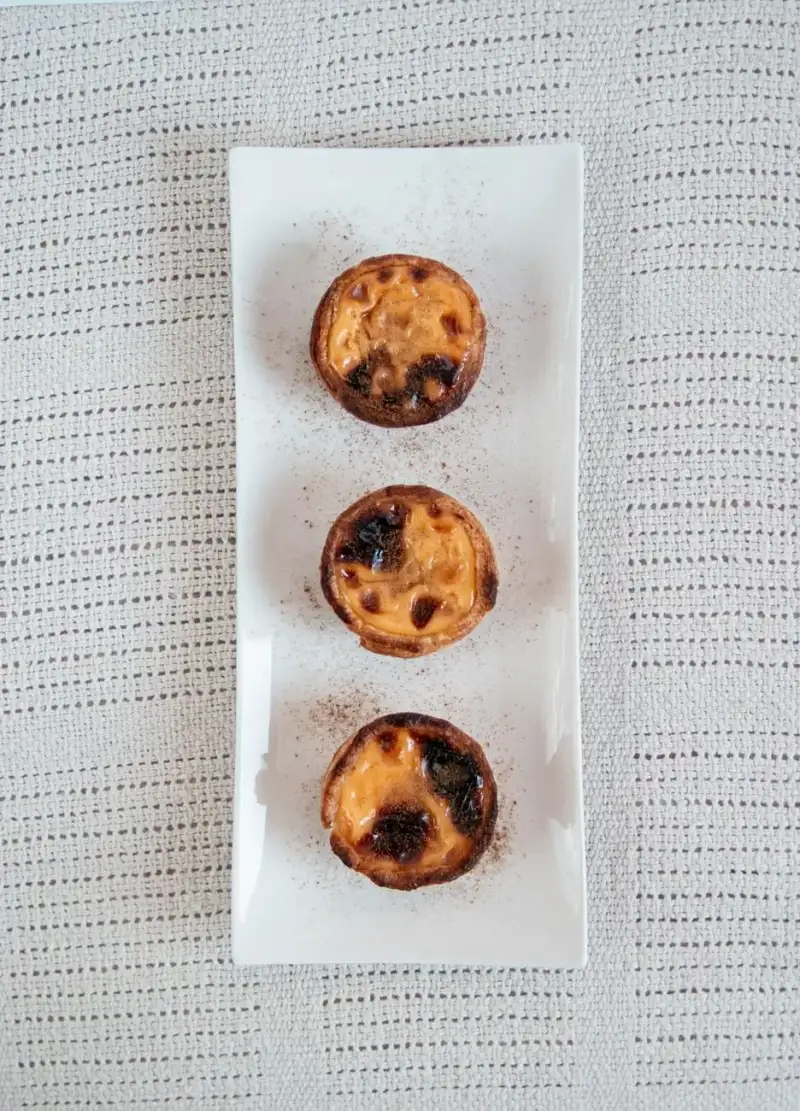
Portuguese Pastéis de Nata: The Custard Tart’s Sweet History Introduction Few desserts in the world carry the weight of history, culture, and national pride quite like Portugal’s Pastéis de Nata—those golden, flaky custard tarts with their caramelized tops and creamy interiors. Born in the cloisters of Lisbon’s Jerónimos Monastery in the 18th century, these tarts have transcended their monastic origins to become a global icon of Portuguese cuisine. Their journey from humble convent confections to UNESCO-recognized culinary ambassadors is a testament to Portugal’s rich gastronomic legacy and its enduring influence on world food culture. What makes Pastéis de Nata so extraordinary is not just their taste but their story—a blend of religious tradition, economic necessity, and culinary innovation. The monks of Jerónimos, facing declining income after the dissolution of religious orders in 1834, began selling the tarts to sustain their community. Today, they are a symbol of Portuguese identity, featured in every bakery from Porto to Tokyo, and even inspiring geopolitical discussions about cultural diplomacy. As we peel back the layers of this delectable treat, we uncover a narrative of resilience, adaptation, and the sweet power of culinary heritage.The Monastic Origins: How Nuns Shaped Portugal’s Most Famous Tart The story of Pastéis de Nata begins in the hallowed halls of Lisbon’s Jerónimos Monastery, a UNESCO World Heritage Site and one of Portugal’s most revered religious landmarks. Founded in the early 16th century by King Manuel I, the monastery was a center of spiritual and intellectual life, but by the 18th century, its monks faced financial strain. To supplement their income, the nuns turned to baking, creating pastries using egg yolks—a byproduct of the monastery’s wine production and the frequent use of egg whites for starching religious garments. The original recipe was a closely guarded secret, passed down through generations of nuns. The tarts were made with a simple yet ingenious combination: a crisp, thin pastry shell layered with a rich, spiced custard, baked until the top blistered into a dark caramel. The secret lay in the balance of ingredients—sugar, milk, cinnamon, and vanilla—crafted to perfection in the monastery’s kitchens. When the religious orders were dissolved in 1834 under the liberal reforms of the Portuguese government, the monks were forced to leave, but the recipe lived on. The nuns’ legacy was preserved by a man named Domingos Rodrigues, a former monk who opened a bakery in Lisbon’s Belém district. He named his creation Pastéis de Belém, a nod to the monastery’s location. Today, Pastéis de Belém remains the only place where the original recipe is still made, using the same wood-fired ovens and techniques as in the 19th century. The bakery’s success turned the tarts into a national treasure, with lines stretching around the block as tourists and locals alike queue for a taste of history.The monastic origins of Pastéis de Nata are more than just a quirky footnote in culinary history—they reflect a broader tradition of convent sweets in Portugal. Similar to Spain’s yemas or France’s madeleines, these tarts were born out of necessity, where nuns used available ingredients to create something extraordinary. The use of egg yolks, in particular, was a stroke of culinary genius, transforming a waste product into a delicacy. This resourcefulness is a hallmark of Portuguese cuisine, where scarcity often bred innovation. The transition from monastery to mainstream bakery also highlights the role of culinary diplomacy in Portugal’s history. As the tarts gained popularity, they became a symbol of Portuguese hospitality and craftsmanship, often served at diplomatic events to showcase the country’s cultural heritage. Research on Portuguese culinary diplomacy reveals how food has been used as a tool to foster international relations, with Pastéis de Nata serving as a delicious ambassador. The tarts’ journey from cloistered kitchens to global fame is a delicious reminder of how food can bridge cultures and eras.The Alchemy of Ingredients: Decoding the Perfect Pastel de Nata At the heart of every Pastel de Nata lies a delicate alchemy of ingredients, where simplicity meets precision. The magic begins with the pastry shell, a thin, flaky massa folhada (puff pastry) that encases the custard. Unlike other custard tarts, the pastry in Pastéis de Nata is not just a vessel but an integral part of the experience—its crispness contrasts with the creamy custard, creating a textural symphony. The dough is rolled paper-thin, layered with butter, and folded multiple times to achieve the signature layers. This technique, known as folhagem, requires skill and patience, as the dough must rest between folds to prevent the butter from melting and ruining the layers. The custard, or nata, is where the true artistry lies. Traditional recipes call for whole milk, sugar, egg yolks, and a blend of spices—cinnamon, nutmeg, and sometimes lemon zest—to add depth. The milk is scalded with the spices to infuse flavor, then cooled before being mixed with the yolks and sugar. The key to a perfect custard is slow cooking; the mixture must be stirred constantly over low heat until it thickens to a pudding-like consistency, ensuring a silky, velvety texture. Overcooking risks curdling, while undercooking leaves it too thin. The custard is then poured into the pastry shells and baked at a high temperature (around 250°C or 480°F) for just 12-15 minutes. The intense heat causes the top to caramelize, forming a dark, slightly blistered crust that contrasts with the pale custard beneath. One of the most debated aspects of Pastéis de Nata is the role of vanilla. Some purists insist on using a single vanilla bean, scraped into the milk, while others opt for high-quality extract. The debate extends to the type of sugar—granulated for a cleaner taste or brown sugar for a deeper caramel note. Another point of contention is the baking vessel. Traditionalists swear by the small, round metal tins used in Pastéis de Belém, which conduct heat evenly and create the perfect blistered top. Modern bakeries often use ceramic or silicone molds, which can alter the texture slightly.The ingredients of Pastéis de Nata also tell a story of Portugal’s colonial past. Cinnamon, a staple in the custard, was a prized spice imported from Sri Lanka and India during the Age of Exploration. Sugar, another key component, was cultivated in Portugal’s Atlantic colonies, including Madeira and Brazil. The use of egg yolks, as mentioned earlier, was a practical solution to the surplus created by the wine industry. This blend of indigenous and colonial ingredients reflects Portugal’s historical role as a global trading hub, where spices, sugar, and techniques from around the world converged in Lisbon’s kitchens. For those attempting to recreate Pastéis de Nata at home, the challenge lies not just in the ingredients but in the technique. The pastry must be rolled thin enough to achieve the signature flakiness, and the custard must be cooked to the precise temperature to avoid separation. Many home bakers opt for pre-made puff pastry to simplify the process, but purists argue that homemade dough is non-negotiable. The baking time is equally critical; too long in the oven, and the custard becomes rubbery, while too short, and it remains undercooked. A kitchen thermometer is essential for monitoring the custard’s temperature, which should reach 82°C (180°F) before baking. The ingredients of Pastéis de Nata are a testament to the power of simplicity. With just milk, sugar, eggs, and a handful of spices, a masterpiece is created. This minimalist approach is a hallmark of Portuguese cuisine, where complex flavors emerge from humble ingredients. Whether enjoyed with a sprinkle of cinnamon or a dusting of powdered sugar, each bite is a celebration of Portugal’s culinary ingenuity.From Belém to the World: The Global Rise of Portugal’s Iconic Tart The global ascent of Pastéis de Nata is a story of culinary diplomacy, migration, and the universal appeal of sweet indulgence. While the tarts originated in Lisbon’s Jerónimos Monastery, their journey to international fame began in the 19th century, when Domingos Rodrigues opened Pastéis de Belém in 1837. The bakery’s location near the monastery made it a natural destination for visitors seeking a taste of history. By the early 20th century, the tarts had become a must-try for tourists, earning a reputation as Lisbon’s unofficial dessert ambassador. The tarts’ global expansion accelerated in the 21st century, thanks to Portugal’s growing influence in food culture and the rise of social media. Instagram, in particular, played a pivotal role, with food bloggers and influencers sharing images of the golden, caramelized tarts, sparking curiosity and demand worldwide. Bakeries from London to Los Angeles began offering their own versions, often adapting the recipe to local tastes—some adding citrus zest, others incorporating chocolate or salted caramel. The globalized Pastel de Nata became a canvas for innovation, with chefs experimenting with flavors while purists clung to tradition. Portugal’s culinary diplomacy has also been instrumental in spreading the tarts’ fame. The country has actively promoted its gastronomy as a tool for soft power, with Pastéis de Nata serving as a flagship product. In 2011, the European Union granted Pastéis de Belém Protected Geographical Indication (PGI) status, recognizing the bakery’s exclusive right to use the name Pastel de Belém for its tarts. This designation ensures that only the original recipe, made in Belém, can bear the name, protecting Portugal’s culinary heritage from imitation. The PGI status also underscores the tarts’ cultural significance, elevating them beyond mere dessert to a symbol of national identity.The global success of Pastéis de Nata has not been without controversy. As the tarts spread, so did debates over authenticity. Purists argue that only Pastéis de Belém can claim the title of "original," while others contend that the spirit of the recipe transcends its birthplace. In cities like New York, Paris, and Tokyo, bakeries have put their own spin on the classic, using local ingredients or modern techniques. Some adaptations have been met with acclaim, while others have faced backlash from traditionalists. The debate over authenticity reflects a broader tension in global food culture—how to honor tradition while embracing innovation. The tarts’ global reach is also a testament to Portugal’s diaspora. Portuguese communities in France, Canada, and the United States have played a crucial role in popularizing Pastéis de Nata, opening bakeries and cafes that serve as cultural outposts. In these spaces, the tarts become more than just dessert; they are a connection to home, a taste of Portugal’s sun-drenched coasts and historic streets. The global Portuguese community has turned the tarts into a symbol of resilience and cultural pride, ensuring that even in distant lands, the flavors of Portugal endure. The rise of Pastéis de Nata in the global market has also had economic implications. The tarts have become a lucrative export, with Portugal shipping frozen and pre-baked versions to supermarkets worldwide. The bakery Pastéis de Belém alone produces over 20,000 tarts daily, with a significant portion exported to countries like the UK, France, and Brazil. The tarts’ success has inspired other Portuguese bakeries to expand internationally, creating a ripple effect in the country’s food economy. This economic impact underscores the power of culinary heritage as a driver of growth and tourism. As Pastéis de Nata continue to captivate palates around the world, their story serves as a reminder of how food can transcend borders. Whether enjoyed in a Lisbon bakery or a Tokyo café, each tart carries a piece of Portugal’s history, culture, and spirit. The global rise of this humble custard tart is a delicious example of how culinary diplomacy can shape a nation’s identity and influence the world.👉 Continue Reading: Portuguese Pastéis de Nata: The Custard Tart's Sweet History (Part 2)#PastelDeNata #PortugueseCuisine #CulinaryHeritage #FoodHistory #GlobalDesserts Related InsightsMiso Alchemy: Scaling Home Fermentation to Artisanal Mastery Mumbai’s Melting Pot of Flavors: The Soul-Satisfying Street Food That Defines the City Appam and Stew: Kerala's Comforting Coconut Duo{ "@context": "https://schema.org", "@type": "FAQPage", "mainEntity": [ { "@type": "Question", "name": "What is the main focus of Portuguese Pastéis de Nata: The Custard Tart's Sweet History?", "acceptedAnswer": { "@type": "Answer", "text": "Discover the historical migration of Portugal's beloved pastéis de nata—their journey from convent cuisine to worldwide sensation, served with a hint of cinnamon." } }, { "@type": "Question", "name": "Who authored the comprehensive guide on Portuguese Pastéis de Nata: The Custard Tart's Sweet History?", "acceptedAnswer": { "@type": "Answer", "text": "This detailed article and its insights were carefully researched and authored by Marcus Vance." } }, { "@type": "Question", "name": "Where can I find more related content about Food?", "acceptedAnswer": { "@type": "Answer", "text": "You can explore more articles, detailed reviews, and similar insights by browsing the Related Insights section at the bottom of this article or visiting our dedicated Food category page." } } ] }
-
 Marcus Vance
 - 19 Jul, 2026 14:15
Portuguese Pastéis de Nata: The Custard Tart's Sweet History (Part 2)
This is Part 2 of the series. Read Part 1 here.The Science Behind the Blister: Why Pastéis de Nata’s Top is the Secret to Perfection The blistered, caramelized top of a Pastel de Nata is its most distinctive feature—a dark, slightly cracked surface that contrasts with the pale custard beneath. This blister is not just a visual hallmark; it’s a result of precise scientific principles that govern baking. Understanding the science behind the blister reveals why some tarts achieve this coveted texture while others fall short. The blister forms due to a process called Maillard reaction, a chemical reaction between amino acids and reducing sugars that occurs at high temperatures. When the custard is baked at 250°C (480°F), the sugars in the milk and eggs caramelize, creating the dark, glossy top. The blisters themselves are caused by steam escaping from the custard as it bakes. The high heat causes the moisture in the custard to vaporize rapidly, creating pressure that forces the pastry to puff and blister. The key to achieving this effect lies in the baking temperature and time—too low, and the custard won’t blister; too high, and it will burn. Another critical factor is the pastry’s composition. The massa folhada used in Pastéis de Nata is rolled thin and layered with butter, creating a structure that traps steam during baking. As the butter melts, it releases moisture, which combines with the custard’s sugars to enhance the Maillard reaction. The pastry’s thinness also allows heat to penetrate quickly, ensuring the custard sets before the top burns. This delicate balance is why the blister is so difficult to replicate outside of Portugal, where bakers have perfected the technique over generations. The role of the baking vessel cannot be overstated. Traditional metal tins conduct heat efficiently, ensuring even baking and optimal blister formation. Ceramic or silicone molds, while convenient, can insulate the tart, preventing the custard from reaching the high temperatures needed for blistering. This is why many home bakers struggle to replicate the texture of authentic Pastéis de Nata—their equipment simply doesn’t match the conductivity of metal tins. The science of the blister also explains why the custard must be poured into the pastry shells just before baking. If the custard sits too long, the pastry can become soggy, and the blister may not form properly. The high heat of the oven causes the custard to set almost instantly, trapping the steam and creating the blisters. This rapid setting is why the custard remains creamy and smooth despite the intense heat—a testament to the precision of the recipe. For bakers looking to perfect their technique, understanding the science behind the blister is essential. The key takeaways are:High Heat: Bake at 250°C (480°F) for 12-15 minutes to achieve the Maillard reaction. Thin Pastry: Roll the dough paper-thin to allow heat to penetrate quickly. Metal Tins: Use metal baking tins for optimal heat conduction. Fresh Custard: Pour the custard into the pastry shells just before baking to prevent sogginess. Steam Control: Ensure the oven is preheated to avoid temperature fluctuations that can affect blister formation.The blistered top of a Pastel de Nata is more than just a visual delight—it’s a testament to the interplay of chemistry, physics, and culinary artistry. This delicate balance of heat, moisture, and structure is what sets Portuguese custard tarts apart from their imitators. Whether enjoyed in Lisbon or replicated at home, the blister is a reminder that great food is as much about science as it is about tradition.Modern Twists and Global Adaptations: Reinventing Portugal’s Classic Tart While the traditional Pastel de Nata remains a beloved classic, modern bakers and chefs around the world have begun experimenting with innovative twists, blending Portuguese heritage with global flavors. These adaptations reflect the tarts’ versatility and their ability to evolve while retaining their core identity. From savory versions to vegan alternatives, the Pastel de Nata has become a canvas for creativity, proving that even the most iconic recipes can be reimagined. One of the most popular modern adaptations is the Pastel de Nata with salted caramel. This variation swaps the traditional cinnamon for a drizzle of salted caramel sauce, adding a rich, buttery sweetness that complements the custard’s vanilla notes. The caramel’s saltiness cuts through the sweetness, creating a balanced flavor profile that has become a favorite in bakeries from New York to Sydney. Another trend is the incorporation of citrus, with some chefs adding lemon or orange zest to the custard for a bright, zesty twist. This adaptation nods to Portugal’s citrus-growing regions, such as the Algarve, and adds a refreshing contrast to the rich custard. Vegan Pastéis de Nata have also gained traction, catering to the growing demand for plant-based desserts. These versions replace the egg yolks and milk with alternatives like coconut milk, almond milk, and cornstarch for thickening. The custard is often flavored with vanilla and a touch of turmeric for color, creating a dairy-free version that mimics the original’s texture and taste. While purists may balk at these adaptations, vegan tarts have opened the door for a wider audience to enjoy Portugal’s iconic dessert. In cities like Berlin and Amsterdam, vegan bakeries have made Pastéis de Nata accessible to those with dietary restrictions, proving that culinary traditions can adapt without losing their essence.Savory Pastéis de Nata have also emerged as a bold new trend, challenging the notion that the tarts must be sweet. Chefs have experimented with fillings like goat cheese and honey, chorizo and caramelized onions, or even truffle-infused custard. These savory versions are often served as appetizers or snacks, showcasing the tarts’ versatility beyond dessert. In Portugal, some bakeries offer Pastéis de Nata with a sprinkle of sea salt or a drizzle of olive oil, highlighting the country’s Mediterranean influences. These adaptations speak to the tarts’ potential as a culinary chameleon, capable of transcending traditional boundaries. Global adaptations of Pastéis de Nata also reflect local tastes and ingredients. In Brazil, where Portuguese influence runs deep, bakeries often add condensed milk to the custard, creating a denser, sweeter version. In Macau, a former Portuguese colony, the tarts are sometimes infused with coconut milk or pandan, reflecting the region’s Southeast Asian flavors. In the United States, fusion bakeries have experimented with flavors like matcha, pumpkin spice, and even s’mores, blending Portuguese tradition with American nostalgia. These adaptations highlight the tarts’ ability to absorb and reflect the cultures they encounter, making them a truly global phenomenon. Despite the innovations, purists argue that the traditional Pastel de Nata should remain untouched. They contend that the original recipe is a masterpiece that doesn’t need alteration, and that modern twists dilute its authenticity. This debate mirrors broader discussions in food culture about tradition versus innovation. However, the beauty of Pastéis de Nata lies in their adaptability—they can be enjoyed in their classic form or reimagined to suit modern palates. Whether served plain or with a contemporary twist, the tarts remain a symbol of Portugal’s culinary heritage and its enduring appeal. The global adaptations of Pastéis de Nata also underscore the role of food in cultural exchange. As the tarts travel the world, they carry with them a piece of Portugal’s history, while also absorbing new influences. This exchange enriches both the original recipe and its adaptations, creating a dynamic culinary dialogue. For example, a vegan Pastel de Nata in Berlin might inspire a Portuguese baker to experiment with plant-based ingredients, while a matcha-infused tart in Tokyo could introduce new flavors to Lisbon’s bakeries. This cross-pollination of ideas is a testament to the power of food as a universal language.Nutritional Breakdown and Health Considerations: Can You Indulge Guilt-Free? For all their indulgent appeal, Pastéis de Nata are undeniably a treat—rich, buttery, and high in sugar and fat. A single tart contains approximately 200-250 calories, with 12-15 grams of fat and 15-20 grams of sugar. The majority of the fat comes from the puff pastry and butter, while the sugar is concentrated in the custard. These nutritional values make the tarts a high-calorie dessert, best enjoyed in moderation. However, understanding their nutritional profile can help consumers make informed choices about when and how to indulge. A typical Pastel de Nata provides:Calories: 200-250 kcal Fat: 12-15 g (7-9 g saturated fat) Carbohydrates: 20-25 g (10-12 g sugars) Protein: 3-5 g Sodium: 50-80 mgThe high saturated fat content is primarily due to the butter in the pastry and the egg yolks in the custard. While fat is essential for the tarts’ flaky texture and rich flavor, it also contributes to their calorie density. The sugar content, derived from both the custard and the caramelized top, is another consideration for those monitoring their intake. For comparison, a medium-sized chocolate chip cookie contains roughly the same calories as a Pastel de Nata, but the tarts’ fat and sugar content is more concentrated. For those looking to enjoy Pastéis de Nata without the guilt, there are several strategies. One option is to share a tart, as the small size makes it easy to split between two people. Pairing the tart with a cup of black coffee or tea can also help balance the richness, as the bitterness of the coffee cuts through the sweetness. Another approach is to opt for a smaller version, such as a mini Pastel de Nata, which contains roughly half the calories of a standard tart. Some bakeries also offer lighter versions, using less butter or substituting part of the sugar with a natural sweetener like stevia.For health-conscious bakers, there are ways to adapt the recipe to reduce calories and fat without sacrificing too much of the original flavor. Using whole wheat flour for the pastry can add fiber, while substituting part of the butter with coconut oil or olive oil can reduce saturated fat. For the custard, low-fat milk and egg whites can be used to cut calories, though this may affect the texture. Natural sweeteners like honey or maple syrup can replace some of the sugar, though they may alter the taste slightly. These modifications are not traditional, but they offer a compromise for those who want to enjoy the tarts while adhering to dietary guidelines. It’s also worth noting that Pastéis de Nata are not inherently unhealthy when consumed as part of a balanced diet. Like many desserts, they are best enjoyed occasionally rather than daily. Their high calorie and fat content make them a treat to be savored, not a staple. For those with dietary restrictions, vegan or gluten-free adaptations can provide a way to enjoy the tarts without compromising health goals. Ultimately, the key to indulging in Pastéis de Nata is moderation—savoring each bite while being mindful of portion sizes.Conclusion The Pastel de Nata is more than just a custard tart—it is a living testament to Portugal’s history, culture, and culinary ingenuity. From its monastic origins in the Jerónimos Monastery to its status as a global icon, this humble dessert has traveled the world, carrying with it the flavors and stories of Portugal. Its journey reflects the power of food to bridge cultures, foster diplomacy, and preserve heritage. Whether enjoyed in a Lisbon bakery, a Tokyo café, or a home kitchen, each tart is a bite of history—a connection to the nuns who first baked it, the monks who preserved the recipe, and the bakers who continue to perfect it today. The science behind the blistered top, the alchemy of its ingredients, and the global adaptations that have emerged all speak to the Pastel de Nata’s enduring appeal. It is a dessert that defies trends, remaining as beloved in its traditional form as it is in modern reinterpretations. As Portugal’s culinary diplomacy continues to elevate its gastronomy on the world stage, the Pastel de Nata stands as a symbol of the country’s ability to share its culture through flavor. Whether you’re a purist who insists on the original recipe or an adventurous eater who enjoys the latest fusion twist, one thing is certain: the Pastel de Nata is a dessert worth celebrating. So the next time you bite into a golden, caramelized Pastel de Nata, take a moment to appreciate the centuries of history in each flaky layer. Let it transport you to the sun-drenched streets of Lisbon, the bustling markets of Macau, or the cozy kitchens of Portuguese immigrants around the world. In every bite, there’s a story—a story of resilience, innovation, and the sweet power of tradition.#PastelDeNata #PortugueseCuisine #CulinaryHeritage #FoodHistory #GlobalDesserts Related InsightsThe Legacy of Nourishment: A Nutrient-Dense Chicken and Vegetable Pot Pie L'Âme Fermentée de la Corée : Odyssée Sensorielle et Historique du Kimchi Eine deutsche Seele in der Küche: Essen ist nicht nur zum Sattwerden da!{ "@context": "https://schema.org", "@type": "FAQPage", "mainEntity": [ { "@type": "Question", "name": "What is the main focus of Portuguese Pastéis de Nata: The Custard Tart's Sweet History (Part 2)?", "acceptedAnswer": { "@type": "Answer", "text": "Discover the historical migration of Portugal's beloved pastéis de nata—their journey from convent cuisine to worldwide sensation, served with a hint of cinnamon." } }, { "@type": "Question", "name": "Who authored the comprehensive guide on Portuguese Pastéis de Nata: The Custard Tart's Sweet History (Part 2)?", "acceptedAnswer": { "@type": "Answer", "text": "This detailed article and its insights were carefully researched and authored by Marcus Vance." } }, { "@type": "Question", "name": "Where can I find more related content about Food?", "acceptedAnswer": { "@type": "Answer", "text": "You can explore more articles, detailed reviews, and similar insights by browsing the Related Insights section at the bottom of this article or visiting our dedicated Food category page." } } ] }
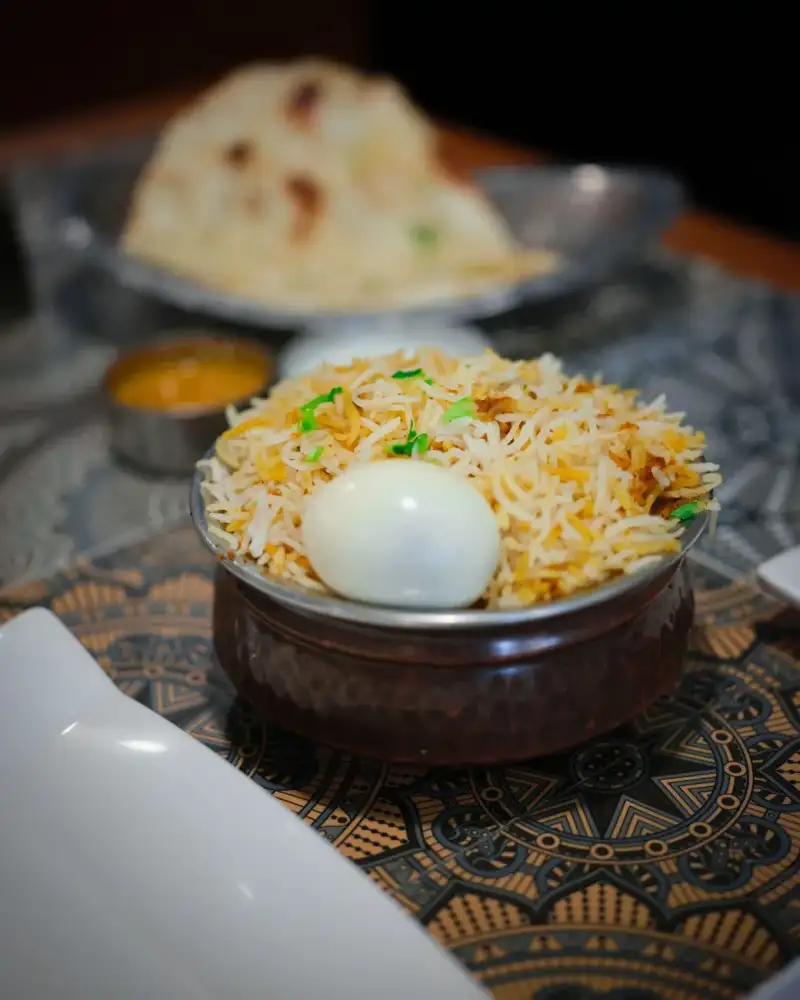
Indian Biryani: Aromatic Rice, Spices, and Royal Legacies Introduction Few dishes in the world evoke the same sense of grandeur, complexity, and sensory delight as Indian biryani. This iconic rice preparation, layered with marinated meat, fragrant spices, and slow-cooked perfection, is more than just a meal—it is a culinary narrative woven through centuries of trade, conquest, and cultural fusion. From the royal kitchens of the Mughal emperors to the bustling streets of Hyderabad and Lucknow, biryani tells a story of migration, adaptation, and mastery. What makes this dish truly extraordinary is not just its taste, but the meticulous craftsmanship behind it: the careful selection of basmati rice, the art of marinating meat for hours, and the layering technique that transforms simple ingredients into a symphony of flavor. Historically, biryani emerged as a symbol of opulence during the Mughal era, when Persian culinary traditions merged with Indian spices and techniques. The word "biryani" itself is believed to derive from the Persian beryan, meaning "to fry" or "to roast," a testament to its origins in the royal courts of Persia and Central Asia. Over time, regional variations evolved across India, each reflecting local tastes, available ingredients, and cultural influences. Today, biryani is celebrated globally—not just as a dish, but as a heritage, a tradition, and a testament to India’s rich culinary diversity. In this article, we will explore the origins, regional variations, and intricate preparation methods of biryani. We’ll delve into the science behind its aroma, the cultural significance of its ingredients, and the techniques that elevate it from a simple rice dish to a royal legacy.The Historical Roots of Biryani: From Persian Palaces to Indian Courts The story of biryani begins not in India, but in the heart of the Persian Empire. Historical records suggest that the dish originated in Persia, where it was known as beryan polo—a dish of rice and meat cooked together. When Persian rulers and their culinary traditions spread to the Indian subcontinent through trade and conquest, biryani underwent a transformation. The Mughal emperors, particularly Babur and Akbar, played a pivotal role in popularizing biryani in India. Akbar’s court chronicler, Abul Fazl, documented the emperor’s love for biryani in the Ain-i-Akbari, describing it as a dish fit for royalty. The evolution of biryani in India was shaped by several factors, including the availability of local spices, the influence of regional cuisines, and the Mughal preference for rich, layered dishes. One of the earliest Indian adaptations was Awadhi biryani, which emerged in the royal kitchens of Lucknow. This version is characterized by its delicate flavors, slow-cooked meat, and the use of dum cooking—a technique where the pot is sealed with dough to trap steam and infuse the dish with aroma. Another significant variation is Hyderabadi biryani, which reflects the Nizami culture of the Deccan region. Unlike Awadhi biryani, Hyderabadi biryani uses raw meat and rice, layered and cooked together in a single pot, creating a robust, spicy flavor profile. The socio-historical context of biryani’s development is deeply intertwined with the Indian subcontinent’s cultural evolution. As per the Evolution of Indian cuisine: a socio-historical review, the fusion of Persian and Indian culinary traditions was not merely a transfer of recipes but a dynamic exchange that enriched both cuisines. The use of spices like cardamom, cloves, and cinnamon, which were indigenous to India, became integral to biryani, while techniques like dum cooking were refined under Mughal patronage. This cultural synthesis is evident in the regional variations of biryani across India, each telling a unique story of adaptation and innovation.The Art of Biryani: Ingredients, Techniques, and Flavor Chemistry At its core, biryani is a dish of contrasts: tender meat, fragrant rice, and a harmonious blend of spices. The secret to a perfect biryani lies in the quality of its ingredients and the precision of its techniques. Let’s break down the essential components and the science behind their magic. 1. The Rice: Basmati and Its Role in Biryani The foundation of biryani is basmati rice, a long-grain variety known for its delicate aroma and ability to absorb flavors. Basmati rice is cultivated primarily in the foothills of the Himalayas, where the climate and soil conditions impart its signature fragrance. The grains are parboiled (kaccha method) or fully cooked (pakki method) before being layered with meat and spices. Parboiling ensures that the rice remains firm and separate, while full cooking makes it softer and more absorbent. The choice of rice is critical. Basmati’s low amylose content (around 20-22%) ensures that the grains do not turn mushy during cooking. Additionally, the presence of 2-acetyl-1-pyrroline, a compound responsible for its aromatic scent, is what sets basmati apart from other rice varieties. When combined with spices like saffron, cardamom, and bay leaves, the rice absorbs these aromas, creating a fragrant base for the biryani. 2. The Meat: Marination and Slow Cooking The meat used in biryani varies by region—chicken, lamb, goat, and even fish are common. The key to tender meat lies in marination. Traditional marinades include yogurt, ginger-garlic paste, lemon juice, and a blend of spices such as turmeric, red chili powder, coriander, and garam masala. The yogurt acts as a tenderizer, breaking down the muscle fibers, while the acids in lemon juice further enhance this effect. Marination times vary: chicken is typically marinated for 4-6 hours, while tougher cuts like lamb require overnight marination. The science behind this is simple—longer marination allows the spices to penetrate deeper into the meat, enhancing flavor and tenderness. After marination, the meat is partially cooked through boiling or frying, depending on the regional style. In Hyderabadi biryani, for example, the meat is fried to develop a rich, caramelized crust before being layered with rice. Slow cooking is another crucial technique. Whether using the dum method (sealed pot cooking) or pressure cooking, the goal is to allow the meat to become fall-off-the-bone tender while infusing the rice with its juices. The Maillard reaction, which occurs during frying or searing, contributes to the deep, savory flavors of the meat. 3. The Spice Blend: A Symphony of Aromas The spice blend in biryani is a carefully balanced mix that varies by region. Common spices include:Whole spices: Bay leaves, cardamom pods, cloves, cinnamon sticks, and star anise. Ground spices: Turmeric, red chili powder, coriander powder, cumin powder, and garam masala. Aromatics: Fresh ginger, garlic, and green chilies. Finishing touches: Saffron strands soaked in warm milk, kewra water (a floral extract), and rose water.The role of spices in biryani is not just about heat—it’s about creating a layered aroma. For instance, cardamom and cloves contribute warm, sweet notes, while black pepper and green chilies add a subtle kick. The use of saffron, one of the most expensive spices in the world, is a hallmark of premium biryani, imparting a golden hue and a distinct floral aroma. The Evolution of Indian cuisine study highlights how spices were not just culinary tools but also symbols of wealth and status. In biryani, the liberal use of spices reflects the dish’s royal origins, where extravagance was a sign of prestige. 4. The Layering Technique: Dum Cooking and the Magic of Sealed Pots The final step in biryani preparation is layering and dum cooking. This technique involves arranging the partially cooked rice and meat in a heavy-bottomed pot, sealing it with dough or a tight lid, and slow-cooking it over low heat. The steam generated during this process infuses the rice with the meat’s flavors while ensuring that the grains remain separate and fluffy. There are two primary methods of layering:Kaccha style (Hyderabadi): Raw marinated meat is layered with half-cooked rice. The pot is sealed and cooked until the meat and rice are done together. Pakki style (Awadhi): Both meat and rice are fully cooked separately before being layered. This method allows for greater control over the texture of the rice and meat.The dum cooking process can take anywhere from 30 minutes to an hour, depending on the quantity and type of meat. The sealed environment ensures that the flavors meld together, creating a dish where every bite is a harmonious blend of spices, meat, and rice.Regional Variations: A Culinary Map of India India’s diversity is reflected in its biryani, with each region offering a unique interpretation of this classic dish. From the royal kitchens of Lucknow to the coastal flavors of Kerala, biryani adapts to local tastes, ingredients, and cultural influences. Here’s a journey through India’s biryani landscape: 1. Hyderabadi Biryani: The Spicy Deccan Delight Hyderabadi biryani is perhaps the most famous variation, known for its robust, spicy flavor and distinctive cooking method. Originating in the kitchens of the Nizams of Hyderabad, this biryani is characterized by its use of raw meat and rice, layered and cooked together in a single pot. The meat is marinated in a blend of yogurt, ginger-garlic paste, and spices, then fried to develop a deep, caramelized crust. The rice, parboiled with whole spices, is layered over the meat along with fried onions, mint, and coriander leaves. The pot is sealed with dough and slow-cooked, allowing the flavors to meld. The key to Hyderabadi biryani lies in its spice blend, which includes black pepper, nutmeg, and mace, giving it a distinct warmth. It is traditionally served with mirchi ka salan (a fiery chili curry) and raita (yogurt dip), creating a balance of heat and cooling elements.👉 Continue Reading: Aromatic Flavors of India: Understanding Biryani's Rich Legacy (Part 2)Conclusion Indian biryani is more than a dish—it is a living testament to the subcontinent’s rich history, cultural fusion, and culinary ingenuity. From its Persian origins to its royal Mughal adaptations, and from the bustling streets of Hyderabad to the high-end kitchens of the world, biryani has traveled through time and space, evolving with each generation while retaining its soul. The art of biryani lies not just in its ingredients or techniques, but in the stories it tells: of empires and traders, of love and celebration, and of the universal human desire to create something extraordinary from the ordinary. What makes biryani truly special is its ability to adapt. Whether it’s the fiery Hyderabadi version, the delicate Lucknowi style, or the coastal flavors of Malabar, each variation offers a unique glimpse into the region it hails from. And as global tastes evolve, biryani continues to reinvent itself—whether through vegan adaptations, fusion experiments, or sustainable innovations. It is a dish that transcends borders, bringing people together over a shared love for bold flavors and rich traditions. For those who have never tried biryani, the journey begins with a single bite—a fragrant, spicy, and deeply satisfying experience that lingers long after the last grain of rice is gone. For those who are already fans, the quest for the perfect biryani is an endless adventure, one that promises new flavors, techniques, and stories with every bite. As you embark on your own biryani journey, remember that the true magic lies not just in the recipe, but in the love and care you pour into it. Whether you’re cooking for a royal feast or a simple family dinner, biryani is a dish that deserves to be savored, shared, and celebrated. Until next time, happy cooking—and may your biryani always be fragrant, flavorful, and unforgettable. — Isabella Rossi #BiryaniLovers #SpiceAndEverythingNice #FoodHeritage #RoyalCuisine #GlobalFlavors #Biryani #IndianCuisine #FoodHistory #AromaticFlavors Related InsightsMastering the Asado: A Deep Dive into Argentina's Barbecue Culture Aromatic Flavors of India: Understanding Biryani's Rich Legacy (Part 2) From Dragon Fruit to Durian: A Global Tour of the World’s Most Exotic Fruits and Their Secrets{ "@context": "https://schema.org", "@type": "FAQPage", "mainEntity": [ { "@type": "Question", "name": "What is the main focus of Aromatic Flavors of India: Understanding Biryani's Rich Legacy?", "acceptedAnswer": { "@type": "Answer", "text": "Dive into the world of biryani, exploring its origins, preparation methods, and the cultural significance behind this mouthwatering Indian staple." } }, { "@type": "Question", "name": "Who authored the comprehensive guide on Aromatic Flavors of India: Understanding Biryani's Rich Legacy?", "acceptedAnswer": { "@type": "Answer", "text": "This detailed article and its insights were carefully researched and authored by Isabella Rossi." } }, { "@type": "Question", "name": "Where can I find more related content about Food?", "acceptedAnswer": { "@type": "Answer", "text": "You can explore more articles, detailed reviews, and similar insights by browsing the Related Insights section at the bottom of this article or visiting our dedicated Food category page." } } ] }
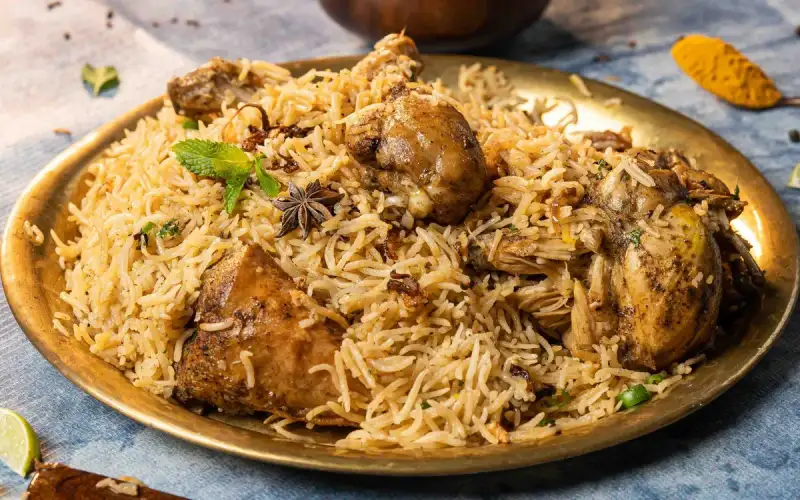
- Isabella Rossi
- 18 Jul, 2026 14:11
Aromatic Flavors of India: Understanding Biryani's Rich Legacy (Part 2)
This is Part 2 of the series. Read Part 1 here.2. Lucknowi (Awadhi) Biryani: The Royal Elegance Lucknowi biryani, also known as Awadhi biryani, is a refined and aromatic version that reflects the culinary sophistication of the Mughal courts. Unlike Hyderabadi biryani, the meat and rice are fully cooked separately before being layered. The meat is slow-cooked in a rich gravy with spices like saffron, cardamom, and rose water, while the rice is cooked with whole spices and a touch of ghee. The layering process is meticulous: a layer of rice is spread at the bottom of the pot, followed by the meat, then more rice, and finally fried onions, mint, and saffron-infused milk. The pot is sealed and cooked on low heat, allowing the flavors to permeate each layer. The result is a biryani that is delicate, fragrant, and subtly spiced, with grains of rice that are perfectly separate. 3. Kolkata Biryani: The Colonial Fusion Kolkata biryani has a unique history tied to the British colonial era. When the Nawabs of Awadh were exiled to Kolkata after the fall of the Mughal Empire, they brought their culinary traditions with them. However, due to the unavailability of certain ingredients in Bengal, the biryani evolved into a milder, sweeter version. Potatoes were added to the dish, a nod to Bengali preferences, and the use of yogurt and fried onions became more prominent. Kolkata biryani is also distinguished by its use of ghee (clarified butter) and a blend of spices that includes nutmeg and mace. The meat is marinated in yogurt and spices, then partially cooked before being layered with rice and slow-cooked. The result is a biryani that is creamy, slightly sweet, and less spicy than its Hyderabadi or Lucknowi counterparts. 4. Malabar Biryani: The Coastal Flavors of Kerala Malabar biryani, hailing from the Malabar Coast of Kerala, is a seafood lover’s delight. This variation often features fish, prawns, or squid, marinated in a blend of coconut milk, curry leaves, and spices like fennel and cinnamon. The rice is cooked with coconut milk and whole spices, giving it a fragrant, slightly sweet aroma. The layering technique is similar to Hyderabadi biryani, with raw seafood and partially cooked rice layered together. The dish is slow-cooked in a sealed pot, allowing the seafood to absorb the flavors of the spices and rice. Malabar biryani is typically served with a side of nadan kozhi curry (a spicy chicken curry) and pachadi (a yogurt-based side dish). 5. Sindhi Biryani: The Bold and Spicy Sindhi biryani, originating from the Sindh region (now part of Pakistan), is known for its bold, spicy flavors and generous use of meat. The meat is marinated in a blend of yogurt, ginger-garlic paste, and a mix of ground spices, then fried until crispy. The rice is cooked with whole spices and a touch of dahi (yogurt) to give it a slightly tangy flavor. The layering process includes fried potatoes, which add a creamy texture to the dish. Sindhi biryani is often served with raita and boondi raita (a yogurt dip with crispy chickpea flour balls), balancing the heat of the spices.The Science Behind Biryani: Flavor, Texture, and Nutrition Biryani is not just a feast for the senses—it is a marvel of culinary science. The dish’s success hinges on the interplay of chemistry, physics, and biology, from the marination of meat to the layering of rice. Let’s explore the science behind biryani’s magic. 1. The Maillard Reaction and Meat Tenderness The Maillard reaction is a chemical process that occurs when amino acids and reducing sugars in meat are exposed to high heat. This reaction is responsible for the browning and caramelization of meat, which enhances its flavor and aroma. In biryani, the meat is often fried or seared before being layered with rice, triggering the Maillard reaction and creating a rich, savory crust. Additionally, the slow cooking process allows collagen in the meat to break down into gelatin, making the meat tender and juicy. The presence of acids in the marinade (such as lemon juice or yogurt) further tenderizes the meat by denaturing proteins, making them more susceptible to breakdown during cooking. 2. The Role of Rice in Texture and Aroma The texture of biryani rice is a result of careful parboiling and layering. Basmati rice has a low amylose content, which means it absorbs less water and remains firm during cooking. Parboiling the rice before layering ensures that the grains do not break apart while absorbing the flavors of the meat and spices. The aroma of biryani rice is primarily due to the presence of 2-acetyl-1-pyrroline, a compound that gives basmati rice its distinctive scent. When combined with spices like saffron, cardamom, and kewra water, the rice absorbs these aromatic compounds, creating a fragrant base for the dish. 3. The Flavor Chemistry of Spices Spices are the soul of biryani, and their flavors are a result of complex chemical compounds. For example:Cardamom: Contains cineole and terpinene, which impart a warm, citrusy aroma. Cinnamon: Rich in cinnamaldehyde, which gives it a sweet, woody flavor. Cloves: Contain eugenol, a compound with a strong, spicy aroma. Saffron: Contains crocin and safranal, which give it a golden hue and floral aroma.The combination of these compounds creates a multi-layered flavor profile that is both complex and harmonious. The Evolution of Indian cuisine study emphasizes how the use of spices in biryani reflects the Indian subcontinent’s rich biodiversity and historical trade routes. 4. The Nutritional Profile of Biryani While biryani is often considered a indulgent dish, it also offers nutritional benefits:Protein: Meat (chicken, lamb, or goat) is a rich source of protein, essential for muscle repair and growth. Carbohydrates: Basmati rice provides energy, while potatoes (in Kolkata biryani) add fiber and vitamins. Fats: Ghee and oil used in cooking provide healthy fats, though moderation is key. Spices: Many spices used in biryani, such as turmeric and cumin, have anti-inflammatory and digestive benefits.However, biryani can be high in calories and sodium, especially if prepared with excessive oil or salt. To make it healthier, one can reduce the amount of ghee, use lean cuts of meat, and opt for brown rice instead of basmati. Nutritional Comparison of Biryani VariationsVariation Calories (per serving) Protein (g) Carbs (g) Fat (g) Key NutrientsHyderabadi Chicken 550 30 60 20 Iron, Vitamin B12, ZincLucknowi Mutton 650 35 55 25 Omega-3, Selenium, Vitamin AKolkata Fish 480 25 50 18 Omega-3, Vitamin D, CalciumMalabar Prawn 520 28 55 15 Iodine, Vitamin B12, ProteinSindhi Beef 700 40 50 30 Iron, Zinc, Vitamin B6Source: Adapted from USDA FoodData Central and regional culinary databases.Biryani Beyond Borders: Global Adaptations and Modern Innovations While biryani is deeply rooted in Indian culinary traditions, its appeal has transcended borders, inspiring adaptations and innovations around the world. From street food stalls in the UK to high-end restaurants in the US, biryani has found a place in global cuisine. Let’s explore how this dish has evolved outside India and the modern twists it has inspired. 1. Global Popularity and Fusion Trends Biryani’s journey beyond India began during the colonial era, when Indian laborers and traders introduced the dish to Southeast Asia, Africa, and the Caribbean. In South Africa, for example, biryani became a staple in the Indian community, with local adaptations like the use of bunny chow (a hollowed-out bread filled with biryani) and the addition of local spices like masala and chutney. In the UK, biryani has been embraced as a fast-food favorite, with variations like chicken tikka biryani and vegetable biryani becoming popular in Indian restaurants. The dish’s bold flavors and aromatic spices have also made it a hit in the US, where fusion restaurants offer sushi biryani (with sushi rice and seafood) and biryani burritos (wrapped in a tortilla). 2. Modern Innovations: Deconstructed and Vegan Biryani In recent years, chefs around the world have reimagined biryani, experimenting with deconstructed versions and plant-based adaptations. Deconstructed biryani breaks down the dish into its components—spiced rice, marinated meat, and garnishes—served separately for a modern, interactive dining experience. This approach highlights the individual elements of biryani while allowing diners to customize their meal. Vegan biryani has also gained popularity, replacing meat with ingredients like jackfruit, tofu, or mushrooms. The marinade and spice blend remain the same, but the texture and umami flavors are achieved through techniques like smoking or fermenting. For example, jackfruit biryani mimics the texture of pulled pork, while tofu biryani absorbs the flavors of the spices and rice. 3. Biryani in Pop Culture and Media Biryani’s cultural significance is evident in its portrayal in films, literature, and social media. In the 2018 Bollywood film Dhadak, a pivotal scene features the protagonist cooking biryani, symbolizing love and tradition. Similarly, in the Netflix series The Crown, a scene set in India highlights the dish as a symbol of opulence and hospitality. Social media has also played a role in biryani’s global appeal. Platforms like Instagram and TikTok are filled with biryani recipes, hacks, and challenges, from 30-minute biryani to one-pot biryani. The hashtag #Biryani has over 5 million posts on Instagram, showcasing the dish’s versatility and universal appeal. 4. The Future of Biryani: Sustainability and Innovation As global food trends shift toward sustainability and plant-based diets, biryani is poised to evolve further. Chefs and home cooks are experimenting with:Lab-grown meat: Replacing traditional meat with lab-grown alternatives to reduce environmental impact. Ancient grains: Using quinoa or millet instead of basmati rice for a gluten-free or low-glycemic option. Zero-waste cooking: Incorporating vegetable scraps and bones into the biryani broth for added flavor and sustainability.The Dictionary of South African Indian English highlights how language and cuisine evolve together, reflecting cultural adaptation. Similarly, biryani’s global journey is a testament to its ability to adapt while retaining its core identity.Conclusion Indian biryani is more than a dish—it is a living testament to the subcontinent’s rich history, cultural fusion, and culinary ingenuity. From its Persian origins to its royal Mughal adaptations, and from the bustling streets of Hyderabad to the high-end kitchens of the world, biryani has traveled through time and space, evolving with each generation while retaining its soul. The art of biryani lies not just in its ingredients or techniques, but in the stories it tells: of empires and traders, of love and celebration, and of the universal human desire to create something extraordinary from the ordinary. What makes biryani truly special is its ability to adapt. Whether it’s the fiery Hyderabadi version, the delicate Lucknowi style, or the coastal flavors of Malabar, each variation offers a unique glimpse into the region it hails from. And as global tastes evolve, biryani continues to reinvent itself—whether through vegan adaptations, fusion experiments, or sustainable innovations. It is a dish that transcends borders, bringing people together over a shared love for bold flavors and rich traditions. For those who have never tried biryani, the journey begins with a single bite—a fragrant, spicy, and deeply satisfying experience that lingers long after the last grain of rice is gone. For those who are already fans, the quest for the perfect biryani is an endless adventure, one that promises new flavors, techniques, and stories with every bite. As you embark on your own biryani journey, remember that the true magic lies not just in the recipe, but in the love and care you pour into it. Whether you’re cooking for a royal feast or a simple family dinner, biryani is a dish that deserves to be savored, shared, and celebrated. Until next time, happy cooking—and may your biryani always be fragrant, flavorful, and unforgettable. — Isabella Rossi #BiryaniLovers #SpiceAndEverythingNice #FoodHeritage #RoyalCuisine #GlobalFlavors #Biryani #IndianCuisine #FoodCulture #Spices Related InsightsThe Ultimate High-Fiber Whole Grain Shepherd's Pie with Lentil Topping Kung Pao: The Perfect Balance of Sweet and Heat Delicious Baked Sea Bass with Cherry Tomatoes and Capers{ "@context": "https://schema.org", "@type": "FAQPage", "mainEntity": [ { "@type": "Question", "name": "What is the main focus of Aromatic Flavors of India: Understanding Biryani's Rich Legacy (Part 2)?", "acceptedAnswer": { "@type": "Answer", "text": "Dive into the world of biryani, exploring its origins, preparation methods, and the cultural significance behind this mouthwatering Indian staple." } }, { "@type": "Question", "name": "Who authored the comprehensive guide on Aromatic Flavors of India: Understanding Biryani's Rich Legacy (Part 2)?", "acceptedAnswer": { "@type": "Answer", "text": "This detailed article and its insights were carefully researched and authored by Isabella Rossi." } }, { "@type": "Question", "name": "Where can I find more related content about Food?", "acceptedAnswer": { "@type": "Answer", "text": "You can explore more articles, detailed reviews, and similar insights by browsing the Related Insights section at the bottom of this article or visiting our dedicated Food category page." } } ] }

Argentinian Asado: The Ritual and Art of South American Barbecue Introduction Few culinary traditions embody the soul of a nation as profoundly as the Argentinian asado. More than a mere method of cooking meat, this centuries-old ritual is a cultural cornerstone—an intricate dance of fire, patience, and community that has shaped Argentina’s social fabric. Rooted in the gaucho traditions of the 19th century, where nomadic cattle herders perfected open-flame grilling over wood or charcoal, asado has evolved into a national obsession. Today, it is a weekly ritual for families, a competitive sport among asadores (grill masters), and a symbol of Argentinian hospitality. Whether in the bustling streets of Buenos Aires or the remote estancias of the Pampas, the asado is a living testament to Argentina’s love affair with beef, fire, and shared experience. This article delves into the history, techniques, and cultural significance of Argentinian asado, revealing why it stands as one of the world’s most revered barbecue traditions.The Historical Roots of Asado: From Gaucho Culture to National Identity The origins of Argentinian asado trace back to the gauchos—the free-spirited cowboys of the Argentine plains—who relied on open-fire cooking during their nomadic cattle drives. Unlike North American barbecue, which often involves slow-smoking meats over indirect heat, the gaucho method was direct and immediate: skewering whole animals or large cuts over an open flame fueled by wood or charcoal. This technique was born out of necessity; the gauchos needed a portable, efficient way to cook while herding cattle across the vast Pampas grasslands. By the late 19th century, European immigrants—particularly Spanish, Italian, and Basque settlers—brought new grilling techniques and cuts of meat, enriching the asado tradition. The introduction of the parrilla (grill) and the asador (rotisserie) further refined the process, allowing for more controlled cooking. The asado also became a social equalizer; whether in rural estancias or urban pulperías (taverns), it fostered camaraderie among laborers, soldiers, and aristocrats alike.The 20th century cemented asado as a national symbol. Argentina’s booming cattle industry, fueled by the fertile Pampas, made beef a dietary staple. The government even subsidized beef consumption to maintain national pride. Today, the asado is celebrated in festivals like the Festival Nacional de la Carne in Mar del Plata, where asadores compete for the title of best grill master. The ritual has also spread globally, with Argentinian expatriates recreating the experience in cities from Madrid to Tokyo.The Essential Tools and Ingredients: Building the Perfect Asado At the heart of every asado is the parrilla—a cast-iron or stainless-steel grill with a hinged lid, designed to distribute heat evenly. Traditional parrillas are wood-fired, using hardwoods like quebracho or algarrobo for their slow-burning, aromatic qualities. Charcoal is also common, though purists argue it lacks the depth of wood smoke. The asador (grill master) must master the fire, maintaining a consistent temperature between 200°C and 250°C (390°F–480°F) for optimal searing. The meat is the star of the show. Argentinian asado relies on high-quality, grass-fed beef, prized for its marbling and tenderness. The most iconic cuts include:Bife de Chorizo (Sirloin Steak): A thick, juicy cut with a rich flavor. Entraña (Skirt Steak): A fibrous, flavorful cut that benefits from high-heat searing. Asado de Tira (Short Ribs): Slow-cooked until the meat falls off the bone. Vacio (Flank Steak): Lean and beefy, often marinated in chimichurri. Morcilla (Blood Sausage): A savory, spiced sausage made from pork blood and fat. Chorizo (Spiced Sausage): Seasoned with paprika, garlic, and cumin.No asado is complete without chimichurri—a vibrant green sauce made from parsley, garlic, oregano, vinegar, and olive oil. Some variations include red pepper flakes or lemon juice for a tangy kick. The sauce cuts through the richness of the meat, adding a bright, herby contrast. Other accompaniments include provoleta (grilled provolone cheese), morcilla, and fresh bread to soak up the juices. The ritual begins with the precalentamiento (preheating), where the fire is built and allowed to burn down to embers. The asador then arranges the meat in order of cooking time, starting with the hardest cuts (like ribs) and ending with delicate items like provoleta. Patience is key; the meat must cook slowly, absorbing the smoky essence of the fire.The Step-by-Step Guide to Mastering the Asado Technique 1. Building the Fire The foundation of a great asado is the fire. Use hardwood logs or charcoal, arranging them in a pyramid shape. Light the fire and let it burn until the wood is reduced to glowing embers—this can take up to an hour. The goal is to create a bed of hot coals that will radiate consistent heat. 2. Arranging the Meat The asador places the meat on the parrilla in a specific order:First Tier: Hard, fatty cuts like ribs and asado de tira, which require longer cooking times. Second Tier: Thicker steaks like bife de chorizo and entraña, cooked over medium heat. Third Tier: Delicate items like provoleta or sausages, which cook quickly.3. The Art of Searing and Resting High heat is crucial for creating a crispy costra (crust) on the meat. The asador uses a espátula (spatula) to flip the meat, ensuring even cooking. For steaks, the ideal internal temperature is 55°C–60°C (130°F–140°F) for medium-rare. Once cooked, the meat must rest for 5–10 minutes to redistribute juices. 4. Timing and Patience A true asado can last hours, with the asador constantly adjusting the fire and rotating the meat. The goal is to achieve a balance between smokiness and tenderness. The asador may also add wood chips for extra aroma or adjust the grill’s height to control heat. 5. Serving the Asado The meal is served family-style, with the asador carving the meat tableside. Diners are encouraged to try every cut, from the crispy chorizo to the tender vacio. The meal is often accompanied by wine—Malbec or Torrontés are popular choices—and lively conversation.The Cultural Significance of Asado: More Than Just a Meal The asado is deeply woven into Argentina’s social and cultural identity. It is a symbol of mate culture—shared among friends and family in a ritual that transcends class and background. In rural areas, the asado is a weekly gathering, while in cities, it is a weekend tradition that brings people together. The asado also reflects Argentina’s economic history. During the 20th century, beef consumption was subsidized to maintain national pride, and the asado became a way to assert Argentinian identity in the face of globalization. Today, the tradition faces challenges from rising beef prices and changing dietary habits, but efforts to preserve it—such as the Asado Argentino certification program—ensure its survival.The asado is also a gendered ritual. Traditionally, men were the asadores, while women prepared sides and sauces. However, modern asados are increasingly inclusive, with women taking on the role of grill master. The ritual also fosters intergenerational bonds, with elders teaching younger generations the art of fire management and meat selection.The Global Influence of Argentinian Asado: From Buenos Aires to Tokyo The asado has transcended Argentina’s borders, becoming a global phenomenon. In cities like New York, London, and Sydney, Argentinian steakhouses (parrillas) have proliferated, offering authentic asado experiences. The rise of social media has further amplified its appeal, with food bloggers and influencers sharing asado tutorials and reviews. However, replicating the asado abroad comes with challenges. The key to authenticity lies in the ingredients—Argentinian beef, hardwood smoke, and chimichurri—and the technique. Many international asadores struggle with fire management or sourcing the right cuts, leading to variations that stray from tradition.Despite these challenges, the asado has inspired fusion cuisines. In Brazil, the churrasco (a similar grilling tradition) has evolved into a buffet-style dining experience. In the U.S., chefs experiment with Argentinian techniques, incorporating local ingredients like bison or venison. The asado has also influenced vegetarian and vegan adaptations, with grilled portobello mushrooms or halloumi cheese replacing meat.The Science and Art of Asado: Understanding Heat, Smoke, and Meat The asado is as much a science as it is an art. The Maillard reaction—the chemical process that creates the costra—requires precise heat control. Smoke from hardwoods like quebracho contains phenols and carbonyls, which infuse the meat with flavor. The type of wood used can drastically alter the taste; quebracho imparts a sweet, smoky note, while algarrobo adds a nutty depth. The cut of meat also plays a critical role. Grass-fed beef, common in Argentina, has a higher concentration of omega-3 fatty acids and a distinct flavor profile compared to grain-fed beef. The marbling in cuts like entraña ensures tenderness, while lean cuts like vacio benefit from marinating in chimichurri or olive oil.The asado also highlights the importance of rest. Resting meat allows collagen to break down, resulting in a more tender bite. The resting period also prevents juices from spilling out when the meat is cut, ensuring a juicy, flavorful experience.The Economics of Asado: Costs, Accessibility, and Sustainability The cost of an asado can vary widely depending on the cuts of meat and the fuel used. In Argentina, a family asado might cost between $50 and $150 USD, while in the U.S. or Europe, prices can exceed $200 due to import costs. The most expensive cuts, like ojo de bife (ribeye), can run $30–$50 per pound. Sustainability is another concern. Argentina’s cattle industry has faced criticism for deforestation in the Gran Chaco region, where soy farming and cattle ranching have displaced indigenous communities. However, grass-fed beef—common in asado—is often more sustainable than grain-fed alternatives, as it requires less water and produces fewer greenhouse gases.To address these issues, some asadores are turning to ethical sourcing, partnering with local farmers who prioritize regenerative grazing. Others are experimenting with plant-based asados, using jackfruit or mushrooms to replicate the texture of meat.The Future of Asado: Preservation and Innovation As Argentina’s economic crisis drives up beef prices, the asado faces challenges. Younger generations are increasingly opting for cheaper proteins or dining out less frequently. However, efforts to preserve the tradition are underway. The Asado Argentino certification program, launched in 2018, trains asadores in traditional techniques and promotes the cultural significance of the ritual. Innovation is also playing a role. Modern asadores are experimenting with sous-vide techniques or hybrid grilling methods, combining wood smoke with electric heat for consistency. The rise of food delivery has also led to "take-home asado kits," where customers can purchase pre-marinated cuts and wood chips for at-home grilling.Despite these changes, the core of the asado remains unchanged: a celebration of fire, meat, and community. As long as Argentinians continue to gather around the parrilla, the tradition will endure.Conclusion The Argentinian asado is far more than a barbecue—it is a cultural institution, a culinary masterpiece, and a testament to Argentina’s love affair with beef. From its humble origins among the gauchos to its global acclaim today, the asado embodies the spirit of community, patience, and tradition. Whether you’re a seasoned asador or a curious food lover, mastering the art of the asado offers a deeper connection to Argentina’s soul. As you gather around the parrilla this weekend, remember: the asado is not just about the food. It’s about the laughter shared, the stories told, and the bonds forged over fire and smoke. So light the coals, pour the wine, and let the ritual begin. ¡Buen provecho!#ArgentinianAsado #GrilledToPerfection #MeatLoversDelight #CulturalCulinary #BBQTradition Related InsightsDelving into the World of Anti-Inflammatory German Potato Salad with Dill and Apple Cider Vinaigrette (Vegan) Ndambe: The Comforting Black-Eyed Pea Stew Minestrone Soup with Genovese Pesto and Spelt: A High Fiber Delight{ "@context": "https://schema.org", "@type": "FAQPage", "mainEntity": [ { "@type": "Question", "name": "What is the main focus of Mastering the Asado: A Deep Dive into Argentina's Barbecue Culture?", "acceptedAnswer": { "@type": "Answer", "text": "Discover the sacred rituals, essential cuts of meat, and the cultural soul behind the legendary Argentinian Asado barbecue." } }, { "@type": "Question", "name": "Who authored the comprehensive guide on Mastering the Asado: A Deep Dive into Argentina's Barbecue Culture?", "acceptedAnswer": { "@type": "Answer", "text": "This detailed article and its insights were carefully researched and authored by Marcus Vance." } }, { "@type": "Question", "name": "Where can I find more related content about Food?", "acceptedAnswer": { "@type": "Answer", "text": "You can explore more articles, detailed reviews, and similar insights by browsing the Related Insights section at the bottom of this article or visiting our dedicated Food category page." } } ] }
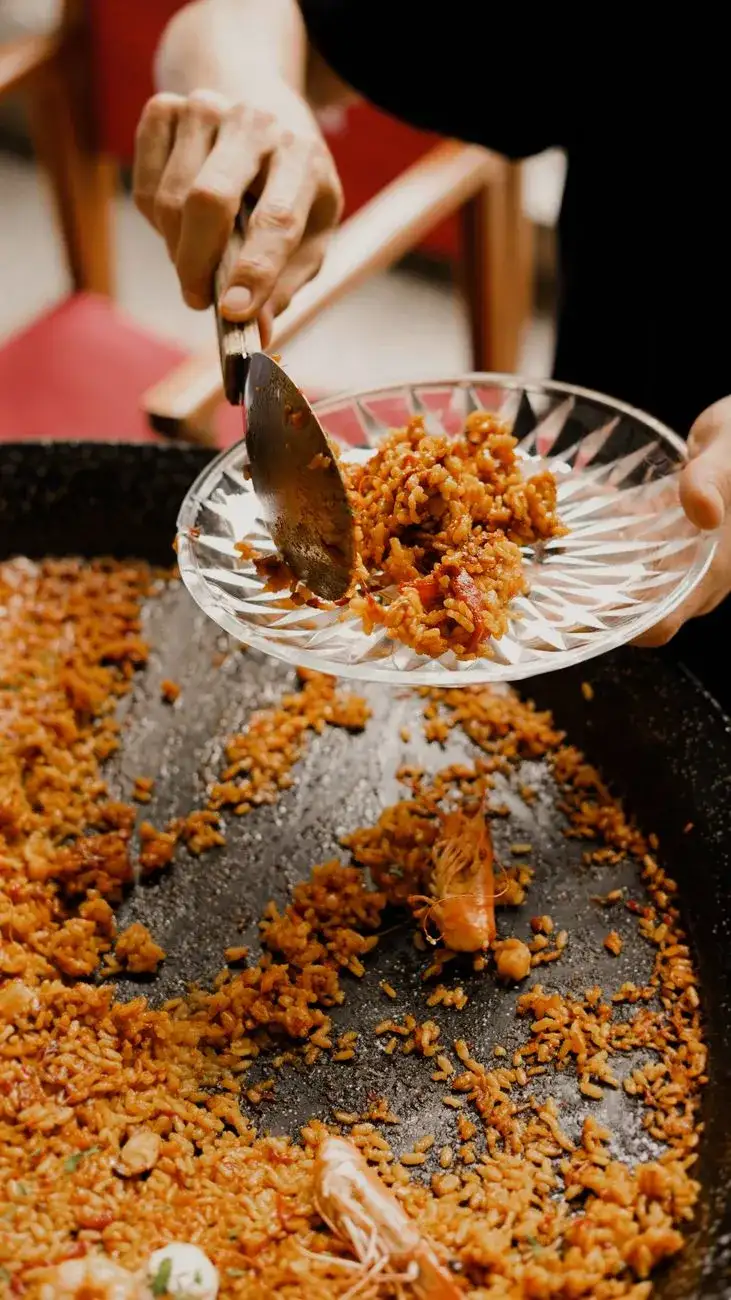
- Klaus Weber
- 17 Jul, 2026 14:41
Das goldene Erbe von Valencia: Die Alchemie der Paella zwischen Tradition und Mythos
Wenn das Feuer unter dem flachen Stahl beginnt, die Luft zu flimmern, und der Duft von Safran und Olivenöl mit dem rauchigen Aroma eines offenen Feuers verschmilzt, dann ist das mehr als nur die Zubereitung einer Mahlzeit. Es ist ein ritueller Akt. Die Paella ist nicht bloß ein Reisgericht; sie ist das flüssige Gold Valencias, ein kulinarisches Archiv, in dem die Schichten der spanischen Geschichte – römisch, maurisch und bäuerlich – in einer einzigen Pfanne verschmolzen sind. Wer die wahre Paella verstehen will, muss den Blick über den Tellerrand heben und in die feuchten Ebenen der Albufera eintauchen, wo Wasser und Erde eine Symbiose eingingen, die heute die Welt begeistert. Die Etymologie des Feuers: Mehr als nur ein Name Bevor wir uns den Zutaten widmen, müssen wir uns der Sprache zuwenden, denn in der Paella ist der Name untrennbar mit dem Werkzeug verbunden. Das Wort „Paella“ stammt aus dem Valencianischen und bedeutet schlichtweg „Bratpfanne“. Es ist eine faszinierende sprachliche Reise, die uns tief in die Antike führt. Der Etymologe Joan Coromines weist darauf hin, dass der Begriff über das Altfranzösische „paelle“ auf das lateinische „patella“ zurückgeht. Diese Verbindung unterstreicht die römische Prägung der Region, die uns das Gefäß schenkte, während eine andere Kultur uns die Essenz gab: den Reis.In vielen Teilen Spaniens und Lateinamerikas wird heute zwischen der „Paella“ (dem Gericht) und der „Paellera“ (der Pfanne) unterschieden, doch im Herzen Valencias bleibt die Paella das Instrument. Die Pfanne selbst – flach, breit und aus poliertem oder beschichtetem Stahl mit zwei seitlichen Griffen – ist entscheidend für die physikalische Beschaffenheit des Gerichts. Die Weite der Pfanne sorgt dafür, dass der Reis in einer dünnen Schicht gart, was eine gleichmäßige Verdampfung ermöglicht und die Entstehung der berühmten Kruste am Boden begünstigt. Es gibt durchaus Theorien, die den Namen auf das Arabische zurückführen, etwa auf „baqiyya“ oder „baqāyā“, was so viel wie „Überreste“ bedeutet. Diese Erzählung besagt, dass die Diener der maurischen Könige im 8. Jahrhundert die Reste von Reis, Huhn und Gemüse mit nach Hause nahmen. Doch Historiker sehen dies skeptisch, da das Wort „Paella“ in schriftlichen Quellen erst sechs Jahrhunderte nach der Eroberung Valencias durch Jakob I. auftaucht. Die lateinische Wurzel bleibt daher die wissenschaftlich fundierteste Spur. Die Wurzeln im Schlamm: Die Geburtsstunde an der Albufera Die Geschichte der Paella ist eine Geschichte der Anpassung und des Überlebens. Die eigentliche Grundlage wurde bereits im 10. Jahrhundert gelegt, als die Muslime in Al-Andalus den Reisanbau in der Iberischen Halbinsel einführten. Reis wurde schnell zu einem Grundnahrungsmittel, besonders in den Küstenregionen, wo er oft mit Fisch und Gewürzen zu Eintöpfen verarbeitet wurde. Die moderne Form der Paella, wie wir sie heute kennen, kristallisierte sich jedoch erst Mitte des 19. Jahrhunderts in den ländlichen Gebieten rund um die Lagune der Albufera de València heraus. Hier, in den Reisfeldern, kreierten die Bauern ein Gericht aus dem, was die Natur ihnen in unmittelbarer Nähe bot. #food #tradition Stellen Sie sich die Szene vor: Arbeiter, die sich in den Pausen zwischen den Feldern versammelten und in einem einzigen Topf alles vereinten, was greifbar war. Schnecken, die in den Furchen kletterten, Wasservögel, die in der Lagune nisteten, grüne Bohnen aus dem Garten und der frisch geerntete Reis. Es war eine Küche der Notwendigkeit, die durch die Verfügbarkeit von Ressourcen definiert wurde. In frühen Versionen waren sogar Wasserratten (Water Voles) ein wesentlicher Bestandteil, zusammen mit Aal und Butterbohnen – eine kulinarische Realität, die der Romanautor Vicente Blasco Ibáñez in seinem Werk „Cañas y barro“ von 1902 detailliert beschrieb. Die Lebensmittelhistorikerin Lourdes March bringt es auf den Punkt: Die Paella symbolisiert die Vereinigung zweier Weltkulturen. Die Römer lieferten das Utensil, die Araber brachten den Reis, das fundamentale Nahrungsmittel der Menschheit. Diese kulturelle Hybridität ist es, die der Paella ihre Tiefe verleiht. Die Heilige Dreifaltigkeit der Varianten In der Welt der Paella herrscht eine strenge Hierarchie, insbesondere wenn man die Einheimischen in Valencia fragt. Für sie gibt es nur eine „echte“ Paella, während alle anderen Variationen lediglich als „Reisgerichte mit Meeresfrüchten oder Fleisch“ gelten. Paella Valenciana: Das ursprüngliche Gesetz Die Paella Valenciana ist das Original. Sie ist eine Hommage an das Land und die Jagd. Die traditionelle Zusammensetzung ist präzise und lässt kaum Raum für Experimente. Sie besteht aus:Valencianischem Reis: Vorzugsweise die Sorte „Bomba“, die extrem viel Flüssigkeit aufnehmen kann, ohne zu zerfallen, oder die Sorte „Senia“. Fleisch: Kaninchen, Huhn und manchmal Ente. Gemüse: Ferradura (flache grüne Bohnen) und Lima-Bohnen. Aromen: Tomaten, Salz, Wasser und der unverzichtbare Safran, der für die charakteristische goldene Farbe sorgt.Ein interessantes Detail ist die Verwendung von Schnecken, die dem Gericht eine erdige Note verleihen. Ein strenges Gesetz unter traditionellen Köchen besagt jedoch: Wenn die verwendeten Schnecken natürlicherweise Rosmarin fressen, darf kein frischer Rosmarin zum Würzen hinzugefügt werden, um eine Überdosierung des Aromas zu vermeiden. Als saisonale Ergänzung finden sich im Winter oft Artischockenherzen und -stiele in der Pfanne. Mit steigendem Lebensstandard im späten 19. Jahrhundert wandelte sich die Paella von einer einfachen Arbeitermahlzeit zu einem gesellschaftlichen Ereignis. Ausflüge in die Natur wurden populärer, und die Zutaten wurden verfeinert. Im Jahr 1840 tauchte zum ersten Mal in einer lokalen Zeitung das Wort „Paella“ auf, um das Rezept selbst zu bezeichnen und nicht mehr nur die Pfanne. Paella de Marisco: Das Geschenk des Meeres Entlang der mediterranen Küste passten die Fischer das Konzept an. Anstatt Kaninchen und Bohnen zu verwenden, nutzten sie den Reichtum des Ozeans. Die Paella de Marisco verzichtet komplett auf Fleisch und grüne Gemüse. Stattdessen dominieren Muscheln, Garnelen, Tintenfische und andere Meeresfrüchte, die oft direkt in ihrer Schale serviert werden, um die visuelle Pracht und den Geschmack zu bewahren. #seafood #mediterranean Paella Mixta: Die kosmopolitische Fusion Die Paella Mixta ist die Variante, die international am bekanntesten ist, aber in Valencia am kritischsten betrachtet wird. Sie kombiniert die Welten: Fleisch vom Land und Meeresfrüchte aus dem Ozean treffen in einer Pfanne aufeinander. Während sie in touristischen Gebieten und außerhalb Valencias hochgeschätzt wird, gilt sie für die Puristen als „Bastardisierung“ des Originals. Die Kunst des Kochens und die soziale Dimension Die Zubereitung einer Paella ist kein einsamer Prozess; sie ist ein soziales Ereignis. Traditionell ist die Paella in Spanien ein Gericht, das man gemeinsam teilt. In vielen Restaurants ist es sogar eine Tradition, Paella insbesondere an Donnerstagen auf die Speisekarte zu setzen. Der Prozess erfordert Geduld. Zuerst wird das Fleisch in Olivenöl goldbraun angebraten, gefolgt vom Gemüse. Die Tomaten werden oft zu einer Paste verarbeitet und untergerührt. Dann folgt der entscheidende Moment: das Hinzufügen des Reises und der Flüssigkeit. Die Temperatur muss präzise gesteuert werden, damit der Reis die Brühe absorbiert, aber nicht zu weich wird. Ein entscheidendes Element ist die Farbe. Während Safran die edle und traditionelle Wahl ist, werden in einfacheren Versionen oder als Ersatz Kurkuma, Paprikapulver oder Ringelblumen (Calendula) verwendet. Doch für den Kenner ist der Geschmack von echtem Safran unersetzlich.Ein Fazit aus der Perspektive der Geschichte Wenn wir die Paella betrachten, sehen wir mehr als nur Kohlenhydrate und Proteine. Wir sehen die Geschichte einer Region, die zwischen dem Erbe der Mauren und den Traditionen der christlichen Rückeroberung steht. Von den einfachen Bauern der Albufera, die mit Wasserratten und Schnecken überlebten, bis hin zu den luxuriösen Meeresfrüchte-Variationen der heutigen Zeit, hat die Paella eine bemerkenswerte Evolution durchlaufen. Sie lehrt uns, dass die beste Küche oft aus der Einfachheit und der unmittelbaren Umgebung entsteht. Die Weigerung der Valencianer, die Paella Valenciana mit Fisch zu mischen, ist nicht bloße Sturheit, sondern ein Akt der Bewahrung kultureller Identität. In einer globalisierten Welt, in der Rezepte oft beliebig vermischt werden, bleibt die Paella ein Ankerpunkt der Authentizität. Wer heute eine echte Paella isst, schmeckt nicht nur Salz, Safran und Fleisch. Er schmeckt den Wind der Albufera, die Hitze der spanischen Sonne und die Jahrhunderte an kulturellem Austausch, die in einer flachen Stahlpfanne garen. Die Paella ist und bleibt das Herzstück der spanischen Gastronomie – ein goldener Spiegel der Geschichte Valencias. #travel #Spain #Valencia #CulinaryHeritage #PaellaTradition Related InsightsIl Farro Inquieto: Tracce di un Cereale Millenario Tra Imperi Dimenticati e Rivoluzioni Gastronomiche Rurali La Symphonie des Saveurs : Une Odyssée Culinaire au Cœur de la France Éternelle Le Garum Oublié : Voyage au Cœur de l'Umami Antique et de ses Résurrections Modernes{ "@context": "https://schema.org", "@type": "FAQPage", "mainEntity": [ { "@type": "Question", "name": "What is the main focus of Das goldene Erbe von Valencia: Die Alchemie der Paella zwischen Tradition und Mythos?", "acceptedAnswer": { "@type": "Answer", "text": "Eine tiefgründige Analyse der Paella – von ihren maurischen Wurzeln bis zur strengen Tradition der Paella Valenciana." } }, { "@type": "Question", "name": "Who authored the comprehensive guide on Das goldene Erbe von Valencia: Die Alchemie der Paella zwischen Tradition und Mythos?", "acceptedAnswer": { "@type": "Answer", "text": "This detailed article and its insights were carefully researched and authored by Klaus Weber." } }, { "@type": "Question", "name": "Where can I find more related content about Food?", "acceptedAnswer": { "@type": "Answer", "text": "You can explore more articles, detailed reviews, and similar insights by browsing the Related Insights section at the bottom of this article or visiting our dedicated Food category page." } } ] }
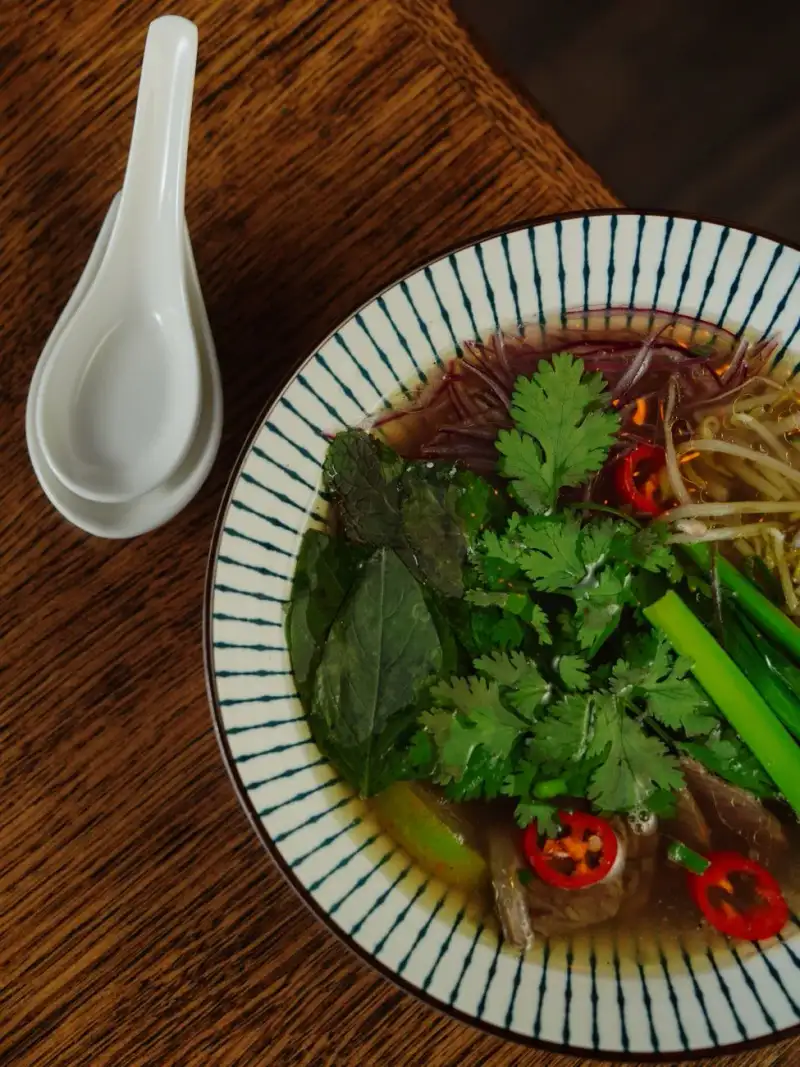
-
 Eleanor Hughes
 - 17 Jul, 2026 14:19
Vietnamese Pho: The Soulful Broth That Defines a Nation's Heritage
Vietnamese Pho: The Soulful Broth and Its Cultural Significance Introduction There’s a moment in every bowl of Vietnamese pho that transcends taste—when the fragrant steam rises from the broth, carrying whispers of star anise, cinnamon, and charred onion. It’s not just soup; it’s a cultural artifact, a culinary time capsule that has traveled from Hanoi’s street corners to Parisian bistros and New York’s food trucks. Pho (pronounced “fuh”) is more than a dish; it’s a narrative of resilience, tradition, and communal identity. Born in the early 20th century during French colonial rule, pho emerged as a fusion of Vietnamese culinary techniques and French beef consumption. Yet, it quickly evolved into a dish that embodied the soul of Vietnam—its history, its people, and its enduring spirit. What makes pho so revered isn’t just its complex broth or tender slices of beef, but the way it brings people together. Families gather around steaming bowls at dawn, street vendors serve it with practiced ease, and chefs spend years perfecting their recipes. This article dives deep into the anatomy of pho, exploring its ingredients, cultural roots, regional variations, and global influence. Whether you’re a home cook eager to recreate this masterpiece or a traveler seeking the best bowl in Hanoi, understanding pho is to understand Vietnam itself.The History and Cultural Roots of Pho: A Dish Born from Change Pho’s origins are as layered as its broth. The dish is believed to have emerged in the early 1900s in northern Vietnam, particularly in Hanoi, during the French colonial period. The French introduced beef to Vietnam, which was previously a pork- and poultry-centric cuisine. Vietnamese cooks adapted by simmering beef bones for hours, creating a clear, aromatic broth that became the foundation of pho. The name “pho” is thought to derive from the French word “feu” (fire) or “pot-au-feu” (a French beef stew), though some linguists argue it comes from the Chinese “粿” (guǒ), meaning cake or dumpling, reflecting the dish’s early noodle-based iterations. Pho’s evolution mirrors Vietnam’s turbulent history. During the First Indochina War (1946–1954), pho became a symbol of resilience. Street vendors sold it at dawn to workers and soldiers, providing warmth and sustenance. When Vietnam was divided into North and South in 1954, pho adapted to regional tastes: the northern version remained clear and light, while the southern version became sweeter and more herb-heavy, reflecting the influence of Chinese and Cambodian cuisines. The fall of Saigon in 1975 saw Vietnamese refugees carry pho to the West, where it became a global ambassador of Vietnamese culture.Culturally, pho is more than food—it’s a ritual. In Vietnam, pho is often eaten for breakfast, a tradition rooted in its affordability and nourishing qualities. The act of slurping noodles is encouraged; it’s said to enhance flavor and cool the broth. Pho shops are communal spaces where people of all backgrounds gather, from laborers to intellectuals. The dish also plays a role in Vietnamese New Year (Tết), where families prepare elaborate feasts featuring pho as a symbol of prosperity. Pho’s global journey began in the 1970s and 1980s, when Vietnamese refugees settled in the U.S., France, and Australia. In the U.S., pho became a staple in cities like Los Angeles and Houston, where Vietnamese communities thrived. Today, pho is celebrated worldwide, from Michelin-starred restaurants to fast-casual chains. Yet, purists argue that the best pho is still found in Vietnam, where the broth is simmered for 12–24 hours, and the ingredients are locally sourced.The Anatomy of Pho: Ingredients, Techniques, and the Art of Broth-Making At the heart of every bowl of pho is its broth—a symphony of flavors that requires patience, precision, and passion. The broth is made by simmering beef bones (often knuckle, marrow, or oxtail) for 12–24 hours, sometimes longer. The bones are first blanched to remove impurities, then rinsed before being added to a pot of water with aromatics. The key ingredients include:Spices: Star anise, cinnamon, cloves, cardamom, and coriander seeds are toasted to release their oils, then tied in cheesecloth or a spice bag to infuse the broth. Aromatics: Charred onions and ginger are added to deepen the flavor, lending a subtle sweetness and smokiness. Fish sauce: A critical umami booster, made from fermented anchovies and salt. Rock sugar: Balances the saltiness and acidity. Beef meat: Often brisket, flank, or tendon, added to the broth to cook and infuse flavor.The broth is the soul of pho, but the noodles and toppings are its body. Pho noodles are made from rice flour and tapioca starch, giving them a chewy, slippery texture. They come in two main varieties: bánh phở tươi (fresh noodles) and bánh phở khô (dried noodles). The noodles are blanched briefly before serving to soften them. Toppings vary by region and preference but typically include:Thinly sliced raw beef (for phở tái), which cooks in the hot broth. Brisket or flank steak, simmered in the broth. Beef meatballs (bò viên), made from ground beef and tapioca starch. Tripe or tendon, for texture. Fresh herbs: Thai basil, cilantro, mint, and culantro (ngò gai). Lime wedges, bean sprouts, and sliced jalapeños for brightness and heat.The technique of assembling pho is an art. The noodles are placed in a bowl, followed by the meat, then the hot broth is ladled over. The diner then adds herbs, lime, and condiments to taste. The broth should be clear but deeply flavored, with a balance of sweet, salty, and umami notes. A well-made pho broth contains minimal fat, as it’s skimmed during cooking, and should have a silky mouthfeel. For home cooks, the challenge lies in replicating the depth of flavor found in Vietnamese pho shops. Key tips include:Use high-quality bones: Look for marrow or knuckle bones for richness. Toast spices properly: Dry-toast them in a pan until fragrant to unlock their oils. Char the aromatics: Burn the onion and ginger slightly to add depth. Simmer low and slow: A rolling boil will cloud the broth. Skimming is essential: Remove impurities as they rise to the surface.Many chefs also add a splash of fish sauce or a piece of rock sugar at the end to fine-tune the flavor. The result should be a broth that’s comforting yet complex, with layers of flavor that linger on the palate.Regional Variations: From Hanoi to Saigon and Beyond Pho is not a monolithic dish—it transforms as you travel from north to south Vietnam, reflecting local ingredients, climate, and cultural influences. The two most iconic versions are phở Bắc (northern pho) and phở Nam (southern pho), each with distinct characteristics. Northern Pho (Phở Bắc) Hailing from Hanoi, northern pho is the original and most traditional version. The broth is clear, light, and delicate, with a subtle sweetness from the charred aromatics. The noodles are wider and flatter, and the toppings are minimalist—typically just a few slices of beef, a sprinkle of herbs, and a squeeze of lime. The focus is on the purity of the broth, which is often seasoned with just salt and fish sauce. Northern pho is less sweet and less herbaceous than its southern counterpart, reflecting the region’s preference for subtlety. A classic Hanoi pho shop might serve phở tái (rare beef slices), phở chín (well-done beef), or phở gầu (brisket). The meat is often served on the side, allowing diners to add it to their bowl as desired. Northern pho is also less likely to include bean sprouts or chili, keeping the flavors clean and focused. Southern Pho (Phở Nam) In Ho Chi Minh City (formerly Saigon), pho takes on a bolder, sweeter, and more herbaceous personality. The broth is darker and richer, often caramelized slightly to add depth. Southern pho includes a wider variety of toppings, such as bean sprouts, Thai basil, culantro, and lime, as well as condiments like hoisin sauce and Sriracha. The noodles are thinner and more delicate, and the dish is often served with additional sides like quẩy (fried dough sticks) for dipping. Southern pho also incorporates more Chinese influences, such as the use of hoisin sauce and the addition of offal like tripe or tendon. The broth may include a touch of sugar or even a splash of coconut water in some variations, adding a subtle sweetness. Southern pho is often eaten with a side of nước chấm (dipping sauce) made from fish sauce, lime, sugar, and chili, allowing diners to customize their bowl further.Other Regional Variations Beyond Hanoi and Saigon, pho adapts to local tastes:Central Vietnam: Pho in cities like Huế and Đà Nẵng tends to be spicier and more pungent, with a heavier use of chili and lemongrass. The broth may include more beef offal or even pork bones. Central Highlands: In areas like Buôn Ma Thuột, pho might include wild herbs or local mushrooms, reflecting the region’s foraged ingredients. Overseas Vietnamese communities: In the U.S., pho shops often cater to local palates, offering variations like phở tái lạnh (rare beef with cold noodles) or phở gà (chicken pho), which is popular in colder climates.Pho’s adaptability is a testament to its cultural significance. Whether it’s the austere elegance of northern pho or the vibrant complexity of southern pho, each version tells a story of its region’s history and identity.Pho Around the World: Global Adaptations and the Rise of a Culinary Icon Pho’s journey from Vietnam’s streets to global menus is a story of cultural exchange and culinary innovation. Today, pho is enjoyed in over 50 countries, from Parisian bistros to Tokyo ramen shops, each putting its own spin on the dish. This global evolution reflects both the adaptability of Vietnamese cuisine and the universal appeal of comfort food. The U.S.: From Refugee Kitchens to Fine Dining The U.S. is home to some of the world’s most iconic pho scenes. In the 1970s and 1980s, Vietnamese refugees settled in cities like Los Angeles, Houston, and New Orleans, bringing pho with them. Early pho shops were simple, often family-run affairs where the broth was simmered overnight and the noodles were hand-cut. Today, cities like Little Saigon in Westminster, California, are pilgrimage sites for pho enthusiasts, with shops like Pho 79 and Brother’s Pho serving up legendary bowls. In recent years, pho has gained mainstream popularity, appearing in fast-casual chains like Pho-King Amazing and even fast-food menus. High-end restaurants have reimagined pho as a gourmet experience, with variations like phở with wagyu beef, truffle pho, or vegan pho made with mushroom broth. Chefs like David Chang of Momofuku fame have elevated pho to new heights, incorporating modern techniques while staying true to its roots.Europe: From Paris to Prague In France, pho found a natural home due to Vietnam’s colonial history. Parisian pho shops, like Pho 14 in the 14th arrondissement, serve bowls that closely resemble their Vietnamese counterparts, with clear broths and minimal toppings. The French appreciation for Vietnamese cuisine has also led to fusion dishes, such as phở boeuf bourguignon, where the classic French beef stew is reimagined with pho spices. In Eastern Europe, pho has gained a following in cities like Prague and Budapest, where Vietnamese communities have established thriving food scenes. These shops often cater to local tastes, offering heartier versions with more noodles and meat, or even adding ingredients like sour cream or paprika. Asia: From Tokyo to Seoul In Japan, pho has been embraced as a lighter alternative to ramen. Tokyo’s Pho Thanh and Pho Ly Quoc Su serve bowls with delicate broths and fresh herbs, appealing to health-conscious diners. Some shops even offer phở sushi, a fusion dish where rice is replaced with pho noodles. In South Korea, pho has been adapted to local preferences, with variations like phở kimchi (kimchi-infused broth) or phở bulgogi (marinated beef). The Korean love for spicy food has also led to the creation of phở spicy, a fiery version with gochujang or chili oil. Australia and Beyond In Australia, pho has become a staple in cities like Sydney and Melbourne, where Vietnamese communities have introduced it to mainstream audiences. Shops like Pho Nom in Sydney offer modern twists, such as phở with kangaroo meat or vegetarian pho made with jackfruit. Pho’s global reach extends even further, with variations popping up in unexpected places. In Argentina, some chefs have created phở con chimichurri, blending Vietnamese and Argentine flavors. In South Africa, pho shops cater to local tastes with spicier broths and additional sides like pap (maize porridge).The Health Benefits and Nutritional Profile of Pho While pho is undeniably delicious, it’s also a dish with impressive nutritional credentials. A typical bowl of pho is low in calories but rich in protein, collagen, and essential minerals, making it a balanced meal when prepared with care. Below is a breakdown of the macronutrient and micronutrient profile of a standard serving of pho (based on a 16-ounce bowl with beef brisket, rice noodles, and herbs):Nutrient Amount per Serving % Daily Value (DV)*Calories 350–450 kcal 18–23%Protein 25–35g 50–70%Carbohydrates 40–50g 13–17%Fat 8–12g 10–15%Fiber 2–4g 8–16%Sodium 1000–1500mg 43–65%Iron 3–5mg 17–28%Calcium 50–80mg 5–8%Vitamin C 10–20mg 11–22%Collagen High (from bone broth) N/A*Based on a 2,000-calorie diet. Protein and Collagen Pho’s high protein content comes from the beef, which is rich in essential amino acids like glycine and proline. These amino acids support muscle repair, immune function, and skin health. The collagen in the bone broth also promotes joint health and gut integrity, making pho a soothing dish for those with digestive issues. Low Calorie, High Satiety Despite its rich flavor, pho is relatively low in calories, especially when compared to other comfort foods like fried chicken or pasta. The combination of protein, fiber from the noodles and herbs, and healthy fats from the beef makes it a satisfying meal that keeps you full for hours. Rich in Minerals The bone broth in pho is a natural source of minerals like calcium, magnesium, and phosphorus, which are essential for bone health. The broth also contains electrolytes like potassium and sodium, which help maintain hydration and muscle function. Potential Downsides While pho is nutritious, it’s not without its drawbacks. The sodium content can be high, especially if the broth is heavily seasoned with fish sauce or soy sauce. For those watching their salt intake, opting for a low-sodium version or diluting the broth with water can help. Additionally, some versions of pho include fatty cuts of meat or offal, which can add saturated fat to the dish. A Balanced Meal To maximize the health benefits of pho, consider the following tips:Choose lean cuts of meat: Opt for brisket or flank steak over fatty cuts like short ribs. Load up on herbs: Thai basil, cilantro, and mint add flavor without calories. Add vegetables: Bean sprouts, bok choy, or mushrooms boost the fiber and vitamin content. Go easy on condiments: Hoisin sauce and Sriracha can add significant sugar and sodium. Make it at home: Homemade pho allows you to control the ingredients and sodium levels.Pho’s nutritional profile, combined with its cultural significance, makes it a dish that’s as nourishing for the body as it is for the soul. Whether enjoyed as a post-workout meal or a late-night comfort food, pho is a testament to the power of simple, wholesome ingredients.Conclusion Pho is more than a dish—it’s a living tradition, a culinary masterpiece, and a symbol of Vietnamese resilience. From its humble origins in Hanoi’s streets to its global acclaim, pho has transcended borders, adapting to local tastes while retaining its soulful essence. Whether you prefer the delicate clarity of northern pho or the vibrant complexity of southern pho, one thing is certain: this dish has the power to bring people together, evoke memories, and nourish the body and spirit. For those inspired to try making pho at home, remember that the key lies in the broth. Simmer it low and slow, toast your spices, and char your aromatics. And don’t rush the process—good pho cannot be rushed. For those seeking the best bowls, seek out authentic shops where the broth is made fresh daily and the ingredients are locally sourced. As you slurp your next bowl of pho, take a moment to appreciate the history in every sip. This is a dish that has fed generations, bridged cultures, and stood the test of time. It’s a reminder that food is more than sustenance; it’s a story, a tradition, and a celebration of life. Now, go forth and savor a bowl of pho—your taste buds (and your soul) will thank you.#VietnameseCuisine #ComfortFood #GlobalEats #PhoLove #CulturalCuisine
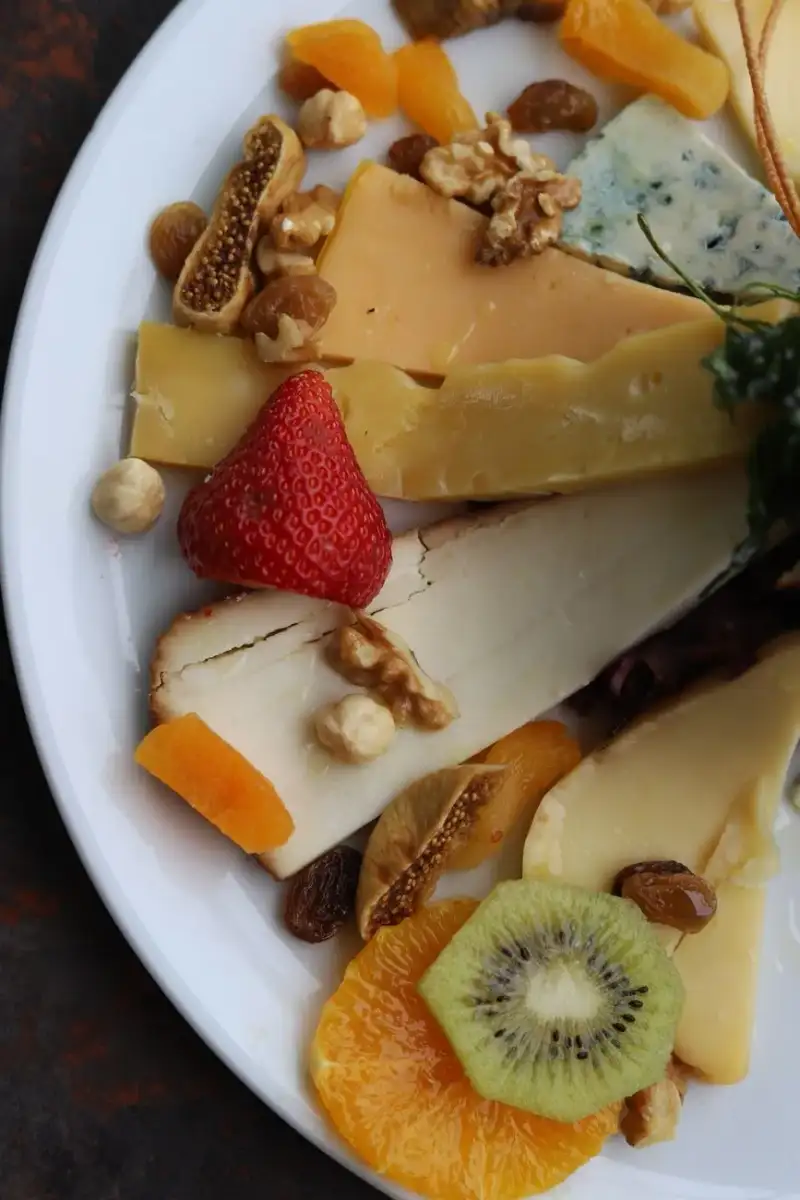
The World of Cheese Pairings: From Wine to Honey and Beyond Introduction Few culinary experiences rival the art of cheese pairing—a symphony of flavors where textures, aromas, and origins converge in perfect harmony. Whether you're a sommelier crafting a tasting menu or a home cook elevating a simple charcuterie board, the right pairing can transform a meal from ordinary to extraordinary. But what makes a pairing truly exceptional? Is it the acidity of a crisp white wine cutting through the richness of aged cheddar, or the floral notes of acacia honey enhancing the earthy depth of a triple crème? The answer lies in understanding the science of flavor, the terroir of dairy, and the alchemy of complementary (and sometimes contrasting) ingredients. Cheese pairings are not merely about taste—they’re about storytelling. A wedge of Parmigiano-Reggiano from Italy’s Emilia-Romagna region, aged 24 months, demands a bold Barolo to stand up to its crystalline crunch and umami punch. Meanwhile, a delicate chèvre from the Loire Valley in France begs for a drizzle of lavender honey and a sprinkle of cracked black pepper to highlight its tangy creaminess. The world of cheese pairings is vast, spanning continents, cultures, and centuries of tradition. From the nutty complexities of aged Gouda to the funky allure of a well-aged Époisses, each cheese has a personality—and the right pairing can unlock its full potential. In this guide, we’ll explore the intricate dance of cheese pairings, from classic wine and beer matches to unexpected yet brilliant combinations with fruits, nuts, and even unconventional ingredients like honey and dark chocolate. We’ll delve into the science behind why certain pairings work, uncover regional traditions, and provide practical tips for crafting your own cheese boards at home. Whether you’re a novice or a connoisseur, prepare to embark on a flavor journey that will change the way you think about cheese forever.The Science of Cheese and Wine Pairings: A Match Made in Flavor Heaven The art of pairing cheese with wine is rooted in chemistry, terroir, and sensory perception. At its core, successful pairings balance fat, acid, salt, and tannins to create a harmonious experience where neither the cheese nor the wine overpowers the other. The key lies in understanding how these elements interact—and how they can either clash or complement each other. The Role of Fat and Tannins Cheese is inherently fatty, with varying degrees of moisture and protein structure. When paired with wine, the fat in cheese coats the palate, softening the perception of tannins in red wines. This is why bold, tannic wines like Cabernet Sauvignon or Nebbiolo pair so well with aged cheeses like Pecorino Romano or aged Gouda. The tannins in the wine bind to the proteins in the cheese, reducing their astringency and making the wine taste smoother. Conversely, high-fat cheeses like Brie or Camembert can make tannic wines taste overly harsh if not balanced properly—hence the preference for lighter-bodied reds or even white wines with these softer cheeses. Acid and Salt Balance Acidity in wine serves as a palate cleanser, cutting through the richness of cheese and refreshing the mouth. A crisp Sauvignon Blanc, with its bright citrus notes, is the perfect foil for tangy goat cheese or feta. Similarly, the saltiness in cheeses like Manchego or Halloumi can enhance the fruitiness of a dry Riesling, creating a dynamic interplay of flavors. The terroir of the wine—its soil, climate, and winemaking techniques—also plays a crucial role. For example, a mineral-driven Chablis from Burgundy will elevate the briny notes of a young, creamy goat cheese, while a buttery Chardonnay from California will complement the caramelized flavors of a Comté aged 18 months. The Influence of Yeast and Fermentation The fermentation process, particularly in wine and certain cheeses, introduces complex aroma compounds that can either harmonize or compete. Research from OpenAlex highlights how Saccharomyces cerevisiae wine yeasts produce fermentation aroma compounds that significantly impact wine flavor profiles. These same yeasts are often used in cheese-making, particularly in bloomy-rind cheeses like Brie or Camembert. The buttery, yeasty notes in a well-made Champagne or Champagne-style sparkling wine can mirror the earthy, mushroomy undertones of a triple crème cheese, creating a seamless pairing. Regional Pairings: Terroir in Harmony Terroir—the unique environmental factors that influence the flavor of food and drink—is a guiding principle in cheese and wine pairings. In Burgundy, France, the local Époisses cheese, washed in Marc de Bourgogne (a local brandy), is traditionally paired with the region’s bold, earthy Pinot Noir. The wine’s red fruit notes and silky tannins complement the cheese’s pungent aroma and creamy texture. Similarly, in the Piedmont region of Italy, the nutty, aged Toma Piemontese cheese is often served with a glass of Barolo, a wine made from Nebbiolo grapes. The wine’s high acidity and firm tannins stand up to the cheese’s dense, crystalline structure. Practical Pairing Guide For those new to cheese and wine pairings, here’s a simple framework to follow:Start with the cheese’s intensity: Mild cheeses like mozzarella or ricotta pair well with light wines (Prosecco, Pinot Grigio), while aged, hard cheeses (Parmigiano-Reggiano, aged Gouda) demand bold reds (Cabernet Sauvignon, Syrah). Match fat with acid: Rich, fatty cheeses like Camembert or Stilton benefit from high-acid wines like Champagne or Sauternes. Balance salt with sweetness: Salty cheeses like Feta or Pecorino pair beautifully with sweet wines like Moscato d’Asti or Pedro Ximénez Sherry. Experiment with texture: Creamy cheeses like Brie or Burrata can be elevated with a drizzle of honey and a glass of off-dry Riesling, while crumbly cheeses like Cheshire or Lancashire shine with a dry cider or a light-bodied red like Beaujolais.Beyond Wine: Exploring Cheese and Beer Pairings While wine may dominate the cheese pairing conversation, beer offers a world of possibilities—one that’s often overlooked but equally rewarding. Beer’s diverse styles, from crisp lagers to roasty stouts, provide a range of flavors and textures that can complement (or contrast with) cheese in surprising ways. The carbonation in beer acts as a palate cleanser, while its bitterness can cut through rich, fatty cheeses. Meanwhile, the malt sweetness in beers like porters or bocks can enhance caramelized notes in aged cheddar or Gouda. The Science of Beer and Cheese Beer’s ingredients—malt, hops, yeast, and water—each contribute to its flavor profile, which can interact with cheese in unique ways. Hops, for example, introduce bitterness and floral, citrus, or piney notes that can either complement or challenge a cheese’s flavor. A hoppy IPA might overwhelm a delicate chèvre, but it can stand up to the funk of a washed-rind cheese like Limburger or Taleggio. Conversely, the malty sweetness of a brown ale or a doppelbock can enhance the toffee notes in aged Gouda or the nuttiness of a Comté. Style-by-Style PairingsLagers and Pilsners: Crisp, clean, and refreshing, lagers are ideal for pairing with mild, young cheeses like mozzarella, young Gouda, or fresh goat cheese. The effervescence of a Pilsner cuts through the creaminess of the cheese, while its subtle grainy notes complement the cheese’s subtle flavors. IPAs and Pale Ales: The bitterness and citrusy hop notes in an IPA can stand up to bold, aged cheeses like aged cheddar, Parmigiano-Reggiano, or even blue cheese. The hop’s resinous qualities can also enhance the earthy notes in a Stilton or a Gorgonzola. Stouts and Porters: The roasty, chocolatey, and sometimes coffee-like flavors in a stout or porter pair beautifully with aged, nutty cheeses like aged Gouda, aged cheddar, or even a sharp Pecorino. The malt sweetness can also balance the saltiness of a blue cheese like Roquefort. Wheat Beers and Saisons: The spicy, fruity notes in a wheat beer or Saison can complement the tangy creaminess of a chèvre or a Camembert. The beer’s effervescence also helps cleanse the palate between bites. Sours and Lambics: The tart, funky flavors in a sour beer or a Belgian Lambic can enhance the complexity of washed-rind cheeses like Époisses or Limburger. The beer’s acidity can also cut through the richness of a triple crème cheese.Regional Beer and Cheese Traditions In Belgium, the pairing of Trappist ales with aged Gouda or Herve cheese is a time-honored tradition. The beer’s malty sweetness and complex yeast notes complement the cheese’s caramelized flavors and crystalline texture. Similarly, in Germany, a malty, slightly sweet Dunkelweizen pairs beautifully with a tangy, aged Bergkäse (a mountain cheese similar to Gruyère). The beer’s spicy clove notes from the wheat and the yeast harmonize with the cheese’s nutty, slightly fruity profile. Crafting the Perfect Beer and Cheese Board To create a balanced beer and cheese board, consider the following tips:Start light and move to bold: Begin with a crisp lager and a mild cheese like young Gouda, then progress to a hoppy IPA with aged cheddar, and finish with a stout and a sharp blue cheese. Incorporate local pairings: Support local breweries and dairies by pairing regional beers with regional cheeses. For example, a New England IPA with a sharp Vermont cheddar or a German Hefeweizen with a Bavarian Emmentaler. Add contrasting textures: Include a mix of soft, hard, and crumbly cheeses to keep the pairing dynamic. For example, pair a creamy Brie with a fruity Saison, then contrast it with a crumbly aged Manchego and a hoppy IPA. Don’t forget the accompaniments: Nuts, dried fruits, and mustards can enhance both the beer and the cheese. A spicy mustard can cut through the richness of a stout, while candied pecans can complement the malt sweetness of a porter.The Sweet Side of Cheese: Pairing with Honey, Fruit, and Chocolate While savory pairings dominate the cheese conversation, sweet accompaniments can elevate cheese to new heights. Honey, fruit, and chocolate each bring unique flavors and textures that can enhance (or contrast with) the cheese’s natural characteristics. The key is to match intensity, sweetness, and acidity to create a harmonious balance. Honey and Cheese: A Timeless Combination Honey’s natural sweetness and floral, herbal, or fruity notes can complement a wide range of cheeses. The pairing works best when the honey’s flavor profile aligns with the cheese’s characteristics:Mild, fresh cheeses: A delicate chèvre or ricotta pairs beautifully with a light, floral honey like acacia or clover. The honey’s subtle sweetness enhances the cheese’s creaminess without overpowering it. Aged, nutty cheeses: A robust aged Gouda or Parmigiano-Reggiano benefits from a darker, more complex honey like chestnut or buckwheat. The honey’s molasses-like notes complement the cheese’s caramelized, nutty flavors. Blue cheeses: The bold, salty-sweet profile of a Roquefort or Gorgonzola pairs exceptionally well with a drizzle of wildflower honey. The honey’s floral notes balance the cheese’s funk, while its sweetness contrasts with the saltiness. Washed-rind cheeses: A pungent Époisses or Limburger can be tamed (or enhanced) by a drizzle of lavender honey. The honey’s herbal notes cut through the cheese’s funk, creating a sophisticated flavor profile.👉 Continue Reading: Exploring the Delightful World of Cheese Pairings (Part 2)Conclusion The world of cheese pairings is a vast and endlessly fascinating landscape, where tradition meets innovation, and science meets artistry. From the bold tannins of a Cabernet Sauvignon cutting through the crystalline crunch of aged Parmigiano-Reggiano to the delicate dance of a chèvre and acacia honey, each pairing tells a story of flavor, terroir, and culinary creativity. Whether you’re a seasoned connoisseur or a curious newcomer, the key to mastering cheese pairings lies in experimentation, balance, and a willingness to step outside your comfort zone. As you explore the world of cheese pairings, remember that there are no hard and fast rules—only guidelines. The best pairings are often the ones that surprise and delight you, whether that’s a stout with a sharp blue cheese or a drizzle of honey on a pungent Époisses. Trust your palate, embrace the unexpected, and most importantly, savor every bite. So, gather your favorite cheeses, uncork a bottle of wine, crack open a craft beer, or drizzle some honey—however you choose to indulge, let the flavors guide you. The world of cheese is waiting, and it’s more delicious than you ever imagined. Happy pairing! Kenji Sato #CheesePairing #FoodieAdventures #GourmetGuide #WineAndDine #CheeseLover Related InsightsSiu Mai: The Classic Open-Faced Pork Dumpling Banh Mi: The Perfect French-Vietnamese Fusion Sandwich Dan Dan Noodles: The Ultimate Szechuan Street Bowl{ "@context": "https://schema.org", "@type": "FAQPage", "mainEntity": [ { "@type": "Question", "name": "What is the main focus of Exploring the Delightful World of Cheese Pairings?", "acceptedAnswer": { "@type": "Answer", "text": "Discover the perfect cheese pairing combinations with wine, honey, and other delectable accompaniments in this comprehensive guide." } }, { "@type": "Question", "name": "Who authored the comprehensive guide on Exploring the Delightful World of Cheese Pairings?", "acceptedAnswer": { "@type": "Answer", "text": "This detailed article and its insights were carefully researched and authored by Kenji Sato." } }, { "@type": "Question", "name": "Where can I find more related content about Food?", "acceptedAnswer": { "@type": "Answer", "text": "You can explore more articles, detailed reviews, and similar insights by browsing the Related Insights section at the bottom of this article or visiting our dedicated Food category page." } } ] }
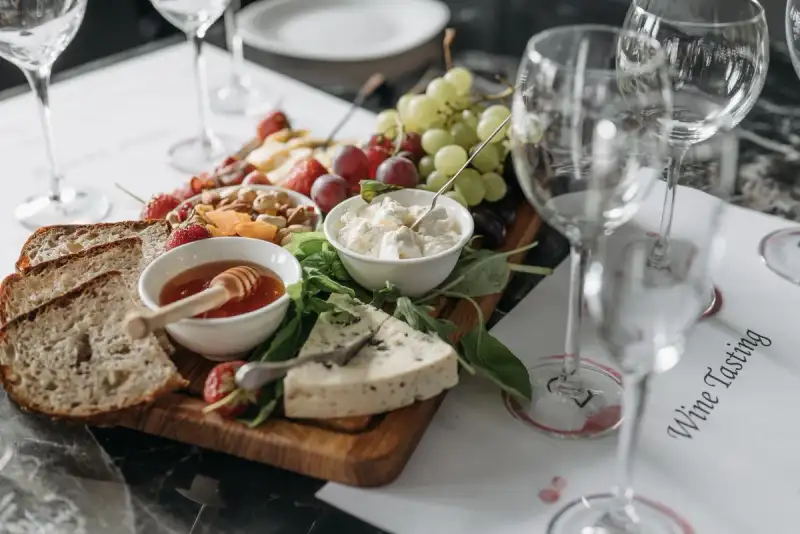
This is Part 2 of the series. Read Part 1 here.Fruit and Cheese: A Match Made in Nature Fruit’s acidity, sweetness, and texture can either complement or contrast with cheese, depending on the pairing:Fresh fruit: Sliced apples, pears, or grapes pair well with mild, creamy cheeses like Brie or Camembert. The fruit’s crisp acidity balances the cheese’s richness, while its sweetness enhances the cheese’s flavor. Dried fruit: Apricots, figs, or dates can add a chewy, concentrated sweetness that pairs beautifully with aged cheeses like Manchego or aged Gouda. The fruit’s caramelized notes complement the cheese’s nutty, crystalline texture. Tropical fruit: Mango, pineapple, or passionfruit can add a bright, exotic twist to cheese pairings. For example, a creamy chèvre with a drizzle of mango chutney creates a sweet-spicy contrast that’s both refreshing and indulgent. Berries: Strawberries, raspberries, or blackberries can enhance the creaminess of a triple crème cheese like Saint-André or Brillat-Savarin. The berries’ tartness balances the cheese’s richness, while their sweetness adds depth.Chocolate and Cheese: A Decadent Duo Chocolate’s bitterness, sweetness, and texture can create a luxurious pairing experience. The key is to match the intensity of the chocolate with the cheese:Dark chocolate (70% or higher): Pairs beautifully with aged, nutty cheeses like aged Gouda, Parmigiano-Reggiano, or Pecorino. The chocolate’s bitterness and complexity complement the cheese’s crystalline texture and umami notes. Milk chocolate: Works well with semi-soft cheeses like Havarti or young Gouda. The chocolate’s sweetness and creaminess enhance the cheese’s mild, buttery flavor. White chocolate: Can be paired with creamy, mild cheeses like Brie or Camembert. The chocolate’s sweetness and vanilla notes complement the cheese’s buttery, mushroomy undertones. Flavored chocolates: Experiment with pairings like dark chocolate with orange zest and a wedge of aged cheddar, or milk chocolate with sea salt and a slice of Manchego. The added flavors can create a harmonious or contrasting experience, depending on your preference.Creating a Sweet Cheese Board To craft a sweet cheese board, consider the following elements:Variety of textures: Include soft, hard, and crumbly cheeses to keep the pairing dynamic. Contrasting flavors: Pair sweet cheeses like a honey-drizzled chèvre with a sharp aged cheddar to create a balance of flavors. Temperature: Serve cheeses at room temperature to allow their flavors to fully develop. Honey and chocolate should also be at room temperature for the best texture and flavor. Presentation: Arrange the cheeses and accompaniments on a wooden board, with small bowls for honey or fruit. Use fresh herbs like thyme or rosemary to add a pop of color and aroma.Unconventional Cheese Pairings: Nuts, Spices, and Beyond While wine, beer, honey, and fruit are classic cheese pairings, the world of cheese is vast—and so are the possibilities for unconventional pairings. Nuts, spices, herbs, and even savory ingredients like cured meats or pickles can elevate cheese to new heights. The key is to understand how these ingredients interact with cheese’s fat, salt, and acidity to create a harmonious or contrasting experience. Nuts and Cheese: A Textural Delight Nuts add crunch, richness, and nutty flavors that can enhance (or contrast with) cheese’s texture and taste:Almonds: Pair beautifully with aged cheeses like Parmigiano-Reggiano or Pecorino. The nut’s buttery flavor and crunch complement the cheese’s crystalline texture. Walnuts: Their earthy, slightly bitter notes work well with blue cheeses like Roquefort or Gorgonzola. The walnut’s texture also contrasts with the cheese’s creaminess. Pecans: Their sweet, buttery flavor pairs well with creamy cheeses like Brie or Camembert. The pecan’s richness enhances the cheese’s buttery notes. Hazelnuts: Their toasty, slightly sweet flavor complements nutty cheeses like aged Gouda or Comté. The nut’s crunch also adds a delightful texture contrast.Spices and Herbs: Adding Depth and Complexity Spices and herbs can transform a simple cheese into a gourmet experience:Black pepper: A classic pairing with creamy cheeses like Brie or Camembert. The pepper’s heat cuts through the cheese’s richness, while its earthy notes enhance the cheese’s flavor. Smoked paprika: Adds a smoky, slightly sweet note that pairs well with aged cheddar or Gouda. The spice’s warmth complements the cheese’s caramelized flavors. Rosemary: Its piney, citrusy notes enhance the flavor of hard cheeses like Pecorino or aged Manchego. The herb’s aroma also adds a fresh contrast to the cheese’s richness. Thyme: Pairs beautifully with soft, creamy cheeses like chèvre or Saint-André. The herb’s earthy, slightly minty notes complement the cheese’s tangy creaminess.Savory Pairings: Cured Meats, Pickles, and More Savory ingredients can add saltiness, acidity, or umami to cheese pairings, creating a balanced or contrasting experience:Cured meats: Prosciutto, salami, or coppa can enhance the flavor of aged cheeses like Pecorino or Parmigiano-Reggiano. The meat’s saltiness and fat complement the cheese’s umami notes. Pickles and cornichons: Their acidity and crunch cut through the richness of creamy cheeses like Brie or Camembert. The pickles also add a refreshing contrast to the cheese’s fat. Olives: Their briny, umami notes pair well with nutty cheeses like aged Gouda or Comté. The olives’ texture also adds a delightful contrast to the cheese’s creaminess. Balsamic glaze: Its sweet-tart flavor enhances the flavor of aged cheeses like Parmigiano-Reggiano or Pecorino. The glaze’s acidity also cuts through the cheese’s richness.Global Unconventional PairingsMiddle Eastern: Pair labneh (a tangy Middle Eastern yogurt cheese) with za’atar (a spice blend of sumac, sesame, and thyme) and a drizzle of olive oil. The tangy cheese and earthy spices create a harmonious balance. Japanese: Serve a creamy, slightly funky Japanese cheese like Camembert with a side of pickled ginger and a glass of sake. The ginger’s acidity and the sake’s umami notes complement the cheese’s richness. Mexican: Pair queso fresco with a sprinkle of chili powder and a side of mango salsa. The cheese’s mild creaminess balances the salsa’s sweet-spicy flavors. Indian: Serve paneer (a mild, firm Indian cheese) with a side of mint chutney and a glass of chai. The chutney’s fresh, herbal notes enhance the paneer’s mild flavor.Crafting an Unconventional Cheese Board To create an unconventional cheese board, consider the following tips:Balance flavors: Pair rich, creamy cheeses with acidic or spicy accompaniments to create a harmonious balance. Contrast textures: Include ingredients with varying textures, such as crunchy nuts, creamy cheese, and chewy dried fruit. Experiment with global flavors: Incorporate ingredients from different cuisines to create a unique and exciting cheese board. Don’t be afraid to get creative: Try pairing cheese with unexpected ingredients like hot sauce, mustard, or even popcorn for a fun, interactive experience.Mastering the Art of Cheese Pairing at Home Creating a memorable cheese board at home is both an art and a science. Whether you’re hosting a dinner party or simply indulging in a solo tasting, the right pairings can elevate your experience from ordinary to extraordinary. The key is to balance flavors, textures, and intensities while keeping your personal preferences in mind. Here’s a step-by-step guide to crafting the perfect cheese board at home. Step 1: Choose Your Cheeses Select a variety of cheeses that represent different textures, milk types (cow, goat, sheep), and aging profiles. Aim for at least three to five cheeses to provide a range of flavors:Soft cheeses: Brie, Camembert, or Saint-André (cow’s milk, creamy, mild) Semi-soft cheeses: Havarti, young Gouda, or Fontina (cow’s milk, buttery, mild to medium) Hard cheeses: Aged cheddar, Parmigiano-Reggiano, or Pecorino (cow’s milk, aged, nutty, crystalline) Blue cheeses: Roquefort, Gorgonzola, or Stilton (cow’s milk, pungent, salty, creamy) Goat cheese: Chèvre (goat’s milk, tangy, creamy) Sheep’s milk cheese: Manchego or Pecorino Toscano (sheep’s milk, nutty, firm)Step 2: Pair with Complementary Ingredients Once you’ve selected your cheeses, choose accompaniments that enhance their flavors. Consider the following categories:Sweet: Honey, fruit (fresh or dried), jam, or chocolate Savory: Cured meats, olives, pickles, or nuts Acidic: Mustard, cornichons, or balsamic glaze Herbal: Fresh herbs like rosemary, thyme, or basil Spicy: Chili flakes, hot sauce, or pepper jellyStep 3: Select the Right Drinks Pair your cheeses with beverages that complement their flavors:Wine: Red, white, or sparkling, depending on the cheese’s intensity and texture. Beer: Lagers, IPAs, stouts, or sours, depending on the cheese’s profile. Non-alcoholic: Sparkling water, apple cider, or fruit-infused tea.Step 4: Arrange Your Cheese Board Presentation is key to a visually appealing and inviting cheese board. Follow these tips:Use a large board or platter: Choose a surface that’s big enough to accommodate all your cheeses and accompaniments without overcrowding. Arrange cheeses by texture: Place soft cheeses in the center, surrounded by semi-soft and hard cheeses. This creates a natural flow for guests to explore. Add height and variety: Use small bowls, ramekins, or cheese knives to create visual interest. Stack cheeses or fold wedges for added height. Label your cheeses: Use small chalkboard signs or printed labels to identify each cheese and its origin. This adds a professional touch and helps guests navigate the board. Keep it balanced: Distribute accompaniments evenly around the board to ensure every cheese has a complementary pairing.Step 5: Serve at the Right Temperature Cheese should always be served at room temperature to allow its flavors to fully develop. Remove cheeses from the refrigerator at least 30 minutes before serving. If you’re serving a large board, cut cheeses into wedges or slices in advance to make serving easier. Step 6: Encourage Exploration Invite guests to explore the board by providing small plates, cheese knives, and toothpicks. Encourage them to try different pairings and share their thoughts. You can also provide tasting notes or a pairing guide to help guests understand the logic behind each combination. Common Mistakes to AvoidOvercrowding the board: Leave enough space between cheeses and accompaniments to avoid a cluttered look. Ignoring texture: Balance creamy cheeses with crunchy accompaniments and vice versa. Skipping variety: Include cheeses with different milk types and aging profiles to provide a range of flavors. Forgetting the basics: Always have water and plain crackers on hand to cleanse the palate between bites.Cheese Board Inspiration Here’s a sample cheese board menu to inspire your own creations:Cheeses: Brie (soft), aged Gouda (hard), chèvre (goat), Roquefort (blue), Manchego (sheep) Accompaniments: Acacia honey, sliced pears, candied pecans, cornichons, rosemary sprigs, crackers Drinks: Champagne, IPA, sparkling waterMarkdown Data Table: Cheese Pairing Quick ReferenceCheese Type Best Wine Pairings Best Beer Pairings Best Sweet Pairings Best Savory PairingsBrie Champagne, Pinot Noir Saison, Wheat Beer Honey, figs Prosciutto, cornichonsCamembert Chardonnay, Beaujolais Saison, Lambic Lavender honey, apple slices Salami, picklesAged Cheddar Cabernet Sauvignon, Port IPA, Stout Dark chocolate, walnuts Cured meats, mustardParmigiano-Reggiano Barolo, Sangiovese Doppelbock, Amber Ale Chestnut honey, pears Prosciutto, balsamic glazeRoquefort Sauternes, Port Stout, Porter Wildflower honey, grapes Walnuts, chutneyGoat Cheese Sauvignon Blanc, Pinot Grigio Wheat Beer, Saison Acacia honey, berries Herbs, olive oilManchego Tempranillo, Sherry Lager, Amber Ale Orange blossom honey, almonds Chorizo, olivesGouda (Aged) Syrah, Merlot Stout, Brown Ale Buckwheat honey, dried apricots Smoked paprika, nutsBlue Cheese Riesling, Moscato Porter, Sour Ale Honey, pear slices Walnuts, chutneyTriple Crème Champagne, Viognier Saison, Lambic Honey, berries Fresh herbs, cornichonsConclusion The world of cheese pairings is a vast and endlessly fascinating landscape, where tradition meets innovation, and science meets artistry. From the bold tannins of a Cabernet Sauvignon cutting through the crystalline crunch of aged Parmigiano-Reggiano to the delicate dance of a chèvre and acacia honey, each pairing tells a story of flavor, terroir, and culinary creativity. Whether you’re a seasoned connoisseur or a curious newcomer, the key to mastering cheese pairings lies in experimentation, balance, and a willingness to step outside your comfort zone. As you explore the world of cheese pairings, remember that there are no hard and fast rules—only guidelines. The best pairings are often the ones that surprise and delight you, whether that’s a stout with a sharp blue cheese or a drizzle of honey on a pungent Époisses. Trust your palate, embrace the unexpected, and most importantly, savor every bite. So, gather your favorite cheeses, uncork a bottle of wine, crack open a craft beer, or drizzle some honey—however you choose to indulge, let the flavors guide you. The world of cheese is waiting, and it’s more delicious than you ever imagined. Happy pairing! Kenji Sato #CheesePairing #FoodieAdventures #GourmetGuide #WineAndDine #CheeseLover Related InsightsDelving into the World of Anti-Inflammatory German Potato Salad with Dill and Apple Cider Vinaigrette (Vegan) Kung Pao: The Perfect Balance of Sweet and Heat L'Alchimie du Levant : Quand l'Histoire se Déguste en Mezze{ "@context": "https://schema.org", "@type": "FAQPage", "mainEntity": [ { "@type": "Question", "name": "What is the main focus of Exploring the Delightful World of Cheese Pairings (Part 2)?", "acceptedAnswer": { "@type": "Answer", "text": "Discover the perfect cheese pairing combinations with wine, honey, and other delectable accompaniments in this comprehensive guide." } }, { "@type": "Question", "name": "Who authored the comprehensive guide on Exploring the Delightful World of Cheese Pairings (Part 2)?", "acceptedAnswer": { "@type": "Answer", "text": "This detailed article and its insights were carefully researched and authored by Kenji Sato." } }, { "@type": "Question", "name": "Where can I find more related content about Food?", "acceptedAnswer": { "@type": "Answer", "text": "You can explore more articles, detailed reviews, and similar insights by browsing the Related Insights section at the bottom of this article or visiting our dedicated Food category page." } } ] }
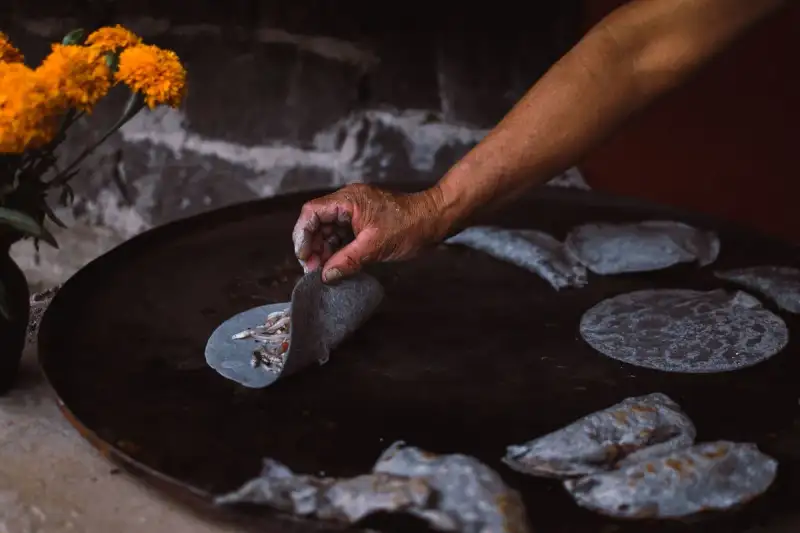
Storia e Origini di Tacos Al Pastor Tacos Al Pastor, uno dei piatti più popolari e amati della cucina messicana, ha una storia ricca e affascinante che risale al XX secolo. Il nome "Al Pastor" significa "a forma di pastore" in spagnolo, ma non si riferisce alla religione o alla professione, bensì al metodo di cucinatura. La storia di Tacos Al Pastor inizia negli anni '50, quando i immigrati libanesi e siriani si stabilirono in Messico e aprirono ristoranti e stand di strada. Questi immigrati, noti come "Touarshi", portarono con sé una ricetta tradizionale del Medio Oriente, nota come "shawarma", che si basa sulla carne macinata a mano, cotta su un tandır (un tipo di griglia) e servita su un pane lievitato.La Cucina Messicana e la Nascita di Tacos Al Pastor I Touarshi adattarono la ricetta alla tradizione culinaria messicana, introducendo la carne di manzo, che era più accessibile e popolare tra i consumatori della zona. Inoltre, sostituirono il pane lievitato con le classiche tortillas messicane e aggiunsero condimenti caratteristici della cucina messicana, come la salsa piccante, il coriandolo e il lime.La Diffusione di Tacos Al Pastor Tacos Al Pastor divenne rapidamente un successo tra i clienti della capitale messicana, Città del Messico. La sua fama si diffuse rapidamente attraverso il paese, fino a diventare un'emblema della cultura culinaria messicana. Oggi, Tacos Al Pastor è una pietanza popolare in tutto il continente americano, e la sua ricetta è stata adattata e variata in svariati modi. I Secreti di Tacos Al Pastor Tacos Al Pastor non è solo una pietanza deliziosa, ma anche un'esperienza culinaria unica. La sua ricetta si basa su una precisa combinazione di ingredienti e tecniche di preparazione che contribuiscono alla sua irresistibile attrazione. Ecco alcuni segreti dietro a questa creazione culinaria:La carne: la carne di manzo utilizzata per Tacos Al Pastor è macinata a mano e cotta su un tandır per conferirle un gusto unico. La salsa piccante: la salsa piccante utilizzata per Tacos Al Pastor è fatta con ingredienti come l'aglio, il peperoncino e il cilantro, che conferiscono alla pietanza il suo gusto unico. Le tortillas: le tortillas utilizzate per Tacos Al Pastor sono fatte con farina di mais e sono cotte su un comò (un tipo di forno) per conferir loro una consistenza croccante.Conclusione Tacos Al Pastor è una pietanza unica e deliziosa che ha conquistato il mondo con la sua ricetta e la sua tradizione. La sua storia e origine si basano su una ricca combinazione di influssi culturali e culinari che hanno contribuito alla sua irresistibile attrazione. La sua fama si è diffusa rapidamente attraverso il continente americano, fino a diventare un'emblema della cultura culinaria messicana. La prossima volta che vi capitasse di visitare una città messicana, assicuratevi di provare Tacos Al Pastor. Sarete sicuramente conquistati dalla sua ricchezza di sapori e dall'irresistibile attrazione che emana. Hashtag'ler:#food #mexicanfood #tacosalpastorRelated InsightsThe Art of French Pastry: From Parisian Kitchens to Your Plate, Mastering Macarons, Éclairs, and Croissants Japanese Ramen: The Ultimate Guide to Regional Styles, Secret Broths, and How to Make Them at Home Kung Pao: The Perfect Balance of Sweet and Heat{ "@context": "https://schema.org", "@type": "FAQPage", "mainEntity": [ { "@type": "Question", "name": "What is the main focus of Tacos Al Pastor: Il Mio Viaggio nel Cuore della Messicana Cucina?", "acceptedAnswer": { "@type": "Answer", "text": "Una passeggiata gastronomica nel cuore della cultura messicana, dove la scoperta di Tacos al Pastor ci trasporta ad una nuova dimensione di sapori e profumi." } }, { "@type": "Question", "name": "Who authored the comprehensive guide on Tacos Al Pastor: Il Mio Viaggio nel Cuore della Messicana Cucina?", "acceptedAnswer": { "@type": "Answer", "text": "This detailed article and its insights were carefully researched and authored by Giovanni Luigi." } }, { "@type": "Question", "name": "Where can I find more related content about Food?", "acceptedAnswer": { "@type": "Answer", "text": "You can explore more articles, detailed reviews, and similar insights by browsing the Related Insights section at the bottom of this article or visiting our dedicated Food category page." } } ] }
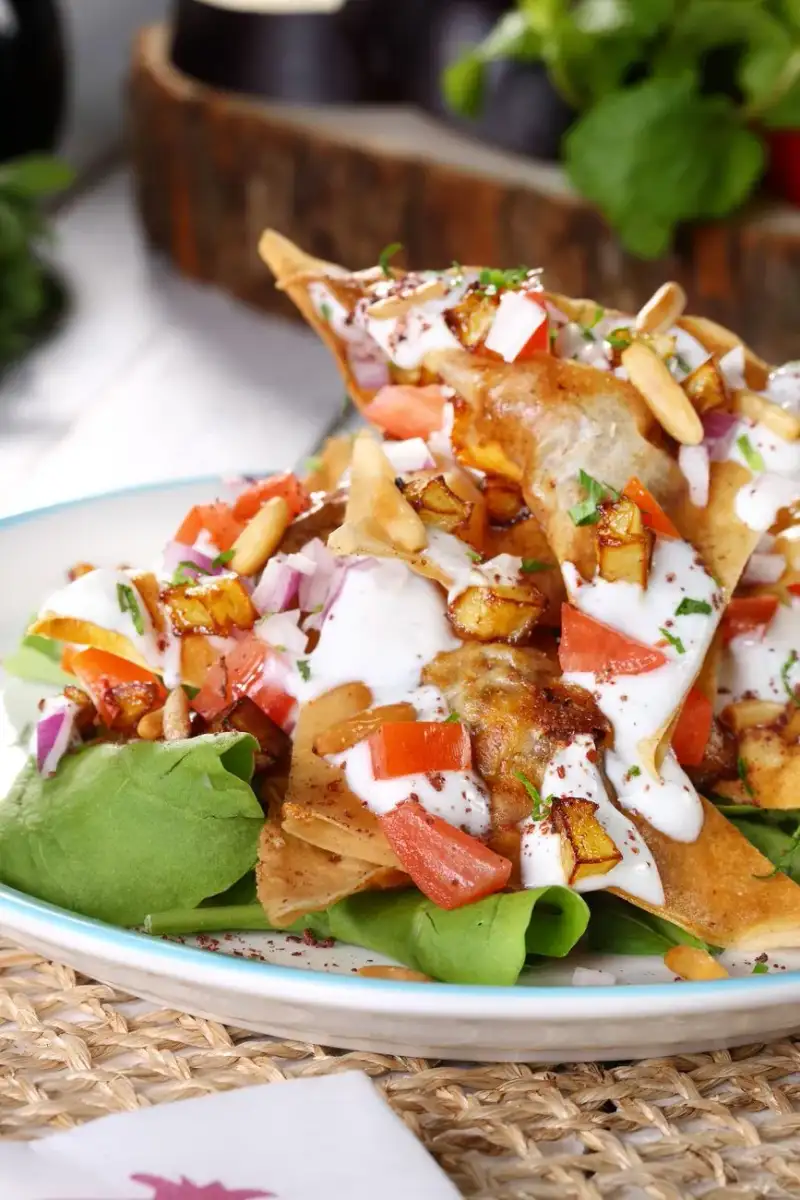
- Isabella Rossi
- 16 Jul, 2026 21:17
Middle Eastern Mezze Beyond Turkish: Authentic Lebanese and Syrian Small Plates
Middle Eastern Mezze Beyond Turkish: Lebanese and Syrian Small Plates Introduction The sun dips below the Mediterranean horizon, casting golden hues over the ancient souks of Damascus and Beirut. The air hums with the sizzle of grilled meats, the earthy aroma of za’atar, and the tang of fresh lemon. This is the world of mezze—not just a meal, but a cultural symphony where every small plate tells a story of history, trade, and tradition. While Turkish mezze often steals the spotlight, Lebanese and Syrian small plates offer a deeper, more nuanced exploration of Middle Eastern flavors. From the smoky char of muhammara to the creamy indulgence of mujaddara, these dishes are a testament to a region where food is both art and sustenance. Mezze, derived from the Arabic word tamazza (meaning "to taste"), is more than an appetizer spread—it’s a way of life. In Lebanon and Syria, mezze is a communal experience, a slow unfolding of flavors that invites conversation, laughter, and connection. Unlike the more structured Turkish meze, Lebanese and Syrian versions are fluid, adaptable, and deeply personal. They reflect the Mediterranean climate’s bounty—olive oil, citrus, fresh herbs, and pulses—while incorporating spices and techniques shaped by centuries of trade along the Silk Road. Whether you’re a seasoned foodie or a curious newcomer, exploring these small plates is like taking a culinary journey through time.The Cultural Significance of Mezze in Lebanon and Syria Mezze is the heartbeat of Lebanese and Syrian hospitality, a tradition that transcends mere dining. In these cultures, food is love, and mezze is the language of generosity. The practice of serving small plates stems from the region’s agricultural roots, where sharing limited resources fostered communal bonds. Even today, a Lebanese or Syrian host will insist you eat more, urging you to try "just one bite" of each dish—a ritual that can last for hours. Historically, mezze evolved from the need to stretch meals across large families and guests. Dishes like fatayer (savory pastries) and baba ghanoush (smoked eggplant dip) were born from resourcefulness, using simple ingredients to create complex flavors. The Ottoman Empire’s influence further enriched these traditions, introducing spices like sumac and pomegranate molasses, while the Mediterranean climate ensured an abundance of fresh produce. Syrian souks, as explored in research on artful marketing in Damascus, were not just marketplaces but cultural hubs where ingredients were traded, stories were shared, and culinary techniques were perfected.In Lebanon, mezze is a point of national pride. The country’s diverse topography—from the fertile Bekaa Valley to the coastal plains—provides a diverse palette of ingredients. Lebanese mezze often features more seafood, reflecting the coastal influence, while Syrian mezze leans toward heartier, meat-based dishes like kebbeh (spiced meat croquettes). Both, however, share a commitment to freshness and balance. A typical Lebanese mezze spread might include 20 or more dishes, each carefully prepared to complement the others. The concept of ‘ilm al-tabeekh (the science of cooking) is deeply ingrained, with recipes passed down through generations. The social aspect of mezze cannot be overstated. In Syria, before the civil war disrupted daily life, mezze was a daily ritual in homes and restaurants alike. In Lebanon, it’s a cornerstone of celebrations, from weddings to religious festivals. The act of sharing mezze fosters a sense of belonging, a reminder that food is a universal language. Even in modern times, as obesity rates in the Mediterranean region rise (as noted in research on obesity and Middle Eastern individuals), mezze remains a healthier alternative to Western-style feasting, emphasizing vegetables, legumes, and lean proteins.Essential Lebanese Mezze Dishes You Must Try Lebanese mezze is a masterclass in balancing flavors and textures. Here are the dishes that define this culinary tradition: 1. Hummus No mezze spread is complete without hummus, the creamy chickpea dip that has become a global phenomenon. Lebanese hummus stands out for its silky texture and bright, lemony flavor. Unlike its Turkish or Israeli counterparts, Lebanese hummus is often served with a generous drizzle of olive oil and a sprinkle of za’atar (a blend of thyme, sumac, and sesame seeds). The key to authentic Lebanese hummus lies in the tahini—it should be smooth, not gritty, and the chickpeas must be cooked until tender but not mushy. 2. Baba Ghanoush This smoky eggplant dip is a staple in every Lebanese mezze spread. The eggplants are charred over an open flame until the flesh is tender and the skin blisters, then blended with tahini, garlic, lemon juice, and olive oil. The result is a dip with a deep, earthy flavor and a velvety texture. In Lebanon, baba ghanoush is often served with warm pita bread or as part of a muqaddam (a platter of dips). 3. Fattoush A refreshing salad that embodies the Lebanese love for fresh herbs and crisp textures. Fattoush is made with mixed greens, radishes, cucumbers, and tomatoes, tossed with crispy pita bread (toasted with sumac and olive oil) and a tangy sumac-lemon dressing. The pita adds a delightful crunch, making it a perfect palate cleanser between richer dishes. 4. Fatayer These savory pastries come in two varieties: fatayer bi sbanakh (filled with spinach and sumac) and fatayer bi jibneh (filled with cheese). The dough is thin and flaky, similar to phyllo, and the filling is spiced with sumac for a tangy kick. Fatayer are often served warm, making them a comforting addition to any mezze spread. 5. Kibbeh Lebanese kibbeh is a versatile dish made from bulgur wheat and spiced ground meat (usually lamb or beef). It can be shaped into small croquettes (kibbeh nayyeh), fried balls (kibbeh lebneh), or baked in a tray (kibbeh bil sanieh). The key to great kibbeh is the balance of spices—cinnamon, allspice, and nutmeg add warmth, while parsley and onion provide freshness.6. Tabbouleh A refreshing parsley salad that is Lebanon’s national dish. Tabbouleh is made with finely chopped parsley, bulgur wheat, tomatoes, mint, and a lemon-olive oil dressing. The parsley should be the dominant flavor, with the bulgur providing a subtle chew. It’s often served alongside other mezze dishes to cleanse the palate. 7. Mujaddara A humble yet beloved dish made from lentils, rice, and caramelized onions. Mujaddara is a staple in Lebanese homes, often served as a main course but also included in mezze spreads for its hearty, comforting flavor. The onions are cooked until crispy, adding a sweet and savory contrast to the earthy lentils and rice. To create an authentic Lebanese mezze spread, start with a base of dips like hummus and baba ghanoush, then add salads like fattoush and tabbouleh. Follow with hot dishes like kibbeh and fatayer, and finish with a refreshing drink like ayran (yogurt drink) or mint lemonade. The key is variety—contrast creamy dips with crisp salads, and light bites with hearty pastries.Syrian Mezze: A Taste of Damascus Syrian mezze is a celebration of bold flavors and rustic charm. Unlike the more refined Lebanese mezze, Syrian small plates often feature heartier, meat-based dishes and a greater emphasis on spices. The cuisine of Damascus, in particular, reflects the city’s rich history as a crossroads of trade and culture. Syrian mezze is deeply rooted in the region’s agricultural traditions, with dishes like muhammara (a spicy red pepper dip) and mansaf (a lamb and rice dish) showcasing the use of local ingredients. 1. Muhammara This vibrant red dip is made from roasted red peppers, walnuts, pomegranate molasses, and spices like cumin and Aleppo pepper. Muhammara is sweet, smoky, and slightly spicy, with a thick, chunky texture. It’s often served with pita bread or as a condiment for grilled meats. The dish originated in the city of Aleppo but has become a staple in Syrian mezze. 2. Fattayer Jibneh Syrian fattayer are similar to their Lebanese counterparts but often feature a cheese filling, typically akawi (a mild, salty cheese). The dough is flaky and crisp, and the cheese is spiced with sumac for a tangy kick. These pastries are a popular breakfast item but also make a great addition to any mezze spread. 3. Kibbeh Bil Sanieh A baked kibbeh dish that is a specialty of Aleppo. Kibbeh bil sanieh is made by layering spiced ground meat and bulgur wheat in a tray, then baking it until golden and crispy. The top layer is often garnished with caramelized onions and pine nuts, adding a sweet and nutty contrast to the savory meat. 4. Mansaf While not a traditional mezze dish, mansaf is often served in Syrian homes as part of a larger feast. It consists of lamb cooked in a yogurt sauce (jameed) and served over rice, garnished with almonds and parsley. The dish is a symbol of Syrian hospitality and is often reserved for special occasions. 5. Shish Barak Tiny dumplings filled with spiced ground meat, cooked in a yogurt sauce. Shish barak is a comforting dish that is often served in the colder months. The dumplings are delicate and melt in the mouth, while the yogurt sauce adds a tangy richness. 6. Za’atar Manakeesh A Syrian flatbread topped with za’atar (a blend of thyme, sumac, and sesame seeds) and olive oil. Za’atar manakeesh is a popular breakfast item but can also be served as part of a mezze spread. The combination of earthy thyme, tangy sumac, and nutty sesame seeds is irresistible. 7. Makdous Stuffed baby eggplants preserved in olive oil and vinegar. Makdous are typically filled with walnuts, garlic, and red pepper flakes, then pickled for a tangy, spicy flavor. They are often served as part of a mezze spread, adding a burst of flavor and texture.Syrian mezze is all about bold flavors and rustic charm. To create an authentic spread, start with dips like muhammara and hummus, then add salads like fattoush and tabbouleh. Follow with hot dishes like kibbeh bil sanieh and shish barak, and finish with flatbreads like za’atar manakeesh. The key is to balance rich, meaty dishes with lighter, tangy flavors.The Art of Pairing Mezze with Drinks and Wines Mezze is not just about the food—it’s about the experience, and that includes the drinks. In Lebanon and Syria, mezze is often paired with a variety of beverages, from traditional non-alcoholic drinks to fine wines. The right pairing can elevate the flavors of the dishes and enhance the overall dining experience. Non-Alcoholic PairingsAyran: A refreshing yogurt drink made with yogurt, water, and a pinch of salt. Ayran is the perfect palate cleanser for rich, spicy dishes like muhammara and kibbeh. Jallab: A sweet syrup made from dates, grape molasses, and rose water, diluted with water and ice. Jallab is often served with pine nuts and raisins, making it a popular choice for balancing the flavors of mezze. Mint Lemonade: A classic Middle Eastern drink made with fresh lemon juice, sugar, and muddled mint leaves. The bright, citrusy flavor complements the tangy and spicy elements of mezze.Alcoholic PairingsArak: Lebanon’s national spirit, arak is an anise-flavored liquor that is typically diluted with water and ice. It pairs beautifully with mezze, especially seafood dishes like grilled shrimp and octopus. The anise flavor cuts through the richness of the food, while the alcohol enhances the spices. Lebanese Wine: Lebanon is one of the oldest wine-producing regions in the world, and its wines are a perfect match for mezze. White wines like Château Musar White or Kefraya Blanc de Blancs complement lighter dishes like tabbouleh and fattoush, while red wines like Château Ksara Reserve du Comte pair well with heartier dishes like kibbeh and mansaf. Beer: Lebanese and Syrian beers like Almaza and Al Shark are light and crisp, making them a great choice for balancing the flavors of mezze. They pair especially well with grilled meats and spicy dips.When pairing drinks with mezze, consider the dominant flavors of the dishes. For example, if your mezze spread includes a lot of spicy and tangy dishes, opt for a refreshing drink like ayran or mint lemonade. If you’re serving heartier, meat-based dishes, a glass of arak or a full-bodied red wine would be ideal. The key is to balance the flavors and enhance the dining experience.Health Benefits and Modern Adaptations of Mezze While mezze is undeniably delicious, it’s also a healthier alternative to many Western-style meals. The Mediterranean diet, which includes many mezze dishes, is renowned for its health benefits, including reduced risk of heart disease, diabetes, and obesity. However, modern adaptations and dietary restrictions have led to creative twists on traditional mezze. Health Benefits of MezzeRich in Vegetables: Mezze is packed with fresh vegetables like cucumbers, tomatoes, and parsley, which are high in fiber, vitamins, and antioxidants. Healthy Fats: Olive oil, a staple in mezze, is a source of monounsaturated fats, which are heart-healthy and can help reduce inflammation. Plant-Based Options: Many mezze dishes are naturally plant-based, such as hummus, baba ghanoush, and tabbouleh, making them suitable for vegetarians and vegans. Lean Proteins: Dishes like kibbeh and mansaf include lean proteins like lamb and lentils, which are high in protein and low in saturated fat.Modern AdaptationsGluten-Free Mezze: For those with gluten sensitivities, dishes like hummus, baba ghanoush, and makdous are naturally gluten-free. Flatbreads can be replaced with gluten-free pita or lettuce wraps. Vegan Mezze: Many traditional mezze dishes are already vegan, such as fattoush, tabbouleh, and mujaddara. For non-vegan dishes like kibbeh, plant-based alternatives like lentils or mushrooms can be used. Low-Carb Mezze: For those watching their carb intake, dishes like fattayer and kibbeh can be made with cauliflower rice or almond flour to reduce the carb content. Modern Twists: Chefs around the world are putting their own spin on mezze, incorporating ingredients like quinoa, avocado, and kale. For example, quinoa tabbouleh or avocado hummus adds a contemporary touch to traditional flavors.Despite these adaptations, the essence of mezze remains the same—a celebration of fresh, wholesome ingredients shared with loved ones. Whether you’re enjoying a traditional spread or a modern twist, mezze is a reminder that food is more than just sustenance; it’s a way to connect with others and honor cultural traditions.Mezze Etiquette and Serving Suggestions Mezze is not just about the food—it’s about the experience. In Lebanon and Syria, mezze is a communal affair, a time to gather with friends and family and savor the flavors of the region. Understanding mezze etiquette can enhance your dining experience and show respect for the culture. Mezze EtiquetteShare Everything: Mezze is meant to be shared. Dishes are placed in the center of the table, and everyone serves themselves. It’s common to try a little bit of everything, even if you’re not familiar with a dish. Use Your Hands: Many mezze dishes, like hummus and baba ghanoush, are traditionally eaten with pita bread or flatbread. Don’t be afraid to use your hands—it’s part of the experience! Compliment the Host: In Lebanese and Syrian culture, the host takes great pride in preparing the food. Complimenting the host on the flavors and presentation is a sign of respect and appreciation. ** Pace Yourself**: Mezze is meant to be enjoyed slowly. Take your time, savor each bite, and engage in conversation. Rushing through the meal is considered impolite.Serving SuggestionsOrder of Serving: Start with cold dishes like hummus, baba ghanoush, and tabbouleh, then move on to hot dishes like kibbeh and fatayer. Finish with sweet dishes like baklava or muhalabia (a milk pudding). Presentation: Mezze is as much about presentation as it is about flavor. Use large platters and bowls to create a visually appealing spread. Garnish dishes with fresh herbs, pomegranate seeds, or nuts for added color and texture. Accompaniments: Serve mezze with a variety of breads, like pita, manakeesh, or markook (a paper-thin flatbread). Offer a selection of dips and spreads, and don’t forget the olives and pickles for added flavor. Portion Sizes: Mezze is meant to be shared, so serve smaller portions to encourage guests to try a variety of dishes. If you’re hosting a large group, prepare multiple dishes to ensure there’s enough for everyone.By following these etiquette tips and serving suggestions, you can create an authentic mezze experience that honors the traditions of Lebanon and Syria. Whether you’re hosting a dinner party or enjoying a meal with friends, mezze is a celebration of food, culture, and community.Conclusion Mezze is more than just a meal—it’s a cultural experience that brings people together. From the smoky depths of baba ghanoush to the tangy sweetness of muhammara, Lebanese and Syrian small plates offer a journey through history, tradition, and flavor. These dishes are a testament to the region’s agricultural bounty, its rich culinary heritage, and its commitment to hospitality. Whether you’re savoring a traditional spread in Beirut or recreating it in your own kitchen, mezze is a reminder that food is a universal language that transcends borders. As you explore the world of mezze, remember that the key to authenticity lies in the ingredients and the care with which they’re prepared. Use fresh, seasonal produce, high-quality olive oil, and spices that are vibrant and aromatic. And most importantly, share the experience with others. Mezze is meant to be enjoyed slowly, with good company and lively conversation. So, gather your friends, set out a spread of dips and salads, and let the flavors of Lebanon and Syria transport you. Whether you’re dipping pita into creamy hummus or savoring the crispy layers of a fatayer, you’re not just eating—you’re participating in a tradition that has been passed down for generations. Until next time, may your mezze be plentiful and your company even more so. #MiddleEasternFood #MezzeMagic #LebaneseCuisine #SyrianFlavors #FoodieAdventures Related InsightsAndean Superfoods Unveiled: The Alchemical Power of Quinoa, Kiwicha, and Canihua Delicious Baked Sea Bass with Cherry Tomatoes and Capers L'Alchimie des Trottoirs : Voyage Sensoriel au Cœur de la Street Food de Mumbai{ "@context": "https://schema.org", "@type": "FAQPage", "mainEntity": [ { "@type": "Question", "name": "What is the main focus of Middle Eastern Mezze Beyond Turkish: Authentic Lebanese and Syrian Small Plates?", "acceptedAnswer": { "@type": "Answer", "text": "Explore the vibrant flavors of Lebanese and Syrian small plates, discovering the authentic, must-try mezze that goes far beyond Turkish cuisine." } }, { "@type": "Question", "name": "Who authored the comprehensive guide on Middle Eastern Mezze Beyond Turkish: Authentic Lebanese and Syrian Small Plates?", "acceptedAnswer": { "@type": "Answer", "text": "This detailed article and its insights were carefully researched and authored by Isabella Rossi." } }, { "@type": "Question", "name": "Where can I find more related content about Food?", "acceptedAnswer": { "@type": "Answer", "text": "You can explore more articles, detailed reviews, and similar insights by browsing the Related Insights section at the bottom of this article or visiting our dedicated Food category page." } } ] }
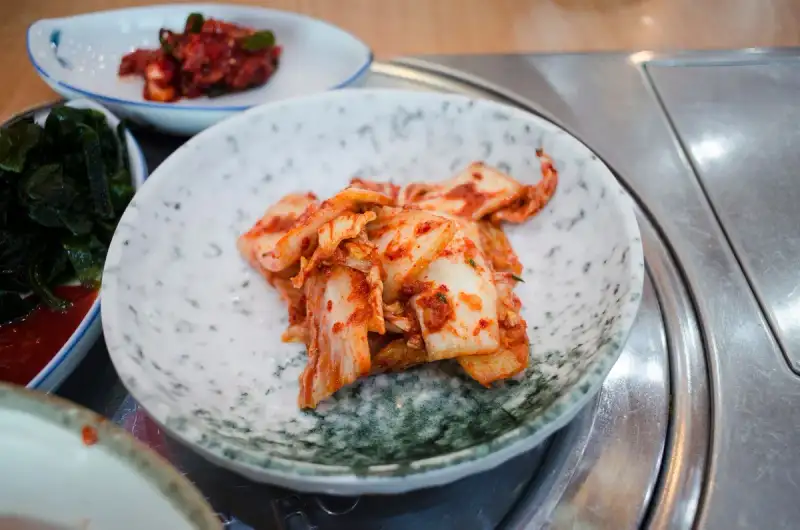
-
 Chloe Blanc
 - 16 Jul, 2026 14:59
L'Âme Fermentée de la Corée : Odyssée Sensorielle et Historique du Kimchi
Le silence des hivers coréens, autrefois, n'était rompu que par le craquement de la glace et le souffle court des villageois s'activant autour des onggi. Imaginez l'odeur terreuse des racines fraîchement déterrées, le piquant ancestral du sel et l'attente patiente d'une transformation invisible. Le kimchi n'est pas un simple accompagnement ; c'est un dialogue entre l'homme et la nature, une alchimie où le temps devient l'ingrédient principal, transformant le végétal brut en un trésor probiotique vibrant de vie. L'Essence du Kimchi : Bien plus qu'un Banchan Au cœur de chaque table coréenne, le kimchi s'impose comme l'élément central, le banchan indispensable. Ce plat, composé de légumes salés et fermentés, est l'âme même de la cuisine de la péninsule. Si le chou chinois (napape) et le radis coréen en sont les piliers les plus fréquents, l'univers du kimchi est d'une diversité vertigineuse. La magie opère grâce à un mélange précis d'aromates : le gochugaru (poudre de piment coréen) apporte cette couleur rouge emblématique et ce feu maîtrisé, tandis que les oignons verts, l'ail et le gingembre ajoutent des couches de complexité aromatique. L'ajout de jeotgal (fruits de mer salés) vient apporter une profondeur umami incomparable, liant les saveurs terreuses des légumes à la salinité de l'océan.Le kimchi ne se limite pas à être consommé cru. Sa polyvalence permet de l'intégrer dans une multitude de soupes et de ragoûts, où sa saveur acidulée et fermentée apporte une structure unique aux bouillons. #KoreanFood #FermentationTraditionnelle Les Racines Linguistiques : Le Voyage du Mot Pour comprendre le kimchi, il faut plonger dans l'étymologie, là où les sons racontent l'évolution d'un peuple. Le terme "ji" (지), issu de l'ancien coréen dihi (디히), est utilisé depuis des temps immémoriaux pour désigner les légumes fermentés. Cette racine a survécu à travers les siècles, se retrouvant aujourd'hui comme suffixe dans des variantes comme le jjanji ou le seokbak-ji. Le mot "kimchi" lui-même est le résultat d'une mutation phonétique fascinante. À l'origine, on trouvait thimchoy (팀ᄎᆡ), une transcription du terme sino-coréen 沈菜, signifiant littéralement "légume submergé". À travers les époques, le mot a voyagé : thimchoy est devenu timchoy, puis cimchoy, puis cimchuy, pour enfin aboutir au kimchi moderne. Cette évolution reflète non seulement l'adaptation linguistique, mais aussi l'enracinement du plat dans l'identité nationale, tant au Nord qu'au Sud. Une Histoire Millénaire : Du Silence au Piment L'histoire du kimchi est celle d'une adaptation constante. Le Samguk Sagi, chronique historique des Trois Royaumes de Corée, mentionne déjà l'utilisation de jarres pour fermenter les légumes, prouvant que cette pratique était courante dès l'aube de la civilisation coréenne. Le peuple de Goguryeo était particulièrement reconnu pour sa maîtrise de la fermentation. Plus tard, sous la dynastie Silla (57 av. J.-C. – 935 apr. J.-C.), l'essor du bouddhisme a favorisé un mode de vie végétarien, propulsant le kimchi au rang de pilier alimentaire. Avant l'invention de la réfrigération, le salage était la seule arme contre la famine hivernale. On enterrait les onggi (pots en céramique brune) dans le sol pour protéger les légumes du gel en hiver et maintenir une température fraîche en été, ralentissant ainsi la fermentation.L'un des aspects les plus surprenants pour le néophyte est que le kimchi originel n'était pas piquant. Les archives anciennes ne mentionnent ni l'ail ni le piment. Le piment, ingrédient désormais indissociable du plat, est une culture du Nouveau Monde. Introduit en Asie de l'Est par les commerçants portugais, il n'apparaît pour la première fois dans les textes coréens qu'en 1614, dans l'encyclopédie Jibong yuseol. Ce n'est qu'au XIXe siècle que l'usage du piment s'est généralisé, donnant naissance aux recettes que nous connaissons aujourd'hui. Le Gimjang : Un Rite Social et Familial Le gimjang n'est pas simplement l'acte de préparer le kimchi d'hiver ; c'est un acte de communion. Traditionnellement, c'était un événement communautaire où tout le village participait. Les femmes des familles se réunissaient pour préparer des quantités massives de légumes, renforçant ainsi les liens sociaux et familiaux. Le stockage se faisait sur des terrasses spéciales appelées jangdokdae, où les onggi étaient alignés, tournés vers le soleil, respirant à travers la porosité de l'argile. Si aujourd'hui les réfrigérateurs à kimchi spécialisés ont remplacé les fosses terrestres dans les appartements modernes de Séoul, l'esprit du gimjang demeure un symbole de solidarité. La Diversité des Variétés Il existe des centaines de types de kimchi, chacun reflétant une région ou une saison. Parmi les plus emblématiques, on trouve :Baechu-kimchi : Le classique au chou chinois. Kkakdugi : Un kimchi de radis coupé en cubes, croquant et vif. Chonggak-kimchi : Préparé avec des radis "queue de renard". Oi-sobagi : Un kimchi de concombre, rafraîchissant et parfumé.C'est dans le livre Jeungbo sallim gyeongje de 1766 que l'on trouve déjà des rapports sur cette myriade d'ingrédients, prouvant que la créativité culinaire coréenne était déjà florissante bien avant la mondialisation. #Gastronomie #HealthyEatingDu Terroir à l'Espace : Le Kimchi Moderne Le kimchi a su traverser les frontières et même l'atmosphère terrestre. Pendant la guerre du Vietnam, le gouvernement sud-coréen a dû industrialiser la production de kimchi pour ravitailler ses troupes, dont le besoin pour ce plat était décrit comme "désespéré". Cette nécessité a accéléré la commercialisation et la standardisation du produit. L'aventure a atteint son apogée en 2008, lorsque des scientifiques sud-coréens ont créé un "kimchi spatial" pour l'astronaute Yi So-yeon. Contrairement au kimchi traditionnel, cette version était dépourvue de bactéries pour éviter que les rayons cosmiques ne provoquent des mutations bactériennes, tout en conservant la richesse en vitamines et un faible apport calorique. La Bataille des Standards : Kimchi vs Kimuchi L'identité du kimchi est si forte qu'elle a fait l'objet de disputes diplomatiques. En 1996, la Corée a protesté contre la production commerciale japonaise de "kimuchi". L'argument était simple : le produit japonais n'était pas fermenté, se rapprochant davantage de l' asazuke (légumes saumurés rapides) que du véritable kimchi. La Corée a alors sollicité le Codex Alimentarius, l'organisme de l'OMS et de la FAO, pour établir une norme internationale. En 2001, le Codex a officiellement défini le kimchi comme un aliment fermenté utilisant principalement du chou chinois salé, mélangé à des assaisonnements et subissant un processus de production d'acide lactique. Cette reconnaissance mondiale a ancré le kimchi non seulement comme un plat, mais comme un produit culturel protégé. Conclusion : Un Héritage Vivant Le kimchi est le miroir de l'histoire coréenne : résilient, transformateur et profondément lié à la terre. De la poésie d'Yi Gyubo au XIIIe siècle, qui comparait le goût du radis d'hiver à celui d'une poire, jusqu'aux programmes destinés aux adoptés coréens souhaitant redécouvrir leurs racines à travers la préparation du kimchi, ce plat est un fil conducteur. Il nous enseigne que la patience — le temps nécessaire à la fermentation — est l'ingrédient le plus précieux. En goûtant un morceau de kimchi, on ne goûte pas seulement du chou et du piment, on goûte des siècles de survie, de science empirique et d'amour familial.#Kimchi #KoreanCulture #Fermentation #HealthyFood #WorldGastronomy #FoodHistory Related InsightsThe Golden Threads of History: Unraveling the Millennia-Old Tapestry of Pasta L'Épopée Gourmande des Rues : Quand le Monde se Déguste à Ciel Ouvert Char Siu Bao: The Fluffy BBQ Pork Bun{ "@context": "https://schema.org", "@type": "FAQPage", "mainEntity": [ { "@type": "Question", "name": "What is the main focus of L'Âme Fermentée de la Corée : Odyssée Sensorielle et Historique du Kimchi?", "acceptedAnswer": { "@type": "Answer", "text": "Plongez dans l'univers fascinant du kimchi, bien plus qu'un simple plat : un héritage millénaire de fermentation, de culture et de survie." } }, { "@type": "Question", "name": "Who authored the comprehensive guide on L'Âme Fermentée de la Corée : Odyssée Sensorielle et Historique du Kimchi?", "acceptedAnswer": { "@type": "Answer", "text": "This detailed article and its insights were carefully researched and authored by Chloe Blanc." } }, { "@type": "Question", "name": "Where can I find more related content about Food?", "acceptedAnswer": { "@type": "Answer", "text": "You can explore more articles, detailed reviews, and similar insights by browsing the Related Insights section at the bottom of this article or visiting our dedicated Food category page." } } ] }
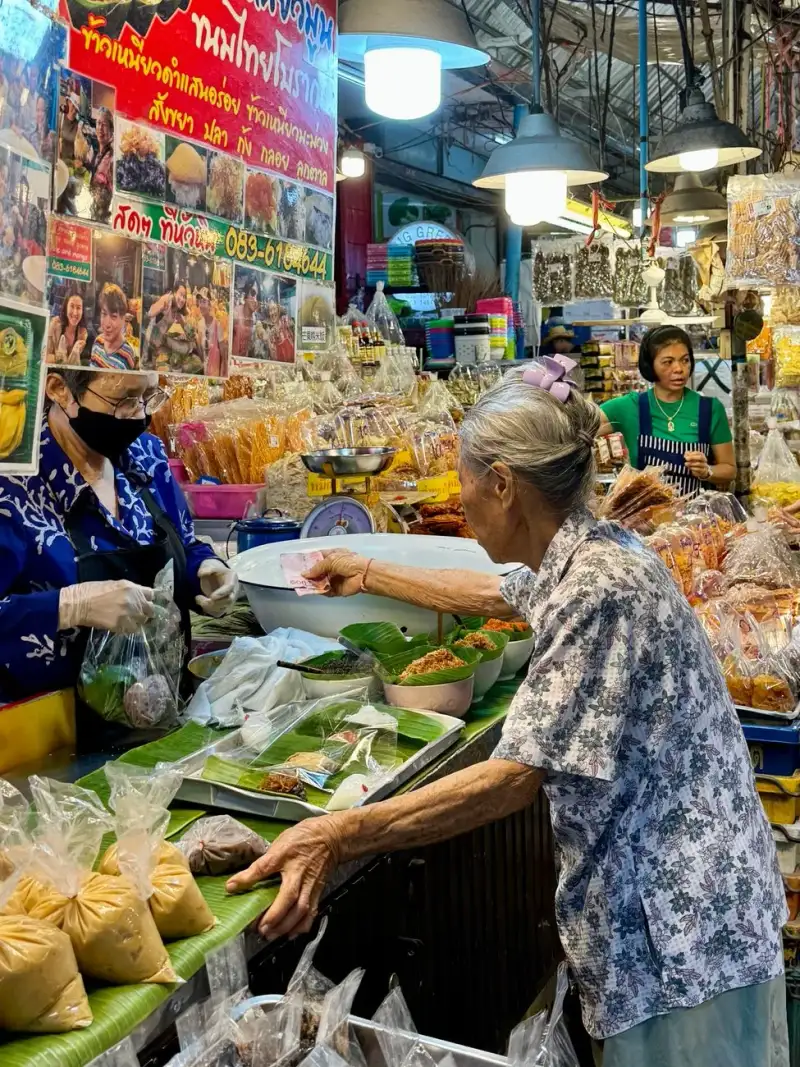
- Marcus Vance
- 15 Jul, 2026 22:44
Thai Street Food: Aromatic Delights from Bangkok to Chiang Mai – The Ultimate Guide to Southeast Asia’s Most Vibrant Culinary Adventure
Introduction Thailand’s street food is more than just a meal—it’s a cultural phenomenon, a sensory explosion, and a testament to the country’s rich culinary heritage. From the bustling alleys of Bangkok to the serene night markets of Chiang Mai, every corner of Thailand offers a new adventure for the palate. Did you know that Thailand’s street food scene is so iconic it has been recognized by UNESCO as part of the country’s Intangible Cultural Heritage? This isn’t just food; it’s a way of life. But what makes Thai street food so irresistible? It’s the perfect balance of sweet, sour, spicy, and savory flavors, often achieved in a single dish. Whether it’s the sizzling wok of pad thai, the aromatic tom yum goong soup, or the crispy khao man gai (chicken rice), each bite tells a story of tradition, innovation, and passion. In this guide, we’ll dive deep into the heart of Thailand’s street food culture, uncovering the must-try dishes, regional specialties, and insider tips to make your culinary journey unforgettable.The Evolution of Thai Street Food: From Humble Origins to Global Fame Thai street food has evolved over centuries, shaped by trade, migration, and local ingenuity. The roots of this culinary tradition can be traced back to the Ayutthaya period (14th–18th centuries), when Thailand’s capital was a bustling hub of commerce and cultural exchange. Traders from China, India, and Persia introduced new ingredients and cooking techniques, which were quickly adapted by Thai chefs to create unique fusion dishes. One of the most significant influences on Thai street food is the Chinese diaspora. Dishes like khao man gai (chicken rice) and guay teow (noodle soup) are direct descendants of Chinese culinary traditions, but with a distinctly Thai twist. The use of fragrant herbs like lemongrass, galangal, and kaffir lime leaves is a hallmark of Thai cuisine, reflecting the country’s tropical climate and agricultural abundance. In the 20th century, Thai street food gained international recognition thanks to the rise of tourism and global media. The 1997 Asian financial crisis even played a role, as many Thais turned to street food vending as a means of survival, leading to an explosion of creativity and innovation in the street food scene. Today, Thai street food is celebrated worldwide, with dishes like pad thai and mango sticky rice becoming global icons.Bangkok’s Street Food Scene: A Symphony of Flavors and Chaos Bangkok is the undisputed capital of Thai street food, where the energy of the city is matched only by the intensity of the flavors. The city’s street food scene is a symphony of sizzling woks, aromatic curries, and the rhythmic clatter of vendors at work. To truly experience Bangkok’s street food, you need to dive into its neighborhoods, each with its own unique character. Chinatown (Yaowarat) is a must-visit for food lovers. This bustling district is home to some of the city’s most famous street food stalls, including Jek Pui Curry, a legendary spot for khao gaeng (curry rice). The dish here is a masterclass in balance—rich, coconut-based curries paired with fragrant jasmine rice and crispy pork belly. Another iconic spot is Nai Ek Roll Noodle, where you can try kuay teow neua (beef noodle soup), a dish that has been perfected over generations. Khao San Road is another hotspot, though it’s more touristy than the others. Here, you’ll find everything from grilled scorpions to som tam (green papaya salad). While the food is decent, the real draw is the atmosphere—vibrant, chaotic, and quintessentially backpacker. For a more authentic experience, head to Thipsamai, famous for its pad thai. This dish, now a global phenomenon, originated in Thailand and is best enjoyed fresh off the wok. Thipsamai’s version is legendary, with a perfect balance of sweet, sour, and savory flavors, topped with a crispy egg and a squeeze of lime.Chiang Mai’s Street Food: Northern Thailand’s Hidden Gems While Bangkok may be the heart of Thai street food, Chiang Mai is the soul. Nestled in the mountains of northern Thailand, Chiang Mai’s street food scene is a reflection of the region’s rich cultural heritage and agricultural bounty. The food here is heartier, spicier, and often more herbaceous than its southern counterpart, thanks to the influence of the Lanna culture. One of the must-try dishes in Chiang Mai is sai oua, a northern Thai sausage made with minced pork, lemongrass, galangal, and kaffir lime leaves. The sausage is grilled to perfection, with a smoky aroma that fills the air. Another iconic dish is khao soi, a coconut curry noodle soup that is Chiang Mai’s signature dish. The dish is a harmonious blend of textures and flavors—crispy fried noodles on top, soft egg noodles in the broth, and a rich, spicy coconut curry base. For a truly unique experience, visit the Sunday Walking Street Market. This weekly event transforms the city’s historic center into a food lover’s paradise, with stalls selling everything from khao tom mat (sticky rice stuffed with mung bean paste) to sai krok Isan (fermented sausage from the Isan region). Chiang Mai’s street food scene is also a great place to explore Thailand’s vegetarian and vegan options. Many stalls cater to Buddhist traditions, offering dishes like pad pak boong (stir-fried morning glory) and gaeng jued (clear vegetable soup).The Science of Thai Street Food: Why It Tastes So Good Thai street food is a masterclass in flavor chemistry, where the interplay of sweet, sour, spicy, and savory creates a harmonious experience. The secret lies in the balance of ingredients and the use of fresh, high-quality produce. One of the key components of Thai cuisine is the umami bomb—fermented fish sauce (nam pla), shrimp paste (kapi), and soy sauce. These ingredients add depth and complexity to dishes, enhancing the natural flavors of the ingredients. For example, tom yum goong, a hot and sour shrimp soup, relies on the umami-rich broth to create its signature taste. Another critical element is the use of fresh herbs and spices. Lemongrass, galangal, kaffir lime leaves, and Thai basil are staples in Thai cooking, adding bright, citrusy, and aromatic notes to dishes. The heat in Thai food comes from fresh chilies, which are used liberally in both paste and fresh form. The Scoville scale, which measures the heat of peppers, is a useful tool for understanding the spice levels in Thai dishes. For example, a prik kee noo (mouse-dropping chili) can reach up to 100,000 Scoville heat units, while a prik chi fa (sky-pointing chili) is milder at around 50,000 units. The cooking techniques also play a crucial role. Stir-frying (pad), deep-frying (tod), and grilling (yang) are common methods that create distinct textures and flavors. For instance, pad thai is stir-fried quickly over high heat to achieve a perfect balance of crispy and tender noodles, while moo ping (grilled pork skewers) is marinated in a sweet and savory sauce before being grilled to caramelized perfection.A Price Breakdown: How Much Does Thai Street Food Cost? Thai street food is not only delicious but also incredibly affordable. Whether you’re a budget traveler or a foodie looking for a bargain, you’ll find plenty of options to suit your wallet. Below is a breakdown of average prices for popular street food dishes in Thailand:Dish Price (THB) Price (USD) DescriptionPad Thai 50–80 $1.50–$2.50 Stir-fried rice noodles with egg, tofu, and shrimpKhao Man Gai 40–70 $1.20–$2.10 Steamed chicken over rice with ginger sauceSom Tam 50–90 $1.50–$2.70 Green papaya salad with chili and limeTom Yum Goong 80–120 $2.40–$3.60 Hot and sour shrimp soupMango Sticky Rice 60–100 $1.80–$3.00 Sweet coconut sticky rice with ripe mangoSai Oua 30–60 $0.90–$1.80 Northern Thai grilled pork sausageKhao Soi 60–100 $1.80–$3.00 Coconut curry noodle soup with crispy noodlesPrices can vary depending on the location and the vendor’s reputation. In tourist-heavy areas like Bangkok’s Khao San Road, prices may be slightly higher, while local markets and street stalls offer the best deals.The Health Benefits of Thai Street Food: More Than Just Taste Thai street food isn’t just a treat for the taste buds—it’s also packed with nutritional benefits. The cuisine is inherently balanced, with an emphasis on fresh vegetables, lean proteins, and aromatic herbs. Here’s why Thai street food is a healthy choice:Rich in Antioxidants: Thai cuisine makes heavy use of herbs like lemongrass, galangal, and kaffir lime leaves, which are rich in antioxidants and anti-inflammatory properties. High in Fiber: Dishes like som tam (green papaya salad) and pad pak boong (stir-fried morning glory) are loaded with fiber, aiding digestion and promoting gut health. Lean Proteins: Many street food dishes feature lean proteins like grilled chicken, shrimp, or tofu, making them a great option for health-conscious eaters. Low in Unhealthy Fats: While some dishes are fried, the use of coconut milk is often balanced with plenty of vegetables and lean meats, keeping the fat content in check. Hydrating Soups: Dishes like tom yum goong and tom kha gai are broth-based, helping to keep you hydrated in Thailand’s tropical climate.Of course, moderation is key. While Thai street food is generally healthy, some dishes can be high in sodium or sugar, so it’s important to balance your meals with plenty of water and fresh fruits.Conclusion Thai street food is a journey of the senses—a symphony of flavors, textures, and aromas that reflects the heart and soul of Thailand. From the sizzling woks of Bangkok to the hidden gems of Chiang Mai, every bite is a story waiting to be told. Whether you’re a seasoned traveler or a first-time visitor, the street food scene in Thailand offers an unparalleled culinary adventure. As you explore the vibrant markets and bustling stalls, remember that the best dishes are often found where the locals gather. Don’t be afraid to strike up a conversation with a vendor, ask for recommendations, or even try something new. After all, the magic of Thai street food lies in its spontaneity and authenticity. So, pack your appetite and your sense of adventure—Thailand’s street food scene is waiting to delight you.#ThaiStreetFood #BangkokEats #ChiangMaiFood #SoutheastAsianCuisine #FoodTravel#ThaiFood #StreetFood #Bangkok #ChiangMai #CulinaryAdventure Related InsightsCaprese Salad: A Symphony of Flavors and Antioxidants Unveiling Injera: Why This Sour, Spongy Ethiopian Staple Is the World's Most Underrated Superfood (And How to Master It) The Mediterranean Symphony: Whole Wheat Pasta Primavera with Abundant Vegetables{ "@context": "https://schema.org", "@type": "FAQPage", "mainEntity": [ { "@type": "Question", "name": "What is the main focus of Thai Street Food: Aromatic Delights from Bangkok to Chiang Mai – The Ultimate Guide to Southeast Asia’s Most Vibrant Culinary Adventure?", "acceptedAnswer": { "@type": "Answer", "text": "Explore Thailand’s iconic street food scene with expert insights on must-try dishes, regional specialties, and hidden gems from Bangkok to Chiang Mai." } }, { "@type": "Question", "name": "Who authored the comprehensive guide on Thai Street Food: Aromatic Delights from Bangkok to Chiang Mai – The Ultimate Guide to Southeast Asia’s Most Vibrant Culinary Adventure?", "acceptedAnswer": { "@type": "Answer", "text": "This detailed article and its insights were carefully researched and authored by Marcus Vance." } }, { "@type": "Question", "name": "Where can I find more related content about Food?", "acceptedAnswer": { "@type": "Answer", "text": "You can explore more articles, detailed reviews, and similar insights by browsing the Related Insights section at the bottom of this article or visiting our dedicated Food category page." } } ] }
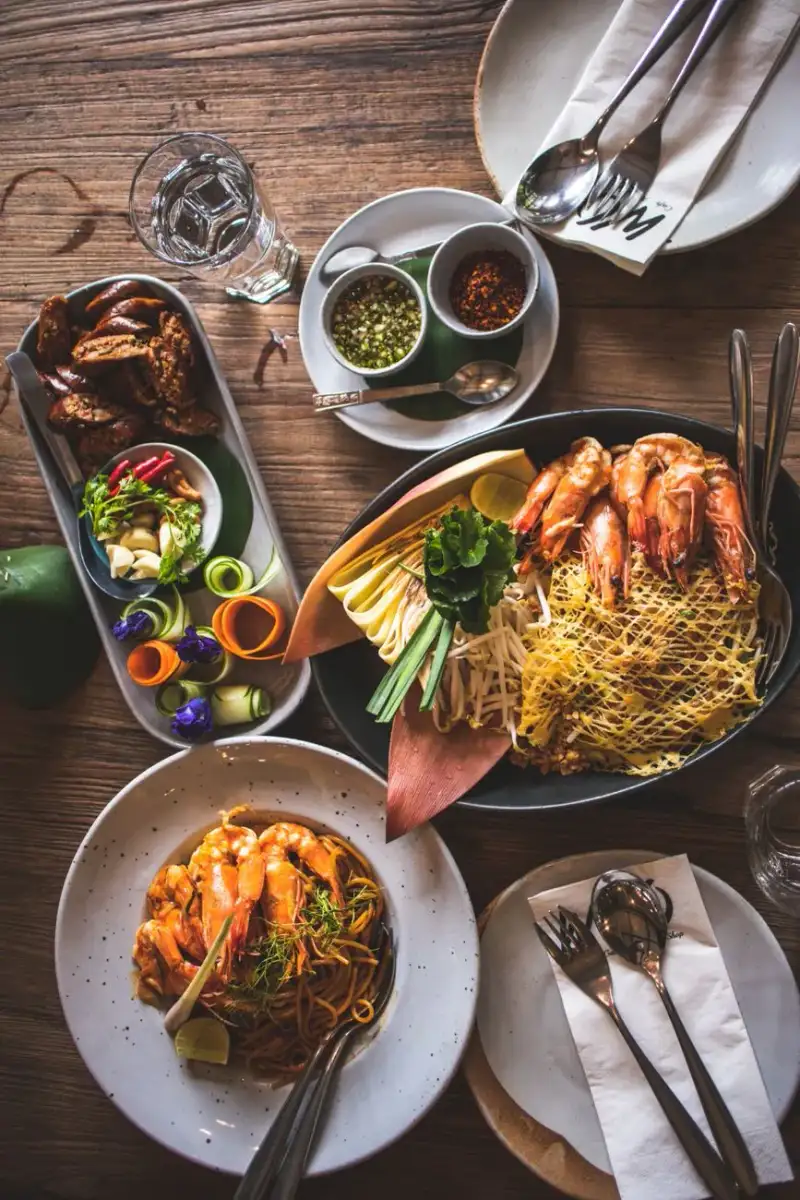

Pad Thai is a flavor that emerged under a Military Culinary Director. The secret that brought out its flavor managed to make it one of the world's renowned cuisines. To understand its military history, I will tell you about this flavor that emerged in Thailand in the 1930s, around the time of World War II. In this article, we explain the historical background, flavor, and position of Pad Thai in world cuisines. Historical Background Pad Thai emerged as a Military Culinary Director's initiative in the 1930s, during the years when World War II began. Thailand's Prime Minister Plaek Phibunsongkhram wanted to create a national cuisine for the country. Accordingly, in 1938, the first version of Pad Thai was prepared and accepted as a national cuisine by being sold on all streets of the country.Later, in 1947, Pad Thai took its place in world cuisines. It was accepted into UNESCO's Intangible Cultural Heritage list by Thailand. In 2010, it was recognized as one of Asia's best noodles. Flavor Pad Thai is a dish that reveals the secret of its taste with every bite. The ingredients used while cooking are some of the main elements that bring out its flavor.Chicken or Fish: These ingredients, which bring out a hot, queen-like flavor, are the main elements of its taste. Sauces: Salt, sugar, lemon juice, and vinegar are the essential components that create its iconic profile. Vegetables: Chinese cabbage, radish, cucumber, tomato, and mango are the key elements that add freshness. Spices: Black pepper, baking soda, salt, and fresh pepper are the main elements that bring out its signature heat.Position in World Cuisines Pad Thai is considered one of the most delicious and hot noodles in world cuisines. Its popularity in Asian cuisines exceeds other regional dishes as well. Here is its position in world cuisines: Asia Pad Thai is considered one of the most delicious noodles in Asian cuisines. It is frequently consumed in all Asian countries from Thailand to China, and from Vietnam to Singapore. Europe Pad Thai is also frequently consumed in European cuisines. It is a popular flavor especially in England, France, and Germany. However, it hasn't completely taken over as the primary Asian cuisine there. America Pad Thai is also widely accepted in American cuisines. It is frequently consumed especially in California and New York. However, it still shares the spotlight with other major Asian dishes. Conclusion Pad Thai is considered one of the most delicious and hot noodles in world cuisines. The secret that brought out its flavor originally emerged as a Military Culinary Director's creation. By exceeding other cuisines globally, it carries a legacy that perfectly balances history and taste.[Hashtags]#Foodie #NoodleLove #ThaiCuisine #StreetFoodRelated InsightsThe Unfolding Tapestry of Flavor: A Millennia-Spanning Journey Through the Epic Evolution of Curry Kale and Grilled Chicken Caesar Salad with Greek Yogurt Dressing: A High Protein Delight Cheong Fun: Silky Rice Noodle Rolls{ "@context": "https://schema.org", "@type": "FAQPage", "mainEntity": [ { "@type": "Question", "name": "What is the main focus of Hot, Tempting and Delicious Pad Thai: The World's Most Unique Noodles?", "acceptedAnswer": { "@type": "Answer", "text": "Pad Thai is one of the most delicious and hot noodles in world cuisines. We reveal the secret behind its flavor." } }, { "@type": "Question", "name": "Who authored the comprehensive guide on Hot, Tempting and Delicious Pad Thai: The World's Most Unique Noodles?", "acceptedAnswer": { "@type": "Answer", "text": "This detailed article and its insights were carefully researched and authored by Demir Şef." } }, { "@type": "Question", "name": "Where can I find more related content about Food?", "acceptedAnswer": { "@type": "Answer", "text": "You can explore more articles, detailed reviews, and similar insights by browsing the Related Insights section at the bottom of this article or visiting our dedicated Food category page." } } ] }

- Eleanor Hughes
- 15 Jul, 2026 18:47
'From Sacred Ritual to Sweet Obsession: The Untold History of Chocolate That Will Change How You Taste It'
The History of Chocolate: From Mesoamerican Rituals to Global Delicacy Introduction Imagine a world where chocolate is not a guilty pleasure but a divine elixir reserved for gods and kings. This was the reality for the ancient Maya and Aztecs, who revered cocoa as a sacred gift from the gods. The history of chocolate is not just a tale of culinary evolution; it’s a saga of cultural transformation, scientific discovery, and global trade. From the ceremonial drinks of Mesoamerica to the mass-produced bars lining supermarket shelves today, chocolate has undergone a remarkable journey. But how did this bitter, frothy beverage become the sweet, velvety treat we crave? And what secrets does its past hold about health, power, and human ingenuity? Let’s unravel the layers of chocolate’s history, from its ritualistic origins to its modern-day dominance. This article dives deep into the archaeological evidence, historical records, and scientific research that trace chocolate’s evolution. We’ll explore how the Maya and Aztecs used cocoa in their spiritual practices, how European colonizers transformed it into a luxury commodity, and how modern science has uncovered its health benefits. By the end, you’ll never look at a chocolate bar the same way again.The Sacred Origins: Chocolate in Mesoamerican Culture The story of chocolate begins over 3,000 years ago in the tropical rainforests of Mesoamerica, where the Theobroma cacao tree thrived. The Maya, who inhabited modern-day Mexico, Guatemala, and Belize, were the first to cultivate cocoa beans around 1500 BCE. They revered the cacao tree as a divine gift, often referring to it as the "food of the gods." Archaeological evidence, including pottery vessels found in Maya sites like Colha and Río Azul, confirms that cocoa was a staple in their diet and rituals. The Maya prepared chocolate as a frothy, bitter drink called xocolatl, often spiced with chili peppers, vanilla, and achiote. This beverage was not just a daily indulgence but a sacred offering to the gods. The Maya associated cocoa with fertility, wisdom, and power, and it played a central role in religious ceremonies, weddings, and even funerary rites. The Popol Vuh, the sacred text of the Maya, mentions cocoa as a key element in the creation of humans, further cementing its spiritual significance. By the 14th century, the Aztecs had adopted and adapted the Maya’s chocolate traditions. The Aztecs, who ruled over much of Mesoamerica from their capital Tenochtitlan (modern-day Mexico City), considered cocoa a luxury reserved for the elite and warriors. The Aztec emperor Montezuma II famously consumed large quantities of chocolate to enhance his stamina and virility. According to Spanish chroniclers like Bernal Díaz del Castillo, Montezuma drank a golden goblet of xocolatl daily, often mixed with maize and spices. The Aztecs also used cocoa beans as currency, with one bean capable of purchasing a tamale or a slave. The preparation of Aztec chocolate was a labor-intensive process. The beans were roasted, ground into a paste, and mixed with water to create a frothy drink. The Aztecs believed that the foam on top of the drink contained the essence of the gods, making it a potent ritual beverage. This sacred drink was so highly valued that it was often reserved for royalty and warriors, while commoners were rarely allowed to taste it. The arrival of Spanish conquistadors in the early 16th century marked a turning point in chocolate’s history. Hernán Cortés and his men were introduced to chocolate by the Aztecs and quickly recognized its potential as a valuable trade commodity. The Spanish adapted the Aztec recipe by adding sugar and cinnamon, transforming the bitter drink into a sweet, palatable beverage. This marked the beginning of chocolate’s journey from a sacred Mesoamerican ritual to a global delicacy.The European Transformation: Chocolate as a Luxury Commodity The introduction of chocolate to Europe in the 16th century sparked a culinary revolution. The Spanish were the first to bring cocoa beans back to Spain, where it became a closely guarded secret among the elite. For nearly a century, Spain maintained a monopoly on chocolate, keeping its preparation methods a secret from the rest of Europe. The Spanish nobility, including royalty like Anne of Austria and Philip II, became avid consumers of chocolate, which they drank as a hot beverage similar to tea or coffee. The secret of chocolate eventually spread to other European countries, thanks to marriages and diplomatic alliances. By the 17th century, chocolate houses had sprung up in major European cities like London, Paris, and Venice, becoming social hubs where the elite gathered to sip chocolate and discuss politics. These chocolate houses were the precursors to modern-day cafés and played a significant role in the cultural and intellectual life of Europe. The transformation of chocolate from a bitter Mesoamerican drink to a sweet European beverage was driven by several key innovations. The addition of sugar, a product of the transatlantic slave trade, made chocolate more palatable to European tastes. The invention of the chocolate press by Dutch chemist Coenraad van Houten in 1828 revolutionized the industry by separating cocoa butter from cocoa powder, making chocolate smoother and easier to blend with other ingredients. This innovation paved the way for the creation of solid chocolate bars, which were first produced by British chocolatier Joseph Fry in 1847. The Industrial Revolution further democratized chocolate, making it accessible to the masses. Companies like Cadbury, Nestlé, and Hershey emerged as dominant players in the chocolate industry, introducing mass-produced chocolate bars and candies. The development of milk chocolate by Daniel Peter and Henri Nestlé in 1875, using powdered milk invented by Henri Nestlé, created a new category of chocolate that appealed to a broader audience. By the early 20th century, chocolate had become a global commodity, with production and consumption spreading to every corner of the world. However, the European transformation of chocolate was not without controversy. The transatlantic slave trade, which supplied the sugar and labor needed to produce chocolate on a large scale, left a dark legacy of exploitation and human suffering. The history of chocolate is intertwined with the history of colonialism, slavery, and labor abuses, particularly in the Caribbean and West Africa, where cocoa production became a cornerstone of the economy. Today, ethical concerns about fair trade and child labor in the cocoa industry continue to shape the way chocolate is produced and consumed.The Science of Cocoa: Health Benefits and Bioactive Compounds Beyond its cultural and historical significance, chocolate—particularly dark chocolate—is celebrated for its health benefits. Modern science has uncovered a wealth of bioactive compounds in cocoa that contribute to its nutritional value. The primary bioactive components of cocoa include flavonoids, theobromine, and polyphenols, which have been linked to various health-promoting effects. Flavonoids, a type of antioxidant found in high concentrations in cocoa, have been shown to improve cardiovascular health by reducing inflammation, lowering blood pressure, and enhancing blood flow. A study published in the Journal of Nutrition found that regular consumption of flavonoid-rich cocoa can improve endothelial function, which is crucial for maintaining healthy blood vessels. Theobromine, another key compound in cocoa, acts as a mild stimulant, providing a gentle energy boost without the jitters associated with caffeine. It also has diuretic and muscle-relaxing properties, making it a popular ingredient in energy drinks and supplements. Polyphenols, which are abundant in cocoa, have potent antioxidant and anti-inflammatory effects. Research published in Frontiers in Nutrition highlights the role of polyphenols in reducing oxidative stress and lowering the risk of chronic diseases such as diabetes, cancer, and neurodegenerative disorders. Additionally, cocoa contains minerals like magnesium, iron, and zinc, which are essential for various bodily functions, including muscle contraction, immune response, and cognitive health. The health benefits of chocolate are most pronounced in dark chocolate, which contains a higher percentage of cocoa solids and fewer additives like sugar and milk. A meta-analysis published in BMJ found that consuming dark chocolate can reduce the risk of cardiovascular disease by up to 30%. The study attributed this benefit to the high flavonoid content in dark chocolate, which improves lipid profiles and reduces LDL ("bad") cholesterol levels. However, it’s important to note that these benefits are contingent on moderate consumption, as excessive intake of chocolate—especially milk or white chocolate—can lead to weight gain and other health issues due to its high sugar and fat content. Despite its health benefits, chocolate is not a magic bullet. The processing of cocoa beans into chocolate often involves high temperatures and chemical treatments that can degrade some of its bioactive compounds. Additionally, the addition of sugar, milk, and emulsifiers in commercial chocolate products can diminish their nutritional value. For those seeking the maximum health benefits, opting for raw or minimally processed cocoa products, such as cacao nibs or high-quality dark chocolate with at least 70% cocoa content, is recommended.Chocolate in the Modern World: Trends, Ethics, and Sustainability Today, chocolate is a multi-billion-dollar industry that spans the globe, from the cocoa plantations of West Africa to the artisanal chocolate shops of Brooklyn. However, the modern chocolate industry faces significant challenges, particularly around ethics and sustainability. The majority of the world’s cocoa is produced in West Africa, where countries like Ivory Coast and Ghana account for over 60% of global production. Unfortunately, this industry is plagued by issues such as child labor, deforestation, and poverty among cocoa farmers. The problem of child labor in the cocoa industry has been well-documented. According to a report by the International Labour Organization (ILO), over 2 million children are involved in hazardous work on cocoa farms in West Africa. These children often work long hours, use dangerous tools, and are exposed to toxic pesticides, all while being denied access to education and proper nutrition. Major chocolate companies, including Nestlé, Mars, and Hershey, have faced criticism for their role in perpetuating these labor abuses. In response, initiatives like the Harkin-Engel Protocol and Fairtrade certification have been established to promote ethical sourcing and improve working conditions in the cocoa industry. Sustainability is another critical issue facing the chocolate industry. The demand for cocoa has led to widespread deforestation in countries like Ivory Coast, where over 80% of the original forest cover has been lost. This deforestation not only threatens biodiversity but also contributes to climate change. To address this issue, organizations like Rainforest Alliance and UTZ Certified have developed sustainability standards that promote responsible farming practices, such as agroforestry and shade-grown cocoa. These practices help preserve biodiversity, improve soil health, and reduce the carbon footprint of cocoa production. The rise of artisanal and craft chocolate has also brought a renewed focus on quality, transparency, and sustainability. Artisanal chocolatiers, often referred to as "bean-to-bar" producers, emphasize single-origin cocoa beans, minimal processing, and ethical sourcing. These chocolatiers work directly with cocoa farmers to ensure fair wages and sustainable farming practices, often paying premium prices for high-quality beans. The craft chocolate movement has gained traction in recent years, with consumers increasingly seeking out unique, high-quality chocolate experiences. Another trend shaping the modern chocolate industry is the growing demand for plant-based and vegan chocolate products. As more people adopt plant-based diets, chocolate manufacturers are developing dairy-free alternatives that cater to vegan consumers. These products often use plant-based milks, such as almond, oat, or coconut milk, to replace traditional dairy ingredients. Additionally, the rise of functional foods has led to the development of chocolate products fortified with vitamins, probiotics, and adaptogens, catering to health-conscious consumers. Despite these challenges and trends, the future of chocolate looks promising. Innovations in cocoa farming, such as the development of disease-resistant cocoa varieties and regenerative agriculture practices, offer hope for a more sustainable and ethical chocolate industry. Consumers, too, play a crucial role in shaping the future of chocolate by making informed choices, supporting ethical brands, and advocating for transparency in the supply chain.The Future of Chocolate: Innovations and Challenges As we look to the future, the chocolate industry stands at a crossroads. On one hand, the demand for chocolate continues to grow, driven by global population growth and changing consumer preferences. On the other hand, the industry faces pressing challenges related to ethics, sustainability, and climate change. Addressing these challenges will require a collaborative effort from chocolate manufacturers, governments, NGOs, and consumers alike. One of the most promising innovations in the chocolate industry is the development of lab-grown cocoa. Scientists are exploring ways to produce cocoa beans in a laboratory setting using biotechnology, which could reduce the environmental impact of traditional cocoa farming. Companies like WNWN Food Labs and California Cultured are at the forefront of this movement, aiming to create sustainable cocoa alternatives that mimic the taste and texture of traditional cocoa. While lab-grown cocoa is still in its early stages, it holds the potential to revolutionize the chocolate industry by reducing deforestation, child labor, and carbon emissions. Another innovation is the use of blockchain technology to improve transparency and traceability in the cocoa supply chain. Blockchain can provide a secure, immutable record of cocoa beans from farm to factory, allowing consumers to verify that their chocolate is ethically sourced. Companies like Cargill and Olam International have already implemented blockchain-based traceability systems, enabling consumers to track the origin of their chocolate and ensure it meets ethical and sustainability standards. The future of chocolate also hinges on the adoption of regenerative agriculture practices. Regenerative agriculture focuses on restoring soil health, increasing biodiversity, and sequestering carbon, all of which are crucial for the long-term sustainability of cocoa farming. Techniques such as cover cropping, composting, and agroforestry can help cocoa farmers adapt to climate change while improving the quality and yield of their crops. Organizations like RegenAg and The Chocolate Foundation are working to promote regenerative agriculture in cocoa-growing regions, offering training and resources to farmers. However, the chocolate industry must also address the issue of climate change, which poses a significant threat to cocoa production. Rising temperatures, erratic rainfall, and increased pest pressures are making it increasingly difficult to grow cocoa in traditional regions like West Africa. To mitigate these risks, researchers are developing climate-resilient cocoa varieties that can withstand extreme weather conditions. Additionally, shifting cocoa production to more suitable climates, such as higher altitudes or cooler regions, may become necessary in the coming decades. For consumers, the future of chocolate presents an opportunity to make more conscious choices. By supporting brands that prioritize ethical sourcing, sustainability, and transparency, consumers can drive positive change in the industry. Additionally, exploring alternative chocolate products, such as those made from carob, lupin, or other plant-based ingredients, can help reduce the environmental footprint of chocolate consumption. Ultimately, the future of chocolate will be shaped by our collective actions. Whether through innovation, advocacy, or mindful consumption, we all have a role to play in ensuring that chocolate remains a beloved treat for generations to come.Chocolate Around the World: A Comparative Look at Global Consumption To better understand the global chocolate landscape, let’s take a closer look at chocolate consumption patterns in different regions. The following table compares per capita chocolate consumption, key chocolate-producing countries, and popular chocolate products in various parts of the world.Region Per Capita Consumption (kg/year) Top Producing Countries Popular Chocolate ProductsEurope 8.5 Switzerland, Germany, Belgium Lindt, Toblerone, MilkaNorth America 5.5 USA, Canada Hershey’s, Reese’s, Kit KatLatin America 3.0 Brazil, Mexico Abuelita, Suchard, local artisan barsAsia 1.2 Indonesia, Malaysia Meiji, Kit Kat, local chocolate candiesAfrica 0.8 Ivory Coast, Ghana Local cocoa drinks, chocolate barsOceania 6.0 Australia, New Zealand Whittaker’s, Cadbury Dairy MilkThis table highlights the stark differences in chocolate consumption across regions. Europe leads the world in per capita chocolate consumption, with Switzerland topping the list at an impressive 9 kg per person annually. This is largely due to Europe’s long-standing chocolate traditions and the presence of iconic chocolate brands. North America also has a high consumption rate, driven by the popularity of mass-produced chocolate bars and candies. In contrast, regions like Asia and Africa have significantly lower per capita consumption, despite being major cocoa producers. This disparity can be attributed to economic factors, cultural preferences, and the availability of chocolate products. In many African countries, cocoa is primarily exported rather than consumed locally, while in Asia, chocolate is often seen as a luxury item reserved for special occasions. The table also underscores the diversity of chocolate products around the world. From Swiss chocolate with its smooth, velvety texture to Japanese Kit Kat flavors like matcha and sake, each region has developed its own unique chocolate traditions. This diversity reflects the adaptability of chocolate as a global commodity, capable of evolving to suit local tastes and preferences.Conclusion The history of chocolate is a testament to human ingenuity, cultural exchange, and the enduring appeal of indulgence. From its sacred origins in Mesoamerica to its transformation into a global delicacy, chocolate has played a pivotal role in shaping societies, economies, and culinary traditions. Along the way, it has faced challenges related to ethics, sustainability, and health, but it has also inspired innovation and creativity. Today, chocolate is more than just a treat; it’s a symbol of our interconnected world. It connects us to ancient civilizations, to the farmers who grow the cocoa beans, and to the artisans who craft it into delectable creations. As consumers, we have the power to shape the future of chocolate by making mindful choices, supporting ethical brands, and advocating for a more sustainable industry. So the next time you savor a piece of chocolate, take a moment to appreciate its rich history and the countless hands that have contributed to its journey. Whether you prefer dark chocolate for its health benefits, milk chocolate for its creamy sweetness, or artisanal chocolate for its unique flavors, remember that every bite tells a story. As we look to the future, let’s celebrate chocolate not just for its taste, but for its potential to bring people together, foster sustainability, and create a more equitable world. After all, chocolate is more than just a food—it’s a legacy.#ChocolateHistory #CocoaJourney #EthicalChocolate #SustainableCocoa #GlobalDelicacy Related InsightsLa Symphonie des Saveurs : Une Odyssée Culinaire au Cœur de la France Éternelle Thieboudienne: The Crown Jewel of Senegalese Cuisine The Enigmatic Umami of Antiquity: Unearthing the Lost Flavors of Roman Garum{ "@context": "https://schema.org", "@type": "FAQPage", "mainEntity": [ { "@type": "Question", "name": "What is the main focus of 'From Sacred Ritual to Sweet Obsession: The Untold History of Chocolate That Will Change How You Taste It'?", "acceptedAnswer": { "@type": "Answer", "text": "Discover the fascinating journey of chocolate from Mesoamerican sacred drink to global indulgence, revealing its health benefits and cultural evolution." } }, { "@type": "Question", "name": "Who authored the comprehensive guide on 'From Sacred Ritual to Sweet Obsession: The Untold History of Chocolate That Will Change How You Taste It'?", "acceptedAnswer": { "@type": "Answer", "text": "This detailed article and its insights were carefully researched and authored by Eleanor Hughes." } }, { "@type": "Question", "name": "Where can I find more related content about Food?", "acceptedAnswer": { "@type": "Answer", "text": "You can explore more articles, detailed reviews, and similar insights by browsing the Related Insights section at the bottom of this article or visiting our dedicated Food category page." } } ] }
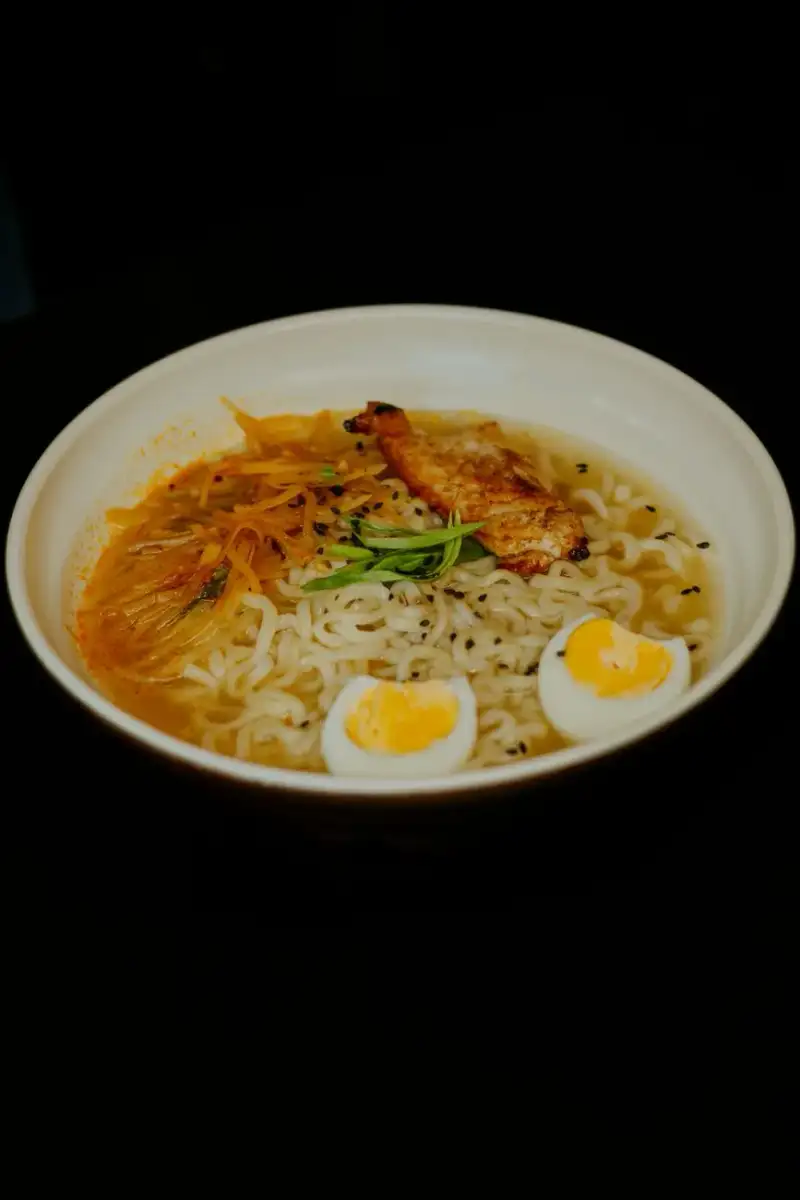
-
 Kenji Sato
 - 15 Jul, 2026 18:22
Japanese Ramen: The Ultimate Guide to Regional Styles, Secret Broths, and How to Make Them at Home
Introduction Few dishes in the world evoke the same level of passion, precision, and cultural pride as Japanese ramen. Born in the bustling streets of Tokyo in the early 20th century, ramen has evolved from a humble noodle soup to a global phenomenon, celebrated for its deep flavors, regional diversity, and artisanal craftsmanship. But what truly sets ramen apart is its regional soul—each prefecture in Japan boasts its own signature style, defined by unique broths, noodles, and toppings that reflect local ingredients and traditions. At the heart of ramen’s allure lies its broth, a meticulously crafted elixir that can take days—or even weeks—to perfect. From the rich, creamy tonkotsu of Fukuoka to the delicate, soy-based shoyu of Tokyo, the broth is the foundation of every bowl. Yet, despite its ubiquity, ramen remains shrouded in mystery for many outside Japan. How does a simple combination of water, bones, and seasonings transform into a bowl of pure umami? What are the secrets behind the regional variations that make ramen so endlessly fascinating? In this deep dive, we’ll explore the geography of ramen, uncover the science and tradition behind its broths, and provide step-by-step guidance on how to recreate these iconic flavors at home. Whether you’re a seasoned ramen enthusiast or a curious newcomer, prepare to embark on a journey through Japan’s noodle landscape—one slurp at a time.The Geography of Ramen: A Tour of Japan’s Iconic Regional Styles Japanese ramen is a culinary map of Japan, with each region offering a distinct interpretation of the dish. These variations are not arbitrary; they are deeply rooted in local history, climate, and available ingredients. Understanding these regional styles is the first step in appreciating ramen’s true diversity. Hokkaido: The Birthplace of Miso Ramen Hokkaido, Japan’s northernmost island, is famous for its miso ramen, a hearty and robust style that emerged in the 1950s. The cold climate of Hokkaido inspired locals to create a rich, warming broth that could stand up to the region’s harsh winters. The key ingredient? Fermented soybean paste, or miso, which lends the broth its deep, savory flavor and characteristic brown hue. Sapporo, Hokkaido’s capital, is the epicenter of miso ramen. The broth is typically made by simmering chicken, pork, or fish bones with vegetables and miso paste, resulting in a thick, almost paste-like consistency. Toppings often include corn, butter, bean sprouts, and chashu (braised pork belly), adding layers of texture and flavor. The noodles are thick and curly, designed to cling to the rich broth. Fukuoka: The Tonkotsu Powerhouse Fukuoka, located on the southern island of Kyushu, is the home of tonkotsu ramen, one of the most famous and labor-intensive styles in Japan. Unlike other broths that rely on a combination of bones and vegetables, tonkotsu is made exclusively from pork bones, which are simmered for up to 18 hours to extract collagen and gelatin. The result is a thick, creamy, and opaque broth that coats the noodles in a velvety embrace. The secret to Fukuoka’s tonkotsu lies in the emulsification process. As the bones cook, the fat and collagen break down and combine with the broth, creating a rich, almost milk-like consistency. This style is often served with thin, straight noodles and topped with pickled ginger, green onions, and sesame seeds. The intense umami and fatty richness make tonkotsu ramen a favorite among ramen purists. Tokyo: The Classic Shoyu Ramen Tokyo’s shoyu ramen is the quintessential representation of the dish’s urban roots. Shoyu, or soy sauce, is the dominant seasoning, lending the broth a balanced blend of salty, sweet, and tangy notes. The broth is typically made from a combination of chicken and pork bones, simmered with vegetables and soy sauce to create a clear, amber-colored liquid. Tokyo’s shoyu ramen is known for its simplicity and elegance. The noodles are thin and straight, designed to let the broth shine. Toppings are minimal but impactful, often including chashu, menma (fermented bamboo shoots), nori (seaweed), and a soft-boiled egg. The result is a harmonious bowl where every ingredient complements the others without overpowering the broth. Osaka: The Shio Ramen Tradition Osaka, Japan’s second-largest city, is famous for its shio ramen, or salt ramen. Unlike other styles that rely on soy sauce or miso for flavor, shio ramen uses salt as its primary seasoning, resulting in a light, clear broth that highlights the natural flavors of the ingredients. The broth is typically made from chicken or pork bones, simmered with vegetables and salt to create a delicate, refreshing base. Shio ramen is often served with thin, straight noodles and topped with ingredients like chashu, spinach, and a soft-boiled egg. The simplicity of the broth makes it a versatile style, allowing for a wide range of toppings and regional variations. In Osaka, shio ramen is a staple of the city’s culinary identity, reflecting its reputation for hearty yet balanced flavors. Kyoto: The Kyoto-style Ramen Kyoto, known for its refined cuisine, offers a unique take on ramen with its Kyoto-style ramen. This style is characterized by a light, soy-based broth that is simmered with vegetables and sometimes fish or seafood. The noodles are thin and straight, designed to complement the delicate flavors of the broth. Kyoto-style ramen often includes toppings like chashu, menma, and nori, but it can also feature more unusual ingredients like pickled plum or grated ginger. The result is a bowl that is both comforting and sophisticated, reflecting Kyoto’s reputation as a city of tradition and elegance.The Science of Ramen Broth: Decoding the Secrets Behind the Flavors At the heart of every bowl of ramen lies its broth, a complex and deeply flavorful liquid that is the result of science, patience, and tradition. The broth is not just a soup base; it is a carefully crafted elixir that balances umami, fat, acidity, and sweetness to create a harmonious whole. Understanding the science behind ramen broth is essential for both appreciating and recreating it at home. The Four Pillars of Ramen Broth Ramen broth can be broadly categorized into four main types: shio (salt), shoyu (soy sauce), miso (fermented soybean paste), and tonkotsu (pork bone). Each type relies on different ingredients and techniques to achieve its signature flavor profile.Shio Ramen Broth Shio ramen broth is the simplest of the four, relying on salt as its primary seasoning. The broth is typically made by simmering chicken or pork bones with vegetables like onions, carrots, and celery, then seasoning with salt to taste. The key to a good shio broth is balance—too much salt can overpower the natural flavors of the ingredients, while too little can leave the broth bland. The science behind shio broth lies in the Maillard reaction, a chemical process that occurs when proteins and sugars are heated, resulting in the browning and caramelization of the broth. This reaction not only enhances the flavor but also contributes to the broth’s color and aroma.Shoyu Ramen Broth Shoyu ramen broth is made by simmering chicken and pork bones with soy sauce, which adds depth, umami, and a characteristic dark color. The soy sauce is typically added toward the end of the cooking process to preserve its flavor and prevent it from becoming bitter. The umami in shoyu broth comes from glutamates, which are naturally present in soy sauce and bones. When combined with the acidity of the soy sauce, these glutamates create a complex, savory flavor that is both rich and balanced. The acidity also helps to cut through the fat in the broth, making it lighter and more refreshing.Miso Ramen Broth Miso ramen broth is made by simmering chicken, pork, or fish bones with miso paste, which adds a deep, fermented flavor and a thick, almost paste-like consistency. The miso paste is typically added toward the end of the cooking process to preserve its probiotic benefits and prevent it from breaking down. The science behind miso broth lies in fermentation. Miso is made by fermenting soybeans with salt and koji (a type of fungus), which breaks down the proteins and carbohydrates into simpler compounds like amino acids and sugars. These compounds contribute to the broth’s umami, sweetness, and complexity.Tonkotsu Ramen Broth Tonkotsu ramen broth is the most labor-intensive of the four, requiring up to 18 hours of simmering to extract collagen and gelatin from pork bones. The result is a thick, creamy, and opaque broth that coats the noodles in a velvety embrace. The science behind tonkotsu broth lies in the emulsification of fat and water. As the bones cook, the fat and collagen break down and combine with the broth, creating a stable emulsion that gives the broth its characteristic creaminess. This emulsion is what sets tonkotsu apart from other broths and makes it so rich and satisfying.The Role of Umami in Ramen Broth Umami is the fifth taste, alongside sweet, sour, salty, and bitter. It is the savory, meaty flavor that makes ramen broth so addictive. Umami in ramen broth comes from a variety of sources, including:Glutamates: Naturally present in ingredients like soy sauce, miso, and bones. Nucleotides: Found in fish, seafood, and meat, which enhance the umami flavor. Aged Ingredients: Fermented ingredients like miso and soy sauce develop deeper umami flavors over time.The combination of these compounds creates a broth that is not just salty or savory but deeply complex and satisfying. The Art of Skimming and Clarifying Broth One of the most important steps in making ramen broth is skimming and clarifying. As the broth simmers, impurities like fat, foam, and blood rise to the surface. Skimming these impurities off the top ensures a clear, clean broth that is free of bitterness and off-flavors. Clarifying the broth involves straining it through a fine-mesh sieve or cheesecloth to remove any remaining solids. This step is crucial for achieving a smooth, velvety texture that allows the flavors of the broth to shine.Noodles, Toppings, and the Art of Assembly: Crafting the Perfect Bowl No ramen bowl is complete without its noodles and toppings, which are just as important as the broth in defining the dish’s character. The noodles provide texture and structure, while the toppings add layers of flavor, color, and contrast. Together, they create a harmonious whole that is greater than the sum of its parts. The Anatomy of Ramen Noodles Ramen noodles are made from four main ingredients: wheat flour, water, salt, and kansui (alkaline mineral water). The kansui gives the noodles their signature chewiness and springiness, as well as their slightly yellow hue. The type of noodle used can vary depending on the regional style of ramen:Thin and Straight: Common in Tokyo-style shoyu ramen, these noodles are designed to let the broth shine. Thick and Curly: Found in Hokkaido’s miso ramen, these noodles cling to the rich broth and provide a satisfying bite. Medium and Wavy: Typical of Fukuoka’s tonkotsu ramen, these noodles have a balance of chew and texture that complements the creamy broth.The texture of ramen noodles is just as important as their shape. A good bowl of ramen should have noodles that are firm yet tender, with a slight resistance when bitten into. Overcooked noodles can turn mushy and lose their integrity, while undercooked noodles can be unpleasantly chewy. The Essential Toppings Toppings are where ramen truly becomes a canvas for creativity. While some toppings are universal, others are specific to certain regional styles. Here are some of the most common and iconic toppings:Chashu (Braised Pork Belly) Chashu is perhaps the most iconic ramen topping, made by slow-cooking pork belly in a sweet and savory marinade of soy sauce, mirin, sake, and sugar. The result is tender, melt-in-your-mouth meat that pairs perfectly with the broth. Chashu is typically sliced thinly and arranged neatly on top of the noodles.Ajitsuke Tamago (Seasoned Soft-Boiled Egg) Ajitsuke tamago is a marinated soft-boiled egg that adds a creamy, rich element to the bowl. The eggs are typically marinated in a mixture of soy sauce, mirin, and dashi, which gives them a glossy, umami-packed exterior. The yolk should be slightly runny, providing a luxurious contrast to the other toppings.Menma (Fermented Bamboo Shoots) Menma are fermented bamboo shoots that add a crunchy, slightly tangy texture to the bowl. They are made by simmering bamboo shoots in a mixture of soy sauce, sugar, and spices, then fermenting them for several days. Menma is a staple topping in Tokyo-style shoyu ramen.Nori (Seaweed) Nori is a type of dried seaweed that adds a briny, umami-rich flavor to the bowl. It is typically toasted and cut into thin strips before being placed on top of the noodles. Nori is a key topping in both shoyu and shio ramen.Negi (Green Onions) Negi, or green onions, add a fresh, sharp contrast to the rich broth. They are typically sliced thinly and scattered on top of the noodles just before serving. The green parts are used for garnish, while the white parts can be added to the broth for extra flavor.Corn Corn is a signature topping in Hokkaido’s miso ramen, adding a touch of sweetness and crunch. It is typically boiled or grilled before being placed on top of the noodles.Kikurage (Wood Ear Mushrooms) Kikurage are thin, delicate mushrooms that add a chewy texture and earthy flavor to the bowl. They are typically rehydrated and simmered in the broth before being placed on top of the noodles.The Art of Assembly Assembling a bowl of ramen is a delicate balance of flavors, textures, and temperatures. Here’s a step-by-step guide to crafting the perfect bowl:Prepare the Broth Start by heating the broth to a gentle simmer. The broth should be hot but not boiling, as boiling can cause the fat to separate and the flavors to become muddy.Cook the Noodles Cook the noodles according to the package instructions, but aim for them to be slightly undercooked. Ramen noodles continue to cook in the hot broth, so it’s important to account for this carryover cooking.Assemble the Bowl Place the cooked noodles in a deep bowl. Ladle the hot broth over the noodles, ensuring that they are fully submerged. Arrange the toppings on top of the noodles in an aesthetically pleasing manner.Garnish and Serve Garnish the bowl with any remaining toppings, such as green onions, sesame seeds, or chili oil. Serve the bowl immediately, while the broth is still hot and the noodles are at their peak texture.Making Ramen at Home: A Step-by-Step Guide to Authentic Flavors While there’s no substitute for a bowl of ramen from a Michelin-starred shop in Tokyo, making ramen at home is a rewarding and delicious endeavor. With the right techniques and ingredients, you can recreate the flavors of Japan in your own kitchen. Here’s a step-by-step guide to making authentic ramen at home. Step 1: Choose Your Broth Style The first step in making ramen at home is choosing the broth style that appeals to you. Each style has its own unique flavor profile and requires different ingredients and techniques. Here’s a quick guide to help you decide:Broth Style Key Ingredients Cooking Time Flavor ProfileShio Chicken/pork bones, salt, vegetables 6-8 hours Light, clear, saltyShoyu Chicken/pork bones, soy sauce, vegetables 6-8 hours Rich, savory, balancedMiso Chicken/pork/fish bones, miso paste, vegetables 4-6 hours Thick, fermented, umami-richTonkotsu Pork bones 12-18 hours Creamy, opaque, fattyStep 2: Prepare the Broth Once you’ve chosen your broth style, it’s time to prepare it. Here’s a general method for making ramen broth at home:Blanch the Bones If using pork or chicken bones, blanch them in boiling water for 5-10 minutes to remove impurities. This step is crucial for achieving a clear, clean broth.Simmer the Broth Transfer the blanched bones to a large pot and cover with cold water. Bring to a boil, then reduce to a gentle simmer. Skim off any foam or impurities that rise to the surface.Add Aromatics After 1-2 hours of simmering, add aromatics like onions, carrots, celery, garlic, and ginger. These ingredients will infuse the broth with flavor.Season the Broth Once the broth is fully cooked, season it with your chosen seasoning (salt, soy sauce, miso, etc.). For shoyu broth, add soy sauce toward the end of cooking to preserve its flavor. For miso broth, add miso paste at the very end to preserve its probiotic benefits.Strain and Clarify Strain the broth through a fine-mesh sieve or cheesecloth to remove any solids. This step ensures a smooth, velvety texture.Step 3: Make the Noodles While the broth is simmering, you can prepare the noodles. If you’re making noodles from scratch, here’s a basic recipe:Mix the Dough Combine 2 cups of bread flour, 1/2 teaspoon of salt, 1/2 teaspoon of kansui (or substitute with 1/2 teaspoon of baking soda), and 3/4 cup of water. Knead the dough until smooth and elastic.Rest the Dough Wrap the dough in plastic wrap and let it rest at room temperature for 30 minutes.Roll and Cut the Noodles Roll the dough out into a thin sheet, then cut it into thin strips using a pasta machine or sharp knife. For ramen noodles, aim for a thickness of about 1-2 mm.Cook the Noodles Cook the noodles in boiling water for 1-2 minutes, or until al dente. Drain and rinse under cold water to stop the cooking process.Step 4: Prepare the Toppings While the broth and noodles are cooking, prepare the toppings. Here are some recipes for classic ramen toppings:Chashu1 lb pork belly 1/2 cup soy sauce 1/2 cup mirin 1/2 cup sake 1/4 cup sugar 4 cloves garlic, smashed 1-inch piece of ginger, sliced Combine all ingredients in a pot and bring to a simmer. Reduce heat and cook for 2-3 hours, or until the pork is tender. Slice thinly and serve.Ajitsuke Tamago4 eggs 1/2 cup soy sauce 1/2 cup mirin 1/2 cup dashi 1 tablespoon sugar Combine soy sauce, mirin, dashi, and sugar in a saucepan and bring to a simmer. Reduce heat and let cool slightly. Peel the eggs and marinate in the sauce for at least 4 hours.Menma1 lb bamboo shoots 1/4 cup soy sauce 2 tablespoons sugar 1 tablespoon mirin Simmer bamboo shoots in a mixture of soy sauce, sugar, and mirin for 30-45 minutes. Drain and slice thinly.Step 5: Assemble the Bowl Once all the components are ready, it’s time to assemble the bowl. Here’s how to do it:Cook the Noodles Cook the noodles according to the package instructions, then drain and rinse under cold water.Heat the Broth Heat the broth to a gentle simmer.Assemble the Bowl Place the cooked noodles in a deep bowl. Ladle the hot broth over the noodles, ensuring that they are fully submerged. Arrange the toppings on top of the noodles in an aesthetically pleasing manner.Garnish and Serve Garnish the bowl with any remaining toppings, such as green onions, sesame seeds, or chili oil. Serve the bowl immediately, while the broth is still hot and the noodles are at their peak texture.The Global Ramen Revolution: Trends, Challenges, and the Future of Noodles Ramen’s journey from a humble street food to a global phenomenon is a testament to its universal appeal. Today, ramen is enjoyed in every corner of the world, from high-end restaurants in New York and London to street stalls in Bangkok and Seoul. But as ramen continues to evolve, it faces both opportunities and challenges in the global market. The Rise of Ramen Outside Japan The global ramen revolution began in the 1970s, when instant ramen became a staple in households around the world. Brands like Nissin and Maruchan introduced millions of people to the convenience and comfort of ramen, albeit in a simplified form. However, it wasn’t until the 2000s that authentic, artisanal ramen began to gain traction outside Japan. Today, ramen shops can be found in major cities across the globe, from Tokyo-style shoyu ramen in Los Angeles to tonkotsu ramen in Melbourne. These shops cater to both Japanese expats and local food enthusiasts, offering a taste of Japan’s noodle culture. The rise of social media has also played a significant role in ramen’s global popularity, with food bloggers and influencers sharing their ramen adventures with millions of followers. The Challenges of Authenticity One of the biggest challenges facing ramen outside Japan is the issue of authenticity. Many restaurants claim to serve "authentic" ramen, but the reality is often far from the truth. Factors like ingredient quality, cooking techniques, and cultural understanding can all impact the final product. For example, tonkotsu ramen requires up to 18 hours of simmering to achieve its signature creaminess. Many restaurants outside Japan cut corners by using pre-made broths or shortcuts like pressure cooking, which can result in a broth that lacks depth and complexity. Similarly, the use of low-quality noodles or toppings can detract from the overall experience. To address these challenges, some ramen chefs outside Japan have turned to training in Japan or collaborating with Japanese masters to ensure their dishes are as authentic as possible. Others have embraced innovation, creating fusion styles that blend Japanese techniques with local ingredients and flavors. The Future of Ramen As ramen continues to evolve, several trends are shaping its future:Healthier Options With growing awareness of dietary preferences and restrictions, many ramen shops are offering healthier options, such as gluten-free noodles, vegan broths, and low-sodium seasonings. These adaptations make ramen more accessible to a wider audience without compromising on flavor.Sustainability Sustainability is becoming an increasingly important factor in the food industry, and ramen is no exception. Chefs and restaurants are exploring ways to reduce waste, such as using locally sourced ingredients, composting food scraps, and minimizing plastic packaging.Fusion and Innovation While authenticity remains important, many chefs are experimenting with fusion styles that blend Japanese techniques with local flavors. For example, ramen shops in the United States might incorporate ingredients like pulled pork, avocado, or sriracha to appeal to local tastes.Technology and Convenience The rise of food delivery apps and meal kits has made ramen more accessible than ever. Companies like Sun Noodle and My Ramen Bar are offering pre-made broths, noodles, and toppings that can be assembled at home, allowing people to enjoy restaurant-quality ramen without leaving their kitchens.The Role of Research in Ramen’s Evolution Research plays a crucial role in the evolution of ramen, both in Japan and abroad. Studies on food science, nutrition, and culinary techniques help chefs and food scientists understand the intricacies of ramen and develop new ways to improve it. For example, research on the Maillard reaction has led to innovations in broth clarification, while studies on fermentation have deepened our understanding of miso and soy sauce. One such study, titled "Feasibility and Challenges of Introducing Authentic Sanuki Udon Internationally," explores the business and marketing challenges of bringing traditional Japanese noodle dishes to a global audience. While the study focuses on udon rather than ramen, its insights are applicable to the ramen industry as well. Key challenges include ingredient sourcing, cultural adaptation, and competition from local noodle dishes. By addressing these challenges, ramen chefs and food scientists can ensure that the dish remains both authentic and relevant in an ever-changing culinary landscape.Conclusion Japanese ramen is more than just a dish—it’s a cultural phenomenon, a culinary art form, and a testament to the power of tradition and innovation. From the rich, creamy tonkotsu of Fukuoka to the delicate, soy-based shoyu of Tokyo, each regional style offers a unique window into Japan’s diverse culinary landscape. The broth, the noodles, and the toppings all come together to create a harmonious whole that is greater than the sum of its parts. Making ramen at home is a rewarding experience that allows you to explore the depths of this iconic dish. Whether you’re simmering a pot of tonkotsu broth for 18 hours or carefully arranging toppings on a bowl of noodles, every step is an opportunity to connect with the craftsmanship and passion that define ramen. As ramen continues to evolve on the global stage, it faces both challenges and opportunities. Authenticity, sustainability, and innovation will shape its future, ensuring that it remains a beloved dish for generations to come. Whether you’re a seasoned ramen enthusiast or a curious newcomer, there’s never been a better time to dive into the world of Japanese ramen. So, grab your chopsticks, slurp loudly, and savor every bite. After all, as the Japanese say, "Ramen wa jinsei da"—ramen is life.#Hashtags #RamenLover #JapaneseCuisine #NoodleArt #UmamiBomb #FoodieAdventure Related InsightsKale and Grilled Chicken Caesar Salad with Greek Yogurt Dressing: A High Protein Delight Unlock the Secrets of Craft Beer: Your Step-by-Step Guide to Brewing at Home Like a Pro Kimchi's Untold Saga: Unearthing the Fermented Superfoods Beyond the Cabbage You Thought You Knew{ "@context": "https://schema.org", "@type": "FAQPage", "mainEntity": [ { "@type": "Question", "name": "What is the main focus of Japanese Ramen: The Ultimate Guide to Regional Styles, Secret Broths, and How to Make Them at Home?", "acceptedAnswer": { "@type": "Answer", "text": "Discover the rich diversity of Japanese ramen, from Hokkaido’s miso broth to Tokyo’s classic shoyu, and learn how to recreate authentic flavors at home." } }, { "@type": "Question", "name": "Who authored the comprehensive guide on Japanese Ramen: The Ultimate Guide to Regional Styles, Secret Broths, and How to Make Them at Home?", "acceptedAnswer": { "@type": "Answer", "text": "This detailed article and its insights were carefully researched and authored by Kenji Sato." } }, { "@type": "Question", "name": "Where can I find more related content about Food?", "acceptedAnswer": { "@type": "Answer", "text": "You can explore more articles, detailed reviews, and similar insights by browsing the Related Insights section at the bottom of this article or visiting our dedicated Food category page." } } ] }