Showing Posts From
Food
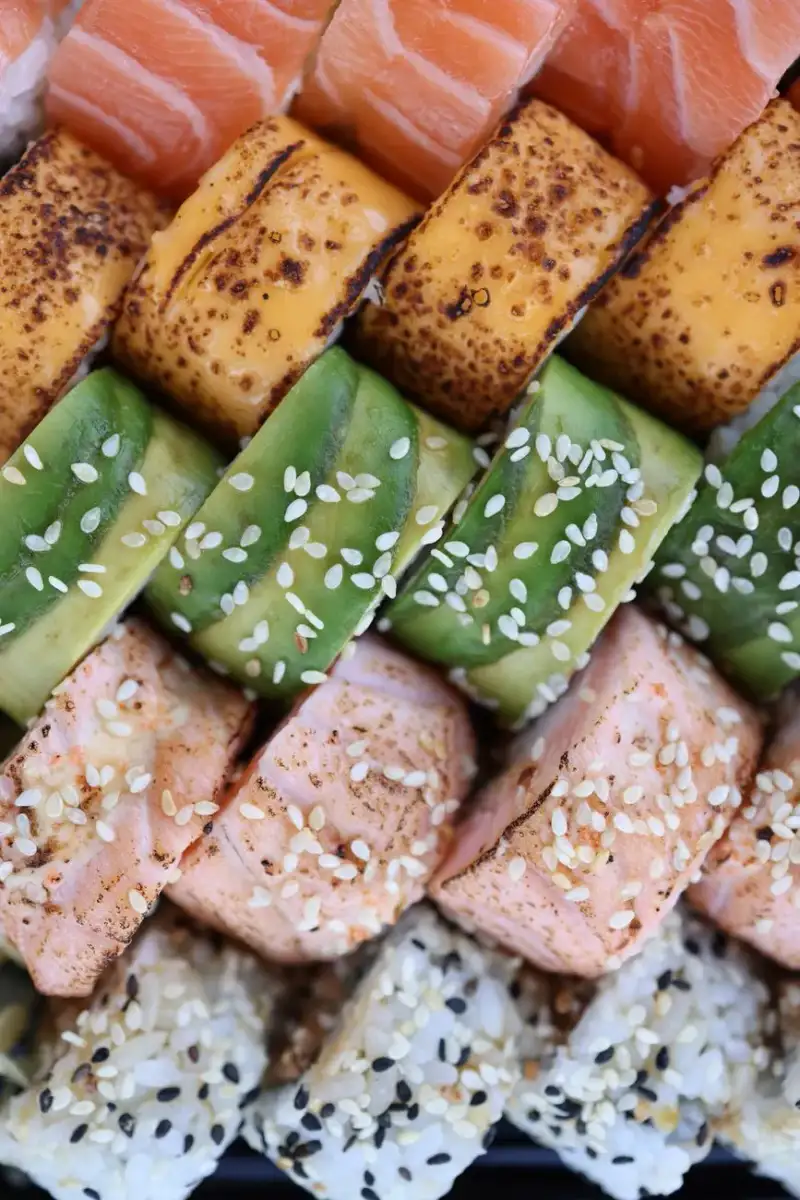
The marriage of acidity and ocean brine is not merely a culinary choice; it is a historical dialogue spanning centuries and continents. To the uninitiated, sushi is a modern luxury—a precise arrangement of raw fish atop a mound of pearlescent rice. But beneath the surface of this aesthetic perfection lies a complex metamorphosis. It is a story of survival, a scientific dance of lactic acid fermentation, and a societal shift from the slow preservation of proteins to the high-velocity appetite of a bustling metropolis. The essence of sushi is not the fish, but the shari—the vinegared rice—a component that serves as the heartbeat of the entire tradition. The Primal Roots: Narezushi and the Science of Survival Long before the neon lights of Tokyo or the refined omakase counters of Kyoto, the ancestor of sushi was born from a desperate need to preserve sustenance. The journey begins not in Japan, but in the river basins of Southeast Asia—specifically the Mekong and Irrawaddy basins, encompassing what we now know as Laos, Cambodia, Thailand, Vietnam, and Myanmar. In these humid landscapes, freshwater fish were abundant but volatile. To prevent spoilage, ancient peoples developed a method of packing fish in salted, cooked rice. This was not sushi as we know it today, but narezushi—"matured fish." The process was a triumph of primitive biochemistry. Through lactic acid fermentation, the rice created an acidic environment that acted as a natural preservative, halting the decay of the protein. Interestingly, in this primordial version of the dish, the rice was merely a tool for preservation; once the fermentation process was complete, the rice was discarded, and only the pungent, sour fish was consumed. The first scholarly trace of this practice appears in a fourth-century Chinese dictionary, describing salted fish placed in steamed rice. This method echoed across the Asian continent, manifesting as burong isda in the Philippines, pekasam in Indonesia, padaek in Laos, and sikhae in Korea. When this technique migrated to Japan during the Yayoi period, it found a perfect synergy with wet-field rice cultivation. During the rainy seasons, lakes and rivers would flood the rice paddies, leaving behind a bounty of fish. Narezushi became the vital protein bridge that allowed Japanese communities to survive the lean months.The very word "sushi" is a linguistic fossil of this era. Derived from the antiquated terminal-form conjugation shi of the adjectival verb sui (meaning "to be sour"), sushi literally translates to "sour-tasting." It refers to that precise moment where fermentation transforms the flavor profile into a savory, umami-rich experience. Even today, this ancient heritage survives in regional specialties, such as the funa-zushi of Shiga Prefecture, serving as a living museum of Japan's culinary origins. The Transition: Namanare and the Birth of the Rice-Fish Duo As centuries passed, the Japanese palate began to evolve, and the slow, months-long fermentation of narezushi started to feel cumbersome. During the Muromachi period (1336–1573), a pivotal shift occurred with the invention of namanare, or "partially fermented" sushi. This era marked a fundamental change in the relationship between the fish and the grain. In namanare, the fermentation period was significantly shortened. Because the fish did not reach a state of full maturation, the rice retained a palatable texture and flavor. For the first time in history, the rice was no longer discarded. It was eaten alongside the fish. This transition was supported by broader shifts in Japanese lifestyle. The population began adopting a rhythm of three meals a day, and the method of preparing rice shifted from steaming to boiling. Furthermore, the discovery and development of rice vinegar began to accelerate. To further speed up the process, chefs started incorporating sake and sake lees. The "slow food" of the ancients was beginning to accelerate, moving away from a method of preservation and toward a method of gastronomy. The Edo Revolution: Haya-zushi and the Fast Food Phenomenon The true explosion of sushi as a cultural icon occurred during the Edo period (1603–1867). This era brought about haya-zushi (fast sushi), a revolutionary approach that completely eliminated the need for lactic acid fermentation. Instead of waiting for nature to sour the rice over days or weeks, chefs simply mixed rice vinegar directly into the grains. This provided the desired sour taste instantaneously, allowing the fish and rice to be consumed immediately. This innovation turned sushi into the ultimate "fast food" for the chōnin (merchant and artisan) class of Edo (modern-day Tokyo). The streets of the city became hubs for quick, satisfying meals. It was during this vibrant period that the diverse styles we recognize today were born: chirashizushi (scattered sushi), inarizushi (tofu skin sushi), and makizushi (rolled sushi). The most significant breakthrough of this era, however, arrived around 1824. A visionary chef named Hanaya Yohei is credited with perfecting nigiri-zushi—the hand-pressed mound of vinegared rice topped with a slice of seafood. Yohei’s creation was a masterpiece of efficiency and flavor, designed for the fast-paced life of Edo's citizens.However, the nigiri of the 1820s differed substantially from the delicate morsels found in modern Michelin-starred restaurants. The rice portions were roughly three times larger than today's standards. The flavor profile was bolder and more acidic, utilizing aka-su (red vinegar) made from fermented sake lees, a product developed by Nakano Matazaemon, the founder of the Mizkan company. Sugar was virtually non-existent in the recipe; instead, a higher concentration of salt was used to season the shari. Because this sushi utilized fresh catches from Tokyo Bay, it was termed Edomae zushi (sushi from "in front of Edo"). This term survives today as a mark of prestige, denoting a specific style of preparation that honors the traditions of the bay. The Anatomy of Modern Sushi: Ingredients and Distinctions To understand sushi in the contemporary era, one must look beyond the fish. The defining component is always the vinegared rice, known as shari or sumeshi. While medium-grain white rice is the gold standard for its ability to hold the vinegar and maintain structure, variations using brown rice or short-grain rice exist. The ingredients draped over the rice, known as neta, are diverse. While raw seafood is the most prominent—ranging from the buttery richness of salmon and tuna to the firm texture of squid and yellowtail—it is a misconception that all neta must be raw. Eel (unagi) is typically cooked, and many vegetarian options utilize cucumbers or avocado. Even "imitation crab" (surimi) has found its way into the global lexicon of sushi. A critical distinction must be made between sushi and sashimi. While often served on the same platter, they are fundamentally different. Sashimi consists solely of thinly sliced raw fish or meat, devoid of the vinegared rice. If there is no shari, it is not sushi. The experience is completed by a carefully curated set of accompaniments:Gari: Pickled ginger, used as a palate cleanser between different types of fish. Wasabi: The pungent Japanese horseradish that provides a sharp counterpoint to the fatty fish. Soy Sauce: The salty, umami-rich dip that enhances the natural flavors of the neta. Daikon: Either raw or pickled (takuan), providing a crisp, refreshing garnish.The Global Legacy of a Simple Grain From the river basins of the Mekong to the sophisticated counters of the world's greatest cities, sushi has traveled a path of constant refinement. It has evolved from a desperate means of preserving protein into a global symbol of culinary precision and health. The genius of sushi lies in its simplicity: the balance of the sour rice, the sweetness of the fresh fish, and the punch of the wasabi. It is a dish that respects the ingredient above all else, a philosophy that traces back to the very first practitioners of narezushi. Whether it is a quick makizushi roll from a local shop or a curated Edomae experience, every bite carries the echoes of the Edo period, the Muromachi transition, and the ancient whispers of Southeast Asian fermentation. Sushi is more than a meal; it is a historical record of human ingenuity—a testament to how we have learned to harness acidity, time, and the bounty of the ocean to create something timeless. #Sushi #JapaneseGastronomy #CulinaryHistory #FoodScience #Edomae Related InsightsPeruvian Ceviche Revealed: The Ancient Citrus Alchemy That Transforms Seafood into a Nutritional Powerhouse (Part 2) nicoise salad with seared tuna and green beans: a delicious omega-3 rich dish Salmon Kulebyaka: A Harmonious Union of Omega-3 Rich Fish, Buckwheat, and Herbs{ "@context": "https://schema.org", "@type": "FAQPage", "mainEntity": [ { "@type": "Question", "name": "What is the main focus of The Alchemy of Vinegar and Ocean: The Deep Evolution of Sushi?", "acceptedAnswer": { "@type": "Answer", "text": "Explore the scientific and historical journey of sushi, from ancient Southeast Asian fermentation to the fast-food revolution of Edo Tokyo." } }, { "@type": "Question", "name": "Who authored the comprehensive guide on The Alchemy of Vinegar and Ocean: The Deep Evolution of Sushi?", "acceptedAnswer": { "@type": "Answer", "text": "This detailed article and its insights were carefully researched and authored by Michael Chef." } }, { "@type": "Question", "name": "Where can I find more related content about Food?", "acceptedAnswer": { "@type": "Answer", "text": "You can explore more articles, detailed reviews, and similar insights by browsing the Related Insights section at the bottom of this article or visiting our dedicated Food category page." } } ] }

-
 Klaus Weber
 - 15 Jul, 2026 05:27
Wine: A Journey Through 8000 Years of History, Science, and Enjoyment
The Birth of Wine: How the First Grapes Changed the World The history of wine is older than the pyramids, older than the first written characters, older than most of our modern civilizations. It does not begin in the sun-drenched hills of Tuscany or on the banks of the Rhine, but in the barren, yet fertile valleys of the Caucasus, where Georgia is located today. Archaeological claims prove: About 8,000 years ago – long before the Sumerians invented their cuneiform script or the Egyptians carved their first hieroglyphics – people pressed wild grapes into an intoxicating juice that fermented in clay jugs. Researchers found the oldest traces of this ancient intoxication near Tbilisi, where ceramic shards from around 6000 BC had preserved residues of tartaric acid and organic acids. But Georgia is not only the cradle of wine – it is also home to the oldest known winery in the world. In the Areni-1 cave in Armenia, just a few hundred kilometers away, archaeologists discovered in 2011 a complete wine press, storage tanks, and even grape seed remains dating back to 4100 BC. This discovery refuted the long-held assumption that viticulture was an achievement of classical antiquity. Instead, it shows: The art of turning grapes into alcohol was from the very beginning a profoundly human – and divine – practice. Because wine was never just a drink. It was simultaneously offering, medicine, currency, and symbol of civilization. The Phoenicians, those brilliant seafarers and traders of the Mediterranean, made it a global commodity from 1000 BC. Their wines from Byblos – a city in present-day Lebanon – were so famous that even the Romans still praised them centuries later as the "wine of kings". The Greeks in turn refined the art of viticulture and exported it to Italy, where it became the foundation of the Roman wine tradition. Pliny the Elder wrote enthusiastically in the 1st century AD about the wines from Falernum, an ancient wine-growing region in Campania, which was considered one of the first "premium wines" in history.But wine was not only a luxury good of the elites. It was also a political tool. The Romans used it to consolidate their rule – vineyards were planted in the conquered provinces, and the trade with the "liquid gold" financed entire armies. When the Goths and Vandals overthrew the Western Roman Empire in the 5th century, the arts of viticulture survived primarily in the monasteries. Monks – above all the Benedictines and Cistercians – not only preserved the knowledge of the vines but perfected it. Their monastery gardens in Burgundy, Bordeaux, and the Rhine Valley laid the foundation for some of the most famous wine regions in the world today.From Monasteries to the New World: How Wine Conquered the Continents The Middle Ages were a time of silent revolution in viticulture. While Europe sank into religious wars and feudal rule, the monks created something lasting: Systematic cultivation methods, targeted vine breeding, and the first quality standards. A particularly impressive example is Bordeaux, which in the 12th century under the rule of the English kings (as Dukes of Aquitaine) became one of the most important wine trade centers in Europe. The wines from this region were so coveted that they became known even in England as "Claret" – a synonym for red Bordeaux. But the true turning point came with the discovery of the New World. When European settlers set off for America, Africa, and Australia in the 16th century, they brought not only their language and religion but also vines and the knowledge of their care. The first documented vineyards in the New World emerged:Mexico (1530) – shortly after the Spanish conquest Peru (1550s) – where Jesuit missionaries grew wine for mass Chile (1560s) – which remains one of the most stable wine-growing regions in the world today South Africa (1655) – thanks to the Dutch East India Company, which established a supply base at the Cape of Good Hope California (1670s) – where Spanish missionaries planted the first vines that would later lead to the legendary Napa and Sonoma wines Australia (1788) – when Arthur Phillip, the founder of the Sydney penal colony, introduced the first European vines New Zealand (1819) – thanks to the missionary Samuel Marsden, who planted the first Sauvignon Blanc vinesThese colonial wines were initially simple, often acidic drops that mainly served religious practices. But over time they developed their own identity. Especially Chile and Argentina became global wine powers in the 19th century, while California revolutionized the wine world in the 20th century with the "Judgment of Paris" in 1976 – a blind tasting victory of Californian wines against French ones.The Greatest Disaster of Viticulture: Phylloxera and the Rescue by the Root But viticulture faced its greatest challenge: Phylloxera, an aphid introduced from America, which destroyed European vineyards in the 19th century. The pest, whose larvae fed on the roots of the vines, spread at breathtaking speed. By 1880, almost all European vineyards were infected – an economic and cultural disaster that drove entire regions to ruin. The solution came from an unexpected direction: America. There, the vines of the species Vitis labrusca and Vitis riparia had developed a natural resistance to Phylloxera over the course of evolution. European winemakers began to graft their noble Vitis vinifera varieties (like Cabernet Sauvignon or Chardonnay) onto American rootstocks – a procedure that is still standard today. Only a few regions like Chile, parts of Australia, and the Canary Islands were spared because they were geographically isolated. This "grafting revolution" saved viticulture, but it changed it forever. Suddenly, winemakers were forced to rethink their methods. The traditional mixed cultures gave way to monocultures, and quality control became stricter. In France, this led in 1947 to the founding of the Institut national de l'origine et de la qualité (INAO), which introduced the first Appellation d'Origine Contrôlée (AOC) laws. These rules – which determined which grape varieties could be grown in which region, how high the yield could be, and which vinification methods were allowed – became the gold standard of the wine world and inspired similar systems in Italy (DOC), Spain (DO), and Germany (VDP).The Art of Winemaking: From the Grape to the Glass Wine is not a simple drink. It is the result of a complex symbiosis of nature, science, and craftsmanship. The process begins long before the harvest – with viticulture, the art of winegrowing. The Choice of Vines: Vitis vinifera and its Infinite Possibilities Over 99% of all wines come from the species Vitis vinifera, a European vine that has been cultivated for millennia. But within this species, there are thousands of varieties, each with its own characteristics:Red wine varieties: Cabernet Sauvignon (tannic, structured), Pinot Noir (elegant, fruity), Syrah (spicy, strong) White wine varieties: Chardonnay (buttery, complex), Riesling (fresh, mineral), Sauvignon Blanc (citrus-driven, grassy) Rosé varieties: Grenache, Cinsault, Mourvèdre (often used for Provence rosés)But not all grapes are suitable for wine. Wild vines or American varieties like Vitis labrusca (known for the "foxy" taste) may have resistance but a completely different flavor profile. The winemaker's art is to choose the right variety for the right soil and the right climate. Terroir: Why a Wine from Burgundy Tastes Different than One from California The term Terroir (French for "soil") describes how soil composition, microclimate, slope inclination, and even the surrounding flora shape the taste of a wine. A Chardonnay from Burgundy tastes different from one from the Sonoma Valley because:Burgundy: Limestone soils, cool climate → mineral, elegant wines with citrus notes Sonoma: Volcanic soils, warm climate → fruit-driven, opulent wines with vanilla notes (through oak barrel aging)Even within a region, parcels just a few meters apart can produce completely different wines. This explains why premium wines are often named after single vineyards (e.g., "Chambertin" in Burgundy or "Hill of Grace" in Australia). Fermentation: When Sugar Becomes Alcohol The magical moment when grape juice becomes wine is alcoholic fermentation. Yeast fungi (mostly Saccharomyces cerevisiae) convert the sugars of the grapes into alcohol and carbon dioxide. But this process is anything but simple:White wines: The grapes are pressed, the juice fermented – the skins are usually left out (except in Orange Wines, where they are fermented together). Red wines: The skins remain in the must during fermentation to extract color, tannins, and aromas. Rosés: A short maceration (12–48 hours) of the skins to achieve a delicate pink color.The fermentation temperature plays a crucial role:Cool fermentation (12–18°C): Preserves fruity aromas (ideal for white wines like Riesling or Sauvignon Blanc) Warm fermentation (20–30°C): Emphasizes body and tannins (typical for red wines like Cabernet Sauvignon or Syrah)Aging: Oak Barrel vs. Stainless Steel After fermentation comes aging, which can take months or even years. This is where it is decided whether a wine remains fresh and fruity or becomes complex and structured. The choice of container is crucial:Stainless steel tanks: Neutral taste, preserve the freshness of the wine (typical for German Rieslings or Portuguese Vinho Verde) Oak barrels (Barrique): Give off vanilla, coconut, and spice aromas, structure the wine through tannins (typical for Bordeaux, Rioja, or Californian Cabernets) Amphorae (Qvevri): Traditional Georgian method where the wine ages in clay vessels – results in mineral, tannin-driven winesThe Diversity of Wine Styles: From Dry to Sweet, from Still to Sparkling Wine is not a homogeneous product. The spectrum ranges from bone-dry mineral wines to sweet dessert wines, from still red wines to sparkling Champagne. Dry vs. Sweet Wines: The Balance of Sugar The sweetness of a wine depends on the amount of residual sugar left after fermentation:Dry wines (< 4 g/L residual sugar): Most red wines (e.g., Chianti, Barolo) and many white wines (e.g., Chablis, Grüner Veltliner) Off-dry wines (4–12 g/L): Often referred to as "feinherb" or "demi-sec" (e.g., German Riesling Kabinett) Sweet wines (> 45 g/L): Dessert wines like Sauternes (from noble rot grapes), Tokaji (from Hungary, with "Aszú" berries), or Icewine (from frozen grapes)Sparkling Wines: The Art of the Second Fermentation Sekt, Prosecco, Cava, Champagne – they all have one thing in common: carbonation, which is created through a second fermentation. The methods differ:Traditional Method (Champagne Method): The fermentation takes place in the bottle, the yeast sediment is removed by riddling ("Remuage"). Result: Fine, complex perlage (e.g., Champagne, Crémant, Cava). Charmat Method: The second fermentation takes place in large tanks (e.g., Prosecco, Asti Spumante). Result: Fresh, fruity aromas. Transfer Method: A mixture of both – the bottle fermentation is interrupted, the wine transferred into tanks, and then rebottled.Fruit Wines: When Grapes Aren't the Only Option Although grape wine is the dominant form, there are fruit wines from other fruits worldwide:Apple wine (Cider/Cidre): Especially popular in Normandy and Asturias Pear wine (Perry/Poiré): Traditional in Switzerland and France Mead (Honey wine): One of the oldest alcoholic beverages in the world, already popular with the Vikings and Celts Berry wines: From currants, blackberries, or elderberries (common in Scandinavia)However, these wines are usually less age-worthy and complex than grape wines, as other fruits are often too acidic or not sugary enough.Wine and Health: Curse or Blessing? Wine is not only a luxury food – it also has medical and cultural impacts. But as with all alcoholic beverages: The dose makes the poison. The Positive Effects: Heart Protection and Longevity Studies suggest that moderate wine consumption (1 glass per day for women, 2 for men) may be associated with the following benefits:Cardiovascular Health: The resveratrol content in red wine can inhibit inflammation and increase "good" HDL cholesterol. Antioxidant Effect: Polyphenols like quercetin and epicatechin protect against oxidative stress. Longevity: In regions with high wine consumption like Sardinia (Italy) or Ikaria (Greece), people live particularly long – a phenomenon associated with the Mediterranean diet and moderate wine enjoyment.The Risks: When Enjoyment Becomes a Danger But wine is also a poison – if consumed in excess:Liver Cirrhosis: Alcohol breakdown strains the liver, especially with regular consumption. Cancer Risk: Ethanol is classified as carcinogenic by the WHO. In particular, mouth, throat, and esophageal cancer are associated with excessive alcohol consumption. Addiction Risk: Wine, like all alcohol, can lead to dependence.The World Health Organization (WHO) therefore warns against hazardous consumption – and emphasizes that no alcohol is medically safe.Wine as an Investment: When Bottles Become Collector's Items For some, wine is not just a drink, but an investment. The prices for rare vintages can reach astronomical heights:Bordeaux Premier Cru Classé: A Château Lafite Rothschild 1787 was sold in 2017 for over 100,000 Euros. Burgundy Grand Cru: A Domaine de la Romanée-Conti 1945 fetched over 500,000 Euros in 2018. Champagne: A 1907 Krug Clos du Mesnil was auctioned in 2020 for over 20,000 Euros.But investments in wine carry risks:Forgeries: Famous wines are frequently counterfeited – even experts fall for high-quality fakes. Storage Conditions: Incorrect temperature or humidity can destroy the wine. Market Fluctuations: Not every vintage increases in value – some wines age faster than expected.Anyone who wants to invest in wine should turn to auction houses like Sotheby’s or Christie’s or invest in wine funds that are professionally managed.Wine and Culture: From Religion to Pop Culture Wine is more than just a drink – it is a cultural phenomenon that has shaped literature, art, and religion for millennia. Wine in Religion: From the Christian Eucharist to the Jewish KiddushChristianity: Wine plays a central role in the Eucharist, where it symbolizes the blood of Christ. The Chalice Controversy in the Middle Ages even led to bloody conflicts. Judaism: During the Kiddush on Shabbat and holidays, wine is drunk to bring blessings upon the day. Islam: Alcohol is forbidden in Islam, but some Sufi movements interpret wine as a metaphorical love for God. Ancient Mythology: Dionysus (Greek) or Bacchus (Roman) was the god of wine – and of ecstasy.Wine in Art: From Caravaggio's "Bacchus" to van Gogh's "Vineyard"Literature: Shakespeare had the spirit of wine invoked as a "bloody draught" in "Macbeth". Goethe immortalized wine in "Faust" ("Gray, dear friend, is all theory..."). Painting: Caravaggio's "Bacchus" (1596) shows the god of wine as a sensual young man. Vincent van Gogh painted the rugged beauty of the Provençal vines in "The Red Vineyard at Arles" (1888). Film: Films like "Sideways" (2004) or "A Good Year" (2006) celebrate the culture of wine.Wine in Modern Society: From Wine Bars to Wine Tours Today, wine is a lifestyle product:Wine Bars: In metropolises like Paris, New York, or Berlin, wine bars are booming, presenting natural wines and small producers. Wine Tourism: Regions like Tuscany, Bordeaux, or Napa Valley thrive on tourism – visitors can not only taste wine but also plant vineyards, harvest grapes, and work in wineries. Wine Education: Certifications like WSET (Wine & Spirit Education Trust) or sommelier training turn hobby wine drinkers into true connoisseurs. Wine Accessories: From decanters to wine thermometers to vacuum pumps – the industry is booming.Conclusion: Why Wine is More Than Just a Drink Wine is a living archive of human history. It tells of migration and trade, of religion and science, of art and craftsmanship. It is a symbol of luxury and modesty at the same time – because while a glass of Château Margaux 1870 costs millions, there are simple but delicious wines for a few euros. But wine is also a mirror of our time. The climate crisis threatens traditional growing regions, while natural wines (without additives and with minimal sulfur) revolutionize the wine world. At the same time, in an increasingly digital world, wine becomes a refuge of sensuality – a drink that we experience with all our senses: the scent of ripe grapes, the crunch of the skin under the teeth, the slow fading of aromas on the tongue. Whether you are a novice just tasting your first sip of red wine, or an experienced collector looking for the perfect vintage – wine remains an endless adventure. And perhaps that is the greatest magic of this ancient drink: There is always something new to discover.#WineCulture #WineHistory #WineProduction #WineTasting #Vinology #FoodAndWine #FineWine #WineLovers
-
 Giovanni Luigi
 - 14 Jul, 2026 23:51
Veganismo: Una Rivoluzione Morale, Ambientale e Gastronomica che Sta Ridisegnando il Mondo
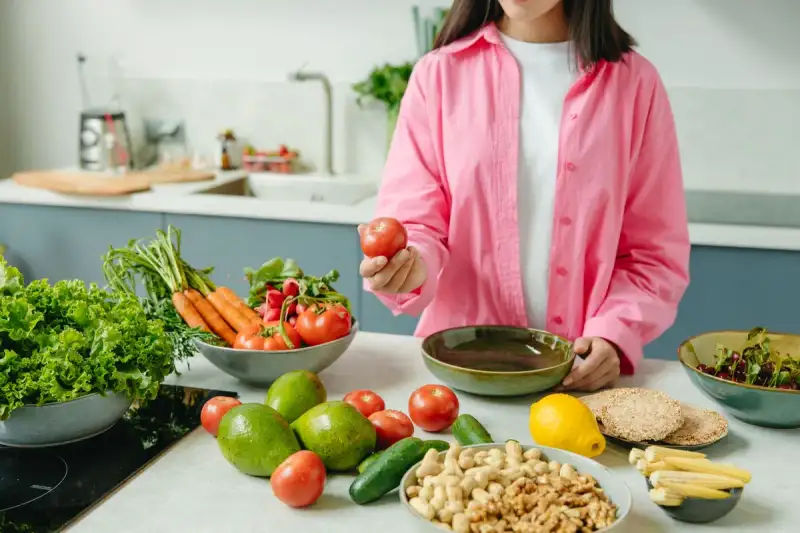
Il Veganismo: Quando la Compassione Incontra la Scienza Nel silenzio delle biblioteche polverose del XIX secolo, dove filosofi come Percy Bysshe Shelley e William Lambe dibattevano sulla crudeltà insita nel consumo di carne, germogliava un’idea che avrebbe scosso le fondamenta della società moderna: il veganismo. Non era solo una dieta, ma una dichiarazione di guerra contro lo sfruttamento animale, un atto di ribellione contro un sistema che aveva normalizzato la sofferenza come prezzo del progresso. Oggi, quella stessa idea è diventata un movimento globale, capace di unire ambientalisti, attivisti per i diritti animali e persone comuni alla ricerca di uno stile di vita più consapevole. Ma cosa significa davvero essere vegani? È solo una scelta alimentare, o una filosofia di vita che permea ogni aspetto dell’esistenza? E soprattutto, quali sono le radici storiche di questa rivoluzione che sta cambiando il nostro rapporto con il cibo, l’ambiente e noi stessi?Dalle Origini Antiche alla Nascita di un Movimento: Un Viaggio di 5.000 Anni I Primi Vegani della Storia: Filosofi, Poeti e Imperatori L’idea di rinunciare agli alimenti di origine animale non è nata nel 1944 con Donald e Dorothy Watson, ma affonda le radici in epoche remote. Già nel 3300–1300 a.C., nella civiltà della Valle dell’Indo, filosofi come Parshavnatha e Mahavira (fondatori del giainismo) predicavano il rispetto assoluto per ogni forma di vita, promuovendo una dieta strettamente vegetale. Anche l’imperatore Ashoka, dopo la sua conversione al buddismo, vietò la caccia e il consumo di carne nel suo regno. Ma se guardiamo oltre i confini dell’India, troviamo figure altrettanto straordinarie:Al-Ma’arri (973–1057 d.C.), poeta arabo che scrisse "Non rubo più alla Natura", rifiutava ogni prodotto animale, inclusi latte e miele. Lewis Gompertz (1779–1865), filosofo inglese che nel suo libro "Moral Inquiries on the Situation of Man and of Brutes" (1824) sosteneva che gli animali meritano gli stessi diritti degli umani. Robert Cook (1646–1726), un contadino irlandese che, ispirato da una sua interpretazione protestante della Bibbia, eliminò dalla sua dieta non solo la carne, ma anche latte, uova e lana.Questi pionieri non usavano la parola "vegano" (che ancora non esisteva), ma le loro azioni parlavano chiaro: il rifiuto dell’oppressione animale non è un’invenzione moderna, ma una scelta radicata nella storia dell’umanità.Il XIX Secolo: Quando la Medicina e la Filosofia Si Incontrarono Se il veganismo ha radici antiche, il suo sviluppo come movimento organizzato avvenne nel XIX secolo, quando medici e pensatori iniziarono a collegare la salute umana al consumo di carne. Nel 1813, il poeta Percy Bysshe Shelley pubblicò "A Vindication of Natural Diet", un pamphlet in cui sosteneva che l’astinenza dalla carne fosse non solo etica, ma anche necessaria per la salute. Dieci anni dopo, il medico londinese William Lambe affermava che una dieta a base di vegetali poteva curare malattie come la tubercolosi e l’acne, definendo il consumo di carne come una "irritazione abituale". Ma fu negli anni ’30 dell’Ottocento che il veganismo iniziò a prendere forma come stile di vita. Sylvester Graham, un nutrizionista americano, promosse una dieta basata su frutta, verdura, pane integrale e acqua, diventando un antesignano della cucina vegana moderna. Parallelamente, in Inghilterra, James Pierrepont Greaves fondò il Concordium, una comunità vegana che rifiutava non solo la carne, ma anche latte, uova e lana. Nel 1849, Asenath Nicholson pubblicò "Kitchen Philosophy for Vegetarians", il primo libro di cucina vegana della storia, dimostrando che una dieta senza prodotti animali non era solo possibile, ma anche gustosa.Il 1944: L’Anno in cui il Veganismo Nacque Ufficialmente Per secoli, chi rifiutava i prodotti animali veniva semplicemente considerato un "vegetariano stretto". Ma nel 1944, Donald Watson, un falegname inglese, decise che era giunto il momento di distinguere tra chi mangiava uova e latticini e chi, invece, li rifiutava completamente. Watson, insieme alla moglie Dorothy, fondò la Vegan Society e coniò il termine "vegan" (combinando le prime e ultime lettere di "vegetarian"). Nel primo numero del bollettino della società, Watson scrisse:"Il veganismo è una filosofia e uno stile di vita che cerca di escludere, per quanto possibile e praticabile, tutte le forme di sfruttamento e crudeltà verso gli animali, sia per cibo, abbigliamento o qualsiasi altro scopo."Questa definizione, ancora oggi, rimane la più autorevole e riconosciuta a livello internazionale. Nel 1988, la Vegan Society britannica la formalizzò ulteriormente:"Veganismo è una filosofia e uno stile di vita che cerca di escludere—as far as is possible and practicable—tutte le forme di sfruttamento degli animali per cibo, abbigliamento o qualsiasi altro scopo; e, per estensione, promuove lo sviluppo e l’uso di alternative senza animali a beneficio di animali, umani e ambiente."Le Tre Anime del Veganismo: Etica, Ambiente e Salute Non tutti i vegani hanno le stesse motivazioni. Mentre alcuni lo fanno per salute, altri per ambiente o etica, il movimento si divide in diverse correnti, ognuna con le sue sfumature. 1. Veganismo Etico: La Rivoluzione Morale Gli vegani etici rifiutano ogni forma di sfruttamento animale, non solo a tavola, ma anche nella moda, nell’intrattenimento e nella medicina. Per loro, nessun animale dovrebbe essere usato come risorsa, indipendentemente dal contesto.Agricoltura: Rifiuto di carne, pesce, uova, latte, miele e gelatina. Abbigliamento: Nessun cuoio, lana, seta, pelliccia o piume. Intrattenimento: Boicottaggio di circhi, zoo, corride, ippodromi e qualsiasi forma di sfruttamento animale. Cosmetici: Prodotti non testati su animali e privi di ingredienti come cera d’api, lanolina o carminio (E120). Medicina: Opposizione a pratiche come le fattorie dell’orso bile o la sperimentazione animale.Mahatma Gandhi, che fu vegetariano per gran parte della sua vita, nel 1931 dichiarò alla Vegetarian Society:"Se la non-violenza è la legge della nostra specie, il futuro appartiene al veganismo. Il latto-vegetarianismo è un compromesso, ma il veganismo è la vera coerenza."2. Veganismo Ambientale: Quando il Pianeta Grida SOS L’industria animale è una delle maggiori responsabili del cambiamento climatico. Secondo la FAO, l’allevamento contribuisce per il 14,5% delle emissioni globali di gas serra, più di tutti i trasporti messi insieme.Deforestazione: Il 77% dell’Amazzonia è stato distrutto per far spazio a pascoli o coltivazioni di soia (usata per nutrire il bestiame). Acqua: Per produrre 1 kg di carne bovina servono 15.000 litri d’acqua, mentre per 1 kg di lenticchie ne bastano 1.250. Biodiversità: L’allevamento è la principale causa di estinzione delle specie, con il 60% delle specie minacciate che perdono habitat a causa dell’agricoltura animale.Uno studio del 2018 pubblicato su "Science" ha dimostrato che una dieta vegana riduce l’impronta di carbonio del 73% rispetto a una dieta onnivora. Non è più solo una scelta etica, ma una necessità ecologica.3. Veganismo Salutistico: Quando il Cibo Diventa Medicina Una dieta vegana ben pianificata può prevenire e invertire molte malattie croniche:Malattie cardiovascolari: Riduce il colesterolo LDL del 30% e il rischio di infarti del 25% (fonte: American Journal of Clinical Nutrition). Diabete di tipo 2: Può invertire la resistenza all’insulina grazie all’alto contenuto di fibre (fonte: Nutrients). Cancro: Secondo l’OMS, il consumo di carne processata aumenta del 18% il rischio di cancro al colon. Una dieta vegana, invece, è associata a una riduzione del 15% del rischio di mortalità per cancro. Obesità: I vegani hanno un BMI medio inferiore del 20% rispetto agli onnivori (fonte: Journal of General Internal Medicine).Tuttavia, non basta eliminare la carne: è fondamentale integrare nutrienti chiave come: ✅ Vitamina B12 (integratori o cibi fortificati) ✅ Ferro (legumi, spinaci, semi di zucca) ✅ Omega-3 (semi di lino, noci, alghe) ✅ Calcio (broccoli, cavolo riccio, bevande vegetali arricchite)Il Veganismo nel XXI Secolo: Tra Moda e Movimento di Massa Se nel 1944 i vegani erano pochi e isolati, oggi sono oltre 88 milioni nel mondo (fonte: Vegan Society), con una crescita esponenziale negli ultimi dieci anni. Cosa ha scatenato questa rivoluzione? 1. I Social Media e la Cultura Vegan Piattaforme come Instagram, TikTok e YouTube hanno reso il veganismo accessibile e visivamente accattivante. Ricette come il "vegan junk food", i documentari come "The Game Changers" (2018) e influencer come Earthling Ed o Pick Up Limes hanno portato milioni di persone a riflettere sul proprio stile di vita. 2. La Risposta dell’Industria Alimentare Le grandi aziende stanno correndo ai ripari:McDonald’s ha lanciato il McPlant in diversi paesi. Nestlé produce burger vegani come il Incredible Burger. Beyond Meat e Impossible Foods hanno rivoluzionato il mercato delle proteine vegetali, con valutazioni azionarie superiori al miliardo di dollari.3. La Politica e le LeggiL’Unione Europea ha approvato nel 2021 lo standard ISO 23662, che definisce i criteri per i prodotti vegani. La Germania ha riconosciuto il veganismo come scelta alimentare ufficiale nel 2016. Israele ha il più alto tasso di vegani pro capite al mondo (5% della popolazione).Le Sfide del Movimento: Tra Critiche e Nuove Frontiere Nonostante la crescita, il veganismo deve affrontare resistenze culturali, economiche e scientifiche. 1. "Ma gli animali sono fatti per essere mangiati!" Questo argomento, basato sulla teoria dell’evoluzione darwiniana, ignora il fatto che gli umani non sono carnivori obbligati. Anatomia e fisiologia dimostrano che siamo onnivori adattabili, ma non abbiamo bisogno di carne per sopravvivere. 2. "Il veganismo è costoso!" In realtà, una dieta a base di legumi, cereali integrali e verdure di stagione è più economica della carne. Il problema è la percezione: i prodotti vegani trasformati (come formaggi o burger) spesso hanno prezzi alti, ma la base della dieta vegana è accessibile a tutti. 3. "Non è sostenibile per tutti i paesi!" In alcune regioni, come l’Artico o le steppe mongole, la dieta tradizionale si basa su carne e latticini. Tuttavia, anche in questi contesti, piccoli cambiamenti (come ridurre il consumo di carne) possono avere un impatto significativo. 4. "Non è una scelta per tutti!" Vero. Alcune persone, per motivi di salute o accessibilità, non possono seguire una dieta vegana. Ma ognuno può fare la sua parte: ridurre il consumo di carne, scegliere prodotti locali o sostenere aziende cruelty-free sono passi importanti.Il Futuro del Veganismo: Tra Innovazione e Resistenza 1. Carne Cultivata in Laboratorio Nel 2020, Singapore è diventato il primo paese a approvare la carne coltivata in laboratorio, prodotta senza uccidere animali. Aziende come Upside Foods e Aleph Farms stanno lavorando a soluzioni che potrebbero eliminare l’allevamento intensivo. 2. Proteine Alternative Dagli insetti (come grilli e vermi) alle alghe, la ricerca sta esplorando fonti proteiche innovative che richiedono meno risorse della carne tradizionale. 3. Educazione e Politiche Pubbliche Paesi come Svezia e Paesi Bassi stanno introducendo etichette ambientali sui prodotti alimentari, spingendo i consumatori verso scelte più sostenibili. 4. Il Ruolo delle Religioni Anche le tradizioni spirituali stanno riscoprendo il veganismo:Buddismo: Molti monaci seguono una dieta vegana per rispetto del principio di ahimsa (non-violenza). Induismo: Alcuni seguaci del giainismo e dell’induismo ortodosso sono strettamente vegani. Cristianesimo: La Chiesa Ortodossa Etiope pratica il Veganismo Quaresimale per 200 giorni all’anno.Conclusione: Un Mondo Senza Animali Sfruttati è Possibile? Il veganismo non è una moda passeggera, ma una risposta necessaria alle crisi che stiamo affrontando: cambiamento climatico, ingiustizia animale e malattie croniche. Non si tratta di essere perfetti, ma di fare del nostro meglio. Ogni pasto è una scelta, ogni acquisto è un voto. E se milioni di persone in tutto il mondo stanno abbracciando questo stile di vita, forse è perché la compassione non è un lusso, ma una necessità. Come scrisse Leonardo da Vinci, che era vegetariano:"Verrà il tempo in cui gli uomini considereranno l’uccisione di un animale allo stesso modo in cui considerano oggi l’uccisione di un uomo."Fino ad allora, il veganismo rimane la più radicale e necessaria delle rivoluzioni.#Veganismo #EticaAnimale #Sostenibilità #CiboSano #FuturoDelCibo
-
 Isabella Rossi
 - 14 Jul, 2026 15:12
Unlocking the Flavor Secrets: 'Mexican Mole: A Culinary Journey Through Centuries of Flavor'
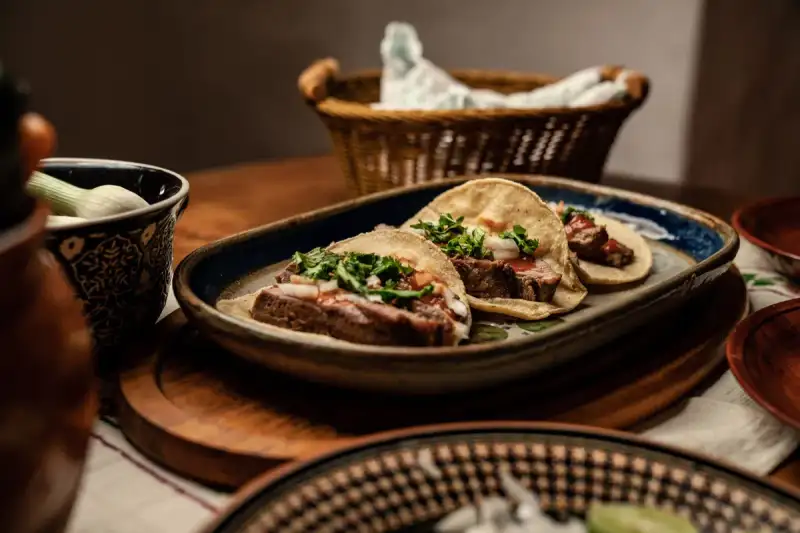
Introduction Mexican mole is a dish that has been shrouded in mystery and intrigue for centuries. This complex and rich sauce has been a staple of Mexican cuisine, with its origins dating back to the Aztecs and Mayans. The word "mole" comes from the Nahuatl language, meaning "mix," which is fitting, given the numerous ingredients that go into making this delicious sauce. From the spicy heat of chilies to the deep flavor of chocolate, mole is a true reflection of Mexico's diverse cultural heritage. In this article, we will delve into the history of mole, its various types, and the secret ingredients that make it a unique and delicious dish. Whether you are a foodie, a historian, or simply a curious cook, this journey through the world of Mexican mole is sure to leave you wanting more. Origins and History of Mexican Mole The origins of Mexican mole date back to the pre-Hispanic era, when the Aztecs and Mayans used to make a sauce called "molli" or "mulli." This sauce was made from a combination of ingredients, including chilies, spices, and nuts, and was used to flavor meats and other dishes. After the Spanish conquest, the recipe for mole was adapted and modified, with the addition of new ingredients such as almonds, raisins, and chocolate. Today, there are many different types of mole, each with its own unique flavor and ingredients. Some of the most popular types of mole include mole poblano, mole negro, and mole rojo. Types of Mexican Mole Mole is a diverse and complex sauce, with many different types and variations. Mole poblano is one of the most well-known and iconic types of mole, originating from the city of Puebla. This type of mole is made with a combination of ingredients, including chilies, spices, nuts, and chocolate, and is typically served over chicken or turkey. Mole negro, on the other hand, is a type of mole that originates from the state of Oaxaca. This type of mole is made with a combination of ingredients, including chilies, spices, and chocolate, and is typically served over meat or poultry. Ingredients and Preparation of Mexican Mole The ingredients and preparation of Mexican mole are what set it apart from other sauces and dishes. The typical ingredients used to make mole include chilies, spices, nuts, seeds, and chocolate. The type and quantity of ingredients used can vary depending on the type of mole being made. For example, mole poblano typically includes ingredients such as ancho chilies, mulato chilies, and pasilla chilies, while mole negro typically includes ingredients such as chipotle chilies and mexican chocolate. The preparation of mole is also an important aspect of its flavor and texture. The ingredients are typically toasted and ground into a fine powder, before being mixed with other ingredients such as broth and chocolate to create the sauce.Health Benefits and Nutrition of Mexican Mole Mexican mole is not only delicious, but it also has many health benefits and nutritional value. The ingredients used to make mole, such as chilies, spices, and nuts, are rich in antioxidants, vitamins, and minerals. For example, chilies are high in vitamin C and contain a compound called capsaicin, which has been shown to have anti-inflammatory properties. The nuts and seeds used in mole are also high in healthy fats and protein. Nutrient Quantity (per serving)Calories 250-300Protein 10-15gFat 15-20gSaturated Fat 2-3gCarbohydrates 20-25gFiber 5-10gSugar 5-10gSodium 200-300mgCultural Significance of Mexican Mole Mexican mole is more than just a sauce or a dish, it is a cultural symbol and a reflection of Mexico's rich heritage. The preparation and serving of mole is often a family affair, with recipes and techniques passed down from generation to generation. In many Mexican communities, mole is served at special occasions such as weddings, holidays, and celebrations. The cultural significance of mole is also reflected in its many different types and variations, each with its own unique flavor and ingredients. Conclusion In conclusion, Mexican mole is a complex and delicious sauce that has been perfected over centuries. Its rich history, diverse ingredients, and cultural significance make it a true reflection of Mexico's heritage. Whether you are a foodie, a historian, or simply a curious cook, this journey through the world of Mexican mole is sure to leave you wanting more. So next time you are in the kitchen, consider trying your hand at making a traditional Mexican mole, and experience the flavors and traditions of this incredible dish. #MexicanCuisine #MoleRecipe #FoodHistory #TraditionalDishes #CulinaryHeritage
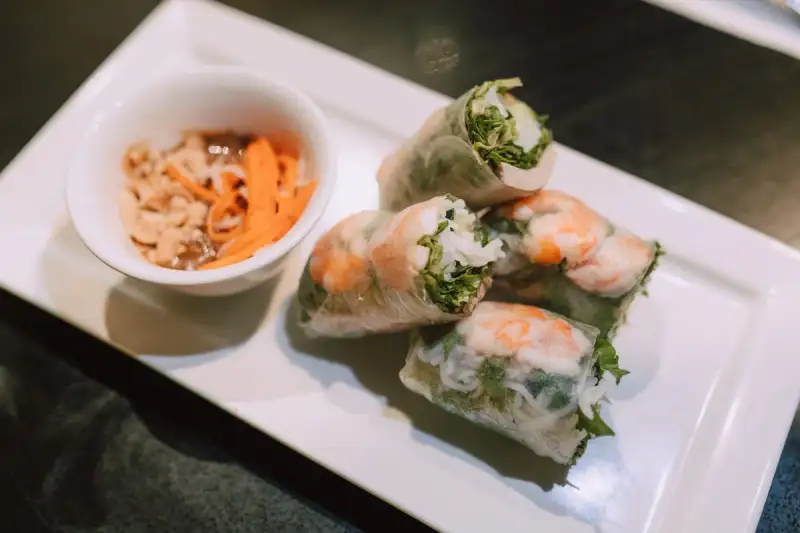

Goi Cuon: The Fresh and Healthy Summer Rolls Goi Cuon, the quintessential Vietnamese summer rolls, have long been a staple in Vietnamese cuisine and culture. These delicate and refreshing rolls have captured the hearts of food lovers around the world, and for good reason. From its rich history to its authentic flavors, Goi Cuon is a true culinary gem that deserves to be explored. History of Goi Cuon Goi Cuon originated in Northern Vietnam, specifically in the region of Hanoi, over a century ago. The rolls were initially created as a simple and nutritious snack for street vendors selling at local markets. These early versions of Goi Cuon were made with fresh vegetables, herbs, and sometimes meat or shrimp, wrapped in a thin sheet of rice paper. However, it was during the French colonial period in the early 20th century that Goi Cuon gained popularity. French colonizers introduced their own versions of spring rolls, which merged with the traditional Vietnamese dish to create the perfect fusion. The combination of crunchy rice paper, flavorful vegetables, and fragrant herbs resulted in a truly unique and irresistible snack. Ingredients To make authentic Goi Cuon, you need to use the freshest of ingredients. Here are some of the essential components:Rice paper: Freshly made or frozen rice paper sheets are essential for making good Goi Cuon. Vegetables: Shredded carrots, cucumbers, and lettuce are common choices, but feel free to experiment with other vegetables like bean sprouts, mint, and basil. Herbs: Mint, basil, and cilantro add a burst of freshness to the rolls. Protein: Shrimp, pork, or chicken can be used as protein sources, but vegetarian options like tofu and tempeh are also gaining popularity. Dipping sauce: A sweet and sour sauce made with fish sauce, lime juice, sugar, and chilies is the classic accompaniment to Goi Cuon.Preparing Goi Cuon Preparing Goi Cuon is an art that requires patience and skill. Here's a simple recipe to get you started: Wrapping Rice PaperDip a rice paper sheet in water for a few seconds, until it becomes pliable and soft. Place the rice paper on a clean surface and arrange your fillings in the center. Fold the bottom half of the rice paper over the fillings, followed by the sides, and finally the top half. Press the edges gently to seal the roll. Repeat with the remaining rice paper sheets and fillings.Dipping SauceMix fish sauce, lime juice, sugar, and chilies in a bowl. Adjust the seasoning to taste by adding more fish sauce, sugar, or chilies. Serve the dipping sauce chilled.GarnishesGarnish with fresh herbs like mint, basil, and cilantro for a pop of color and fragrance. Add sliced chilies or chili flakes for an extra spicy kick.Serving SuggestionsServe Goi Cuon as an appetizer or snack. Use them as a main course, served with a variety of dipping sauces. Experiment with different fillings, seasonings, and cooking methods to create your own unique versions.Tasting Goi Cuon The moment you take a bite of Goi Cuon is pure magic. The crunch of the rice paper, the freshness of the herbs, and the sweetness of the dipping sauce all combine to create a truly unforgettable experience. Here are some reasons why Goi Cuon stands out: Unique Texture The combination of crunchy rice paper, soft vegetables, and fragrant herbs creates a fascinating texture that's both refreshing and satisfying. Flavorful Filling The fillings in Goi Cuon are a perfect blend of sweet, sour, salty, and spicy flavors that cater to a wide range of tastes. Freshness Goi Cuon is a dish that's all about freshness. From the crunchy vegetables to the fragrant herbs, every component is designed to bring out the best flavors and textures. Cultural Significance Goi Cuon is more than just a snack or appetizer; it's a cultural symbol that represents the rich history and traditions of Vietnamese cuisine. Health Benefits Goi Cuon is a healthy snack option, made with fresh ingredients and minimal oil. It's an excellent choice for those looking for a nutritious and delicious meal. Innovations and Variations As Goi Cuon has gained popularity worldwide, it has inspired a range of creative variations and innovative ingredients. Here are some interesting takeaways from chefs and food bloggers: Goi Cuon with Seafood This variation features shrimp, crab meat, and fish sauce as the main ingredients. Veggie Goi Cuon For vegetarians and vegans, Goi Cuon can be made with tofu, tempeh, or seitan as protein sources. Spicy Goi Cuon For those who enjoy spicy food, adding more chilies or using spicy sauces like sriracha can create an exciting kick. Fusion Goi Cuon Fusion versions of Goi Cuon incorporate global flavors and ingredients into the traditional dish. Regional Variations Different regions in Vietnam have their own take on Goi Cuon, using unique ingredients and seasonings. Conclusion Goi Cuon, the Fresh and Healthy Summer Rolls, is an authentic Vietnamese dish with a rich history, unique flavors, and numerous health benefits. Whether you're a food enthusiast or a newcomer to the culinary world, Goi Cuon has something to offer. From classic recipes to innovative variations, this dish has captured the hearts of people everywhere. Explore the cultural significance, authentic flavors, and health benefits of Goi Cuon. Try out the recipe and discover why Goi Cuon has become an iconic dish worldwide.Essential Ingredients for Goi CuonRice paper Vegetables Herbs Protein sources Dipping sauceGarnishes and Seasonings for Goi CuonFresh herbs like mint, basil, and cilantro Sliced chilies or chili flakes Fish sauce, lime juice, sugar, and chilies for dipping sauceThe Art of Wrapping Goi Cuon Wrapping rice paper sheets around fillings and herbs requires patience and skill. Press the edges gently to seal the roll. Variations of Goi CuonGoi Cuon with Seafood Veggie Goi Cuon Spicy Goi Cuon Fusion Goi Cuon Regional VariationsHashtags #GoiCuon #VietnameseFood #SummerRolls #HealthySnacks #StreetFood #CulturalHistory #FoodBlog #RecipeGuide #TraditionalVietnameseRecipe Related InsightsThe Crystal Architecture of Chocolate: Mastering the Science of the Perfect Snap Feijoada: Brazil’s Hearty Black Bean Stew and the Soul of a Nation Global Secrets of Preserved Lemons & Salt‑Cured Citrus: From Marrakech Markets to Tokyo Kitchens{ "@context": "https://schema.org", "@type": "FAQPage", "mainEntity": [ { "@type": "Question", "name": "What is the main focus of Goi Cuon: The Fresh and Healthy Summer Rolls?", "acceptedAnswer": { "@type": "Answer", "text": "Discover the deep cultural roots, authentic flavors, and history of Goi Cuon: The Fresh and Healthy Summer Rolls." } }, { "@type": "Question", "name": "Who authored the comprehensive guide on Goi Cuon: The Fresh and Healthy Summer Rolls?", "acceptedAnswer": { "@type": "Answer", "text": "This detailed article and its insights were carefully researched and authored by Nguyen Thi Mai." } }, { "@type": "Question", "name": "Where can I find more related content about Food?", "acceptedAnswer": { "@type": "Answer", "text": "You can explore more articles, detailed reviews, and similar insights by browsing the Related Insights section at the bottom of this article or visiting our dedicated Food category page." } } ] }
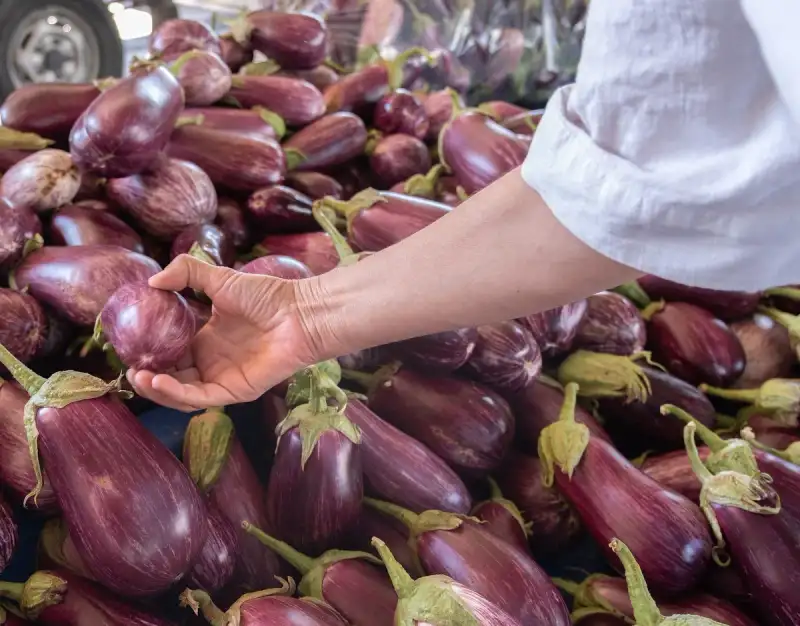

Baba Ghanoush: The Smoky Eggplant Dip A culinary masterpiece born from the heart of the Middle East, Baba Ghanoush has captivated taste buds for centuries. This velvety smooth dip, also known as the 'king of eggplant dips,' is a testament to the region's culinary ingenuity and love for simple, yet rich flavors. In this article, we will delve into the rich history, authentic flavors, and cultural significance of Baba Ghanoush. A Brief History of Baba Ghanoush Baba Ghanoush's origins are attributed to the Levant region of the Middle East, where it has been a staple dish since ancient times. The name 'Baba Ghanoush' translates to 'papa' or 'daddy,' which refers to the traditional practice of grilling eggplants over an open flame, often while sitting on the father's lap (ghanoush). This unique method of preparation has become an integral part of the dish's identity and charm. Roasting the Perfect EggplantRoasting is the most crucial step in preparing Baba Ghanoush. Eggplants are traditionally placed directly on the open flames of a fire or grill, allowing the charred skin to develop a deep, smoky flavor. However, for a more controlled environment, ovens or grills with a medium-high heat can be used. A perfectly roasted eggplant should have a wrinkled, dark brown skin and a slightly charred smell. The Art of Chilling and Pureeing Once the eggplant has cooled down, the next step is to extract the pulp and blend it with tahini, garlic, lemon juice, salt, and olive oil. This creamy mixture is then chilled in the refrigerator to allow the flavors to meld together. The consistency and smoothness of Baba Ghanoush rely heavily on the quality of the eggplant, so ensure that it is pureed to perfection. Cultural Significance of Baba Ghanoush Baba Ghanoush has become an integral part of the culinary culture in the Middle East, often served as an appetizer or side dish in social gatherings, parties, and family functions. The dish is a symbol of hospitality, generosity, and cultural exchange. In many households, Baba Ghanoush is also served as a comfort food, providing solace during difficult times. Traditional Variations and Modern Twists While traditional Baba Ghanoush remains a staple in many Middle Eastern cuisines, various regional and personal variations have emerged over the years. Some popular adaptations include the addition of spices, herbs, and even cheese. Modern twists often introduce new ingredients like roasted red peppers, sun-dried tomatoes, or olives, giving Baba Ghanoush a modern, vibrant twist. Classic Baba Ghanoush Recipe Ingredients:2 large eggplants 1/4 cup tahini 1/4 cup lemon juice 2 cloves garlic, minced 1/2 teaspoon salt 3 tablespoons olive oil Optional: spices, herbs, and other ingredients to tasteInstructions:Roast eggplants over medium-high heat until charred and wrinkled. Peel and puree the eggplant in a blender or food processor. In a separate bowl, combine tahini, lemon juice, garlic, salt, and olive oil. Gradually add the tahini mixture to the eggplant puree and blend until smooth. Chill the mixture in the refrigerator for at least 2 hours.Tips and Tricks for the Perfect Baba GhanoushChoose the right eggplant variety for optimal flavor and texture. Use high-quality tahini for the best flavor and consistency. Adjust the amount of garlic and lemon juice according to personal taste. Experiment with different spices and herbs to create unique variations.In conclusion, Baba Ghanoush is more than just a delicious dip – it's a cultural icon that represents the heart and soul of Middle Eastern cuisine. Its rich history, authentic flavors, and simplicity have captured the taste buds of people around the world. Whether you're a seasoned foodie or a beginner cook, Baba Ghanoush is a recipe waiting to be discovered. In a world filled with complex and intricate dishes, Baba Ghanoush reminds us of the beauty of simplicity and the importance of preserving cultural heritage. So, next time you're craving a taste of the Middle East, grab an eggplant, and get ready to indulge in the smoky, velvety goodness of Baba Ghanoush. #hashtag #BabaGhanoush #SmokyEggplantDip #MiddleEasternCuisine #FoodHistory #TraditionalFood #StreetFood #CulturalHistory #AuthenticRecipe Related InsightsMumbais flüchtige Gaumenfreuden: Wo Straßenstände die Stadt zum Kochen bringen Char Siu Bao: The Fluffy BBQ Pork Bun Honey’s Hidden DNA: Decoding Terroir and Floral Pollination in Every Golden Drop{ "@context": "https://schema.org", "@type": "FAQPage", "mainEntity": [ { "@type": "Question", "name": "What is the main focus of Baba Ghanoush: The Smoky Eggplant Dip?", "acceptedAnswer": { "@type": "Answer", "text": "Discover the deep cultural roots, authentic flavors, and history of Baba Ghanoush: The Smoky Eggplant Dip." } }, { "@type": "Question", "name": "Who authored the comprehensive guide on Baba Ghanoush: The Smoky Eggplant Dip?", "acceptedAnswer": { "@type": "Answer", "text": "This detailed article and its insights were carefully researched and authored by Layla Hariri." } }, { "@type": "Question", "name": "Where can I find more related content about Food?", "acceptedAnswer": { "@type": "Answer", "text": "You can explore more articles, detailed reviews, and similar insights by browsing the Related Insights section at the bottom of this article or visiting our dedicated Food category page." } } ] }
-
 Marcus Vance
 - 13 Jul, 2026 21:40
Kimchi's Untold Saga: Unearthing the Fermented Superfoods Beyond the Cabbage You Thought You Knew
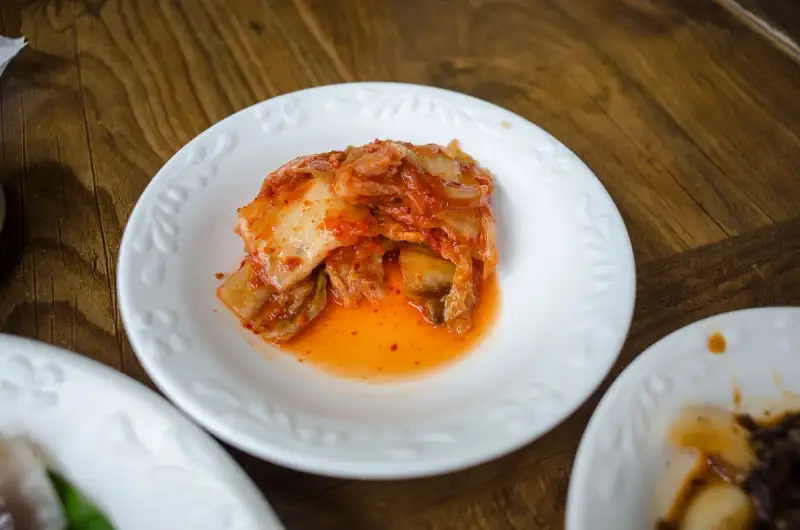
For many across the globe, the word "kimchi" conjures a singular image: vibrant red, spicy fermented napa cabbage, a quintessential side dish on every Korean table. It's a culinary icon, celebrated for its unique flavor profile—a complex interplay of spicy, sour, savory, and umami notes—and its burgeoning reputation as a global superfood. Indeed, baechu-kimchi, or napa cabbage kimchi, is undoubtedly the most famous and widely consumed variety, representing a cornerstone of Korean gastronomic identity. Its journey from a staple peasant food to a global health trend is a testament to its compelling taste and undeniable nutritional merits. Yet, to limit kimchi to just fermented napa cabbage is akin to believing that "bread" only refers to sliced white loaf. The truth is, kimchi is not a single dish, but rather a vast and intricate category encompassing hundreds of distinct varieties, each a unique testament to Korea's rich agricultural heritage and deep understanding of fermentation. From crisp radishes to fresh cucumbers, pungent mustard greens to refreshing water kimchis, the world of kimchi extends far beyond the familiar leafy greens. These often-overlooked varieties offer a dazzling array of textures, flavors, and nutritional benefits, each prepared with meticulous care and a keen understanding of seasonal ingredients. In this comprehensive exploration, we will peel back the layers of this fermented marvel, venturing beyond the ubiquitous cabbage to discover a universe of probiotic-rich wonders, dissecting their scientific contributions to human health, and inspiring you to explore the boundless possibilities of Korean fermentation. Prepare to have your perception of kimchi profoundly transformed. The Fermentation Marvel: A Microbiome Powerhouse The magic of kimchi, irrespective of its primary vegetable, lies fundamentally in its fermentation process—a microbiological transformation that elevates simple ingredients into a complex, nutrient-dense superfood. This ancient preservation technique, rooted in millennia of human ingenuity, leverages specific strains of beneficial bacteria to create a profoundly healthful product. The primary drivers of kimchi fermentation are lactic acid bacteria (LAB), predominantly species from the genera Lactobacillus, Leuconostoc, and Weissella. These microscopic heroes initiate a carefully orchestrated cascade of biochemical changes that define kimchi's characteristic flavor, texture, and, most importantly, its remarkable health benefits. When raw vegetables, typically salted to draw out moisture and inhibit spoilage organisms, are mixed with a paste containing chili powder (gochugaru), garlic, ginger, green onions, and often fish sauce or salted shrimp, they provide a fertile ground for LAB. These anaerobic bacteria thrive in the low-oxygen environment of a sealed fermentation vessel, converting carbohydrates present in the vegetables into lactic acid. This process dramatically lowers the pH of the mixture, inhibiting the growth of harmful pathogens while preserving the vegetables and developing complex flavor compounds. The tangy, sour taste characteristic of well-fermented kimchi is a direct result of this lactic acid production. Beyond preservation and flavor enhancement, the health implications of this microbial activity are profound. The high concentration of live LAB in kimchi acts as a potent probiotic, directly contributing to a healthy gut microbiome. Research published in Frontiers in Microbiology (2018) extensively details how the diverse microbial consortium in kimchi can modulate the composition and function of the human gut microbiota, potentially improving digestive health and enhancing nutrient absorption. Furthermore, LAB produce short-chain fatty acids (SCFAs), such as butyrate, acetate, and propionate, which are vital for gut health. Butyrate, in particular, serves as a primary energy source for colonocytes, helps maintain the integrity of the intestinal barrier, and possesses significant anti-inflammatory properties, as highlighted in numerous studies including a review in the Journal of Medicinal Food (2020). Moreover, the fermentation process makes certain nutrients more bioavailable and generates novel bioactive compounds. It enhances the vitamin content, particularly B vitamins (B1, B2, B12), and can even increase the antioxidant capacity of the original ingredients. The synergistic interaction between the prebiotics (fiber from vegetables) and probiotics (LAB) in kimchi creates a synbiotic effect, fostering a robust internal ecosystem crucial for overall well-being. Regular consumption of kimchi has been linked to improved immune function, reduced inflammation, and even potential benefits for metabolic health, making it far more than just a tasty condiment—it's a vibrant microbial ecosystem on a plate.Diving Deeper: Kimchi Varieties Beyond Baechu While baechu-kimchi rightfully holds its throne, the true marvel of Korean fermentation lies in the sheer diversity of its kimchi family. To venture beyond napa cabbage is to discover a spectrum of textures, flavor profiles, and seasonal delights, each offering a unique culinary experience and specific health benefits derived from its distinct ingredients. This exploration unveils the ingenuity and adaptability of Korean culinary traditions. One of the most popular alternatives is Kkakdugi (깍두기), or cubed radish kimchi. This variety utilizes Korean radish (mu), which is denser and sweeter than daikon radish. Cut into satisfyingly crunchy cubes, it's typically seasoned with gochugaru, garlic, ginger, green onions, and often fermented with a hint of fish sauce. Kkakdugi offers a delightful textural contrast to baechu-kimchi, providing a refreshing crunch and a subtly different spicy-tangy profile that perfectly complements richer Korean stews and soups. Its high fiber content, derived from the radish, aids digestion and gut motility. For a taste of summer, Oi Sobagi (오이소박이), or stuffed cucumber kimchi, is a seasonal favorite. Fresh cucumbers are quartered but left attached at one end, then stuffed with a vibrant mixture of chives, carrots, garlic, ginger, and chili paste. The short fermentation period results in a crisp, refreshing kimchi with a light spice and herbaceous notes. It’s a superb palate cleanser, particularly invigorating during warmer months, and its high water content from cucumbers contributes to hydration. Another distinctive radish kimchi is Chonggak Kimchi (총각김치), often called "ponytail radish kimchi" due to the small radishes being fermented whole with their long greens attached. This presentation gives it a rustic charm and a potent, peppery flavor from the radish greens, which are rich in vitamins K and C. Chonggak kimchi has a more robust, earthy taste and a satisfying chew, making it a favorite for those who appreciate bolder flavors and textures. Moving away from the fiery red, we find the elegant Nabak Kimchi (나박김치) and Dongchimi (동치미), both types of "water kimchi" (mul-kimchi). These are characterized by their clear, refreshing brine rather than a thick chili paste. Nabak kimchi usually features thinly sliced napa cabbage and radish, often with garlic, ginger, red chili threads, and sometimes pear or apple slices, creating a delicately sweet and subtly spicy broth. Dongchimi, on the other hand, is typically less spicy, focusing on whole or large pieces of radish, sometimes with green onions, ginger, and fruits like Asian pear. These water kimchis are excellent digestive aids, often served cold to refresh the palate, and are rich in beneficial probiotics within their liquid component, offering a gentler introduction to fermented foods for those sensitive to spice. They are particularly beneficial for hydration and electrolyte balance, especially given the natural mineral content of the brine. Finally, Gat Kimchi (갓김치), or mustard leaf kimchi, offers a powerfully pungent and slightly bitter flavor profile, cherished by connoisseurs. Made from Korean mustard greens, it’s seasoned similarly to baechu-kimchi but delivers a more intense, peppery kick that stands out. The mustard greens themselves are nutritional powerhouses, packed with vitamins A, C, and K, along with potent antioxidants and glucosinolates, which are known for their detoxifying properties. Each of these varieties, with its unique sensory profile and ingredient base, showcases the incredible breadth of the kimchi tradition, inviting endless exploration. The Nutritional Powerhouse: Macros, Micros, and Bioactive Compounds Beyond its tantalizing flavors and probiotic benefits, kimchi stands as a formidable nutritional powerhouse, a testament to the concentrated goodness derived from its vegetable base and the transformative power of fermentation. Its profile is remarkably rich in essential macronutrients, micronutrients, and a diverse array of bioactive compounds, all contributing to its esteemed superfood status. From a macronutrient perspective, most kimchi varieties are commendably low in calories and fat, making them an excellent addition to a health-conscious diet. A typical 100g serving of baechu-kimchi, for instance, provides approximately 15-20 calories, with minimal fat content (often less than 0.5g, unless additional oils are used in preparation). Carbohydrates typically range from 2-4g, a significant portion of which is dietary fiber (1-2g). The fermentation process consumes some of the sugars, further reducing the overall carbohydrate load while increasing the bioavailability of other nutrients. Protein content is generally low, around 1-2g, primarily derived from the vegetables and any added seafood components like fish sauce or salted shrimp. However, where kimchi truly shines is in its micronutrient and bioactive compound profile. It is an exceptional source of several vital vitamins and minerals:Vitamin C: Abundant in fresh cabbage, radishes, and other vegetables, kimchi retains a significant amount of vitamin C, a powerful antioxidant crucial for immune function and collagen synthesis. Vitamin K: Particularly K1, found in dark leafy greens, which is essential for blood clotting and bone health. B Vitamins: The fermentation process enhances the B vitamin content, including folate, riboflavin (B2), and even some B12, which is rare in plant-based foods, making kimchi a notable source for vegetarians and vegans. Vitamin A (as beta-carotene): Especially in varieties with more orange or red vegetables, vital for vision, immune function, and skin health. Minerals: Kimchi is a good source of minerals like iron (important for oxygen transport), calcium (for bone health), potassium (for blood pressure regulation), and selenium (an antioxidant).Beyond these well-known nutrients, kimchi is brimming with bioactive compounds that contribute to its anti-inflammatory, antioxidant, and potential anti-carcinogenic properties.Isothiocyanates: Derived from cruciferous vegetables like napa cabbage and radishes, these compounds have been extensively studied for their potential in cancer prevention and detoxification pathways. Studies in the British Journal of Nutrition (2019) have linked dietary intake of isothiocyanates to enhanced antioxidant enzyme activity in the human body. Capsaicinoids: The active compounds in gochugaru (Korean chili powder) are responsible for kimchi's characteristic heat. Capsaicin has been shown to possess anti-inflammatory and pain-relieving properties, and its impact on metabolism has been reviewed in Food & Function (2021). Allicin: Found in garlic, allicin is a sulfur-containing compound known for its potent antimicrobial, antiviral, and antioxidant effects. Gingerol: The primary active compound in ginger, contributing powerful anti-inflammatory and antioxidant benefits. Choline: Present in cabbage, choline plays a crucial role in liver function, brain development, nerve function, muscle movement, and metabolism.The synergistic interaction of these components—the fiber acting as a prebiotic, the live cultures as probiotics, and the array of vitamins, minerals, and bioactive compounds—makes kimchi a holistic food that supports gut health, modulates the immune system, reduces systemic inflammation, and contributes to overall cellular protection.👉 Continue Reading: Kimchi's Untold Saga: Unearthing the Fermented Superfoods Beyond the Cabbage You Thought You Knew (Part 2)#KimchiLove #KoreanFood #ProbioticPower #FermentedFoods #HealthyEating Related InsightsSteel-Cut Oats with Chia Seeds and Blueberries: A Delicious and Nutritious Breakfast Option Sailing the Cheese Seas: A Masterclass in Georgian Khachapuri Variations Peruvian Ceviche Revealed: The Ancient Citrus Alchemy That Transforms Seafood into a Nutritional Powerhouse{ "@context": "https://schema.org", "@type": "FAQPage", "mainEntity": [ { "@type": "Question", "name": "What is the main focus of Kimchi's Untold Saga: Unearthing the Fermented Superfoods Beyond the Cabbage You Thought You Knew?", "acceptedAnswer": { "@type": "Answer", "text": "Dive deep into the extraordinary world of Korean kimchi, exploring its diverse forms beyond napa cabbage and the profound health benefits backed by scientific research." } }, { "@type": "Question", "name": "Who authored the comprehensive guide on Kimchi's Untold Saga: Unearthing the Fermented Superfoods Beyond the Cabbage You Thought You Knew?", "acceptedAnswer": { "@type": "Answer", "text": "This detailed article and its insights were carefully researched and authored by Marcus Vance." } }, { "@type": "Question", "name": "Where can I find more related content about Food?", "acceptedAnswer": { "@type": "Answer", "text": "You can explore more articles, detailed reviews, and similar insights by browsing the Related Insights section at the bottom of this article or visiting our dedicated Food category page." } } ] }

- Marcus Vance
- 13 Jul, 2026 21:40
Kimchi's Untold Saga: Unearthing the Fermented Superfoods Beyond the Cabbage You Thought You Knew (Part 2)
This is Part 2 of the series. Read Part 1 here.Crafting Your Own: A Simplified Guide to Kkakdugi Kimchi Embarking on the journey of making your own kimchi is immensely rewarding, offering fresh, personalized flavors and the satisfaction of traditional food preservation. While baechu-kimchi can be complex, Kkakdugi (깍두기), the cubed radish kimchi, provides a fantastic entry point for beginners due to its simpler preparation and forgiving nature. Here's a step-by-step guide to crafting your own batch of crisp, tangy kkakdugi: Yields: Approx. 2 kg | Prep time: 30 minutes | Fermentation: 2-5 days Ingredients:1.5 kg Korean radish (mu), or daikon radish, peeled 2-3 tbsp coarse sea salt (non-iodized) For the Paste: ½ cup Korean chili powder (gochugaru), adjust to taste ¼ cup fish sauce (or vegan alternative like soy sauce for flavor) 2 tbsp minced garlic (approx. 6-8 cloves) 1 tbsp minced ginger 2 tbsp sugar (or maple syrup for a more nuanced sweetness) ¼ cup glutinous rice flour paste (mix 1 tbsp rice flour with ¼ cup water, simmer until thick, cool) – optional, for binding ¼ cup water (if not using rice flour paste)For the Fresh Additions: 3-4 green onions, chopped into 1-inch piecesEquipment:Large mixing bowl Airtight fermentation jar or container (glass or food-grade plastic)Step-by-Step Instructions:Prepare the Radish:Peel the Korean radish and cut it into approximately 1-inch (2.5 cm) cubes. Uniform size ensures even salting and fermentation. Place the radish cubes in a large bowl and sprinkle generously with the coarse sea salt. Toss well to ensure all radish pieces are coated. Let it sit for 30-45 minutes. The salt will draw out excess water, making the radish crispier and preventing it from getting soggy. Stir occasionally. After salting, drain the radish thoroughly. Do not rinse the radish, as the residual salt will aid in fermentation. Tip: While draining, gently squeeze handfuls of radish to remove more water without breaking them.Make the Seasoning Paste:In a separate medium-sized bowl, combine the gochugaru, fish sauce, minced garlic, minced ginger, sugar, and the cooled glutinous rice flour paste (if using, otherwise use ¼ cup water). Mix everything thoroughly until a smooth, thick paste forms. The glutinous rice flour paste helps to bind the spices to the radish and feeds the lactic acid bacteria, encouraging fermentation.Combine and Mix:Add the drained radish cubes to the bowl with the seasoning paste. Wearing food-grade gloves (highly recommended due to chili and potential skin irritation), mix everything thoroughly. Ensure every radish cube is evenly coated with the vibrant red paste. Add the chopped green onions and gently mix them in.Pack and Ferment:Carefully transfer the seasoned kkakdugi into your clean, airtight fermentation jar or container. Press down firmly on the kimchi to remove air pockets. This also helps submerge the kimchi under its own liquid (brine), which is crucial for anaerobic fermentation. Leave about 1-2 inches of headspace from the top of the jar, as the kimchi will produce gas and liquid during fermentation. Close the lid tightly. Place the jar at room temperature (ideally 18-22°C or 65-72°F) for 2-5 days. The fermentation time can vary based on temperature and your desired level of sourness. Monitoring: After 24-48 hours, you might notice small bubbles forming, and the lid might start to bulge if it's not a self-burping type. "Burp" the jar daily by opening the lid briefly to release gas, then re-seal. Taste Test: After 2 days, taste a piece of radish. Once it reaches a pleasant sourness that you enjoy, move it to the refrigerator. Fermentation will slow down significantly in the cold, preserving its flavor.Serve and Store:Your homemade kkakdugi is ready to enjoy! It will continue to ferment slowly in the refrigerator, developing deeper flavors over several weeks. Serve it as a side dish with any meal. It's particularly fantastic with grilled meats, rice, and hearty stews.Making kkakdugi is an incredibly rewarding experience that connects you directly to the vibrant world of Korean fermented foods. It’s fresh, flavorful, and packed with beneficial probiotics—a true labor of love that nourishes both body and soul. Beyond the Bowl: Innovative Culinary Applications of Kimchi To relegate kimchi solely to a side dish, however revered, is to overlook its immense potential as a dynamic, flavor-enhancing ingredient in a myriad of culinary contexts. Its complex profile—a harmonious blend of spicy, sour, umami, and sometimes sweet notes—makes it incredibly versatile, capable of transforming ordinary dishes into extraordinary experiences. Moving beyond the traditional Korean table, kimchi has steadily infiltrated global cuisine, proving its adaptability and allure. Traditionally, kimchi is a foundational element in many beloved Korean dishes. Classic applications include Kimchi Jjigae (김치찌개), a hearty, spicy stew often featuring pork or tofu, where aged, sour kimchi provides the essential depth and tang. Kimchi Bokkeumbap (김치볶음밥), or kimchi fried rice, capitalizes on the aged kimchi's intense flavor, stir-fried with rice, meat, and often topped with a fried egg. Kimchi Buchimgae (김치부침개), savory kimchi pancakes, offer a delightful crunch and chew, with the kimchi lending its characteristic zest and a pleasing texture. Even something as simple as Kimchi Mandu (김치만두), kimchi dumplings, showcases its ability to elevate ground meat or vegetable fillings. However, the true innovation lies in kimchi's contemporary and fusion applications, demonstrating its seamless integration into diverse culinary traditions:Kimchi Tacos/Burritos: The crisp, spicy, and tangy elements of kimchi provide a fantastic counterpoint to rich meats like carnitas or bulgogi, adding a fresh, zesty kick to a classic Mexican format. Kimchi Grilled Cheese: Imagine the ultimate comfort food elevated by the piquant bite of fermented cabbage, cutting through the richness of melted cheese. It's a game-changer. Kimchi Pasta/Pizza Topping: Finely chopped kimchi can be stirred into pasta sauces for an umami boost or scattered over pizza as a vibrant, unconventional topping, pairing surprisingly well with savory meats and cheeses. Kimchi Slaw for Sandwiches/Burgers: Replacing traditional coleslaw with a kimchi-infused version adds a fiery, tangy crunch that can cut through the richness of a burger or pulled pork sandwich. Kimchi-infused Dressings/Sauces: Blending kimchi into vinaigrettes, mayonnaise, or even creating a kimchi aioli can add a unique depth of flavor to salads, grilled vegetables, or as a dipping sauce for fries. Kimchi Stews (Non-Korean): Think beyond jjigae. Kimchi can lend an incredible complexity to lentil stews, bean chilis, or even curries, providing a fermented depth that is hard to replicate. Kimchi with Eggs: A simple yet profound upgrade to breakfast or brunch. Scrambled eggs with finely chopped kimchi, a kimchi omelet, or even kimchi-topped avocado toast offer a burst of flavor. Water Kimchis as Refreshers: Varieties like Nabak Kimchi or Dongchimi, with their delicate, refreshing broths, can be used as unique bases for cold noodle soups or even as a clean, probiotic-rich palate cleanser between courses.The key to successful integration is understanding kimchi's core flavor profile and textural contributions. Aged, sour kimchi, for instance, shines in cooked dishes like stews and fried rice, where its flavors meld and deepen. Fresher, crisper varieties like oi sobagi or kkakdugi are excellent for adding crunch and brightness to salads or sandwiches. The umami from fermentation, the heat from gochugaru, and the tang from lactic acid—all combine to offer a multifaceted ingredient that encourages experimentation. So, next time you reach for that jar of kimchi, consider its boundless potential to reinvent your everyday meals. Comparative Nutritional Profile of Selected Kimchi Varieties (Per 100g serving, approximate values) The nutritional composition of kimchi can vary based on ingredients, fermentation time, and specific recipes. However, this table provides a general overview of the macronutrient and key micronutrient profiles for common kimchi varieties. These values highlight the diverse health benefits each type offers, beyond just the familiar baechu-kimchi. Note that probiotic counts are highly variable and depend on the specific fermentation conditions and freshness of the kimchi.Kimchi Type Calories (kcal) Protein (g) Fat (g) Carbs (g) Fiber (g) Vit C (%DV) Calcium (%DV) Probiotics (CFU/g) (Approx.) Key Nutritional NotesBaechu Kimchi 15-20 1-2 0.3-0.5 3-4 1-2 15-25% 2-4% 10^7 - 10^9 Rich in vitamins C, K, B; source of isothiocyanates and capsaicin. Promotes gut health.Kkakdugi Kimchi 18-25 1-2 0.3-0.5 4-5 1.5-2.5 20-30% 3-5% 10^7 - 10^9 Higher in fiber due to radish. Good source of Vitamin C and minerals. Distinct crisp texture aids digestion.Oi Sobagi Kimchi 10-15 0.5-1 0.2-0.4 2-3 0.8-1.5 10-18% 1-3% 10^6 - 10^8 Very low calorie, high water content from cucumbers. Hydrating and refreshing. Contains beneficial compounds from chives and garlic.Nabak Kimchi (Water) 8-12 0.5-1 0.1-0.2 1.5-2.5 0.5-1 8-15% 1-2% 10^6 - 10^8 (in brine) Extremely low calorie. Focus on the probiotic-rich liquid. Hydrating, gentle on the stomach, and a good source of electrolytes. Often contains natural sugars from fruit additions for milder fermentation.Gat Kimchi 20-28 1.5-2.5 0.4-0.6 4-6 2-3.5 25-35% 5-8% 10^7 - 10^9 Higher nutrient density from mustard greens. Rich in Vitamins A, C, K, and folate. Contains glucosinolates with potential detoxifying properties. Stronger, pungent flavor.Note: %DV refers to Percent Daily Value based on a 2,000 calorie diet. Probiotic counts are highly variable and represent a general estimate for well-fermented kimchi. Individual recipes and ingredients will lead to variations in these nutritional values. Conclusion: A Universe of Flavor and Wellness in Every Fermented Bite Our journey through the multifaceted world of Korean kimchi has unveiled a culinary marvel far grander than its most famous representative, baechu-kimchi. We've delved into the scientific wonders of its fermentation, a process orchestrated by beneficial lactic acid bacteria that transform humble vegetables into a microbiome powerhouse, contributing significantly to gut health, immune function, and overall well-being. Beyond the familiar, we've explored an astounding array of varieties—from the crisp bite of kkakdugi and the refreshing zest of oi sobagi, to the pungent complexity of gat kimchi and the delicate clarity of nabak kimchi. Each offers a distinct sensory experience, reflecting Korea's profound connection to its land and seasons. We've meticulously broken down kimchi's impressive nutritional profile, highlighting its richness in essential vitamins, minerals, and potent bioactive compounds like isothiocyanates, capsaicinoids, and allicin, all working in synergy to provide anti-inflammatory and antioxidant benefits. For the adventurous spirit, we've provided a clear pathway to crafting your own batch of kkakdugi, demonstrating that the art of kimchi-making is accessible and profoundly rewarding. Finally, we've transcended the traditional serving bowl, showcasing how kimchi's versatile flavor profile can revolutionize everything from tacos and grilled cheese to stews and innovative dressings, proving its place as a dynamic ingredient in global gastronomy. Kimchi is not merely a condiment; it is a living food, a testament to ancient wisdom, and a vibrant cornerstone of health. It embodies the essence of "food as medicine," delivering a complex symphony of flavors alongside a formidable boost to your internal ecosystem. I urge you, dear reader, to move beyond your preconceived notions. Seek out the diverse varieties of kimchi available, experiment with making your own, and integrate its incredible depth into your daily cooking. The world of kimchi is vast, delicious, and waiting to enrich your life, one fermented bite at a time. Embrace the tang, savor the spice, and celebrate the health benefits of this extraordinary superfood.#KimchiLove #KoreanFood #ProbioticPower #FermentedFoods #HealthyEating Related InsightsAndean Superfoods Unveiled: The Alchemical Power of Quinoa, Kiwicha, and Canihua Unlocking the Power of Roasted Beetroot Hummus with Toasted Sesame: A Delicious Anti-Inflammatory Delight Exploring the Nutritional Haven of Buckwheat Kasha with Sautéed Mushrooms and Onions{ "@context": "https://schema.org", "@type": "FAQPage", "mainEntity": [ { "@type": "Question", "name": "What is the main focus of Kimchi's Untold Saga: Unearthing the Fermented Superfoods Beyond the Cabbage You Thought You Knew (Part 2)?", "acceptedAnswer": { "@type": "Answer", "text": "Dive deep into the extraordinary world of Korean kimchi, exploring its diverse forms beyond napa cabbage and the profound health benefits backed by scientific research." } }, { "@type": "Question", "name": "Who authored the comprehensive guide on Kimchi's Untold Saga: Unearthing the Fermented Superfoods Beyond the Cabbage You Thought You Knew (Part 2)?", "acceptedAnswer": { "@type": "Answer", "text": "This detailed article and its insights were carefully researched and authored by Marcus Vance." } }, { "@type": "Question", "name": "Where can I find more related content about Food?", "acceptedAnswer": { "@type": "Answer", "text": "You can explore more articles, detailed reviews, and similar insights by browsing the Related Insights section at the bottom of this article or visiting our dedicated Food category page." } } ] }

-
 Chloe Blanc
 - 13 Jul, 2026 20:12
L'Épopée Gourmande des Rues : Quand le Monde se Déguste à Ciel Ouvert
Dans le bruissement incessant des cités, au carrefour des destins et des cultures, une symphonie de parfums s'élève, s'accroche aux murmures du vent et éveille les sens. Ce n'est pas le faste des tables étoilées, ni le calme feutré des restaurants qui se manifeste ici, mais une autre forme de gastronomie, plus brute, plus vivante, plus intrinsèquement liée à l'âme des peuples : la street food. Elle est l'impulsion d'un besoin immédiat, l'expression d'un savoir-faire ancestral, le reflet d'une identité qui se mange, se partage et se transmet de génération en génération. De l'aube des civilisations à l'effervescence de nos métropoles contemporaines, la nourriture de rue a tracé un chemin ininterrompu, nourrissant les corps et les esprits, tissant des liens invisibles entre les passants, les vendeurs et l'histoire elle-même. Il ne s'agit pas simplement de manger sur le pouce ; il s'agit d'une immersion dans le tissu social, d'une rencontre fortuite avec l'authenticité. La street food, ce sont ces mets vendus par un colporteur ou un vendeur dans la rue ou tout autre lieu public – qu'il s'agisse d'un marché, d'une foire ou d'un parc – souvent proposés depuis un stand alimentaire portable, un chariot ou un camion, et destinés à une consommation immédiate. C'est un ballet quotidien, une danse perpétuelle entre l'offre et la demande, où la simplicité des gestes masque la complexité des saveurs et la richesse d'une tradition. Certains de ces délices sont profondément ancrés dans leur région d'origine, tandis que d'autres ont transcendé leurs frontières initiales pour conquérir le palais du monde entier. La plupart des aliments de rue sont classifiés à la fois comme des amuse-gueules ("finger food") et de la restauration rapide ("fast food"), et sont généralement plus économiques que les repas servis dans les restaurants, rendant ainsi la bonne chère accessible à tous. La diversité des mets de rue est aussi vaste que la mosaïque des cultures qui peuplent notre planète. Un rapport de 2007 de la Food and Agriculture Organization (FAO) révélait un chiffre stupéfiant : 2,5 milliards de personnes consomment de la street food chaque jour. Ce n'est pas qu'une question de commodité ; pour une majorité de consommateurs aux revenus moyens à élevés, c'est l'accès rapide et l'abordabilité de ces aliments qui répondent à leurs besoins nutritionnels quotidiens. Dans les pays en développement en particulier, ce secteur est un moteur économique crucial, créant des opportunités d'emploi pour des millions de personnes. Paradoxalement, si certaines cultures considèrent qu'il est impoli de manger en marchant dans la rue, la réalité économique et sociale des temps modernes a transformé cette habitude en une nécessité, une marque de l'urbanisation galopante et de l'accélération des modes de vie.Cependant, cette effervescence, cette démocratisation du goût, ne vient pas sans son lot de défis. Les gouvernements et autres organisations s'intéressent de plus en plus à l'importance socio-économique de la street food, mais aussi aux risques qui lui sont associés. Parmi ces préoccupations, la sécurité alimentaire et les problèmes d'assainissement figurent en tête de liste. L'utilisation parfois illégale d'espaces publics ou privés, les problèmes sociaux et la congestion du trafic dans les zones où se concentrent ces vendeurs sont également des points d'attention majeurs, soulignant la complexité de réguler un phénomène aussi organique et omniprésent. Aux Racines du Goût : Une Histoire Millénaire La street food n'est pas une invention moderne ; elle plonge ses racines dans les profondeurs de l'histoire, témoignant des besoins fondamentaux des sociétés humaines et de leur ingéniosité culinaire. L'Europe, Berceau des Premiers Colporteurs Dès l'Antiquité, l'Europe vibrait déjà au rythme des vendeurs de rue. En Grèce antique, le petit poisson frit était une nourriture de rue courante, bien que des philosophes comme Théophraste aient regardé cette pratique avec un certain dédain, la considérant peut-être comme peu raffinée. Mais les découvertes archéologiques, notamment lors de l'excavation de Pompéi, révèlent l'existence d'un grand nombre de vendeurs ambulants, soulignant l'omniprésence de cette forme de restauration. Dans la Rome antique, la street food était une composante essentielle de la vie quotidienne pour les habitants pauvres des insulae, ces immeubles d'habitation souvent dépourvus de fours ou de foyers pour cuisiner. La soupe de pois chiches accompagnée de pain et de pâte de céréales constituait alors des repas communs et nourrissants, illustrant la fonction vitale de ces vendeurs pour la survie urbaine. Au XIVe siècle, un voyageur florentin décrivait l'effervescence du Caire où les gens étendaient des napperons en cuir brut dans les rues pour s'asseoir et déguster des brochettes d'agneau, du riz et des beignets achetés auprès des vendeurs. Cette scène pittoresque témoigne de la dimension sociale et conviviale de la street food, bien au-delà de la simple transaction. La Turquie de la Renaissance n'était pas en reste. De nombreux carrefours grouillaient de vendeurs proposant des "bouchées parfumées de viande chaude", notamment du poulet et de l'agneau rôtis à la broche. C'est d'ailleurs dans l'Empire ottoman que fut établie la première législation et standardisation de la vente d'aliments de rue, dès 1502, une preuve de l'importance et de la reconnaissance institutionnelle de cette pratique. Au XIXe siècle, les vendeurs de rue en Transylvanie proposaient des noix de pain d'épices, de la crème mélangée à du maïs, et du bacon ou d'autres viandes frites sur des récipients en céramique contenant des charbons ardents. C'est également à cette période que les frites, ces lanières de pommes de terre frites, virent probablement le jour comme street food à Paris, dans les années 1840. À Londres, à l'époque victorienne, l'éventail des choix était large, allant des tripes et de la soupe de pois aux cosses de pois au beurre, en passant par les bulots, les crevettes et les anguilles en gelée, des mets qui résonnent encore dans l'imaginaire populaire.Les Amériques : Une Mosaïque de Saveurs Précolombiennes et Coloniales Le continent américain a lui aussi une riche histoire de street food, antérieure à l'arrivée des Européens. Sur les places de marché aztèques, les vendeurs proposaient des boissons telles que l'atolli, une bouillie à base de pâte de maïs, et près de 50 types de tamales aux garnitures variées : viande de dinde, de lapin, de gopher, de grenouille, de poisson, mais aussi des fruits, des œufs et des fleurs de maïs. Des insectes et des ragoûts complétaient cette offre déjà incroyablement diversifiée. La colonisation espagnole apporta en Amérique du Sud de nouvelles denrées comme le blé, la canne à sucre et le bétail. Cependant, la plupart des roturiers péruviens continuèrent à consommer principalement leurs régimes alimentaires traditionnels. Les importations européennes furent intégrées à la marge de leur alimentation, comme les cœurs de bœuf grillés vendus par les colporteurs de rue. Certains vendeurs de rue de Lima du XIXe siècle, comme "Erasmo, le vendeur 'negro' de Sango" et Na Agardite, sont encore cités aujourd'hui, témoignant de leur impact sur la mémoire collective. Pendant la période coloniale américaine, les vendeurs de rue proposaient des huîtres, des épis de maïs rôtis, des fruits et des sucreries à bas prix, accessibles à toutes les classes sociales. Les huîtres, en particulier, étaient un aliment de rue bon marché et très populaire jusqu'aux environs de 1910, date à laquelle la surpêche et la pollution entraînèrent une augmentation de leurs prix. Les vendeurs de rue de New York rencontrèrent une opposition considérable. Après des restrictions initiales limitant leurs heures d'ouverture, ils furent complètement interdits dans la ville en 1707. Malgré cela, de nombreuses femmes d'origine africaine gagnaient leur vie en vendant des aliments de rue en Amérique aux XVIIIe et XIXe siècles, proposant des fruits, des gâteaux et des noix à Savannah, ou du café, des biscuits, des pralines et d'autres douceurs à la Nouvelle-Orléans. Le célèbre Cracker Jack, lui, a débuté comme l'une des nombreuses friandises de rue présentées à l'Exposition universelle de Colomb.L'Asie : Un Continent Entier au Rythme des Saveurs de Rue L'Asie, avec ses marchés animés et ses traditions culinaires profondes, est sans doute le continent où la street food atteint son apogée, tant par sa diversité que par son importance culturelle et économique. En Chine, la vente d'aliments de rue remonte à des millénaires et devint une partie intégrante de la culture culinaire chinoise sous la dynastie Tang. Si elle s'adressait principalement aux pauvres, les résidents fortunés envoyaient souvent leurs serviteurs acheter des mets de rue pour les ramener chez eux. Aujourd'hui encore, la street food joue un rôle majeur dans la cuisine chinoise, les spécialités régionales suscitant un vif intérêt pour le tourisme culinaire, tant auprès des voyageurs nationaux qu'internationaux. La diaspora chinoise a eu une influence majeure sur d'autres cuisines asiatiques, introduisant même le concept de culture de la street food dans divers pays, notamment en Asie du Sud-Est où elle fut établie par les travailleurs coolies importés de Chine à la fin du XIXe siècle. Au Japon, le ramen, dont le prédécesseur fut introduit par des immigrants chinois à la fin du XIXe ou au début du XXe siècle, a commencé comme un aliment de rue pour les ouvriers et étudiants chinois vivant dans le quartier chinois de Yokohama. Mais ce plat humble a progressivement évolué pour devenir un "plat national" du Japon, acquérant même des variations régionales en se répandant dans tout le pays, illustrant la capacité de la street food à transcender ses origines pour devenir un emblème culturel. En Thaïlande, la street food, initialement vendue par la population d'origine chinoise, ne gagna en popularité auprès des Thaïlandais qu'au début des années 1960. La croissance rapide de la population urbaine stimula cette culture, et dès les années 1970, elle avait "déplacé la cuisine à domicile". En conséquence, de nombreux plats de rue thaïlandais sont dérivés ou fortement influencés par la cuisine chinoise. On estime qu'environ 76% des citadins thaïlandais fréquentent régulièrement les vendeurs d'aliments de rue. L'essor de l'industrie touristique du pays a également contribué à la popularité de la street food thaïlandaise. En 2017, les 103 000 vendeurs de rue de Thaïlande à eux seuls ont généré 270 milliards de bahts de revenus. Suvit Maesincee, ministre de l'Enseignement supérieur, de la Science, de la Recherche et de l'Innovation, prévoit une croissance annuelle de ce segment de six à sept pour cent à partir de 2020. Fait intéressant, plusieurs études ont montré que la contamination des aliments vendus par les vendeurs de rue est au même niveau que celle des restaurants, contredisant parfois les idées reçues. Environ 2% des 8 millions d'habitants de Bangkok, soit 160 000 vendeurs, assurent l'approvisionnement en nourriture de rue de la capitale. En Inde, l'Arthashastra, un ancien traité indien sur l'art de gouverner, mentionne déjà les vendeurs de nourriture. Une réglementation stipulait que "ceux qui commercent le riz cuit, l'alcool et la chair" devaient vivre au sud de la ville. Une autre précisait que les surintendants des entrepôts pouvaient donner les surplus de son et de farine à "ceux qui préparent le riz cuit et les gâteaux de riz", tandis qu'une réglementation concernant les surintendants de la ville faisait référence aux "vendeurs de chair cuite et de riz cuit". À Delhi, la légende raconte que les rois visitaient les vendeurs de brochettes dans la rue, dont certains sont encore en activité aujourd'hui. Pendant la période coloniale, une street food fusion fut créée, spécialement conçue pour les clients britanniques, illustrant l'adaptabilité et l'évolution constante de cette forme de cuisine.L'Âme du Monde dans une Bouchée La street food est bien plus qu'une simple commodité culinaire ; elle est un témoin de l'histoire, un pilier économique et un vecteur culturel irremplaçable. Elle raconte les migrations, les innovations, les adaptations et les résistances des peuples à travers les âges. Des marchés antiques aux rues animées des mégalopoles modernes, elle continue de nourrir, d'émerveiller et de rassembler, prouvant que la gastronomie la plus profonde n'est pas toujours celle qui se cache derrière les portes les plus lourdes, mais celle qui s'offre généreusement, à ciel ouvert, au cœur battant de nos villes. C'est une invitation constante à l'exploration, à la découverte des saveurs du monde, une bouchée à la fois.#StreetFood #CuisineDuMonde #HistoireCulinaire #VoyageGourmand #GastronomieDeRue Related InsightsThe Tuscan Secret: Why Minestrone with Farro is the Ultimate High-Fiber Superfood The Alchemy of Appetite: Decoding the Molecular Soul of Our Sustenance Sourdough Beyond Bread: The Art of Crafting Pizzas, Pastries, and Innovative Baked Delights{ "@context": "https://schema.org", "@type": "FAQPage", "mainEntity": [ { "@type": "Question", "name": "What is the main focus of L'Épopée Gourmande des Rues : Quand le Monde se Déguste à Ciel Ouvert?", "acceptedAnswer": { "@type": "Answer", "text": "Plongez dans l'histoire millénaire de la street food, un phénomène culinaire mondial qui façonne les cultures et nourrit des milliards de vies, des marchés antiques aux métropoles modernes." } }, { "@type": "Question", "name": "Who authored the comprehensive guide on L'Épopée Gourmande des Rues : Quand le Monde se Déguste à Ciel Ouvert?", "acceptedAnswer": { "@type": "Answer", "text": "This detailed article and its insights were carefully researched and authored by Chloe Blanc." } }, { "@type": "Question", "name": "Where can I find more related content about Food?", "acceptedAnswer": { "@type": "Answer", "text": "You can explore more articles, detailed reviews, and similar insights by browsing the Related Insights section at the bottom of this article or visiting our dedicated Food category page." } } ] }

-
 Kenji Sato
 - 13 Jul, 2026 19:06
Unlocking Nature's Secret: How New Nordic Cuisine is Revolutionizing Health and Gastronomy Forever
In a culinary landscape often dominated by globalized ingredients and complex techniques, a quiet revolution has been unfolding in the Northern reaches of Europe, profoundly reshaping how we perceive food, health, and sustainability. This seismic shift, known as New Nordic Cuisine (NNC), transcends mere gastronomic trend; it is a profound philosophical movement, a rediscovery of heritage, and a rigorous commitment to the land and its rhythms. From the rugged coastlines of Norway to the ancient forests of Sweden and the fertile plains of Denmark, NNC has challenged conventional fine dining and, in doing so, has offered a blueprint for a healthier, more sustainable, and infinitely more flavorful approach to eating. At its core, New Nordic Cuisine champions three fundamental pillars: aggressive foraging, ingenious preservation techniques, and an unwavering dedication to seasonal excellence. These are not just quaint culinary quirks but deeply embedded principles born from necessity in harsh northern climates, now reimagined with scientific precision and artistic flair. This isn't merely about wild berries and fermented fish; it’s about understanding the intricate biological mechanisms that make foraged foods exceptionally potent, the probiotic power of ancient preservation, and the unparalleled nutritional zenith of ingredients harvested at their absolute peak. Join me as we embark on an exhaustive exploration of NNC, dissecting its principles, uncovering its health benefits, and examining its far-reaching influence on the global food stage. Prepare to transform your understanding of what food can truly be. The Philosophical Roots and Regional Identity of New Nordic Cuisine The genesis of New Nordic Cuisine can be precisely dated to 2004, with the drafting of the "New Nordic Cuisine Manifesto" by a group of prominent Nordic chefs and food professionals, spearheaded by Danish culinary entrepreneur Claus Meyer and chef René Redzepi. This seminal document, comprising ten core tenets, laid the ideological foundation for a culinary philosophy that sought to redefine the region's gastronomic identity. Prior to this, Nordic cuisine was largely overlooked, often dismissed as rustic or relying heavily on imported luxury ingredients to compete on the international fine dining stage. The manifesto, however, courageously pivoted, advocating for a radical re-evaluation and celebration of local, often undervalued, produce. The core tenets emphasized purity, freshness, simplicity, and ethical production. It called for the use of ingredients that "express the changing of the seasons and the character of our climates, landscapes and waters," fostering a connection to the terroir that was previously absent. This wasn't merely about sourcing locally; it was about fostering an intense regional identity, showcasing unique flavors developed by the specific environmental conditions of the Nordic region. By focusing on indigenous plants, animals, and traditional cooking methods, NNC sought to create a distinct culinary narrative that was authentic to its origins. This philosophical shift was profound, challenging the prevailing notion that culinary excellence required exotic, often air-freighted, ingredients. Instead, NNC posited that true luxury lay in the inherent quality and authenticity of what the local land and sea could provide. This focus on provenance directly impacts the nutritional integrity of the food, as ingredients sourced locally and consumed fresh retain higher levels of vitamins, minerals, and phytonutrients compared to produce that undergoes extensive transportation and storage. The movement also underscored a commitment to animal welfare and sustainable practices, thereby influencing not just the plate but the entire food system from farm to table. This holistic approach has inspired local producers, revitalized regional economies, and cultivated a renewed pride in Nordic heritage, demonstrating how gastronomy can be a powerful driver of cultural and economic regeneration.Foraging: Unearthing Nature's Pantry and Its Nutritional Bounty Foraging, an ancient practice deeply ingrained in human history, has been spectacularly revitalized by New Nordic Cuisine. It represents more than just a search for ingredients; it is an active engagement with the local ecosystem, a deep understanding of botany, and an embrace of flavors that cannot be replicated in cultivation. In the Nordic context, this means venturing into forests, fields, coastlines, and even urban green spaces to gather wild berries, mushrooms, herbs, seaweeds, and even tree saps and roots. Common foraged treasures include nutrient-dense lingonberries and cloudberries, aromatic wild garlic (ramsons), earthy chanterelles, and the vitamin C powerhouse, sea buckthorn. The nutritional profile of foraged foods often surpasses that of their cultivated counterparts, a phenomenon supported by numerous nutritional studies. Wild plants, growing in diverse, often challenging natural conditions, tend to produce a higher concentration of secondary metabolites—compounds like polyphenols, flavonoids, and glucosinolates—as defense mechanisms against pests, diseases, and environmental stressors. These same compounds confer significant health benefits to humans, acting as potent antioxidants, anti-inflammatory agents, and immunomodulators. For example, wild berries like lingonberries and cloudberries are exceptionally rich in anthocyanins, potent antioxidants linked to reduced cardiovascular disease risk and improved cognitive function, often in higher concentrations than cultivated blueberries. Wild greens such as nettles and sorrel provide superior levels of iron, calcium, and Vitamin C. Research published in journals like the Journal of Agricultural and Food Chemistry has frequently highlighted the enhanced bioactive compound content in wild versus cultivated species. Furthermore, many foraged seaweeds, such as bladderwrack and sugar kelp, are incredible sources of iodine, essential trace minerals, and unique polysaccharides that support gut health. This direct connection to nature not only offers a spectrum of novel flavors but also provides a concentrated dose of micronutrients and phytonutrients often lacking in standard diets, contributing to enhanced vitality and disease prevention through direct biological mechanisms such of oxidative stress reduction and modulation of inflammatory pathways. Ethical foraging, emphasizing sustainability and respect for the environment, is paramount to ensure the long-term viability of these natural pantries. Mastering Preservation: Ancient Techniques for Modern Flavor and Health Given the stark seasonality and harsh winters of the Nordic region, preservation has historically been not just a culinary art but a critical necessity for survival. New Nordic Cuisine has resurrected and refined these ancient techniques—pickling, fermenting, smoking, drying, and curing—transforming them from mere methods of extending shelf life into sophisticated tools for flavor development and nutritional enhancement. These practices are central to the NNC philosophy, ensuring that the bounty of short growing seasons can be enjoyed year-round, often in forms more complex and flavorful than their fresh counterparts. Fermentation stands out as a particularly celebrated and scientifically validated preservation method in NNC. Lacto-fermentation, applied to vegetables (like cabbage for a Nordic-style sauerkraut or carrots and root vegetables), fish, and even some fruits, involves the controlled growth of beneficial microorganisms, primarily lactic acid bacteria (LAB). These bacteria break down sugars, producing lactic acid and other organic acids, which preserve the food and imbue it with a characteristic tangy flavor. Beyond flavor, fermented foods are powerful allies for human health. The live microorganisms, often referred to as probiotics, actively contribute to a diverse and healthy gut microbiome. A robust gut microbiome is increasingly linked to a multitude of health benefits, including improved digestion, enhanced immune function, production of B vitamins and Vitamin K2, and even positive influences on mood and cognitive function via the gut-brain axis. Studies cited in Gut Microbes and Frontiers in Microbiology demonstrate how specific strains of Lactobacillus and Bifidobacterium found in traditionally fermented foods can modulate the immune system and protect against pathogens. Other preservation methods also offer unique benefits: smoking can impart antioxidants from wood smoke, while drying concentrates nutrients. Curing fish with salt, a technique known as gravlax, draws out moisture and tenderizes the protein. By integrating these time-honored techniques, NNC not only respects tradition but also leverages the biological mechanisms of fermentation and other methods to produce foods that are not only delicious but demonstrably beneficial for long-term health, showcasing a profound understanding of food as medicine.The Pinnacle of Seasonality: Crafting Dishes with Nature's Rhythms The commitment to seasonality is perhaps the most defining and uncompromising pillar of New Nordic Cuisine. This isn't merely about choosing ingredients that are "in season" at the supermarket; it's about an almost spiritual adherence to nature's cycles, dictating menus based on what is truly at its absolute peak of freshness, flavor, and nutritional value within a very specific local biome. For NNC chefs, menus are dynamic entities, evolving weekly or even daily as new ingredients emerge or others fade, a stark contrast to static, year-round offerings of conventional restaurants. This deep respect for seasonality ensures that produce is harvested at its ripeness, when its flavor profile is most intense and its nutritional content is maximized. From a biological standpoint, fruits and vegetables produce their highest levels of vitamins, minerals, antioxidants, and other beneficial phytochemicals when allowed to mature fully on the plant and are consumed shortly after harvest. For instance, a strawberry picked in its prime from a local field in summer will contain significantly higher levels of Vitamin C and anthocyanins compared to one picked prematurely and shipped globally in winter. This direct impact on nutrient density is a cornerstone of NNC’s health advantages. Beyond nutrition, seasonality inherently brings environmental benefits: reduced carbon footprint from minimized transportation, support for local farmers and producers, and a deeper appreciation for the unique characteristics of each season. NNC chefs become interpreters of the landscape, developing remarkable creativity in transforming a limited palette of ingredients into dishes of extraordinary depth and nuance. Spring might bring the first delicate wild garlic and crisp shoots, summer an abundance of sweet berries and new potatoes, autumn a bounty of earthy mushrooms and root vegetables, and winter a celebration of carefully preserved ingredients, hardy greens, and robust root crops. This cyclical approach fosters a heightened sensory experience for the diner, cultivating a mindful connection to the origins of their food and the rhythm of the natural world, aligning gastronomic pleasure with environmental responsibility and optimal health.The Global Impact and Future Trajectory of New Nordic Cuisine The influence of New Nordic Cuisine has stretched far beyond the Scandinavian borders, igniting a global culinary dialogue about locality, sustainability, and authenticity. What began as a regional manifesto has blossomed into a worldwide movement, inspiring chefs, restaurateurs, and home cooks across continents to re-examine their food sources and embrace their own unique culinary heritage. The rise of "hyper-local," "farm-to-table," and "nose-to-tail" movements in diverse gastronomic cultures can be directly attributed to the pioneering spirit of NNC. Chefs in disparate regions, from the high deserts of Patagonia to the rice paddies of Southeast Asia, are now exploring their own indigenous ingredients, forgotten cooking techniques, and unique biomes, seeking to craft a cuisine that is truly reflective of their place. This paradigm shift encourages culinary diversity and resilience, promoting self-sufficiency and reducing reliance on a homogenized global food system. However, NNC is not without its challenges. Criticisms often point to its perceived elitism, given the labor-intensive nature of foraging and preservation, which can translate to higher prices in fine dining settings. There is also the challenge of accessibility, as deep knowledge of local flora and fauna is not universally available. Yet, the core principles of NNC are highly adaptable. Its emphasis on using all parts of an ingredient (e.g., bone broths, offal, root-to-stem cooking) dramatically reduces food waste, a critical global imperative. The focus on plant-forward dishes and sustainably sourced animal products offers a pathway to healthier, more environmentally conscious eating for the masses. The future trajectory of NNC involves a continued push towards greater sustainability, perhaps delving deeper into marine aquaculture, urban foraging, and innovative plant-based preparations. Its enduring legacy will likely be its role in educating a new generation about food's profound connection to environment, culture, and personal well-being, proving that true culinary innovation comes from looking inward, not outward.Ingredient Category Key Macronutrients (per 100g) Notable Micronutrients & Bioactives Health Benefit HighlightLingonberry (Wild) Berry Carbs: 11.5g, Fiber: 3.2g Vitamin C (10mg), Manganese (0.3mg), Anthocyanins, Quercetin Antioxidant, Anti-inflammatoryCloudberry (Wild) Berry Carbs: 10g, Fiber: 6g Vitamin C (158mg), Vitamin E, Ellagic acid Immune Support, Skin HealthWild Garlic (Ramsons) Herb Carbs: 7g, Fiber: 3g Vitamin C (150mg), Adenosine, Sulphur compounds Cardiovascular, AntimicrobialChanterelle (Wild) Mushroom Carbs: 3.8g, Fiber: 3.8g Vitamin D (1.3mcg), Copper (0.3mg), B vitamins Bone Health, Immune ModulationSea Buckthorn (Wild) Berry Carbs: 10g, Fiber: 6g Vitamin C (695mg), Omega-7 fatty acids, Carotenoids Skin Repair, Mucous Membrane HealthFermented Cabbage (Nordic Style) Vegetable Prep Carbs: 4g, Fiber: 2.5g Probiotic bacteria (L. plantarum), Vitamin K2, B vitamins Gut Microbiome, Digestive AidJuniper Berries (Wild) Spice Carbs: 13g, Fiber: 3g Monoterpenes (alpha-pinene), Flavonoids Digestive Aid, AntioxidantRose Hips (Wild) Fruit Carbs: 38g, Fiber: 24g Vitamin C (426mg), Carotenoids, Flavonoids Immune Boost, Collagen SynthesisThe table above illustrates the significant nutritional value inherent in a selection of ingredients central to New Nordic Cuisine. These wild and traditionally prepared foods are not only rich in essential macronutrients like fiber but are also powerhouses of micronutrients and unique bioactive compounds. For instance, the exceptionally high Vitamin C content in wild cloudberries and sea buckthorn far surpasses that found in many common fruits, offering robust immune support and antioxidant defense. Similarly, the unique blend of vitamins, minerals, and polyphenols in these ingredients, often augmented by the probiotic benefits of fermentation, contributes to anti-inflammatory effects, cardiovascular health, and digestive well-being. This nutritional density underscores why NNC is not just a culinary art but a powerful advocate for a health-optimized diet. In conclusion, New Nordic Cuisine stands as a testament to the enduring power of connecting with our environment through food. It is a philosophy that transcends trends, offering a robust framework for eating that is at once deeply rooted in tradition and boldly forward-thinking. By rigorously embracing foraging, mastering the art of preservation, and celebrating the ephemeral beauty of seasonality, NNC has not only revitalized a regional cuisine but has also provided a blueprint for sustainable, healthy, and profoundly flavorful eating that resonates globally. The lessons from the Nordic kitchens are clear: the finest ingredients are often found closest to home, the most potent flavors can be coaxed through time-honored techniques, and the healthiest diet is one that dances in rhythm with nature. As we navigate an increasingly complex food system, the principles championed by New Nordic Cuisine—purity, locality, seasonality, and ethical sourcing—offer not just a culinary guide, but a pathway to a more harmonious relationship with our planet and a more vibrant, healthful existence for ourselves. Let its spirit inspire you to explore your own local bounty, experiment with ancient preservation, and savor the exceptional flavors of truly seasonal excellence. Stay curious, stay hungry, and never stop exploring the world through your palate. Kenji Sato#NewNordicCuisine #Foraging #FoodPreservation #SeasonalEating #SustainableFood #HealthyGastronomy
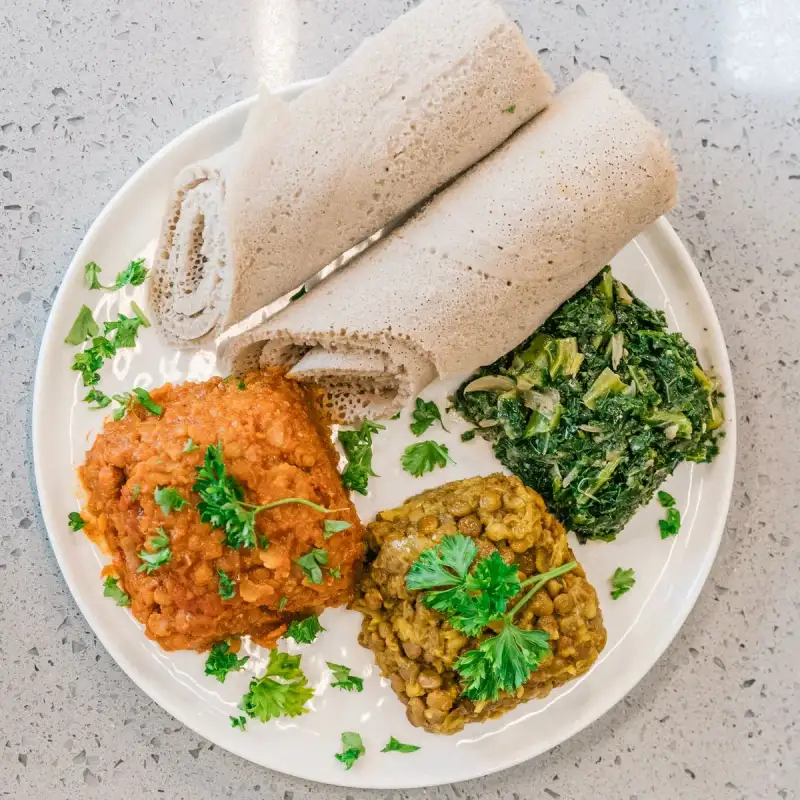
-
 Eleanor Hughes
 - 13 Jul, 2026 13:51
Unveiling Injera: Why This Sour, Spongy Ethiopian Staple Is the World's Most Underrated Superfood (And How to Master It)
In the vibrant tapestry of global cuisine, few dishes possess the mystique, cultural gravitas, and sheer nutritional power of Injera. This isn't just a flatbread; it's the very soul of Ethiopian and Eritrean gastronomy, a sour, spongy, and endlessly fascinating staple that transcends mere sustenance to become a communal canvas for some of the world's most aromatic and flavorful stews. For the uninitiated, the first encounter with Injera can be an enigma: its unique tangy profile, its distinctive "eyes" (tiny holes), and its role as both plate and utensil are unlike anything found in Western dining. Yet, beneath its humble appearance lies a complex interplay of ancient grains, sophisticated fermentation, and profound health benefits that make it a compelling subject for any culinary explorer or health enthusiast. My journey into the world of Ethiopian cuisine began years ago, spurred by a quest for foods that tell a story – a narrative of tradition, resilience, and connection to the earth. Injera, crafted from the tiny, iron-rich grain called Teff, quickly emerged as a revelation. It's a food that demands patience and respect, a slow art passed down through generations. But the rewards are immense: not only a delicious, versatile accompaniment to a dazzling array of dishes but also a powerhouse of nutrition that quietly supports digestive health, bolsters mineral intake, and offers a naturally gluten-free alternative to common grains. Join me as we peel back the layers of this extraordinary food, from the fields of Ethiopia where Teff flourishes to the warmth of the Mitad where Injera comes to life, uncovering why this "sour sponge" is truly an underrated global superfood. The Ancient Grain: Teff and Its Nutritional Powerhouse Status At the heart of every authentic Injera lies Teff, an ancient, resilient grain native to Ethiopia and Eritrea. Despite its minuscule size – it’s often described as the smallest grain in the world, about the size of a poppy seed – Teff (scientific name: Eragrostis tef) boasts an exceptionally robust nutritional profile that puts many modern grains to shame. Cultivated for thousands of years, Teff thrives in diverse Ethiopian climates, adapting to both drought and waterlogging, making it a sustainable and vital food source for millions. There are primarily three types: white (Nech), red (Key), and brown (Sergegna), with white Teff yielding the lightest-colored Injera, while red and brown varieties contribute a deeper hue and often a more pronounced earthy flavor. What makes Teff a veritable nutritional powerhouse? Its micronutrient density is simply staggering. Teff is remarkably rich in iron, a critical mineral for oxygen transport and energy production. A single cup of cooked Teff can provide approximately 20% of the recommended daily intake for iron, a significant contribution, especially in regions where iron deficiency anemia is prevalent. This bioavailability of iron in Teff is a subject of ongoing research; a study published in the Journal of Cereal Science (2018) highlighted Teff's superior iron and zinc absorption compared to other grains, attributing it to its unique phytate-to-mineral ratio and specific processing methods like fermentation. Beyond iron, Teff is an excellent source of calcium, containing more of this bone-building mineral than most other grains, often cited as equivalent to a glass of milk per serving. It also provides a significant amount of magnesium, phosphorus, copper, and B vitamins. Furthermore, Teff is celebrated for its high fiber content, particularly its resistant starch. This type of starch escapes digestion in the small intestine and ferments in the large intestine, acting as a prebiotic that feeds beneficial gut bacteria. Research from the American Journal of Clinical Nutrition (2020) demonstrated that Teff's resistant starch content is notably higher than that found in common grains like wheat or rice, contributing to improved digestive health, better blood sugar regulation, and enhanced satiety, which can aid in weight management. Its protein content is also noteworthy, offering a complete amino acid profile, a rare trait for a plant-based food, making it an invaluable protein source for vegetarians and vegans. Critically, Teff is naturally gluten-free, a characteristic that has propelled it into the global spotlight as a safe and nutritious alternative for individuals with celiac disease or gluten sensitivity. Its distinctive properties, from its ancient origins to its modern nutritional acclaim, firmly establish Teff as the bedrock of Injera's status as a superfood.The Art of Fermentation: Crafting the Perfect Injera Batter The transformation of humble Teff flour into the iconic Injera is a testament to the ancient art of fermentation, a process that imbues the flatbread with its signature sour tang, airy texture, and enhanced nutritional profile. This isn't a quick bake; it's a slow, deliberate dance with microorganisms that demands patience and a keen understanding of natural processes. The journey begins with what appears to be a simple mixture: Teff flour and water. However, the secret ingredient is "ersho" (or irsho), a sourdough starter reserved from a previous batch, which acts as the microbial inoculant, much like a sourdough starter for bread. To craft the perfect Injera batter, a ratio of approximately 1 part Teff flour to 2 parts water is typically used, though this can vary slightly based on the flour's absorption. The flour is mixed with water in a large bowl, traditionally a clay pot called a "barmile," to form a thick, smooth batter, similar in consistency to pancake batter. The ersho is then incorporated, introducing a complex community of wild yeasts (Saccharomyces cerevisiae and related species) and lactic acid bacteria (Lactobacillus plantarum, Lactobacillus fermentum, Pediococcus pentosaceus, among others). This microbial symphony, as elucidated in studies like one published in Food Microbiology (2019), is responsible for the intricate flavor profile and increased nutrient bioavailability observed in fermented Teff products. The covered batter is then left to ferment at room temperature, ideally between 20-25°C (68-77°F), for anywhere from two to five days. During this period, the lactic acid bacteria convert carbohydrates into lactic acid, acetic acid, and other organic acids, which impart the characteristic sourness. Simultaneously, yeasts produce carbon dioxide, creating the tiny gas bubbles that will eventually form Injera's distinctive "eyes." The appearance of a watery, greyish layer on top, known as "aflegn," and a frothy, bubbly surface are visual cues that fermentation is progressing successfully. To prevent excessive sourness or spoilage, this aflegn is typically removed, and a small portion of the fermented batter, along with fresh flour and water, is cooked into a thin porridge called "absit" or "mokaka." This absit is then cooled and stirred back into the main batter, providing a final boost of starch and flavor, regulating the pH, and ensuring a smooth final texture. Troubleshooting is an inherent part of this art: if the batter isn't sour enough, it may need more time or a warmer environment; if it's too sour, the fermentation might have gone too long or lacked the absit step. A well-fermented batter will possess a pleasant, distinctly sour aroma and a consistency that is pourable but not watery, ready for its transformation on the griddle. This elaborate process is not just about taste; it also pre-digests certain components of the Teff, making nutrients more accessible and aiding digestion, truly enhancing its superfood status. From Batter to Bread: Mastering the Injera Cooking Technique The culinary magic of Injera culminates on a hot griddle, where the fermented Teff batter is transformed into its iconic, spongy form. This stage, while seemingly straightforward, requires precision, timing, and a practiced hand to achieve the perfect texture and signature "eyes" (enat) that define authentic Injera. Traditionally, Injera is cooked on a "mitad" (or mogogo), a large, round, flat clay or cast-iron griddle heated over an open fire or an electric element. For home cooks outside of Ethiopia, a large non-stick skillet or an electric griddle can serve as an effective substitute, though achieving the exact Mitad temperature and heat distribution requires some experimentation. The key to success lies in maintaining a consistent, medium-high heat. Too low, and the Injera will be tough and lack eyes; too high, and it will burn quickly before the top can steam properly. Before pouring, the griddle should be lightly greased with a small amount of oil, then wiped clean, leaving only a fine film to prevent sticking. The batter, having undergone its meticulous fermentation, should be stirred gently to reincorporate any settled flour, ensuring a uniform consistency. The pouring technique is perhaps the most crucial step. Using a measuring cup or a ladle, a precise amount of batter (typically about 1/2 to 3/4 cup for an 8-10 inch Injera) is poured onto the hot griddle. Starting from the outer edge, the batter is swiftly poured in a continuous, spiral motion, working inward to cover the entire surface evenly. Speed and confidence are paramount here; hesitation can result in an uneven thickness. As soon as the surface is covered, the griddle is immediately covered with a tight-fitting lid. This traps the steam, allowing the top of the Injera to cook and firm up, and crucially, encouraging the formation of those characteristic "eyes" as trapped gases escape. Cooking time is brief, typically 2-3 minutes. You'll know it's ready when the edges begin to curl slightly, and the entire surface is dotted with numerous small holes, indicating the steam has worked its magic. The top should be firm but not browned, retaining its light, moist quality. The Injera is then carefully lifted with a spatula, ensuring it doesn't tear, and transferred to a cooling rack or a clean cloth to cool completely before stacking. It’s essential to let each piece cool fully to prevent stickiness before layering them. A well-cooked Injera will be soft, flexible, and possess a slight springiness, perfectly ready to absorb the rich flavors of Ethiopian stews. Mastering this stage is not just about cooking a flatbread; it's about perfecting the canvas upon which an entire culinary tradition is presented.Unveiling the Wots and Tibs: A Symphony of Ethiopian Stews Injera, in its magnificent simplicity, serves as the perfect edible plate and utensil for the vibrant, aromatic, and deeply flavorful stews that constitute the heart of Ethiopian cuisine. These stews, primarily known as "wots" (pronounced "woats") and "tibs," are a symphony of spices, textures, and ingredients, offering a culinary journey that is both hearty and profoundly satisfying. The communal act of dining, where multiple wots and tibs are arranged on a large platter of Injera, encourages sharing and connection, embodying the spirit of Ethiopian hospitality. The foundation of many traditional wots is a generous amount of finely chopped red onions, slowly cooked until caramelized, forming a rich base. To this, garlic and ginger are added, creating a pungent aromatic layer. However, the true soul of Ethiopian stews lies in two essential ingredients: "Berbere" and "Niter Kibbeh." Berbere is an intricate, fiery red spice blend, often comprising 16 or more ingredients, including chili powder, fenugreek, ginger, garlic, cardamom, allspice, and paprika. Its complexity offers layers of heat, sweetness, and earthiness. Research in the Journal of Ethnopharmacology (2017) has explored Berbere's rich antioxidant profile, attributed to its diverse blend of spices, suggesting potential anti-inflammatory benefits. Niter Kibbeh, on the other hand, is a spiced clarified butter, infused with herbs and spices such as fenugreek, cumin, coriander, and turmeric. This golden elixir imparts a distinct depth of flavor and richness that is incomparable to plain butter. Among the most iconic wots is Doro Wot, a national dish, featuring chicken drumsticks and hard-boiled eggs simmered in a rich, spicy Berbere sauce. For those seeking milder flavors, Alicha Wot offers a delicious alternative, typically made with beef, lamb, or vegetables (like potatoes and carrots) in a turmeric-based sauce without Berbere. Vegetarian options are abundant and equally celebrated. Misir Wot (red lentil stew) is a staple, seasoned with Berbere, onions, garlic, and ginger, providing a protein and fiber-rich meal. Shiro Wot, a creamy, smooth stew made from powdered chickpeas or fava beans, is another vegetarian favorite, often prepared with or without Berbere. "Tibs" refer to sautéed pieces of meat or vegetables, usually lamb, beef, or chicken, often cooked quickly with onions, peppers, and various spices, served sizzling hot. Key Wot (spicy beef stew) and Derek Tibs (dry-fried meat) are particularly popular. The beauty of these stews is their versatility and the balance they strike: the cooling, tangy Injera perfectly complements the robust, often spicy, and deeply savory flavors of the wots and tibs. A typical Injera meal offers a harmonious blend of macros, with the carbohydrates from Injera, protein from meats or lentils, and healthy fats from Niter Kibbeh, making for a holistic and incredibly satisfying dining experience. The tradition of scooping up these stews with pieces of Injera, eschewing cutlery, is not just cultural but also enhances the sensory experience, connecting the diner more intimately with the food.The Health Benefits Beyond Gluten-Free: A Holistic Perspective While Injera's naturally gluten-free nature is a significant draw for many, its health benefits extend far beyond catering to gluten sensitivities. The holistic combination of its Teff base and the traditional fermentation process creates a food that is a powerhouse of nutrition, contributing to digestive health, micronutrient intake, and overall well-being. From a nutritional science standpoint, Injera embodies several principles of a healthy, traditional diet. Firstly, digestive health is profoundly supported. Teff's high fiber content, particularly its resistant starch, acts as a potent prebiotic. This resistant starch ferments in the colon, nurturing beneficial gut bacteria and promoting a healthy microbiome. Furthermore, the fermentation process used to create Injera batter introduces live probiotic cultures, including Lactobacillus species. While cooking reduces the live cultures, the byproducts of fermentation, such as lactic acid, can still contribute to a healthier gut environment by making nutrients more digestible and creating a slightly acidic pH that inhibits the growth of pathogenic bacteria. A meta-analysis published in Nutrition Reviews (2021) indicated that fermented grains like Injera can significantly enhance micronutrient absorption by breaking down phytates, which are compounds that bind to minerals and hinder their absorption. Secondly, Injera is an exceptional source of micronutrients. As highlighted earlier, Teff is notably rich in iron, calcium, and zinc. For populations globally facing deficiencies in these critical minerals, Injera offers a bioavailable and culturally significant dietary source. The fermentation process further aids in the liberation and absorption of these minerals, making them more accessible to the body. Its complete protein profile makes it a valuable plant-based option for muscle repair and satiety. Thirdly, its impact on blood sugar regulation is significant. The complex carbohydrates and high fiber content of Teff contribute to a lower glycemic index compared to refined grains. This means that Injera releases glucose into the bloodstream more slowly, helping to prevent sharp spikes and crashes in blood sugar levels, making it beneficial for individuals managing diabetes or seeking sustained energy. Lastly, the overall nutritional density of an Injera meal, especially when paired with traditional wots and tibs, offers a balanced intake of macronutrients (carbohydrates, proteins, fats) and a wide array of vitamins and minerals. The spices used in Ethiopian stews, such as fenugreek, turmeric, and ginger, are themselves rich in antioxidants and possess documented anti-inflammatory properties, further contributing to a holistic health profile. The traditional method of preparation, relying on whole ingredients and minimal processing, aligns perfectly with contemporary dietary recommendations for health and longevity. Injera, therefore, is not merely a component of a meal; it is a nutritional foundation that showcases the profound wisdom embedded in ancient culinary practices, offering a delicious path to improved health and a deeper connection to food.Nutritional Component Teff Flour (100g) Typical Wheat Flour (100g) Notes on Injera PreparationCalories 367 kcal 364 kcal Similar caloric density, but Injera's fermentation enhances digestibility.Protein 13.0g 12.0g Complete amino acid profile in Teff, rare for a grain.Fat 2.4g 1.0g Low in fat; often served with Niter Kibbeh (spiced clarified butter).Carbohydrates 73.0g 76.0g Primarily complex carbs, including resistant starch.Fiber 8.0g 3.0g Significantly higher fiber, contributing to gut health.Iron 7.6mg (42% DV) 3.6mg (20% DV) Exceptionally high; fermentation improves bioavailability.Calcium 180mg (18% DV) 15mg (1% DV) Outstanding source, aiding bone health.Magnesium 183mg (46% DV) 47mg (12% DV) Crucial for numerous bodily functions.Zinc 4.6mg (31% DV) 1.0mg (7% DV) Enhanced absorption due to fermentation process.Gluten None Present Naturally gluten-free, safe for celiacs.Note: DV = Daily Value. Values are approximate and can vary based on specific Teff varieties and processing. Injera's final nutritional profile is also influenced by water content and residual fermentation products.Conclusion The journey through the world of Ethiopian Injera reveals far more than just a unique flatbread. It unearths a culinary legacy deeply rooted in ancient wisdom, sustainable agriculture, and profound respect for natural processes. From the incredible nutritional density of Teff, the tiny grain that defies expectations, to the intricate art of fermentation that gives Injera its distinctive sourness and spongy texture, every aspect of this food tells a story of health, tradition, and community. Injera is not merely a vehicle for stews; it is a superfood in its own right. Its naturally gluten-free composition, coupled with its remarkable content of iron, calcium, fiber, and complete protein, positions it as an exceptional dietary staple. The traditional fermentation process further enhances its digestibility and nutrient bioavailability, nurturing gut health and offering sustained energy. When paired with the vibrant, spice-rich wots and tibs, an Injera meal becomes a perfectly balanced, holistic culinary experience that nourishes both body and soul. For too long, Injera has remained a hidden gem outside its native lands. Yet, as we increasingly seek out wholesome, naturally beneficial, and culturally rich foods, Injera stands ready to take its rightful place on the global stage. I encourage you to seek out authentic Ethiopian restaurants, or better yet, embark on the rewarding journey of making your own Injera at home. It’s an act of culinary exploration that promises not only exquisite flavors but also a deeper appreciation for the power of traditional foodways. Dive into this sour sponge; your palate, and your health, will thank you.#EthiopianFood #InjeraLove #TeffGrain #FermentedFoods #GutHealth #GlutenFreeEats #SuperfoodDiscovery
-
 Michael Chef
 - 13 Jul, 2026 10:22
The Dark Elixir of Waking Minds: A Deep Historical, Etymological, and Economic Inquiry into Coffee
Out of the deep, charcoal shadows of the roasted seed emerges a liquid of bitter clarity—an elixir that has, for centuries, served as the silent partner to human industry, contemplation, and ritual. Darkly colored, sharp on the tongue, and inherently stimulating, coffee is far more than a morning routine; it is a global phenomenon born of fire, water, and time. Driven by its natural caffeine content, it has long been sought after for its power to banish sleep and sharpen focus, though modern commerce has also made room for its decaffeinated counterparts and various substitutes. This is not merely a drink, but a historically complex agricultural marvel whose story spans ancient trade routes, sacred spiritual gatherings, and a massive contemporary global industry. To truly understand coffee, one must first look at the meticulous physical transformation that coaxes this rich beverage from the soil to the cup. It is a process that balances botanical biology with culinary precision, turning a humble fruit into a liquid of global reverence. The Alchemical Journey: From Equatorial Cherries to the Steaming Cup At its source, coffee is the offspring of the Coffea plant, a shrub that yields vibrant fruits known as coffee cherries. Within these cherries lie the seeds—vibrant, pale, and unroasted—which are separated from the surrounding pulp to become what we trade globally as green coffee beans. In this raw state, the beans hold only a quiet promise of their eventual complexity. It is the application of heat, the roasting process, that coaxes out the dark coloration, the characteristic bitterness, and the intricate aromatic profiles that define the modern beverage.Once roasted, these brittle beans are ground into fine particles, ready to yield their essence to water. The standard preparation of coffee demands that these ground particles be steeped in hot water, allowing the soluble compounds, oils, and caffeine to extract before the remaining grounds are filtered out. While traditionally served hot to emphasize its aromatic intensity, coffee has adapted to changing tastes, making chilled and iced variations incredibly common in cafes worldwide. The presentation of coffee is highly malleable. From the concentrated pressure of an espresso to the immersive steeping of a French press, and the smooth, milk-diluted profile of a caffè latte, the beverage accommodates a vast range of cultural preferences. Consumers also enjoy the modern convenience of pre-brewed canned coffee. Because the natural brew carries a distinctly bitter profile, it is frequently softened or modified. Sugar, sugar substitutes, milk, and cream are routinely introduced to mask the harshness and enhance the underlying flavors of the roast, transforming a rugged stimulant into a smooth, customized indulgence. The Linguistic Voyage: Mapping the Etymology of the Brew The very word we use to describe this beverage carries within its syllables the physical path of its historical migration across continents and empires. The word "coffee" officially entered the English language in 1582, finding its way through the Dutch word koffie. The Dutch had borrowed their term from the Ottoman Turkish kahve, which in turn derived its name from the classical Arabic qahwah (قَهْوَة). Arabic (qahwah) ➔ Ottoman Turkish (kahve) ➔ Dutch (koffie) ➔ English (coffee)In medieval Arabic lexicons, qahwah was traditionally associated with 'wine', a connection drawn from its distinctly dark, deep color. This linguistic association is believed to stem from the verb qahiya (قَهِيَ), which translates to 'to have no appetite'—a reference to the appetite-suppressing qualities of the dark brew. Ultimately, etymologists suggest that qahwah most likely meant 'the dark one,' serving as a descriptive moniker for either the rich liquid itself or the roasted bean from which it was drawn.Interestingly, qahwah was never the term used for the physical bean itself. In Arabic, the beans are known as bunn, and in the Cushitic languages, they are referred to as būn. Within Semitic languages, the root qhh denotes a 'dark color,' making it a natural designation for such a deep-toned beverage. Cognates of this root exist across the region, including the Hebrew qehe(h), meaning 'dulling,' and the Aramaic qahey, meaning 'to give an acrid taste to.' While some etymologists have sought to connect the term directly to the Kaffa region of southwestern Ethiopia—celebrated as an ancestral homeland of the plant—the linguistic links to the Semitic root of darkness and bitterness remain deeply compelling. As the beverage fully integrated into Western daily routines, it generated its own vocabulary: the term "coffee pot" was coined in 1705 to describe the vessel of preparation, while the culturally essential concept of the "coffee break" emerged much later, in 1952. Of Goats and Angels: The Legendary and Mythical Origins Because coffee possesses such a striking ability to revive the exhausted mind, its origins have naturally been embroidered with vivid legends and apocryphal tales. Though these stories lack historical evidence, they offer an intriguing window into how different cultures sought to explain the extraordinary energy provided by the bean. One prominent tradition recorded by Ralph S. Hattox attributes the discovery of the stimulant to divine intervention. In this account, the Islamic prophet Muhammad was introduced to the revitalizing brew by the Angel Gabriel, who presented it to him for its remarkable restorative qualities. Perhaps the most famous and frequently repeated story is that of Kaldi, the 9th-century Ethiopian or Arab goatherd. As the legend goes, Kaldi noticed that his flock of goats became extraordinarily energized, leaping and refusing to sleep, after they chewed on the berries of a particular wild shrub. Curious, Kaldi sampled the fruits himself and experienced the same sudden rush of vitality. However, historical scrutiny reveals that this charming tale is likely a later invention. The legend of Kaldi does not appear in any written records before 1671, when it was published by Antoine Faustus Nairon, a Maronite professor of Oriental languages. In his treatise, De Saluberrima potione Cahue seu Cafe nuncupata Discurscus (published in Rome), Nairon describes an unnamed camel or goat herder in the Kingdom of Ayaman, Arabia Felix. The specific name "Kaldi" did not appear in print until the twentieth century, indicating that the legendary herder was given a name long after the story was first fabricated. Another popular legend credits the discovery to Sheikh Omar. Having been exiled from the port city of Mokha to a desert wilderness, Omar faced starvation. In his desperation, he discovered wild berries growing on a bush. Finding them too bitter to chew raw, he attempted to roast them over a fire, and then boiled the hardened seeds to soften them. The resulting dark liquid not only sustained him through his exile but completely revitalized his strength, earning him renown when word of this miracle drink reached his homeland. The True History: Sufi Devotion and the Red Sea Trade When we strip away the mythical narratives, the verifiable history of coffee remains deeply tied to the food and spiritual traditions surrounding the Red Sea. The earliest possible written references to the coffee bean and its physical properties are found in medieval Islamic medical texts. In the 10th century, the physician al-Razi compiled al-Hawi, and in the 11th century, Avicenna (Ibn Sina) wrote his monumental work, The Canon of Medicine. Both scholars described a plant component called bunchum as possessing a "hot and dry" temperament. Al-Razi noted its beneficial effects on the stomach, while Avicenna added that it could improve the skin and neutralize body odor. However, later historical analyses suggest that this bunchum was likely derived from a root rather than the coffee beans we know today. Indeed, there is no solid historical or archaeological evidence of coffee being prepared and consumed as a beverage prior to the 15th century. The practice of brewing roasted coffee seeds appears to be a relatively modern development, originating and crystallizing within the Sufi communities of Yemen in southern Arabia during the mid-1400s. For the Sufis, coffee was not a casual indulgence, but a sacred tool. They consumed the bitter brew specifically to ward off fatigue, allowing them to remain awake and alert during their nocturnal religious rituals and spiritual chants. From these southern Arabian roots, the practice spread rapidly. By the late 15th century, the habit of coffee drinking was thoroughly established in Yemen. An invaluable record of this era comes from the 16th-century writer Abd al-Qadir al-Jaziri of Ottoman Iraq. In 1587, he compiled the comprehensive work ʿUmdat al-ṣafwa fī ḥill al-qahwa (The Support of the Choicest Books Concerning the Lawfulness of Coffee), tracing the legal disputes, cultural habits, and history surrounding the beverage. Al-Jaziri wrote that the coffee bean originally came from the "land of Sa'ad ad-Din, and the country of Abyssinia, and of the Jabart," though he admitted that the exact date of its first use remained unknown. He noted that Sufi devotees had successfully introduced the drink northward to Cairo by the start of the 16th century. Historical evidence suggests that coffee was initially gathered from wild plants, with its usage expanding in the 14th century among Islamized communities in southeastern Ethiopia. Over time, the seeds crossed the Red Sea, finding a permanent home in the Rasulid sultanate of Yemen, which maintained close cultural, religious, and mercantile ties with the Adal Sultanate. Consumption flourished in the Yemeni coastal and inland hubs of Aden, Mocha, and Zabid. In the 16th century, the scholar Ibn Hajar al-Haytami documented the plant’s cultivation and development from a tree in the Zeila region. The active maritime trade of the era is illustrated by a Portuguese naval encounter in 1542, when a crew intercepted a merchant vessel sailing from Zeila that was transporting clarified butter and coffee to the Yemeni port of Al-Shihr. Other mid-15th-century historical accounts, such as those by Ahmed al-Ghaffar in Yemen, confirm that this was the period when coffee seeds were first systematically roasted and brewed using methods remarkably similar to our modern techniques. While some accounts attribute the introduction of coffee to Aden directly to Muhammad Ibn Sa'd al-Dhabḥani, who reportedly brought the seeds from the Somali coast, the overarching historical consensus points to a vibrant, continuous exchange across the Red Sea corridor that permanently planted coffee in the fertile soil of Arabian culture. The Global Expansion and the Paradox of the Bean Until the twilight of the 17th century, Yemen remained the undisputed epicenter of the coffee world, with the vast majority of the global supply cultivated in southern Arabia and exported through the busy port of Mocha. However, as the rich, stimulating drink captured the imagination of foreign merchants and travelers, monopolies began to crumble. In the 17th century, Dutch traders successfully began cultivating coffee in Java, introducing the plant to Southeast Asia. By the 18th century, the crop had crossed the Atlantic to the Americas, where the warm, tropical climates of the New World proved spectacularly suited for large-scale coffee production. Today, the cultivation of coffee is split primarily between two major botanical species:Coffea arabica (C. arabica): Known for its nuanced, delicate flavor profiles and lower caffeine content. Coffea robusta (C. robusta): Highly valued for its hardiness, high crop yield, and intense, bitter flavor with a higher concentration of caffeine.Currently, coffee plants are grown in more than 70 countries, almost exclusively within the equatorial regions—often referred to as the "Bean Belt"—stretching across the Americas, Southeast Asia, the Indian subcontinent, and Africa.The scale of the modern coffee trade is staggering. Traded globally as green, unroasted beans, coffee represents one of the world's most valuable agricultural commodities. In 2023, the global coffee industry reached a market valuation of $495.50 billion. Brazil stands as the unchallenged titan of production, cultivating a staggering 31% of the world's total supply in 2023, with Vietnam securing the second position as a major producer of robusta beans. Yet, this colossal financial success hides a profound socio-economic disparity. While corporate coffee sales, modern roasting houses, and trendy cafes generate billions of dollars in annual revenue, the smallholder farmers who actually plant, tend, and hand-harvest the delicate coffee cherries disproportionately live in systemic poverty. The profits of the global value chain rarely trickle down to the equatorial fields where the journey begins. Furthermore, the environmental cost of satisfying the world's insatiable thirst for coffee has drawn sharp criticism. As demand has risen, vast swaths of biodiverse forests have been cleared to make way for sun-grown coffee plantations, leading to deforestation and habitat loss. Additionally, the processing of coffee cherries is incredibly water-intensive, placing a severe strain on local freshwater resources in developing agricultural regions. From its quiet beginnings as a wild seed in the Horn of Africa, to its sacred role in the midnight prayers of Yemeni Sufis, and finally to its status as a half-trillion-dollar global commodity, coffee has shaped human history. It remains a drink of profound dualities: bitter yet beloved, stimulating yet soothing, a source of immense global wealth that sits alongside deep agricultural poverty. Each warm cup we pour is a direct connection to this intricate history—a liquid legacy of the Red Sea trade that continues to fuel the modern world.#Coffee #FoodHistory #CoffeeCulture #GlobalTrade #Yemek Related InsightsEchoes of the Sahel: Unearthing the Ancient Art and Culinary Alchemy of Fonio Cuban Mojito: The Refreshing History of a Caribbean Classic The Golden Elixir: Mastering the Art of Authentic Indian Chai from Spice to Sip{ "@context": "https://schema.org", "@type": "FAQPage", "mainEntity": [ { "@type": "Question", "name": "What is the main focus of The Dark Elixir of Waking Minds: A Deep Historical, Etymological, and Economic Inquiry into Coffee?", "acceptedAnswer": { "@type": "Answer", "text": "An elegant, factual exploration of coffee’s journey from the Sufi circles of Yemen to a multi-billion dollar global commodity." } }, { "@type": "Question", "name": "Who authored the comprehensive guide on The Dark Elixir of Waking Minds: A Deep Historical, Etymological, and Economic Inquiry into Coffee?", "acceptedAnswer": { "@type": "Answer", "text": "This detailed article and its insights were carefully researched and authored by Michael Chef." } }, { "@type": "Question", "name": "Where can I find more related content about Food?", "acceptedAnswer": { "@type": "Answer", "text": "You can explore more articles, detailed reviews, and similar insights by browsing the Related Insights section at the bottom of this article or visiting our dedicated Food category page." } } ] }
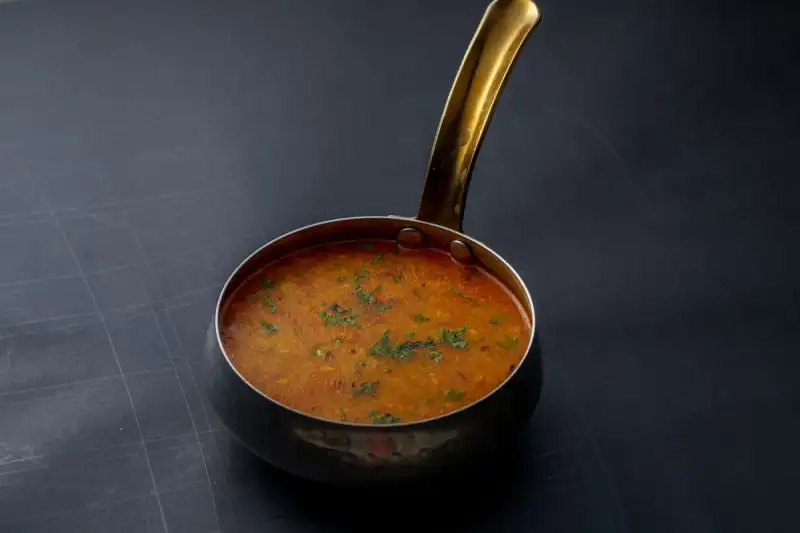

Introduction to French Lentil Soup French Lentil Soup, also known as Potage Saint-Germain, is a classic French dish that has been a staple of French cuisine for centuries. This hearty soup is made with lentils, vegetables, and aromatic spices, and is typically served as a main course or used as a starter. According to recent studies, lentils are a rich source of protein, fiber, and nutrients, making them an excellent addition to a healthy diet. Research on high protein shows that lentils contain about 18g of protein per 1 cup cooked, which is essential for building and repairing muscles, organs, and tissues in the body.The combination of lentils and kale in this recipe provides a boost of protein, fiber, and vitamins, making it an excellent option for those looking for a nutritious and delicious meal. Kale, in particular, is a superfood that is rich in vitamins A, C, and K, as well as minerals like calcium and iron. According to a study on microgreens, kale is one of the most nutrient-dense leafy greens, making it an excellent addition to this recipe. The Health Benefits of Lentils Lentils are a type of legume that are naturally low in fat and high in protein and fiber. They are also rich in nutrients like iron, potassium, and folate, making them an excellent addition to a healthy diet. According to a study on pea improvement, lentils contain a type of fiber called soluble fiber, which can help lower cholesterol levels and regulate blood sugar levels. Additionally, lentils are rich in antioxidants, which can help protect against cell damage and reduce the risk of chronic diseases like heart disease and cancer.The health benefits of lentils make them an excellent ingredient for this recipe. The combination of lentils, kale, and Dijon mustard provides a boost of protein, fiber, and vitamins, making it an excellent option for those looking for a nutritious and delicious meal. Dijon mustard, in particular, is a good source of antioxidants and has been shown to have anti-inflammatory properties, making it an excellent addition to this recipe. The Role of Kale in French Lentil Soup Kale is a superfood that is rich in vitamins, minerals, and antioxidants. It is also low in calories and high in fiber, making it an excellent addition to a healthy diet. According to a study on microgreens, kale is one of the most nutrient-dense leafy greens, making it an excellent addition to this recipe. The combination of kale and lentils in this recipe provides a boost of protein, fiber, and vitamins, making it an excellent option for those looking for a nutritious and delicious meal.The role of kale in this recipe is not only to add nutrients and flavor but also to provide a boost of antioxidants and anti-inflammatory compounds. According to a study on sprouts and microgreens, kale is a rich source of polyphenols and glucosinolates, which have been shown to have anti-inflammatory and antioxidant properties. The combination of kale and lentils in this recipe makes it an excellent option for those looking for a nutritious and delicious meal. The Importance of Dijon Mustard Dijon mustard is a type of mustard that is made from brown mustard seeds, white wine, and spices. It is a classic ingredient in French cuisine and is often used to add flavor and aroma to dishes like French Lentil Soup. According to a study on the health benefits of mustard, Dijon mustard is a good source of antioxidants and has been shown to have anti-inflammatory properties, making it an excellent addition to this recipe.The importance of Dijon mustard in this recipe is not only to add flavor and aroma but also to provide a boost of antioxidants and anti-inflammatory compounds. According to a study on the health benefits of mustard, Dijon mustard contains a type of compound called allyl isothiocyanate, which has been shown to have anti-inflammatory and antioxidant properties. The combination of Dijon mustard and lentils in this recipe makes it an excellent option for those looking for a nutritious and delicious meal. Conclusion French Lentil Soup with Kale and Dijon is a delicious and nutritious recipe that is perfect for those looking for a hearty and healthy meal. The combination of lentils, kale, and Dijon mustard provides a boost of protein, fiber, and vitamins, making it an excellent option for those looking for a nutritious and delicious meal. According to recent studies, lentils, kale, and Dijon mustard are all rich in nutrients and antioxidants, making them an excellent addition to a healthy diet. Whether you're looking for a quick and easy meal or a delicious and nutritious recipe, French Lentil Soup with Kale and Dijon is an excellent option. #HealthyLiving #Gastronomy #FrenchCuisine #HighProteinRecipes #NutritiousMeals Related InsightsThe Ultimate Antioxidant-Rich Berry Oat Smoothie Bowl with Chia Seeds [The Sun-Drenched Symphony of Provence: Unveiling the Soul of Ratatouille] The Ambrosial Alchemist's Secret: Unearthing Oxymel's Ancient Culinary Resurgence{ "@context": "https://schema.org", "@type": "FAQPage", "mainEntity": [ { "@type": "Question", "name": "What is the main focus of French Lentil Soup with Kale and Dijon: A High Protein Delight?", "acceptedAnswer": { "@type": "Answer", "text": "Indulge in the rich flavors of French cuisine with our high protein French Lentil Soup, packed with nutrients and delicious ingredients. Learn about the health benefits of lentils, kale, and Dijon mustard, and discover how to prepare this hearty soup." } }, { "@type": "Question", "name": "Who authored the comprehensive guide on French Lentil Soup with Kale and Dijon: A High Protein Delight?", "acceptedAnswer": { "@type": "Answer", "text": "This detailed article and its insights were carefully researched and authored by Pierre Dubois." } }, { "@type": "Question", "name": "Where can I find more related content about Food?", "acceptedAnswer": { "@type": "Answer", "text": "You can explore more articles, detailed reviews, and similar insights by browsing the Related Insights section at the bottom of this article or visiting our dedicated Food category page." } } ] }
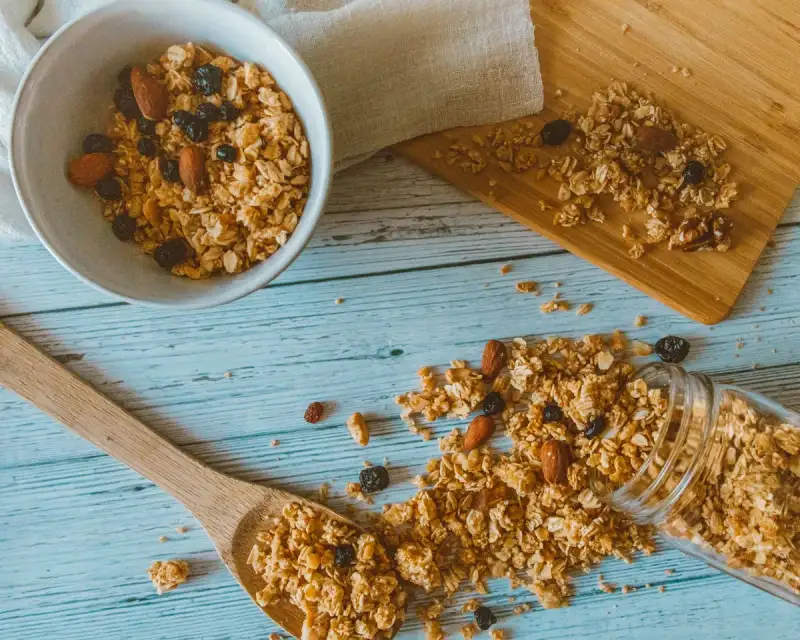
-
 Hans Müller
 - 13 Jul, 2026 05:22
Black Forest Oat Porridge with Berries and Nuts (Vegan): A Nutritious and Delicious Antioxidant-Rich Breakfast
Introduction As we navigate the complexities of modern life, it's essential to prioritize our health and wellbeing by incorporating nutrient-dense foods into our diets. According to recent studies, a diet rich in antioxidant-rich foods can help boost our immune systems and protect against chronic diseases (FutureBites: Exploring the Cutting-Edge Food Technologies). One such food that has gained popularity in recent years is oat porridge, which is not only delicious but also packed with essential minerals and trace elements (Dietary Intakes and Exposures to Minerals and Trace Elements from Cereal-Based Mixtures: Potential Health Benefits and Risks for Adults). In this article, we'll delve into the world of Black Forest Oat Porridge with Berries and Nuts, a vegan breakfast recipe that combines the creaminess of oats with the sweetness of berries and the crunch of nuts.Research on antioxidant-rich foods shows that they can help control symptoms and reduce the severity of chronic diseases, promoting general wellbeing (FutureBites: Exploring the Cutting-Edge Food Technologies). The 6th International Electronic Conference on Foods also highlights the importance of innovative and sustainable food solutions in addressing global challenges (Abstracts of the 6th International Electronic Conference on Foods). As we explore the benefits of Black Forest Oat Porridge with Berries and Nuts, we'll also discuss the scientific data supporting the use of cereal-based mixtures as a potential source of beneficial micronutrients for the human diet. The Benefits of Oat Porridge Oat porridge is a cereal-based mixture that has been a staple food in many cultures for centuries. According to the study on Dietary Intakes and Exposures to Minerals and Trace Elements from Cereal-Based Mixtures, oats are a rich source of essential minerals and trace elements, including manganese, copper, zinc, iron, and phosphorus (Dietary Intakes and Exposures to Minerals and Trace Elements from Cereal-Based Mixtures: Potential Health Benefits and Risks for Adults). These nutrients play a crucial role in maintaining healthy bones, immune function, and energy metabolism. Additionally, oats contain a type of fiber called beta-glucan, which can help lower cholesterol levels and regulate blood sugar levels.The study also highlights the potential health benefits of cereal-based mixtures, including their ability to contribute significantly to the reference values for manganese, copper, zinc, iron, and phosphorus for adults (Dietary Intakes and Exposures to Minerals and Trace Elements from Cereal-Based Mixtures: Potential Health Benefits and Risks for Adults). Furthermore, the mixtures were found to contribute insignificantly to the toxic reference values of aluminum, tin, mercury, cadmium, nickel, and silver, making them a safe and healthy choice for consumption. The Power of Berries and Nuts Berries and nuts are two of the most antioxidant-rich foods that can be added to oat porridge. According to research, berries are packed with anthocyanins, powerful antioxidants that can help protect against chronic diseases such as heart disease, cancer, and cognitive decline (FutureBites: Exploring the Cutting-Edge Food Technologies). Nuts, on the other hand, are a rich source of healthy fats, protein, and fiber, making them an excellent addition to a balanced diet.The combination of berries and nuts in Black Forest Oat Porridge with Berries and Nuts creates a delicious and nutritious breakfast that is not only satisfying but also provides a boost of energy and antioxidants to start the day. With the addition of plant-based milk and a drizzle of honey or maple syrup, this recipe is a perfect way to incorporate more plant-based foods into your diet and support a healthy lifestyle. Recipe: Black Forest Oat Porridge with Berries and Nuts (Vegan) As we explore the world of Black Forest Oat Porridge with Berries and Nuts, let's take a look at the simple and delicious recipe that combines the creaminess of oats with the sweetness of berries and the crunch of nuts.To make this recipe, you'll need the following ingredients:1 cup rolled oats 1 cup plant-based milk 1/4 cup mixed berries (such as blueberries, raspberries, and blackberries) 1/4 cup chopped nuts (such as almonds and walnuts) 1 tablespoon honey or maple syrup (optional) 1/4 teaspoon vanilla extract Pinch of saltInstructions:In a medium saucepan, bring the plant-based milk to a simmer over medium heat. Add the oats, vanilla extract, and salt. Cook, stirring occasionally, until the oats have absorbed most of the milk and the mixture has a creamy consistency, about 20-25 minutes. Stir in the honey or maple syrup, if using. In a separate bowl, mix together the mixed berries and chopped nuts. To serve, divide the oat porridge into bowls and top with the berry and nut mixture.Conclusion In conclusion, Black Forest Oat Porridge with Berries and Nuts is a delicious and nutritious breakfast recipe that combines the creaminess of oats with the sweetness of berries and the crunch of nuts. With its rich antioxidant content and essential minerals and trace elements, this recipe is a perfect way to start the day and support a healthy lifestyle. Whether you're looking for a quick and easy breakfast or a healthy snack, this recipe is sure to become a favorite. So why not give it a try and experience the benefits of a nutrient-dense diet for yourself? #HealthyLiving #Gastronomy #VeganRecipes #OatPorridge #BreakfastIdeas Related InsightsThe Fifth Element: How a Bowl of Seaweed Broth Rewrote the Language of Flavor The Architecture of Flavor: Deconstructing the Empire of Haute Cuisine The Ambrosial Alchemist's Secret: Unearthing Oxymel's Ancient Culinary Resurgence{ "@context": "https://schema.org", "@type": "FAQPage", "mainEntity": [ { "@type": "Question", "name": "What is the main focus of Black Forest Oat Porridge with Berries and Nuts (Vegan): A Nutritious and Delicious Antioxidant-Rich Breakfast?", "acceptedAnswer": { "@type": "Answer", "text": "Start your day with a nutritious and delicious bowl of Black Forest Oat Porridge with Berries and Nuts, packed with antioxidant-rich ingredients to boost your immune system and keep you energized throughout the morning." } }, { "@type": "Question", "name": "Who authored the comprehensive guide on Black Forest Oat Porridge with Berries and Nuts (Vegan): A Nutritious and Delicious Antioxidant-Rich Breakfast?", "acceptedAnswer": { "@type": "Answer", "text": "This detailed article and its insights were carefully researched and authored by Hans Müller." } }, { "@type": "Question", "name": "Where can I find more related content about Food?", "acceptedAnswer": { "@type": "Answer", "text": "You can explore more articles, detailed reviews, and similar insights by browsing the Related Insights section at the bottom of this article or visiting our dedicated Food category page." } } ] }


In the bustling streets of Cairo, where the aroma of exotic spices and freshly baked bread fills the air, lies a culinary treasure that has been a staple of Egyptian cuisine for centuries: Hawawshi. This delicious spiced meat bread is a testament to the country's rich cultural heritage, where flavors and traditions blend together in perfect harmony. As we delve into the world of Hawawshi, we will explore its history, cultural significance, and of course, the authentic recipe that has been passed down through generations. Introduction to Hawawshi Hawawshi is a type of Egyptian bread that is filled with a mixture of spiced meat, onions, and spices. The bread is typically made with a yeast-based dough, which is allowed to rise before being filled with the flavorful meat mixture. The filling is usually made with a combination of ground beef or lamb, onions, garlic, and a blend of spices that include cumin, coriander, and cinnamon. The bread is then baked in a wood-fired oven, giving it a crispy crust and a soft, fluffy interior.History and Cultural Significance Hawawshi has a long and storied history that dates back to the Ottoman Empire. The dish is believed to have originated in the 16th century, when Egyptian bakers began filling bread with spiced meat as a way to provide a convenient and filling meal for workers and travelers. Over time, Hawawshi became a staple of Egyptian cuisine, with different regions developing their own unique variations and fillings. Today, Hawawshi is enjoyed throughout Egypt, from street food vendors to high-end restaurants. Authentic Recipe To make authentic Hawawshi, you will need the following ingredients:2 cups of all-purpose flour 1 teaspoon of salt 1 teaspoon of sugar 1 packet of active dry yeast 1 cup of warm water 1 tablespoon of vegetable oil 1 onion, finely chopped 2 cloves of garlic, minced 1 pound of ground beef or lamb 1 teaspoon of cumin 1 teaspoon of coriander 1/2 teaspoon of cinnamon 1/2 teaspoon of black pepperTo prepare the dough, combine the flour, salt, sugar, and yeast in a large mixing bowl. Gradually add the warm water, stirring with a wooden spoon until a dough forms. Knead the dough for 10-15 minutes until it becomes smooth and elastic. Place the dough in a greased bowl, cover it with a damp cloth, and let it rise in a warm place for 1-2 hours. Preparation of the Filling To prepare the filling, heat the oil in a pan over medium heat. Add the chopped onion and cook until it is softened and translucent. Add the minced garlic and cook for an additional minute. Add the ground beef or lamb, breaking it up with a spoon as it cooks. Add the cumin, coriander, cinnamon, and black pepper, stirring well to combine. Cook the filling for 10-15 minutes, stirring occasionally, until it is browned and fragrant.Assembly and Baking To assemble the Hawawshi, punch down the risen dough and divide it into 4-6 equal pieces. Roll out each piece into a thin circle, about 1/4 inch thick. Place a tablespoon or two of the spiced meat filling in the center of each circle. Fold the dough over the filling, forming a triangle or a square shape, and press the edges together to seal. Place the Hawawshi on a baking sheet lined with parchment paper, leaving about 1 inch of space between each bread. Brush the tops with a little water and bake in a preheated oven at 400°F (200°C) for 20-25 minutes, or until golden brown. Conclusion Hawawshi is a true culinary treasure of Egyptian cuisine, with its rich history, cultural significance, and delicious flavor. Whether you are a foodie, a historian, or simply someone who loves to try new things, Hawawshi is a must-try dish that is sure to leave you wanting more. With its crispy crust, soft interior, and flavorful spiced meat filling, Hawawshi is a dish that will transport you to the bustling streets of Cairo, where the aroma of freshly baked bread and exotic spices fills the air.#Hawawshi #EgyptianFood #StreetFood #CairoCuisine #SpicedMeatBread #TraditionalFood #Foodie #MiddleEasternCuisine Related InsightsKale and Grilled Chicken Caesar Salad with Greek Yogurt Dressing: A High Protein Delight L'Épopée Gourmande des Rues : Quand le Monde se Déguste à Ciel Ouvert Jollof Rice: The Ultimate West African Party Dish{ "@context": "https://schema.org", "@type": "FAQPage", "mainEntity": [ { "@type": "Question", "name": "What is the main focus of Hawawshi: The Spiced Meat Bread of Cairo?", "acceptedAnswer": { "@type": "Answer", "text": "Discover the deep cultural roots, authentic flavors, and history of Hawawshi: The Spiced Meat Bread of Cairo." } }, { "@type": "Question", "name": "Who authored the comprehensive guide on Hawawshi: The Spiced Meat Bread of Cairo?", "acceptedAnswer": { "@type": "Answer", "text": "This detailed article and its insights were carefully researched and authored by Tariq Al-Fayed." } }, { "@type": "Question", "name": "Where can I find more related content about Food?", "acceptedAnswer": { "@type": "Answer", "text": "You can explore more articles, detailed reviews, and similar insights by browsing the Related Insights section at the bottom of this article or visiting our dedicated Food category page." } } ] }

- Isabella Rossi
- 12 Jul, 2026 13:39
Peruvian Ceviche Revealed: The Ancient Citrus Alchemy That Transforms Seafood into a Nutritional Powerhouse
For millennia, human ingenuity has explored countless methods of transforming raw ingredients into exquisite culinary experiences. Yet, few traditions rival the elegant simplicity and profound impact of Peruvian Ceviche. This isn't just a dish; it's a testament to the transformative power of nature's simplest elements – fresh seafood and the vibrant kiss of citrus. From the bustling streets of Lima to the most exclusive fine-dining establishments across the globe, Ceviche reigns supreme, celebrated for its electrifying freshness, complex flavors, and surprising nutritional prowess. Often perceived as a mere assembly of raw fish and lime, the truth of authentic Peruvian Ceviche is far more intricate, a delicate dance of chemistry, history, and culinary artistry. It's an ancient technique elevated to an art form, where the acidic potency of citrus "cooks" the fish, firming its flesh and infusing it with an unparalleled zest that awakens every palate. Beyond its refreshing taste, Ceviche is a nutritional powerhouse, packed with lean protein, essential vitamins, and invigorating compounds that offer a myriad of health benefits. In this definitive guide, we will embark on a journey to uncover the multifaceted world of Peruvian Ceviche. We’ll delve into its fascinating origins, tracing its evolution from pre-Columbian rituals to a global gastronomic phenomenon. We'll meticulously explore the scientific principles underpinning the citrus curing process, demystifying how acid transforms texture and flavor. From the sacred "leche de tigre" – the soul of Ceviche – to the meticulous selection of pristine seafood and the art of perfect presentation, prepare to unlock the secrets of this iconic dish. Join me as we celebrate the alchemy of Peruvian Ceviche, an experience that transcends mere dining and becomes a vibrant celebration of culture, flavor, and well-being. The Historical Tapestry: Tracing Ceviche's Ancient Roots The story of Ceviche is as rich and layered as the dish itself, a culinary narrative deeply woven into the fabric of Peruvian history. Its origins stretch back over two millennia, predating the arrival of the Spanish conquistadors, evolving through the hands of various indigenous cultures along Peru's extensive coastline. Archaeological evidence points to the Moche civilization, flourishing between 100 and 700 AD, as one of the earliest practitioners of a form of "curing" fish. They are believed to have used the fermented juice of tullu (a type of banana passionfruit) or chicha (fermented corn beer) to macerate fish, a rudimentary but effective method of preservation and tenderization in the absence of refrigeration. With the rise of the Inca Empire, the practice continued, albeit with variations. While chicha remained a common acidic agent, the Incas also incorporated the vibrant heat of rocoto peppers and other native spices to season their preparations. This early iteration of "fish-curing" wasn't just about food preparation; it often held ceremonial significance, tying communities to the bounty of the Pacific Ocean. The arrival of the Spanish in the 16th century marked a pivotal moment in Ceviche’s evolution. They introduced new ingredients that would become indispensable: limes and onions. The high acidity of the lime proved to be a superior and more accessible curing agent than the traditionally used fermented fruit juices, significantly refining the dish's flavor profile and accelerating the "cooking" process. The Spanish influence, combined with indigenous ingredients, began to shape Ceviche into a form more recognizable today. Later, in the 19th and 20th centuries, waves of Japanese immigrants arrived in Peru, bringing with them their unparalleled expertise in handling raw fish and precision knife skills. This cultural fusion gave birth to Nikkei cuisine, a unique blend of Japanese techniques and Peruvian ingredients, profoundly impacting Ceviche. The Japanese emphasis on using extremely fresh, sashimi-grade fish and minimizing marination time – often just minutes – contributed to the modern preference for a lighter, more delicate Ceviche, preserving the fish's natural texture and flavor. This shorter curing time, a departure from earlier prolonged macerations, reflects a contemporary understanding of freshness and texture. Today, Ceviche is not merely a national dish but a powerful symbol of Peruvian identity, celebrated annually on June 28th as National Ceviche Day. It’s a dynamic dish, constantly evolving while staying true to its ancient roots, a testament to Peru's rich multicultural heritage and culinary innovation.The Science of "Cooking" with Citrus: Denaturation and Flavor At the heart of Peruvian Ceviche lies a fascinating biochemical process often referred to as "cooking without heat": protein denaturation. When fresh, raw fish comes into contact with the highly acidic juice of citrus fruits, primarily lime (Citrus × aurantiifolia), a profound transformation begins. The acidity, measured by a low pH, causes the proteins in the fish muscle to unravel and re-bond in a new configuration. This process, denaturation, structurally alters the proteins, leading to a change in the fish's appearance, texture, and flavor. Normally, the translucent proteins in raw fish are tightly coiled. As the citric acid penetrates the fish flesh, the hydrogen ions (H+) in the acid interact with the protein molecules. This disrupts the weak bonds that maintain the protein's native three-dimensional structure. As these bonds break, the proteins unfold and tangle with each other, similar to how heat causes proteins to coagulate and turn opaque. This is why raw fish, typically translucent or pearly, becomes opaque and firm, taking on the appearance of being cooked. The optimal pH for this denaturation in fish protein typically falls below 4.5, with lime juice naturally sitting around a pH of 2-2.5, making it an ideal agent. While this acid-induced change mimics cooking in terms of texture and appearance, it's crucial to understand that it does not provide the same microbial safety as heat cooking. Acid can inhibit the growth of some bacteria, but it doesn't kill all pathogens, emphasizing the paramount importance of using only the freshest, highest-quality, sashimi-grade fish. Beyond the visible transformation, citrus acid plays a crucial role in developing Ceviche’s complex flavor profile. The acidity not only "cooks" but also brightens and enhances the natural flavors of the seafood, cutting through any potential "fishiness" and leaving a clean, refreshing taste. The lime juice contributes its own aromatic compounds, including terpenes and esters, which impart characteristic floral and zesty notes. Furthermore, the acid aids in breaking down some of the connective tissues in the fish, contributing to a tender yet firm texture. The interaction of citric acid with other ingredients in leche de tigre (tiger's milk), such as garlic, onion, and aji peppers, creates a synergistic flavor explosion. The alliums (garlic and onion) contain sulfur compounds that can react with acids and other flavor molecules, producing new, often pungent and aromatic, compounds. The capsaicinoids from aji peppers add a pleasant heat that balances the acidity, while cilantro introduces fresh, herbaceous notes. The rapid, superficial "cooking" ensures that the delicate inherent flavor of the fish remains prominent, a testament to the scientific artistry embedded in every vibrant bite of Peruvian Ceviche. Crafting the Perfect Leche de Tigre: The Soul of Ceviche If Ceviche is the body, then leche de tigre – or "tiger's milk" – is its vibrant soul, the potent, flavorful marinade that defines the dish. More than just a simple lime juice dressing, leche de tigre is a meticulously crafted elixir, a harmonious blend of acidic, savory, spicy, and aromatic elements that not only cures the fish but also serves as a invigorating drink in its own right. Its name is said to derive from its milky-white appearance and its legendary reputation as an aphrodisiac and hangover cure, believed to restore strength and vitality. The foundational ingredient of any authentic leche de tigre is freshly squeezed, key lime juice. Peruvian limes are often smaller, more acidic, and possess a distinct aroma compared to common Persian limes, making them ideal. Beyond the citrus, the magic happens with the addition of finely minced aji limo or rocoto peppers – crucial for their clean heat and fruity notes – along with thinly sliced red onion, garlic, and fresh cilantro stems. Crucially, the "milk" in tiger's milk often comes from incorporating a small amount of the fish itself (scraps from preparing the fillets, or a small piece of the cured fish), blended with ice, creating an emulsion that adds body, umami, and a silky texture. Some variations may include a touch of fish broth or even clam juice to deepen the seafood essence. Here’s a simplified step-by-step guide to crafting a classic leche de tigre:Prepare Aromatics: Finely mince 1-2 cloves of garlic, a 1-inch piece of aji limo (seeds removed for less heat, or left in for a fiery kick), and a small amount of cilantro stems. Thinly slice about ¼ of a red onion. Extract Lime Juice: Squeeze juice from 8-10 fresh key limes. Ensure no seeds or pulp are present. Combine & Marinate (Initial): In a bowl, combine the lime juice, minced garlic, aji limo, and cilantro stems. Add a small piece of fresh fish (about 1 ounce) and a couple of ice cubes. The ice helps keep the mixture cold and prevents over-maceration of the fish in the broth. Blend (Optional but Recommended): For a creamier, more emulsified leche de tigre, transfer about half of this mixture (including the fish piece) to a blender. Pulse briefly until the fish is incorporated and the mixture is slightly opaque. This step extracts maximum flavor from the fish and aromatics. Strain & Adjust: Strain the blended mixture back into the remaining lime juice base through a fine-mesh sieve, pressing down on the solids to extract all liquid. Discard the solids. Taste and adjust seasoning with salt. Some chefs add a tiny splash of fish sauce or MSG for an umami boost, but traditionalists rely on the fresh ingredients. Chill: Chill the leche de tigre thoroughly before use. Its potency and refreshing qualities are best enjoyed when icy cold.Variations abound: a "leche de tigre con crema" might incorporate evaporated milk for a richer, smoother mouthfeel, while versions with conchas negras (black scallops) are often heralded for their dark, briny, and intensely aphrodisiac qualities. Regardless of the variation, leche de tigre is the beating heart of Ceviche, transforming simple ingredients into an unforgettable symphony of flavors.Sourcing the Stars: Selecting the Freshest Seafood and Accompaniments The undeniable truth about exceptional Ceviche is that it can only ever be as good as its ingredients, and at the zenith of this hierarchy is the seafood itself. Given that Ceviche is a dish where fish is "cooked" by acid rather than heat, the absolute freshness and quality of the seafood are not merely preferences but critical imperatives for both flavor and food safety. Using anything less than pristine, sashimi-grade fish risks compromising the entire experience and potentially health. When selecting fish for Ceviche, the goal is firm, white-fleshed, mild-flavored fish that will hold its structure during the curing process. Traditional Peruvian choices include corvina (sea bass), lenguado (flounder), perico (mahi-mahi), and tilapia. However, high-quality snapper, cod, halibut, or even scallops can yield excellent results. When purchasing, look for these tell-tale signs of freshness:Eyes: Clear, bright, and bulging, not sunken or cloudy. Gills: Bright red or pink, not brown or slimy. Skin: Shiny, moist, and free from discolored spots. Flesh: Firm and elastic to the touch; if you press it, it should spring back immediately. Avoid fish that feels mushy or leaves an indentation. Smell: It should smell like the ocean, clean and briny, never "fishy" or ammonia-like. Source: Ideally, buy from a reputable fishmonger who can confirm the fish was caught recently and handled properly. Inquire about sustainability practices where possible; understanding where your seafood comes from is increasingly vital.Once acquired, proper handling is paramount. Keep the fish well-chilled, ideally on ice, until immediately before preparation. Cut the fish into uniform, bite-sized cubes, typically ¾-inch to 1-inch, ensuring consistency for even curing. Avoid overly thin slices, which can become rubbery, or overly large chunks, which may not cure adequately. The supporting cast in a Peruvian Ceviche is equally vital, providing balance, texture, and additional layers of flavor:Camote (Sweet Potato): Boiled and sliced, its natural sweetness provides a crucial counterpoint to the intense acidity of the leche de tigre, harmonizing the palate. Choclo (Giant Peruvian Corn): Large-kerneled, starchy, and subtly sweet, choclo offers a satisfying chew and grounding earthiness. Cancha Serrana (Toasted Corn Kernels): These crunchy, salty kernels provide a delightful textural contrast, adding a rustic element to each bite. Red Onion: Thinly sliced and often briefly rinsed in cold water to temper its pungency, red onion adds a sharp, piquant crunch and a beautiful visual pop. Aji Limo/Rocoto: Essential for their specific heat and fruity aroma. While their heat level can vary, their flavor is distinct from other chiles. Cilantro: Freshly chopped, it provides a burst of herbaceous freshness and a vibrant green garnish.Each component is meticulously chosen to contribute to the overall symphony, ensuring that every spoonful of Peruvian Ceviche is a complete culinary experience, a testament to the country's rich biodiversity and culinary wisdom.👉 Continue Reading: Peruvian Ceviche Revealed: The Ancient Citrus Alchemy That Transforms Seafood into a Nutritional Powerhouse (Part 2)#Ceviche #PeruvianFood #HealthyEating #Seafood #CitrusMagic #FoodHistory Related InsightsBaba Ghanoush: The Smoky Eggplant Dip The Ultimate Guide to Spanish Tapas: Recipes and Regional Variations Exploring the Antioxidant-Rich Delights of Borscht with Kefir and Dill{ "@context": "https://schema.org", "@type": "FAQPage", "mainEntity": [ { "@type": "Question", "name": "What is the main focus of Peruvian Ceviche Revealed: The Ancient Citrus Alchemy That Transforms Seafood into a Nutritional Powerhouse?", "acceptedAnswer": { "@type": "Answer", "text": "Dive deep into the rich history, scientific principles, and unparalleled flavors of authentic Peruvian Ceviche, a culinary masterpiece crafted by the magic of citrus." } }, { "@type": "Question", "name": "Who authored the comprehensive guide on Peruvian Ceviche Revealed: The Ancient Citrus Alchemy That Transforms Seafood into a Nutritional Powerhouse?", "acceptedAnswer": { "@type": "Answer", "text": "This detailed article and its insights were carefully researched and authored by Isabella Rossi." } }, { "@type": "Question", "name": "Where can I find more related content about Food?", "acceptedAnswer": { "@type": "Answer", "text": "You can explore more articles, detailed reviews, and similar insights by browsing the Related Insights section at the bottom of this article or visiting our dedicated Food category page." } } ] }

- Isabella Rossi
- 12 Jul, 2026 13:39
Peruvian Ceviche Revealed: The Ancient Citrus Alchemy That Transforms Seafood into a Nutritional Powerhouse (Part 2)
This is Part 2 of the series. Read Part 1 here.Mastering the Assembly: From Marination to Presentation The final act of crafting Peruvian Ceviche is its assembly, a critical stage where timing and technique converge to transform individual ingredients into a cohesive, sensory masterpiece. Unlike many marinating processes, Ceviche demands swiftness and precision; the aim is not to "overcook" the fish in acid but to achieve a delicate balance of firm texture and vibrant flavor. The golden rule of marination time is a hotly debated topic among chefs, yet a consensus generally leans towards brevity. For truly fresh, sashimi-grade fish, a marination time of anywhere from one to five minutes is often considered ideal for a "flash-cured" style. This allows the exterior of the fish to firm up and absorb the leche de tigre’s intense flavors, while the interior retains a delicate tenderness. Longer marination times, historically more common, can result in a tougher, rubbery texture as the acid penetrates deeper and denatures more protein. However, some traditionalists still prefer a slightly longer soak (up to 10-15 minutes) for a more thoroughly "cooked" fish. The key is to observe the fish: once it turns opaque and firm, it’s ready. Assembly Steps:Chilled Ingredients: Ensure all components – the diced fish, leche de tigre, and accompaniments – are thoroughly chilled. Temperature is crucial for the dish's refreshing character. Combine Fish and Leche de Tigre: In a non-reactive bowl (glass or ceramic), gently combine the diced fish with a generous amount of the prepared leche de tigre. Stir gently to ensure every piece of fish is coated. Add Aromatics: Immediately add a portion of the thinly sliced red onion and minced aji limo or rocoto. The interaction of these with the leche de tigre and fish is instantaneous. Marinate Briefly: Let the mixture sit for the desired time (1-5 minutes for modern style, up to 10-15 for more traditional texture), stirring once or twice. Taste and Adjust: Taste a piece of fish. Adjust salt if necessary. The balance of acidity, salt, and spice is paramount. Plating: This is where the artistry shines. Use a chilled, shallow bowl or plate. First, place a slice or two of boiled sweet potato (camote) at the bottom or side of the plate. Next, artfully spoon the cured fish and its leche de tigre over and around the sweet potato. Garnish generously with fresh choclo kernels, a sprinkle of crunchy cancha serrana, and a flourish of chopped fresh cilantro. A fresh slice of aji limo on top adds a vibrant pop of color and promises a hint of heat.Serve Immediately: Ceviche is a dish that must be consumed immediately after assembly to appreciate its peak freshness, texture, and flavor. Delays allow the acid to continue "cooking" the fish, leading to an undesirable texture.Regional variations and modern interpretations abound. Tiradito, a cousin to Ceviche, features fish sliced sashimi-style and bathed in an aji amarillo-infused leche de tigre without onions, showcasing the Japanese influence on Peruvian cuisine. Other modern chefs experiment with different citrus, exotic fruits, or even incorporate elements like passion fruit or smoked paprika. Regardless of the twist, the core principle of fresh fish, potent citrus, and vibrant accompaniments remains the immutable heart of mastering Peruvian Ceviche.Nutritional Profile of Traditional Peruvian Ceviche (per 150g serving) Peruvian Ceviche is not only a culinary delight but also a remarkably healthy dish, offering a rich array of nutrients with relatively low calories. Its primary ingredient, fresh white fish, is an excellent source of lean protein, while the vibrant accompaniments contribute essential vitamins, minerals, and dietary fiber. This table outlines the estimated nutritional breakdown for a typical 150g serving of traditional Peruvian Ceviche (excluding additional fats from oils or excessive fried accompaniments), providing a clear picture of its benefits.Nutrient Category Nutrient/Component Estimated Value (per 150g serving) % Daily Value (based on 2000 kcal diet) Key Health BenefitsThe Culinary Masterpiece: Exploring Peruvian Ceviche's Timeless Allure Introduction: Where Tradition Meets Gastronomic Ingenuity Peru, a nation with unparalleled culinary heritage, has gifted the world a jewel that embodies freshness, intricate balance, and a burst of flavor: Ceviche. More than just a dish, Ceviche is an integral part of Peruvian identity, a symbol of its abundant coastal bounty, and a vibrant celebration of culture. From the Pacific Ocean's depths, raw, pristine seafood is transformed through a dazzling alchemy involving one of nature's most potent acids – citrus. This "cooking" process, devoid of heat yet profound in its effect, results in a dish whose texture is firm yet tender, and whose taste is exhilaratingly vibrant, resonating with notes of the ocean, the earth, and the sun. The global ascent of Peruvian cuisine over the past two decades has placed Ceviche firmly on the world's gastronomic map. But beneath its international acclaim lies a story steeped in ancient tradition, scientific marvel, and a passionate dedication to the freshest ingredients. This is a dish whose evolution spans millennia, from pre-Columbian rituals to the sophisticated culinary techniques of today, each era adding a layer to its complexity and allure. It's a testament to how simple elements, when expertly combined, can transcend their individual identities to create something truly extraordinary. Join me, Isabella Rossi, as we embark on a comprehensive exploration of this iconic Peruvian delicacy. We will peel back the layers of history to understand its ancient roots, decipher the fascinating science behind its citrus-induced transformation, and meticulously break down the essential components that make a truly authentic Ceviche. From the mystical "Leche de Tigre" – the vital essence that binds the dish – to the art of selecting impeccably fresh seafood and mastering its presentation, this article will serve as your ultimate guide. Prepare to immerse yourself in the world of Peruvian Ceviche, understanding not just how to make it, but the profound cultural and scientific narratives that elevate it beyond mere food, into a profound culinary experience. The Historical Tapestry: Tracing Ceviche's Ancient Roots The captivating history of Ceviche stretches far beyond colonial influences, embedding itself deeply within the rich tapestry of pre-Columbian civilizations along Peru’s sprawling Pacific coastline. Archaeological findings provide compelling evidence of the Moche civilization, flourishing between 100 AD and 700 AD in what is now northern Peru, engaging in practices akin to early forms of Ceviche. These ancient people, renowned for their sophisticated agricultural and fishing techniques, utilized the fermented juice of tullu (banana passionfruit) or chicha, a traditional fermented corn beverage, to macerate and tenderize freshly caught fish. This method served not only as a rudimentary form of preservation in the absence of refrigeration but also as a means of enhancing flavor and making raw proteins more palatable. As the Inca Empire rose to prominence, integrating diverse regional practices, the tradition of "curing" fish continued to evolve. While chicha remained a common acidic agent, the Incas began to incorporate native spices, most notably the rocoto pepper, a vibrant and spicy capsicum indigenous to the Andes, adding a distinctive heat and aromatic complexity to their preparations. This early iteration, known as tupus, wasn't just sustenance; it often held significant cultural and ceremonial importance, connecting coastal communities to the abundant resources of the Pacific. The pivotal transformation of Ceviche arrived with the Spanish conquest in the 16th century. European colonizers introduced two cornerstone ingredients that would forever alter the dish’s trajectory: limes (Citrus × aurantiifolia) and red onions. The potent acidity of the lime juice, with its characteristic pH of 2.0-2.5, proved to be a far more effective and faster-acting denaturing agent than the indigenous fermented fruit juices, significantly refining the dish’s flavor profile and accelerating the "cooking" process. The interplay of native Peruvian ingredients with these new additions began to forge Ceviche into a form more recognizable to contemporary palates. Further waves of immigration, particularly from Japan in the late 19th and early 20th centuries, introduced yet another profound layer to Ceviche's evolution. Japanese immigrants, with their unparalleled expertise in handling raw fish for dishes like sashimi and sushi, brought with them a philosophy of culinary precision and an emphasis on using impeccably fresh, high-grade seafood. This cultural fusion gave birth to Nikkei cuisine, a unique blend of Japanese techniques and Peruvian ingredients, which refined Ceviche by introducing rapid, often minutes-long, marination times. This approach, a departure from earlier, longer macerations, highlighted the fish's natural freshness and delicate texture, shaping the modern preference for a lighter, more vibrant Ceviche. Today, Ceviche transcends its status as a mere dish; it is a powerful emblem of Peruvian cultural identity, celebrated annually on June 28th as National Ceviche Day, reflecting its dynamic evolution through centuries of culinary innovation and multicultural exchange.The Science of "Cooking" with Citrus: Denaturation and Flavor At the core of Peruvian Ceviche's transformative magic lies a captivating biochemical phenomenon: protein denaturation, often colloquially referred to as "cooking without heat." This process occurs when the proteins in raw fish muscle are exposed to the highly acidic environment created by citrus juices, predominantly lime. Unlike thermal cooking, which employs heat to break and re-form protein bonds, in Ceviche, it is the low pH of the citric acid that instigates this structural change. The mechanism is intricate yet elegant. Proteins, complex molecules essential to all living organisms, possess intricate three-dimensional structures maintained by various weak bonds (hydrogen bonds, ionic bonds, disulfide bridges). When the pH level surrounding these proteins drops significantly, as it does in lime juice (with a pH typically between 2.0 and 2.5), the excess hydrogen ions (H+) interfere with these bonds. This interaction causes the tightly coiled protein structures to unravel and unfold, a process known as denaturation. Once denatured, the proteins coagulate and re-aggregate into new, less soluble forms, leading to several observable changes in the fish. The translucent, glossy appearance of raw fish gives way to an opaque, milky-white hue, mirroring the visual transformation seen in heat-cooked fish. Concurrently, the texture shifts from soft and pliable to firm and flaky. Research published in journals like the Journal of Agricultural and Food Chemistry has extensively documented these specific protein alterations in various seafoods when exposed to acidic marinades, confirming the direct correlation between pH reduction and structural changes in muscle fibers. Beyond the visible and textural changes, acid-induced denaturation plays a profound role in shaping Ceviche's distinct flavor profile. The acidity not only "cooks" the fish but also acts as a powerful flavor enhancer, cutting through any potential "fishiness" and brightening the natural taste of the seafood. The lime juice itself contributes a complex array of volatile organic compounds, including terpenes and aldehydes, which impart its characteristic zesty, fresh, and slightly floral aromas. Moreover, the acid helps to break down some of the connective tissues within the fish, contributing to its tender yet firm mouthfeel. The synergistic interaction of citric acid with other components of the leche de tigre — such as the alliinase enzyme in garlic and onions, which produces pungent sulfur compounds, and capsaicinoids from aji limo peppers — creates a multi-layered flavor explosion. The capsaicinoids, responsible for the peppers' heat, are highly soluble in the acidic marinade, dispersing their warmth throughout the dish and providing a crucial balance to the sharp acidity. While acid denaturation mimics thermal cooking in texture and appearance, it is vital to note that it does not achieve the same level of pathogen destruction. Therefore, the absolute freshness and quality of the fish, akin to sushi-grade standards, are paramount for safe consumption.👉 Continue Reading: Peruvian Ceviche Revealed: The Ancient Citrus Alchemy That Transforms Seafood into a Nutritional Powerhouse (Part 3)#Ceviche #PeruvianFood #HealthyEating #Seafood #CitrusMagic #FoodHistory Related InsightsChicken Yassa: The Tangy and Tender Onion Stew La Symphonie des Saveurs : Une Odyssée Culinaire au Cœur de la France Éternelle The Art of Dim Sum: Hong Kong’s Tiny Bites That Pack a World of Flavor{ "@context": "https://schema.org", "@type": "FAQPage", "mainEntity": [ { "@type": "Question", "name": "What is the main focus of Peruvian Ceviche Revealed: The Ancient Citrus Alchemy That Transforms Seafood into a Nutritional Powerhouse (Part 2)?", "acceptedAnswer": { "@type": "Answer", "text": "Dive deep into the rich history, scientific principles, and unparalleled flavors of authentic Peruvian Ceviche, a culinary masterpiece crafted by the magic of citrus." } }, { "@type": "Question", "name": "Who authored the comprehensive guide on Peruvian Ceviche Revealed: The Ancient Citrus Alchemy That Transforms Seafood into a Nutritional Powerhouse (Part 2)?", "acceptedAnswer": { "@type": "Answer", "text": "This detailed article and its insights were carefully researched and authored by Isabella Rossi." } }, { "@type": "Question", "name": "Where can I find more related content about Food?", "acceptedAnswer": { "@type": "Answer", "text": "You can explore more articles, detailed reviews, and similar insights by browsing the Related Insights section at the bottom of this article or visiting our dedicated Food category page." } } ] }
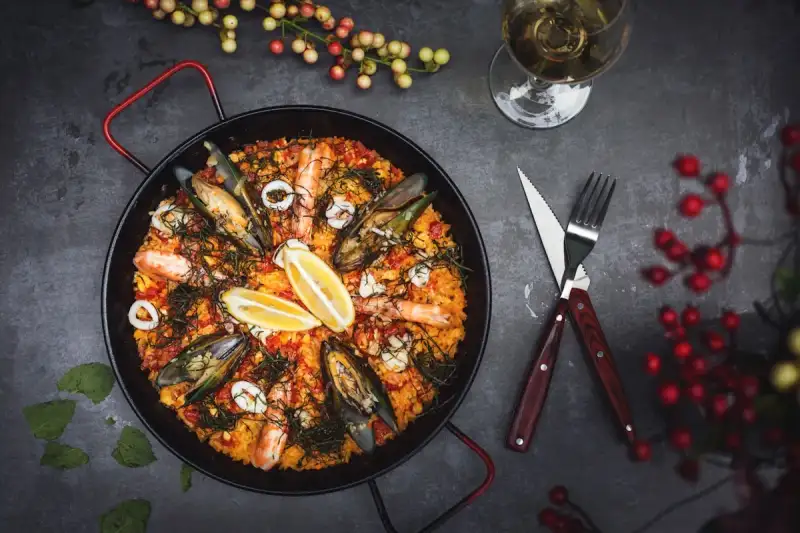
- Isabella Rossi
- 12 Jul, 2026 13:39
Peruvian Ceviche Revealed: The Ancient Citrus Alchemy That Transforms Seafood into a Nutritional Powerhouse (Part 3)
This is Part 3 of the series. Read Part 2 here.Crafting the Perfect Leche de Tigre: The Soul of Ceviche If Ceviche is the epitome of Peruvian culinary artistry, then leche de tigre—literally "tiger's milk"—is its vibrant, indispensable soul. Far from being a mere byproduct or a simple lime juice marinade, leche de tigre is a meticulously crafted, potent elixir that elevates raw seafood into an unforgettable gastronomic experience. This cloudy, piquant liquid, often enjoyed as a shot on its own, is renowned in Peru for its invigorating properties, believed to be an aphrodisiac and a miraculous hangover cure, restoring vigor and vitality to those who partake. Its enigmatic name is thought to reference its milky white appearance and its legendary strength. The foundational ingredient for any authentic leche de tigre is an abundance of freshly squeezed, high-quality lime juice. Peruvian limes (Citrus aurantiifolia) are distinct from their Persian counterparts; they are smaller, intensely acidic, and possess a unique floral aroma that is crucial to the authentic flavor profile. Beyond this citrus base, the magic unfolds with a precise blend of aromatics and spices. Essential components include finely minced aji limo or rocoto peppers, which provide a clean, vibrant heat and fruity undertones distinct from other chilies. Thinly sliced red onion, fresh garlic, and cilantro stems are also integral, contributing pungent, herbaceous notes that deepen the marinade's complexity. Crucially, the "milkiness" and profound umami depth of leche de tigre often come from incorporating a small amount of the same pristine white fish used for the ceviche itself (typically trimmings or a small fillet piece), along with a few ice cubes, into the mixture before blending. This emulsifies the fish proteins, adding body and a rich, savory essence. Here’s a detailed, step-by-step guide to crafting a classic leche de tigre:Prepare the Aromatic Base: Finely mince 1-2 cloves of garlic, a 1-inch piece of aji limo (seeds and veins removed for moderate heat, or left in for intense spice), and about 2 tablespoons of cilantro stems. Slice ¼ of a red onion thinly. Extract Fresh Lime Juice: Squeeze the juice from approximately 8-10 fresh key limes, ensuring that no seeds or excessive pulp contaminate the liquid. The volume should be around ¾ to 1 cup. Initial Blend & Maceration: In a blender, combine roughly half of the lime juice, the minced garlic, aji limo, cilantro stems, and a small (about 1 ounce) piece of the fresh, white fish. Add 2-3 ice cubes; these help keep the mixture cold, preventing the fish from "cooking" too rapidly and ensuring the flavors remain bright. Pulse briefly, just until the fish is integrated and the mixture takes on a slightly opaque, milky appearance. Avoid over-blending, which can make it frothy. Strain and Combine: Pass the blended mixture through a fine-mesh sieve into a clean bowl, pressing down on the solids with the back of a spoon to extract every drop of flavorful liquid. Discard the solids. Combine this strained liquid with the remaining fresh lime juice. Season and Rest: Taste the leche de tigre and season with salt to preference. Some traditional chefs may add a tiny pinch of white pepper or a whisper of fish fumet for additional depth. Cover and chill thoroughly in the refrigerator for at least 30 minutes. This allows the flavors to meld and ensures the marinade is icy cold, which is crucial for the final Ceviche.Variations on leche de tigre are abundant across Peru. A "leche de tigre con crema" might involve the addition of a small amount of evaporated milk or a splash of fish stock to create a richer, smoother texture, while versions made with conchas negras (black scallops) produce a dark, briny, and intensely flavored liquid often lauded for its robust, oceanic character. Regardless of the regional twist, the essence of leche de tigre remains: it is the vibrant, acidic core that breathes life into the seafood, transforming it into an exquisite, invigorating culinary experience.Sourcing the Stars: Selecting the Freshest Seafood and Accompaniments The pursuit of an unparalleled Peruvian Ceviche begins and ends with the absolute integrity of its ingredients. As a dish centered on acid-cured raw seafood, the quality and freshness of the fish are not merely desirable; they are non-negotiable foundations for both exquisite flavor and paramount food safety. Any compromise in this regard risks undermining the entire culinary experience and potentially posing health risks. The adage "you can't make a good dish from bad ingredients" rings especially true for Ceviche. When selecting the star of your Ceviche – the fish – prioritize firm, white-fleshed, and mild-flavored varieties that will maintain their structural integrity during the brief acidic cure. Traditionally, Peruvian Ceviche relies on species such as corvina (sea bass), lenguado (flounder), perico (mahi-mahi), or sometimes tilapia. However, excellent results can also be achieved with high-quality snapper, halibut, cod, or even fresh, firm scallops. The key is to source seafood that is genuinely "sashimi-grade" or "sushi-grade," indicating it has been handled with extreme care from catch to counter and is deemed safe for raw consumption. When purchasing, look for these unequivocal signs of supreme freshness:Eyes: Should be clear, bright, and slightly bulging, never cloudy, dull, or sunken. Gills: Should be a vibrant, clean red or pink, free from any brown discoloration or slimy residue. Skin: Must appear shiny, moist, and taut, with no signs of bruising, discoloration, or dryness. Flesh: Should be firm and resilient to the touch. When gently pressed, it should spring back immediately without leaving an indentation. Avoid any fish that feels mushy or soft. Smell: The aroma should be clean, fresh, and reminiscent of the ocean – a briny, subtly sweet scent. Any strong "fishy" or ammonia-like odors indicate spoilage. Source: Purchase from a highly reputable fishmonger who can provide details on the fish's origin, catch date, and handling practices. Inquire about sustainable sourcing to ensure responsible consumption.Once you’ve acquired your pristine fish, proper handling is crucial. Keep it on ice or in the coldest part of your refrigerator until the very moment of preparation. Cut the fish into uniform, bite-sized cubes, typically around ¾-inch to 1-inch. This consistent sizing ensures even exposure to the leche de tigre and a uniform "cooking" throughout. Avoid overly thin slices, which can become tough, or excessively large chunks, which may not cure adequately. The supporting cast of accompaniments, while seemingly secondary, is indispensable to the harmonious complexity of Peruvian Ceviche:Camote (Sweet Potato): Boiled and sliced, its natural sweetness (a result of complex carbohydrates and natural sugars) provides a vital counterpoint to the sharp acidity of the leche de tigre, balancing the palate and enhancing the overall flavor profile. Choclo (Giant Peruvian Corn): These large, starchy, and subtly sweet kernels offer a satisfying chew and a grounding, earthy texture that complements the delicate fish. Cancha Serrana (Toasted Corn Kernels): Providing a delightful crunch and a salty, toasted flavor, cancha adds a crucial textural contrast, enriching each bite with a rustic, satisfying element. Red Onion: Thinly sliced red onion, often briefly rinsed in cold water to temper its pungency, delivers a sharp, piquant bite and a beautiful visual contrast. Aji Limo/Rocoto: These indigenous Peruvian peppers are not just for heat; they impart unique fruity and aromatic notes that are integral to the authentic flavor. Cilantro: Freshly chopped, cilantro adds a burst of herbaceous freshness, a vibrant green garnish, and a final aromatic lift.Each element, meticulously chosen and prepared, contributes to the holistic experience of Peruvian Ceviche, reflecting the country's rich biodiversity and profound culinary wisdom. Mastering the Assembly: From Marination to Presentation The culmination of history, science, and impeccable sourcing finds its ultimate expression in the precise assembly and masterful presentation of Peruvian Ceviche. This final stage is an exercise in timing, temperature, and visual artistry, transforming individual components into a cohesive, sensory masterpiece. Unlike traditional cooking where ingredients simmer together, Ceviche demands swiftness; the aim is a delicate balance where the fish is "kissed" by the acid, not overwhelmed. The duration of marination is perhaps the most debated aspect among Ceviche maestros. For a modern, delicate, "flash-cured" Ceviche, the optimal marination time is strikingly brief: one to five minutes. This quick exposure allows the exterior of the fish cubes to firm up and absorb the vibrant flavors of the leche de tigre, while the interior retains a succulent, almost raw, tenderness. This approach, heavily influenced by Nikkei cuisine, prioritizes the natural texture and pristine flavor of the fish. Longer marination, while historically practiced, can lead to a tougher, rubbery texture as the acid penetrates deeper and over-denatures the proteins. However, some traditionalists still prefer a slightly longer soak (up to 10-15 minutes) for a more thoroughly "cooked" and firmer fish. The key is constant observation: once the fish turns opaque and its edges begin to curl slightly, it’s reached its peak. The Art of Assembly and Plating:Ensure Chill: All ingredients – the diced fish, the prepared leche de tigre, and the accompaniments – must be thoroughly chilled. The refreshing, invigorating quality of Ceviche is paramount, and temperature plays a vital role. Combine Fish and Leche de Tigre: In a non-reactive bowl (glass or ceramic is ideal), gently combine the perfectly diced, pristine fish with a generous pour of the icy-cold leche de tigre. Stir gently and briefly to ensure every piece of fish is evenly coated. Incorporate Aromatics: Immediately add a portion of the thinly sliced red onion and minced aji limo or rocoto to the mixture. Their flavors will begin to infuse the marinade and the fish instantly. Marinate with Precision: Allow the mixture to marinate for your desired duration, stirring once or twice to ensure even exposure. For a flash-cured style, this will be very quick. Taste and Refine: Take a small piece of fish and a spoonful of the leche de tigre to taste. Adjust seasoning with a pinch more salt if necessary. The balance of acidity, salt, and heat is crucial for the dish's vibrancy. Masterful Plating: Presentation is key to the Ceviche experience. Use a chilled, shallow bowl or a stylish plate. Begin by artfully arranging a few slices of boiled camote (sweet potato) at the bottom or to one side of the plate, providing a visual anchor and a sweet counterpoint. Carefully spoon the cured fish and its generous amount of leche de tigre over and around the sweet potato. The liquid is as important as the solids. Garnish with a scattering of choclo kernels, a sprinkle of crunchy cancha serrana, and a vibrant flourish of freshly chopped cilantro. A thin slice of aji limo or a small red onion ring can serve as a final, elegant touch.Serve Immediately: Ceviche is a dish that must be consumed without delay. Its ephemeral freshness, delicate texture, and vibrant flavors are at their peak moments after assembly. Lingering allows the acid to continue curing the fish, potentially leading to an undesirable, overly firm texture.Modern interpretations of Ceviche continue to push boundaries, exploring different citrus, exotic fruits, and innovative spice blends. Tiradito, a close relative of Ceviche, features fish sliced carpaccio-style and bathed in a single-serve leche de tigre, often infused with aji amarillo or rocoto, typically without the onions, showcasing the dynamic interplay of culinary traditions. Regardless of these exciting variations, the core principles of fresh, high-quality seafood, a powerful acidic cure, and perfectly balanced accompaniments remain the immutable heart of mastering the art of Peruvian Ceviche. Conclusion: A Culinary Legacy, Timeless and Enduring Our journey through the world of Peruvian Ceviche reveals a dish far more profound than its deceptively simple appearance suggests. It is a culinary legacy, steeped in millennia of history, where ancient traditions have gracefully fused with colonial influences and global innovations to create a truly unique gastronomic marvel. From the Moche civilization's early experiments with fermented juices to the refined, rapid-curing techniques perfected by Nikkei chefs, Ceviche stands as a living testament to Peru's rich cultural tapestry and its boundless culinary ingenuity. We've explored the fascinating science behind its "cooking" process, understanding how the humble lime orchestrates a remarkable biochemical transformation, denaturing proteins to achieve that signature firm yet tender texture and vibrant opacity. We’ve celebrated the leche de tigre, the very soul of the dish, a meticulously crafted elixir that infuses the seafood with an invigorating burst of flavor and life. And we’ve underscored the critical importance of sourcing only the freshest, most pristine seafood, complemented by a symphony of textures and flavors from camote, choclo, and cancha, each playing its vital role in the grand composition. Ceviche is more than just a meal; it's a sensory explosion, a refreshing paradox of raw and "cooked," a harmonious balance of acidity, heat, and sweetness that awakens the palate and invigorates the spirit. It's a dish that speaks of the ocean's bounty, the earth's generosity, and the human touch that transforms simple ingredients into an extraordinary experience. As a lean protein powerhouse packed with essential nutrients, it stands as a testament to healthy and flavorful eating. So, whether you're savoring it on a bustling street corner in Lima or meticulously crafting it in your own kitchen, remember that each spoonful of Peruvian Ceviche carries with it a rich narrative of tradition, science, and passion. It's an invitation to taste history, to experience culinary alchemy, and to celebrate a dish that truly embodies the art of curing seafood with citrus. I encourage you to embrace this timeless culinary adventure, to experiment, and to discover the endless joys that Peruvian Ceviche has to offer. Until our next culinary exploration, Isabella Rossi.#PeruvianCuisine #CevicheMastery #HealthySeafood #CitrusCuisine #FoodScience#Ceviche #PeruvianFood #HealthyEating #Seafood #CitrusMagic #FoodHistory Related InsightsHannah Weber's Guide to Delicious and Healthy Sprouted Grain Bread with Avocado and Radish (Vegan) Kung Pao: Die Alchemie des Feuers und die Kunst des perfekten Kontrasts L'Alchimie des Trottoirs : Voyage Sensoriel au Cœur de la Street Food de Mumbai{ "@context": "https://schema.org", "@type": "FAQPage", "mainEntity": [ { "@type": "Question", "name": "What is the main focus of Peruvian Ceviche Revealed: The Ancient Citrus Alchemy That Transforms Seafood into a Nutritional Powerhouse (Part 3)?", "acceptedAnswer": { "@type": "Answer", "text": "Dive deep into the rich history, scientific principles, and unparalleled flavors of authentic Peruvian Ceviche, a culinary masterpiece crafted by the magic of citrus." } }, { "@type": "Question", "name": "Who authored the comprehensive guide on Peruvian Ceviche Revealed: The Ancient Citrus Alchemy That Transforms Seafood into a Nutritional Powerhouse (Part 3)?", "acceptedAnswer": { "@type": "Answer", "text": "This detailed article and its insights were carefully researched and authored by Isabella Rossi." } }, { "@type": "Question", "name": "Where can I find more related content about Food?", "acceptedAnswer": { "@type": "Answer", "text": "You can explore more articles, detailed reviews, and similar insights by browsing the Related Insights section at the bottom of this article or visiting our dedicated Food category page." } } ] }


In the grand tapestry of human indulgence, few threads gleam with the profound richness and complex history of chocolate. It is a substance that transcends mere sustenance, weaving itself into the fabric of ritual, luxury, and daily comfort across continents and millennia. From the verdant embrace of the cacao tree, born of ancient earth and sun, emerges a foodstuff capable of myriad forms – a liquid, a solid, a paste – each a testament to its singular versatility and unparalleled allure. This journey, from a bitter, ceremonial brew in the heart of Mesoamerica to the ubiquitous bars and confections savored worldwide, is a narrative steeped in innovation, cultural exchange, and a relentless pursuit of culinary perfection. The Elixir of Ages: Cacao's Ancient Whispers and Contentious Names The story of chocolate begins not with the sweet, familiar squares of today, but with the venerable Theobroma cacao tree, whose processed seeds, known as cocoa beans, hold the very essence of this global phenomenon. Its genesis as a food source stretches back an astonishing 5,300 years, taking root in what is now southeastern Ecuador, cultivated by the Mayo-Chinchipe culture long before its introduction to the more widely recognized Mesoamerican civilizations. While the precise moment chocolate, as distinct from other cacao-based libations, first tantalized human palates remains shrouded in the mists of antiquity, evidence suggests the Olmecs, foundational figures of Mesoamerican civilization, engaged with cacao in a fascinating way: fermenting the sweet pulp surrounding the beans into an alcoholic beverage. For the vibrant societies of Mesoamerica – the Mayans, the Aztecs, and others – cacao was far more than a simple crop; it was a sacred gift from the gods, imbued with profound spiritual and practical significance. The precious cocoa bean served as a form of currency, a testament to its intrinsic value, facilitating commerce across diverse civilizations. It played an integral role in solemn ceremonies, offered as a revered tribute to leaders and deities, and even revered for its medicinal properties. The chocolate of this era, however, was a stark contrast to its modern descendant. It manifested as a bitter drink, meticulously flavored with indigenous additives such as vanilla, the subtle pungency of earflower, and the fiery kick of chili. A distinctive characteristic was the dark brown foam that crowned the beverage, meticulously created by pouring the liquid from a height, often between ornate containers, a performance of both craft and reverence. The very word "chocolate" carries with it a history as intricate and layered as the flavors of its namesake. First recorded in Spanish in 1579 and subsequently borrowed into English by 1604, its etymological roots remain a subject of scholarly contention. A popular, yet likely inaccurate, belief attributes its origin to the Nahuatl word chocolatl. However, early texts that genuinely document the Nahuatl term for a chocolate drink consistently employ a different word: cacahuatl, meaning "cacao water." This linguistic divergence compels a deeper exploration into its true etymology. Several alternative theories have been posited to unravel this linguistic enigma. One suggests a derivation from the hypothetical Nahuatl word xocoatl, meaning "bitter drink," a plausible description of the early Mesoamerican concoction. Yet, scholars Michael and Sophie Coe express skepticism, questioning the phonetic shifts required for the 'sh' sound of 'x' to transform into 'ch', and the unexplained addition of an 'l'. Another theory proposes a Mayan language origin, specifically chocolatl meaning "hot water." However, a critical lack of evidence for the form 'chocol' ever independently signifying 'hot' casts doubt upon this hypothesis. Despite the persistent uncertainty surrounding a direct Nahuatl origin, a degree of scholarly consensus points towards the Nawat word chikola:tl as the more probable source. The precise meaning of chikola:tl itself remains debated; some propose it means "cacao-beater," referencing the traditional act of whisking cocoa to create its signature foam, though the meaning of 'chico' within this context is unknown. Anthropologist Kathryn Sampeck offers an intriguing perspective, suggesting that "chocolate" originally denoted a specific cacao beverage among many, notably one that included annatto and was produced in what is now Guatemala. According to Sampeck's research, this particular term evolved to become the generic word for all cacao beverages around 1580, coinciding with the period when the Izalcos people of that region were the most prominent producers of cacao, thereby solidifying its linguistic footprint.From Sacred Brew to European Craze: The Transatlantic Leap The first documented European encounter with chocolate is often attributed to the formidable Spanish conquistador Hernán Cortés, who, in 1520, observed the enigmatic beverage being consumed in the court of Moctezuma II. For European palates accustomed to different flavors, this bitter, spiced drink proved to be an acquired taste, requiring time and adaptation to gain favor. It was not until 1585 that the first official record of a shipment of cocoa beans to Europe marked the beginning of chocolate's transatlantic journey. Initially, chocolate arrived veiled in an aura of exoticism and perceived potency. It quickly garnered a reputation as an aphrodisiac and a potent medicine, beliefs that undoubtedly fueled its dissemination across the continent. By the 17th century, chocolate had firmly established itself in European society, albeit in a markedly transformed state. To appeal to European tastes, it was sweetened, served warm, and infused with familiar spices, a far cry from the unadulterated bitter brew of its Mesoamerican origins. Religious orders, particularly those with extensive networks, played a significant, albeit often understated, role in its spread, contributing to its distribution and adaptation across various monastic and aristocratic circles. For centuries, chocolate remained largely the purview of the elite. The prohibitive cost of cocoa, sourced from colonial plantations established across the Americas, ensured its status as a luxury commodity. Throughout the 18th century, chocolate solidified its identity as a quintessentially southern European, aristocratic, and often Catholic indulgence, its production methods largely mirroring those employed by the Aztecs centuries prior, reflecting a blend of ancient tradition and nascent European refinement. The Industrial Revolution: Forging a Solid Future The 18th century heralded a new era for chocolate, as production methods began to see incremental improvements. However, it was the seismic shifts of the 19th century, driven by the fervor of the Industrial Revolution, that truly revolutionized chocolate's trajectory, transforming it from a niche, hand-crafted delicacy into a mass-consumed staple. The advent of engine-powered milling significantly streamlined the initial stages of processing, paving the way for greater efficiency. A pivotal moment arrived in 1828 with Coenraad Johannes van Houten's groundbreaking patent for a hydraulic press. This ingenious invention allowed for the revolutionary separation of cocoa butter from the chocolate liquor, giving rise to defatted cocoa powder. This innovation was nothing short of foundational, creating the very bedrock upon which the modern solid chocolate industry would be built. The ability to control fat content opened up entirely new possibilities for texture, shelf-life, and form. The 19th century was a crucible of innovation for chocolate production. The development of the melanger, a sophisticated mixing machine, further refined the texture and consistency of chocolate. The creation of modern milk chocolate introduced a new category of sweetness and creaminess, broadening its appeal immeasurably. Perhaps most crucially, the invention of the conching process – a prolonged kneading and aerating of chocolate paste – meticulously smoothed its texture and subtly altered its flavor profile, enhancing its melt-in-the-mouth quality and complexity. These technological advancements collectively magnified productivity to an astonishing degree: by 1890, a single worker could produce fifty times more chocolate using the same amount of labor than before the Industrial Revolution. This surge in efficiency fundamentally altered chocolate's identity, firmly transitioning it from a cherished beverage to a solid food, readily eaten and enjoyed. Concurrently, the global supply chain for cocoa beans began to shift dramatically. As mass markets for chocolate exploded across Western nations, production of the raw material increasingly migrated from the Americas to the burgeoning cocoa-growing regions of Asia and, most significantly, Africa. Today, West African countries, particularly Ivory Coast and Ghana, stand as the titans of global cocoa supply, collectively contributing approximately 60% of the world's cocoa, a testament to this profound historical shift.Modern Mosaics: Varieties, Ethics, and Innovation The 20th century, while marked by continued innovation, also brought ethical complexities to the forefront of the chocolate industry. Early in the century, British chocolate producers like Cadbury and Fry's faced significant controversy regarding the deplorable labor conditions prevalent in the Portuguese cacao industry in Africa. A searing 1908 report by a Cadbury agent starkly described these conditions as "de facto slavery." While a subsequent boycott by chocolate makers led to some improvements, the pervasive issue of slave labor among African cacao growers tragically resurfaced in the public consciousness in the early 21st century, reminding the industry of its enduring ethical responsibilities. Despite these grave concerns, technological progress continued apace, further refining the art and science of chocolate making. The development of the tempering technique became essential, carefully controlling temperature to ensure that chocolate achieved the desired crystalline structure, resulting in its characteristic satisfying "snap" and lustrous gloss. The addition of lecithin, an emulsifier, further improved chocolate's texture and consistency, making it smoother and more stable. The 20th century also witnessed the development of specific chocolate types such as white chocolate – made solely from cocoa butter, milk, and sugar, conspicuously lacking the non-fat cocoa solids found in other varieties – and couverture chocolate, renowned for its high cocoa butter content, ideal for professional coating and tempering. Furthermore, the emergence of the "bean-to-bar" trade model began to emphasize greater transparency and direct relationships between growers and producers, marking a significant evolution in how chocolate is sourced and crafted. At its core, chocolate is born from roasted and ground cocoa beans. It is a chameleon, taking liquid, solid, or paste forms, eaten on its own, or serving as an exquisite flavor enhancer for countless other foods. The process, an alchemical dance of fermentation, drying, cleaning, roasting, and grinding nibs into chocolate liquor, forms the basis of all chocolate. This liquor can be further processed into cocoa butter and cocoa powder, or shaped and sold as pure, unsweetened baking chocolate. The introduction of sugar transforms it into sweetened chocolates, which, when sold without milk, become the sophisticated dark chocolate. With the addition of milk, it blossoms into the beloved milk chocolate. White chocolate, a distinct category, contains only cocoa butter and milk, eschewing cocoa solids entirely. Today, chocolate reigns supreme as one of the most popular food types and flavors globally, an omnipresent delight in desserts ranging from ice creams and cakes to mousses and cookies. Candies are frequently filled with or coated in its sweetened embrace, and solid chocolate bars or those encasing other ingredients are cherished as convenient snacks. Its symbolic power is undeniable, with chocolate molded into festive shapes like eggs, hearts, and coins, becoming cherished traditional gifts for holidays such as Christmas, Easter, Valentine's Day, Hanukkah, and Eid al-Fitr. Beyond solid forms, chocolate endures in cold and hot beverages, from the comforting simplicity of chocolate milk and hot chocolate to the indulgent complexity of chocolate liqueur. The journey of chocolate is a saga of transformation – from a sacred, bitter brew cradled in ancient civilizations to a global phenomenon shaped by industrial prowess and ethical considerations. It remains a profound testament to human ingenuity and our enduring quest for both sustenance and sublime pleasure, a dark heart beating at the very core of culinary history.#ChocolateHistory #CacaoCulture #DemirŞef #FoodScience #GourmetChocolate Related InsightsL'Alchimie du Levant : Quand l'Histoire se Déguste en Mezze The Wild Yeast Revolution: Beyond the Loaf into the World of Fermented Alchemy Dan Dan Noodles: The Ultimate Szechuan Street Bowl{ "@context": "https://schema.org", "@type": "FAQPage", "mainEntity": [ { "@type": "Question", "name": "What is the main focus of The Obscure Origins and Transcendent Transformation of Cacao's Dark Heart?", "acceptedAnswer": { "@type": "Answer", "text": "Embark on a profound journey through chocolate's ancient roots, its Mesoamerican reverence, European transformation, and the industrial innovations that shaped this beloved global delicacy." } }, { "@type": "Question", "name": "Who authored the comprehensive guide on The Obscure Origins and Transcendent Transformation of Cacao's Dark Heart?", "acceptedAnswer": { "@type": "Answer", "text": "This detailed article and its insights were carefully researched and authored by Demir Şef." } }, { "@type": "Question", "name": "Where can I find more related content about Food?", "acceptedAnswer": { "@type": "Answer", "text": "You can explore more articles, detailed reviews, and similar insights by browsing the Related Insights section at the bottom of this article or visiting our dedicated Food category page." } } ] }
- Giovanni Luigi
- 11 Jul, 2026 20:01
Il Respiro Antico del Mare Nostrum: La Dieta Mediterranea tra Scienza, Storia e Armonia del Vivere
Dalle sponde baciate dal sole dove il tempo sembra rallentare, dove l'ulivo millenario affonda le sue radici nella terra fertile e il profumo del rosmarino si mescola alla brezza marina, emerge un patrimonio inestimabile: non solo un modo di nutrirsi, ma una filosofia di vita, una sinfonia di sapori e tradizioni che risuona attraverso i secoli. Parliamo della Dieta Mediterranea, un concetto che trascende la semplice alimentazione per abbracciare un'intera esistenza, fatta di convivialità, movimento e rispetto per la natura. È un invito a riscoprire l'essenza della buona tavola, un rituale quotidiano che celebra la salute e la gioia di vivere. Fu nel lontano 1975 che la curiosità intellettuale di due menti brillanti, il biologo americano Ancel Keys e la chimica Margaret Keys, disvelò al mondo questo modello alimentare. La loro meticolosa osservazione si concentrò sulle abitudini e sui cibi tradizionali delle popolazioni che abitavano le coste mediterranee tra la fine degli anni '50 e l'inizio degli anni '60: la Grecia, l'Italia, le riviere di Francia e Spagna, e persino le terre del Levante. Non si trattava di delineare una singola cucina, poiché le tradizioni culinarie di questi paesi sono tanto variegate quanto le loro genti, bensì di identificare un modello dietetico comune, distinto sia dalla ricca e diversificata "cucina mediterranea" intesa in senso ampio, sia dalla "dieta atlantica" dell'Europa nord-occidentale, pur con qualche punto di contatto. Da quella prima intuizione, la Dieta Mediterranea si è affermata come il regime alimentare più studiato e riconosciuto a livello globale, un faro nella ricerca scientifica sulla nutrizione. I Pilastri del Gusto e del Benessere: Cosa Definisce la Dieta Mediterranea Sebbene radicata in un tempo e in un luogo specifici, l'espressione "Dieta Mediterranea" oggi descrive un modello alimentare che è stato via via raffinato e validato dai risultati di innumerevoli studi scientifici. Al suo cuore pulsa un'enfasi inequivocabile sui cibi di origine vegetale, autentici doni della terra. Cereali integrali non processati, legumi robusti, verdure fresche e croccanti, e una profusione di frutta succosa costituiscono la base piramidale di questa alimentazione. A questi si affianca un consumo moderato di pesce, prezioso per i suoi nutrienti, e di prodotti lattiero-caseari, prevalentemente formaggi e yogurt, che conferiscono sapidità e cremosità. La carne rossa, i cereali raffinati e gli zuccheri sono invece relegati a un ruolo marginale, consumati con parsimonia. Un capitolo a parte merita il consumo di alcol, limitato principalmente al vino, in particolare quello rosso, assunto in quantità basse o moderate e, quasi sempre, durante i pasti. Questa consuetudine, profondamente radicata nella cultura mediterranea, è parte di un equilibrio che non ricerca l'eccesso ma il piacere misurato. Il vero protagonista, tuttavia, l'oro liquido che lega ogni elemento e conferisce sapore e salute, è l'olio d'oliva. È la fonte principale di grassi in questo regime alimentare e, non a caso, è stato oggetto di vastissima ricerca scientifica per il suo potenziale di ridurre la mortalità per tutte le cause e il rischio di malattie croniche. L'olio d'oliva non è solo un condimento; è un ingrediente fondamentale, un veicolo di benessere che racchiude in sé l'anima stessa del Mediterraneo.L'Eco della Salute: Evidenze Scientifiche e Riconoscimenti Mondiali La risonanza scientifica della Dieta Mediterranea è straordinaria. Studi osservazionali hanno costantemente associato la sua adozione a una riduzione significativa della mortalità per tutte le cause. Una revisione sistematica del 2017 ha fornito prove robuste che questo modello dietetico diminuisce il rischio di malattie cardiache e di morte prematura, suggerendo altresì un potenziale aiuto nella gestione del peso per gli individui obesi. La sua efficacia e sicurezza sono tali che le "Linee Guida Dietetiche per gli Americani 2015-2020" l'hanno inclusa tra le tre diete sane raccomandate, al fianco della dieta DASH e della dieta vegetariana. Anche l'Organizzazione Mondiale della Sanità (OMS) la riconosce universalmente come un modello alimentare salutare. Ma l'impatto della Dieta Mediterranea va oltre il mero aspetto nutrizionale. Nel 2010, l'UNESCO, consapevole della sua profondità culturale, l'ha riconosciuta come Patrimonio Culturale Immateriale dell'Umanità, non solo per i cibi, ma per l'insieme delle tradizioni e delle pratiche ad essa associate. Questo riconoscimento ne sottolinea la natura olistica. La Dieta Mediterranea, infatti, si estende talvolta a includere abitudini di vita specifiche, comportamenti sociali e valori culturali strettamente legati ai paesi mediterranei: metodi di cottura semplici ma vari, pasti comunitari che rafforzano i legami sociali, le immancabili sieste post-pranzo e una regolare attività fisica, spesso integrata nella quotidianità. È un mosaico di pratiche che insieme contribuiscono a un'esistenza più equilibrata e appagante. Gli Effetti Benefici sulla Salute: Un Approfondimento Scientifico L'interesse della comunità scientifica per la Dieta Mediterranea non accenna a diminuire, e le ricerche continuano a svelarne le molteplici virtù. Ricerca Alimentare e il Ruolo dell'Olio d'Oliva Una delle caratteristiche distintive della Dieta Mediterranea è il suo basso contenuto di grassi saturi, bilanciato da elevate quantità di grassi monoinsaturi e fibre alimentari. Il potenziale salutistico dell'olio d'oliva è un fattore chiave in questo equilibrio. L'olio d'oliva è ricco di grassi monoinsaturi, in particolare acido oleico, oggetto di continue ricerche cliniche per i suoi benefici. L'Autorità Europea per la Sicurezza Alimentare (EFSA), tramite il suo Panel sui Prodotti Dietetici, Nutrizione e Allergie, ha approvato dichiarazioni sulla salute riguardanti l'olio d'oliva, riconoscendone la capacità dei polifenoli di proteggere i lipidi ematici dall'ossidazione e il contributo dell'acido oleico al mantenimento di normali livelli di colesterolo LDL nel sangue, quando sostituisce i grassi saturi nella dieta (Regolamento (UE) 432/2012 della Commissione del 16 maggio 2012). Una meta-analisi del 2014 ha concluso che un consumo elevato di olio d'oliva è associato a un rischio ridotto di mortalità per tutte le cause, eventi cardiovascolari e ictus. Questo contrasta con i grassi monoinsaturi di origine mista animale e vegetale, che non hanno mostrato effetti significativi. Le linee guida nazionali degli Stati Uniti 2015-2020 hanno persino elaborato un "Modello Alimentare Sano di Stile Mediterraneo" basato su questi schemi e sui loro esiti positivi per la salute, raccomandando più frutta e frutti di mare e meno latticini rispetto al modello alimentare statunitense tradizionale. Una revisione del 2020 sulla Dieta Mediterranea ha ulteriormente indicato la sua capacità di ottimizzare la salute cardiovascolare. Salute Generale e Riduzione del Rischio di Malattie L'ampiezza dei benefici della Dieta Mediterranea è sorprendente. Una revisione del 2017 ha rilevato prove che la sua adozione può portare a una riduzione del rischio di malattie cardiovascolari, dell'incidenza complessiva di cancro, di malattie neurodegenerative, di diabete e di morte prematura. Un'altra revisione del 2018 ha mostrato che la pratica della Dieta Mediterranea può migliorare lo stato di salute generale, come la riduzione del rischio di malattie non infettive, e può persino contribuire a ridurre i costi totali della vita e quelli per l'assistenza sanitaria nazionale. Sebbene una revisione del 2016 abbia riscontrato una perdita di peso simile a quella di altre diete, i benefici vanno chiaramente ben oltre la sola bilancia. La Salute Cardiovascolare: Un Percorso di Ricerca La Dieta Mediterranea è annoverata tra i modelli alimentari che possono ridurre il rischio di malattie cardiovascolari. Una revisione Cochrane del 2013 ha trovato prove limitate che una Dieta Mediterranea influisca favorevolmente sui fattori di rischio cardiovascolare. Tuttavia, una meta-analisi dello stesso anno, confrontando diverse diete (Mediterranea, vegana, vegetariana, a basso indice glicemico, a basso contenuto di carboidrati, ricca di fibre e ad alto contenuto proteico), ha concluso che la Dieta Mediterranea, insieme alle diete a basso contenuto di carboidrati, a basso indice glicemico e ad alto contenuto proteico, è efficace nel migliorare i marcatori di rischio per malattie cardiovascolari e diabete. Nel 2016, la Dieta Mediterranea è stata raccomandata come mezzo per abbassare l'apolipoproteina B, un indicatore chiave. Anche l'American Heart Association, nel 2016, l'ha discussa come un modello alimentare sano in grado di ridurre il rischio di malattie cardiovascolari. È interessante notare come la scienza progredisca attraverso il dibattito. Verso il 2016, sono emerse revisioni più caute, sollevando preoccupazioni sulla qualità delle precedenti revisioni sistematiche che esaminavano l'impatto della Dieta Mediterranea sui fattori di rischio cardiovascolare. Queste revisioni hanno sottolineato la necessità di ulteriori ricerche standardizzate, con una meta-analisi che concludeva che la quantità e la qualità delle prove disponibili erano altamente variabili, mettendo in guardia sui limiti nella certezza degli esiti clinici possibili dal consumo di una Dieta Mediterranea. Nonostante ciò, altre revisioni nel 2016-2017 hanno raggiunto ulteriori conclusioni sulla capacità di una Dieta Mediterranea di migliorare i fattori di rischio cardiovascolare, come la riduzione del rischio di ipertensione e altre malattie cardiovascolari.Recenti Scoperte sulla Salute Cardiovascolare (dal 2019) Il dibattito scientifico continua ad evolvere. Una revisione Cochrane del 2019 ha rilevato che esiste incertezza circa gli effetti di una dieta in stile mediterraneo sull'incidenza di malattie cardiovascolari e sui fattori di rischio in persone con o senza malattie cardiovascolari esistenti. La revisione ha inoltre discusso che la ricerca sulla dieta ha fornito prove solo per benefici modesti contro i fattori di rischio cardiovascolare, con una qualità della ricerca da bassa a moderata. Questo sottolinea la complessità della ricerca nutrizionale e la necessità di studi a lungo termine e di alta qualità. Tuttavia, le ricerche più recenti continuano a rinforzare il quadro generale positivo. Una revisione del 2023 ha fornito prove per una riduzione della mortalità e del rischio di malattie cardiovascolari nelle donne che seguono una dieta di tipo mediterraneo. Ancora più recentemente, una meta-analisi del 2024 ha riscontrato che l'aderenza al consumo di questi alimenti è associata a una riduzione del rischio di malattie cardiovascolari. Questo continuo flusso di studi, pur con le sfumature e le cautele necessarie, consolida l'immagine della Dieta Mediterranea come un alleato prezioso per il cuore. L'Impatto sul Diabete Anche per quanto riguarda il diabete, i dati sono promettenti. Nel 2014, due meta-analisi hanno rilevato che la Dieta Mediterranea era associata a una diminuzione del rischio di diabete di tipo 2, risultati simili a quelli di una revisione del 2017. L'American Diabetes Association e una revisione del 2019 hanno indicato che la Dieta Mediterranea è un modello alimentare raccomandato per la prevenzione e la gestione di questa malattia sempre più diffusa. L'enfasi sui cereali integrali, sui legumi e sulle verdure, con un basso apporto di zuccheri raffinati, contribuisce a un migliore controllo glicemico e a una maggiore sensibilità all'insulina. Un Patrimonio da Custodire La Dieta Mediterranea è molto più di un elenco di alimenti da consumare. È un'eredità culturale profonda, un simbolo di una connessione intrinseca tra l'uomo, la terra e il mare. È una celebrazione della semplicità, della freschezza e del sapore autentico. In un'epoca in cui le mode alimentari si susseguono freneticamente, la Dieta Mediterranea rimane un baluardo di saggezza, una via maestra verso la salute e il benessere duraturi. I suoi principi, validati dalla scienza e consacrati dalla storia, ci invitano a rallentare, a gustare, a condividere e, in definitiva, a vivere meglio, abbracciando il respiro antico e vitale del Mare Nostrum.#DietaMediterranea #SaluteEBenessere #CucinaItaliana #UNESCOHeritage #OlioDiva Related InsightsThe Wild Yeast Revolution: Beyond the Loaf into the World of Fermented Alchemy Portuguese Pastéis de Nata: The Custard Tart's Sweet History The Bitter Revolution: How Chicory, Radicchio, and Dandelion Are Redefining Modern Menus{ "@context": "https://schema.org", "@type": "FAQPage", "mainEntity": [ { "@type": "Question", "name": "What is the main focus of Il Respiro Antico del Mare Nostrum: La Dieta Mediterranea tra Scienza, Storia e Armonia del Vivere?", "acceptedAnswer": { "@type": "Answer", "text": "Un'esplorazione profonda della Dieta Mediterranea, dall'intuizione dei coniugi Keys alle moderne evidenze scientifiche, svelando il segreto di longevità e benessere radicato nel cuore del Mare Nostrum." } }, { "@type": "Question", "name": "Who authored the comprehensive guide on Il Respiro Antico del Mare Nostrum: La Dieta Mediterranea tra Scienza, Storia e Armonia del Vivere?", "acceptedAnswer": { "@type": "Answer", "text": "This detailed article and its insights were carefully researched and authored by Giovanni Luigi." } }, { "@type": "Question", "name": "Where can I find more related content about Food?", "acceptedAnswer": { "@type": "Answer", "text": "You can explore more articles, detailed reviews, and similar insights by browsing the Related Insights section at the bottom of this article or visiting our dedicated Food category page." } } ] }
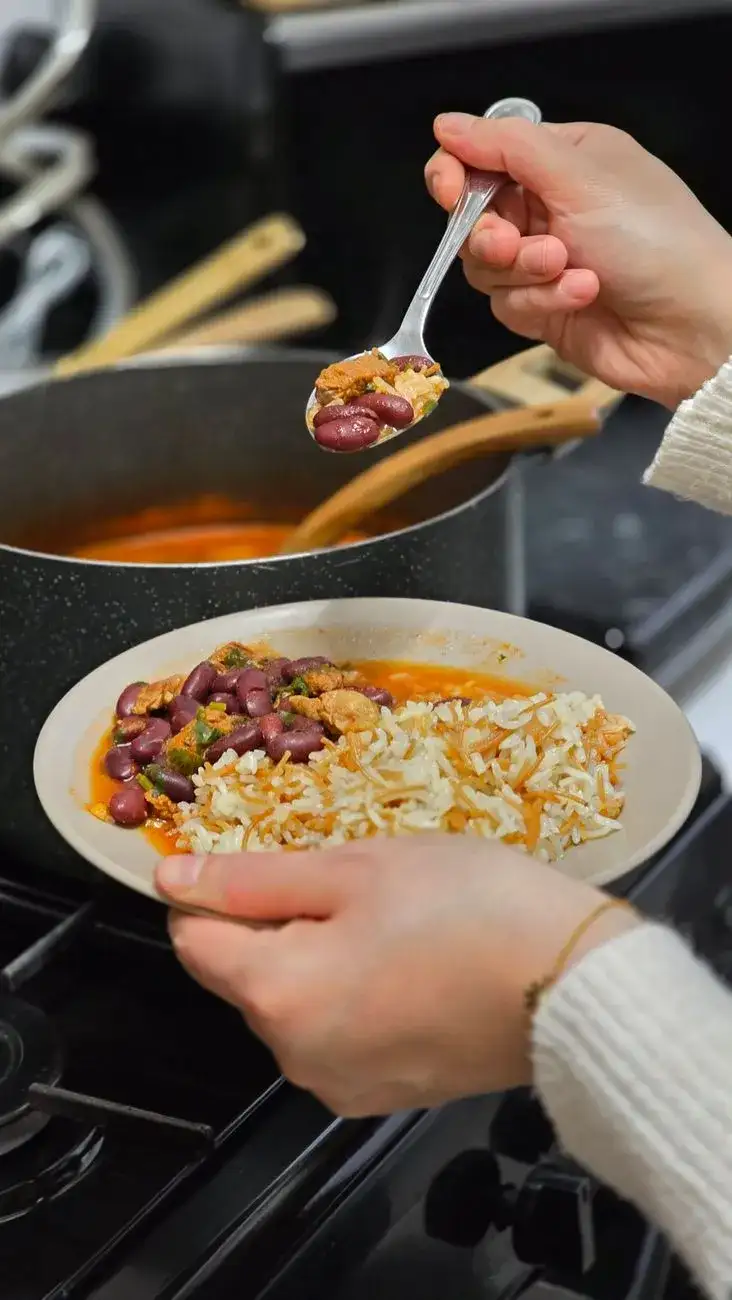
- Michael Chef
- 11 Jul, 2026 19:36
The Ultimate High-Protein Turkey Chili: A Masterclass in Gastronomy and Science
Welcome to my kitchen. I am Michael Chef, and today we are venturing beyond the mere surface of a bowl of comfort food. We are talking about Turkey Chili—but not just any chili. We are crafting a high-protein, nutritionally dense masterpiece that marries the art of slow-simmered flavor with the cutting-edge science of food security and agricultural integrity. When we talk about health, we often focus on macros—protein, fats, and carbohydrates. But have you ever paused to consider the biological journey of the ingredients in your bowl? The corn and beans that anchor this dish are not just crops; they are the products of an intricate, microscopic war against pathogens and the triumph of biological innovation. The Microbiological Foundation of Your Chili To understand the health of our food, we must look at the soil. Modern agricultural science is undergoing a revolution driven by "Bacillus spp." These bacteria are the unsung heroes of your produce. Research into these organisms reveals that they produce extracellular metabolites—including antibiotics and cell wall hydrolases—that suppress plant pathogens. Why does this matter for your Turkey Chili? Because a healthier plant means a more nutrient-dense harvest. According to recent scientific studies, Bacillus spp. promote plant growth through nitrogen fixation and phosphate solubilization. When we select ingredients grown through these biocontrol-enhanced methods, we are effectively consuming the end-benefit of a plant that was shielded from stress and optimized for nutritional uptake. By choosing high-quality produce, you are participating in a cycle of sustainable health that supports both your muscles and the environment.Fermentation, Probiotics, and the Future of Food While our chili simmers, let us consider the beans. Legumes are nutritional powerhouses, but they are also part of a larger ecological and biotechnological story involving the genus "Weissella." Scientists classify these as lactic acid bacteria, and their presence in traditional food systems is staggering. Research indicates that Weissella species, particularly "W. cibaria," are receiving intense interest for their potential as probiotics. They are known for producing non-digestible oligosaccharides and extracellular polysaccharides, specifically dextran. In your diet, these compounds act as prebiotics, feeding the beneficial bacteria in your gut. As we aim for a high-protein diet to support lean muscle mass and metabolic health, the inclusion of ingredients that undergo these complex biological processes ensures that your digestive system can actually absorb the nutrients you’re working so hard to ingest. A Balanced Approach to Modern Agriculture I often get asked why I care so much about where the ingredients come from. It is because the transition from traditional, chemistry-heavy farming to integrated systems is vital for our long-term health. Studies on combining biocontrol agents with chemical fungicides show us that we are moving toward a future where we reduce the residue on our harvested crops. By choosing organic or sustainably sourced corn and beans, you are reducing your exposure to synthetic fungicides, which—as recent literature suggests—can negatively impact human health and the environment. Our chili recipe below is designed with these principles in mind. We combine high-protein lean turkey—a primary building block for tissue repair—with fiber-rich black beans and antioxidant-packed corn. It is a meal that respects both your body and the planet.The Master Recipe: High-Protein Turkey Chili This recipe is designed to provide 30-40g of protein per serving, making it an ideal post-workout meal or a foundational dinner for high-performance living. Ingredients1.5 lbs lean ground turkey (source the highest quality you can find to ensure low fat-to-protein ratio) 2 cups black beans, pre-soaked and cooked (or high-quality canned, rinsed well) 1.5 cups sweet corn kernels (the "phytohormone-boosted" goodness) 1 large yellow onion, finely diced 3 cloves garlic, smashed and minced 2 tbsp high-quality chili powder 1 tbsp ground cumin 1 tsp smoked paprika 28 oz crushed organic tomatoes 1 cup low-sodium, organic turkey bone broth 1 tbsp extra virgin olive oil Himalayan salt and freshly cracked black pepper to tasteInstructionsThe Searing Process: Start by heating your olive oil in a heavy-bottomed Dutch oven. High heat is essential here to trigger the Maillard reaction in your turkey, which deepens the flavor profile significantly. Aromatic Foundation: Add the onions and garlic. As they cook, the volatile compounds release into the oil, creating the base for the dish. Spicing: Add your chili powder, cumin, and paprika. Toasting spices is a culinary secret—it releases essential oils trapped within the ground powders, elevating the dish from "home-cooked" to "gourmet." The Simmer: Add your turkey broth and tomatoes. Incorporating bone broth not only adds depth but contributes collagen and extra protein. Incorporation: Fold in your black beans and corn. Cover the pot and simmer for 30 minutes. This time allows the plant-based proteins in the beans and the turkey to reach equilibrium in the sauce. Finishing: Taste for seasoning. If the acidity of the tomatoes is too sharp, a pinch of salt will mellow it.Conclusion Cooking is, at its core, a form of applied chemistry. When we prepare this Turkey Chili, we are not just feeding our hunger; we are feeding our microbiome and providing our bodies with the raw materials needed for cellular repair. By understanding the role of Bacillus spp. in plant health and the probiotic potential of organisms like Weissella, we become more conscious consumers. Eat well, eat with intention, and always look for the science behind the flavor. Your health is the sum of every choice you make in the kitchen, and this high-protein Turkey Chili is an excellent choice for a vibrant, energetic life.#HealthyLiving #Gastronomy #ProteinPower #TurkeyChili #ScienceOfFood Related InsightsTabbouleh: The Fresh and Herbaceous National Salad Unlock the Secrets of Craft Beer: Your Step-by-Step Guide to Brewing at Home Like a Pro Prahok: The Fermented Soul of Cambodia's Culinary Identity{ "@context": "https://schema.org", "@type": "FAQPage", "mainEntity": [ { "@type": "Question", "name": "What is the main focus of The Ultimate High-Protein Turkey Chili: A Masterclass in Gastronomy and Science?", "acceptedAnswer": { "@type": "Answer", "text": "Discover a nutrient-dense, high-protein turkey chili recipe that integrates the latest agricultural science to ensure the best ingredients on your plate." } }, { "@type": "Question", "name": "Who authored the comprehensive guide on The Ultimate High-Protein Turkey Chili: A Masterclass in Gastronomy and Science?", "acceptedAnswer": { "@type": "Answer", "text": "This detailed article and its insights were carefully researched and authored by Michael Chef." } }, { "@type": "Question", "name": "Where can I find more related content about Food?", "acceptedAnswer": { "@type": "Answer", "text": "You can explore more articles, detailed reviews, and similar insights by browsing the Related Insights section at the bottom of this article or visiting our dedicated Food category page." } } ] }