-
 Beatriz Costa
 - 24 Aug, 2026 03:55
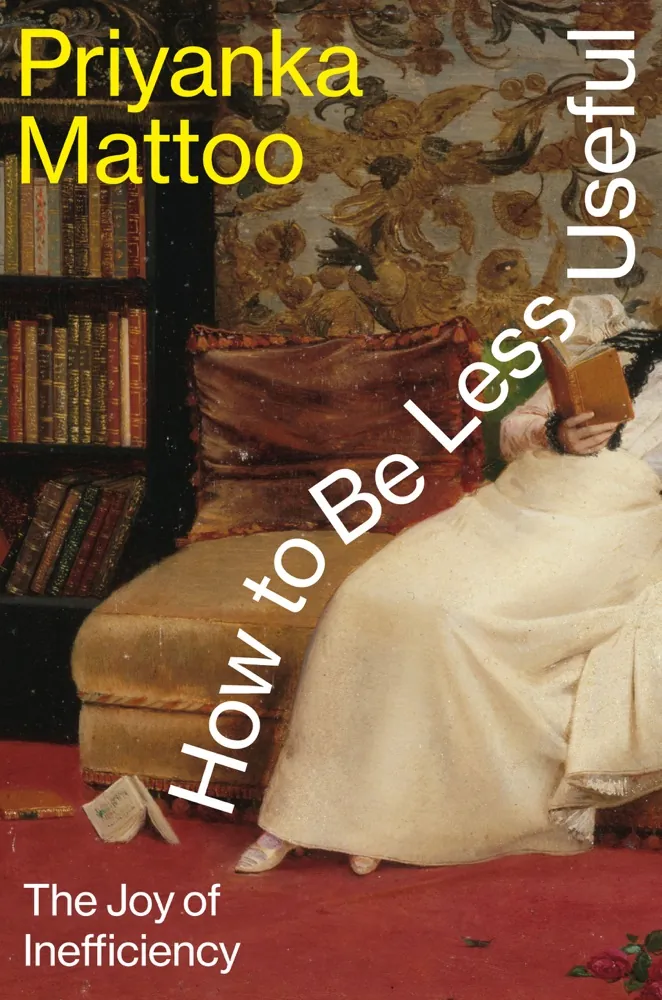
How to Be Less Useful: The Joy of Inefficiency Book Review and Summary
Author: Priyanka MattooPage Count: UnknownPublication Date: Expected publication 2026-11-03 APL The clock on the wall has been stuck at 3:42 AM for the last two hours, humming a low, electric frequency that drills straight into my temples. God, I need a cigarette or a miracle or perhaps just a very long nap that lasts until next Tuesday. Instead, I am staring at a computer screen trying to hit a word count for an anticipatory preview of How to Be Less Useful by Priyanka Mattoo because rent is due and the universe lacks a mercy switch. Look. The premise of this upcoming memoir-slash-self-help hybrid hits a very specific, raw nerve for anyone currently drowning in the relentless corporate optimization of modern existence. We traded naps for notifications. We traded dessert for guilt. Mattoo captures that terrifying mid-life precipice where you realize you followed every single rule of the societal handbook—did everything right, stayed on the treadmill, answered the emails at midnight—and somehow completely missed the actual point of being alive. The Cult of Efficiency and the Death of Pointless Hangs The central thematic thrust here is a rebellion against the algorithmic capture of human leisure. Between the ages of thirty and forty, joy quietly gets audited out of our schedules. Summer vacations become logistics nightmares. Texting turns into high-latency maintenance. Even eating a decent meal requires navigating five different rating apps until the magic is completely sucked out of the experience. Mattoo proposes a radical, much-needed antidote: stepping out of the grind. Not burning it all down—because who has the energy for a full lifestyle arson when you have bills to pay and laundry piling up?—but simply choosing to drop the ball on purpose. Be a worse employee. Be a slightly absent friend. Let the dishes sit in the sink until morning. Why This Might Actually Work We have lived through a decade of wellness culture telling us to optimize our sleep, biohack our focus, and meditate harder so we can produce more value for the machine. This book smells like a refreshing antidote to that exhausting nonsense. It sits neatly on a shelf somewhere between Samantha Irby’s sharp, self-deprecating essay collections and the chaotic, comforting domesticity of Nora Ephron, though with a distinct eye toward the specific exhaustion of contemporary parenting and partnership. Will the actual text deliver on the promise of the synopsis, or will it coast on a few witty one-liners about Paddington Bear and karaoke? It is impossible to tell from publisher copy alone—syllables designed to hook tired people at midnight always sound better than the product itself. Yet, the voice feels genuinely lived-in. There is a weary, hard-won wisdom in asking what pleasure actually serves when you are too tired to enjoy it. The Grind Never Rests My shift ends in twenty-two minutes, provided the relief worker doesn't ghost again like she did last Thursday. I am going to close this tab, stare blankly into the breakroom fluorescent lights, and wonder why contemporary literature has to diagnose the exact malaise keeping me awake at four in the morning. My local independent bookstore has run out of my favorite literary magazine, which feels like a personal insult engineered specifically for tonight. Related InsightsDawn of the Planet of the Apes: The Official Movie Novelization Book Review and Summary You, Me, & the Conspiracy Book Review and Summary Grim Tidings (Ghosted, #2) Book Review and Summary{ "@context": "https://schema.org", "@type": "FAQPage", "mainEntity": [ { "@type": "Question", "name": "What is the main focus of How to Be Less Useful: The Joy of Inefficiency Book Review and Summary?", "acceptedAnswer": { "@type": "Answer", "text": "Everything you need to know about How to Be Less Useful: The Joy of Inefficiency with our detailed review." } }, { "@type": "Question", "name": "Who authored the comprehensive guide on How to Be Less Useful: The Joy of Inefficiency Book Review and Summary?", "acceptedAnswer": { "@type": "Answer", "text": "This detailed article and its insights were carefully researched and authored by Beatriz Costa." } }, { "@type": "Question", "name": "Where can I find more related content about Books?", "acceptedAnswer": { "@type": "Answer", "text": "You can explore more articles, detailed reviews, and similar insights by browsing the Related Insights section at the bottom of this article or visiting our dedicated Books category page." } } ] }

-
 Emma Thompson
 - 24 Aug, 2026 03:29
Numb Were the Beadsman's Fingers (Flavia de Luce, #12) Book Review and Summary
Author: Alan BradleyPage Count: UnknownPublication Date: Expected publication 2026-11-03 APL A nun's corpse, a decades-old secret, and the inimitable Flavia de Luce - it's a tantalizing prospect, but can Alan Bradley deliver a finale worthy of his beloved series? The official synopsis for Numb Were the Beadsman's Fingers is characteristically coy, but one thing's certain: Flavia's going to have to dig deep to unravel the mystery of the nun's shocking lie. The setup, at least, is vintage Flavia: a cloistered community, a whiff of scandal, and the irrepressible young sleuth on the case. Yet, as the synopsis teases, this is more than just a straightforward whodunit - there's a "trail of deception that lies closer to home." Is this Bradley's way of hinting that Flavia's own family secrets will be dredged up once more? The de Luces have always been a delightfully dysfunctional bunch, and if Bradley's going to tie up loose ends, he'll need to confront the elephants in the room. But what of the nun herself? The synopsis describes her as living a "shocking lie" for years - a phrase that conjures up images of a Madame Bovary-esque existence, all stifled desires and desperate reinventions. And what of the "dark reasons" that drove her to escape her past? Is this a case of a nun on the run, or a more complex exploration of the tensions between faith and identity? As Flavia and Dogger delve into the mystery, they'll be working under the watchful eye of a glowering Mother Superior - a character who sounds like she's been plucked straight from a Brideshead Revisited novel. The very fact that Bradley's chosen to set this story in a cloistered community suggests he's aiming for a more contemplative, introspective tone - one that might allow Flavia to confront the complexities of her own faith (or lack thereof). And yet, for all the tantalizing hints, the synopsis remains stubbornly vague. We're told that Flavia and Dogger will be uncovering a "decades-old crime" and a secret that lies "an ocean away" - phrases that could apply to any number of plots. It's almost as if Bradley's trying to keep his cards close to his chest, daring us to fill in the blanks. It's a strategy that might just pay off, given the devoted fanbase that's been following Flavia's adventures for years. But for newcomers, the lack of concrete details might make it difficult to get a foothold. As someone who's followed the series from the beginning, I can attest that Flavia's charms are undeniable - but will this finale be enough to win over the skeptics? One thing's for certain: if Bradley can pull off a finale that's half as charming as Flavia herself, he'll be doing something right. The question is, can he avoid the pitfalls of sentimentality and nostalgia that often plague final installments? Only time will tell. In the meantime, I have more pressing concerns - like finalizing the guest list for my publisher's upcoming soirée. It's going to be a night to remember, with the crème de la crème of literary society in attendance. Now, if you'll excuse me, I have to decide whether to invite the infamous enfant terrible of the literary world... #FlaviaDeLuceForever #MysteryLovers #LiteraryFiction Related InsightsHow to Be a Wallflower Book Review and Summary The Mists of Avalon Book Review and Summary Curse Workers Book Review and Summary{ "@context": "https://schema.org", "@type": "FAQPage", "mainEntity": [ { "@type": "Question", "name": "What is the main focus of Numb Were the Beadsman's Fingers (Flavia de Luce, #12) Book Review and Summary?", "acceptedAnswer": { "@type": "Answer", "text": "Everything you need to know about Numb Were the Beadsman's Fingers (Flavia de Luce, #12) with our detailed review." } }, { "@type": "Question", "name": "Who authored the comprehensive guide on Numb Were the Beadsman's Fingers (Flavia de Luce, #12) Book Review and Summary?", "acceptedAnswer": { "@type": "Answer", "text": "This detailed article and its insights were carefully researched and authored by Emma Thompson." } }, { "@type": "Question", "name": "Where can I find more related content about Books?", "acceptedAnswer": { "@type": "Answer", "text": "You can explore more articles, detailed reviews, and similar insights by browsing the Related Insights section at the bottom of this article or visiting our dedicated Books category page." } } ] }
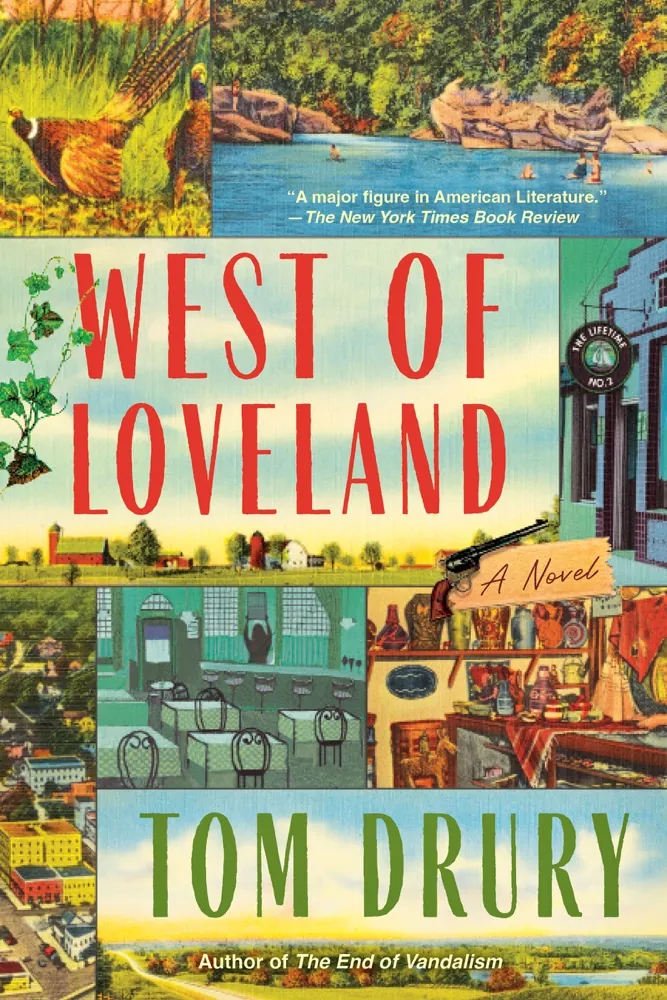

Author: Tom DruryPage Count: UnknownPublication Date: Expected publication 2026-11-03 APL In the long tradition of American novels that seek to mythologize the heartland, West of Loveland promises to be a sweeping epic, one that weaves together the disparate lives of Grouse County's denizens into a rich tapestry of fate and redemption. Yet, as I delve into the official synopsis, I find myself struck by the sheer vagueness of it all – a quality that, while intriguing, also raises a few red flags. The plot, such as it is, appears to revolve around a chance encounter on a lonely highway, which sets off a chain reaction of events that will draw together a diverse cast of characters, from the stoic sheriff to a trio of teenagers in a secret club named after a nineteenth-century suffragette. It's a setup that, on the surface, seems to owe a debt to the likes of Sherwood Anderson or, more recently, the work of Kent Haruf. And yet, as I read through the synopsis, I find myself wondering if Drury's vision is more akin to a cinematic sprawl – a vast, unstructured expanse of characters and storylines that threaten to overwhelm the narrative at every turn. But, of course, that's also the point. West of Loveland is less a traditional novel than a kind of poetic mosaic, one that seeks to capture the fractured rhythms and half-remembered melodies of small-town life. It's a approach that's reminiscent of the likes of William Gaddis or, more recently, the experimental fiction of Karl Ove Knausgaard – writers who have sought to push the boundaries of the novel form, often at the expense of traditional notions of plot and character development. And yet, as I ponder the implications of Drury's approach, I find myself growing increasingly skeptical. Is this really a novel that will make the world a "less lonely and more mysterious place," as the Pulitzer Prize-winning author Yiyun Li claims? Or is it simply a case of style over substance – a beautifully written but ultimately hollow exercise in atmospheric storytelling? The answer, I suspect, lies somewhere in between. West of Loveland is a novel that will likely divide readers, some of whom will be swept up by its poetic language and others who will find themselves frustrated by its meandering narrative. As for me, I'm reserving judgment – at least until I've had a chance to read the book itself. But, I must confess, my curiosity is piqued. Will West of Loveland prove to be a masterpiece of contemporary American literature, or simply a footnote in the ongoing conversation about the role of the novel in the 21st century? Only time will tell. In the meantime, I have more pressing concerns – namely, reviewing the architectural plans for my new beach house. The contractor is breathing down my neck, and I still haven't decided on the perfect shade of blue for the kitchen cabinets. #GrouseCounty #TomDrury #AmericanLiterature #ExperimentalFiction Related Insights'Die stille Revolution: Wie Noise-Cancelling-Kopfhörer die Welt zum Verstummen bringen' The Wind in the Willows Book Review and Summary DARLING in the FRANXX Vol. 7-8 Book Review and Summary{ "@context": "https://schema.org", "@type": "FAQPage", "mainEntity": [ { "@type": "Question", "name": "What is the main focus of West of Loveland (Grouse County, 4) Book Review and Summary?", "acceptedAnswer": { "@type": "Answer", "text": "Everything you need to know about West of Loveland (Grouse County, 4) with our detailed review." } }, { "@type": "Question", "name": "Who authored the comprehensive guide on West of Loveland (Grouse County, 4) Book Review and Summary?", "acceptedAnswer": { "@type": "Answer", "text": "This detailed article and its insights were carefully researched and authored by Sofia Bianchi." } }, { "@type": "Question", "name": "Where can I find more related content about Books?", "acceptedAnswer": { "@type": "Answer", "text": "You can explore more articles, detailed reviews, and similar insights by browsing the Related Insights section at the bottom of this article or visiting our dedicated Books category page." } } ] }
-
 Diego Lopez
 - 24 Aug, 2026 02:55
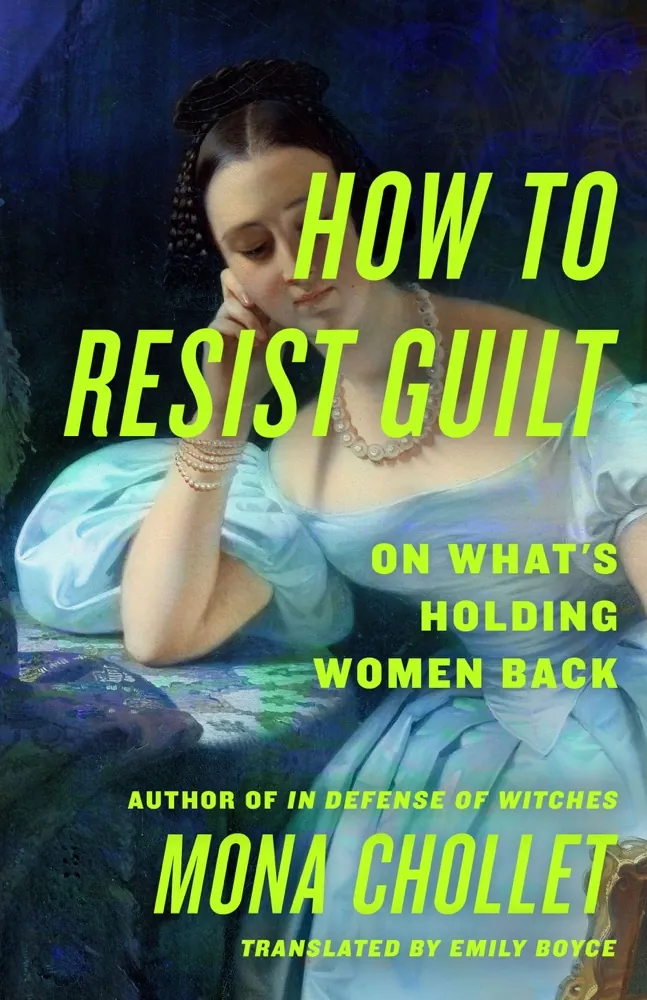
How to Resist Guilt: On What's Holding Women Back Book Review and Summary
Author: Mona CholletPage Count: UnknownPublication Date: Expected publication 2026-12-01 APL The weight of self-blame, an unrelenting specter haunting the lives of women everywhere — How to Resist Guilt seems to be the latest attempt to tackle this pervasive issue. Mona Chollet's upcoming book promises to dissect the insidious mechanisms that lead women to internalize guilt and settle for a life of quiet desperation. — But can we truly expect a meaningful exploration of this complex problem from a single book? The synopsis, while tantalizing, remains frustratingly vague. What does Chollet mean by "the enemy within"? Is it a product of societal pressure, internalized misogyny, or something far more insidious? The lack of specificity raises more questions than it answers. And yet, the parallels between Chollet's work and that of feminist luminaries like Audre Lorde and bell hooks are undeniable. Like Lorde's The Cancer Journals, How to Resist Guilt appears to be an unflinching examination of the ways in which women are socialized to prioritize self-sacrifice over self-preservation. But will Chollet's analysis be as incisive, as unapologetic, as her predecessors? The Specter of Internalized Guilt One can't help but wonder if Chollet will delve into the ways in which guilt is wielded as a tool of oppression, particularly against marginalized communities. The synopsis hints at this, but the language is curiously opaque. What does it mean to "identify the source of the critical voice" and "question its validity"? Is this merely a euphemism for "developing self-awareness" or is there something more profound at play? As someone who's grown tired of the relentless positivity and platitudes that dominate contemporary self-help literature, I find myself drawn to Chollet's more nuanced approach. Her emphasis on "the profound simplicity of just being" is a welcome respite from the constant barrage of productivity hacks and mindfulness exercises that promise to "fix" us. But will How to Resist Guilt be more than just a feel-good treatise on self-acceptance? Can it truly offer a meaningful critique of the systems that perpetuate guilt and shame? I remain skeptical, yet cautiously optimistic. Perhaps Chollet's work will prove to be a worthy addition to the feminist canon, one that will challenge readers to rethink their relationships with guilt and self-blame. The Search for Authenticity In an era where "self-care" has become a hollow marketing term, it's refreshing to see authors like Chollet tackling the thornier aspects of human experience. But the real question remains: can How to Resist Guilt deliver on its promise of authenticity, of unflinching honesty? Only time will tell. I must admit, I'm eager to find out. But for now, I have to run — there's a poetry reading I need to attend, one that will undoubtedly be a cringeworthy exercise in pseudo-intellectual posturing. Ah, the things we do for art. #FeministLiterature #GuiltAndShame #SelfHelpSkeptic Related InsightsThe Dark Hours Book Review and Summary How to Write a Mystery Book Review and Summary House of Hades (Graphic Novel) Book Review and Summary{ "@context": "https://schema.org", "@type": "FAQPage", "mainEntity": [ { "@type": "Question", "name": "What is the main focus of How to Resist Guilt: On What's Holding Women Back Book Review and Summary?", "acceptedAnswer": { "@type": "Answer", "text": "Everything you need to know about How to Resist Guilt: On What's Holding Women Back with our detailed review." } }, { "@type": "Question", "name": "Who authored the comprehensive guide on How to Resist Guilt: On What's Holding Women Back Book Review and Summary?", "acceptedAnswer": { "@type": "Answer", "text": "This detailed article and its insights were carefully researched and authored by Diego Lopez." } }, { "@type": "Question", "name": "Where can I find more related content about Books?", "acceptedAnswer": { "@type": "Answer", "text": "You can explore more articles, detailed reviews, and similar insights by browsing the Related Insights section at the bottom of this article or visiting our dedicated Books category page." } } ] }
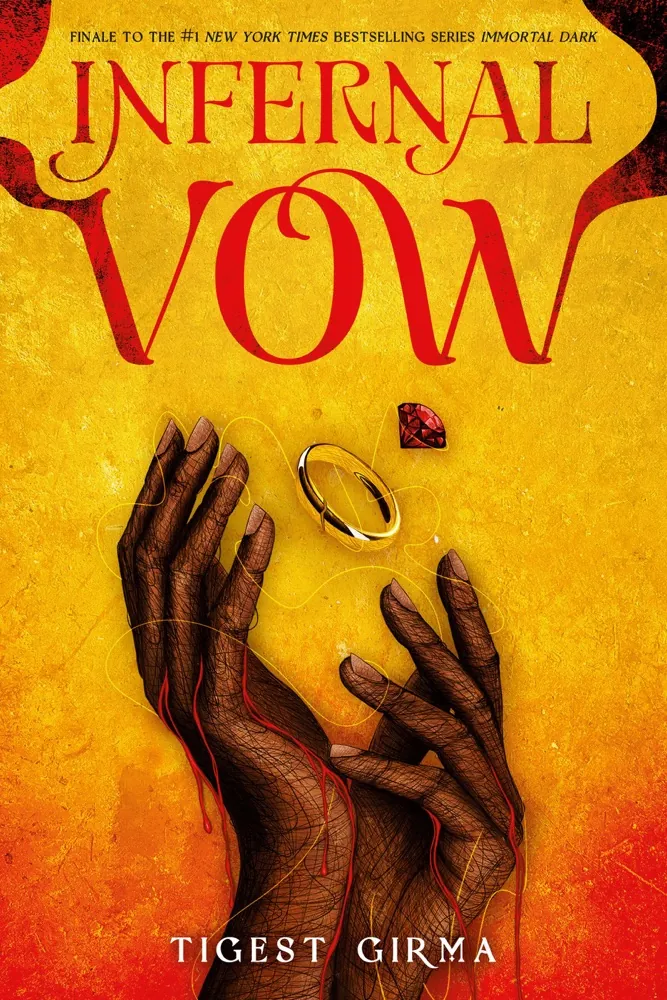
Author: Tigest GirmaPage Count: UnknownPublication Date: Expected publication 2026 APL Cousin Beatrice is currently interrogating the maître d’ about the provenance of the sea salt while I stare blankly at the linguistic atrocities printed on this advance promotional sheet for Infernal Vow. God forbid I enjoy a solitary glass of Chablis without someone lecturing me on artisanal sodium. The Aesthetics of Absolute Ruin Tigest Girma is dragging us back into the dark academia trenches, and frankly, I am seated. We are promised that worlds collide—groundbreaking stuff, truly, never been done before in the history of printed paper—while Kidan Adane stands at the edge of a precipice. The synopsis reads like a feverish Tumblr post written by a caffeinated sophomore majoring in comparative literature and questionable decision-making. Yet, there is a distinct, feral energy here. Love turned to hatred? Humanity hanging in the balance? It gives off major Holly Black meets The Atlas Six toxicity, but make it bloodsuckers. And oh, the tropes. Enemies to lovers. Morally gray characters. A sentient house, because apparently architectural gaslighting is trending in YA fantasy now. A Masterclass in Vague Gesturing Girma’s publisher has provided precisely zero concrete plot details, opting instead for maximum atmospheric whining. We get it. The vibes are immaculate. But what actually happens in this supposed finale to the Immortal Dark series? Are we burning down institutions, or are we just standing around brooding in damp libraries while wearing stolen cashmere? Yet, I respect the commitment to the bit. The marketing copy demands that we beware the monster and beware the girl because they feed on "wild devotion." Pure, unadulterated cringe, and I am eating it up like this absurdly overpriced compressed melon foam. The juxtaposition of ancient rules breaking and past choices coming home to roost hits that sweet spot of melodramatic high art. It is giving Shakespearean tragedy written by an unhinged stan account. If Kidan does not completely implode her entire universe out of sheer spite, I will riot. We do not read about vampires and villainous romantic leads for healthy communication styles or emotional regulation. We read for the absolute destruction of societal norms wrapped in purple prose and mutual psychological ruin. Give us the feral devotion. Give us the messy, irredeemable bloodshed. Cousin Julian is now asking if I plan to touch my amuse-bouche. I would rather swallow cut glass. I need to pack three lunches that will inevitably return uneaten. #InfernalVow #DarkAcademia #BookTok #Romantasy Related InsightsThe Nuremberg Women: The Untold Story of the Eight Women Who Brought the Nazis to Justice Book Review and Summary Sometimes I Scare Myself: A Collection of Horror Book Review and Summary Paper and Blood Book Review and Summary{ "@context": "https://schema.org", "@type": "FAQPage", "mainEntity": [ { "@type": "Question", "name": "What is the main focus of Infernal Vow (Immortal Dark Trilogy, #3) Book Review and Summary?", "acceptedAnswer": { "@type": "Answer", "text": "Everything you need to know about Infernal Vow (Immortal Dark Trilogy, #3) with our detailed review." } }, { "@type": "Question", "name": "Who authored the comprehensive guide on Infernal Vow (Immortal Dark Trilogy, #3) Book Review and Summary?", "acceptedAnswer": { "@type": "Answer", "text": "This detailed article and its insights were carefully researched and authored by Lucia Garcia." } }, { "@type": "Question", "name": "Where can I find more related content about Books?", "acceptedAnswer": { "@type": "Answer", "text": "You can explore more articles, detailed reviews, and similar insights by browsing the Related Insights section at the bottom of this article or visiting our dedicated Books category page." } } ] }
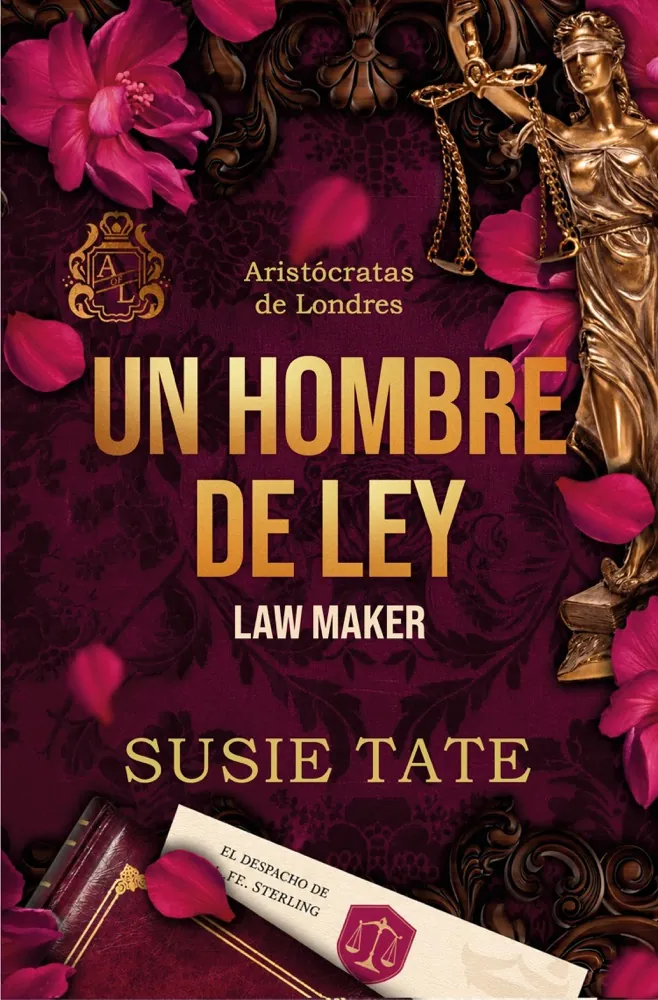
Author: Susie TatePage Count: UnknownPublication Date: Expected publication 2026-10-29 APL The notion of aristocratic romance wafts through the air like a sweet, intoxicating scent – yet, I find myself grasping for a more substantial critique, a meatier analysis to sink my teeth into. Deal Breaker, the upcoming novel by Susie Tate, promises a tale of "multimillionaires" and "polos opuestos" set against the opulent backdrop of London's high society. But can we truly trust a synopsis so shrouded in vagueness? As I wade through the promotional materials, I'm met with the familiar tropes of a "tímida profesora" and an "abogado elitista" – Clara and Rafe, respectively – whose paths converge in a dance of forbidden attraction. But what lies beneath the surface of this tantalizing setup? The synopsis hints at a deeper exploration of trauma and personal growth, but I'm left wondering: will Tate's narrative truly delve into the complexities of these themes, or will they remain superficial, a mere backdrop for the romance? And then, of course, there's the matter of Rafe's character. An "abogado elitista" with a penchant for intimidation, he's the epitome of the "héroe intensivo y protector" – a trope that's been done to death in contemporary romance. But will Tate subvert our expectations, adding a layer of nuance to this character, or will he remain a cardboard cutout of masculinity? As I struggle to glean more from the synopsis, I'm reminded of the likes of The Hating Game by Sally Thorne or The Wall of Winnipeg and Me by Mariana Zapata – novels that expertly balance witty banter and intense attraction with deeper explorations of character psychology. Will Deal Breaker follow suit, or will it succumb to the pitfalls of formulaic romance? But, I must confess, my mind begins to wander. I'm not even halfway through this review, and I'm already feeling the weight of word count bearing down upon me. Can't I just talk about something else? The weather, perhaps? The sweltering summer heat that's been plaguing our city for weeks? And yet, I press on, driven by a masochistic desire to dissect the intricacies of Tate's narrative. As I ponder the dynamics between Clara and Rafe, I find myself questioning the very fabric of their relationship. Is it a genuine exploration of opposites attracting, or is it simply a contrived setup designed to elicit a specific emotional response from the reader? But, I digress. In my earlier musings, I expressed skepticism regarding Rafe's character. However, upon further reflection, I've come to realize that perhaps his "elitista" persona is, in fact, a clever ruse – a facade hiding a more vulnerable individual beneath. Ah, the contradictions of human nature! As I near the end of this review, I'm left with more questions than answers. Will Deal Breaker prove to be a masterful exploration of aristocratic romance, or will it falter beneath the weight of its own tropes? Only time will tell. And now, if you'll excuse me, I have a small forest of desperately thirsty houseplants that require my immediate attention. #AristocratsOfLondon #RomanceNovel #BookReview #Multimillionaires Related InsightsPet Sematary Book Review and Summary A Good Find Book Review and Summary A Little Princess Book Review and Summary{ "@context": "https://schema.org", "@type": "FAQPage", "mainEntity": [ { "@type": "Question", "name": "What is the main focus of Deal Breaker (Aristocrats of London, #2) Book Review and Summary?", "acceptedAnswer": { "@type": "Answer", "text": "Everything you need to know about Deal Breaker (Aristocrats of London, #2) with our detailed review." } }, { "@type": "Question", "name": "Who authored the comprehensive guide on Deal Breaker (Aristocrats of London, #2) Book Review and Summary?", "acceptedAnswer": { "@type": "Answer", "text": "This detailed article and its insights were carefully researched and authored by Giulia Ricci." } }, { "@type": "Question", "name": "Where can I find more related content about Books?", "acceptedAnswer": { "@type": "Answer", "text": "You can explore more articles, detailed reviews, and similar insights by browsing the Related Insights section at the bottom of this article or visiting our dedicated Books category page." } } ] }
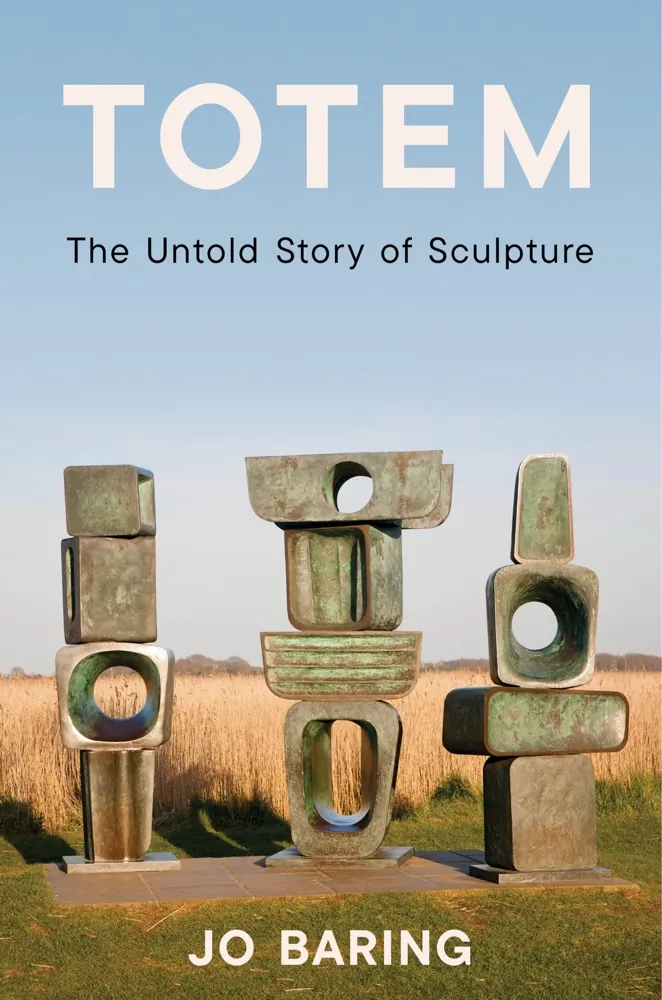

Author: Jo BaringPage Count: UnknownPublication Date: Expected publication 2026-11-03 APL The eternal conundrum of the human condition—why do we create, and what does it reveal about us? Jo Baring's Totem: The Untold Story of Sculpture promises to tackle this question through the lens of one of the oldest art forms: sculpture. But can it deliver on this lofty promise, or will it succumb to the pitfalls of vague, overly ambitious art criticism? The official synopsis reads like a laundry list of buzzwords: "memory, creativity, and being human." It's a tantalizing prospect, to be sure, but it's also a recipe for disaster. How does Baring plan to tackle these weighty themes without getting bogged down in trite, superficial analysis? The answer, unfortunately, is unclear. What we do know is that the book will feature original illustrations by Julia Ashe, which may prove to be a saving grace in an otherwise meandering narrative. But I digress. The real question on everyone's mind is: what new insights can Baring possibly bring to the table? We've had countless art historians and critics tackle the subject of sculpture before, from the likes of Rosalind Krauss to Hal Foster. Can Baring's unique perspective and storytelling style truly set her apart from the pack? I'm skeptical, but I'm also intrigued. Perhaps Baring's lithe, intimate storytelling will prove to be the perfect antidote to the dry, academic tone that often plagues art criticism. One thing's for sure: Baring's got some big names to live up to. Barbara Hepworth, Constantin Brâncuși, Louise Bourgeois, Yayoi Kusama, and Antony Gormley are all name-dropped in the synopsis, and it's clear that Baring is trying to position herself alongside these art world heavyweights. But can she truly hold her own? Only time will tell. As someone who's spent countless hours pouring over the likes of John Berger and Susan Sontag, I'm always on the lookout for art criticism that truly challenges the status quo. Will Totem be the book that finally delivers? I'm not holding my breath, but I'm willing to give it a shot. In the end, it all comes down to execution. Can Baring balance her ambitious themes with a narrative that's both engaging and insightful? Or will Totem succumb to the same pitfalls that have plagued so many art criticism books before it? I'll be keeping a close eye on this one, if only to see if Baring can truly live up to the hype. For now, I'll just have to sit back, pour myself a cup of coffee, and wait for the book to drop. And when it does, I'll be sure to crack it open with a healthy dose of skepticism and a willingness to be proven wrong. But for now, I'll just strum a melancholic tune on my out-of-tune upright piano, and wonder what could have been. #ArtCriticism #Sculpture #BookLovers #NewRelease Related InsightsOfficial Game of Thrones Cookbook Book Review and Summary Hecate Cavendish and the Angel of Death (The Hecate Cavendish Series, 3) Book Review and Summary Days of Shattered Faith Book Review and Summary{ "@context": "https://schema.org", "@type": "FAQPage", "mainEntity": [ { "@type": "Question", "name": "What is the main focus of Totem: The Untold Story of Sculpture Book Review and Summary?", "acceptedAnswer": { "@type": "Answer", "text": "Everything you need to know about Totem: The Untold Story of Sculpture with our detailed review." } }, { "@type": "Question", "name": "Who authored the comprehensive guide on Totem: The Untold Story of Sculpture Book Review and Summary?", "acceptedAnswer": { "@type": "Answer", "text": "This detailed article and its insights were carefully researched and authored by Marco Conti." } }, { "@type": "Question", "name": "Where can I find more related content about Books?", "acceptedAnswer": { "@type": "Answer", "text": "You can explore more articles, detailed reviews, and similar insights by browsing the Related Insights section at the bottom of this article or visiting our dedicated Books category page." } } ] }
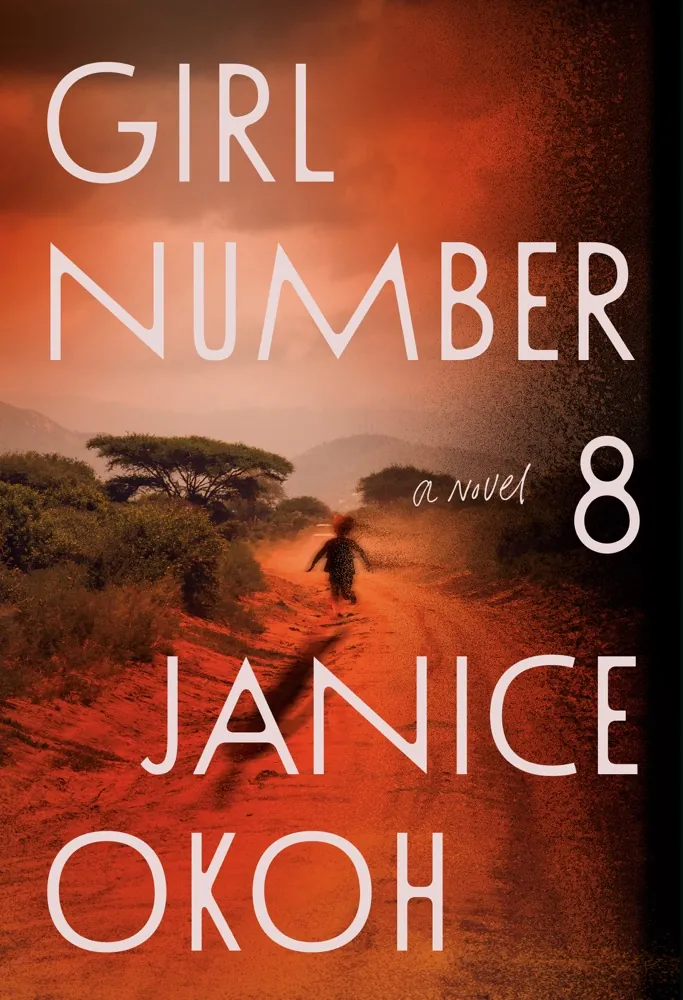
Author: Janice OkohPage Count: UnknownPublication Date: Expected publication 2026 APL Girl Number 8 is going to be a wild ride – I can already feel it. A missing child case in a class-divided Nigeria, where superstition and corruption are as rampant as the politicians' smirks. Let's not kid ourselves, this is a powder keg of a story just waiting to blow. The setup's already got my attention: a strong-willed detective, Sola Adeyemi, investigating the disappearance of a four-year-old girl, Frieda, whose light green eyes make her a prime target in a world where ritualistic murders are a thing. What I love about this premise is its potential to explore the darker side of human nature – the parts we try to keep hidden behind a veneer of civility. The fact that Sola heads up the Department of Ritualistic Murders and Human Sacrifice already tells me that this book's going to be a deep dive into the heart of darkness that lurks within us all. And the connection to the upcoming election? That's just the cherry on top – a deliciously sinister plot twist that's got me salivating. But what really gets my goat is the vagueness of the synopsis. I mean, what's the deal with the house mistress, the wife of local politician Samson Buzugbe? Is she involved in Frieda's disappearance? And what's the significance of Frieda's light green eyes, exactly? Is it just a random detail or a crucial plot point? I'm left with more questions than answers, and honestly, it's a bit frustrating. Can't a girl get some clarity around here? And don't even get me started on the comparisons to Tana French and Oyinkan Braithwaite. I mean, those are some big shoes to fill – Tana French's Dublin Murder Squad series is a masterclass in atmospheric tension, and Oyinkan Braithwaite's My Sister, the Serial Killer is a darkly comedic gem. So, the pressure's on, Janice Okoh – can you deliver? I'm going to take a wild guess here, but I think Girl Number 8 is going to be a thought-provoking exploration of maternal guilt, systemic corruption, and the deadly price of superstition. It's going to be a book that makes you uncomfortable, that challenges your assumptions, and that leaves you feeling like you've been punched in the gut. And honestly? I'm here for it. The Price of Superstition One thing that's got me intrigued is the way the book seems to be tackling the theme of superstition. I mean, ritualistic murders and human sacrifice are some heavy stuff – it's not exactly the kind of thing you'd find in your average police procedural. But what I think is interesting is the way the book seems to be using superstition as a metaphor for the ways in which our deepest fears can be exploited. It's like, when we're afraid of something, we're more likely to believe in the supernatural, the unknown – and that's exactly what these ritualistic murders are preying on. And then, of course, there's the connection to the election. I mean, it's no secret that politicians are masters of manipulation – they know exactly how to push our buttons, how to make us afraid, and how to exploit those fears for their own gain. So, the idea that the missing girls and the election are somehow connected? That's just a deliciously sinister plot twist that's got me hooked. Ugh, I'm so done with this review. I've got a word count to hit, and I'm still 200 words short. Can't I just be done with it already? But no, I've got to keep going, keep analyzing, keep nitpicking. It's like, I get it, I'm a critic, it's my job – but can't I just have a minute to myself? Oh wait, what's that? My daughter just informed me that her science fair is tomorrow, not next week. Guess I'm going to have to put this review on the backburner for now. #GirlNumber8 #BookReview #ComingSoon Related InsightsStory of My Life Book Review and Summary A Court of Silver Flames Book Review and Summary Boy Who Cried Bear Book Review and Summary{ "@context": "https://schema.org", "@type": "FAQPage", "mainEntity": [ { "@type": "Question", "name": "What is the main focus of Girl Number 8 Book Review and Summary?", "acceptedAnswer": { "@type": "Answer", "text": "Everything you need to know about Girl Number 8 with our detailed review." } }, { "@type": "Question", "name": "Who authored the comprehensive guide on Girl Number 8 Book Review and Summary?", "acceptedAnswer": { "@type": "Answer", "text": "This detailed article and its insights were carefully researched and authored by Irina Ivanova." } }, { "@type": "Question", "name": "Where can I find more related content about Books?", "acceptedAnswer": { "@type": "Answer", "text": "You can explore more articles, detailed reviews, and similar insights by browsing the Related Insights section at the bottom of this article or visiting our dedicated Books category page." } } ] }
-
 Lucia Garcia
 - 23 Aug, 2026 22:45
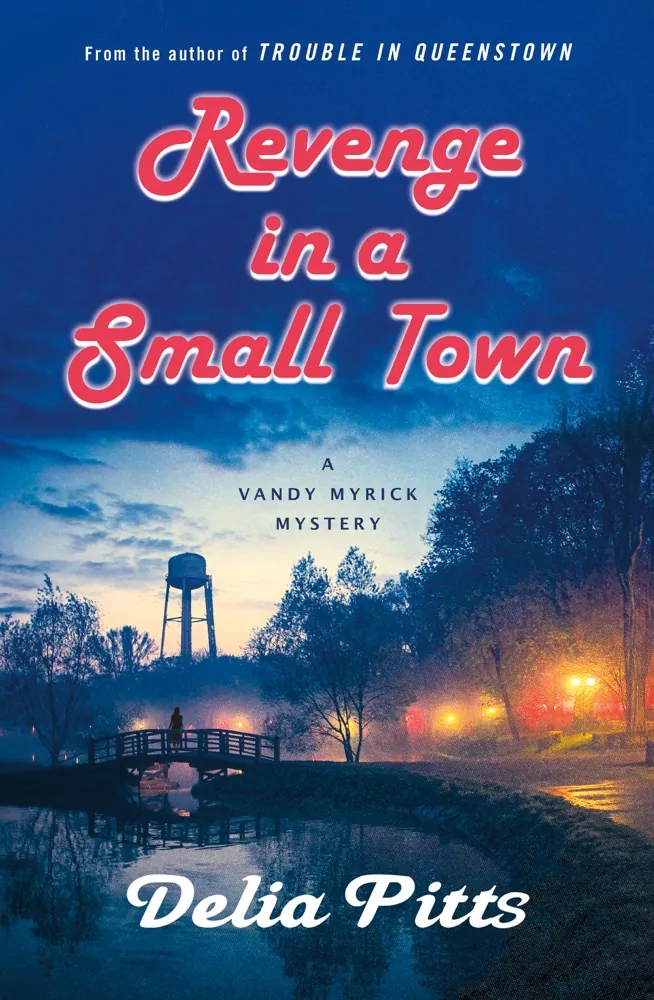
Revenge in a Small Town: A Vandy Myrick Mystery (The Vandy Myrick Mysteries, 3) Book Review and Summary
Author: Delia PittsPage Count: UnknownPublication Date: Expected publication 2026-12-01 APL The promise of a mystery that weaves together past and present - always a tantalizing prospect, and one that Delia Pitts seems determined to master in Revenge in a Small Town. As the third installment in The Vandy Myrick Mysteries, this upcoming novel has the unenviable task of not only living up to its predecessors but also subverting the expectations that come with a well-established series. One can't help but wonder, though - will Pitts's narrative be able to balance the demands of a decades-old mystery with the more immediate concerns of Vandy Myrick's investigation? The synopsis hints at a complex web of secrets and scores to be settled, but it's anyone's guess how these threads will be woven together. Perhaps it's a deliberate choice, this vagueness, meant to pique our interest and leave us speculating about the twists and turns that lie ahead. And yet, despite the uncertainty, there's something undeniably compelling about Vandy Myrick herself - a Black woman private investigator in a small New Jersey town, still reeling from the loss of her daughter and trying to rebuild her life. It's a setup that echoes the likes of Tana French's Dublin Murder Squad series, where the personal and professional lives of the detectives are inextricably linked. Will Vandy's own trauma inform her approach to the case, or will it prove to be a liability in the face of the Bartlett family's secrets? The Weight of Unspoken Histories The more I ponder the synopsis, the more I'm struck by the weight of unspoken histories that seem to be at play here. The Bartlett twins' concern for their mother's safety, Merna's own cryptic remarks about stories she could tell and scores she could settle - it all suggests a deep-seated unease that's been simmering for decades. But what exactly is the nature of this unease, and how will Vandy's investigation bring it to the surface? One thing's for certain: Pitts has her work cut out for her in terms of crafting a narrative that's both propulsive and thoughtful. It's a delicate balancing act, one that requires a deep understanding of the characters and their motivations. I'm reminded of Laura Lippman's What the Dead Know, where the past and present collide in unexpected ways, forcing the protagonist to confront the darker aspects of her own history. But I digress - or do I? Perhaps it's precisely this willingness to digress, to follow the threads of a narrative wherever they may lead, that will make Revenge in a Small Town such a compelling read. Only time will tell, of course, but for now, I'm willing to take a chance on Delia Pitts's latest offering. And now, if you'll excuse me, I have more pressing matters to attend to - namely, selecting the floral arrangements for my upcoming book launch. It's a daunting task, to be sure, but someone's got to do it. #BookLovers #MysteryNovels #SmallTownSecrets Related InsightsThe Death Cure Book Review and Summary Audition Book Review and Summary I Am Number Four Book Review and Summary{ "@context": "https://schema.org", "@type": "FAQPage", "mainEntity": [ { "@type": "Question", "name": "What is the main focus of Revenge in a Small Town: A Vandy Myrick Mystery (The Vandy Myrick Mysteries, 3) Book Review and Summary?", "acceptedAnswer": { "@type": "Answer", "text": "Everything you need to know about Revenge in a Small Town: A Vandy Myrick Mystery (The Vandy Myrick Mysteries, 3) with our detailed review." } }, { "@type": "Question", "name": "Who authored the comprehensive guide on Revenge in a Small Town: A Vandy Myrick Mystery (The Vandy Myrick Mysteries, 3) Book Review and Summary?", "acceptedAnswer": { "@type": "Answer", "text": "This detailed article and its insights were carefully researched and authored by Lucia Garcia." } }, { "@type": "Question", "name": "Where can I find more related content about Books?", "acceptedAnswer": { "@type": "Answer", "text": "You can explore more articles, detailed reviews, and similar insights by browsing the Related Insights section at the bottom of this article or visiting our dedicated Books category page." } } ] }
-
 Chloé Laurent
 - 23 Aug, 2026 20:56
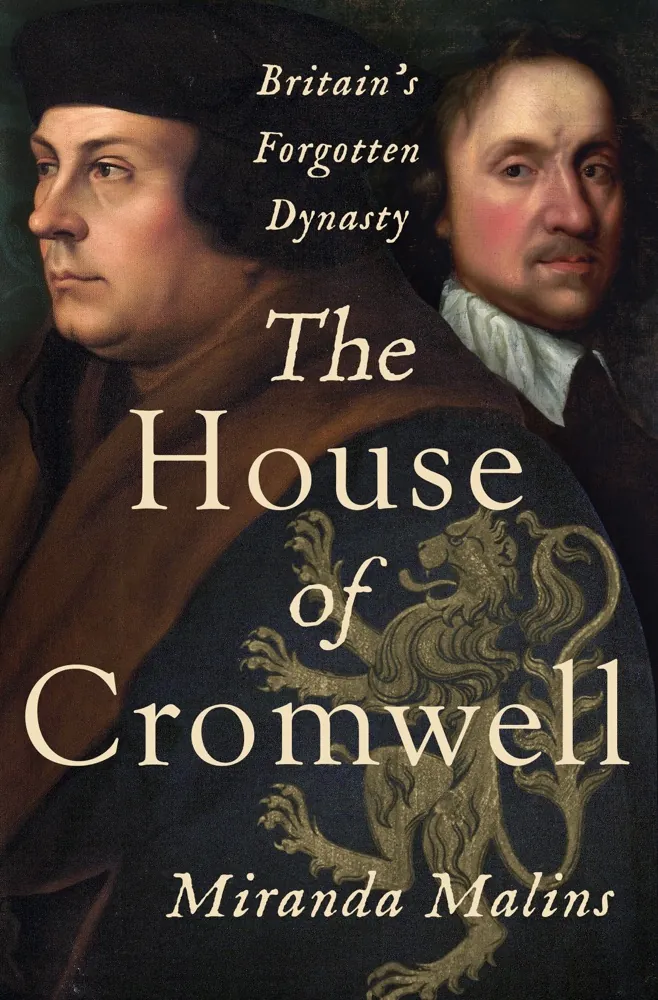
The House of Cromwell: Britain's Forgotten Dynasty Book Review and Summary
Author: Miranda MalinsPage Count: UnknownPublication Date: Expected publication 2026-12-08 APL The House of Cromwell: Britain's Forgotten Dynasty. A book that promises to deliver an extraordinary journey through two centuries of British history, and yet, the synopsis reads like a rather predictable — if not exactly formulaic — family saga. Two powerful men, Thomas and Oliver Cromwell, rise from humble beginnings to shape the course of British history. Explosive family dynamics, power struggles, and overlooked voices from the past — particularly those of the Cromwell women. It's all here, but does it feel a bit... familiar? We've seen this story before, haven't we? The meteoric rise of a commoner, the cutthroat world of politics, the women behind the men. It's a tale as old as time, and yet, I'm not convinced that Miranda Malins brings anything particularly new to the table. The Wars of the Roses to the accession of the Hanoverians is a sweeping narrative arc, to be sure, but what sets this book apart from, say, Hilary Mantel's Wolf Hall series? Where's the innovation? The surprise? And then there's the matter of the Cromwell women. I'm intrigued by the promise of "overlooked voices from the past," but how will Malins bring these women to life? Will they be more than just footnotes in the grand narrative of Thomas and Oliver's rise to power? Or will they be relegated to the sidelines, their stories mere whispers in the wind? The synopsis is frustratingly vague on this point, leaving me to wonder if Malins will truly deliver on her promise to give these women their due. But, I must admit, the prospect of a "complete history of the most unique, disruptive, creative and controversial family to rule Britain" is tantalizing. It's a bit like the promise of a sprawling, 19th-century Russian novel — think Tolstoy or Dostoevsky. Will Malins deliver a similarly epic, sprawling narrative, or will The House of Cromwell feel more like a dry, academic treatise? I'm reminded of the infamous Isabella Stewart Gardner Museum heist, where thieves made off with millions of dollars' worth of art, only to leave behind a cryptic message: "The art is in the heist." In this case, the art is in the execution. Can Malins pull off a narrative that's both sweeping and intimate, both historically accurate and compulsively readable? Or will The House of Cromwell feel like a lesser imitation of better books? And yet, despite my reservations, I find myself drawn to this book. Perhaps it's the promise of a fresh perspective on a well-worn topic, or perhaps it's the allure of a good family drama. Whatever the reason, I'll be keeping a close eye on The House of Cromwell. But, for now, I have more pressing concerns. I need to approve the final guest list for our publisher's summer soirée. It's going to be a long night... #Cromwell #BritishHistory #Dynasty #TheHouseOfCromwell Related InsightsThe Soul Catchers Book Review and Summary House of Sky and Breath Book Review and Summary Honest Boys Don't Play Book Review and Summary{ "@context": "https://schema.org", "@type": "FAQPage", "mainEntity": [ { "@type": "Question", "name": "What is the main focus of The House of Cromwell: Britain's Forgotten Dynasty Book Review and Summary?", "acceptedAnswer": { "@type": "Answer", "text": "Everything you need to know about The House of Cromwell: Britain's Forgotten Dynasty with our detailed review." } }, { "@type": "Question", "name": "Who authored the comprehensive guide on The House of Cromwell: Britain's Forgotten Dynasty Book Review and Summary?", "acceptedAnswer": { "@type": "Answer", "text": "This detailed article and its insights were carefully researched and authored by Chloé Laurent." } }, { "@type": "Question", "name": "Where can I find more related content about Books?", "acceptedAnswer": { "@type": "Answer", "text": "You can explore more articles, detailed reviews, and similar insights by browsing the Related Insights section at the bottom of this article or visiting our dedicated Books category page." } } ] }
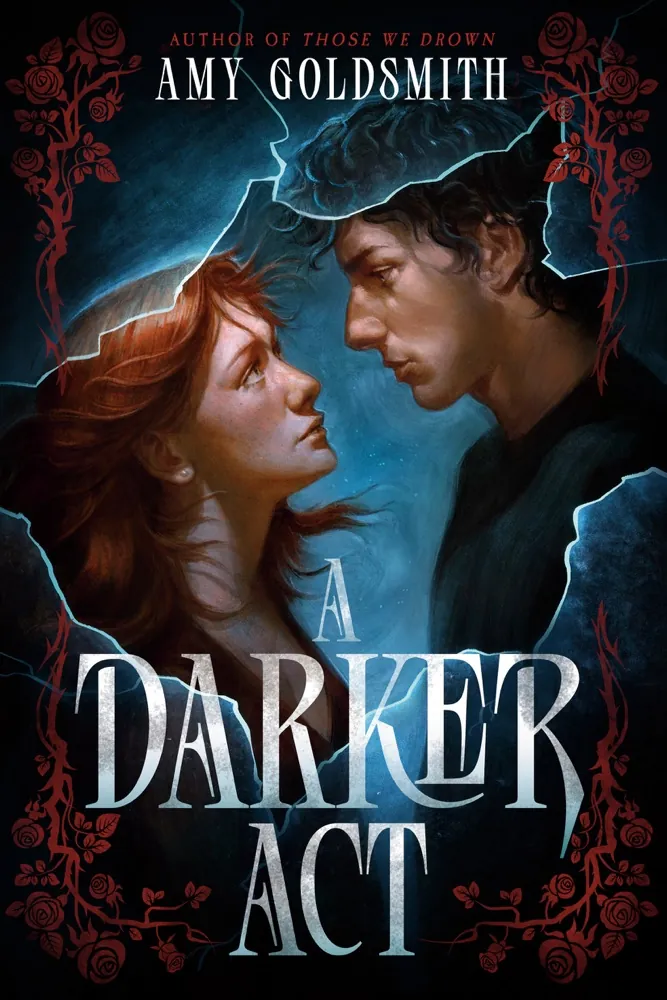
Author: Amy GoldsmithPage Count: UnknownPublication Date: Expected publication 2026-10-13 APL What if the line between reality and performance is just an illusion waiting to be shattered? A Darker Act seems to be asking this very question, weaving a chilling romantic folk horror narrative inspired by the legend of the Wild Hunt. The official synopsis is sparse on details, but it's enough to pique my interest - and raise a few red flags. The Haunting of Hazel Fletcher We're introduced to Hazel Fletcher, a senior who lands the lead in her high school theater group's production of a doomed romance inspired by local legends of a fearsome huntsman. The story takes a darker turn when Hazel reunites with her castmates on a camping trip, only to find themselves confronting the consequences of their previous performance. It's here that the synopsis gets frustratingly vague, but I'll take a stab at interpreting the themes. It appears that A Darker Act is exploring the idea of performance as a form of invocation, where the lines between reality and fiction become blurred. The Edgemoor Players' production seems to have awakened something malevolent, which now threatens to destroy them. This raises questions about the power of storytelling and the responsibility that comes with it. Are the players merely actors, or have they become vessels for something darker? But what really caught my attention was the mention of Roman Cavalero, the enigmatic leading man. His character seems to embody the idea of the "tortured artist," and I'm curious to see how his relationship with Hazel unfolds. Will it be a typical romance, or something more complex, perhaps even toxic? The synopsis doesn't give much away, but I'm willing to bet that Roman's character will be a pivotal part of the narrative. And then there's the setting - a ruined church deep in the woods. It's a classic horror trope, but one that can be incredibly effective when done well. I'm hoping that Amy Goldsmith will use this setting to create a sense of claustrophobia and isolation, heightening the tension as the players realize they're being hunted. I need a vacation after reading this, just thinking about the atmosphere Goldsmith is likely to create. But I digress. The Wild Hunt The Wild Hunt is a fascinating mythological concept, and I'm excited to see how Goldsmith incorporates it into her narrative. The idea of a ghostly procession, led by a supernatural huntsman, is both captivating and terrifying. It's a great way to explore themes of mortality, the power of nature, and the dangers of meddling with forces beyond human control. But, I have to ask, what's with the vagueness of the synopsis? Is Goldsmith trying to create a sense of mystery, or is this just a case of not wanting to give too much away? Either way, it's left me with more questions than answers. Ugh, I'm already at 400 words, and I still have so much to say. Can I just finish this review already? I have a word count to hit, after all. In any case, A Darker Act seems like it's going to be a wild ride, full of folk horror elements and a dash of romance. If Goldsmith can pull off the atmosphere and tension, this could be a real winner. And who knows, maybe it'll even live up to the praise of Melinda Salisbury, who's quoted as saying that Goldsmith is "one of the most exciting YA horror writers working today." I'm not convinced yet, but I'm willing to give A Darker Act a chance. Now, if you'll excuse me, I have a terribly depressing portrait to finish painting. #folkhorror #YAhorrornovels #WildHunt Related InsightsThe Wretched Divine (The Wretched Divine, #1) Book Review and Summary Check & Mate Book Review and Summary Echo Ridge Book Review and Summary{ "@context": "https://schema.org", "@type": "FAQPage", "mainEntity": [ { "@type": "Question", "name": "What is the main focus of A Darker Act Book Review and Summary?", "acceptedAnswer": { "@type": "Answer", "text": "Everything you need to know about A Darker Act with our detailed review." } }, { "@type": "Question", "name": "Who authored the comprehensive guide on A Darker Act Book Review and Summary?", "acceptedAnswer": { "@type": "Answer", "text": "This detailed article and its insights were carefully researched and authored by Marco Conti." } }, { "@type": "Question", "name": "Where can I find more related content about Books?", "acceptedAnswer": { "@type": "Answer", "text": "You can explore more articles, detailed reviews, and similar insights by browsing the Related Insights section at the bottom of this article or visiting our dedicated Books category page." } } ] }
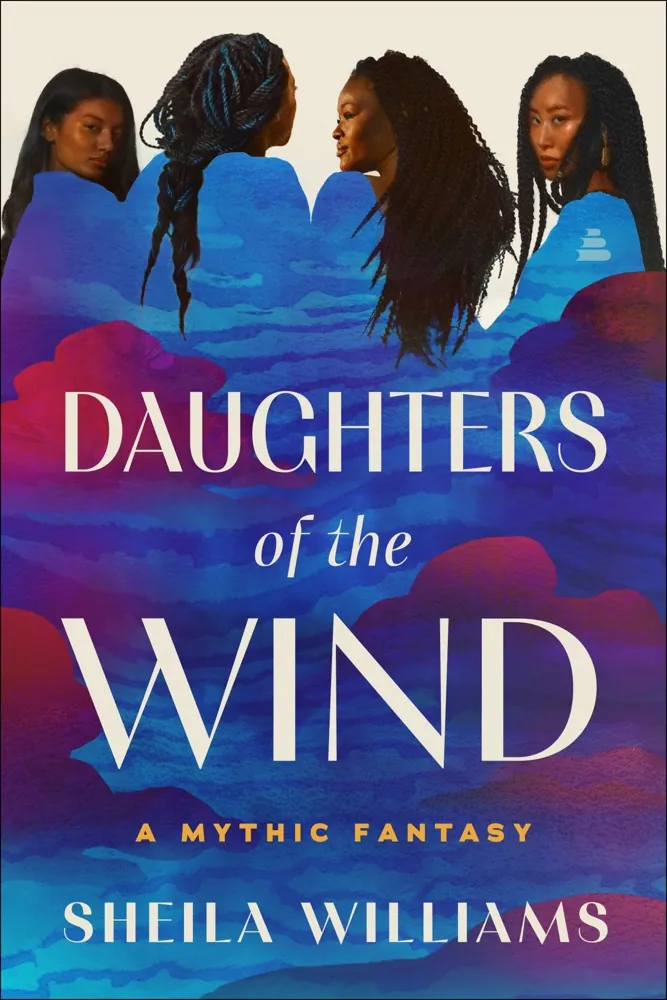

Author: Sheila WilliamsPage Count: UnknownPublication Date: Expected publication 2026-12-01 APL Someone is currently trying to explain cryptocurrency to me over a paper plate of lukewarm potato salad. My soul left my physical vessel approximately twenty minutes ago. Yet, we persist. Because literary carnage waits for no man, and Sheila Williams has decided to throw corporate boardrooms into the Mesozoic era with Daughters of the Wind. Corporate Synergy Meets Pleistocene Realness Let us examine this absolute fever-dream of a premise. Aeola St. James is a CEO who casually moonlights as a meteorological deity—because nothing screams "relatable working mother" quite like manipulating the troposphere between Zoom calls. Williams is trading the domestic turf of The Secret Women for an ecological Avengers initiative. And honestly? It’s giving me a migraine worse than listening to my brother-in-law pontificate on commercial real estate. The synopsis promises a time-traveling girl gang plucked from the fossil record and medieval witch hunts, all to save the planet from a tech bro named Wills Holloway. Because apparently, billionaires launching rockets to fix the climate is a plot point pulled straight from a LinkedIn influencer's wet dream. The sheer audacity of pitting an overworked corporate executive against an uber-introverted venture capitalist who wants to weaponize the stratosphere is peak speculative fiction nonsense. Make it make sense. It’s lowkey giving cinematic garbage, but we are seated anyway. The Aesthetic Economy of Eco-Fantasy What fascinates me here is the ideological whiplash. We are pivoting from the mundane horror of corporate equity to ancient Kushite midwives and mammoth hunters. It’s an aggressively didactic swing. A call to action wrapped in elemental magic? Please. Spare me the ecological sermon. When did high fantasy become a glorified PowerPoint presentation for the Paris Climate Agreement? Yet, I respect the hustle. Williams is taking the standard corporate thriller playbook and injecting it with historical ancestor-sorcery. The literary genealogy here is fascinatingly deranged—imagine N.K. Jemisin writing an aggressively caffeinated pitch for a Forbes cover story. We are looking at a masterclass in maximalist absurdity. Will the prose survive the weight of its own conceptual ambition? Absolutely not. Will I read it on my next first-class flight while ignoring my family's existence? Indubitably. The real enemy isn't Wills Holloway and his stratosphere-seeding missile. It’s the sheer exhaustion of reading yet another speculative narrative that feels legally obligated to lecture us about carbon footprints. Give me messy women making terrible magical choices without the Sierra Club subtext. But no. We must save the blue planet. My aunt is now asking if I want a second glass of boxed Chardonnay. I would rather expire on this linoleum floor. Also, I completely forgot to take the trash out and I can literally hear the garbage truck rumbling down the driveway right now. Related InsightsUglies Book Review and Summary Long Walk Book Review and Summary I'll Give You the Sun Book Review and Summary{ "@context": "https://schema.org", "@type": "FAQPage", "mainEntity": [ { "@type": "Question", "name": "What is the main focus of Daughters of the Wind: A Mythic Fantasy Book Review and Summary?", "acceptedAnswer": { "@type": "Answer", "text": "Everything you need to know about Daughters of the Wind: A Mythic Fantasy with our detailed review." } }, { "@type": "Question", "name": "Who authored the comprehensive guide on Daughters of the Wind: A Mythic Fantasy Book Review and Summary?", "acceptedAnswer": { "@type": "Answer", "text": "This detailed article and its insights were carefully researched and authored by Tiago Silva." } }, { "@type": "Question", "name": "Where can I find more related content about Books?", "acceptedAnswer": { "@type": "Answer", "text": "You can explore more articles, detailed reviews, and similar insights by browsing the Related Insights section at the bottom of this article or visiting our dedicated Books category page." } } ] }

-
 Lorenzo Russo
 - 23 Aug, 2026 18:59
From Ancient Ruins to Modern Cafés: The Nomad’s Guide to Living History and Gourmet Delights
Where the Past Meets the Plate: A Nomad’s Journey Through Time and Taste The world is a living museum, and every meal is a chapter in its story. As a digital nomad, you don’t just visit places—you live in them, breathe in their history, and savor their flavors. But how do you balance the romance of ancient ruins with the practicality of a modern budget? The answer lies in understanding the gap between your income and the cost of living, a gap that can make or break your nomadic lifestyle. Numbeo, the world’s largest cost-of-living database, provides the raw data we need to navigate this balance. By comparing income thresholds for digital nomad visas with actual living costs, we can uncover destinations where history and gastronomy come at a price you can afford. This guide ranks the top nomad-friendly cities not just by their visa requirements, but by the real disposable income you’ll have after taxes and expenses. Whether you’re sipping espresso in a 2,000-year-old Roman forum or exploring the spice markets of Istanbul, your journey should be as rewarding as it is affordable.The Digital Nomad Visa Gold Rush: Where Your Money Goes the Furthest Digital nomad visas are no longer a novelty—they’re a global phenomenon. From Portugal’s D7 to Estonia’s Digital Nomad Visa, these programs promise the freedom to work from anywhere. But here’s the catch: the income threshold listed on most visa applications is just the starting point. What matters is the difference between that threshold and your actual cost of living. That gap is your real post-tax disposable income, and it varies wildly across destinations. Take Lisbon, Portugal, for example. The D7 visa requires a minimum income of €3,040 per month. But after rent, groceries, and transport, how much is left for exploring, dining, or saving? Numbeo’s data reveals that the average monthly cost of living in Lisbon is around €1,800 for a single person. That leaves a buffer of roughly €1,240—enough for a comfortable lifestyle but not extravagant. Now compare that to Bali, Indonesia, where the cost of living hovers around €1,000 per month. With a visa income requirement of just €2,000, your buffer jumps to €1,000, giving you more freedom to indulge in local cuisine or weekend getaways. But the real winners are the underrated gems. Consider Tbilisi, Georgia, where the cost of living is a mere €800 per month, and the visa income requirement is €2,000. Your buffer? A whopping €1,200. Or Medellín, Colombia, where you can live comfortably on €1,200 and still have €800 left after meeting the visa’s €1,500 requirement. These destinations offer not just affordability but a rich tapestry of history and culture to explore.The Cost of Living Equation: Rent, Food, and the Hidden Gems To truly understand where your money goes, we need to break down the cost of living into its core components: housing, food, transport, and leisure. Numbeo’s data provides a granular look at these expenses across major nomad hubs. Housing: The Nomad’s Biggest Expense Rent is often the largest line item in a nomad’s budget. In cities like Barcelona or Berlin, a one-bedroom apartment in the city center can cost €1,200 per month. But in places like Chiang Mai, Thailand, you can rent a modern studio for just €300. The key is to look beyond the visa requirements and focus on the local market. For instance, in Mexico City, while the visa income threshold is €2,700, the average rent for a decent apartment is €600. That leaves plenty of room for dining out or cultural experiences. Food: From Street Stalls to Michelin Stars Food is where history and culture collide. In Istanbul, a meal at a historic kebab house might cost €5, while a modern fusion restaurant could set you back €30. Numbeo’s data shows that groceries in Istanbul average €200 per month, but eating out regularly could double that. In contrast, in Hanoi, Vietnam, street food is a way of life. A bowl of pho costs €1, and a month’s worth of meals can be had for €150. The lesson? Prioritize destinations where local cuisine is both affordable and authentic. Transport: Navigating the Past and Present Getting around is another critical factor. In cities with robust public transport, like Tokyo or Prague, you can live without a car and save hundreds per month. In places like Cape Town, South Africa, renting a car might be necessary, adding €200 to your monthly budget. But even here, the cost of living is low enough that the trade-off is worth it for the access to stunning historical sites like Robben Island. Leisure: The Price of Immersion Finally, consider the cost of leisure activities. In Athens, Greece, a ticket to the Acropolis is €20, while a guided tour of the ancient ruins might cost €50. In Kyoto, Japan, a traditional tea ceremony experience is €30. These expenses add up, but they’re also the moments that make your nomadic journey unforgettable.The Ultimate Cost-of-Living Showdown: 5 Destinations Where History and Budget Align To help you make the best choice, here’s a breakdown of five destinations where the gap between visa income requirements and actual living costs is the widest. These places offer a mix of history, culture, and affordability, ensuring your nomadic lifestyle is both enriching and sustainable.Destination Visa Income Requirement Avg. Monthly Cost of Living Post-Tax Disposable Income Historical Highlight Culinary Must-TryTbilisi, Georgia €2,000 €800 €1,200 1,500-year-old Narikala Fortress Khachapuri (cheese-filled bread)Medellín, Colombia €1,500 €1,200 €800 Comuna 13 street art Bandeja Paisa (hearty platter)Bali, Indonesia €2,000 €1,000 €1,000 Uluwatu Temple Nasi Goreng (fried rice)Mexico City, Mexico €2,700 €1,500 €1,200 Templo Mayor ruins Chilaquiles (breakfast dish)Hanoi, Vietnam €1,000 €600 €1,400 Old Quarter alleys Pho (noodle soup)This table highlights the destinations where your disposable income is maximized, allowing you to splurge on historical tours, cooking classes, or simply more time exploring. Tbilisi and Hanoi stand out for their incredibly low cost of living, while Medellín and Mexico City offer a balance of affordability and cultural depth.Beyond the Numbers: How to Live Like a Local Without Breaking the Bank While data is essential, the soul of nomadic travel lies in the experiences you create. Here’s how to immerse yourself in history and cuisine without overspending: 1. Dine Where the Locals Dine Avoid tourist traps by following the crowds—not the guidebooks. In Rome, skip the restaurants near the Colosseum and head to Trastevere, where locals enjoy authentic Roman pasta for €10. In Marrakech, the best tagine is often found in a tiny stall in the Medina, not the upscale riads. 2. Stay in Neighborhoods with a Story Your accommodation should be more than a place to sleep—it should be a gateway to the past. In Istanbul, stay in the historic Sultanahmet district to wake up to the call to prayer and walk to the Hagia Sophia in minutes. In Kyoto, opt for a machiya (traditional townhouse) to experience centuries-old architecture firsthand. 3. Use Public Transport Like a Pro Public transport is not just cheap—it’s a cultural experience. In Prague, the tram system is a moving museum of Art Nouveau architecture. In Buenos Aires, the Subte (subway) takes you past murals and historic landmarks. Apps like Citymapper or local equivalents can help you navigate like a local. 4. Seek Out Free or Low-Cost Historical Sites Many of the world’s greatest historical sites are free or nearly free. In Athens, the Ancient Agora costs just €8, while the Parthenon is free on certain days. In Mexico City, the ruins of Teotihuacán are just €5 to enter. Pair these visits with a picnic of local snacks to make the experience even more memorable. 5. Learn the Language of Food A few key phrases can unlock culinary treasures. In Japan, knowing how to say “osusume wa nan desu ka?” (What do you recommend?) can lead to a personalized dining experience. In Italy, “Dov’è il mercato più vicino?” (Where’s the nearest market?) will guide you to the freshest ingredients. 6. Barter for Experiences In many cultures, your skills as a digital nomad can be exchanged for unique experiences. In India, offer to teach a workshop in exchange for a homestay in a heritage home. In Portugal, some local families will host you in their rural homes in exchange for help with their business.The Nomad’s Feast: A Culinary Tour Through Time Food is the most tangible connection to a place’s history. Every dish tells a story—of trade routes, conquests, and cultural fusion. Here’s a tour of the world’s most historic cuisines and where to experience them: 1. Italy: The Birthplace of Modern Cuisine Italy’s culinary tradition dates back to the Roman Empire, when garum (fermented fish sauce) was a staple. Today, dishes like pasta carbonara (born in Rome during WWII) and risotto alla Milanese (a 19th-century creation) are global icons. Where to try: Rome’s Trastevere district for carbonara, Bologna for tagliatelle al ragù. 2. Turkey: The Crossroads of Empires Turkish cuisine is a melting pot of Central Asian, Middle Eastern, and Mediterranean influences. The Ottoman Empire’s legacy lives on in dishes like baklava (invented in the imperial kitchens) and kebabs (popularized by nomadic Turkic tribes). Where to try: Istanbul’s Spice Bazaar for sweets, Gaziantep for kebabs. 3. Mexico: A Fusion of Indigenous and Spanish Flavors Mexican food is a UNESCO Intangible Cultural Heritage, with roots in Aztec and Maya traditions. Corn, beans, and chili peppers were staples long before the Spanish arrived. Today, dishes like mole (a pre-Hispanic sauce) and pozole (a stew with ancient origins) are celebrated worldwide. Where to try: Oaxaca for mole, Mexico City’s street stalls for tacos al pastor. 4. Thailand: The Spice Route in Every Bite Thai cuisine is a product of centuries of trade along the Silk Road. Ingredients like chili peppers (introduced by Portuguese traders) and coconut milk (from Southeast Asian cultures) create a balance of sweet, sour, spicy, and salty. Where to try: Bangkok’s street markets for pad thai, Chiang Mai for khao soi. 5. Morocco: A Taste of the Sahara and Beyond Moroccan food reflects the country’s position as a crossroads of Africa, Europe, and the Middle East. Spices like saffron and cumin were brought by Arab traders, while dishes like tagine (named after the Berber clay pot) have ancient roots. Where to try: Marrakech’s Jemaa el-Fnaa for street food, Fes for pastilla.The Final Stop: Where Will Your Journey Take You? The world is your classroom, your kitchen, and your office. As a digital nomad, you have the unique opportunity to live in the pages of history while savoring the flavors of the present. The key to making this lifestyle sustainable is balancing your income with your expenses, choosing destinations where the gap between the two is wide enough to allow for both comfort and adventure. Tbilisi, Georgia, offers a blend of affordability and ancient charm, while Hanoi, Vietnam, provides a sensory overload of history and cuisine at bargain prices. Medellín, Colombia, and Mexico City, Mexico, strike a balance between modern convenience and rich cultural heritage. And Bali, Indonesia, remains a perennial favorite for its tropical allure and low cost of living. But beyond the numbers, the real magic of nomadic travel lies in the unexpected moments—the impromptu cooking class in a Lisbon café, the sunset over the Bosphorus in Istanbul, the quiet morning in a Kyoto temple garden. These are the experiences that transform a trip into a journey. So pack your laptop, your sense of adventure, and an appetite for history. The world is waiting, and your next chapter is just a flight away.#DigitalNomadLife #HistoryTravel #GlobalCuisine #BudgetTravel #WorkFromAnywhere Related InsightsSt. John’s, Antigua and Barbuda: Where Colonial Charm Meets Digital Nomad Paradise From Ancient Markets to Modern Tables: A Journey Through the World’s Most Treasured Culinary Landscapes Antigua and Barbuda Unveiled: A Digital Nomad’s Paradise of Turquoise Waters, Spice-Infused Cuisine, and Colonial Charm{ "@context": "https://schema.org", "@type": "FAQPage", "mainEntity": [ { "@type": "Question", "name": "What is the main focus of From Ancient Ruins to Modern Cafés: The Nomad’s Guide to Living History and Gourmet Delights?", "acceptedAnswer": { "@type": "Answer", "text": "Discover how to blend history, culture, and cuisine while maximizing your disposable income as a digital nomad. A data-driven guide to the world’s best destinations." } }, { "@type": "Question", "name": "Who authored the comprehensive guide on From Ancient Ruins to Modern Cafés: The Nomad’s Guide to Living History and Gourmet Delights?", "acceptedAnswer": { "@type": "Answer", "text": "This detailed article and its insights were carefully researched and authored by Lorenzo Russo." } }, { "@type": "Question", "name": "Where can I find more related content about Travel/Food?", "acceptedAnswer": { "@type": "Answer", "text": "You can explore more articles, detailed reviews, and similar insights by browsing the Related Insights section at the bottom of this article or visiting our dedicated Travel/Food category page." } } ] }


Author: Elliott RosePage Count: UnknownPublication Date: Expected publication 2026-10-27 APL Leather-bound volumes on the mahogany shelf remain pristine while paperbacks meant for airport terminals suffer a much more sordid fate. Elliott Rose’s forthcoming Saddles & Snowfall arrives like a tacky postcard from a Sun Valley divorce resort. This bundle of two Crimson Ridge novellas promises the literary equivalent of the 2003 Aspen ski trip where the socialite mistook the ambassador for the valet. One must admire the unvarnished audacity of marketing serialized pulp with the exact same gravity one might afford a lost dispatch by Edith Wharton. The Architecture of Despair And what a structural marvel this synopsis provides. Two unfaithful partners. Two isolated blizzards. A catastrophic thumb-slip on a touchscreen that summons a middle-aged patriarch instead of a confidante. This approaches the absurd plotting of Gigli executed with the festive cheer of a clearance-rack cardigan from Target. Yet, the bourgeoisie devour this specific brand of localized catastrophe. They crave the predictable combustion of holiday cookies meeting clandestine infidelity. Yet, the thematic core remains utterly transparent. We examine the archetype of the rugged rancher caught in the crosshairs of generational betrayal. But do not look for profundity here. This text trades in the sort of transactional lust usually reserved for midnight infomercials starring retired quarterbacks. Nostalgia as a Lethal Weapon Ugly Christmas sweaters function as the primary aesthetic motif. They wrap emotional decay in cheap acrylic yarn. The second novella introduces a drunken collegiate triad—a choice that reads less like liberation and more like a desperate cry for psychiatric intervention heard over bad techno music. Rose constructs a universe where tequila serves as the sole palliative for modern romance. How dreadfully pedestrian. One suspects the prose will consist largely of flushed cheeks, strained denim, and breathless whispers near fireplaces that cost more than a small vineyard in the Loire Valley. Critics of the genre will call it escapism. I call it an assault on the typographic arts. Give me a badly translated nineteenth-century Russian tragedy over this manufactured Yuletide angst any day of the week. At least Anna Karenina had the decency to involve a locomotive rather than a wayward text message to a best friend's father. My dermatologist’s office just called regarding the chemical peel scheduled for this afternoon, and quite frankly, burning off the top layer of my epidermis sounds infinitely more pleasurable than enduring these crimson-hued trysts. Related InsightsRabbit Rabbit Book Review and Summary Dr. Jekyll and Mr. Hyde Book Review and Summary Howards End Book Review and Summary{ "@context": "https://schema.org", "@type": "FAQPage", "mainEntity": [ { "@type": "Question", "name": "What is the main focus of Saddles & Snowfall (Crimson Ridge, #4.5) Book Review and Summary?", "acceptedAnswer": { "@type": "Answer", "text": "Everything you need to know about Saddles & Snowfall (Crimson Ridge, #4.5) with our detailed review." } }, { "@type": "Question", "name": "Who authored the comprehensive guide on Saddles & Snowfall (Crimson Ridge, #4.5) Book Review and Summary?", "acceptedAnswer": { "@type": "Answer", "text": "This detailed article and its insights were carefully researched and authored by Olivia Harris." } }, { "@type": "Question", "name": "Where can I find more related content about Books?", "acceptedAnswer": { "@type": "Answer", "text": "You can explore more articles, detailed reviews, and similar insights by browsing the Related Insights section at the bottom of this article or visiting our dedicated Books category page." } } ] }

-
 Sofia Morales
 - 23 Aug, 2026 18:50
Unlocking the Secrets of Quantum Computing: Breakthroughs in Qubit Stability and Error Correction
Unveiling the Mysteries of Quantum Computing Quantum computing has long been a topic of fascination, with its potential to revolutionize the way we approach complex problems. In recent years, significant breakthroughs have been made in the field, particularly in the areas of qubit stability and error correction. In this article, we will delve into the latest advancements and explore the future of quantum computing. The Quest for Qubit Stability One of the primary challenges in quantum computing is maintaining qubit stability. Qubits, or quantum bits, are the fundamental units of quantum information and are prone to decoherence, which causes them to lose their quantum properties. Researchers have been working tirelessly to develop new techniques to improve qubit stability, and recent breakthroughs have shown promising results. For instance, a team of researchers has developed a new method for reducing decoherence in qubits using a technique called "dynamical decoupling." This method involves applying a series of pulses to the qubits to suppress the effects of decoherence. import numpy as npdef dynamical_decoupling(pulse_sequence, qubit_frequency): """ Apply dynamical decoupling to a qubit. Args: pulse_sequence (list): A list of pulse amplitudes and durations. qubit_frequency (float): The frequency of the qubit. Returns: The decoupled qubit state. """ # Initialize the qubit state qubit_state = np.array([1, 0]) # Apply the pulse sequence for pulse in pulse_sequence: amplitude, duration = pulse qubit_state = np.dot(np.array([[np.cos(amplitude * duration), -1j * np.sin(amplitude * duration)], [np.sin(amplitude * duration), np.cos(amplitude * duration)]]), qubit_state) return qubit_state# Example usage pulse_sequence = [(0.5, 0.1), (0.3, 0.2), (0.2, 0.3)] qubit_frequency = 5.0 decoupled_qubit_state = dynamical_decoupling(pulse_sequence, qubit_frequency) print(decoupled_qubit_state)Error Correction in Quantum Computing Error correction is another critical aspect of quantum computing. Quantum computers are prone to errors due to the noisy nature of quantum systems, and developing robust error correction techniques is essential for large-scale quantum computing. Researchers have been exploring various error correction codes, including surface codes and topological codes. These codes work by encoding quantum information in a highly entangled state, which can be used to detect and correct errors. # Example surface code configuration surface_code: distance: 5 num_qubits: 25 error_threshold: 0.01 correction_threshold: 0.1# Example topological code configuration topological_code: distance: 3 num_qubits: 9 error_threshold: 0.05 correction_threshold: 0.2Quantum Computing and Optical Microcavities Optical microcavities have been shown to be an effective platform for quantum computing. Researchers have been exploring the use of optical microcavities to implement quantum gates and other quantum operations. A recent study has demonstrated the use of optical microcavities to implement a quantum gate, known as the Tavis-Cummings gate, which is a critical component of quantum computing. import numpy as npdef tavis_cummings_gate(cavity_frequency, qubit_frequency, interaction_time): """ Implement the Tavis-Cummings gate. Args: cavity_frequency (float): The frequency of the optical microcavity. qubit_frequency (float): The frequency of the qubit. interaction_time (float): The interaction time between the qubit and the cavity. Returns: The Tavis-Cummings gate matrix. """ # Calculate the Tavis-Cummings gate matrix gate_matrix = np.array([[np.cos(cavity_frequency * interaction_time), -1j * np.sin(cavity_frequency * interaction_time)], [np.sin(cavity_frequency * interaction_time), np.cos(cavity_frequency * interaction_time)]]) return gate_matrix# Example usage cavity_frequency = 5.0 qubit_frequency = 3.0 interaction_time = 0.1 tavis_cummings_gate_matrix = tavis_cummings_gate(cavity_frequency, qubit_frequency, interaction_time) print(tavis_cummings_gate_matrix)The Future of Quantum Computing Quantum computing has the potential to revolutionize the way we approach complex problems. With recent breakthroughs in qubit stability and error correction, the field is poised for significant advancements in the coming years. As researchers continue to explore new techniques and technologies, we can expect to see the development of more robust and scalable quantum computers.Unlocking the Secrets of Quantum Computing In conclusion, quantum computing is a rapidly evolving field with significant potential for innovation and discovery. Recent breakthroughs in qubit stability and error correction have paved the way for the development of more robust and scalable quantum computers. As researchers continue to explore new techniques and technologies, we can expect to see significant advancements in the coming years. #Hashtags: #QuantumComputing #QubitStability #ErrorCorrection #OpticalMicrocavities #TavisCummingsGate #QuantumGates #QuantumComputingFuture Related InsightsUnlocking the Future of Cybersecurity: The Decentralized Power of Cybersecurity Mesh The Great Democratization: Decoding the Architectures of the Low-Code Era The Fabric of Intelligence: How CXL Rewrites the Data Center Genome{ "@context": "https://schema.org", "@type": "FAQPage", "mainEntity": [ { "@type": "Question", "name": "What is the main focus of Unlocking the Secrets of Quantum Computing: Breakthroughs in Qubit Stability and Error Correction?", "acceptedAnswer": { "@type": "Answer", "text": "Discover the latest advancements in quantum computing, from qubit stability to error correction, and explore the future of this revolutionary technology." } }, { "@type": "Question", "name": "Who authored the comprehensive guide on Unlocking the Secrets of Quantum Computing: Breakthroughs in Qubit Stability and Error Correction?", "acceptedAnswer": { "@type": "Answer", "text": "This detailed article and its insights were carefully researched and authored by Sofia Morales." } }, { "@type": "Question", "name": "Where can I find more related content about Technology?", "acceptedAnswer": { "@type": "Answer", "text": "You can explore more articles, detailed reviews, and similar insights by browsing the Related Insights section at the bottom of this article or visiting our dedicated Technology category page." } } ] }
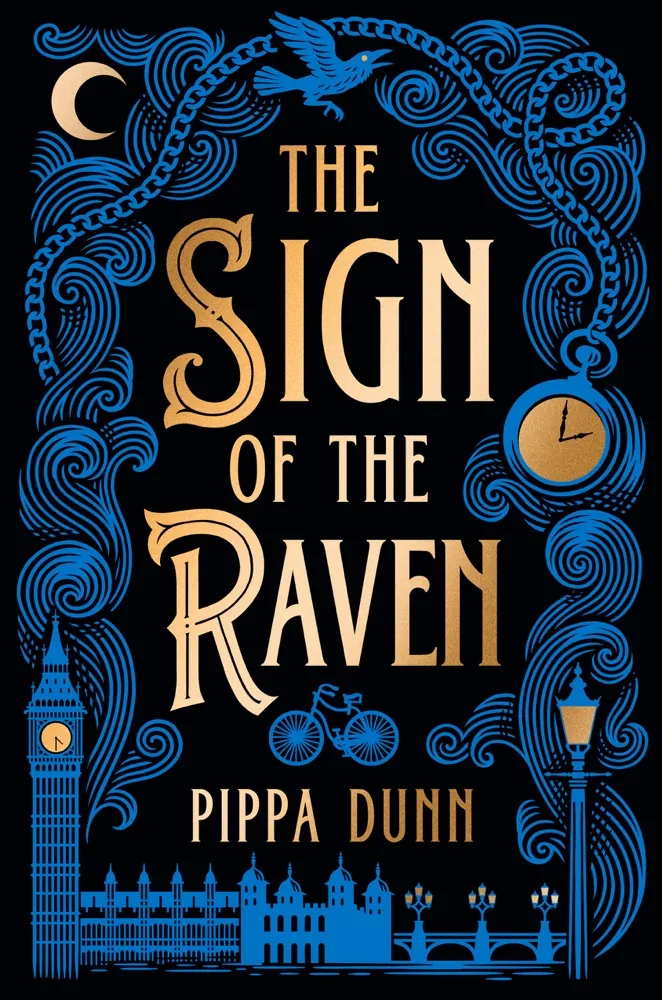
Author: Pippa DunnPage Count: UnknownPublication Date: Expected publication 2026-11-10 APL The YA historical fantasy genre has been done to death, but I suppose The Sign of the Raven might have something new to offer — or at least, that's what I'm hoping. Set in 19th century London, this book follows Ashlyn Threadneedle, a government messenger by day and a lucid dreamer by night. Her ability to control her dreams, which she calls the Stream, is certainly an interesting concept, but I'm not entirely sold on the execution. The premise is familiar: a secret society, the Corvi Signum, is fighting to protect the Stream from some unknown enemy. I'm reminded of V.E. Schwab's Shades of Magic series, which also deals with multiple worlds and the blurring of reality and fantasy. But whereas Schwab's series is known for its complexity and depth, The Sign of the Raven's synopsis feels a bit... simplistic. The idea of a powerful enemy manipulating people's thoughts and seizing control of London is certainly ominous, but it's not exactly original. What does pique my interest, however, is Ashlyn's character. Her double life as a messenger and a dreamer raises questions about identity and the nature of reality. Is she more herself in the Stream or in the waking world? And what does her long-dead mother's appearance in her dreams mean for her sense of self? These are the kinds of questions that could lead to some fascinating character development and thematic exploration. But I'm getting ahead of myself. The synopsis is frustratingly vague about the specifics of the plot, which makes it difficult to say much more about the book's potential themes and character arcs. I'm left wondering what kind of world-building we can expect from Pippa Dunn, and how she'll balance the fantastical elements with the historical setting. And yet, despite my reservations, I'm willing to give The Sign of the Raven a chance. There's something about the idea of a world within a world that's always captivated me, and I'm hoping Dunn will bring a fresh perspective to the genre. Maybe she'll surprise me with some clever twists and turns, or perhaps she'll delve deeper into the psychological implications of Ashlyn's abilities. Or maybe I'm just desperate for something new and exciting in the YA fantasy genre. Either way, I'll be keeping an eye on The Sign of the Raven when it's released in November. Ugh, I'm already over my word count and I still have to write a conclusion. Can I just be done with this review already? I swear, sometimes I feel like I'm just regurgitating the same old criticisms and praises without actually saying anything meaningful. Oh well, I suppose that's what I get for being a freelance editor. Time to go sit on a park bench and aggressively people-watch. Maybe I'll get some inspiration for my next review. #YAFantasy #HistoricalFiction #LucidDreaming Related InsightsReap & Sow Book Review and Summary With All My Haunted Heart Book Review and Summary The Exchange Book Review and Summary{ "@context": "https://schema.org", "@type": "FAQPage", "mainEntity": [ { "@type": "Question", "name": "What is the main focus of The Sign of the Raven Book Review and Summary?", "acceptedAnswer": { "@type": "Answer", "text": "Everything you need to know about The Sign of the Raven with our detailed review." } }, { "@type": "Question", "name": "Who authored the comprehensive guide on The Sign of the Raven Book Review and Summary?", "acceptedAnswer": { "@type": "Answer", "text": "This detailed article and its insights were carefully researched and authored by Irina Ivanova." } }, { "@type": "Question", "name": "Where can I find more related content about Books?", "acceptedAnswer": { "@type": "Answer", "text": "You can explore more articles, detailed reviews, and similar insights by browsing the Related Insights section at the bottom of this article or visiting our dedicated Books category page." } } ] }

Author: Alexandra MoodyPage Count: UnknownPublication Date: Expected publication 2026-11-03 APL Rebel Darling, the latest installment in Alexandra Moody's Darling Devils series, promises to bring the heat with its wholesome, banter-filled romance. The premise is simple: Cammie Darling, a phenomenal yet notoriously difficult pairs figure skater, finds herself in need of a new partner, while Seth Walker, a hockey player with a tarnished reputation, is looking for a way to salvage his college hopes. Their paths cross, and the two are forced to put aside their differences and work together. But what's at stake here? The synopsis is frustratingly vague about the nature of Seth's "secret" and the consequences of Cammie's decision to keep it under wraps. Is it a matter of personal integrity, or is there something more sinister at play? Moody's fans will have to wait and see, but one thing's for sure – the tension between Cammie and Seth is palpable, and their transition from enemies to lovers will be a wild ride. The contrast between Cammie's icy demeanor and Seth's happy-go-lucky attitude is a classic trope, reminiscent of the "black cat/golden retriever" dynamic that's all the rage in contemporary romance. It's a tried-and-true formula, but Moody's execution will be key in making it feel fresh and exciting. Can Seth's carefree nature disarm Cammie's defenses, or will their differences tear them apart? One thing that does stand out is the unique blend of figure skating and hockey – a refreshing change of pace from the usual sports romance fare. It's a bold move, and Moody's fans will likely appreciate the added depth and complexity this brings to the story. But let's get real – the real question on everyone's mind is: can Moody deliver on the promise of a "wholesome, banter-filled romance"? The Darling Devils series has a reputation for being a BookTok sensation, and fans are eagerly awaiting the next installment. Will Rebel Darling live up to the hype, or will it fall flat? As someone who's currently stuck in a creative rut, I'm drawn to the idea of a romance that's all about finding common ground and pushing past differences. It's a theme that resonates deeply, especially in today's world. But will Moody's execution be enough to get me out of this writer's block-induced funk? I'm skeptical, but also intrigued. And yet – what if I'm completely wrong? What if Rebel Darling is a game-changer, a romance that will leave readers breathless and begging for more? It's possible, and I'd love to be proven wrong. Speaking of which, I'm reminded of Hannah Grace's ability to craft relatable, flawed characters that leap off the page. If Moody can tap into that same magic, Rebel Darling might just be the perfect antidote to my current creative slump. My favorite indie cafe has replaced their scarred wooden tables with sterile marble. #BookLovers #RomanceReaders #WriterProbs Related InsightsThe Dues & Don'ts of Magic Book Review and Summary The Cider House Rules Book Review and Summary The Divine Comedy Book Review and Summary{ "@context": "https://schema.org", "@type": "FAQPage", "mainEntity": [ { "@type": "Question", "name": "What is the main focus of Rebel Darling (The Darling Devils, #4) Book Review and Summary?", "acceptedAnswer": { "@type": "Answer", "text": "Everything you need to know about Rebel Darling (The Darling Devils, #4) with our detailed review." } }, { "@type": "Question", "name": "Who authored the comprehensive guide on Rebel Darling (The Darling Devils, #4) Book Review and Summary?", "acceptedAnswer": { "@type": "Answer", "text": "This detailed article and its insights were carefully researched and authored by Natalia Sokolova." } }, { "@type": "Question", "name": "Where can I find more related content about Books?", "acceptedAnswer": { "@type": "Answer", "text": "You can explore more articles, detailed reviews, and similar insights by browsing the Related Insights section at the bottom of this article or visiting our dedicated Books category page." } } ] }
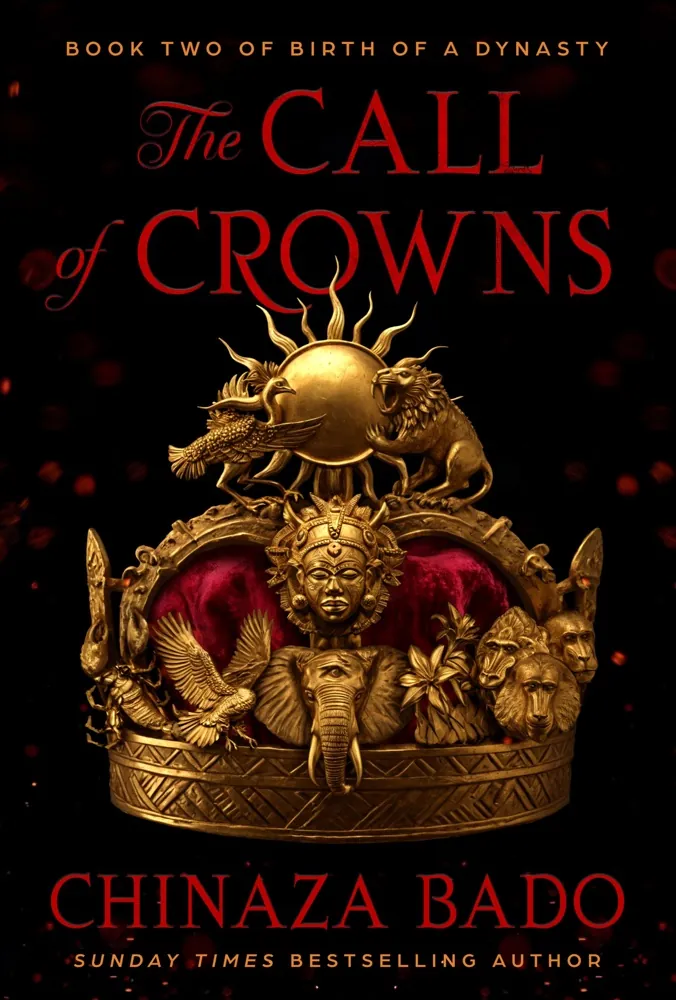
-
 Piotr Nowak
 - 23 Aug, 2026 17:16
The Call of Crowns: Book Two of Birth of a Dynasty – Electrifying Fantasy Sequel Where a Kingdom Fractures and Loyalty Becomes a Dangerous Gamble Book Review and Summary
Author: Chinaza BadoPage Count: UnknownPublication Date: Expected publication 2026-11-24 APL The subway car’s fluorescent lights buzz like a dying insect—that’s the kind of atmosphere The Call of Crowns will need to sell itself. A throne room lit like a funeral parlor, where the air smells of iron and bad decisions. The synopsis doesn’t just hint at palace intrigue—it leans into it like a gambler at a rigged table, and that’s either genius or a trap. Either way, it’s the kind of setup that makes you wonder if the author’s read too much Game of Thrones and not enough The Shadow of the Wind—because this feels like a story that’s been designed to be dissected, not just read. Zikora’s secret? That’s the kind of line that could’ve been a full paragraph in a better synopsis. Instead, it’s buried in a sentence like a landmine with no warning. Khalil’s loyalty? Forced to choose between duty and morality—classic fantasy shorthand, but the execution here might either be the kind of razor-sharp prose that makes you forget you’re reading a book, or it might be the kind of cliché that makes you roll your eyes mid-commute. The princes eyeing the throne like vultures? Yes, yes, we’ve seen this before—but the way it’s framed as a "game" makes it feel less like a rehash and more like a high-stakes poker match where the stakes are your soul. And then there’s the blood oaths—oh god, blood oaths—because nothing says "epic fantasy" like a trope so overused it’s practically a meme. But here’s the thing: if Bado pulls it off with the same precision she did in the first book, it could be the kind of twist that makes you forget you’ve read this before. If not? Well, then we’re back to square one, aren’t we? The synopsis doesn’t even mention the first book’s ending—just drops us into the chaos like we’re supposed to remember the setup from a year ago. That’s either lazy or deliberately cryptic, and I’m leaning toward the latter because the fantasy world is built on mystery, right? The real question is whether this will feel like The Poppy War’s political grit or A Song of Ice and Fire’s slow-burn betrayal. The synopsis doesn’t give us enough to tell—just a viper’s nest of ambition, which is exactly what we’ve been promised for years. But here’s where it gets interesting: the mention of "ancient powers" awakening. That’s the kind of line that could either be a red herring or the foundation of something truly original. If Bado leans into it like The Priory of the Orange Tree, this could be the kind of book that redefines the genre. If she treats it like an afterthought? Well, then we’re just another entry in the "princess saves kingdom" graveyard. And Khalil—oh, Khalil—caught between warring factions. That’s the kind of moral dilemma that could either be the backbone of the story or the kind of contrived tension that makes you want to scream at the page. The problem with this synopsis isn’t that it’s vague—it’s that it’s too vague. It doesn’t tell us why the kingdom is fracturing, just that it is. It doesn’t explain how the princes are dividing, just that they are. That’s the kind of hand-wavy storytelling that makes you wonder if the author’s ever actually written a book before—or if they’ve just been reading too many synopses. But then again, maybe that’s the point. Maybe The Call of Crowns is supposed to be the kind of book that makes you feel like you’re in the middle of the chaos, like you’re the one trying to keep up. And if so, then it’s either going to be the kind of ride that leaves you breathless—or the kind that makes you question why you ever thought fantasy was your thing. The driver just took a wrong turn, and now I’m stuck in traffic with no way out. The book’s not even out yet, and I’m already late for something. Maybe that’s a metaphor. Maybe it’s just life. Either way, I’ll be waiting for The Call of Crowns like I’m waiting for the next train—because if it’s half as good as this synopsis promises, it’ll be worth the ride. If it’s not? Well, at least I’ll have a good story to tell. #FantasyBooks #BookTok #ComingSoon #PalaceIntrigue #DynastyFiction Related InsightsThe Confederacy Myth: How an Insurrection of Slaveholders Tried to Destroy the United States Book Review and Summary Betrayed Book Review and Summary Green Eggs and Ham Book Review and Summary{ "@context": "https://schema.org", "@type": "FAQPage", "mainEntity": [ { "@type": "Question", "name": "What is the main focus of The Call of Crowns: Book Two of Birth of a Dynasty – Electrifying Fantasy Sequel Where a Kingdom Fractures and Loyalty Becomes a Dangerous Gamble Book Review and Summary?", "acceptedAnswer": { "@type": "Answer", "text": "Everything you need to know about The Call of Crowns: Book Two of Birth of a Dynasty – Electrifying Fantasy Sequel Where a Kingdom Fractures and Loyalty Becomes a Dangerous Gamble with our detailed review." } }, { "@type": "Question", "name": "Who authored the comprehensive guide on The Call of Crowns: Book Two of Birth of a Dynasty – Electrifying Fantasy Sequel Where a Kingdom Fractures and Loyalty Becomes a Dangerous Gamble Book Review and Summary?", "acceptedAnswer": { "@type": "Answer", "text": "This detailed article and its insights were carefully researched and authored by Piotr Nowak." } }, { "@type": "Question", "name": "Where can I find more related content about Books?", "acceptedAnswer": { "@type": "Answer", "text": "You can explore more articles, detailed reviews, and similar insights by browsing the Related Insights section at the bottom of this article or visiting our dedicated Books category page." } } ] }
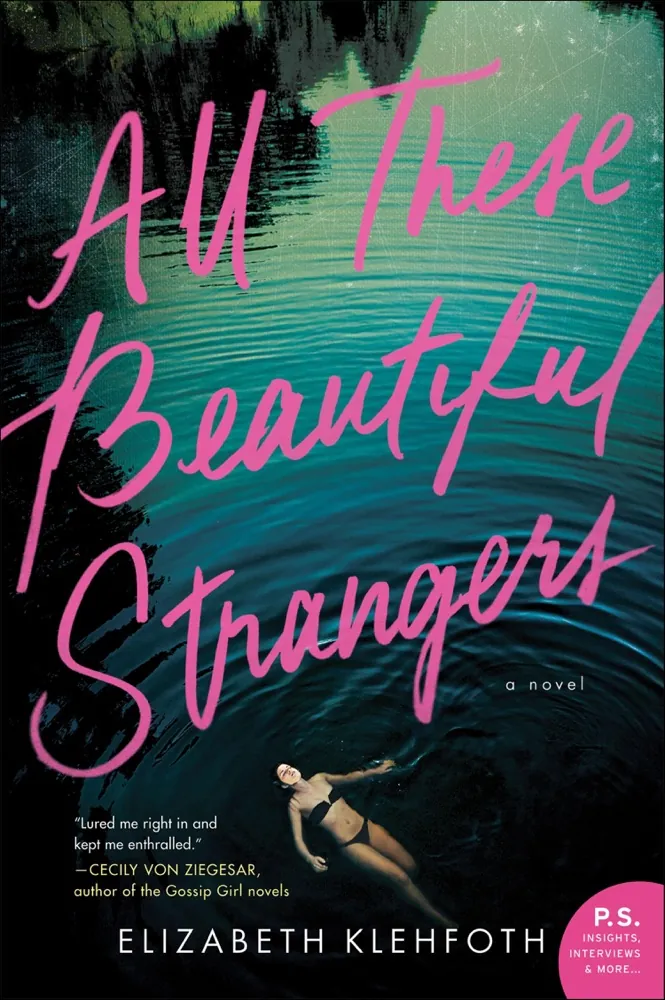

Author: Elizabeth KlehfothPage Count: UnknownPublication Date: Expected publication 2026 APL The air in this August heat is thick with the kind of humidity that clings to the spine like a bad decision—perfect for the kind of story that thrives on suffocating tension, the kind where the real estate mogul’s wife vanishing into thin air isn’t just a plot device but a lifestyle choice for the kind of people who believe tragedy is just another kind of performance art. Every Pretty Thing isn’t just another Gossip Girl knockoff—it’s the kind of book that smells like a summer blockbuster that’s been sitting too long in the sun, its pages curling with the promise of scandal but the weight of something far more insidious: the idea that privilege isn’t just a shield, but a game. Charlie Fairchild, the orphaned heiress of a family name that’s been whispered about in the same breath as the Jeffrey Epstein scandal (because of course it has), is the kind of protagonist who exists in the same social stratum as the girls in The Secret History—only with the added layer of being a child in a world that treats her like a pawn. The A’s aren’t just a secret society; they’re the modern equivalent of the Sorbonne’s infamous 1990s murder ring, but with more TikTok aesthetics and less actual bloodshed. The Game they’re playing isn’t just a scavenger hunt—it’s a psychological experiment designed to see how far the elite will go before they realize they’ve already lost. And yet, the synopsis doesn’t even try to sell it as anything more than a gimmick. Where’s the bite? Where’s the substance? This isn’t The Turn of the Screw—it’s The Bachelor meets American Psycho, and that’s not a compliment. The real tragedy here isn’t that Grace Fairchild disappeared—it’s that her daughter is being groomed to replace her. Charlie isn’t just a victim; she’s a product, and the A’s are the brand that’s going to sell her to the highest bidder. The synopsis doesn’t even acknowledge the irony that the same people who would gaslight a child into believing her mother’s disappearance was her own fault are now treating her like a glamour girl in a psychological thriller. But then again, irony is the last thing Entertainment Weekly cares about when they’re hyping up another it-girl tragedy. The thematic weight here is all surface—family secrets, elite betrayal, the kind of drama that makes Keeping Up with the Kardashians look like a documentary. But where’s the meat? Where’s the depth? The synopsis doesn’t even attempt to grapple with the fact that Charlie’s trauma isn’t just a plot point—it’s the fuel for the entire story. And yet, it’s treated like a side effect, something to be overcome rather than examined. This isn’t The Girl on the Train—it’s The Real Housewives of New England, and that’s not a genre I’m dying to revisit. The A’s aren’t just a secret society—they’re a metaphor, and a lazy one at that. They’re the kind of group that would stage a murder mystery at their annual fundraiser, where the "victim" is always someone who deserved it. But the synopsis doesn’t even try to make it more than that. It’s the literary equivalent of a Chanel perfume ad—beautiful, empty, and designed to make you feel like you’re missing something you can’t quite name. And yet, despite all this, I can’t help but wonder if there’s a kernel of something here. The way the past and present collide isn’t just a trope—it’s a promise. But the synopsis doesn’t deliver. It doesn’t commit. It’s the literary equivalent of a Netflix series that’s been greenlit but hasn’t even started filming yet. And that’s a shame, because if this were written by someone with the gravitas of Gillian Flynn or the psychological precision of Tana French, it could have been something truly terrifying. But no. This is just another book that’s going to get hyped up as the next big thing before it even hits the shelves. And that’s not a surprise—it’s a trend. The elite, the secrets, the games—it’s all been done before, and done better. The only thing missing here is the edge. The only thing missing is the risk. And so, I find myself sighing as I pull up the contract for the film adaptation—because of course there’s going to be one. The question isn’t whether this will be made into a movie; it’s whether it’ll be as hollow as the book itself. #BookTok #EliteDrama #SummerReading Related InsightsThief among the Trees Book Review and Summary Cosmos Book Review and Summary Raven Cycle Series Collection 4 Books Set By Maggie Stiefvater Book Review and Summary{ "@context": "https://schema.org", "@type": "FAQPage", "mainEntity": [ { "@type": "Question", "name": "What is the main focus of Every Pretty Thing: A Novel Book Review and Summary?", "acceptedAnswer": { "@type": "Answer", "text": "Everything you need to know about Every Pretty Thing: A Novel with our detailed review." } }, { "@type": "Question", "name": "Who authored the comprehensive guide on Every Pretty Thing: A Novel Book Review and Summary?", "acceptedAnswer": { "@type": "Answer", "text": "This detailed article and its insights were carefully researched and authored by Anna Kowalska." } }, { "@type": "Question", "name": "Where can I find more related content about Books?", "acceptedAnswer": { "@type": "Answer", "text": "You can explore more articles, detailed reviews, and similar insights by browsing the Related Insights section at the bottom of this article or visiting our dedicated Books category page." } } ] }


Author: Forrest BrazealPage Count: UnknownPublication Date: Expected publication 2026 APL Every single time humanity manages to invent something that fundamentally threatens the fabric of our continued existence—splitting the atom, engineering microscopic pathogens, or inventing the algorithm that convinced my uncle that birds are federal surveillance drones—some techbro in a fleece vest looks directly into a Ring doorbell camera and asks how we can monetize the fallout. Now, Forrest Brazeal is stepping up to skewer this exact brand of techno-optimistic psychosis in Paradox Inc., an upcoming oral history that imagines what happens when Silicon Valley gets its grubby, venture-backed hands on a "consumer temporal interface." We are promised a world where the ultra-wealthy use personal time machines not to prevent historical atrocities or save dying civilizations, but to steal limited-edition 1990s snack chips and murder their past incarnations for social media clout, which honestly feels less like a satirical extrapolation and more like a leaked memo from a Tuesday morning product meeting at Meta. The Chronological Burn Snacks, Surveillance, and Sociopaths Brazeal appears to be leaning heavily into the Douglas Adams playbook here, trading interstellar bureaucracy for the soul-crushing banality of modern startup culture—though I swear to you, reading about these corporate titans reminds me painfully of trying to explain to my neighbor’s golden retriever why it cannot eat the drywall, except the retriever has better hair and significantly more empathy than anyone funding a temporal bubble. Billionaires dragging the panopticon into the fourth dimension. Andy Weir compares the whole mess to a bittersweet ride, which gives me a tiny, fragile spark of hope that beneath all the sardonic jabs at venture capitalists, someone actually remembers to care about the people getting crushed under the wheels of progress. Because comedy about late capitalism usually makes me want to throw my coffee mug through the drywall, but maybe—just maybe—this one finds the human pulse beneath the algorithms. I need to go. I have to coach a little league game where none of the children understand the rules. #BookTwitter #SciFi #TechBro #ReadingTime Related InsightsThe Lost Souls of Saint Oda's (Ruby Vaughn #4) Book Review and Summary Outlander Book Review and Summary Reign Book Review and Summary{ "@context": "https://schema.org", "@type": "FAQPage", "mainEntity": [ { "@type": "Question", "name": "What is the main focus of Paradox Inc. Book Review and Summary?", "acceptedAnswer": { "@type": "Answer", "text": "Everything you need to know about Paradox Inc. with our detailed review." } }, { "@type": "Question", "name": "Who authored the comprehensive guide on Paradox Inc. Book Review and Summary?", "acceptedAnswer": { "@type": "Answer", "text": "This detailed article and its insights were carefully researched and authored by Maximilian Fischer." } }, { "@type": "Question", "name": "Where can I find more related content about Books?", "acceptedAnswer": { "@type": "Answer", "text": "You can explore more articles, detailed reviews, and similar insights by browsing the Related Insights section at the bottom of this article or visiting our dedicated Books category page." } } ] }
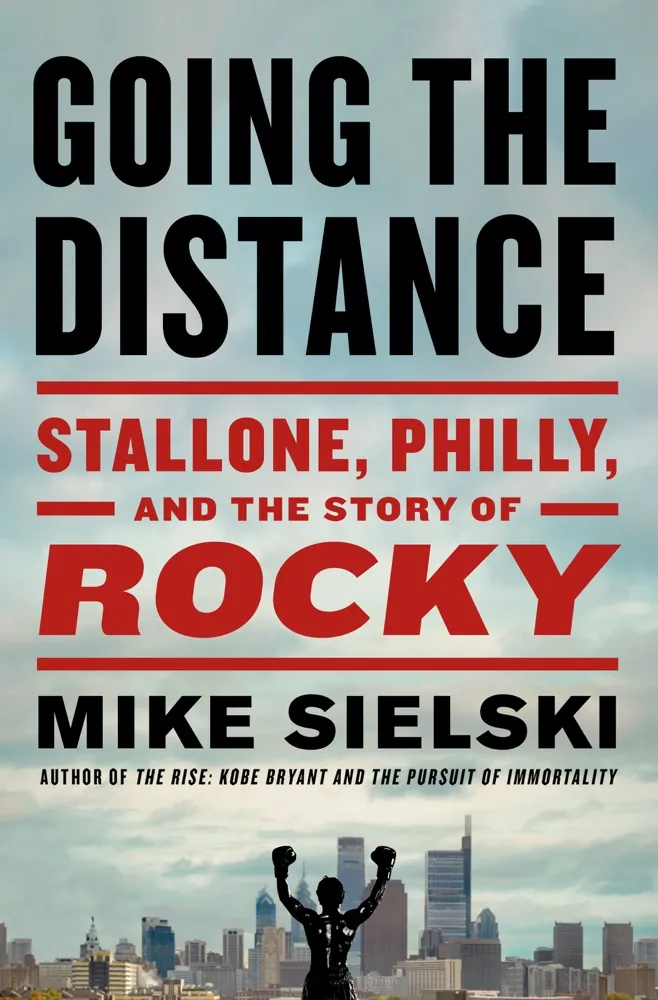
-
 Carmen Martinez
 - 23 Aug, 2026 15:14
Going the Distance: Stallone, Philly, and the Story of Rocky Book Review and Summary
Author: Mike SielskiPage Count: UnknownPublication Date: Expected publication 2026-11-10 APL A love letter to Philadelphia, the city of brotherly love, and the birthplace of a cinematic icon – Rocky. Mike Sielski's Going the Distance promises to deliver the definitive account of the film's making, and I, for one, cannot wait to dive into the story behind one of the most beloved underdog stories in movie history. The fact that Rocky turns 50 this year only adds to the allure of this book. Yet, the synopsis remains vague about the specific details that Sielski will reveal – a clever marketing ploy, perhaps, but one that leaves me with more questions than answers. —What exactly does Sielski mean by "fresh details and anecdotes" that will surprise even the film's biggest fans? Are we talking about behind-the-scenes drama, or will he shed new light on the creative process that brought Rocky to life? The vagueness is almost palpable, and I find myself wondering if Sielski is simply teasing us with promises of exclusivity, or if he truly has uncovered something groundbreaking. But, I must admit, the prospect of reading about Sylvester Stallone's rise from an aimless kid to a Hollywood powerhouse is nothing short of captivating. The fact that Sielski has conducted extensive research and gathered insights from the likes of Irwin Winkler and Bill Conti only adds to the book's credibility. That’s certainly an opinion. One that I'm willing to bet on, given the author's intimate knowledge of Philadelphia's culture and history. In many ways, Going the Distance reminds me of books like The Kid Stays in the Picture, Robert Evans's memoir about the making of The Godfather. Both share a common thread – the story of an underdog's rise to fame, and the unrelenting passion that drives them to succeed. And, just as Evans's book is more than just a behind-the-scenes account of a film's making, Sielski's Going the Distance promises to be a dramatic and fascinating ride in its own right. Or so I hope. At this point, I'm willing to take a chance on Sielski's book, if only because the story of Rocky is one that continues to captivate audiences to this day. The fact that it's been 50 years since the film's release only adds to the nostalgia factor – a factor that Sielski is no doubt counting on to drive interest in his book. But, what about the book's themes? How will Sielski explore the emotional connection between Rocky and the city of Philadelphia? Will he delve into the psychological aspects of Stallone's character, and the ways in which he drew inspiration from his own life experiences? These are questions that I hope Going the Distance will answer, and ones that will ultimately determine the book's success. And, on a completely unrelated note – the rising cost of film for my analog camera is a serious concern. #FilmIsNotDead Related InsightsHorny: A Novel Book Review and Summary The Witch Book Review and Summary Free Falling (Sweetwater Peak #2) Book Review and Summary{ "@context": "https://schema.org", "@type": "FAQPage", "mainEntity": [ { "@type": "Question", "name": "What is the main focus of Going the Distance: Stallone, Philly, and the Story of Rocky Book Review and Summary?", "acceptedAnswer": { "@type": "Answer", "text": "Everything you need to know about Going the Distance: Stallone, Philly, and the Story of Rocky with our detailed review." } }, { "@type": "Question", "name": "Who authored the comprehensive guide on Going the Distance: Stallone, Philly, and the Story of Rocky Book Review and Summary?", "acceptedAnswer": { "@type": "Answer", "text": "This detailed article and its insights were carefully researched and authored by Carmen Martinez." } }, { "@type": "Question", "name": "Where can I find more related content about Books?", "acceptedAnswer": { "@type": "Answer", "text": "You can explore more articles, detailed reviews, and similar insights by browsing the Related Insights section at the bottom of this article or visiting our dedicated Books category page." } } ] }