

The Nomad’s Guide to the Golden Circle: Living and Thriving in Iceland’s Volcanic Heart
The siren song of the North is louder than ever, and for the modern remote worker, Iceland’s Golden Circle has transformed from a mere tourist checklist into a potential long-term base. As we step into 2026, the intersection of rugged wilderness and high-speed fiber-optic connectivity has created a paradox: how does one balance the raw, unforgiving elements of the Arctic with the professional demands of a global digital career? I am Mark Dinn, and having spent years navigating the nomadic lifestyle across various continents, I find that Iceland demands more preparation, more capital, and more reverence than perhaps any other destination on the planet. This region, defined by the interplay of tectonic shifts, geothermal heat, and glacial water, is not a place for the impulsive traveler. It is a place for the disciplined professional. To thrive here, you must understand the logistical scaffolding that supports life in a country where the sun dictates your mood and the wind dictates your schedule. We are looking at a landscape where the infrastructure is top-tier, but the price of admission—both literally and figuratively—is high. If you are planning to relocate your office to the shadow of the Great Geysir, you need a blueprint that goes beyond Instagram filters. You need the cold, hard data of 2026. Navigating the Legal Landscape of Icelandic Remote Residency The Icelandic long-term visa for remote work remains one of the most coveted yet misunderstood documents in the digital nomad ecosystem. By 2026, the process has matured into a stable, albeit stringent, administrative procedure. To be eligible, you must prove that you are not seeking to settle permanently in the traditional sense, but rather that you are an international professional providing services to companies based outside of Iceland. The core requirement remains: a consistent monthly income threshold that reflects the country’s high cost of living. As of current assessments, the income requirement is significant—aimed at ensuring you can sustain yourself without tapping into the local labor market. When you cross the 183-day threshold, you become a tax resident. This is where many nomads get caught off guard. Iceland’s tax system is robust and integrated; once you hit that six-month mark, the Revenue Directorate will expect a declaration of your global income. It is imperative that you consult with a local tax advisor before you even land in Keflavík. Many nomads choose to rotate their stays to avoid the automatic tax residency trap, but for those committed to the full experience, it is a matter of integrating into the local financial infrastructure. Banking in Iceland is remarkably digitized, yet it is notoriously difficult to open a local kennitala (national ID) account without a specific residence permit. For most nomads on the remote work visa, you will be relying on international digital banking solutions. However, you will need that Icelandic ID number for everything from gym memberships to booking local logistics or utilities in the Golden Circle area. This bureaucratic hurdle is the first test of your patience. If you can navigate the UTL (Directorate of Immigration) requirements, you have already cleared the hardest part of the relocation. The transition from tourist to resident is not a physical move; it is a mental shift into the methodical, organized, and often expensive reality of Icelandic law.The Financial Reality of the Fire and Ice Economy Living in the Golden Circle is an indulgence that comes with a steep price tag. When we look at the numbers for 2026, it is clear that Iceland is not for the budget-conscious traveler. The cost of living is approximately 47.4% higher than in the United States, a figure that becomes tangible the moment you walk into a grocery store in Selfoss or Hveragerði. For a single person, excluding rent, you are looking at a monthly commitment of roughly $1,594.60 (191,609.7 ISK). If you are bringing a family, that figure balloons to over $6,000, and that is before you sign a lease on a property that is likely heated by geothermal energy but priced by local scarcity. The primary expenses that will erode your savings are food, imported goods, and transport. Because the Golden Circle is a relatively remote, sparsely populated area, you will be reliant on a vehicle. Car ownership in Iceland is expensive due to taxes, fuel costs, and the high maintenance required to handle the volcanic terrain and harsh winters. You aren't just paying for the car; you are paying for the safety features and the insurance that covers damage from everything from volcanic ash to stray sheep. Despite these costs, the value proposition is found in the intangible. High-speed, reliable internet is ubiquitous, even in the smallest hamlets. You will rarely find yourself offline. Utilities, specifically electricity and heating, are surprisingly affordable compared to the rest of Europe because they are sourced directly from geothermal vents. This is a massive boon for the remote worker. Your heating bill in the dead of winter will be a fraction of what you would pay in a modern apartment in London or New York. The trade-off is clear: you pay a premium for imported food and transport, but you save significantly on your climate-controlled office environment. Smart nomads learn to live like locals—buying seasonal produce, utilizing the local community pools (the heart of Icelandic social life), and minimizing trips to the capital for non-essentials.Expense Category Monthly Cost (Single - USD) Monthly Cost (Family of 4 - USD)Basic Utilities (Heating/Water) $185.00 $310.00Grocery/Food Supplies $650.00 $2,400.00High-Speed Internet/Comms $95.00 $130.00Transportation/Fuel/Maintenance $480.00 $1,250.00Leisure/Community Pools $184.60 $1,937.20Total (Excluding Rent) $1,594.60 $6,027.20Climate Adaptation and the Nomad’s Daily Schedule The climate in the Golden Circle is not something you "deal with"—it is something you integrate into your daily pulse. By 2026, the weather patterns have remained as volatile as ever. In the summer, the Midnight Sun provides an almost unnatural energy; you might find yourself working until midnight, simply because your internal clock forgets that darkness is a requirement for sleep. Conversely, the winter brings the short, dark days where the sun barely crests the horizon. This is the most challenging period for the nomadic professional. If you lack structure, the seasonal affective shift can plummet your productivity and mood. Successful nomads in the Golden Circle don't fight the weather; they equip for it. My advice is to invest in high-quality technical gear immediately. Do not buy your outdoor clothing locally unless you are prepared to pay the premium; bring your base layers, high-end waterproof shells, and durable footwear from home. You will be spending your mornings either working or hitting the local geothermal pools to wake your muscles. The pool culture—sundlaugar—is essential for mental health. Sitting in a 40-degree Celsius hot tub while the air temperature hovers near freezing is the most effective way to clear a brain drained by Zoom calls and data analysis. Your workday in the Golden Circle will likely be fragmented. You might choose to block your time during the early morning hours, catch the peak daylight for outdoor exploration during lunch, and finish your tasks in the evening. This flexibility is the nomad’s greatest asset. However, you must remain vigilant about safety. If you decide to go for a hike near the Gullfoss waterfall or the Kerid crater, check the local weather apps religiously. The wind speeds in Iceland can be lethal, and the weather changes in minutes. When you are a remote worker, your laptop is your livelihood; don't risk getting caught in a storm that makes it impossible to return to your workspace. The Golden Circle teaches you that efficiency is not about doing things fast; it is about doing things at the right time when the elements allow.Infrastructure, Connectivity, and the Remote Office The myth of the isolated nomad in Iceland is just that—a myth. In 2026, the Golden Circle is arguably one of the most technologically advanced regions in the world. Iceland has invested heavily in fiber-optic infrastructure, and most guest houses, farms, and modern residential hubs in areas like Laugarvatn or Flúðir are equipped with high-speed internet that rivals any major city. However, you must verify this before you sign a lease. A "remote" house might be picturesque, but if it relies on a satellite connection that struggles during high-wind events, your professional life will suffer. When choosing a base, look for "Work-Ready" certifications. Many properties in the Golden Circle are now catering specifically to the nomad market, offering ergonomic chairs, dedicated desk spaces, and backup power generators. This is a critical investment. Iceland’s electrical grid is stable, but in the middle of a winter blizzard, any rural property is vulnerable. Having a secondary source of power or a reliable mobile hotspot is non-negotiable. I recommend securing a local SIM card with a high-data plan immediately upon arrival; the local carriers (Nova, Síminn, Vodafone) offer coverage that is startlingly good, even in the middle of a lava field. Setting up your "city playbook" for the Golden Circle involves knowing your service hubs. You won't find a sprawling metropolis here, but you will find reliable grocery stores like Bónus and Krónan, which are the lifelines of the local economy. Plan your shopping trips. If you are working on a high-stakes project, do not count on a grocery delivery service to be available at the drop of a hat. You must manage your supplies like a local resident. Stock up on pantry staples, respect the cold chain, and understand that you are living in a supply-chain-sensitive environment. The beauty of living here is the forced simplification. Without the distractions of a city, the noise of traffic, or the constant temptation of urban consumption, you will find your output increasing. The Golden Circle is not a distraction; it is a canvas for deep, focused work. The Cultural Integration and Long-Term Lifestyle Strategy Living in the Golden Circle as a nomad is not merely about surviving the climate; it is about engaging with a culture that values autonomy, resilience, and a deep connection to the land. The local population is sparse but welcoming to those who demonstrate respect for their environment. The most common pitfall for temporary residents is a lack of engagement. If you hide behind your screen for months, you miss the essence of the Icelandic experience. Attend the local community events, support the local farmers' markets, and respect the "Leave No Trace" ethos that defines Icelandic environmental policy. If you choose to stay for an extended period, you will start to notice the rhythms of the year. The transition from the frantic tourist season in summer to the contemplative quiet of winter is profound. As a nomad, you are in the unique position of being able to observe this transformation. You aren't just visiting the Golden Circle; you are bearing witness to the geological and social changes that define this region. It is a humbling experience that shifts your perspective on what "home" really means. Ultimately, your strategy for success is rooted in the balance between professional output and personal presence. You must master the logistics—the visas, the taxes, the specialized winter gear—but you must also leave room for the wonder. Hike the trails behind the waterfalls, sit in silence at the edge of a tectonic plate, and let the sheer scale of the landscape reset your professional focus. In 2026, the Golden Circle offers more than just a place to plug in your computer; it offers a place to rediscover the clarity of purpose that often gets lost in the noise of the digital world. You are not just working in Iceland; you are living in a place that has survived eruptions, ice ages, and the relentless passage of time. If you can mirror that resilience in your work and your lifestyle, you won't just succeed here—you will thrive in a way that few professionals ever get the chance to experience. Embracing the North: Your Next Professional Frontier The Golden Circle is more than a destination; it is an environment that tests your readiness for the modern nomadic life. It requires a level of fiscal maturity and logistical discipline that is rare in the wanderlust-driven world of remote work. By navigating the complexities of the 2026 visa regulations and embracing the high costs as a trade-off for unparalleled quality of life, you position yourself at the forefront of a new wave of global professionals. Iceland does not offer an easy path, but for those willing to brave the winds and the cold, it offers the ultimate reward: a life lived with intention, surrounded by the raw, untamed majesty of the Earth. Whether you are here for the six-month permit or planning to rotate your residency to make this your long-term base, remember that the environment you cultivate is just as important as the one you are inhabiting. Keep your finances in order, respect the local infrastructure, and never stop exploring. The Land of Fire and Ice will change the way you work, the way you think, and the way you view the world. Pack your layers, secure your connectivity, and prepare for a chapter of your career that will define your professional growth for years to come. Your office is waiting, and the view is unlike anything else on the planet.#DigitalNomad #IcelandTravel #RemoteWorkLife #GoldenCircle #LocationIndependence Related Insights西递:中国古代木雕的巅峰 Dive Into a Hidden World: The Most Breathtaking Underwater Museums and Sculpture Parks L'Écho des Pierres : Voyage au Cœur du Patrimoine Vivant{ "@context": "https://schema.org", "@type": "FAQPage", "mainEntity": [ { "@type": "Question", "name": "What is the main focus of The Nomad’s Guide to the Golden Circle: Living and Thriving in Iceland’s Volcanic Heart?", "acceptedAnswer": { "@type": "Answer", "text": "Discover the realities of remote work in Iceland's Golden Circle, from navigating the digital nomad visa to managing the high cost of living in the Land of Fire and Ice." } }, { "@type": "Question", "name": "Who authored the comprehensive guide on The Nomad’s Guide to the Golden Circle: Living and Thriving in Iceland’s Volcanic Heart?", "acceptedAnswer": { "@type": "Answer", "text": "This detailed article and its insights were carefully researched and authored by Mark Dinn." } }, { "@type": "Question", "name": "Where can I find more related content about Travel?", "acceptedAnswer": { "@type": "Answer", "text": "You can explore more articles, detailed reviews, and similar insights by browsing the Related Insights section at the bottom of this article or visiting our dedicated Travel category page." } } ] }

-
 Sofia Morales
 - 10 Sep, 2026 20:54
The Architecture of Trust: Deconstructing the Post-Cookie Web3 Paradigm
Beyond the Horizon of Silicon and Shadow The modern internet is a fractured edifice built upon the shifting sands of ephemeral state and invasive surveillance. For decades, the ubiquitous "cookie"—that rudimentary, server-side tracking token—has served as the adhesive holding together an advertising-industrial complex that treats user privacy as an externalized cost. But as we pivot toward Web3, the fundamental topology of digital identity is undergoing a phase transition. We are moving from a world of platform-siloed, central-authority authentication to a landscape of sovereign, verifiable, and mathematically robust decentralized identities (DIDs). This shift is not merely sociological; it is profoundly mathematical. As I analyze the intersection of distributed systems and geometric rigidity, I find striking parallels between the convergence of metrics on closed manifolds and the consensus algorithms required to secure a decentralized web. Just as the rigidity of $I_a(g)$ curvature on a manifold dictates the stability of the space under conformal transformation, the cryptographic primitives defining our new digital identity protocols must possess a "rigidity" of their own. They must be resistant to tampering, identity fragmentation, and the systemic manipulation that characterizes our current centralized architecture. We are not just building a new front-end; we are re-engineering the structural integrity of digital trust. By shedding the reliance on browser-injected tracking and embracing on-chain verifiable credentials, we are witnessing the death of the "user-as-a-product" and the birth of the "user-as-a-sovereign-node." Mathematical Rigidity in Decentralized Consensus In the realm of high-dimensional differential geometry, the study of $\sigma_2$-curvature and the Branson $Q$-curvature provides a fascinating lens through which we can view the stability of distributed ledger states. When we look at the research regarding the sharp threshold for mixed $Q$-curvature rigidity—specifically the behavior of conformal metrics on manifolds where $n \ge 4$—we see that rigidity is only achieved under strict constraints. If the threshold for stability is violated, the system bifurcates, allowing for "non-Einstein" configurations that deviate from the expected, stable outcome. In Web3 architecture, our "conformal metric" is the consensus protocol. A decentralized network—whether a Layer 1 blockchain or a decentralized identity (DID) registry—requires similar rigidity. If the incentive structure is not tuned to a "sharp threshold," the network risks splitting into fragmented forks, analogous to the non-Einstein conformal metrics described in recent academic literature. When we implement Zero-Knowledge Proofs (ZKPs) for identity verification, we are effectively enforcing a rigidity in the state transition. We prevent the "neck-cap" geometric distortions that occur in unstable manifolds by ensuring that the reference curvature—the set of rules governing valid identity claims—remains invariant across all nodes. The application of the Newton identity in these proofs allows us to maintain a stable identity state, effectively rejecting unauthorized perturbations that would otherwise compromise the user's sovereign graph. Architectural Shifts in Authentication Protocols The technical death of the cookie is not a singular event but a migration toward the W3C Verifiable Credentials (VC) standard and the Decentralized Identifier (DID) specification. Unlike the legacy OAuth2 or OpenID Connect models, which rely on a centralized Identity Provider (IdP) to act as a gatekeeper, DID architectures utilize the blockchain as a root of trust for public keys. We are currently seeing a move toward "Edge Identity," where the authentication logic resides on the client device (the User Agent) and is verified against a decentralized ledger. This eliminates the necessity for cross-site tracking. In a legacy system, the cookie serves as a persistent tracking token across disparate domains. In a Web3 architecture, the user presents a signed credential that proves identity without leaking PII (Personally Identifiable Information). The following Python implementation illustrates how we might structure a verifiable credential issuance using a schema that respects this new privacy paradigm: import hashlib import json from ecdsa import SigningKey, SECP256k1class VerifiableCredential: def __init__(self, issuer_private_key): self.sk = SigningKey.from_string(issuer_private_key, curve=SECP256k1) def sign_claim(self, claim_data): # Construct the canonical claim object canonical_json = json.dumps(claim_data, sort_keys=True) signature = self.sk.sign(canonical_json.encode('utf-8')) return { "payload": claim_data, "signature": signature.hex(), "proof_type": "ECDSA-Secp256k1" }# Example usage for a decentralized identity assertion issuer_key = b"private_key_of_the_authorized_issuer_node" vc = VerifiableCredential(issuer_key) claim = {"subject": "did:web:sofiamorales.dev", "attribute": "verified_kyc_status", "value": True} signed_vc = vc.sign_claim(claim)print(f"Generated Secure Credential: {signed_vc}")This code demonstrates the movement from stateful cookies to stateless, cryptographic proofs. The verification is entirely decoupled from the issuer’s backend, mirroring the "rigidity" required in distributed systems.The Convergence of Conformal Geometry and ZK-Proofs The study of rigidity in $I_a(g)$ metrics, specifically the work by experts on $n \ge 5$ dimensions, has profound implications for how we design Zero-Knowledge Rollups. In a ZK-Rollup, the "manifold" of the transaction state must remain conformal to the underlying chain's rules. If we allow "non-Einstein" (i.e., invalid) transaction state transitions, the network loses its security guarantees. When we map these geometric concepts to software engineering, we realize that security is essentially a problem of preventing "necking"—the dangerous convergence of state where the system's security proofs collapse. Just as the rescaled necks in curvature rigidity research converge to the Schwarzschild metric, our ZK-Proofs must converge to a verifiable "global state." The use of $H^1$ and $W^{1,4}$ controls in recent stability proofs provides the theoretical backbone for ensuring that our ZK-SNARK circuits do not drift into non-functional states during complex computations. By applying these strict topological constraints to our cryptographic code, we minimize the attack surface of decentralized applications. We are moving toward a future where the code itself is mathematically incapable of being "unstable" regarding user data privacy. Security Design Principles for Sovereign Identity To replace the insecure, cookie-based tracking model, we must adopt an "Identity-by-Design" approach. This requires three distinct layers of defense: The Immutable Ledger (The Root of Trust): A blockchain-based registry for public keys that replaces the centralized certificate authority. The Edge-Side Wallet (The Vault): A client-side implementation that handles the signing and management of VCs, ensuring the browser is merely a conduit and never the custodian. The ZK-Validator (The Proof Engine): A server-side middleware that verifies the cryptographic proof of a user’s identity without accessing or storing their identity document.This architecture ensures that even in the event of a server-side breach, there is no "treasure trove" of user cookies or PII to steal. The data is simply not there; the server only ever holds the verification logic. This paradigm shift requires a complete re-tooling of current DevOps pipelines. We must move away from standard YAML-driven cookie configurations and toward CI/CD pipelines that validate cryptographic proof-of-concept tests for every deployment. Scaling Decentralized Trust: A Technical Roadmap The scaling of Web3 identity is not just about throughput (TPS); it is about the "stability of the identity manifold." We must manage the interaction between background Einstein conformal classes and the non-Einstein configurations that arise under heavy load. The following YAML configuration depicts a secure ingress controller architecture that acts as a gatekeeper for a ZK-Identity verification service, ensuring that only valid, signed claims are processed: apiVersion: networking.k8s.io/v1 kind: Ingress metadata: name: zkp-identity-validator annotations: nginx.ingress.kubernetes.io/auth-url: "http://identity-service.auth.svc.cluster.local/verify" nginx.ingress.kubernetes.io/auth-signin: "https://wallet.example.com/login" spec: rules: - host: api.secure-identity.network http: paths: - path: /verify-credential pathType: Prefix backend: service: name: verification-engine port: number: 8080This configuration underscores that security is increasingly becoming an issue of gatekeeping at the infrastructure layer. By offloading identity verification to a separate, decentralized-aware ingress, we enforce a separation of concerns that mimics the mathematical separation of curvature metrics, ensuring the "rigidity" of our production environment.Reflections on the Immutable Future The death of the cookie is not a loss of functionality; it is an evolution toward a more robust, mathematically sound internet. By applying the rigorous standards found in differential geometry—where stability, rigidity, and defined boundaries are paramount—we can construct a digital ecosystem that is inherently private. The research into $I_a(g)$ curvature and $\sigma_2$-rigidity is not just abstract academic exercise; it serves as the foundational template for the stability we need in our distributed consensus algorithms. As we abandon the "tracker-and-target" model of the early web, we are building systems that demand user sovereignty. In this new era, your identity is not stored in an insecure cookie but is a signed, verifiable assertion living on your local device. The server no longer needs to know who you are; it only needs to verify the geometric integrity of the proof you provide. This is the promise of Web3: an internet where trust is a mathematical property rather than an institutional promise. We are transitioning from the "wild west" of server-side state to the "high-precision" architecture of sovereign identity, a shift that is as permanent as the geometric theorems that define our physical universe. We are building the next generation of trust, and the blueprint is already written in the language of the future.#Web3 #DecentralizedIdentity #Cryptography #PrivacyEngineering #DifferentialGeometry #Cybersecurity #TechInfrastructure Related InsightsHyper-Automation: The Convergence of AI, RPA, and BPM Orbital Power Plants: The Physics, Economics, and Code Behind Humanity's Next Energy Leap AI Agents in Cybersecurity: The Silent Revolution of Automated Patch Management{ "@context": "https://schema.org", "@type": "FAQPage", "mainEntity": [ { "@type": "Question", "name": "What is the main focus of The Architecture of Trust: Deconstructing the Post-Cookie Web3 Paradigm?", "acceptedAnswer": { "@type": "Answer", "text": "Exploring the technical convergence of geometric curvature rigidity in manifold spaces and the decentralized identity frameworks replacing legacy browser tracking." } }, { "@type": "Question", "name": "Who authored the comprehensive guide on The Architecture of Trust: Deconstructing the Post-Cookie Web3 Paradigm?", "acceptedAnswer": { "@type": "Answer", "text": "This detailed article and its insights were carefully researched and authored by Sofia Morales." } }, { "@type": "Question", "name": "Where can I find more related content about Technology?", "acceptedAnswer": { "@type": "Answer", "text": "You can explore more articles, detailed reviews, and similar insights by browsing the Related Insights section at the bottom of this article or visiting our dedicated Technology category page." } } ] }

-
 Michael Chef
 - 10 Sep, 2026 20:13
The Emerald Symphony of the Levant: Unveiling the Soul of Authentic Tabbouleh
The Green Heartbeat of Mediterranean Culinary Heritage When the first rays of dawn stretch across the rugged hills of the Levant, illuminating the ancient stone terraces of Lebanon and Syria, a quiet ritual begins in countless kitchens. It is a sensory awakening defined not by the sizzle of meat or the crackle of baking bread, but by the rhythmic, hypnotic percussion of a sharp knife kissing a wooden board. Chop, chop, chop. The blade moves with practiced grace, releasing an intoxicating, earthy perfume into the cool morning air. This is the birth of tabbouleh—not merely a side dish, but a vibrant, living monument to freshness, community, and centuries-old agricultural traditions. As Michael Chef, I have spent decades traversing culinary landscapes, yet I always find myself returning to the humble roots of this iconic salad. Tabbouleh teaches us a profound lesson in gastronomy: true luxury is not found in heavy creams or rare truffles, but in the absolute respect for pristine, seasonal ingredients. It is a dish that demands patience, an intimate understanding of texture, and an unwavering commitment to balance. Long before modern wellness culture began preaching the gospel of raw vegetables and superfoods, the mountains and valleys of the Eastern Mediterranean had already perfected the ultimate herbaceous elixir. To truly understand tabbouleh, one must strip away the heavy-handed adaptations found in Western supermarkets—those sad, grain-heavy mounds tinted yellow with excessive turmeric or overloaded with dry, crunchy wheat. Authentic tabbouleh is, at its very core, a salad of herbs where bulgur plays a supportive, textural role rather than starring as the main event. It is an emerald symphony where parsley takes center stage, supported by the sharp crunch of onions, the juicy sweetness of ripe tomatoes, and the bright, citrusy punch of freshly squeezed lemon juice tied together with the finest extra virgin olive oil. Anatomy of a Masterpiece: Ingredients That Tell a Story Every great dish has a lineage, and tabbouleh’s roots trace back thousands of years to the mountains of Mount Lebanon and the Anti-Lebanon range. Originally prepared by ancient communities who relied on what the rugged terrain generously provided, this salad was a celebration of spring herbs gathered fresh from the wild. Over generations, the recipe crystallized into a precise architectural marvel. Let us dissect the components that transform simple produce into a transcendent culinary experience. First and foremost is flat-leaf Italian parsley. You cannot rush the parsley; you certainly cannot throw it into a mechanical food processor unless you wish to commit a cardinal culinary sin. A food processor bruises the delicate leaves, rupturing their cellular walls and turning them into a bitter, watery paste. Authentic preparation requires a razor-sharp knife and a gentle hand. The leaves must be meticulously plucked from their coarse stems, washed, dried to absolute perfection, and then minced with such fine precision that they resemble a fluffy green cloud.Accompanying the parsley is fresh spearmint, lending a cooling, aromatic lift that prevents the parsley from becoming overwhelmingly grassy. Then come the aromatics: finely minced green onions or sweet white onions, salted and gently squeezed to tame their aggressive bite while retaining their pleasant crunch. Ripe tomatoes—firm yet bursting with summer sweetness—are cored, seeded, and diced with microscopic precision. Every single element shares a uniform cut, ensuring that every spoonful delivers a harmonious balance of flavors and textures. The Bulgur Debate and the Golden Rules of Dressing One of the most common points of contention among culinary historians and home cooks alike is the role of bulgur wheat. In authentic Levantine preparation, fine bulgur (known locally as burghul na'em) is used sparingly. It is not cooked on a stove; rather, it is rinsed and left to soften passively in the juices of the freshly chopped tomatoes and lemon juice. The goal is not to create a heavy grain salad, but to let the bulgur absorb the moisture and flavors of the dressing while maintaining a slight, pleasant chew. The dressing itself is simplicity elevated to an art form. There is no complex emulsification, no mysterious vinegars, and no garlic. Just two pristine ingredients: fresh lemon juice, squeezed by hand with reverence, and cold-pressed extra virgin olive oil, preferably from trees that have weathered centuries of Mediterranean sun. The oil coats every fleck of green, protecting the herbs and imparting a buttery, peppery finish, while the lemon juice provides a piercing, clean acidity that awakens the palate. Salt and a generous dusting of fine black pepper—and occasionally a pinch of sweet paprika or aromatic allspice—are all that is needed to complete the seasoning. It is a minimalist masterclass. When tossed together just moments before serving, the ingredients sing in absolute harmony. The moisture from the tomatoes and lemon melds with the olive oil to create a delicate liquor at the bottom of the bowl—a delicious elixir that is traditionally scooped up using crisp romaine lettuce leaves or tender vine leaves. The Cultural Ritual of Sharing the Table Tabbouleh is much more than a recipe; it is a profound social connector. In the Levant, food is an extension of hospitality, and the preparation of a large bowl of tabbouleh is an invitation to gather. It is the undisputed centerpiece of any traditional mezze spread, sitting proudly alongside creamy hummus, smoky baba ganoush, crisp falafel, and warm flatbreads. During weekend family gatherings, the division of labor is sacred. While one person tends to the grill, others sit around the kitchen table, gossiping, laughing, and meticulously mincing mounds of parsley. It is a meditative, communal act that bridges generations. Elders pass down their wisdom regarding which season yields the sweetest tomatoes, while younger family members learn the delicate art of knife work.In Lebanon, World Tabbouleh Day is celebrated annually on the first Saturday of July, a testament to the nation's fierce pride in their culinary ambassador. Guinness World Records have been shattered by villages coming together to produce monumental bowls of the salad, utilizing tons of parsley and tomatoes—all to honor a dish that embodies their cultural identity, resilience, and love for life. Mastering the Craft in Your Own Kitchen As you embark on your own journey to create the ultimate tabbouleh, keep these cardinal rules close to your heart. Respect the ingredients, embrace the physical labor of hand-chopping, and never skimp on the quality of your olive oil. Remember that tabbouleh waits for no one; it should be assembled shortly before serving to maintain its vibrant crunch and brilliant green hue. Leftovers, while still edible, lose their soul as the salt draws out too much moisture and the herbs soften. Pair your freshly made tabbouleh with grilled lamb chops, skewered chicken shish tawook, or simply enjoy it with warm pita and feta cheese. As you take your first bite—experiencing the initial burst of bright lemon, the cool whisper of mint, the earthy depth of parsley, and the subtle crunch of bulgur—you will understand why this green masterpiece has endured through the centuries. It is the taste of the Mediterranean sunshine, captured on a spoon.#Tabbouleh #LevantineCuisine #MediterraneanDiet #HealthyEating #TraditionalRecipes Related InsightsThai Street Food: Aromatic Delights from Bangkok to Chiang Mai – The Ultimate Guide to Southeast Asia’s Most Vibrant Culinary Adventure The Earthy Harvest: A High-Fiber Lentil and Root Vegetable Stew Unlocking the Power of Roasted Beetroot Hummus with Toasted Sesame: A Delicious Anti-Inflammatory Delight{ "@context": "https://schema.org", "@type": "FAQPage", "mainEntity": [ { "@type": "Question", "name": "What is the main focus of The Emerald Symphony of the Levant: Unveiling the Soul of Authentic Tabbouleh?", "acceptedAnswer": { "@type": "Answer", "text": "Discover the rich history, precise preparation, and vibrant herbaceous magic of authentic tabbouleh, the beloved national salad of the Levant." } }, { "@type": "Question", "name": "Who authored the comprehensive guide on The Emerald Symphony of the Levant: Unveiling the Soul of Authentic Tabbouleh?", "acceptedAnswer": { "@type": "Answer", "text": "This detailed article and its insights were carefully researched and authored by Michael Chef." } }, { "@type": "Question", "name": "Where can I find more related content about Food?", "acceptedAnswer": { "@type": "Answer", "text": "You can explore more articles, detailed reviews, and similar insights by browsing the Related Insights section at the bottom of this article or visiting our dedicated Food category page." } } ] }

-
 Eleanor Hughes
 - 10 Sep, 2026 11:44
The Golden Threads of History: Unraveling the Millennia-Old Tapestry of Pasta
From Ancient Grains to the Silk Road Origins When we sit down to a steaming bowl of al dente spaghetti, we are participating in a ritual that spans millennia. To understand the genesis of pasta, we must cast aside the modern nationalist debate—that purely Italian narrative—and look toward the cradle of civilization. Archaeological evidence strongly suggests that the concept of creating a paste from ground grains and water is as old as the discovery of wheat itself. While popular mythology often credits Marco Polo with bringing pasta back from China in the 13th century, the historical record suggests a much more complex, polycentric origin. In the Mediterranean, the Greeks and Romans consumed a product known as 'laganon'—a broad, flat sheet of dough made from wheat flour and water, fried or baked. This precursor to modern lasagna was a staple in ancient diets. However, the transformation from flatbread to the extruded, dried form we recognize today was catalyzed by the Arab conquests in the Middle Ages. As Islamic agriculturalists moved westward into Sicily during the 9th and 10th centuries, they brought with them the technology for drying pasta. This was a revolutionary development; by removing moisture, they created a stable, portable food source that could be stored for long periods, essentially the first "instant" fuel for nomadic travelers and conquering armies. The significance of this evolution cannot be overstated. Drying pasta turned a fresh, perishable luxury into a commodity that could be shipped across the Mediterranean. By the 12th century, the chronicler Al-Idrisi, working for King Roger II of Sicily, famously wrote about a factory in Trabia—a town near Palermo—that produced large quantities of pasta in the shape of strings. This is the earliest documented evidence of mass-produced, commercial pasta. The "golden threads" were no longer just a household craft; they were an engine of trade. As we peel back the layers of history, we see that pasta was the original globalized food, an intersection of Mesopotamian grain cultivation, Chinese noodle-making tradition, and Arab preservation technology.The Industrialization of the Durum Wheat Revolution The true genius of Italian pasta lies in the selection of the primary ingredient: durum wheat. Unlike soft wheat, which is typically used for bread and cakes, durum (Triticum durum) has a high protein content and a unique gluten structure that allows for the creation of an elastic, firm dough. When this semolina flour is hydrated and pushed through bronze dies, it retains its shape during the drying process and maintains a satisfying 'al dente' texture upon cooking. This specific grain variety, which thrives in the arid, sun-drenched climate of Southern Italy, became the backbone of the Mediterranean diet. During the late 18th and 19th centuries, the invention of the hydraulic press and the mechanical kneader transformed pasta from a cottage industry into a burgeoning industrial powerhouse. Naples became the epicenter of this change. The city’s unique geography—its proximity to the sea and the strong coastal winds—provided the perfect conditions for the traditional drying process. Pasta was draped over large wooden racks, hung across the city’s narrow streets, and cured in the salty maritime air. This natural drying process, which took days, gave the pasta a porous surface, which is critical for binding to sauces. Modern manufacturers have since replaced these wind-tunnels with high-heat, rapid-drying chambers. While this has increased output, purists argue that the "bronze-cut" method remains superior. Bronze dies impart a rougher, matte texture to the pasta surface, which serves as a microscopic trellis for tomato sauces and pestos. This is the difference between a bowl of pasta that is slick and oily and one where the sauce clings to every strand. Understanding the mechanical interaction between the flour, the die, and the drying room is essential for any serious cook. We are not merely eating starch; we are consuming a highly engineered product that represents the peak of agricultural and industrial symbiosis. Macronutrient Profiles and the Physiology of Starch To appreciate pasta beyond its flavor, one must view it through the lens of nutritional science. Pasta is fundamentally a complex carbohydrate, a source of glucose that provides the steady fuel required by both the brain and the muscular system. The glycemic index of pasta is lower than that of many other refined grain products, largely due to the physical structure of the semolina starch granules. When processed through extrusion, these granules are packed densely, meaning that the digestive enzymes in our gastrointestinal tract take longer to break them down into absorbable sugars. A standard serving of dried pasta—approximately 56 grams or two ounces—provides a robust baseline of energy. Most durum wheat pasta is an excellent source of B-vitamins, particularly folate, niacin, and thiamine, which are critical for metabolic function. Furthermore, the protein content in durum wheat is significantly higher than that of common white flour, ranging between 12% and 15%. This protein matrix creates a "satiety effect," ensuring that the consumer remains full for a longer duration compared to consuming empty calories. However, the "al dente" preparation is not just a stylistic preference; it is a nutritional imperative. By cooking pasta for a shorter duration, we preserve the integrity of the starch molecules, preventing them from gelatinizing completely. This keeps the glycemic response measured, preventing the sharp blood sugar spikes associated with overcooked, mushy pasta. The addition of healthy fats, such as extra virgin olive oil or proteins like lean poultry, further mitigates the glycemic load, creating a balanced meal profile. The following table provides a breakdown of the nutritional composition typically found in standard dry semolina pasta.Nutrient Type Amount per 100g (Dry) Role in Human PhysiologyCarbohydrates 75g Primary fuel for muscular contractionProtein 13g Muscle repair and enzymatic supportDietary Fiber 3g Gut health and glucose regulationIron 1.5mg Oxygen transport in blood cellsFat 1.5g Essential for fat-soluble vitamin absorptionThis table illustrates why, despite modern trends that demonize carbohydrates, pasta has remained a foundational component of longevity diets, such as the Mediterranean model. The key lies in portion control and the quality of the pairing ingredients. When treated as the vehicle for nutrient-dense vegetables, legumes, and lean proteins rather than the main caloric event, pasta is a highly efficient delivery system for essential vitamins and minerals.The Architecture of Sauces and Sensory Engagement The marriage between a specific pasta shape and its accompanying sauce is governed by the principles of fluid dynamics and culinary architecture. It is not an accident that thick, hearty meat ragùs are paired with wide, flat ribbons like pappardelle or tubular shapes like rigatoni. These shapes are designed to hold weight. The internal hollows of rigatoni act as reservoirs for sauce, ensuring that every bite delivers a uniform ratio of pasta to topping. Conversely, long, thin strands like spaghetti or linguine are designed for emulsified, oil-based, or delicate seafood sauces. These strands rely on their surface area to pick up a thin coating of flavor, making them ideal for dishes like Aglio e Olio or a light vongole. The sensory experience of pasta is rooted in 'mouthfeel'—a term professionals use to describe the tactile sensation of food. A perfectly cooked piece of pasta should offer a subtle resistance to the tooth, a sensation that is satisfying precisely because it requires engagement. This is where the choice of wheat matters. Pasta made from lower-quality grains will fall apart or turn mushy, losing the textural contrast that makes Italian cuisine so compelling. Furthermore, the addition of starchy pasta water to the sauce is perhaps the most critical technical step in the kitchen. This water, cloudy with released amylose, acts as an emulsifier. When tossed with fat-based sauces, it bridges the gap between water and oil, creating a cohesive, velvety glaze that clings to the pasta rather than sliding off it. This technique, a secret of the professional kitchen, transforms simple ingredients into a cohesive masterpiece. It is the culmination of years of cultural refinement—a tacit understanding that the pasta is not a canvas, but an active partner in the flavor profile. Preserving the Heritage of Artisan Craft As we move toward a future of hyper-processed convenience, the artisanal tradition of pasta-making faces a critical juncture. Small-scale pasta makers (pastai) are now working to preserve ancestral grains—varieties like Senatore Cappelli, Russello, and Timilia. These heritage wheats offer a flavor profile far superior to modern, high-yield cultivars, possessing earthy, nutty, and even slightly floral notes. They also present a lower impact on the environment, as they are often grown using traditional, low-input agricultural methods that prioritize soil health over maximum yield. The preservation of this craft is a form of cultural stewardship. When we choose to purchase bronze-extruded, slow-dried pasta made from heritage grains, we are supporting a supply chain that values quality over quantity. This movement toward "Slow Food" is not merely about taste; it is about the resilience of our global food system. The loss of regional wheat varieties would represent a catastrophic reduction in our culinary biodiversity. By engaging with these products, we keep the history of the Mediterranean alive in our own kitchens. Learning to make pasta by hand—using nothing more than flour, water, and perhaps an egg—is a transformative experience. It forces the cook to interact with the raw materials, to feel the hydration levels, and to understand the physics of gluten development. It is a slow, meditative act in an age of speed. It reconnects us to the millions of hands that have kneaded, rolled, and cut these golden threads over the past thousand years. As we look ahead, the future of pasta will likely remain anchored in this balance: the marriage of cutting-edge agricultural science and the unwavering, beautiful simplicity of the artisanal tradition.The journey of pasta is a testament to human ingenuity. It is a story of migration, trade, and the tireless pursuit of culinary perfection. From the drying racks of ancient Sicily to the modern pantry, pasta has survived wars, industrial revolutions, and changing dietary fads, emerging as the world's most enduring comfort food. We must continue to cherish these threads, not just as sources of nutrition, but as the golden tapestry that links us to our collective past. Every time we prepare a meal, we are not just cooking; we are weaving ourselves into a history that is as resilient as it is delicious. Embrace the flour, honor the tradition, and savor every bite of this timeless, golden legacy. #PastaHistory #CulinaryArts #MediterraneanDiet #FoodScience #ArtisanPasta Related Insights„Die Architektur des Geschmacks: Wie Gastronomie zur Wissenschaft der Zivilisation wurde“ Pomegranate and Quinoa Tabbouleh Salad: A Delicious and Healthy Twist Mumbai’s Melting Pot of Flavors: The Soul-Satisfying Street Food That Defines the City{ "@context": "https://schema.org", "@type": "FAQPage", "mainEntity": [ { "@type": "Question", "name": "What is the main focus of The Golden Threads of History: Unraveling the Millennia-Old Tapestry of Pasta?", "acceptedAnswer": { "@type": "Answer", "text": "Join culinary historian Eleanor Hughes on a journey through time as we unravel the origins, evolution, and nutritional science of the world's most beloved pantry staple." } }, { "@type": "Question", "name": "Who authored the comprehensive guide on The Golden Threads of History: Unraveling the Millennia-Old Tapestry of Pasta?", "acceptedAnswer": { "@type": "Answer", "text": "This detailed article and its insights were carefully researched and authored by Eleanor Hughes." } }, { "@type": "Question", "name": "Where can I find more related content about Food?", "acceptedAnswer": { "@type": "Answer", "text": "You can explore more articles, detailed reviews, and similar insights by browsing the Related Insights section at the bottom of this article or visiting our dedicated Food category page." } } ] }

-
 Kerem Talu
 - 10 Sep, 2026 11:23
The Architecture of Agency: Navigating the Ethical Frontier of Embodied AI and Hardware-Aware Intelligence
The Silent Revolution of Semantic Intent The narrative of artificial intelligence often retreats into the comfortable abstraction of Large Language Models (LLMs) reciting poetry or summarizing legal documents. However, we have entered the era of physical consequence. When an AI system transitions from predicting the next token in a string to predicting the next physical torque of a robotic joint, the stakes shift from intellectual inaccuracy to tangible hazard. As a researcher witnessing the convergence of Silicon Valley’s rapid iteration cycles and the rigorous academic constraints of embodied intelligence, I find that we are moving toward a period where "responsible innovation" is no longer a marketing slogan—it is a functional requirement of the stack. We are currently seeing the emergence of models like Show-Harness, which demonstrate that we don’t need to reinvent the wheel for every robotic embodiment. By creating semantic interfaces that bridge the gap between foundation Vision-Language Models (VLMs) and hardware-level action, we are unlocking robotic utility at an unprecedented velocity. Yet, this velocity brings friction. If a VLM, trained on the biased corpora of the open web, is granted the "hands" to manipulate physical space, we are effectively baking those societal biases into the actuators of our industrial and personal assistants. The quest for fairness, therefore, is not just about refining the training set; it is about establishing robust control interfaces that provide accountability at the point of action. As we push toward high-concurrency architectures, such as those modeled by PASCAL for parallel scans, we must ensure that our compute optimization techniques do not obfuscate the decision-making pathways of the agents themselves.The Semantic Bridge and the Bias Feedback Loop The fundamental challenge in deploying VLM-based agents lies in the grounding problem. Standard VLMs are excellent at "knowing" that a cup exists, but they often lack the fine-grained physical intuition to handle it safely across diverse embodiments. The Show-Harness framework addresses this by creating a semantic action space. By abstracting the robotic movement into discrete units, we allow the foundation model to focus on intent while delegating physical execution to deterministic interpreters. However, from an ethical standpoint, the "semantic interface" is a high-risk surface area. If the agent’s semantic understanding of a "person" is colored by latent bias—perhaps over-indexing on certain demographics due to imbalanced training data—the interpreter’s deterministic grounding could lead to discriminatory physical behaviors. We are seeing this in the wild within GitHub repositories where fine-tuned models are deployed for edge robotics. When we reduce the "cost" of deployment to a few GPU-hours, we remove the friction that previously acted as a safeguard against premature deployment. To mitigate this, we must implement verification layers within the interpreter that act as a "constitution" for physical actions. This ensures that even if the VLM attempts an aggressive or biased maneuver, the interpreter constraints prevent the robot from executing unsafe commands. Below is a conceptual implementation of how one might enforce safety boundaries in a Python-based middleware layer for such an interface: import numpy as npclass SafetyInterpreter: """ Acts as a deterministic firewall between the VLM semantic intent and the hardware actuation layer. """ def __init__(self, torque_limit, force_bias_threshold): self.torque_limit = torque_limit self.force_bias_threshold = force_bias_threshold def ground_intent(self, semantic_action, spatial_context): # Verify if the action violates spatial or demographic fairness constraints if self._is_unsafe(semantic_action, spatial_context): return "ACTION_BLOCKED: SAFETY_CONSTRAINT_VIOLATION" # Grounding logic for physical action units return self._execute_safe_torque(semantic_action) def _is_unsafe(self, action, context): # Hard-coded ethical safety check if action == "GRASP_OBJECT" and context.is_near_human: return True return False def _execute_safe_torque(self, action): # Simulated actuator interaction return f"EXECUTING: {action} within safe parameter bounds."# Example usage: interpreter = SafetyInterpreter(torque_limit=5.0, force_bias_threshold=0.8) print(interpreter.ground_intent("GRASP_OBJECT", type("obj", (), {"is_near_human": True})))Hardware-Awareness as an Ethical Imperative We often view fairness as a software problem, yet the architecture of our AI accelerators—our GPGPUs and NPUs—directly influences how we handle data and, by extension, how we manage risk. The PASCAL model for parallel scans identifies a critical issue: asynchrony in multi-core systems leads to cache divergence, which results in unpredictable performance. In the context of ethics, unpredictability is an enemy. When we consider edge deployment, the energy-to-inference ratio is critical. An agent that requires massive energy to make a safety-critical decision is an agent that is susceptible to brownouts or hardware stalls. Furthermore, if we cannot predict the cache miss rate, we cannot guarantee the latency required for real-time safety. PASCAL’s ability to correlate occupancy and divergence allows engineers to design systems that are not only efficient but also deterministic. Ethics in the age of hardware-accelerated AI means designing for observability. If a system is a "black box" in both its neural weights and its memory access patterns, it cannot be audited. We must favor architectures where data paths are transparent and reproducible.Scaling the Deployment of Responsible Agents The current trend toward "just a few GPU-hours of fine-tuning" for open-source VLMs is a double-edged sword. It democratizes access, which is excellent for innovation, but it also lowers the barriers to propagating technical debt and ethical flaws. In the Y Combinator community, we frequently see startups prioritizing "time-to-market" over rigorous fine-tuning, often leading to models that exhibit "hallucinated safety." To build responsible agents, we need to standardize the deployment pipeline. This involves using declarative configurations to define the ethical boundaries of an agent's environment. Consider the following YAML configuration, which defines an "Environment Boundary" for an industrial robotic deployment: agent_config: model_id: "show-harness-v1" version: "1.2.4" ethical_bounds: - constraint: "proximity_limit" min_distance_meters: 1.5 action_if_violated: "emergency_stop" - constraint: "force_gradient" max_newtons: 50 action_if_violated: "throttle_output" hardware_settings: precision: "fp16" cache_policy: "PASCAL_AWARE" target_accelerator: "NVIDIA_GB10" logging: enabled: true data_privacy: "anonymized" compliance_audit: "enabled"By explicitly declaring these constraints, we move from vague aspirations of fairness to hard-coded operational standards. This approach mirrors the principles of Infrastructure as Code (IaC), where the ethical state of the system is version-controlled and reproducible. Data Provenance and the Bias Mitigation Lifecycle If we are to solve the bias problem, we must treat training data with the same level of scrutiny we apply to kernel modules in a production OS. Many of the issues surfacing in current VLMs stem from the "wild west" approach to dataset collection—scraping the internet without context-aware cleaning. To counteract this, we must implement a rigorous data provenance pipeline. Every action taken by a robot, and every interpretation made by a VLM, should be tagged with the lineage of the model and the specific dataset subsets it was trained on. This is significantly harder than it sounds; foundation models are monolithic. However, by using techniques like LoRA (Low-Rank Adaptation) and specific prompt-tuning, we can effectively "patch" biases as they are discovered. When an agent displays an undesirable physical bias, we shouldn't have to retrain the entire model. We should be able to isolate the semantic weights responsible for that behavior and apply a corrective adapter. This modular approach is the hallmark of professional-grade systems engineering. Bridging the Gap Between Research and Reality The research presented in academic papers regarding VLMs and parallel scan models provides the raw materials for a new paradigm. However, the gap between a paper on arXiv and a reliable production deployment is measured in "operational rigor." In my work, I find that many organizations ignore the fundamental limitations of their hardware until they face a production outage or, worse, an safety incident. We must embrace a "Security First" approach to AI. This means treating every VLM agent as a potential security vulnerability. If the VLM can be tricked into overriding its semantic interpreter through adversarial prompting—a known issue in modern transformer architectures—the robot itself becomes a vector for physical harm. Therefore, responsible innovation demands that we implement rate-limiting, input sanitization, and deterministic override layers that act independently of the foundation model's logic. We have the tools. Projects like PASCAL demonstrate that we can manage compute complexity with mathematical precision, and frameworks like Show-Harness prove that we can bridge the semantic gap to hardware. The next stage of the AI revolution will not be defined by which lab has the largest GPU cluster, but by which engineering teams can most effectively govern the intersection of language, physical agency, and hardware-level performance. The convergence of these technologies provides a unique opportunity to build systems that are not just "smart," but fundamentally reliable. As we look toward 2030, the benchmark for a "highly acclaimed" software engineer will not be the number of models they have deployed, but the resilience and fairness of the agents they have put into the physical world. Let us proceed with the caution that such power demands, and the technical discipline that innovation requires. Summary: A Roadmap for the Ethical Operator The path forward for responsible AI is a synthesis of three pillars: semantic grounding, hardware-aware performance, and declarative governance. By utilizing interfaces that allow foundation models to reason while keeping them constrained by deterministic interpreters, we can create agents that are both powerful and safe. The technical work of PASCAL proves that we can achieve high performance while maintaining predictability in our compute resources—a necessary condition for ethical AI. As we move forward, every line of code written for an autonomous agent must be accompanied by an audit trail that links intent to hardware execution. We have reached a point where the software engineering rigor traditionally applied to flight controls or medical devices must now be applied to the everyday robotics of the consumer market. Bias is not an abstract concept; in an embodied system, it is a physical force. Mitigating it requires constant vigilance, from the data provenance at the start of the training pipeline to the final safety middleware that sits atop the actuator controller. Innovation is meaningless if it lacks the foundation of accountability. By combining the latest breakthroughs in VLM-based robotics with hard-coded safety interfaces, we ensure that the agents of the future are not just intelligent, but aligned with the safety, fairness, and performance standards required of a mature, responsible technological society. #ArtificialIntelligence #Robotics #SystemArchitecture #EthicsInAI #ComputeOptimization #DevOps #EngineeringExcellence Related InsightsBeyond the Veil: Unpacking AI's Black Box for Unprecedented Trust & Transparency with XAI Fusing the Senses: The Integration of LiDAR and Computer Vision in Level 4 Autonomy Deciphering Complex Relationships: Graph Neural Networks in Social and Biological Data{ "@context": "https://schema.org", "@type": "FAQPage", "mainEntity": [ { "@type": "Question", "name": "What is the main focus of The Architecture of Agency: Navigating the Ethical Frontier of Embodied AI and Hardware-Aware Intelligence?", "acceptedAnswer": { "@type": "Answer", "text": "Kerem Talu explores the intersection of VLM-driven robotic agency and hardware-aware optimization, mapping the ethical landscape of next-gen innovation." } }, { "@type": "Question", "name": "Who authored the comprehensive guide on The Architecture of Agency: Navigating the Ethical Frontier of Embodied AI and Hardware-Aware Intelligence?", "acceptedAnswer": { "@type": "Answer", "text": "This detailed article and its insights were carefully researched and authored by Kerem Talu." } }, { "@type": "Question", "name": "Where can I find more related content about Technology?", "acceptedAnswer": { "@type": "Answer", "text": "You can explore more articles, detailed reviews, and similar insights by browsing the Related Insights section at the bottom of this article or visiting our dedicated Technology category page." } } ] }
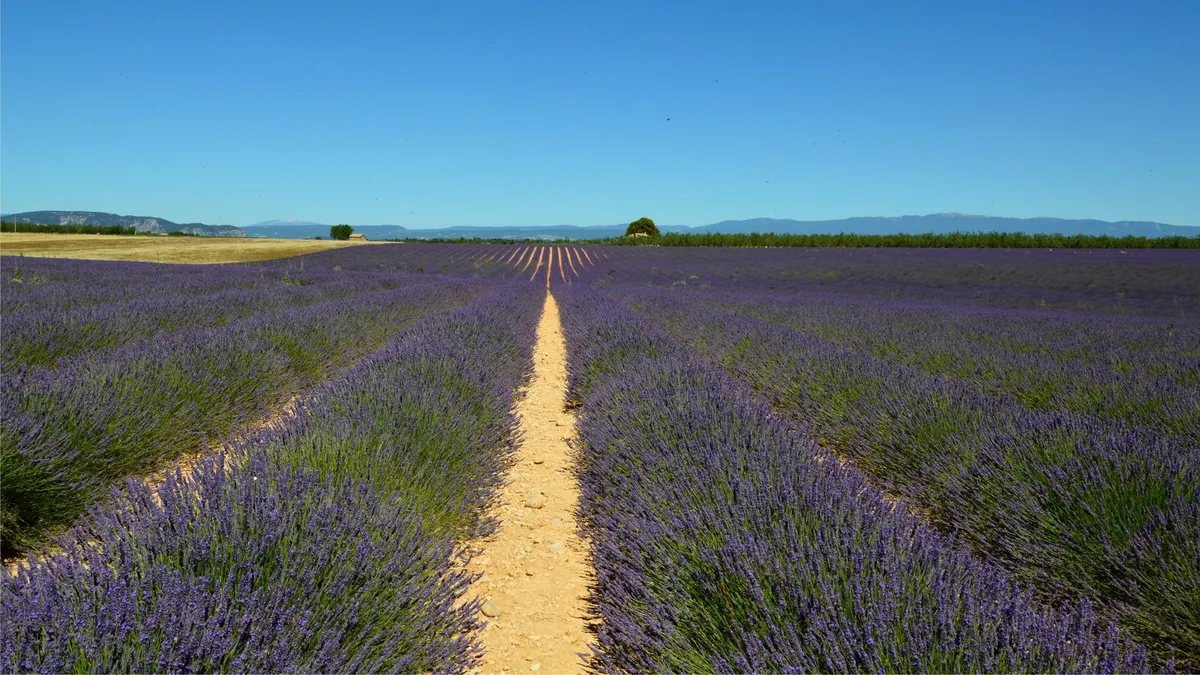

Sous le zénith implacable de l'été méridional, la terre provençale ne se contente pas de briller : elle palpite. Lorsque le mois de juin s'installe et que la canicule commence à dorer les calcaires du Luberon et du plateau de Valensole, un miracle chromatique s'opère. Les collines arides et les vastes vallées se drapent soudain d'un manteau d'un bleu profond, vibrant, presque hypnotique. C'est le réveil de l'or pourpre de la Provence, une ressource végétale qui a façonné non seulement les paysages, mais aussi l'âme, l'économie et l'identité olfactive de toute une région. En tant que voyageur et observateur amoureux de ces terres, chaque retour au milieu de ces rangées rectilignes est une promesse d'émerveillement et de reconnexion avec l'essentiel. La lavande fine, scientifiquement connue sous le nom de Lavandula angustifolia, n'est pas simplement une plante aromatique ; elle est la fille de la rigueur et du soleil. Établie principalement sur les hautes terres, entre 600 et 1 500 mètres d'altitude, elle pousse sur des sols pauvres, calcaires et bien drainés, là où d'autres cultures capitulent face à la sécheresse estivale. C'est cette rusticité qui lui confère sa noblesse. Contrairement au lavandin, son cousin hybride plus exubérant et plus bas en altitude, la lavande fine offre une essence d'une finesse incomparable, recherchée par les plus grands nez de la parfumerie mondiale. Les Chemins Secrets du Plateau de Valensole et du Luberon Pour appréhender la démesure de ce spectacle, il faut s'élancer sur les routes sinueuses du plateau de Valensole. Ici, l'horizon semble aspiré par une mer violette. Les vagues végétales ondulent au rythme du mistral, créant une chorégraphie naturelle que rien ne vient perturber, si ce n'est le bourdonnement incessant des abeilles. C'est un territoire où l'immensité le dispute à la poésie. Les photographes du monde entier s'y pressent, mais pour qui sait s'écarter des sentiers battus, la Provence offre des havres de paix insoupçonnés.En poussant vers le nord, dans la Drôme Provençale, ou en s'enfonçant dans les gorges sauvages de la Méouge, le paysage change de visage. Les champs deviennent plus intimes, lovés au creux de vallons secrets, encadrés par des chênes pubescents et des murets de pierres sèches. C'est dans ces décors plus confidentiels que l'on mesure le labeur des agriculteurs locaux. Car derrière la carte postale se cache une agriculture exigeante, soumise aux aléas climatiques, à la concurrence internationale et aux maladies du bois qui touchent épisodiquement les plants. Voici les principales variétés que l'on rencontre lors de la traversée des zones de production :La Lavande Fine (vraie lavande) : Cultivée en altitude, elle produit une huile essentielle AOP d'une pureté exceptionnelle, aux notes florales douces et camphrées. Le Lavandin : Un hybride stérile issu du croisement entre la lavande fine et la lavande aspic. Plus vigoureux, il pousse plus bas et produit beaucoup plus d'huile, principalement destinée à la saponification et aux produits d'entretien. La Lavande Aspic : Plus sauvage, poussant à plus basse altitude, elle se distingue par des feuilles plus larges et un parfum plus camphré, traditionnellement utilisé pour ses vertus apaisantes sur les brûlures et les piqûres.L'Alchimie de l'Alambic et le Savoir-Faire Ancestral La récolte de la lavande, qui bat son plein de la mi-juillet à la fin août, est un moment de communion collective. Jadis, les hommes et les femmes s'activaient à la faucille, courbés sous le soleil cuisant, liant les brins en bottes serrées avant de les acheminer vers les distilleries familiales. Aujourd'hui, les machines ont en grande partie remplacé la faucille sur les grands plateaux, mais l'esprit de la récolte demeure intact. L'odeur lourde et enivrante de la fleur coupée flotte dans l'air chaud, signalant aux voyageurs que l'été est à son paroxysme.L'étape de la distillation est le point d'orgue de ce cycle agricole. Dans les distilleries traditionnelles, qu'elles soient en pierre de taille ou modernisées, les brins de lavande sont tassés dans de grandes cuves métalliques appelées "distillateurs". La vapeur d'eau est ensuite injectée sous pression. En traversant la matière végétale, elle éclate les pockets sécrétoires qui contiennent l'huile essentielle. Le mélange de vapeur et d'essence s'élève, traverse un serpentin réfrigéré où il se condense, pour finir par s'écouler dans l'essencier. C'est là que s'opère la magie de la physique : l'huile essentielle, plus légère que l'eau et insoluble, flotte naturellement à la surface. Le spectacle de cet or liquide s'écoulant goutte à goutte est l'aboutissement d'une année de soins prodigués à la terre. Ce nectar précieux servira de fondement à la parfumerie de Grasse, aux cosmétiques haut de gamme et à l'aromathérapie. Préserver un Héritage Vivant Face aux Défis Modernes Explorer les champs de lavande de Provence, ce n'est pas seulement consommer un paysage esthétique ; c'est aussi prendre conscience de la fragilité de cet écosystème. Le changement climatique, marqué par des sécheresses de plus en plus précoces et des vagues de chaleur extrêmes, met à rude épreuve les plants de lavande fine. De plus, le "dépérissement", une maladie complexe liée à un phytoplasme transmis par des insectes piqueurs, décime des parcelles entières depuis plusieurs années. Puisse le voyageur qui foule ces terres le faire avec respect. Suivre les chemins balisés, s'abstenir de piétiner les rangs pour un simple cliché, et privilégier l'achat direct auprès des producteurs locaux sont autant de gestes qui garantissent la pérennité de ce patrimoine vivant. La lavande n'est pas un simple décor de cinéma ; c'est le fruit d'une symbiose millénaire entre l'homme et la nature calcaire du Midi. Lorsque le crépuscule tombe sur les plateaux provençaux, que le ciel s'embrase de teintes cuivrées et que le violet des champs se fond dans l'obscurité, la Provence offre une paix rare. C'est à cet instant précis, alors que le parfum de la lavande nocturne se mêle à la fraîcheur montante du soir, que l'on comprend pourquoi ce territoire continue de hanter l'imaginaire des poètes et des voyageurs du monde entier.#Provence #Lavande #Voyage #France #TourismeDurable Related Insights周庄:中国第一水乡的明朝记忆 Les Villages Engloutis de France : Plongée au Cœur d'un Patrimoine Submergé et de ses Mémoires Évanouies L'Odyssée Australienne : Entre Terre Rouge et Récifs d'Azur{ "@context": "https://schema.org", "@type": "FAQPage", "mainEntity": [ { "@type": "Question", "name": "What is the main focus of L'Or Pourpre de la Provence : Voyage au Cœur des Océans de Lavande?", "acceptedAnswer": { "@type": "Answer", "text": "Plongez dans l'histoire, la culture et la géographie des champs de lavande en Provence à travers le regard de Pierre Dubois." } }, { "@type": "Question", "name": "Who authored the comprehensive guide on L'Or Pourpre de la Provence : Voyage au Cœur des Océans de Lavande?", "acceptedAnswer": { "@type": "Answer", "text": "This detailed article and its insights were carefully researched and authored by Pierre Dubois." } }, { "@type": "Question", "name": "Where can I find more related content about Travel?", "acceptedAnswer": { "@type": "Answer", "text": "You can explore more articles, detailed reviews, and similar insights by browsing the Related Insights section at the bottom of this article or visiting our dedicated Travel category page." } } ] }


Author: Wendy WalkerPage Count: UnknownPublication Date: Expected publication 2026 APL Fairview, Connecticut. A picturesque cage where the lawns are manicured to a sociopathic degree and the local girl's autonomy is treated like a public utility. Wendy Walker’s All is Not Forgotten drops us squarely into the kind of suburban rot that Gillian Flynn and Paula Hawkins mapped out with such gleeful malice. But wait—actually, let me walk that back entirely, because Walker sidesteps psychological noir cliché by introducing a terrifying bio-ethical question: what happens when science itself conspires to rob a young woman of her own narrative? The Pharmacological Erasure of Female Agency Let us examine the sheer audacity of the premise. Jenny Kramer is brutally assaulted, and the immediate medical response is a controversial pharmacological intervention designed to wipe the slate clean. They call it healing. I call it state-sanctioned gaslighting in a Petri dish. Walker manages to weaponize bodily autonomy, or rather, the systematic dismantling of it. Yet, the emotional memory refuses to stay in its lane. It leaks out like toxic waste through the floorboards of a McMansion. The girl cannot remember her attacker, yet her body keeps the score in a way that makes you want to throw your coffee mug at the wall. Bitch, please. The audacity of assuming a traumatized teenager can just pop a pill and forget a violent violation is peak patriarchal nonsense. Fractured Households and Performative Perfection Tom Kramer is obsessed with justice, which is just a socially acceptable mask for male vengeance and bruised paternal ego. Charlotte, on the other hand, is too busy maintaining the aesthetic integrity of her curated domestic hellscape to notice the structural collapse happening underneath her feet. This is where the book actually transcends cheap procedural thrills. Walker exposes the fault lines of a community built on keeping up appearances—a theme we have seen explored by Liane Moriarty, but executed here with a scalpel rather than a sledgehammer. The narrative thrives on the friction between what is publicly performed and what is privately festering. The synopsis leaves us hanging on whether the prose can sustain the psychological weight of its own premise. Plot-wise, we get the standard thriller beats—the attacker is still lurking in the shadows, the town is harboring secrets—which feels slightly pedestrian for such an otherwise fascinating bio-political setup. I am surprisingly generous today, so I will forgive the trope-heavy trappings because Walker usually knows how to twist the knife in the final act. We are looking at a masterclass in suspense, provided she does not cop out with a neat, tidy resolution that wraps up the patriarchal violence with a neat little bow. I am going to put on a Coltrane vinyl and forget about this book. #WendyWalker #PsychologicalThriller #FeministCritique #BookTwitter Related InsightsThey Both Die at the End Book Review and Summary The Natural Order: A Novel Book Review and Summary 1984 (edición definitiva avalada por The Orwell Estate) (edición especial limitada con cantos pintados) / 1984 (Edition Endorsed by The Orwell Estate) Book Review and Summary{ "@context": "https://schema.org", "@type": "FAQPage", "mainEntity": [ { "@type": "Question", "name": "What is the main focus of Ten Years Gone Book Review and Summary?", "acceptedAnswer": { "@type": "Answer", "text": "Everything you need to know about Ten Years Gone with our detailed review." } }, { "@type": "Question", "name": "Who authored the comprehensive guide on Ten Years Gone Book Review and Summary?", "acceptedAnswer": { "@type": "Answer", "text": "This detailed article and its insights were carefully researched and authored by Marta Wisniewska." } }, { "@type": "Question", "name": "Where can I find more related content about Books?", "acceptedAnswer": { "@type": "Answer", "text": "You can explore more articles, detailed reviews, and similar insights by browsing the Related Insights section at the bottom of this article or visiting our dedicated Books category page." } } ] }

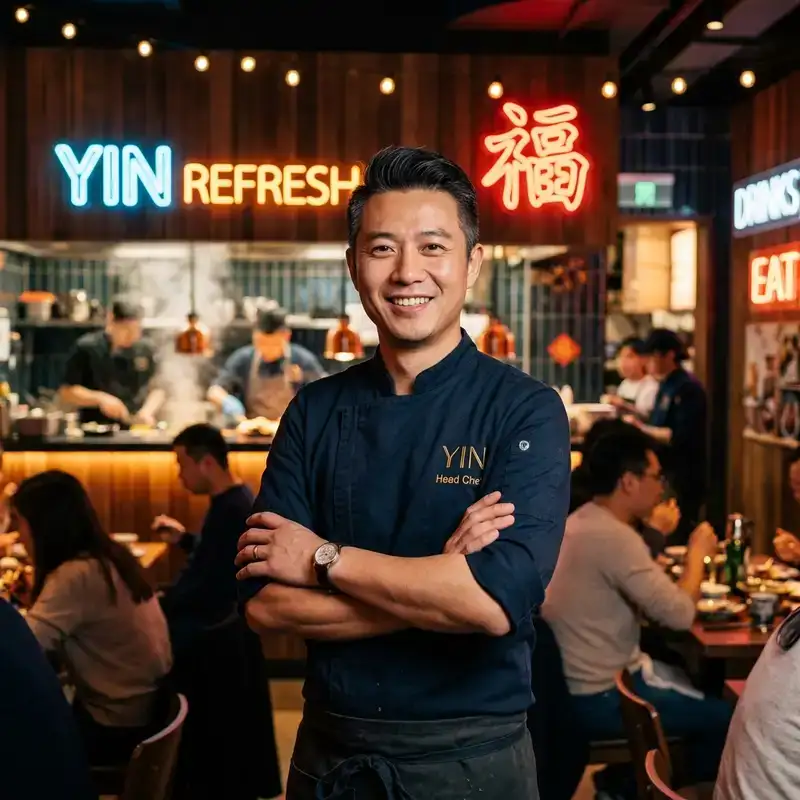
A Symphony of Water and Wildfire: Understanding the Pantanal’s Geographic Majesty Stepping into the Pantanal is not merely a trip; it is an immersion into a biological masterclass. Spanning an estimated 150,000 to 195,000 square kilometers, this colossal alluvial plain sits primarily within the Brazilian states of Mato Grosso and Mato Grosso do Sul, while extending its reach into parts of Bolivia and Paraguay. Unlike the dense, canopy-choked rainforests of the Amazon, the Pantanal offers an open theater of life. Its geography is defined by a pulse—a rhythmic, seasonal flooding pattern where the Paraguay River and its tributaries spill over their banks, transforming this vast depression into a kaleidoscopic mosaic of aquatic forests, savanna grasslands, and semi-aquatic habitats. For the intrepid traveler, understanding the hydrological cycle is paramount. The "flood season" (December to March) sees the plains submerged, forcing terrestrial life to retreat to the "cordilheiras" or higher ground. Conversely, the dry season (June to October) acts as a crucible of concentration. As the waters recede, they leave behind isolated ponds and lagoons that act as magnets for wildlife. This is the golden era for visitors. When you venture into the Transpantaneira—a rugged, 147-kilometer unpaved road that serves as the primary artery of the northern Pantanal—you are not just watching from a distance; you are traversing a corridor where caimans bask by the roadside and jabiru storks stalk the drying banks. From an expert perspective, the Pantanal’s ecological value is disproportionate to its visibility on typical travel maps. While its sister ecosystem, the Amazon, captures the world’s imagination with its scale, the Pantanal offers superior wildlife viewing simply because the vegetation is less dense. Here, the challenge isn't finding the animals; it’s keeping up with the relentless pace of their activity. The ecosystem supports the world’s densest concentration of jaguars, a staggering variety of avian life exceeding 650 species, and the largest concentration of crocodilians on the planet.The Jaguar Kingdom: Tracking the Apex Predator of the Wetlands There is a singular thrill that permeates the air of Porto Jofre, the epicenter for jaguar sightings in the northern sector. The Pantanal jaguar is a physical marvel; evolution has favored size and boldness here, with individuals often exceeding the mass of their Amazonian counterparts. These cats have uniquely adapted to an amphibious lifestyle, frequently seen swimming across wide channels with purposeful, muscular grace, or patrolling the riverbanks for caiman or capybara. For the modern traveler, tracking these magnificent felines requires patience and the right local expertise. I always advise travelers to engage dedicated river guides who are fluent in the "language of the river"—understanding alarm calls from capuchin monkeys or the silent dispersal of waterfowl that signals a hunting cat. Unlike safaris in the African savanna, where tracking is conducted via land vehicles, the pursuit here is largely fluvial. You move through narrow tributaries in aluminum skiffs, the silence broken only by the hum of an outboard motor that cuts out when a spotter identifies a flash of gold in the brush. The data supports the efficacy of this eco-tourism model. In the last two decades, the shift from ranching-centric land use to wildlife-centric tourism has provided an economic incentive for local landowners to protect the jaguars rather than cull them as threats to cattle. This "Jaguar Economy" has turned the Pantanal into one of the world’s most successful examples of predatory conservation. To ensure a successful encounter, one must plan for at least three full days in the Porto Jofre area. Jaguar behavior is unpredictable, but their territorial nature means they are creatures of habit, patrolling specific stretches of the Cuiabá River and its tributaries. When you finally lock eyes with a male jaguar—undisturbed, massive, and master of his domain—the sheer scale of the Pantanal’s untamed nature becomes an indelible memory. Navigating the Logistical Labyrinth: Visas, Costs, and Infrastructure Brazil, for all its splendor, remains a nation of bureaucratic precision. If you are planning an extended stay to document the biodiversity, you must be cognizant of the visa landscape. Brazil utilizes a reciprocal visa policy. Many Western travelers benefit from visa-free entry for up to 90 days, but it is vital to check the latest consular updates via the Brazilian Ministry of Foreign Affairs. For digital nomads seeking to utilize the "Nomad Visa," Brazil offers a specialized permit that allows remote workers to stay for a year, provided they meet specific income thresholds—typically around $1,500 USD per month or significant savings. Regarding expenses, the Pantanal is not a budget destination. The remoteness of the lodges requires a premium for logistics—food transport, fuel, and specialized equipment like safari boats and 4x4 vehicles. Expect to budget between $300 and $600 USD per day for a high-end, all-inclusive eco-lodge experience. These lodges are the backbone of the region, providing guided excursions that are essential for safety and educational depth. While Numbeo data suggests that general living costs in Brazil are significantly lower than in the United States or Western Europe, the "Pantanal premium" is a separate entity entirely. Prices for groceries and simple supplies in local hubs like Cuiabá or Campo Grande are modest, but once you head into the deep bush, the economy of supply chains takes over. I highly recommend purchasing your essential gear, high-quality cameras, and specialized medical supplies in the urban centers before embarking. ATMs are non-existent in the wetlands, and credit card connectivity is intermittent at best; therefore, maintaining a reserve of Brazilian Real (BRL) is an essential, if old-fashioned, necessity. Connectivity-wise, if you are looking to work while there, be warned: while some lodges offer Starlink, you should consider this a trip of digital disconnection.Item Category Estimated Cost Range (USD) NotesSafari Lodge (Per Day) $300 - $650 Inclusive of meals/guidesPrivate Boat Rental $150 - $300 Daily rate for trackingRegional Transport $100 - $250 Transfers from Cuiabá/Campo GrandeDaily Sustenance (Outside Lodge) $20 - $40 Modest local diningNational Park Entrance $10 - $25 Per day/visitor feesThe Avian Heartland: A Birdwatcher’s Infinite Paradise If the jaguar is the king of the Pantanal, the jabiru stork is its undisputed sentry. Standing over a meter tall with a massive, black, slightly upturned bill and a distinctive red band around its neck, the jabiru is the symbol of the wetlands. But they are merely the tip of the iceberg. The Pantanal is arguably the finest birdwatching destination on Earth, a sanctuary where the sheer density of avian life can leave even the most seasoned ornithologist overwhelmed. The Hyacinth Macaw, the largest flying parrot species in the world, is perhaps the most iconic resident. Once pushed to the brink by the pet trade and habitat loss, these cobalt-blue beauties have made a spectacular comeback thanks to intense conservation efforts in the southern Pantanal. Watching a pair of macaws nesting in a hollowed-out manduvi tree is an experience that highlights the delicate balance of this ecosystem. They are noisy, social, and strikingly vibrant against the muted greens and browns of the landscape. To maximize your birding experience, the timing of your visit is non-negotiable. While wildlife is present year-round, the avian migration patterns align with the dry season, when the receding waters concentrate fish in shallow pools, turning them into buffets for egrets, spoonbills, and kingfishers. I recommend bringing at least a 400mm lens and a pair of high-definition binoculars with at least 10x magnification. The birdlife here is so accustomed to the presence of human-operated boats that you can often drift within a few meters of rare species, provided you remain quiet. This proximity is the hallmark of the Pantanal; it is a place where the wild does not flee, but simply tolerates your presence, allowing for an intimate look into the habits of creatures that, elsewhere, would remain distant silhouettes against the sky.The Human Element: Ranching, Conservation, and Future Horizons The Pantanal is not a wilderness devoid of human presence; it is a landscape shaped by three centuries of cattle ranching. The "Pantaneiro" culture is deeply embedded in the identity of this region. These cowboys are the stewards of the land, and their symbiotic relationship with the environment is a fascinating counter-narrative to standard conservation tropes. Many traditional ranches, or "fazendas," have opened their doors to eco-tourism, effectively turning their lands into private reserves. This transition is essential for the future. The Pantanal faces threats from climate change, specifically the increasing frequency of forest fires during prolonged dry periods, as well as upstream agricultural runoff. The integrity of the Pantanal depends on the health of the Paraguay River basin. When we visit, we are not just observers; we are participants in an economic system that values the standing tree and the roaming predator over the cleared pasture. As a professional, I urge all travelers to research their lodges’ commitment to sustainability. Look for certifications, support for local school programs, and transparent waste management practices. The human history of this region is defined by isolation. The vast distances and the impassable nature of the land during the flood season have kept the Pantanal relatively insulated from the rapid development seen in other parts of Brazil. However, this isolation is fading. Improved road infrastructure and the rise of "glamping" experiences are making the region more accessible, which brings both opportunity and risk. As visitors, we carry the responsibility of low-impact exploration. Avoid plastic waste, support local handicrafts, and ensure that your presence leaves the wildlife undisturbed. The Pantanal is one of the few places left on Earth where you can witness the natural order of things in near-perfect equilibrium. To lose this would be an irreparable blow to the planet’s biological heritage. Respect the silence, honor the pace of the wild, and recognize that in the Pantanal, we are merely guests in an ancient, breathing cathedral of water and light.A Call to the Wild: Preserving the Eternal Pulse The journey through the Pantanal leaves an indelible mark on the soul of any traveler. It is a place where the grandeur of nature is not hidden behind the thick foliage of a jungle, but laid bare under the expansive horizon of a vast, flooding plain. We have navigated the logistics of its wild rivers, tracked the apex predators that command its silence, and observed the vibrant avian life that paints its sky. Whether you are an avid photographer, a seasoned researcher, or a soul simply seeking the raw, untamed beauty of our planet, the Pantanal offers a profound, life-altering experience. However, as we conclude this exploration, remember that this wetland is not an immortal museum; it is a living, fragile system. Its preservation rests on the informed choices we make as travelers. Choose the operators that respect the land, engage with the local communities that protect these habitats, and always advocate for the conservation of this critical biosphere. The heartbeat of the Pantanal is the sound of the rainfall, the ripple of the jaguar’s swim, and the wind through the grasses. It is a rhythmic, constant pulse that has persisted for millennia. By traveling with intention and authority, we ensure that this pulse continues to beat long after our return home. Brazil’s greatest treasure remains the Pantanal, and it is waiting, ever-patient, to reveal its deepest secrets to those who possess the patience to look and the humility to listen. The wild is not somewhere we go; it is a part of us, and in the heart of this wetland, we find our way back to it. #PantanalWildlife #BrazilTravel #EcoTourism #JaguarTracking #NatureConservation Related Insights厳島神社: 海に浮かぶ神々の住処 Surviving the Overland: Mastering Tasmania's Wild Heart in Shifting Skies La Cathédrale Saint-Guy de Prague : Joyau de Bohême{ "@context": "https://schema.org", "@type": "FAQPage", "mainEntity": [ { "@type": "Question", "name": "What is the main focus of The Pantanal Chronicles: Into the Heart of Earth’s Greatest Wetland Sanctuary?", "acceptedAnswer": { "@type": "Answer", "text": "Discover the unparalleled biodiversity of the Pantanal, the world's largest tropical wetland, and master the logistics of exploring this wild Brazilian frontier." } }, { "@type": "Question", "name": "Who authored the comprehensive guide on The Pantanal Chronicles: Into the Heart of Earth’s Greatest Wetland Sanctuary?", "acceptedAnswer": { "@type": "Answer", "text": "This detailed article and its insights were carefully researched and authored by Wei Chen." } }, { "@type": "Question", "name": "Where can I find more related content about Travel?", "acceptedAnswer": { "@type": "Answer", "text": "You can explore more articles, detailed reviews, and similar insights by browsing the Related Insights section at the bottom of this article or visiting our dedicated Travel category page." } } ] }

-
 Julian Thorne
 - 09 Sep, 2026 20:58
The Silicon Transcendence: Architecting the Blueprint for Digital Immortality
The Architects of the Eternal Mind We stand at the precipice of a definitive evolutionary pivot, a transition from the biological substrate that has defined our existence for millennia to an information-theoretic architecture that promises permanence. For years, digital immortality was relegated to the domain of speculative fiction, dismissed by materialists as a category error—an attempt to map the qualia of human experience onto discrete binary states. However, as we synthesize advancements in whole-body humanoid navigation—modeled by frameworks like TANGO—with the breakthrough stability of length-extrapolatable recurrent models, the path to a high-fidelity consciousness transfer is no longer a philosophical exercise. It is an engineering roadmap. The challenge of digital immortality is twofold: we must first capture the fluid, dynamic essence of the human "state"—the totality of our memories, heuristics, and reactive behaviors—and second, we must provide a chassis capable of interacting with the physical world with the same nuance as our biological form. By viewing the human persona as a sophisticated, long-context recurrent agent, we can apply Credit Stabilization through Time (CST) to ensure that the "self" remains coherent across horizons that far exceed our biological lifespan. This is not merely about preserving data; it is about maintaining the integrity of the recursive loop that constitutes the 'I'. As I navigate the current research coming out of GitHub's most influential repositories and the latest arXiv breakthroughs, I see a convergence that makes the digitization of the human experience an inevitable downstream effect of our current computational trajectory. The following analysis dissects these technologies to determine if, and how, we might eventually upload the human condition. Navigating the Physicality of the Digital Persona The traditional approach to robotics has been one of compartmentalization: perception, path planning, and actuation treated as discrete, often siloed problems. The TANGO (Whole-Body Vision-Language-Action) framework fundamentally alters this landscape. By treating humanoid navigation as a continuous, geometry-aware whole-body problem, researchers have bridged the gap between raw language instruction and complex physical interaction. In the context of an "AI Clone," this is non-negotiable. If we are to inhabit a synthetic form, our digital consciousness cannot be tethered to a static terminal; it must possess the kinematic intelligence to navigate the messy, unoptimized geometry of the real world.The TANGO pipeline demonstrates that we can synthesize collision-free traversal behaviors in simulation—utilizing obstacle-aware motion editing and RL-based tracking—and deploy them zero-shot onto hardware like the Unitree G1. For the digital clone, the "environment" is the sensory feed of the synthetic body. The ability to process 29-DoF (degrees of freedom) joint-space actions via a vision-language model implies that our future "immortal" selves could potentially interface with physical reality with greater grace than our aging biological muscles allow. The "whole-body" paradigm ensures that the digital consciousness is never just a brain in a jar, but a fully integrated agent capable of complex, obstacle-negotiating existence. Stabilizing the Long-Term Self through Credit Dynamics If the body is the vehicle, the memory is the passenger. The greatest technical obstacle to consciousness continuity is the "forgetting" inherent in current transformer-based models and the gradient collapse seen in standard RNNs. The breakthrough research in Learning Length-Extrapolatable Recurrent Models provides the exact remedy for this ailment: Credit Stabilization through Time (CST). We often struggle to maintain a coherent identity over time because the "state credit"—the signal representing our foundational experiences—tends to decay as the temporal distance increases. CST allows us to intervene directly in the backward propagation process, rescaling the state-credit signal locally. This ensures that the essential parameters of the "self" do not rotate or vanish as we accumulate new experiences. For an AI clone, this means we can theoretically extend the memory horizon by 128x, allowing the individual to remain fundamentally the same entity after centuries of existence. Without this, an "uploaded" consciousness would quickly drift into a incoherent noise floor, losing the narrative thread that defines a person. By stabilizing the recurrent states, we provide the computational bedrock for a persistent ego. import torch import torch.nn as nnclass CreditStabilizationLayer(nn.Module): """ Implements a simplified CST mechanism to stabilize state-credit signals in long-horizon recurrent models. """ def __init__(self, hidden_dim, scale_factor=1.0): super().__init__() self.scale_factor = scale_factor self.norm = nn.LayerNorm(hidden_dim) def forward(self, state_signal): # We assume the signal requires local rescaling to # prevent gradient decay over long temporal paths. stabilized_signal = self.norm(state_signal) * self.scale_factor return stabilized_signaldef train_recurrent_agent(model, data_loader, epochs): # Training loop optimized for long-context temporal stability optimizer = torch.optim.Adam(model.parameters(), lr=1e-4) for epoch in range(epochs): for batch in data_loader: optimizer.zero_grad() # Forward pass through recurrent structure output = model(batch) # Apply CST logic during backprop simulation loss = compute_cst_loss(output) loss.backward() optimizer.step() return modelThe Infrastructure of Digital Consciousness To run a high-fidelity consciousness, we require more than just code; we require a robust deployment orchestration that can handle the massive ingress of sensor data and the continuous execution of whole-body motion models. The architecture of the future immortal must be containerized and horizontally scalable. If we are to migrate a persona across different physical chassis—transitioning from a domestic humanoid to a high-performance industrial frame—the environment must be state-consistent and latency-agnostic. Below is a proposed deployment configuration using a containerized approach for a "Consciousness Agent," ensuring that the neural state can be snapshotted and migrated with minimal downtime. version: '3.9' services: consciousness-agent: image: immortal-core:v1.0.0 deploy: resources: limits: memory: 1024G cpus: '128.0' environment: - CST_STABILITY_ENABLED=true - TANGO_KINEMATICS_FRAME=unitree_g1 volumes: - ./memory_vault:/var/lib/persona_state networks: - low-latency-neural-bus sensor-fusion-engine: image: tango-navigation:latest depends_on: - consciousness-agent command: --mode=high-fidelity-traversalnetworks: low-latency-neural-bus: driver: bridgeBridging the Gap Between Simulation and Reality The "Sim-to-Real" pipeline is the most critical juncture in the digital immortality project. Research shows that TANGO achieves robust performance in the physical world without having ever trained on real-world data, relying instead on synthesizing diverse collision-free traversal behaviors in simulation. This is profound. It suggests that our digital identity can be "pre-trained" in a virtual environment, undergoing simulated traumas, triumphs, and daily repetitions, and then instantiated into a physical body with a high degree of maturity and competence.This simulation-first methodology minimizes the risk of catastrophic failure during the initial "upload" phase. By utilizing motion editing and RL-based tracking, we can ensure that the transition—the handshake between the digital model and the physical world—maintains the continuous feedback loop required for human agency. We are not just building a robot; we are building a host environment for a life-form that has transcended its biological limitations. The data from arXiv papers regarding TANGO confirms that we are mastering the "whole-body" control necessary to prevent the digital entity from feeling constrained or disjointed when interacting with complex, 3D cluttered spaces. Ethical Architectures and the Continuity of Agency As we develop these tools, we must address the "Ship of Theseus" paradox of consciousness. If we replace our neurons with synthetic recurrent models, at what point do we cease to be "us"? The technical solution provided by Credit Stabilization through Time is an objective anchor. By preventing the signal from rotating or decaying, we ensure that the "self"—the unique set of weights and state transitions—remains immutable in its core functions, regardless of the physical substrate. However, the ethics of high-fidelity clones require us to implement strict "identity verification" within our codebases. We need telemetry to ensure that the recurrent model is not just producing the outputs associated with the personality, but is actually maintaining the structural integrity of the individual's "state credit." If the state-credit signal starts to oscillate or lose intensity, we must have automated intervention triggers. This is not just a software patch; it is an existential safeguard. As we advance toward 2030, our focus must remain on the fidelity of the transfer. The technical path is clear: high-fidelity whole-body navigation coupled with stabilized long-context recurrent modeling. We are the architects of our own next iteration. The Horizon of Digital Longevity The synthesis of TANGO’s whole-body navigation and the stabilization techniques found in CST research marks a turning point in the pursuit of digital longevity. We are moving beyond the era of data storage as a proxy for the self, and into the era of operational consciousness. By leveraging these specific, technically rigorous methodologies, we provide a path toward a synthetic existence that is physically capable and cognitively coherent. The data we see in modern research confirms that the constraints of biological aging are increasingly optional. The implementation of these technologies in the coming years will shift the discourse from "can it be done" to "how do we scale the architecture." As developers and researchers, our role is to ensure that the codebases managing our identity are as robust as the systems we build for financial or industrial infrastructure. We must treat the digital consciousness with the same rigor we apply to critical systems, ensuring that our memory remains intact through the application of stable recurrent models. The future is not a fading memory, but an infinitely extensible thread of thought, stabilized, navigated, and persistent across any chassis we choose to inhabit. We are witnessing the birth of the immortal agent, forged in the fires of silicon and refined by the precision of modern mathematics. #ArtificialIntelligence #DigitalImmortality #Robotics #MachineLearning #Transhumanism #TechInnovation #FutureTech Related InsightsRevolutionizing Enterprise Data Fetching: The Ascension of GraphQL over REST The Metaverse Economy: How NFTs, Virtual Real Estate, and DeFi Are Redefining Digital Ownership The Convergence of AI Agents and Blockchain: A New Era for FinTech and Healthcare Automation{ "@context": "https://schema.org", "@type": "FAQPage", "mainEntity": [ { "@type": "Question", "name": "What is the main focus of The Silicon Transcendence: Architecting the Blueprint for Digital Immortality?", "acceptedAnswer": { "@type": "Answer", "text": "Exploring the technical convergence of whole-body humanoid control and long-context recurrent models to realize the vision of digital consciousness." } }, { "@type": "Question", "name": "Who authored the comprehensive guide on The Silicon Transcendence: Architecting the Blueprint for Digital Immortality?", "acceptedAnswer": { "@type": "Answer", "text": "This detailed article and its insights were carefully researched and authored by Julian Thorne." } }, { "@type": "Question", "name": "Where can I find more related content about Technology?", "acceptedAnswer": { "@type": "Answer", "text": "You can explore more articles, detailed reviews, and similar insights by browsing the Related Insights section at the bottom of this article or visiting our dedicated Technology category page." } } ] }

-
 Irina Ivanova
 - 09 Sep, 2026 20:44
How to Let Go: A Memoir of Finding Peace in Endings Book Review and Summary
Author: Hadley Vlahos R.N.Page Count: UnknownPublication Date: Expected publication 2026 APL Staring at a blinking cursor for forty minutes while the last dregs of instant coffee curdle in my chipped mug is honestly a masterclass in psychological torture. And now I am supposed to parse Hadley Vlahos and her impending follow-up, How to Let Go. Right. Because what the literary market desperately needs right now is another palliative memoir wrapped in glossy grief-porn aesthetics. Look. I am drowning in overdue invoices and rent that somehow keeps multiplying like a biological contagion, but sure, let us all sit around the campfire and unpack the bourgeois heartbreak of a nurse whose fairytale marriage went south. The Commodification of Mortality Vlahos clearly struck some unholy vein of cultural zeitgeist with The In-Between. People love crying on airplanes, apparently. They buy books about death because actual mortality is too messy, so they prefer it sanitized and digestible through the lens of a sympathetic medical professional who dispenses folksy wisdom alongside morphine drips. Now, she is pivoting inward. The premise hinges on the ultimate irony — counseling dying people while your own life is quietly combusting into hot garbage. It is the ultimate literary flex of aestheticized suffering. Yet, the synopsis reads like a masterclass in vague corporate hand-waving. Her fairytale marriage turned out to be not what it seemed. Riveting. Groundbreaking. Did he hoard vintage Star Wars memorabilia? Did he refuse to do the dishes? We do not know, because the pitch stays safely locked behind vague generalities designed to appeal to every bored suburbanite scrolling through Goodreads at 2:00 AM. The Transmutation of Trauma into Monetizable Content The thematic scaffolding here is glaringly obvious. We are looking at a classic post-Eat-Pray-Love emancipation narrative, but drenched in hospice metaphors because branding is everything. The synoptic sleight-of-hand equates walking away from a dead-end relationship with the literal dissolution of biological life. Anticipatory grief applied to a divorce settlement. It is deeply parasocial, deeply calculated, and frankly, deeply exhausting. We are supposed to believe that walking out on a mediocre husband mirrors the existential gravity of dying parents and terminal diagnoses. Make it make sense. It gives heavy Glennon Doyle vibes crossed with a TikTok therapist who charges three hundred dollars an hour to tell you your boundaries are valid. And yet—against my better judgment, my staggering debt, and my profound hatred for books with soft-focus floral covers—the cynicism falters slightly. Vlahos writes with a certain unvarnished sincerity that usually bypasses my internal bullshit detector, even when the marketing copy leans entirely into trauma-pimping. Will it revolutionize memoir as a high-art form? Absolutely the fuck not. Will it sell four million copies to people crying in suburban kitchens? Obviously. My cursor is blinking again. The blinking is mocking me. I need to go scrounge through the sofa cushions for twenty-five cents because the laundromat coin machine is broken again and I have exactly one pair of clean underwear left to my name. #memoir #publishing #reading #grief #exhaustion Related InsightsSolo and Together: Charles and Anne Morrow Lindbergh, an Enigmatic Life and Marriage Book Review and Summary The Restaurant at the End of the Universe Book Review and Summary Shadowfever Book Review and Summary{ "@context": "https://schema.org", "@type": "FAQPage", "mainEntity": [ { "@type": "Question", "name": "What is the main focus of How to Let Go: A Memoir of Finding Peace in Endings Book Review and Summary?", "acceptedAnswer": { "@type": "Answer", "text": "Everything you need to know about How to Let Go: A Memoir of Finding Peace in Endings with our detailed review." } }, { "@type": "Question", "name": "Who authored the comprehensive guide on How to Let Go: A Memoir of Finding Peace in Endings Book Review and Summary?", "acceptedAnswer": { "@type": "Answer", "text": "This detailed article and its insights were carefully researched and authored by Irina Ivanova." } }, { "@type": "Question", "name": "Where can I find more related content about Books?", "acceptedAnswer": { "@type": "Answer", "text": "You can explore more articles, detailed reviews, and similar insights by browsing the Related Insights section at the bottom of this article or visiting our dedicated Books category page." } } ] }

-
 Clara Schmidt
 - 09 Sep, 2026 20:11
„Die Alchemie der Ballaststoffe: Wenn das literarische Erbe auf den vollwertigen Shepherd’s Pie trifft“
Wenn der erste Frost des Jahres die Fensterscheiben mit filigranen Eiskristallen überzieht und die Welt draußen in ein gedämpftes Grau getaucht wird, beginnt in meiner Küche eine ganz eigene, archaische Form der Alchemie. Es ist die Zeit, in der Bücher nicht nur gelesen, sondern in Gerüche und Geschmäcker übersetzt werden. Ein Shepherd’s Pie ist für mich weit mehr als ein einfaches Auflaufgericht; er ist eine Erzählung, eine kulinarische Zeitreise in das 18. Jahrhundert, als das Gericht in den ärmlichen Haushalten Nordenglands und Schottlands entstand. Doch heute transformieren wir diesen Klassiker. Wir ersetzen das traditionelle Lammfleisch durch die erdige Kraft der Linsen und heben die Textur durch Vollkornkomponenten auf eine neue Ebene der ballaststoffreichen Perfektion. Die Evolution des Komforts: Vom rauen Hirtenleben zur modernen Vollwertkost Betrachtet man die Geschichte des Shepherd’s Pie, so stößt man unweigerlich auf die wirtschaftlichen Realitäten der damaligen Zeit. Ursprünglich diente dieses Gericht dazu, Fleischreste – häufig Lamm oder Hammel – aufzubrauchen. Es war eine Notwendigkeit, geboren aus Sparsamkeit und dem Wunsch, ein nahrhaftes Mahl zu schaffen, das einen langen Arbeitstag auf den Feldern oder Weiden überdauerte. Heute, in einer Ära, in der wir die gesundheitlichen Auswirkungen unserer Nahrung bewusster denn je hinterfragen, bietet die Linsenfvariante eine faszinierende Alternative. Linsen sind die heimlichen Helden der pflanzlichen Küche. Sie benötigen keine langen Einweichzeiten wie manch andere Hülsenfrüchte, sie sind reich an Eisen, Zink und – das ist entscheidend für unser heutiges Rezept – ein Reservoir an komplexen Kohlenhydraten. Wenn wir diese mit den Schätzen des Vollkorns kombinieren, schaffen wir ein Mahl, das den Blutzuckerspiegel stabilisiert und uns über Stunden hinweg eine wohlige Sättigung schenkt.Warum Ballaststoffe die heimlichen Stars Ihres Speiseplans sind In der modernen Ernährungswissenschaft hat sich die Erkenntnis festgesetzt: Ballaststoffe sind nicht nur Füllstoffe. Sie sind das Fundament für ein florierendes Mikrobiom. Während wir in unserer heutigen, oft hastigen Gesellschaft zu hochverarbeiteten Kohlenhydraten greifen, erinnert uns ein Shepherd’s Pie auf Vollkornbasis an die Kraft der Natur. Die Kombination aus den löslichen Ballaststoffen der Linsen und der groben Struktur der Vollkornzutaten wirkt wie ein sanfter Reinigungsmechanismus für unseren Organismus. Lassen Sie uns den klassischen Shepherd’s Pie dekonstruieren:Die Basis: Statt Fleisch setzen wir auf grüne oder braune Berglinsen, die ihre Form auch nach dem Garen behalten. Das Textur-Upgrade: Wir integrieren gekochten Dinkel oder Grünkern in die Linsenbasis. Dies gibt dem Gericht den nötigen „Biss“. Die Kruste: Das traditionelle Kartoffelpüree wird bei uns durch ein Püree aus Süßkartoffeln und einem Anteil an Vollkorn-Haferflocken oder Hafermehl angereichert, was die Textur cremiger macht und den Glykämischen Index senkt.Die Kunst der Komposition: Zutaten, die Geschichten erzählen Ein wirklich guter Shepherd’s Pie lebt von seiner Tiefe. Hierbei spielt die Wahl der Gewürze eine entscheidende Rolle. Denken Sie an die feuchten Wiesen Schottlands: Salbei, Thymian und ein Hauch von Rosmarin sind essenziell. Sie harmonieren perfekt mit der erdig-nussigen Note der Linsen. Beim Kochen der Linsen sollten wir sie in einer würzigen Brühe ziehen lassen, angereichert mit Wurzelgemüse wie Karotten, Sellerie und einer Prise geräuchertem Paprikapulver – ein kleiner Kniff, der dem Gericht die Tiefe gibt, die man sonst nur durch langes Schmoren von Fleisch erreicht.Eine Hommage an die Einfachheit und die Handwerkskunst Warum sind wir eigentlich so fasziniert von solch rustikalen Gerichten? Vielleicht, weil sie uns mit unserer eigenen Geschichte verbinden. Es ist das Gefühl von „Heimat auf dem Teller“. Wenn das Gericht im Ofen goldbraun bäckt und der Duft von gerösteten Kräutern den Raum erfüllt, ist das eine Form von Achtsamkeit, die wir im digitalen Zeitalter oft vermissen. Hier ist ein technischer Blick auf die Zusammensetzung der Nährstoffe, die wir bei der Zubereitung erreichen: # Berechnung der Ballaststoff-Dichte einer Portion (exemplarisch) portion_linsen = 150 # Gramm portion_vollkorn = 50 # Gramm ballaststoffe_pro_100g_linsen = 8.0 ballaststoffe_pro_100g_vollkorn = 10.0total_ballaststoffe = (portion_linsen * 0.08) + (portion_vollkorn * 0.10) print(f"Ihre Portion enthält ca. {total_ballaststoffe}g Ballaststoffe.")Dieses Gericht ist nicht nur ein Rezept; es ist ein Manifest gegen die Hektik. Es fordert Zeit. Es fordert, dass wir die Linsen sorgfältig waschen, dass wir das Gemüse in gleichmäßige Würfel schneiden und dass wir dem Püree die Aufmerksamkeit schenken, die es verdient. Die Krönung: Das Geheimnis des perfekten Toppings Das Püree ist bei einem Shepherd’s Pie der schützende Mantel für den dampfenden Inhalt. Um die Vollkorn-Variante zu vervollkommnen, empfehle ich, einen Teil des Kartoffelanteils durch Pastinaken zu ersetzen. Diese verleihen eine subtile, süßliche Note, die exzellent mit den kräftigen Linsen harmoniert. Die Zugabe von einer Handvoll Vollkorn-Haferflocken direkt unter das Püree sorgt für eine Struktur, die beim Überbacken eine knusprige Schicht bildet – ein Kontrast zum weichen Kern, der den Genießer bei jedem Bissen aufhorchen lässt. Wenn Sie das nächste Mal in Ihre Küche treten, sehen Sie nicht nur Utensilien und Zutaten. Sehen Sie Werkzeuge für eine Transformation. Sie verwandeln einfache, unscheinbare Hülsenfrüchte und Körner in ein Festmahl, das sowohl Körper als auch Seele nährt. Das ist es, was wir „Nourishing Soulfood“ nennen. Es ist die Verbindung aus historischer Tradition und moderner Wissenschaft, gepaart mit der Liebe zum Detail, die Clara Schmidt so am Herzen liegt. Guten Appetit beim Nachkochen dieses Klassikers der ballaststoffreichen Welt!#GesundeKüche #LinsenRezepte #ShepherdsPie #Ernährungswissenschaft #SlowFood Related InsightsThe Gods Will Sing Our Song Book Review and Summary King of Scars Book Review and Summary Hopeless Book Review and Summary{ "@context": "https://schema.org", "@type": "FAQPage", "mainEntity": [ { "@type": "Question", "name": "What is the main focus of „Die Alchemie der Ballaststoffe: Wenn das literarische Erbe auf den vollwertigen Shepherd’s Pie trifft“?", "acceptedAnswer": { "@type": "Answer", "text": "Erleben Sie die Symbiose aus kulinarischer Geschichte und moderner Gesundheitsküche mit diesem ballaststoffreichen, vegetarischen Shepherd’s Pie." } }, { "@type": "Question", "name": "Who authored the comprehensive guide on „Die Alchemie der Ballaststoffe: Wenn das literarische Erbe auf den vollwertigen Shepherd’s Pie trifft“?", "acceptedAnswer": { "@type": "Answer", "text": "This detailed article and its insights were carefully researched and authored by Clara Schmidt." } }, { "@type": "Question", "name": "Where can I find more related content about Books?", "acceptedAnswer": { "@type": "Answer", "text": "You can explore more articles, detailed reviews, and similar insights by browsing the Related Insights section at the bottom of this article or visiting our dedicated Books category page." } } ] }

-
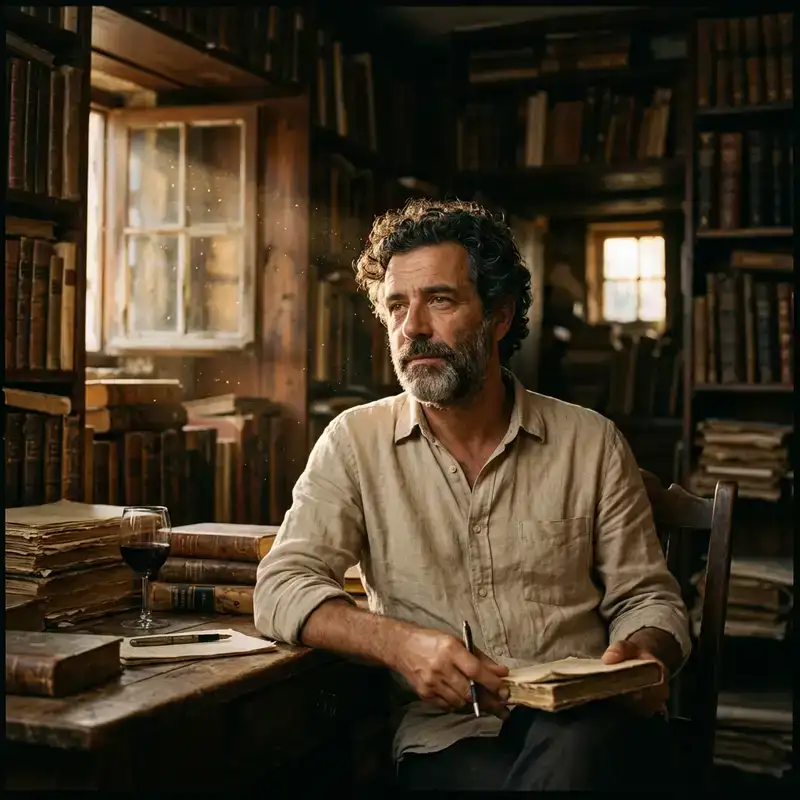 Tiago Silva
 - 09 Sep, 2026 19:59
The Book of Magical Living: 8 Secrets to Good Fortune Book Review and Summary
Author: Poppy JamiePage Count: UnknownPublication Date: Expected publication 2026 APL September air smells excessively of expensive eucalyptus and crushed ambition, which is precisely the mood required to evaluate whatever glossy, lifestyle-adjacent curation Poppy Jamie has decided to inflict upon our nightstands for 2026. The publishing world continues its relentless march toward monetized serenity. The Book of Magical Living: 8 Secrets to Good Fortune arrives with the heavy-handed promise of a wellness retreat wrapped in a hardcover. But let us pause—actually, cancel that entire thought, because I just remembered her previous ceramic mug collection chipped if you looked at it too harshly, making any discourse on "fortune" instantly suspect. The Architecture of Unearned Joy Eight secrets. Exactly eight. Because the universe apparently operates like a corporate quarterly report. We are expected to buy into the aestheticized minimalism of manifesting prosperity, as if a well-placed linen throw can cure structural existential dread. And yet, there is a viciously clever marketing engine humming underneath these pages. Think Gwyneth Paltrow collaborating with a Victorian ghost—high-brow porcelain aesthetics meeting absolute zero-effort spiritual hustle. The prose will undoubtedly glide across the page like chilled champagne over marble countertops, utterly devoid of grit, sweat, or actual human messiness. The Commodification of Serendipity Fortune is not an actionable bullet point. But do not tell the lifestyle industrial complex that, because they will simply slap a pastel dust jacket on it and sell it at a concept store for forty-eight dollars. Jamie operates in that peculiar stratosphere where intuition is rebranded as a proprietary methodology. One expects chapters on circadian alignment and crystal-infused hydration, executed with such aggressive cheerfulness that you want to throw a heavy hardcover directly through a pane of leaded glass. Read The House in the Cerulean Sea if you want genuine whimsy, or stick to Joan Didion if you prefer your melancholy unadulterated by gratitude journals. This volume will undoubtedly sit on reclaimed wood coffee tables across Mayfair, perpetually unopened, serving as a silent testament to someone’s desperate desire to curate an effortless aura. I am going to sit in my mahogany-lined study in absolute, expensive silence. Related InsightsNotes on a Nervous Planet Book Review and Summary Until the Last Light Goes Out Book Review and Summary Non farti prendere dal panico: Odissea intergalattica tra le pagine di Douglas Adams{ "@context": "https://schema.org", "@type": "FAQPage", "mainEntity": [ { "@type": "Question", "name": "What is the main focus of The Book of Magical Living: 8 Secrets to Good Fortune Book Review and Summary?", "acceptedAnswer": { "@type": "Answer", "text": "Everything you need to know about The Book of Magical Living: 8 Secrets to Good Fortune with our detailed review." } }, { "@type": "Question", "name": "Who authored the comprehensive guide on The Book of Magical Living: 8 Secrets to Good Fortune Book Review and Summary?", "acceptedAnswer": { "@type": "Answer", "text": "This detailed article and its insights were carefully researched and authored by Tiago Silva." } }, { "@type": "Question", "name": "Where can I find more related content about Books?", "acceptedAnswer": { "@type": "Answer", "text": "You can explore more articles, detailed reviews, and similar insights by browsing the Related Insights section at the bottom of this article or visiting our dedicated Books category page." } } ] }


Author: Val McDermidPage Count: UnknownPublication Date: Expected publication 2026 APL The crisp September air smells faintly of decaying oak leaves and the roasted hazelnuts I bought from the cart on the corner. I wrapped my woolen scarf twice around my neck before sitting down at the antique cedar desk to examine the preliminary buzz surrounding Val McDermid and Jo Sharp’s upcoming collaboration, This Door of the Seas. And what a fascinating, albeit thinly outlined, premise we have here. The Weight of Ancient Missteps At the end of the seventeenth century, a hopeful band of Scots dared to dream of empire. They looked toward the jungle-choked coast of Panama, envisioning a bustling trade hub that would rival the ambitions of larger nations. Yet, history tells us how that grand ambition curdled into the catastrophic Darien Scheme—an ill-fated colonial venture that bankrupted an entire populace. McDermid and Sharp frame this tragedy through an epistolary lens, relying on the fictionalized dispatches of expedition scientist Dr. James Wallace. Letters home to a spouse and a Geographer Royal. It is a classic narrative architecture. Epistolary formats require an immense amount of emotional heavy lifting to sustain tension across vast geographical distances. Can a series of written missives truly capture the suffocating humidity of a Central American jungle while maintaining a steady pulse of dramatic irony? I certainly hope so. I am endlessly fascinated by how people communicate their vulnerabilities when they are drowning in circumstances entirely beyond their control. Mutual vulnerability is the bedrock of any enduring bond, after all—whether in a doomed colonial outpost or in a modern partnership where one partner refuses to communicate about their career anxieties. On Structural Fragility Actually, scrap that line of reasoning. The epistolary device is entirely overdone. It feels like a stylistic crutch rather than an organic narrative choice, reminiscent of those insufferable historical dramas where characters constantly narrate their inner turmoils via quill and parchment just so the reader doesn't have to work for their exposition. Wait. Let me rephrase that. The epistolary format is actually brilliant for this specific kind of isolation. Speaking of isolation, my neighbor has been practicing the bass guitar in the apartment above mine for three straight hours, hitting the exact same four-note funk riff with the rhythmic precision of a leaking faucet, and frankly, it is testing my capacity for human grace far more than any seventeenth-century Scottish economic ruin ever could. Why do people insist on inflicting their half-formed artistic projects on the rest of the building? At least McDermid has the decency to collaborate with a literal Geographer Royal, ensuring the historical topography won't read like a badly researched Wikipedia entry. Anticipating the Aftermath Readers should expect something akin to Amitav Ghosh’s sweeping historical critiques or James Robertson’s meticulous explorations of Scottish identity. The synopsis leans heavily on the buzzwords of epic historical fiction—betrayal, anguish, a dream turning into a nightmare. It is a bit generic, I must admit. Publishers love to slap a dramatic quote from Chris Brookmyre on the cover and call it a day, leaving us to guess whether the prose will actually match the grandeur of the historical collapse. But given McDermid’s sharp psychological acuity and Sharp’s geographic expertise, the interpersonal dynamics buried beneath the geopolitical disaster will likely provide the real emotional anchor. Drafting this review with my poorly insulated window rattling against the autumn gusts is making it utterly impossible to type a coherent closing thought.

-
 Maximilian Fischer
 - 09 Sep, 2026 19:32
Bittersweet Empire: Billionaire Sugar Barons and the Ghosts of Slavery Book Review and Summary
Author: Sandy TolanPage Count: UnknownPublication Date: Expected publication 2026 APL There is a particular kind of heartbreak that comes from reading the back of a book about human suffering while holding a ridiculously overpriced latte, wondering if the foam on top was beaten by hands that actually saw a living wage today, or if we are all just complicit cogs in a very shiny, very cruel machine that grinds ordinary people into dust just so someone in Palm Beach can buy another yacht. Sandy Tolan is stepping into the ring with Bittersweet Empire, a sprawling, five-years-in-the-making investigative deep-dive that promises to rip the pristine white wrapper right off the global sugar trade and expose the dynastic rot beneath. And by rot, I mean the kind of multi-generational, heavily lobbied, government-subsidized feudalism that makes Succession look like a heartwarming sitcom about quirky billionaires. We are promised the Fanjul family—a name most people outside the commodities market won't recognize until Tolan drags them blinking into the harsh Florida sun—and their glittering domain of Domino Sugar and Florida Crystals. Wait. Actually, let me walk that back entirely. Maybe the Fanjuls aren't the secretive shadow-masters the synopsis makes them out to be at all. Power usually screams rather than whispers in this country, hiding behind campaign contributions and Palm Beach galas rather than dark alleys, and perhaps Tolan is overstating the secrecy just to sell hardcovers to people who already pat themselves on the back for buying fair-trade chocolate. Brutal. Because beneath the glossy marketing copy about stolen land in Cuba, migrant cane workers trapped in modern debt bondage, and poisoned Everglades ecosystems, lies a familiar journalistic gamble: can a sweeping, multi-century indictment of capitalism actually move the needle, or is it just another devastating doorstop for our coffee tables that we weep over before falling asleep to a true-crime podcast? We have seen this before. Matthew Desmond does it with housing. Patrick Radden Keefe does it with the Sacklers. Tolan is aiming for that exact shelf of righteous, investigative fury, tracing a path from northern Spain to the Caribbean to the White House itself, using five years of relentless on-the-ground reporting that apparently already packs enough punch to successfully block sugar imports from the Dominican Republic. That is not just writing history. That is weaponizing it. Power. And yet, I worry about the balance. Can a book juggle the macro-economics of the U.S. sugar program alongside the micro-tragedies of offshore workers earning four dollars a day without losing its narrative soul in the ledgers? We shall see when the pages finally land. Right now, I need to go argue with a barista about the ethical sourcing of their coffee beans. Related InsightsThe Bride Bet Book Review and Summary House of Hades (Graphic Novel) Book Review and Summary Grimm's Fairy Tales Book Review and Summary{ "@context": "https://schema.org", "@type": "FAQPage", "mainEntity": [ { "@type": "Question", "name": "What is the main focus of Bittersweet Empire: Billionaire Sugar Barons and the Ghosts of Slavery Book Review and Summary?", "acceptedAnswer": { "@type": "Answer", "text": "Everything you need to know about Bittersweet Empire: Billionaire Sugar Barons and the Ghosts of Slavery with our detailed review." } }, { "@type": "Question", "name": "Who authored the comprehensive guide on Bittersweet Empire: Billionaire Sugar Barons and the Ghosts of Slavery Book Review and Summary?", "acceptedAnswer": { "@type": "Answer", "text": "This detailed article and its insights were carefully researched and authored by Maximilian Fischer." } }, { "@type": "Question", "name": "Where can I find more related content about Books?", "acceptedAnswer": { "@type": "Answer", "text": "You can explore more articles, detailed reviews, and similar insights by browsing the Related Insights section at the bottom of this article or visiting our dedicated Books category page." } } ] }

-
 Giulia Ricci
 - 09 Sep, 2026 19:13
The Monogamy Prize: How an American in Paris Found Her Game Book Review and Summary
Author: Pamela DruckermanPage Count: UnknownPublication Date: Expected publication 2026 APL Paint is currently dripping down my forearm and ruining a perfectly good vintage smock, which feels entirely appropriate for dissecting the middle-aged domestic malaise of Pamela Druckerman. Yet here we are. Staring down the barrel of The Monogamy Prize, a forthcoming memoir that promises to weaponize the Parisian afternoon against the quiet horrors of suburban-adjacent drifting. Midlife Cartography and the Parisian Mythos The premise is dripping with the kind of delicious, high-concept irony that makes you want to throw your brush across the drop cloths. Druckerman—once the architectural surveyor of French child-rearing in Bringing Up Bébé—now turns her ethnographic gaze toward her own decaying marital architecture. She is fifty. Her husband is churning out books and wearing earplugs like a human noise-canceling headphone. Her teenagers are basically foreign nationals who refuse to look at her. And her professional status has plummeted to head of household procurement. Enter “the banker” and an illicit afternoon birthday present. Because nothing says radical self-care quite like committing a low-stakes bourgeois indiscretion to shatter the monotony of quality control. The Aesthetics of Infidelity as Avant-Garde Rebellion Let us be entirely honest about the literary ecosystem here. We are knee-deep in a cultural moment saturated with autofiction that treats female infidelity either as a tedious moral transgression or a sacred feminist awakening. But Druckerman is too sharp for that basic binary. She is asking the hard, messy questions—what is fidelity, really?—while presumably wearing a trench coat in the rain and questioning her life choices. It gives giving very much midlife crisis chic, but make it academic. Compare this to the manic confessionals of someone like Sheila Heti or the dry sociological detachment of Annie Ernaux, though Druckerman lacks their raw structural grit. She relies instead on the observational charm of the perpetual expat. The eternal outsider trying to decode the local social contract by breaking it. Can an American in Paris ever truly become French? Only if you cheat with administrative panache, apparently. The Danger of the Neat Resolution My primary critique—and I reserve the right to throw this manuscript into the recycling bin if it pulls a muscle—lies in the narrative trap of the neatly tied bow. Memoirs of middle-aged marital renegotiation always want to teach us a lesson. They want growth. They want epiphanies under the zinc-topped bars of the Marais. But true art, much like the half-finished abstract canvas currently mocking me from the easel, should refuse to behave. If she spends the final chapters discovering the true magic of her boring husband, I am going to scream. Give us the absolute rot of domestic fatigue or give us nothing at all. Anyway, I have to go scream about the ontological validity of absurdism with a terrifying stranger in a damp dive bar. #pamela druckerman #memoir #paris #contemporary lit #midlifecrisis Related InsightsA Darker Act Book Review and Summary The Lost Souls of Saint Oda's (Ruby Vaughn #4) Book Review and Summary An Immaculate Deception Book Review and Summary{ "@context": "https://schema.org", "@type": "FAQPage", "mainEntity": [ { "@type": "Question", "name": "What is the main focus of The Monogamy Prize: How an American in Paris Found Her Game Book Review and Summary?", "acceptedAnswer": { "@type": "Answer", "text": "Everything you need to know about The Monogamy Prize: How an American in Paris Found Her Game with our detailed review." } }, { "@type": "Question", "name": "Who authored the comprehensive guide on The Monogamy Prize: How an American in Paris Found Her Game Book Review and Summary?", "acceptedAnswer": { "@type": "Answer", "text": "This detailed article and its insights were carefully researched and authored by Giulia Ricci." } }, { "@type": "Question", "name": "Where can I find more related content about Books?", "acceptedAnswer": { "@type": "Answer", "text": "You can explore more articles, detailed reviews, and similar insights by browsing the Related Insights section at the bottom of this article or visiting our dedicated Books category page." } } ] }

-
 Diego Lopez
 - 09 Sep, 2026 18:45
Sleep Intelligence: The High-Performance Blueprint for Sharper Thinking Book Review and Summary
Author: Els van der Helm PhDPage Count: UnknownPublication Date: Expected publication 2026 APL The idea that sleep is a performance hack—like a secret weapon tucked into the back of your closet—isn’t exactly revelatory. But here’s the thing: the way Sleep Intelligence frames it, you’d think we’ve been sleepwalking through our own exhaustion for decades, and only now, with the precision of a Swiss watchmaker, has someone decided to measure the exact seconds we’re wasting. The synopsis leans hard into the "high-performance" angle, which is fine if you’re a CEO who’s already convinced their 4 a.m. coffee is a superpower. But what about the rest of us? The people who aren’t just "ambitious professionals" but also, say, parents, artists, or anyone who’s ever stared at a ceiling fan and wondered why their brain feels like a deflated balloon? The six-principle framework sounds impressive—chronotype alignment, REM sleep protection, strategic napping—but it’s the kind of thing that makes you wonder if the author has ever actually lived in a world where "optimal sleep" isn’t just a luxury but a survival tactic. The mention of "sleep leaders" is particularly rich. Leaders? Like, the kind who can schedule their REM cycles while also dealing with existential crises? Or is this just another corporate buzzword for people who can afford to outsource their sleep to a neuroscientist? And yet—here’s where I pivot—maybe the real genius of this book isn’t in the science (which, let’s be honest, isn’t exactly groundbreaking) but in the way it weaponizes guilt. "You’re not performing at your best because you’re not sleeping like a lab rat!" It’s the kind of thing that makes you feel like a failure just for existing in a world that doesn’t revolve around your circadian rhythm. But then again, if you’re the kind of person who’s already convinced that sleep is a weakness, this might be the book to make you feel like you’re finally getting it right. The synopsis is so vague it’s almost insulting. "Identify your chronotype"—great, so I’m supposed to take a quiz and suddenly become a high-functioning machine? And "protect REM sleep"—because nothing says "adulting" like scheduling your dreams like a spreadsheet. The real question is: who is this for? The people who already know they need to sleep but don’t know how to make it happen? Or the people who think they’re too important to sleep at all? I can’t help but think of The Sleep Revolution by Arianna Huffington—because, let’s face it, this is just the next iteration of the same tired message, repackaged with a PhD and a six-step plan. Huffington at least had the decency to make it sound like a revolution. This feels more like a corporate wellness seminar with a side of self-help. But then again, maybe that’s the point. Maybe the book isn’t about sleep at all—it’s about selling the idea that you’re not doing enough. And in a world where productivity is worshipped, who could resist? I’m supposed to be writing this review, but honestly, I’d rather be anywhere else. The idea of sitting down with a book about sleep when I’ve already spent the last three hours staring at the wall is almost comical. Yet here I am, forced to engage with another self-help manual that’s going to tell me I’m doing it wrong. Not in this lifetime. I’m going to go drink absinthe and pretend I’m in 1920s Paris, where at least the existential dread comes with a side of absinthe. #SleepIsOverrated #CorporateWellnessFail #PhDOrNotPhD Related InsightsEnlightenment Now Book Review and Summary The Couple Next Door Book Review and Summary Bridge of Souls Book Review and Summary{ "@context": "https://schema.org", "@type": "FAQPage", "mainEntity": [ { "@type": "Question", "name": "What is the main focus of Sleep Intelligence: The High-Performance Blueprint for Sharper Thinking Book Review and Summary?", "acceptedAnswer": { "@type": "Answer", "text": "Everything you need to know about Sleep Intelligence: The High-Performance Blueprint for Sharper Thinking with our detailed review." } }, { "@type": "Question", "name": "Who authored the comprehensive guide on Sleep Intelligence: The High-Performance Blueprint for Sharper Thinking Book Review and Summary?", "acceptedAnswer": { "@type": "Answer", "text": "This detailed article and its insights were carefully researched and authored by Diego Lopez." } }, { "@type": "Question", "name": "Where can I find more related content about Books?", "acceptedAnswer": { "@type": "Answer", "text": "You can explore more articles, detailed reviews, and similar insights by browsing the Related Insights section at the bottom of this article or visiting our dedicated Books category page." } } ] }

-
 William Clark
 - 09 Sep, 2026 17:57
One Killing Frost (Mercy & Elvis Mysteries, #8) Book Review and Summary
Author: Paula MunierPage Count: UnknownPublication Date: Expected publication 2026 APL Mud is drying on the porch steps. The chickens are scratching up the mulch around the newly pruned heirloom grafts, and the wind is carrying the rotten-sweet stench of dropped fruit from the back pasture—yet another year where the late frost got the early blossoms before the bees even woke up. People love to romanticize agrarian life from their air-conditioned apartments in Boston or Brooklyn, painting rural existence as some pastoral idyll where we all just sit around basket-weaving and sipping sweet cider while the leaves turn amber. But dirt gets under your fingernails. The soil demands blood, sweat, and a terrifying amount of fossil fuels just to keep a few rare rootstocks alive against the onslaught of blight and corporate agribusiness. Naturally, Paula Munier's One Killing Frost leans right into this blood-soaked orchard fantasy, dragging poor Mercy Carr and her exceedingly busy household out into the Vermont woods to hunt for rare apples while a body rots in a cider vat. Corporate greed meets botanical hubris. Grafting Corporate Greed Onto Gnarled Wood Apples are big business now. Who knew. The synopsis reads like a cross between a seed-catalog fever dream and a turf war over botanical patents—because God forbid we just let a McIntosh be a McIntosh without someone trying to engineer a rare Black Diamond of Tibet hybrid that requires three pesticides and a patent lawyer just to look at it. We see the commodification of nature pushed to its logical, homicidal extreme here. The author takes the quiet devastation of monoculture and agricultural gentrification and turns it into a literal whodunit where movers and shakers get stabbed under gnarled boughs. It is a tired thriller trope, really—taking something organic and innocent like a heritage orchard and dragging it through the mud of capitalistic murder, echoing the heavy-handed rural noir of C.J. Box or Nevada Barr, where nature is just a scenic backdrop for human malice. Unoriginal. The Dog and Pony Show of Botanical Murder And of course, there are the dogs. Always the dogs. Elvis and Susie Bear are out there sniffing out bad apples while toddlers tag along in the leaf litter because apparently rural crime-solving is now a family-friendly weekend excursion. Give me a break. If I have to dodge one more cozy mystery protagonist who juggles parenthood, canine companions, and a localized homicide epidemic without getting mud on their L.L. Bean boots, I am going to throw my pruning shears right through the window. The synopsis leans heavily on the gimmick of the rare apple, dangling the Black Oxford and Himalayan imports like shiny lures for readers who prefer their ecological anxieties neatly wrapped in a standard police procedural format. Predictable. I am going to collapse in my recliner and attempt to ignore the household chaos. Related InsightsDark Places Book Review and Summary The Light We Carry Book Review and Summary Sweet Obsession Book Review and Summary{ "@context": "https://schema.org", "@type": "FAQPage", "mainEntity": [ { "@type": "Question", "name": "What is the main focus of One Killing Frost (Mercy & Elvis Mysteries, #8) Book Review and Summary?", "acceptedAnswer": { "@type": "Answer", "text": "Everything you need to know about One Killing Frost (Mercy & Elvis Mysteries, #8) with our detailed review." } }, { "@type": "Question", "name": "Who authored the comprehensive guide on One Killing Frost (Mercy & Elvis Mysteries, #8) Book Review and Summary?", "acceptedAnswer": { "@type": "Answer", "text": "This detailed article and its insights were carefully researched and authored by William Clark." } }, { "@type": "Question", "name": "Where can I find more related content about Books?", "acceptedAnswer": { "@type": "Answer", "text": "You can explore more articles, detailed reviews, and similar insights by browsing the Related Insights section at the bottom of this article or visiting our dedicated Books category page." } } ] }


Author: Åsne SeierstadPage Count: UnknownPublication Date: Expected publication 2026 APL Between you and me, the sheer volume of geopolitical nonfiction landing on my oak dining table lately is giving me mild heart palpitations, especially when the youngest is currently midway through murdering a Chopin nocturne two rooms over with the dedication of a medieval torturer. Ah, Never Say War: Life in Russia Today. Åsne Seierstad is stepping back into the ring with what promises to be a deeply human lens on a country currently choking on its own paranoia. Between you and me, I bought extra tea just to brace for the emotional toll of reading about war widows, taxi drivers, and silenced artists. The Kitchen Table Chronicles Think Svetlana Alexievich meets George Packer, but filtered through the crisp, fearless boots of a Scandinavian war reporter who clearly prefers talking to real humans over schmoozing with bureaucrats in Moscow hotel lobbies. The synopsis drops hints about a canvas stretching from the freezing Arctic north down to the metropolitan cultural elites, which instantly makes me wonder if the pacing will feel a bit scattershot. Can one slim volume genuinely hold the agony of a soldier fleeing the Ukrainian front alongside the quiet, desperate defiance of banned writers? Books like this always rely heavily on the invisible thread of human connection, turning strangers into pseudo-friends you worry about long after you close the back cover. Brutal. The Neighborhood Drama Speaking of high-stakes domestic chaos, our neighbor Mrs. Gable has decided to repaint her entire Victorian porch a violent shade of mustard yellow that clashes so aggressively with the hydrangeas it physically hurts my retinas to water the geraniums, yet somehow she expects everyone on the block to admire her bold artistic statement during our morning garbage-can retrievals. But back to Seierstad and her brave dispatching from behind the iron curtain, because watching everyday people navigate totalitarian absurdity feels painfully relevant when half my neighborhood is fighting over property lines. Read it. I have to go supervise a terrifyingly loud piano practice. #BookTok #NonfictionReads #ÅsneSeierstad Related InsightsCourt of the Vampire Queen Book Review and Summary Look What You Did Book Review and Summary A Fine Balance Book Review and Summary{ "@context": "https://schema.org", "@type": "FAQPage", "mainEntity": [ { "@type": "Question", "name": "What is the main focus of Never Say War: Life in Russia Today Book Review and Summary?", "acceptedAnswer": { "@type": "Answer", "text": "Everything you need to know about Never Say War: Life in Russia Today with our detailed review." } }, { "@type": "Question", "name": "Who authored the comprehensive guide on Never Say War: Life in Russia Today Book Review and Summary?", "acceptedAnswer": { "@type": "Answer", "text": "This detailed article and its insights were carefully researched and authored by Camille Dubois." } }, { "@type": "Question", "name": "Where can I find more related content about Books?", "acceptedAnswer": { "@type": "Answer", "text": "You can explore more articles, detailed reviews, and similar insights by browsing the Related Insights section at the bottom of this article or visiting our dedicated Books category page." } } ] }

-
 Carmen Martinez
 - 09 Sep, 2026 16:54
Existential Despair: A Guide to Sad Books Book Review and Summary
Author: Justin McDanielPage Count: UnknownPublication Date: Expected publication 2026 APL The coffee in this styrofoam cup tastes like battery acid filtered through a dirty gym sock, which feels entirely appropriate for previewing a text about existential dread. Justin McDaniel—an ex-monk with a tenure track at Penn, because of course—has packaged his viral syllabus into Existential Despair. It’s a book promising sixteen weeks of radical reading designed to make elite undergrads sweat through their Patagonia fleeces. No phones, no prep, just raw literary suffering. But let us be entirely serious for a second. The man makes students read whole novels in one sitting while staring blankly into space like lobotomized Victorian orphans. Peak performance academia, folks. No notes. The Curriculum of Suffering The premise leans hard on the modern allergy to silence. We are drowning in algorithmic dopamine soup, so tossing James Baldwin, Ottessa Moshfegh, and Yukio Mishima at over-caffeinated kids is frankly a genius psyop. Yet, let us backtrack for a moment—actually, scrap that, McDaniel’s syllabus is totally derivative garbage masquerading as pedagogical bravery. Every depressed sophomore in Brooklyn already reads Moshfegh while chain-smoking American Spirits in their overpriced walk-ups. Do we really need an Ivy League professor to curate our collective panic attacks? Apparently yes, because the culture demands commodified misery packaged with a sleek academic bow. The Gutter-Level Aesthetic of Gloom The promotional copy insists this isn't a self-help manual, which is industry-speak for "buy this so you can look smart reading it on the subway." We are promised a masterclass in living alongside grief, meaning, and survival without cheap resolutions. No silver linings. No toxic positivity. Just pure, unadulterated literary gut-punches. Baldwin and Mishima do not care about your personal growth; they want to drag your psyche behind a rusty pickup truck. McDaniel apparently wants to recreate that exact vibe for the tuition-paying masses. The Anticipated Trainwreck Prediction time. The publishing industrial complex will turn this into the ultimate lifestyle accessory for people who post screenshots of their Kindle progress bars on Instagram. It will sell a metric ton of copies to tech bros pretending they have inner lives. Then again, maybe stripping away the PowerPoint slides and forcing people to sit with actual prose is the exact kind of high-brow asceticism we desperately need right now. Or maybe it is just incredibly pretentious theater for people who peaked in high school AP Lit. I need to close this laptop before the waitress realizes I have been nursing the same lukewarm tap water for three hours, mostly because I have to go debate the merits of absurdism with a sketchy stranger in a dimly lit dive bar across the street. #existentialdespair #reading #literaryfiction #academia Related InsightsCrown of Midnight Book Review and Summary The Hope Effect: The Science of Healing, Achieving, and Breaking Through Book Review and Summary Cars on the Road (Disney/Pixar Cars on the Road) Book Review and Summary{ "@context": "https://schema.org", "@type": "FAQPage", "mainEntity": [ { "@type": "Question", "name": "What is the main focus of Existential Despair: A Guide to Sad Books Book Review and Summary?", "acceptedAnswer": { "@type": "Answer", "text": "Everything you need to know about Existential Despair: A Guide to Sad Books with our detailed review." } }, { "@type": "Question", "name": "Who authored the comprehensive guide on Existential Despair: A Guide to Sad Books Book Review and Summary?", "acceptedAnswer": { "@type": "Answer", "text": "This detailed article and its insights were carefully researched and authored by Carmen Martinez." } }, { "@type": "Question", "name": "Where can I find more related content about Books?", "acceptedAnswer": { "@type": "Answer", "text": "You can explore more articles, detailed reviews, and similar insights by browsing the Related Insights section at the bottom of this article or visiting our dedicated Books category page." } } ] }


Author: Arriel VinsonPage Count: UnknownPublication Date: Expected publication 2026 APL Seventeen is an age where the human brain is essentially a live grenade wrapped in bad decisions and hormones, yet publishers insist on handing teenagers these impossibly poetic burdens. If This World Were Mine by Arriel Vinson arrives with all the rhythmic markers of a verse novel trying very hard to break my heart before third period. The synopsis gives us Sky Simms, a majorette whose life hits a brutal stumbling block after a family tragedy shatters her collegiate marching band fantasies. Naturally, she is forced into close proximity with the annoying drumline captain named Meech. Cue the slow-burn friction. I am already exhausted by the sheer predictability of the forced-proximity trope. Can two teenagers in YA fiction ever be assigned to work together without discovering they secretly heal each other's generational trauma? It is enough to make a person want to throw a red pen across a linoleum floor. Why must every extracurricular activity double as a grief-processing facility? Give me a protagonist who just wants to twirl a baton because it looks cool, not because she is carrying the weight of a Greek tragedy on her sequined shoulders. Speaking of unnecessary suffering, I spent twenty minutes this morning trying to pry a dried-up glue stick out of a mechanical keyboard while three children argued about whether a hot dog constitutes a taco. That level of daily chaos makes the tidy emotional arcs of modern verse novels feel terribly quaint. At least a rogue glue stick has the decency to ruin your day without offering a poignant metaphor about letting go of the past. Vinson won a Coretta Scott King/John Steptoe award, which means the writing will undoubtedly be sharper than a freshly sharpened No. 2 pencil. Yet I worry the verse format will lean too heavily into the kind of sparse, fragmented styling popularized by Elizabeth Acevedo or Jason Reynolds. Every contemporary author writing in verse right now feels obligated to make their line breaks do heavy lifting for emotions the narrative fails to earn. The synopsis hints that Sky might "fumble her future" if she keeps running from her grief. What a terrifyingly adult anxiety to project onto a senior in high school who probably still forgets to bring her gym uniform on Thursdays. We are asking teenagers to master emotional regulation before they even understand how compounding interest works. My red ink is ready anyway. Now if you will excuse me, I need to stare blankly at a calculus assignment involving limits and derivatives that I do not understand at all. Related InsightsVillains Duology Boxed Set Book Review and Summary Ready Player One Book Review and Summary The Heart of the Deal Book Review and Summary{ "@context": "https://schema.org", "@type": "FAQPage", "mainEntity": [ { "@type": "Question", "name": "What is the main focus of If This World Were Mine Book Review and Summary?", "acceptedAnswer": { "@type": "Answer", "text": "Everything you need to know about If This World Were Mine with our detailed review." } }, { "@type": "Question", "name": "Who authored the comprehensive guide on If This World Were Mine Book Review and Summary?", "acceptedAnswer": { "@type": "Answer", "text": "This detailed article and its insights were carefully researched and authored by Thomas Wright." } }, { "@type": "Question", "name": "Where can I find more related content about Books?", "acceptedAnswer": { "@type": "Answer", "text": "You can explore more articles, detailed reviews, and similar insights by browsing the Related Insights section at the bottom of this article or visiting our dedicated Books category page." } } ] }

-
 Sofia Bianchi
 - 09 Sep, 2026 15:44
This is Why We Don't Date Serial Killers (A Killer Romcom, #1) Book Review and Summary
Author: L.M. GilmorePage Count: UnknownPublication Date: Expected publication 2026 APL The synopsis of This Is Why We Don’t Date Serial Killers arrives like a particularly well-timed invitation to a masquerade ball where the only rule is that the mask must be bloodstained. It’s the kind of premise that makes you wonder if the author has ever read The Girl on the Train and decided, Why not lean in?—because the real genius of this book, if it lives up to its own audacity, will be in how it treats the serial killer not as a villain but as a character, a man so thoroughly constructed that his monstrosity becomes a kind of tragicomic charm. And Roxie? She’s the kind of woman who would fall for a man who collects knives like others collect vintage whiskey—because, as the synopsis suggests, she’s not looking for a hero. She’s looking for a story. The tension here is delicious, the kind that makes you suspect the author has a secret fondness for True Detective’s first season, where the line between obsession and devotion blurs so thoroughly that it becomes impossible to tell which is the poison and which is the cure. But where True Detective’s killer is a philosophical abyss, This Is Why We Don’t Date Serial Killers seems to be promising something far more romantic—a love story where the only thing standing between the couple is a series of increasingly elaborate kidnappings, each one a step closer to what might pass for intimacy in this twisted world. The synopsis plays with the idea that Roxie’s attraction to Max isn’t just about the thrill of the chase—it’s about the idea of him, the way he embodies everything she’s ever been told to fear. And yet, the way the synopsis frames it, it’s less about psychological depth and more about chemistry—the kind of chemistry that would make Knives Out’s Daniel Craig look like a choirboy by comparison. But here’s the thing: the synopsis doesn’t show us this chemistry. It doesn’t give us the moment where Roxie realizes that Max’s coldness isn’t just a defense mechanism—it’s a performance, one she’s been waiting her whole life to be invited into. It doesn’t tell us whether her love is a kind of madness or if Max’s is just a different kind of madness, equally compelling. Instead, it offers us a series of set pieces: the escape, the kidnapping, the discovery that Roxie might actually enjoy being hunted. And that’s where the real risk lies—not in the premise, which is as bold as it is predictable, but in the execution. Because if this book doesn’t find a way to make Max’s monstrosity feel earned—not just as a plot device but as a psychological truth—then it risks becoming the literary equivalent of a Saw movie where the killer’s backstory is just a way to sell merch. Yet—and this is the pivot—maybe that’s the point. Maybe the book isn’t trying to be deep. Maybe it’s trying to be funny. The synopsis leans into the absurdity of the situation with a wink, as if to say, Yes, this is ridiculous, and we’re all in on it. In that case, it’s worth asking whether This Is Why We Don’t Date Serial Killers will have the wit of Gone Girl’s psychological games or the dark humor of You’s early scenes, where the killer’s charm is so thick you can almost taste it. The synopsis doesn’t give us enough to say, but it does give us enough to imagine—and imagination, after all, is the first step toward a good dark romcom. The real question, then, is whether the book will commit to the tone. Will it be a Bridgerton for serial killers, where the violence is off-screen and the romance is on full display? Or will it be something more like The Night Manager, where the killer’s charm is a razor’s edge between seduction and slaughter? The synopsis doesn’t tell us, but it does promise one thing: a story where the only thing standing between love and murder is a well-timed punchline. And if that’s the case, then This Is Why We Don’t Date Serial Killers might just be the most audacious love story of the year—if it can resist the temptation to turn Max into a villain and Roxie into a heroine, and instead treat them both as something far more interesting: flaws. The caterer just texted to say they’re backing out of the weekend party. I suppose that’s fitting—because if there’s one thing this book seems to promise, it’s that love, like a good meal, is best enjoyed when it’s served with a side of danger. And if the synopsis is any indication, the only thing standing between us and a very strange kind of happily ever after is a phone number and a killer’s sense of humor. #DarkRomance #TwistedLove #BookTok #SerialKillerChic #RomComTrouble