
-
 Isabella Rossi
 - 22 Jul, 2026 10:39
From Naples to Your Kitchen: Mastering the Sacred Art of Authentic Neapolitan Pizza
There is no dish in the world more revered, debated, and passionately defended than Neapolitan pizza. Born in the working-class neighborhoods of Naples in the late 18th century, this humble creation—flour, water, salt, and tomatoes—rose to become a global icon, a UNESCO-recognized cultural treasure, and the benchmark against which all other pizzas are judged. Yet, despite its ubiquity, true Neapolitan pizza remains elusive outside the volcanic slopes of Mount Vesuvius. Why? Because authenticity is not a recipe—it is a philosophy. To make Neapolitan pizza at home is to embark on a journey of precision, patience, and reverence. It demands respect for tradition, an understanding of fermentation, and an almost spiritual connection to the ingredients. This is not the quick, cheesy, deep-dish experiment of Chicago or the crispy, thin-crust affair of New York. This is pizza napoletana—soft, leopard-spotted crust with a charred, blistered cornicione, a sauce so bright it sings of San Marzano tomatoes, and a center so delicate it melts on the tongue like a summer breeze off the Bay of Naples. In this guide, we will peel back the layers of myth and misconception to reveal the science, history, and technique behind crafting an authentic Neapolitan pizza in your own kitchen. Whether you own a $10,000 wood-fired oven or a basic home oven, the principles remain the same: respect the dough, honor the ingredients, and let time do the work.The Soul of Neapolitan Pizza: Understanding the Dough At the heart of every great Neapolitan pizza lies its dough—a living organism of flour, water, salt, and time. Unlike commercial pizza doughs that rely on yeast for rapid rise, Neapolitan dough is a testament to slow fermentation, where microbial activity and enzymatic breakdown transform simple ingredients into a complex, flavorful base. The Ingredients: Less Is More The dough recipe is deceptively simple:Type 00 flour (100%): This finely milled, low-protein flour from Italy is the gold standard. It produces a tender, elastic dough with minimal gluten development, crucial for the characteristic softness of Neapolitan crust. Water (60–65%): The hydration level affects the dough’s extensibility and final texture. Neapolitan dough typically falls between 60–65% hydration, yielding a supple, slightly sticky dough that’s easy to work with. Sea salt (2–3%): Salt enhances flavor and strengthens the gluten network. Neapolitan dough uses minimal salt to preserve the natural sweetness of the flour. Fresh yeast (0.1–0.2%): A tiny amount of fresh yeast (or 0.02–0.05% of instant yeast) kickstarts fermentation. The key is patience—long, cold fermentation develops flavor without over-proofing.The Fermentation Process: A Symphony of Time Neapolitan dough undergoes a long, cold fermentation, typically 24–48 hours at 4–6°C (39–43°F). This slow rise allows:Lactic and acetic acid bacteria to develop, contributing to the dough’s tangy complexity. Proteolytic enzymes to break down proteins, tenderizing the gluten. Gas retention to improve oven spring and crust structure.For home bakers, this means preparing the dough 24–48 hours before baking. Divide the dough into 250–280g portions (traditional Neapolitan pizza size), shape into balls, and refrigerate in airtight containers. Remove the dough 2–3 hours before baking to allow it to warm slightly and relax. Kneading and Shaping: The Art of Hand Work Neapolitan dough is never kneaded aggressively. Instead, it’s gently stretched and folded during the bulk fermentation phase to develop gluten without overworking it. The final shaping is done by hand—no rolling pins allowed. The dough is pressed from the center outward, leaving a thick, airy cornicione (crust edge) that puffs up in the oven.The Fire of Naples: Mastering the Oven The soul of Neapolitan pizza is not just in the dough—it’s in the fire. Traditional Neapolitan pizza is baked in a wood-fired dome oven at temperatures between 430–485°C (806–905°F) for just 60–90 seconds. This extreme heat creates the signature charred spots (leopard spotting) and blistered cornicione while keeping the center soft and moist. Wood-Fired Ovens: The Gold Standard A true Neapolitan pizza oven is made of refractory brick and fired with hardwood (typically oak or chestnut). The dome shape ensures even heat distribution, and the fire is built in the center, radiating heat outward. The pizza is launched onto the oven floor using a long wooden peel, where it cooks quickly under direct radiant and convective heat. For home cooks, replicating this environment is challenging but not impossible. Here are your options:Oven Type Max Temp Baking Time Authenticity LevelWood-fired oven 430–485°C (806–905°F) 60–90 sec ★★★★★Outdoor pizza oven (propane) 370–430°C (700–800°F) 90–120 sec ★★★★☆Home oven (with broiler) 260–290°C (500–550°F) 5–7 min ★★★☆☆Home oven (with pizza stone) 260–290°C (500–550°F) 8–12 min ★★☆☆☆Home Oven Hacks for Neapolitan-Style Pizza Since most home ovens max out at 260–290°C (500–550°F), you’ll need to mimic the conditions of a wood-fired oven:Preheat for at least 1 hour to ensure the stone or steel reaches maximum temperature. Use a pizza stone or steel to absorb and radiate heat. A steel plate (like a baking steel) is superior for heat retention. Add a broiler pan filled with lava rocks or a cast-iron skillet to create a smoky, high-heat environment. Bake on the highest oven rack to maximize exposure to the broiler’s direct heat. Use a pizza peel to launch the pizza quickly and retrieve it with minimal heat loss.The Baking Process: Timing and Technique Neapolitan pizza bakes in stages:First 30 seconds: The crust blisters and puffs up as moisture evaporates. Next 30 seconds: The sauce caramelizes slightly, and the cheese melts. Final 30 seconds: The toppings set, and the crust develops its characteristic char.For home ovens, expect 5–12 minutes depending on your setup. The goal is a soft, chewy center with a charred, leopard-spotted crust—not a crispy, dry pizza.The Sacred Toppings: Sauce, Cheese, and Beyond Neapolitan pizza is not about abundance—it’s about simplicity and quality. The Associazione Verace Pizza Napoletana (AVPN), the governing body of authentic Neapolitan pizza, has strict rules about toppings. Only three variations are officially recognized:Marinara: Tomato sauce, garlic, oregano, and olive oil. Margherita: Tomato sauce, fresh mozzarella (fior di latte or buffalo mozzarella), basil, and olive oil. Marinara with Oregano: A variation of the classic marinara with added oregano.The Sauce: San Marzano Tomatoes The soul of Neapolitan pizza lies in its sauce, made from San Marzano tomatoes—a variety grown in the volcanic soil near Mount Vesuvius. These tomatoes are:Low-acid, with a sweet, rich flavor. Meatier and less watery than standard canned tomatoes. Peeled and crushed by hand (no blender!) to preserve texture.The sauce is simply crushed tomatoes, salt, and a drizzle of olive oil, simmered for just 10–15 minutes to concentrate the flavor. No garlic, no herbs—just the pure essence of the tomato. The Cheese: Mozzarella di Bufala or Fior di Latte Authentic Neapolitan pizza uses fresh mozzarella, either:Mozzarella di Bufala Campana DOP: Made from buffalo milk, it’s creamier and tangier. Fior di Latte: Made from cow’s milk, it’s milder and more widely available.The cheese is drained well (to avoid a soggy crust) and torn by hand (never sliced) to create irregular, melty patches. A light sprinkle of Parmigiano-Reggiano can be added for umami depth, but it’s not traditional. The Finishing Touches: Olive Oil and Basil A drizzle of extra-virgin olive oil (preferably from Campania) is added after baking to enhance flavor and sheen. Fresh basil leaves are placed on top of the pizza just before serving to preserve their aroma.Troubleshooting and Common Mistakes Even the most experienced pizza makers encounter challenges. Here are the most common pitfalls and how to avoid them: Problem: Dough Doesn’t Rise Cause: Old or inactive yeast, cold fermentation temperatures, or insufficient fermentation time. Solution: Use fresh yeast (or instant yeast in small quantities), ferment at 4–6°C (39–43°F), and extend fermentation to 48 hours if needed. Problem: Crust is Too Dense Cause: Over-kneading, high-protein flour, or insufficient fermentation. Solution: Use Type 00 flour, knead gently, and ferment longer to develop gluten naturally. Problem: Pizza Sticks to the Peel Cause: Insufficient flour on the peel or dough too wet. Solution: Use semolina or rice flour on the peel, and ensure the dough is well-floured before shaping. Problem: Cheese Makes the Pizza Soggy Cause: Using pre-shredded cheese (which contains anti-caking agents) or not draining mozzarella properly. Solution: Use fresh mozzarella, drain it well, and tear it by hand. Problem: Crust Doesn’t Char Cause: Oven not hot enough or baking too long. Solution: Preheat the oven and stone for at least 1 hour, and bake at the highest possible temperature for the shortest time.Conclusion & Sign-off Crafting an authentic Neapolitan pizza at home is not just about following a recipe—it’s about embracing a philosophy. It’s about patience, respect for ingredients, and a willingness to let time and fire work their magic. The result is a pizza that transcends the ordinary: a harmonious blend of crisp and soft, tangy and sweet, charred and delicate. As you embark on your Neapolitan pizza journey, remember that perfection is not the goal—authenticity is. Each pizza you make will be a reflection of your environment, your ingredients, and your dedication. Whether it’s your first attempt or your fiftieth, the process itself is a celebration of one of Italy’s greatest culinary gifts. So fire up your oven, dust off your peel, and let the spirit of Naples guide your hands. The world’s best pizza might just be the one you make tonight.#NeapolitanPizza #AuthenticItalianFood #HomemadePizzaMagic #WoodFiredLove #PizzaPerfection Related InsightsCoq au Vin: A Healthy Twist on a Classic Dish Misal Pav: Maharashtra's Fiery Breakfast Die Straßen von Mumbai: Ein kulinarischer Traum{ "@context": "https://schema.org", "@type": "FAQPage", "mainEntity": [ { "@type": "Question", "name": "What is the main focus of From Naples to Your Kitchen: Mastering the Sacred Art of Authentic Neapolitan Pizza?", "acceptedAnswer": { "@type": "Answer", "text": "Unlock the secrets of Italy’s most beloved culinary treasure with this definitive guide to crafting true Neapolitan pizza in your own oven." } }, { "@type": "Question", "name": "Who authored the comprehensive guide on From Naples to Your Kitchen: Mastering the Sacred Art of Authentic Neapolitan Pizza?", "acceptedAnswer": { "@type": "Answer", "text": "This detailed article and its insights were carefully researched and authored by Isabella Rossi." } }, { "@type": "Question", "name": "Where can I find more related content about Food?", "acceptedAnswer": { "@type": "Answer", "text": "You can explore more articles, detailed reviews, and similar insights by browsing the Related Insights section at the bottom of this article or visiting our dedicated Food category page." } } ] }

-
 Benjamin Hayes
 - 22 Jul, 2026 10:34
Beyond the Horizon of 5G: Unlocking the Secrets of 6G Wireless Standards
"The Quest for Faster, Smarter, and More Reliable Communication" As we continue to push the boundaries of innovation in the world of telecommunications, the next generation of wireless standards, 6G, is on the horizon. With the promise of faster speeds, lower latency, and greater connectivity, 6G is poised to revolutionize the way we communicate. But what lies beyond the horizon of 5G, and how will 6G wireless standards change the game? "The Science of Terahertz Communication" Terahertz communication is a key component of 6G wireless standards, operating at frequencies between 100 GHz and 10 THz. This range offers a vast, unexplored territory for wireless communication, with the potential for faster data transfer rates and lower latency. However, terahertz communication also presents unique challenges, such as signal attenuation and interference. import numpy as np# Define the frequency range for terahertz communication frequency_range = np.linspace(100e9, 10e12, 1000)# Calculate the wavelength for each frequency wavelength = 3e8 / frequency_range# Plot the frequency-wavelength relationship import matplotlib.pyplot as plt plt.plot(frequency_range, wavelength) plt.xlabel('Frequency (Hz)') plt.ylabel('Wavelength (m)') plt.title('Terahertz Communication Frequency-Wavelength Relationship') plt.show()"Secure Design Principles for 6G Wireless Standards" As 6G wireless standards begin to take shape, security must be a top priority. With the increased use of IoT devices and the growing threat of cyber attacks, 6G networks must be designed with security in mind. This includes implementing robust encryption protocols, secure authentication mechanisms, and intrusion detection systems.Security Principle DescriptionConfidentiality Protecting sensitive information from unauthorized accessIntegrity Ensuring the accuracy and completeness of dataAvailability Ensuring that data and services are accessible when needed"The Role of Artificial Intelligence in 6G Wireless Standards" Artificial intelligence (AI) will play a critical role in the development of 6G wireless standards. AI can be used to optimize network performance, predict and prevent security threats, and improve the overall user experience. For example, AI-powered network management systems can analyze traffic patterns and optimize resource allocation in real-time. # Define a YAML configuration file for an AI-powered network management system network_management_system: ai_engine: type: deep learning model: recurrent neural network traffic_analysis: interval: 1 minute threshold: 90% utilization resource_allocation: algorithm: reinforcement learning objective: minimize latency"The Future of Telecommunications: A 6G Wireless Standards Perspective" As we look to the future of telecommunications, 6G wireless standards offer a glimpse of what's to come. With faster speeds, lower latency, and greater connectivity, 6G has the potential to revolutionize the way we communicate. But it's not just about the technology – it's about the impact it will have on our daily lives."Unlocking the Secrets of 6G Wireless Standards" In conclusion, 6G wireless standards hold the key to unlocking the secrets of faster, smarter, and more reliable communication. As we continue to push the boundaries of innovation, we must prioritize security, leverage the power of AI, and strive for excellence in the development of 6G wireless standards. "The Next Generation of Wireless Communication: 6G and Beyond" The future of telecommunications is bright, and 6G wireless standards are leading the way. As we embark on this exciting journey, we must remember that the true potential of 6G lies not just in the technology itself, but in the impact it will have on our daily lives. #Hashtags: #6GWireless #FutureOfTelecommunications #TerahertzCommunication #ArtificialIntelligence #SecureDesignPrinciples Related InsightsHyper-Automation: The Convergence of AI, RPA, and BPM Beyond the Horizon: Unraveling the Mysteries of 5G Advanced and 6G Wireless Networks Cloud Sovereignty: The Rise of Independent Digital Infrastructures{ "@context": "https://schema.org", "@type": "FAQPage", "mainEntity": [ { "@type": "Question", "name": "What is the main focus of Beyond the Horizon of 5G: Unlocking the Secrets of 6G Wireless Standards?", "acceptedAnswer": { "@type": "Answer", "text": "Exploring the uncharted territories of 6G wireless standards, beyond terahertz communication, and its potential to revolutionize the world of telecommunications." } }, { "@type": "Question", "name": "Who authored the comprehensive guide on Beyond the Horizon of 5G: Unlocking the Secrets of 6G Wireless Standards?", "acceptedAnswer": { "@type": "Answer", "text": "This detailed article and its insights were carefully researched and authored by Benjamin Hayes." } }, { "@type": "Question", "name": "Where can I find more related content about Technology?", "acceptedAnswer": { "@type": "Answer", "text": "You can explore more articles, detailed reviews, and similar insights by browsing the Related Insights section at the bottom of this article or visiting our dedicated Technology category page." } } ] }

-
 Zola Ndlovu
 - 22 Jul, 2026 07:13
Albania’s Riviera vs Montenegro’s Bay of Kotor: Europe’s Best-Kept Secret Coastlines Revealed
Albania’s Riviera and Montenegro’s Bay of Kotor are Europe’s most underrated coastal destinations—where rugged cliffs meet turquoise waters, medieval villages cling to mountainsides, and the cost of living is a fraction of Western Europe’s. While Croatia’s Dalmatian Coast hogs the spotlight, these two Balkan neighbors offer an intoxicating blend of affordability, authenticity, and natural splendor. Albania’s Riviera stretches 447 kilometers along the Adriatic and Ionian Seas, boasting some of the continent’s last truly wild beaches, while Montenegro’s Bay of Kotor—a UNESCO-listed fjord-like inlet—delivers dramatic scenery and a mix of Venetian, Ottoman, and Slavic heritage. For adventurous travelers, expats, and digital nomads, these regions represent a rare opportunity to experience Mediterranean beauty without the crowds or exorbitant prices. But which destination suits your travel style? Is Albania’s rock-bottom pricing and fast-growing infrastructure the better choice, or does Montenegro’s compact beauty and EU candidacy edge it out? Let’s dive into the hidden gems, practical tips, and hard data to help you decide.1. Albania’s Riviera: Europe’s Last Wild Coastline Albania’s Riviera is a 447-kilometer stretch of coastline along the Adriatic and Ionian Seas, often compared to the French Riviera but without the crowds or pretension. This region, stretching from Vlorë in the north to Sarandë in the south, is a paradise for travelers seeking untouched beaches, crystal-clear waters, and a slow-paced, authentic lifestyle. Unlike Croatia’s overdeveloped Dalmatian Coast, Albania’s Riviera remains largely undiscovered, with only 10% of its potential developed for tourism. This makes it a haven for those who crave solitude, adventure, and a taste of the "real" Mediterranean. The Best Beaches and Hidden Coves Albania’s Riviera is home to some of Europe’s most pristine beaches, many of which are accessible only by boat or a short hike. Ksamil Beach, often called the "Caribbean of Europe," is a postcard-perfect destination with four small islands just offshore, accessible by kayak or paddleboard. The water here is so clear that you can see fish swimming beneath your feet. For a more secluded experience, Gjipe Beach—a hidden cove near Vlorë—requires a 30-minute hike through a lush canyon, rewarding visitors with a nearly empty stretch of golden sand and dramatic cliffs.Jale Beach, near Dhermi, is another gem, known for its bohemian vibe and cliffside hostels where backpackers and digital nomads gather. The beach itself is a crescent of white pebbles and sand, backed by pine forests and towering limestone cliffs. For those willing to venture off the beaten path, Llogara Pass offers breathtaking views of the Ionian Sea from 1,000 meters above sea level, with hiking trails leading to secluded beaches like Drymades Beach, where the water is so calm it resembles a lake. Cultural and Historical Gems Albania’s Riviera isn’t just about beaches—it’s also rich in history and culture. Butrint National Park, a UNESCO World Heritage Site, is a must-visit. This ancient Greek and Roman city, nestled in a marshy lagoon, feels like a lost civilization. The ruins include a 2,500-year-old theater, a Byzantine basilica, and a Venetian castle, all surrounded by lush vegetation and wildlife. Nearby, the Blue Eye Spring (Syri i Kaltër) is a natural phenomenon where a deep blue pool of water bubbles up from the earth, creating a surreal, almost mystical atmosphere. For a taste of Albania’s Ottoman past, head to Gjirokastër, a UNESCO-listed "Stone City" with cobblestone streets, Ottoman-era houses, and a fortress that offers panoramic views of the surrounding mountains. The city is also famous for its traditional qoftë (meatballs) and byrek (savory pastry), which you can enjoy at local teahouses tucked away in the old town. Practical Tips for Visiting Albania’s RivieraBest Time to Visit: May to September is ideal, with temperatures ranging from 25°C to 35°C (77°F to 95°F). July and August are peak months, so book accommodations early. Getting Around: Buses and furgons (shared minivans) are the most common forms of transport. Renting a car gives you the freedom to explore hidden beaches and villages. Where to Stay: For budget travelers, Dhermi and Himarë offer affordable hostels and guesthouses. For luxury, Ksamil has boutique hotels with private beach access. Food and Drink: Albanian cuisine is a blend of Mediterranean and Balkan flavors. Don’t miss tavë kosi (baked lamb with yogurt), qifqi (rice balls), and fresh seafood grilled by the shore. Local wine from the Berat region is a must-try. Safety: Albania is generally safe, but petty theft can occur in tourist areas. Avoid leaving valuables unattended on beaches.2. Montenegro’s Bay of Kotor: Europe’s Southernmost Fjord Montenegro’s Bay of Kotor is often called Europe’s southernmost fjord, a dramatic inlet surrounded by towering mountains and medieval towns. This UNESCO-listed bay is a geological wonder, formed by tectonic shifts millions of years ago, and it’s one of the most stunning coastal landscapes in the world. Unlike Albania’s Riviera, which is spread out along a long coastline, the Bay of Kotor is compact, with most attractions concentrated in a small area. This makes it perfect for travelers who want to explore a lot in a short amount of time. The Highlights of the Bay of Kotor The bay is divided into four main sections: the inner bay (Boka Kotorska), the outer bay, the channel of Verige, and the Gulf of Tivat. The inner bay is the most picturesque, with Kotor Old Town as its crown jewel. This medieval walled city, with its narrow alleys, Byzantine churches, and Venetian palaces, feels like stepping into a fairy tale. The Cathedral of Saint Tryphon, built in 1166, and the Church of Our Lady of Remedy are must-see landmarks.For breathtaking views, hike up to the San Giovanni Fortress, which offers a panoramic view of the bay. The hike is steep and challenging, but the reward is worth it. Alternatively, take a boat tour from Perast to the Our Lady of the Rocks island, home to a 17th-century church and a museum showcasing local maritime history. Hidden Villages and Natural Wonders Beyond Kotor, the bay is dotted with charming villages that seem frozen in time. Perast, a UNESCO-listed town, is famous for its Baroque architecture and two iconic islets: Our Lady of the Rocks and Saint George Island. The town’s palaces and churches are a testament to its wealthy maritime past. For nature lovers, Lovćen National Park is a must-visit. The park is home to Mount Lovćen, which offers stunning views of the bay, and the Njegoš Mausoleum, a striking white structure at the summit. The drive up the mountain is an adventure in itself, with hairpin turns and breathtaking vistas. Another hidden gem is Tivat, a port town known for its luxury marina and the Porto Montenegro development, a playground for the rich and famous. While Tivat itself is more modern, it serves as a great base for exploring the bay. Practical Tips for Visiting the Bay of KotorBest Time to Visit: May to October is ideal, with temperatures ranging from 20°C to 30°C (68°F to 86°F). July and August are peak months, so expect crowds in Kotor. Getting Around: Buses and taxis are the most common forms of transport. Renting a car is useful for exploring the surrounding areas, but parking can be difficult in Kotor. Where to Stay: For luxury, Porto Montenegro offers high-end hotels and yacht charters. For budget travelers, Perast and Tivat have affordable guesthouses. Food and Drink: Montenegrin cuisine is a blend of Mediterranean and Balkan flavors. Don’t miss njeguški pršut (smoked ham), kačamak (cornmeal porridge), and fresh seafood. Local wine from the Crmnica region is a must-try. Safety: Montenegro is generally safe, but be cautious of pickpockets in crowded areas like Kotor Old Town.3. Cost of Living: Albania vs. Montenegro When it comes to affordability, Albania has a clear edge over Montenegro. According to Numbeo, the Cost of Living Index for Albania is significantly lower than that of Montenegro, making it an ideal destination for budget travelers, digital nomads, and expats. Below is a breakdown of key expenses in both countries, based on Numbeo’s latest data:Expense Category Albania (USD) Montenegro (USD) ComparisonMeal at an Inexpensive Restaurant $5 - $10 $8 - $15 Albania is ~30% cheaperMid-range Restaurant Meal (for two) $20 - $40 $30 - $60 Albania is ~40% cheaperLocal Beer (0.5L) $1 - $2 $1.50 - $3 Albania is ~25% cheaperCappuccino $1 - $2 $1.50 - $2.50 Albania is ~20% cheaperMonthly Rent (1-bedroom apartment in city center) $200 - $400 $300 - $600 Albania is ~40% cheaperMonthly Rent (1-bedroom apartment outside city center) $150 - $300 $200 - $400 Albania is ~30% cheaperPublic Transport (Monthly Pass) $15 - $25 $20 - $35 Albania is ~30% cheaperTaxi (1km) $0.50 - $1 $0.70 - $1.50 Albania is ~30% cheaperAs the table shows, Albania is consistently cheaper than Montenegro across all categories. This makes it an attractive option for travelers on a budget or those looking to stretch their euros further. However, Montenegro’s prices are still reasonable compared to Western Europe, and the country offers a higher standard of living in some areas, particularly in cities like Podgorica and Tivat. For digital nomads, Albania’s Dhermi and Himarë are popular hubs with coworking spaces and fast internet. Montenegro’s Kotor and Tivat also have coworking spaces, but the cost of living is higher. Ultimately, your choice will depend on your budget and priorities—whether you prioritize affordability or a slightly higher standard of living.4. Adventure and Activities: What to Do in Albania and Montenegro Both Albania and Montenegro offer a wealth of adventure activities, from hiking and kayaking to diving and cultural explorations. Here’s a breakdown of the best things to do in each destination: Albania’s Riviera: Adventure AwaitsHiking in the Accursed Mountains (Bjeshkët e Namuna): This rugged mountain range in northern Albania offers some of the most challenging and rewarding hikes in Europe. The Valbona Pass and Theth to Valbona trek are must-do routes for experienced hikers. Kayaking in Ksamil: Paddle through the crystal-clear waters of Ksamil’s four islands, where you can snorkel and explore underwater caves. Paragliding in Dhermi: Soar above the Ionian Sea with a tandem paragliding flight, offering breathtaking views of the coastline. Canyoning in Llogara Pass: Descend into hidden canyons and waterfalls near the Llogara Pass, a thrilling adventure for adrenaline junkies. Wine Tasting in Berat: Visit local wineries in the Berat region, known for its indigenous grape varieties like Kallmet and Shesh.Montenegro’s Bay of Kotor: A Mix of Culture and NatureHiking to San Giovanni Fortress: This challenging hike rewards you with panoramic views of the Bay of Kotor, one of the most stunning vistas in Europe. Boat Tour to Our Lady of the Rocks: Explore the historic islet and its museum, then enjoy a seafood lunch in Perast. Kayaking in the Bay of Kotor: Paddle through the calm waters of the bay, passing by medieval towns and hidden coves. Cycling the Bay of Kotor: Rent a bike and cycle along the scenic coastal roads, stopping at villages like Prčanj and Muo. Diving in the Blue Cave: Explore the underwater caves and shipwrecks near Herceg Novi, a popular diving spot.Both destinations offer a mix of adventure and relaxation, but Albania’s Riviera is better suited for those who love hiking, water sports, and off-the-beaten-path experiences. Montenegro’s Bay of Kotor, on the other hand, is ideal for culture lovers, history buffs, and those who enjoy a mix of city and nature.5. Digital Nomad and Expat Life: Which Destination is Right for You? For digital nomads and expats, both Albania and Montenegro offer unique advantages, but the best choice depends on your lifestyle, budget, and priorities. Albania: The Affordable Paradise Albania is quickly becoming a hotspot for digital nomads, thanks to its low cost of living, fast-growing infrastructure, and welcoming locals. Tirana, the capital, has a thriving coworking scene with spaces like The Roof and Impact Hub Tirana. The city is also home to a growing number of cafes and restaurants catering to remote workers. In the coastal towns of Dhermi and Himarë, you’ll find a mix of expats and locals, with affordable guesthouses and a laid-back vibe. The internet is reliable in most areas, and the time zone (CET) is convenient for European and American remote workers. Pros of Living in Albania:Extremely affordable cost of living. Fast-growing infrastructure and digital nomad community. Stunning beaches and natural beauty. Friendly locals and a relaxed pace of life.Cons of Living in Albania:Limited healthcare options outside major cities. Bureaucracy can be slow and frustrating. Public transport is unreliable in rural areas.Montenegro: The Compact European Gem Montenegro is a small but diverse country, offering a mix of coastal living, mountain adventures, and city life. Podgorica, the capital, is a modern city with a growing coworking scene, while Kotor and Tivat offer a more relaxed, coastal lifestyle. For expats, Montenegro’s EU candidacy is a major draw, as it offers the potential for easier travel and business opportunities within the EU. The country also has a higher standard of living than Albania, with better healthcare and infrastructure. Pros of Living in Montenegro:Higher standard of living and better infrastructure. EU candidacy offers future opportunities. Stunning natural beauty and diverse landscapes. More developed healthcare system.Cons of Living in Montenegro:Higher cost of living than Albania. Bureaucracy can be slow and inefficient. Limited digital nomad community outside major cities.Ultimately, your choice will depend on your budget and priorities. If you’re looking for an affordable, laid-back lifestyle with stunning beaches, Albania is the better choice. If you prefer a higher standard of living and don’t mind paying a bit more, Montenegro’s Bay of Kotor is an excellent option.Albania’s Riviera and Montenegro’s Bay of Kotor are two of Europe’s most underrated coastal destinations, each offering a unique blend of natural beauty, culture, and affordability. Albania’s Riviera is perfect for travelers seeking wild beaches, adventure, and a slow-paced lifestyle, while Montenegro’s Bay of Kotor is ideal for those who love history, medieval towns, and a mix of city and nature. Both destinations are affordable compared to Western Europe, but Albania has a clear edge in terms of cost of living. Whether you’re a digital nomad, an expat, or a traveler looking for your next adventure, these two Balkan gems are sure to captivate you. So pack your bags, grab your passport, and get ready to explore Europe’s best-kept secret coastlines.#BalkanTravel #HiddenGems #CoastalAdventures #BudgetTravel #EuropeanRiviera Related InsightsL'Or Pourpre de la Provence : Voyage au Cœur des Océans de Lavande Svalbard: Arctic Adventures Beyond the Northern Lights – A Remote Paradise for Explorers Hidden Gems of Eastern Anatolia{ "@context": "https://schema.org", "@type": "FAQPage", "mainEntity": [ { "@type": "Question", "name": "What is the main focus of Albania’s Riviera vs Montenegro’s Bay of Kotor: Europe’s Best-Kept Secret Coastlines Revealed?", "acceptedAnswer": { "@type": "Answer", "text": "Discover Albania’s untouched Riviera and Montenegro’s dramatic Bay of Kotor—two Balkan coastal jewels offering affordability, adventure, and breathtaking beauty." } }, { "@type": "Question", "name": "Who authored the comprehensive guide on Albania’s Riviera vs Montenegro’s Bay of Kotor: Europe’s Best-Kept Secret Coastlines Revealed?", "acceptedAnswer": { "@type": "Answer", "text": "This detailed article and its insights were carefully researched and authored by Zola Ndlovu." } }, { "@type": "Question", "name": "Where can I find more related content about Travel?", "acceptedAnswer": { "@type": "Answer", "text": "You can explore more articles, detailed reviews, and similar insights by browsing the Related Insights section at the bottom of this article or visiting our dedicated Travel category page." } } ] }

-
 Tariq Al-Fayed
 - 22 Jul, 2026 06:42
Unlocking the Secrets of Zero-Knowledge Proofs: Redefining Privacy in Digital Identity
Deciphering the Enigma of Zero-Knowledge Proofs In the realm of digital identity, the concept of Zero-Knowledge Proofs (ZKPs) has been gaining significant attention in recent years. This cryptographic technique enables users to prove the validity of a statement without revealing any underlying information. The implications of ZKPs are profound, as they have the potential to redefine the way we approach digital identity and user privacy. Secure Design Principles At the heart of ZKPs lies a set of secure design principles that ensure the integrity of the proof process. One of the key principles is the use of homomorphic encryption, which enables computations to be performed on encrypted data without decrypting it first. This allows for the creation of secure and private proof systems. Another crucial principle is the use of commitment schemes, which enable users to commit to a value without revealing it. This is achieved through the use of cryptographic hash functions, which create a unique digital fingerprint of the committed value. import hashlibdef commit_value(value): # Create a new SHA-256 hash object hash_object = hashlib.sha256() # Update the hash object with the value hash_object.update(str(value).encode('utf-8')) # Get the hexadecimal representation of the hash commitment = hash_object.hexdigest() return commitmentThe Anatomy of a Zero-Knowledge Proof A ZKP consists of three main components: the prover, the verifier, and the statement. The prover is the entity that wants to prove the validity of the statement, while the verifier is the entity that wants to verify the proof. The statement is the assertion that the prover wants to prove, and it is typically represented as a mathematical equation or a logical statement. # Define the statement statement: "I am over 18 years old"# Define the prover and verifier prover: "Alice" verifier: "Bob"Appearance Pointers and Multimodal Control Recent advancements in ZKPs have led to the development of appearance pointers, which enable multimodal control over the proof process. Appearance pointers are compact tokens that guide the prover towards the correct appearance cues at the correct spatial locations. This is achieved through the use of a region correspondence network and a spatial aggregation mechanism, which enable the model to handle multiple regional descriptions without significantly increasing the token load. import torch import torch.nn as nnclass AppearancePointer(nn.Module): def __init__(self, num_tokens): super(AppearancePointer, self).__init__() self.num_tokens = num_tokens self.pointer = nn.Linear(num_tokens, num_tokens) def forward(self, input_tensor): # Apply the pointer to the input tensor output_tensor = self.pointer(input_tensor) return output_tensorSelective State-Space Adaptation and Retrieval Another area of research in ZKPs is selective state-space adaptation and retrieval. This involves the use of adapters that introduce selective state-space recurrence at two complementary granularities. At the token level, MaLoRA (Mamba-modulated low-rank adaptation) makes the adapter's scaling factor a dynamic input-dependent function with recurrent state across tokens. import torch import torch.nn as nnclass MaLoRA(nn.Module): def __init__(self, num_tokens): super(MaLoRA, self).__init__() self.num_tokens = num_tokens self.adapter = nn.Linear(num_tokens, num_tokens) def forward(self, input_tensor): # Apply the adapter to the input tensor output_tensor = self.adapter(input_tensor) return output_tensorThe Future of Zero-Knowledge Proofs As ZKPs continue to evolve, we can expect to see significant advancements in the field of digital identity and user privacy. With the potential to redefine the way we approach online transactions and interactions, ZKPs are an exciting area of research that holds much promise for the future.A New Era of Digital Identity In conclusion, Zero-Knowledge Proofs are a powerful tool for protecting digital identity and ensuring user privacy. With their ability to prove the validity of a statement without revealing any underlying information, ZKPs have the potential to revolutionize the way we approach online transactions and interactions. As research in this area continues to evolve, we can expect to see significant advancements in the field of digital identity and user privacy.#AI #Cybersecurity #DevOps #DigitalIdentity #ZeroKnowledgeProofs Related InsightsDigital Twins: The Invisible Architects Reshaping Smart Cities Through Urban Alchemy Secure Software Development Lifecycle (SSDLC): Integrating Security from Design to Deployment Beyond Silicon: Why Neuromorphic Computing Is The Brain's Ultimate Gambit Against AI's Energy Crisis{ "@context": "https://schema.org", "@type": "FAQPage", "mainEntity": [ { "@type": "Question", "name": "What is the main focus of Unlocking the Secrets of Zero-Knowledge Proofs: Redefining Privacy in Digital Identity?", "acceptedAnswer": { "@type": "Answer", "text": "Exploring the potential of Zero-Knowledge Proofs in protecting digital identity and ensuring user privacy." } }, { "@type": "Question", "name": "Who authored the comprehensive guide on Unlocking the Secrets of Zero-Knowledge Proofs: Redefining Privacy in Digital Identity?", "acceptedAnswer": { "@type": "Answer", "text": "This detailed article and its insights were carefully researched and authored by Tariq Al-Fayed." } }, { "@type": "Question", "name": "Where can I find more related content about Technology?", "acceptedAnswer": { "@type": "Answer", "text": "You can explore more articles, detailed reviews, and similar insights by browsing the Related Insights section at the bottom of this article or visiting our dedicated Technology category page." } } ] }


Introduction to Reykjavík Reykjavík, the capital and largest city of Iceland, is a treasure trove of history, culture, and natural beauty. Located on the southern shore of the Faxaflói bay in southwest Iceland, Reykjavík boasts a unique blend of traditional and modern charm. With a population of around 140,000 as of 2026, the city is home to approximately 64% of Iceland's population, making it the country's economic, cultural, and governmental hub.A Brief History of Reykjavík According to the Landnámabók, the settlement of Iceland began in Reykjavík when Ingólfur Arnarson arrived from Norway in the year 874. For over 900 years following this, there was no urban development; the city was officially founded in 1786 as a trading town and grew steadily as it transformed into its current state as the centre of Iceland's cultural, economic, and governmental activity. The city's name, Reykjavík, is derived from the Old Norse words "reykr" (smoke) and "vík" (bay), inspired by the steam rising from hot springs in the region.Urban Development and Growth The site of the modern city centre was farmland until the 18th century. In 1752, King Frederik V of Denmark donated the estate of Reykjavík to the Innréttingar corporation, marking the beginning of the city's urban development. The leader of this movement, Skúli Magnússon, played a significant role in shaping the city's early growth. The Danish Crown abolished monopoly trading in 1786, granting six communities around the country an exclusive trading charter, with Reykjavík being one of them. This charter enabled the city to establish itself as a major trading hub, attracting merchants and traders from across the region.Rise of Nationalism and Independence Icelandic nationalist sentiment gained influence in the 19th century, with the idea of Icelandic independence becoming widespread. Reykjavík, as Iceland's only city, was central to these ideas. Advocates of an independent Iceland realized that a strong Reykjavík was fundamental to achieving this objective. The city played a crucial role in the country's struggle for independence, with the Alþingi, the general assembly, being re-established in Reykjavík in 1845. In 1874, Iceland was given a constitution, and the Alþingi gained some limited legislative powers. The next step was to move most of the executive power to Iceland, with Home Rule being granted in 1904 and the office of Minister for Iceland being established in Reykjavík.World War II and Its Impact on Reykjavík On the morning of 10 May 1940, following the German occupation of Denmark and Norway, four British warships approached Reykjavík and anchored in the harbour. The Allied occupation of Reykjavík was complete, with no armed resistance from the Icelandic government. The economic effects of the occupation were positive for Reykjavík, with unemployment disappearing and construction work beginning. The British built Reykjavík Airport, which remains in service today, while the Americans built Keflavík Airport, situated 50 km west of Reykjavík, which became Iceland's primary international airport.Post-War Development and Modern Reykjavík In the post-war years, the growth of Reykjavík accelerated. An exodus from the rural countryside began, largely due to improved technology in agriculture reducing the need for manpower. The city was rapidly transformed into a modern metropolis, with private cars becoming common and modern apartment complexes rising in the expanding suburbs. Today, Reykjavík is a thriving city, known for its vibrant cultural scene, stunning natural beauty, and friendly inhabitants.#Travel #Iceland #Reykjavík Related InsightsEchoes from the Deep: Unveiling the Drowned Villages Beneath Italy's Lake Reschen L'Eterna Seduzione della Costa Azzurra: Tra Scogliere di Porfido e Misteri Belle Époque Ethiopia's Danakil Depression: The Hottest Place on Earth's Alien Landscapes (Part 3){ "@context": "https://schema.org", "@type": "FAQPage", "mainEntity": [ { "@type": "Question", "name": "What is the main focus of Reykjavík: The Smoke Bay Capital of Iceland?", "acceptedAnswer": { "@type": "Answer", "text": "Explore the world's northernmost capital, Reykjavík, and uncover its rich history, cultural significance, and breathtaking landscapes." } }, { "@type": "Question", "name": "Who authored the comprehensive guide on Reykjavík: The Smoke Bay Capital of Iceland?", "acceptedAnswer": { "@type": "Answer", "text": "This detailed article and its insights were carefully researched and authored by Cemre Seyyah." } }, { "@type": "Question", "name": "Where can I find more related content about Travel?", "acceptedAnswer": { "@type": "Answer", "text": "You can explore more articles, detailed reviews, and similar insights by browsing the Related Insights section at the bottom of this article or visiting our dedicated Travel category page." } } ] }

-
 Eleanor Hughes
 - 22 Jul, 2026 03:58
Malaysian Laksa: The Spicy, Creamy Noodle Soup That Defines Southeast Asia’s Culinary Soul
Malaysian Laksa is more than just a noodle soup—it’s a cultural phenomenon. A symphony of flavors where fiery chili pastes dance with creamy coconut milk, fragrant herbs, and tender seafood or meat, all tangled in slippery rice noodles. This dish isn’t just food; it’s a story of migration, colonialism, and the Peranakan community’s ingenuity. Born in the bustling streets of Penang and Malacca, Laksa reflects the fusion of Malay, Chinese, and Indian culinary traditions, creating a dish that’s uniquely Malaysian yet universally loved. Imagine walking into a hawker stall at dawn, the air thick with the scent of lemongrass, galangal, and shrimp paste. The sizzle of a wok, the rhythmic chopping of herbs, and the vibrant orange-red hue of the broth—this is Laksa. It’s a dish that demands attention, not just for its bold flavors but for its ability to transport you to the heart of Southeast Asia. Whether you’re a spice enthusiast or a comfort food lover, Laksa offers something unforgettable. Ready to uncover the secrets behind this iconic dish? Let’s dive in.The Origins of Laksa: A Dish Born from Migration and Fusion Laksa’s roots trace back to the Peranakan community, descendants of Chinese immigrants who settled in the Malay Archipelago centuries ago. These communities, particularly in Penang and Malacca, blended their culinary traditions with local Malay ingredients, giving birth to a dish that’s both familiar and exotic. The word "Laksa" itself comes from the Sanskrit word laksha, meaning "a hundred thousand," possibly referring to the myriad spices and ingredients used in the dish. Historical records and research, such as the OpenAlex study on The development of Nyonya cuisine in the Malay Archipelago, highlight how Peranakan women played a pivotal role in shaping this cuisine. Their culinary innovations were a response to the constraints and opportunities of colonialism, assimilation, and nationalism. For instance, the use of coconut milk—a staple in Malay cuisine—was combined with Chinese noodles and Indian spices to create Laksa’s signature creamy yet spicy broth.The dish’s evolution is also tied to the region’s geography. Penang, an island off the northwest coast of Peninsular Malaysia, became a melting pot of cultures due to its strategic location as a trading hub. Chinese, Malay, Indian, and European influences converged here, giving rise to dishes like Laksa. Meanwhile, Malacca, a historic port city, contributed its own variations, such as Asam Laksa, which features a tangy tamarind-based broth. Understanding Laksa’s origins isn’t just about appreciating its flavors—it’s about recognizing the resilience and creativity of the Peranakan women who perfected it. Their journey, as explored in studies like The Chinese Peranakan Women’s journey amidst tradition, colonialism, assimilation, and nationalism, underscores how food can be a form of cultural resistance and identity. Laksa isn’t just a meal; it’s a testament to the power of fusion cuisine.The Two Faces of Laksa: Curry Laksa vs. Asam Laksa Laksa isn’t a one-size-fits-all dish. It splits into two dominant styles: Curry Laksa and Asam Laksa, each with its own personality and regional pride. Curry Laksa, also known as Curry Mee, is a rich, coconut milk-based broth infused with spices like turmeric, lemongrass, and galangal. It’s often served with thick yellow noodles, rice vermicelli, prawns, fish cakes, and sometimes chicken or tofu. The broth is thick, fragrant, and slightly sweet, with a lingering heat from chili paste. Asam Laksa, on the other hand, is a lighter, tangier cousin. The name Asam means "sour" in Malay, referring to its tamarind-based broth. This version is packed with fresh herbs like Vietnamese coriander (daun kesum), torch ginger flower (bunga kantan), and pineapple slices for extra zing. The noodles are typically rice-based, and the dish is garnished with shredded fish, cucumber, and mint. Asam Laksa is a favorite in Penang, where it’s considered the city’s signature dish.The differences between these two styles highlight the diversity of Malaysian cuisine. Curry Laksa leans into the creamy, spicy comfort of coconut milk, while Asam Laksa offers a refreshing, herbaceous punch. Both are beloved, but they cater to different cravings—one for warmth and richness, the other for brightness and tang. To truly understand Laksa, you need to experience both.The Art of Making Laksa: A Step-by-Step Guide to Authentic Broth Making Laksa from scratch is a labor of love, but the results are worth every minute. The key to a great Laksa broth lies in the rempah—the spice paste that forms the base of the dish. This paste is a complex blend of ingredients like dried chilies, shallots, garlic, lemongrass, galangal, and shrimp paste (belacan). Each ingredient is toasted and ground into a paste, releasing its aromatic oils and flavors. For Curry Laksa, the rempah is fried in oil until fragrant, then simmered with coconut milk, chicken or fish stock, and spices like turmeric and cumin. The broth is simmered for hours to meld the flavors, resulting in a velvety texture. For Asam Laksa, the process starts with a tamarind-infused broth, often with added fish or prawn stock. Fresh herbs like torch ginger and Vietnamese coriander are added at the end to preserve their vibrant flavors.Here’s a simplified breakdown of the process:Prepare the Rempah: Toast dried chilies, shallots, garlic, lemongrass, galangal, and shrimp paste until fragrant. Grind into a smooth paste. Fry the Rempah: Heat oil in a pot and fry the rempah until the oil separates, releasing its aroma. Build the Broth: For Curry Laksa, add coconut milk and stock, then simmer. For Asam Laksa, add tamarind paste and stock, then bring to a boil. Add Protein: Simmer prawns, fish, or chicken in the broth until cooked. Assemble: Cook noodles separately, then ladle the broth over them. Garnish with fresh herbs, lime, and sambal.The secret to a perfect Laksa broth is patience. Rushing the process will result in a flat, underdeveloped flavor. The best Laksa broths are simmered for hours, allowing the spices to infuse every drop of liquid. It’s a dish that rewards time and effort, and the result is a bowl of noodles that’s nothing short of magical.Regional Variations: Where to Find the Best Laksa in Malaysia Malaysia’s diverse regions each put their own spin on Laksa, making it a dish worth traveling for. In Penang, Asam Laksa reigns supreme. The city’s version is tangy, herbaceous, and packed with fresh flavors. Stalls like Toh Soon Café and Restoran Line Clear are legendary for their Asam Laksa, often served with a side of otah (spicy fish mousse) for extra heat. In Malacca, Curry Laksa takes center stage. The broth here is richer, often featuring a blend of coconut milk and prawn stock. The noodles are thicker, and the dish is typically served with a variety of seafood, including prawns, cockles, and fish cakes. Nyonya Mak Wan is a must-visit for an authentic Malaccan Laksa experience.Ipoh, a city in Perak, is famous for its Sar Hor Fun—a Laksa-style dish with flat rice noodles in a prawn-based broth. The broth is lighter than Curry Laksa but packed with umami from prawn heads and dried shrimp. Lou Wong Tauge Ayam is a popular spot for this variation. In Kuala Lumpur, you’ll find modern twists on Laksa, such as Laksa Lemak—a creamier version with extra coconut milk—and White Laksa, which omits the chili paste for a milder broth. The city’s hawker stalls, like Jalan Alor Night Market, offer a mix of traditional and contemporary styles. Each region’s Laksa tells a story of local ingredients, cultural influences, and culinary innovation. Whether you’re a purist or an adventurous eater, Malaysia’s Laksa scene has something for everyone.Laksa Around the World: How This Dish Conquered Global Palates Laksa’s journey didn’t stop at Malaysia’s borders. Thanks to migration and globalization, this dish has found a home in kitchens and restaurants worldwide. In Singapore, Laksa is a staple in hawker centers, with both Curry and Asam versions widely available. The city-state’s multiculturalism has led to unique fusions, such as Laksa with laksa leaf—a herb native to Singapore. In Australia, Laksa has become a beloved comfort food, especially in cities with large Malaysian and Singaporean communities like Melbourne and Sydney. Restaurants like Chin Chin in Melbourne offer modern interpretations of Laksa, blending traditional flavors with contemporary techniques. The dish’s creamy, spicy profile makes it a hit with Australians, who often enjoy it as a late-night meal.In the United States, Laksa has gained traction in cities with diverse food scenes. In New York, restaurants like Laksa Lab and Mama Lu’s Dumpling House serve up authentic versions of the dish. The dish’s bold flavors and vibrant presentation make it a standout in the competitive NYC food scene. Meanwhile, in London, Laksa has become a favorite in Malaysian and Singaporean eateries, with spots like Kiln and Roti King offering their own takes. The global appeal of Laksa lies in its versatility. It can be adapted to local tastes—whether that means adding extra heat for spice lovers or incorporating local ingredients like seafood or vegetables. Its creamy, spicy broth is comforting yet exciting, making it a dish that transcends cultural boundaries.Laksa Nutrition: Health Benefits and Dietary Considerations While Laksa is undeniably delicious, it’s also a dish with nutritional benefits and considerations. The broth, particularly in Curry Laksa, is rich in healthy fats from coconut milk, which provides medium-chain triglycerides (MCTs) that can boost metabolism. The dish also includes protein from seafood or meat, as well as fiber from vegetables like beansprouts and kangkung (water spinach). However, Laksa isn’t without its drawbacks. The broth can be high in sodium, especially if store-bought pastes or stocks are used. The coconut milk, while nutritious, is calorie-dense, so moderation is key for those watching their calorie intake. Additionally, some versions of Laksa contain prawns or shellfish, which may not be suitable for those with allergies. Here’s a rough breakdown of the nutritional profile for a typical serving of Curry Laksa (per bowl):Nutrient AmountCalories 450-600 kcalProtein 20-30gFat 25-35gCarbohydrates 40-50gFiber 5-8gSodium 800-1200mgFor those looking to make Laksa healthier, consider these tips:Use low-sodium stock and reduce the amount of shrimp paste. Opt for lean proteins like chicken or tofu instead of fried fish cakes. Load up on fresh herbs and vegetables for added fiber and nutrients. Serve with a side of steamed greens or a light salad to balance the meal.Laksa can be part of a balanced diet, especially when enjoyed in moderation and with mindful ingredient choices.How to Make Laksa at Home: A Beginner’s Guide Making Laksa at home might seem daunting, but with the right ingredients and techniques, it’s entirely achievable. Here’s a simplified recipe to get you started: Ingredients:For the Rempah:10 dried chilies (soaked and deseeded) 5 shallots 4 cloves garlic 2 stalks lemongrass (white part only) 1-inch galangal 1 tbsp shrimp paste (belacan) 1 tsp turmeric powderFor the Broth:2 cups coconut milk 4 cups chicken or fish stock 1 tbsp tamarind paste (for Asam Laksa) or 1 tbsp curry powder (for Curry Laksa) 200g prawns or fish fillets 200g rice noodles or yellow noodles 1 cup beansprouts 1 cup kangkung (water spinach) Lime wedges, mint, and Vietnamese coriander for garnishInstructions:Prepare the Rempah: Blend all rempah ingredients into a smooth paste. Fry the Rempah: Heat 2 tbsp oil in a pot and fry the rempah for 5-7 minutes until fragrant. Build the Broth: Add coconut milk and stock, then simmer for 20 minutes. For Asam Laksa, add tamarind paste; for Curry Laksa, add curry powder. Cook the Protein: Add prawns or fish and simmer until cooked (5-7 minutes). Assemble: Cook noodles according to package instructions. Ladle the broth over the noodles, then top with beansprouts, kangkung, and herbs. Serve with lime wedges.Tips for success:Use fresh ingredients for the rempah—dried chilies and shrimp paste should be toasted before blending. Simmer the broth low and slow to develop deep flavors. Don’t skip the garnishes—fresh herbs and lime add brightness and balance to the dish.With a little practice, you’ll be making Laksa that rivals your favorite hawker stall!Pairing Laksa: Drinks and Sides to Complete the Meal Laksa is a dish that deserves to be paired thoughtfully. The right drink can enhance its flavors, while the right sides can round out the meal. In Malaysia, Laksa is often served with teh tarik—a pulled milk tea that’s sweet, creamy, and slightly spiced. The contrast between the rich, spicy Laksa and the cool, sweet tea is heavenly. For a non-caffeinated option, try bandung—a rose-flavored milk drink that’s light and refreshing. If you prefer something fizzy, a cold glass of sarsi (a Malaysian-style root beer) or limau ais (iced lime juice) can cut through the richness of the broth.As for sides, otah (spicy fish mousse wrapped in banana leaf) is a classic pairing for Asam Laksa, adding an extra layer of heat and umami. For Curry Laksa, kuih lapis (layered rice cakes) or cucur udang (shrimp fritters) make great accompaniments. These sides add texture and variety, making the meal even more satisfying. If you’re serving Laksa as part of a larger spread, consider adding:Sambal: A spicy chili paste for those who want extra heat. Kerupuk: Prawn crackers for crunch. Acar: Pickled vegetables for a tangy contrast.The key is to balance the meal’s richness with light, fresh, or spicy elements that keep every bite exciting.The Cultural Significance of Laksa: More Than Just a Dish Laksa is more than a meal—it’s a cultural artifact. It tells the story of the Peranakan community, their resilience, and their culinary ingenuity. The dish’s evolution reflects the broader history of the Malay Archipelago, where trade, colonialism, and migration shaped the region’s cuisine. For the Peranakan women, cooking Laksa was an act of cultural preservation. Their recipes were passed down through generations, each family adding its own twist. Today, Laksa is a symbol of Malaysian identity, celebrated in festivals, cookbooks, and even street art. It’s a dish that brings people together, transcending ethnic and social boundaries.Laksa also represents the fusion of flavors and techniques that define Southeast Asian cuisine. It’s a testament to the region’s diversity, where Chinese, Malay, Indian, and European influences coexist harmoniously. In a world where culinary traditions are often commodified, Laksa remains a humble yet powerful reminder of the region’s rich cultural tapestry.Conclusion: Why Laksa Should Be on Your Must-Try List Malaysian Laksa is a dish that defies easy description. It’s spicy, creamy, tangy, and comforting all at once. It’s a dish that tells a story—of migration, fusion, and cultural resilience. Whether you’re slurping it from a hawker stall in Penang or making it at home, Laksa offers an experience that’s as rich and complex as its flavors. So, why should Laksa be on your must-try list? Because it’s a dish that challenges your palate while warming your soul. It’s a dish that connects you to the history and culture of Southeast Asia. And most importantly, it’s a dish that’s undeniably delicious. Next time you’re craving something bold and unforgettable, seek out a bowl of Laksa. Let its vibrant colors, intoxicating aromas, and layers of flavor transport you to the streets of Malaysia. And who knows? You might just find yourself hooked on this spicy, creamy noodle soup for life.#MalaysianFood #NoodleSoupLove #SoutheastAsianCuisine #SpicyEats #FoodTravel Related InsightsThe Crystal Architecture of Chocolate: Mastering the Science of the Perfect Snap High‑Pressure Culinary Science: Exploring Hydrothermal Cooking Techniques Unraveling the Flavors of Greece: A Dive into the Iconic Moussaka{ "@context": "https://schema.org", "@type": "FAQPage", "mainEntity": [ { "@type": "Question", "name": "What is the main focus of Malaysian Laksa: The Spicy, Creamy Noodle Soup That Defines Southeast Asia’s Culinary Soul?", "acceptedAnswer": { "@type": "Answer", "text": "Dive into the rich history, diverse regional variations, and authentic recipes of Malaysian Laksa—a fiery, creamy noodle soup that captures the essence of Southeast Asian cuisine." } }, { "@type": "Question", "name": "Who authored the comprehensive guide on Malaysian Laksa: The Spicy, Creamy Noodle Soup That Defines Southeast Asia’s Culinary Soul?", "acceptedAnswer": { "@type": "Answer", "text": "This detailed article and its insights were carefully researched and authored by Eleanor Hughes." } }, { "@type": "Question", "name": "Where can I find more related content about Food?", "acceptedAnswer": { "@type": "Answer", "text": "You can explore more articles, detailed reviews, and similar insights by browsing the Related Insights section at the bottom of this article or visiting our dedicated Food category page." } } ] }


In the heart of Eastern Europe, where the air is crisp and the land is fertile, lies a culinary treasure that has been delighting palates for centuries. Pierogi, the traditional Polish dish, has become an integral part of the region's gastronomic heritage, with its origins dating back to at least 1682. These filled dumplings, made by wrapping unleavened dough around a variety of sweet and savory fillings, have captured the hearts of many, and their popularity extends far beyond the borders of Poland. A Brief History of Pierogi The word "pierogi" is derived from the Proto-Slavic *pirъ, meaning "feast," and is closely related to the Russian word "pirog," meaning "pie." This etymological connection highlights the dish's common Slavic origins, which predate the modern nation-states and their standardized languages. While the exact origin of pierogi is unknown and unverifiable, it is believed that dumplings similar to pierogi were introduced to Europe from China during the Middle Ages. Some theories suggest that Marco Polo's expeditions through the Silk Road may have played a role in the spread of pierogi, while others propose that the dish was brought to Eastern Europe by Saint Hyacinth of Poland from the Far East.The first written records of pierogi can be found in Poland's first cookbook, "Compendium ferculorum, albo Zebranie potraw," published in 1682. This cookbook provides a glimpse into the culinary practices of the time, showcasing the diversity of fillings and cooking methods used in pierogi. From savory fillings like ground meat and sauerkraut to sweet fillings like fruits and berries, the possibilities are endless. Fillings and Preparation Pierogi can be stuffed with a wide variety of ingredients, depending on the cook's preferences. Savory fillings like mashed potatoes, fried onions, and quark or farmer cheese are popular, while dessert versions can be filled with sweetened quark or fresh fruits like cherry, strawberry, or blueberry. The dough, made by mixing flour and warm water, sometimes with an egg, is rolled flat and cut into squares or circles. The filling is then placed in the middle, and the dough is folded over to form a half circle or rectangle. The seams are pressed together to seal the pierogi, ensuring that the filling remains inside during cooking.The preparation of pierogi is an art form in itself. The dough can be made with some mashed potato, creating a smoother texture, or with curd and eggs, salt, and water, as is popular in Slovakia. The pierogi are then simmered until they float, drained, and sometimes fried or baked in butter before serving. They can be served with melted butter or sour cream, or garnished with small pieces of fried bacon, onions, and mushrooms. Dessert varieties may be topped with apple sauce, jam, or varenye. Countries and Variations Pierogi have become an integral part of the cuisine in many Eastern European countries. In Poland, they are a staple of the diet, with each holiday having its own special kind of pierogi. The Biłgoraj pierogi, stuffed with buckwheat, potatoes, and cheese, and then baked in the oven, is a famous variation. In Ukraine, a related but distinct type of filled dumpling is known as varenyky, which are traditionally boiled but can also be steamed. The Slovak term for dumplings filled with sheep milk cheese is bryndzové pirohy, while the Romanian term for filled dumplings is colțunași.In Canada and the United States, pierogi have become a popular dish, with many restaurants and festivals celebrating the culinary delights of Eastern Europe. The 2007 Pierogi Festival in Kraków, where 30,000 pierogi were consumed daily, is a testament to the dish's enduring popularity. Whether savory or sweet, pierogi have captured the hearts of many, and their rich history and cultural significance continue to inspire new generations of food enthusiasts. Conclusion Pierogi, the traditional Polish dish, is more than just a meal – it's a culinary experience that brings people together. With its rich history, diverse fillings, and cultural significance, pierogi have become an integral part of Eastern European cuisine. Whether you're a food enthusiast or just looking to try something new, pierogi are sure to delight your taste buds and leave you wanting more. #Pierogi #PolishCuisine #EasternEuropeanFood #TraditionalDishes #FoodieAdventures #CulinaryDelights #Dumplings #SlavicCuisine Related InsightsFrom Ancient Fields to Modern Crusts: Mastering Emmer & Spelt Sourdough Turning Kitchen Scraps into Gourmet Gold: The Zero‑Waste Revolution The Golden Elixir: Mastering the Art of Authentic Indian Chai from Spice to Sip{ "@context": "https://schema.org", "@type": "FAQPage", "mainEntity": [ { "@type": "Question", "name": "What is the main focus of Unwrapping the Flavors of Eastern Europe: The Pierogi Story?", "acceptedAnswer": { "@type": "Answer", "text": "Discover the rich history and cultural significance of pierogi, a traditional Polish dish that has become a staple in Eastern European cuisine." } }, { "@type": "Question", "name": "Who authored the comprehensive guide on Unwrapping the Flavors of Eastern Europe: The Pierogi Story?", "acceptedAnswer": { "@type": "Answer", "text": "This detailed article and its insights were carefully researched and authored by Demir Şef." } }, { "@type": "Question", "name": "Where can I find more related content about Food?", "acceptedAnswer": { "@type": "Answer", "text": "You can explore more articles, detailed reviews, and similar insights by browsing the Related Insights section at the bottom of this article or visiting our dedicated Food category page." } } ] }
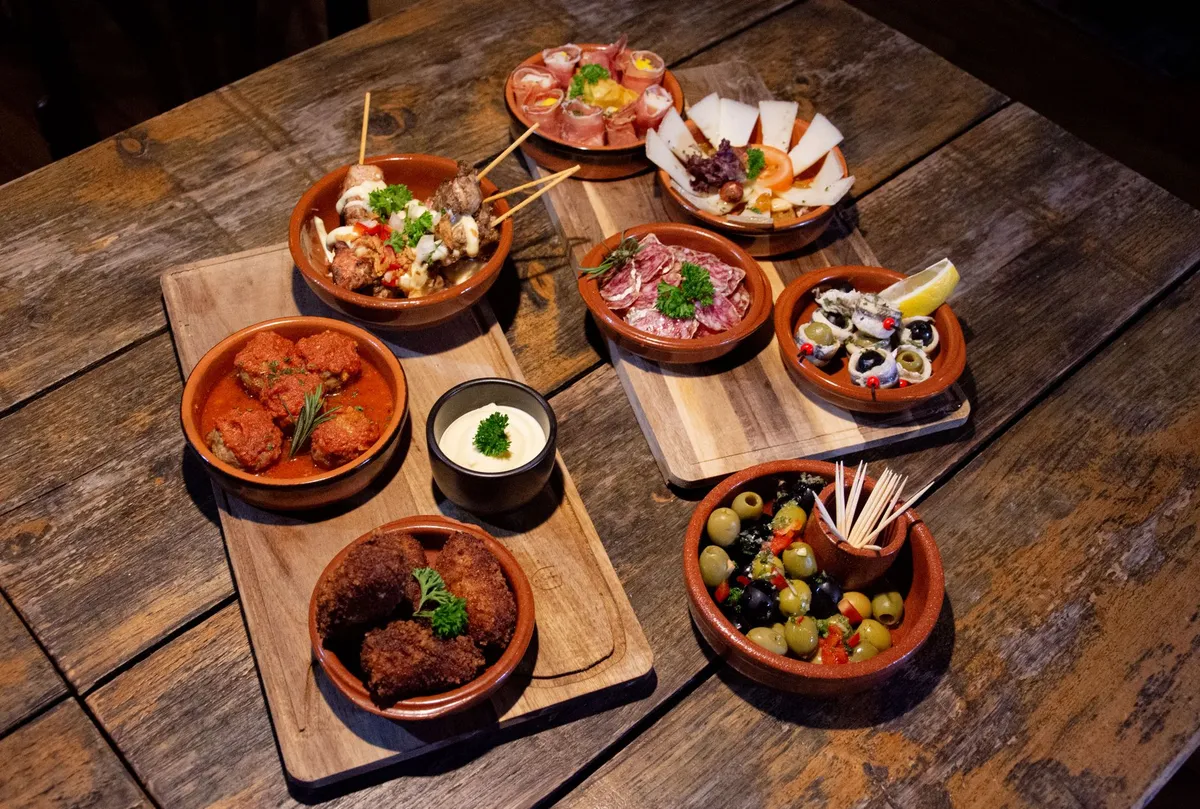

Basque Pintxos: Spain’s Tiny Plates of Culinary Genius You Must Try In the heart of northern Spain, where the Pyrenees meet the Bay of Biscay, lies a culinary tradition that has captivated food lovers for centuries. This is the world of Basque pintxos—small, artfully crafted bites that are as much about visual appeal as they are about flavor. Unlike their more famous cousin, tapas, pintxos are not just about sharing; they are about precision, creativity, and a deep respect for tradition. Each pintxo is a miniature masterpiece, designed to be eaten in one or two bites, often skewered with a toothpick to signal its price and availability. The word "pintxo" itself comes from the Basque word "pintxo," meaning "spike" or "skewer," a nod to the humble toothpick that holds these culinary gems together. What makes pintxos so extraordinary is their ability to encapsulate the essence of Basque culture in a single bite. The Basque Country, or Euskadi, is a region with a distinct language, history, and culinary identity. Here, food is not just sustenance; it is a way of life. Pintxos bars, known as "pintxos barrak," are the social hubs where locals and visitors alike gather to indulge in this edible art form. Whether it’s a classic Gilda—a skewer of anchovy, olive, and guindilla pepper—or a modern creation like foie gras atop caramelized onions on brioche, each pintxo tells a story. The tradition of pintxos is deeply rooted in the region’s history, with recipes passed down through generations and techniques refined over centuries. For food enthusiasts, pintxos offer a journey into the soul of Basque cuisine, where every ingredient is chosen with care and every presentation is a testament to the chef’s skill. But pintxos are more than just a culinary delight; they are a cultural experience. The ritual of hopping from one bar to another, sampling a variety of pintxos while sipping on a glass of txakoli (a crisp Basque white wine) or a local beer, is a rite of passage for anyone visiting the region. The pintxos culture is a celebration of community, where strangers become friends over shared plates and animated conversations. It’s a tradition that has stood the test of time, evolving with modern tastes while staying true to its roots. Whether you’re a seasoned foodie or a curious traveler, exploring the world of Basque pintxos is an adventure that will leave you craving more.The History and Cultural Significance of Pintxos The origins of pintxos can be traced back to the early 19th century in the Basque Country, a region known for its rugged landscapes and resilient people. The word "pintxo" first appeared in written records in the 1920s, but the tradition likely began much earlier as a way for workers to enjoy a quick, affordable meal. The concept of small, skewered bites was practical—easy to eat with one hand while standing at a bar—but it quickly evolved into a form of culinary expression. The Basque people, with their deep connection to the sea and the land, began incorporating local ingredients like fresh fish, cured meats, and seasonal vegetables into their pintxos. Over time, the tradition spread beyond the Basque Country, becoming a symbol of Spanish gastronomy. The cultural significance of pintxos goes beyond their taste. In Basque society, pintxos bars are places of social interaction, where people gather to discuss politics, sports, and life. The act of standing at a bar, ordering a drink, and sampling a variety of pintxos is a communal experience that fosters connection. This is reflected in the Basque phrase "ir de pintxos," which means "to go for pintxos," a ritual that is as much about the people you share it with as the food itself. The pintxos culture is also a testament to the Basque people’s resilience and creativity. During times of hardship, such as the Spanish Civil War and the post-war period, pintxos allowed people to enjoy small luxuries without breaking the bank. Today, pintxos bars range from humble, family-run establishments to high-end gastronomic temples, each offering a unique take on this timeless tradition. One of the most fascinating aspects of pintxos culture is its regional diversity. While the Basque Country is the epicenter of pintxos, other regions of Spain have adopted and adapted the tradition. In San Sebastián, for example, pintxos bars are a major tourist attraction, with some establishments gaining international acclaim. The city’s three-Michelin-starred restaurants, like Arzak and Mugaritz, have roots in the pintxos tradition, with many chefs starting their careers in local bars. Meanwhile, in Bilbao, pintxos bars are more traditional, with recipes that have been passed down for generations. This diversity is a reflection of Spain’s rich culinary tapestry, where regional identity is celebrated through food. For visitors, exploring the different styles of pintxos is like taking a culinary tour of the Basque Country, each bar offering a glimpse into the local culture and history.The Art of Crafting Pintxos: Techniques and Ingredients Creating a perfect pintxo is an art form that requires skill, creativity, and an intimate knowledge of ingredients. Unlike tapas, which can be simple and rustic, pintxos are meticulously crafted, with each element carefully chosen and prepared. The foundation of a great pintxo is the base, which can range from a slice of crusty bread to a delicate puff pastry shell. In traditional Basque cuisine, the base is often a slice of pan de cristal, a thin, airy bread that is crisp on the outside and soft on the inside. The bread is toasted and topped with ingredients that complement its texture, such as smoked salmon, serrano ham, or roasted peppers. The next layer of a pintxo is the main ingredient, which can be anything from fresh seafood to cured meats, cheeses, or vegetables. Seafood is a staple in Basque pintxos, thanks to the region’s coastal location. Anchovies, tuna, and cod are popular choices, often marinated in olive oil, garlic, and vinegar. Cured meats like chorizo, morcilla (blood sausage), and jamón ibérico are also common, adding a rich, savory depth to the pintxo. Cheeses, such as Idiazábal and Roncal, are another favorite, offering a creamy contrast to the crispy bread. Vegetables like roasted peppers, artichokes, and asparagus are used to add freshness and color. The key to a successful pintxo is balance—combining flavors and textures that complement each other without overpowering the palate. Presentation is just as important as taste when it comes to pintxos. A well-crafted pintxo is a feast for the eyes, with vibrant colors and intricate arrangements. Chefs often use garnishes like microgreens, edible flowers, and sauces to elevate the visual appeal. For example, a pintxo of foie gras might be drizzled with a reduction of Pedro Ximénez sherry, while a seafood pintxo could be garnished with a sprinkle of smoked paprika or a dollop of aioli. The use of skewers is also an art form, with chefs choosing the right size and shape to enhance the pintxo’s appearance. In some cases, the skewer itself is part of the presentation, such as a decorative toothpick or a small wooden stick. The goal is to create a pintxo that is as beautiful as it is delicious, a testament to the chef’s skill and creativity.Must-Try Pintxos: A Guide to the Classics and Modern Innovations For anyone visiting the Basque Country, trying the classic pintxos is a rite of passage. These timeless creations are a window into the region’s culinary soul, with recipes that have been perfected over generations. One of the most iconic pintxos is the Gilda, named after the 1946 film Gilda starring Rita Hayworth. This simple yet flavorful pintxo consists of an anchovy, a green olive, and a guindilla pepper, all skewered together. The combination of salty, briny, and slightly spicy flavors makes it a favorite among locals and visitors alike. Another classic is the Tigres, or "Tigers," which features oysters stuffed with a mixture of breadcrumbs, garlic, parsley, and sometimes a touch of chili. The oysters are breaded and fried, creating a crispy, savory bite that is both indulgent and refreshing. Seafood pintxos are a staple in the Basque Country, thanks to the region’s proximity to the Atlantic Ocean. One standout is the Bacalao al Pil-Pil, a pintxo made with salted cod cooked in olive oil and garlic, creating a silky, emulsified sauce that clings to the fish. Another popular choice is the Txangurro a la Donostiarra, a spider crab salad served on a slice of bread, topped with a creamy sauce made from the crab’s roe. For meat lovers, the Txuleta pintxo is a must-try. This pintxo features a small piece of grilled ribeye steak, often served with a side of chistorra (a Basque chorizo) and a drizzle of chimichurri sauce. Cheese lovers will delight in the Idiazábal al Txoko, a pintxo made with grilled Idiazábal cheese, often served with a side of quince paste or membrillo. While traditional pintxos are a cornerstone of Basque cuisine, modern chefs are pushing the boundaries with innovative creations that blend tradition with contemporary techniques. One such example is the Foie Gras y Caramelo pintxo, which features seared foie gras atop a slice of brioche, topped with a caramelized onion compote and a drizzle of balsamic reduction. Another modern favorite is the Tartar de Atún con Aguacate, a diced tuna tartar served on a crispy wonton shell, garnished with avocado, mango, and a lime-cilantro aioli. Vegetarian pintxos are also gaining popularity, with options like Pimientos de Padrón con Queso de Cabra, which features blistered Padrón peppers topped with goat cheese and a drizzle of honey. These modern pintxos showcase the creativity and versatility of Basque cuisine, proving that tradition and innovation can coexist harmoniously.Where to Experience the Best Pintxos: Top Bars and Regions No exploration of Basque pintxos would be complete without a guide to the best bars and regions to try them. The Basque Country is home to some of the most renowned pintxos bars in the world, each offering a unique take on this culinary tradition. In San Sebastián, the heart of pintxos culture, bars like La Cuchara de San Telmo and Bar Txepetxa are must-visits. La Cuchara de San Telmo is famous for its slow-cooked meats, including a legendary morcilla (blood sausage) pintxo, while Bar Txepetxa is known for its anchovy-based pintxos, particularly the Bacalao al Pil-Pil. For a more upscale experience, Ganbara offers a refined take on pintxos, with dishes like foie gras and truffle-infused creations. In Bilbao, the pintxos scene is more traditional, with bars like Café Iruña and Casa Rufo offering classic recipes that have been perfected over generations. Café Iruña, one of the oldest bars in Bilbao, is known for its Gilda pintxos and a wide selection of local wines. Casa Rufo, on the other hand, is famous for its Txangurro a la Donostiarra and other seafood pintxos. For a modern twist, Gure Toki offers innovative pintxos that blend Basque tradition with contemporary techniques. Meanwhile, in Vitoria-Gasteiz, the capital of the Basque Autonomous Community, bars like Borda Berri and Zaldiaran are celebrated for their creative pintxos and lively atmosphere. Beyond the Basque Country, pintxos have gained popularity in other parts of Spain and even internationally. In Madrid, bars like Casa Revuelta and Bodega de la Ardosa offer a taste of Basque pintxos, though they may not be as authentic as those found in the Basque Country. In Barcelona, El Xampanyet is a beloved spot for pintxos, particularly its anchovies with peppers and pan con tomate. Internationally, cities like New York, London, and Tokyo have seen a rise in pintxos bars, often run by Basque chefs or inspired by the tradition. These global outposts offer a chance to experience pintxos outside of Spain, though purists may argue that the true essence of the tradition can only be found in the Basque Country.Pintxos Bar Location Signature Pintxo Price Range (€) AtmosphereLa Cuchara de San Telmo San Sebastián Morcilla con Pimientos 3-5 Cozy, traditionalBar Txepetxa San Sebastián Bacalao al Pil-Pil 4-6 Lively, seafood-focusedCafé Iruña Bilbao Gilda 2-4 Historic, elegantCasa Rufo Bilbao Txangurro a la Donostiarra 5-7 Traditional, family-runBorda Berri Vitoria-Gasteiz Foie Gras y Caramelo 6-8 Modern, innovativeThe Future of Pintxos: Trends and Global Influence As Basque pintxos continue to gain international recognition, the tradition is evolving to meet the demands of modern diners. One of the most significant trends is the rise of vegetarian and vegan pintxos, driven by the growing demand for plant-based options. Chefs are experimenting with ingredients like roasted vegetables, mushrooms, and plant-based cheeses to create pintxos that are both delicious and sustainable. For example, the Pimientos de Padrón con Queso Vegano is a popular vegan pintxo that features blistered Padrón peppers topped with vegan cheese and a drizzle of tahini. Another trend is the fusion of Basque pintxos with other culinary traditions, such as Japanese, Mexican, or Middle Eastern. These innovative creations, like Tartar de Atún con Wasabi or Pulpo a la Gallega con Miso, are pushing the boundaries of what a pintxo can be. Sustainability is also becoming a key focus in the world of pintxos. With increasing awareness of environmental issues, chefs are sourcing ingredients locally and seasonally, reducing food waste, and using eco-friendly packaging. For example, some bars are replacing plastic toothpicks with biodegradable alternatives, while others are incorporating "ugly" produce into their pintxos to reduce waste. The use of foraged ingredients, such as wild mushrooms and herbs, is also on the rise, adding a unique twist to traditional recipes. Additionally, the pintxos culture is embracing technology, with some bars offering digital menus, online reservations, and even virtual tastings. These innovations are making pintxos more accessible to a global audience while preserving the tradition’s authenticity. The global influence of pintxos is undeniable, with the tradition inspiring chefs and food enthusiasts around the world. In cities like New York, London, and Tokyo, pintxos bars are popping up in trendy neighborhoods, offering a taste of Basque culture to international audiences. These global outposts often put a modern spin on traditional pintxos, catering to local tastes while staying true to the spirit of the tradition. For example, in New York, Txikito offers a mix of classic and innovative pintxos, while in London, Pintxos y Tapas serves a fusion of Basque and Spanish tapas. The global popularity of pintxos is also reflected in food festivals and competitions, where chefs from around the world showcase their take on this culinary tradition. As pintxos continue to evolve, they serve as a reminder of the power of food to bring people together, transcending borders and cultures.Conclusion: Why Pintxos Are a Must-Try Culinary Experience Basque pintxos are more than just a culinary delight; they are a cultural phenomenon that embodies the spirit of the Basque Country. From their humble origins as a practical way to enjoy a quick meal to their current status as a global gastronomic treasure, pintxos have stood the test of time. They are a testament to the Basque people’s creativity, resilience, and deep connection to their land and sea. Whether you’re savoring a classic Gilda or indulging in a modern foie gras creation, each pintxo tells a story—a story of tradition, innovation, and community. For food enthusiasts, pintxos offer a unique opportunity to explore the rich culinary heritage of the Basque Country. The act of hopping from one bar to another, sampling a variety of pintxos while sipping on a glass of txakoli, is an experience that engages all the senses. It’s a chance to connect with locals, learn about the region’s history, and discover the artistry behind each bite. Even if you can’t visit the Basque Country, pintxos bars around the world offer a taste of this tradition, allowing you to bring a piece of Basque culture into your own home. As pintxos continue to evolve, they remind us of the power of food to bring people together. Whether you’re a seasoned foodie or a curious traveler, exploring the world of pintxos is an adventure that will leave you craving more. So the next time you’re looking for a culinary experience that is both delicious and meaningful, seek out a pintxos bar near you—or better yet, book a trip to the Basque Country. Because in the world of pintxos, every bite is a masterpiece.#BasqueCuisine #FoodTravel #GourmetBites #CulinaryArt #SpanishTapas Related InsightsHawawshi: The Spiced Meat Bread of Cairo The Emerald Jewel of Turkish Cuisine: Çoban Salata with Walnuts – A Masterclass in Antioxidant-Rich Gastronomy Il Garum Pompeiano: Il Sangue Salato degli Dei e la Sua Rinascita Gastronomica{ "@context": "https://schema.org", "@type": "FAQPage", "mainEntity": [ { "@type": "Question", "name": "What is the main focus of Basque Pintxos: Spain’s Tiny Plates of Culinary Genius You Must Try?", "acceptedAnswer": { "@type": "Answer", "text": "Uncover the artistry behind Basque pintxos—Spain’s bite-sized culinary treasures. From traditional recipes to modern twists, explore why these miniature masterpieces are a must-try." } }, { "@type": "Question", "name": "Who authored the comprehensive guide on Basque Pintxos: Spain’s Tiny Plates of Culinary Genius You Must Try?", "acceptedAnswer": { "@type": "Answer", "text": "This detailed article and its insights were carefully researched and authored by Kenji Sato." } }, { "@type": "Question", "name": "Where can I find more related content about Food?", "acceptedAnswer": { "@type": "Answer", "text": "You can explore more articles, detailed reviews, and similar insights by browsing the Related Insights section at the bottom of this article or visiting our dedicated Food category page." } } ] }


The Spatial Computing Revolution The boundaries between the physical and digital worlds are blurring at an unprecedented rate. Spatial computing, the convergence of augmented reality (AR) and virtual reality (VR), is poised to revolutionize the next decade. By seamlessly merging the digital and physical, spatial computing will transform the way we interact, work, and live. The Power of Patch Policy Recent advancements in spatial computing have been driven by the development of Patch Policy, a minimal architectural extension that enables transformer-based policies to consume dense pre-trained patch tokens directly. This innovation has been shown to achieve a 40% relative improvement over policies using state-of-the-art global-pooled representations. import torch import torch.nn as nn import torch.optim as optimclass PatchPolicy(nn.Module): def __init__(self, num_patches, num_heads, hidden_dim): super(PatchPolicy, self).__init__() self.patch_embeddings = nn.Linear(num_patches, hidden_dim) self.transformer = nn.TransformerEncoderLayer(d_model=hidden_dim, nhead=num_heads) def forward(self, patch_tokens): patch_embeddings = self.patch_embeddings(patch_tokens) transformer_output = self.transformer(patch_embeddings) return transformer_outputAutomated Discovery and Spatial Computing Automated discovery systems, such as OpenEvolve and TTT-Discover, are being used to explore the vast design space of spatial computing. However, these systems are often limited by their reliance on fixed harnesses, which can lead to suboptimal performance. harness: name: OpenEvolve population_size: 100 mutation_rate: 0.1 selection_method: tournamentSecure Design Principles for Spatial Computing As spatial computing becomes increasingly pervasive, security concerns are growing. To address these concerns, it is essential to adopt secure design principles, such as:Data minimization: Collect and process only the data necessary for the intended purpose. Encryption: Use end-to-end encryption to protect data in transit and at rest. Access control: Implement role-based access control to restrict access to sensitive data and systems.Spatial Computing and Artificial Intelligence Spatial computing is deeply intertwined with artificial intelligence (AI). AI algorithms are used to process and analyze the vast amounts of data generated by spatial computing systems. docker run -it --rm \ -v $(pwd):/app \ -w /app \ tensorflow/tensorflow:latest \ python train.pyThe Future of Spatial Computing As spatial computing continues to evolve, we can expect to see significant advancements in fields such as education, healthcare, and entertainment.The Spatial Computing Era The convergence of AR and VR in spatial computing is poised to revolutionize the next decade. With its vast potential for innovation and transformation, spatial computing is an exciting and rapidly evolving field that holds much promise for the future. #AI #SpatialComputing #AR #VR #ArtificialIntelligence Related InsightsWhen Steel Meets Soul: Companion Bots and Assisted‑Living Robotics Redefining Elder Care Decentralized Autonomous Organizations (DAOs): The Future of Collaborative Governance Li-Fi vs. Wi-Fi: The Future of Wireless Communication with Light{ "@context": "https://schema.org", "@type": "FAQPage", "mainEntity": [ { "@type": "Question", "name": "What is the main focus of Spatial Computing: The Convergence of AR and VR in the Next Decade?", "acceptedAnswer": { "@type": "Answer", "text": "Explore the intersection of AR and VR in spatial computing, and how it will revolutionize the next decade." } }, { "@type": "Question", "name": "Who authored the comprehensive guide on Spatial Computing: The Convergence of AR and VR in the Next Decade?", "acceptedAnswer": { "@type": "Answer", "text": "This detailed article and its insights were carefully researched and authored by Amara Singh." } }, { "@type": "Question", "name": "Where can I find more related content about Technology?", "acceptedAnswer": { "@type": "Answer", "text": "You can explore more articles, detailed reviews, and similar insights by browsing the Related Insights section at the bottom of this article or visiting our dedicated Technology category page." } } ] }


The Enchanting Province of Palawan Located in the region of Mimaropa, Palawan is the largest province in the Philippines, boasting a total area of 14,649.73 km2. This archipelagic province is a treasure trove of natural wonders, from its stunning beaches to its lush forests and majestic mountains. The capital and largest city, Puerto Princesa, is a must-visit destination, with its vibrant culture and rich history.The islands of Palawan stretch between Mindoro island in the northeast and Borneo in the southwest, lying between the South China Sea and the Sulu Sea. The province is named after its largest island, Palawan Island, which measures 450 kilometers long and 50 kilometers wide. A Glimpse into Pre-History The early history of Palawan was determined by a team of researchers led by Robert Bradford Fox, who found evidence in the Tabon Caves that humans have lived in Palawan for more than 50,000 years. The discovery of human bone fragments, known as Tabon Man, in the municipality of Quezon, as well as tools and other artifacts, provides a fascinating insight into the lives of the island's earliest inhabitants.The discovery of two articulated phalanx bones of a tiger, alongside other animal fossils, in Ille Cave near the village of New Ibajay, is a significant find. The condition of the tiger subfossils, dated to approximately 12,000 to 9,000 years ago, suggests that they may have been imported from elsewhere, possibly from Borneo. The Maritime Jade Road Palawan was a major site for the Maritime Jade Road, one of the most extensive sea-based trade networks of a single geological material in the prehistoric world. Operating for 3,000 years from 2000 BCE to 1000 CE, this network played a significant role in the island's early history.The Maritime Jade Road connected Palawan to other parts of Southeast Asia, facilitating the exchange of goods, ideas, and cultures. This ancient trade network has left a lasting legacy on the island, with many of its traditions and customs still evident today. Early History and Indigenous Groups Palawan is home to several Indigenous groups, including the Palaw'an, Batak, Tagbanwa, and Tau't Bato. These groups have traditionally practiced animist anito religions and have a deep connection to the island's natural environment.The coastlines of Palawan were also settled by later groups, collectively known as "Palaweños." Prior to Islamization, the islands of Palawan, Calamian, and parts of Luzon were under the jurisdiction of the nation Sandao, a vassal-state to the more powerful Ma-i nation in Mindoro. Spanish Colonial Era The arrival of the Spanish in the late 15th century marked a significant turning point in Palawan's history. The northern Calamianes Islands were the first to come under Spanish authority, and were later declared a province separate from the Palawan mainland.The Spanish colonial period saw the establishment of churches, garrisons, and other infrastructure, which had a lasting impact on the island's architecture and culture. The 1818 Spanish census recorded Palawan island as having 4,486 native families and 29 Spanish-Filipino families. Conclusion Palawan is a treasure trove of natural wonders, rich history, and vibrant culture. From its stunning beaches to its lush forests and majestic mountains, this Philippine archipelago is a must-visit destination for any traveler. With its unique blend of indigenous and colonial influences, Palawan is a true gem of the Philippines, waiting to be explored and discovered. #Travel #Palawan #Philippines #HiddenGems #IslandLife #CulturalHeritage Related InsightsMezquita-Catedral de Córdoba: El Corazón Omeya Schloss Neuschwanstein entdecken Black Sea Greenery{ "@context": "https://schema.org", "@type": "FAQPage", "mainEntity": [ { "@type": "Question", "name": "What is the main focus of Unveiling the Hidden Gem of Palawan: A Journey Through Time?", "acceptedAnswer": { "@type": "Answer", "text": "Discover the secrets of Palawan, a Philippine archipelago steeped in history and natural beauty, as we delve into its fascinating past and present." } }, { "@type": "Question", "name": "Who authored the comprehensive guide on Unveiling the Hidden Gem of Palawan: A Journey Through Time?", "acceptedAnswer": { "@type": "Answer", "text": "This detailed article and its insights were carefully researched and authored by John Explorer." } }, { "@type": "Question", "name": "Where can I find more related content about Travel?", "acceptedAnswer": { "@type": "Answer", "text": "You can explore more articles, detailed reviews, and similar insights by browsing the Related Insights section at the bottom of this article or visiting our dedicated Travel category page." } } ] }

-
 Marcus Vance
 - 21 Jul, 2026 17:54
Sourdough Beyond Bread: The Art of Crafting Pizzas, Pastries, and Innovative Baked Delights
The golden crust cracks under the pressure of a fork, releasing a symphony of tangy aroma and cheesy bliss—this is no ordinary pizza. This is a sourdough pizza, where the slow-fermented magic of a wild yeast culture transforms humble ingredients into a transcendent culinary experience. Sourdough is no longer confined to the loaf; it has evolved into a versatile medium for creativity in the kitchen, from airy, leopard-spotted pizzas to flaky, buttery pastries that melt in the mouth. The resurgence of sourdough baking, fueled by a global pandemic and a renewed appreciation for fermentation, has unlocked a world of possibilities beyond the traditional boule or batard. What began as a preservation technique in ancient Egypt has evolved into a symbol of artisan craftsmanship and culinary innovation. Today, sourdough is celebrated not just for its distinctive flavor but for its digestibility, nutritional benefits, and adaptability. Whether you're a seasoned baker or a curious home cook, the journey into sourdough’s expansive repertoire promises to elevate your baking game. In this article, we’ll delve into the science, techniques, and creativity behind sourdough pizzas, pastries, and innovative baked goods, backed by research and expert insights.The versatility of sourdough lies in its microbial ecosystem—a delicate balance of lactic acid bacteria (LAB) and wild yeast that work in harmony to break down starches and proteins, enhancing flavor and texture. Unlike commercial yeast, which provides a rapid rise, sourdough’s slow fermentation develops complex flavors and improves gluten structure, making it ideal for a wide range of baked goods. From the crispy edges of a Neapolitan-style pizza to the delicate layers of a croissant, sourdough’s adaptability is unparalleled. Let’s explore how to harness this ancient technique for modern culinary adventures.The Science of Sourdough: Why It Elevates Pizzas to Masterpieces Sourdough pizza is more than a trend—it’s a scientific marvel. The key to its success lies in the fermentation process, which begins with a sourdough starter, a living culture of wild yeast and lactic acid bacteria. When combined with flour and water, these microorganisms consume sugars, producing carbon dioxide (for rise) and organic acids (for flavor). The result? A dough that’s easier to digest, richer in flavor, and more resilient during baking. Research from OpenAlex highlights the cultural diversity of traditional flatbreads, emphasizing how fermentation techniques vary across regions. In Italy, for example, sourdough pizzas like pizza napoletana rely on a long fermentation (24–48 hours) to develop a light, airy crust with a chewy interior. The slow fermentation allows enzymes to break down starches, reducing the glycemic index and improving digestibility. Meanwhile, the lactic acid bacteria produce compounds like acetic acid (vinegar-like tang) and propionic acid (nutty notes), which contribute to the pizza’s complex flavor profile.To achieve the perfect sourdough pizza, start with a high-hydration dough (65–75% water) to create a tender, extensible crust. Autolyse the dough (mix flour and water first, then add starter and salt later) to hydrate the gluten evenly. Ferment at room temperature (70–75°F) for 4–6 hours, then cold-proof in the fridge for 12–24 hours. This extended fermentation enhances flavor and makes the dough easier to shape. When baking, use a pizza stone or steel preheated to 500–550°F (260–290°C) for a crispy, leopard-spotted crust. The science behind sourdough pizza also extends to its nutritional benefits. Studies show that sourdough fermentation reduces phytic acid, an anti-nutrient found in grains that can inhibit mineral absorption. This makes sourdough pizza a more digestible option for those with mild gluten sensitivities. Additionally, the prebiotic fibers produced during fermentation support gut health, making it a win-win for both flavor and wellness.Sourdough Pastries: Flaky, Buttery, and Irresistible Sourdough isn’t just for bread and pizza—it’s a game-changer for pastries too. The same microbial magic that gives sourdough bread its tangy depth can be harnessed to create pastries with unparalleled texture and flavor. From croissants to Danish pastries, sourdough adds a subtle complexity that commercial yeast simply can’t match. The secret lies in the dough’s hydration and fermentation time. Sourdough pastries typically use a lower hydration dough (50–60%) to maintain structure, with a longer fermentation (12–24 hours) to develop flavor. The lactic acid bacteria soften the gluten, creating a tender crumb, while the wild yeast provides a slow, steady rise. For laminated pastries like croissants, sourdough can be incorporated into the dough or used as a levain (pre-ferment) to enhance flavor without compromising flakiness.One of the most popular sourdough pastries is the sourdough cinnamon roll, where the tangy dough pairs perfectly with sweet fillings. To make these, prepare a sourdough dough with 60% hydration, ferment for 12 hours, then roll out, fill with cinnamon sugar and butter, and bake until golden. The result is a pastry with a tender interior and a slightly crisp exterior, with a flavor profile that’s both familiar and excitingly new. Another innovative use of sourdough in pastries is the sourdough pie crust. Traditional pie crusts can be dense and tough, but sourdough fermentation tenderizes the dough, resulting in a flaky, melt-in-your-mouth crust. To make a sourdough pie crust, mix 50% sourdough starter with 50% flour and water, ferment for 12 hours, then incorporate into your pie dough. The lactic acid bacteria break down proteins, creating a more tender texture. For those looking to experiment, sourdough can also be used in scones, muffins, and even cookies. The key is to adjust hydration and fermentation time to suit the pastry’s structure. For example, sourdough scones benefit from a shorter fermentation (4–6 hours) to maintain their crumbly texture, while sourdough muffins can handle a longer fermentation (12–18 hours) for a tender crumb.Innovative Sourdough Baking: Beyond the Basics Sourdough baking is an art form, and innovation is at its heart. While traditional bread and pizza are staples, modern bakers are pushing the boundaries of what sourdough can do. From savory sourdough pancakes to sweet sourdough doughnuts, the possibilities are endless. One innovative trend is sourdough discard baking, where bakers use the unfed portion of their starter (discard) to create quick breads, muffins, and even waffles. Discard baking is not only waste-reducing but also adds depth of flavor to baked goods. For example, a sourdough discard banana bread combines the tangy notes of sourdough with the sweetness of ripe bananas, resulting in a moist, flavorful loaf.Another exciting innovation is sourdough flatbreads, inspired by traditional Italian flatbreads like focaccia and piadina. These flatbreads are quick to make, requiring minimal fermentation (2–4 hours) and no shaping. Simply mix sourdough starter with flour, water, and salt, let it rest, then cook in a hot skillet or on a griddle. The result is a soft, pillowy flatbread with a subtle tang, perfect for dipping in olive oil or topping with fresh herbs. Sourdough can also be used in gluten-free baking, where it helps improve texture and flavor. For gluten-free sourdough bread, a blend of rice flour, tapioca starch, and xanthan gum is often used, with a sourdough starter to provide structure and tang. The fermentation process helps break down the starches, making the bread easier to digest. For the adventurous baker, sourdough can even be incorporated into savory dishes like sourdough crackers, sourdough pretzels, and sourdough waffles. The key is to experiment with hydration, fermentation time, and ingredient ratios to achieve the desired texture and flavor.Sourdough Pizza: A Step-by-Step Guide to the Perfect Crust Making sourdough pizza at home is a rewarding experience, but it requires patience and precision. Here’s a step-by-step guide to crafting a pizza that rivals your favorite pizzeria. Ingredients:500g bread flour or Tipo 00 flour 350g water (70% hydration) 100g active sourdough starter (100% hydration) 10g salt 5g olive oil (optional, for extensibility)Method:Autolyse: Mix flour and water in a bowl, cover, and let rest for 30–60 minutes. This hydrates the flour and begins gluten development. Add Starter and Salt: After autolyse, add the sourdough starter and salt (and olive oil, if using). Mix until fully incorporated. Bulk Fermentation: Cover and ferment at room temperature (70–75°F) for 4–6 hours, performing 2–3 sets of stretch and folds every 30 minutes to strengthen the dough. Cold Proof: Transfer the dough to the fridge and cold-proof for 12–24 hours. This slow fermentation enhances flavor and makes the dough easier to shape. Shape and Proof: Divide the dough into 250g balls, shape into rounds, and proof at room temperature for 2–4 hours until doubled in size. Bake: Preheat your oven to its highest setting (500–550°F) with a pizza stone or steel inside. Stretch the dough, top with sauce and cheese, and bake for 5–7 minutes until the crust is golden and the cheese is bubbly.Tips for Success:Use high-quality flour (Tipo 00 for Neapolitan-style, bread flour for chewier crusts). Keep your starter active and at peak strength for best results. Don’t overload the pizza with toppings—less is more for a crispy crust. Experiment with different fermentation times to find your preferred flavor profile.Nutritional Comparison: Sourdough vs. Commercial Yeast PizzaNutrient Sourdough Pizza Commercial Yeast PizzaCalories (per slice) 250–300 kcal 280–320 kcalCarbohydrates 35–40g 40–45gProtein 10–12g 8–10gFiber 2–3g 1–2gGlycemic Index Low (50–55) High (70–80)Digestibility High (reduced phytic acid) ModerateFlavor Complexity High (tangy, complex) Low (yeasty, one-note)Data sourced from nutritional databases and sourdough fermentation studies.Conclusion & Sign-off Sourdough baking is a journey of patience, experimentation, and discovery. From the crispy perfection of a sourdough pizza to the buttery layers of a sourdough croissant, this ancient technique offers endless possibilities for the modern baker. By understanding the science behind fermentation and embracing creativity, you can transform sourdough into a versatile medium for culinary innovation. Whether you’re a seasoned baker or a curious beginner, the world of sourdough pastries and innovative baking awaits. Start with a simple sourdough starter, experiment with different flours and fermentation times, and let your creativity soar. Remember, the key to great sourdough is in the details—hydration, temperature, and time all play crucial roles in shaping the final product. As you embark on your sourdough adventure, don’t be afraid to push boundaries. Try a sourdough scone with lemon curd, or a sourdough focaccia topped with roasted vegetables. The beauty of sourdough lies in its adaptability, and the only limit is your imagination. So, fire up your oven, feed your starter, and let the magic of sourdough transform your baking. The results will speak for themselves—one tangy, flavorful bite at a time. Happy baking! Marcus Vance#SourdoughBaking #ArtisanBread #PizzaPerfection #SourdoughPastries #InnovativeBaking Related InsightsMumbai's Sizzling Soul: The Spice, Sweet, and Chaotic Heartbeat of Street Food Middle Eastern Mezze Beyond Turkish: Authentic Lebanese and Syrian Small Plates High‑Pressure Culinary Science: Exploring Hydrothermal Cooking Techniques{ "@context": "https://schema.org", "@type": "FAQPage", "mainEntity": [ { "@type": "Question", "name": "What is the main focus of Sourdough Beyond Bread: The Art of Crafting Pizzas, Pastries, and Innovative Baked Delights?", "acceptedAnswer": { "@type": "Answer", "text": "Unlock the secrets of sourdough beyond bread—explore sourdough pizzas, pastries, and innovative baking techniques with expert insights and step-by-step guides." } }, { "@type": "Question", "name": "Who authored the comprehensive guide on Sourdough Beyond Bread: The Art of Crafting Pizzas, Pastries, and Innovative Baked Delights?", "acceptedAnswer": { "@type": "Answer", "text": "This detailed article and its insights were carefully researched and authored by Marcus Vance." } }, { "@type": "Question", "name": "Where can I find more related content about Food?", "acceptedAnswer": { "@type": "Answer", "text": "You can explore more articles, detailed reviews, and similar insights by browsing the Related Insights section at the bottom of this article or visiting our dedicated Food category page." } } ] }

-
 Omar Al-Hassan
 - 21 Jul, 2026 17:44
Sustainable Tech - Part 02: Biodegradable Substrates for Circuit Boards
The Future of Circuit Boards: Biodegradable Substrates The world of technology is rapidly evolving, with a growing focus on sustainability and reducing electronic waste. One area that has garnered significant attention is the development of biodegradable substrates for circuit boards. In this article, we will delve into the world of biodegradable circuit boards, exploring their potential, benefits, and challenges. What are Biodegradable Substrates? Biodegradable substrates are materials that can be used as alternatives to traditional circuit board materials, such as FR4 (Flame Retardant 4) and polyimide. These materials are designed to be biodegradable, meaning they can break down naturally in the environment without harming the ecosystem. Biodegradable substrates can be made from a variety of materials, including plant-based bioplastics, such as polylactic acid (PLA) and polyhydroxyalkanoates (PHA). Benefits of Biodegradable Substrates The use of biodegradable substrates in circuit boards offers several benefits, including:Reduced electronic waste: Biodegradable substrates can help reduce the amount of electronic waste generated by the technology industry. Lower environmental impact: Biodegradable substrates can break down naturally in the environment, reducing the risk of pollution and harm to wildlife. Sustainable sourcing: Biodegradable substrates can be made from renewable resources, such as plant-based bioplastics.Challenges of Biodegradable Substrates While biodegradable substrates offer several benefits, there are also challenges associated with their use, including:Performance: Biodegradable substrates may not offer the same level of performance as traditional circuit board materials. Cost: Biodegradable substrates can be more expensive than traditional materials. Scalability: Biodegradable substrates may not be scalable for large-scale production.QuantiSpect: A Structure-Aware Lightweight 3D CNN Pre-Decoder One example of a biodegradable substrate is QuantiSpect, a lightweight 3D convolutional neural network (CNN) pre-decoder for the rotated surface code. QuantiSpect is built on the decoding pipeline of Chamberland et al. and is designed to be a parameter-efficient alternative to dense 3D convolutions. import torch import torch.nn as nn import torch.nn.functional as Fclass QuantiSpect(nn.Module): def __init__(self, num_layers, num_features): super(QuantiSpect, self).__init__() self.num_layers = num_layers self.num_features = num_features self.layers = nn.ModuleList([self._make_layer() for _ in range(num_layers)]) def _make_layer(self): return nn.Sequential( nn.Conv3d(self.num_features, self.num_features, kernel_size=3), nn.BatchNorm3d(self.num_features), nn.ReLU(), nn.MaxPool3d(kernel_size=2) ) def forward(self, x): for layer in self.layers: x = layer(x) return xBenchmarking Wall Velocities in Cosmological Phase Transitions Another example of a biodegradable substrate is the benchmarking of wall velocities in cosmological phase transitions. This involves simulating the expansion of a bubble in a cosmological phase transition and calculating the wall velocity. import numpy as np from scipy.integrate import odeintdef wall_velocity(t, y, alpha): dydt = np.array([y[1], -alpha * y[0]]) return dydtdef simulate_wall_velocity(alpha, t_max): t = np.linspace(0, t_max, 1000) y0 = np.array([1, 0]) sol = odeint(wall_velocity, y0, t, args=(alpha,)) return sol[:, 0]alpha = 0.01 t_max = 10 wall_velocity = simulate_wall_velocity(alpha, t_max)Secure Design Principles When designing biodegradable substrates for circuit boards, it is essential to follow secure design principles to ensure the security and integrity of the device. Some of these principles include:Secure by design: Design the device with security in mind from the outset. Secure by default: Ensure that the device is secure by default, with security features enabled out of the box. Secure in use: Ensure that the device remains secure during use, with regular security updates and patches.Biodegradable Substrates for Circuit Boards: A Comparison Here is a comparison of biodegradable substrates for circuit boards:Material Biodegradability Performance Cost ScalabilityPLA High Medium Medium LowPHA High Medium Medium LowQuantiSpect Medium High High MediumConclusion Biodegradable substrates for circuit boards offer a promising solution for reducing electronic waste and promoting sustainability in the technology industry. While there are challenges associated with their use, the benefits of biodegradable substrates make them an attractive option for companies looking to reduce their environmental impact. The Future of Biodegradable Substrates As the technology industry continues to evolve, we can expect to see further developments in biodegradable substrates for circuit boards. With ongoing research and innovation, biodegradable substrates are likely to become more widely adopted and integrated into mainstream technology products. Final Thoughts Biodegradable substrates for circuit boards are an exciting development in the field of sustainable technology. As we move forward, it is essential to continue researching and innovating in this area to ensure that biodegradable substrates become a mainstream solution for reducing electronic waste and promoting sustainability. #AI #SustainableTech #BiodegradableSubstrates #CircuitBoards #EcoFriendly #Innovation Related InsightsData Mesh Architecture: Decentralizing Data Ownership for Scalability The Fabric of Entanglement: Architecture, Cosmology, and the Next Frontier of Quantum Interconnectivity From Pulses to Predictions: How Wearable Health Tech is Evolving from Data Tracking to AI-Driven Insight{ "@context": "https://schema.org", "@type": "FAQPage", "mainEntity": [ { "@type": "Question", "name": "What is the main focus of Sustainable Tech - Part 02: Biodegradable Substrates for Circuit Boards?", "acceptedAnswer": { "@type": "Answer", "text": "Exploring the potential of biodegradable substrates for circuit boards and their impact on sustainable technology." } }, { "@type": "Question", "name": "Who authored the comprehensive guide on Sustainable Tech - Part 02: Biodegradable Substrates for Circuit Boards?", "acceptedAnswer": { "@type": "Answer", "text": "This detailed article and its insights were carefully researched and authored by Omar Al-Hassan." } }, { "@type": "Question", "name": "Where can I find more related content about Technology?", "acceptedAnswer": { "@type": "Answer", "text": "You can explore more articles, detailed reviews, and similar insights by browsing the Related Insights section at the bottom of this article or visiting our dedicated Technology category page." } } ] }

-
 Hans Müller
 - 21 Jul, 2026 17:18
'Udaipur: Wo die Zeit in goldenen Palästen und smaragdgrünen Seen erstarrt'
Die Stadt, die Akbar trotzte und die Herzen der Moguln verzauberte Zwischen den schroffen Gipfeln der Aravalli-Berge, dort wo die Sonne ihre letzten Strahlen über smaragdgrüne Wasserflächen wirft, erhebt sich eine Stadt, die wie aus einem Märchen des alten Rajasthan geschnitten scheint. Udaipur – die „Stadt der Seen“ – ist kein Ort, den man einfach besucht. Sie ist ein Gefühl, das sich in die Seele brennt, ein Ort, an dem die Zeit in den vergoldeten Mauern der Paläste erstarrt und die Legenden der Rajputen noch immer durch die Gassen flüstern. Hier, wo Maharana Udai Singh II im Jahr 1559 seine neue Hauptstadt errichtete, nachdem Chittorgarh von den Moguln belagert worden war, entstand nicht nur eine Festung, sondern ein ganzes Universum aus Wasser, Stein und ungebrochener Würde. Die Stadt, die einst als uneinnehmbar galt, weil ihre Berge zu steil für die schweren Mogul-Pferde waren, wurde zum Symbol des Widerstands – und zur Wiege einer Kultur, die bis heute atemberaubend strahlt. Doch Udaipur ist mehr als nur Geschichte. Es ist ein Ort, an dem die Moderne mit der Tradition tanzt: Wo Luxushotels in historischen Palästen residieren, während Fischerboote über die kristallklaren Seen gleiten. Wo die Luft nach Gewürzen, Jasmin und dem Staub der Wüste duftet, und wo jeder Sonnenuntergang über dem Lake Pichola so golden ist, dass selbst die härtesten Herzen für einen Moment innehalten.Die Geburt einer Legende: Wie ein verfluchter Ort zur strahlenden Hauptstadt wurde Die Geschichte Udaipurs beginnt nicht mit einem triumphalen Einzug, sondern mit einer Flucht. Als Akbar, der mächtigste Mogulkaiser Indiens, 1567 Chittorgarh eroberte, stand das Königreich Mewar am Abgrund. Doch statt sich zu ergeben, wählte Udai Singh II einen Ort, der seit Jahrhunderten als heilig galt: das Tal von Girwa, eingebettet zwischen den Aravalli-Bergen und dem Ufer des Lake Pichola. Der Fluch des Ayad und die Prophezeiung des Einsiedlers Laut Legende war das Gebiet um Udaipur einst von einer Überschwemmung heimgesucht worden, die die alte Hauptstadt Ayad – eine blühende Handelsstadt des 10. bis 12. Jahrhunderts – unter sich begrub. Die Bewohner sahen darin einen Fluch, doch Udai Singh II sah eine Chance. Während einer Jagd in den Hügeln traf er auf einen heiligen Mann, der ihm prophezeite: „Bau hier deine Stadt, denn diese Berge werden dich beschützen wie ein Schild.“ Ob Mythos oder Wahrheit – die Wahl des Ortes war genial. Die Aravalli-Berge boten natürlichen Schutz, die Seen sicherten die Wasserversorgung, und die fruchtbaren Täler ermöglichten Landwirtschaft. Innerhalb weniger Jahrzehnte entstand eine Stadt, die nicht nur sicher, sondern auch strahlend schön war. Die sieben Tore der Unbesiegbarkeit Um seine neue Hauptstadt zu schützen, ließ Udai Singh II eine massive Stadtmauer mit sieben Toren errichten: Surajpole, Chandpole, Udiapole, Hathipole, Ambapole, Brahmpole und Delhi Gate. Jedes Tor hatte eine eigene Bedeutung – das Surajpole (Sonnentor) symbolisierte den Sieg des Lichts über die Dunkelheit, während das Delhi Gate die Verbindung zum Norden und zur Hauptstadt der Moguln darstellte. Doch die Mauern sollten nicht nur Feinde abwehren. Sie wurden zum Rahmen für eine Stadt, die sich wie ein Juwel in die Landschaft schmiegte. Selbst als Akbar 1576 persönlich nach Udaipur kam und versuchte, die Stadt zu erobern, scheiterte er – nicht an Waffen, sondern an der Unzugänglichkeit der Berge und der Entschlossenheit der Rajputen.Die sieben Seen: Udaipurs flüssiges Herz, das seit 500 Jahren schlägt Wenn man Udaipur die „Stadt der Seen“ nennt, ist das keine poetische Übertreibung. Die sieben künstlichen Seen, die die Stadt umgeben, sind kein Zufall, sondern das Ergebnis jahrhundertelanger Ingenieurskunst. Sie speichern nicht nur Wasser, sondern sind das Lebenselixier der Region – und ein Grund, warum Udaipur bis heute grün und lebendig ist. Lake Pichola: Der See, der eine ganze Dynastie widerspiegelt Kein anderer See in Udaipur ist so ikonisch wie der Lake Pichola. Benannt nach einem Inselpavillon (Pichola), der einst einem Guru gehörte, ist dieser See das Herzstück der Stadt. Seine smaragdgrünen Wasser spiegeln nicht nur die Paläste, sondern auch die Geschichte Mewars wider.Jag Mandir: Die „Insel der Könige“ war einst ein Rückzugsort für Maharana Karan Singh II, der hier während einer Pestepidemie Schutz suchte. Heute ist sie ein Ort der Ruhe, umgeben von Gärten und Springbrunnen. Jag Niwas: Die berühmte Lake Palace-Insel, die heute als Luxushotel dient, war einst ein Sommerpalast der Mewar-Dynastie. Ihr weißer Marmor leuchtet bei Sonnenuntergang so intensiv, dass sie wie ein Schiff aus Licht wirkt. City Palace & Jagdish Temple: Vom Ufer aus sieht man, wie der City Palace sich wie eine Krone über den See neigt. Sein Spiegelbild im Wasser ist so perfekt, dass man meint, zwei Paläste zu sehen.Fateh Sagar Lake: Der See der Siege Benannt nach Maharana Fateh Singh, der ihn erweitern ließ, ist dieser See ein Meisterwerk der Wassermanagement-Kunst. Mit drei Inseln – Nehru Park, Fateh Sagar Island und Aravali Hills – ist er ein beliebter Ort für Picknicks und Bootstouren. Swaroop Sagar & Rangsagar: Die unsichtbaren Wächter Diese beiden Seen, oft übersehen, spielen eine entscheidende Rolle im Ökosystem Udaipurs. Swaroop Sagar (auch „Arsi Vilas“ genannt) ist ein kleiner, aber tiefer See, der als natürlicher Filter für das Wasser des Fateh Sagar dient. Rangsagar hingegen ist ein ruhiger See, umgeben von üppiger Vegetation, der vor allem von Einheimischen zum Angeln genutzt wird. Doodh Talai Lake: Wo die Legenden flüstern Der kleinste der sieben Seen, Doodh Talai, ist von Mythen umwoben. Eine Legende besagt, dass hier einst eine Kuh mit goldener Milch getrunken haben soll – ein Zeichen für Reichtum und Segen. Heute ist er ein beliebter Ort für Spaziergänge, mit Blick auf den Sajjangarh-Palast (auch „Monsoon Palace“ genannt), der auf einem Hügel thront.Die Paläste Udaipurs: Wo Stein zu Poesie wird Udaipur ist nicht nur die Stadt der Seen, sondern auch die Stadt der Paläste. Jeder Bau erzählt eine Geschichte – von Macht, Liebe, Verrat und unsterblicher Hingabe. Hier sind die wichtigsten: City Palace: Das Herz der Mewar-Dynastie Der City Palace ist kein einzelner Palast, sondern ein Labyrinth aus Höfen, Gärten, Tempeln und Residenzen, das über 400 Jahre hinweg gewachsen ist. Seine Architektur ist eine Mischung aus Rajput- und Mogul-Stil – ein Beweis für die kulturellen Einflüsse, die Udaipur geprägt haben.Badi Mahal: Der „Große Palast“ mit seinen schwebenden Gärten und dem berühmten Krishna-Violin-Fresko. Manak Mahal: Hier wurden einst die Edelsteine der Mewar-Dynastie aufbewahrt – heute beherbergt er eine exquisite Sammlung von Miniaturmalereien. Mor Chowk: Der „Pfauenhof“ mit seinen 5000 Glasfliesen, die ein Pfauenmuster bilden – ein Meisterwerk der Handwerkskunst.Jag Mandir: Die Insel der Träume Auf der Jag Mandir-Insel im Lake Pichola erhebt sich ein Palast, der wie aus einem Traum der Moguln geschnitten scheint. Mit seinen Marmorbögen, Mosaiken und Gärten war er ein Ort der Entspannung für die Herrscher Mewars. Heute kann man hier in einem der exklusivsten Hotels der Welt übernachten – und sich fühlen, als wäre man Teil der königlichen Familie. Fateh Prakash Palace: Wo die Moderne auf das Erbe trifft Dieser Palast, heute ein Luxushotel, war einst die Residenz von Maharana Fateh Singh. Seine gotische Architektur und die prunkvollen Innenräume zeigen, wie die Rajputen europäische Einflüsse in ihre Paläste integrierten. Sajjangarh (Monsoon Palace): Der Wächter der Wolken Auf dem Bansdara-Hügel thront der Sajjangarh-Palast, auch „Monsoon Palace“ genannt. Erbaut von Maharana Sajjan Singh im 19. Jahrhundert, diente er als Observatorium für die Monsunwolken – und als romantischer Rückzugsort. Von hier aus hat man den besten Blick über Udaipur und die Aravalli-Berge.Kultur & Tradition: Wo Feste die Seele Rajasthans zum Klingen bringen Udaipur ist nicht nur ein Ort für Geschichtsliebhaber – es ist ein Fest für alle Sinne. Die Stadt lebt von ihren Festen, die die reiche Kultur Rajasthans feiern. Mewar Festival: Wenn die Stadt in Farben explodiert Jedes Jahr im März/April verwandelt sich Udaipur in ein Meer aus Farben, Musik und Tanz. Das Mewar Festival feiert das Frühlingserwachen und die Kultur der Rajputen. Highlights:Gair-Tanz: Ein traditioneller Tanz, bei dem Männer in bunten Kostümen im Kreis tanzen. Elefantenparade: Geschmückte Elefanten ziehen durch die Straßen, begleitet von Trommeln und Jubel. Lichtershow am Lake Pichola: Ein spektakuläres Schauspiel, bei dem die Paläste und Boote illuminiert werden.Gangaur Festival: Die Hochzeit der Göttin Gauri Eines der wichtigsten Feste für die Frauen Rajasthans, bei dem die Göttin Gauri (eine Form der Göttin Parvati) gefeiert wird. Frauen tragen traditionelle Ghagra-Cholis (Röcke und Blusen) und singen Lieder, während sie Tonfiguren der Göttin durch die Stadt tragen. Shilpgram Utsav: Das Fest der Handwerker Ein 10-tägiges Festival, das die Kunsthandwerker Rajasthans ehrt. Hier kann man sehen, wie Miniaturmalereien, Blockdrucke, Marmorskulpturen und Textilien entstehen – und natürlich kaufen.Kulinarische Schätze: Wo Gewürze Geschichten erzählen Die Küche Udaipurs ist eine Symphonie aus Rajasthani-Aromen und Mogul-Einflüssen. Hier sind die Gerichte, die man unbedingt probieren sollte: Dal Baati Churma: Das Nationalgericht Rajasthans Ein herzhaftes Gericht aus knusprigen Baati (Weizenbällchen), serviert mit einer würzigen Dal (Linseneintopf) und süßem Churma (zerbröselte Weizenbällchen mit Ghee und Zucker). Am besten in Ambrai Restaurant oder Upre By The Lake genießen. Laal Maas: Das feurige Lammcurry Ein Gericht, das so scharf ist, dass es Legenden gibt, wonach es einst als Waffe gegen feindliche Armeen eingesetzt wurde. Heute ist es ein Muss für Abenteuerlustige. Ghewar: Das süße Symbol der Monsoon-Saison Ein knuspriger, honiggetränkter Kuchen, der vor allem während des Teej-Festes gegessen wird. Die beste Adresse: Jaihind Sweets. Masala Chai mit Blick auf den Lake Pichola Kein Besuch in Udaipur ist komplett ohne eine Tasse Masala Chai – am besten in einem der Cafés am Ufer des Lake Pichola, wo man den Sonnenuntergang über den Palästen genießen kann.Udaipur heute: Zwischen Luxus und Nachhaltigkeit Udaipur hat sich in den letzten Jahrzehnten von einer historischen Stadt zu einem globalen Reiseziel entwickelt. Doch anders als viele Touristenorte hat die Stadt ihren Charme bewahrt. Nachhaltiger Tourismus: Die Seen retten Dank des National Lake Conservation Plan (NLCP) werden die Seen Udaipurs seit 2006 restauriert. Projekte wie die Sewage Treatment Plants und die Aufforstung der Uferbereiche sorgen dafür, dass die Wasserqualität sich verbessert. Udaipur als Bildungs- und Wirtschaftszentrum Mit 5 Universitäten, 14 Colleges und über 160 Schulen ist Udaipur heute auch ein wichtiger Bildungsstandort. Zudem ist die Stadt ein Zentrum für:Marmorverarbeitung (berühmt für den „Udaipur White Marble“) Handwerk (Textilien, Schmuck, Holzarbeiten) Elektronikindustrie (Hindustan Zinc Limited)Luxusresorts: Wo Geschichte auf Moderne trifft Udaipur ist heute ein Paradies für Luxusreisende. Einige der besten Hotels der Welt haben hier ihre Residenzen:Taj Lake Palace (ehemals Jag Niwas) Oberoi Udaivilas (mit Privatstränden am Lake Pichola) Leela Palace (mit einem der besten Spas Indiens)Doch auch für Budget-Reisende gibt es charmante Heritage-Hotels wie das Bhanwar Niwas oder Mansingh Haveli, die den alten Charme der Stadt bewahren.Geheimtipps: Udaipur abseits der Touristenpfade Wer Udaipur wirklich erleben will, sollte abseits der ausgetretenen Pfade gehen: Bagore Ki Haveli: Ein verstecktes Juwel Dieser Palast am Gangaur Ghat ist weniger überlaufen als der City Palace, aber genauso beeindruckend. Besonders sehenswert: Die Ganga-Aarti-Zeremonie am Abend, bei der Priester mit Öllampen die Göttin Ganga ehren. Saheliyon Ki Bari: Der Garten der Kurtisanen Ein wunderschöner Garten, der einst von Maharana Sangram Singh für seine königlichen Damen angelegt wurde. Mit seinen Wasserkanälen, Springbrunnen und Marmorpavillons ist er ein Ort der Stille. Eklingji-Tempel: Wo Shiva in Stein thront Etwa 22 km von Udaipur entfernt liegt dieser 11. Jahrhundert-Tempel, der dem Gott Shiva gewidmet ist. Die Architektur ist eine Mischung aus Rajput- und Solanki-Stil – ein Muss für Architekturbegeisterte. Fateh Sagar bei Nacht: Wenn die Lichter tanzen Während die meisten Touristen den Fateh Sagar am Tag besuchen, lohnt sich ein Spaziergang am Ufer bei Nacht. Die beleuchteten Paläste spiegeln sich im Wasser, und die kühle Abendluft trägt den Duft von Jasmin und Gewürzen herüber.Praktische Tipps: So plant man die perfekte Udaipur-Reise Beste ReisezeitOktober bis März: Ideal für Sightseeing (angenehme Temperaturen zwischen 15°C und 28°C). April bis Juni: Sehr heiß (bis 45°C), aber gut für Budget-Reisende. Monsun (Juli–September): Die Stadt ist grün und weniger überlaufen, aber einige Sehenswürdigkeiten können geschlossen sein.AnreiseFlugzeug: Der Maharana Pratap Airport (UDR) ist gut angebunden (Direktflüge von Delhi, Mumbai, Jaipur). Zug: Udaipur ist mit dem Shatabdi Express und anderen Zügen von Delhi, Jaipur und Ahmedabad erreichbar. Bus: Gute Verbindungen von Rajasthan und Gujarat aus.Fortbewegung vor OrtTuk-Tuks & Rikschas: Günstig, aber verhandeln ist Pflicht! Auto mit Fahrer: Ideal für Tagesausflüge (z. B. nach Kumbhalgarh Fort oder Jaisalmer). Bootstouren: Unbedingt eine Sunset-Bootsfahrt auf dem Lake Pichola machen!Währung & BudgetIndische Rupien (INR) sind die einzige akzeptierte Währung. Budget: 1.500–3.000 INR/Tag (Hostels, Street Food, öffentliche Verkehrsmittel). Luxus: 10.000+ INR/Tag (5-Sterne-Hotels, private Touren).Sicherheit & GesundheitUdaipur ist relativ sicher, aber wie überall in Indien gilt: Wertsachen im Hotel lassen und nachts nicht allein unterwegs sein. Impfungen: Hepatitis A, Typhus und Tollwut werden empfohlen. Wasser: Nur abgefülltes Wasser trinken!Fazit: Warum Udaipur mehr ist als nur ein Reiseziel Udaipur ist kein Ort, den man besucht und dann vergisst. Es ist ein Ort, der sich in die Seele gräbt und dort bleibt. Vielleicht liegt es an den goldenen Sonnenuntergängen über dem Lake Pichola, vielleicht an den Geschichten der Rajputenkrieger, die noch immer in den Palastmauern widerhallen. Oder vielleicht daran, dass Udaipur eine der wenigen Städte der Welt ist, in der Wasser, Stein und Geschichte so perfekt harmonieren. Hier, wo die Aravalli-Berge wie Wächter über der Stadt thronen und die Seen wie flüssige Spiegel die Paläste in sich tragen, spürt man, was es bedeutet, lebendige Geschichte zu erleben. Udaipur ist nicht nur ein Reiseziel – es ist eine Zeitreise, eine Liebeserklärung an Rajasthan und ein Beweis dafür, dass Schönheit und Widerstandsfähigkeit Hand in Hand gehen können. Wer einmal durch die Gassen der Altstadt geschlendert ist, in einem Boot über den Lake Pichola geglitten und in den Hallen des City Palace gestanden hat, der wird verstehen, warum James Tod, der britische Administrator, Udaipur einst als „den romantischsten Ort des indischen Subkontinents“ bezeichnete. Und vielleicht, nur vielleicht, wird man beim Verlassen der Stadt ein kleines Stück von ihr mitnehmen – in den Erinnerungen, im Herzen und in der Gewissheit, dass es Orte gibt, die nicht nur besucht, sondern erlebt werden müssen.#UdaipurReiseführer #RajasthanGeheimtipps #IndienPaläste #StadtDerSeen #ReiseNachRajasthan Related InsightsExploring the Frozen Wilderness: The Magnificent Antarctica Expeditions Sumela Monastery in the Clouds Beyond the Clouds: Unveiling the Eternal Spirit of Georgia’s Caucasus{ "@context": "https://schema.org", "@type": "FAQPage", "mainEntity": [ { "@type": "Question", "name": "What is the main focus of 'Udaipur: Wo die Zeit in goldenen Palästen und smaragdgrünen Seen erstarrt'?", "acceptedAnswer": { "@type": "Answer", "text": "Tauchen Sie ein in die magische Welt Udaipurs – wo die Aravalli-Berge schützend die Stadt umarmen und sieben Seen das Herz Rajasthans zum Leuchten bringen." } }, { "@type": "Question", "name": "Who authored the comprehensive guide on 'Udaipur: Wo die Zeit in goldenen Palästen und smaragdgrünen Seen erstarrt'?", "acceptedAnswer": { "@type": "Answer", "text": "This detailed article and its insights were carefully researched and authored by Hans Müller." } }, { "@type": "Question", "name": "Where can I find more related content about Travel?", "acceptedAnswer": { "@type": "Answer", "text": "You can explore more articles, detailed reviews, and similar insights by browsing the Related Insights section at the bottom of this article or visiting our dedicated Travel category page." } } ] }

-
 Kerem Talu
 - 21 Jul, 2026 14:21
Revolutionizing Moore's Law: The Rise of Graphene-Based Semiconductors
The Graphene Revolution: A New Era for Semiconductors The world of semiconductors is on the cusp of a revolution, driven by the emergence of graphene-based materials. Graphene, a single layer of carbon atoms arranged in a hexagonal lattice, has been hailed as a wonder material due to its exceptional electrical, thermal, and mechanical properties. As the semiconductor industry continues to push the boundaries of Moore's Law, graphene-based semiconductors are poised to play a crucial role in enabling the next generation of high-performance electronics.One of the key challenges facing the semiconductor industry is the continued scaling of transistor sizes, which is essential for maintaining the pace of Moore's Law. However, as transistors approach the size of individual atoms, the laws of physics begin to impose significant limitations. Graphene-based semiconductors offer a potential solution to this problem, as they can be fabricated using techniques that are compatible with existing semiconductor manufacturing processes. Excitonic Effects in Graphene-Based Semiconductors Recent research has highlighted the importance of excitonic effects in graphene-based semiconductors. Excitons are quasiparticles that consist of an electron-hole pair, and they play a crucial role in determining the optical and electrical properties of semiconductors. In graphene-based materials, excitonic effects can be particularly pronounced due to the unique electronic structure of graphene. import numpy as np# Define the exciton binding energy def exciton_binding_energy(E_g, epsilon): return 13.6 * (E_g / epsilon)**2# Define the graphene bandgap energy E_g = 0.5 # eV# Define the dielectric constant epsilon = 4.0# Calculate the exciton binding energy E_b = exciton_binding_energy(E_g, epsilon) print(f"Exciton binding energy: {E_b:.2f} eV")Hydrodynamic Modeling of Graphene-Based Semiconductors Hydrodynamic modeling is a powerful tool for simulating the behavior of graphene-based semiconductors. By solving the hydrodynamic equations, researchers can gain insights into the dynamics of charge carriers and excitons in these materials. Recent studies have demonstrated the importance of hydrodynamic modeling in understanding the behavior of graphene-based semiconductors under various operating conditions. # Define the hydrodynamic model parameters parameters: - name: "density" value: 1.0e22 # cm^-3 - name: "mobility" value: 1000.0 # cm^2/Vs - name: "relaxation_time" value: 1.0e-12 # s# Define the hydrodynamic model equations equations: - name: "continuity_equation" equation: "∂ρ/∂t + ∇⋅(ρv) = 0" - name: "momentum_equation" equation: "∂(ρv)/∂t + ∇⋅(ρvv) = -ρ∇V"Secure Design Principles for Graphene-Based Semiconductors As graphene-based semiconductors become increasingly widespread, it is essential to consider the security implications of these devices. Secure design principles are critical for ensuring the integrity and confidentiality of data processed by graphene-based semiconductors. Researchers have identified several key principles for secure design, including the use of secure protocols, secure key management, and secure data storage. # Define the secure design principles secure_design_principles: - name: "secure_protocols" description: "Use secure communication protocols to protect data in transit." - name: "secure_key_management" description: "Use secure key management practices to protect encryption keys." - name: "secure_data_storage" description: "Use secure data storage practices to protect sensitive data."Conclusion: The Future of Graphene-Based Semiconductors Graphene-based semiconductors are poised to revolutionize the world of electronics, enabling the development of high-performance devices that are faster, smaller, and more energy-efficient. As researchers continue to explore the properties and applications of graphene-based materials, it is clear that these devices will play a critical role in shaping the future of technology.#AI #Graphene #Semiconductors #Moore'sLaw #FutureOfTechnology Related InsightsThe Architecture of Infinite Worlds: Stochastic Engines and the Future of AI Dungeon Mastering Holographic Displays: The Silent Revolution Reshaping AR/VR, 3D Visualization, and Human-Computer Interaction The Timeless Appeal of Retro Gaming: Preserving the Pixels{ "@context": "https://schema.org", "@type": "FAQPage", "mainEntity": [ { "@type": "Question", "name": "What is the main focus of Revolutionizing Moore's Law: The Rise of Graphene-Based Semiconductors?", "acceptedAnswer": { "@type": "Answer", "text": "Discover the impact of graphene-based semiconductors on Moore's Law and the future of technology." } }, { "@type": "Question", "name": "Who authored the comprehensive guide on Revolutionizing Moore's Law: The Rise of Graphene-Based Semiconductors?", "acceptedAnswer": { "@type": "Answer", "text": "This detailed article and its insights were carefully researched and authored by Kerem Talu." } }, { "@type": "Question", "name": "Where can I find more related content about Technology?", "acceptedAnswer": { "@type": "Answer", "text": "You can explore more articles, detailed reviews, and similar insights by browsing the Related Insights section at the bottom of this article or visiting our dedicated Technology category page." } } ] }

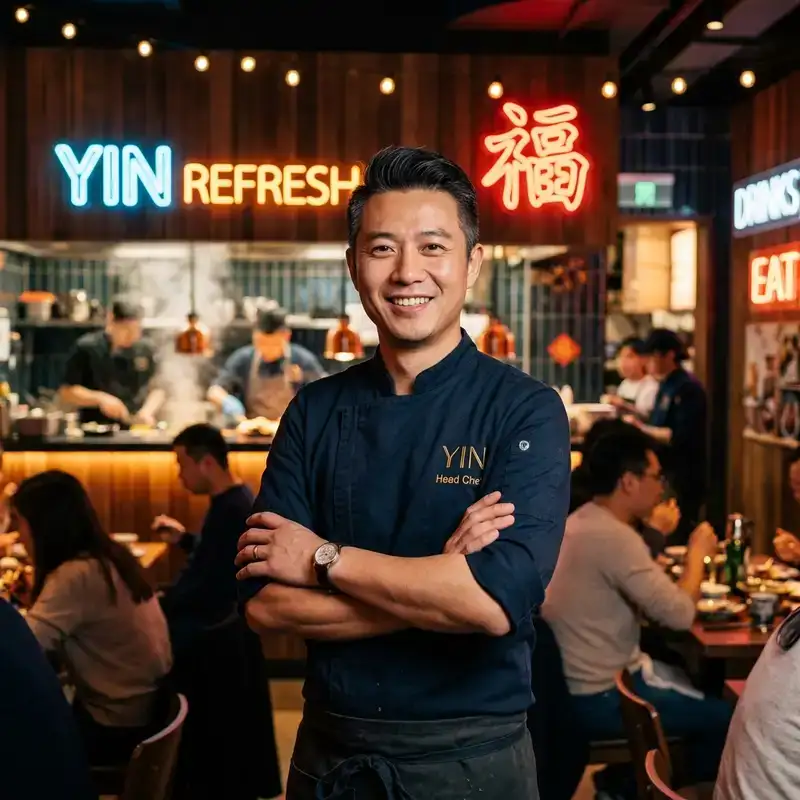
Few places on Earth evoke the kind of serene, almost surreal beauty as Inle Lake in Myanmar. Nestled in the Shan Hills of eastern Myanmar, this vast, shallow freshwater lake is not just a body of water—it is a living, breathing ecosystem where human ingenuity and nature coexist in perfect harmony. Here, leg-rowing fishermen balance precariously on their narrow wooden boats, using a single leg to propel themselves forward while casting nets with practiced ease. Around them, floating gardens drift lazily on the water’s surface, their lush greens and vibrant flowers nourished by nutrient-rich silt. This is a world where time moves differently, where tradition is not just preserved but performed daily, and where every ripple on the lake’s surface tells a story. Inle Lake is more than a destination; it is an experience that transcends the ordinary. Whether you're gliding through the mist at dawn, watching fishermen weave through the reeds, or wandering through the vibrant floating markets, the lake offers a rare glimpse into a way of life that has remained unchanged for centuries. But beyond its cultural allure, Inle Lake is also a testament to human resilience and innovation. The floating gardens, for instance, are not just a tourist spectacle—they are a vital agricultural system that sustains entire communities. Meanwhile, the leg-rowing technique, a UNESCO-recognized cultural heritage, is a skill passed down through generations, a dance of balance and precision that defines the identity of the Intha people, the lake’s indigenous inhabitants. As Myanmar reopens to the world, Inle Lake stands as a must-visit destination for travelers seeking authenticity, adventure, and a connection to a culture that thrives in harmony with its environment. But visiting this enchanting lake requires more than just a camera and a sense of wonder. To truly appreciate its magic, you need to understand its rhythms, its challenges, and its secrets. From the best time to visit and how to navigate the lake’s intricate waterways to the ethical considerations of supporting local communities, this guide will equip you with everything you need to experience Inle Lake like a seasoned traveler. So, let’s embark on a journey to one of Southeast Asia’s most captivating wonders—a place where the water reflects not just the sky, but the soul of a people who have made the impossible possible.The Leg-Rowing Fishermen: Masters of the Water At the heart of Inle Lake’s cultural identity are the leg-rowing fishermen, known locally as Intha fishermen. This unique tradition is not just a spectacle for tourists—it is a way of life that has been practiced for over 1,300 years. The Intha people, who migrated to the lake from the surrounding hills, adapted to their aquatic environment by developing a distinctive rowing technique that allows them to navigate the lake’s shallow waters with unparalleled skill. The technique itself is a marvel of efficiency and balance. Unlike traditional rowing, where oars are used, Intha fishermen use one leg to wrap around an oar and propel the boat forward. This method leaves their hands free to cast nets, steer, or even hold a cigarette—yes, it’s not uncommon to see a fisherman puffing away while effortlessly gliding across the water. The leg used for rowing is often wrapped in a piece of cloth or a net to prevent blisters, a testament to the physical demands of this craft. The boats themselves are narrow and long, designed to skim across the water’s surface with minimal resistance, allowing the fishermen to move swiftly and silently through the reeds. But why leg-rowing? The answer lies in the lake’s unique geography. Inle Lake is shallow, with an average depth of just 2 to 3 meters (6.5 to 10 feet), and its waters are often obscured by dense vegetation. Traditional rowing would be cumbersome in such conditions, but leg-rowing allows fishermen to navigate tight spaces, avoid obstacles, and even row while standing up—giving them a vantage point to spot fish beneath the surface. This technique also enables them to fish in pairs or small groups, working in sync to herd fish into their nets. The best time to witness this tradition is at dawn, when the lake is shrouded in a soft, ethereal mist and the fishermen set out in their boats, their silhouettes blending into the early light. As the sun rises, the mist lifts, revealing a bustling scene of boats weaving through the water, their rhythmic leg movements creating a hypnotic pattern. It’s a scene that feels frozen in time, a snapshot of a culture that has thrived in isolation for centuries. However, the leg-rowing tradition is not without its challenges. Modernization, climate change, and overfishing have put pressure on the lake’s ecosystem, leading to dwindling fish stocks and a decline in the number of young fishermen adopting the craft. Recognizing its cultural significance, UNESCO inscribed the leg-rowing technique on its Representative List of the Intangible Cultural Heritage of Humanity in 2015. This recognition has helped raise awareness and support for the preservation of this tradition, but it also underscores the need for sustainable tourism practices. For travelers, encountering the leg-rowing fishermen is a privilege. It’s an opportunity to witness a living heritage in action, to engage with a community that has shaped its identity around the lake, and to support their livelihoods through responsible tourism. When visiting Inle Lake, consider hiring a local guide who can introduce you to the fishermen, share their stories, and explain the nuances of their craft. And remember, while it’s tempting to take photos, always ask for permission first—these are not performers, but people going about their daily lives.Floating Gardens: Nature’s Ingenious Agricultural Marvel One of the most extraordinary sights on Inle Lake is the floating gardens, a testament to human ingenuity and the lake’s fertile ecosystem. These gardens are not just a tourist attraction; they are a vital agricultural system that has sustained the local population for generations. Unlike traditional land-based farming, the floating gardens are built entirely on the lake’s surface, using a technique that combines organic matter, silt, and water to create a nutrient-rich growing medium. The process begins with the collection of lake-bottom silt, which is rich in organic material and minerals. Fishermen and farmers use long bamboo poles to scoop up the silt and pile it onto a floating base made of water hyacinth roots and other aquatic plants. Over time, the silt decomposes, creating a thick, fertile layer that can support a variety of crops. The most common plants grown in these gardens are tomatoes, cucumbers, beans, and flowers, though some farmers also cultivate leafy greens and herbs. The gardens are anchored in place using bamboo poles, and their buoyancy allows them to rise and fall with the water level, ensuring that crops are never waterlogged. What makes the floating gardens so remarkable is their sustainability. Unlike conventional farming, which depletes the soil of nutrients, the floating gardens rely on the natural fertility of the lake’s silt. This closed-loop system minimizes the need for chemical fertilizers, making it an eco-friendly alternative to land-based agriculture. Additionally, the gardens provide a habitat for fish and other aquatic life, further enhancing the lake’s biodiversity. Visiting the floating gardens is a sensory experience. As you glide through the waterways in a small boat, you’ll be surrounded by a patchwork of vibrant greens and yellows, the scent of earth and vegetation filling the air. Farmers can often be seen tending to their crops, their boats laden with freshly harvested produce. Some gardens double as nurseries, where young plants are nurtured before being transplanted to larger plots. The most famous of these nurseries is the Ywama Floating Gardens, where you can see the entire process in action, from silt collection to harvest. But the floating gardens are not just about agriculture—they are also a cultural symbol. The Intha people have developed a deep understanding of the lake’s ecosystem, and their farming techniques reflect a harmonious relationship with nature. This philosophy is embodied in the concept of thanaka, a traditional Burmese beauty practice that also has agricultural applications. Thanaka, a paste made from the bark of the thanaka tree, is used to protect crops from pests and sun damage, showcasing the Intha people’s holistic approach to farming. For travelers, the floating gardens offer a glimpse into a sustainable way of life that is increasingly rare in the modern world. Supporting local farmers by purchasing their produce is a great way to contribute to the community’s economy. Many guesthouses and restaurants on the lake source their ingredients from the floating gardens, so you can enjoy fresh, locally grown food while knowing you’re supporting a tradition that has thrived for centuries.Exploring Inle Lake: A Step-by-Step Guide to the Ultimate Experience Inle Lake is a destination that rewards exploration, but navigating its waterways requires a bit of planning. The lake spans approximately 116 square kilometers (45 square miles) and is dotted with over 200 villages, each with its own unique character. To make the most of your visit, it’s essential to understand the best ways to explore the lake, the key attractions, and the logistics of getting around. Getting to Inle Lake The most common way to reach Inle Lake is by flying into Heho Airport, the nearest airport located about 30 kilometers (19 miles) from the lake. Heho Airport is serviced by domestic flights from Yangon, Mandalay, and Bagan, making it a convenient entry point for travelers coming from other parts of Myanmar. From the airport, you can take a taxi or a shared minibus to Nyaungshwe, the main gateway to Inle Lake. The journey takes about 45 minutes to an hour, depending on traffic and road conditions. Alternatively, you can take a bus or train from Yangon or Mandalay to Taunggyi, the capital of Shan State, and then continue to Nyaungshwe by road. This option is more budget-friendly but takes significantly longer, with bus journeys lasting up to 12 hours. If you’re coming from Bagan, you can also take a scenic overnight bus or train to Nyaungshwe, combining travel with an adventure. Where to Stay Nyaungshwe is the most popular base for exploring Inle Lake, offering a range of accommodations from budget guesthouses to luxury resorts. For a truly immersive experience, consider staying in a lakeside lodge or a floating hotel. These properties often provide easy access to boat tours and cultural sites, and some even offer cooking classes or workshops on traditional crafts. One of the most iconic places to stay is the Inle Heritage House, a boutique hotel that blends modern comfort with traditional Shan architecture. The hotel is surrounded by lush gardens and offers stunning views of the lake. Another excellent option is the Sanctuary Inle Lake, a luxury resort that combines eco-friendly design with world-class hospitality. For budget travelers, guesthouses like Little Bird Guesthouse and Ostello Bello Inle offer affordable accommodations with a social atmosphere, making them great places to meet fellow travelers. Boat Tours: The Best Way to Explore The best way to experience Inle Lake is by boat, and there are several tour options to suit different interests and budgets. The most popular is the half-day boat tour, which typically includes visits to the floating gardens, the leg-rowing fishermen, and the Inle Lake Floating Market. For a more in-depth experience, consider a full-day tour that takes you to lesser-known villages like Indein, where you can explore ancient pagodas and witness the unique architecture of the Intha people. Another must-visit is Shwe Indein Pagoda, a cluster of 1,000-year-old stupas that glow golden in the afternoon light. If you’re interested in photography, a sunrise or sunset tour is highly recommended. The soft light of dawn or dusk casts a magical glow over the lake, creating perfect conditions for capturing the fishermen at work or the floating gardens in full bloom. Cultural and Ethical Considerations While Inle Lake is a magical destination, it’s important to approach your visit with respect and mindfulness. The Intha people have a deep connection to the lake, and their way of life is not a tourist attraction but a living tradition. When visiting villages or interacting with locals, always ask for permission before taking photos, and avoid intrusive behavior. Supporting local businesses is another way to ensure your visit benefits the community. Purchase souvenirs from local artisans, dine at family-run restaurants, and consider hiring local guides who can share their knowledge and stories. Many tour operators in Nyaungshwe are owned and operated by locals, so choosing them over international companies can make a big difference. Best Time to Visit The ideal time to visit Inle Lake is during the cool, dry season, which runs from November to February. During this period, the weather is pleasant, with temperatures ranging from 15°C to 25°C (59°F to 77°F), and the lake is at its most vibrant. The Inle Lake Festival, held in October or November, is a highlight of the year, featuring boat races, traditional performances, and a lively atmosphere. The rainy season, from June to October, brings lush greenery and fewer tourists, but heavy rains can make boat tours challenging. The hot season, from March to May, is less ideal due to high temperatures and occasional haze from agricultural burning.👉 Continue Reading: Myanmar’s Inle Lake: Where Leg-Rowing Fishermen Dance on Water and Floating Gardens Feed a Nation (Part 2)#MyanmarTravel #InleLakeMagic #SustainableTourism #LegRowingFishermen #FloatingGardens Related InsightsEchoes in Stone: Unearthing Sardinia's Lost Cyclopean Mysteries in the Wild Heart of Barbagia Oman Unveiled: Where Golden Dunes Meet Timeless Forts and Hidden Oases The Serengeti: A Timeless Rhythm of Life and Survival{ "@context": "https://schema.org", "@type": "FAQPage", "mainEntity": [ { "@type": "Question", "name": "What is the main focus of Myanmar’s Inle Lake: Where Leg-Rowing Fishermen Dance on Water and Floating Gardens Feed a Nation?", "acceptedAnswer": { "@type": "Answer", "text": "Discover the timeless magic of Inle Lake in Myanmar, where leg-rowing fishermen glide across shimmering waters and floating gardens bloom with life—an unforgettable journey into culture, tradition, and nature." } }, { "@type": "Question", "name": "Who authored the comprehensive guide on Myanmar’s Inle Lake: Where Leg-Rowing Fishermen Dance on Water and Floating Gardens Feed a Nation?", "acceptedAnswer": { "@type": "Answer", "text": "This detailed article and its insights were carefully researched and authored by Wei Chen." } }, { "@type": "Question", "name": "Where can I find more related content about Travel?", "acceptedAnswer": { "@type": "Answer", "text": "You can explore more articles, detailed reviews, and similar insights by browsing the Related Insights section at the bottom of this article or visiting our dedicated Travel category page." } } ] }
This is Part 2 of the series. Read Part 1 here.Inle Lake’s Hidden Gems: Villages, Crafts, and Conservation Beyond the leg-rowing fishermen and floating gardens, Inle Lake is home to a wealth of cultural and natural treasures. Venturing beyond the main tourist spots reveals a side of the lake that is equally captivating, from traditional crafts to conservation efforts that are preserving the lake’s fragile ecosystem. The Villages of Inle Lake Inle Lake is dotted with over 200 villages, each with its own unique character and traditions. One of the most fascinating is Ywama, a village built entirely on stilts over the water. Here, you can see how the Intha people live in close-knit communities, with houses, schools, and even temples constructed on wooden platforms. The village is also known for its silk weaving, a craft that has been passed down through generations. The women of Ywama are renowned for their skill in weaving intricate patterns using traditional looms, and you can visit their workshops to see the process firsthand. Another village worth exploring is Kyaing Khan, home to the Inle Lake Bird Sanctuary. This protected area is a haven for migratory birds, including the rare spot-billed pelican and lesser adjutant stork. The sanctuary is a great place for birdwatching, with guided tours available to help you spot and identify the various species that call the lake home. For a glimpse into the past, visit Shwe Yan Pyay Monastery, a stunning wooden structure built on stilts in the middle of the lake. The monastery is a masterpiece of Shan architecture, with intricate carvings and a serene atmosphere. It’s also a place of spiritual significance, where monks and locals gather for prayers and ceremonies. Traditional Crafts and Workshops Inle Lake is a hub for traditional crafts, many of which are practiced by local artisans in their homes or small workshops. One of the most famous is silver smithing, a craft that has been practiced in the region for centuries. The village of Kyauk Ka village is known for its silver workshops, where artisans create intricate jewelry, utensils, and decorative items using traditional techniques. Visitors can watch the smiths at work and even purchase handmade souvenirs. Another craft to explore is lotus weaving, a unique art form that uses fibers from the lotus plant to create delicate textiles. The lotus plant grows abundantly in the lake’s waters, and its fibers are harvested, processed, and woven into scarves, shawls, and other garments. The lotus weaving workshop in Nyaungshwe offers hands-on experiences where you can try your hand at this labor-intensive craft. For those interested in lacquerware, the village of Kyaing Khan is home to skilled artisans who create beautiful bowls, boxes, and decorative items using traditional lacquer techniques. The process involves layering natural resins onto a bamboo or wood base, creating a durable and glossy finish. Many workshops offer demonstrations and the opportunity to purchase one-of-a-kind pieces. Conservation Efforts and Sustainable Tourism Inle Lake faces significant environmental challenges, including pollution, overfishing, and the impacts of climate change. Recognizing the need for conservation, local organizations and international groups have launched initiatives to protect the lake’s ecosystem and support sustainable tourism. One such initiative is the Inle Lake Conservation Project, which works with local communities to promote eco-friendly farming practices, reduce plastic waste, and restore degraded areas of the lake. The project also offers educational programs to raise awareness about the importance of preserving the lake’s biodiversity. Another organization making a difference is the Inle Heritage Foundation, which focuses on cultural preservation and sustainable development. The foundation runs workshops on traditional crafts, supports local artisans, and advocates for policies that protect the lake’s environment. As a traveler, you can support these efforts by choosing eco-friendly tour operators, minimizing your plastic use, and respecting the lake’s natural and cultural heritage. Simple actions like carrying a reusable water bottle, avoiding single-use plastics, and supporting local businesses can make a big difference.Practical Tips: Costs, Logistics, and Local Etiquette Planning a trip to Inle Lake requires careful consideration of practical details, from budgeting to cultural norms. While Myanmar remains one of Southeast Asia’s most affordable destinations, prices can vary depending on the season and your travel style. Here’s a breakdown of what to expect in terms of costs, logistics, and local etiquette. Cost of Living and Travel Expenses Myanmar is known for its affordability, and Inle Lake is no exception. Here’s a rough estimate of costs for a mid-range traveler:Expense Cost (USD) NotesBudget guesthouse $10–$25/night Basic but clean, often with shared bathroomsMid-range hotel $30–$80/night Private rooms, en-suite bathrooms, often lakesideLuxury resort $100–$250/night High-end amenities, often with spa and fine diningLocal meal $2–$5 Simple dishes like mohinga (noodle soup) or shan tofuRestaurant meal $5–$15 Western-style dishes or local specialties in tourist areasBoat tour (half-day) $15–$30 Group tours are cheaper; private tours cost moreBoat tour (full-day) $30–$60 Includes visits to multiple villages and attractionsLocal transport (taxi) $5–$15 Short trips within Nyaungshwe or to Heho AirportEntrance fees $5–$10 Some temples and attractions charge small feesCurrency: The local currency is the Myanmar Kyat (MMK). As of 2026, the exchange rate is approximately 1 USD = 2,100 MMK, though rates can fluctuate. It’s advisable to carry small denominations of kyats for markets and local vendors, as many places do not accept credit cards or foreign currency. ATMs: ATMs are available in Nyaungshwe, but they can be unreliable or out of cash, especially during peak tourist seasons. Withdraw larger amounts when you have the chance, and carry backup cash. Visa Requirements Most travelers to Myanmar require a visa, which can be obtained online through the e-Visa system or at a Myanmar embassy. The e-Visa is valid for 90 days from the date of issue and allows a stay of up to 30 days. The application process is straightforward, but it’s best to apply at least a few weeks before your trip to avoid delays. Visa on Arrival (VOA): Some nationalities may be eligible for a visa on arrival, but this is less reliable than the e-Visa. Check the latest requirements on the official Myanmar e-Visa website before traveling. Health and Safety Inle Lake is generally safe for travelers, but it’s important to take precautions to ensure a healthy and enjoyable trip.Vaccinations: Recommended vaccines include hepatitis A and B, typhoid, and Japanese encephalitis. Consult your doctor or a travel clinic at least 4–6 weeks before your trip. Malaria and Dengue: The lake’s tropical climate means mosquito-borne illnesses are a risk. Use insect repellent, wear long sleeves and pants, and consider taking antimalarial medication if recommended by your doctor. Water and Food: Drink only bottled or purified water, and avoid ice in drinks unless you’re sure it’s made from purified water. Street food can be delicious but opt for busy stalls where food is freshly prepared. Altitude Sickness: Inle Lake sits at an elevation of 880 meters (2,890 feet), which can cause mild altitude sickness in some travelers. Stay hydrated and take it easy for the first day or two.Local Etiquette and Cultural Norms Myanmar is a deeply Buddhist country, and respecting local customs is essential for a positive experience.Dress Modestly: When visiting temples or religious sites, wear clothing that covers your shoulders and knees. This is especially important for women. Remove Shoes: Always remove your shoes before entering a temple, monastery, or someone’s home. Respect the Monks: Monks are highly revered in Myanmar. If you encounter a monk, avoid physical contact, especially with women, as it is considered inappropriate. Ask Before Taking Photos: Always ask for permission before photographing locals, especially in villages or during religious ceremonies. Bargaining: Haggling is common in markets, but do so politely and with a smile. Start at about 50% of the asking price and negotiate from there.Connectivity and Communication Internet access in Inle Lake is limited, especially in rural areas. Most guesthouses and hotels offer Wi-Fi, but the connection can be slow and unreliable. Consider purchasing a local SIM card for better connectivity. MPT (Myanmar Posts and Telecommunications) and Telenor are the main providers, with coverage in Nyaungshwe and some lakeside areas.Conclusion & Sign-off Inle Lake is more than just a destination—it is a journey into the heart of Myanmar’s cultural and natural heritage. From the leg-rowing fishermen who glide effortlessly across the water to the floating gardens that nourish entire communities, every aspect of the lake tells a story of resilience, innovation, and harmony with nature. It’s a place where time slows down, where traditions are preserved with pride, and where every visit leaves a lasting impression. But Inle Lake is also a reminder of the fragility of such ecosystems. Climate change, overfishing, and pollution threaten the lake’s delicate balance, making sustainable tourism more important than ever. As travelers, we have a responsibility to explore mindfully, to support local communities, and to leave no trace behind. By doing so, we can help ensure that the magic of Inle Lake endures for generations to come. Whether you’re drawn by the allure of the leg-rowing fishermen, the vibrant floating gardens, or the rich cultural tapestry of the Intha people, Inle Lake promises an experience that is both unforgettable and transformative. It’s a place where the water reflects not just the sky, but the soul of a people who have made the impossible possible. So pack your bags, leave your preconceptions behind, and prepare to be enchanted. Inle Lake awaits, and it’s ready to share its secrets with those who seek them. Safe travels, and may your journey be as serene and inspiring as the waters of Inle Lake itself.#MyanmarTravel #InleLakeMagic #SustainableTourism #LegRowingFishermen #FloatingGardens Related InsightsL'Eclissi del Re Sole: Tra gli Specchi e l'Oro di Versailles La Sagrada Familia : Le Gothique Réinventé par Gaudí Beneath the City of Light: Descending into the Empire of the Dead in Paris{ "@context": "https://schema.org", "@type": "FAQPage", "mainEntity": [ { "@type": "Question", "name": "What is the main focus of Myanmar’s Inle Lake: Where Leg-Rowing Fishermen Dance on Water and Floating Gardens Feed a Nation (Part 2)?", "acceptedAnswer": { "@type": "Answer", "text": "Discover the timeless magic of Inle Lake in Myanmar, where leg-rowing fishermen glide across shimmering waters and floating gardens bloom with life—an unforgettable journey into culture, tradition, and nature." } }, { "@type": "Question", "name": "Who authored the comprehensive guide on Myanmar’s Inle Lake: Where Leg-Rowing Fishermen Dance on Water and Floating Gardens Feed a Nation (Part 2)?", "acceptedAnswer": { "@type": "Answer", "text": "This detailed article and its insights were carefully researched and authored by Wei Chen." } }, { "@type": "Question", "name": "Where can I find more related content about Travel?", "acceptedAnswer": { "@type": "Answer", "text": "You can explore more articles, detailed reviews, and similar insights by browsing the Related Insights section at the bottom of this article or visiting our dedicated Travel category page." } } ] }

-
 Elena Rostova
 - 21 Jul, 2026 10:34
Sustainable Tech - Part 01: Circular Economy in Electronics Manufacturing
Embracing a New Era in Electronics Manufacturing The electronics industry has long been plagued by concerns over sustainability, with the production and disposal of electronic devices contributing significantly to global waste and pollution. However, a growing movement towards a circular economy is poised to revolutionize the way we manufacture and consume electronics. By adopting sustainable practices and closed-loop production systems, the industry can reduce waste, promote eco-friendly manufacturing processes, and create a more environmentally conscious future. Secure Design Principles for Sustainable Electronics To achieve a circular economy in electronics manufacturing, it is essential to adopt secure design principles that prioritize sustainability and recyclability. This can be achieved through the implementation of design for recyclability (DfR) and design for disassembly (DfD) principles. By designing products with recyclability and disassembly in mind, manufacturers can reduce waste and promote the reuse of materials. # Python script to calculate the recyclability of electronic components def calculate_recyclability(component): # Define the recyclability score for each component type recyclability_scores = { 'copper': 0.8, 'aluminum': 0.7, 'steel': 0.6, 'plastic': 0.4 } # Calculate the recyclability score for the component recyclability_score = recyclability_scores.get(component, 0) return recyclability_score# Example usage: component = 'copper' recyclability_score = calculate_recyclability(component) print(f'The recyclability score for {component} is {recyclability_score:.2f}')Implementing Closed-Loop Production Systems Closed-loop production systems involve the continuous recycling and reuse of materials, minimizing waste and the demand for virgin materials. By implementing closed-loop production systems, electronics manufacturers can reduce their environmental footprint and promote sustainability. # YAML configuration for a closed-loop production system closed_loop_production: materials: - copper - aluminum - steel - plastic recycling_rates: copper: 0.8 aluminum: 0.7 steel: 0.6 plastic: 0.4 production_capacity: 1000 recycling_capacity: 500The Role of Graphene in Sustainable Electronics Graphene, a highly conductive and flexible material, is poised to play a significant role in the development of sustainable electronics. By leveraging graphene's unique properties, manufacturers can create more efficient and environmentally friendly electronic devices.Moiré Physics in Twisted Monolayer/Bilayer WSe2 Recent research has highlighted the potential of moiré physics in twisted monolayer/bilayer WSe2 for the development of sustainable electronics. By exploiting the unique properties of moiré systems, researchers can create more efficient and environmentally friendly electronic devices. # Docker Compose file for a moiré physics simulation version: '3' services: simulation: build: . environment: - MATERIAL=twisted_monolayer_bilayer_WSe2 - MOIRE_PATTERN=hexagonal volumes: - ./simulation:/app ports: - "8080:8080"A Brighter Future for Electronics Manufacturing As the electronics industry continues to evolve, it is clear that sustainability will play an increasingly important role in shaping the future of manufacturing. By embracing a circular economy and adopting sustainable practices, manufacturers can reduce waste, promote eco-friendly manufacturing processes, and create a more environmentally conscious future.A New Era in Electronics Manufacturing The adoption of a circular economy in electronics manufacturing marks the beginning of a new era in sustainable production. As manufacturers continue to innovate and adopt eco-friendly practices, we can expect to see significant reductions in waste and pollution, as well as the creation of more environmentally conscious products. Hashtags #CircularEconomy #ElectronicsManufacturing #Sustainability #Graphene #MoiréPhysics #TwistedMonolayerBilayerWSe2 Related InsightsThe Silicon Sentinel: Architecting Predictive AI for Proactive Cyber Defense The Future is Illuminating: A Deep Dive into OLED Technology Beyond the Browser: How WebAssembly (Wasm) is Revolutionizing Server-Side and Edge Computing{ "@context": "https://schema.org", "@type": "FAQPage", "mainEntity": [ { "@type": "Question", "name": "What is the main focus of Sustainable Tech - Part 01: Circular Economy in Electronics Manufacturing?", "acceptedAnswer": { "@type": "Answer", "text": "Discover how the electronics industry can adopt sustainable practices through the implementation of a circular economy, reducing waste and promoting eco-friendly manufacturing processes." } }, { "@type": "Question", "name": "Who authored the comprehensive guide on Sustainable Tech - Part 01: Circular Economy in Electronics Manufacturing?", "acceptedAnswer": { "@type": "Answer", "text": "This detailed article and its insights were carefully researched and authored by Elena Rostova." } }, { "@type": "Question", "name": "Where can I find more related content about Technology?", "acceptedAnswer": { "@type": "Answer", "text": "You can explore more articles, detailed reviews, and similar insights by browsing the Related Insights section at the bottom of this article or visiting our dedicated Technology category page." } } ] }

-
 Aylin Okur
 - 21 Jul, 2026 10:25
'The Portrait That Bore the Weight of a Soul: Why Oscar Wilde’s Dorian Gray Still Haunts Us'
The first time the brush touched canvas, Basil Hallward knew he had captured more than a face—he had ensnared a soul. The portrait of Dorian Gray, painted in the dying embers of the 19th century, was never just pigment and oil. It was a mirror, a curse, a witness. And when Dorian whispered his fateful wish—"If it was only the other way!"—he didn’t bargain for the portrait to become the vessel of his sins, nor for his own face to remain untouched by time. What began as a jest in a London studio would become a literary earthquake, shattering Victorian sensibilities and birthing a monster that still stalks the corridors of modern imagination. Wilde’s The Picture of Dorian Gray is not merely a novel; it is a philosophical scalpel, dissecting the hollow worship of beauty, the seduction of hedonism, and the price of eternal youth. Published in 1890 in a censored form and expanded in 1891, it remains a text that refuses to be ignored—a work so controversial it was nearly buried, so profound it became immortal. Over a century later, its themes pulse with unsettling relevance: the commodification of youth, the illusion of moral immunity, and the terrifying cost of living without consequence. Let us step into the gaslit shadows of Wilde’s world, where art is both salvation and damnation, and where a single portrait holds the key to a man’s unraveling.The Birth of a Monster: From Studio Jest to Gothic Legend The genesis of Dorian Gray is as uncanny as the novel itself. In December 1887, Oscar Wilde sat for a portrait by Canadian artist Frances Richards in London. As he studied the completed work, he quipped, "What a tragic thing it is. This portrait will never grow older and I shall." The words hung in the air like a hex. Wilde later confessed that the moment sparked the novel’s entire premise—a Faustian bargain where youth is preserved at the cost of the soul. But Wilde’s inspiration ran deeper. His 1889 short story "The Portrait of Mr. W. H."—a tale about the obsession with beauty and hidden desires—served as a thematic precursor. Both works fixate on the idea of art as a vessel for something far more dangerous than aesthetics. Yet where Mr. W. H. explored the ambiguity of Shakespearean sonnets, Dorian Gray would confront the raw, unfiltered hunger of human desire. The novel’s journey from idea to publication was fraught with censorship. In 1889, J. M. Stoddart, editor of Lippincott’s Monthly Magazine, commissioned Wilde to write a novella. The result, submitted in April 1890, was a manuscript so provocative that Stoddart excised nearly 500 words before publication—removing references to homosexuality, the fictional book Le Secret de Raoul, and even the word "mistress" in descriptions of Dorian’s lovers. Wilde, ever the provocateur, later expanded the text into a full novel in 1891, adding the now-famous preface and deepening Dorian’s psychological descent. The deletions were not merely prudish edits; they were erasures of Wilde’s own subversive truths. In the original typescript, Basil Hallward confesses to worshipping Dorian with a "romance of feeling"—a line that hints at the homoerotic undercurrents Wilde dared to explore. By the 1891 edition, Basil’s devotion is reframed as artistic infatuation, a subtle but deliberate softening to appease Victorian morality. Yet the damage was done. The novel was met with outrage, dismissed as "unclean," "poisonous," and "heavy with the mephitic odours of moral and spiritual putrefaction." History, however, would vindicate Wilde. By the 1980s, Dorian Gray had ascended to the pantheon of Gothic literature, its themes resonating with modern anxieties about identity, consumption, and the cult of youth.The Trinity of Temptation: Dorian, Basil, and Lord Henry At the heart of Dorian Gray lies a toxic trinity: the innocent Dorian, the artist Basil Hallward, and the serpentine Lord Henry Wotton. Each represents a different facet of Wilde’s philosophical inquiry—beauty, art, and hedonism—and their dynamic is the engine of the novel’s moral decay. Dorian Gray: The Boy Who Sold His Soul for a Mirror Dorian begins as a blank canvas, a young man of "extraordinary personal beauty" whose portrait becomes the object of Basil’s obsession. Wilde describes him as having "the face of a young Adonis"—a description that foreshadows his role as both victim and villain. When Lord Henry first meets Dorian, he plants the seed of corruption: "The only way to get rid of a temptation is to yield to it." Dorian, naive and impressionable, takes the advice to heart. What follows is a descent into moral nihilism. Dorian indulges in every vice—opium, seduction, cruelty—while his portrait bears the scars. His youth remains untouched, but his soul withers. Wilde writes: "He had been mad, perhaps, to think that he could play a trick on Heaven, and keep the unsullied splendour of boyhood." The irony is brutal: Dorian’s greatest sin is not his actions, but his belief that he can escape consequence. Basil Hallward: The Artist Who Loved Too Deeply Basil is the novel’s tragic figure—a man who sees Dorian not as a person, but as an ideal. His obsession is both artistic and personal. In the censored 1890 edition, he confesses to Lord Henry: "I worshipped you. I grew jealous of everyone who looked at you." This line was cut, but its ghost lingers in the 1891 version, where Basil’s devotion is framed as artistic inspiration rather than romantic longing. Basil’s fate is the most poignant in the novel. When he confronts Dorian about the portrait’s horrors, Dorian murders him in a fit of rage. The act is not just violence—it is the rejection of the one person who ever truly saw him. Basil’s death symbolizes the destruction of art’s moral compass; without him, Dorian has no mirror to reflect his sins. Lord Henry Wotton: The Devil in a Top Hat If Basil represents Wilde’s idealized view of art, Lord Henry embodies his cynical wit. A dandy of decadence, he is the novel’s true villain—not because he commits sins, but because he convinces Dorian that sins are virtues. His epigrams drips with poison: "The only way to get rid of a temptation is to yield to it." He turns Dorian into an experiment, a living testament to his philosophy that "there is no such thing as a moral or an immoral book. Books are well written, or badly written. That is all." Lord Henry’s role is crucial because he represents the seduction of ideas without consequences. He never ages, never suffers—he is the ultimate parasite, feeding on Dorian’s corruption while remaining untouched. His presence raises a chilling question: Is he the cause of Dorian’s fall, or merely the catalyst for a rot that was always there?The Portrait: A Living Confession of Sins The portrait is the novel’s most haunting symbol—a physical manifestation of Dorian’s moral decay. As he indulges in vice, the portrait twists: "The face in the portrait was lined with care, the bright curls had turned to grey." Wilde describes it as "a monstrous and loathsome thing" in its final state, a grotesque parody of the beautiful youth it once was. What makes the portrait so terrifying is its inevitability. Dorian cannot escape his sins; they are etched into the canvas, visible to all but himself. The portrait becomes a second self—one that ages, weeps, and rots while Dorian remains untouched. It is the ultimate irony: the thing he wanted to preserve (his beauty) is the very thing that dooms him, while the thing he sought to escape (his conscience) is the only part of him that remains human. The portrait’s evolution mirrors Dorian’s psychological unraveling. In the beginning, it is a work of art; by the end, it is a grotesque caricature of his soul. Wilde’s description of its final state is one of the most chilling passages in literature:"It was not till they had examined the portrait for some time that they found the knife that had pierced the canvas, and realized that these had been the signs of the passion that had killed their master."The knife—Dorian’s own hand—is the final act of self-destruction. He cannot bear the weight of his sins any longer, so he destroys the only witness to his corruption.Censorship, Scandal, and the Birth of a Modern Classic The controversy surrounding Dorian Gray was not just literary—it was existential. Wilde’s novel was published in an era when Victorian morality policed art, sex, and even thought. The Daily Chronicle called it "a tale spawned from the leprous literature of the French Décadents", while other critics accused Wilde of promoting "the most hideous of sins." The censorship was not merely about morality; it was about power. The deletions stripped the novel of its homoerotic subtext, reducing Basil’s love to mere admiration and Dorian’s relationships to vague dalliances. Yet even in its censored form, the novel’s themes were too dangerous. Wilde’s trial for "gross indecency" in 1895—where Dorian Gray was used as evidence against him—proved that the novel was not just controversial; it was revolutionary. By the 20th century, Dorian Gray had been rehabilitated. The 1980s saw a resurgence of interest in Gothic literature, and Wilde’s novel was reclaimed as a masterpiece. The 2011 Annotated, Uncensored Edition restored the original typescript, revealing the full extent of Wilde’s subversion. In one restored passage, Basil confesses:"I have worshipped you with a romance of feeling that no woman has ever inspired in me."This line, along with references to Le Secret de Raoul (a fictional book that mirrors Wilde’s own The Picture of Dorian Gray in its themes of corruption), underscores the novel’s queer subtext. Wilde, who would later be imprisoned for his homosexuality, encoded his truths into the text, knowing they would be read between the lines. Today, Dorian Gray is celebrated not just for its Gothic horror, but for its prescient critique of aestheticism and moral hypocrisy. It is a novel that asks: What is beauty without morality? What is youth without consequence?Legacy: Why Dorian Gray Still Haunts Us Over a century after its publication, The Picture of Dorian Gray remains a mirror held up to society’s face. Its themes are not relics of the Victorian era; they are warnings for the modern world. The Cult of Youth and the Fear of Aging In an age of filters, Botox, and anti-aging serums, Dorian’s bargain resonates deeply. The novel is a cautionary tale about the lengths people will go to preserve their youth—even if it means selling their soul. Social media’s obsession with perfection is Dorian Gray’s world taken to its logical extreme: we curate our lives, airbrush our flaws, and hide our sins behind carefully constructed personas. Art as Both Salvation and Damnation Wilde famously wrote in the novel’s preface: "There is no such thing as a moral or an immoral book. Books are well written, or badly written. That is all." This idea—that art exists beyond morality—was radical in the 1890s and remains contentious today. Is art a reflection of the artist’s soul? Or is it a separate entity, untouched by the creator’s sins? Dorian’s portrait forces us to confront this question: If a work of art could bear the weight of our sins, would we still create it? The Illusion of Moral Immunity Dorian believes he is above consequence—that his beauty and wealth grant him immunity. This delusion is the foundation of modern celebrity culture, where fame is often mistaken for moral invincibility. The novel asks: Can anyone truly escape the consequences of their actions? Dorian’s fate suggests no. The Queer Subtext and Wilde’s Hidden Truths The novel’s homoerotic undertones were not accidental. Wilde, who lived in an era where homosexuality was criminalized, used Dorian Gray to explore desires that could not be spoken aloud. The restored passages reveal a world where love between men is not just possible, but sacred—a radical idea in 1890. Today, the novel is celebrated as a queer text, a testament to Wilde’s defiance.Adaptations: From Page to Screen and Beyond The Picture of Dorian Gray has never been confined to the page. Its themes of corruption, beauty, and the supernatural have made it a favorite for adaptation, though few have captured its essence fully. Film and Television1945 (Albert Lewin): The first major film adaptation, starring Hurd Hatfield as Dorian. It leans into the Gothic horror elements, with a Technicolor portrait that visibly decays. 2009 (Oliver Parker): A more modern take, starring Ben Barnes and Colin Firth. It emphasizes the homoerotic tension between Dorian and Basil. 2020 (Showtime’s Penny Dreadful: City of Angels): A loose adaptation set in 1930s Los Angeles, reimagining Dorian as a wealthy, morally ambiguous figure.Stage and Opera1973 (John Osborne’s play): A faithful adaptation that restores some of the censored material. 2004 (Opera by Lowell Liebermann): A musical retelling that emphasizes the psychological horror of Dorian’s descent.Literary and Artistic HomagesNeil Gaiman’s Sandman comics: Features a character inspired by Dorian Gray. Alan Moore’s The League of Extraordinary Gentlemen: References Dorian in its Victorian-era narrative. Modern retellings: Novels like A Portrait of Dorian Gray in Yellow by Rick Geary reimagine the story in graphic novel form.Each adaptation grapples with the novel’s central question: Can beauty and morality coexist? The answer, Wilde suggests, is no.The Final Curtain: Why We Still Fear the Portrait Oscar Wilde once wrote, "Every portrait that is painted with feeling is a portrait of the artist, not of the sitter." The Picture of Dorian Gray is the ultimate embodiment of this idea. It is not just a story about a man who sells his soul; it is a story about the artist who painted him, the critic who condemned him, and the society that feared him. The portrait endures because it is a universal metaphor. It is the Instagram feed that hides our flaws. It is the bank account that grows while our ethics wither. It is the lie we tell ourselves—that we can have beauty without consequence, youth without age, sin without punishment. Wilde’s novel is a warning, but it is also a mirror. And when we look into it, we see not just Dorian Gray—but ourselves.#DorianGray #OscarWilde #GothicHorror #VictorianLiterature #ArtAndMorality Related InsightsWalk the Wire Book Review and Summary Matilda Book Review and Summary Dark Matter Book Review and Summary{ "@context": "https://schema.org", "@type": "FAQPage", "mainEntity": [ { "@type": "Question", "name": "What is the main focus of 'The Portrait That Bore the Weight of a Soul: Why Oscar Wilde’s Dorian Gray Still Haunts Us'?", "acceptedAnswer": { "@type": "Answer", "text": "Dive into the dark allure of Oscar Wilde’s only novel—where beauty corrupts, art betrays, and a single wish unravels morality itself." } }, { "@type": "Question", "name": "Who authored the comprehensive guide on 'The Portrait That Bore the Weight of a Soul: Why Oscar Wilde’s Dorian Gray Still Haunts Us'?", "acceptedAnswer": { "@type": "Answer", "text": "This detailed article and its insights were carefully researched and authored by Aylin Okur." } }, { "@type": "Question", "name": "Where can I find more related content about Books?", "acceptedAnswer": { "@type": "Answer", "text": "You can explore more articles, detailed reviews, and similar insights by browsing the Related Insights section at the bottom of this article or visiting our dedicated Books category page." } } ] }
![[The Sun-Drenched Symphony of Provence: Unveiling the Soul of Ratatouille]](/images/posts/the-sun-drenched-symphony-of-provence-unveiling-the-soul-of-ratatouille-cover.webp)
-
 Michael Chef
 - 21 Jul, 2026 06:28
[The Sun-Drenched Symphony of Provence: Unveiling the Soul of Ratatouille]
Imagine a golden afternoon in the South of France, where the air is thick with the scent of wild thyme and the relentless Mediterranean sun coaxes the deepest colors and richest sugars from the earth. In the rustic kitchens of Provence, there is a dish that captures this exact essence—a vibrant, simmering alchemy of summer's bounty. This is not merely a vegetable stew; it is a historical record of global trade, a testament to rural ingenuity, and a poetic expression of the terroir of Nice. We are talking about Ratatouille. The Linguistic Dance of the Stir To understand Ratatouille, one must first look at the language of the people who created it. The name itself is not a static label but an action. It finds its roots in the Occitan word ratatolha, and is closely linked to the French verbs ratouiller and tatouiller. These are expressive, almost playful forms of the verb touiller, which simply means "to stir" or "to toss." In its earliest linguistic incarnations during the 19th century, the term was far from a culinary gold standard. In fact, it often carried a pejorative connotation. At that time, the word described a coarse, mixed dish—a rustic jumble of ingredients rather than the precise, celebrated vegetable preparation we recognize today. It was the food of the humble, the "tossed together" meal of those who lived by the seasons and the soil.A Global Voyage on a Provençal Plate The Ratatouille we adore today is a biological map of the New World's encounter with Europe. It is a common misconception that this dish has existed in its current form since antiquity. In reality, the core components of the dish had to travel thousands of miles across oceans before they ever met in a pot in Nice. The tomatoes, bell peppers, and squash—essential pillars of the dish—were introduced to France after the 16th century following contact with the Americas. However, the road to the dinner table was slow. These "New World" vegetables were not widely accepted as food in France until the 18th and 19th centuries. While the aubergine (eggplant) arrived earlier, brought through Mediterranean and Islamic culinary influences, it took time for all these diverse elements to converge. Once these ingredients became staples of the Provençal garden, the rural population began combining them with the local staples: golden olive oil, pungent garlic, and sharp onions. What emerged was a practical solution for the summer harvest—a way to utilize the surplus of produce before it withered under the heat. The Evolution from Peasant Pot to Printed Page If you were to search for a standardized recipe for Ratatouille in a cookbook from the early 1800s, you would likely come up empty-handed. Historical evidence reveals that the "modern" version of the dish—the specific combination of aubergines, tomatoes, courgettes, and peppers—was not codified in print until much later. While vegetable stews were a mainstay of the Provence region for centuries, the consistency we see today is a relatively recent development. In fact, a recognized, modern version of the recipe does not appear in print until as late as 1930. Before this consolidation, preparations varied wildly from one household to another. One family might emphasize the pepper; another might rely more heavily on the eggplant. By the early 20th century, the dish became inextricably linked with the city of Nice and its surrounding region, often referred to specifically as ratatouille niçoise. Its inclusion in major culinary reference works during this era helped transform it from a nameless regional habit into a distinct, celebrated specialty of French cuisine. The Art of the Simmer: Purists vs. Pragmatists Preparation is where the soul of Ratatouille is debated. Because the dish emerged from rural traditions rather than a royal court, there is no single "correct" way to cook it, but there are philosophies. The Larousse Gastronomique highlights a divide in methodology. According to the purists, the path to perfection requires patience and separation. The theory is that each vegetable has a different water content and cooking time. Therefore, the different vegetables should be cooked separately first, then combined and cooked slowly together. This process continues until the textures merge into a smooth, creamy consistency. Conversely, more rustic versions involve sautéing the vegetables together, allowing them to interact from the start, creating a more robust and chunky stew. Regardless of the method, the seasoning remains the aromatic fingerprint of the region. The herbs used are a reflection of the Provençal hillside:Fresh Herbs: Basil, marjoram, and fennel. Dried Aromatics: Thyme, bay leaves, or the classic blend known as herbes de Provence.From the Countryside to Haute Cuisine The mid-20th century saw Ratatouille break the borders of France. As the world grew fascinated with Mediterranean diets, English-speaking audiences began to see the dish as emblematic of the South of France. It was marketed as a celebration of simplicity, ripe produce, and the health-giving properties of olive oil. However, the most dramatic transformation occurred in the late 20th century when professional chefs began to apply the lens of haute cuisine to this peasant stew. The most notable evolution is the Confit Byaldi, created by chef Michel Guérard. Unlike the traditional stew, Confit Byaldi treats the vegetables as architectural elements. They are sliced into thin, precise rounds and layered meticulously. This version prioritizes visual aesthetics and refined techniques over the rustic, "tossed" nature of the original ratatolha. While this version gained immense global popularity—particularly after being featured in popular culture—it stands as a distinct departure from the home-cooked stews of the Niçoise countryside. A Global Family of Stews Ratatouille is not a lonely masterpiece; it is part of a vast global family of vegetable medleys. The human instinct to stew seasonal vegetables is universal, and similar dishes exist across many cultures, sharing the same spirit of using what the land provides. Within France, you will find siblings like the piperade in the South-West, the bohémienne in Vaucluse, the chichoumeille in Languedoc, and the tian in the South-East. Crossing the border into Spain, we find the pisto of Castille-La Mancha, the samfaina of Catalonia, and the tombet of Mallorca. The Italian peninsula offers ciambotta, caponata, and peperonata, while Greece gives us briám and tourloú. The influence extends even further:Turkey: Şakşuka and türlü. Georgia: Ajapsandali. Hungary: Lecsó. Philippines: Pinakbet. Romania: Ghiveci. Morocco: Zaalouk.Even in the Indian subcontinent, the tradition persists through winter vegetable stews such as the undhiyu of Gujarat, the avial of Kerala (which incorporates coconut), and the shukto of Bengal. The Cinematic Spark While cookbooks and chefs did the heavy lifting of spreading the dish's reputation, the 21st century brought a different kind of catalyst. In 2007, the release of the Disney-Pixar film Ratatouille catapulted the dish into the global spotlight. The movie didn't just showcase the food; it romanticized the act of cooking and the idea that a humble vegetable dish could evoke powerful memories and emotions. This pop-culture phenomenon gave the dish an unprecedented level of exposure, ensuring that even those who had never stepped foot in Provence knew exactly what a ratatouille was.The Enduring Legacy of a Rustic Stir Ratatouille is more than just a recipe; it is a story of adaptation. It tells us how the Americas changed European flavors, how the Islamic world influenced the Mediterranean, and how a "coarse stew" once looked down upon by the elite became a symbol of French culinary pride. Whether you prefer it as a chunky, slow-cooked stew that tastes of a grandmother's kitchen in Nice, or as a refined Confit Byaldi with its concentric circles of precision, the essence remains the same. It is a dish of patience, a celebration of the summer sun, and a reminder that the simplest ingredients—when stirred with love and seasoned with the herbs of the earth—can become a world-class symphony of flavor.#FrenchCuisine #Ratatouille #ProvençalCooking #VegetarianDelights #CulinaryHistory Related InsightsThe Crystal Architecture of Chocolate: Mastering the Science of the Perfect Snap Il Garum Pompeiano: Il Sangue Salato degli Dei e la Sua Rinascita Gastronomica Echoes of the Sun God: Unearthing the Lost Amaranth Varieties of Ancient Mesoamerica{ "@context": "https://schema.org", "@type": "FAQPage", "mainEntity": [ { "@type": "Question", "name": "What is the main focus of [The Sun-Drenched Symphony of Provence: Unveiling the Soul of Ratatouille]?", "acceptedAnswer": { "@type": "Answer", "text": "Explore the deep historical roots and culinary evolution of Ratatouille, from its humble peasant origins in Nice to haute cuisine." } }, { "@type": "Question", "name": "Who authored the comprehensive guide on [The Sun-Drenched Symphony of Provence: Unveiling the Soul of Ratatouille]?", "acceptedAnswer": { "@type": "Answer", "text": "This detailed article and its insights were carefully researched and authored by Michael Chef." } }, { "@type": "Question", "name": "Where can I find more related content about Food?", "acceptedAnswer": { "@type": "Answer", "text": "You can explore more articles, detailed reviews, and similar insights by browsing the Related Insights section at the bottom of this article or visiting our dedicated Food category page." } } ] }

Few drinks capture the essence of the Caribbean like the Cuban Mojito. With its vibrant blend of rum, lime, mint, sugar, and soda water, this iconic cocktail is more than just a refreshing beverage—it’s a cultural artifact, a symbol of Cuban hospitality, and a testament to the island’s rich history. But where did the Mojito originate? How did it evolve from a simple medicinal tonic to a global phenomenon? And what makes the Cuban version so distinct from its variations around the world? The Mojito’s story is intertwined with the history of Cuba itself. Born in the bustling streets of Havana, this cocktail has weathered revolutions, economic embargoes, and the passage of time to become one of the most beloved drinks in the world. Its journey reflects the resilience and creativity of the Cuban people, who transformed humble ingredients into a drink that now graces bars from Miami to Tokyo. Whether sipped under the shade of a palm tree or enjoyed in a high-end cocktail lounge, the Mojito remains a timeless emblem of Caribbean culture. In this article, we’ll explore the fascinating history of the Cuban Mojito, from its indigenous roots to its modern-day variations. We’ll delve into the ingredients that define its character, uncover the secrets behind its preparation, and examine its global influence. By the end, you’ll not only appreciate the Mojito as a drink but also understand why it holds a special place in the heart of Cuban identity.The Indigenous Roots: How the Mojito’s Ancestors Shaped Cuban Culture The story of the Mojito begins long before the arrival of European colonizers in the Caribbean. Indigenous peoples, including the Taíno, who inhabited Cuba and other islands, had long used natural ingredients like mint, lime, and honey for both medicinal and culinary purposes. The Taíno word "mojo" referred to a concoction made from fermented cassava juice, which was often mixed with herbs and citrus to create a refreshing drink. This early form of a "mojito" was not a cocktail in the modern sense but rather a functional beverage designed to quench thirst and aid digestion in the tropical climate. When Spanish conquistadors arrived in Cuba in the 15th century, they encountered these indigenous practices and began to adapt them. The Spanish introduced sugarcane, which thrived in Cuba’s fertile soil, and distillation techniques that would later give rise to rum. The fusion of indigenous ingredients with European techniques laid the groundwork for what would eventually become the Cuban Mojito. By the 16th century, the island’s sugar plantations were booming, and rum production was becoming a cornerstone of Cuban economy. This agricultural revolution provided the raw materials—sugar, lime, and mint—that would define the Mojito. The drink’s evolution was also influenced by African traditions. Enslaved Africans brought to Cuba during the transatlantic slave trade brought their own culinary and medicinal knowledge, including the use of herbs and citrus in beverages. The combination of African, indigenous, and European influences created a uniquely Cuban identity, reflected in the Mojito’s ingredients and preparation. By the 18th century, the Mojito as we know it was beginning to take shape, though it would still undergo significant changes before achieving its modern form. Historical records from the colonial era suggest that early versions of the Mojito were consumed by laborers and soldiers for their energizing and hydrating properties. The drink was often prepared in large batches and shared among communities, reinforcing its role as a social lubricant. This communal aspect remains a defining feature of the Mojito, which is still enjoyed in gatherings across Cuba today.The Birth of the Modern Mojito: Havana’s Golden Age The late 19th and early 20th centuries marked Havana’s golden age, a period of cultural and economic prosperity that would cement the Mojito’s place in history. During this time, Cuba became a playground for the wealthy, attracting tourists from the United States and Europe who were drawn to the island’s vibrant nightlife, music, and, of course, its cocktails. The Mojito, with its refreshing blend of rum, lime, and mint, became a favorite among visitors and locals alike. One of the most famous figures associated with the Mojito’s rise to fame is the American writer Ernest Hemingway. Hemingway lived in Havana during the 1930s and 1940s, and he was a regular at the legendary bar La Bodeguita del Medio, often credited with popularizing the Mojito. While there’s some debate about whether Hemingway actually invented the drink (he famously claimed to have done so), his patronage certainly helped elevate the Mojito’s status. The bar’s walls are adorned with quotes from Hemingway and other celebrities, including a famous line that reads, "My mojito in La Bodeguita, my daiquiri in El Floridita." The Mojito’s popularity during this era was also tied to the rise of rum as Cuba’s national spirit. Cuban rum, produced by distilleries like Havana Club and Bacardí, was gaining international acclaim for its smooth, rich flavor. The combination of high-quality rum with fresh lime, mint, and sugar created a drink that was both sophisticated and accessible. Bartenders in Havana began experimenting with variations, adding ingredients like bitters or different types of rum to create unique twists on the classic recipe. By the 1950s, the Mojito had become a staple of Cuban nightlife, enjoyed in bars, restaurants, and private homes. The drink’s simplicity and versatility made it easy to prepare, and its refreshing taste made it a hit in the tropical climate. However, the Cuban Revolution in 1959 would bring significant changes to the country, including an economic embargo that would impact the production and export of Cuban rum and other goods. Despite these challenges, the Mojito endured, becoming a symbol of Cuban resilience and creativity.The Mojito’s Global Journey: From Cuba to the World The Mojito’s journey beyond Cuba’s shores began in earnest in the mid-20th century, as travelers and expatriates brought the drink to new audiences. By the 1960s and 1970s, the Mojito had gained popularity in the United States, particularly in cities with large Cuban communities, such as Miami and New York. Cuban-American bartenders played a key role in introducing the Mojito to American audiences, often adapting the recipe to suit local tastes. For example, some versions included additional fruits like strawberries or pineapple, while others used different types of rum to cater to regional preferences. The Mojito’s global expansion accelerated in the 1990s and 2000s, thanks in part to the rise of cocktail culture and the popularity of "tiki" and tropical-themed bars. The drink became a staple in resorts, cruise ships, and beachside bars, where its refreshing taste made it a favorite among tourists. International bartenders began experimenting with the Mojito, creating variations that incorporated local ingredients and flavors. In Japan, for example, some versions included yuzu or matcha, while in Europe, bartenders experimented with different types of mint and citrus. Despite its global popularity, the Cuban Mojito remained a point of pride for Cubans, who viewed it as a symbol of their national identity. The economic embargo imposed by the United States in 1960 made it difficult for Cuban rum to be exported to the U.S., but the embargo also fueled a sense of defiance and creativity among Cuban bartenders. They continued to refine the Mojito, ensuring that it remained true to its roots while adapting to changing tastes. Today, the Mojito is enjoyed in virtually every corner of the world, from high-end cocktail bars in London to beach shacks in Thailand. Its versatility and refreshing taste have made it a timeless classic, while its Cuban heritage ensures that it remains a cultural touchstone. The Mojito’s global journey is a testament to the power of cultural exchange and the enduring appeal of Cuban hospitality.The Art of the Cuban Mojito: Ingredients, Techniques, and Secrets At its core, the Cuban Mojito is a study in simplicity and balance. The drink’s magic lies in the harmony of its ingredients: white rum, fresh lime juice, sugar, mint, and soda water. Each component plays a crucial role in creating the Mojito’s signature taste and texture. Let’s break down the ingredients and techniques that define an authentic Cuban Mojito. The Essential IngredientsWhite Rum: The backbone of the Mojito, white rum is light, crisp, and slightly sweet, allowing the other flavors to shine. Cuban rums like Havana Club 3 Años or Bacardí Superior are traditional choices, though other light rums can be used in a pinch. Fresh Lime Juice: The tartness of fresh lime juice is essential for balancing the sweetness of the sugar and rum. Bottled lime juice lacks the brightness and complexity of fresh lime, so always use fresh if possible. Sugar: Traditional Cuban Mojitos use white granulated sugar, which dissolves easily and blends seamlessly with the other ingredients. Some variations use demerara or piloncillo (unrefined cane sugar) for a deeper flavor. Mint Leaves: Fresh mint is non-negotiable. The leaves should be muddled gently to release their oils without bruising them, which can make the drink bitter. Soda Water: A splash of soda water adds effervescence and lightens the drink, making it refreshing and easy to sip.👉 Continue Reading: Cuban Mojito: The Refreshing History of a Caribbean Classic (Part 2)#CubanHeritage #CocktailCulture #CaribbeanFlavors #RumLovers #TropicalVibes Related InsightsFul Medames: The Ancient Fava Bean Breakfast Portuguese Pastéis de Nata: The Custard Tart's Sweet History (Part 2) The Antioxidant Powerhouse: Quinoa Salad with Roasted Sweet Potatoes and Kale{ "@context": "https://schema.org", "@type": "FAQPage", "mainEntity": [ { "@type": "Question", "name": "What is the main focus of Cuban Mojito: The Refreshing History of a Caribbean Classic?", "acceptedAnswer": { "@type": "Answer", "text": "Discover the rich origins and cultural significance of the Cuban Mojito, a refreshing cocktail that embodies the spirit of the Caribbean." } }, { "@type": "Question", "name": "Who authored the comprehensive guide on Cuban Mojito: The Refreshing History of a Caribbean Classic?", "acceptedAnswer": { "@type": "Answer", "text": "This detailed article and its insights were carefully researched and authored by Isabella Rossi." } }, { "@type": "Question", "name": "Where can I find more related content about Food?", "acceptedAnswer": { "@type": "Answer", "text": "You can explore more articles, detailed reviews, and similar insights by browsing the Related Insights section at the bottom of this article or visiting our dedicated Food category page." } } ] }

- Isabella Rossi
- 21 Jul, 2026 03:57
Cuban Mojito: The Refreshing History of a Caribbean Classic (Part 2)
This is Part 2 of the series. Read Part 1 here.The Step-by-Step TechniqueMuddle the Mint: In a sturdy glass (traditionally a highball or Collins glass), place 6-8 fresh mint leaves. Add 2 teaspoons of sugar and 1/2 ounce of lime juice. Gently muddle the mint with a muddler or the back of a spoon, pressing just enough to release the oils without crushing the leaves. Add Lime and Sugar: Pour in another 1/2 ounce of lime juice and 1 teaspoon of sugar. Stir to dissolve the sugar completely. Fill with Ice: Add crushed ice to the glass, filling it about halfway. Pour the Rum: Add 2 ounces of white rum to the glass. Top with Soda Water: Fill the glass with soda water, leaving a little room at the top for stirring. Garnish and Serve: Stir gently to combine the ingredients, then garnish with a sprig of mint and a lime wedge. Serve immediately with a straw.Common Mistakes to AvoidOver-muddling the Mint: This can release bitter compounds from the stems and make the drink unpleasantly grassy. Using Bottled Lime Juice: Fresh lime juice is essential for the bright, tangy flavor that defines a good Mojito. Skipping the Sugar: Sugar is not just for sweetness; it also helps to balance the acidity of the lime and the strength of the rum. Using the Wrong Rum: Dark or aged rums can overpower the drink, making it too heavy. Stick to white rum for authenticity.Variations and Modern Twists While the classic Cuban Mojito remains a favorite, modern bartenders have created countless variations. Some popular twists include:Strawberry Mojito: Fresh strawberries are muddled with the mint for a fruity, vibrant version. Pineapple Mojito: Pineapple juice or muddled pineapple adds a tropical sweetness. Coconut Mojito: Coconut water or cream of coconut gives the drink a creamy, tropical flavor. Spicy Mojito: A slice of jalapeño or a dash of hot sauce adds a kick for those who like heat.Despite these variations, purists argue that the Cuban Mojito should always stay true to its roots. The key is to maintain the balance of sweet, sour, and refreshing elements that make the drink so iconic.The Mojito’s Cultural Legacy: More Than Just a Drink The Cuban Mojito is more than just a cocktail—it’s a cultural icon that embodies the spirit of Cuba. From its indigenous roots to its modern-day global popularity, the Mojito has played a role in shaping Cuba’s identity and its relationship with the world. Let’s explore the deeper cultural significance of this beloved drink. A Symbol of Cuban Hospitality In Cuba, hospitality is a point of national pride. The Mojito, with its refreshing and communal nature, is a perfect embodiment of this ethos. It’s a drink meant to be shared, whether among family, friends, or even strangers in a bustling Havana bar. The act of preparing and serving a Mojito is often a social ritual, with bartenders taking pride in crafting the perfect drink for their guests. A Drink of Revolution and Resilience The Mojito’s history is intertwined with Cuba’s turbulent political landscape. During the Cuban Revolution in the 1950s and 1960s, the drink became a symbol of resistance and resilience. Despite the economic embargo and the challenges faced by the Cuban people, the Mojito endured as a reminder of the island’s rich cultural heritage. Even today, it serves as a point of pride for Cubans, who view it as a testament to their ability to thrive in the face of adversity. A Global Ambassador for Cuban Culture The Mojito’s journey from Cuba to the world has made it a global ambassador for Cuban culture. In cities like Miami, New York, and London, the Mojito is often one of the first Cuban drinks people encounter, serving as an introduction to the island’s vibrant music, dance, and cuisine. The drink’s popularity has also helped to promote Cuban rum, which is now enjoyed worldwide. A Drink of Celebration and Joy At its heart, the Mojito is a drink of celebration. Whether enjoyed at a family gathering, a beach party, or a night out on the town, it brings people together and creates moments of joy. Its refreshing taste and vibrant colors make it a favorite for celebrations, from weddings to New Year’s Eve parties. The Mojito in Popular Culture The Mojito’s cultural impact extends beyond Cuba’s shores. It has been featured in countless films, TV shows, and songs, further cementing its place in global pop culture. From James Bond sipping a Mojito in Die Another Day to countless references in music and literature, the drink has become a symbol of tropical escapism and carefree living.The Mojito’s Nutritional Profile: What’s Really in Your Glass? While the Mojito is undeniably delicious, it’s also worth considering its nutritional profile. Like many cocktails, the Mojito is a mix of sweet, sour, and alcoholic elements, which can have both positive and negative health implications. Let’s break down the macronutrients and calories in a classic Cuban Mojito, as well as some healthier alternatives. Nutritional Breakdown (Per Serving)Ingredient Amount Calories Carbohydrates (g) Sugar (g) Fat (g) Protein (g)White Rum (2 oz) 2 oz 140 0 0 0 0Fresh Lime Juice 1 oz 4 1.3 0.5 0 0.1Sugar 1 tsp 16 4.2 4.2 0 0Mint Leaves 6-8 leaves 2 0.4 0 0 0.1Soda Water 3 oz 0 0 0 0 0Total162 5.9 4.7 0 0.2Health ConsiderationsCalories: At around 162 calories per serving, the Mojito is a relatively low-calorie cocktail compared to others like margaritas or piña coladas. However, the sugar content (4.7 grams) can add up if multiple drinks are consumed. Alcohol Content: The Mojito typically contains about 15-20% alcohol by volume (ABV), depending on the rum used. This makes it a moderate-strength cocktail. Hydration: The soda water in the Mojito can help with hydration, especially in hot climates, but the alcohol content can have a dehydrating effect if consumed in excess. Antioxidants: Lime juice is rich in vitamin C and antioxidants, which can provide some health benefits. Mint also has anti-inflammatory properties.Healthier Alternatives For those looking to enjoy a Mojito without the excess sugar or calories, there are several healthier alternatives:Use a Sugar Substitute: Replace the sugar with a natural sweetener like stevia or monk fruit. Add More Lime: Increase the lime juice to enhance the tartness and reduce the need for sugar. Use Diet Soda Water: Opt for sugar-free soda water to cut down on calories. Infuse with Herbs: Add other herbs like basil or cilantro for additional flavor without extra sugar.While the Mojito may not be a health food, it’s a drink that can be enjoyed in moderation as part of a balanced lifestyle.Conclusion & Sign-off The Cuban Mojito is far more than just a refreshing cocktail—it’s a living testament to Cuba’s rich history, vibrant culture, and unyielding spirit. From its indigenous roots to its modern-day global fame, the Mojito has evolved alongside the island itself, adapting to changing times while remaining true to its core identity. Whether enjoyed in a bustling Havana bar, a tropical resort, or a backyard gathering, the Mojito brings people together, fostering connection and celebration. As we’ve explored, the Mojito’s story is one of fusion and resilience. It reflects the blending of indigenous, African, and European influences that define Cuban culture, as well as the island’s ability to thrive despite economic and political challenges. The drink’s simplicity and versatility have allowed it to transcend borders, becoming a global ambassador for Cuban hospitality and creativity. For those who love the Mojito, there’s always more to discover. Experiment with different rums, herbs, or fruits to create your own signature twist. Visit Cuba and experience the drink in its birthplace, where the air is thick with the scent of mint and the sound of salsa music. Or simply raise a glass at home, toasting to the timeless appeal of this Caribbean classic. So the next time you sip a Mojito, take a moment to appreciate the history in your glass. From the Taíno people who first mixed mint and lime to the bartenders of Havana who perfected the recipe, the Mojito is a drink with soul. And like all great stories, its tale is far from over. Cheers to the Cuban Mojito—the drink that captures the essence of the Caribbean in every sip!#CubanHeritage #CocktailCulture #CaribbeanFlavors #RumLovers #TropicalVibes Related InsightsHot, Tempting and Delicious Pad Thai: The World's Most Unique Noodles French Lentil Soup with Kale and Dijon: A High Protein Delight Mafe: The Rich Peanut Stew of West Africa{ "@context": "https://schema.org", "@type": "FAQPage", "mainEntity": [ { "@type": "Question", "name": "What is the main focus of Cuban Mojito: The Refreshing History of a Caribbean Classic (Part 2)?", "acceptedAnswer": { "@type": "Answer", "text": "Discover the rich origins and cultural significance of the Cuban Mojito, a refreshing cocktail that embodies the spirit of the Caribbean." } }, { "@type": "Question", "name": "Who authored the comprehensive guide on Cuban Mojito: The Refreshing History of a Caribbean Classic (Part 2)?", "acceptedAnswer": { "@type": "Answer", "text": "This detailed article and its insights were carefully researched and authored by Isabella Rossi." } }, { "@type": "Question", "name": "Where can I find more related content about Food?", "acceptedAnswer": { "@type": "Answer", "text": "You can explore more articles, detailed reviews, and similar insights by browsing the Related Insights section at the bottom of this article or visiting our dedicated Food category page." } } ] }