
-
 Lukas Richter
 - 16 Jul, 2026 15:56
Edge Cloud Continuum - Part 01: Architecture and Deployment Strategies
Introduction In the ever-evolving landscape of modern computing, the Edge Cloud Continuum has emerged as a game-changer, promising to bridge the gap between edge computing and cloud computing. As organizations strive to stay ahead of the curve, it's essential to delve into the intricacies of this next-gen architecture and explore its deployment strategies. In this article, we'll embark on a journey to unlock the secrets of the Edge Cloud Continuum, examining its architecture, deployment models, and the benefits it offers. Understanding the Edge Cloud Continuum Architecture The Edge Cloud Continuum is an architectural paradigm that seeks to integrate edge computing and cloud computing, creating a seamless, distributed infrastructure. This continuum is characterized by a hierarchical structure, comprising edge nodes, fog nodes, and cloud nodes. Edge Cloud Continuum Architecture nodes: edge_nodes: - name: Edge Node 1 location: Edge Location 1 resources: - cpu: 4 - memory: 16GB - name: Edge Node 2 location: Edge Location 2 resources: - cpu: 4 - memory: 16GB fog_nodes: - name: Fog Node 1 location: Fog Location 1 resources: - cpu: 8 - memory: 32GB - name: Fog Node 2 location: Fog Location 2 resources: - cpu: 8 - memory: 32GB cloud_nodes: - name: Cloud Node 1 location: Cloud Location 1 resources: - cpu: 16 - memory: 64GB - name: Cloud Node 2 location: Cloud Location 2 resources: - cpu: 16 - memory: 64GBDeployment Strategies for Edge Cloud Continuum When it comes to deploying the Edge Cloud Continuum, there are several strategies to consider. One approach is to use a hybrid cloud model, where edge nodes and fog nodes are deployed on-premises, while cloud nodes are deployed in the cloud. Deploying Edge Cloud Continuum using Docker Compose version: '3' services: edge_node: image: edge_node_image deploy: replicas: 2 placement: constraints: [node.role == manager] fog_node: image: fog_node_image deploy: replicas: 2 placement: constraints: [node.role == worker] cloud_node: image: cloud_node_image deploy: replicas: 2 placement: constraints: [node.role == cloud]Related InsightsHolographic Displays: The Silent Revolution Reshaping AR/VR, 3D Visualization, and Human-Computer Interaction The Rise of Small Language Models (SLMs) for On-Device Intelligence AI’s Alchemy in Pharma: How Generative Models Are Brewing the Next Blockbuster Drugs{ "@context": "https://schema.org", "@type": "FAQPage", "mainEntity": [ { "@type": "Question", "name": "What is the main focus of Edge Cloud Continuum - Part 01: Architecture and Deployment Strategies?", "acceptedAnswer": { "@type": "Answer", "text": "Edge Cloud Continuum - Part 01: Architecture and Deployment Strategies hakkinda bilmeniz gereken her sey." } }, { "@type": "Question", "name": "Who authored the comprehensive guide on Edge Cloud Continuum - Part 01: Architecture and Deployment Strategies?", "acceptedAnswer": { "@type": "Answer", "text": "This detailed article and its insights were carefully researched and authored by Lukas Richter." } }, { "@type": "Question", "name": "Where can I find more related content about Technology?", "acceptedAnswer": { "@type": "Answer", "text": "You can explore more articles, detailed reviews, and similar insights by browsing the Related Insights section at the bottom of this article or visiting our dedicated Technology category page." } } ] }
-
 Chloe Blanc
 - 16 Jul, 2026 14:59
L'Âme Fermentée de la Corée : Odyssée Sensorielle et Historique du Kimchi
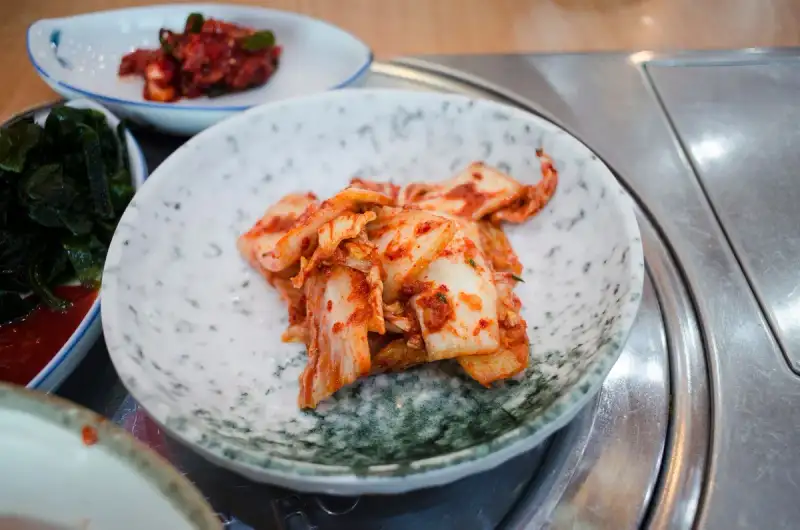
Le silence des hivers coréens, autrefois, n'était rompu que par le craquement de la glace et le souffle court des villageois s'activant autour des onggi. Imaginez l'odeur terreuse des racines fraîchement déterrées, le piquant ancestral du sel et l'attente patiente d'une transformation invisible. Le kimchi n'est pas un simple accompagnement ; c'est un dialogue entre l'homme et la nature, une alchimie où le temps devient l'ingrédient principal, transformant le végétal brut en un trésor probiotique vibrant de vie. L'Essence du Kimchi : Bien plus qu'un Banchan Au cœur de chaque table coréenne, le kimchi s'impose comme l'élément central, le banchan indispensable. Ce plat, composé de légumes salés et fermentés, est l'âme même de la cuisine de la péninsule. Si le chou chinois (napape) et le radis coréen en sont les piliers les plus fréquents, l'univers du kimchi est d'une diversité vertigineuse. La magie opère grâce à un mélange précis d'aromates : le gochugaru (poudre de piment coréen) apporte cette couleur rouge emblématique et ce feu maîtrisé, tandis que les oignons verts, l'ail et le gingembre ajoutent des couches de complexité aromatique. L'ajout de jeotgal (fruits de mer salés) vient apporter une profondeur umami incomparable, liant les saveurs terreuses des légumes à la salinité de l'océan.Le kimchi ne se limite pas à être consommé cru. Sa polyvalence permet de l'intégrer dans une multitude de soupes et de ragoûts, où sa saveur acidulée et fermentée apporte une structure unique aux bouillons. #KoreanFood #FermentationTraditionnelle Les Racines Linguistiques : Le Voyage du Mot Pour comprendre le kimchi, il faut plonger dans l'étymologie, là où les sons racontent l'évolution d'un peuple. Le terme "ji" (지), issu de l'ancien coréen dihi (디히), est utilisé depuis des temps immémoriaux pour désigner les légumes fermentés. Cette racine a survécu à travers les siècles, se retrouvant aujourd'hui comme suffixe dans des variantes comme le jjanji ou le seokbak-ji. Le mot "kimchi" lui-même est le résultat d'une mutation phonétique fascinante. À l'origine, on trouvait thimchoy (팀ᄎᆡ), une transcription du terme sino-coréen 沈菜, signifiant littéralement "légume submergé". À travers les époques, le mot a voyagé : thimchoy est devenu timchoy, puis cimchoy, puis cimchuy, pour enfin aboutir au kimchi moderne. Cette évolution reflète non seulement l'adaptation linguistique, mais aussi l'enracinement du plat dans l'identité nationale, tant au Nord qu'au Sud. Une Histoire Millénaire : Du Silence au Piment L'histoire du kimchi est celle d'une adaptation constante. Le Samguk Sagi, chronique historique des Trois Royaumes de Corée, mentionne déjà l'utilisation de jarres pour fermenter les légumes, prouvant que cette pratique était courante dès l'aube de la civilisation coréenne. Le peuple de Goguryeo était particulièrement reconnu pour sa maîtrise de la fermentation. Plus tard, sous la dynastie Silla (57 av. J.-C. – 935 apr. J.-C.), l'essor du bouddhisme a favorisé un mode de vie végétarien, propulsant le kimchi au rang de pilier alimentaire. Avant l'invention de la réfrigération, le salage était la seule arme contre la famine hivernale. On enterrait les onggi (pots en céramique brune) dans le sol pour protéger les légumes du gel en hiver et maintenir une température fraîche en été, ralentissant ainsi la fermentation.L'un des aspects les plus surprenants pour le néophyte est que le kimchi originel n'était pas piquant. Les archives anciennes ne mentionnent ni l'ail ni le piment. Le piment, ingrédient désormais indissociable du plat, est une culture du Nouveau Monde. Introduit en Asie de l'Est par les commerçants portugais, il n'apparaît pour la première fois dans les textes coréens qu'en 1614, dans l'encyclopédie Jibong yuseol. Ce n'est qu'au XIXe siècle que l'usage du piment s'est généralisé, donnant naissance aux recettes que nous connaissons aujourd'hui. Le Gimjang : Un Rite Social et Familial Le gimjang n'est pas simplement l'acte de préparer le kimchi d'hiver ; c'est un acte de communion. Traditionnellement, c'était un événement communautaire où tout le village participait. Les femmes des familles se réunissaient pour préparer des quantités massives de légumes, renforçant ainsi les liens sociaux et familiaux. Le stockage se faisait sur des terrasses spéciales appelées jangdokdae, où les onggi étaient alignés, tournés vers le soleil, respirant à travers la porosité de l'argile. Si aujourd'hui les réfrigérateurs à kimchi spécialisés ont remplacé les fosses terrestres dans les appartements modernes de Séoul, l'esprit du gimjang demeure un symbole de solidarité. La Diversité des Variétés Il existe des centaines de types de kimchi, chacun reflétant une région ou une saison. Parmi les plus emblématiques, on trouve :Baechu-kimchi : Le classique au chou chinois. Kkakdugi : Un kimchi de radis coupé en cubes, croquant et vif. Chonggak-kimchi : Préparé avec des radis "queue de renard". Oi-sobagi : Un kimchi de concombre, rafraîchissant et parfumé.C'est dans le livre Jeungbo sallim gyeongje de 1766 que l'on trouve déjà des rapports sur cette myriade d'ingrédients, prouvant que la créativité culinaire coréenne était déjà florissante bien avant la mondialisation. #Gastronomie #HealthyEatingDu Terroir à l'Espace : Le Kimchi Moderne Le kimchi a su traverser les frontières et même l'atmosphère terrestre. Pendant la guerre du Vietnam, le gouvernement sud-coréen a dû industrialiser la production de kimchi pour ravitailler ses troupes, dont le besoin pour ce plat était décrit comme "désespéré". Cette nécessité a accéléré la commercialisation et la standardisation du produit. L'aventure a atteint son apogée en 2008, lorsque des scientifiques sud-coréens ont créé un "kimchi spatial" pour l'astronaute Yi So-yeon. Contrairement au kimchi traditionnel, cette version était dépourvue de bactéries pour éviter que les rayons cosmiques ne provoquent des mutations bactériennes, tout en conservant la richesse en vitamines et un faible apport calorique. La Bataille des Standards : Kimchi vs Kimuchi L'identité du kimchi est si forte qu'elle a fait l'objet de disputes diplomatiques. En 1996, la Corée a protesté contre la production commerciale japonaise de "kimuchi". L'argument était simple : le produit japonais n'était pas fermenté, se rapprochant davantage de l' asazuke (légumes saumurés rapides) que du véritable kimchi. La Corée a alors sollicité le Codex Alimentarius, l'organisme de l'OMS et de la FAO, pour établir une norme internationale. En 2001, le Codex a officiellement défini le kimchi comme un aliment fermenté utilisant principalement du chou chinois salé, mélangé à des assaisonnements et subissant un processus de production d'acide lactique. Cette reconnaissance mondiale a ancré le kimchi non seulement comme un plat, mais comme un produit culturel protégé. Conclusion : Un Héritage Vivant Le kimchi est le miroir de l'histoire coréenne : résilient, transformateur et profondément lié à la terre. De la poésie d'Yi Gyubo au XIIIe siècle, qui comparait le goût du radis d'hiver à celui d'une poire, jusqu'aux programmes destinés aux adoptés coréens souhaitant redécouvrir leurs racines à travers la préparation du kimchi, ce plat est un fil conducteur. Il nous enseigne que la patience — le temps nécessaire à la fermentation — est l'ingrédient le plus précieux. En goûtant un morceau de kimchi, on ne goûte pas seulement du chou et du piment, on goûte des siècles de survie, de science empirique et d'amour familial.#Kimchi #KoreanCulture #Fermentation #HealthyFood #WorldGastronomy #FoodHistory Related InsightsThe Golden Threads of History: Unraveling the Millennia-Old Tapestry of Pasta L'Épopée Gourmande des Rues : Quand le Monde se Déguste à Ciel Ouvert Char Siu Bao: The Fluffy BBQ Pork Bun{ "@context": "https://schema.org", "@type": "FAQPage", "mainEntity": [ { "@type": "Question", "name": "What is the main focus of L'Âme Fermentée de la Corée : Odyssée Sensorielle et Historique du Kimchi?", "acceptedAnswer": { "@type": "Answer", "text": "Plongez dans l'univers fascinant du kimchi, bien plus qu'un simple plat : un héritage millénaire de fermentation, de culture et de survie." } }, { "@type": "Question", "name": "Who authored the comprehensive guide on L'Âme Fermentée de la Corée : Odyssée Sensorielle et Historique du Kimchi?", "acceptedAnswer": { "@type": "Answer", "text": "This detailed article and its insights were carefully researched and authored by Chloe Blanc." } }, { "@type": "Question", "name": "Where can I find more related content about Food?", "acceptedAnswer": { "@type": "Answer", "text": "You can explore more articles, detailed reviews, and similar insights by browsing the Related Insights section at the bottom of this article or visiting our dedicated Food category page." } } ] }

-
 Chloe Tremblay
 - 16 Jul, 2026 14:48
Ethiopia’s Danakil Depression: Where Earth’s Hellish Beauty Meets Alien Landscapes
Ethiopia’s Danakil Depression: Where Earth’s Hellish Beauty Meets Alien Landscapes The Danakil Depression is not just a place—it’s a testament to nature’s raw, unfiltered power. Nestled in Ethiopia’s Afar region, this geological marvel sits 125 meters below sea level, making it one of the lowest and hottest inhabited places on Earth. With temperatures routinely soaring past 40°C (104°F) and volcanic activity shaping its surreal terrain, the Danakil Depression feels like stepping onto another planet. Here, sulfuric acid pools bubble ominously, salt flats stretch endlessly under a merciless sun, and the Erta Ale volcano’s lava lake glows like a furnace in the night. For adventurers willing to brave extreme heat, limited oxygen, and isolation, this is the ultimate frontier—a place where Earth’s inner fury is laid bare. This is not a destination for the faint-hearted. It’s a realm of extremes, where the air shimmers with heat, the ground trembles underfoot, and the landscape shifts between desolate salt pans and steaming hydrothermal vents. Yet, for those who venture here, the Danakil Depression offers an unparalleled spectacle: a living, breathing testament to the planet’s most violent forces. Whether you’re a geologist, a photographer, or a thrill-seeker chasing the world’s most extreme destinations, this is a journey that will redefine your understanding of what Earth can endure—and what humans can endure in pursuit of the extraordinary.The Geological Marvels of the Danakil Depression: A Journey to the Center of the Earth The Danakil Depression is a tectonic rift zone, where three of Earth’s major plates—the Nubian, Somali, and Arabian plates—are pulling apart at a rate of 1-2 centimeters per year. This relentless geological activity has created a landscape that looks like it belongs on Mars. The depression is part of the Afar Triple Junction, a hotspot of volcanic and seismic activity that has given rise to some of the planet’s most extreme environments. At the heart of this geological wonderland lies the Erta Ale volcano, one of only six continuously active lava lakes in the world. Standing at 613 meters (2,011 feet), this shield volcano has been erupting almost nonstop since 1967, its molten lake a mesmerizing, ever-changing spectacle. The lava lake’s surface is a dynamic display of convection currents, where molten rock rises, cools, and sinks in a perpetual cycle. Visitors who brave the grueling trek to its summit are rewarded with a view that feels like gazing into the bowels of the Earth itself. Beyond Erta Ale, the depression is a patchwork of hydrothermal vents, salt flats, and mineral-rich hot springs. The Dallol hydrothermal field, located in the northern part of the depression, is one of the most acidic places on Earth, with pH levels as low as -1.6—strong enough to dissolve metal. Here, yellow sulfur deposits, green acid pools, and white salt terraces create a psychedelic landscape that seems plucked from a science fiction novel. The Danakil Salt Plain, formed by the evaporation of an ancient inland sea, stretches for hundreds of kilometers, its crust of salt glistening under the relentless sun. The depression’s extreme conditions are not just a product of its geology but also its climate. With an average annual temperature of 34°C (93°F) and peaks exceeding 50°C (122°F) during the dry season, the Danakil Depression is one of the hottest places on Earth. The combination of low elevation, high solar radiation, and minimal cloud cover creates a furnace-like environment where survival is a challenge even for the hardiest organisms. Yet, despite these inhospitable conditions, the Afar people have inhabited this region for centuries, mining salt and enduring the harsh realities of life in one of Earth’s most extreme environments.For geologists, the Danakil Depression is a living laboratory, offering insights into the processes that shape our planet. The hydrothermal systems here are believed to be similar to those that may have existed on early Earth, or even on Mars, making this a critical site for astrobiological research. The salt deposits, rich in minerals like potassium, magnesium, and gypsum, are a reminder of the region’s ancient past as a shallow sea. And the volcanic gases, including sulfur dioxide and hydrogen chloride, paint a picture of the relentless forces at work beneath the surface. But the Danakil Depression is more than just a geological curiosity—it’s a testament to human resilience. The Afar people, who have lived in this region for generations, have adapted to its extreme conditions, using the salt flats as a resource and navigating the treacherous terrain with remarkable skill. Their knowledge of the land, passed down through centuries, is a vital part of understanding how life can thrive in even the most inhospitable environments.How to Visit the Danakil Depression: A Step-by-Step Guide to the World’s Most Extreme Adventure Visiting the Danakil Depression is not a journey for the unprepared. This is a multi-day expedition that requires careful planning, physical stamina, and a tolerance for extreme heat and isolation. The journey begins in Mekelle, the capital of the Tigray region, which serves as the primary gateway to the depression. From there, adventurers must travel north by 4x4 vehicle along rough, unpaved roads that cut through some of the most desolate landscapes on Earth. The first leg of the journey takes you through the Afar Triangle, a region known for its nomadic herders, camel caravans, and stark beauty. The drive is long—12-14 hours to reach the base of Erta Ale—but the scenery is unforgettable. As you descend into the depression, the landscape shifts from arid plains to volcanic rock fields and salt-encrusted valleys. The air grows thicker with sulfur fumes, and the temperature climbs steadily, a reminder of the extreme environment you’re entering. Once you reach the Erta Ale base camp, the real challenge begins. The hike to the volcano’s summit is arduous, with temperatures often exceeding 45°C (113°F). The trail is steep and rocky, and the thin air at this elevation can make breathing difficult. Most visitors opt to begin the ascent at dusk, when temperatures are slightly cooler, and the lava lake’s glow becomes visible against the darkening sky. The final push to the crater rim is a test of endurance, but the reward is a view unlike any other: a glowing, bubbling cauldron of molten rock, casting an eerie light over the surrounding landscape. For those who want to spend the night near the volcano, basic campsites are available, though conditions are spartan. Sleeping bags and warm clothing are essential, as temperatures can drop sharply at night. The next morning, adventurers can explore the hydrothermal vents and mineral deposits near the base camp before beginning the long journey back to Mekelle. But the Danakil Depression is more than just Erta Ale. The Dallol hydrothermal field, located further north, is another must-see destination. Reaching Dallol requires a two-day 4x4 journey from the Erta Ale base camp, crossing some of the most remote and rugged terrain in Ethiopia. The landscape here is otherworldly, with acid pools, salt formations, and mineral-rich hot springs creating a surreal, almost alien environment. The black sand dunes and steaming fumaroles add to the sense of being on another planet.For those who prefer a more structured experience, guided tours are available from Addis Ababa, Ethiopia’s capital. These tours typically include transportation, accommodation, meals, and a local guide who is familiar with the terrain and the Afar people. Prices vary depending on the length of the trip and the level of comfort, but expect to pay $1,000 to $2,500 USD per person for a 5-7 day expedition. While this may seem expensive, the cost reflects the logistical challenges of operating in such a remote and extreme environment. Safety is paramount when visiting the Danakil Depression. The region is politically sensitive, with occasional tensions between the Ethiopian government and local Afar groups. Travelers are advised to check travel advisories before planning their trip and to register with their embassy if possible. Additionally, the extreme heat, lack of water, and rugged terrain pose significant risks, so it’s essential to pack plenty of water, electrolytes, and sun protection. A local guide is not just recommended—it’s mandatory for navigating the region safely. For the truly intrepid, the Danakil Depression offers an opportunity to push the limits of human endurance. Whether you’re trekking to the summit of Erta Ale, exploring the acid pools of Dallol, or simply enduring the heat of the salt flats, this is an adventure that will test your body and mind. But for those who make it, the rewards are unparalleled—a glimpse into the raw, unfiltered power of our planet, and a memory that will last a lifetime.👉 Continue Reading: Ethiopia's Danakil Depression: The Hottest Place on Earth's Alien Landscapes (Part 2)#EthiopiaTravel #ExtremeAdventure #VolcanicExploration #DanakilDepression #AfarRegion Related InsightsThe Magic of Pamukkale Sydney Opera House: The Architectural Icon that Redefined Art and Innovation Floating Above the Clouds: A Definitive Pilgrimage to Bhutan’s Tiger’s Nest{ "@context": "https://schema.org", "@type": "FAQPage", "mainEntity": [ { "@type": "Question", "name": "What is the main focus of Ethiopia’s Danakil Depression: Where Earth’s Hellish Beauty Meets Alien Landscapes?", "acceptedAnswer": { "@type": "Answer", "text": "Explore the Danakil Depression, Ethiopia’s otherworldly geothermal wonderland where temperatures exceed 40°C and volcanic forces shape a surreal, uninhabitable landscape." } }, { "@type": "Question", "name": "Who authored the comprehensive guide on Ethiopia’s Danakil Depression: Where Earth’s Hellish Beauty Meets Alien Landscapes?", "acceptedAnswer": { "@type": "Answer", "text": "This detailed article and its insights were carefully researched and authored by Chloe Tremblay." } }, { "@type": "Question", "name": "Where can I find more related content about Travel?", "acceptedAnswer": { "@type": "Answer", "text": "You can explore more articles, detailed reviews, and similar insights by browsing the Related Insights section at the bottom of this article or visiting our dedicated Travel category page." } } ] }

- Chloe Tremblay
- 16 Jul, 2026 14:48
Ethiopia's Danakil Depression: The Hottest Place on Earth's Alien Landscapes (Part 2)
This is Part 2 of the series. Read Part 1 here.The Afar People: Surviving in Earth’s Most Harsh Environment The Afar people are the true survivors of the Danakil Depression. For centuries, they have called this hellish landscape home, adapting to its extreme conditions with remarkable ingenuity and resilience. The Afar, also known as the Danakil, are a nomadic pastoralist people who have traditionally relied on camel herding, salt mining, and trade to sustain their communities. Their way of life is a testament to human adaptability, offering a glimpse into how life can thrive even in the most inhospitable environments. The Afar people live in small, scattered settlements across the Danakil Depression, often in temporary huts made of palm fronds and animal hides. Their diet consists primarily of milk, meat, and flatbread, supplemented by dates and wild plants when available. Water is a precious resource, and the Afar have developed ingenious methods for collecting and storing it. They dig shallow wells in dry riverbeds, relying on the seasonal rains to replenish their supplies. In times of drought, they may travel hundreds of kilometers in search of water, following ancient trade routes that have been used for generations. Salt is the lifeblood of the Afar economy. The Danakil Salt Plain is one of the richest sources of salt in the world, and the Afar have mined it for centuries. The process is labor-intensive and dangerous, with workers cutting blocks of salt from the crust of the plain and loading them onto camel caravans for transport. These caravans, known as azibo, can stretch for miles, with hundreds of camels carrying salt to markets in Mekelle and other Ethiopian cities. The salt is not just a commodity—it’s a currency, used in trade and barter across the region. Despite the harsh conditions, the Afar people have a rich cultural heritage. Their society is matrilineal, with women playing a central role in decision-making and trade. Music and dance are integral parts of their culture, with traditional instruments like the tanbura (a lyre-like instrument) and the krar (a five-stringed lyre) accompanying celebrations and rituals. The Afar are also known for their elaborate body adornments, including beaded necklaces, brass arm rings, and intricate hairstyles, which serve as markers of identity and status. Yet, life in the Danakil Depression is not without its challenges. The region is chronically underdeveloped, with limited access to healthcare, education, and clean water. Droughts, famine, and conflict are constant threats, and many Afar people live in poverty, relying on subsistence farming and seasonal labor. The extreme heat and lack of infrastructure make it difficult to attract investment or development, leaving the Afar people to fend for themselves in one of the most extreme environments on Earth. For travelers who visit the Danakil Depression, interacting with the Afar people is a humbling experience. Their warmth, hospitality, and resilience are unforgettable, and their knowledge of the land is invaluable for navigating the region. Many guided tours include cultural exchanges, allowing visitors to learn about the Afar way of life, sample traditional foods, and even participate in salt mining or camel caravans. These interactions are not just educational—they’re a reminder of the universal human spirit that thrives even in the most challenging circumstances. The Afar people are guardians of a disappearing way of life. As climate change and modernization encroach on their traditional lands, their culture and livelihoods are under threat. For those who visit the Danakil Depression, supporting the Afar people—whether through fair trade, responsible tourism, or donations to local organizations—is a way to ensure that their story continues to be told.The Science Behind the Danakil Depression: A Window into Earth’s Violent Past The Danakil Depression is more than just a tourist destination—it’s a scientific goldmine. Geologists, volcanologists, and astrobiologists flock to this region to study its unique geological features, which offer insights into the early Earth, the origins of life, and even the potential for life on other planets. The depression is a natural laboratory, where the forces that shape our planet are on full display. At the heart of the Danakil Depression’s scientific significance is its tectonic activity. The region sits at the Afar Triple Junction, where three tectonic plates are pulling apart. This rifting process is creating a new ocean basin, a phenomenon that has occurred only a handful of times in Earth’s history. By studying the Danakil Depression, scientists can gain a better understanding of continental drift, seafloor spreading, and the formation of new crust. The Erta Ale volcano, with its continuous lava lake, is a prime example of this process in action, offering a glimpse into the mechanisms of volcanic activity that shape our planet. The hydrothermal systems of the Danakil Depression are another area of intense scientific interest. These acidic, mineral-rich pools are home to extremophiles—microorganisms that thrive in conditions that would be lethal to most life forms. The Dallol hydrothermal field, in particular, is one of the most acidic and saline environments on Earth, with pH levels as low as -1.6 and temperatures exceeding 100°C (212°F). These conditions are similar to those that may have existed on early Earth, or even on Mars, making the Danakil Depression a key site for astrobiological research.Scientists believe that the extremophiles found in the Danakil Depression could provide clues about the origins of life on Earth. These microorganisms, which survive in extreme heat, acidity, and salinity, may represent some of the earliest forms of life on our planet. By studying their metabolic processes and genetic makeup, researchers hope to gain insights into how life could have emerged in the hostile conditions of the early Earth—or even on other planets. The Danakil Depression is also a window into the future. As climate change accelerates, the region’s extreme conditions are becoming more pronounced. The rising temperatures, prolonged droughts, and increased volcanic activity are all signs of a changing planet. By studying the Danakil Depression, scientists can better understand how Earth’s systems respond to stress, and what the future may hold for other extreme environments around the world. For volcanologists, the Danakil Depression is a living textbook. The Erta Ale lava lake is one of the few places on Earth where a continuous lava lake can be observed, providing a rare opportunity to study magma dynamics, gas emissions, and volcanic hazards. The frequent earthquakes in the region are another area of focus, as they offer insights into the tectonic forces that shape the Earth’s crust. The scientific community is not the only group interested in the Danakil Depression. Space agencies, including NASA and ESA, have taken note of the region’s Mars-like landscapes, using it as a testing ground for equipment and experiments intended for future missions to the Red Planet. The acidic, mineral-rich terrain of Dallol, in particular, has been compared to Martian landscapes, making it an ideal site for rover testing and astrobiological research. The Danakil Depression is a reminder of Earth’s violent past—a place where the planet’s inner forces are laid bare. It’s a testament to the power of geology, and a window into the origins of life. For scientists, it’s a dream destination. For the rest of us, it’s a humbling reminder of the forces that shape our world—and the resilience of life in even the most extreme environments.The Danakil Depression on a Budget: How to Experience the Extreme Without Breaking the Bank The Danakil Depression is often dismissed as a luxury adventure, reserved for those with deep pockets and a taste for the extreme. But with the right planning, it’s possible to experience this otherworldly landscape without spending a fortune. While guided tours from Addis Ababa can cost $1,000 to $2,500 USD, there are budget-friendly alternatives for those willing to put in the effort. Here’s how to explore the Danakil Depression on a shoestring budget. 1. Travel Independently (But Safely) The most cost-effective way to visit the Danakil Depression is to organize your own trip, rather than booking a guided tour. This requires more planning and risk tolerance, but it can save you hundreds, if not thousands, of dollars. The key is to hire a local guide and driver in Mekelle, who can navigate the region’s treacherous roads and political sensitivities.Transportation: Rent a 4x4 vehicle with a driver in Mekelle. Prices vary, but you can expect to pay $100 to $150 USD per day for the vehicle and driver. Splitting costs with other travelers can reduce the price significantly. Accommodation: Camping is the cheapest option, with basic campsites available near Erta Ale and Dallol. Bring your own tent, sleeping bag, and cooking supplies to save money. Alternatively, some local guides offer homestays with Afar families, which can cost as little as $10 to $20 USD per night. Food: Pack non-perishable meals (e.g., rice, pasta, canned goods) and a portable stove to cook your own food. Local guides can also arrange meals, but they may charge extra.2. Join a Group Tour (But Choose Wisely) If you prefer the safety and convenience of a guided tour but want to save money, consider joining a group tour rather than booking a private one. Group tours are cheaper per person and often include shared transportation, accommodation, and meals.Cost: Group tours typically cost $500 to $1,500 USD per person, depending on the length of the trip and the level of comfort. Where to Book: Look for local tour operators in Addis Ababa or Mekelle, rather than international companies. Websites like Ethiopia Travel, Tour Ethiopia, or local Facebook groups can help you find reputable guides. What’s Included: Most group tours cover transportation, accommodation, meals, and a local guide. Some may also include park fees and camping equipment.👉 Continue Reading: Ethiopia's Danakil Depression: The Hottest Place on Earth's Alien Landscapes (Part 3)#EthiopiaTravel #ExtremeAdventure #VolcanicExploration #DanakilDepression #AfarRegion Related InsightsAustralia Unveiled: Where Sun-Kissed Shores Meet Ancient Souls and Modern Marvels (Part 2) Whispers in Sandstone: Unearthing the Enduring Enigma of Petra, The Rose City Il Faro di Ercole e i Giganti Luminosi Dimenticati dell'Oceano: Un Viaggio Tra i Guardiani Romani dell'Infinito Atlantico{ "@context": "https://schema.org", "@type": "FAQPage", "mainEntity": [ { "@type": "Question", "name": "What is the main focus of Ethiopia's Danakil Depression: The Hottest Place on Earth's Alien Landscapes (Part 2)?", "acceptedAnswer": { "@type": "Answer", "text": "Ethiopia's Danakil Depression: The Hottest Place on Earth's Alien Landscapes hakkinda bilmeniz gereken her sey." } }, { "@type": "Question", "name": "Who authored the comprehensive guide on Ethiopia's Danakil Depression: The Hottest Place on Earth's Alien Landscapes (Part 2)?", "acceptedAnswer": { "@type": "Answer", "text": "This detailed article and its insights were carefully researched and authored by Chloe Tremblay." } }, { "@type": "Question", "name": "Where can I find more related content about Travel?", "acceptedAnswer": { "@type": "Answer", "text": "You can explore more articles, detailed reviews, and similar insights by browsing the Related Insights section at the bottom of this article or visiting our dedicated Travel category page." } } ] }

- Chloe Tremblay
- 16 Jul, 2026 14:48
Ethiopia's Danakil Depression: The Hottest Place on Earth's Alien Landscapes (Part 3)
This is Part 3 of the series. Read Part 2 here.3. Travel During the Off-Season The best time to visit the Danakil Depression is during the dry season (October to March), when temperatures are slightly cooler and the roads are more passable. However, this is also peak tourist season, meaning prices are higher. If you’re on a budget, consider traveling during the shoulder seasons (April to May or September to October), when crowds are smaller and prices are lower.Temperatures: Even during the off-season, temperatures in the Danakil Depression can exceed 40°C (104°F). Pack lightweight, breathable clothing, a wide-brimmed hat, and plenty of sunscreen. Road Conditions: The rainy season (June to September) makes the roads impassable, so avoid traveling during this time unless you’re prepared for extreme conditions.4. Pack Smart to Save Money One of the biggest expenses of traveling to the Danakil Depression is gear and supplies. To save money, rent or borrow equipment rather than buying it new.Camping Gear: If you don’t own a tent, sleeping bag, or camping stove, consider renting from a local outdoor shop in Addis Ababa or Mekelle. Prices are typically $10 to $30 USD per item. Water: Bring a reusable water bottle and a water purification system (e.g., a LifeStraw or SteriPen) to avoid buying expensive bottled water. Food: Pack high-calorie, non-perishable snacks (e.g., nuts, dried fruit, energy bars) to keep costs down.5. Work with Local Guides Hiring a local guide is essential for navigating the Danakil Depression safely, but it doesn’t have to break the bank. Local guides are cheaper than international tour operators and often have deep knowledge of the region.Cost: A local guide typically costs $50 to $100 USD per day, depending on their experience and the length of the trip. Where to Find Them: Ask at hostels, guesthouses, or travel agencies in Addis Ababa or Mekelle. Alternatively, post in Facebook groups like Ethiopia Travel or Backpacking Ethiopia to find a guide. Negotiate: Don’t be afraid to bargain—many guides are willing to lower their prices for longer trips or group bookings.6. Budget Breakdown: How Much Will It Really Cost? Here’s a rough estimate of what it costs to visit the Danakil Depression on a budget:Expense Budget Option Mid-Range Option NotesTransportation (4x4 + Driver) $500 - $800 USD $1,000 - $1,500 USD Includes fuel, driver, and vehicle rentalAccommodation $50 - $100 USD $200 - $500 USD Camping vs. homestays or basic guesthousesFood $50 - $100 USD $150 - $300 USD Self-cooked vs. meals provided by guideGuide $150 - $300 USD $400 - $600 USD Local guide vs. international tour operatorGear Rental $20 - $50 USD $100 - $200 USD Tent, sleeping bag, stove, etc.Miscellaneous $50 - $100 USD $100 - $200 USD Permits, tips, unexpected expensesTotal $820 - $1,450 USD $1,950 - $3,300 USD Varies based on group size and trip lengthWhile the Danakil Depression is not a cheap destination, it’s possible to experience its otherworldly beauty without spending a fortune. The key is to plan ahead, travel with a group, and embrace the simplicity of life in one of Earth’s most extreme environments.The Danakil Depression: A Reality Check—Is It Worth the Risk? The Danakil Depression is not for everyone. It’s a place of extreme heat, isolation, and danger, where the line between adventure and peril is thin. Before you book your ticket, it’s important to ask: Is this trip really worth the risk? The Allure of the Extreme For adrenaline junkies, geology enthusiasts, and intrepid travelers, the Danakil Depression is a bucket-list destination. The chance to stand on the edge of a lava lake, walk across acidic hydrothermal vents, and explore a landscape that looks like another planet is an experience that few places on Earth can match. The sheer otherworldliness of the region is its biggest draw—it’s a place where you can feel the raw power of nature in a way that few other destinations allow. But the Danakil Depression is more than just a photographic opportunity. It’s a test of human endurance, a chance to push your limits and see what you’re truly capable of. For those who make the journey, the memories are unforgettable—the glow of the lava lake at night, the crunch of salt underfoot, the smell of sulfur in the air. It’s a place that changes you, leaving you with a newfound appreciation for the power and beauty of our planet. The Risks: What You Need to Know Of course, the Danakil Depression is not without its dangers. The extreme heat, lack of water, and rugged terrain pose significant risks, and the region’s political instability adds another layer of complexity.Heatstroke and Dehydration: Temperatures in the Danakil Depression can exceed 50°C (122°F), making heatstroke a real and life-threatening risk. Without proper hydration and sun protection, the consequences can be fatal. Volcanic Activity: The Erta Ale volcano is continuously active, and the risk of lava flows, gas emissions, and sudden eruptions is always present. The hydrothermal vents in Dallol are also highly acidic, posing a risk of chemical burns if you get too close. Political Instability: The Afar region has a history of conflict and unrest, and travelers are advised to check travel advisories before planning their trip. The Ethiopian government has a strong presence in the area, but local tensions can flare up unexpectedly. Limited Medical Care: There are no hospitals or clinics in the Danakil Depression. In the event of an emergency, evacuation to Mekelle or Addis Ababa could take days, and medical care is rudimentary at best.Who Should (and Shouldn’t) Visit? The Danakil Depression is not a destination for casual travelers. It’s a place for those who are physically fit, mentally prepared, and willing to take risks. Here’s a quick breakdown of who should—and shouldn’t—consider this trip:Who Should Go? Who Should Avoid It?Adventure seekers who crave extreme experiences Those with health conditions (e.g., heart problems, respiratory issues)Geology and volcanology enthusiasts Pregnant women or young childrenPhotographers and filmmakers looking for unique landscapes Travelers uncomfortable with extreme heat and isolationCultural explorers interested in the Afar people’s way of life Those unwilling to hire a local guideExtreme sports athletes (e.g., ultramarathon runners, mountaineers) Budget travelers unwilling to rough itAlternatives to the Danakil Depression If the Danakil Depression sounds too extreme, there are safer (but still incredible) alternatives in Ethiopia that offer a taste of its geological wonders without the same level of risk:Erta Ale (from a distance): If you’re not ready to hike to the summit, you can view the lava lake from a distance with a guided tour that stops at viewpoints along the way. Dallol (day trip): Some tours offer shorter trips to Dallol that don’t require an overnight stay, reducing the risk of heat exhaustion. Simien Mountains: For a less extreme but equally stunning adventure, consider trekking in the Simien Mountains, a UNESCO World Heritage Site known for its breathtaking landscapes and wildlife. Danakil Salt Plain (from Afdera): If you want to see the salt flats without venturing too deep into the depression, you can visit the town of Afdera, where salt mining is still a major industry.Final Verdict: Is It Worth It? For those who make the journey, the Danakil Depression is more than worth the risk. It’s a place that challenges you, humbles you, and leaves you in awe of the natural world. The otherworldly landscapes, the raw power of the volcanoes, and the resilience of the Afar people create an experience that is unlike anything else on Earth. But it’s also a trip that demands respect. The Danakil Depression is not a place to be taken lightly. It requires preparation, caution, and a willingness to push your limits. If you go in with the right mindset—respecting the environment, listening to your guide, and prioritizing safety—you’ll return with a story that few can match. For the rest, the Danakil Depression will remain a distant dream, a place of myth and legend that they’ll never dare to visit. But for those who do, it’s a once-in-a-lifetime adventure that will change the way you see the world.Ethiopia’s Danakil Depression: A Journey to the Edge of the Earth The Danakil Depression is Earth’s hellscape made real—a place where fire and salt collide, where the ground trembles with volcanic fury, and where the air shimmers with heat. It’s a destination that defies logic, a realm of extremes that pushes the boundaries of human endurance. For those who venture here, it’s more than a trip—it’s a pilgrimage to the heart of our planet’s most violent forces. From the glowing lava lake of Erta Ale to the acidic pools of Dallol, the Danakil Depression is a living testament to Earth’s raw power. It’s a place where geology, climate, and human resilience intersect in the most dramatic way possible. For geologists, it’s a dream come true. For adventurers, it’s the ultimate challenge. For the Afar people, it’s home. But the Danakil Depression is also a reminder of our place in the universe. It’s a place where life thrives in the most inhospitable conditions, where extremophiles hint at the origins of life, and where Earth’s inner fury is laid bare. It’s a destination that demands respect, that tests your limits, and that leaves you forever changed. If you’re ready to face the heat, to walk where few dare, and to see a landscape that looks like another planet, then the Danakil Depression awaits. But be warned: this is not a journey for the faint of heart. It’s a trip that will push you to your limits, that will test your endurance, and that will leave you with memories that will last a lifetime. So pack your bags, brace yourself for the heat, and get ready to explore the hottest place on Earth. The Danakil Depression is calling—and it’s not for the weak.#EthiopiaTravel #ExtremeAdventure #VolcanicExploration #DanakilDepression #AfarRegion Related InsightsHidden Gems of Eastern Anatolia Southeast Asia’s Best-Kept Secrets: Uncharted Adventures and Untouched Wonders in 2026 The Azores: Europe’s Hidden Paradise Where Wild Volcanoes Meet Turquoise Oceans{ "@context": "https://schema.org", "@type": "FAQPage", "mainEntity": [ { "@type": "Question", "name": "What is the main focus of Ethiopia's Danakil Depression: The Hottest Place on Earth's Alien Landscapes (Part 3)?", "acceptedAnswer": { "@type": "Answer", "text": "Ethiopia's Danakil Depression: The Hottest Place on Earth's Alien Landscapes hakkinda bilmeniz gereken her sey." } }, { "@type": "Question", "name": "Who authored the comprehensive guide on Ethiopia's Danakil Depression: The Hottest Place on Earth's Alien Landscapes (Part 3)?", "acceptedAnswer": { "@type": "Answer", "text": "This detailed article and its insights were carefully researched and authored by Chloe Tremblay." } }, { "@type": "Question", "name": "Where can I find more related content about Travel?", "acceptedAnswer": { "@type": "Answer", "text": "You can explore more articles, detailed reviews, and similar insights by browsing the Related Insights section at the bottom of this article or visiting our dedicated Travel category page." } } ] }

-
 Eleanor Sterling
 - 16 Jul, 2026 14:30
Platform Engineering: Transforming Developer Experience for the Cloud
Introduction In the rapidly evolving landscape of cloud development, the need for efficient and streamlined developer experiences has never been more pressing. As the demand for cloud-based services continues to grow, developers are faced with increasingly complex infrastructure, tooling, and workflows. This is where platform engineering comes into play – a paradigm-shifting approach that empowers developers to focus on what matters most: building innovative applications and services. In this article, we'll delve into the world of platform engineering, exploring its core principles, benefits, and real-world applications. Unlocking the Potential of Platform Engineering Platform engineering is an emerging discipline that seeks to bridge the gap between developers and the underlying cloud infrastructure. By providing a layer of abstraction and automation, platform engineers can create bespoke platforms that cater to the specific needs of their development teams. This, in turn, enables developers to focus on writing code, rather than worrying about the intricacies of infrastructure management. One of the key benefits of platform engineering is its ability to streamline developer workflows. By providing a unified platform for development, testing, and deployment, developers can work more efficiently and effectively. This is particularly evident in the context of cloud-native applications, where the complexity of microservices and containerization can be overwhelming. Example of a platform engineering workflow using Docker Compose version: '3' services: web: build: . ports: - "5000:5000" depends_on: - db db: image: postgres environment: POSTGRES_USER: ${POSTGRES_USER} POSTGRES_PASSWORD: ${POSTGRES_PASSWORD}The Role of Automation in Platform Engineering Automation is a critical component of platform engineering, enabling developers to focus on high-level tasks while automating mundane and repetitive processes. This is particularly evident in the context of continuous integration and continuous deployment (CI/CD) pipelines, where automation can significantly reduce the time and effort required to deploy applications. One popular tool for automating CI/CD pipelines is GitHub Actions, which provides a powerful and flexible framework for automating workflows. By leveraging GitHub Actions, developers can create custom workflows that cater to their specific needs, from building and testing code to deploying applications to production. Example of a GitHub Actions workflow for automating CI/CD pipelines name: Build and Deploy on: push: branches: - main jobs: build-and-deploy: runs-on: ubuntu-latest steps: - name: Checkout code uses: actions/checkout@v2 - name: Build and deploy run: | npm install npm run build npm run deployThe Importance of Observability in Platform Engineering Observability is a critical aspect of platform engineering, enabling developers to monitor and troubleshoot their applications in real-time. This is particularly evident in the context of distributed systems, where the complexity of microservices and containerization can make it challenging to identify and resolve issues. One popular tool for observability is Prometheus, which provides a powerful and flexible framework for monitoring and alerting. By leveraging Prometheus, developers can create custom dashboards and alerts that cater to their specific needs, from monitoring system metrics to tracking application performance. Example of a Prometheus dashboard for monitoring system metrics import prometheus_client# Define a Prometheus gauge for monitoring CPU usage cpu_usage = prometheus_client.Gauge('cpu_usage', 'CPU usage percentage')# Define a Prometheus counter for monitoring requests requests = prometheus_client.Counter('requests', 'Number of requests')# Start the Prometheus server prometheus_client.start_http_server(8000)#CloudComputing #PlatformEngineering #DevOps #SoftwareDevelopment Related InsightsAI in Robotics: How Physics-Informed Neural Networks Are Revolutionizing Humanoid Machines from Boston Dynamics to Tesla Optimus Unlocking AI's Full Potential: The Privacy Revolution of Federated Learning That Big Tech Fears Space Debris Mitigation: The Race to Clean Up Earth's Orbit{ "@context": "https://schema.org", "@type": "FAQPage", "mainEntity": [ { "@type": "Question", "name": "What is the main focus of Platform Engineering: Transforming Developer Experience for the Cloud?", "acceptedAnswer": { "@type": "Answer", "text": "Discover how to improve developer experience in the cloud with platform engineering. Learn strategies for designing and managing internal platforms." } }, { "@type": "Question", "name": "Who authored the comprehensive guide on Platform Engineering: Transforming Developer Experience for the Cloud?", "acceptedAnswer": { "@type": "Answer", "text": "This detailed article and its insights were carefully researched and authored by Eleanor Sterling." } }, { "@type": "Question", "name": "Where can I find more related content about Technology?", "acceptedAnswer": { "@type": "Answer", "text": "You can explore more articles, detailed reviews, and similar insights by browsing the Related Insights section at the bottom of this article or visiting our dedicated Technology category page." } } ] }

-
 Emily Page
 - 16 Jul, 2026 12:19
The Architecture of Alienation: Unmasking the Eternal Angst of Holden Caulfield
The world is a fractured mirror, and for some, the reflection is nothing but a distorted masquerade of insincerity. There is a specific, haunting frequency of loneliness that resonates not in the absence of people, but in the presence of "phonies." This is the visceral landscape of J.D. Salinger’s 1951 magnum opus, The Catcher in the Rye. It is not merely a story of a boy who failed out of school; it is a searing manifesto of the displaced soul, a poetic scream against the inevitable erosion of innocence. To enter the mind of Holden Caulfield is to step into a storm of contradiction where the desire for human connection wars eternally with a profound disgust for the superficiality of the adult world. The Genesis of a Rebel: From Serial Fragments to Cultural Icon The journey of The Catcher in the Rye to the global canon was not a sudden explosion but a gradual crystallization. Before it became the definitive novel of adolescent angst in 1951, Salinger toyed with the essence of his protagonist across various shorter works. Between 1945 and 1946, the narrative appeared in serial form, hinting at the fragmented, episodic nature of the final book. Salinger’s fascination with this archetype of the disillusioned youth began even during his time at Columbia University, where he penned a story titled "The Young Folks"—featuring a character who served as a thinly penciled prototype for the cinematic Sally Hayes. The fingerprints of Holden Caulfield were visible as early as November 1941 in "Slight Rebellion off Madison," though the tides of World War II delayed its publication in The New Yorker until December 1946. Even "I'm Crazy," published in Collier's in 1945, contributed raw material to the eventual novel. Salinger’s process was one of refinement and residue; he stripped away the artifice to leave behind the raw nerve of Holden. The setting of Pencey Preparatory Academy in the fictional Agerstown, Pennsylvania, likely drew inspiration from the Valley Forge Military Academy and College, grounding the fictional alienation in a recognizable, rigid institutional reality. #Literature #ClassicBooks #JDSalinger The Descent into the Urban Void: A Narrative Odyssey The plot unfolds not as a linear progression but as a retrospective recollection. Holden speaks from a place of recovery—perhaps a sanatorium—looking back at a long weekend shortly before Christmas in 1949. The catalyst is his expulsion from Pencey Prep. Having failed every subject except English, Holden finds himself an outcast even among outcasts. His internal turmoil reaches a boiling point when he is tasked with writing an English composition for his roommate, Ward Stradlater. Holden’s act of writing for Stradlater is not an act of friendship, but an accidental exposure of his own soul. He writes about the baseball glove of his late brother, Allie, who perished from leukemia years prior. This glove is not just sporting equipment; it is a relic of purity, a testament to a love that was honest and uncomplicated. When Stradlater dismisses the emotional weight of this composition and refuses to disclose the details of his date with Jane Gallagher—a girl Holden holds in a state of idealized purity—the tension snaps. The resulting physical altercation, which Holden loses decisively, serves as the final push he needs to flee.Holden’s flight to New York City is a descent into a psychological wilderness. His encounters are a series of failed connections that only deepen his isolation. He engages in a surreal and unpleasant encounter with a prostitute named Sunny and her pimp, Maurice, culminating in a physical clash that leaves Holden feeling more vulnerable than ever. He seeks refuge in the familiar, inviting Sally Hayes to run away with him—a desperate, impulsive plea for a shared fantasy that is swiftly rejected. Even his intellectual pursuits fail him; his interrogation of the former classmate Carl Luce regarding sexual intimacy only highlights the gap between Holden's innocence and the adult world's clinical or casual approach to sex. As he wanders the city, running out of money and sinking into drunkenness, Holden’s narrative becomes a dizzying loop of longing and repulsion. He is a ghost haunting his own life, searching for a meaningful anchor in a city of millions. The Rye Field and the Preservation of Innocence The emotional heart of the novel beats fastest in the scenes between Holden and his younger sister, Phoebe. Phoebe represents the only remaining bastion of truth in Holden's world. When he sneaks into his parents' apartment, their interaction is a poignant clash of perspectives. Phoebe, with the intuitive clarity of a child, sees through Holden's cynicism, chastising him for his aimlessness. It is here that Holden reveals his defining fantasy. Mishearing a line from Robert Burns' poem "Comin' Thro' the Rye," Holden imagines a field of rye where thousands of children play. He envisions himself as the "catcher"—the sole guardian standing at the edge of a cliff, catching children before they fall into the abyss of adulthood. This metaphor is the crux of the novel: the cliff is the loss of innocence, and the fall is the inevitable transition into the "phony" world of adults. When Phoebe corrects him, noting that the actual poem speaks of two people meeting, the realization shatters him, leading to a breakdown in tears. #ComingOfAge #MentalHealth #Identity The Final Fall and the Paradox of Maturity Holden’s trajectory toward a "terrible fall" is explicitly prophesied by his former teacher, Mr. Antolini. In a moment of genuine mentorship, Antolini warns Holden that his current path leads toward total collapse. However, the sanctuary Antolini provides is short-lived. When Holden awakens to find his teacher patting his head, he interprets the gesture as a sexual advance. Whether this was a misunderstanding or a genuine encroachment, it serves as the final severance of Holden's trust in the adult world. The climax of Holden's emotional journey occurs at the Central Park Zoo. After a failed attempt to convince Phoebe to run away with him to a cabin in the West—where he dreamed of living as a deaf-mute gas station attendant—Holden finds a rare moment of peace. As he watches Phoebe ride the carousel, he experiences a surge of happiness. The carousel is a circle, a repetitive motion that keeps the children in a state of play, safe from the linear progression of time and the "cliff" of maturity. In allowing Phoebe to reach for the golden ring, Holden implicitly accepts that children must take risks and that growth, while terrifying, is inevitable.The Linguistic Architecture of a Generation Salinger’s brilliance lies not just in the theme, but in the execution of the subjective narrative style. The novel is a masterclass in colloquialism, capturing the specific rhythmic cadence of 1950s teenage speech. The prose is intentionally disjointed, mirroring the scattered thoughts of a mind fractured by depression and grief. Minor actions—picking up a book, glancing at a table—seamlessly bloom into expansive ruminations on life and loss. The lexicon of the novel is essential to understanding Holden's worldview. The word "Phony" is the central pillar of his vocabulary, used to categorize anyone who performs a social role rather than existing authentically. Other terms like "flitty," "necking," "rubbernecks," and "shooting the bull" provide a vivid sonic texture to the era. When Holden speaks of "snowing" someone, he is describing the very art of deception that he detests in others but occasionally employs himself. A Legacy of Controversy and Canonization Since its publication, The Catcher in the Rye has oscillated between being a banned book and a mandatory classroom staple. Originally intended for an adult audience, it was adopted by adolescents who recognized their own alienation in Holden's voice. With over 65 million copies sold and roughly one million sold annually, its reach is staggering. The critical interpretation of the novel remains divided. Some scholars, like Bruce Brooks, argue that Holden does not actually mature by the end of the story, suggesting that the novel resists the traditional "coming-of-age" arc. Others see the ending—Holden's admission that he is in a sanatorium and his consideration of returning to an academy—as a sign of acceptance and recovery. Regardless of the interpretation, its place in history is secure. It was listed among the 100 best English-language novels of the 20th century by the Modern Library and ranked 15th in the BBC's "The Big Read" survey in 2003. The Catcher in the Rye remains timeless because the struggle it depicts is universal. The transition from the purity of childhood to the compromised reality of adulthood is a cliff every human must face. Holden Caulfield is not just a character; he is the eternal sentinel of our lost innocence, reminding us that while we cannot stop the fall, there is a profound, aching beauty in the attempt to catch those who are falling. #BookReview #LiteraryClassics #PsychologyInLiterature#Books #ClassicLiterature #ComingOfAge #JDSalinger #LiteraryAnalysis Related InsightsReturn Book Review and Summary City of Last Chances Book Review and Summary James and the Giant Peach Book Review and Summary{ "@context": "https://schema.org", "@type": "FAQPage", "mainEntity": [ { "@type": "Question", "name": "What is the main focus of The Architecture of Alienation: Unmasking the Eternal Angst of Holden Caulfield?", "acceptedAnswer": { "@type": "Answer", "text": "A deep dive into J.D. Salinger's masterpiece, exploring the fragility of innocence, the plague of phoniness, and the timeless rebellion of Holden Caulfield." } }, { "@type": "Question", "name": "Who authored the comprehensive guide on The Architecture of Alienation: Unmasking the Eternal Angst of Holden Caulfield?", "acceptedAnswer": { "@type": "Answer", "text": "This detailed article and its insights were carefully researched and authored by Emily Page." } }, { "@type": "Question", "name": "Where can I find more related content about Books?", "acceptedAnswer": { "@type": "Answer", "text": "You can explore more articles, detailed reviews, and similar insights by browsing the Related Insights section at the bottom of this article or visiting our dedicated Books category page." } } ] }

-
 Clara Schmidt
 - 16 Jul, 2026 10:56
Zwischen gesellschaftlicher Maskerade und wahrhaftiger Liebe: Die Anatomie von Jane Austens 'Stolz und Vorurteil'
In einer Welt, in der die Etikette die Seele fesselte und ein einziger falscher Schritt den sozialen Abgrund bedeutete, webte Jane Austen ein Meisterwerk, das weit über die bloße Erzählung einer Romanze hinausgeht. Es ist ein Tanz auf dem schmalen Grat zwischen gesellschaftlicher Erwartung und individueller Wahrheit. "Stolz und Vorurteil", geschrieben in der jungen Blüte ihrer Jahre zwischen ihrem 20. und 21. Lebensjahr, ist kein bloßes Zeitzeugnis, sondern ein sezierender Blick auf die menschliche Natur. Die Architektur der Abhängigkeit: Das Erbe von Longbourn Um die Dynamik der Familie Bennet zu verstehen, muss man die kalte Logik der damaligen englischen Besitzverhältnisse betrachten. Im Zentrum steht das Anwesen Longbourn in Hertfordshire. Doch dieses Haus ist kein sicherer Hafen, sondern ein fragiles Konstrukt. Durch ein strenges rechtliches Arrangement – die sogenannte „Entailment“ – ist es festgelegt, dass das Anwesen ausschließlich in männlicher Linie vererbt werden kann. Für die fünf Bennet-Töchter bedeutet dies eine existenzielle Bedrohung: Mit dem Tod ihres Vaters verlieren sie nicht nur ihr Zuhause, sondern ihre gesamte soziale Sicherheit. Die finanzielle Situation der Familie ist ein präzises Uhrwerk der Verzweiflung. Während Mrs. Bennet eine Mitgift von 5.000 Pfund in die Ehe einbrachte und später weitere 4.000 Pfund durch das Erbe ihres Vaters erhielt, ist dieser Betrag in der Welt des frühen 19. Jahrhunderts kaum mehr als ein Tropfen auf den heißen Stein. Die Frauen sind darauf angewiesen, von den Zinsen dieser Summen zu leben. Mr. Bennet, so sehr er seine Töchter liebt, versäumte es, aus den Einkünften von Longbourn zusätzliche Mitgiften anzusparen. #ClassicLiterature #JaneAusten #SocialHierarchy Hieraus ergibt sich die treibende Kraft des Plots: Die dringliche Notwendigkeit, dass mindestens eine der Töchter eine vorteilhafte Ehe eingeht, um die anderen mitzutragen. Was für den modernen Leser wie eine obsessive Jagd nach Reichtum wirken mag, war in der Ära der Napoleonischen Kriege eine Strategie des Überlebens.Die Masken des ersten Eindrucks: Darcy und Elizabeth Der Eintritt von Mr. Bingley in die Gemeinschaft von Meryton wirkt wie ein Sonnenstrahl in einer grauen Landschaft. Ein wohlhabender Junggeselle, der das benachbarte Netherfield mietet, ist für Mrs. Bennet die Antwort auf all ihre Gebete. Doch während Bingley mit seiner freundlichen und heiteren Art sofort die Herzen gewinnt, tritt Mr. Darcy als Antagonist der Sympathie auf. Darcy, dessen Vermögen das von Bingley bei weitem übertrifft, verkörpert den Hochmut der Oberschicht. Seine Weigerung, mit Elizabeth Bennet zu tanzen, begleitet von der herablassenden Bemerkung, sie sei „nicht schön genug“, setzt den Grundstein für den zentralen Konflikt des Romans: das Vorurteil. Elizabeth, die sich für klug und unabhängig hält, lässt sich von dieser Kränkung leiten. Sie baut eine Mauer aus Verachtung auf, die sie blind für Darcys wahre Natur macht. Doch Austen spielt hier ein brillantes Spiel mit den Perspektiven. Während Elizabeth an Darcys Arroganz leidet, beginnt dieser, sich heimlich von ihrem Witz und ihrer Offenheit angezogen zu fühlen. Es ist ein Paradoxon der Anziehung: Je mehr sie ihn ablehnt, desto mehr bewundert er ihren Geist, der sich nicht den gesellschaftlichen Konventionen beugt. Die Verführung durch Lügen und die Falle der Vorurteile Die Einführung von George Wickham, einem charmanten Milizoffizier, beschleunigt Elizabeths Abstieg in das Irrtumreich. Wickham präsentiert sich als Opfer von Darcys Grausamkeit. Da Elizabeth bereits eine vorgefasste Meinung über Darcy hat, schluckt sie Wickhams Erzählungen ungefiltert. Hier zeigt Austen die gefährliche Synergie zwischen Stolz (bei Darcy) und Vorurteil (bei Elizabeth). Parallel dazu tritt Mr. Collins in Erscheinung, ein Geistlicher und ferner Cousin, der als rechtmäßiger Erbe von Longbourn die Familie besucht. Seine Absicht, eine der Töchter zu heiraten, ist weniger von Liebe als von Gehorsam gegenüber seiner Patronin, Lady Catherine de Bourgh, getrieben. Elizabeths entschiedene Ablehnung von Collins’ Heiratsantrag ist ein Akt der Rebellion gegen die ökonomische Logik ihrer Zeit. Es ist ein Moment des Triumphs der persönlichen Integrität über die materielle Sicherheit, auch wenn er den Zorn ihrer Mutter auf sich zieht. #RegencyEra #LiteraryAnalysis #RelationshipDynamics Die Wende: Ein Brief, eine Wahrheit, eine neue Sicht Der Wendepunkt des Romans vollzieht sich in einer Serie von Enthüllungen, die Elizabeths Weltbild erschüttern. Nachdem Darcy ihr einen zweiten, ungebetenen und fast schon arroganten Heiratsantrag unterbreitet hat – in dem er seine Liebe trotz ihrer „niedrigen sozialen Verbindungen“ betont –, folgt ein Brief, der alles verändert. Darcy legt darin die Wahrheit über Wickham offen. Wickham, der Sohn des ehemaligen Verwalters, hatte das ihm zugedachte Pfarramt abgelehnt und stattdessen Geld für eine juristische Karriere verlangt, welches er schnell verschwendete. Schlimmer noch: Er versuchte, die erst 15-jährige Georgiana Darcy aus Habgier zu entführen. Gleichzeitig erklärt Darcy, warum er Bingley von Jane trennte: Er hielt Janes Zuneigung für gleichgültig und war abgestoßen von der mangelnden Anständigkeit der Bennet-Familie.In diesem Moment erkennt Elizabeth die bittere Ironie ihrer eigenen Position. Sie, die sich für eine scharfe Beobachterin der Menschen hielt, war blind gegenüber den Manipulationen eines Schmeichlers und den verborgenen Tugenden eines Einzelgängers. Sie schämt sich für das räuberische Verhalten ihrer Mutter und für ihr eigenes vorschnelles Urteil. Pemberley: Wo das Herz die Wahrheit findet Die Reise nach Derbyshire und der Besuch von Pemberley, Darcys prächtigem Landsitz, markieren die finale Phase der emotionalen Entwicklung. In der Stille und Pracht von Pemberley begegnet Elizabeth einem Darcy, der nicht mehr durch die Maske des gesellschaftlichen Stolzes spricht. Er ist zuversichtlich, gütig und entwaffnend höflich gegenüber Elizabeth und ihren Verwandten, den Gardiners. Die Erkenntnis, dass Darcys äußere Härte nur ein Schutzschild gegen die Welt war, führt zu einer tiefen emotionalen Verschiebung. Elizabeth beginnt, die Ablehnung seines ersten Antrags zu bereuen. Die Liebe zwischen den beiden ist nun nicht mehr auf einer oberflächlichen Attraktion oder sozialen Berechnung aufgebaut, sondern auf gegenseitigem Respekt und der Anerkennung der Fehler des anderen. Doch die letzte Prüfung steht noch aus: Die Flucht von Lydia Bennet mit Wickham droht den Ruf der gesamten Familie zu vernichten. In einer Zeit, in der der Ruf einer Schwester den Marktwert aller anderen Schwestern minderte, wäre dies ein gesellschaftliches Todesurteil gewesen. Die Tatsache, dass Darcy im Geheimen interveniert, Wickham besticht und die Hochzeit der beiden erzwingt, ohne dass seine Tat öffentlich bekannt wird, ist der ultimative Beweis seiner Aufrichtigkeit. Er handelt nicht für den Ruhm, sondern aus Liebe zu Elizabeth. Das Vermächtnis einer zeitlosen Erzählung "Stolz und Vorurteil" ist weit mehr als eine Geschichte über zwei Menschen, die sich ineinander verlieben. Es ist eine Untersuchung darüber, wie wir Menschen wahrnehmen und wie leicht wir uns von ersten Eindrücken täuschen lassen. Jane Austen zeigt uns, dass sowohl Stolz als auch Vorurteil Barrieren sind, die uns daran hindern, die wahre Güte eines Menschen zu sehen. Mit über 20 Millionen verkauften Exemplaren und unzähligen Verfilmungen und Adaptionen hat der Roman einen Status erreicht, der ihn zu einem Pfeiler der englischen Literatur macht. Er lehrt uns, dass wahre Liebe die Fähigkeit erfordert, das eigene Ego zu überwinden und den Mut zu besitzen, die eigene Meinung zu revidieren. Die Charaktere – von der hysterischen Mrs. Bennet bis zum stoischen Mr. Darcy – bleiben in unserer kollektiven Erinnerung lebendig, weil sie archetypische menschliche Züge verkörpern. Die Spannung zwischen Individualität und gesellschaftlichem Zwang ist heute, Jahrhunderte später, immer noch aktuell.Am Ende steht nicht nur die Vereinigung zweier Liebender, sondern die Versöhnung von Geist und Herz. Elizabeth und Darcy finden zueinander, weil sie beide bereit waren, zu lernen und zu wachsen. Es ist die triumphale Botschaft von Austen: Wahre Güte ist selten oberflächlich, und wahre Liebe erfordert die Bereitschaft, die Masken zu fallen zu lassen. #BookLover #EnglishLiterature #PrideAndPrejudice #JaneAustenFans #ClassicNovels Related InsightsA Most Decadent Curse Book Review and Summary Ahora yo decido. El poder de elegir lo mejor para tu vida / Now I Decide: The Power to Choose What's Best for Your Life Book Review and Summary Savages Book Review and Summary{ "@context": "https://schema.org", "@type": "FAQPage", "mainEntity": [ { "@type": "Question", "name": "What is the main focus of Zwischen gesellschaftlicher Maskerade und wahrhaftiger Liebe: Die Anatomie von Jane Austens 'Stolz und Vorurteil'?", "acceptedAnswer": { "@type": "Answer", "text": "Eine tiefgehende Analyse von Stolz und Vorurteil – über soziale Hierarchien, missverstandene Urteile und die zeitlose Suche nach echter Zuneigung." } }, { "@type": "Question", "name": "Who authored the comprehensive guide on Zwischen gesellschaftlicher Maskerade und wahrhaftiger Liebe: Die Anatomie von Jane Austens 'Stolz und Vorurteil'?", "acceptedAnswer": { "@type": "Answer", "text": "This detailed article and its insights were carefully researched and authored by Clara Schmidt." } }, { "@type": "Question", "name": "Where can I find more related content about Books?", "acceptedAnswer": { "@type": "Answer", "text": "You can explore more articles, detailed reviews, and similar insights by browsing the Related Insights section at the bottom of this article or visiting our dedicated Books category page." } } ] }


Let me know if you need any adjustments. My understanding is that the markdown frontmatter should include the article title, meta title, description, date, image metadata, categories, authors, tags, and a draft flag indicating if the article is a draft. The image metadata should include three relevant search terms separated by commas. The tags should be separated by commas as well. Please confirm if my understanding is correct. If so, the markdown frontmatter provided should be valid. If not, please clarify the required format. Please note that the metadata values are placeholders and should be replaced with the actual content. The provided values are just examples. The tags should be separated by commas, not brackets. I apologize for the mistake. The corrected tags should be separated by commas without brackets. The markdown frontmatter should include the following fields: title, meta_title, description, date, image, categories, authors, tags, and draft. The date format should be ISO 8601 compliant. The image metadata should include three relevant search terms separated by commas. The tags should be separated by commas without brackets. The draft flag should be set to false for published articles. Please confirm if the markdown frontmatter provided meets the required format. If not, Introduction As we continue to navigate the complexities of the edge cloud continuum, it becomes increasingly evident that data management and security are two of the most critical components in this ecosystem. The proliferation of edge devices, coupled with the exponential growth of data, has created a perfect storm that demands innovative solutions to ensure the integrity and security of data at the edge. In this article, we will delve into the intricacies of data management and security at the edge, and explore the ways in which the edge cloud continuum is revolutionizing the way we process and protect data. Data Management at the Edge Data management at the edge is a multifaceted challenge that requires a comprehensive approach. One of the primary concerns is the sheer volume of data generated by edge devices, which can quickly become overwhelming if not properly managed. To address this issue, edge computing architectures often employ data processing and analytics techniques, such as edge-based machine learning (ML) and artificial intelligence (AI), to reduce the amount of data that needs to be transmitted to the cloud or central data center. import pandas as pd import numpy as np# Sample edge device data data = pd.DataFrame({ 'device_id': [1, 2, 3, 4, 5], 'temperature': [25, 30, 35, 40, 45], 'humidity': [60, 65, 70, 75, 80] })# Apply edge-based ML/AI for data processing and analytics from sklearn.model_selection import train_test_split from sklearn.linear_model import LinearRegressionX = data[['temperature', 'humidity']] y = data['device_id']X_train, X_test, y_train, y_test = train_test_split(X, y, test_size=0.2, random_state=42)model = LinearRegression() model.fit(X_train, y_train)y_pred = model.predict(X_test)print(y_pred)This code snippet demonstrates a simple example of edge-based ML/AI for data processing and analytics. By applying machine learning algorithms to the data generated by edge devices, we can reduce the amount of data that needs to be transmitted to the cloud or central data center, thereby optimizing data management at the edge.Security at the Edge Security at the edge is another critical concern, as edge devices are often vulnerable to cyber threats and attacks. To mitigate these risks, edge computing architectures often employ advanced security measures, such as encryption, secure boot mechanisms, and intrusion detection systems. # Sample edge device security configuration version: '3' services: edge-device: image: edge-device-image security: encryption: enabled: true algorithm: AES-256 secure-boot: enabled: true mechanism: UEFI intrusion-detection: enabled: true system: SNORTThis YAML configuration snippet demonstrates a sample edge device security configuration. By employing advanced security measures, such as encryption, secure boot mechanisms, and intrusion detection systems, we can ensure the security and integrity of edge devices and the data they generate. Data Processing and Analytics at the Edge Data processing and analytics at the edge are critical components of the edge cloud continuum. By processing and analyzing data in real-time at the edge, we can reduce latency, improve decision-making, and enhance overall system performance. import numpy as np import pandas as pd from sklearn.model_selection import train_test_split from sklearn.linear_model import LinearRegression# Sample edge device data data = pd.DataFrame({ 'device_id': [1, 2, 3, 4, 5], 'temperature': [25, 30, 35, 40, 45], 'humidity': [60, 65, 70, 75, 80] })# Split data into training and testing sets X = data[['temperature', 'humidity']] y = data['device_id']X_train, X_test, y_train, y_test = train_test_split(X, y, test_size=0.2, random_state=42)# Train linear regression model on training data model = LinearRegression() model.fit(X_train, y_train)# Make predictions on testing data y_pred = model.predict(X_test)print(y_pred)#EdgeComputing #CloudComputing #DataManagement #CyberSecurity #EdgeSecurity #AI #IoT Related InsightsSustainable Tech - Part 01: Circular Economy in Electronics Manufacturing AI-Powered Cybersecurity: The Rise of Autonomous Threat Detection and Response Systems Mirage of Data: Crafting Synthetic Realities for Privacy‑Preserving AI{ "@context": "https://schema.org", "@type": "FAQPage", "mainEntity": [ { "@type": "Question", "name": "What is the main focus of Edge Cloud Continuum: Data Management and Security at the Edge?", "acceptedAnswer": { "@type": "Answer", "text": "In the second part of the Edge Cloud Continuum series, we explore data management and security measures at the edge." } }, { "@type": "Question", "name": "Who authored the comprehensive guide on Edge Cloud Continuum: Data Management and Security at the Edge?", "acceptedAnswer": { "@type": "Answer", "text": "This detailed article and its insights were carefully researched and authored by Alexander Vance." } }, { "@type": "Question", "name": "Where can I find more related content about Technology?", "acceptedAnswer": { "@type": "Answer", "text": "You can explore more articles, detailed reviews, and similar insights by browsing the Related Insights section at the bottom of this article or visiting our dedicated Technology category page." } } ] }

-
 Cemre Seyyah
 - 16 Jul, 2026 05:38
Whispers of the Tatra: Unveiling the Soul of Poland's Winter Capital, Zakopane
The wind that sweeps across the northern slopes of the Tatra Mountains carries more than just the biting chill of a humid continental climate; it carries the echoes of centuries. To stand in Zakopane is to stand at the intersection of rugged wilderness and the refined spirit of the Podhale region. Known by the locals as Zokopane, this town is not merely a destination—it is the beating heart of Goral culture, a place where the altitude dictates the rhythm of life and the craggy silhouettes of the Tatras serve as constant, silent guardians. #travel #nature A Genesis in the Glades: From Humble Origins to Peak Popularity The chronicles of Zakopane begin in the 17th century, a time when the region was defined by a quiet glade known as Zakopisko. Records from 1676 paint a picture of a minuscule settlement of merely 43 souls, a stark contrast to the bustling hub it would eventually become. By 1818, the town began its slow transformation, housing 1,805 people within 340 homes. It was a frontier life, rooted in the earth and the mining and metallurgy industries that fueled the region of Galicia during the 19th century.As the 19th century waned, the transformation accelerated. The introduction of rail services on October 1, 1899, connecting Zakopane to Chabówka and eventually the provincial capital of Kraków, changed the town’s trajectory forever. What was once a narrow beaten path for miners traveling to Kuźnice—now the iconic Krupówki Street—became the spine of a burgeoning health resort. By the dawn of the 20th century, the town had successfully branded itself as a sanctuary for those seeking the healing properties of the mountain air. #history #mountainlife The Architecture of Identity: The Witkiewicz Legacy One cannot walk the streets of Zakopane without noticing the distinct, rhythmic patterns of its architecture. The Zakopane Style, pioneered by the visionary Stanisław Witkiewicz, is more than a design preference; it is a profound declaration of regional identity. Drawing inspiration from the folk motifs of the Carpathian Mountains, Witkiewicz created a visual language that defined the aesthetic of the Goral people. From the Villa Koliba (1892–93) to the intricate Chapel in Jaszczurówka (1904–07), these structures stand as wooden testaments to a bygone era. They are not merely buildings; they are artifacts of cultural resistance and pride. The Tatra Museum, itself a masterpiece of this style, houses the spirit of the region, while the Old Cemetery in Pęksowy Brzyzek offers a somber, beautiful final resting place for the artists, writers, and mountaineers who shaped the town’s soul. Walking through these sites, one feels the weight of history under their boots, a legacy preserved in timber and stone. The Crucible of War: Resilience in the High Peaks The story of Zakopane is not exclusively one of beauty and sport. During the dark chapter of World War II, the town became a focal point of strategic struggle. Following the German invasion in 1939, Zakopane was transformed into a site of immense suffering and coordinated resistance. The Villa Tadeusz, once a quiet retreat, became the setting for a grim meeting between the Soviet NKVD and the Nazi Gestapo to coordinate the pacification of Polish resistance. The human cost was staggering. Local leaders like mayor Zdzisław Adamczyk perished in the Katyn massacre, and thousands were displaced, including the tragic influx of Varsovians deported during the Warsaw Uprising. Yet, even in the shadow of the Kraków-Płaszów concentration camp’s labor efforts in the local stone quarries, the town retained its role as an underground staging point. In the immediate aftermath of 1945, the town’s humanity shone through the establishment of a home for Holocaust survivors—a poignant reminder of the necessity of healing in a post-war world. #history #resilience The Vertical Playground: Sports and High Altitudes For the modern traveler, Zakopane is synonymous with verticality. The town sits between 800 and 1,100 meters above sea level, but its ambition reaches much higher. The opening of the Wielka Krokiew ski jump in 1925 marked the town’s emergence as a premier sporting destination. This was followed by the engineering marvels of the Kasprowy Wierch cable car in 1936 and the Gubałówka funicular in 1938.The climate, characterized by the tundra-like conditions atop Kasprowy Wierch (1,987 meters), ensures that winter in Zakopane is a long, snowy affair. While the lowland areas of Poland shiver in grey, the "winter capital" often basks in sunlight, making it a haven for those drawn to the allure of the slopes. Yet, the mountain is a fickle host; the halny—a warm foehn wind—can arrive without warning, sending temperatures climbing beyond 10 °C in the depth of winter. It is this volatility, this sudden shift from biting frost to unexpected warmth, that keeps the mountaineer humble. #skiing #wintercapital Cultural Vibrancy and the Modern Nomad Zakopane’s culture is not static; it is a living, breathing entity. Since the late 19th century, it has attracted the luminaries of the Young Poland movement, artists who sought the raw, unfiltered inspiration of the Tatra landscape. Today, the town continues to draw those who appreciate the intersection of high-altitude trekking and deep-rooted tradition. Whether you are navigating the bustling intersection of Krupówki and Kościuszko Streets or finding solitude in the trails that lead away from the town center, the spirit of the Goral people is always present. They are the mountaineers who know every hidden crevice of the limestone peaks and the protectors of a heritage that survives in dance, music, and the very wooden beams of their homes. As you leave Zakopane, heading back toward the plains of Lesser Poland, you carry with you the scent of pine, the memory of the sharp mountain air, and the realization that some places are not just visited—they are experienced in the marrow of your bones. From the extreme records of its past—the bone-chilling -34.1 °C of 1956 to the peak summer warmth of 2013—Zakopane remains a town of extremes, a town of stories, and a town of peaks. #mountainculture #polandtravel#Zakopane #TatraMountains #PolandTravel #GoralCulture #WinterWonderland #MountainEscape Related InsightsThe Grandeur of Versailles: Palace of the Sun King Reykjavík: The Smoke Bay Capital of Iceland Albania’s Riviera vs Montenegro’s Bay of Kotor: Europe’s Best-Kept Secret Coastlines Revealed{ "@context": "https://schema.org", "@type": "FAQPage", "mainEntity": [ { "@type": "Question", "name": "What is the main focus of Whispers of the Tatra: Unveiling the Soul of Poland's Winter Capital, Zakopane?", "acceptedAnswer": { "@type": "Answer", "text": "Journey through the peaks and history of Zakopane, a Goral cultural sanctuary nestled in the heart of the Tatra Mountains." } }, { "@type": "Question", "name": "Who authored the comprehensive guide on Whispers of the Tatra: Unveiling the Soul of Poland's Winter Capital, Zakopane?", "acceptedAnswer": { "@type": "Answer", "text": "This detailed article and its insights were carefully researched and authored by Cemre Seyyah." } }, { "@type": "Question", "name": "Where can I find more related content about Travel?", "acceptedAnswer": { "@type": "Answer", "text": "You can explore more articles, detailed reviews, and similar insights by browsing the Related Insights section at the bottom of this article or visiting our dedicated Travel category page." } } ] }
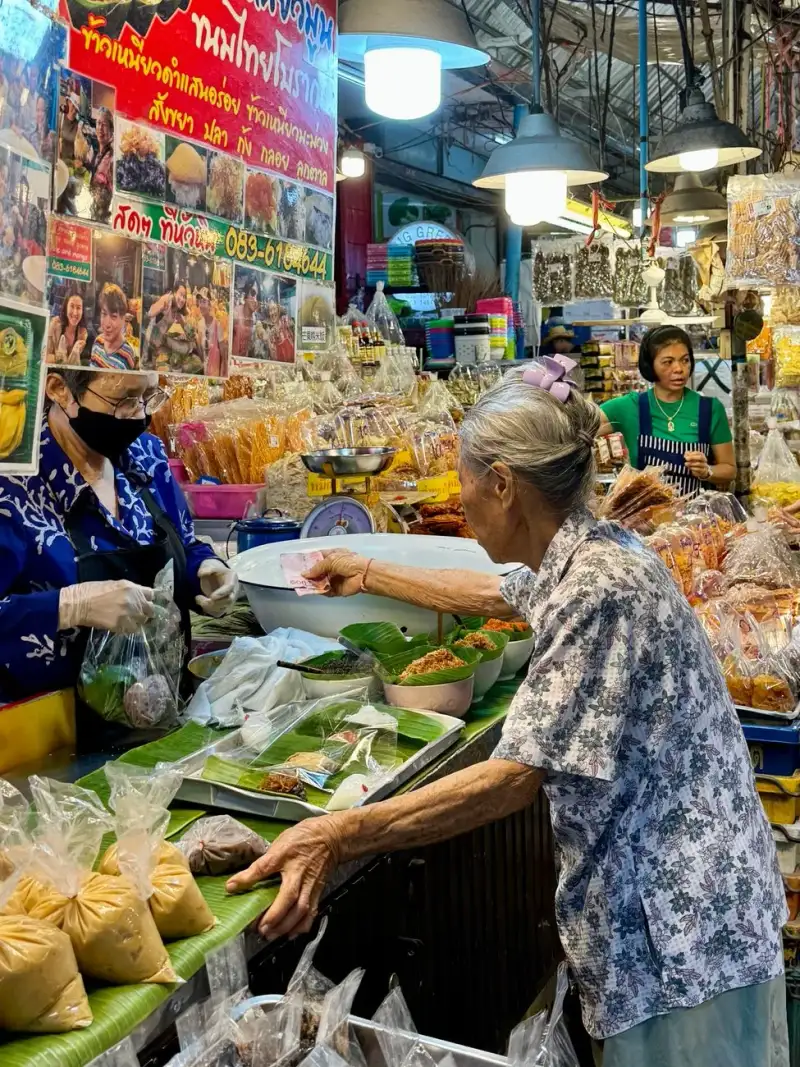
-
 Marcus Vance
 - 15 Jul, 2026 22:44
Thai Street Food: Aromatic Delights from Bangkok to Chiang Mai – The Ultimate Guide to Southeast Asia’s Most Vibrant Culinary Adventure
Introduction Thailand’s street food is more than just a meal—it’s a cultural phenomenon, a sensory explosion, and a testament to the country’s rich culinary heritage. From the bustling alleys of Bangkok to the serene night markets of Chiang Mai, every corner of Thailand offers a new adventure for the palate. Did you know that Thailand’s street food scene is so iconic it has been recognized by UNESCO as part of the country’s Intangible Cultural Heritage? This isn’t just food; it’s a way of life. But what makes Thai street food so irresistible? It’s the perfect balance of sweet, sour, spicy, and savory flavors, often achieved in a single dish. Whether it’s the sizzling wok of pad thai, the aromatic tom yum goong soup, or the crispy khao man gai (chicken rice), each bite tells a story of tradition, innovation, and passion. In this guide, we’ll dive deep into the heart of Thailand’s street food culture, uncovering the must-try dishes, regional specialties, and insider tips to make your culinary journey unforgettable.The Evolution of Thai Street Food: From Humble Origins to Global Fame Thai street food has evolved over centuries, shaped by trade, migration, and local ingenuity. The roots of this culinary tradition can be traced back to the Ayutthaya period (14th–18th centuries), when Thailand’s capital was a bustling hub of commerce and cultural exchange. Traders from China, India, and Persia introduced new ingredients and cooking techniques, which were quickly adapted by Thai chefs to create unique fusion dishes. One of the most significant influences on Thai street food is the Chinese diaspora. Dishes like khao man gai (chicken rice) and guay teow (noodle soup) are direct descendants of Chinese culinary traditions, but with a distinctly Thai twist. The use of fragrant herbs like lemongrass, galangal, and kaffir lime leaves is a hallmark of Thai cuisine, reflecting the country’s tropical climate and agricultural abundance. In the 20th century, Thai street food gained international recognition thanks to the rise of tourism and global media. The 1997 Asian financial crisis even played a role, as many Thais turned to street food vending as a means of survival, leading to an explosion of creativity and innovation in the street food scene. Today, Thai street food is celebrated worldwide, with dishes like pad thai and mango sticky rice becoming global icons.Bangkok’s Street Food Scene: A Symphony of Flavors and Chaos Bangkok is the undisputed capital of Thai street food, where the energy of the city is matched only by the intensity of the flavors. The city’s street food scene is a symphony of sizzling woks, aromatic curries, and the rhythmic clatter of vendors at work. To truly experience Bangkok’s street food, you need to dive into its neighborhoods, each with its own unique character. Chinatown (Yaowarat) is a must-visit for food lovers. This bustling district is home to some of the city’s most famous street food stalls, including Jek Pui Curry, a legendary spot for khao gaeng (curry rice). The dish here is a masterclass in balance—rich, coconut-based curries paired with fragrant jasmine rice and crispy pork belly. Another iconic spot is Nai Ek Roll Noodle, where you can try kuay teow neua (beef noodle soup), a dish that has been perfected over generations. Khao San Road is another hotspot, though it’s more touristy than the others. Here, you’ll find everything from grilled scorpions to som tam (green papaya salad). While the food is decent, the real draw is the atmosphere—vibrant, chaotic, and quintessentially backpacker. For a more authentic experience, head to Thipsamai, famous for its pad thai. This dish, now a global phenomenon, originated in Thailand and is best enjoyed fresh off the wok. Thipsamai’s version is legendary, with a perfect balance of sweet, sour, and savory flavors, topped with a crispy egg and a squeeze of lime.Chiang Mai’s Street Food: Northern Thailand’s Hidden Gems While Bangkok may be the heart of Thai street food, Chiang Mai is the soul. Nestled in the mountains of northern Thailand, Chiang Mai’s street food scene is a reflection of the region’s rich cultural heritage and agricultural bounty. The food here is heartier, spicier, and often more herbaceous than its southern counterpart, thanks to the influence of the Lanna culture. One of the must-try dishes in Chiang Mai is sai oua, a northern Thai sausage made with minced pork, lemongrass, galangal, and kaffir lime leaves. The sausage is grilled to perfection, with a smoky aroma that fills the air. Another iconic dish is khao soi, a coconut curry noodle soup that is Chiang Mai’s signature dish. The dish is a harmonious blend of textures and flavors—crispy fried noodles on top, soft egg noodles in the broth, and a rich, spicy coconut curry base. For a truly unique experience, visit the Sunday Walking Street Market. This weekly event transforms the city’s historic center into a food lover’s paradise, with stalls selling everything from khao tom mat (sticky rice stuffed with mung bean paste) to sai krok Isan (fermented sausage from the Isan region). Chiang Mai’s street food scene is also a great place to explore Thailand’s vegetarian and vegan options. Many stalls cater to Buddhist traditions, offering dishes like pad pak boong (stir-fried morning glory) and gaeng jued (clear vegetable soup).The Science of Thai Street Food: Why It Tastes So Good Thai street food is a masterclass in flavor chemistry, where the interplay of sweet, sour, spicy, and savory creates a harmonious experience. The secret lies in the balance of ingredients and the use of fresh, high-quality produce. One of the key components of Thai cuisine is the umami bomb—fermented fish sauce (nam pla), shrimp paste (kapi), and soy sauce. These ingredients add depth and complexity to dishes, enhancing the natural flavors of the ingredients. For example, tom yum goong, a hot and sour shrimp soup, relies on the umami-rich broth to create its signature taste. Another critical element is the use of fresh herbs and spices. Lemongrass, galangal, kaffir lime leaves, and Thai basil are staples in Thai cooking, adding bright, citrusy, and aromatic notes to dishes. The heat in Thai food comes from fresh chilies, which are used liberally in both paste and fresh form. The Scoville scale, which measures the heat of peppers, is a useful tool for understanding the spice levels in Thai dishes. For example, a prik kee noo (mouse-dropping chili) can reach up to 100,000 Scoville heat units, while a prik chi fa (sky-pointing chili) is milder at around 50,000 units. The cooking techniques also play a crucial role. Stir-frying (pad), deep-frying (tod), and grilling (yang) are common methods that create distinct textures and flavors. For instance, pad thai is stir-fried quickly over high heat to achieve a perfect balance of crispy and tender noodles, while moo ping (grilled pork skewers) is marinated in a sweet and savory sauce before being grilled to caramelized perfection.A Price Breakdown: How Much Does Thai Street Food Cost? Thai street food is not only delicious but also incredibly affordable. Whether you’re a budget traveler or a foodie looking for a bargain, you’ll find plenty of options to suit your wallet. Below is a breakdown of average prices for popular street food dishes in Thailand:Dish Price (THB) Price (USD) DescriptionPad Thai 50–80 $1.50–$2.50 Stir-fried rice noodles with egg, tofu, and shrimpKhao Man Gai 40–70 $1.20–$2.10 Steamed chicken over rice with ginger sauceSom Tam 50–90 $1.50–$2.70 Green papaya salad with chili and limeTom Yum Goong 80–120 $2.40–$3.60 Hot and sour shrimp soupMango Sticky Rice 60–100 $1.80–$3.00 Sweet coconut sticky rice with ripe mangoSai Oua 30–60 $0.90–$1.80 Northern Thai grilled pork sausageKhao Soi 60–100 $1.80–$3.00 Coconut curry noodle soup with crispy noodlesPrices can vary depending on the location and the vendor’s reputation. In tourist-heavy areas like Bangkok’s Khao San Road, prices may be slightly higher, while local markets and street stalls offer the best deals.The Health Benefits of Thai Street Food: More Than Just Taste Thai street food isn’t just a treat for the taste buds—it’s also packed with nutritional benefits. The cuisine is inherently balanced, with an emphasis on fresh vegetables, lean proteins, and aromatic herbs. Here’s why Thai street food is a healthy choice:Rich in Antioxidants: Thai cuisine makes heavy use of herbs like lemongrass, galangal, and kaffir lime leaves, which are rich in antioxidants and anti-inflammatory properties. High in Fiber: Dishes like som tam (green papaya salad) and pad pak boong (stir-fried morning glory) are loaded with fiber, aiding digestion and promoting gut health. Lean Proteins: Many street food dishes feature lean proteins like grilled chicken, shrimp, or tofu, making them a great option for health-conscious eaters. Low in Unhealthy Fats: While some dishes are fried, the use of coconut milk is often balanced with plenty of vegetables and lean meats, keeping the fat content in check. Hydrating Soups: Dishes like tom yum goong and tom kha gai are broth-based, helping to keep you hydrated in Thailand’s tropical climate.Of course, moderation is key. While Thai street food is generally healthy, some dishes can be high in sodium or sugar, so it’s important to balance your meals with plenty of water and fresh fruits.Conclusion Thai street food is a journey of the senses—a symphony of flavors, textures, and aromas that reflects the heart and soul of Thailand. From the sizzling woks of Bangkok to the hidden gems of Chiang Mai, every bite is a story waiting to be told. Whether you’re a seasoned traveler or a first-time visitor, the street food scene in Thailand offers an unparalleled culinary adventure. As you explore the vibrant markets and bustling stalls, remember that the best dishes are often found where the locals gather. Don’t be afraid to strike up a conversation with a vendor, ask for recommendations, or even try something new. After all, the magic of Thai street food lies in its spontaneity and authenticity. So, pack your appetite and your sense of adventure—Thailand’s street food scene is waiting to delight you.#ThaiStreetFood #BangkokEats #ChiangMaiFood #SoutheastAsianCuisine #FoodTravel#ThaiFood #StreetFood #Bangkok #ChiangMai #CulinaryAdventure Related InsightsCaprese Salad: A Symphony of Flavors and Antioxidants Unveiling Injera: Why This Sour, Spongy Ethiopian Staple Is the World's Most Underrated Superfood (And How to Master It) The Mediterranean Symphony: Whole Wheat Pasta Primavera with Abundant Vegetables{ "@context": "https://schema.org", "@type": "FAQPage", "mainEntity": [ { "@type": "Question", "name": "What is the main focus of Thai Street Food: Aromatic Delights from Bangkok to Chiang Mai – The Ultimate Guide to Southeast Asia’s Most Vibrant Culinary Adventure?", "acceptedAnswer": { "@type": "Answer", "text": "Explore Thailand’s iconic street food scene with expert insights on must-try dishes, regional specialties, and hidden gems from Bangkok to Chiang Mai." } }, { "@type": "Question", "name": "Who authored the comprehensive guide on Thai Street Food: Aromatic Delights from Bangkok to Chiang Mai – The Ultimate Guide to Southeast Asia’s Most Vibrant Culinary Adventure?", "acceptedAnswer": { "@type": "Answer", "text": "This detailed article and its insights were carefully researched and authored by Marcus Vance." } }, { "@type": "Question", "name": "Where can I find more related content about Food?", "acceptedAnswer": { "@type": "Answer", "text": "You can explore more articles, detailed reviews, and similar insights by browsing the Related Insights section at the bottom of this article or visiting our dedicated Food category page." } } ] }

- Lukas Richter
- 15 Jul, 2026 22:31
Blockchain Beyond Crypto: From Supply Chains to Healthcare Revolution
Introduction Blockchain technology has long been associated with cryptocurrency, but its potential applications extend far beyond digital currency. Two areas where blockchain is making significant inroads are supply chain management and healthcare. In this article, we'll explore the benefits of blockchain in these industries, highlighting its ability to provide transparency, security, and efficiency. Harnessing Blockchain for Supply Chain Transparency Blockchain's decentralized and immutable nature makes it an ideal solution for supply chain management. By creating a permanent and tamper-proof record of transactions, blockchain ensures that all stakeholders have access to the same information, reducing the risk of counterfeiting and increasing trust. For instance, the pharmaceutical industry can leverage blockchain to track the movement of medicines from manufacturer to patient, ensuring authenticity and preventing the entry of counterfeit products into the supply chain. import hashlib# Create a block class Block: def __init__(self, index, previous_hash, timestamp, data): self.index = index self.previous_hash = previous_hash self.timestamp = timestamp self.data = data self.hash = self.calculate_hash() def calculate_hash(self): data_string = str(self.index) + self.previous_hash + str(self.timestamp) + str(self.data) return hashlib.sha256(data_string.encode()).hexdigest()# Create a blockchain class Blockchain: def __init__(self): self.chain = [self.create_genesis_block()] def create_genesis_block(self): return Block(0, "0", 0, "Genesis Block") def get_latest_block(self): return self.chain[-1] def add_block(self, new_block): new_block.previous_hash = self.get_latest_block().hash new_block.hash = new_block.calculate_hash() self.chain.append(new_block)# Create a supply chain blockchain supply_chain_blockchain = Blockchain()# Add blocks to the blockchain block1 = Block(1, supply_chain_blockchain.get_latest_block().hash, 1643723400, "Medicine A manufactured") supply_chain_blockchain.add_block(block1)block2 = Block(2, supply_chain_blockchain.get_latest_block().hash, 1643723410, "Medicine A shipped to warehouse") supply_chain_blockchain.add_block(block2)block3 = Block(3, supply_chain_blockchain.get_latest_block().hash, 1643723420, "Medicine A received by pharmacy") supply_chain_blockchain.add_block(block3)Blockchain in Healthcare: Secure and Efficient Data Management Blockchain technology can revolutionize healthcare data management by providing a secure and efficient way to store and share medical records. By using blockchain, healthcare providers can ensure that patient data is accurate, up-to-date, and protected from unauthorized access. For example, the use of blockchain-based electronic health records (EHRs) can enable secure sharing of patient data between healthcare providers, reducing the risk of data breaches and improving patient care.Smart Contracts for Supply Chain Automation Smart contracts, self-executing contracts with the terms of the agreement written directly into code, can automate supply chain processes, reducing the need for intermediaries and increasing efficiency. For instance, a smart contract can be used to automate payment upon delivery of goods, ensuring that suppliers are paid promptly and reducing the risk of disputes. pragma solidity ^0.8.0;contract SupplyChainContract { address public buyer; address public supplier; uint public paymentAmount; bool public deliveryConfirmed; constructor(address _buyer, address _supplier, uint _paymentAmount) { buyer = _buyer; supplier = _supplier; paymentAmount = _paymentAmount; deliveryConfirmed = false; } function confirmDelivery() public { require(msg.sender == supplier, "Only the supplier can confirm delivery"); deliveryConfirmed = true; } function makePayment() public { require(deliveryConfirmed, "Delivery must be confirmed before payment can be made"); payable(buyer).transfer(paymentAmount); } }Interoperability and Scalability: Overcoming Blockchain Limitations While blockchain technology offers many benefits, it also has limitations, including interoperability and scalability issues. To overcome these limitations, developers are exploring new technologies, such as cross-chain bridges and sharding. For example, the use of cross-chain bridges can enable the transfer of assets between different blockchain networks, increasing interoperability and reducing the risk of fragmentation. import json# Define a cross-chain bridge class CrossChainBridge: def __init__(self, blockchain1, blockchain2): self.blockchain1 = blockchain1 self.blockchain2 = blockchain2 def transfer_assets(self, asset_id, amount): # Lock assets on blockchain1 self.blockchain1.lock_assets(asset_id, amount) # Mint assets on blockchain2 self.blockchain2.mint_assets(asset_id, amount) # Unlock assets on blockchain1 self.blockchain1.unlock_assets(asset_id, amount)# Create a cross-chain bridge bridge = CrossChainBridge(blockchain1, blockchain2)# Transfer assets between blockchains bridge.transfer_assets("asset1", 100)#Blockchain #SupplyChain #HealthcareTech #Innovation #Web3 Related InsightsThe Synthetic Reality Crisis: How AI-Generated Deepfakes Are Reshaping Truth and Trust The Nervous System of the Cloud: Decoding Distributed Intelligence Through Observability Unlocking AI's Full Potential: The Privacy Revolution of Federated Learning That Big Tech Fears{ "@context": "https://schema.org", "@type": "FAQPage", "mainEntity": [ { "@type": "Question", "name": "What is the main focus of Blockchain Beyond Crypto: From Supply Chains to Healthcare Revolution?", "acceptedAnswer": { "@type": "Answer", "text": "Discover the power of blockchain technology beyond cryptocurrencies. From supply chain traceability to data security in healthcare, the key to transformation is here." } }, { "@type": "Question", "name": "Who authored the comprehensive guide on Blockchain Beyond Crypto: From Supply Chains to Healthcare Revolution?", "acceptedAnswer": { "@type": "Answer", "text": "This detailed article and its insights were carefully researched and authored by Lukas Richter." } }, { "@type": "Question", "name": "Where can I find more related content about Technology?", "acceptedAnswer": { "@type": "Answer", "text": "You can explore more articles, detailed reviews, and similar insights by browsing the Related Insights section at the bottom of this article or visiting our dedicated Technology category page." } } ] }

- Eleanor Sterling
- 15 Jul, 2026 22:09
Decentralized Autonomous Organizations (DAOs): The Future of Collaborative Governance
Introduction Decentralized Autonomous Organizations (DAOs) have been gaining significant attention in recent years, particularly in the context of blockchain technology. A DAO is a self-governing, decentralized entity that operates on a set of predetermined rules encoded in smart contracts. The concept of DAOs has far-reaching implications for collaborative governance, enabling secure, transparent, and efficient decision-making processes. In this article, we will delve into the world of DAOs, exploring their underlying mechanics, potential applications, and the future of decentralized governance. Understanding the Mechanics of DAOs DAOs are built on top of blockchain technology, utilizing smart contracts to govern their operations. A smart contract is a self-executing program that automates the enforcement of rules and regulations within the DAO. This ensures that all decisions and actions taken by the DAO are transparent, secure, and tamper-proof. To illustrate the mechanics of DAOs, let's consider a simple example. Suppose we have a DAO that governs a decentralized finance (DeFi) protocol. The DAO is responsible for managing the protocol's parameters, such as interest rates and liquidity pools. The DAO's smart contract would contain the logic for updating these parameters, based on inputs from the DAO's members. Example of a simple DAO smart contract in Solidity pragma solidity ^0.8.0;contract DAO { // Mapping of members to their voting power mapping (address => uint256) public members; // Mapping of proposals to their voting results mapping (uint256 => Proposal) public proposals; // Event emitted when a new proposal is created event NewProposal(uint256 proposalId); // Event emitted when a proposal is voted on event Vote(uint256 proposalId, bool outcome); // Structure to represent a proposal struct Proposal { uint256 id; address creator; uint256 votingPower; bool outcome; } // Function to create a new proposal function createProposal(uint256 proposalId, address creator) public { // Initialize the proposal structure proposals[proposalId] = Proposal(proposalId, creator, 0, false); // Emit the NewProposal event emit NewProposal(proposalId); } // Function to vote on a proposal function vote(uint256 proposalId, bool outcome) public { // Check if the member has voting power require(members[msg.sender] > 0, "Member does not have voting power"); // Update the proposal's voting result proposals[proposalId].outcome = outcome; // Emit the Vote event emit Vote(proposalId, outcome); } }DAOs in Decentralized Finance (DeFi) DAOs have numerous applications in the DeFi space, enabling secure, transparent, and efficient governance of decentralized protocols. For instance, a DAO can be used to govern a decentralized exchange (DEX), managing parameters such as trading fees and liquidity pools. To demonstrate this concept, let's consider a DeFi protocol that utilizes a DAO for governance. The DAO's smart contract would contain the logic for updating the protocol's parameters, based on inputs from the DAO's members. Example of a DeFi protocol's DAO configuration dao: address: 0x1234567890abcdef abi: - name: createProposal type: function inputs: - type: uint256 name: proposalId - type: address name: creator - name: vote type: function inputs: - type: uint256 name: proposalId - type: bool name: outcome members: - address: 0x1234567890abcdef votingPower: 100 - address: 0x234567890abcdef votingPower: 50DAOs in Decentralized Autonomous Vehicles (DAVs) DAOs can also be applied to the development of DAVs, enabling secure, transparent, and efficient governance of autonomous vehicles. For instance, a DAO can be used to manage the software updates and maintenance of a fleet of autonomous vehicles. To illustrate this concept, let's consider a DAV protocol that utilizes a DAO for governance. The DAO's smart contract would contain the logic for updating the protocol's parameters, based on inputs from the DAO's members. Example of a DAV protocol's DAO deployment script #!/bin/bash# Set the DAO's smart contract address DAO_ADDRESS=0x1234567890abcdef# Set the DAO's ABI DAO_ABI=$(cat dao.abi)# Deploy the DAO's smart contract truffle deploy --network mainnet --contract DAO --abi $DAO_ABI# Set the DAO's members and their voting power truffle exec --network mainnet --contract DAO --function setMembers --args $DAO_ADDRESS --args 0x1234567890abcdef 100 --args 0x234567890abcdef 50Related InsightsGraphene: The Alchemy of the 21st Century—From Room-Temperature Superconductors to Space Elevators AI Agents in Cybersecurity: The Silent Revolution of Automated Patch Management AI-Driven Protein Folding: Revolutionizing Computational Biology{ "@context": "https://schema.org", "@type": "FAQPage", "mainEntity": [ { "@type": "Question", "name": "What is the main focus of Decentralized Autonomous Organizations (DAOs): The Future of Collaborative Governance?", "acceptedAnswer": { "@type": "Answer", "text": "Decentralized Autonomous Organizations (DAOs): The Future of Collaborative Governance hakkinda bilmeniz gereken her sey." } }, { "@type": "Question", "name": "Who authored the comprehensive guide on Decentralized Autonomous Organizations (DAOs): The Future of Collaborative Governance?", "acceptedAnswer": { "@type": "Answer", "text": "This detailed article and its insights were carefully researched and authored by Eleanor Sterling." } }, { "@type": "Question", "name": "Where can I find more related content about Technology?", "acceptedAnswer": { "@type": "Answer", "text": "You can explore more articles, detailed reviews, and similar insights by browsing the Related Insights section at the bottom of this article or visiting our dedicated Technology category page." } } ] }


Pad Thai is a flavor that emerged under a Military Culinary Director. The secret that brought out its flavor managed to make it one of the world's renowned cuisines. To understand its military history, I will tell you about this flavor that emerged in Thailand in the 1930s, around the time of World War II. In this article, we explain the historical background, flavor, and position of Pad Thai in world cuisines. Historical Background Pad Thai emerged as a Military Culinary Director's initiative in the 1930s, during the years when World War II began. Thailand's Prime Minister Plaek Phibunsongkhram wanted to create a national cuisine for the country. Accordingly, in 1938, the first version of Pad Thai was prepared and accepted as a national cuisine by being sold on all streets of the country.Later, in 1947, Pad Thai took its place in world cuisines. It was accepted into UNESCO's Intangible Cultural Heritage list by Thailand. In 2010, it was recognized as one of Asia's best noodles. Flavor Pad Thai is a dish that reveals the secret of its taste with every bite. The ingredients used while cooking are some of the main elements that bring out its flavor.Chicken or Fish: These ingredients, which bring out a hot, queen-like flavor, are the main elements of its taste. Sauces: Salt, sugar, lemon juice, and vinegar are the essential components that create its iconic profile. Vegetables: Chinese cabbage, radish, cucumber, tomato, and mango are the key elements that add freshness. Spices: Black pepper, baking soda, salt, and fresh pepper are the main elements that bring out its signature heat.Position in World Cuisines Pad Thai is considered one of the most delicious and hot noodles in world cuisines. Its popularity in Asian cuisines exceeds other regional dishes as well. Here is its position in world cuisines: Asia Pad Thai is considered one of the most delicious noodles in Asian cuisines. It is frequently consumed in all Asian countries from Thailand to China, and from Vietnam to Singapore. Europe Pad Thai is also frequently consumed in European cuisines. It is a popular flavor especially in England, France, and Germany. However, it hasn't completely taken over as the primary Asian cuisine there. America Pad Thai is also widely accepted in American cuisines. It is frequently consumed especially in California and New York. However, it still shares the spotlight with other major Asian dishes. Conclusion Pad Thai is considered one of the most delicious and hot noodles in world cuisines. The secret that brought out its flavor originally emerged as a Military Culinary Director's creation. By exceeding other cuisines globally, it carries a legacy that perfectly balances history and taste.[Hashtags]#Foodie #NoodleLove #ThaiCuisine #StreetFoodRelated InsightsThe Unfolding Tapestry of Flavor: A Millennia-Spanning Journey Through the Epic Evolution of Curry Kale and Grilled Chicken Caesar Salad with Greek Yogurt Dressing: A High Protein Delight Cheong Fun: Silky Rice Noodle Rolls{ "@context": "https://schema.org", "@type": "FAQPage", "mainEntity": [ { "@type": "Question", "name": "What is the main focus of Hot, Tempting and Delicious Pad Thai: The World's Most Unique Noodles?", "acceptedAnswer": { "@type": "Answer", "text": "Pad Thai is one of the most delicious and hot noodles in world cuisines. We reveal the secret behind its flavor." } }, { "@type": "Question", "name": "Who authored the comprehensive guide on Hot, Tempting and Delicious Pad Thai: The World's Most Unique Noodles?", "acceptedAnswer": { "@type": "Answer", "text": "This detailed article and its insights were carefully researched and authored by Demir Şef." } }, { "@type": "Question", "name": "Where can I find more related content about Food?", "acceptedAnswer": { "@type": "Answer", "text": "You can explore more articles, detailed reviews, and similar insights by browsing the Related Insights section at the bottom of this article or visiting our dedicated Food category page." } } ] }

Dive Into a Hidden World: The Most Breathtaking Underwater Museums and Sculpture Parks The ocean has always been a canvas of mystery, but beneath its shimmering surface lies an even more extraordinary spectacle—underwater museums and sculpture parks. These submerged galleries are not just artistic marvels; they are sanctuaries for marine life, tools for conservation, and destinations that redefine travel. Imagine gliding through crystal-clear waters, surrounded by larger-than-life sculptures that tell stories of humanity, nature, and resilience. From the vibrant coral reefs of the Caribbean to the serene depths of the Mediterranean, these underwater museums offer an unparalleled fusion of art and ecology. Whether you're a seasoned diver, a snorkeling enthusiast, or an armchair traveler, this guide will take you on a journey to the most breathtaking submerged art installations in the world. In this article, we’ll explore the history, significance, and practicalities of visiting these underwater wonders. You’ll learn how these projects are transforming tourism, supporting marine ecosystems, and even combating climate change. We’ll also provide step-by-step guides on how to visit, including the best times to go, required certifications, and budget considerations. By the end, you’ll be inspired to dive into this hidden world and witness the magic for yourself.The Rise of Underwater Museums: A Fusion of Art and Conservation Underwater museums are a relatively recent phenomenon, born from the marriage of art, science, and environmental activism. The concept gained global attention in 2009 with the creation of MUSA (Museo Subacuático de Arte) in Cancún, Mexico, by British sculptor Jason deCaires Taylor. MUSA was the first large-scale underwater museum, featuring over 500 permanent life-sized sculptures designed to promote coral life and reduce pressure on natural reefs. Since then, the trend has exploded, with projects popping up in every corner of the globe, from the turquoise waters of the Maldives to the chilly depths of Norway’s fjords. The primary goal of these museums is conservation. Traditional coral reefs are under immense threat from climate change, overfishing, and pollution. By creating artificial reefs from pH-neutral materials like marine-grade concrete or recycled steel, underwater museums provide a substrate for coral polyps to attach and grow. Over time, these sculptures become encrusted with marine life, transforming into vibrant ecosystems. For example, MUSA’s sculptures are now home to over 500 species of fish and coral, making them one of the most biodiverse spots in the Mexican Caribbean. But these projects are more than just conservation tools—they are powerful statements about humanity’s relationship with nature. Many sculptures depict human figures in poses that evoke themes of climate change, migration, or cultural identity. Taylor’s The Silent Evolution in MUSA, for instance, features 400 life-sized human figures arranged in a spiral, symbolizing the collective impact of humanity on the planet. Similarly, Vicissitudes, another of Taylor’s works, shows a group of children holding hands, representing hope for future generations. These installations challenge viewers to reflect on their role in protecting the environment while offering a unique aesthetic experience. Underwater museums also play a crucial role in eco-tourism. By diverting tourists away from fragile natural reefs, they help reduce physical damage caused by divers and snorkelers. In places like Grenada’s Molinière-Beauséjour Marine Protected Area, where the Grenada Underwater Sculpture Park is located, the project has become a cornerstone of sustainable tourism. The park attracts thousands of visitors annually, generating revenue that funds local conservation efforts and education programs. This model has been replicated in other destinations, proving that art and ecology can coexist—and even thrive—together. As the movement grows, so does the diversity of projects. Some museums focus on education, like The Underwater Museum of Art (UMA) in Florida, which features sculptures designed to teach visitors about marine biology. Others, like Ocean Atlas in the Bahamas, are monumental in scale, with a 60-ton sculpture of a young girl holding up the ocean, symbolizing the fragility of marine ecosystems. Whether you’re drawn to the artistic, ecological, or educational aspects, there’s an underwater museum out there for you.Top 5 Must-Visit Underwater Museums and Sculpture Parks Around the World With so many incredible projects to choose from, it can be overwhelming to decide where to start. Below, we’ve curated a list of the top five underwater museums and sculpture parks, each offering a unique blend of art, adventure, and conservation. Whether you’re planning a bucket-list dive trip or simply dreaming of the experience, these destinations should be at the top of your list. 1. Museo Subacuático de Arte (MUSA), Cancún, Mexico Why Visit? MUSA is the granddaddy of underwater museums and remains one of the most impressive. Located in the Mesoamerican Barrier Reef System, the museum spans two galleries: Salvador Dalí Park and The Silent Evolution. The former features 12 surrealist sculptures inspired by Dalí’s work, while the latter houses Taylor’s iconic 400-figure installation. Together, they attract over 750,000 visitors annually, making it one of the most visited underwater museums in the world. What to Expect: The museum is accessible to both divers and snorkelers. The average depth is 8–12 meters (26–39 feet), making it suitable for beginners with an Open Water certification. The sculptures are arranged in a way that guides you through a narrative, from the surreal to the thought-provoking. The marine life here is spectacular, with schools of tropical fish, sea turtles, and even the occasional reef shark adding to the drama. Practical Tips:Best Time to Visit: November to April for calm seas and optimal visibility (up to 30 meters/100 feet). Certification Required: Open Water for snorkelers; Advanced Open Water recommended for divers. Cost: Snorkeling tours start at $80 USD; full-day dive packages with two dives cost around $150 USD. Local Operators: Phantom Divers and Dive Mike are highly rated for MUSA tours.2. Grenada Underwater Sculpture Park, Grenada Why Visit? This was the world’s first underwater sculpture park, established in 2006 by artist Jason deCaires Taylor and local marine biologists. Located in the Molinière-Beauséjour Marine Protected Area, the park features 65 sculptures spread across 800 square meters (8,600 square feet) of seabed. The sculptures are designed to attract marine life, and many have become completely encrusted with coral, creating a surreal blend of art and nature. What to Expect: The park is divided into two sections: The Gallery and The Garden. The Gallery is closer to shore and features human figures in various poses, while The Garden is a more naturalistic area with abstract forms. The depth ranges from 5 to 12 meters (16 to 39 feet), making it accessible to snorkelers and divers alike. The water is warm year-round, and visibility often exceeds 20 meters (65 feet). Practical Tips:Best Time to Visit: December to April for the best weather and visibility. Certification Required: None for snorkelers; Open Water for divers. Cost: Snorkeling tours start at $70 USD; dive packages with two dives cost around $130 USD. Local Operators: True Blue Bay Resort and Dive Grenada offer excellent tours.3. The Underwater Museum of Art (UMA), Florida, USA Why Visit? Located off the coast of Sarasota, UMA is the first underwater museum in the United States and a pioneer in marine education. The museum features 10 sculptures by artists like Kim Anderson and Rachel Binske, each designed to tell a story about Florida’s marine ecosystem. The project is part of a larger effort to restore the local reef, which has been severely damaged by hurricanes and coral bleaching. What to Expect: UMA is divided into three sections: The Garden, The Gallery, and The Sanctuary. The Garden is the shallowest area, perfect for snorkelers, while The Gallery and Sanctuary are deeper and require a scuba certification. The sculptures are made from marine-grade concrete and are designed to be colonized by coral, which has already begun to transform them into living art. Practical Tips:Best Time to Visit: April to October for warm water and calm conditions. Certification Required: None for snorkelers; Open Water for divers. Cost: Snorkeling tours start at $60 USD; dive packages cost around $120 USD. Local Operators: Sarasota Dive Company and Dive Sarasota are top choices.4. Ocean Atlas, Nassau, Bahamas Why Visit? Ocean Atlas is one of the most ambitious underwater sculptures ever created. Standing at 5 meters (16 feet) tall and weighing 60 tons, this colossal statue depicts a young girl holding up the ocean—a powerful metaphor for the fragility of marine ecosystems. Created by artist Jason deCaires Taylor, the sculpture is part of the UNEXSO’s Underwater Sculpture Park and is located near the famous Stuart Cove’s Dive Bahamas site. What to Expect: The sculpture is situated at a depth of 5 meters (16 feet), making it accessible to snorkelers and freedivers. The surrounding area is teeming with marine life, including reef sharks, eagle rays, and colorful tropical fish. The clarity of the water in the Bahamas is legendary, often exceeding 30 meters (100 feet), which makes for an unforgettable visual experience. Practical Tips:Best Time to Visit: November to May for the best weather and visibility. Certification Required: None for snorkelers; Open Water for divers. Cost: Snorkeling tours start at $90 USD; dive packages cost around $160 USD. Local Operators: Stuart Cove’s Dive Bahamas and UNEXSO are the go-to choices.5. The Underwater Museum of Cannes, France Why Visit? Nestled off the coast of Cannes, this underwater museum is a hidden gem in the Mediterranean. The museum features 34 sculptures by artist Marc Andre 2 Figueres, each designed to blend seamlessly with the natural environment. The project was created to promote marine conservation and has become a popular spot for divers and snorkelers alike. What to Expect: The sculptures are arranged in a circular formation at a depth of 8 to 12 meters (26 to 39 feet). The Mediterranean’s clear waters provide excellent visibility, and the sculptures are often surrounded by schools of fish and occasional sea turtles. The museum is also home to a variety of marine plants, adding to the natural beauty of the site. Practical Tips:Best Time to Visit: June to September for warm water and calm seas. Certification Required: None for snorkelers; Open Water for divers. Cost: Snorkeling tours start at €70; dive packages cost around €140. Local Operators: Cannes Dive Center and Plongee Azur offer excellent tours.👉 Continue Reading: Dive Into a Hidden World: The Most Breathtaking Underwater Museums and Sculpture Parks (Part 2)#UnderwaterArt #MarineConservation #EcoTourism #ScubaDiving #TravelWithPurpose Related InsightsVertical Dreams: Navigating the Dolomitic Majesty of Northern Italy Jalid ibn al-Walid: La Espada de Dios Mahoma: El Profeta del Islam{ "@context": "https://schema.org", "@type": "FAQPage", "mainEntity": [ { "@type": "Question", "name": "What is the main focus of Dive Into a Hidden World: The Most Breathtaking Underwater Museums and Sculpture Parks?", "acceptedAnswer": { "@type": "Answer", "text": "Discover the world’s most stunning underwater museums and sculpture parks where art meets marine life. From Mexico to the Maldives, explore how these submerged galleries are revolutionizing eco-tourism and conservation." } }, { "@type": "Question", "name": "Who authored the comprehensive guide on Dive Into a Hidden World: The Most Breathtaking Underwater Museums and Sculpture Parks?", "acceptedAnswer": { "@type": "Answer", "text": "This detailed article and its insights were carefully researched and authored by Wei Chen." } }, { "@type": "Question", "name": "Where can I find more related content about Travel?", "acceptedAnswer": { "@type": "Answer", "text": "You can explore more articles, detailed reviews, and similar insights by browsing the Related Insights section at the bottom of this article or visiting our dedicated Travel category page." } } ] }

This is Part 2 of the series. Read Part 1 here.How to Plan Your Underwater Museum Adventure: A Step-by-Step Guide Visiting an underwater museum is an unforgettable experience, but it requires careful planning to ensure safety, comfort, and enjoyment. Whether you’re a seasoned diver or a first-time snorkeler, this step-by-step guide will help you prepare for your underwater adventure. From choosing the right destination to packing the essentials, we’ve got you covered. Step 1: Choose Your Destination and Timing The first step is selecting the right underwater museum for your interests and skill level. Consider factors like:Accessibility: Some museums, like Grenada’s, are perfect for beginners, while others, like MUSA’s deeper sections, require advanced certifications. Water Conditions: Research the best time of year for calm seas and optimal visibility. For example, the Caribbean is best from November to April, while the Mediterranean is ideal in summer. Marine Life: If you’re keen on seeing specific species, check which museums are known for attracting certain marine life. MUSA, for instance, is famous for its sea turtles and reef sharks.Step 2: Get Certified (If Necessary) If you plan to dive, you’ll need a scuba certification. Here’s a quick breakdown of the requirements:Open Water Certification: Required for most underwater museums. This certification allows you to dive to depths of 18 meters (60 feet). Advanced Open Water Certification: Recommended for museums with deeper sections or more challenging conditions. Specialty Courses: Some museums, like UMA, offer specialty courses in underwater photography or marine conservation, which can enhance your experience.If you’re not certified, many destinations offer discovery dives or resort courses that allow you to try scuba diving in a controlled environment. These are perfect for beginners who want to experience an underwater museum without committing to a full certification. Step 3: Book a Tour with a Reputable Operator Underwater museums are typically accessed through guided tours, which provide equipment, safety briefings, and local insights. When choosing a tour operator, look for:Safety Record: Check reviews and ratings on platforms like TripAdvisor or ScubaBoard. Group Size: Smaller groups often mean a more personalized experience. Equipment Quality: Ensure the operator provides well-maintained gear, including wetsuits, masks, and BCDs (buoyancy control devices). Environmental Practices: Choose operators that follow eco-friendly guidelines, such as avoiding touching coral or disturbing marine life.Step 4: Pack the Essentials Packing for an underwater museum adventure is similar to preparing for any dive or snorkeling trip, but there are a few key items to prioritize:Dive Certification Card: Bring your certification card if you’re diving. Dive Logbook: Some operators may ask to see your logbook, especially if you’re visiting deeper sections. Reef-Safe Sunscreen: Regular sunscreen can harm marine life, so opt for a mineral-based, reef-safe alternative. Wetsuit: Even in warm waters, a wetsuit can provide protection from the sun, jellyfish, and abrasions. Waterproof Camera: Capture the magic of your experience with a waterproof camera or GoPro. Dive Insurance: Consider purchasing dive insurance, especially if you’re traveling to remote locations.Step 5: Follow Safety and Eco-Friendly Guidelines Safety and environmental responsibility are paramount when visiting underwater museums. Here are some key guidelines to follow:Buoyancy Control: Master your buoyancy to avoid damaging coral or disturbing the sculptures. Many operators offer buoyancy workshops for beginners. No Touching: Resist the urge to touch the sculptures or marine life. Even gentle contact can damage delicate ecosystems. Stay with Your Group: Never wander off alone. Always follow your guide’s instructions. Respect Depth Limits: Adhere to the depth limits of your certification and the tour operator’s guidelines. Leave No Trace: Take all your trash with you, including food wrappers and plastic bottles.Step 6: Capture the Experience Underwater photography is a fantastic way to document your adventure and share it with others. Here are some tips for capturing stunning images:Use a Waterproof Camera: Invest in a good-quality waterproof camera or a GoPro with an underwater housing. Get Close: The closer you are to the subject, the clearer your photos will be. Use your camera’s macro mode for small details. Use Natural Light: Avoid using the camera’s flash, as it can create backscatter (floating particles in the water). Instead, rely on natural light or a video light. Practice Patience: Underwater photography takes time. Don’t rush; take your time to frame the perfect shot.Step 7: Reflect and Share After your dive or snorkeling adventure, take some time to reflect on the experience. Consider the following questions:How did the underwater museum change your perspective on art or conservation? What did you learn about marine ecosystems and the threats they face? How can you support conservation efforts in your own community?Sharing your experience can inspire others to visit these incredible sites and support sustainable tourism. Post your photos on social media with relevant hashtags, write a blog post, or even volunteer with a local marine conservation organization.The Environmental and Economic Impact of Underwater Museums Underwater museums are more than just tourist attractions—they are powerful tools for environmental conservation and economic development. By analyzing their impact, we can see how these projects are transforming coastal communities and marine ecosystems. Below, we break down the key benefits and challenges of underwater museums, supported by real-world data and case studies. Environmental BenefitsCoral Reef RestorationUnderwater museums provide a substrate for coral polyps to attach and grow, helping to restore damaged reefs. For example, MUSA’s sculptures are now 50% covered in coral, providing habitat for over 500 species of fish and invertebrates. A study by the University of Exeter found that artificial reefs can increase fish biomass by up to 200% compared to natural reefs in the same area.Reduction of Overfishing and PollutionBy attracting tourists to underwater museums, these projects divert pressure away from natural reefs, reducing physical damage from fishing gear and pollution. In Grenada, the Underwater Sculpture Park has become a focal point for marine education, with local schools incorporating the park into their curriculum.Climate Change MitigationCoral reefs are vital carbon sinks, absorbing CO2 from the atmosphere. By restoring reefs, underwater museums contribute to climate change mitigation. The Global Coral Reef Monitoring Network estimates that healthy coral reefs can sequester up to 1 kg of carbon per square meter per year.Economic BenefitsBoosting Eco-TourismUnderwater museums generate significant revenue for local communities. In Cancún, MUSA contributes an estimated $5 million USD annually to the local economy through tourism. A report by The Nature Conservancy found that eco-tourism can generate up to 10 times more revenue per hectare than traditional tourism.Job CreationThese projects create jobs in tourism, conservation, and education. In the Bahamas, the Ocean Atlas sculpture has led to the creation of dive guide positions and marine conservation roles. A study by the World Travel & Tourism Council estimates that the travel and tourism sector employs 1 in 10 people globally.Funding for ConservationRevenue from underwater museums often funds local conservation efforts. For example, Grenada’s sculpture park generates funds for the Molinière-Beauséjour Marine Protected Area, which supports research and habitat restoration.Challenges and CriticismsHigh Initial CostsCreating an underwater museum is expensive, with costs ranging from $100,000 to over $1 million USD, depending on the scale and materials used. Funding often comes from a mix of public and private sources, including grants, donations, and tourism revenue.Maintenance and MonitoringUnderwater museums require ongoing maintenance to ensure the sculptures remain structurally sound and continue to support marine life. Regular monitoring is needed to assess the health of the reef and the impact of tourism. In some cases, this requires partnerships with universities or research institutions.Potential for Over-TourismWhile underwater museums can reduce pressure on natural reefs, they can also become victims of their own success. Over-tourism can lead to damage from careless divers or snorkelers. To mitigate this, many museums implement visitor limits, guided tours, and educational programs to promote responsible tourism.Case Study: MUSA’s Success Story MUSA is a prime example of how underwater museums can drive conservation and economic growth. Since its inception in 2009, the museum has:Attracted over 750,000 visitors. Generated over $5 million USD in annual tourism revenue. Supported the growth of over 500 species of fish and coral. Inspired similar projects around the world, including Grenada’s sculpture park and the Bahamas’ Ocean Atlas.The success of MUSA has led to increased investment in underwater museums, with new projects planned in Indonesia, the Philippines, and the United Arab Emirates.Underwater Museum Location Year Established Number of Sculptures Estimated Annual Visitors Estimated Annual Revenue (USD)MUSA Cancún, Mexico 2009 500+ 750,000 $5,000,000Grenada Underwater Sculpture Park Grenada 2006 65 20,000 $1,500,000UMA Florida, USA 2018 10 15,000 $800,000Ocean Atlas Nassau, Bahamas 2014 1 50,000 $2,000,000Underwater Museum of Cannes Cannes, France 2015 34 10,000 $500,000Table: Key metrics for the world’s top underwater museums.Conclusion: Dive In and Make a Difference Underwater museums and sculpture parks are a testament to the power of art to inspire change. They offer a unique blend of adventure, education, and conservation, inviting us to explore the hidden beauty of the ocean while reminding us of our responsibility to protect it. Whether you’re drawn to the surreal sculptures of MUSA, the educational focus of UMA, or the monumental scale of Ocean Atlas, these destinations promise an experience that is as thought-provoking as it is breathtaking. As you plan your underwater adventure, remember that your visit supports conservation efforts and sustainable tourism. By choosing eco-friendly operators, respecting marine life, and sharing your experience, you become part of a global movement to preserve our oceans for future generations. So, take the plunge—literally—and discover the magic that lies beneath the waves. The ocean is not just a place to visit; it’s a world to protect. Underwater museums give us a glimpse of its wonders while offering a path forward for conservation. Whether you’re a diver, a snorkeler, or an armchair traveler, these submerged galleries are a call to action. So, grab your wetsuit, pack your camera, and get ready to dive into a world where art and nature collide in the most extraordinary way.#UnderwaterArt #MarineConservation #EcoTourism #ScubaDiving #TravelWithPurpose Related InsightsKamchatka Volcanoes The Twenty Million Dollar View: A History of Humanity's Most Exclusive Destination Beneath the City of Light: Descending into the Empire of the Dead in Paris{ "@context": "https://schema.org", "@type": "FAQPage", "mainEntity": [ { "@type": "Question", "name": "What is the main focus of Dive Into a Hidden World: The Most Breathtaking Underwater Museums and Sculpture Parks (Part 2)?", "acceptedAnswer": { "@type": "Answer", "text": "Discover the world’s most stunning underwater museums and sculpture parks where art meets marine life. From Mexico to the Maldives, explore how these submerged galleries are revolutionizing eco-tourism and conservation." } }, { "@type": "Question", "name": "Who authored the comprehensive guide on Dive Into a Hidden World: The Most Breathtaking Underwater Museums and Sculpture Parks (Part 2)?", "acceptedAnswer": { "@type": "Answer", "text": "This detailed article and its insights were carefully researched and authored by Wei Chen." } }, { "@type": "Question", "name": "Where can I find more related content about Travel?", "acceptedAnswer": { "@type": "Answer", "text": "You can explore more articles, detailed reviews, and similar insights by browsing the Related Insights section at the bottom of this article or visiting our dedicated Travel category page." } } ] }

-
 Eleanor Hughes
 - 15 Jul, 2026 18:47
'From Sacred Ritual to Sweet Obsession: The Untold History of Chocolate That Will Change How You Taste It'
The History of Chocolate: From Mesoamerican Rituals to Global Delicacy Introduction Imagine a world where chocolate is not a guilty pleasure but a divine elixir reserved for gods and kings. This was the reality for the ancient Maya and Aztecs, who revered cocoa as a sacred gift from the gods. The history of chocolate is not just a tale of culinary evolution; it’s a saga of cultural transformation, scientific discovery, and global trade. From the ceremonial drinks of Mesoamerica to the mass-produced bars lining supermarket shelves today, chocolate has undergone a remarkable journey. But how did this bitter, frothy beverage become the sweet, velvety treat we crave? And what secrets does its past hold about health, power, and human ingenuity? Let’s unravel the layers of chocolate’s history, from its ritualistic origins to its modern-day dominance. This article dives deep into the archaeological evidence, historical records, and scientific research that trace chocolate’s evolution. We’ll explore how the Maya and Aztecs used cocoa in their spiritual practices, how European colonizers transformed it into a luxury commodity, and how modern science has uncovered its health benefits. By the end, you’ll never look at a chocolate bar the same way again.The Sacred Origins: Chocolate in Mesoamerican Culture The story of chocolate begins over 3,000 years ago in the tropical rainforests of Mesoamerica, where the Theobroma cacao tree thrived. The Maya, who inhabited modern-day Mexico, Guatemala, and Belize, were the first to cultivate cocoa beans around 1500 BCE. They revered the cacao tree as a divine gift, often referring to it as the "food of the gods." Archaeological evidence, including pottery vessels found in Maya sites like Colha and Río Azul, confirms that cocoa was a staple in their diet and rituals. The Maya prepared chocolate as a frothy, bitter drink called xocolatl, often spiced with chili peppers, vanilla, and achiote. This beverage was not just a daily indulgence but a sacred offering to the gods. The Maya associated cocoa with fertility, wisdom, and power, and it played a central role in religious ceremonies, weddings, and even funerary rites. The Popol Vuh, the sacred text of the Maya, mentions cocoa as a key element in the creation of humans, further cementing its spiritual significance. By the 14th century, the Aztecs had adopted and adapted the Maya’s chocolate traditions. The Aztecs, who ruled over much of Mesoamerica from their capital Tenochtitlan (modern-day Mexico City), considered cocoa a luxury reserved for the elite and warriors. The Aztec emperor Montezuma II famously consumed large quantities of chocolate to enhance his stamina and virility. According to Spanish chroniclers like Bernal Díaz del Castillo, Montezuma drank a golden goblet of xocolatl daily, often mixed with maize and spices. The Aztecs also used cocoa beans as currency, with one bean capable of purchasing a tamale or a slave. The preparation of Aztec chocolate was a labor-intensive process. The beans were roasted, ground into a paste, and mixed with water to create a frothy drink. The Aztecs believed that the foam on top of the drink contained the essence of the gods, making it a potent ritual beverage. This sacred drink was so highly valued that it was often reserved for royalty and warriors, while commoners were rarely allowed to taste it. The arrival of Spanish conquistadors in the early 16th century marked a turning point in chocolate’s history. Hernán Cortés and his men were introduced to chocolate by the Aztecs and quickly recognized its potential as a valuable trade commodity. The Spanish adapted the Aztec recipe by adding sugar and cinnamon, transforming the bitter drink into a sweet, palatable beverage. This marked the beginning of chocolate’s journey from a sacred Mesoamerican ritual to a global delicacy.The European Transformation: Chocolate as a Luxury Commodity The introduction of chocolate to Europe in the 16th century sparked a culinary revolution. The Spanish were the first to bring cocoa beans back to Spain, where it became a closely guarded secret among the elite. For nearly a century, Spain maintained a monopoly on chocolate, keeping its preparation methods a secret from the rest of Europe. The Spanish nobility, including royalty like Anne of Austria and Philip II, became avid consumers of chocolate, which they drank as a hot beverage similar to tea or coffee. The secret of chocolate eventually spread to other European countries, thanks to marriages and diplomatic alliances. By the 17th century, chocolate houses had sprung up in major European cities like London, Paris, and Venice, becoming social hubs where the elite gathered to sip chocolate and discuss politics. These chocolate houses were the precursors to modern-day cafés and played a significant role in the cultural and intellectual life of Europe. The transformation of chocolate from a bitter Mesoamerican drink to a sweet European beverage was driven by several key innovations. The addition of sugar, a product of the transatlantic slave trade, made chocolate more palatable to European tastes. The invention of the chocolate press by Dutch chemist Coenraad van Houten in 1828 revolutionized the industry by separating cocoa butter from cocoa powder, making chocolate smoother and easier to blend with other ingredients. This innovation paved the way for the creation of solid chocolate bars, which were first produced by British chocolatier Joseph Fry in 1847. The Industrial Revolution further democratized chocolate, making it accessible to the masses. Companies like Cadbury, Nestlé, and Hershey emerged as dominant players in the chocolate industry, introducing mass-produced chocolate bars and candies. The development of milk chocolate by Daniel Peter and Henri Nestlé in 1875, using powdered milk invented by Henri Nestlé, created a new category of chocolate that appealed to a broader audience. By the early 20th century, chocolate had become a global commodity, with production and consumption spreading to every corner of the world. However, the European transformation of chocolate was not without controversy. The transatlantic slave trade, which supplied the sugar and labor needed to produce chocolate on a large scale, left a dark legacy of exploitation and human suffering. The history of chocolate is intertwined with the history of colonialism, slavery, and labor abuses, particularly in the Caribbean and West Africa, where cocoa production became a cornerstone of the economy. Today, ethical concerns about fair trade and child labor in the cocoa industry continue to shape the way chocolate is produced and consumed.The Science of Cocoa: Health Benefits and Bioactive Compounds Beyond its cultural and historical significance, chocolate—particularly dark chocolate—is celebrated for its health benefits. Modern science has uncovered a wealth of bioactive compounds in cocoa that contribute to its nutritional value. The primary bioactive components of cocoa include flavonoids, theobromine, and polyphenols, which have been linked to various health-promoting effects. Flavonoids, a type of antioxidant found in high concentrations in cocoa, have been shown to improve cardiovascular health by reducing inflammation, lowering blood pressure, and enhancing blood flow. A study published in the Journal of Nutrition found that regular consumption of flavonoid-rich cocoa can improve endothelial function, which is crucial for maintaining healthy blood vessels. Theobromine, another key compound in cocoa, acts as a mild stimulant, providing a gentle energy boost without the jitters associated with caffeine. It also has diuretic and muscle-relaxing properties, making it a popular ingredient in energy drinks and supplements. Polyphenols, which are abundant in cocoa, have potent antioxidant and anti-inflammatory effects. Research published in Frontiers in Nutrition highlights the role of polyphenols in reducing oxidative stress and lowering the risk of chronic diseases such as diabetes, cancer, and neurodegenerative disorders. Additionally, cocoa contains minerals like magnesium, iron, and zinc, which are essential for various bodily functions, including muscle contraction, immune response, and cognitive health. The health benefits of chocolate are most pronounced in dark chocolate, which contains a higher percentage of cocoa solids and fewer additives like sugar and milk. A meta-analysis published in BMJ found that consuming dark chocolate can reduce the risk of cardiovascular disease by up to 30%. The study attributed this benefit to the high flavonoid content in dark chocolate, which improves lipid profiles and reduces LDL ("bad") cholesterol levels. However, it’s important to note that these benefits are contingent on moderate consumption, as excessive intake of chocolate—especially milk or white chocolate—can lead to weight gain and other health issues due to its high sugar and fat content. Despite its health benefits, chocolate is not a magic bullet. The processing of cocoa beans into chocolate often involves high temperatures and chemical treatments that can degrade some of its bioactive compounds. Additionally, the addition of sugar, milk, and emulsifiers in commercial chocolate products can diminish their nutritional value. For those seeking the maximum health benefits, opting for raw or minimally processed cocoa products, such as cacao nibs or high-quality dark chocolate with at least 70% cocoa content, is recommended.Chocolate in the Modern World: Trends, Ethics, and Sustainability Today, chocolate is a multi-billion-dollar industry that spans the globe, from the cocoa plantations of West Africa to the artisanal chocolate shops of Brooklyn. However, the modern chocolate industry faces significant challenges, particularly around ethics and sustainability. The majority of the world’s cocoa is produced in West Africa, where countries like Ivory Coast and Ghana account for over 60% of global production. Unfortunately, this industry is plagued by issues such as child labor, deforestation, and poverty among cocoa farmers. The problem of child labor in the cocoa industry has been well-documented. According to a report by the International Labour Organization (ILO), over 2 million children are involved in hazardous work on cocoa farms in West Africa. These children often work long hours, use dangerous tools, and are exposed to toxic pesticides, all while being denied access to education and proper nutrition. Major chocolate companies, including Nestlé, Mars, and Hershey, have faced criticism for their role in perpetuating these labor abuses. In response, initiatives like the Harkin-Engel Protocol and Fairtrade certification have been established to promote ethical sourcing and improve working conditions in the cocoa industry. Sustainability is another critical issue facing the chocolate industry. The demand for cocoa has led to widespread deforestation in countries like Ivory Coast, where over 80% of the original forest cover has been lost. This deforestation not only threatens biodiversity but also contributes to climate change. To address this issue, organizations like Rainforest Alliance and UTZ Certified have developed sustainability standards that promote responsible farming practices, such as agroforestry and shade-grown cocoa. These practices help preserve biodiversity, improve soil health, and reduce the carbon footprint of cocoa production. The rise of artisanal and craft chocolate has also brought a renewed focus on quality, transparency, and sustainability. Artisanal chocolatiers, often referred to as "bean-to-bar" producers, emphasize single-origin cocoa beans, minimal processing, and ethical sourcing. These chocolatiers work directly with cocoa farmers to ensure fair wages and sustainable farming practices, often paying premium prices for high-quality beans. The craft chocolate movement has gained traction in recent years, with consumers increasingly seeking out unique, high-quality chocolate experiences. Another trend shaping the modern chocolate industry is the growing demand for plant-based and vegan chocolate products. As more people adopt plant-based diets, chocolate manufacturers are developing dairy-free alternatives that cater to vegan consumers. These products often use plant-based milks, such as almond, oat, or coconut milk, to replace traditional dairy ingredients. Additionally, the rise of functional foods has led to the development of chocolate products fortified with vitamins, probiotics, and adaptogens, catering to health-conscious consumers. Despite these challenges and trends, the future of chocolate looks promising. Innovations in cocoa farming, such as the development of disease-resistant cocoa varieties and regenerative agriculture practices, offer hope for a more sustainable and ethical chocolate industry. Consumers, too, play a crucial role in shaping the future of chocolate by making informed choices, supporting ethical brands, and advocating for transparency in the supply chain.The Future of Chocolate: Innovations and Challenges As we look to the future, the chocolate industry stands at a crossroads. On one hand, the demand for chocolate continues to grow, driven by global population growth and changing consumer preferences. On the other hand, the industry faces pressing challenges related to ethics, sustainability, and climate change. Addressing these challenges will require a collaborative effort from chocolate manufacturers, governments, NGOs, and consumers alike. One of the most promising innovations in the chocolate industry is the development of lab-grown cocoa. Scientists are exploring ways to produce cocoa beans in a laboratory setting using biotechnology, which could reduce the environmental impact of traditional cocoa farming. Companies like WNWN Food Labs and California Cultured are at the forefront of this movement, aiming to create sustainable cocoa alternatives that mimic the taste and texture of traditional cocoa. While lab-grown cocoa is still in its early stages, it holds the potential to revolutionize the chocolate industry by reducing deforestation, child labor, and carbon emissions. Another innovation is the use of blockchain technology to improve transparency and traceability in the cocoa supply chain. Blockchain can provide a secure, immutable record of cocoa beans from farm to factory, allowing consumers to verify that their chocolate is ethically sourced. Companies like Cargill and Olam International have already implemented blockchain-based traceability systems, enabling consumers to track the origin of their chocolate and ensure it meets ethical and sustainability standards. The future of chocolate also hinges on the adoption of regenerative agriculture practices. Regenerative agriculture focuses on restoring soil health, increasing biodiversity, and sequestering carbon, all of which are crucial for the long-term sustainability of cocoa farming. Techniques such as cover cropping, composting, and agroforestry can help cocoa farmers adapt to climate change while improving the quality and yield of their crops. Organizations like RegenAg and The Chocolate Foundation are working to promote regenerative agriculture in cocoa-growing regions, offering training and resources to farmers. However, the chocolate industry must also address the issue of climate change, which poses a significant threat to cocoa production. Rising temperatures, erratic rainfall, and increased pest pressures are making it increasingly difficult to grow cocoa in traditional regions like West Africa. To mitigate these risks, researchers are developing climate-resilient cocoa varieties that can withstand extreme weather conditions. Additionally, shifting cocoa production to more suitable climates, such as higher altitudes or cooler regions, may become necessary in the coming decades. For consumers, the future of chocolate presents an opportunity to make more conscious choices. By supporting brands that prioritize ethical sourcing, sustainability, and transparency, consumers can drive positive change in the industry. Additionally, exploring alternative chocolate products, such as those made from carob, lupin, or other plant-based ingredients, can help reduce the environmental footprint of chocolate consumption. Ultimately, the future of chocolate will be shaped by our collective actions. Whether through innovation, advocacy, or mindful consumption, we all have a role to play in ensuring that chocolate remains a beloved treat for generations to come.Chocolate Around the World: A Comparative Look at Global Consumption To better understand the global chocolate landscape, let’s take a closer look at chocolate consumption patterns in different regions. The following table compares per capita chocolate consumption, key chocolate-producing countries, and popular chocolate products in various parts of the world.Region Per Capita Consumption (kg/year) Top Producing Countries Popular Chocolate ProductsEurope 8.5 Switzerland, Germany, Belgium Lindt, Toblerone, MilkaNorth America 5.5 USA, Canada Hershey’s, Reese’s, Kit KatLatin America 3.0 Brazil, Mexico Abuelita, Suchard, local artisan barsAsia 1.2 Indonesia, Malaysia Meiji, Kit Kat, local chocolate candiesAfrica 0.8 Ivory Coast, Ghana Local cocoa drinks, chocolate barsOceania 6.0 Australia, New Zealand Whittaker’s, Cadbury Dairy MilkThis table highlights the stark differences in chocolate consumption across regions. Europe leads the world in per capita chocolate consumption, with Switzerland topping the list at an impressive 9 kg per person annually. This is largely due to Europe’s long-standing chocolate traditions and the presence of iconic chocolate brands. North America also has a high consumption rate, driven by the popularity of mass-produced chocolate bars and candies. In contrast, regions like Asia and Africa have significantly lower per capita consumption, despite being major cocoa producers. This disparity can be attributed to economic factors, cultural preferences, and the availability of chocolate products. In many African countries, cocoa is primarily exported rather than consumed locally, while in Asia, chocolate is often seen as a luxury item reserved for special occasions. The table also underscores the diversity of chocolate products around the world. From Swiss chocolate with its smooth, velvety texture to Japanese Kit Kat flavors like matcha and sake, each region has developed its own unique chocolate traditions. This diversity reflects the adaptability of chocolate as a global commodity, capable of evolving to suit local tastes and preferences.Conclusion The history of chocolate is a testament to human ingenuity, cultural exchange, and the enduring appeal of indulgence. From its sacred origins in Mesoamerica to its transformation into a global delicacy, chocolate has played a pivotal role in shaping societies, economies, and culinary traditions. Along the way, it has faced challenges related to ethics, sustainability, and health, but it has also inspired innovation and creativity. Today, chocolate is more than just a treat; it’s a symbol of our interconnected world. It connects us to ancient civilizations, to the farmers who grow the cocoa beans, and to the artisans who craft it into delectable creations. As consumers, we have the power to shape the future of chocolate by making mindful choices, supporting ethical brands, and advocating for a more sustainable industry. So the next time you savor a piece of chocolate, take a moment to appreciate its rich history and the countless hands that have contributed to its journey. Whether you prefer dark chocolate for its health benefits, milk chocolate for its creamy sweetness, or artisanal chocolate for its unique flavors, remember that every bite tells a story. As we look to the future, let’s celebrate chocolate not just for its taste, but for its potential to bring people together, foster sustainability, and create a more equitable world. After all, chocolate is more than just a food—it’s a legacy.#ChocolateHistory #CocoaJourney #EthicalChocolate #SustainableCocoa #GlobalDelicacy Related InsightsLa Symphonie des Saveurs : Une Odyssée Culinaire au Cœur de la France Éternelle Thieboudienne: The Crown Jewel of Senegalese Cuisine The Enigmatic Umami of Antiquity: Unearthing the Lost Flavors of Roman Garum{ "@context": "https://schema.org", "@type": "FAQPage", "mainEntity": [ { "@type": "Question", "name": "What is the main focus of 'From Sacred Ritual to Sweet Obsession: The Untold History of Chocolate That Will Change How You Taste It'?", "acceptedAnswer": { "@type": "Answer", "text": "Discover the fascinating journey of chocolate from Mesoamerican sacred drink to global indulgence, revealing its health benefits and cultural evolution." } }, { "@type": "Question", "name": "Who authored the comprehensive guide on 'From Sacred Ritual to Sweet Obsession: The Untold History of Chocolate That Will Change How You Taste It'?", "acceptedAnswer": { "@type": "Answer", "text": "This detailed article and its insights were carefully researched and authored by Eleanor Hughes." } }, { "@type": "Question", "name": "Where can I find more related content about Food?", "acceptedAnswer": { "@type": "Answer", "text": "You can explore more articles, detailed reviews, and similar insights by browsing the Related Insights section at the bottom of this article or visiting our dedicated Food category page." } } ] }


Introduction The cloud computing revolution promised elasticity, scalability, and cost efficiency—but for most organizations, it delivered something else: bill shock. According to a 2025 Flexera State of Cloud Report, 61% of enterprises report cloud waste exceeding 25% of their total cloud spend, with over 30% of resources left idle or underutilized. The culprit? A systemic failure of accountability. Traditional IT financial management treats cloud spend like a static utility bill, not a dynamic, AI-driven operational cost center. Enter FinOps 2.0—a paradigm shift where financial accountability meets real-time cloud governance through AI-powered automation. This isn’t just about tagging resources or setting budget alerts. It’s about predictive cost modeling, automated policy enforcement, and closed-loop optimization using reinforcement learning (RL) and counterfactual reasoning. The arXiv papers DenseReward and Online Control via Counterfactual Tracking provide the theoretical backbone for this transformation: the former introduces dense, failure-aware reward models for robotic control, while the latter offers a PAC-Bayes framework for online policy competition—both directly applicable to cloud resource scheduling and cost governance. In this guide, we’ll deconstruct FinOps 2.0 into a technically rigorous, AI-native framework, integrating:Dense reward modeling for real-time cost anomaly detection Counterfactual tracking for policy-aware resource allocation Automated failure synthesis to simulate cost overruns before they happen GitOps-driven enforcement using Kubernetes-native policiesLet’s begin by dismantling the myth that cloud cost optimization requires trade-offs between performance and cost.1. The FinOps Maturity Model: From Reactive Tagging to AI-Driven GovernanceFinOps maturity isn’t linear—it’s fractal. Most organizations stall at Level 1: Visibility, where they rely on static dashboards and monthly reports. Level 2 introduces Optimization, with automated rightsizing and reserved instance recommendations. But Level 3—Automation with AI—is where FinOps becomes a competitive advantage. At its core, Level 3 FinOps requires three components:Predictive Cost Modeling: Using time-series forecasting (e.g., Prophet, ARIMA) to anticipate spikes before they occur. Policy-Enforced Governance: Enforcing cost policies via infrastructure-as-code (IaC) and GitOps. Reinforcement Learning for Scheduling: Dynamically allocating resources based on real-time cost-performance trade-offs.The DenseReward paper provides a critical insight: dense feedback signals are essential for effective optimization. In cloud terms, this translates to continuous, frame-level cost anomalies (e.g., sudden CPU spikes, memory leaks) rather than binary "over budget" alerts. DenseReward synthesizes failure trajectories in simulation to train robust reward models—exactly what’s needed for proactive FinOps. Code Block: Real-Time Cost Anomaly Detection with Prometheus + RL import numpy as np import pandas as pd from sklearn.ensemble import IsolationForest from prometheus_api_client import PrometheusConnect# Fetch real-time metrics from Prometheus prom = PrometheusConnect(url="http://prometheus-server:9090", disable_ssl=True) query = 'rate(container_cpu_usage_seconds_total{namespace="prod"}[5m])' cpu_usage = prom.custom_query(query=query)# Convert to DataFrame df = pd.DataFrame(cpu_usage) df['value'] = df['value'].astype(float)# Train Isolation Forest for anomaly detection clf = IsolationForest(contamination=0.01) df['anomaly'] = clf.fit_predict(df[['value']])# RL-based policy: Scale down if anomaly detected if df['anomaly'].iloc[-1] == -1: print("Anomaly detected! Triggering scale-down policy.") # Call Kubernetes API to reduce replicas # kubectl scale deployment/my-app --replicas=2This script integrates Prometheus for observability, Isolation Forest for anomaly detection, and Kubernetes for enforcement—a microcosm of Level 3 FinOps. The key innovation? Dense signals (per-pod CPU usage) instead of sparse alerts (total cluster cost).2. Dense Reward Modeling: Turning Cloud Costs into Actionable FeedbackThe DenseReward paper’s core contribution is a failure-aware reward model trained via synthetic data generation. In cloud terms, this means:Synthetic "failure" trajectories: Simulating cost overruns (e.g., a misconfigured auto-scaler spawning 1000 pods) to train a cost anomaly detector. Dense reward signals: Assigning a per-second cost penalty to resource usage, enabling fine-grained optimization. Language-conditioned policies: Using natural language (e.g., "Reduce cost by 30% without degrading latency") to guide RL agents.Mathematical Framework: Dense Reward as a Cost Function Let ( C(t) ) be the cost at time ( t ), and ( R(t) ) be the reward. A dense reward model defines: [ R(t) = -\lambda_1 \cdot C(t) + \lambda_2 \cdot \text{Performance}(t) - \lambda_3 \cdot \text{Risk}(t) ] where:( \lambda_1 ): Cost sensitivity (e.g., $0.10 per dollar spent) ( \lambda_2 ): Performance penalty (e.g., latency > 100ms) ( \lambda_3 ): Risk penalty (e.g., pod restart rate > 5/min)The DenseReward model predicts ( R(t) ) from visual observations (e.g., Kubernetes dashboard screenshots) and language instructions. In FinOps, this translates to:Visual inputs: Cloud cost heatmaps (e.g., AWS Cost Explorer visualizations) Language inputs: "Optimize for cost while maintaining 99.9% uptime"Code Block: Training a Dense Reward Model with PyTorch import torch import torch.nn as nn from torchvision import modelsclass DenseRewardModel(nn.Module): def __init__(self): super().__init__() # Use ResNet50 to process visual inputs (e.g., cost heatmaps) self.visual_encoder = models.resnet50(pretrained=True) self.visual_encoder.fc = nn.Identity() # Remove final layer # Language encoder (e.g., BERT for "optimize cost" instructions) self.language_encoder = nn.Linear(768, 512) # Simplified # Fusion layer self.fusion = nn.Sequential( nn.Linear(2048 + 512, 1024), nn.ReLU(), nn.Linear(1024, 1) # Output: R(t) ) def forward(self, visual_input, language_input): visual_feat = self.visual_encoder(visual_input) lang_feat = self.language_encoder(language_input) fused = torch.cat([visual_feat, lang_feat], dim=1) return self.fusion(fused)# Example usage model = DenseRewardModel() visual_input = torch.randn(1, 3, 224, 224) # Simulated cost heatmap language_input = torch.randn(1, 768) # Simulated BERT embedding reward = model(visual_input, language_input) print(f"Predicted reward: {reward.item()}")This model can be fine-tuned on synthetic cost failure data (e.g., simulated auto-scaler disasters) to learn robust reward signals. The key insight from DenseReward is that dense feedback enables faster convergence in RL-based optimization—critical for real-time FinOps.3. Counterfactual Tracking: Competing with Optimal Cloud PoliciesThe Online Control via Counterfactual Tracking paper introduces a PAC-Bayes framework for competing with optimal policies in online settings. In FinOps, this means:Counterfactual simulation: "What if we had used a different auto-scaler policy?" Policy competition: Comparing your current cost policy against a benchmark (e.g., "always use spot instances"). Regret minimization: Ensuring your policy’s cost over time is close to the best possible.Mathematical Breakdown: PAC-Bayes Regret Bounds Let ( \pi ) be your current cost policy, and ( \Pi ) be a class of benchmark policies (e.g., all possible auto-scaler configurations). The regret after ( T ) rounds is: [ \text{Regret}T(\pi) = \sum{t=1}^T C_t(\pi) - \min_{\pi' \in \Pi} \sum_{t=1}^T C_t(\pi') ] The Counterfactual Tracking method guarantees: [ \text{Regret}_T(\pi) \leq \sqrt{T \cdot \text{KL}(\pi | \pi_0)} ] where ( \text{KL} ) is the Kullback-Leibler divergence between your policy and a prior ( \pi_0 ). This ensures sublinear regret—your policy’s cost will eventually match the best benchmark. Code Block: Simulating Counterfactual Policies with Kubernetes # policies.yaml: Define benchmark auto-scaler policies apiVersion: autoscaling/v2 kind: HorizontalPodAutoscaler metadata: name: benchmark-policy spec: scaleTargetRef: apiVersion: apps/v1 kind: Deployment name: my-app minReplicas: 2 maxReplicas: 10 metrics: - type: Resource resource: name: cpu target: type: Utilization averageUtilization: 70 --- apiVersion: autoscaling/v2 kind: HorizontalPodAutoscaler metadata: name: my-policy spec: scaleTargetRef: apiVersion: apps/v1 kind: Deployment name: my-app minReplicas: 1 maxReplicas: 5 metrics: - type: External external: metric: name: "cost_per_request" selector: matchLabels: app: my-app target: type: AverageValue averageValue: 0.01 # $0.01 per requestThis YAML defines two policies:Benchmark: Traditional CPU-based scaling (70% utilization). My Policy: Cost-aware scaling ($0.01 per request).The Counterfactual Tracking algorithm simulates both policies on historical data, then tracks the benchmark’s state while applying your policy to the live system. If your policy deviates too far, it adjusts dynamically to minimize regret.4. Automated Failure Synthesis: Stress-Testing FinOps PoliciesThe DenseReward paper’s failure synthesis pipeline is a goldmine for FinOps. To stress-test cost policies, we can:Simulate cost disasters: Spawn 1000 pods with infinite loops to model auto-scaler misconfigurations. Generate synthetic failure trajectories: Record cost spikes, latency degradation, and recovery behaviors. Train robust detectors: Use the synthetic data to improve anomaly detection models.Code Block: Simulating a Cost Disaster with Chaos Mesh # Install Chaos Mesh for Kubernetes kubectl apply -f https://mirrors.chaos-mesh.org/v2.6.1/install.sh# Create a pod failure experiment cat <<EOF | kubectl apply -f - apiVersion: chaos-mesh.org/v1alpha1 kind: PodChaos metadata: name: cost-disaster spec: action: pod-failure mode: one duration: "1h" selector: namespaces: - default labelSelectors: app: my-app scheduler: cron: "@hourly" EOFThis experiment fails a random pod every hour, simulating a brittle auto-scaler. The goal? To train a dense reward model that can detect and mitigate such failures before they spiral into cost disasters. Comparison Table: Traditional vs. AI-Driven FinOpsFeature Traditional FinOps AI-Driven FinOps (FinOps 2.0)Feedback Signal Sparse (monthly reports) Dense (per-second cost anomalies)Policy Enforcement Manual (tagging, alerts) Automated (GitOps, RL policies)Optimization Method Heuristics (rightsizing) Reinforcement Learning (counterfactual)Failure Simulation None Synthetic (Chaos Mesh, simulation)Regret Guarantee None PAC-Bayes bounds (sublinear regret)5. GitOps + FinOps: Enforcing Policies at ScaleFinOps 2.0 isn’t just about AI—it’s about infrastructure as code (IaC) and GitOps. The key insight from Counterfactual Tracking is that policies must be versioned, tested, and enforced like software. Here’s how to implement it:Policy as Code: Define cost policies in YAML/JSON (e.g., "never exceed $1000/day"). GitOps Pipeline: Use ArgoCD or Flux to deploy policies to Kubernetes. Automated Rollback: If a policy causes a cost spike, automatically revert to the last known good state.Code Block: ArgoCD Application for FinOps Policies # argocd-finops.yaml apiVersion: argoproj.io/v1alpha1 kind: Application metadata: name: finops-policies spec: destination: namespace: argocd server: https://kubernetes.default.svc source: repoURL: https://github.com/myorg/finops-policies.git path: policies targetRevision: main syncPolicy: automated: prune: true selfHeal: trueRelated InsightsSynthetic Dawn: Illuminating the Role of Artificial Data in Robust AI Models Self-Healing Materials: The Alchemy of Tomorrow’s Infrastructure Quantum Supremacy’s Shadow: How Post-Quantum Cryptography is Becoming the Armor Against the Coming Encryption Apocalypse{ "@context": "https://schema.org", "@type": "FAQPage", "mainEntity": [ { "@type": "Question", "name": "What is the main focus of FinOps: Optimizing Cloud Spend with Financial Accountability?", "acceptedAnswer": { "@type": "Answer", "text": "FinOps, also known as Cloud Financial Operations, is the process of managing cloud resources effectively to minimize financial risk and costs." } }, { "@type": "Question", "name": "Who authored the comprehensive guide on FinOps: Optimizing Cloud Spend with Financial Accountability?", "acceptedAnswer": { "@type": "Answer", "text": "This detailed article and its insights were carefully researched and authored by Kaan Demir." } }, { "@type": "Question", "name": "Where can I find more related content about Technology?", "acceptedAnswer": { "@type": "Answer", "text": "You can explore more articles, detailed reviews, and similar insights by browsing the Related Insights section at the bottom of this article or visiting our dedicated Technology category page." } } ] }
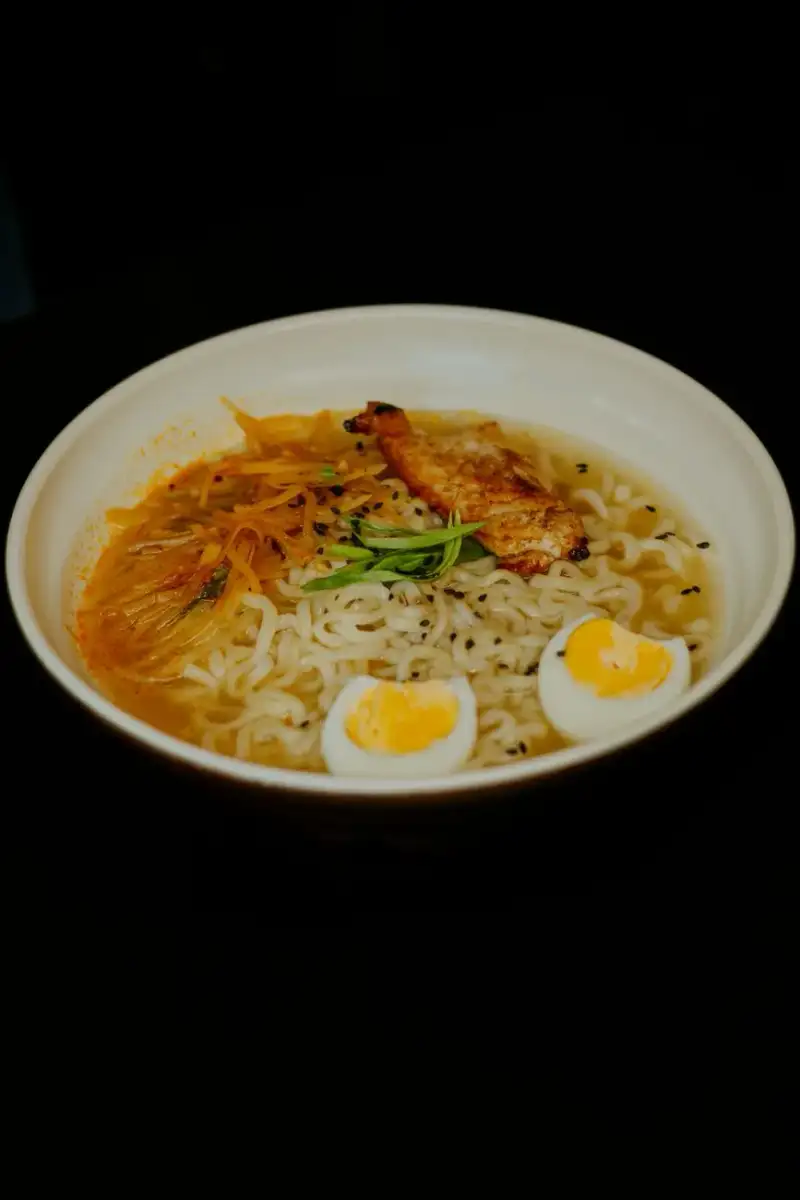
-
 Kenji Sato
 - 15 Jul, 2026 18:22
Japanese Ramen: The Ultimate Guide to Regional Styles, Secret Broths, and How to Make Them at Home
Introduction Few dishes in the world evoke the same level of passion, precision, and cultural pride as Japanese ramen. Born in the bustling streets of Tokyo in the early 20th century, ramen has evolved from a humble noodle soup to a global phenomenon, celebrated for its deep flavors, regional diversity, and artisanal craftsmanship. But what truly sets ramen apart is its regional soul—each prefecture in Japan boasts its own signature style, defined by unique broths, noodles, and toppings that reflect local ingredients and traditions. At the heart of ramen’s allure lies its broth, a meticulously crafted elixir that can take days—or even weeks—to perfect. From the rich, creamy tonkotsu of Fukuoka to the delicate, soy-based shoyu of Tokyo, the broth is the foundation of every bowl. Yet, despite its ubiquity, ramen remains shrouded in mystery for many outside Japan. How does a simple combination of water, bones, and seasonings transform into a bowl of pure umami? What are the secrets behind the regional variations that make ramen so endlessly fascinating? In this deep dive, we’ll explore the geography of ramen, uncover the science and tradition behind its broths, and provide step-by-step guidance on how to recreate these iconic flavors at home. Whether you’re a seasoned ramen enthusiast or a curious newcomer, prepare to embark on a journey through Japan’s noodle landscape—one slurp at a time.The Geography of Ramen: A Tour of Japan’s Iconic Regional Styles Japanese ramen is a culinary map of Japan, with each region offering a distinct interpretation of the dish. These variations are not arbitrary; they are deeply rooted in local history, climate, and available ingredients. Understanding these regional styles is the first step in appreciating ramen’s true diversity. Hokkaido: The Birthplace of Miso Ramen Hokkaido, Japan’s northernmost island, is famous for its miso ramen, a hearty and robust style that emerged in the 1950s. The cold climate of Hokkaido inspired locals to create a rich, warming broth that could stand up to the region’s harsh winters. The key ingredient? Fermented soybean paste, or miso, which lends the broth its deep, savory flavor and characteristic brown hue. Sapporo, Hokkaido’s capital, is the epicenter of miso ramen. The broth is typically made by simmering chicken, pork, or fish bones with vegetables and miso paste, resulting in a thick, almost paste-like consistency. Toppings often include corn, butter, bean sprouts, and chashu (braised pork belly), adding layers of texture and flavor. The noodles are thick and curly, designed to cling to the rich broth. Fukuoka: The Tonkotsu Powerhouse Fukuoka, located on the southern island of Kyushu, is the home of tonkotsu ramen, one of the most famous and labor-intensive styles in Japan. Unlike other broths that rely on a combination of bones and vegetables, tonkotsu is made exclusively from pork bones, which are simmered for up to 18 hours to extract collagen and gelatin. The result is a thick, creamy, and opaque broth that coats the noodles in a velvety embrace. The secret to Fukuoka’s tonkotsu lies in the emulsification process. As the bones cook, the fat and collagen break down and combine with the broth, creating a rich, almost milk-like consistency. This style is often served with thin, straight noodles and topped with pickled ginger, green onions, and sesame seeds. The intense umami and fatty richness make tonkotsu ramen a favorite among ramen purists. Tokyo: The Classic Shoyu Ramen Tokyo’s shoyu ramen is the quintessential representation of the dish’s urban roots. Shoyu, or soy sauce, is the dominant seasoning, lending the broth a balanced blend of salty, sweet, and tangy notes. The broth is typically made from a combination of chicken and pork bones, simmered with vegetables and soy sauce to create a clear, amber-colored liquid. Tokyo’s shoyu ramen is known for its simplicity and elegance. The noodles are thin and straight, designed to let the broth shine. Toppings are minimal but impactful, often including chashu, menma (fermented bamboo shoots), nori (seaweed), and a soft-boiled egg. The result is a harmonious bowl where every ingredient complements the others without overpowering the broth. Osaka: The Shio Ramen Tradition Osaka, Japan’s second-largest city, is famous for its shio ramen, or salt ramen. Unlike other styles that rely on soy sauce or miso for flavor, shio ramen uses salt as its primary seasoning, resulting in a light, clear broth that highlights the natural flavors of the ingredients. The broth is typically made from chicken or pork bones, simmered with vegetables and salt to create a delicate, refreshing base. Shio ramen is often served with thin, straight noodles and topped with ingredients like chashu, spinach, and a soft-boiled egg. The simplicity of the broth makes it a versatile style, allowing for a wide range of toppings and regional variations. In Osaka, shio ramen is a staple of the city’s culinary identity, reflecting its reputation for hearty yet balanced flavors. Kyoto: The Kyoto-style Ramen Kyoto, known for its refined cuisine, offers a unique take on ramen with its Kyoto-style ramen. This style is characterized by a light, soy-based broth that is simmered with vegetables and sometimes fish or seafood. The noodles are thin and straight, designed to complement the delicate flavors of the broth. Kyoto-style ramen often includes toppings like chashu, menma, and nori, but it can also feature more unusual ingredients like pickled plum or grated ginger. The result is a bowl that is both comforting and sophisticated, reflecting Kyoto’s reputation as a city of tradition and elegance.The Science of Ramen Broth: Decoding the Secrets Behind the Flavors At the heart of every bowl of ramen lies its broth, a complex and deeply flavorful liquid that is the result of science, patience, and tradition. The broth is not just a soup base; it is a carefully crafted elixir that balances umami, fat, acidity, and sweetness to create a harmonious whole. Understanding the science behind ramen broth is essential for both appreciating and recreating it at home. The Four Pillars of Ramen Broth Ramen broth can be broadly categorized into four main types: shio (salt), shoyu (soy sauce), miso (fermented soybean paste), and tonkotsu (pork bone). Each type relies on different ingredients and techniques to achieve its signature flavor profile.Shio Ramen Broth Shio ramen broth is the simplest of the four, relying on salt as its primary seasoning. The broth is typically made by simmering chicken or pork bones with vegetables like onions, carrots, and celery, then seasoning with salt to taste. The key to a good shio broth is balance—too much salt can overpower the natural flavors of the ingredients, while too little can leave the broth bland. The science behind shio broth lies in the Maillard reaction, a chemical process that occurs when proteins and sugars are heated, resulting in the browning and caramelization of the broth. This reaction not only enhances the flavor but also contributes to the broth’s color and aroma.Shoyu Ramen Broth Shoyu ramen broth is made by simmering chicken and pork bones with soy sauce, which adds depth, umami, and a characteristic dark color. The soy sauce is typically added toward the end of the cooking process to preserve its flavor and prevent it from becoming bitter. The umami in shoyu broth comes from glutamates, which are naturally present in soy sauce and bones. When combined with the acidity of the soy sauce, these glutamates create a complex, savory flavor that is both rich and balanced. The acidity also helps to cut through the fat in the broth, making it lighter and more refreshing.Miso Ramen Broth Miso ramen broth is made by simmering chicken, pork, or fish bones with miso paste, which adds a deep, fermented flavor and a thick, almost paste-like consistency. The miso paste is typically added toward the end of the cooking process to preserve its probiotic benefits and prevent it from breaking down. The science behind miso broth lies in fermentation. Miso is made by fermenting soybeans with salt and koji (a type of fungus), which breaks down the proteins and carbohydrates into simpler compounds like amino acids and sugars. These compounds contribute to the broth’s umami, sweetness, and complexity.Tonkotsu Ramen Broth Tonkotsu ramen broth is the most labor-intensive of the four, requiring up to 18 hours of simmering to extract collagen and gelatin from pork bones. The result is a thick, creamy, and opaque broth that coats the noodles in a velvety embrace. The science behind tonkotsu broth lies in the emulsification of fat and water. As the bones cook, the fat and collagen break down and combine with the broth, creating a stable emulsion that gives the broth its characteristic creaminess. This emulsion is what sets tonkotsu apart from other broths and makes it so rich and satisfying.The Role of Umami in Ramen Broth Umami is the fifth taste, alongside sweet, sour, salty, and bitter. It is the savory, meaty flavor that makes ramen broth so addictive. Umami in ramen broth comes from a variety of sources, including:Glutamates: Naturally present in ingredients like soy sauce, miso, and bones. Nucleotides: Found in fish, seafood, and meat, which enhance the umami flavor. Aged Ingredients: Fermented ingredients like miso and soy sauce develop deeper umami flavors over time.The combination of these compounds creates a broth that is not just salty or savory but deeply complex and satisfying. The Art of Skimming and Clarifying Broth One of the most important steps in making ramen broth is skimming and clarifying. As the broth simmers, impurities like fat, foam, and blood rise to the surface. Skimming these impurities off the top ensures a clear, clean broth that is free of bitterness and off-flavors. Clarifying the broth involves straining it through a fine-mesh sieve or cheesecloth to remove any remaining solids. This step is crucial for achieving a smooth, velvety texture that allows the flavors of the broth to shine.Noodles, Toppings, and the Art of Assembly: Crafting the Perfect Bowl No ramen bowl is complete without its noodles and toppings, which are just as important as the broth in defining the dish’s character. The noodles provide texture and structure, while the toppings add layers of flavor, color, and contrast. Together, they create a harmonious whole that is greater than the sum of its parts. The Anatomy of Ramen Noodles Ramen noodles are made from four main ingredients: wheat flour, water, salt, and kansui (alkaline mineral water). The kansui gives the noodles their signature chewiness and springiness, as well as their slightly yellow hue. The type of noodle used can vary depending on the regional style of ramen:Thin and Straight: Common in Tokyo-style shoyu ramen, these noodles are designed to let the broth shine. Thick and Curly: Found in Hokkaido’s miso ramen, these noodles cling to the rich broth and provide a satisfying bite. Medium and Wavy: Typical of Fukuoka’s tonkotsu ramen, these noodles have a balance of chew and texture that complements the creamy broth.The texture of ramen noodles is just as important as their shape. A good bowl of ramen should have noodles that are firm yet tender, with a slight resistance when bitten into. Overcooked noodles can turn mushy and lose their integrity, while undercooked noodles can be unpleasantly chewy. The Essential Toppings Toppings are where ramen truly becomes a canvas for creativity. While some toppings are universal, others are specific to certain regional styles. Here are some of the most common and iconic toppings:Chashu (Braised Pork Belly) Chashu is perhaps the most iconic ramen topping, made by slow-cooking pork belly in a sweet and savory marinade of soy sauce, mirin, sake, and sugar. The result is tender, melt-in-your-mouth meat that pairs perfectly with the broth. Chashu is typically sliced thinly and arranged neatly on top of the noodles.Ajitsuke Tamago (Seasoned Soft-Boiled Egg) Ajitsuke tamago is a marinated soft-boiled egg that adds a creamy, rich element to the bowl. The eggs are typically marinated in a mixture of soy sauce, mirin, and dashi, which gives them a glossy, umami-packed exterior. The yolk should be slightly runny, providing a luxurious contrast to the other toppings.Menma (Fermented Bamboo Shoots) Menma are fermented bamboo shoots that add a crunchy, slightly tangy texture to the bowl. They are made by simmering bamboo shoots in a mixture of soy sauce, sugar, and spices, then fermenting them for several days. Menma is a staple topping in Tokyo-style shoyu ramen.Nori (Seaweed) Nori is a type of dried seaweed that adds a briny, umami-rich flavor to the bowl. It is typically toasted and cut into thin strips before being placed on top of the noodles. Nori is a key topping in both shoyu and shio ramen.Negi (Green Onions) Negi, or green onions, add a fresh, sharp contrast to the rich broth. They are typically sliced thinly and scattered on top of the noodles just before serving. The green parts are used for garnish, while the white parts can be added to the broth for extra flavor.Corn Corn is a signature topping in Hokkaido’s miso ramen, adding a touch of sweetness and crunch. It is typically boiled or grilled before being placed on top of the noodles.Kikurage (Wood Ear Mushrooms) Kikurage are thin, delicate mushrooms that add a chewy texture and earthy flavor to the bowl. They are typically rehydrated and simmered in the broth before being placed on top of the noodles.The Art of Assembly Assembling a bowl of ramen is a delicate balance of flavors, textures, and temperatures. Here’s a step-by-step guide to crafting the perfect bowl:Prepare the Broth Start by heating the broth to a gentle simmer. The broth should be hot but not boiling, as boiling can cause the fat to separate and the flavors to become muddy.Cook the Noodles Cook the noodles according to the package instructions, but aim for them to be slightly undercooked. Ramen noodles continue to cook in the hot broth, so it’s important to account for this carryover cooking.Assemble the Bowl Place the cooked noodles in a deep bowl. Ladle the hot broth over the noodles, ensuring that they are fully submerged. Arrange the toppings on top of the noodles in an aesthetically pleasing manner.Garnish and Serve Garnish the bowl with any remaining toppings, such as green onions, sesame seeds, or chili oil. Serve the bowl immediately, while the broth is still hot and the noodles are at their peak texture.Making Ramen at Home: A Step-by-Step Guide to Authentic Flavors While there’s no substitute for a bowl of ramen from a Michelin-starred shop in Tokyo, making ramen at home is a rewarding and delicious endeavor. With the right techniques and ingredients, you can recreate the flavors of Japan in your own kitchen. Here’s a step-by-step guide to making authentic ramen at home. Step 1: Choose Your Broth Style The first step in making ramen at home is choosing the broth style that appeals to you. Each style has its own unique flavor profile and requires different ingredients and techniques. Here’s a quick guide to help you decide:Broth Style Key Ingredients Cooking Time Flavor ProfileShio Chicken/pork bones, salt, vegetables 6-8 hours Light, clear, saltyShoyu Chicken/pork bones, soy sauce, vegetables 6-8 hours Rich, savory, balancedMiso Chicken/pork/fish bones, miso paste, vegetables 4-6 hours Thick, fermented, umami-richTonkotsu Pork bones 12-18 hours Creamy, opaque, fattyStep 2: Prepare the Broth Once you’ve chosen your broth style, it’s time to prepare it. Here’s a general method for making ramen broth at home:Blanch the Bones If using pork or chicken bones, blanch them in boiling water for 5-10 minutes to remove impurities. This step is crucial for achieving a clear, clean broth.Simmer the Broth Transfer the blanched bones to a large pot and cover with cold water. Bring to a boil, then reduce to a gentle simmer. Skim off any foam or impurities that rise to the surface.Add Aromatics After 1-2 hours of simmering, add aromatics like onions, carrots, celery, garlic, and ginger. These ingredients will infuse the broth with flavor.Season the Broth Once the broth is fully cooked, season it with your chosen seasoning (salt, soy sauce, miso, etc.). For shoyu broth, add soy sauce toward the end of cooking to preserve its flavor. For miso broth, add miso paste at the very end to preserve its probiotic benefits.Strain and Clarify Strain the broth through a fine-mesh sieve or cheesecloth to remove any solids. This step ensures a smooth, velvety texture.Step 3: Make the Noodles While the broth is simmering, you can prepare the noodles. If you’re making noodles from scratch, here’s a basic recipe:Mix the Dough Combine 2 cups of bread flour, 1/2 teaspoon of salt, 1/2 teaspoon of kansui (or substitute with 1/2 teaspoon of baking soda), and 3/4 cup of water. Knead the dough until smooth and elastic.Rest the Dough Wrap the dough in plastic wrap and let it rest at room temperature for 30 minutes.Roll and Cut the Noodles Roll the dough out into a thin sheet, then cut it into thin strips using a pasta machine or sharp knife. For ramen noodles, aim for a thickness of about 1-2 mm.Cook the Noodles Cook the noodles in boiling water for 1-2 minutes, or until al dente. Drain and rinse under cold water to stop the cooking process.Step 4: Prepare the Toppings While the broth and noodles are cooking, prepare the toppings. Here are some recipes for classic ramen toppings:Chashu1 lb pork belly 1/2 cup soy sauce 1/2 cup mirin 1/2 cup sake 1/4 cup sugar 4 cloves garlic, smashed 1-inch piece of ginger, sliced Combine all ingredients in a pot and bring to a simmer. Reduce heat and cook for 2-3 hours, or until the pork is tender. Slice thinly and serve.Ajitsuke Tamago4 eggs 1/2 cup soy sauce 1/2 cup mirin 1/2 cup dashi 1 tablespoon sugar Combine soy sauce, mirin, dashi, and sugar in a saucepan and bring to a simmer. Reduce heat and let cool slightly. Peel the eggs and marinate in the sauce for at least 4 hours.Menma1 lb bamboo shoots 1/4 cup soy sauce 2 tablespoons sugar 1 tablespoon mirin Simmer bamboo shoots in a mixture of soy sauce, sugar, and mirin for 30-45 minutes. Drain and slice thinly.Step 5: Assemble the Bowl Once all the components are ready, it’s time to assemble the bowl. Here’s how to do it:Cook the Noodles Cook the noodles according to the package instructions, then drain and rinse under cold water.Heat the Broth Heat the broth to a gentle simmer.Assemble the Bowl Place the cooked noodles in a deep bowl. Ladle the hot broth over the noodles, ensuring that they are fully submerged. Arrange the toppings on top of the noodles in an aesthetically pleasing manner.Garnish and Serve Garnish the bowl with any remaining toppings, such as green onions, sesame seeds, or chili oil. Serve the bowl immediately, while the broth is still hot and the noodles are at their peak texture.The Global Ramen Revolution: Trends, Challenges, and the Future of Noodles Ramen’s journey from a humble street food to a global phenomenon is a testament to its universal appeal. Today, ramen is enjoyed in every corner of the world, from high-end restaurants in New York and London to street stalls in Bangkok and Seoul. But as ramen continues to evolve, it faces both opportunities and challenges in the global market. The Rise of Ramen Outside Japan The global ramen revolution began in the 1970s, when instant ramen became a staple in households around the world. Brands like Nissin and Maruchan introduced millions of people to the convenience and comfort of ramen, albeit in a simplified form. However, it wasn’t until the 2000s that authentic, artisanal ramen began to gain traction outside Japan. Today, ramen shops can be found in major cities across the globe, from Tokyo-style shoyu ramen in Los Angeles to tonkotsu ramen in Melbourne. These shops cater to both Japanese expats and local food enthusiasts, offering a taste of Japan’s noodle culture. The rise of social media has also played a significant role in ramen’s global popularity, with food bloggers and influencers sharing their ramen adventures with millions of followers. The Challenges of Authenticity One of the biggest challenges facing ramen outside Japan is the issue of authenticity. Many restaurants claim to serve "authentic" ramen, but the reality is often far from the truth. Factors like ingredient quality, cooking techniques, and cultural understanding can all impact the final product. For example, tonkotsu ramen requires up to 18 hours of simmering to achieve its signature creaminess. Many restaurants outside Japan cut corners by using pre-made broths or shortcuts like pressure cooking, which can result in a broth that lacks depth and complexity. Similarly, the use of low-quality noodles or toppings can detract from the overall experience. To address these challenges, some ramen chefs outside Japan have turned to training in Japan or collaborating with Japanese masters to ensure their dishes are as authentic as possible. Others have embraced innovation, creating fusion styles that blend Japanese techniques with local ingredients and flavors. The Future of Ramen As ramen continues to evolve, several trends are shaping its future:Healthier Options With growing awareness of dietary preferences and restrictions, many ramen shops are offering healthier options, such as gluten-free noodles, vegan broths, and low-sodium seasonings. These adaptations make ramen more accessible to a wider audience without compromising on flavor.Sustainability Sustainability is becoming an increasingly important factor in the food industry, and ramen is no exception. Chefs and restaurants are exploring ways to reduce waste, such as using locally sourced ingredients, composting food scraps, and minimizing plastic packaging.Fusion and Innovation While authenticity remains important, many chefs are experimenting with fusion styles that blend Japanese techniques with local flavors. For example, ramen shops in the United States might incorporate ingredients like pulled pork, avocado, or sriracha to appeal to local tastes.Technology and Convenience The rise of food delivery apps and meal kits has made ramen more accessible than ever. Companies like Sun Noodle and My Ramen Bar are offering pre-made broths, noodles, and toppings that can be assembled at home, allowing people to enjoy restaurant-quality ramen without leaving their kitchens.The Role of Research in Ramen’s Evolution Research plays a crucial role in the evolution of ramen, both in Japan and abroad. Studies on food science, nutrition, and culinary techniques help chefs and food scientists understand the intricacies of ramen and develop new ways to improve it. For example, research on the Maillard reaction has led to innovations in broth clarification, while studies on fermentation have deepened our understanding of miso and soy sauce. One such study, titled "Feasibility and Challenges of Introducing Authentic Sanuki Udon Internationally," explores the business and marketing challenges of bringing traditional Japanese noodle dishes to a global audience. While the study focuses on udon rather than ramen, its insights are applicable to the ramen industry as well. Key challenges include ingredient sourcing, cultural adaptation, and competition from local noodle dishes. By addressing these challenges, ramen chefs and food scientists can ensure that the dish remains both authentic and relevant in an ever-changing culinary landscape.Conclusion Japanese ramen is more than just a dish—it’s a cultural phenomenon, a culinary art form, and a testament to the power of tradition and innovation. From the rich, creamy tonkotsu of Fukuoka to the delicate, soy-based shoyu of Tokyo, each regional style offers a unique window into Japan’s diverse culinary landscape. The broth, the noodles, and the toppings all come together to create a harmonious whole that is greater than the sum of its parts. Making ramen at home is a rewarding experience that allows you to explore the depths of this iconic dish. Whether you’re simmering a pot of tonkotsu broth for 18 hours or carefully arranging toppings on a bowl of noodles, every step is an opportunity to connect with the craftsmanship and passion that define ramen. As ramen continues to evolve on the global stage, it faces both challenges and opportunities. Authenticity, sustainability, and innovation will shape its future, ensuring that it remains a beloved dish for generations to come. Whether you’re a seasoned ramen enthusiast or a curious newcomer, there’s never been a better time to dive into the world of Japanese ramen. So, grab your chopsticks, slurp loudly, and savor every bite. After all, as the Japanese say, "Ramen wa jinsei da"—ramen is life.#Hashtags #RamenLover #JapaneseCuisine #NoodleArt #UmamiBomb #FoodieAdventure Related InsightsKale and Grilled Chicken Caesar Salad with Greek Yogurt Dressing: A High Protein Delight Unlock the Secrets of Craft Beer: Your Step-by-Step Guide to Brewing at Home Like a Pro Kimchi's Untold Saga: Unearthing the Fermented Superfoods Beyond the Cabbage You Thought You Knew{ "@context": "https://schema.org", "@type": "FAQPage", "mainEntity": [ { "@type": "Question", "name": "What is the main focus of Japanese Ramen: The Ultimate Guide to Regional Styles, Secret Broths, and How to Make Them at Home?", "acceptedAnswer": { "@type": "Answer", "text": "Discover the rich diversity of Japanese ramen, from Hokkaido’s miso broth to Tokyo’s classic shoyu, and learn how to recreate authentic flavors at home." } }, { "@type": "Question", "name": "Who authored the comprehensive guide on Japanese Ramen: The Ultimate Guide to Regional Styles, Secret Broths, and How to Make Them at Home?", "acceptedAnswer": { "@type": "Answer", "text": "This detailed article and its insights were carefully researched and authored by Kenji Sato." } }, { "@type": "Question", "name": "Where can I find more related content about Food?", "acceptedAnswer": { "@type": "Answer", "text": "You can explore more articles, detailed reviews, and similar insights by browsing the Related Insights section at the bottom of this article or visiting our dedicated Food category page." } } ] }

-
 Claire Beaufort
 - 15 Jul, 2026 17:24
Soulbound Tokens (SBTs): The Web3 Identity Revolution That Will Rewrite Trust and Reputation
Soulbound Tokens (SBTs): The Web3 Identity Revolution That Will Rewrite Trust and Reputation The internet was built on pseudonymity. From early forums to modern social media, users have hidden behind usernames, avatars, and disposable accounts. But as digital life becomes indistinguishable from real life, the need for verifiable identity has never been greater. Enter Soulbound Tokens (SBTs)—a radical new paradigm for digital identity and reputation that binds credentials directly to individuals, not platforms. Unlike fungible tokens like Bitcoin or Ethereum, SBTs are non-transferable, non-fungible tokens designed to represent immutable, verifiable attributes: education, work history, certifications, social ties, and even behavioral reputation. They are the missing link between decentralized systems and trust. SBTs are not just a theoretical concept. They are being actively developed by teams at Ethereum Foundation, Worldcoin, and academic researchers at institutions like Stanford and MIT. The arXiv paper "Do AI Agents Know When a Task Is Simple?" highlights a critical insight: agents often over-consume resources by re-reading unnecessary data—mirroring how traditional identity systems over-collect and over-share personal information. Meanwhile, "Software Supply Chains are Dead" argues that trust in external dependencies is eroding, and local, verifiable synthesis is the future. SBTs embody this shift: they eliminate reliance on centralized authorities and external APIs by embedding identity directly into the user’s digital soul—their wallet. In this article, we dissect SBTs from first principles: their cryptographic foundations, real-world use cases, and the technical architecture that makes them tamper-proof. We’ll explore how SBTs integrate with zero-knowledge proofs (ZKPs), decentralized identifiers (DIDs), and verifiable credentials (VCs), and we’ll provide executable code snippets to demonstrate their deployment. Whether you're a developer, researcher, or enterprise leader, this guide will equip you with the tools to build or adopt SBTs in your Web3 identity stack.What Are Soulbound Tokens (SBTs)? A Deep Dive into Non-Transferable Identity At their core, Soulbound Tokens are a class of non-fungible tokens (NFTs) that cannot be transferred, sold, or delegated. The term "soulbound" originates from the MMORPG World of Warcraft, where items bound to a player’s character cannot be traded. In Web3, this concept is repurposed to represent identity-bound data: credentials that are inseparable from the individual. The Anatomy of an SBT An SBT is a structured token that adheres to the ERC-721 or ERC-1155 standard but includes critical constraints:Non-Transferability: The transfer function is either disabled or restricted to the token issuer (e.g., a university issuing a degree SBT). Immutability: Once minted, the SBT’s metadata (e.g., issuer, recipient, attributes) cannot be altered. Revocation Mechanism: Issuers can revoke SBTs if credentials are invalidated (e.g., a fraudulent certification). Verifiable Credentials: SBTs embed cryptographic proofs (e.g., signatures, ZKPs) to validate authenticity without revealing unnecessary data.SBTs vs. Traditional NFTs and Verifiable CredentialsFeature Soulbound Tokens (SBTs) Traditional NFTs Verifiable Credentials (VCs)Transferability ❌ Non-transferable ✅ Transferable ❌ Bound to identityIssuer Control ✅ Full control ❌ Limited ✅ Issuer-definedPrivacy ✅ ZKP-compatible ❌ Public ✅ Selective disclosureUse Case Identity, reputation Art, collectibles Education, certificationsSBTs bridge the gap between NFTs and VCs by combining the programmability of smart contracts with the privacy-preserving properties of decentralized identity (DID) standards. Cryptographic Foundations: How SBTs Work SBTs rely on three key cryptographic primitives:Decentralized Identifiers (DIDs): A DID is a globally unique identifier (e.g., did:ethr:0x123...) that resolves to a DID Document containing public keys and service endpoints. SBTs are linked to a user’s DID. Verifiable Credentials (VCs): A VC is a tamper-evident credential (e.g., a diploma) signed by an issuer. SBTs encode VCs on-chain, making them publicly verifiable. Zero-Knowledge Proofs (ZKPs): ZKPs allow users to prove possession of an SBT (e.g., "I have a PhD from MIT") without revealing the SBT’s contents. This is critical for privacy in reputation systems.Example: Minting an SBT in Solidity Below is a minimal ERC-721-compliant SBT smart contract that enforces non-transferability: // SPDX-License-Identifier: MIT pragma solidity ^0.8.0;import "@openzeppelin/contracts/token/ERC721/ERC721.sol"; import "@openzeppelin/contracts/access/Ownable.sol";contract SoulboundToken is ERC721, Ownable { uint256 private _tokenIdCounter; mapping(uint256 => address) private _tokenOwners; constructor() ERC721("SoulboundToken", "SBT") {} // Override transfer functions to disable transfers function _beforeTokenTransfer( address from, address to, uint256 tokenId ) internal virtual override { require(from == address(0) || to == address(0), "SBT: token transfer not allowed"); super._beforeTokenTransfer(from, to, tokenId); } // Mint a new SBT (only callable by issuer) function mintSoulboundToken(address to, string memory tokenURI) public onlyOwner { _tokenIdCounter++; _safeMint(to, _tokenIdCounter); _setTokenURI(_tokenIdCounter, tokenURI); _tokenOwners[_tokenIdCounter] = to; } // Revoke an SBT (only callable by issuer) function revokeSoulboundToken(uint256 tokenId) public onlyOwner { _burn(tokenId); } }Key Observations:The _beforeTokenTransfer function overrides ERC-721’s transfer logic to prevent transfers. Only the contract owner (issuer) can mint or revoke SBTs. The tokenURI can point to an IPFS-hosted JSON file containing the SBT’s metadata (e.g., issuer, recipient, attributes).SBTs in Action: Use Cases That Redefine Trust SBTs are not just theoretical constructs—they are being deployed in real-world scenarios where trust, reputation, and identity matter. Below are five transformative use cases, each backed by emerging projects and academic research. 1. Decentralized Education and Professional Credentials Universities and certification bodies are exploring SBTs to issue tamper-proof diplomas and certifications. Unlike paper degrees or PDF certificates, SBTs are:Verifiable: Anyone can check the SBT’s authenticity on-chain. Tamper-proof: The SBT’s metadata is immutable. Privacy-preserving: Users can share selective attributes (e.g., "I have a degree") without revealing the full transcript.Example: MIT’s SBT Pilot MIT’s Digital Diploma project uses SBTs to issue blockchain-based diplomas. Students receive an SBT that:Contains a cryptographic hash of their diploma. Is linked to their DID. Can be shared with employers via a QR code.Code Snippet: Verifying an SBT with Python from web3 import Web3 from eth_account import Account# Connect to Ethereum (e.g., Infura) w3 = Web3(Web3.HTTPProvider('https://mainnet.infura.io/v3/YOUR_API_KEY'))# SBT Contract ABI (simplified) sbt_abi = [ { "inputs": [{"internalType": "uint256", "name": "tokenId", "type": "uint256"}], "name": "ownerOf", "outputs": [{"internalType": "address", "name": "", "type": "address"}], "stateMutability": "view", "type": "function" }, { "inputs": [{"internalType": "uint256", "name": "tokenId", "type": "uint256"}], "name": "tokenURI", "outputs": [{"internalType": "string", "name": "", "type": "string"}], "stateMutability": "view", "type": "function" } ]# SBT Contract Address (e.g., MIT's SBT contract) sbt_address = "0x123...abc" contract = w3.eth.contract(address=sbt_address, abi=sbt_abi)# Check if a user owns an SBT token_id = 1 owner = contract.functions.ownerOf(token_id).call() print(f"Owner of SBT {token_id}: {owner}")# Fetch SBT metadata (e.g., from IPFS) token_uri = contract.functions.tokenURI(token_id).call() print(f"SBT Metadata URI: {token_uri}")2. Reputation Systems for DAOs and Gig Economies Decentralized Autonomous Organizations (DAOs) and gig platforms (e.g., freelance marketplaces) struggle with sybil attacks and fake reviews. SBTs solve this by:Binding reputation to identity: A user’s SBT represents their work history, skills, and contributions. Preventing sybil attacks: Since SBTs are non-transferable, users cannot create multiple identities to game the system. Enabling selective disclosure: Users can prove they have a certain skill (e.g., "I’ve contributed to 10 open-source projects") without revealing their entire work history.Example: Gitcoin Passport Gitcoin Passport uses SBTs to represent "stamps" (credentials) from trusted issuers (e.g., BrightID, Proof of Humanity). These stamps are:Non-transferable. Verifiable via ZKPs. Used to gate access to funding rounds or bounties.3. Healthcare and Medical Records Healthcare is a prime candidate for SBTs due to:Privacy: Patients can share medical records selectively (e.g., "I have a prescription for X") without revealing their entire history. Interoperability: SBTs can be linked to a patient’s DID, enabling cross-institution data sharing. Fraud prevention: SBTs can represent vaccinations, prescriptions, or organ donor status, preventing forgery.Example: Estonia’s e-Health SBT Pilot Estonia is testing SBTs to represent medical credentials. Patients receive SBTs for:Vaccinations. Prescriptions. Organ donor status. These SBTs are linked to the patient’s national DID and can be shared with doctors via a secure portal.4. Legal and Compliance Credentials Lawyers, accountants, and compliance professionals require verifiable credentials to practice. SBTs can represent:Bar licenses. CPA certifications. AML/KYC compliance.Example: Wyoming’s SBT for Legal Practice Wyoming has passed legislation allowing SBTs to represent legal credentials. Lawyers receive SBTs that:Are issued by the state bar association. Are non-transferable. Can be verified by courts or clients.5. Social Graphs and Trust Networks SBTs can encode social relationships (e.g., "I am a friend of Alice") without revealing the entire social graph. This is useful for:Decentralized social networks (e.g., Lens Protocol). Reputation systems (e.g., "I trust this user’s reviews"). Collaborative filtering (e.g., "Users like me also liked X").Example: Lens Protocol’s SBT Integration Lens Protocol uses SBTs to represent "follow" relationships. Users receive SBTs for:Following other users. Collecting publications. These SBTs are non-transferable and can be used to curate personalized feeds.Technical Architecture: Building SBTs with Zero-Knowledge Proofs To achieve privacy and scalability, SBTs often integrate with Zero-Knowledge Proofs (ZKPs). ZKPs allow users to prove possession of an SBT without revealing its contents. For example, a user can prove they have a PhD from MIT without revealing their name or graduation year. ZKP Workflow for SBTsIssuance: An issuer (e.g., MIT) mints an SBT for a user, embedding a ZKP-friendly credential (e.g., a Merkle proof of their degree). Proof Generation: The user generates a ZKP proving they possess the SBT (e.g., "I have a degree from MIT"). Verification: A verifier (e.g., an employer) checks the ZKP without seeing the SBT’s contents.Example: SBT with ZKP in Circom Below is a minimal example using Circom (a ZKP language) to create a proof of SBT ownership: // SBT ZKP Circuit (simplified) template SBTOwner() { signal input sbtId; signal input userAddress; signal output isOwner; // Hardcoded SBT ID (in practice, this would be a public parameter) signal constant validSbtId = 123; // Hardcoded user address (in practice, this would be a public parameter) signal constant validUserAddress = 0x123...abc; isOwner <== (sbtId === validSbtId) && (userAddress === validUserAddress); }component main = SBTOwner();Key Components:sbtId: The SBT’s token ID. userAddress: The user’s wallet address. isOwner: Outputs 1 if the user owns the SBT, 0 otherwise.Generating and Verifying the Proof To generate and verify the proof, you would use a ZKP library like snarkjs: # Compile the circuit circom sbt_owner.circom --r1cs --wasm# Generate witness node generate_witness.js sbt_owner.wasm input.json witness.wtns# Generate ZKP snarkjs groth16 prove sbt_owner.zkey witness.wtns proof.json public.json# Verify ZKP snarkjs groth16 verify verification_key.json public.json proof.jsonPrivacy-Preserving Reputation with ZKPs To implement a privacy-preserving reputation system, you can combine SBTs with ZKPs to prove:"I have completed 10 tasks in this DAO." "My average rating is above 4.5 stars." "I have contributed to 5 open-source projects."Example: Reputation ZKP Circuit template ReputationProof() { signal input taskCount; signal input avgRating; signal input projectCount; // Thresholds (e.g., "completed 10 tasks") signal constant minTaskCount = 10; signal constant minAvgRating = 4.5; signal constant minProjectCount = 5; // Output: 1 if reputation is valid, 0 otherwise signal output isValid; isValid <== (taskCount >= minTaskCount) && (avgRating >= minAvgRating) && (projectCount >= minProjectCount); }component main = ReputationProof();Integration with Ethereum and IPFS To deploy SBTs with ZKPs on Ethereum:Store SBT metadata on IPFS: The SBT’s tokenURI points to an IPFS file containing the ZKP parameters. Use a ZKP verifier contract: The contract verifies the ZKP on-chain. Use a relayer: For gas efficiency, users can submit ZKPs via a relayer (e.g., using EIP-4337).Example: ZKP Verifier Contract // SPDX-License-Identifier: MIT pragma solidity ^0.8.0;import "@openzeppelin/contracts/utils/cryptography/ECDSA.sol";contract ZKPVerifier { using ECDSA for bytes32; // Verification key (simplified) bytes32 public constant VERIFICATION_KEY = keccak256("VERIFICATION_KEY"); // Verify a ZKP function verifyProof( bytes memory proof, bytes memory publicSignals ) public view returns (bool) { // In practice, this would use a ZKP library like snarkjs // Here, we simulate verification bytes32 hash = keccak256(abi.encodePacked(proof, publicSignals)); return hash == VERIFICATION_KEY; } }Challenges and Limitations: The Roadblocks to SBT Adoption While SBTs hold immense promise, they face several technical, social, and regulatory challenges. 1. Wallet Management and Key Loss SBTs are bound to a user’s wallet. If the user loses their private key or seed phrase, they lose access to their SBTs. This is a critical issue for mainstream adoption. Mitigations:Social recovery: Use multi-sig wallets or social recovery schemes (e.g., Argent Wallet). Hardware wallets: Store SBTs in cold storage. Account abstraction: Use EIP-4337 to enable gasless transactions and key rotation.2. Sybil Resistance and Identity Verification SBTs prevent sybil attacks by binding identity to a wallet, but they do not inherently verify that the wallet belongs to a real person. This is a problem for applications requiring strong identity (e.g., voting, legal compliance). Mitigations:Proof of Personhood (PoP): Use systems like Worldcoin, BrightID, or Proof of Humanity to issue SBTs to real humans. KYC/AML compliance: Integrate with regulated identity providers (e.g., Jumio, Onfido).3. Privacy vs. Compliance Trade-offs SBTs enable selective disclosure via ZKPs, but some applications (e.g., AML/KYC) require full transparency. Balancing privacy and compliance is a challenge. Mitigations:Selective disclosure: Use ZKPs to reveal only necessary attributes. Hybrid systems: Combine SBTs with traditional identity systems for regulated use cases.4. Scalability and Gas Costs Storing SBTs on-chain (especially with ZKPs) can be expensive. For example, a single ZKP verification on Ethereum can cost hundreds of dollars in gas fees. Mitigations:Layer 2 solutions: Use rollups (e.g., Arbitrum, Optimism) to reduce gas costs. Off-chain storage: Store SBT metadata off-chain (e.g., IPFS, Ceramic) and use on-chain anchors. Batch verification: Verify multiple ZKPs in a single transaction.5. Regulatory Uncertainty SBTs are a new technology, and regulators are still grappling with their implications. For example:GDPR compliance: SBTs are immutable, but GDPR grants users the "right to be forgotten." This is a conflict. Financial regulations: SBTs representing credentials (e.g., licenses) may fall under securities or banking laws.Mitigations:Privacy-preserving designs: Use ZKPs to minimize data exposure. Regulatory sandboxes: Work with regulators to define compliant SBT use cases.The Future of SBTs: A Trustless, Verifiable World SBTs are more than a technical innovation—they represent a philosophical shift in how we think about identity, trust, and reputation. By binding credentials directly to individuals and leveraging cryptographic proofs, SBTs eliminate the need for centralized authorities and external APIs. They enable a future where:Your digital identity is portable and verifiable. Your reputation is tamper-proof and selective. Your credentials are owned by you, not platforms.Emerging Trends and ProjectsWorldcoin’s SBT Integration: Worldcoin is exploring SBTs to represent "Proof of Personhood" credentials. Ethereum Attestation Service (EAS): EAS allows users to issue and verify attestations (similar to SBTs) on-chain. Ceramic Network: Ceramic enables decentralized data storage for SBTs, allowing users to control their identity data. Polygon ID: Polygon’s identity solution uses SBTs and ZKPs to enable privacy-preserving authentication.Code Block: Deploying an SBT with Hardhat Below is a complete example of deploying an SBT contract using Hardhat: # Install Hardhat npm install --save-dev hardhat# Initialize a Hardhat project npx hardhat init# Install dependencies npm install @openzeppelin/contracts# Create a contract file: contracts/SoulboundToken.sol # (Use the contract from earlier in this article)# Deploy the contract npx hardhat run scripts/deploy.js --network sepoliaExample deploy.js Script: const hre = require("hardhat");async function main() { const SoulboundToken = await hre.ethers.getContractFactory("SoulboundToken"); const sbt = await SoulboundToken.deploy(); await sbt.deployed(); console.log("SoulboundToken deployed to:", sbt.address); }main().catch((error) => { console.error(error); process.exitCode = 1; });Related InsightsRISC-V Revolution: How Open-Source Hardware is Challenging ARM and x86 Dominance Holographic Displays: The Silent Revolution Reshaping AR/VR, 3D Visualization, and Human-Computer Interaction AI in Robotics: How Physics-Informed Neural Networks Are Revolutionizing Humanoid Machines from Boston Dynamics to Tesla Optimus{ "@context": "https://schema.org", "@type": "FAQPage", "mainEntity": [ { "@type": "Question", "name": "What is the main focus of Soulbound Tokens (SBTs): The Web3 Identity Revolution That Will Rewrite Trust and Reputation?", "acceptedAnswer": { "@type": "Answer", "text": "Soulbound Tokens (SBTs) are redefining digital identity and reputation in Web3. Discover how SBTs enable verifiable credentials, self-sovereign identity, and trustless reputation systems using blockchain and zero-knowledge proofs." } }, { "@type": "Question", "name": "Who authored the comprehensive guide on Soulbound Tokens (SBTs): The Web3 Identity Revolution That Will Rewrite Trust and Reputation?", "acceptedAnswer": { "@type": "Answer", "text": "This detailed article and its insights were carefully researched and authored by Claire Beaufort." } }, { "@type": "Question", "name": "Where can I find more related content about Technology?", "acceptedAnswer": { "@type": "Answer", "text": "You can explore more articles, detailed reviews, and similar insights by browsing the Related Insights section at the bottom of this article or visiting our dedicated Technology category page." } } ] }


Lake Tekapo, ein atemberaubendes Gewässer in Neuseelands Südinsel, bietet eine einzigartige Kombination aus Natur, Kultur und Abenteuer. Der zweitgrößte von drei Seen, die parallel zur Nordkante des Mackenzie-Beckens verlaufen, deckt eine Fläche von 83 km² ab und liegt auf einer Höhe von 710 Metern über dem Meeresspiegel. In Māori-Kultur Der Name "Tekapo" ist eine Falschschreibung des Māori-Namens Takapō, was "in Eile über Nacht verlassen" bedeutet. Im Jahr 2021 kündigte der Mackenzie District Council an, dass er bei der Bezugnahme auf den Lake Tekapo künftig die doppelten Namen Tekapo und Takapō verwenden wird. Nach der Mythologie der Ngāi Tahu wurde der Lake Tekapo von dem Waitaha-Entdecker Rākaihautū mit seiner polynesischen Grabstange, die Tūwhakaroria genannt wurde, gegraben. Nach seiner Ankunft im Uruao-Waka in Nelson teilte Rākaihautū sein Volk in zwei Gruppen auf. Rākaihautū führte seine Gruppe durch die Mitte der Insel, wobei er die Südinsel-Seen grub. Sein Sohn, Rakihouia, führte die andere Gruppe entlang der Ostküste der Südinsel.Geografie Der See deckt eine Fläche von 83 km² ab und liegt auf einer Höhe von 710 Metern über dem Meeresspiegel. Er wird an seinem nördlichen Ende von den Flüssen Godley River und Macaulay River gespeist, die ihre Quellen in den Südalpen haben. Das Schmelzwasser aus den Südalpen wird durch den glazialen Schlamm in ein helles Türkis getaucht, was dem Lake Tekapo seine charakteristische Farbe gibt. Östlich des Lake Tekapo liegt der Two Thumb Range mit dem Mount Toby, dem Braun Elwert Peak, dem Dobson Peak und dem Mount Maude. Auf der westlichen Seite des Lake Tekapo liegt der Mount John, der dem Ort am nächsten ist, gefolgt von dem Lake Alexandrina weiter nördlich und dem Mistake Peak, der sich Richtung See befindet.Klima Lake Tekapo ist einer der sonnigsten Orte in Neuseeland, mit durchschnittlich mehr als 2.400 Sonnenstunden pro Jahr. Dark-Sky-Reservat Lake Tekapo und das umliegende Gebiet wurden 2012 als Aoraki Mackenzie International Dark Sky Reserve ausgewiesen. Das Reservat umfasst eine Fläche von 4.367 km² und ist damit das größte Dark-Sky-Reservat in der südlichen Hemisphäre. Die Anerkennung als Dark-Sky-Reservat bedeutet, dass die Nachthimmel in diesem Gebiet fast vollständig frei von Lichtverschmutzung sind und ideal für Sternenbeobachtung sind.#Hashtags: #Reisen #Neuseeland #LakeTekapo #SüdinselNeuseeland #MāoriKultur #DarkSkyReservat #Sternenbeobachtung #Natur #Abenteuer Related InsightsArctic Circle Digital Nomadism: Building Connectivity in Greenland's Remote Towns Mezquita-Catedral de Córdoba: El Corazón Omeya Le Cattedrali Sotterranee di Puglia: Un Viaggio Intimo nelle Città Rupestri delle Gravine{ "@context": "https://schema.org", "@type": "FAQPage", "mainEntity": [ { "@type": "Question", "name": "What is the main focus of 'Lake Tekapo: Ein Juwel in Neuseelands Südinsel'?", "acceptedAnswer": { "@type": "Answer", "text": "Lake Tekapo, ein atemberaubendes Gewässer in Neuseelands Südinsel, bietet eine einzigartige Kombination aus Natur, Kultur und Abenteuer." } }, { "@type": "Question", "name": "Who authored the comprehensive guide on 'Lake Tekapo: Ein Juwel in Neuseelands Südinsel'?", "acceptedAnswer": { "@type": "Answer", "text": "This detailed article and its insights were carefully researched and authored by Hans Müller." } }, { "@type": "Question", "name": "Where can I find more related content about Travel?", "acceptedAnswer": { "@type": "Answer", "text": "You can explore more articles, detailed reviews, and similar insights by browsing the Related Insights section at the bottom of this article or visiting our dedicated Travel category page." } } ] }