Showing Posts From
Cultural history
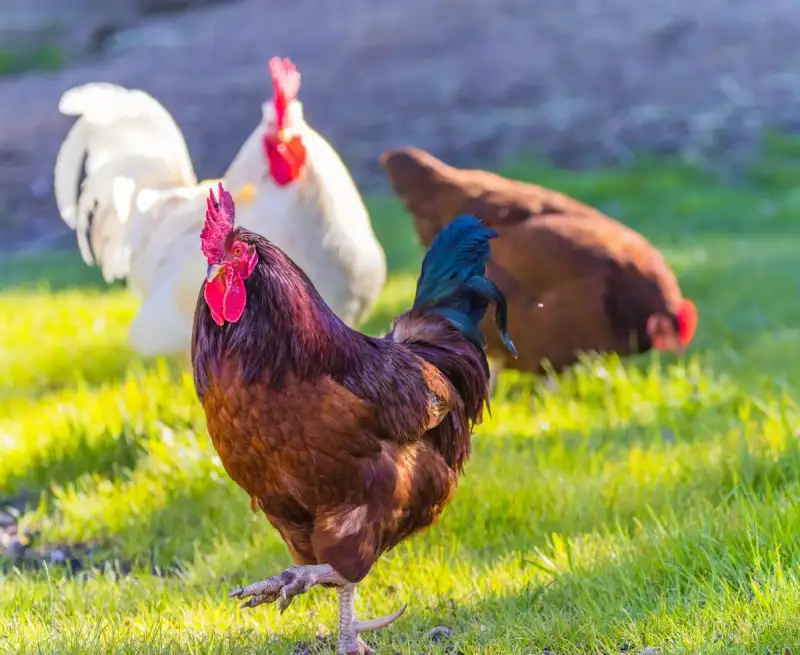

The flavors of West Africa come alive in the dish known as Chicken Yassa, a culinary masterpiece that weaves together the tanginess of onions, the tenderness of chicken, and the depth of a variety of spices. This onion stew, originating from the regions of Senegal and Gambia, is not just a meal but an experience that transports one to the vibrant markets and bustling streets of these countries. Chicken Yassa, or "Yassa de Poulet" as it's known in French, is a reflection of the cultural diversity and richness of the region, with influences from French, Portuguese, and indigenous cuisines. Introduction to Chicken Yassa Chicken Yassa is typically made with marinated chicken cooked in a flavorful onion and pepper sauce. The dish is known for its simplicity yet profound flavors, which are achieved through the use of a few key ingredients, including onions, garlic, peppers, mustard, and sometimes vegetables like cabbage or carrots. The preparation of Chicken Yassa involves marinating the chicken in a mixture of lemon juice, onions, peppers, and spices, then grilling or frying it before simmering it in the sauce made from the marinade, onions, and sometimes additional ingredients like tomatoes or potatoes. The Cultural Significance of Chicken YassaChicken Yassa holds a special place in the cultural and culinary landscapes of Senegal and Gambia. It is a dish that brings people together, often served at gatherings, parties, and even street food stalls. The recipe for Chicken Yassa has been passed down through generations, with each family adding its own unique twist and secret ingredients. This dish is not only a source of pride but also a symbol of hospitality and generosity, reflecting the warm and welcoming nature of the people of West Africa. The Flavors and Textures of Chicken YassaThe beauty of Chicken Yassa lies in its balance of flavors and textures. The onions, which are the backbone of the dish, are caramelized to bring out their natural sweetness, contrasting beautifully with the tanginess from the lemon juice and the slight bitterness from the peppers. The chicken, tender and juicy from the marinade, absorbs all the flavors of the sauce, creating a dish that is both hearty and refreshing. The addition of vegetables like cabbage or potatoes adds a delightful contrast in texture, making each bite a fascinating experience. Preparing Chicken Yassa at Home Ingredients1 1/2 pounds chicken pieces (legs, thighs, wings, breasts) 2 large onions, sliced 2 cloves of garlic, minced 1 large pepper, sliced 2 lemons, juiced 2 tablespoons mustard 2 teaspoons grated ginger 1 teaspoon ground cumin Salt and black pepper, to taste 2 tablespoons vegetable oil Optional: cabbage, carrots, potatoesInstructionsMarination: In a large bowl, combine chicken, sliced onions, garlic, pepper, lemon juice, mustard, ginger, cumin, salt, and black pepper. Mix well to coat the chicken evenly, then cover and refrigerate for at least 2 hours or overnight. Grilling or Frying the Chicken: Remove the chicken from the marinade, letting any excess liquid drip off. Grill the chicken over medium heat until browned on all sides and cooked through, or fry in oil until golden and cooked. Set aside. Making the Sauce: In a large saucepan, heat a couple of tablespoons of oil over medium heat. Add the remaining onions from the marinade (and any optional vegetables) and cook, stirring occasionally, until the onions are caramelized and the vegetables are tender. Assembling the Dish: Add the cooked chicken back into the saucepan with the onions and sauce. Pour in any remaining marinade and enough water to cover the chicken. Bring to a boil, then reduce the heat to low and simmer, covered, until the flavors have melded together and the chicken is very tender. Serving: Serve Chicken Yassa hot, garnished with fresh herbs or additional onions, if desired. It is traditionally served with rice or alongside crusty bread for sopping up the flavorful sauce.Variations and InnovationsWhile traditional recipes are cherished, modern twists on Chicken Yassa are also gaining popularity. Some variations include using different types of protein like fish or beef, adding a variety of spices to give it a unique flavor, or serving it with healthier alternatives like quinoa or roasted vegetables. These innovations not only appeal to a broader audience but also keep the dish vibrant and relevant in contemporary culinary scenes. Conclusion Chicken Yassa is more than just a dish; it's an experience that combines culture, tradition, and flavor in a way that is uniquely West African. Whether enjoyed in a bustling market in Dakar or replicated in a home kitchen thousands of miles away, Chicken Yassa brings people together through its aromatic flavors and the stories it tells of hospitality, community, and the joy of sharing meals.#ChickenYassa #WestAfricanCuisine #FoodCulture #TraditionalRecipes #StreetFood #CulinaryDelights #AfricanFood #GlobalCuisine Related InsightsThe Mediterranean Vitality Bowl: A Masterclass in Omega-3 Rich Chickpea and Tuna Salad The Obscure Origins and Transcendent Transformation of Cacao's Dark Heart Portuguese Pastéis de Nata: The Custard Tart's Sweet History{ "@context": "https://schema.org", "@type": "FAQPage", "mainEntity": [ { "@type": "Question", "name": "What is the main focus of Chicken Yassa: The Tangy and Tender Onion Stew?", "acceptedAnswer": { "@type": "Answer", "text": "Discover the deep cultural roots, authentic flavors, and history of Chicken Yassa: The Tangy and Tender Onion Stew." } }, { "@type": "Question", "name": "Who authored the comprehensive guide on Chicken Yassa: The Tangy and Tender Onion Stew?", "acceptedAnswer": { "@type": "Answer", "text": "This detailed article and its insights were carefully researched and authored by Amara Ndiaye." } }, { "@type": "Question", "name": "Where can I find more related content about Food?", "acceptedAnswer": { "@type": "Answer", "text": "You can explore more articles, detailed reviews, and similar insights by browsing the Related Insights section at the bottom of this article or visiting our dedicated Food category page." } } ] }
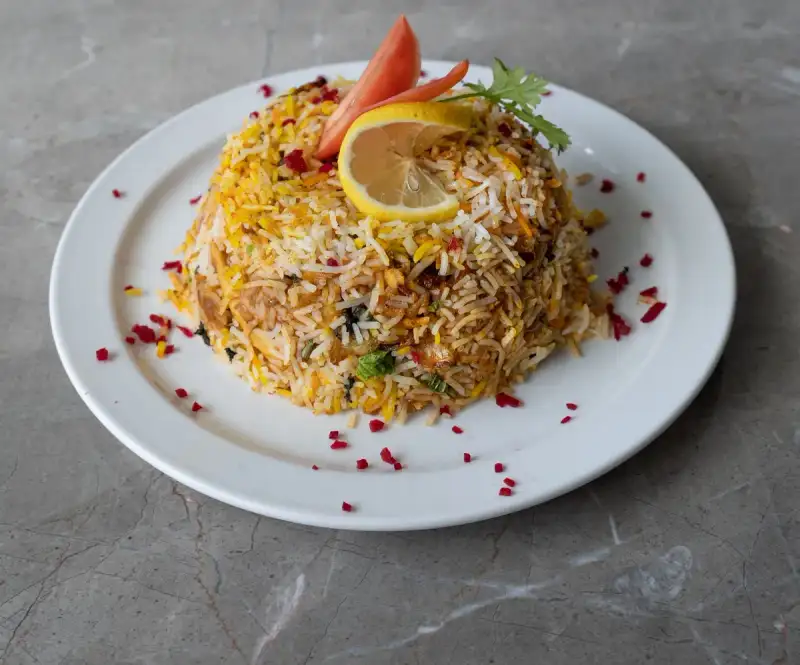
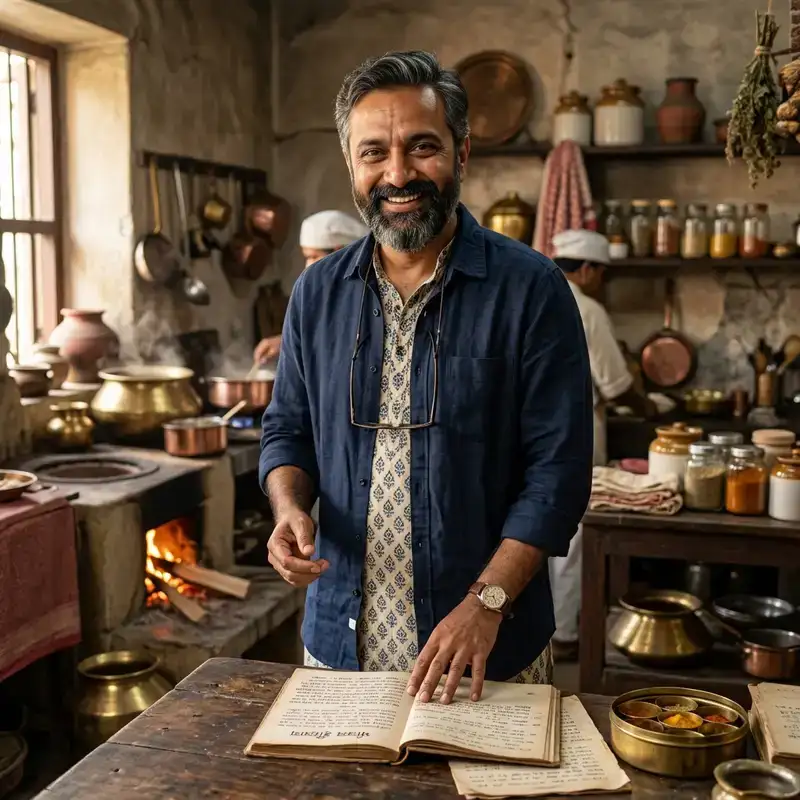
In the culinary landscape of India, few dishes evoke the same level of reverence and adoration as the Awadhi Biryani. This iconic dish, hailing from the city of Lucknow in the state of Uttar Pradesh, is a masterclass in slow-cooked perfection, weaving together a tapestry of aromatic spices, tender meat, and fluffy basmati rice. The Awadhi Biryani is more than just a meal; it's an experience that transports the senses to the royal courts of the past, where the art of cooking was elevated to an exquisite science. Introduction to Awadhi Biryani The origins of Awadhi Biryani are deeply rooted in the cultural and culinary heritage of Lucknow, a city known for its refined tastes and sophisticated cuisine. The dish is believed to have been created during the reign of the Nawabs of Awadh, who were known for their love of fine food and entertainment. Over time, the Awadhi Biryani has evolved into a distinctive style that is characterized by its use of aromatic spices, slow-cooking techniques, and the careful layering of ingredients.One of the key factors that sets Awadhi Biryani apart from other types of biryani is its use of the dum pukht method of cooking. This ancient technique involves sealing the ingredients in a large pot and cooking them over low heat, allowing the flavors to meld together and the rice to cook to perfection. The result is a dish that is both flavorful and aromatic, with a texture that is at once tender and fluffy. The Art of Making Awadhi Biryani Making Awadhi Biryani is an art that requires patience, skill, and attention to detail. The process begins with the preparation of the ingredients, which includes marinating the meat in a mixture of spices, yogurt, and lemon juice. The rice is also prepared separately, using a combination of basmati rice, ghee, and spices to create a flavorful and aromatic base.Once the ingredients are prepared, they are layered in a large pot, known as a handi, and sealed with a lid. The pot is then placed over low heat, where the ingredients are allowed to cook slowly, absorbing the flavors and aromas of the spices and herbs. This slow-cooking process can take several hours, during which time the biryani is periodically checked and stirred to ensure that the ingredients are cooking evenly. The Flavors and Aromas of Awadhi Biryani One of the most distinctive features of Awadhi Biryani is its complex and nuanced flavor profile. The dish is characterized by a rich and aromatic blend of spices, including cardamom, cinnamon, and cloves, which are combined with the sweetness of onions and the tanginess of yogurt. The basmati rice adds a light and fluffy texture to the dish, while the meat or vegetables provide a satisfying and filling element.The aromas of Awadhi Biryani are equally impressive, with the fragrance of saffron, rosewater, and kewra adding a subtle and alluring quality to the dish. As the biryani cooks, the aromas mingle and blend together, creating a heady and intoxicating scent that is both appetizing and irresistible. Serving and Enjoying Awadhi Biryani Awadhi Biryani is typically served at special occasions and celebrations, where it is often accompanied by a range of side dishes and condiments. The dish is usually served hot, garnished with fresh herbs and a dollop of raita, a cool and creamy yogurt sauce that helps to balance the richness of the biryani.To fully appreciate the flavors and aromas of Awadhi Biryani, it's essential to eat it slowly and mindfully, savoring each bite and allowing the flavors to linger on the palate. The dish is best enjoyed with a group of friends and family, where the communal experience of sharing a meal can add to the joy and appreciation of the occasion. Conclusion Awadhi Biryani is a culinary masterpiece that embodies the rich cultural heritage and traditions of Lucknow. This iconic dish is a testament to the power of food to bring people together, to evoke emotions and memories, and to create a sense of community and belonging. Whether you're a food enthusiast, a history buff, or simply someone who appreciates the beauty of a well-crafted meal, Awadhi Biryani is a dish that is sure to delight and inspire. #AwadhiBiryani #IndianCuisine #FoodHistory #Lucknow #BiryaniLove #SlowCooked #AromaticDishes #CulinaryMasterpiece Related InsightsCongee (Jook): The Ultimate Comforting Rice Porridge Har Gow: The Translucent Shrimp Dumpling Masterpiece Char Siu Bao: The Fluffy BBQ Pork Bun{ "@context": "https://schema.org", "@type": "FAQPage", "mainEntity": [ { "@type": "Question", "name": "What is the main focus of Awadhi Biryani: The Aromatic Slow-Cooked Masterpiece?", "acceptedAnswer": { "@type": "Answer", "text": "Discover the deep cultural roots, authentic flavors, and history of Awadhi Biryani: The Aromatic Slow-Cooked Masterpiece." } }, { "@type": "Question", "name": "Who authored the comprehensive guide on Awadhi Biryani: The Aromatic Slow-Cooked Masterpiece?", "acceptedAnswer": { "@type": "Answer", "text": "This detailed article and its insights were carefully researched and authored by Rahul Sharma." } }, { "@type": "Question", "name": "Where can I find more related content about Food?", "acceptedAnswer": { "@type": "Answer", "text": "You can explore more articles, detailed reviews, and similar insights by browsing the Related Insights section at the bottom of this article or visiting our dedicated Food category page." } } ] }
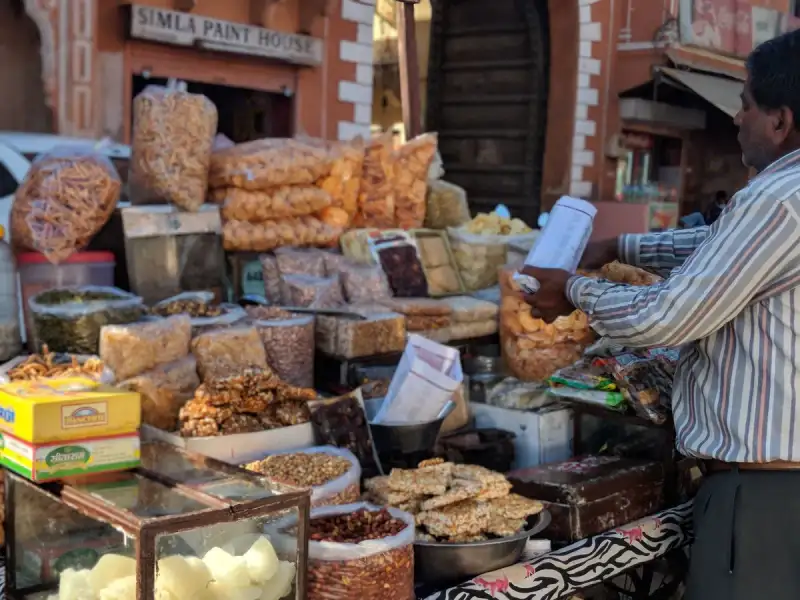
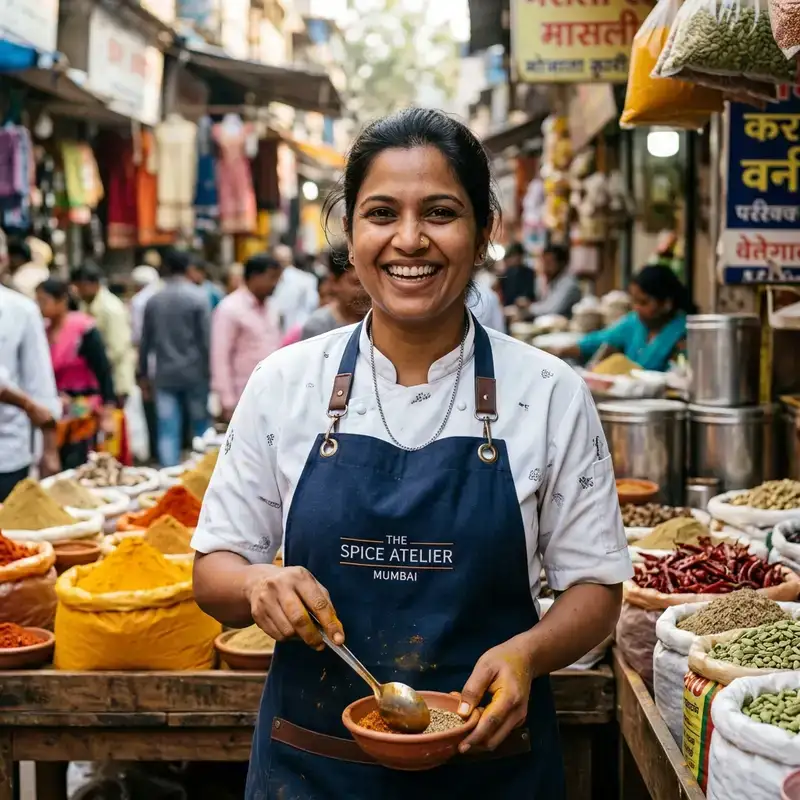
The streets of Maharashtra, a state in western India, are known for their vibrant culture, rich history, and delectable cuisine. Among the numerous traditional dishes that originated in this region, Misal Pav stands out as a favorite breakfast option for the locals and a must-try for food enthusiasts. This flavorful and spicy curry is made with sprouted lentils, pav (a type of bread), and an assortment of spices, making it a true delight for the taste buds. Introduction to Misal Pav Misal Pav is a popular Maharashtrian dish that has gained widespread recognition across India and beyond. The name "Misal" refers to the curry made from sprouted lentils, while "Pav" is the bread that accompanies it. This iconic breakfast combination has a long history, dating back to the 19th century when it was first introduced by the street food vendors in Mumbai (formerly known as Bombay). Over time, Misal Pav has evolved into various regional variations, with each recipe having its unique flavor profile and texture. The Cultural Significance of Misal PavMisal Pav holds a special place in the hearts of the people of Maharashtra. It is more than just a meal; it's an emotion, a tradition, and a way of life. The dish is often served at family gatherings, festivals, and social events, where it is devoured with great enthusiasm. In fact, Misal Pav is an integral part of the state's cultural identity, reflecting the values of simplicity, humility, and community. The Ingredients and Preparation The preparation of Misal Pav involves a combination of ingredients, including sprouted lentils (usually moong or moth beans), onions, tomatoes, garlic, ginger, and a blend of spices. The lentils are first cooked and then mixed with a spicy curry made from onions, tomatoes, and a variety of spices. The pav, which is typically a small, soft bread roll, is served on the side, allowing each person to dip it into the flavorful curry. Regional Variations of Misal PavWhile the basic recipe of Misal Pav remains the same, there are several regional variations that have emerged over time. Some popular variations include:Pune-style Misal Pav: This version is known for its thick, spicy curry and is often served with a dollop of yogurt to balance the heat. Mumbai-style Misal Pav: This variation is characterized by its lighter, more brothy curry and is often served with a sprinkle of chopped onions and coriander. Nashik-style Misal Pav: This version is famous for its use of goda masala, a special spice blend that gives the curry a unique flavor and aroma.Health Benefits of Misal PavMisal Pav is not only a delicious breakfast option but also a nutritious one. The sprouted lentils used in the recipe are rich in protein, fiber, and vitamins, making them an excellent choice for those looking for a healthy meal. The dish is also low in calories and fat, making it an ideal option for those watching their weight. Conclusion Misal Pav is a true reflection of Maharashtra's rich cultural heritage and culinary expertise. This spicy, flavorful breakfast dish has captured the hearts of food lovers across India and beyond, and its popularity continues to grow with each passing day. Whether you're a food enthusiast, a culture vulture, or simply someone who loves to try new things, Misal Pav is a must-try dish that is sure to leave you wanting more. #MisalPav #MaharashtrianCuisine #IndianStreetFood #BreakfastDishes #TraditionalFood #CulturalHeritage #FoodLovers #StreetFoodStalls Related InsightsDelving into the World of Anti-Inflammatory German Potato Salad with Dill and Apple Cider Vinaigrette (Vegan) The Alchemy of Cairo: Unraveling the Soul of Koshari Das vergessene Moretum: Eine kulinarische Zeitreise in die römische Bauernküche{ "@context": "https://schema.org", "@type": "FAQPage", "mainEntity": [ { "@type": "Question", "name": "What is the main focus of Misal Pav: Maharashtra's Fiery Breakfast?", "acceptedAnswer": { "@type": "Answer", "text": "Discover the deep cultural roots, authentic flavors, and history of Misal Pav: Maharashtra's Fiery Breakfast." } }, { "@type": "Question", "name": "Who authored the comprehensive guide on Misal Pav: Maharashtra's Fiery Breakfast?", "acceptedAnswer": { "@type": "Answer", "text": "This detailed article and its insights were carefully researched and authored by Priya Kapoor." } }, { "@type": "Question", "name": "Where can I find more related content about Food?", "acceptedAnswer": { "@type": "Answer", "text": "You can explore more articles, detailed reviews, and similar insights by browsing the Related Insights section at the bottom of this article or visiting our dedicated Food category page." } } ] }
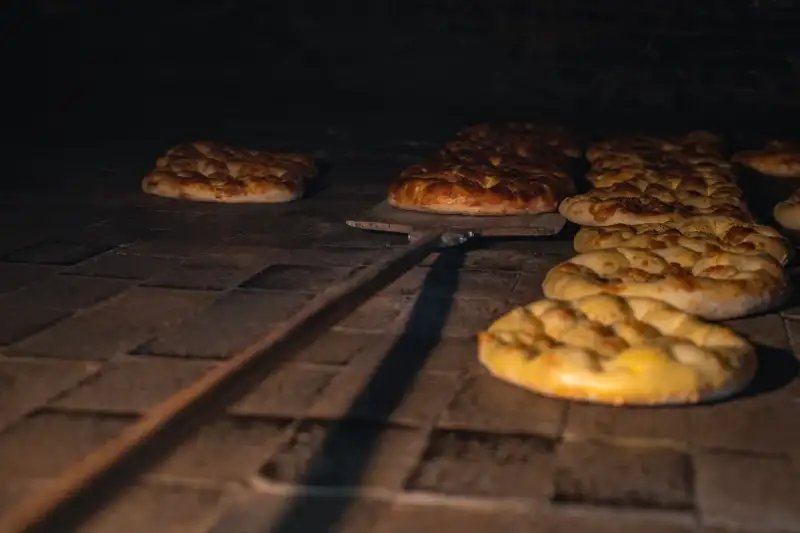
The wafting aroma of saffron and the soft glow of golden crusts beckon us to delve into the world of Sheermal, a royal bread that has been a staple of Indian and Middle Eastern cuisine for centuries. This saffron-infused flatbread is more than just a culinary delight; it's a testament to the rich cultural heritage and traditions that have shaped its history. As we embark on this gastronomic journey, the nuances of Sheermal will unfold, revealing the intricacies of its preparation, the significance of its ingredients, and the cultural context that has elevated it to a royal status. Introduction to Sheermal Sheermal, also known as Shirmal, is a type of bread that originates from the Indian subcontinent and the Middle East. Its name is derived from the Persian words "shir" meaning milk and "mal" meaning bread, which aptly describes its milky texture and flavor. This bread is renowned for its distinctive saffron infusion, which not only imparts a vibrant yellow color but also a subtle earthy flavor that complements its sweetness. The preparation of Sheermal involves a combination of flour, yeast, milk, sugar, and saffron, which are carefully mixed and kneaded to create a smooth, elastic dough.Historical Significance of Sheermal The history of Sheermal is deeply intertwined with the cultural and culinary traditions of the regions where it is consumed. In India, particularly in the city of Lucknow, Sheermal is considered a royal bread, often served at special occasions and festivals. Its association with royalty can be attributed to the expensive and exclusive nature of saffron, which was a prized spice among the aristocracy. The Mughal Empire, known for its love of fine cuisine and exotic spices, played a significant role in popularizing Sheermal throughout the Indian subcontinent. The bread's popularity soon spread to other parts of the Middle East, where it was adapted and integrated into local cuisines. Preparation and Ingredients The preparation of Sheermal is an art that requires patience, skill, and attention to detail. The process begins with the activation of yeast in warm milk, which is then mixed with flour, sugar, and a pinch of salt. The dough is kneaded for an extended period to develop its gluten, resulting in a smooth, elastic texture. Saffron threads are soaked in hot water to release their color and flavor, which are then added to the dough. The mixture is allowed to rest and rise, giving the yeast time to ferment the sugars and produce a light, airy texture. Sheermal is typically baked in a tandoor oven or a conventional oven at high temperatures, which gives it a crispy crust and a soft interior.Cultural Context and Significance Sheermal holds a special place in the cultural and social fabric of the communities where it is consumed. In India, it is often served during festivals and special occasions, such as weddings and Eid celebrations. The bread is typically torn into pieces and shared among family and friends, symbolizing unity and togetherness. In the Middle East, Sheermal is a staple bread, often served with meals or used to scoop up dips and stews. Its cultural significance extends beyond its culinary value, representing hospitality, generosity, and community bonding. Authentic Recipe for Sheermal For those interested in trying their hand at making Sheermal, here is an authentic recipe that captures the essence of this royal bread:Ingredients: 2 cups of all-purpose flour, 1 teaspoon of active dry yeast, 1 cup of warm milk, 1 tablespoon of sugar, 1/4 teaspoon of salt, 1/2 teaspoon of saffron threads soaked in 1 tablespoon of hot water. Instructions: Activate the yeast in warm milk, then mix with flour, sugar, and salt. Knead the dough for 10 minutes, add saffron, and let it rest for 2 hours. Preheat the oven to 400°F (200°C), shape the dough into rounds, and bake for 12-15 minutes or until golden brown.Conclusion Sheermal, the saffron-infused royal bread, is a culinary masterpiece that embodies the rich cultural heritage and traditions of the Indian subcontinent and the Middle East. Its preparation, steeped in history and cultural significance, is a testament to the power of food to bring people together and transcend borders. Whether you are a food enthusiast, a historian, or simply someone who appreciates the finer things in life, Sheermal is sure to captivate your senses and leave you yearning for more.#Sheermal #SaffronInfusedBread #RoyalBread #IndianCuisine #MiddleEasternCuisine #TraditionalFood #CulturalHeritage #FoodHistory Related InsightsPuttu and Kadala Curry: A Breakfast of Champions Steel-Cut Oats with Chia Seeds and Blueberries: A Delicious and Nutritious Breakfast Option The Alchemy of Appetite: Decoding the Molecular Soul of Our Sustenance{ "@context": "https://schema.org", "@type": "FAQPage", "mainEntity": [ { "@type": "Question", "name": "What is the main focus of Sheermal: The Saffron-Infused Royal Bread?", "acceptedAnswer": { "@type": "Answer", "text": "Discover the deep cultural roots, authentic flavors, and history of Sheermal: The Saffron-Infused Royal Bread." } }, { "@type": "Question", "name": "Who authored the comprehensive guide on Sheermal: The Saffron-Infused Royal Bread?", "acceptedAnswer": { "@type": "Answer", "text": "This detailed article and its insights were carefully researched and authored by Rahul Sharma." } }, { "@type": "Question", "name": "Where can I find more related content about Food?", "acceptedAnswer": { "@type": "Answer", "text": "You can explore more articles, detailed reviews, and similar insights by browsing the Related Insights section at the bottom of this article or visiting our dedicated Food category page." } } ] }
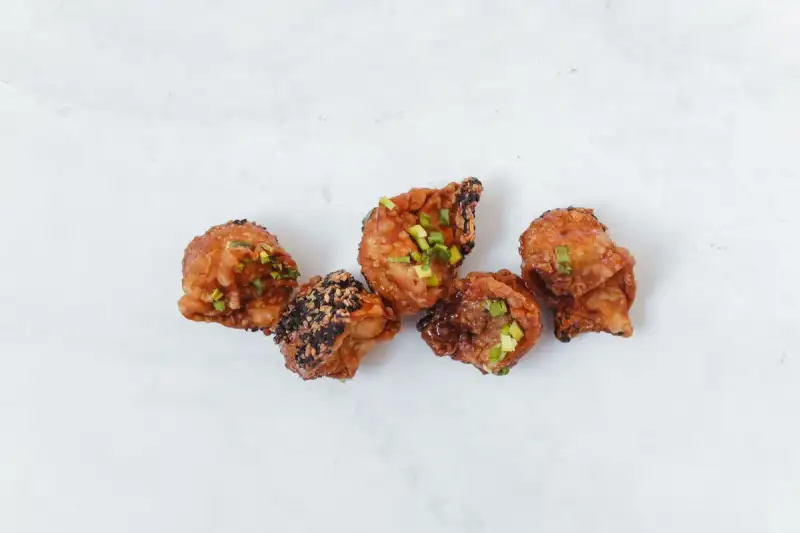
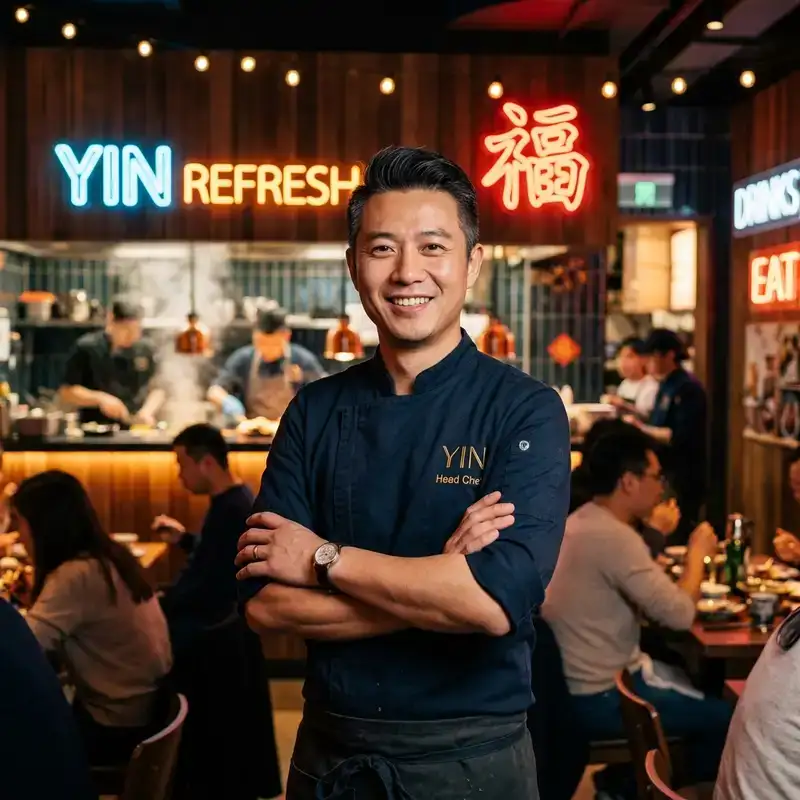
The allure of Szechuan Wontons in Chili Oil, known in Mandarin as Suanla Chaoshou, lies not just in their delectable taste but in the rich tapestry of history, culture, and tradition that they represent. These delicate, dumpling-like morsels, wrapped in a thin layer of dough and filled with a savory blend of meats or vegetables, are then submerged in a fragrant, spicy chili oil sauce that embodies the bold flavors and aromas of Szechuan cuisine. Introduction to Szechuan Wontons Szechuan Wontons in Chili Oil are a quintessential part of Szechuan cuisine, originating from the Sichuan Province in southwestern China. This dish, like many others in Szechuan cuisine, is characterized by its bold flavors, particularly the numbing and spicy sensations produced by Szechuan peppercorns and chili peppers. The wontons themselves can be filled with a variety of ingredients, including pork, chicken, vegetables, or a combination thereof, but it's the bath of chili oil that truly defines Suanla Chaoshou.The Cultural Significance of Suanla Chaoshou Suanla Chaoshou is more than just a dish; it's an integral part of Szechuan's cultural heritage. In Szechuan, food is not just about sustenance; it's about community, tradition, and the preservation of cultural identity. Suanla Chaoshou is often served at family gatherings, festivals, and in casual eateries, where it's enjoyed with a dipping sauce that can vary in composition but usually includes soy sauce, vinegar, and additional chili oil for added depth. Preparing Suanla Chaoshou Preparing Szechuan Wontons in Chili Oil involves several steps, from making the dough and filling, to the delicate process of wrapping the wontons, and finally, to the preparation of the chili oil sauce. The dough is typically made from flour, water, and sometimes eggs, which is then kneaded to achieve the right consistency for wrapping. Fillings can vary widely but must be finely chopped and seasoned with ingredients like ginger, garlic, and Szechuan peppercorns to enhance the flavor. The chili oil, the crowning glory of Suanla Chaoshou, is made by infusing oil with diced chili peppers, Szechuan peppercorns, garlic, and sometimes other aromatics like ginger and scallions. The infusion process can be quite lengthy, with some recipes requiring the oil to simmer for hours to achieve the perfect balance of flavors.The Authentic Recipe To make authentic Szechuan Wontons in Chili Oil, one must be willing to spend time and effort. Here's a simplified recipe to get you started:Ingredients for the wontons: 2 cups all-purpose flour, 2 eggs, 1/4 cup water, filling of your choice (e.g., ground pork with chopped scallions and ginger). For the chili oil: 1 cup vegetable oil, 1/2 cup diced chili peppers, 2 tablespoons Szechuan peppercorns, 2 cloves garlic, minced.Mix the flour, eggs, and water to form a dough. Knead until smooth and elastic. Prepare your filling and divide it into small portions. Roll out the dough thinly and use a cookie cutter or the rim of a glass to cut out circles. Place a small amount of filling in the center of each dough circle and fold the dough over the filling, pressing the edges together to seal the wonton. To make the chili oil, heat the vegetable oil in a saucepan over low heat. Add the diced chili peppers, Szechuan peppercorns, and garlic. Let it simmer for at least an hour, stirring occasionally, until the oil has taken on a deep red color and the aroma of the spices is pronounced. Cook the wontons in boiling water until they float to the surface. Then, transfer them to the chili oil sauce to coat.Conclusion Szechuan Wontons in Chili Oil, or Suanla Chaoshou, is a dish that embodies the heart and soul of Szechuan cuisine. With its intricate preparation process, deep cultural roots, and explosive flavors, it's a culinary experience that awaits anyone brave enough to delve into the spicy, numbing world of Szechuan cooking. Whether you're a seasoned foodie or just starting your culinary journey, Suanla Chaoshou is sure to leave a lasting impression, a testament to the power of food to connect us with tradition, community, and the simple joys of taste.#SzechuanCuisine #WontonsInChiliOil #SuanlaChaoshou #TraditionalChineseFood #FoodCulture #SzechuanPeppercorns #ChiliOilRecipe #AuthenticSzechuanRecipes Related InsightsNdambe: The Comforting Black-Eyed Pea Stew Slurp Your Way Through Japan: The Definitive Ramen Roadmap from Tonkotsu to Shoyu The Unfolding Tapestry of Flavor: A Millennia-Spanning Journey Through the Epic Evolution of Curry{ "@context": "https://schema.org", "@type": "FAQPage", "mainEntity": [ { "@type": "Question", "name": "What is the main focus of Szechuan Wontons in Chili Oil (Suanla Chaoshou)?", "acceptedAnswer": { "@type": "Answer", "text": "Discover the deep cultural roots, authentic flavors, and history of Szechuan Wontons in Chili Oil (Suanla Chaoshou)." } }, { "@type": "Question", "name": "Who authored the comprehensive guide on Szechuan Wontons in Chili Oil (Suanla Chaoshou)?", "acceptedAnswer": { "@type": "Answer", "text": "This detailed article and its insights were carefully researched and authored by Wei Chen." } }, { "@type": "Question", "name": "Where can I find more related content about Food?", "acceptedAnswer": { "@type": "Answer", "text": "You can explore more articles, detailed reviews, and similar insights by browsing the Related Insights section at the bottom of this article or visiting our dedicated Food category page." } } ] }
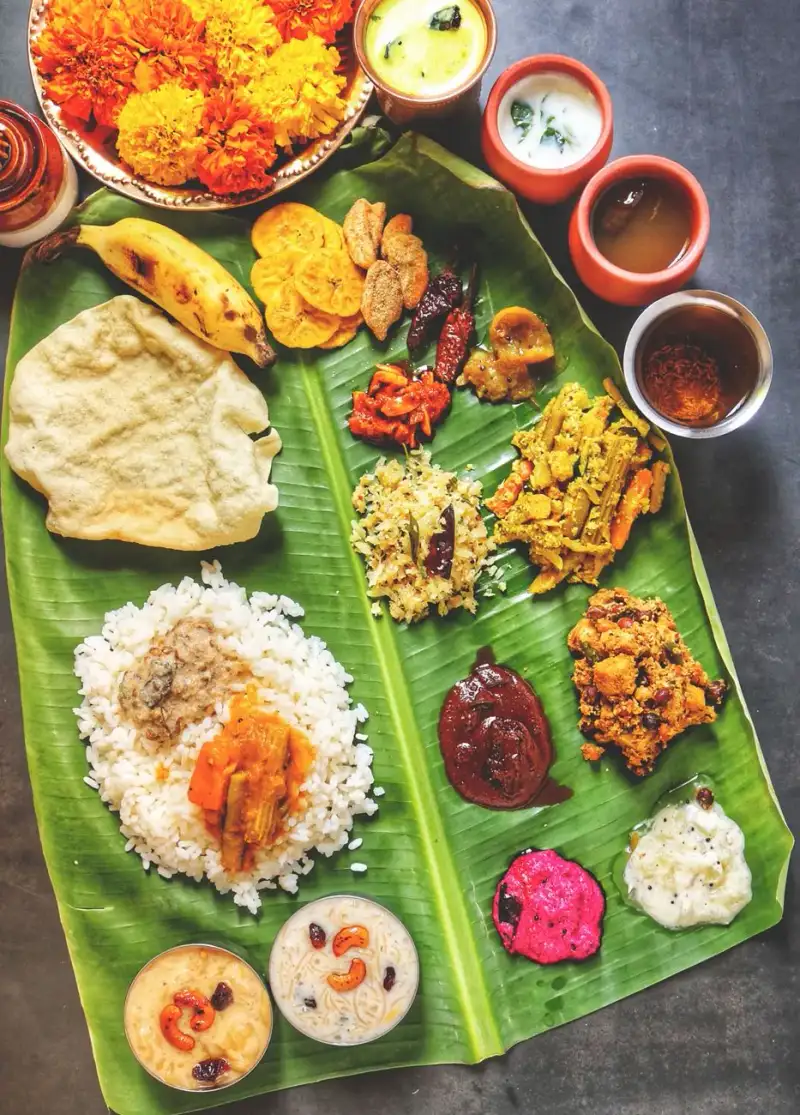
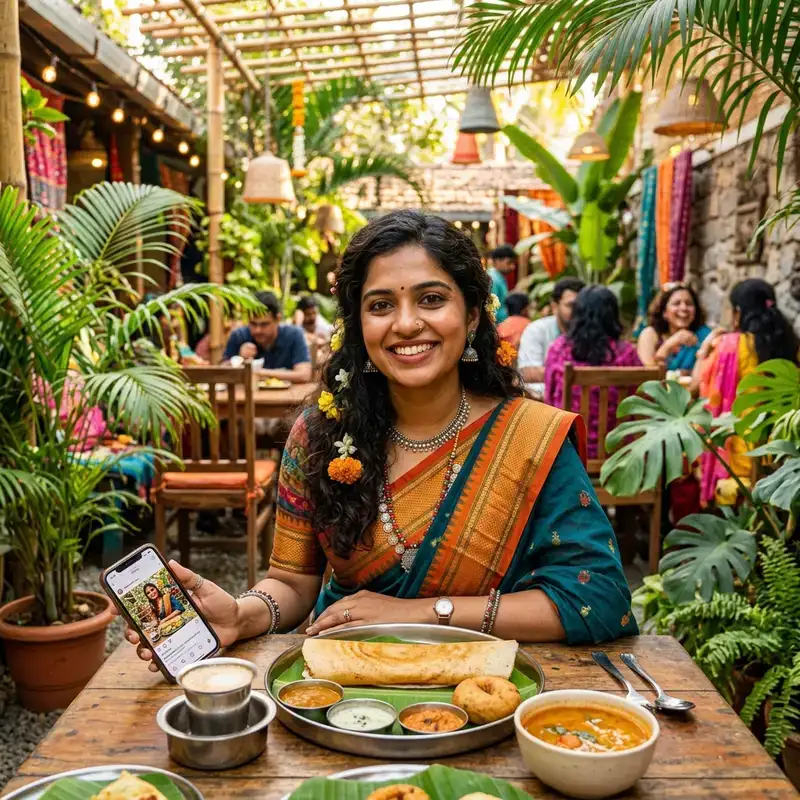
In the lush, tropical landscape of Kerala, a state in the southwestern tip of India, lies a culinary tradition that is as comforting as it is flavorful. At the heart of this tradition are two dishes that have been intertwined for centuries: Appam and Stew. These coconut-based companions have been a staple of Kerala's cuisine, offering a taste of warmth, comfort, and community to all who partake in them. The Appam, a delicate, lacy rice and coconut milk pancake, and the Stew, a rich, slow-cooked curry made with coconut milk, spices, and an assortment of vegetables or meats, together create a culinary duo that is quintessentially Kerala. Introduction to Appam The Appam is a breakfast staple in Kerala, often served with a variety of stews or curries. Its delicate, almost lace-like texture is achieved through a fermentation process involving rice and coconut milk. The batter, once fermented, is cooked in a specialized wok-like pan called an "appachatti," which gives the Appam its characteristic shape and texture. The process of making Appam is an art form, passed down through generations, with each family having its own secret recipe and technique.The Stew: A Symphony of Flavors The Stew, or "Ishtew" as it is locally known, is a masterclass in slow cooking. It's a dish that requires patience, as the flavors meld together over low heat, creating a rich, creamy sauce that is both comforting and aromatic. The Stew can be made with a variety of ingredients, including chicken, beef, lamb, or vegetables, but the common thread is always the coconut milk and the carefully balanced blend of spices. The use of coconut milk not only adds richness but also a unique flavor that complements the Appam perfectly.Cultural Significance of Appam and Stew Appam and Stew are more than just dishes in Kerala; they represent a cultural heritage that is deeply rooted in the state's history and traditions. They are often served at family gatherings, festivals, and special occasions, symbolizing unity, love, and hospitality. The preparation and sharing of these dishes are communal activities, fostering a sense of community and togetherness. In a world that is increasingly fast-paced, the traditional Appam and Stew stand as a testament to the value of slow, mindful living and the joy of sharing meals with others. Authentic Recipe for Appam and Stew For those looking to experience the authentic taste of Kerala, making Appam and Stew at home can be a rewarding experience. The key to a good Appam is in the fermentation of the batter, which gives it the necessary lift and texture. For the Stew, the quality of the coconut milk and the balance of spices are crucial. Here is a simple recipe to get you started:For Appam:2 cups of rice 1 cup of coconut milk 1/2 teaspoon of yeast Salt to taste Water as neededFor Stew:1 can of coconut milk 1 onion, diced 2 cloves of garlic, minced 1 tablespoon of ginger paste 1 teaspoon of cumin seeds 1/2 teaspoon of turmeric powder 1/2 teaspoon of red chili powder Salt to taste Your choice of protein or vegetablesVariations and Innovations While traditional recipes are cherished, modern chefs and home cooks are continually finding new ways to innovate and reinvent Appam and Stew. From adding new spices and ingredients to experimenting with different types of flour for the Appam, the possibilities are endless. However, the essence of these dishes remains unchanged - they are about comfort, tradition, and the joy of sharing a meal with loved ones.Conclusion Appam and Stew, Kerala's comforting coconut duo, are a culinary reflection of the state's rich cultural heritage and its people's love for good food and warm hospitality. Whether enjoyed in a bustling street food market or in the comfort of one's home, these dishes have the power to transport us to a place of warmth and comfort. As we continue to explore and celebrate the diversity of global cuisine, Appam and Stew stand as a testament to the enduring power of traditional cooking and the universal language of food. #KeralaCuisine #AppamAndStew #CoconutBasedDishes #TraditionalFood #FoodCulture #IndianCuisine #ComfortFood #CulinaryHeritage Related InsightsAu Cœur du Sénégal : Une Odyssée Sensorielle entre Tradition et Épices Portuguese Pastéis de Nata: The Custard Tart's Sweet History (Part 2) Tacos Al Pastor: Il Mio Viaggio nel Cuore della Messicana Cucina{ "@context": "https://schema.org", "@type": "FAQPage", "mainEntity": [ { "@type": "Question", "name": "What is the main focus of Appam and Stew: Kerala's Comforting Coconut Duo?", "acceptedAnswer": { "@type": "Answer", "text": "Discover the deep cultural roots, authentic flavors, and history of Appam and Stew: Kerala's Comforting Coconut Duo." } }, { "@type": "Question", "name": "Who authored the comprehensive guide on Appam and Stew: Kerala's Comforting Coconut Duo?", "acceptedAnswer": { "@type": "Answer", "text": "This detailed article and its insights were carefully researched and authored by Anjali Desai." } }, { "@type": "Question", "name": "Where can I find more related content about Food?", "acceptedAnswer": { "@type": "Answer", "text": "You can explore more articles, detailed reviews, and similar insights by browsing the Related Insights section at the bottom of this article or visiting our dedicated Food category page." } } ] }
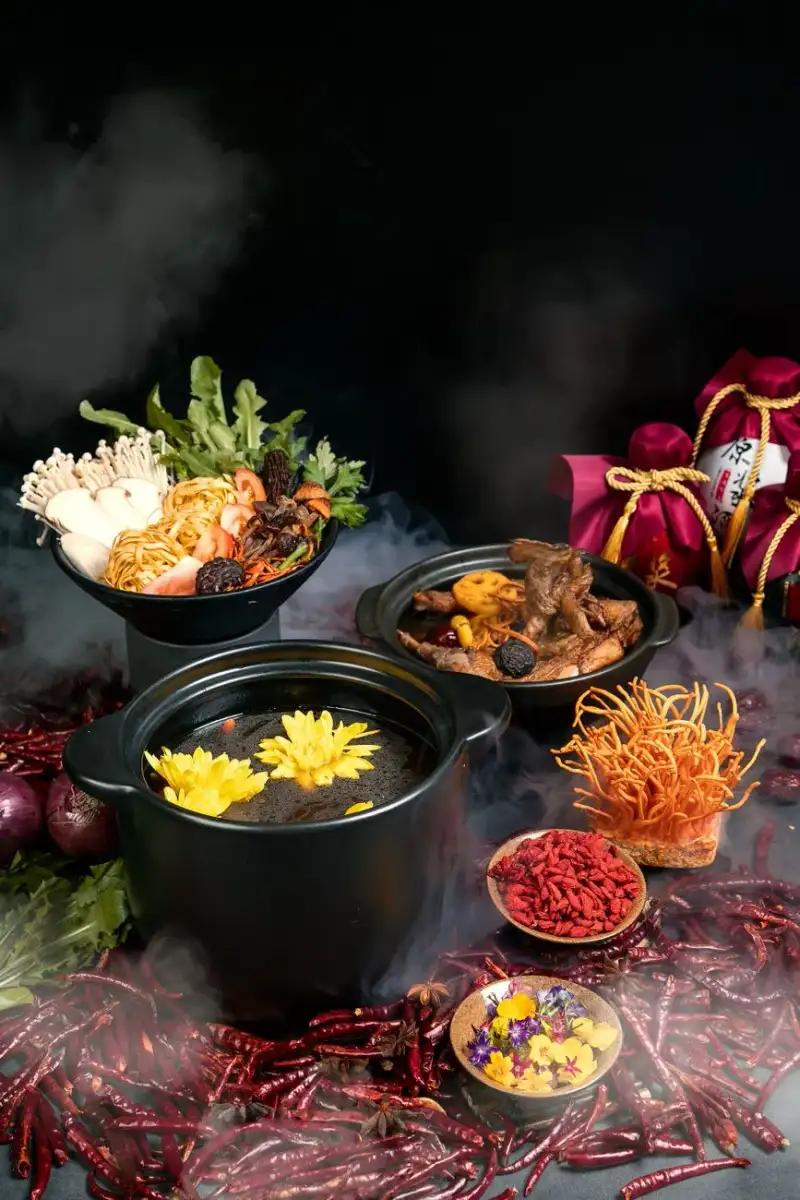
Introduction to Chongqing Hot Pot Chongqing Hot Pot, a culinary marvel from the mountainous city of Chongqing in southwestern China, is more than just a dish; it's an experience that combines the richness of cultural heritage, the vibrancy of communal dining, and the depth of flavors that linger on your palate. This ancient culinary tradition, passed down through generations, embodies the essence of Sichuan cuisine, known for its bold flavors and, notably, the unmistakable presence of Sichuan pepper and chili oil. The heart of Chongqing Hot Pot lies in its broth, a simmering, fiery elixir that cooks a variety of ingredients to perfection, fostering a dining experience that is as much about sharing and community as it is about the food itself. The Cultural Significance of Chongqing Hot PotChongqing Hot Pot is deeply intertwined with the social fabric of the community. It's not uncommon to see groups of friends, families, or even strangers gathering around a steaming pot, dipping various meats, seafood, and vegetables into the savory broth. This communal style of dining encourages interaction, sharing, and a sense of togetherness, reflecting the intrinsic value placed on community and social bonding in Chinese culture. The tradition is especially pronounced during winter months when the warmth and spice of the hot pot offer a cozy respite from the cold. The Flavors and Ingredients of Chongqing Hot PotAt the core of Chongqing Hot Pot's allure is its complex, layered flavor profile. The broth, which can simmer for hours, is typically made with a combination of pork or chicken bones, a plethora of spices, and a generous amount of Sichuan peppercorns and chilies. The ingredients used for cooking in the hot pot are diverse, ranging from thinly sliced meats (like beef and pork), a variety of mushrooms, tofu, and an assortment of leafy greens. Each item is carefully selected for its texture and how it will absorb the flavors of the broth, creating a harmonious balance of tastes and sensations with each dip. Preparing Chongqing Hot Pot at Home For those looking to recreate the magic of Chongqing Hot Pot in their own kitchens, the process can be somewhat involved but is certainly rewarding. It begins with the preparation of the broth, which requires patience as it needs to simmer for an extended period to develop its rich flavor. A mixture of light and dark soy sauce, Shaoxing wine, ginger, garlic, star anise, cinnamon sticks, and, of course, Sichuan peppercorns and dried red chilies, form the aromatic backbone of the broth. Once the broth is ready, the fun begins – arranging a colorful platter of dipping ingredients and gathering around the table to enjoy the feast. Health Benefits of Chongqing Hot PotBeyond its cultural and culinary appeal, Chongqing Hot Pot also boasts several health benefits. The broth, rich in collagen from long-simmered bones, is excellent for skin and joint health. The plethora of spices, particularly ginger and garlic, have known anti-inflammatory properties. Moreover, the communal nature of the meal encourages mindful eating and social interaction, both of which are vital for mental well-being. The variety of ingredients also ensures a balanced intake of nutrients, making Chongqing Hot Pot a surprisingly healthy option amidst its spicy and savory allure. Conclusion Chongqing Hot Pot stands as a testament to the power of food to bring people together, to share in traditions, and to savor the depths of flavor that only a slow-cooked broth can provide. Whether you're exploring the vibrant streets of Chongqing, gathering with friends and family, or simply looking to spice up your culinary adventures, Chongqing Hot Pot is an experience that promises to leave you warmed, inside and out.#ChongqingHotPot #SichuanCuisine #ChineseFood #FoodCulture #CommunalDining #SpicyFoodLover #HotPotRecipe #TraditionalChineseDishes Related InsightsAndean Superfoods Unveiled: The Alchemical Power of Quinoa, Kiwicha, and Canihua Prahok: The Fermented Soul of Cambodia's Culinary Identity Unwrapping the Flavors of Eastern Europe: The Pierogi Story{ "@context": "https://schema.org", "@type": "FAQPage", "mainEntity": [ { "@type": "Question", "name": "What is the main focus of Chongqing Hot Pot: A Fiery Communal Feast?", "acceptedAnswer": { "@type": "Answer", "text": "Discover the deep cultural roots, authentic flavors, and history of Chongqing Hot Pot: A Fiery Communal Feast." } }, { "@type": "Question", "name": "Who authored the comprehensive guide on Chongqing Hot Pot: A Fiery Communal Feast?", "acceptedAnswer": { "@type": "Answer", "text": "This detailed article and its insights were carefully researched and authored by Wei Chen." } }, { "@type": "Question", "name": "Where can I find more related content about Food?", "acceptedAnswer": { "@type": "Answer", "text": "You can explore more articles, detailed reviews, and similar insights by browsing the Related Insights section at the bottom of this article or visiting our dedicated Food category page." } } ] }

The allure of night markets is a sensory experience like no other, with the aromas of sizzling meats, the cacophony of vendors calling out their daily specials, and the vibrant display of colors from an array of dishes that tantalize the taste buds. Among the myriad of culinary delights found in these bustling markets, one dish stands out for its bold flavors and its ability to bring people together: the spicy cumin skewer. These skewers, laden with marinated meats and vegetables, grilled to perfection, and seasoned with a blend of spices that evoke both heat and depth, are more than just a street food staple—they are the soul of night markets. Introduction to Spicy Cumin Skewers Spicy cumin skewers have their roots in traditional Asian cuisine, particularly in Chinese, Korean, and Southeast Asian cooking, where the use of cumin, chili peppers, and other spices is prevalent. The dish has evolved over time, influenced by local ingredients, cultural exchange, and personal recipes passed down through generations. The beauty of spicy cumin skewers lies in their simplicity and versatility, as they can be made with a variety of meats (such as beef, chicken, pork, and lamb) and vegetables (like bell peppers, onions, mushrooms, and cherry tomatoes), all unified by the common thread of a spicy cumin marinade.The Cultural Significance of Night Markets Night markets are not just places to grab a quick bite; they are cultural phenomena that bring communities together. They offer a space where people from all walks of life can gather, share stories, and enjoy local cuisine. The spicy cumin skewer, with its irresistible aroma and taste, is often at the heart of these gatherings. Vendors, who are sometimes family members passing down their recipes and techniques, become an integral part of the community, known for their specialty dishes. The interaction between vendors and customers is a significant aspect of the night market experience, fostering a sense of belonging and continuity. The Art of Making Spicy Cumin Skewers Making spicy cumin skewers is an art that requires patience, practice, and a deep understanding of flavors. The process begins with the selection of ingredients, where the freshness and quality of the meat and vegetables are paramount. The marinade, a blend of cumin, chili peppers, garlic, ginger, soy sauce, and sometimes yogurt or vinegar, is what gives the skewers their distinct flavor. The proportions of the ingredients in the marinade can vary greatly depending on personal preference and regional traditions, allowing for a wide range of flavors within the spicy cumin skewer family.The marinating process, which can range from a few hours to overnight, allows the flavors to penetrate deep into the meat and vegetables, enhancing their natural tastes. The actual grilling of the skewers requires a delicate touch, as the aim is to achieve a nice char on the outside while keeping the inside juicy and tender. The sizzling sounds and the aromas that waft from the grill are quintessential to the night market experience, drawing in passersby and tempting their taste buds. Variations and Innovations While traditional spicy cumin skewers remain a staple, innovations and variations have emerged, reflecting the dynamic nature of street food. Some vendors may add unique ingredients to their marinade, such as Korean chili flakes (gochugaru), Indian cumin seeds, or Middle Eastern sumac, to give their skewers a distinct twist. Others might experiment with different types of meat, such as venison or duck, or offer vegetarian and vegan versions of the skewers, catering to a broader range of dietary preferences and requirements.These variations not only keep the dish exciting and fresh but also illustrate the adaptability of spicy cumin skewers to different culinary traditions and modern tastes. They demonstrate how street food can be both a reflection of cultural heritage and a vibrant, evolving entity that thrives on creativity and diversity. Conclusion Spicy cumin skewers are more than just a delicious street food; they embody the spirit of night markets and the communities that gather around them. They represent a tradition that values sharing, hospitality, and the pleasure of good food. As a dish, they are a testament to the power of cuisine to bring people together, to evoke emotions, and to create lasting memories. Whether you are a food aficionado, a cultural explorer, or simply someone who appreciates the joy of eating, spicy cumin skewers are an experience not to be missed.#StreetFoodLovers #NightMarketVibes #SpicyCuminSkewers #FoodieAdventures #CulturalCuisine #TraditionalRecipes #StreetFoodCulture #GlobalGastronomy Related InsightsIl Macco di Fave Secche: Un Viaggio Nel Cuore Pulsante e Dimenticato Della Gastronomia Siciliana Unwrapping the Flavors of Eastern Europe: The Pierogi Story The Ultimate High-Fiber Whole Grain Shepherd's Pie with Lentil Topping{ "@context": "https://schema.org", "@type": "FAQPage", "mainEntity": [ { "@type": "Question", "name": "What is the main focus of Spicy Cumin Skewers: The Soul of Night Markets?", "acceptedAnswer": { "@type": "Answer", "text": "Discover the deep cultural roots, authentic flavors, and history of Spicy Cumin Skewers: The Soul of Night Markets." } }, { "@type": "Question", "name": "Who authored the comprehensive guide on Spicy Cumin Skewers: The Soul of Night Markets?", "acceptedAnswer": { "@type": "Answer", "text": "This detailed article and its insights were carefully researched and authored by Wei Chen." } }, { "@type": "Question", "name": "Where can I find more related content about Food?", "acceptedAnswer": { "@type": "Answer", "text": "You can explore more articles, detailed reviews, and similar insights by browsing the Related Insights section at the bottom of this article or visiting our dedicated Food category page." } } ] }

The sun-kissed beaches of India, where the warm sand meets the cool ocean breeze, and the sound of the waves harmonizes with the chatter of the crowd. It's here that you'll find one of India's most beloved street foods: Bhel Puri. This crunchy, tangy, and sweet snack has been a staple of Indian beachside cuisine for decades, with its origins dating back to the streets of Mumbai. As a food writer, I'm excited to delve into the history, cultural significance, and authentic recipe of Bhel Puri, the ultimate beachside snack. Introduction to Bhel Puri Bhel Puri is a popular Indian street food that consists of a mixture of puffed rice, sev (fried gram flour noodles), onions, tomatoes, chutneys, and a variety of spices. The dish is typically served in a paper cone or a small bowl, making it easy to devour while strolling along the beach or exploring the local markets. The name "Bhel Puri" is derived from the Hindi words "bhel," meaning "everything mixed together," and "puri," referring to the puffed rice.The beauty of Bhel Puri lies in its simplicity and customization. Each vendor or cook has their own secret recipe, and the dish can be tailored to suit individual tastes. Some like it spicy, while others prefer it sweet and tangy. The versatility of Bhel Puri has made it a favorite among locals and tourists alike, with each bite offering a unique flavor experience. History of Bhel Puri The origins of Bhel Puri are shrouded in mystery, but it's believed to have originated in the 1950s or 1960s in the streets of Mumbai. The dish is often attributed to the city's street food vendors, who would mix together leftover ingredients to create a quick and affordable snack. Over time, Bhel Puri gained popularity and spread to other parts of India, with each region adding its own twist to the recipe.In Mumbai, Bhel Puri is often associated with the city's iconic beaches, such as Juhu and Chowpatty. The dish is typically served by street vendors, who would carry large baskets of puffed rice, sev, and chutneys, and assemble the snack on the spot. The sound of the vendors calling out "Bhel Puri, Bhel Puri" is a familiar one in Mumbai, and the aroma of the dish wafting through the air is sure to tantalize the taste buds. Authentic Recipe of Bhel Puri While there are many variations of Bhel Puri, the authentic recipe from Mumbai is a closely guarded secret. However, I've managed to get my hands on a traditional recipe that's been passed down through generations of street food vendors. Here's a simplified version of the recipe: Ingredients:2 cups puffed rice 1 cup sev (fried gram flour noodles) 1/2 cup chopped onions 1/2 cup chopped tomatoes 1/4 cup tamarind chutney 1/4 cup green chutney 1/4 cup date chutney 1 tablespoon lemon juice 1 teaspoon cumin powder 1 teaspoon chili powder Salt, to taste Chopped cilantro, for garnishInstructions:In a large bowl, mix together the puffed rice, sev, onions, and tomatoes. In a small bowl, whisk together the tamarind chutney, green chutney, date chutney, lemon juice, cumin powder, and chili powder. Pour the chutney mixture over the puffed rice mixture and toss until everything is well combined. Season with salt to taste. Garnish with chopped cilantro and serve immediately.Cultural Significance of Bhel Puri Bhel Puri is more than just a snack; it's an integral part of Indian culture and tradition. The dish is often served at social gatherings, festivals, and celebrations, and is a popular snack among locals and tourists alike. In Mumbai, Bhel Puri is a staple of the city's street food scene, and the dish is often associated with the city's vibrant and eclectic culture. Variations of Bhel Puri While the traditional recipe of Bhel Puri remains the same, there are many variations of the dish that can be found across India. Some popular variations include:Sev Puri: A variation of Bhel Puri that uses sev as the base ingredient, topped with onions, tomatoes, and chutneys. Pani Puri: A variation of Bhel Puri that uses a hollow puri (crunchy bread) filled with a spicy tamarind water, onions, and chutneys. Dahi Puri: A variation of Bhel Puri that uses a hollow puri filled with yogurt, onions, and chutneys.In conclusion, Bhel Puri is a dish that embodies the spirit of Indian street food: it's crunchy, tangy, sweet, and utterly delicious. Whether you're strolling along the beach, exploring the local markets, or simply looking for a quick snack, Bhel Puri is the perfect choice. With its rich cultural heritage and authentic flavors, Bhel Puri is a dish that's sure to tantalize your taste buds and leave you wanting more. #BhelPuri #IndianStreetFood #BeachsideSnacks #TraditionalRecipe #CulturalSignificance #Foodie #StreetFoodLover #IndianCuisine Related InsightsPav Bhaji: A Symphony of Spices on the Tawa The Fifth Element: How a Bowl of Seaweed Broth Rewrote the Language of Flavor The Ultimate Antioxidant-Rich Berry Oat Smoothie Bowl with Chia Seeds{ "@context": "https://schema.org", "@type": "FAQPage", "mainEntity": [ { "@type": "Question", "name": "What is the main focus of Bhel Puri: The Crunchy, Tangy Beachside Snack?", "acceptedAnswer": { "@type": "Answer", "text": "Discover the deep cultural roots, authentic flavors, and history of Bhel Puri: The Crunchy, Tangy Beachside Snack." } }, { "@type": "Question", "name": "Who authored the comprehensive guide on Bhel Puri: The Crunchy, Tangy Beachside Snack?", "acceptedAnswer": { "@type": "Answer", "text": "This detailed article and its insights were carefully researched and authored by Priya Kapoor." } }, { "@type": "Question", "name": "Where can I find more related content about Food?", "acceptedAnswer": { "@type": "Answer", "text": "You can explore more articles, detailed reviews, and similar insights by browsing the Related Insights section at the bottom of this article or visiting our dedicated Food category page." } } ] }
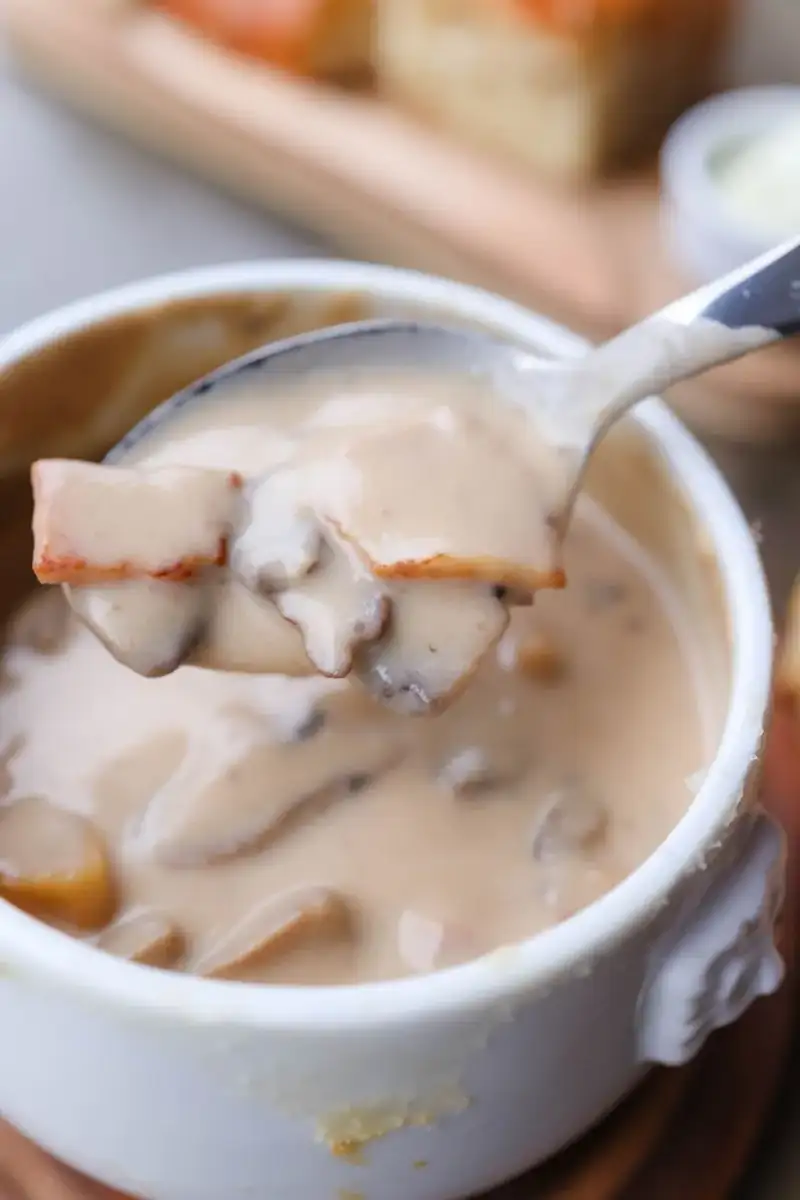
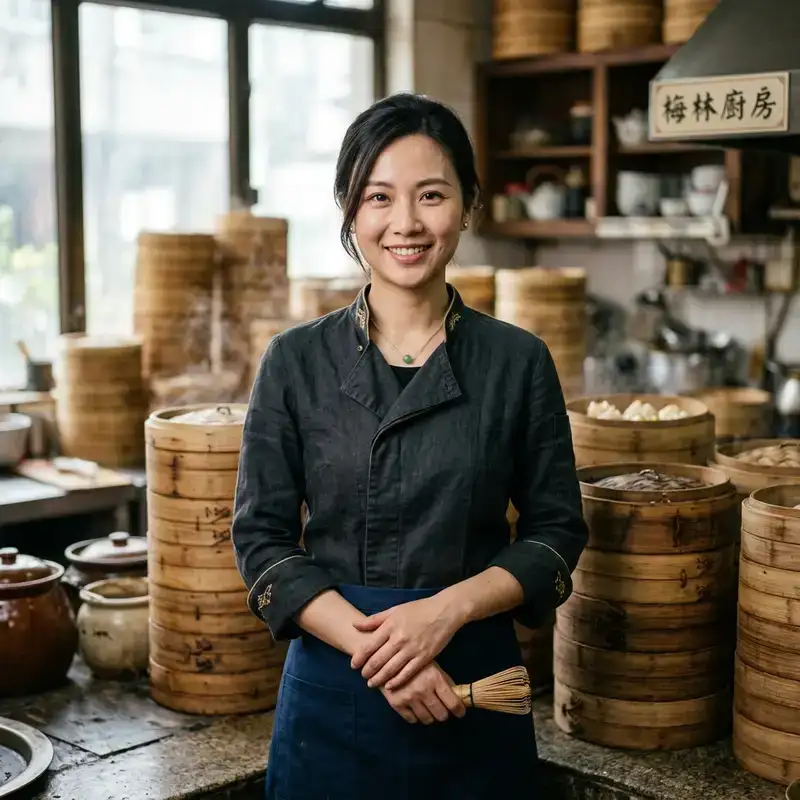
In the realm of comfort foods, few dishes evoke the same sense of warmth and nostalgia as congee, also affectionately known as jook. This traditional rice porridge has been a staple in many Eastern cultures for centuries, serving as a remedy for the sick, a comfort for the weary, and a staple for the hungry. Congee's gentle, soothing nature has captivated the hearts and taste buds of people worldwide, making it a universal symbol of care, love, and community. Introduction to Congee Congee is essentially a rice porridge made from rice and water, with the ratio of water to rice typically being much higher than regular cooked rice. This high water ratio and prolonged cooking time break down the starches in the rice, resulting in a creamy, smooth texture that is easily digestible. The simplicity of congee belies its depth of flavor and versatility, as it can be flavored with a wide array of ingredients to suit any taste or dietary need.Cultural Significance of Congee The cultural significance of congee spans across many Asian countries, including China, Japan, Korea, and Southeast Asia. In Chinese culture, congee is more than just a food; it's a symbol of nurturing and care. It's common for family members to prepare congee for those who are sick or recovering, as its easy-to-digest nature makes it an ideal meal for convalescents. Similarly, in Japan, a dishes like "okayu" (Japanese congee) is often served to those who are unwell. Varieties of Congee One of the fascinating aspects of congee is its diversity. Depending on the region and personal preferences, congee can be flavored and textured in countless ways. For instance, in China, congee can be made with various types of rice, including glutinous (sticky) rice, which gives it a distinctive chewy texture. It can also be flavored with ginger, soy sauce, and sesame oil for added depth. In Korea, congee might be made with other grains like barley or millet, offering a nuttier, earthier taste.Preparing Congee Preparing congee is an art that requires patience and attention to detail. The basic process involves rinsing the rice thoroughly, then cooking it in a large amount of water over low heat for an extended period. The duration of cooking can vary, but generally, it takes about an hour or more for the rice to break down into a smooth porridge. The key to making good congee is to stir it occasionally to prevent the rice from sticking to the bottom of the pot and to ensure even cooking. Serving and Enjoying Congee Congee is best enjoyed hot, fresh from the pot. It can be served plain or garnished with a variety of toppings to enhance its flavor and nutritional value. Common toppings include diced vegetables, lean meats, fish, and fermented products like kimchi or pickled ginger. The simplicity of congee makes it an excellent canvas for creative expression, allowing each person to tailor their bowl to their liking.Health Benefits of Congee Beyond its emotional comfort, congee also offers several health benefits. It's easy on the stomach, making it an ideal food for those with digestive issues. The high water content helps with hydration, and when flavored with herbs and spices, congee can have medicinal properties. For example, ginger congee is often consumed to alleviate nausea and aid in digestion. Conclusion Congee, or jook, stands as a testament to the power of simple, traditional foods to bring comfort, joy, and nourishment to our lives. Its rich history, diverse flavors, and numerous health benefits make it a dish that transcends cultural boundaries, inviting everyone to experience the warmth and love embedded in each bowl. Whether you're exploring the depths of traditional cuisine or simply seeking a meal that soothes the soul, congee is sure to become a cherished favorite.#CongeeLove #ComfortFood #RicePorridge #TraditionalCuisine #FoodForTheSoul #GlobalFoodTrends #HealthyEating #NourishingRecipes Related InsightsLa Bottarga: Più che un Condimento, un Elixir di Mare tra Mito, Storia e Alta Cucina Italiana Puttu and Kadala Curry: A Breakfast of Champions Thieboudienne: The Crown Jewel of Senegalese Cuisine{ "@context": "https://schema.org", "@type": "FAQPage", "mainEntity": [ { "@type": "Question", "name": "What is the main focus of Congee (Jook): The Ultimate Comforting Rice Porridge?", "acceptedAnswer": { "@type": "Answer", "text": "Discover the deep cultural roots, authentic flavors, and history of Congee (Jook): The Ultimate Comforting Rice Porridge." } }, { "@type": "Question", "name": "Who authored the comprehensive guide on Congee (Jook): The Ultimate Comforting Rice Porridge?", "acceptedAnswer": { "@type": "Answer", "text": "This detailed article and its insights were carefully researched and authored by Lin Yao." } }, { "@type": "Question", "name": "Where can I find more related content about Food?", "acceptedAnswer": { "@type": "Answer", "text": "You can explore more articles, detailed reviews, and similar insights by browsing the Related Insights section at the bottom of this article or visiting our dedicated Food category page." } } ] }

The Char Siu Bao, a harmonious marriage of tender barbecue pork and soft, fluffy bun, is a culinary masterpiece that has captured the hearts and taste buds of people around the world. This Cantonese-style barbecue pork bun is a staple in Chinese bakeries and restaurants, and its popularity can be attributed to the perfect balance of flavors, textures, and aromas that it offers. In this article, we will delve into the history, cultural significance, and authentic recipe of Char Siu Bao, as well as explore the various regional variations and modern twists that have emerged over time. Introduction to Char Siu Bao Char Siu Bao, which literally translates to "fork-roasted pork bun," has a long and storied history that dates back to the southern province of Guangdong in China. The dish is believed to have originated during the Qing dynasty, when roasted pork was served as a Luxury food item in banquets and special occasions. Over time, the recipe evolved to include a soft, fluffy bun that encased the tender and flavorful pork, creating a convenient and delicious snack that could be enjoyed on the go.Cultural Significance of Char Siu Bao Char Siu Bao is more than just a delicious snack; it is a cultural icon that represents the rich culinary heritage of Cantonese cuisine. In Hong Kong, where Char Siu Bao is a staple in every bakery and restaurant, the dish is often served as a dim sum item, typically accompanied by a cup of tea or coffee. The traditional recipe and cooking methods have been passed down through generations, with each family and region adding their own unique twist and flair to the dish. Authentic Recipe for Char Siu Bao To make authentic Char Siu Bao, you will need the following ingredients:2 cups of all-purpose flour 2 teaspoons of instant yeast 1 teaspoon of salt 1 tablespoon of sugar 1/4 cup of warm water 1/4 cup of milk 2 tablespoons of vegetable oil 1/2 cup of char siu pork filling (see below for recipe) 1 egg, beaten (for egg wash)Char Siu Pork Filling Recipe1 pound of pork shoulder, cut into small pieces 2 tablespoons of soy sauce 2 tablespoons of oyster sauce (optional) 2 tablespoons of honey 2 tablespoons of hoisin sauce 2 cloves of garlic, minced 1 tablespoon of five-spice powder 1 tablespoon of sesame oilTo make the char siu pork filling, combine all the ingredients in a bowl and mix well. Let it marinate for at least 2 hours or overnight. Then, roast the pork in a preheated oven at 400°F (200°C) for about 20-25 minutes, or until it is cooked through and caramelized. Assembling and Baking the Char Siu Bao To assemble the Char Siu Bao, divide the dough into small balls and roll each ball into a thin circle. Place a tablespoon of char siu pork filling in the center of the dough, and then fold the dough over to form a bun. Brush the top of the bun with an egg wash and bake in a preheated oven at 375°F (190°C) for about 15-20 minutes, or until the bun is golden brown.Regional Variations and Modern Twists While the traditional recipe for Char Siu Bao remains popular, there are many regional variations and modern twists that have emerged over time. In some parts of China, Char Siu Bao is served with a sweet and spicy sauce, while in other regions, it is filled with a variety of ingredients such as vegetables, seafood, or even tofu. In recent years, modern bakeries and restaurants have experimented with new flavors and ingredients, such as truffle oil, foie gras, or even vegan char siu pork alternatives. Conclusion Char Siu Bao is a culinary masterpiece that has captured the hearts and taste buds of people around the world. With its rich cultural heritage, authentic flavors, and fluffy texture, it is no wonder that this dish has become a staple in Chinese cuisine. Whether you are a foodie, a cultural enthusiast, or simply a lover of delicious snacks, Char Siu Bao is a must-try dish that is sure to satisfy your cravings and leave you wanting more.#CharSiuBao #ChineseFood #CantoneseCuisine #Foodie #DimSum #BarbecuePork #FluffyBuns #TraditionalRecipe #CulturalHeritage Related InsightsLe Garum Oublié : Voyage au Cœur de l'Umami Antique et de ses Résurrections Modernes The Hidden Science Behind Every Bite: How Food Shapes Our Health, Culture, and Future Feijoada: Brazil’s Hearty Black Bean Stew and the Soul of a Nation{ "@context": "https://schema.org", "@type": "FAQPage", "mainEntity": [ { "@type": "Question", "name": "What is the main focus of Char Siu Bao: The Fluffy BBQ Pork Bun?", "acceptedAnswer": { "@type": "Answer", "text": "Discover the deep cultural roots, authentic flavors, and history of Char Siu Bao: The Fluffy BBQ Pork Bun." } }, { "@type": "Question", "name": "Who authored the comprehensive guide on Char Siu Bao: The Fluffy BBQ Pork Bun?", "acceptedAnswer": { "@type": "Answer", "text": "This detailed article and its insights were carefully researched and authored by Lin Yao." } }, { "@type": "Question", "name": "Where can I find more related content about Food?", "acceptedAnswer": { "@type": "Answer", "text": "You can explore more articles, detailed reviews, and similar insights by browsing the Related Insights section at the bottom of this article or visiting our dedicated Food category page." } } ] }
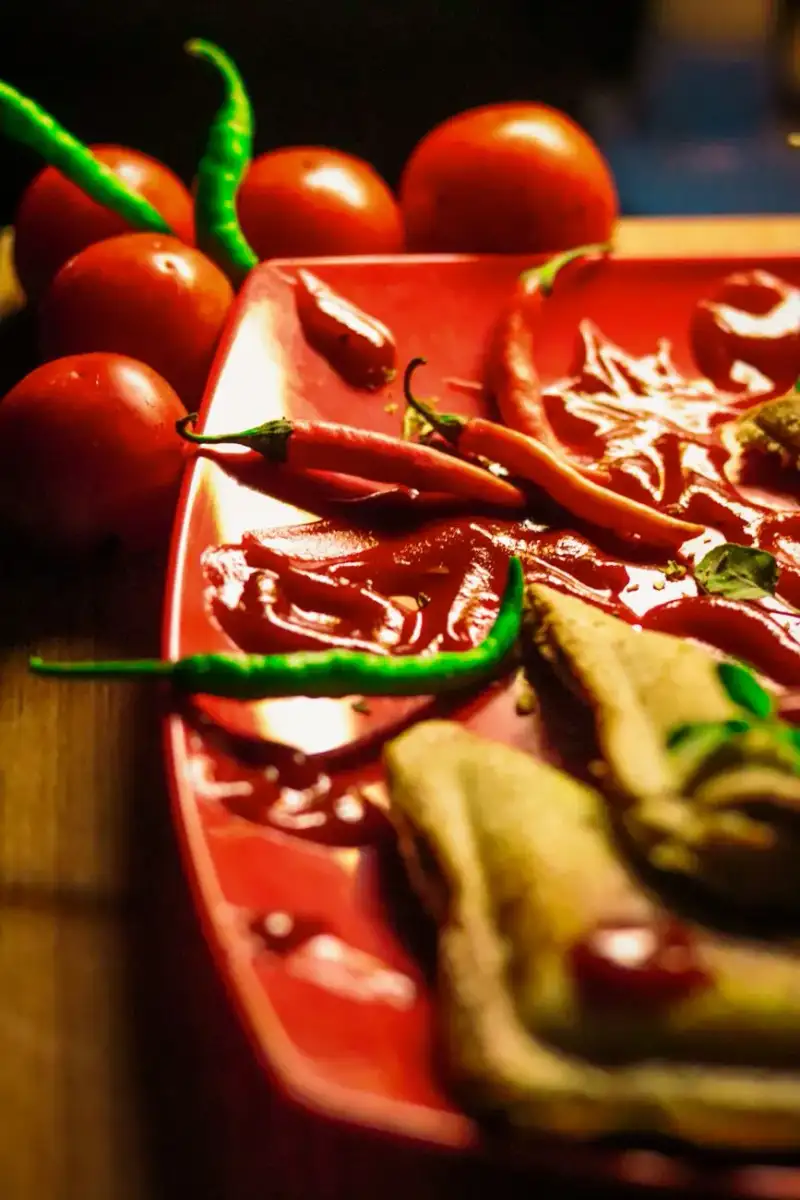
The allure of Mapo Tofu, a dish so deeply ingrained in the culinary psyche of China, is a testament to the power of flavor and tradition. This spicy and numbing classic, originating from the Sichuan province, has captivated the hearts and taste buds of people around the world. Its rich history, intertwined with the cultural and culinary evolution of China, makes Mapo Tofu more than just a dish—it's an experience. Introduction to Mapo Tofu Mapo Tofu, named after its creator, Mrs. Chen Mapo, is a quintessential Sichuan dish that has been a staple of Chinese cuisine for centuries. The name "Mapo" literally translates to "pockmarked old lady," a reference to Mrs. Chen's appearance. Despite its humble origins, Mapo Tofu has become an iconic representation of Sichuan cuisine, known for its bold flavors and spices. The History of Mapo TofuThe history of Mapo Tofu dates back to the late Qing dynasty, when Mrs. Chen, a small restaurant owner in Chengdu, began serving a unique tofu dish to her customers. The original recipe, which included tofu, ground pork, and a variety of spices, quickly gained popularity among locals and eventually spread throughout the region. Over time, Mapo Tofu evolved and was refined, with various adaptations and interpretations emerging across China. The Flavor Profile of Mapo Tofu One of the defining characteristics of Mapo Tofu is its complex and numbing flavor profile, which is achieved through the use of Sichuan peppercorns and chili peppers. The Sichuan peppercorn, with its unique numbing sensation, adds a depth and complexity to the dish that is unparalleled in other Chinese cuisines. The combination of spicy and numbing flavors, along with the richness of the ground pork and the softness of the tofu, creates a truly addictive and satisfying culinary experience. Ingredients and PreparationThe preparation of authentic Mapo Tofu requires a variety of ingredients, including tofu, ground pork, Sichuan peppercorns, chili peppers, garlic, ginger, and fermented soybeans. The dish is typically cooked in a wok, where the ingredients are stir-fried together in a mixture of oil, soy sauce, and Shaoxing wine. The key to a great Mapo Tofu lies in the balance of flavors and the texture of the ingredients, which should be soft and silky but still retain a hint of crunch and freshness. Regional Variations and AdaptationsDespite its origins in Sichuan, Mapo Tofu has undergone numerous regional variations and adaptations throughout China. In some regions, the dish is made with different types of meat or seafood, while in others, the level of spiciness and numbing sensation is adjusted to suit local tastes. These variations not only reflect the diversity of Chinese cuisine but also demonstrate the versatility and adaptability of Mapo Tofu as a dish. Cultural Significance and Legacy Mapo Tofu has played a significant role in Chinese culinary culture, representing the country's rich gastronomic heritage and its ability to evolve and adapt over time. The dish has been featured in numerous cookbooks, food blogs, and restaurants around the world, introducing its unique flavors and spices to a global audience. As a cultural icon, Mapo Tofu continues to inspire new generations of chefs, food enthusiasts, and cultural ambassadors, ensuring its legacy as a beloved and enduring symbol of Chinese cuisine. Conclusion Mapo Tofu, with its spicy and numbing flavors, rich history, and cultural significance, is a true classic of Chinese cuisine. Whether you're a seasoned food enthusiast or just discovering the wonders of Sichuan cuisine, Mapo Tofu is a dish that is sure to captivate and inspire. Its complex flavor profile, combined with its versatility and adaptability, make it a must-try for anyone looking to explore the depths of Chinese culinary culture. #MapoTofu #SichuanCuisine #ChineseFood #SpicyFood #NumbingFlavors #TraditionalRecipes #CulturalHeritage #FoodieAdventures Related InsightsAvocado and Poached Egg Toast on Sourdough The Architecture of Flavor: Deconstructing the Empire of Haute Cuisine Kung Pao: The Perfect Balance of Sweet and Heat{ "@context": "https://schema.org", "@type": "FAQPage", "mainEntity": [ { "@type": "Question", "name": "What is the main focus of Mapo Tofu: The Spicy and Numbing Classic?", "acceptedAnswer": { "@type": "Answer", "text": "Discover the deep cultural roots, authentic flavors, and history of Mapo Tofu: The Spicy and Numbing Classic." } }, { "@type": "Question", "name": "Who authored the comprehensive guide on Mapo Tofu: The Spicy and Numbing Classic?", "acceptedAnswer": { "@type": "Answer", "text": "This detailed article and its insights were carefully researched and authored by Wei Chen." } }, { "@type": "Question", "name": "Where can I find more related content about Food?", "acceptedAnswer": { "@type": "Answer", "text": "You can explore more articles, detailed reviews, and similar insights by browsing the Related Insights section at the bottom of this article or visiting our dedicated Food category page." } } ] }
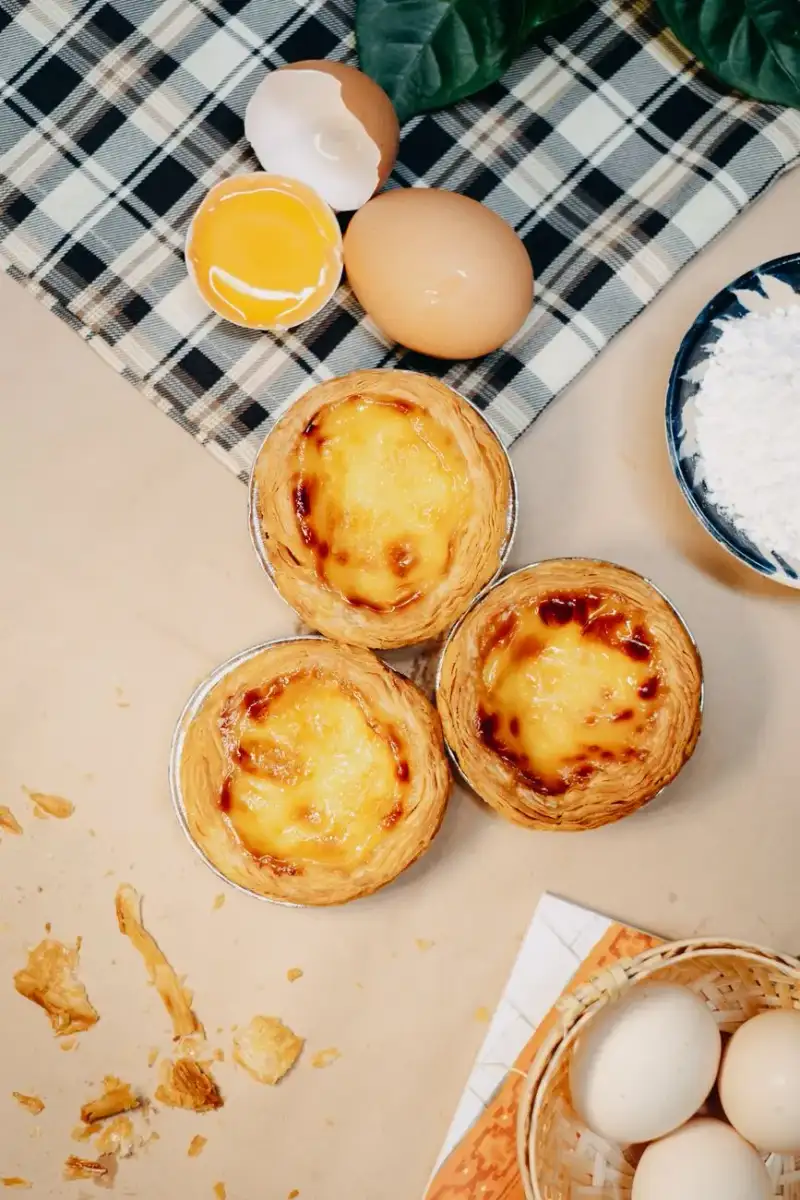
The allure of the egg tart, a delicate pastry crust cradling a trembling, golden custard, is a sensory experience like no other. Known as "Dan Tat" in Cantonese, this sweet delight has become an iconic symbol of Cantonese cuisine, a culture so rich and vibrant that its influence spans the globe. In the world of desserts, few can claim the same level of elegance and simplicity as the egg tart, a treat that embodies the essence of traditional Cantonese pastries. Introduction to Egg Tarts Egg tarts, or Dan Tat, have a history that traces back to the Portuguese influence in Macau, a special administrative region of China. The story goes that these tarts were inspired by the Portuguese "pastel de nata," a similar egg tart pastry that has been a staple in Portugal since the 18th century. Over time, the Cantonese adapted this dessert, infusing it with their unique culinary sensibilities to create the Dan Tat we know and love today. These tarts are typically small, making them a perfect snack or dessert. They consist of a flaky pastry crust filled with a creamy egg custard, caramelized to a golden brown perfection.The Cultural Significance of Dan Tat In Cantonese culture, food is not just sustenance but a way to connect with history and family. The Dan Tat, with its delicate layers and smooth custard, represents the patience and dedication that are hallmarks of Cantonese cuisine. It's a dessert that is often served in dim sum restaurants, alongside other traditional dishes like har gow and siu mai, as part of the yum cha (drinking tea) tradition. This tradition is more than just a meal; it's a social occasion where family and friends gather to enjoy each other's company over delicious food and tea. Making the Perfect Dan Tat The art of making Dan Tat is intricate, requiring precision and patience. The pastry crust, for instance, must be flaky yet firm enough to hold the custard without becoming too dense. The custard itself is a delicate balance of eggs, sugar, and milk, cooked to a point where it's set but still retains a silky smoothness. The baking process is equally crucial, as the tarts need to be caramelized to the right golden brown without overcooking the custard. Achieving this perfect balance is what sets a good Dan Tat apart from a great one.Variations of Dan Tat While traditional Dan Tat remains the most beloved, modern bakeries and chefs have begun to experiment with new flavors and ingredients, creating unique variations of the classic dessert. Some popular variations include adding flavorings like coconut, chocolate, or fruit to the custard, or using different types of milk to alter the taste and texture. Despite these innovations, the traditional recipe remains the gold standard, with its classic combination of eggs, sugar, and milk offering a timeless appeal that transcends trends. The Global Appeal of Egg Tarts The appeal of Dan Tat extends far beyond the borders of Cantonese-speaking regions. These tarts have become a beloved dessert worldwide, with bakeries from Tokyo to New York offering their interpretations of the classic recipe. The reasons for their global popularity are manifold. Firstly, the combination of the crispy pastry and the silky custard offers a textural contrast that is universally appealing. Secondly, the simplicity of the ingredients belies the complexity of the flavor profile, making it accessible to a wide range of palates.Conclusion The egg tart, or Dan Tat, is more than just a dessert; it's a bridge to the rich cultural heritage of Cantonese cuisine. With its delicate pastry, smooth custard, and the story of adaptation and evolution, the Dan Tat embodies the spirit of traditional Cantonese desserts. Whether enjoyed in a bustling dim sum restaurant or a quaint bakery, the Dan Tat offers a taste of history and culture, a reminder of the power of food to connect us across time and place. #EggTarts #DanTat #CantoneseDesserts #TraditionalFood #StreetFood #CulturalHistory #FoodieAdventures #DessertLovers Related InsightsBun Cha: The Smoky Grilled Pork and Noodles of Hanoi Le Sushi : Odyssée Salée et Sucrée, de la Préservation Antique à l'Art Culinaire Éphémère The Gastronomic Odyssey: From Charred Street Corn to the Pinnacle of Michelin Perfection{ "@context": "https://schema.org", "@type": "FAQPage", "mainEntity": [ { "@type": "Question", "name": "What is the main focus of Egg Tarts (Dan Tat): The Sweet Cantonese Finish?", "acceptedAnswer": { "@type": "Answer", "text": "Discover the deep cultural roots, authentic flavors, and history of Egg Tarts (Dan Tat): The Sweet Cantonese Finish." } }, { "@type": "Question", "name": "Who authored the comprehensive guide on Egg Tarts (Dan Tat): The Sweet Cantonese Finish?", "acceptedAnswer": { "@type": "Answer", "text": "This detailed article and its insights were carefully researched and authored by Lin Yao." } }, { "@type": "Question", "name": "Where can I find more related content about Food?", "acceptedAnswer": { "@type": "Answer", "text": "You can explore more articles, detailed reviews, and similar insights by browsing the Related Insights section at the bottom of this article or visiting our dedicated Food category page." } } ] }
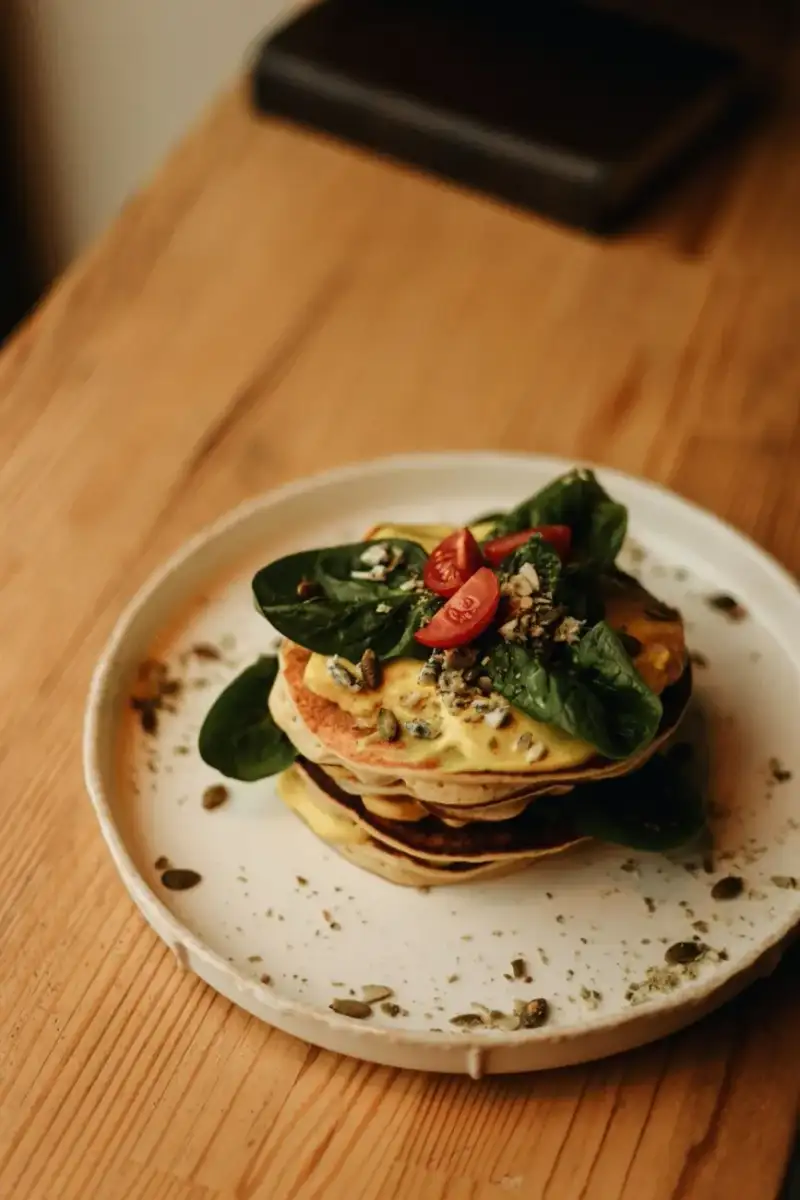
In the misty dawn of Old Delhi, where the narrow alleys whisper tales of the past, a rich, aromatic stew simmers in large vessels, filling the air with an irresistible aroma that beckons the senses. This is Nihari, the quintessential morning stew of the Nawabs, a dish so steeped in history and tradition that its very name evokes images of lavish feasts and royal courts. As the first light of dawn creeps over the horizon, the streets come alive with the sound of sizzling meat and the soft murmur of early risers gathering around steaming bowls of Nihari, each spoonful a testament to the culinary genius of a bygone era. Introduction to Nihari Nihari, which literally translates to "morning" in Arabic, has its roots in the Mughal Empire, where it was served as a breakfast dish to the royal family and nobles. This slow-cooked stew, typically made with lamb or beef, is characterized by its rich, flavorful broth and the fall-off-the-bone tenderness of the meat. The recipe, passed down through generations, involves a intricate blend of spices, including cardamom, cinnamon, and cloves, which are carefully balanced to create a deep, satisfying flavor profile.The Cultural Significance of Nihari Nihari is more than just a dish; it is a cultural phenomenon that reflects the rich culinary heritage of the Indian subcontinent. In the royal courts of the Mughal Empire, Nihari was a staple dish, often served at special occasions and ceremonies. The slow-cooking process, which can take up to 6-8 hours, was a labor of love, with chefs carefully monitoring the stew to ensure that the flavors melded together in perfect harmony. Today, Nihari remains a beloved dish, not just in India and Pakistan, but also in other parts of the world, where it is often served at cultural festivals and events. Preparing Nihari: A Labor of Love Preparing Nihari is an art that requires patience, skill, and attention to detail. The recipe begins with the selection of high-quality meat, which is then marinated in a mixture of spices, yogurt, and lemon juice. The meat is then slow-cooked in a large vessel, typically made of clay or copper, over a low flame, allowing the flavors to penetrate deep into the meat. The broth, which is the backbone of the dish, is carefully monitored, with spices and seasonings added at regular intervals to create a rich, flavorful base.The Authentic Recipe For those who wish to try their hand at making Nihari, here is an authentic recipe that has been passed down through generations:1 kg lamb or beef, cut into small pieces 2 medium onions, chopped 2 cloves garlic, minced 1 teaspoon ginger paste 1 teaspoon cumin seeds 1 teaspoon coriander seeds 1 teaspoon cardamom powder 1 teaspoon cinnamon powder 1/2 teaspoon cloves powder 1/2 teaspoon black pepper powder 1/2 teaspoon salt 2 tablespoons ghee or oil 2 cups water 2 tablespoons wheat flour 2 tablespoons lemon juice Fresh cilantro, chopped (for garnish)Serving Nihari Nihari is typically served with a variety of accompaniments, including naan bread, rice, and salad. The dish is garnished with fresh cilantro, ginger, and a squeeze of lemon juice, which adds a burst of freshness to the rich, flavorful stew. In traditional settings, Nihari is often served in large, communal bowls, where diners gather around to share in the experience of savoring this delicious dish.Conclusion Nihari, the rich morning stew of the Nawabs, is a culinary masterpiece that reflects the deep cultural roots and traditions of the Indian subcontinent. This slow-cooked stew, with its rich, flavorful broth and tender meat, is a testament to the culinary genius of a bygone era. Whether you are a food enthusiast, a historian, or simply someone who appreciates the beauty of traditional cuisine, Nihari is a dish that is sure to captivate your senses and leave you wanting more.#Nihari #TraditionalFood #StreetFood #CulturalHistory #FoodLovers #MorningStew #Nawabs #RichFlavors Related InsightsThe Bitter Revolution: How Chicory, Radicchio, and Dandelion Are Redefining Modern Menus Banh Mi: The Perfect French-Vietnamese Fusion Sandwich Jollof Rice: The Ultimate West African Party Dish{ "@context": "https://schema.org", "@type": "FAQPage", "mainEntity": [ { "@type": "Question", "name": "What is the main focus of Nihari: The Rich Morning Stew of the Nawabs?", "acceptedAnswer": { "@type": "Answer", "text": "Discover the deep cultural roots, authentic flavors, and history of Nihari: The Rich Morning Stew of the Nawabs." } }, { "@type": "Question", "name": "Who authored the comprehensive guide on Nihari: The Rich Morning Stew of the Nawabs?", "acceptedAnswer": { "@type": "Answer", "text": "This detailed article and its insights were carefully researched and authored by Rahul Sharma." } }, { "@type": "Question", "name": "Where can I find more related content about Food?", "acceptedAnswer": { "@type": "Answer", "text": "You can explore more articles, detailed reviews, and similar insights by browsing the Related Insights section at the bottom of this article or visiting our dedicated Food category page." } } ] }
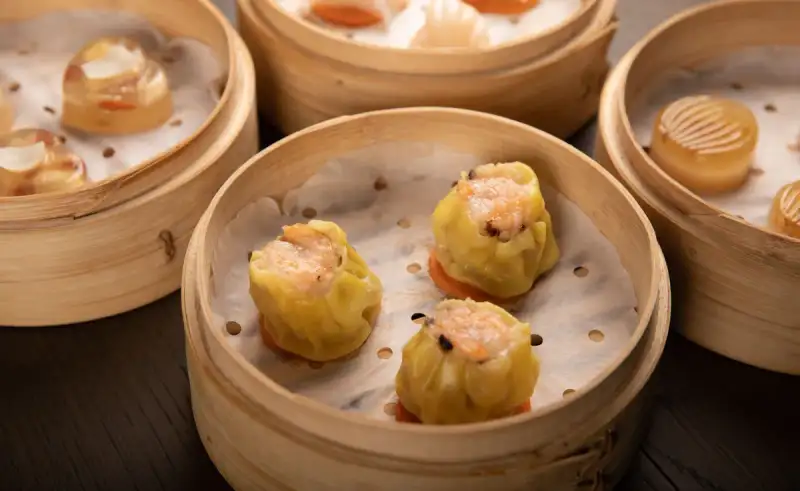
In the realm of Cantonese cuisine, there exists a dish so divine, it has captured the hearts and taste buds of people around the world. Har Gow, the translucent shrimp dumpling, is a masterpiece of traditional dim sum that has been perfected over centuries. Its delicate, crystal-like wrapper, wrapped around a savory filling of shrimp, has become an iconic symbol of Chinese cuisine. Introduction to Har Gow The name "Har Gow" literally translates to "shrimp dumpling" in Cantonese, with "har" meaning shrimp and "gow" meaning dumpling. This succulent treat is typically served as part of a dim sum meal, which is a style of Chinese cuisine where small, shareable dishes are served in a variety of steamer baskets. The delicate wrapping of Har Gow is made from a mixture of wheat starch, tapioca starch, and cornstarch, which gives it a translucent and chewy texture.The filling of Har Gow is just as important as the wrapping, with fresh shrimp being the main ingredient. The shrimp is typically marinated in a mixture of soy sauce, sesame oil, and other seasonings before being wrapped in the delicate wrapper. The result is a flavorful and aromatic dumpling that is both visually appealing and delicious to eat. History of Har Gow The origins of Har Gow are unclear, but it is believed to have originated in the southern province of Guangdong, China, during the Qing dynasty. At that time, dim sum was a popular style of cuisine in the region, with tea houses serving a variety of small dishes to accompany tea. Har Gow quickly became a favorite among locals and visitors alike, with its delicate wrapping and flavorful filling making it a standout dish. Over time, Har Gow spread throughout China and eventually to other parts of the world, with Chinese immigrants bringing their culinary traditions with them. Today, Har Gow is enjoyed not only in China but also in other countries with significant Chinese populations, such as the United States, Canada, and Australia. Preparation of Har Gow The preparation of Har Gow is an art form that requires great skill and patience. The wrapping of the dumpling is the most challenging part, as it requires a delicate touch to create the perfect, translucent wrapper. The wrapper must be thin enough to be transparent, yet thick enough to hold the filling without breaking.The filling of Har Gow is also an important part of the preparation process. Fresh shrimp must be used to ensure the best flavor and texture, and the shrimp must be marinated in a mixture of soy sauce, sesame oil, and other seasonings to bring out the flavor. The shrimp is then mixed with other ingredients, such as scallions and bamboo shoots, to add texture and flavor to the filling. Cooking Har Gow Har Gow is typically cooked by steaming, which helps to preserve the delicate wrapper and flavorful filling. The dumplings are placed in a steamer basket and steamed over boiling water for several minutes, until the wrapper is cooked through and the filling is heated to perfection.The steaming process is an important part of cooking Har Gow, as it helps to bring out the flavors of the filling and wrapper. The dumplings are typically served hot, with a dipping sauce made from soy sauce, chili oil, and other seasonings. Cultural Significance of Har Gow Har Gow is more than just a delicious dish - it is also a cultural icon that represents the rich culinary traditions of Cantonese cuisine. The dish is often served at special occasions, such as weddings and birthday celebrations, and is a popular item on dim sum menus around the world. The cultural significance of Har Gow is also reflected in its preparation and cooking. The wrapping of the dumpling is a time-honored tradition that has been passed down from generation to generation, with each wrapper being carefully crafted by hand to create the perfect, translucent wrapper. Conclusion In conclusion, Har Gow is a masterpiece of traditional dim sum that has captured the hearts and taste buds of people around the world. Its delicate, crystal-like wrapper and savory filling of shrimp have made it a beloved dish in Cantonese cuisine, and its cultural significance is reflected in its preparation, cooking, and serving. Whether you are a foodie, a cultural enthusiast, or simply someone who loves to try new dishes, Har Gow is a must-try. With its rich history, cultural significance, and delicious flavor, it is a dish that is sure to leave a lasting impression. #Foodie #DimSum #CantoneseCuisine #ShrimpDumplings #TraditionalFood #StreetFood #CulturalHistory #ChineseCuisine Related InsightsFrom Forest Floor to Flavor Lab: The Evolution of Umami in Vegan Stock Dan Dan Noodles: The Ultimate Szechuan Street Bowl Hannah Weber's Guide to Delicious and Healthy Sprouted Grain Bread with Avocado and Radish (Vegan){ "@context": "https://schema.org", "@type": "FAQPage", "mainEntity": [ { "@type": "Question", "name": "What is the main focus of Har Gow: The Translucent Shrimp Dumpling Masterpiece?", "acceptedAnswer": { "@type": "Answer", "text": "Discover the deep cultural roots, authentic flavors, and history of Har Gow: The Translucent Shrimp Dumpling Masterpiece." } }, { "@type": "Question", "name": "Who authored the comprehensive guide on Har Gow: The Translucent Shrimp Dumpling Masterpiece?", "acceptedAnswer": { "@type": "Answer", "text": "This detailed article and its insights were carefully researched and authored by Lin Yao." } }, { "@type": "Question", "name": "Where can I find more related content about Food?", "acceptedAnswer": { "@type": "Answer", "text": "You can explore more articles, detailed reviews, and similar insights by browsing the Related Insights section at the bottom of this article or visiting our dedicated Food category page." } } ] }
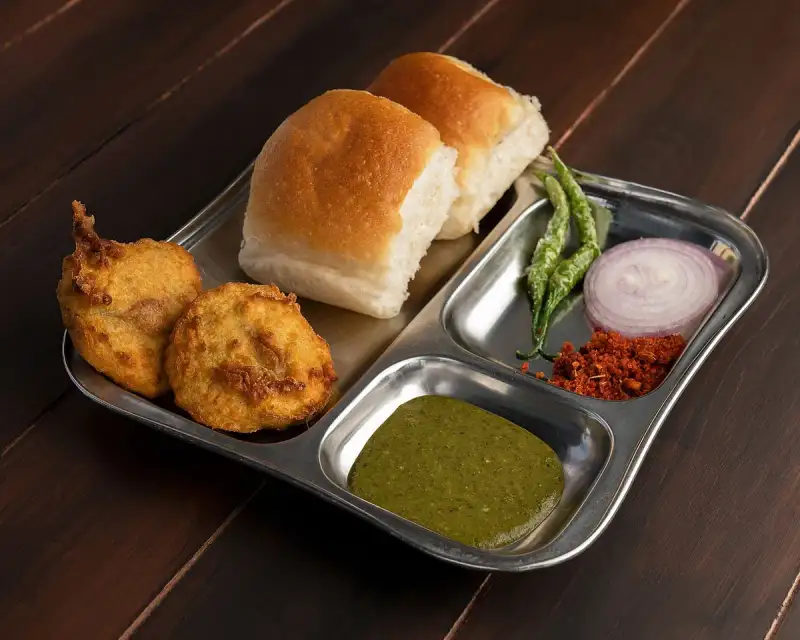
The vibrant streets of Mumbai, formerly known as Bombay, are a melting pot of cultures, traditions, and cuisines. Among the myriad of street foods that line the streets of this bustling metropolis, there is one dish that stands out as a quintessential symbol of Mumbai's culinary identity: Vada Pav. This humble snack, consisting of a crispy fried potato dumpling served in a soft, fluffy bun, has captured the hearts and taste buds of Mumbaikars and visitors alike. In this article, we will delve into the rich history, cultural significance, and authentic recipe of Vada Pav, the heartbeat of Mumbai. Introduction to Vada Pav Vada Pav, also known as the "Indian burger," is a popular street food that originated in Mumbai in the 1960s. The dish is believed to have been created by a street vendor named Ashok Vaidya, who began serving fried potato dumplings in a bun to hungry commuters at the Dadar railway station. The snack quickly gained popularity, and soon, Vada Pav vendors could be found on almost every street corner in Mumbai.The Cultural Significance of Vada Pav Vada Pav is more than just a snack; it is a cultural phenomenon that reflects the diversity and resilience of Mumbai's people. The dish has become an integral part of the city's street food scene, with vendors serving Vada Pav to people from all walks of life, from busy office workers to students and tourists. The snack is often served with a variety of chutneys and spices, which add to its flavor and appeal. The Authentic Recipe of Vada Pav The authentic recipe of Vada Pav involves a few simple ingredients, including potatoes, chickpea flour, onions, garlic, and spices. The potatoes are boiled and mashed, then mixed with chickpea flour, onions, garlic, and spices to form a dough. The dough is then shaped into small dumplings, which are fried until crispy and served in a soft, fluffy bun.To make Vada Pav at home, you will need the following ingredients:2 large potatoes, boiled and mashed 1 cup chickpea flour 1/2 cup onions, finely chopped 2 cloves garlic, minced 1 teaspoon cumin seeds 1 teaspoon coriander powder 1/2 teaspoon turmeric powder Salt, to taste 2 tablespoons oil, for frying 4-6 buns, for serving Chutneys and spices, for servingPreparing the Vada Pav To prepare the Vada Pav, start by mixing the mashed potatoes, chickpea flour, onions, garlic, cumin seeds, coriander powder, turmeric powder, and salt in a large bowl. Divide the mixture into small portions and shape each portion into a dumpling. Heat the oil in a deep frying pan and fry the dumplings until crispy and golden brown. Serve the Vada Pav in a soft, fluffy bun with your choice of chutneys and spices.Variations of Vada Pav While the traditional recipe of Vada Pav remains the same, there are several variations of the snack that can be found in Mumbai and other parts of India. Some popular variations include:Cheese Vada Pav: This variation involves adding melted cheese to the Vada Pav, which adds a rich and creamy texture to the snack. Schezwan Vada Pav: This variation involves adding Schezwan sauce to the Vada Pav, which gives the snack a spicy and tangy flavor. Jain Vada Pav: This variation involves using a special type of potato that is grown without the use of fertilizers or pesticides, making it a popular choice for Jains and other vegetarians.Conclusion Vada Pav is a snack that has captured the hearts and taste buds of people all over the world. Its rich history, cultural significance, and authentic recipe make it a must-try for anyone visiting Mumbai or looking to experience the city's culinary delights. Whether you are a foodie, a history buff, or simply a lover of street food, Vada Pav is a snack that is sure to leave you wanting more. #VadaPav #MumbaiStreetFood #IndianCuisine #StreetFoodLover #Foodie #CulturalSignificance #AuthenticRecipe #MumbaiFoodScene
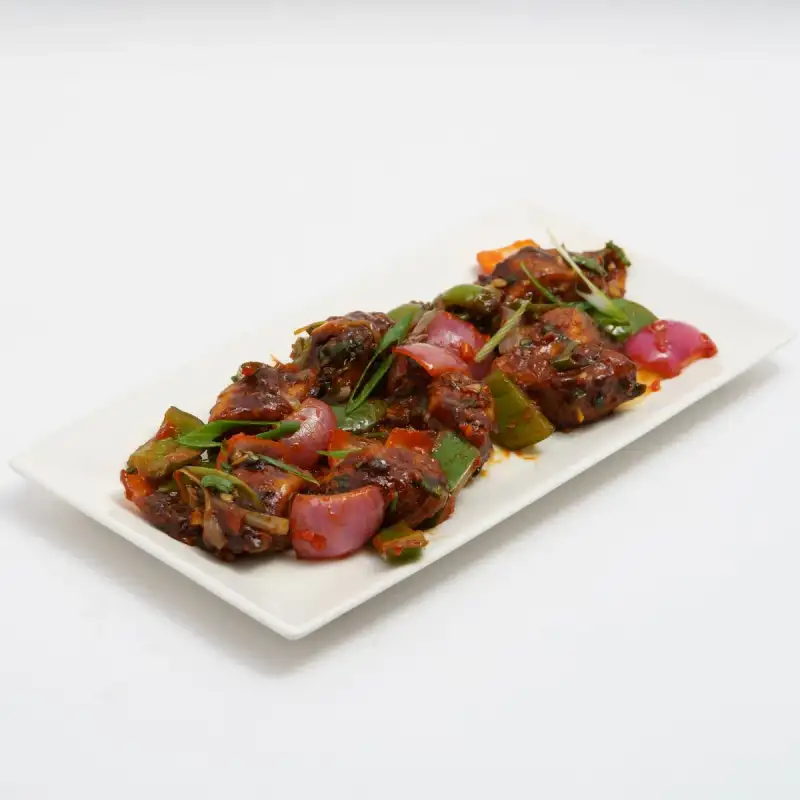
In the realm of Chinese cuisine, few dishes have garnered as much global acclaim as Kung Pao, a spicy stir-fry that masterfully balances the yin and yang of sweet and heat. This iconic Szechuan dish has become a staple of Chinese restaurants worldwide, and its popularity shows no signs of waning. But what lies behind the allure of Kung Pao, and how did this humble stir-fry rise to fame? In this article, we'll delve into the rich history, cultural significance, and, of course, the authentic recipe behind this beloved dish. Introduction to Kung Pao Kung Pao, also known as Gong Bao, is a stir-fry that originated in the Szechuan province of China. The name "Kung Pao" roughly translates to "Palace Guardian" or "Ding Bao," which refers to a high-ranking official in the Qing dynasty. This dish was allegedly created in the late 19th century by a Chinese chef named Ding Baozhen, who served as a governor of Szechuan province. The original recipe was designed to cater to the governor's taste preferences, which leaned towards the bold and spicy flavors characteristic of Szechuan cuisine. The Cultural Significance of Kung PaoKung Pao is more than just a dish; it's a reflection of Szechuan's cultural heritage. This region is renowned for its bold flavors, vivid colors, and poetic landscapes. The liberal use of Szechuan pepper, chili peppers, and fermented soybeans in Kung Pao is a testament to the province's affinity for pungent and aromatic ingredients. The dish has become an integral part of Szechuan's culinary identity, with various regional adaptations and interpretations. Authentic Recipe: A Symphony of Flavors The traditional Kung Pao recipe consists of marinated chicken, roasted peanuts, scallions, ginger, garlic, Szechuan pepper, and chili peppers, all stir-fried in a wok. The sauce is typically made with a combination of soy sauce, Shaoxing wine, cornstarch, and vinegar. To create an authentic Kung Pao experience, it's essential to use high-quality ingredients, including fresh Szechuan peppercorns and whole chili peppers. Key Ingredients:1 lb boneless, skinless chicken breast or thighs 2 tablespoons soy sauce 1 tablespoon Shaoxing wine 1 tablespoon cornstarch 2 tablespoons vegetable oil 3 cloves garlic, minced 1 tablespoon ginger, minced 1 tablespoon Szechuan pepper, toasted and ground 2-3 whole chili peppers, toasted and chopped 1 cup roasted peanuts 1/4 cup scallions, chopped Salt and pepper to tasteStep-by-Step PreparationTo prepare an authentic Kung Pao dish, follow these steps:Marinate the chicken in a mixture of soy sauce, Shaoxing wine, and cornstarch for at least 30 minutes. Heat 1 tablespoon of vegetable oil in a wok over high heat. Add the chicken and stir-fry until cooked through. Remove the chicken from the wok and set aside. In the same wok, add the remaining 1 tablespoon of vegetable oil. Stir-fry the minced garlic, ginger, Szechuan pepper, and chili peppers until fragrant. Add the roasted peanuts and stir-fry for 1-2 minutes, until lightly toasted. Add the cooked chicken back into the wok, along with the chopped scallions. Stir-fry everything together for another minute, seasoning with salt and pepper to taste. Serve the Kung Pao hot, garnished with additional scallions and Szechuan pepper if desired.The Perfect Balance of Sweet and HeatThe beauty of Kung Pao lies in its masterful balance of sweet and heat. The Szechuan pepper adds a unique numbing sensation, while the chili peppers provide a slow-building heat. The sweetness from the soy sauce and Shaoxing wine balances out the spiciness, creating a harmonious flavor profile. To achieve this balance, it's crucial to adjust the amount of chili peppers and Szechuan pepper according to your personal taste preferences. Conclusion Kung Pao is more than just a dish; it's a cultural phenomenon that has captured the hearts and taste buds of people worldwide. Its perfect balance of sweet and heat has made it a staple of Chinese cuisine, with a rich history and cultural significance that continues to inspire and delight. Whether you're a seasoned food enthusiast or a curious newcomer, Kung Pao is a dish that will leave you wanting more.#KungPaoChicken #SzechuanCuisine #ChineseFood #Foodie #SpicyFood #StirFry #CulturalHeritage #TraditionalRecipe #AuthenticFlavors #SweetAndHeat #BalanceOfFlavors #FoodLover #ChineseCulture #StreetFood #RestaurantQuality Related InsightsFeijoada: Brazil’s Hearty Black Bean Stew and the Soul of a Nation From Ancient Grills to Modern Plates: Demir Şef's High-Protein Chicken Shish Kebab with Zesty Sumac Salad - A Culinary Journey Through Culture and Wellness Black Forest Oat Porridge with Berries and Nuts (Vegan): A Nutritious and Delicious Antioxidant-Rich Breakfast{ "@context": "https://schema.org", "@type": "FAQPage", "mainEntity": [ { "@type": "Question", "name": "What is the main focus of Kung Pao: The Perfect Balance of Sweet and Heat?", "acceptedAnswer": { "@type": "Answer", "text": "Discover the deep cultural roots, authentic flavors, and history of Kung Pao: The Perfect Balance of Sweet and Heat." } }, { "@type": "Question", "name": "Who authored the comprehensive guide on Kung Pao: The Perfect Balance of Sweet and Heat?", "acceptedAnswer": { "@type": "Answer", "text": "This detailed article and its insights were carefully researched and authored by Wei Chen." } }, { "@type": "Question", "name": "Where can I find more related content about Food?", "acceptedAnswer": { "@type": "Answer", "text": "You can explore more articles, detailed reviews, and similar insights by browsing the Related Insights section at the bottom of this article or visiting our dedicated Food category page." } } ] }
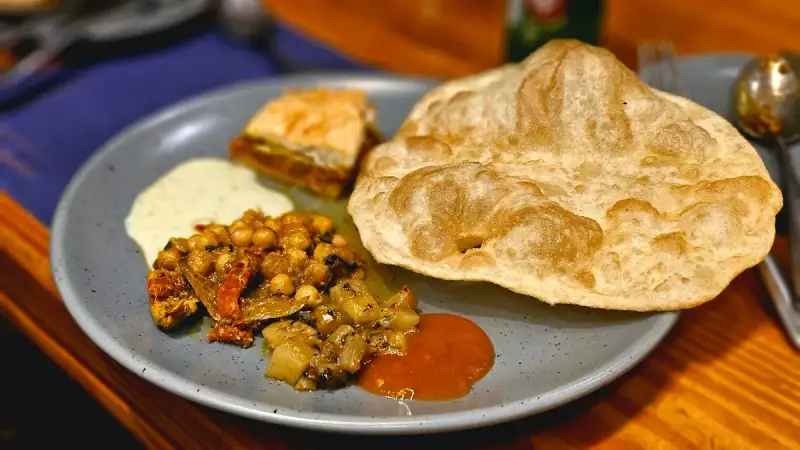
The mere mention of Masala Dosa is enough to transport your senses to the bustling streets of India, where the aroma of fermented batter and spices wafts through the air, teasing your taste buds and beckoning you to take a bite. This crispy crepe, stuffed with a flavorful mixture of spiced potatoes, onions, and chutneys, has become an iconic symbol of Indian cuisine, beloved by people all over the world. But the story of Masala Dosa is more than just a recipe – it's a tale of cultural heritage, tradition, and innovation. Introduction to Masala Dosa Masala Dosa is a type of fermented crepe made from rice and lentil batter, originating from the southern Indian state of Tamil Nadu. The name "Masala Dosa" literally translates to "spiced dosa," referring to the flavorful filling that's wrapped inside the crispy crepe. The dish has a long history, dating back to the 10th century, when it was first mentioned in the Tamil literature. Over time, Masala Dosa has evolved and spread to different parts of India, with various regional variations and adaptations.The Cultural Significance of Masala Dosa Masala Dosa is more than just a food item – it's an integral part of Indian culture and tradition. In southern India, Masala Dosa is a staple breakfast food, often served with sambar (a lentil-based vegetable stew) and chutney. The dish is also an important part of Indian festivals and celebrations, such as the Hindu festival of Diwali, where it's traditionally served as a sweet and savory treat. The cultural significance of Masala Dosa is reflected in its preparation and consumption, which is often a communal and social activity. The Art of Making Masala Dosa Making Masala Dosa is an art that requires skill, patience, and practice. The batter is made from a mixture of rice and lentils, which are soaked, ground, and fermented overnight. The fermentation process gives the batter its characteristic sour taste and fluffy texture. The batter is then cooked on a hot griddle, where it's spread into a thin, crispy crepe. The filling is made from a mixture of boiled potatoes, onions, and spices, which are sautéed in oil and wrapped inside the crepe.Regional Variations of Masala Dosa While Masala Dosa is a staple dish in southern India, it has also spread to other parts of the country, where it's been adapted and modified to suit local tastes and preferences. In Mumbai, for example, Masala Dosa is often served with a sweet and spicy chutney, while in Delhi, it's commonly served with a side of tangy and creamy raita (a yogurt-based sauce). The regional variations of Masala Dosa reflect the diversity and richness of Indian cuisine, which is characterized by its use of local ingredients, spices, and cooking techniques. The Global Popularity of Masala Dosa Masala Dosa has become a global phenomenon, with restaurants and food trucks serving the dish in cities all over the world. The dish has been adapted and modified to suit local tastes and preferences, with variations such as vegan Masala Dosa, gluten-free Masala Dosa, and even dessert Masala Dosa. The global popularity of Masala Dosa reflects the growing interest in international cuisine and the desire for new and exciting food experiences.Conclusion Masala Dosa is a dish that's steeped in tradition and culture, yet it's also a symbol of innovation and adaptation. Whether you're a foodie, a chef, or just a lover of Indian cuisine, Masala Dosa is a dish that's sure to delight and inspire. With its crispy exterior, fluffy interior, and flavorful filling, Masala Dosa is a culinary experience that's not to be missed.#MasalaDosa #IndianCuisine #StreetFood #Foodie #TraditionalFood #CulturalHeritage #SouthIndianCuisine #FoodBlogger Related InsightsKimchi's Untold Saga: Unearthing the Fermented Superfoods Beyond the Cabbage You Thought You Knew (Part 2) Echoes of the Sahel: Unearthing the Ancient Art and Culinary Alchemy of Fonio Exploring the Nutritional Haven of Buckwheat Kasha with Sautéed Mushrooms and Onions{ "@context": "https://schema.org", "@type": "FAQPage", "mainEntity": [ { "@type": "Question", "name": "What is the main focus of Masala Dosa: The Crispy Crepe That Conquered the World?", "acceptedAnswer": { "@type": "Answer", "text": "Discover the deep cultural roots, authentic flavors, and history of Masala Dosa: The Crispy Crepe That Conquered the World." } }, { "@type": "Question", "name": "Who authored the comprehensive guide on Masala Dosa: The Crispy Crepe That Conquered the World?", "acceptedAnswer": { "@type": "Answer", "text": "This detailed article and its insights were carefully researched and authored by Anjali Desai." } }, { "@type": "Question", "name": "Where can I find more related content about Food?", "acceptedAnswer": { "@type": "Answer", "text": "You can explore more articles, detailed reviews, and similar insights by browsing the Related Insights section at the bottom of this article or visiting our dedicated Food category page." } } ] }
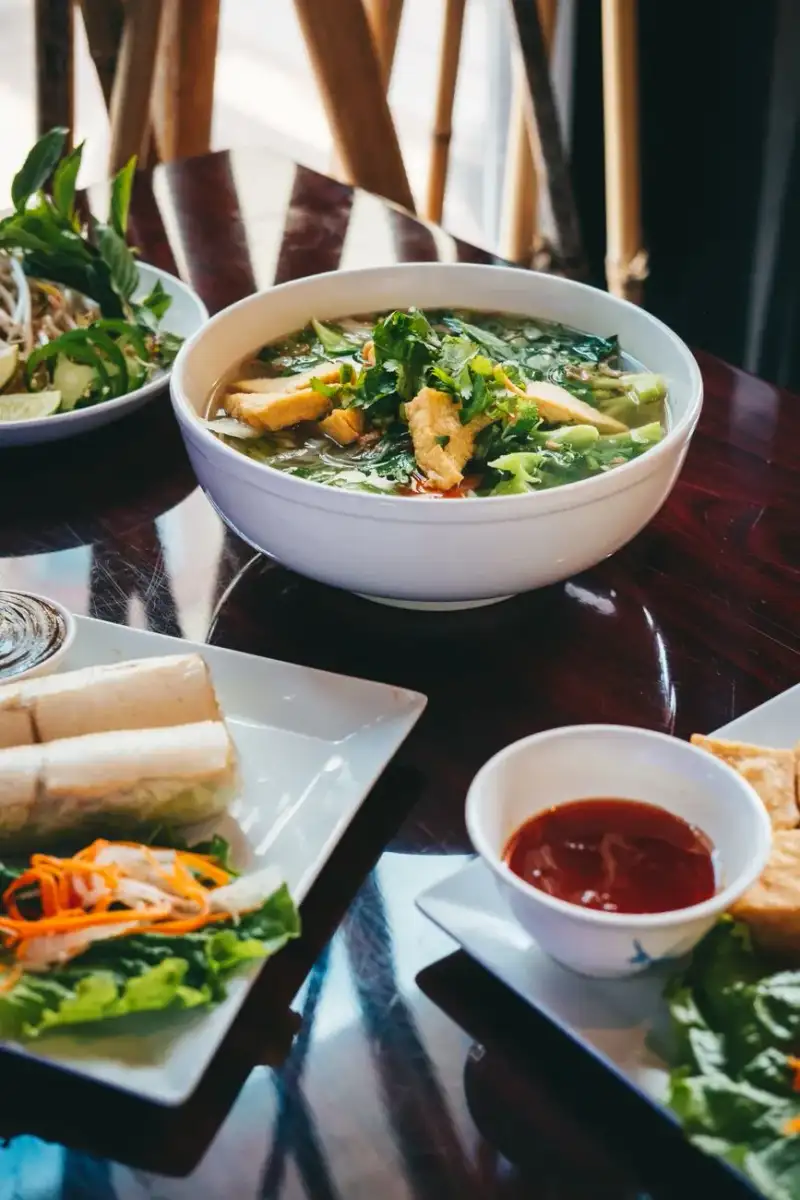
Cheong fun, literally meaning "intestinal fragrant" in Cantonese, is a traditional Cantonese dish that has been a staple in the culinary scene of Southern China, particularly in Guangdong Province, for centuries. These silky rice noodle rolls are not only a delight to the palate but also carry a rich cultural heritage that transcends borders and generations. The delicate, almost translucent sheets of rice flour, wrapped around various fillings, are served steaming hot, often accompanied by a sweet soy sauce, chili sauce, and sesame oil, creating a flavor profile that is both subtle and complex. Introduction to Cheong Fun Cheong fun is made from a mixture of rice flour, water, and sometimes tapioca flour, which is then steamed to create the signature silky texture. The dough is first mixed to a smooth, pliable consistency, then rested to allow the gluten to relax, making it easier to roll out into thin sheets. These sheets are then filled with ingredients ranging from classic pork, beef, or shrimp to more modern and innovative fillings such as vegetables, egg, or even dessert fillings. The versatility of cheong fun makes it a favorite not just in traditional dim sum restaurants but also in modern eateries and street food stalls.History of Cheong Fun The history of cheong fun dates back to the Qing dynasty, where it is believed to have originated in the Guangdong Province. Initially, it was a simple, humble dish consumed by the working class due to its affordability and filling nature. Over time, as Cantonese cuisine spread throughout China and beyond, cheong fun evolved, incorporating various fillings and sauces, adapting to local tastes while maintaining its core characteristics. Today, cheong fun is enjoyed not only in China but also in countries with significant Chinese diaspora populations, such as the United States, Canada, and Southeast Asia. Preparation of Cheong Fun Preparing cheong fun from scratch requires patience and skill. The process begins with mixing the rice flour with water to achieve the right consistency, not too thick and not too thin. The mixture is then kneaded and rested to allow the flour to absorb the water evenly. After resting, the dough is rolled out into thin sheets, a process that requires great care to achieve the desired thinness and evenness. Once the sheets are ready, they are steamed until they are cooked and pliable, ready to be wrapped around the chosen fillings.Cultural Significance of Cheong Fun Cheong fun holds a significant place in Cantonese culture, particularly during traditional festivals and special occasions. It is a dish that brings people together, often served in dim sum restaurants where families and friends gather to share a meal. The act of wrapping and serving cheong fun is also steeped in tradition and etiquette, with specific rules governing how it should be handled and consumed. For instance, it is customary to serve cheong fun with specific dipping sauces, and the way one wraps and unwraps the roll can signify respect or disrespect to the chef and the company. Varieties of Cheong Fun While traditional fillings such as pork and shrimp remain popular, modern variations of cheong fun have introduced a wide range of fillings and toppings. Vegetarian and vegan options are increasingly available, catering to diverse dietary preferences. Innovative chefs have also experimented with fusion fillings, combining Cantonese traditions with international flavors, such as Korean chili flakes or Italian basil. This adaptability has ensured that cheong fun remains relevant and exciting, appealing to both traditionalists and adventurous eaters.Authentic Recipe for Cheong Fun For those eager to try their hand at making cheong fun at home, here is a simple recipe to get started:Ingredients: 2 cups of rice flour, 1/2 cup of tapioca flour, 1/4 teaspoon of salt, 1/4 teaspoon of sugar, 1/2 cup of warm water. Instructions: Mix all dry ingredients, then gradually add in the warm water, kneading until a smooth dough forms. Rest the dough for 30 minutes, then divide it into small portions. Roll out each portion into a thin sheet, place your preferred filling in the center, and wrap into a roll. Steam the rolls for about 10 minutes, or until they are cooked through and silky.Conclusion Cheong fun, with its silky rice noodle rolls and diverse fillings, is a culinary delight that embodies the essence of Cantonese cuisine: simplicity, versatility, and a deep respect for tradition. Whether enjoyed in a bustling dim sum restaurant or prepared at home with love and care, cheong fun is a dish that bridges cultures and generations, inviting all to partake in its rich flavors and storied history.#CheongFun #SilkyRiceNoodleRolls #CantoneseCuisine #DimSum #TraditionalFood #StreetFood #CulturalHeritage #FoodieAdventures Related InsightsPani Puri: Explosive Flavors in a Bite Red Red: The Sweet and Savory Black-Eyed Pea Stew Miso Alchemy: Scaling Home Fermentation to Artisanal Mastery{ "@context": "https://schema.org", "@type": "FAQPage", "mainEntity": [ { "@type": "Question", "name": "What is the main focus of Cheong Fun: Silky Rice Noodle Rolls?", "acceptedAnswer": { "@type": "Answer", "text": "Discover the deep cultural roots, authentic flavors, and history of Cheong Fun: Silky Rice Noodle Rolls." } }, { "@type": "Question", "name": "Who authored the comprehensive guide on Cheong Fun: Silky Rice Noodle Rolls?", "acceptedAnswer": { "@type": "Answer", "text": "This detailed article and its insights were carefully researched and authored by Lin Yao." } }, { "@type": "Question", "name": "Where can I find more related content about Food?", "acceptedAnswer": { "@type": "Answer", "text": "You can explore more articles, detailed reviews, and similar insights by browsing the Related Insights section at the bottom of this article or visiting our dedicated Food category page." } } ] }
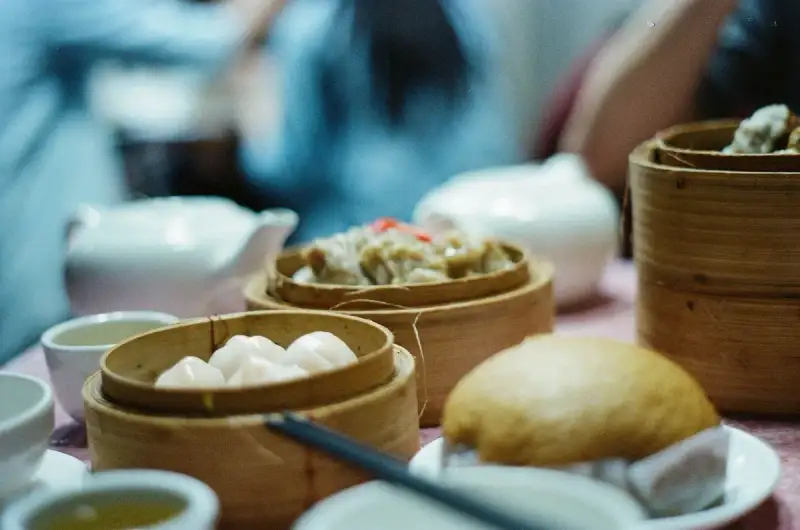
Siu Mai, the quintessential Cantonese dim sum, has been a staple in Chinese cuisine for centuries. These delicate, open-faced pork dumplings have captivated the hearts and taste buds of people worldwide with their intricate balance of flavors and textures. As a classic representation of traditional Chinese cooking, Siu Mai embodies the country's rich cultural heritage and history. Introduction to Siu Mai Siu Mai is a type of steamed dumpling that originated in the southern province of Guangdong, China. The name "Siu Mai" literally translates to "cook and sell," which refers to the traditional method of cooking and selling these dumplings on the streets. Over time, Siu Mai has evolved to become a beloved dish in Chinese cuisine, with various regional twists and adaptations.The traditional recipe for Siu Mai consists of a mixture of ground pork, shrimp, and various seasonings, wrapped in a thin dough wrapper. The dumplings are then steamed to perfection, resulting in a tender and flavorful treat. The combination of pork and shrimp provides a delightful harmony of textures, while the seasonings add a depth of flavor that is both savory and umami. History of Siu Mai The history of Siu Mai dates back to the Qing dynasty, when it was served as a snack to travelers on the Silk Road. The dumplings were originally filled with a mixture of pork and vegetables, but over time, shrimp was added to the filling to give it a more luxurious flavor. As Chinese immigrants traveled to other parts of the world, they brought their culinary traditions with them, including Siu Mai.In the early 20th century, Siu Mai became a popular dish in Chinese restaurants worldwide, particularly in areas with large Chinese populations. The dish was often served as part of a dim sum spread, which typically included a variety of steamed and fried dumplings, as well as other small plates. Regional Variations of Siu Mai While the traditional recipe for Siu Mai remains the same, regional variations have emerged over time. In Hong Kong, for example, Siu Mai is often served with a side of soy sauce and chili oil, while in mainland China, it is commonly served with a dipping sauce made from vinegar and ginger.In other parts of the world, such as the United States and Australia, Siu Mai has been adapted to suit local tastes. Some restaurants may add non-traditional ingredients, such as vegetables or eggs, to the filling, while others may serve the dumplings with a side of Western-style sauces, such as ketchup or mayonnaise. Authentic Recipe for Siu Mai For those interested in trying their hand at making Siu Mai at home, here is a traditional recipe to follow: Ingredients:1 package of round wonton wrappers 1/2 pound ground pork 1/2 pound peeled and deveined shrimp 1/4 cup finely chopped scallions 1/4 cup finely chopped cilantro 2 cloves garlic, minced 1 tablespoon soy sauce 1 tablespoon oyster sauce (optional) 1 tablespoon sesame oil Salt and pepper to tasteInstructions:In a large bowl, combine the ground pork, shrimp, scallions, cilantro, garlic, soy sauce, oyster sauce (if using), and sesame oil. Mix well until all the ingredients are fully incorporated. Lay a wonton wrapper on a clean surface and place a small spoonful of the pork and shrimp mixture in the center of the wrapper. Dip your finger in a small amount of water and run it along the edges of the wrapper. Fold the wrapper into a triangle by bringing the two opposite corners together to form a point. Press the edges together to seal the dumpling. Repeat with the remaining wrappers and filling. Steam the Siu Mai over boiling water for 10-12 minutes, or until the dumplings are cooked through and the wrappers are tender.Conclusion Siu Mai, the classic open-faced pork dumpling, is a true representation of Chinese cuisine's rich cultural heritage and history. With its delicate balance of flavors and textures, Siu Mai has become a beloved dish worldwide, with various regional twists and adaptations. Whether you're a seasoned foodie or just looking to try something new, Siu Mai is definitely worth exploring.#SiuMai #DimSum #ChineseCuisine #TraditionalFood #StreetFood #CulturalHistory #Foodie #AsianFood #Dumplings Related InsightsPani Puri: Explosive Flavors in a Bite Puttu and Kadala Curry: A Breakfast of Champions Time‑Kissed Flesh: Decoding Umami Across Global Charcuterie Traditions{ "@context": "https://schema.org", "@type": "FAQPage", "mainEntity": [ { "@type": "Question", "name": "What is the main focus of Siu Mai: The Classic Open-Faced Pork Dumpling?", "acceptedAnswer": { "@type": "Answer", "text": "Discover the deep cultural roots, authentic flavors, and history of Siu Mai: The Classic Open-Faced Pork Dumpling." } }, { "@type": "Question", "name": "Who authored the comprehensive guide on Siu Mai: The Classic Open-Faced Pork Dumpling?", "acceptedAnswer": { "@type": "Answer", "text": "This detailed article and its insights were carefully researched and authored by Lin Yao." } }, { "@type": "Question", "name": "Where can I find more related content about Food?", "acceptedAnswer": { "@type": "Answer", "text": "You can explore more articles, detailed reviews, and similar insights by browsing the Related Insights section at the bottom of this article or visiting our dedicated Food category page." } } ] }
The streets of Szechuan, a province in southwestern China, are renowned for their bold flavors, vibrant culture, and rich history. Among the numerous culinary delights that Szechuan has to offer, one dish stands out for its simplicity, complexity, and sheer deliciousness: Dan Dan Noodles. This beloved street food has been a staple of Szechuan cuisine for centuries, with its origins dating back to the Qing dynasty. In this article, we will delve into the history, cultural significance, and authentic recipe of Dan Dan Noodles, the ultimate Szechuan street bowl. Introduction to Dan Dan Noodles Dan Dan Noodles, also known as Dan Dan Mian, are a type of noodle dish that originated in the Szechuan province. The name "Dan Dan" literally means "peddler" or "street vendor," which refers to the traditional way of serving this dish. Street vendors, or peddlers, would carry a bamboo pole with two baskets, one containing noodles and the other containing sauces and toppings. This unique method of serving allowed customers to customize their noodles to their liking, creating a personalized and flavorful experience. History and Cultural Significance The history of Dan Dan Noodles is deeply rooted in the cultural and social context of Szechuan. During the Qing dynasty, Szechuan was a major hub for trade and commerce, attracting people from all over China. As a result, the cuisine in Szechuan became a melting pot of different flavors and cooking techniques. Dan Dan Noodles, in particular, reflect the influence of various regional cuisines, including Szechuan, Cantonese, and Islamic Chinese cuisine.The cultural significance of Dan Dan Noodles lies in its ability to bring people together. In Szechuan, mealtimes are often seen as opportunities to socialize and bond with family and friends. Dan Dan Noodles, with its customizable nature, encourages interaction and communal eating. The dish is often served at social gatherings, festivals, and special occasions, further solidifying its importance in Szechuan culture. Authentic Recipe A traditional Dan Dan Noodle recipe consists of several key components: noodles, sauce, and toppings. The noodles are typically made from wheat flour, water, and salt, and are cooked to a perfect texture that is both chewy and firm. The sauce is where the magic happens. A combination of Szechuan peppercorns, chili oil, soy sauce, vinegar, and garlic creates a flavor profile that is both numbing and spicy. The Szechuan peppercorns, in particular, add a unique numbing sensation that is characteristic of Szechuan cuisine. Toppings can vary depending on personal preference, but common additions include braised pork, pickled mustard greens, scallions, and toasted peanuts. The braised pork is typically cooked in a mixture of soy sauce, sugar, and Shaoxing wine, resulting in a tender and flavorful texture.Preparing Dan Dan Noodles To prepare an authentic Dan Dan Noodle dish, start by cooking the noodles according to the package instructions. While the noodles are cooking, prepare the sauce by combining Szechuan peppercorns, chili oil, soy sauce, vinegar, and garlic in a blender or food processor. Blend the mixture until smooth and adjust the seasoning to taste. For the toppings, braise the pork in a mixture of soy sauce, sugar, and Shaoxing wine until tender. Slice the pork into thin strips and set aside. Pickle the mustard greens in a mixture of vinegar, sugar, and salt, and chop the scallions and toast the peanuts for added texture and flavor. Assembling the Dish To assemble the Dan Dan Noodles, place a portion of cooked noodles in a bowl. Add a spoonful of the sauce, followed by a few slices of braised pork, some pickled mustard greens, chopped scallions, and toasted peanuts. Customize the dish to your liking by adding or subtracting toppings, and enjoy the complex and harmonious flavors of Dan Dan Noodles.Conclusion Dan Dan Noodles are a true reflection of Szechuan's rich culinary heritage and cultural diversity. This beloved street food has been a staple of Szechuan cuisine for centuries, with its unique flavor profile and customizable nature making it a favorite among locals and visitors alike. By understanding the history, cultural significance, and authentic recipe of Dan Dan Noodles, we can appreciate the depth and complexity of this iconic dish.#DanDanNoodles #SzechuanStreetFood #TraditionalChineseCuisine #StreetFoodLovers #FoodieAdventures #SzechuanPeppercorns #ChiliOil #AuthenticRecipe #CulturalSignificance #FoodHistory Related InsightsThe Emerald Symphony of the Levant: Unveiling the Soul of Authentic Tabbouleh Il Segreto Dolce e Antico: Svelare l'Anima della Sapa e del Mosto Cotto tra Storia, Territorio e Rinascita Gastronomica High‑Pressure Culinary Science: Exploring Hydrothermal Cooking Techniques{ "@context": "https://schema.org", "@type": "FAQPage", "mainEntity": [ { "@type": "Question", "name": "What is the main focus of Dan Dan Noodles: The Ultimate Szechuan Street Bowl?", "acceptedAnswer": { "@type": "Answer", "text": "Discover the deep cultural roots, authentic flavors, and history of Dan Dan Noodles: The Ultimate Szechuan Street Bowl." } }, { "@type": "Question", "name": "Who authored the comprehensive guide on Dan Dan Noodles: The Ultimate Szechuan Street Bowl?", "acceptedAnswer": { "@type": "Answer", "text": "This detailed article and its insights were carefully researched and authored by Wei Chen." } }, { "@type": "Question", "name": "Where can I find more related content about Food?", "acceptedAnswer": { "@type": "Answer", "text": "You can explore more articles, detailed reviews, and similar insights by browsing the Related Insights section at the bottom of this article or visiting our dedicated Food category page." } } ] }