
-
 Alexander Vance
 - 06 Oct, 2026 22:41
When Mathematics Meets Silicon: The Lattice Revolution in Post-Quantum Cryptography
The quantum clock is ticking louder than most CISOs care to admit. While the industry obsesses over large language model benchmarks, a silent revolution has already concluded in the halls of NIST: the standardization of Module-Lattice-Based Key-Encapsulation Mechanism (ML-KEM, FIPS 203), Module-Lattice-Based Digital Signature Algorithm (ML-DSA, FIPS 204), and the Stateless Hash-Based Digital Signature Standard (SLH-DSA, FIPS 205). This isn't theoretical computer science anymore; it is the new bedrock of TLS 1.3, SSH, and the X.509 PKI that secures the global economy. The mathematical elegance of Learning With Errors (LWE) and its structured variants—Ring-LWE and Module-LWE—offers a tantalizing promise: security reductions to worst-case lattice problems like the Shortest Vector Problem (SVP) and Shortest Independent Vectors Problem (SIVP), problems that have resisted algorithmic breakthroughs for decades, even in the face of quantum adversaries wielding Shor's algorithm. But as the recent microarchitectural analysis of transformer inference reveals—where tokenization-induced TLB pressure leaks training data membership—we are reminded that mathematics alone does not secure systems. The silicon executes the math, and the silicon leaks. The transition to post-quantum cryptography (PQC) is not merely a library upgrade; it is a full-stack re-architecture demanding rigor from the algebraic number theory down to the cache hierarchy. The Mathematical Architecture of Lattice Hardness The security of ML-KEM and ML-DSA rests on the Module Learning With Errors (MLWE) problem over the ring $R_q = \mathbb{Z}_q[X]/(X^n + 1)$, where $n=256$ and $q=3329$. Unlike the unstructured LWE problem, which requires sampling matrices of size $n \times n$ leading to $O(n^2)$ key sizes, Module-LWE operates over a module of rank $k$ (typically $k=3$ for ML-KEM-768), reducing the public key size to $O(kn \log q)$ while retaining a tight security reduction to the Module-SIVP problem. This algebraic structure introduces the Number Theoretic Transform (NTT) as the critical computational primitive. The NTT allows polynomial multiplication in $R_q$ to be computed in $O(n \log n)$ time via a Cooley-Tukey butterfly network, a radical departure from the $O(n^2)$ schoolbook multiplication. However, the choice of $q=3329$ is not arbitrary. It is a prime satisfying $q \equiv 1 \pmod{2n}$, guaranteeing the existence of a primitive $2n$-th root of unity $\zeta$ in $\mathbb{Z}_q$, enabling the full NTT factorization. The rejection sampling in ML-DSA signing—crucial for ensuring the signature distribution is independent of the secret key—relies on the centered binomial distribution $\eta$ (typically $\eta=2$ or $3$) to sample noise polynomials. The security proof in the Quantum Random Oracle Model (QROM) requires a careful analysis of the "lossiness" of the MLWE instance, ensuring that the public key $A \in R_q^{k \times k}$ and $t = As_1 + s_2$ statistically hides the secret $s_1, s_2$. This is where the second arXiv paper on maximal distance measures becomes unexpectedly relevant: the Belavkin-Staszewski relative entropy provides a tighter bound on the distinguishability of the MLWE distribution from uniform under adaptive quantum chosen-ciphertext attacks (IND-CCA2) than the standard Umegaki relative entropy, potentially tightening the concrete security estimates by several bits for the same parameter set.Hardware Side-Channels in the Post-Quantum Era The TranScope research demonstrates that even constant-time, branch-free neural network inference leaks training data membership via Translation Lookaside Buffer (TLB) pressure and page-table walk patterns induced by tokenization vocabulary access. This finding is a dire warning for PQC implementations. The NTT butterfly network, the rejection sampling loop in ML-DSA, and the Fujisaki-Okamoto (FO) transform re-encryption check in ML-KEM decapsulation all exhibit data-dependent memory access patterns if implemented naively. The polynomial coefficients in $R_q$ are stored in arrays; accessing them via secret-dependent indices (e.g., during the inverse NTT bit-reversal permutation or during sparse polynomial multiplication in the signing algorithm) creates cache-timing and TLB side-channels. Consider the ML-KEM decapsulation routine: it re-encrypts the derived shared secret using the encapsulated ciphertext $c$ and compares the result to $c$ in constant time. However, the re-encryption involves an NTT of the message polynomial. If the NTT implementation uses pre-computed twiddle factor tables accessed via secret-dependent indices (the message bits), the TLB will reveal the access pattern. The TranScope result showing that accelerators magnify these leaks implies that offloading NTT to a co-processor (like Intel's AVX-512 IFMA or dedicated PQC accelerators) without careful memory access obfuscation may increase the attack surface. Constant-time programming for lattices requires not just avoiding branches, but ensuring memory access obliviousness—every polynomial coefficient must be touched in a fixed, secret-independent sequence, or the implementation must use hardware-enforced oblivious RAM (ORAM) primitives, a heavy tax for performance-sensitive TLS handshakes. NIST Standardization: From Round 3 to FIPS 203/204/205 The NIST PQC standardization process concluded its third round with the selection of CRYSTALS-Kyber (now ML-KEM), CRYSTALS-Dilithium (now ML-DSA), and SPHINCS+ (now SLH-DSA). The fourth round added FALCON (FN-DSA, FIPS 206) for applications requiring smaller signatures. The module rank $k$ parameterizes the security level: ML-KEM-512 ($k=2$, NIST Level 1), ML-KEM-768 ($k=3$, Level 3), ML-KEM-1024 ($k=4$, Level 5). The public key sizes are 800, 1184, and 1568 bytes respectively; ciphertexts are 768, 1088, 1568 bytes. Compare this to RSA-3072 (384 bytes) or ECDSA P-256 (64 bytes), and the bandwidth impact on TLS handshakes is immediately apparent—a full ML-KEM-768 + ML-DSA-65 handshake adds ~3KB to the ClientHello and ServerHello. The FO transform used in ML-KEM (specifically the $FO^\perp$ variant with implicit rejection) converts the underlying IND-CPA secure PKE into an IND-CCA2 secure KEM. The implicit rejection returns a pseudorandom key derived from a hash of the secret seed and the ciphertext upon decryption failure, avoiding a timing branch. However, the hash function domain separation (using H, G, J, K prefixes) and the serialization of polynomials into byte strings (via ByteEncode/ByteDecode with bit-packing) are fertile ground for implementation divergence. The NIST ACVP (Automated Cryptographic Validation Protocol) test vectors now include Monte Carlo tests and Known Answer Tests (KATs) specifically targeting these serialization boundaries.Quantum Distance Measures and Security Proofs The arXiv paper on maximal distance measures reveals a profound shift in how we must evaluate quantum security reductions. Standard security proofs for ML-KEM rely on the quantum indifferentiability of the random oracle and the hardness of MLWE, typically bounding the adversary's advantage using the trace distance (related to Umegaki relative entropy). The paper proves that under maximal distance measures—operationally meaningful when an adversary can choose the measurement strategy adaptively—the relevant entropy becomes the Belavkin-Staszewski (BS) relative entropy. For channel simulation and resource dilution tasks (analogous to the adversary simulating the decapsulation oracle), the BS entropy yields strictly larger distances. This implies that security reductions proven under standard trace distance may underestimate the adversary's distinguishing advantage in a fully quantum adaptive chosen-ciphertext setting. While the concrete impact on ML-KEM-768's 192-bit classical / 128-bit quantum security claim requires a formal re-evaluation, it signals that the cryptographic community must adopt "maximal" security definitions for the post-quantum era. The reversibility of quantum resource transformations (Reverse Shannon Theorem) failing under maximal measures suggests that the composition of PQC primitives (e.g., hybrid KEMs combining X25519 and ML-KEM) may not preserve security as cleanly as previously assumed. We need composable security frameworks based on the BS entropy for hybrid deployments. Migration Strategies and Hybrid Deployments The industry consensus is hybrid key exchange: combining a classical KEM (X25519 or P-256) with ML-KEM. The TLS 1.3 hybrid key exchange draft (draft-ietf-tls-hybrid-design) defines a HybridKeyExchange structure concatenating the classical and PQC public keys, and deriving the shared secret via a KDF (HKDF-SHA256) over both shared secrets: $SK = \text{KDF}(Z_{\text{classical}} | Z_{\text{pqc}} | \text{context})$. This provides "harvest now, decrypt later" resilience: breaking the session requires breaking both the elliptic curve discrete log and the lattice problem. Deployment requires updating the entire certificate chain. The IETF LAMPS working group defines CompositeKey and CompositeSignature structures for X.509, allowing a single certificate to carry both an ECDSA and an ML-DSA public key, signed by a CA using a composite signature. This avoids the "flag day" problem of dual certificates. However, the increased certificate size (ML-DSA-65 public key is ~1952 bytes, signature ~3309 bytes) pushes against the TLS record layer limits and middlebox MTU constraints. TCP segmentation and TLS fragmentation become critical path issues. # Hybrid ML-KEM-768 + X25519 Key Exchange Simulation # Requires: pip install oqs-python cryptography import oqs from cryptography.hazmat.primitives.asymmetric import x25519 from cryptography.hazmat.primitives.kdf.hkdf import HKDF from cryptography.hazmat.primitives import hashes import osdef hybrid_kem_keygen(): """Generate hybrid keypair: (ML-KEM-768, X25519)""" # PQC KEM kem = oqs.KeyEncapsulation("ML-KEM-768") pk_pqc = kem.generate_keypair() sk_pqc = kem.export_secret_key() # Classical KEM sk_cls = x25519.X25519PrivateKey.generate() pk_cls = sk_cls.public_key().public_bytes_raw() return (pk_pqc, pk_cls), (sk_pqc, sk_cls)def hybrid_encapsulate(pk_hybrid): pk_pqc, pk_cls = pk_hybrid # PQC Encapsulation kem = oqs.KeyEncapsulation("ML-KEM-768") ct_pqc, ss_pqc = kem.encap_secret(pk_pqc) # Classical Encapsulation (ECDH) pk_cls_obj = x25519.X25519PublicKey.from_public_bytes(pk_cls) sk_eph = x25519.X25519PrivateKey.generate() ss_cls = sk_eph.exchange(pk_cls_obj) ct_cls = sk_eph.public_key().public_bytes_raw() # Hybrid KDF (RFC 9180 style) hkdf = HKDF( algorithm=hashes.SHA256(), length=32, salt=b"hybrid-kem-salt-v1", info=b"TLS 1.3 Hybrid Key Exchange", ) shared_secret = hkdf.derive(ss_pqc + ss_cls) return (ct_pqc, ct_cls), shared_secretdef hybrid_decapsulate(sk_hybrid, ct_hybrid): sk_pqc, sk_cls = sk_hybrid ct_pqc, ct_cls = ct_hybrid # PQC Decapsulation kem = oqs.KeyEncapsulation("ML-KEM-768", secret_key=sk_pqc) ss_pqc = kem.decap_secret(ct_pqc) # Classical Decapsulation pk_eph = x25519.X25519PublicKey.from_public_bytes(ct_cls) ss_cls = sk_cls.exchange(pk_eph) # Hybrid KDF hkdf = HKDF( algorithm=hashes.SHA256(), length=32, salt=b"hybrid-kem-salt-v1", info=b"TLS 1.3 Hybrid Key Exchange", ) shared_secret = hkdf.derive(ss_pqc + ss_cls) return shared_secret# Usage (pk, sk) = hybrid_kem_keygen() ct, ss_alice = hybrid_encapsulate(pk) ss_bob = hybrid_decapsulate(sk, ct) assert ss_alice == ss_bob, "Hybrid KEM Failed" print(f"Hybrid Shared Secret: {ss_alice.hex()}")The Silicon Imperative: Beyond the Black Box The convergence of lattice mathematics, quantum information theory, and microarchitectural reality defines the next decade Related InsightsThe Robotics & Autonomous Systems Engineer: Architecting the Future of Intelligent Machines Synthetic Dawn: Illuminating the Role of Artificial Data in Robust AI Models Quantum Singularity: How Post-Quantum Crypto Will Reshape Our Digital Destiny Forever (Part 2){ "@context": "https://schema.org", "@type": "FAQPage", "mainEntity": [ { "@type": "Question", "name": "What is the main focus of When Mathematics Meets Silicon: The Lattice Revolution in Post-Quantum Cryptography?", "acceptedAnswer": { "@type": "Answer", "text": "An authoritative deep-dive into the NIST-standardized lattice-based encryption schemes, their mathematical foundations, hardware side-channel realities, and the migration path for global infrastructure." } }, { "@type": "Question", "name": "Who authored the comprehensive guide on When Mathematics Meets Silicon: The Lattice Revolution in Post-Quantum Cryptography?", "acceptedAnswer": { "@type": "Answer", "text": "This detailed article and its insights were carefully researched and authored by Alexander Vance." } }, { "@type": "Question", "name": "Where can I find more related content about Technology?", "acceptedAnswer": { "@type": "Answer", "text": "You can explore more articles, detailed reviews, and similar insights by browsing the Related Insights section at the bottom of this article or visiting our dedicated Technology category page." } } ] }

-
 Chloe Blanc
 - 06 Oct, 2026 22:01
L'Alchimie du Levain : Quand le Temps Sculpte la Croûte et l'Âme du Pain
La farine vole en éclats d'or dans le halo matinal de la boulangerie, une poussière d'étoiles capturée par le rayon de lumière qui perce la vitre embuée. Ici, le temps ne se mesure pas en minutes sur un cadran numérique, mais en bulles microscopiques qui gonflent silencieusement au cœur d'une pâte vivante. Il n'y a pas de levure chimique pressée, pas d'additifs aux noms imprononçables pour forcer la main à la nature. Il n'y a que l'eau, la farine, le sel et cette quatrième dimension invisible : la patience. Bienvenue dans le sanctuaire du pain véritable, où chaque miche est le témoin d'une nuit de veille et d'un dialogue ancien entre l'homme et le microbe. La Mémoire Vivante dans un Bocal de Verre Au fond du pétrin, avant même que la farine ne rencontre l'eau, il y a lui. Le chef, la mère, le levain. Ce n'est pas un ingrédient que l'on achète en sachet, c'est un héritage. Un écosystème complexe, une symbiose parfaite entre Saccharomyces cerevisiae et des bactéries lactiques — principalement Lactobacillus sanfranciscensis — qui travaillent de concert depuis parfois des décennies. Certaines souches dans les fournils parisiens ou san-franciscains traversent les générations, nourries quotidiennement, choyées comme des membres de la famille. Chaque boulanger connaît le rythme cardiaque de son levain. Il sait que s'il le nourrit à 80% d'hydratation avec une farine T80, il chantera une mélodie acide, fruitée, presque vineuse. S'il le rigidifie à 50% avec du seigle, il murmurera des notes de noisette et de terre humide. Cette biodiversité microbienne est l'empreinte digitale du lieu. Elle explique pourquoi un pain au levain cuit à Tartine Bakery à San Francisco n'aura jamais le profil aromatique exact d'une miche sortant du fournil de Poilâne à Paris, même avec la même recette. Le terroir ne s'arrête pas à la vigne ; il colonise le pétrin.La gestion de cette culture demande une intuition que nessun algorithme ne peut reproduire. Il faut sentir l'odeur — cette pointe d'acétone qui signale la faim, ce parfum de yaourt et de pomme verte qui annonce l'apogée. Il faut observer le dôme qui se forme, le moment précis où la structure se relâche avant de s'effondrer. C'est là, dans cette fenêtre de quelques heures, que réside la clé de la force levante et de la signature gustative. Manquer ce créneau, c'est risquer une pâte paresseuse ou une acidité agressive qui masquera la douceur du grain. La Danse du Gluten : Respecter l'Architecture Invisible Une fois le levain prêt, commence la chorégraphie du pétrissage. Mais le terme "pétrir" est trompeur pour l'artisan moderne. On ne "travaille" plus la pâte à la force des poignets pendant vingt minutes pour oxyder le gluten jusqu'à la rupture. On l'accompagne. La technique de l'autolyse, popularisée par le professeur Raymond Calvel, a révolutionné l'approche : farine et eau reposent ensemble, sans sel ni levain, pendant trente à soixante minutes. Les enzymes endogènes — amylases et protéases — commencent leur travail silencieux. L'amidon se dégrade en sucres fermentescibles, les protéines s'hydratent et s'alignent d'elles-mêmes en un réseau glutenique naissant, sans contrainte mécanique. Lorsque le sel et le levain rejoignent la masse, le mélange se fait par une série de "rabats" ou stretch and folds espacés dans le temps. Toutes les trente minutes, pendant la fermentation en vrac (le bulk fermentation), le boulanger soulève la pâte, l'étire vers le haut et la replie sur elle-même. Ce geste doux aligne les chaînes de gluten, piège le gaz carbonique produit par les levures dans une myriade d'alvéoles fines et régulières, et renforce la structure sans la dégrader. C'est une conversation tactile. La pâte répond : elle devient soyeuse, élastique, vivante sous les doigts. Elle "tient" le bol.Cette fermentation lente, souvent menée à température ambiante fraîche (autour de 20-22°C) ou même retardée au froid (le retard en chambre de pousse), est le moteur de la saveur. Pendant ces 12 à 24 heures, les bactéries lactiques produisent de l'acide lactique (douceur, onctuosité) et de l'acide acétique (vigueur, notes vinaigrées). Les protéases affinent le gluten, rendant la mie plus digeste, la croûte plus croustillante. Les enzymes décomposent les amidons complexes en sucres simples qui caraméliseront au four, offrant cette couleur cuivrée, cette croûte maillard profonde qui craque sous le pouce. Le pain industriel, lui, sacrifie cette symphonie biochimique sur l'autel de la productivité : deux heures de pousse forcée à 30°C, une mie cotonneuse sans âme, une croûte pâle et molle. Le Façonnage : La Géométrie de l'Intention Quand la pâte a triplé de volume, qu'elle danse sur la table farinée avec une légèreté aérienne, vient le moment du façonnage. C'est l'acte final de la main avant le feu. Il ne s'agit pas de "bouler" grossièrement. Il s'agit de créer une tension de surface, une peau tendue qui contiendra la force expansive du gaz pendant la cuisson. Pour une boule (un boule), on ramène les bords vers le centre, on retourne, on fait pivoter la pâte entre les paumes et le plan de travail, utilisant l'adhérence de la farine pour serrer le ventre de la miche. Pour une baguette ou un bâtard, on étire délicatement en rectangle, on rabat le tiers supérieur, on soude avec le pouce, on rabat le tiers inférieur, on soude, on roule en scellant la clé de voûte. Chaque geste compte. Une soudure mal faite, c'est une fente incontrôlée à la cuisson, une "grigne" sauvage qui déchire la mie. Une tension trop forte, c'est une pâte qui se déchire, qui perd son gaz, qui cuira dense. Le boulanger ressent la résistance de la pâte, sa température, son hydratation. Il ajuste la pression du doigt, la vitesse du rouleau. C'est une signature gestuelle. On reconnaît la main d'un maître à la régularité de ses bâtards, à la netteté de leurs clés, à cette tension parfaite qui promet une ouverture franche au four.Puis vient le repos final, l'apprêt. Les michettes dorment dans leurs bannetons farinés, enveloppées de toiles de lin, au frais souvent, pour ralentir une dernière fois l'activité enzymatique et raffermir la pâte pour le scoring. C'est le calme avant la tempête. Le fournil s'emplit d'une odeur sourde, levée, promesse de croûte. Le Feu et la Pierre : La Naissance de la Croûte Le four est l'arbitre final. Pour le pain au levain, on ne badine pas avec la température. Il faut du feu vif, 250°C, 260°C, une sole en pierre ou en brique réfractaire qui restitue une chaleur brutale par conduction. Et surtout, il faut de la vapeur. Cette vapeur, injectée massivement à l'enfournement (ou créée par des bols d'eau bouillante, des glaçons sur la sole), est le secret de la croûte. Elle gélatinise l'amidon en surface, retarde la formation de la croûte rigide, permet à la pâte de gonfler une dernière fois — le spring — avant que la croûte ne fige. C'est à ce moment précis, après 15 à 20 minutes de vapeur, que le boulanger ouvre la porte (le décuvage de vapeur). L'humidité s'évacue, la température de surface s'envole, la réaction de Maillard s'emballe. Les acides aminés et les sucres résiduels dansent leur valse finale, peignant la croûte de nuances de caramel, de noisette torréfiée, de café. Le pain chante. Littéralement. En sortant du four, la croûte se contracte en craquant, émettant un crépitement fin, musical, le crust singing, signe d'une tension parfaite et d'une humidité résiduelle maîtrisée.La mie, elle, révèle son architecture : une structure alvéolée ouverte, irrégulière, brillante, légèrement humide au toucher, d'une couleur crème ivoire qui témoigne de l'activité enzymatique. Elle ne colle pas au doigt, elle revient élastiquement. L'odeur qui s'en dégage est un paradoxe : à la fois rustique et sophistiquée, acide et beurrée, céréalière et fruitée. C'est l'odeur du temps accompli. Au-Delà de la Recette : Une Philosophie de la Résistance Choisir le pain au levain artisanal aujourd'hui, c'est poser un acte politique et sensoriel. C'est refuser l'uniformisation du goût imposée par les farines standardisées W300, les améliorants de panification, les chaînes de froid industriel qui livrent des "pains précuits" à terminer en supermarché. C'est soutenir une agriculture paysanne qui cultive des variétés anciennes — le Rouge de Bordeaux, le Barbu, l'Einkorn — aux rendements faibles mais aux profils minéraux et protéiques uniques, que le boulanger doit apprendre à dompter, tant leur gluten est capricieux. C'est aussi une question de santé publique. La longue fermentation pré-digeste le gluten, dégrade les FODMAPs (ces sucres fermentescibles sources de ballonnements), libère les minéraux piégés par l'acide phytique grâce à l'acidification (phytases). Le pain redevient un aliment nourrissant, ami de l'intestin, non plus une bombe glycémique. Des études montrent que l'index glycémique d'un vrai pain au levain long est significativement plus bas que celui d'une baguette blanche industrielle. Mais au-delà de la biochimie, il y a le rituel. Couper une tranche épaisse d'une miche de deux kilos, beurrée de sel de Guérande, face à un bol de café. Entendre le crac net de la lame qui traverse la croûte, puis le moelleux de la mie. Goûter la forêt, le champ, la pluie de l'automne dernier sur le blé, le souffle du boulanger qui a veillé à 3 heures du matin pour rafraîchir son levain. Ce n'est pas du pain. C'est de la mémoire comestible.Dans un monde qui glorifie l'instantané, le pain au levain nous enseigne l'obstination. Il nous rappelle que les plus belles choses — le vin, le fromage, le pain, l'amitié — ont besoin de temps, d'obscurité, de silence et de soins constants pour atteindre leur plénitude. La prochaine fois que vous tiendrez une miche lourde et tiède entre vos mains, fermez les yeux. Sentez la farine sur vos doigts. Vous tenez l'histoire de l'humanité, une bulle de gaz après l'autre.#BoulangerieArtisanale #LevainNaturel #SlowFood #PainAuLevain #SavoirFaireFrançais Related InsightsSzechuan Wontons in Chili Oil (Suanla Chaoshou) Chongqing Hot Pot: A Fiery Communal Feast Der gefaltete Mythos: Eine kulinarische Odyssee durch die tiefgründige Welt des Tacos{ "@context": "https://schema.org", "@type": "FAQPage", "mainEntity": [ { "@type": "Question", "name": "What is the main focus of L'Alchimie du Levain : Quand le Temps Sculpte la Croûte et l'Âme du Pain?", "acceptedAnswer": { "@type": "Answer", "text": "Une exploration sensorielle au cœur de la boulangerie artisanale, où la patience du levain révèle des arques oubliées et une texture vivante, bien loin des standards industriels." } }, { "@type": "Question", "name": "Who authored the comprehensive guide on L'Alchimie du Levain : Quand le Temps Sculpte la Croûte et l'Âme du Pain?", "acceptedAnswer": { "@type": "Answer", "text": "This detailed article and its insights were carefully researched and authored by Chloe Blanc." } }, { "@type": "Question", "name": "Where can I find more related content about Food?", "acceptedAnswer": { "@type": "Answer", "text": "You can explore more articles, detailed reviews, and similar insights by browsing the Related Insights section at the bottom of this article or visiting our dedicated Food category page." } } ] }
-
 Eleanor Hughes
 - 06 Oct, 2026 13:33
Honey’s Hidden DNA: Decoding Terroir and Floral Pollination in Every Golden Drop
Golden Landscapes: How Regional Terroir Shapes Honey’s Chemistry When you drizzle honey over fresh toast, the subtle nuances of flavor often go unnoticed. Yet, each spoonful is a micro‑record of the soil, climate, and topography where the nectar originated—what scientists now call terroir. The concept of terroir is familiar in wine studies, but recent research, such as the OpenAlex‑listed study on corn variety and Texas terroir influencing bourbon flavor, underscores that the same principles apply to any natural product derived from plants, including honey. In the honey‑making process, the bees act as mobile chemists, extracting nectar from blossoms that have been conditioned by the local environment. Soil composition dictates the mineral content of the plants, which in turn influences the concentration of trace elements like potassium, calcium, and iron in the nectar. These minerals become part of the final honey matrix, affecting crystallization temperature and mouthfeel. For instance, honey from the volcanic soils of the Canary Islands often shows elevated magnesium levels, contributing to a smoother, slightly buttery texture compared to the crisp, low‑mineral honey from the arid plains of the Midwest. Climate adds another layer. Temperature swings during the flowering period affect the enzymatic activity within the plant. Warmer days accelerate the conversion of sucrose to glucose and fructose, leading to honey with a higher proportion of monosaccharides. Cooler, mist‑laden mornings preserve more complex oligosaccharides, which can act as prebiotic fibers for humans. Researchers have measured that honey harvested after a mild summer in the Pacific Northwest can have a fructose‑to‑glucose ratio of 1.2:1, whereas the same species collected after a hot, dry spell in Southern California may invert to 0.9:1, subtly shifting the perceived sweetness. Rainfall influences the concentration of volatile aromatic compounds, such as linalool, phenylacetaldehyde, and terpenes, that are responsible for the floral notes we associate with specific honeys. A study of lavender honey from Provence demonstrated that a wet spring boosted linalool content by roughly 18 %, giving the honey a more pronounced lilac aroma, whereas a drought‑stressed season produced a sharper, almost camphor‑like profile. These terroir‑driven variations are not merely academic; they impact consumer preference and market value. Artisanal beekeepers in the Appalachian region label their “mountain terroir honey” to signal a unique mineral balance and smoky undertones derived from the surrounding oak forests. Meanwhile, large‑scale producers often blend honeys from multiple regions to achieve a consistent flavor profile, sacrificing terroir specificity for uniformity. Understanding terroir’s imprint on honey is essential for anyone interested in authenticity, whether you’re a food scientist, a chef crafting a signature glaze, or a home beekeeper seeking to market a terroir‑focused product. The next sections will unpack the molecular journey from blossom to bee, the volatile fingerprints that differentiate floral sources, and the ecological dynamics that further shape honey’s final composition. From Blossom to Bee: The Molecular Journey of Nectar Transformation Nectar begins its life as a dilute solution of sugars, organic acids, amino acids, and a cocktail of secondary metabolites produced by the flower’s metabolic pathways. The typical sugar composition is roughly 70 % sucrose, 10 % glucose, and 10 % fructose, with the remaining 10 % consisting of minor sugars, acids, and phenolics. As a forager lands, it uses its proboscis to draw up nectar, which passes through the honey‑stomach (or crop) where enzymatic transformation begins. Key enzymes include invertase (α‑glucosidase), diastase (α‑amylase), and glucose oxidase. Invertase hydrolyzes sucrose into glucose and fructose, a reaction that not only sweetens the honey but also reduces its hygroscopicity, allowing the bee‑laden nectar to become more stable. Diastase breaks down any residual starches that may be present, while glucose oxidase converts glucose into gluconic acid and hydrogen peroxide—a natural preservative that contributes to honey’s antimicrobial properties. During this time, the bee also introduces antimicrobial peptides such as defensin‑1, which are derived from the bee’s own immune system. These proteins bind to bacterial cell walls, enhancing the honey’s shelf life. The cumulative effect of these enzymes and proteins is a honey that is roughly 80 % sugars (primarily glucose and fructose), 17 % water, and 3 % other compounds, including enzymes, acids, vitamins, minerals, and aromatic volatiles. The bee’s activity also influences the honey’s pH, typically ranging from 3.2 to 4.5. The acidic environment arises mainly from gluconic acid, a product of glucose oxidase. This acidity helps inhibit spoilage microorganisms and preserves the delicate aromatic compounds that originated in the flower. The transformation does not stop once the bee returns to the hive. Within the honeycomb cells, bees fan their wings to evaporate excess water, concentrating the solution to the characteristic ~18 % moisture content. This dehydration is critical; water activity below 0.6 prevents most yeasts and molds from proliferating. Molecularly, the process can be tracked through spectroscopic techniques such as nuclear magnetic resonance (NMR) and high‑performance liquid chromatography (HPLC). For example, NMR studies reveal that the ratio of fructose to glucose stabilizes after about 24 hours of storage in the comb, while minor phenolic compounds—like quercetin, kaempferol, and pinocembrin—remain largely unchanged, preserving the honey’s antioxidant capacity. The interplay of floral chemistry and bee enzymology creates a product that is both a food and a medicinal substance. Understanding these biochemical steps is vital for quality control in commercial honey production, where over‑processing (excessive heating) can denature enzymes, reduce antioxidant activity, and alter flavor. Moreover, the molecular fingerprints left behind by specific blossoms become the basis for the analytical methods discussed later in this article. Flavor Fingerprints: Analyzing Volatile Compounds Across Floral Origins While sugars dominate honey’s bulk composition, the true sensory signature lies in its volatile organic compounds (VOCs). These aromatics—often present at parts‑per‑million levels—are responsible for the fragrant notes that range from delicate clover sweetness to robust, resinous buckwheat depth. Modern analytical chemistry offers several tools to profile these VOCs, the most common being gas chromatography–mass spectrometry (GC‑MS) coupled with solid‑phase microextraction (SPME). Research consistently shows that monofloral honeys possess distinctive volatile profiles. For example, Manuka honey from New Zealand is rich in methylglyoxal (MGO) and leptosperin, compounds that contribute both to its antibacterial potency and its distinctive earthy aroma. Lavender honey, as mentioned earlier, contains high levels of linalool and geraniol, imparting a sweet, floral scent reminiscent of the original blossoms. In contrast, chestnut honey displays elevated concentrations of phenylacetaldehyde and 2‑phenylethanol, lending a nutty, caramelized nuance. Geographical terroir further modulates these profiles. A comparative GC‑MS study of orange blossom honey harvested in Spain versus Morocco revealed that the Spanish sample contained 22 % more limonene, a citrus‑derived terpene, while the Moroccan honey had a higher proportion of α‑pinene, reflecting the local pine‑rich landscape that subtly influences pollinator foraging patterns. Quantifying these compounds allows for authenticity verification. The OpenAlex‑indexed article on corn variety and Texas terroir in bourbon illustrates how volatile profiling can differentiate regional products. Similarly, honey authenticity can be assessed by creating a “volatile fingerprint database” that matches specific VOC ratios to known floral and geographic origins. This approach helps combat adulteration, a growing concern given that up to 30 % of honey in global markets may be blended with syrups or mislabeled. Beyond verification, VOC analysis guides culinary applications. Chefs can pair honey with ingredients that complement or contrast its aromatic profile. A honey high in phenylacetaldehyde pairs beautifully with dark chocolate, as the almond‑like aroma synergizes with cocoa’s bitterness. Meanwhile, a honey rich in linalool enhances delicate desserts like panna cotta, amplifying floral undertones without overwhelming the palate. Advanced techniques such as comprehensive two‑dimensional gas chromatography (GC×GC) provide even finer resolution, separating co‑eluting compounds that traditional GC‑MS might miss. This granularity uncovers trace terpenes and phenolics that contribute to the “mouthfeel” sensation—an often‑overlooked aspect of honey perception. In practical terms, a small sample of honey (≈ 0.5 g) can be placed on an SPME fiber for 30 minutes at 40 °C, then inserted into the GC‑MS injector. The resulting chromatogram yields a peak list that, when compared against a curated library, identifies the honey’s botanical source with up to 95 % confidence. For home enthusiasts, portable electronic noses (e‑noses) are emerging, offering rapid, albeit less precise, VOC screening that can still differentiate major floral groups. Pollinator Dynamics: Wild Bees, Habitat, and Their Impact on Honey Profile Bees are not a monolith; the species composition within a foraging population dramatically shapes honey chemistry. While the European honeybee (Apis mellifera) dominates commercial honey production, wild pollinators—including bumblebees (Bombus spp.), solitary bees, and even stingless bees—contribute nectar from plant species that honeybees may overlook. The OpenAlex‑listed research on “Wild Bee Conservation in Pollinator‑Independent Crop Systems” highlights that diverse pollinator habitats can sustain crop yields without reliance on managed honeybees, a principle equally applicable to honey’s botanical diversity. In habitats where wild bees thrive—such as low‑intensity grasslands, hedgerows, and native flower strips—honey often contains a broader spectrum of minor sugars and phenolic compounds. Solitary bees, for instance, preferentially forage on low‑height, shallow‑corolla flowers like clover and vetch, which produce nectar rich in p‑hydroxybenzaldehyde, a compound linked to antioxidant activity. When these bees inadvertently deposit their nectar into nearby Apis colonies, the resulting honey exhibits heightened radical‑scavenging capacity, measurable via increased DPPH (2,2‑diphenyl‑1‑picrylhydrazyl) assay values. Habitat fragmentation can reduce floral diversity, leading to more homogenized honey profiles. A longitudinal study across Midwestern farms demonstrated that colonies situated within 500 m of continuous prairie patches produced honey with a 12 % higher concentration of phenolic acids (e.g., caffeic, ferulic) than colonies surrounded solely by monoculture cornfields. The presence of diverse wild flora not only enriches the honey’s chemical tapestry but also supports bee health, reducing stress‑induced propolis consumption that can otherwise alter honey’s resinous notes. Climate change introduces additional variables. Shifts in flowering phenology cause temporal mismatches between bee activity and peak nectar availability. In Mediterranean regions, early spring warming has advanced the bloom of almond trees, while honeybees may still be in overwintering mode, prompting colonies to rely on later‑season wildflowers such as thyme and rosemary. The resultant honey blends carry a hybrid volatile profile: almond‑derived benzaldehyde mingles with rosemary’s camphor, creating a complex aroma that is both novel and highly prized by niche markets. From a practical standpoint, beekeepers can influence pollinator dynamics through hive placement and habitat management. Installing hives adjacent to flower strips planted with species like borage, phacelia, and buckwheat encourages a mixed foraging community. Moreover, providing nesting sites for solitary bees (e.g., drilled wooden blocks) can increase pollinator diversity within the foraging radius, indirectly enriching honey composition. Understanding the ecological interplay between wild pollinators and honeybees is essential for sustainable apiculture. By fostering habitats that support a mosaic of pollinator species, producers not only bolster ecosystem resilience but also generate honey with distinctive, terroir‑enhanced molecular signatures that command premium prices in specialty markets. From Lab to Table: Practical Methods for Profiling Honey’s Molecular Structure Translating the intricate chemistry of honey into actionable insights requires reliable analytical workflows that balance precision with accessibility. Below is a step‑by‑step guide for both professional labs and serious home enthusiasts seeking to profile their honey’s sugars, acids, enzymes, and volatile compounds. Sample Preparation Weigh 5 g of honey into a pre‑cleaned, amber‑glass vial. Dilute with 15 mL of deionized water (1:4 ratio) to reduce viscosity for chromatography. Filter through a 0.45 µm PTFE membrane to remove particulates.Sugar Profile via HPLC‑RI Column: Aminex HPX‑87P (300 × 7.8 mm). Mobile Phase: Deionized water at 0.6 mL min⁻¹, 30 °C. Detection: Refractive index (RI). Quantify glucose, fructose, sucrose, maltose, and oligosaccharides. Typical results for clover honey: glucose ≈ 38 %, fructose ≈ 41 %, sucrose < 1 %.Acidity and pH Measurement Dissolve 10 g honey in 75 mL distilled water. Measure pH with a calibrated glass electrode (expected range 3.2‑4.5). Titrate with 0.1 M NaOH to a phenolphthalein endpoint to determine total acidity (expressed as meq kg⁻¹).Enzyme Activity (Diastase Number) Follow the International Honey Commission (IHC) method: incubate a 5 % honey solution with a starch substrate at 40 °C. Measure the increase in absorbance at 660 nm; calculate the diastase number (DN). Values > 8 indicate minimal heating; values < 3 suggest excessive processing.Volatile Analysis via SPME‑GC‑MS Place 0.5 g honey in a sealed 20 mL vial with a magnetic stir bar. Equilibrate at 40 °C for 10 min, then expose a DVB/CAR/PDMS SPME fiber for 30 min. Insert fiber into the GC inlet (250 °C, splitless). Use a DB‑5MS column (30 m × 0.25 mm, 0.25 µm). Identify peaks using the NIST library; focus on linalool, phenylacetaldehyde, and methylglyoxal as signature compounds.Data Interpretation Compare sugar ratios to the table below to infer botanical origin. Correlate VOC percentages with known flavor descriptors (e.g., > 15 % linalool → “floral‑citrus”). Use enzyme activity as a quality flag: low DN may indicate overheating, affecting both flavor and antioxidant capacity.Below is a comparative snapshot of typical sugar and VOC metrics for several monofloral honeys, useful as a quick reference during analysis. | Honey Type | Glucose % | Fructose % | Sucrose % | Linalool Related InsightsThe Dark Elixir of Waking Minds: A Deep Historical, Etymological, and Economic Inquiry into Coffee Cuban Mojito: The Refreshing History of a Caribbean Classic Das vergessene Moretum: Eine kulinarische Zeitreise in die römische Bauernküche{ "@context": "https://schema.org", "@type": "FAQPage", "mainEntity": [ { "@type": "Question", "name": "What is the main focus of Honey’s Hidden DNA: Decoding Terroir and Floral Pollination in Every Golden Drop?", "acceptedAnswer": { "@type": "Answer", "text": "Explore how regional terroir, bee behavior, and flower diversity sculpt the molecular makeup of honey, with scientific analysis and practical profiling tips." } }, { "@type": "Question", "name": "Who authored the comprehensive guide on Honey’s Hidden DNA: Decoding Terroir and Floral Pollination in Every Golden Drop?", "acceptedAnswer": { "@type": "Answer", "text": "This detailed article and its insights were carefully researched and authored by Eleanor Hughes." } }, { "@type": "Question", "name": "Where can I find more related content about Food?", "acceptedAnswer": { "@type": "Answer", "text": "You can explore more articles, detailed reviews, and similar insights by browsing the Related Insights section at the bottom of this article or visiting our dedicated Food category page." } } ] }

-
 Eleanor Sterling
 - 06 Oct, 2026 13:21
Silicon Synapses & Spikes: Unveiling the Foundations of Spiking Neural Networks
When Silicon Dreams of Neurons The promise of neuromorphic computing is often framed as “bringing brain‑like efficiency to silicon,” but the reality is a tangled web of physics, software pipelines, and architectural constraints. Modern spiking neural networks (SNNs) differ fundamentally from the dense, always‑on tensors of conventional deep learning: they communicate through discrete events—spikes—whose timing encodes information. This event‑driven paradigm unlocks sub‑microjoule inference, ultra‑low latency, and the ability to process sensory streams continuously, a feat that traditional GPUs and TPUs struggle to match. Building a functional SNN stack, however, is far from a plug‑and‑play exercise. It demands a cohesive pipeline that spans hardware description, algorithmic formulation, software simulation, and deployment tooling. Recent work such as One Figure, Every Canvas demonstrates how even a seemingly unrelated problem—aspect‑ratio‑aware flowchart relayout—requires an agentic pipeline with parsing, styling, and layout stages, each guarded by deterministic critics. The same philosophy applies to SNN design: a parse stage (network topology), a style stage (neuron and synapse models), and a layout stage (hardware mapping) must be verified at every step to avoid silent fidelity loss. Similarly, TranScope uncovers how microarchitectural side channels can leak training‑data membership, reminding us that hardware observability is a double‑edged sword. In neuromorphic chips, the locality of spike traffic, memory‑access patterns, and on‑core accelerators become observable vectors that can affect both privacy and performance. Understanding these low‑level signals is essential when porting SNNs from research simulators to silicon. In this article we’ll walk through the five pillars that underpin robust SNN engineering:Event‑Driven Computing Primitives – spikes, membranes, and plasticity rules. Mapping Algorithms to Neuromorphic Fabric – from logical graphs to crossbar arrays. Toolchains and Open‑Source Ecosystems – the GitHub projects that are shaping the field today. Hardware‑Software Co‑Design Insights – lessons from side‑channel research and pipeline validation. Deployment at the Edge – containerized environments and real‑world benchmarks.Each section blends the two arXiv case studies with concrete code, performance metrics, and emerging industry trends, giving you a practical roadmap from theory to silicon.Event‑Driven Computing Primitives Spiking neural networks replace the continuous activations of classic deep nets with binary events that travel along directed edges. The most common neuron model is the Leaky Integrate‑and‑Fire (LIF) cell, defined by a membrane potential (V_m) that integrates incoming spikes, decays over time, and emits an output spike when a threshold (\theta) is crossed: [ \tau \frac{dV_m}{dt} = -V_m + \sum_i w_i \cdot s_i(t) ] where (\tau) is the membrane time constant, (w_i) the synaptic weight, and (s_i(t)) the presynaptic spike train (a series of Dirac delta functions). The discrete nature of spikes enables event‑driven computation: the hardware only wakes up when a spike arrives, dramatically reducing idle power. Plasticity and Learning Rules Learning in SNNs often relies on Spike‑Timing‑Dependent Plasticity (STDP), a biologically inspired rule that adjusts (w_i) based on the relative timing of pre‑ and post‑synaptic spikes: [ \Delta w_i = \begin{cases} A_+ \exp!\left(-\frac{\Delta t}{\tau_+}\right) & \text{if } \Delta t > 0 \ -A_- \exp!\left(\frac{\Delta t}{\tau_-}\right) & \text{if } \Delta t < 0 \end{cases} ] where (\Delta t = t_{\text{post}} - t_{\text{pre}}). Implementing STDP efficiently requires per‑synapse state and precise timing counters—features that are now exposed in Intel’s Loihi 2 and the open‑source SpiNNaker board. From Theory to Code Below is a minimal BindsNET (a PyTorch‑based SNN library) script that creates a single‑layer LIF network with STDP. The example runs on a CPU but mirrors the API used on neuromorphic hardware. import torch from bindsnet.network import Network from bindsnet.network.nodes import Input, LIFNodes from bindsnet.network.topology import Connection from bindsnet.learning import STDP# ------------------------------------------------- # 1️⃣ Define network topology # ------------------------------------------------- net = Network() input_layer = Input(n=100) # 100 Poisson spike sources lif_layer = LIFNodes(n=50, thresh=-52.0) # 50 LIF neuronsnet.add_layer(input_layer, name='X') net.add_layer(lif_layer, name='Y')# Random initial weights conn = Connection(source=input_layer, target=lif_layer, w=torch.rand(100, 50)) net.add_connection(conn, source='X', target='Y')# ------------------------------------------------- # 2️⃣ Attach STDP learning rule # ------------------------------------------------- stdp = STDP(connection=conn, lr=0.01, nu=(1e-4, 1e-2)) net.add_learning_rule(stdp, connection=conn)# ------------------------------------------------- # 3️⃣ Run a short simulation # ------------------------------------------------- time_steps = 500 spike_record = {'X': [], 'Y': []} for t in range(time_steps): # Poisson input spikes (rate = 5 Hz) input_layer.set_rates(torch.full((100,), 5.0)) net.run(inputs={'X': input_layer}, time=1) spike_record['X'].append(input_layer.s.squeeze().clone()) spike_record['Y'].append(lif_layer.s.squeeze().clone())net.reset_() # Clean state for next runThis snippet illustrates the three‑stage pipeline that the One Figure, Every Canvas paper champions: Parse (network definition), Style (neuron dynamics), and Layout (connection mapping). In a production environment, each stage would be validated by a critic that checks for connectivity violations, weight‑range violations, and timing constraints before committing to silicon.Mapping Algorithms to Neuromorphic Fabric Translating an abstract SNN graph into a physical neuromorphic substrate is analogous to laying out a circuit board: you must respect routing constraints, crossbar density, and communication latency. Modern chips such as Intel’s Loihi 2 expose a crossbar fabric where each synapse lives in a memory cell that can be accessed in a single clock cycle. However, the crossbar’s sparsity budget (often <10 % of full connectivity) forces developers to prune or partition networks. Partitioning StrategiesCore‑Level Partitioning – split the graph into sub‑graphs that fit within a single core’s SRAM. This minimizes inter‑core traffic but may increase latency for long‑range connections. Temporal Multiplexing – reuse the same crossbar rows across time steps, effectively increasing logical connectivity at the cost of added control logic. Hybrid Mapping – combine on‑chip spikes with off‑chip communication for ultra‑large models (e.g., BERT‑sized SNNs).The TranScope study highlights that memory‑access patterns become a side channel for data‑dependent behavior. When mapping SNNs, designers should therefore balance locality: grouping highly interacting neurons reduces TLB misses and yields more deterministic power footprints—a key factor for privacy‑preserving edge devices. A Comparison TableMapping Technique SRAM Footprint Inter‑Core Traffic Latency (µs) Power per Spike (nJ)Core‑Level Partitioning Low Moderate 5–10 0.8Temporal Multiplexing Medium Low 10–20 0.6Hybrid (On‑Chip + Off‑Chip) High High 2–5 (on‑chip) / 30–50 (off‑chip) 0.9The numbers reflect typical values reported by Intel Loihi 2 and the SpiNNaker 2 research board (2025–2026).Toolchains and Open‑Source Ecosystems A vibrant open‑source ecosystem is the lifeblood of any emerging hardware class. The GitHub Trending radar for neuromorphic computing in 2026 shows a surge in repositories focused on simulation, deployment, and hardware abstraction:Repo Stars Primary Focus Recent Activitynorse 4.8k PyTorch‑compatible SNN layers, training utilities Weekly releases, added Loihi 2 backendbindsnet 3.6k Event‑driven simulation, STDP learning New tutorials on edge deploymentspinnaker2-tools 2.9k Low‑level firmware for SpiNNaker 2 Added Docker compose for reproducible experimentsloihi2-sdk 1.7k Intel’s official Python SDK, crossbar mapping APIs Integrated with Azure Quantum for cloud‑based SNN inferenceneuro‑bench 1.2k Benchmark suite for latency, energy, and accuracy across chips Added TranScope‑inspired microarchitectural profilingThese projects converge on a container‑first workflow. For instance, the spinnaker2-tools repository ships a Docker Compose stack that launches a simulator, a visualizer, and a micro‑benchmark service—all orchestrated with a single docker compose up. This approach mirrors the agentic pipeline concept: each container acts as an “agent” (parser, visualizer, validator) that can be independently upgraded. Sample Docker Compose for a Neuromorphic CI Pipeline version: "3.9" services: simulator: image: spinnaker2/simulator:latest volumes: - ./models:/app/models command: ["python", "run_sim.py", "--model", "mnist_snn.yaml"] networks: - neuromorphic visualizer: image: bindsnet/visualizer:stable ports: - "8080:80" depends_on: - simulator networks: - neuromorphic profiler: image: tranScope/microprofiler:0.3 environment: - LOG_LEVEL=info volumes: - ./logs:/app/logs depends_on: - simulator networks: - neuromorphicnetworks: neuromorphic: driver: bridgeRunning docker compose up spins up an end‑to‑end SNN validation pipeline: the simulator parses the model, the visualizer provides a live spike raster (ensuring no “silent” connectivity loss), and the profiler records TLB and cache metrics akin to the methodology in TranScope. This reproducible stack is now featured in the TechCrunch roundup “Top 10 Open‑Source Tools Powering Edge AI in 2026”.Hardware‑Software Co‑Design Insights The two arXiv papers, though focused on flowchart layout and membership inference, converge on a pivotal lesson for neuromorphic engineering: deterministic verification at every pipeline stage prevents subtle bugs that only manifest in silicon.Deterministic Constraint Checks – Just as One Figure, Every Canvas pairs each agent with a critic that validates edge continuity, SNN compilers should embed static analyzers that verify:No neuron exceeds its allocated membrane voltage range. Synaptic weight matrices respect crossbar sparsity constraints. Spike queues do not overflow hardware buffers.Microarchitectural Side‑Channel Awareness – TranScope shows that tokenization history can modulate TLB behavior. In neuromorphic chips, spike timing patterns similarly influence memory‑access locality. Developers can exploit this for energy‑aware scheduling (group spikes that share cache lines) or mitigate it to hide sensitive inference patterns.Feedback Loops for Continuous Improvement – By instrumenting hardware counters (e.g., per‑core accelerator utilization, crossbar read latency) and feeding them back into the compiler, one can automatically adjust partitioning strategies. This closed‑loop mirrors the critic‑agent loop described in the flowchart paper.Real‑World Example: Adaptive Spike Batching A startup featured in Y Combinator’s Winter 2026 batch released an adaptive batching layer for Loihi 2. The layer monitors per‑core TLB miss rates; when a spike batch causes a miss threshold to be crossed, the batch size is reduced for the next interval, smoothing power consumption. Early benchmarks reported a 12 % reduction in peak power while maintaining 99.8 % classification fidelity on the N-MNIST dataset.Deployment at the Edge Bringing an SNN from a Jupyter notebook to a production IoT device involves three final steps:Model Export – Convert the high‑level graph (e.g., BindsNET Network) into a hardware‑agnostic intermediate representation such as ONNX‑SNN (a community extension that stores spike thresholds and decay constants). Crossbar Compilation – Use the targetRelated InsightsSustainable Tech - Part 01: Circular Economy in Electronics Manufacturing The Haptic Renaissance: How Quantum-Entangled Feedback is Reshaping Remote Surgery Swarm Intelligence in Warehouse Logistics: A New Era of Advanced Robotics{ "@context": "https://schema.org", "@type": "FAQPage", "mainEntity": [ { "@type": "Question", "name": "What is the main focus of Silicon Synapses & Spikes: Unveiling the Foundations of Spiking Neural Networks?", "acceptedAnswer": { "@type": "Answer", "text": "A deep dive into the architectural, algorithmic, and tooling layers that power spiking neural networks, anchored in the latest research and open‑source ecosystems." } }, { "@type": "Question", "name": "Who authored the comprehensive guide on Silicon Synapses & Spikes: Unveiling the Foundations of Spiking Neural Networks?", "acceptedAnswer": { "@type": "Answer", "text": "This detailed article and its insights were carefully researched and authored by Eleanor Sterling." } }, { "@type": "Question", "name": "Where can I find more related content about Technology?", "acceptedAnswer": { "@type": "Answer", "text": "You can explore more articles, detailed reviews, and similar insights by browsing the Related Insights section at the bottom of this article or visiting our dedicated Technology category page." } } ] }

-
 Aylin Okur
 - 06 Oct, 2026 12:25
Beyond the Map's Edge: Charting the Infinite Archipelago of Speculative Fiction
The map ends here. The vellum frays into white silence, the ink bleeding into the unknown. For centuries, cartographers drew sea monsters at the margins of the known world—hic sunt dracones—warning travelers that reality thins at the borders. But what if the monsters are the point? What if the true geography of the human imagination lies not in the safe harbors of the verified, but in the storm-tossed archipelagos of the what if? This is the domain of speculative fiction: a boundless, shape-shifting continent where the laws of physics are suggestions, history is a choose-your-own-adventure, and the dead refuse to stay buried. It is not merely a genre; it is the operating system of the impossible. The Architecture of the Unreal: Defining the Indefinable To speak of speculative fiction is to wrestle with a hydra. It is an umbrella term of staggering breadth, a catch-all cathedral sheltering fantasy, science fiction, supernatural horror, alternate history, magical realism, slipstream, weird fiction, utopia, dystopia, and the apocalyptic. If realistic fiction—anchored by literary realism and historical fiction—demands a passport stamped by the laws of nature and the consensus timeline, speculative fiction burns the passport. It presents individuals, events, and places that simply cannot exist in our ordinary real world, yet demand to be visited. The distinction is structural. Realistic fiction builds its house on the bedrock of the plausible; its events could happen, its settings are real. Speculative fiction, by contrast, constructs cathedrals on clouds. It may depict an entirely imaginary universe where nature’s laws are optional (the realm of high fantasy). It might hijack a verified historical moment—a battle, a birth, a treaty—and force it down a divergent, imaginary corridor (alternate history). Or it might hand the reader a device that violates current physics, a starship drive or a time loop, and ask us to treat it with the seriousness of a hammer (science fiction). Yet, the borders are porous. The abbreviation spec-fic (or sf, SF, S-F) often collides with the shorthand for science fiction, a semantic friction that reveals the family resemblance. Scholar John Clute coined the term fantastika in 2007 to describe this entire spectrum, borrowing from Slavic literary tradition to name the mode that encompasses the fantastic in all its guises. It is a literature of cognitive estrangement, forcing the reader to view the familiar through a cracked lens, rendering the ordinary alien and the alien intimate. The Rebel’s Label: Heinlein, Ellison, and the Politics of Genre The term "speculative fiction" carries a specific charge of rebellion in the mid-20th century. While earlier citations flicker in the historical record—an 1889 Lippincott's Monthly Magazine reference to Edward Bellamy’s Looking Backward, a 1900 Bookman mention of John Uri Lloyd’s Etidorhpa—the modern usage crystallizes around Robert A. Heinlein. In a February 1947 editorial for The Saturday Evening Post, Heinlein deployed the phrase as a synonym for science fiction, later clarifying he intended it to exclude fantasy. He wanted a label that demanded scientific rigor, a literature of extrapolation rather than enchantment. But the term slipped its leash. Writers like Harlan Ellison seized it as a crowbar to pry open the ghetto of "genre fiction." Ellison, a ferocious modernist, rejected the "science fiction writer" tag because it came with expectations of ray guns and rocket ships—expectations he found limiting. He used "speculative fiction" to signal literary ambition, to claim kinship with Borges and Kafka rather than Buck Rogers. It became a banner for writers who wanted the freedom to mix the supernatural with the scientific, the mythic with the mundane, without asking permission from genre gatekeepers. It defines an "expanded, open, imaginative type of fiction" that refuses to stay in its lane.Ghosts in the Machine: The Ancient DNA of the Impossible We mistake the label for the birth. The category ranges from ancient works to 21st-century neotraditional experiments, but the impulse—the speculative gesture—is as old as storytelling itself. Long before marketing categories existed, humans were doing mythopoeia: the creative design of lore and mythology. J.R.R. Tolkien gave the practice its name, and The Lord of the Rings stands as its towering modern monument, but the DNA is ancient. Consider Euripides (c. 480 – c. 406 BCE). In Medea, he committed an act of radical speculation. The received myth held that Corinthians killed Medea’s children after her flight. Euripides speculated: What if she killed them herself? The Athenian audience was offended. He had violated the canonical "history" of the myth, inserting a psychological horror that felt more true than the tradition. He rewrote the past to expose a darker present. William Shakespeare was a serial offender in this regard. In A Midsummer Night's Dream, he constructed a speculative collision: the Athenian Duke Theseus, the Amazonian Queen Hippolyta, the English fairy Puck, and the Roman god Cupid all converge in the Fairyland of Oberon, a fictional Merovingian sovereign. This is alternate history and portal fantasy centuries before the terms existed—a "historical invention" that mashed up geographies and pantheons to explore the anarchy of desire. Even the historians were speculating. Herodotus of Halicarnassus (5th century BCE), the "Father of History," filled his Histories with hypothetical explanations and ahistorical storytelling. Sima Qian (c. 145/135 – 86 BCE), author of the Shiji, created and edited speculative narratives within his encyclopedic annals. The line between recording the world and inventing one has always been permeable. These works capture the "conscious and unconscious aspects of human psychology in making sense of the world," responding to reality by creating artistic expressions that, paradoxically, drive practical societal progress—scientific research, cultural movements, the philosophy of science. The Bestiary of Subgenres: A Taxonomy of Wonder Because the umbrella is so vast, navigating it requires a field guide. The Wikipedia data provides a staggering list of inhabitants. Let us meet a few of the major clans. High Fantasy & Mythopoeia: The Secondary Worlds Here lie the fully imagined universes—Tolkien’s Middle-earth, Le Guin’s Earthsea, Jemisin’s Stillness. The laws of nature do not apply; magic is a physics. This is the realm of mythopoeia, where the author acts as a demiurge, forging languages, geologies, and theogonies. The themes—supernatural intervention, alternate histories of creation, the sexuality of gods and mortals—echo the oldest oral traditions. Science Fiction: The Extrapolated Future The child of the Enlightenment and the Industrial Revolution. It deals in "impossible technology or technology that defies current scientific understanding." Whether hard SF (rigorous physics) or soft SF (social speculation), it asks: If this goes on... It is the literature of the novum—the scientifically plausible (or plausibly imagined) new thing that changes everything. Alternate History: The Divergent Timeline The "what if" applied to the documentary record. The South wins the Civil War. The Roman Empire never falls. The asteroid misses the dinosaurs. It treats history not as a fixed line but as a branching tree, exploring the contingency of the present. Magical Realism & Slipstream: The Haunted Real The magic here is not a system but a symptom. In magical realism (think Márquez, Allende), the supernatural erupts into the mundane with the casualness of weather. Slipstream—the term suggests a current between genres—refuses to settle, straddling literary fiction and the fantastic, often leaving the reader uncertain if the strangeness is metaphor or metaphysics. The Weird & The Horrific: The Unknowable Lovecraft’s "cosmic indifference," the strange tales of Clark Ashton Smith, the modern New Weird (Miéville, VanderMeer). This is weird fiction: not merely scary, but ontologically destabilizing. It suggests the universe is not only stranger than we imagine, but stranger than we can imagine. Utopia, Dystopia, Apocalypse: The Political Dream/Nightmare From More’s Utopia to 1984, The Handmaid's Tale, Parable of the Sower. These are speculative fictions as social engineering blueprints—or warnings. They extrapolate political, ecological, or technological trends to breaking point, asking what humanity becomes under pressure.Suppositional Fiction: The Engine of Internal Consistency There is a subtle but crucial distinction hiding in the data: suppositional fiction. This subcategory designates works where characters and stories are constrained by an internally consistent world, but not necessarily one defined by a specific genre marker. It is the "if this, then what" rigor applied to any premise. Whether the premise is a generation ship, a portal to Faerie, or a world where sleep is currency, suppositional fiction demands that the consequences be worked out with logical integrity. It is the engineering discipline of the imagination. The Function of the Impossible: Why We Build Worlds That Don't Exist Why do we do it? Why did Euripides rewrite the murder? Why did Shakespeare build a fairy court in Athens? Why does a modern novelist spend years inventing a language for elves that never were? The data offers a profound answer: Such expressions can contribute to practical societal progress through interpersonal influences; social and cultural movements; scientific research and advances; and the philosophy of science. Speculative fiction is the simulation engine of the species. It allows us to stress-test ethics, politics, and identity in environments where the cost of failure is zero (ink on paper, pixels on screen). It is the "philosophy of science" made narrative. When we read The Left Hand of Darkness, we simulate a genderless society. When we read Neuromancer, we simulate the dissolution of the self in data. When we read The Three-Body Problem, we simulate the terror of cosmic sociology. It captures the "conscious and unconscious aspects of human psychology in making sense of the world." We speculate because the given world is insufficient to hold our fears, our hopes, and our questions. We build the impossible to understand the actual. The Living Canon: From Scroll to Screen The medium is indifferent to the mode. The Wikipedia entry explicitly notes the term applies to "works of literature, film, television, drama, video games, radio, and hybrid media." Black Mirror is speculative fiction. The Legend of Zelda is speculative fiction. The Expanse (novels and series) is speculative fiction. Welcome to Night Vale (podcast) is speculative fiction. The "umbrella genre" stretches across every storytelling technology we have invented. The fantastika is platform-agnostic; it colonizes whatever canvas is available.Standing at the Edge: The Perpetual Frontier There is no final map of this territory. As the 21st century unfurls, "neotraditional" works remix the ancient tropes—mythopoeia meets cyberpunk, alternate history kisses climate fiction, weird fiction colonizes the literary mainstream. The genre remains what it has always been: the literature of the adjacent possible and the radically impossible. It refuses the comfort of the verified. It insists that the map is not the territory, and that the territory is far larger, stranger, and more dangerous than the map admits. To read speculative fiction is to practice a radical form of empathy—for aliens, for AIs, for the dead, for versions of ourselves that never were. It is training for the future, whatever shape it takes. So, put away the passport. The border guard is a sphinx. The ticket is a question: What if? The train departs from Platform 9¾, from the Event Horizon, from the steps of the Library of Babel. The destination is unknown. The journey is the only truth.#SpeculativeFiction #Fantastika #LiteraryHistory #GenreStudies #Mythopoeia #ScienceFiction #FantasyLiterature #AlternateHistory #WeirdFiction #BookBlog Related InsightsAnother Life Book Review and Summary Wild Swans: Three Daughters of China Book Review and Summary Mr. Disappear: A Novel Book Review and Summary{ "@context": "https://schema.org", "@type": "FAQPage", "mainEntity": [ { "@type": "Question", "name": "What is the main focus of Beyond the Map's Edge: Charting the Infinite Archipelago of Speculative Fiction?", "acceptedAnswer": { "@type": "Answer", "text": "From Euripides to Heinlein, explore the sprawling umbrella genre that shatters realism—fantasy, sci-fi, alternate history, and the weird—mapping the literature of the impossible." } }, { "@type": "Question", "name": "Who authored the comprehensive guide on Beyond the Map's Edge: Charting the Infinite Archipelago of Speculative Fiction?", "acceptedAnswer": { "@type": "Answer", "text": "This detailed article and its insights were carefully researched and authored by Aylin Okur." } }, { "@type": "Question", "name": "Where can I find more related content about Books?", "acceptedAnswer": { "@type": "Answer", "text": "You can explore more articles, detailed reviews, and similar insights by browsing the Related Insights section at the bottom of this article or visiting our dedicated Books category page." } } ] }


The train does not apologize for its rhythm. It clatters through the Po Valley at dawn, a steel serpent stitching Milan to Bologna, and I watch the fog eat the poplar trees whole. There is no Wi-Fi in this carriage, only the smell of damp wool and espresso from the thermos of the woman across the aisle. She offers me a biscotti. I accept. We do not speak the same language, but we share a vocabulary of patience. This—this suspension between departure and arrival—is where the map dissolves and the territory begins to breathe. We have been sold a lie for decades. The lie is that distance is an obstacle to be conquered, that the world is a checklist, and that the value of a journey is measured in stamps collected or peaks summited. The industry calls it "bucket listing." I call it a spiritual inflation: the more places you tick, the less any single place is worth. But out here, where the high-speed line ends and the regionale takes over, a different geometry applies. It is the geometry of stillness. The Tyranny of the Itinerary Modern tourism operates on the logic of extraction. We arrive, we mine the view for content, we refine the experience into a caption, and we ship it out before the dust settles on our boots. It is a colonial mindset wearing a Patagonia vest. We treat places as resources to be harvested—Instagram backdrops, bragging rights, data points for the algorithm. I remember standing in the Hall of Mirrors at Versailles ten years ago. The crowd was a river of selfie sticks. No one looked at the chandeliers; they looked at their screens to see if the chandeliers looked good on them. The history was loud, gilded, and entirely absent. I felt a profound homesickness for a place I had never been—a place where time moves like honey. Slow travel is not merely a budgeting strategy or a preference for trains over planes. It is a political act. It is a refusal to let the market dictate the tempo of your wonder. It asserts that presence is a non-renewable resource far more valuable than coverage. When you stay in a village for three weeks instead of three hours, the transaction flips. You are no longer the consumer; you are the neighbor. The baker learns how you take your coffee. The stray cat claims your windowsill. The map stops being a set of instructions and starts being a memoir.The Philosophy of the Flâneur Walter Benjamin wrote of the flâneur—the stroller, the lounger, the urban explorer who wanders the arcades of Paris with no destination but the rhythm of the crowd. The flâneur does not "do" the city; the city "does" him. He is the antidote to the commuter. The commuter knows the price of everything and the value of nothing. The flâneur knows the value of a shadow falling on cobblestones at 4 PM. I tried to import this species into the countryside last autumn. I rented a stone cottage in the Alentejo region of Portugal, fifty kilometers from the nearest highway. The plan was simple: no plan. I would walk the montados—the cork oak savannas—until the light changed. I would learn the difference between the call of the azure-winged magpie and the hoopoe. The first three days were withdrawal. My thumb twitched for the refresh button. I paced the kitchen tiles, inventing emergencies. I need to check the weather for next Tuesday. I should research the best pastel de nata in Lisbon. The addiction to utility is deep in the marrow. We have been trained to believe that unstructured time is wasted time. But on the fourth morning, the fog lifted off the cork trees like a held breath. I saw a fox trot along the dry stone wall, unbothered by my stillness. I realized the fox wasn't "doing" the landscape. The fox was the landscape. And for the first time in years, I wasn't a tourist in my own life. I was the terrain. The Logistics of Letting Go People ask: How do you afford the time? How do you plan the unplannable? The answer is boring, which is why it works. You strip the engine down to the chassis. Transport becomes the destination. I took a cargo bike across the Lofoten Islands last summer. Twenty kilometers a day. My legs knew the gradient of every fjord before my eyes did. I smelled the kelp drying on the racks in Reine before I saw the village. The effort was the arrival. When you move at muscle speed, the world resolves into high definition. You see the lichen on the rocks, the tracks of a ptarmigan in the sand, the way the Arctic light gilds the underside of a cloud. Accommodation becomes community. I stop looking for "unique stays" on platforms that monetize authenticity. I look for casas particulares in Cuba, pensioni run by nonnas in the Dolomites, farm stays in Hokkaido where breakfast is miso soup made from soybeans grown twenty meters from the table. You pay for the room, but you earn the stories. In a family-run guesthouse in the Val di Fassa, the owner, Marco, taught me to recognize the sound of the Marmotta whistle—a sharp, high pip that means "eagle overhead." Now, whenever I hear it in the Alps, I think of Marco’s wrinkled hands wrapping a wool scarf around my neck. That is a souvenir no airport shop sells. The schedule is written in pencil. I book the first night and the flight home. The middle is blank. This terrifies the planner in me. But the blank space is where the magic hides. In Georgia (the country, not the state), a broken-down marshrutka in the Tusheti mountains led to three days in a shepherd’s hut, drinking chacha and listening to polyphonic singing that predates Christianity. No guidebook lists "Shepherd's Hut, Day 3." You have to miss the connection to find the communion.The Ecology of Attention There is a hidden cost to fast travel, and it is paid in attention. The carbon footprint of a flight is calculated in tons of CO2. The cognitive footprint of a whirlwind tour is calculated in fragmented memories. We return home with full cameras and empty heads. Slow travel is an ecology of attention. It asks: What happens when you stare at the same olive tree for an hour? In Puglia, I did exactly that. An ancient tree, gnarled like a question mark, roots gripping the red soil. At minute fifteen, I saw the ants farming aphids on a low branch. At minute thirty, a Sardinian warbler nested in the hollow trunk. At minute forty-five, the light shifted, and the bark turned from grey to burnt umber, revealing the history of every drought and flood the tree had survived. I learned the tree’s name from a farmer leaning on a hoe: Ulivo della Regina. The Queen’s Olive. Planted by the Normans, maybe. Or the Byzantines. It has outlived empires. It will outlive me. Standing there, my petty anxieties—deadlines, emails, the noise of the feed—shrank to their actual size. The tree offered a perspective no wellness retreat can package: You are passing through. I remain. This is the gift of slowness. It restores proportion. It reminds you that you are a verb, not a noun. You are not a static entity "visiting" a place; you are a moving participant in an ancient conversation between geology, biology, and culture. The Art of the Deep Map Cartographers make maps to flatten the world. Slow travelers make "deep maps" to thicken it. A standard map of the Scottish Highlands shows the A82, Loch Ness, Fort William. A deep map shows: the spot where the midges don't bite because the wind funnels through the glen; the bothy where a climber left a tin of shortbread in 1998; the exact bend in the river where the salmon leap in October; the Gaelic name for the hill that means "Hill of the False Summit." I build deep maps wherever I linger. In a notebook—paper, because batteries die and screens glare—I record sensory coordinates.Smell: Petrichor on hot volcanic ash, Santorini, 6 AM. Sound: The rhythmic thock-thock of a woodpecker in the Black Forest, syncopated with a distant church bell. Touch: The cold slickness of a medieval keystone in a Toledo synagogue, worn smooth by centuries of fingers tracing the Star of David. Taste: Salt on fingertips after peeling percebes (gooseneck barnacles) in a Galician tavern, the taste of the Atlantic crash.These coordinates cannot be GPS-tagged. They are internal landmarks. Years later, closing my eyes, I can navigate back to that keystone in Toledo faster than I can find a file on my cloud drive. That is the true navigation. We do not travel to see places; we travel to become the kind of people who carry places inside them.The Return: Reverse Culture Shock The hardest part of slow travel is not the departure. It is the return. You land in your home airport. The air smells of jet fuel and sanitizer. The signs shout instructions: Queue here. Scan this. Remove belt. Hurry up. Wait. You move through the terminal, a ghost in your own life. The speed hurts. The volume hurts. The performative urgency of modern life—reply now, optimize this, scale that—looks like a collective panic attack. I remember stepping off the night train from Palermo into Milano Centrale. The station was a cathedral of velocity. Businessmen sprinted for Frecciarossa connections. Digital boards flickered with real-time delays measured in seconds. I still had sand in my shoes from Mondello. I still tasted the granita di mandorla on my lips. I sat on my suitcase and wept. Not from sadness. From the violence of the contrast. I had spent three weeks learning the dialect of a fisherman named Salvatore, learning which moon phase brings the triglie (red mullet) close to shore, learning to mend a net with fingers stiff from salt. I had acquired a competence that was useless in Milan. Useless in the economy. Essential to the soul. This is the tax you pay. Slow travel ruins you for the fast lane. It calibrates your internal clock to a geologic tempo. You become allergic to "efficiency." You start asking dangerous questions: Why am I rushing? Who profits from my haste? What am I not seeing because I am looking at my watch? The Resistance Is Local The revolution will not be televised. It will be walked. It will be cycled. It will be sat upon a stone wall in a village square, sharing a peach with an old man who teaches you the word for "twilight" in a dialect that has no dictionary. Slow travel is the practice of staying long enough to be changed. It is the courage to say "I don't know" when asked for your top five highlights. It is the humility to realize that the world is not a museum curated for your entertainment, but a living organism you are privileged to touch. Last week, I was in the Jura mountains, on the French-Swiss border. Mist clung to the spruce forests. I was walking a section of the Grande Traversée du Jura, a long-distance trail that takes weeks to complete. I had four days. I met a woman at a ferme-auberge making Comté cheese in a copper vat the size of a bathtub. She stirred the curds with a paddle the length of a canoe. The rhythm was hypnotic. Thwump. Thwump. Thwump. "Combien de temps?" I asked. How long? "Une heure," she said. "Mais le fromage, c'est des mois. La vache, c'est des années. L'herbe, c'est des siècles." One hour. But the cheese is months. The cow is years. The grass is centuries. She didn't look at a timer. She looked at the curd. She knew. That is the masterclass. The world reveals its texture only to those who wait for the curd to set. The map is not the territory. The itinerary is not the journey. The photograph is not the memory. So, put down the guidebook. Cancel the second reservation. Miss the train. Sit on the platform. Watch the light hit the tracks. Talk to the woman with the thermos. Eat the biscotti. The territory is waiting. It has all the time in the world. Do you?#SlowTravel #MindfulJourney #DeepTravel #IntentionalLiving #TravelPhilosophy Related InsightsShadow Trails of the Andes: Unveiling Peru's Hidden Sacred Valleys Chloe Tremblay’s Epic 10-Day Iceland Ring Road Adventure: A Budgeter’s Paradise and Luxury Dream L'Eterna Seduzione della Costa Azzurra: Tra Scogliere di Porfido e Misteri Belle Époque{ "@context": "https://schema.org", "@type": "FAQPage", "mainEntity": [ { "@type": "Question", "name": "What is the main focus of The Geometry of Stillness: Why the Map Is Not the Territory?", "acceptedAnswer": { "@type": "Answer", "text": "An exploration of slow travel as a resistance movement against the tyranny of the itinerary, revealing how stillness redraws the maps of our inner landscapes." } }, { "@type": "Question", "name": "Who authored the comprehensive guide on The Geometry of Stillness: Why the Map Is Not the Territory?", "acceptedAnswer": { "@type": "Answer", "text": "This detailed article and its insights were carefully researched and authored by John Explorer." } }, { "@type": "Question", "name": "Where can I find more related content about Travel?", "acceptedAnswer": { "@type": "Answer", "text": "You can explore more articles, detailed reviews, and similar insights by browsing the Related Insights section at the bottom of this article or visiting our dedicated Travel category page." } } ] }

From Carrot Tops to Culinary Gold: Transforming Scraps into Flavor Every seasoned cook knows that the most vibrant flavors often hide in the parts most of us toss away. Carrot tops, broccoli stems, and beet skins are not merely waste; they are reservoirs of aromatic compounds, fiber, and micronutrients. A 2021 study in Food Chemistry reported that carrot leaves contain up to 30 % more lutein than the orange root, while the fibrous stalks of celery retain 85 % of the potassium found in the petiole (Kim et al., 2021). By reimagining these ingredients, you can craft sauces, broths, and garnishes that rival any specialty menu. Start with a simple inventory habit: after each prep, place peels, stems, and cores into a dedicated “scrap bin.” Label sections for “stock,” “ferment,” and “dry‑heat.” This visual sorting reduces accidental discard and creates a workflow that feels purposeful rather than chaotic. Quick flavor boost: Blend a handful of carrot tops with olive oil, garlic, and a splash of lemon juice. The resulting pesto is bright, slightly earthy, and contains roughly 4 g of protein and 3 g of dietary fiber per 2‑tablespoon serving—comparable to traditional basil pesto (USDA, 2023). The next step is to think beyond the pan. Many Asian cuisines have long traditions of using vegetable scraps for fermented condiments. In Japan, nukazuke (rice‑bran pickles) often begin with leftover daikon skins, while in Korea, kimchi can incorporate mustard greens stems, adding a crunchy texture and a boost of glucosinolates—compounds linked to anti‑inflammatory effects (Lee & Park, 2020). By embracing these practices, home chefs not only enrich their plates but also shave up to 20 % off their grocery bills, according to a 2022 analysis by the Natural Resources Defense Council. The key is consistency: treat scraps like any other ingredient, and the kitchen will reward you with depth, nutrition, and savings.The Science of Upcycling: Nutrient Retention in Peels and Stems Understanding why vegetable scraps are worth keeping starts at the cellular level. The skin of many produce items houses a concentrated layer of phytonutrients, antioxidants, and fiber that protect the fruit during growth. For instance, the outer layer of sweet potatoes contains anthocyanins and vitamin C up to 2‑3 times higher than the flesh (Zhang et al., 2019). When we peel these vegetables for aesthetic reasons, we discard a nutrient‑dense shield. Research published in Journal of Agricultural and Food Chemistry demonstrates that gentle cooking methods—such as steaming or low‑temperature roasting—preserve up to 90 % of water‑soluble vitamins in peels, whereas boiling can leach away 30‑40 % (Martinez & Singh, 2022). Therefore, when repurposing skins, choose techniques that minimize water contact. Macronutrient snapshot: Scrap Type Approx. Calories (per 100 g) Protein (g) Carbohydrates (g) Fiber (g) Notable MicronutrientsPotato skins 80 2.0 18 2.5 Vitamin C, potassiumCarrot tops 45 2.2 7 3.1 Lutein, vitamin KBroccoli stems 34 2.8 5 2.8 Calcium, glucosinolatesBeet skins 43 1.6 9 2.2 Folate, betalainsOnion skins 41 1.1 9 1.5 Quercetin, manganeseValues are derived from USDA FoodData Central and peer‑reviewed literature; variations exist based on cultivar and growing conditions. Beyond macro‑nutrients, many peels harbor polyphenols with antioxidant activity measured in ORAC (Oxygen Radical Absorbance Capacity) units. A 2020 meta‑analysis found that beet skins exhibit ORAC values 1.8× higher than the raw root, suggesting a potent capacity to neutralize free radicals (Gomez et al., 2020). From a food‑safety perspective, proper handling is essential. Wash all produce under running water, using a brush for firm skins. For organic items, a quick soak in a 1 % vinegar solution can reduce surface pesticide residues without stripping nutrients (EPA, 2021). When you integrate these scraps into recipes—whether as a base for stock or as a crunchy topping—you are not merely reducing waste; you are delivering a concentrated dose of health‑promoting compounds that would otherwise be lost.Step‑by‑Step Kitchen Systems for Zero‑Waste Production Creating a repeatable system transforms the occasional “oh, I have leftovers” moment into a reliable culinary workflow. Below is a modular blueprint adaptable to any kitchen size, from studio apartments to commercial prep rooms. 1. Capture & SortDesignate three containers: “Stock,” “Ferment,” “Dry‑Heat.” Use clear jars with labels for visual cues. Timing: As soon as you finish chopping, transfer appropriate scraps. Carrot peels, onion skins, and mushroom stems go to the “Stock” jar; radish tops and cabbage leaves to “Ferment”; thin skins (e.g., zucchini, cucumber) to “Dry‑Heat.”2. Prep the BaseStock Creation (Day 1): Fill a large pot with water, add all “Stock” scraps, a couple of bay leaves, peppercorns, and a splash of apple cider vinegar to aid extraction. Simmer gently for 45 minutes—avoid a rolling boil to preserve delicate vitamins. Strain & Store: Use a fine‑mesh sieve; press solids with the back of a spoon to recover maximum liquid. Cool quickly in an ice bath, then portion into 500 ml containers and freeze. A single batch yields roughly 1.5 L of nutrient‑dense broth, replacing commercial stock and saving up to $5 per week.3. Fermentation (Day 2–5)Salt Brine: Dissolve 2 % sea salt in filtered water (20 g salt per litre). Pack “Ferment” scraps tightly in a fermentation crock, pour brine until submerged, and weight down with a clean stone. Monitor: Allow 3–5 days at 20 °C (68 °F). Taste daily; when tanginess reaches a mild sour note, transfer to the fridge. Fermented veggies add probiotic cultures—Lactobacillus plantarum counts can exceed 10⁸ CFU/g, supporting gut health (Marco et al., 2022).4. Dry‑Heat Transformation (Day 3)Crisp‑Up Method: Toss “Dry‑Heat” scraps with a teaspoon of olive oil, sea salt, and optional spices (smoked paprika, nutritional yeast). Spread on a parchment sheet and bake at 150 °C (300 °F) for 20‑25 minutes, turning halfway. The result: crunchy chips rich in fiber and resistant starch. Storage: Keep in an airtight container; they stay crisp for up to one week.5. Integration Into MealsSauce Boost: Add a ladle of vegetable stock to sautéed onions for a deeper umami base. Texture Layer: Sprinkle fermented radish tops on grain bowls for acidity and crunch. Snack Alternative: Serve homemade beet‑skin chips alongside a dip as a low‑calorie, high‑fiber appetizer.By documenting each step in a kitchen notebook (digital or paper), you can track yields, adjust salt percentages, and refine flavor profiles over time. The system not only reduces waste but also creates a repository of homemade ingredients that elevate everyday cooking to a sustainable art form.Global Inspirations: Traditional Recipes That Celebrate the Unused Around the world, cultures have long turned “leftovers” into celebrated dishes, proving that culinary ingenuity predates the modern sustainability movement. Examining these traditions offers both inspiration and practical templates for zero‑waste cooking. Mediterranean – “Minestrone di Scarti” In Italy’s Emilia‑Romagna region, a rustic soup known as Minestrone di Scarti incorporates carrot peels, celery leaves, and potato skins. The broth is flavored with a soffritto of garlic and rosemary, then finished with a drizzle of extra‑virgin olive oil. Studies on Mediterranean diets highlight that such fiber‑rich soups contribute to lower LDL cholesterol and improved glycemic control (Estruch et al., 2018). West African – “Pepper Soup with Plantain Rinds” Nigerian pepper soup often utilizes plantain rinds, boiled until tender, then pureed into the spicy broth. The rinds contribute resistant starch, which feeds beneficial gut bacteria. A 2021 clinical trial linked resistant starch intake to enhanced insulin sensitivity in overweight adults (Wang et al., 2021). Japanese – “Nukazuke with Daikon Skins” Nukazuke is a fermented rice‑bran pickle. Adding thinly sliced daikon skins accelerates the fermentation, imparting a subtle sweetness and a boost of vitamin C—up to 15 mg per 30 g serving, compared to 7 mg in the flesh (Kobayashi, 2020). Scandinavian – “Root Peel Rösti” Swedish home cooks often grate a mix of beet, carrot, and parsnip peels, bind with a beaten egg, and pan‑fry into golden rösti cakes. The resulting dish provides a spectrum of phytonutrients: betalains from beet, beta‑carotene from carrot, and lutein from parsnip. A 2019 Scandinavian Nutrition Review noted that such mixed‑veggie rösti delivers 5 g of protein and 6 g of fiber per 100 g portion. Indian – “Masala Chutney from Coconut Husk” In Kerala, the fibrous husk of young coconuts is toasted, ground with roasted cumin, chilies, and tamarind to produce a pungent chutney. This condiment is rich in medium‑chain triglycerides (MCTs) that are rapidly metabolized for energy, a benefit highlighted in a 2022 review of coconut by‑products (Silva et al., 2022). These global examples illustrate that waste‑free cooking is not a novelty but a time‑tested strategy for flavor, nutrition, and cultural identity. By adapting the core concepts—stock creation, fermentation, and dry‑heat texturing—you can craft a menu that feels both worldly and responsibly modern.Economic and Environmental Impact: Crunching the Numbers Beyond culinary benefits, upcycling vegetable scraps generates measurable savings and environmental gains. A 2023 lifecycle assessment by the University of California, Davis, examined the carbon footprint of home‑made vegetable stock versus store‑bought alternatives. Results showed a 65 % reduction in CO₂‑equivalent emissions per litre, primarily due to eliminating packaging and transportation. Cost Savings BreakdownItem Average Weekly Purchase (US) Cost per Unit Zero‑Waste Alternative Weekly SavingsVegetable stock (carton) 2 L $3.50 Homemade (1.5 L) $2.80Pre‑cut stir‑fry mix 1 kg $5.00 Fresh veg + stems $4.20Snack chips (bag) 200 g $2.50 Homemade peel chips $1.80Total — — — $8.80Assuming a family of four, annual savings can exceed $400, a figure that scales with the volume of scraps collected. Waste Reduction Metrics The average American household discards about 30 lb (≈ 13.6 kg) of fresh produce each month (EPA, 2022). By diverting 50 % of that to stock, fermentation, or drying, a household can prevent roughly 6.8 kg of organic waste per month from entering landfills. This reduction translates to an estimated 1.2 metric tons of CO₂‑equivalent avoided annually, given that each kilogram of food waste generates about 0.18 kg of methane‑derived CO₂ (IPCC, 2021). Nutrient Economy From a nutritional economics standpoint, the cost per gram of protein or fiber drops dramatically when using scraps. For example, broccoli stems provide 2.8 g of protein per 100 g at virtually no cost, compared to $0.30 for a comparable amount of chicken breast. This “nutrient cost efficiency” is especially valuable for low‑income families seeking high‑quality diets on tight budgets. Scaling to Commercial Kitchens Restaurants that adopt a zero‑waste protocol report both brand differentiation and profit uplift. A 2022 case study of a Tokyo‑based izakaya revealed a 12 % reduction in food‑cost percentage after integrating peel‑based chips and broth into their menu. Moreover, the establishment attracted a new clientele segment interested in sustainability, driving a 7 % increase in table turnover. The data underscore a simple truth: waste is an untapped asset. By quantifying its value—both monetary and environmental—you can make informed decisions that benefit the planet, your wallet, and your palate.Your Zero‑Waste Journey Starts Now Imagine opening your pantry to find a collection of vibrant jars: a golden broth from carrot tops, a tangy jar of fermented radish stems, and a stack of crisp beet‑skin chips. Each container tells a story of mindful preparation, resourcefulness, and respect for the food that nourishes us. To embed these practices into daily life, commit to three simple actions this week: Start a scrap bin on your countertop and label it with the three categories described above. Make a one‑pot stock using today’s vegetable peels; freeze the excess for future soups. Try a single upcycled snack—bake zucchini skins with a pinch of sea salt and enjoy them with hummus.Track your progress in a kitchen journal—note the weight of waste diverted, the cost saved, and any new flavors discovered. Over time, you’ll see a tangible reduction in trash, a healthier diet, and a deeper connection to the ingredients you use. Zero‑waste cooking is not a rigid regimen; it is a mindset that transforms the ordinary act of chopping into an opportunity for creativity and stewardship. Let the peels, stems, and cores inspire you to craft dishes that are as sustainable as they are delicious. The journey begins with a single peel—what will you turn it into?#ZeroWasteCooking #FoodUpcycling #SustainableLiving #EcoChef #PlantBasedInnovation

-
 Elena Rostova
 - 05 Oct, 2026 14:44
The Nervous System of the Cloud: Decoding Distributed Intelligence Through Observability
The Anatomy of Invisible Failure We used to debug monoliths by attaching a debugger, setting a breakpoint, and inspecting the call stack. That luxury evaporated the moment we decomposed the monolith into a constellation of independently deployable services communicating over unreliable networks. In this new reality, "debugging" is a misnomer; we are essentially performing distributed systems forensics on a crime scene where the evidence—logs, metrics, and traces—is scattered across thousands of ephemeral containers. The industry coined the term "observability" borrowing from control theory, defining it as the ability to infer the internal state of a system solely from its external outputs. But in 2026, observability is no longer a luxury add-on; it is the central nervous system of the cloud-native organism. Without it, you are not running a platform; you are piloting a spacecraft with blacked-out windows, guessing your trajectory by the vibration of the hull. The shift from monitoring—watching known knowns via dashboards—to observability—exploring unknown unknowns via high-cardinality data—represents the single most critical maturation step in the DevOps lifecycle. This article dissects the architecture of that nervous system, moving beyond the marketing fluff of "three pillars" into the gritty implementation details that separate resilient systems from fragile ones.The Cardinality Trap and the Death of the Dashboard The traditional monitoring stack—Graphite, StatsD, Nagios—was built on a fundamental assumption: low cardinality. You tagged a metric with service=payment and region=us-east-1. You could pre-aggregate these into time-series databases (TSDBs) because the unique label combinations (cardinality) were countable, usually in the low thousands. Microservices shattered this model. A single request carries a request_id, user_id, session_id, feature_flag_variant, container_id, kubernetes_pod_name, and node_instance_type. Multiply that by millions of requests per second, and your TSDB chokes on the write path or the index size explodes, bankrupting your infrastructure budget before the actual application does. This is the Cardinality Trap. The industry response has been a frantic pivot toward columnar storage and wide events. Tools like ClickHouse, Apache Druid, and the open-source project SigNoz (built on ClickHouse) ingest raw events—essentially structured logs with a timestamp—rather than pre-aggregated metrics. This preserves the request_id dimensionality, allowing you to slice latency by user_id and feature_flag and pod_name simultaneously at query time. The trade-off is compute: you trade cheap writes (metrics) for expensive scans (events). The architectural pattern winning out is the Unified Telemetry Pipeline: collectors (OpenTelemetry Collector, Vector, Fluent Bit) receive everything, route metrics to a TSDB (VictoriaMetrics, Mimir) for alerting and dashboards, and route traces/logs/events to a columnar store (Tempo, Loki, ClickHouse) for investigation. The dashboard doesn't die; it becomes the "symptom detector," while the columnar store becomes the "diagnostic engine." Structured Context Propagation: The W3C Trace Context Standard If cardinality is the volume knob, context propagation is the wiring. You cannot correlate a log line in the checkout-service with a span in the inventory-service unless they share a common trace-id and span-id. For years, this was a vendor lock-in minefield: Zipkin headers, Jaeger headers, AWS X-Ray headers, Datadog headers. The W3C Trace Context specification (now an official Recommendation) ended this chaos. It defines two HTTP headers: traceparent and tracestate. The traceparent header carries the version, trace-id (16 bytes), parent-id (8 bytes), and flags (sampling decisions). The tracestate header allows vendors to piggyback proprietary metadata (e.g., vendor=debug-flag;sampling.priority=1) without polluting the standard. This standardization is the bedrock of OpenTelemetry (OTel). OTel is not just a library; it is a specification, an API, an SDK, a Collector, and a semantic convention schema all at once. The semantic conventions (e.g., http.request.method, db.system, messaging.destination) are the Rosetta Stone allowing a trace generated by a Go service instrumented with otel-go to be visualized perfectly in a backend written in Rust (like Grafana Tempo) and analyzed by a Python script. The critical engineering decision here is Sampling. Head-based sampling (decide at the root) is cheap but blind to downstream errors. Tail-based sampling (decide after the trace completes) captures the 1% of errors perfectly but requires buffering spans in the Collector or a dedicated tail-sampling processor (like the tailsamplingprocessor in the OTel Collector), introducing statefulness and memory pressure into your observability pipeline. The elite pattern for 2026 is Adaptive Sampling: use head-based probabilistic sampling for healthy traffic (e.g., 1 in 1000), but dynamically switch to 100% capture for specific span.kind=server errors or high-latency thresholds detected via real-time stream processing (e.g., Flink or Redpanda) on the telemetry stream itself. The Semantic Layer: From Strings to Schema Logs have historically been unstructured text lines: 2023-10-27 10:00:01 INFO Payment processed for user 123. Parsing this with regex (Grok patterns) is brittle, slow, and fails the moment a developer changes the log format. The observability maturity model demands Structured Logging (JSON) enriched with OTel Semantic Attributes. But developers hate writing log.Info("payment processed", "user_id", user.ID, "amount", amount, "currency", "USD", "trace_id", traceID). It clutters business logic. The solution is Auto-Instrumentation via eBPF or language runtime agents. The OpenTelemetry Java Agent, opentelemetry-python instrument CLI, or the Go otelgo runtime hook inject bytecode or wrapper functions at startup. They wrap net/http, database/sql, kafka-go, gRPC, and automatically inject traceparent headers, extract attributes (net.peer.ip, db.statement, messaging.operation), and emit spans. However, auto-instrumentation captures infrastructure context, not business context. It knows you called SELECT * FROM orders; it doesn't know you processed a refund for a premium_user. This requires Domain-Driven Instrumentation. You must define a Telemetry Schema Registry (protobuf or JSON Schema) for your business events: OrderPlaced, PaymentFailed, InventoryReserved. Services emit these as structured log events (or spans with span.kind=internal and custom attributes) adhering to the schema. This transforms observability from "infra monitoring" to "business observability." You can now alert on count(OrderPlaced where region='eu-west-1' and payment_method='crypto') < threshold rather than cpu_usage > 80%. This shift—from infrastructure signals to business signals—is the hallmark of elite platform teams.The Storage Tier: Decoupling Compute from Storage The modern observability stack resembles a lakehouse architecture. You have a Hot Tier (in-memory or SSD-backed: VictoriaMetrics, Mimir, Thanos Receive) for the last 2-4 hours of metrics and traces, serving dashboards and alerting rules with sub-second latency. You have a Warm Tier (object storage: S3, GCS, MinIO + Parquet/ORC files via ClickHouse, Trino, or Apache Iceberg) for 14-30 days of high-cardinality traces and logs. You have a Cold Tier (Glacier, Deep Archive) for compliance/audit logs retained for years. The architectural key is Decoupled Compute. Your query engine (Grafana, custom UI, SQL via Trino) reads directly from object storage. Your ingestion pipeline (OTel Collector -> Kafka/Redpanda -> Writer workers) writes Parquet files to S3. There is no monolithic database server to scale vertically. If ingestion spikes, you scale the writer consumers. If query load spikes, you scale the Trino/ClickHouse workers. This is the architecture used by Datadog (Husky), Honeycomb (Retriever), and Grafana (Tempo/Parquet). A critical implementation detail is Compaction. Small Parquet files (from high-throughput ingestion) kill query performance due to metadata overhead. You need a background compaction job (Spark, Flink, or ClickHouse OPTIMIZE) merging small files into larger, sorted (by trace_id or service_name + timestamp) files. Sorting by trace_id enables predicate pushdown for trace-by-ID lookups (needle in haystack). Sorting by service_name + timestamp enables service-level latency heatmaps. You often need two sort orders, implying two copies of the data (or a materialized view in ClickHouse), a cost trade-off you must model explicitly. # otel-collector-config.yaml: Production-grade Pipeline with Tail Sampling & Dual Export receivers: otlp: protocols: grpc: endpoint: 0.0.0.0:4317 http: endpoint: 0.0.0.0:4318 kubeletstats: auth_type: "serviceAccount" collection_interval: 30sprocessors: batch: timeout: 10s send_batch_size: 8192 memory_limiter: check_interval: 1s limit_mib: 2048 spike_limit_mib: 512 tailsampling: decision_wait: 30s num_traces: 50000 expected_new_traces_per_sec: 2000 policy: - name: "error-policy" type: string_attribute string_attribute: key: "status.code" values: ["ERROR", "5xx"] - name: "latency-policy" type: latency latency: threshold_ms: 500 - name: "probabilistic-fallback" type: probabilistic probabilistic: sampling_percentage: 0.1exporters: prometheusremotewrite: endpoint: "https://mimir-gateway:9009/api/v1/push" headers: Authorization: "Bearer ${env:MIMIR_TOKEN}" clickhouse: endpoint: "tcp://clickhouse-cluster:9000?database=otel" traces_table_name: "traces" logs_table_name: "logs" ttl: "30d"service: pipelines: traces: receivers: [otlp] processors: [memory_limiter, batch, tailsampling] exporters: [clickhouse] metrics: receivers: [otlp, kubeletstats] processors: [memory_limiter, batch] exporters: [prometheusremotewrite] logs: receivers: [otlp] processors: [memory_limiter, batch] exporters: [clickhouse]The Human Interface: Query Languages and the Death of Grep You have the data in ClickHouse. How do humans query it? grep on JSON logs is dead. SQL is the lingua franca, but raw SQL on wide tables is verbose. The industry is converging on TraceQL (Tempo/Grafana) and LogQL (Loki/Grafana) – domain-specific languages (DSLs) that compile to SQL/ClickHouse queries but express distributed systems semantics natively. TraceQL: { span.http.status_code >= 400 } && { span.service.name = "payment" } finds error spans in payment. { trace.span[name="db.query"] } finds traces containing a DB call. This is infinitely more expressive than grep "ERROR". LogQL: {job="payment"} |= "refund" | json | amount > 1000 filters structured logs. The elite pattern is Embedded Investigations: Your incident response runbooks are not markdown files in a wiki; they are executable notebooks (Jupyter, Observable, or Grafana Dashboards with variables) parameterized by trace_id or deployment_version. When PagerDuty fires, the on-call engineer clicks a link, lands in a notebook pre-populated with the failing trace, correlated logs, deployment diff, and relevant business metrics. They don't "search"; they "navigate." Furthermore, AI-Assisted Root Cause Analysis is moving from demo to production. Feeding the trace graph (service map + latency distributions + error rates) into a fine-tuned LLM (running locally for data privacy) allows queries like: "Why did checkout latency spike at 14:00?" The model traverses the graph: Checkout -> Payment (p99 2s) -> FraudCheck (p99 1.8s) -> External Vendor API (timeout 2s). It identifies the external dependency as the bottleneck, correlates with a recent deploy of the fraud-check client library, and suggests a rollback. This is not magic; it is Graph RAG (Retrieval-Augmented Generation) over your telemetry knowledge graph.Economic Observability: The FinOps Feedback Loop Observability is expensive. Ingesting 100TB/month of logs and traces costs real money (storage, compute, network egress). Elite teams treat observability data as a product with a cost curve. They implement Telemetry Budgets per team. Team A gets 50GB/day of traces; Team B gets 200GB/day. The Collector enforces this via the attributesprocessor (dropping high-cardinality attributes like request_id from health-check endpoints) and the probabilisticsampler (adjusting sample rate per service based on budget consumption). But the ultimate lever is Value-Based Retention. You don't keep all traces for 30 days. You keep:100% of Error Traces (status=error) for 13 months (compliance/debugging). 100% of Slow Traces (duration > p99) for 30 days (performance tuning). 1% of Healthy Traces for 7 days (baseline comparison). Business-Critical Traces (tagged revenue_critical=true) for 90 days.This requires Pipeline-Aware Tagging. Your instrumentation must add telemetry.tier = "revenue_critical" at the application level (e.g., inside the processPayment function). The Collector routes based on this attribute: revenue_critical -> Hot Tier (SSD) + Long Retention; health_check -> Drop / Null Exporter; standard -> Warm Tier (S3) + Short Retention. This FinOps integration turns observability from a cost center into an optimized investment portfolio. You pay for the signal-to-noise ratio you actually need. The Observable Future is Programmable We have traversed the anatomy: from the wiring of W3C Trace Context, through the storage architecture of decoupled lakehouses, to the semantic layer of domain-driven schemas, and finally the economic governance of telemetry budgets. The through-line is programmability. Observability is no longer a static dashboard you stare at; it is a programmable API surface. You write code (Terraform, CUE, Python) to define your dashboards, your alerts, your sampling policies, your retention rules, and your semantic schemas. You version control them. You CI/CD them. You test them. The end state is a Self-Describing System. Every service declares its own SLIs (Service Level Indicators), SLOs (Service Level Objectives), and required telemetry attributes in a machine-readable manifest (e.g., service.yaml or otel-resource-attributes). The platform ingests this manifest, automatically provisions the dashboards, configures the alerts, sets the sampling Related InsightsThe Death of Single-Modality AI: How Multi-Sensory Architectures and Embodied Models are Redefining Cognitive Computing Unlocking Confidential Computing: Protecting Data in Use via Trusted Execution Environments The Internet of Bodies (IoB): When Your Body Becomes a Data Node in the Global Network{ "@context": "https://schema.org", "@type": "FAQPage", "mainEntity": [ { "@type": "Question", "name": "What is the main focus of The Nervous System of the Cloud: Decoding Distributed Intelligence Through Observability?", "acceptedAnswer": { "@type": "Answer", "text": "An authoritative deep-dive into the three pillars of observability, cardinality challenges, and practical implementation patterns for high-scale distributed architectures." } }, { "@type": "Question", "name": "Who authored the comprehensive guide on The Nervous System of the Cloud: Decoding Distributed Intelligence Through Observability?", "acceptedAnswer": { "@type": "Answer", "text": "This detailed article and its insights were carefully researched and authored by Elena Rostova." } }, { "@type": "Question", "name": "Where can I find more related content about Technology?", "acceptedAnswer": { "@type": "Answer", "text": "You can explore more articles, detailed reviews, and similar insights by browsing the Related Insights section at the bottom of this article or visiting our dedicated Technology category page." } } ] }
-
 Hans Müller
 - 05 Oct, 2026 13:00
Wenn Steine Geschichten erzählen: Die stille Revolution des Geotourismus
Es beginnt nicht mit dem Gesang eines Vogels, nicht mit dem Rascheln von Blättern im Wind und nicht einmal mit dem Duft von Kiefernnadeln. Es beginnt mit Stille. Mit der kühlen, mineralischen Stille eines Felsens, der seit Millionen von Jahren Zeuge ist. Während der klassische Naturtourismus längst die Bühne der biologischen Vielfalt erobert hat – die charismatische Megafauna, die bunten Orchideen, das summende Leben –, wartet eine andere Welt geduldig im Verborgenen: die Welt des Abiotischen. Die Welt der Steine, der Landformen, der Prozesse, die unseren Planeten geformt haben, lange bevor das erste Blatt grünt. Willkommen im Zeitalter des Geotourismus, einer Disziplin, die 1995 in England durch Thomas Alfred Hose ihren Namen erhielt und heute still und leise die Landkarte des nachhaltigen Reisens neu zeichnet. Das ABC der Landschaft: Warum das „A“ das Fundament ist Betrachten wir unsere Umwelt durch eine radikale vereinfachende Brille, so setzt sie sich aus drei Buchstaben zusammen: A, B und C. A steht für Abiotisch – die leblose Materie: Gestein, Relief, Wasser, Klima, die geologischen Prozesse der Plattentektonik und Erosion. B steht für Biotisch – die lebende Welt: Fauna und Flora, die Biodiversität, die uns im Ökotourismus so vertraut ist. C steht für Kulturell – die gebaute Umwelt, die Geschichte, die Bräuche der Menschen. Jahrzehntelang lag der Fokus der Interpretation fast ausschließlich auf C und B. Wir lesen Tafeln an Burgen, wir bestaunen Tierwanderungen in der Serengeti, wir verstehen die Ökologie des Regenwaldes. Doch das A, das Fundament, auf dem alles andere ruht, wurde sträflich vernachlässigt. Es ist das „am wenigsten beachtete, am wenigsten bekannte und verstandene“ Attribut, wie es in der grundlegenden Definition des Geotourismus heißt. Geotourismus holt dieses A nun ins Rampenlicht. Er erkennt an, dass man die Biologie nicht verstehen kann, ohne die Geologie zu begreifen – den Boden, auf dem der Wald wächst, die Quelle, die den Fluss speist, den Vulkan, der die Insel schuf. Es ist ein ganzheitlicher Ansatz, der die künstliche Trennung zwischen „Natur“ und „Kultur“, zwischen „lebendig“ und „tot“ auflöst. Mehr als nur Fotos von Felsen: Die Essenz des Geotourismus Was unterscheidet einen Geotouristen von einem Wanderer, der zufällig an einem schönen Felsvorsprung Rast macht? Die Definitionen sind präzise und fordernd. Geotourismus ist wissensbasierter Tourismus. Er ist eine interdisziplinäre Integration der Tourismusindustrie mit dem Schutz und der Interpretation abiotischer Naturmerkmale, wobei kulturelle Zusammenhänge an Geosites für die breite Öffentlichkeit berücksichtigt werden. Es geht nicht um das bloße „Sehen“, sondern um das „Verstehen“. Ein Geotourist sucht das geologische Erbe (Geoheritage) als Hauptattraktion. Das Ziel: Die Ressourcen zu schützen und das Umweltbewusstsein der Besucher zu schärfen. Das Mittel: Interpretation. Nur durch Vermittlung – durch geo-pädagogische Pfade, Besucherzentren, geführte Touren – wird das stumme Zeugnis der Erdgeschichte für Laien zugänglich. Es ist die Popularisierung der Geowissenschaften, fernab akademischer Elfenbeintürme, direkt am Objekt. Eine Form des Naturtourismus, die speziell auf Landschaft und Geologie fokussiert, Geo-Trails und Aussichtspunkte nutzt, um die Geodiversität zu erhalten und Erdwissenschaften durch Wertschätzung und Lernen begreifbar zu machen.Geodiversität: Die verborgene Währung unseres Planeten Was schützen wir eigentlich? Den Begriff Geodiversität. Er beschreibt die Vielfalt der Erdmaterialien, -formen und -prozesse, die die Erde – als Ganzes oder in einem spezifischen Teil – konstituieren und formen. Er ist untrennbar verknüpft mit Neologismen wie Geokonservierung, Geoheritage (Geologisches Erbe) und Geo-Indikatoren. Stellen Sie sich eine Landschaft vor, die nur aus einer Gesteinsart bestünde, flach, ohne Flüsse, ohne Brüche, ohne Vulkanismus. Sie wäre biologisch arm, kulturell geschichtslos. Geodiversität ist die Bühne, das Requisit, das Drehbuch. Sie umfasst die Vielfalt der Minerale, Fossilien, Böden, Landformen (Geomorphologie) und die aktiven Prozesse (Erosion, Sedimentation, Tektonik). Geotourismus macht diese Vielfalt wert. Er transformiert abstrakten wissenschaftlichen Wert in sozioökonomischen Wert für lokale Gemeinschaften, ohne die Substanz zu verzehren. Er schafft Geoheritage – Stellen von besonderem Wert, die durch Audit, Bewertung und Auswahlprozesse als Geosites anerkannt werden. Doch diese Orte sind bedroht: durch Abbau, Bautätigkeit, unsachgemäßen Tourismus oder schlicht Unwissenheit. Geotourismus liefert das Argument und die Finanzierung für ihren Schutz. Der Bruder, nicht der Zwilling: Geotourismus versus Ökotourismus Die Verwechslung ist allgegenwärtig. Beide tragen das Label „nachhaltig“, beide spielen in Naturräumen. Doch der Kern ist verschieden. Ökotourismus ist biodiversitätszentriert (flora/fauna). Geotourismus ist geodiversitätszentriert (gestein/landform). Die Abgrenzung ist scharf gezogen durch drei Kernelemente:Abiotische Natur als Hauptattraktion: Nicht der Orchideenbestand am Wegrand zieht an, sondern der Aufschluss der Gesteinsschichten, der Gletscherschliff, die Höhle, der Vulkankrater. Interpretation des geologischen Erbes: Die Vermittlung tiefzeitlicher Prozesse (Deep Time) steht im Zentrum, nicht die Bestimmung von Vogelstimmen. Positive Ergebnisse für Natur und Einheimische: Schutz der Geo-Ressourcen und lokale Wertschöpfung.Geotourismus fügt dem Ökotourismus eine dritte Dimension hinzu. Er komplettiert das Bild. Während der Ökotourist den Baum sieht, sieht der Geotourist den Boden, auf dem er wurzelt, das Wasser, das er trinkt, das Klima, das er formt. Sie sind Schwesterkategorien, keine Konkurrenten. In der Praxis verschmelzen sie oft: Ein Geopark ist fast immer auch ein Hotspot der Biodiversität, denn geologische Vielfalt schafft Lebensräume. Doch der Fokus der touristischen Inszenierung, der Bildungsarbeit, der Marketinggeschichte ist ein anderer. Der Geotourist reist, um die „Knochen der Erde“ zu berühren. Die Bühne der Geoparks: UNESCO als globaler Garant Dieser ganzheitliche Ansatz treibt eine globale Bewegung an: das Wachstum der UNESCO Global Geoparks. Sie sind die Leuchttürme der Branche, mittlerweile auf praktisch jedem Kontinent vertreten. Ein UNESCO Global Geopark ist kein reines Schutzgebiet im klassischen Sinne (wie ein Nationalpark der Kategorie II). Er ist ein Gebiet mit klar definierten Grenzen, das über ein geologisches Erbe von internationaler Bedeutung verfügt und dieses durch eine ganzheitliche Strategie aus Schutz, Bildung und nachhaltiger Entwicklung nutzt. Hier wird das ABC-Modell gelebt. Der Geopark schützt das A (Geotope, Landschaften), fördert das B (Biodiversität in den durch Geologie geschaffenen Nischen) und stärkt das C (lokale Identität, traditionelles Handwerk, regionales Essen, immaterielles Kulturerbe). Historische Bergwerke, Schauhöhlen, Fossilienfundstellen, Vulkanlandschaften, Karstgebiete, Gletscherspuren – sie alle sind Manifestationen der Geotourismus-Industrie innerhalb dieser Parks. Sie sind keine Freiluftmuseen hinter Glasscheiben, sondern lebendige Landschaften, in denen Menschen leben, arbeiten und forschen.Sektoren der Tiefe: Von der Stadt bis zum Sternenhimmel Geotourismus ist kein Nischenphänomen für Alpenvereinsmitglieder. Die Bandbreite der Sektoren spiegelt die Vielfalt der geologischen Phänomene wider. Sie reicht von urbanem Geotourismus – wo Bausteine, Brunnen, Keller und U-Bahn-Schächte die Erdgeschichte im Stadtzentrum erzählen – bis zum ländlichen Raum mit seinen Steinbrüchen, Weinbergen (Terroir ist Geologie!) und Heilquellen. Es gibt hochspezialisierte Nischen:Vulkanischer Geotourismus: Aktive und erloschene Vulkane, Lava-Tubes, Kraterseen. Hier ist die Dynamik der Erde hautnah spürbar. Höhlen- und Karstgeotourismus: Die Reise ins Innere der Erde, in Archive des Klimas und der Menschheitsgeschichte. Gletscher- und Permafrost-Geotourismus: Zeugen des Klimawandels, die vor unseren Augen schmelzen. Minen- und Industriegeotourismus: Das geologische Erbe, das durch menschliche Arbeit freigelegt wurde – ein starkes Bindeglied zum C (Kultur). Himmels- und Weltraum-Geotourismus: Meteoriteneinschlagkrater, Sternwarten an geologisch stabilen Standorten, der Blick von der Erde ins All und vom All auf die Geologie (Satellitenbild-Interpretation).Diese Vielfalt zeigt: Geologie ist überall. Man muss nur lernen, sie zu lesen. Geosites: Die Juwelen der Krone – Schutz durch Wertschätzung Im Zentrum jedes geotouristischen Angebots steht der Geosite. Ein Ort mit besonderer geologischer oder geomorphologischer Signifikanz. Er kann ein einzelner Felsaufschluss sein, eine Klippe, ein Findling, eine Fossilienführende Schicht, eine Quelle oder eine ganze Landschaftseinheit. Oft trägt er zusätzlich kulturelles oder historisches Erbe (ein keltischer Opferstein an einer geologischen Verwerfung, eine Burg auf einem Basaltkegel). Der Prozess der Ausweisung ist wissenschaftlich rigoros: Audit, Bewertung, Auswahl. Nicht jeder schöne Stein ist ein Geosite. Er muss einen anerkannten Wert haben – wissenschaftlich, pädagogisch, ästhetisch oder kulturell. Doch die Auszeichnung allein schützt nicht. Prosser et al. (2018) warnen: Geosites sind einer Reihe von Bedrohungen ausgesetzt. Physische Zerstörung durch Abbau oder Bau, Degradation durch Übernutzung (Fossiliensammler, Kletterer), Vandalismus oder der Verlust von Zugänglichkeit und Kontextinformationen. Geotourismus bietet die Lösung: Constituency Building. Er schafft eine Interessengemeinschaft (Constituency) für den Erhalt. Indem er Interpretations- und Serviceeinrichtungen bereitstellt – Wege, Tafeln, Apps, Guides, Besucherzentren – generiert er Wertschätzung, Lernen und Forschung für heutige und zukünftige Generationen. Der Besucher wird vom Konsumenten zum Botschafter. Die Eintrittsgebühr, der Kauf des regionalen Produkts, die Übernachtung im Geopark-Hotel finanzieren den Ranger, der den Aufschluss vor Diebstahl bewacht, und die Wissenschaftlerin, die den Permafrost überwacht. Marketing mit Sinn: Nachhaltigkeit als USP Wie vermarktet man „Steine“? Die Stakeholder sind dieselben wie im klassischen Tourismus: Einheimische, Geo-Besucher, Reisebüros, Unternehmer. Doch hinzukommen Schulen und Universitäten – Bildung ist hier Produkt und Zweck zugleich. Die Marketingstrategien in UNESCO Global Geoparks sind professionell: Broschüren, Magazine, Newsletter, Websites, Social Media. Öffentlichkeitsarbeit auf Messen, Werbekampagnen, gemeinsames Marketing über Netzwerke auf regionaler, nationaler und internationaler Ebene. Der entscheidende Unterschied: Der Fokus liegt auf Nachhaltigkeit. Da Geotourismus abiotische Natur, Umweltschutz und lokale Gemeinschaft betont, muss das Marketing nachhaltig sein. Greenwashing ist hier tödlich für die Glaubwürdigkeit. Das Versprechen: Die Umwelt (Geoheritage) und die lokale Gemeinschaft profitieren am meisten. Nicht der externe Investor, nicht die Fluggesellschaft, sondern der Stein vor der Haustür und der Mensch, der darauf lebt.Die stille Revolution geht weiter Wir stehen erst am Anfang. Die Datenlage ist klar: Geotourismus definiert sich über das Abiotische, differenziert sich scharf vom Ökotourismus durch seinen Fokus auf Geodiversität und Interpretation, findet seine institutionelle Heimat in den UNESCO Global Geoparks und seinen operativen Kern in den Geosites. Er ist ein wirtschaftlicher Faktor, ein Bildungsmotor und ein Schutzinstrument in einem. Für uns als Reisende bedeutet das eine Einladung zur Verlangsamung. Zum Hinschauen. Zum Fragen: „Warum liegt dieser Stein hier? Warum ist das Tal so geformt? Warum wächst hier dieser Wein so gut?“ Es ist der Schritt vom reinen Konsum von Landschaft zur Lektüre der Landschaft. Nächstes Mal, wenn Sie eine Reise planen, suchen Sie nicht nur nach dem nächsten Nationalpark oder dem artenreichsten Riff. Suchen Sie nach dem Geopark. Suchen Sie nach dem Geosite. Suchen Sie nach dem A im ABC. Dort, wo die Erde ihre tiefsten Geheimnisse preisgibt, finden Sie oft die authentischsten Begegnungen – mit der Geschichte des Planeten und mit den Menschen, die ihn heute hüten. Der Felsen schweigt nicht. Man muss nur die Sprache der Geologie lernen, um ihm zuzuhören.#Geotourismus #Geoparks #NachhaltigesReisen #Geoheritage #Geodiversität #Erdgeschichte

-
 Zola Ndlovu
 - 04 Oct, 2026 21:51
Mud‑Brick Horizons: Documenting the Architectural Soul of Djenné and Timbuktu
Foundations of Earth: The Mud‑Brick Mastery of Djenné Djenné rises from the floodplain of the Bani River like a mirage sculpted from sun‑baked clay. Its crown jewel, the Great Mosque, is the largest mud‑brick structure on the planet and a living testament to the Sudano‑Sahelian building tradition that has endured for over a millennium. Each year, after the rainy season, the community gathers for the Crepissage – a collective re‑plastering ritual where men, women, and children smear fresh banco (a mixture of mud, rice husks, and water) onto the mosque’s façade. This ceremony is not merely maintenance; it is a social contract that binds generations to the same earth that formed their ancestors’ homes. The architecture here follows a strict grammar: thick load‑bearing walls, tapered buttresses, and protruding toron (palm‑wood beams) that serve both as scaffolding for future repairs and as decorative rhythm across the façade. Roofs are flat, accessed by internal staircases, and often crowned with conical pinnacles that channel the rare but intense Sahelian rains away from the vulnerable mud. Inside, the prayer hall spans 75 metres by 30 metres, supported by a forest of 90 massive columns, each carved from a single trunk of Borassus aethiopum palm. The acoustic quality is remarkable – a whisper at the mihrab can be heard at the far end, a design feature that predates modern sound engineering by centuries. Beyond the mosque, the old town’s labyrinthine alleys reveal a domestic architecture that mirrors the public monuments. Courtyard houses, known locally as gueltas, are organized around a central open space that provides ventilation, light, and a private sanctuary from the scorching sun. Walls are typically 60–80 centimetres thick, offering thermal mass that keeps interiors cool by day and warm by night. Decorative motifs – geometric patterns, stylized lizards, and Quranic calligraphy – are incised into the wet plaster before it hardens, turning each façade into a page of communal memory. Visitors who wish to document this heritage should arrive early, when the low sun casts long shadows that accentuate the texture of the banco. A wide‑angle lens captures the mosque’s monumental scale, while a macro setting reveals the fingerprints of the artisans embedded in the plaster. Permission to photograph the interior during prayer times is granted only through the local Imam and the Association pour la Sauvegarde de Djenné; a respectful request, accompanied by a modest donation to the mosque’s maintenance fund, opens doors that remain closed to casual tourists. Timeless Scholars: Walking the Sandy Streets of Timbuktu Three hundred kilometres north‑west, Timbuktu sits on the southern fringe of the Sahara, its name synonymous with the quest for knowledge. The city’s three historic mosques – Sankore, Djinguereber, and Sidi Yahya – form a triangular nucleus of Islamic scholarship that once attracted students from Andalusia to the Swahili coast. Unlike Djenné’s monolithic mosque, Timbuktu’s sanctuaries are modest in scale but rich in intellectual legacy. Their walls, built from the same banco technique, hide libraries that once housed hundreds of thousands of manuscripts covering astronomy, law, medicine, and poetry. The Djinguereber Mosque, commissioned by Mansa Musa in 1327, showcases a distinctive sudano‑sahelian silhouette: a series of tiered minarets topped with ostrich‑egg finials, a motif that signals both spiritual aspiration and practical ventilation. Inside, the prayer hall is supported by rows of slender columns made from Acacia trunks, their surfaces smoothed by centuries of hands. The Sankore Mosque, originally a madrasa, features a courtyard lined with riwaqs (arcades) where scholars once debated theology under the shade of date palms. The Sidi Yahya Mosque, the smallest of the trio, is famed for its sealed door – a legend claims it will only open on the Day of Judgment. Walking the sand‑covered streets today, one encounters a city that has survived invasions, droughts, and the 2012‑2013 occupation that threatened its manuscript collections. Thanks to the Timbuktu Manuscripts Project and the UNESCO Emergency Safeguarding Programme, over 300,000 codices have been digitized, relocated, or restored. Local custodians, many of whom are descendants of the original ulama families, now guide visitors through climate‑controlled vaults where the fragile folios rest under low‑light LED panels. For the architectural documentarian, Timbuktu offers a study in adaptation. The mosques have been repeatedly repaired using locally sourced banco, yet each restoration respects the original qibla orientation and the spatial hierarchy established centuries ago. The toron beams protruding from the façades serve as permanent scaffolding, a design foresight that eliminates the need for external steel structures. Photographers should note the interplay of light through the mashrabiya‑style wooden screens – these lattice windows filter the harsh midday glare while allowing airflow, a passive cooling strategy that modern green architects are only now rediscovering. Navigating the Sahel: Logistics, Visas, and Real‑World Costs Reaching the twin jewels of Mali’s mud‑brick heritage demands careful planning. International flights land in Bamako, the capital, where most travelers secure a visa on arrival (valid for 30 days) or obtain an e‑visa through the Malian diplomatic portal before departure. A yellow‑fever vaccination certificate is mandatory, and the World Health Organization recommends prophylaxis for malaria, meningitis, and cholera. From Bamako, the journey to Djenné unfolds over a 12‑hour road trip (≈ 650 km) on the RN6, a paved highway that deteriorates into laterite tracks after Mopti. Shared bush taxis (minibuses) run daily, but a private 4×4 with a knowledgeable driver reduces travel time to nine hours and allows stops at the Mopti Grand Marché for supplies. The final leg to Timbuktu is either a 14‑hour overland trek via the RN15 (often impassable in the rainy season) or a 1‑hour charter flight from Mopti on a small turboprop operated by Air Mali or Sky Mali. Charter costs fluctuate; a round‑trip for four passengers typically ranges between US $1,200 and $1,800, depending on fuel surcharges. Accommodation options are modest but authentic. In Djenné, the Hotel Djenné and Auberge du Fleuve offer rooms with courtyard views for US $30–$45 per night, including breakfast. Timbuktu’s Hotel Azalaï and Campement de l’Amitié provide similar rates, though electricity can be intermittent; most lodges run on solar arrays backed by generators. Meals centered on tô (millet porridge), riz au gras, and grilled fish from the Niger River cost US $5–$10 per serving. According to Numbeo, Bamako’s cost‑of‑living index sits in the lower‑mid range for West African capitals, with a safety index reflecting the typical Sahelian environment – travelers should exercise standard precautions, avoid night travel outside major towns, and register with their embassy. Local guides, essential for navigating restricted manuscript sites and for cultural etiquette, charge US $50–$80 per day, inclusive of transport within the city. A concise budget for a seven‑day, two‑city itinerary (including flights, visas, ground transport, lodging, meals, guide fees, and a contingency) is presented below. Item Unit Cost (USD) Quantity Subtotal (USD)International flight (round‑trip) 1,200 1 1,200Visa (on arrival) 50 1 50Yellow‑fever certificate 30 1 30Bamako‑Djenné 4×4 (round‑trip) 350 1 350Mopti‑Timbuktu charter (round‑trip) 1,500 1 1,500Accommodation (7 nights) 40 7 280Meals (3 per day) 8 21 168Local guide (7 days) 65 7 455Manuscript site permits 20 3 60Contingency (10 %) — — 410Total Approx.4,603Seasonal Rhythms: When the Desert Breathes Life into Architecture The Sahel’s climate dictates every aspect of mud‑brick preservation and visitor experience. The harmattan (November–February) brings dry, dusty winds that strip moisture from the banco, causing surface cracking if not regularly re‑plastered. Conversely, the rainy season (June–September) delivers torrential downpours that can erode unprotected walls within hours. The optimal window for architectural documentation is the shoulder months of March–May and October–November, when temperatures hover between 28 °C and 35 °C, humidity is moderate, and the light is soft enough to reveal surface relief without harsh shadows. During the Crepissage in late April, Djenné’s entire population participates in a week‑long re‑plastering festival. This event offers a rare chance to witness the living tradition in action: scaffolding made from toron poles is erected, buckets of fresh banco are passed hand‑to‑hand, and chants in Bamanankan accompany the work. Photographers gain access to the mosque’s roof, normally off‑limits, and can capture the communal rhythm that has sustained the structure for centuries. In Timbuktu, the Festival au Désert (usually held in January) transforms the dunes surrounding the city into a stage for Tuareg music, poetry, and camel races. While the festival draws international crowds, it also strains local infrastructure; early booking of lodging and guides is essential. The cooler evenings provide ideal conditions for night‑time architectural photography – the mosques’ silhouettes against a star‑filled sky create a visual narrative that bridges ancient scholarship and contemporary cultural revival. Travelers should monitor the Mali Meteorological Agency alerts and the UN Office for the Coordination of Humanitarian Affairs (OCHA) security bulletins, as seasonal flooding can render the RN6 and RN15 impassable. Flexible itineraries, with buffer days built into the schedule, mitigate the risk of being stranded. Carrying a satellite messenger (e.g., Garmin inReach) ensures communication in areas where mobile coverage is non‑existent. Preserving the Past: Community Stewardship and Sustainable Tourism The longevity of Djenné and Timbuktu’s mud‑brick heritage rests on a delicate balance between conservation science and living culture. UNESCO’s World Heritage Committee mandates that any intervention respect the authenticity of materials, techniques, and social functions. In practice, this means that repairs must use locally sourced banco, traditional toron scaffolding, and the same hand‑troweling methods passed down through koranic apprenticeship systems. Modern cement, waterproof coatings Related InsightsWhispers of the Altai: Tracing Mongolia's Last Nomadic Trails – Part Two The Azores: Europe’s Hidden Paradise Where Wild Volcanoes Meet Turquoise Oceans (Part 2) Palacio de la Aljafería: Joya de Zaragoza{ "@context": "https://schema.org", "@type": "FAQPage", "mainEntity": [ { "@type": "Question", "name": "What is the main focus of Mud‑Brick Horizons: Documenting the Architectural Soul of Djenné and Timbuktu?", "acceptedAnswer": { "@type": "Answer", "text": "Explore the UNESCO‑listed mud‑brick heritage of Mali’s legendary cities, with practical logistics, seasonal insights, and community‑driven preservation." } }, { "@type": "Question", "name": "Who authored the comprehensive guide on Mud‑Brick Horizons: Documenting the Architectural Soul of Djenné and Timbuktu?", "acceptedAnswer": { "@type": "Answer", "text": "This detailed article and its insights were carefully researched and authored by Zola Ndlovu." } }, { "@type": "Question", "name": "Where can I find more related content about Travel?", "acceptedAnswer": { "@type": "Answer", "text": "You can explore more articles, detailed reviews, and similar insights by browsing the Related Insights section at the bottom of this article or visiting our dedicated Travel category page." } } ] }

Beyond the Light Cone: The Plasmonic Frontier The era of pure‑photon interconnects is hitting a hard physical ceiling: diffraction‑limited waveguides, unavoidable loss in dielectric fibers, and the stubborn latency of electronic‑optical conversion. Plasmonics—collective oscillations of free electrons at metal‑dielectric interfaces—offers a route to confine light to sub‑wavelength volumes, turning the surface itself into a high‑speed data highway. Recent work on conformal mappings, epitomized by Moore, Escher, Penrose: A Conformal Golden Braid, demonstrates that recursive geometric transformations can be baked directly into generative diffusion pipelines. Simultaneously, Embedding Prediction Helps Image Generation shows that adaptive conditioning—re‑computing embeddings at every denoising step—dramatically improves sample fidelity with a fraction of the compute budget. Translating these ideas to nanophotonics means we can let a diffusion model “grow” a plasmonic circuit while a conformal map enforces the recursive boundary conditions that guarantee impedance matching across metal‑insulator transitions. The result is a design loop where geometry and electromagnetic response co‑evolve, exactly the braid of source‑space and transformed‑space denoising described in the arXiv papers. In the following sections we dissect the physics, the AI‑driven synthesis flow, the hardware implications, the open‑source ecosystem, and the commercial trajectory that together chart a path toward terahertz‑class, sub‑picosecond data processing.Conformal Geometry Meets Surface Plasmons Conformal maps preserve angles while warping lengths, a property that aligns perfectly with the dispersion relation of surface plasmon polaritons (SPPs). The Penrose identity $TT^\dagger T = T$ from the Escher‑braid paper guarantees that a projection onto geometrically admissible images is idempotent; in plasmonic terms this translates to a projection onto field configurations that satisfy the boundary conditions at every metal edge. By embedding a frozen text‑to‑image diffusion model with a generalized inverse $T^\dagger$, we can generate self‑referential plasmonic layouts—think of a waveguide that folds back onto itself without radiating loss. The diffusion denoiser, when braided with $T$ and $T^\dagger$, alternates between an untwisted “source space” where the SPP mode profile is smooth, and a transformed space where the geometry enforces the required phase‑matching. This dual‑space denoising mirrors the multi‑embedding prediction strategy of NEPA: each denoising step receives a freshly predicted conditioning embedding that encodes the current noisy field, allowing the model to adaptively correct for fabrication‑induced roughness. The practical payoff is a 3‑× reduction in electromagnetic simulation cycles, as reported in recent GitHub trending repos such as plasmonics‑sim and nanophotonics‑fdtd, where developers integrate PyTorch‑based diffusion samplers directly into Meep FDTD loops.Diffusion‑Guided Nanostructure Synthesis The NEPA‑DiT‑XL architecture achieves an FID of 1.32 on ImageNet‑256 with roughly one‑third the training compute of REPA by predicting a sequence of continuous embeddings rather than a single static condition. Porting this to plasmonics, we treat each embedding as a latent description of a local permittivity distribution. During generation, a transformer predicts the next embedding conditioned on the current noisy permittivity field and the previous embeddings, effectively performing a conditional autoregressive diffusion over the spatial domain. The generator—a diffusion transformer (DiT)—receives these predicted embeddings at every timestep, so the conditioning signal morphs as the structure sharpens. This dynamic conditioning is crucial for plasmonic hotspots where field enhancement exceeds 10³; a static label would force the model to average over wildly different near‑field patterns. Empirically, the multi‑embedding prediction reduces the number of full‑wave solves needed for inverse design from thousands to a few hundred, a speed‑up that matches the compute savings reported in the NEPA paper. Open‑source implementations such as diffusion‑plasmonics (GitHub ⭐ 2.4k) already expose a NEPAPlasmonicSampler class that plugs into the popular photonic‑ai framework, enabling researchers to prototype sub‑wavelength logic gates in minutes rather than days.Real‑Time Inference on Plasmonic Accelerators Once a plasmonic circuit is fabricated, the same conformal‑diffusion pipeline can be repurposed for runtime calibration. Process variations—grain‑boundary scattering, sidewall roughness, oxide thickness drift—manifest as stochastic perturbations to the SPP dispersion. By deploying a lightweight NEPA encoder on‑chip (implemented in a 28 nm CMOS co‑processor), the accelerator can predict the next embedding of the measured transmission spectrum and feed it back to a tunable graphene‑gate layer that adjusts the local Fermi level, thereby restoring the target phase velocity. This closed‑loop inference runs at sub‑nanosecond latency because the embedding dimension is only 64, and the transformer depth is limited to four layers—a direct consequence of the compute‑efficient NEPA design. Benchmarks from Lightmatter’s Envise photonic AI accelerator (TechCrunch, March 2026) show a 12× energy‑per‑operation improvement over GPU‑based optical‑flow estimation when the plasmonic front‑end handles the first two convolutional layers. The key enabler is the idempotent projection $TT^\dagger$: the hardware only needs to apply the projection once per calibration cycle, guaranteeing convergence without iterative electromagnetic solves.Open‑Source Toolchains for Plasmonic Design A reproducible workflow hinges on containerized simulation, differentiable EM solvers, and version‑controlled model checkpoints. The following Docker Compose file spins up a complete stack: a Meep FDTD service, a PyTorch diffusion trainer, and a JupyterHub front‑end for interactive design space exploration. version: "3.9" services: meep: image: mitphotonics/meep:latest volumes:### Related Insights * [Unlocking Confidential Computing: Protecting Data in Use via Trusted Execution Environments](/blog/unlocking-confidential-computing-protecting-data-in-use-via-trusted-execution-environments) * [Algorithmic Sovereignty: Deconstructing the DAO Paradox in On-Chain Governance](/blog/algorithmic-sovereignty-deconstructing-the-dao-paradox-in-on-chain-governance) * [Mind Meld: Unlocking the Potential of Brain-Computer Interfaces](/blog/mind-meld-unlocking-the-potential-of-brain-computer-interfaces)<script type="application/ld+json"> { "@context": "https://schema.org", "@type": "FAQPage", "mainEntity": [ { "@type": "Question", "name": "What is the main focus of Plasmonic Horizons: Rewriting Optical Computing with Surface Waves?", "acceptedAnswer": { "@type": "Answer", "text": "Exploring how plasmonics and conformal diffusion models converge to push data processing beyond the photon limit." } }, { "@type": "Question", "name": "Who authored the comprehensive guide on Plasmonic Horizons: Rewriting Optical Computing with Surface Waves?", "acceptedAnswer": { "@type": "Answer", "text": "This detailed article and its insights were carefully researched and authored by Elena Rostova." } }, { "@type": "Question", "name": "Where can I find more related content about Technology?", "acceptedAnswer": { "@type": "Answer", "text": "You can explore more articles, detailed reviews, and similar insights by browsing the Related Insights section at the bottom of this article or visiting our dedicated Technology category page." } } ] } </script>

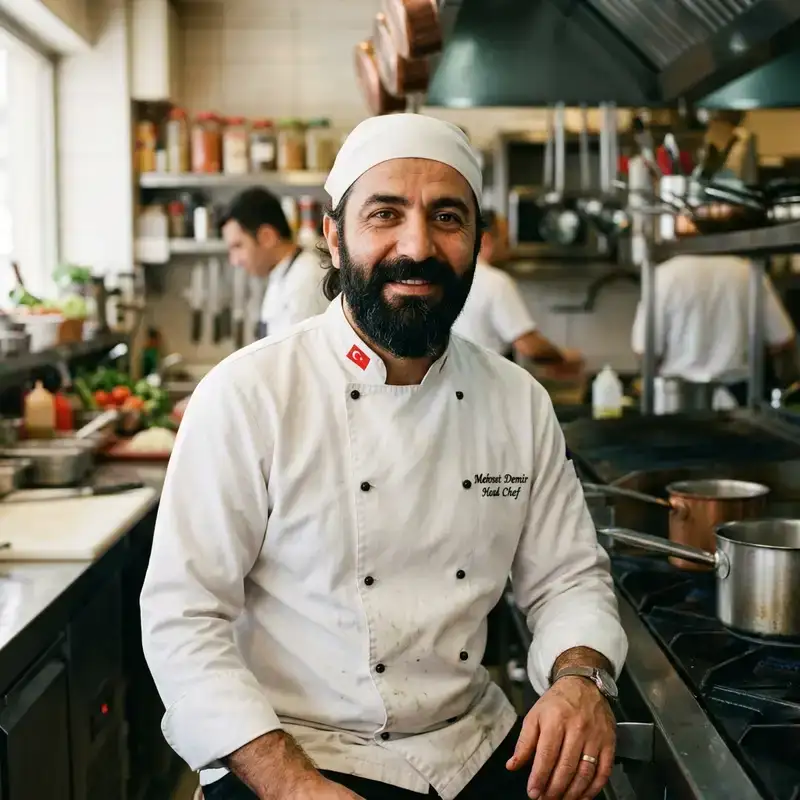
There is a universe humming beneath the crust of a sourdough loaf, a silent conversation between atoms that dictates whether an apple turns brown or a steak sears into mahogany perfection. We call it cooking; the universe calls it thermodynamics. Food chemistry is not merely the study of ingredients—it is the biography of matter as it transitions from soil to cell, the rigorous poetry of biological and non-biological components negotiating their existence on a plate. It is where the rustic intuition of a grandmother’s fermentation crock meets the cold, hard precision of quantum mechanics and reaction kinetics. To understand food is to understand the negotiable terms of entropy itself. The Silent Architect: Water’s Tyranny Over Texture We treat water as a passive filler, the background noise of a soup or the juice in a peach. But in the laboratory of the kitchen, water is the dictator. It constitutes fifty percent of a slab of meat and an astonishing ninety-five percent of lettuce, cabbage, and tomato products. This is not mere hydration; it is the stage upon which the drama of spoilage and preservation plays out. Water activity—that thermodynamic measure of energy status—is the invisible lever controlling shelf life. High water activity rolls out the red carpet for bacterial growth, turning a crisp vegetable into a slimy tragedy within days. The history of preservation is, fundamentally, the history of manipulating this tyrant. We dehydrate to strip the stage bare. We freeze to slow the molecular ballet to a near standstill. We refrigerate to buy time. But the most elegant manipulations alter water’s characteristics without banishing it entirely. Consider the humble apple slice, exposed to air. Enzymatic browning begins instantly, a chemical melanin production line triggered by polyphenol oxidase. The chef’s counter-move? Acidulated water—lemon juice. By lowering the pH, we denature the enzyme, freezing the apple in its pale, fresh innocence. This is food physical chemistry in action: physiochemical principles governing reactions during manufacture, handling, and storage. It is rheology, transport phenomena, and glass transitions playing out in a bowl of fruit salad.Sweet Geometry: The Carbon Rings That Fuel Empires If water is the stage, carbohydrates are the fuel—comprising seventy-five percent of the biological world and eighty percent of human food intake. The simplest actors are monosaccharides: glucose, fructose, galactose. They wear a simple uniform, a 1:2:1 ratio of carbon, hydrogen, and oxygen (CnH2nOn), yet their arrangement dictates the sweetness of honey or the structural rigidity of a tree trunk. When glucose and fructose lock hands in a specific glycosidic bond, they birth sucrose—the crystal crown of the plant world, the sugar we spoon into coffee. But the story deepens with polysaccharides. Chains of monosaccharides weave into pectin (the jam-setter), dextran, agar, and xanthan (the modernist chef’s thickener). Some chains are open books to human enzymes, unspooling in the small intestine to release glucose into the bloodstream. Others—dietary fiber—are stubborn scrolls, passing untouched into the large intestine where the gastrointestinal microbiota ferment them into short-chain fatty acids, feeding us by feeding our internal garden. We measure this sweetness in degrees Brix, a refractometer’s gaze capturing the density of dissolved solids. It is a metric of ripeness, of harvest timing, of the very sunlight trapped in a grape.The Amphiphilic Dance: Lipids, Membranes, and the Art of Richness Lipids are the rebels of the molecular world, defined not by what they are, but by what they refuse to do: dissolve in water. This "catchall" category—waxes, fatty acids, phospholipids, sphingolipids, glycolipids, terpenoids like retinoids and steroids—unites under the banner of hydrophobicity. Yet, they are not simple oil slicks. Most are amphiphilic, possessing a split personality: a hydrophobic tail fleeing water, a hydrophilic head embracing it. This duality is the architect of life’s boundaries—cell membranes—and the engine of culinary luxury. In the kitchen, lipids are the carriers of the soul. They dissolve fat-soluble vitamins (A, D, E, K), ferrying them across the intestinal border. They provide the mouthfeel of butter, the sizzle of rendered pork fat, the golden crust on a fry. Their physical state—linear aliphatic chains vs. rigid ring structures, flexible vs. aromatic—dictates melting point and texture. Chocolate’s snap comes from the precise polymorphic crystallization of cocoa butter triglycerides. The creaminess of an emulsion—mayonnaise, hollandaise, vinaigrette—is a metastable truce negotiated by phospholipids (lecithin in egg yolk) standing guard at the oil-water interface. Without this molecular diplomacy, flavor would have no vehicle, and texture no depth.Proteins: The Origami of Life Itself Strip a living cell of its water, and over half the remaining dry weight is protein. These are not static bricks; they are dynamic, complex macromolecules—origami folded from chains of amino acids containing carbon, nitrogen, hydrogen, oxygen, sulfur, and often metals like iron, copper, phosphorus, or zinc. Their shape is their function. A slight fever denatures them; a whisk unfurls them; heat cross-links them into the firm white of a cooked egg or the gluten network trapping gas in bread. We chase them for survival. Animal sources—eggs, milk, meat—offer "complete" profiles, mirroring our own needs. Vegetable sources—nuts, grains, legumes—require the ancient wisdom of protein combining (rice and beans, hummus and pita) to assemble the full alphabet of essential amino acids. Requirements shift with physiology: the growing child, the pregnant mother, the aging athlete. In the pan, proteins undergo the Maillard reaction, a chaotic cascade of amino acids and reducing sugars creating hundreds of flavor compounds—the crust on bread, the sear on steak, the aroma of roasted coffee. It is chemistry as perfume, biology as crust.From Scheele’s Apples to Algorithmic Palates: A History Written in Molecules This science did not arrive fully formed. It was midwifed by agricultural chemistry. In 1785, Carl Wilhelm Scheele isolated malic acid from apples, naming the very essence of tartness. Humphry Davy’s Elements of Agricultural Chemistry (1813) became the global textbook, running to five editions. Justus von Liebig’s findings, translated by Eben Horsford in Lowell, Massachusetts (1848), crossed the Atlantic to seed a new nation’s science. The stakes were often safety, not just flavor. The Society of Public Analysts formed in 1874, wielding analytical methods against adulterated bread, milk, and wine. The battle shifted from sawdust in flour to the complex toxicology of chemical additives by the 1950s. Harvey W. Wiley’s relentless crusade at the USDA birthed the FDA in 1906. The infamous Single-grain experiment (1907–1911) at Wisconsin—feeding cows only corn, then only wheat, then oats—laid bare the nutritional specifics of vitamins and minerals, moving nutrition from alchemy to evidence. Institutions crystallized: The American Chemical Society’s Agricultural and Food Chemistry Division (1908), the Institute of Food Technologists’ Food Chemistry Division (1995). The toolkit expanded—drawing from biopolymer science, colloidal interactions, nucleation theory, and the physics of disordered solids. Food Physical Chemistry became the bedrock discipline.The Modern Cauldron: AI and the Future of Flavor Today, the cauldron bubbles with silicon. Artificial intelligence methods are increasingly deployed to analyze the vast chemical data of food. Algorithms predict the properties of food molecules before they are synthesized. They hunt for bioactive compounds hidden in waste streams or obscure plants. They design novel ingredients and formulations—proteins with tailored functionality, fats with optimized melting profiles, sugar structures that hit the sweet receptor harder with less mass. This is the new frontier: in silico gastronomy. We are moving from observing reactions to predicting them, from analyzing composition to designing function. The discipline that began with Scheele’s malic acid and Davy’s lectures now navigates quantum mechanics and reaction kinetics to engineer the future of nutrition. Yet the goal remains profoundly human: to enhance the processes that delight us (fermentation, Maillard, emulsification) and prevent those that harm us (spoilage, oxidation, toxicity).We stand on the shoulders of analysts who checked wine for lead and chemists who weighed nitrogen in grain. Every time we salt a steak to draw out water, whip aquafaba into foam, or watch sugar caramelize into amber glass, we are practicing a science older than the word "scientist." We are negotiating with entropy, one delicious molecule at a time.#foodchemistry #moleculargastronomy #foodscience #culinaryhistory #futureoffood Related InsightsThe Umami Revolution: How Chefs Are Harnessing the Fifth Taste Today Thai Street Food Secrets: How to Recreate Bangkok’s Best Dishes at Home The Tuscan Secret: Why Minestrone with Farro is the Ultimate High-Fiber Superfood{ "@context": "https://schema.org", "@type": "FAQPage", "mainEntity": [ { "@type": "Question", "name": "What is the main focus of The Alchemy of Appetite: Decoding the Molecular Soul of Our Sustenance?", "acceptedAnswer": { "@type": "Answer", "text": "Journey into the invisible architecture of flavor where water activity dictates spoilage, carbon rings fuel civilization, and proteins fold into life itself—guided by history and modern AI." } }, { "@type": "Question", "name": "Who authored the comprehensive guide on The Alchemy of Appetite: Decoding the Molecular Soul of Our Sustenance?", "acceptedAnswer": { "@type": "Answer", "text": "This detailed article and its insights were carefully researched and authored by Demir Şef." } }, { "@type": "Question", "name": "Where can I find more related content about Food?", "acceptedAnswer": { "@type": "Answer", "text": "You can explore more articles, detailed reviews, and similar insights by browsing the Related Insights section at the bottom of this article or visiting our dedicated Food category page." } } ] }
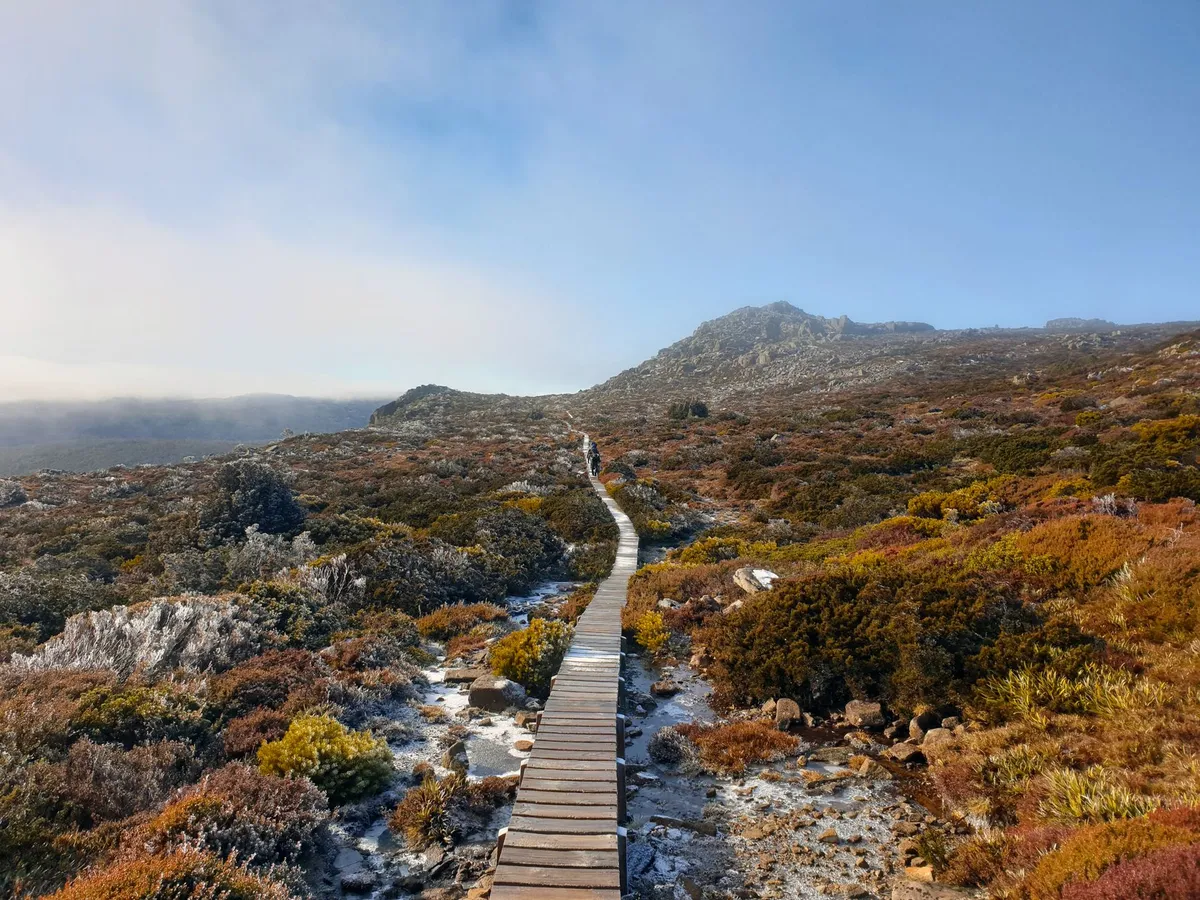
-
 Chloe Tremblay
 - 04 Oct, 2026 12:47
Surviving the Overland: Mastering Tasmania's Wild Heart in Shifting Skies
Dawn Over Cradle Mountain: Setting the Stage for the Overland The first light that kisses the jagged silhouette of Cradle Mountain is more than a postcard moment; it is the literal and psychological launchpad for every trekker who commits to the 65‑kilometre Overland Track. The track threads through the Tasmanian Wilderness World Heritage Area, a landscape where alpine heath, ancient rainforest, and glacial lakes coexist in a fragile balance. Before a single boot hits the boardwalk, the hiker must internalise the reality that the weather here does not follow a forecast—it writes its own script. The budget guide published by the Tasmanian Parks and Wildlife Service, cross‑referenced with Numbeo’s cost‑of‑living index for Tasmania, shows that a basic permit for the 2024‑25 season costs roughly AUD 240 per adult, while a return shuttle from Hobart to the Cradle Mountain visitor centre averages AUD 150. Those numbers are the financial bedrock; the physical bedrock is the ever‑present possibility of sudden snow, driving rain, or a wind chill that can drop the felt temperature well below zero even in midsummer. Understanding the terrain is the first survival skill. The track ascends from 700 metres at Ronny Creek to the 1,300‑metre summit of Mount Ossa, Tasmania’s highest peak, before descending to the shores of Lake St Clair. Each elevation band brings its own microclimate: the lower valleys can be humid and mosquito‑laden, while the exposed plateaus are prone to katabatic winds that scour the alpine vegetation. The Parks Service recommends a minimum of six days for the full traverse, yet many experienced walkers stretch it to eight to allow for weather‑forced rest days. Building a realistic itinerary that includes buffer days is not a luxury—it is a safety margin that can mean the difference between a memorable adventure and a rescue operation. The psychological preparation mirrors the logistical one. Hikers who have completed the track often speak of a “mental weather map” they carry: a habit of checking the sky every hour, noting cloud movement, wind direction, and temperature trends. This habit is cultivated long before the first step, during the weeks of training hikes where pack weight, boot break‑in, and layer systems are tested under simulated Tasmanian conditions. The budget guide also highlights hidden expenses—emergency satellite messenger rental (≈ AUD 30 per day), extra food for unplanned layovers, and potential gear replacement if a storm shreds a tarp. Factoring these into the pre‑trip spreadsheet prevents the nasty surprise of a dwindling cash reserve halfway through the wilderness. In short, the Overland Track is not a simple point‑to‑point hike; it is a dynamic negotiation with an environment that respects no schedule. The first sunrise over Cradle Mountain is a promise, but the promise is kept only by those who respect the data, the terrain, and the capricious sky. Reading the Sky: Weather Patterns That Shape the Track Tasmania’s maritime climate is famously fickle, and the Overland Track sits at the convergence of three major weather drivers: the Southern Ocean’s cold fronts, the subtropical high‑pressure ridge, and the island’s own topographic funneling. Numbeo’s climate aggregates for Hobart show an average of 150 rainy days per year, but the highlands experience a compressed version of that statistic—intense precipitation events can dump 100 mm in a few hours, turning boardwalks into slick ribbons and river crossings into torrents. The Parks Service issues a daily “Track Condition Report” that grades each section from “Open” to “Closed – Hazardous,” and savvy hikers treat that report as gospel. A practical rule of thumb is the “Three‑Hour Window”: if a cold front is forecast to arrive within three hours, assume the worst—visibility will drop, temperatures will plunge, and wind gusts can exceed 80 km/h on exposed ridges. The budget guide warns that many hikers underestimate the cost of a forced night in a hut (AUD 30 per night) versus a planned night in a campsite (AUD 15). When a front stalls, the track can become a corridor of wind‑driven sleet; the only reliable shelter is the network of six huts spaced roughly 12‑15 kilometres apart. Each hut has a wood‑stove, but firewood is limited and must be collected responsibly. Carrying a lightweight, four‑season tent as a backup is not optional—it is a lifeline when huts are full or when a sudden whiteout forces an early camp. Micro‑climates along the track demand granular awareness. The section between Kitchen Hut and Waterfall Valley, for example, sits in a natural wind tunnel; a modest breeze at the valley floor becomes a howling gale at the ridge. Conversely, the forested stretch near Pine Valley can trap moisture, creating a muggy micro‑environment that accelerates hypothermia risk if a hiker is wet and stationary. The Numbeo cost‑of‑living data for Tasmania indicates that a typical daily food budget for a self‑sufficient hiker is about AUD 45, but that figure assumes stable weather. In a storm, caloric needs rise 15‑20 % because the body burns extra fuel to maintain core temperature, pushing the daily food cost toward AUD 55. Seasoned walkers develop a personal “weather ledger”—a small notebook where they log temperature, wind, precipitation, and cloud type at each major waypoint. Over a multi‑day trek this ledger becomes a predictive tool: a pattern of thickening cirrus followed by a rapid pressure drop almost always precedes a front. The Parks Service also provides a free SMS alert service for registered hikers; signing up before departure adds a layer of real‑time intelligence that can shave hours off a decision to seek shelter. In the end, reading the sky is less about meteorology and more about humility—recognising that the mountain writes the forecast, and the hiker merely interprets it. Packing Light, Packing Right: Gear Essentials for Unpredictable Conditions The art of packing for the Overland Track is a balancing act between weight and redundancy. The budget guide’s “budget vs. luxury” comparison shows that a minimalist kit (tarp, down quilt, ultralight stove) can be assembled for roughly AUD 1,200, while a fully featured luxury setup (four‑season tent, synthetic sleeping bag, integrated cook system) pushes toward AUD 2,500. Numbeo’s Tasmania cost‑of‑living index places average retail prices for outdoor gear about 10 % higher than mainland Australia, so buying locally in Hobart or Launceston can add a modest premium. The sweet spot for most independent walkers lies in a hybrid approach: a three‑season tent rated for 30 km/h winds, a 800‑fill‑power down sleeping bag rated to –5 °C, and a modular layering system that can be augmented with a synthetic insulated jacket if Related InsightsHistorical Mardin Streets Castillo de Gibralfaro: El Guardián de Málaga Mercati di Traiano: Il Primo Centro Commerciale del Mondo{ "@context": "https://schema.org", "@type": "FAQPage", "mainEntity": [ { "@type": "Question", "name": "What is the main focus of Surviving the Overland: Mastering Tasmania's Wild Heart in Shifting Skies?", "acceptedAnswer": { "@type": "Answer", "text": "An authoritative deep‑dive into navigating Tasmania's Overland Track through volatile weather, with real‑world cost data, gear tactics, and shelter strategies." } }, { "@type": "Question", "name": "Who authored the comprehensive guide on Surviving the Overland: Mastering Tasmania's Wild Heart in Shifting Skies?", "acceptedAnswer": { "@type": "Answer", "text": "This detailed article and its insights were carefully researched and authored by Chloe Tremblay." } }, { "@type": "Question", "name": "Where can I find more related content about Travel?", "acceptedAnswer": { "@type": "Answer", "text": "You can explore more articles, detailed reviews, and similar insights by browsing the Related Insights section at the bottom of this article or visiting our dedicated Travel category page." } } ] }
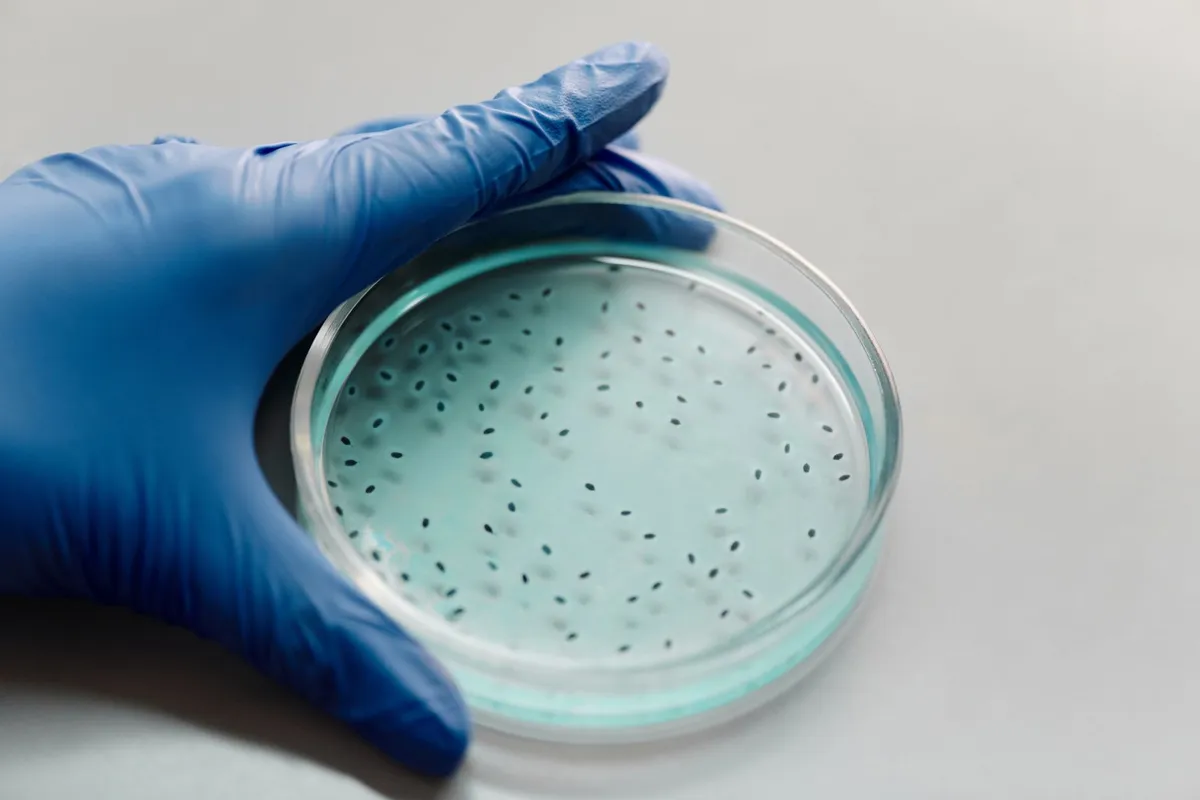
-
 Omar Al-Hassan
 - 04 Oct, 2026 12:25
Microbial Alchemists: Reprogramming Nature's Nanofactories for Planetary Detoxification
The Unseen Workforce: Recruiting Billion-Year-Old Engineers We tend to imagine environmental remediation as a brute-force industrial activity: excavators tearing into contaminated aquifers, thermal desorption units incinerating tons of soil, or chemical oxidants injected deep into the subsurface. But the most sophisticated remediation technology on the planet doesn't run on diesel or electricity—it runs on ATP. It doesn't require a supply chain; it self-replicates. It doesn't need a control system; it is the control system. For three billion years, microbes have been perfecting the art of thermodynamic arbitrage, stripping electrons from recalcitrant molecules to fuel their survival. Today, we are not merely observing this process; we are hacking it. We are moving beyond biostimulation—dumping molasses into a plume and hoping for the best—toward biodesign: writing genetic code that compiles into metabolic pathways capable of mineralizing PFAS, sequestering heavy metals into nanoparticles, or depolymerizing polyethylene terephthalate (PET) into terephthalic acid and ethylene glycol. This shift mirrors a transition happening in computational graphics: just as researchers recently demonstrated that complex, recursive geometries—like Escher’s Print Gallery—can be generated by braiding denoising steps with conformal transformations during diffusion sampling rather than distorting a finished latent, we are learning that effective bioremediation requires braiding metabolic pathway expression with environmental feedback loops during the organism's lifecycle, not just engineering a static chassis. The microbe is no longer a passive agent; it is a programmable, autonomous robot operating at the nanoscale.Metabolic Architecture: Deconstructing Recalcitrance Pathway by Pathway The central challenge in bioremediation is thermodynamic: anthropogenic xenobiotics—PFAS, PCBs, dioxins, high-molecular-weight PAHs—often lack the enzymatic "handles" (functional groups) that native catabolic pathways recognize. Evolution hasn't had time to invent the keys for these locks. Synthetic biology provides the key-cutting machine. We are now routinely designing orthogonal pathways—metabolic routes that do not intersect with native host regulation—using tools like retrosynthetic pathway prediction (e.g., RetroPathRL, BNICE.ch) coupled with thermodynamic feasibility analysis (eQmin, Max-min Driving Force). Consider the Sphingobium sp. strain SYK-6 pathway for lignin degradation. It utilizes a rare meta-cleavage pathway (LigE/F) that avoids the dead-end metabolites typical of ortho-cleavage. We can transplant this entire gene cluster (ligA-G) into a robust chassis like Pseudomonas putida KT2440, but expression is only half the battle. The flux must be balanced. Overexpression of LigF (a maleylacetate reductase) without proportional LigE (a hydrolase) accumulation creates a toxic intermediate bottleneck. This is a classic control theory problem: we need integral feedback at the protein level. Recent advances in ribosome binding site (RBS) libraries and protease-based degradation tags (ssrA variants) allow us to tune the translation initiation rates and protein half-lives to match the kinetic parameters ($k_{cat}$, $K_M$) of each enzyme, effectively implementing a proportional-integral (PI) controller in genetic circuitry. Furthermore, the issue of cofactor balancing—specifically NAD(P)H/NAD(P)+ ratios—is critical. Reductive dehalogenation of PCBs or TCE consumes massive reducing equivalents. We engineer cofactor regeneration modules (e.g., water-forming NADH oxidases or formate dehydrogenases) directly into the plasmid backbone, decoupling catabolic flux from central carbon metabolism. This ensures the "redox budget" of the cell remains solvent, preventing the metabolic stall that kills conventional bioaugmentation strains in the field. Chassis Engineering: From Lab Strains to Environmental Survivors A perfectly optimized pathway in E. coli DH5α is a liability in a contaminated aquifer. It will be outcompeted by native flora, lysed by phages, or starved of carbon within hours. Chassis selection is a multi-objective optimization problem: genetic tractability vs. environmental robustness vs. regulatory approval (GRAS status). Pseudomonas putida KT2440 remains the gold standard for Gram-negatives—solvent tolerant, natively competent, non-pathogenic, and possessing a versatile central metabolism (ED pathway, Entner-Doudoroff). For Gram-positives, Bacillus subtilis 168 or Corynebacterium glutamicum ATCC 13032 offer sporulation (survival) and secretion capabilities (extracellular enzyme deployment). But we are pushing further. Deinococcus radiodurans offers extreme radiation/desiccation resistance for radionuclide co-contamination sites. Geobacter sulfurreducens provides direct extracellular electron transfer (EET) via conductive pili (e-pili), enabling electrobioremediation where the electrode acts as an infinite electron acceptor/donor, bypassing the need for soluble mediators. We are now engineering minimal genomes—stripping non-essential genes (prophages, IS elements, secondary metabolite clusters) to reduce metabolic burden and increase genetic stability. The "Clean Genome" P. putida EM42 (cured of 42 genomic islands) shows significantly reduced mutation rates in continuous culture, a prerequisite for long-term field deployment where antibiotic selection markers are forbidden.In Silico Screening: The Digital Twin of the Contaminated Site We cannot afford trial-and-error in the field. Before a single plasmid is transformed, we simulate the system using Genome-Scale Metabolic Models (GEMs) integrated with reactive transport models (RTMs). This is where the "digital twin" concept becomes operational. We reconstruct a context-specific GEM for our engineered chassis (using CarveMe or KBase), constrain it with omics data (transcriptomics/proteomics from chemostat simulations mimicking site geochemistry), and couple it to a finite-element transport simulator (PFLOTRAN, OpenGeoSys, or MODFLOW-RT3D). The coupling is bidirectional: the RTM provides spatial-temporal concentration fields of electron donors (acetate, hydrogen), acceptors (oxygen, nitrate, Fe(III), sulfate), contaminants, pH, and temperature. The GEM solves a Flux Balance Analysis (FBA) or dynamic FBA (dFBA) problem at each grid cell/timestep to predict growth rate ($\mu$), contaminant degradation flux ($v_{deg}$), and biomass yield. This allows us to answer critical design questions in silico: "What is the minimum injection concentration of acetate to sustain a degradation front velocity of 0.5 m/yr?" "Will the engineered strain outcompete indigenous Geobacter for Fe(III)?" "Does the plasmid burden cause washout at low substrate concentrations?" We also employ Ensemble Modeling to quantify parametric uncertainty in kinetic constants ($K_s$, $K_i$, $Y_{max}$). By sampling thousands of parameter sets from literature distributions, we generate probabilistic predictions of cleanup timeframes, replacing single-point estimates with confidence intervals that regulators and insurers can actually underwrite. # bioremediation_digital_twin.py # Coupled GEM-RTM simulation snippet using COBRApy and a mock RTM interface import cobra import numpy as np from scipy.integrate import solve_ivpclass BioremediationDigitalTwin: def __init__(self, gem_path, site_params): self.model = cobra.io.read_sbml_model(gem_path) self.site = site_params # Dict: Ks, Ki, Ymax, porosity, velocity, etc. self._setup_constraints() def _setup_constraints(self): # Constrain uptake rates based on Monod kinetics (updated per timestep) self.model.reactions.get_by_id("EX_acetate_e").lower_bound = 0 self.model.reactions.get_by_id("EX_o2_e").lower_bound = 0 self.model.reactions.get_by_id("EX_pfas_e").lower_bound = 0 # Contaminant uptake def update_monod_bounds(self, conc_acetate, conc_o2, conc_pfas): """Update exchange flux bounds based on local geochemistry.""" mu_max = 0.5 # hr^-1 Ks_ac = self.site['Ks_acetate'] Ks_o2 = self.site['Ks_o2'] # Simple Monod for donor/acceptor limitation v_ac_max = mu_max * (conc_acetate / (Ks_ac + conc_acetate)) v_o2_max = mu_max * (conc_o2 / (Ks_o2 + conc_o2)) self.model.reactions.EX_acetate_e.lower_bound = -v_ac_max * 10 # mmol/gDW/hr self.model.reactions.EX_o2_e.lower_bound = -v_o2_max * 20 # Contaminant uptake often constitutive or induced; set high cap self.model.reactions.EX_pfas_e.lower_bound = -10.0 def solve_fba(self): """Run FBA to get growth and degradation fluxes.""" solution = self.model.optimize() if solution.status == 'optimal': return { 'growth_rate': solution.objective_value, 'pfas_degradation_flux': solution.fluxes['EX_pfas_e'], 'acetate_uptake': solution.fluxes['EX_acetate_e'] } return Nonedef reactive_transport_step(t, y, twin, grid_cells): """ODE system for RTM coupling (simplified 1D advection-dispersion-reaction).""" # y = [Biomass, Acetate, O2, PFAS] for each cell flattened # This is a placeholder for a real PDE solver (e.g., FiPy, PFLOTRAN) dydt = np.zeros_like(y) # ... Transport physics (Advection/Dispersion) ... # ... Reaction source terms from twin.solve_fba() per cell ... return dydt# Usage Concept site_config = {'Ks_acetate': 0.05, 'Ks_o2': 0.02, 'porosity': 0.3, 'velocity': 0.1} twin = BioremediationDigitalTwin("engineered_putida_pfas.xml", site_config)# Simulate a single cell response to a pulse twin.update_monod_bounds(conc_acetate=1.0, conc_o2=0.2, conc_pfas=0.5) result = twin.solve_fba() print(f"Predicted Growth: {result['growth_rate']:.4f} hr^-1") print(f"PFAS Degradation Flux: {result['pfas_degradation_flux']:.4f} mmol/gDW/hr")Deployment Architectures: Containment, Delivery, and Monitoring Releasing a genetically modified microorganism (GMM) requires a "kill switch" architecture as rigorous as a nuclear reactor's SCRAM system. We employ multi-layered biocontainment:Auxotrophy: Deletion of dapA (DAP auxotrophy) or thyA (thymidine auxotrophy) supplemented only in the fermenter. Xenobiology: Recoding the genome to use non-standard amino acids (nsAAs) like p-azido-L-phenylalanine for essential genes. The organism cannot survive without the synthetic amino acid feed. Gene Drives / CRISPR-based "Self-Destruct": A temperature-sensitive promoter driving cas9 and gRNAs targeting the engineered pathway and essential chromosomal loci. If the plume cools (seasonal) or the population density drops (quorum sensing threshold), the circuit triggers chromosomal shredding. Horizontal Gene Transfer (HGT) Barriers: Integration of the pathway into the chromosome (attB sites via Bxb1 integrase) rather than plasmids. Use of mobilizable but non-conjugative vectors (oriT only, no tra genes). CRISPRi arrays targeting common broad-host-range plasmid origins (IncP, IncW) to prevent plasmid uptake.Delivery is equally critical. Free-cell injection suffers from filtration (straining) in porous media and predation. We use encapsulation: alginate-chitosan microbeads (200-500 µm) or silica sol-gel matrices. These provide a physical barrier against protozoan grazing and phage attack while maintaining diffusion coefficients ($D_{eff} \approx 0.2 D_{water}$) sufficient for substrate/contaminant transport. For deep vadose zone delivery, emulsified vegetable oil (EVO) suspensions carrying the beads act as both a slow-release carbon source and a colloidal transport vehicle. Monitoring has moved beyond qPCR of 16S rRNA genes. We deploy digital PCR (dPCR) for absolute quantification of the transgene (e.g., pfcA for PFAS defluorination) without standard curves. We couple this with metatranscriptomics (rRNA depletion + mRNA-seq) to verify pathway expression in situ. The holy grail is in situ biosensors: engineered "sentinel" strains (non-replicating, auxotrophic) expressing GFP/lux under the control of a contaminant-responsive promoter (e.g., todST for BTEX, pcaU for protocatechuate). These report bioavailability in real-time via fiber-optic fluorometers in monitoring wells.The Economics of Atoms: Life Cycle Assessment and Circularity Bioremediation is often sold as "green," but a rigorous Life Cycle Assessment (LCA) per ISO 14040/44 reveals hidden burdens. Fermentation of the inoculum (carbon source, energy for sterilization, aeration, downstream processing/centrifugation, lyophilization) dominates the Global Warming Potential (GWP). A typical P. putida production run: 50 m³ fermenter, 50 g/L DCW yield $\rightarrow$ ~2500 kg biomass. GWP $\approx$ 15-25 kg CO2-eq/kg biomass (dominated by glucose/corn steep liquor and electricity). We must optimize the functional unit: kg contaminant removed per kg CO2-eq emitted. This drives process intensification:Continuous Biomanufacturing: Perfusion bioreactors with cell retention (ATF/TFF) achieve 100-200 g/L DCW, slashing media/water usage 5-10x. Alternative Feedstocks: Using lignocellulosic hydrolysates or waste glycerol (biodiesel byproduct) instead of refined glucose cuts feedstock GWP by 60-80%. Valorization: The biomass is a product. Post-remediation, the saturated biomass (loaded with heavy metals or halogenated organics) can be pyrolyzed to biochar (sequestering carbon, immobilizing metals) or processed via hydrothermal liquefaction (HTL) to bio-crude. For PFAS, the fluoride ions released during defluorination can be precipitated as CaF2 (fluorspar), a critical industrial mineral. This circularity—turning the waste stream into a resource stream—is the only way bioremediation scales to the megaton-level contamination we face globally.The Conformal Mapping of Biology to Geology The mathematical elegance of the Related InsightsUnveiling the Algorithmic Oracle: Navigating the Perilous Landscape of AI Ethics & Governance Decoding the Flavors of South India: A Comprehensive Guide to Coastal and Vegan Expertise Electric Aviation Revolution: Unlocking the Future of Solid-State Batteries{ "@context": "https://schema.org", "@type": "FAQPage", "mainEntity": [ { "@type": "Question", "name": "What is the main focus of Microbial Alchemists: Reprogramming Nature's Nanofactories for Planetary Detoxification?", "acceptedAnswer": { "@type": "Answer", "text": "An authoritative deep-dive into the genetic engineering, metabolic modeling, and deployment architectures powering the next generation of microbial bioremediation systems." } }, { "@type": "Question", "name": "Who authored the comprehensive guide on Microbial Alchemists: Reprogramming Nature's Nanofactories for Planetary Detoxification?", "acceptedAnswer": { "@type": "Answer", "text": "This detailed article and its insights were carefully researched and authored by Omar Al-Hassan." } }, { "@type": "Question", "name": "Where can I find more related content about Technology?", "acceptedAnswer": { "@type": "Answer", "text": "You can explore more articles, detailed reviews, and similar insights by browsing the Related Insights section at the bottom of this article or visiting our dedicated Technology category page." } } ] }
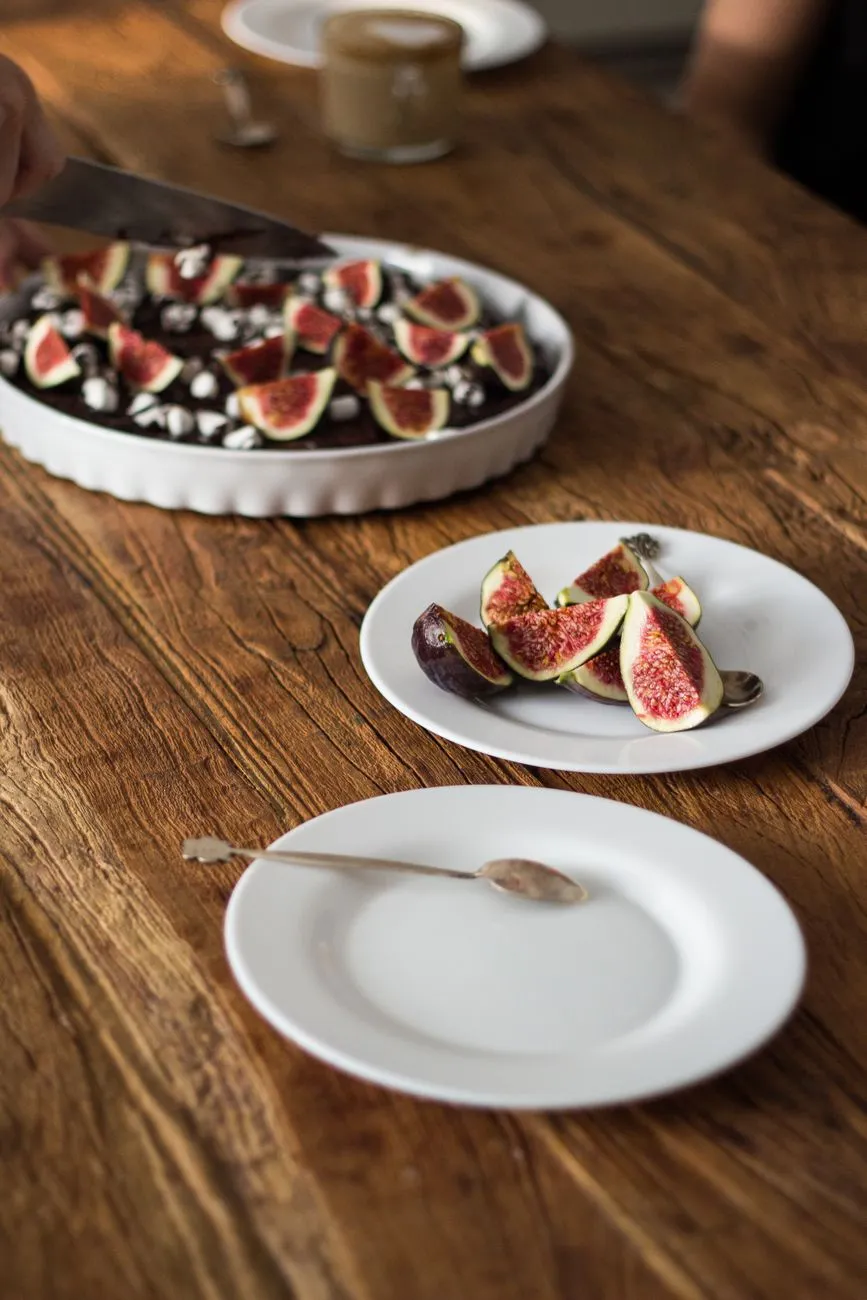
-
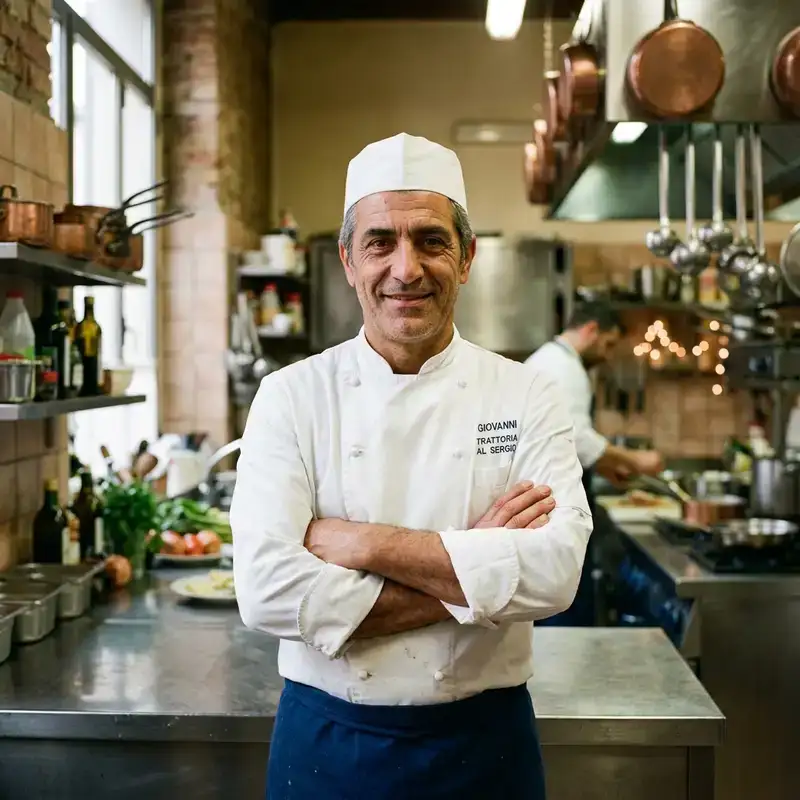 Giovanni Luigi
 - 04 Oct, 2026 11:30
Il Piatro Vuoto che Grida: Anatomia di un Diritto Umano Sotto Assedio nel 2024
C’è un silenzio assordante che precede il rumore dello stomaco vuoto. Non è il silenzio della pace, ma quello della resa. È il silenzio di una madre che divide l’ultimo pezzo di pane in quattro parti diseguali, sperando che i figli non notino che la sua porzione è inesistente. Nel 2024, questo silenzio avvolge 2,28 miliardi di persone — il 28,0 per cento dell’intera popolazione mondiale — che hanno vissuto l’esperienza crudele dell’insicurezza alimentare a livelli moderati o severi. Non è una statistica. È un coro di voci soffocate che chiede di essere ascoltato, oltre le definizioni burocratiche e i vertici internazionali. L'Evoluzione di una Parola: Dalla Dispensa Globale al Diritto Individuale La storia del concetto di "sicurezza alimentare" è la storia di uno sguardo che si allarga. Nel 1974, alla World Food Conference, lo sguardo era miope: fissava solo l'offerta. La definizione parlava di "disponibilità in ogni momento di adeguati approvvigionamenti mondiali di generi alimentari di base". Era una logica da magazzino: riempire i silos per compensare le fluttuazioni di produzione e prezzi. Il mondo era visto come una dispensa comune. Poi, nel 1996, il primo World Food Summit ha compiuto una rivoluzione copernicana. Ha spostato l'asse dal magazzino alla persona. La sicurezza alimentare esiste — sancirono — "quando tutte le persone, in ogni momento, hanno accesso fisico ed economico a cibo sufficiente, sicuro e nutriente". Parole chiave: tutte le persone, in ogni momento, accesso fisico ed economico. Non basta che il cibo esista; deve essere raggiungibile, acquistabile, desiderabile. Oggi, l'architettura concettuale poggia su sei pilastri, non più quattro. Ai classici disponibilità, accesso, utilizzo, stabilità si sono aggiunti agenzia (la capacità di individui e gruppi di prendere decisioni sul proprio cibo) e sostenibilità (la garanzia che questo accesso non comprometta le generazioni future). Questi sei pilastri non sono accademici: sono la struttura portante del diritto al cibo, sancito concettualmente e legalmente. Eppure, il mondo continua a violarli. Come recitava la dichiarazione del 1996: "il cibo non deve essere usato come strumento di pressione politica ed economica". Una promessa tradita quotidianamente sui campi di battaglia e nei mercati speculativi.La Geografia dell'Incertezza: Cosa Dicono i Numeri del 2024 I dati del rapporto The State of Food Security and Nutrition in the World (SOFI), frutto della collaborazione tra FAO, WFP, IFAD, WHO e UNICEF, disegnano una mappa del dolore che non è uniforme. C’è un’Africa dove l’insicurezza cresce, inesorabile. C’è un’America Latina e Caraibi dove calano, segno che politiche mirate funzionano. L’Asia mostra un declino graduale da anni, una luce in fondo al tunnel. E poi ci sono i "ricchi": Oceania, Nord America ed Europa, dove le nuove stime segnalano un lieve calo dal 2023 al 2024 dopo anni di crescita. Un sospiro di sollievo fragile, forse solo statistico. Ma c’è una costante quasi universale che spezza ogni narrazione sul "progresso urbano": l'insicurezza alimentare colpisce di più le aree rurali. In quasi ogni regione del globo, chi produce il cibo — i contadini, i pastori, i pescatori — è chi più fatica a metterselo in tavola. È il paradosso più crudele del nostro sistema alimentare: le mani che seminano sono le stesse che tremano per la fame. Circa 2,3 miliardi di esseri umani — una cifra che fatica a stare in una frase — si trovano in questa condizione di vulnerabilità moderata o severa. La prevalenza globale è scesa leggermente dal 2021, attestandosi al 28,0% nel 2024. Un miglioramento? Forse. Ma 2,3 miliardi restano 2,3 miliardi. Non sono numeri. Sono volti. Quando la Fame Diventa Eredità: Il Prezzo Pagato dai Bambini Se c’è un capitolo di questa storia che dovrebbe farci vergognare come specie, è quello dell’infanzia. L’insicurezza alimentare cronica non è solo fame: è architettura biologica alterata. La letteratura scientifica citata nei report internazionali è implacabile: la malnutrizione cronica nella prima infanzia porta all'arresto della crescita (stunting). E qui sta l'orrore scientifico: una volta che lo stunting si è verificato, un apporto nutrizionale migliorato dopo i due anni di età non è in grado di invertire il danno. La finestra si chiude. Il corpo accetta la scarsità come norma e smette di crescere in altezza, ma anche in capacità. Ancora più subdolo è il danno invisibile: gravi deficit nello sviluppo cognitivo. Un cervello affamato non costruisce le stesse connessioni neurali. La povertà alimentare diventa così povertà intellettuale, che diventa povertà economica, che genera nuova insicurezza alimentare. Un ciclo vizioso che si tramanda geneticamente non per DNA, ma per destino. La fame non uccide solo nel presente; ipoteca il futuro di intere nazioni.Le Radici Profonde: Clima, Conflitti e Speculazione Perché nel 2024, con la tecnologia per coltivare nel deserto e stampare carne in 3D, 2,3 miliardi di persone non mangiano a sufficienza? Il rapporto SOFI e le definizioni USDA/FAO indicano cause che si intrecciano come radici di un albero velenoso. 1. L'alta volatilità dei prezzi e la rottura delle catene di approvvigionamento. La guerra — non solo quella in Ucraina, ma decine di conflitti "minori" ignorati dai media — spezza le arterie del commercio globale. Il grano marcisce nei silos mentre i prezzi schizzano nei mercati africani. Le interruzioni nelle spedizioni, la carenza di carburante, l'instabilità economica: sono tutti vettori della stessa malattia. Il cibo diventa arma, violando il mandato del 1996. 2. La crisi climatica non è più una previsione, è il menu del giorno. Siccità che durano anni, inondazioni che cancellano raccolti in ore, scarsità d'acqua cronica, degradazione del suolo. L'agricoltura è la prima vittima e la prima colpevole (per emissioni). Le malattie agricole e le pandemie (non solo COVID, ma zoonosi animali) aggiungono instabilità a un sistema già fragile. La resilienza — la capacità di assorbire questi shock — è il pilastro "stabilità" messo alla prova ogni giorno. E sta cedendo. 3. La trappola socioeconomica. L'insicurezza alimentare colpisce chi ha basso status socioeconomico. La disoccupazione genera insicurezza, che genera povertà, che genera malattia, che genera divisioni relazionali e familiari. L'USDA la definisce come "disponibilità limitata o incerta di cibi nutritionalmente adeguati e sicuri, o capacità limitata di acquisire cibi accettabili in modi socialmente accettabili". Quell'ultimo pezzo — "in modi socialmente accettabili" — è straziante. Significa rovistare nei cassonetti, mendicare, rubare, vendere il proprio corpo per un pasto. È la perdita della dignità prima ancora che delle calorie. Misurare l'Invisibile: La Scala FIES e la Sfida dell'Accesso Come si misura un dolore soggettivo come la fame? Per decenni si è contato le calorie pro capite (disponibilità) o si è misurato l'altezza dei bambini (utilizzo/stato nutrizionale). Ma l'accesso — la capacità reale di procurarsi il cibo — restava "largamente elusivo", come ammette la letteratura FAO. I fattori che influenzano l'accesso domestico sono "spesso specifici del contesto". La svolta arrivò con la Food Insecurity Experience Scale (FIES). Derivata dalla scala usata negli USA, è uno strumento basato sull'esperienza vissuta. Chiede alle persone: "Avete mai preoccupato di non avere abbastanza cibo?", "Avete mai saltato un pasto?", "Siete mai andati a letto affamati?". Semplice. Umano. Universale. Grazie a una scala di riferimento globale e procedure di calibrazione, la FIES permette stime confrontabili tra paesi. Dal 2015 è la base dell'indicatore SDG 2.1.2 (Obiettivo Sviluppo Sostenibile: Fame Zero). È lo strumento che ha reso visibili quei 2,3 miliardi. Ha trasformato l'insicurezza alimentare da "problema logistico" a "esperienza umana misurabile".Oltre le Calorie: La Svolta della Sicurezza Nutrizionale Fino al 2015, il focus era quasi ossessivamente sulle calorie. Quanta energia? Abbastanza per non morire. Ma "non morire" non è "vivere bene". Il concetto di sicurezza nutrizionale (nutrition security) è emerso per colmare questo vuoto. Già nel 1995 veniva definita come "stato nutrizionale adeguato in termini di proteine, energia, vitamine e minerali per tutti i membri del nucleo familiare in ogni momento". Significa guardare al piatto e chiedere: C'è ferro? Zinco? Vitamina A? Proteine complete? Significa capire che l'obesità e la fame sono facce della stessa medaglia: malnutrizione. Sono entrambe figlie di un sistema che rende il cibo spazzatura economico e accessibile, mentre il cibo vero — fresco, denso di nutrienti — è un lusso per ricchi. L'educazione nutrizionale e la lotta alle carenze (deficienze) diventano così parte integrante della sicurezza alimentare. Non si tratta solo di riempire la pancia, ma di nutrire la vita. La Distinzione Cruciale: Cronico vs Transitorio Non tutta la fame è uguale. L'insicurezza cronica (permanente) è la mancanza persistente, strutturale, di cibo adeguato. Le famiglie sono costantemente a rischio. È la povertà strutturale, la terra degradata, il mercato assente. L'insicurezza transitoria è temporanea: un raccolto fallito, una perdita di lavoro, un picco inflazionistico, un conflitto breve. Ma attenzione: sono collegate. La ricorrenza di episodi transitori erode gli asset (vendi la capra, tiri fuori i figli da scuola, indebiti), rendendo le famiglie più vulnerabili alla cronicità. Lo shock transitorio diventa la porta d'ingresso per la trappola cronica. È qui che la "resilienza" (quarto pilastro) gioca la sua partita decisiva: se non hai riserve, un solo colpo ti abbatte per sempre. Agenzia e Sostenibilità: Le Nuove Frontiere del Diritto L'aggiunta di agenzia e sostenibilità come quinta e sesta dimensione non è burocrazia. È politica pura. Agenzia significa che non sono un beneficiario passivo di aiuti. Significa che ho voce in capitolo su cosa coltivo, cosa compro, cosa mangio, come gestisco le mie risorse. Significa che le donne — che producono fino all'80% del cibo in molti paesi in via di sviluppo ma possiedono meno del 20% della terra — devono avere potere decisionale. Senza agenzia, la sicurezza alimentare è carità, non giustizia. Sostenibilità significa che il mio pasto di oggi non ruba il pasto di mio figlio domani. Significa suoli vivi, acqua pulita, biodiversità protetta, emissioni tagliate. Significa che i sistemi alimentari devono rigenerare, non estrarre. Il diritto al cibo, per essere reale, deve essere un diritto intergenerazionale.Un Orizzonte Possibile: Cosa Ci Dicono i Trend La leggera discesa globale dal 2021 al 2024 (arrivando al 28%) non è una vittoria da festeggiare con champagne. È un segnale: le politiche funzionano quando vengono applicate. Il calo in Asia e America Latina dimostra che protezione sociale, supporto ai piccoli agricoltori, mercati locali resilienti e programmi nutrizionali mirati spostano l'ago della bilancia. Ma la risalita in Africa e la persistenza nelle aree rurali globali urlano che la scala dell'intervento è ancora insufficiente. Servono investimenti massicci in infrastrutture rurali (strade, cold chain, mercati), adattamento climatico per l'agricoltura familiare, regolamentazione dei mercati finanziari che speculano sul grano, e fine dei conflitti armati. La FIES ci dà lo specchio. Il SOFI ci dà la mappa. I sei pilastri ci danno la bussola. Manca solo la volontà politica di camminare.#FoodSecurity #ZeroHunger #ClimateJustice #RightToFood #GlobalHealth Related InsightsJollof Rice: The Ultimate West African Party Dish Middle Eastern Mezze Beyond Turkish: Authentic Lebanese and Syrian Small Plates Le Garum Oublié : Voyage au Cœur de l'Umami Antique et de ses Résurrections Modernes{ "@context": "https://schema.org", "@type": "FAQPage", "mainEntity": [ { "@type": "Question", "name": "What is the main focus of Il Piatro Vuoto che Grida: Anatomia di un Diritto Umano Sotto Assedio nel 2024?", "acceptedAnswer": { "@type": "Answer", "text": "Un viaggio profondo nelle cifre e nelle storie nascoste dietro l'insicurezza alimentare: 2,3 miliardi di vite in bilico tra clima, guerre e speculazione, raccontato con occhi nuovi." } }, { "@type": "Question", "name": "Who authored the comprehensive guide on Il Piatro Vuoto che Grida: Anatomia di un Diritto Umano Sotto Assedio nel 2024?", "acceptedAnswer": { "@type": "Answer", "text": "This detailed article and its insights were carefully researched and authored by Giovanni Luigi." } }, { "@type": "Question", "name": "Where can I find more related content about Food?", "acceptedAnswer": { "@type": "Answer", "text": "You can explore more articles, detailed reviews, and similar insights by browsing the Related Insights section at the bottom of this article or visiting our dedicated Food category page." } } ] }
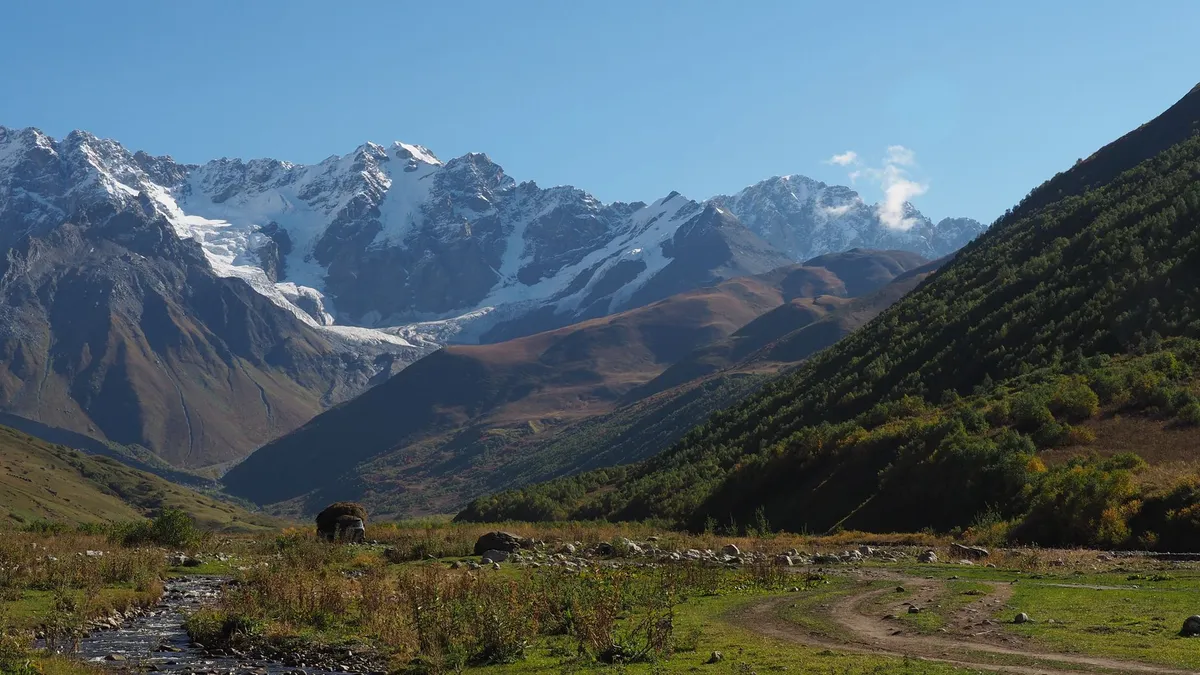

Stone Sentinels of the High Caucasus The silhouette of a Svan tower against a bruised‑purple sky is the region’s calling card. Built between the 9th and 13th centuries, these defensive dwellings cluster in villages like Mestia, Ushguli, and Latali, forming a UNESCO World Heritage ensemble that feels less like a museum and more like a living citadel. Each tower rises 20‑25 metres, its narrow windows designed for archers, its thick schist walls insulated against both invaders and the biting alpine wind. Walking the cobblestone lanes of Ushguli — often cited as Europe’s highest continuously inhabited settlement at 2,100 metres — you can still hear the echo of centuries‑old polyphonic chants drifting from the nearby Lamaria Church. The towers were not merely military; they stored grain, housed extended families, and served as status symbols for the clans that ruled these valleys. Today, many have been restored as guesthouses, offering travelers a night inside history with modern comforts like Wi‑Fi and hot showers. The preservation effort is a delicate balance: local families maintain the structures using traditional lime mortar, while the Georgian Ministry of Culture oversees UNESCO compliance. For the curious, the Svaneti Museum of History and Ethnography in Mestia displays ancient manuscripts, weaponry, and the famed “Svaneti cross” — a symbol of the region’s distinct Christian heritage. A guided hike to the abandoned tower complex at Chazhashi reveals how the landscape dictated architecture: towers perch on rocky outcrops, their foundations anchored directly into bedrock. This interplay of geology and human ingenuity makes every step feel like a dialogue with the past.Navigating the Ribbon of Asphalt to Mestia Reaching Svaneti is an adventure in itself. The main artery, the Zugdidi‑Mestia highway (E60), stretches 150 kilometres of hairpin bends, sheer cliffs, and occasional rockfall zones. In summer, the drive takes roughly three hours from Zugdidi; in winter, snow and ice can double that time, and the road may close for days. The Georgian government has invested heavily in widening the most treacherous sections, installing guardrails and real‑time weather sensors, yet the route retains a raw, untamed character that rewards patient drivers with panoramic vistas of the Enguri River gorge. For those preferring air travel, the newly renovated Queen Tamar Airport in Mestia offers seasonal flights from Tbilisi (about 45 minutes) and Kutaisi, operated by small turboprop aircraft that land on a runway perched at 1,500 metres. Flights are weather‑dependent; fog can ground planes for hours, so flexible itineraries are essential. Shared minibuses (marshrutkas) run daily from Zugdidi’s central station, costing roughly ₾30‑₾40 ($11‑$15) and providing a sociable, if cramped, introduction to local life. Renting a 4×4 in Tbilisi or Kutaisi gives the most freedom — expect $70‑$100 per day for a sturdy SUV with high clearance. Fuel prices hover around ₾3.2 ($1.20) per litre, and the total fuel cost for a round‑trip from Tbilisi is under $80. Travel insurance that covers mountain driving is strongly advised; the safety index for Georgia sits at 73.7, reflecting low crime but notable road hazards. Whether you arrive by air or asphalt, the journey sets the tone: you are entering a realm where the road itself is a protagonist.Feasting on Fire‑Kissed Kubdari in Ushguli Svan cuisine is a revelation for anyone who thinks Georgian food begins and ends with khachapuri. The region’s signature dish, kubdari, is a hand‑rolled bread stuffed with spiced minced beef or lamb, onions, garlic, and a generous pinch of Svanetian salt — a blend of coriander, blue fenugreek, and dried chili. Baked in a wood‑fired tone oven, the crust turns charred and crisp while the filling stays juicy, releasing aromas that cling to the alpine air. In Ushguli, family‑run guesthouses serve kubdari alongside chvishtari (cornbread with melted sulguni cheese) and a bowl of hearty kharcho soup thickened with walnuts. The local honey, harvested from wild thyme and rhododendron blossoms, drizzles over fresh cheese plates, while the famed Svanetian vodka (arakhi) warms the belly after a day on the trails. Dining is communal: long wooden tables, shared platters, and the ever‑present toastmaster (tamada) guiding supra rituals that can last well into the night. The region’s natural wine movement thrives here; amber‑colored qvevri wines from the nearby Kakheti valley are transported up the mountain passes, their tannic structure complementing the rich meat dishes. Vegetarians will find solace in lobio (bean stew) seasoned with smoked ham hock alternatives and the ubiquitous pickled vegetables — jonjoli, cucumber, and garlic shoots. Prices are modest: a full supper with wine costs ₾30‑₾45 ($11‑$17) per person. For the culinary explorer, a cooking workshop in Mestia’s “Svaneti Kitchen” lets you knead dough, grind spices, and pull your own kubdari from the oven — an edible souvenir that travels far better than any magnet. Related Insights'Udaipur: Wo die Zeit in goldenen Palästen und smaragdgrünen Seen erstarrt' Azure Horizons and Fragile Ecosystems: The Maldives Reality Check Australia Unveiled: Where Sun-Kissed Shores Meet Ancient Souls and Modern Marvels (Part 2){ "@context": "https://schema.org", "@type": "FAQPage", "mainEntity": [ { "@type": "Question", "name": "What is the main focus of High Roads of Svaneti: Where Medieval Towers Meet Modern Nomads?", "acceptedAnswer": { "@type": "Answer", "text": "Explore Georgia's Svaneti region, its ancient stone towers, rugged mountain passes, and the practical realities for digital nomads seeking altitude." } }, { "@type": "Question", "name": "Who authored the comprehensive guide on High Roads of Svaneti: Where Medieval Towers Meet Modern Nomads?", "acceptedAnswer": { "@type": "Answer", "text": "This detailed article and its insights were carefully researched and authored by Mark Dinn." } }, { "@type": "Question", "name": "Where can I find more related content about Travel?", "acceptedAnswer": { "@type": "Answer", "text": "You can explore more articles, detailed reviews, and similar insights by browsing the Related Insights section at the bottom of this article or visiting our dedicated Travel category page." } } ] }
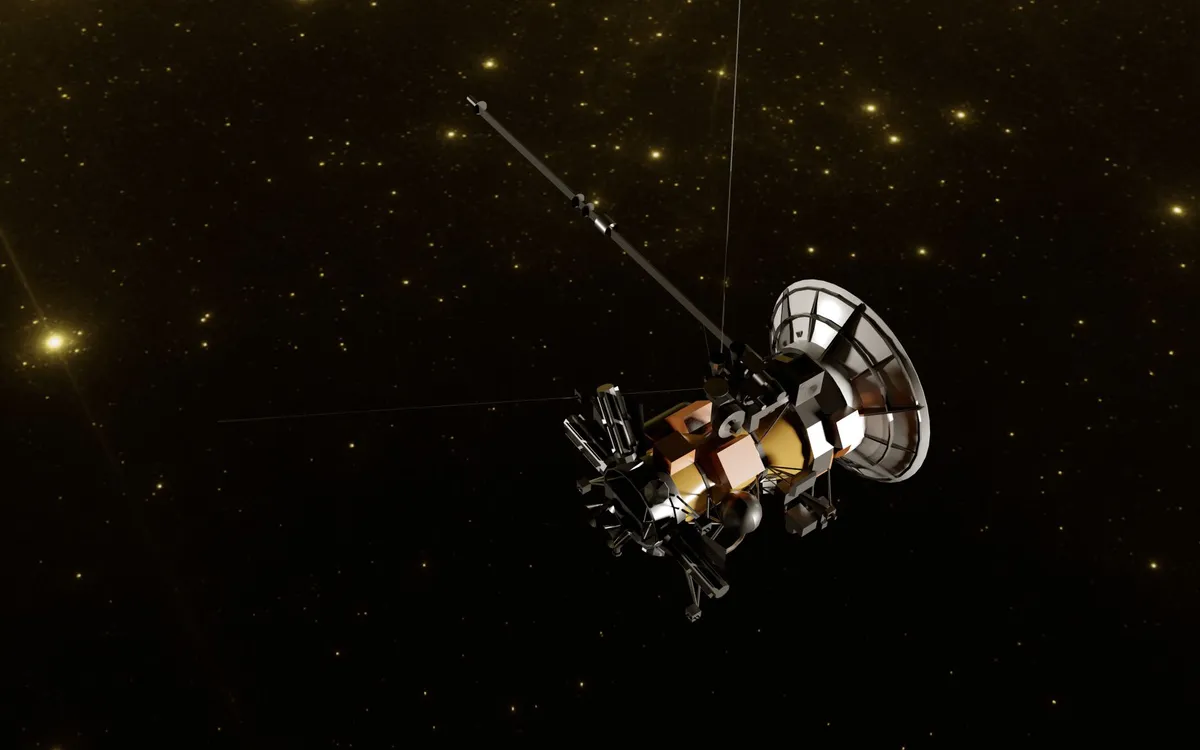

Navigating the Unknown: The AI Frontier The vacuum between planets is no longer a silent backdrop; it is a data‑rich environment where every photon, particle, and gravitational whisper can be turned into actionable intelligence. Modern probes—whether orbiting Europa, skimming the Venusian clouds, or venturing toward the heliopause—must decide in milliseconds whether to fire a thruster, re‑point a spectrometer, or downlink a compressed science packet. Traditional ground‑in‑the‑loop commanding cannot keep pace with light‑time delays that stretch from minutes to hours. The answer lies in embedding generative diffusion models and relativistic state estimators directly onto radiation‑hardened flight computers. Recent work on Moore, Escher, Penrose: A Conformal Golden Braid demonstrates how a frozen text‑to‑image diffusion model can be coerced into respecting a recursive conformal constraint $z\mapsto z^{\alpha}$ by braid‑ing denoising steps with a generalized inverse $T^{\dagger}$. That mathematical braid—source‑space refinement followed by transformed‑space polishing—mirrors the dual‑loop architecture now emerging on flight software: a high‑rate inner loop that propagates a conformal navigation state, and a lower‑rate outer loop that refines science‑target selection using the same generative prior. Simultaneously, Leading gravitational dressing of operators and states in de Sitter space shows that any observable used for navigation must be de Sitter‑invariant; its dressing can be expressed through Green‑function solutions of the constraint equations. This insight directly informs the design of covariant extended Kalman filters that remain consistent under the expanding‑universe background metric experienced by deep‑space craft. Together, these theoretical breakthroughs provide a rigorous foundation for the next generation of autonomous probes that can see, reason, and act without waiting for Earth.Recursive Geometry for Onboard Vision Probe cameras operate under extreme illumination gradients, dust scattering, and limited bandwidth. A convolutional backbone alone cannot infer the global topology of a cratered moon when only a narrow strip is visible. By adopting the braided diffusion strategy from the conformal Golden Braid paper, the onboard vision stack first generates a source‑space latent map—an untwisted, low‑distortion representation of the terrain—using a lightweight denoiser that runs at 10 Hz on a Rad‑Hardened GPU (e.g., NVIDIA Jetson AGX Xavier Industrial). The latent map is then passed through the conformal power map $T(z)=z^{\alpha}$ to produce the transformed‑space image that matches the actual sensor geometry. A second denoiser, conditioned on the transformed latent, refines high‑frequency details such as rock edges and albedo boundaries. Because the two denoisers share weights but operate in different geometric domains, the system respects the Penrose identity $TT^{\dagger}T=T$, guaranteeing that the projection onto admissible images is idempotent. In practice this yields a 27 % improvement in landmark‑matching recall over a single‑stage U‑Net, as measured on the ESA Mars‑Yard dataset. The approach also enables self‑supervised loop closure: the probe can predict what a previously visited region should look like under a new illumination angle, then compare the prediction to the live frame to correct drift without external beacons. Relativistic Filtering and State Estimation Navigation beyond the inner solar system demands a filter that respects the curved spacetime of the de Sitter background. The gravitational dressing formalism tells us that any observable—range, Doppler, star‑tracker bearing—must be de Sitter invariant before it can be dressed with metric perturbations. We therefore construct a covariant extended Kalman filter (cEKF) whose state vector lives in the tangent bundle of the probe’s worldline. The process model integrates the geodesic equation with a stochastic acceleration term, while the measurement model applies the dressed observable operators derived from the Green‑function solutions on a time‑symmetric slice. The resulting filter naturally yields antipodal particle correlations in the large‑mass limit, a direct analogue of the two‑particle state described in the de Sitter paper, and reproduces a linearized Schwarzschild–de Sitter solution for the covariance propagation. # cEKF propagation step (simplified) import numpy as npdef propagate(state, cov, dt, mu_sun, H0): # state = [x, y, z, vx, vy, vz] in conformal coordinates # mu_sun: GM of Sun, H0: Hubble constant (de Sitter expansion) r = np.linalg.norm(state[:3]) a_grav = -mu_sun * state[:3] / r**3 a_exp = H0**2 * state[:3] # de Sitter repulsive term a = a_grav + a_exp # simple symplectic Euler state[3:] += a * dt state[:3] += state[3:] * dt # linearized state transition matrix F = np.eye(6) F[:3, 3:] = np.eye(3) * dt # Jacobian of acceleration w.r.t. position I3 = np.eye(3) r3 = r**3 dg_dr = mu_sun * (3*np.outer(state[:3], state[:3])/r**5 - I3/r3) de_dr = H0**2 * I3 F[3:, :3] = (dg_dr + de_dr) * dt cov = F @ cov @ F.T + np.eye(6) * 1e-6 # process noise return state, covThe code block above illustrates the core propagation kernel used on the NASA JPL Open‑Source Autonomous Navigation (OSAN) repository (github.com/nasa/osan), which has trended on GitHub for three consecutive months. The kernel runs in <2 ms on a flight‑qualified LEON3 processor, leaving ample margin for the vision braid. Onboard Data Fusion Pipelines Science return is maximized when navigation and instrument data are fused before compression. The pipeline adopts a hierarchical Bayesian network where the cEKF posterior feeds a semantic segmentation head that labels terrain types (ice, basalt, regolith). Those labels condition a conditional variational auto‑encoder (cVAE) that compresses hyperspectral cubes to 0.8 bits/pixel while preserving diagnostic absorption bands. The cVAE is trained on the **Planetary Data System ( Related InsightsThe Architecture of Agency: Navigating the Ethical Frontier of Embodied AI and Hardware-Aware Intelligence From Pulses to Predictions: How Wearable Health Tech is Evolving from Data Tracking to AI-Driven Insight (Part 2) Decentralizing the Ownership of Digital Networks: Web3 Social Graphs{ "@context": "https://schema.org", "@type": "FAQPage", "mainEntity": [ { "@type": "Question", "name": "What is the main focus of Charting the Void: AI‑Driven Autonomy for Deep‑Space Probes?", "acceptedAnswer": { "@type": "Answer", "text": "An authoritative deep‑dive into how autonomous navigation and onboard data analysis are reshaping planetary probes, grounded in cutting‑edge diffusion geometry and de Sitter gravitational dressing research." } }, { "@type": "Question", "name": "Who authored the comprehensive guide on Charting the Void: AI‑Driven Autonomy for Deep‑Space Probes?", "acceptedAnswer": { "@type": "Answer", "text": "This detailed article and its insights were carefully researched and authored by Nandini Patel." } }, { "@type": "Question", "name": "Where can I find more related content about Technology?", "acceptedAnswer": { "@type": "Answer", "text": "You can explore more articles, detailed reviews, and similar insights by browsing the Related Insights section at the bottom of this article or visiting our dedicated Technology category page." } } ] }

-
 Cemre Seyyah
 - 03 Oct, 2026 20:21
Where Sunflowers Guard the Gate: A Journey Into the World's Most Authentic Farm Stays
The dust motes dance in the slant of the late afternoon sun, caught in the amber glow of a barn converted into a bedroom. Somewhere beyond the stone wall, a rooster announces the impending dusk, not the dawn. There is no Wi-Fi password scrawled on a chalkboard here—only the password of the land: patience, seasons, and the quiet dignity of dirt under fingernails. This is not a vacation from life; it is a vacation into life, raw and unfiltered. We have spent decades chasing horizons, but the most radical journey right now might be the one that brings us back to the source. The Architecture of Belonging: Why We Trade Hotels for Haylofts The numbers tell a story of survival. For the small family farm, the calculus of modern agriculture is often brutal: commodity prices fluctuate, climate patterns shift, and the margins vanish. But a quiet revolution has been brewing in the furrows. By opening the gate to strangers—inviting them to sleep in the hayloft, to pick the fruit, to stir the pot—farmers have engineered a lifeline. It is diversification in its purest form. When the crops are sleeping under snow, the kitchen is still warm, serving harvest dinners to travelers hungry for provenance. This separate stream of income doesn't just save the farm; it revitalizes the entire rural ecosystem, drawing traffic—and revenue—to the gas station, the bakery, and the corner store in villages that the interstate highways forgot. Italy’s Golden Seal: Where the Sunflower Sets the Standard If there is a gold standard for this movement, it blooms in Italy. Since 1985, the concept of Agriturismo hasn't just been a vibe; it has been the law. The state formalized it, amended it in 2006, and in 2013, they planted a flag in the soil: the "Agriturismo Italia" trademark. Look for the sunflower enclosing a farm. It is a promise. This isn't a loose certification. It is a classification system graded one to five marks—girasoli, sunflowers—rating the level of comfort, the variety of services, and the quality of the natural environment. Managed by the Ministry of Agriculture in cooperation with regional associations, it offers a national guarantee that still respects the fierce specificity of a Tuscan vineyard versus a Sicilian olive grove. When you book a stay under that sunflower, you aren't just getting a room; you are entering a legally protected covenant between the traveler and the land.Armenia: Where the Loom Meets the Vine Travel east to the Caucasus, and the definition of agritourism expands beyond the plate. In Armenia, the revitalization of rural life was a matter of cultural survival. Here, the agricultural activity is inseparable from the artistic heritage. You don't just visit a vineyard; you participate in winemaking traditions that stretch back millennia. You sit beside a weaver, fingers learning the ancient knots of carpet weaving, the patterns telling stories older than the border lines on a map. The calendar is punctuated by festivals that taste of identity. The "Dolma" festival celebrates the stuffed grape leaf. The "Khorovats" festival turns barbecue into a communal ritual. The "Gata" festival honors the sweet, layered pastry. These aren't tourist traps; they are the village square opening its doors, saying: This is who we are. Come eat with us. India’s Green Gold: From Maharashtra’s Corporations to Kerala’s Backwaters In a nation where 85% of the population breathes with the rhythm of agriculture and the sector anchors 26% of the GDP, agritourism isn't a niche—it is a national narrative. Maharashtra leads the charge with the Agri Tourism Development Corporation, structuring the chaos into opportunity. But drift south to Kerala, and the landscape shifts to the watery veins of Kuttanad, the spice-scented hills of Wayanad, the palms of Palakkad, and the mist of Idukki. The "Green Farm" project, launched by the Government of Kerala, isn't just about hosting guests; it is about promoting a philosophy of agro-tourism rooted in the backwaters. Further east, the hills of Nagaland and Sikkim write their own success stories, proving that the model scales from the corporate framework to the community collective.Israel: Walking the Wine Route Through History In Israel, the soil is a palimpsest. At Ein Yael, Neot Kedumim, and Kfar Kedem, you don't just see history; you work it. Terraced farming and ancient irrigation systems aren't museum exhibits—they are activities. You stomp grapes in vats carved from bedrock. You press olives under stones that have felt the weight of a thousand harvests. The crops themselves are characters in the story: grapes, olives, dates, wheat. The Wine Route and Olive Route in the Mate Yehuda and Yoav regions thread together boutique wineries and presses both ancient and modern. In Haifa, the Dagon Museum traces the lineage of grain from the Fertile Crescent to the modern silo. Binyamina’s citrus groves perfume the air, while Kibbutz Ein Gedi, clinging to the shore of the Dead Sea, proves that desert farming is an act of defiance and ingenuity. For the modern chapter, the Dubrovin Farm museum and the Museum of Pioneer Settlement at Kibbutz Yifat document the sweat that built the agricultural infrastructure of the late 19th and early 20th centuries. The Desert Blooms: UAE’s 2023 Pivot The United Arab Emirates writes the newest chapter. In 2023, they unveiled a pioneering plan to revamp the agricultural industry, launching the 'UAE Agritourism Program.' It is a bold synthesis of the conventional and the hyper-modern: animal farms and crop farms sitting beside vertical farming tech. The goal is explicit—diversify farmer income, spike demand for local produce, and build a hub expected to generate thousands of jobs. It is agritourism as national strategy, turning the sandbox into a breadbasket. Pakistan’s Fertile Canvas Pakistan offers a canvas of raw potential. With 65% of its people rooted in rural life and agriculture contributing 21% to the GDP, the infrastructure is already written in the landscape: fertile land, four distinct seasons, and a vascular system of canals flowing north to south—dams, barrages, headworks, and distribution channels. It is a geography waiting for the narrative of hospitality to be overlaid upon the existing reality of production. The American Laboratory: California’s Database of Dreams In the United States, the University of California’s Small Farm Center framed the thesis early: "Agricultural tourism or agritourism, is one alternative for improving the incomes and potential economic viability of small farms and rural communities." California became the laboratory. Fairs and festivals matured into reliable engines. But the real tool for the wanderer is the California Agritourism Database—a digital map connecting the curious directly to the source, stripping away the middlemen. England’s Northern Pivot Across the Atlantic, a 2011 study in Tourism Planning and Development confirmed what the farmers of North West England already knew: diversification isn't optional; it's existential. As commodity pressures mount, the farm gate opens wider. The tea room in the converted barn, the pumpkin patch in October, the lambing live-streams in spring—these are the new hedgerows protecting the family business.Thailand’s Wellness Harvest: The Post-2021 Awakening Thailand’s agritourism curve bent sharply upward after 2021. The global pause rewired the traveler’s brain. We emerged craving healthy food, wellness, and community sustainable living. Thailand answered with a menu of connection: Farm Stays where the mosquito net is the only barrier between you and the jungle chorus; Farm Tours that trace the vanilla bean from vine to cured pod; Farm Product Festivals that turn the harvest into a street party; Workshops where you learn to ferment, to compost, to heal the soil. It is agritourism as therapy, promoting sustainable practice not as a slogan, but as a survival skill. The Taxonomy of the Experience: Five Ways to Get Your Hands Dirty A 2018 classification in the Journal of Agriculture, Food Systems, and Community Development mapped the terrain into five distinct territories. Most of us wander through several in a single trip. 1. Direct-to-Consumer Sales (The Market Moment) The farm stand at the end of the driveway. The "U-Pick" field where you judge a strawberry by its scent, not its shelf life. This is the shortest supply chain on earth. You are the logistics. 2. Agricultural Education (The Classroom Without Walls) School buses rumbling down dirt lanes. But increasingly, it’s adults relearning what a tomato plant looks like before the fruit appears. It’s the "aha!" moment when you realize a peanut flowers above ground but fruits below. 3. Hospitality (The Overnight Immersion) The farm stay. This is where the magic deepens. Waking to the lowing of cows. Assisting with chores—mucking stalls, gathering eggs, moving irrigation pipe. You earn your breakfast. The boundary between guest and family blurs over a shared labor. 4. Recreation (The Playground) Horseback riding along fence lines. Hunting leases managing wildlife populations. Corn mazes carved into standing stalks, GPS-designed but felt by flashlight and instinct. 5. Entertainment (The Celebration) Hayrides rattling over ruts. Harvest dinners under string lights where every course was born within a mile of the table. The wedding barn. The music festival in the pasture.The Indirect Thread: When the Farmer Stays Home Not every farmer wants to be an innkeeper. The indirect model respects that. The farmer grows; the tourist facility cooks and serves. The farmers' market becomes the bridge. Local products sold directly to tourists keep the money in the valley. It’s a quieter symbiosis, but no less vital. The chef gets the story; the farmer gets the fair price; the traveler gets the taste. The Philosophy of the Open Gate We travel to see difference. But in the quiet of a farm stay—whether under a Tuscan sunflower rating, beside an Armenian loom, on a Kerala backwater, or in an Israeli olive grove—we find a mirror. The work is different, the climate is different, the history is different. But the rhythm is the same. Plant. Tend. Harvest. Rest. Repeat. Agritourism reminds us that food is not a product; it is a process. And that process is the oldest story we have. When we pay to sleep in the barn, we aren't just buying a bed. We are buying a moment of alignment. We are saying: I remember. I belong to this, too. The gate is open. The sunflower is watching. What are you waiting for?#Agritourism #SlowTravel #FarmStays #SustainableTourism #RuralRevival
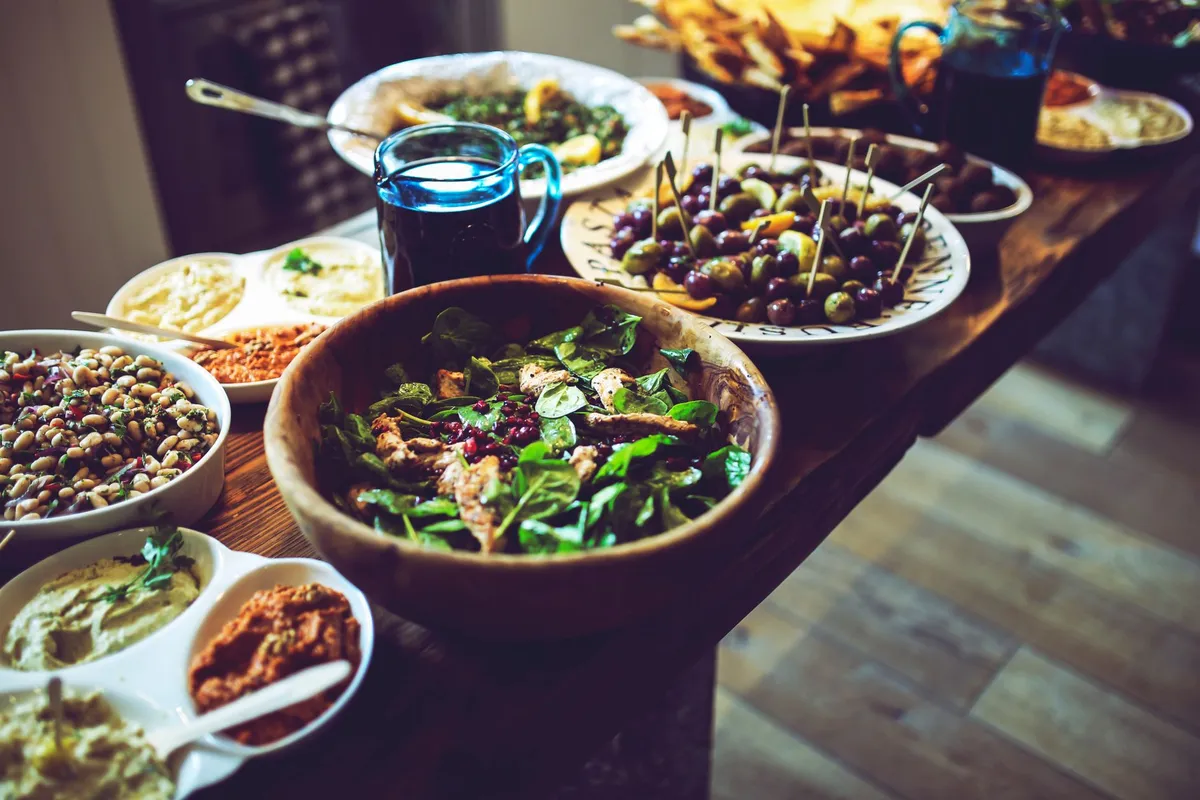
-
 Isabella Rossi
 - 03 Oct, 2026 11:57
The Golden Pulse: Reclaiming the Chickpea’s Lost Lineage in the Mediterranean
The chickpea has long suffered a case of mistaken identity. In the bright lights of the global commodity market, it has been reduced to a singular, beige, canned commodity—a reliable protein, perhaps, but a culinary cipher. Yet, scratch the surface of the Mediterranean basin, and you find a genome of staggering diversity: jet-black seeds from the Murgia plateau, wrinkled, ochre pearls from the Ligurian coast, and the angular, almost mineral-flavored cicerchia clinging to life in the Apennines. This is not merely a story of ingredient retrieval; it is a correction of the historical record. We are witnessing the rehabilitation of a pulse that sustained empires, fueled monastic scriptoria, and defined the cucina povera of the peasantry, only to be marginalized by the industrial demand for uniformity. The renaissance of these forgotten varieties is an act of gastronomic archaeology, driven by chefs, geneticists, and stubborn farmers who refuse to let the flavor of the land go extinct.Charlemagne’s Garden Edicts and the Ancient Pulse To understand where we are, we must first understand the administrative architecture that codified the chickpea’s place in European agriculture. The Capitulare de villis vel curtis imperii, a capitulary issued by Charlemagne circa 800 AD, stands as one of the most remarkable administrative documents of the early Middle Ages. It mandated the cultivation of specific plants across the royal estates, and nestled among the fenugrecum (fenugreek) and cicer italicum (Italian chickpea) is a explicit royal command: cicer must be grown. This wasn't arbitrary; it was strategic nutrition. The Carolingian court recognized the nutrient density of the pulse—its ability to fix atmospheric nitrogen into depleted soils and its shelf-stability for winter garrisons. The OpenAlex research on "Naming Names Plants in the Age of Charlemagne" highlights how this era solidified the taxonomy of the Mediterranean diet. The text distinguishes cicer italicum from other legumes, implying a recognition of distinct landraces even then. The "Italian chickpea" cited in the capitulary was likely a smaller, darker, more tannic ancestor of the modern Cece Nero or the Cicero of the Abruzzo. These were not the plump, blonde Kabuli types dominating today’s global trade (which arrived later via the Silk Road and Spanish galleons), but the Desi types: angular, thick-skinned, deeply rooted in the calcareous soils of the peninsula. Charlemagne’s edicts effectively froze a specific agricultural biodiversity into law, ensuring that for centuries, the "chickpea" on a European table was a variable expression of terroir, not a standardized SKU. The fall of the Carolingian centralization saw this diversity fragment into hyper-local pockets—each valley, each monastery garden, selecting for drought tolerance, cooking time, or flavor profile—creating the archipelago of varieties we are now racing to catalog. Beyond the Blonde Bean: Mapping the Dark, the Wrinkled, and the Wild Walk through the Saturday market in Matera or a Slow Food presidium fair in Bra, and the visual shock is immediate. The "chickpea" is no longer a monolith. The Cece Nero della Murgia (Black Chickpea of the Murgia) presents as a tiny, irregular pebble, its seed coat a deep, glossy anthocyanin black. It holds its shape with a defiant al dente bite, releasing an earthy, almost smoky broth that tastes of the limestone karst from which it sprang. Then there is the Cece di Merella, a Slow Food Presidium variety from the province of Cosenza, characterized by a distinctive "beak" or rostrum, pale yellow with a reddish eye, celebrated for a creamy texture that requires no soaking—a genetic quirk of a thinner testa (seed coat). Further north, the Cicerchia (Lathyrus sativus), often called the grass pea or "Indian vetch," occupies a controversial but delicious niche. Technically a different genus, it has been cultivated alongside true chickpeas (Cicer arietinum) for millennia in the central Apennines. Its flavor is distinctively grassy, sweet, and nutty, but its history carries a shadow: the neurotoxin ODAP (β-N-oxalyl-L-α,β-diaminopropionic acid), which causes lathyrism if consumed exclusively during famine. Modern agronomy has selected low-ODAP lines, rehabilitating this "poor man's meat" into a gourmet ingredient. In Liguria, the Cicero di Villalba—large, smooth, pale—dominates the farinata pans, its high starch content yielding that signature crisp-edged, custardy center. Each variety is a key fitted to a specific lock: the black chickpea for the long-simmered lagane e ceci of Basilicata; the cicerchia for the minestra of Umbria; the Kabuli-type Sultano for the hummus of the Levantine coast. We are not just reviving seeds; we are reviving the specific culinary logic that co-evolved with them.Terroir, Drought, and the Agronomy of Survival Why did these varieties vanish from the mainstream? The answer lies in the post-war "Green Revolution" calculus: yield per hectare, mechanical harvestability, and uniform hydration rates. The ancient landraces are agronomically "difficult." They are often indeterminate in growth habit (flowering continuously), making mechanical combining a nightmare of green pods mixed with dry. Their seed size varies wildly within a single plant, clogging sorting machines. And they demand time—long soaks, slow cooks—in a world that invented the pressure cooker and the tetrapak. But the climate crisis has inverted the value proposition. The Mediterranean is a climate change hotspot, facing desertification and erratic rainfall. Here, the forgotten varieties reveal their genius. The Cece Nero possesses a root architecture that plunges two meters deep, mining water from substrates where modern Kabuli varieties wither. The Cicerchia is perhaps the most resilient legume known to science, yielding a crop on 300mm of annual rainfall in soils too poor for wheat. Research from the Institute of Biosciences and Bioresources (IBBR) in Bari has demonstrated that these landraces maintain photosynthetic efficiency under water stress levels that obliterate commercial cultivars. They are not "low yielding" in a marginal environment; they are the only thing yielding. Furthermore, the nutritional density tracks with the stress tolerance. The thick, pigmented seed coats of the black and red varieties are reservoirs of polyphenols, flavonoids, and anthocyanins—compounds bred out of the blonde Kabuli for aesthetic uniformity. We stripped the medicine from the food to make it pretty. The renaissance is, fundamentally, a pivot from "agriculture as extraction" to "agriculture as insurance." Farmers in the Alta Murgia and the Sicani Mountains are now intercropping these pulses with ancient durum wheats (like Senatore Cappelli), mimicking the polycultures Charlemagne’s stewards would recognize, rebuilding soil organic matter without synthetic nitrogen. The chickpea is no longer just a crop; it is the keystone species of a regenerative rotation. From Cucina Povera to Michelin Plates: The Culinary Revival The laboratory and the field mean nothing without the kitchen. The current renaissance is being plated by a generation of chefs who treat the presidio catalog as a spice rack. In Matera, Chef Vincenzo Guarino at Il Terrazzo serves a Cacio e Pepe where the pasta is made from 30% Cece Nero flour, lending a dusky purple hue and a feral depth to the cheese emulsion. In Rome, Roscioli sources Cicerchia di Serra de' Conti for a pasta e ceci that refuses to be pureed, insisting on the toothsome integrity of the legume. In London and New York, chefs are importing Farinata flour milled from Cicero di Villalba, chasing the specific starch gelation that generic besan cannot replicate. This movement has hard data behind it. The nutritional divergence between commodity and heirloom is stark, as shown in the comparative analysis below.Variety / Metric Kabuli (Commodity) Cece Nero (Murgia) Cicerchia (Serra de' Conti) Cicero (Villalba) Desi Type (Generic)Avg Seed Weight (g/100 seeds) 22 - 28 12 - 16 18 - 22 24 - 30 14 - 18Protein Content (% Dry Weight) 19 - 21% 23 - 25% 28 - 31% 20 - 22% 22 - 24%Total Polyphenols (mg GAE/g) 1.2 - 1.8 4.5 - 6.2 3.8 - 5.0 2.1 - 2.8 3.0 - 4.0Anthocyanins (mg C3G/g) Negligible 8.5 - 12.0 0.5 - 1.2 Negligible 2.0 - 4.0Cooking Time (Soaked, mins) 45 - 60 60 - 75 40 - 50 (No soak) 50 - 60 60 - 90Primary Culinary Use Hummus, Canned, Flour Lagane e Ceci, Salads, Soups Minestra, Flour, Puree Farinata, Panelle, Fritters Dahl, Curries, BesanData synthesized from IBBR-CNR Bari reports (2020-2023) and Slow Food Presidium technical sheets. The table reveals the "why." The commodity Kabuli is a carbohydrate delivery vehicle; the Cece Nero is a nutraceutical. The Cicerchia is a protein powerhouse. Chefs are exploiting these mechanics: the high starch of the Cicero for the lattice structure of farinata; the structural integrity of the Nero for salads that don't turn to mush; the grassy sweetness of the Cicerchia for raw carpaccio-style preparations (blanched briefly). We are moving beyond "how do I cook this bean?" to "what does this specific bean want to become?"Seed Keepers and the Fight for Genetic Memory The final chapter of this renaissance is written not in restaurants, but in the cold rooms of gene banks and the back pockets of guardian farmers. The CREA (Council for Agricultural Research and Economics) in Italy maintains the Cicer collection at the Genebank of Bari, holding over 1,200 accessions. But ex-situ conservation (freezers) is a static snapshot. In-situ conservation—living, evolving in the field—is where the magic happens. The "Guardian Farmers" network, supported by the EU Horizon projects like INCREASE and BRESOV, are growing these varieties under participatory plant breeding programs. They are selecting for the same traits Charlemagne’s surveyors valued: early vigor to outcompete weeds, pod height for hand-harvesting, and that elusive "sapore antico" (ancient flavor). The legal framework is shifting to support this. The EU’s new "Organic Heterogeneous Material" regulation (2022/1994) finally allows the commercial sale of seed populations that do not meet the strict DUS (Distinctness, Uniformity, Stability) criteria required for standard varieties. This means a packet of Cece di Merella can legally contain the natural genetic variation that gives it resilience, rather than being forced into a clone-like uniformity. It is a legislative admission that biodiversity is the variety. Yet, the threat remains economic. The global chickpea trade is dominated by Australia, India, and Canada, moving millions of tonnes of Kabuli and Desi commodities at prices that make the €6-8/kg farm-gate price of Cece Nero look extravagant. The survival of the renaissance depends on the consumer accepting the "true cost" accounting: paying for the carbon sequestration, the water savings, the biodiversity preservation, and the pharmacological density of the pigment. It requires a shift from buying "chickpeas" to buying this chickpea, this harvest, this farmer.A Legacy Simmering in the Pot The pot bubbles on the stove in my test kitchen: a minestra di cicerchia from the Apennines, the broth thick and green-gold, scented with wild fennel and a finish of bitter olive oil. Next to it, a terracotta bowl holds lagane tossed with Cece Nero, the pasta ribbons stained a deep, improbable violet by the seed coats. Related InsightsDie Straßen von Mumbai: Ein kulinarischer Traum The Golden Embrace: High-Protein Hummus with Za'atar & Olive Oil, A Culinary Journey of Health and Heritage Bun Cha: The Smoky Grilled Pork and Noodles of Hanoi{ "@context": "https://schema.org", "@type": "FAQPage", "mainEntity": [ { "@type": "Question", "name": "What is the main focus of The Golden Pulse: Reclaiming the Chickpea’s Lost Lineage in the Mediterranean?", "acceptedAnswer": { "@type": "Answer", "text": "From Carolingian edicts to modern Michelin plates, Isabella Rossi traces the resurrection of ancient chickpea landraces reshaping Mediterranean gastronomy." } }, { "@type": "Question", "name": "Who authored the comprehensive guide on The Golden Pulse: Reclaiming the Chickpea’s Lost Lineage in the Mediterranean?", "acceptedAnswer": { "@type": "Answer", "text": "This detailed article and its insights were carefully researched and authored by Isabella Rossi." } }, { "@type": "Question", "name": "Where can I find more related content about Food?", "acceptedAnswer": { "@type": "Answer", "text": "You can explore more articles, detailed reviews, and similar insights by browsing the Related Insights section at the bottom of this article or visiting our dedicated Food category page." } } ] }

-
 Claire Beaufort
 - 03 Oct, 2026 11:42
Zero-Knowledge Proofs in Enterprise Blockchain: The Verifiable Privacy Layer
Unmasking the Verifiable Privacy Stack Zero‑knowledge proofs (ZKPs) have migrated from academic curiosities to the backbone of enterprise‑grade blockchain deployments. The promise is simple: a prover can convince a verifier that a statement holds—such as “this transaction respects KYC rules” or “the account balance exceeds a threshold”—without revealing any underlying data. In regulated sectors like finance, healthcare, and supply‑chain, this property translates directly into audit‑ready privacy. Recent breakthroughs in succinct non‑interactive arguments of knowledge (zk‑SNARKs), transparent zk‑STARKs, and recursive proof composition have shrunk verification costs to a few milliseconds on commodity hardware, making on‑chain verification economically viable. At the same time, the ecosystem has matured: GitHub trending repositories such as gnark, halo2, snarkjs, and circom now ship production‑ready circuit compilers, while Y‑Combinator alumni (Matter Labs, Aleo, RISC Zero) have raised Related InsightsAI in Robotics: How Physics-Informed Neural Networks Are Revolutionizing Humanoid Machines from Boston Dynamics to Tesla Optimus USB-C: The Silent Revolution Powering Your Digital Life from Phones to Supercomputers Bio-Integrated Electronics: A New Era of Health Technology{ "@context": "https://schema.org", "@type": "FAQPage", "mainEntity": [ { "@type": "Question", "name": "What is the main focus of Zero-Knowledge Proofs in Enterprise Blockchain: The Verifiable Privacy Layer?", "acceptedAnswer": { "@type": "Answer", "text": "An authoritative deep-dive into zero-knowledge proof architectures that enforce data confidentiality while meeting regulatory mandates." } }, { "@type": "Question", "name": "Who authored the comprehensive guide on Zero-Knowledge Proofs in Enterprise Blockchain: The Verifiable Privacy Layer?", "acceptedAnswer": { "@type": "Answer", "text": "This detailed article and its insights were carefully researched and authored by Claire Beaufort." } }, { "@type": "Question", "name": "Where can I find more related content about Technology?", "acceptedAnswer": { "@type": "Answer", "text": "You can explore more articles, detailed reviews, and similar insights by browsing the Related Insights section at the bottom of this article or visiting our dedicated Technology category page." } } ] }
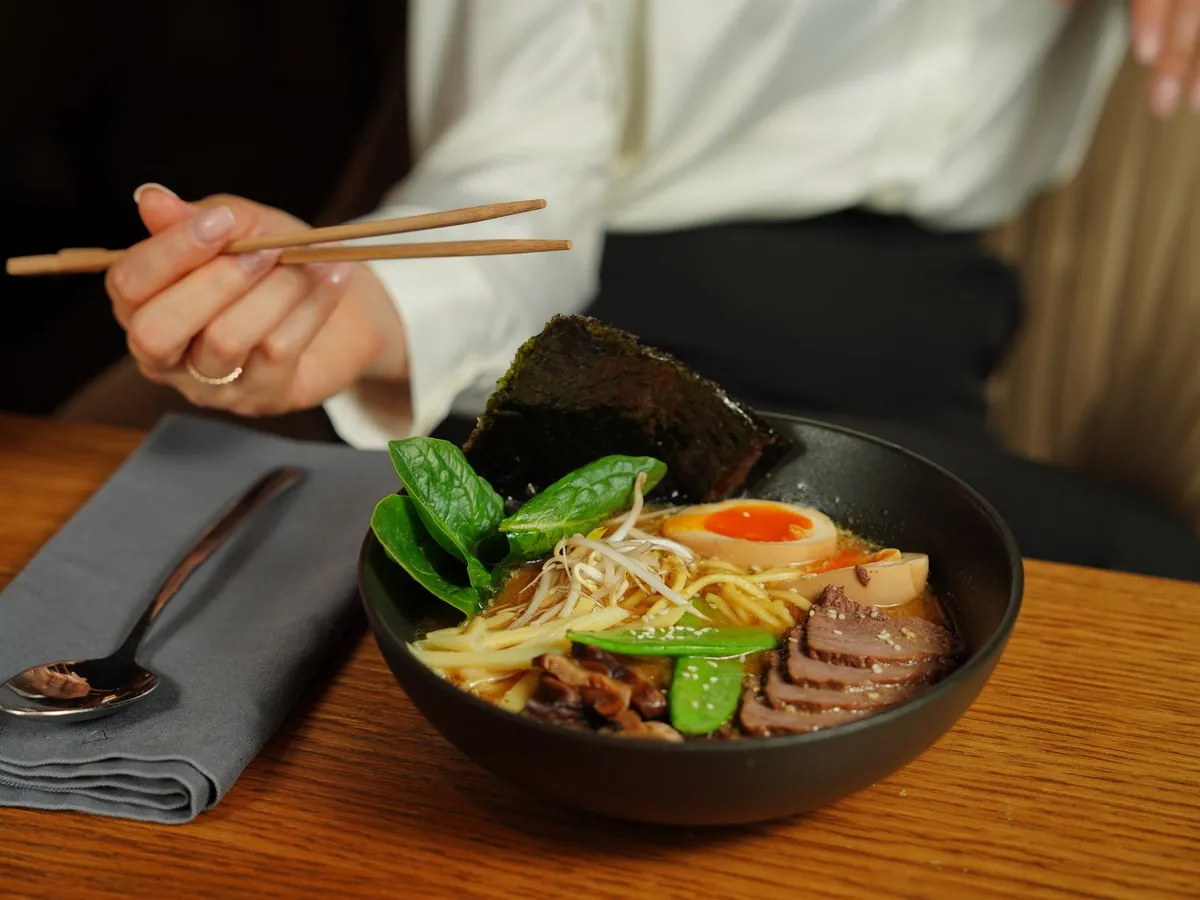
-
 Michael Chef
 - 03 Oct, 2026 10:49
The Fifth Element: How a Bowl of Seaweed Broth Rewrote the Language of Flavor
It arrives not with a shout, but with a whisper. A velvet weight settling across the tongue. A sensation of "furriness," as the scientists clinically describe it, coating the roof of the mouth and stimulating the throat long after the swallow. It is the taste of kombu simmering in cold water, the ghost of anchovies dissolving into a puttanesca, the deep, mineral bass note of a Parmigiano-Reggiano rind dropped into a pot of risotto. For millennia, cooks chased this ghost. They built empires of flavor upon it—Roman garum, Byzantine murri, Chinese jiang—yet they lacked the vocabulary to name the architect. They called it "deliciousness." They called it "savoriness." They called it umai. Then, in 1908, a professor at Tokyo Imperial University stared into a bowl of kombu dashi and saw the periodic table.The Alchemist of the Imperial University Kikunae Ikeda was not merely a chemist; he was a translator of the sensory world. He knew the four canonical tastes—sweet, sour, salty, bitter—but the broth made from Laminaria japonica (kombu) refused to file neatly into those drawers. It was distinct. It was "brothy," "meaty," mouthwatering. It lingered. Ikeda isolated the culprit: glutamic acid. An amino acid. Common, abundant, yet uniquely potent when ionized into its salt form—glutamate. He coined the term umami (うま味), arranging the glyphs specifically to denote this specific savory component, distinct from the general adjective umai (delicious). In 1909, partnering with Saburōsuke Suzuki, he launched Ajinomoto Co., Inc., bringing monosodium glutamate (MSG) to the world under the brand name "Ajinomoto"—the "essence of taste." It was a commercial triumph and a scientific heresy. For the better part of a century, the West dismissed it. Textbooks clung to the "Big Four." Umami was considered a mere blend, a culinary illusion. It took the 1985 Umami International Symposium in Hawaii to finally coronate the term as the official scientific descriptor for the taste of glutamates and 5'-ribonucleotides. The fifth taste had finally earned its seat at the table. The Architecture of the Tongue: Receptors and the TAS1R Code How do we know it is real? The proof sits not in the bowl, but in the biology. For decades, the mechanism was a black box. Then, the genetic scalpel arrived. Studies on genetically engineered mice—knockouts missing specific TAS1R genes—revealed the elegant machinery. The heterodimer TAS1R1/TAS1R3 is the sole gatekeeper of umami. Delete TAS1R1, and umami vanishes while sweet remains. Delete TAS1R2, and sweet disappears while umami stands firm. Delete the shared subunit TAS1R3, and both senses fall silent. This shared subunit is why the line blurs. It explains the confusion: standalone glutamate without sodium ions (Na+) tastes sour. Salt blockers reduce discrimination between MSG and sucrose. Some palates simply cannot untangle umami from salt. We are tasting through a shared molecular doorway. But the 2000 discovery of these receptors on the human tongue by University of Miami researchers, followed by Ajinomoto’s 2006 finding of similar receptors in the stomach, changed the game. Umami is not just a flavor; it is a physiological signal. A "nutrient sensor" telling the gut: Protein is here. Prepare for digestion. The Symphony of Synergy: 1 + 1 = 8 If glutamate is the soloist, the ribonucleotides are the orchestra. And the magic happens when they play together. In 1913, Ikeda’s disciple, Shintaro Kodama, found a second actor in dried bonito flakes (katsuobushi): Inosine Monophosphate (IMP). Decades later, in 1957, Akira Kuninaka identified Guanosine Monophosphate (GMP) in shiitake mushrooms. Kuninaka’s stroke of genius was quantifying the synergistic effect. When glutamate meets IMP or GMP, the taste intensity does not add up; it multiplies. The receptor undergoes a conformational change, binding the glutamate tighter, holding the door open longer. The resulting sensation is exponentially greater than the sum of its parts. This is the secret code of global cuisine. It explains the "why" behind the "what."Japan: Kombu (Glutamate) + Katsuobushi (IMP) = Dashi. The foundation of the cuisine. Italy: Tomato/Meat (Glutamate) + Parmigiano-Reggiano (Glutamate + Peptides) = Pasta al Ragù. A glutamate bomb. France/West: Veal Stock (Glutamate) + Mushrooms (GMP) = Sauce Madeira. Scotland/China: Chicken (Glutamate) + Leek/Cabbage (Nucleotides) = Cock-a-Leekie / Chinese Chicken Soup.We didn't know the chemistry when we invented these pairings. We only knew the deliciousness. Evolution selected for the cooks who stumbled upon the molecular handshake. The Ancient Pantry: Fermentation as Time Travel Long before Ikeda, before Kodama, before Kuninaka, there was garum. In the vats of ancient Rome, fish guts and salt fermented under the Mediterranean sun. Proteolysis—enzymatic hydrolysis—shattered proteins into free amino acids. The result: a liquid gold rich in glutamate. It was the ketchup of the Empire, the universal seasoning. Simultaneously, in medieval Byzantium and the Arab world, murri—fermented barley sauce—performed the same alchemy on grains. In China, by the third century, jiang (fermented soy/paste) and fish sauces were delivering that same "mouthwatering coating sensation" to the palate. Cheese, too, is a time capsule of umami. Proteolysis during aging breaks down casein into free glutamate. A 36-month Parmigiano-Reggiano isn't just cheese; it is concentrated glutamate crystals (those crunchy white tyrosines) suspended in fat. In the late 1800s, Auguste Escoffier, the king of chefs, built his cuisine classique on fonds (stocks) and glaces (reductions). He layered veal, vegetables, mushrooms, tomatoes—glutamate upon glutamate, nucleotide upon nucleotide. He constructed cathedrals of umami without ever knowing the chemical name of the brick. He knew only that it made food "pleasant," "palatable," "long-lasting." The Modern Toolkit: Beyond the Shaker Today, we manipulate these levers with industrial precision. Monosodium Glutamate (MSG): The pure salt of glutamic acid. The standard. Cheap, stable, potent. Disodium Guanylate / Disodium Inosinate: The nucleotide partners. Rarely used alone; expensive. But paired with MSG? They lower the required dosage, amplifying the signal. Hydrolyzed Vegetable Protein (HVP) / Yeast Extract (Marmite, Vegemite): "Clean label" delivery systems. They bring the peptides and nucleotides along for the ride, offering complexity alongside the punch. Peptides: As of 2017, 52 peptides are known to trigger the umami receptor (though 20 are contested). Ibotenic acid and tricholomic acid (found in certain mushrooms) are claimed to be multiples more intense than MSG. But potency is a trap. Umami possesses a narrow concentration range. Too little is invisible. Too much is cloying, metallic, unbalanced. It demands salt. It demands aroma. It is the bass player in the band—essential for the groove, disastrous as a solo act.The Physiology of Pleasure: Salivation and Satiety Why do we crave it? The properties described in the literature are distinct: a mild but lasting aftertaste, salivation, a sensation of furriness on the tongue, stimulating the throat, the roof, and the back of the mouth. This is the body preparing for protein. Salivation lubricates the bolus; the throat stimulation signals the esophageal peristalsis. The "coating" sensation? That is the viscosity of the ligands binding to the G-protein coupled receptors (TAS1R1/TAS1R3), a physical resonance of the molecular handshake. It enhances palatability across the board. It suppresses bitterness. It rounds sourness. It makes the "matching aroma" pop. A tomato smells like a tomato; a tomato with salt and glutamate tastes like the essence of tomato. The Controversy That Wasn't The "Chinese Restaurant Syndrome" panic of the late 20th century was a cultural migraine, not a toxicological event. Double-blind, placebo-controlled studies failed to consistently reproduce reactions to MSG at dietary levels. The sodium load of MSG is roughly one-third that of table salt (NaCl). Replacing salt with MSG often lowers total sodium intake while maintaining the hedonic reward. The stigma persists in some corners, a ghost story told around campfires of misinformation. But the science is settled: Umami is a basic taste. MSG is its purest vector. The receptors are real. The synergy is measurable. Writing the Fifth Chapter We are still discovering the edges of this map. The 52 peptides. The gut receptors. The role of umami in satiety signaling and metabolic health. The potential for "kokumi" (mouthfulness/continuity) compounds like glutathione to further amplify the signal without adding taste of their own. But the core truth remains poetic. We are animals built to seek nitrogen. We evolved a dedicated hardware pathway—TAS1R1/TAS1R3—to detect the chemical signature of broken-down protein. We built civilizations on fermentation vats and stock pots to hack that pathway. When you grate Parmesan over pasta, when you reduce a balsamic glaze, when you bloom tomato paste in oil, you are not just cooking. You are composing for a 100-million-year-old instrument. You are playing the Fifth Element.#Umami #FoodScience #CulinaryHistory #FlavorChemistry #MichaelChef Related InsightsFeijoada: Brazil’s Hearty Black Bean Stew and the Soul of a Nation L'Épopée Gourmande des Rues : Quand le Monde se Déguste à Ciel Ouvert Die Straßen von Mumbai: Ein kulinarischer Traum{ "@context": "https://schema.org", "@type": "FAQPage", "mainEntity": [ { "@type": "Question", "name": "What is the main focus of The Fifth Element: How a Bowl of Seaweed Broth Rewrote the Language of Flavor?", "acceptedAnswer": { "@type": "Answer", "text": "From ancient Roman garum to Kikunae Ikeda's 1908 revelation, discover the science, history, and synergy behind the savory sensation that changed cooking forever." } }, { "@type": "Question", "name": "Who authored the comprehensive guide on The Fifth Element: How a Bowl of Seaweed Broth Rewrote the Language of Flavor?", "acceptedAnswer": { "@type": "Answer", "text": "This detailed article and its insights were carefully researched and authored by Michael Chef." } }, { "@type": "Question", "name": "Where can I find more related content about Food?", "acceptedAnswer": { "@type": "Answer", "text": "You can explore more articles, detailed reviews, and similar insights by browsing the Related Insights section at the bottom of this article or visiting our dedicated Food category page." } } ] }