Showing Posts From
Exclusive
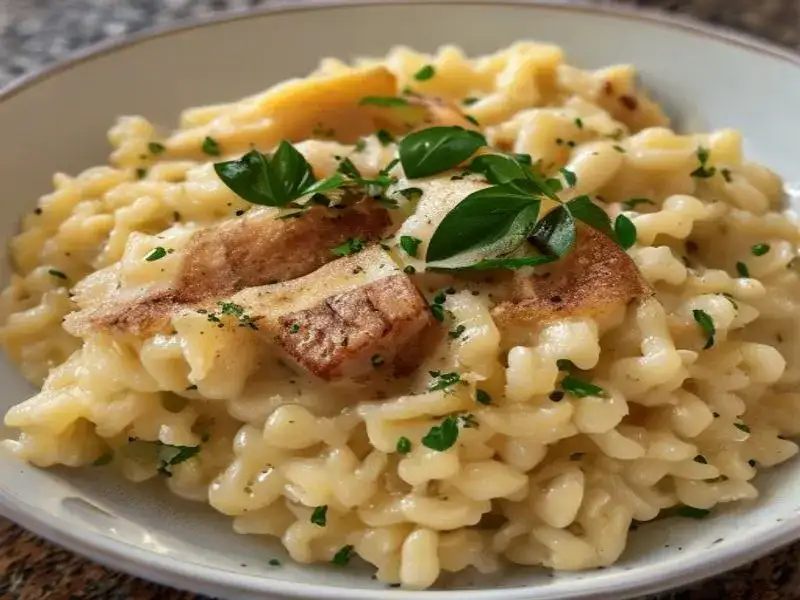

Risotto allo Zafferano: Il Piatto d'Oro della Madonnina Unitevi a me per scoprire la bellezza di questo classico intramontabile: il Risotto allo Zafferano, noto anche come Risotto alla Milanese. La Leggenda del Vetraio e dello Zafferano Ma come nasce l'idea di tingere di giallo il riso? La leggenda risale al 1574, durante i lavori di costruzione dello sbalorditivo Duomo di Milano. Un giovane apprendista vetraio, soprannominato "Zafferano" per la sua abitudine di aggiungere questa preziosa spezia ai colori per rendere i vetri delle vetrate più brillanti, decise per scherzo di aggiungerlo al risotto durante il banchetto nuziale del suo maestro. Il risultato fu un successo clamoroso: il colore oro simboleggiava ricchezza e prosperità, e il sapore era inebriante. Da quel giorno, Milano ha abbracciato questa ricetta. Gli Elementi del Risotto Perfetto Per preparare un risotto "all'onda", ci sono regole precise:Il Riso: Carnaroli o Arborio. I loro chicchi grandi resistono alla cottura e rilasciano lentamente l'amido. Il Midollo: Molti non lo sanno, ma la vera ricetta milanese inizia sciogliendo un po' di midollo di bue nel burro (niente olio d'oliva!) assieme alla cipolla finemente tritata. La Tostatura e la Sfumatura: Il riso va tostato a secco o nel grasso fino a diventare traslucido. Poi, un bel bicchiere di vino bianco secco deve sfrigolare ed evaporare. Il Brodo e lo Zafferano: La cottura prosegue aggiungendo brodo di carne bollente un mestolo alla volta. I pistilli di zafferano (o la polvere) vanno sciolti in una tazzina di brodo caldo e aggiunti a metà cottura. La Mantecatura: Tassativamente a fuoco spento. Si aggiunge burro freddo di frigo e Parmigiano Reggiano. Muovendo la padella avanti e indietro si crea la caratteristica "onda" cremosa.Questo risotto non è solo cibo, è oro commestibile! Buona settimana e ai fornelli! #risotto #zafferano #milano #italianfood #cucinalombarda #risottoallamilanese #isabellaferrari #carnaroli #comfortfood #RisottoGiallo #ZafferanoPuro #recipe #exclusive Related InsightsTiramisù Tradizionale Салат Оливье к празднику The Best Toad in the Hole{ "@context": "https://schema.org", "@type": "FAQPage", "mainEntity": [ { "@type": "Question", "name": "What is the main focus of Risotto allo Zafferano?", "acceptedAnswer": { "@type": "Answer", "text": "Explore the incredible journey of Risotto allo Zafferano with Isabella Ferrari." } }, { "@type": "Question", "name": "Who authored the comprehensive guide on Risotto allo Zafferano?", "acceptedAnswer": { "@type": "Answer", "text": "This detailed article and its insights were carefully researched and authored by Isabella Ferrari." } }, { "@type": "Question", "name": "Where can I find more related content about Recipe?", "acceptedAnswer": { "@type": "Answer", "text": "You can explore more articles, detailed reviews, and similar insights by browsing the Related Insights section at the bottom of this article or visiting our dedicated Recipe category page." } } ] }
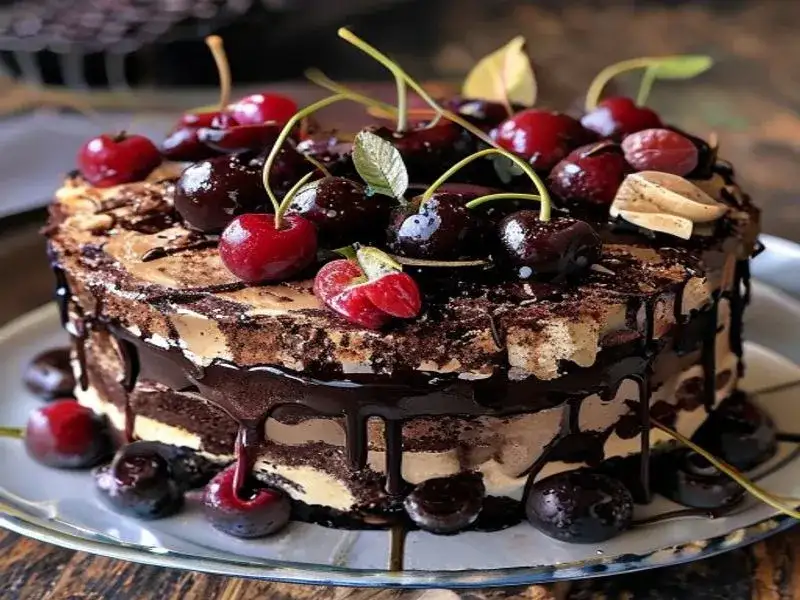

Das Geheimnis der Schwarzwälder Kirschtorte Keine deutsche Torte ist international so berühmt und beliebt wie die Schwarzwälder Kirschtorte. Mit ihren Schichten aus dunklem Schokoladenbiskuit, luftiger Sahne, fruchtigen Kirschen und einem großzügigen Schuss Schwarzwälder Kirschwasser ist sie ein Meisterwerk der Patisserie. Entgegen vieler Annahmen stammt die Torte vermutlich gar nicht direkt aus dem Schwarzwald, sondern wurde in den 1910er oder 1930er Jahren in einem Café in Bad Godesberg (bei Bonn) oder in Tübingen erfunden. Ihren Namen verdankt sie höchstwahrscheinlich dem Schwarzwälder Kirschwasser, einem klaren Obstbrand, der aus den charakteristischen Herzkirschen der Region destilliert wird und der Torte ihr unverwechselbares Aroma verleiht. Schwarzwälder Kirschtorte vegan – Ein Meisterstück Die traditionelle Herstellung dieser Sahnetorte erfordert Eier für den Biskuit und reichlich Kuhmilchsahne. Doch die vegane Patisserie hat in den letzten Jahren gewaltige Fortschritte gemacht, sodass eine rein pflanzliche Schwarzwälder Kirschtorte dem Original in nichts nachsteht. Für den Schokoladenbiskuit verzichtet man auf Eier und nutzt stattdessen eine Kombination aus Mehl, hochwertigem Kakaopulver, Zucker, Pflanzenöl und einem Backtriebmittel wie Backpulver oder Natron, welches durch die Zugabe von etwas Apfelessig im Teig aktiviert wird. Diese Reaktion sorgt dafür, dass der Teig wunderbar fluffig und saftig wird. Die Kirschfüllung – eine klassische Komposition aus angedickten Sauerkirschen und Kirschsaft – ist ohnehin von Natur aus vegan. Hierfür werden Schattenmorellen aus dem Glas mit etwas Speisestärke, Zucker und, ganz wichtig, einem ordentlichen Schuss Kirschwasser aufgekocht. Die Kunst der pflanzlichen Sahne Die größte Herausforderung der veganen Schwarzwälder Kirschtorte war lange Zeit die Sahne. Heute stehen jedoch fantastische pflanzliche Aufschlagcremes zur Verfügung, beispielsweise auf Basis von Soja, Hafer oder Linsenprotein. Diese lassen sich extrem steif schlagen und haben oft einen höheren Stand als herkömmliche Sahne. Um die Torte zu schichten, werden die Biskuitböden großzügig mit dem Kirschwasser beträufelt, dann folgen die abgekühlte Kirschmasse und eine dicke Schicht der aufgeschlagenen, leicht gesüßten veganen Sahne. Das Finish besteht aus dem obligatorischen Einstreichen der Torte mit weiterer Sahne, dem Aufspritzen von Sahnerosetten (gekrönt mit einzelnen Kirschen) und dem großzügigen Bestreuen mit Zartbitter-Schokoladenraspeln. Das Ergebnis ist eine opulente, aromatische und völlig tierfreie Torte, die jeden Kaffeeklatsch adelt. #SchwarzwälderKirschtorte #VeganBacken #Tortenliebe #VeganPatisserie #Kirschwasser #BlackForestCake #GermanVegan #PflanzlichBacken #Kaffeeklatsch #Schokotorte #recipe #exclusive Related InsightsBreakfast in Istanbul Идеальные блины на Масленицу Sunday Roast Tradition{ "@context": "https://schema.org", "@type": "FAQPage", "mainEntity": [ { "@type": "Question", "name": "What is the main focus of Schwarzwälder Kirschtorte vegan?", "acceptedAnswer": { "@type": "Answer", "text": "Explore the incredible journey of Schwarzwälder Kirschtorte vegan with Hannah Weber." } }, { "@type": "Question", "name": "Who authored the comprehensive guide on Schwarzwälder Kirschtorte vegan?", "acceptedAnswer": { "@type": "Answer", "text": "This detailed article and its insights were carefully researched and authored by Hannah Weber." } }, { "@type": "Question", "name": "Where can I find more related content about Recipe?", "acceptedAnswer": { "@type": "Answer", "text": "You can explore more articles, detailed reviews, and similar insights by browsing the Related Insights section at the bottom of this article or visiting our dedicated Recipe category page." } } ] }
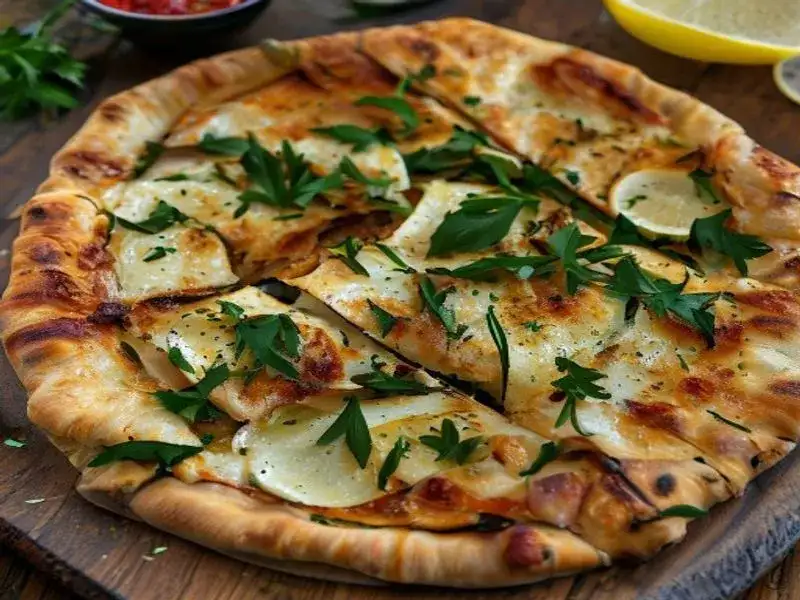
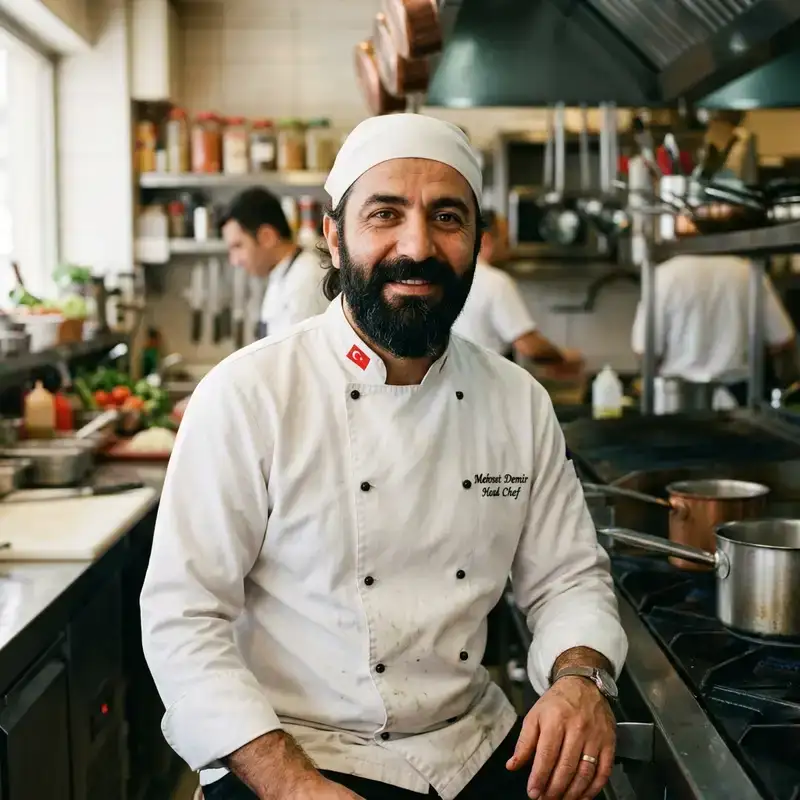
Lahmacun: The Turkish Pizza Often erroneously referred to as "Turkish pizza" by international visitors, lahmacun is an #ancient, deeply beloved Middle Eastern and Anatolian dish that stands entirely on its own merits. The name derives from the Arabic lahm bi 'ajin, which quite literally translates to "meat with dough." While it shares a structural similarity to pizza—a round dough base topped with savory ingredients—lahmacun lacks cheese and features a flavor profile defined by intense spices, fresh herbs, and an impossibly thin crust. The Anatomy of Lahmacun The foundation of a perfect lahmacun is its dough. Unlike a fluffy Neapolitan pizza crust, lahmacun dough is unleavened and rolled out to a paper-thin consistency. This ensures that when it hits the searing heat of a traditional wood-fired stone oven, it crisps up in mere minutes, gaining a beautifully charred, slightly smoky edge while remaining pliable enough to be rolled or folded. The topping is an aromatic paste rather than a chunky sauce. It typically consists of finely minced lamb or beef (or a blend of both) pulverized together with tomatoes, onions, garlic, and fresh parsley. The magic, however, lies in the seasoning. Authentic recipes, particularly those hailing from the southeastern Turkish culinary capitals of Şanlıurfa and Gaziantep, utilize liberal amounts of isot (a dark, smoky, and sweet chili pepper) or Aleppo pepper, alongside cumin, paprika, and a touch of pomegranate molasses for a subtle, tart undertone. The Ritual of Consumption Eating lahmacun has its own established protocol. It is never eaten with a knife and fork. When the hot flatbread arrives, it is customary to squeeze a generous wedge of fresh lemon over the meat. Next, a handful of fresh flat-leaf parsley and thin slices of raw red onion (often sumac-dusted) are placed in the center. The diner then tightly rolls the lahmacun into a cylinder, akin to a wrap, and eats it by hand. A Working-Class Hero Historically, lahmacun was a convenient, inexpensive food for the working class, baked in communal neighborhood ovens. Today, it transcends socioeconomic boundaries, serving as a rapid street-food snack, a comforting late-night meal, and a staple of Turkish fast-casual dining. It is a testament to the fact that simplicity, when combined with high-quality ingredients and ancient techniques, produces culinary perfection. #Lahmacun #TurkishPizza #AnatolianCuisine #StreetFood #Gaziantep #Urfa #IsotPepper #MiddleEasternFood #Flatbread #FoodHistory #turkishfood #recipe #lahmacuntheturkishpizza #anatoliancuisine #demirsef #delicious #food Related InsightsSticky Toffee Pudding The Ultimate English Breakfast Southeastern Spices and Flavors{ "@context": "https://schema.org", "@type": "FAQPage", "mainEntity": [ { "@type": "Question", "name": "What is the main focus of Lahmacun: The Turkish Pizza?", "acceptedAnswer": { "@type": "Answer", "text": "Explore the incredible journey of Lahmacun: The Turkish Pizza with Ayşe Kaya." } }, { "@type": "Question", "name": "Who authored the comprehensive guide on Lahmacun: The Turkish Pizza?", "acceptedAnswer": { "@type": "Answer", "text": "This detailed article and its insights were carefully researched and authored by Demir Şef." } }, { "@type": "Question", "name": "Where can I find more related content about Recipe?", "acceptedAnswer": { "@type": "Answer", "text": "You can explore more articles, detailed reviews, and similar insights by browsing the Related Insights section at the bottom of this article or visiting our dedicated Recipe category page." } } ] }


Roadtrip durch den Schwarzwald: Kurven, Kuckucksuhren und Kirschtorte Es gibt nur wenige Regionen in #Deutschland, die so viel Mystik, Tradition und atemberaubende Natur in sich vereinen wie der Schwarzwald. Dieses ausgedehnte Mittelgebirge im Südwesten Baden-Württembergs ist weltberühmt für seine dichten, immergrünen Wälder, tiefen Schluchten, malerischen Fachwerkdörfer und natürlich für seine reiche Handwerks- und Kulinariktradition. Ein Roadtrip durch den Schwarzwald ist wie eine Fahrt durch die Seiten eines Gebrüder-Grimm-Märchens. Die Schwarzwaldhochstraße: Eine Route für Genießer Die perfekte Route beginnt oft in Baden-Baden, der eleganten Kurstadt, die schon von römischen Kaisern und russischen Zaren für ihre Thermalquellen geschätzt wurde. Von hier aus schlängelt sich die B500, besser bekannt als Schwarzwaldhochstraße, über 60 Kilometer bis nach Freudenstadt. Diese Panoramastraße zählt zu den ältesten und schönsten Ferienstraßen Deutschlands. Unterwegs öffnen sich immer wieder spektakuläre Ausblicke in das Rheintal und an klaren Tagen sogar bis zu den Vogesen in Frankreich. Ein absolutes Muss ist ein Stopp am geheimnisvollen Mummelsee, einem fast kreisrunden Karsee aus der Eiszeit, der umgeben von dichten Tannenwäldern auf über 1000 Metern Höhe liegt. Der Legende nach wird der tiefe, dunkle See von Nixen und einem Unterwasserkönig bewohnt. Heimat der Kuckucksuhr: Triberg und die Handwerkskunst Fährt man weiter Richtung Süden, erreicht man das Herzland der Schwarzwälder Handwerkskunst. Im Städtchen Triberg stürzen nicht nur die höchsten Wasserfälle Deutschlands schäumend über 163 Meter in die Tiefe, hier ist auch die Heimat der originalen Schwarzwälder Kuckucksuhr. Seit dem 18. Jahrhundert werden diese mechanischen Wunderwerke in den dunklen Wintern von den Bauern auf den abgelegenen Höfen geschnitzt. Entlang der Deutschen Uhrenstraße kann man in Schramberg oder Furtwangen (wo sich das faszinierende Deutsche Uhrenmuseum befindet) tief in die Geschichte dieser filigranen Kunstfertigkeit eintauchen. In Schonach kann man sogar die größte Kuckucksuhr der Welt betreten, die die Größe eines kleinen Einfamilienhauses hat! Kulinarische Ikone: Die Schwarzwälder Kirschtorte Kein Roadtrip durch den Schwarzwald wäre komplett, ohne die regionale Küche zu probieren, die weit über die Grenzen Deutschlands hinaus Berühmtheit erlangt hat. Der unbestrittene Star ist natürlich die Schwarzwälder Kirschtorte. Erfunden vermutlich in den 1930er Jahren (wenn auch nicht zwingend im Schwarzwald selbst), verdankt sie ihren Namen dem wichtigsten Bestandteil: dem Schwarzwälder Kirschwasser, einem kräftigen Obstbrand aus regionalen Süßkirschen. Die Kombination aus fluffigem Schokoladenbiskuit, fruchtigen Kirschen, Bergen von Schlagsahne und knusprigen Schokoladenraspeln ist ein kulinarisches Meisterwerk. Genauso legendär ist der Schwarzwälder Schinken. Dieser wird traditionell von Hand gepökelt, mit Knoblauch, Koriander, Pfeffer und Wacholder eingerieben und anschließend über feinem Tannen- und Fichtenholz aus dem Schwarzwald kalt geräuchert. Dadurch erhält er seine unverkennbare dunkle Farbe und sein kräftiges, rauchiges Aroma. Serviert auf einer Scheibe frischem Bauernbrot ("Vesper") in einer gemütlichen Schwarzwaldstube, ist dies der perfekte Abschluss eines ereignisreichen Roadtrip-Tages. #Schwarzwald #BlackForest #RoadtripGermany #Schwarzwaldhochstraße #BadenWürttemberg #Kuckucksuhr #BlackForestCake #ExploreGermany #Wanderlust #TravelEurope #travel #exclusive Related InsightsLa Corse : Éclats de granit et murmures de Méditerranée 鹿苑寺 (金閣寺): 極楽浄土を映す黄金の楼閣 Arctic Circle Digital Nomadism: Building Connectivity in Greenland's Remote Towns{ "@context": "https://schema.org", "@type": "FAQPage", "mainEntity": [ { "@type": "Question", "name": "What is the main focus of Roadtrip durch den Schwarzwald?", "acceptedAnswer": { "@type": "Answer", "text": "Explore the incredible journey of Roadtrip durch den Schwarzwald with Felix Müller." } }, { "@type": "Question", "name": "Who authored the comprehensive guide on Roadtrip durch den Schwarzwald?", "acceptedAnswer": { "@type": "Answer", "text": "This detailed article and its insights were carefully researched and authored by Felix Müller." } }, { "@type": "Question", "name": "Where can I find more related content about Travel?", "acceptedAnswer": { "@type": "Answer", "text": "You can explore more articles, detailed reviews, and similar insights by browsing the Related Insights section at the bottom of this article or visiting our dedicated Travel category page." } } ] }
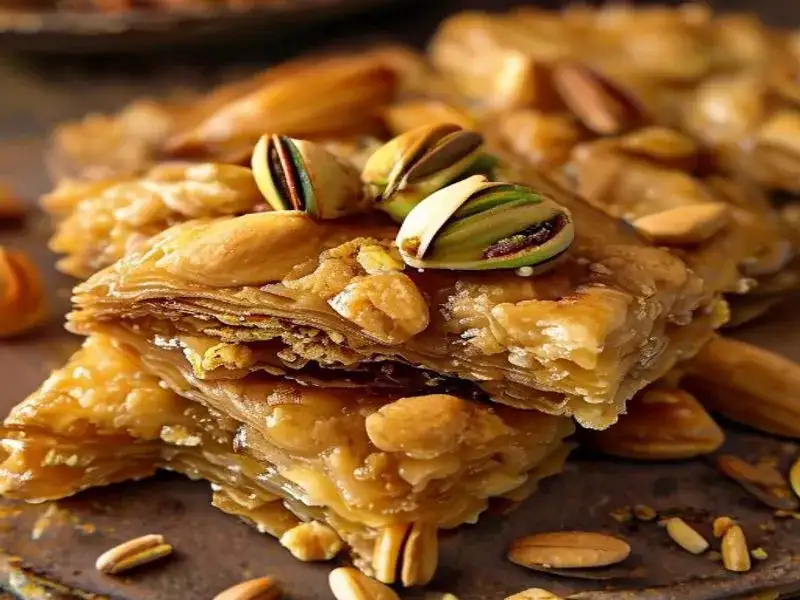
Baklava: Layers of Perfection Few desserts in the world command the reverence and global recognition of baklava. This rich, sweet pastry, characterized by its myriad layers of paper-thin dough, chopped nuts, and glistening syrup, is a masterpiece of Middle Eastern and Mediterranean confectionery. While its exact origins have been the subject of spirited debate among Greeks, Turks, and Middle Easterners, the version we recognize today was undeniably refined and perfected in the imperial kitchens of the Ottoman #empire. The Royal Kitchens of Topkapı Palace The historical epicenter of modern baklava is the Topkapı Palace in #Istanbul. During the 15th century, the Sultan’s master bakers developed the technique of rolling dough into translucent sheets known as phyllo (or yufka in Turkish). The creation of baklava was considered an art form; the Sultan would even present trays of the pastry to the Janissaries (his elite soldiers) in a ceremonial procession known as the Baklava Alayı every 15th of Ramadan. This act solidified the dessert's status as a symbol of wealth, power, and divine favor. The Craftsmanship of Layers Authentic Turkish baklava is an exercise in painstaking precision. Traditional recipes dictate that a single tray must contain no fewer than 40 individual layers of dough. Between these microscopic sheets, confectioners sprinkle finely crushed nuts. In the southeastern Turkish city of Gaziantep—which was officially recognized by the European Union as the birthplace of authentic Turkish baklava—vibrant green pistachios are the exclusive nut of choice. In regions closer to the Black Sea, walnuts are preferred, while the Aegean coast leans heavily on almonds. The Alchemy of Şerbet What separates a good baklava from an exceptional one is the syrup, or şerbet. Unlike Greek variations that often rely heavily on honey and spices like cinnamon and cloves, traditional Turkish baklava uses a simple syrup made of sugar, water, and a dash of lemon juice to prevent crystallization. The boiling syrup is poured over the freshly baked, piping-hot pastry, creating a signature hissing sound and locking in a crisp texture that contrasts beautifully with the syrupy, chewy base. A Lasting Legacy Today, baklava is not just a dessert; it is an emblem of celebration. From weddings and religious holidays to the simple joy of an afternoon tea, these layers of perfection continue to enchant palates around the globe, preserving a sweet #history that has stood the test of time. #Baklava #TurkishDesserts #Gaziantep #Pistachio #OttomanHistory #PhylloDough #SweetTooth #CulinaryArt #Gastronomy #TurkishCuisine #turkishfood #recipe #baklavalayersofperfection #anatoliancuisine #demirsef #delicious #food Related InsightsLinseneintopf wie bei Oma Пирожки как у бабушки Southeastern Spices and Flavors{ "@context": "https://schema.org", "@type": "FAQPage", "mainEntity": [ { "@type": "Question", "name": "What is the main focus of Baklava: Layers of Perfection?", "acceptedAnswer": { "@type": "Answer", "text": "Explore the incredible journey of Baklava: Layers of Perfection with Ayşe Kaya." } }, { "@type": "Question", "name": "Who authored the comprehensive guide on Baklava: Layers of Perfection?", "acceptedAnswer": { "@type": "Answer", "text": "This detailed article and its insights were carefully researched and authored by Demir Şef." } }, { "@type": "Question", "name": "Where can I find more related content about Recipe?", "acceptedAnswer": { "@type": "Answer", "text": "You can explore more articles, detailed reviews, and similar insights by browsing the Related Insights section at the bottom of this article or visiting our dedicated Recipe category page." } } ] }


Unearthing Legend: The Ruins of Troy Located in the northwestern province of Çanakkale, near the Dardanelles strait, the #ancient city of Troy is arguably the most famous archaeological site in the world. For centuries, the city of Troy, besieged by the Greeks for ten long years to reclaim the #beautiful Helen, was considered nothing more than a myth conjured by the poet Homer in his epic, the Iliad. It wasn't until the 1870s, when the pioneering—and highly controversial—German archaeologist Heinrich Schliemann began excavating the hill of Hisarlık, that the physical reality of Troy was revealed to the modern world. Nine Cities Built on Top of Each Other Visiting Troy today is to walk through a staggering 4,000 years of #history. Because the location was highly strategic, controlling the vital trade routes between the Aegean and Black Seas, it was repeatedly destroyed by earthquakes, fires, and wars, only to be rebuilt over and over again. Archaeologists have identified nine distinct layers of the city, labeled Troy I through Troy IX. The lowest layer, Troy I, dates back to the Early Bronze Age (c. 3000 BCE). The city of Homer’s epic is widely believed by scholars to be Troy VI or Troy VIIa, which dates to the Late Bronze Age (c. 1300–1190 BCE). In these layers, archaeologists found massive defensive walls and evidence of violent destruction by fire, corroborating the mythical tales of the city's tragic fall. The highest layer, Troy IX, represents the Roman city of Ilium, which flourished under the patronage of Emperor Augustus, who claimed descent from the Trojan hero Aeneas. Schliemann's Trench and the Treasure of Priam While Heinrich Schliemann is credited with discovering Troy, his methods were famously destructive. Convinced that the Homeric Troy must be at the very bottom, he drove a massive trench straight through the center of the mound, inadvertently destroying much of the actual Bronze Age city he was seeking. During his careless excavations, Schliemann discovered a spectacular cache of gold, silver, and bronze artifacts, which he dubbed "Priam's Treasure," assuming it belonged to the legendary Trojan king. Modern dating, however, has shown that this treasure actually belonged to Troy II, predating King Priam by over a thousand years. A Culinary Bridge Between Eras The agricultural landscape around Troy, the fertile Troad region, has changed little since antiquity. The soil that once supported ancient Trojan farmers continues to yield incredible produce today. When visiting the ruins, one must take time to enjoy the local Aegean cuisine of Çanakkale. Seafood is a staple, naturally, with sardines (sardalya) being a local specialty. Stuffed in vine leaves and grilled to perfection, they offer a taste that bridges the millennia. Pair this with a slice of peynir helvası, a traditional, sweet cheese dessert unique to the region, for a truly historic culinary experience. #Troy #AncientTroy #Iliad #TrojanWar #TurkeyTravel #Archaeology #Homer #Canakkale #GreekMythology #AncientHistory #travel #exclusive Related InsightsPatagonian Ice Fields: The Ultimate Guide to Glacier Trekking in Chile La Alcazaba de Málaga: Fortaleza Inexpugnable Oman Unveiled: Where Golden Dunes Meet Timeless Forts and Hidden Oases{ "@context": "https://schema.org", "@type": "FAQPage", "mainEntity": [ { "@type": "Question", "name": "What is the main focus of The Ruins of Troy?", "acceptedAnswer": { "@type": "Answer", "text": "Explore the incredible journey of The Ruins of Troy with Emre Yılmaz." } }, { "@type": "Question", "name": "Who authored the comprehensive guide on The Ruins of Troy?", "acceptedAnswer": { "@type": "Answer", "text": "This detailed article and its insights were carefully researched and authored by Emre Yılmaz." } }, { "@type": "Question", "name": "Where can I find more related content about Travel?", "acceptedAnswer": { "@type": "Answer", "text": "You can explore more articles, detailed reviews, and similar insights by browsing the Related Insights section at the bottom of this article or visiting our dedicated Travel category page." } } ] }
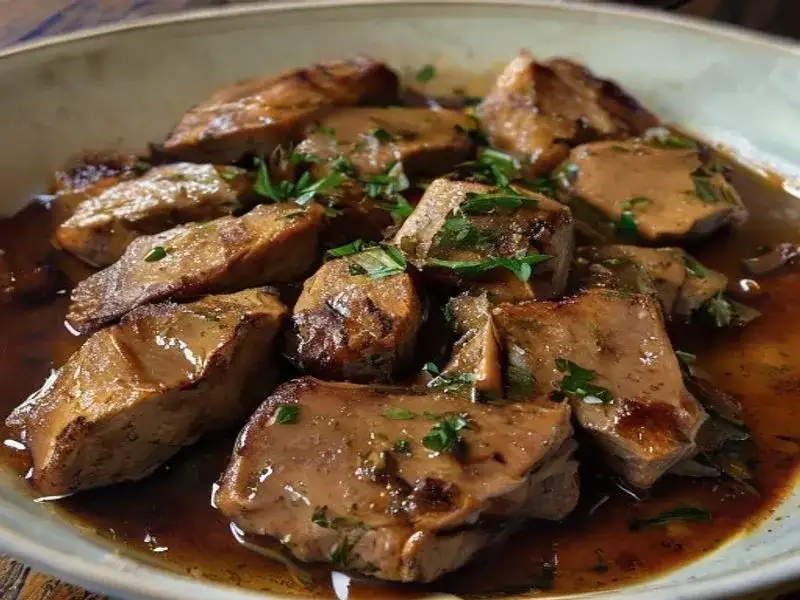
Ossobuco alla Milanese: L'Anima Carnivora di Milano L'Ossobuco alla Milanese è un secondo piatto robusto, che scalda l'anima nelle fredde e nebbiose serate invernali lombarde. Cos'è l'Ossobuco? La parola "ossobuco" deriva dal dialetto milanese "oss bus", che significa letteralmente "osso bucato". Si tratta infatti di fette di stinco di vitello, alte circa 3-4 centimetri, al cui centro troneggia l'osso che racchiude un tesoro culinario inestimabile: il midollo. Durante la lunga e lenta cottura in umido, il midollo si scioglie parzialmente, conferendo alla salsa una consistenza burrosa e un sapore intenso. Le origini di questo piatto si perdono nei secoli, ma era già ampiamente diffuso nelle osterie milanesi del Settecento. A differenza delle varianti moderne che includono il pomodoro, la vera ricetta tradizionale (l'ossobuco "in bianco") prevede solo brodo di carne e l'immancabile "gremolada". La Gremolada: Il Tocco di Classe Ciò che eleva l'ossobuco da un semplice stufato a un capolavoro è la gremolada. Aggiunta solo negli ultimi cinque minuti di cottura, è un trito finissimo di:Scorza di limone rigorosamente non trattata (solo la parte gialla, per evitare l'amaro) Prezzemolo fresco Un piccolo spicchio d'aglioQuesto trito sprigiona oli essenziali freschi e agrumati che tagliano la ricchezza del midollo e della carne, creando un equilibrio perfetto al palato. È un'esperienza indimenticabile, specialmente se accompagnato – come vuole il rito – dal suo fedele compagno: il risotto allo zafferano. Non dimenticate di usare l'apposito cucchiaino a manico lungo, l'"esattore", per estrarre ogni singola goccia di midollo dall'osso! Non perdete mai il vostro senso di meraviglia davanti a piatti carichi di storia come questo. Buon appetito! #ossobuco #milano #cucinamilanese #lombardia #italianfood #gremolada #stufato #isabellaferrari #cucinainvernale #Carne #CucinaTradizionale #recipe #exclusive Related InsightsBreakfast in Istanbul Холодец: зимнее блюдо Linseneintopf wie bei Oma{ "@context": "https://schema.org", "@type": "FAQPage", "mainEntity": [ { "@type": "Question", "name": "What is the main focus of Ossobuco alla Milanese?", "acceptedAnswer": { "@type": "Answer", "text": "Explore the incredible journey of Ossobuco alla Milanese with Isabella Ferrari." } }, { "@type": "Question", "name": "Who authored the comprehensive guide on Ossobuco alla Milanese?", "acceptedAnswer": { "@type": "Answer", "text": "This detailed article and its insights were carefully researched and authored by Isabella Ferrari." } }, { "@type": "Question", "name": "Where can I find more related content about Recipe?", "acceptedAnswer": { "@type": "Answer", "text": "You can explore more articles, detailed reviews, and similar insights by browsing the Related Insights section at the bottom of this article or visiting our dedicated Recipe category page." } } ] }
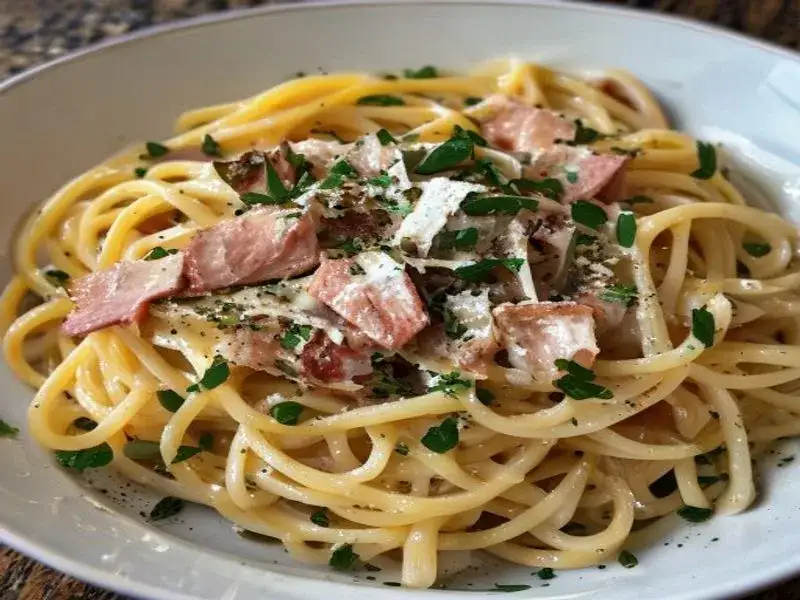
Pasta alla Carbonara Perfetta: La Regina di Roma Prendete un bicchiere di Frascati e iniziamo a parlare di un piatto che divide e unisce: l'autentica Pasta alla Carbonara. Le Origini: Miti e Verità La carbonara non è solo gusto, ma una profonda connessione con la storia d'Italia. Nonostante sembri un piatto antichissimo, la carbonara è nata in realtà durante o subito dopo la Seconda Guerra Mondiale. La teoria più accreditata (e affascinante) racconta che l'incontro tra le razioni dei soldati americani – pancetta e uova in polvere – e la maestria dei cuochi romani abbia dato vita a questa meraviglia. In seguito, la pancetta fu sostituita dal nobile guanciale e l'uovo in polvere da uova freschissime. C'è un'altra leggenda che attribuisce la ricetta ai "carbonari", i lavoratori del carbone dell'Appennino, che avrebbero usato il pepe nero per simulare la polvere di carbone sui loro piatti. I 4 Comandamenti della Carbonara Ottenere la cremosità perfetta senza trasformare il piatto in una frittata è il Santo Graal della carbonara. La regola d'oro è evitare la panna a tutti i costi! Ecco i 4 comandamenti:Il Guanciale: Usate solo guanciale (la guancia del maiale stagionata), non pancetta. Fatelo sudare in padella a fuoco dolce fino a renderlo croccante fuori e tenero dentro. Conservate il grasso sciolto! Il Formaggio: Solo Pecorino Romano DOP. La sua sapidità intensa è fondamentale. Le Uova: Calcolate un tuorlo a persona, più un uovo intero per la padella. Sbattete i tuorli con abbondante Pecorino e pepe nero per creare una pastella densa. La Mantecatura a Freddo: Il vero segreto. Scolate la pasta (spaghetti, rigatoni o mezze maniche) al dente. Lontano dal fuoco, versate la pasta in una ciotola, unite il guanciale, il suo grasso e la carbocrema. L'acqua di cottura amidacea e il calore residuo della pasta trasformeranno il tutto in una salsa setosa e dorata.Esercitatevi con la mantecatura lontana dal fuoco per ottenere un risultato perfetto! #carbonara #roma #italianfood #cucinaromana #guanciale #pecorino #isabellaferrari #pasta #ricettaautentica #PastaLover #CarbonaraOriginale #recipe #exclusive Related InsightsThe Art of Turkish Coffee Cornish Pasties at Home Ossobuco alla Milanese{ "@context": "https://schema.org", "@type": "FAQPage", "mainEntity": [ { "@type": "Question", "name": "What is the main focus of Pasta alla Carbonara Perfetta?", "acceptedAnswer": { "@type": "Answer", "text": "Explore the incredible journey of Pasta alla Carbonara Perfetta with Isabella Ferrari." } }, { "@type": "Question", "name": "Who authored the comprehensive guide on Pasta alla Carbonara Perfetta?", "acceptedAnswer": { "@type": "Answer", "text": "This detailed article and its insights were carefully researched and authored by Isabella Ferrari." } }, { "@type": "Question", "name": "Where can I find more related content about Recipe?", "acceptedAnswer": { "@type": "Answer", "text": "You can explore more articles, detailed reviews, and similar insights by browsing the Related Insights section at the bottom of this article or visiting our dedicated Recipe category page." } } ] }
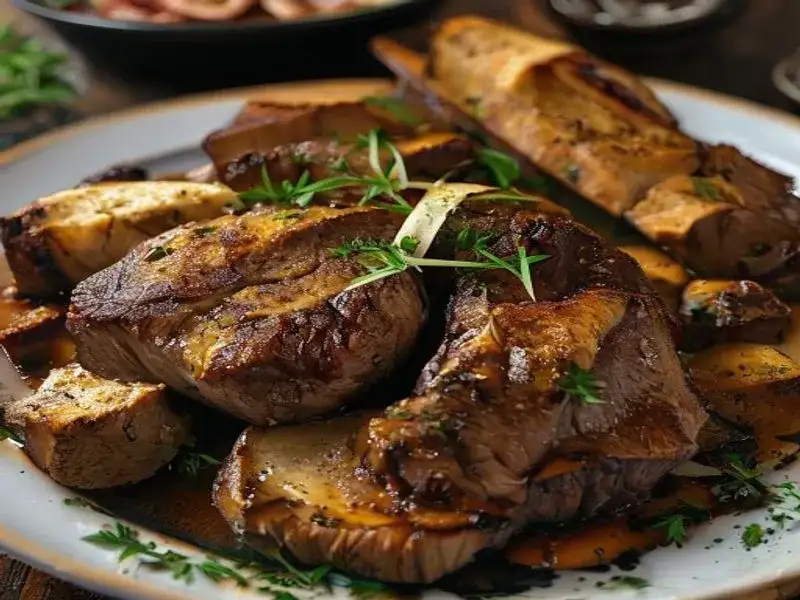

The Heart of the Weekend: Sunday Roast Tradition In the United Kingdom, Sunday is not defined by the church bells or the quiet streets, but by the intoxicating aroma of roasting meat and rich, savory gravy wafting from family kitchens and local pubs. The Sunday Roast is far more than just a meal; it is an institution, a weekly ceremony that anchors the British weekend and brings families together around a shared table. A Historic Weekly Feast The tradition of the Sunday Roast traces its origins back to the 15th century, during the reign of King Henry VII. The King's royal guards were famously known as "Beefeaters" because of their substantial weekly allowance of roasted beef. However, the tradition truly took root among the wider population during the Industrial Revolution. Families would place a large cut of meat—typically beef, lamb, or pork—in the oven before heading to Sunday morning church services. The meat would slow-roast while they worshipped, ensuring a hot, hearty meal was ready upon their return. In poorer households that could not afford a large oven, families would drop their joint of meat off at the local baker on their way to church. Since bakers were prohibited from baking bread on Sundays, they would use the residual heat of their massive bread ovens to roast the community's meat for a small fee. The Essential Components A proper Sunday Roast is judged not just by the meat, but by the mastery of its trimmings. If beef is the star, it must be served blushing pink alongside freshly grated, sinus-clearing horseradish sauce. The undeniable king of the plate, however, is the Yorkshire Pudding. Originally called "dripping pudding," this batter of eggs, flour, and milk was traditionally cooked beneath the roasting meat to catch the dripping fats. It was often served as a first course with thick gravy to fill the stomach, meaning the family would eat less of the expensive meat. Today, the Yorkshire Pudding is served on the main plate, its crispy, bowl-like structure acting as the perfect vessel for rich, dark gravy. Roast potatoes are non-negotiable. They must be parboiled, aggressively shaken in the pan to fluff the edges, and roasted in hot beef dripping or goose fat until the exterior shatters upon impact and the interior is fluffy like a cloud. The Modern Sunday Pub While many still roast at home, the modern British Sunday is heavily defined by the pub lunch. Gastropubs across the country compete fiercely for the title of "Best Sunday Roast," offering towering plates of perfectly carved meats, braised red cabbage, honey-roasted parsnips, and bottomless jugs of gravy. It is a time-honored culinary hug that proves, no matter how the world changes, Sunday remains sacred. #SundayRoast #BritishFood #RoastBeef #YorkshirePudding #CulinaryHistory #PubFood #BritishTradition #britishfood #michaelchef #recipe #ukcuisine Related InsightsAnatolian Street Food Wonders Meze: The Heart of Turkish Tables Идеальные блины на Масленицу{ "@context": "https://schema.org", "@type": "FAQPage", "mainEntity": [ { "@type": "Question", "name": "What is the main focus of Sunday Roast Tradition?", "acceptedAnswer": { "@type": "Answer", "text": "Explore the incredible journey of Sunday Roast Tradition with Emily Page." } }, { "@type": "Question", "name": "Who authored the comprehensive guide on Sunday Roast Tradition?", "acceptedAnswer": { "@type": "Answer", "text": "This detailed article and its insights were carefully researched and authored by Michael Chef." } }, { "@type": "Question", "name": "Where can I find more related content about Recipe?", "acceptedAnswer": { "@type": "Answer", "text": "You can explore more articles, detailed reviews, and similar insights by browsing the Related Insights section at the bottom of this article or visiting our dedicated Recipe category page." } } ] }
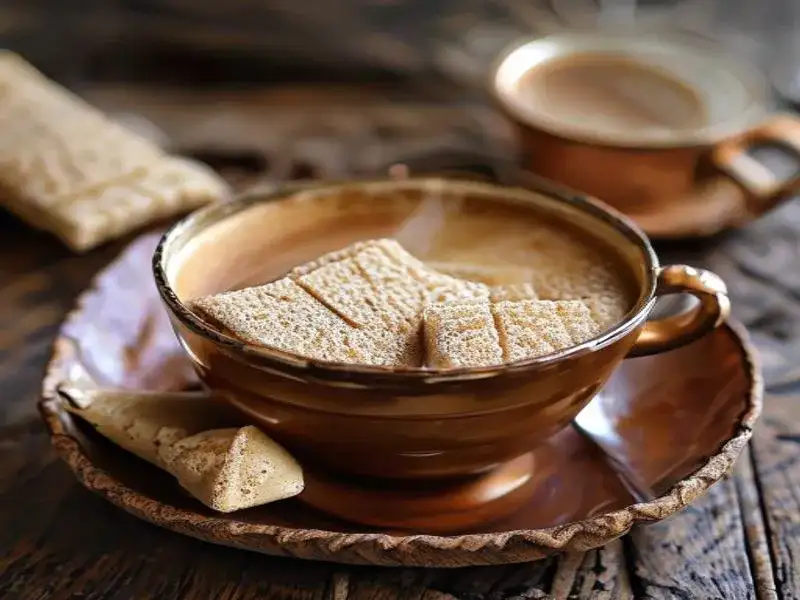
The Art of Turkish Coffee #UNESCO designated Turkish coffee as an Intangible Cultural Heritage of Humanity in 2013, a title that perfectly encapsulates its significance. Turkish coffee (Türk kahvesi) is not merely a method of caffeine delivery; it is an institution, a ceremonial practice, and a symbol of hospitality that has endured for nearly five centuries. Introduced to #Istanbul in the 1550s during the reign of Suleiman the Magnificent by the Ottoman governor of Yemen, coffee quickly moved from the imperial palace into the streets, spawning the world’s first public coffeehouses in the Tahtakale district. The Preparation Method What makes Turkish coffee entirely unique is its preparation. It is the oldest method of brewing coffee in the world. The beans, typically of the Arabica variety, are roasted and then pulverized into a powder so fine it resembles cocoa dust. Unlike espresso or drip coffee, Turkish coffee is completely unfiltered. The brewing process requires a specialized piece of equipment: a small, long-handled pot traditionally made of hammered copper or brass, known as a cezve (or ibrik). The ultra-fine coffee, cold water, and sugar (which must be added before brewing, never after) are combined in the cezve. The mixture is then slowly heated over a low flame or hot sand. The goal is to bring the coffee to the precipice of boiling without letting it spill over, creating a thick, luxurious layer of foam (köpük) on top. A cup served without this foam is considered a failure in Turkish hospitality. The Ritual of Drinking Serving Turkish coffee is steeped in tradition. It is presented in small, ornate cups called fincan, accompanied by a glass of water and a piece of Turkish Delight (lokum). The water is meant to be sipped first to cleanse the palate, allowing the drinker to fully appreciate the robust, earthy flavor of the coffee. Because it is unfiltered, the grounds settle at the bottom of the cup, meaning one must stop sipping before reaching the muddy residue. Fortune Telling and Social Bonds The sludge left behind serves a fascinating cultural purpose: tasseography, or coffee ground fortune telling (fal). Once finished, the drinker places the saucer over the cup, makes a wish, and flips the cup upside down. The grounds run down the sides, leaving intricate patterns that a skilled reader (or an imaginative friend) interprets to predict the drinker's future. Whether finalizing a business deal, gossiping with neighbors, or asking for a prospective bride's hand in marriage, Turkish coffee remains the dark, velvety glue that binds Turkish society together. #TurkishCoffee #Cezve #Kahve #CoffeeCulture #OttomanHistory #Tasseography #CoffeeFortune #IntangibleHeritage #UNESCO #TurkishHospitality #turkishfood #recipe #theartofturkishcoffee #anatoliancuisine #demirsef #delicious #food Related InsightsСырники на завтрак Börek: A Journey Through Dough Lahmacun: The Turkish Pizza{ "@context": "https://schema.org", "@type": "FAQPage", "mainEntity": [ { "@type": "Question", "name": "What is the main focus of The Art of Turkish Coffee?", "acceptedAnswer": { "@type": "Answer", "text": "Explore the incredible journey of The Art of Turkish Coffee with Ayşe Kaya." } }, { "@type": "Question", "name": "Who authored the comprehensive guide on The Art of Turkish Coffee?", "acceptedAnswer": { "@type": "Answer", "text": "This detailed article and its insights were carefully researched and authored by Demir Şef." } }, { "@type": "Question", "name": "Where can I find more related content about Recipe?", "acceptedAnswer": { "@type": "Answer", "text": "You can explore more articles, detailed reviews, and similar insights by browsing the Related Insights section at the bottom of this article or visiting our dedicated Recipe category page." } } ] }
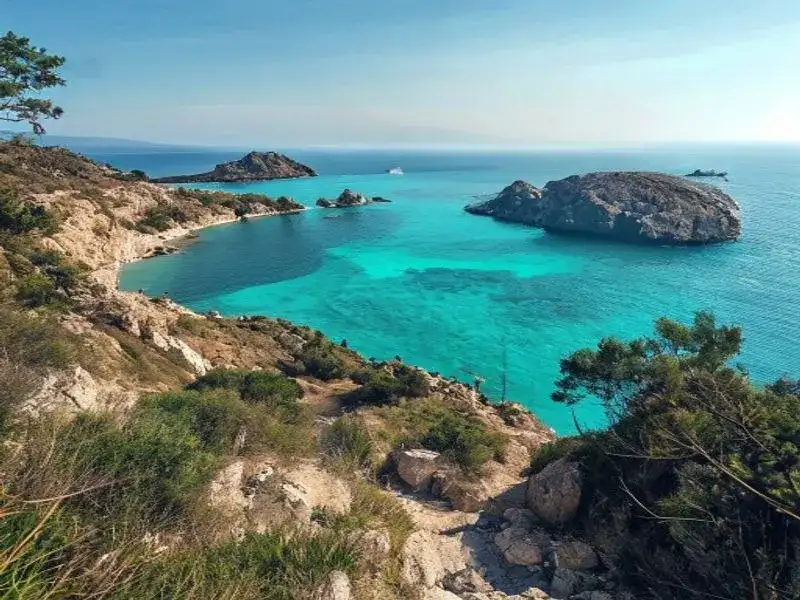
Trekking Through Time: The Lycian Way Stretching for approximately 540 kilometers (335 miles) along the stunning Turquoise Coast of southern Turkey, the Lycian Way is frequently cited as one of the world's most #beautiful long-distance hiking trails. Conceived in 1999 by British expat Kate Clow, this waymarked path meanders from Fethiye to Antalya, guiding trekkers through a breathtaking landscape of pine-clad mountains, plunging cliffs, and pristine, secluded beaches. But beyond its natural splendor, the Lycian Way is a continuous #journey through the #ancient #history of a highly democratic and enigmatic civilization: the Lycians. The Independent Republic of Lycia The Lycians were a fiercely independent people who thrived in this rugged, mountainous region during antiquity. Known for their formidable maritime skills and resistance to foreign domination, they formed the Lycian League in the 2nd century BCE. This federation of independent city-states, including Xanthos, Patara, and Myra, functioned on a system of proportional representation—a democratic model that famously inspired the Founding Fathers of the United States when drafting the American Constitution. As you hike the trail, the remnants of this once-great civilization are omnipresent. You will encounter magnificent rock-cut tombs carved directly into the sheer cliff faces, resembling elaborate #temple facades. These tombs reflect the Lycian belief that a winged creature would carry the souls of the dead to the afterlife, hence their elevated positions. Sunken Cities and Ancient Ruins The route is peppered with awe-inspiring archaeological sites. Hikers can explore the ruins of Olympos, an ancient city nestled in a river valley and shrouded by dense forest, which was once a haven for Cilician pirates. Further along the coast lies the hauntingly beautiful Sunken City of Kekova. Here, due to a series of earthquakes in the 2nd century AD, an entire Lycian settlement slipped beneath the crystal-clear waters of the Mediterranean. Although swimming over the ruins is strictly prohibited to protect the site, kayaking or taking a boat tour offers a surreal glimpse of ancient staircases and walls descending into the blue abyss. Culinary Delights on the Trail Trekking the Lycian Way is as much a culinary adventure as it is a historical one. The trail passes through numerous small Turkish villages where traditional hospitality (misafirperverlik) remains strong. Hikers are often welcomed into local tea houses (çayıhavesi) for a glass of strong black tea and a plate of gözleme—a savory, hand-rolled flatbread stuffed with spinach, feta cheese, or minced meat, cooked over a convex iron griddle. The coastal location also guarantees access to incredibly fresh seafood. In coastal towns like Kaş and Kalkan, you can reward a long day of hiking with a feast of grilled sea bream (çipura) or calamari, accompanied by mezes like samphire (sea beans) dressed in olive oil and garlic, a true taste of the Mediterranean. A Journey of Endurance Hiking the complete Lycian Way takes about 29 days and requires a good level of physical fitness, given the region's steep ascents and descents. The best times to embark on this trek are during the spring (April to May) or autumn (September to October), avoiding the scorching heat of the Turkish summer. Whether you choose to tackle a short segment or the entire route, the Lycian Way offers an unforgettable synthesis of #nature, history, and #culture. #LycianWay #TurkeyTravel #HikingAdventures #TurquoiseCoast #AncientHistory #TrekkingTurkey #LycianLeague #MediterraneanVibes #TravelTurkey #AncientRuins #travel #exclusive Related InsightsThe Faroe Islands: Where Nordic Wilderness Meets Photographic Magic Mumbai’s Sizzling Soul: The Spice, Chaos, and Stories Behind Its Legendary Street Food Tiflis der Wärme: Eine zeitlose Odyssee durch das Herz von Georgien{ "@context": "https://schema.org", "@type": "FAQPage", "mainEntity": [ { "@type": "Question", "name": "What is the main focus of Hiking the Lycian Way?", "acceptedAnswer": { "@type": "Answer", "text": "Explore the incredible journey of Hiking the Lycian Way with Emre Yılmaz." } }, { "@type": "Question", "name": "Who authored the comprehensive guide on Hiking the Lycian Way?", "acceptedAnswer": { "@type": "Answer", "text": "This detailed article and its insights were carefully researched and authored by Emre Yılmaz." } }, { "@type": "Question", "name": "Where can I find more related content about Travel?", "acceptedAnswer": { "@type": "Answer", "text": "You can explore more articles, detailed reviews, and similar insights by browsing the Related Insights section at the bottom of this article or visiting our dedicated Travel category page." } } ] }
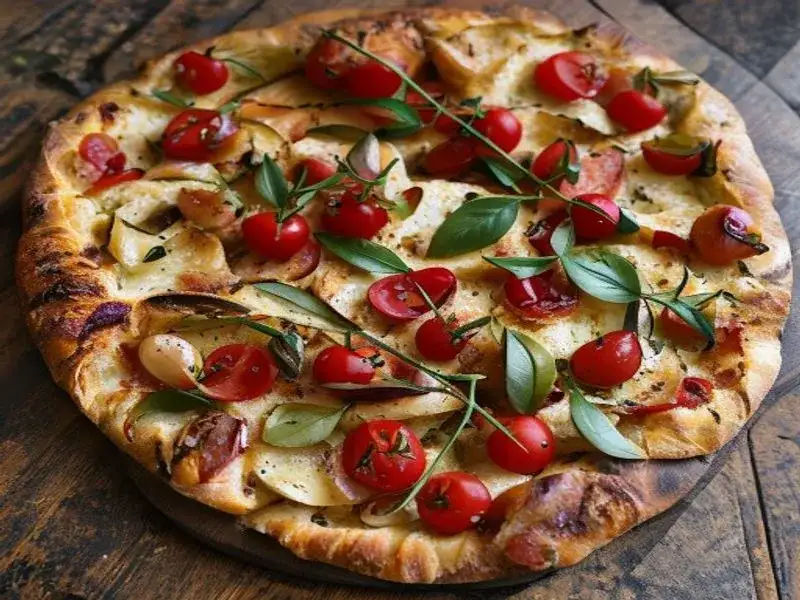
Focaccia Barese: Lo Street Food Perfetto della Puglia La focaccia barese è un pilastro dello street food di Bari e provincia. Soffice, unta al punto giusto e incredibilmente saporita. Un Impasto Che Profuma di Terra e Mare A differenza delle classiche focacce del nord Italia, la focaccia barese vanta un ingrediente che le conferisce una morbidezza unica: la patata lessa schiacciata nell'impasto. Unendo farina di semola rimacinata di grano duro, farina 0, acqua, lievito e patate, si ottiene un impasto altamente idratato che lievita lentamente. La cottura tradizionale avviene in teglie di ferro rotonde ("ruoti"), abbondantemente unte di olio extravergine di oliva locale. Il calore forte del forno (preferibilmente a legna) frigge letteralmente la base della focaccia, creando una crosticina croccante irresistibile, pur mantenendo l'interno soffice e alveolato. I Condimenti: Semplicità e Sapore La versione classica, la più iconica, si condisce con pomodorini freschi (spesso i celebri pomodorini appesi pugliesi), che vengono letteralmente "schiacciati" sull'impasto con le dita affinché rilascino i loro succhi dolci. Si aggiungono poi olive nere (rigorosamente con il nocciolo, per mantenere intatto il sapore durante la cottura!), un generoso giro d'olio EVO, sale fino e abbondante origano profumato. È la colazione, la merenda e il pranzo veloce di ogni barese. Passeggiare per Bari Vecchia con un trancio di focaccia bollente tra le mani è un'esperienza mistica. Prepararla a casa vi trasporterà immediatamente tra i vicoli pugliesi, inebriandovi di profumi genuini. La focaccia barese non è solo cibo, è condivisione, è storia popolare, è il calore del sud. #focacciabarese #puglia #streetfood #italianfood #cucinapugliese #lievitati #isabellaferrari #barivecchia #tradizionipugliesi #ricettetradizionali #cucinaitaliana #bari #foodiepuglia #recipe #exclusive Related InsightsThe Best Toad in the Hole Tiramisù Tradizionale Kartoffelsalat ohne Mayonnaise{ "@context": "https://schema.org", "@type": "FAQPage", "mainEntity": [ { "@type": "Question", "name": "What is the main focus of Focaccia Barese?", "acceptedAnswer": { "@type": "Answer", "text": "Explore the incredible journey of Focaccia Barese with Isabella Ferrari." } }, { "@type": "Question", "name": "Who authored the comprehensive guide on Focaccia Barese?", "acceptedAnswer": { "@type": "Answer", "text": "This detailed article and its insights were carefully researched and authored by Isabella Ferrari." } }, { "@type": "Question", "name": "Where can I find more related content about Recipe?", "acceptedAnswer": { "@type": "Answer", "text": "You can explore more articles, detailed reviews, and similar insights by browsing the Related Insights section at the bottom of this article or visiting our dedicated Recipe category page." } } ] }
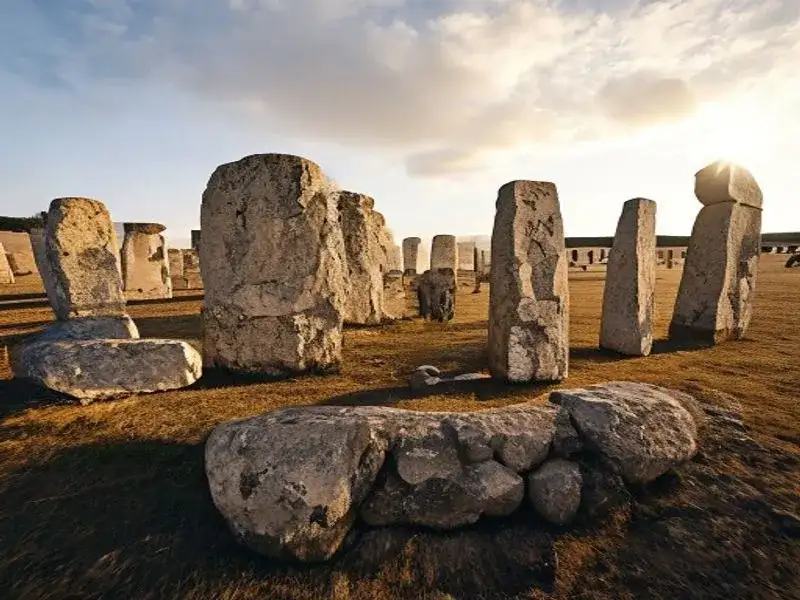
Dawn of Civilization: Unearthing Göbekli Tepe Tucked away in the Southeastern Anatolia Region of Turkey, near the #ancient city of Şanlıurfa, lies an archaeological site that has completely rewritten the timeline of human #history. Göbekli Tepe, often dubbed the world's oldest #temple, dates back a staggering 11,000 to 12,000 years. Predating Stonehenge by some 6,000 years and the Great Pyramid of Giza by 7,000, this prehistoric sanctuary challenges everything we thought we knew about the origins of complex societies. Monumental #architecture of Hunter-Gatherers Before the discovery of Göbekli Tepe, the prevailing historical consensus held that agriculture and settled farming communities were the necessary prerequisites for constructing monumental architecture. However, the builders of this site were strictly hunter-gatherers. They carved massive T-shaped limestone pillars, some weighing up to 10 tons and standing 18 feet tall, using only rudimentary stone tools. These monolithic pillars are arranged in enormous circular enclosures and are intricately decorated with low-relief carvings of wild animals. Foxes, lions, scorpions, vultures, and boars prance across the stone surfaces, serving perhaps as totemic symbols or mythical guardians. The sheer level of social organization and collective labor required to carve, transport, and erect these stones implies a highly structured society long before the advent of agriculture. The Birthplace of Wheat? The cultural and historical significance of Göbekli Tepe is deeply intertwined with the Neolithic Revolution—the transition from foraging to farming. Interestingly, geneticists have traced the origins of domesticated einkorn wheat, one of humanity's earliest cultivated crops, to the Karaca Dağ mountains, located just 20 miles away from Göbekli Tepe. This proximity has led some archaeologists, including the site's late discoverer, Klaus Schmidt, to theorize that the need to feed large gatherings of people who came to construct or worship at the temple may have directly spurred the invention of agriculture. In this view, religion did not emerge from civilization; rather, civilization emerged to support early religious practices. A Culinary Heritage Rooted in Antiquity The region surrounding Göbekli Tepe is known today for its incredibly rich culinary traditions, deeply rooted in the area's ancient past. Şanlıurfa, historically known as Edessa, is celebrated for its spicy and flavorful dishes. One of the most famous is Çiğ Köfte, a traditionally raw meat dish kneaded for hours with bulgur wheat, isot pepper (a distinctive dark, smoky chili native to Urfa), and various spices. According to local legend, this dish was invented during the time of the Prophet Abraham, who is said to have been born in a cave in Şanlıurfa. The use of bulgur and fiery spices connects modern Turkish cuisine directly to the ancient peoples who first cultivated wheat in this very cradle of civilization. An Unsolved Prehistoric Puzzle Perhaps the most baffling aspect of Göbekli Tepe is its deliberate burial. Around 8000 BCE, for reasons still unknown to modern science, the creators meticulously filled the monumental enclosures with debris, earth, and animal bones, intentionally hiding the temple under a massive artificial mound (or "tepe" in Turkish). This deliberate interment preserved the site perfectly for millennia until its rediscovery in 1994. Today, as excavations slowly reveal more of these circular structures, Göbekli Tepe continues to offer profound insights into the spiritual and communal lives of our earliest ancestors. #GobekliTepe #AncientHistory #TurkeyTravel #NeolithicRevolution #FirstTemple #Sanliurfa #Archaeology #HumanOrigins #Anatolia #TravelTurkey #travel #exclusive Related InsightsWandern in den Alpen Reykjavík: The Smoke Bay Capital of Iceland Svalbard: Arctic Adventures Beyond the Northern Lights – A Remote Paradise for Explorers{ "@context": "https://schema.org", "@type": "FAQPage", "mainEntity": [ { "@type": "Question", "name": "What is the main focus of Gobeklitepe: The First Temple?", "acceptedAnswer": { "@type": "Answer", "text": "Explore the incredible journey of Gobeklitepe: The First Temple with Emre Yılmaz." } }, { "@type": "Question", "name": "Who authored the comprehensive guide on Gobeklitepe: The First Temple?", "acceptedAnswer": { "@type": "Answer", "text": "This detailed article and its insights were carefully researched and authored by Emre Yılmaz." } }, { "@type": "Question", "name": "Where can I find more related content about Travel?", "acceptedAnswer": { "@type": "Answer", "text": "You can explore more articles, detailed reviews, and similar insights by browsing the Related Insights section at the bottom of this article or visiting our dedicated Travel category page." } } ] }
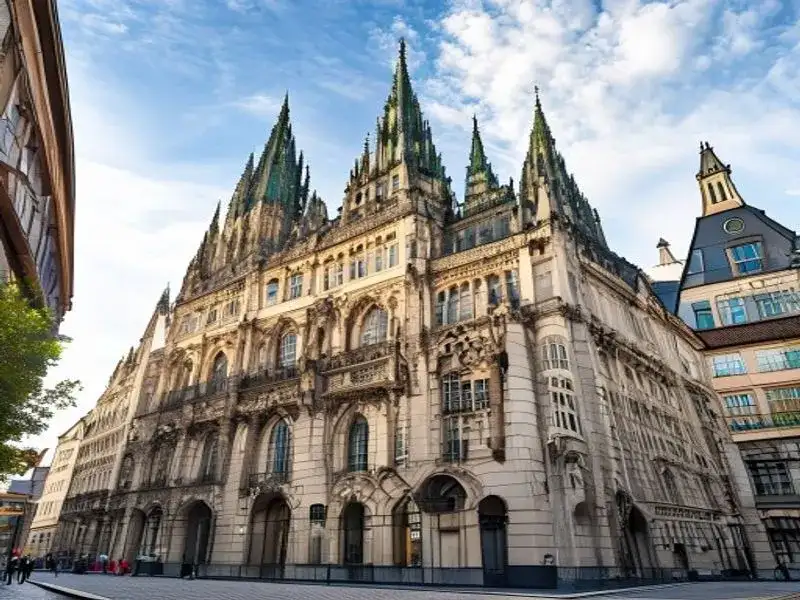
Ein Tag in #München: Die perfekte Mischung aus Tradition und Moderne München, die strahlende Metropole an der Isar und stolze Hauptstadt des Freistaats Bayern, ist eine Stadt der Kontraste. Hier trifft Hightech auf Lederhose, Laptop auf Weißwurst und weltoffenes Flair auf tief verwurzelte bayerische Gemütlichkeit. Wer nur einen einzigen Tag Zeit hat, diese faszinierende Stadt zu erkunden, muss eine geschickte Route wählen, um die Seele des sogenannten "Millionendorfs" zu erfassen. Ein Spaziergang durch München ist wie ein Crashkurs in bayerischer Lebensart, garniert mit einer beeindruckenden Dosis Geschichte und Architektur. Das Herz der Stadt: Marienplatz und Viktualienmarkt Jeder gelungene Tag in München beginnt unweigerlich am Marienplatz, dem unumstrittenen Mittelpunkt der Stadt. Hier thront das Neue Rathaus, ein neugotisches Meisterwerk, dessen weltberühmtes Glockenspiel täglich um 11 und 12 Uhr (und im Sommer auch um 17 Uhr) hunderte Schaulustige anlockt. Die beweglichen Kupferfiguren stellen den traditionellen Schäfflertanz sowie ein historisches Ritterturnier aus dem Jahr 1568 nach. Nur wenige Gehminuten vom Trubel des Marienplatzes entfernt erstreckt sich der Viktualienmarkt – ein wahres Paradies für Feinschmecker und ein Fest für die Sinne. Seit über 200 Jahren werden hier auf über 22.000 Quadratmetern frisches Obst, exotische Gewürze, regionale Käsespezialitäten und bayerische Fleischwaren angeboten. Es ist der ideale Ort, um sich mit einem frischen Obazda (einer pikanten bayerischen Käsezubereitung aus Camembert, Butter, Zwiebeln und Paprikapulver) und einer reschen Breze für die weitere Erkundungstour zu stärken. Die Residenz und der Englische Garten Nach einem Abstecher zur Frauenkirche, dem Wahrzeichen Münchens mit ihren markanten Zwiebeltürmen, führt der Weg zur Münchner Residenz. Der ehemalige Sitz der bayerischen Herzöge, Kurfürsten und Könige ist heute eines der größten und prächtigsten Stadtschlösser Europas. Die verschwenderische Ausstattung des Antiquariums, des ältesten erhaltenen Raums der Residenz aus der Renaissancezeit, lässt Besucher oft ehrfürchtig verstummen. Wenn sich der Nachmittag neigt, lockt der Englische Garten. Mit einer Fläche von 3,7 Quadratkilometern ist er eine der größten innerstädtischen Parkanlagen der Welt – sogar größer als der Central Park in New York! Hier schlägt das grüne Herz der Stadt. Besonders faszinierend ist die Eisbachwelle am südlichen Rand des Parks: Zu jeder Jahreszeit – selbst im tiefsten Winter – stürzen sich hier wagemutige Surfer in die eisigen Fluten des künstlich angelegten Bachs. Ein zünftiger Abend im Hofbräuhaus Ein Tag in München wäre nicht komplett ohne einen Abend in einem echten bayerischen Wirtshaus, und keines ist berühmter als das Staatliche Hofbräuhaus am Platzl. Einst 1589 vom bayerischen Herzog Wilhelm V. als Brauerei gegründet, um den durstigen Hofstaat mit #Bier zu versorgen, ist das Hofbräuhaus heute eine Institution. Unter dem massiven Deckengewölbe der Schwemme fließt das helle Bier in Strömen aus den gläsernen Maßkrügen. Dazu gibt es deftige bayerische Küche: von der Schweinshaxe mit Kartoffelknödeln über den klassischen Schweinsbraten mit Dunkelbiersoße bis hin zu Kaiserschmarrn als süßem Abschluss. München ist mehr als nur eine Stadt; es ist ein Gefühl von "Mia san mia". Ein einziger Tag reicht kaum aus, um all ihre Geheimnisse zu lüften, aber er ist der perfekte Auftakt für eine lebenslange Liebesbeziehung mit der bayerischen Hauptstadt. #München #Munich #Bayern #Viktualienmarkt #EnglischerGarten #Hofbräuhaus #GermanyTravel #BavarianCulture #Wanderlust #MunichCity #travel #exclusive Related InsightsL'Abbaye de Westminster : Le Cœur Royal de Londres Wandern in den Alpen Wandering Through Ephesus{ "@context": "https://schema.org", "@type": "FAQPage", "mainEntity": [ { "@type": "Question", "name": "What is the main focus of Ein Tag in München?", "acceptedAnswer": { "@type": "Answer", "text": "Explore the incredible journey of Ein Tag in München with Felix Müller." } }, { "@type": "Question", "name": "Who authored the comprehensive guide on Ein Tag in München?", "acceptedAnswer": { "@type": "Answer", "text": "This detailed article and its insights were carefully researched and authored by Felix Müller." } }, { "@type": "Question", "name": "Where can I find more related content about Travel?", "acceptedAnswer": { "@type": "Answer", "text": "You can explore more articles, detailed reviews, and similar insights by browsing the Related Insights section at the bottom of this article or visiting our dedicated Travel category page." } } ] }


Калининград и Куршская коса Калининград, бывший Кёнигсберг, — это уникальный российский эксклав, расположенный на побережье Балтийского моря и зажатый между Польшей и Литвой. Эта земля хранит в себе удивительное переплетение прусского исторического наследия и монументальной советской архитектуры. Город был основан тевтонскими рыцарями в далеком 1255 году, и на протяжении веков являлся важнейшим культурным и экономическим центром Восточной Пруссии. Главной исторической доминантой современного Калининграда остается величественный Кафедральный собор, расположенный на острове Канта (историческое название — Кнайпхоф). Именно здесь, у старинных стен готического сооружения, находится могила одного из самых выдающихся мыслителей в истории — философа Иммануила Канта, чьи труды сформировали целую эпоху в мировой философии. Кулинарные Особенности Балтийского Берега Кулинарная картина региона так же эклектична и насыщенна, как и его многовековая архитектура. Одним из самых известных исторических местных блюд являются классические кёнигсбергские клопсы — нежные отварные телячьи тефтели, которые по традиции подаются с насыщенным сливочным соусом, каперсами и анчоусами. Этот рецепт, пришедший из времен Восточной Пруссии, бережно сохраняется местными шеф-поварами и до сих пор радует гостей в лучших ресторанах города. Не стоит забывать и о знаменитом кёнигсбергском марципане — изысканном сладком лакомстве из измельченного миндаля и сахара, которое в XIX веке экспортировалось по всей Европе, вплоть до королевских дворов. Местный марципан отличался от любекского тем, что его верхнюю часть слегка запекали до появления аппетитной золотистой корочки, что придавало десерту особый глубокий вкус и неповторимый аромат. Любители пива также могут оценить местные традиции пивоварения, которые восстанавливаются на базе старинных калининградских пивоварен. Куршская Коса: Удивительный Природный Феномен Оставив позади городскую суету Калининграда, путешественники неизменно отправляются на Куршскую косу — узкую песчаную полосу длиной 98 километров, разделяющую соленое Балтийское море и пресноводный Куршский залив. Эта уникальная территория, по праву внесенная в список Всемирного наследия ЮНЕСКО, является одним из самых необычных и экологически значимых природных объектов всей Европы. Танцующий Лес и Странствующие Дюны Самым мистическим и загадочным местом на косе считается так называемый «Танцующий лес». Сосны здесь имеют совершенно невероятную форму: их стволы причудливо изгибаются, скручиваются кольцами и закручиваются в спирали. Ученые со всего мира до сих пор не пришли к единому мнению о точных причинах этой природной аномалии. Среди основных версий — влияние мощных преобладающих ветров с моря, особенности состава песчаной почвы и даже генетические мутации деревьев, вызванные повреждениями молодых побегов специфическими насекомыми (например, гусеницами бабочки побеговьюна зимующего). Еще одна яркая визитная карточка косы — огромные странствующие дюны. Самая известная из них — дюна Эфа (высота более 60 метров), названная в честь Франца Эфы, талантливого немецкого дюнного инженера, который во второй половине XIX века разработал инновационный метод посадки сосен и кустарников для закрепления подвижных песков. Его кропотливая многолетняя работа спасла множество исторических рыбацких деревень от неминуемого погребения под неумолимо движущимися песчаными барханами. Орнитологическая Станция «Фрингилла» Помимо лесов и дюн, Куршская коса также широко известна в научных кругах как важнейший «птичий мост». Каждую весну и осень над этой узкой полоской суши пролетают миллионы перелетных птиц. Именно поэтому здесь была основана орнитологическая станция «Фрингилла» (названа по латинскому имени зяблика — Fringilla coelebs). Она открылась в 1901 году под эгидой немецкого теолога и орнитолога Иоганнеса Тинеманна и стала одной из первых птичьих станций в мире. Сегодня российские ученые продолжают историческое дело: они ловят пернатых путешественников с помощью огромных ловушек-сетей, чтобы аккуратно окольцевать их, измерить и отпустить, продолжая изучать сложные миграционные маршруты. Калининградская область и Куршская коса — это поистине уникальное направление, где богатая история, мультикультурное наследие и первозданная балтийская природа сливаются в единое целое, предлагая каждому туристу глубокий и незабываемый опыт. #Калининград #КуршскаяКоса #Кенигсберг #ПутешествиеПоРоссии #БалтийскоеМоре #ИсторияРоссии #ТанцующийЛес #РоссийскийТуризм #ОтдыхВРоссии #ЮНЕСКО #travel #russia #kaliningrad #curonianspit #nature Related InsightsZanzibar’s Hidden Shores: Unveiling the Most Secluded Beaches Where Crowds Dare Not Wander Ethiopia's Danakil Depression: The Hottest Place on Earth's Alien Landscapes (Part 3) Golden Ring Cities{ "@context": "https://schema.org", "@type": "FAQPage", "mainEntity": [ { "@type": "Question", "name": "What is the main focus of Калининград и Куршская коса?", "acceptedAnswer": { "@type": "Answer", "text": "Explore the incredible journey of Калининград и Куршская коса with Ivan Sokolov." } }, { "@type": "Question", "name": "Who authored the comprehensive guide on Калининград и Куршская коса?", "acceptedAnswer": { "@type": "Answer", "text": "This detailed article and its insights were carefully researched and authored by Ivan Sokolov." } }, { "@type": "Question", "name": "Where can I find more related content about Travel?", "acceptedAnswer": { "@type": "Answer", "text": "You can explore more articles, detailed reviews, and similar insights by browsing the Related Insights section at the bottom of this article or visiting our dedicated Travel category page." } } ] }
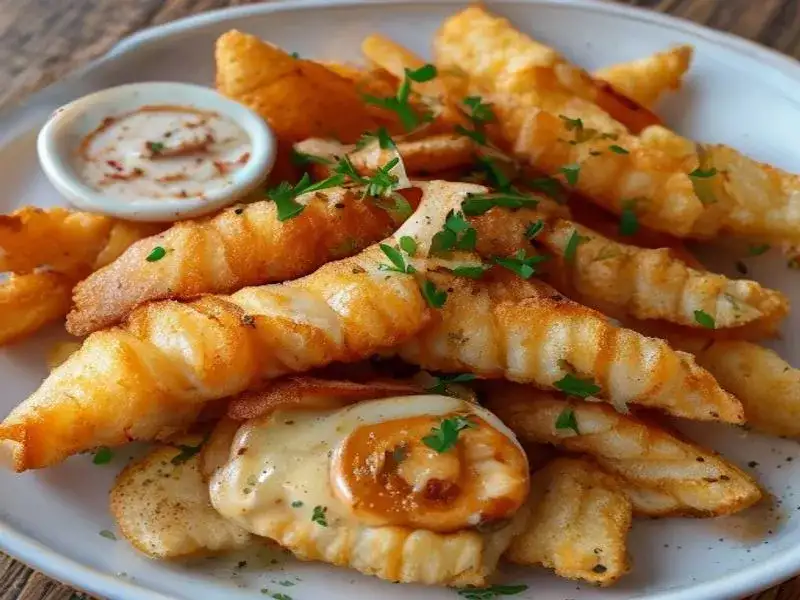
The Deep-Fried Heritage: Classic Fish and Chips When one imagines the quintessential British takeaway, the scent of malt vinegar and the crisp crackle of golden batter immediately come to mind. Fish and chips is not merely a meal in the United Kingdom; it is a cultural institution. From the wind-swept coastal towns of Cornwall to the bustling streets of London, this dish tells a compelling story of immigration, industrialization, and culinary ingenuity. A Tale of Two Ingredients The pairing of fried fish and chipped potatoes seems inevitable now, but historically, they were separate entities introduced by different immigrant communities. The tradition of frying fish in batter—often referred to as pescado frito—was brought to Britain in the 16th century by Jewish refugees from Portugal and #Spain. They fried fish in oil so it could be eaten cold on the Sabbath without violating religious laws regarding cooking. Meanwhile, the "chip" (a thick-cut fried potato) had its origins debated between #France and Belgium, but it gained immense popularity in the UK during the 19th century as a cheap, calorie-dense staple for the working class. The exact moment these two culinary forces joined is contested. Some credit a Jewish immigrant named Joseph Malin, who allegedly opened the first combined fish and chip shop in London's East End around 1860. Others champion John Lees, who was selling the pairing out of a wooden hut in Lancashire around the same time. The Science of the Perfect Fry Creating the perfect portion of fish and chips is an art form heavily reliant on chemistry and technique. The fish—traditionally cod or haddock—must be incredibly fresh. The batter is typically a simple mixture of flour, water or beer, and a rising agent. The carbonation and acidity in beer not only add flavor but also create a lighter, crispier crust by expanding violently when hitting the hot oil, preventing the fish inside from becoming greasy. The chips are equally important. Unlike French fries, British chips are thick-cut, traditionally from floury potato varieties like Maris Piper or King Edward. This ensures a fluffy interior with a robust, crispy exterior, capable of holding up to generous lashings of salt and malt vinegar. Historically fried in beef dripping for an unparalleled savory flavor, many modern "chippies" now use vegetable oils. The Working Class Hero During the Industrial Revolution, fish and chips became the fuel of the working class. The expansion of the railway network meant that fresh catch from ports like Grimsby and Whitby could be transported rapidly to inland industrial cities. During both World Wars, fish and chips were among the few foods not subject to rationing, as the British government recognized the dish's vital role in maintaining home-front morale. Today, whether wrapped in a cone of paper on a seaside pier or served alongside mushy peas and tartar sauce in a gastropub, fish and chips remain an enduring symbol of British resilience and culinary tradition. #FishAndChips #BritishFood #CulinaryHistory #BritishTakeaway #FoodHistory #Seafood #UKCuisine #britishfood #michaelchef #recipe #ukcuisine Related InsightsSunday Roast Tradition Schwarzwälder Kirschtorte vegan Turkish Delight: A Sweet History{ "@context": "https://schema.org", "@type": "FAQPage", "mainEntity": [ { "@type": "Question", "name": "What is the main focus of Classic Fish and Chips?", "acceptedAnswer": { "@type": "Answer", "text": "Explore the incredible journey of Classic Fish and Chips with Emily Page." } }, { "@type": "Question", "name": "Who authored the comprehensive guide on Classic Fish and Chips?", "acceptedAnswer": { "@type": "Answer", "text": "This detailed article and its insights were carefully researched and authored by Michael Chef." } }, { "@type": "Question", "name": "Where can I find more related content about Recipe?", "acceptedAnswer": { "@type": "Answer", "text": "You can explore more articles, detailed reviews, and similar insights by browsing the Related Insights section at the bottom of this article or visiting our dedicated Recipe category page." } } ] }
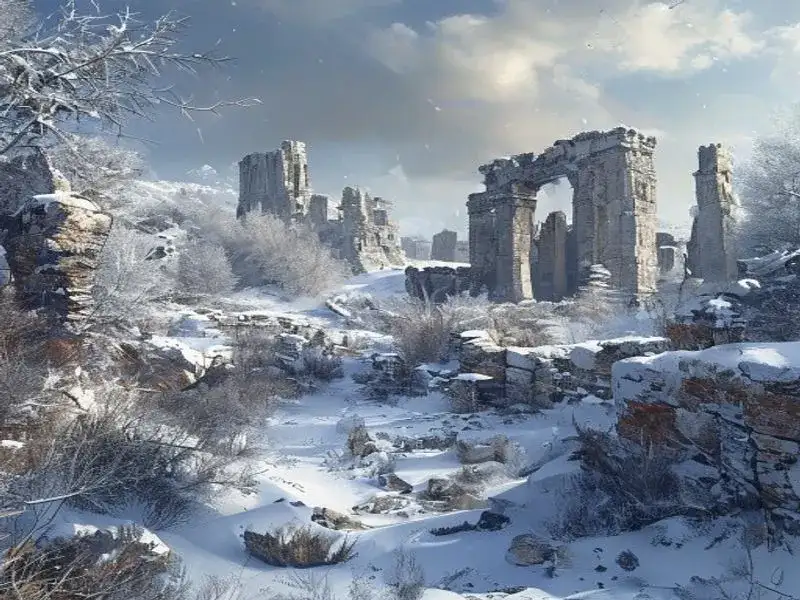
The Ghost City on the Silk Road Nestled on the rugged border between modern-day Turkey and Armenia, the #ancient ruins of Ani whisper tales of a once-glorious past. Often referred to as the "City of 1001 Churches," Ani was a bustling medieval metropolis, serving as the capital of the Bagratid Armenian kingdom in the 10th and 11th centuries. Its strategic location along the Silk Road made it a vital nexus for trade, attracting merchants, artisans, and travelers from across the known world. At its peak, Ani's population surpassed 100,000, rivaling Constantinople, Baghdad, and Cairo in sheer magnificence and economic power. Architectural Marvels of Antiquity The skyline of Ani was once dominated by countless spires and domes, a testament to the unparalleled architectural prowess of its inhabitants. The city's master builders employed cutting-edge techniques, innovating with pointed arches and ribbed vaults long before they became staples of European #gothic #architecture. One of the most striking structures still partially standing is the #cathedral of Ani. Completed in 1001 AD by the legendary architect Trdat, the very same mastermind who repaired the dome of the Hagia Sophia in Constantinople, the cathedral showcases exquisite stonework and a massive, cruciform plan. Even without its towering dome, which collapsed during an earthquake in 1319, the building's sheer scale leaves visitors in awe. Another highlight is the Church of St. Gregory of Tigran Honents. Constructed in 1215, this church features incredibly well-preserved frescoes depicting scenes from the life of Christ and Saint Gregory the Illuminator. The vibrant colors and intricate details offer a rare glimpse into the spiritual and artistic life of the medieval period. A Culinary Crossroad The influx of diverse cultures along the Silk Road deeply influenced the culinary landscape of the region surrounding Ani. Anatolian and Caucasian flavors melded seamlessly, creating unique dishes that have stood the test of time. Travelers passing through would have traded spices like saffron and sumac, while local farmers provided hardy grains like barley and wheat, essential for the harsh Eastern Anatolian winters. Traditional dishes from the Kars province, where Ani is located, still reflect this historical fusion. One such delicacy is piti, a hearty mutton and chickpea stew slowly cooked in individual clay pots. The area is also famous for its exceptional gruyere-style cheese, Kars Kaşarı, introduced by Swiss and German cheesemakers during the 19th-century Russian occupation, proving that the region remained a crossroads of culinary exchange long after Ani's decline. The Fall and Preservation of Ani Ani's golden age was tragically cut short by a series of devastating invasions and natural disasters. Sacked by the Seljuks in 1064, conquered by the Georgians, and later decimated by the Mongols in 1236, the city slowly lost its prominence. A massive earthquake in 1319 dealt the final blow, leading to its gradual abandonment. By the 18th century, the once-great City of 1001 Churches was entirely deserted. Today, Ani stands as a hauntingly #beautiful #UNESCO World Heritage site. Walking amidst the sprawling ruins over the vast, windswept plateau, one can't help but feel a profound connection to the ephemeral #nature of human empires. #AniRuins #CityOf1001Churches #TurkeyTravel #AncientHistory #SilkRoad #KarsTurkey #MedievalArchitecture #TravelTurkey #CulturalHeritage #UNESCOWorldHeritage #travel #exclusive Related InsightsThe Silent Architects of Stone: Unearthing the Last Weavers of Kladenets in Bulgaria's Mystical Rhodopes The Pantanal, Brazil: Unlocking the World’s Largest Wetland and Its Untamed Wildlife Ombre di Storia: Viaggio nel Turismo Oscuro tra Memoria e Mistero{ "@context": "https://schema.org", "@type": "FAQPage", "mainEntity": [ { "@type": "Question", "name": "What is the main focus of Exploring Ani, City of 1001 Churches?", "acceptedAnswer": { "@type": "Answer", "text": "Explore the incredible journey of Exploring Ani, City of 1001 Churches with Emre Yılmaz." } }, { "@type": "Question", "name": "Who authored the comprehensive guide on Exploring Ani, City of 1001 Churches?", "acceptedAnswer": { "@type": "Answer", "text": "This detailed article and its insights were carefully researched and authored by Emre Yılmaz." } }, { "@type": "Question", "name": "Where can I find more related content about Travel?", "acceptedAnswer": { "@type": "Answer", "text": "You can explore more articles, detailed reviews, and similar insights by browsing the Related Insights section at the bottom of this article or visiting our dedicated Travel category page." } } ] }
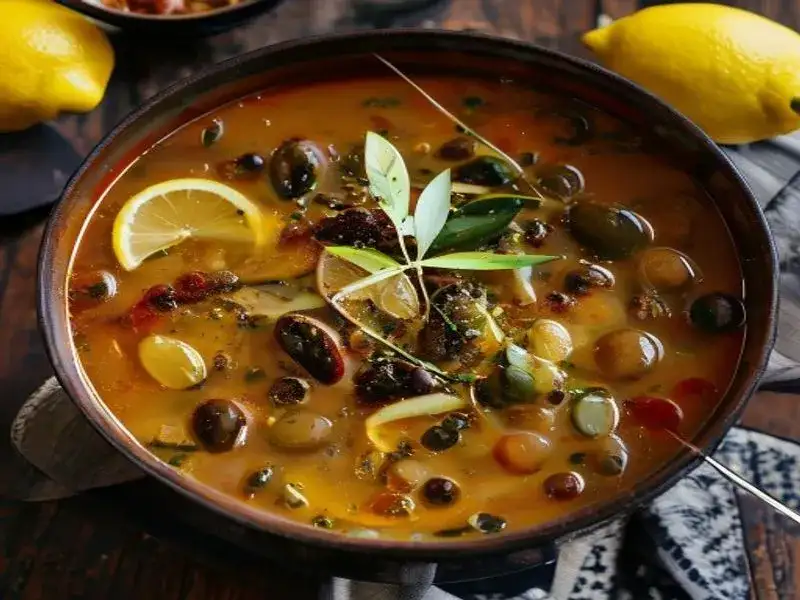

Солянка — это густой, насыщенный и невероятно ароматный суп, который по праву считается одним из самых сложных и ярких блюд традиционной русской кухни. Этот суп обладает настоящим "мужским" характером: он острый, соленый, кислый и очень сытный. От "селянки" до солянки Первые упоминания об этом блюде относятся к XV веку, но тогда оно называлось "селянка", что означало сельскую, деревенскую еду. Изначально это был скорее густой жирный бульон с капустой и остатками мяса, который крестьяне ели после тяжелой работы или бурных праздников (солянка считалась отличным средством от похмелья). Со временем рецепт эволюционировал, впитывая в себя новые ингредиенты: в суп стали добавлять лимоны, оливки, каперсы и томатную пасту, что превратило его из крестьянской похлебки в ресторанный деликатес. Три кита солянки Солянка бывает трех основных видов: мясная, рыбная и грибная. Но самой популярной и любимой является сборная мясная солянка.Бульон и бресс: Основой служит крепкий мясной бульон. Ключевой элемент супа — это "бресс", густая заправка из пассерованного лука, томатной пасты, соленых огурцов (обязательно бочковых) и небольшого количества огуречного рассола. Мясное изобилие: В сборную солянку добавляют не менее четырех видов мясных продуктов. Это может быть отварная говядина, копченая колбаса, ветчина, сосиски, охотничьи колбаски и даже почки или язык. Именно сочетание свежего и копченого мяса создает этот уникальный дымный аромат. Пикантные акценты: В самом конце приготовления в суп добавляют маслины, каперсы и ломтики лимона. Важно не кипятить суп после их добавления, чтобы не появилась горечь.Традиционно солянку подают с ложкой густой сметаны и свежей зеленью. Этот суп не терпит суеты и требует мастерства, но результат всегда превосходит ожидания. #russianfood #recipe #solyanka #cooking #traditional #soup #солянка #кулинария Related InsightsAnatolian Street Food Wonders Börek: A Journey Through Dough The Best Toad in the Hole{ "@context": "https://schema.org", "@type": "FAQPage", "mainEntity": [ { "@type": "Question", "name": "What is the main focus of Солянка: суп с характером?", "acceptedAnswer": { "@type": "Answer", "text": "Explore the incredible journey of Солянка: суп с характером with Elena Volkova." } }, { "@type": "Question", "name": "Who authored the comprehensive guide on Солянка: суп с характером?", "acceptedAnswer": { "@type": "Answer", "text": "This detailed article and its insights were carefully researched and authored by Elena Volkova." } }, { "@type": "Question", "name": "Where can I find more related content about Recipe?", "acceptedAnswer": { "@type": "Answer", "text": "You can explore more articles, detailed reviews, and similar insights by browsing the Related Insights section at the bottom of this article or visiting our dedicated Recipe category page." } } ] }
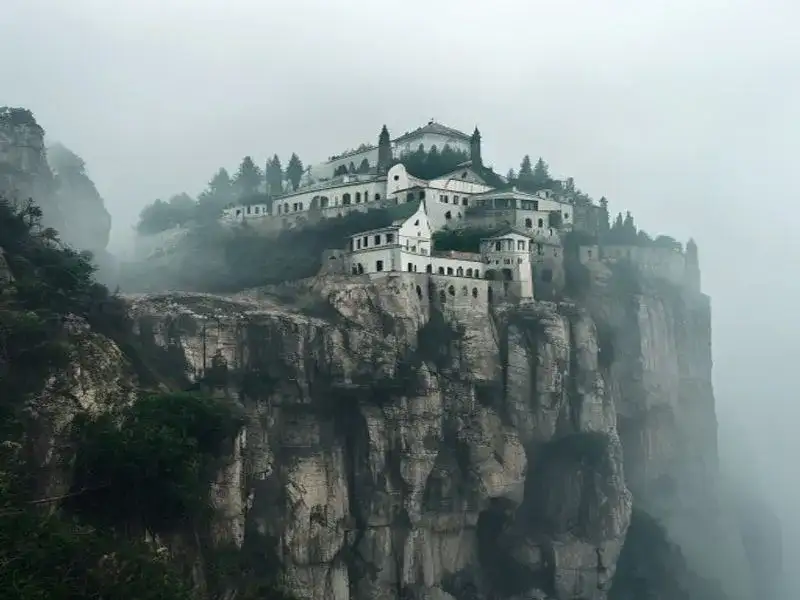
A Sanctuary in the Sky: The Sumela Monastery Clinging precariously to a sheer cliff face in the Pontic Mountains of Turkey's Black Sea region, the Sumela Monastery is a breathtaking architectural marvel. Located at an altitude of approximately 1,200 meters (3,900 feet) within the Altındere National Park, this #ancient Greek Orthodox monastery seems to float in the misty clouds above the lush, evergreen forests of Trabzon. A #history Forged in Legend The origins of the Sumela Monastery are steeped in myth and reverence. According to tradition, it was founded in the year 386 AD, during the reign of the Roman Emperor Theodosius I, by two Athenian monks named Barnabas and Sophronios. Legend dictates that the monks discovered a miraculous icon of the Virgin Mary, believed to have been painted by the Apostle Luke, resting in a cave on the sheer cliff. Interpreting this as a divine sign, they established a sanctuary on that exact spot. Over the centuries, the monastery expanded into a sprawling complex, serving as a vital center of learning and spirituality. It enjoyed a golden age under the #empire of Trebizond in the 13th and 14th centuries and continued to be protected and supported even after the Ottoman conquest of the region in 1461. Ottoman Sultans, including Mehmed the Conqueror, issued decrees ensuring the monastery's protection and privileges, demonstrating a remarkable period of religious tolerance. The Rock Church and Vibrant Frescoes The heart of the Sumela complex is the Rock Church, a natural cavern that was hollowed out and transformed into a spectacular place of worship. The interior and exterior walls of the Rock Church, as well as the adjacent chapels, are adorned with incredibly vibrant and intricate frescoes. These paintings, dating primarily from the 18th and 19th centuries (though some underlying layers are much older), depict biblical scenes, including the Creation of Adam and Eve, the birth of Jesus, and the Last Judgment. Despite suffering damage from the elements and vandalism over the years, the frescoes remain a stunning testament to Byzantine and post-Byzantine artistic traditions. Black Sea Flavors A #journey to Sumela is not just a visual and spiritual experience; it is also an opportunity to delve into the unique culinary traditions of the Black Sea (Karadeniz) region. The steep, rainy terrain makes agriculture challenging, so the local diet relies heavily on the bounties of the sea and hardy crops. After descending from the monastery, visitors should seek out a local pide (Turkish flatbread) restaurant. Trabzon is famous for its distinctive, boat-shaped Trabzon Pidesi, generously topped with local butter, eggs, and a stringy, delicious regional cheese called kolot. Another must-try is Kuymak (also known as Muhlama in neighboring Rize), a rich, fondue-like dish made from cornmeal, local butter, and melted cheese, perfect for warming up after a cool, misty hike in the Pontic Mountains. #SumelaMonastery #Trabzon #BlackSeaRegion #TurkeyTravel #ByzantineArchitecture #Karadeniz #HistoricMonasteries #TravelTurkey #AncientHistory #PonticMountains #travel #exclusive Related InsightsThe Silk Road Revival: Uzbekistan’s Ancient Cities and Modern Wonders The Whispers of the White Gold: Tracing the Carpathian Salt Scribes of Maramureș 西递:中国古代木雕的巅峰{ "@context": "https://schema.org", "@type": "FAQPage", "mainEntity": [ { "@type": "Question", "name": "What is the main focus of Sumela Monastery in the Clouds?", "acceptedAnswer": { "@type": "Answer", "text": "Explore the incredible journey of Sumela Monastery in the Clouds with Emre Yılmaz." } }, { "@type": "Question", "name": "Who authored the comprehensive guide on Sumela Monastery in the Clouds?", "acceptedAnswer": { "@type": "Answer", "text": "This detailed article and its insights were carefully researched and authored by Emre Yılmaz." } }, { "@type": "Question", "name": "Where can I find more related content about Travel?", "acceptedAnswer": { "@type": "Answer", "text": "You can explore more articles, detailed reviews, and similar insights by browsing the Related Insights section at the bottom of this article or visiting our dedicated Travel category page." } } ] }
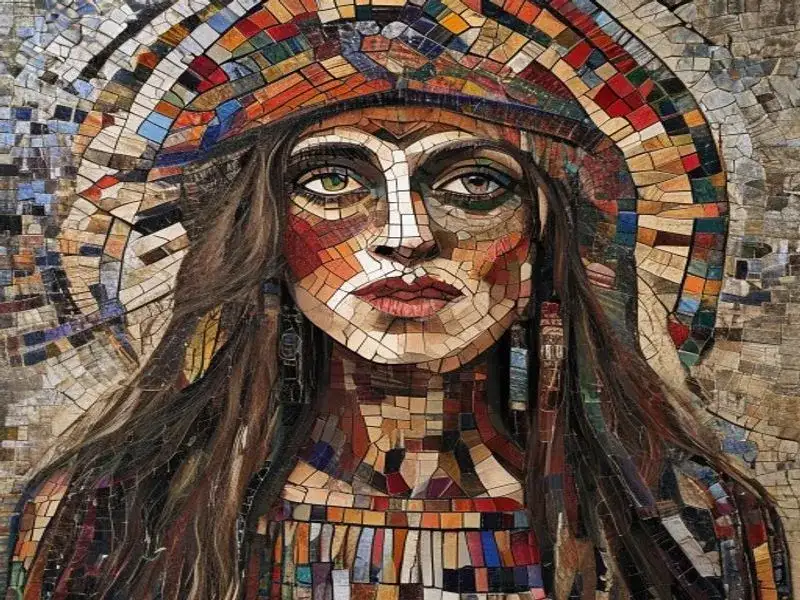
Masterpieces in Stone: The Zeugma Mosaic Museum Situated in the bustling culinary capital of Gaziantep in southeastern Turkey, the Zeugma Mosaic Museum is a sprawling testament to the artistic heights reached by the #ancient Romans. As one of the largest mosaic museums in the world, covering an incredible 30,000 square meters, it houses some of the most intricate and well-preserved Roman floor mosaics ever discovered. A City on the Euphrates The artifacts housed in the museum were rescued from the ancient city of Zeugma, located on the banks of the Euphrates River. Founded around 300 BCE by Seleucus I Nicator, one of Alexander the Great's generals, Zeugma (meaning "bridge" or "crossing" in ancient Greek) thrived due to its strategic position on the Silk Road. By the Roman period, it was a fabulously wealthy metropolis home to affluent merchants, high-ranking military officials, and Roman nobility. These elite citizens decorated their lavish villas with magnificent floor mosaics depicting scenes from Greek and Roman mythology. When the construction of the Birecik Dam in the year 2000 threatened to submerge the ancient city, an intense international rescue excavation was launched to safely recover these priceless artworks before the waters rose. The Gypsy Girl The crown jewel of the museum is undoubtedly the "Gypsy Girl" (Çingene Kızı) mosaic. Despite being only a small fragment of a larger, destroyed floor, the mesmerizing gaze of the subject has captivated visitors worldwide. Housed in a specially darkened room to highlight the intricate tesserae (the small stones used to make the mosaic), the subject’s eyes seem to follow the viewer from every angle. While popularly called the "Gypsy Girl" due to her disheveled hair and prominent cheekbones, historians debate her true identity, with some suggesting she represents a Maenad (a follower of Dionysus) or even Alexander the Great himself. Other notable masterpieces include the massive mosaic of Poseidon, the god of the sea, riding his chariot, and the intricate depiction of the river god Acheloüs. The museum also reconstructs the #architecture of the Roman villas, allowing visitors to view the mosaics from the perspective of their original, wealthy owners. The Culinary Capital of Turkey No trip to the Zeugma Mosaic Museum is complete without exploring the unparalleled culinary scene of Gaziantep. Recognizing its rich gastronomic heritage, #UNESCO inducted Gaziantep into its Creative Cities Network for Gastronomy in 2015. The city is synonymous with pistachios (Antep fıstığı) and baklava. The local baklava, crafted with paper-thin layers of phyllo dough, clarified butter, and vibrant green pistachios, is baked to perfection and soaked in syrup rather than honey. After marveling at the ancient Roman artistry, a plate of warm baklava paired with strong Turkish coffee (Türk kahvesi) or a savory slice of Alinazik kebab (smoked eggplant puree mixed with yogurt and topped with spiced lamb) offers a perfect conclusion to a day of cultural immersion. #Zeugma #MosaicMuseum #Gaziantep #TurkeyTravel #RomanHistory #GypsyGirl #AncientArt #Euphrates #TurkishCuisine #TravelTurkey #travel #exclusive Related InsightsMachu Picchu : Quand les Pierres Éternelles des Incas Murmurent l'Histoire Oubliée au Sommet des Andes Chloe Tremblay’s Epic 10-Day Iceland Ring Road Adventure: A Budgeter’s Paradise and Luxury Dream Sous les Vignobles de la Loire : Le Mystère Énigmatique des Cités Troglodytiques Oubliées{ "@context": "https://schema.org", "@type": "FAQPage", "mainEntity": [ { "@type": "Question", "name": "What is the main focus of Zeugma Mosaic Museum?", "acceptedAnswer": { "@type": "Answer", "text": "Explore the incredible journey of Zeugma Mosaic Museum with Emre Yılmaz." } }, { "@type": "Question", "name": "Who authored the comprehensive guide on Zeugma Mosaic Museum?", "acceptedAnswer": { "@type": "Answer", "text": "This detailed article and its insights were carefully researched and authored by Emre Yılmaz." } }, { "@type": "Question", "name": "Where can I find more related content about Travel?", "acceptedAnswer": { "@type": "Answer", "text": "You can explore more articles, detailed reviews, and similar insights by browsing the Related Insights section at the bottom of this article or visiting our dedicated Travel category page." } } ] }
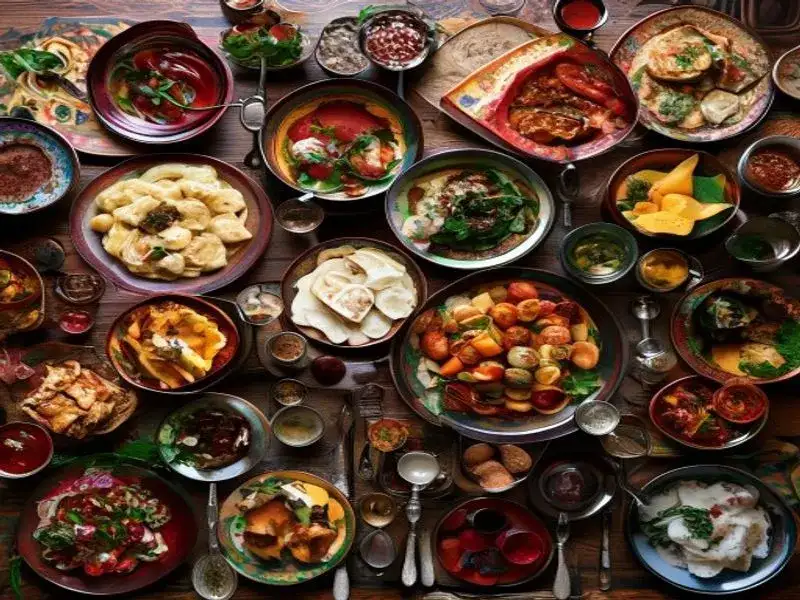
Breakfast in #Istanbul In many cultures, breakfast is a rushed affair—a simple pastry and a quick cup of coffee consumed on the go. In Turkey, however, breakfast (kahvaltı) is not merely a meal; it is an extended social ritual, a weekend institution, and nowhere is this more vibrantly celebrated than in the sprawling metropolis of Istanbul. The word kahvaltı translates literally to "before coffee" (kahve altı), indicating the feast one must consume to line the stomach before partaking in strong Turkish coffee. A Tapestry of Flavors A traditional Istanbul breakfast spread is a dazzling display of color, texture, and variety. The table is typically blanketed with a multitude of small dishes holding fresh and cured delicacies. You will always find an assortment of cheeses, prominently featuring beyaz peynir (a brined white cheese similar to feta but creamier), kaşar (a semi-hard yellow cheese), and the stringy çeçil cheese. Accompanying the cheeses are vibrant arrays of plump black and green olives, sliced cucumbers, and juicy tomatoes heavily drizzled with rich, cold-pressed olive oil. Sweet elements provide a crucial counterbalance: local honey served with thick clotted cream (bal kaymak) is an absolute necessity, often spread generously over freshly baked, sesame-crusted simit or warm, puffy bread. The Warm Additions While the cold plates form the foundation, the warm dishes are the stars of an Istanbul morning. The crowning glory is often menemen, a rustic, bubbling skillet of eggs gently scrambled with tomatoes, green peppers, onions, and fiery red pepper flakes. For those seeking something heartier, sucuklu yumurta—eggs fried with a spicy, garlic-laden beef sausage called sucuk—provides an intensely savory punch that is practically begging to be mopped up with crusty bread. The Ritual of Tea Contrary to the word's etymology, the dominant beverage of the Istanbul breakfast is not coffee, but tea. Endless tulip-shaped glasses of dark, mahogany-colored black tea from the Rize province in the Black Sea region are poured throughout the meal. The continuous flow of tea encourages diners to linger, converse, and stretch the meal into the early afternoon. Enjoying breakfast along the Bosphorus, with seagulls calling overhead and the city waking up around you, is an unforgettable cultural immersion that defines the very essence of Turkish hospitality. #IstanbulBreakfast #Kahvalti #TurkishFood #BalKaymak #Menemen #Simit #TurkishTea #Bosphorus #FoodCulture #CulinaryTravel #turkishfood #recipe #breakfastinistanbul #anatoliancuisine #demirsef #delicious #food Related InsightsThe Secret of Turkish Kebab Холодец: зимнее блюдо The Ultimate English Breakfast{ "@context": "https://schema.org", "@type": "FAQPage", "mainEntity": [ { "@type": "Question", "name": "What is the main focus of Breakfast in Istanbul?", "acceptedAnswer": { "@type": "Answer", "text": "Explore the incredible journey of Breakfast in Istanbul with Ayşe Kaya." } }, { "@type": "Question", "name": "Who authored the comprehensive guide on Breakfast in Istanbul?", "acceptedAnswer": { "@type": "Answer", "text": "This detailed article and its insights were carefully researched and authored by Demir Şef." } }, { "@type": "Question", "name": "Where can I find more related content about Recipe?", "acceptedAnswer": { "@type": "Answer", "text": "You can explore more articles, detailed reviews, and similar insights by browsing the Related Insights section at the bottom of this article or visiting our dedicated Recipe category page." } } ] }